Блок 6
Слова 101–120 · last, child, tell, really, call, before
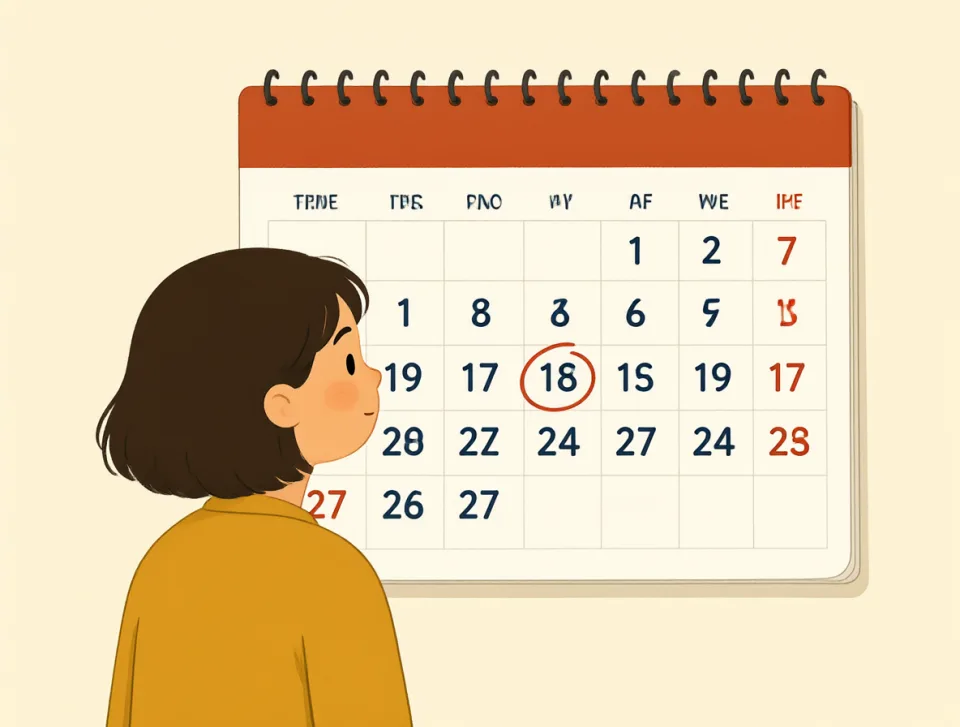
last
#101verb, adjective, adverb, noun
длиться
To continue for a period of time, or come after all others in time or order.
Продолжаться в течение какого-либо времени или следовать за всеми остальными по времени или порядку.
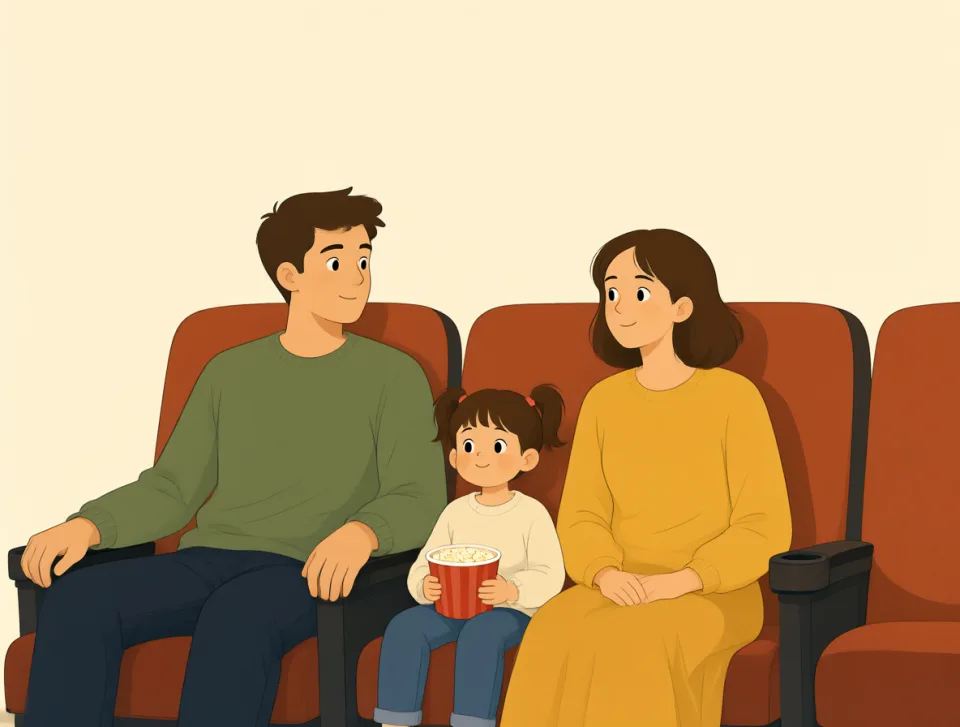
The movie lasted two hours.
Фильм длился два часа.

This shirt will last for years.
Эта рубашка прослужит много лет.
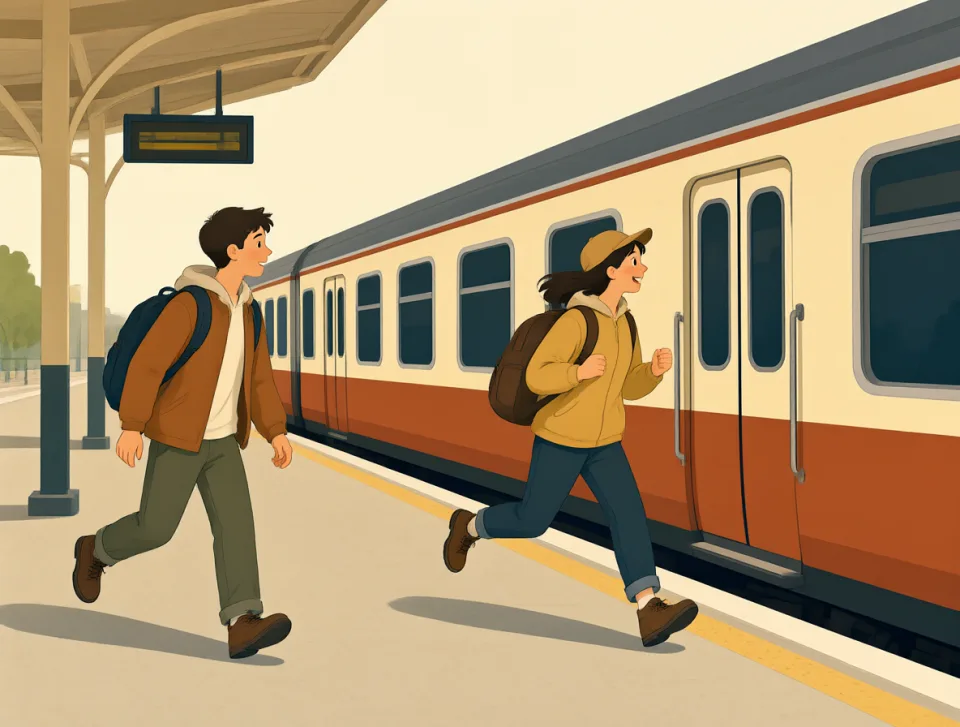
We caught the last train home.
Мы успели на последний поезд домой.

I ate the last piece of cake.
Я съел последний кусок торта.

She was last in the race.
Она финишировала последней.
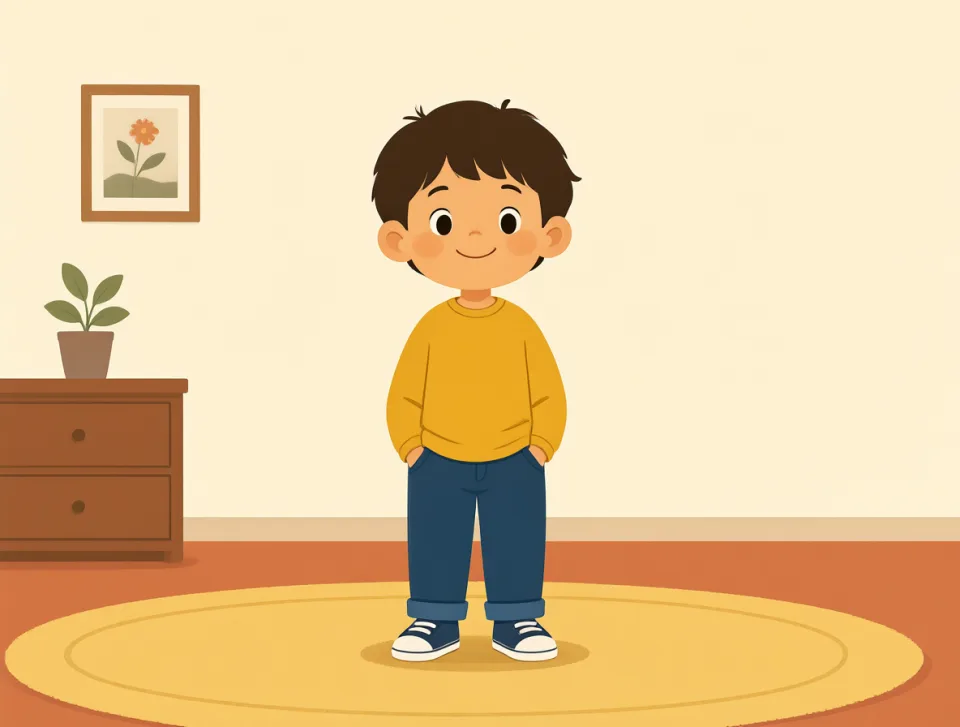
child
#102noun
ребёнок
a young person who is not yet an adult
Человек младше возраста, с которого считается взрослым.
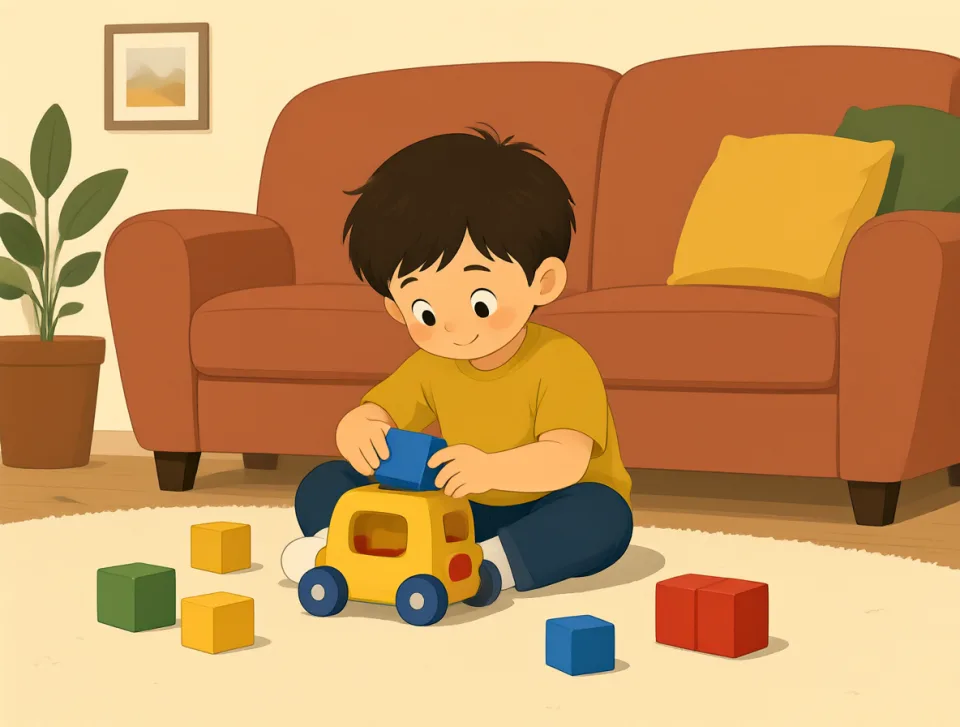
The child is playing with a toy.
Ребёнок играет с игрушкой.
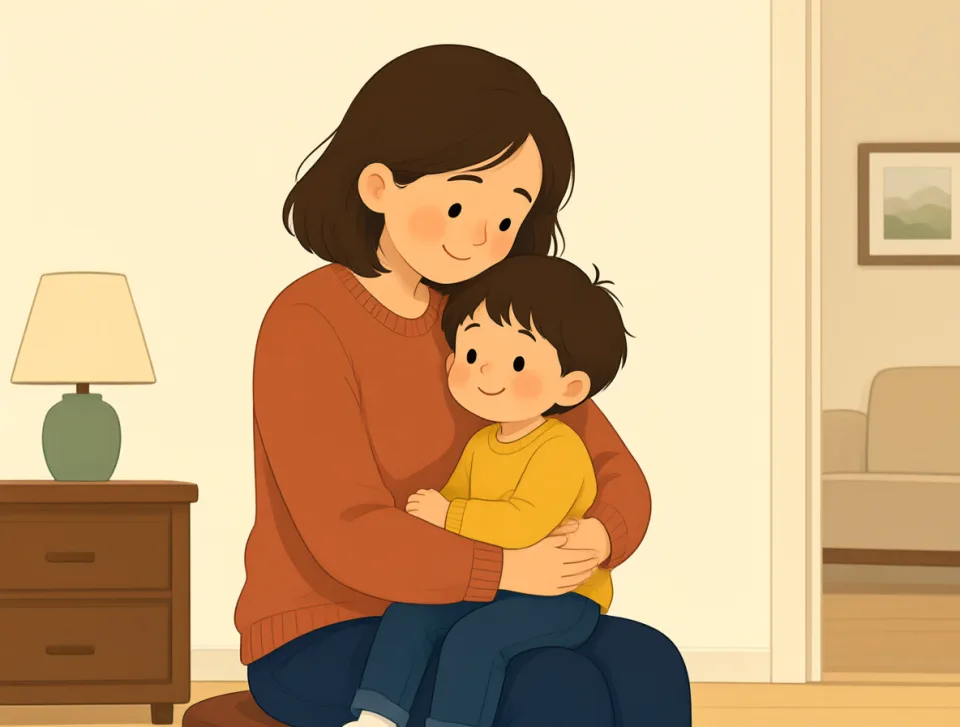
Every child needs love and care.
Каждому ребёнку нужны любовь и забота.

The children walked to school together.
Дети вместе пошли в школу пешком.
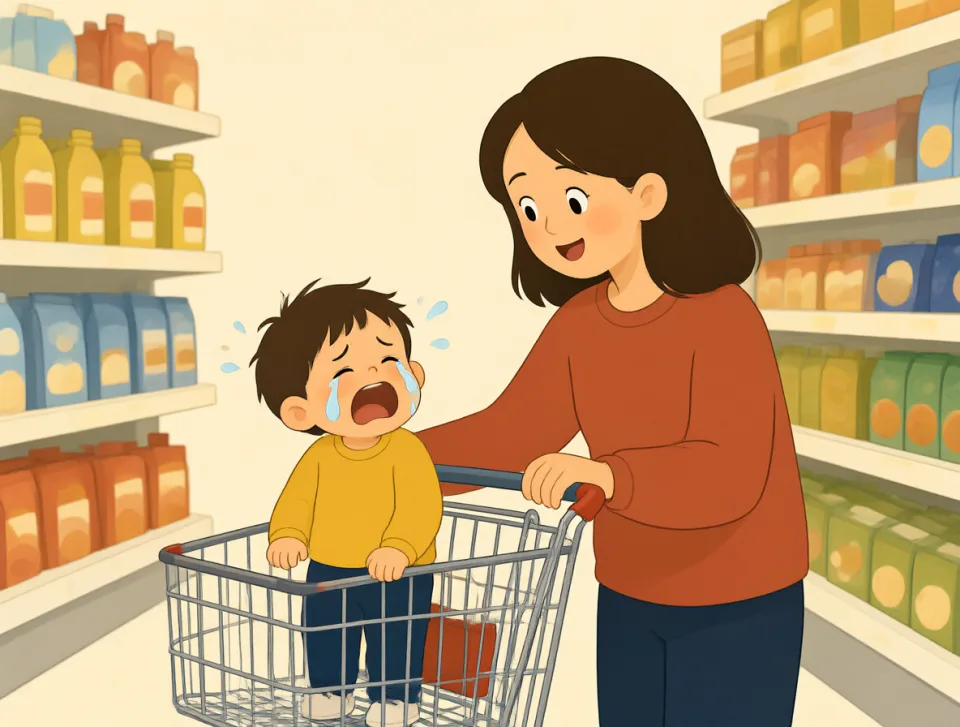
A child was crying in the store.
В магазине плакал ребёнок.

The doctor examined the sick child.
Врач осмотрел больного ребёнка.

tell
#103verb
рассказывать
to give someone information or say something to someone
Сообщать кому-либо информацию или говорить что-либо кому-либо.

Please tell me your name.
Пожалуйста, скажите, как вас зовут.
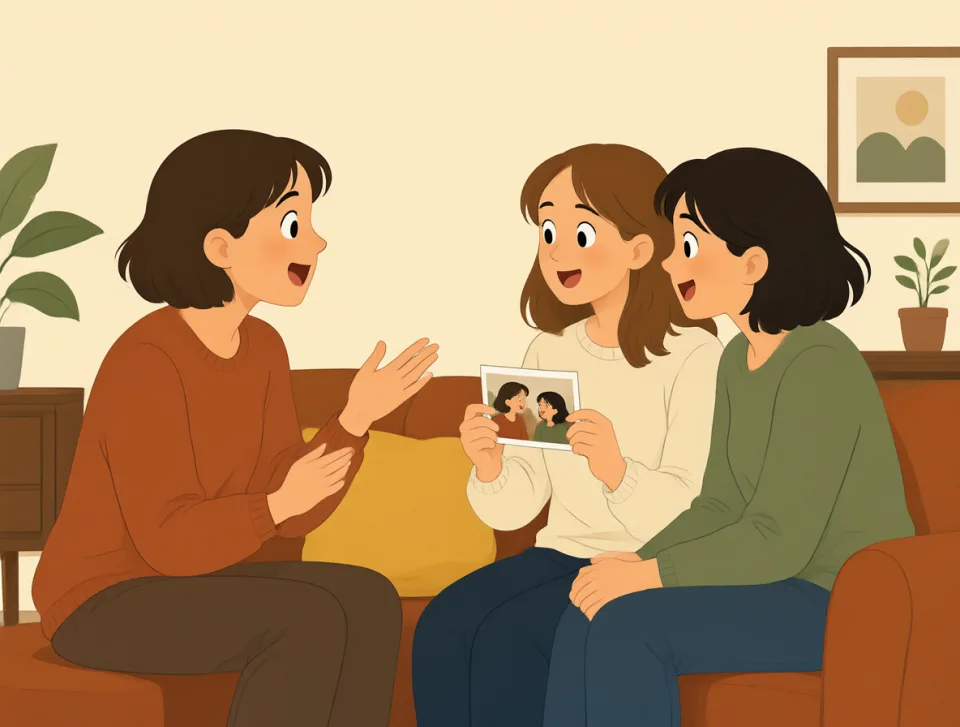
She told us about her trip.
Она рассказала нам о своей поездке.

Can you tell me the way?
Вы не подскажете, как пройти?

He told his boss he was sick.
Он сказал начальнику, что заболел.

The recipe tells you to add salt.
В рецепте указано добавить соль.

really
#104adverb
действительно
Used to emphasize that something is true, important, or stronger than expected.
Используется, чтобы подчеркнуть, что что-то правда, важно или сильнее, чем ожидалось.
I really like this song.
Мне очень нравится эта песня.

Are you really going home now?
Ты правда сейчас идёшь домой?

She is really tired today.
Сегодня она очень устала.

This soup is really good.
Этот суп очень вкусный.
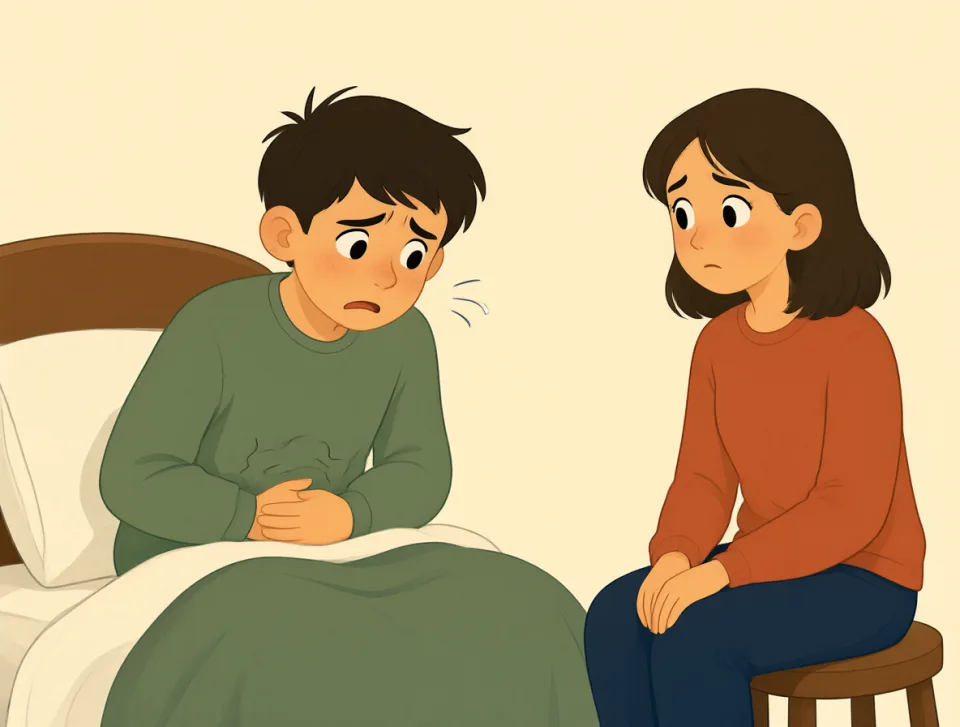
I really need a doctor.
Мне действительно нужен врач.

call
#105verb, noun
звонить
to speak to someone by telephone or give someone a name
Разговаривать с кем-либо по телефону или давать кому-либо имя.
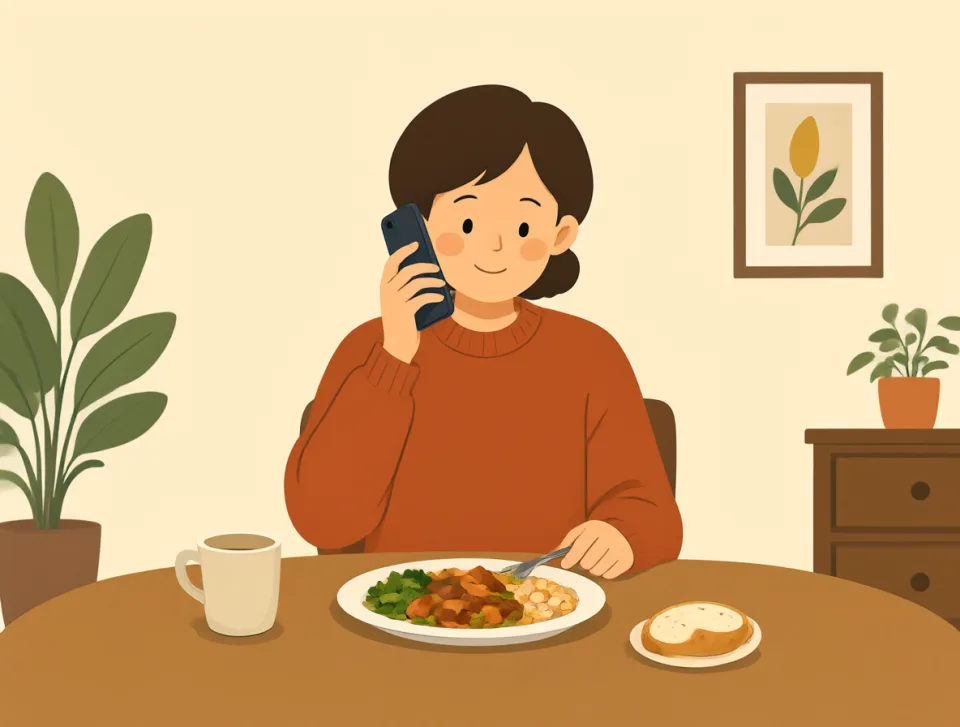
I will call you after dinner.
Я позвоню тебе после ужина.

Please call the doctor this morning.
Пожалуйста, позвоните врачу сегодня утром.
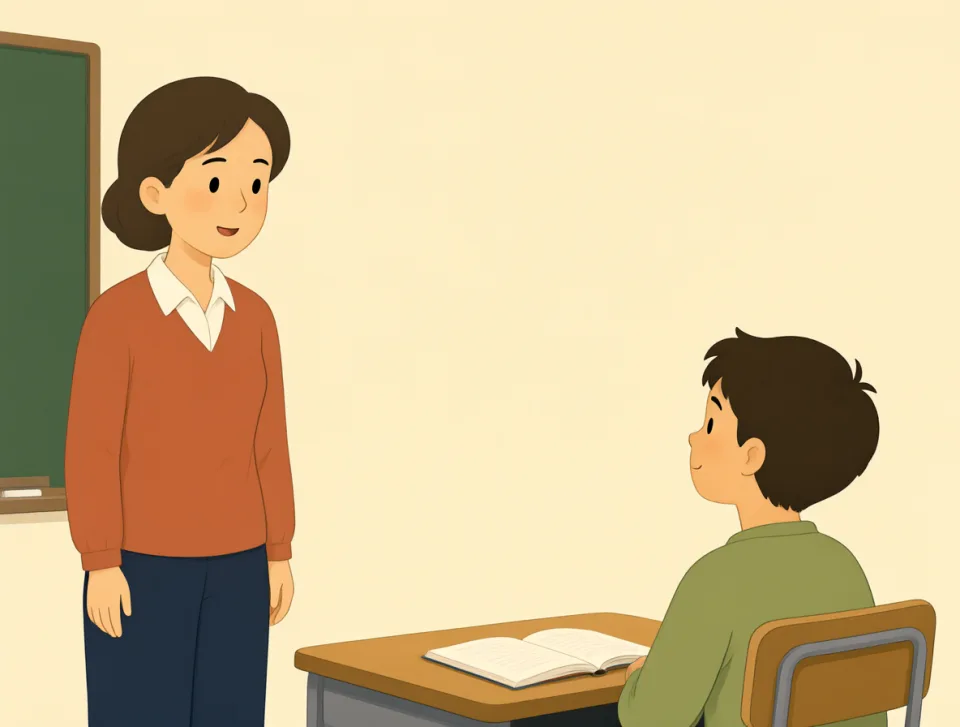
The teacher called my name in class.
Учитель назвал моё имя в классе.

We called a taxi after the concert.
После концерта мы вызвали такси.
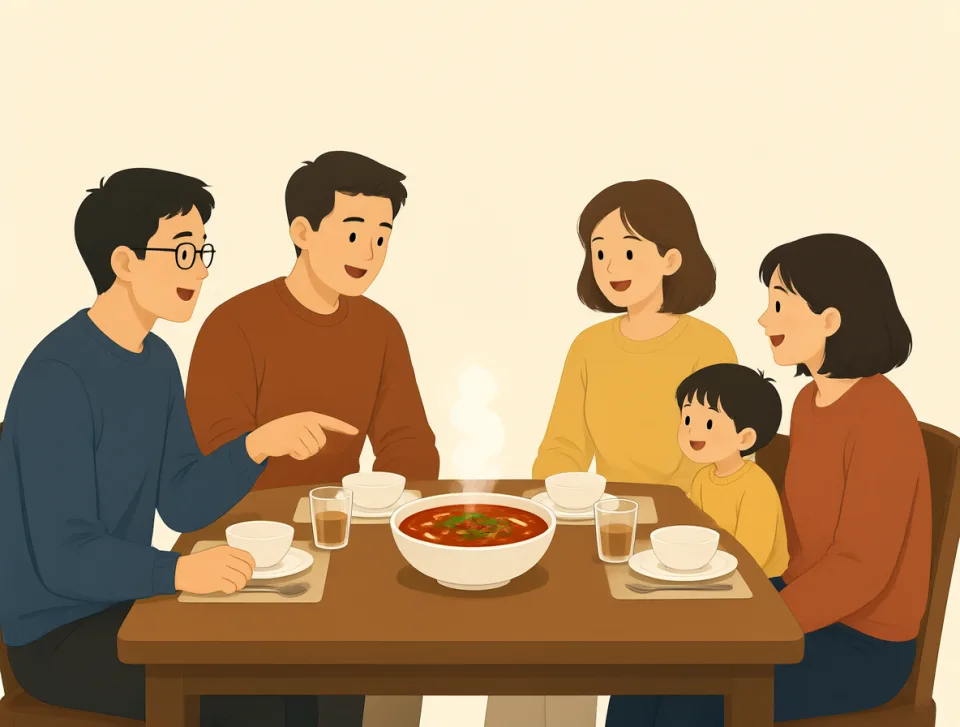
They call this food spicy soup.
Они называют это блюдо острым супом.
before
#106adverb, preposition, conjunction
до
At or during an earlier time, or earlier than someone or something else.
В более раннее время или раньше кого-либо либо чего-либо.
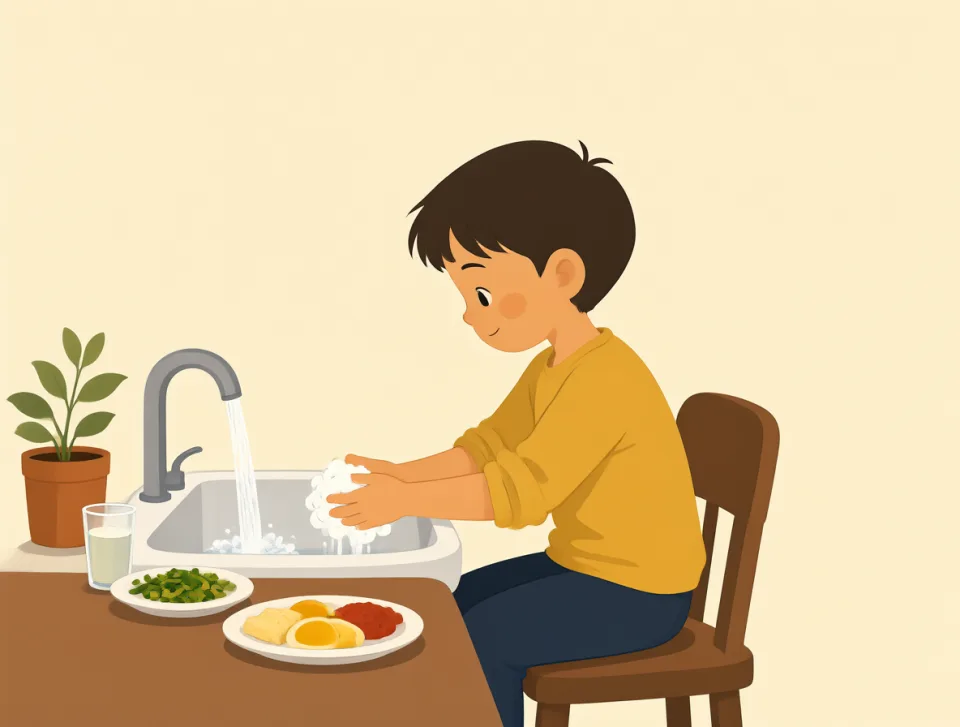
Wash your hands before dinner.
Вымой руки перед ужином.
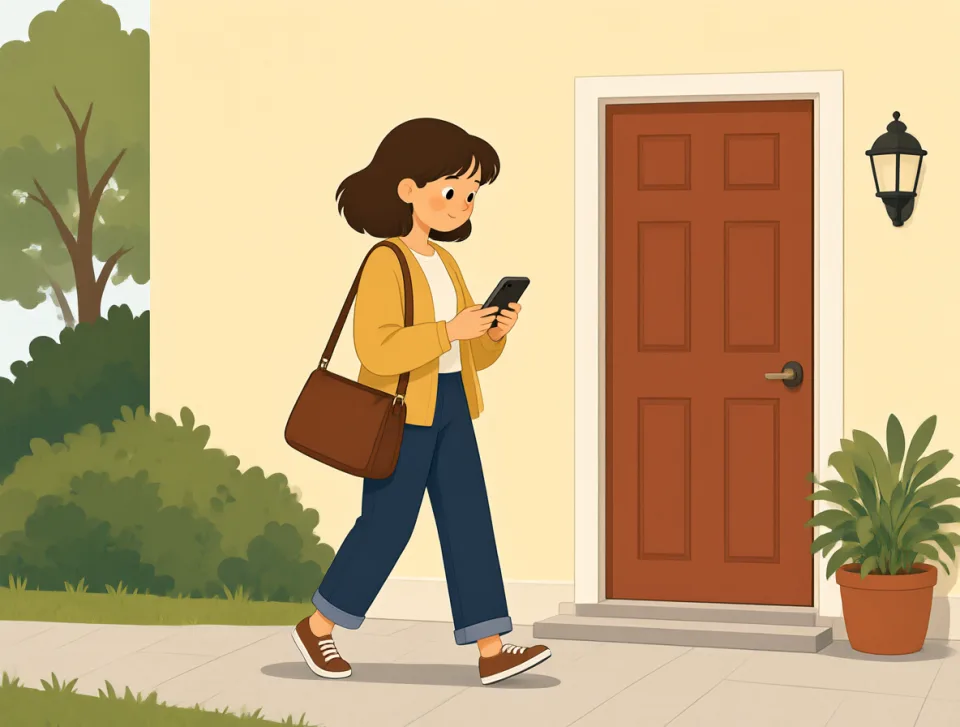
Please call me before you leave.
Пожалуйста, позвони мне перед тем, как уйдёшь.

I saw her before the meeting.
Я видел её до встречи.

Read the question before you answer.
Прочитай вопрос, прежде чем отвечать.

We arrived before the train left.
Мы приехали до отправления поезда.

company
#107noun
компания
An organization that makes or sells goods or services.
Организация, которая производит или продаёт товары либо оказывает услуги.

She works for a small company.
Она работает в небольшой компании.

The company makes healthy food.
Компания производит здоровую пищу.

Our company gives us health insurance.
Наша компания предоставляет нам медицинскую страховку.

I enjoyed his company at dinner.
Мне было приятно провести с ним время за ужином.
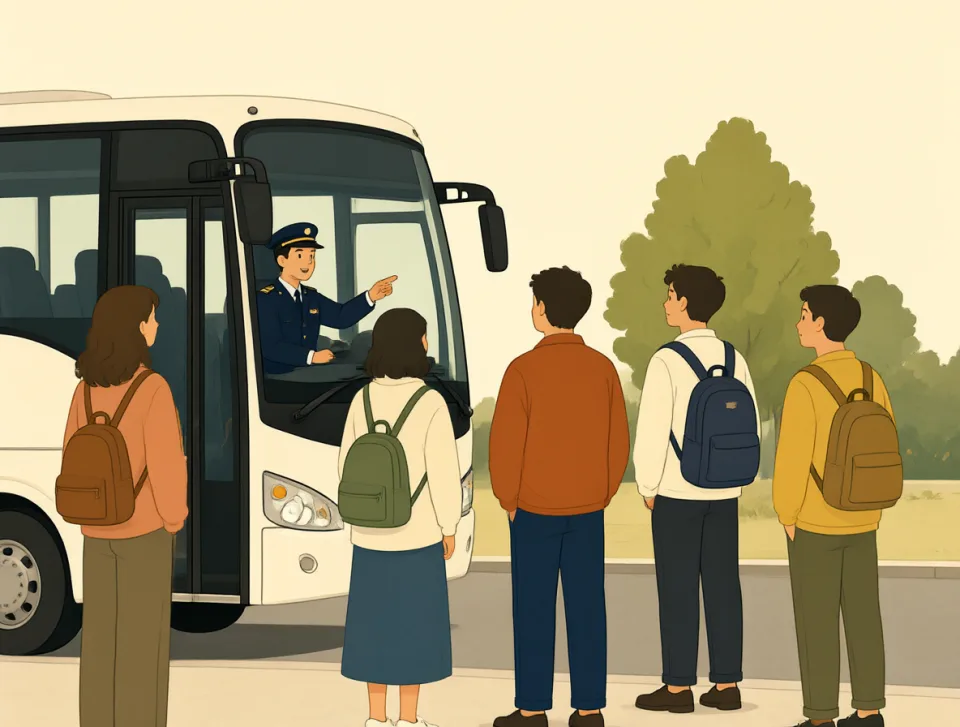
The bus company changed our travel plans.
Автобусная компания изменила наши планы поездки.
through
#108adverb, preposition, conjunction
через
from one side or end to the other, or during the whole of something
С одной стороны или конца до другого; на протяжении всего чего-либо.
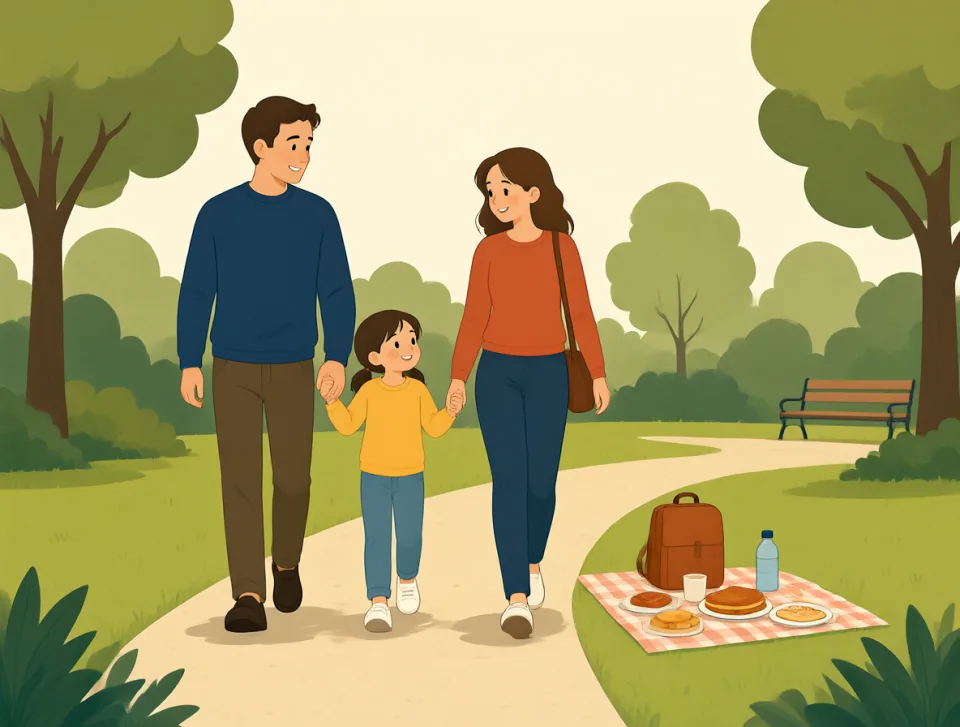
We walked through the park after lunch.
После обеда мы прошлись по парку.

Light came through the bedroom window.
Свет проникал через окно спальни.

She read through the report before the meeting.
Перед встречей она прочитала весь отчёт.
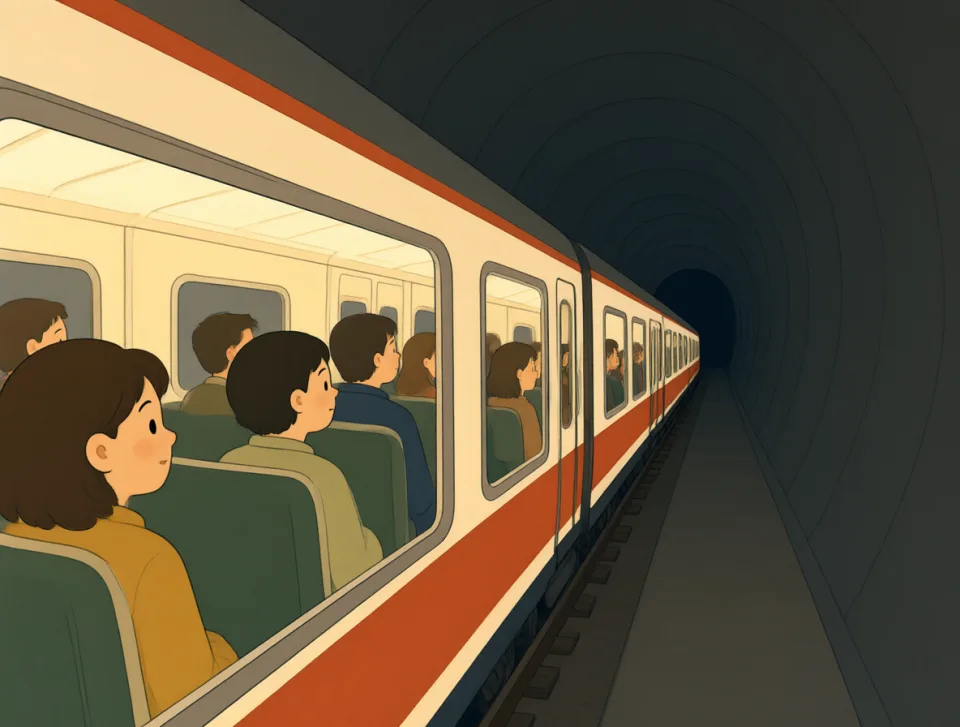
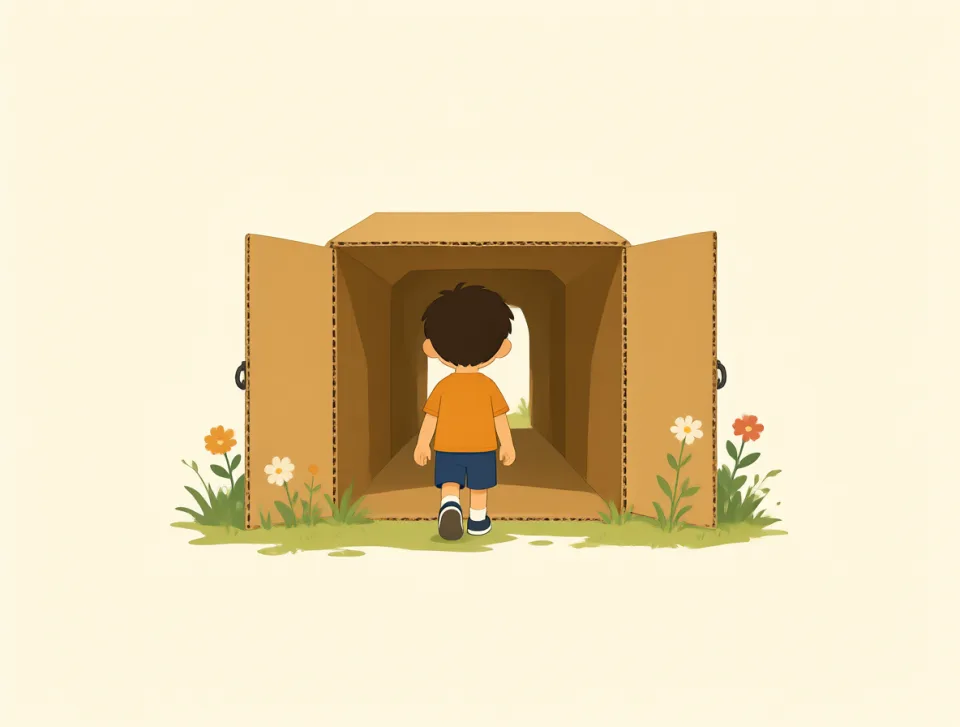
The train went through a long tunnel.
Поезд проехал через длинный туннель.

He worked through the night to finish.
Он работал всю ночь, чтобы закончить.

down
#109adverb, preposition, adjective, verb, noun
вниз
Toward a lower place or position; to a lower level; or not working.
В направлении более низкого места или положения; на более низкий уровень; или неработающий.
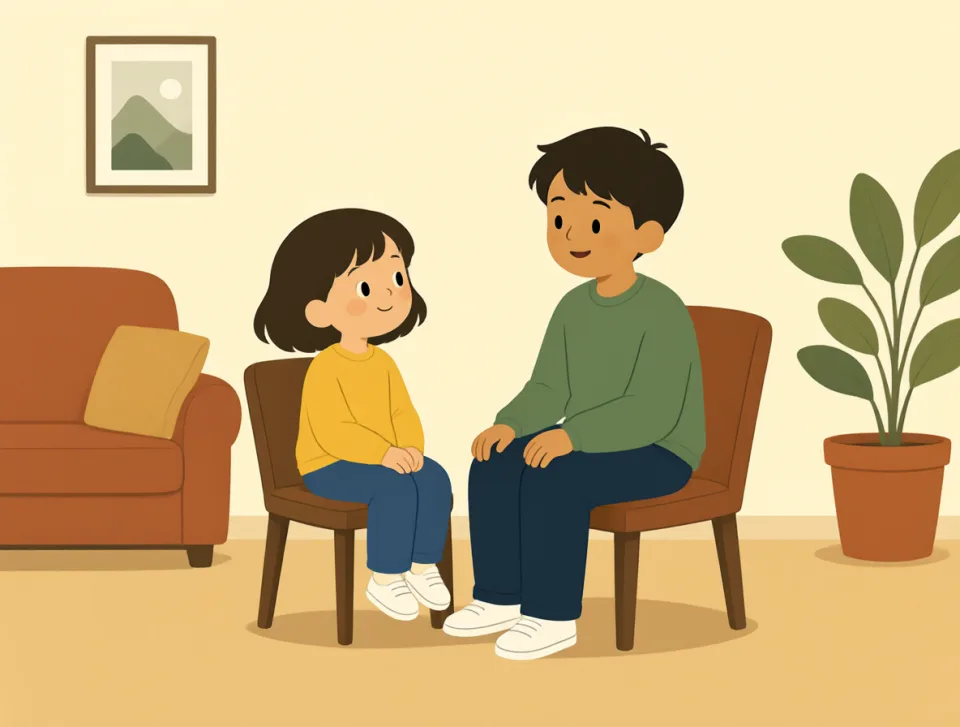
Please sit down beside me.
Пожалуйста, присядь рядом со мной.
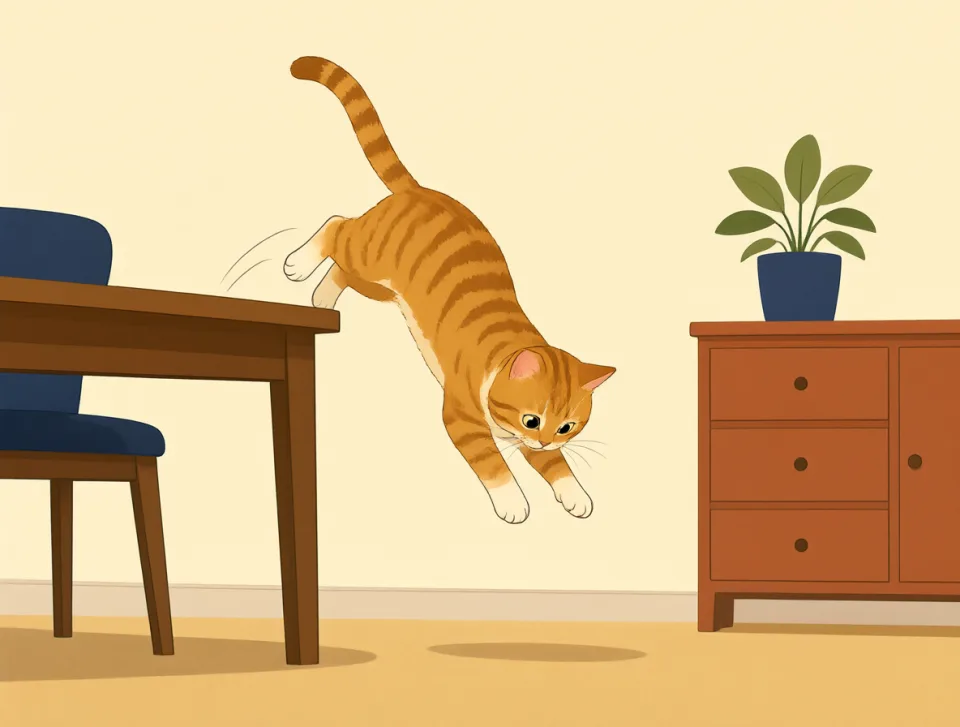
The cat jumped down from the table.
Кошка спрыгнула со стола.

She walked down the street slowly.
Она медленно шла по улице.

Write down your name and address.
Запиши своё имя и адрес.

The computer is down this morning.
Сегодня утром компьютер не работает.
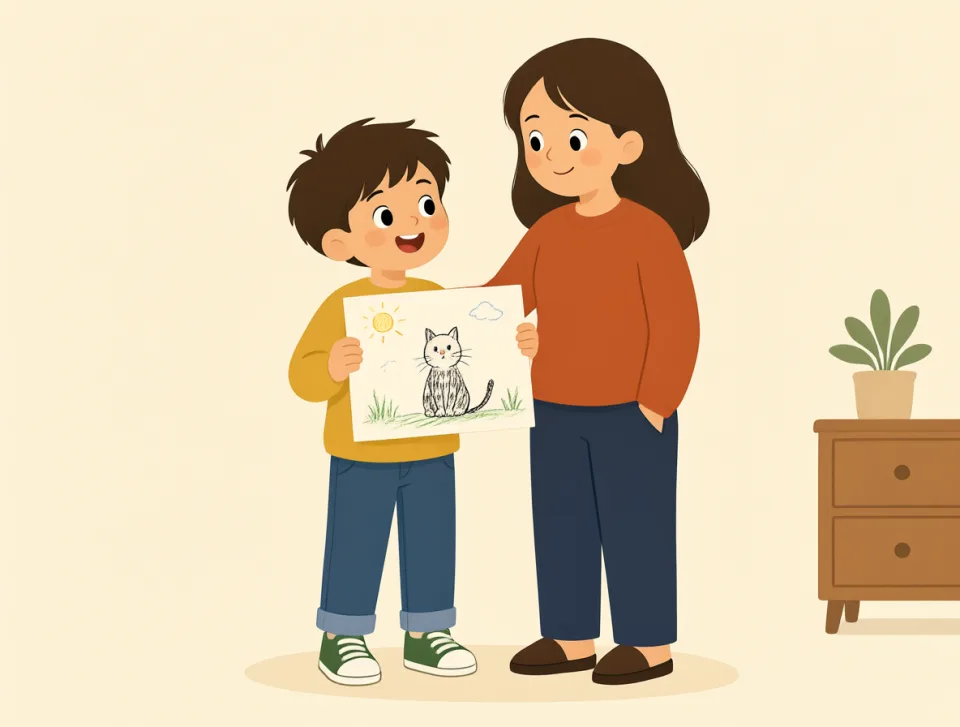
show
#110verb, noun
показывать
to let someone see something or to give a performance for people
Давать кому-либо что-либо увидеть или выступать перед зрителями.
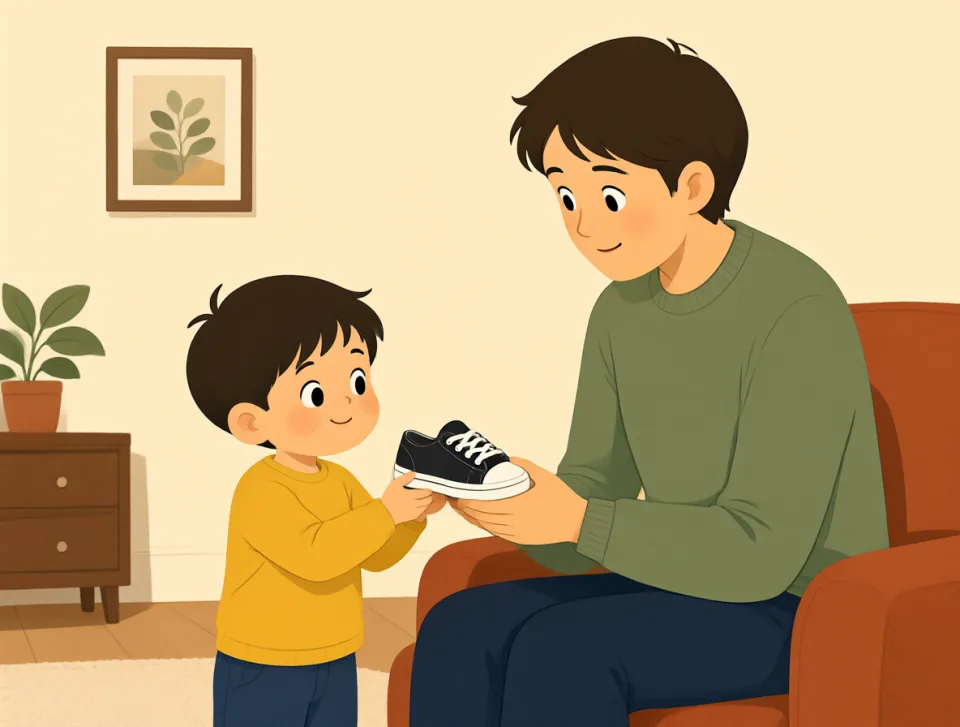
Please show me your new shoes.
Покажи мне, пожалуйста, свои новые туфли.
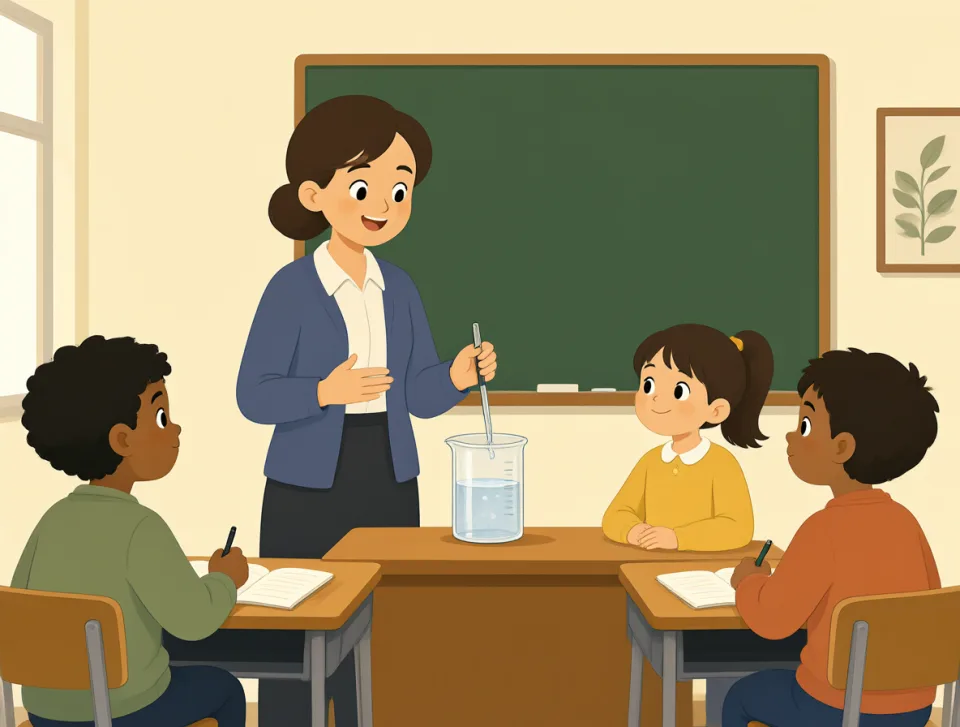
The teacher showed us a science experiment.
Учитель показал нам научный эксперимент.
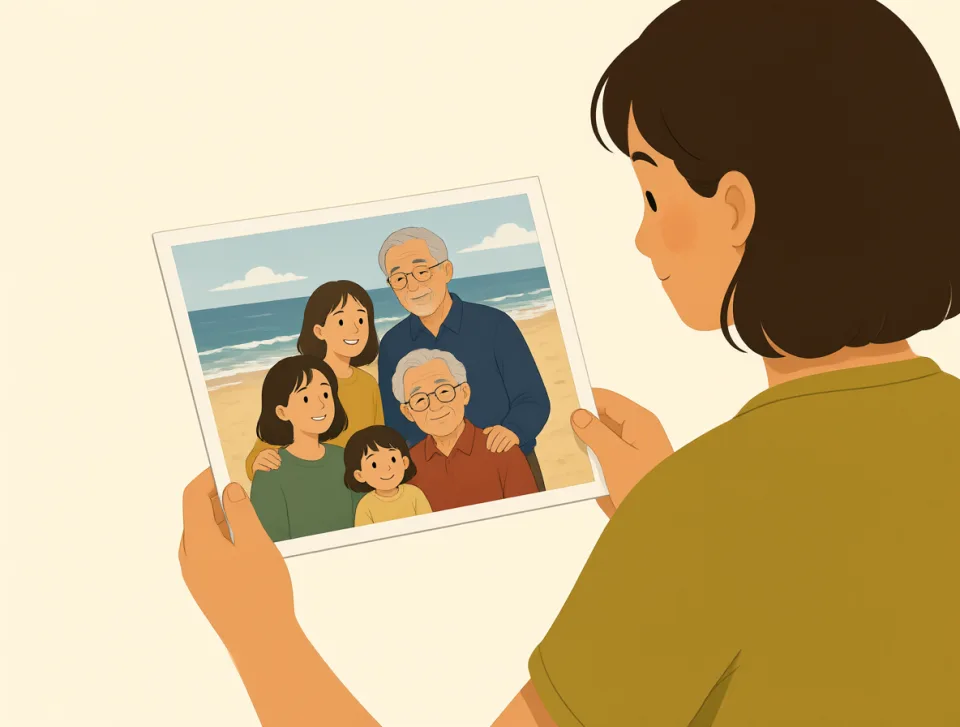
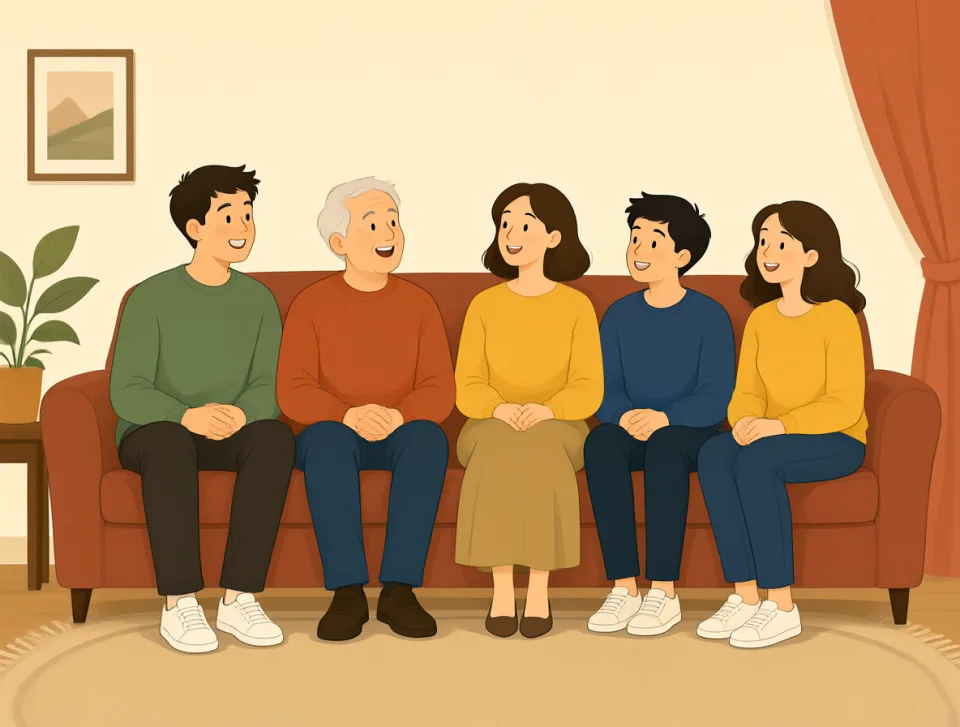
This photo shows my family at the beach.
На этой фотографии запечатлена моя семья на пляже.
We watched a great show last night.
Вчера вечером мы посмотрели отличное шоу.

The map showed us the way to the hotel.
Карта показала нам дорогу к отелю.

life
#111noun
жизнь
The time between being born and dying, or the way someone lives.
Период между рождением и смертью или образ жизни человека.
Life is very different in a big city.
Жизнь в большом городе сильно отличается.

She enjoys life with her family.
Ей нравится жизнь с семьёй.

He saved the dog's life.
Он спас собаке жизнь.

Travel changed my life completely.
Путешествия полностью изменили мою жизнь.

Healthy food is important for a long life.
Здоровая пища важна для долгой жизни.
man
#112noun, verb
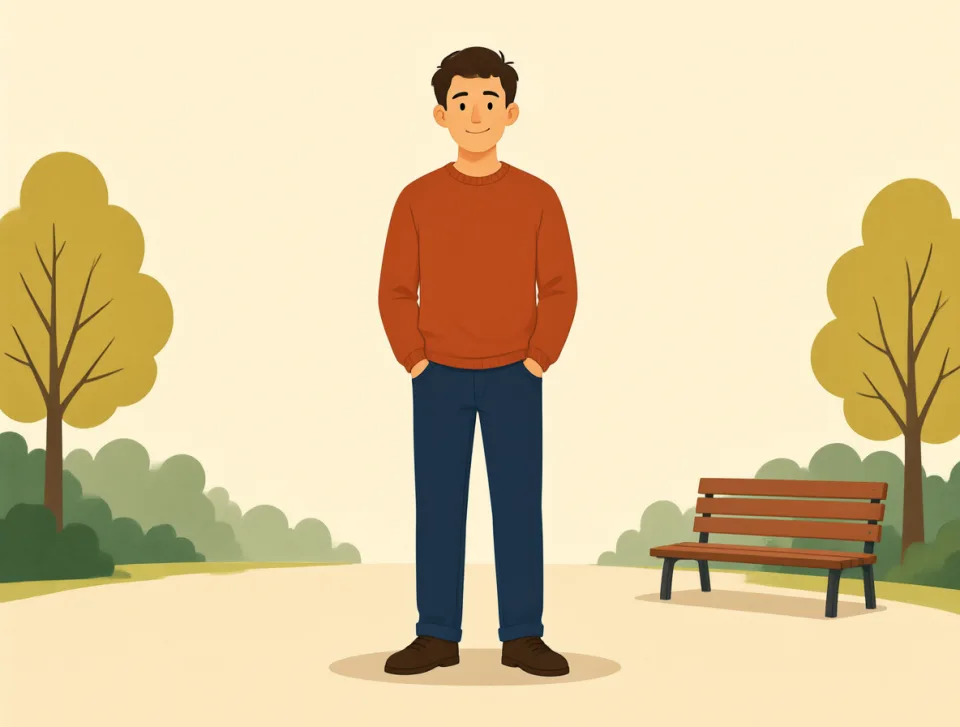
мужчина
An adult male person; to work or operate something by hand.
Взрослый человек мужского пола; также — управлять чем-либо или обслуживать что-либо вручную.
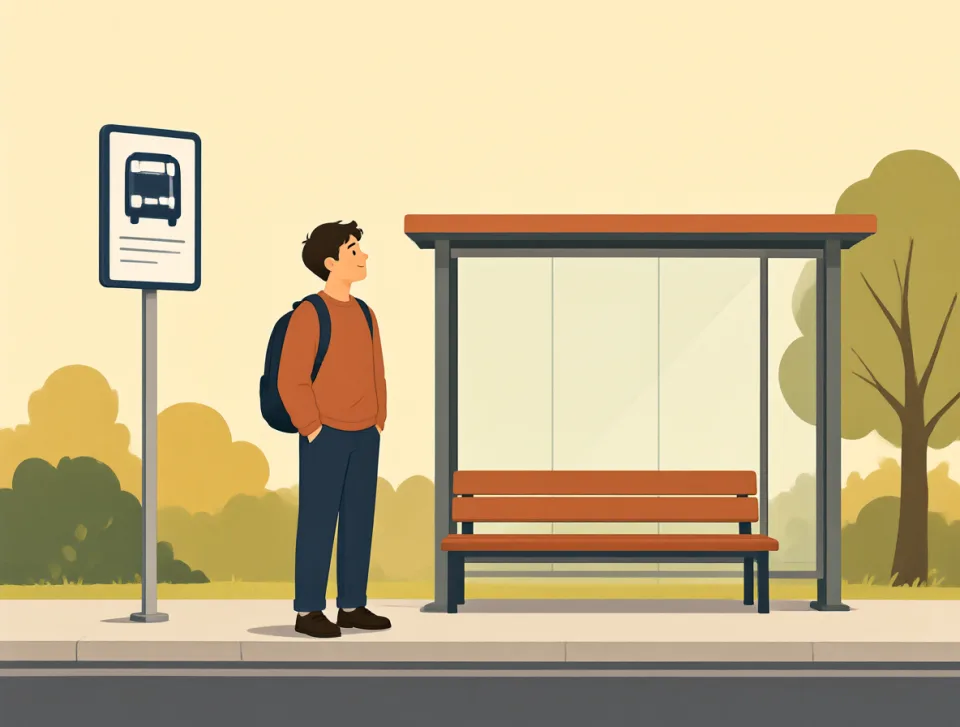
The man is waiting for the bus.
Мужчина ждёт автобус.

A young man works in our office.
В нашем офисе работает молодой мужчина.

The shop man helped me find shoes.
Продавец помог мне найти обувь.

The man next door is a doctor.
Мужчина по соседству — врач.

He manned the boat during the storm.
Во время шторма он управлял лодкой.
change
#113noun, verb
изменять; изменение
to make something different, or the act of making something different
Делать что-либо другим или процесс, в результате которого что-либо становится другим.
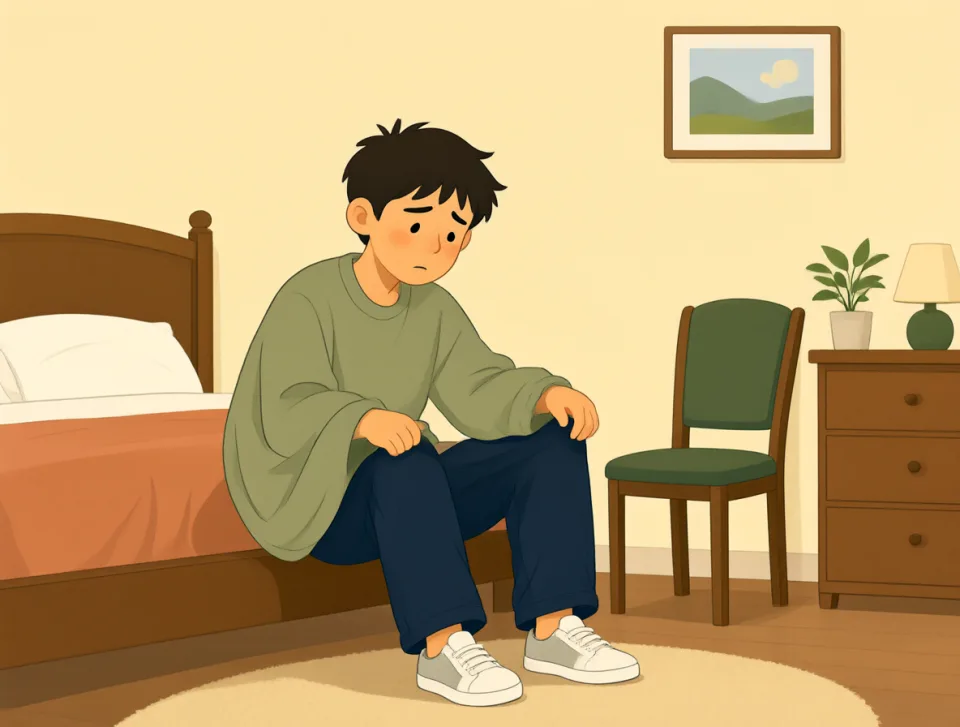
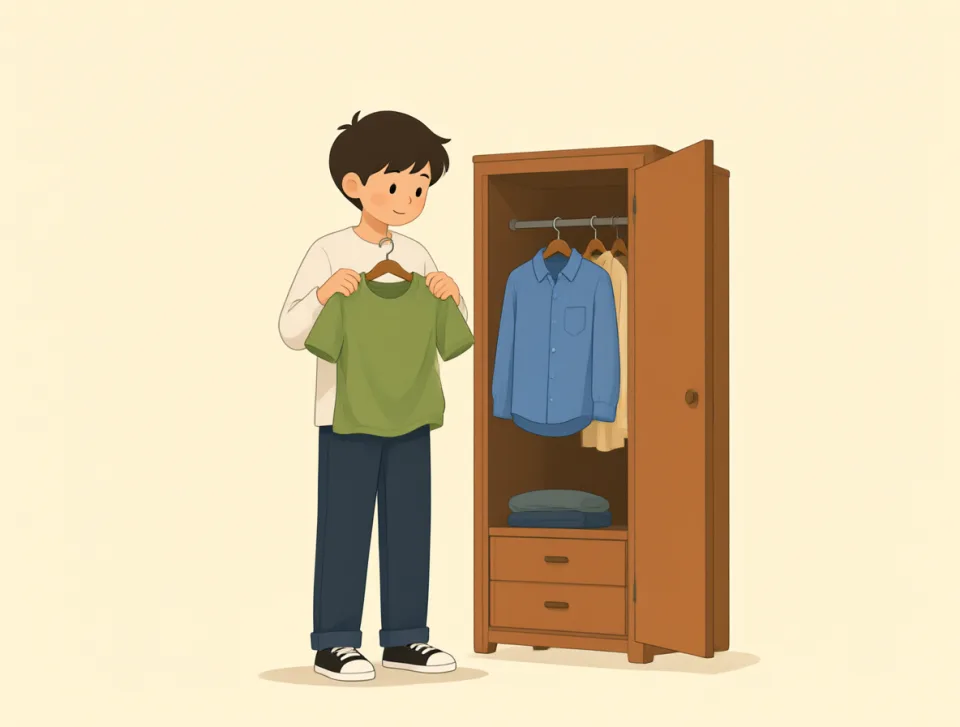
I need to change my clothes after work.
После работы мне нужно переодеться.

Can you change your travel plans today?
Можешь сегодня изменить свои планы на поездку?

She changed her appointment to Friday.
Она перенесла встречу на пятницу.
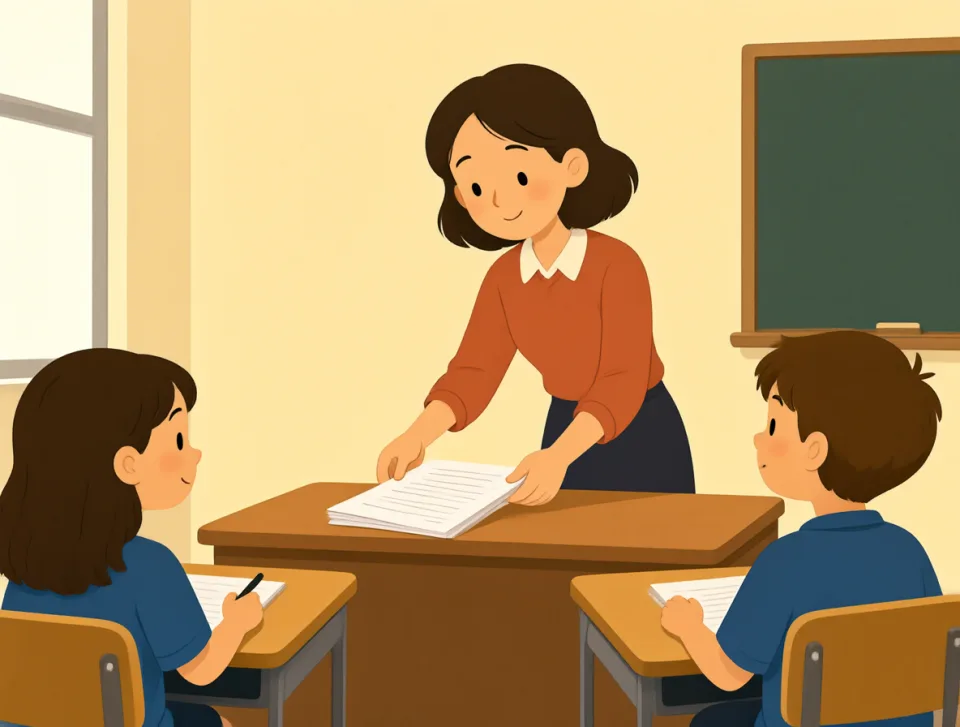
The teacher changed the lesson for us.
Учитель изменил для нас урок.

He needs a change after eating the same meal.
После того как он поел одно и то же блюдо, ему захотелось разнообразия.
place
#114noun, verb
место
A particular area, position, or position for someone or something.
Определённая территория, положение или место, предназначенное для кого-либо или чего-либо.
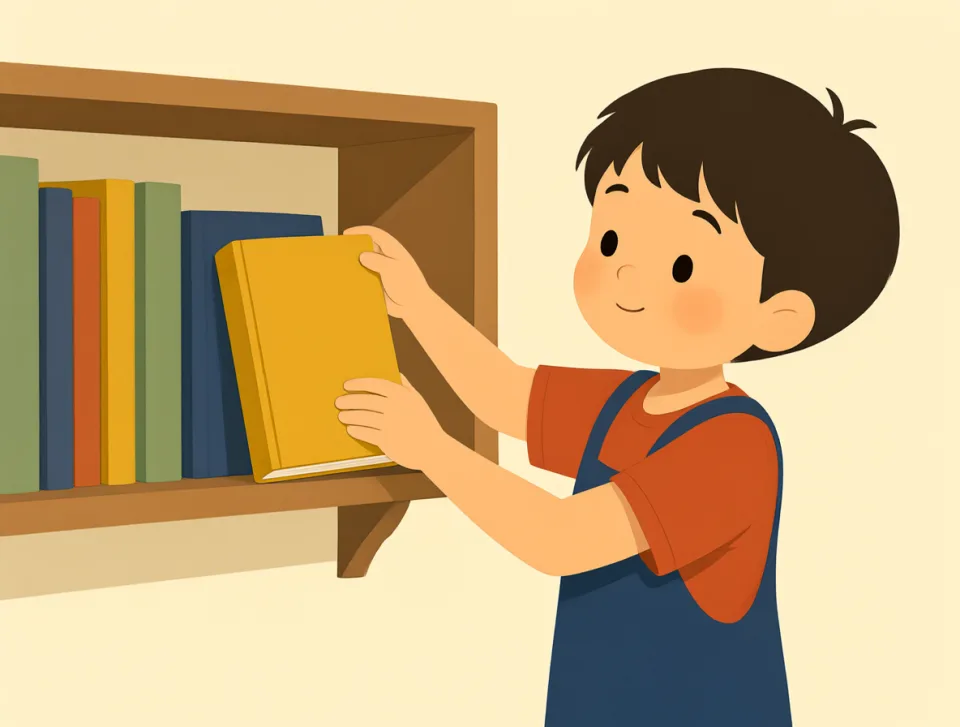
Please put the books in their place.
Пожалуйста, положите книги на место.

We found a quiet place to eat.
Мы нашли тихое место, где можно поесть.
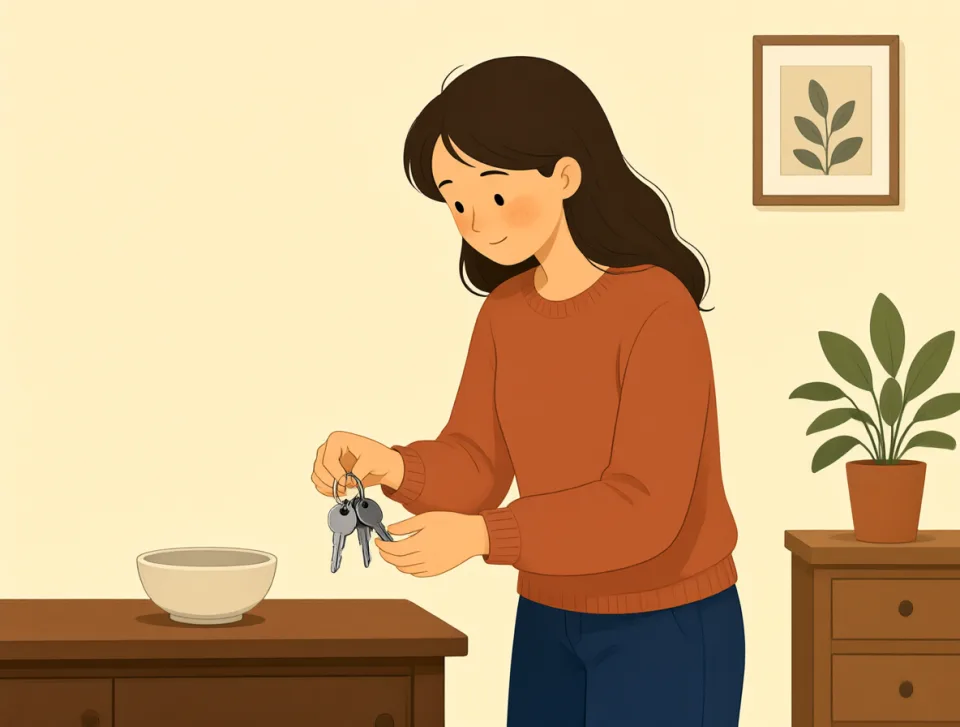
She placed the keys on the table.
Она положила ключи на стол.
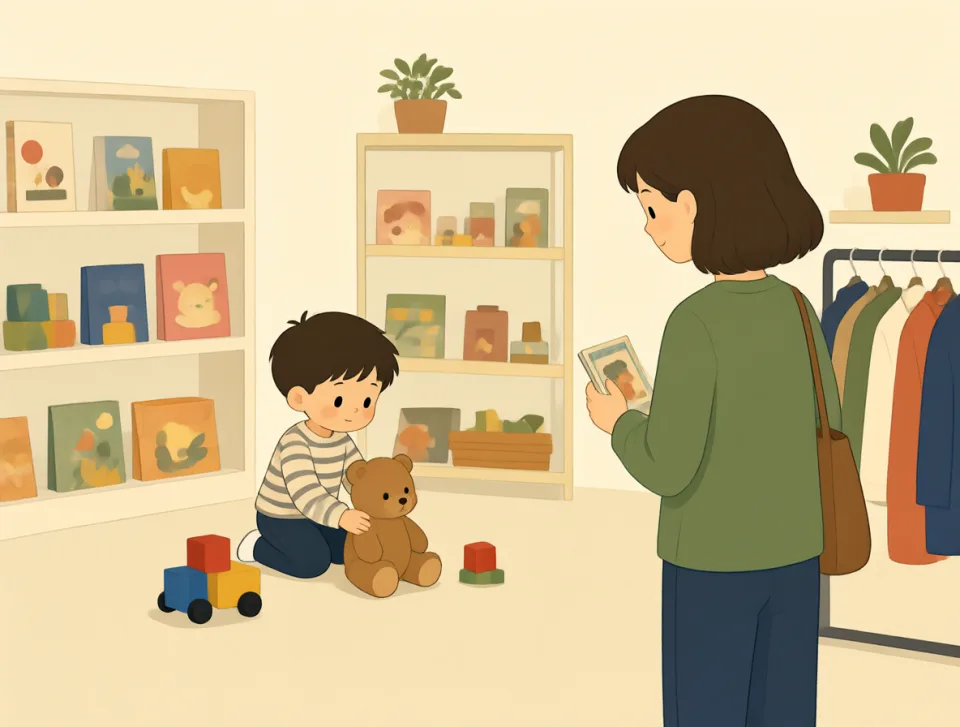
This store has a place for children.
В этом магазине есть место для детей.
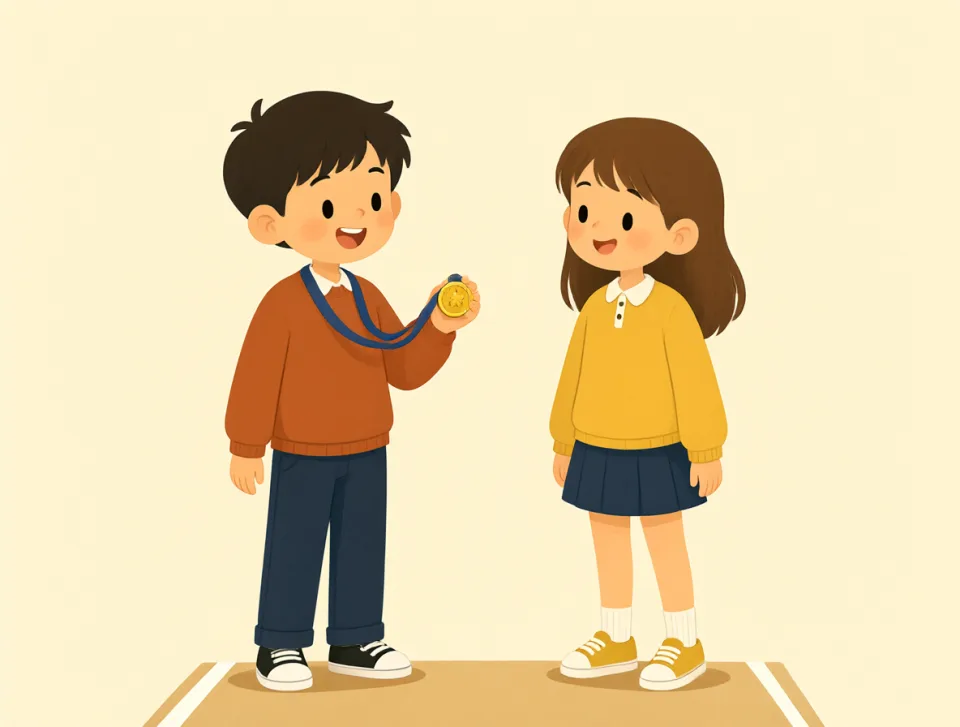
They placed first in the school race.
Они заняли первое место в школьном забеге.

long
#115adjective, adverb, verb, noun
длинный; долгий
Continuing for a great distance or time; or wanting something very much.
Имеющий большую протяжённость или продолжительность; также — очень сильно желающий чего-либо.
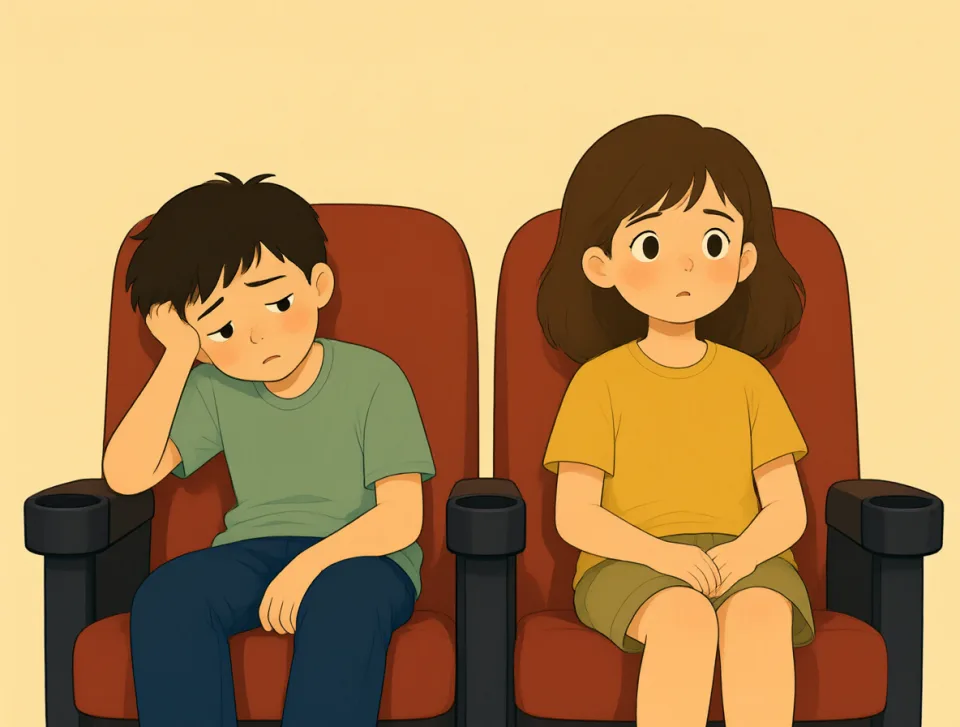
The movie was too long for the children.
Фильм оказался слишком долгим для детей.
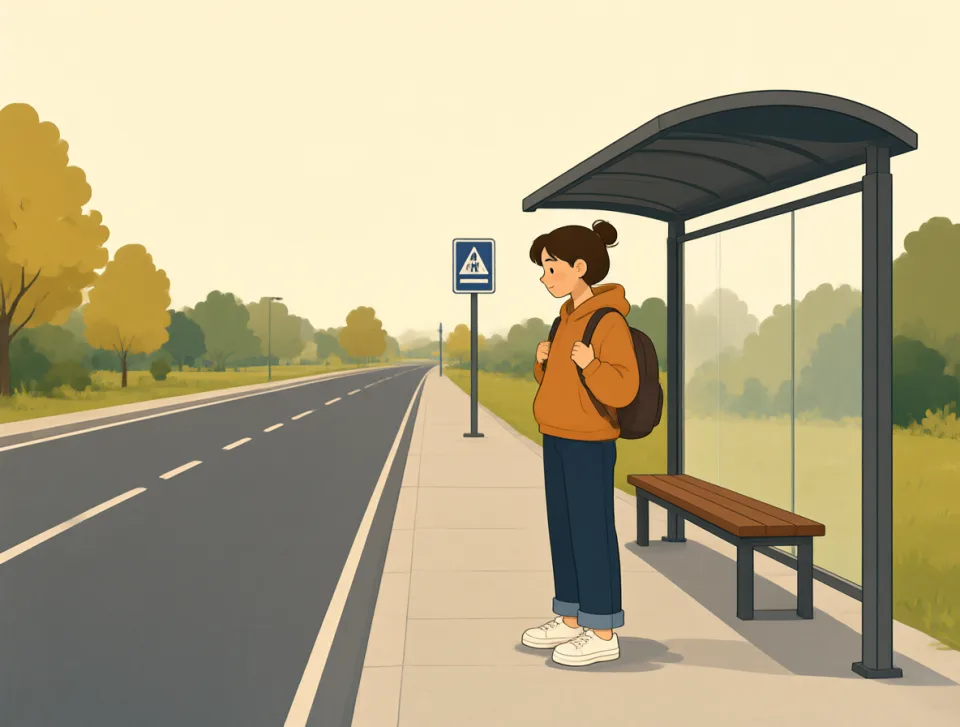
Please wait a long time for the bus.
Пожалуйста, подождите автобус долго.

She has long hair and wears a blue dress.
У неё длинные волосы, и она носит синее платье.

He walked along the beach for a long time.
Он долго шёл вдоль пляжа.

I long for a quiet holiday by the sea.
Я очень мечтаю о спокойном отдыхе у моря.
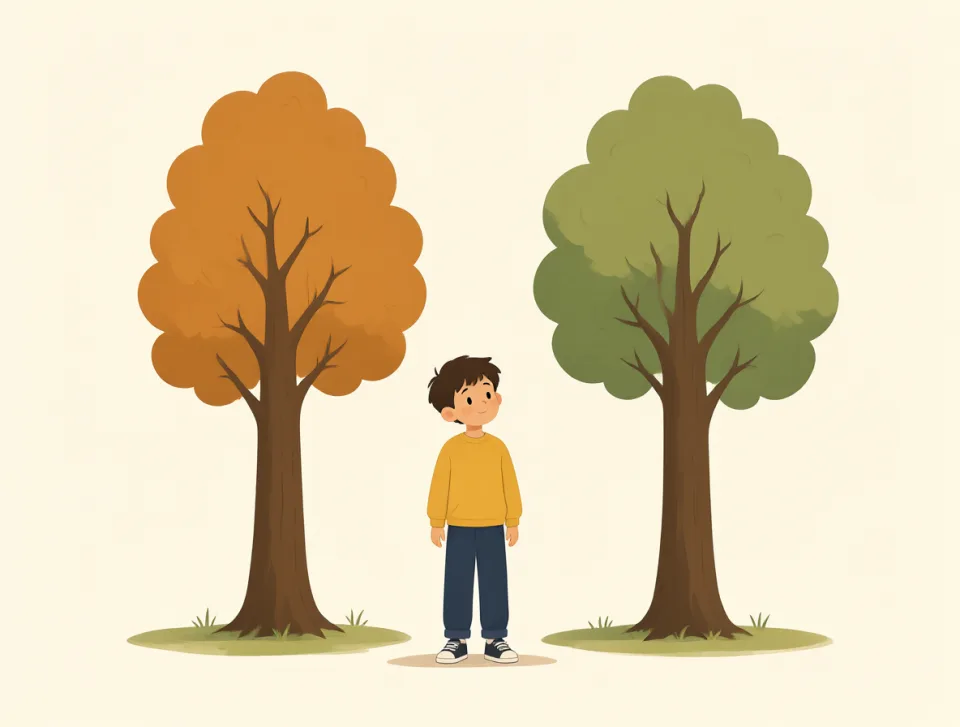
between
#116preposition, adverb
между
in or into the space separating two people, things, or places
В пространстве между двумя людьми, предметами или местами или в это пространство.
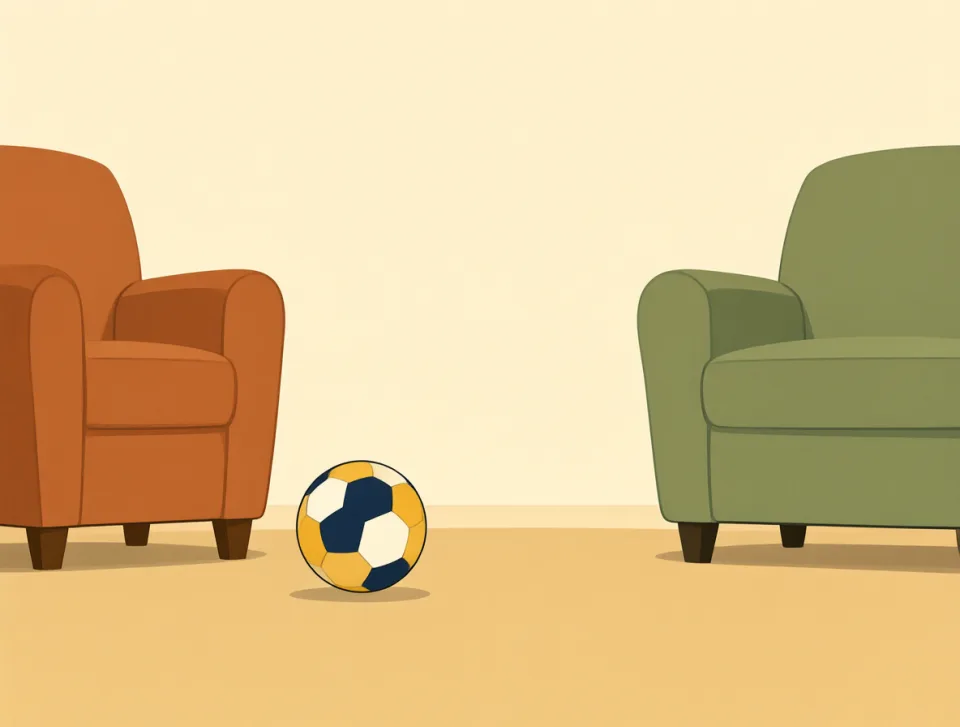
The ball rolled between the two chairs.
Мяч закатился между двумя стульями.
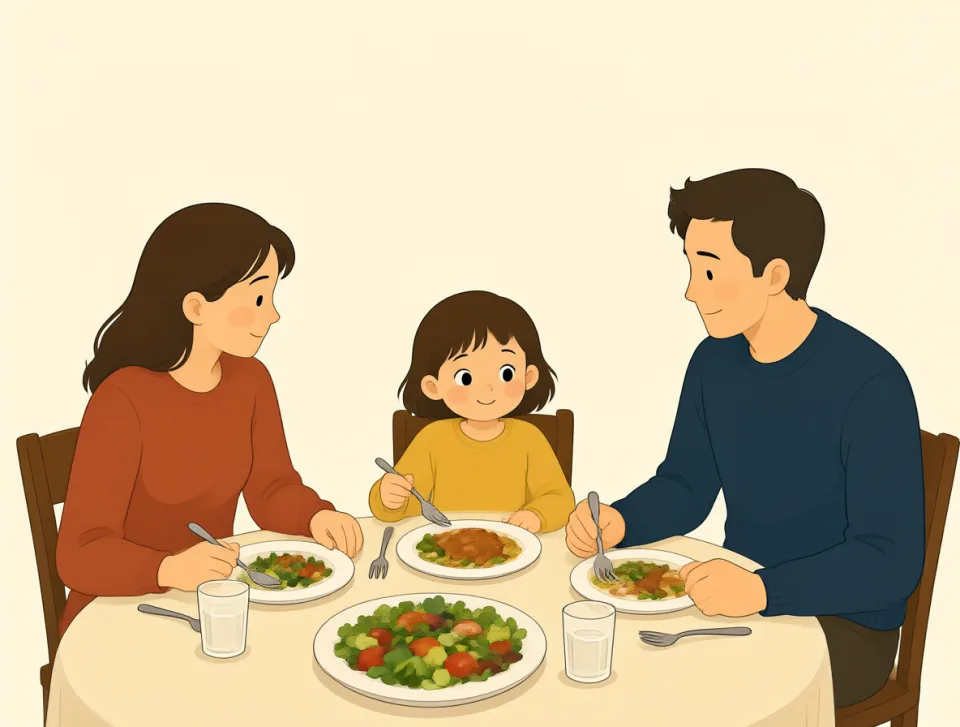
She sat between her parents at dinner.
За ужином она сидела между родителями.
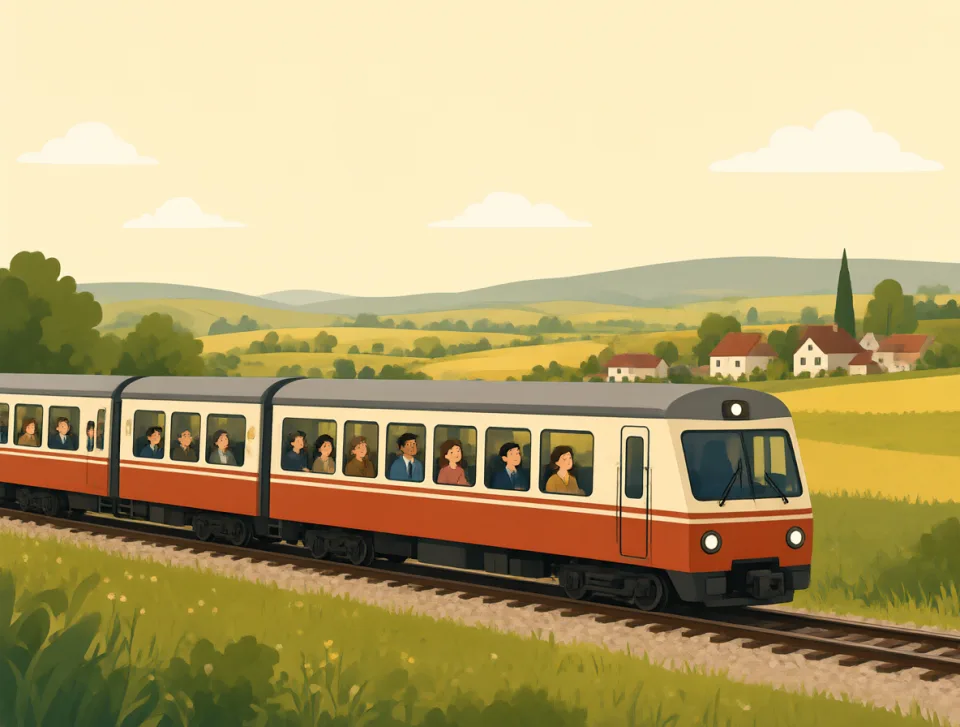
The train runs between London and Paris.
Поезд ходит между Лондоном и Парижем.

We must choose between tea and coffee.
Нам нужно выбрать между чаем и кофе.
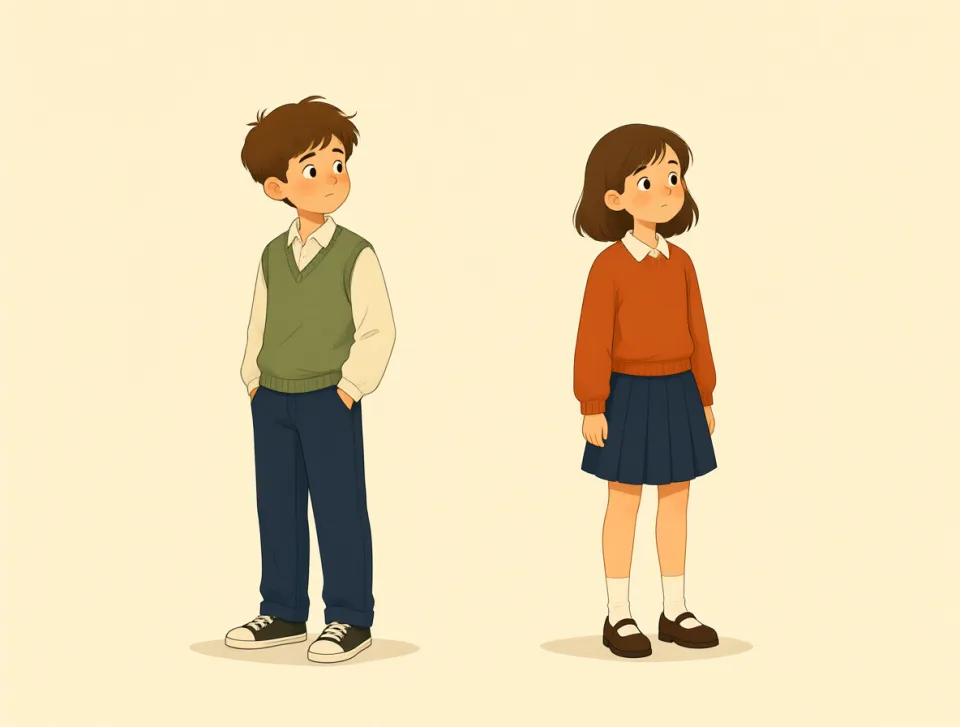
There is a big difference between them.
Между ними большая разница.

feel
#117verb, noun
чувствовать
To experience something through your body, emotions, or thoughts.
Испытывать что-либо телом, эмоциями или мыслями.
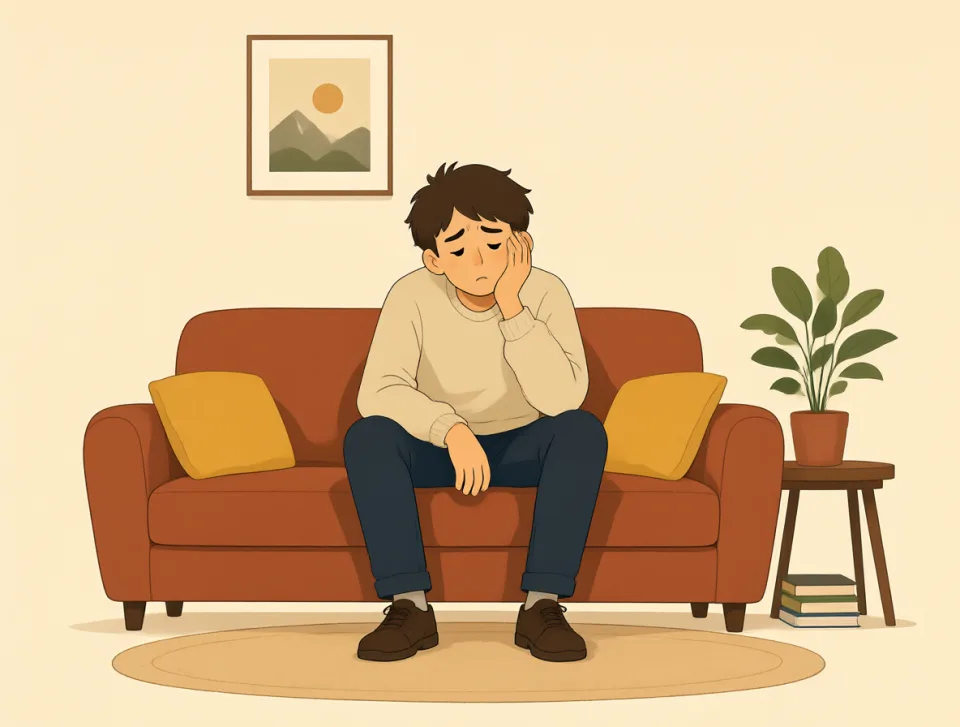
I feel tired after work.
После работы я чувствую усталость.

How do you feel today?
Как ты сегодня себя чувствуешь?
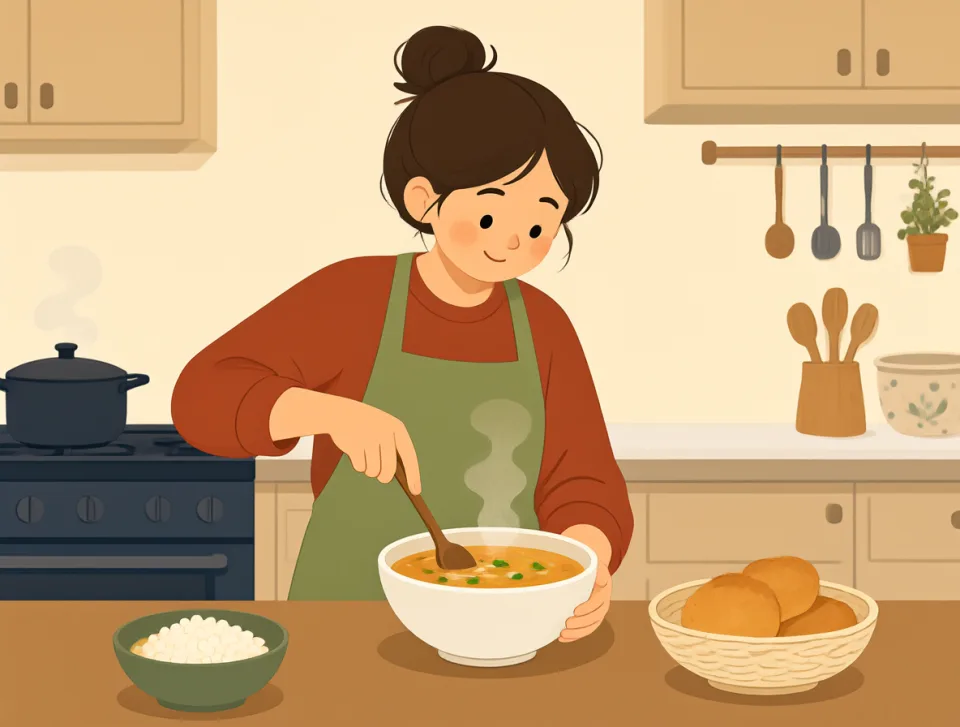
This soup feels too hot.
Этот суп кажется слишком горячим.

She felt happy at the party.
На вечеринке она была счастлива.

I felt a cold breeze outside.
На улице я почувствовал прохладный ветерок.

too
#118adverb
слишком; тоже
More than is wanted or needed; also, as well.
Больше, чем нужно или желательно; также — в значении «тоже».
This coffee is too hot to drink.
Этот кофе слишком горячий, чтобы его пить.
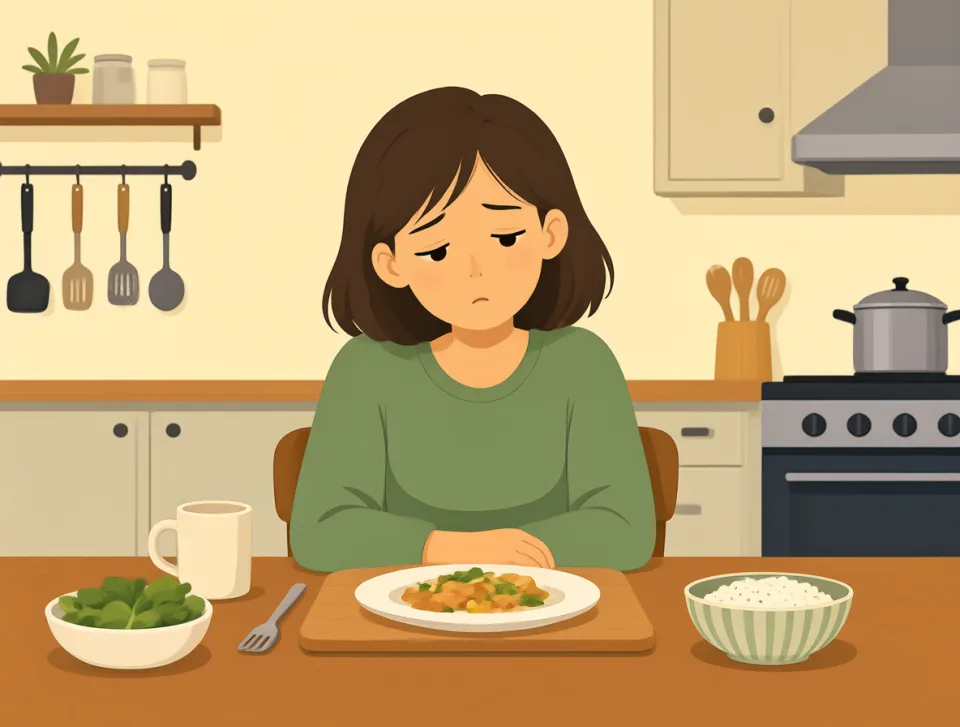
She is too tired to cook dinner.
Она слишком устала, чтобы готовить ужин.

The bag is too heavy for me.
Для меня эта сумка слишком тяжёлая.
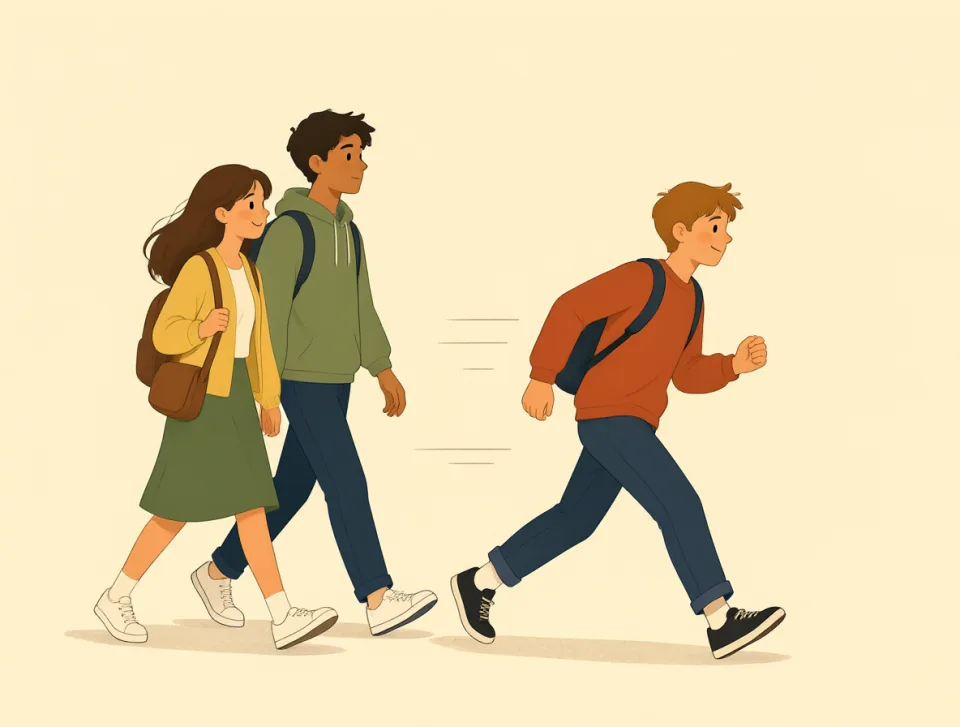
I want to come too.
Я тоже хочу прийти.

He works at the hospital too.
Он тоже работает в больнице.

still
#119adverb, adjective, noun, verb
всё ещё; неподвижный; стоп-кадр
continuing until now; not moving; or a device used to make pictures from film
Продолжающийся до настоящего момента; неподвижный; также — отдельное изображение, снятое с киноплёнки.

Are you still waiting for the bus?
Ты всё ещё ждёшь автобус?

I still need to finish my homework.
Мне всё ещё нужно закончить домашнее задание.

Please keep still while I cut your hair.
Пожалуйста, не двигайтесь, пока я стригу вам волосы.

The doctor told me to stay still.
Врач велел мне не двигаться.

She took a still of the beautiful sunset.
Она сделала снимок красивого заката.
problem
#120noun
проблема
Something that is difficult or causes trouble.
То, что вызывает трудности или неприятности.
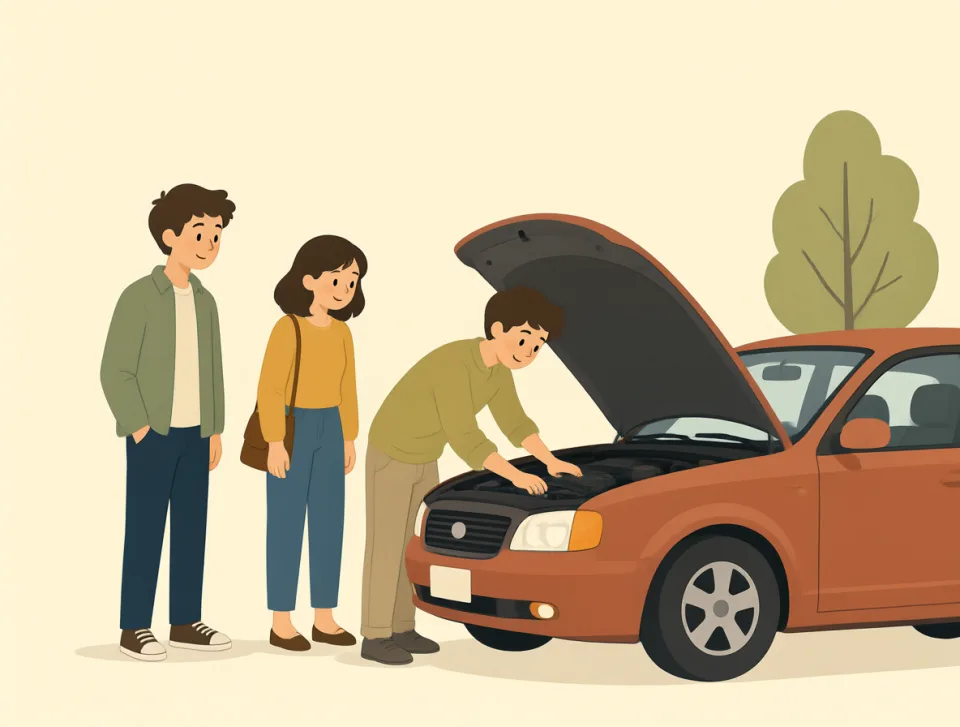
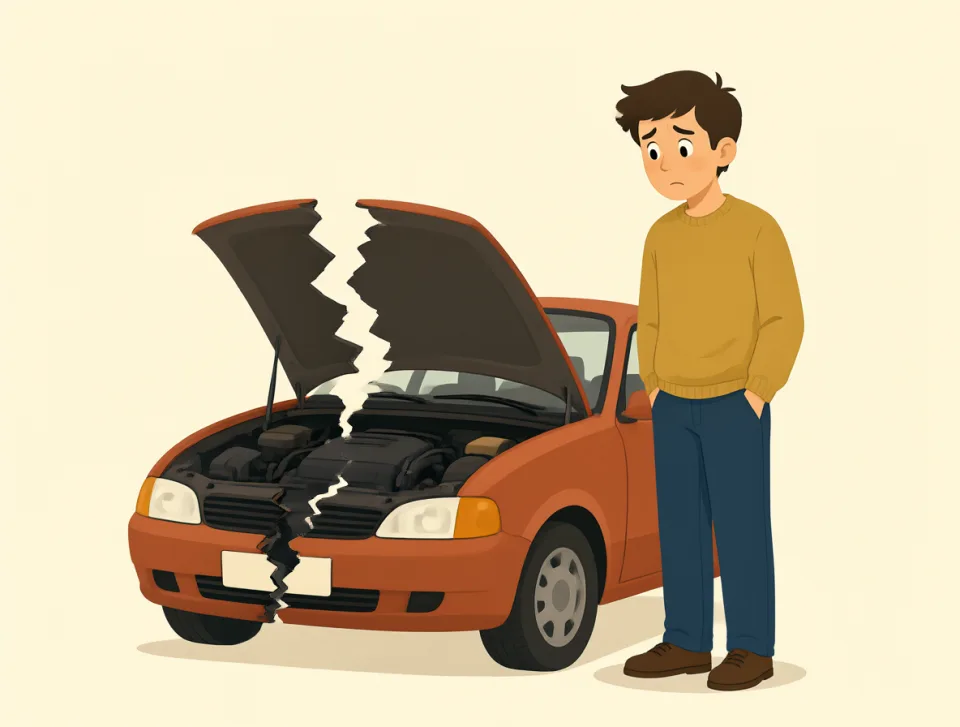
We have a problem with the car.
У нас проблема с машиной.

She solved the problem at work.
Она решила проблему на работе.

The teacher helped me with my math problem.
Учитель помог мне решить задачу по математике.
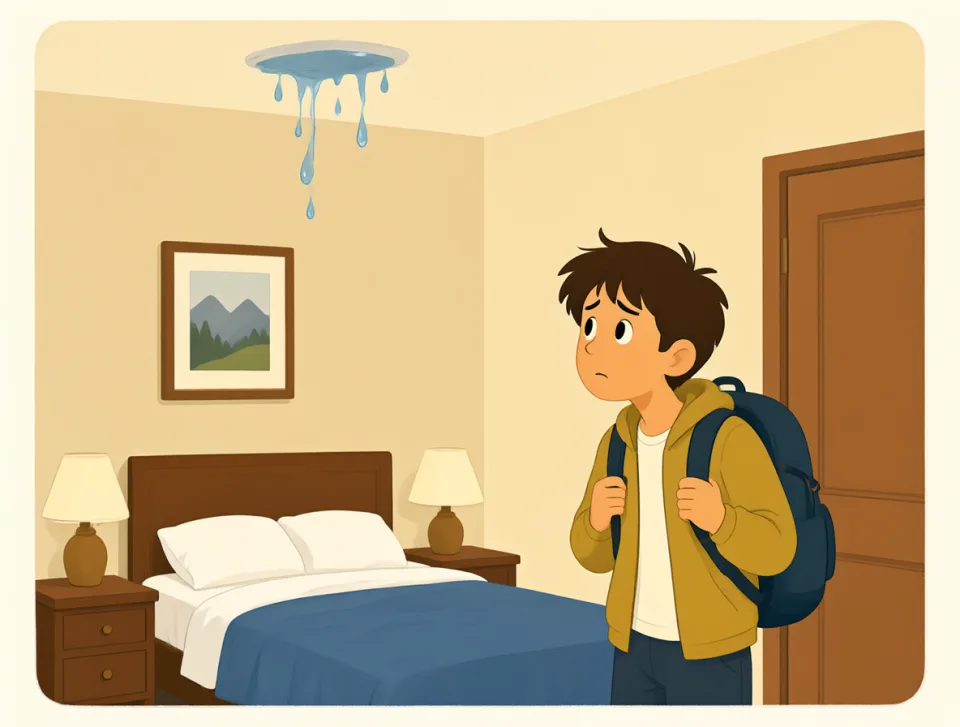
There was a problem with our hotel room.
В нашем гостиничном номере была проблема.
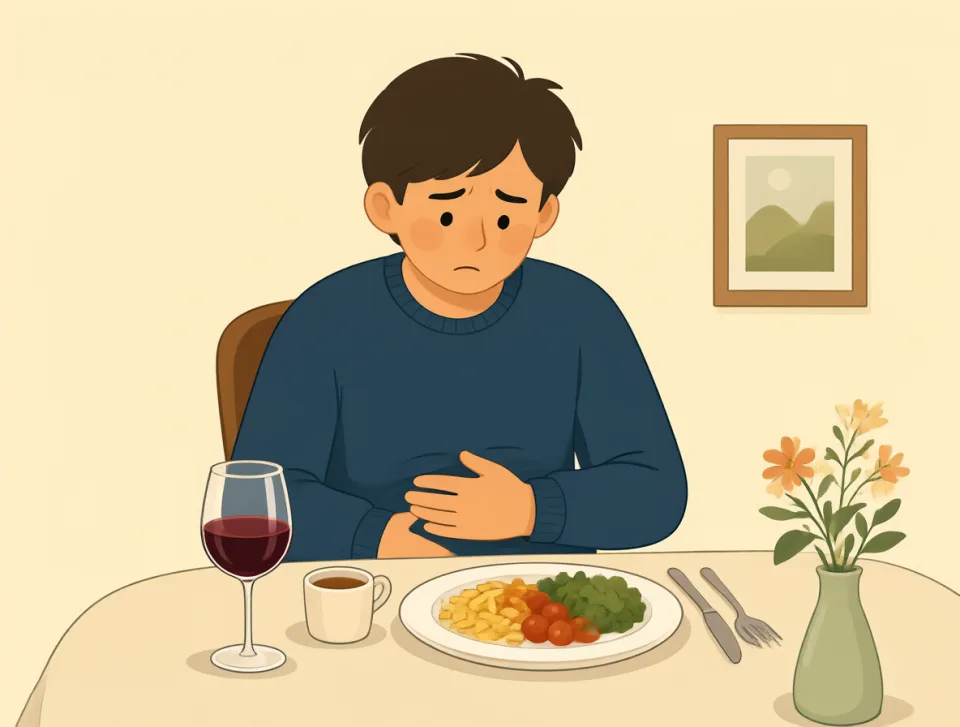
My stomach problem started after dinner.
Проблемы с желудком начались у меня после ужина.