Блок 7
Слова 121–140 · write, same, lot, great, try, leave
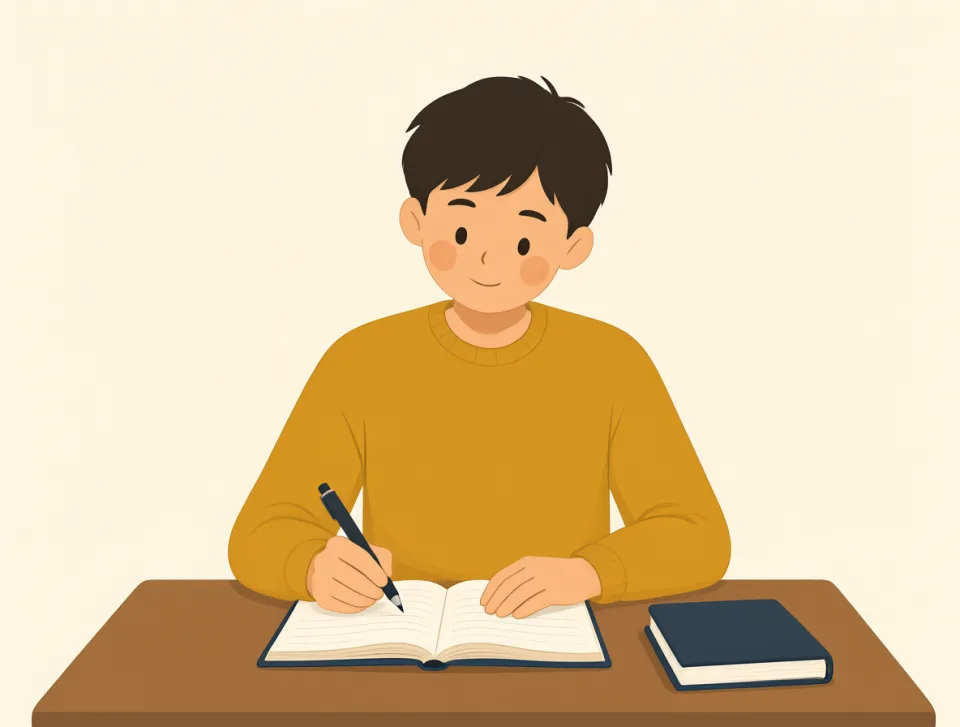
write
#121verb
писать
to put words on paper or a screen
наносить слова на бумагу или экран
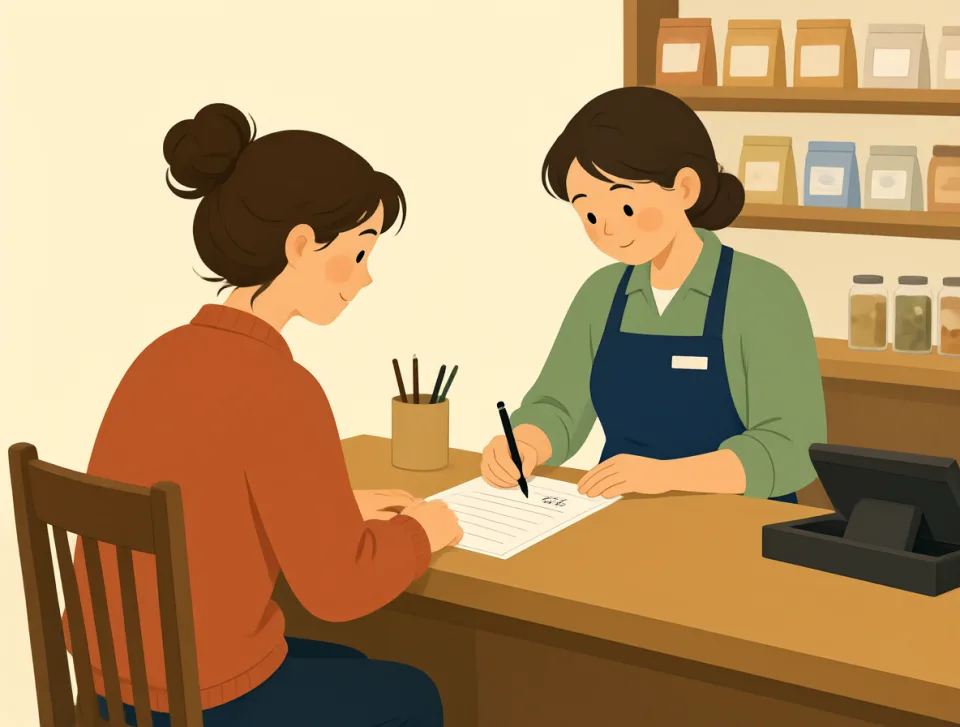
Please write your name here.
Пожалуйста, напишите здесь своё имя.
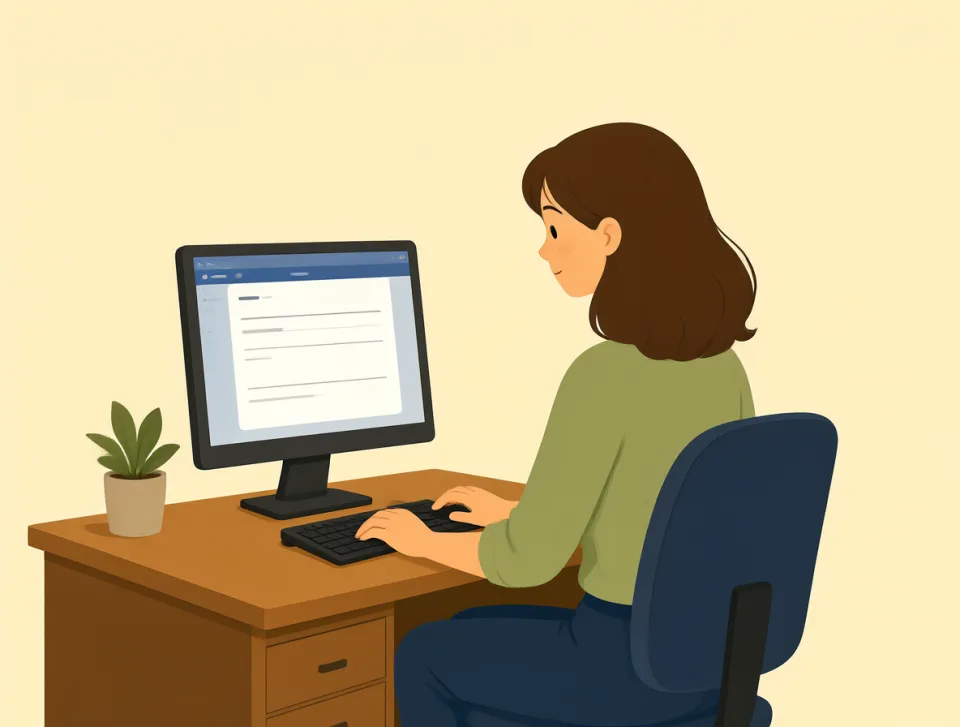
She writes emails at work.
Она пишет рабочие письма.
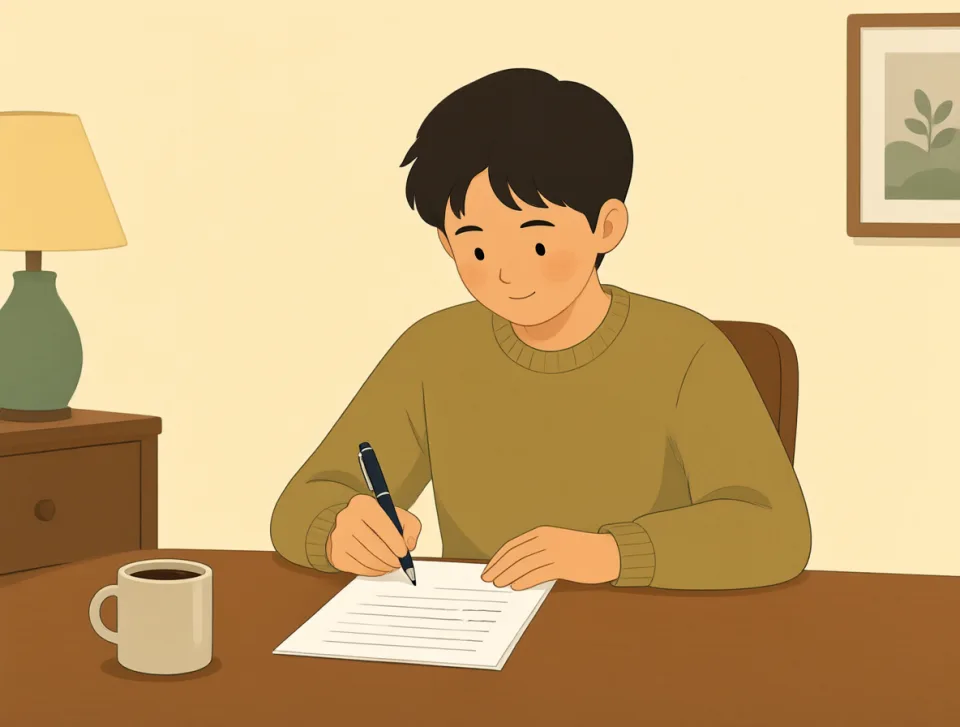
I wrote a letter to my friend.
Я написал письмо своему другу.
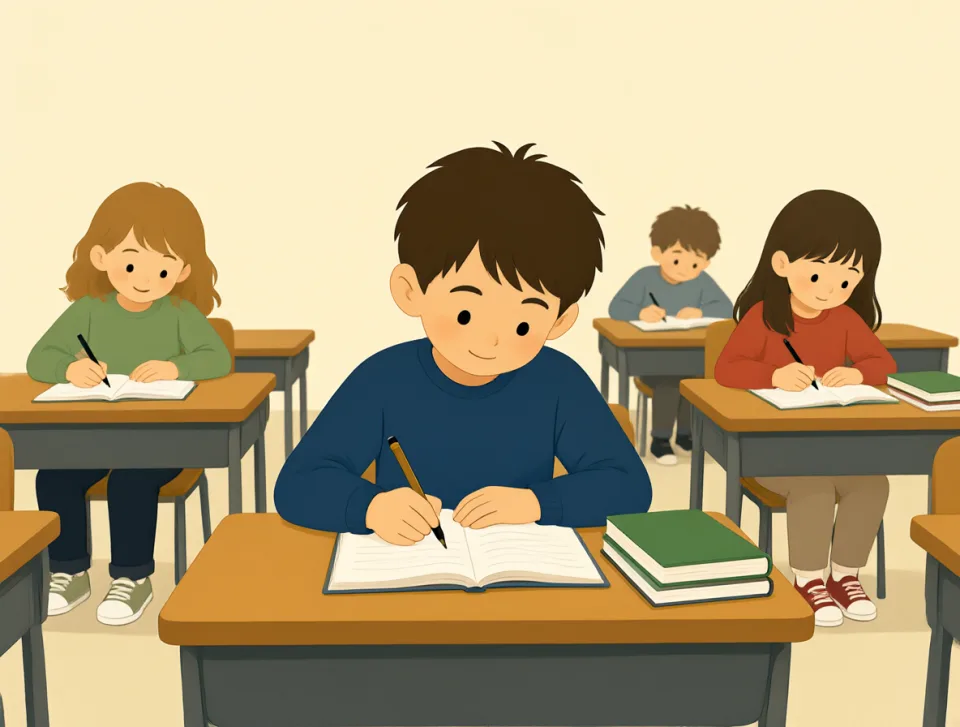
The students are writing sentences.
Студенты пишут предложения.
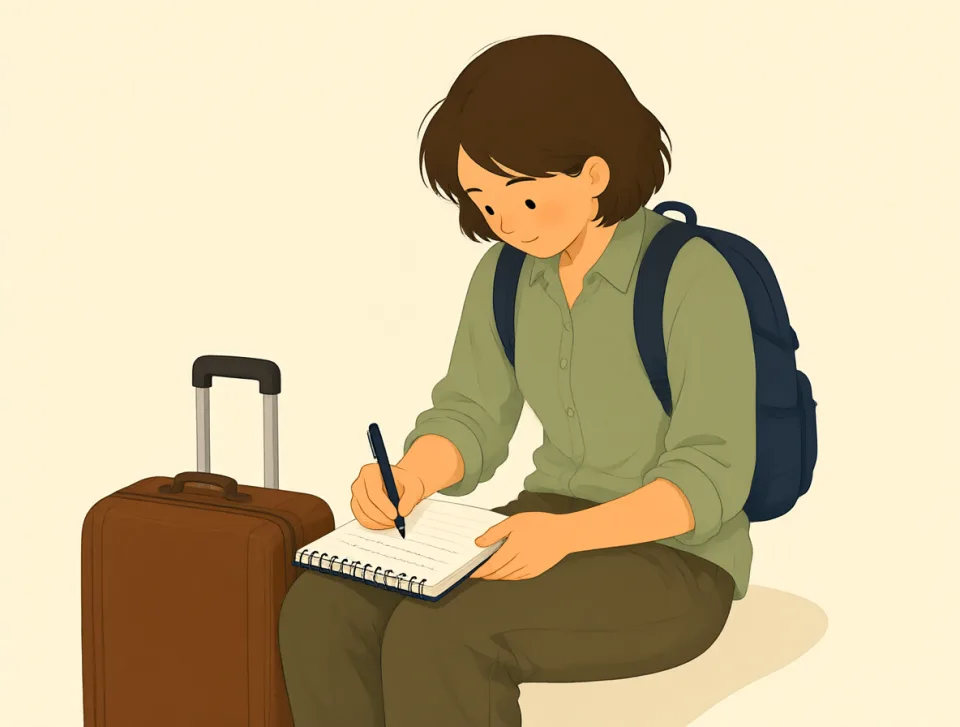
He wrote down the hotel address.
Он записал адрес отеля.

same
#122adjective, adverb, pronoun, determiner
тот же самый
Exactly like another person or thing, or exactly that person or thing.
Точно такой же, как другой человек или предмет, или именно тот человек или предмет.
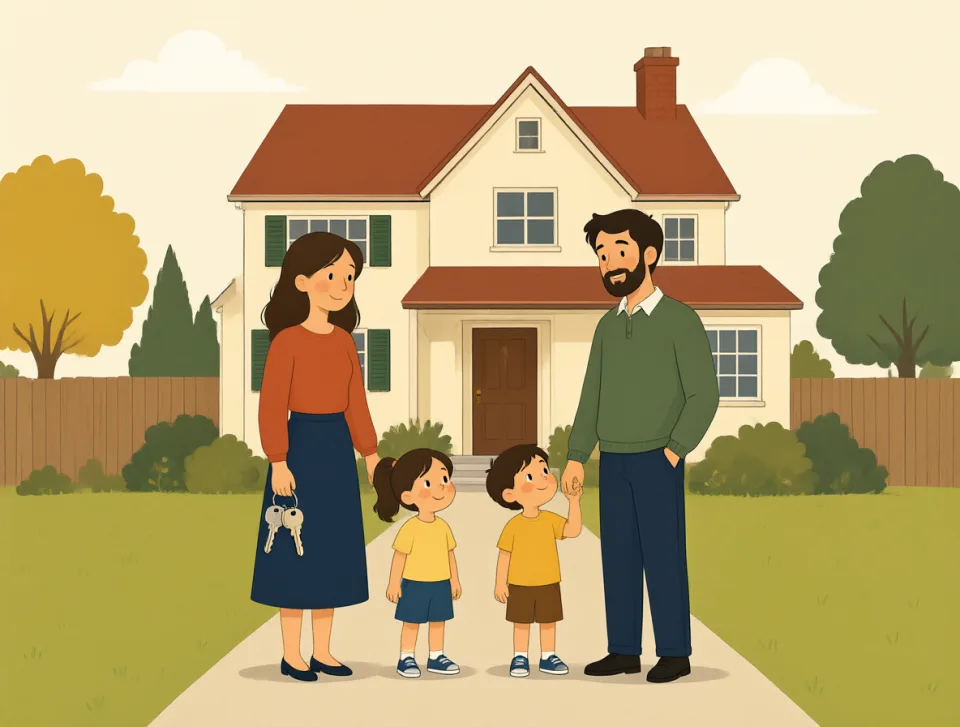
We live in the same house.
Мы живём в одном и том же доме.
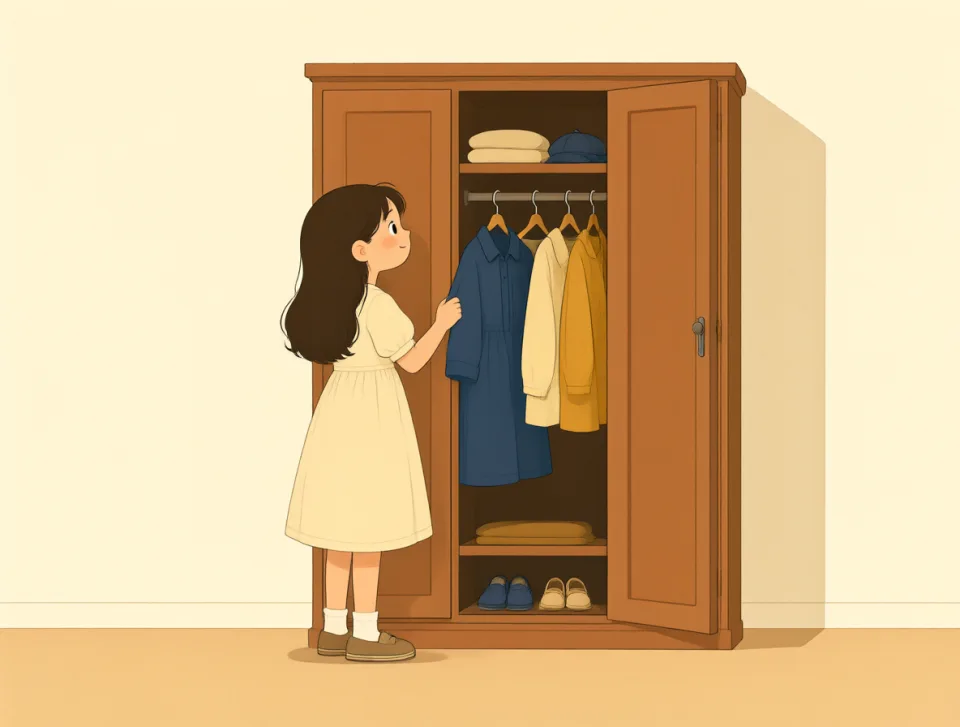
She wore the same dress yesterday.
Вчера на ней было то же самое платье.
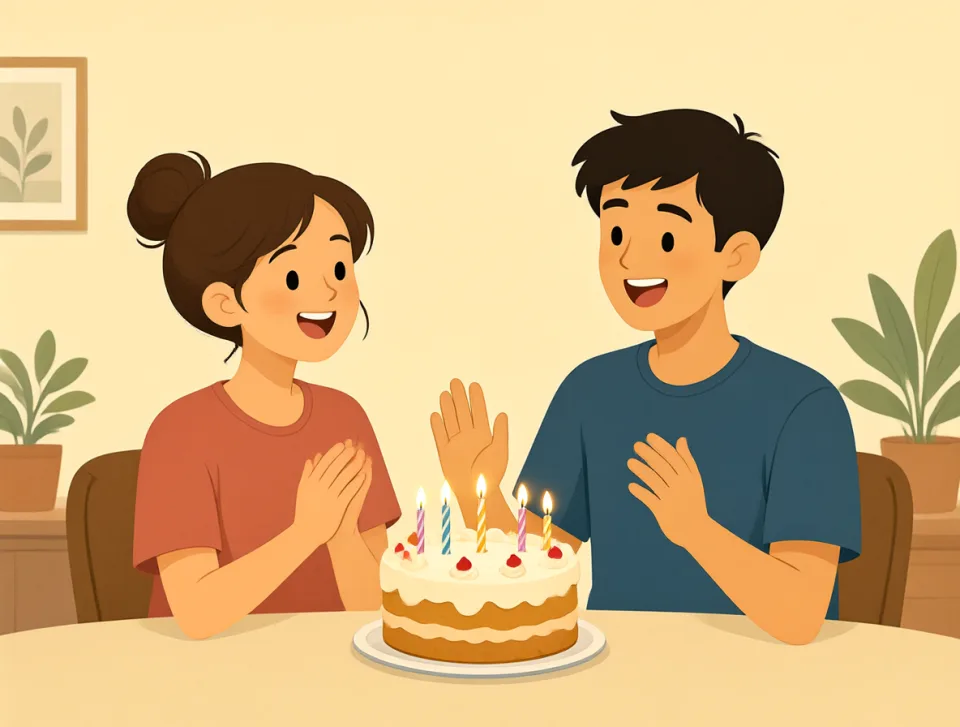
Tom and I have the same birthday.
У нас с Томом один и тот же день рождения.

Please choose the same size as mine.
Пожалуйста, выберите такой же размер, как у меня.
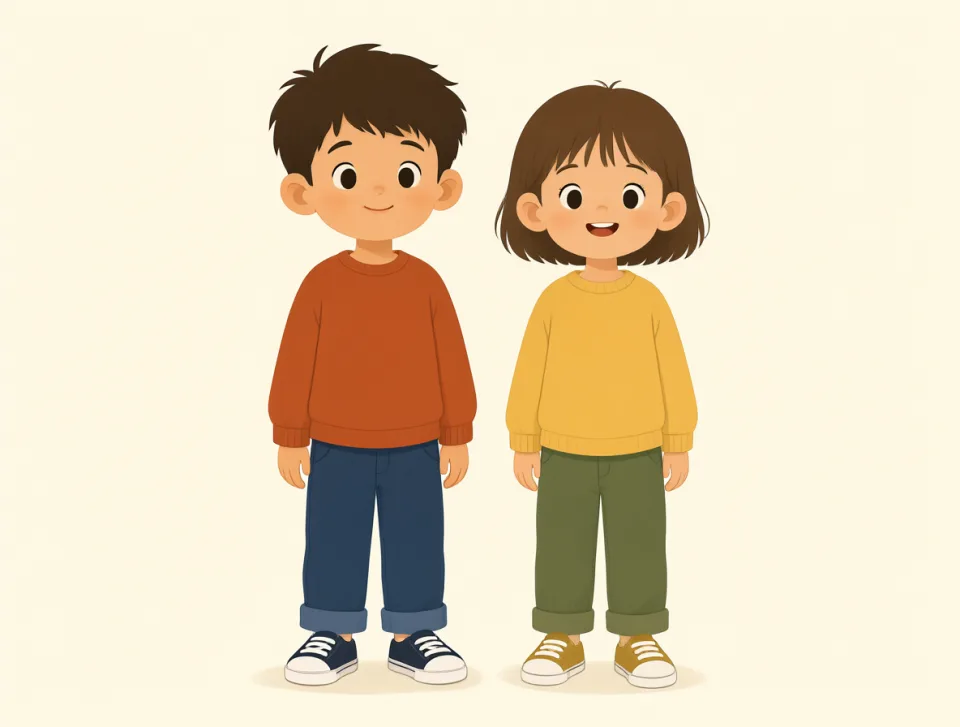
The twins look exactly the same.
Близнецы выглядят совершенно одинаково.
lot
#123noun, determiner, adverb
много
A large amount or number of something.
Большое количество чего-либо.
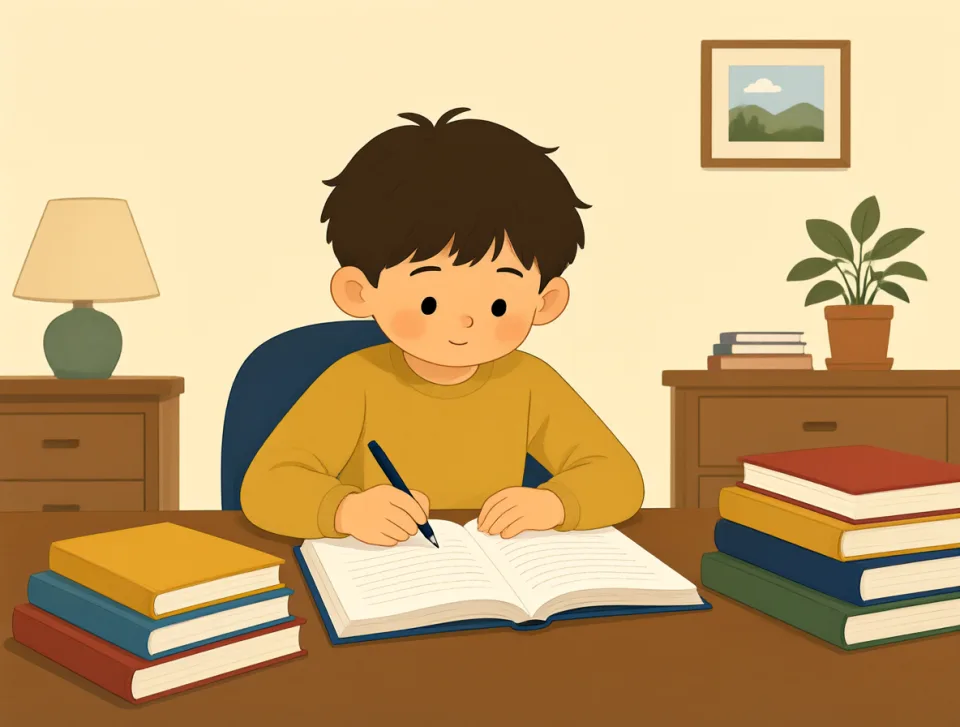
I have a lot of homework tonight.
Сегодня вечером мне нужно сделать много домашней работы.
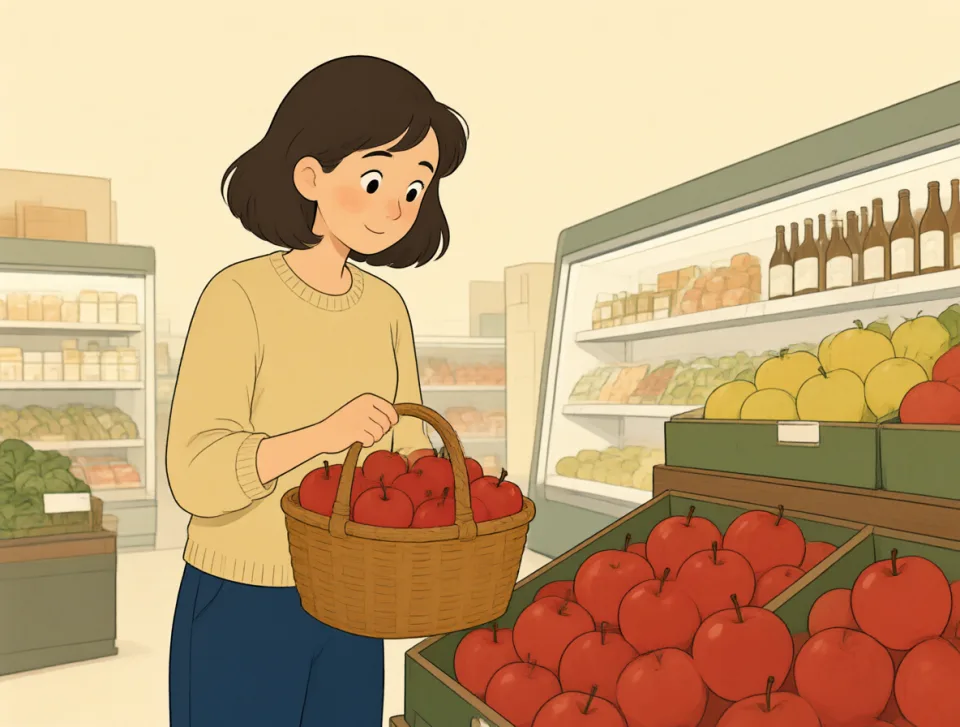
There are lots of apples in the basket.
В корзине много яблок.
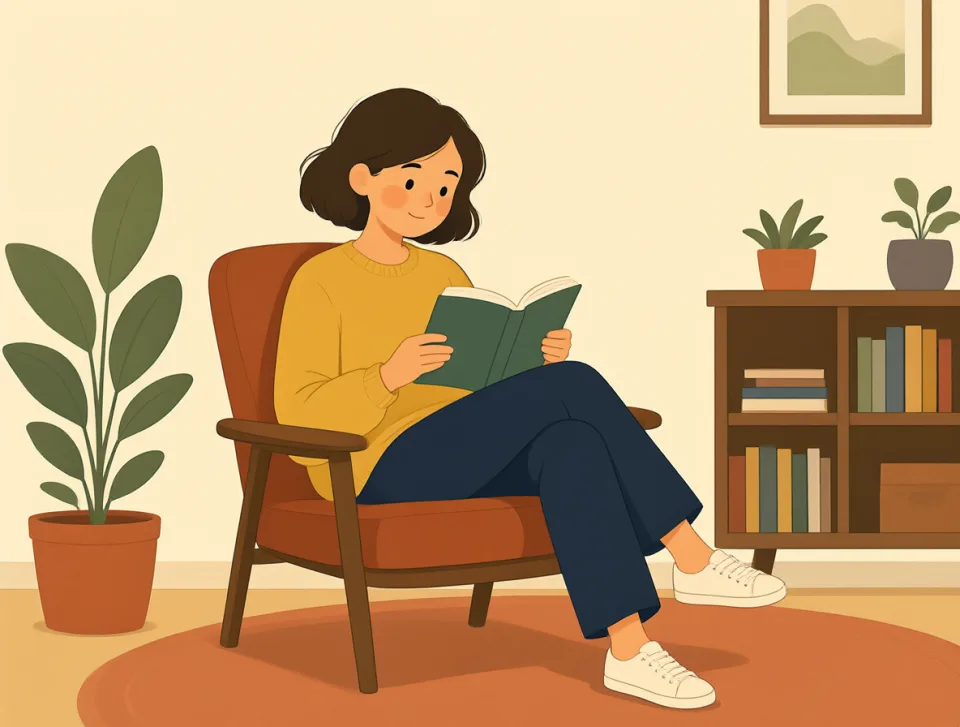
She spends a lot of time reading.
Она проводит много времени за чтением.
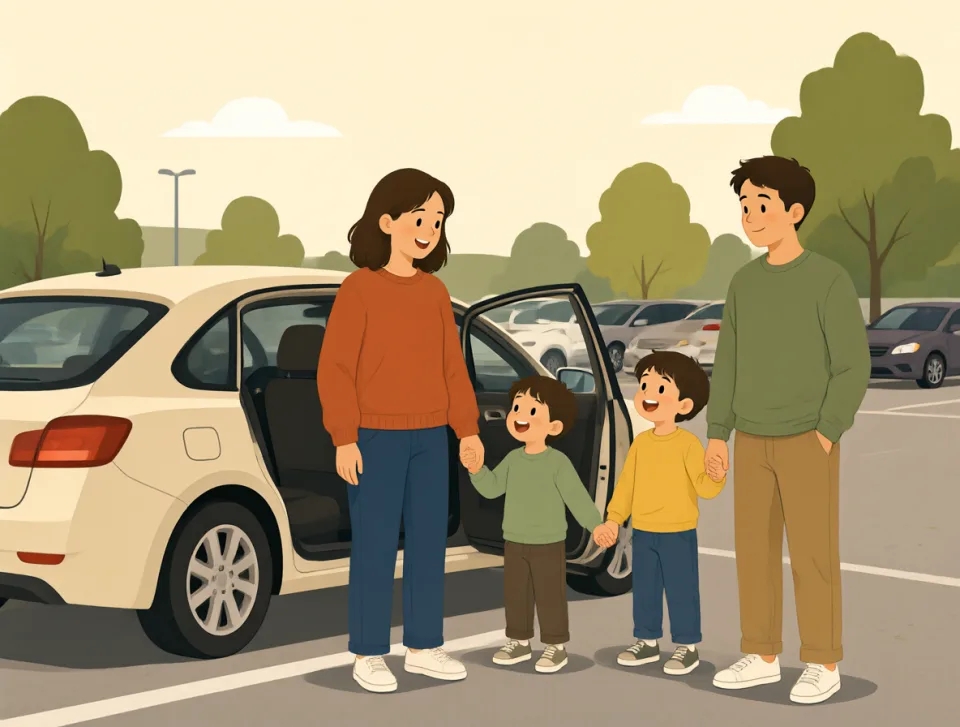
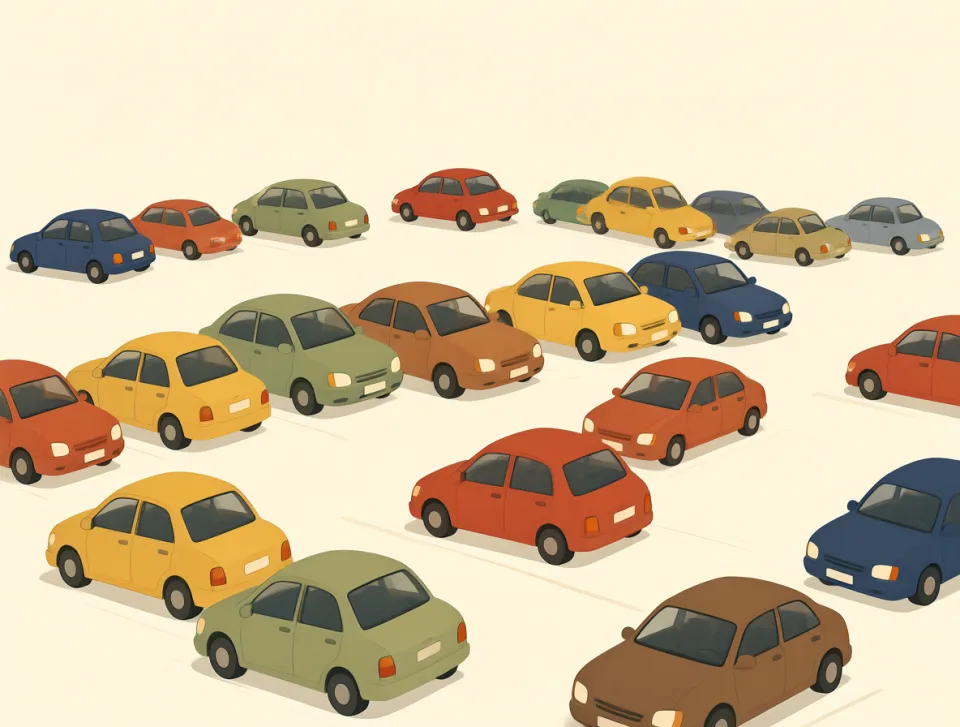
We parked the car in the parking lot.
Мы припарковали машину на парковке.
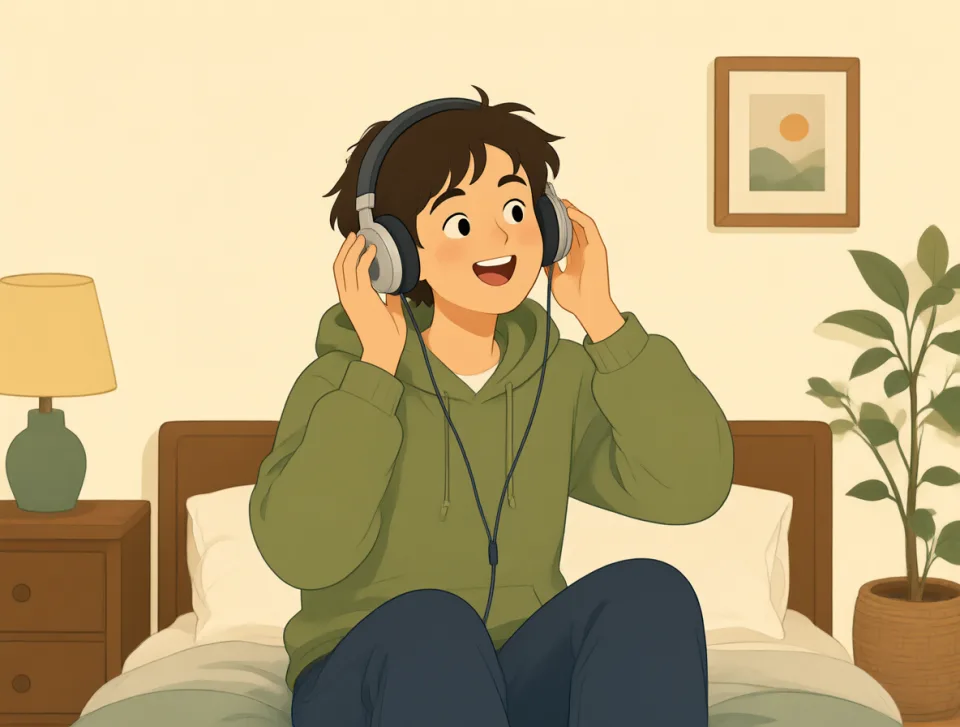
I like this song a lot.
Мне очень нравится эта песня.

great
#124adjective
отличный
Very good, enjoyable, or important.
Очень хороший, приятный или важный.

We had a great time at the party.
Мы отлично провели время на вечеринке.
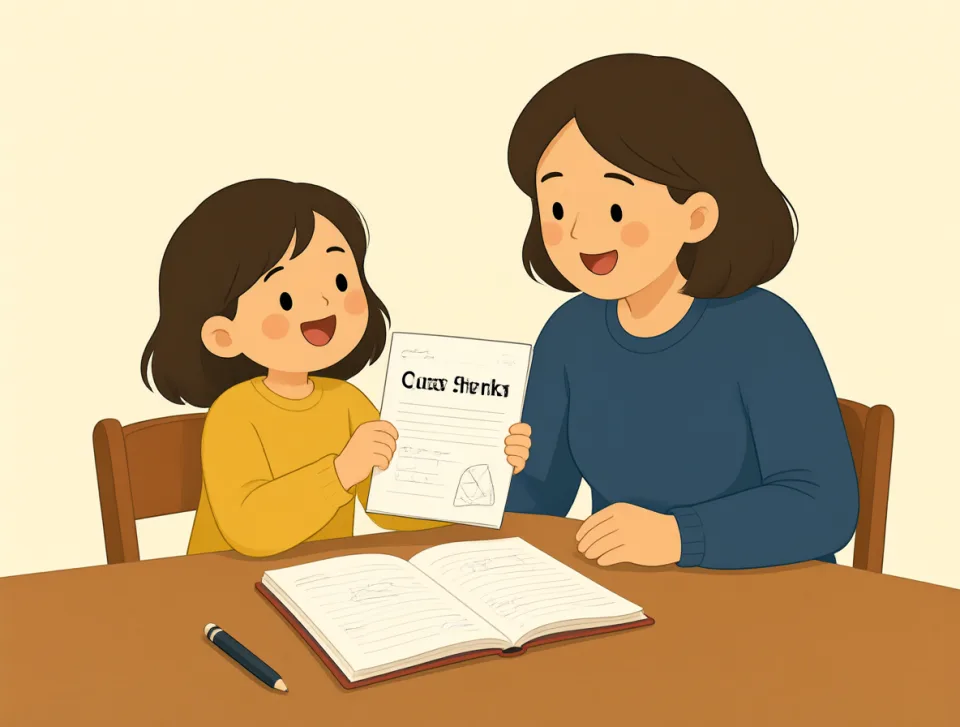
She did a great job on her homework.
Она отлично справилась с домашней работой.

The weather was great for our trip.
Для нашей поездки стояла отличная погода.

This restaurant serves great food.
В этом ресторане подают отличную еду.
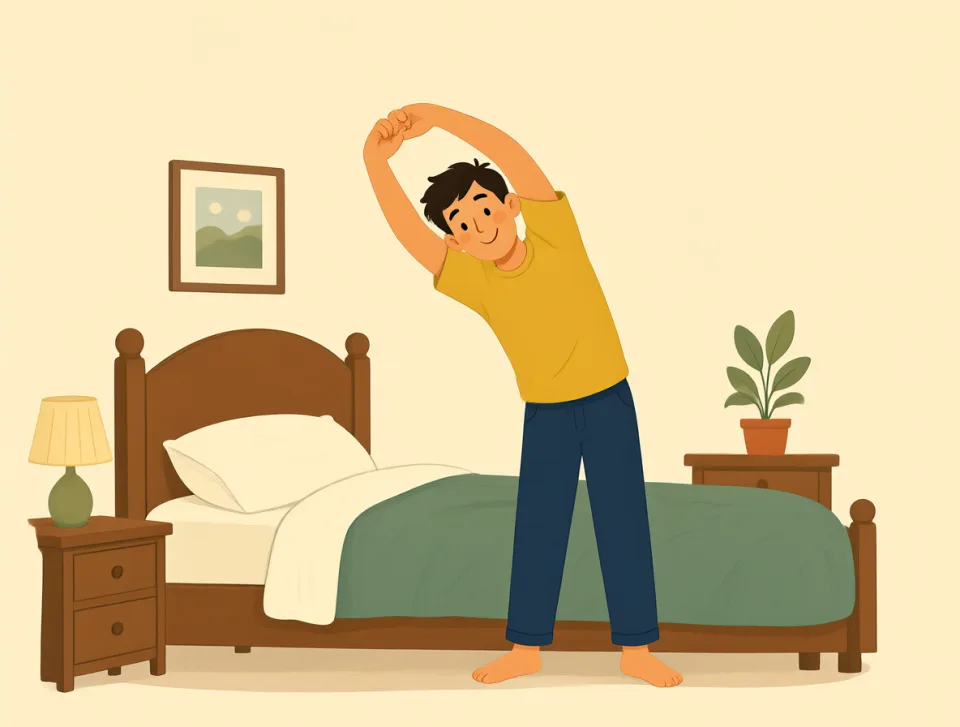
He felt great after a good night's sleep.
После хорошего ночного сна он чувствовал себя прекрасно.
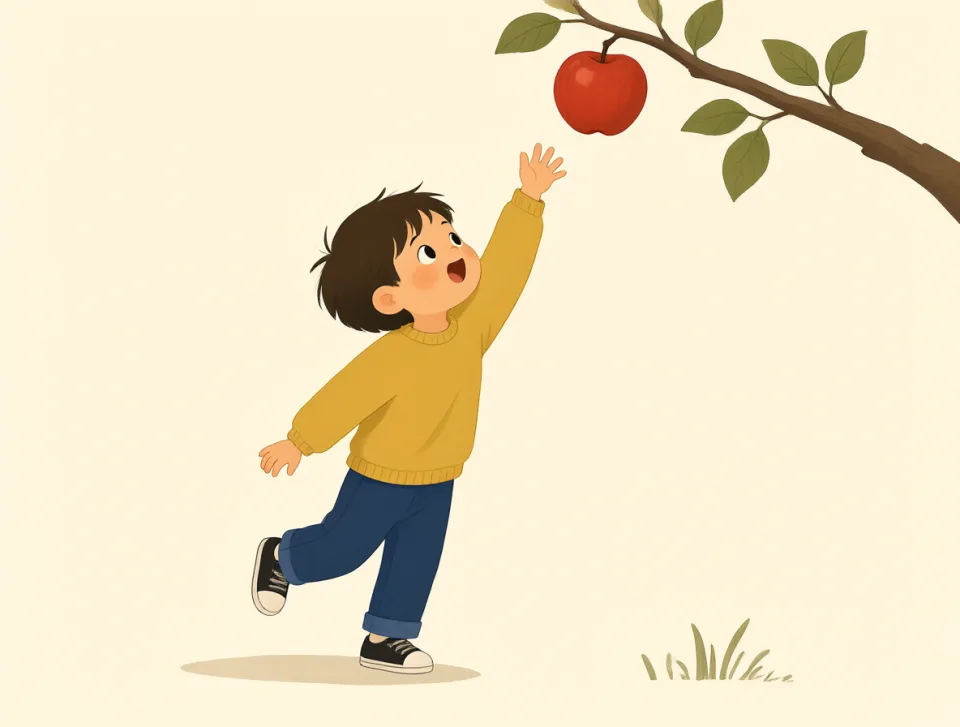
try
#125verb, noun
попробовать
To do something to see if it works or to make something happen.
Сделать что-либо, чтобы проверить, работает ли это, или добиться какого-либо результата.
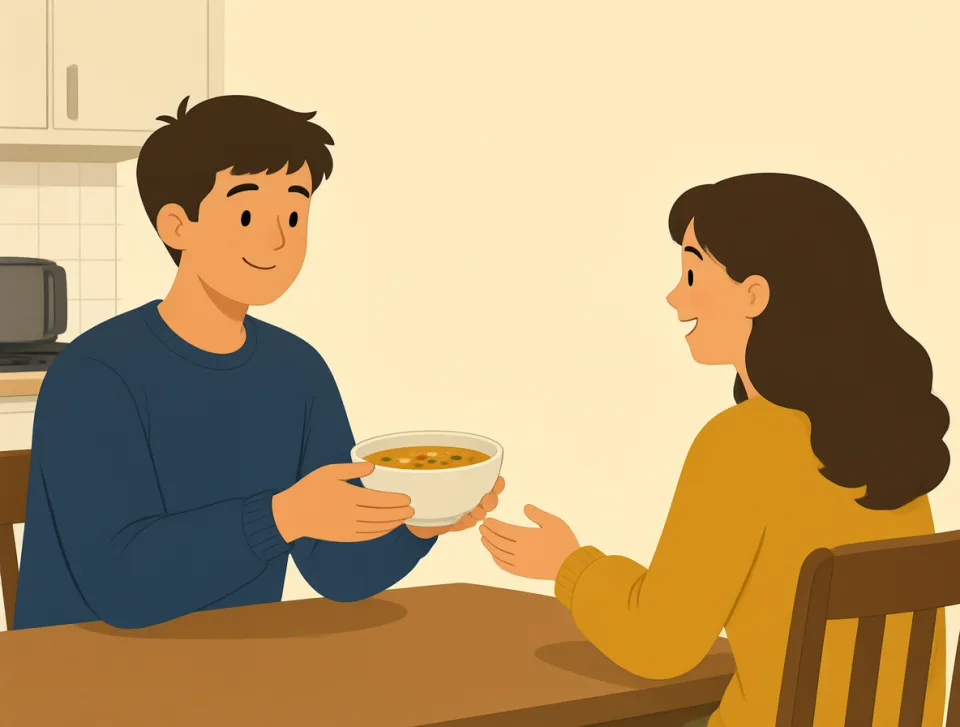
Try this soup; it tastes really good.
Попробуй этот суп — он очень вкусный.
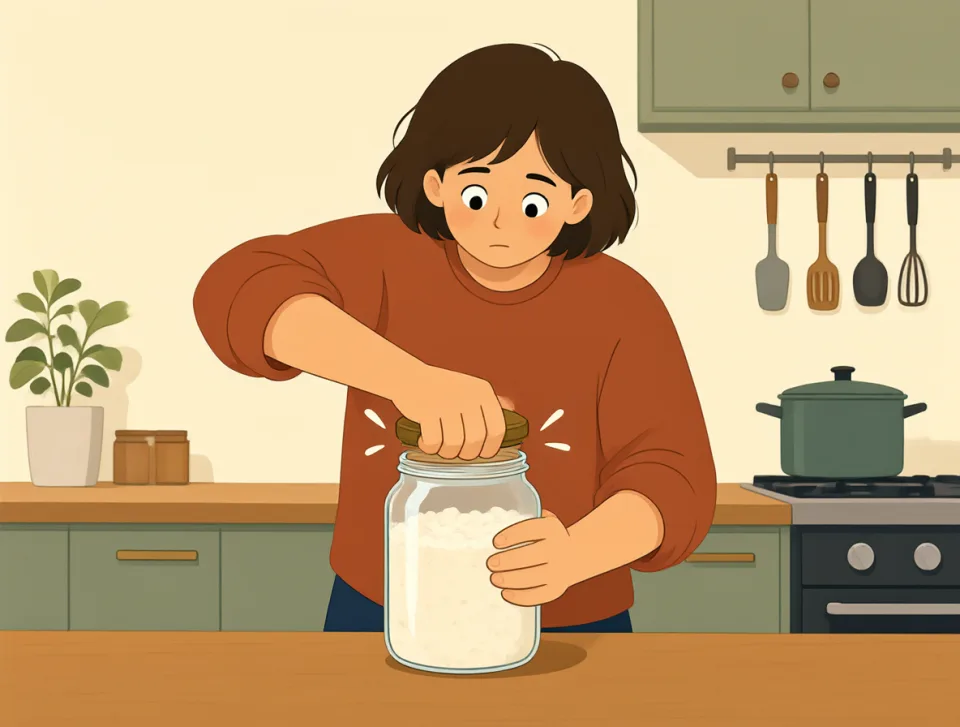
I tried to open the jar.
Я попытался открыть банку.

Please try again tomorrow.
Пожалуйста, попробуйте ещё раз завтра.
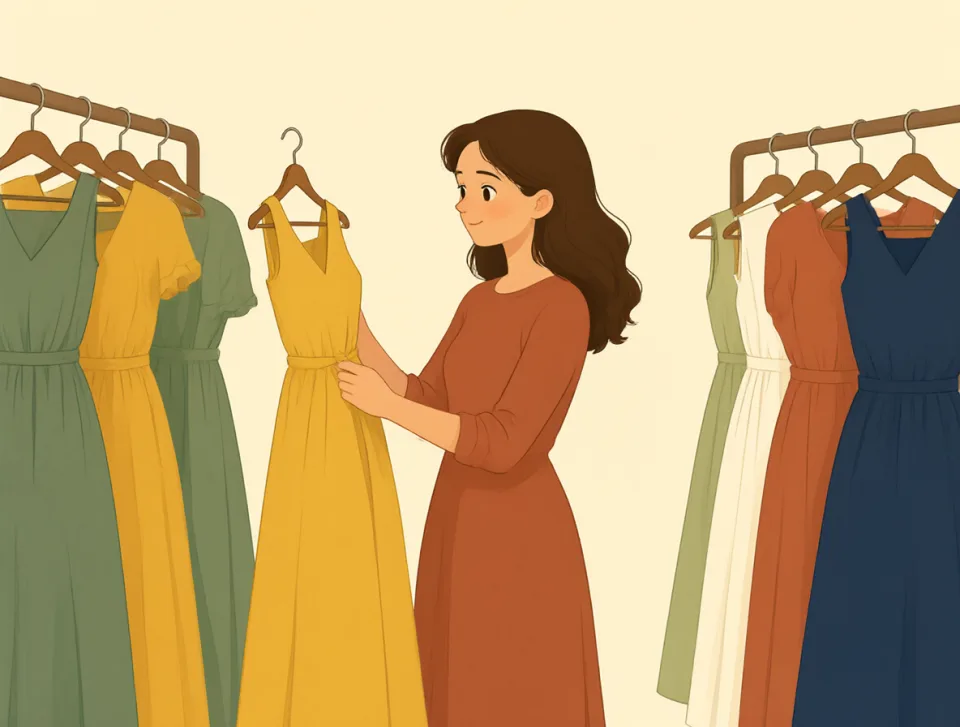
She tried on three dresses.
Она примерила три платья.
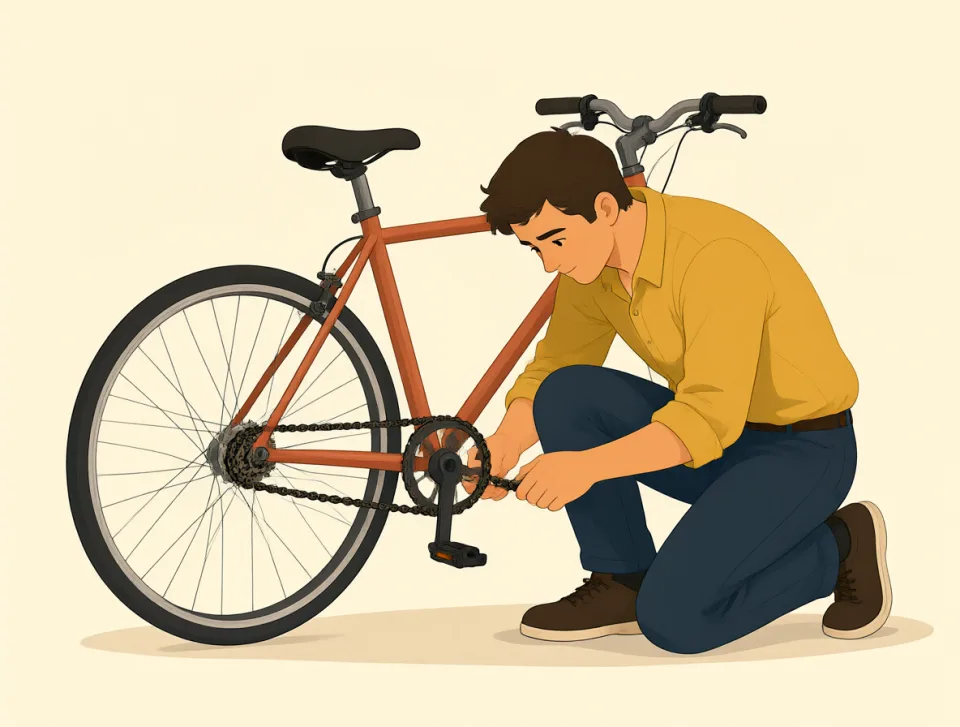
He made a try at fixing the bike.
Он попытался починить велосипед.
leave
#126verb, noun
уходить; оставлять
to go away from a place or person, or to let someone go
уходить из какого-либо места или от человека либо отпускать кого-либо
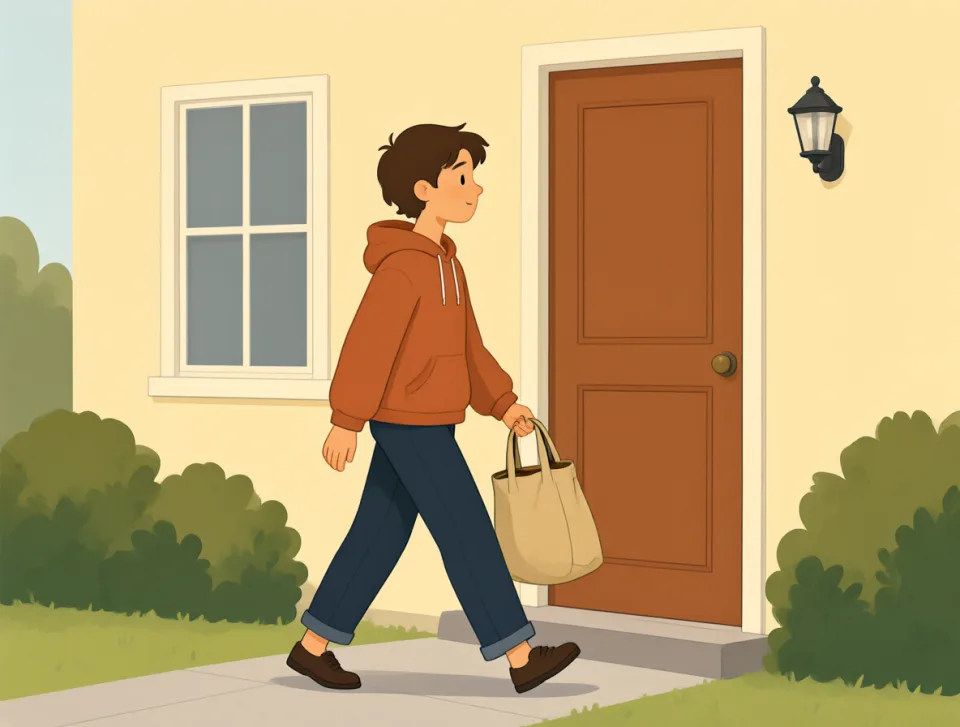
I leave home at seven every morning.
Каждое утро я ухожу из дома в семь.
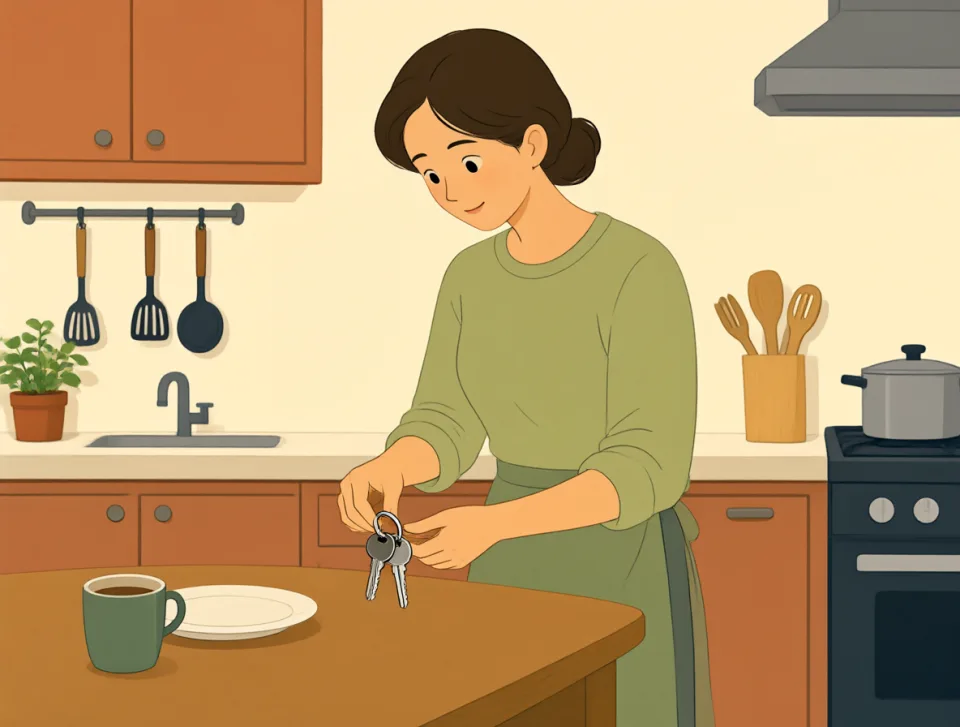
She left her keys on the kitchen table.
Она оставила ключи на кухонном столе.
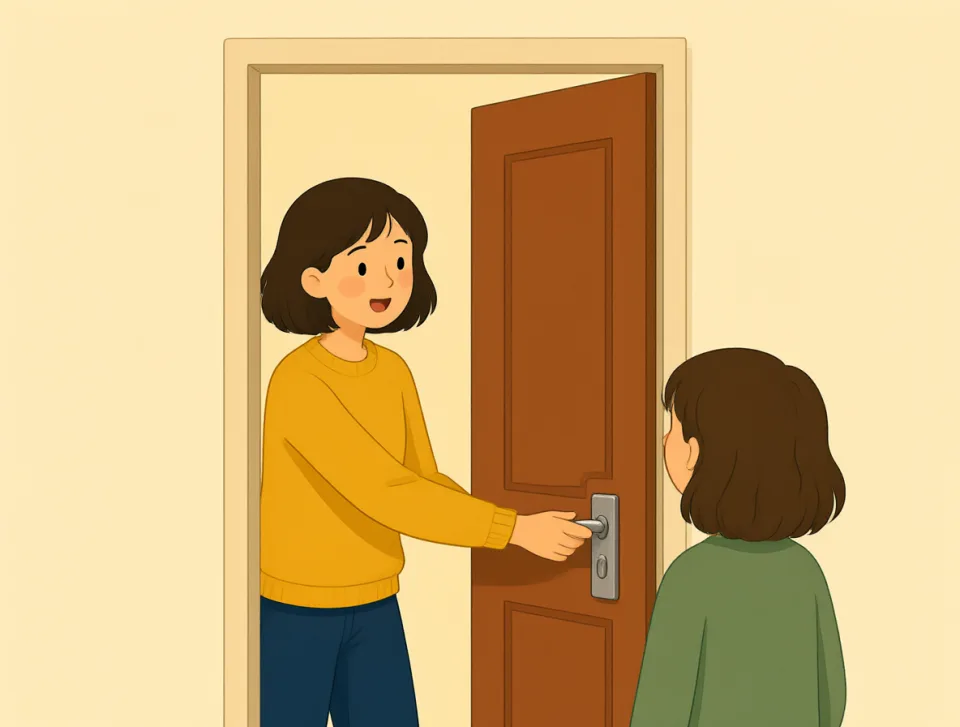
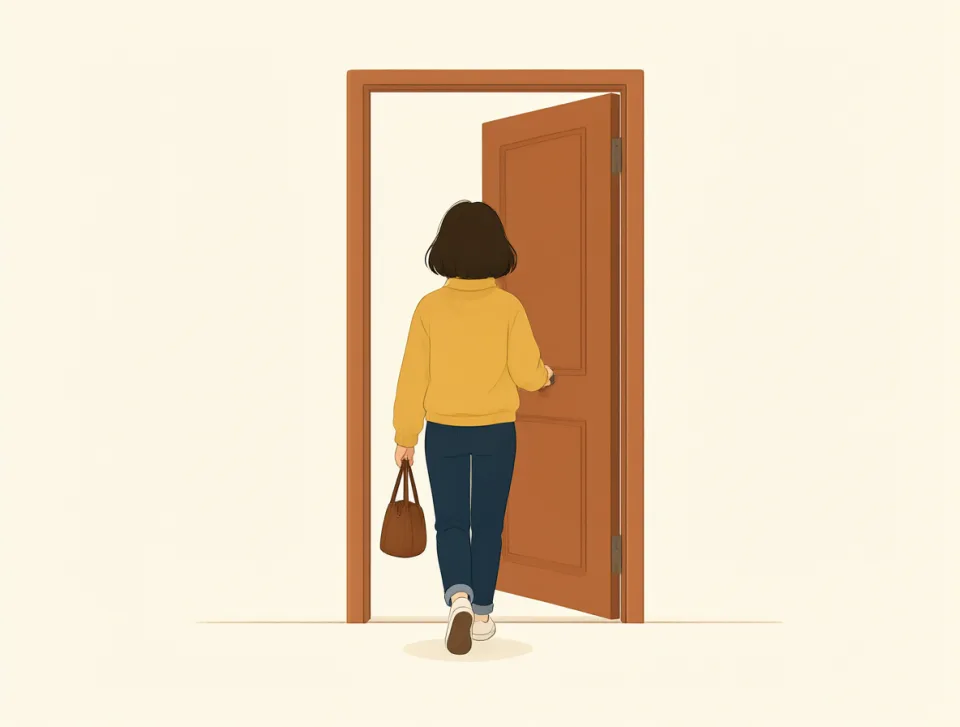
Please leave the door open.
Пожалуйста, оставьте дверь открытой.
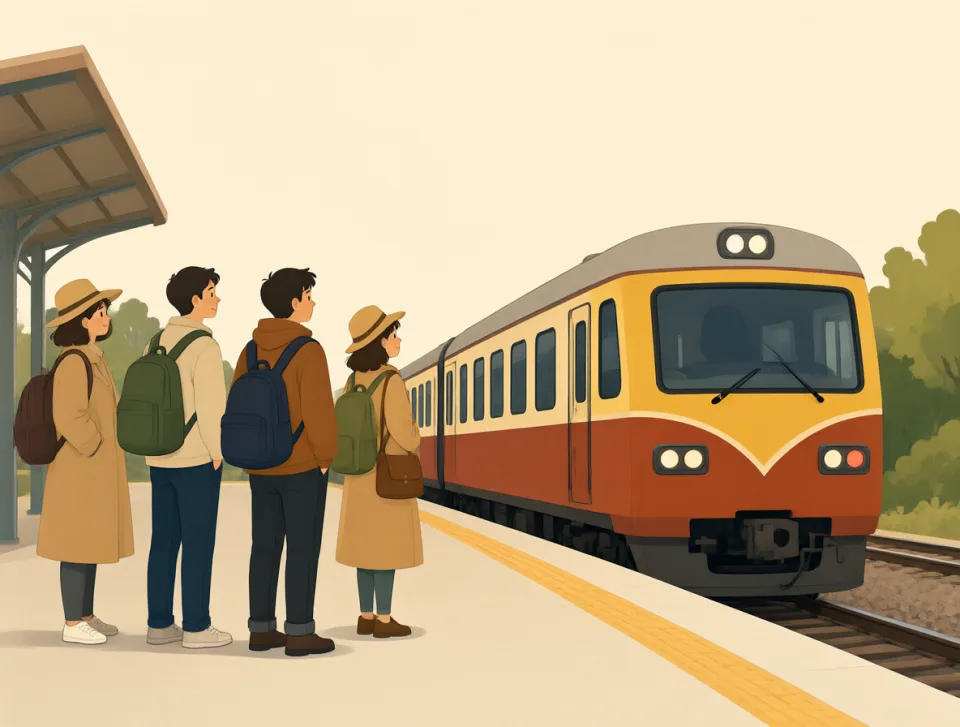
Our train leaves at six o'clock.
Наш поезд отправляется в шесть часов.

He left work early because he felt sick.
Он ушёл с работы пораньше, потому что плохо себя почувствовал.
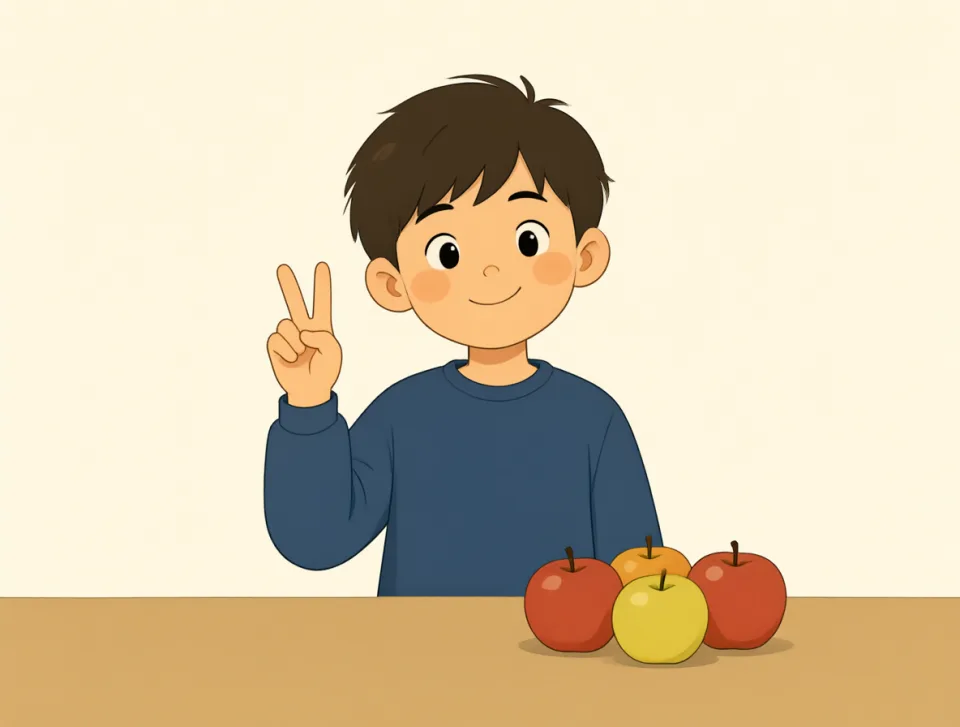
number
#127noun, verb
номер; число
A word or symbol that shows how many people or things there are.
Слово или символ, показывающий, сколько людей или предметов.
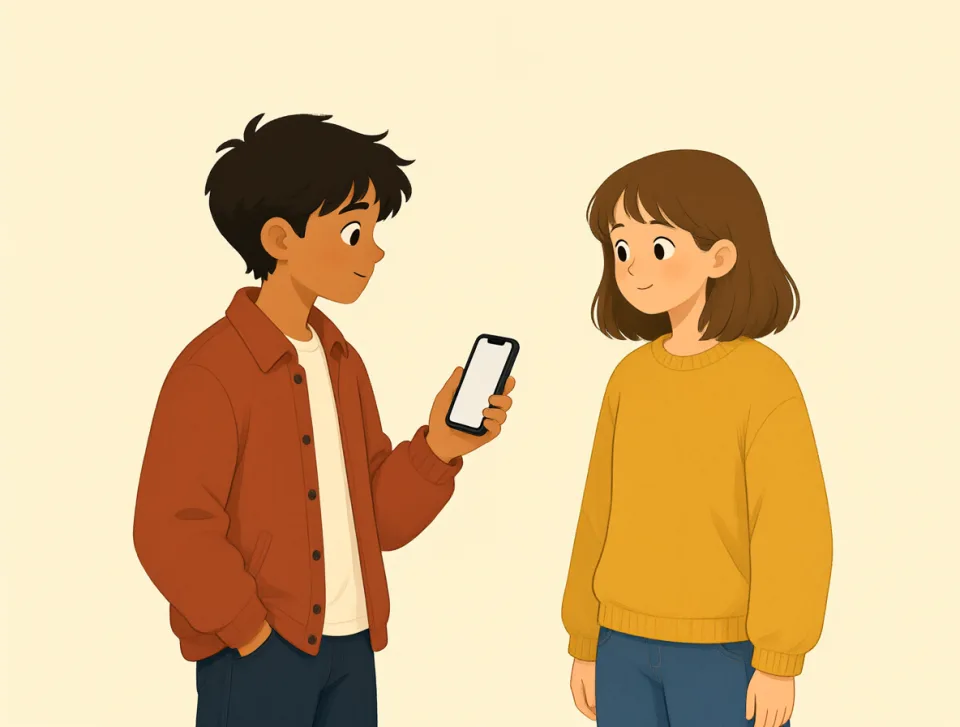
What is your phone number?
Какой у вас номер телефона?
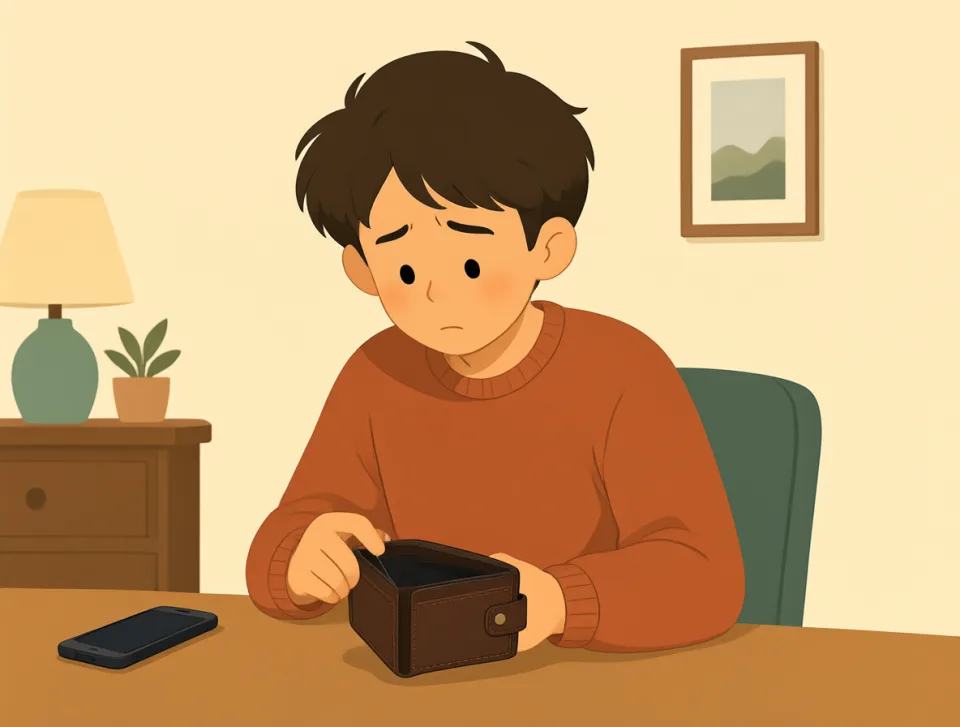
I forgot my phone number.
Я забыл свой номер телефона.
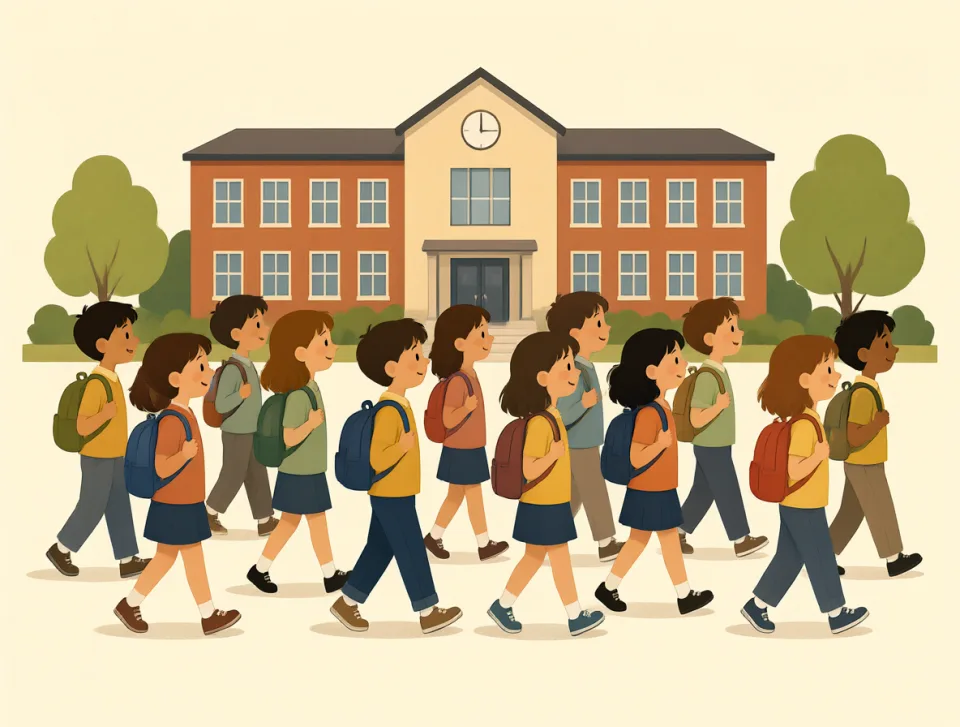
A large number of students walk to school.
Многие ученики ходят в школу пешком.
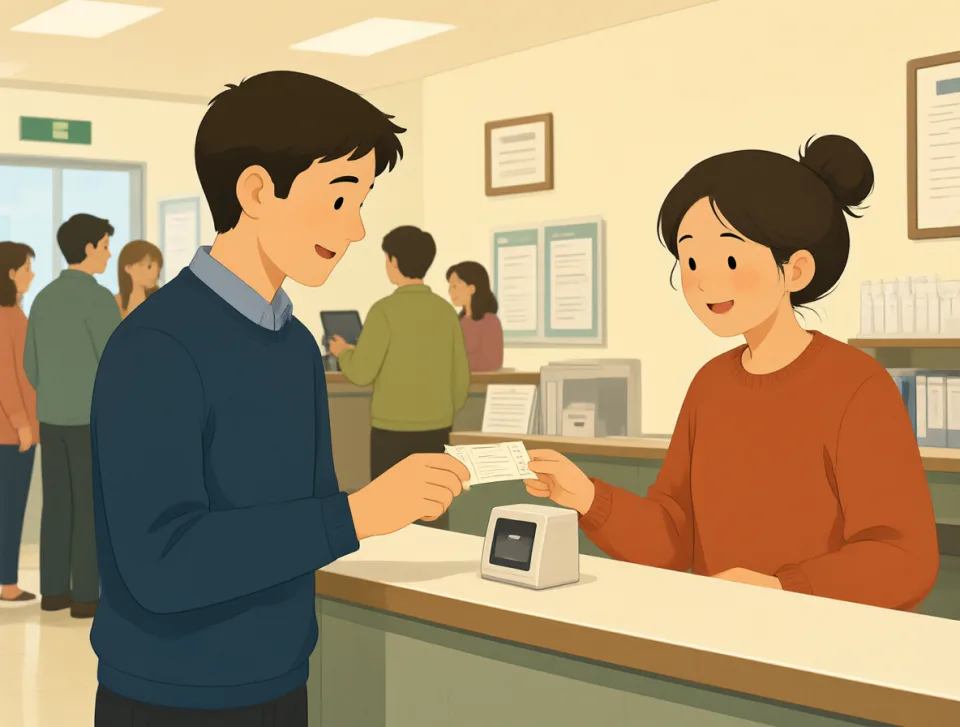
Please take a number and wait here.
Пожалуйста, возьмите талончик с номером и подождите здесь.
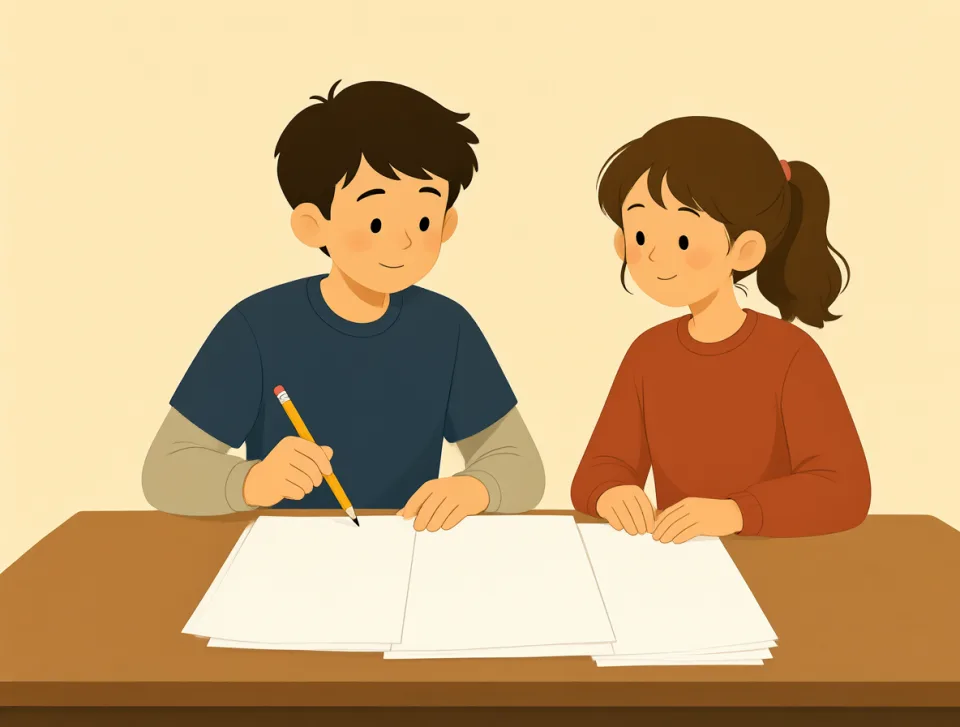
Can you number these pages for me?
Можете пронумеровать эти страницы для меня?
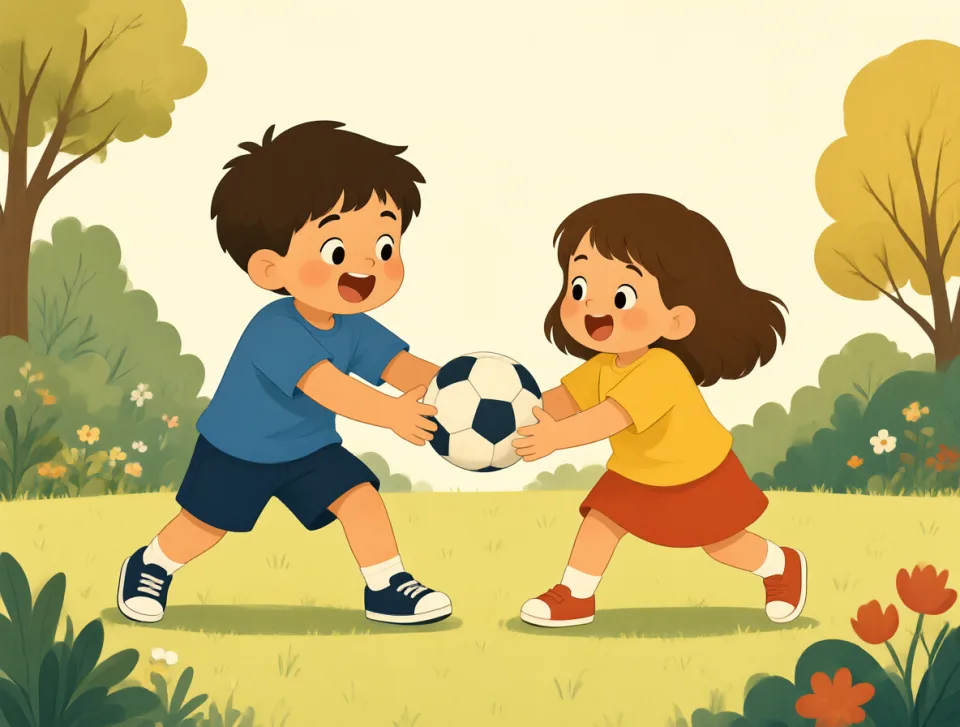
both
#128determiner, pronoun
оба; обе
The two people or things together.
Два человека или предмета вместе.
Both children are playing in the garden.
Оба ребёнка играют в саду.
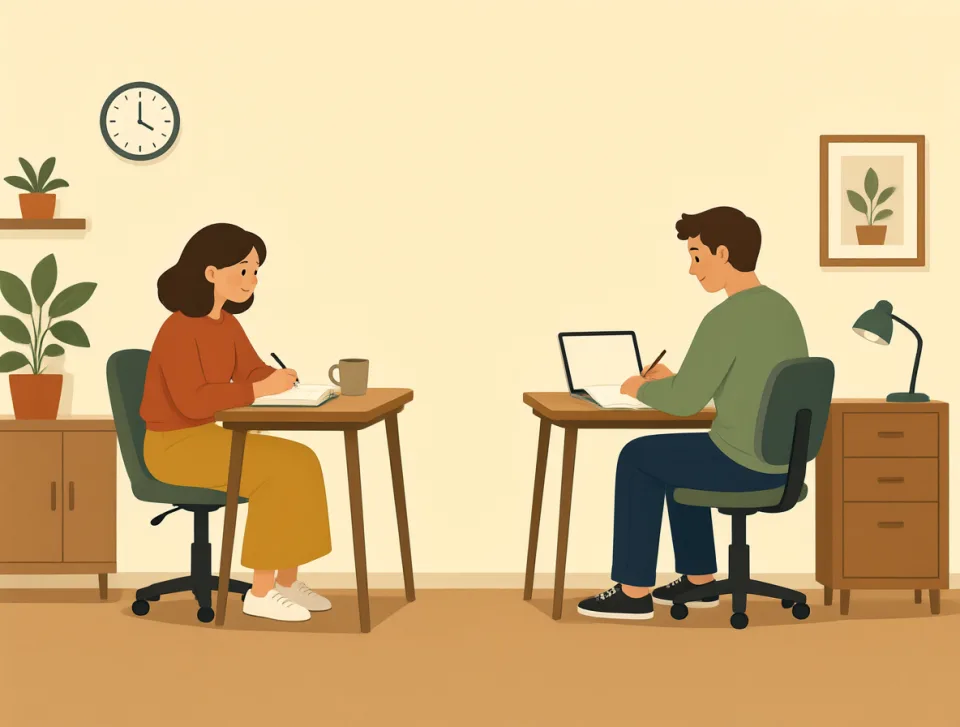
Both of my parents work at home.
Оба моих родителя работают дома.

We both like pizza for dinner.
Мы оба любим пиццу на ужин.
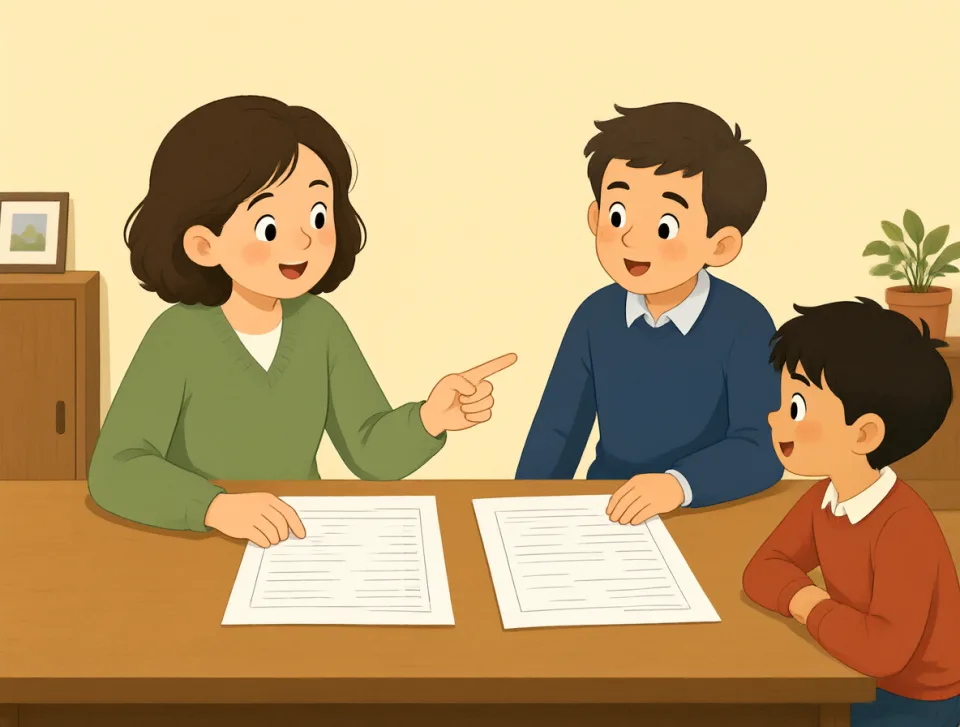
Both answers are correct.
Оба ответа правильные.
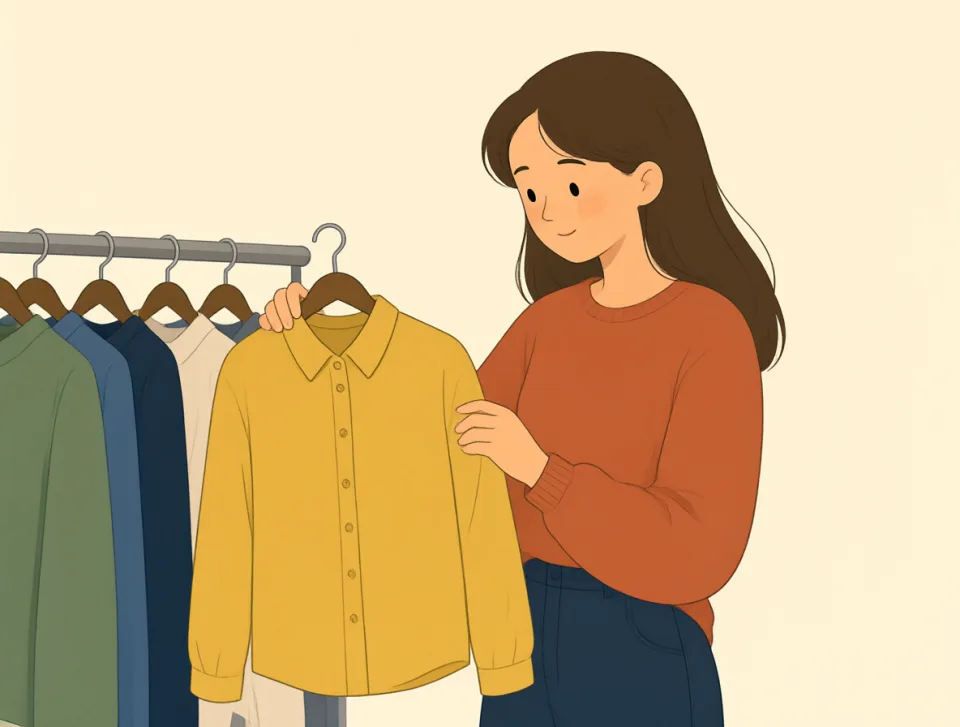
She bought both shirts at the store.
Она купила в магазине обе рубашки.
own
#129verb, adjective, pronoun, determiner
владеть
to have something that belongs to you
иметь что-либо в собственности
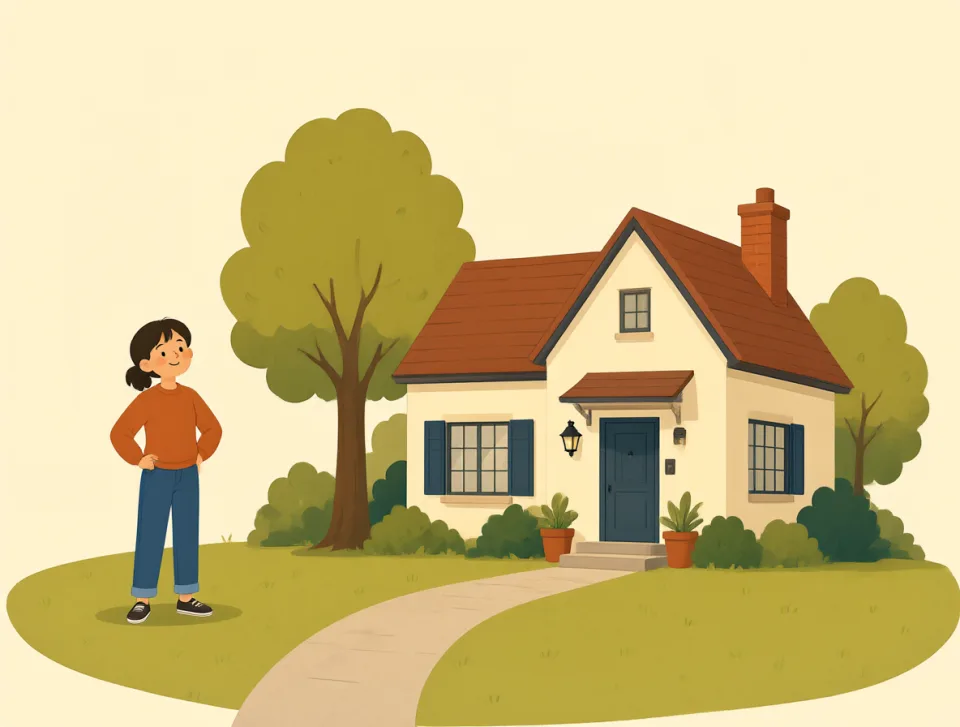
I own a small house near the park.
У меня есть небольшой дом рядом с парком.
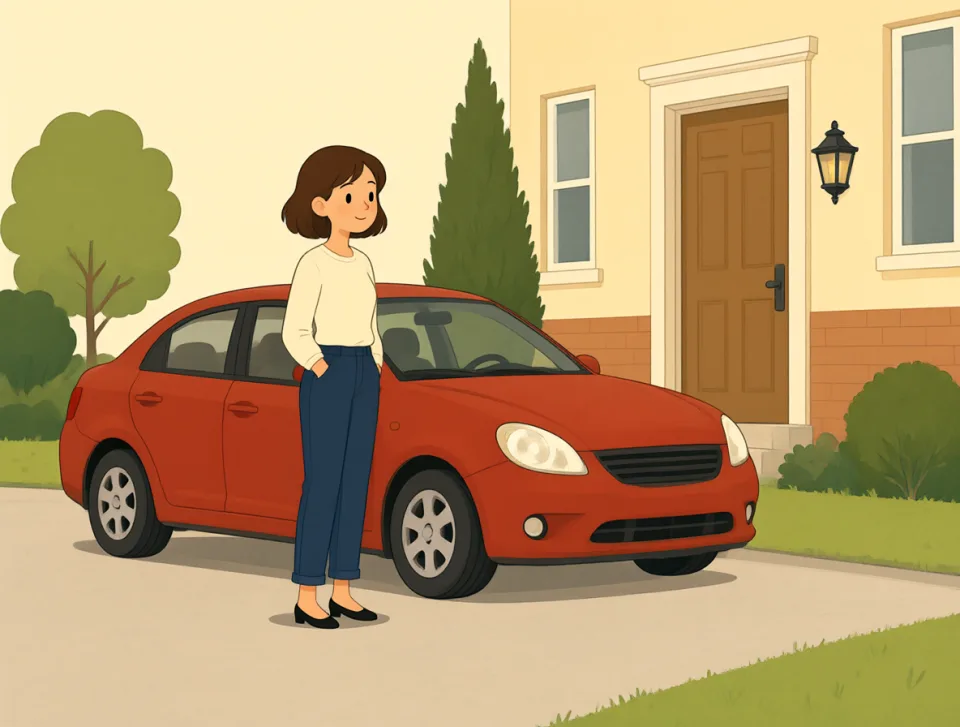
She owns a red car.
У неё есть красная машина.
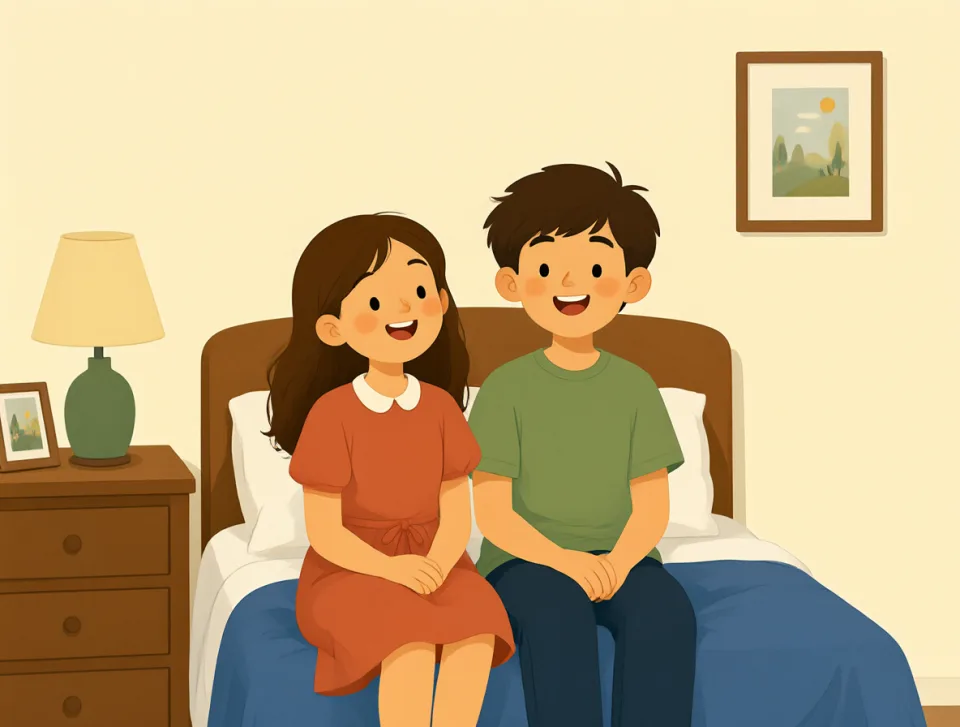
We have our own room at home.
Дома у нас есть собственная комната.
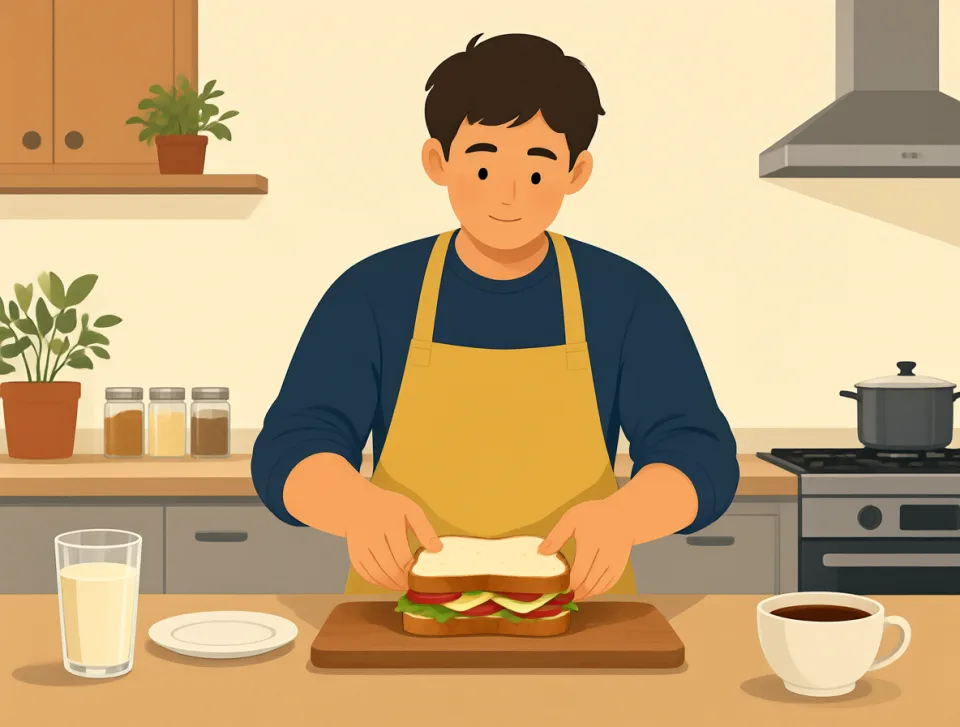
He made his own lunch today.
Сегодня он сам приготовил себе обед.

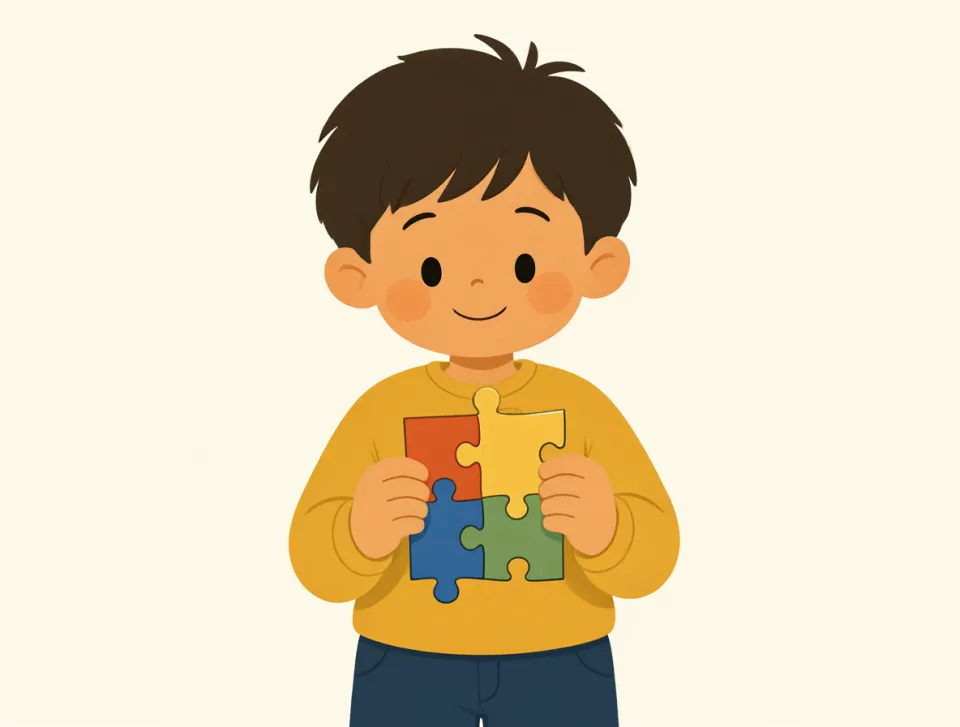
They opened their own shop last year.
В прошлом году они открыли собственный магазин.
part
#130noun, verb
часть; участвовать
A piece of something, or a role in an activity; to take part in something.
Часть чего-либо или роль в каком-либо занятии; принимать участие в чём-либо.
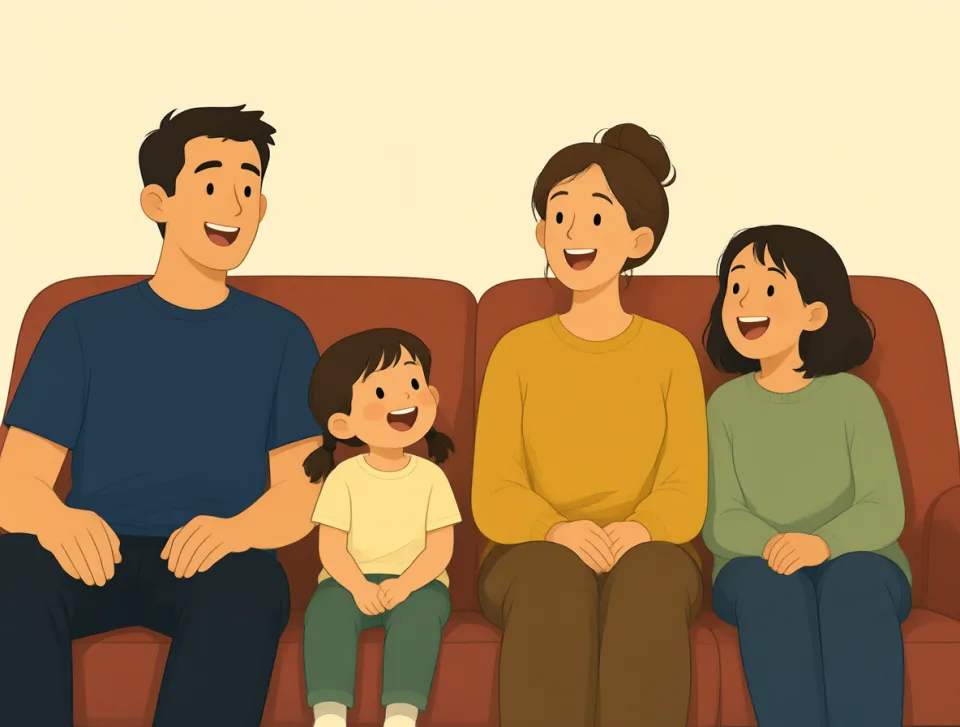
This is the best part of the movie.
Это лучшая часть фильма.
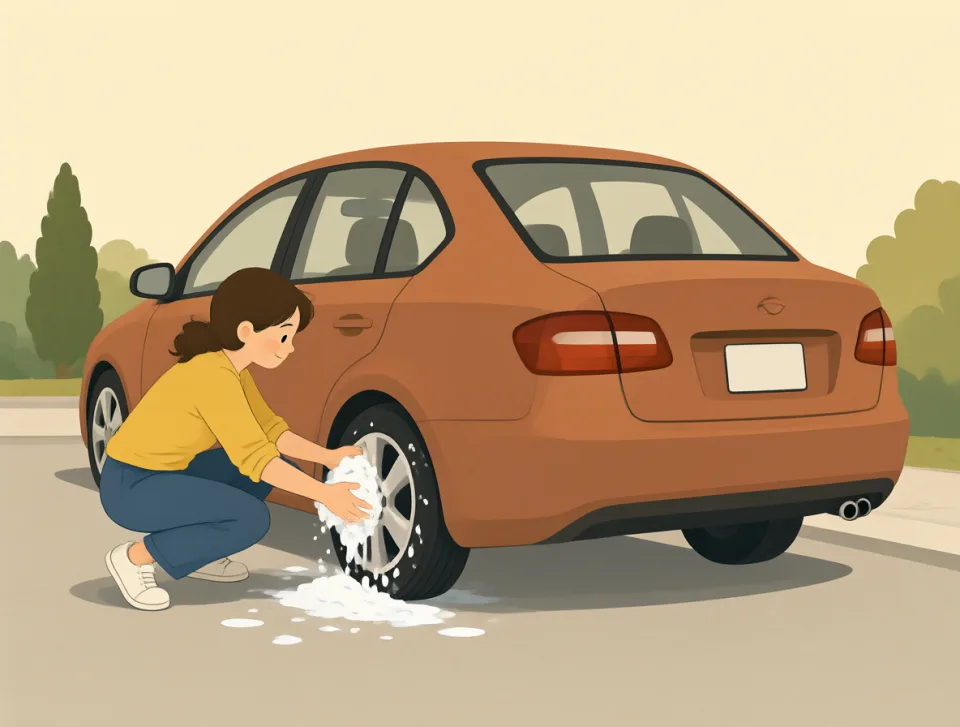
Please wash the dirty parts of the car.
Пожалуйста, вымойте грязные участки машины.
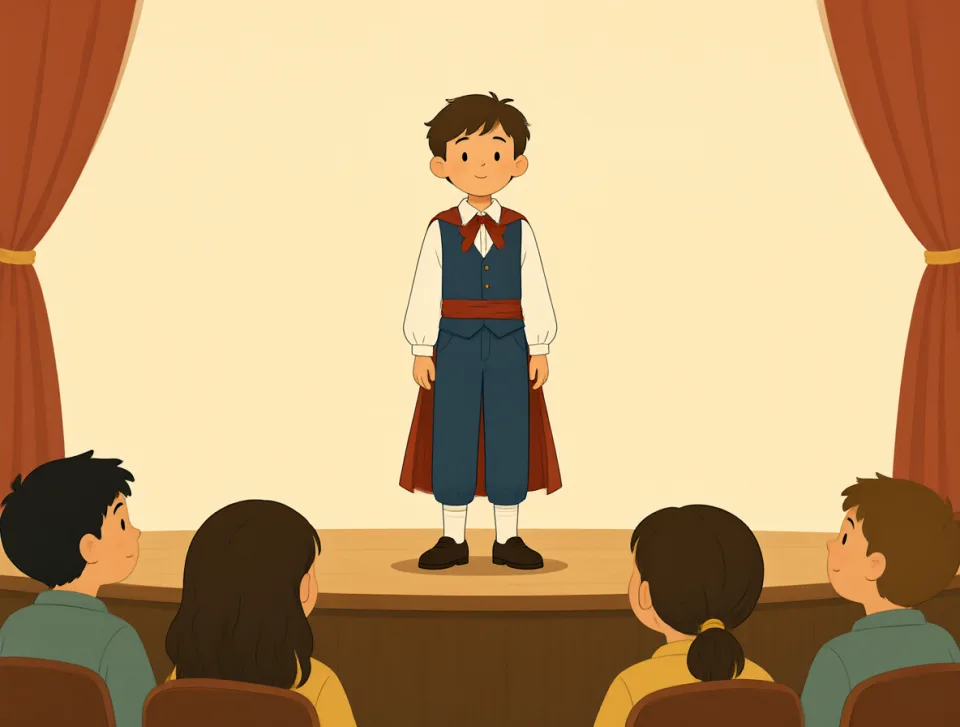
She played an important part in the school play.
Она сыграла важную роль в школьном спектакле.
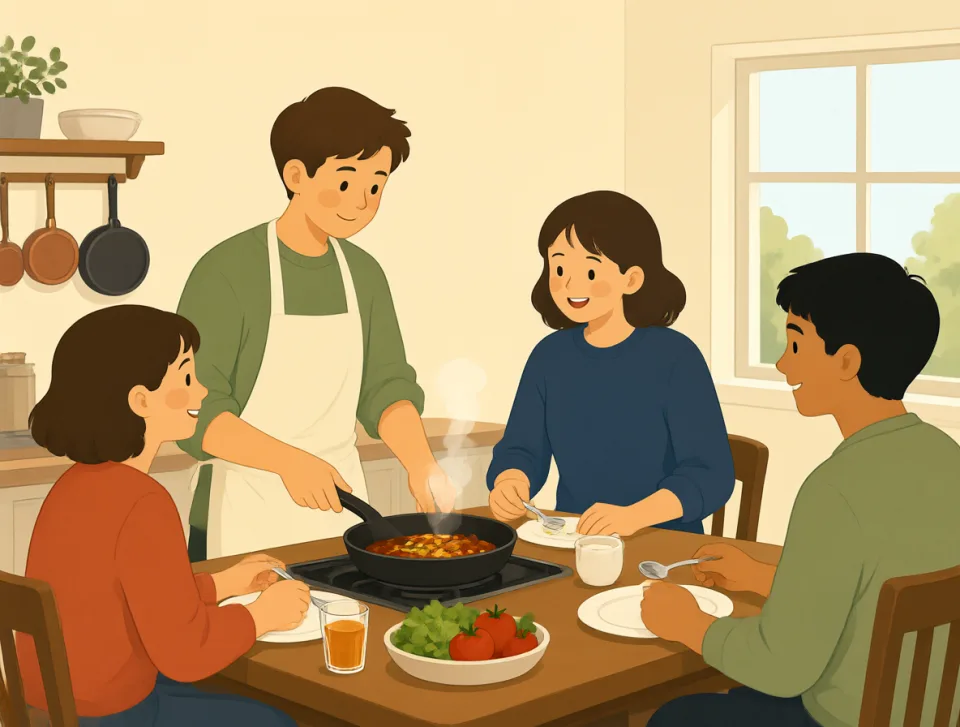
I want to take part in the cooking class.
Я хочу принять участие в кулинарном мастер-классе.
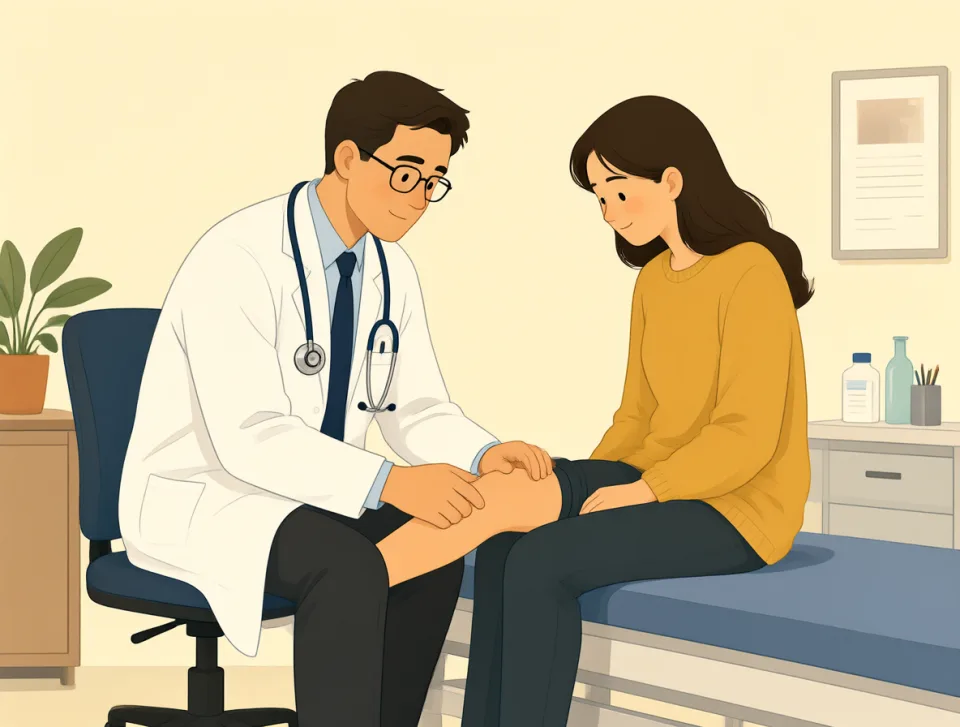
The doctor checked the painful part of my leg.
Врач осмотрел болезненное место на моей ноге.
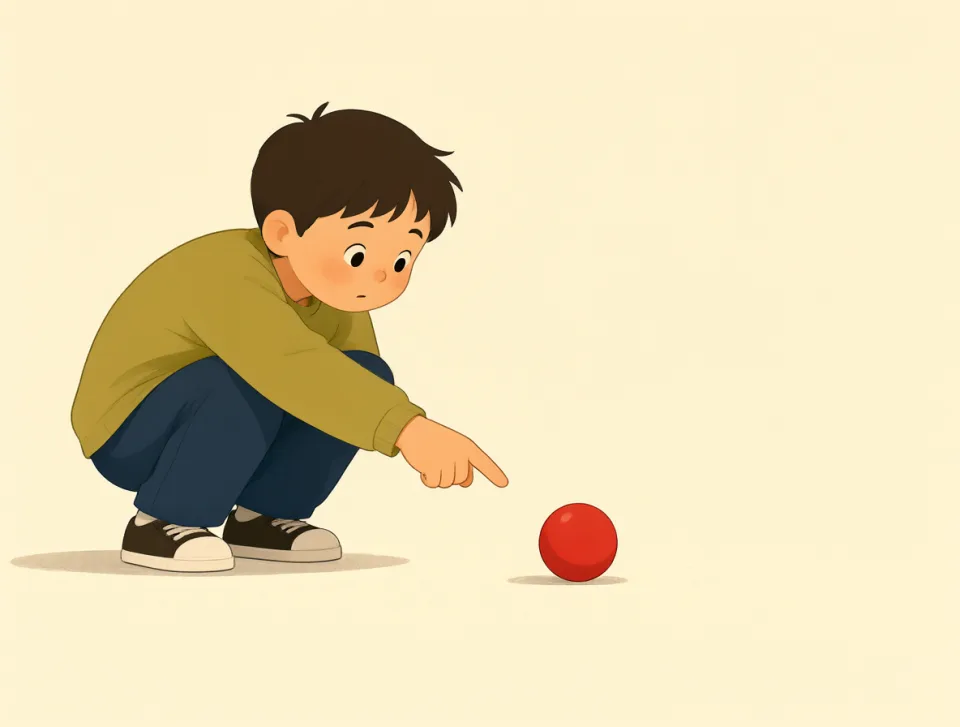
point
#131noun, verb
точка
A sharp end, exact place, purpose, or idea; to show or direct attention.
Острый конец, точное место, цель или мысль; указывать на что-либо или направлять чьё-либо внимание.
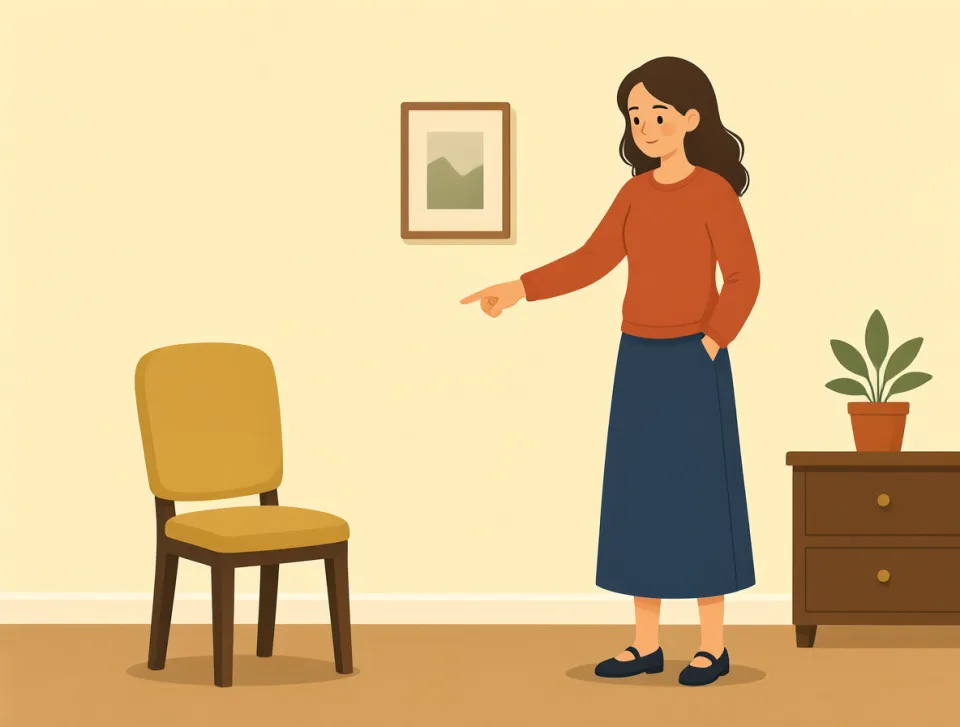
She pointed to the empty chair.
Она указала на пустой стул.

The meeting starts at this point.
Встреча начинается в этой точке.
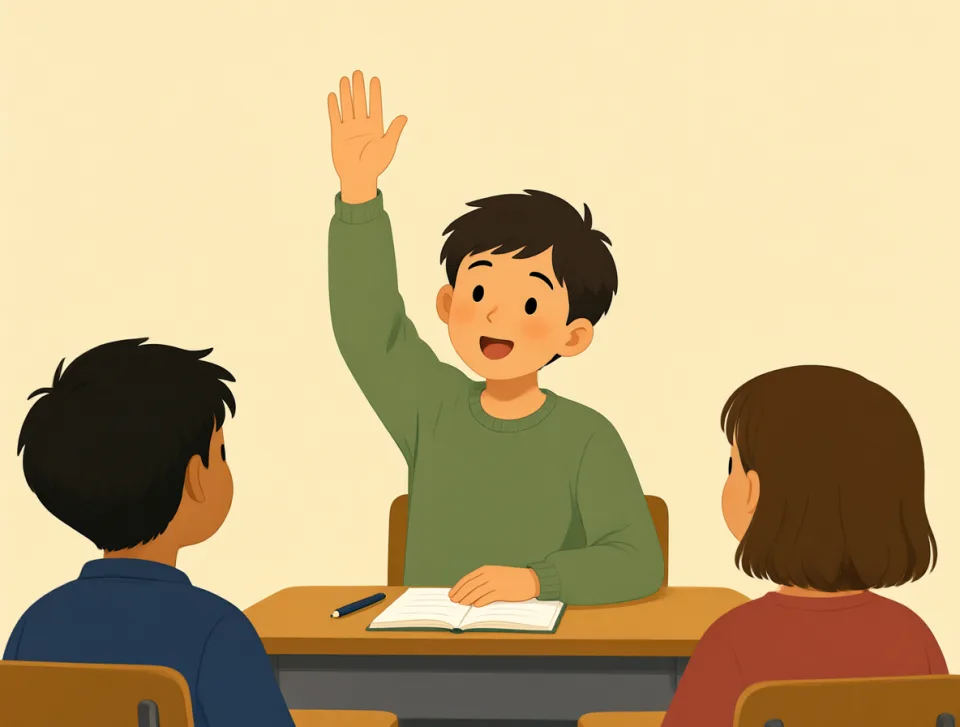
He made a good point in class.
На уроке он высказал хорошую мысль.
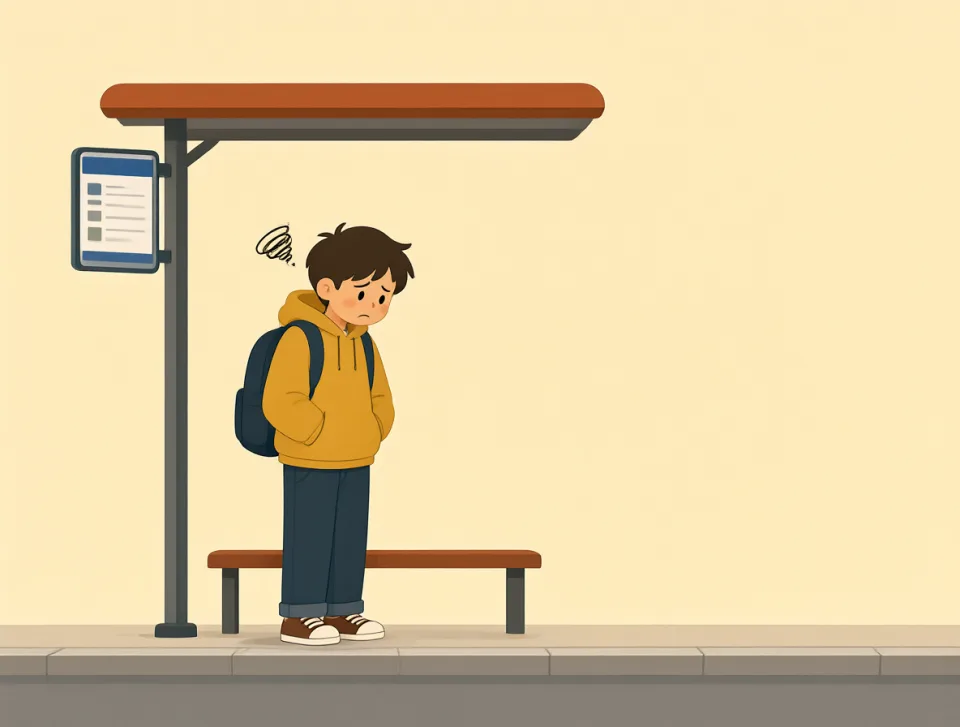
There is no point in waiting.
Нет смысла ждать.

The pencil has a sharp point.
У карандаша острый кончик.
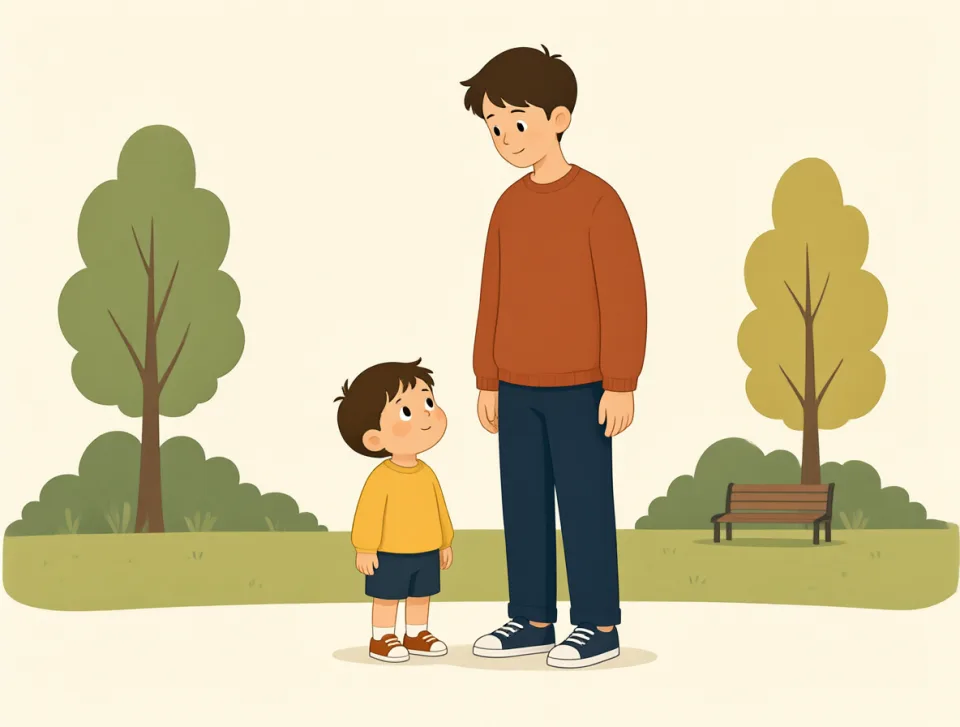
little
#132adjective, adverb, determiner, pronoun, noun
маленький; немного
Small in size or amount; not much; to a small degree.
Небольшой по размеру или количеству; мало; в небольшой степени.
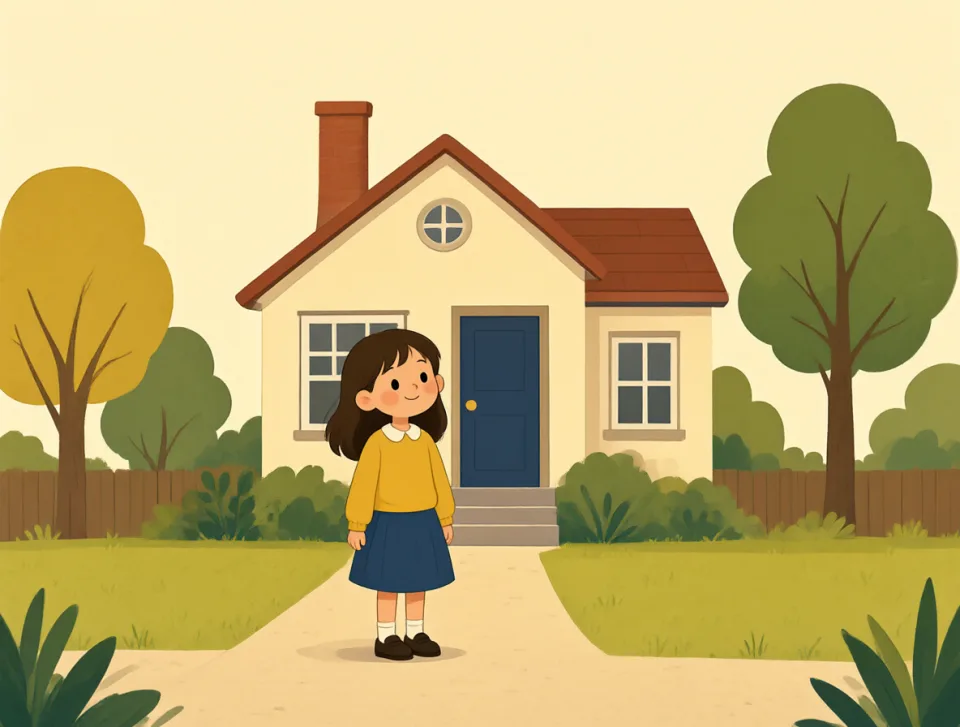
She lives in a little house near school.
Она живёт в маленьком доме рядом со школой.
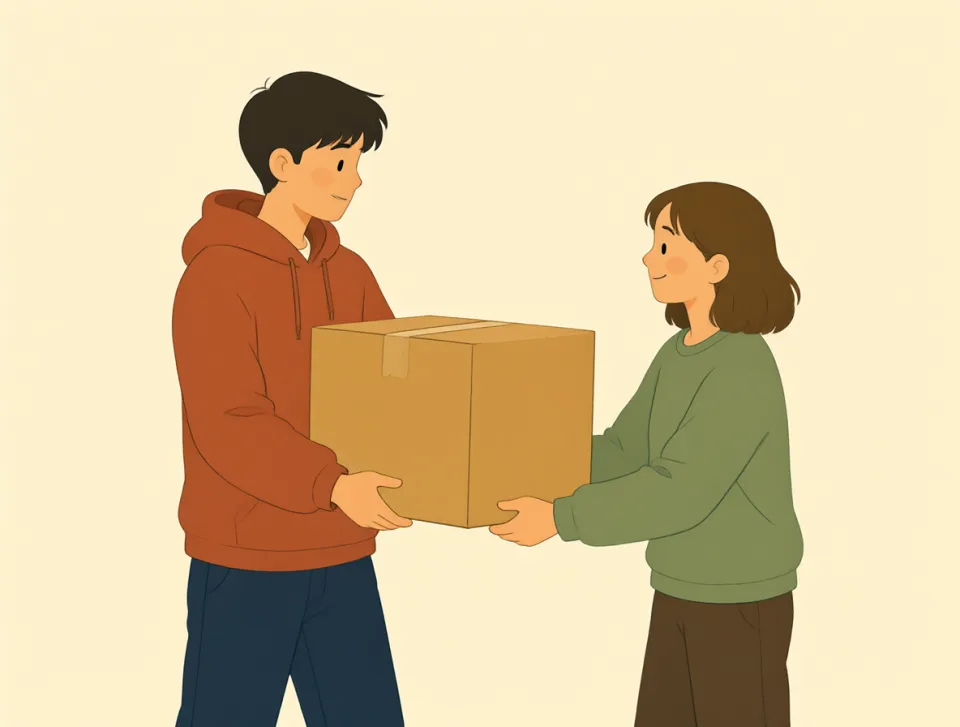
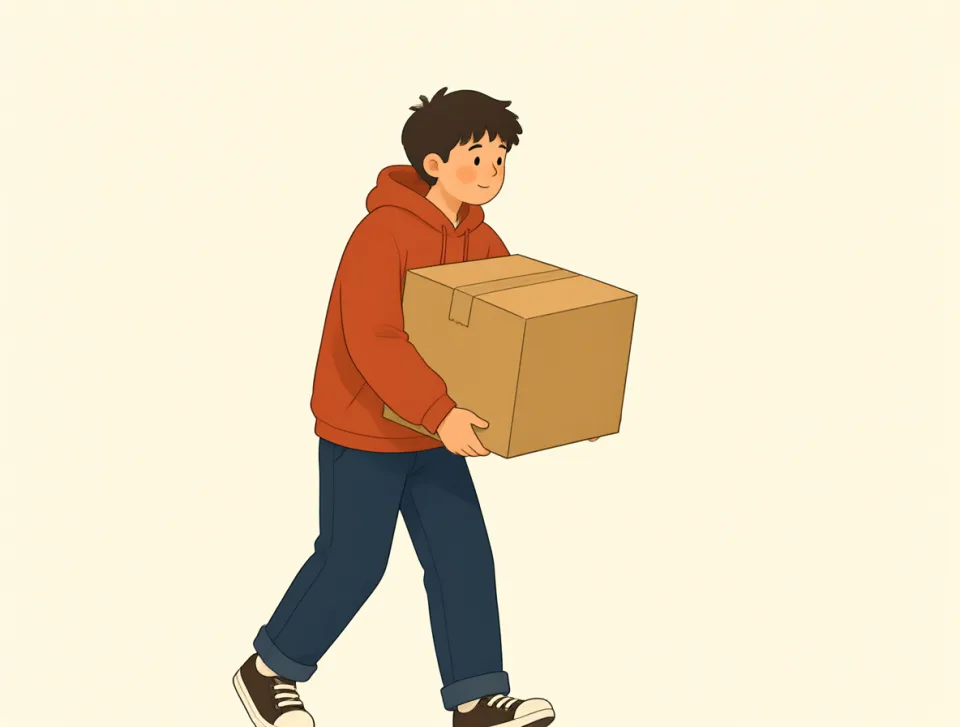
I need a little help with this box.
Мне нужна небольшая помощь с этой коробкой.
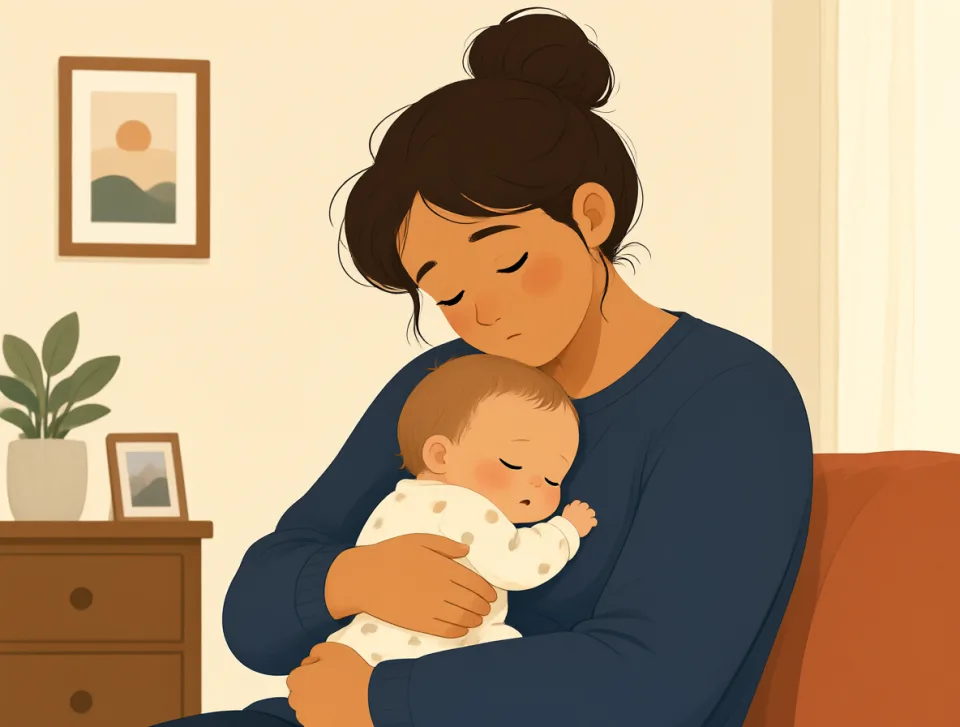
The baby is a little tired today.
Сегодня малыш немного устал.
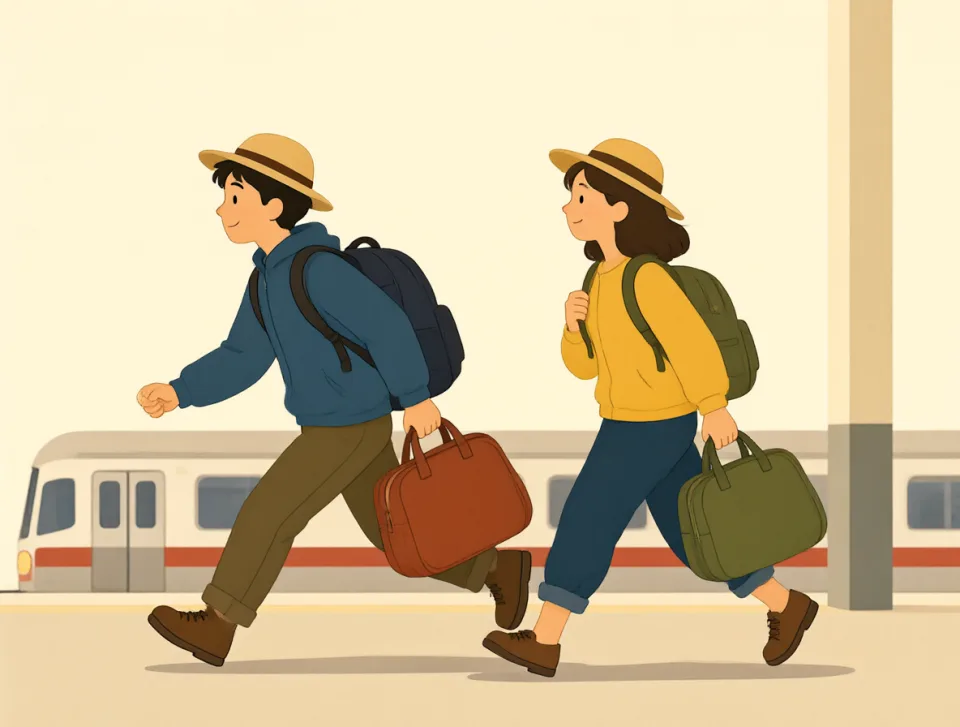
We have very little time before the train.
У нас совсем мало времени до поезда.
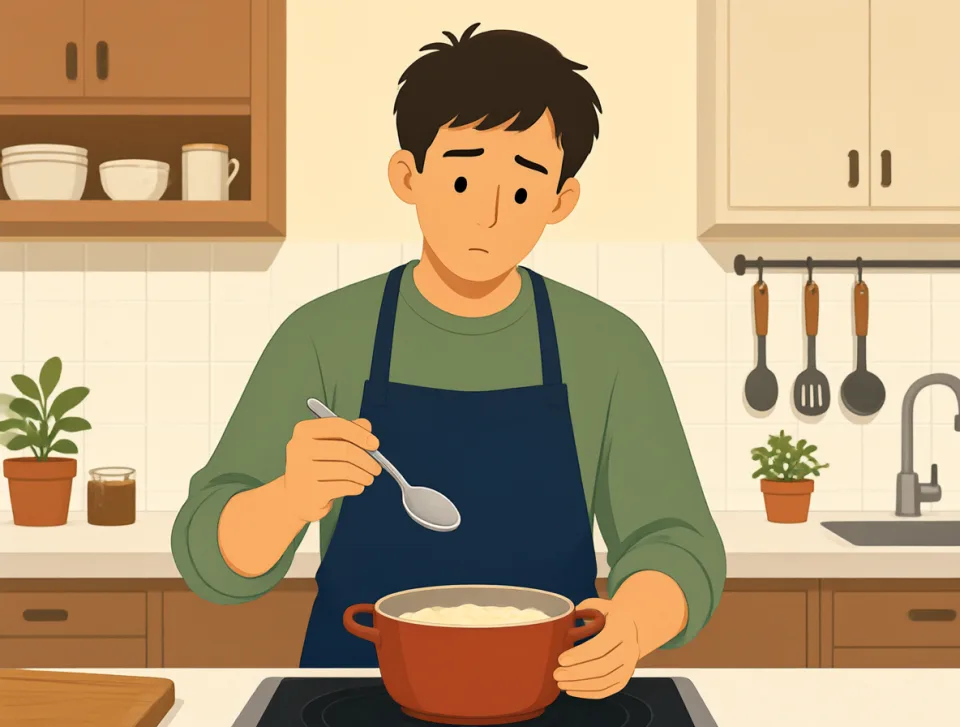
He knows very little about cooking.
Он очень мало знает о кулинарии.
help
#133noun, verb
помогать
To make something easier for someone or give them what they need.
Облегчать кому-либо выполнение чего-либо или давать человеку то, что ему нужно.
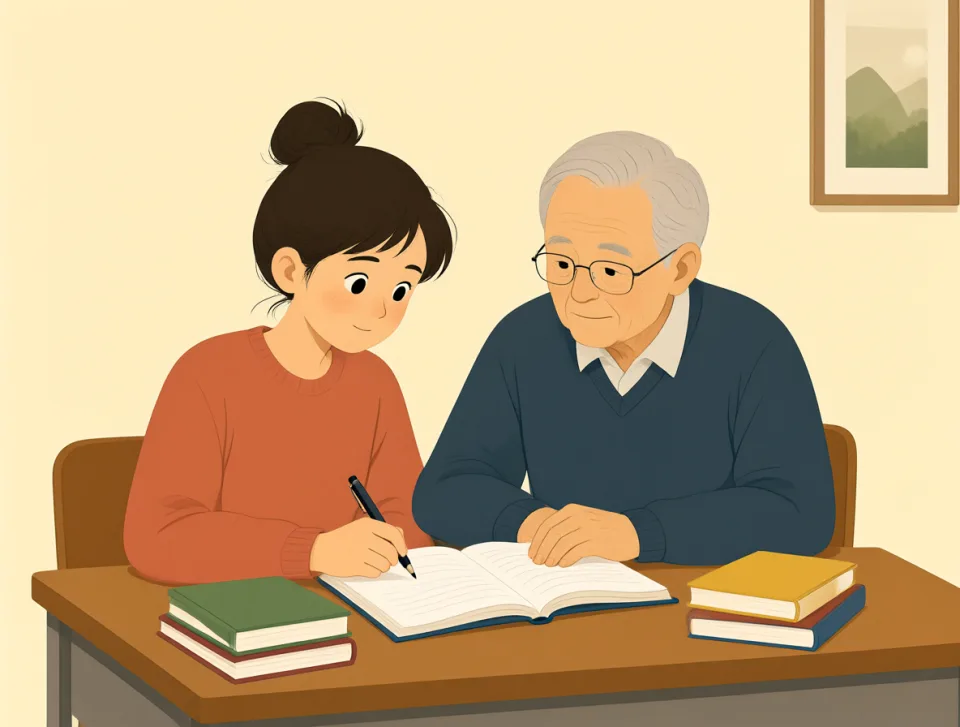
Can you help me with my homework?
Поможешь мне с домашним заданием?
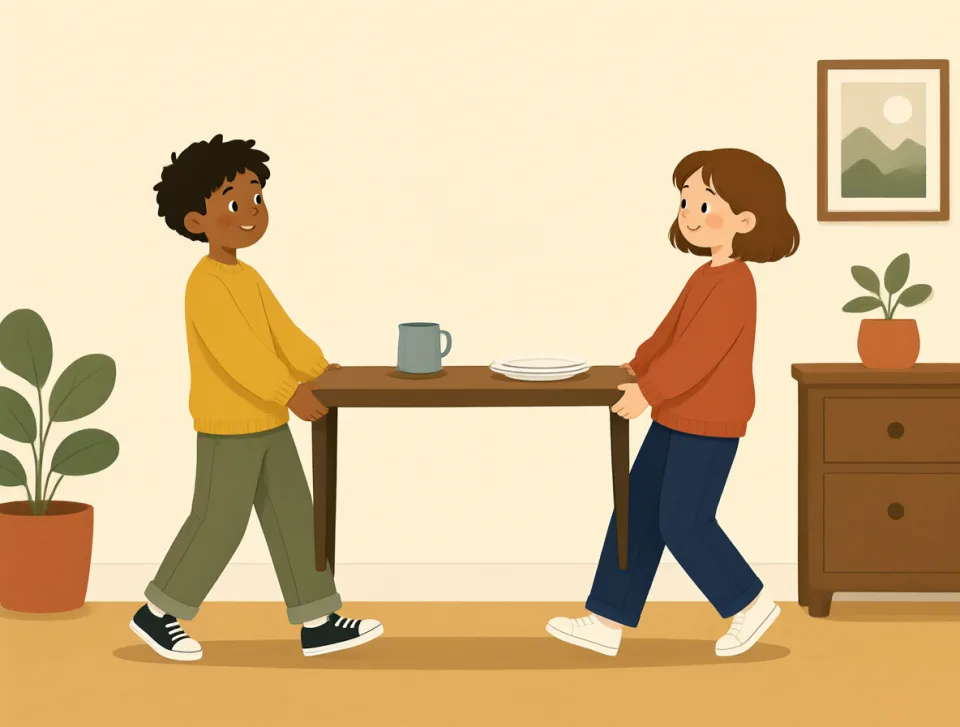
My friend helped me move the table.
Мой друг помог мне передвинуть стол.
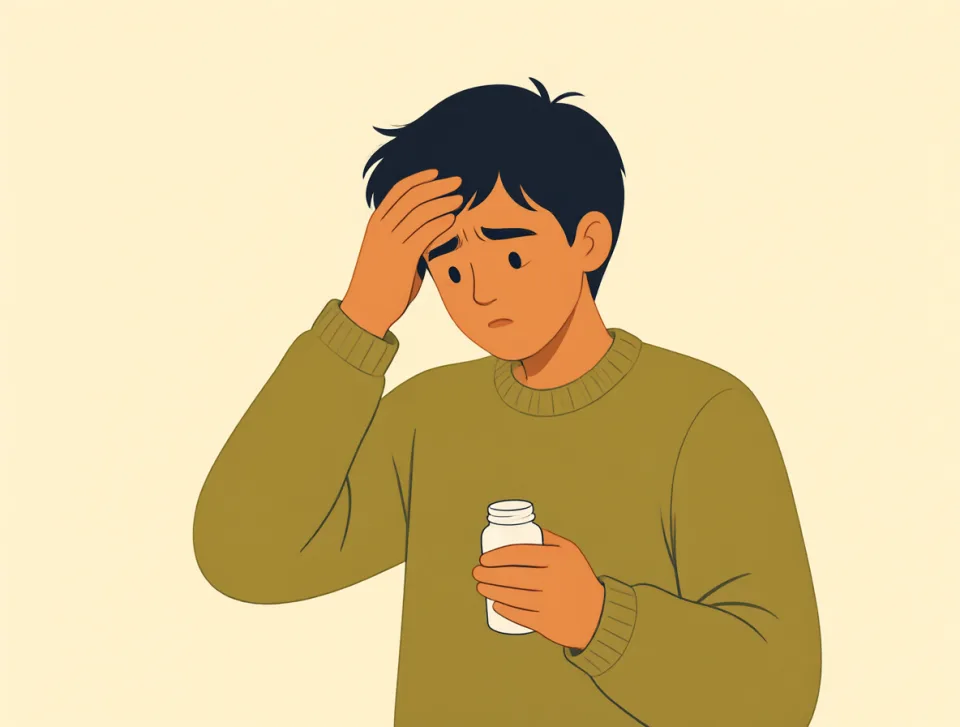
This medicine will help your headache.
Это лекарство поможет от головной боли.

The shop assistant helped me find shoes.
Продавец помог мне найти обувь.
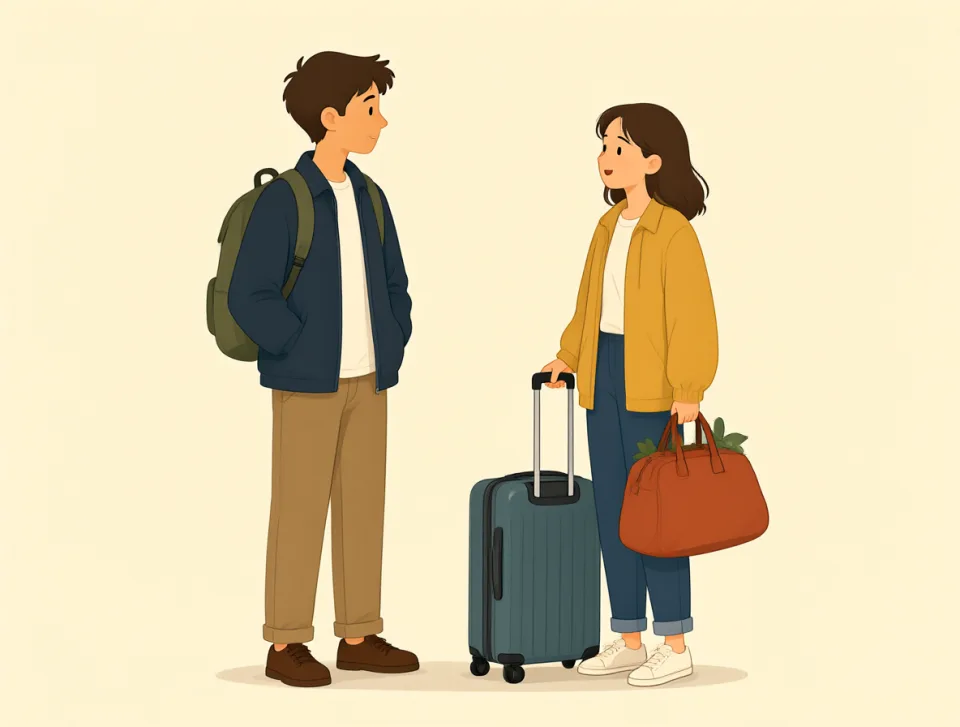
Could you help me carry my bags?
Не могли бы вы помочь мне донести сумки?
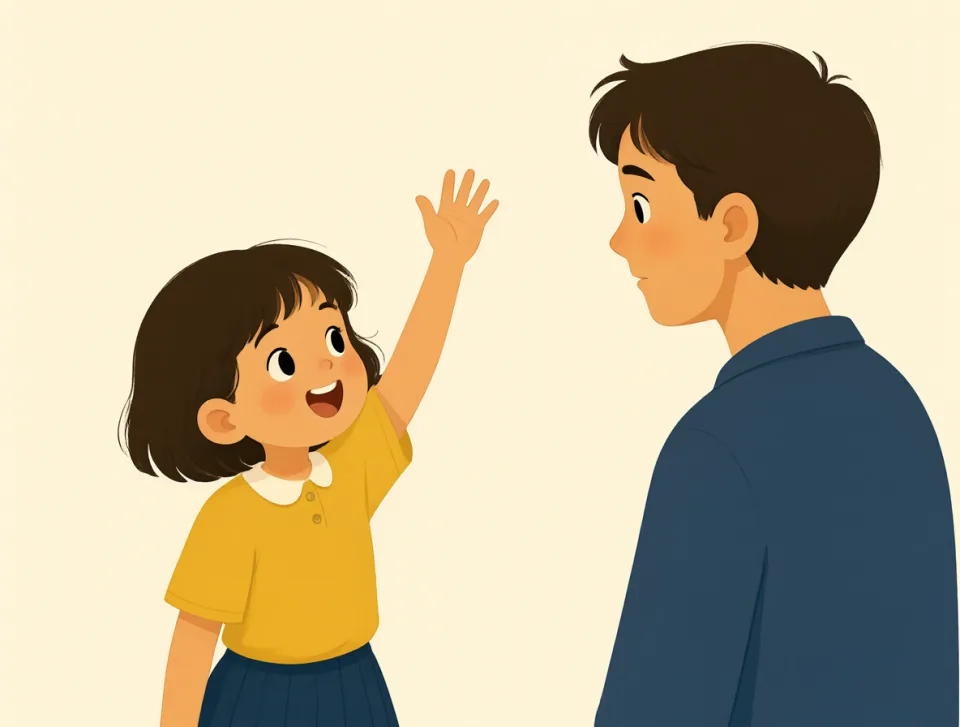
ask
#134verb, noun
спрашивать
To say something because you want information, help, or permission.
Говорить что-либо, потому что вам нужна информация, помощь или разрешение.
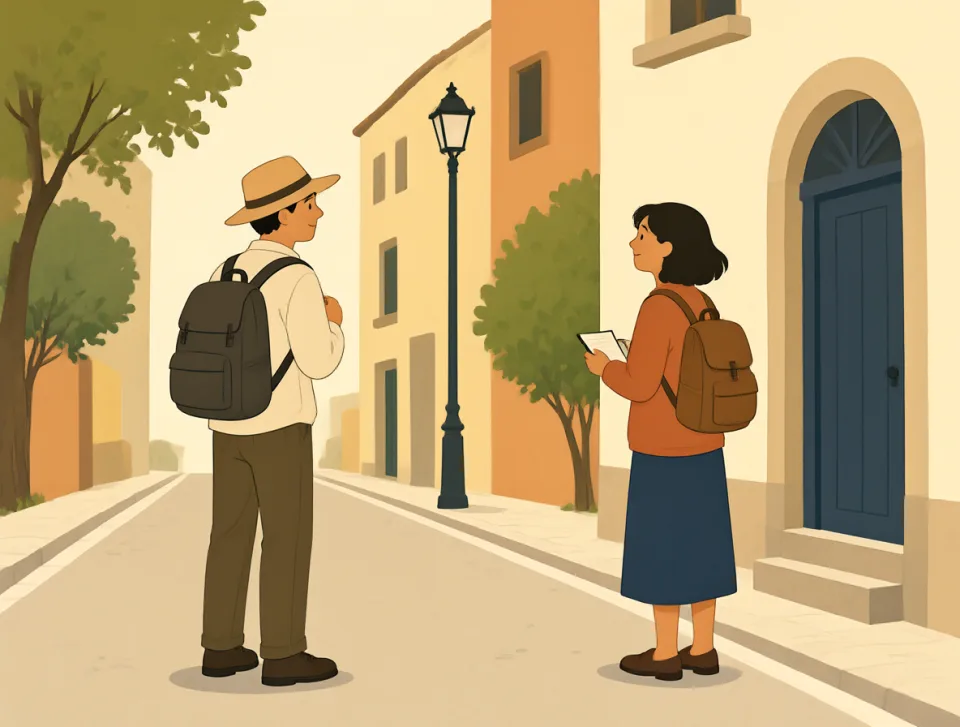
I asked him for directions.
Я спросил у него, как пройти.
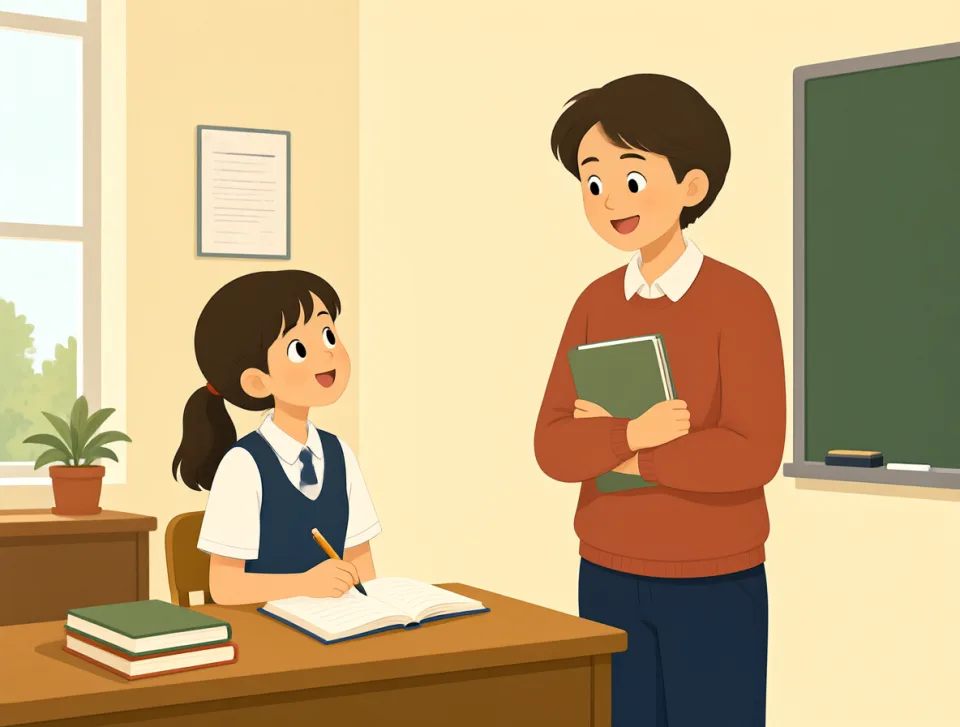
Please ask your teacher for help.
Пожалуйста, попроси учителя помочь тебе.
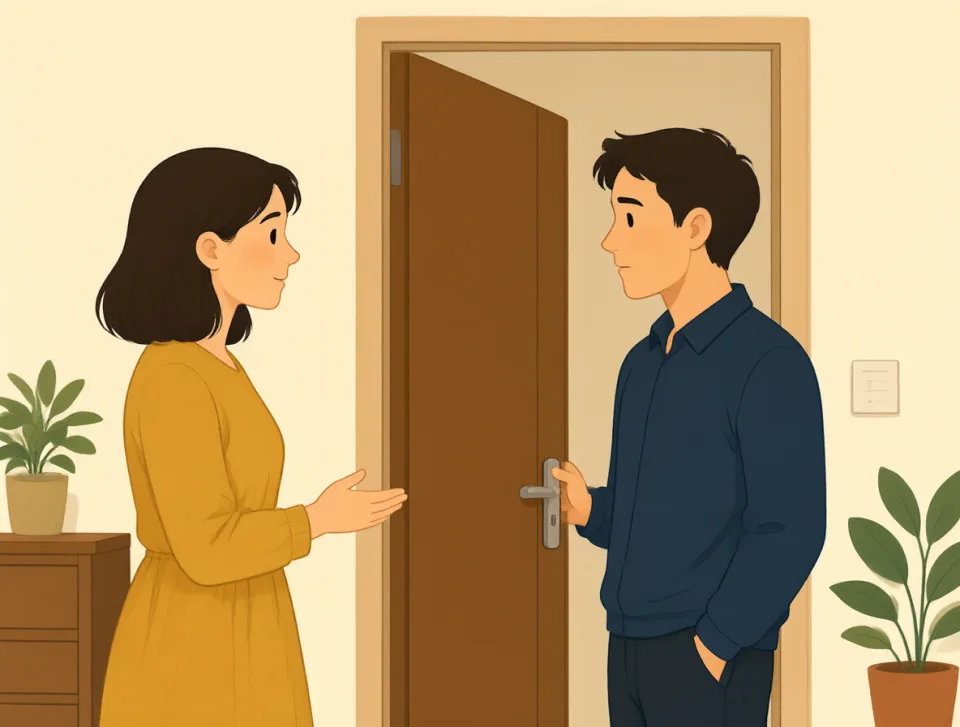
She asked me to close the door.
Она попросила меня закрыть дверь.

We asked for two coffees.
Мы заказали два кофе.

The doctor asked about my pain.
Врач спросил, где у меня болит.
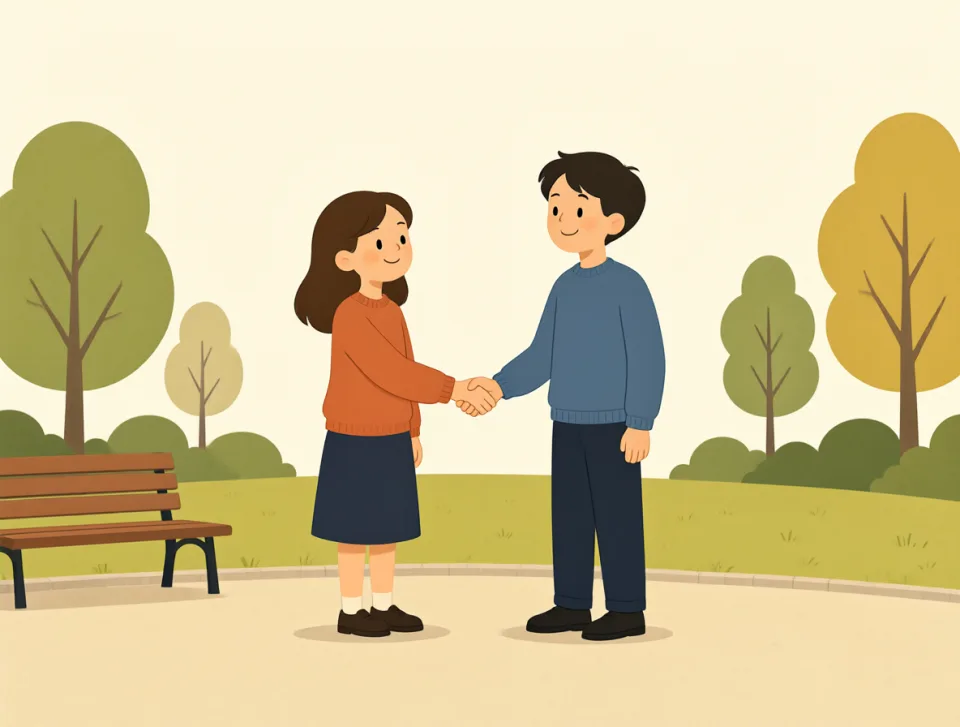
meet
#135verb
встречать(ся)
to see and talk to someone for the first time or at an arranged time
Видеться и разговаривать с кем-либо впервые или в условленное время.
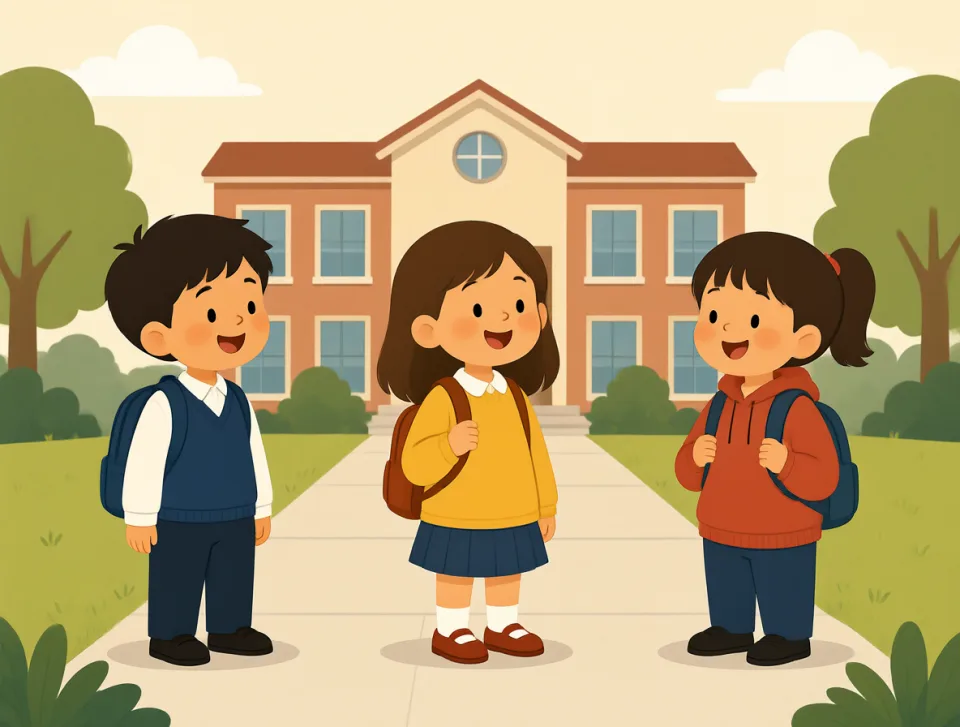
I meet my friends after school.
После школы я встречаюсь с друзьями.
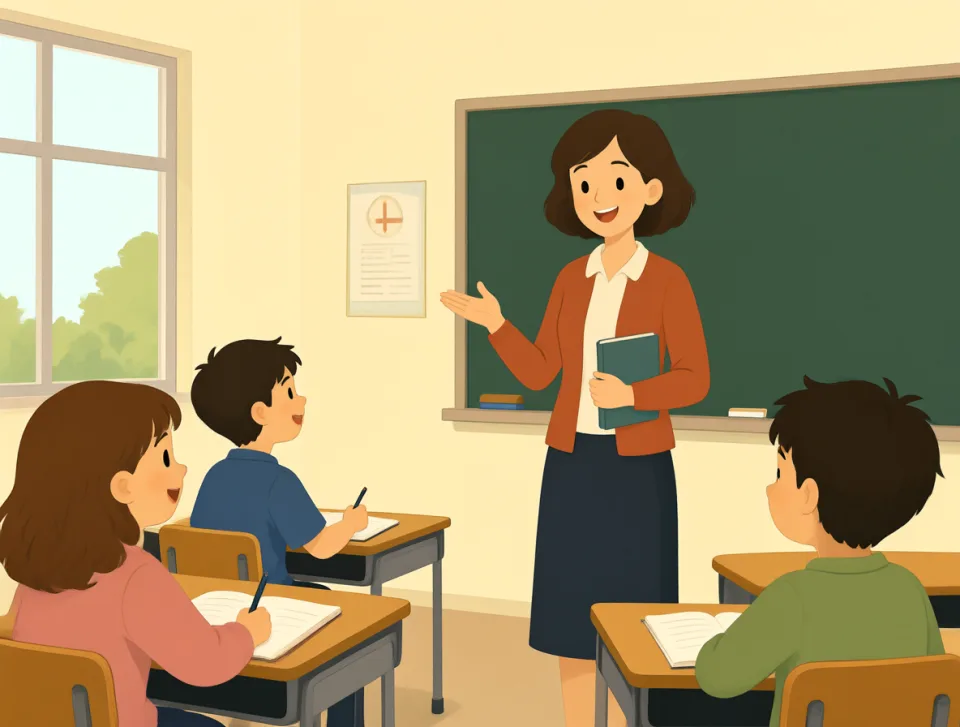
We met our new teacher yesterday.
Вчера мы познакомились с нашим новым учителем.
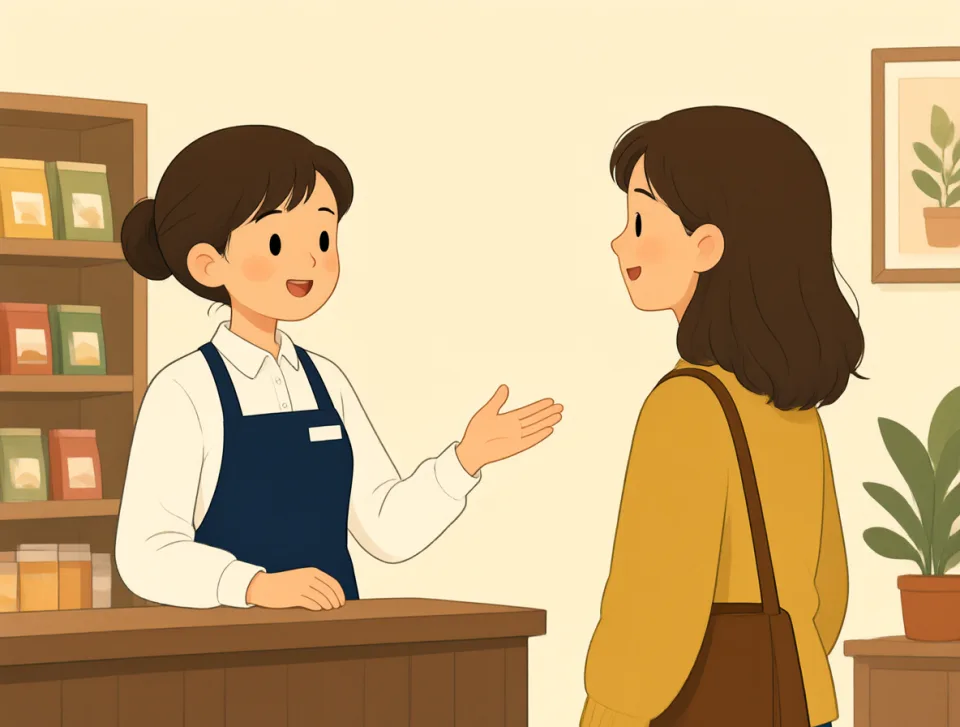
She meets customers at the shop.
Она встречается с покупателями в магазине.
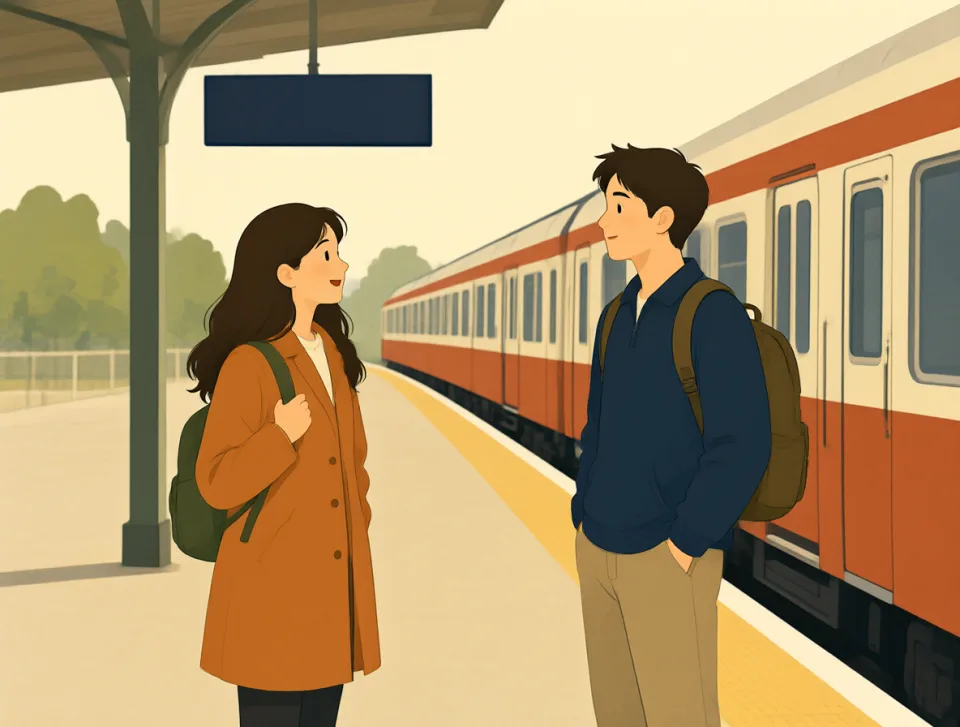
They are meeting at the station.
Они встречаются на вокзале.
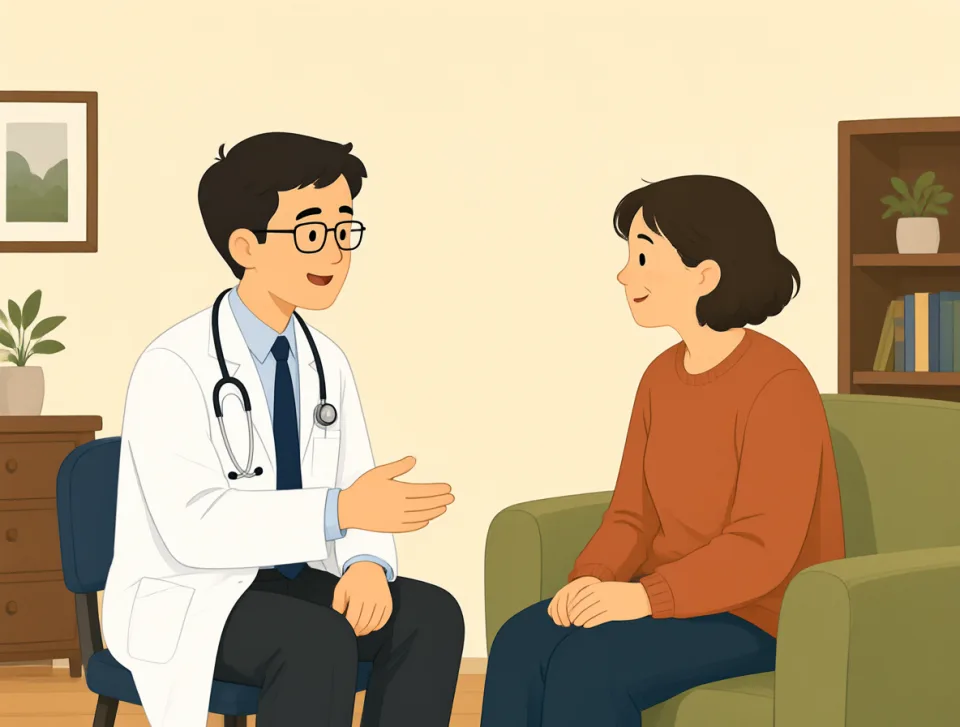
The doctor met the patient at home.
Врач встретился с пациентом у него дома.
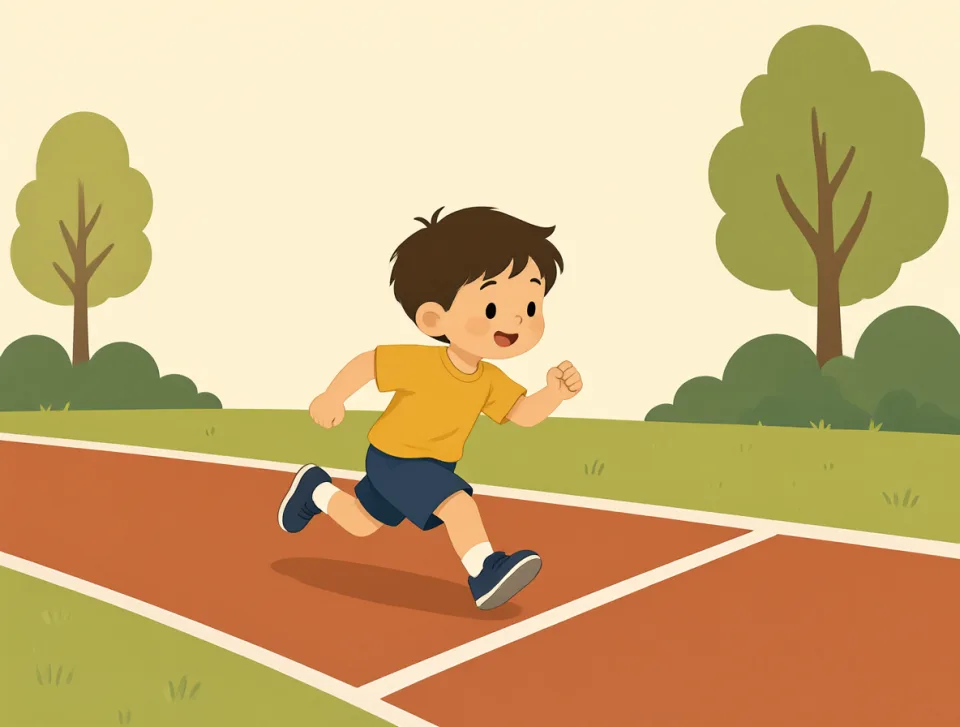
start
#136verb, noun
начинать
to begin doing something or to begin happening; the beginning of something
начинать что-либо делать или начинать происходить; начало чего-либо
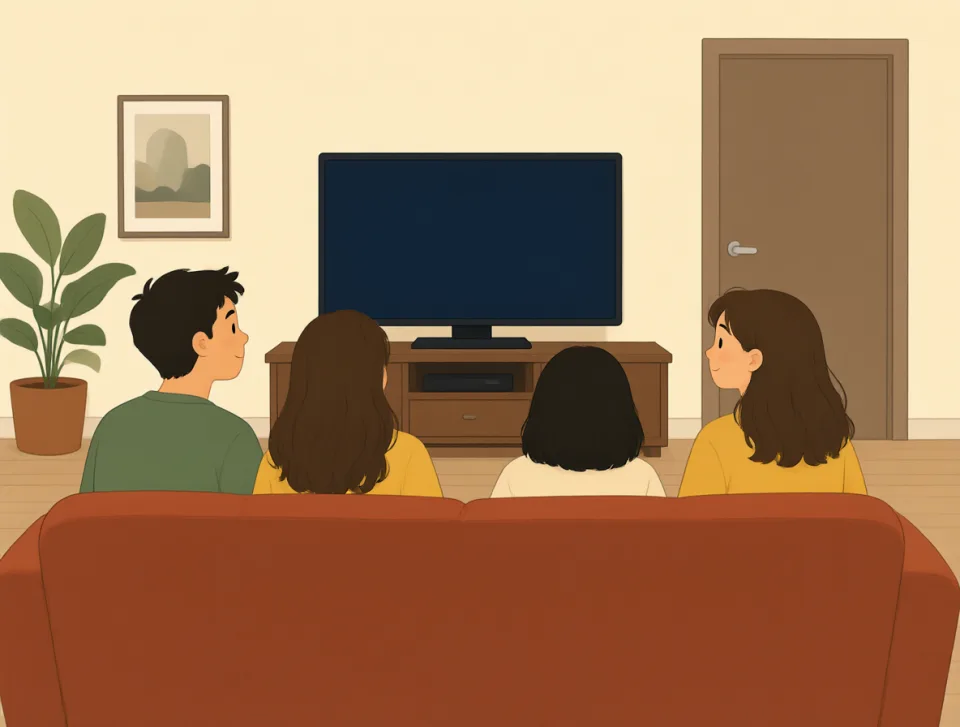
The movie starts at eight o’clock.
Фильм начинается в восемь часов.
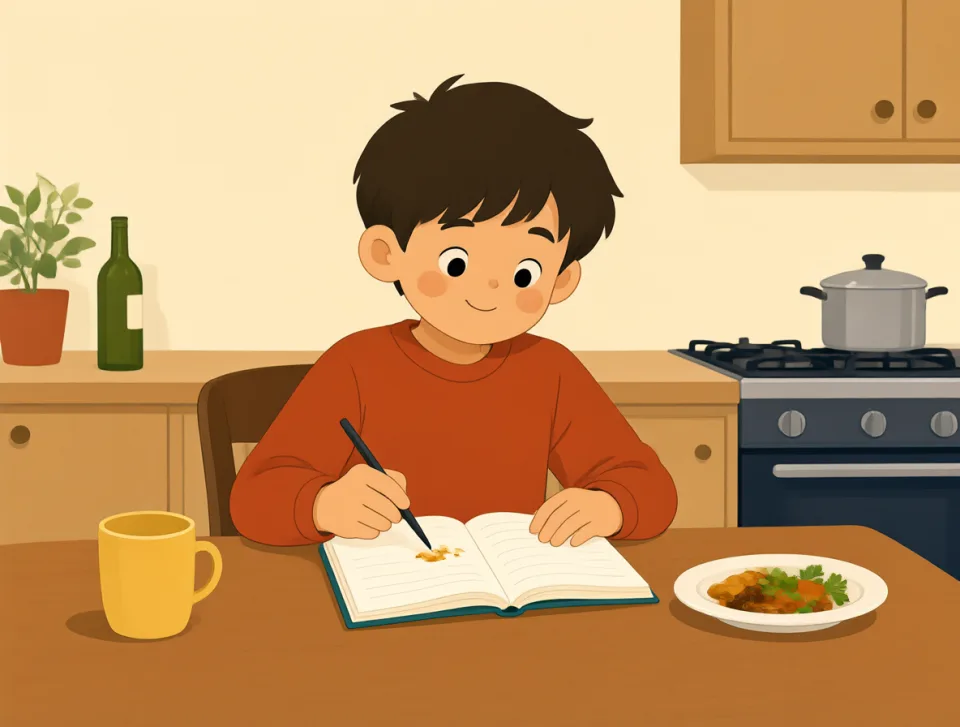
Please start your homework after dinner.
Пожалуйста, начни делать домашнее задание после ужина.
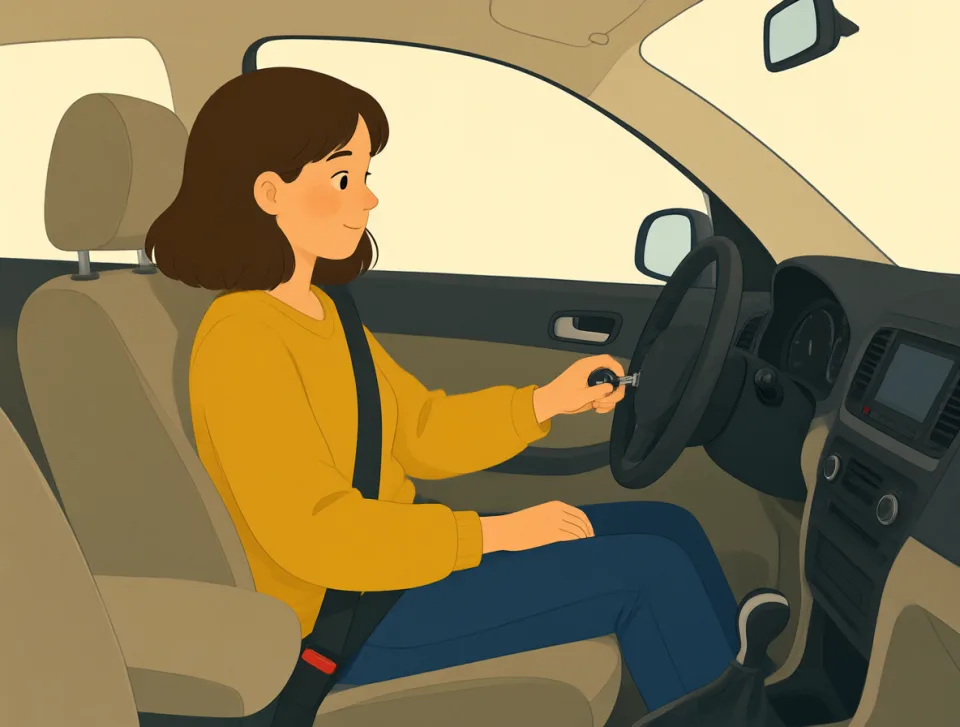
She started the car and drove away.
Она завела машину и уехала.
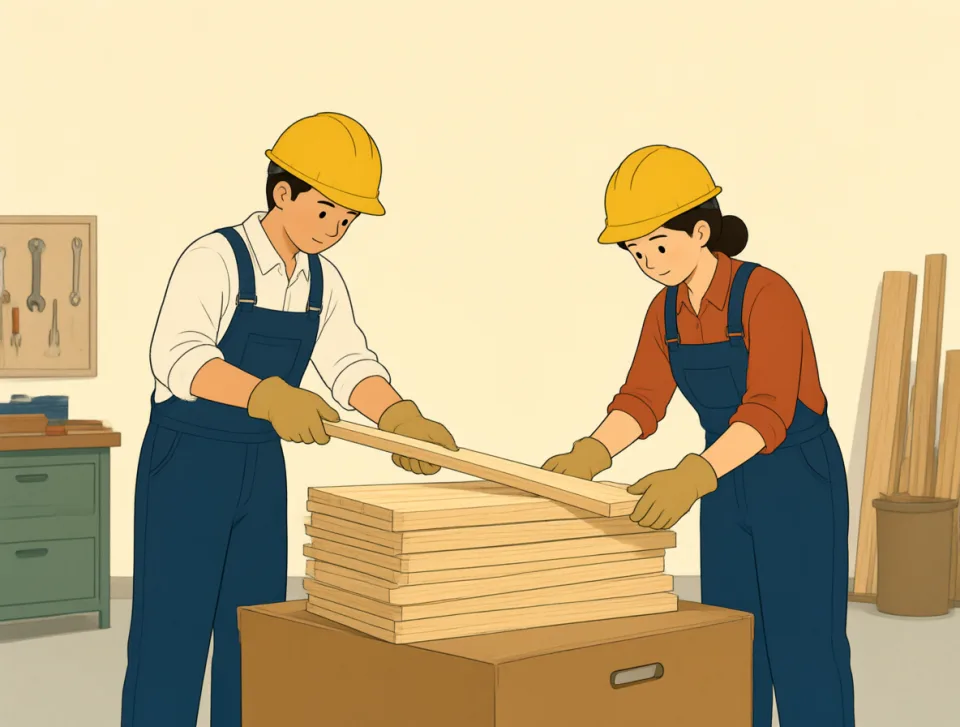
We started work early this morning.
Сегодня утром мы начали работать рано.
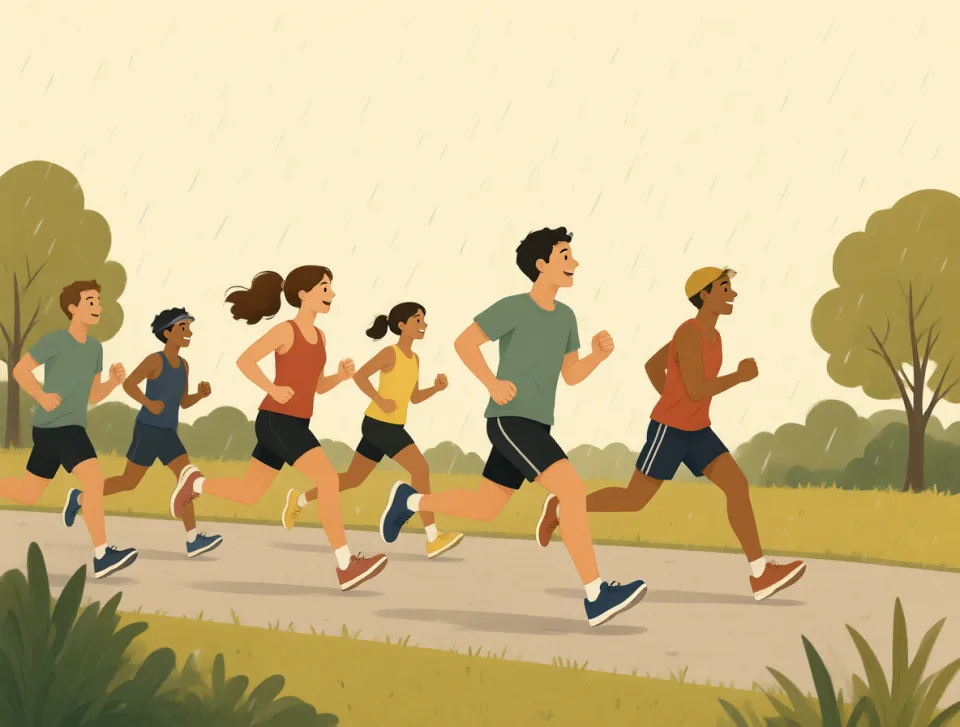
The race started in the rain.
Гонка началась под дождём.
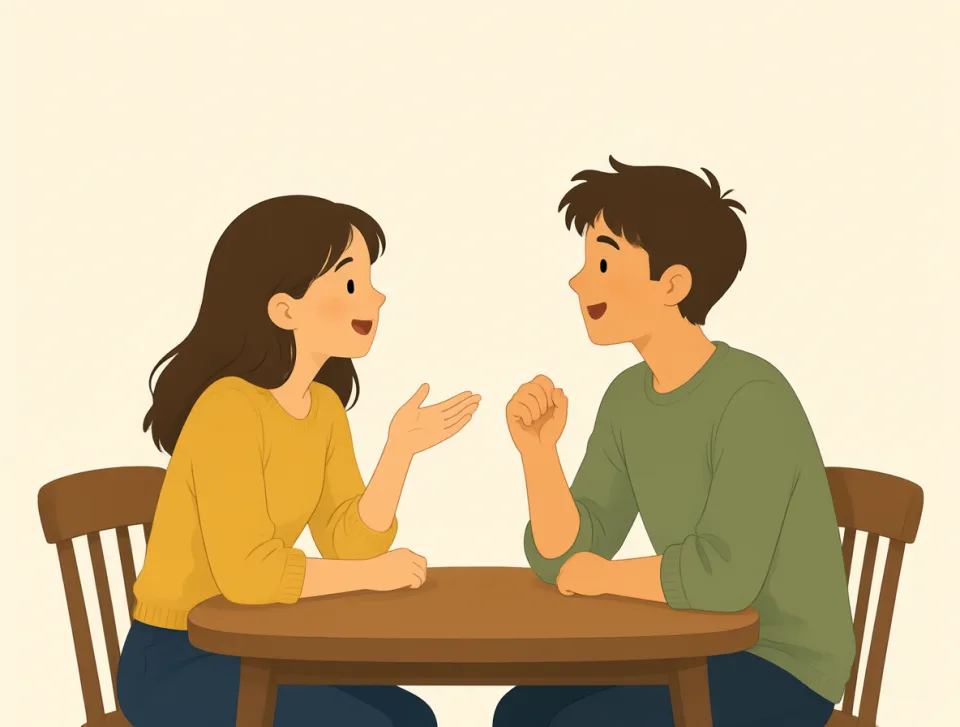
talk
#137noun, verb
разговаривать
to speak with someone about something; a conversation between people
говорить с кем-либо о чём-либо; разговор между людьми

Can I talk to you after lunch?
Можно поговорить с тобой после обеда?

We talked about our plans for the weekend.
Мы говорили о планах на выходные.
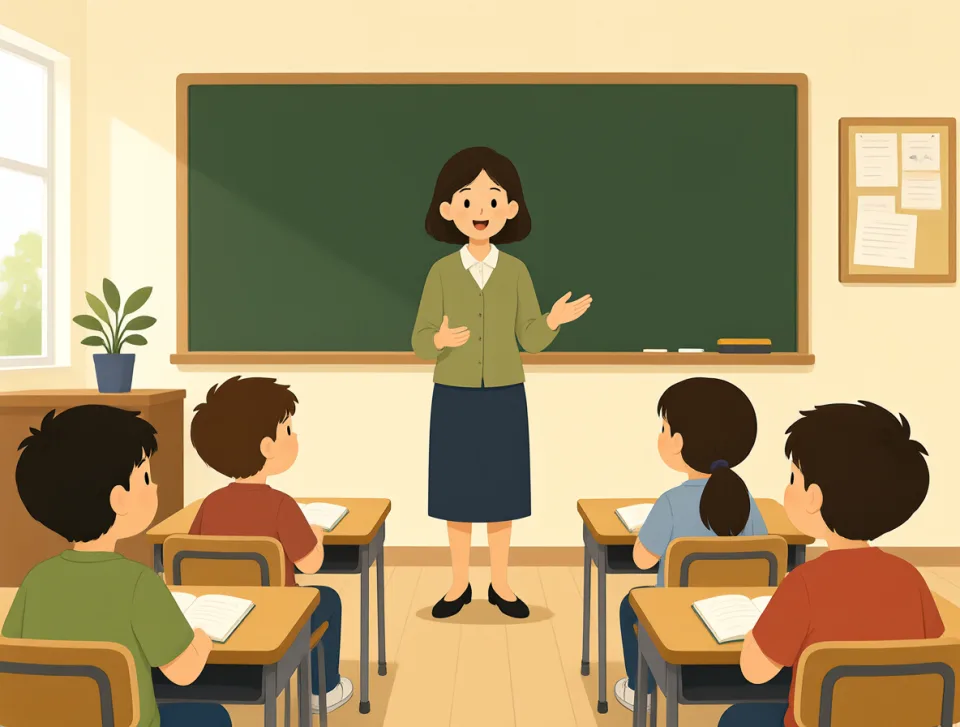
The teacher is talking to the students.
Учитель разговаривает с учениками.
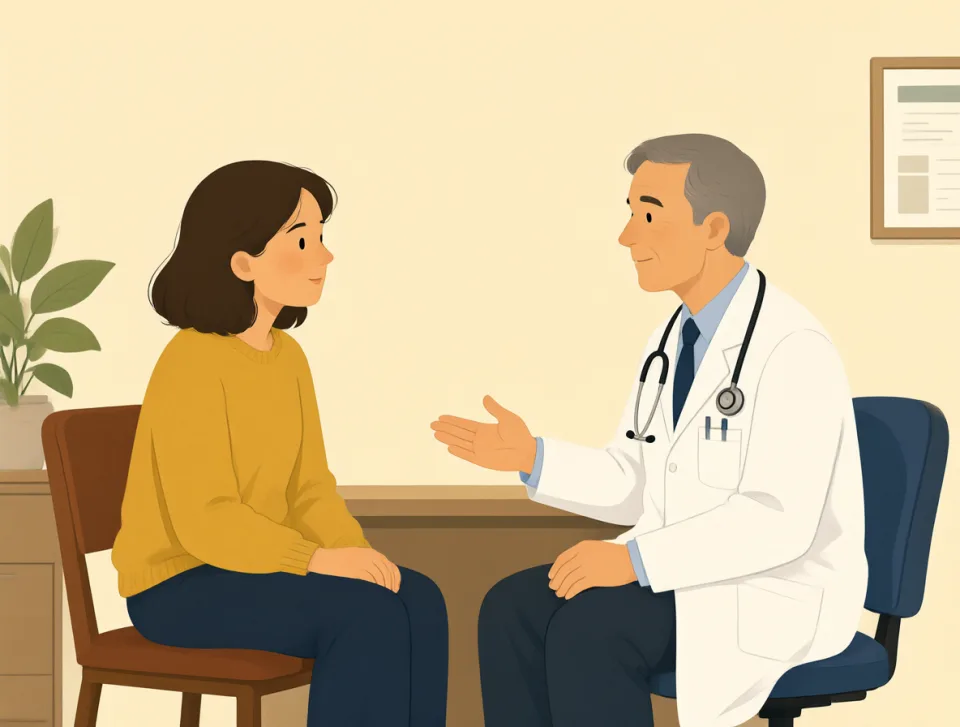
I need to talk to the doctor today.
Мне сегодня нужно поговорить с врачом.

They had a long talk about the problem.
Они долго обсуждали эту проблему.
something
#138pronoun, determiner
что-нибудь
An unknown or unnamed thing, or a thing that is not clearly described.
Неизвестная или неназванная вещь либо вещь, которая описана неясно.
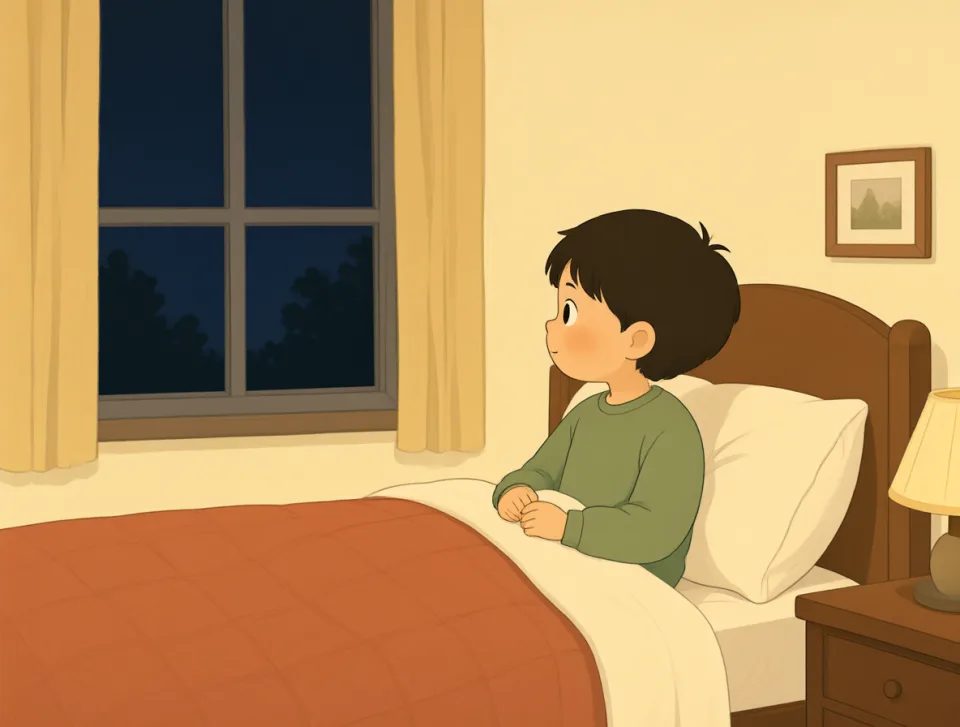
I heard something outside last night.
Прошлой ночью я услышал что-то снаружи.
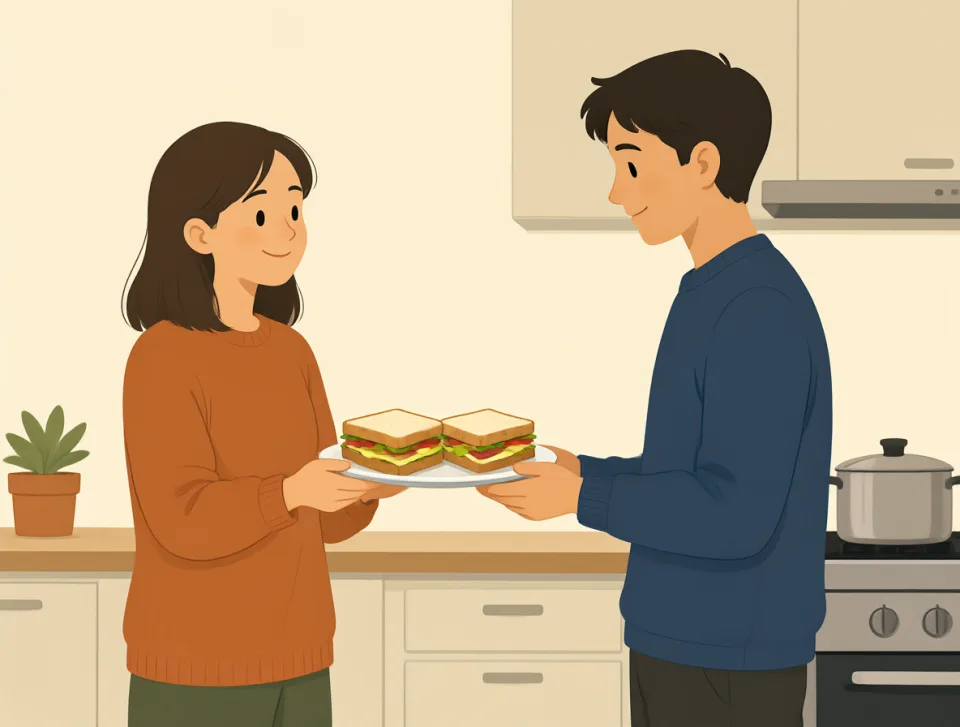
Would you like something to eat?
Хочешь чего-нибудь поесть?
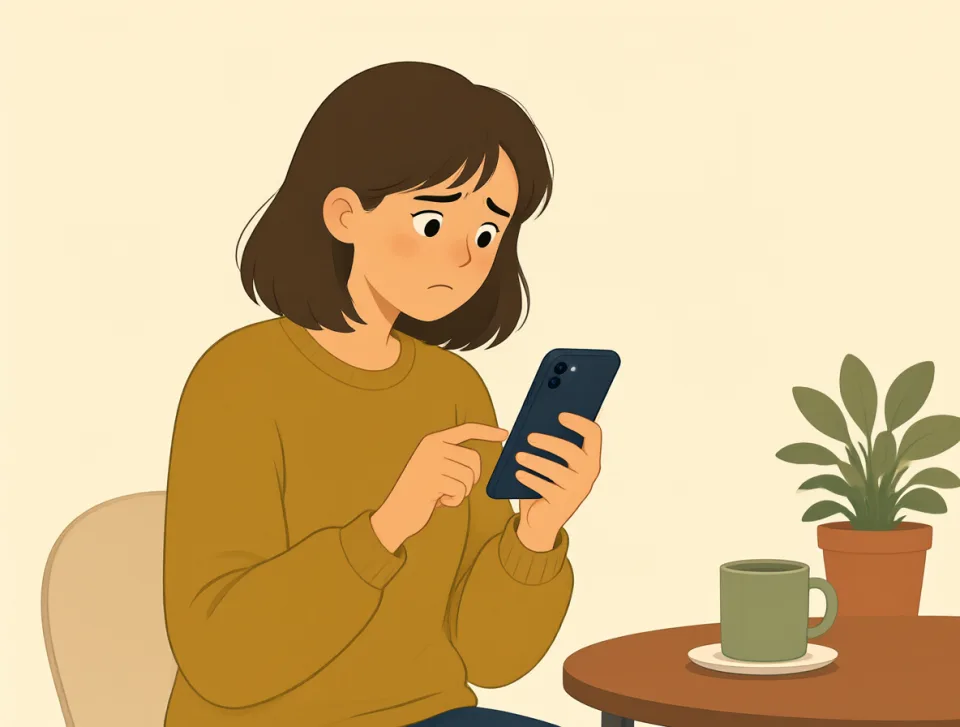
Something is wrong with my phone.
С моим телефоном что-то не так.

She bought something nice for her mother.
Она купила маме что-то красивое.
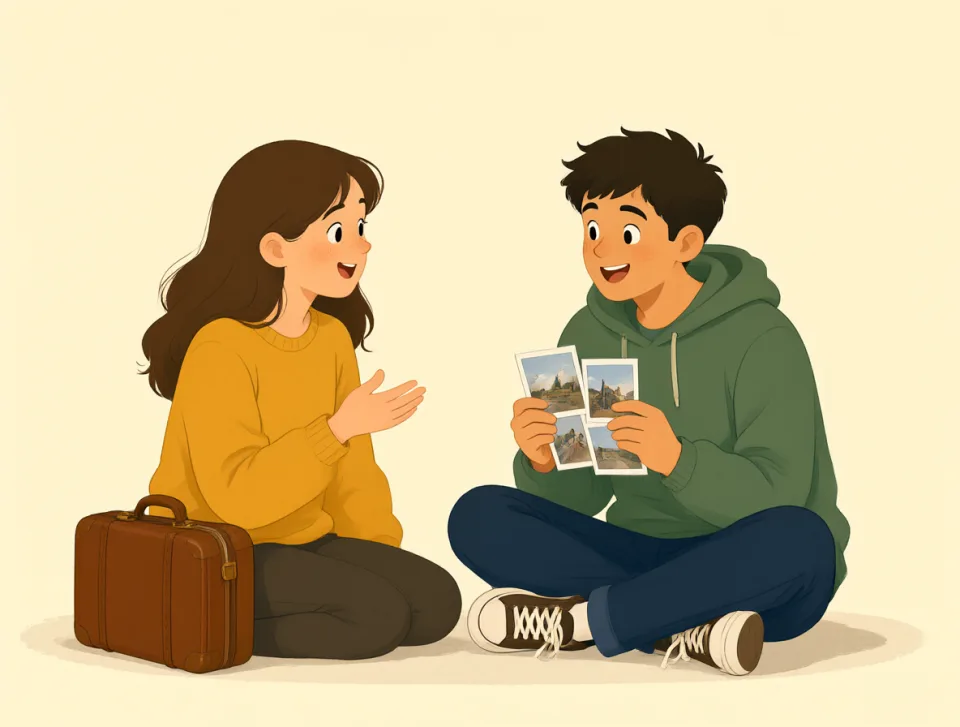
Tell me something about your trip.
Расскажи мне что-нибудь о своей поездке.
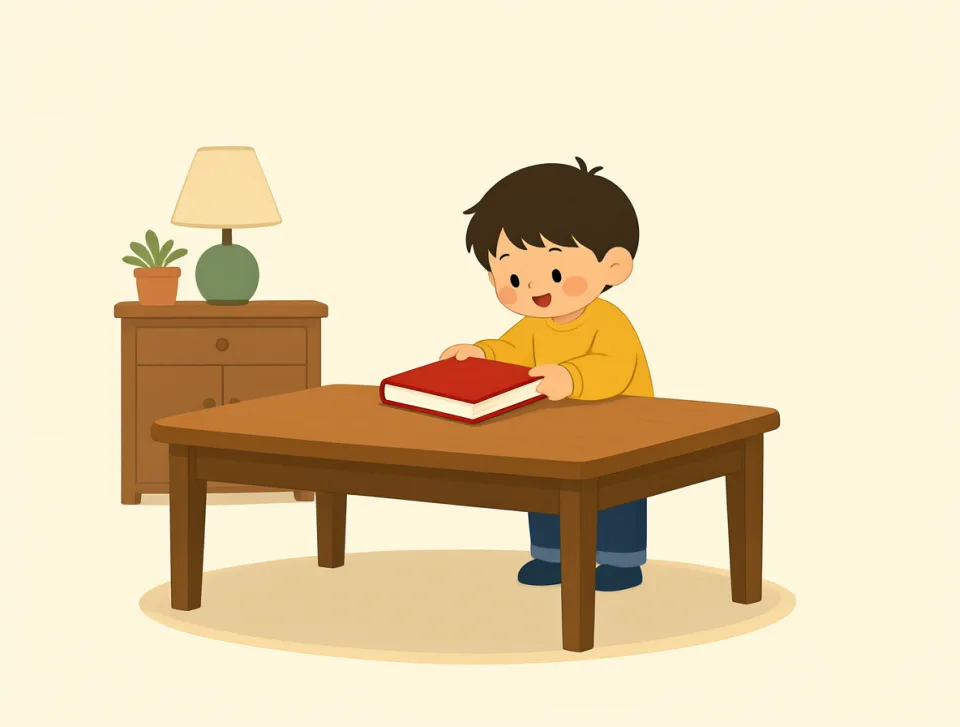
put
#139verb, noun
класть
to move something into a place or position
перемещать что-либо в какое-либо место или положение
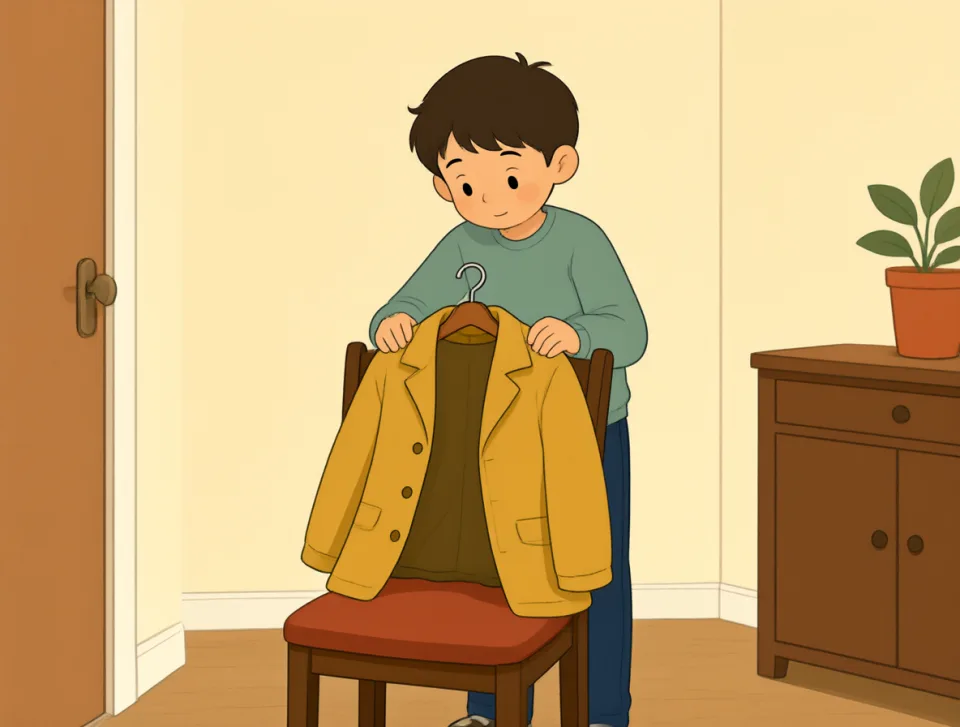
Put your coat on the chair, please.
Положи пальто на стул, пожалуйста.
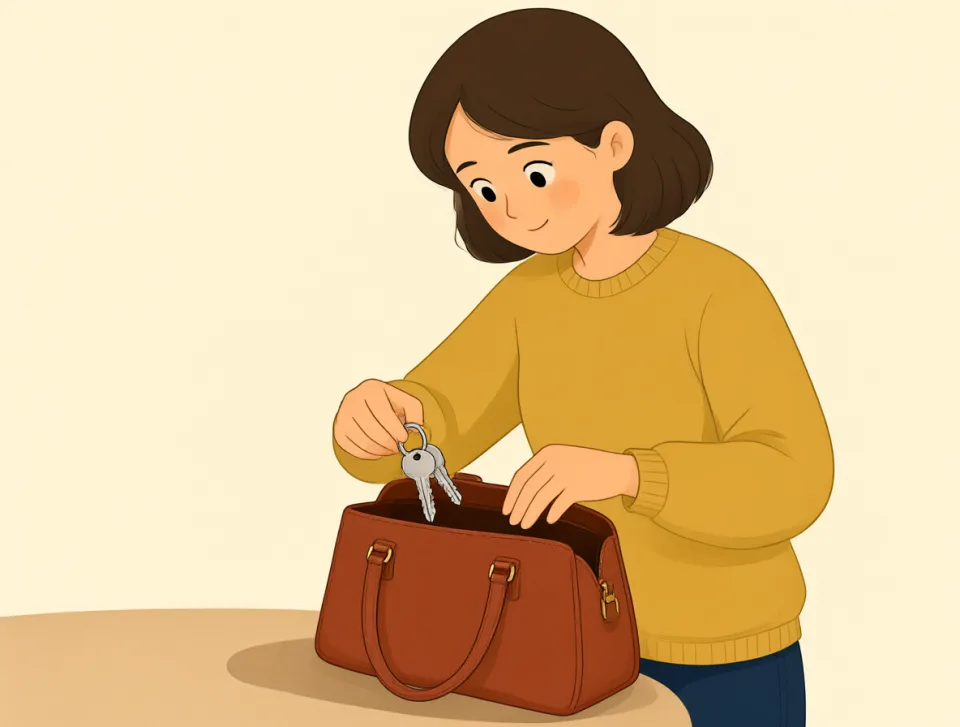
She put the keys in her bag.
Она положила ключи в сумку.
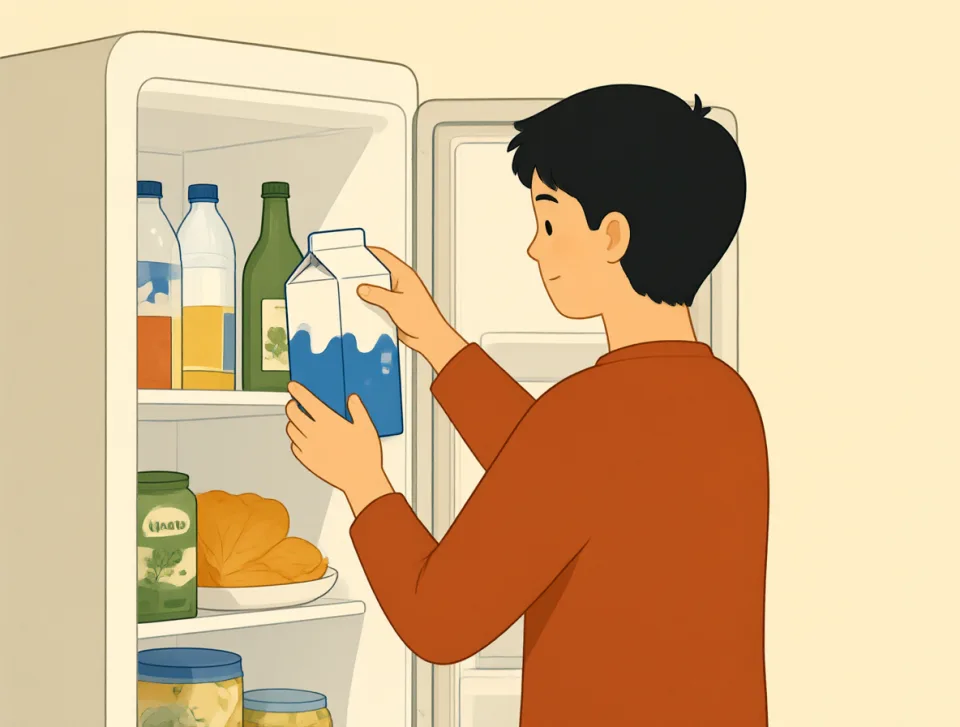
Please put the milk in the fridge.
Пожалуйста, поставьте молоко в холодильник.
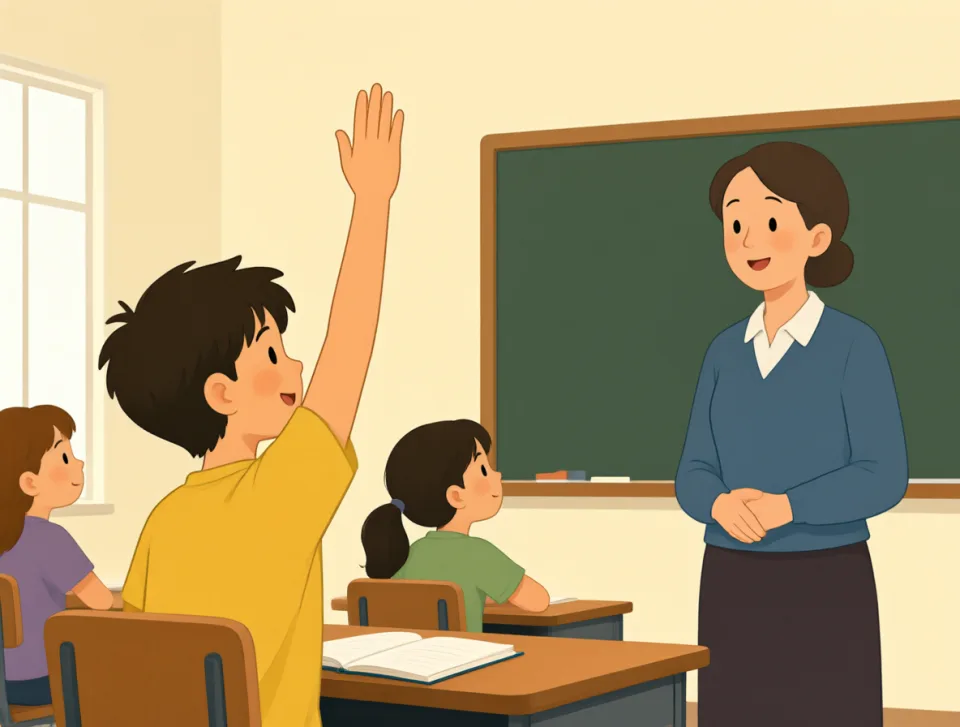
He put a question to the teacher.
Он задал учителю вопрос.
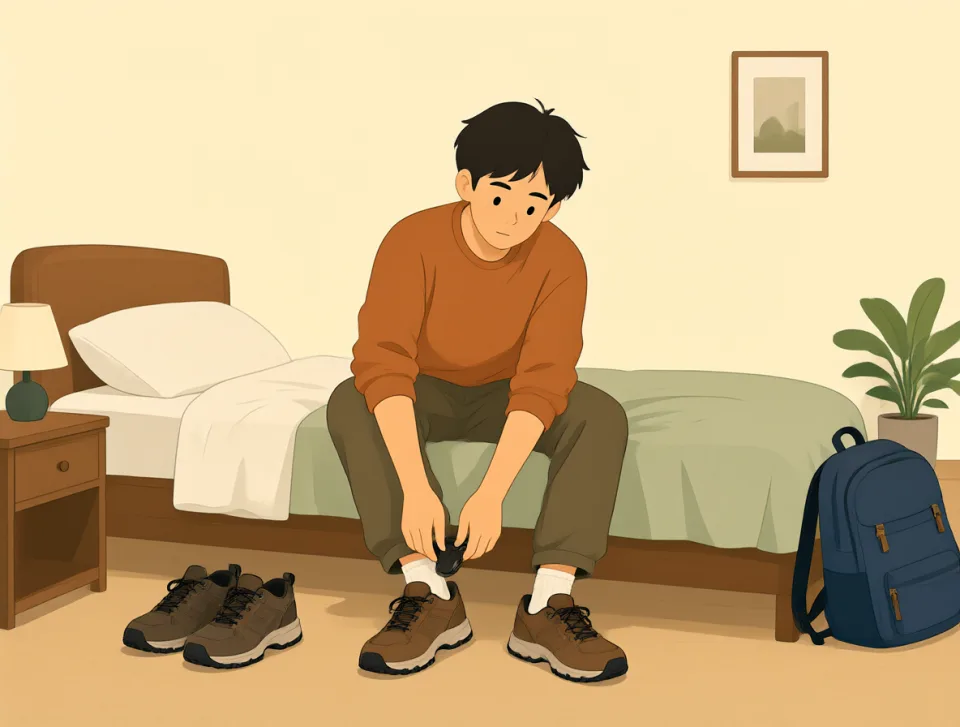
I put on my shoes before the trip.
Перед поездкой я обулся.
another
#140determiner, pronoun
ещё один
one more person or thing, or a different one
ещё один человек или предмет либо другой человек или предмет
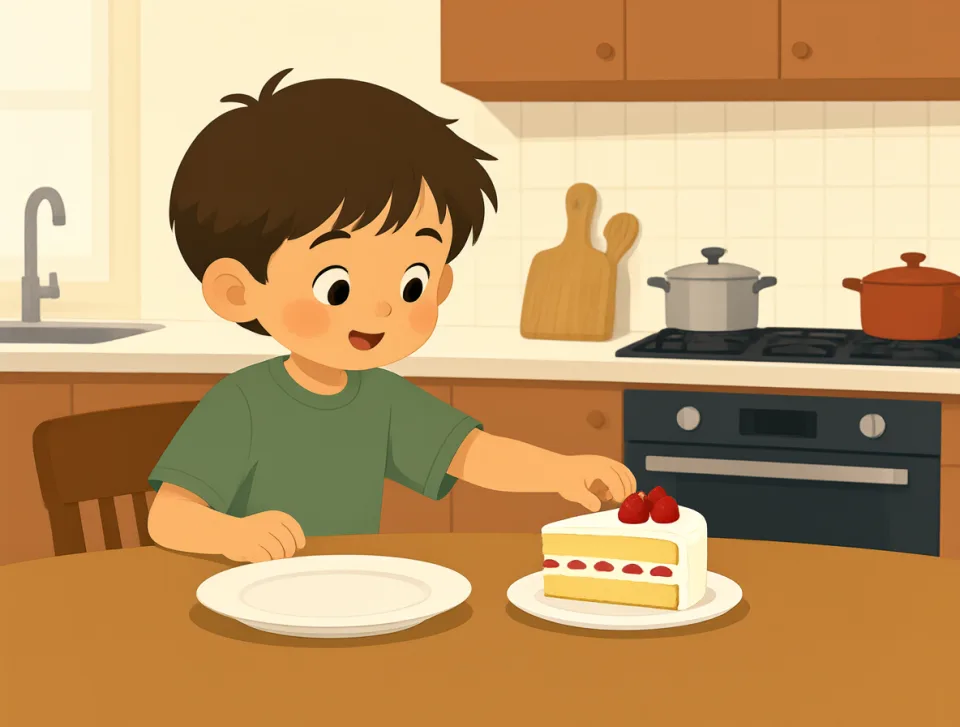
Can I have another piece of cake?
Можно мне ещё кусочек торта?
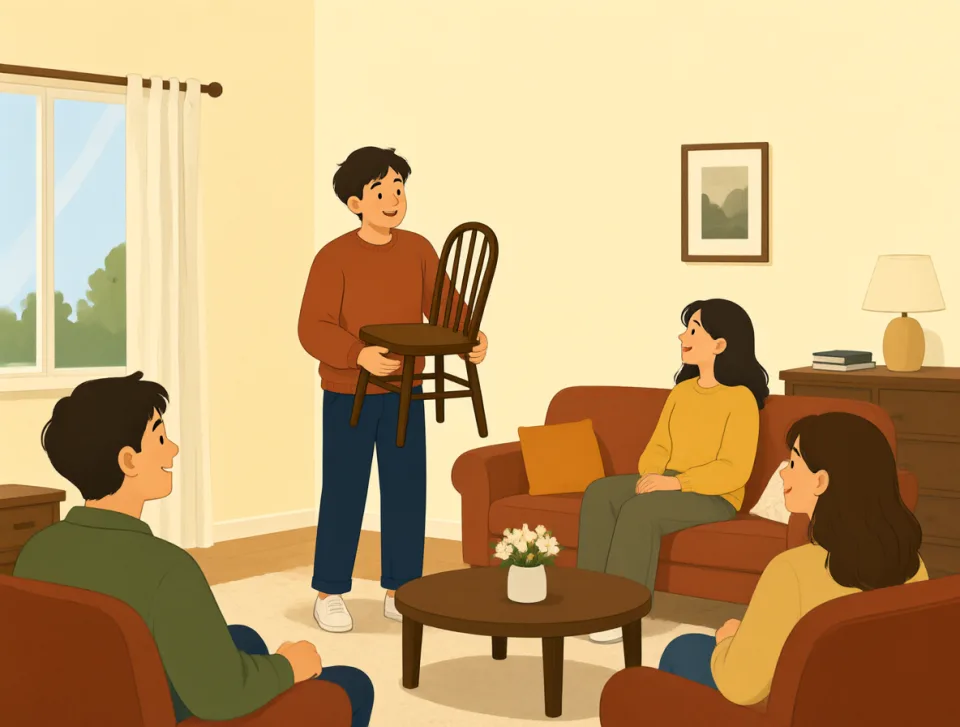
We need another chair for our guest.
Нам нужен ещё один стул для гостя.
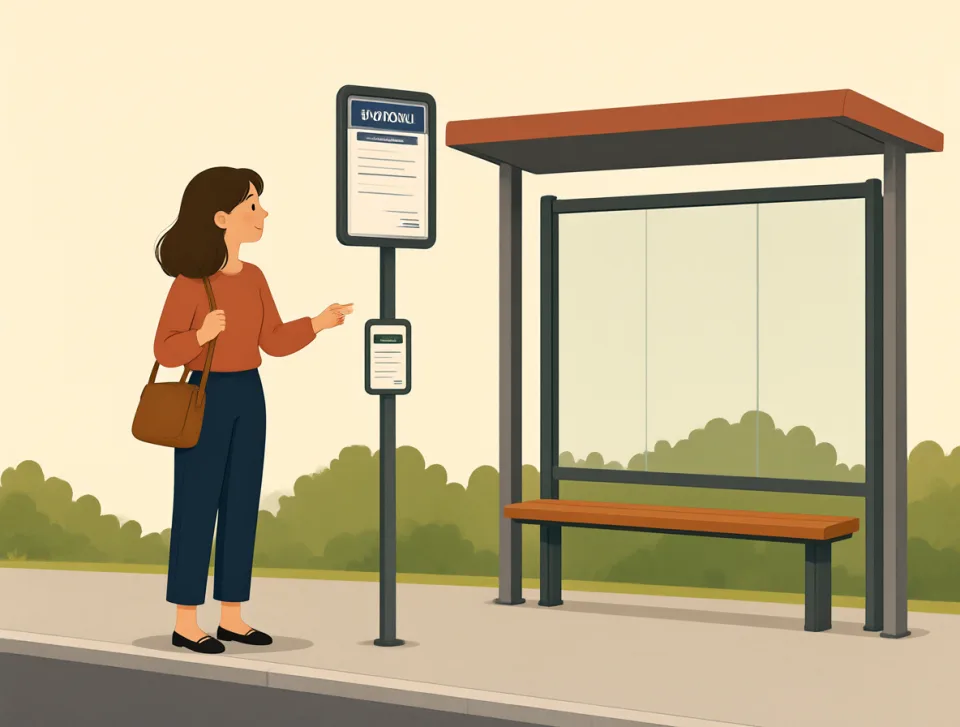
She chose another bus to the airport.
Она выбрала другой автобус до аэропорта.

One student helped another with homework.
Один ученик помог другому с домашним заданием.
Please give me another chance tomorrow.
Пожалуйста, дай мне ещё один шанс завтра.