Đơn vị 89
Từ 1761–1780 · medicine, professor, rare, intention, dozen, settlement

medicine
#1761noun
thuốc
A substance or treatment used to prevent or cure illness.
Một chất hoặc phương pháp điều trị được dùng để phòng ngừa hoặc chữa bệnh.
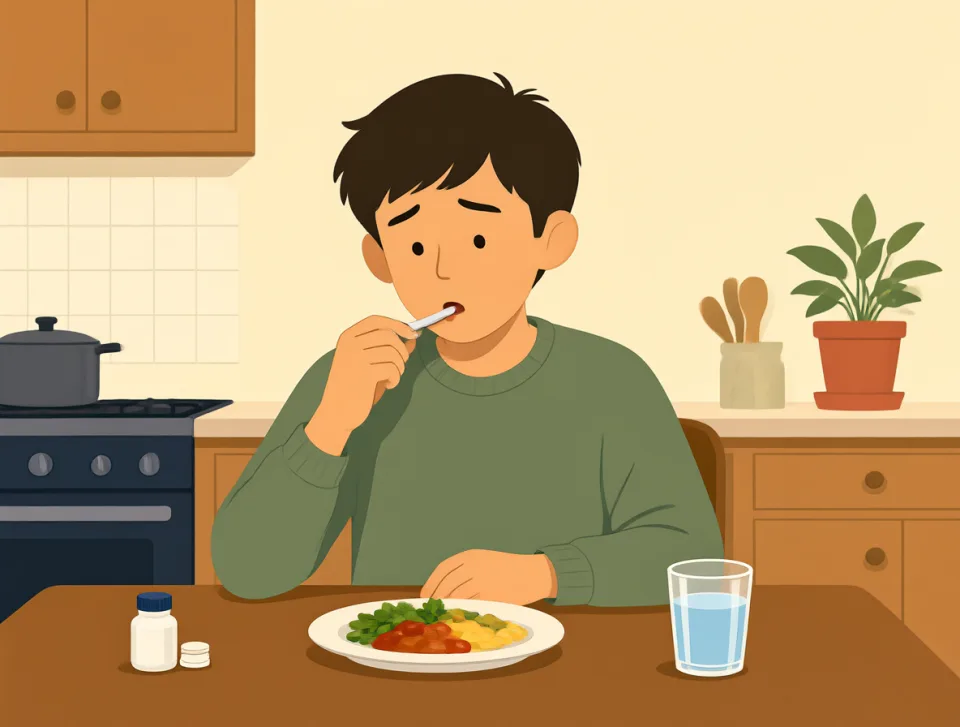
Take this medicine twice a day after meals.
Uống thuốc này ngày hai lần sau bữa ăn.
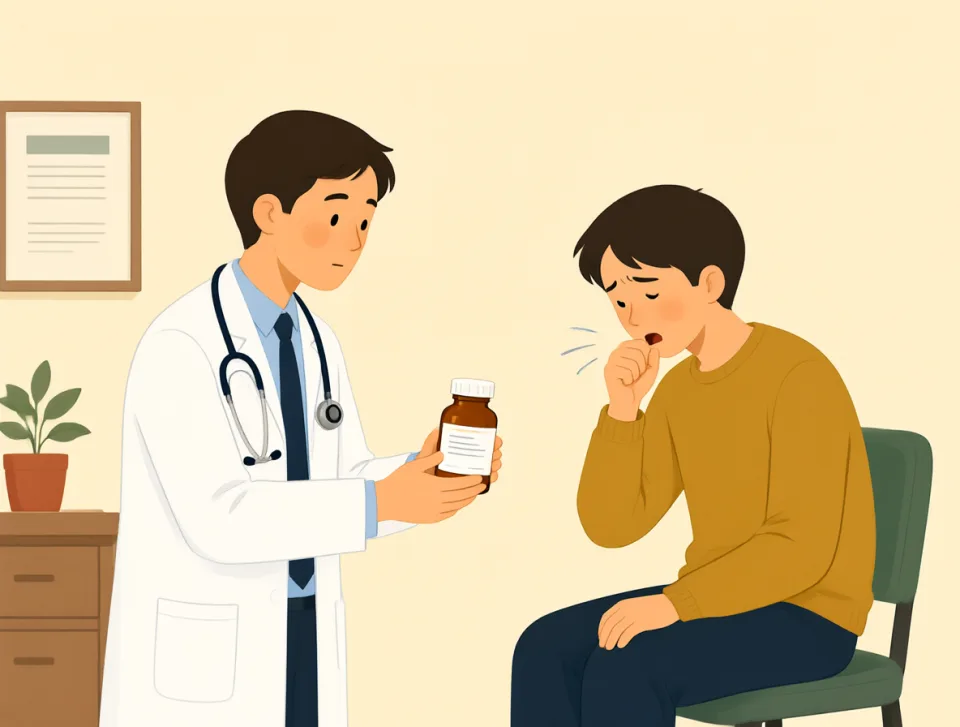
The doctor gave me some medicine for my cough.
Bác sĩ kê cho tôi ít thuốc trị ho.
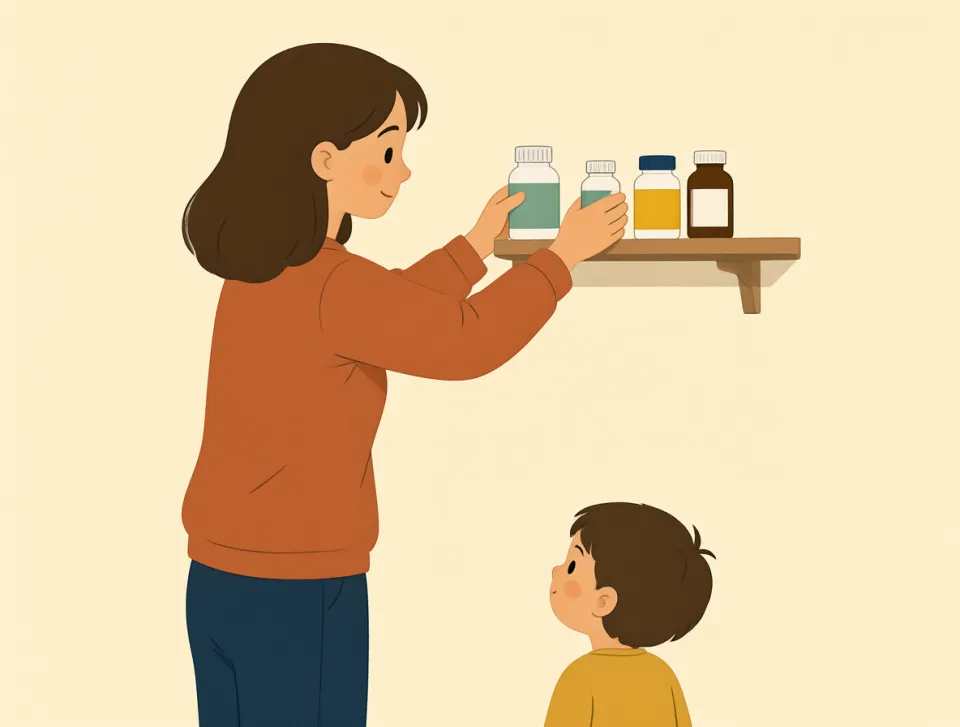
Keep all medicines out of reach of young children.
Để tất cả thuốc men ngoài tầm với của trẻ nhỏ.
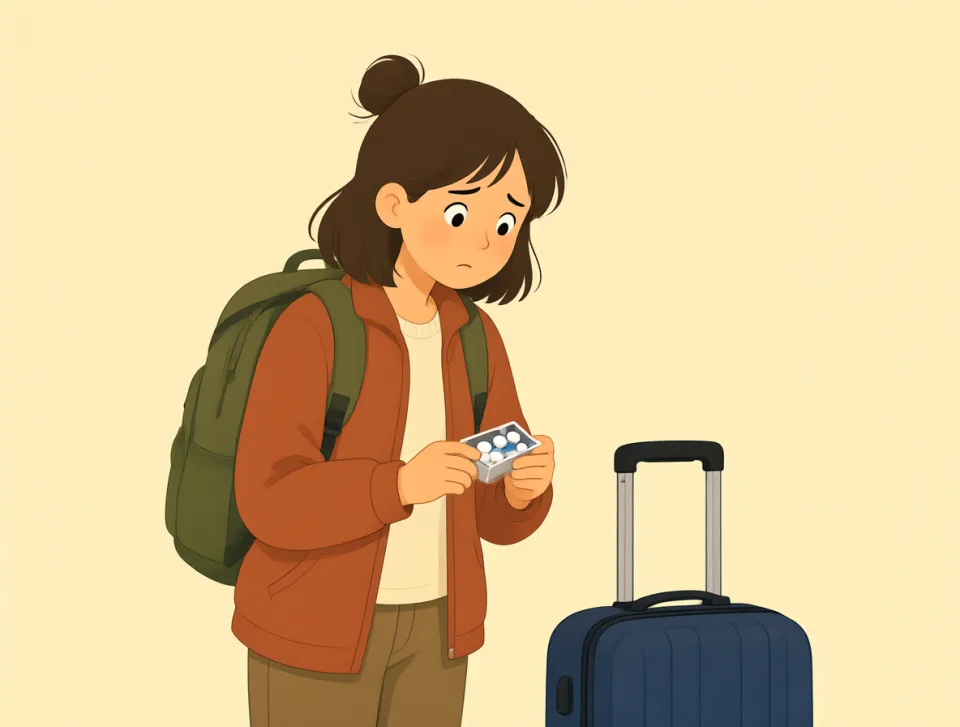
I forgot my medicine when we left for the airport.
Tôi quên mang thuốc khi chúng tôi đi ra sân bay.

This herbal medicine tastes bitter, but it helps my stomach.
Thuốc thảo dược này có vị đắng nhưng giúp ích cho dạ dày của tôi.

professor
#1762noun
giáo sư
a teacher at a university or college
Giảng viên tại một trường đại học hoặc cao đẳng.

The professor explained the difficult science lesson clearly.
Giáo sư giải thích bài học khoa học khó một cách rõ ràng.
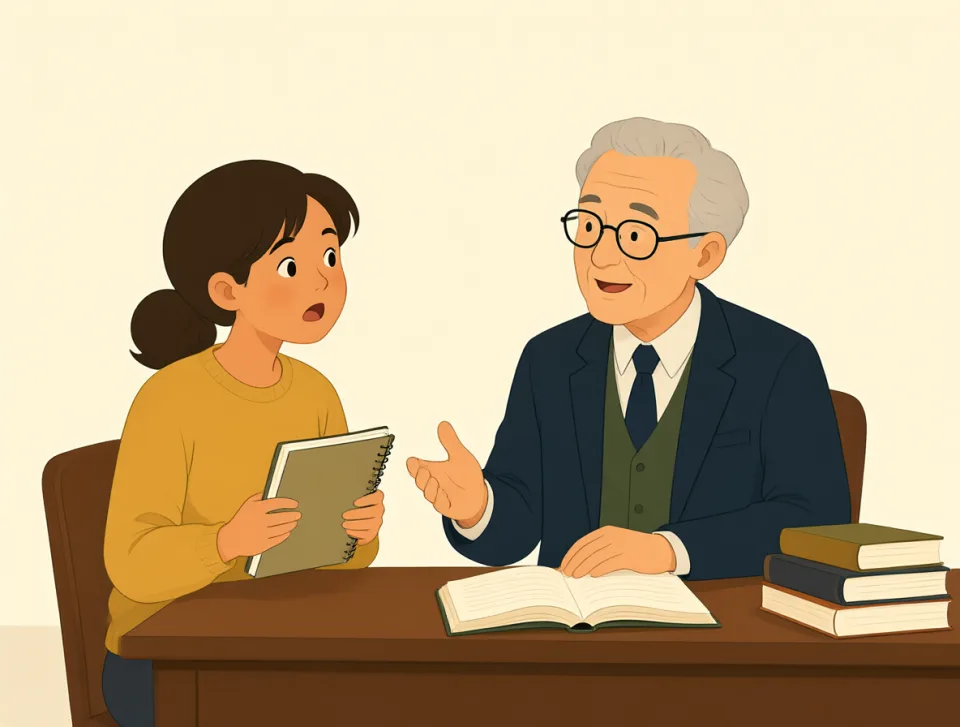
I asked my professor for help with my homework.
Tôi hỏi giáo sư xin giúp đỡ về bài tập về nhà.
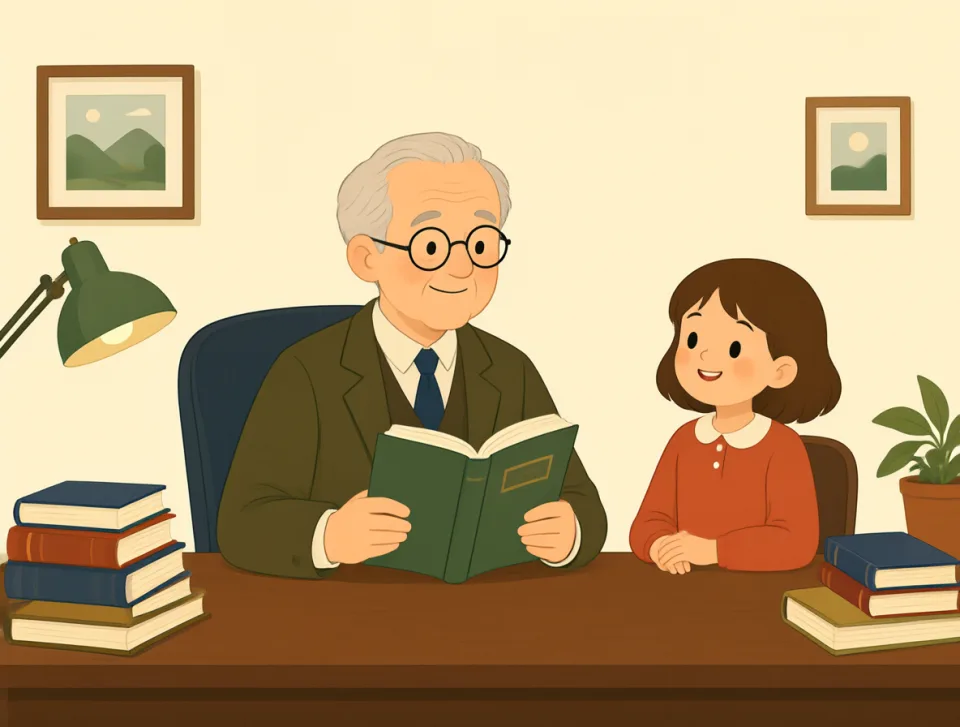
Her father is a history professor at the local university.
Bố cô ấy là giáo sư lịch sử tại trường đại học địa phương.

The professor gave us useful advice before the exam.
Giáo sư đã cho chúng tôi lời khuyên hữu ích trước kỳ thi.

Professor Lee is teaching our biology class this term.
Giáo sư Lee đang dạy lớp sinh học của chúng tôi trong học kỳ này.

rare
#1763adjective, adverb
hiếm
Not common or not often found, seen, or happening.
Không phổ biến hoặc ít khi được tìm thấy, nhìn thấy hay xảy ra.

It is rare to see snow in this warm city.
Rất hiếm khi thấy tuyết ở thành phố ấm áp này.

This shop sells rare books from around the world.
Cửa hàng này bán những cuốn sách hiếm từ khắp nơi trên thế giới.

We saw a rare bird during our walk in the forest.
Chúng tôi thấy một con chim quý hiếm trong lúc đi dạo trong rừng.
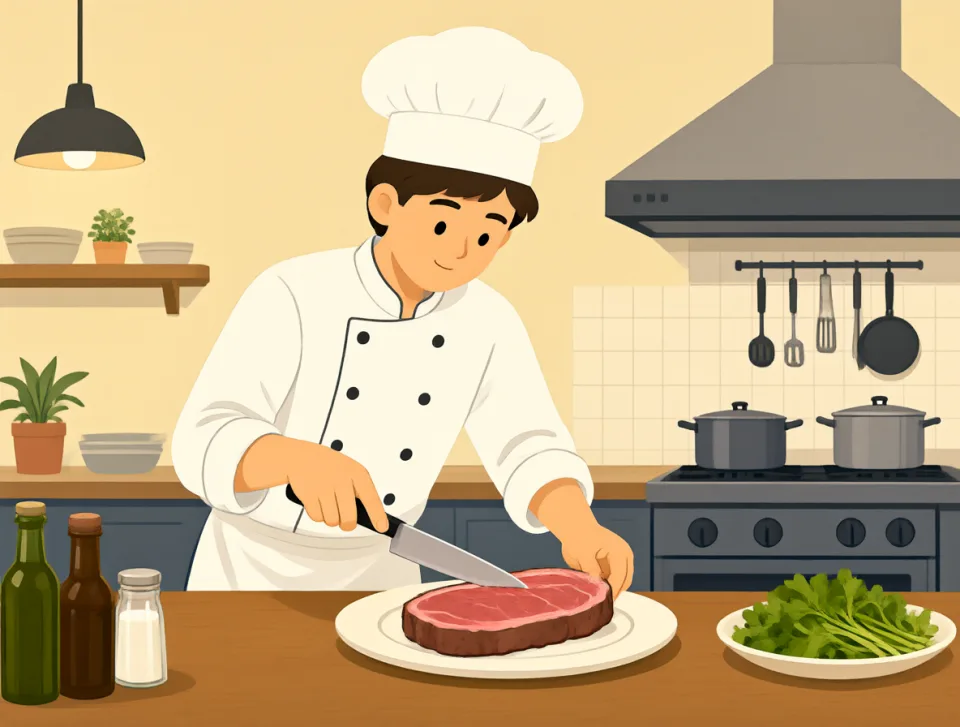
Rare steak is still pink in the middle when served.
Bít tết tái khi dọn lên vẫn còn hồng ở giữa.
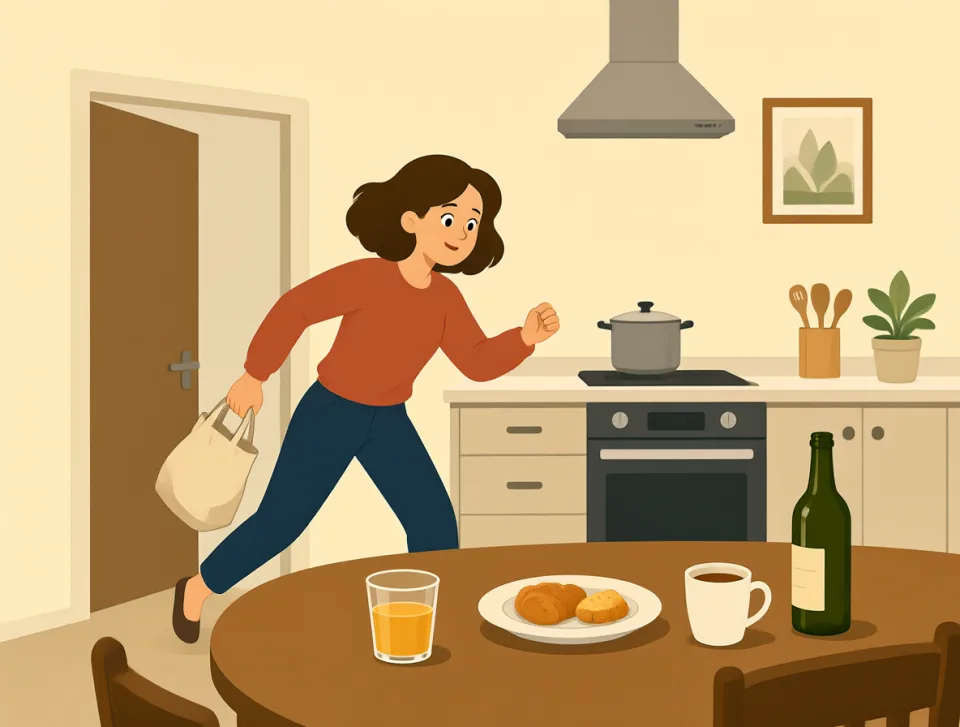
She rarely eats breakfast because she leaves home early.
Cô ấy hiếm khi ăn sáng vì rời nhà sớm.

intention
#1764noun
ý định
A plan or purpose that you have in your mind when you do something.
Kế hoạch hoặc mục đích bạn nghĩ đến khi làm điều gì đó.
I had no intention of staying late at work today.
Hôm nay tôi không định ở lại làm muộn.

She made her intention to study medicine clear.
Cô ấy nói rõ ý định theo học ngành y.

What was your intention when you bought so much food?
Ý định của bạn khi mua nhiều thức ăn như vậy là gì?

He apologized, saying he had no intention of hurting anyone.
Anh ấy xin lỗi và nói rằng mình không hề có ý định làm tổn thương ai.
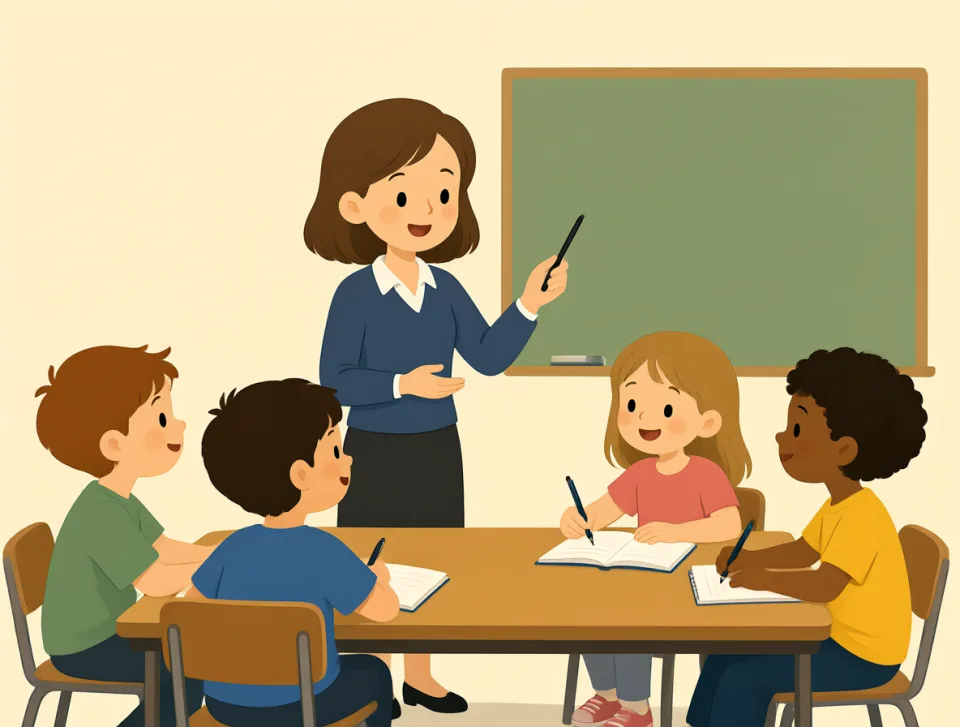
The teacher explained the intention behind the class activity.
Giáo viên giải thích mục đích của hoạt động trong lớp.
dozen
#1765noun, determiner
tá
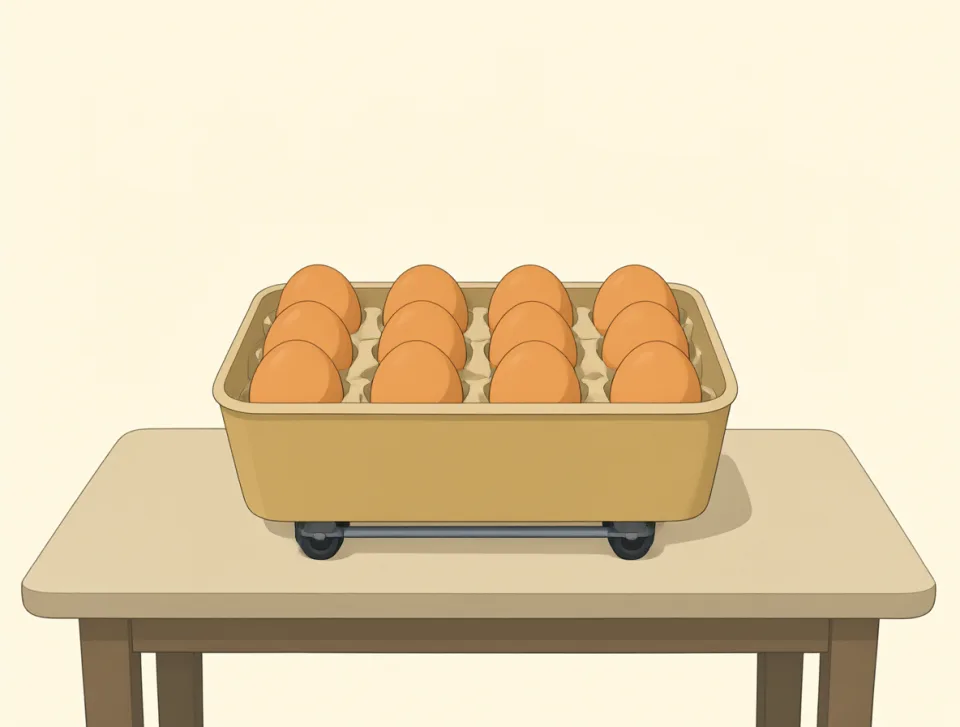
A group of twelve things or people.
Một nhóm gồm mười hai đồ vật hoặc người.
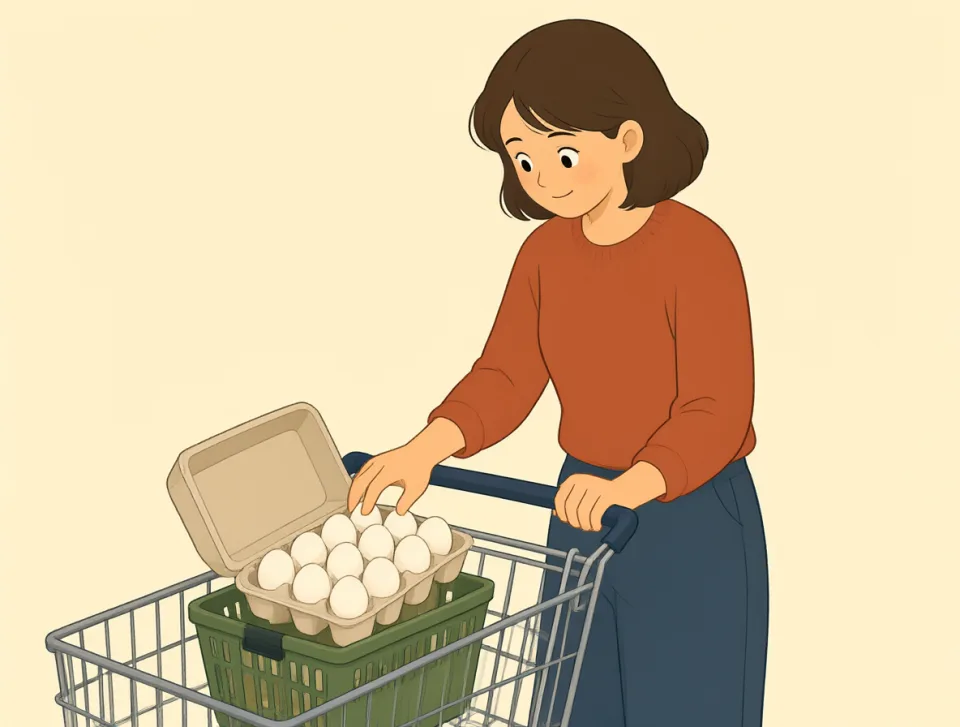
She bought a dozen eggs at the supermarket.
Cô ấy mua một tá trứng ở siêu thị.
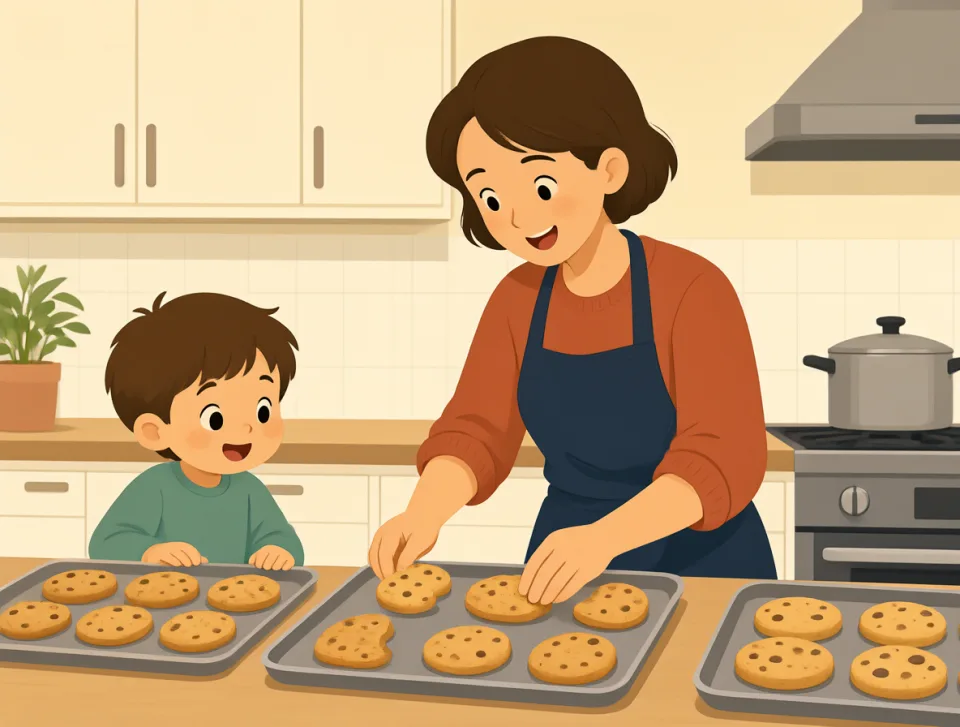
We need two dozen cookies for the school party.
Chúng ta cần hai tá bánh quy cho bữa tiệc ở trường.

There were a dozen people waiting for the bus.
Có một tá người đang chờ xe buýt.

He sent his grandmother a dozen roses for her birthday.
Anh ấy gửi tặng bà một tá hoa hồng nhân dịp sinh nhật bà.
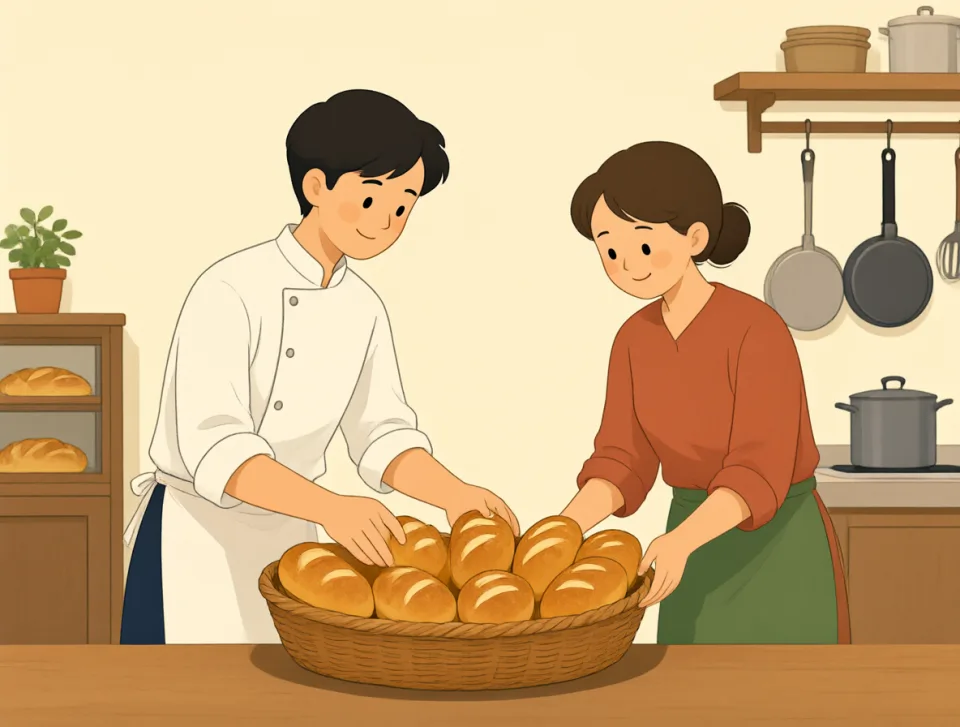
The bakery sells fresh bread by the dozen.
Tiệm bánh bán bánh mì tươi theo tá.

settlement
#1766noun
sự dàn xếp
an agreement that ends a disagreement or pays money owed
một thỏa thuận chấm dứt bất đồng hoặc giải quyết khoản tiền còn nợ

The two companies reached a settlement after months of talks.
Hai công ty đã đạt được thỏa thuận dàn xếp sau nhiều tháng đàm phán.

She received a settlement after slipping in the store.
Cô ấy nhận được tiền dàn xếp sau khi bị trượt ngã trong cửa hàng.
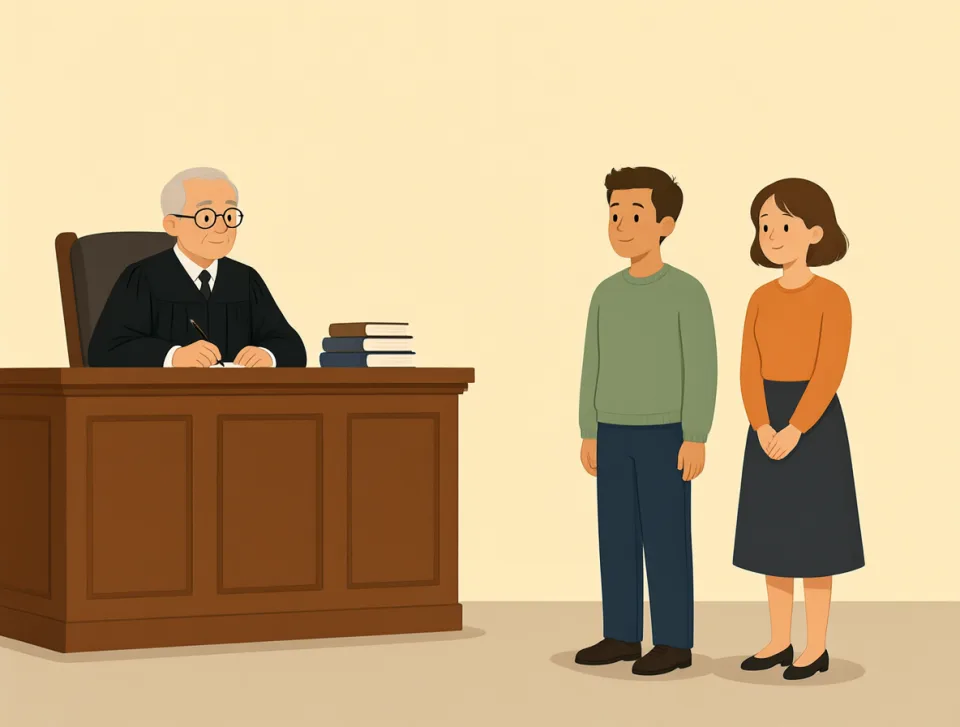
The court approved a settlement between the neighbors.
Tòa án đã phê duyệt thỏa thuận dàn xếp giữa hai người hàng xóm.

They made a settlement with the bank to repay the loan.
Họ đã thỏa thuận với ngân hàng để trả khoản vay.
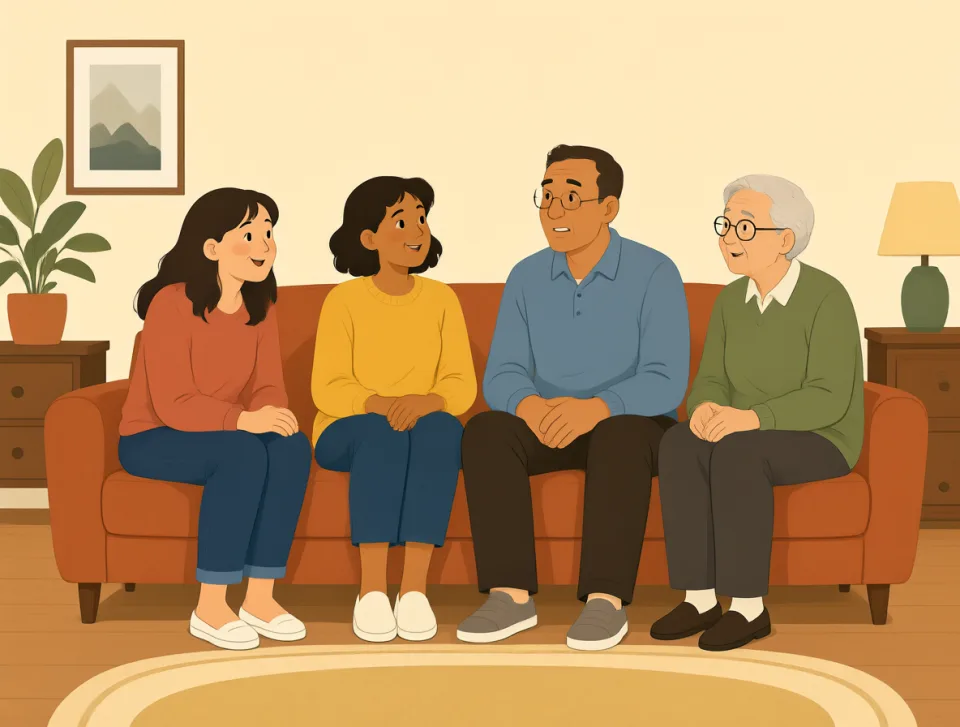
The family found a peaceful settlement to their argument.
Gia đình đã tìm được cách dàn xếp êm thấm cho cuộc tranh cãi của họ.

gap
#1767noun, verb
khoảng trống
An empty space between two things, or a missing part of something.
một khoảng không giữa hai vật hoặc một phần bị thiếu của thứ gì đó
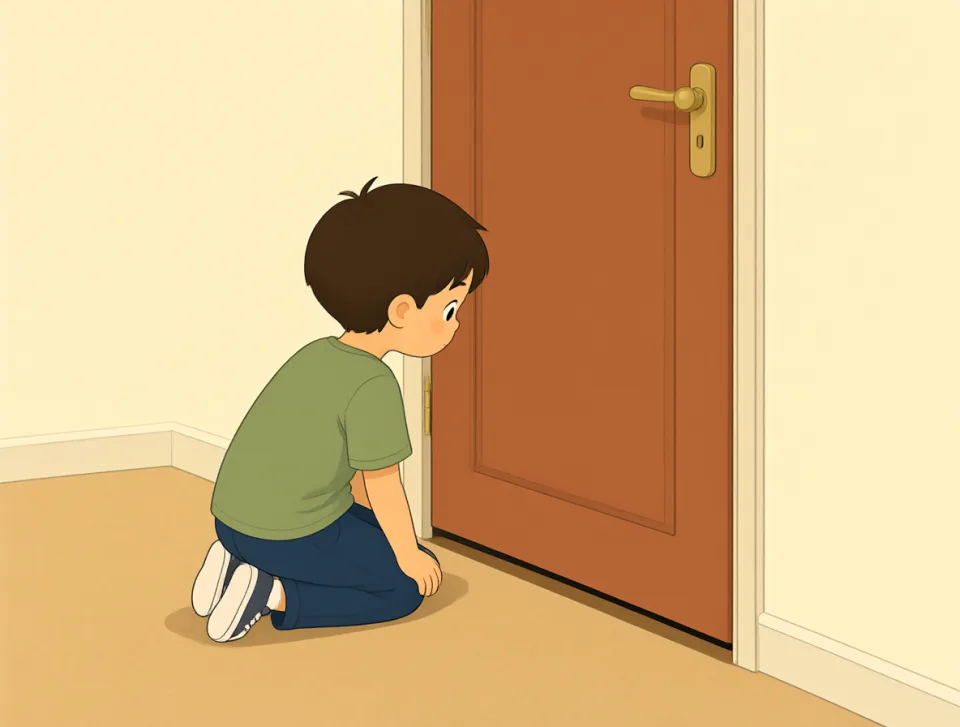
There is a small gap under the door.
Có một khoảng trống nhỏ bên dưới cánh cửa.
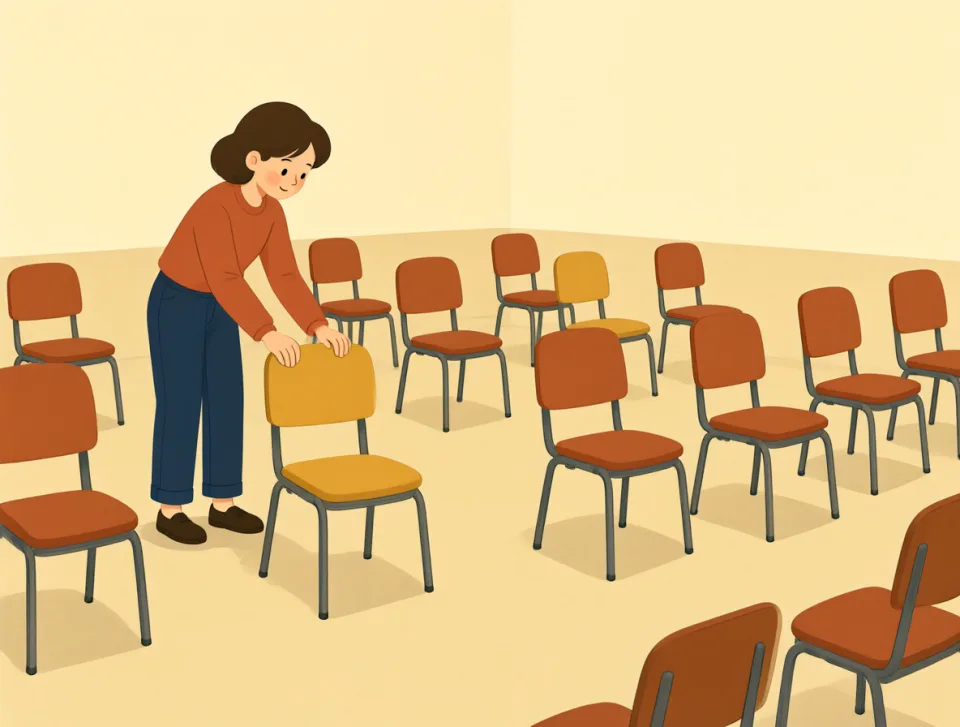
Please leave a gap between the chairs.
Vui lòng để một khoảng trống giữa các ghế.

She took a year-long gap between school and university.
Cô ấy đã nghỉ một năm giữa thời gian học phổ thông và đại học.
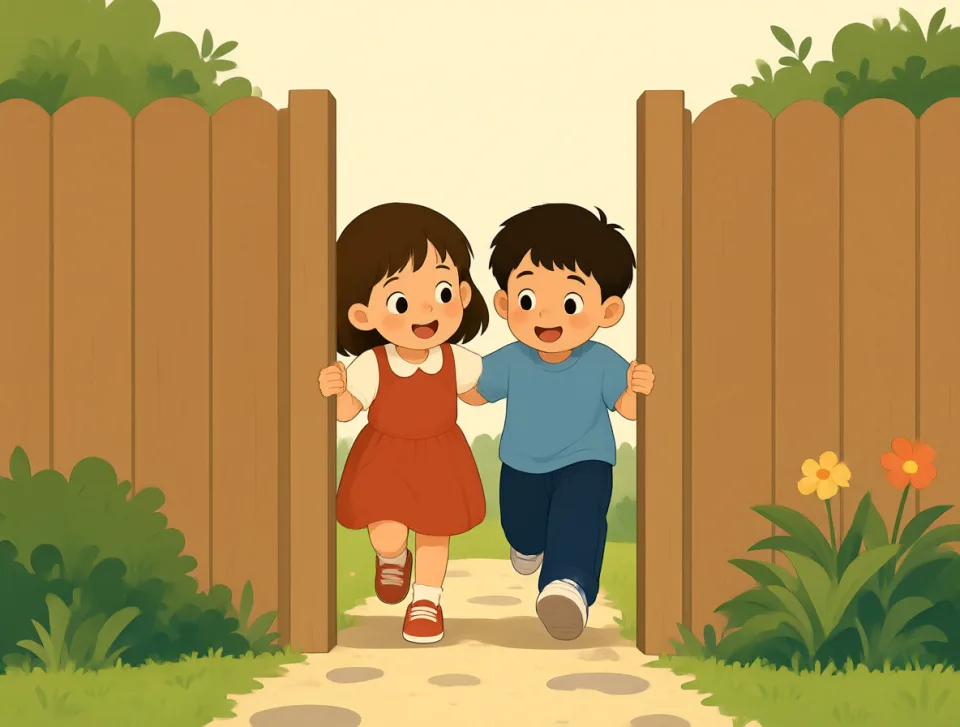
We found a gap in the fence and climbed through.
Chúng tôi tìm thấy một khoảng trống trên hàng rào và trèo qua đó.

The dentist found a gap between my front teeth.
Nha sĩ phát hiện một khoảng trống giữa hai răng cửa của tôi.

widely
#1768adverb
rộng rãi
In many places, by many people, or over a large area.
ở nhiều nơi, được nhiều người biết đến hoặc trên một khu vực rộng lớn
This book is widely available in local shops.
Cuốn sách này được bày bán rộng rãi tại các cửa hàng địa phương.

English is widely spoken in many countries.
Tiếng Anh được sử dụng rộng rãi ở nhiều quốc gia.

The new restaurant is widely known for its fresh seafood.
Nhà hàng mới nổi tiếng rộng rãi với các món hải sản tươi ngon.

This treatment is widely used to help people with headaches.
Phương pháp điều trị này được sử dụng rộng rãi để giúp những người bị đau đầu.

The teacher's video was widely shared by her students.
Video của cô giáo được các học sinh chia sẻ rộng rãi.

minimum
#1769noun, adjective
tối thiểu
The smallest amount or number that is possible or allowed.
mức hoặc số lượng nhỏ nhất có thể có hoặc được phép
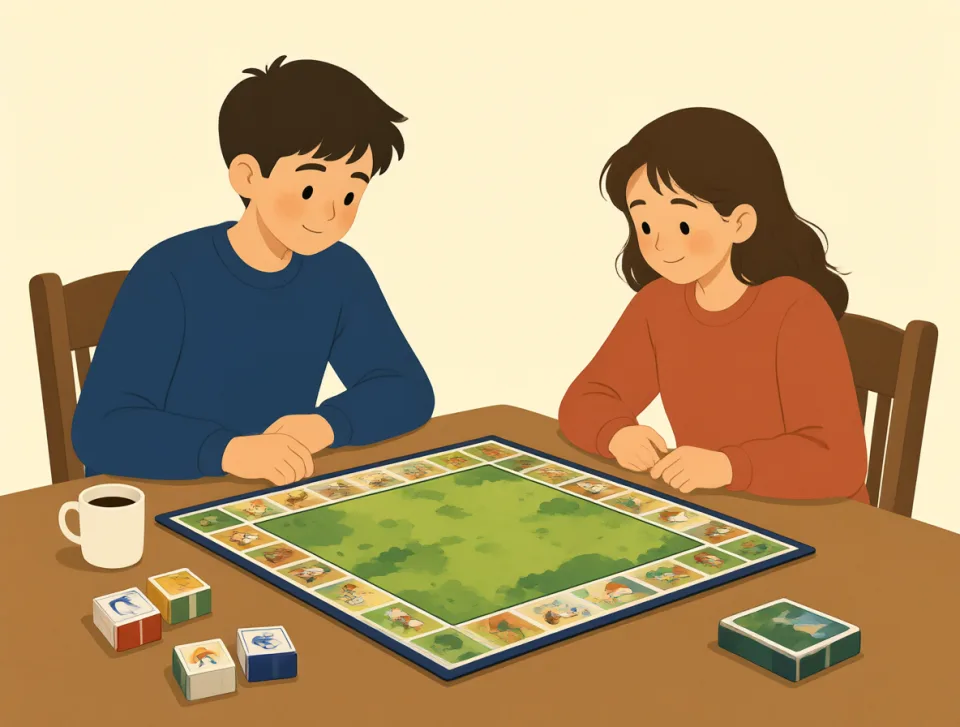
You need a minimum of two people for this game.
Bạn cần ít nhất hai người để chơi trò này.

The hotel requires a minimum stay of three nights.
Khách sạn yêu cầu thời gian lưu trú tối thiểu là ba đêm.
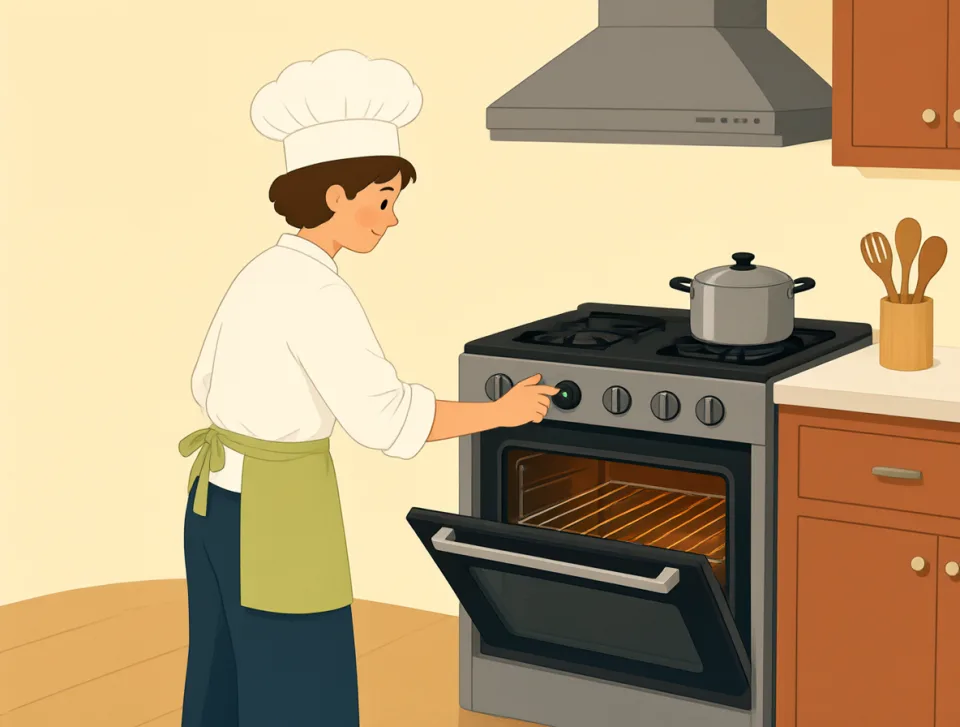
Please keep the oven at a minimum temperature of 180 degrees.
Vui lòng giữ lò nướng ở nhiệt độ tối thiểu 180 độ.
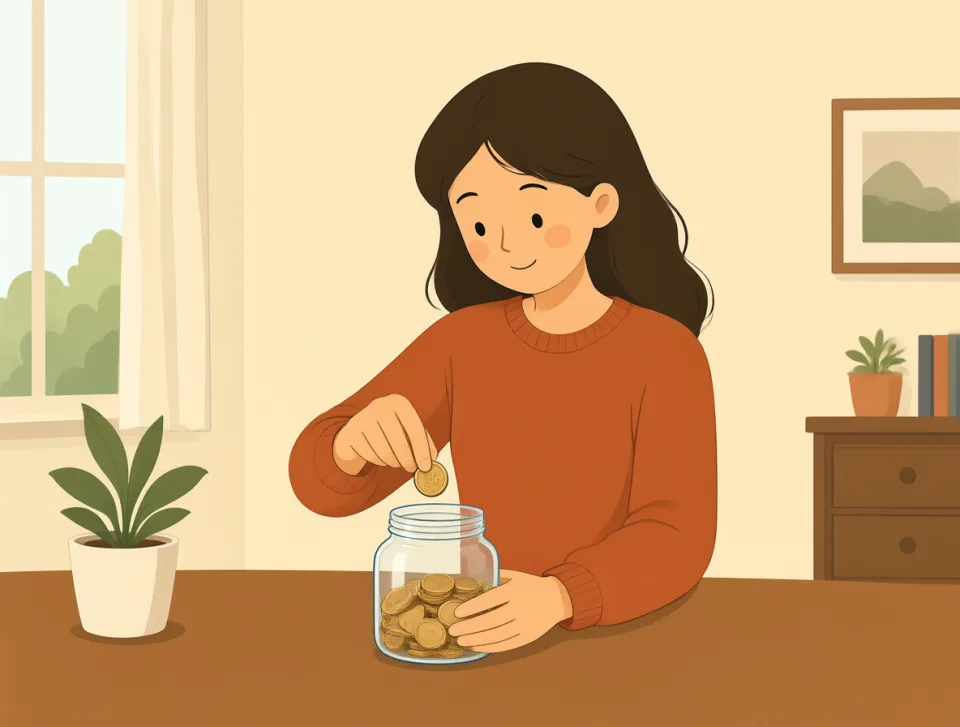
She saves a minimum amount of money from every paycheck.
Cô ấy tiết kiệm một khoản tiền tối thiểu từ mỗi lần nhận lương.

The doctor told him to get a minimum of seven hours' sleep.
Bác sĩ bảo anh ấy phải ngủ ít nhất bảy tiếng.

northern
#1770adjective
phía bắc
of or in the north part of a place or country
thuộc về hoặc nằm ở phần phía bắc của một nơi hay một quốc gia

We drove through northern France during our summer holiday.
Chúng tôi đã lái xe qua miền bắc nước Pháp trong kỳ nghỉ hè.

Northern winters are usually colder and darker than southern ones.
Mùa đông ở miền bắc thường lạnh và tối hơn miền nam.

My cousin lives in a small northern town near the sea.
Anh họ tôi sống trong một thị trấn nhỏ ở phía bắc, gần biển.

The train leaves for northern England at eight tomorrow morning.
Chuyến tàu đi miền bắc nước Anh sẽ khởi hành lúc tám giờ sáng mai.
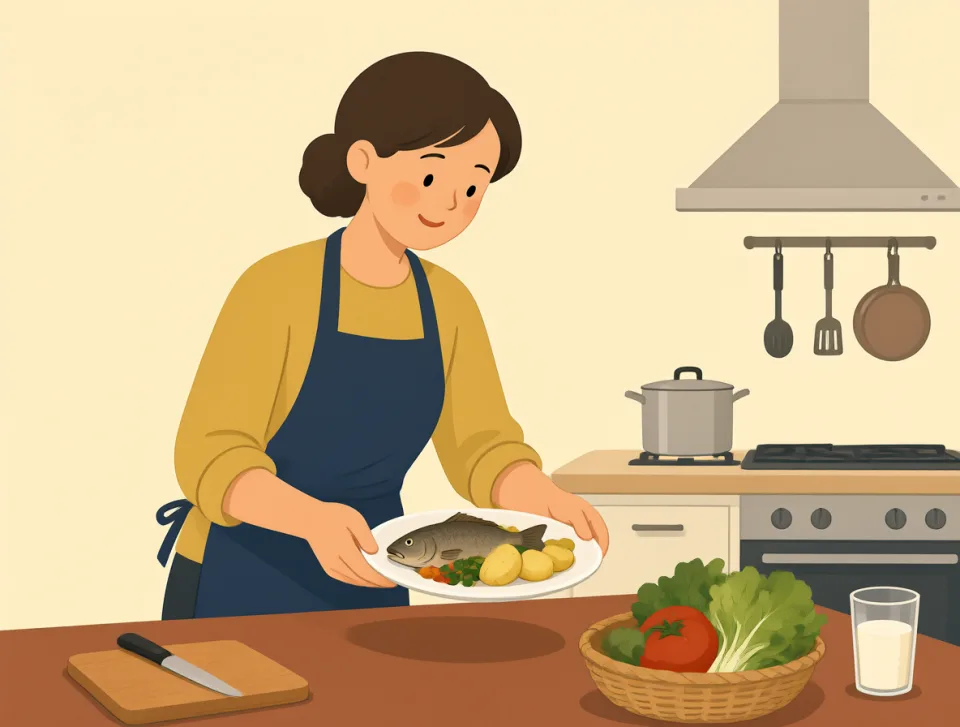
Northern fish are often served with potatoes and fresh vegetables.
Cá miền bắc thường được ăn kèm với khoai tây và rau củ tươi.

estate
#1771noun
điền trang
A large house and the land around it, or all of someone’s property after death.
Một ngôi nhà lớn cùng khu đất xung quanh, hoặc toàn bộ tài sản của một người sau khi qua đời.

They bought a beautiful estate in the countryside.
Họ mua một điền trang tuyệt đẹp ở vùng quê.

The estate includes a garden, a stable, and a small lake.
Điền trang có một khu vườn, một chuồng ngựa và một hồ nhỏ.

She works for a real estate company in the city.
Cô ấy làm việc cho một công ty bất động sản trong thành phố.

His estate was divided among his three children.
Tài sản của ông ấy được chia cho ba người con.

The museum is located on the old royal estate.
Bảo tàng nằm trong khu điền trang hoàng gia cổ.
equally
#1772adverb
một cách đồng đều
in the same amount, degree, or way as someone or something else
Với số lượng, mức độ hoặc cách thức giống như người khác hay vật khác.
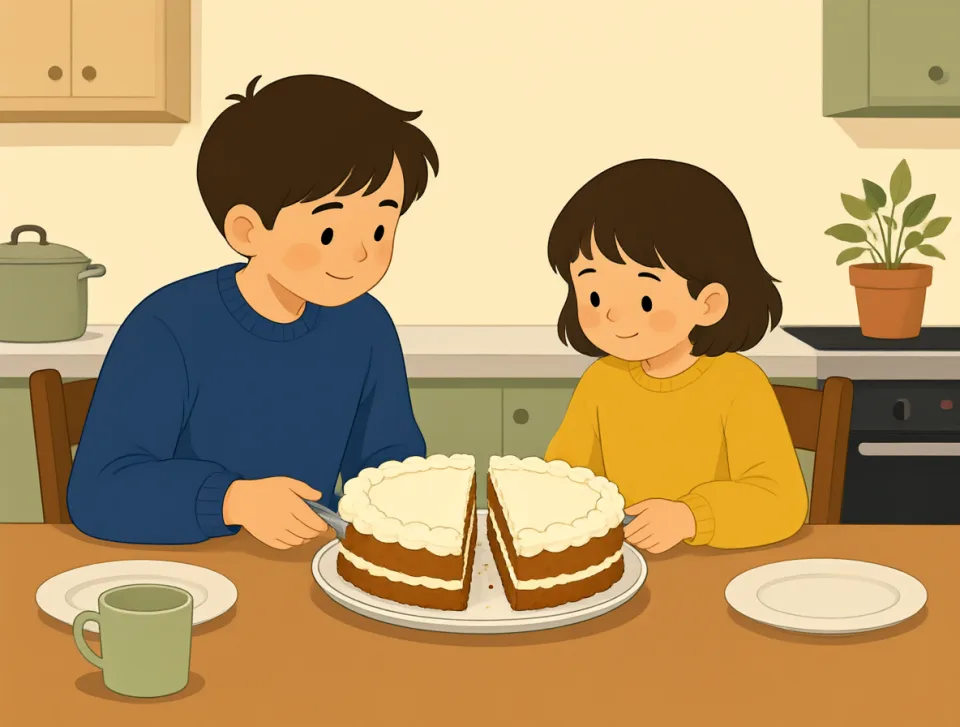
The two children shared the cake equally.
Hai đứa trẻ chia đều chiếc bánh.
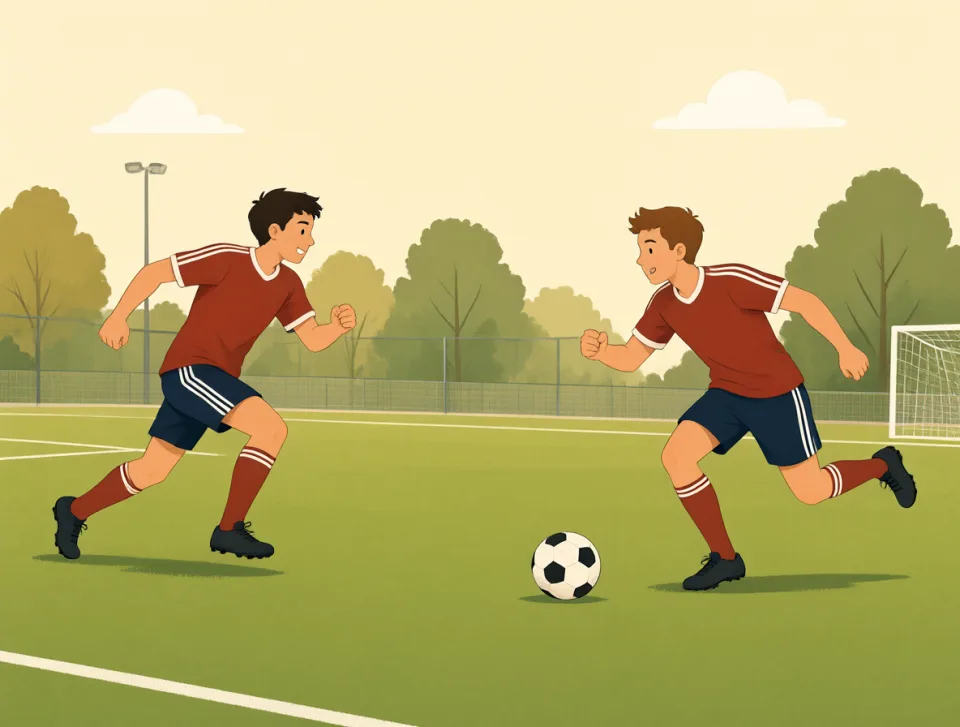
Both teams played equally well during the final match.
Cả hai đội đều chơi tốt như nhau trong trận chung kết.

Please divide the work equally between the four students.
Vui lòng chia công việc đồng đều cho bốn học sinh.

The hotel is equally popular with families and business travelers.
Khách sạn được các gia đình và khách đi công tác ưa chuộng như nhau.

These shoes are equally comfortable, so choose your favorite color.
Đôi giày này đều thoải mái như nhau, nên hãy chọn màu bạn thích.
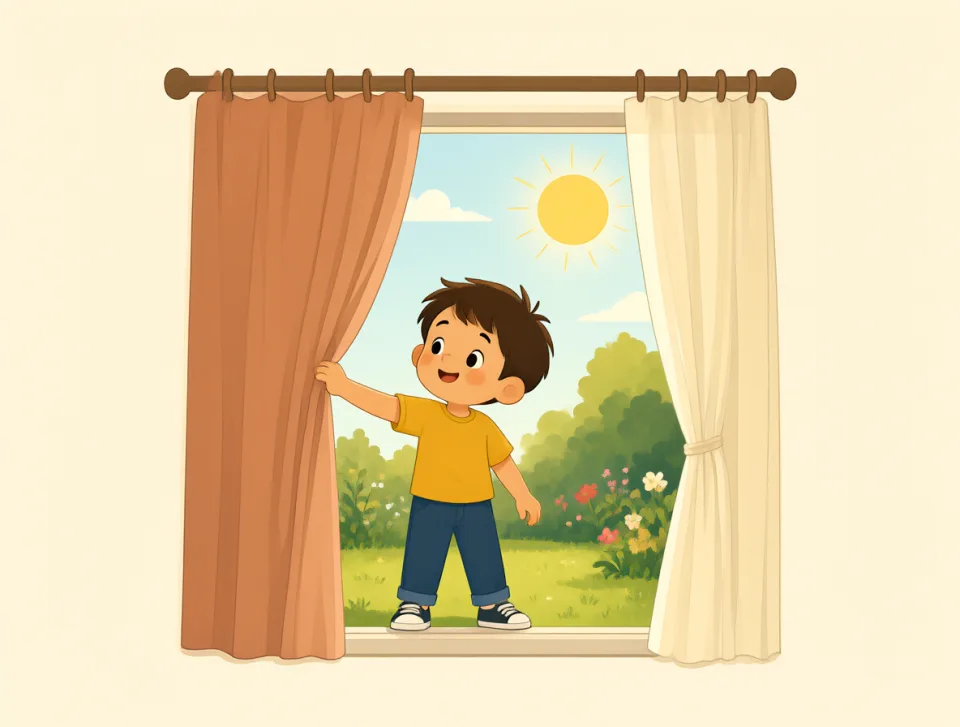
expose
#1773verb
phơi bày
to show something hidden or normally kept secret
Làm lộ ra điều gì đó bị che giấu hoặc thường được giữ kín.

The report exposed serious problems in the company.
Bản báo cáo phơi bày những vấn đề nghiêm trọng trong công ty.
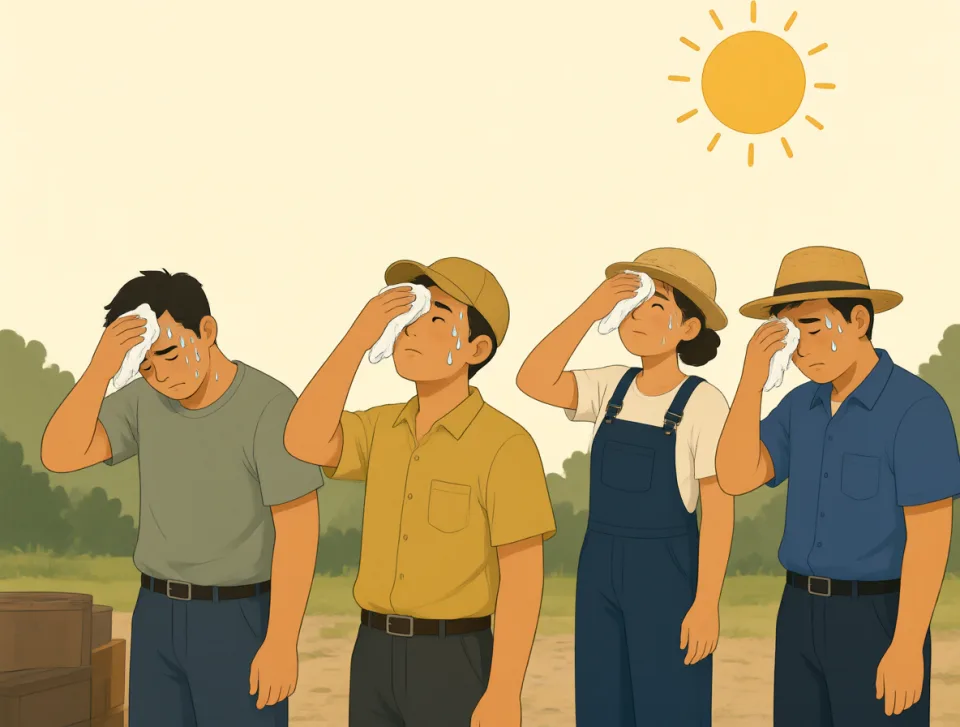
The hot sun exposed the workers to dangerous heat.
Ánh nắng gay gắt khiến các công nhân phải chịu cái nóng nguy hiểm.

The investigation exposed the truth about the stolen money.
Cuộc điều tra đã phơi bày sự thật về số tiền bị đánh cắp.

Wear sunscreen to protect your skin from being exposed to sunlight.
Hãy dùng kem chống nắng để bảo vệ da khỏi ánh nắng mặt trời.
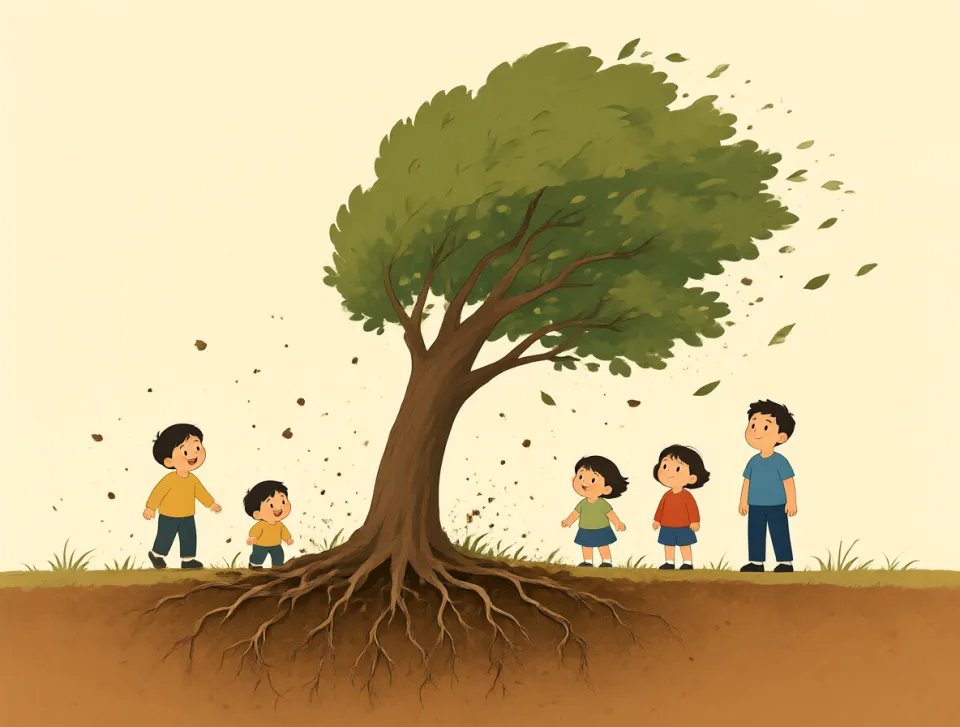
The wind exposed the roots of the old tree.
Gió làm lộ những chiếc rễ của cái cây già.

alive
#1774adjective
còn sống
Living, breathing, and not dead.
Đang sống, còn thở và chưa chết.

The fish is still alive in the bowl.
Con cá vẫn còn sống trong bể.

The doctor said my grandfather was lucky to be alive.
Bác sĩ nói ông tôi thật may mắn vì vẫn còn sống.

Keep the plants alive by watering them every morning.
Hãy tưới cây mỗi sáng để cây sống khỏe.

The concert comes alive when the band starts playing.
Buổi hòa nhạc trở nên sôi động khi ban nhạc bắt đầu chơi.

We saw a live monkey during our trip to the zoo.
Trong chuyến đi sở thú, chúng tôi đã thấy một con khỉ còn sống.
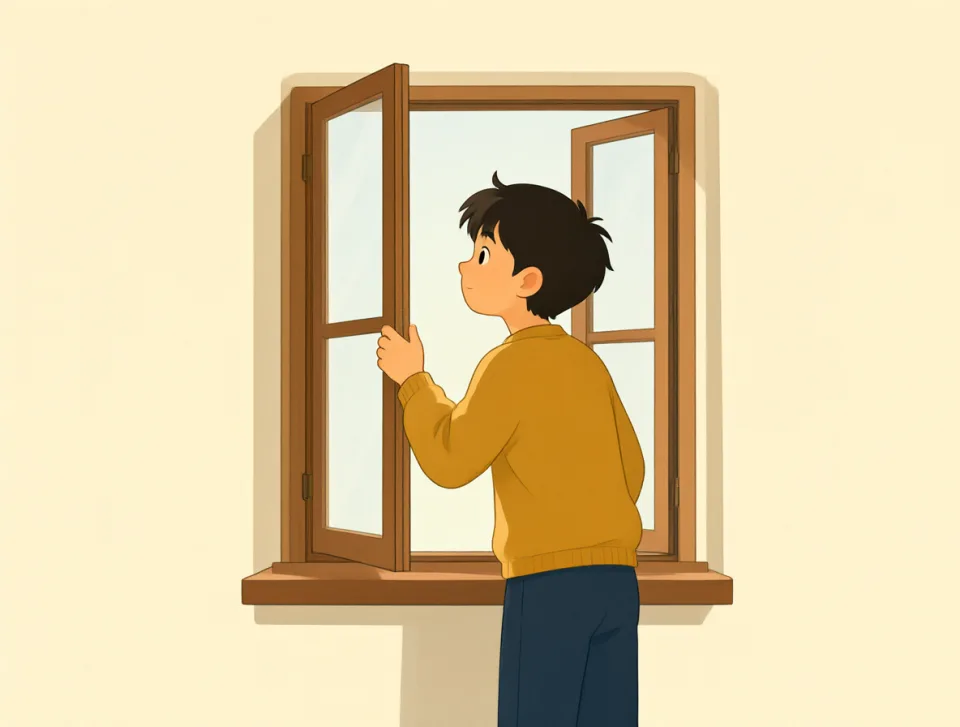
shut
#1775verb, adjective
đóng
to close something, or to be closed and not open
Đóng thứ gì đó, hoặc ở trạng thái đóng, không mở.
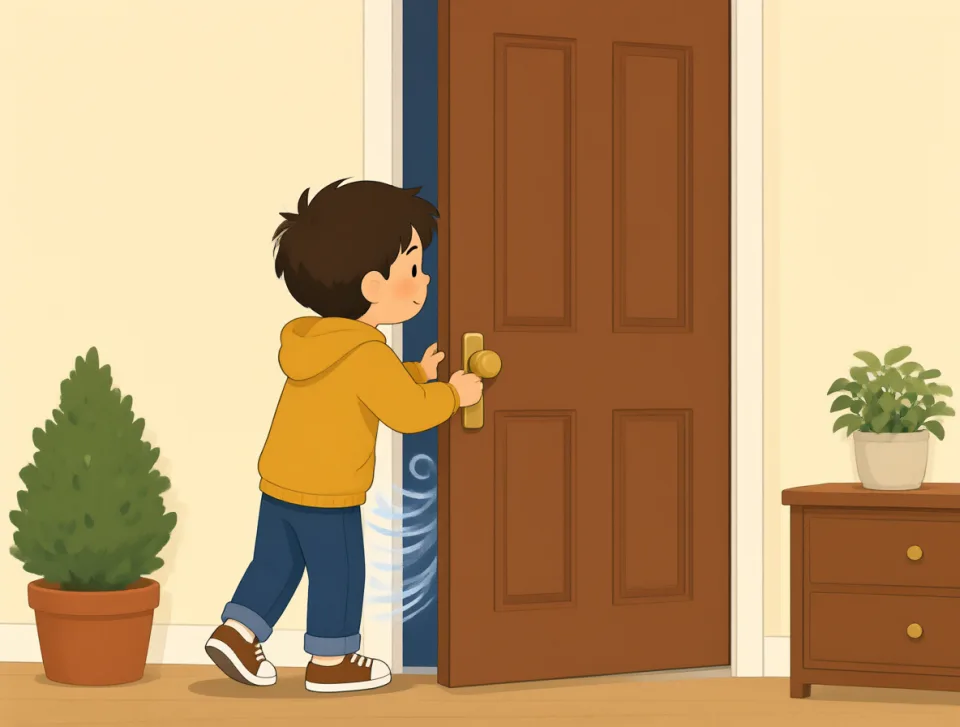
Please shut the door; it is cold outside.
Vui lòng đóng cửa lại, bên ngoài lạnh lắm.
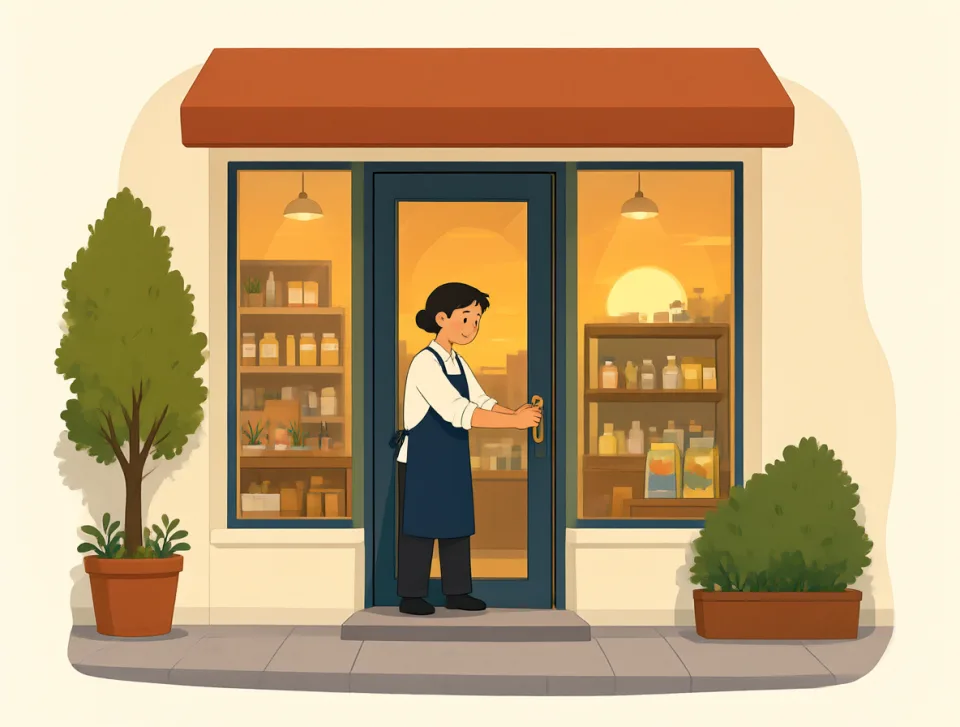
The shop shuts at six o'clock every evening.
Cửa hàng đóng cửa lúc sáu giờ mỗi tối.
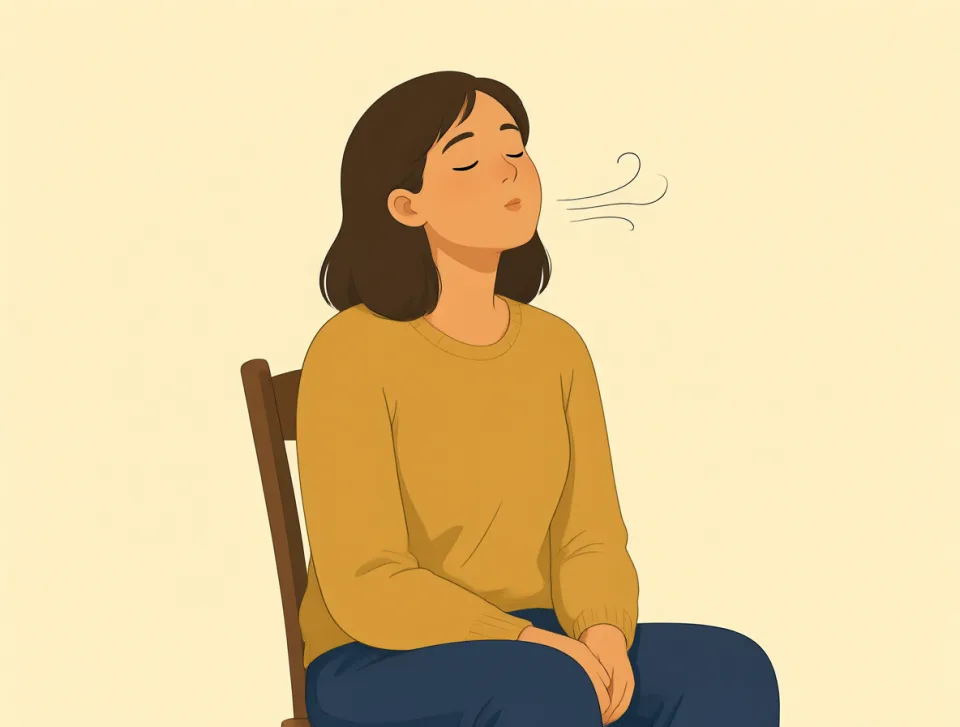
She shut her eyes and took a deep breath.
Cô ấy nhắm mắt lại và hít một hơi thật sâu.
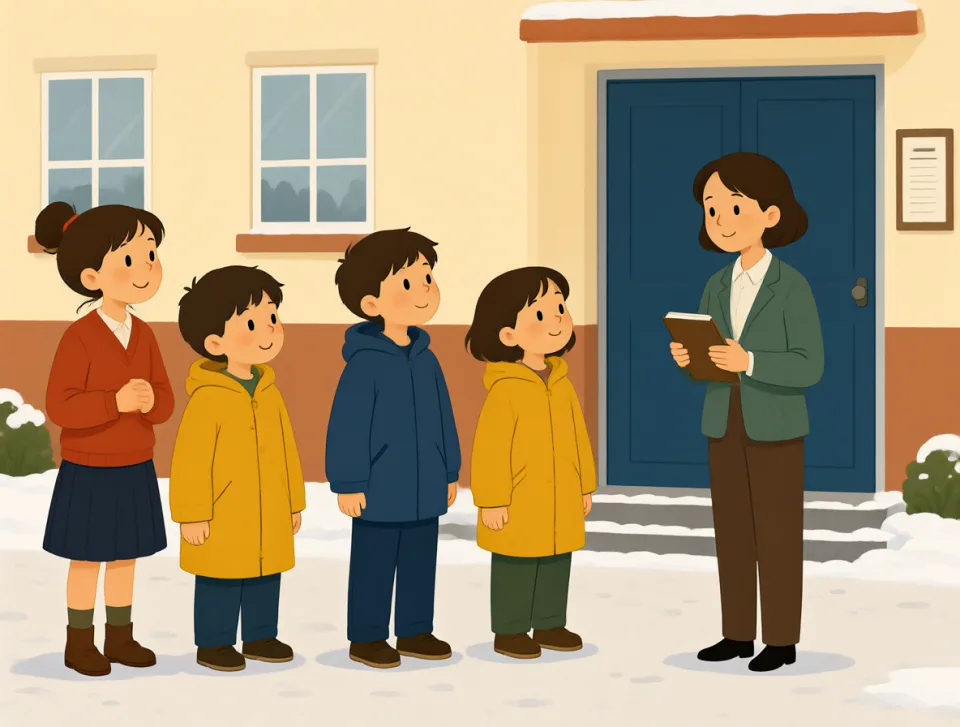
The school was shut because of heavy snow.
Trường học đóng cửa vì tuyết rơi dày.

He shut the book and put it beside his bed.
Anh ấy gấp sách lại rồi đặt nó cạnh giường.

victory
#1776noun
chiến thắng
Success in a game, competition, or struggle against someone or something.
Sự thành công trong một trận đấu, cuộc thi hoặc cuộc đấu tranh chống lại ai đó hay điều gì đó.

The team celebrated their victory with pizza after the final match.
Đội đã ăn mừng chiến thắng bằng pizza sau trận đấu cuối cùng.
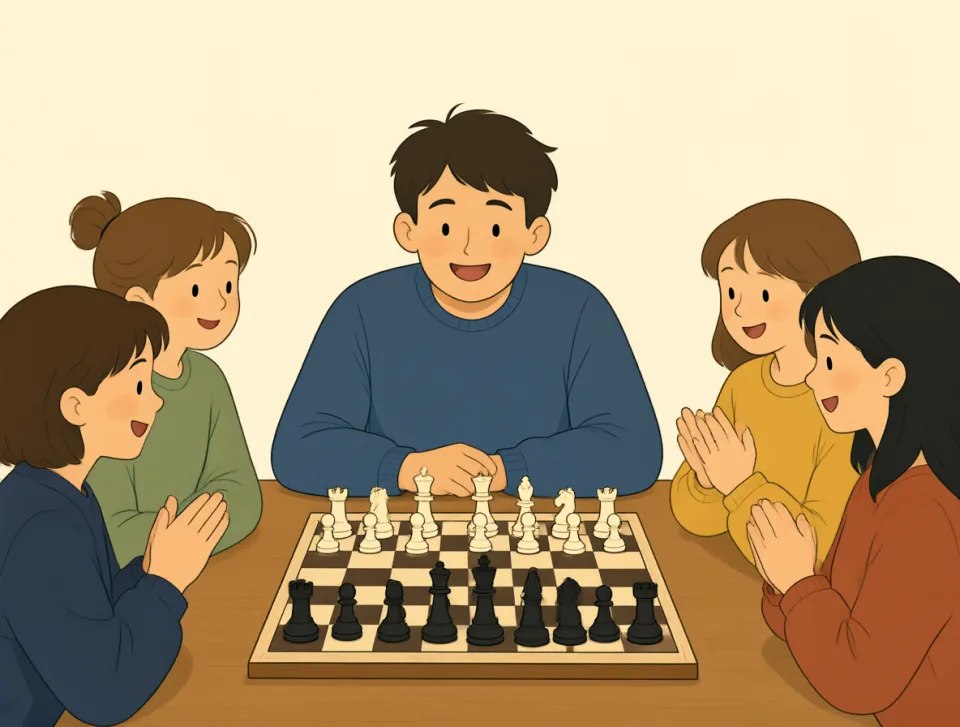
She won a clear victory in the school chess competition.
Cô ấy đã giành chiến thắng thuyết phục trong cuộc thi cờ vua của trường.
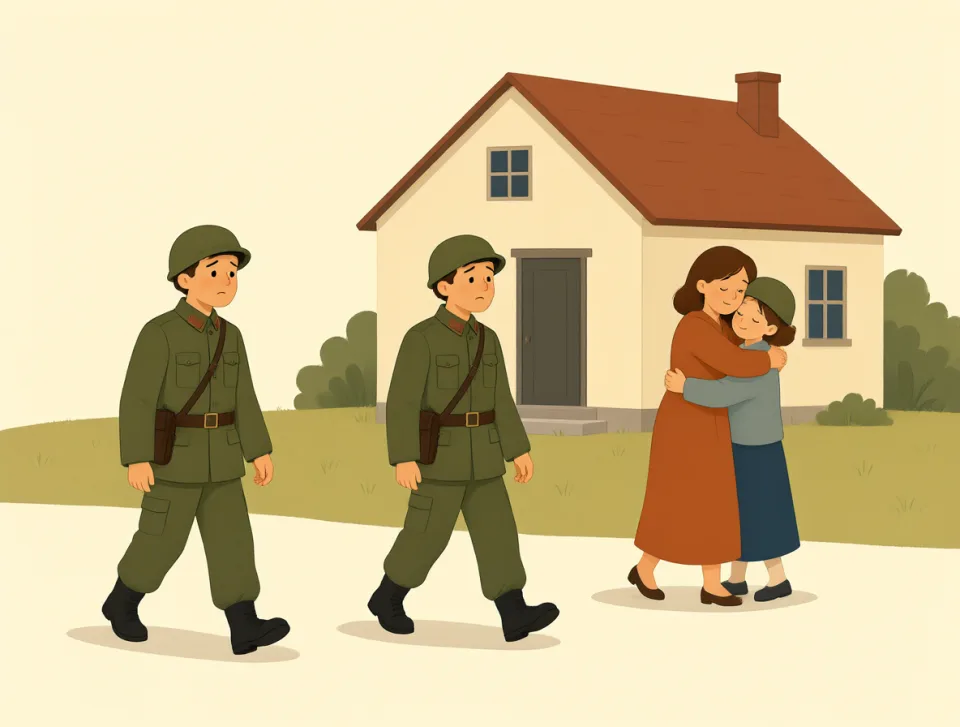
The army returned home after a long and difficult victory.
Đội quân trở về nhà sau một chiến thắng lâu dài và đầy khó khăn.

His victory over illness gave the whole family hope.
Chiến thắng bệnh tật của anh ấy đã đem lại hy vọng cho cả gia đình.

Our team enjoyed a narrow victory in yesterday’s friendly game.
Đội chúng tôi đã giành được chiến thắng sít sao trong trận giao hữu hôm qua.

resolve
#1777verb, noun
giải quyết; quyết tâm
To solve a problem or make a firm decision after thinking carefully.
Giải quyết một vấn đề hoặc đưa ra một quyết định dứt khoát sau khi suy nghĩ cẩn thận.

We need to resolve this problem before the meeting tomorrow.
Chúng ta cần giải quyết vấn đề này trước cuộc họp ngày mai.

The hotel manager resolved our complaint quickly and politely.
Quản lý khách sạn đã nhanh chóng và lịch sự giải quyết khiếu nại của chúng tôi.
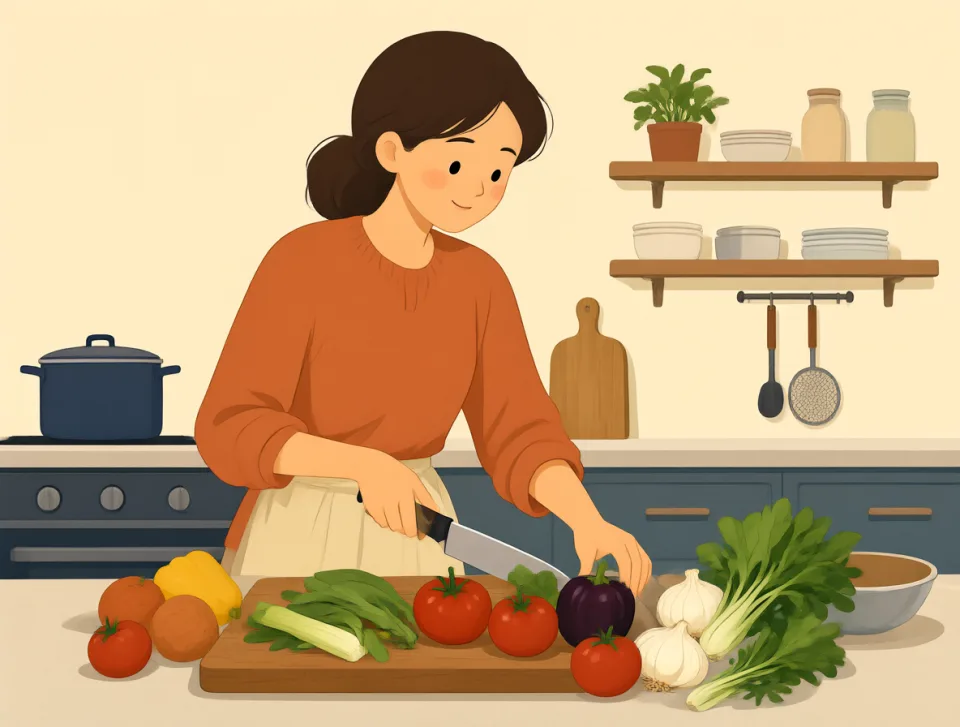
She resolved to eat healthier meals after her doctor’s advice.
Sau lời khuyên của bác sĩ, cô ấy quyết tâm ăn những bữa ăn lành mạnh hơn.

The teacher helped resolve an argument between two students.
Giáo viên đã giúp giải quyết cuộc tranh cãi giữa hai học sinh.

The conflict was finally resolved when both friends apologized.
Cuối cùng, xung đột đã được giải quyết khi cả hai người bạn xin lỗi nhau.

critic
#1778noun
nhà phê bình
A person who gives opinions about the quality of something, especially art, books, or films.
Người đưa ra ý kiến về chất lượng của một thứ gì đó, đặc biệt là nghệ thuật, sách hoặc phim.

The film critic praised the actors but disliked the ending.
Nhà phê bình phim khen các diễn viên nhưng không thích phần kết.

A food critic visited the new restaurant with two friends.
Một nhà phê bình ẩm thực đã đến nhà hàng mới cùng hai người bạn.

The book critic wrote a positive review of her novel.
Nhà phê bình sách đã viết một bài đánh giá tích cực về tiểu thuyết của cô ấy.
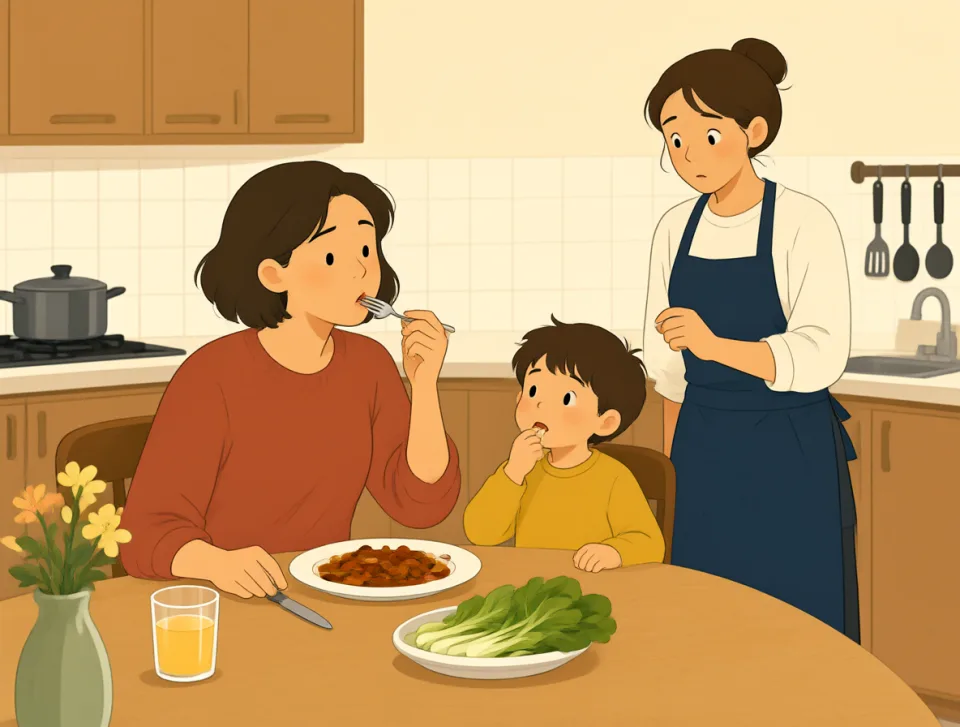
My brother is a harsh critic of my cooking.
Anh trai tôi là một người phê bình rất gay gắt món ăn tôi nấu.

The art critic studied the painting carefully before speaking.
Nhà phê bình nghệ thuật đã cẩn thận nghiên cứu bức tranh trước khi lên tiếng.
variable
#1779noun, adjective
biến số; yếu tố biến đổi
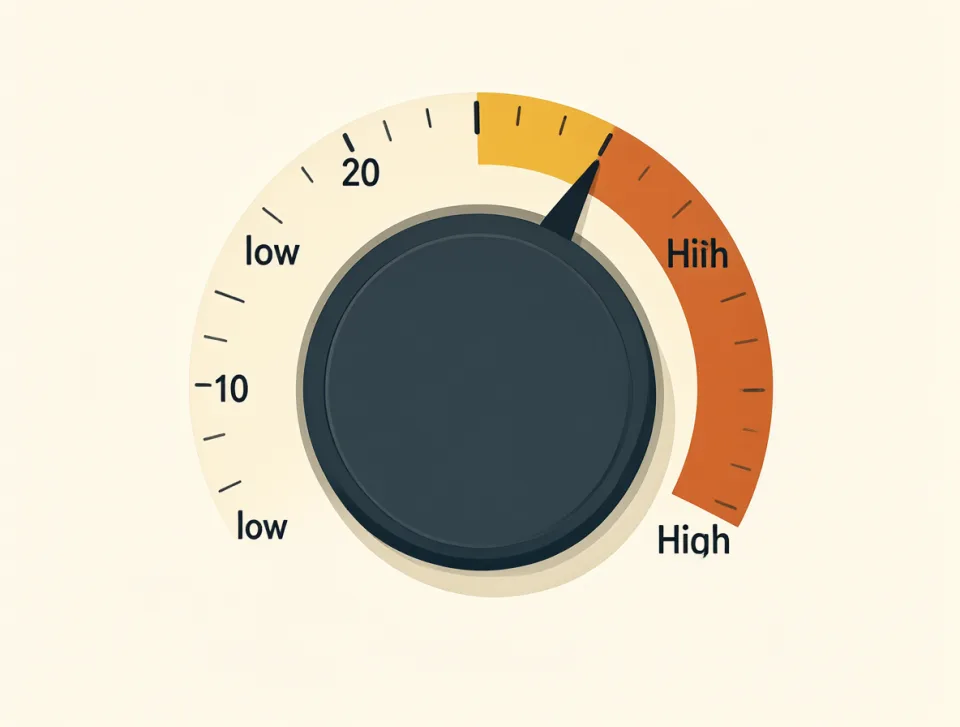
A variable is something that can change, or a value that changes in a situation.
Một thứ có thể thay đổi, hoặc một giá trị thay đổi trong một tình huống.

The weather is a variable we cannot control.
Thời tiết là một biến số mà chúng ta không thể kiểm soát.

The price of the meal depends on several variables.
Giá của bữa ăn phụ thuộc vào một số biến số.
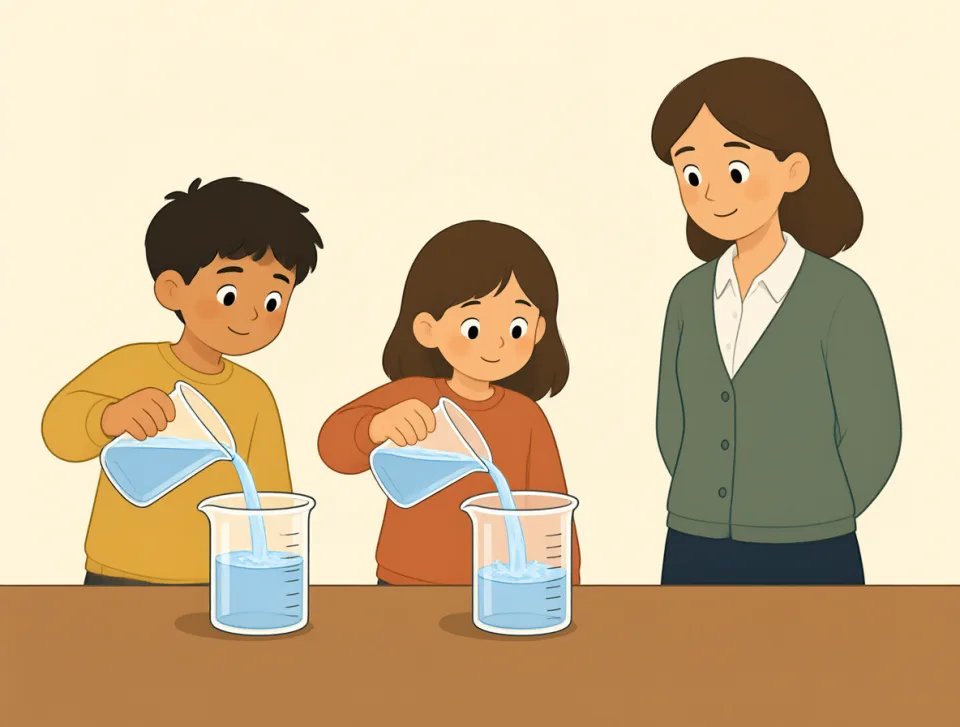
The teacher changed one variable during the science experiment.
Giáo viên đã thay đổi một biến số trong thí nghiệm khoa học.

Variable work hours make it hard to plan childcare.
Giờ làm việc thay đổi khiến việc sắp xếp người trông trẻ trở nên khó khăn.

The patient’s variable heart rate worried the doctor.
Nhịp tim thay đổi thất thường của bệnh nhân khiến bác sĩ lo lắng.

enormous
#1780adjective
khổng lồ
Very large in size, amount, or degree.
Rất lớn về kích thước, số lượng hoặc mức độ.

They live in an enormous house near the park.
Họ sống trong một ngôi nhà khổng lồ gần công viên.
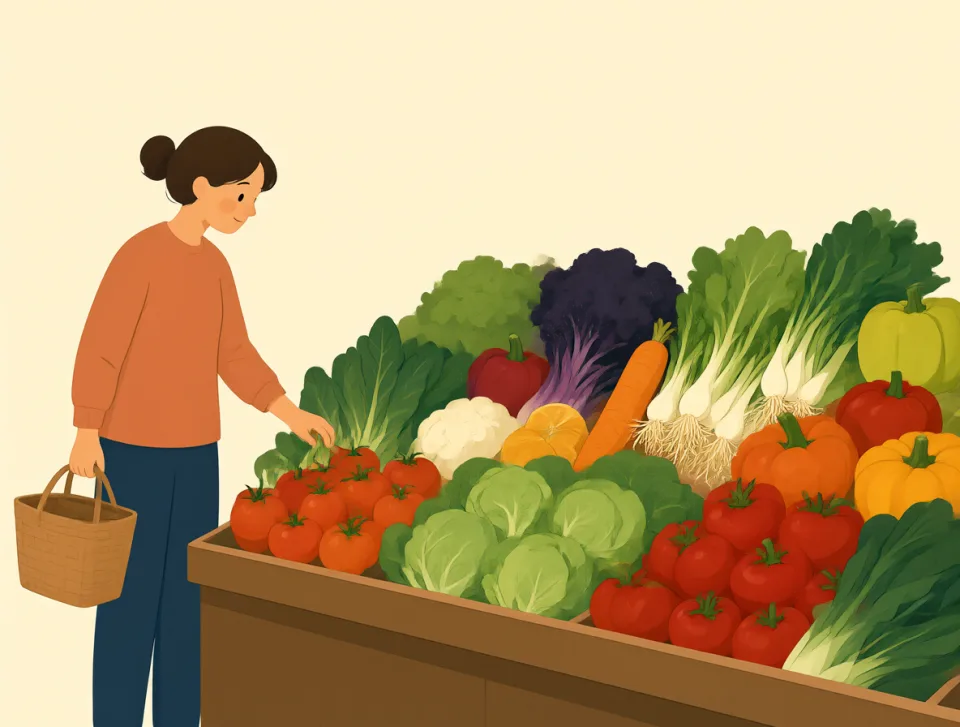
The supermarket has an enormous selection of fresh vegetables.
Siêu thị có rất nhiều loại rau tươi.

An enormous crowd waited outside the stadium.
Một đám đông khổng lồ đã chờ bên ngoài sân vận động.

We saw an enormous whale during our boat trip.
Chúng tôi đã nhìn thấy một con cá voi khổng lồ trong chuyến đi thuyền.
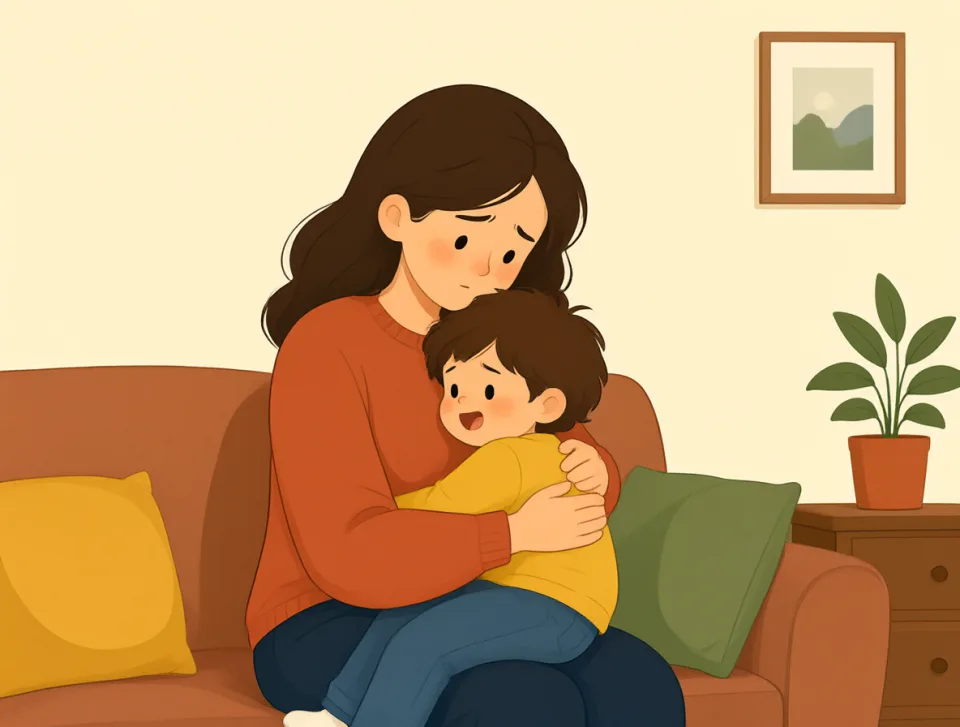
She felt enormous relief when her lost child came home.
Cô ấy cảm thấy vô cùng nhẹ nhõm khi đứa con bị lạc trở về nhà.