Блок 89
Слова 1761–1780 · medicine, professor, rare, intention, dozen, settlement

medicine
#1761noun
лекарство
A substance or treatment used to prevent or cure illness.
Средство или лечение, которое помогает предотвратить или вылечить болезнь.
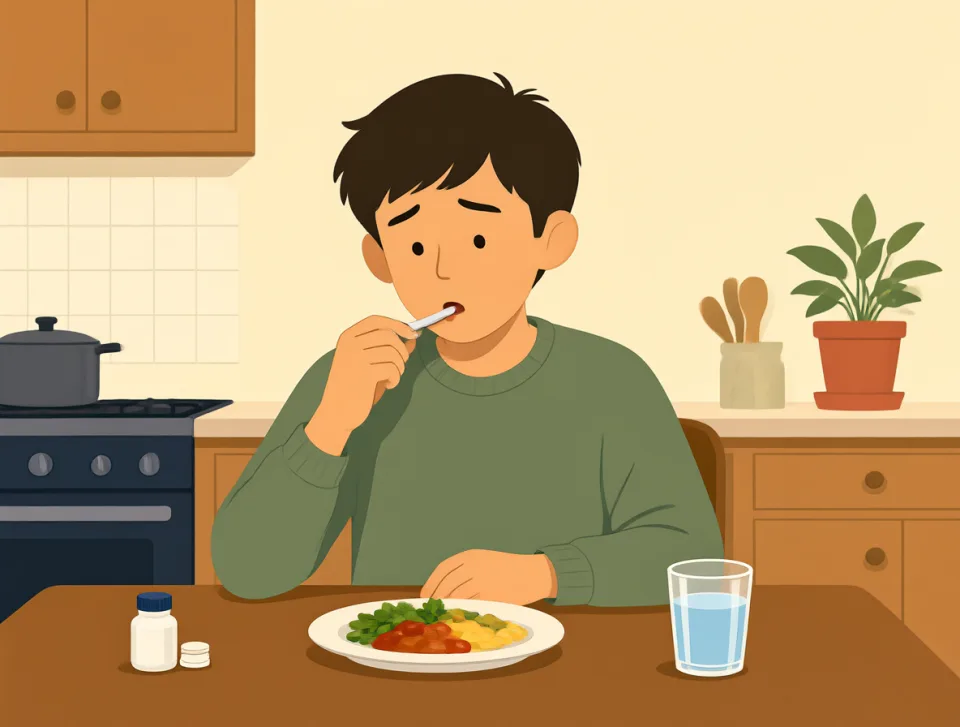
Take this medicine twice a day after meals.
Принимайте это лекарство два раза в день после еды.
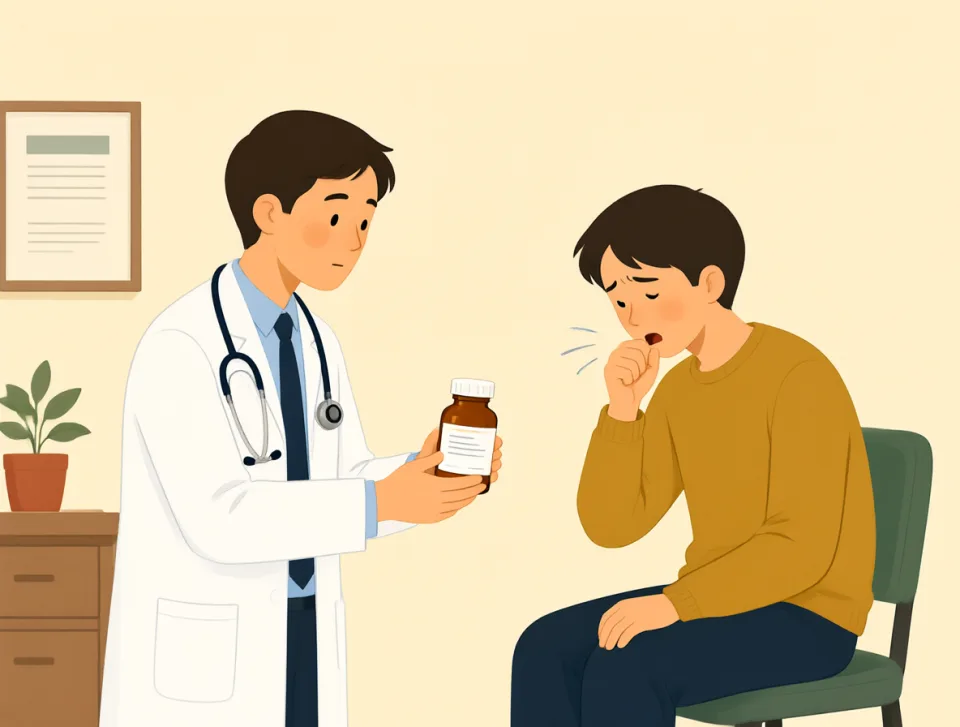
The doctor gave me some medicine for my cough.
Врач дал мне лекарство от кашля.
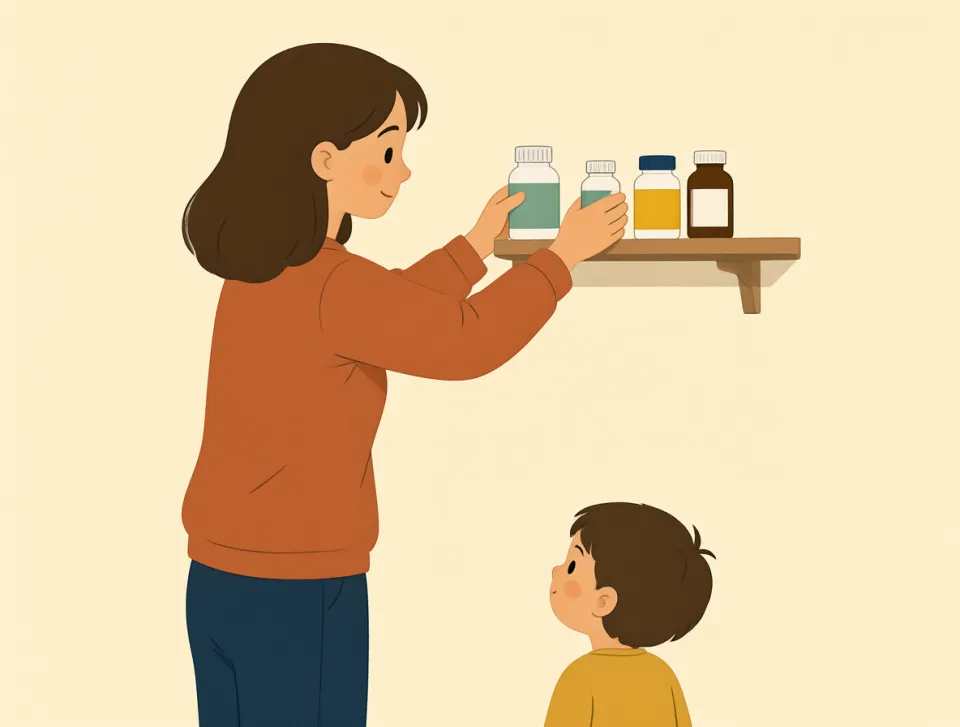
Keep all medicines out of reach of young children.
Храните все лекарства в недоступном для маленьких детей месте.
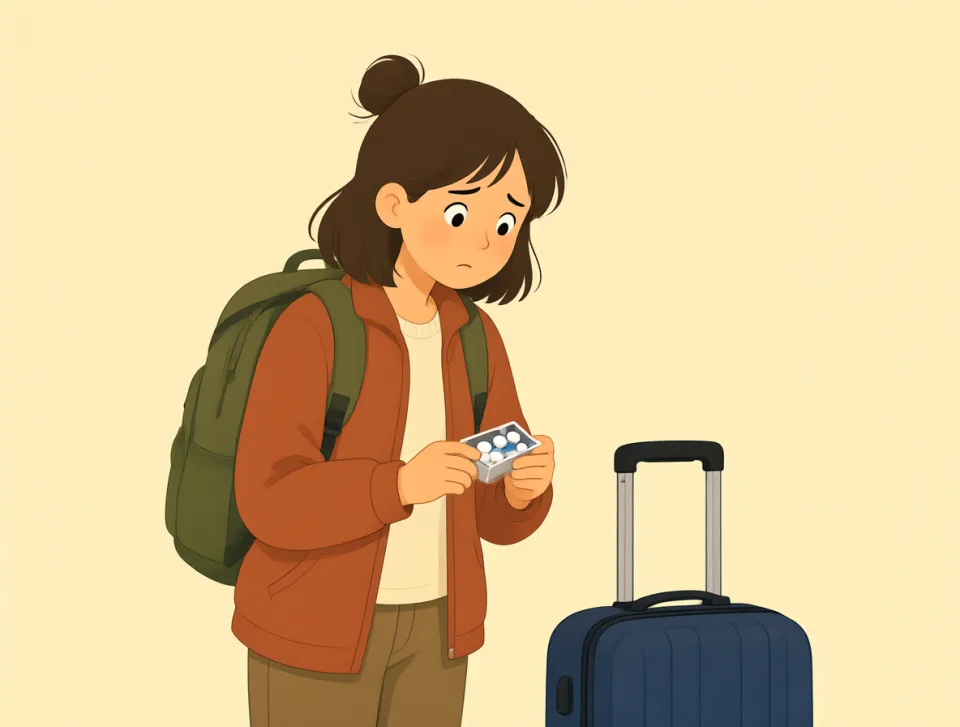
I forgot my medicine when we left for the airport.
Я забыл лекарство, когда мы уезжали в аэропорт.

This herbal medicine tastes bitter, but it helps my stomach.
Это лекарство на травах горькое, но помогает желудку.

professor
#1762noun
профессор
a teacher at a university or college
Преподаватель университета или колледжа.

The professor explained the difficult science lesson clearly.
Профессор ясно объяснил сложную тему по естественным наукам.
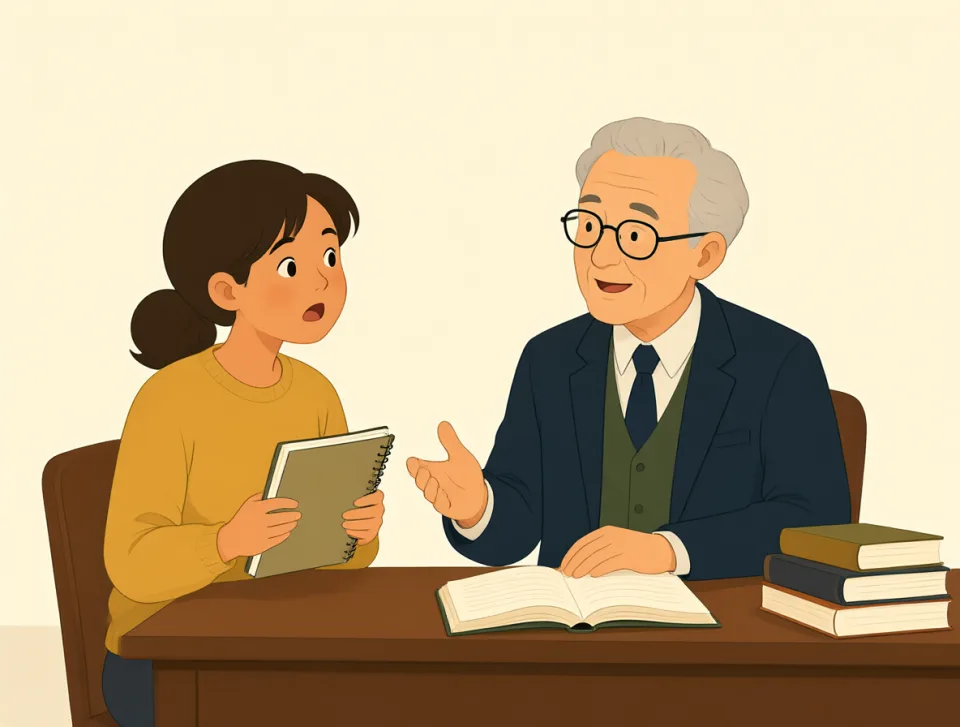
I asked my professor for help with my homework.
Я попросил профессора помочь мне с домашним заданием.
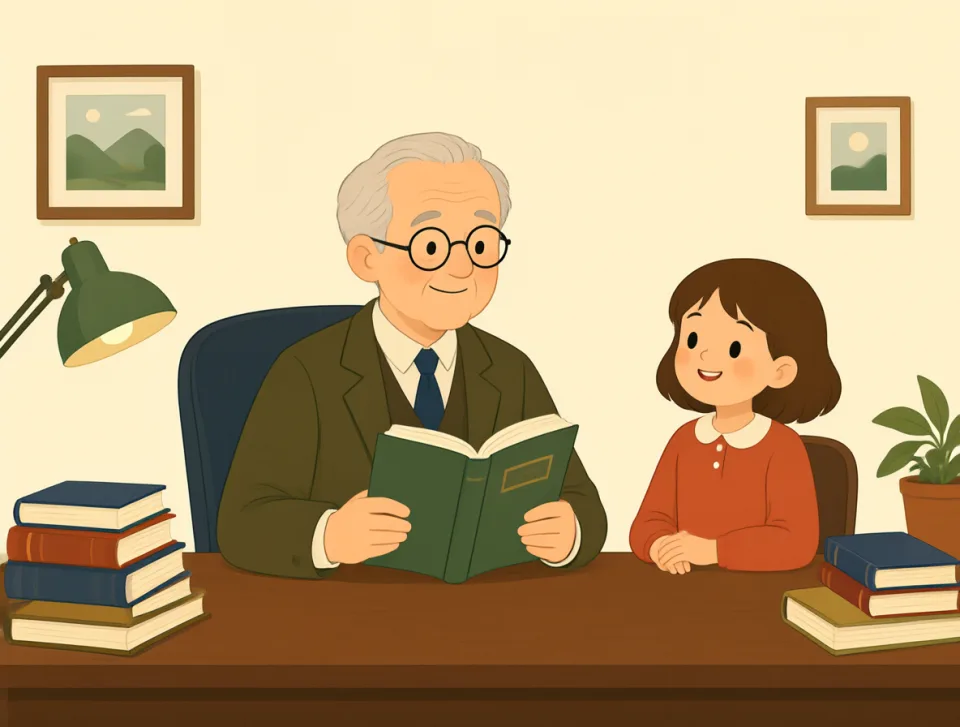
Her father is a history professor at the local university.
Её отец — профессор истории в местном университете.

The professor gave us useful advice before the exam.
Перед экзаменом профессор дал нам полезный совет.

Professor Lee is teaching our biology class this term.
В этом семестре профессор Ли ведёт у нас курс биологии.

rare
#1763adjective, adverb
редкий
Not common or not often found, seen, or happening.
Нечасто встречающийся, попадающийся или происходящий.

It is rare to see snow in this warm city.
В этом тёплом городе снег бывает редко.

This shop sells rare books from around the world.
В этом магазине продаются редкие книги со всего мира.

We saw a rare bird during our walk in the forest.
Во время прогулки по лесу мы увидели редкую птицу.

Rare steak is still pink in the middle when served.
Стейк с кровью, поданный на стол, остаётся розовым внутри.
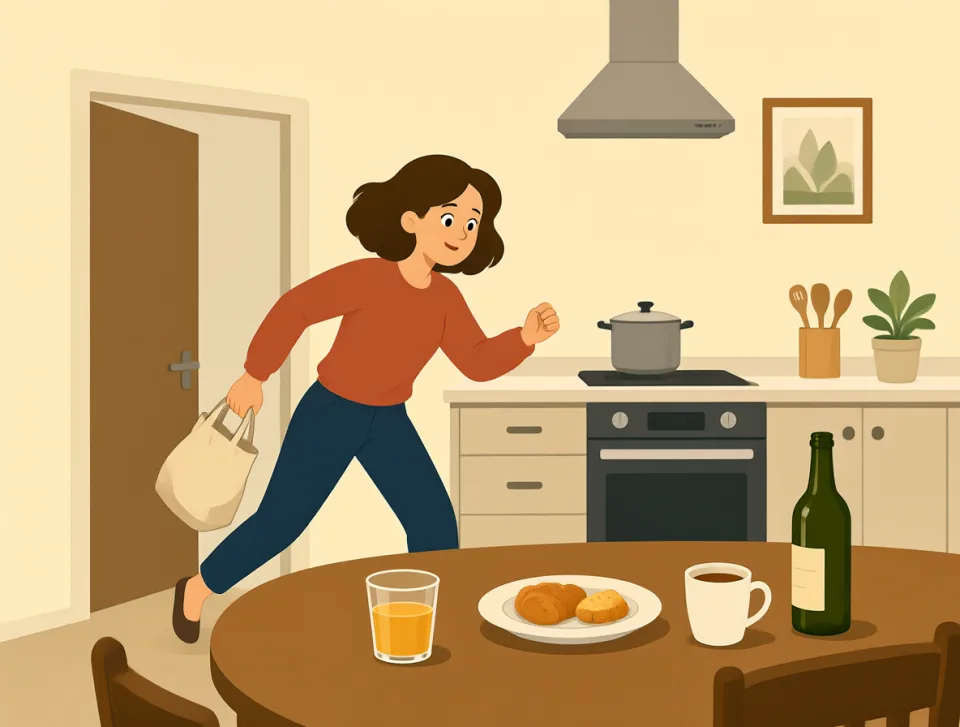
She rarely eats breakfast because she leaves home early.
Она редко завтракает, потому что рано уходит из дома.

intention
#1764noun
намерение
A plan or purpose that you have in your mind when you do something.
План или цель, которые вы держите в уме, когда что-то делаете.
I had no intention of staying late at work today.
Сегодня я совсем не собирался задерживаться на работе.

She made her intention to study medicine clear.
Она ясно дала понять, что намерена изучать медицину.

What was your intention when you bought so much food?
Что ты задумал, когда купил столько еды?

He apologized, saying he had no intention of hurting anyone.
Он извинился, сказав, что вовсе не хотел никого обидеть.
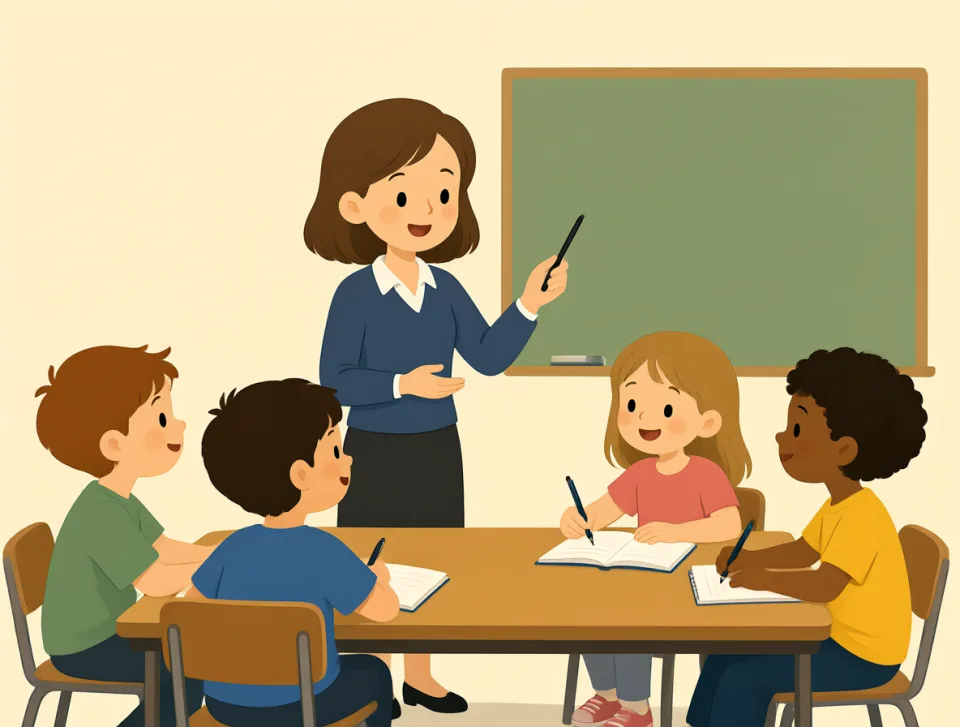
The teacher explained the intention behind the class activity.
Учитель объяснил, в чём заключался замысел классного задания.
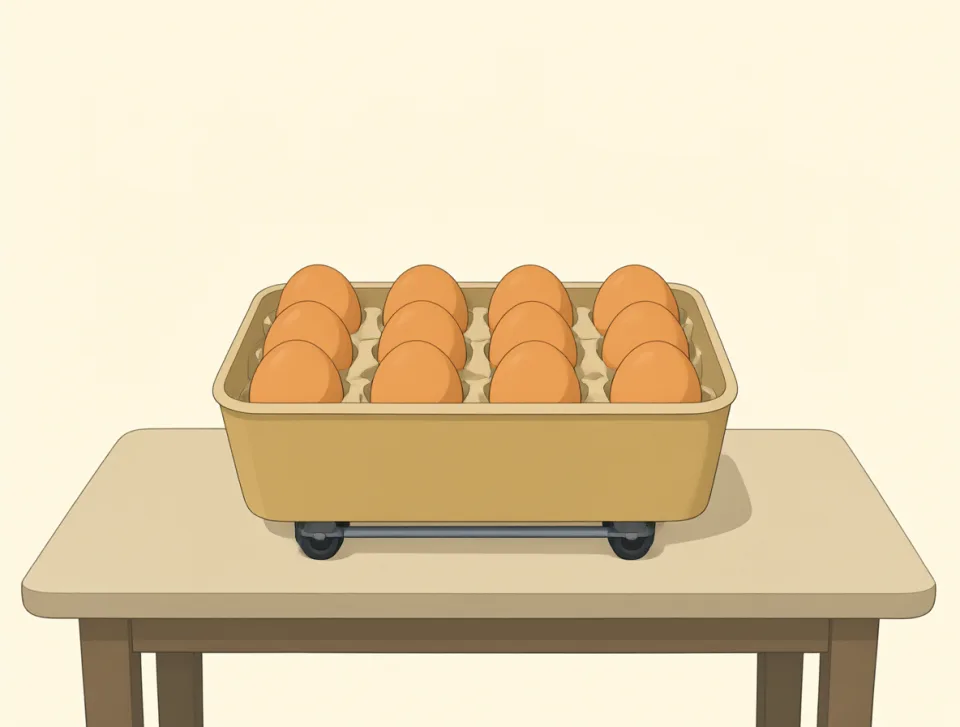
dozen
#1765noun, determiner
дюжина
A group of twelve things or people.
Группа из двенадцати предметов или людей.
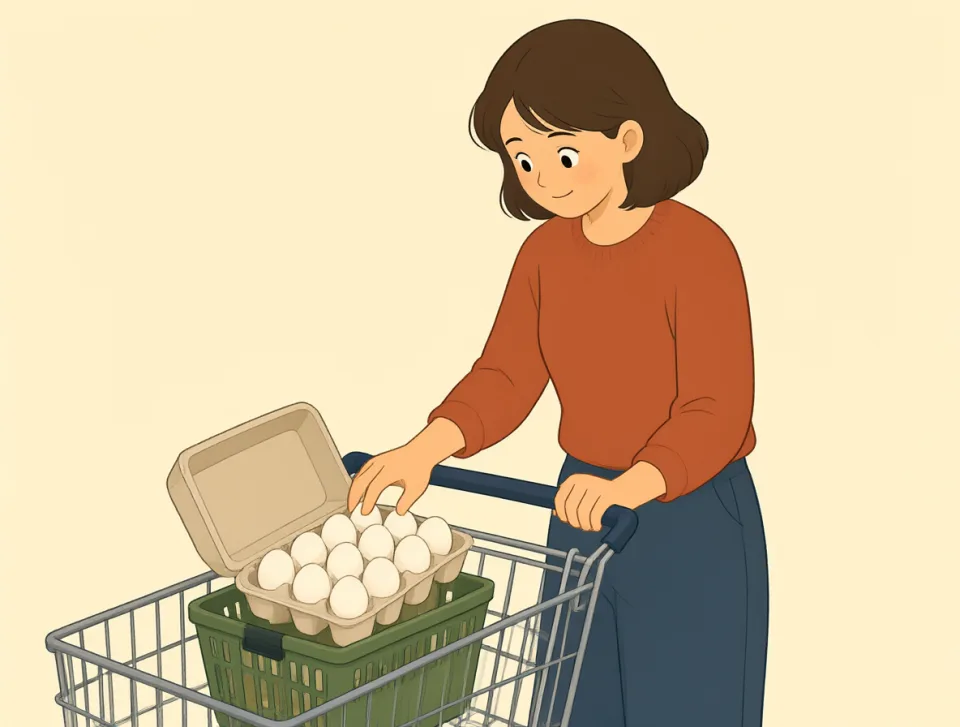
She bought a dozen eggs at the supermarket.
Она купила в супермаркете дюжину яиц.
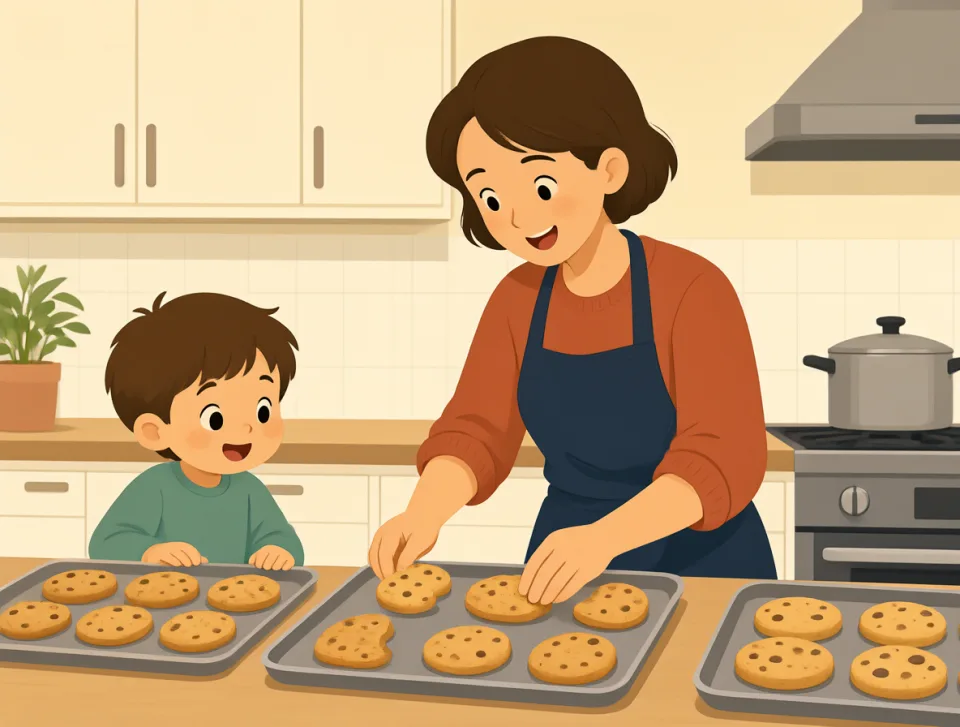
We need two dozen cookies for the school party.
Для школьного праздника нам нужно две дюжины печений.

There were a dozen people waiting for the bus.
На автобус ждали двенадцать человек.

He sent his grandmother a dozen roses for her birthday.
На день рождения он отправил бабушке дюжину роз.
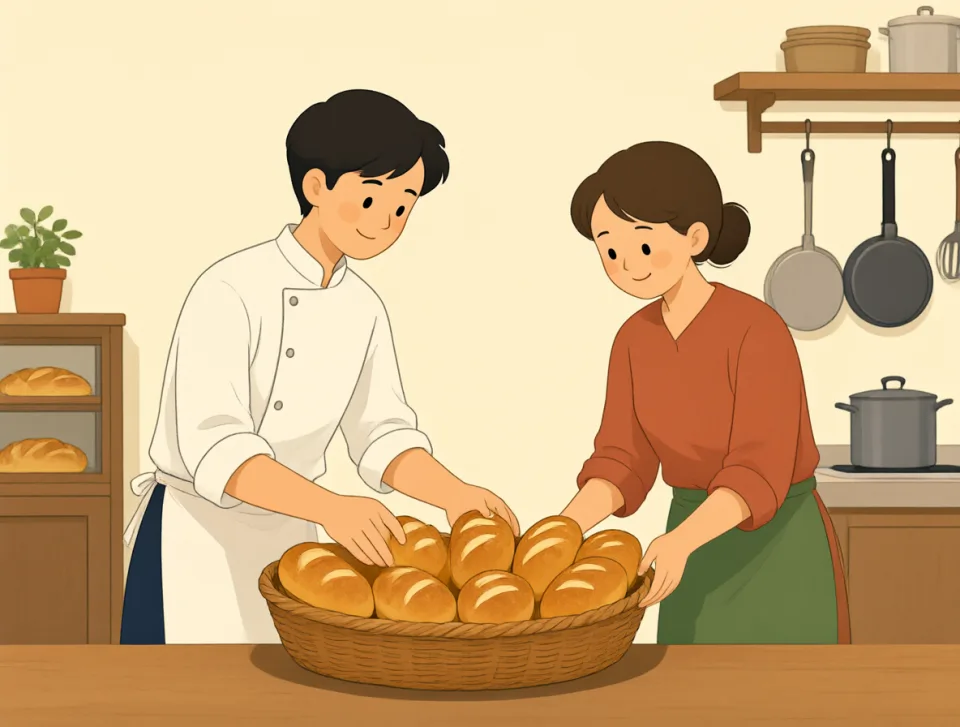
The bakery sells fresh bread by the dozen.
В пекарне свежий хлеб продают дюжинами.

settlement
#1766noun
урегулирование
an agreement that ends a disagreement or pays money owed
соглашение, которое прекращает спор или предусматривает выплату долга

The two companies reached a settlement after months of talks.
После нескольких месяцев переговоров две компании достигли соглашения.

She received a settlement after slipping in the store.
После того как она поскользнулась в магазине, ей выплатили компенсацию.
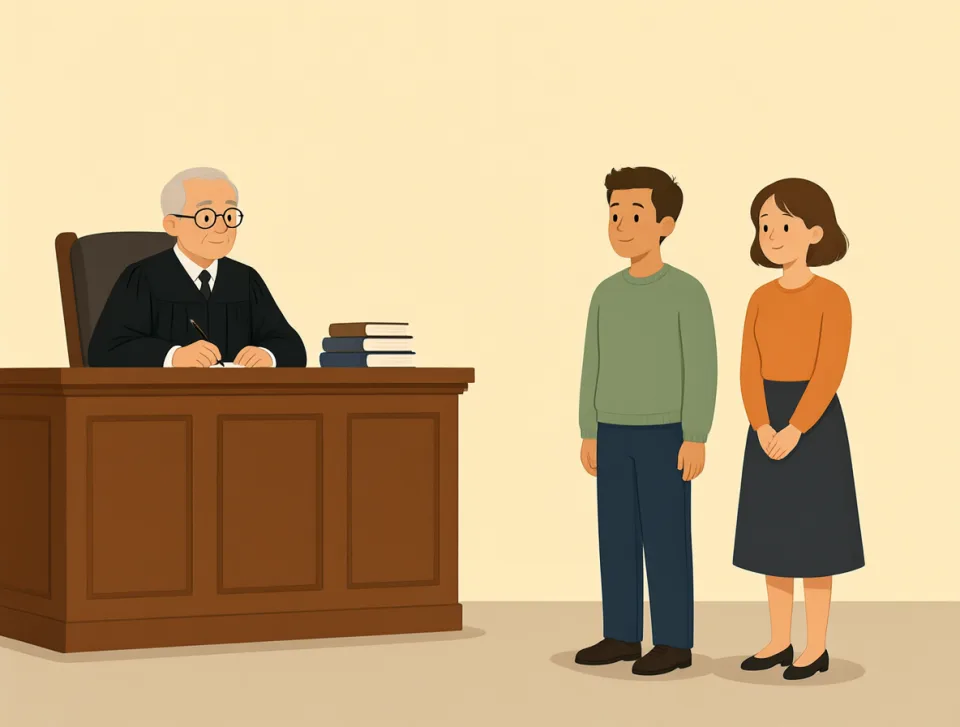
The court approved a settlement between the neighbors.
Суд утвердил соглашение между соседями.

They made a settlement with the bank to repay the loan.
Они заключили с банком соглашение о погашении кредита.

The family found a peaceful settlement to their argument.
Семья нашла мирный способ разрешить спор.

gap
#1767noun, verb
промежуток
An empty space between two things, or a missing part of something.
Свободное пространство между двумя предметами или отсутствующая часть чего-либо.
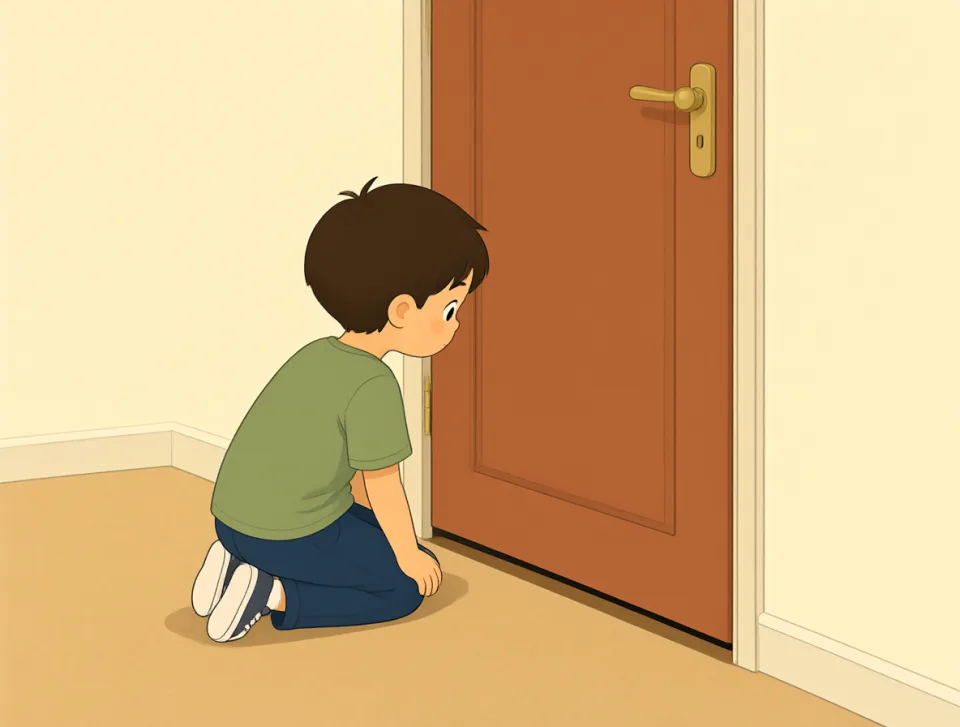
There is a small gap under the door.
Под дверью есть небольшая щель.
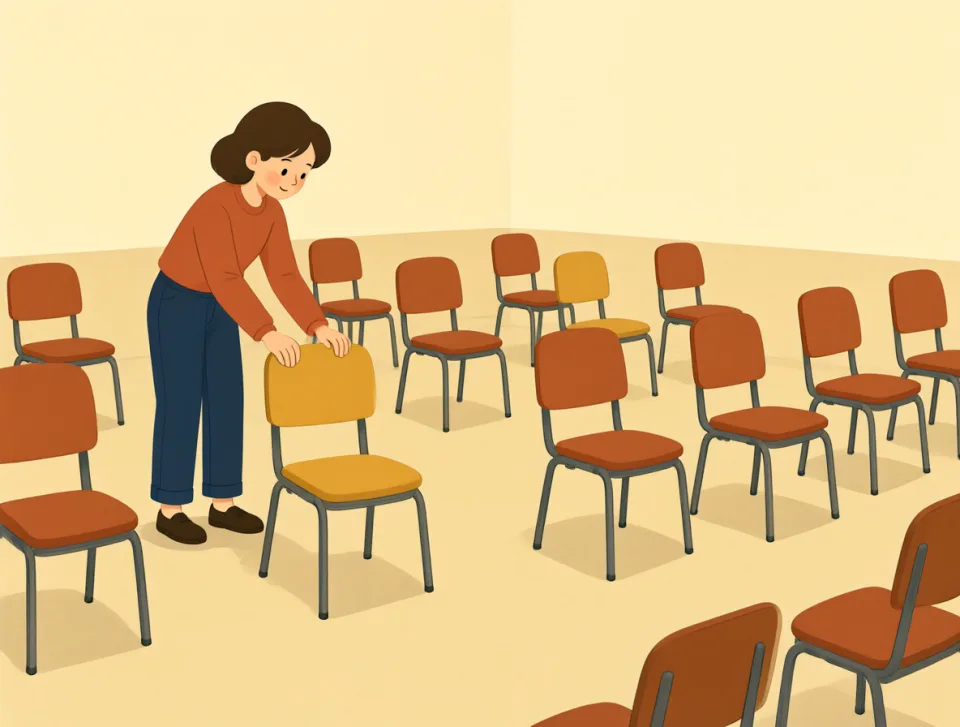
Please leave a gap between the chairs.
Пожалуйста, оставьте промежуток между стульями.

She took a year-long gap between school and university.
После школы она взяла годичный перерыв перед поступлением в университет.
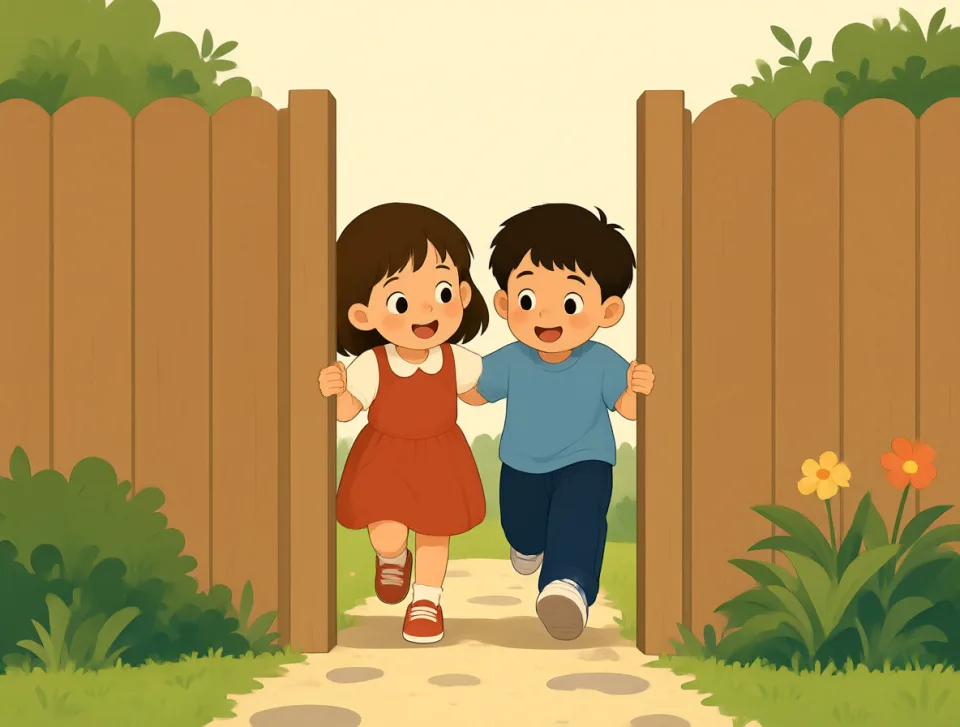
We found a gap in the fence and climbed through.
Мы нашли лазейку в заборе и пролезли через неё.

The dentist found a gap between my front teeth.
Стоматолог обнаружил промежуток между моими передними зубами.

widely
#1768adverb
широко
In many places, by many people, or over a large area.
Во многих местах, многими людьми или на большой территории.
This book is widely available in local shops.
Эта книга широко продаётся в местных магазинах.

English is widely spoken in many countries.
Во многих странах широко говорят по-английски.

The new restaurant is widely known for its fresh seafood.
Новый ресторан широко известен своими свежими морепродуктами.

This treatment is widely used to help people with headaches.
Это лечение широко применяется для облегчения головной боли.
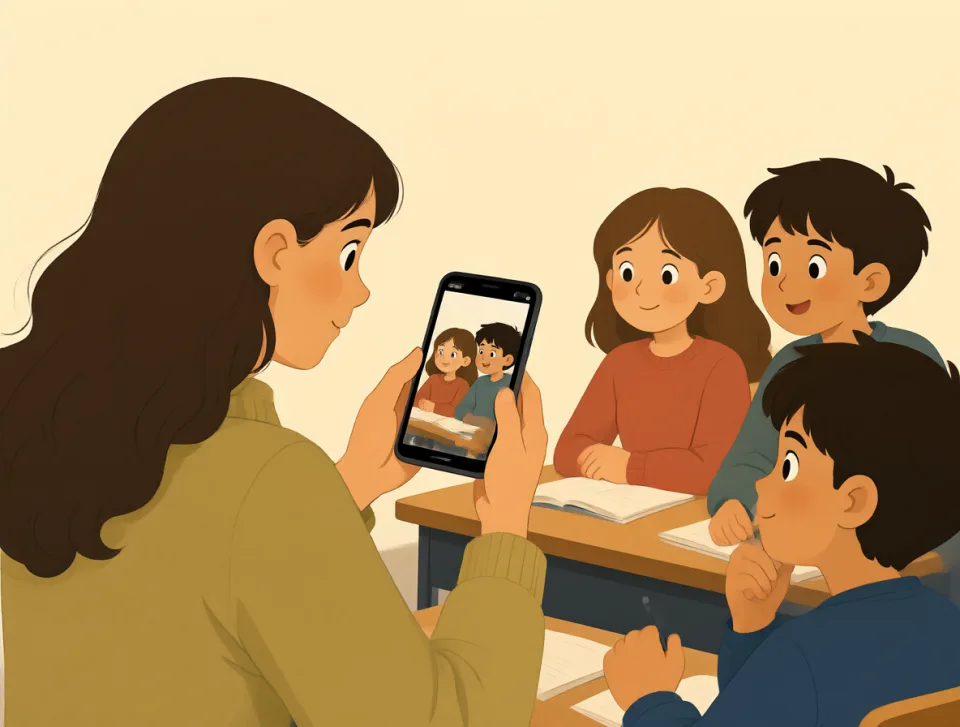
The teacher's video was widely shared by her students.
Ученики широко распространяли видео своей учительницы.

minimum
#1769noun, adjective
минимум
The smallest amount or number that is possible or allowed.
Наименьшее возможное или допустимое количество или число.
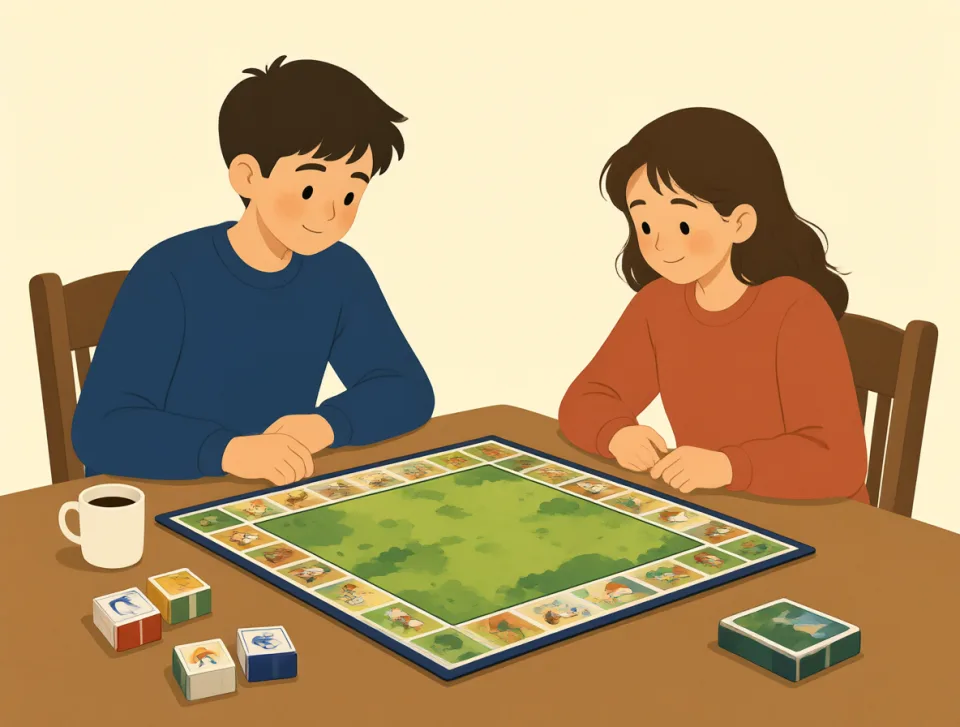
You need a minimum of two people for this game.
Для этой игры нужны как минимум два человека.

The hotel requires a minimum stay of three nights.
В отеле необходимо остановиться как минимум на три ночи.
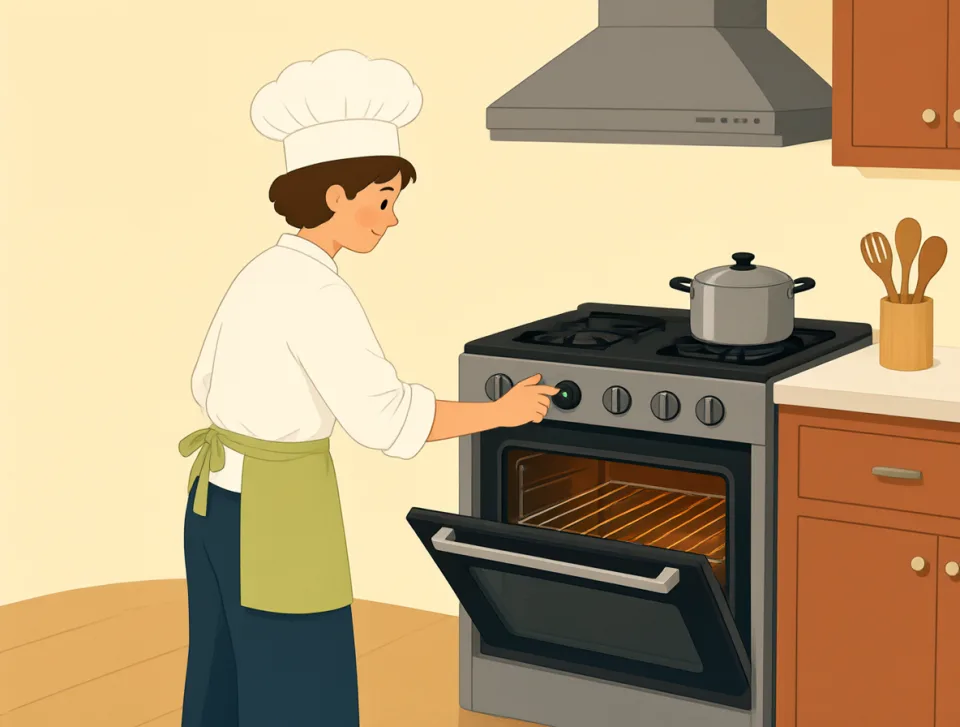
Please keep the oven at a minimum temperature of 180 degrees.
Пожалуйста, поддерживайте в духовке температуру не ниже 180 градусов.
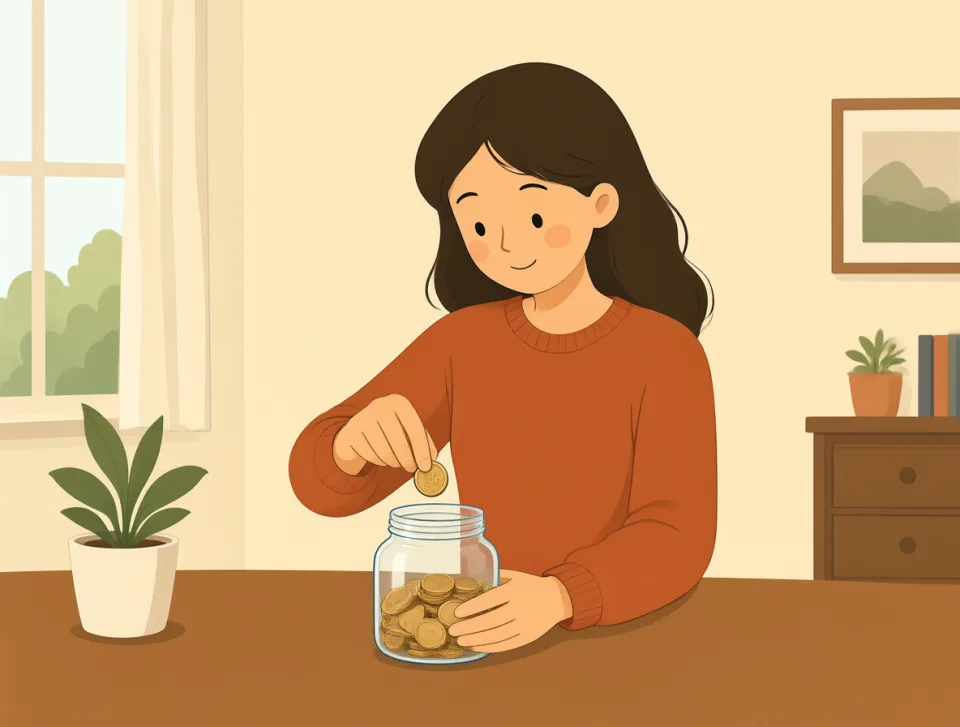
She saves a minimum amount of money from every paycheck.
Она откладывает небольшую сумму с каждой зарплаты.

The doctor told him to get a minimum of seven hours' sleep.
Врач сказал ему спать не менее семи часов.

northern
#1770adjective
северный
of or in the north part of a place or country
относящийся к северной части какого-либо места или страны или находящийся там

We drove through northern France during our summer holiday.
Во время летних каникул мы проехали через северную Францию.

Northern winters are usually colder and darker than southern ones.
Зимы на севере обычно холоднее и темнее, чем на юге.

My cousin lives in a small northern town near the sea.
Мой двоюродный брат живёт в небольшом северном городке у моря.
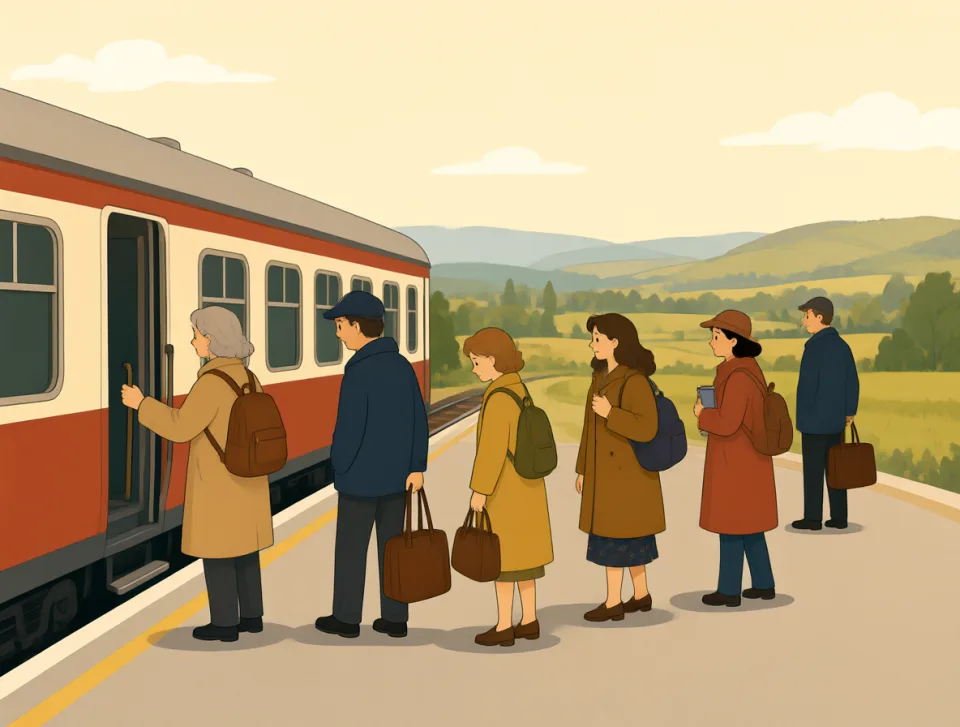
The train leaves for northern England at eight tomorrow morning.
Завтра утром в восемь отправляется поезд в северную Англию.
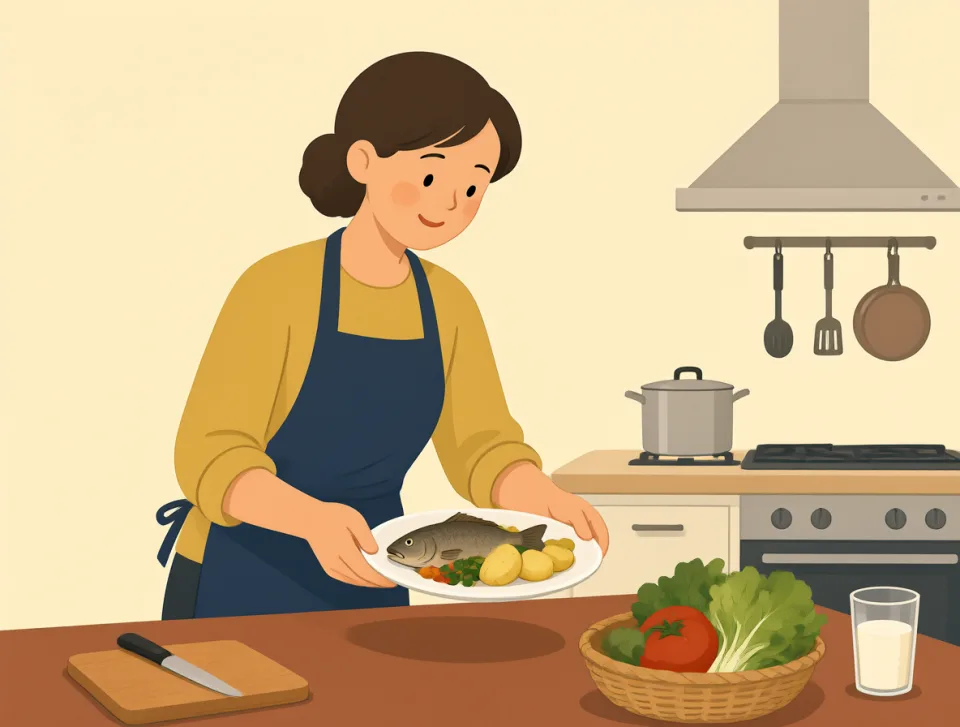
Northern fish are often served with potatoes and fresh vegetables.
Северную рыбу часто подают с картофелем и свежими овощами.

estate
#1771noun
поместье
A large house and the land around it, or all of someone’s property after death.
Большой дом с окружающей его землёй или всё имущество человека после его смерти.

They bought a beautiful estate in the countryside.
Они купили красивое поместье за городом.

The estate includes a garden, a stable, and a small lake.
В поместье есть сад, конюшня и небольшое озеро.

She works for a real estate company in the city.
Она работает в агентстве недвижимости в городе.

His estate was divided among his three children.
Его имущество разделили между тремя детьми.

The museum is located on the old royal estate.
Музей находится на территории старого королевского поместья.
equally
#1772adverb
поровну; одинаково
in the same amount, degree, or way as someone or something else
В таком же количестве, степени или manner, как кто-то или что-то ещё.
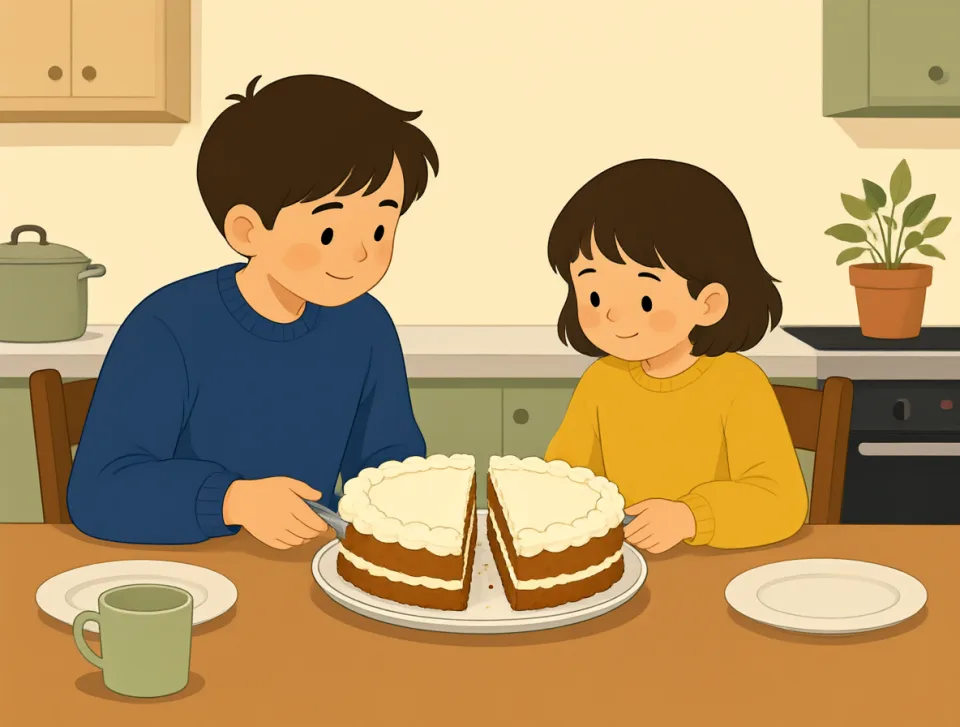
The two children shared the cake equally.
Двое детей поделили торт поровну.
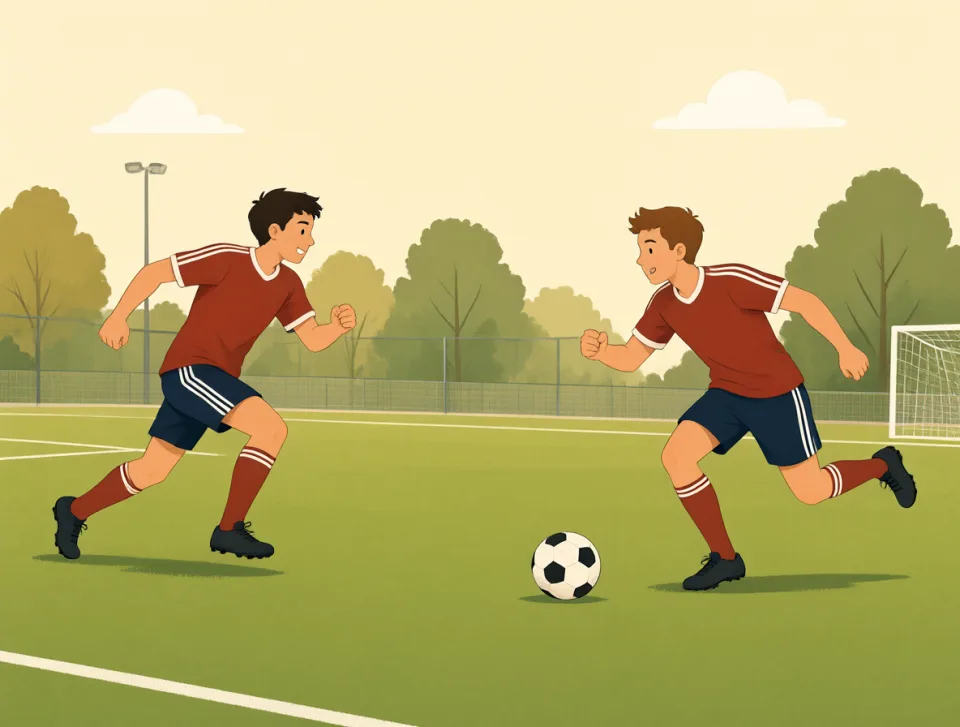
Both teams played equally well during the final match.
Обе команды играли одинаково хорошо в финальном матче.

Please divide the work equally between the four students.
Пожалуйста, распределите работу поровну между четырьмя учениками.

The hotel is equally popular with families and business travelers.
Этот отель одинаково популярен и среди семей, и среди деловых путешественников.

These shoes are equally comfortable, so choose your favorite color.
Эти туфли одинаково удобные, так что выбирай любимый цвет.

expose
#1773verb
раскрывать; подвергать
to show something hidden or normally kept secret
Показывать то, что было скрыто или обычно держалось в тайне.

The report exposed serious problems in the company.
В отчёте были раскрыты серьёзные проблемы компании.

The hot sun exposed the workers to dangerous heat.
Жаркое солнце подвергло рабочих опасному воздействию жары.

The investigation exposed the truth about the stolen money.
Расследование раскрыло правду о похищенных деньгах.

Wear sunscreen to protect your skin from being exposed to sunlight.
Используйте солнцезащитный крем, чтобы защитить кожу от солнечных лучей.
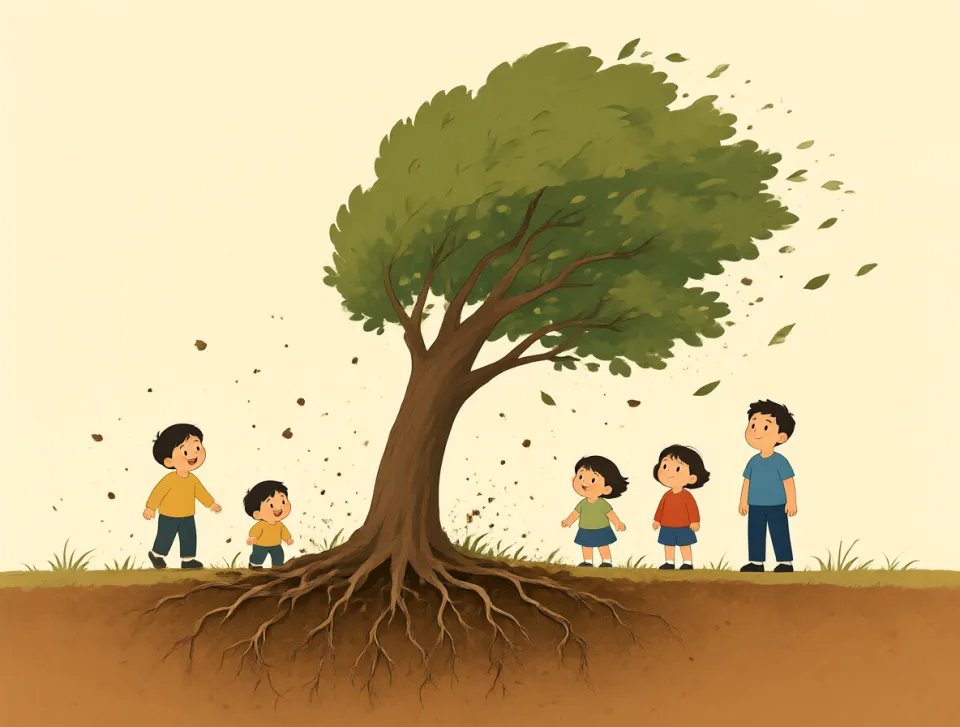
The wind exposed the roots of the old tree.
Ветер обнажил корни старого дерева.

alive
#1774adjective
живой
Living, breathing, and not dead.
Живущий, дышащий, не умерший.

The fish is still alive in the bowl.
Рыбка всё ещё жива в аквариуме.

The doctor said my grandfather was lucky to be alive.
Врач сказал, что моему дедушке повезло остаться в живых.

Keep the plants alive by watering them every morning.
Поливайте растения каждое утро, чтобы они не погибли.

The concert comes alive when the band starts playing.
Концерт оживает, когда начинает играть группа.

We saw a live monkey during our trip to the zoo.
Во время поездки в зоопарк мы увидели живую обезьяну.
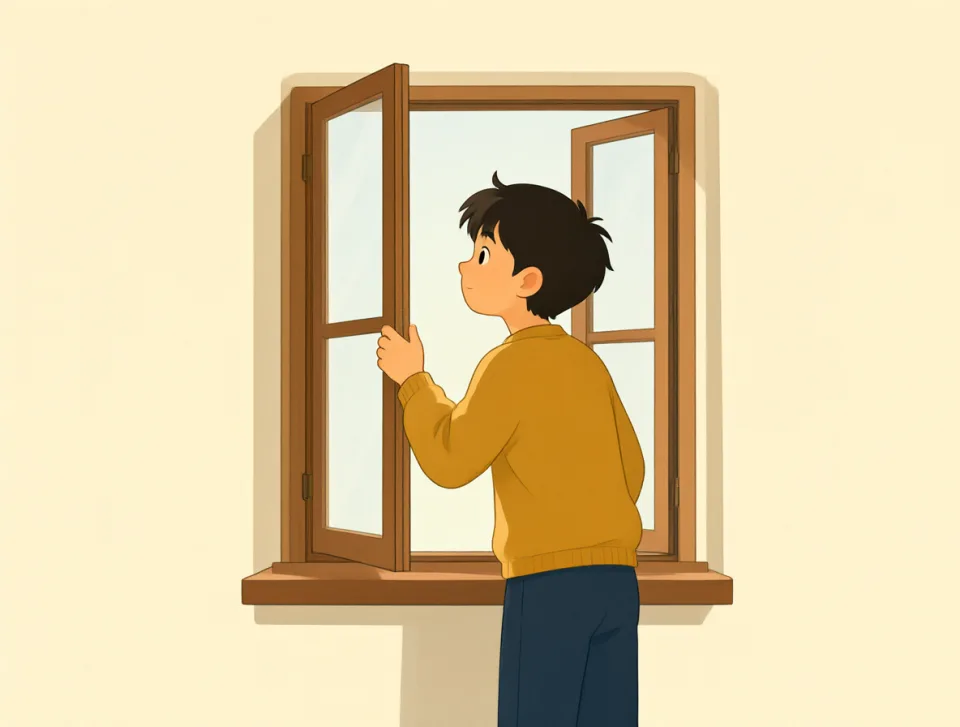
shut
#1775verb, adjective
закрывать; быть закрытым
to close something, or to be closed and not open
Закрыть что-либо или быть закрытым, а не открытым.
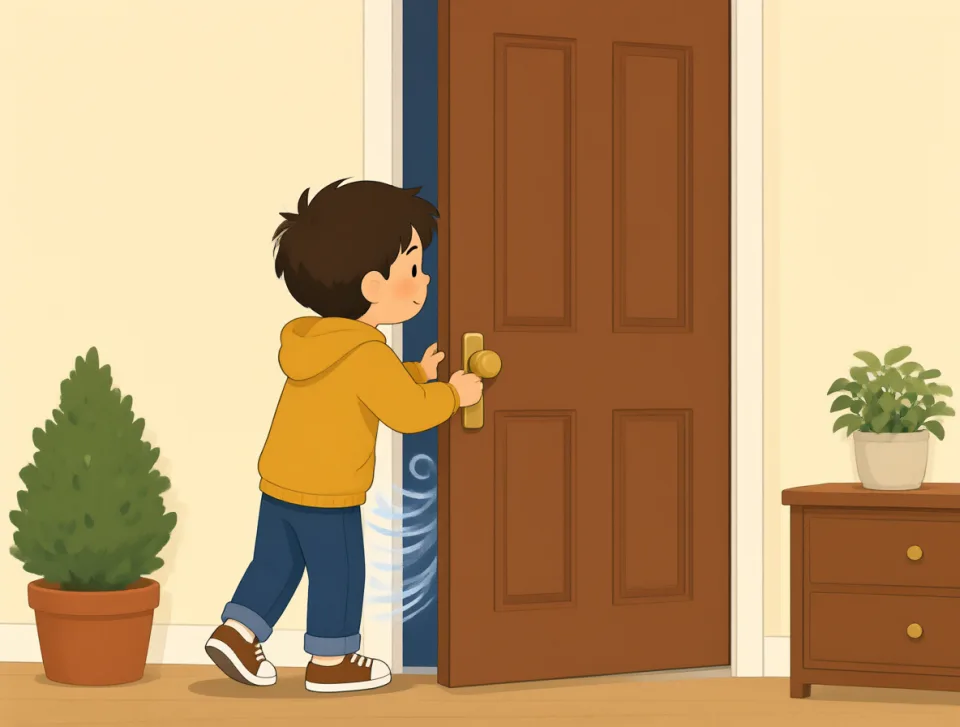
Please shut the door; it is cold outside.
Пожалуйста, закрой дверь: на улице холодно.

The shop shuts at six o'clock every evening.
Магазин закрывается каждый вечер в шесть часов.
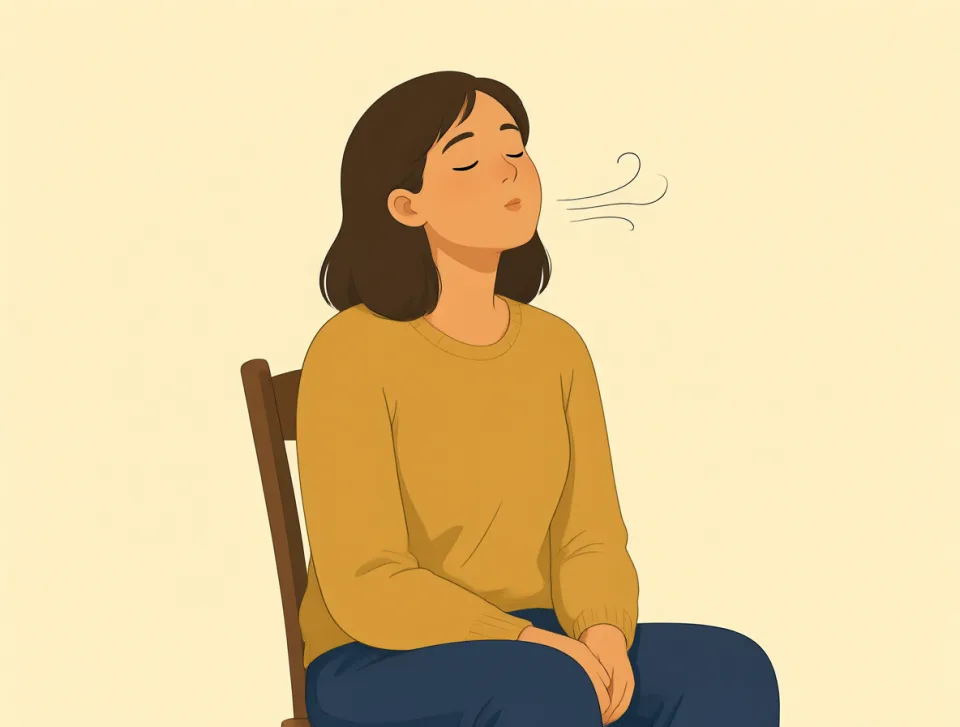
She shut her eyes and took a deep breath.
Она закрыла глаза и глубоко вдохнула.
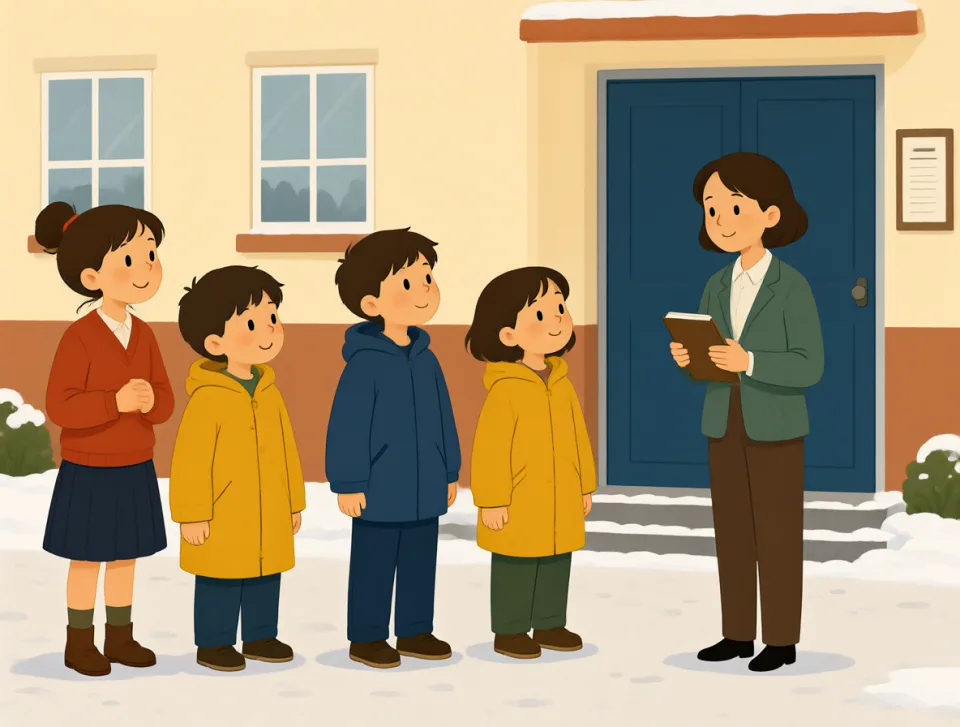
The school was shut because of heavy snow.
Школу закрыли из-за сильного снегопада.

He shut the book and put it beside his bed.
Он закрыл книгу и положил её рядом с кроватью.

victory
#1776noun
победа
Success in a game, competition, or struggle against someone or something.
Успех в игре, соревновании или борьбе с кем-либо или чем-либо.

The team celebrated their victory with pizza after the final match.
После финального матча команда отпраздновала победу пиццей.
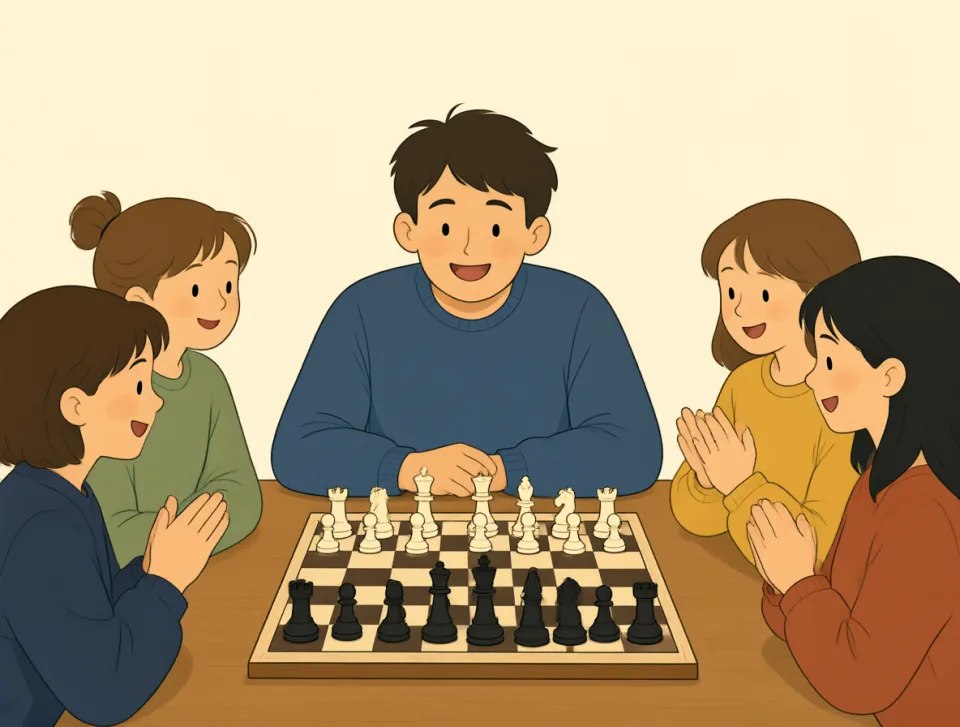
She won a clear victory in the school chess competition.
Она одержала убедительную победу на школьных соревнованиях по шахматам.
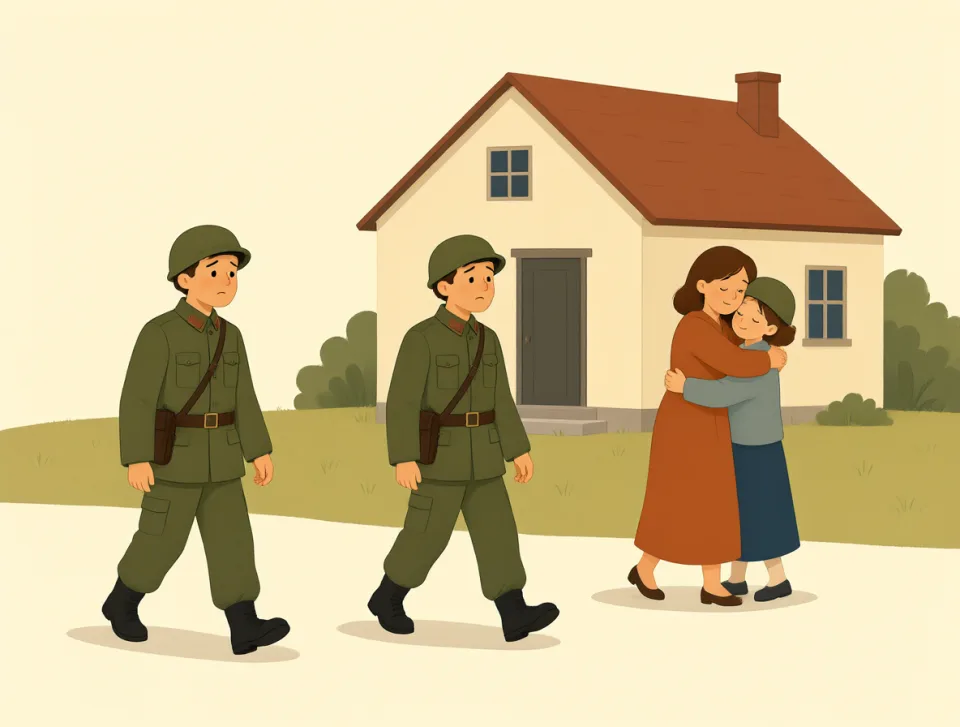
The army returned home after a long and difficult victory.
Армия вернулась домой после долгой и трудной победы.

His victory over illness gave the whole family hope.
Его победа над болезнью вселила надежду во всю семью.

Our team enjoyed a narrow victory in yesterday’s friendly game.
Вчера наша команда одержала нелёгкую победу в товарищеском матче.

resolve
#1777verb, noun
решать
To solve a problem or make a firm decision after thinking carefully.
Решить проблему или принять твёрдое решение после тщательного обдумывания.

We need to resolve this problem before the meeting tomorrow.
Нам нужно решить эту проблему до завтрашнего совещания.

The hotel manager resolved our complaint quickly and politely.
Менеджер отеля быстро и вежливо разобрался с нашей жалобой.
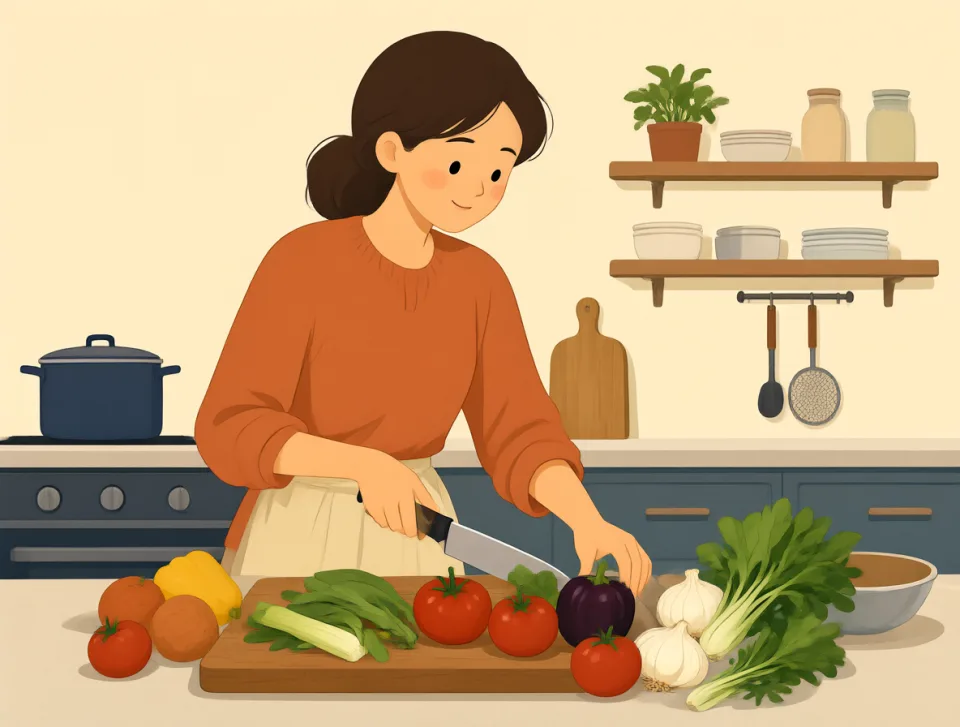
She resolved to eat healthier meals after her doctor’s advice.
По совету врача она решила питаться полезнее.

The teacher helped resolve an argument between two students.
Учитель помог уладить спор между двумя учениками.

The conflict was finally resolved when both friends apologized.
Конфликт наконец разрешился, когда оба друга извинились.

critic
#1778noun
критик
A person who gives opinions about the quality of something, especially art, books, or films.
Человек, который оценивает качество чего-либо, особенно произведений искусства, книг или фильмов.

The film critic praised the actors but disliked the ending.
Кинокритик похвалил актёров, но ему не понравилась концовка.

A food critic visited the new restaurant with two friends.
Критик, пишущий о еде, пришёл в новый ресторан с двумя друзьями.

The book critic wrote a positive review of her novel.
Литературный критик написал положительную рецензию на её роман.
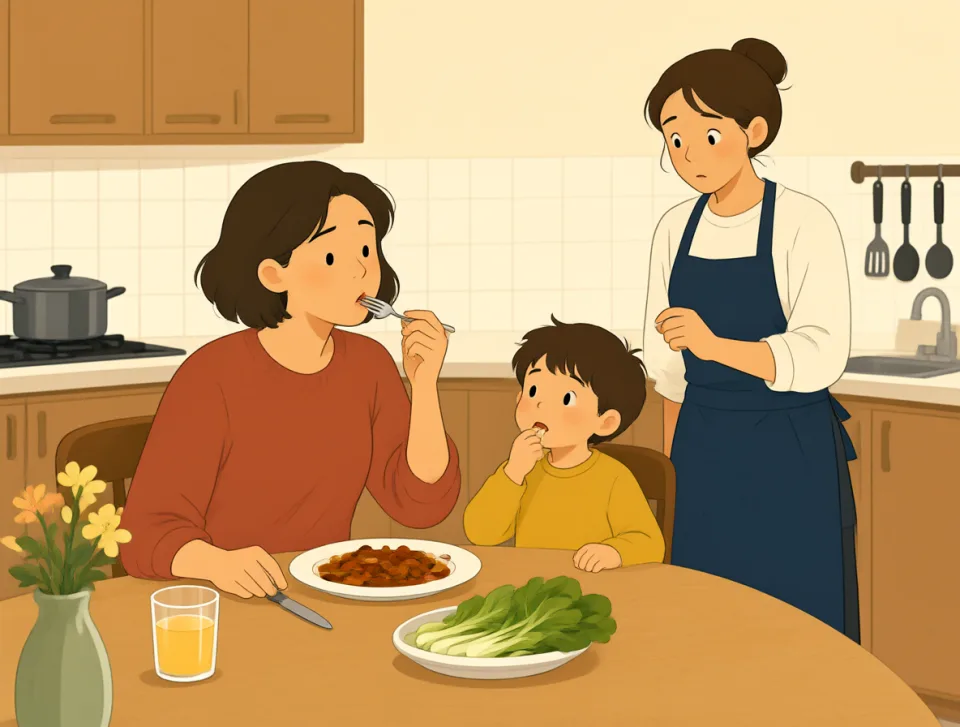
My brother is a harsh critic of my cooking.
Мой брат очень строго оценивает мою стряпню.

The art critic studied the painting carefully before speaking.
Прежде чем высказаться, художественный критик внимательно изучил картину.
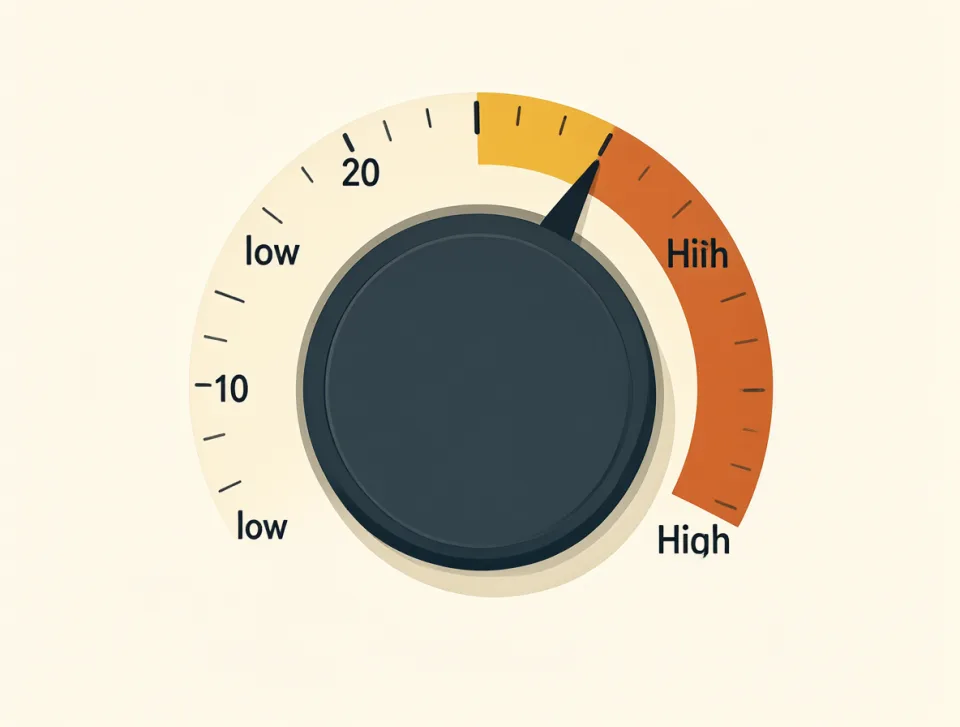
variable
#1779noun, adjective
переменная
A variable is something that can change, or a value that changes in a situation.
Переменная — это то, что может изменяться, или величина, которая меняется в определённой ситуации.

The weather is a variable we cannot control.
Погода — это переменная, которую мы не можем контролировать.

The price of the meal depends on several variables.
Цена обеда зависит от нескольких переменных.
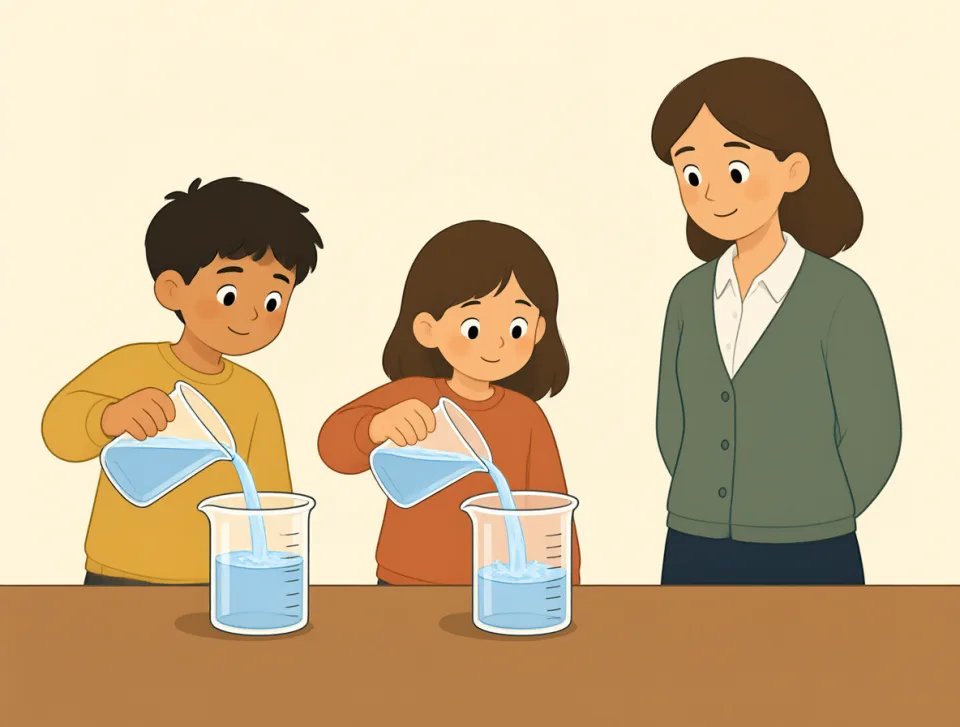
The teacher changed one variable during the science experiment.
Во время научного эксперимента учитель изменил одну переменную.

Variable work hours make it hard to plan childcare.
Из-за переменного графика работы трудно планировать уход за детьми.

The patient’s variable heart rate worried the doctor.
Переменчивый пульс пациента обеспокоил врача.

enormous
#1780adjective
огромный
Very large in size, amount, or degree.
Очень большой по размеру, количеству или степени.

They live in an enormous house near the park.
Они живут в огромном доме рядом с парком.

The supermarket has an enormous selection of fresh vegetables.
В супермаркете огромный выбор свежих овощей.

An enormous crowd waited outside the stadium.
У стадиона ждала огромная толпа.

We saw an enormous whale during our boat trip.
Во время прогулки на лодке мы увидели огромного кита.
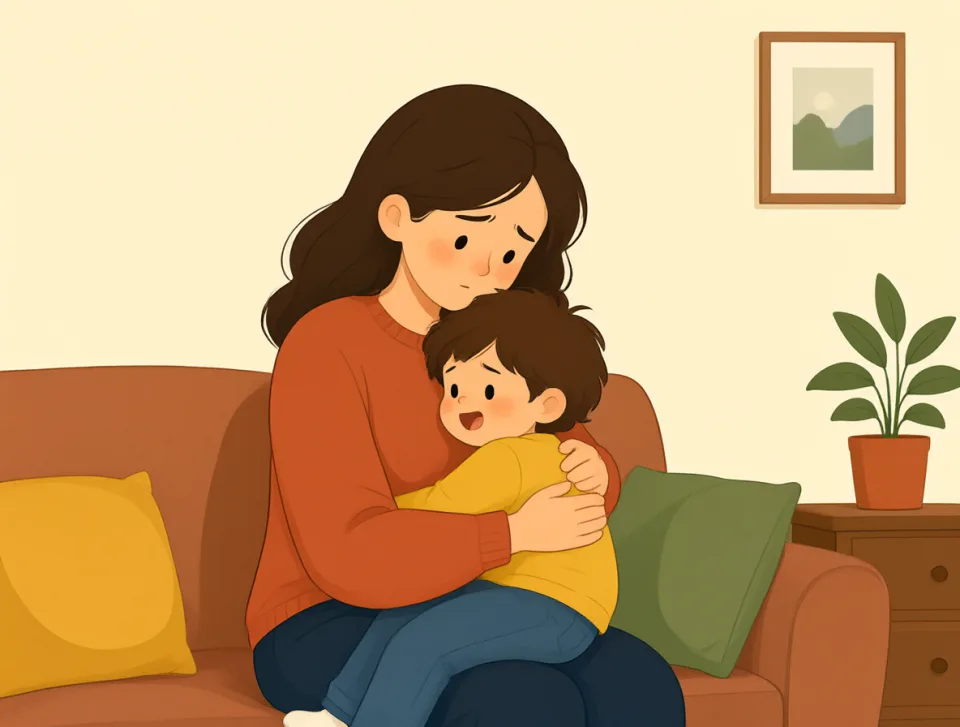
She felt enormous relief when her lost child came home.
Она испытала огромное облегчение, когда её потерявшийся ребёнок вернулся домой.