單元 89
單字 1761–1780 · medicine, professor, rare, intention, dozen, settlement
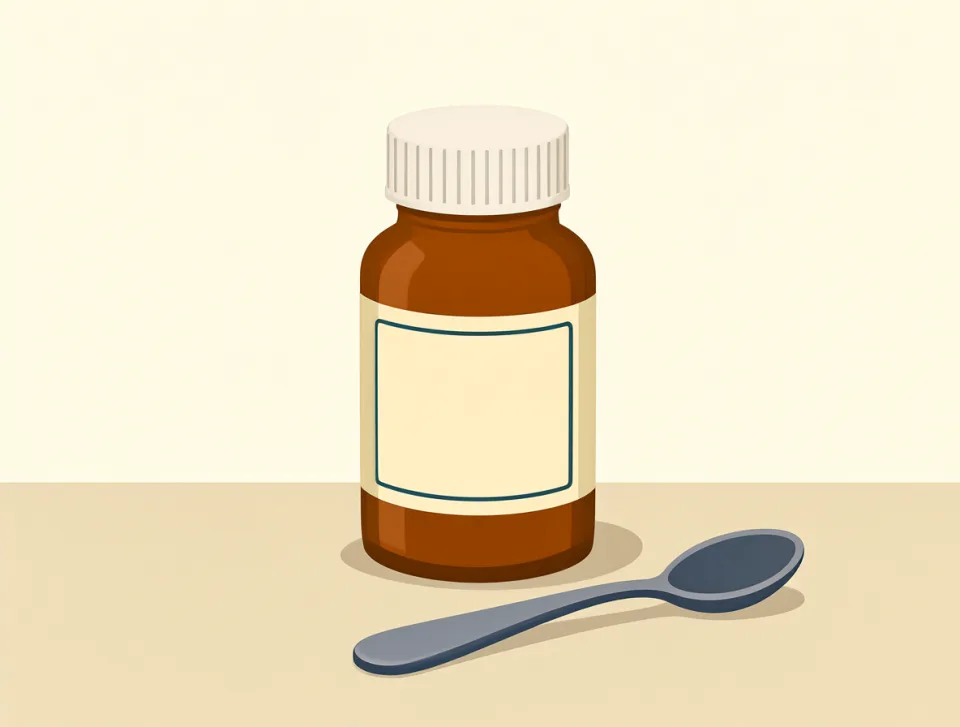
medicine
#1761noun
藥;藥物
A substance or treatment used to prevent or cure illness.
用於預防或治療疾病的物質或療法。
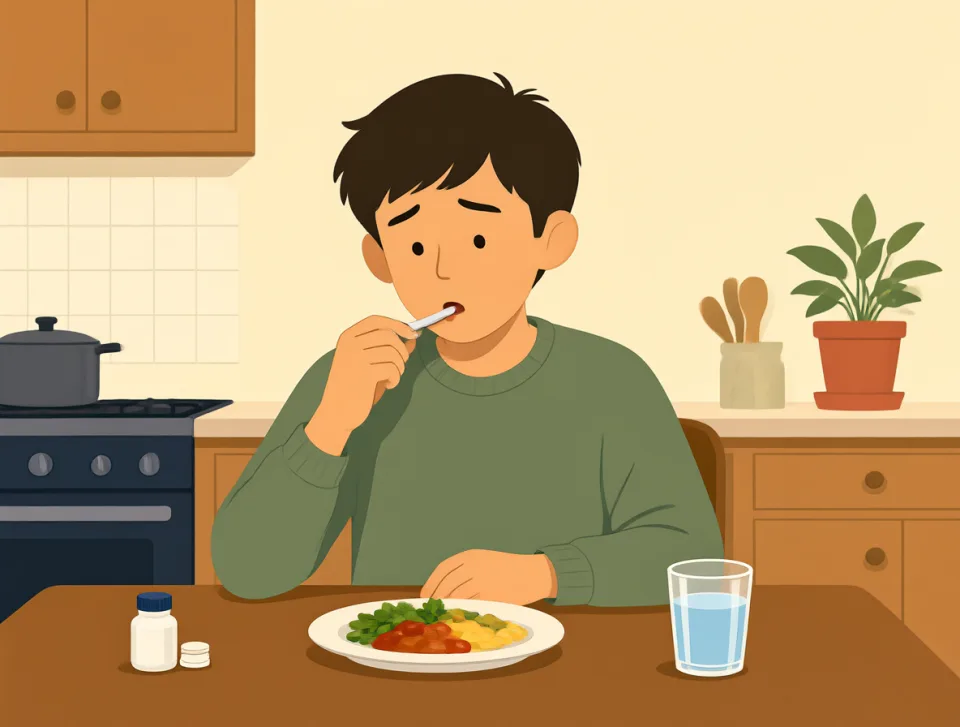
Take this medicine twice a day after meals.
每天飯後服用這種藥兩次。
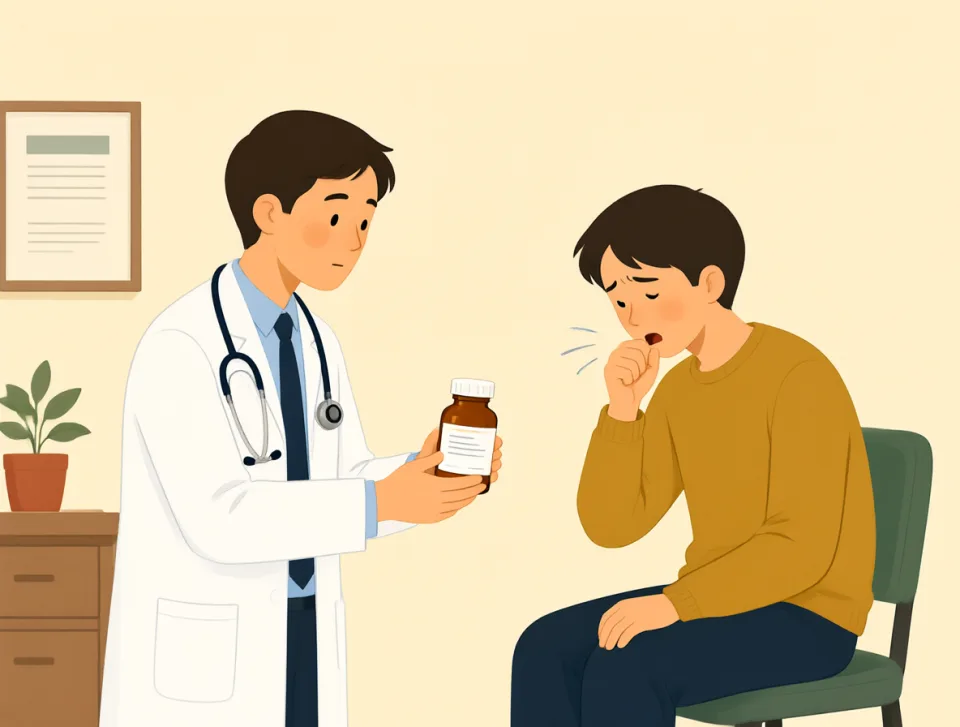
The doctor gave me some medicine for my cough.
醫生給了我一些治咳嗽的藥。
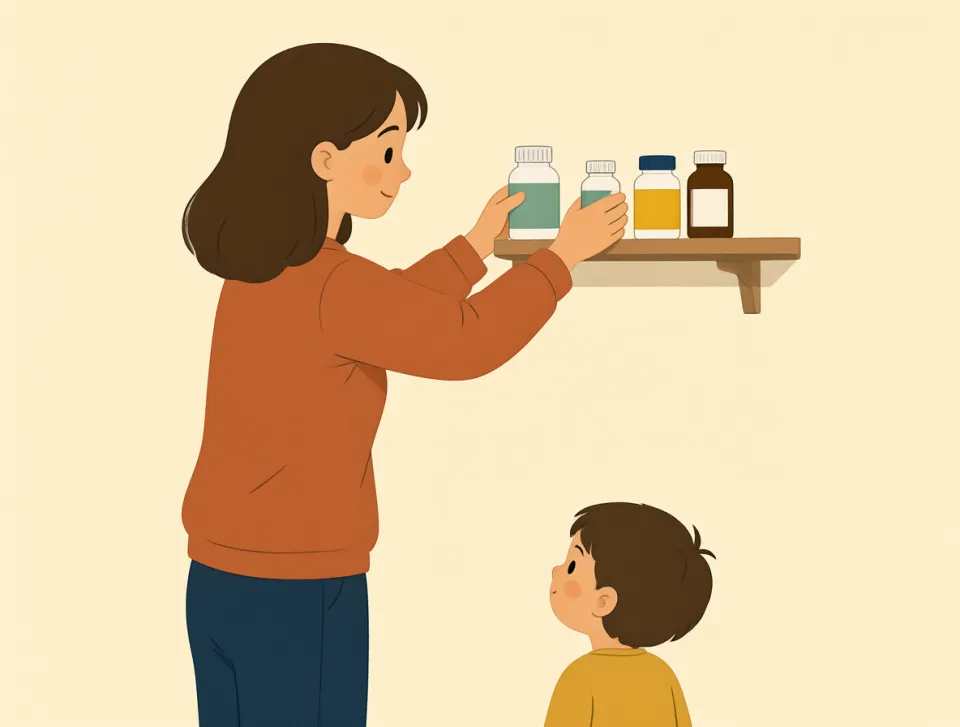
Keep all medicines out of reach of young children.
把所有藥物放在幼兒夠不到的地方。
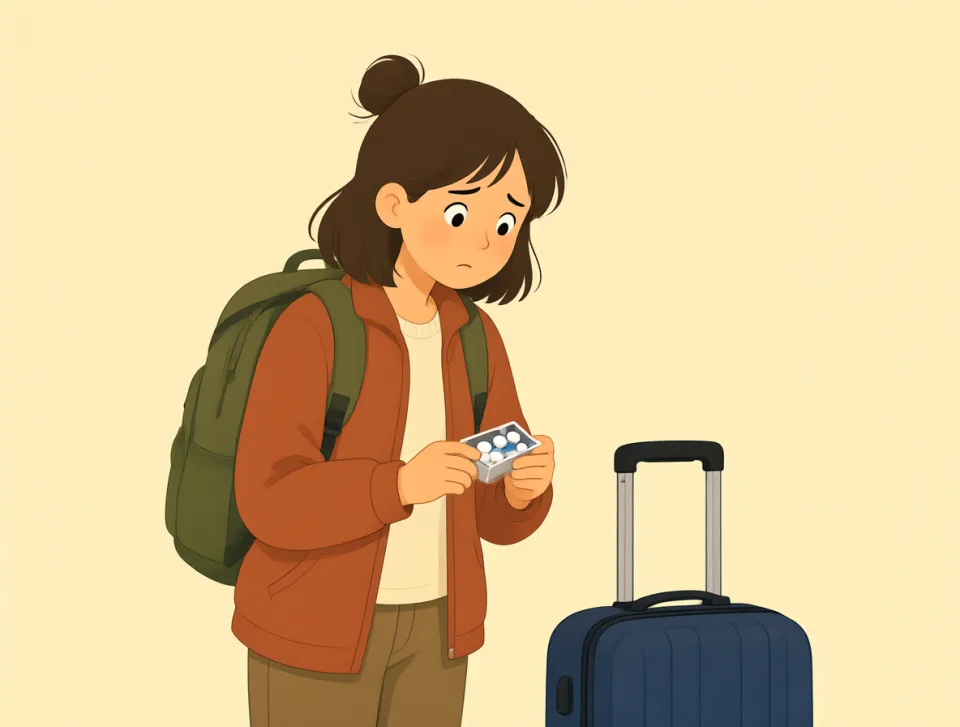
I forgot my medicine when we left for the airport.
我們出發去機場時,我忘了帶藥。

This herbal medicine tastes bitter, but it helps my stomach.
這種草藥味道很苦,但對我的胃有幫助。

professor
#1762noun
教授
a teacher at a university or college
在大學或學院任教的教師

The professor explained the difficult science lesson clearly.
教授清楚地講解了這節難懂的科學課。
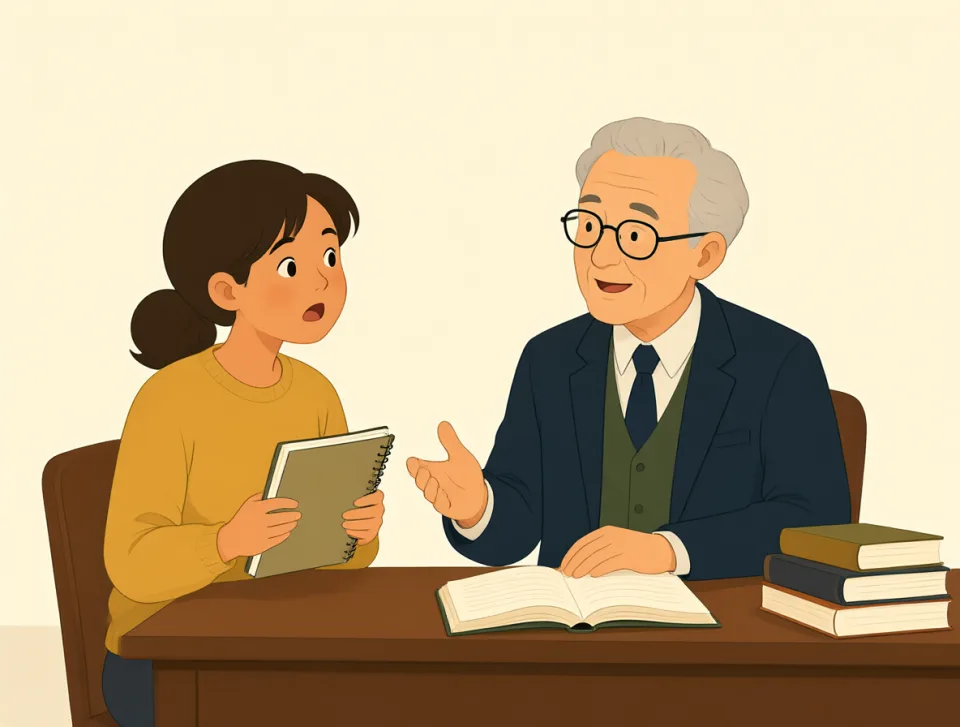
I asked my professor for help with my homework.
我向教授請教作業上的問題。
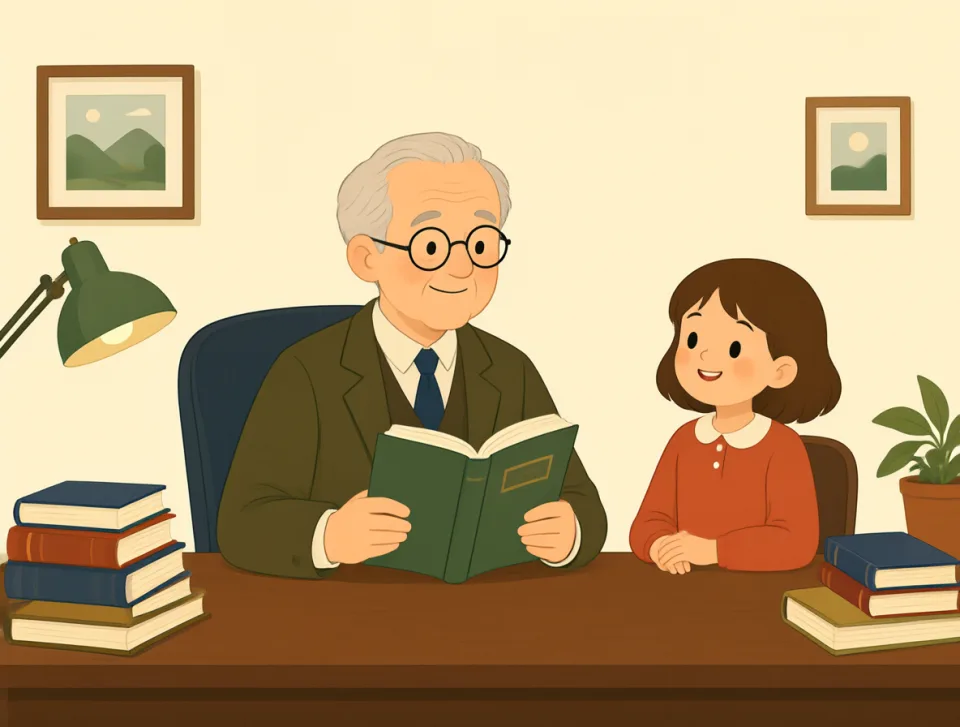
Her father is a history professor at the local university.
她父親是當地大學的歷史學教授。

The professor gave us useful advice before the exam.
考試前,教授給了我們一些有用的建議。
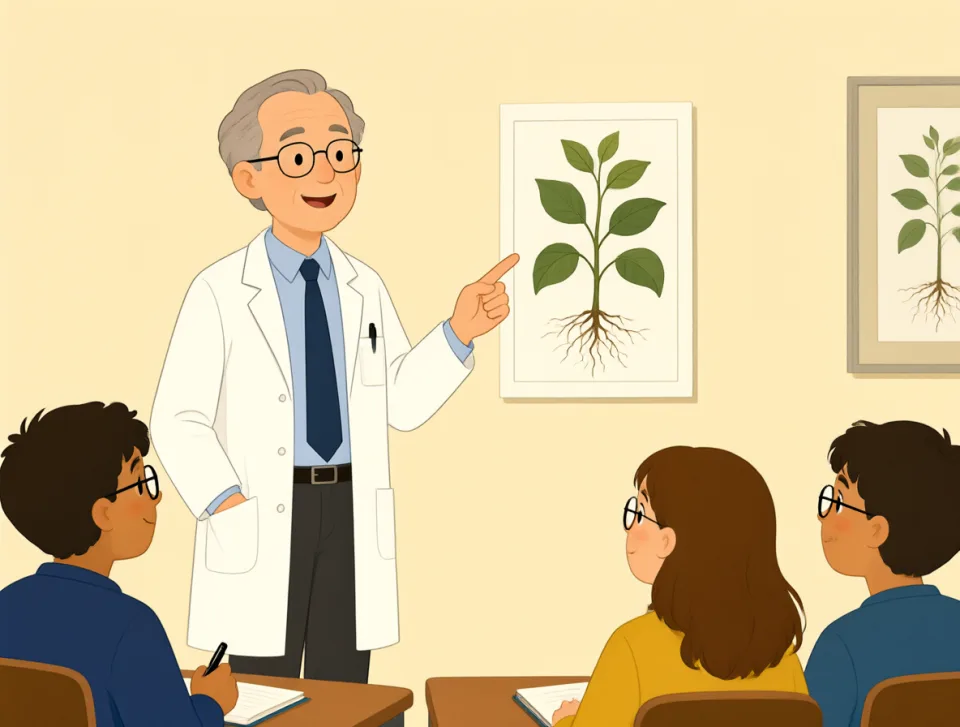
Professor Lee is teaching our biology class this term.
李教授這學期在教我們的生物課。

rare
#1763adjective, adverb
稀有的;罕見的;少見的;很少
Not common or not often found, seen, or happening.
不常見,或不經常被發現、看到或發生的。

It is rare to see snow in this warm city.
在這座溫暖的城市裡,很少能看到雪。

This shop sells rare books from around the world.
這家店出售來自世界各地的珍稀書籍。

We saw a rare bird during our walk in the forest.
我們在森林裡散步時看到了一隻罕見的鳥。

Rare steak is still pink in the middle when served.
三分熟的牛排端上來時,中間仍然是粉紅色的。
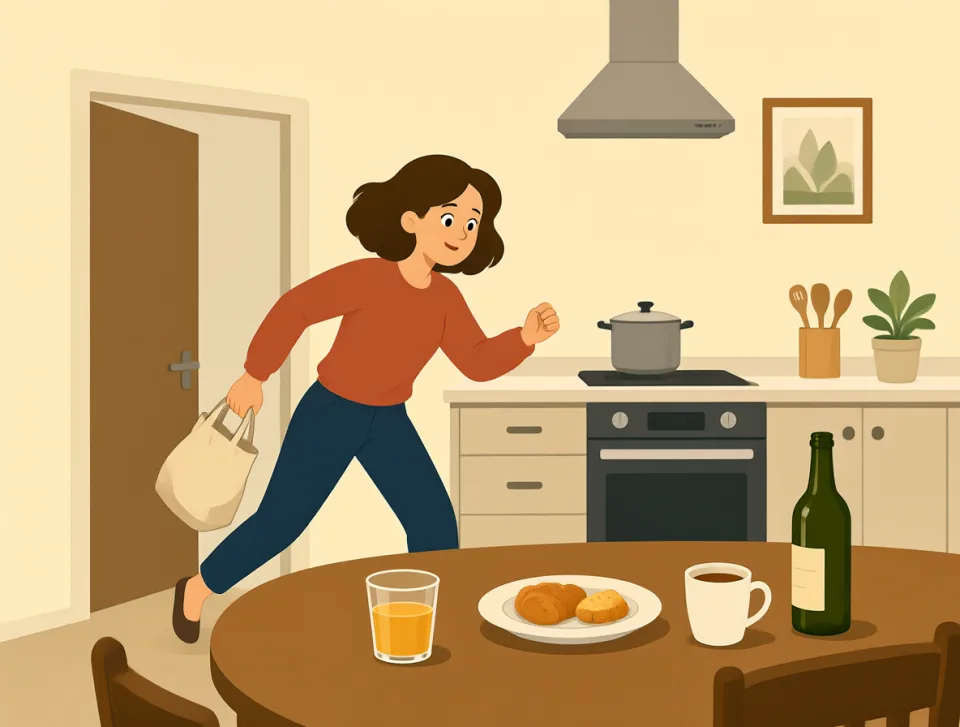
She rarely eats breakfast because she leaves home early.
她很少吃早餐,因為她很早就出門了。

intention
#1764noun
意圖;打算;目的
A plan or purpose that you have in your mind when you do something.
你做某件事時心裡懷有的計劃或目的。
I had no intention of staying late at work today.
我今天本來沒打算在公司待到很晚。

She made her intention to study medicine clear.
她明確表示自己打算學醫。

What was your intention when you bought so much food?
你買這麼多食物是出於什麼目的?

He apologized, saying he had no intention of hurting anyone.
他道歉說,自己並沒有傷害任何人的意圖。

The teacher explained the intention behind the class activity.
老師解釋了這項課堂活動的目的。
dozen
#1765noun, determiner
一打; 十二個
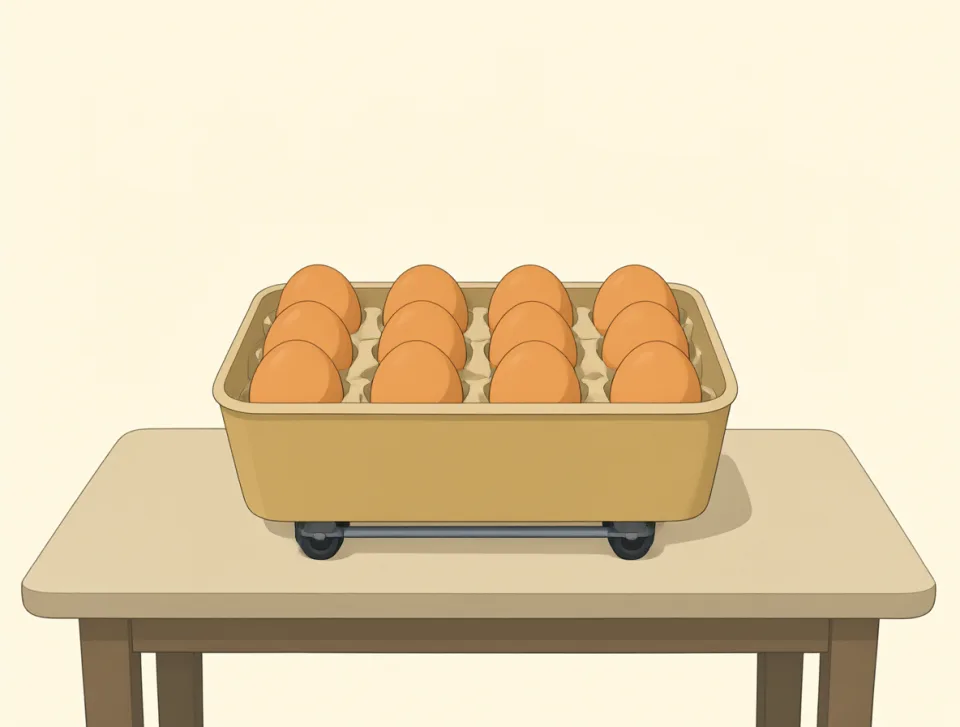
A group of twelve things or people.
一組十二個東西或人。
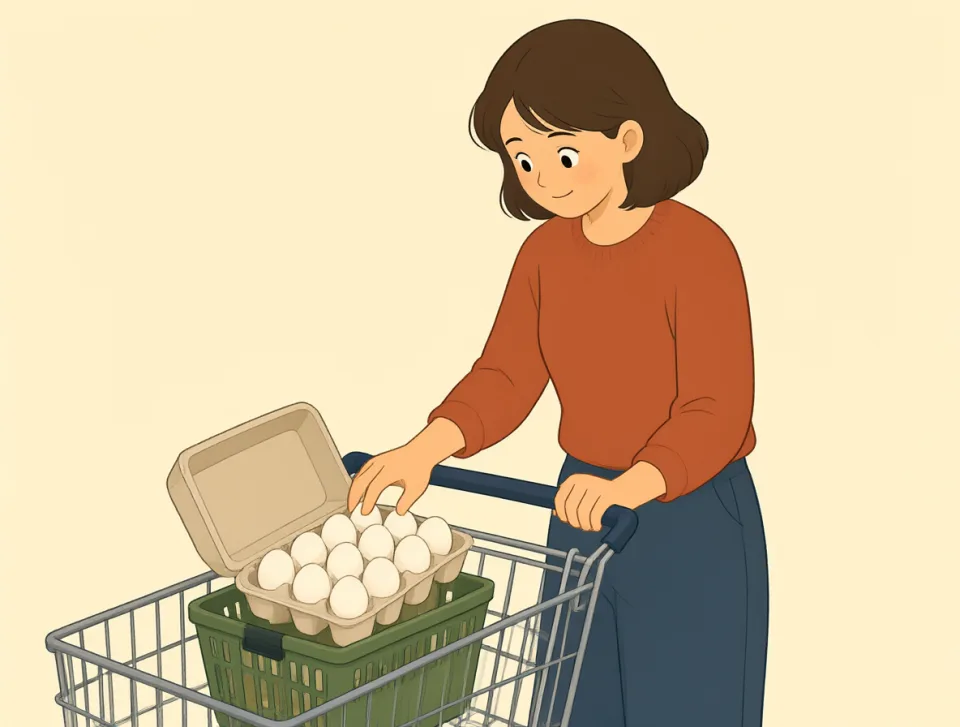
She bought a dozen eggs at the supermarket.
她在超市買了一打雞蛋。
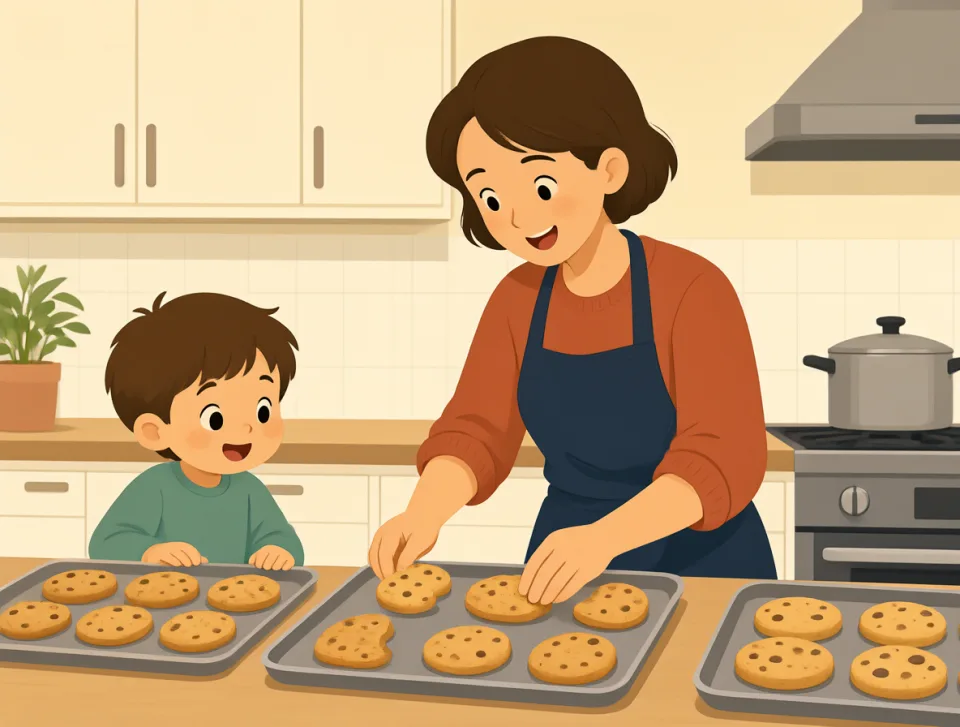
We need two dozen cookies for the school party.
學校聚會需要兩打餅乾。

There were a dozen people waiting for the bus.
有十幾個人在等公交車。

He sent his grandmother a dozen roses for her birthday.
他送給祖母一打玫瑰作為生日禮物。

The bakery sells fresh bread by the dozen.
這家麵包店按打出售新鮮麵包。

settlement
#1766noun
和解;賠償金
an agreement that ends a disagreement or pays money owed
結束爭議或償還欠款的協議

The two companies reached a settlement after months of talks.
經過數月談判,兩家公司達成了和解。

She received a settlement after slipping in the store.
她在商店滑倒後獲得了賠償。
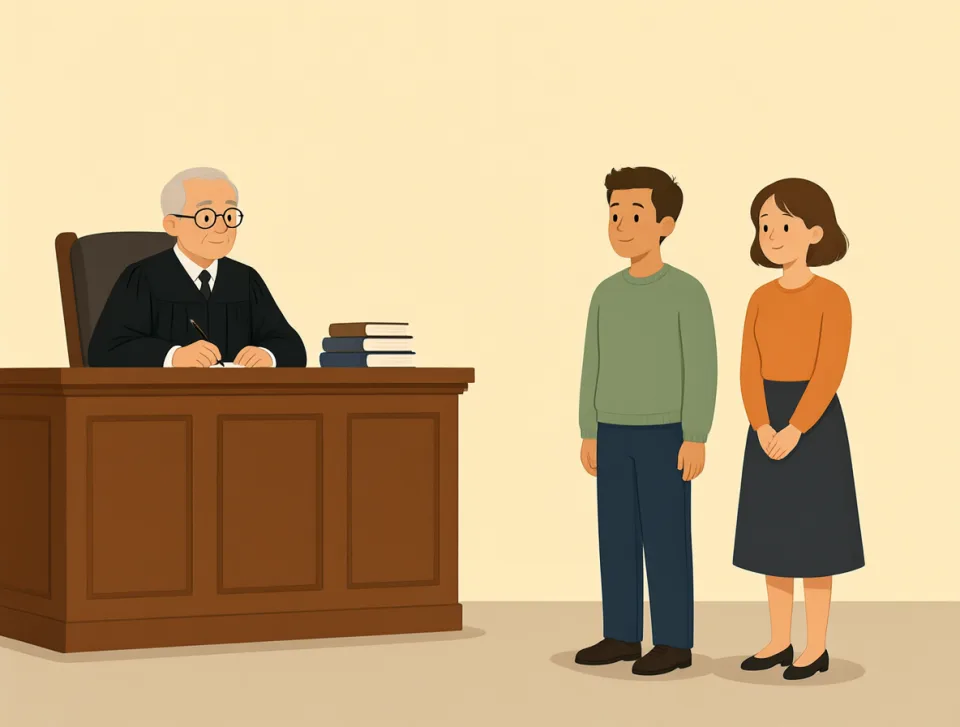
The court approved a settlement between the neighbors.
法院批准了鄰居之間的和解協議。

They made a settlement with the bank to repay the loan.
他們與銀行達成協議,償還貸款。

The family found a peaceful settlement to their argument.
這家人找到了和平解決爭吵的辦法。

gap
#1767noun, verb
空隙;間隔;間斷;缺口
An empty space between two things, or a missing part of something.
兩個東西之間的空隙,或某個東西缺失的部分。

There is a small gap under the door.
門底下有一道小縫。
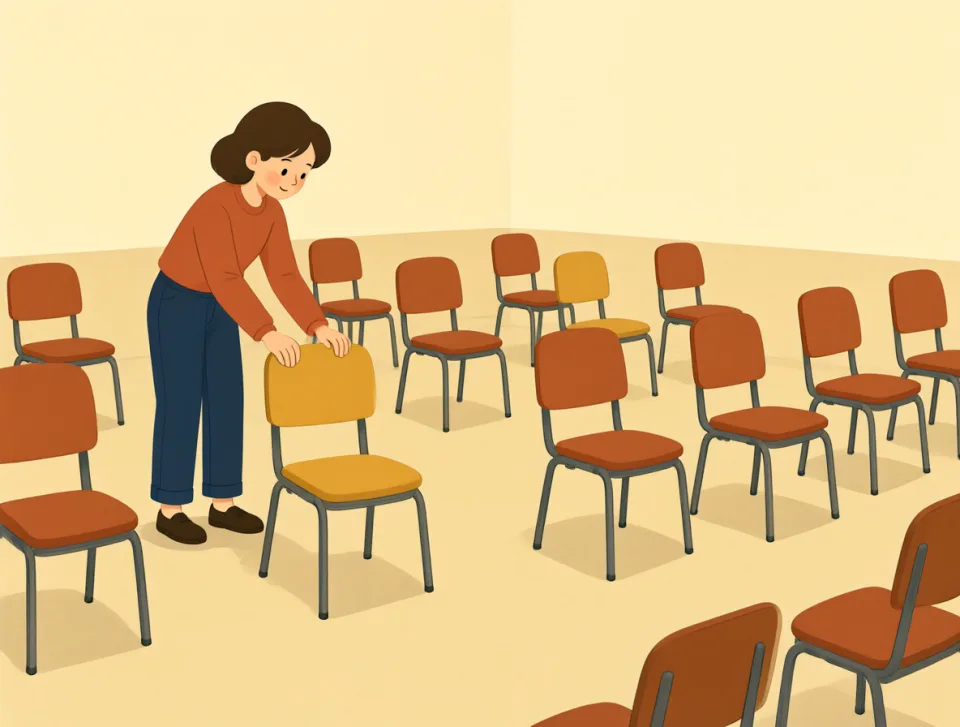
Please leave a gap between the chairs.
椅子之間請留出空隙。

She took a year-long gap between school and university.
她中學畢業後、上大學前休息了一年。

We found a gap in the fence and climbed through.
我們在柵欄上發現了一個缺口,便從那裡爬了過去。

The dentist found a gap between my front teeth.
牙醫發現我的兩顆門牙之間有條縫。

widely
#1768adverb
廣泛地;普遍地;到處
In many places, by many people, or over a large area.
在許多地方、被許多人,或在很大的範圍內。
This book is widely available in local shops.
這本書在當地商店裡隨處都能買到。

English is widely spoken in many countries.
許多國家的人都廣泛使用英語。

The new restaurant is widely known for its fresh seafood.
這家新餐廳因新鮮的海鮮而廣為人知。

This treatment is widely used to help people with headaches.
這種療法被廣泛用於緩解頭痛。

The teacher's video was widely shared by her students.
老師的影片被她的學生們廣泛轉發。
minimum
#1769noun, adjective
最小值;最低限度
The smallest amount or number that is possible or allowed.
可能達到或允許的最小數量或數目。
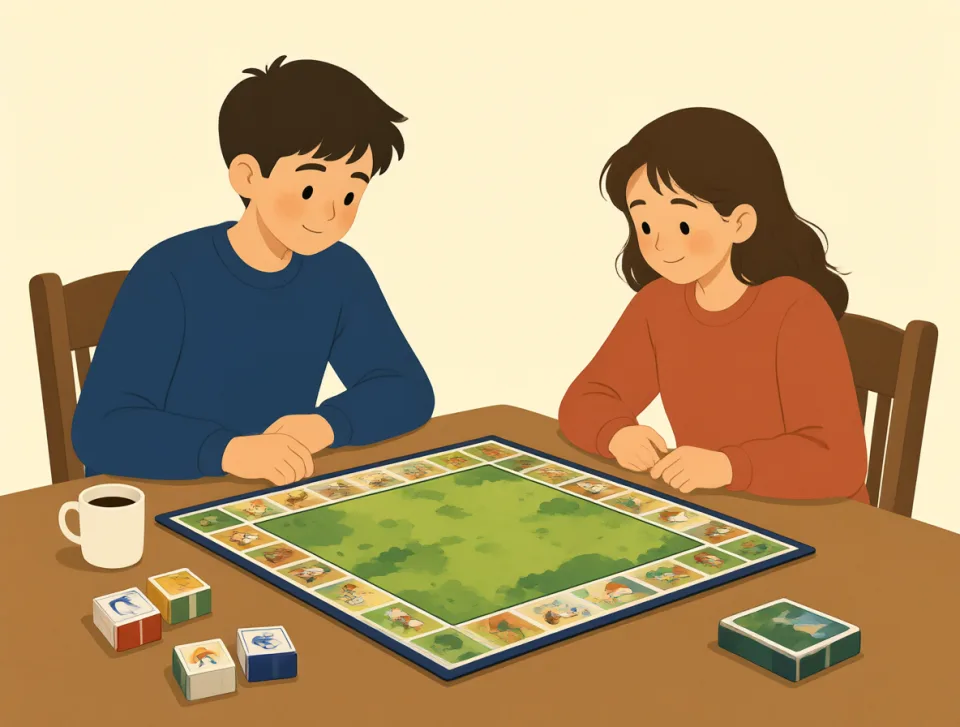
You need a minimum of two people for this game.
這個遊戲至少需要兩個人。

The hotel requires a minimum stay of three nights.
這家酒店要求至少住三晚。
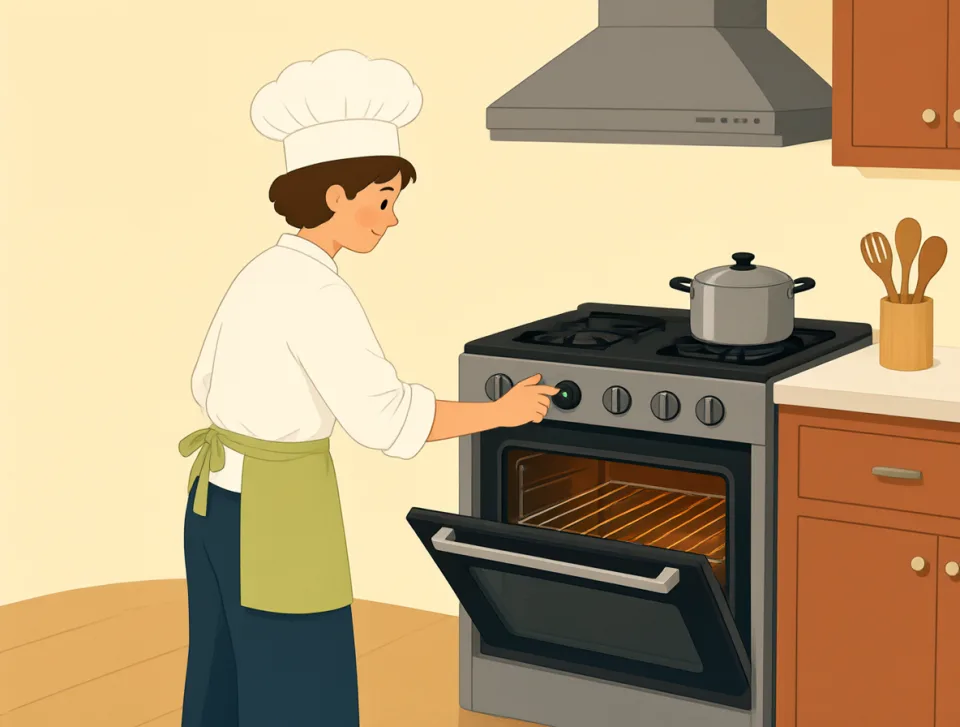
Please keep the oven at a minimum temperature of 180 degrees.
請將烤箱溫度保持在至少180度。
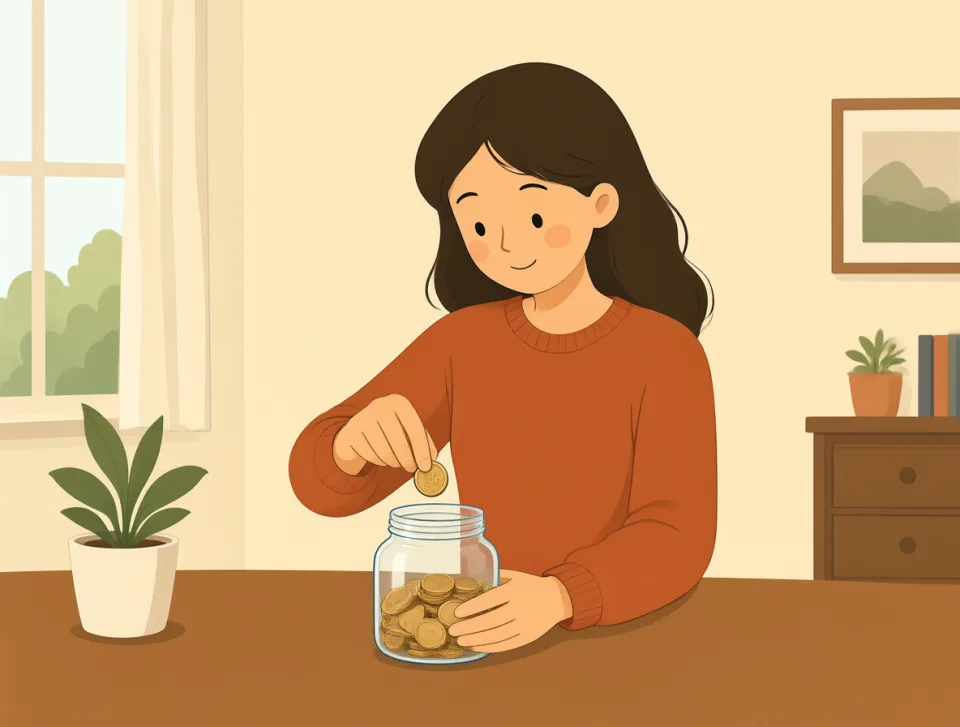
She saves a minimum amount of money from every paycheck.
她每次領工資都會存下一筆最低限度的錢。

The doctor told him to get a minimum of seven hours' sleep.
醫生告訴他每天至少要睡七個小時。

northern
#1770adjective
北方的;北部的
of or in the north part of a place or country
屬於某個地方或國家北部的,或位於其北部的

We drove through northern France during our summer holiday.
暑假期間,我們開車穿過了法國北部。

Northern winters are usually colder and darker than southern ones.
北方的冬天通常比南方更冷,天也更陰暗。

My cousin lives in a small northern town near the sea.
我表哥住在海邊一座北方的小鎮上。
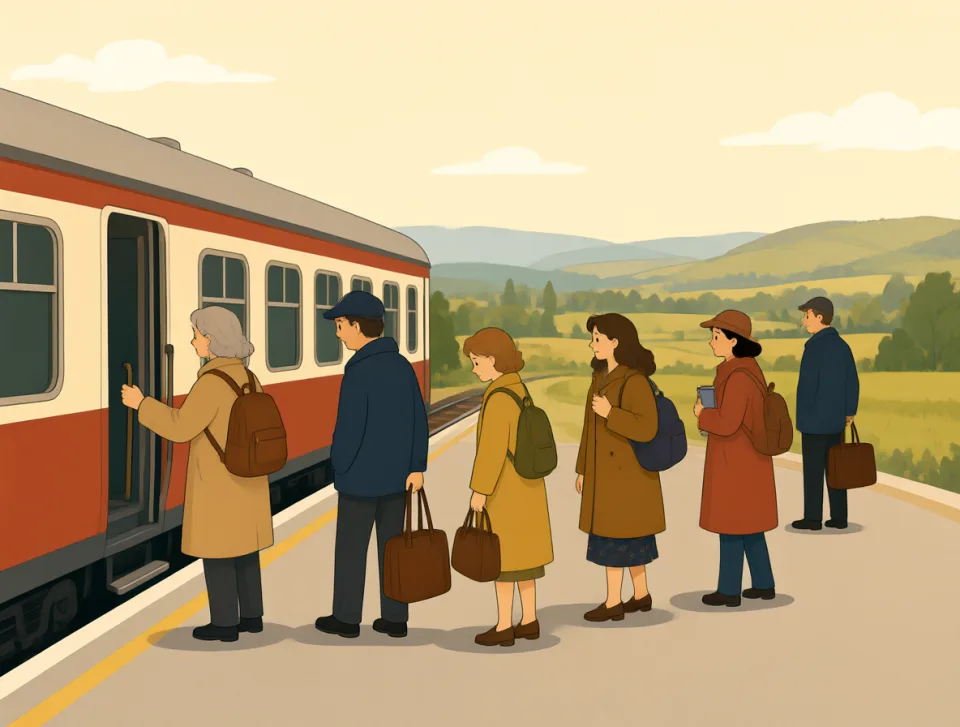
The train leaves for northern England at eight tomorrow morning.
明天早上八點,這趟列車開往英格蘭北部。
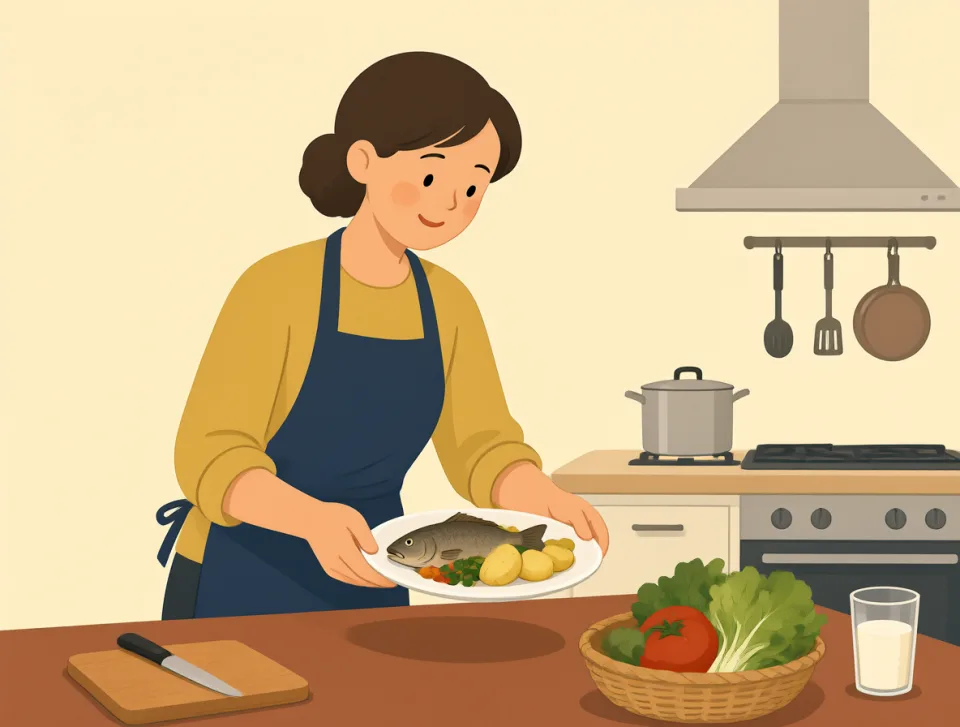
Northern fish are often served with potatoes and fresh vegetables.
北方的魚類菜餚通常會搭配土豆和新鮮蔬菜。

estate
#1771noun
莊園;遺產
A large house and the land around it, or all of someone’s property after death.
一座大房子及其周圍的土地,或某人去世後留下的全部財產。

They bought a beautiful estate in the countryside.
他們在鄉下買了一座漂亮的莊園。

The estate includes a garden, a stable, and a small lake.
這座莊園裡有一座花園、一個馬廄和一個小湖。

She works for a real estate company in the city.
她在市裡的一家房地產公司工作。

His estate was divided among his three children.
他的遺產由三個孩子平分。

The museum is located on the old royal estate.
這座博物館坐落在古老的王室莊園裡。
equally
#1772adverb
同樣地;平均地;平等地
in the same amount, degree, or way as someone or something else
以與別人或別的事物相同的數量、程度或方式
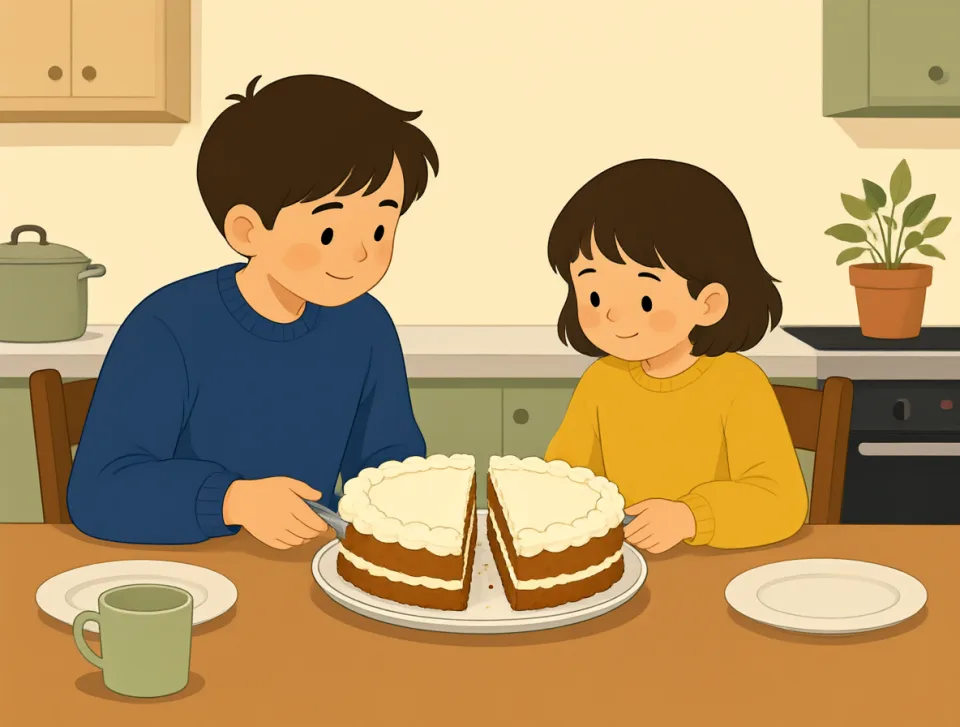
The two children shared the cake equally.
兩個孩子平分了蛋糕。

Both teams played equally well during the final match.
兩支球隊在決賽中都發揮得同樣出色。

Please divide the work equally between the four students.
請把這項工作平均分給四名學生。

The hotel is equally popular with families and business travelers.
這個酒店同樣受到家庭遊客和商務旅行者的歡迎。

These shoes are equally comfortable, so choose your favorite color.
這兩雙鞋穿起來一樣舒服,所以選你喜歡的顏色吧。

expose
#1773verb
揭露;暴露
to show something hidden or normally kept secret
揭示隱藏的或通常保密的事情

The report exposed serious problems in the company.
這份報告揭露了公司存在的嚴重問題。
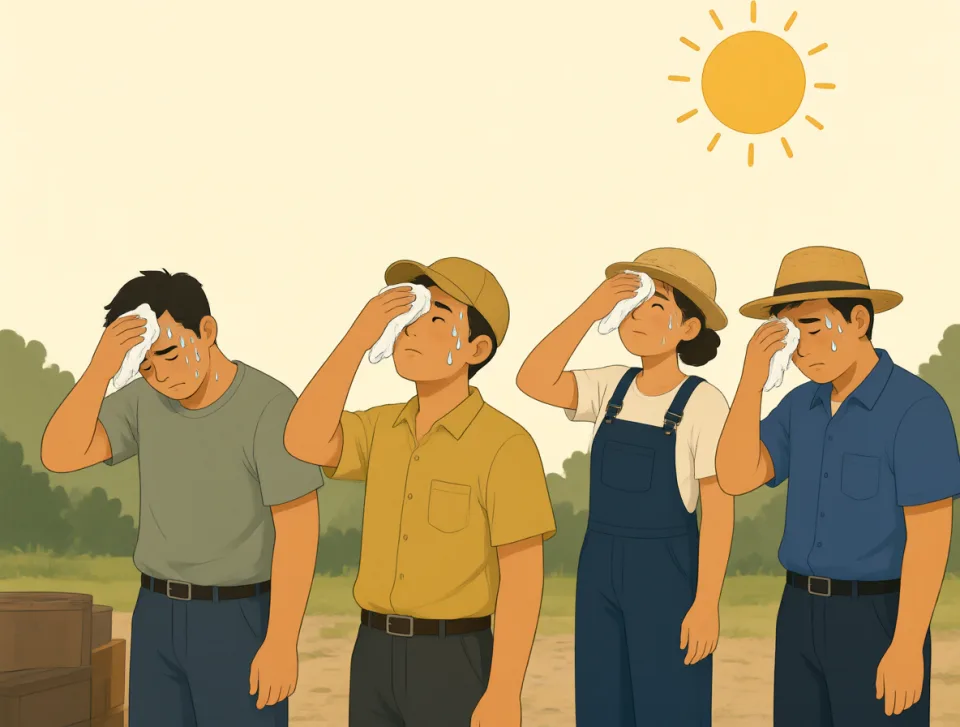
The hot sun exposed the workers to dangerous heat.
炎熱的陽光使工人暴露在危險的高溫下。

The investigation exposed the truth about the stolen money.
調查揭露了被盜錢款背後的真相。
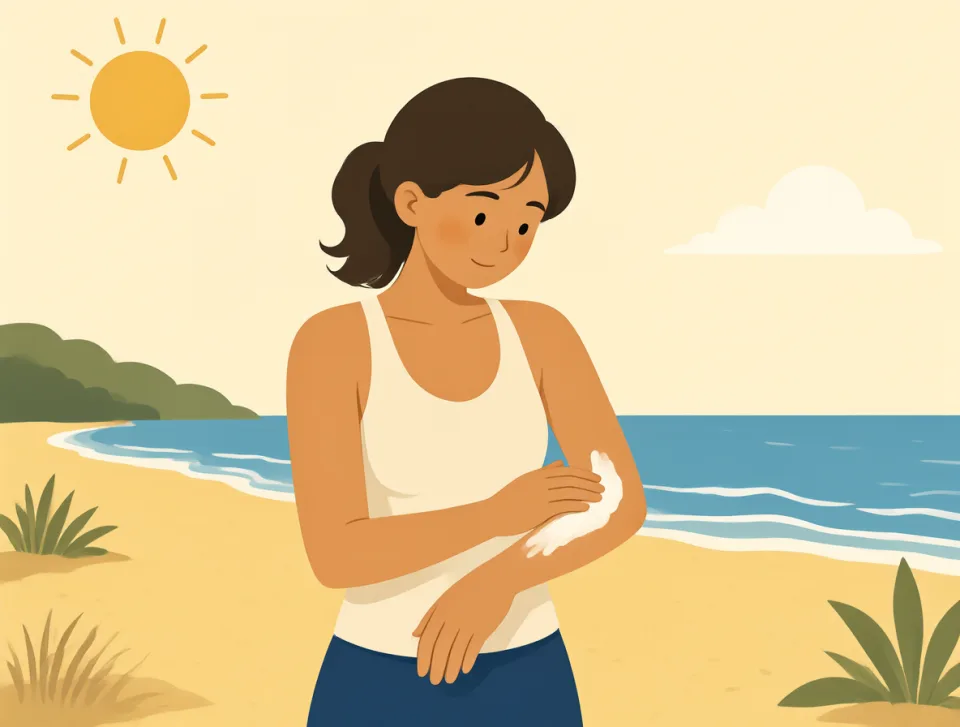
Wear sunscreen to protect your skin from being exposed to sunlight.
塗防曬霜,保護皮膚免受陽光照射。
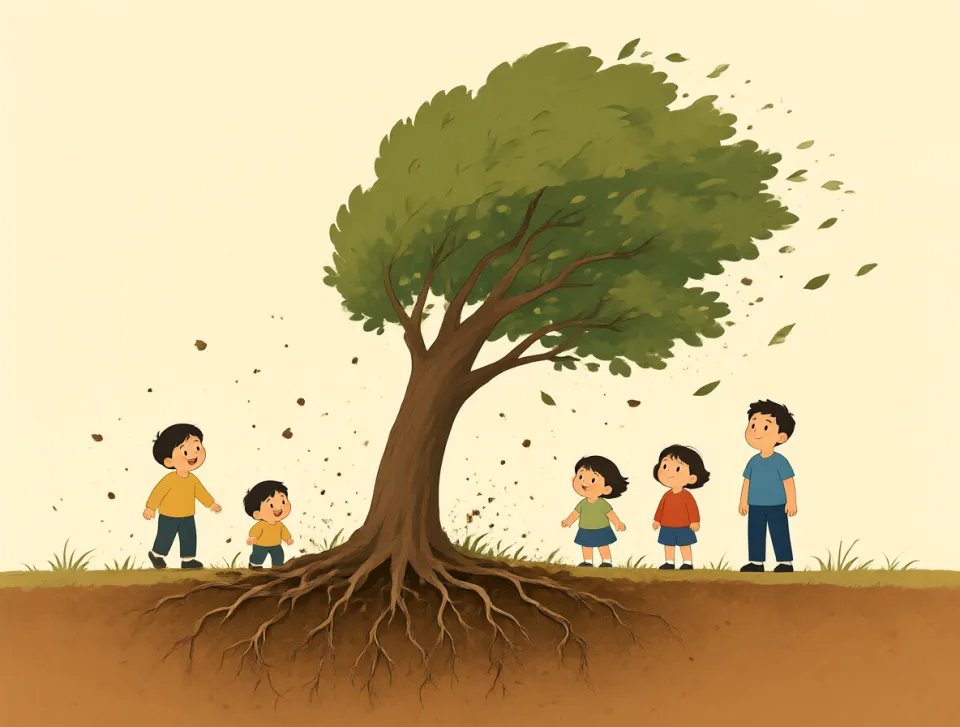
The wind exposed the roots of the old tree.
風吹開了那棵老樹的樹根。

alive
#1774adjective
活著的;有生命的;生動的
Living, breathing, and not dead.
活著的、在呼吸的,沒有死亡的。

The fish is still alive in the bowl.
碗裡的魚還活著。

The doctor said my grandfather was lucky to be alive.
醫生說,我爺爺還活著真是幸運。

Keep the plants alive by watering them every morning.
每天早上給植物澆水,讓它們活下去。

The concert comes alive when the band starts playing.
樂隊開始演奏時,音樂會現場就熱鬧起來了。

We saw a live monkey during our trip to the zoo.
我們去動物園時看到了一隻活的猴子。
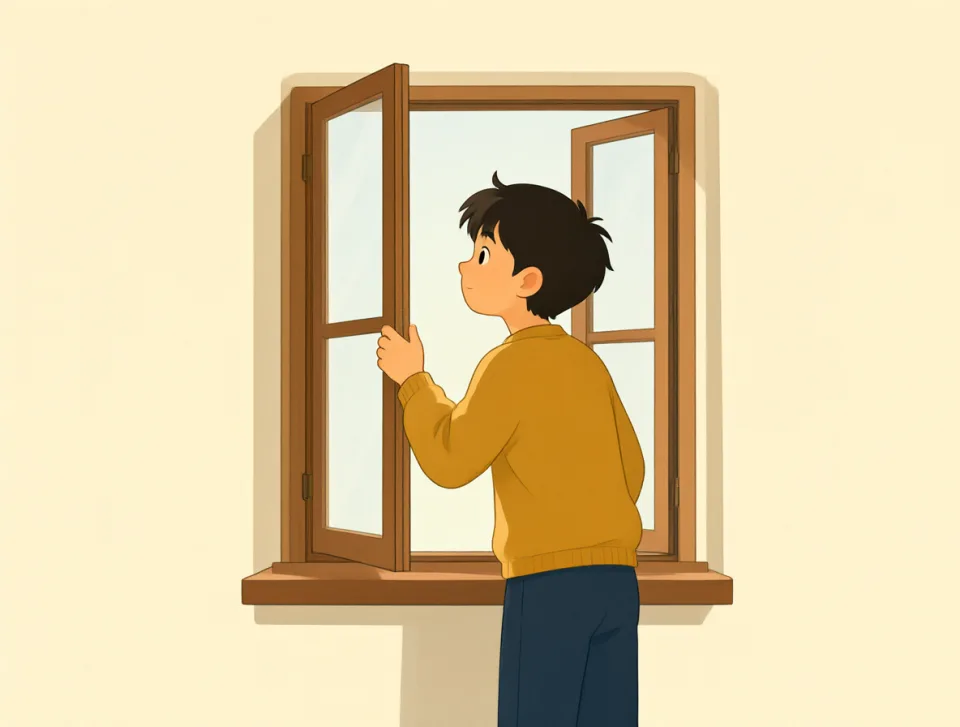
shut
#1775verb, adjective
關上;關閉;閉上
to close something, or to be closed and not open
把某物關上,或處於關著、沒有開啟的狀態
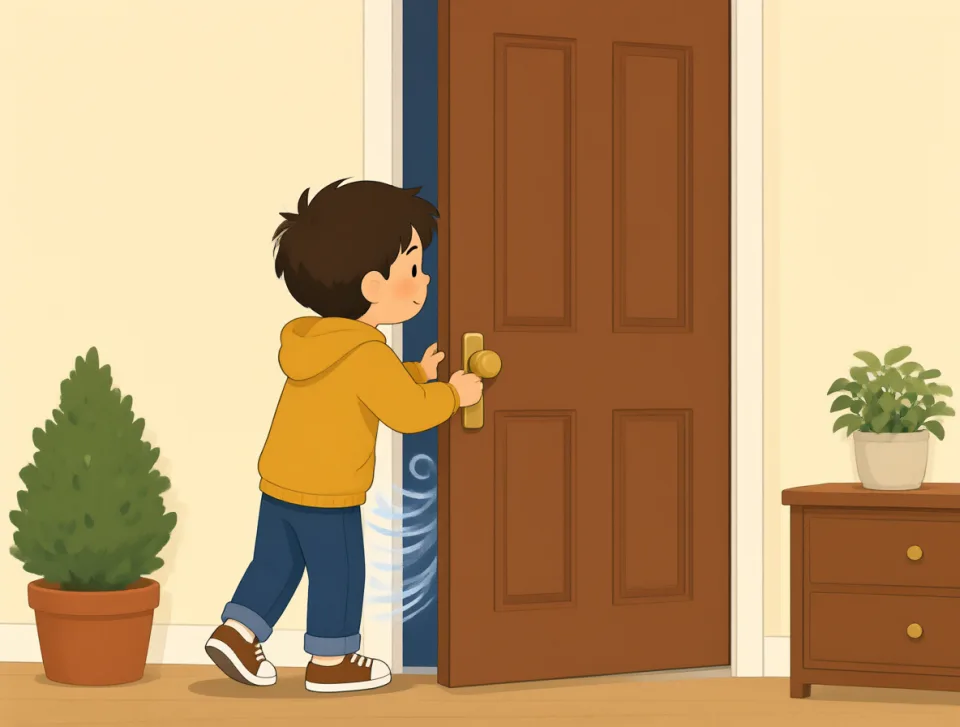
Please shut the door; it is cold outside.
請把門關上,外面很冷。
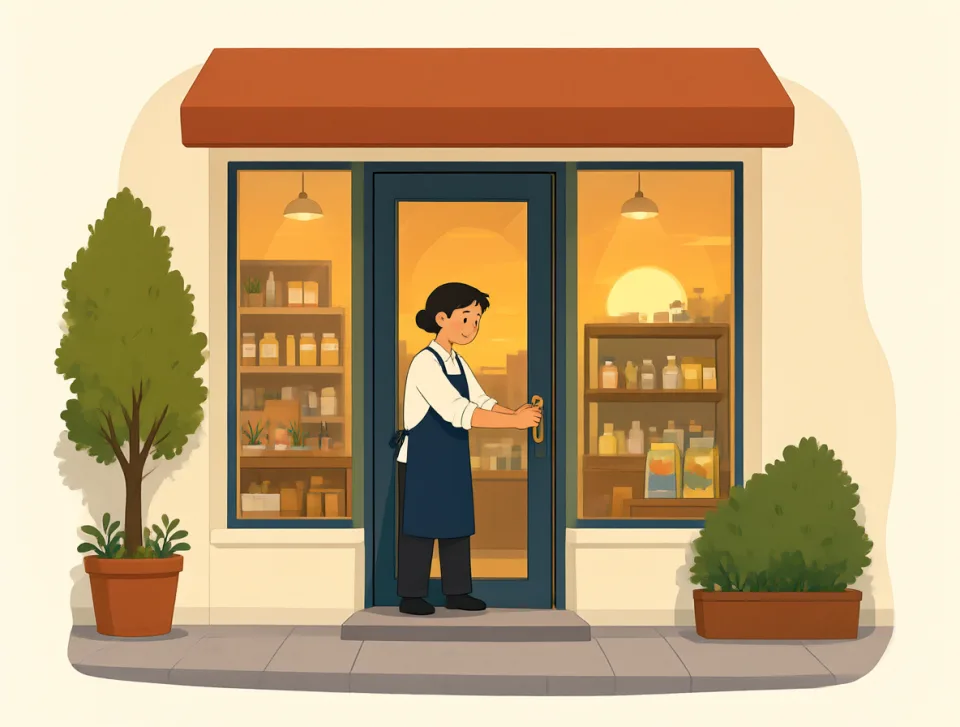
The shop shuts at six o'clock every evening.
這家商店每晚六點關門。
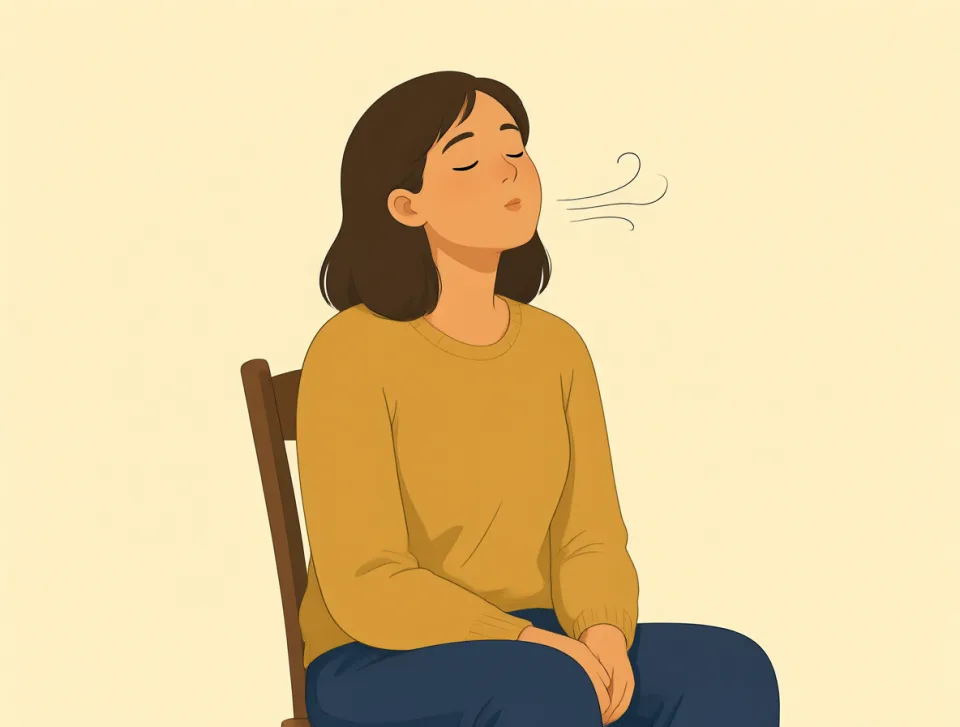
She shut her eyes and took a deep breath.
她閉上眼睛,深深地吸了一口氣。

The school was shut because of heavy snow.
由於大雪,學校停課了。

He shut the book and put it beside his bed.
他合上書,把它放在床邊。

victory
#1776noun
勝利;獲勝
Success in a game, competition, or struggle against someone or something.
在與某人或某事的比賽、競爭或鬥爭中取得成功。

The team celebrated their victory with pizza after the final match.
決賽結束後,隊員們用披薩慶祝勝利。
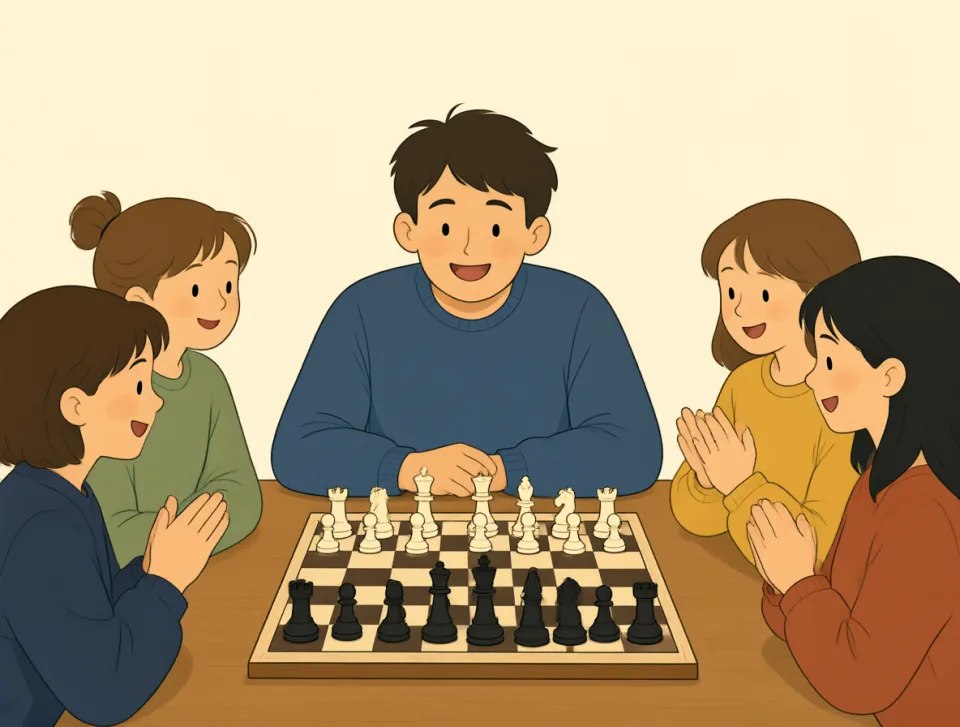
She won a clear victory in the school chess competition.
她在學校象棋比賽中取得了明顯的勝利。

The army returned home after a long and difficult victory.
經過一場漫長而艱難的勝利後,軍隊返回了家鄉。

His victory over illness gave the whole family hope.
他戰勝疾病,這讓全家人都燃起了希望。

Our team enjoyed a narrow victory in yesterday’s friendly game.
昨天的友誼賽中,我們隊險勝對手。

resolve
#1777verb, noun
解決;決定;下定決心
To solve a problem or make a firm decision after thinking carefully.
經過認真思考後解決問題或做出堅定的決定。

We need to resolve this problem before the meeting tomorrow.
我們得在明天開會前解決這個問題。

The hotel manager resolved our complaint quickly and politely.
酒店經理迅速而禮貌地處理了我們的投訴。
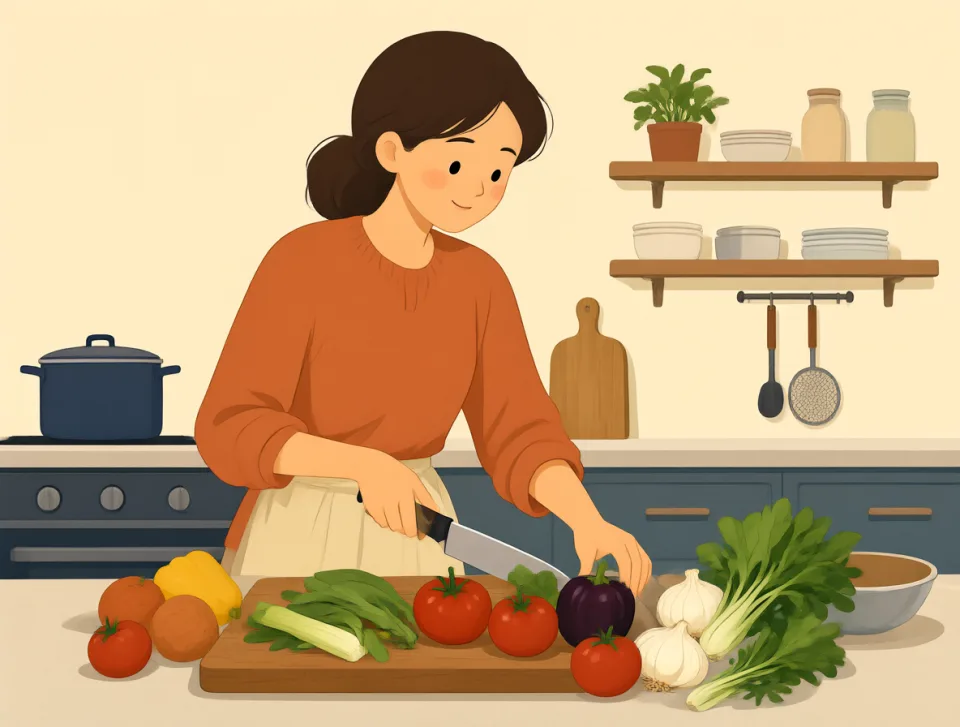
She resolved to eat healthier meals after her doctor’s advice.
聽從醫生的建議後,她決定吃得更健康。

The teacher helped resolve an argument between two students.
老師幫助調解了兩名學生之間的爭吵。

The conflict was finally resolved when both friends apologized.
兩位朋友互相道歉後,衝突終於解決了。

critic
#1778noun
評論家;批評家
A person who gives opinions about the quality of something, especially art, books, or films.
對某樣東西的質量發表看法的人,尤其是對藝術、書籍或電影發表意見的人。

The film critic praised the actors but disliked the ending.
這位影評人稱讚了演員的表現,但不喜歡結尾。

A food critic visited the new restaurant with two friends.
一位美食評論家和兩個朋友去了這家新餐廳。

The book critic wrote a positive review of her novel.
這位書評人為她的小說寫了一篇好評。
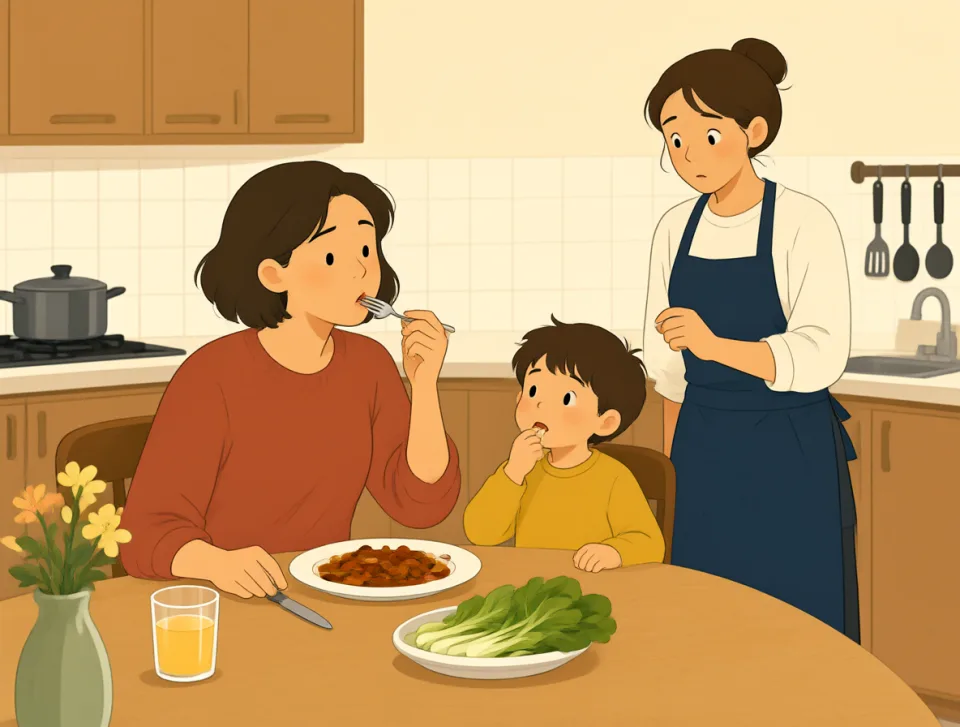
My brother is a harsh critic of my cooking.
我弟弟對我的廚藝很挑剔。

The art critic studied the painting carefully before speaking.
這位藝術評論家仔細端詳了那幅畫,然後才開口。
variable
#1779noun, adjective
變數;可變因素;多變的
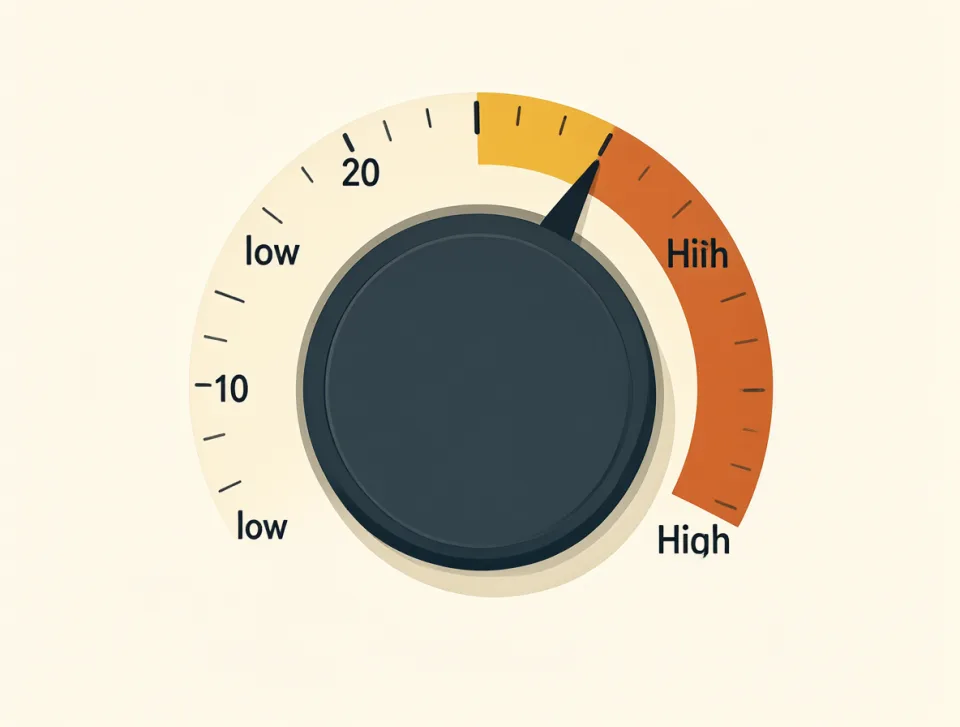
A variable is something that can change, or a value that changes in a situation.
變數是指可能發生變化的事物,或在某種情況下會變化的數值。

The weather is a variable we cannot control.
天氣是一個我們無法控制的變數。

The price of the meal depends on several variables.
這頓飯的價格取決於幾個變數。
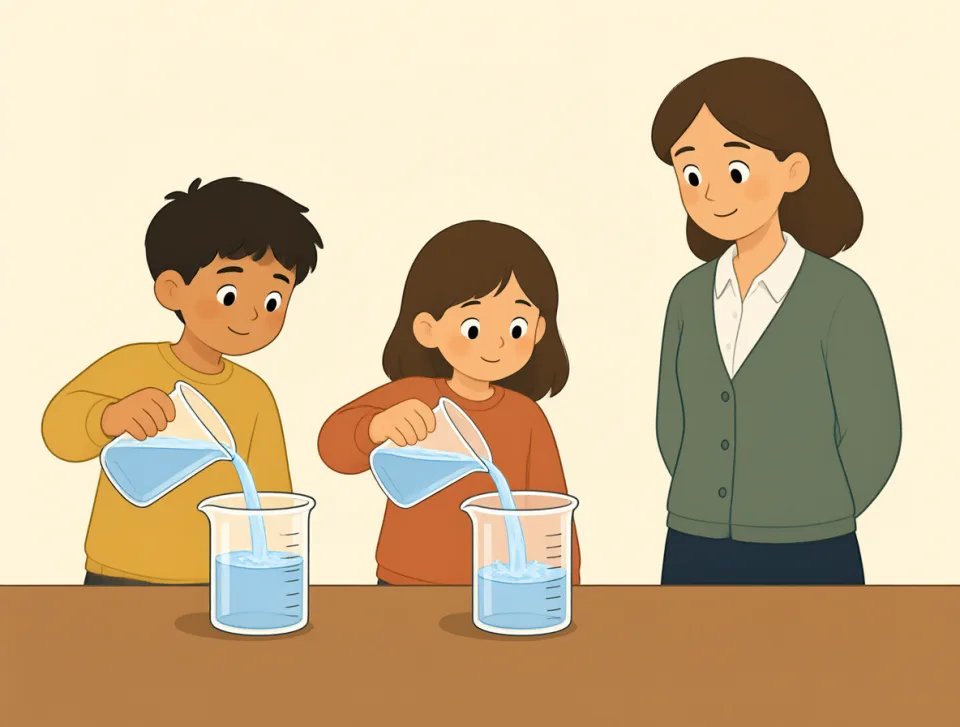
The teacher changed one variable during the science experiment.
科學實驗中,老師改變了一個變數。

Variable work hours make it hard to plan childcare.
工作時間不固定,很難安排托兒事宜。

The patient’s variable heart rate worried the doctor.
病人的心率時高時低,這讓醫生很擔心。

enormous
#1780adjective
巨大的;龐大的
Very large in size, amount, or degree.
在尺寸、數量或程度上非常大。

They live in an enormous house near the park.
他們住在公園附近一棟很大的房子裡。

The supermarket has an enormous selection of fresh vegetables.
這家超市有種類繁多的新鮮蔬菜。

An enormous crowd waited outside the stadium.
體育場外等候著一大群人。

We saw an enormous whale during our boat trip.
乘船旅行時,我們看到了一頭巨大的鯨魚。

She felt enormous relief when her lost child came home.
走失的孩子回家後,她如釋重負。