इकाई 89
शब्द 1761–1780 · medicine, professor, rare, intention, dozen, settlement
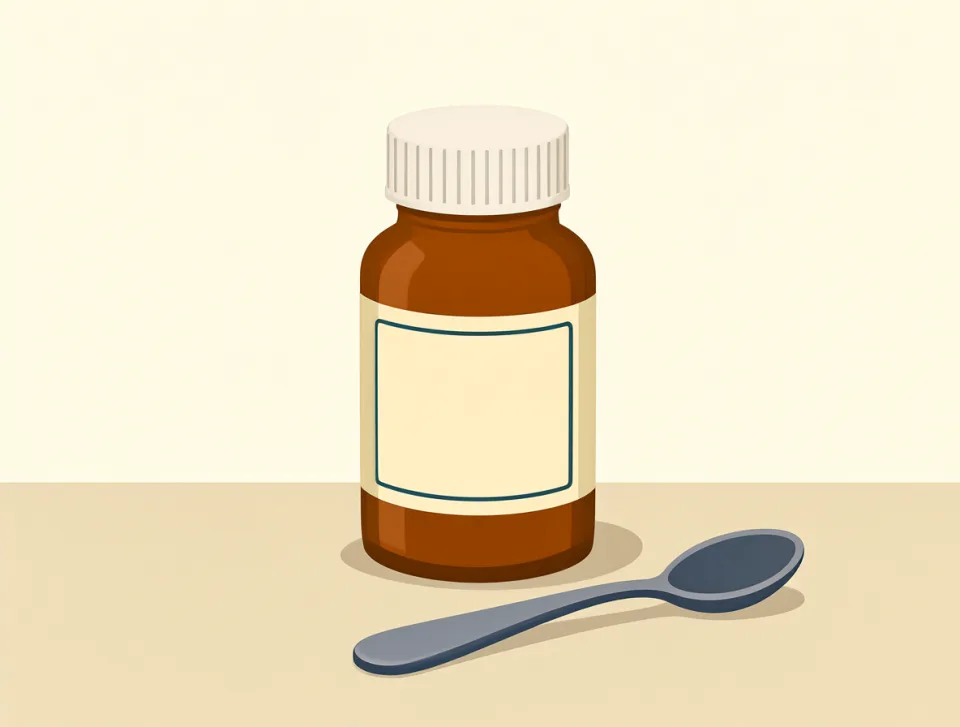
medicine
#1761noun
दवा
A substance or treatment used to prevent or cure illness.
बीमारी से बचाव या इलाज के लिए इस्तेमाल किया जाने वाला पदार्थ या उपचार।
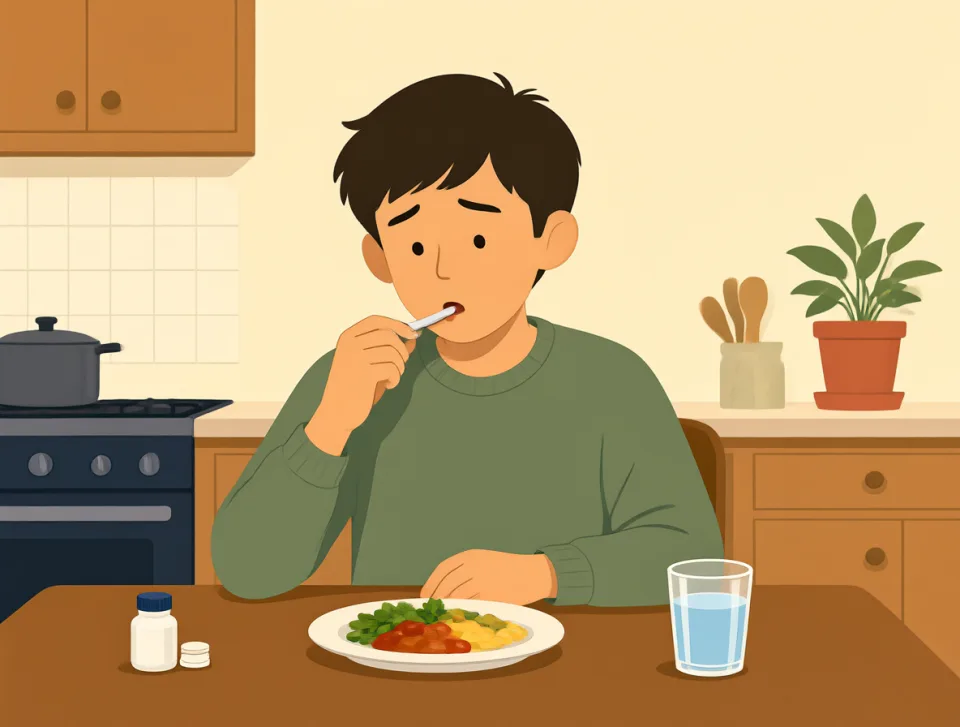
Take this medicine twice a day after meals.
यह दवा दिन में दो बार, खाने के बाद लें।
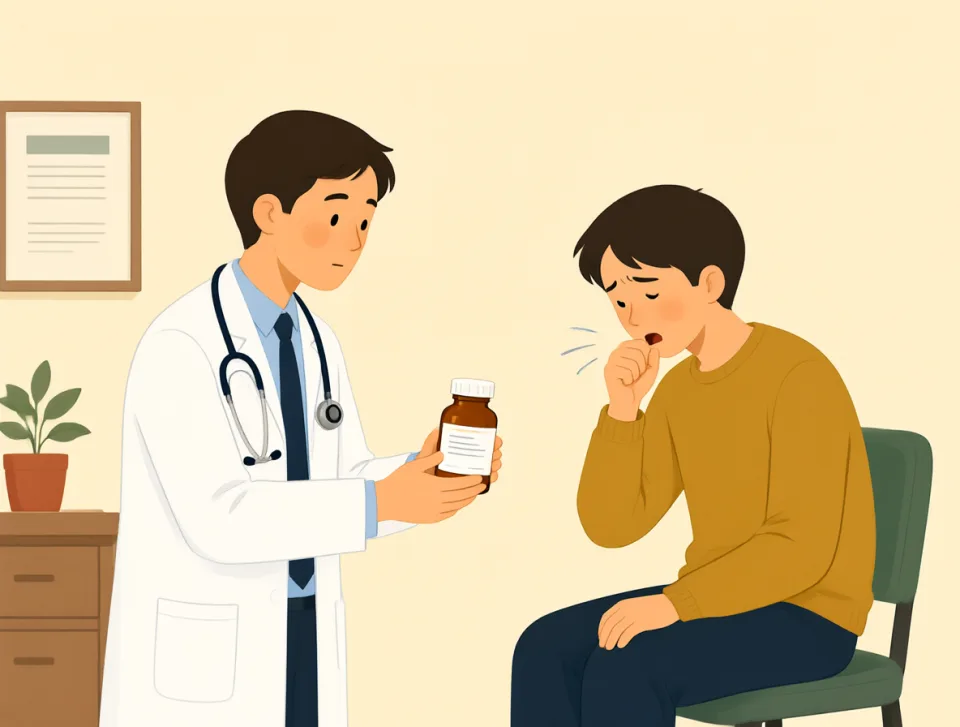
The doctor gave me some medicine for my cough.
डॉक्टर ने मेरी खाँसी के लिए मुझे कुछ दवा दी।
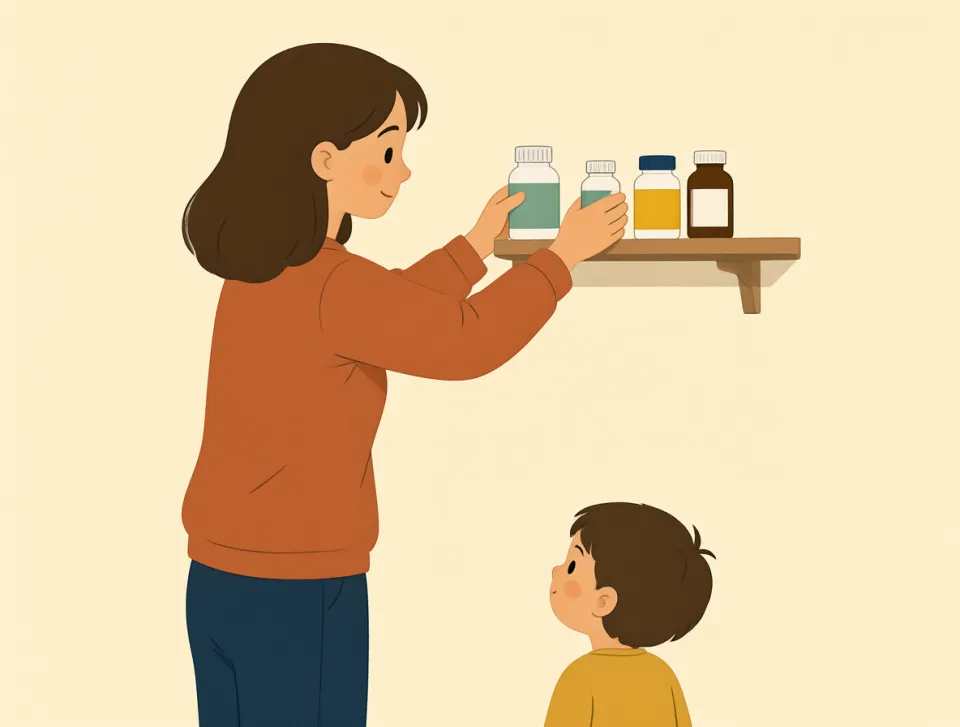
Keep all medicines out of reach of young children.
सभी दवाएँ छोटे बच्चों की पहुँच से दूर रखें।
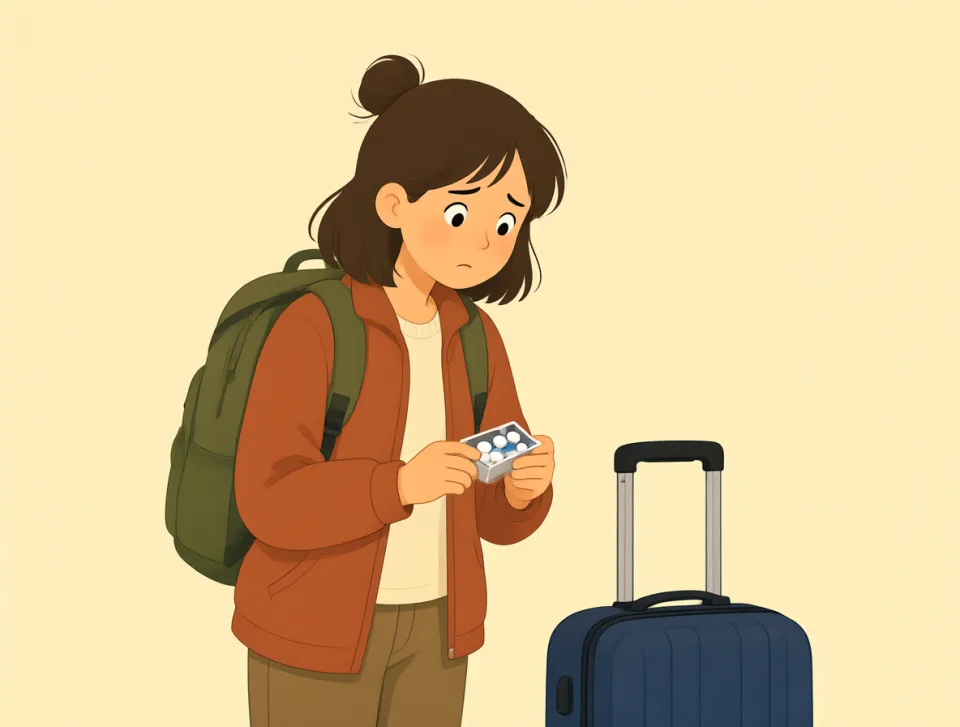
I forgot my medicine when we left for the airport.
हवाई अड्डे के लिए निकलते समय मैं अपनी दवा लेना भूल गया।
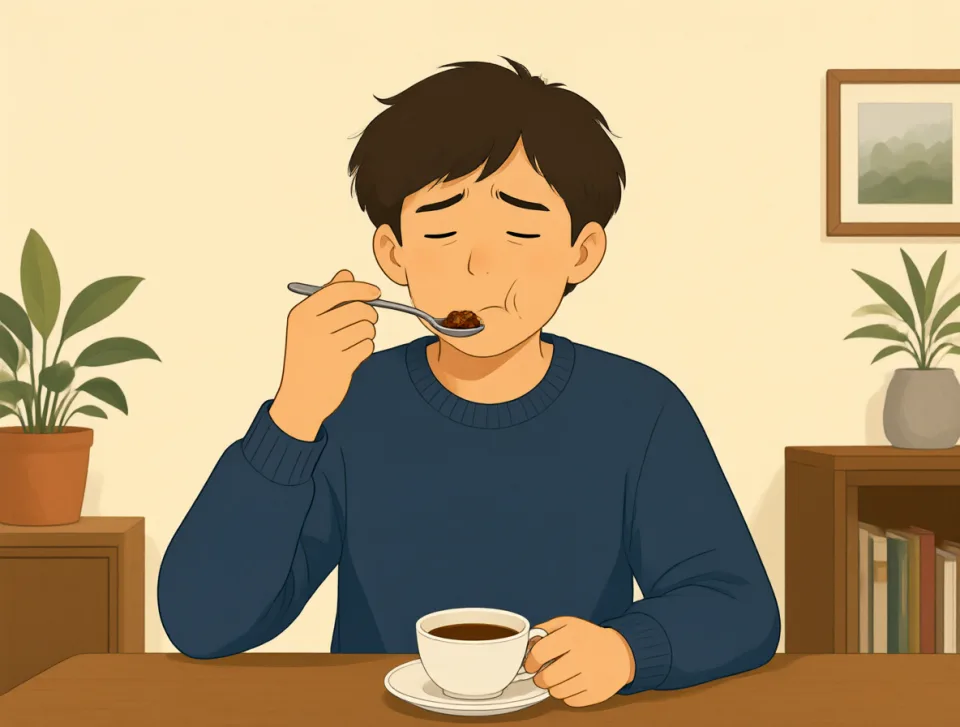
This herbal medicine tastes bitter, but it helps my stomach.
इस जड़ी-बूटी की दवा का स्वाद कड़वा है, लेकिन इससे मेरे पेट को आराम मिलता है।
professor
#1762noun
प्रोफ़ेसर
a teacher at a university or college
विश्वविद्यालय या कॉलेज में पढ़ाने वाला शिक्षक।

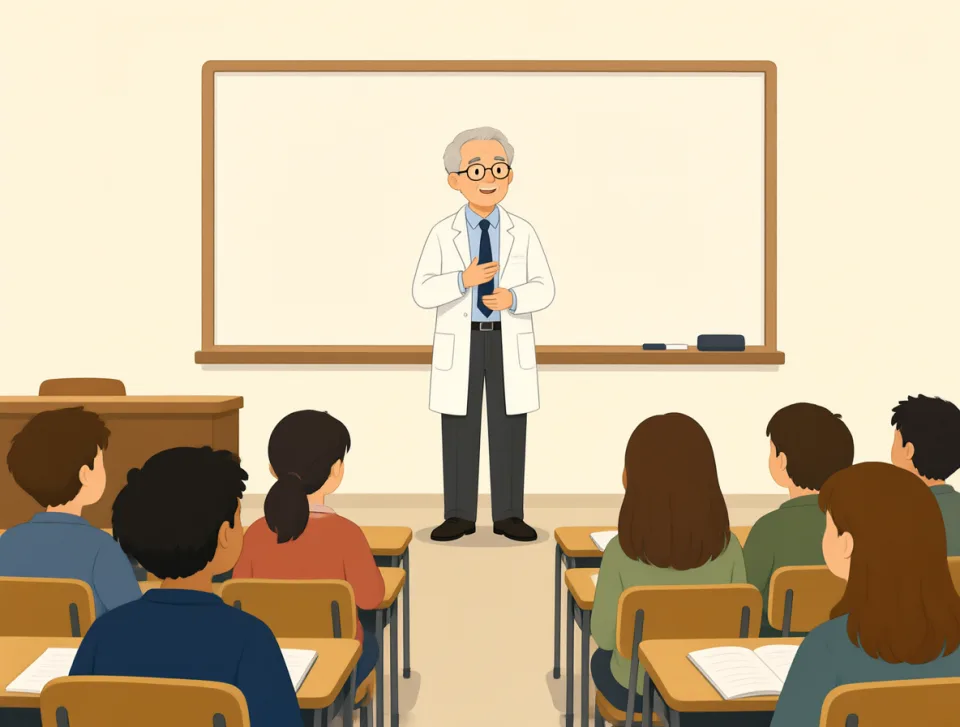
The professor explained the difficult science lesson clearly.
प्रोफ़ेसर ने विज्ञान का कठिन पाठ साफ़-साफ़ समझाया।
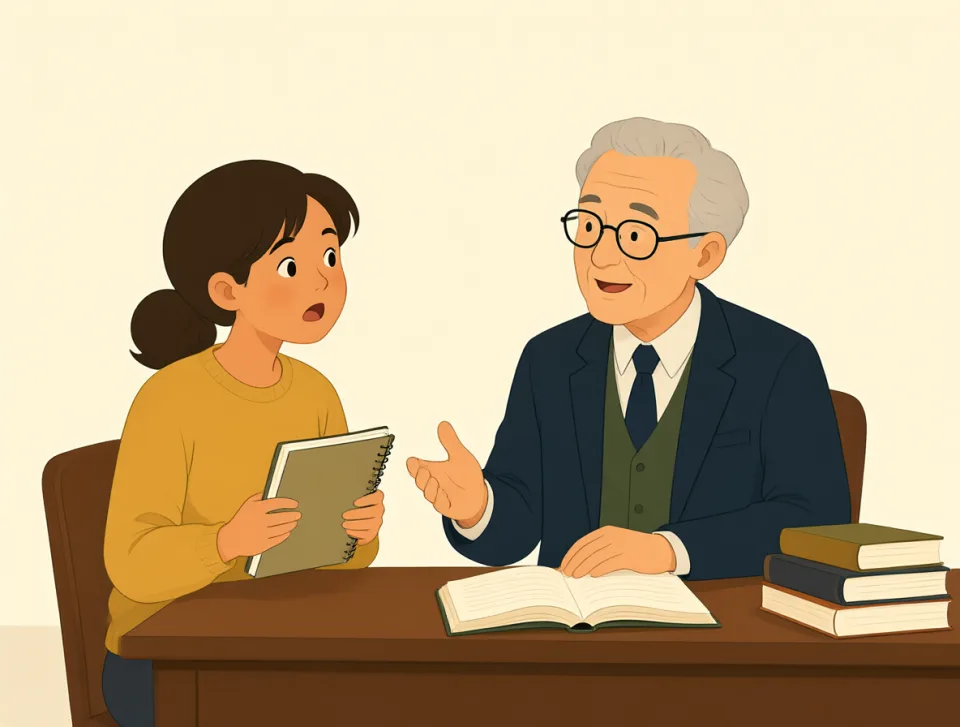
I asked my professor for help with my homework.
मैंने अपने होमवर्क में मदद के लिए अपने प्रोफ़ेसर से पूछा।
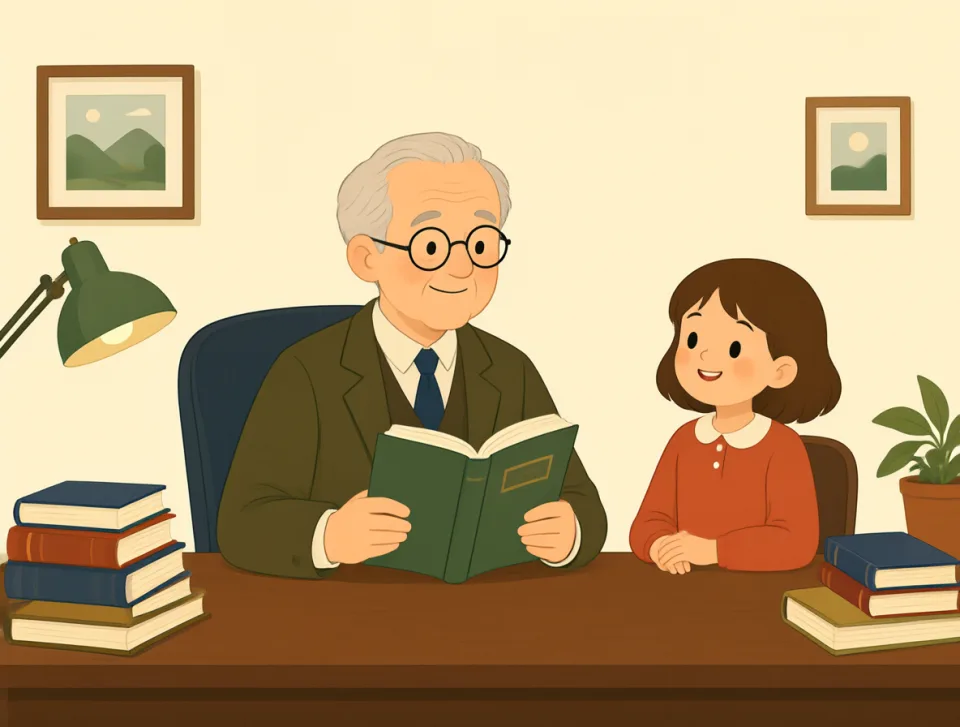
Her father is a history professor at the local university.
उनके पिता स्थानीय विश्वविद्यालय में इतिहास के प्रोफ़ेसर हैं।
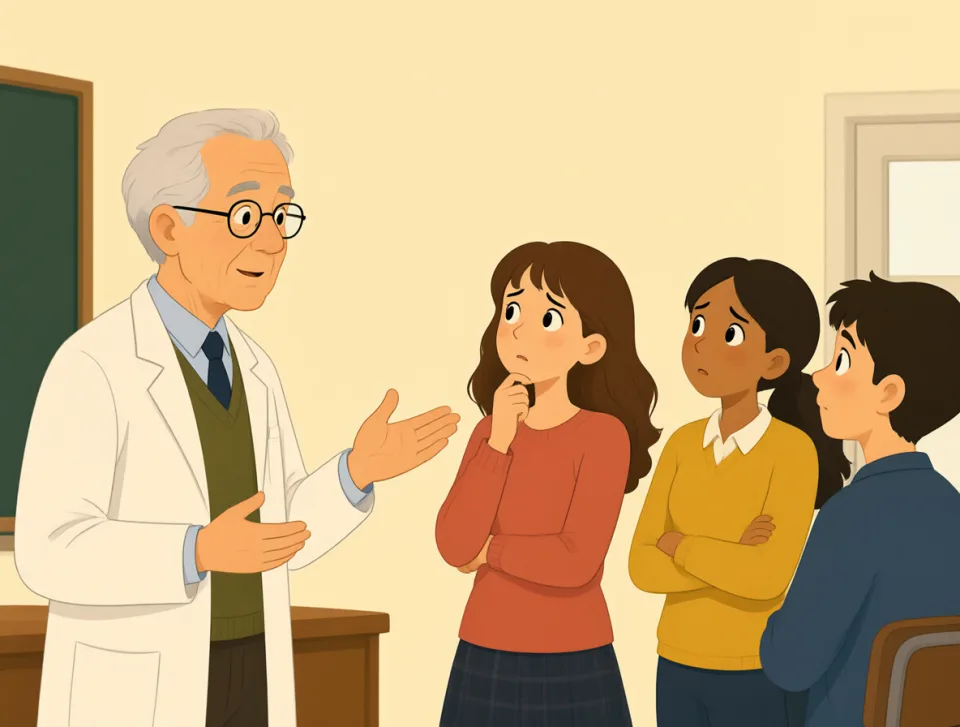
The professor gave us useful advice before the exam.
परीक्षा से पहले प्रोफ़ेसर ने हमें काम की सलाह दी।
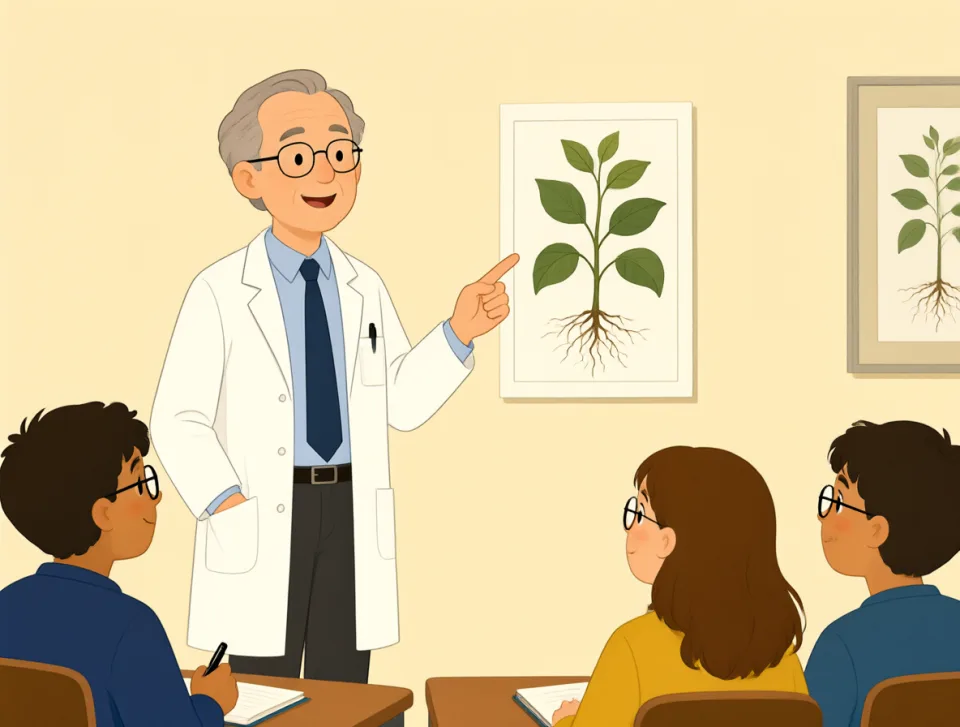
Professor Lee is teaching our biology class this term.
प्रोफ़ेसर ली इस सत्र में हमारी जीवविज्ञान की कक्षा पढ़ा रहे हैं।

rare
#1763adjective, adverb
दुर्लभ
Not common or not often found, seen, or happening.
जो आम न हो या जो अक्सर न मिलता, दिखता या होता हो।

It is rare to see snow in this warm city.
इस गर्म शहर में बर्फ़ देखना दुर्लभ है।

This shop sells rare books from around the world.
यह दुकान दुनिया भर की दुर्लभ किताबें बेचती है।

We saw a rare bird during our walk in the forest.
जंगल में टहलते समय हमने एक दुर्लभ पक्षी देखा।

Rare steak is still pink in the middle when served.
परोसे जाने पर कम पका स्टेक बीच में अब भी गुलाबी होता है।
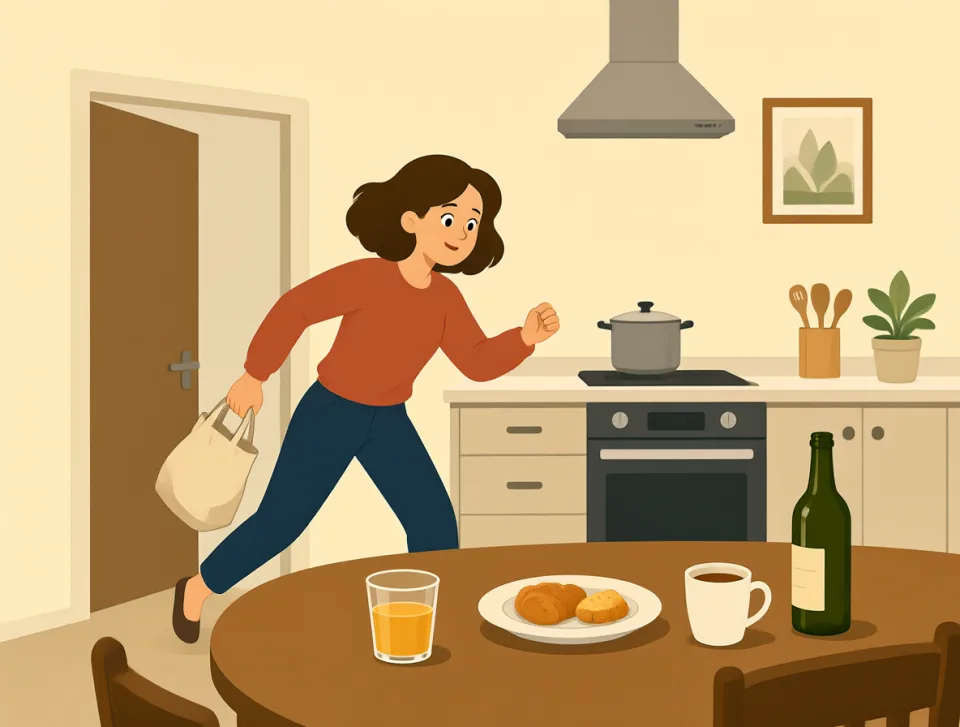
She rarely eats breakfast because she leaves home early.
वह सुबह जल्दी घर से निकलती है, इसलिए वह शायद ही कभी नाश्ता करती है।

intention
#1764noun
इरादा
A plan or purpose that you have in your mind when you do something.
किसी काम को करते समय मन में बना हुआ उद्देश्य या योजना।
I had no intention of staying late at work today.
आज काम पर देर तक रुकने का मेरा कोई इरादा नहीं था।

She made her intention to study medicine clear.
उसने साफ़ कर दिया कि उसका इरादा चिकित्सा की पढ़ाई करने का है।

What was your intention when you bought so much food?
इतना सारा खाना खरीदने के पीछे तुम्हारा क्या इरादा था?
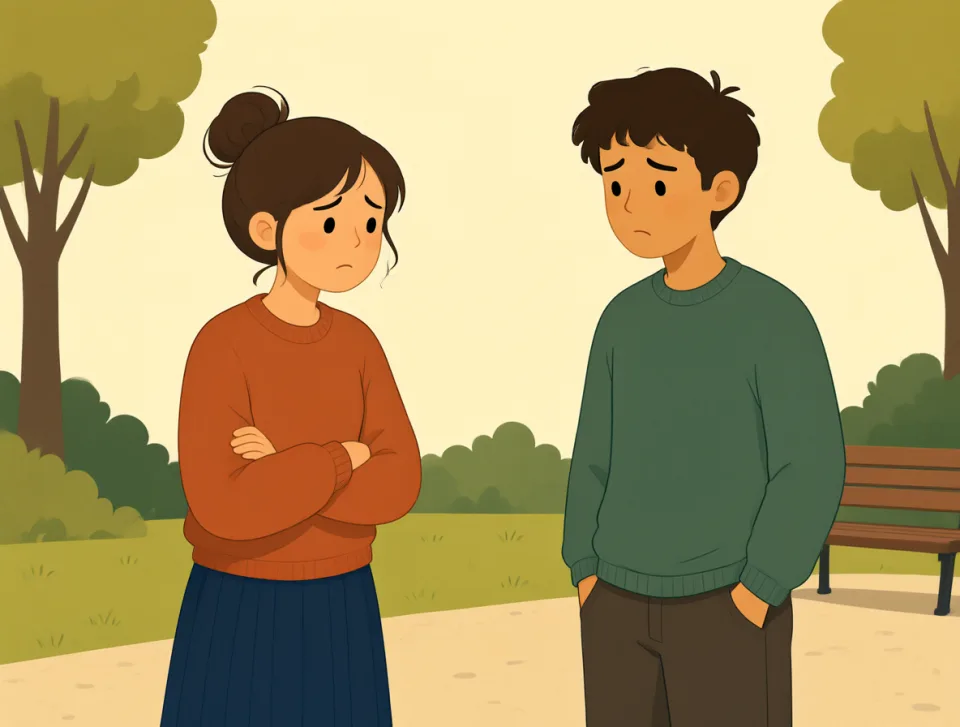
He apologized, saying he had no intention of hurting anyone.
उसने यह कहते हुए माफ़ी माँगी कि उसका किसी को चोट पहुँचाने का कोई इरादा नहीं था।
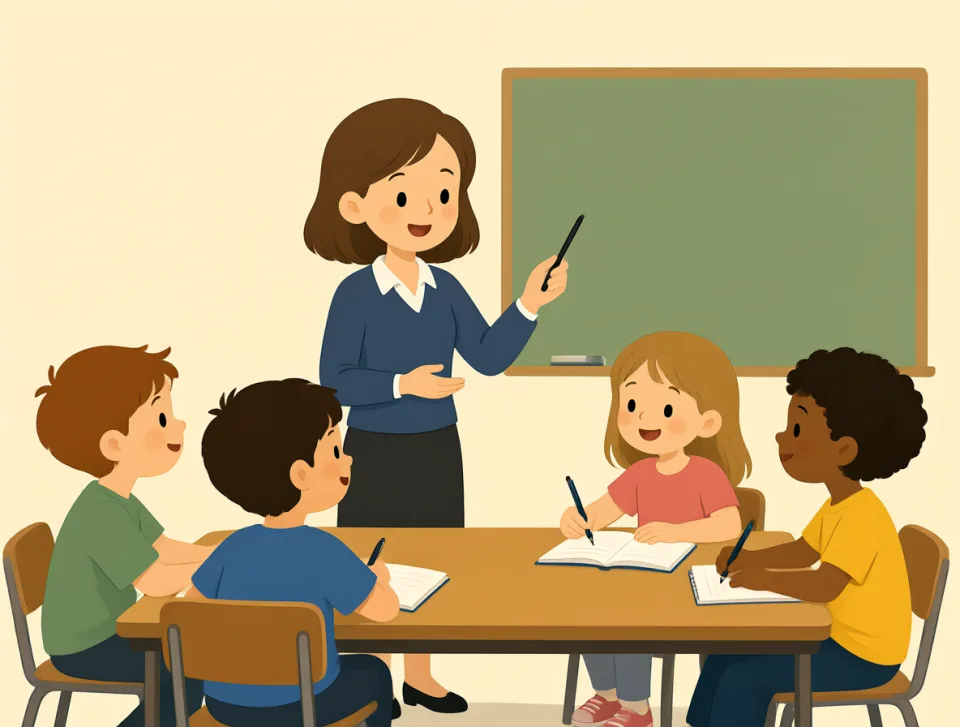
The teacher explained the intention behind the class activity.
शिक्षक ने कक्षा की गतिविधि के पीछे का उद्देश्य समझाया।
dozen
#1765noun, determiner
दर्जन
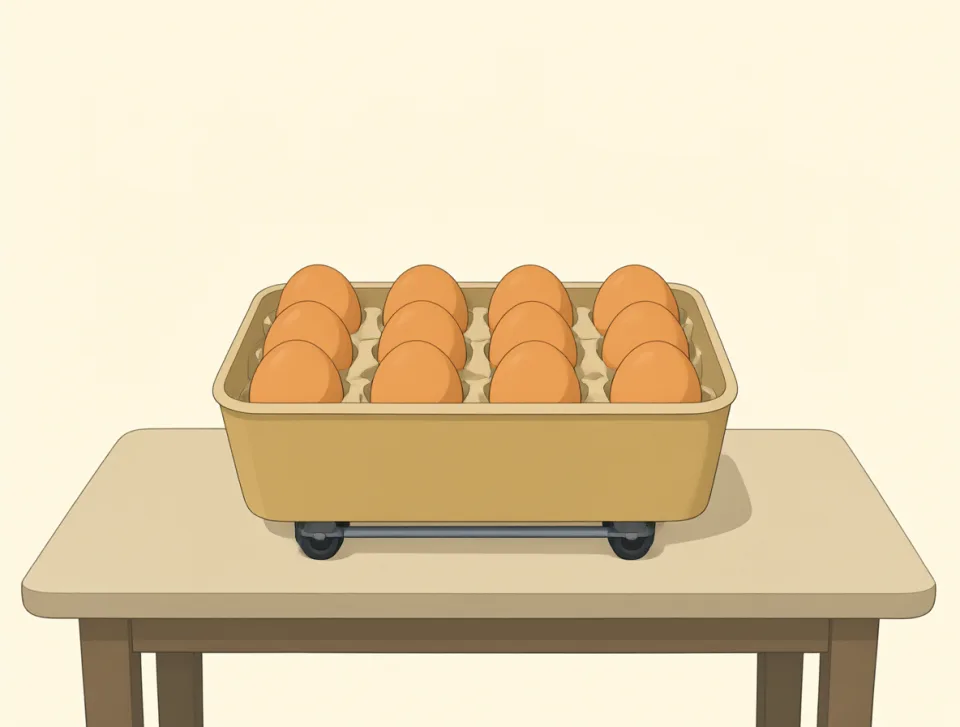
A group of twelve things or people.
बारह चीज़ों या लोगों का समूह।
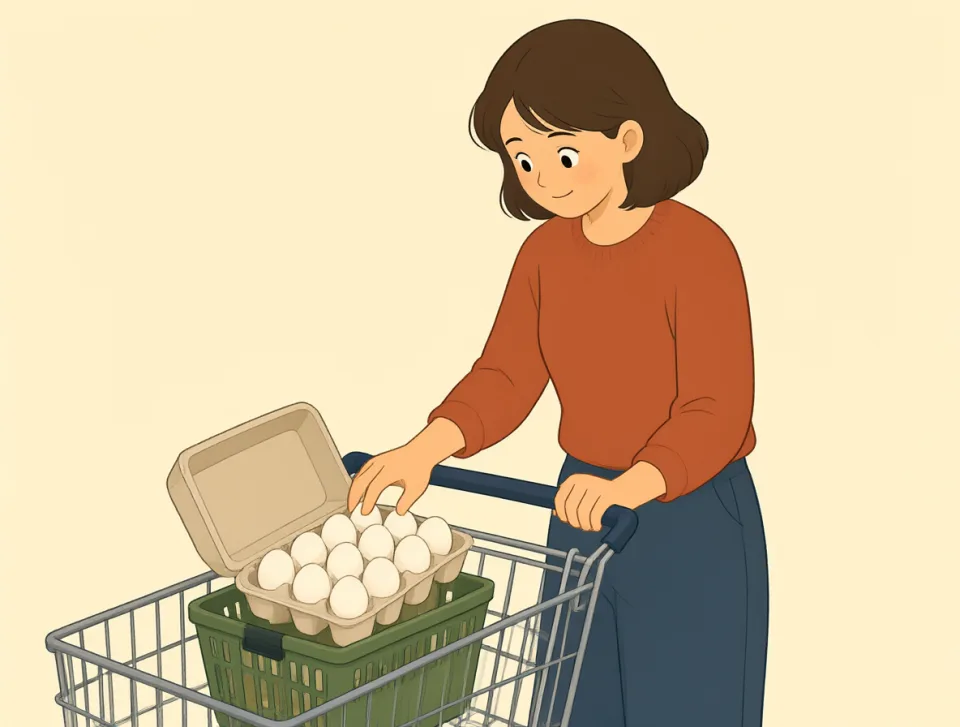
She bought a dozen eggs at the supermarket.
उसने सुपरमार्केट से एक दर्जन अंडे खरीदे।
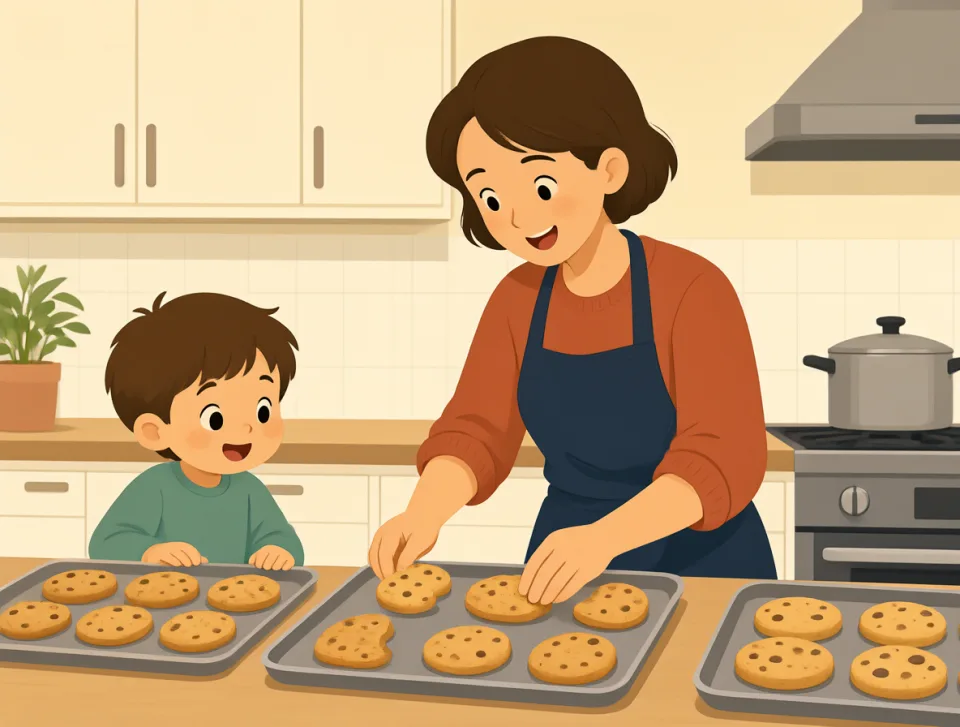
We need two dozen cookies for the school party.
स्कूल की पार्टी के लिए हमें दो दर्जन कुकीज़ चाहिए।
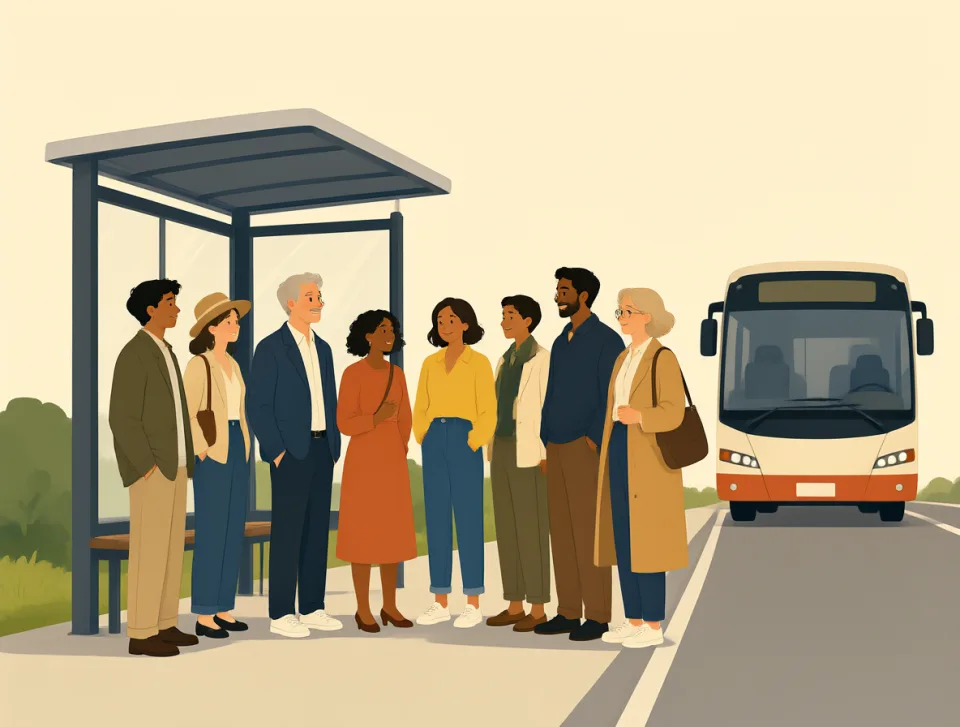
There were a dozen people waiting for the bus.
बस का इंतज़ार करते हुए वहाँ एक दर्जन लोग खड़े थे।
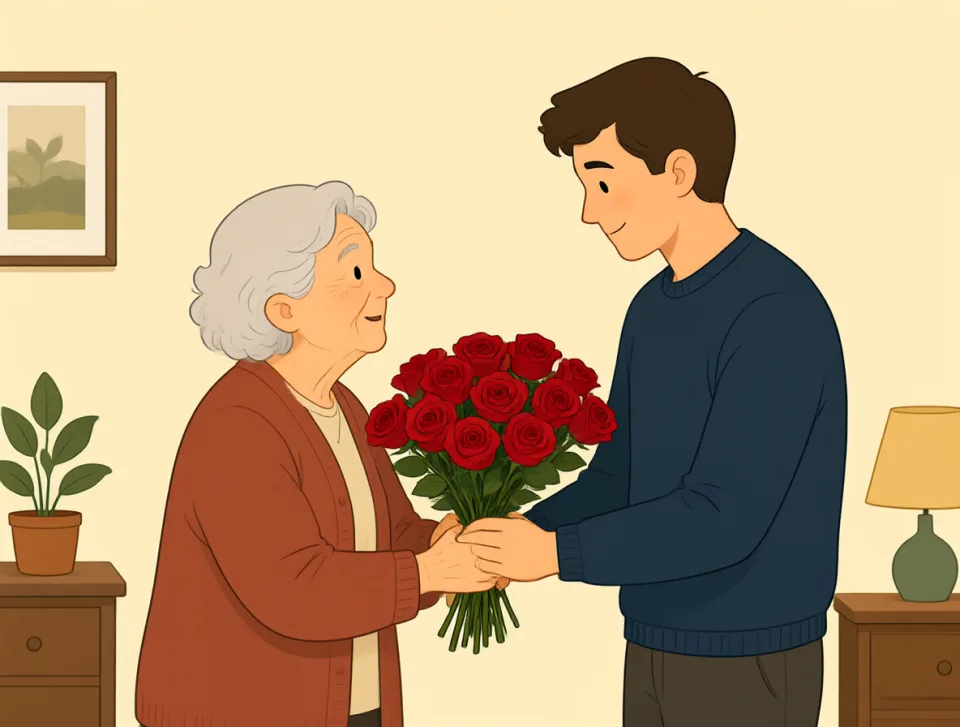
He sent his grandmother a dozen roses for her birthday.
उसने अपनी दादी को उनके जन्मदिन पर एक दर्जन गुलाब भेजे।
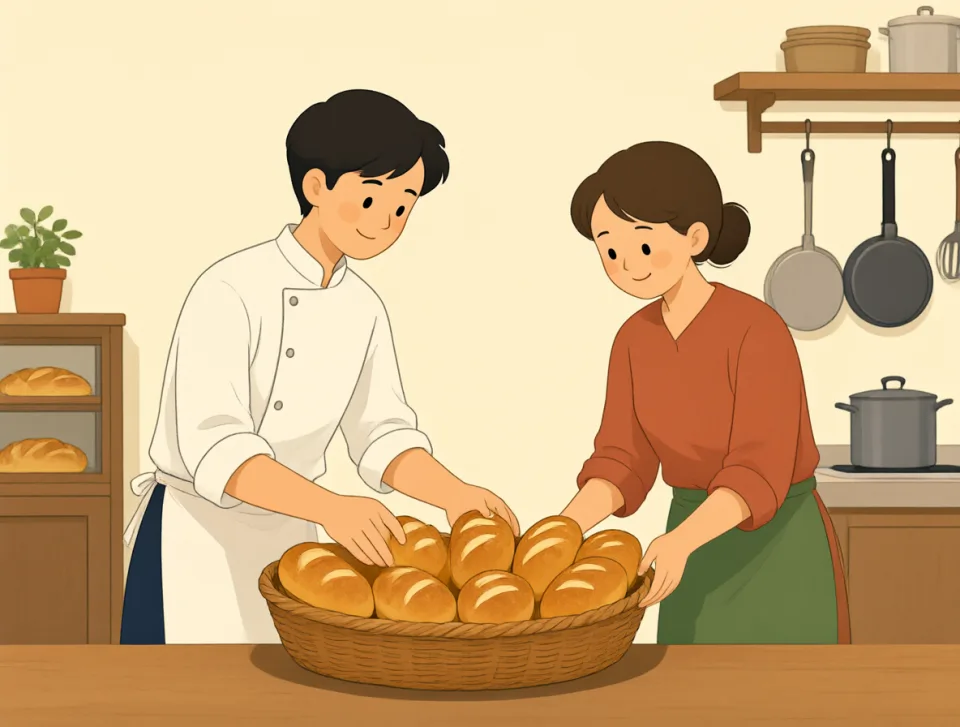
The bakery sells fresh bread by the dozen.
बेकरी ताज़ी ब्रेड दर्जन के हिसाब से बेचती है।

settlement
#1766noun
समझौता
an agreement that ends a disagreement or pays money owed
ऐसा समझौता जो किसी विवाद को खत्म करे या बकाया रकम चुकाए

The two companies reached a settlement after months of talks.
महीनों की बातचीत के बाद दोनों कंपनियों ने समझौता कर लिया।

She received a settlement after slipping in the store.
दुकान में फिसलकर गिरने के बाद उसे मुआवज़ा मिला।
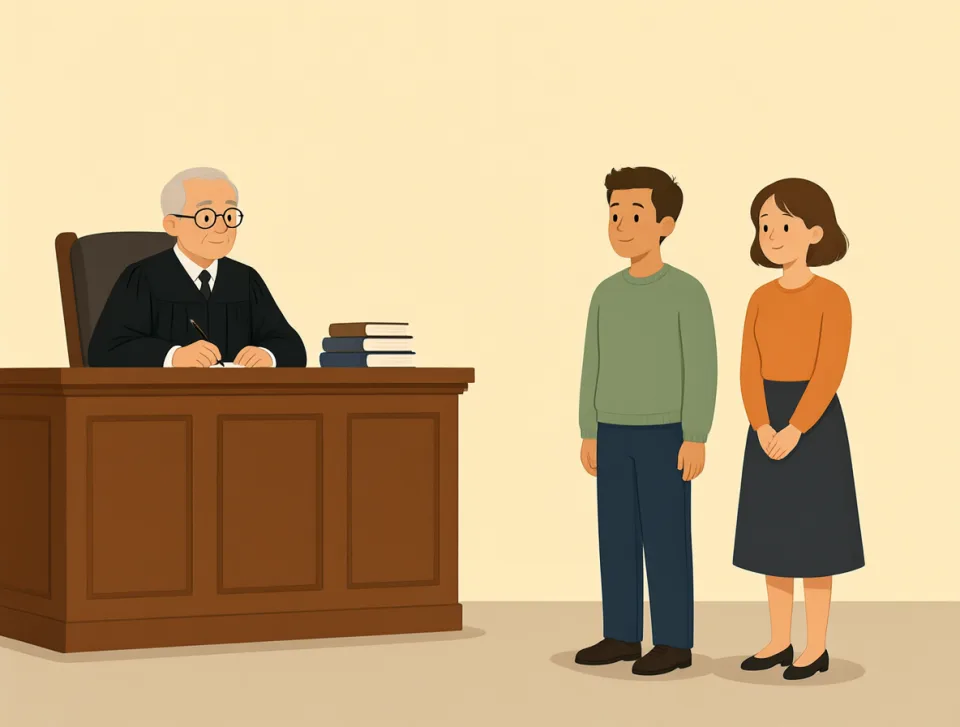
The court approved a settlement between the neighbors.
अदालत ने पड़ोसियों के बीच हुए समझौते को मंज़ूरी दे दी।

They made a settlement with the bank to repay the loan.
उन्होंने कर्ज़ चुकाने के लिए बैंक से समझौता किया।
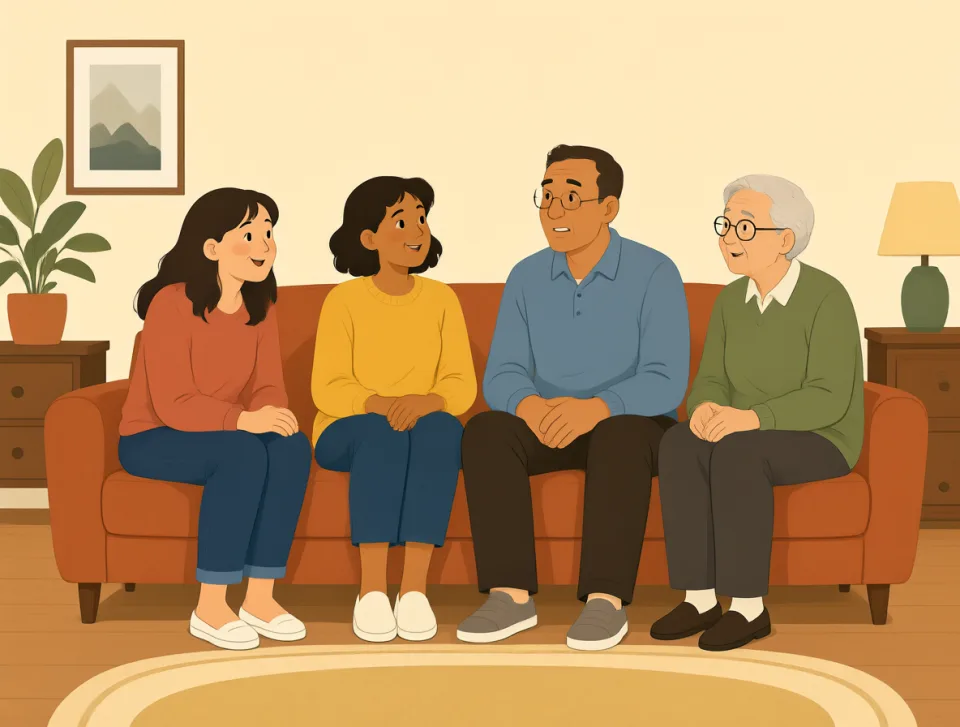
The family found a peaceful settlement to their argument.
परिवार ने अपने झगड़े का शांतिपूर्ण समाधान ढूँढ़ लिया।

gap
#1767noun, verb
खाली जगह
An empty space between two things, or a missing part of something.
दो चीज़ों के बीच की खाली जगह, या किसी चीज़ का छूटा हुआ हिस्सा।
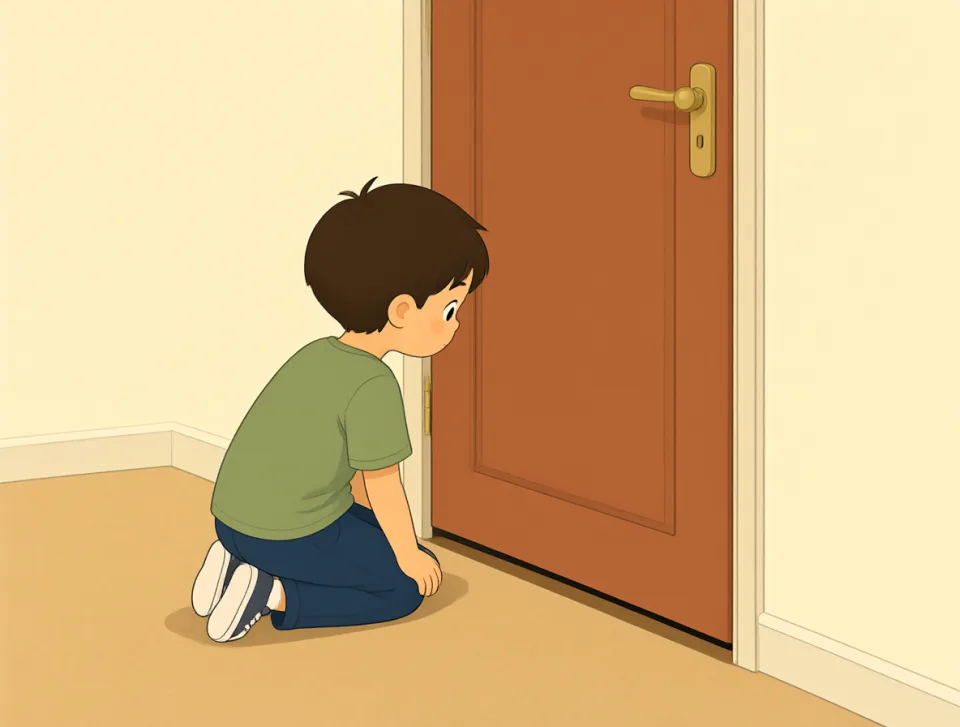
There is a small gap under the door.
दरवाज़े के नीचे थोड़ी-सी खाली जगह है।
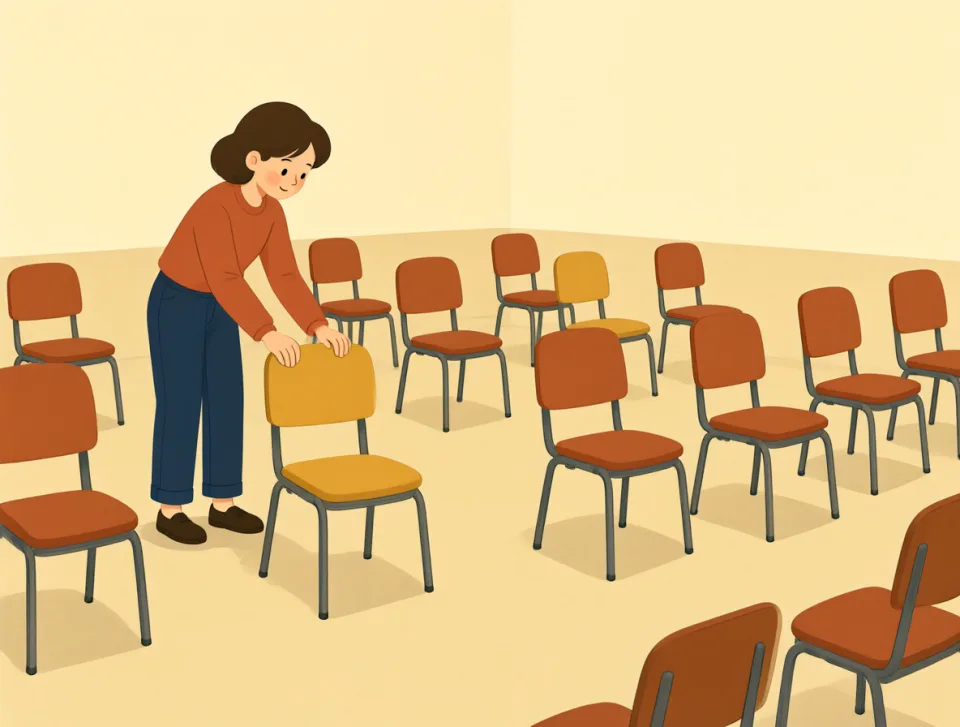
Please leave a gap between the chairs.
कृपया कुर्सियों के बीच थोड़ी जगह छोड़ दें।

She took a year-long gap between school and university.
उसने स्कूल और विश्वविद्यालय के बीच एक साल का अंतराल लिया।
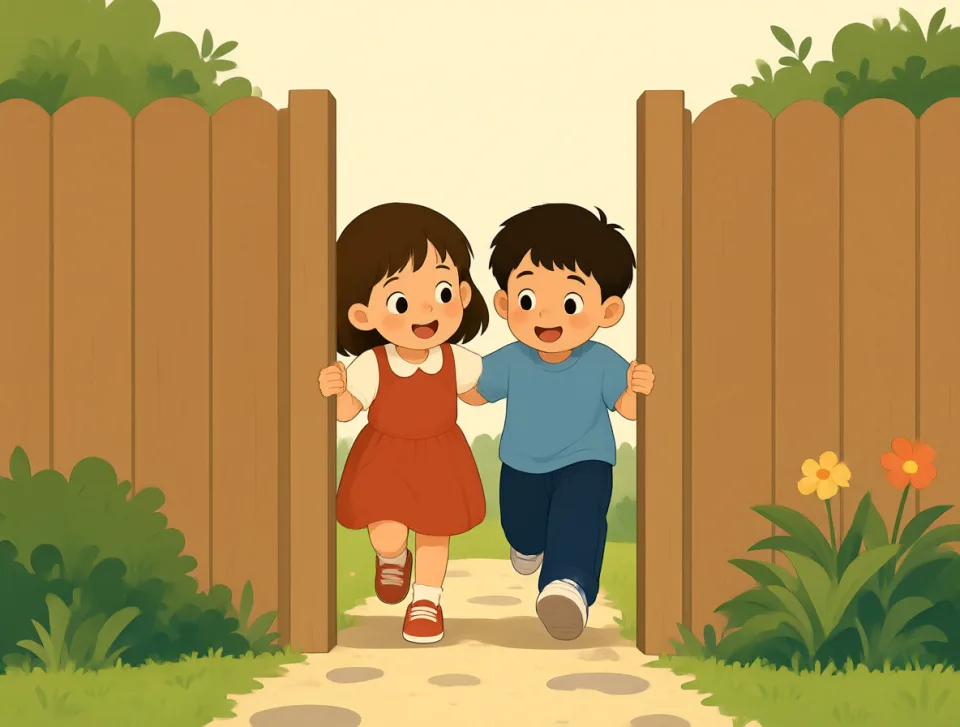
We found a gap in the fence and climbed through.
हमें बाड़ में एक खाली जगह मिली और हम उसमें से होकर चढ़ गए।

The dentist found a gap between my front teeth.
दंत चिकित्सक को मेरे सामने के दाँतों के बीच एक खाली जगह मिली।

widely
#1768adverb
व्यापक रूप से
In many places, by many people, or over a large area.
कई जगहों पर, बहुत से लोगों द्वारा, या बड़े क्षेत्र में।
This book is widely available in local shops.
यह किताब स्थानीय दुकानों में आसानी से मिल जाती है।
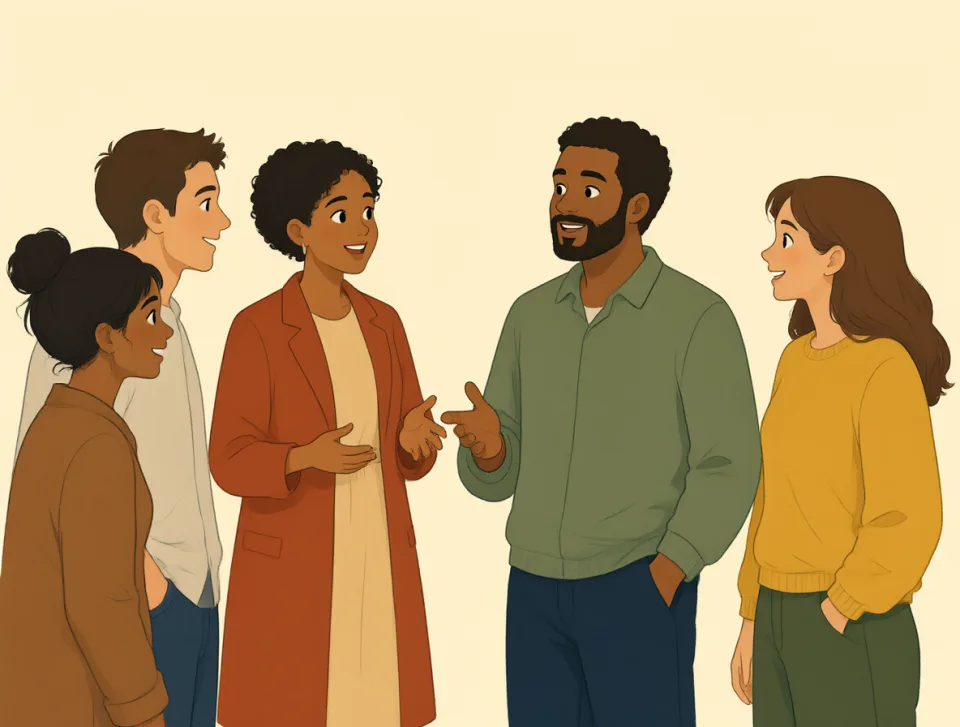
English is widely spoken in many countries.
कई देशों में अंग्रेज़ी व्यापक रूप से बोली जाती है।

The new restaurant is widely known for its fresh seafood.
नया रेस्तरां अपने ताज़ा समुद्री भोजन के लिए काफ़ी मशहूर है।

This treatment is widely used to help people with headaches.
सिरदर्द से पीड़ित लोगों की मदद के लिए इस उपचार का व्यापक रूप से इस्तेमाल किया जाता है।
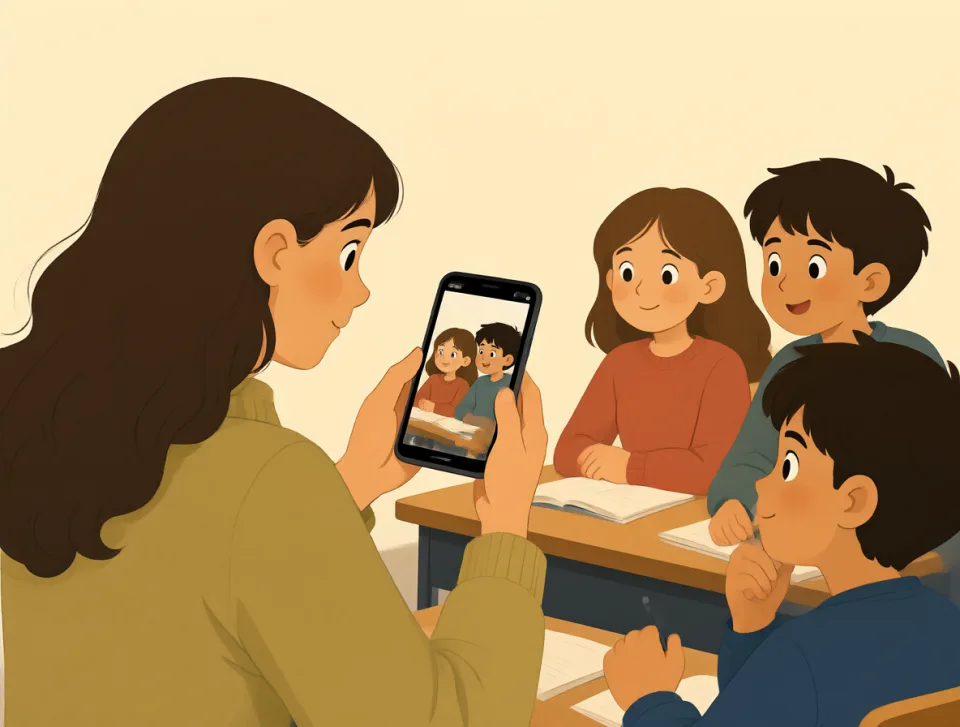
The teacher's video was widely shared by her students.
शिक्षिका का वीडियो उनके छात्रों ने खूब साझा किया।
minimum
#1769noun, adjective
न्यूनतम
The smallest amount or number that is possible or allowed.
सबसे कम मात्रा या संख्या जो संभव हो या जिसकी अनुमति हो।
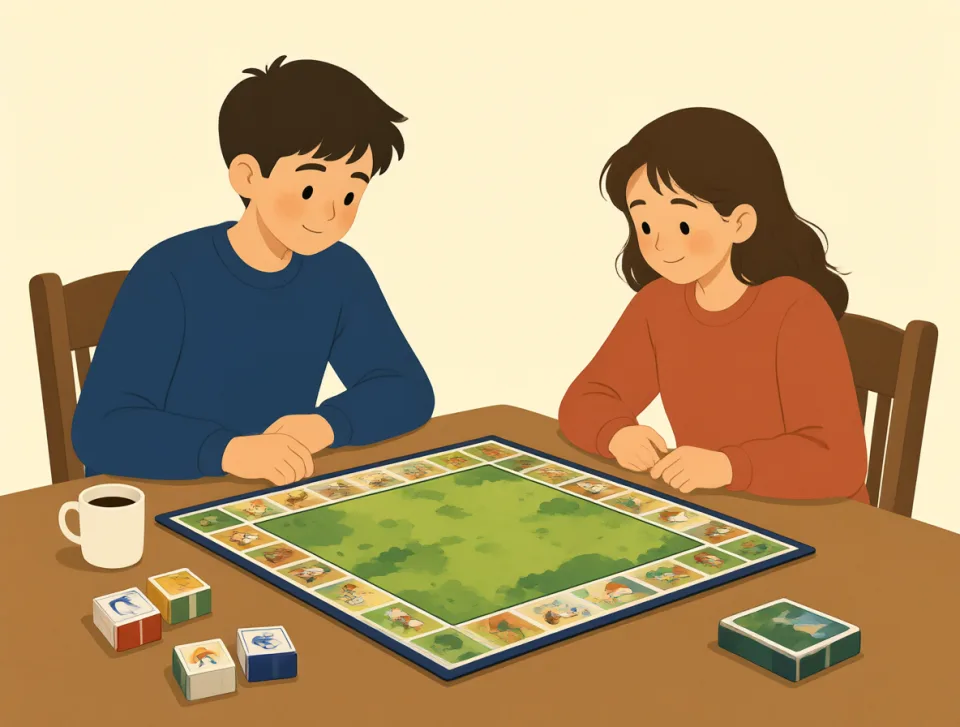
You need a minimum of two people for this game.
इस खेल के लिए कम-से-कम दो लोगों की ज़रूरत है।

The hotel requires a minimum stay of three nights.
होटल में कम-से-कम तीन रात ठहरना ज़रूरी है।
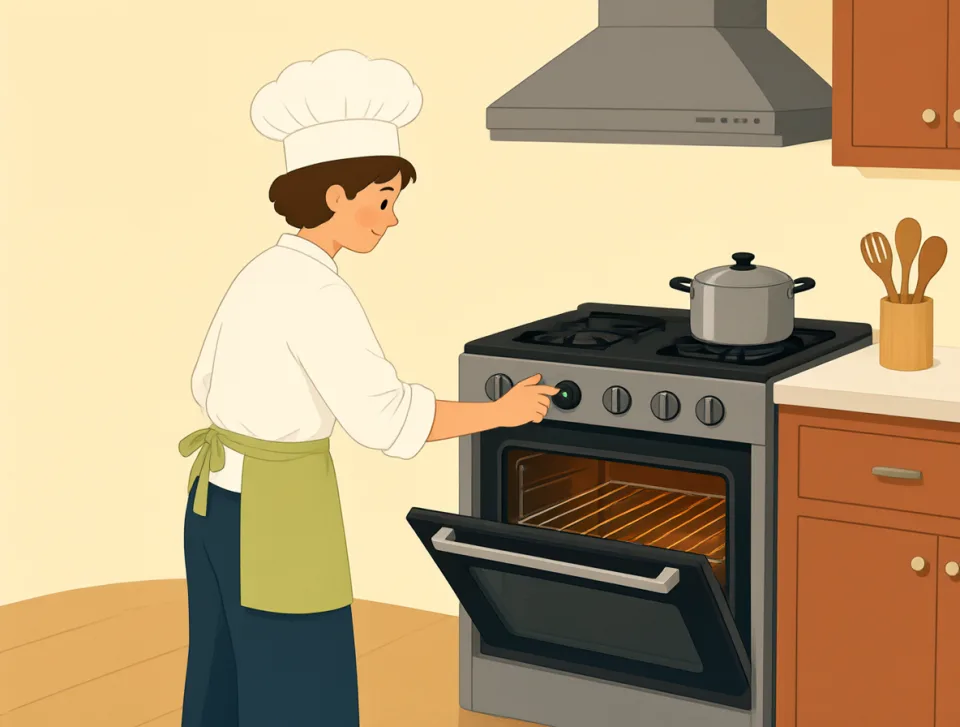
Please keep the oven at a minimum temperature of 180 degrees.
कृपया ओवन का तापमान कम-से-कम 180 डिग्री रखें।
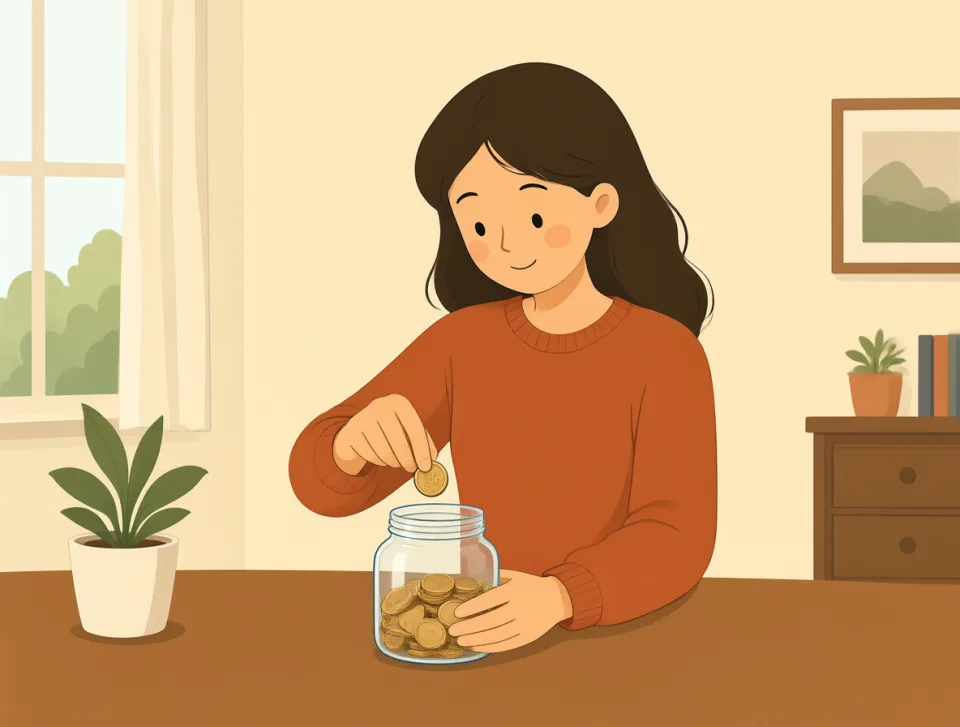
She saves a minimum amount of money from every paycheck.
वह हर वेतन से कम-से-कम कुछ पैसे बचाती है।

The doctor told him to get a minimum of seven hours' sleep.
डॉक्टर ने उससे कम-से-कम सात घंटे सोने को कहा।

northern
#1770adjective
उत्तरी
of or in the north part of a place or country
किसी जगह या देश के उत्तरी हिस्से का या उसमें स्थित
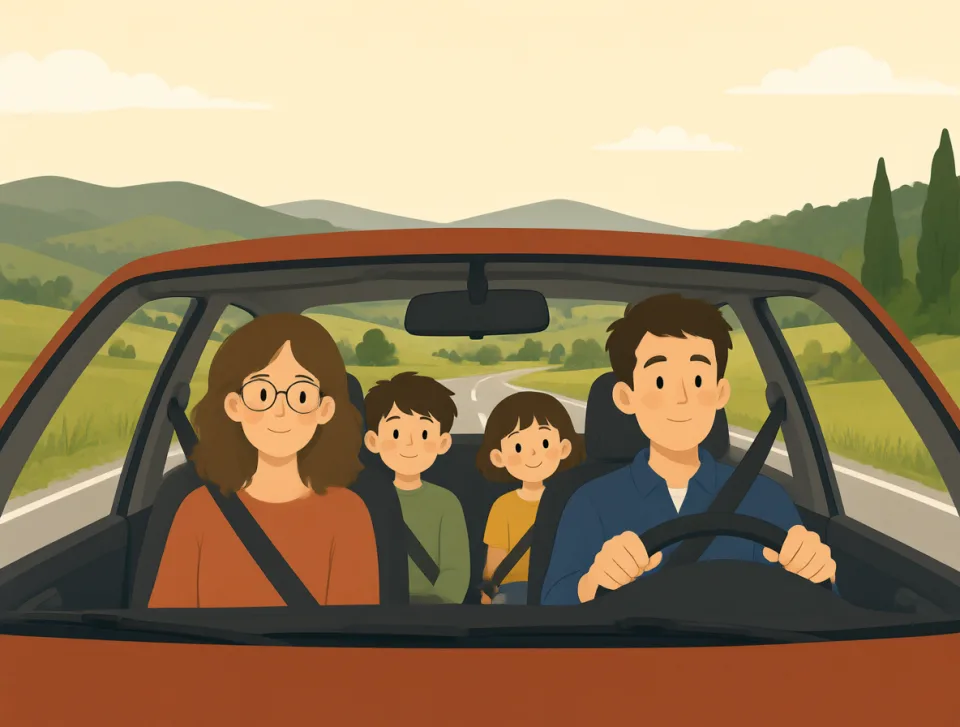
We drove through northern France during our summer holiday.
हमने गर्मियों की छुट्टियों में उत्तरी फ़्रांस से होकर गाड़ी चलाई।
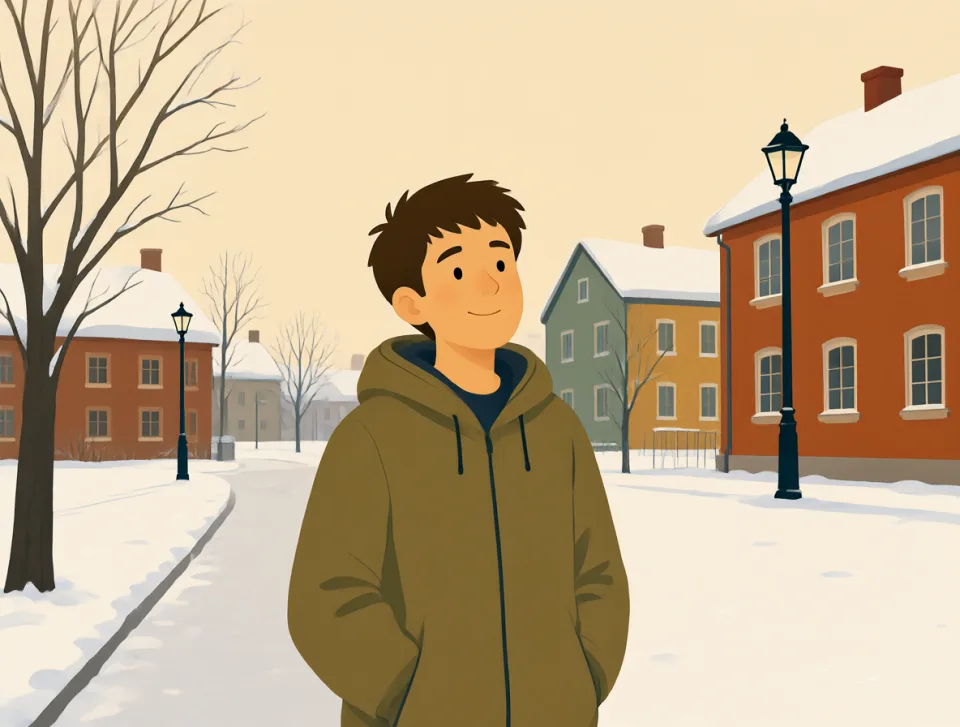
Northern winters are usually colder and darker than southern ones.
उत्तर में सर्दियाँ आमतौर पर दक्षिण की सर्दियों से ज़्यादा ठंडी और अँधेरी होती हैं।
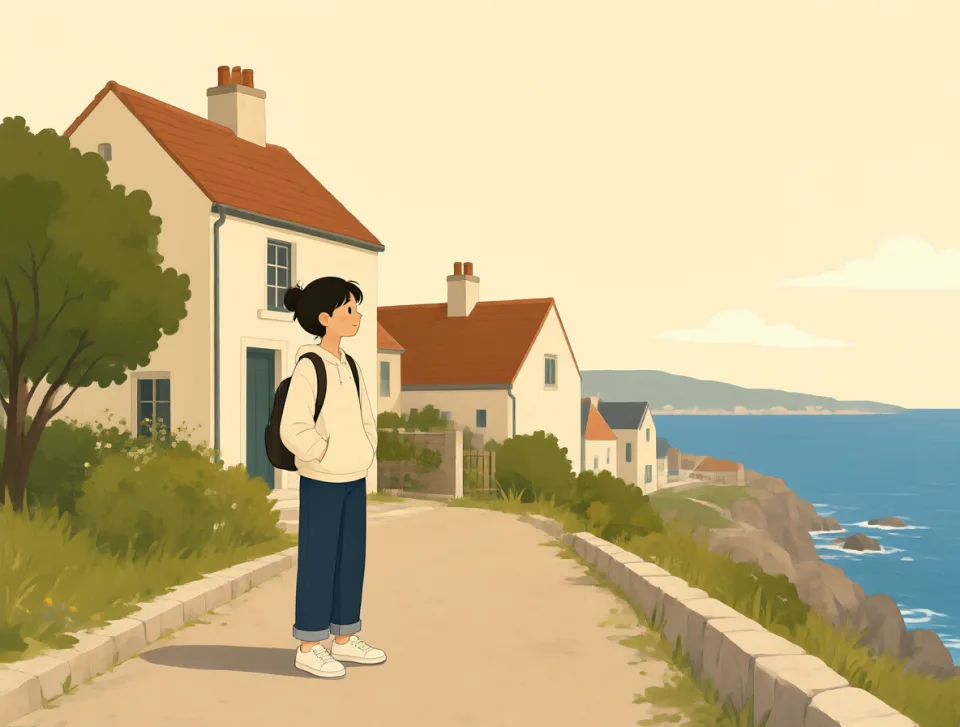
My cousin lives in a small northern town near the sea.
मेरा चचेरा भाई समुद्र के पास एक छोटे से उत्तरी शहर में रहता है।
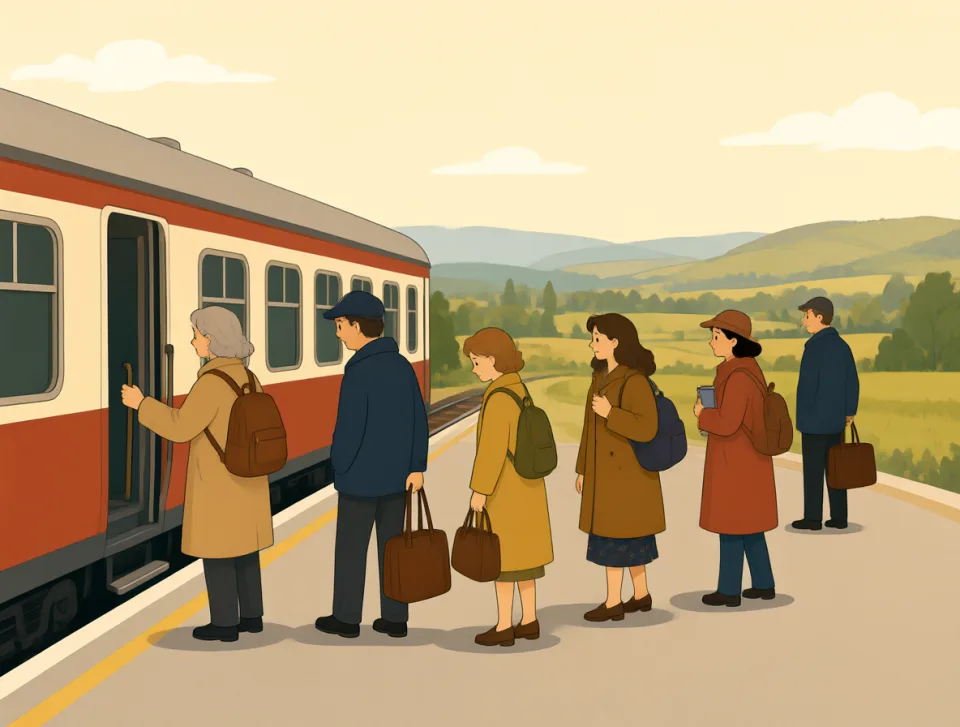
The train leaves for northern England at eight tomorrow morning.
उत्तरी इंग्लैंड जाने वाली ट्रेन कल सुबह आठ बजे रवाना होगी।
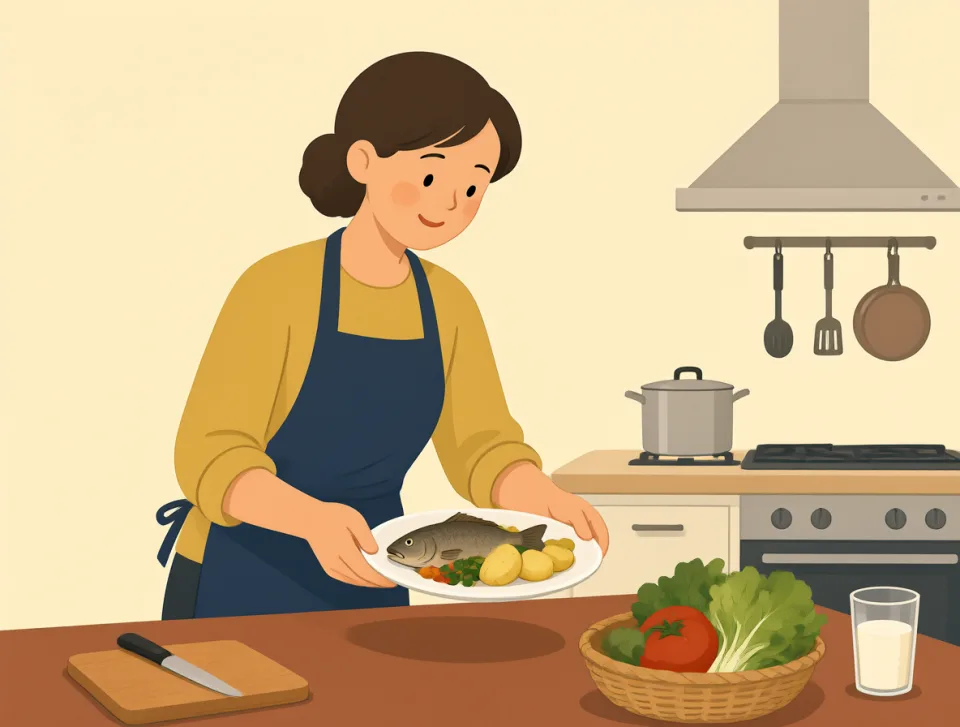
Northern fish are often served with potatoes and fresh vegetables.
उत्तरी इलाकों की मछली अक्सर आलू और ताज़ी सब्ज़ियों के साथ परोसी जाती है।

estate
#1771noun
जायदाद
A large house and the land around it, or all of someone’s property after death.
एक बड़ा घर और उसके आसपास की ज़मीन, या किसी व्यक्ति की मृत्यु के बाद उसकी सारी संपत्ति।

They bought a beautiful estate in the countryside.
उन्होंने गाँव में एक खूबसूरत जायदाद खरीदी।

The estate includes a garden, a stable, and a small lake.
जायदाद में एक बगीचा, अस्तबल और एक छोटी झील शामिल है।

She works for a real estate company in the city.
वह शहर की एक रियल एस्टेट कंपनी में काम करती है।
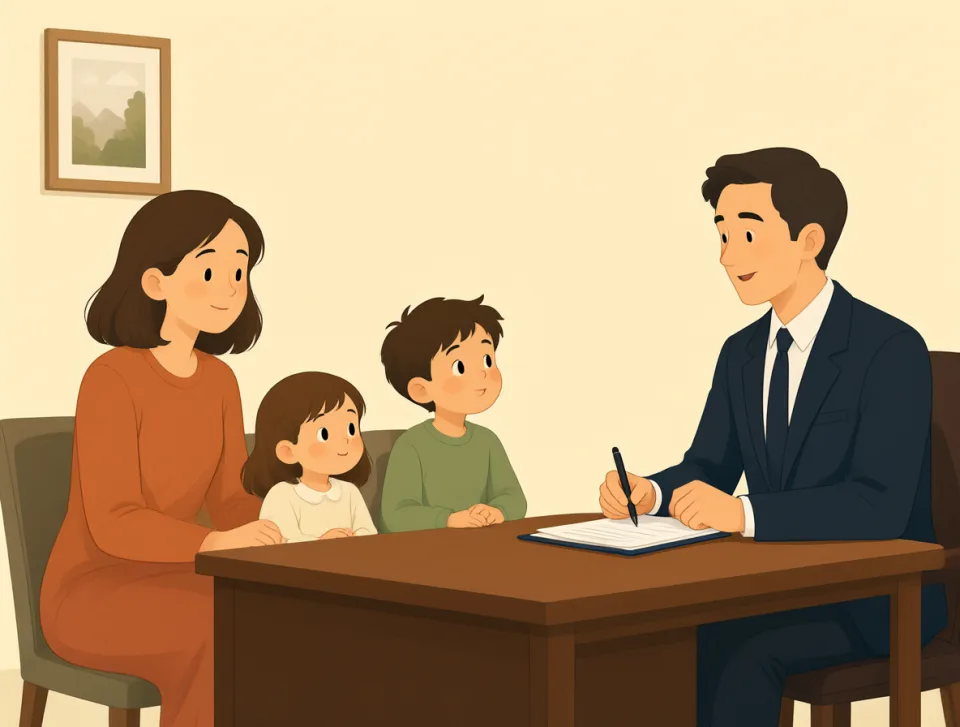
His estate was divided among his three children.
उसकी जायदाद उसके तीन बच्चों में बाँट दी गई।

The museum is located on the old royal estate.
संग्रहालय पुराने शाही परिसर में स्थित है।
equally
#1772adverb
बराबर
in the same amount, degree, or way as someone or something else
किसी दूसरे व्यक्ति या चीज़ के समान मात्रा, स्तर या तरीके से।
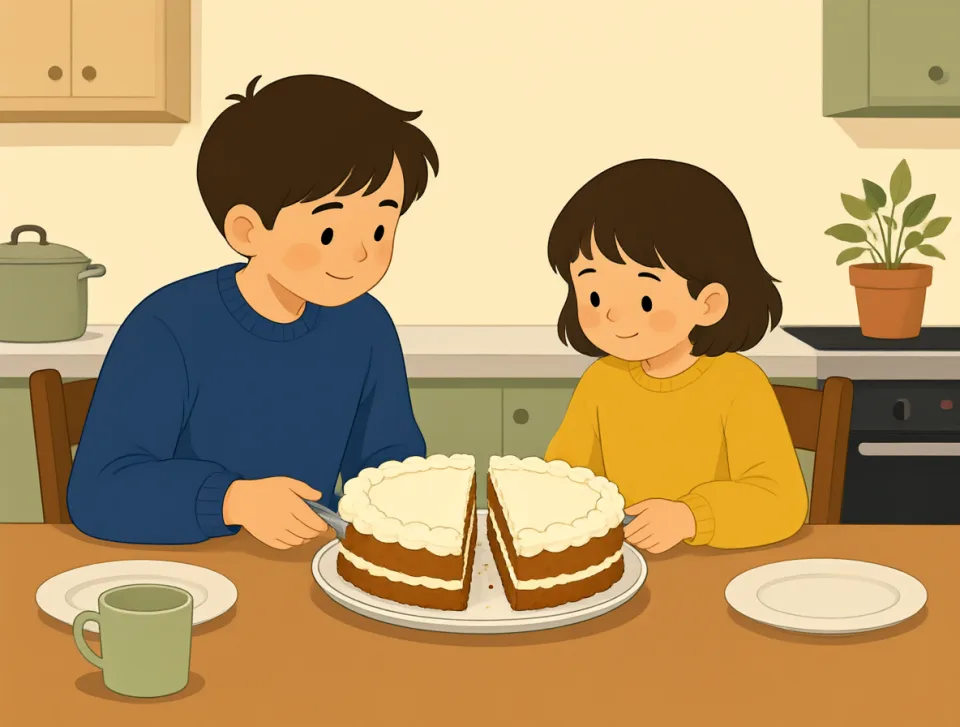
The two children shared the cake equally.
दोनों बच्चों ने केक बराबर बाँटा।
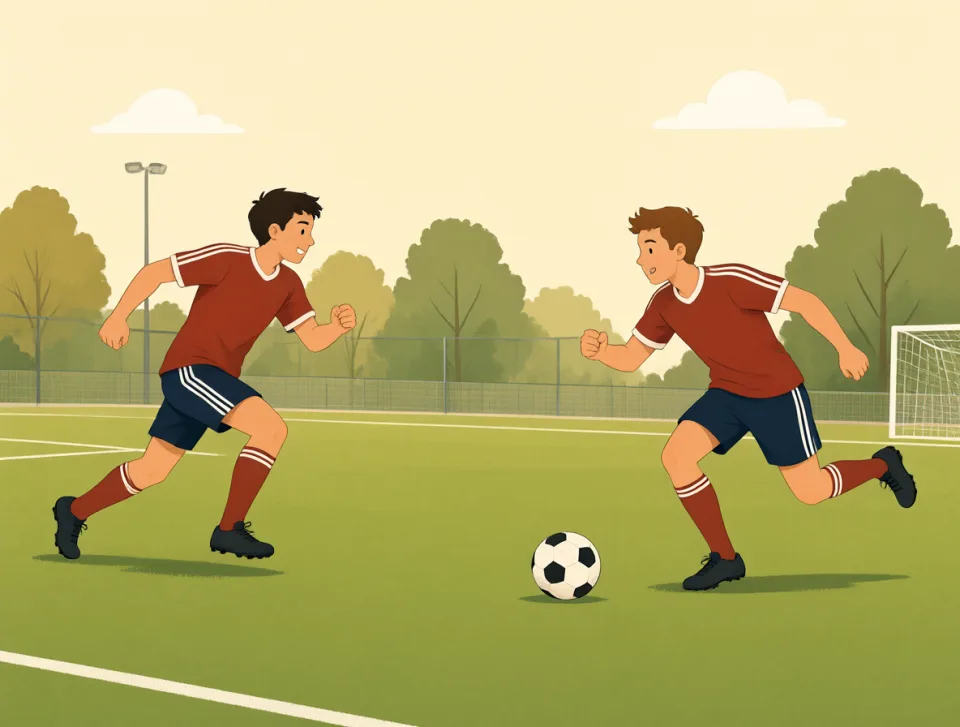
Both teams played equally well during the final match.
अंतिम मैच में दोनों टीमों ने समान रूप से अच्छा खेला।
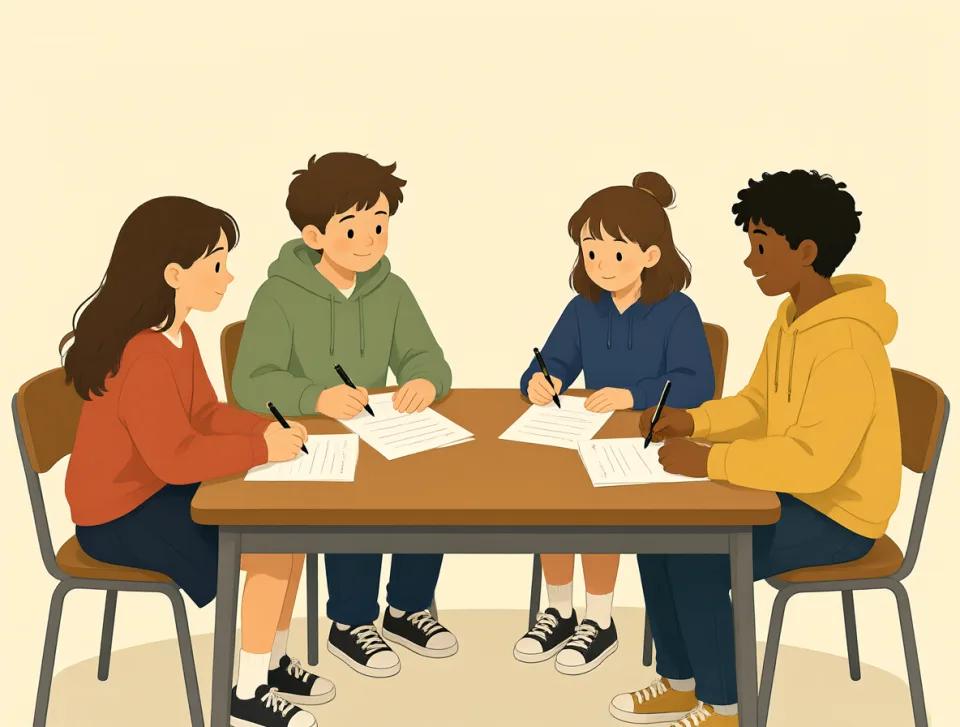
Please divide the work equally between the four students.
कृपया चारों विद्यार्थियों के बीच काम बराबर बाँट दें।

The hotel is equally popular with families and business travelers.
यह होटल परिवारों और व्यापार के सिलसिले में यात्रा करने वालों—दोनों में समान रूप से लोकप्रिय है।

These shoes are equally comfortable, so choose your favorite color.
ये जूते समान रूप से आरामदायक हैं, इसलिए अपना पसंदीदा रंग चुनें।
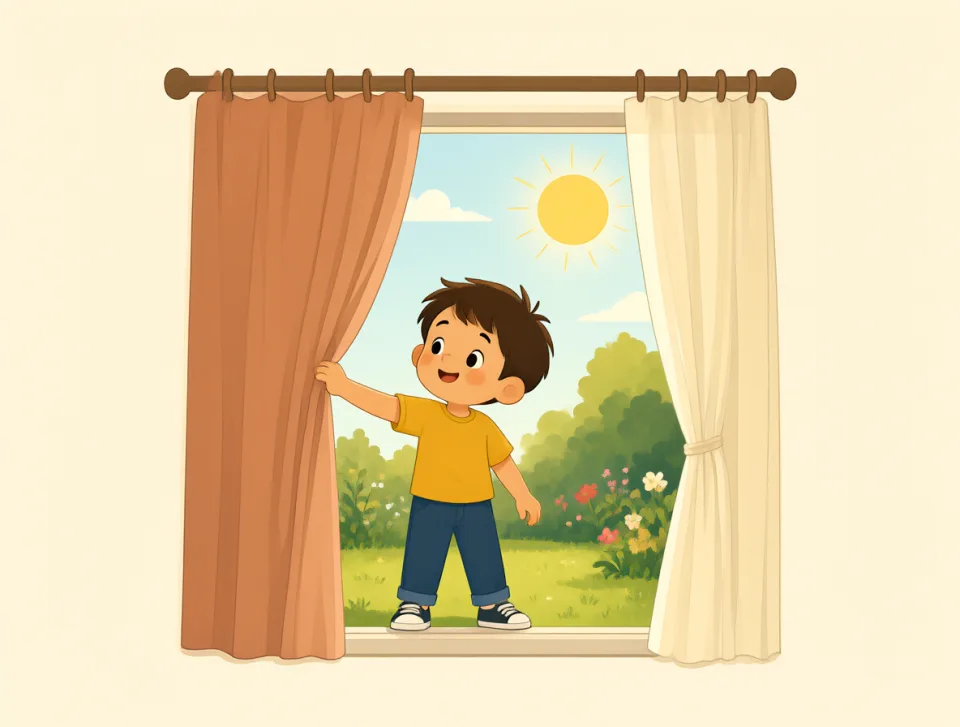
expose
#1773verb
उजागर करना
to show something hidden or normally kept secret
छिपी हुई या आम तौर पर गुप्त रखी जाने वाली चीज़ को सामने लाना।

The report exposed serious problems in the company.
रिपोर्ट ने कंपनी की गंभीर समस्याओं को उजागर किया।
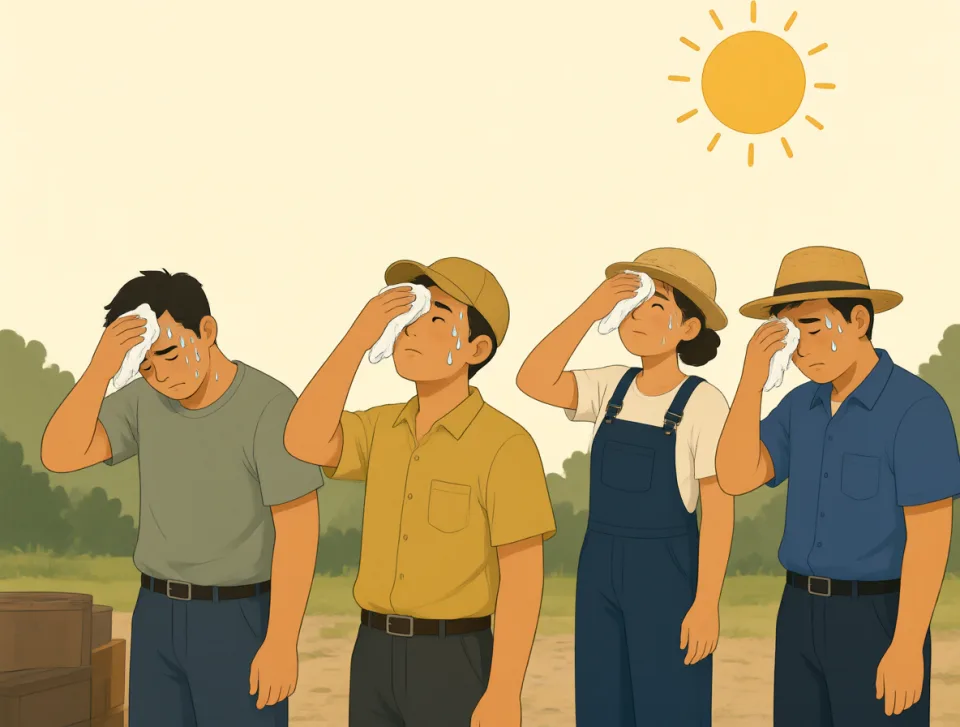
The hot sun exposed the workers to dangerous heat.
तेज़ धूप के कारण मज़दूरों को ख़तरनाक गर्मी झेलनी पड़ी।

The investigation exposed the truth about the stolen money.
जाँच ने चोरी के पैसों के बारे में सच्चाई उजागर कर दी।
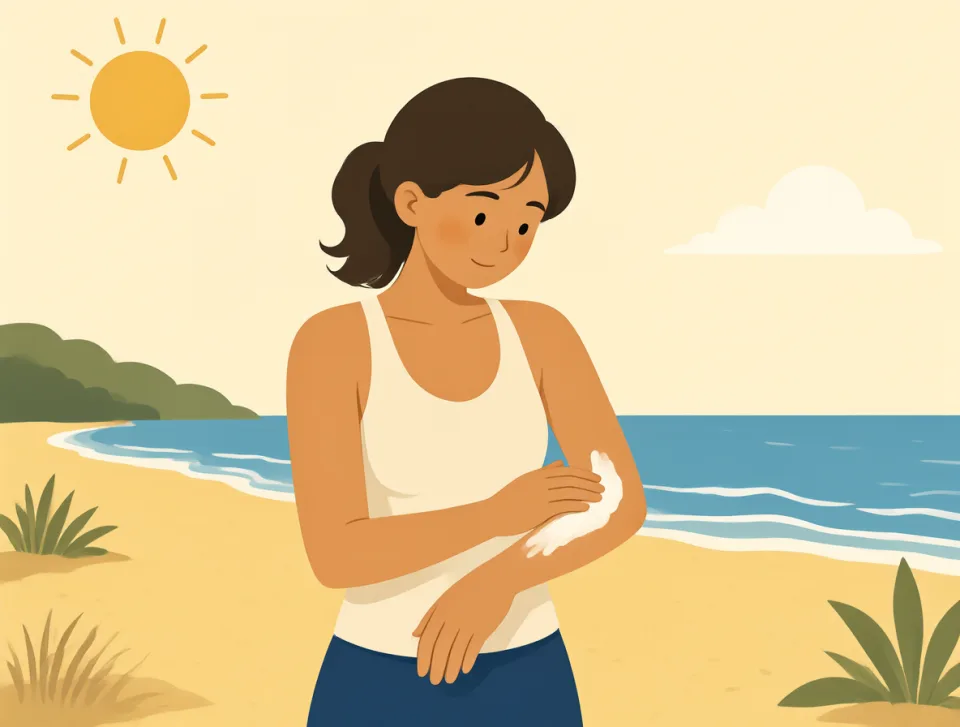
Wear sunscreen to protect your skin from being exposed to sunlight.
धूप के संपर्क से अपनी त्वचा को बचाने के लिए सनस्क्रीन लगाएँ।
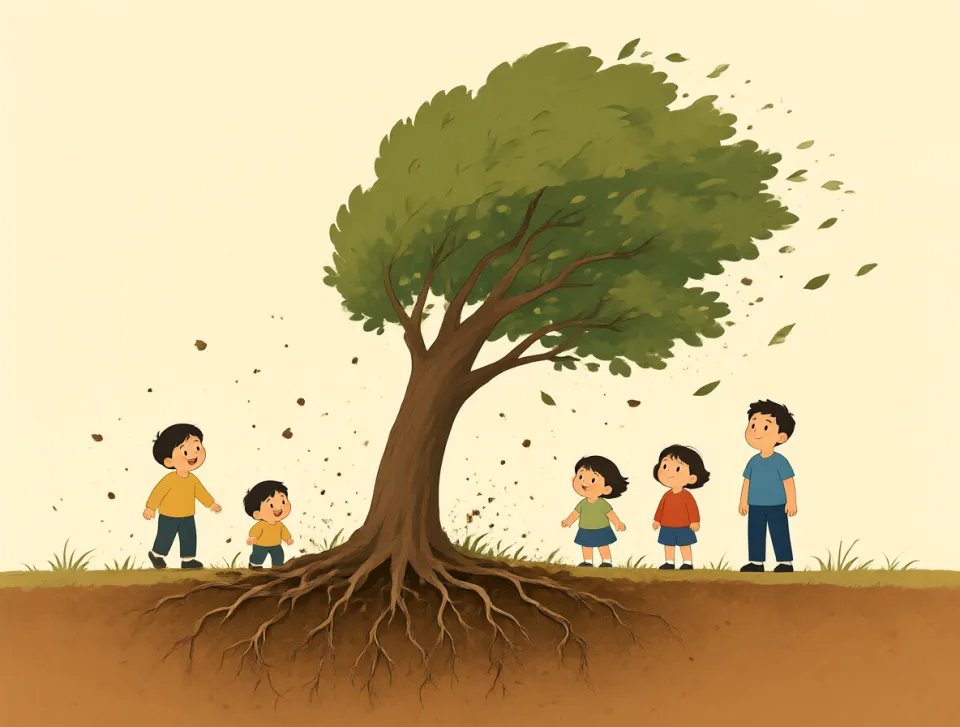
The wind exposed the roots of the old tree.
हवा ने पुराने पेड़ की जड़ों को उघाड़ दिया।

alive
#1774adjective
ज़िंदा
Living, breathing, and not dead.
जीवित और साँस लेता हुआ, मृत नहीं।
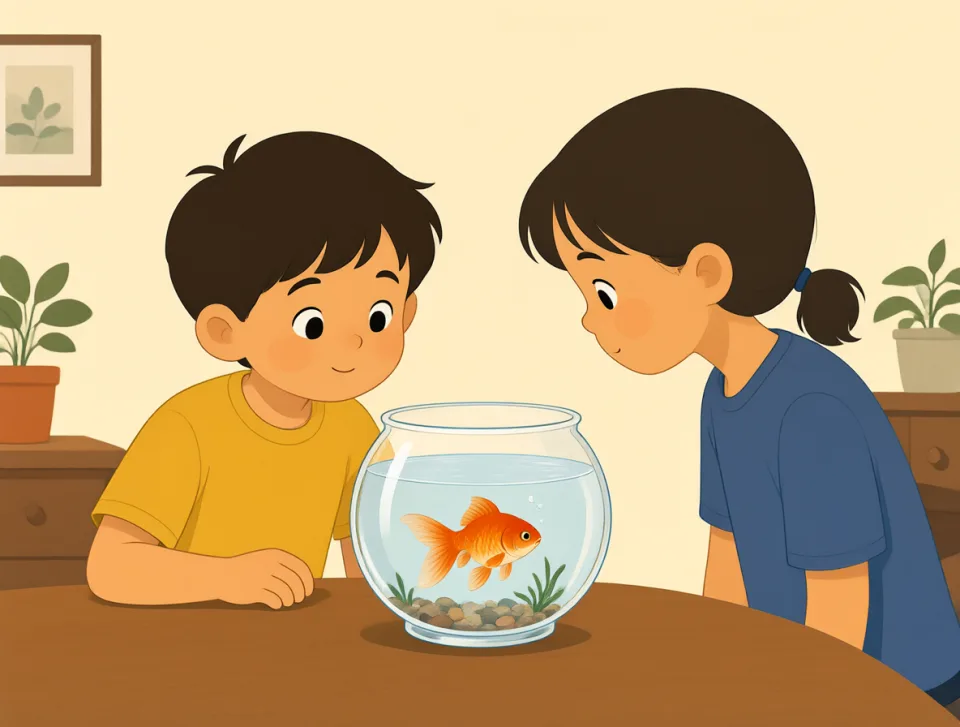
The fish is still alive in the bowl.
मछली अभी भी कटोरे में ज़िंदा है।

The doctor said my grandfather was lucky to be alive.
डॉक्टर ने कहा कि मेरे दादाजी का ज़िंदा बचना खुशकिस्मती की बात थी।

Keep the plants alive by watering them every morning.
पौधों को ज़िंदा रखने के लिए हर सुबह उन्हें पानी दें।

The concert comes alive when the band starts playing.
बैंड के बजाना शुरू करते ही संगीत समारोह में जान आ जाती है।
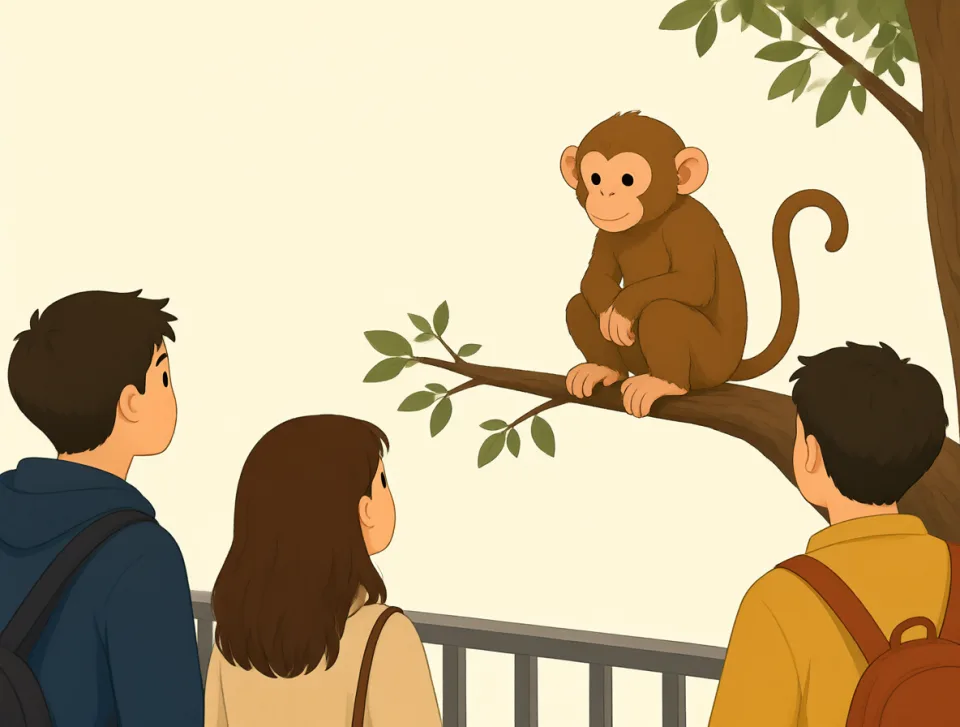
We saw a live monkey during our trip to the zoo.
चिड़ियाघर की यात्रा के दौरान हमने एक जीवित बंदर देखा।
shut
#1775verb, adjective
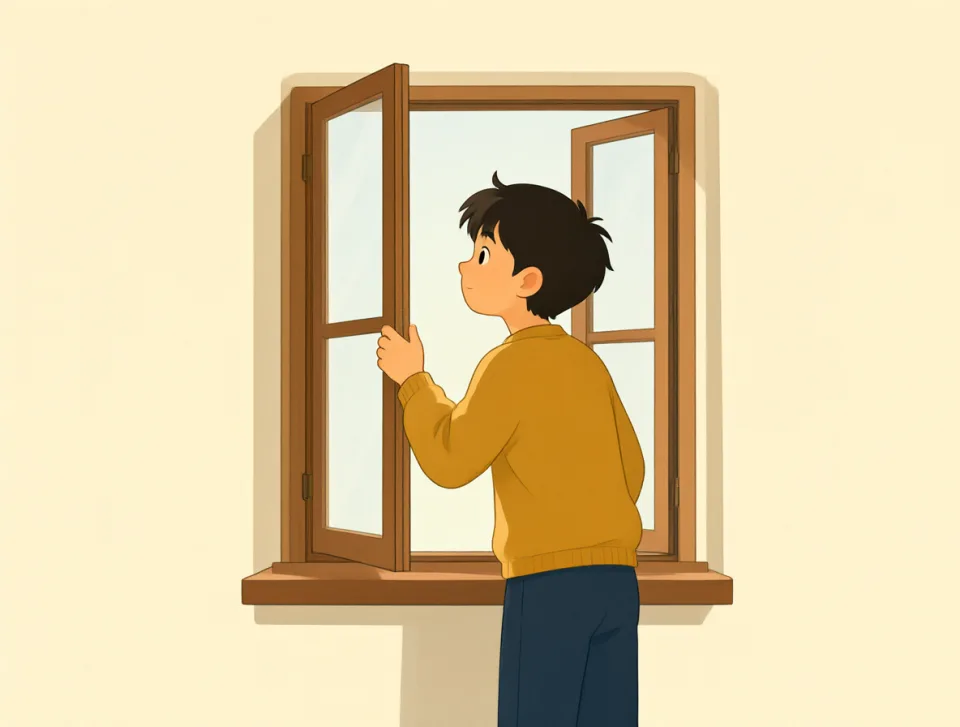
बंद करना
to close something, or to be closed and not open
किसी चीज़ को बंद करना, या उसका बंद और खुला न होना।
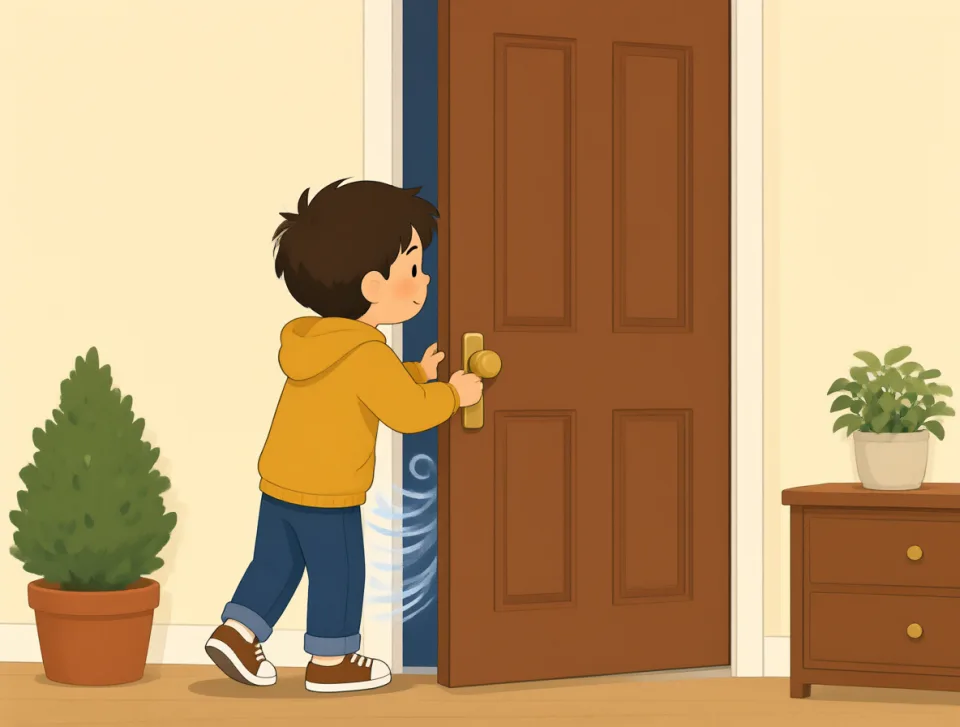
Please shut the door; it is cold outside.
कृपया दरवाज़ा बंद कर दीजिए; बाहर ठंड है।
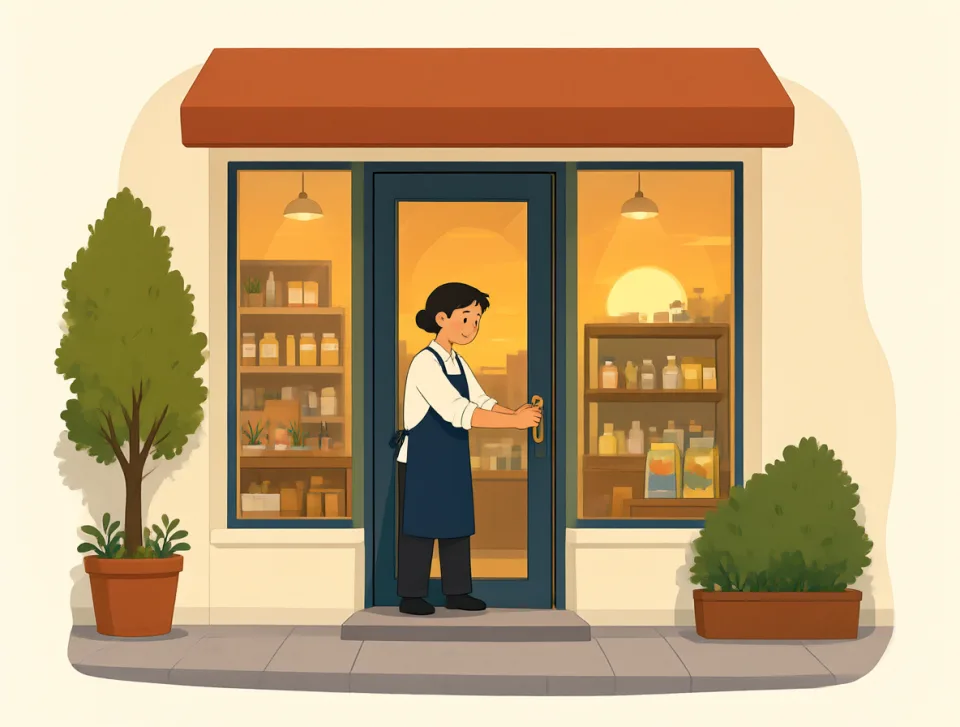
The shop shuts at six o'clock every evening.
दुकान हर शाम छह बजे बंद हो जाती है।
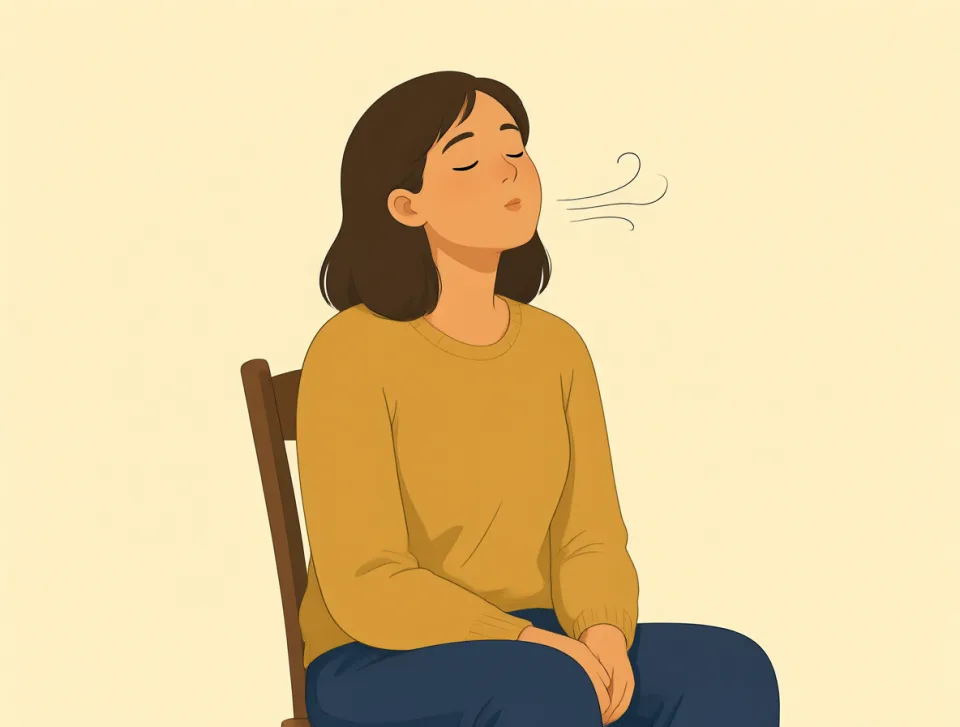
She shut her eyes and took a deep breath.
उसने आँखें बंद कीं और गहरी साँस ली।
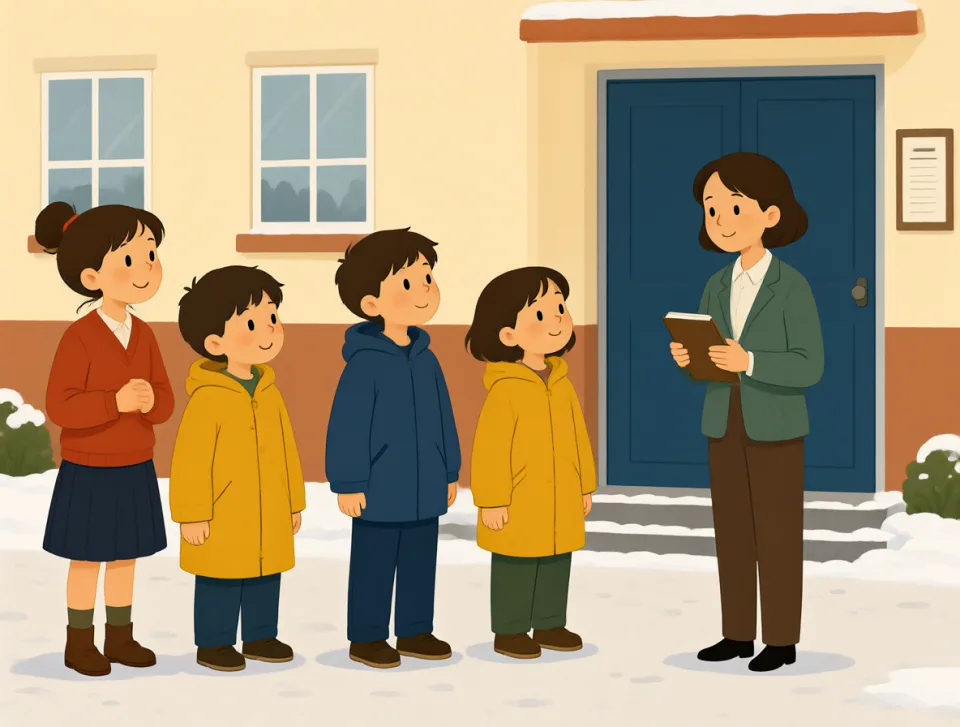
The school was shut because of heavy snow.
भारी बर्फ़बारी के कारण स्कूल बंद था।
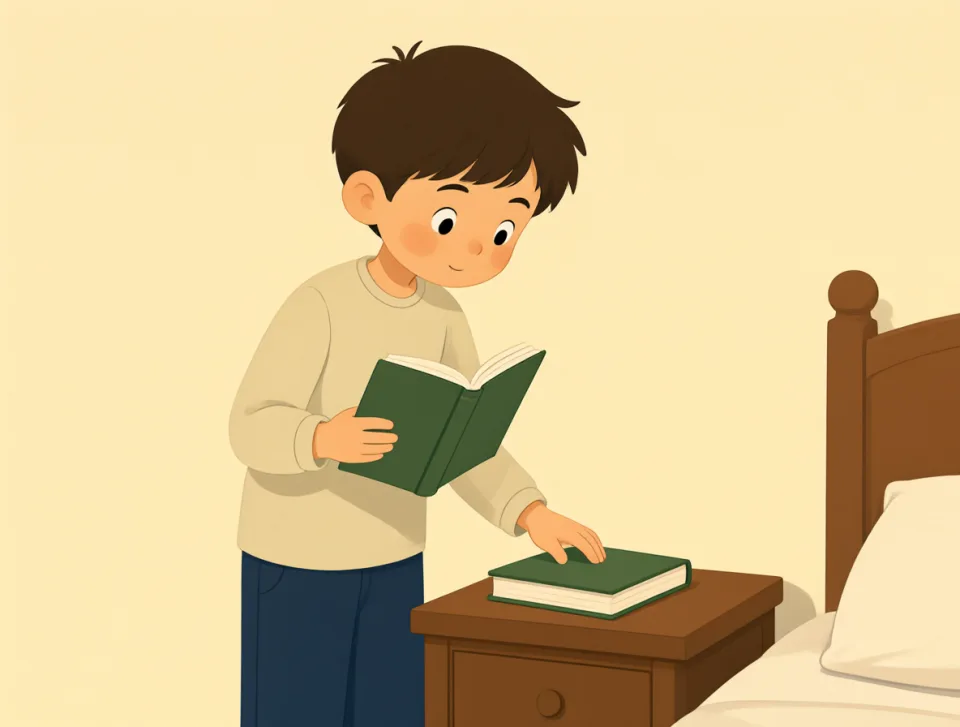
He shut the book and put it beside his bed.
उसने किताब बंद की और उसे अपने बिस्तर के पास रख दिया।

victory
#1776noun
जीत
Success in a game, competition, or struggle against someone or something.
किसी खेल, प्रतियोगिता या संघर्ष में किसी व्यक्ति या चीज़ के खिलाफ़ सफलता।

The team celebrated their victory with pizza after the final match.
आखिरी मैच के बाद टीम ने पिज़्ज़ा खाकर अपनी जीत का जश्न मनाया।
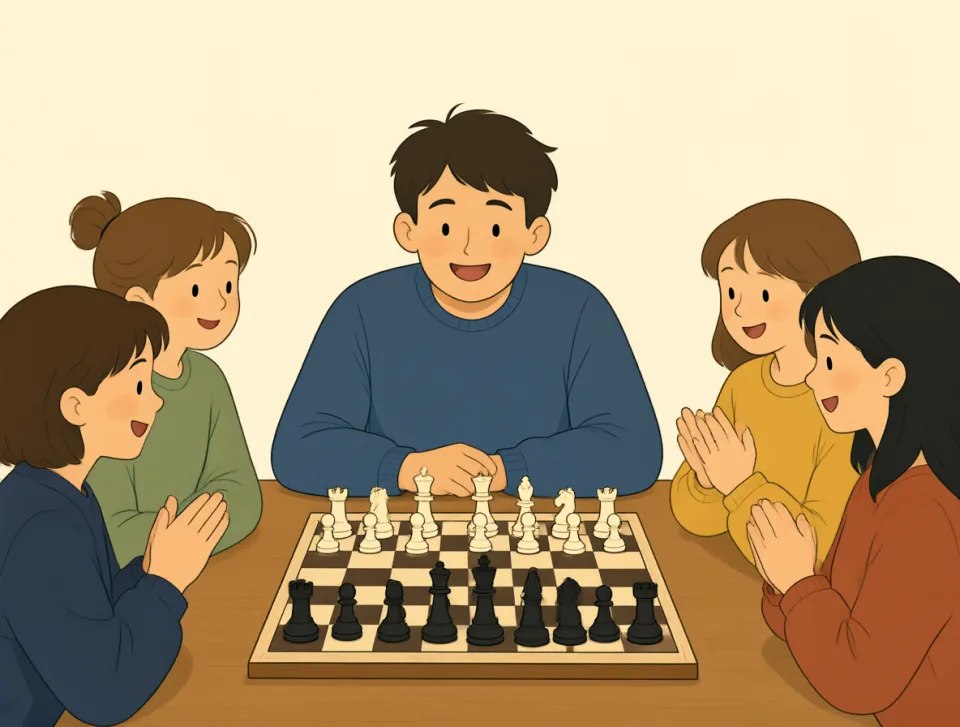
She won a clear victory in the school chess competition.
उसने स्कूल की शतरंज प्रतियोगिता में शानदार जीत हासिल की।
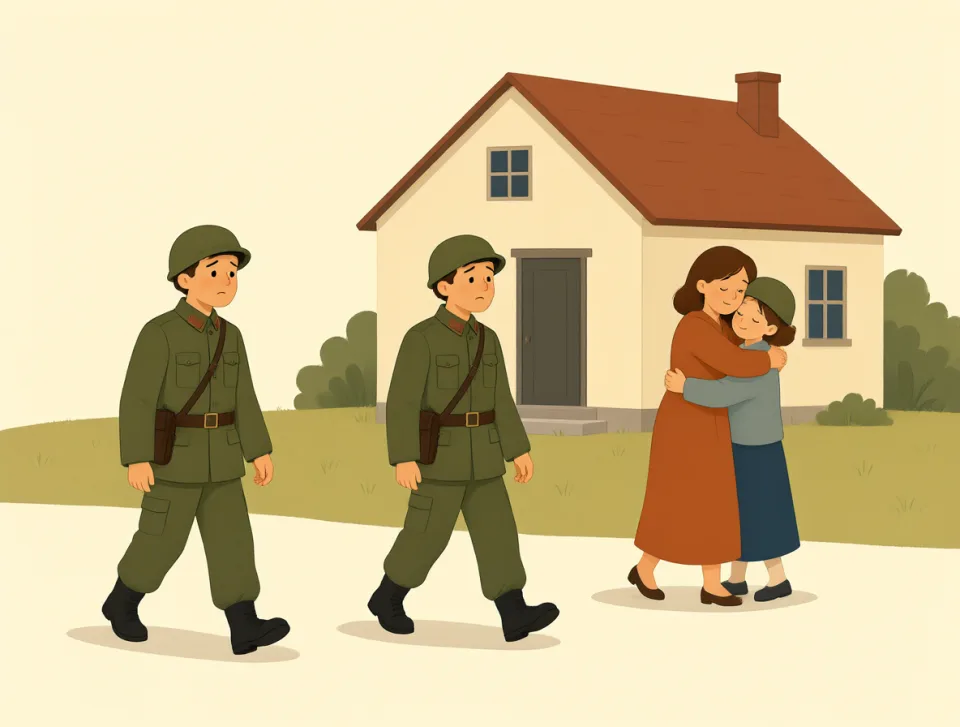
The army returned home after a long and difficult victory.
लंबी और कठिन जीत के बाद सेना घर लौटी।
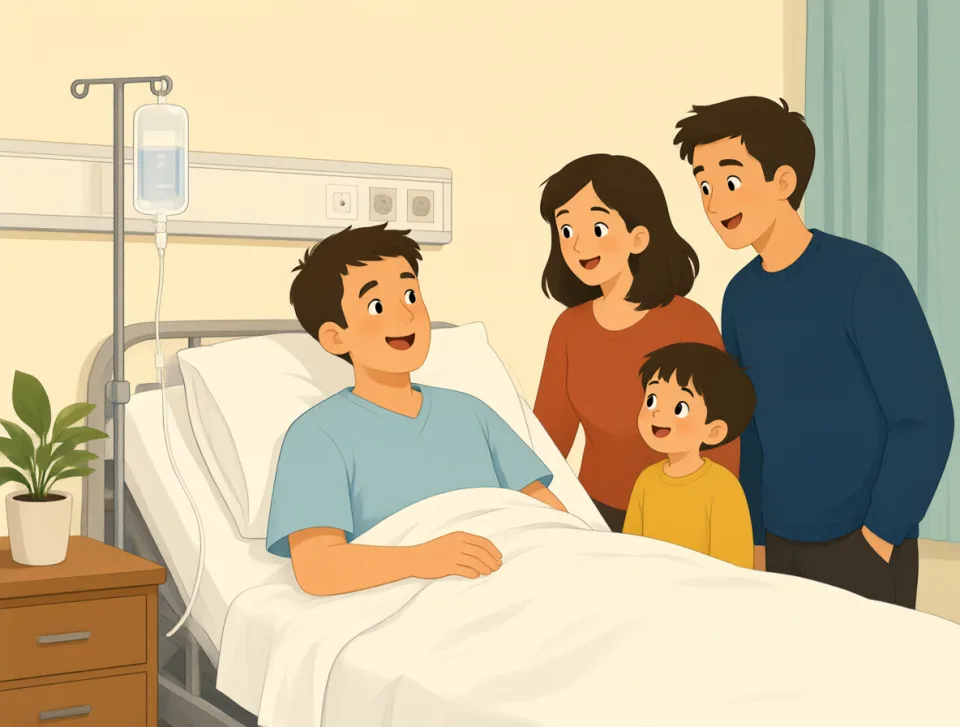
His victory over illness gave the whole family hope.
बीमारी पर उसकी जीत ने पूरे परिवार को उम्मीद दी।

Our team enjoyed a narrow victory in yesterday’s friendly game.
कल के मैत्री मैच में हमारी टीम ने मामूली अंतर से जीत हासिल की।

resolve
#1777verb, noun
हल करना; संकल्प करना
To solve a problem or make a firm decision after thinking carefully.
किसी समस्या का समाधान करना या सोच-विचार के बाद पक्का निर्णय लेना।

We need to resolve this problem before the meeting tomorrow.
हमें कल की बैठक से पहले इस समस्या का समाधान करना होगा।

The hotel manager resolved our complaint quickly and politely.
होटल के मैनेजर ने हमारी शिकायत का जल्दी और विनम्रता से समाधान किया।
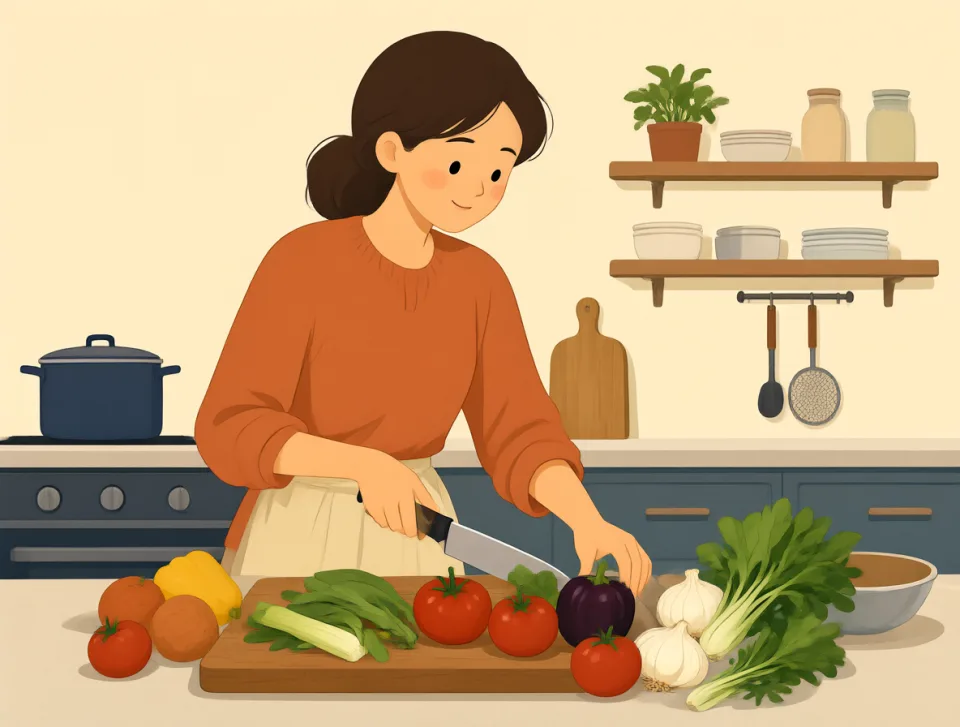
She resolved to eat healthier meals after her doctor’s advice.
डॉक्टर की सलाह के बाद उसने स्वस्थ भोजन करने का पक्का इरादा किया।
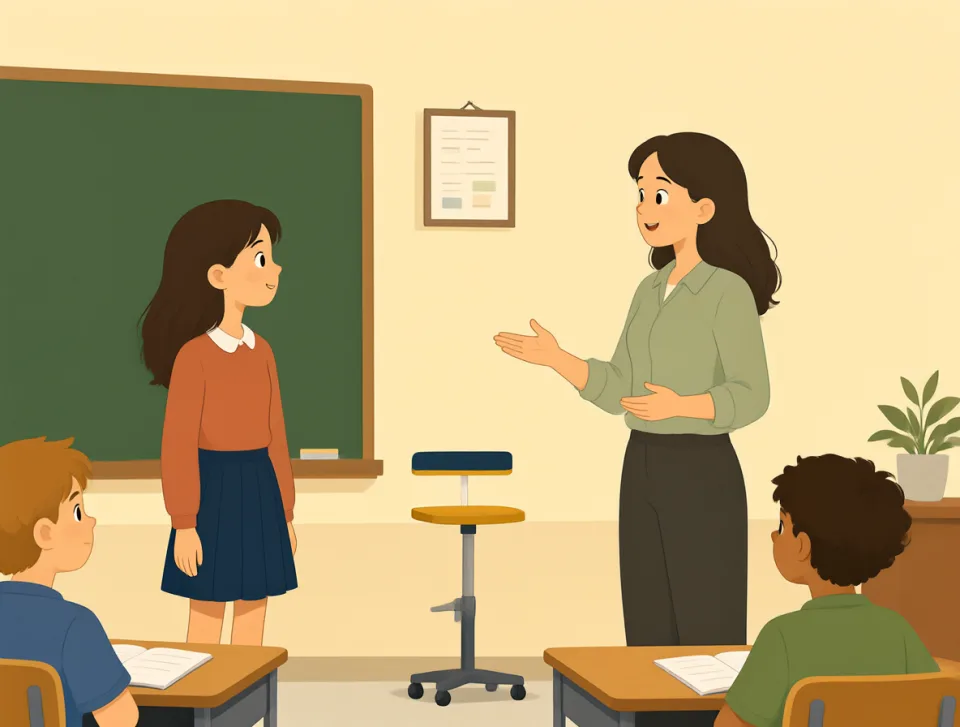
The teacher helped resolve an argument between two students.
शिक्षक ने दो विद्यार्थियों के बीच झगड़ा सुलझाने में मदद की।

The conflict was finally resolved when both friends apologized.
आखिरकार दोनों दोस्तों के माफ़ी माँगने पर झगड़ा सुलझ गया।

critic
#1778noun
समीक्षक
A person who gives opinions about the quality of something, especially art, books, or films.
वह व्यक्ति जो किसी चीज़ की गुणवत्ता पर अपनी राय देता है, खासकर कला, किताबों या फ़िल्मों की।
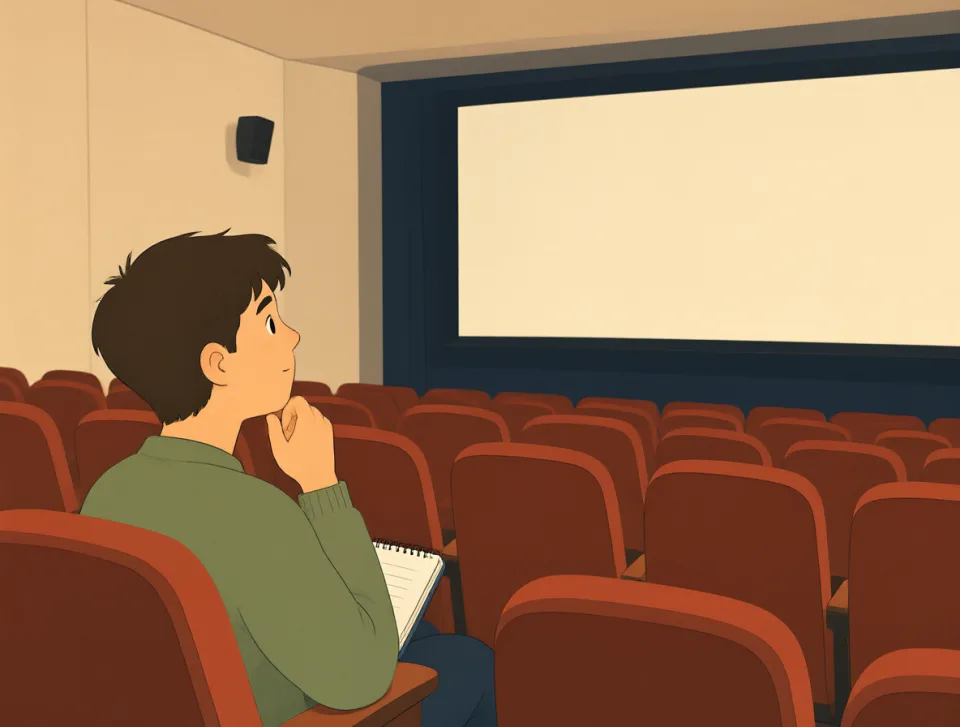
The film critic praised the actors but disliked the ending.
फ़िल्म समीक्षक ने अभिनेताओं की तारीफ़ की, लेकिन अंत उसे पसंद नहीं आया।

A food critic visited the new restaurant with two friends.
खाने के एक समीक्षक ने दो दोस्तों के साथ नए रेस्तराँ का दौरा किया।

The book critic wrote a positive review of her novel.
किताब के समीक्षक ने उसके उपन्यास की सकारात्मक समीक्षा लिखी।
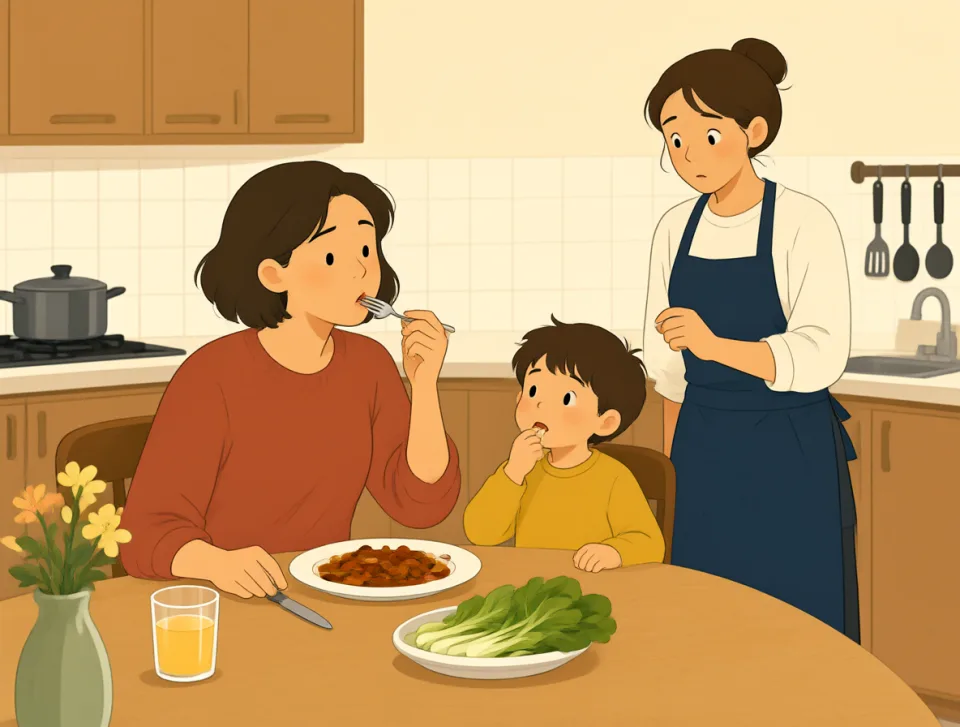
My brother is a harsh critic of my cooking.
मेरा भाई मेरे खाना पकाने का बहुत सख़्त आलोचक है।

The art critic studied the painting carefully before speaking.
कला समीक्षक ने बोलने से पहले पेंटिंग का ध्यान से अध्ययन किया।
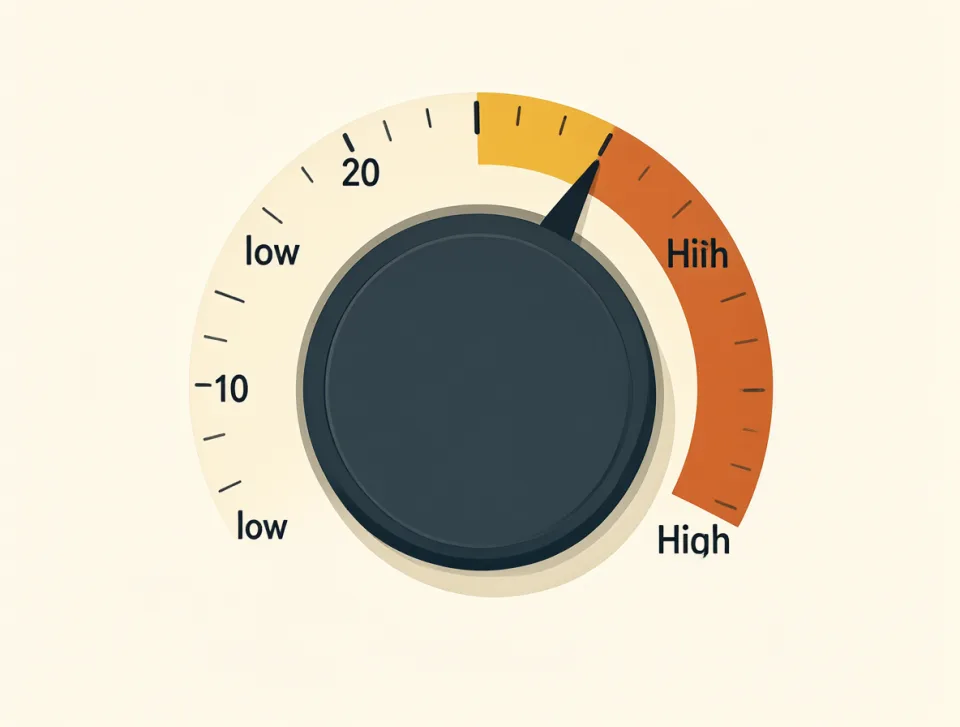
variable
#1779noun, adjective
चर
A variable is something that can change, or a value that changes in a situation.
चर वह चीज़ है जो बदल सकती है, या किसी परिस्थिति में बदलने वाला मान।
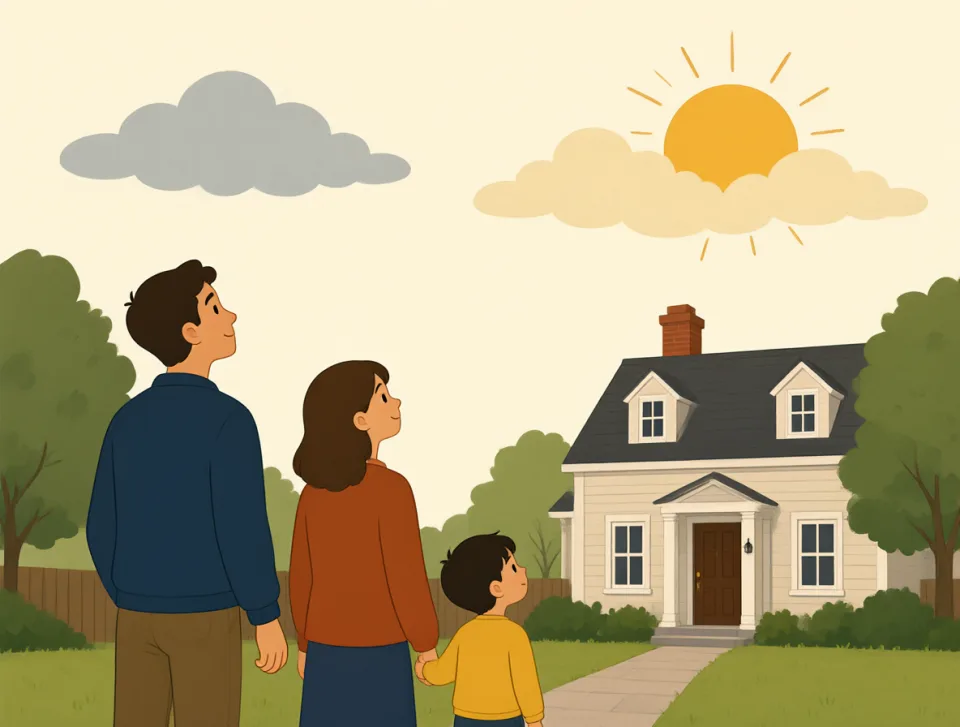
The weather is a variable we cannot control.
मौसम एक ऐसा कारक है जिसे हम नियंत्रित नहीं कर सकते।

The price of the meal depends on several variables.
खाने की कीमत कई कारकों पर निर्भर करती है।
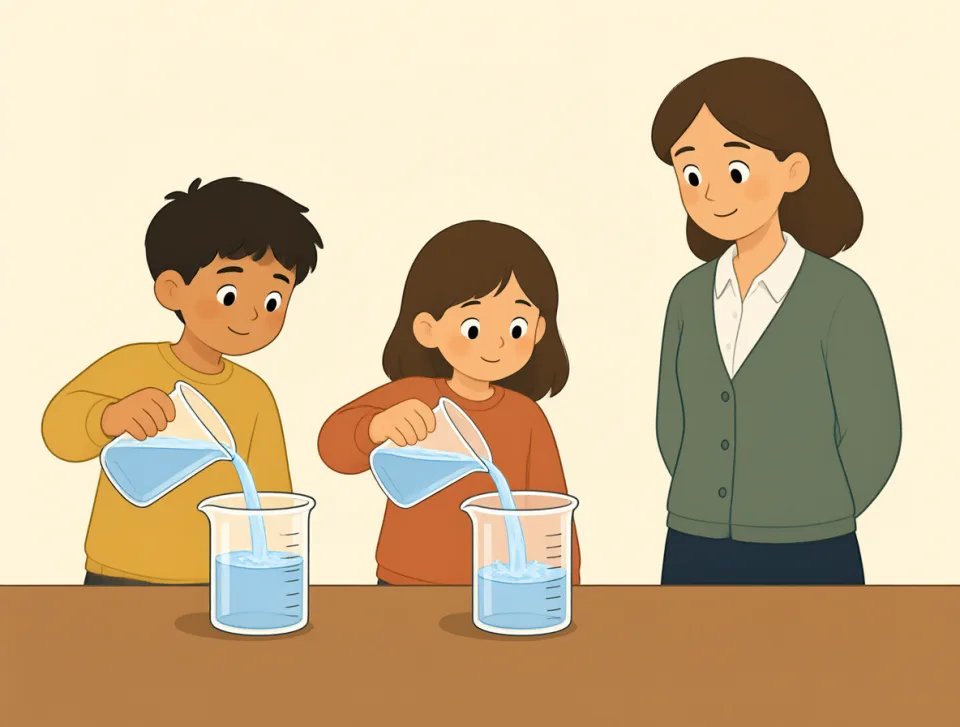
The teacher changed one variable during the science experiment.
विज्ञान के प्रयोग के दौरान शिक्षक ने एक चर बदल दिया।
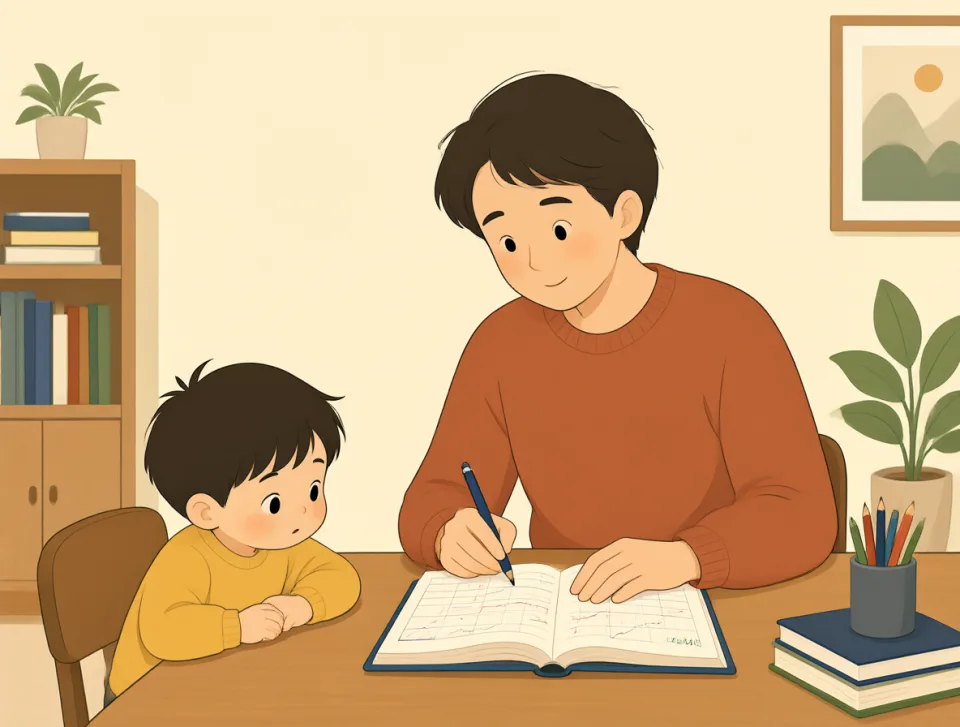
Variable work hours make it hard to plan childcare.
काम के बदलते घंटे बच्चों की देखभाल की योजना बनाना मुश्किल कर देते हैं।

The patient’s variable heart rate worried the doctor.
मरीज़ की बदलती हृदय गति ने डॉक्टर को चिंतित कर दिया।

enormous
#1780adjective
विशाल
Very large in size, amount, or degree.
आकार, मात्रा या स्तर में बहुत बड़ा।
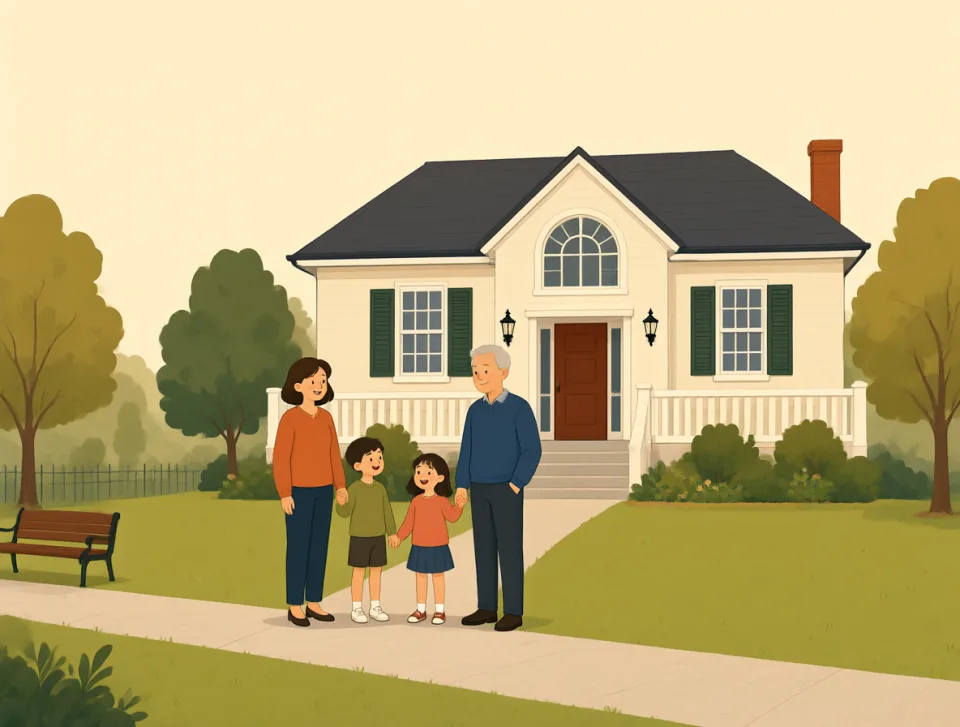
They live in an enormous house near the park.
वे पार्क के पास एक विशाल घर में रहते हैं।
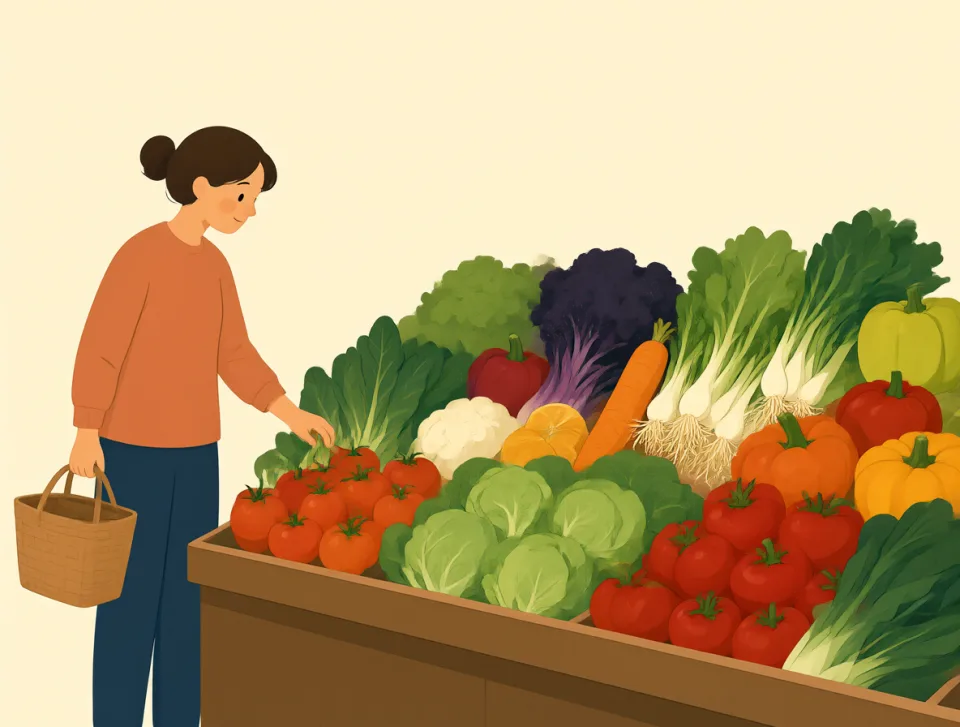
The supermarket has an enormous selection of fresh vegetables.
सुपरमार्केट में ताज़ी सब्ज़ियों की बहुत बड़ी विविधता है।

An enormous crowd waited outside the stadium.
स्टेडियम के बाहर एक विशाल भीड़ इंतज़ार कर रही थी।

We saw an enormous whale during our boat trip.
नाव की सैर के दौरान हमने एक विशाल व्हेल देखी।
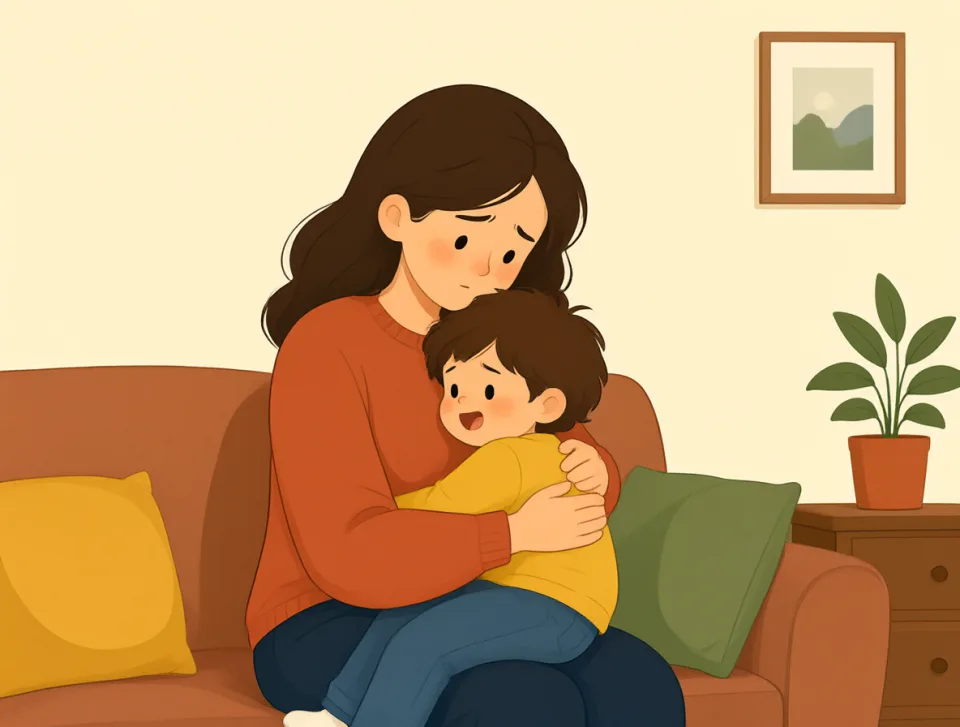
She felt enormous relief when her lost child came home.
जब उसका खोया हुआ बच्चा घर लौट आया, तो उसे बहुत राहत मिली।