ユニット 7
121〜140語 · write, same, lot, great, try, leave
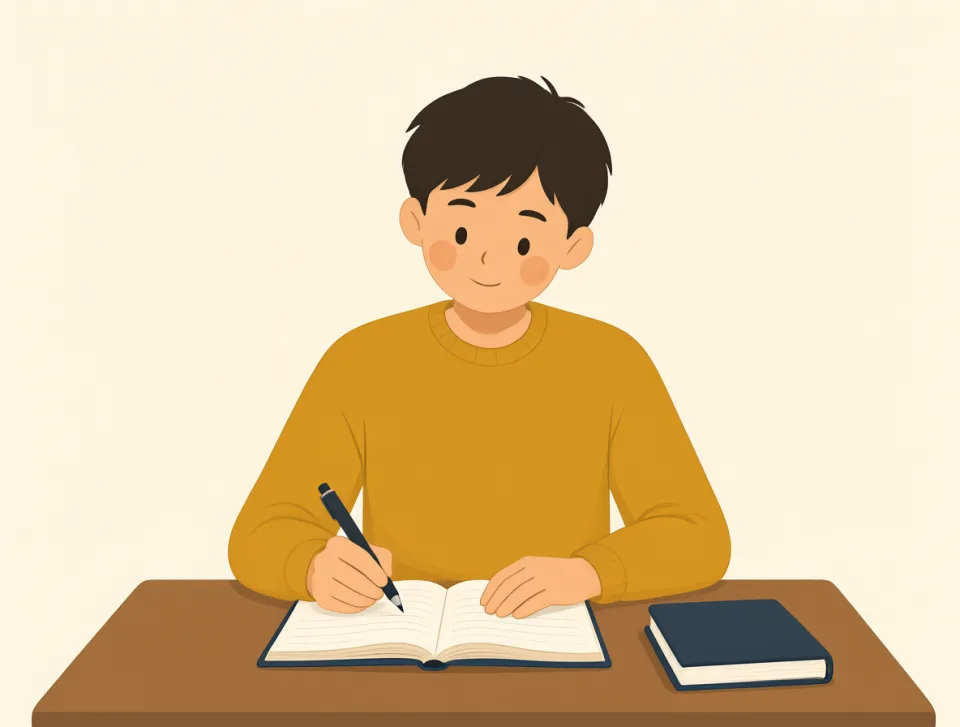
write
#121verb
書く
to put words on paper or a screen
紙や画面に言葉を書くこと
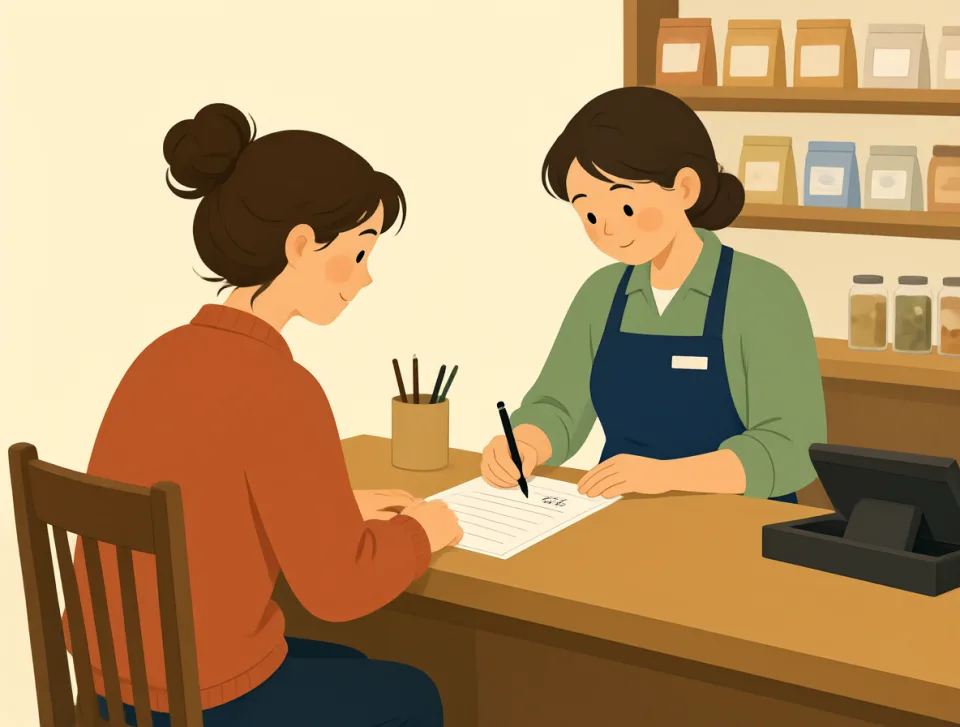
Please write your name here.
ここに名前を書いてください。
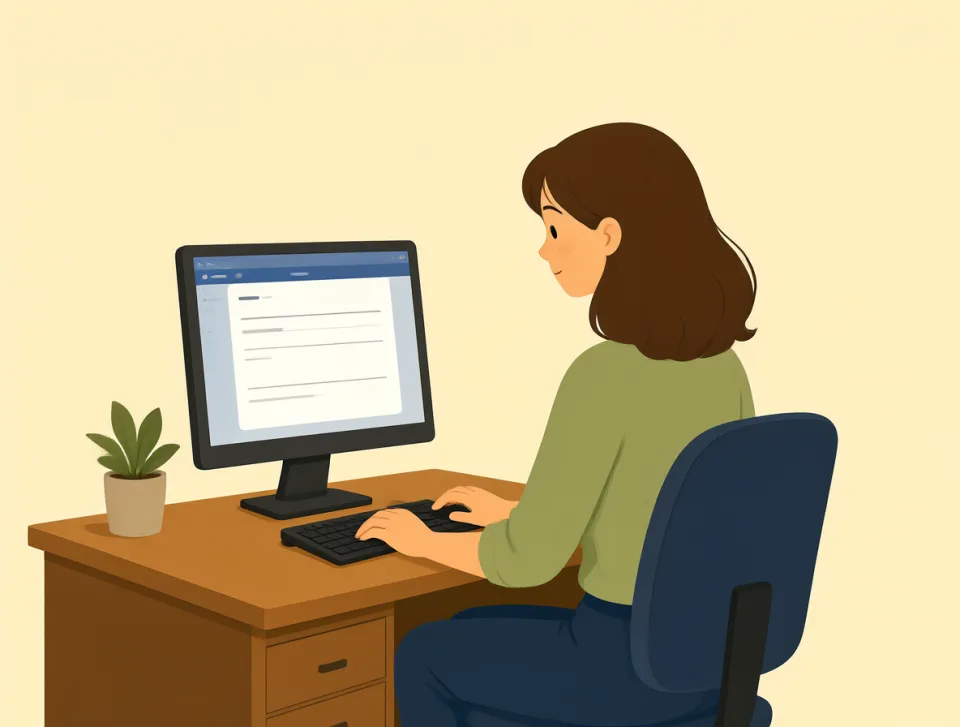
She writes emails at work.
彼女は仕事でメールを書きます。
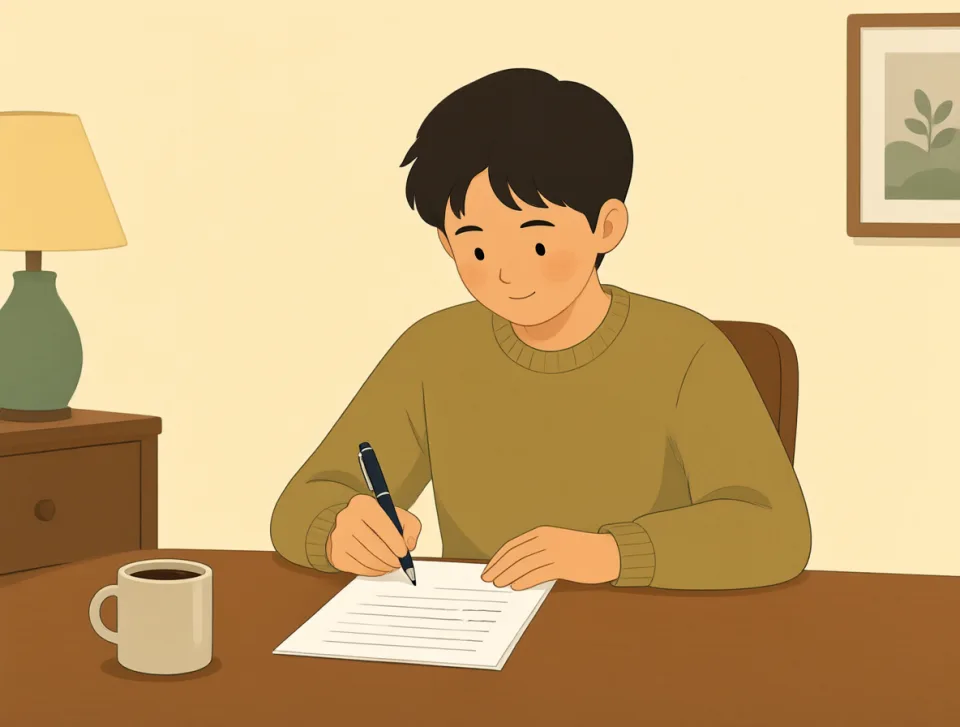
I wrote a letter to my friend.
私は友達に手紙を書きました。
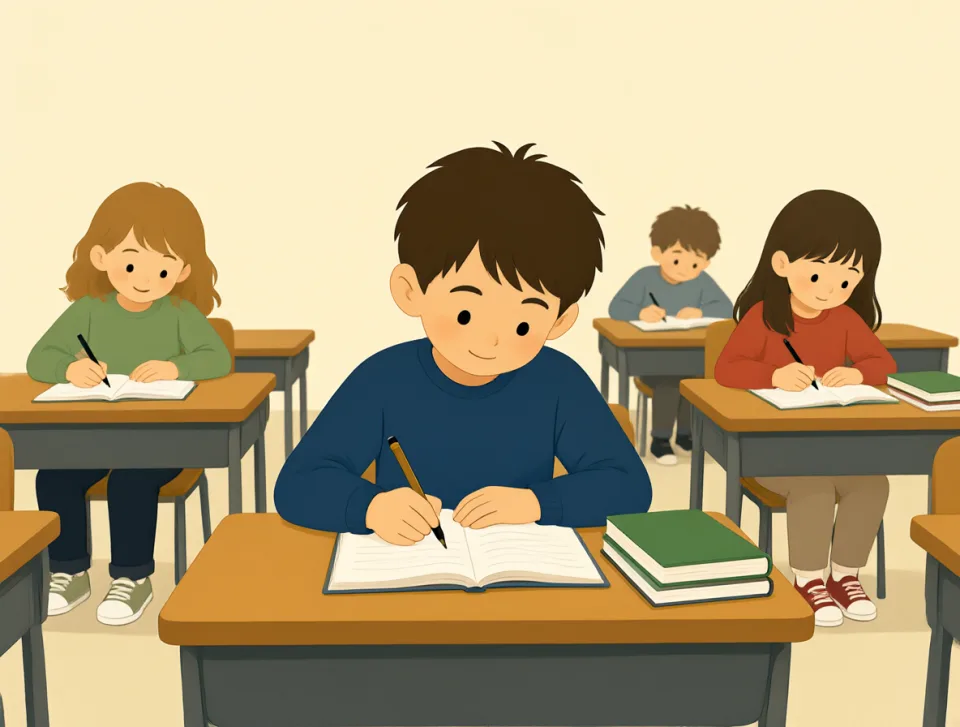
The students are writing sentences.
生徒たちは文を書いています。
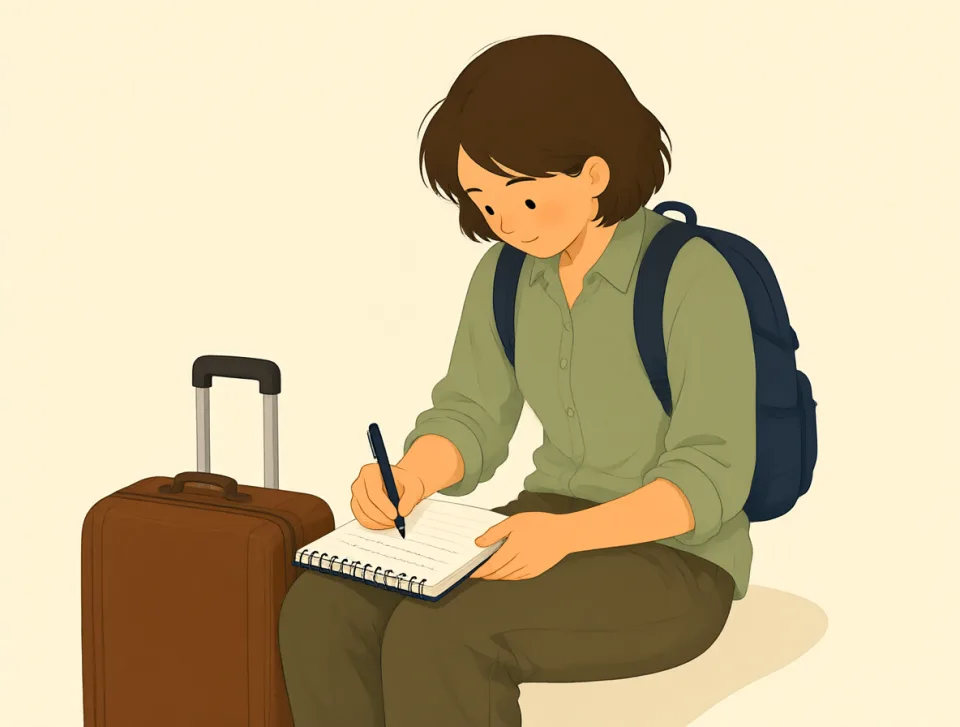
He wrote down the hotel address.
彼はホテルの住所を書き留めました。
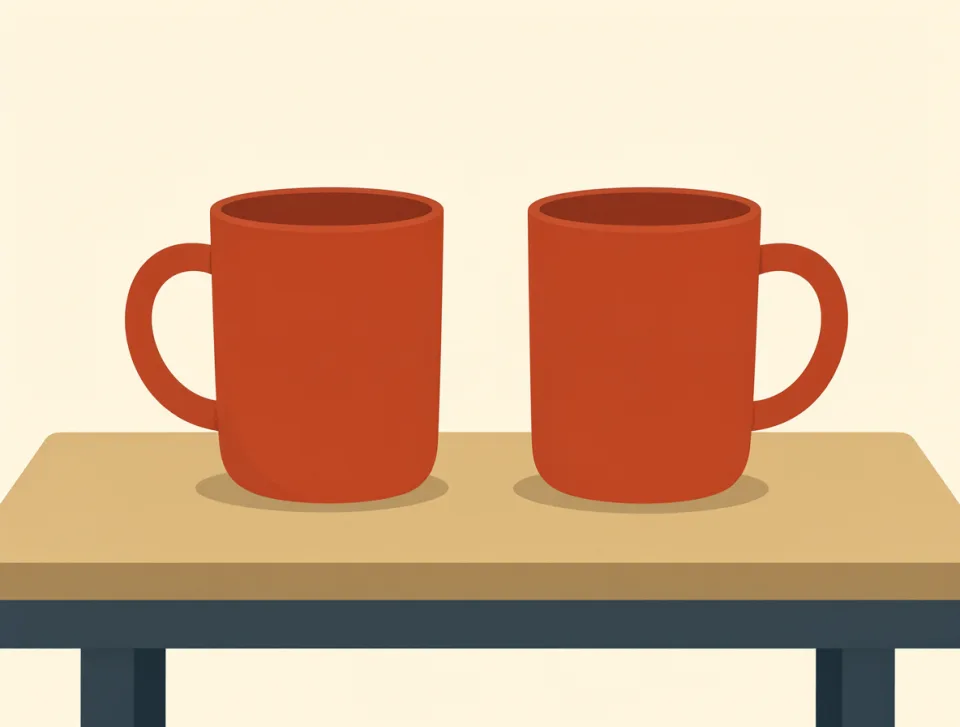
same
#122adjective, adverb, pronoun, determiner
同じ; 同一の
Exactly like another person or thing, or exactly that person or thing.
別の人や物とまったく同じ、またはその人や物そのものであること。
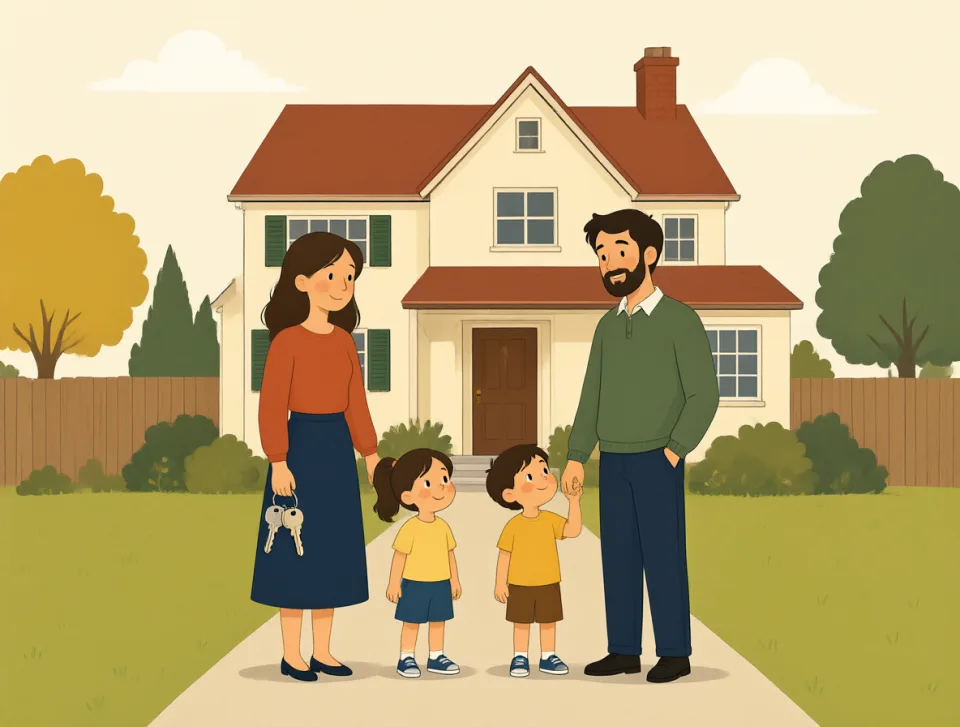
We live in the same house.
私たちは同じ家に住んでいます。
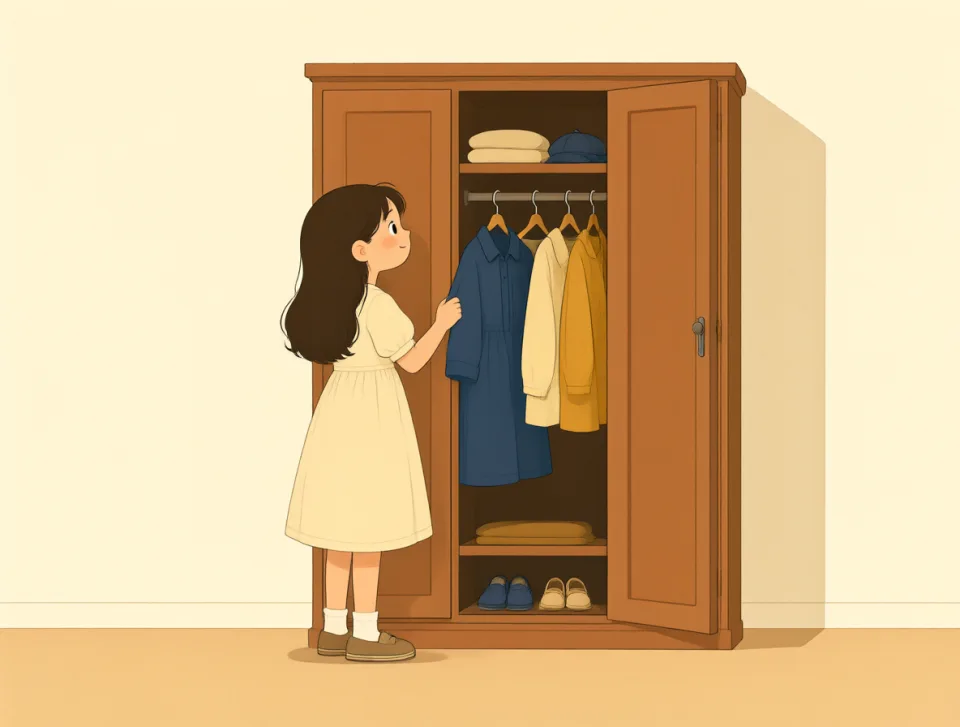
She wore the same dress yesterday.
彼女は昨日、同じドレスを着ていました。
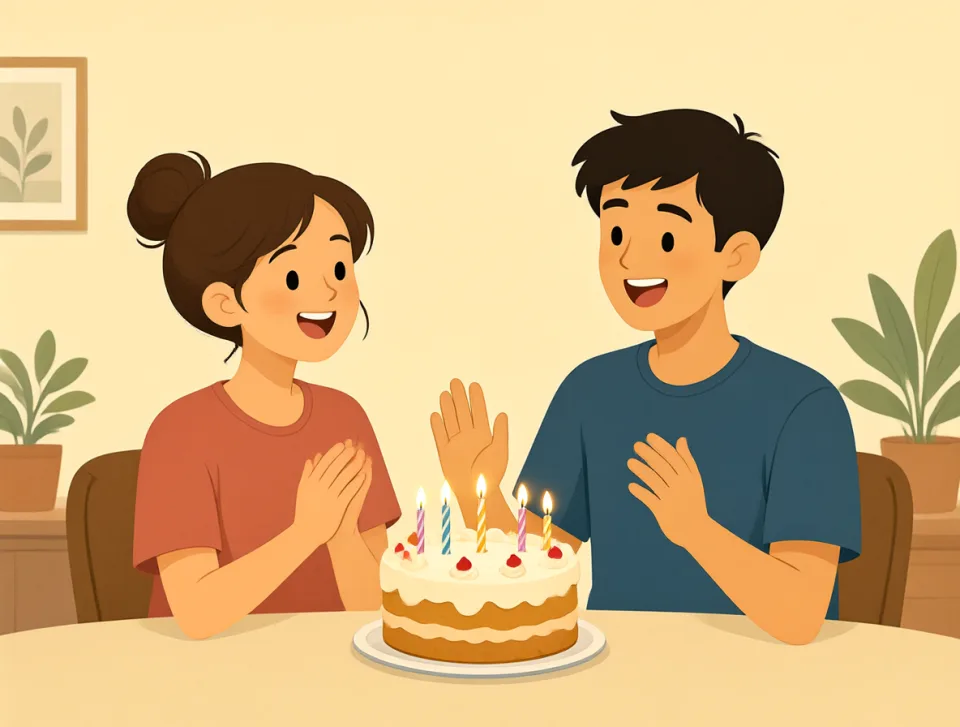
Tom and I have the same birthday.
Tomと私は誕生日が同じです。

Please choose the same size as mine.
私のものと同じサイズを選んでください。
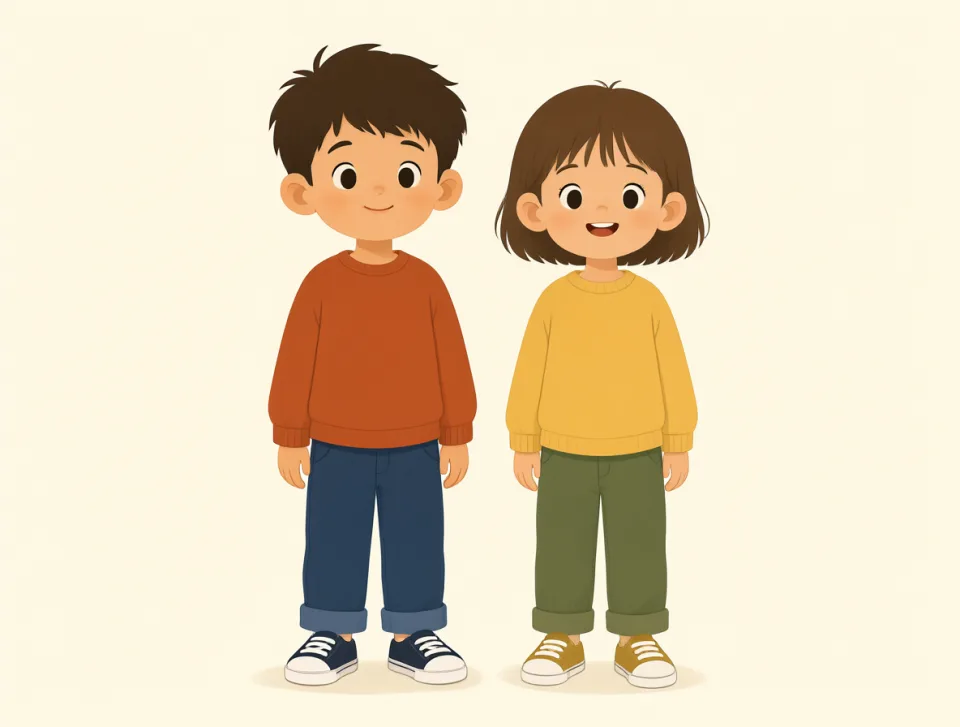
The twins look exactly the same.
その双子は見た目がまったく同じです。
lot
#123noun, determiner, adverb
たくさん; 多くの; 駐車場; とても
A large amount or number of something.
何かの量や数が多いこと。
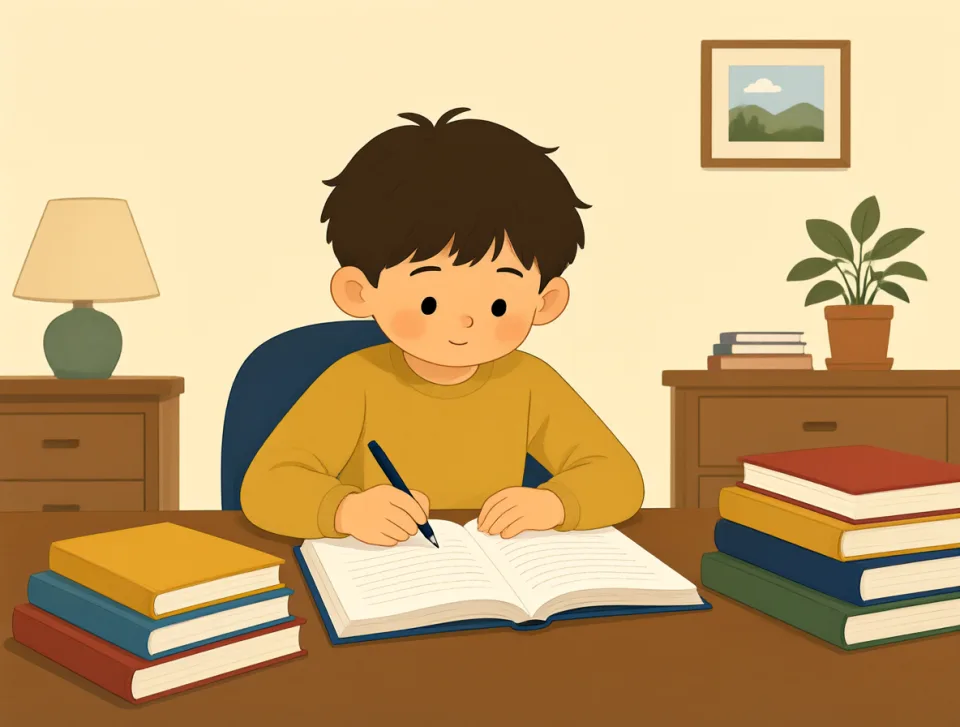
I have a lot of homework tonight.
今夜は宿題がたくさんあります。
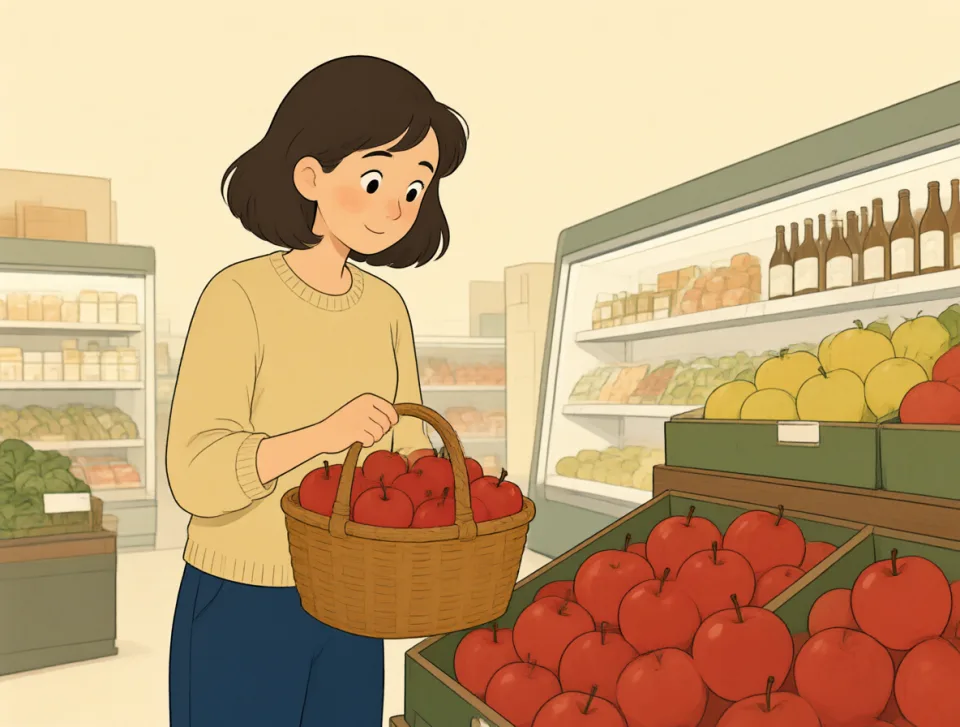
There are lots of apples in the basket.
かごの中にはりんごがたくさんあります。

She spends a lot of time reading.
彼女は読書に多くの時間を費やします。
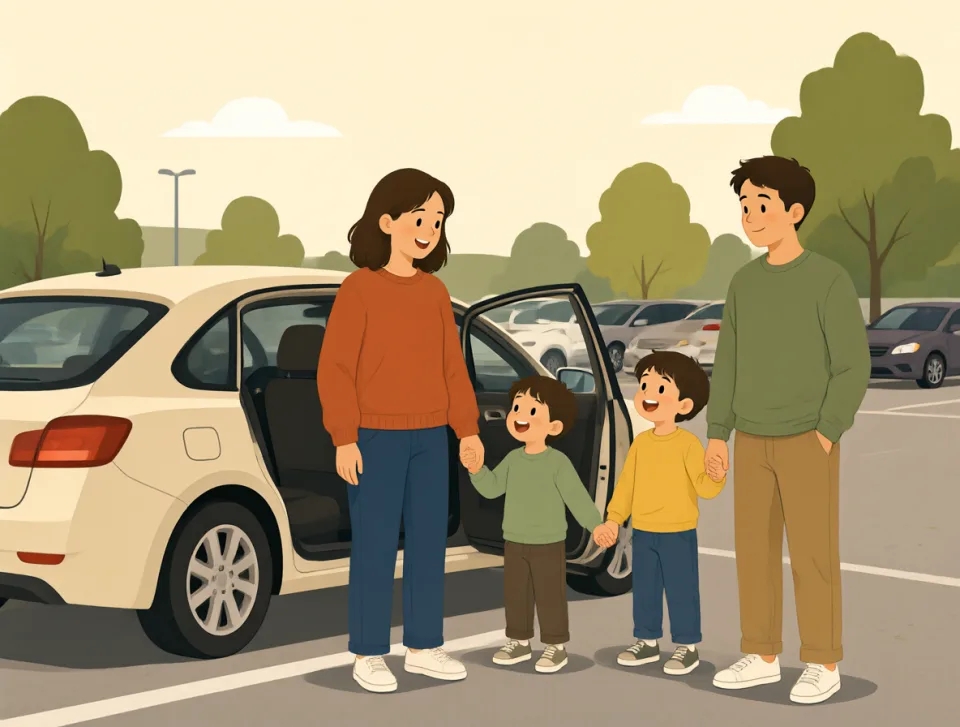
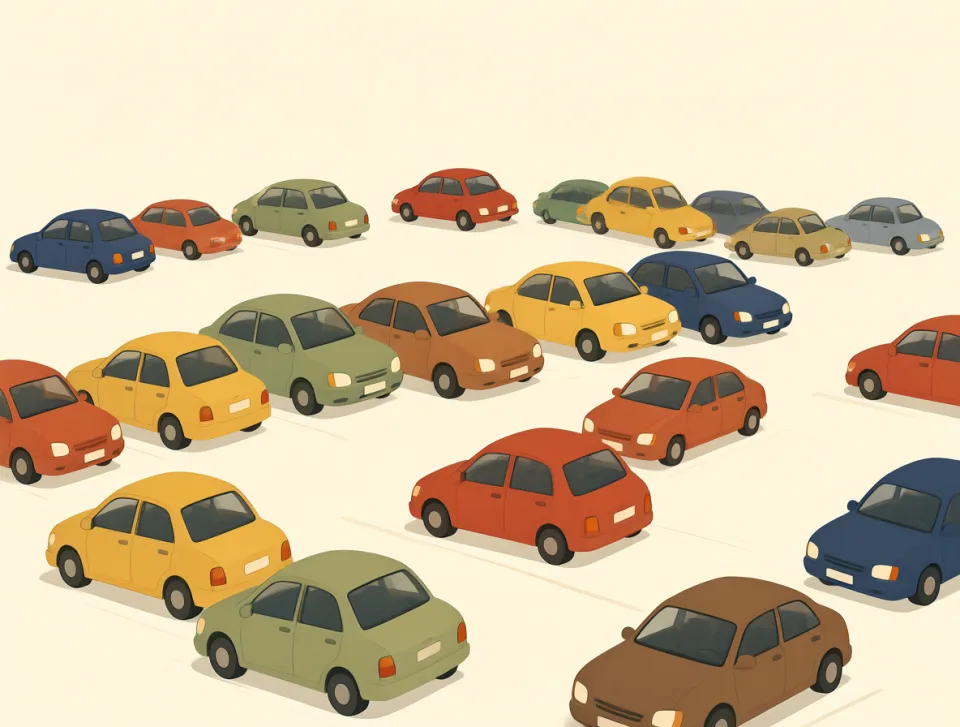
We parked the car in the parking lot.
私たちは駐車場に車を停めました。
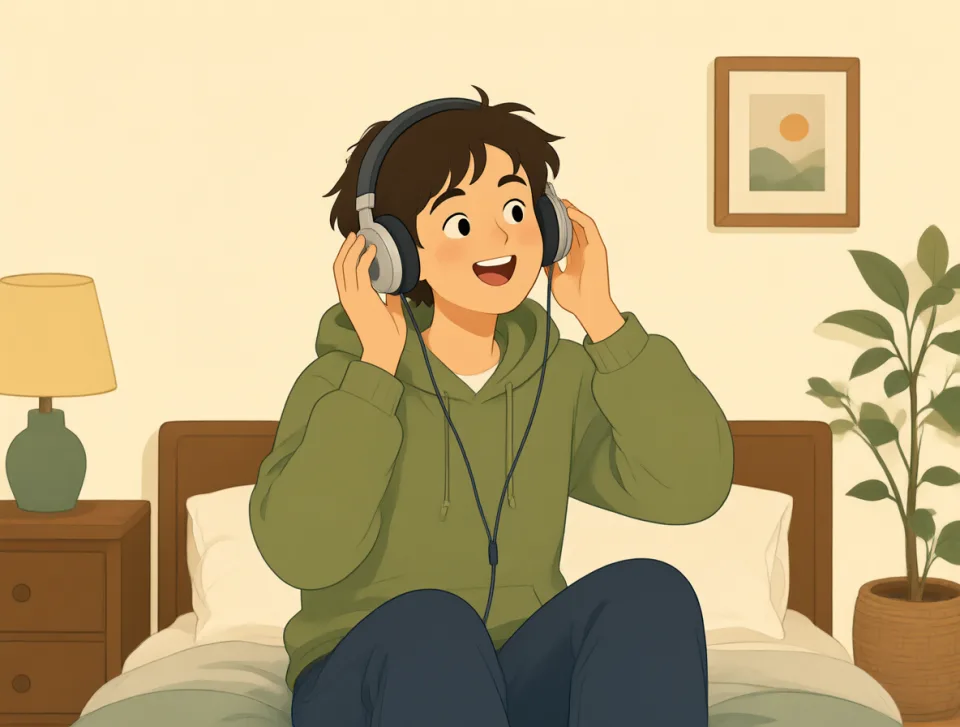
I like this song a lot.
私はこの曲がとても好きです。

great
#124adjective
素晴らしい; 最高の; 大きな
Very good, enjoyable, or important.
とても良い、楽しい、または重要な。

We had a great time at the party.
私たちはパーティーで楽しい時間を過ごした。
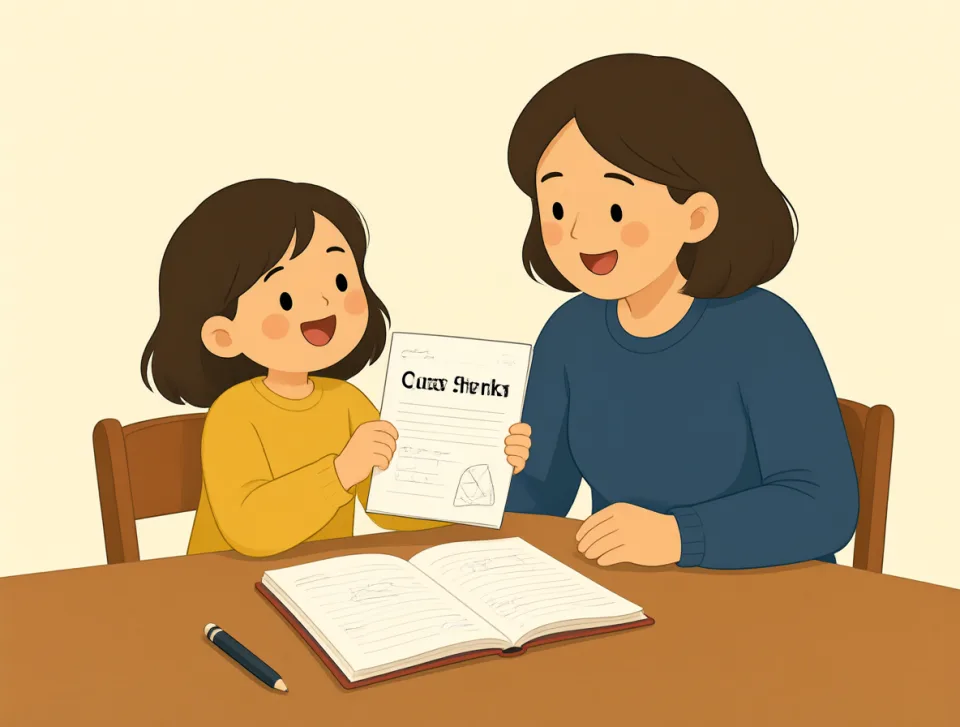
She did a great job on her homework.
彼女は宿題をとてもよくやった。
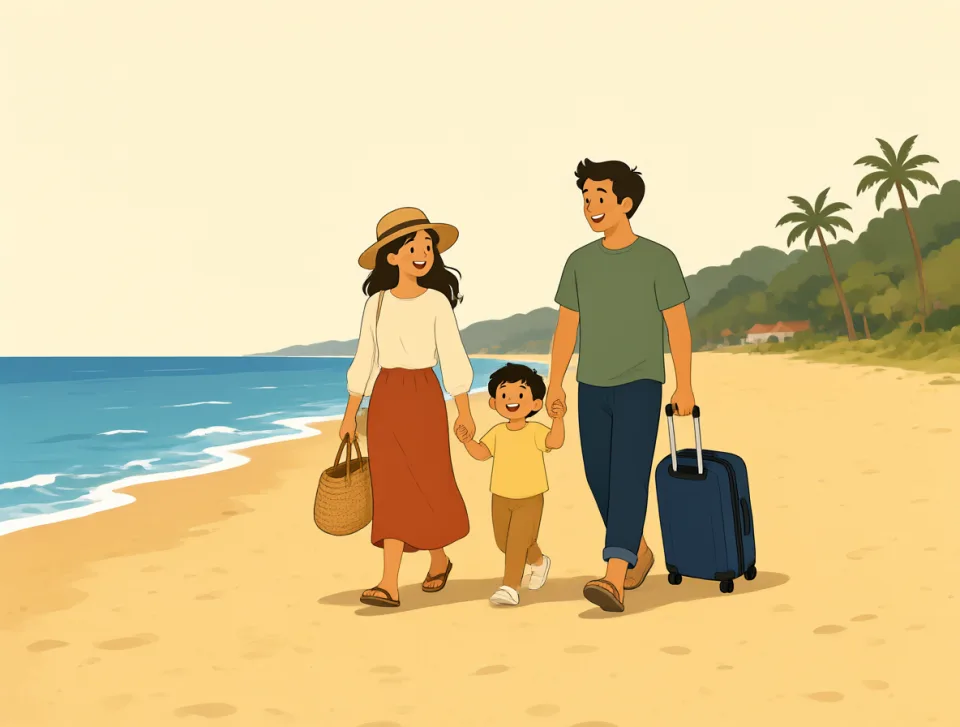
The weather was great for our trip.
旅行には最高の天気だった。
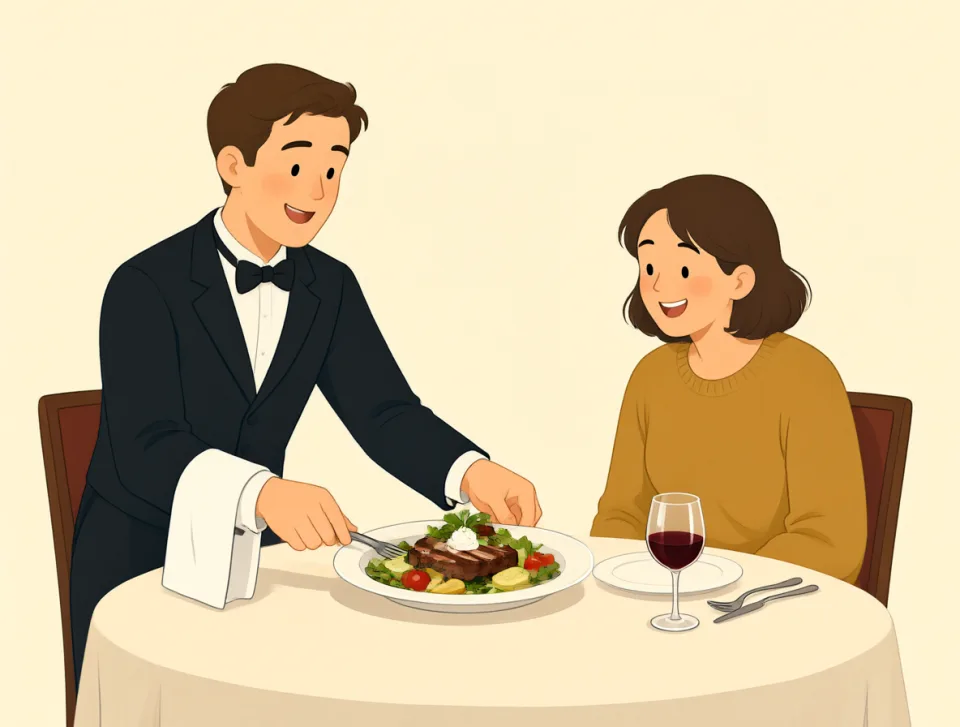
This restaurant serves great food.
このレストランはおいしい料理を出す。
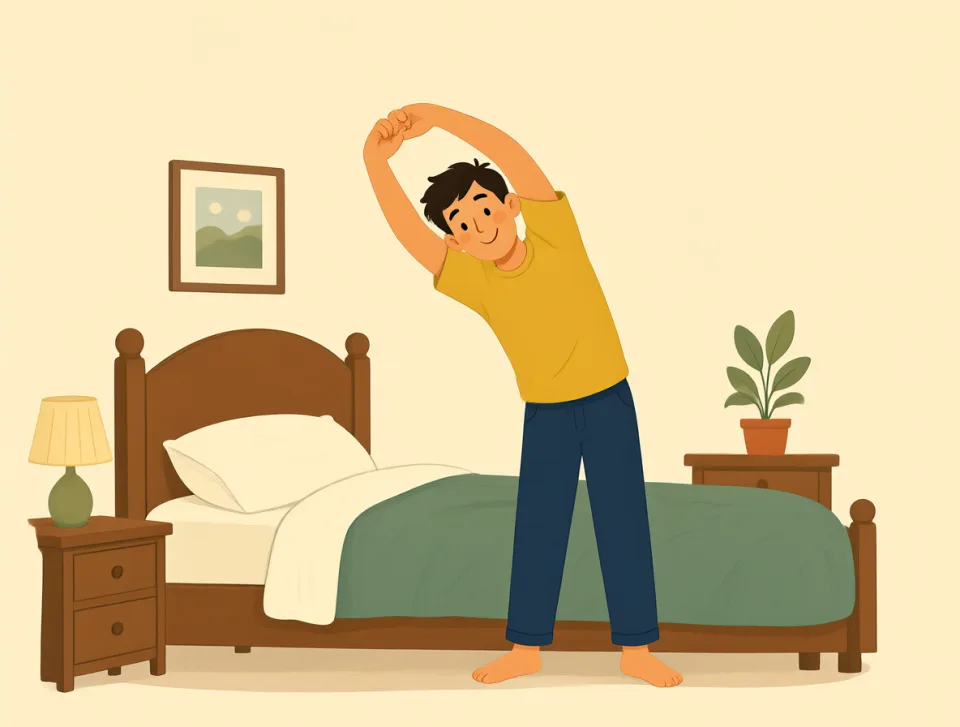
He felt great after a good night's sleep.
ぐっすり眠った後、彼はとても気分がよかった。
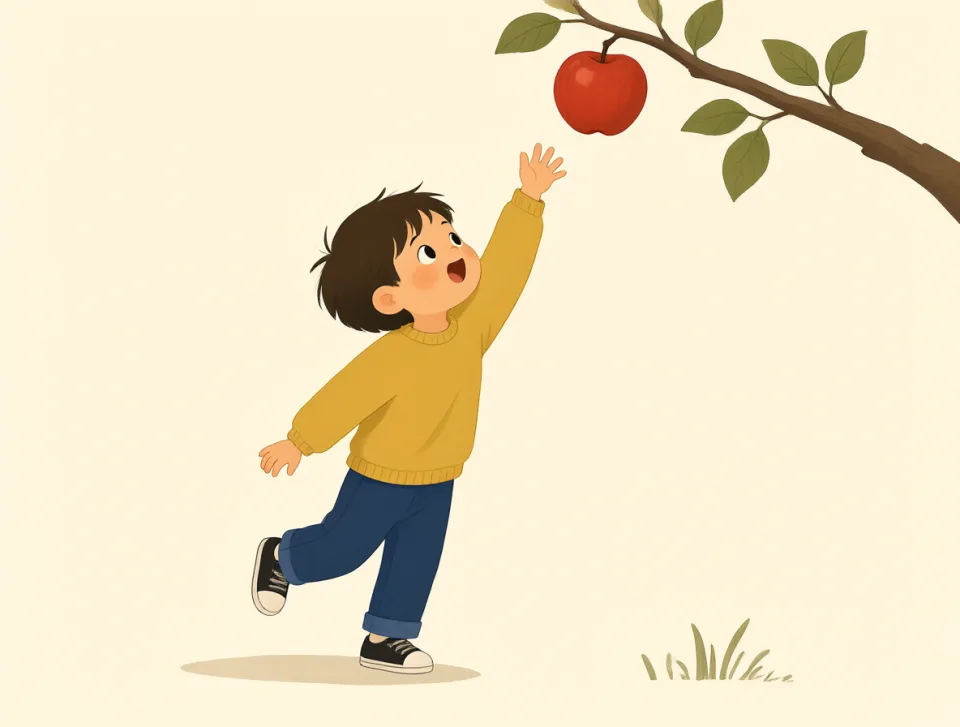
try
#125verb, noun
試す; 努力する; 試み
To do something to see if it works or to make something happen.
うまくいくかどうか、または何かを実現するために、やってみる。
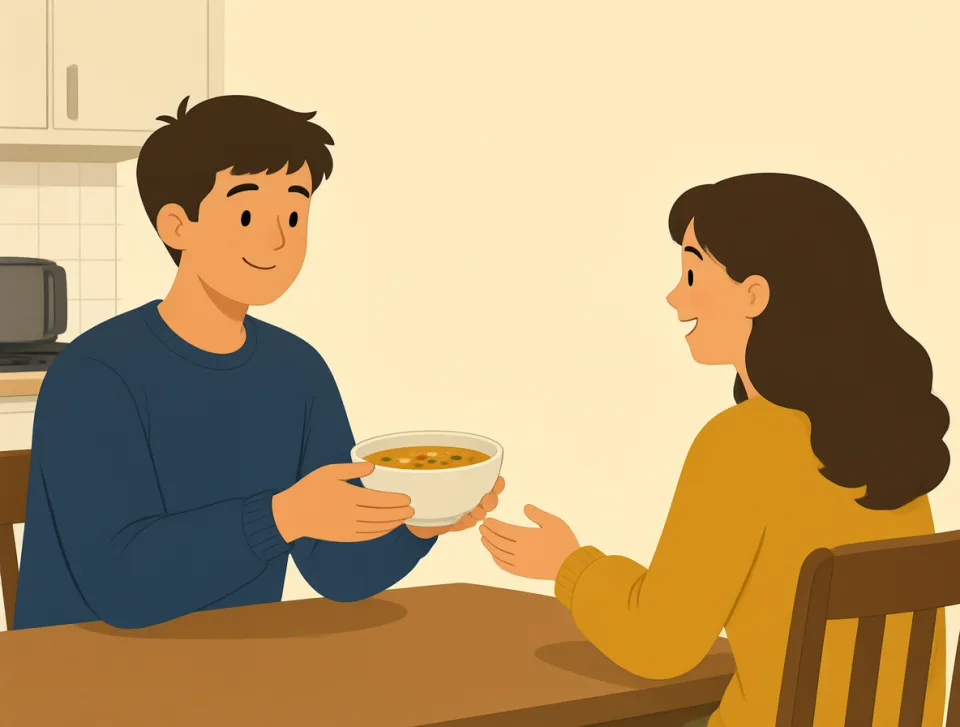
Try this soup; it tastes really good.
このスープを試してみて。とてもおいしいよ。
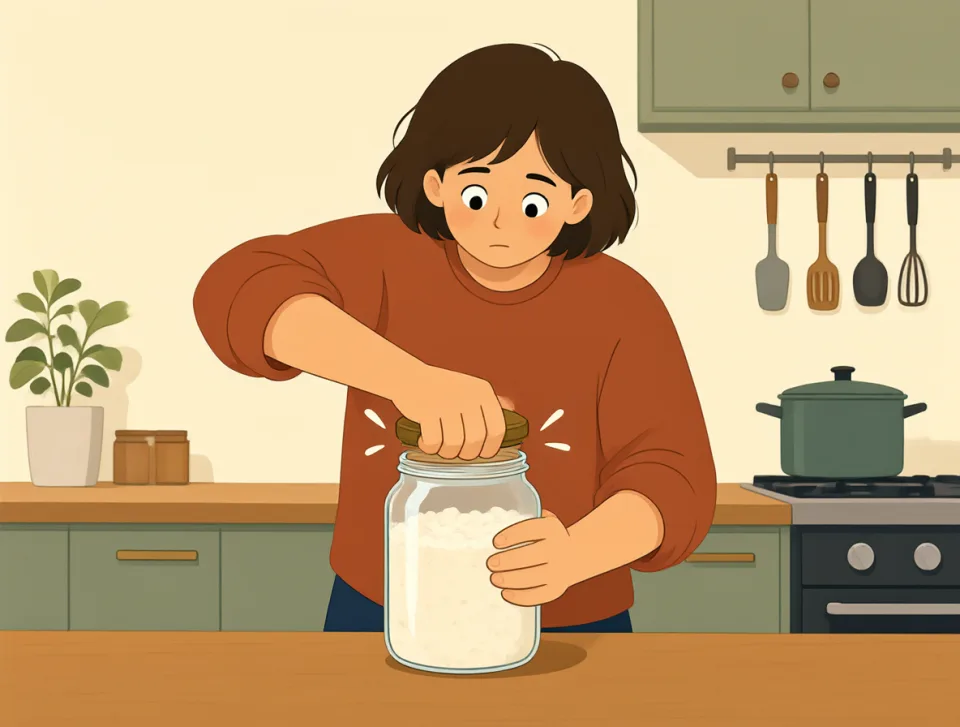
I tried to open the jar.
私はその瓶を開けようとした。

Please try again tomorrow.
明日、もう一度やってみてください。
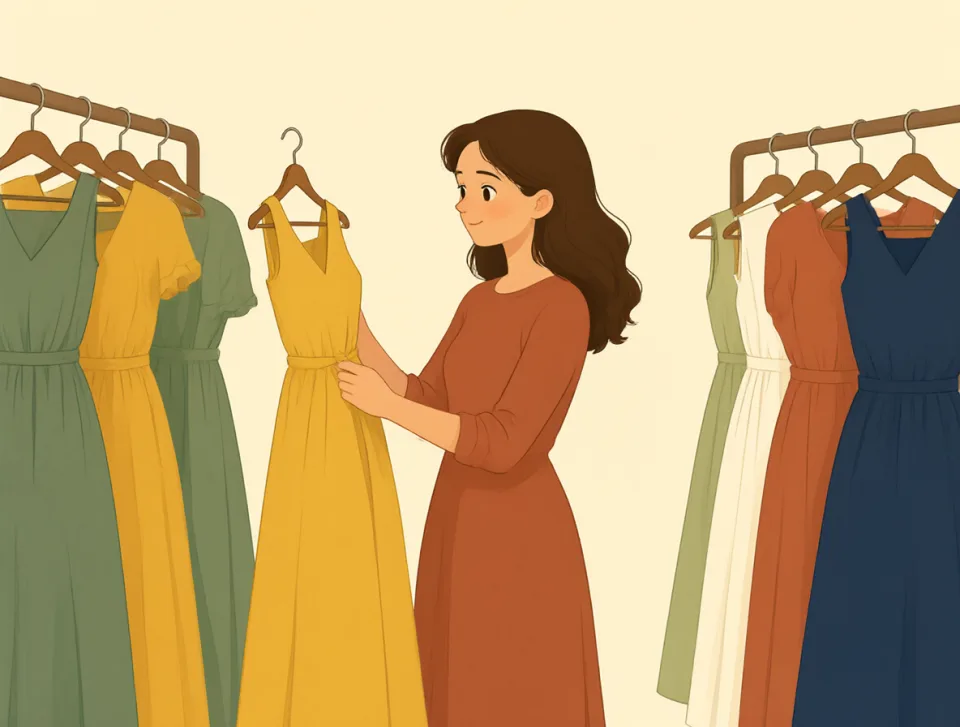
She tried on three dresses.
彼女は3着のドレスを試着した。
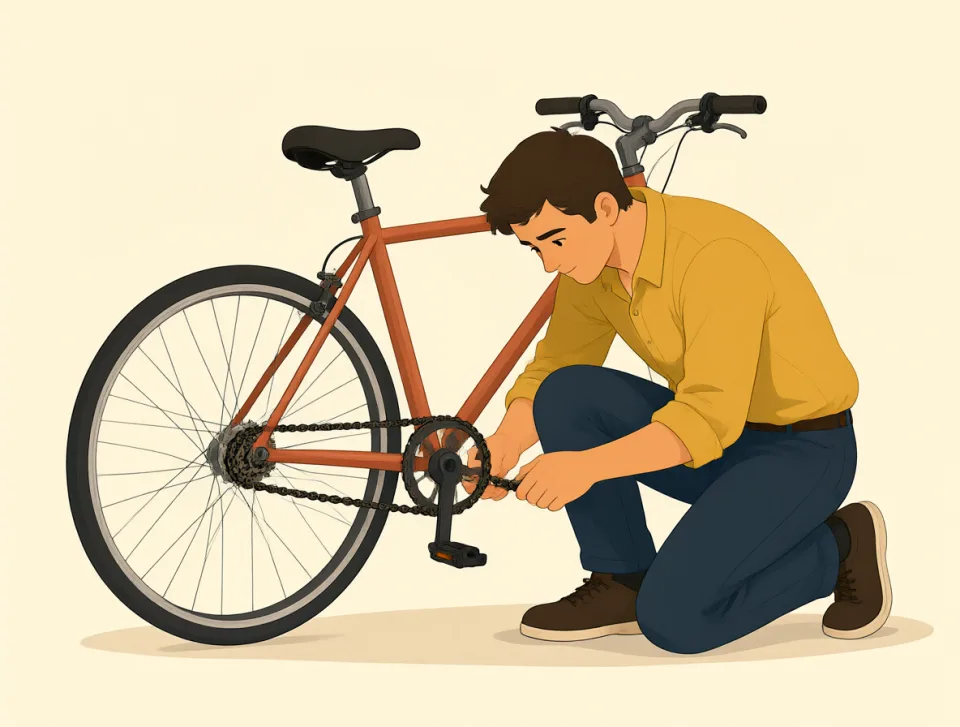
He made a try at fixing the bike.
彼は自転車を直そうと試みた。
leave
#126verb, noun
去る; 置いておく; 開けておく; 出発する
to go away from a place or person, or to let someone go
場所や人のもとを去る、または人を行かせる
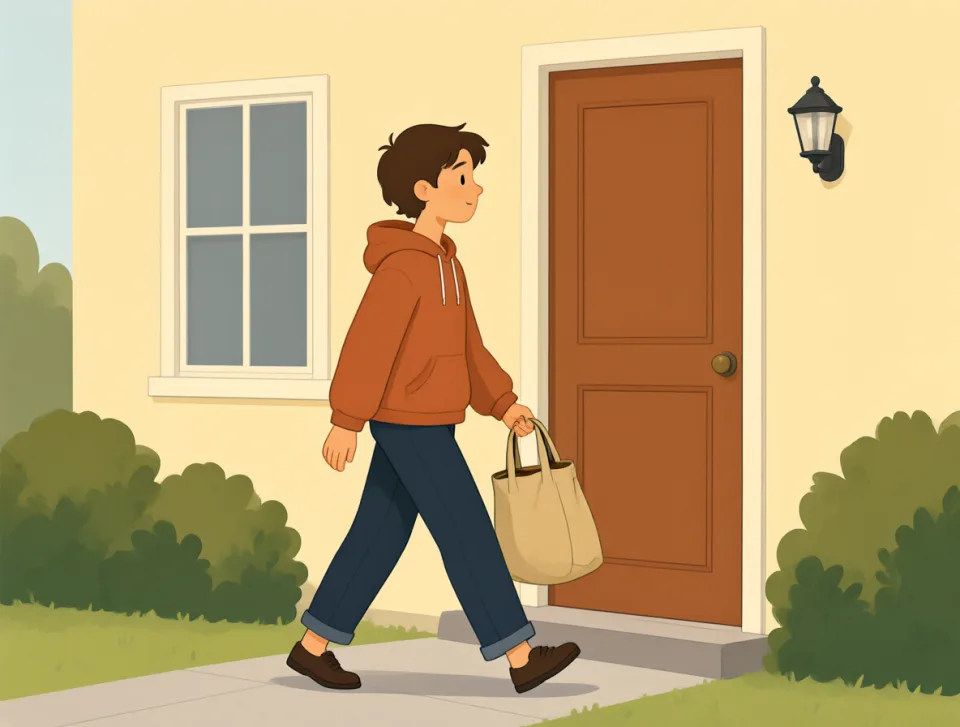
I leave home at seven every morning.
私は毎朝7時に家を出ます。
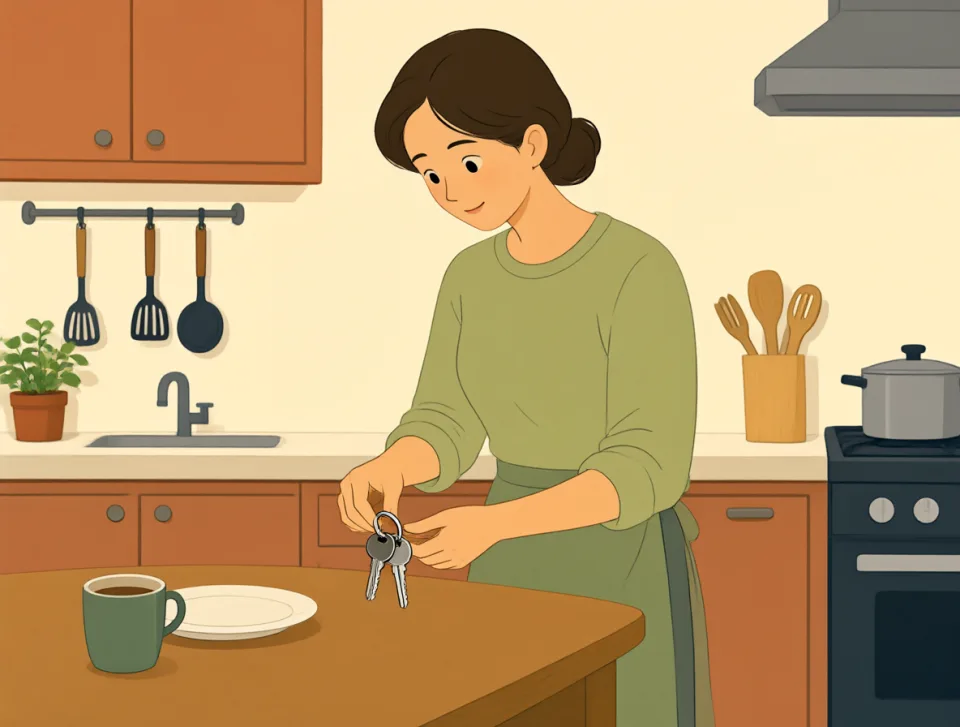
She left her keys on the kitchen table.
彼女はキッチンのテーブルに鍵を置いていきました。
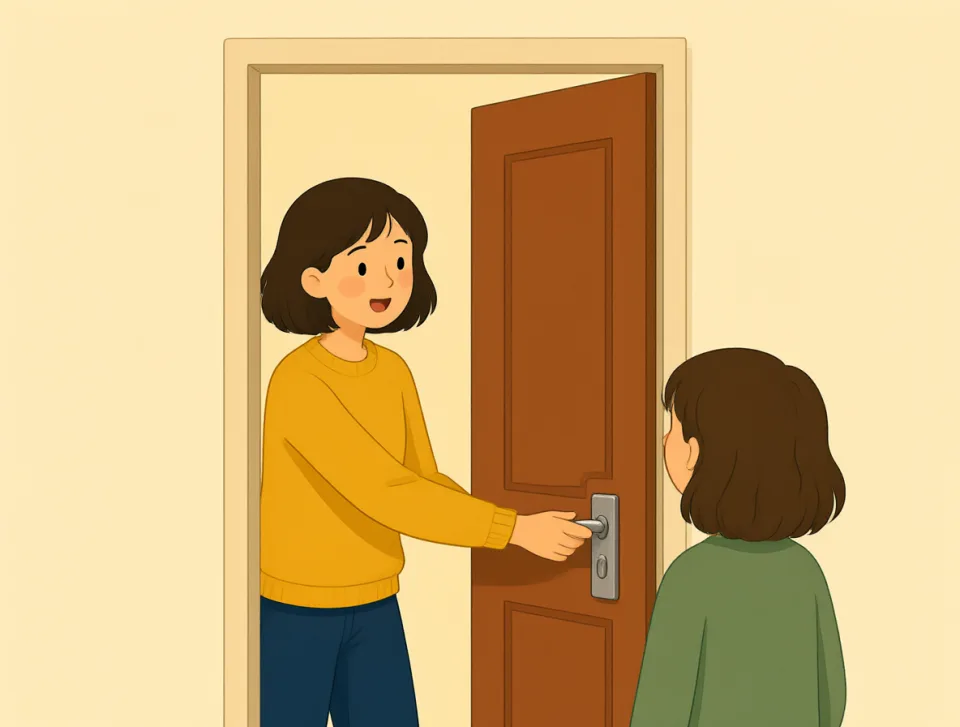
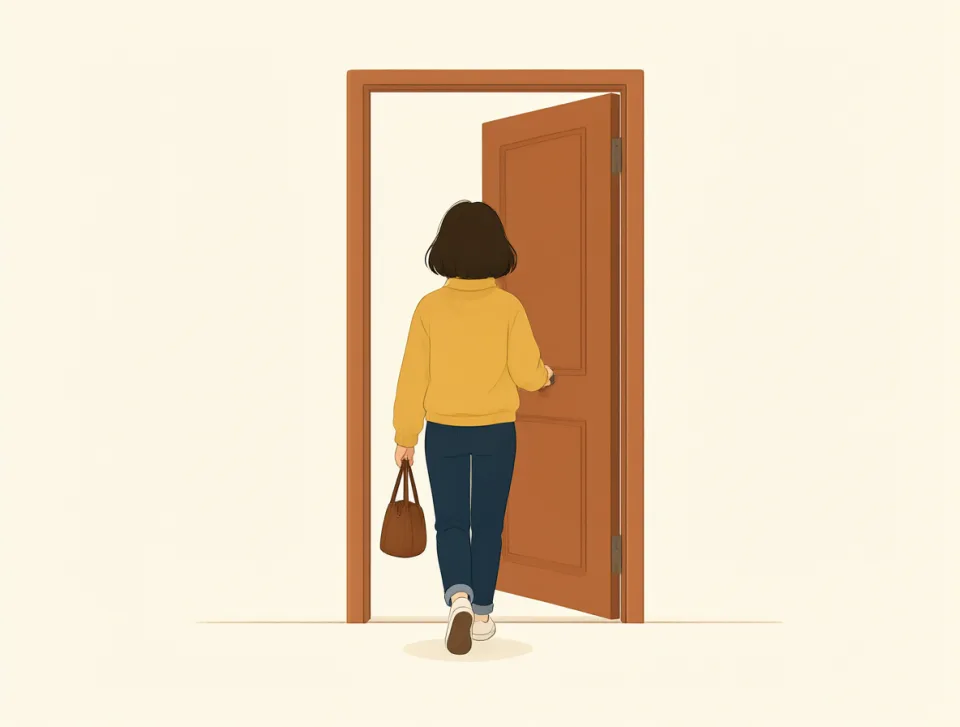
Please leave the door open.
ドアを開けたままにしておいてください。
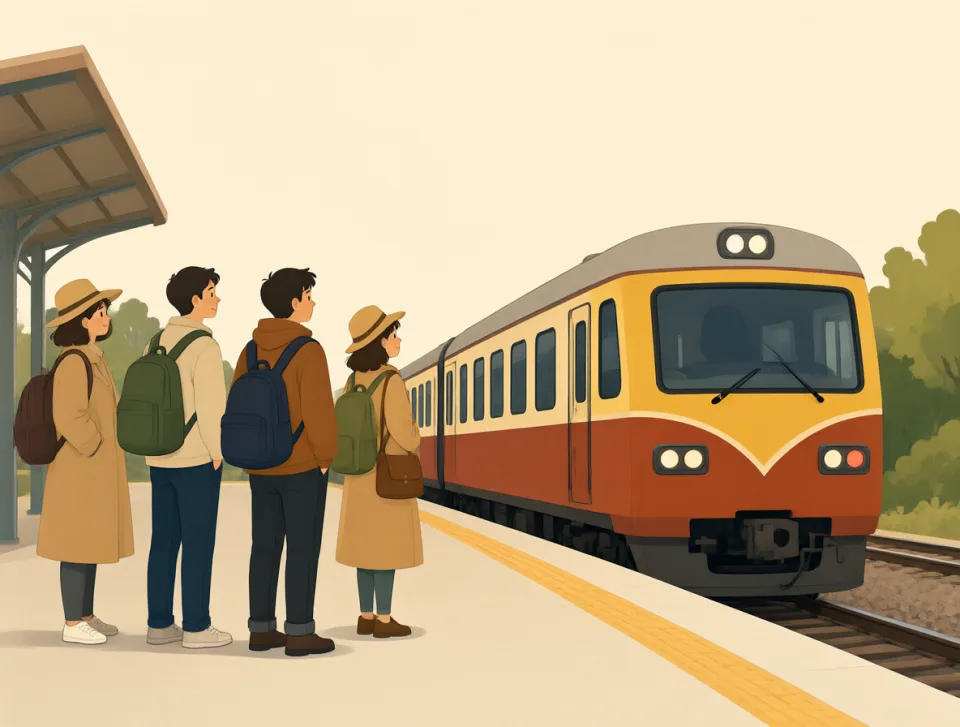
Our train leaves at six o'clock.
私たちの列車は6時に出発します。
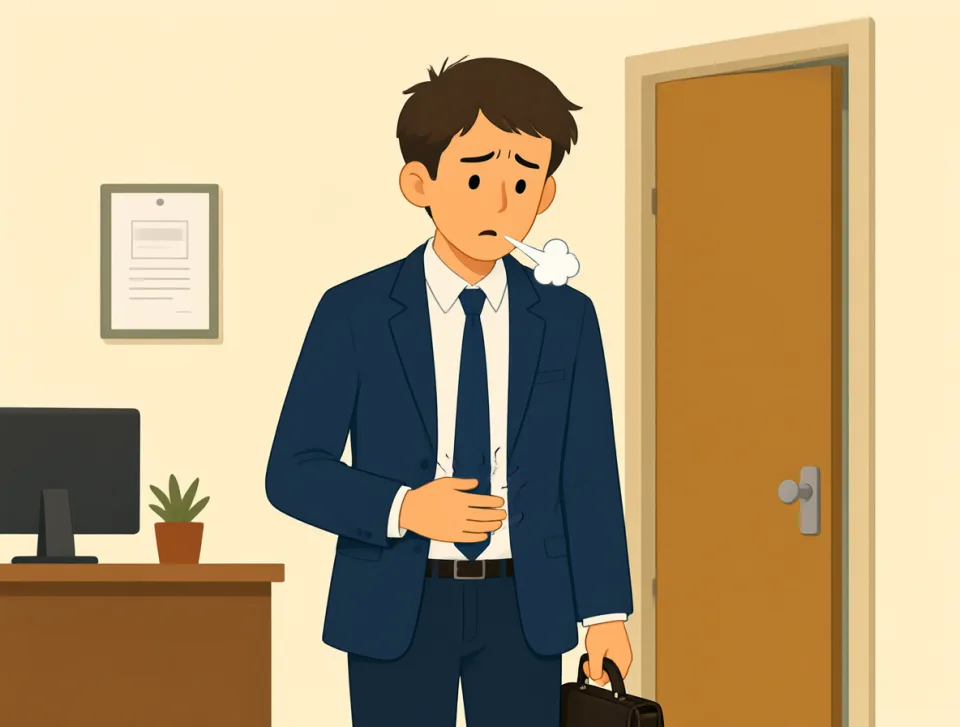
He left work early because he felt sick.
彼は気分が悪かったので、仕事を早退しました。
number
#127noun, verb
番号; 数; 数字
A word or symbol that shows how many people or things there are.
人や物がいくつあるかを示す言葉や記号。
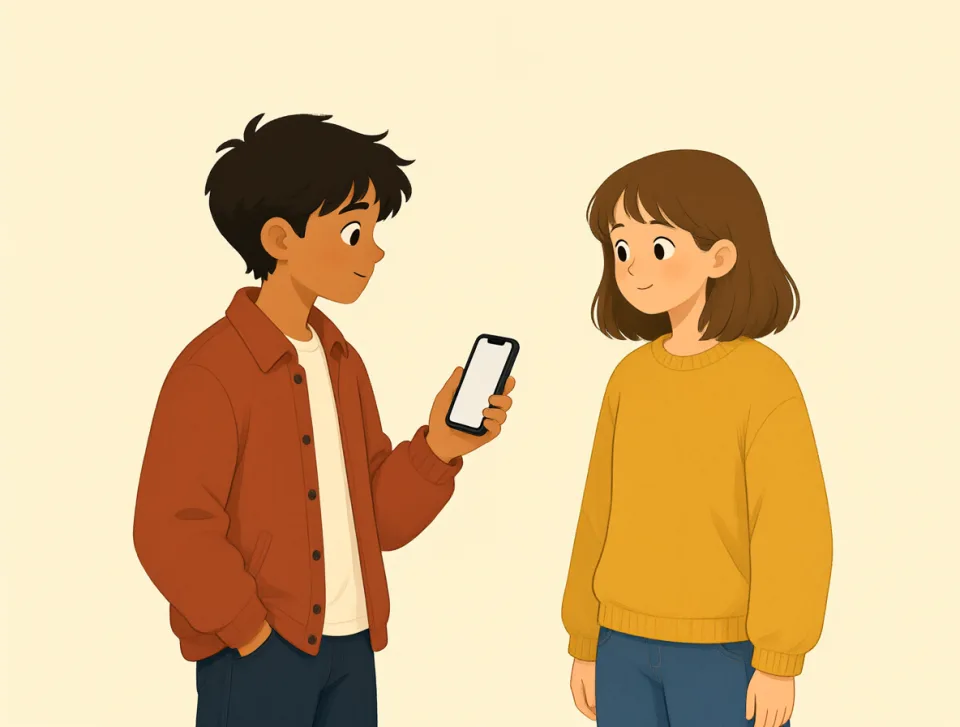
What is your phone number?
あなたの電話番号は何番ですか?
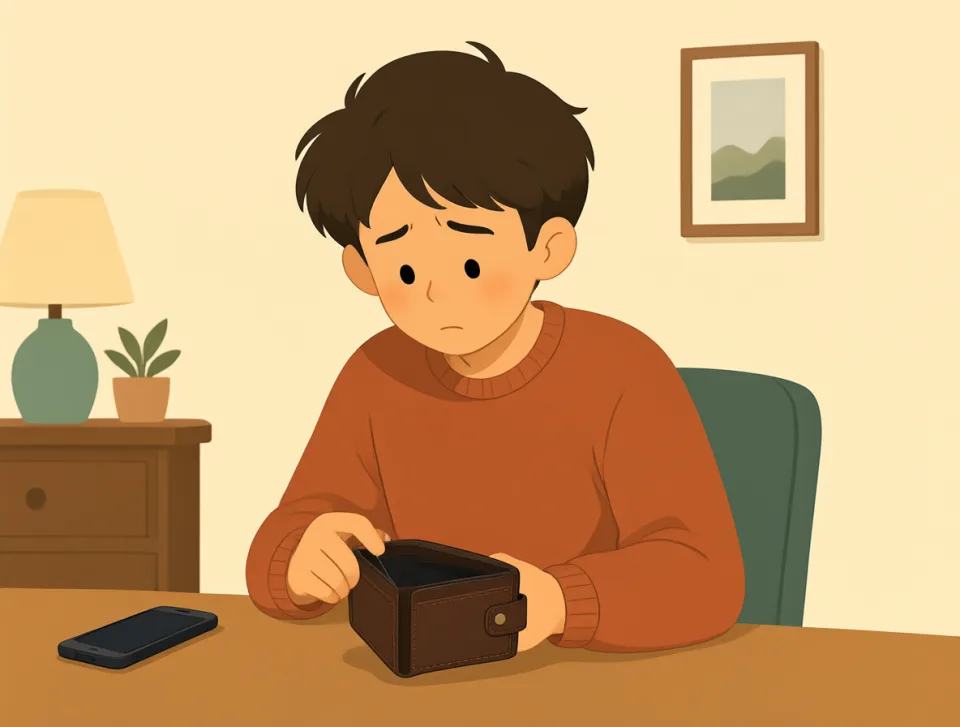
I forgot my phone number.
自分の電話番号を忘れてしまいました。
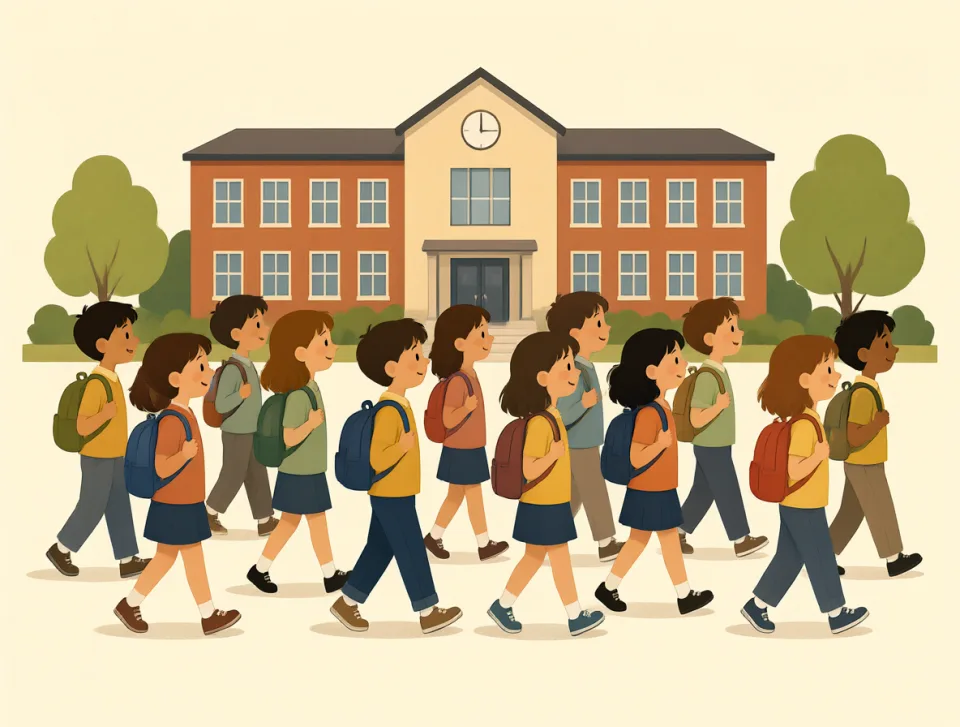
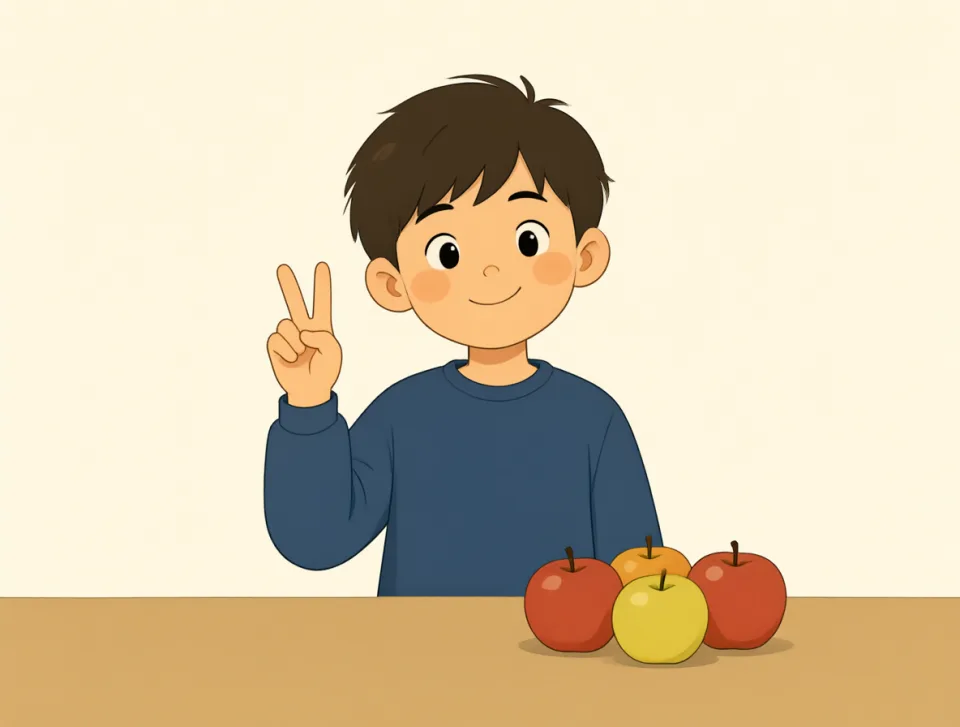
A large number of students walk to school.
たくさんの生徒が歩いて学校に通っています。
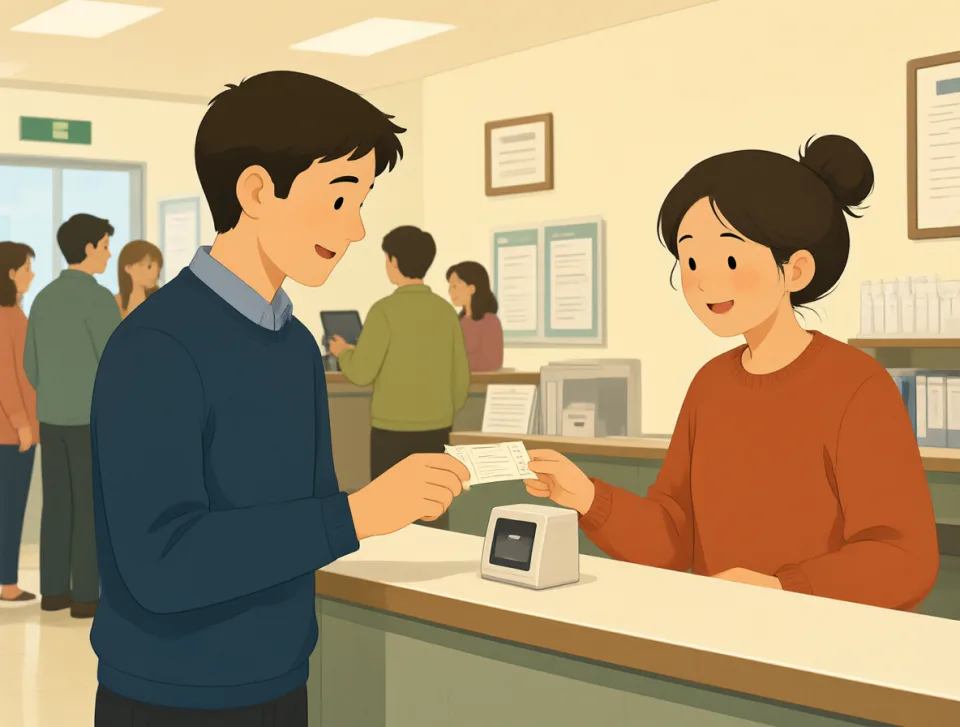
Please take a number and wait here.
番号札を取って、ここでお待ちください。
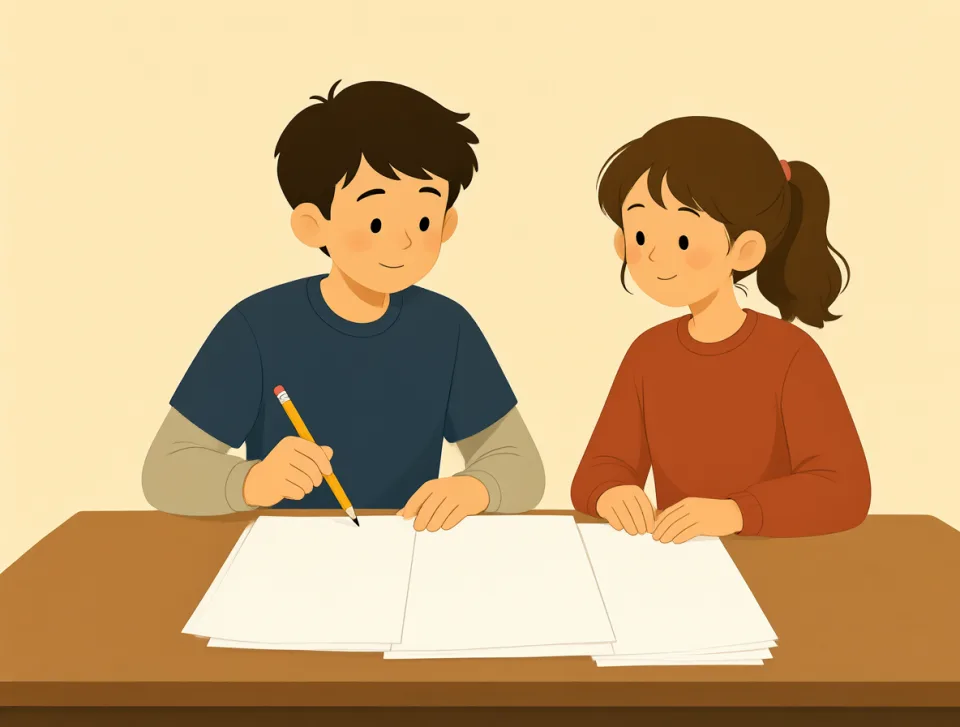
Can you number these pages for me?
このページに番号を振ってもらえますか?
both
#128determiner, pronoun
両方の; 二人とも; 二つとも
The two people or things together.
二人または二つを合わせて
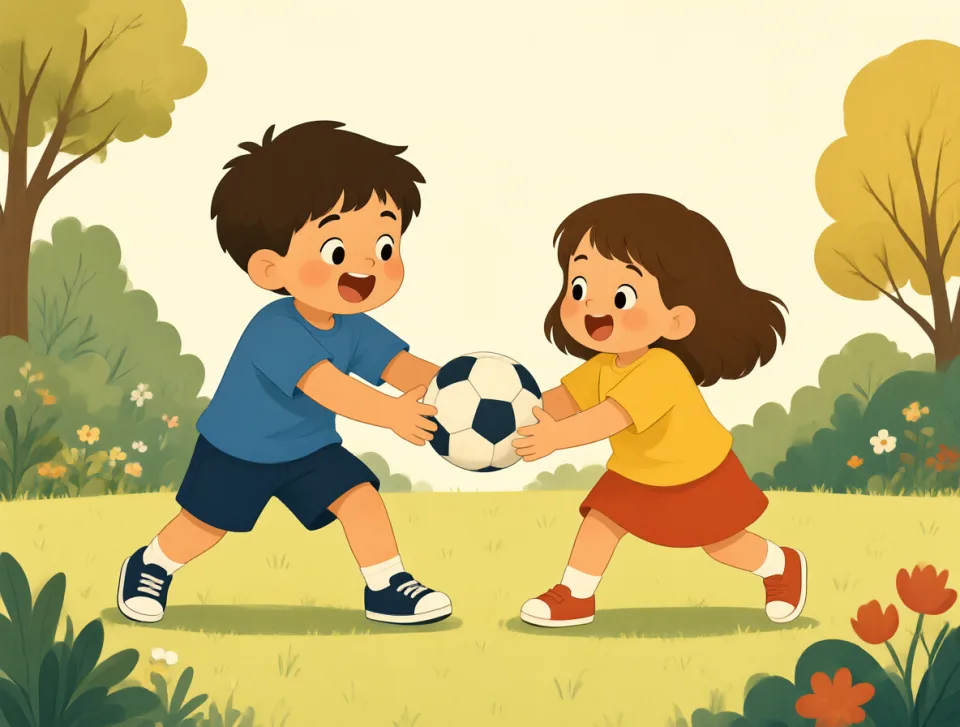
Both children are playing in the garden.
二人の子どもは庭で遊んでいます。
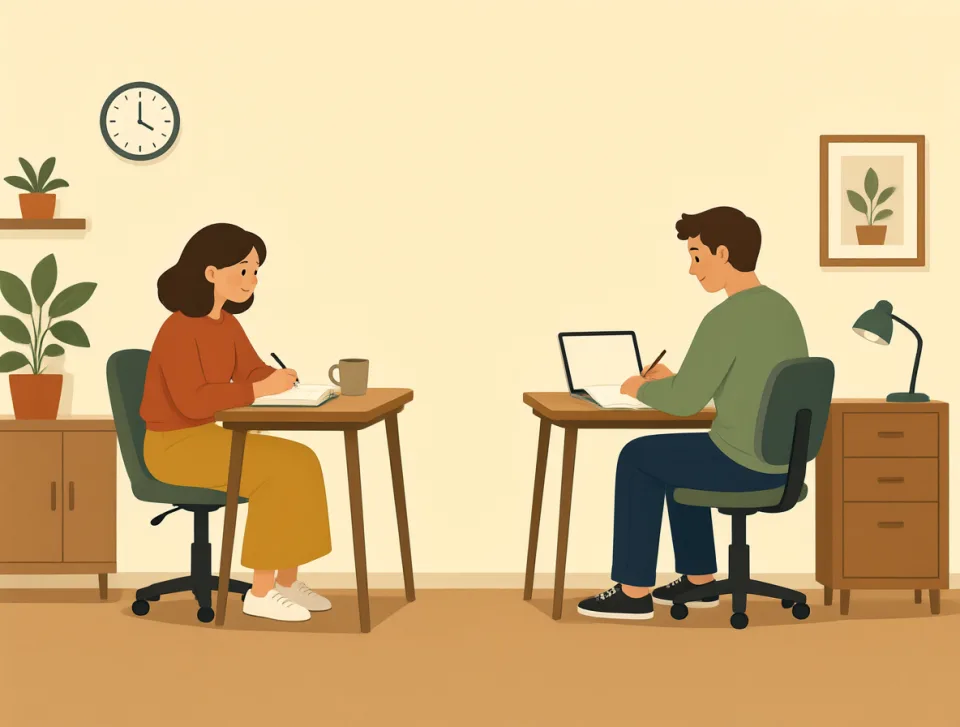
Both of my parents work at home.
私の両親は二人とも家で働いています。

We both like pizza for dinner.
私たちは二人とも夕食にピザを食べるのが好きです。
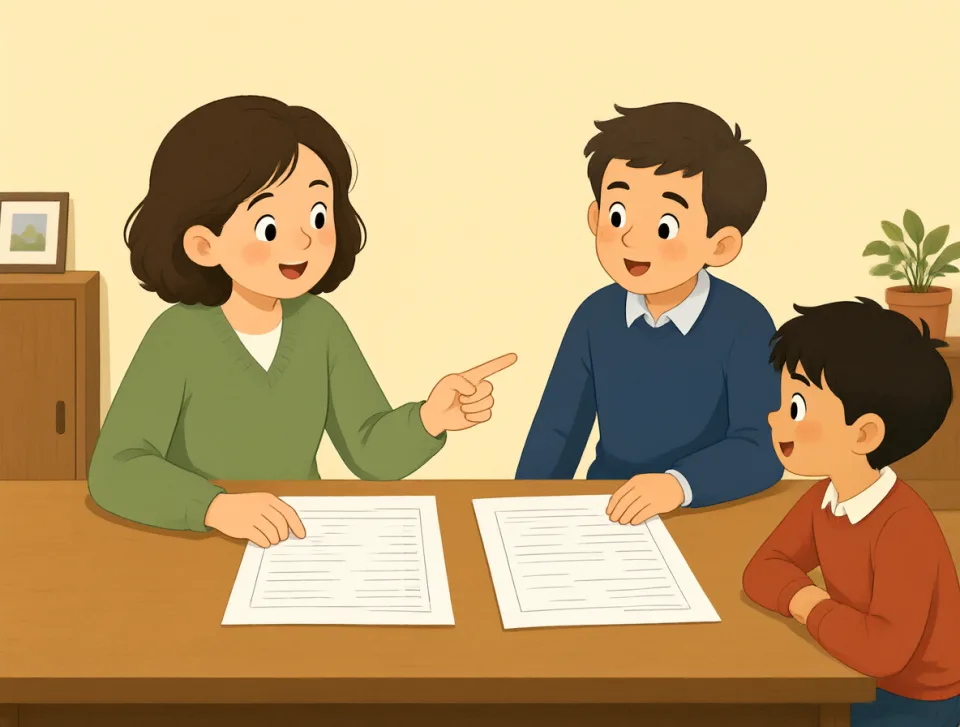
Both answers are correct.
どちらの答えも正解です。
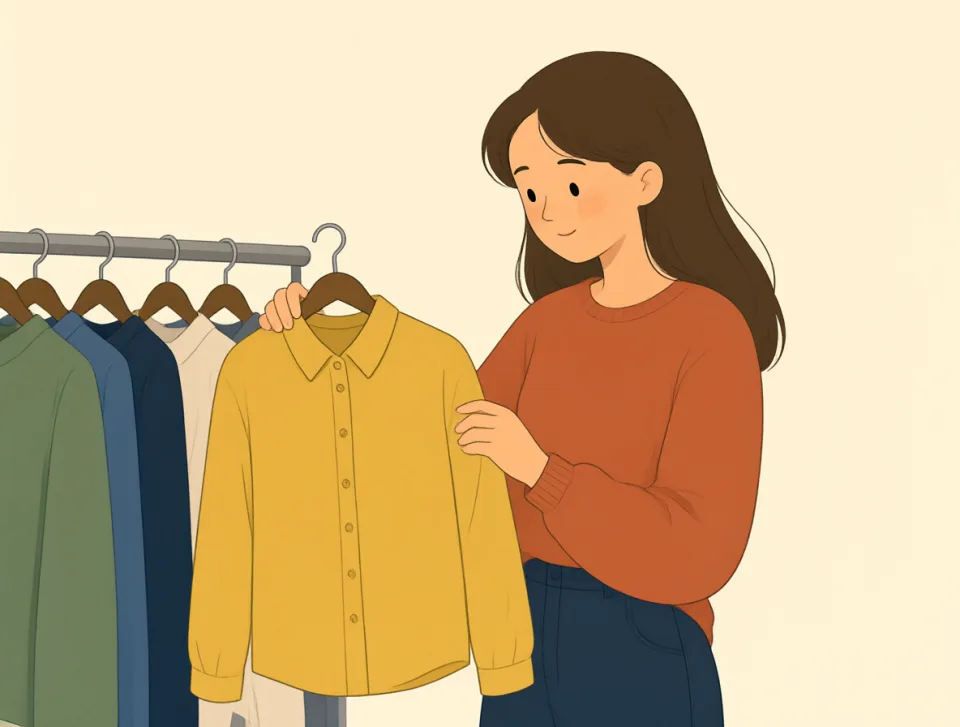
She bought both shirts at the store.
彼女はその店でシャツを2枚とも買いました。
own
#129verb, adjective, pronoun, determiner
所有する; 自分の; 独自の
to have something that belongs to you
自分のものである物を持っている
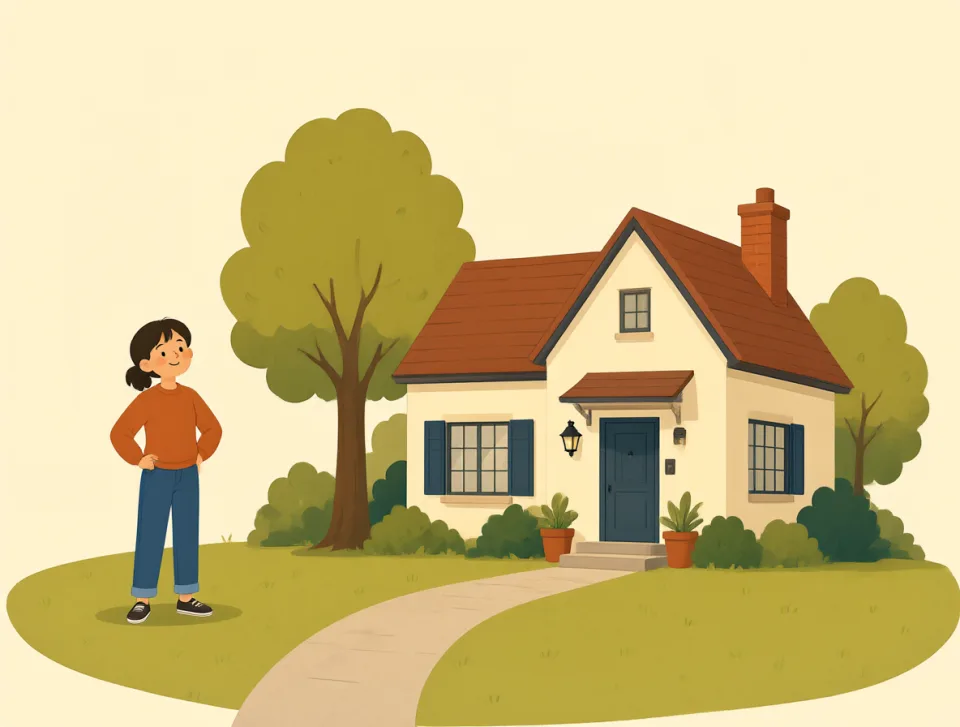
I own a small house near the park.
私は公園の近くに小さな家を所有しています。
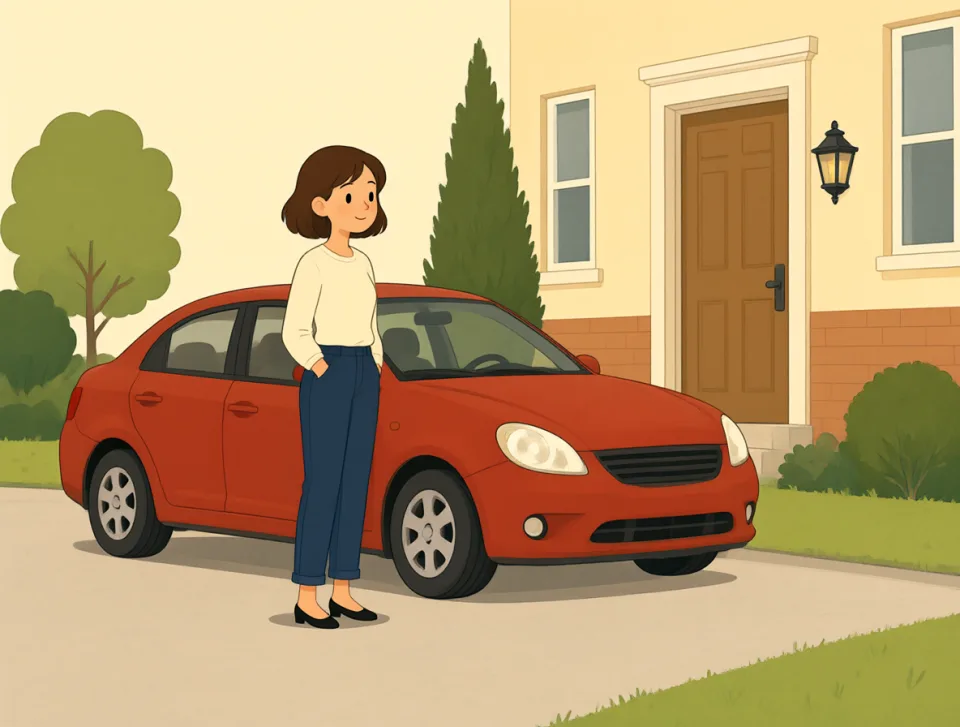
She owns a red car.
彼女は赤い車を持っています。
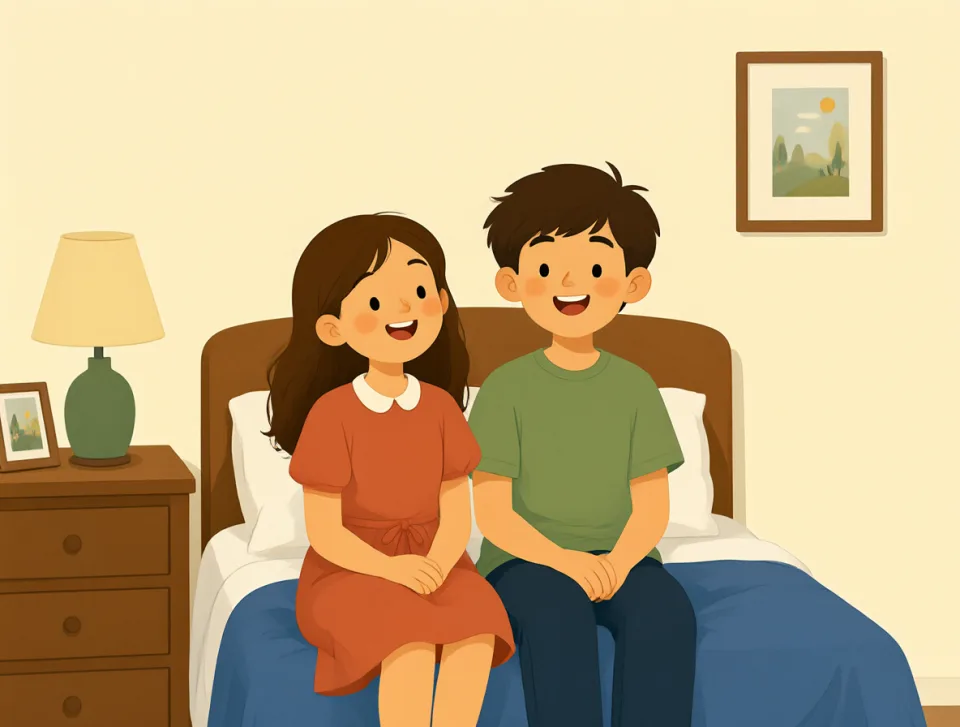
We have our own room at home.
私たちは家に自分たち専用の部屋があります。
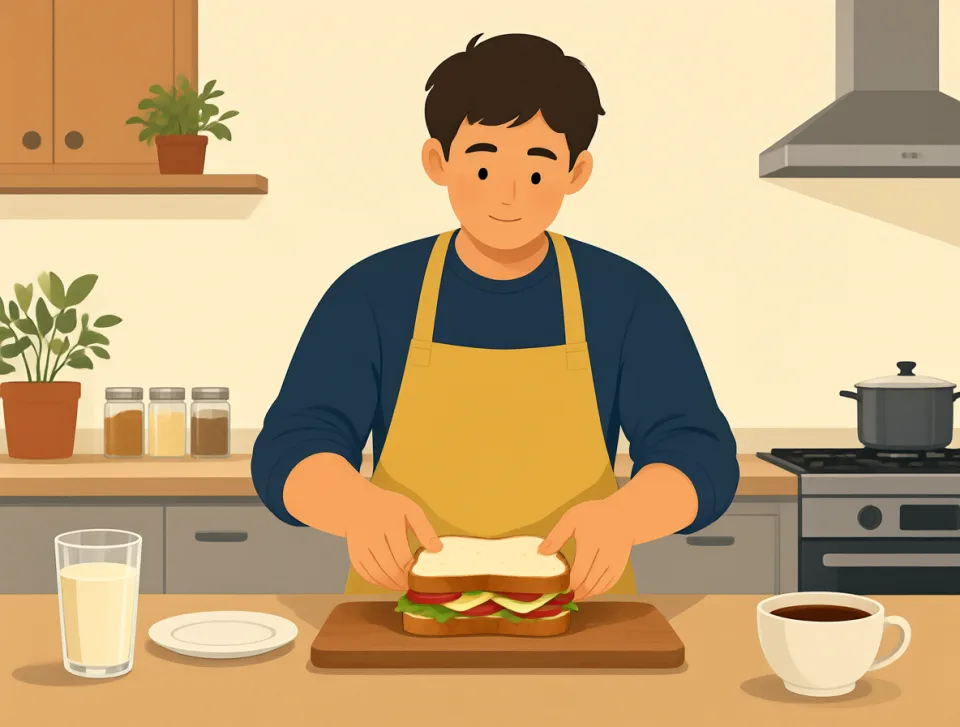
He made his own lunch today.
彼は今日、自分で昼食を作りました。

They opened their own shop last year.
彼らは去年、自分たちの店を開きました。
part
#130noun, verb
部分; 役割; 参加する
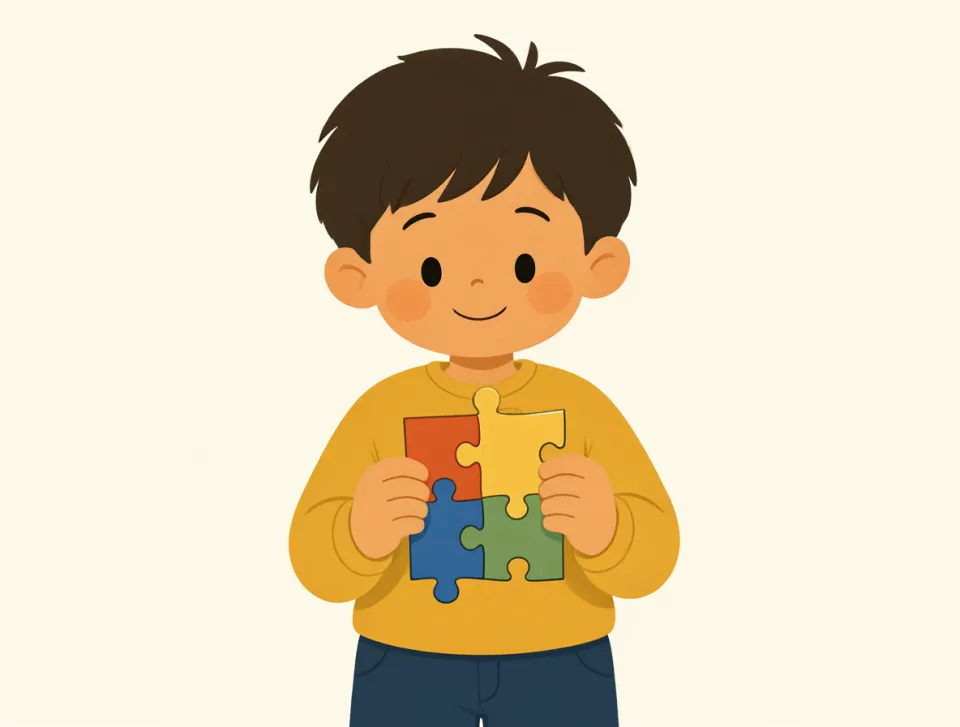
A piece of something, or a role in an activity; to take part in something.
何かの一部、または活動での役割。何かに参加すること。
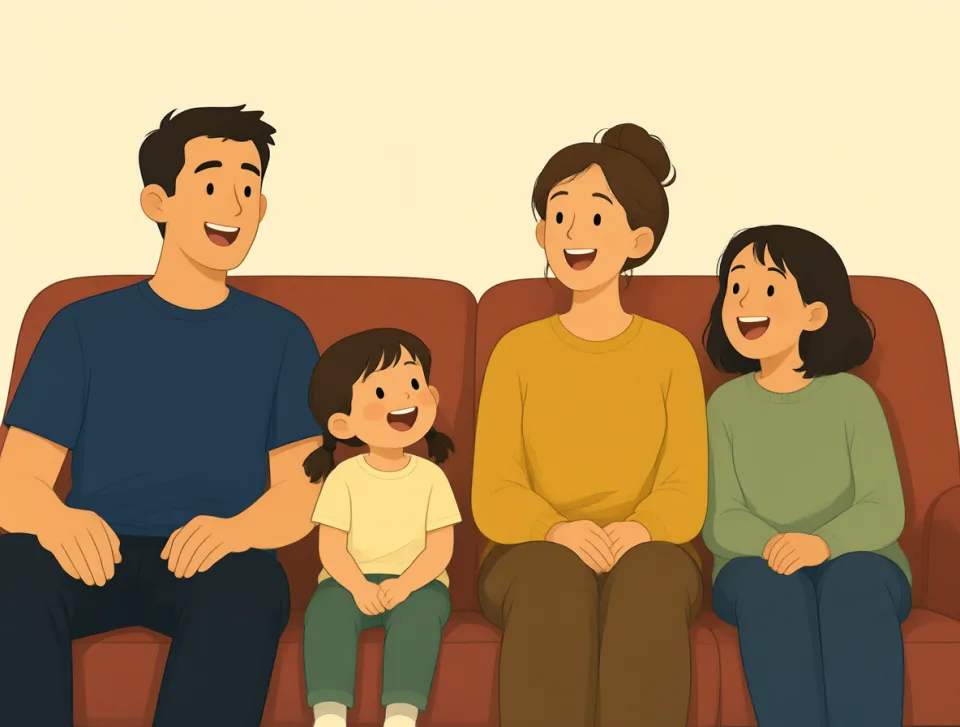
This is the best part of the movie.
これは映画の中で最高の場面です。
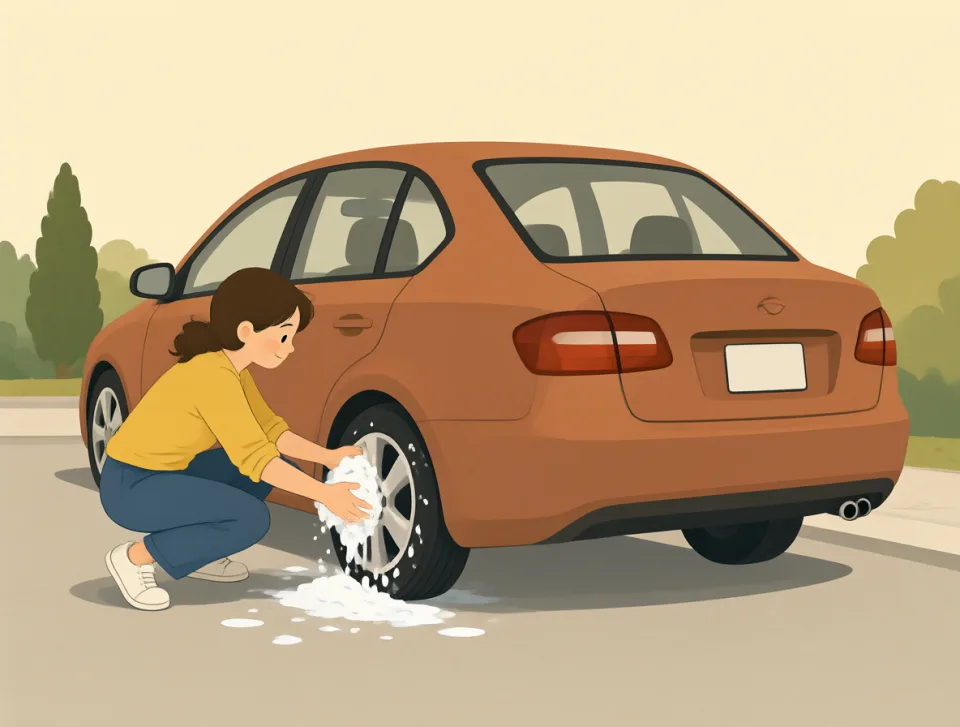
Please wash the dirty parts of the car.
車の汚れた部分を洗ってください。
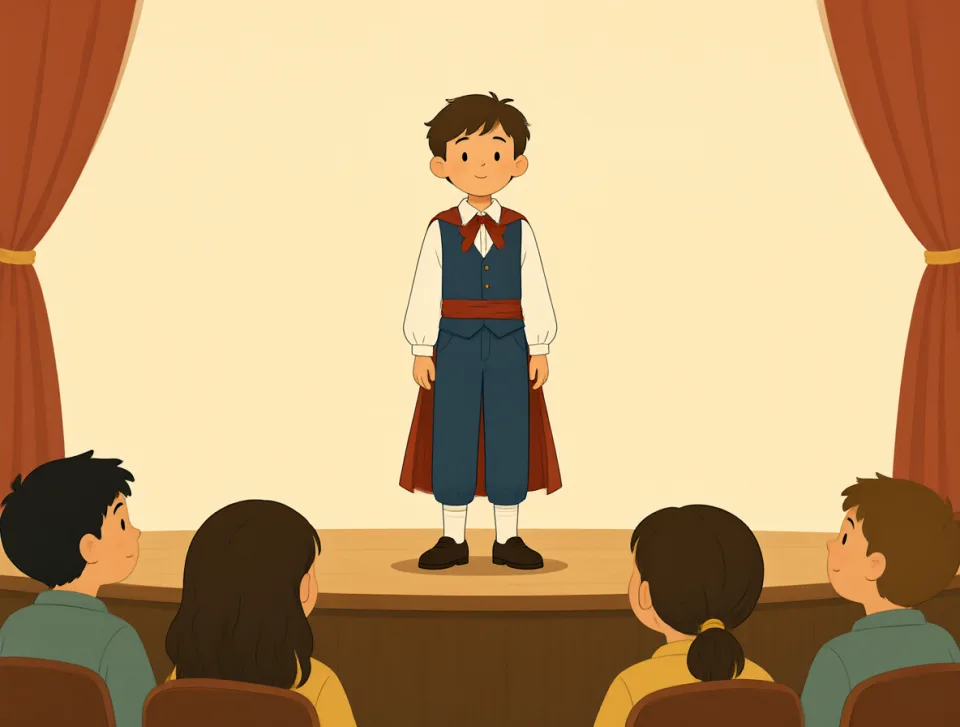
She played an important part in the school play.
彼女は学校の劇で重要な役を演じました。
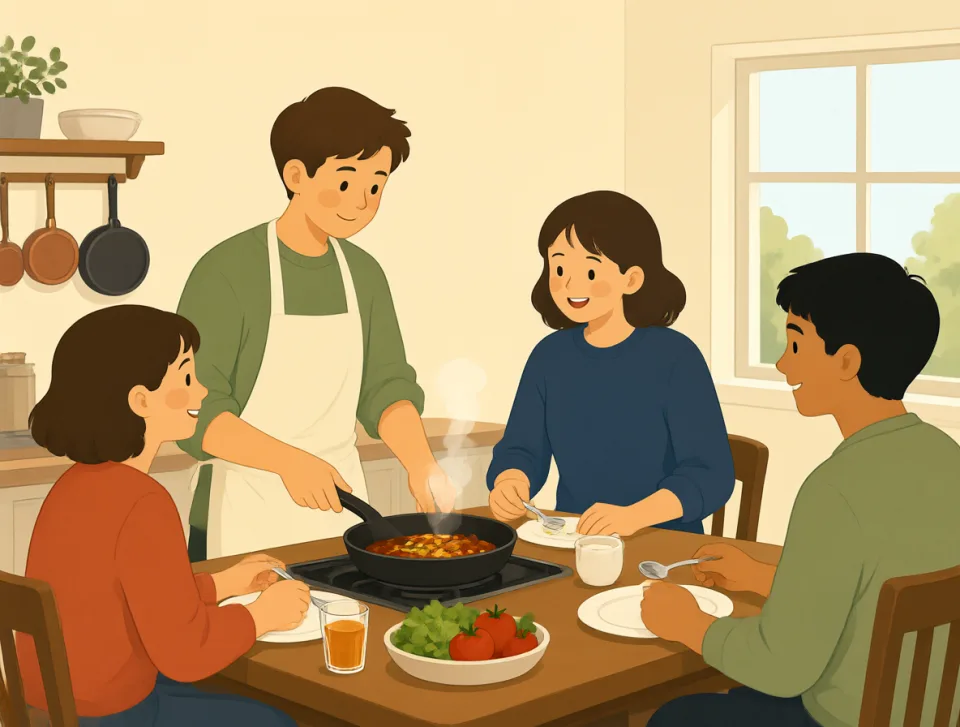
I want to take part in the cooking class.
私は料理教室に参加したいです。
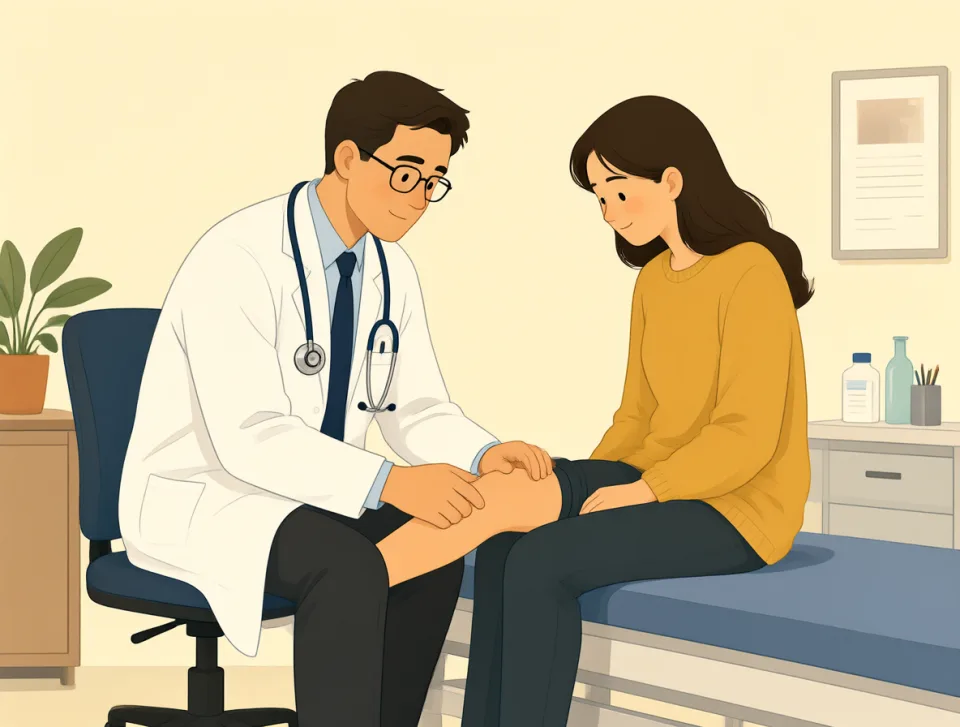
The doctor checked the painful part of my leg.
医者は私の脚の痛い部分を診察しました。
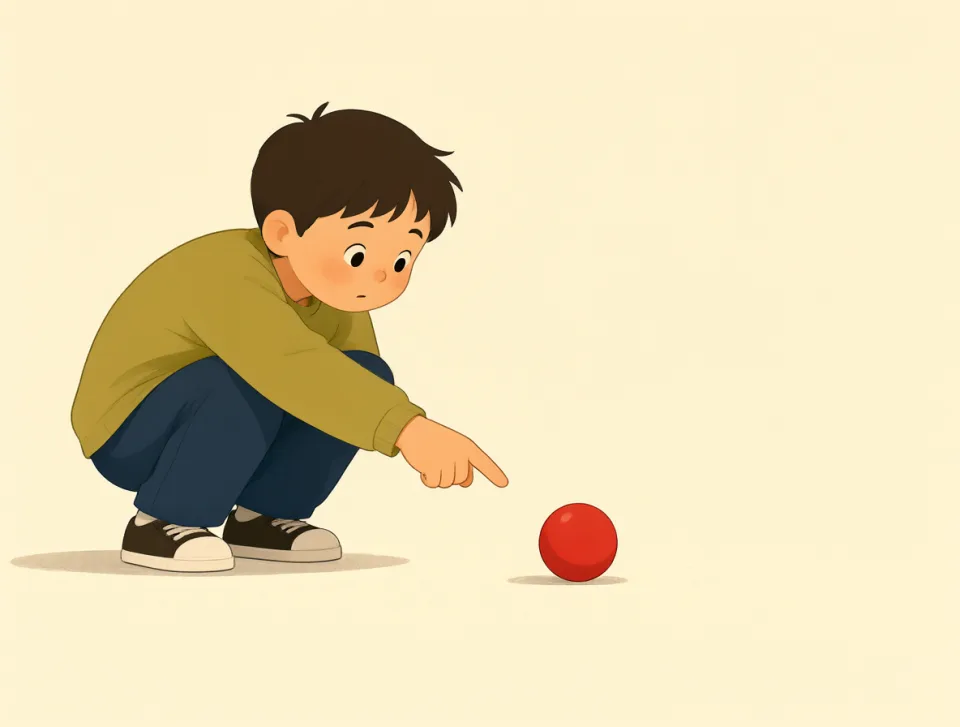
point
#131noun, verb
点; 指し示す; 要点; 意義
A sharp end, exact place, purpose, or idea; to show or direct attention.
鋭い先端、正確な場所、目的、または考え。注意を向けるように示したり、方向を指示したりすること。
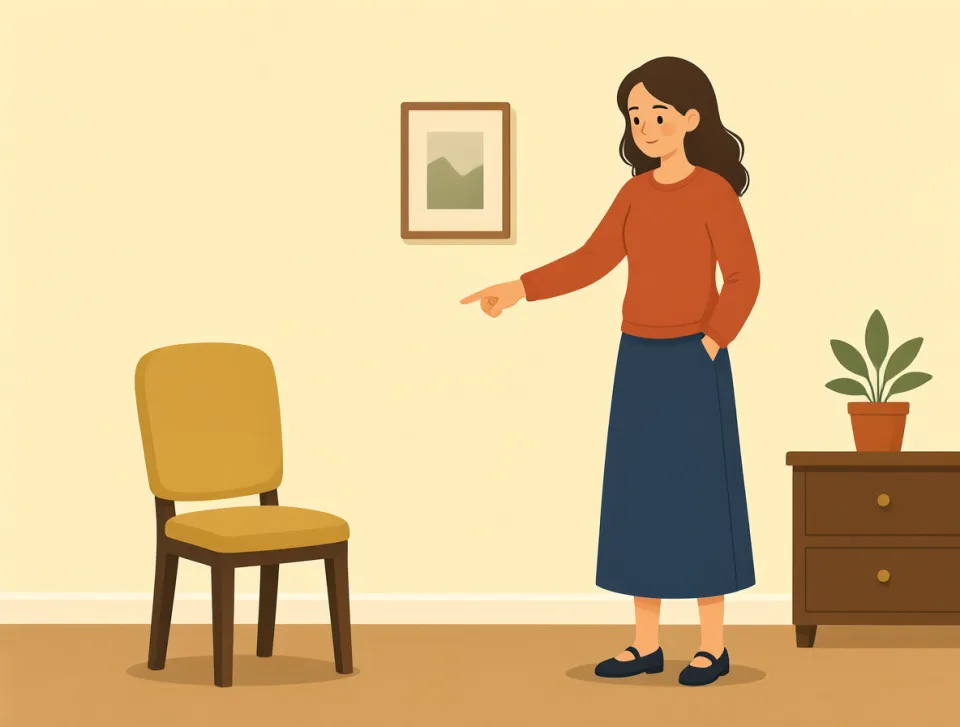
She pointed to the empty chair.
彼女は空いている椅子を指さした。

The meeting starts at this point.
会議はこの時点で始まります。
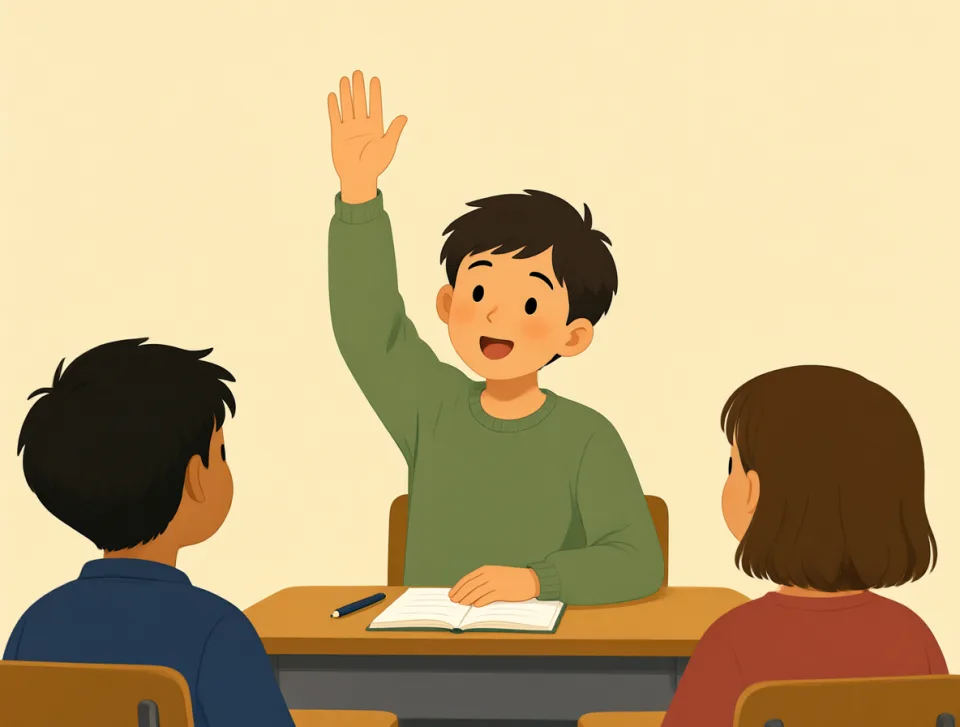
He made a good point in class.
彼は授業でよい指摘をした。
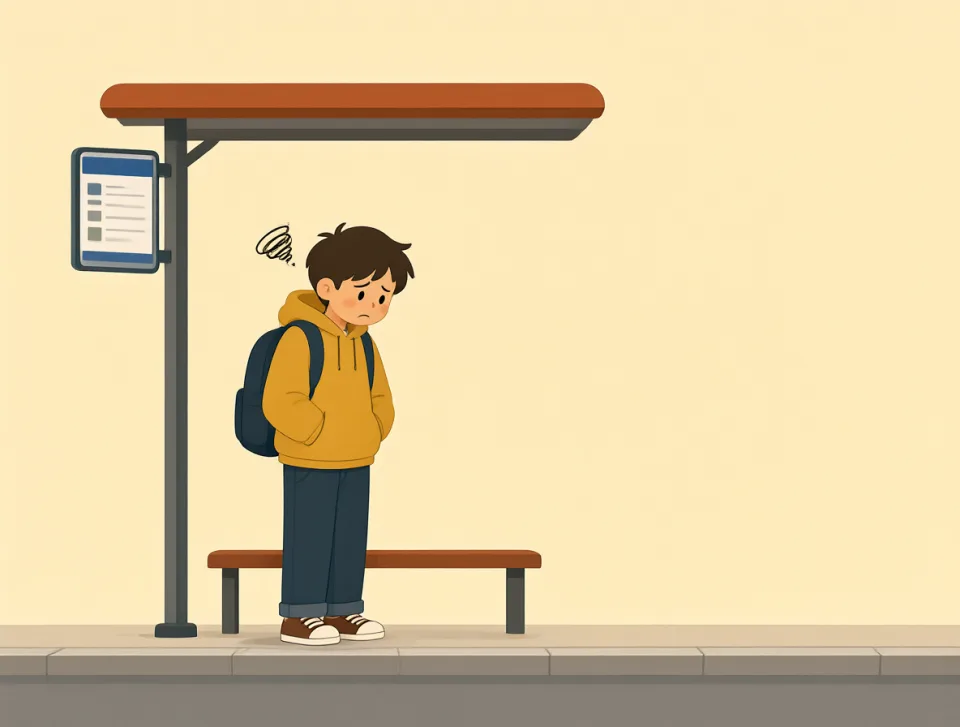
There is no point in waiting.
待っていても意味がありません。

The pencil has a sharp point.
その鉛筆は先がとがっている。
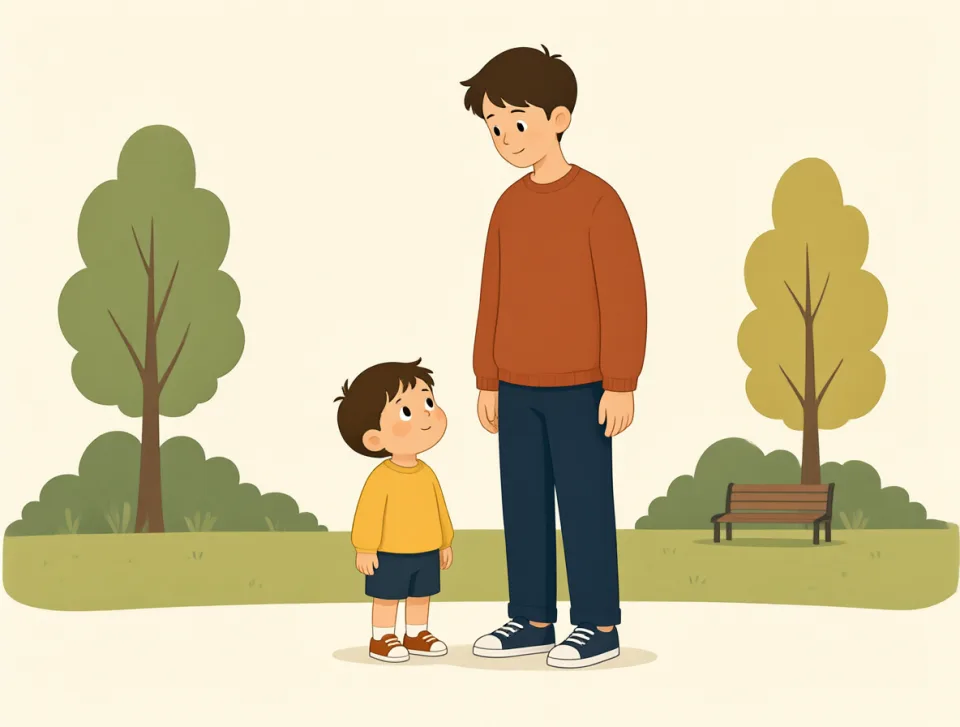
little
#132adjective, adverb, determiner, pronoun, noun
小さい;少しの;ほとんどない
Small in size or amount; not much; to a small degree.
大きさや量が小さい;多くない;程度が小さい。
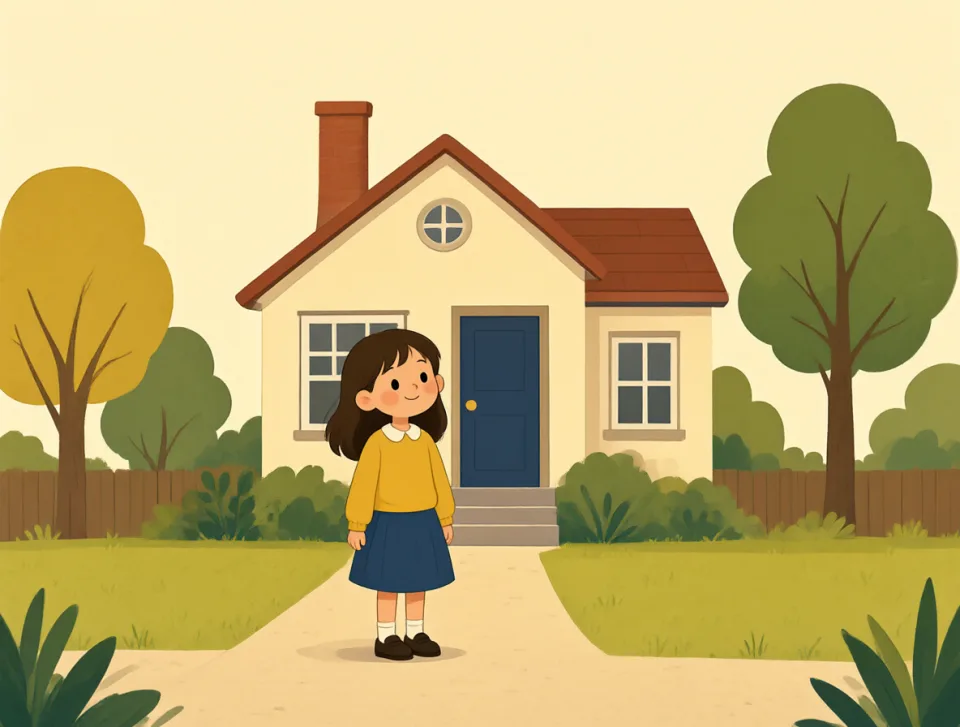
She lives in a little house near school.
彼女は学校の近くの小さな家に住んでいます。
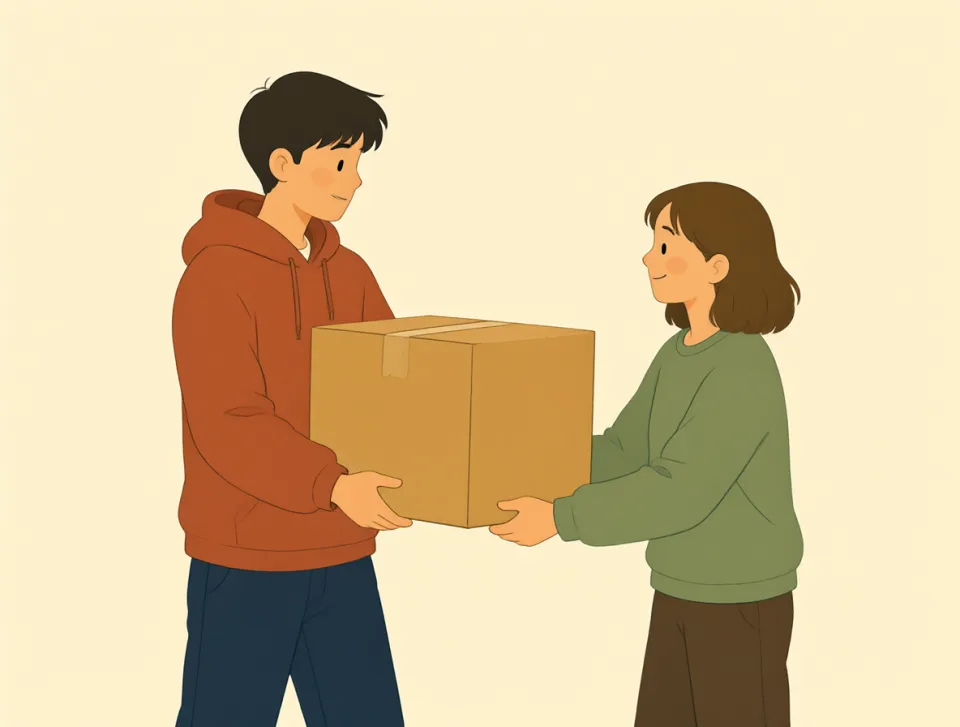
I need a little help with this box.
この箱を運ぶのに少し手を貸してほしいです。
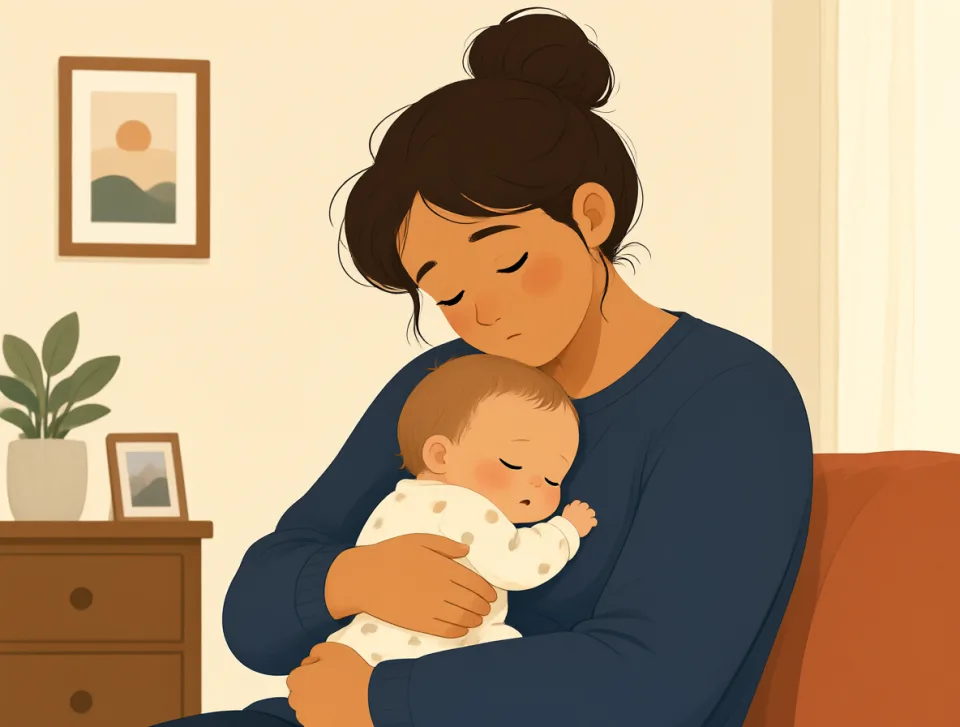
The baby is a little tired today.
その赤ちゃんは今日は少し疲れています。
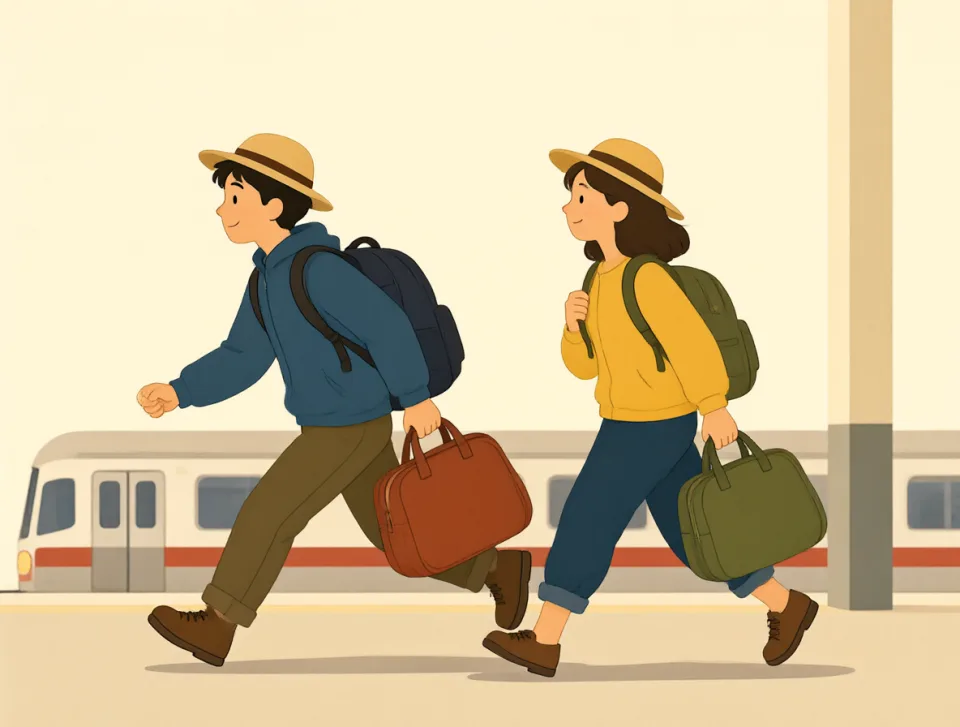
We have very little time before the train.
列車が来るまで、ほとんど時間がありません。
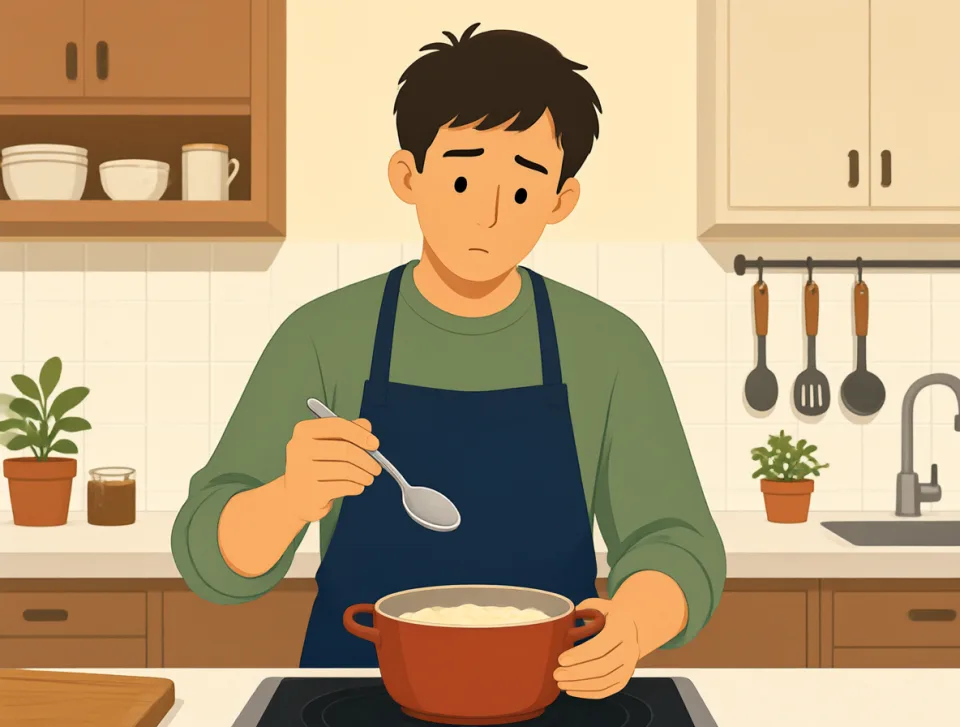
He knows very little about cooking.
彼は料理についてほとんど知りません。
help
#133noun, verb
助ける; 手伝う; 役立つ
To make something easier for someone or give them what they need.
誰かにとって何かをしやすくしたり、必要なものを与えたりすること。
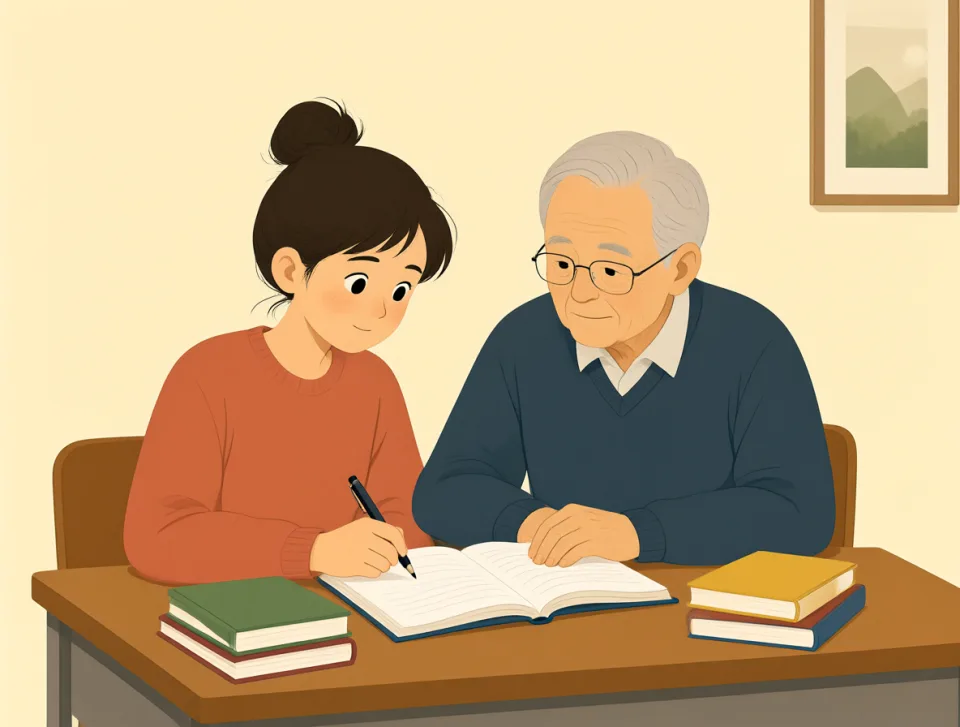
Can you help me with my homework?
宿題を手伝ってくれる?
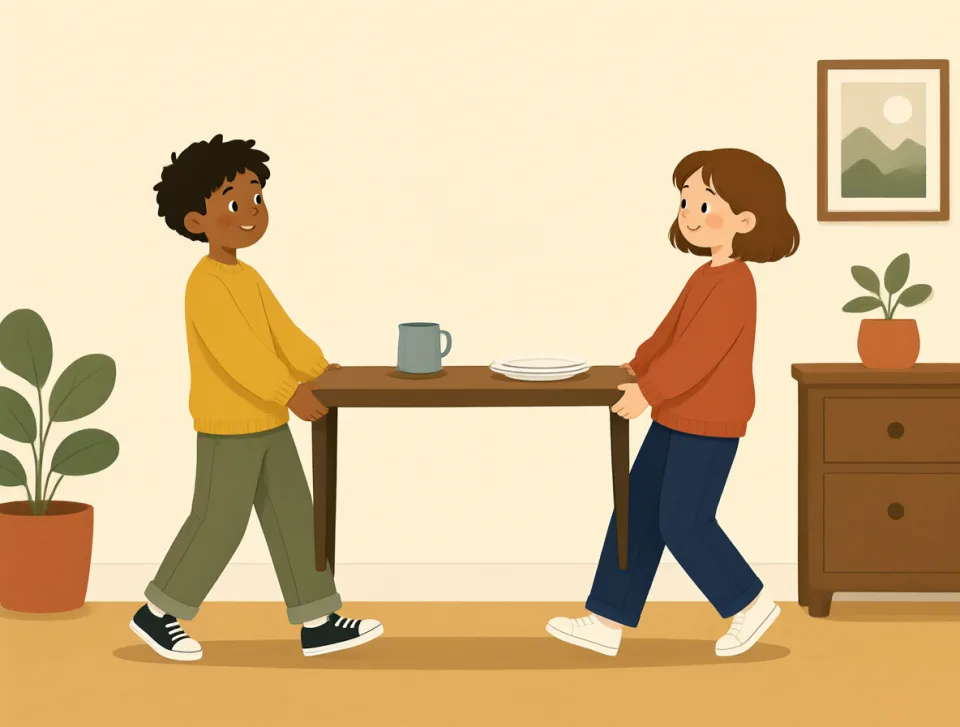
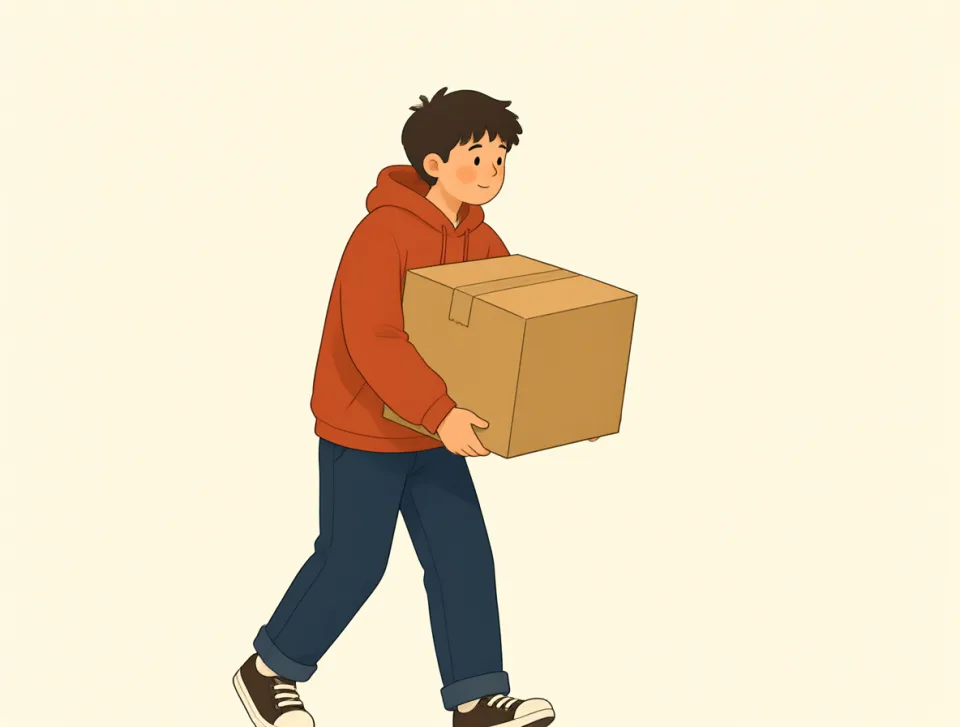
My friend helped me move the table.
友達がテーブルを運ぶのを手伝ってくれた。
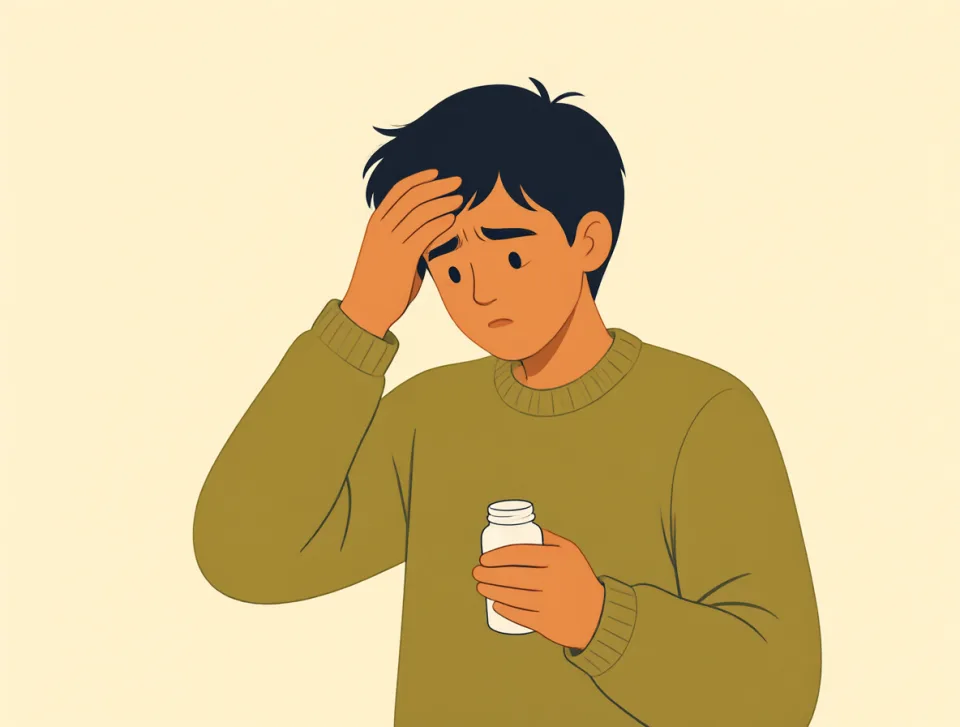
This medicine will help your headache.
この薬は頭痛に効きます。
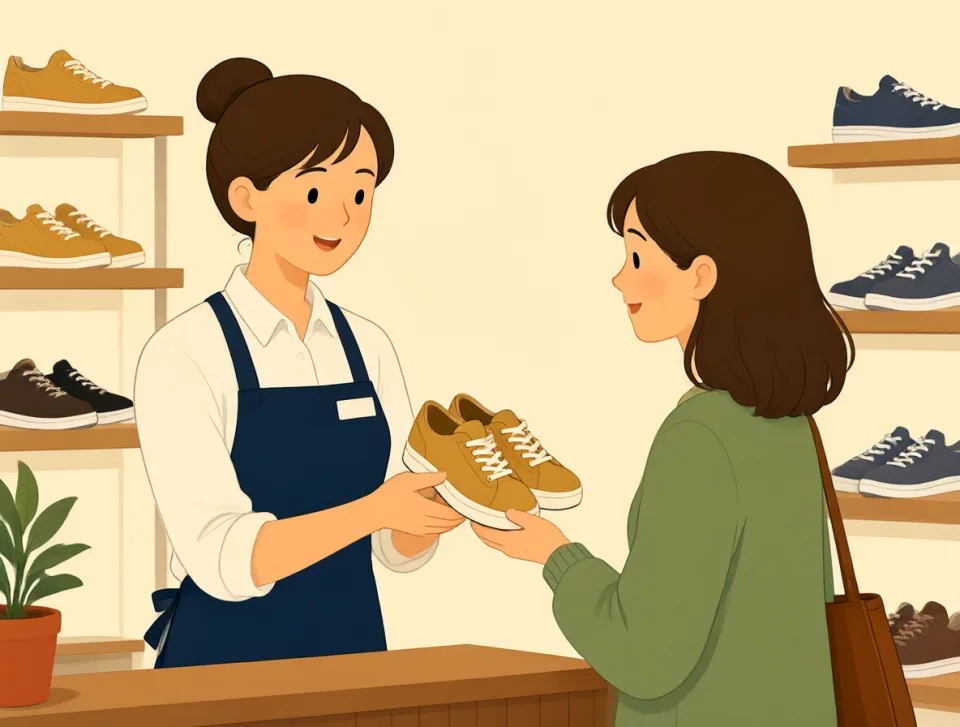
The shop assistant helped me find shoes.
店員さんが靴を探すのを手伝ってくれた。
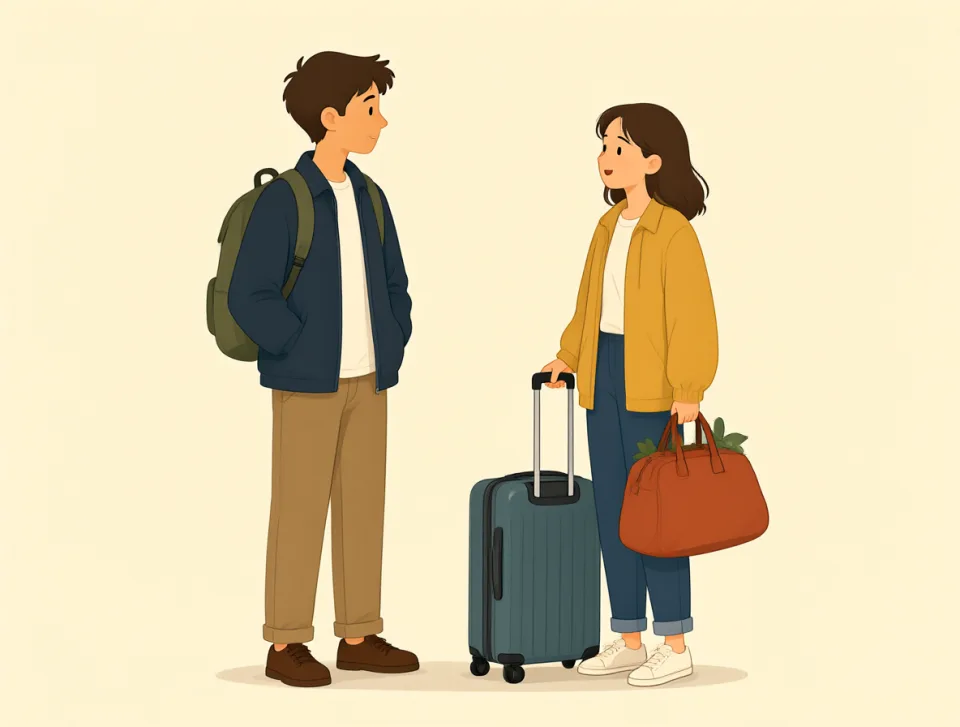
Could you help me carry my bags?
バッグを運ぶのを手伝ってくれませんか?
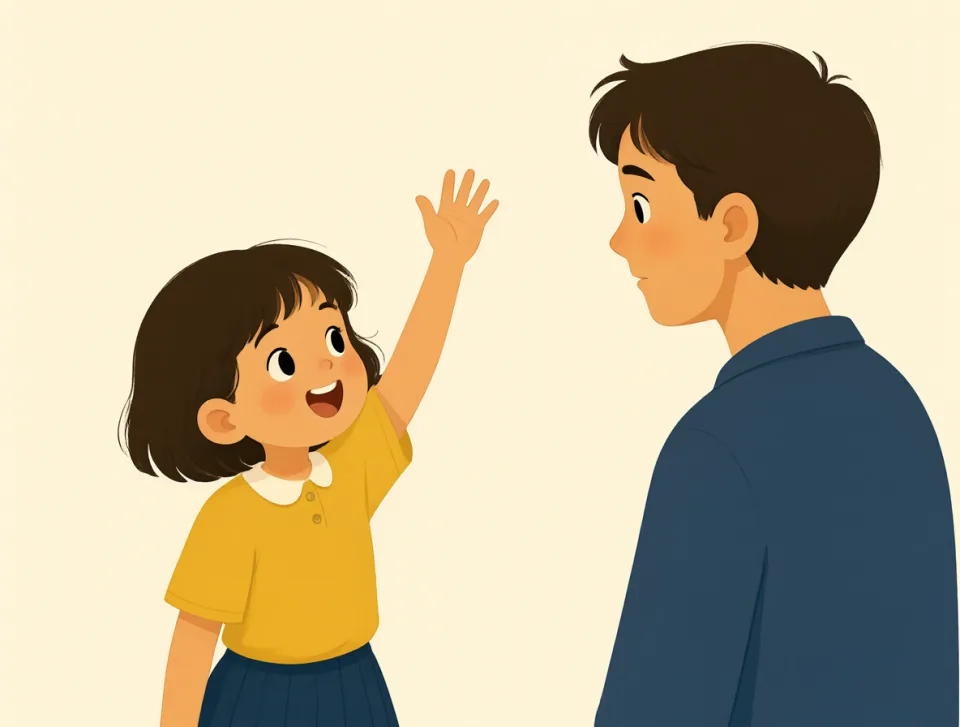
ask
#134verb, noun
尋ねる; 頼む; 求める
To say something because you want information, help, or permission.
情報や助け、許可がほしいときに、何かを言うこと。
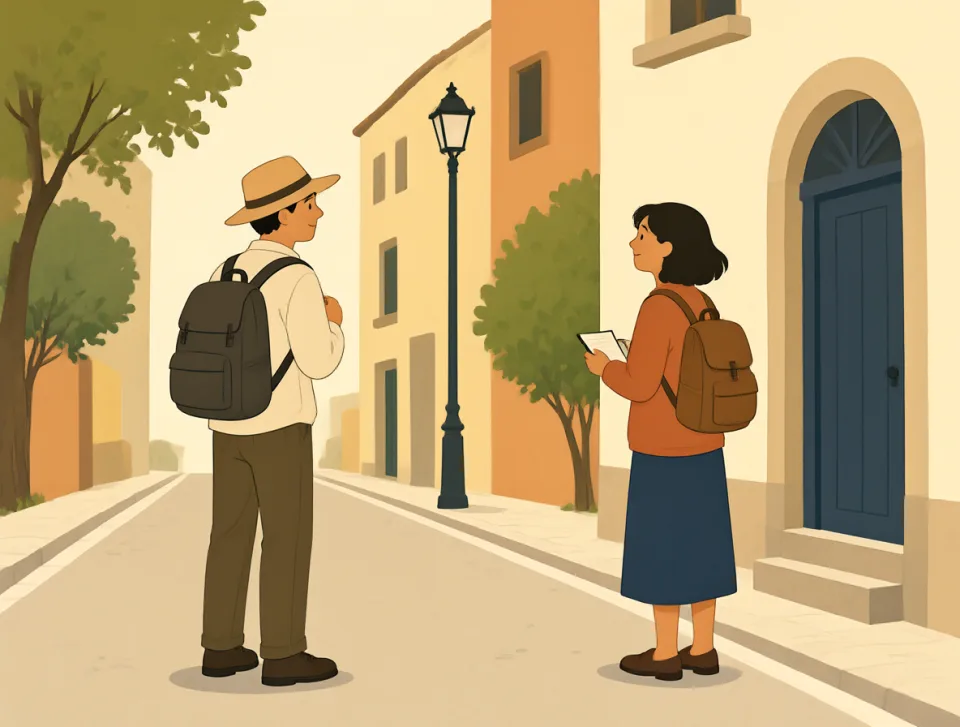
I asked him for directions.
彼に道を尋ねました。
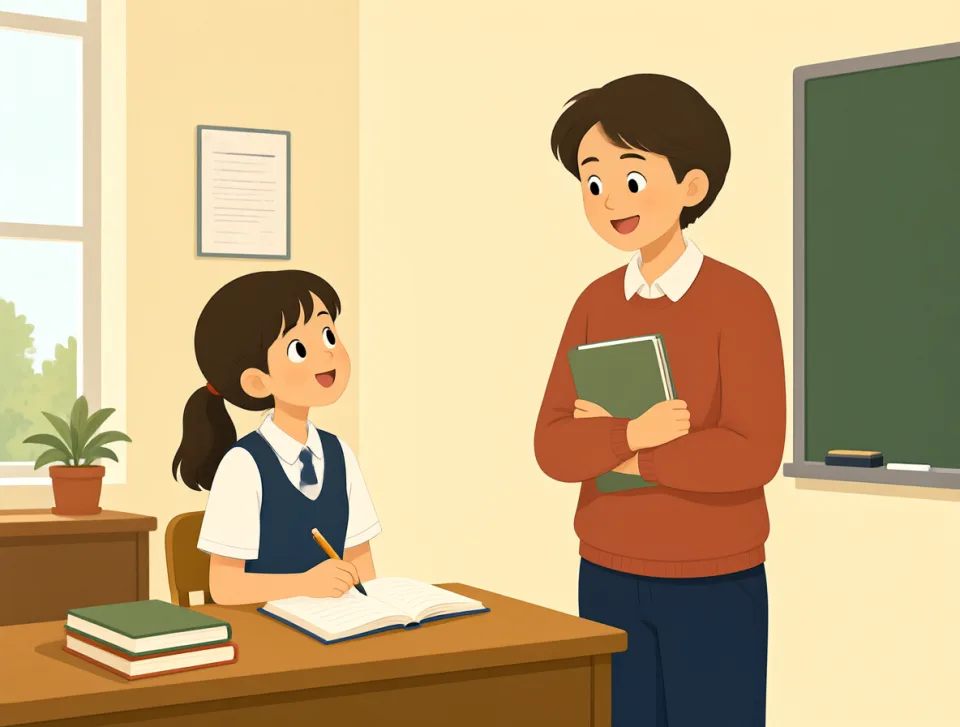
Please ask your teacher for help.
先生に助けを求めてください。
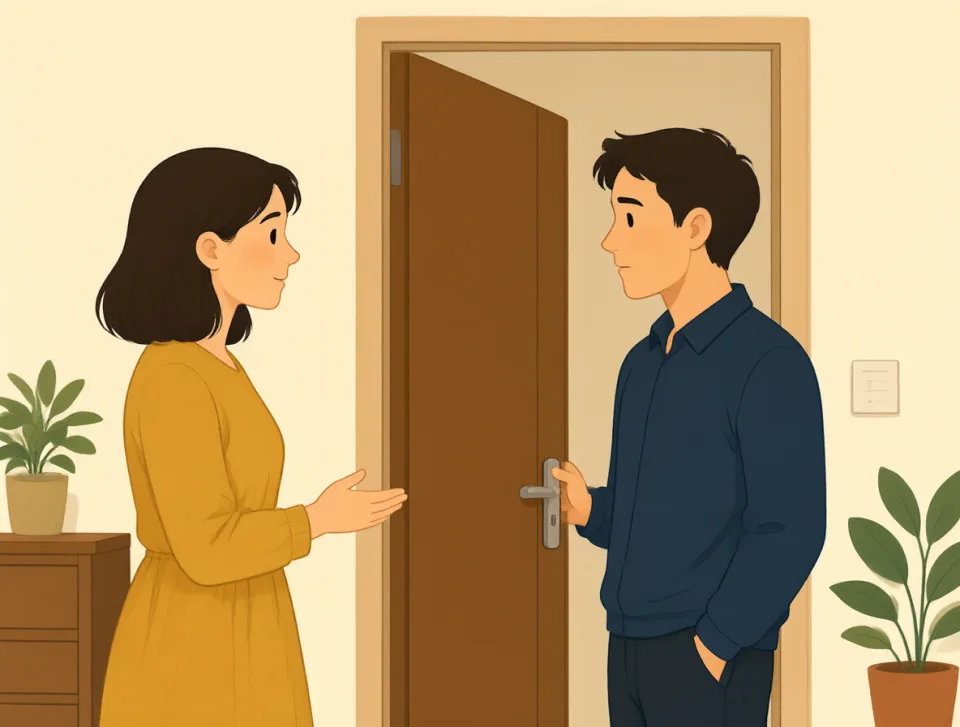
She asked me to close the door.
彼女は私にドアを閉めるよう頼みました。
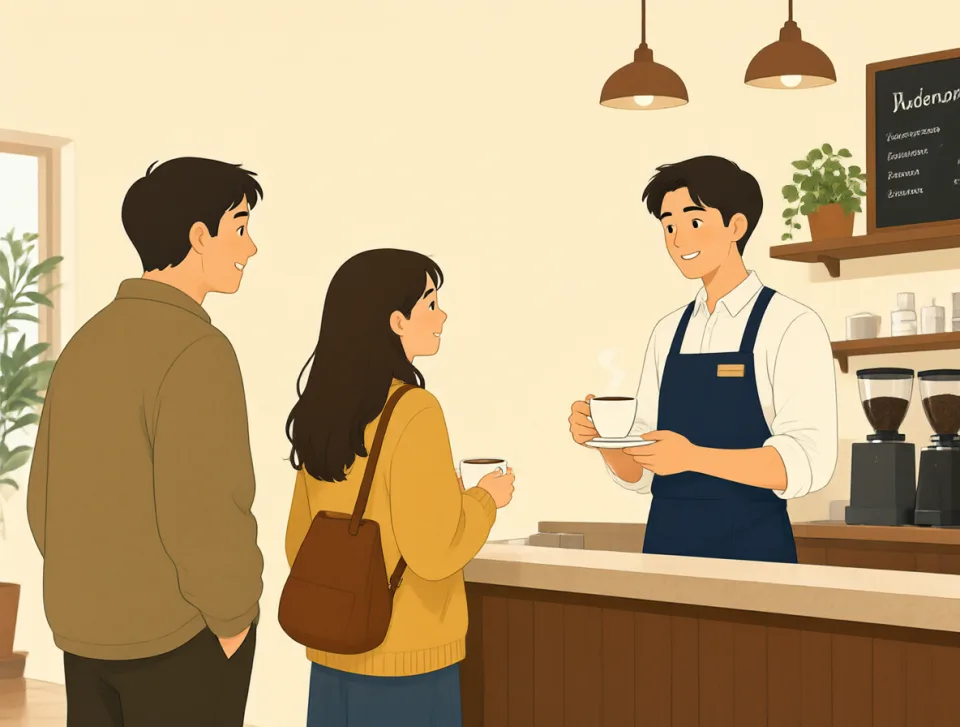
We asked for two coffees.
コーヒーを2杯頼みました。
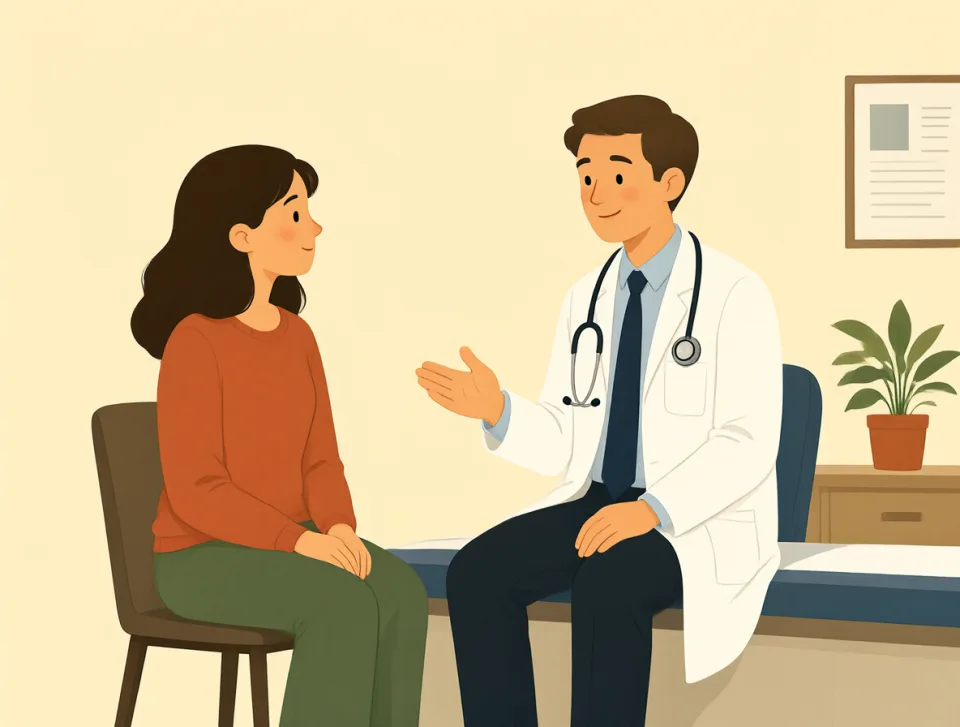
The doctor asked about my pain.
医師は私の痛みについて尋ねました。
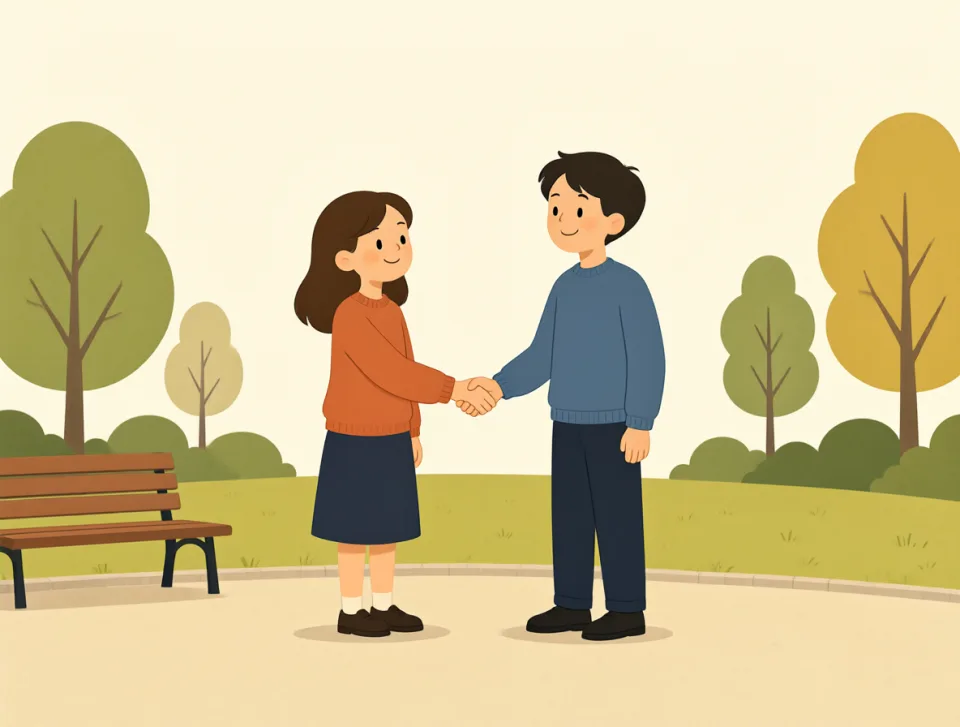
meet
#135verb
会う; 面会する
to see and talk to someone for the first time or at an arranged time
初めて会う人や、約束した時間に人と会って話をする
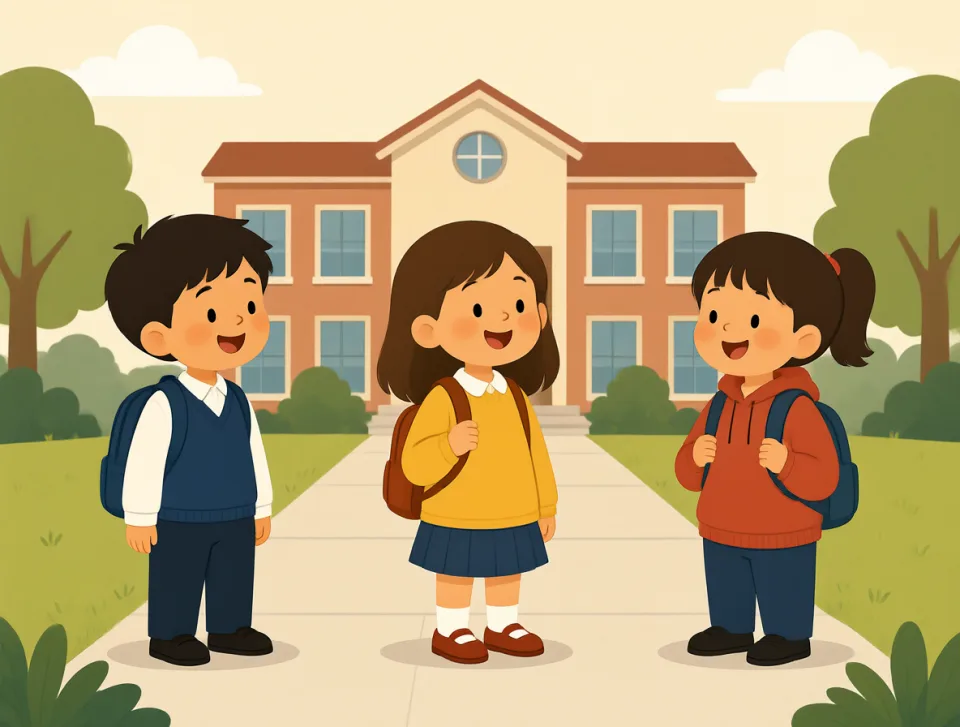
I meet my friends after school.
私は放課後に友達に会います。
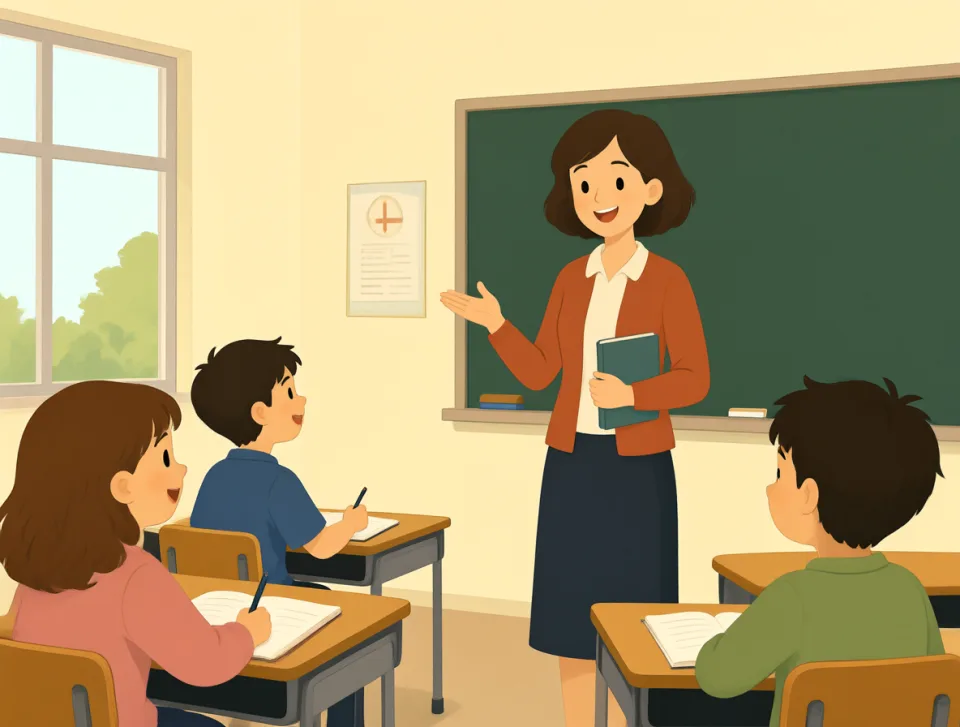
We met our new teacher yesterday.
私たちは昨日、新しい先生に会いました。
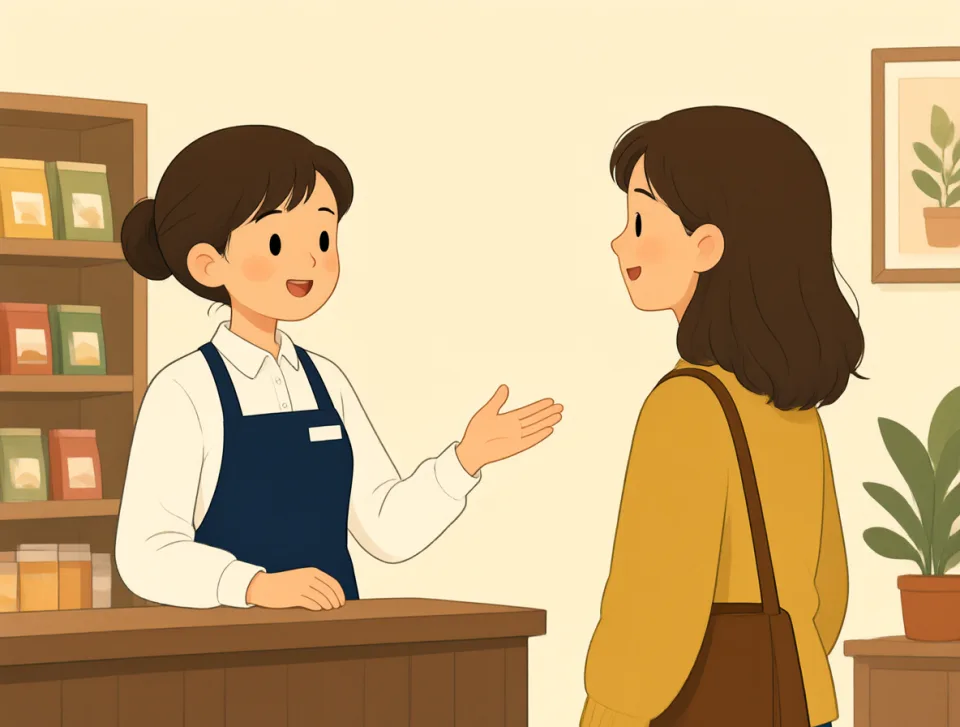
She meets customers at the shop.
彼女は店でお客さんに会います。
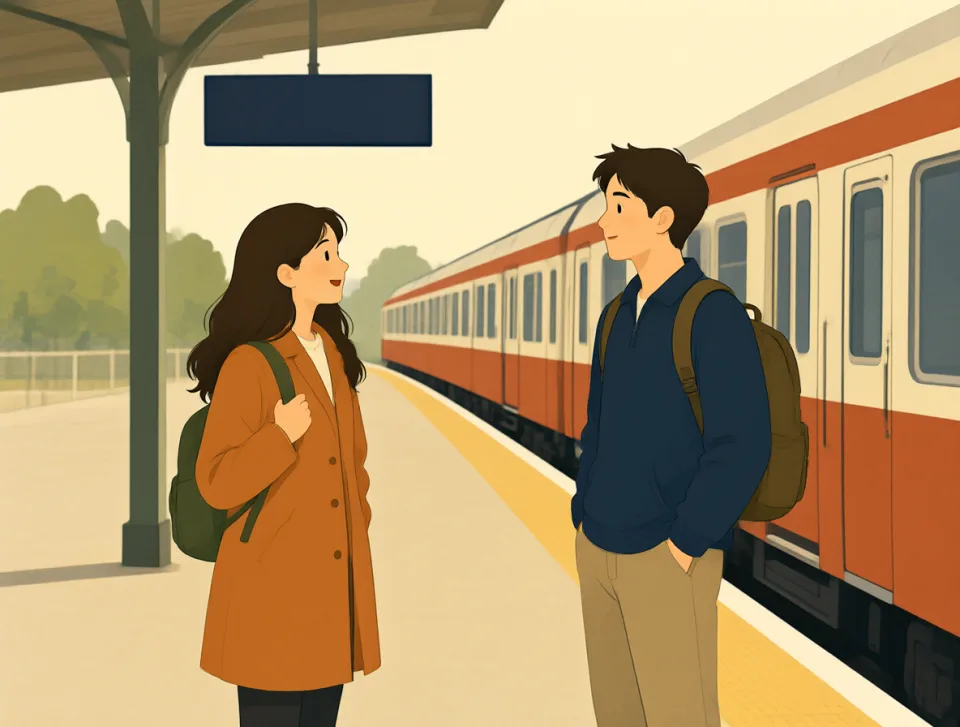
They are meeting at the station.
彼らは駅で会う予定です。
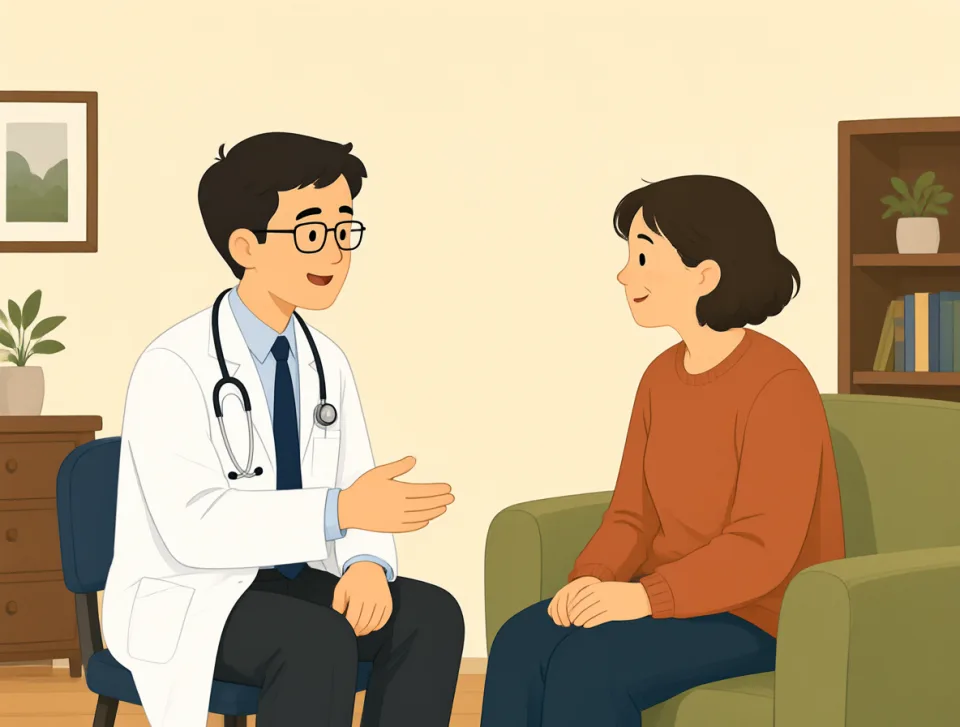
The doctor met the patient at home.
その医師は患者の自宅で会いました。
start
#136verb, noun
始める; 開始する; 始まり
to begin doing something or to begin happening; the beginning of something
何かを始める、または何かが始まること; 何かの始まり
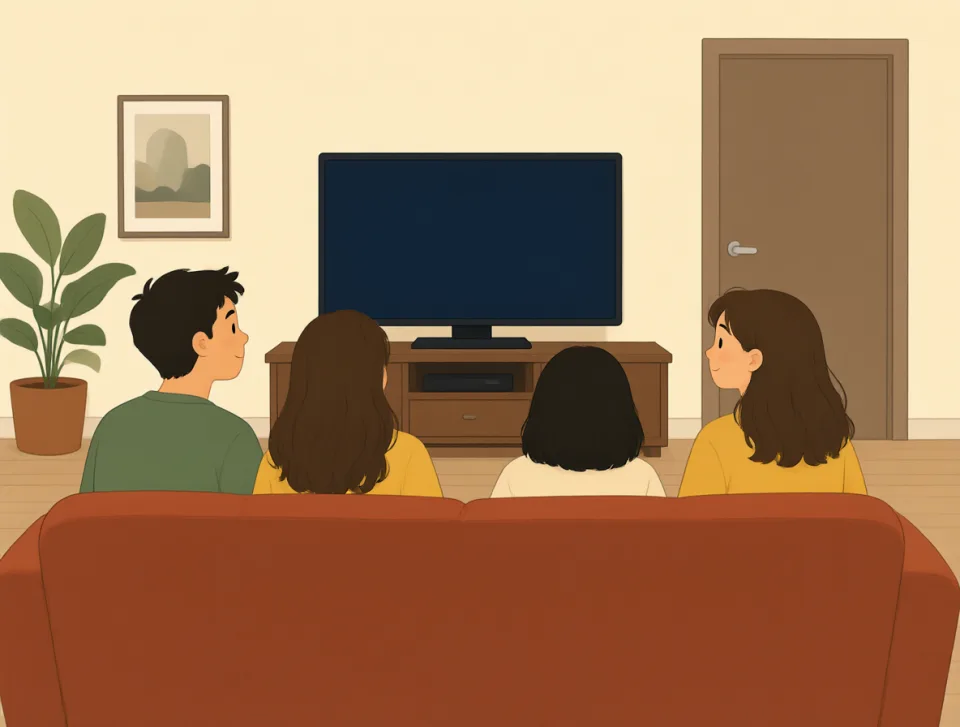
The movie starts at eight o’clock.
映画は8時に始まります。
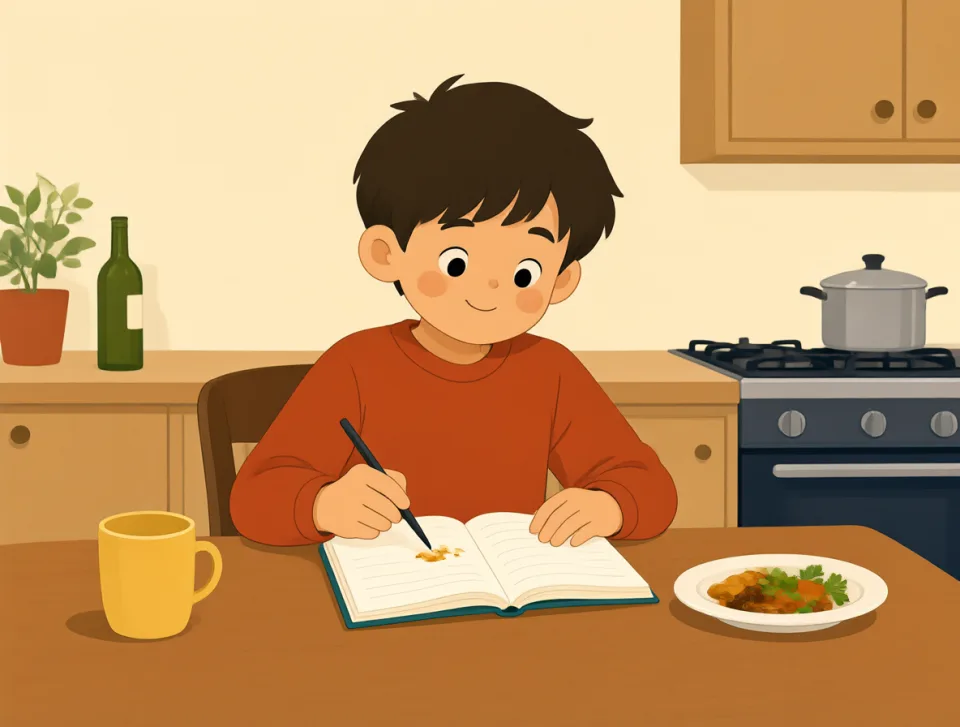
Please start your homework after dinner.
夕食の後に宿題を始めてください。
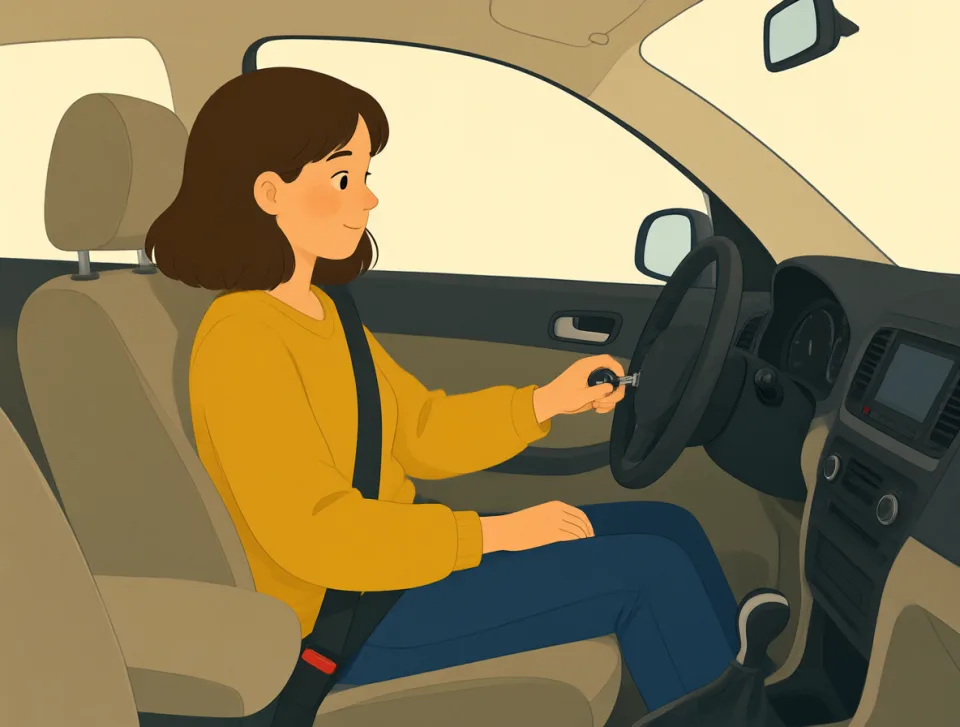
She started the car and drove away.
彼女は車のエンジンをかけて、走り去りました。
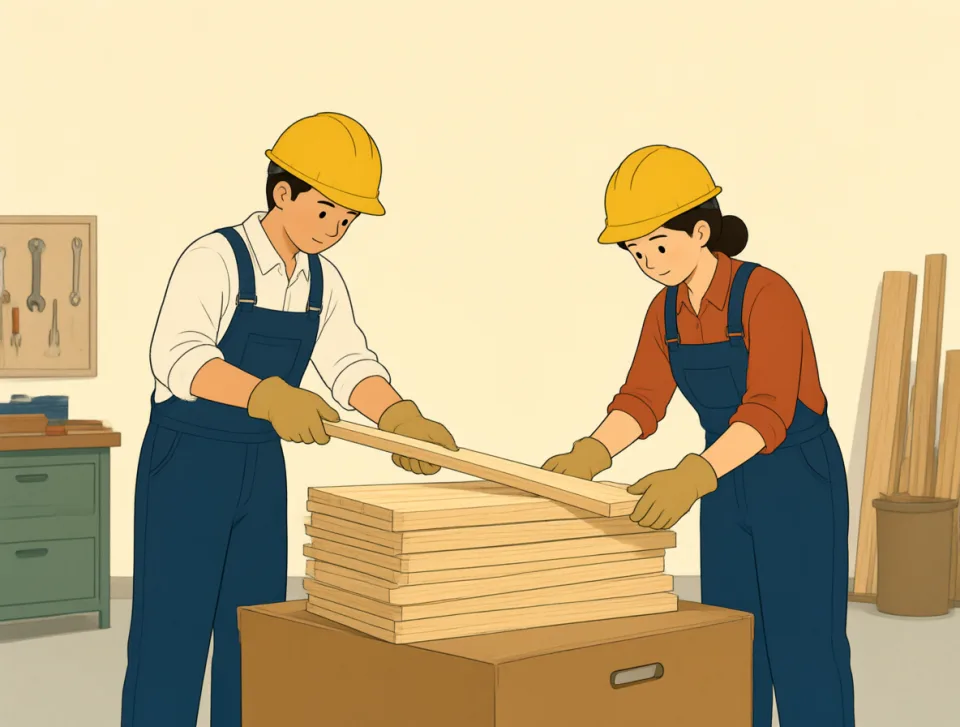
We started work early this morning.
私たちは今朝、早く仕事を始めました。
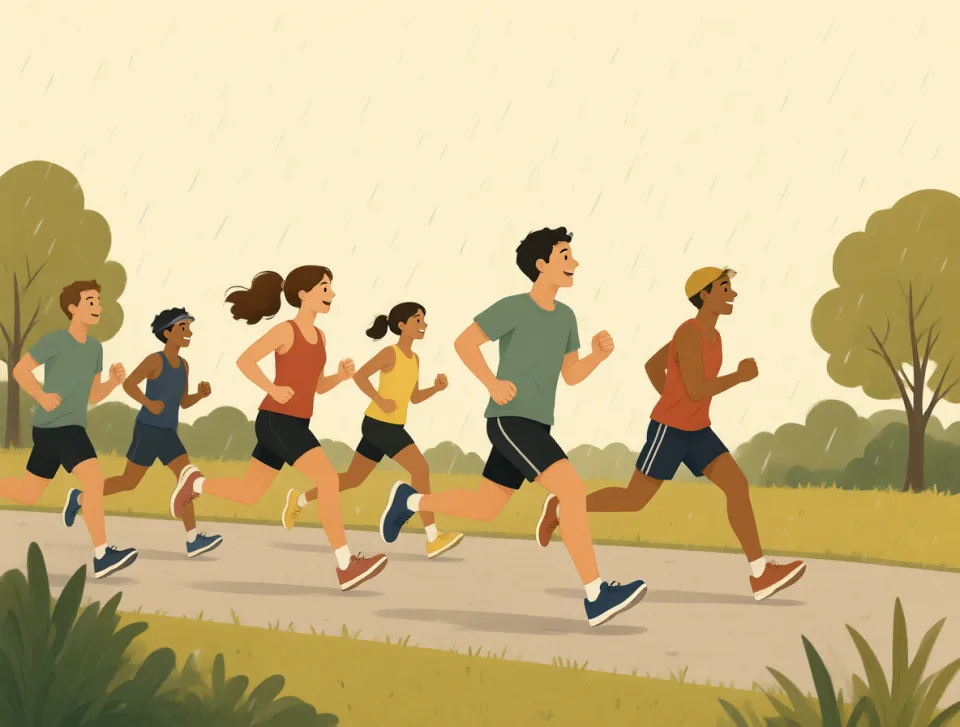
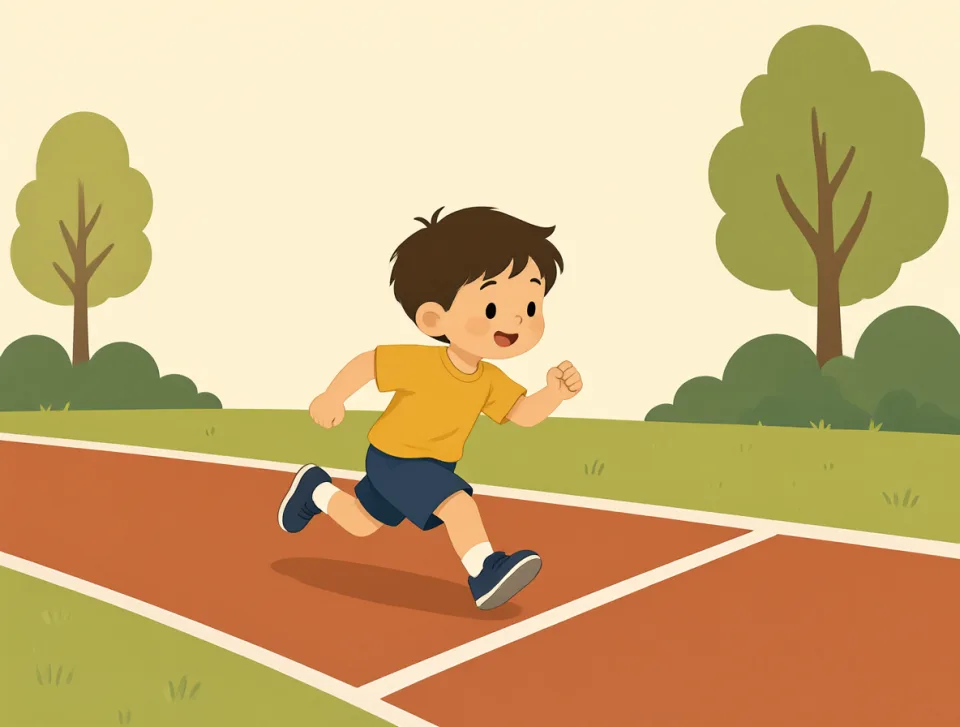
The race started in the rain.
雨の中、レースが始まりました。
talk
#137noun, verb
話す;会話
to speak with someone about something; a conversation between people
誰かと何かについて話すこと;人々の間で交わされる会話

Can I talk to you after lunch?
昼食のあと、少し話せる?

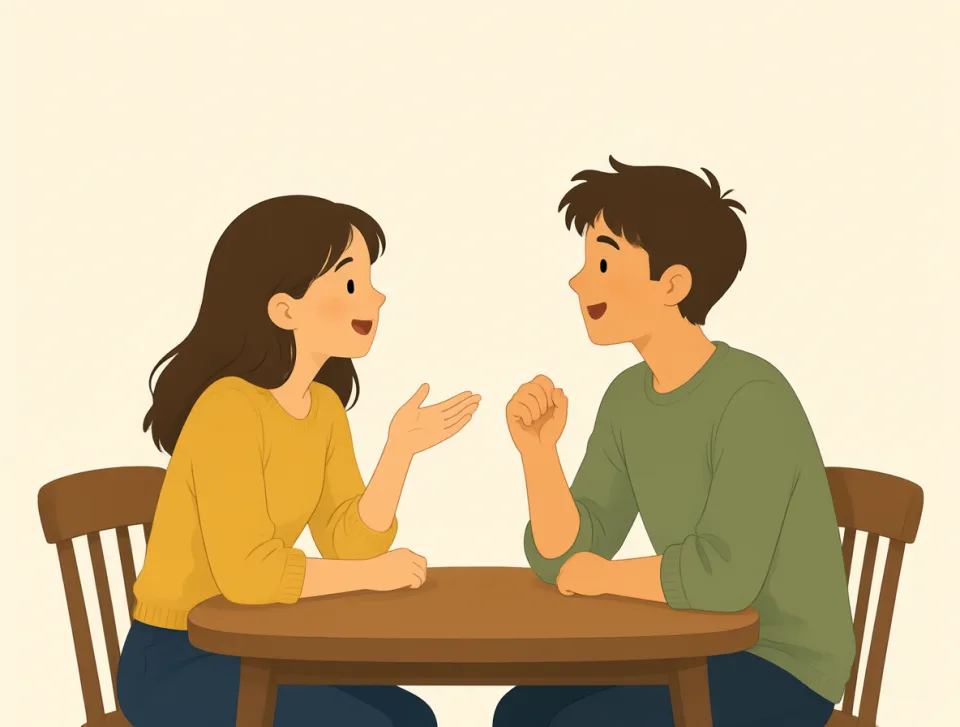
We talked about our plans for the weekend.
週末の予定について話しました。
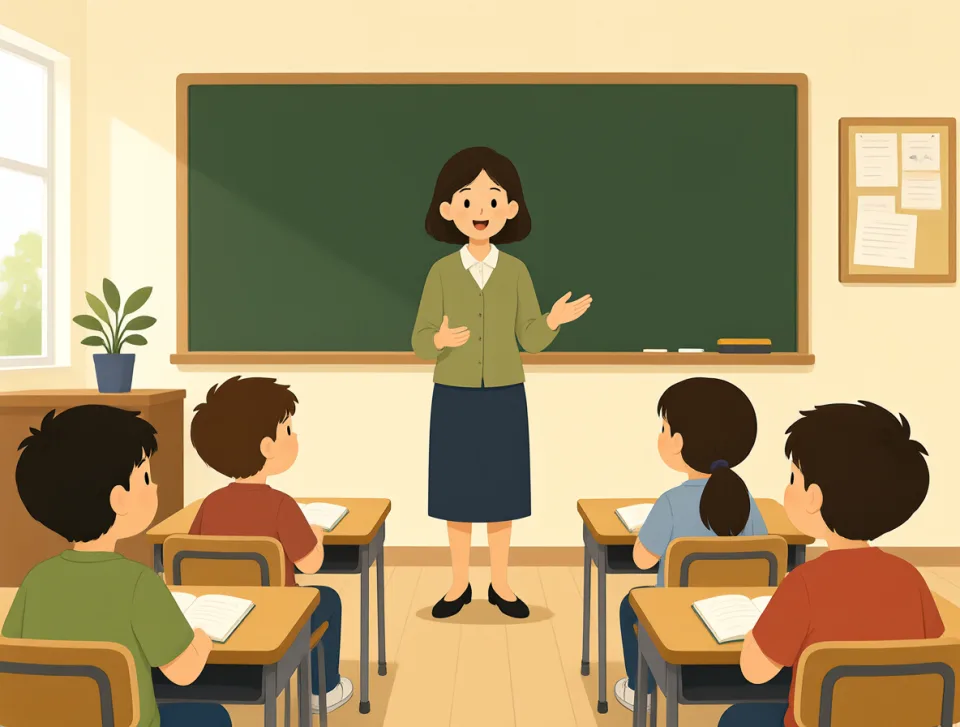
The teacher is talking to the students.
先生は生徒たちと話しています。
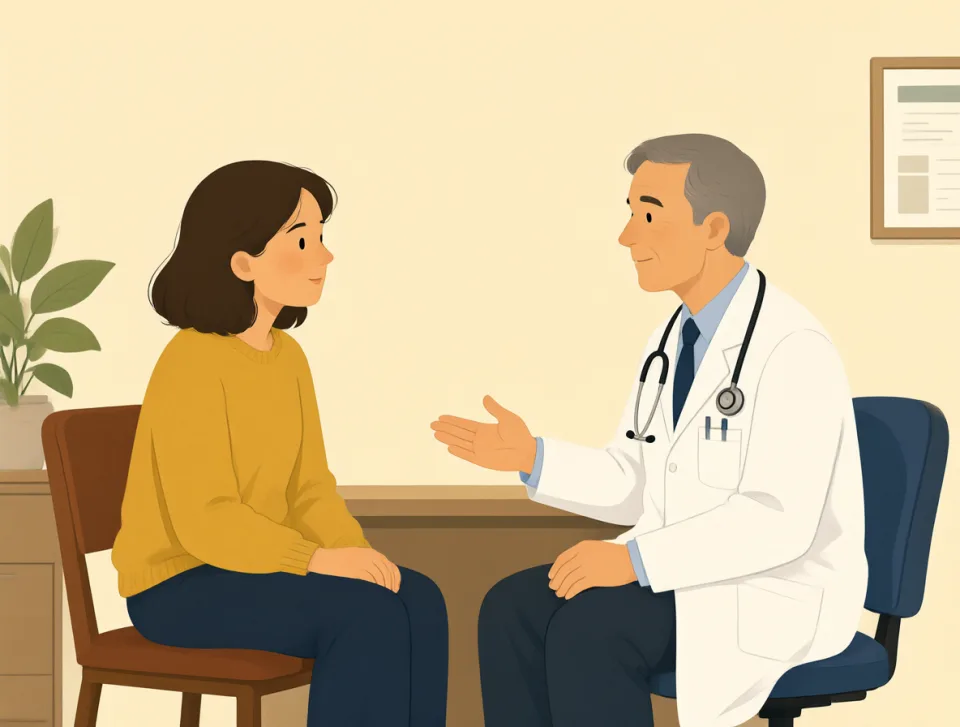
I need to talk to the doctor today.
今日は医師に相談する必要があります。

They had a long talk about the problem.
彼らはその問題について長い話し合いをしました。
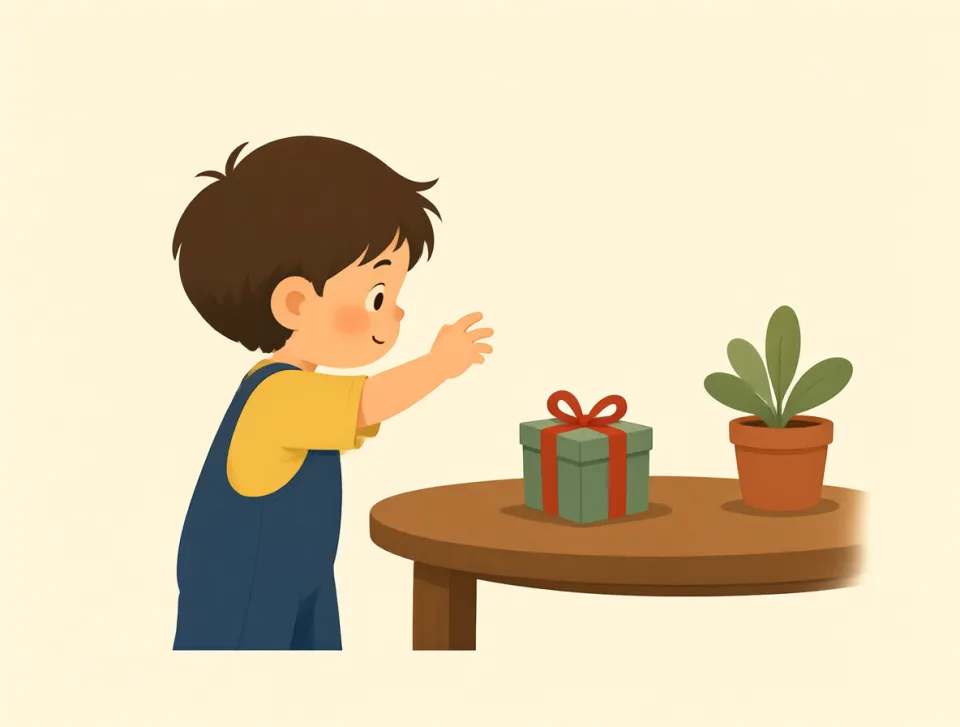
something
#138pronoun, determiner
何か;あるもの;何かあるもの
An unknown or unnamed thing, or a thing that is not clearly described.
正体や名前が分からないもの、またははっきりとは説明されていないもの。
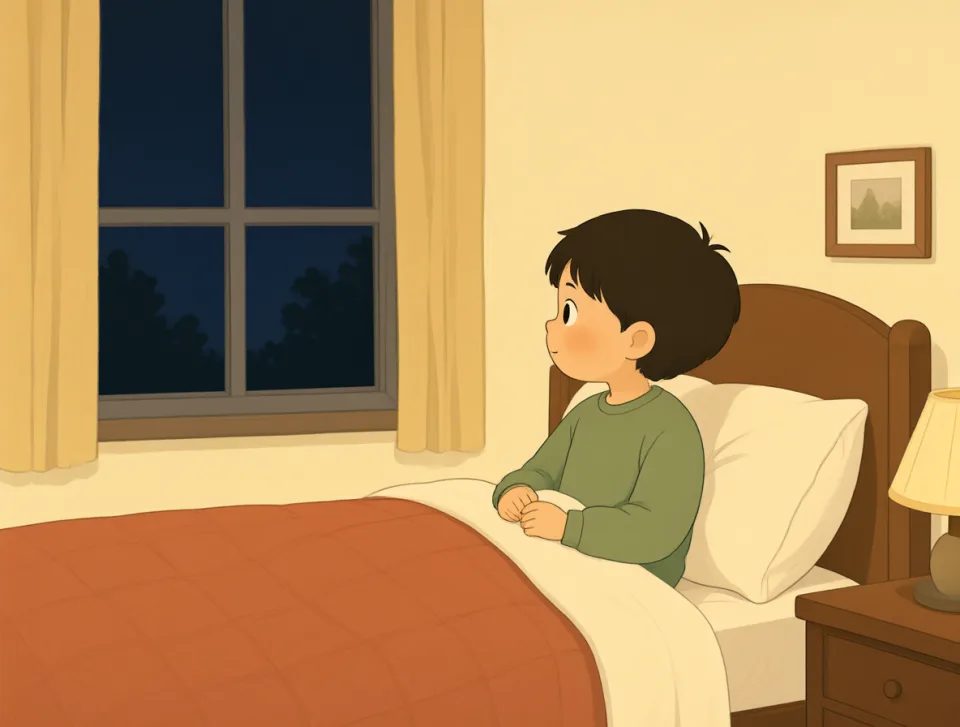
I heard something outside last night.
昨夜、外で何か聞こえた。
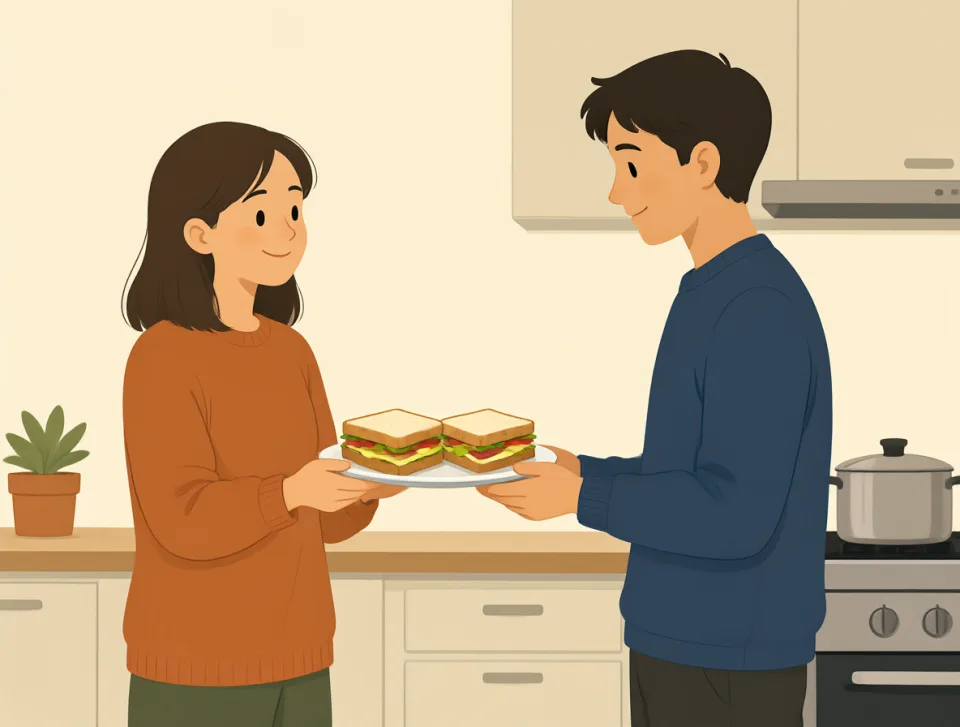
Would you like something to eat?
何か食べる?
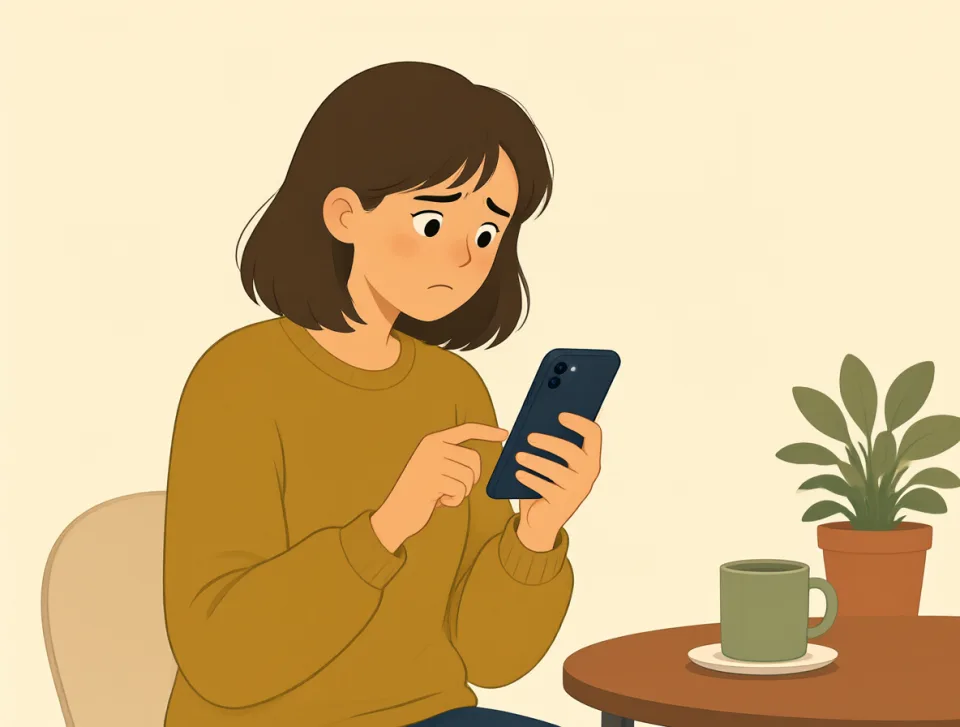
Something is wrong with my phone.
携帯電話の調子がおかしい。

She bought something nice for her mother.
彼女は母親に何か素敵なものを買った。
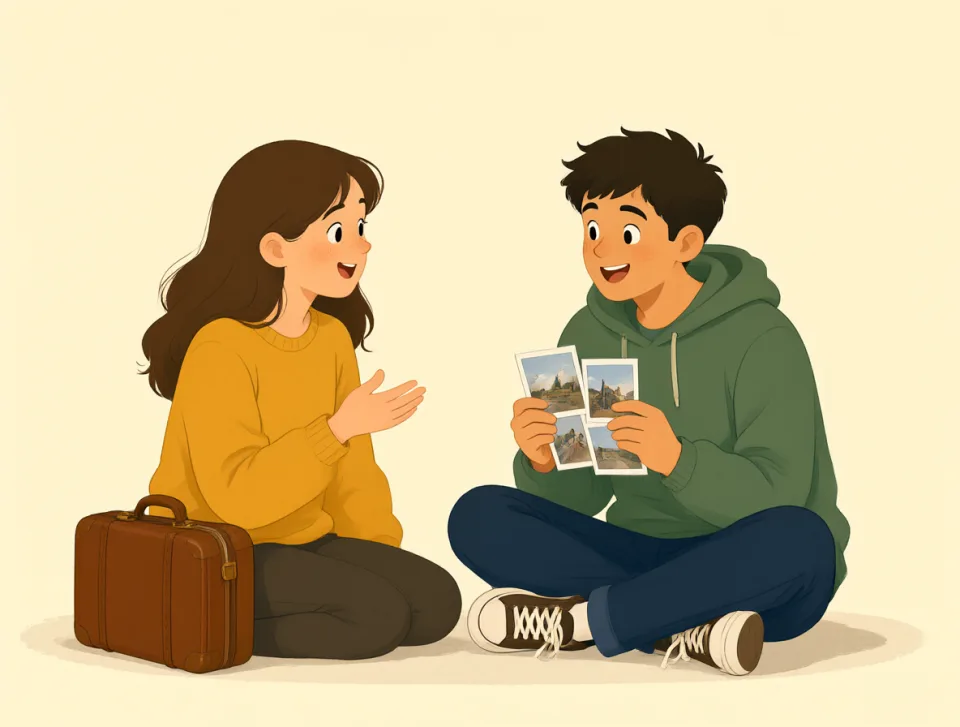
Tell me something about your trip.
旅行のことを何か教えて。
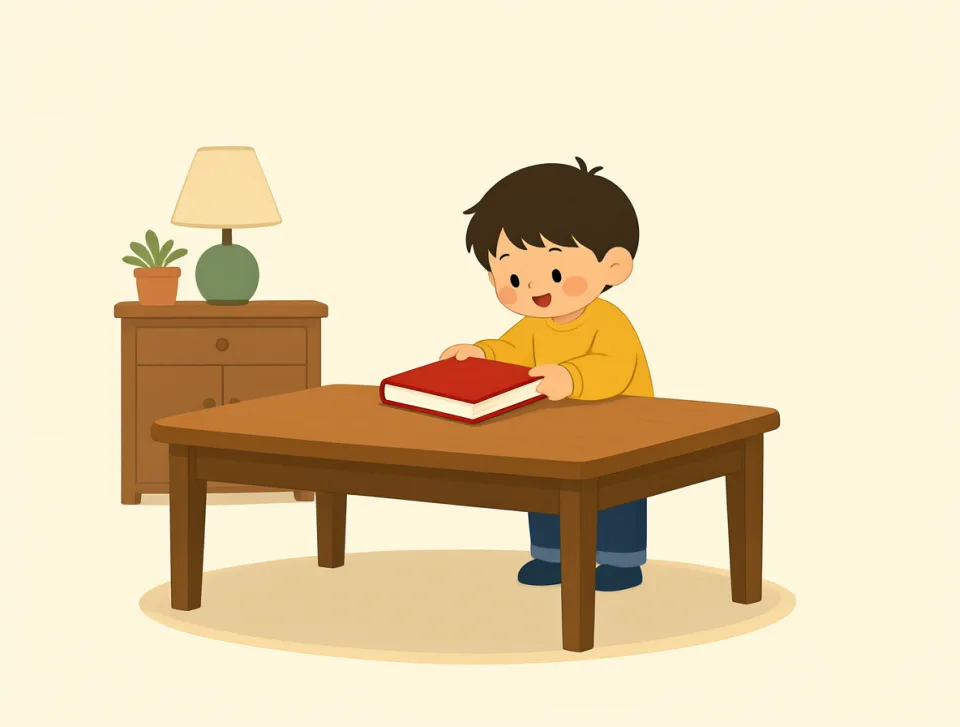
put
#139verb, noun
置く; 入れる; 着る; 履く
to move something into a place or position
物をある場所や位置に移す
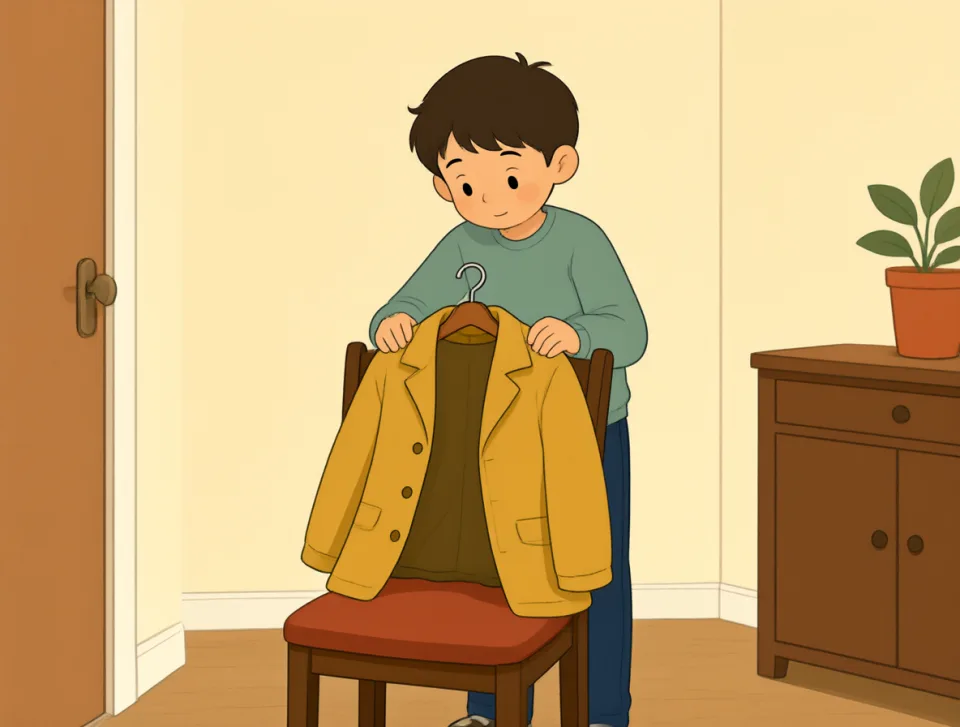
Put your coat on the chair, please.
コートをいすの上に置いてください。
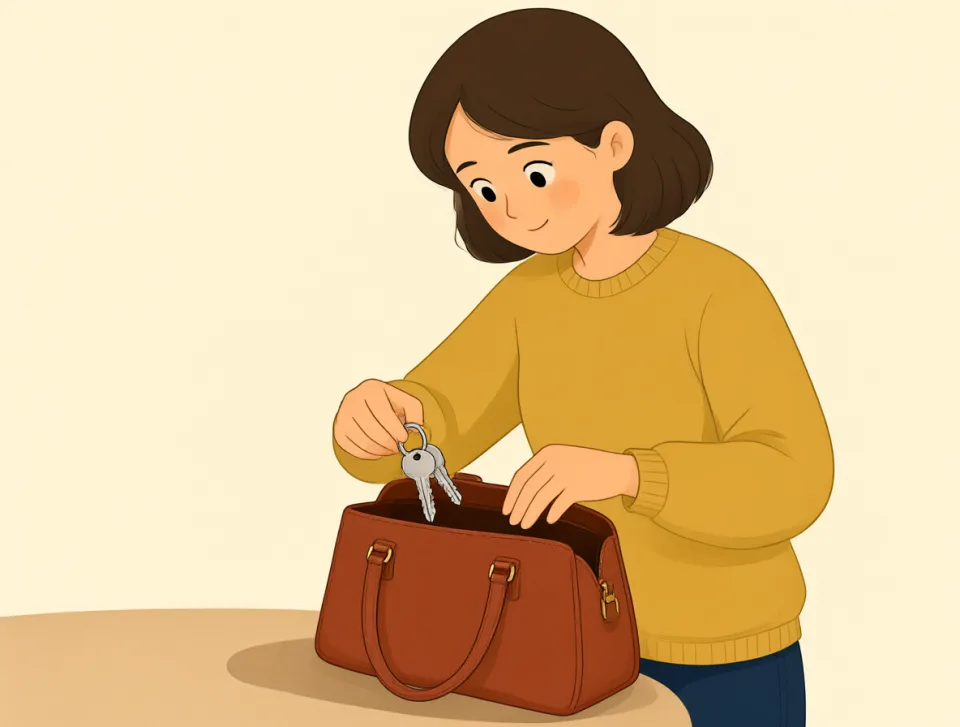
She put the keys in her bag.
彼女は鍵をバッグに入れました。
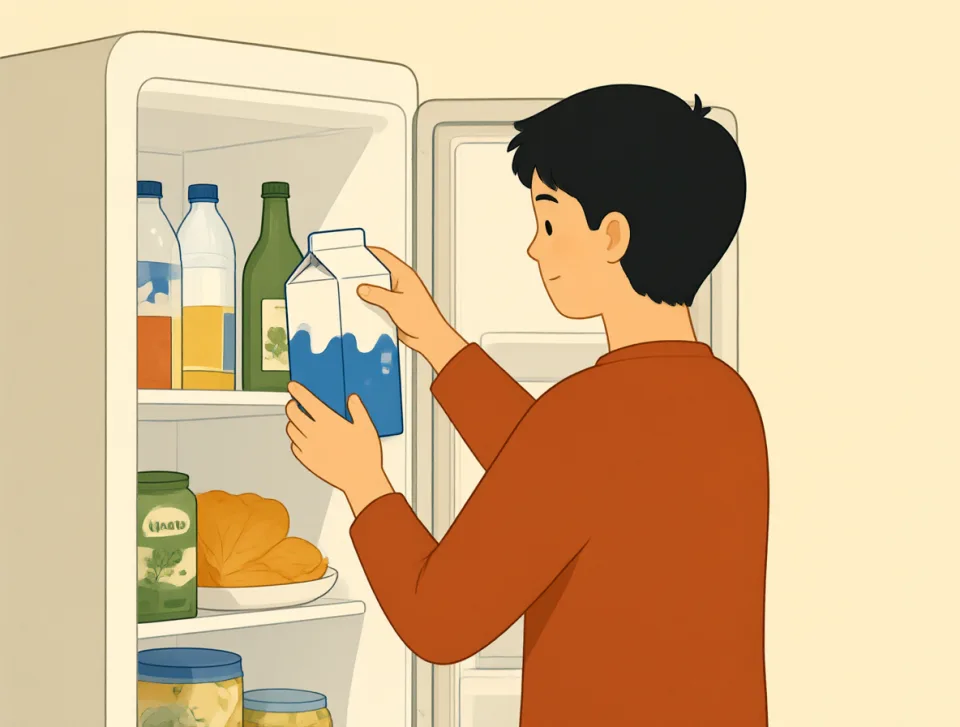
Please put the milk in the fridge.
牛乳を冷蔵庫に入れてください。
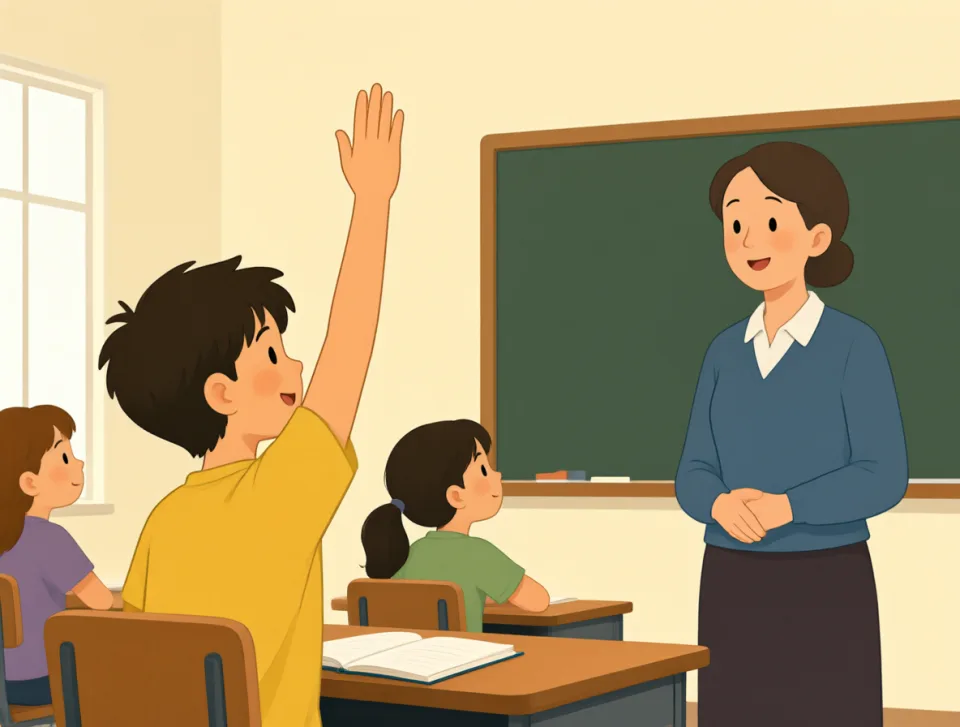
He put a question to the teacher.
彼は先生に質問をしました。
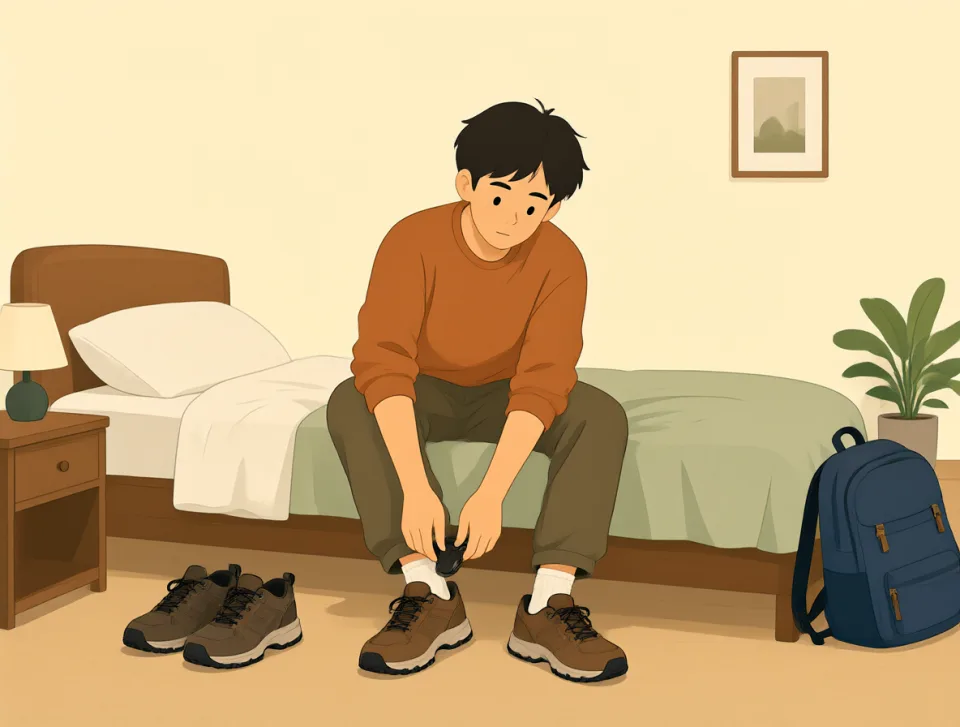
I put on my shoes before the trip.
旅行の前に靴を履きました。
another
#140determiner, pronoun
もう一つの;別の
one more person or thing, or a different one
もう一人、またはもう一つの人や物、あるいは別の人や物
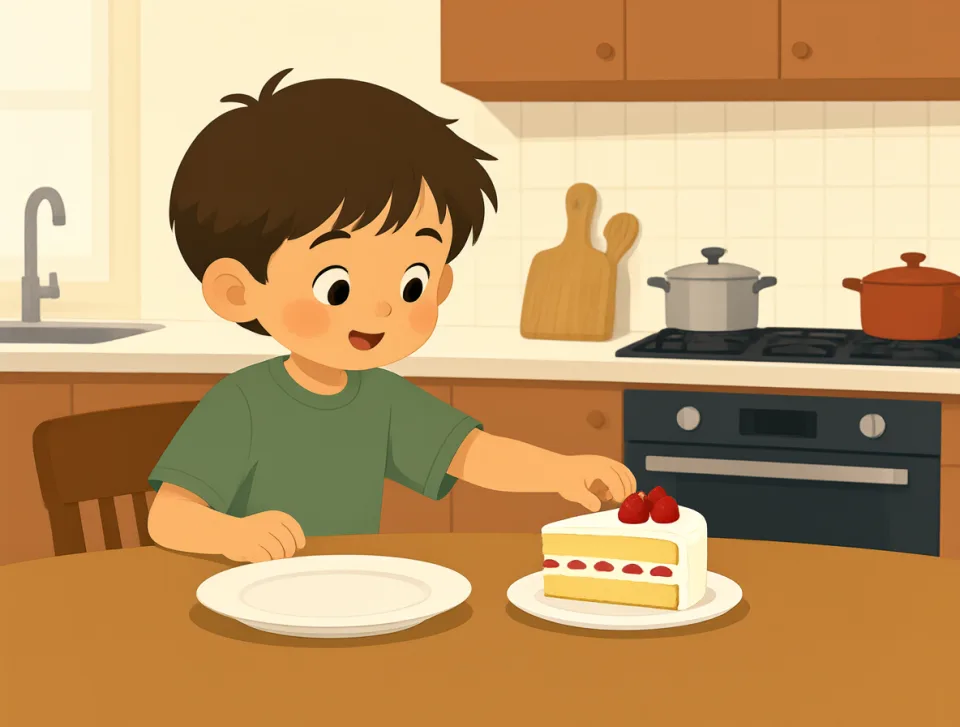
Can I have another piece of cake?
ケーキをもう一切れもらえますか?
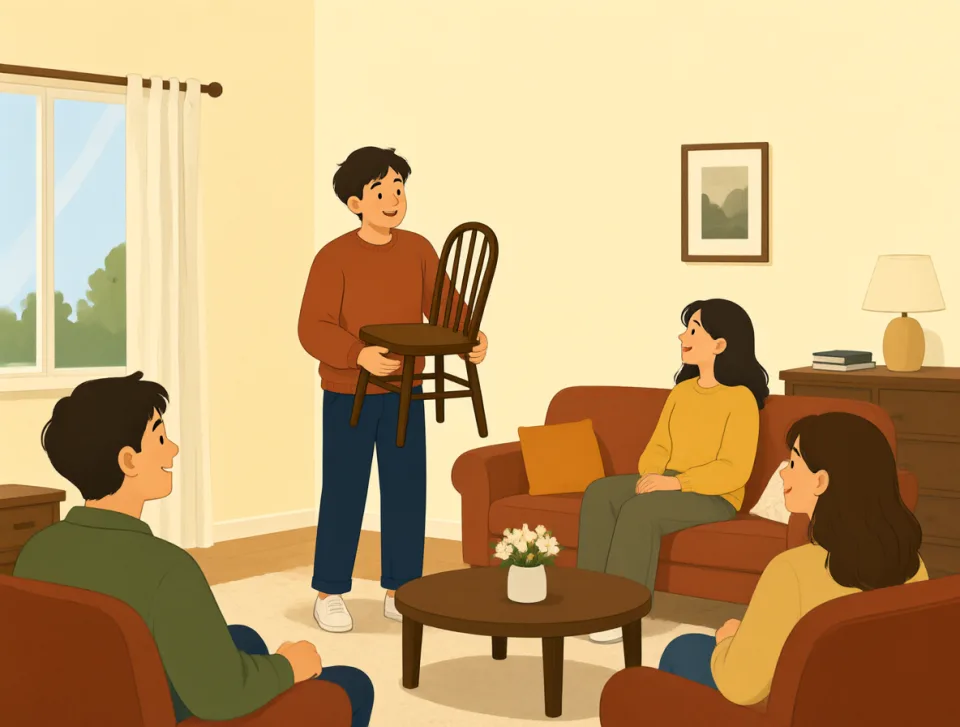
We need another chair for our guest.
お客さん用に、椅子がもう一脚必要です。
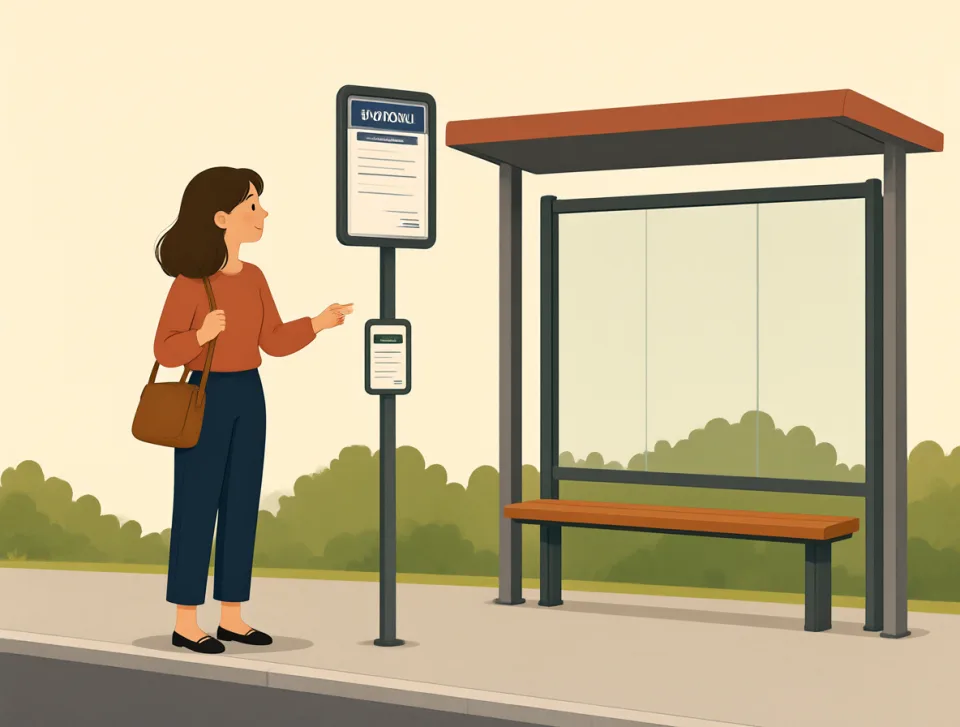
She chose another bus to the airport.
彼女は空港へ行くのに別のバスを選んだ。

One student helped another with homework.
ある生徒が別の生徒の宿題を手伝った。
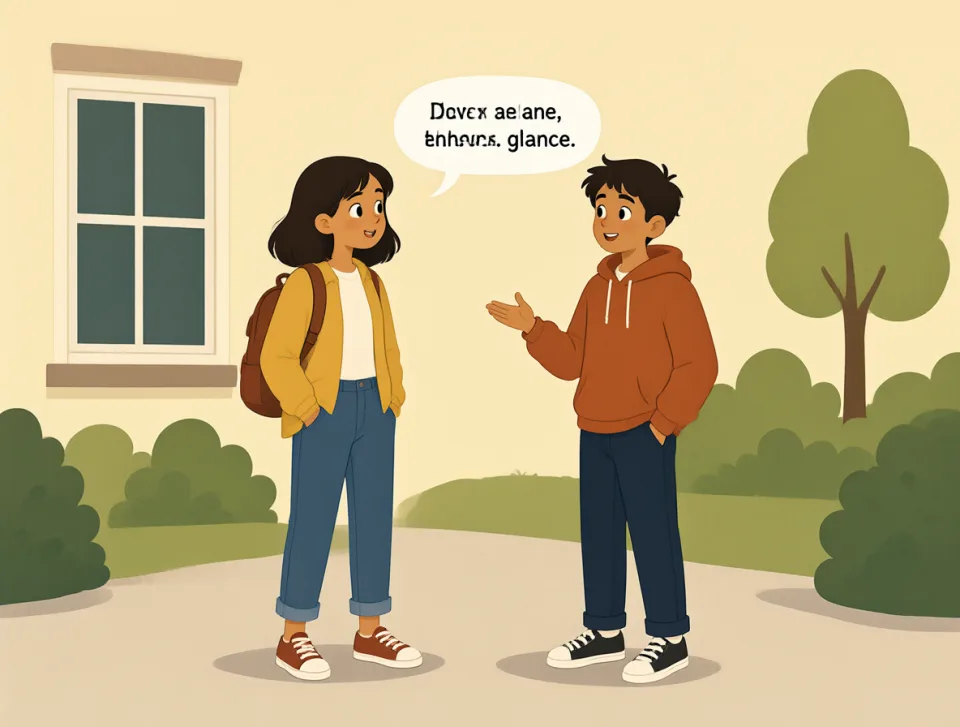
Please give me another chance tomorrow.
明日、もう一度チャンスをください。