الوحدة 7
الكلمات من 121 إلى 140 · write, same, lot, great, try, leave
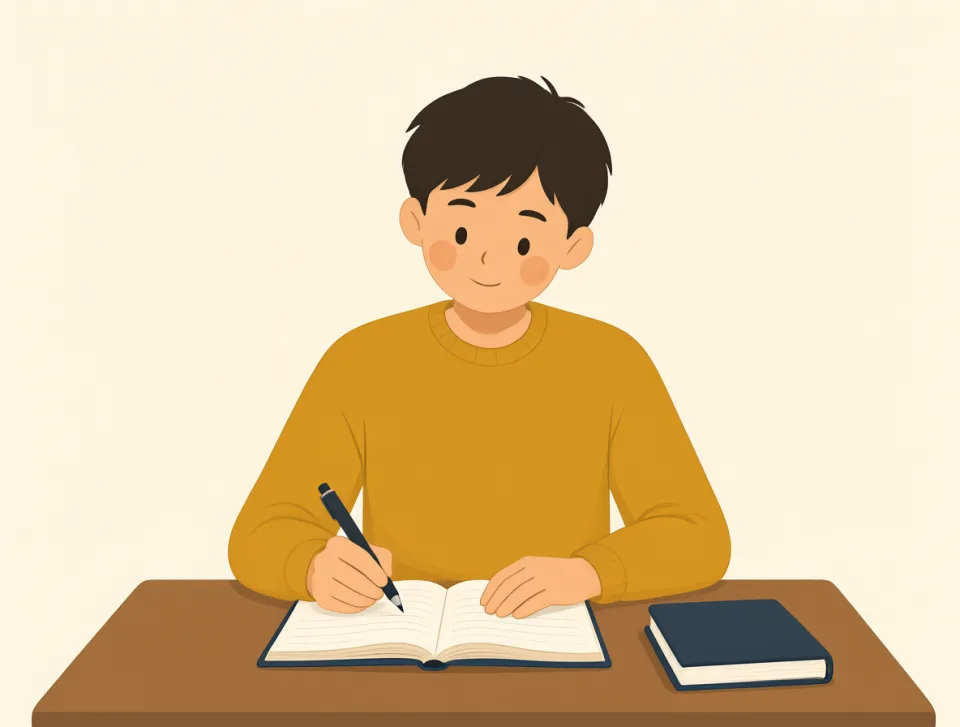
write
#121verb
يكتب
to put words on paper or a screen
أن يضع كلمات على الورق أو الشاشة
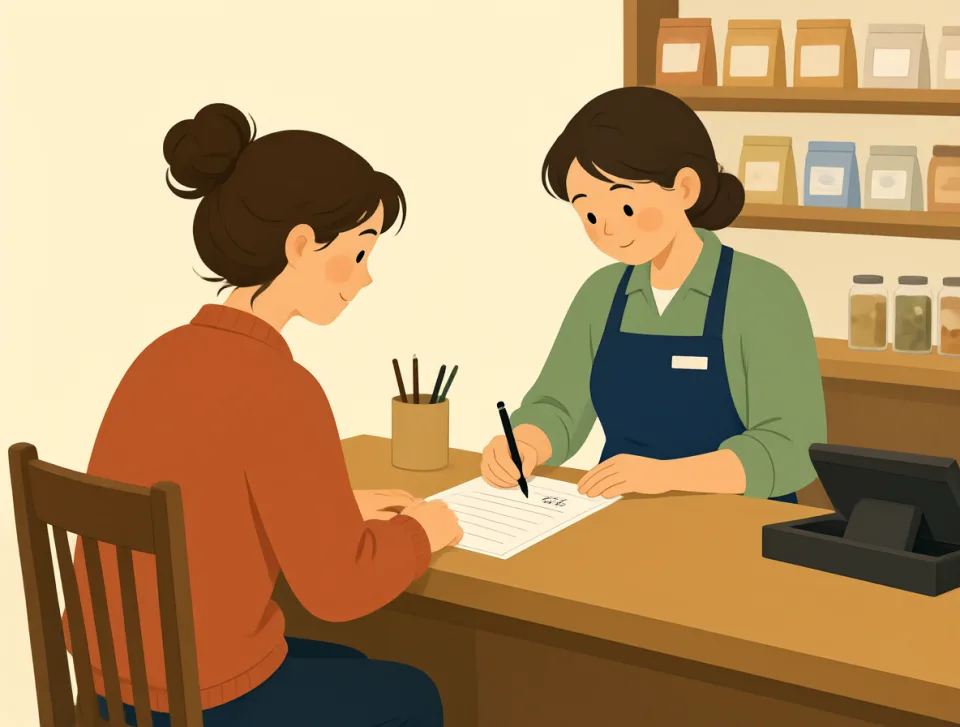
Please write your name here.
يُرجى كتابة اسمك هنا.
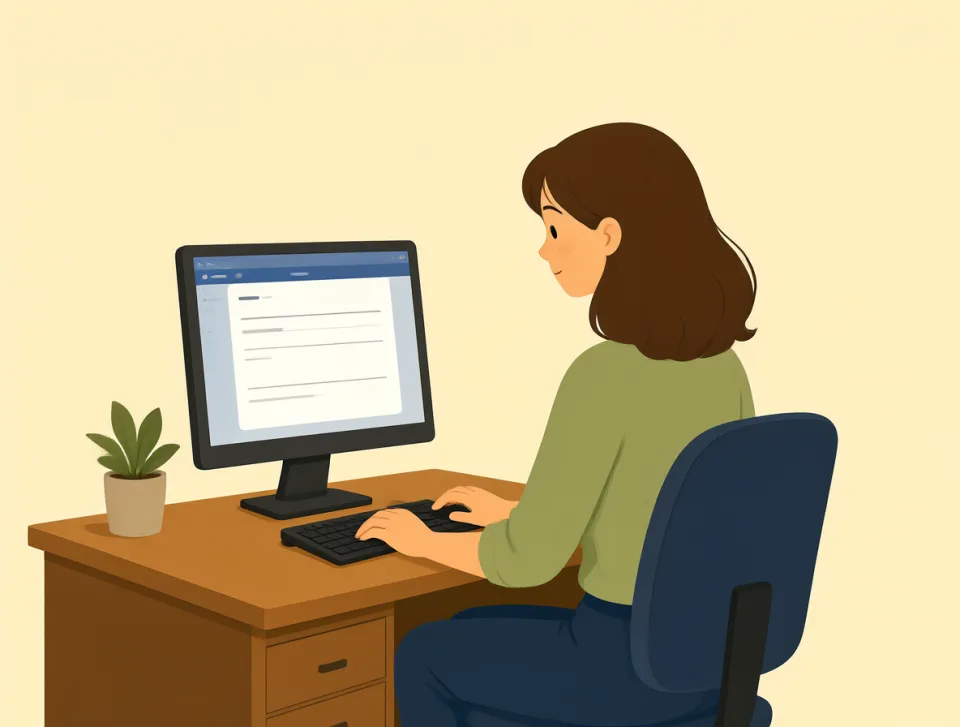
She writes emails at work.
هي تكتب رسائل البريد الإلكتروني في العمل.
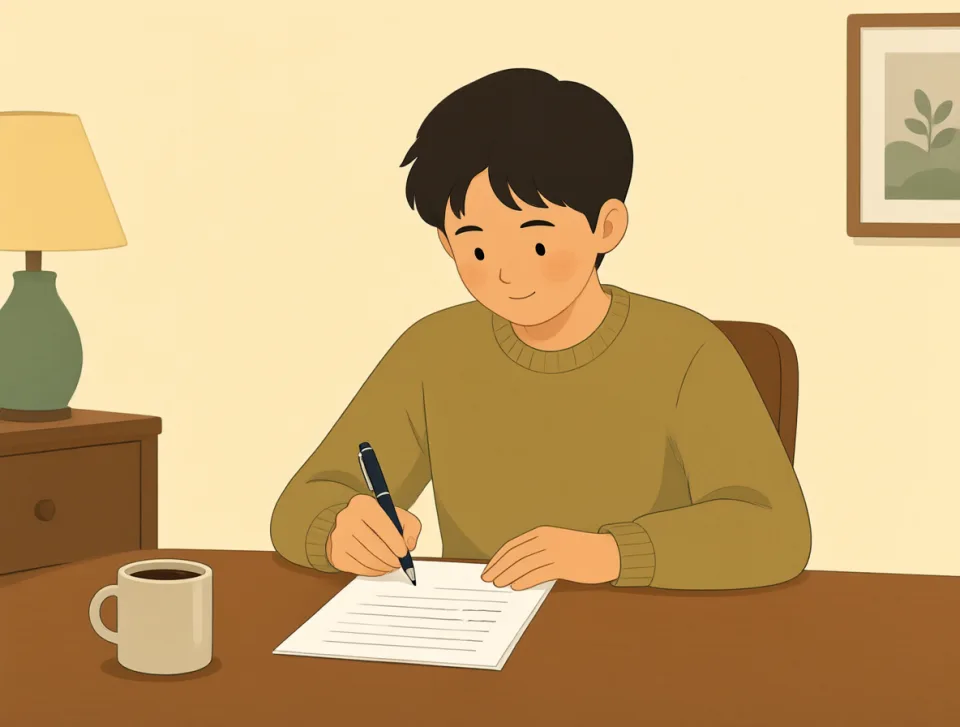
I wrote a letter to my friend.
كتبتُ رسالة إلى صديقي.
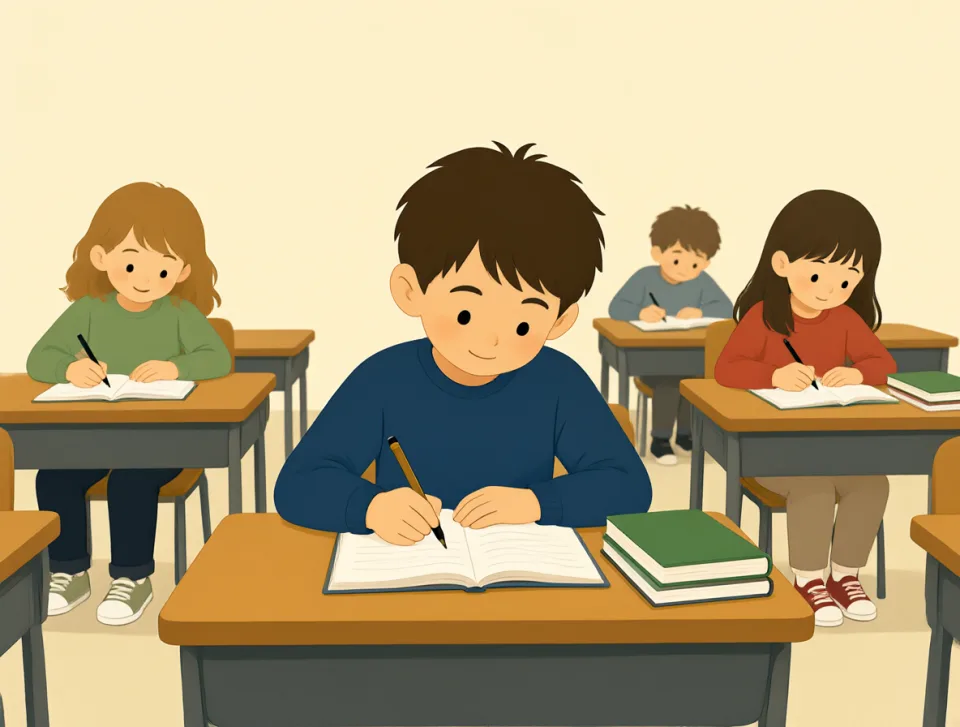
The students are writing sentences.
يكتب الطلاب جملًا.
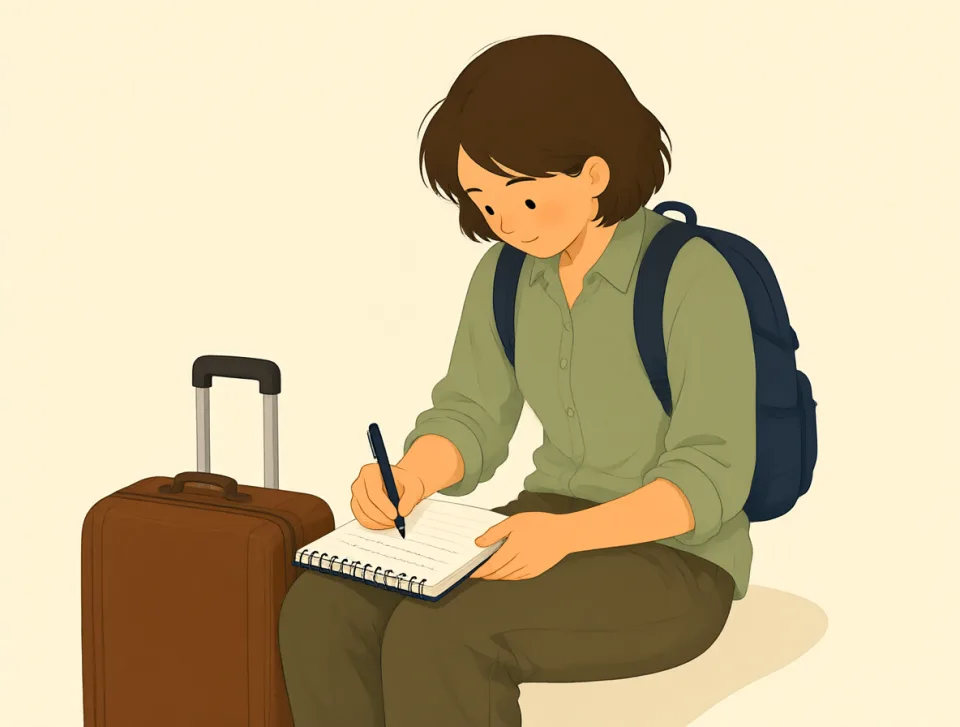
He wrote down the hotel address.
دوّن عنوان الفندق.
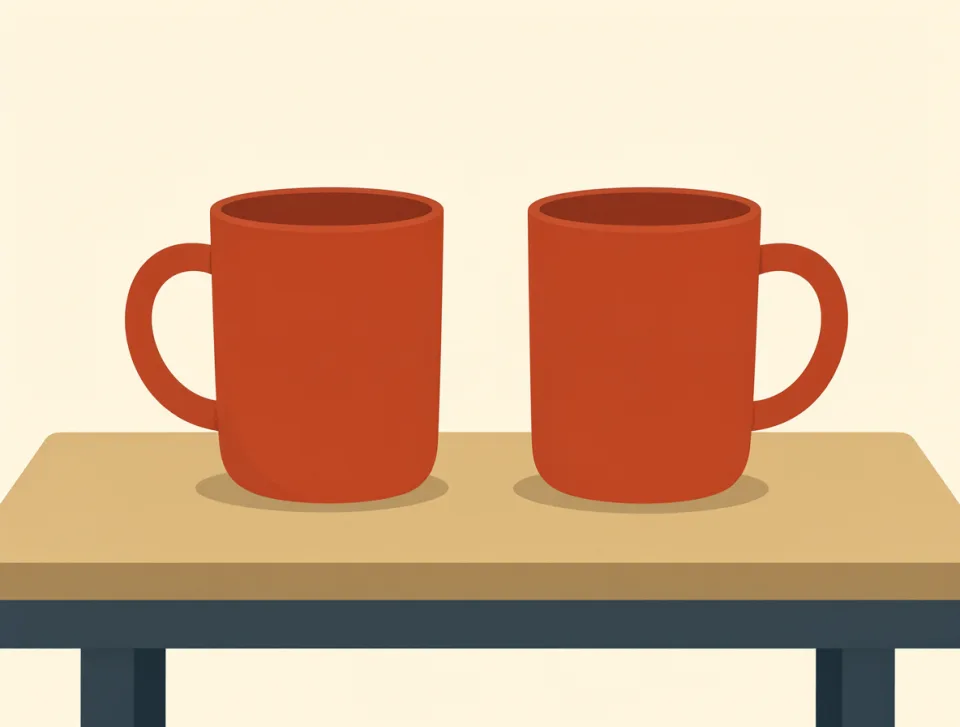
same
#122adjective, adverb, pronoun, determiner
نفس
Exactly like another person or thing, or exactly that person or thing.
مطابق تمامًا لشخص أو شيء آخر، أو هو ذلك الشخص أو الشيء نفسه.
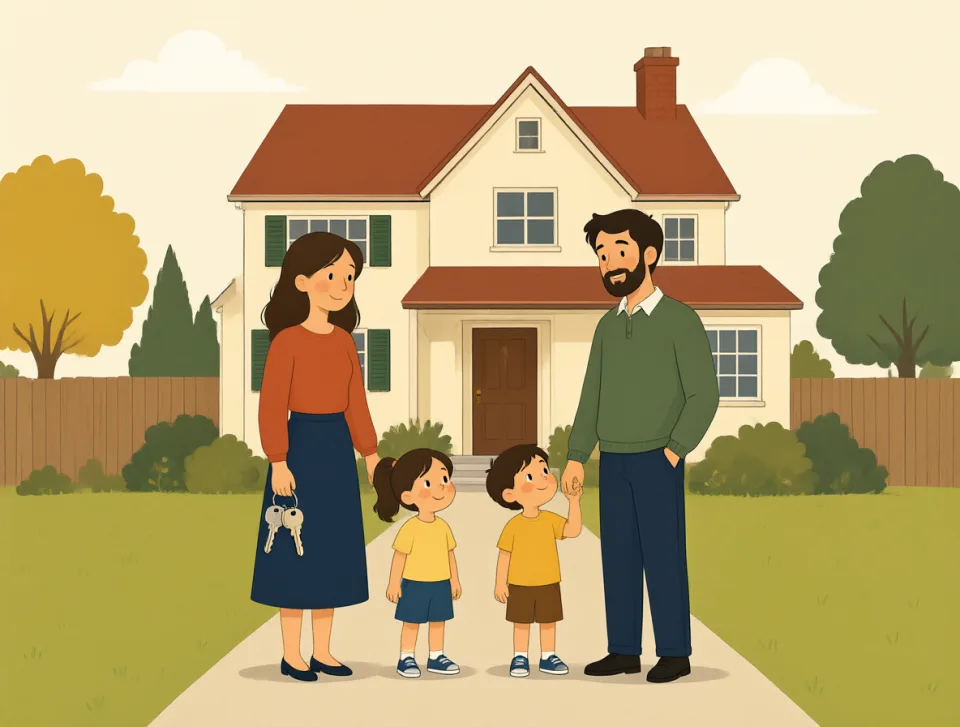
We live in the same house.
نعيش في المنزل نفسه.
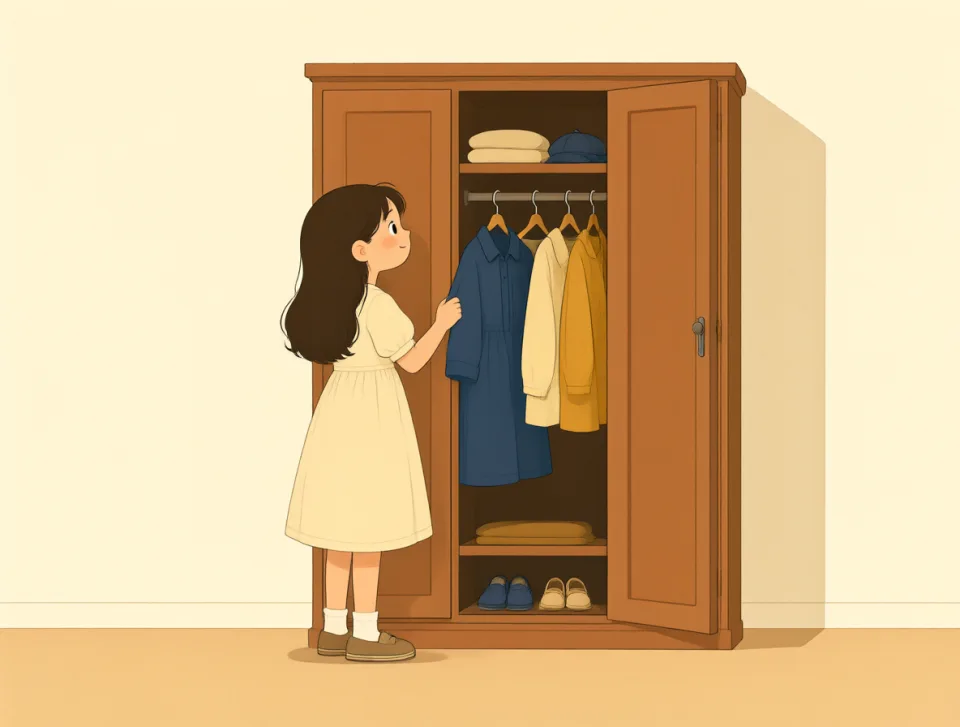
She wore the same dress yesterday.
ارتدت الفستان نفسه أمس.
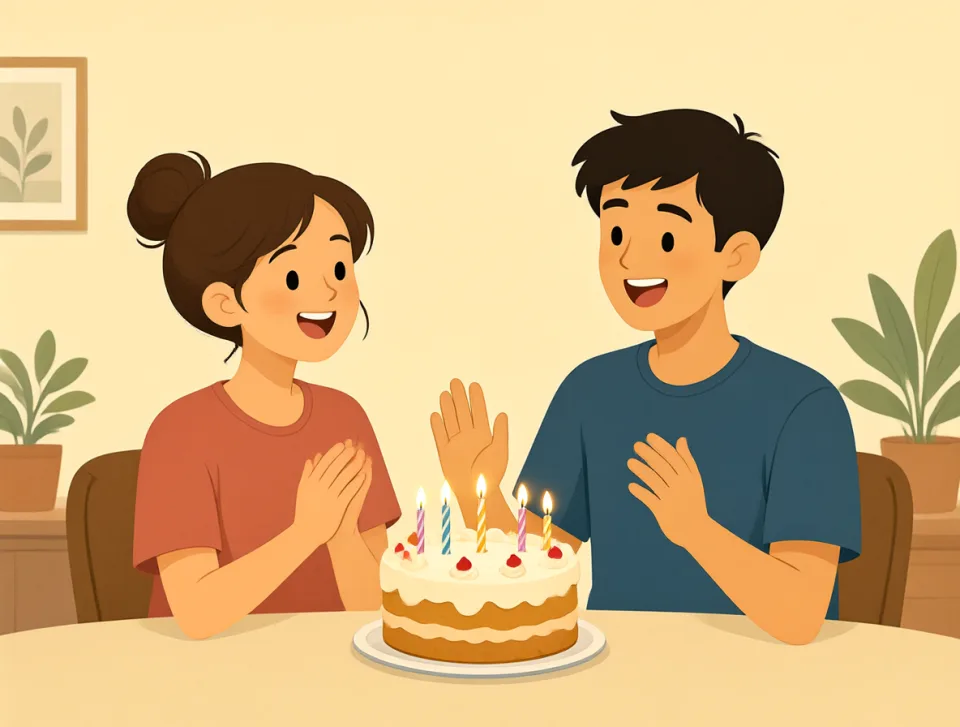
Tom and I have the same birthday.
عيد ميلادي وعيد ميلاد توم في اليوم نفسه.

Please choose the same size as mine.
يُرجى اختيار المقاس نفسه الذي اخترته.
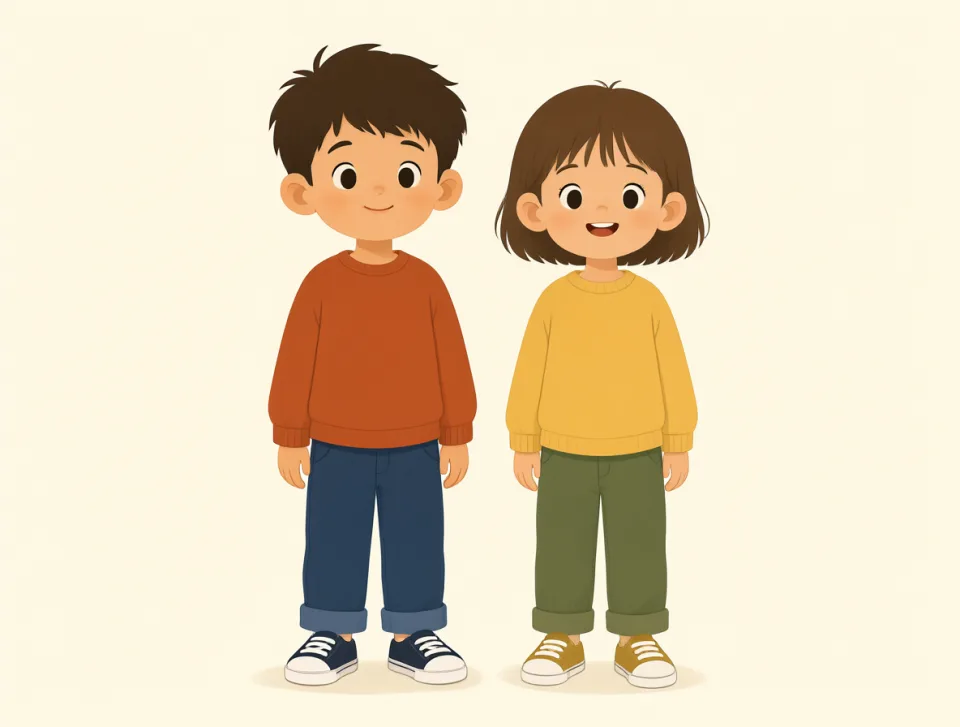
The twins look exactly the same.
يبدو التوأمان متطابقين تمامًا.
lot
#123noun, determiner, adverb
كثير
A large amount or number of something.
كمية كبيرة أو عدد كبير من شيء ما.
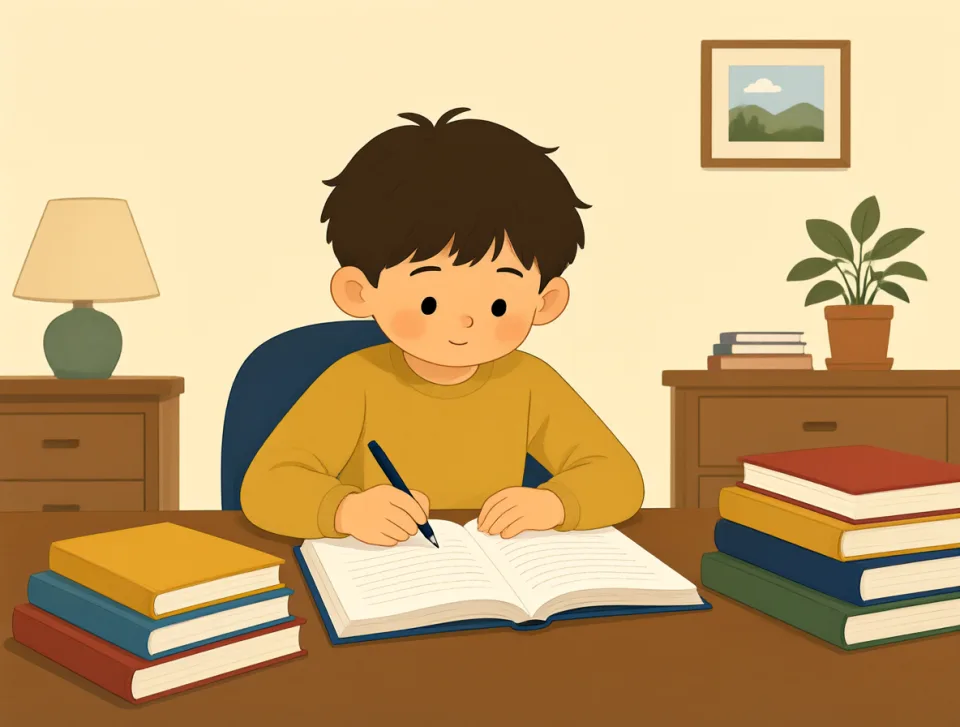
I have a lot of homework tonight.
لديّ كثير من الواجبات المنزلية الليلة.
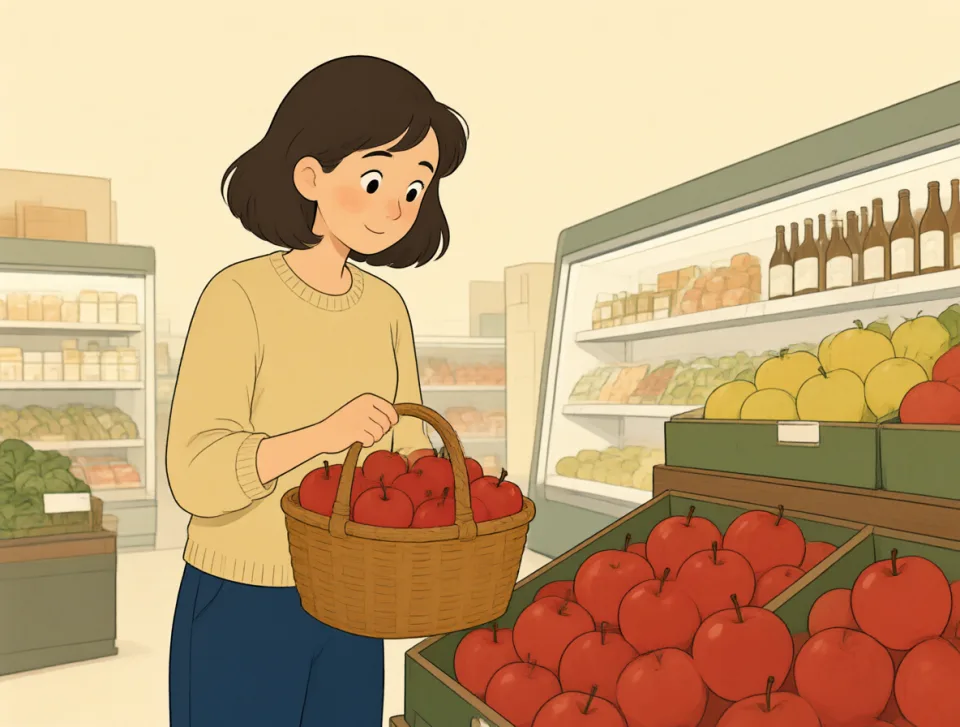
There are lots of apples in the basket.
هناك الكثير من التفاح في السلة.
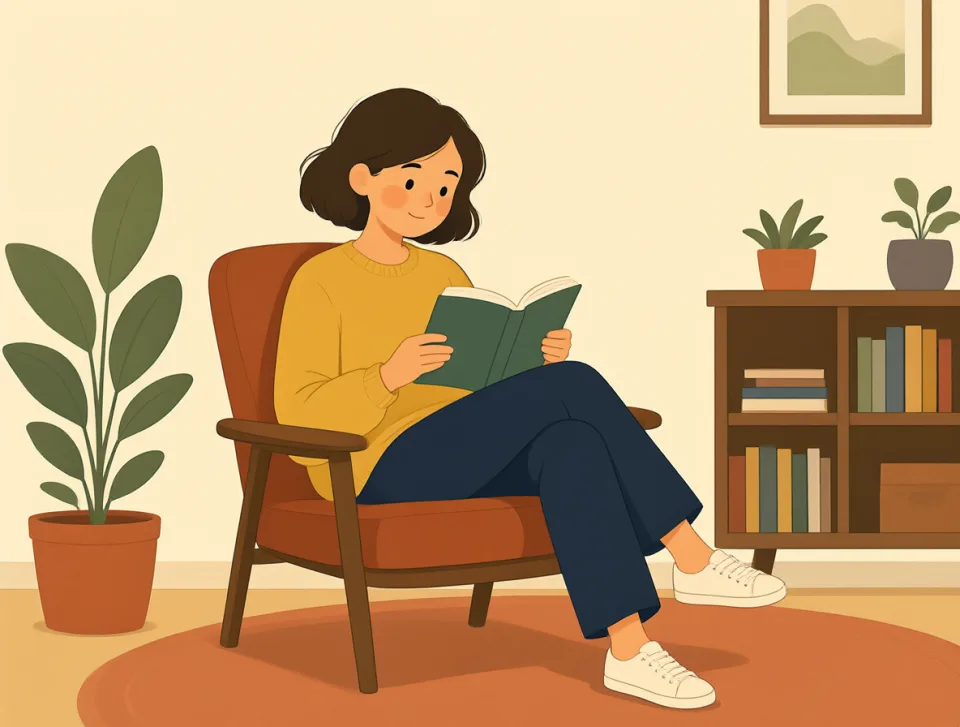
She spends a lot of time reading.
تقضي وقتًا طويلًا في القراءة.
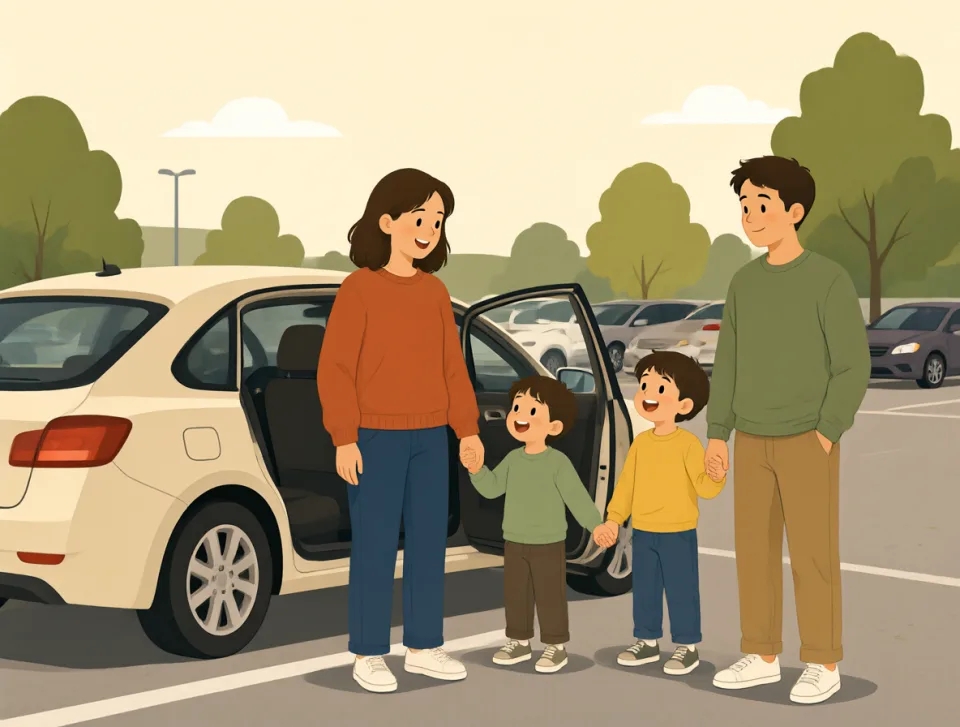
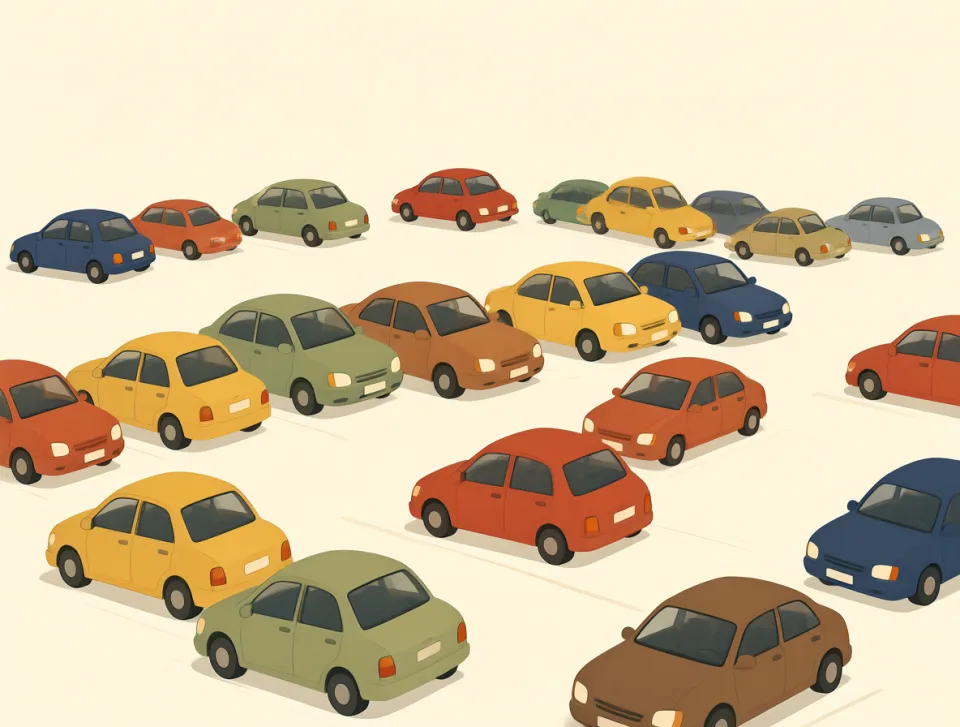
We parked the car in the parking lot.
أوقفنا السيارة في موقف السيارات.
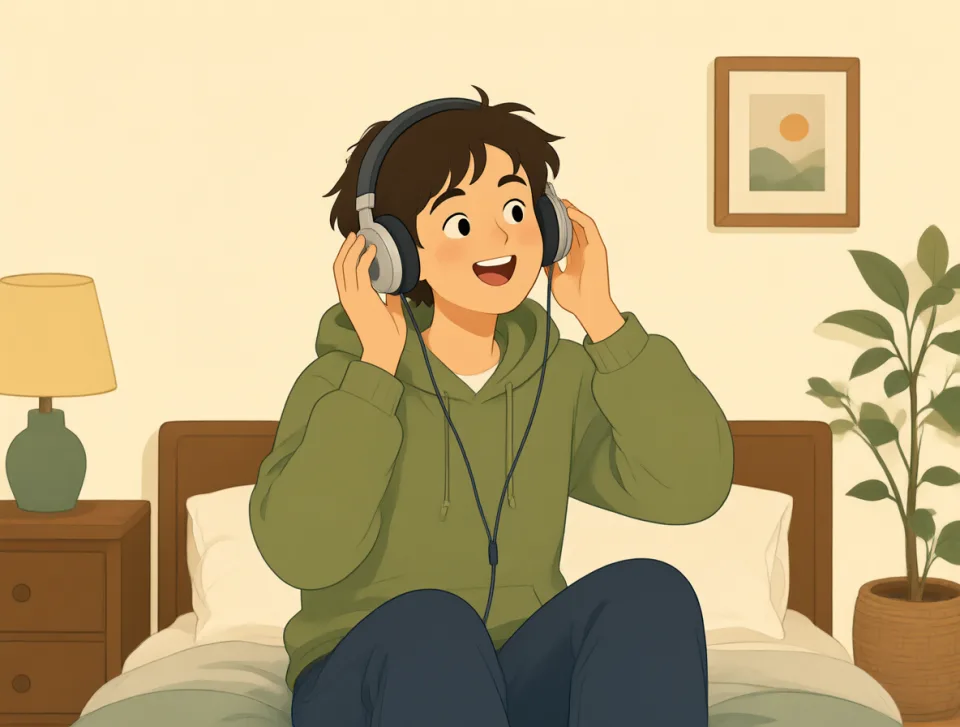
I like this song a lot.
أحب هذه الأغنية كثيرًا.
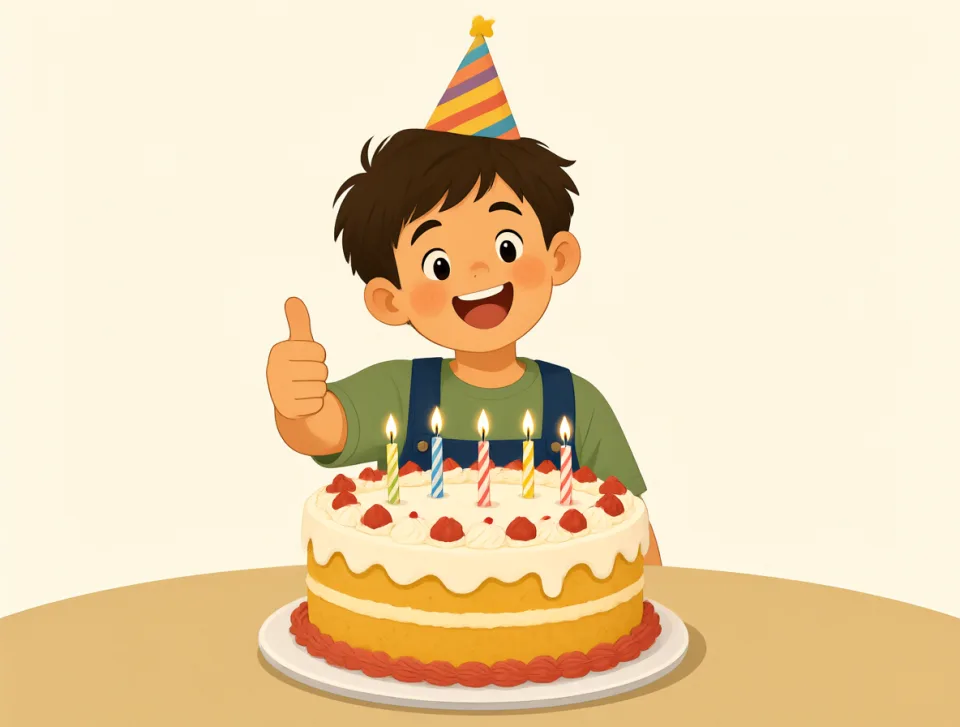
great
#124adjective
رائع
Very good, enjoyable, or important.
جيد جدًا أو ممتع أو مهم.

We had a great time at the party.
قضينا وقتًا رائعًا في الحفلة.
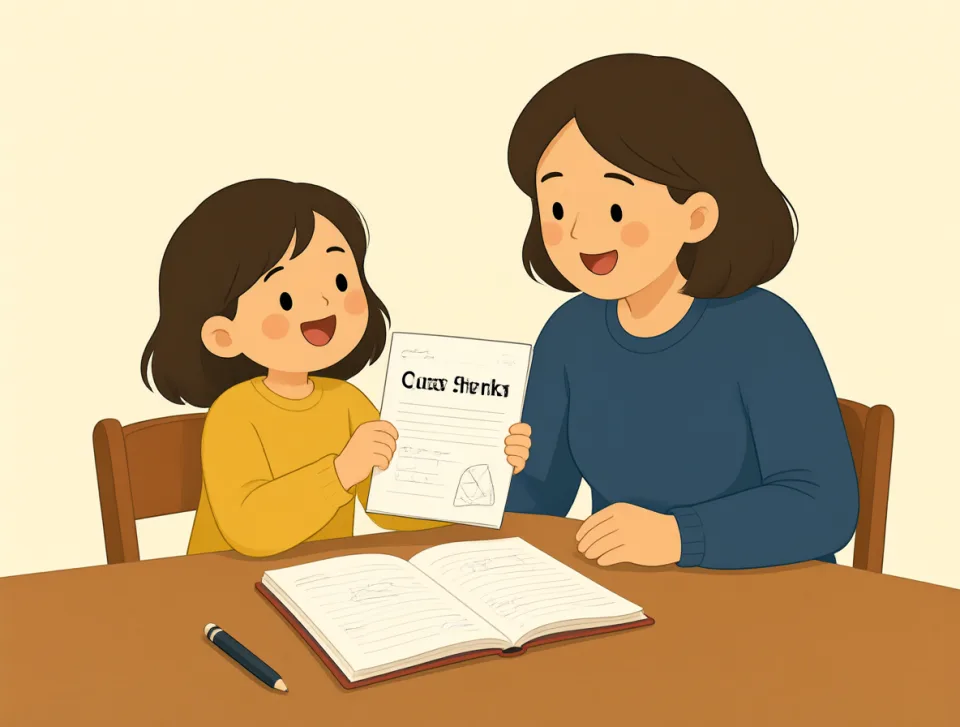
She did a great job on her homework.
أنجزت واجبها المنزلي على نحو رائع.
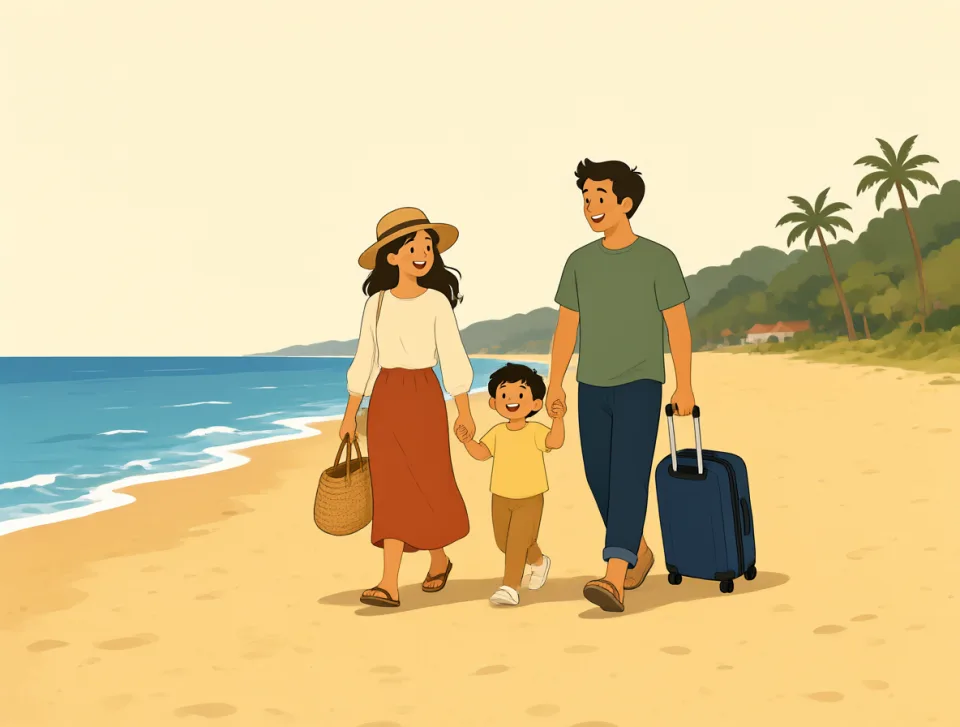
The weather was great for our trip.
كان الطقس رائعًا لرحلتنا.
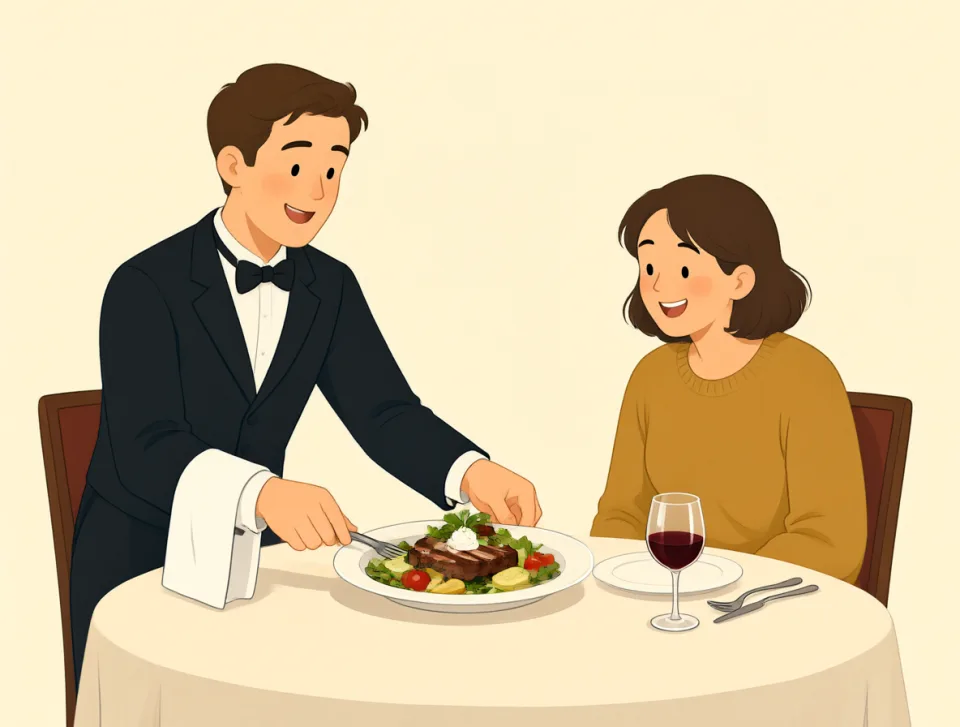
This restaurant serves great food.
يقدّم هذا المطعم طعامًا رائعًا.
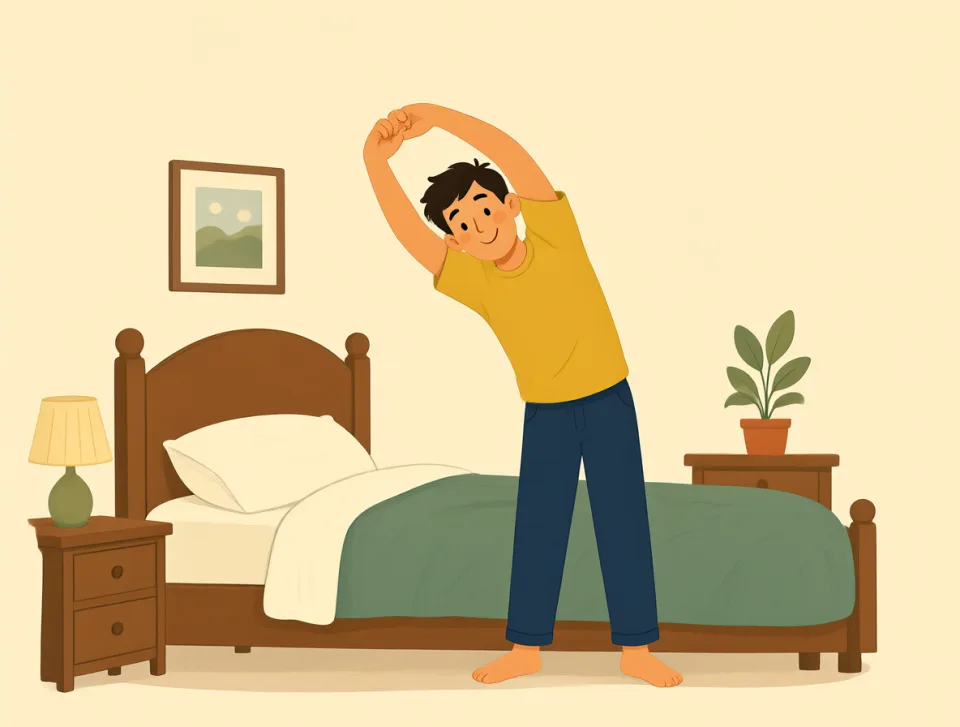
He felt great after a good night's sleep.
شعر بأنه في حال رائعة بعد نوم هانئ.
try
#125verb, noun
يحاول
To do something to see if it works or to make something happen.
أن يفعل شيئًا ليرى إن كان سينجح أو ليجعل شيئًا يحدث.
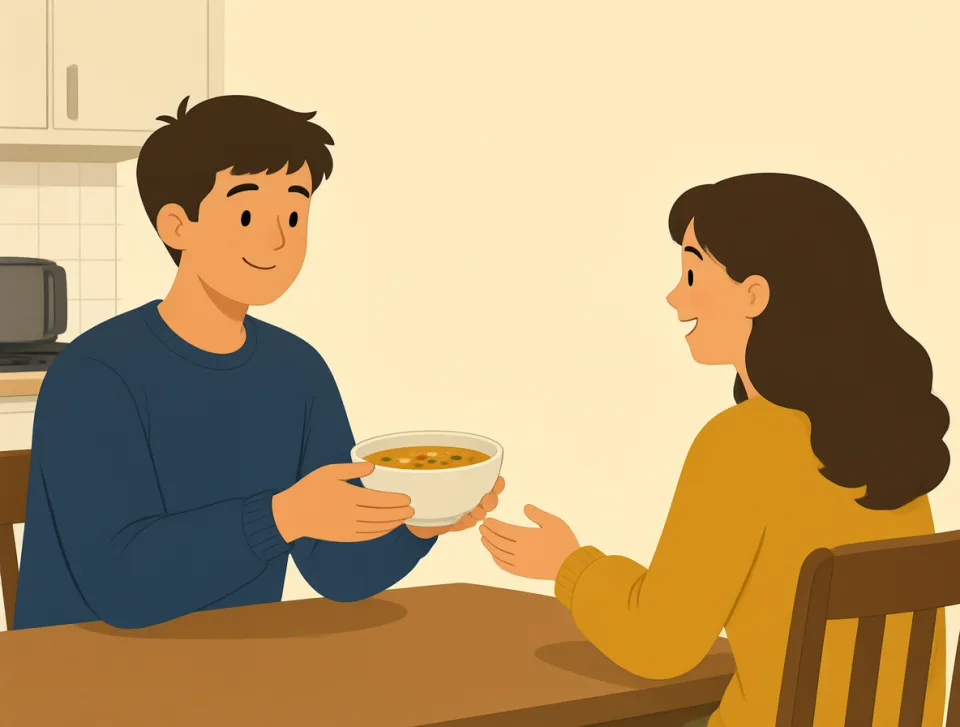
Try this soup; it tastes really good.
تذوّق هذا الحساء؛ مذاقه لذيذ جدًا.
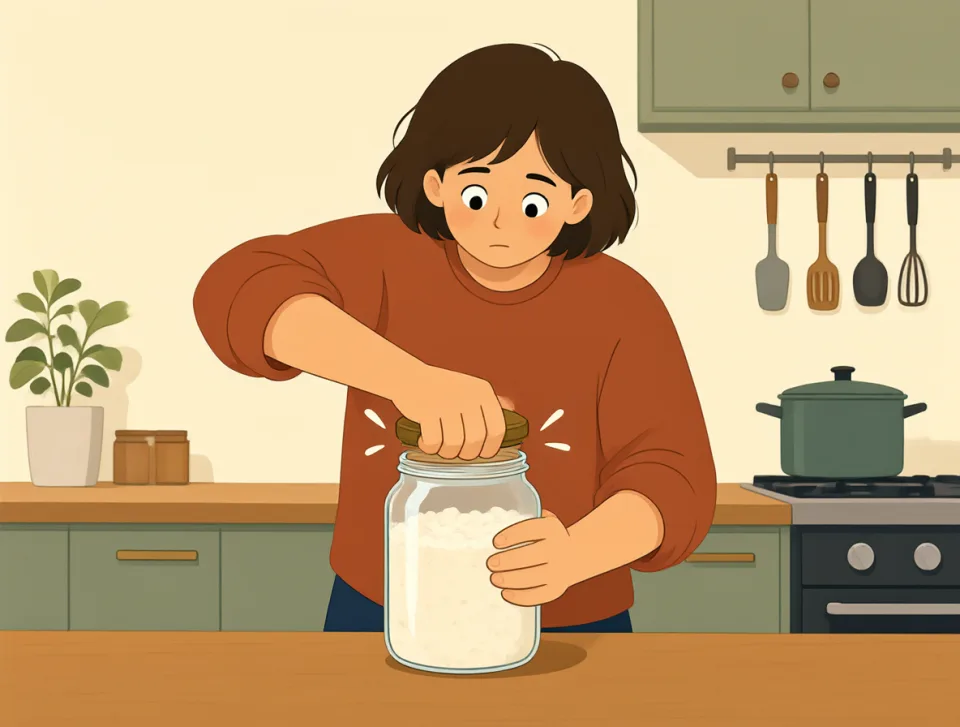
I tried to open the jar.
حاولت فتح المرطبان.

Please try again tomorrow.
يُرجى المحاولة مرة أخرى غدًا.
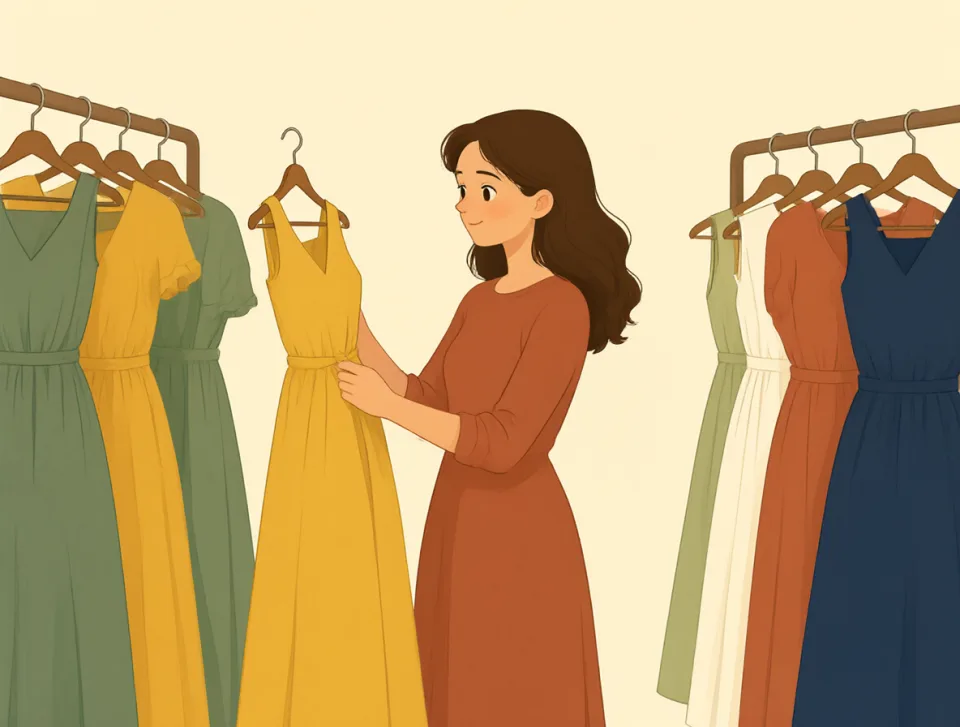
She tried on three dresses.
جرّبت ثلاثة فساتين.
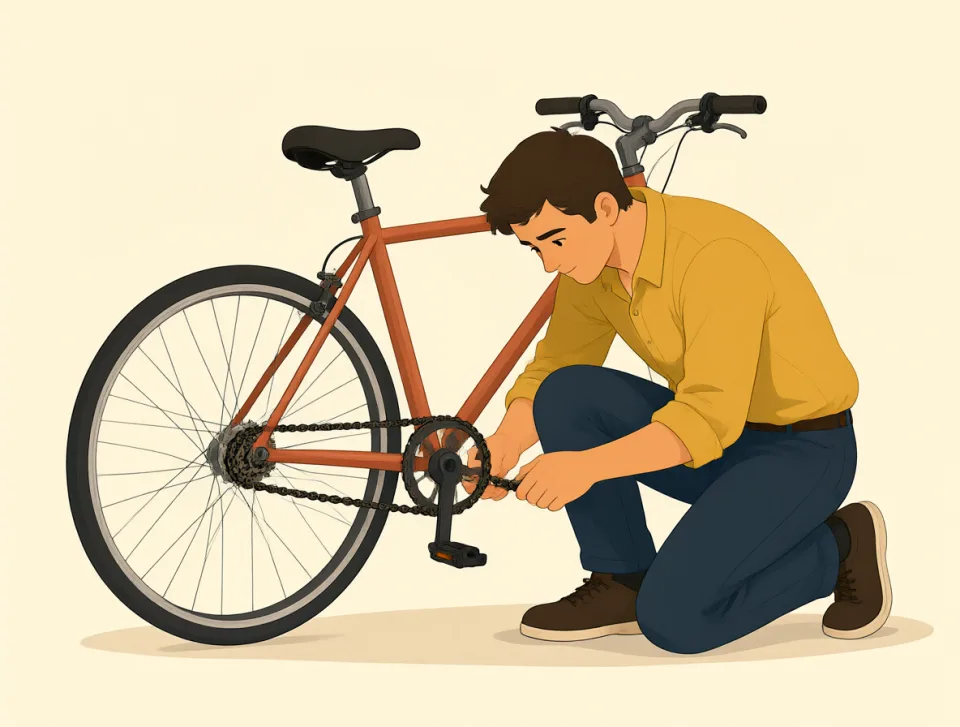
He made a try at fixing the bike.
حاول إصلاح الدراجة.
leave
#126verb, noun
يغادر؛ يترك
to go away from a place or person, or to let someone go
أن يبتعد عن مكان أو شخص، أو أن يسمح لشخص بالمغادرة.
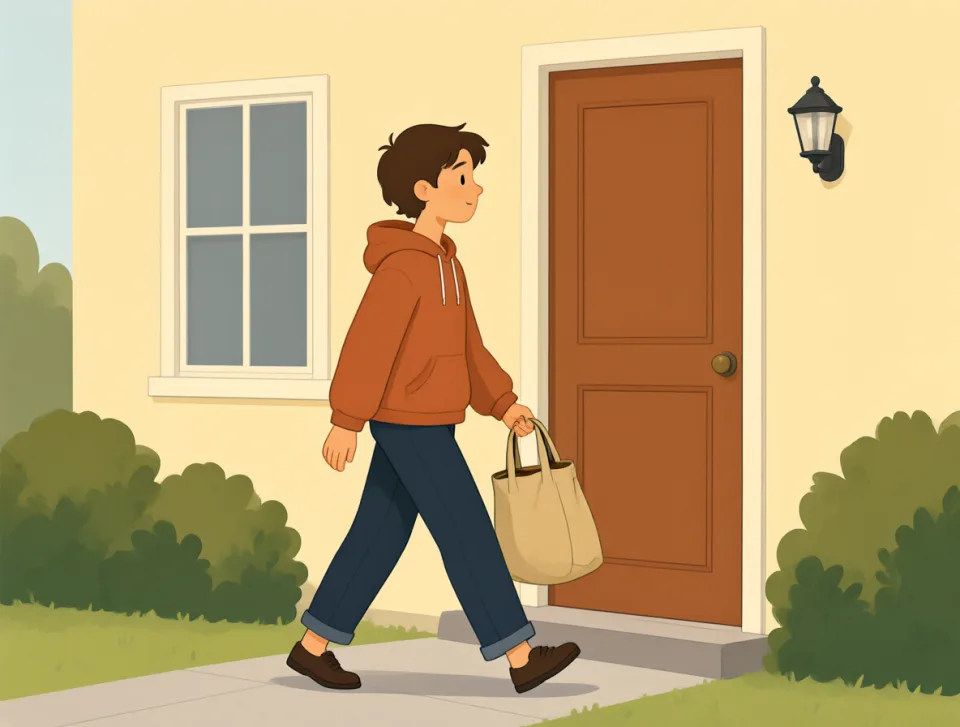
I leave home at seven every morning.
أغادر المنزل في السابعة كل صباح.
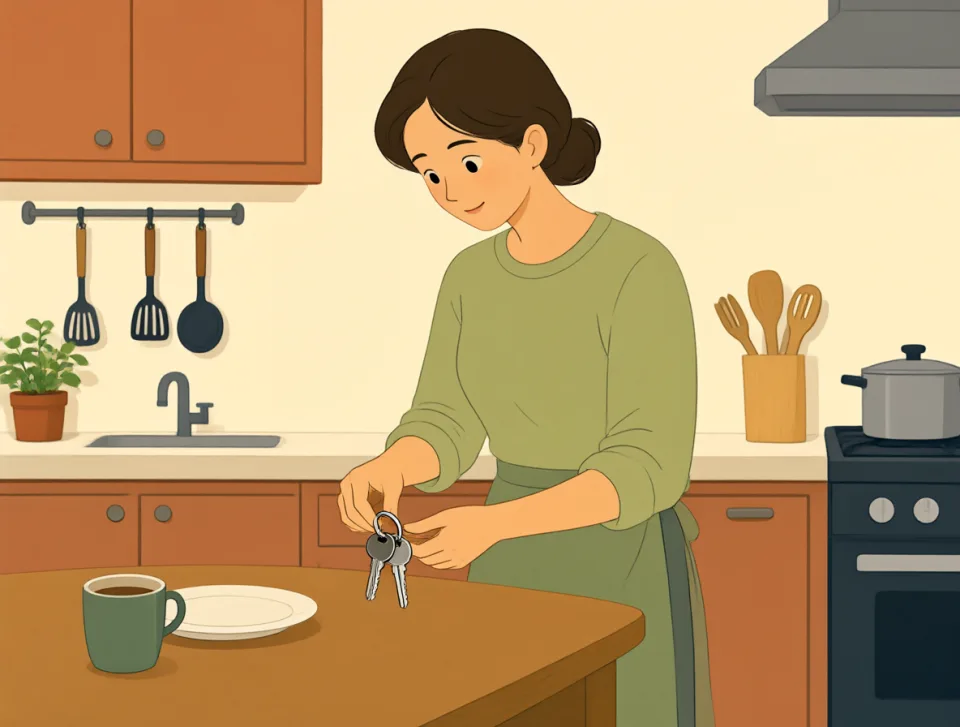
She left her keys on the kitchen table.
تركت مفاتيحها على طاولة المطبخ.
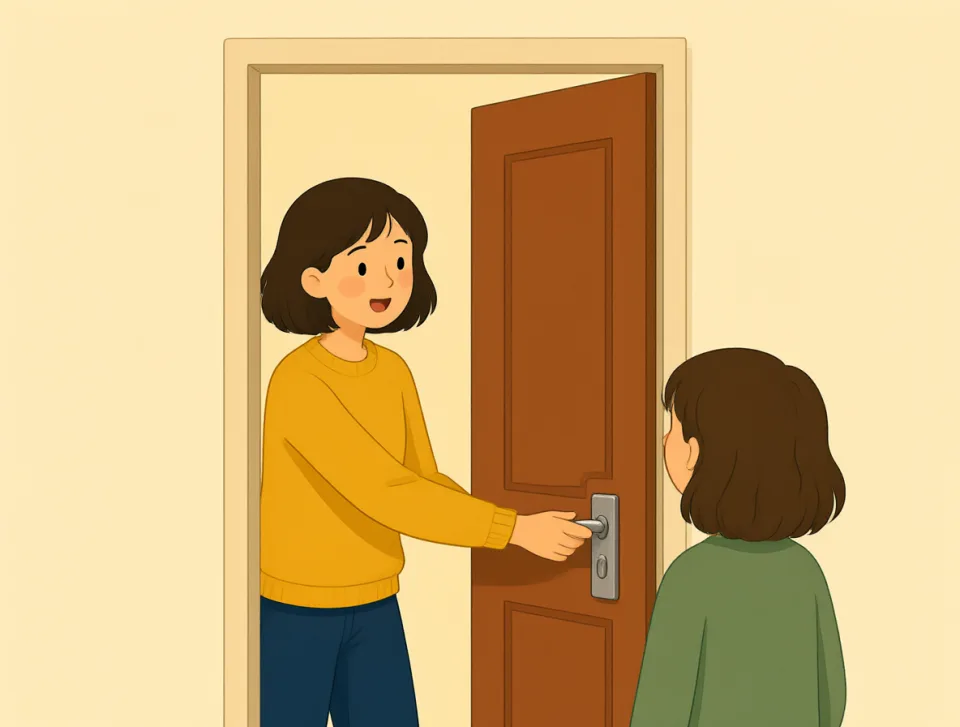
Please leave the door open.
يُرجى ترك الباب مفتوحًا.
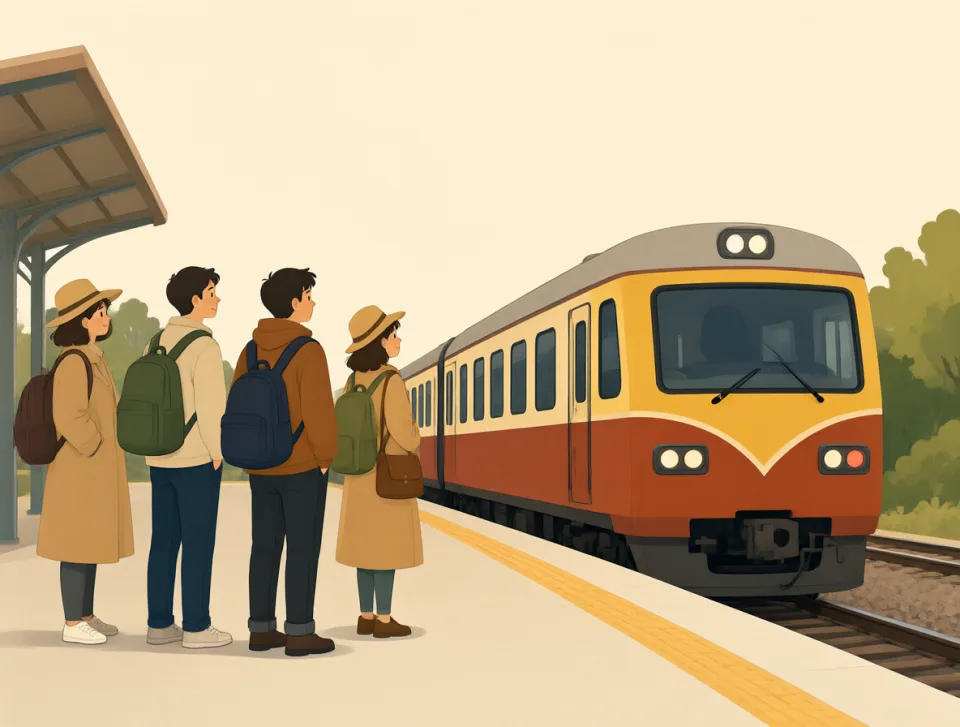
Our train leaves at six o'clock.
يغادر قطارنا في الساعة السادسة.
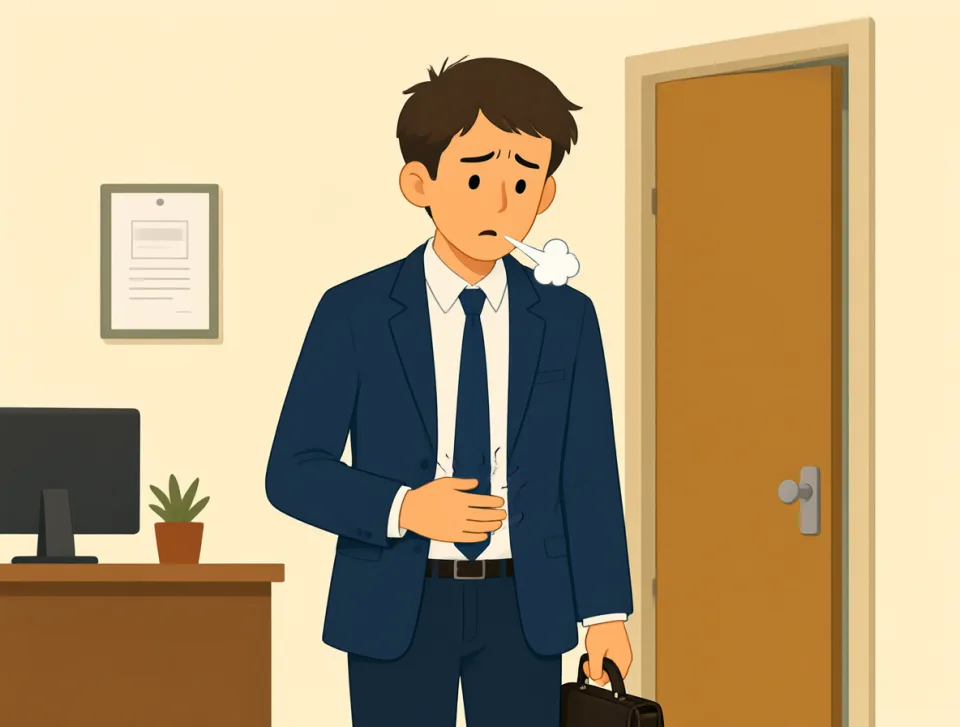
He left work early because he felt sick.
غادر العمل مبكرًا لأنه شعر بالمرض.
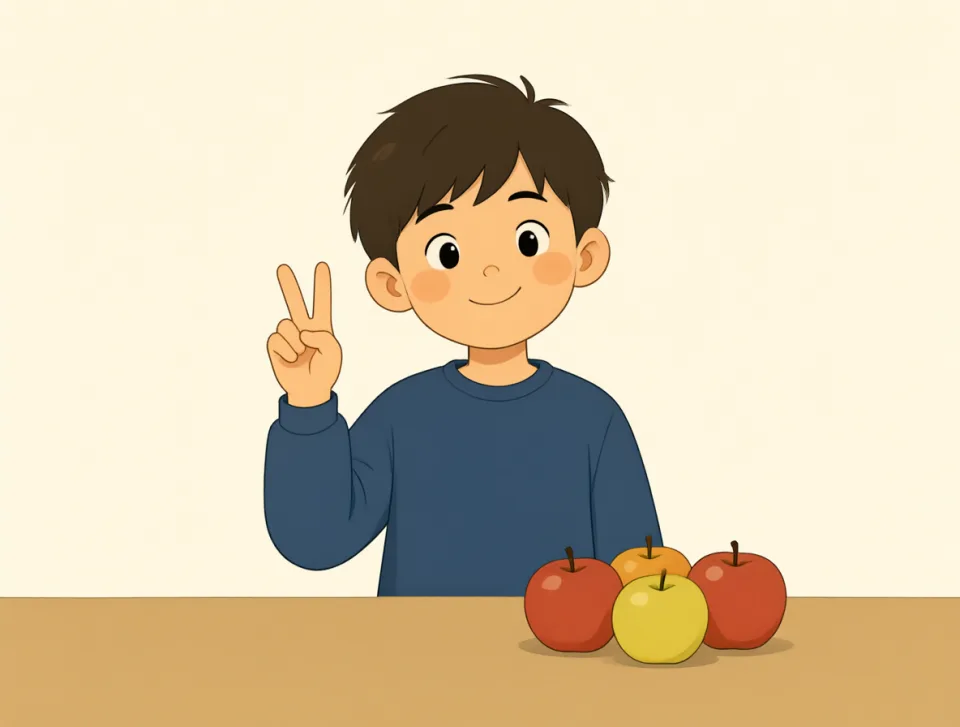
number
#127noun, verb
رقم؛ عدد
A word or symbol that shows how many people or things there are.
كلمة أو رمز يبيّن عدد الأشخاص أو الأشياء.
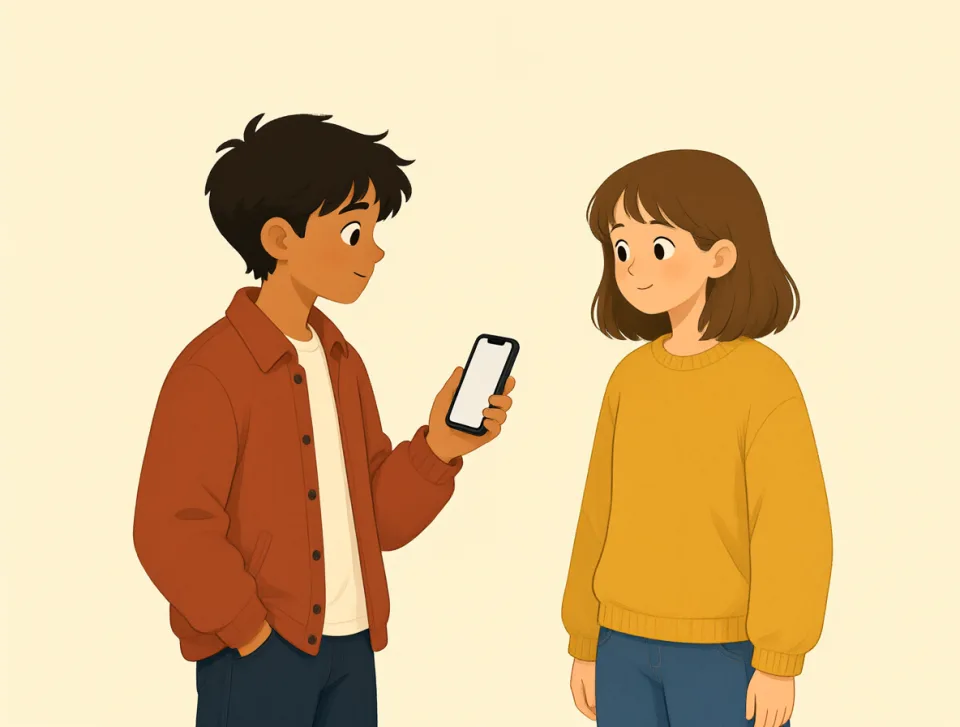
What is your phone number?
ما رقم هاتفك؟
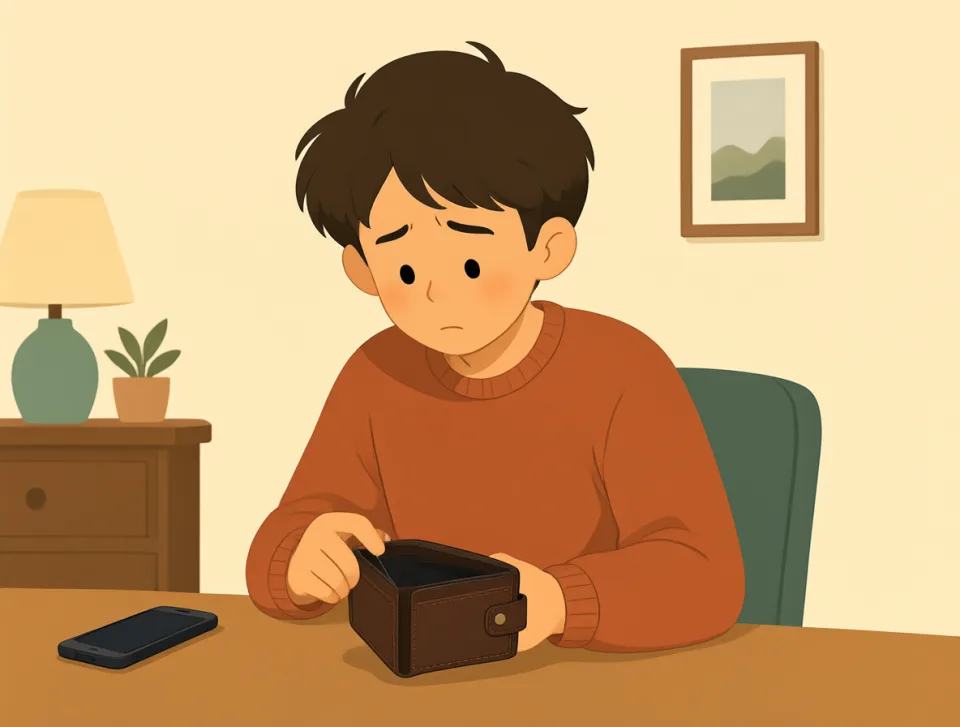
I forgot my phone number.
نسيت رقم هاتفي.
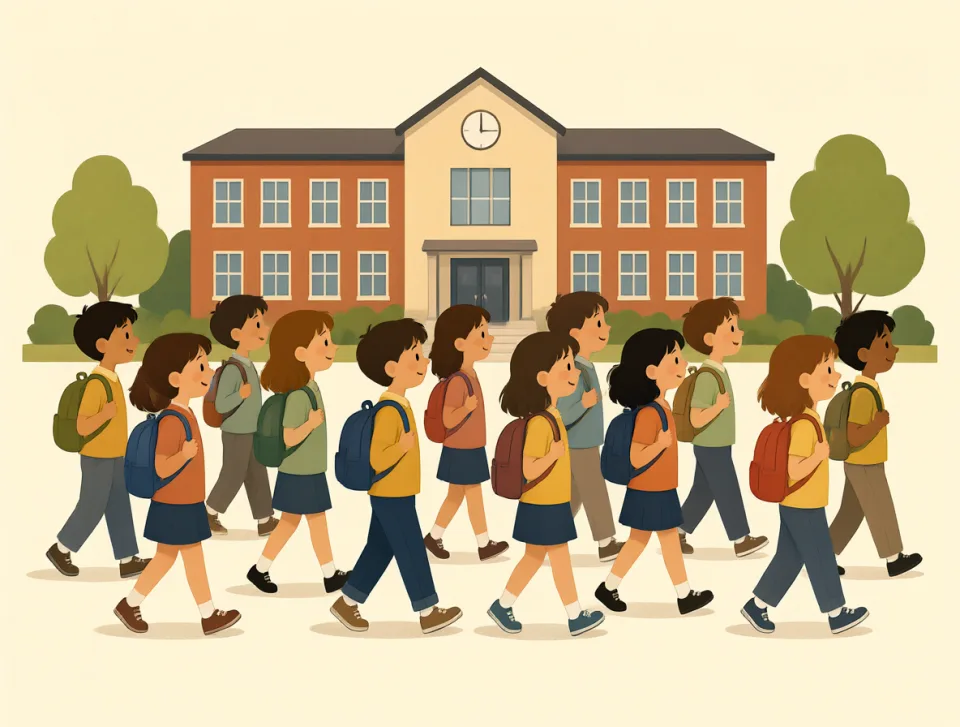
A large number of students walk to school.
يذهب عدد كبير من الطلاب إلى المدرسة سيرًا على الأقدام.
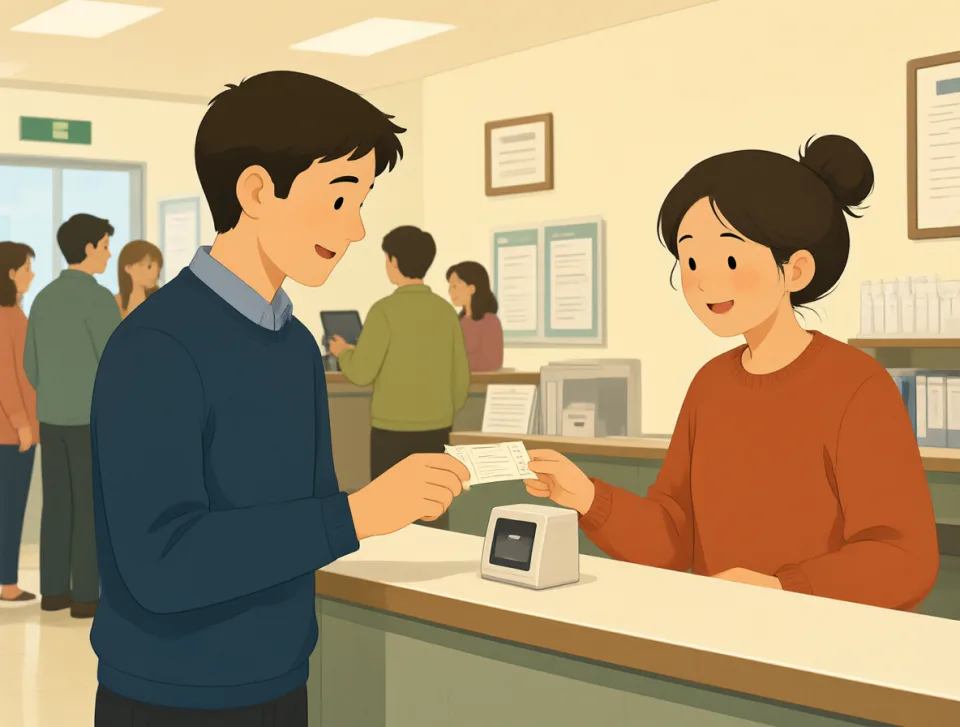
Please take a number and wait here.
يُرجى أخذ رقم والانتظار هنا.
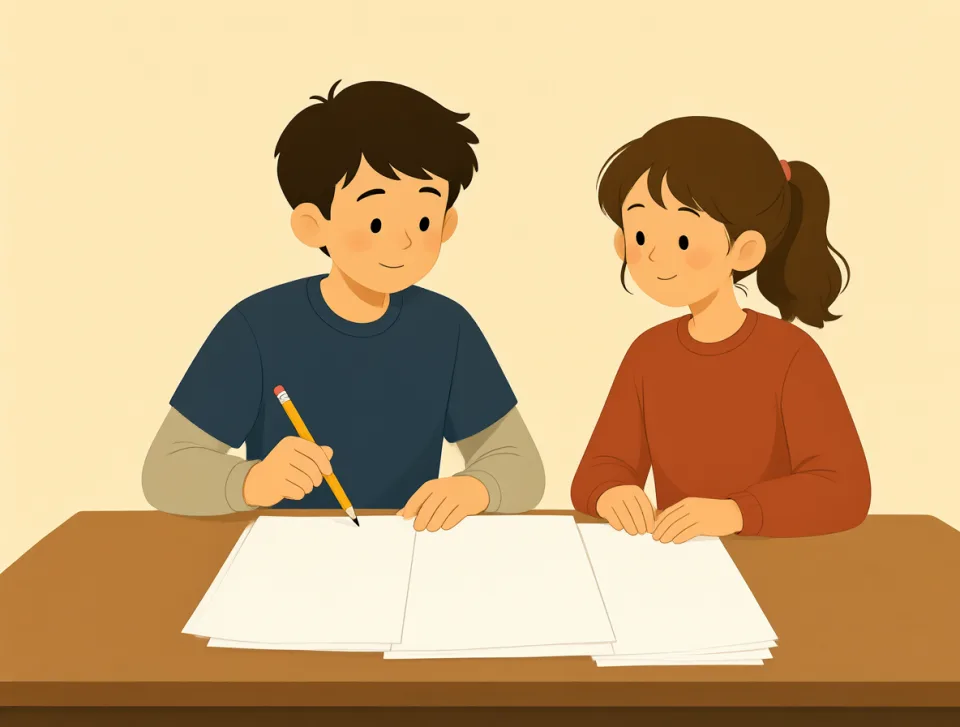
Can you number these pages for me?
هل يمكنك ترقيم هذه الصفحات من أجلي؟
both
#128determiner, pronoun
كلاهما؛ الاثنان
The two people or things together.
الشخصان أو الشيئان معًا.
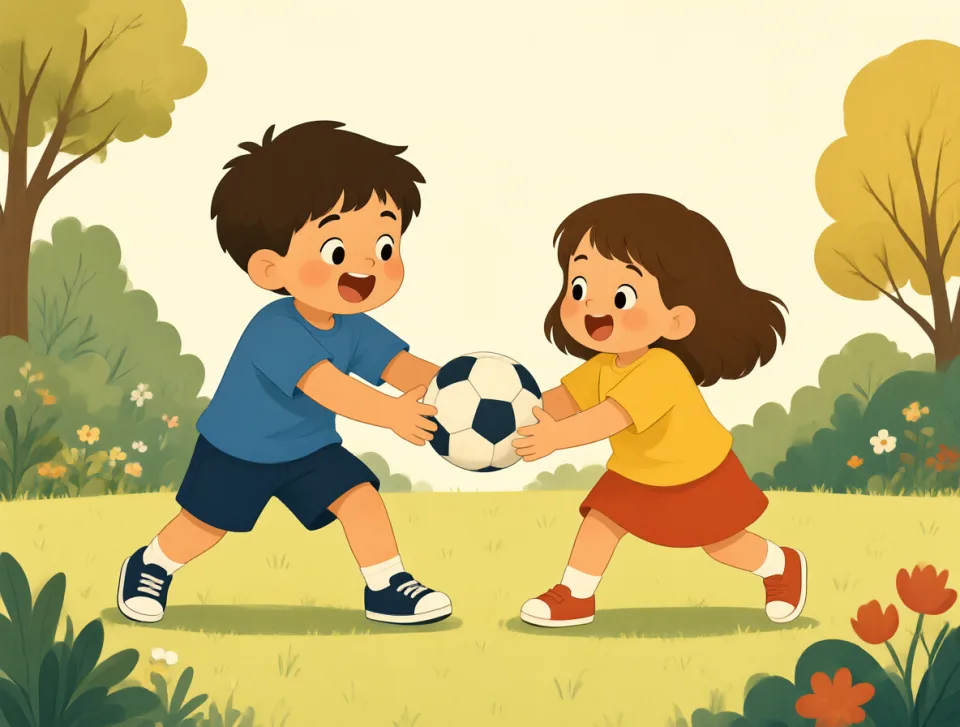
Both children are playing in the garden.
يلعب كلا الطفلين في الحديقة.
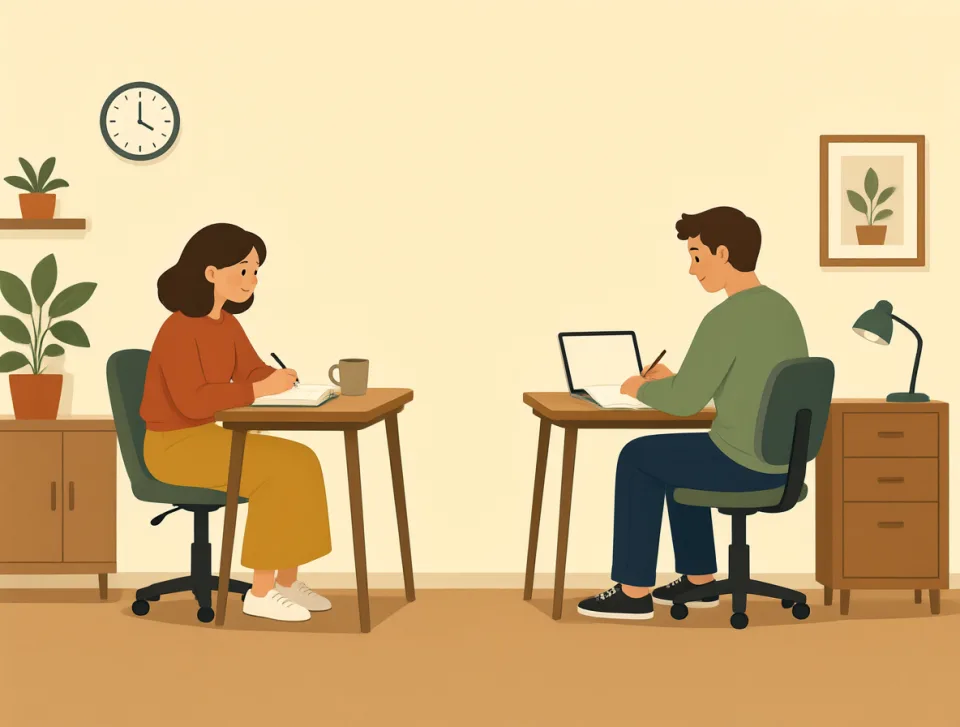
Both of my parents work at home.
يعمل كلا والديّ من المنزل.

We both like pizza for dinner.
كلانا يحب تناول البيتزا على العشاء.
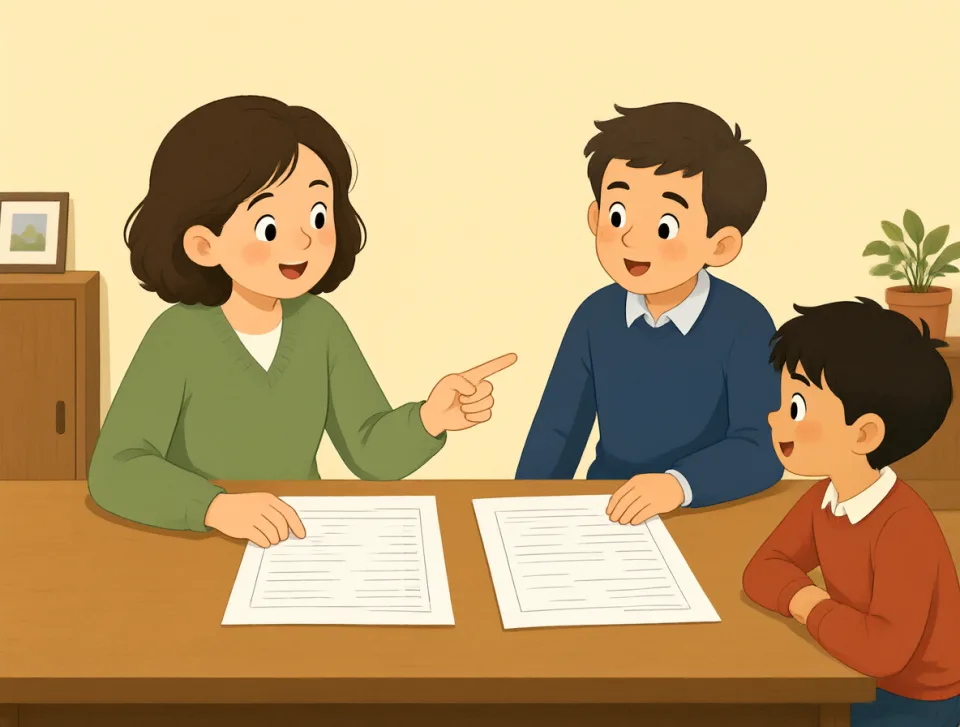
Both answers are correct.
كلتا الإجابتين صحيحتان.
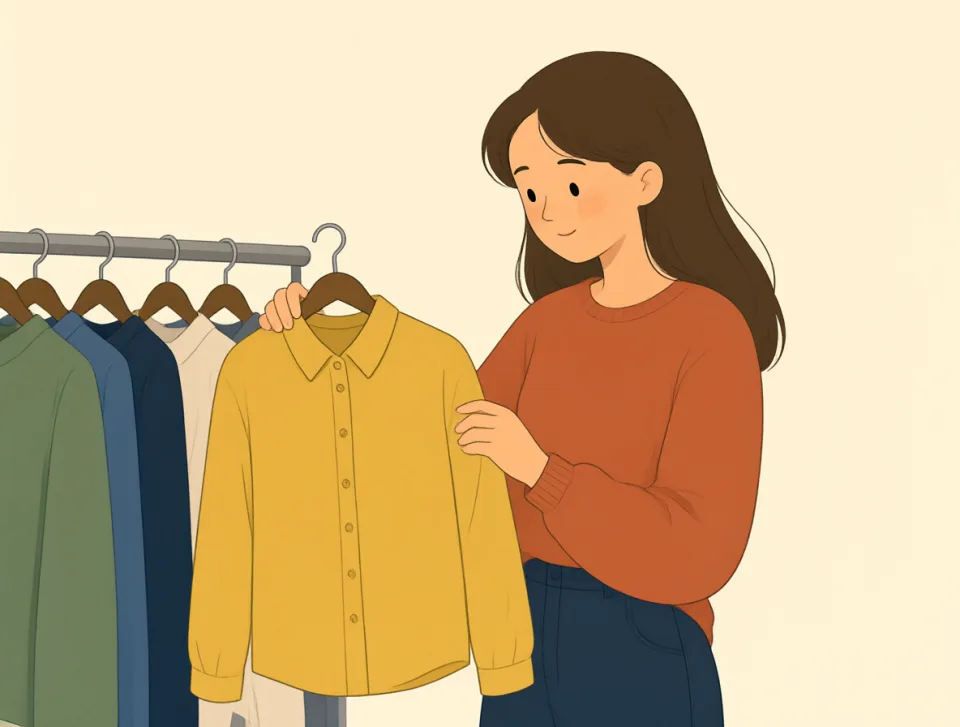
She bought both shirts at the store.
اشترت القميصين كليهما من المتجر.
own
#129verb, adjective, pronoun, determiner
يملك
to have something that belongs to you
أن يكون لديك شيء تملكه.
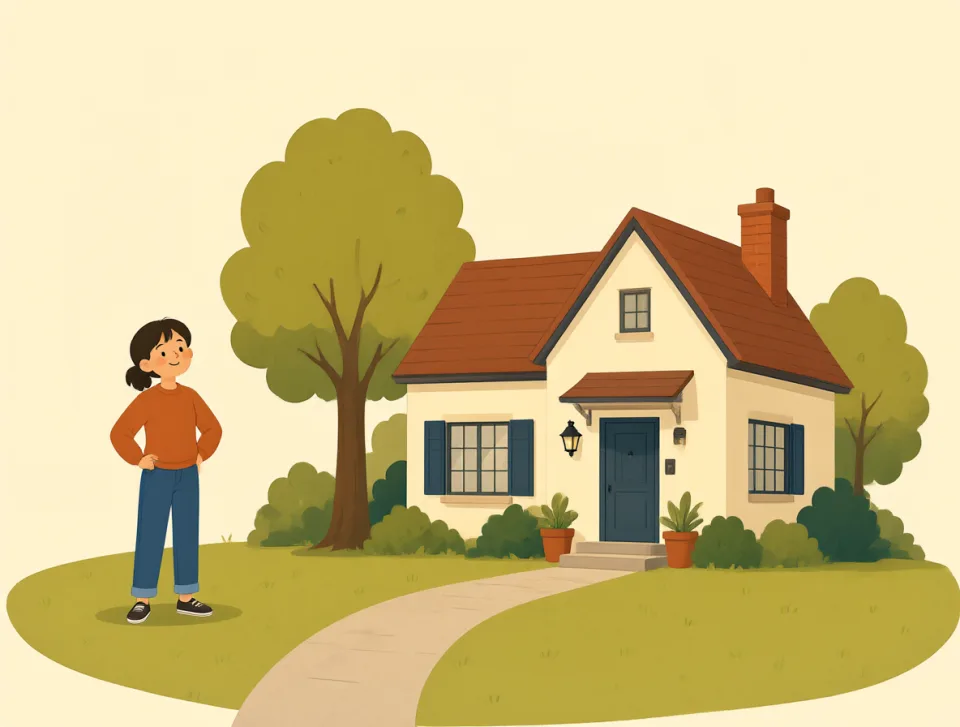
I own a small house near the park.
أملك منزلًا صغيرًا بالقرب من الحديقة.
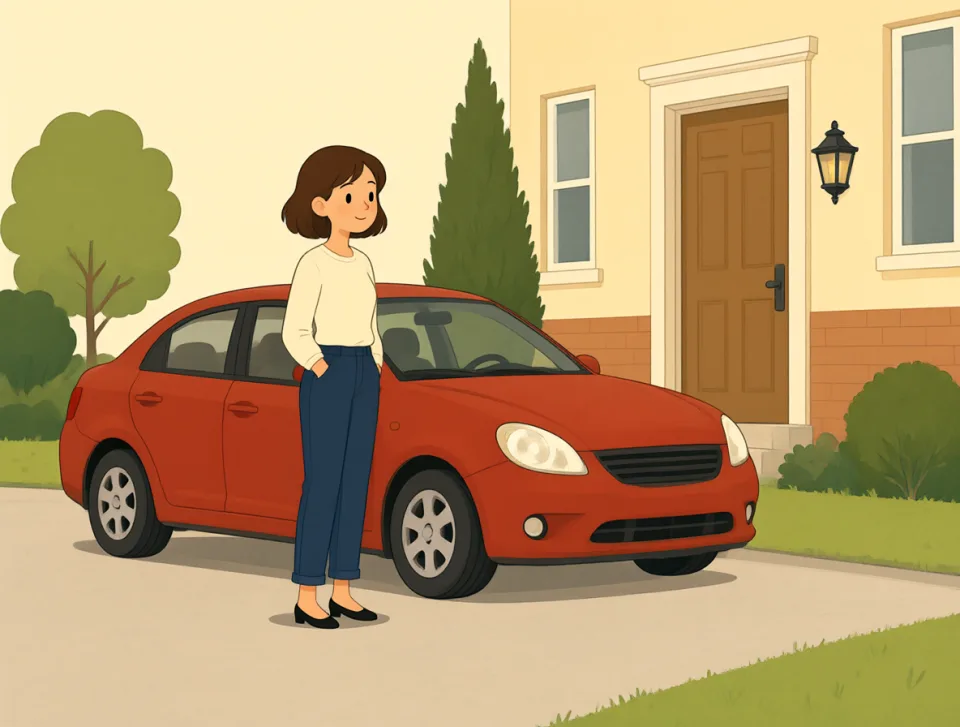
She owns a red car.
تملك سيارة حمراء.
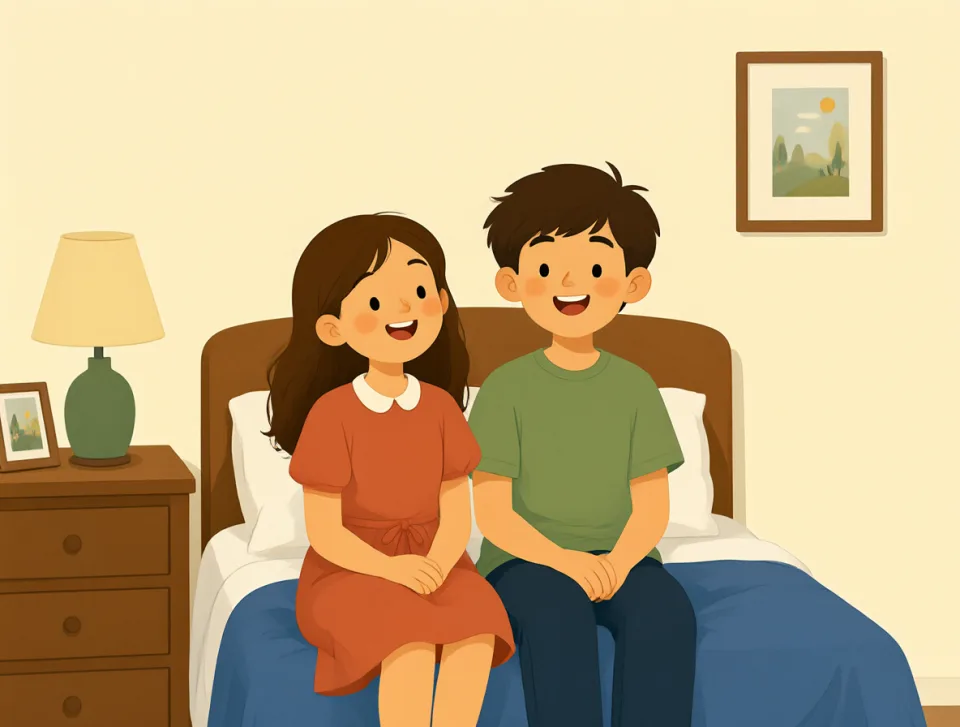
We have our own room at home.
لدينا غرفة خاصة بنا في المنزل.
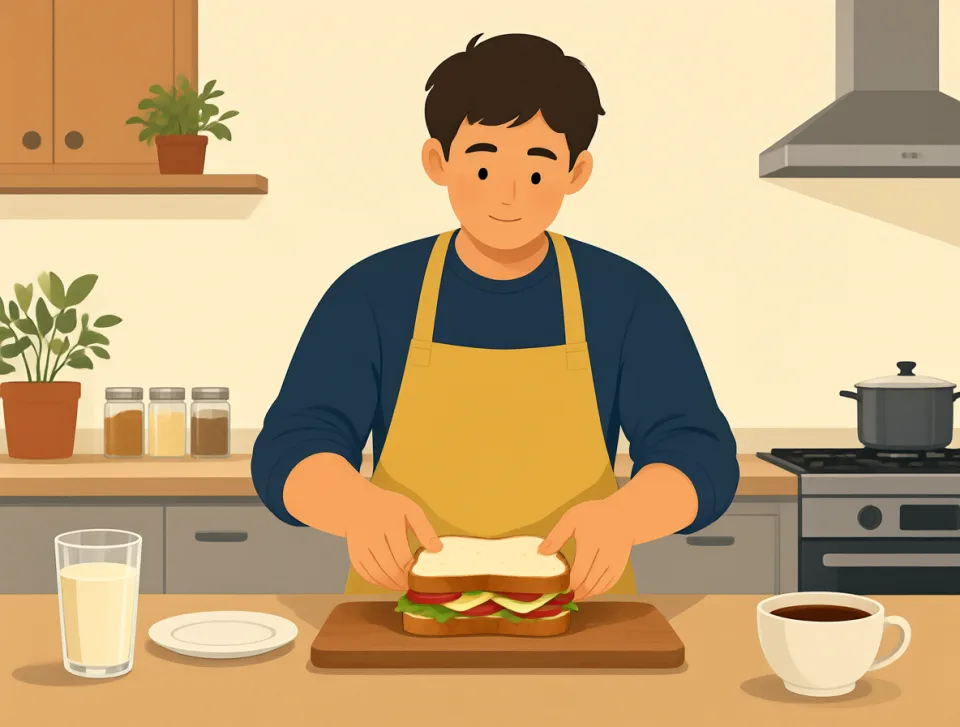
He made his own lunch today.
أعدّ غداءه بنفسه اليوم.
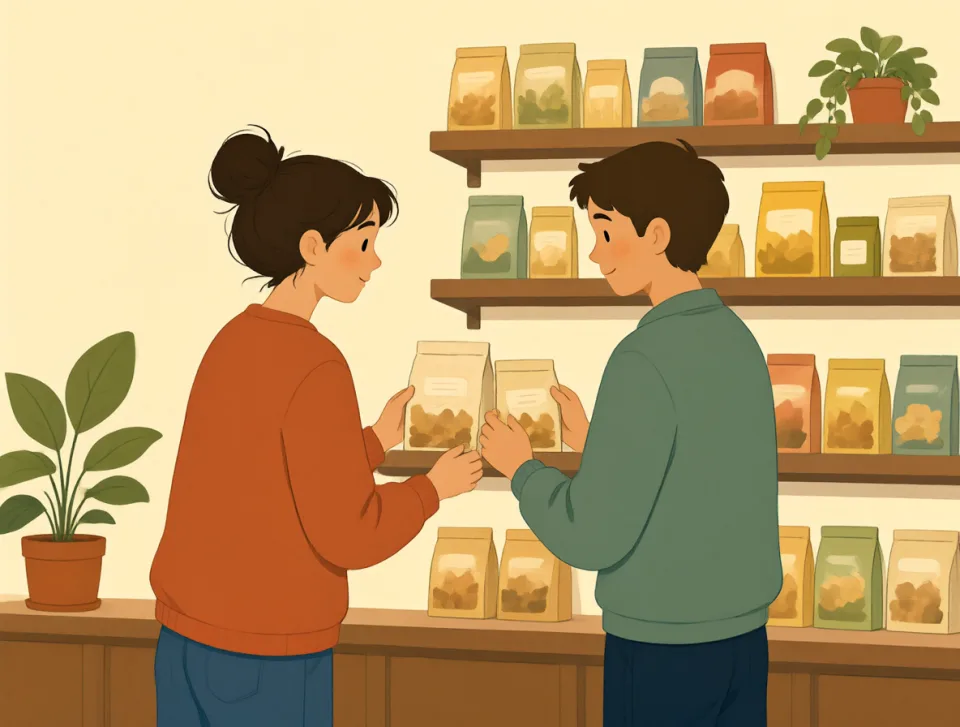
They opened their own shop last year.
افتتحوا متجرهم الخاص العام الماضي.
part
#130noun, verb
جزء؛ دور؛ يشارك
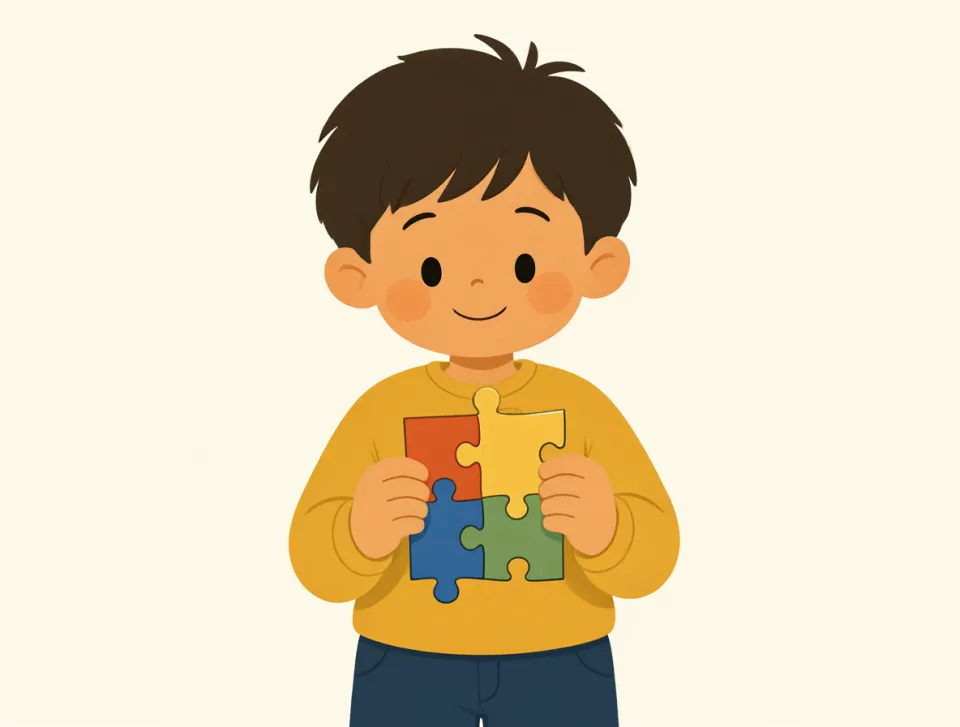
A piece of something, or a role in an activity; to take part in something.
قطعة من شيء ما، أو دور في نشاط؛ ويعني التعبير take part in something المشاركة في شيء ما.
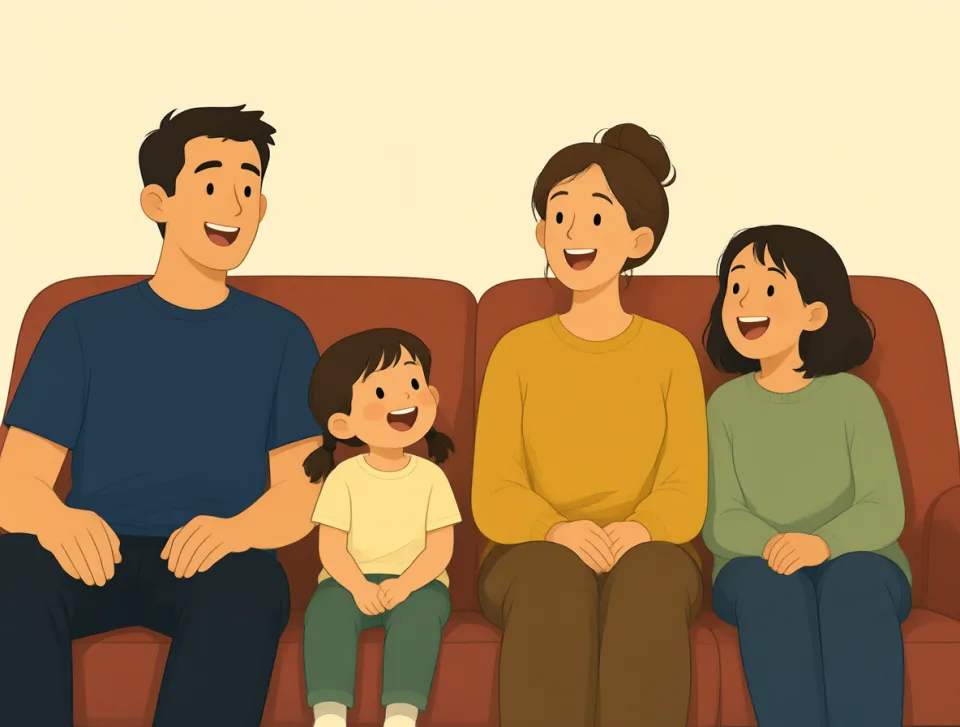
This is the best part of the movie.
هذا أفضل جزء في الفيلم.
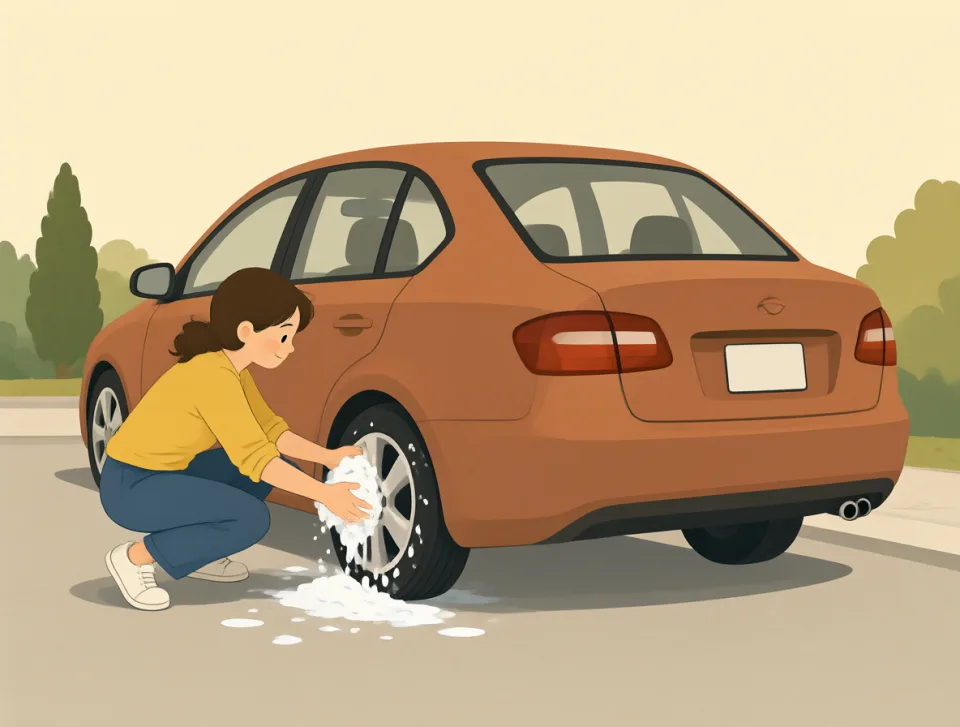
Please wash the dirty parts of the car.
يُرجى غسل الأجزاء المتسخة من السيارة.
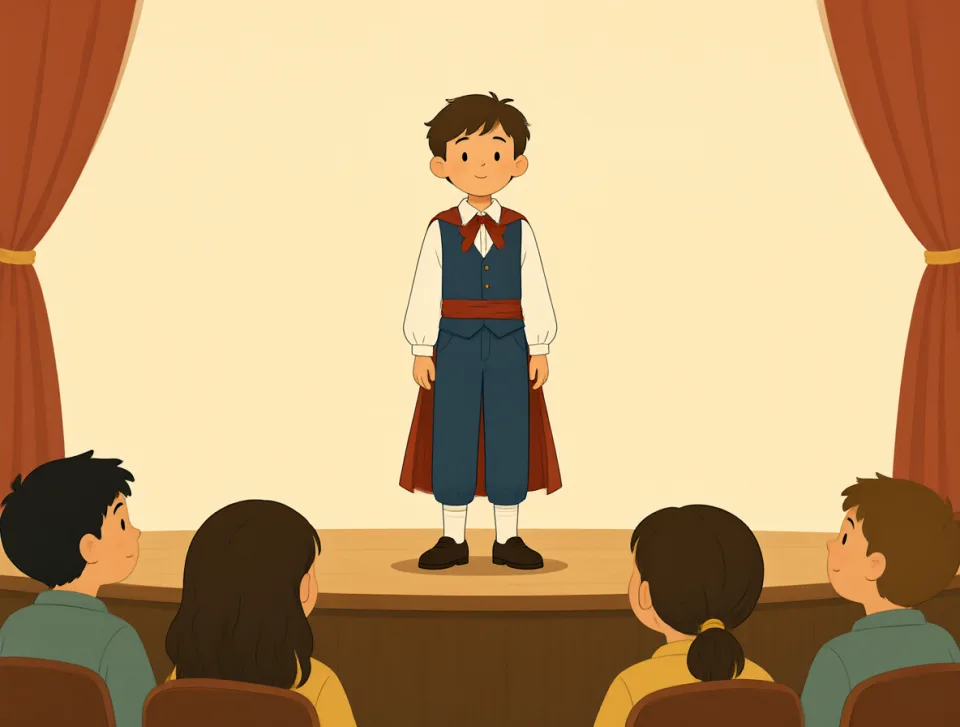
She played an important part in the school play.
أدّت دورًا مهمًا في المسرحية المدرسية.
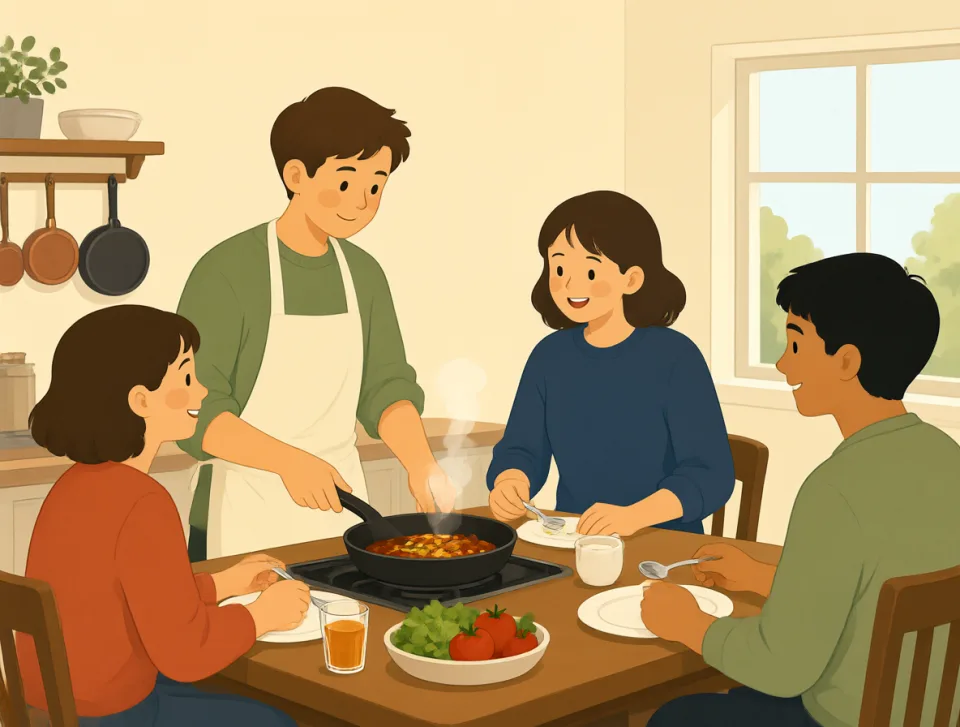
I want to take part in the cooking class.
أريد المشاركة في دورة الطهي.
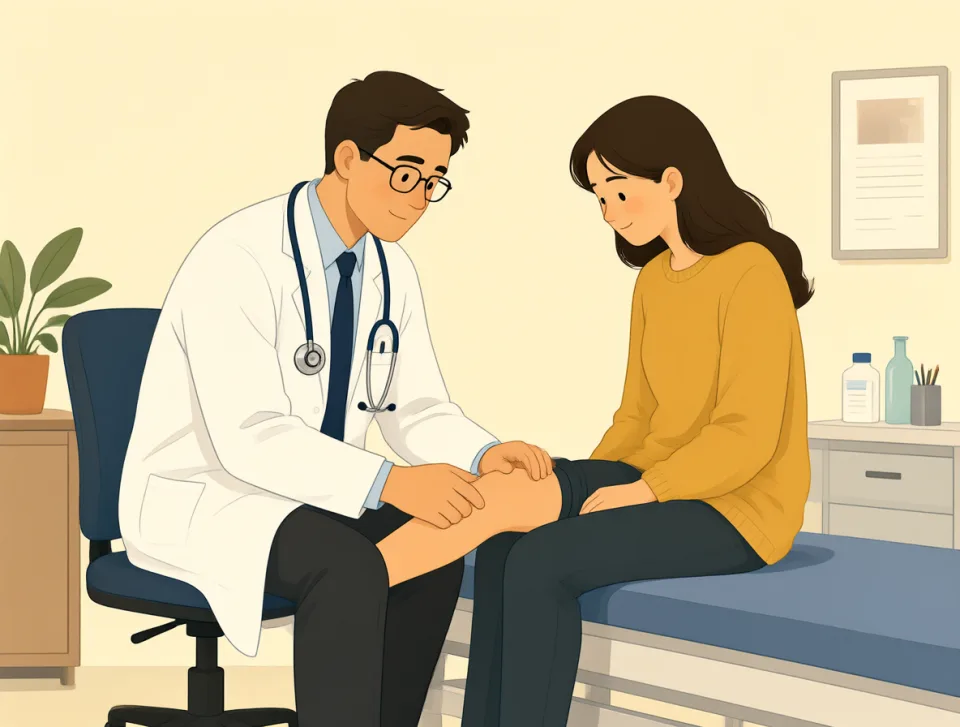
The doctor checked the painful part of my leg.
فحص الطبيب الجزء المؤلم من ساقي.
point
#131noun, verb
نقطة؛ يشير إلى
A sharp end, exact place, purpose, or idea; to show or direct attention.
طرف حاد، أو مكان محدد، أو غرض، أو فكرة؛ أو أن يُظهر شيئًا أو يلفت الانتباه إليه.
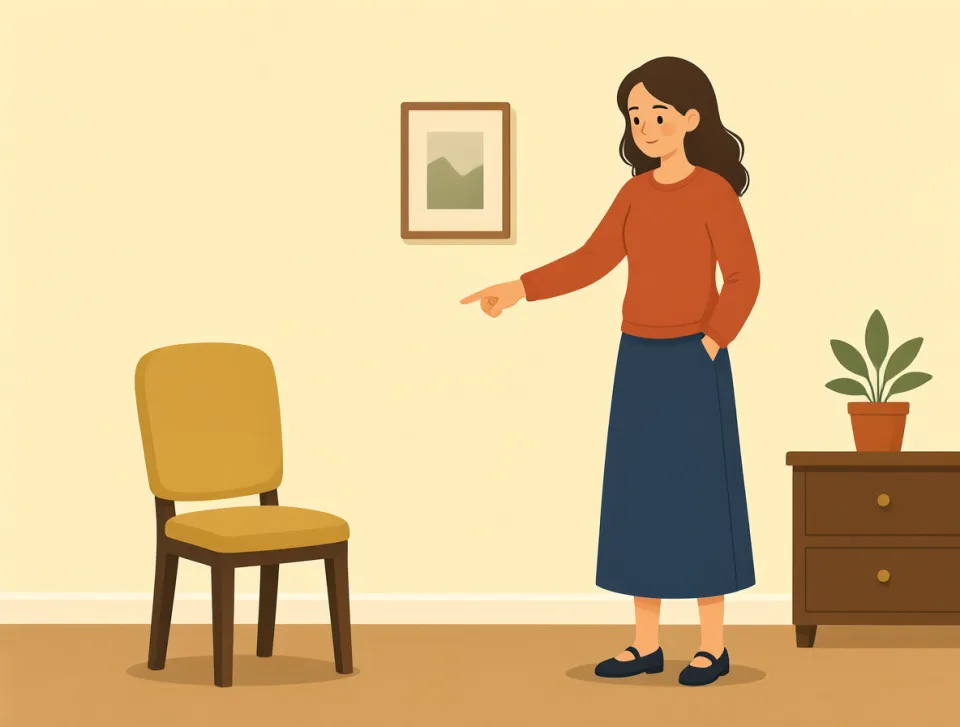
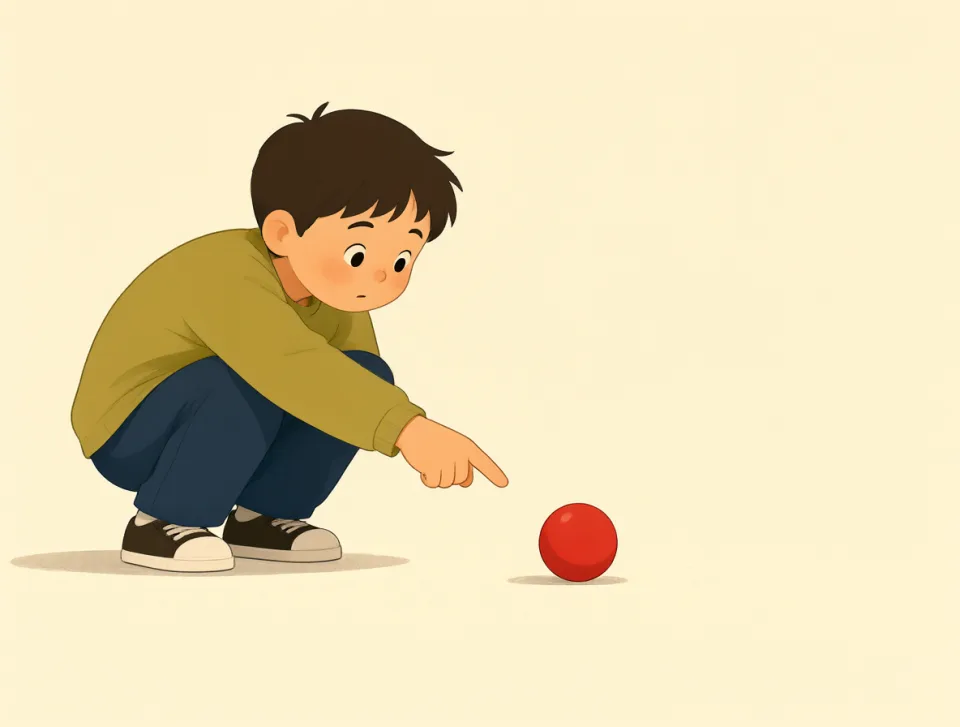
She pointed to the empty chair.
أشارت إلى الكرسي الفارغ.

The meeting starts at this point.
يبدأ الاجتماع عند هذه النقطة.
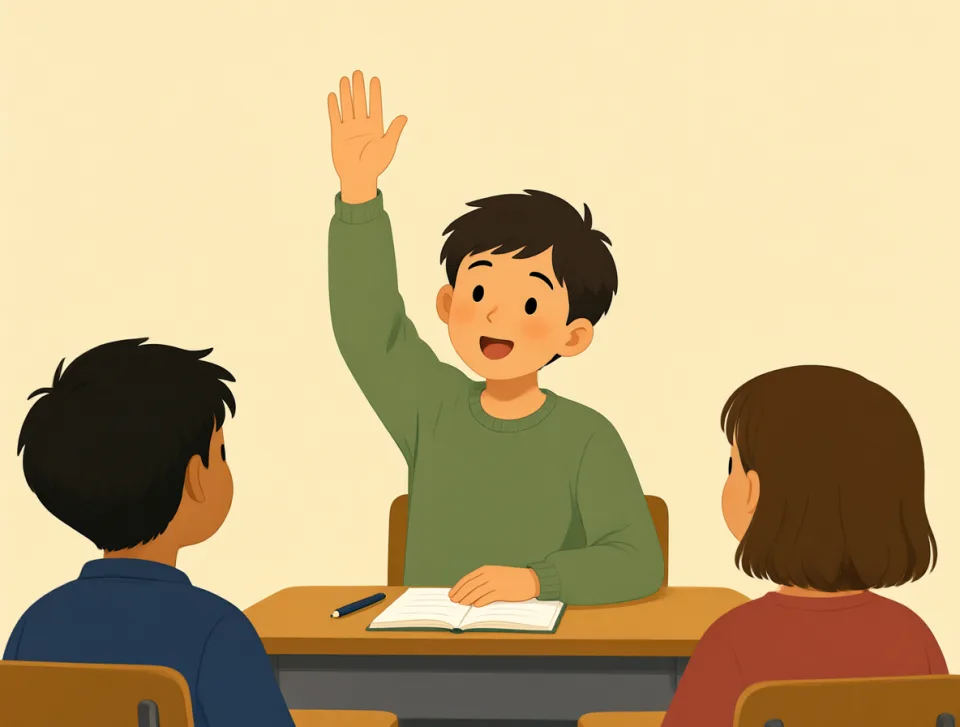
He made a good point in class.
طرح فكرة جيدة في الصف.
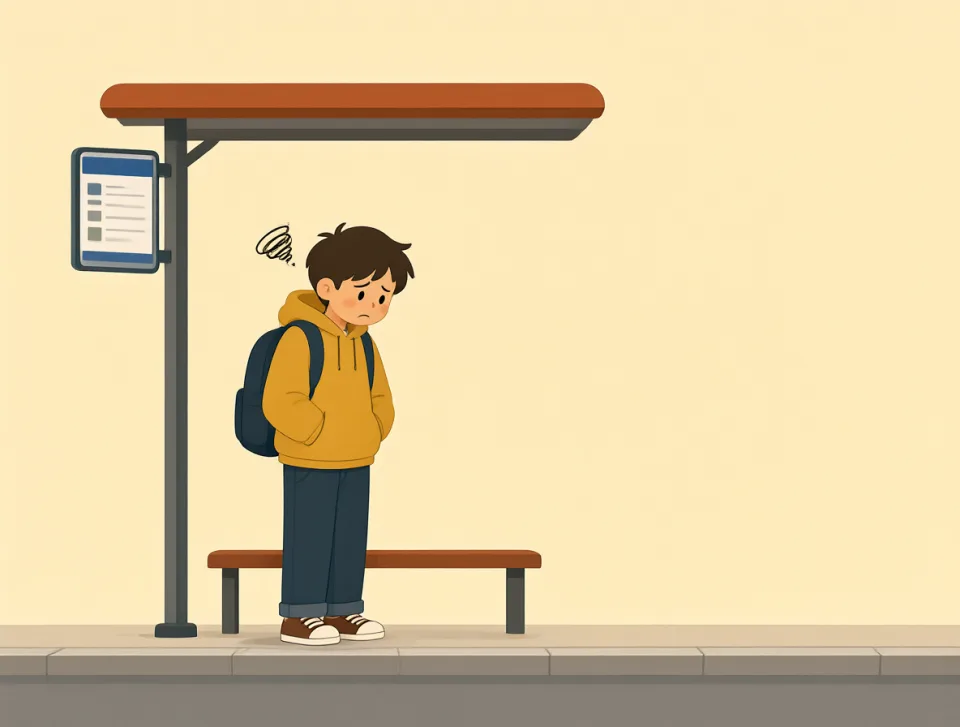
There is no point in waiting.
لا جدوى من الانتظار.
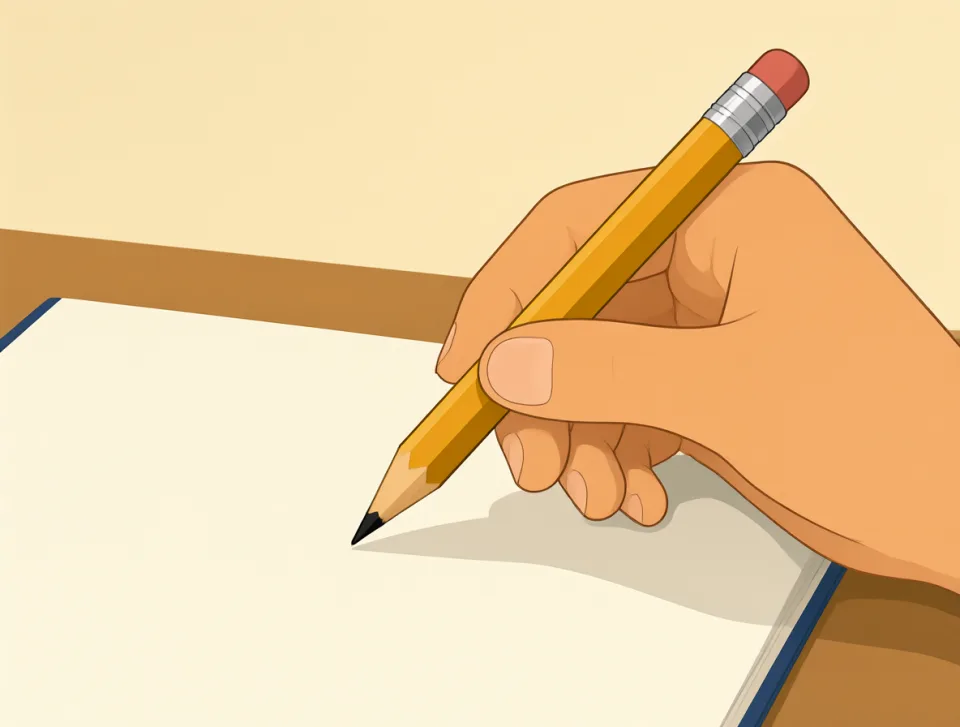
The pencil has a sharp point.
للقلم الرصاص سنّ حاد.
little
#132adjective, adverb, determiner, pronoun, noun
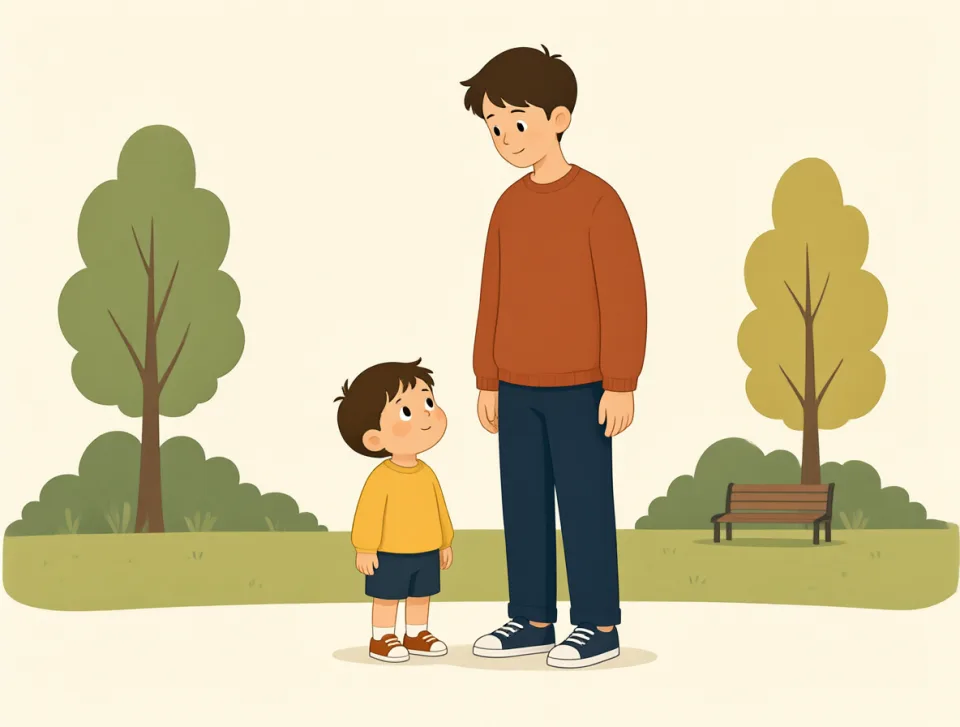
صغير؛ قليل
Small in size or amount; not much; to a small degree.
صغير الحجم أو الكمية؛ ليس كثيرًا؛ بدرجة قليلة.
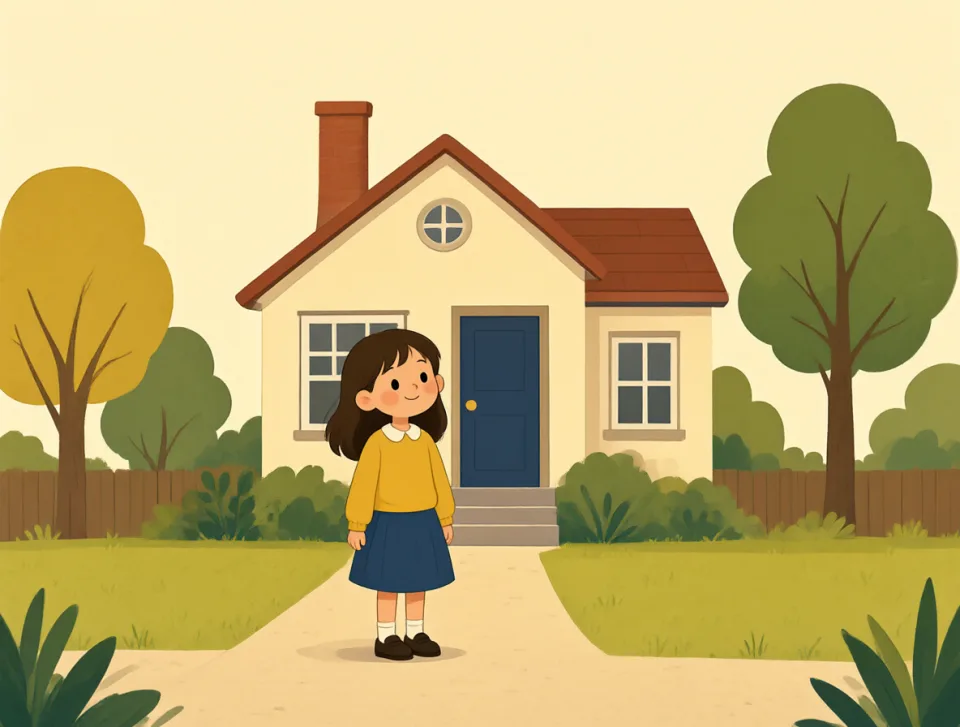
She lives in a little house near school.
تعيش في منزل صغير قرب المدرسة.
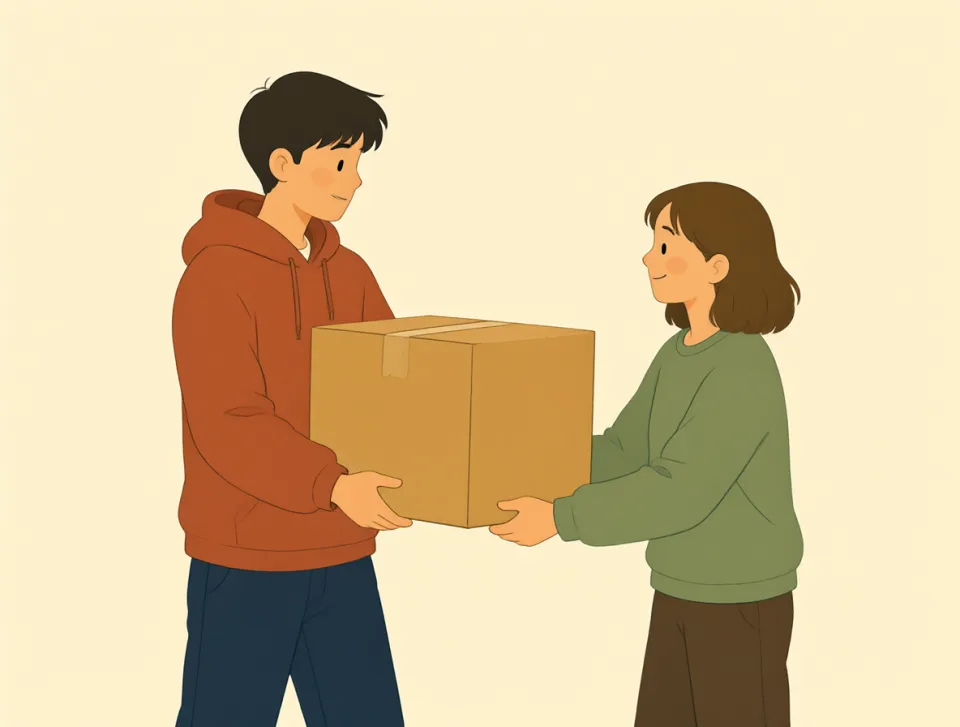
I need a little help with this box.
أحتاج إلى بعض المساعدة في حمل هذا الصندوق.
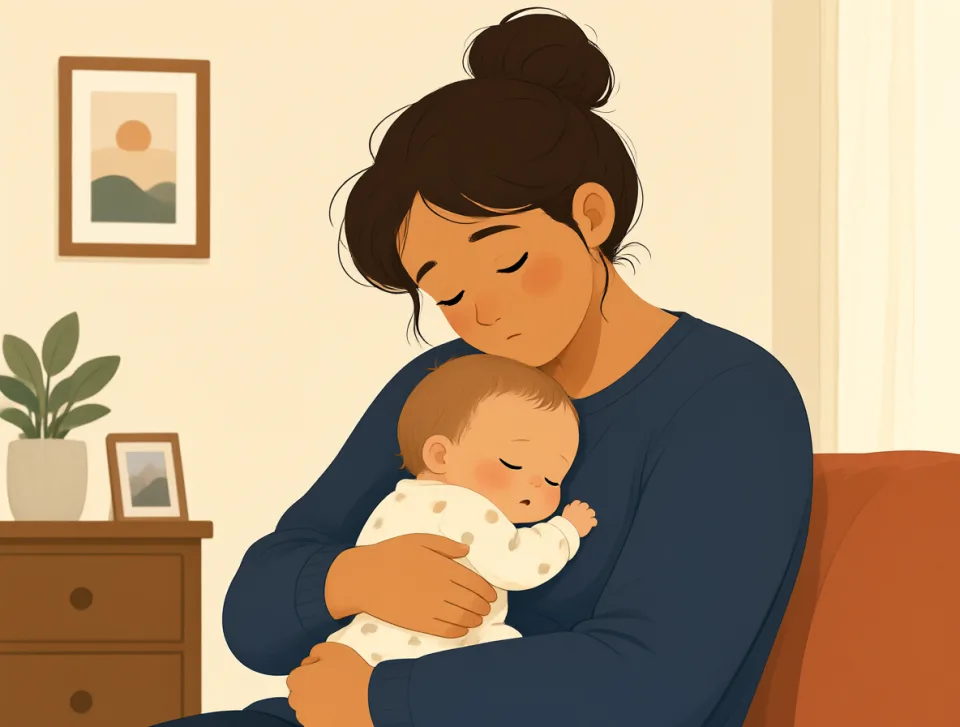
The baby is a little tired today.
الطفل متعب قليلًا اليوم.
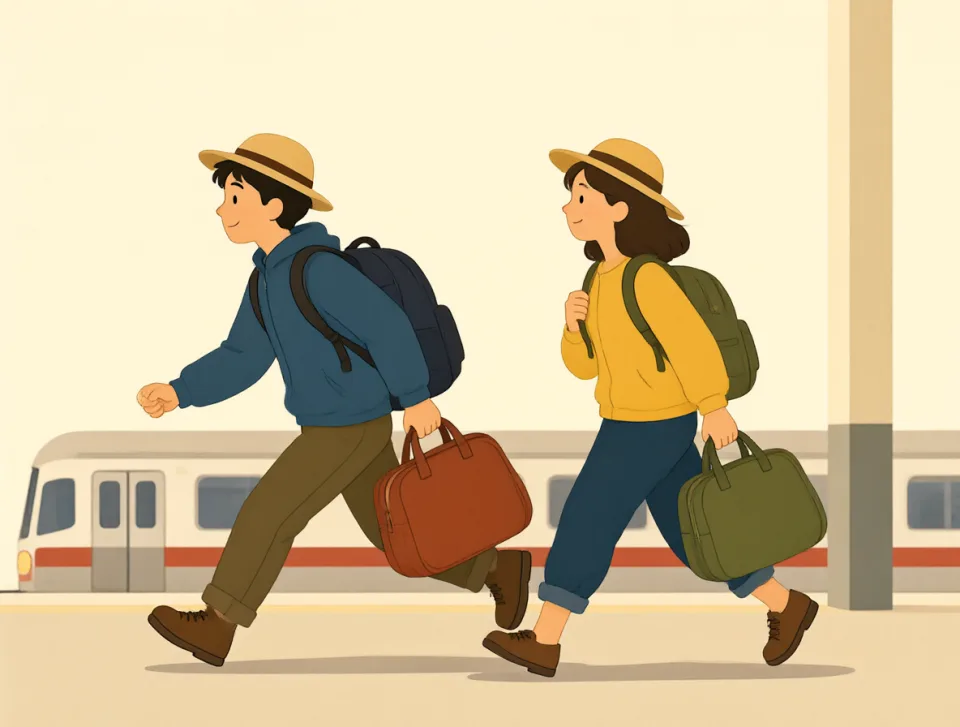
We have very little time before the train.
لدينا وقت قليل جدًا قبل موعد القطار.
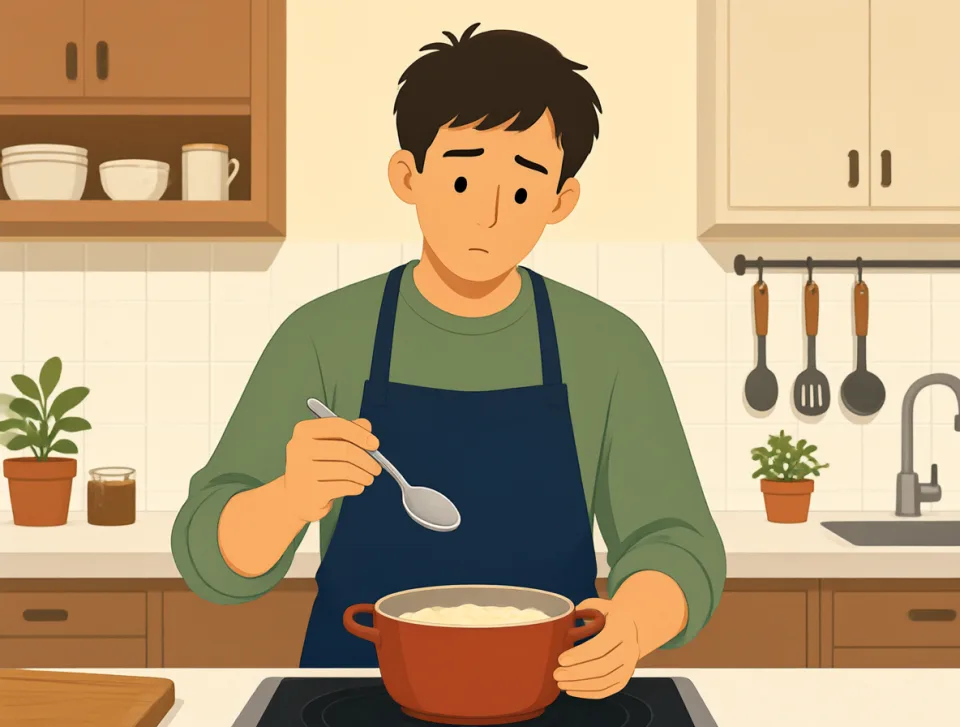
He knows very little about cooking.
لا يعرف إلا القليل عن الطهي.
help
#133noun, verb
يساعد؛ مساعدة
To make something easier for someone or give them what they need.
يجعل أمرًا أسهل على شخص ما أو يوفّر له ما يحتاج إليه.
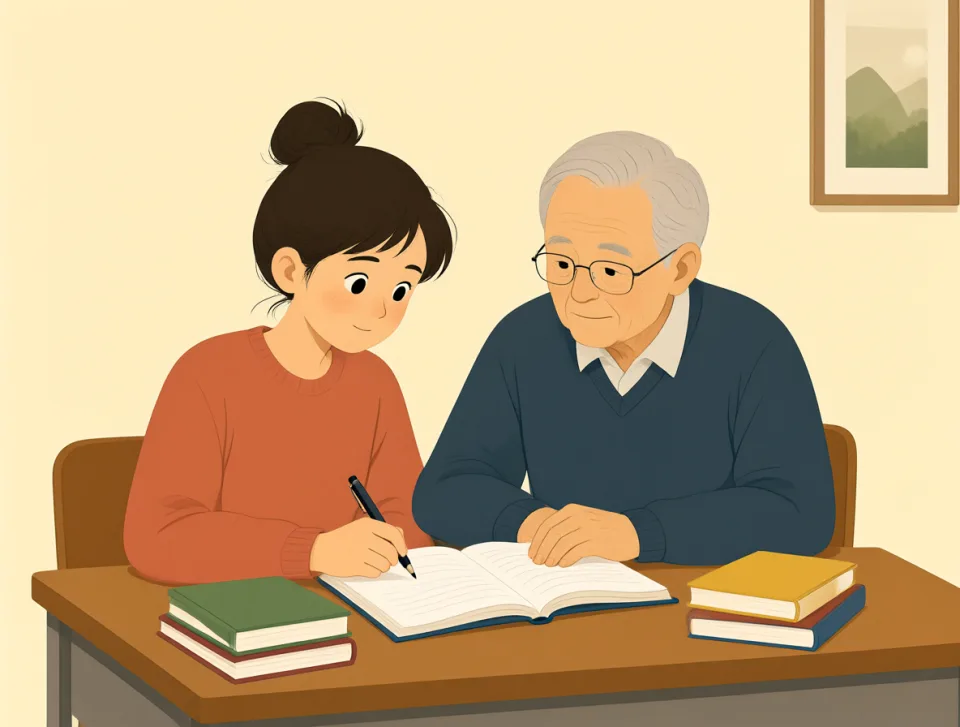
Can you help me with my homework?
هل يمكنك مساعدتي في واجبي المنزلي؟
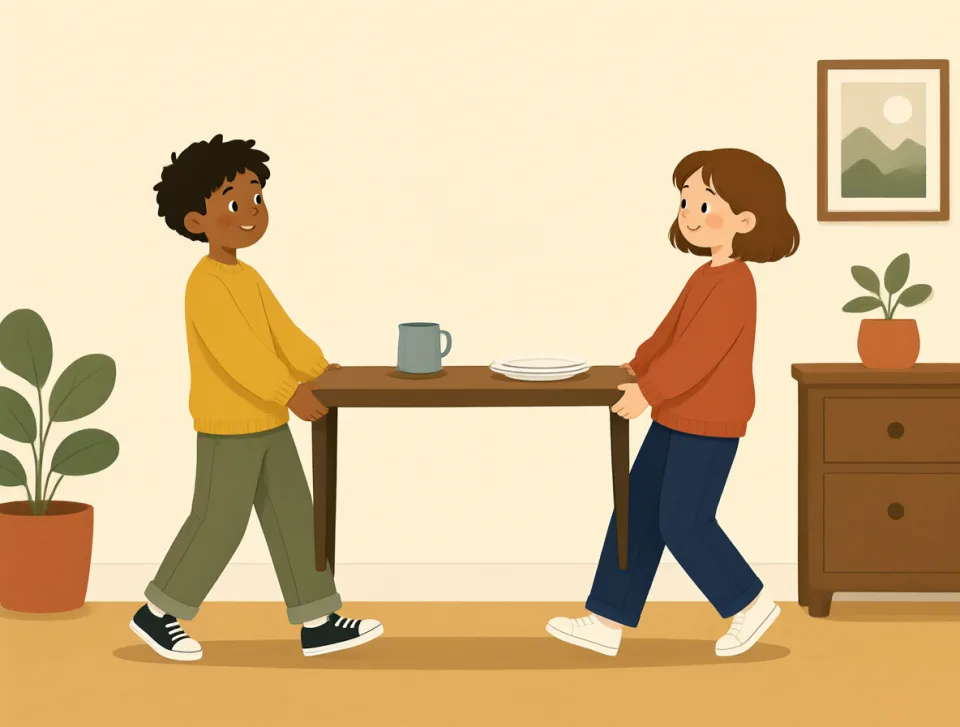
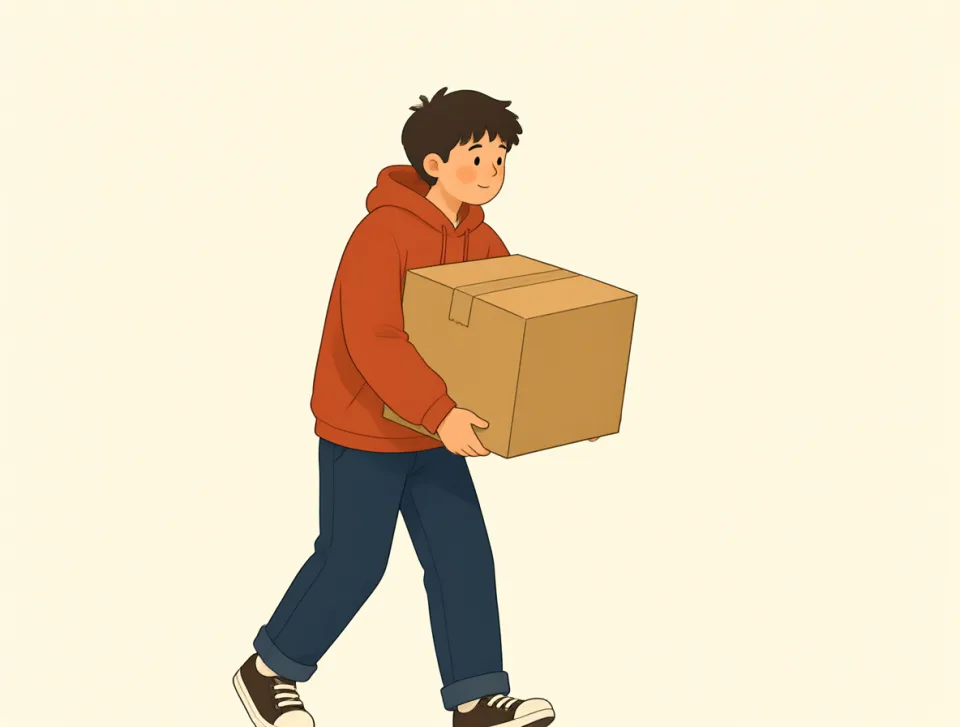
My friend helped me move the table.
ساعدني صديقي في نقل الطاولة.
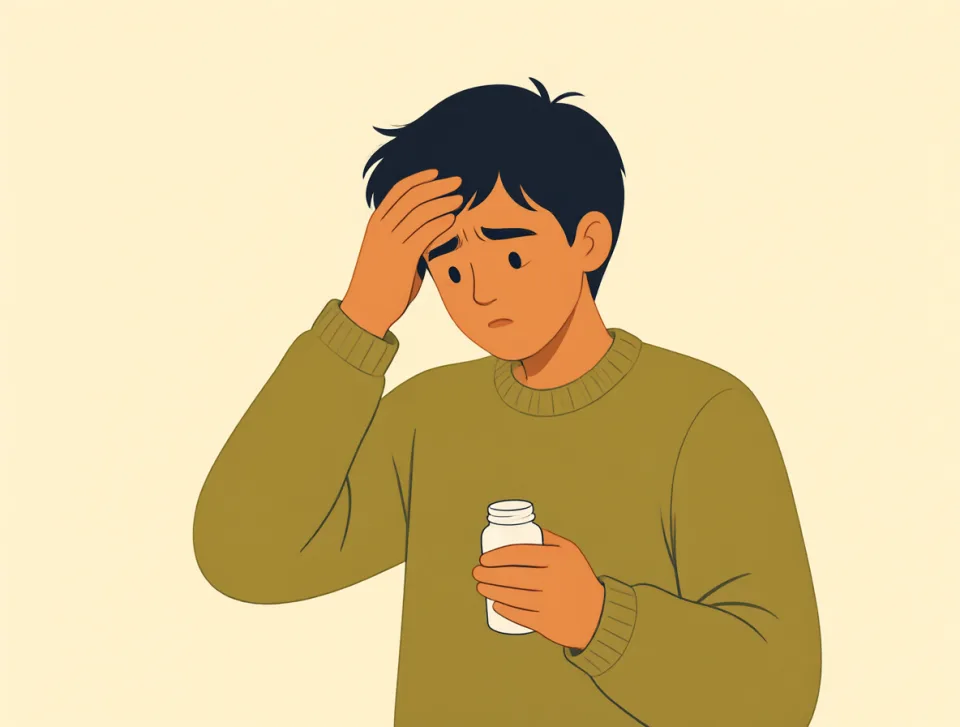
This medicine will help your headache.
سيساعدك هذا الدواء على تخفيف صداعك.

The shop assistant helped me find shoes.
ساعدني موظف المتجر في العثور على حذاء.
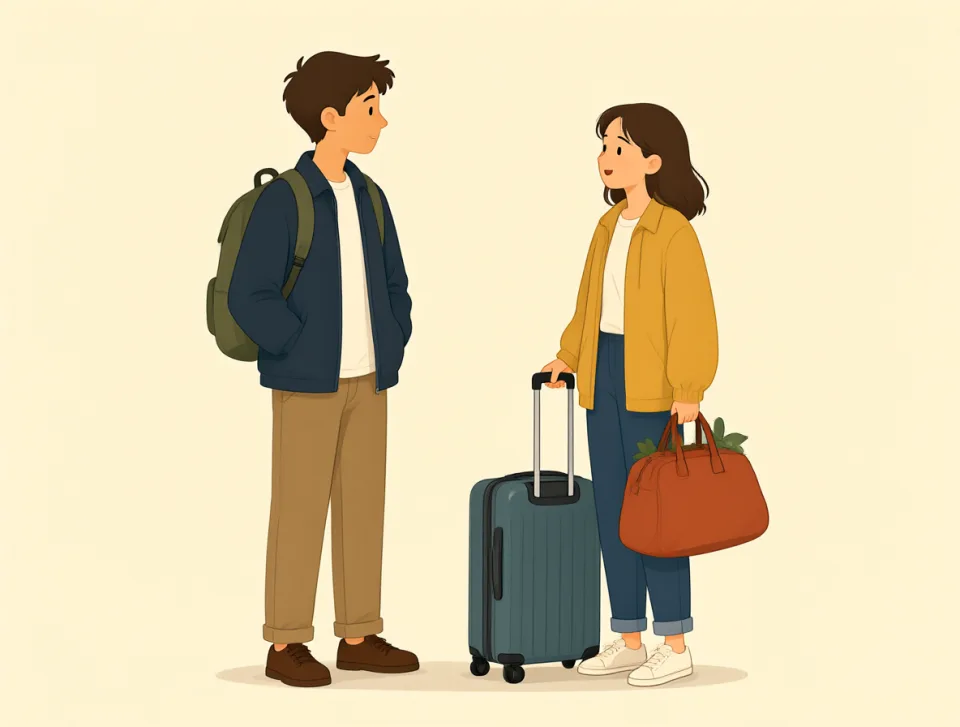
Could you help me carry my bags?
هل يمكنك مساعدتي في حمل حقائبي؟
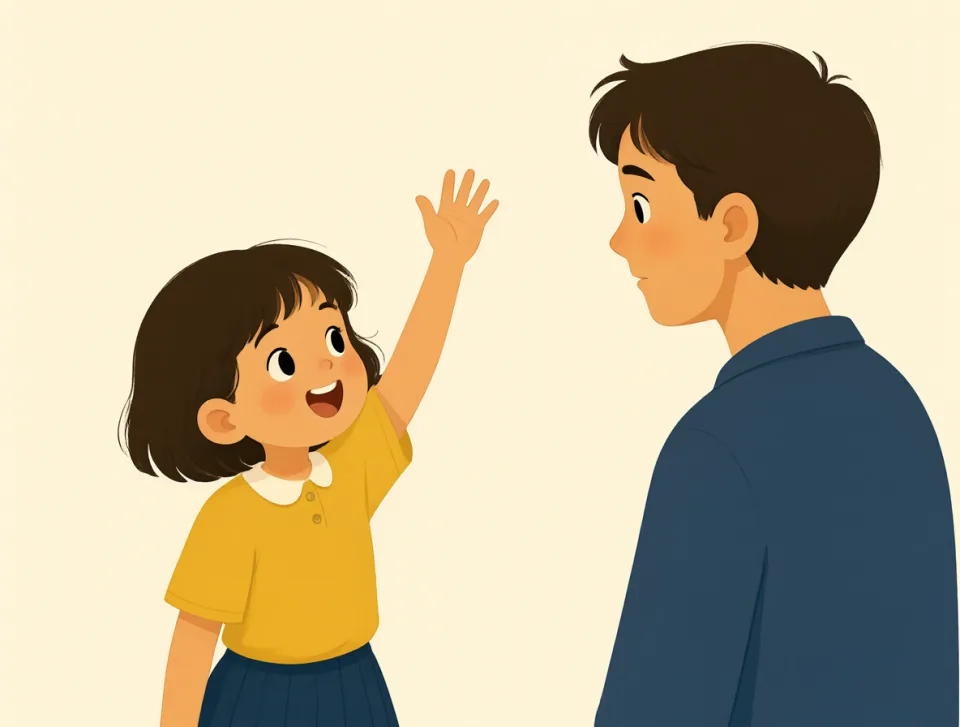
ask
#134verb, noun
يسأل؛ يطلب
To say something because you want information, help, or permission.
يقول شيئًا لأنه يريد معلومات أو مساعدة أو إذنًا.
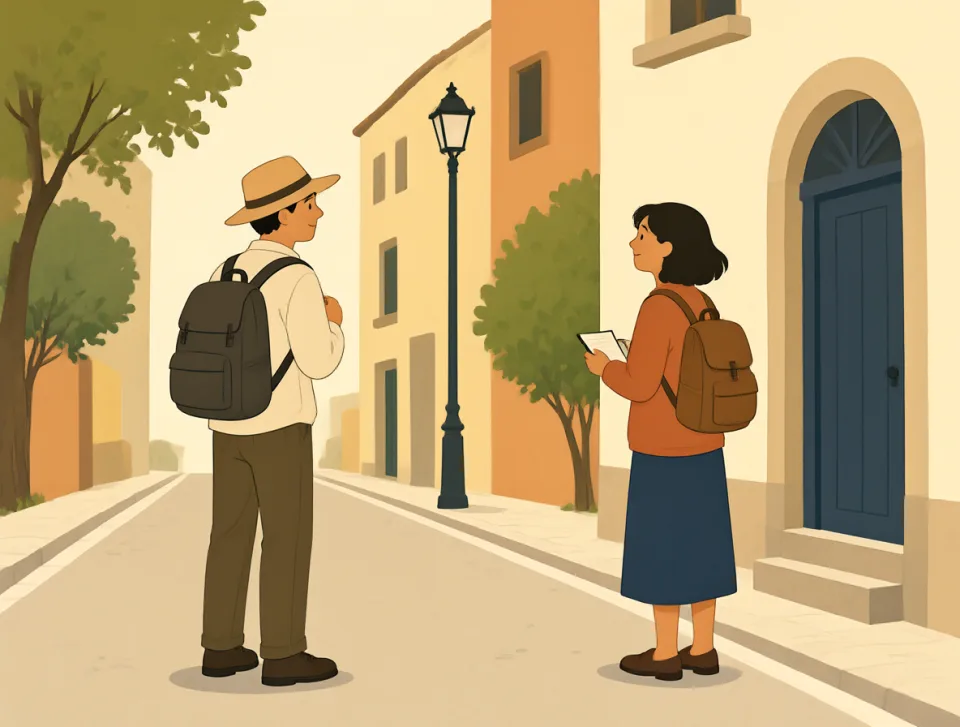
I asked him for directions.
طلبت منه إرشادي إلى الطريق.
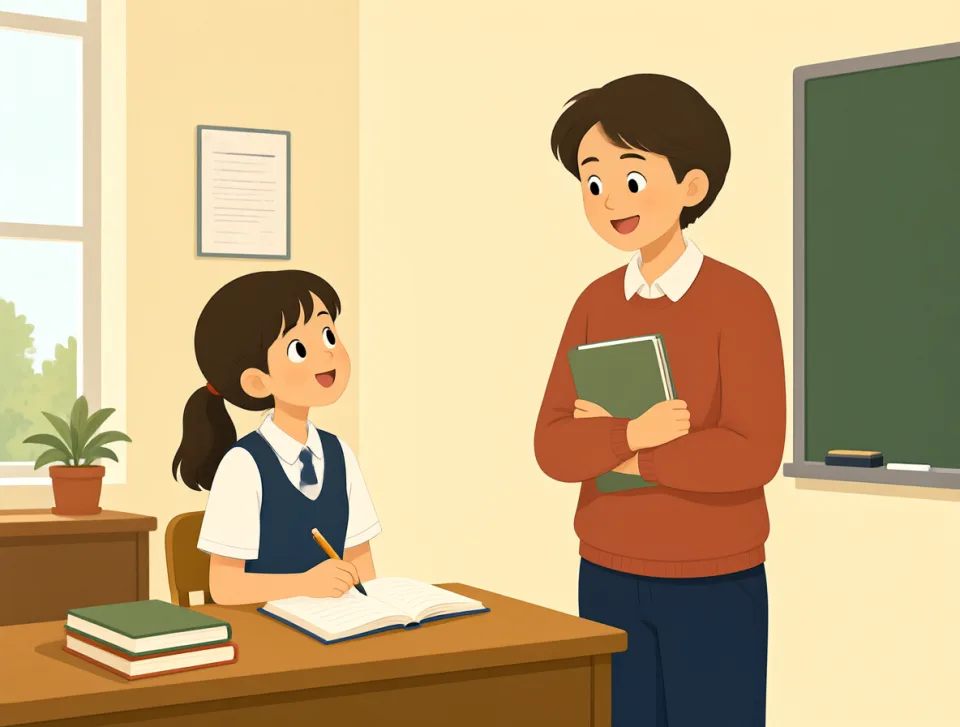
Please ask your teacher for help.
من فضلك، اطلب المساعدة من معلمك.
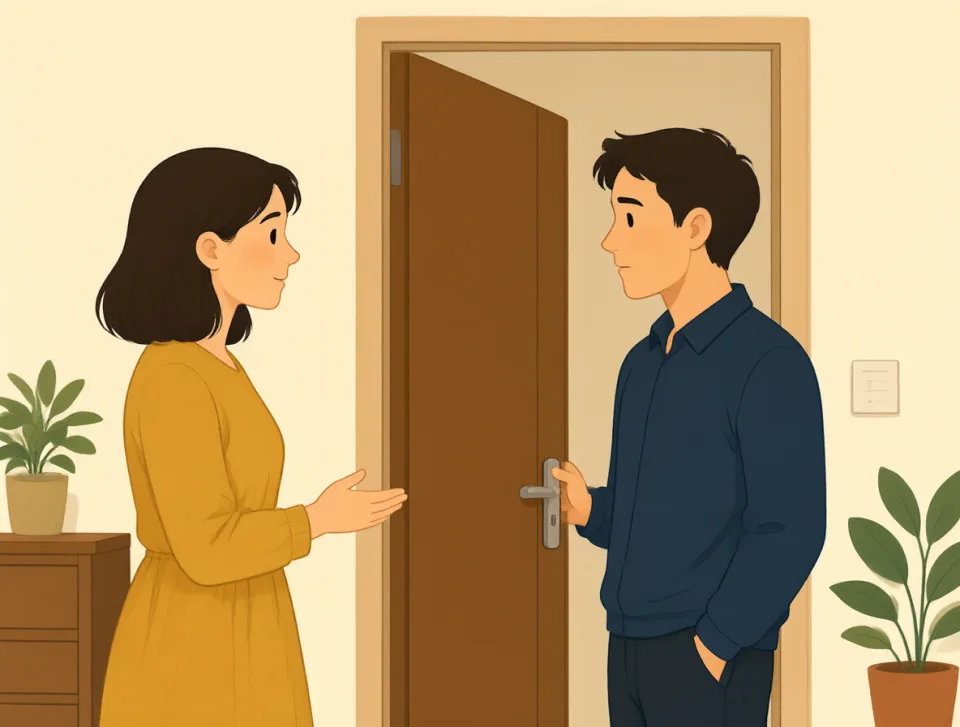
She asked me to close the door.
طلبت مني أن أغلق الباب.

We asked for two coffees.
طلبنا قهوتين.
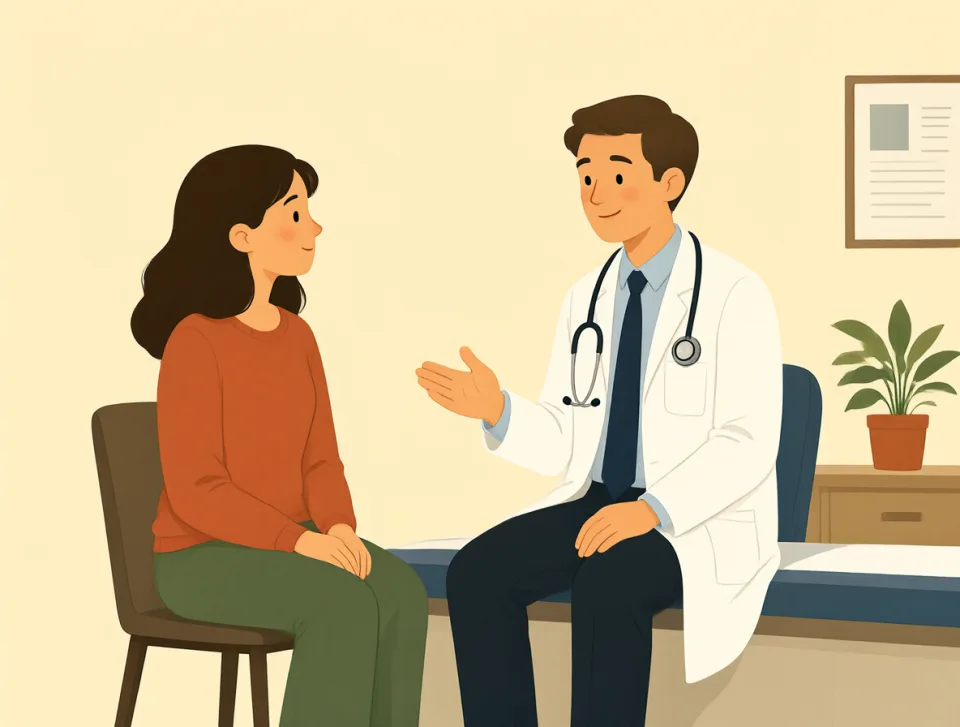
The doctor asked about my pain.
سأل الطبيب عن موضع ألمي.
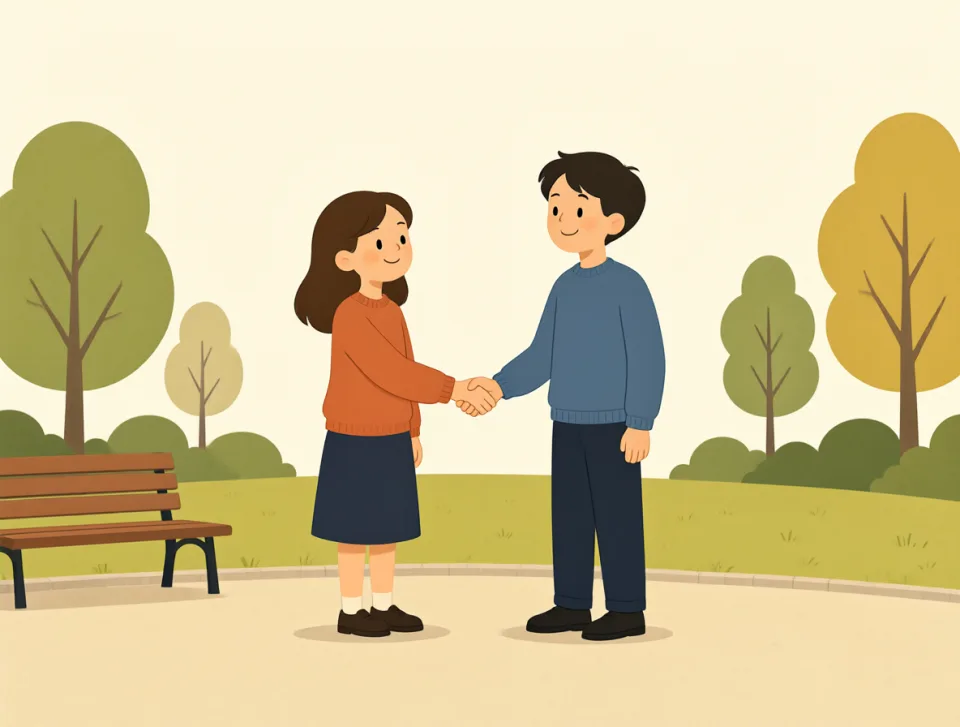
meet
#135verb
يلتقي؛ يقابل
to see and talk to someone for the first time or at an arranged time
يرى شخصًا ويتحدث إليه للمرة الأولى أو في موعد محدد.
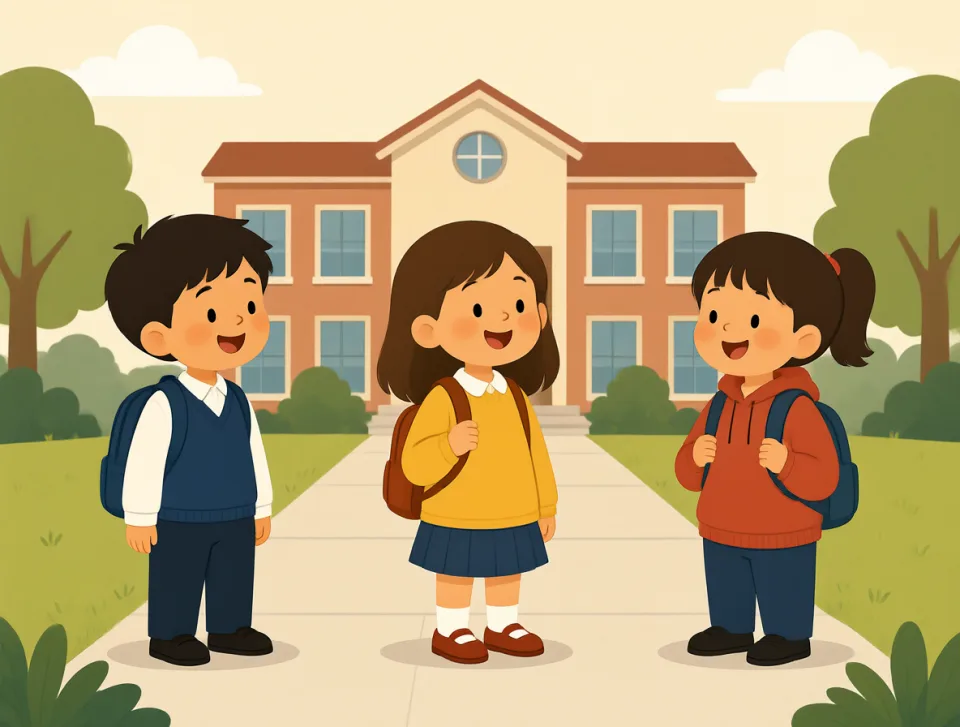
I meet my friends after school.
ألتقي بأصدقائي بعد المدرسة.
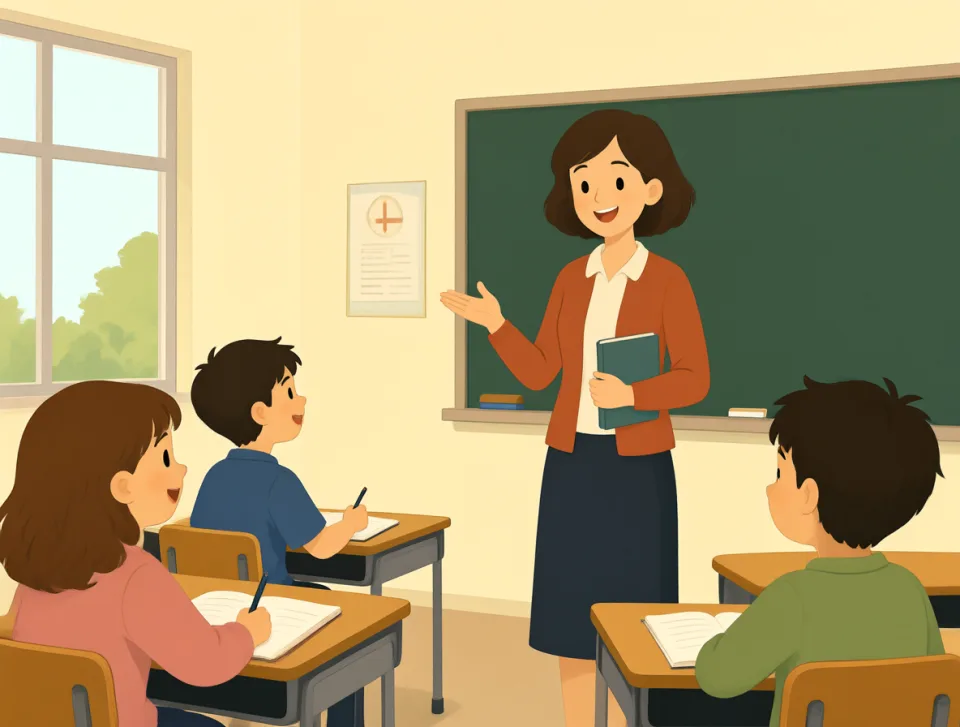
We met our new teacher yesterday.
التقينا بمعلمنا الجديد أمس.
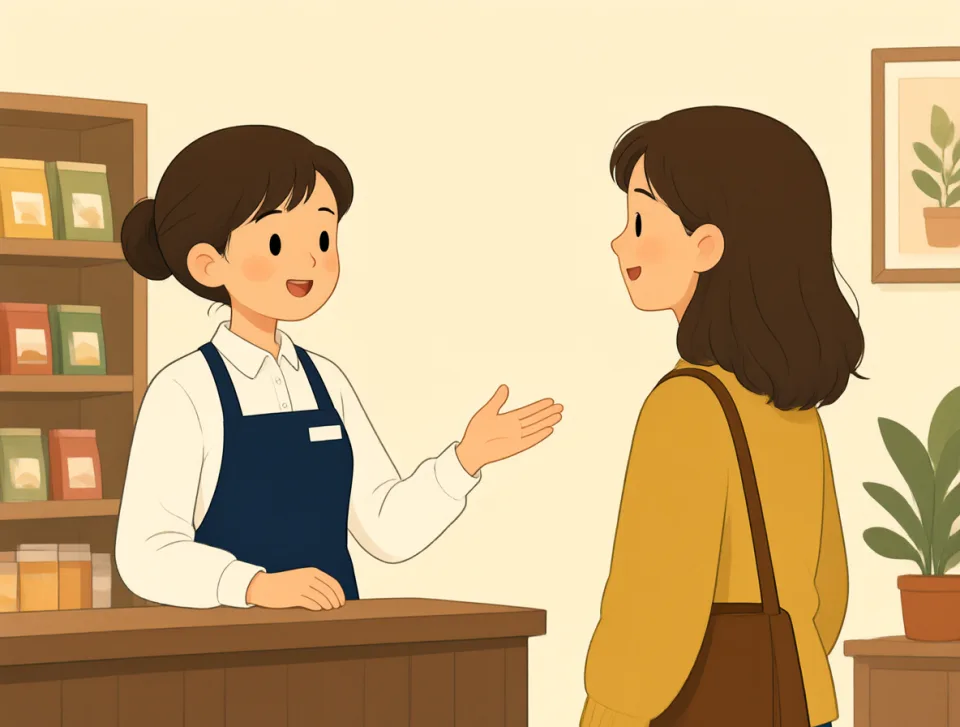
She meets customers at the shop.
تلتقي بالزبائن في المتجر.
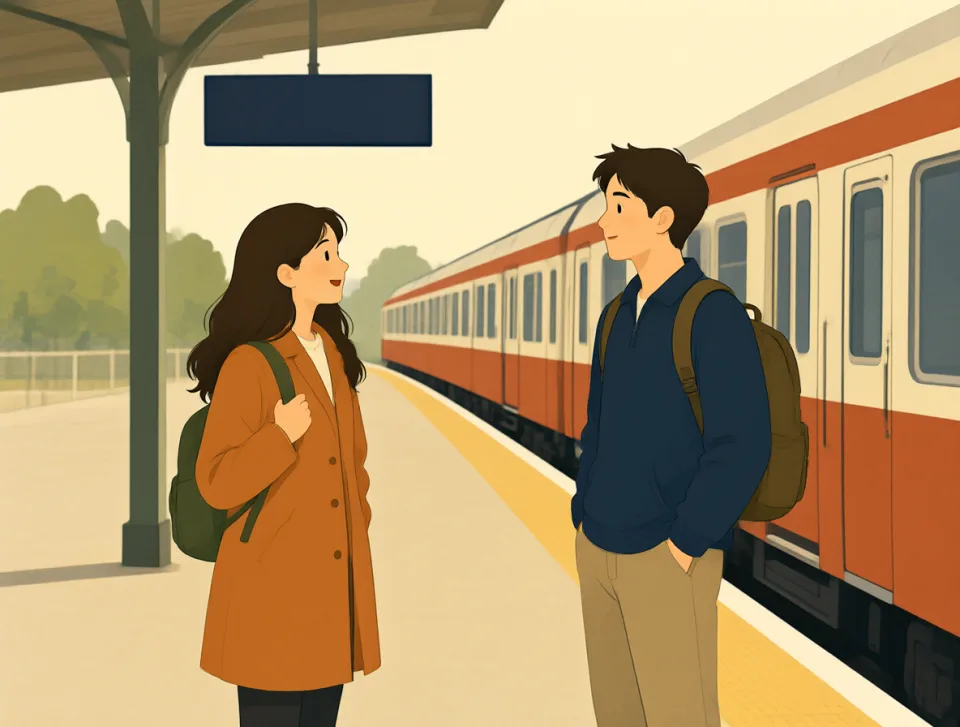
They are meeting at the station.
إنهم يلتقون في المحطة.
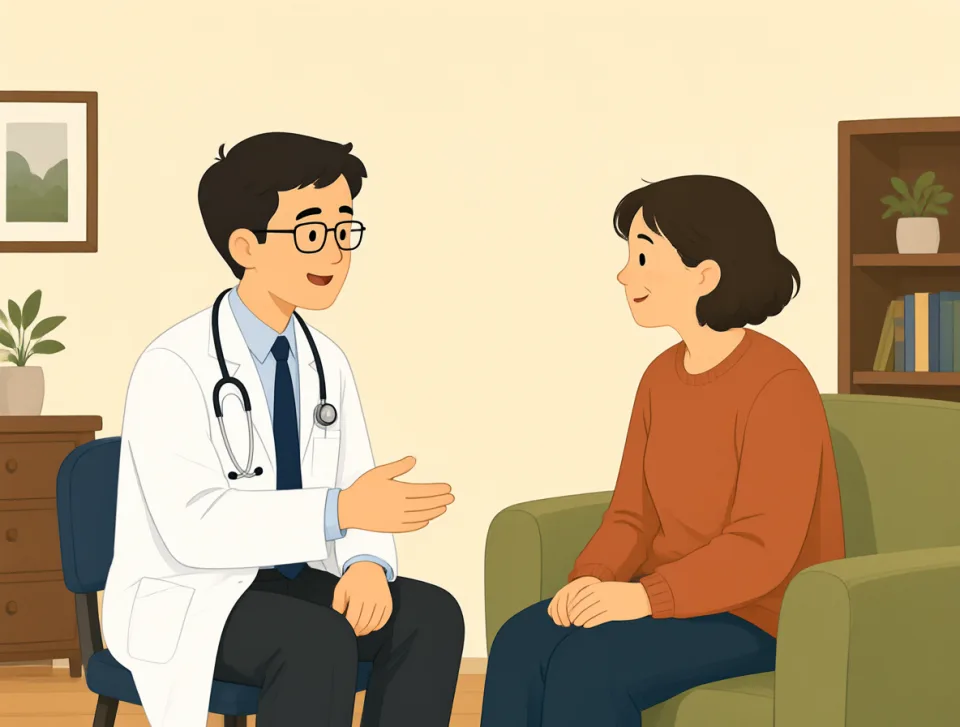
The doctor met the patient at home.
قابل الطبيب المريض في المنزل.
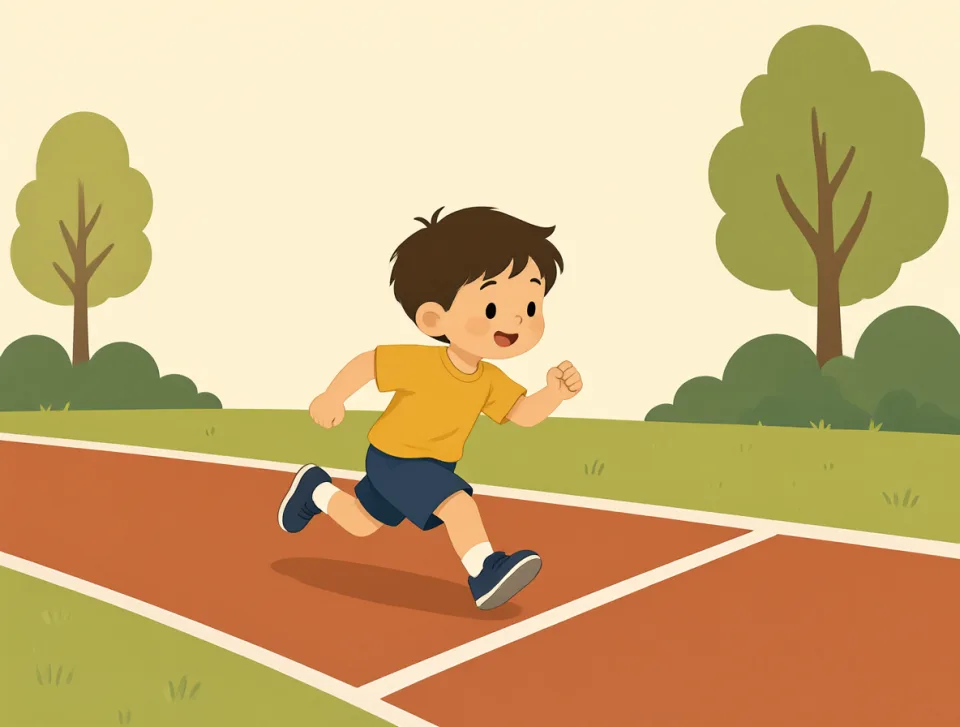
start
#136verb, noun
يبدأ
to begin doing something or to begin happening; the beginning of something
أن يشرع في فعل شيء أو أن يبدأ حدوث شيء؛ بداية شيء ما
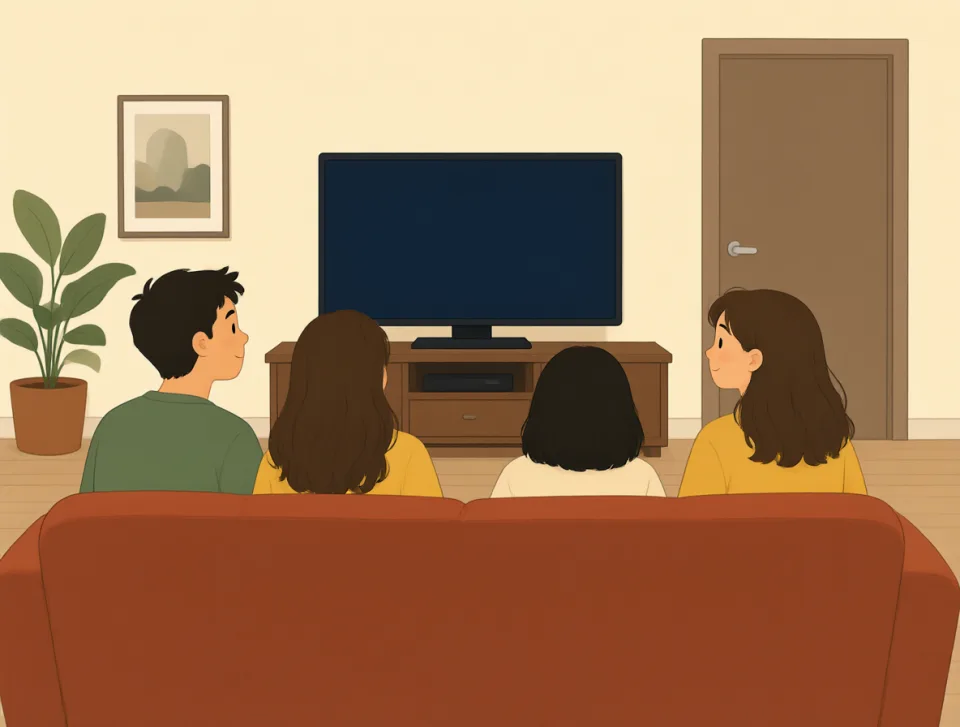
The movie starts at eight o’clock.
يبدأ الفيلم في الساعة الثامنة.
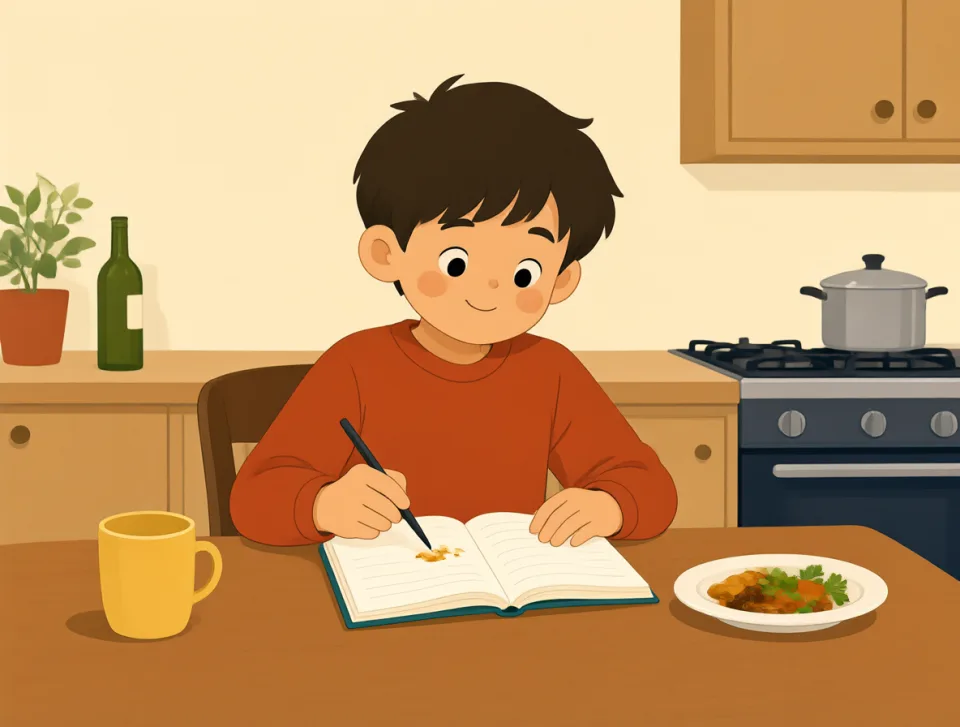
Please start your homework after dinner.
من فضلك ابدأ واجبك بعد العشاء.
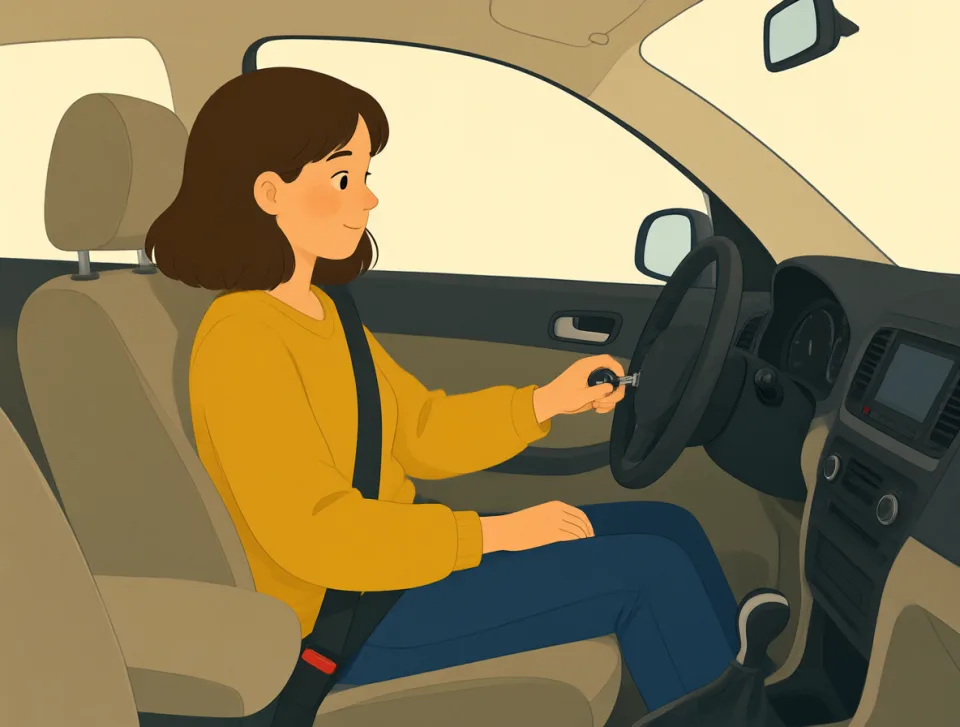
She started the car and drove away.
شغّلت السيارة وانطلقت.
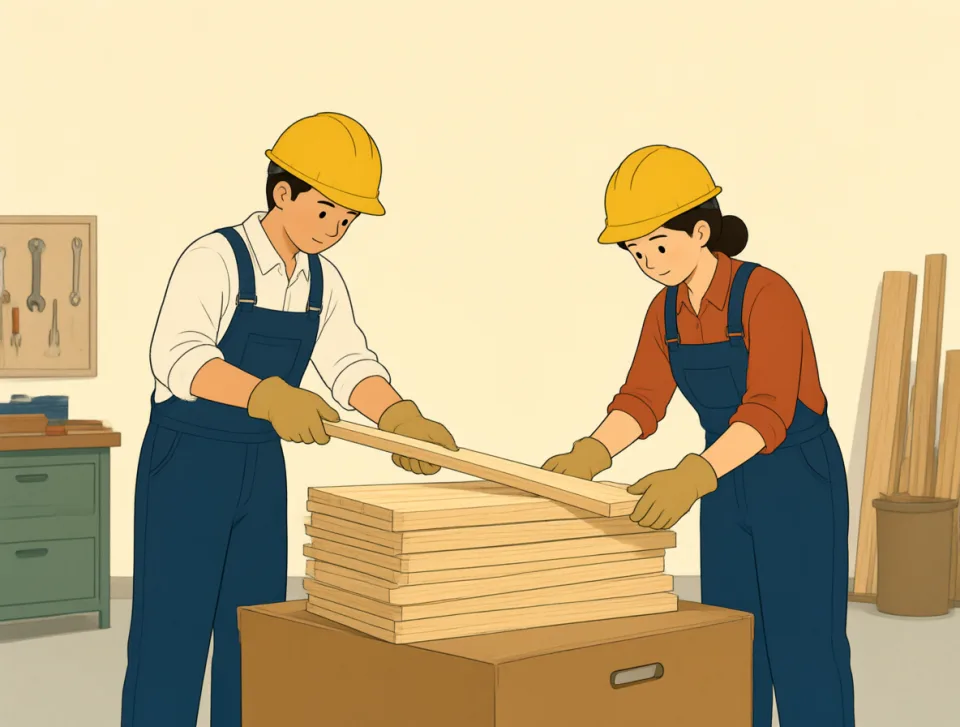
We started work early this morning.
بدأنا العمل مبكرًا هذا الصباح.
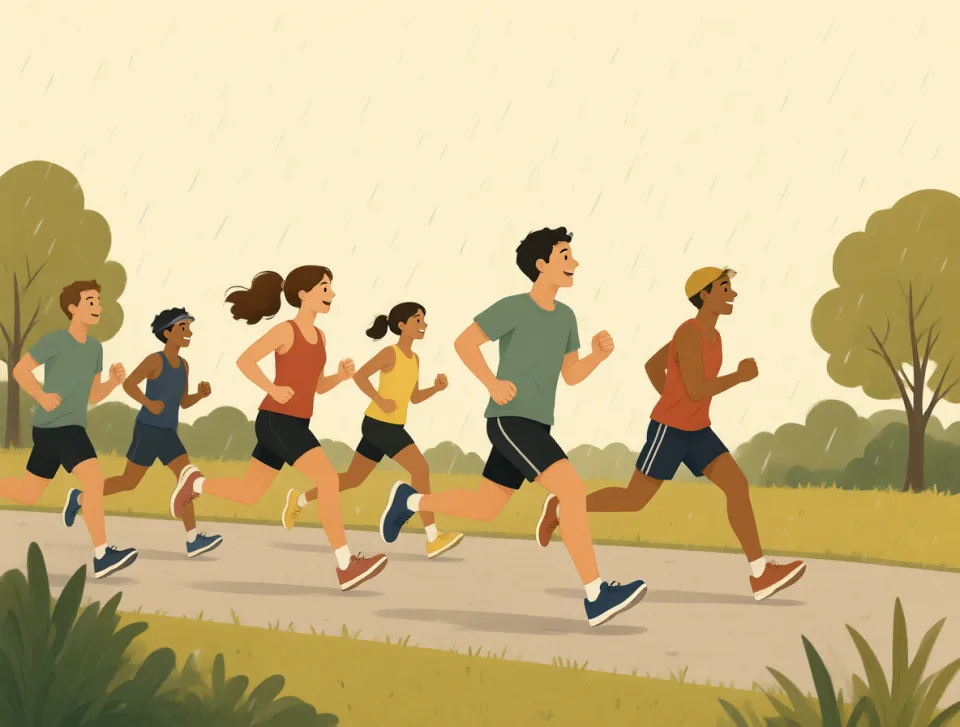
The race started in the rain.
بدأ السباق تحت المطر.
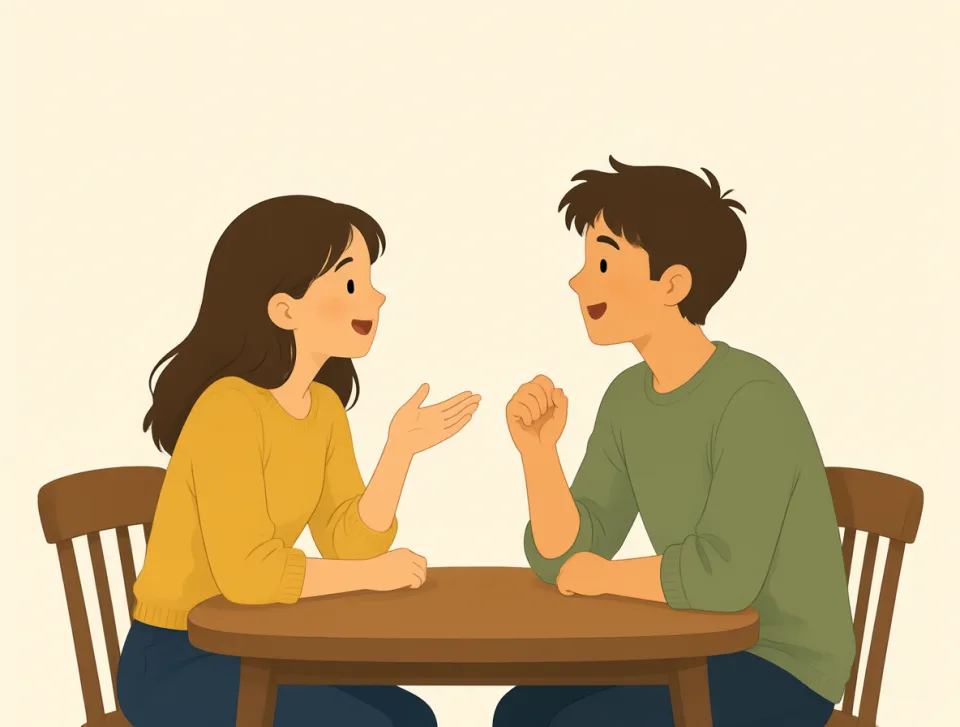
talk
#137noun, verb
يتحدث؛ حديث
to speak with someone about something; a conversation between people
أن يتحدث مع شخص عن شيء ما؛ محادثة بين أشخاص

Can I talk to you after lunch?
هل يمكنني التحدث معك بعد الغداء؟

We talked about our plans for the weekend.
تحدثنا عن خططنا لعطلة نهاية الأسبوع.
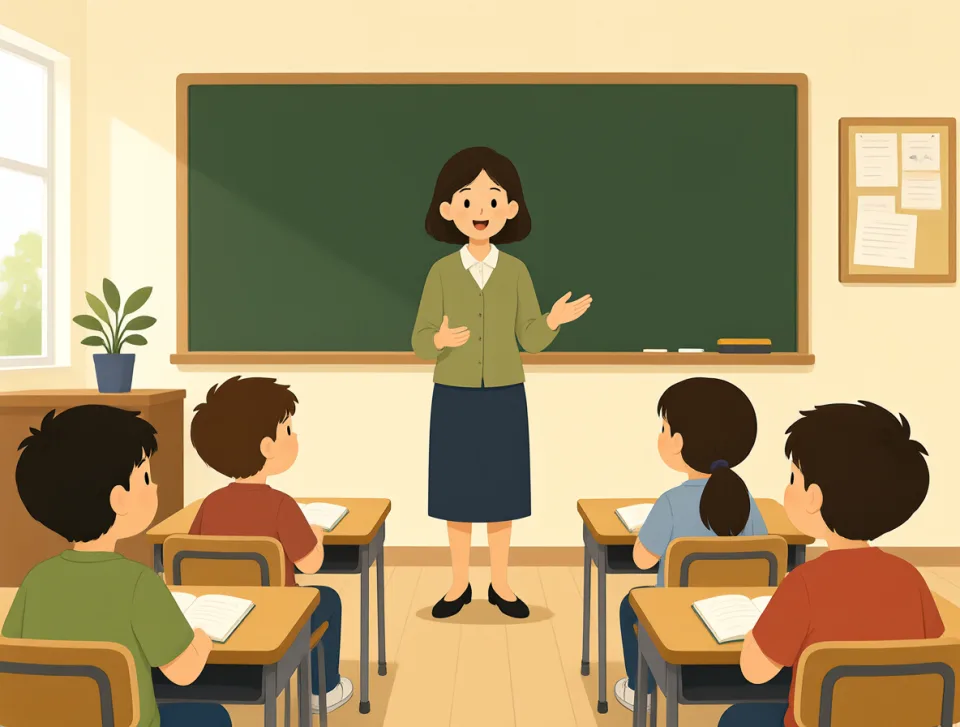
The teacher is talking to the students.
يتحدث المعلم إلى الطلاب.
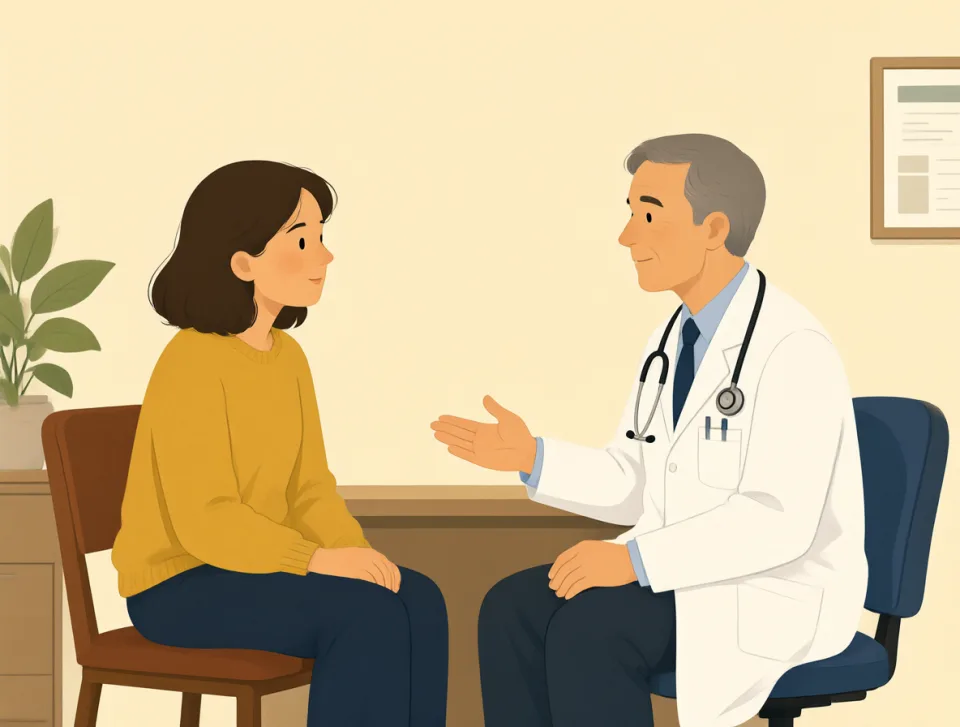
I need to talk to the doctor today.
أحتاج إلى التحدث مع الطبيب اليوم.

They had a long talk about the problem.
دار بينهم حديث طويل عن المشكلة.
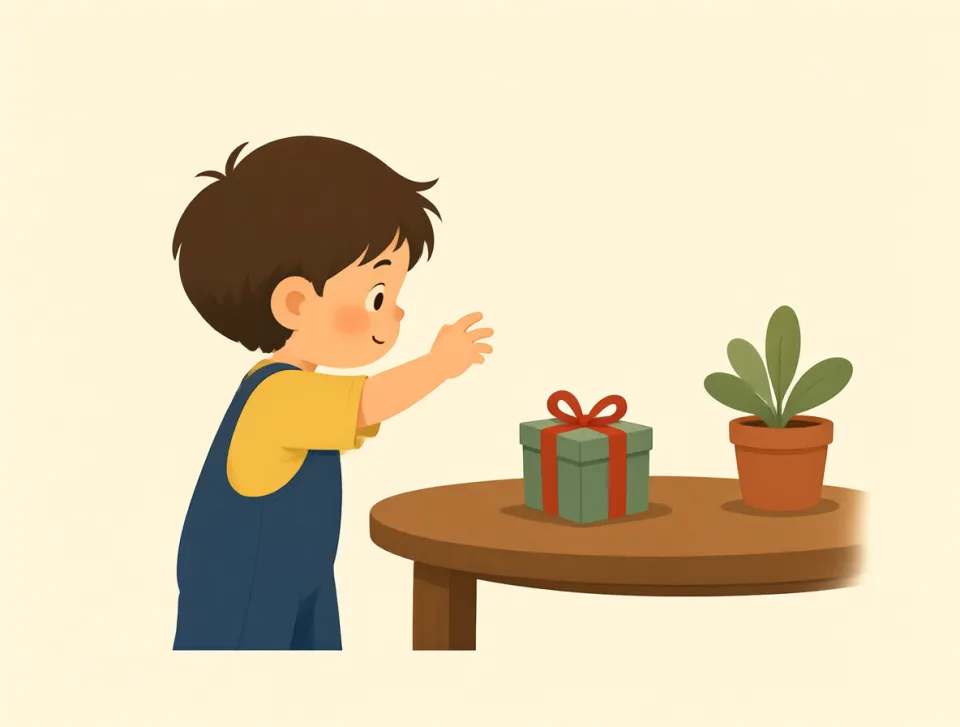
something
#138pronoun, determiner
شيء ما
An unknown or unnamed thing, or a thing that is not clearly described.
شيء مجهول أو غير محدد الاسم، أو شيء لم يوصف بوضوح.
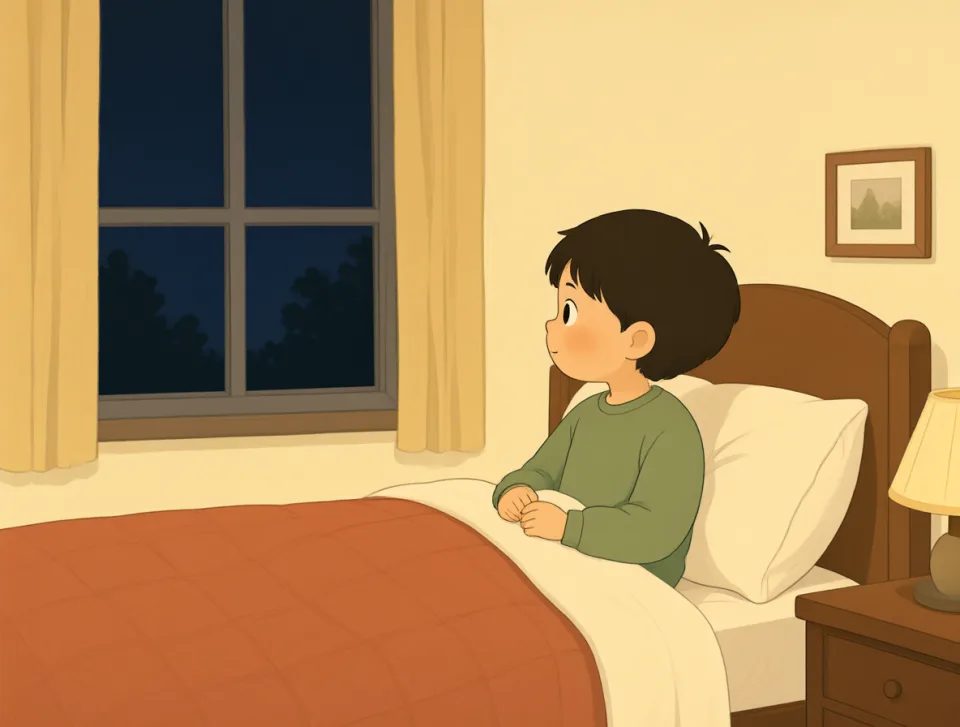
I heard something outside last night.
سمعت شيئًا في الخارج الليلة الماضية.
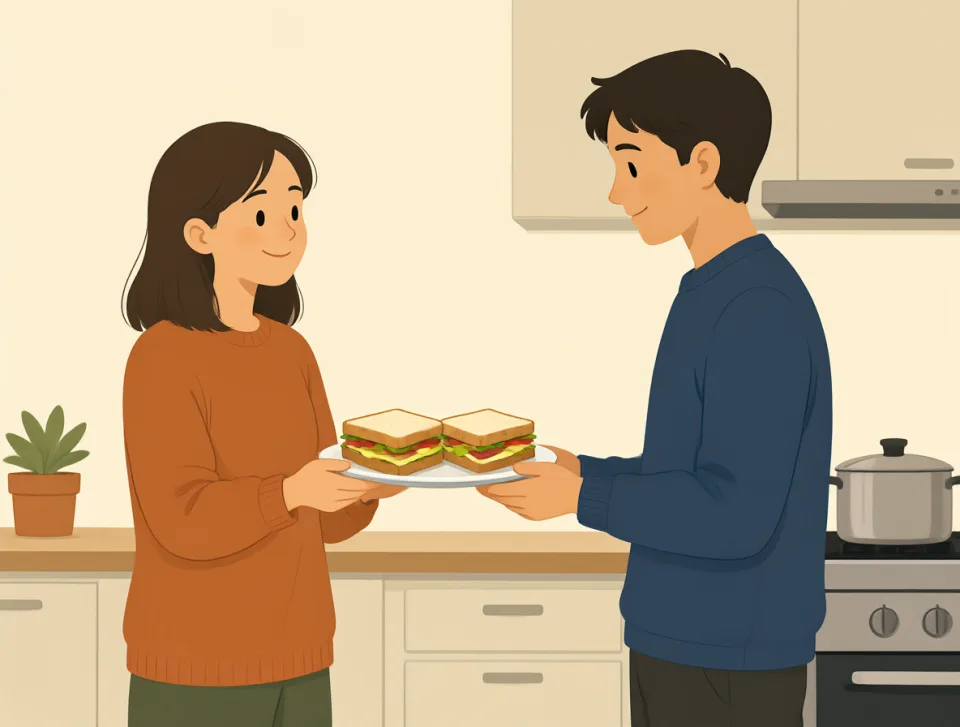
Would you like something to eat?
هل ترغب في تناول شيء ما؟
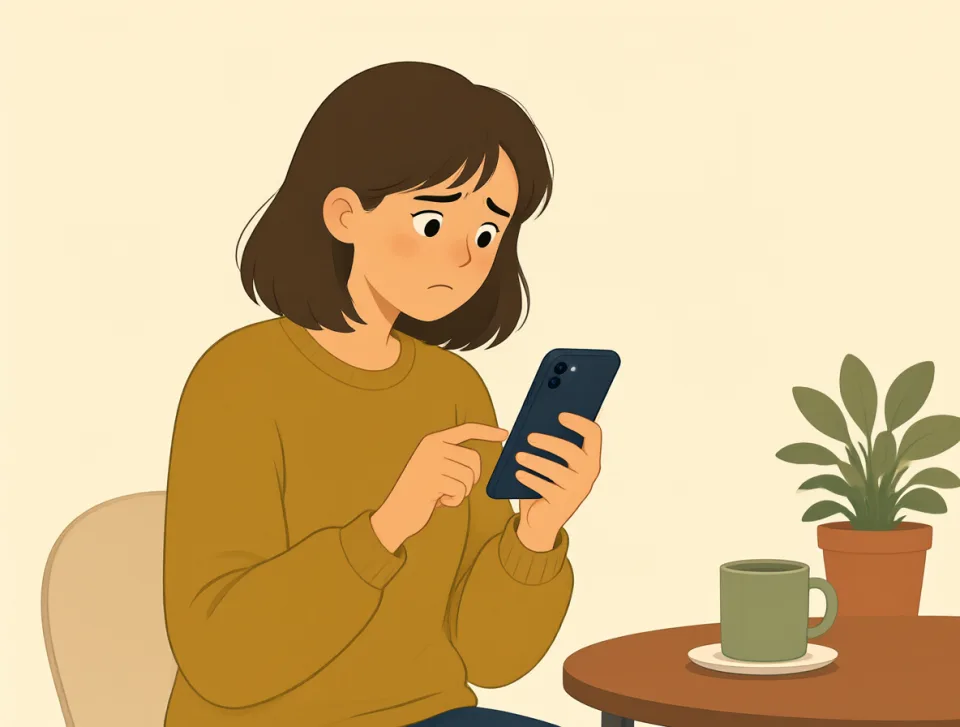
Something is wrong with my phone.
هناك خطب ما في هاتفي.

She bought something nice for her mother.
اشترت شيئًا جميلًا لأمها.
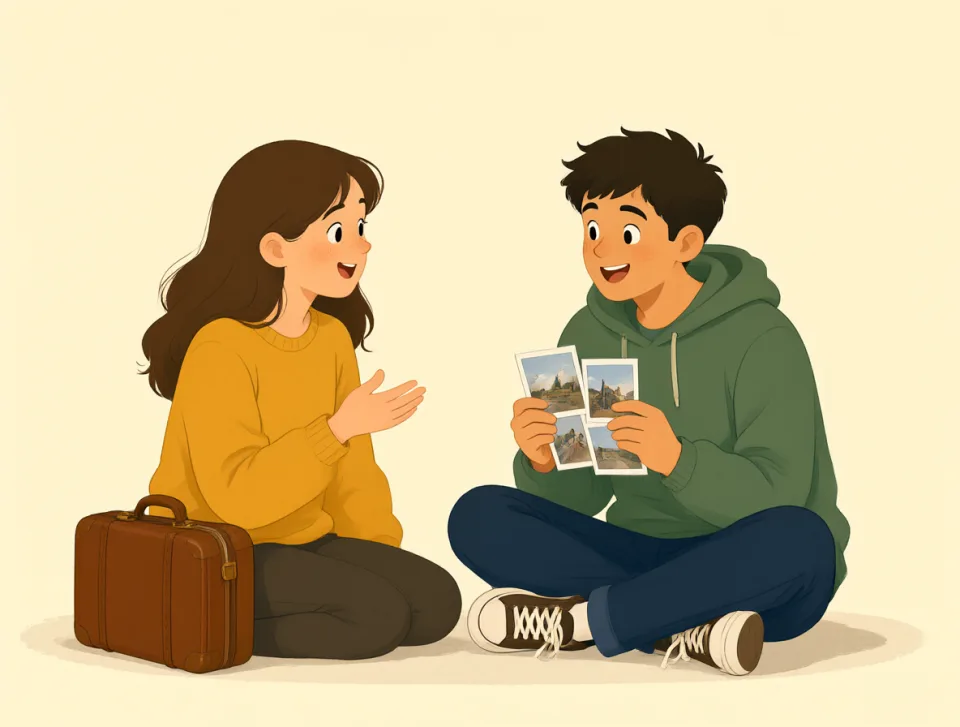
Tell me something about your trip.
أخبرني بشيء عن رحلتك.
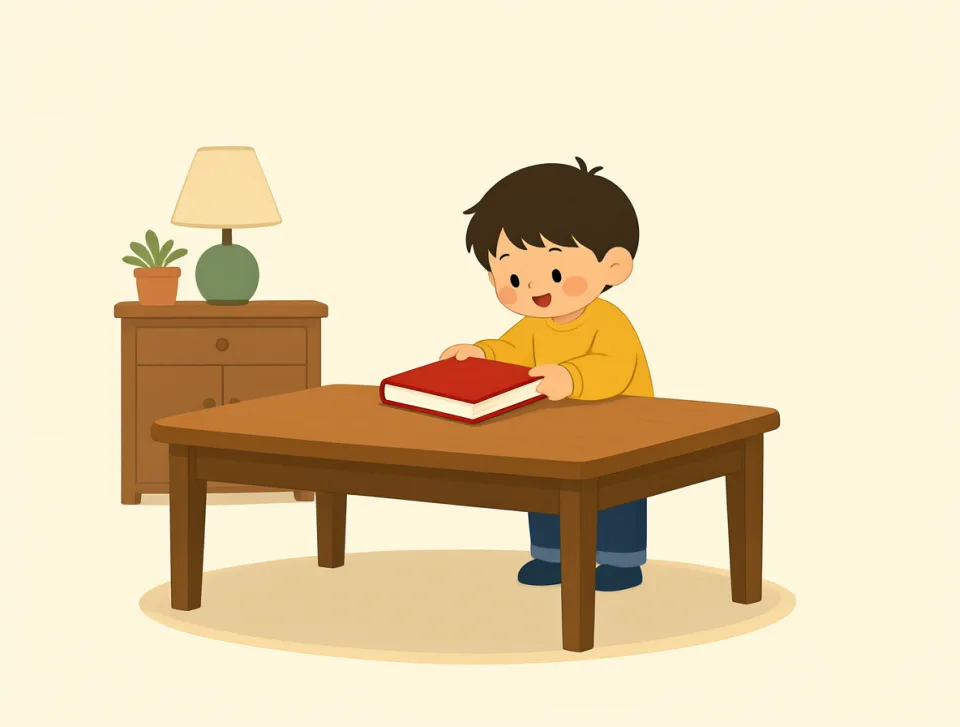
put
#139verb, noun
يضع
to move something into a place or position
أن ينقل شيئًا إلى مكان أو موضع
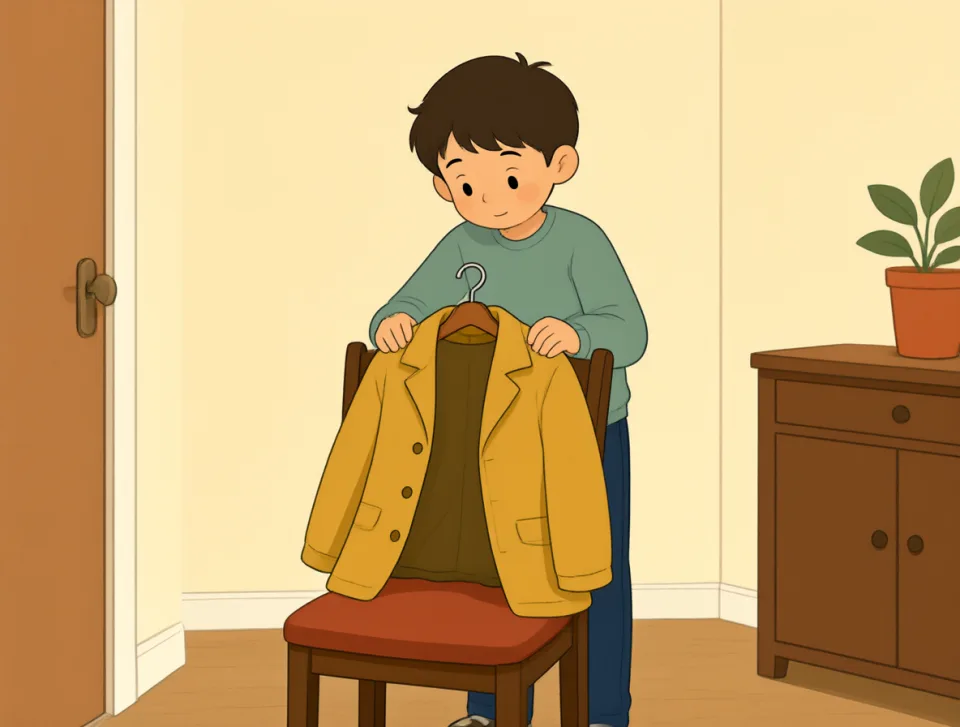
Put your coat on the chair, please.
ضع معطفك على الكرسي، من فضلك.
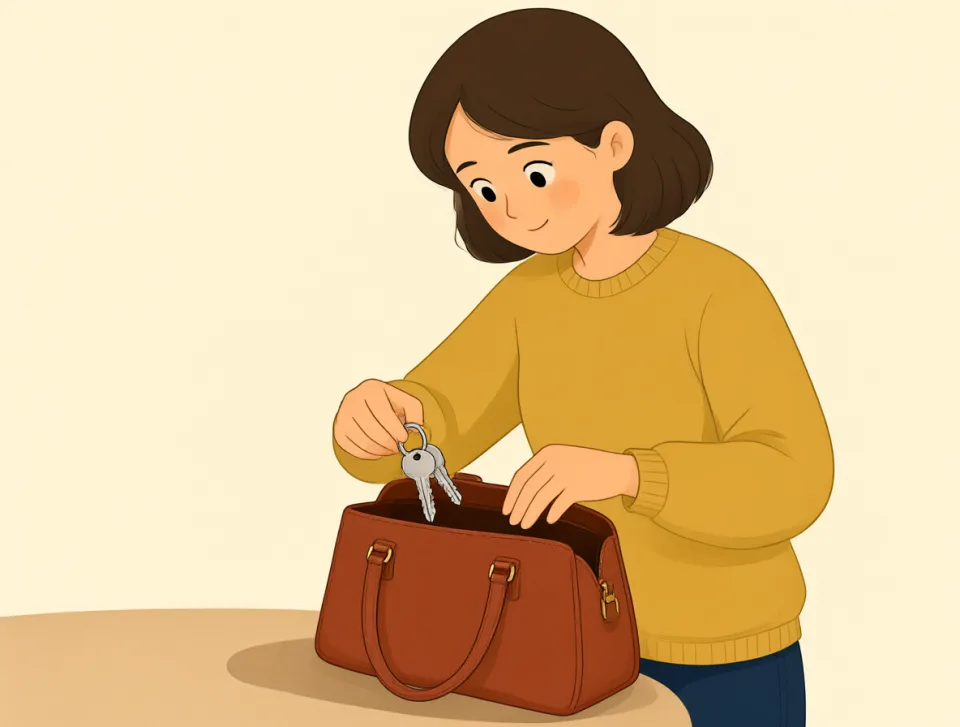
She put the keys in her bag.
وضعت المفاتيح في حقيبتها.
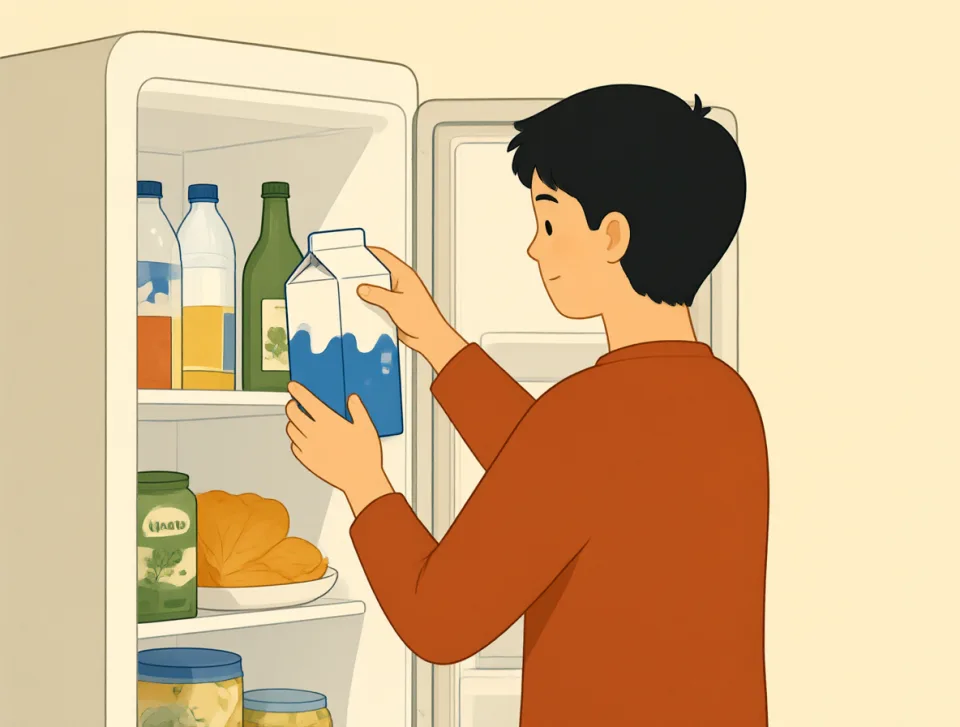
Please put the milk in the fridge.
من فضلك ضع الحليب في الثلاجة.
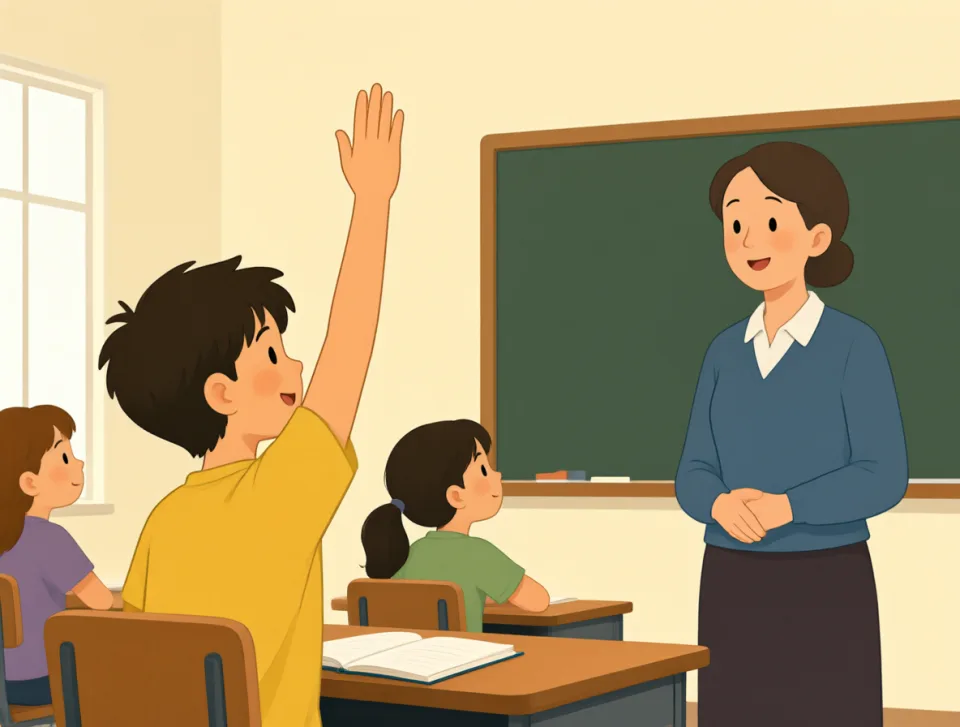
He put a question to the teacher.
طرح سؤالًا على المعلم.
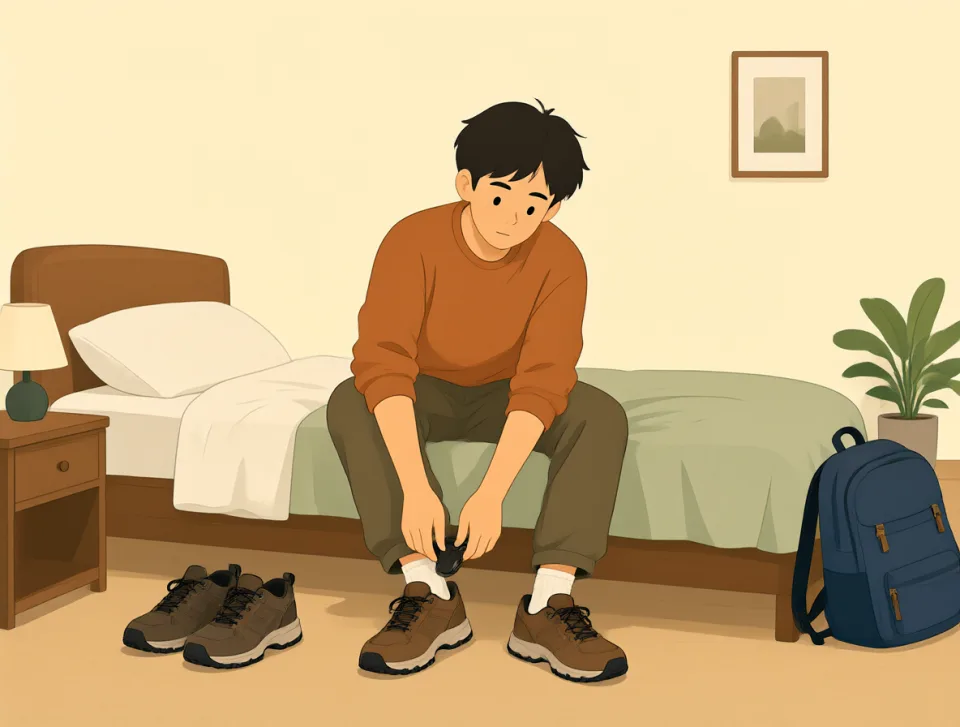
I put on my shoes before the trip.
ارتديت حذائي قبل الرحلة.
another
#140determiner, pronoun
آخر؛ إضافي
one more person or thing, or a different one
شخص أو شيء إضافي، أو شخص أو شيء مختلف
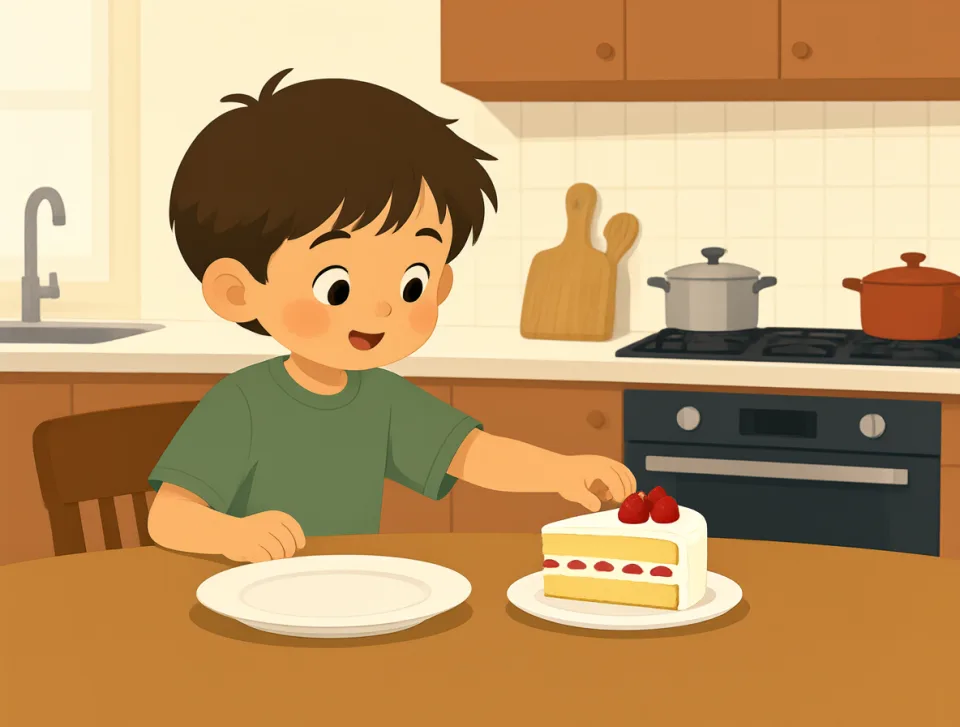
Can I have another piece of cake?
هل يمكنني الحصول على قطعة أخرى من الكعك؟
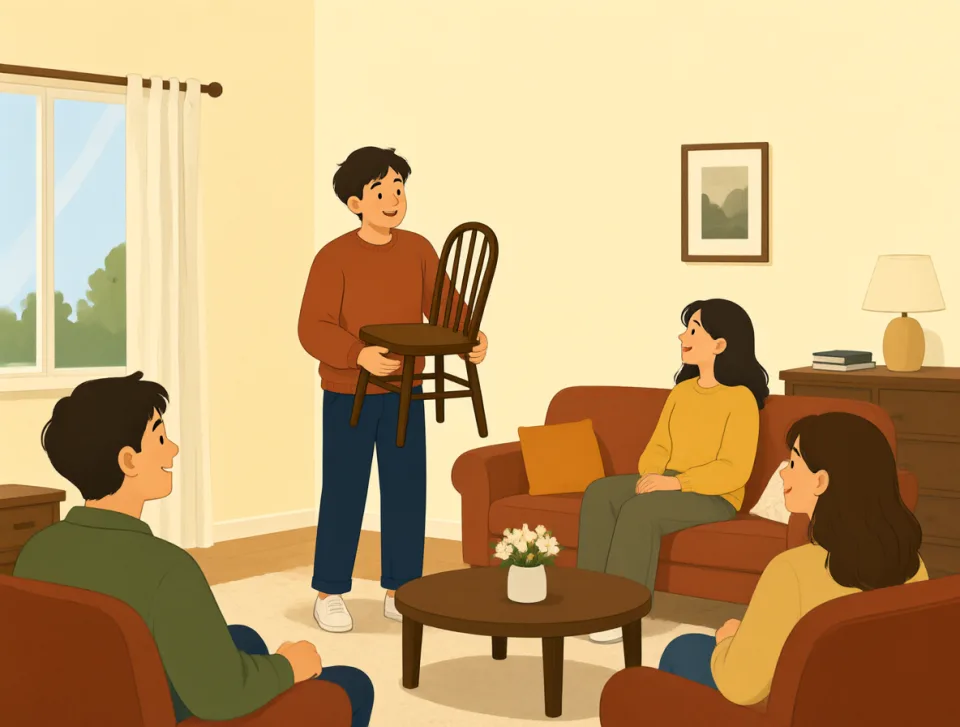
We need another chair for our guest.
نحتاج إلى كرسي آخر لضيفنا.
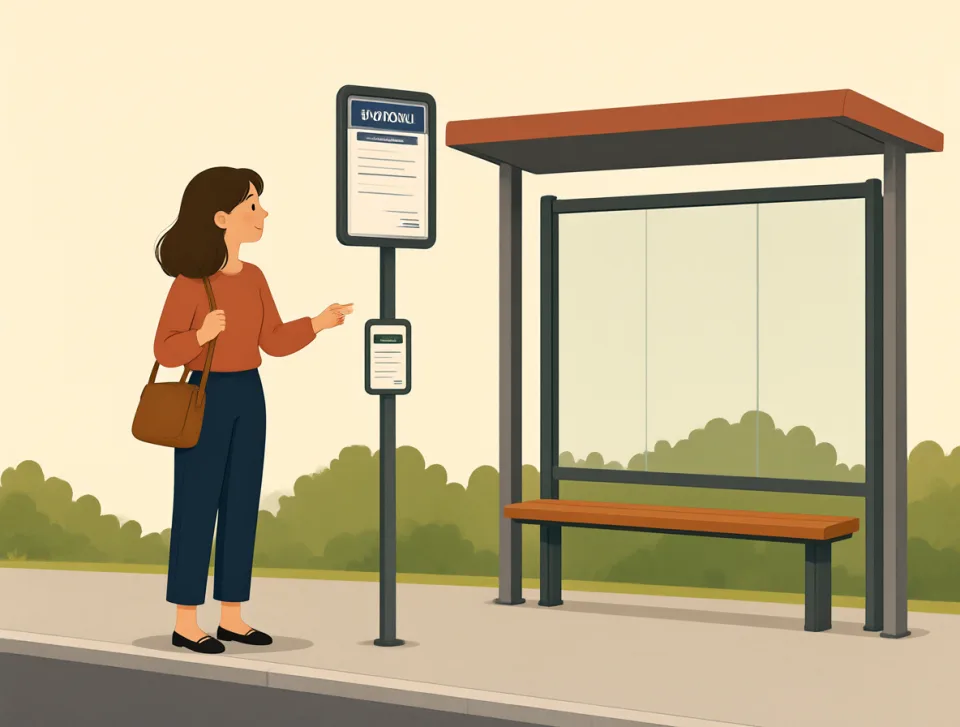
She chose another bus to the airport.
اختارت حافلة أخرى إلى المطار.

One student helped another with homework.
ساعد أحد الطلاب طالبًا آخر في أداء الواجب.
Please give me another chance tomorrow.
من فضلك أعطني فرصة أخرى غدًا.