單元 7
單字 121–140 · write, same, lot, great, try, leave
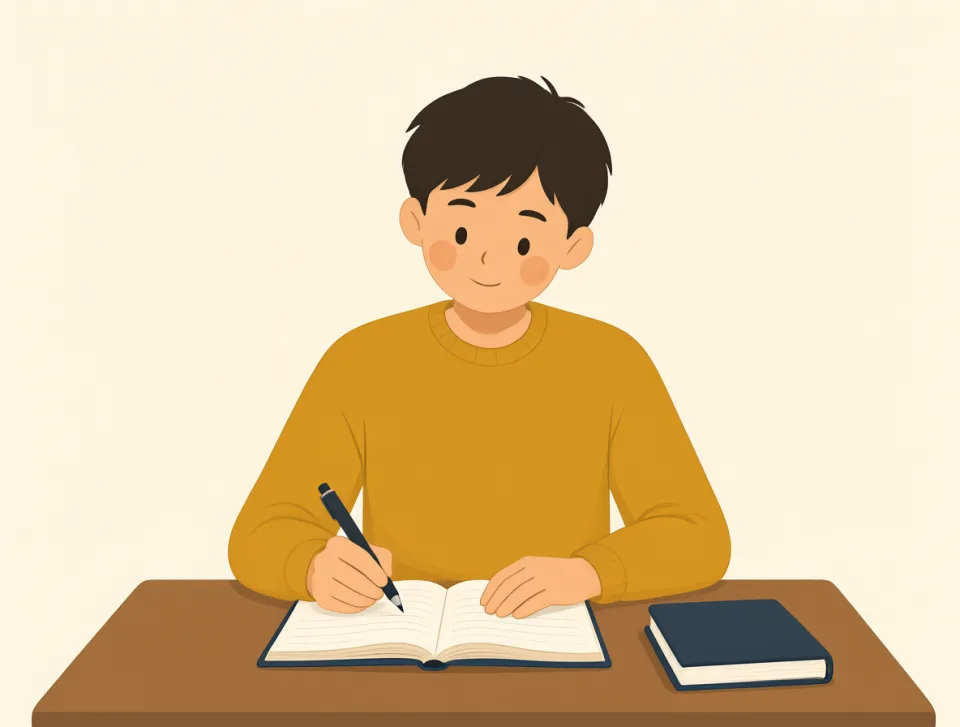
write
#121verb
寫;書寫
to put words on paper or a screen
把文字寫在紙上或螢幕上
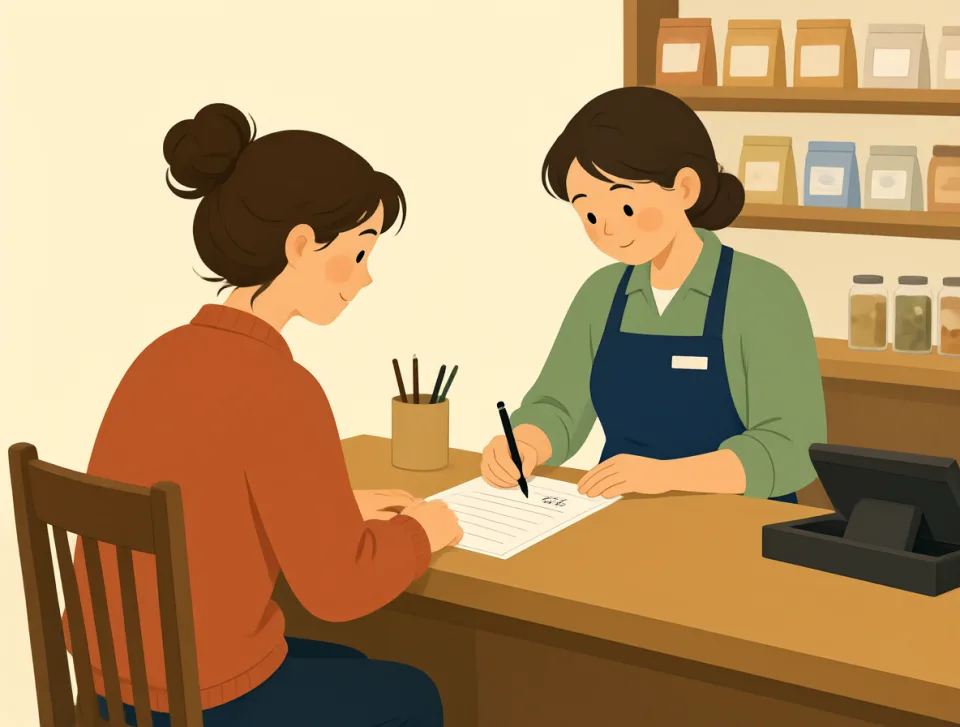
Please write your name here.
請在這裡寫下你的名字。
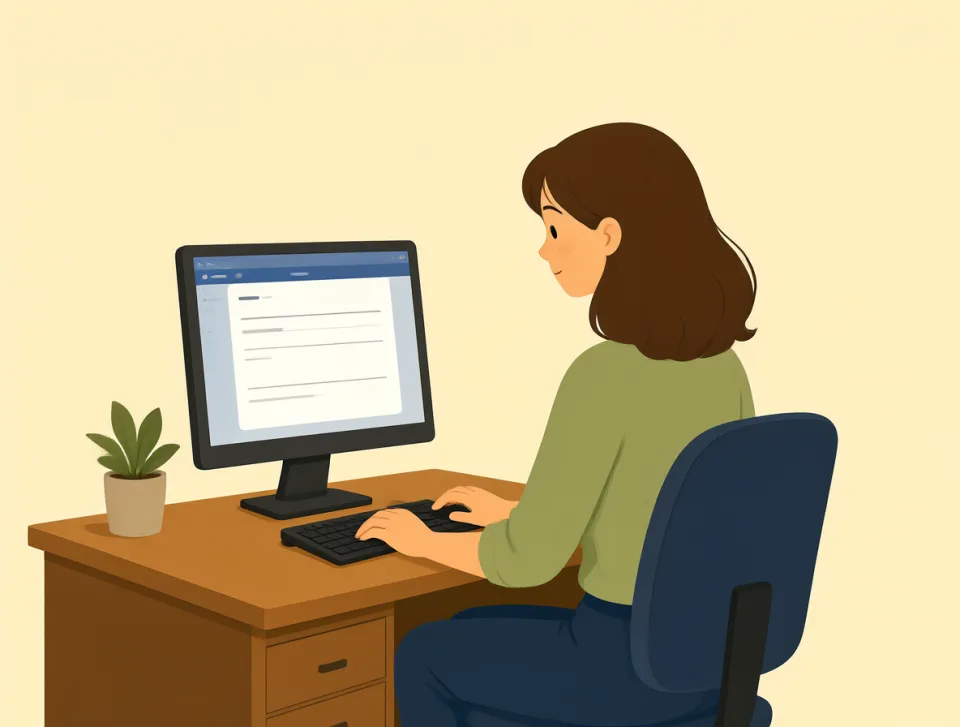
She writes emails at work.
她在工作中寫電子郵件。
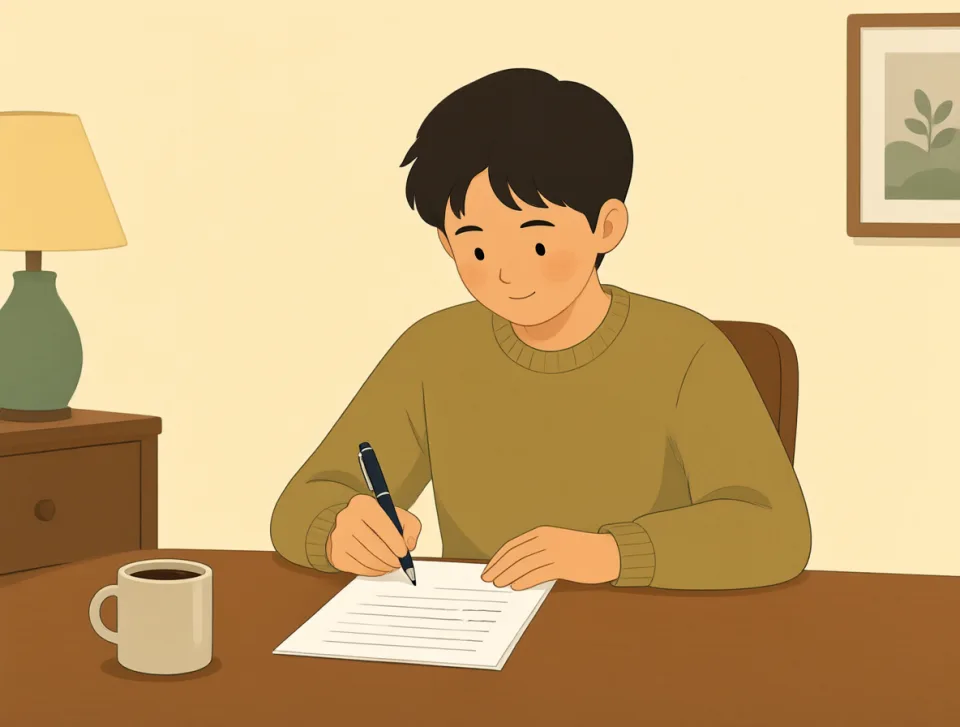
I wrote a letter to my friend.
我給朋友寫了一封信。
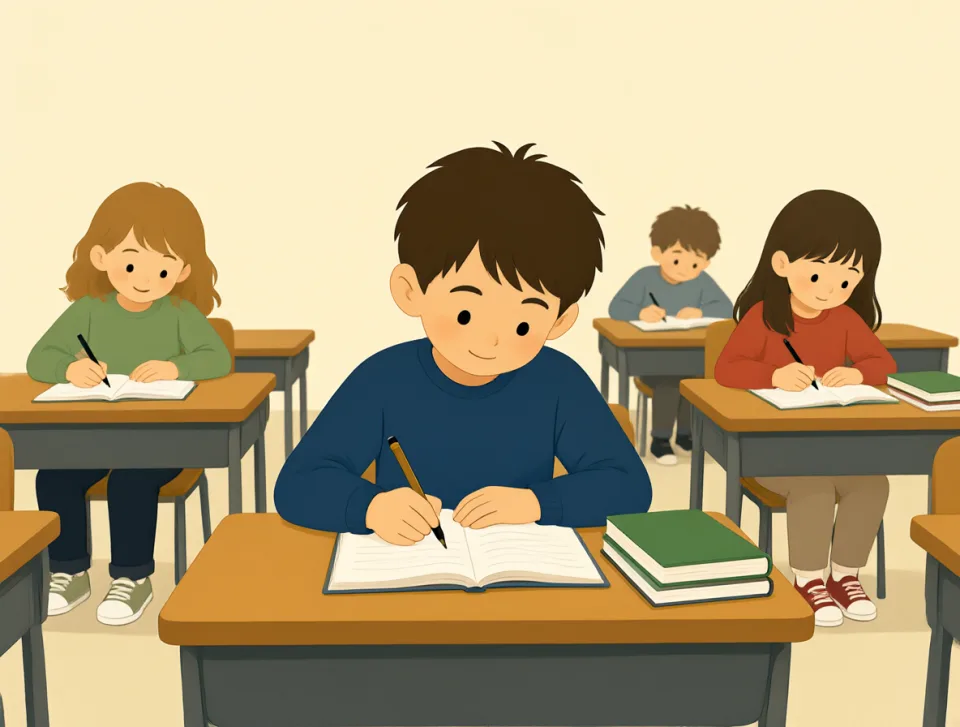
The students are writing sentences.
學生們正在寫句子。
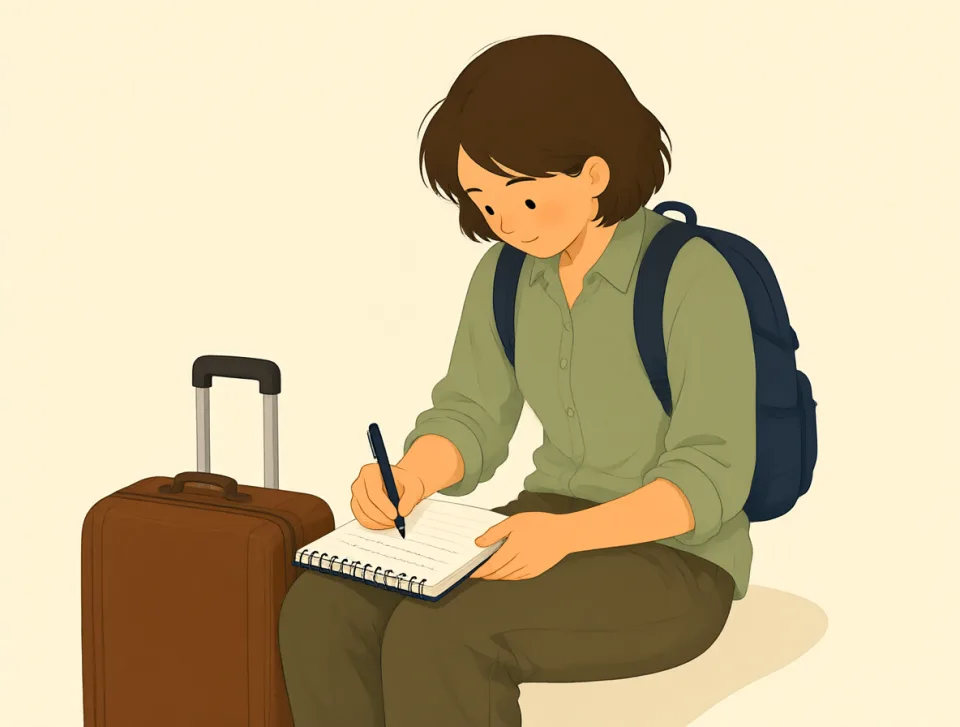
He wrote down the hotel address.
他寫下了酒店地址。
same
#122adjective, adverb, pronoun, determiner
相同的;同樣的;同一個
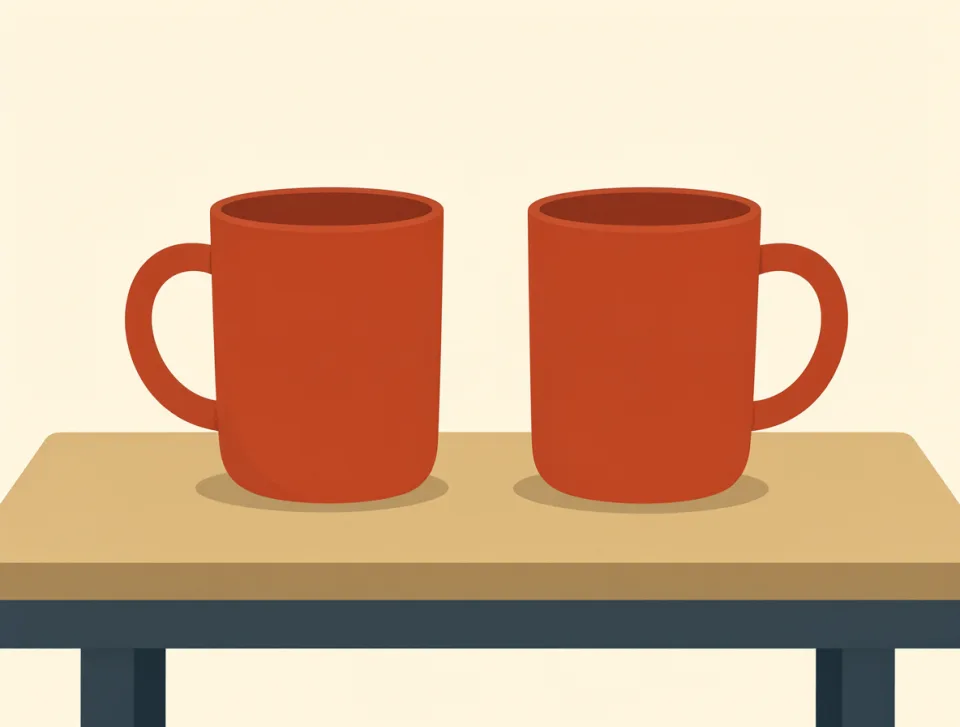
Exactly like another person or thing, or exactly that person or thing.
與另一個人或事物完全相像,或就是那個人或事物本身。
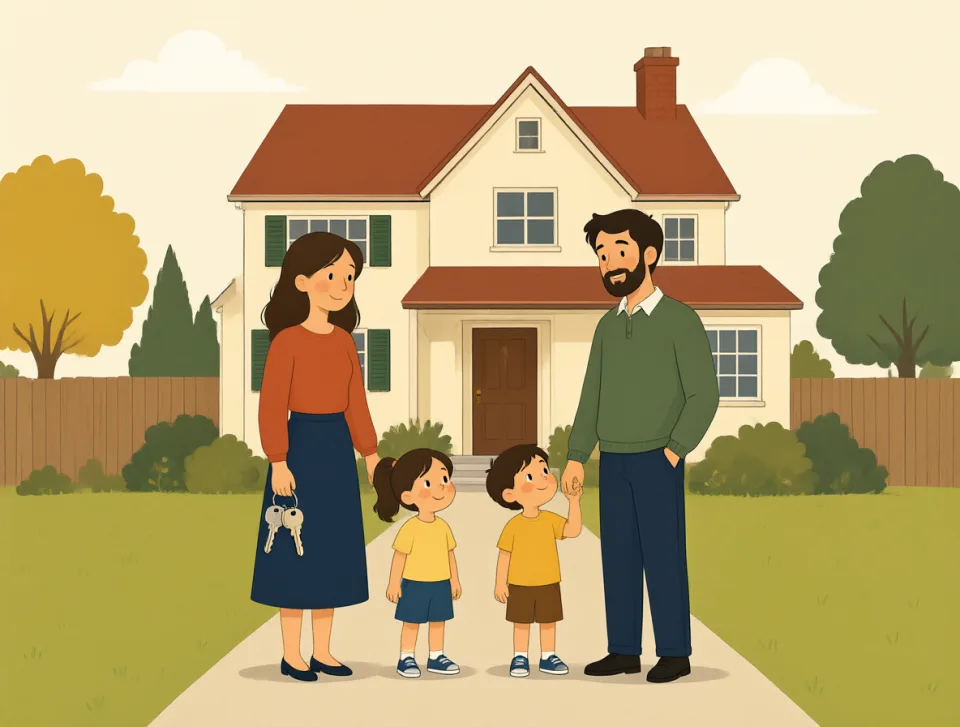
We live in the same house.
我們住在同一所房子裡。
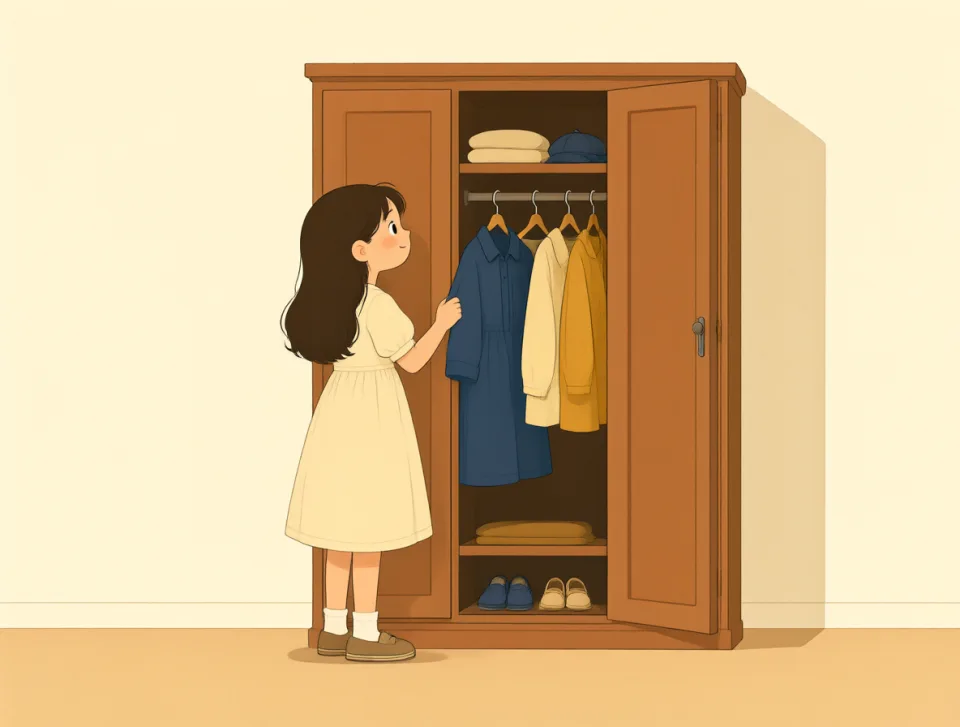
She wore the same dress yesterday.
她昨天穿的是同一條裙子。
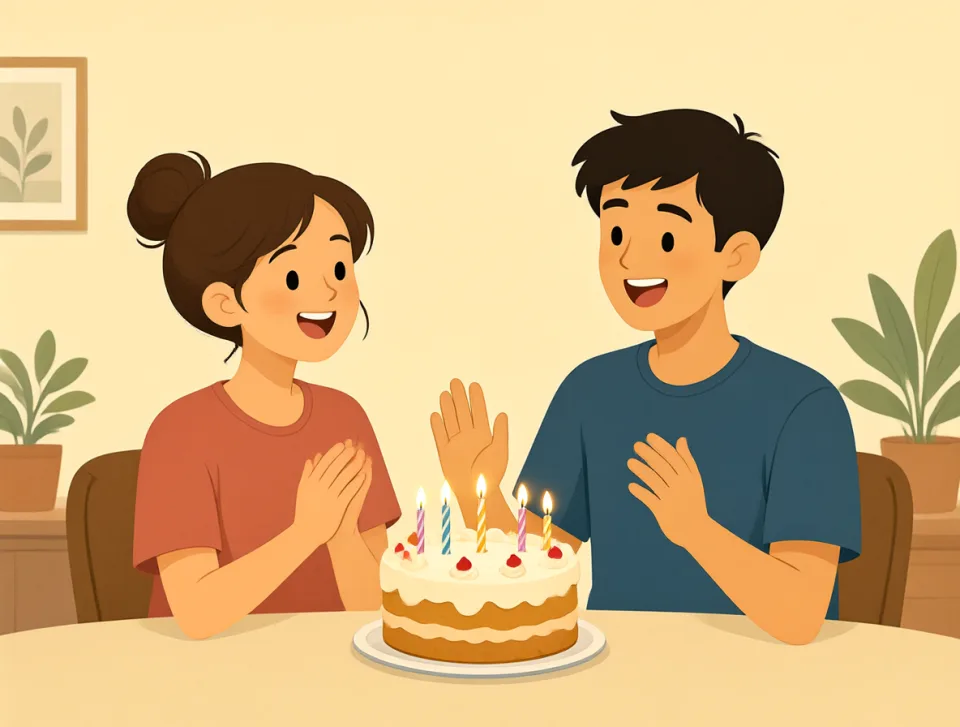
Tom and I have the same birthday.
Tom和我的生日是同一天。

Please choose the same size as mine.
請選擇和我的一樣大的尺碼。
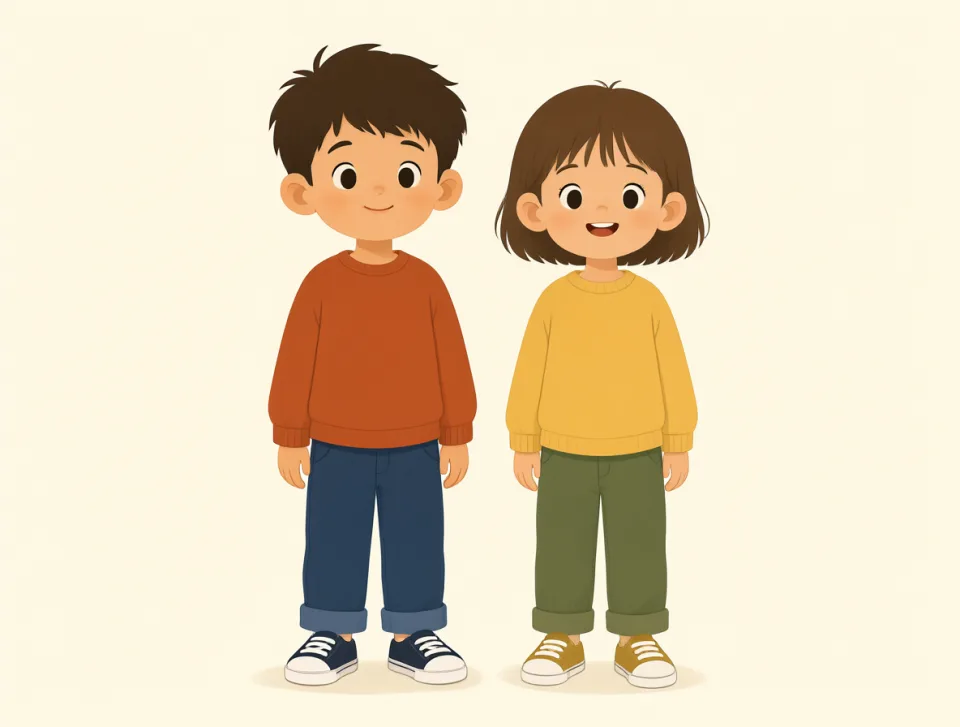
The twins look exactly the same.
這對雙胞胎長得一模一樣。
lot
#123noun, determiner, adverb
許多;大量;地塊;很
A large amount or number of something.
大量或許多某種東西。
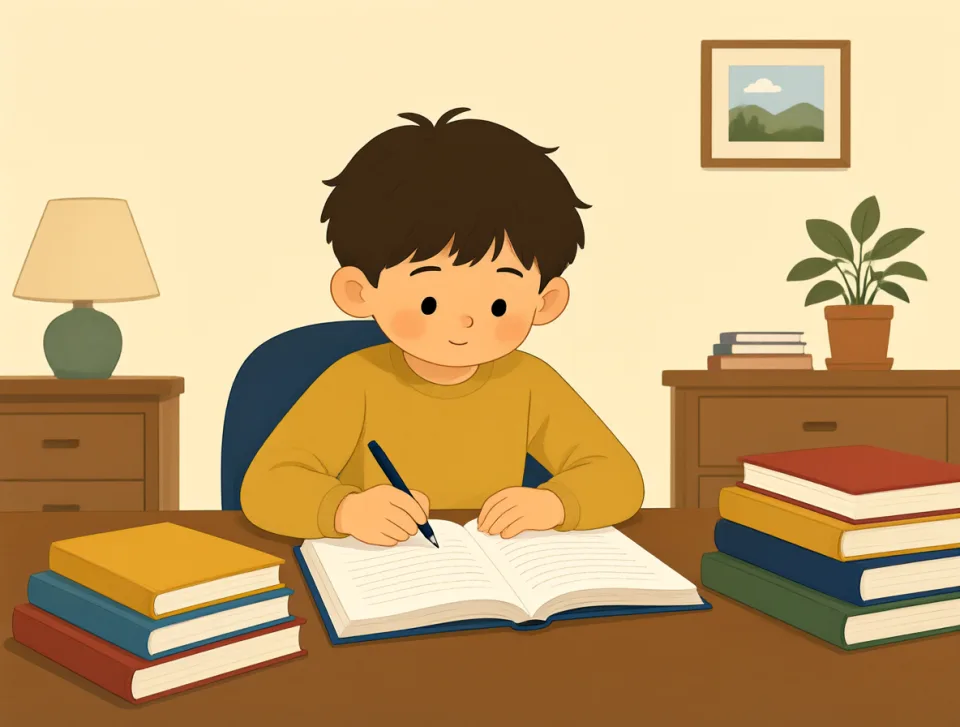
I have a lot of homework tonight.
我今晚有很多作業。
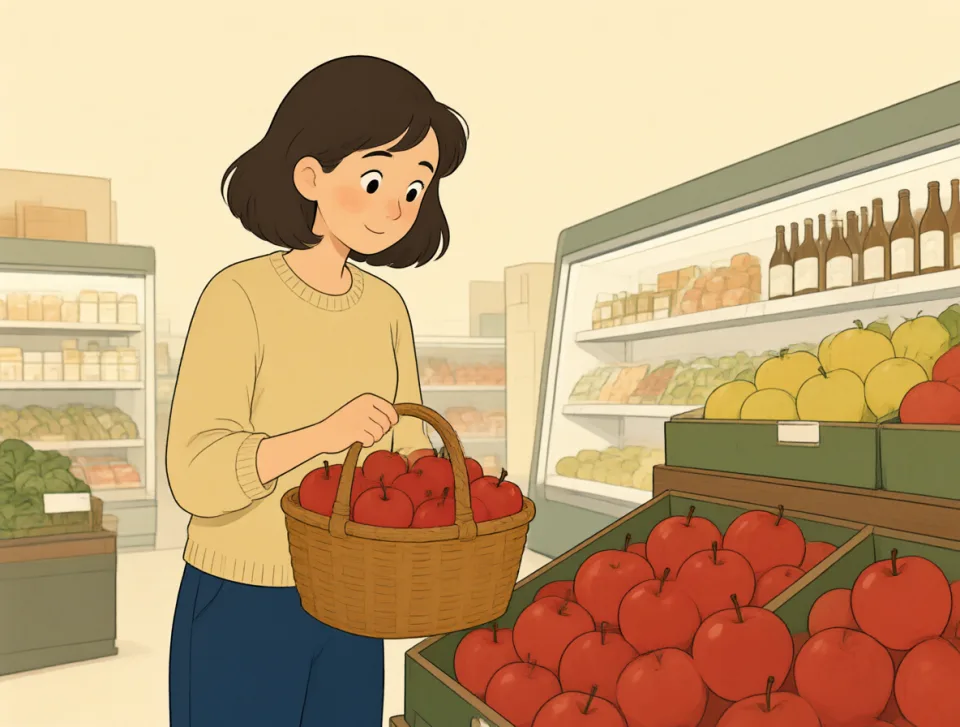
There are lots of apples in the basket.
籃子裡有很多蘋果。

She spends a lot of time reading.
她花很多時間閱讀。
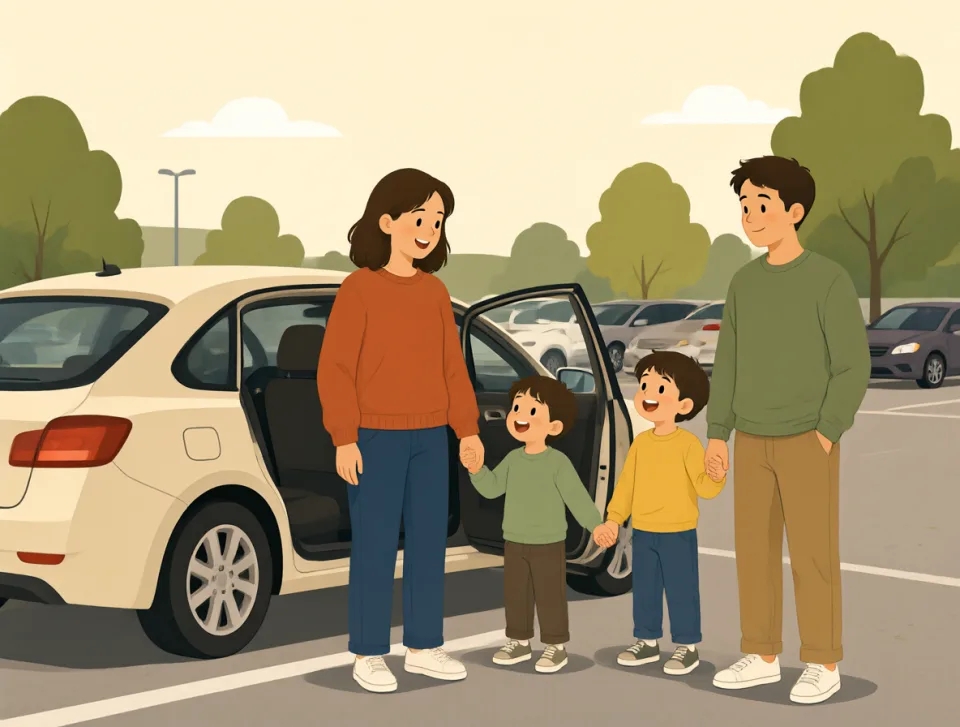
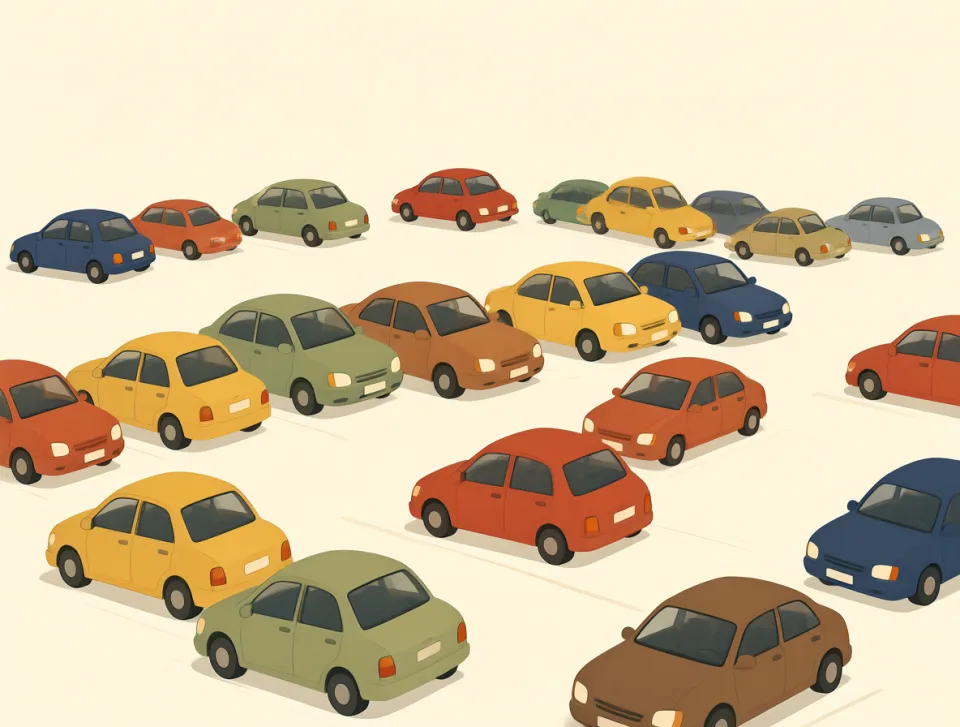
We parked the car in the parking lot.
我們把車停在停車場。

I like this song a lot.
我很喜歡這首歌。

great
#124adjective
好的;棒的;重要的
Very good, enjoyable, or important.
非常好、令人愉快或重要的。

We had a great time at the party.
我們在聚會上玩得很開心。
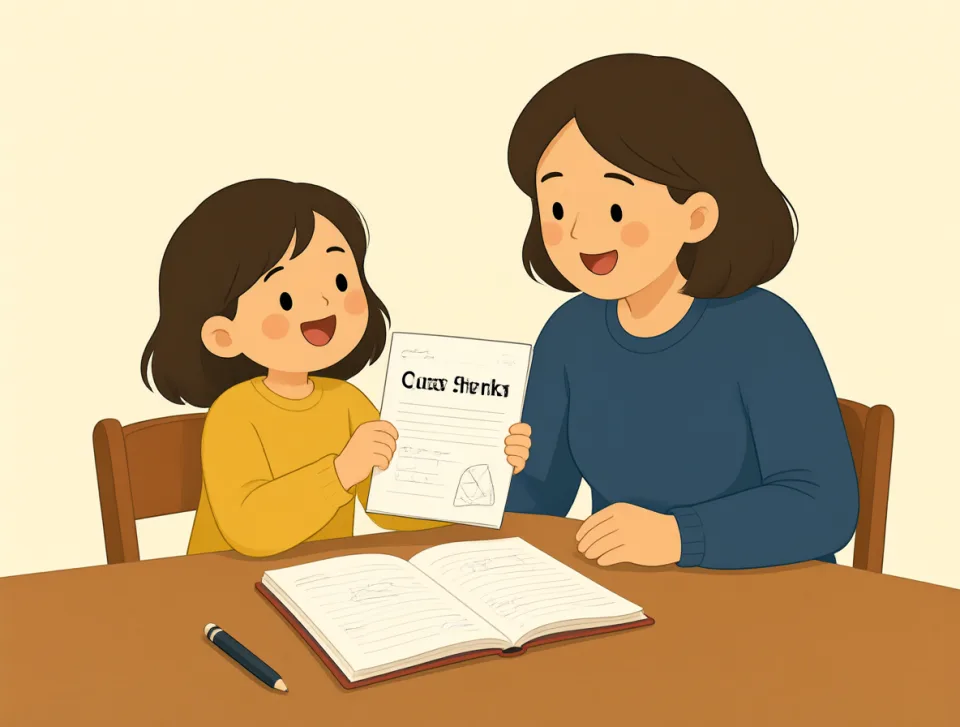
She did a great job on her homework.
她的家庭作業做得很好。
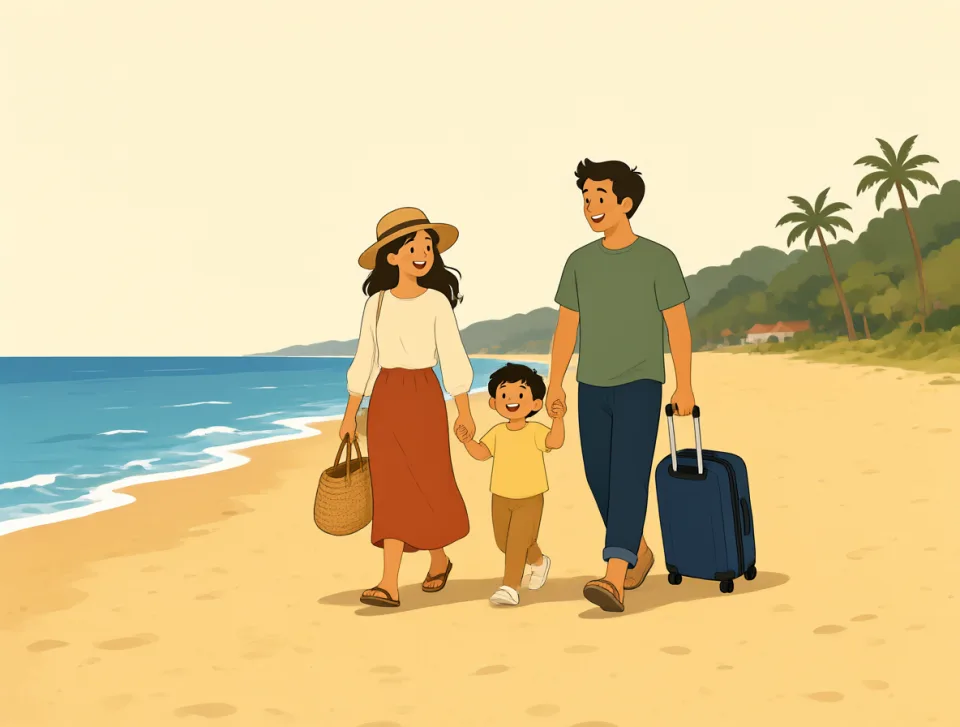
The weather was great for our trip.
天氣非常適合我們這次旅行。
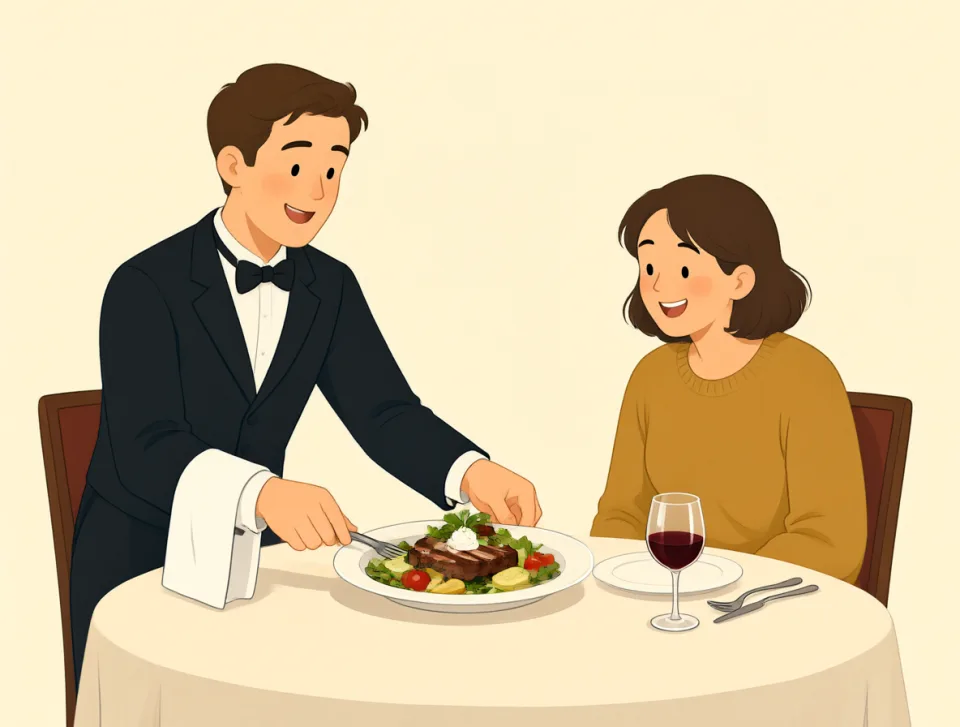
This restaurant serves great food.
這家餐廳供應美味的食物。
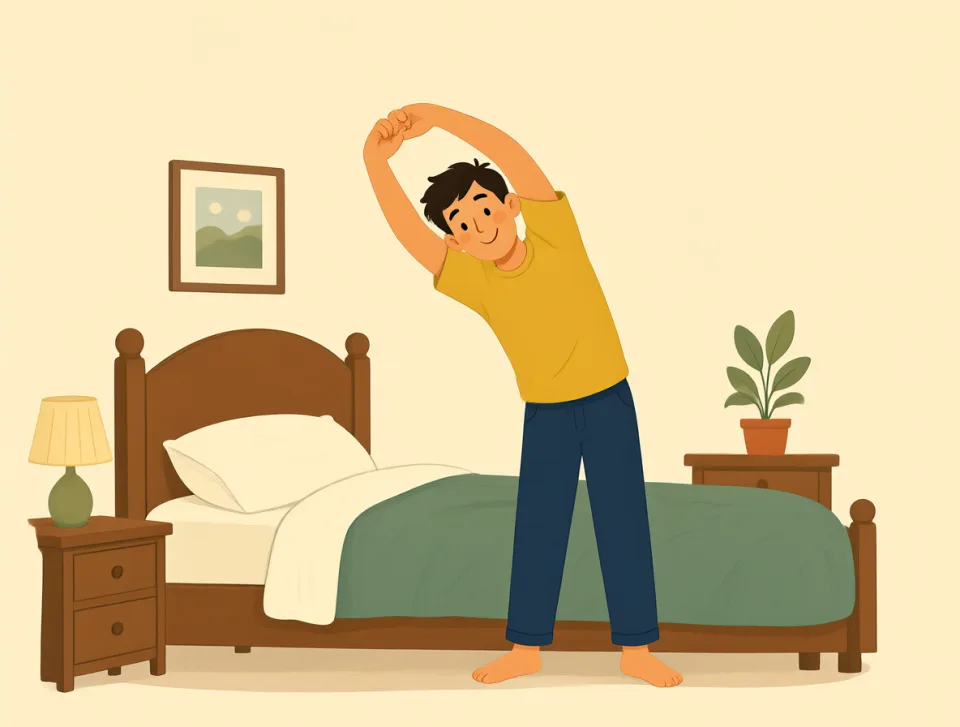
He felt great after a good night's sleep.
睡了個好覺後,他感覺很棒。
try
#125verb, noun
嘗試;試用;試穿;嘗試做某事
To do something to see if it works or to make something happen.
做某事,看看是否有效,或努力促成某事。
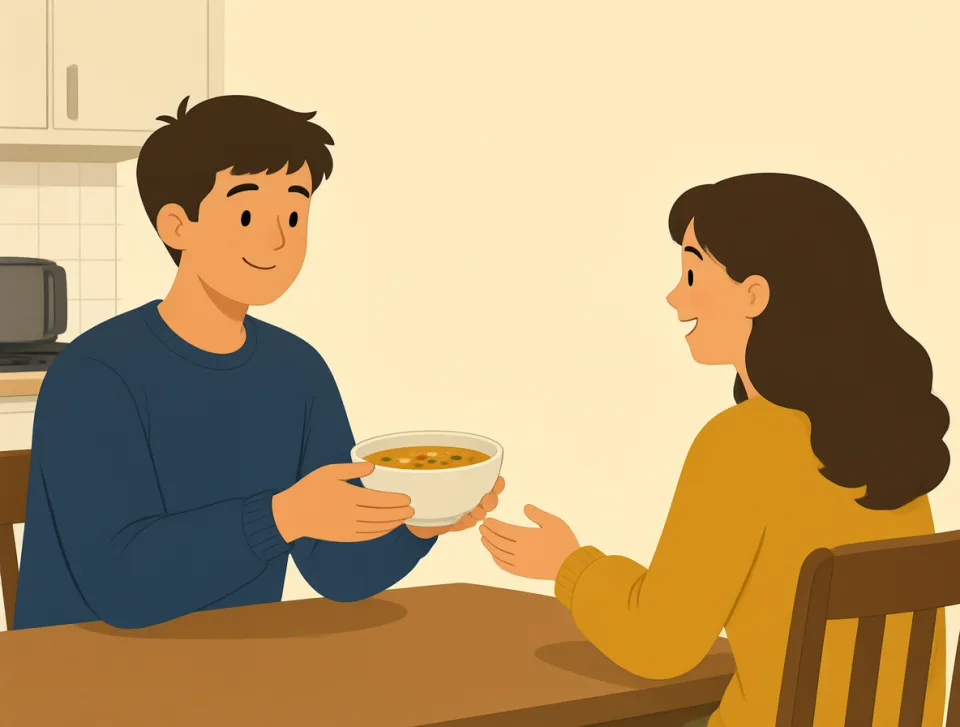
Try this soup; it tastes really good.
嚐嚐這湯,味道真的很好。
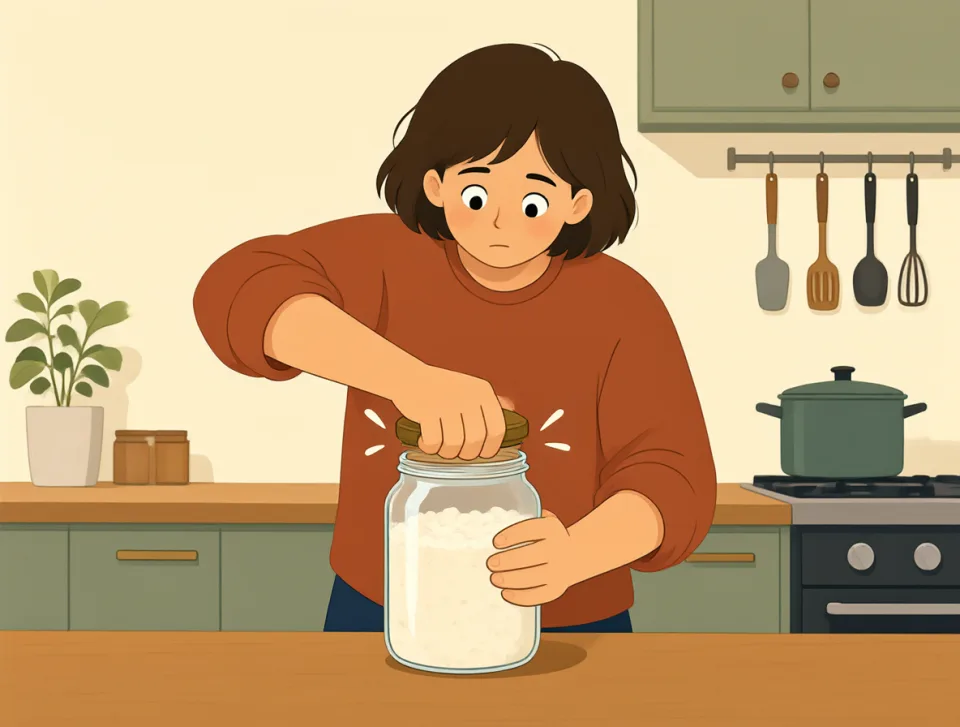
I tried to open the jar.
我試著開啟這個罐子。

Please try again tomorrow.
請明天再試一次。
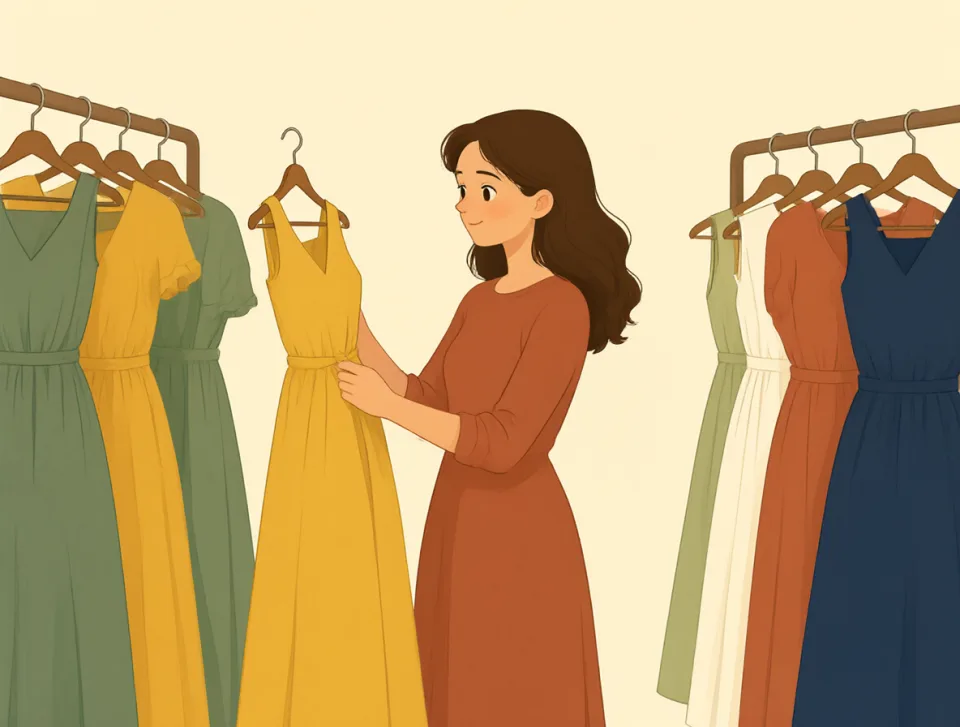
She tried on three dresses.
她試穿了三條裙子。
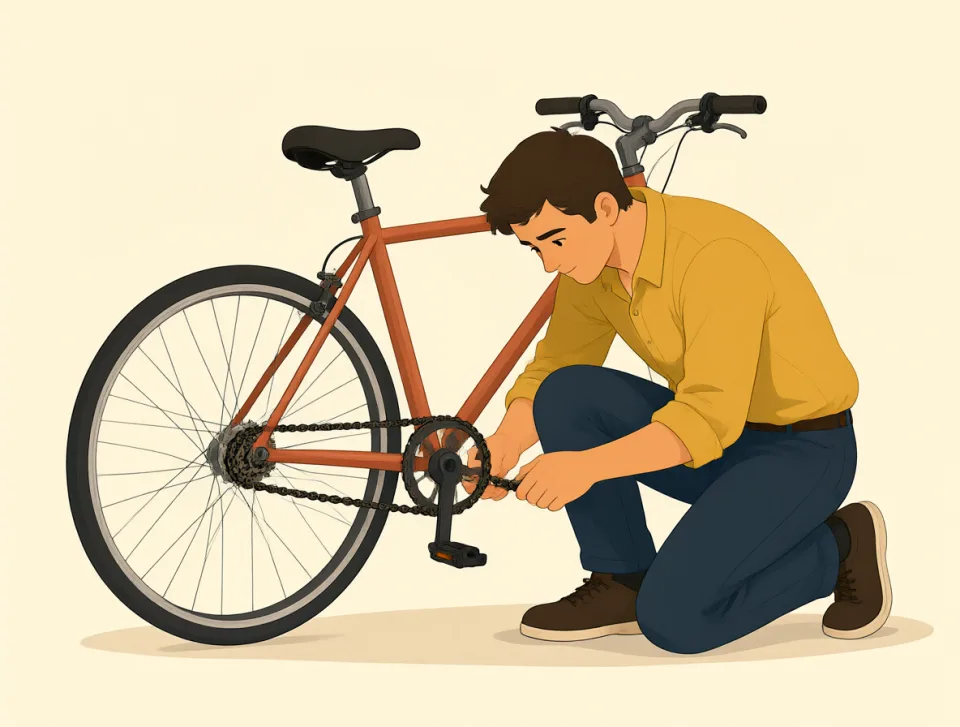
He made a try at fixing the bike.
他試著修了修腳踏車。
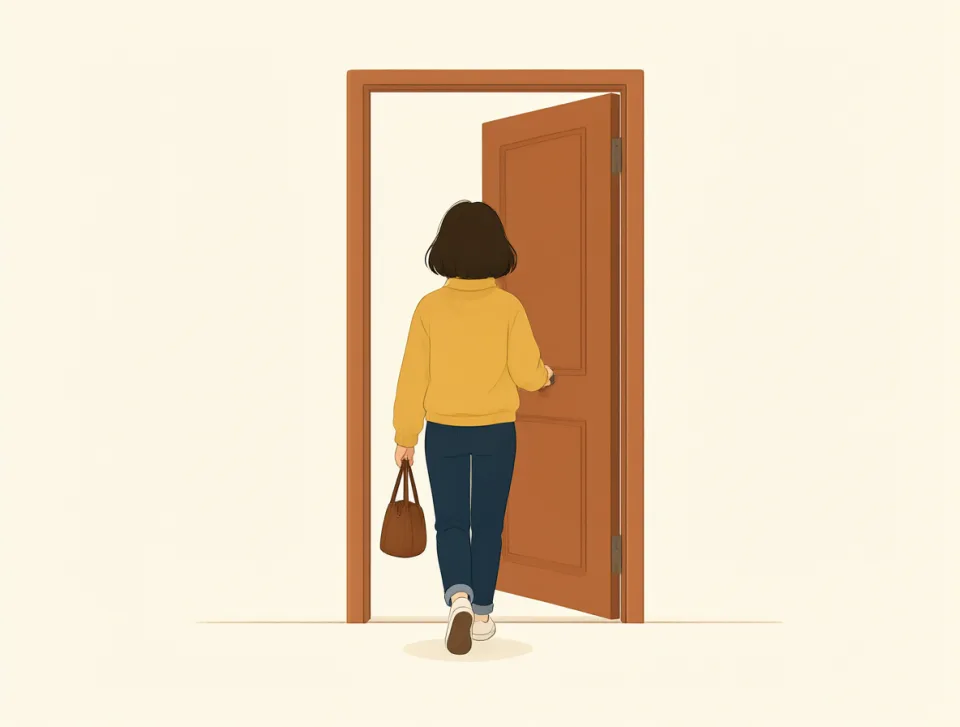
leave
#126verb, noun
離開;留下;讓……處於某種狀態
to go away from a place or person, or to let someone go
從某個地方或某個人身邊離開,或讓某人離開
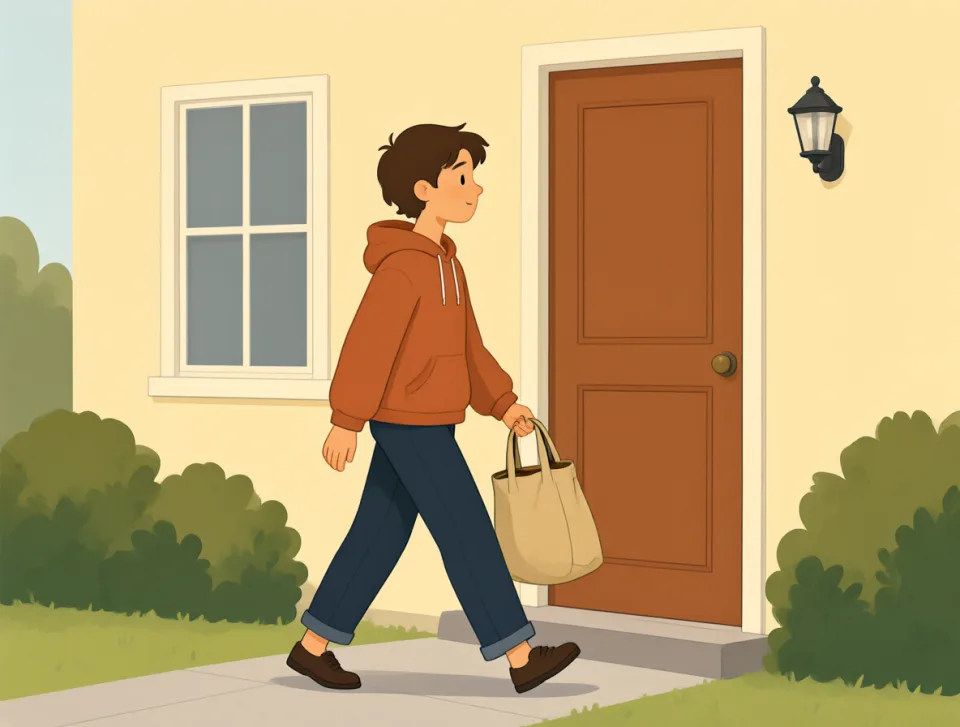
I leave home at seven every morning.
我每天早上七點離開家。
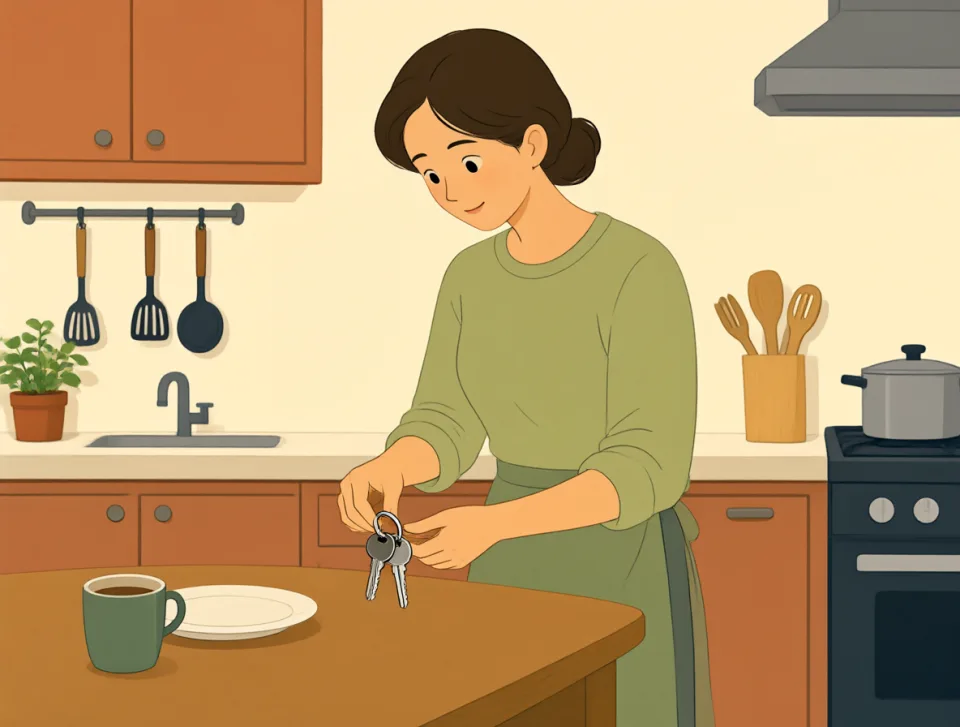
She left her keys on the kitchen table.
她把鑰匙落在了廚房的桌子上。
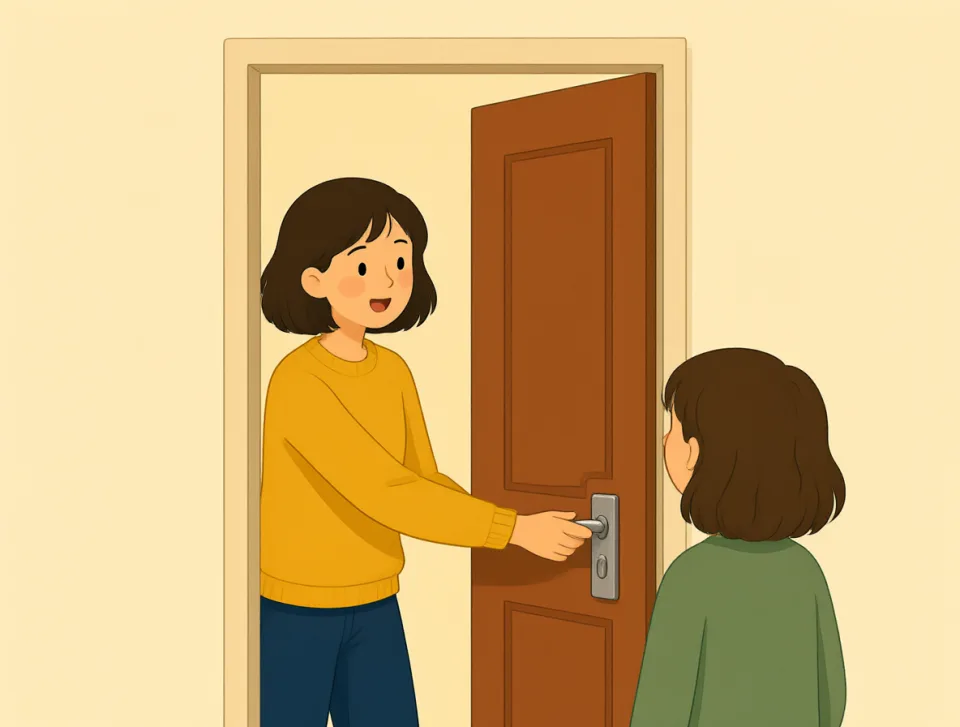
Please leave the door open.
請讓門開著。
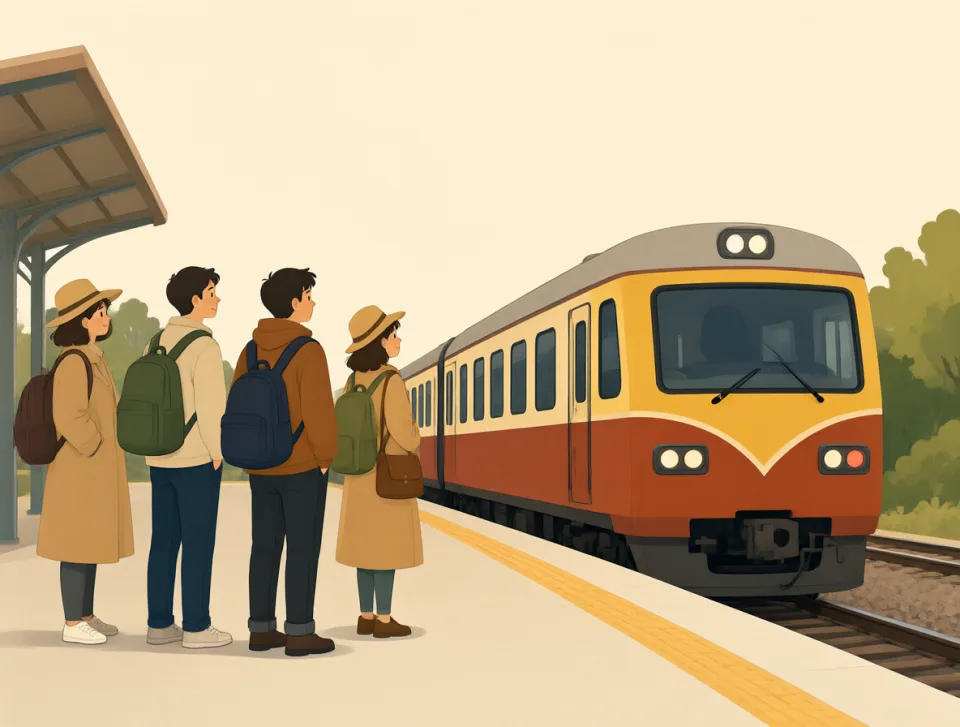
Our train leaves at six o'clock.
我們的火車六點出發。
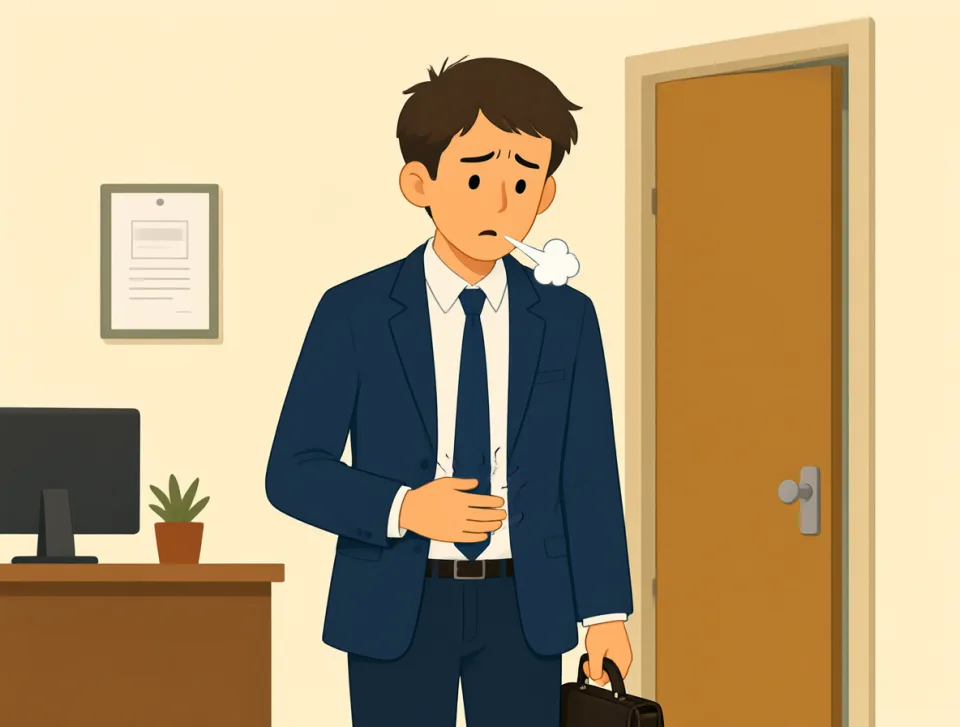
He left work early because he felt sick.
他感到不舒服,所以提前下班了。
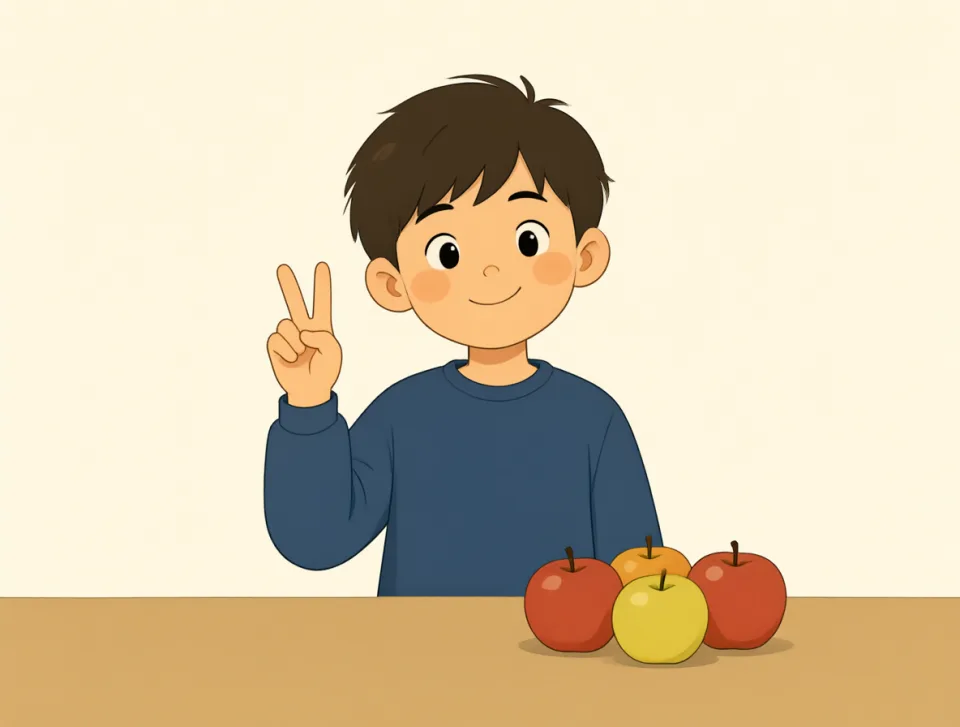
number
#127noun, verb
號碼;數量;編號;編號排列
A word or symbol that shows how many people or things there are.
表示有多少人或事物的詞或符號。
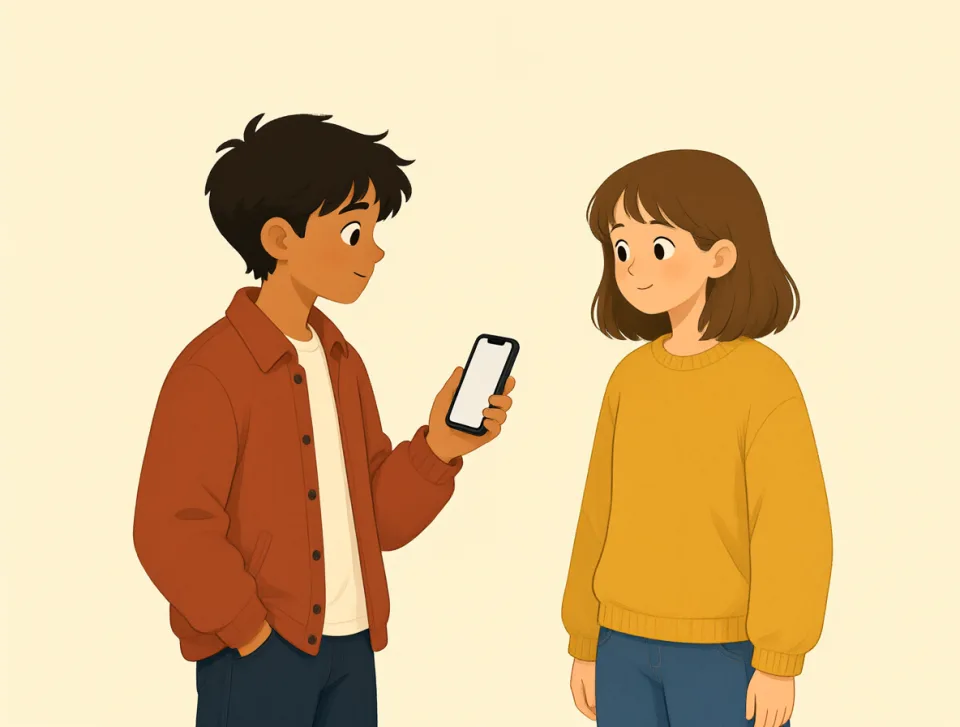
What is your phone number?
你的電話號碼是多少?
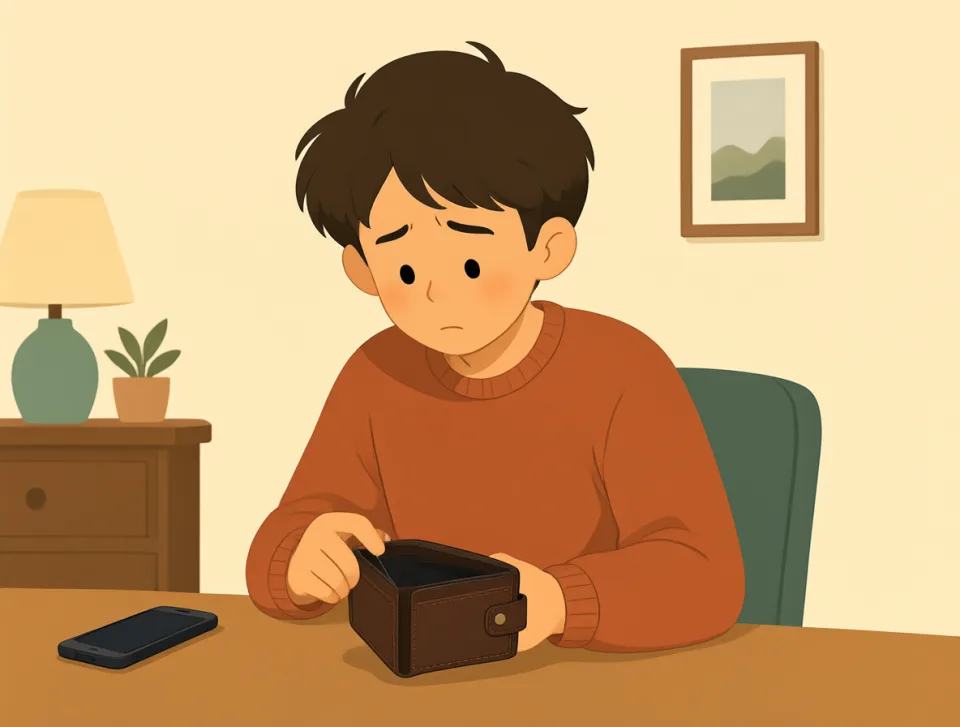
I forgot my phone number.
我忘了我的電話號碼。
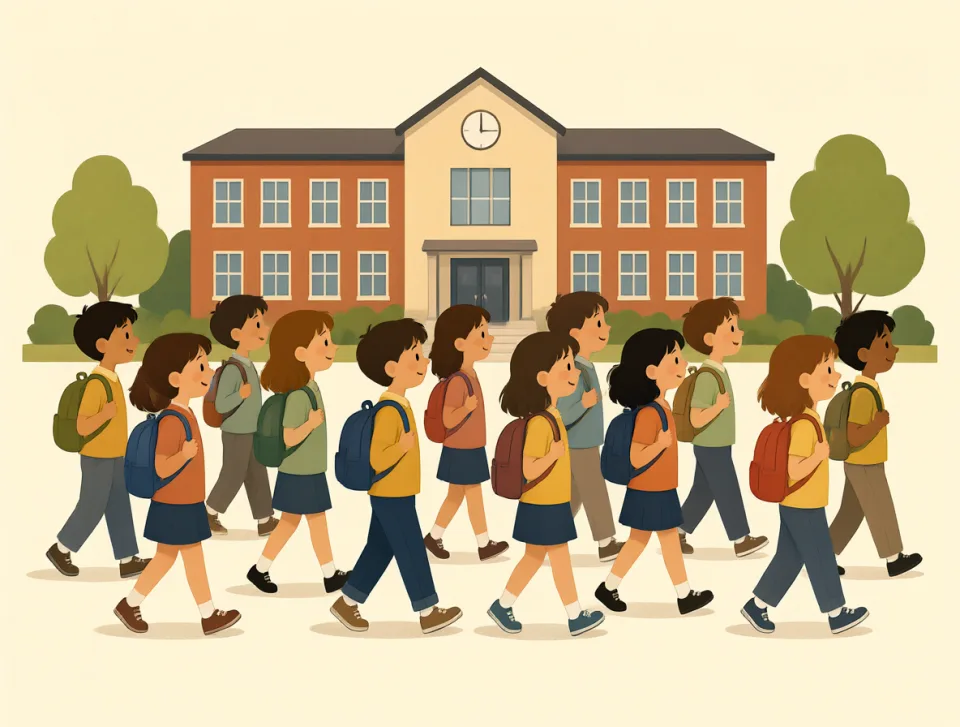
A large number of students walk to school.
有很多學生步行上學。
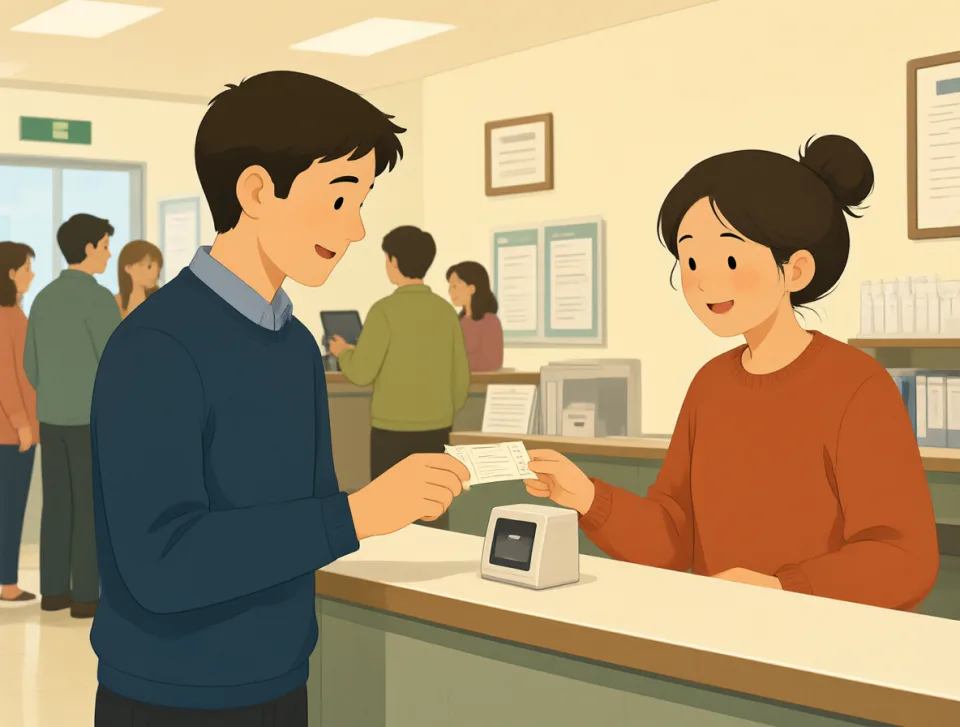
Please take a number and wait here.
請取號,然後在這裡等候。
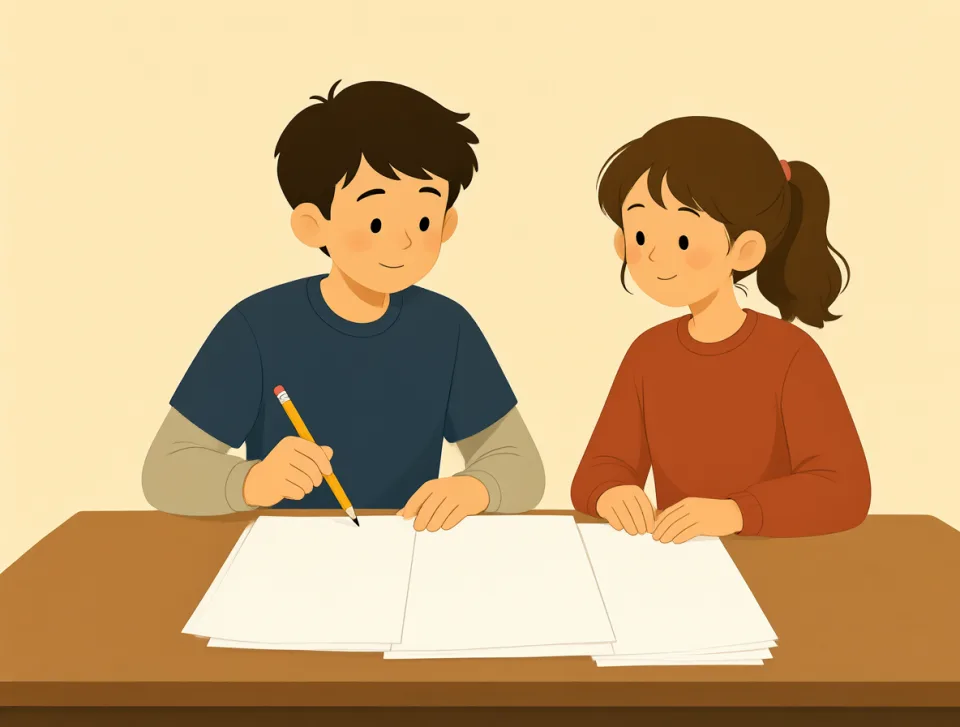
Can you number these pages for me?
你能幫我給這些頁面編號嗎?
both
#128determiner, pronoun
兩個;兩者都
The two people or things together.
兩個(人或事物)一起
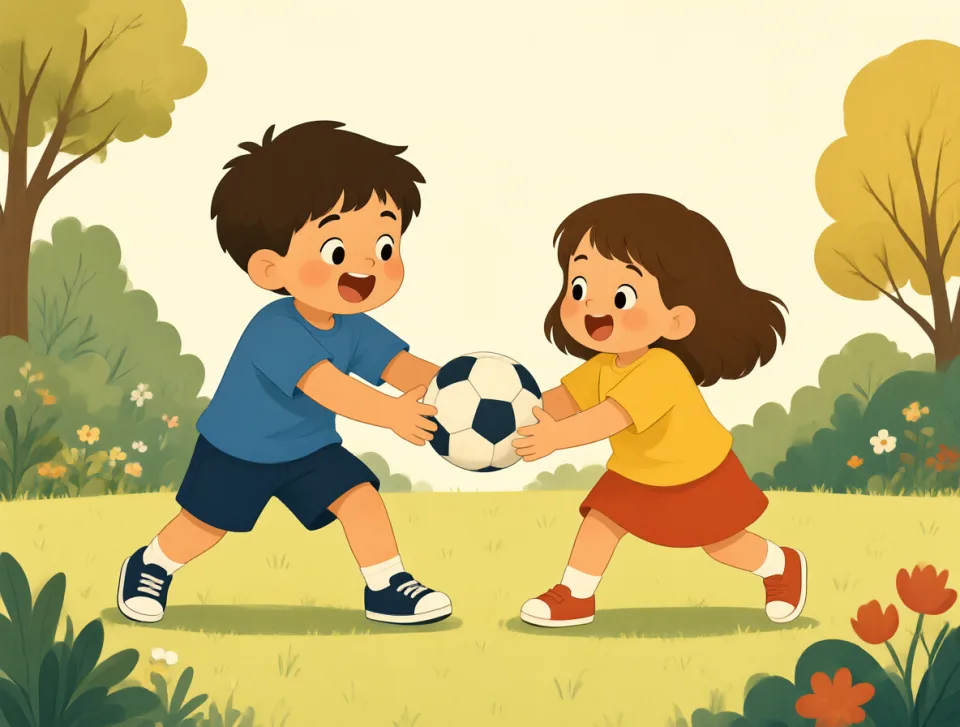
Both children are playing in the garden.
兩個孩子都在花園裡玩。

Both of my parents work at home.
我的父母都在家工作。

We both like pizza for dinner.
我們倆晚餐都喜歡吃披薩。
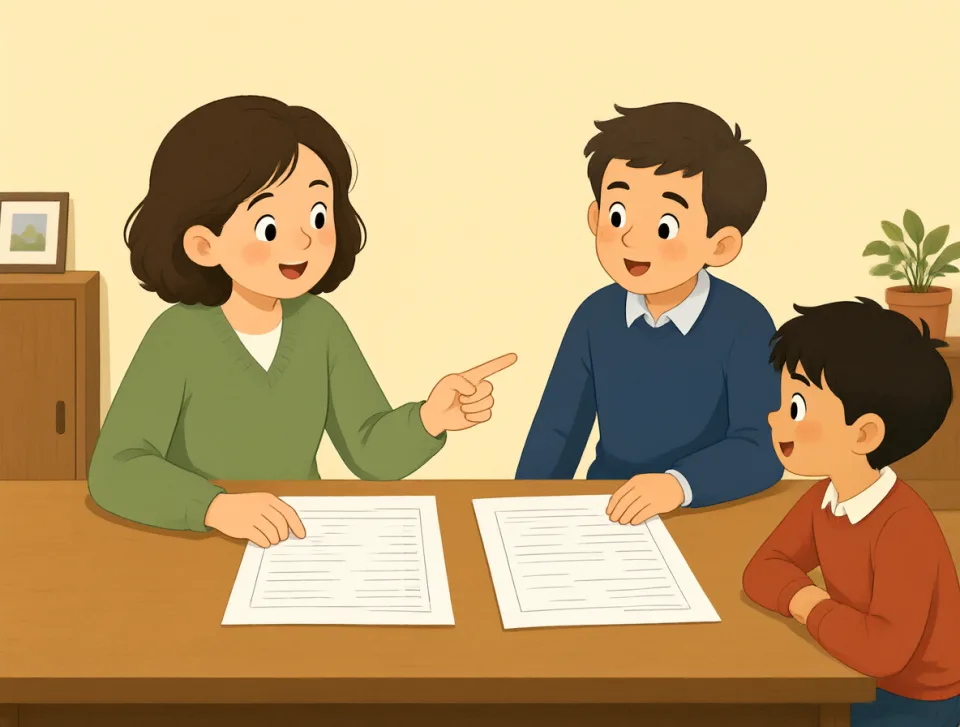
Both answers are correct.
兩個答案都是正確的。
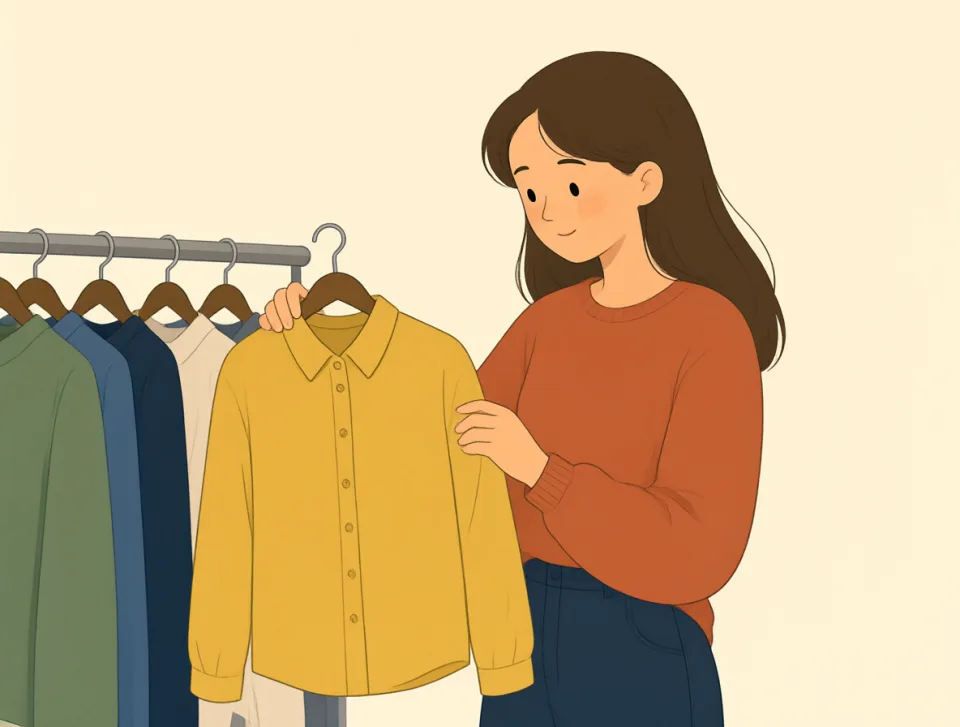
She bought both shirts at the store.
她在商店把兩件襯衫都買了。
own
#129verb, adjective, pronoun, determiner
擁有;自己的
to have something that belongs to you
擁有屬於你的東西
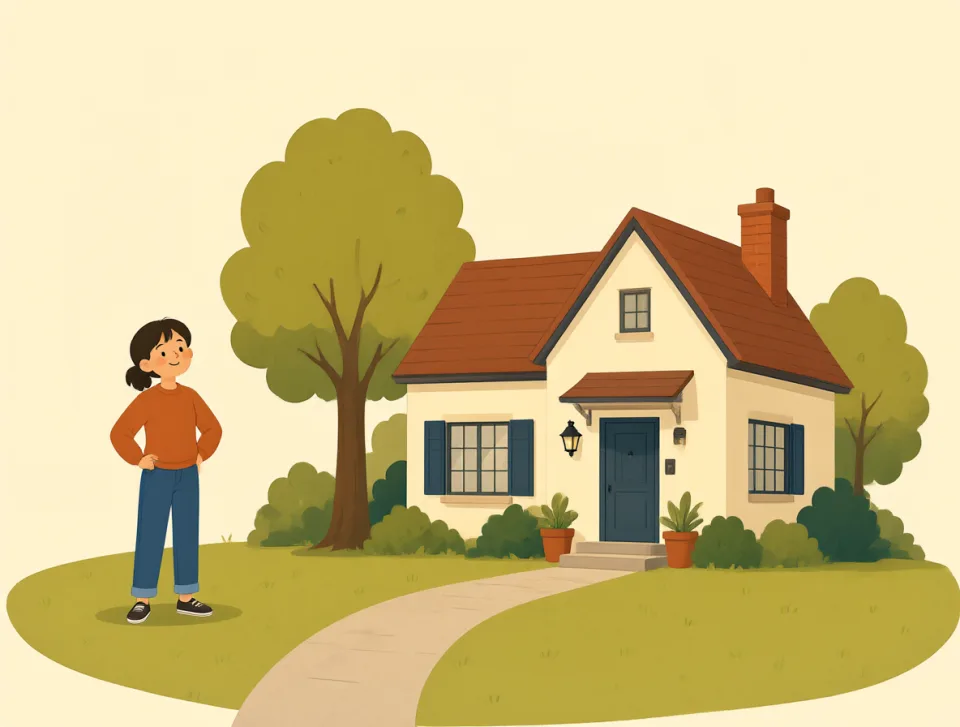
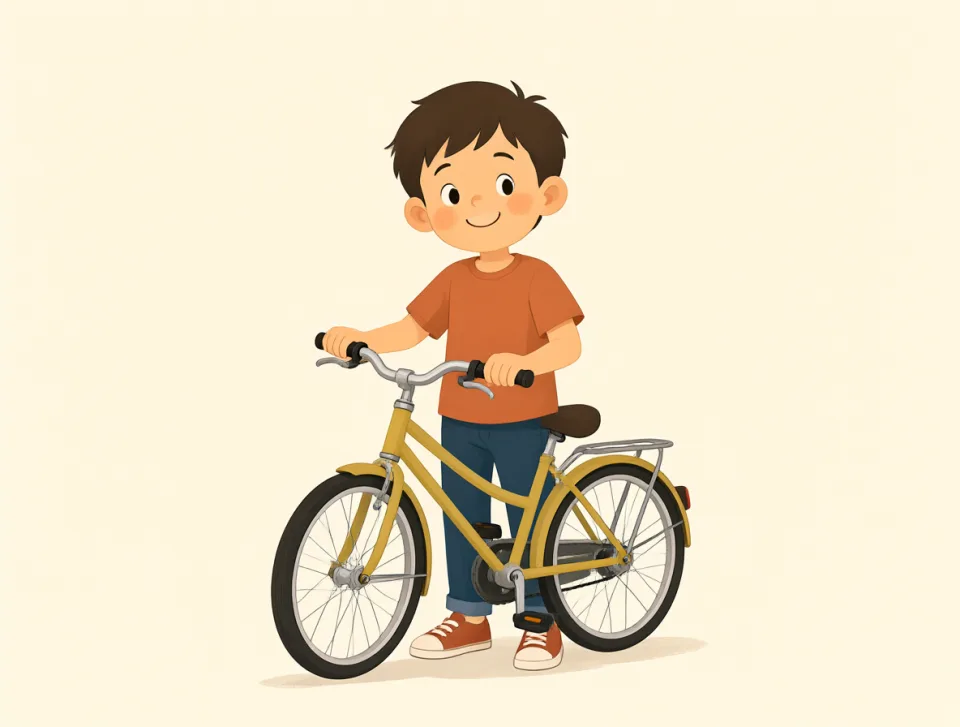
I own a small house near the park.
我在公園附近有一棟小房子。
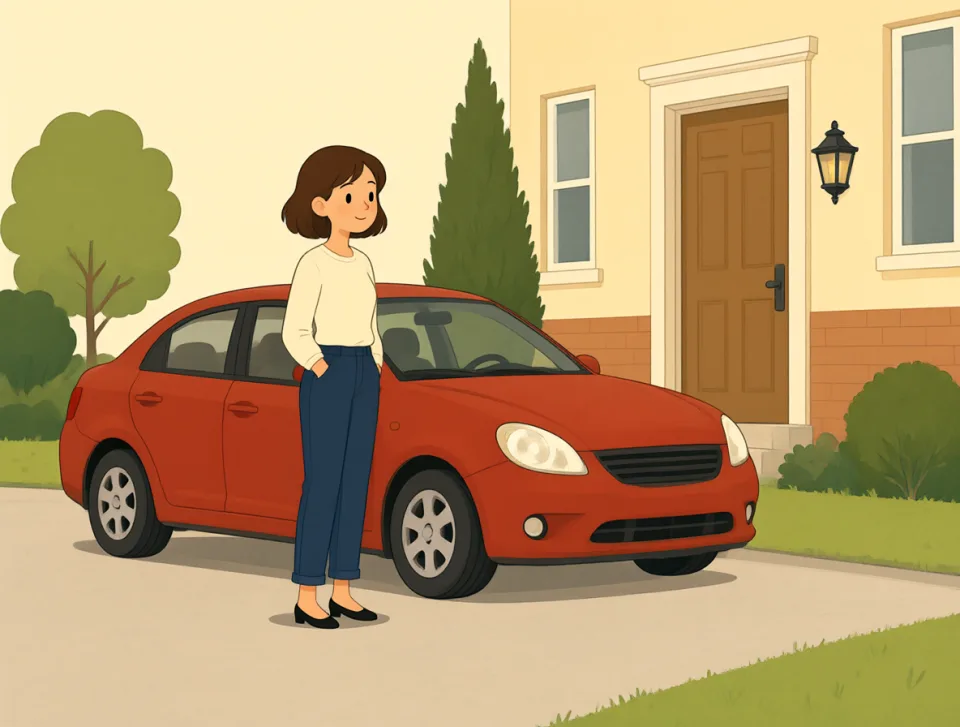
She owns a red car.
她有一輛紅色的車。
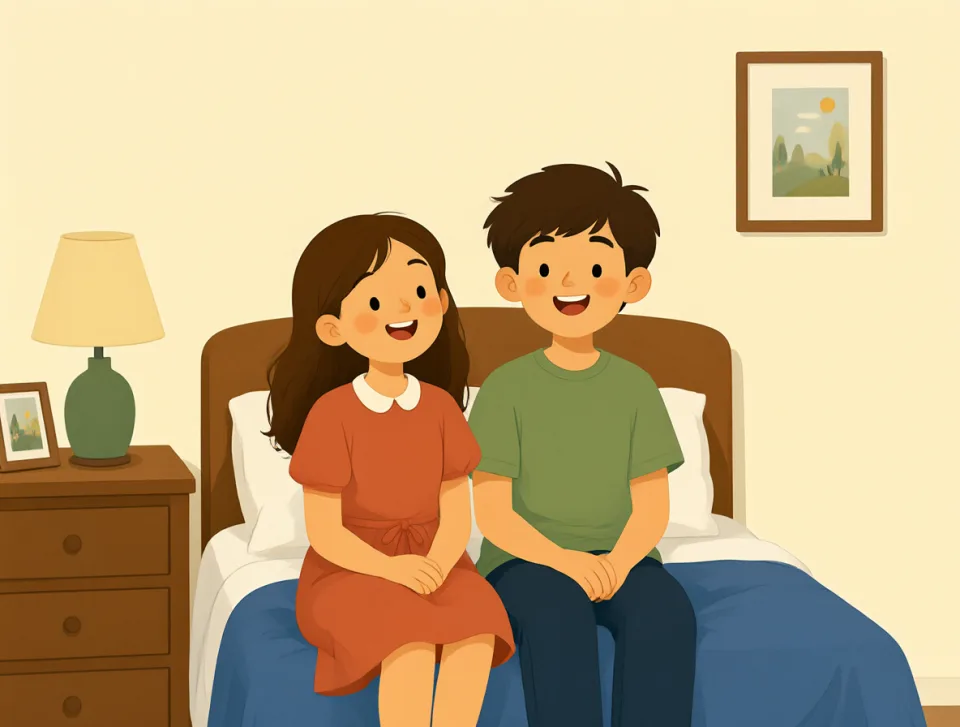
We have our own room at home.
我們在家有自己的房間。
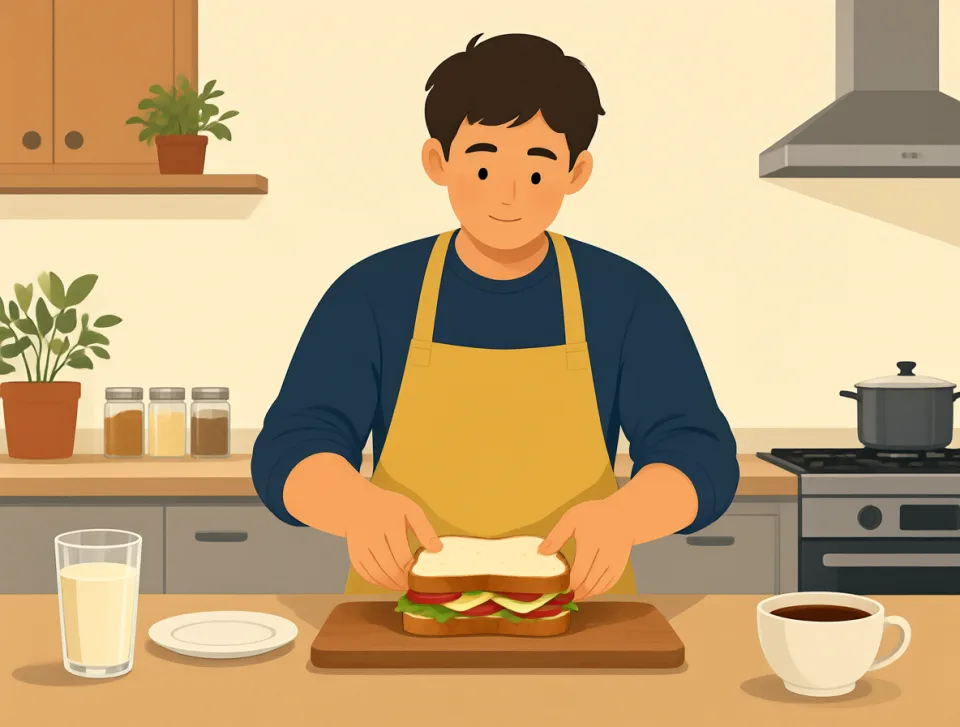
He made his own lunch today.
他今天自己做了午飯。

They opened their own shop last year.
他們去年開了自己的店。
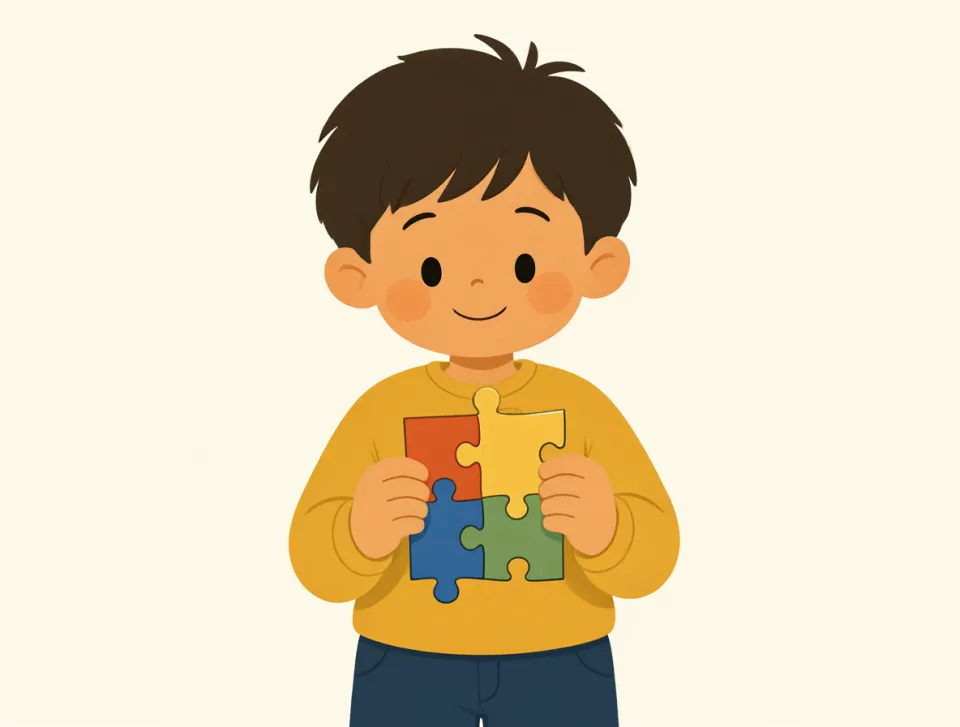
part
#130noun, verb
部分;角色;參加
A piece of something, or a role in an activity; to take part in something.
某物的一部分,或活動中的角色;參加某事。
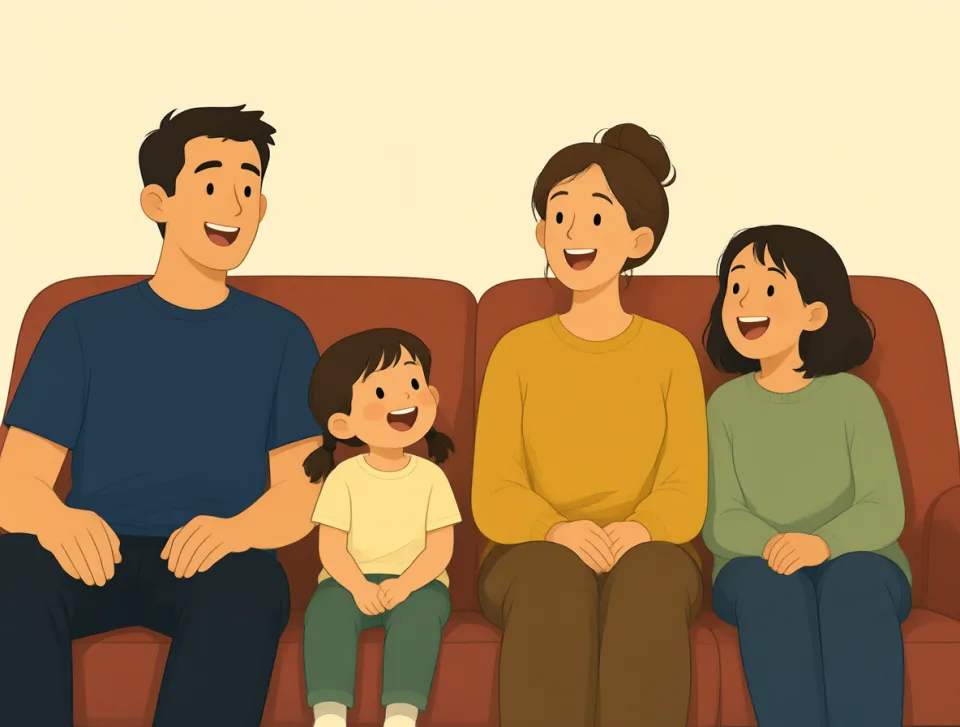
This is the best part of the movie.
這是電影中最精彩的部分。
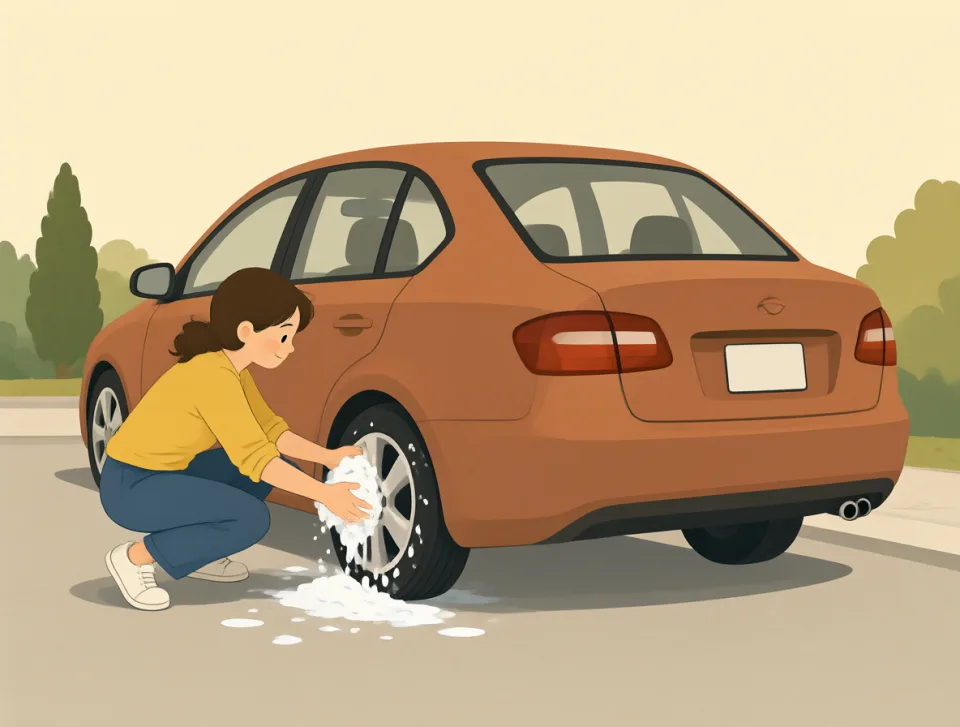
Please wash the dirty parts of the car.
請把汽車上髒的部分洗乾淨。
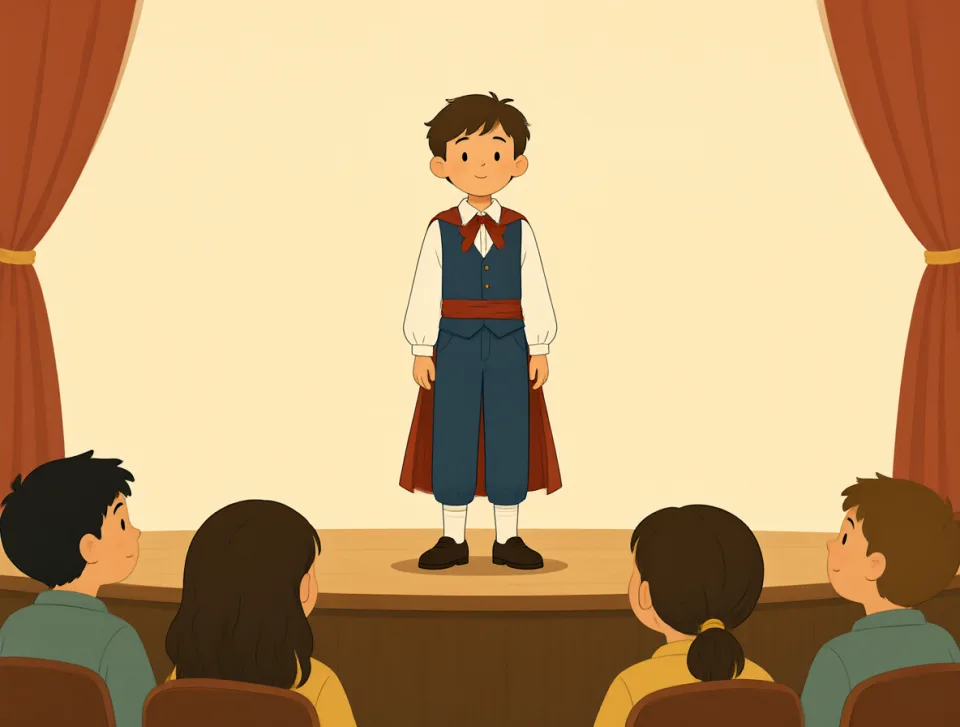
She played an important part in the school play.
她在學校的話劇中扮演了一個重要角色。
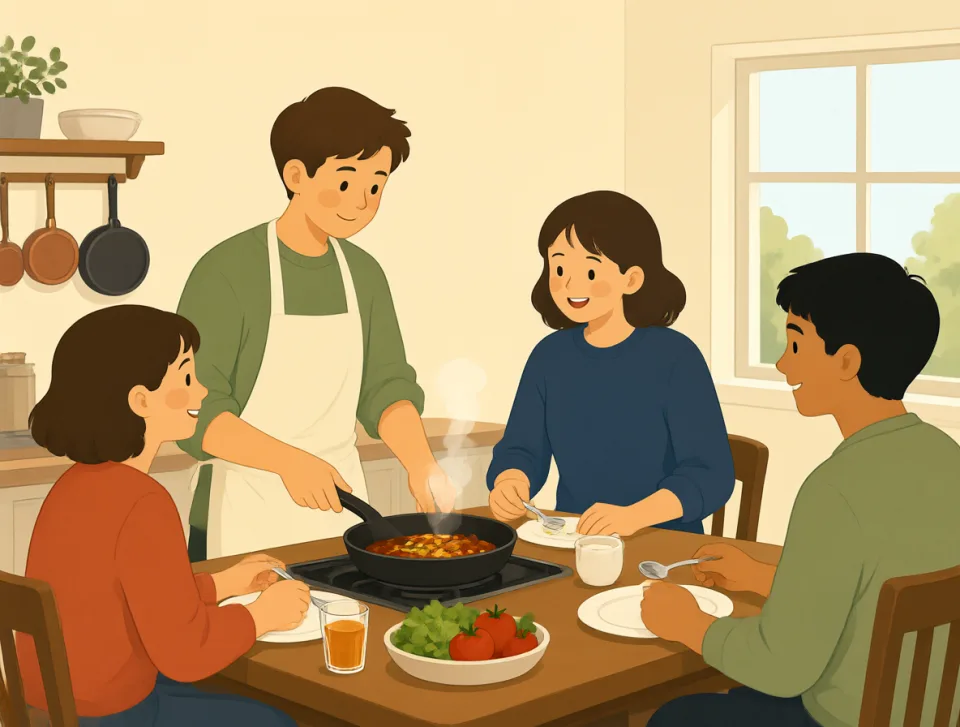
I want to take part in the cooking class.
我想參加烹飪課。

The doctor checked the painful part of my leg.
醫生檢查了我腿上疼痛的部位。
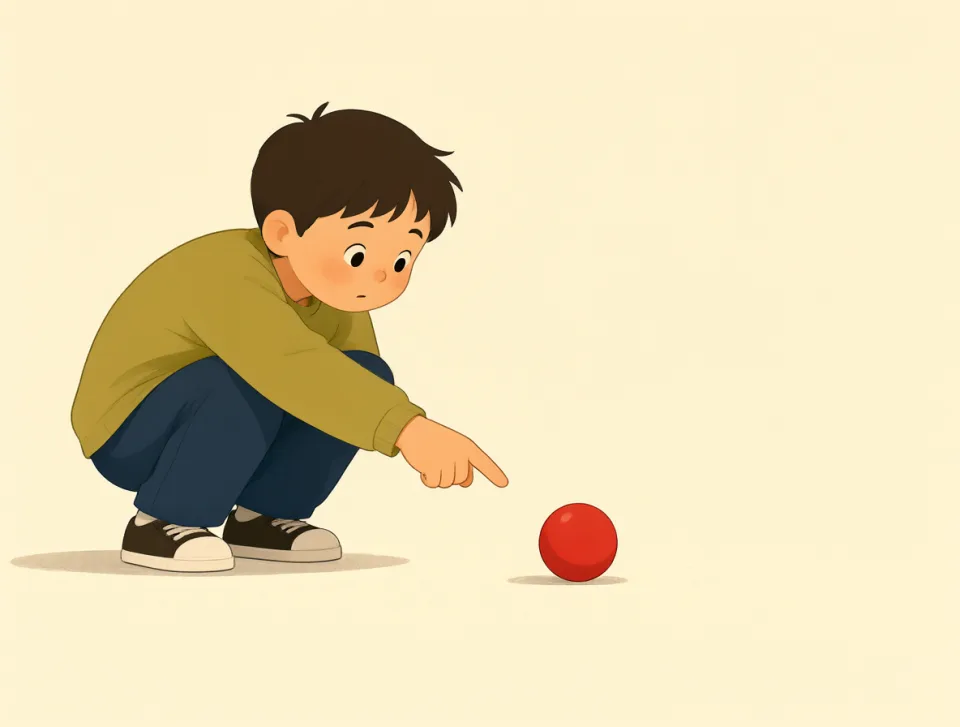
point
#131noun, verb
點;指向;觀點;意義
A sharp end, exact place, purpose, or idea; to show or direct attention.
尖端、確切的位置、目的或想法;表示或引導注意力。
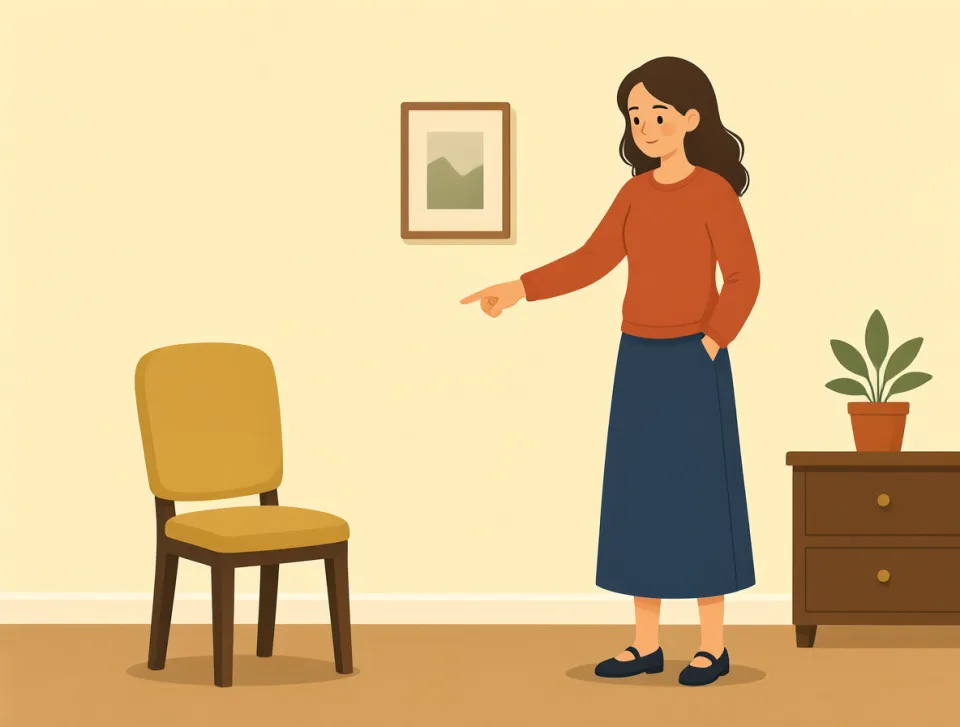
She pointed to the empty chair.
她指了指那把空椅子。

The meeting starts at this point.
會議在這個時間開始。
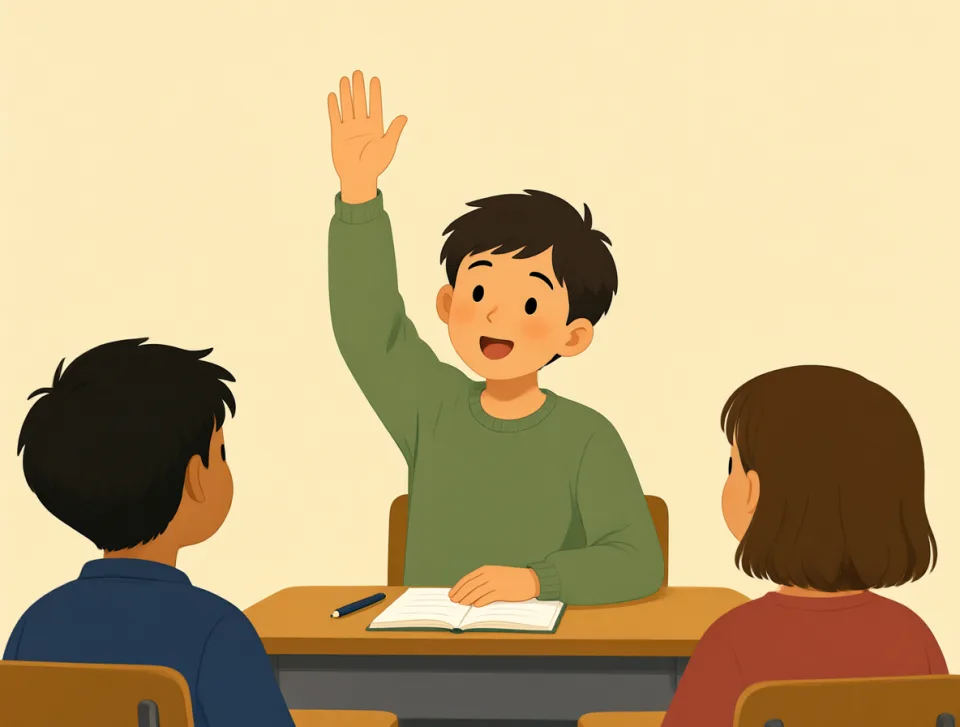
He made a good point in class.
他在課堂上提出了一個很有道理的觀點。
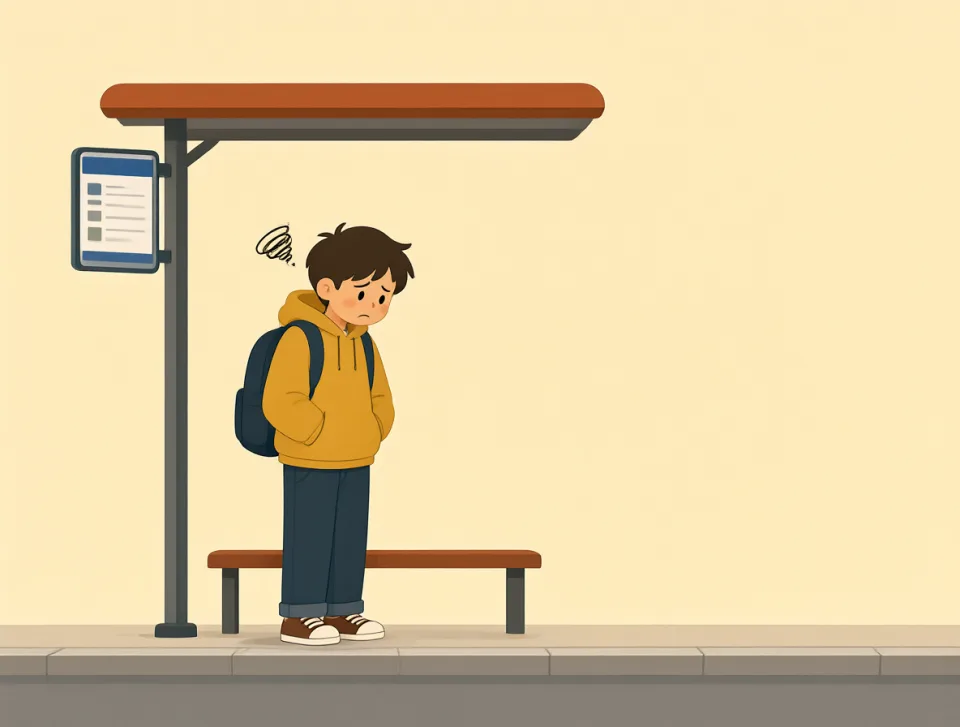
There is no point in waiting.
等下去沒有意義。
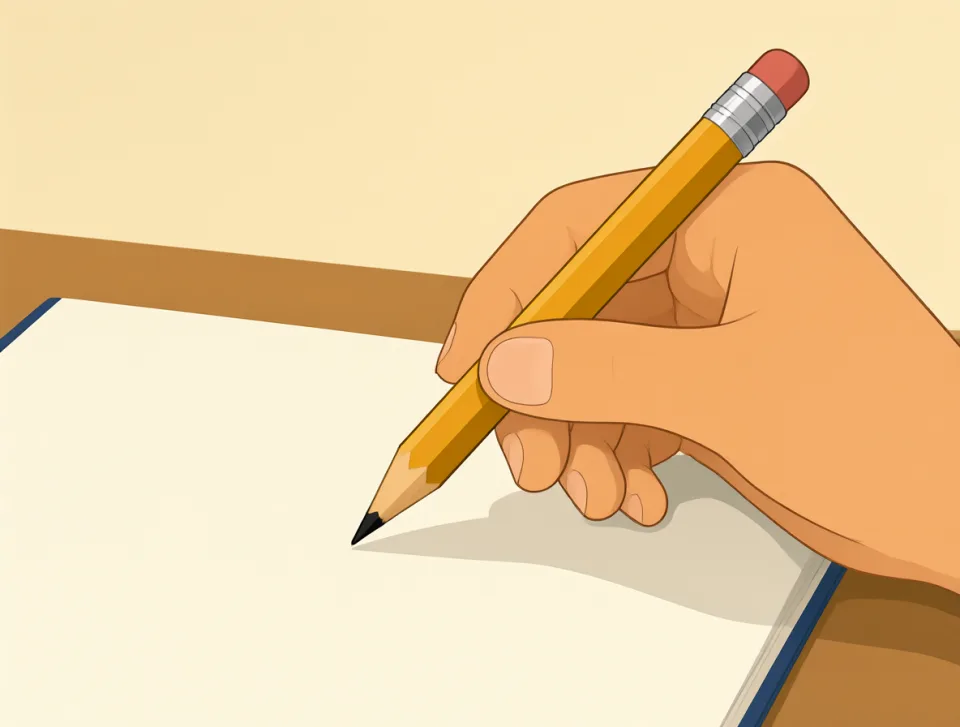
The pencil has a sharp point.
這支鉛筆的筆尖很尖。
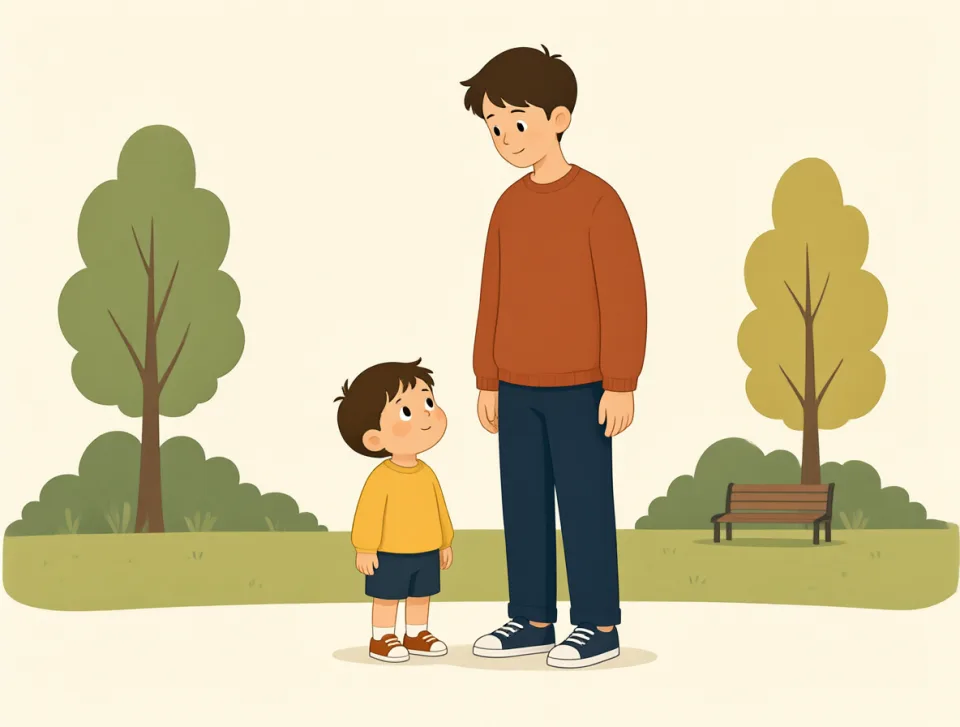
little
#132adjective, adverb, determiner, pronoun, noun
小的;少量的;一點點的
Small in size or amount; not much; to a small degree.
大小或數量小的;不多的;程度較小的。
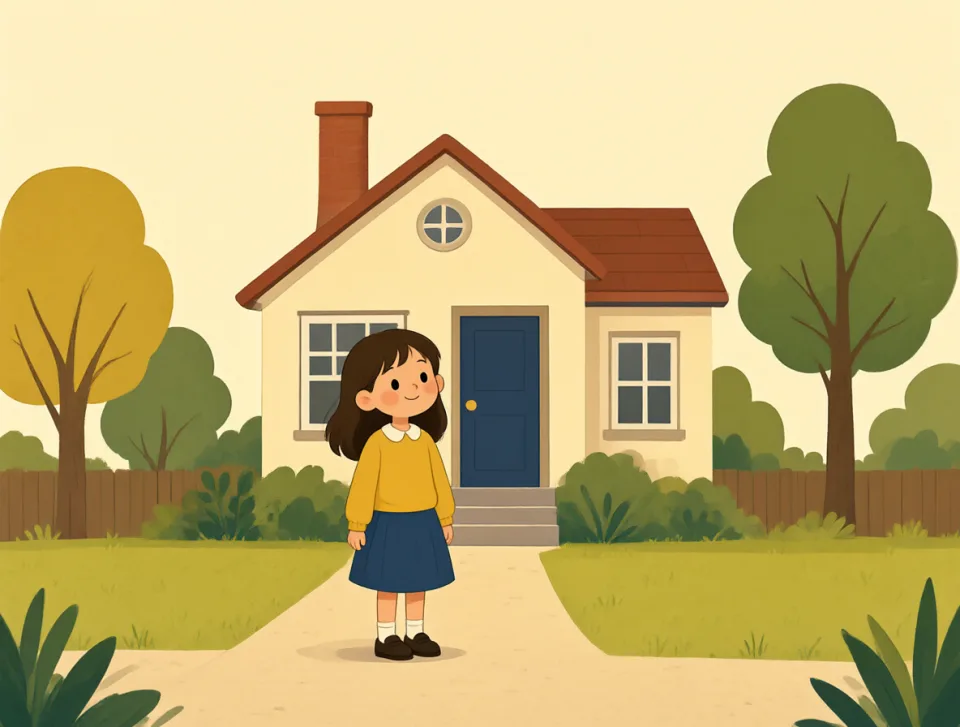
She lives in a little house near school.
她住在學校附近的一所小房子裡。
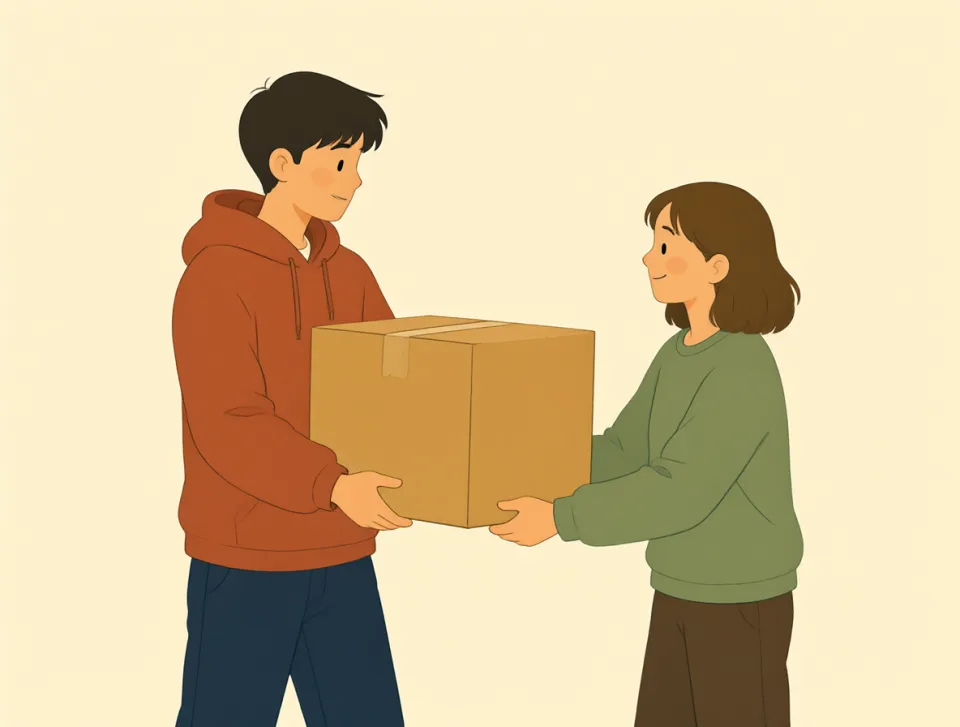
I need a little help with this box.
這個箱子我需要一點幫助。

The baby is a little tired today.
寶寶今天有點累。
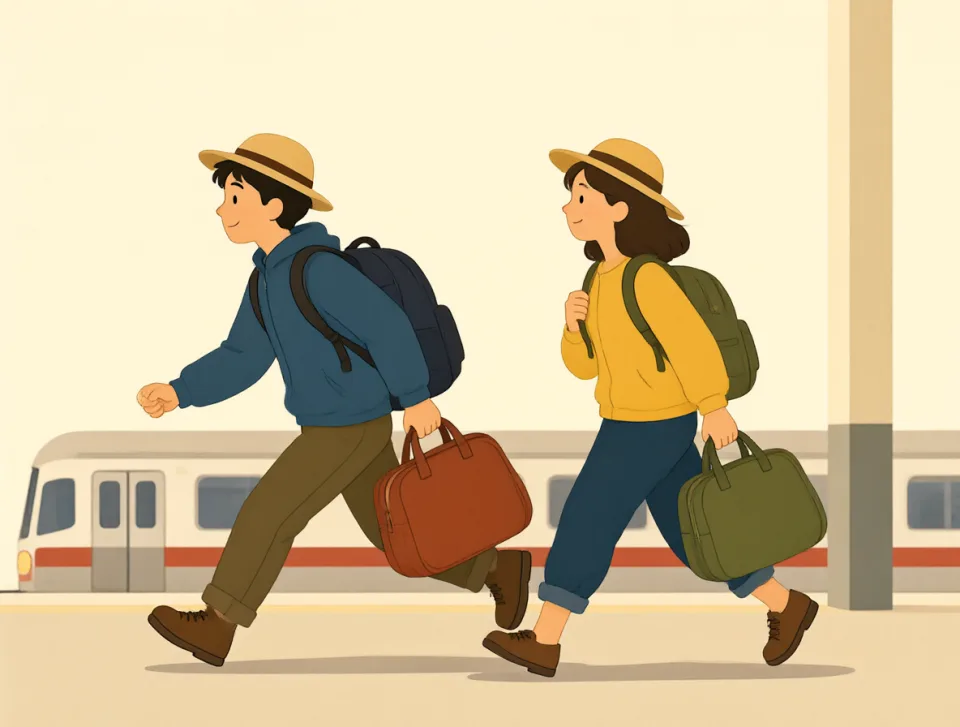
We have very little time before the train.
離火車開還有很少時間。
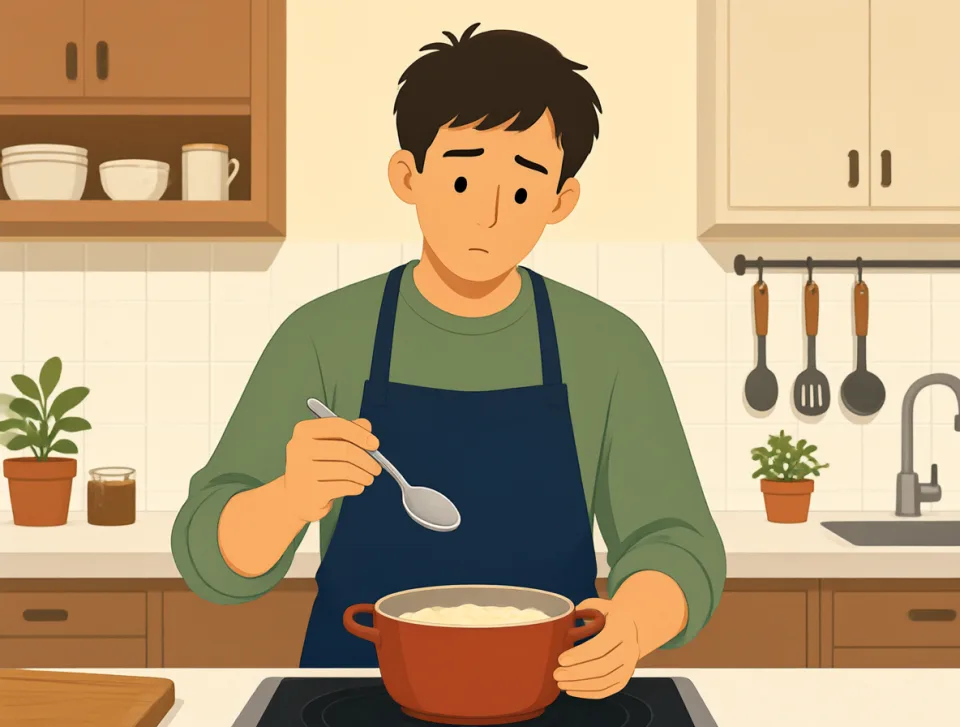
He knows very little about cooking.
他對烹飪幾乎一無所知。
help
#133noun, verb
幫助;幫忙
To make something easier for someone or give them what they need.
讓某件事對某人來說更容易,或給他們所需要的東西。
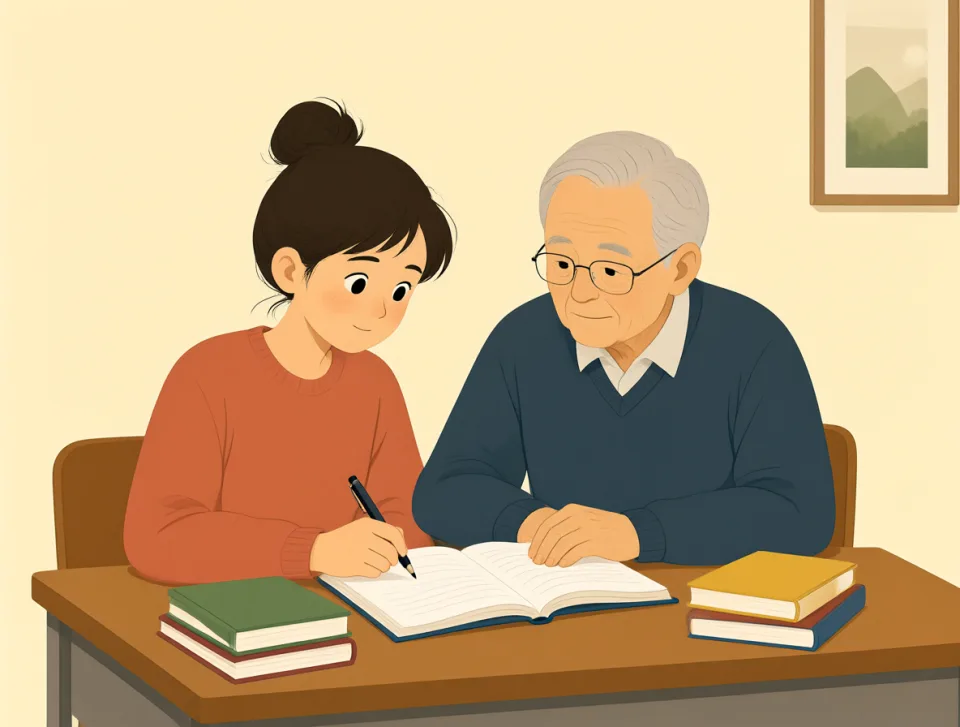
Can you help me with my homework?
你能幫我做作業嗎?
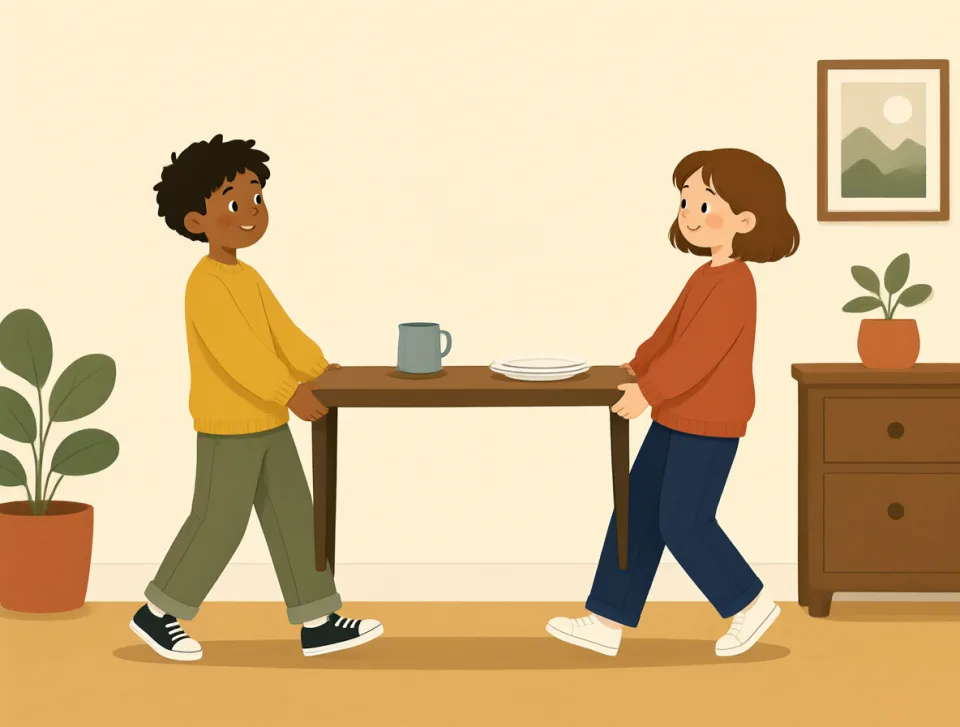
My friend helped me move the table.
我朋友幫我搬了桌子。
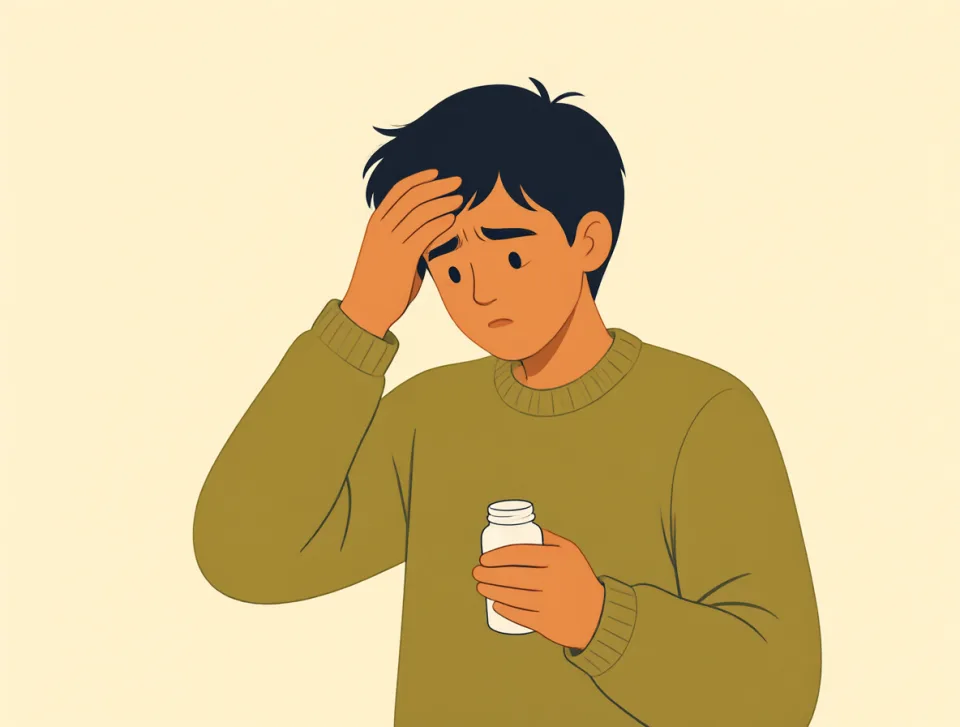
This medicine will help your headache.
這種藥能緩解你的頭痛。

The shop assistant helped me find shoes.
店員幫我找到了鞋子。
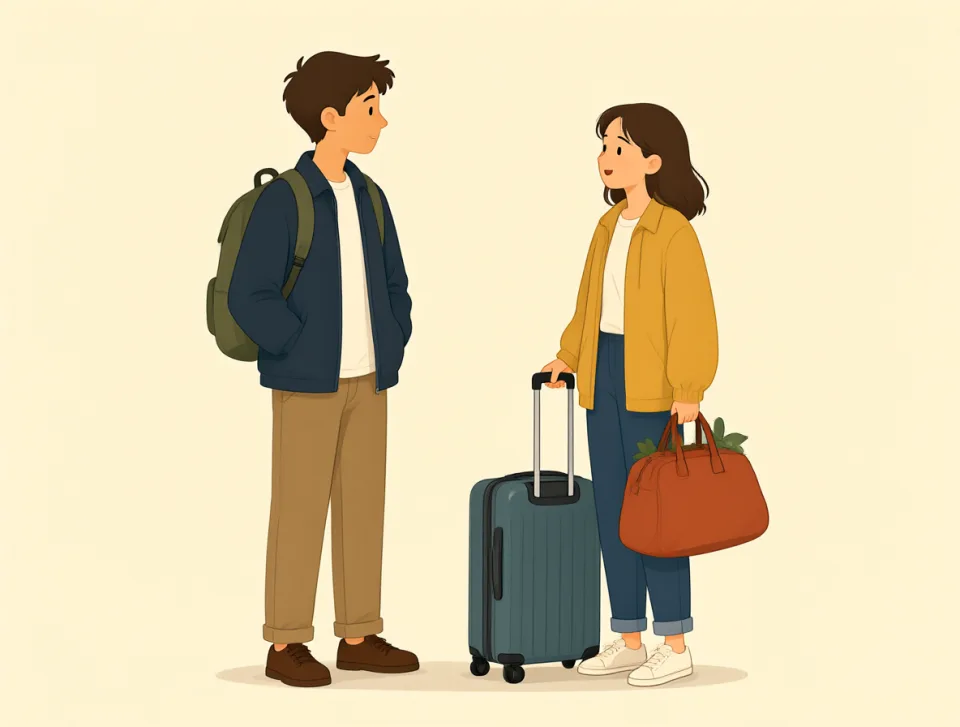
Could you help me carry my bags?
你能幫我拿一下這些包嗎?
ask
#134verb, noun
問;詢問;請求
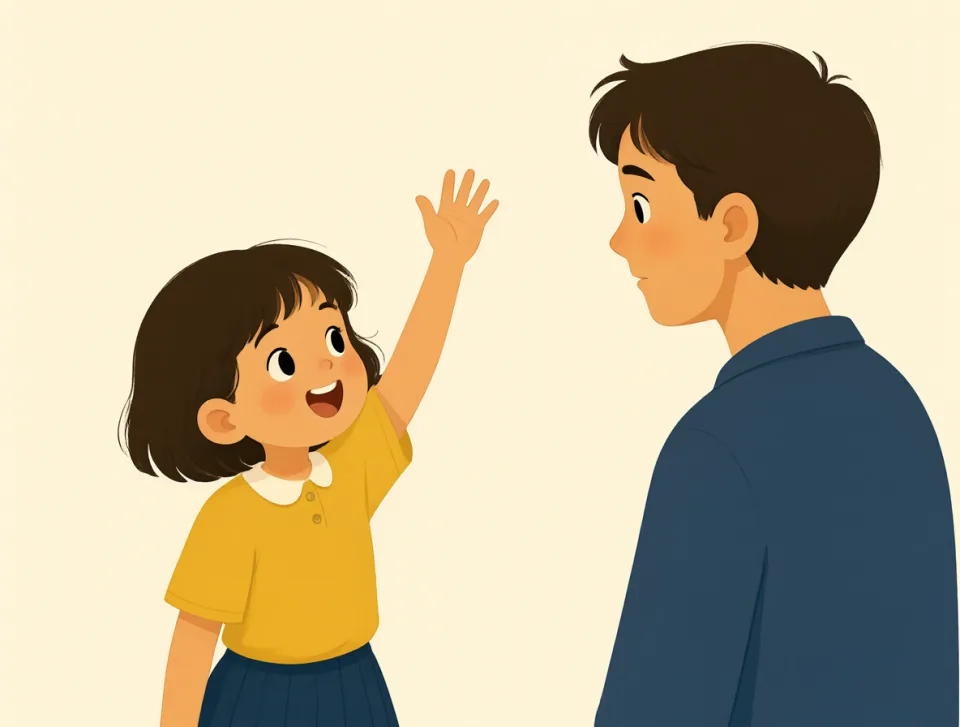
To say something because you want information, help, or permission.
為了獲取資訊、幫助或許可而提出問題或提出請求。
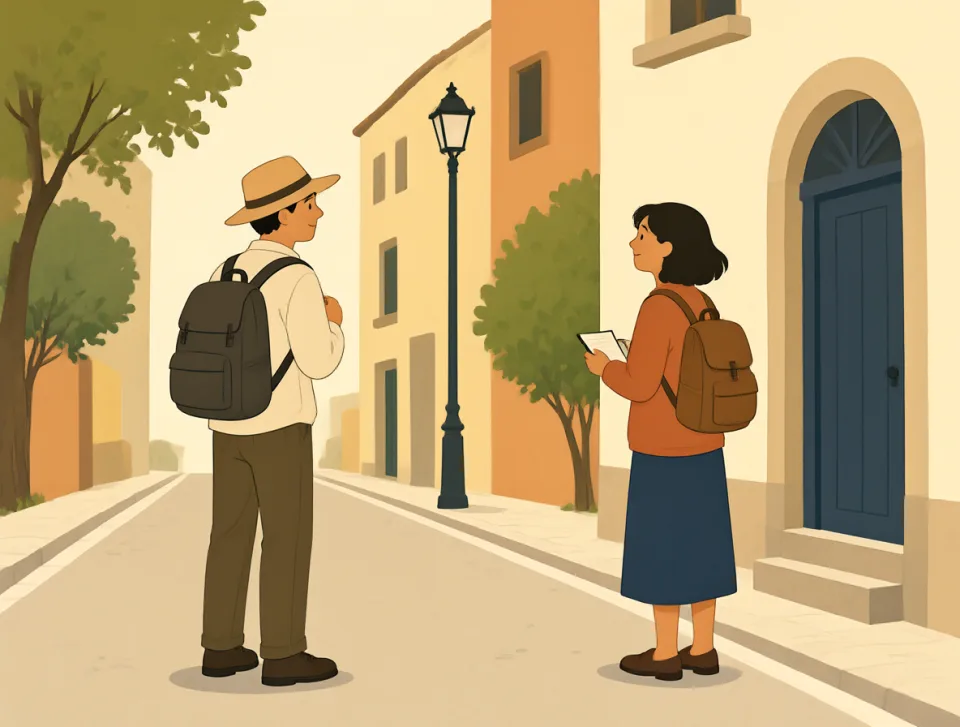
I asked him for directions.
我向他問了路。
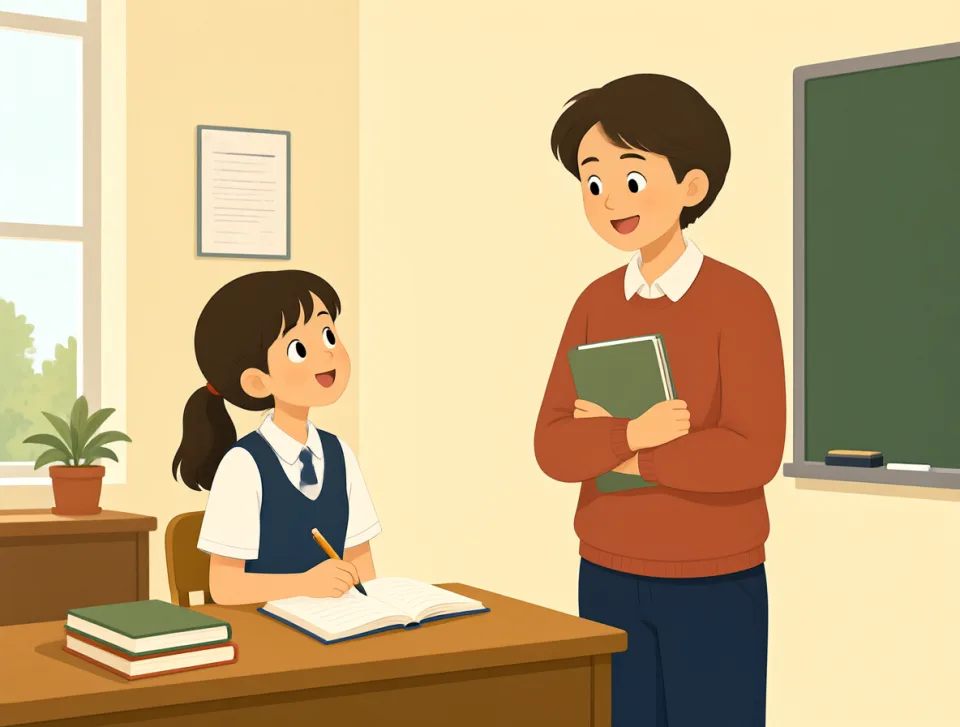
Please ask your teacher for help.
請向老師求助。
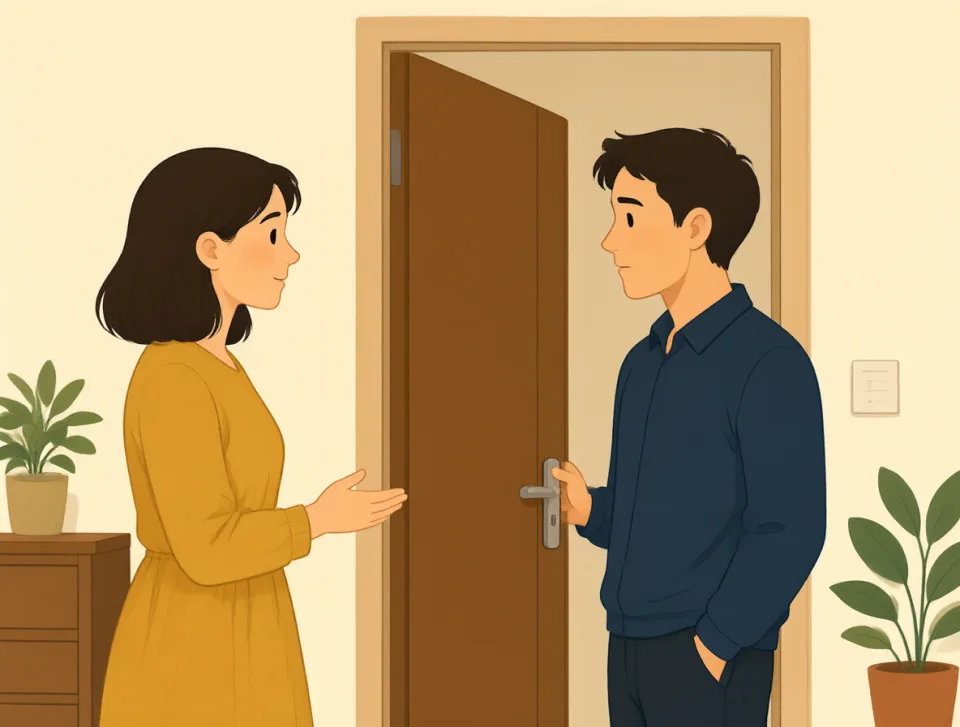
She asked me to close the door.
她讓我把門關上。

We asked for two coffees.
我們要了兩杯咖啡。

The doctor asked about my pain.
醫生問了我的疼痛情況。
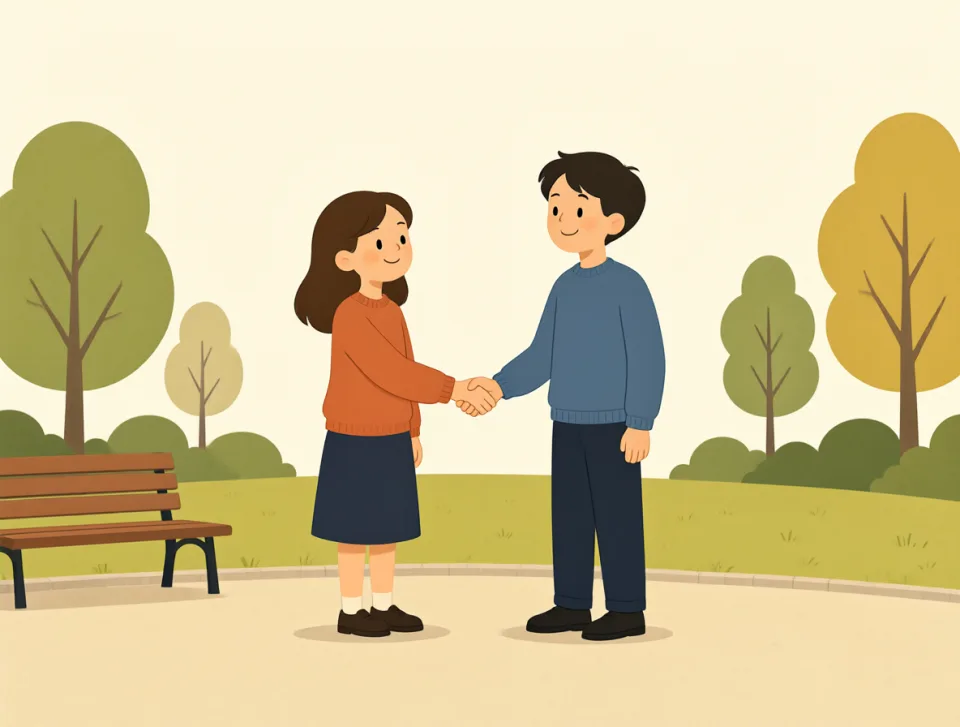
meet
#135verb
見面;遇見
to see and talk to someone for the first time or at an arranged time
第一次見某人並與其交談,或在約定的時間與某人見面
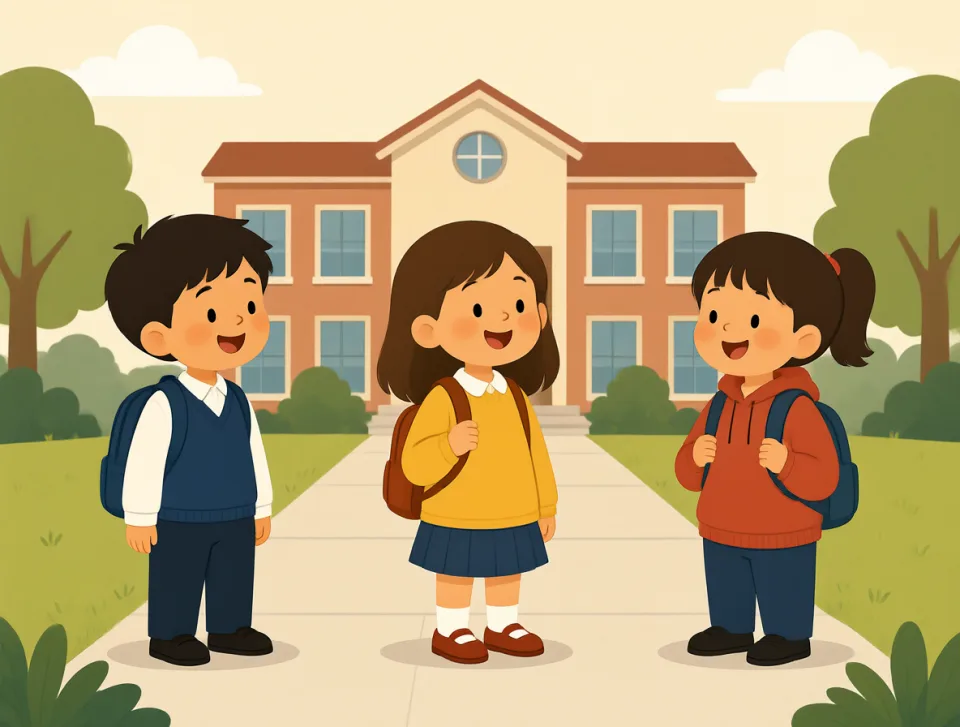
I meet my friends after school.
我放學後和朋友見面。
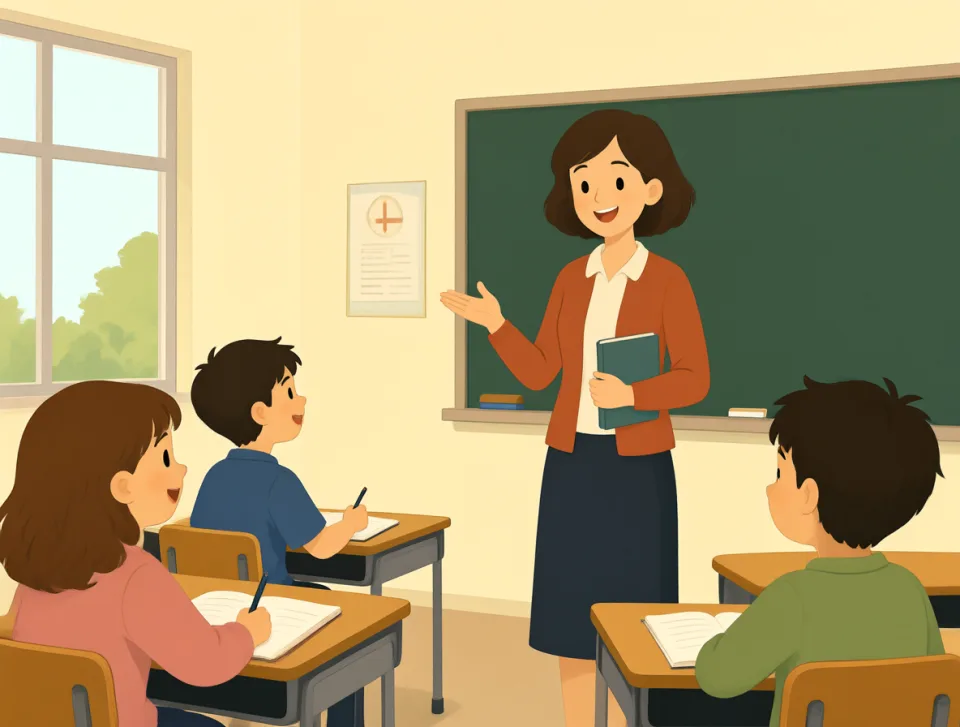
We met our new teacher yesterday.
我們昨天見到了新老師。
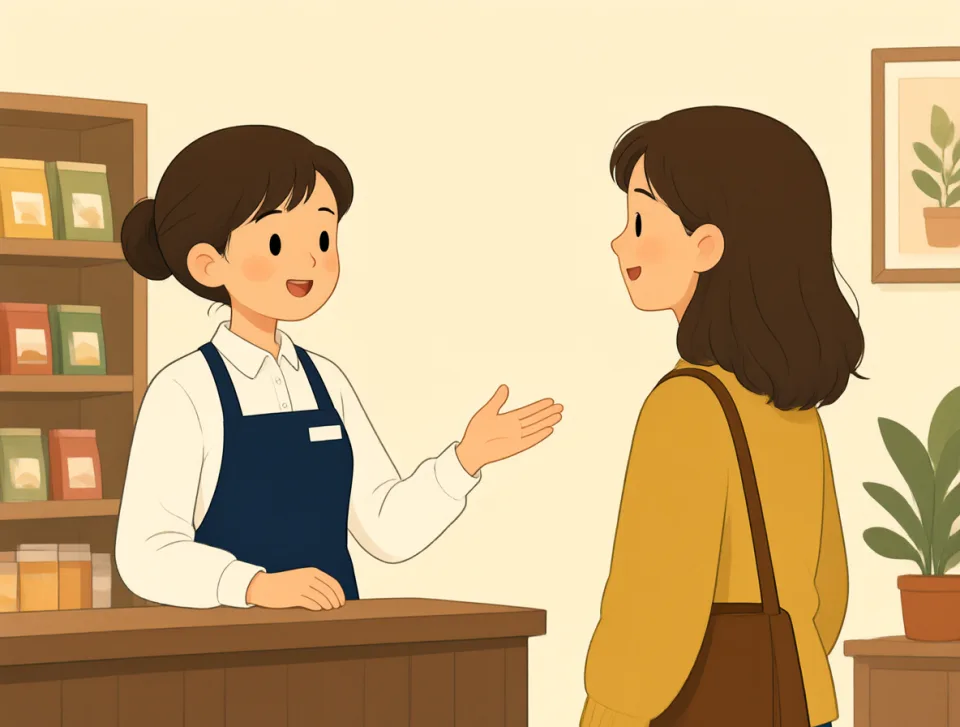
She meets customers at the shop.
她在商店接待顧客。
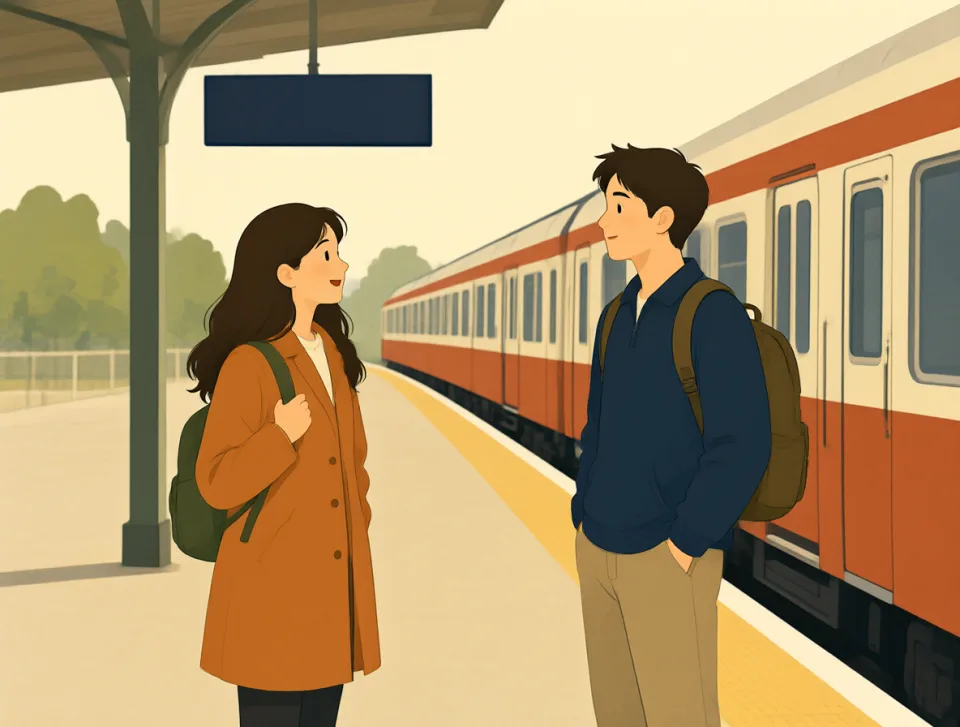
They are meeting at the station.
他們要在車站見面。

The doctor met the patient at home.
醫生在家裡見了病人。
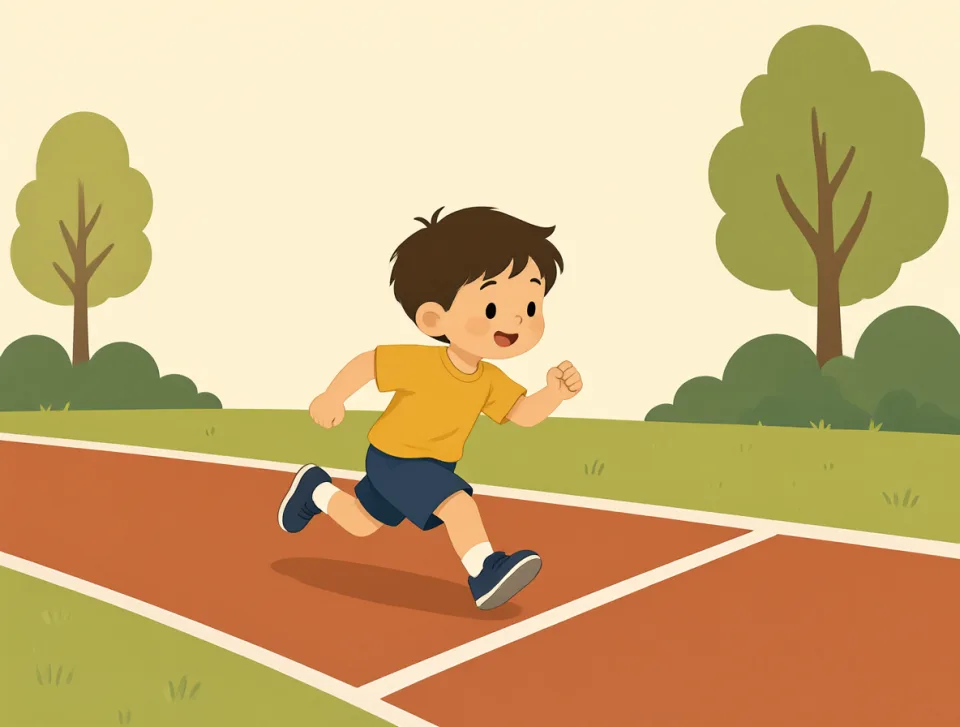
start
#136verb, noun
開始;啟動;起點
to begin doing something or to begin happening; the beginning of something
開始做某事或開始發生;某事的開端
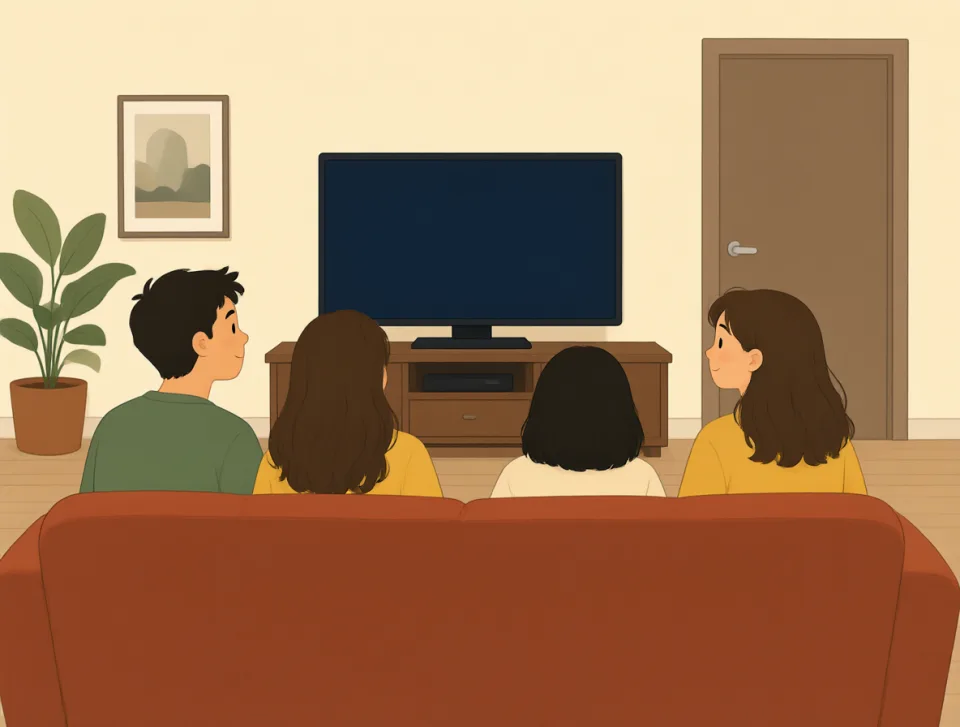
The movie starts at eight o’clock.
電影八點開始。
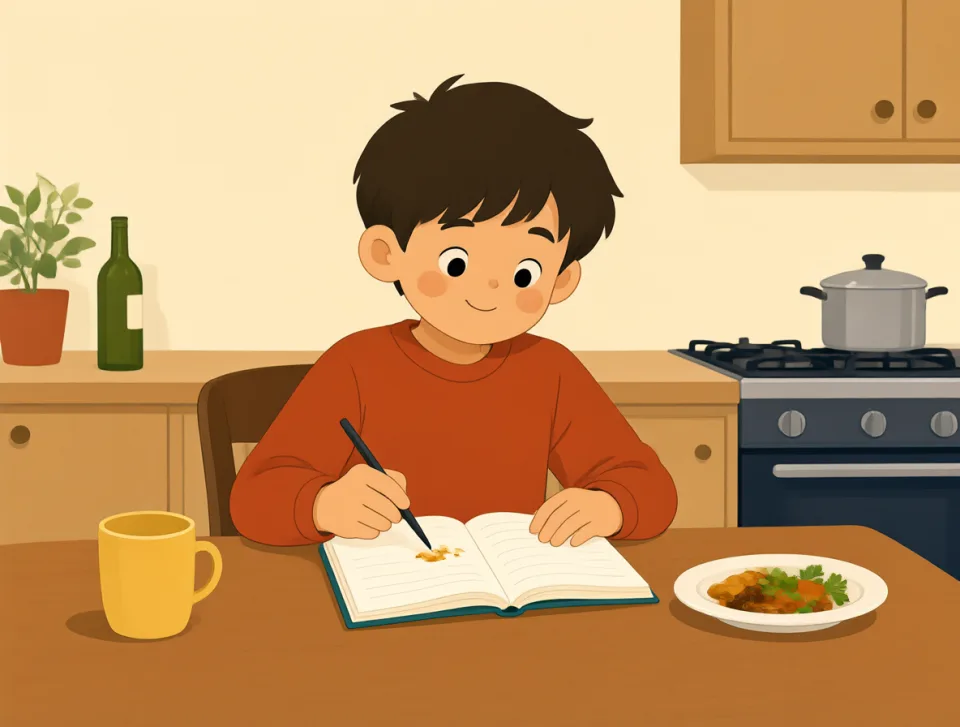
Please start your homework after dinner.
請晚飯後開始做作業。
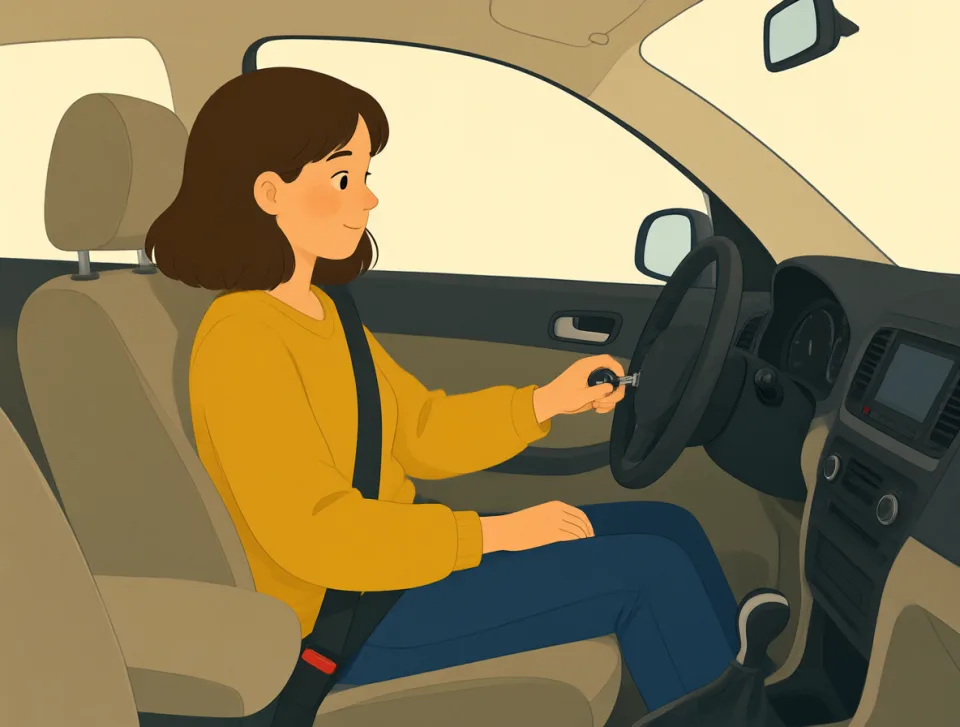
She started the car and drove away.
她發動汽車,開車離開了。
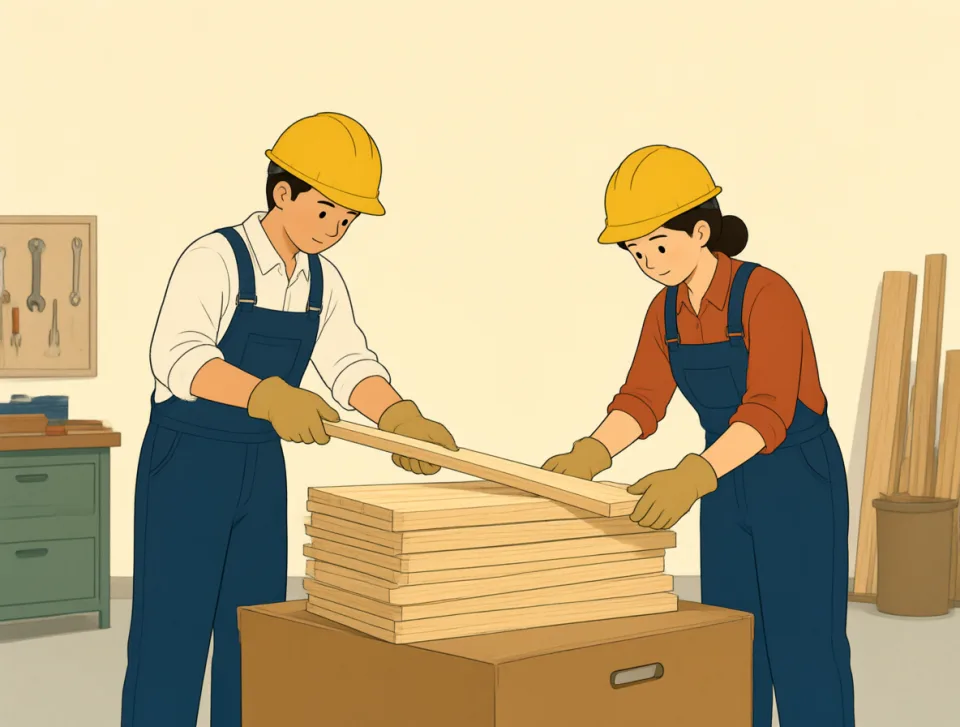
We started work early this morning.
我們今天一大早就開始工作了。
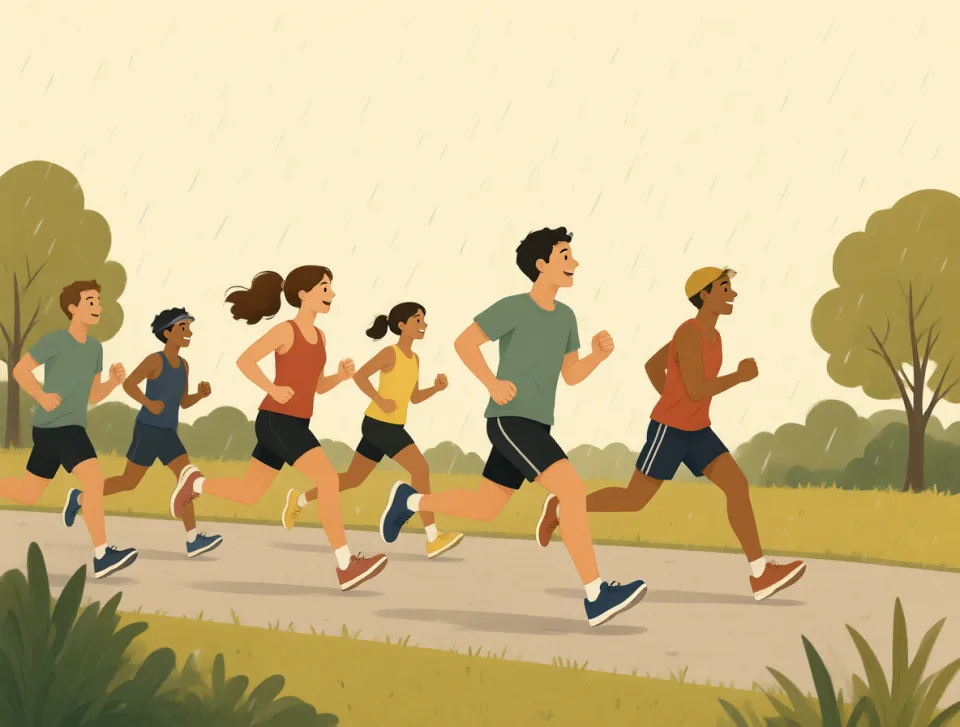
The race started in the rain.
比賽在雨中開始了。

talk
#137noun, verb
交談;談話
to speak with someone about something; a conversation between people
和某人談論某事;人們之間的交談

Can I talk to you after lunch?
午飯後我能跟你聊聊嗎?

We talked about our plans for the weekend.
我們談了談週末的計劃。
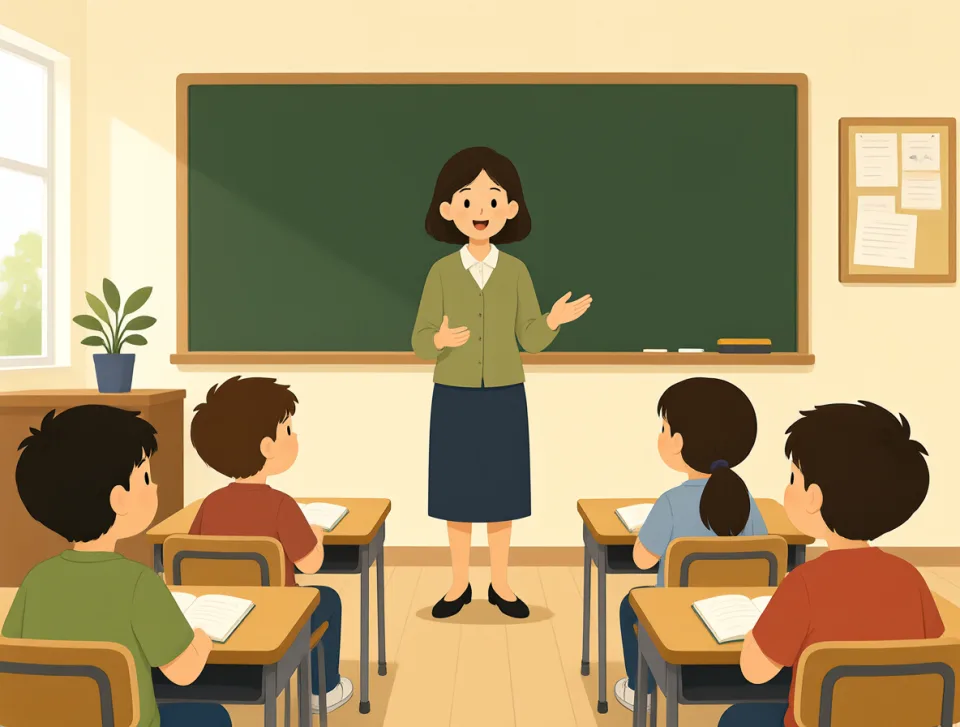
The teacher is talking to the students.
老師正在和學生們交談。

I need to talk to the doctor today.
我今天得跟醫生談談。

They had a long talk about the problem.
他們就這個問題談了很久。
something
#138pronoun, determiner
某事;某物;什麼東西
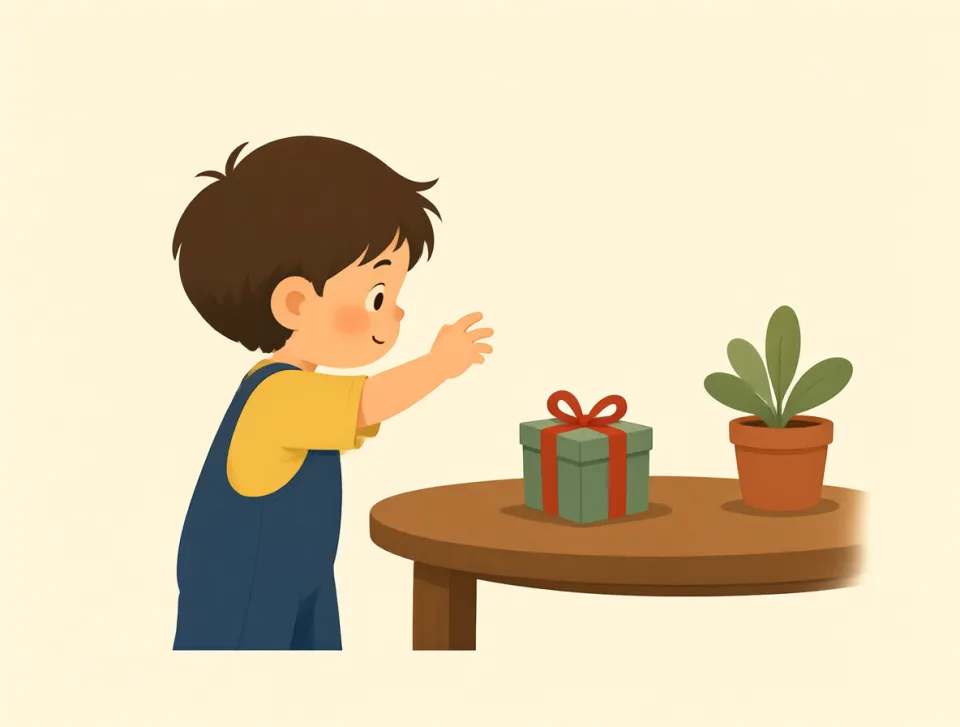
An unknown or unnamed thing, or a thing that is not clearly described.
某個未知或未指明的事物,或沒有清楚描述的東西。
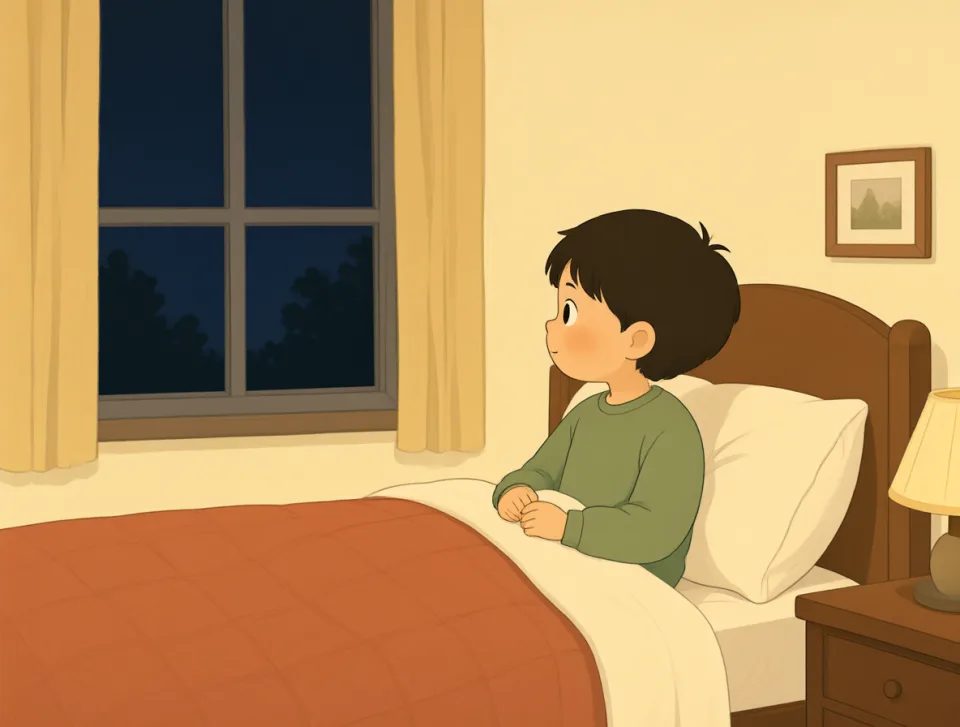
I heard something outside last night.
昨晚我聽到外面有動靜。
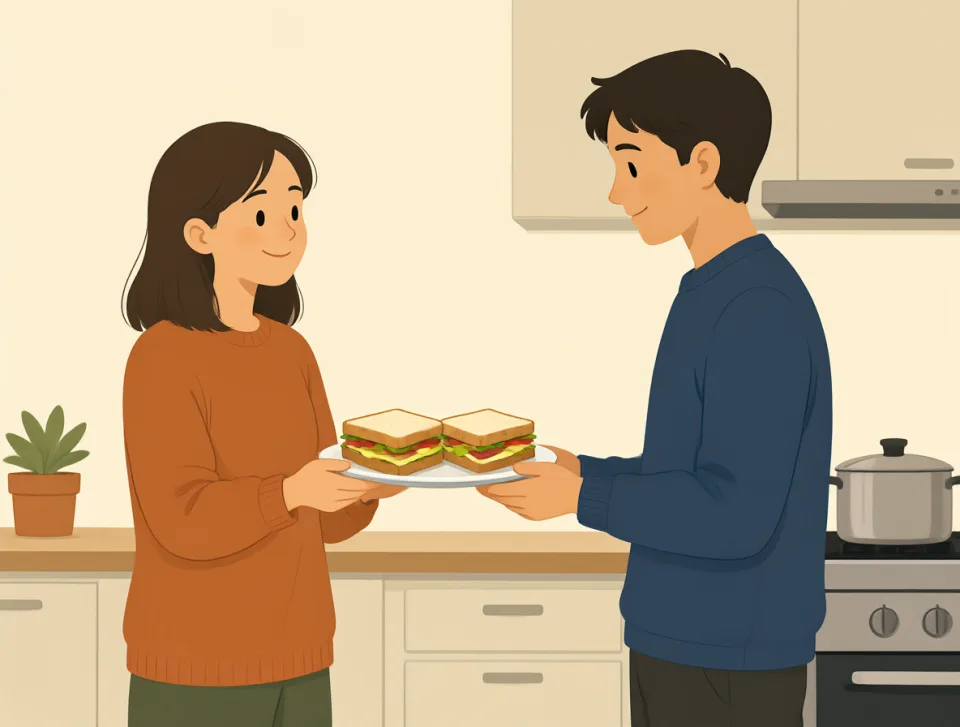
Would you like something to eat?
你想吃點什麼嗎?
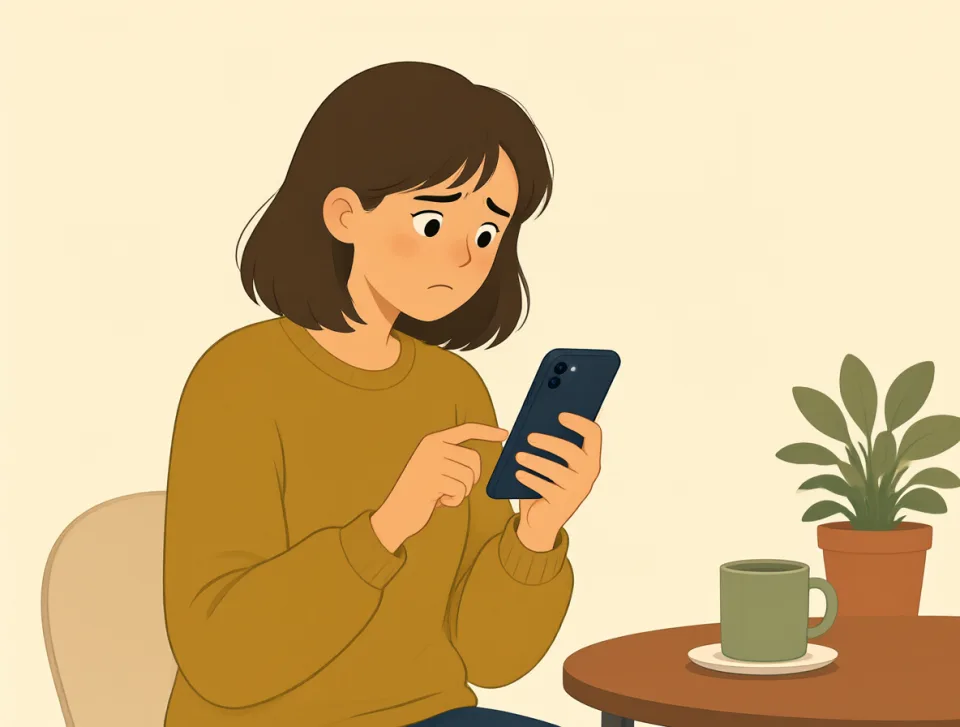
Something is wrong with my phone.
我的手機出問題了。

She bought something nice for her mother.
她給媽媽買了件不錯的東西。
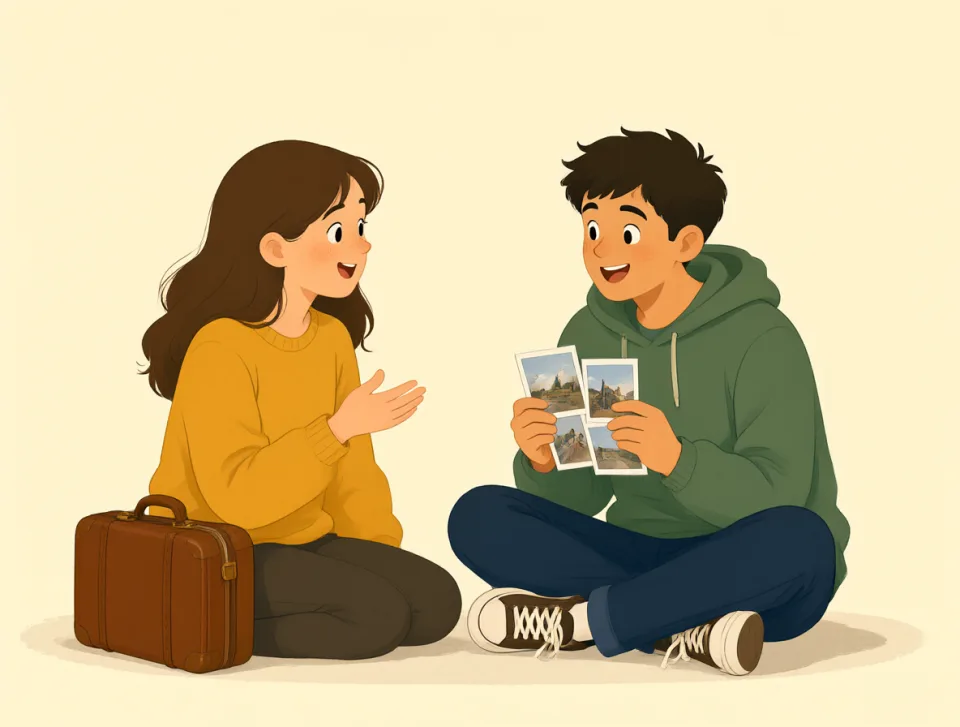
Tell me something about your trip.
跟我說說你這次旅行的事吧。
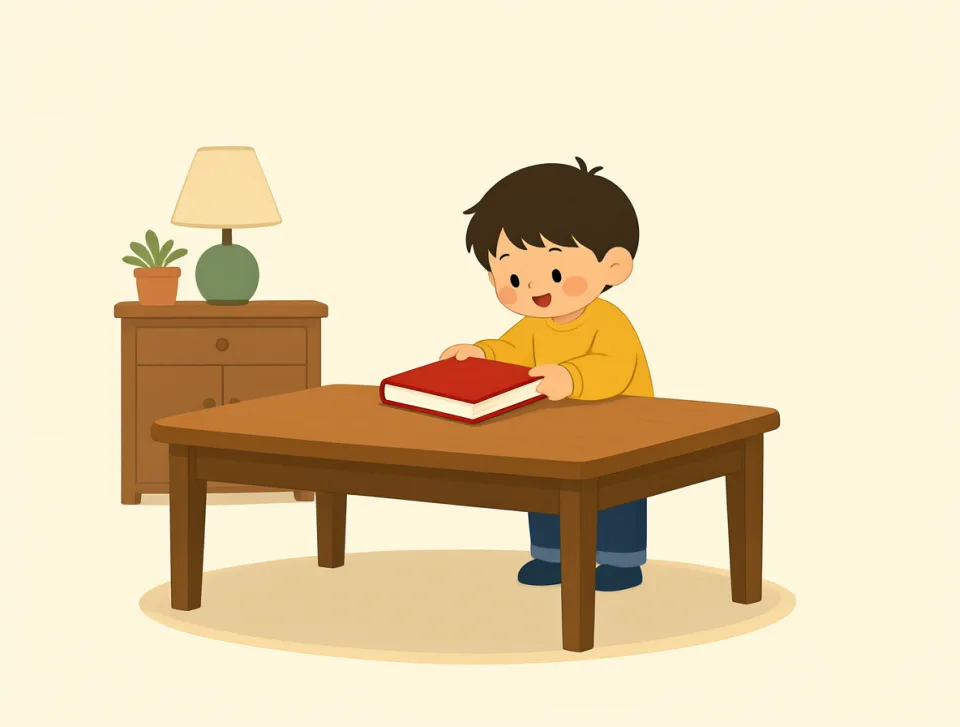
put
#139verb, noun
放;放置;提出;穿上
to move something into a place or position
把某物移動到某個地方或位置
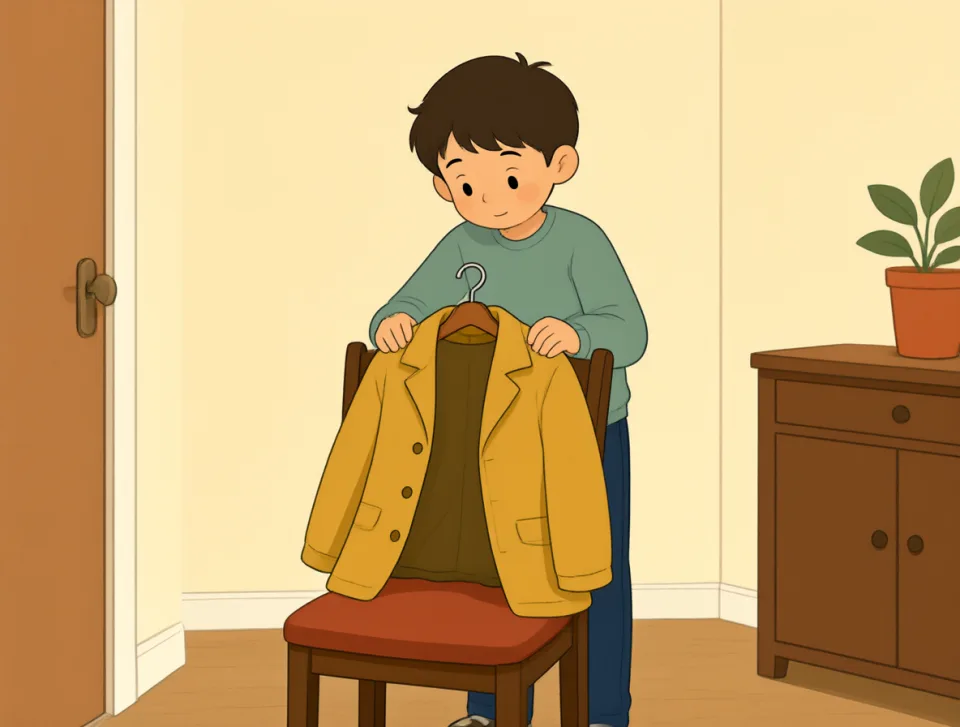
Put your coat on the chair, please.
請把你的外套放在椅子上。
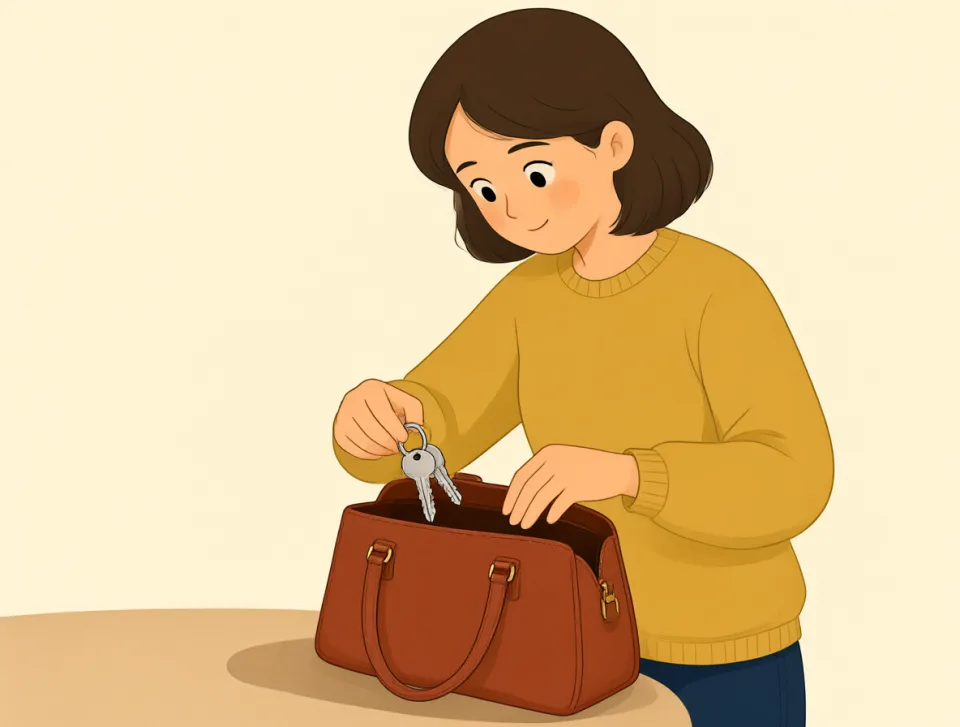
She put the keys in her bag.
她把鑰匙放進了包裡。
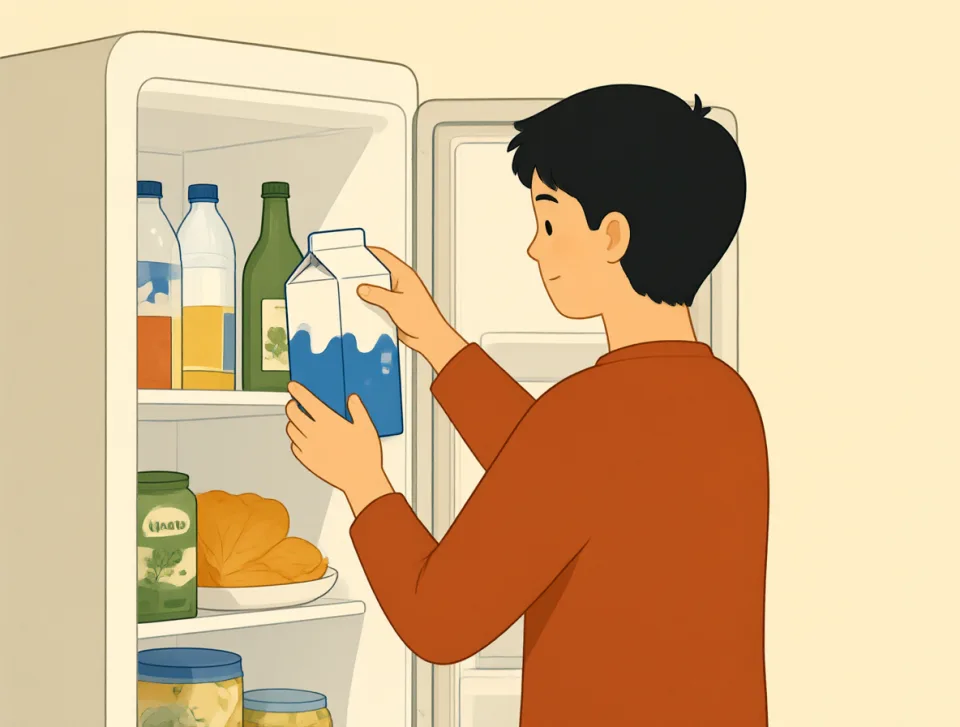
Please put the milk in the fridge.
請把牛奶放進冰箱。
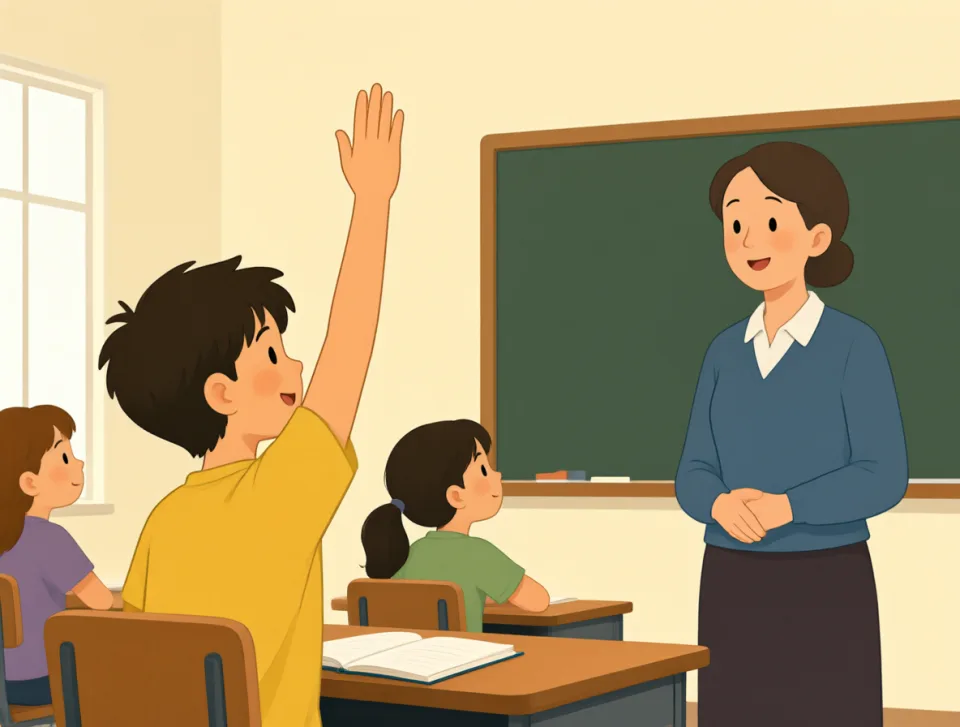
He put a question to the teacher.
他向老師提出了一個問題。
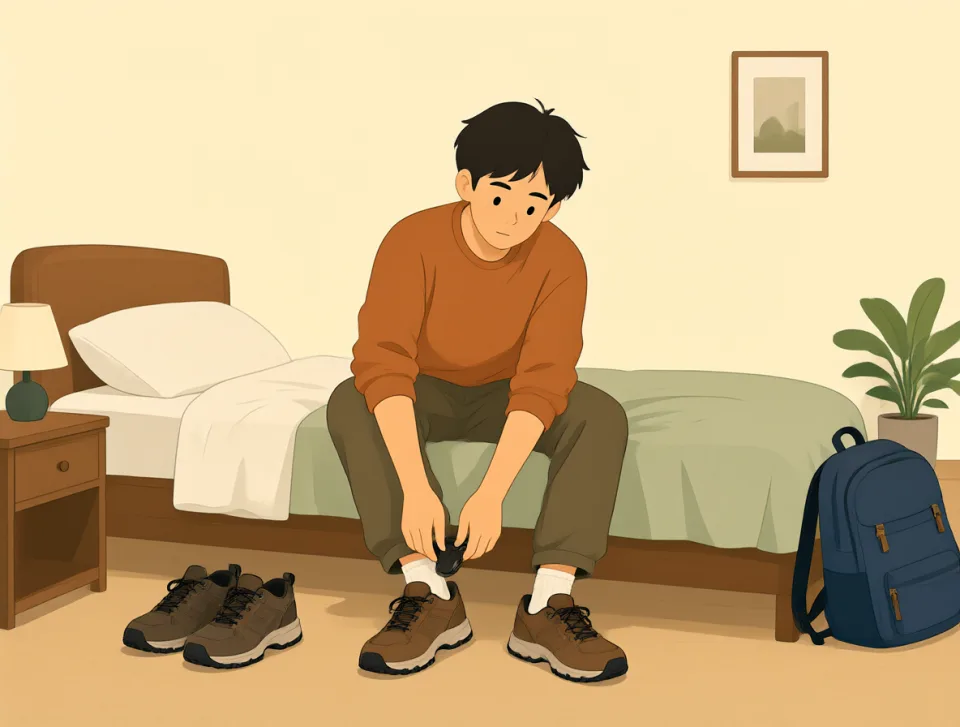
I put on my shoes before the trip.
旅行前我穿上了鞋子。
another
#140determiner, pronoun
另一個;再一個
one more person or thing, or a different one
再多一個人或物,或換一個不同的人或物
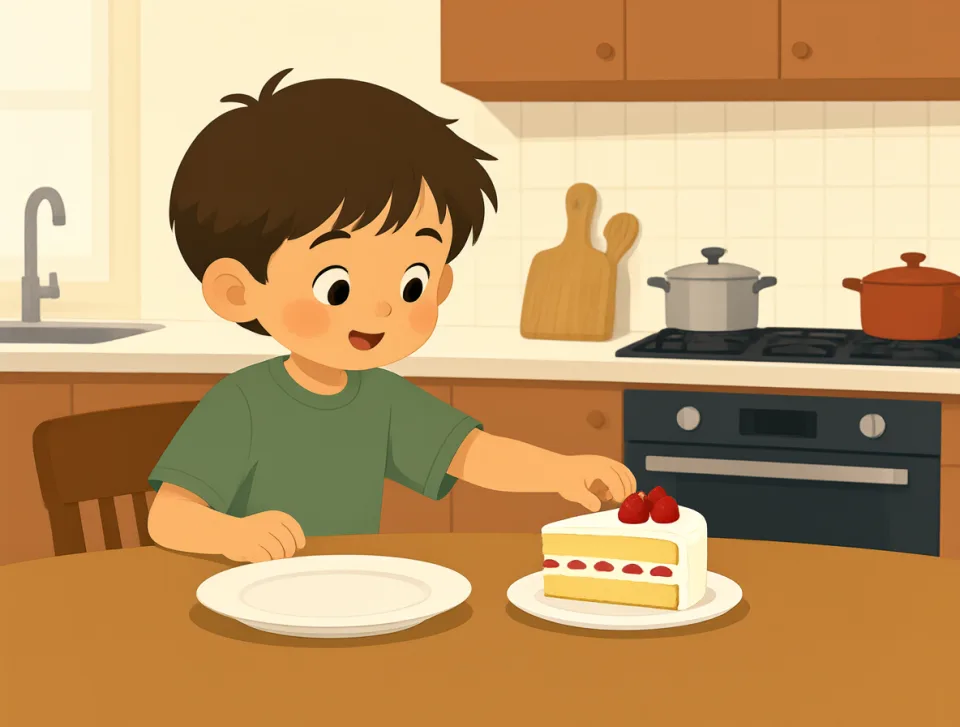
Can I have another piece of cake?
我可以再來一塊蛋糕嗎?
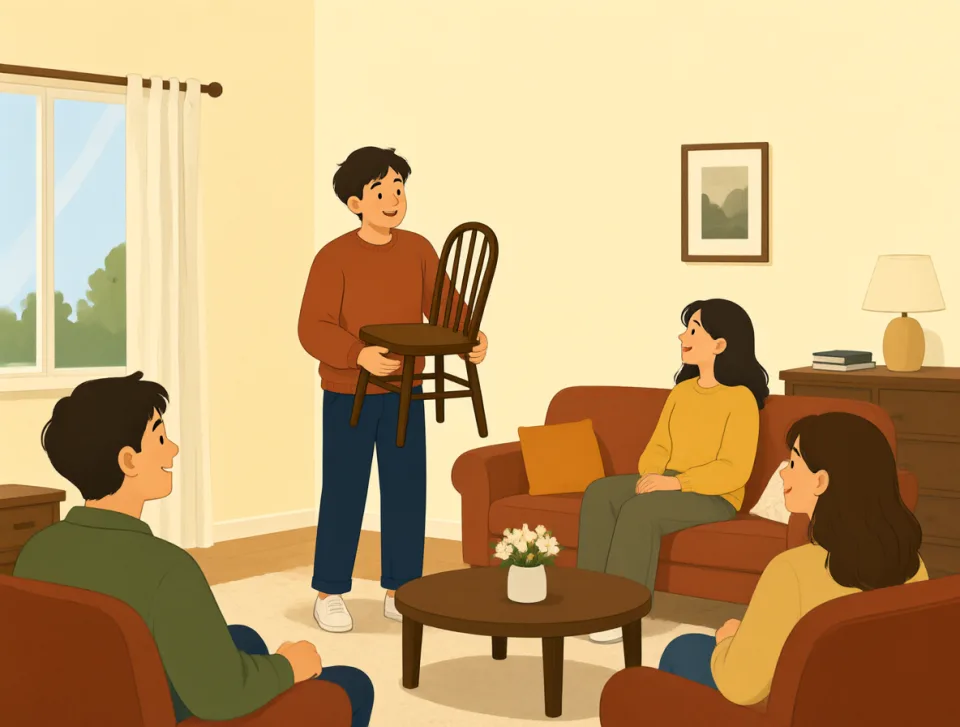
We need another chair for our guest.
我們還需要一把椅子給客人坐。
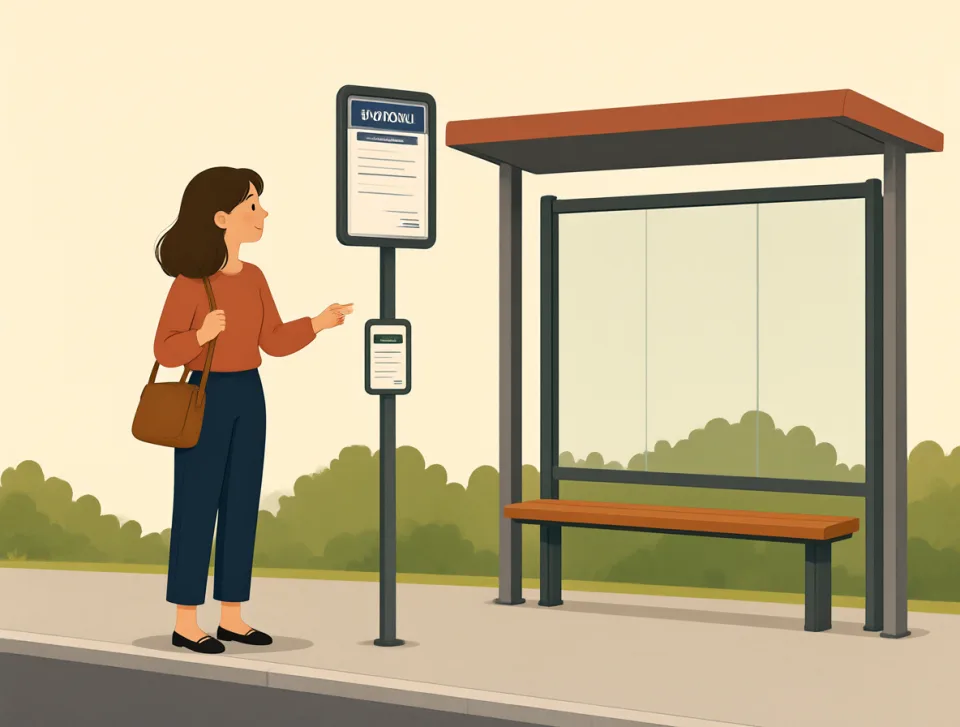
She chose another bus to the airport.
她換乘了另一輛去機場的公交車。

One student helped another with homework.
一位學生幫另一位學生做作業。
Please give me another chance tomorrow.
明天請再給我一次機會。