Unidad 7
Palabras 121–140 · write, same, lot, great, try, leave
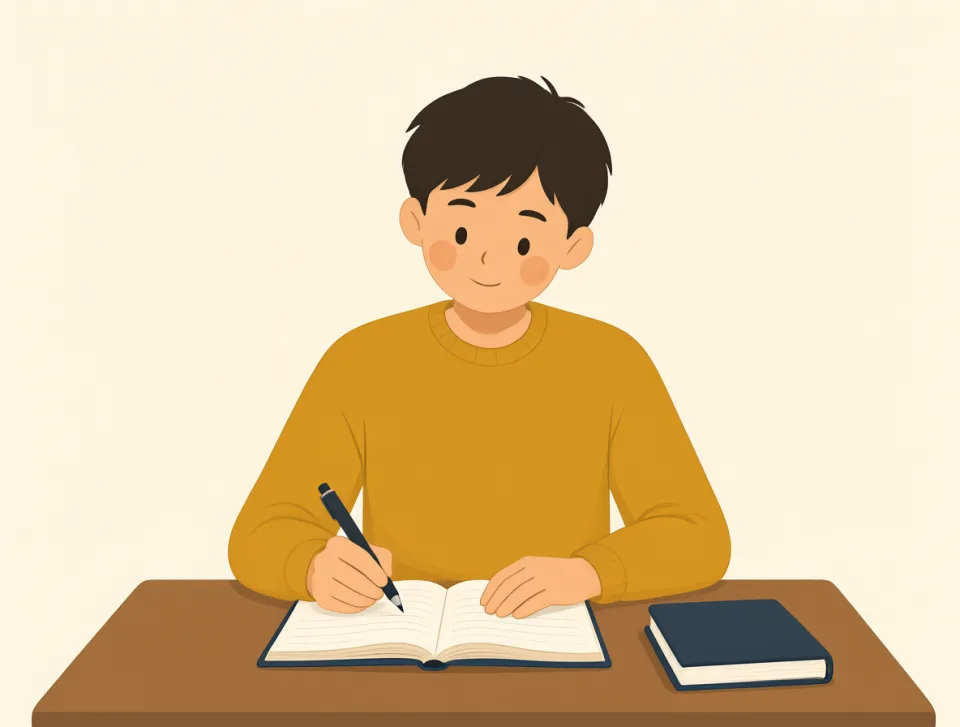
write
#121verb
escribir
to put words on paper or a screen
poner palabras en papel o en una pantalla
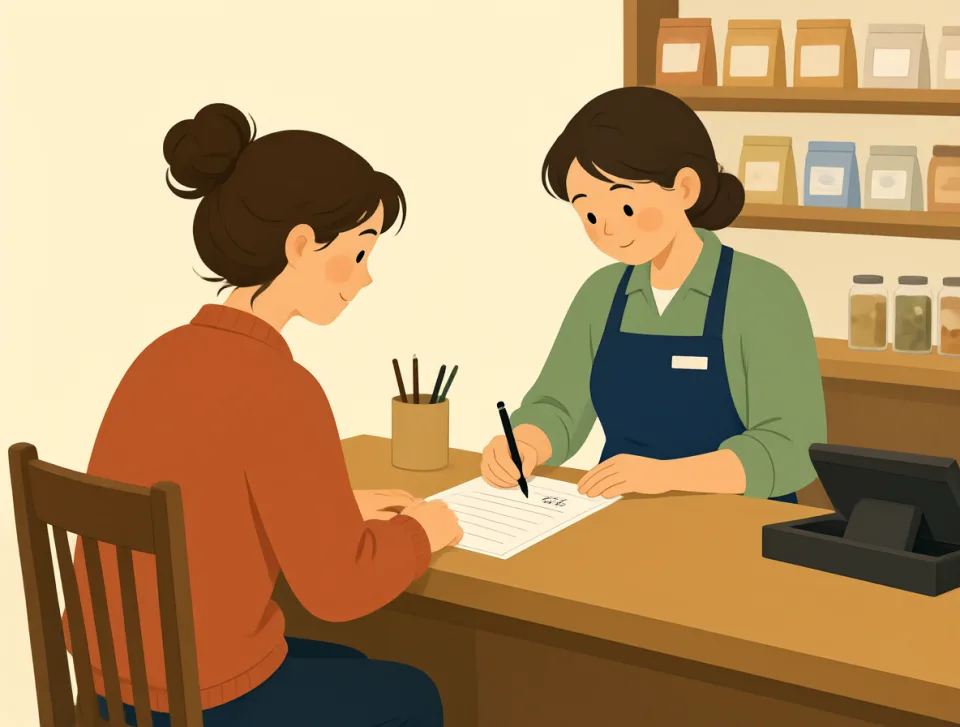
Please write your name here.
Escribe tu nombre aquí, por favor.
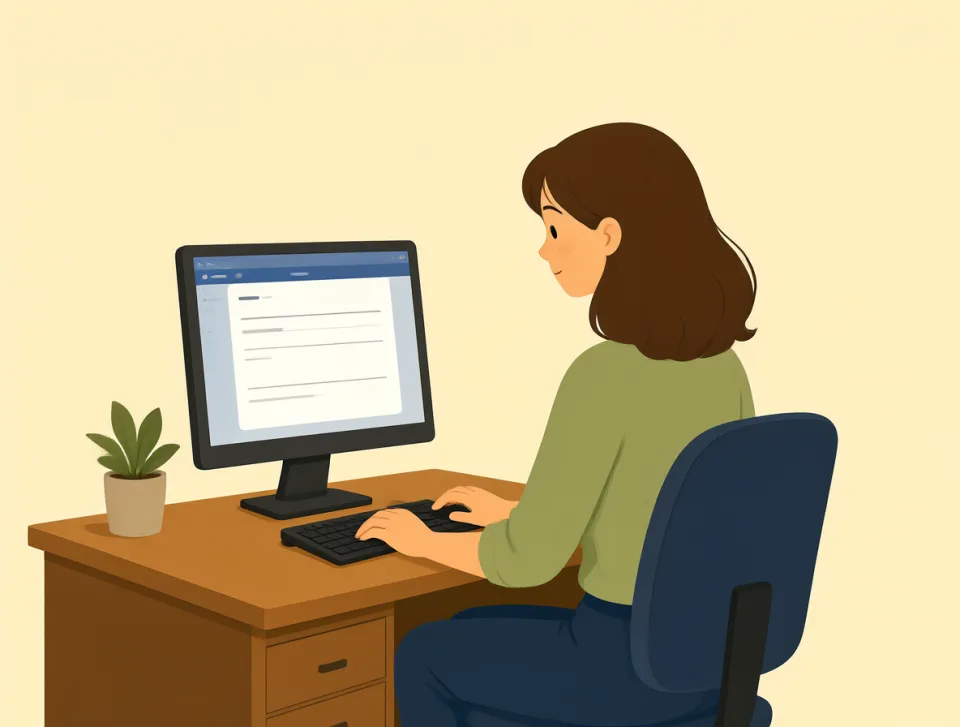
She writes emails at work.
Ella escribe correos electrónicos en el trabajo.
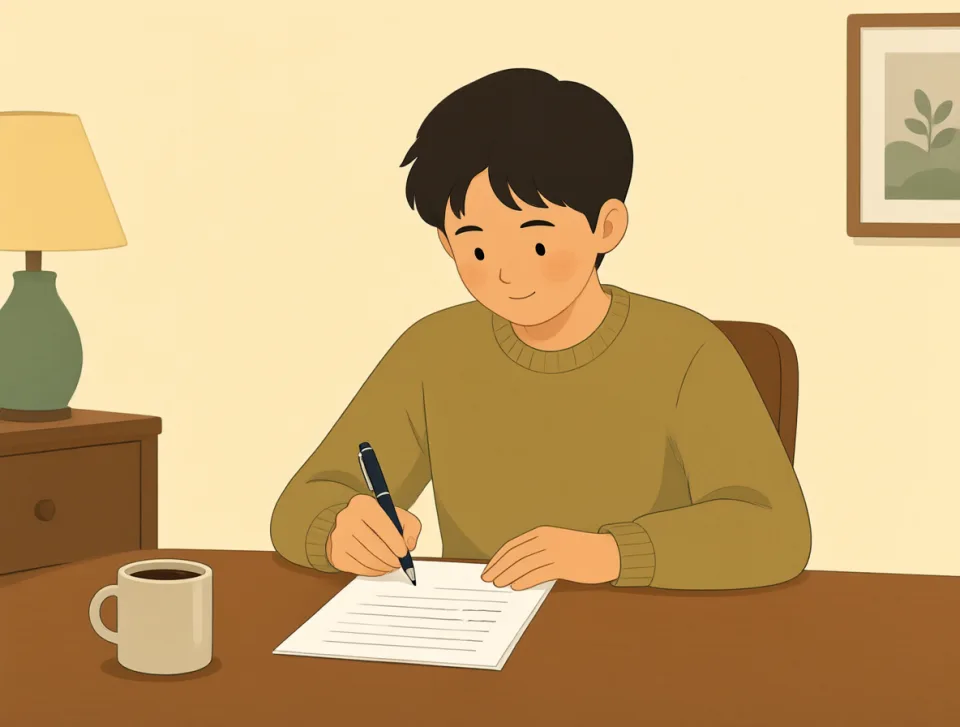
I wrote a letter to my friend.
Le escribí una carta a mi amigo.
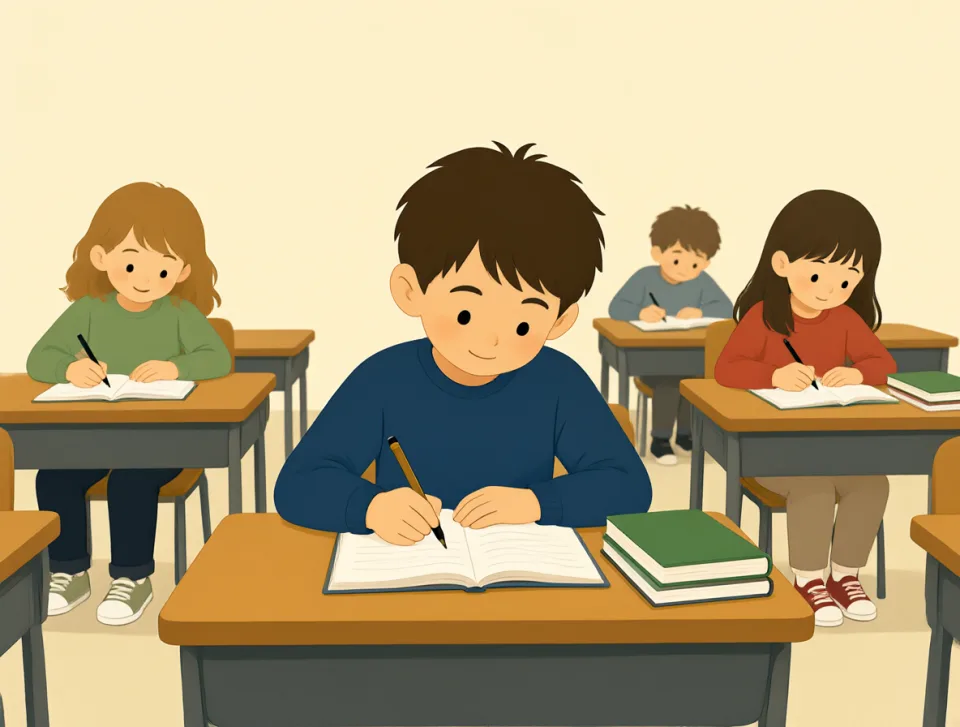
The students are writing sentences.
Los estudiantes están escribiendo oraciones.
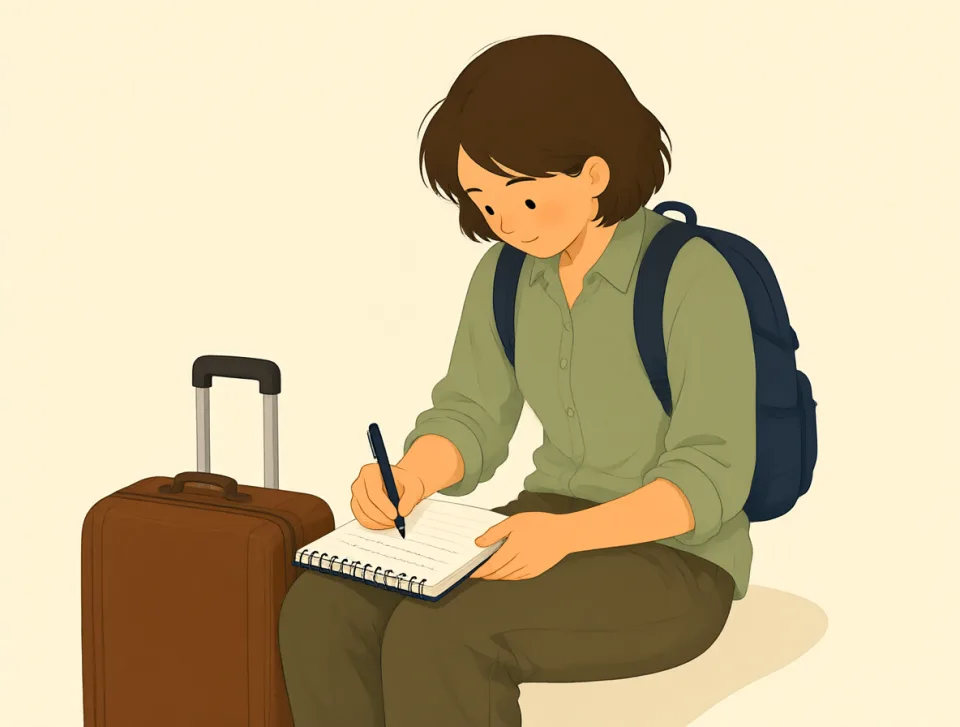
He wrote down the hotel address.
Él anotó la dirección del hotel.
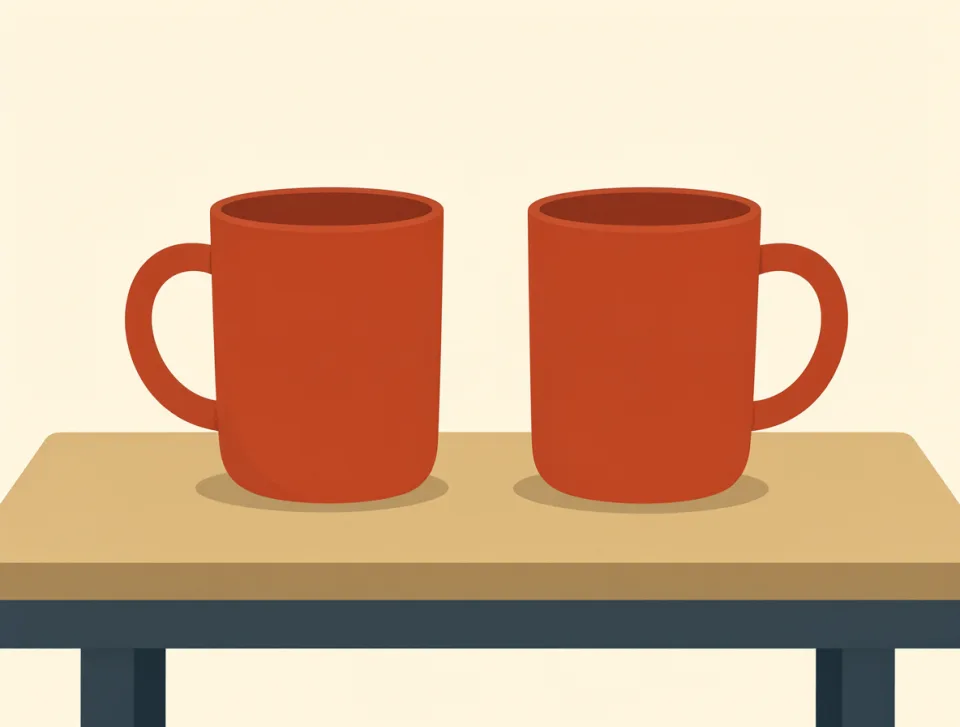
same
#122adjective, adverb, pronoun, determiner
mismo; igual
Exactly like another person or thing, or exactly that person or thing.
Exactamente igual que otra persona o cosa, o exactamente esa persona o cosa.
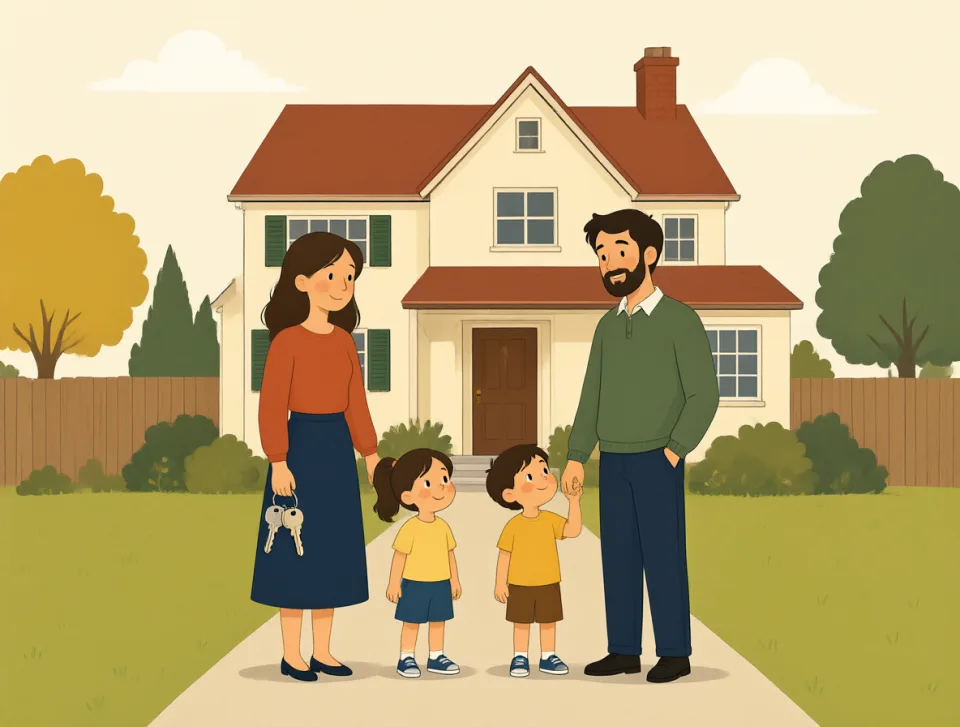
We live in the same house.
Vivimos en la misma casa.
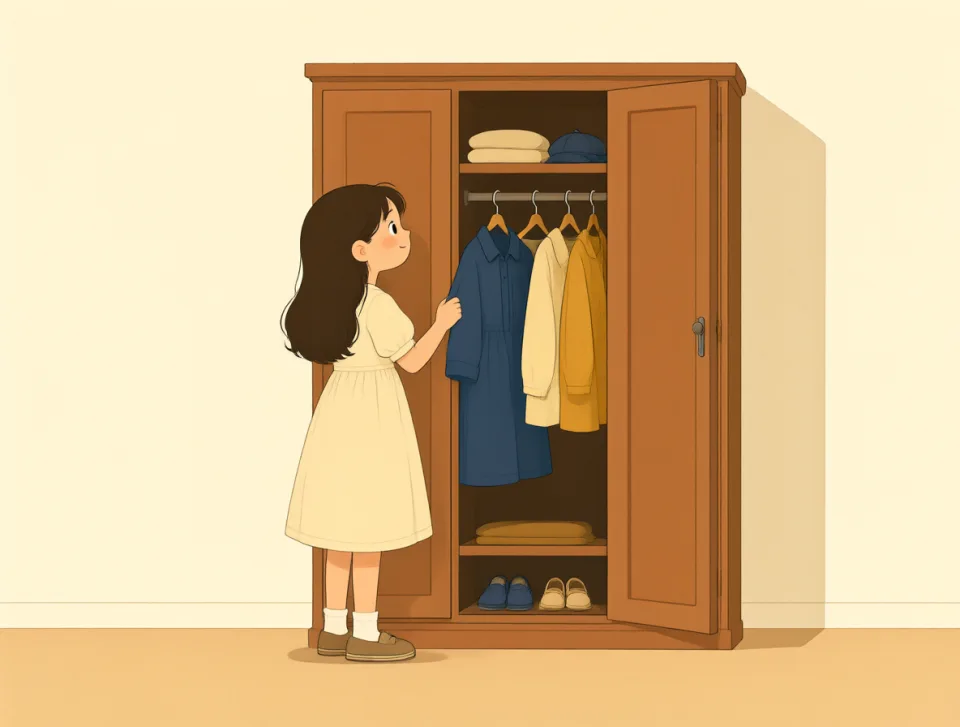
She wore the same dress yesterday.
Ayer llevaba el mismo vestido.
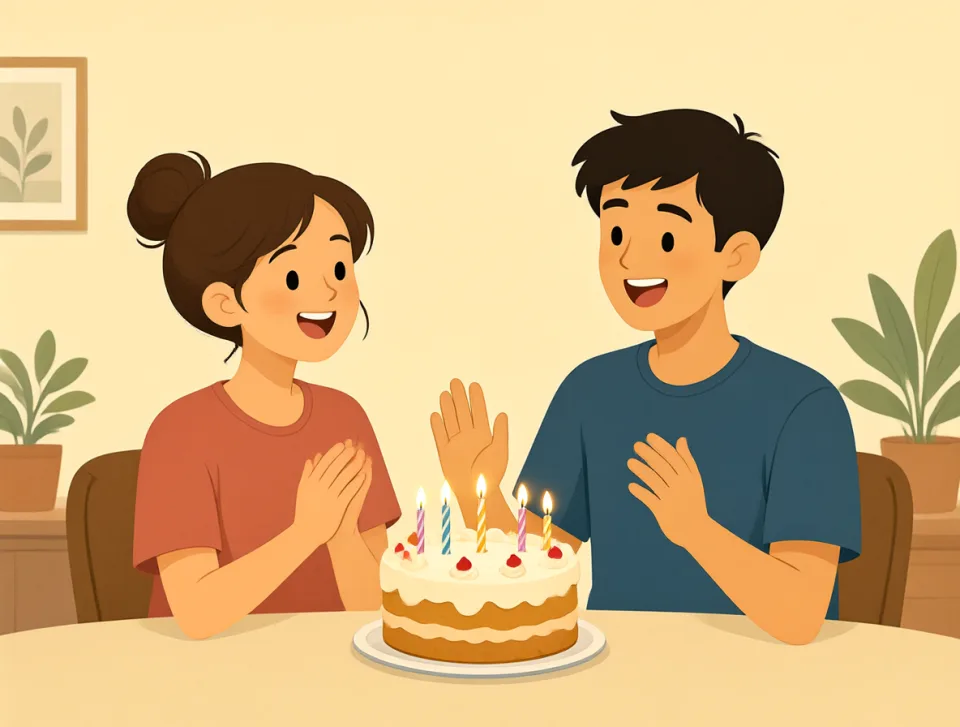
Tom and I have the same birthday.
Tom y yo cumplimos años el mismo día.

Please choose the same size as mine.
Elige, por favor, la misma talla que yo.
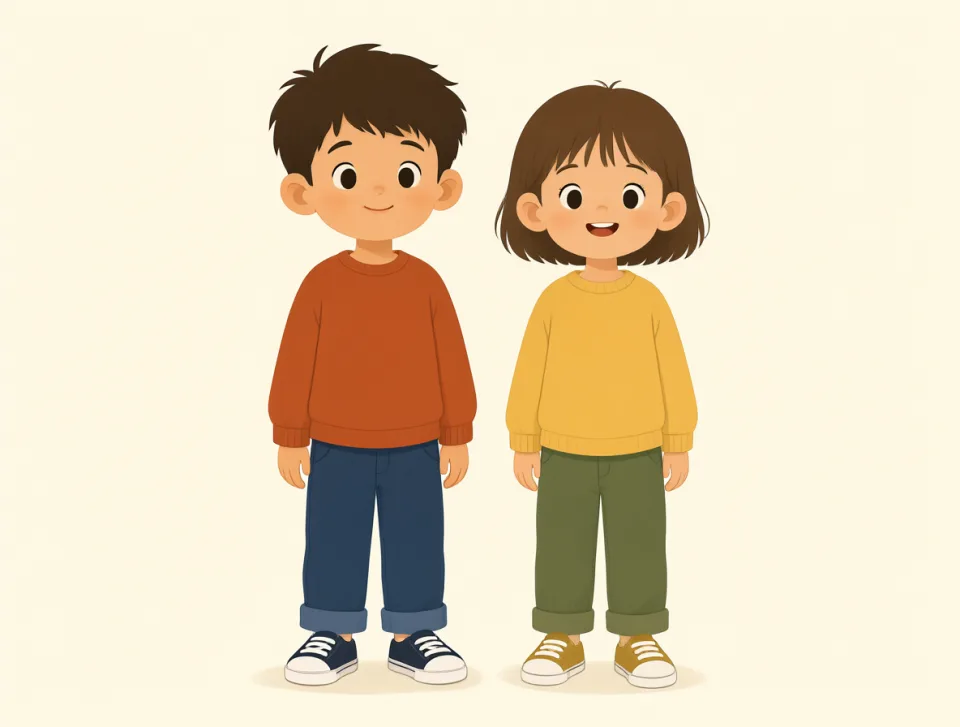
The twins look exactly the same.
Los gemelos se ven exactamente iguales.
lot
#123noun, determiner, adverb
mucho; gran cantidad; lote; bastante
A large amount or number of something.
Una gran cantidad o número de algo.
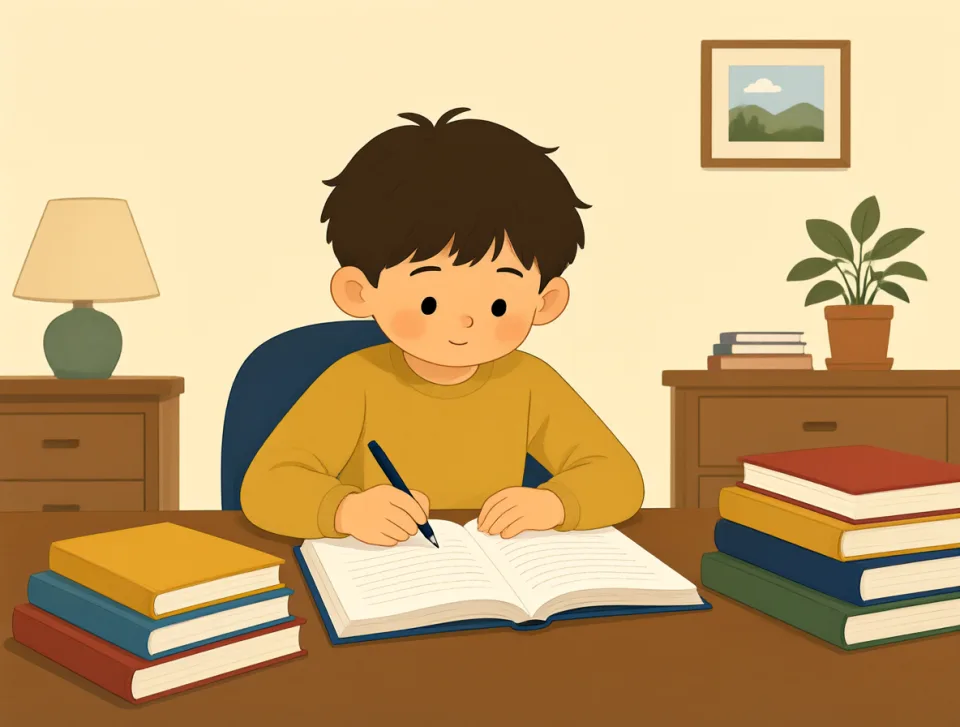
I have a lot of homework tonight.
Esta noche tengo mucha tarea.
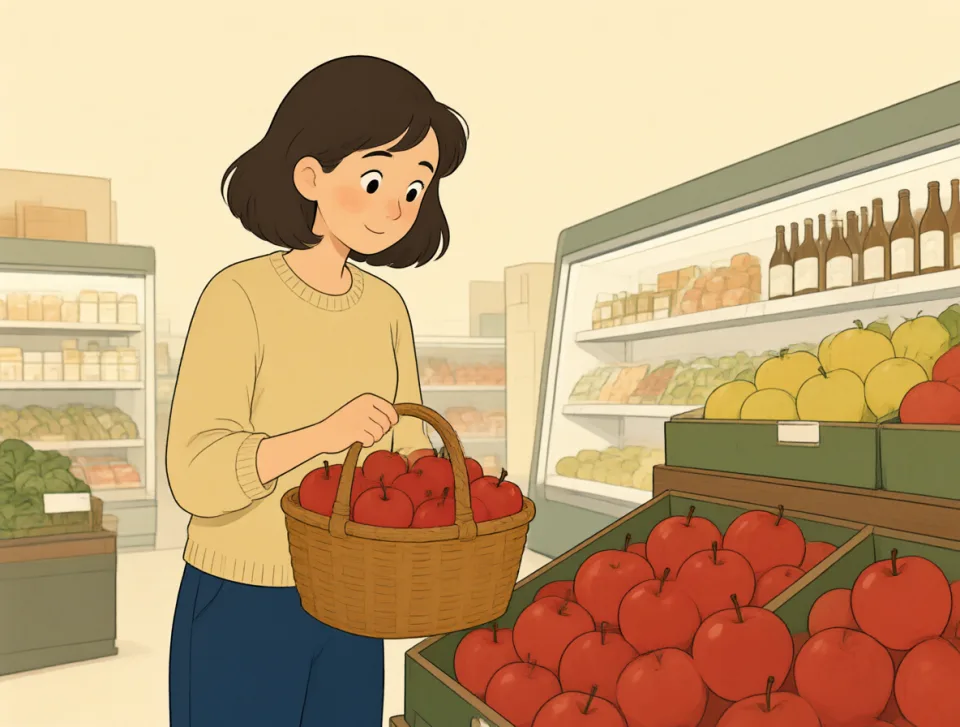
There are lots of apples in the basket.
Hay muchas manzanas en la cesta.
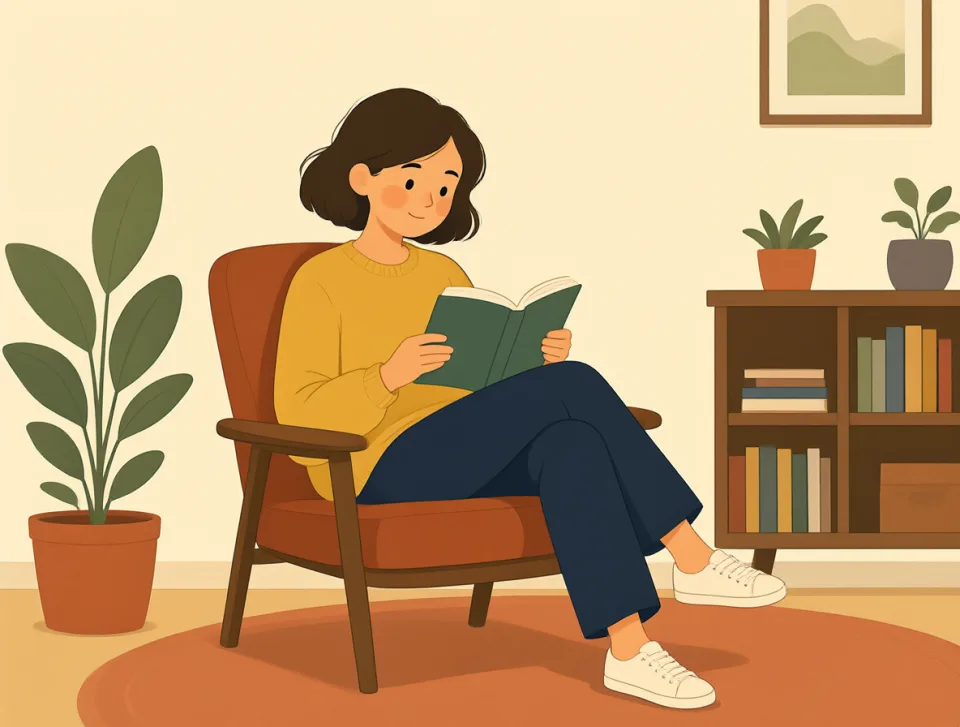
She spends a lot of time reading.
Ella pasa mucho tiempo leyendo.
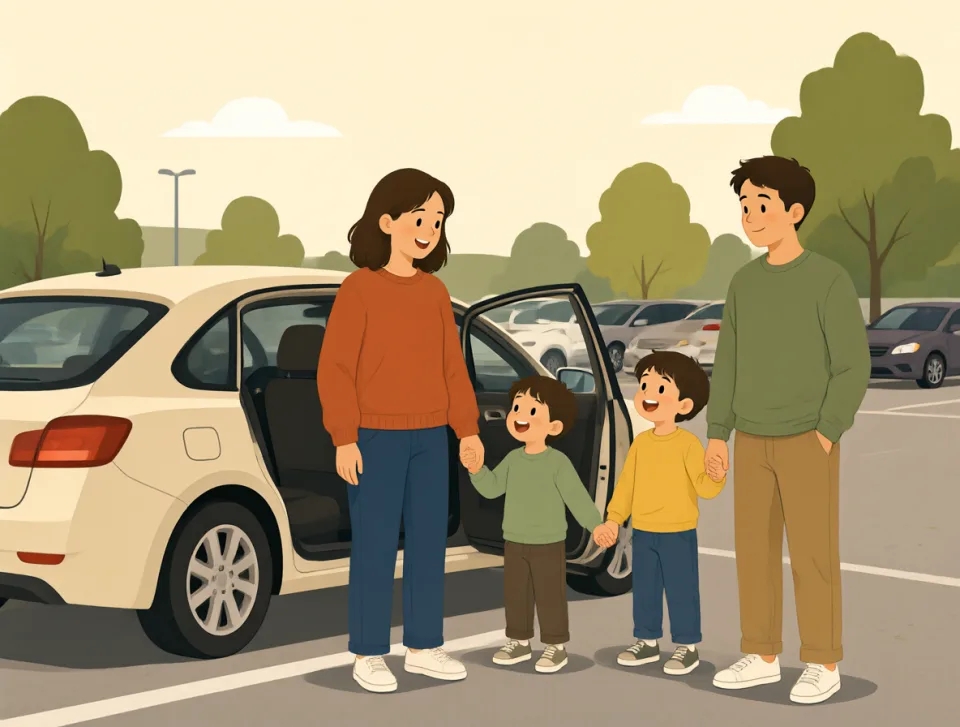
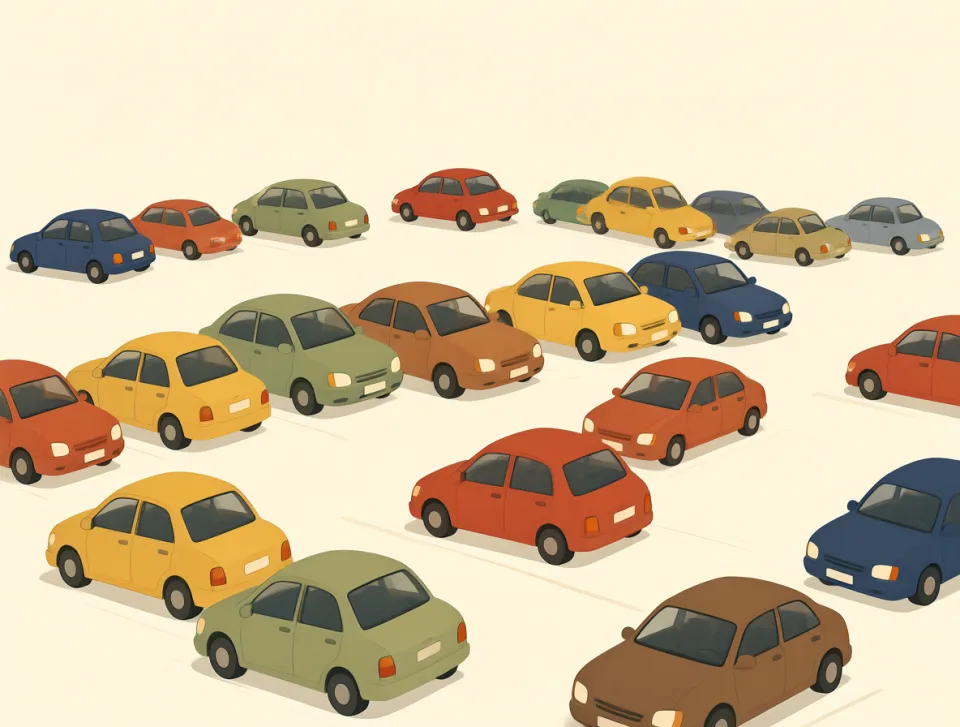
We parked the car in the parking lot.
Aparcamos el coche en el estacionamiento.
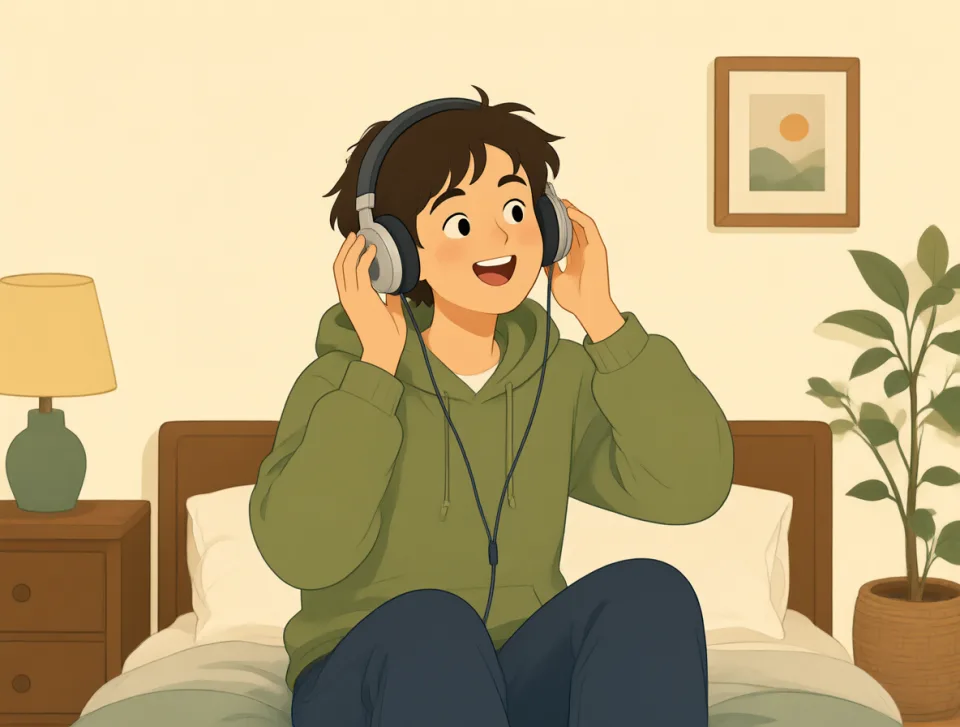
I like this song a lot.
Me gusta mucho esta canción.
great
#124adjective
genial; estupendo; excelente; magnífico
Very good, enjoyable, or important.
Muy bueno, agradable o importante.

We had a great time at the party.
Lo pasamos genial en la fiesta.
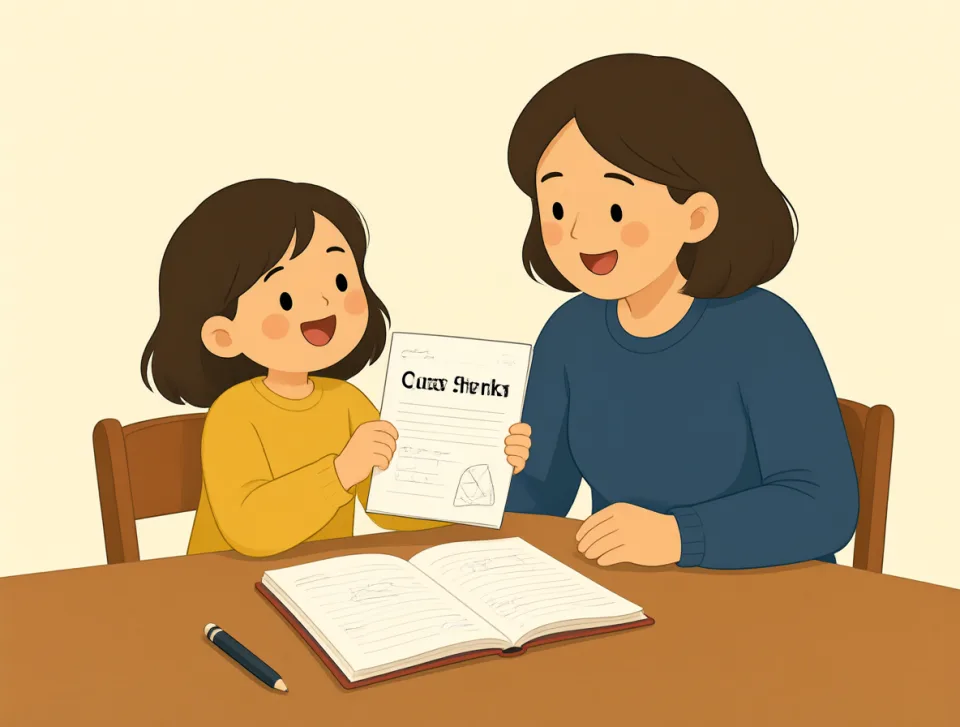
She did a great job on her homework.
Hizo un trabajo estupendo con sus deberes.
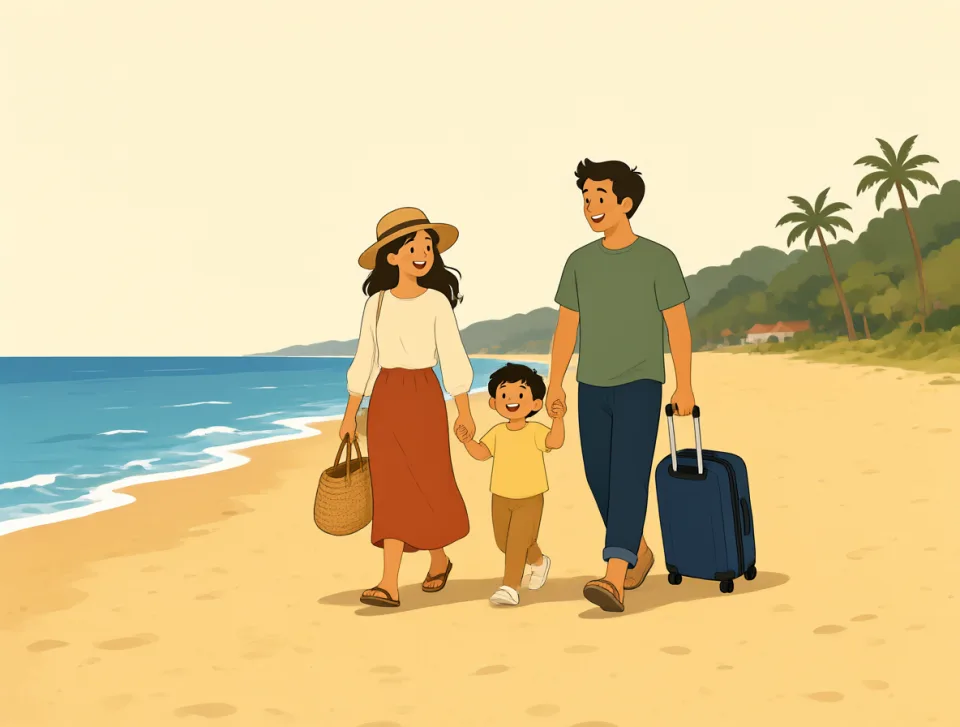
The weather was great for our trip.
Hizo un tiempo estupendo para nuestro viaje.
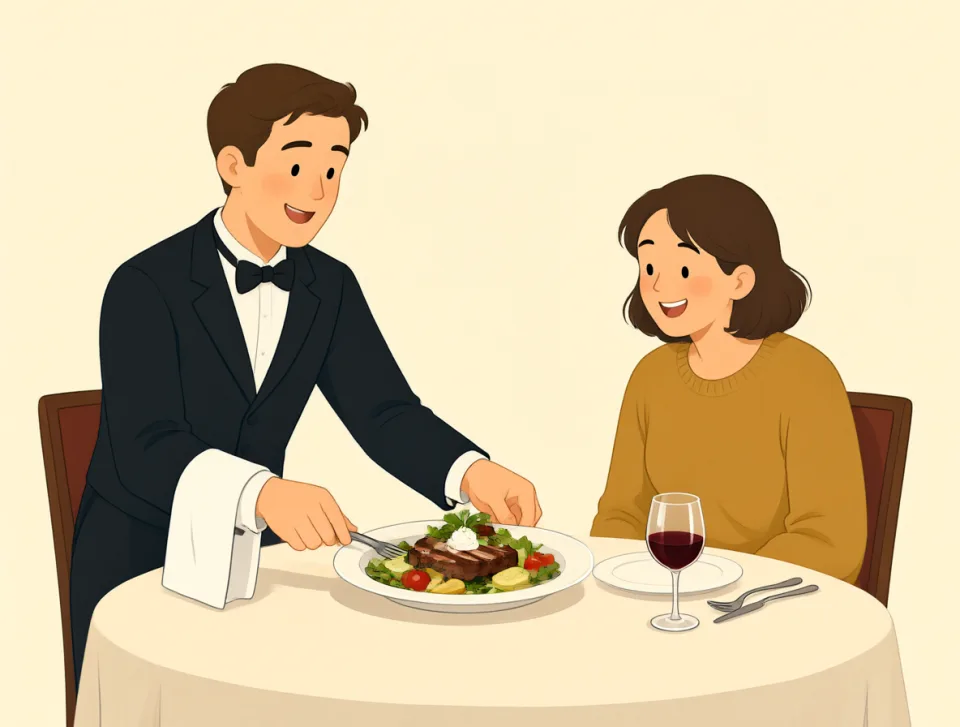
This restaurant serves great food.
Este restaurante sirve comida excelente.
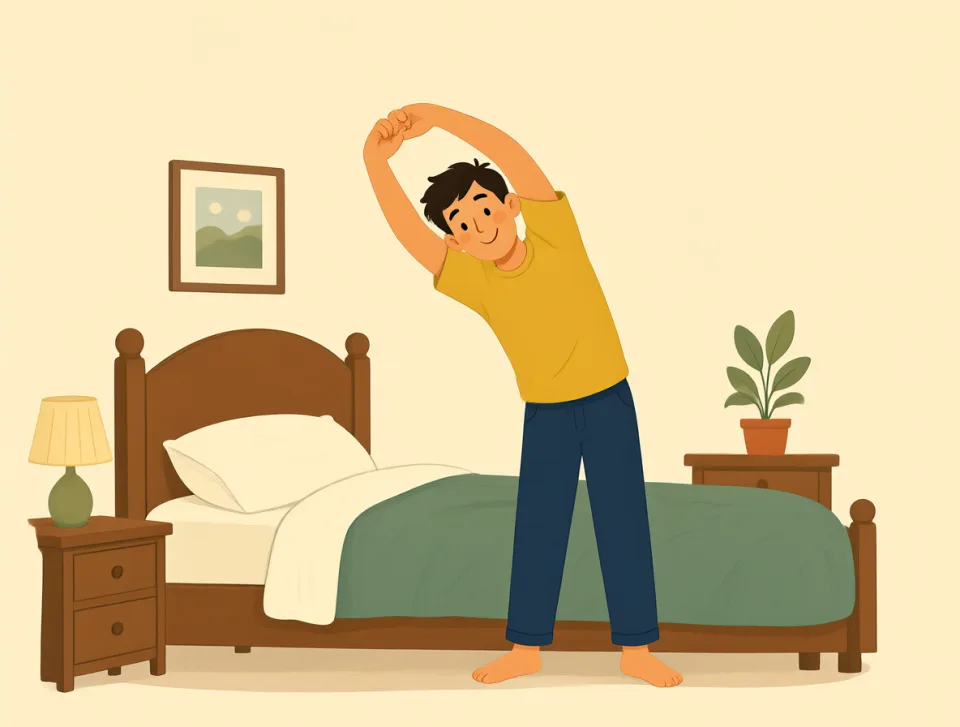
He felt great after a good night's sleep.
Se sintió genial después de dormir bien.
try
#125verb, noun
intentar; probar; intento
To do something to see if it works or to make something happen.
Hacer algo para ver si funciona o para conseguir que suceda algo.
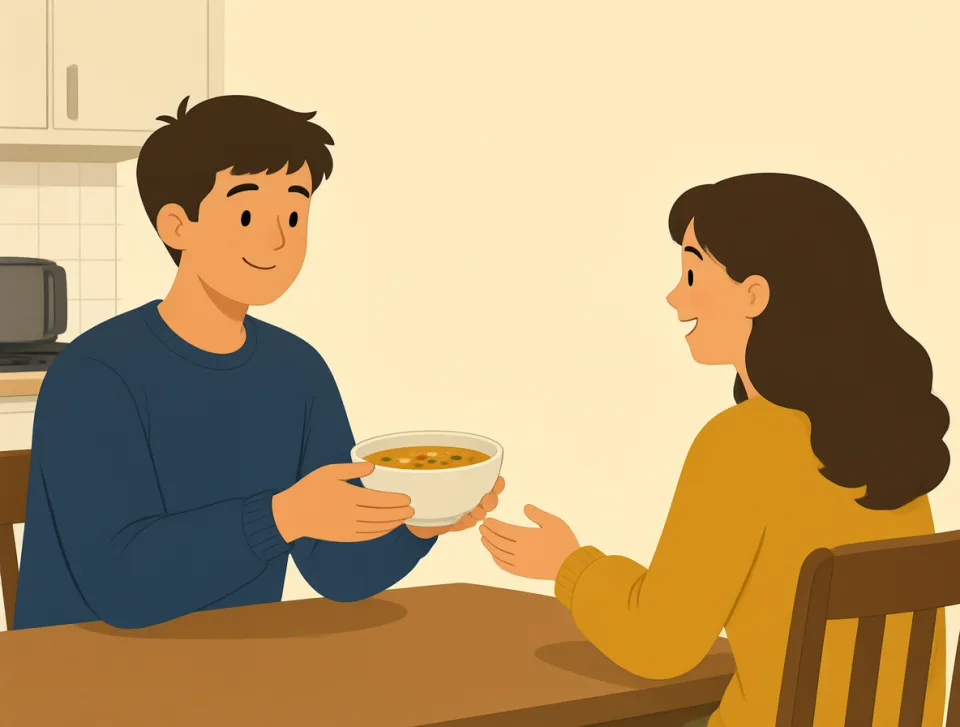
Try this soup; it tastes really good.
Prueba esta sopa; está muy rica.
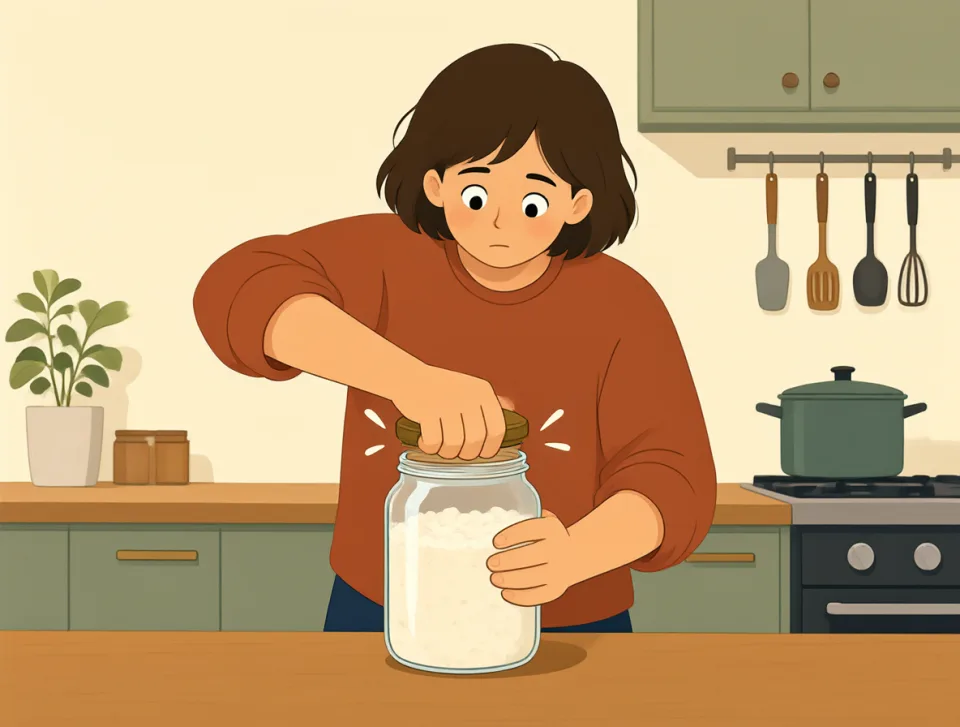
I tried to open the jar.
Intenté abrir el frasco.
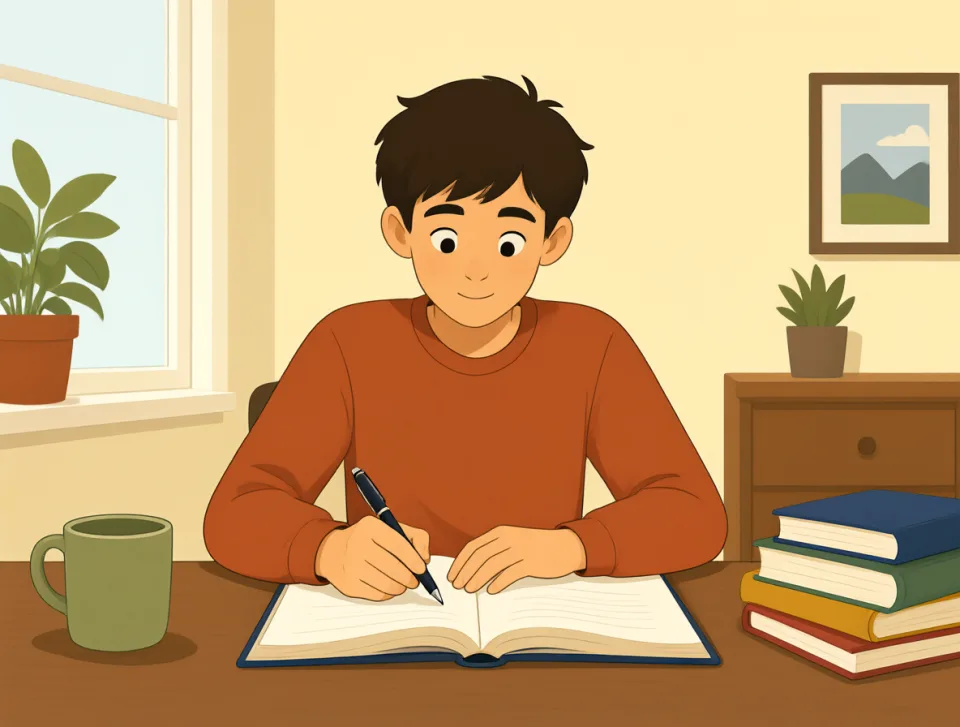
Please try again tomorrow.
Por favor, inténtalo de nuevo mañana.
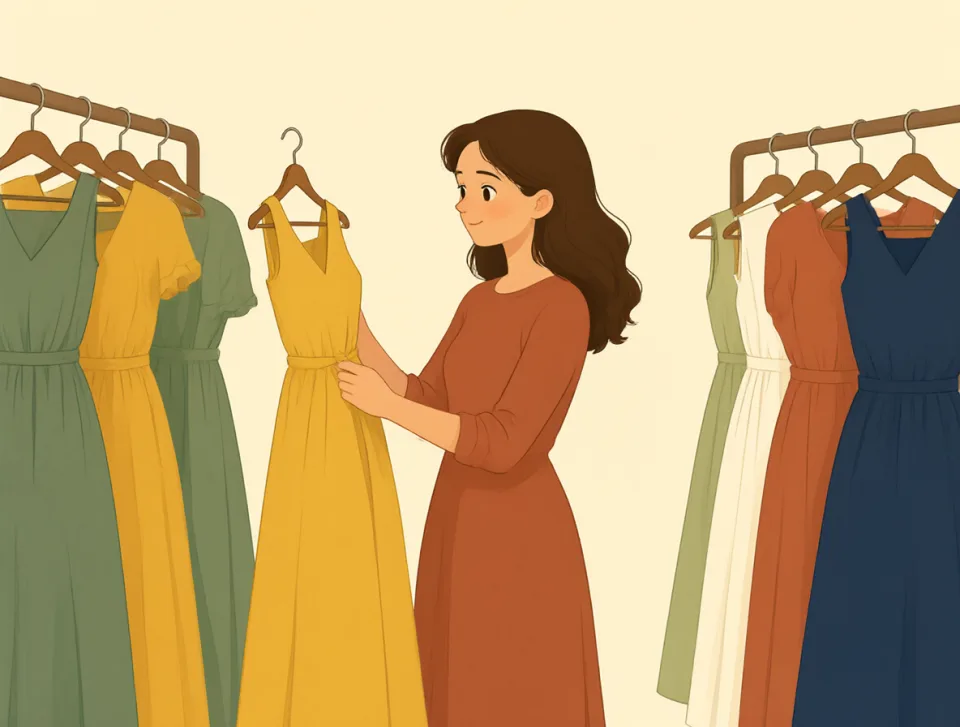
She tried on three dresses.
Se probó tres vestidos.
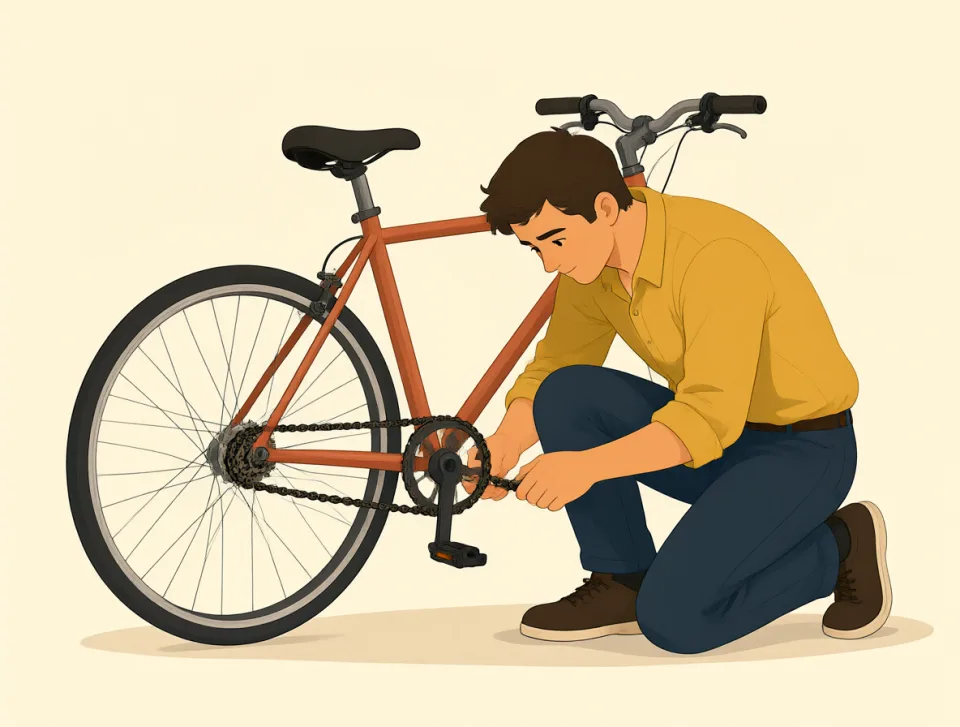
He made a try at fixing the bike.
Intentó arreglar la bicicleta.
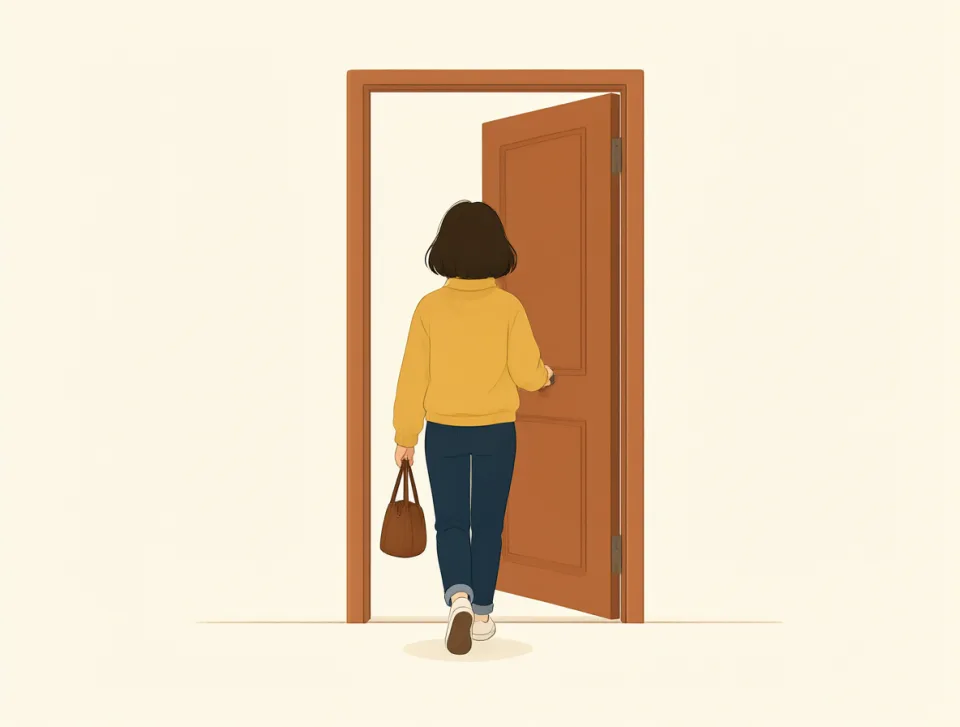
leave
#126verb, noun
dejar; irse; salir
to go away from a place or person, or to let someone go
irse de un lugar o de junto a una persona, o dejar que alguien se vaya
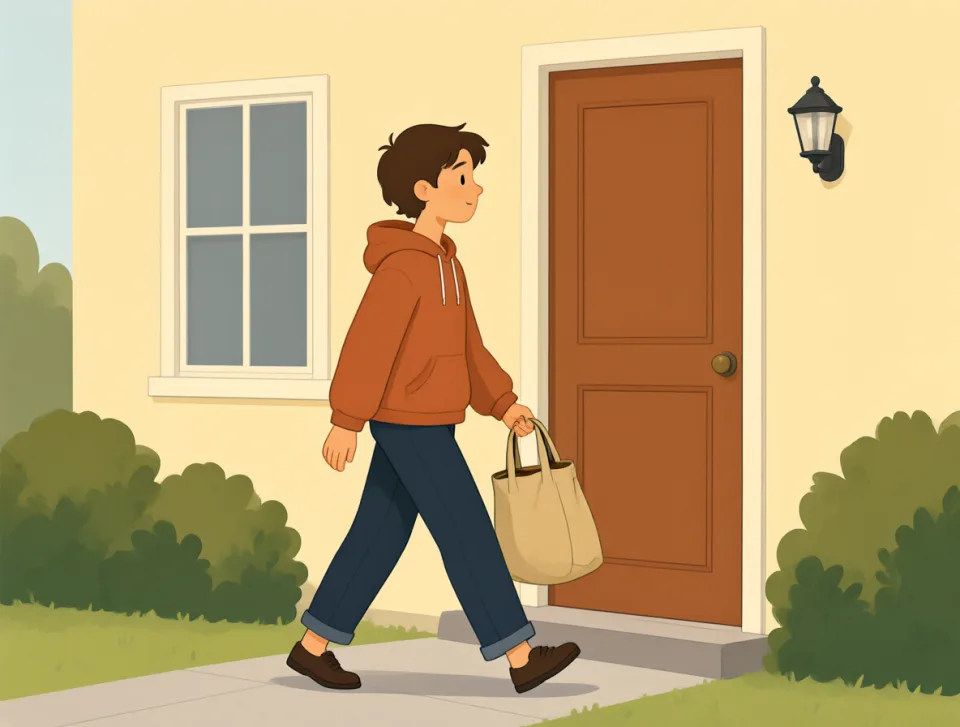
I leave home at seven every morning.
Salgo de casa a las siete todas las mañanas.
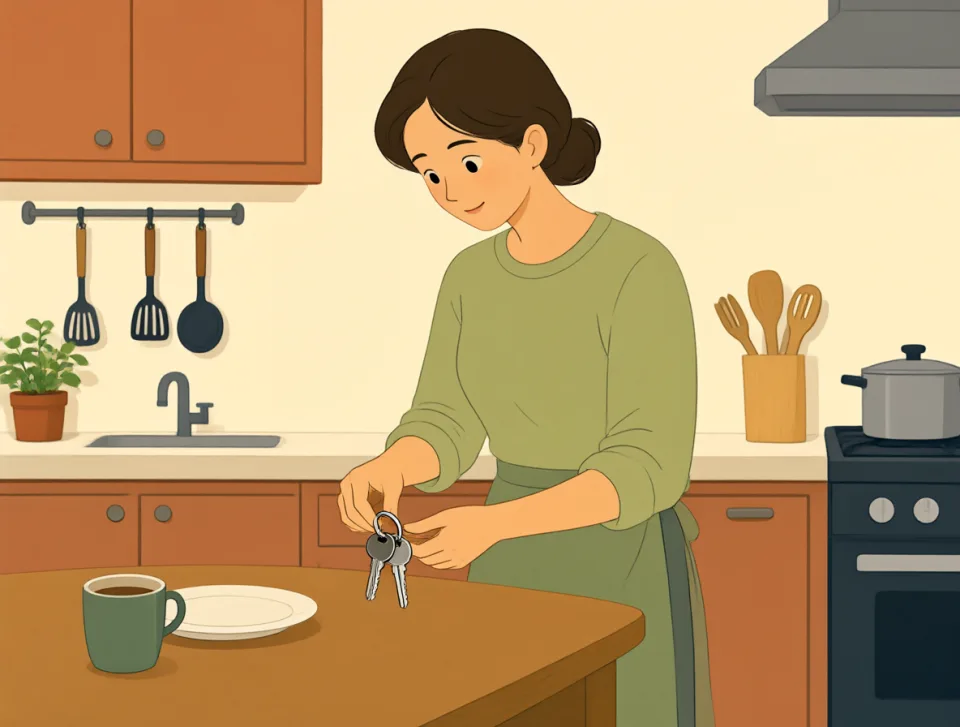
She left her keys on the kitchen table.
Ella dejó las llaves sobre la mesa de la cocina.
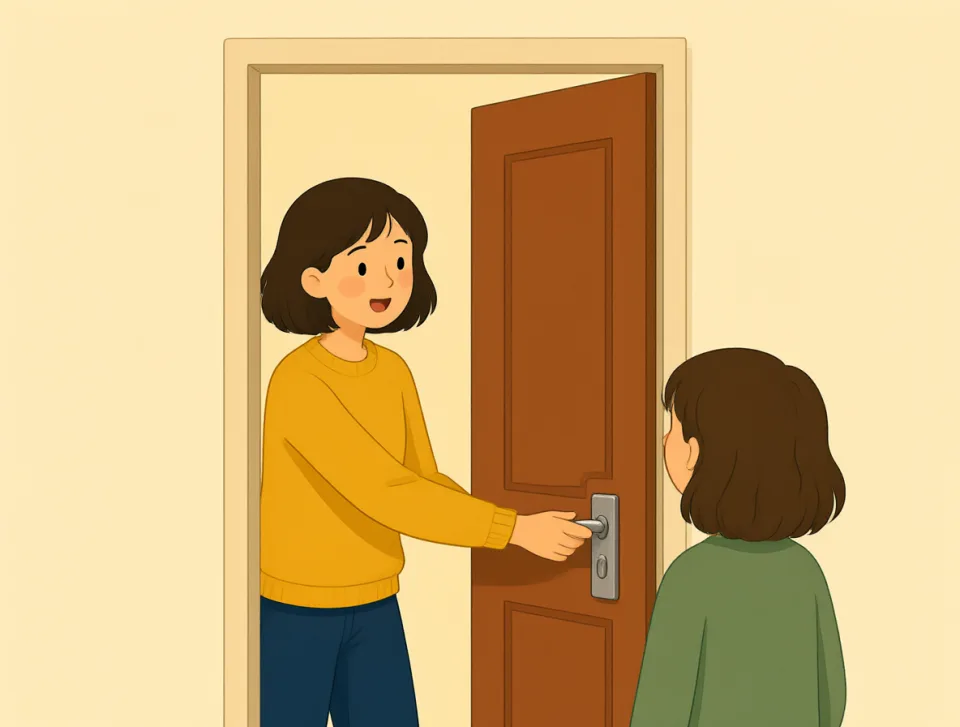
Please leave the door open.
Por favor, deja la puerta abierta.
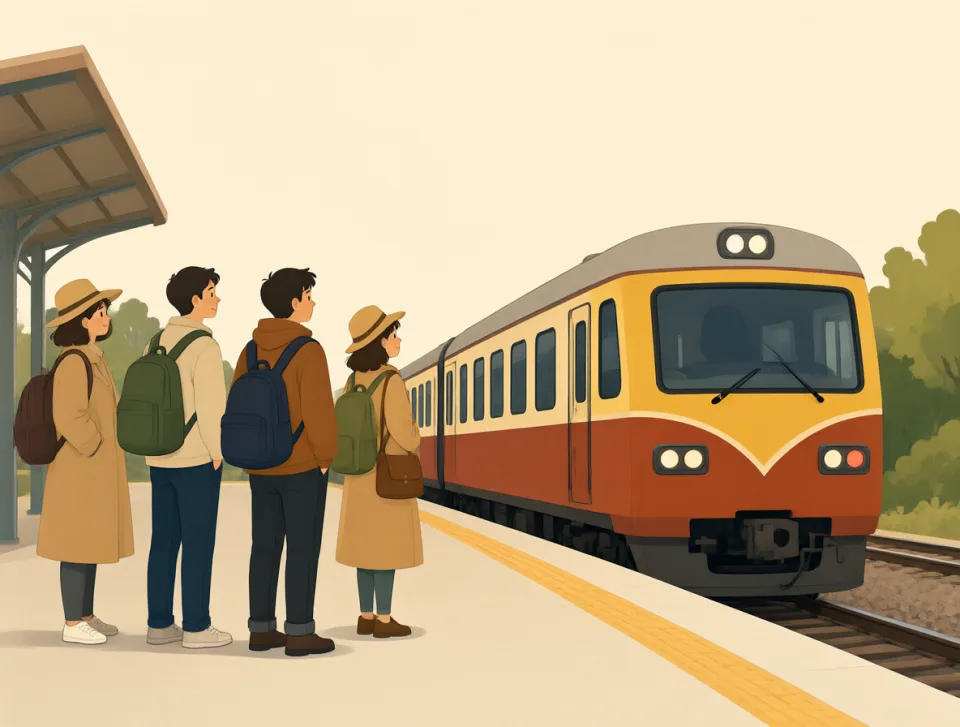
Our train leaves at six o'clock.
Nuestro tren sale a las seis.
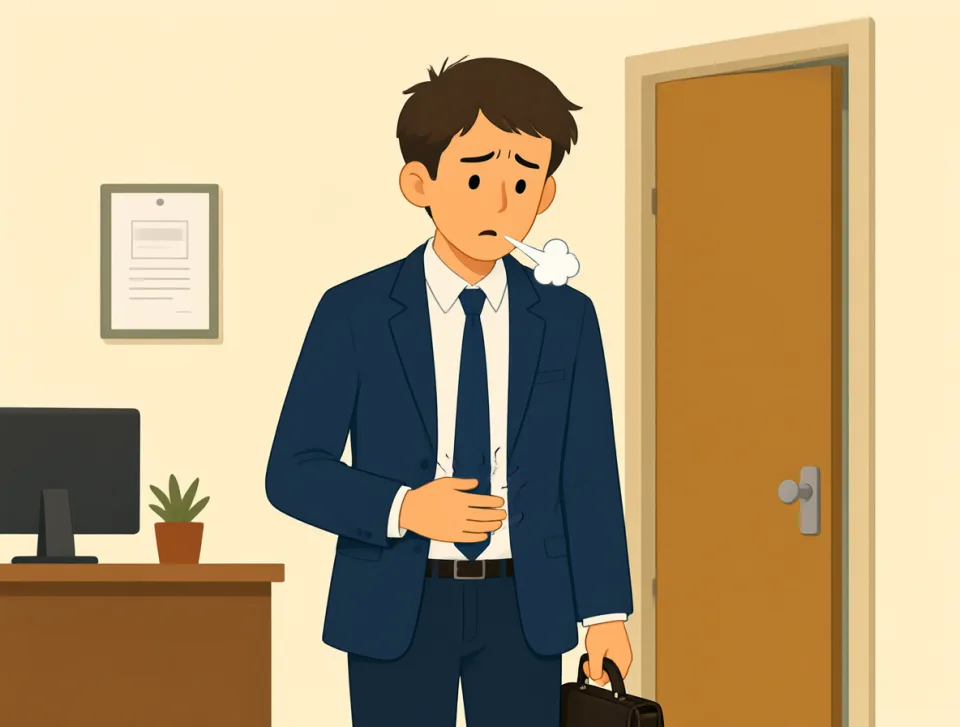
He left work early because he felt sick.
Se fue temprano del trabajo porque se sentía mal.
number
#127noun, verb
número; numerar
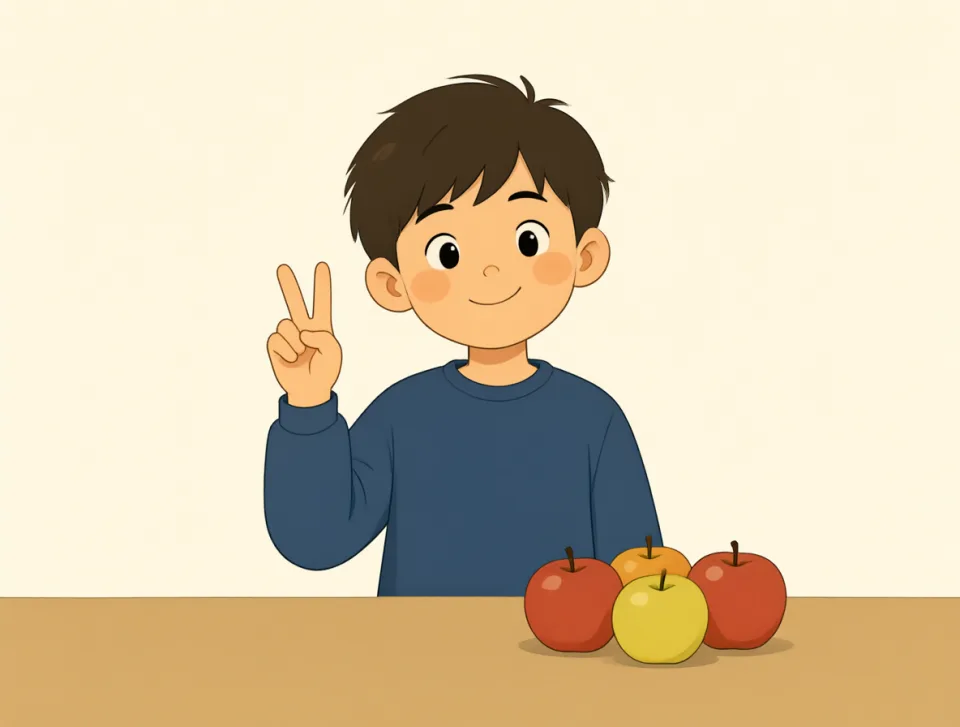
A word or symbol that shows how many people or things there are.
Una palabra o símbolo que indica cuántas personas o cosas hay.
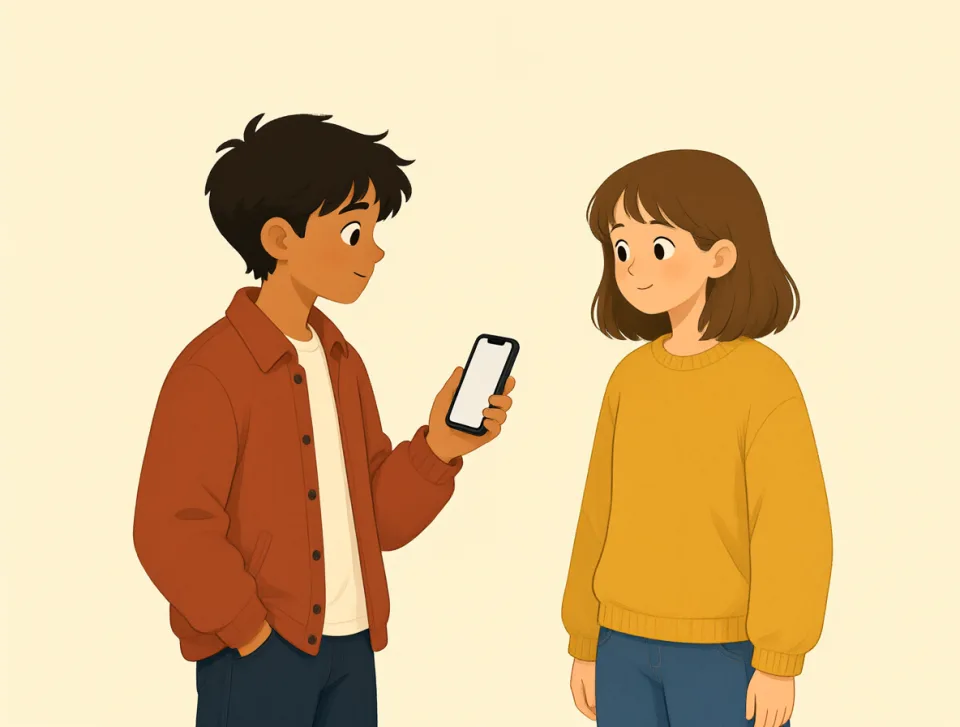
What is your phone number?
¿Cuál es tu número de teléfono?
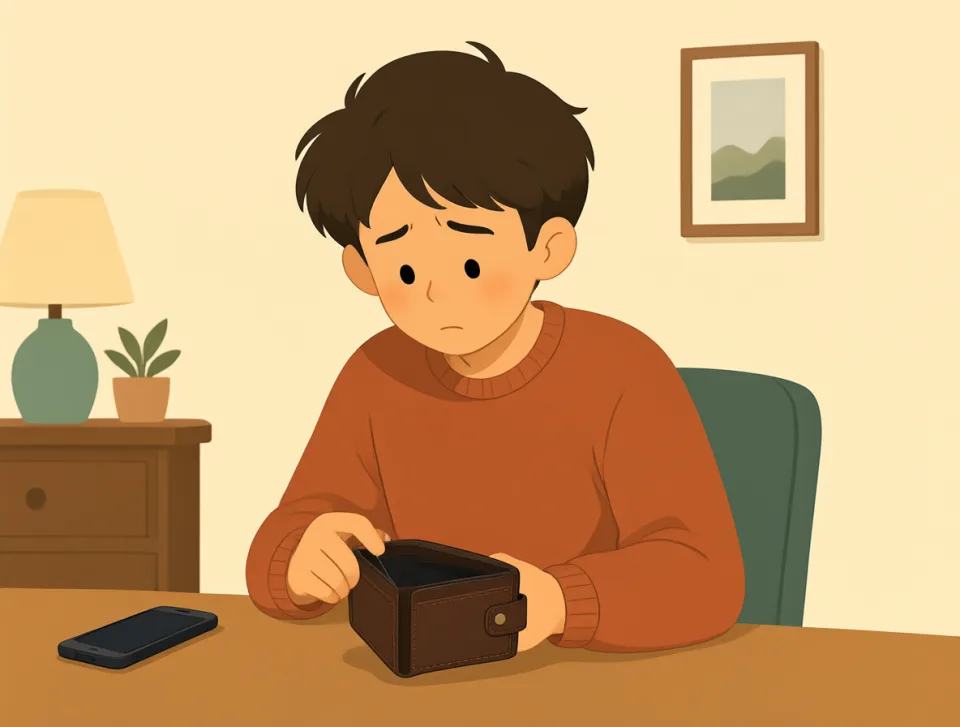
I forgot my phone number.
Olvidé mi número de teléfono.
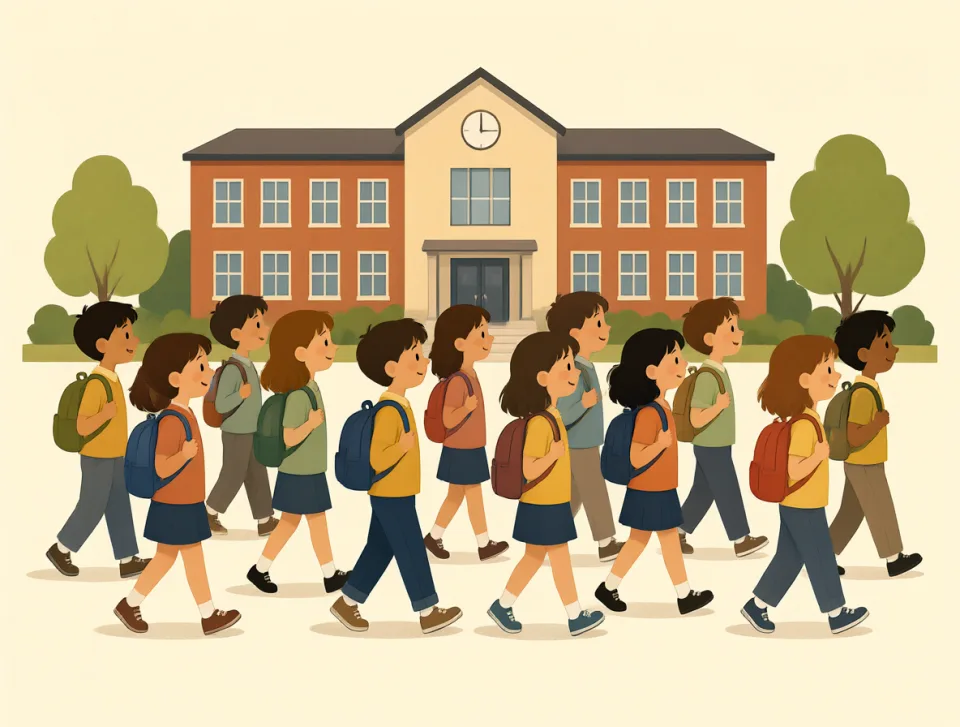
A large number of students walk to school.
Un gran número de estudiantes va caminando a la escuela.
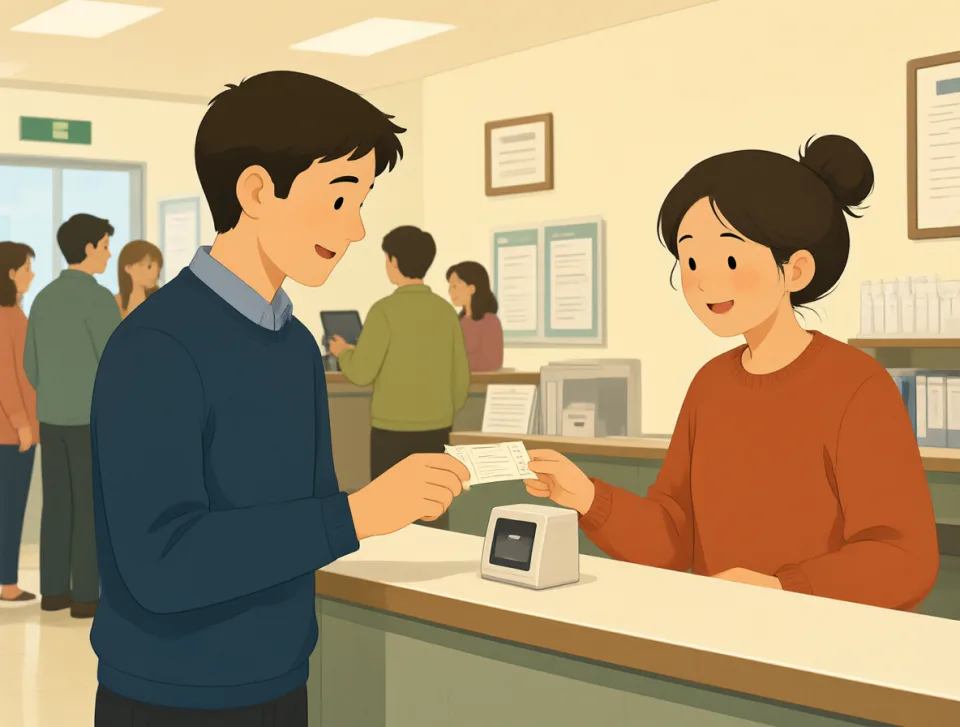
Please take a number and wait here.
Por favor, toma un número y espera aquí.
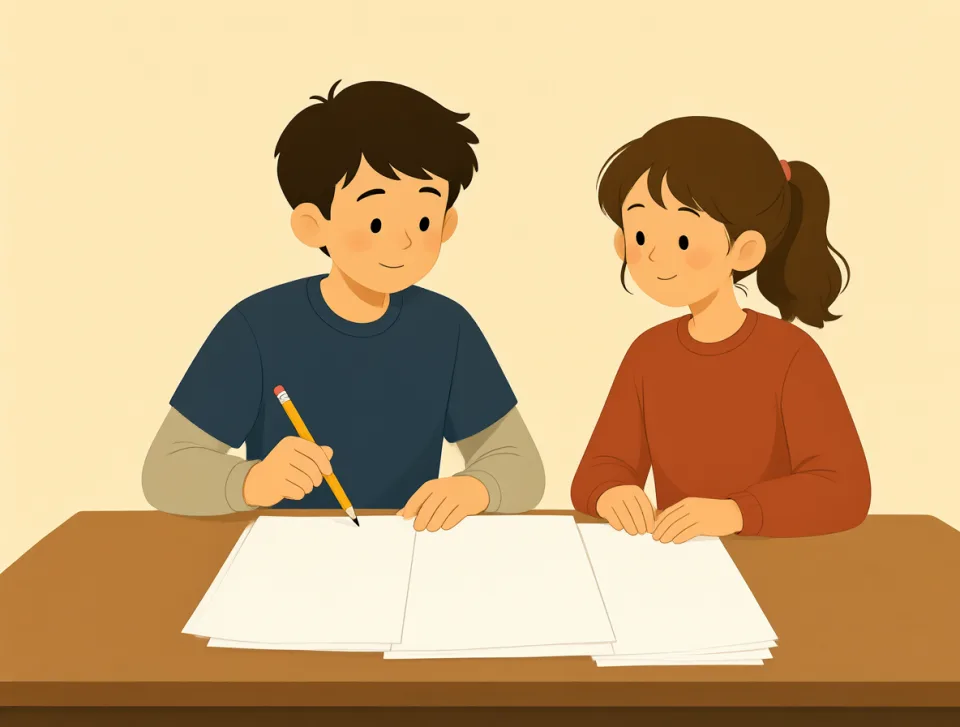
Can you number these pages for me?
¿Puedes numerar estas páginas por mí?
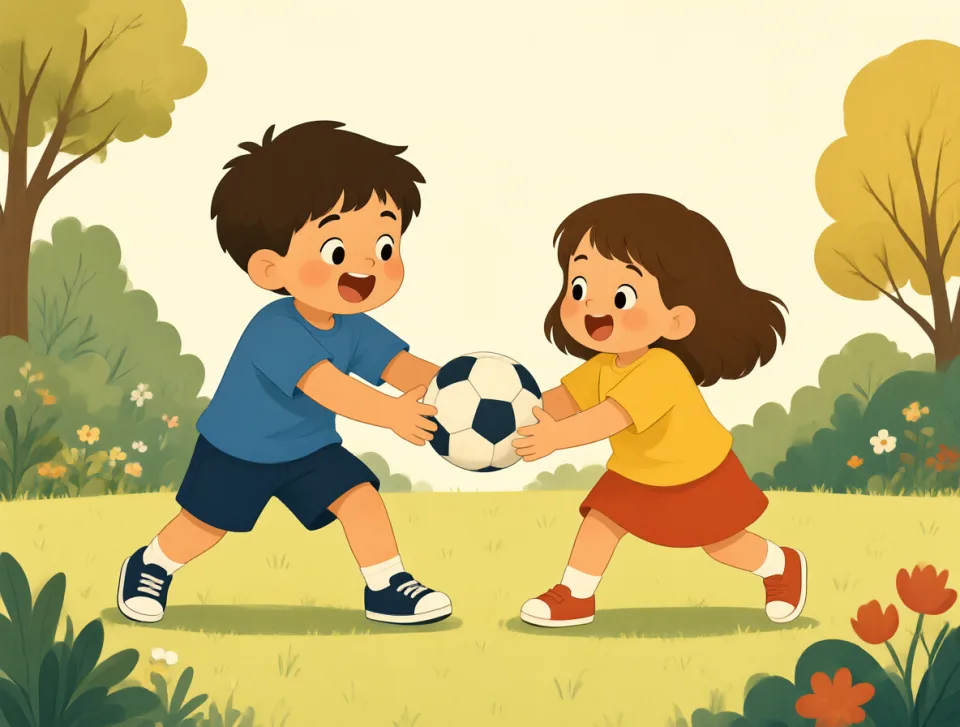
both
#128determiner, pronoun
ambos; las dos cosas
The two people or things together.
Las dos personas o cosas juntas.
Both children are playing in the garden.
Ambos niños están jugando en el jardín.
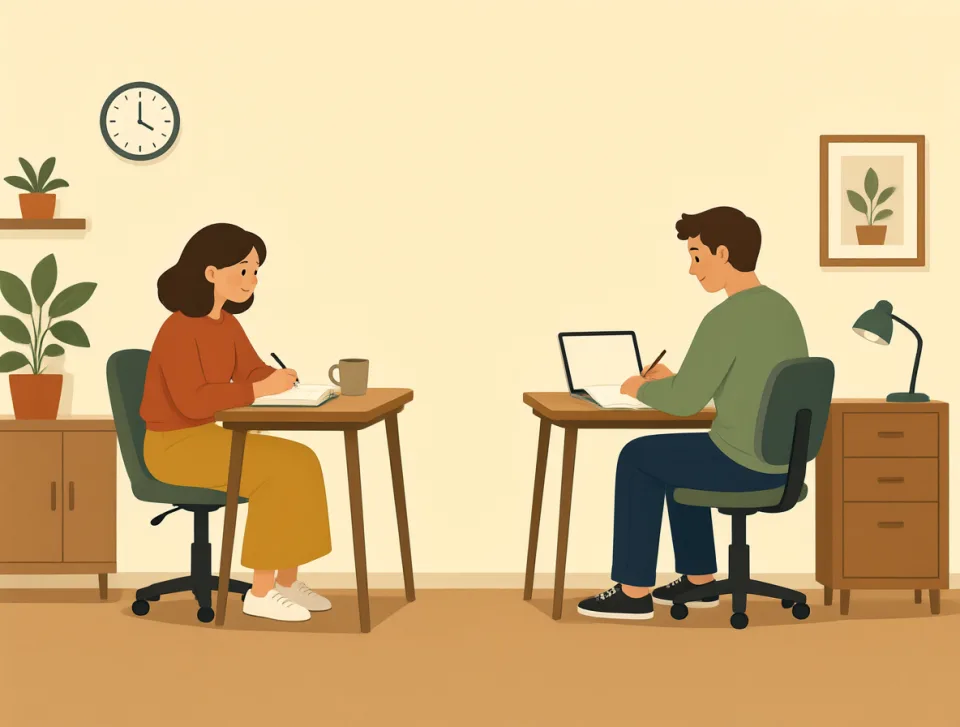
Both of my parents work at home.
Mis dos padres trabajan desde casa.
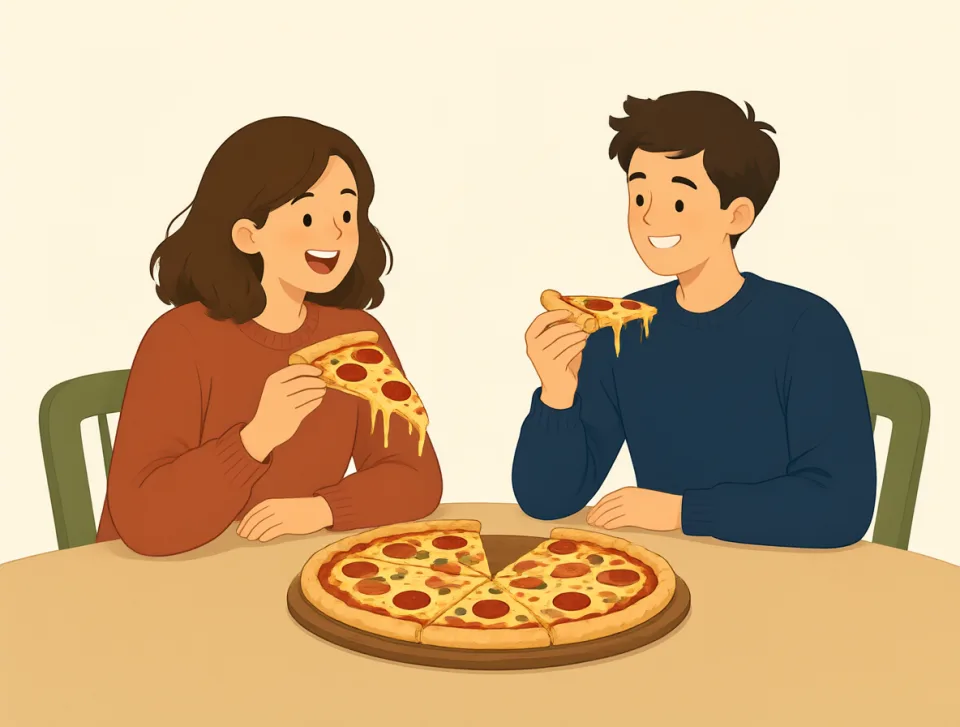
We both like pizza for dinner.
A los dos nos gusta comer pizza en la cena.
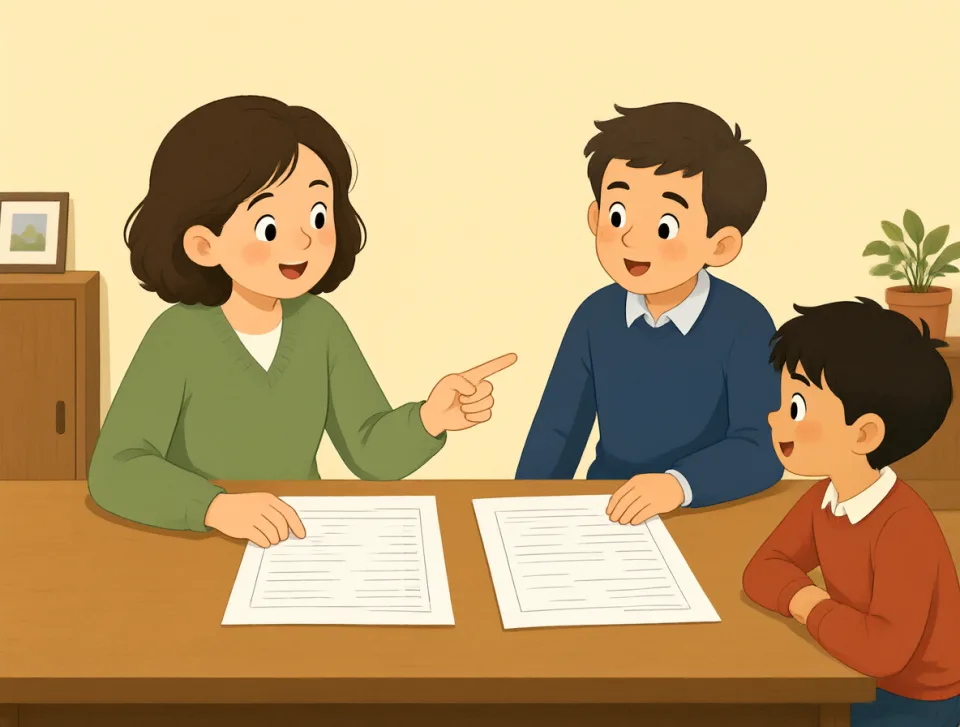
Both answers are correct.
Ambas respuestas son correctas.
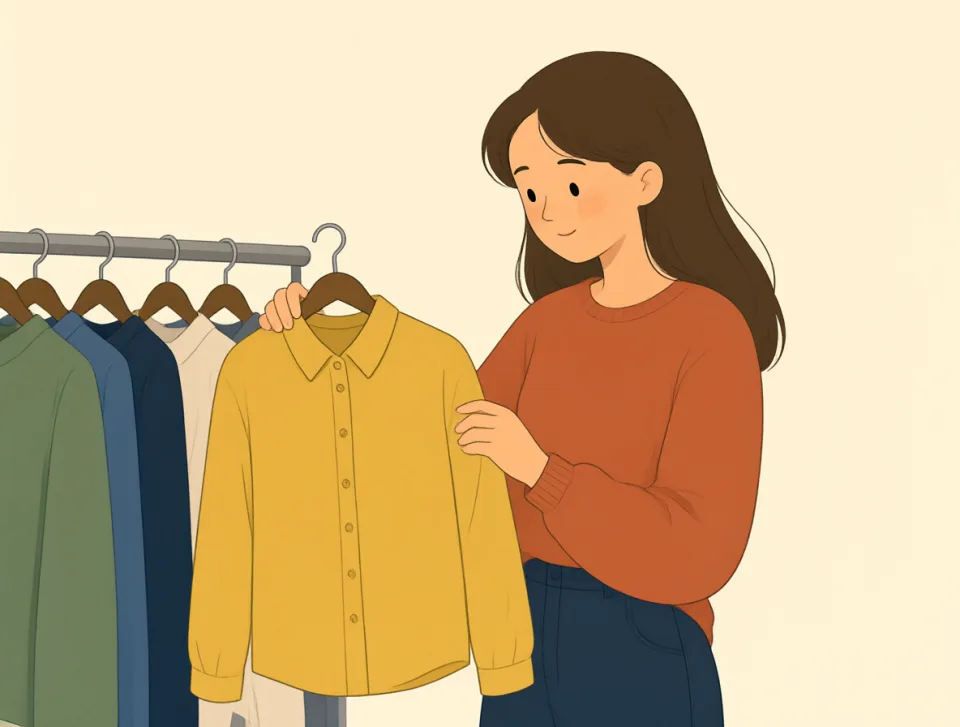
She bought both shirts at the store.
Compró las dos camisas en la tienda.
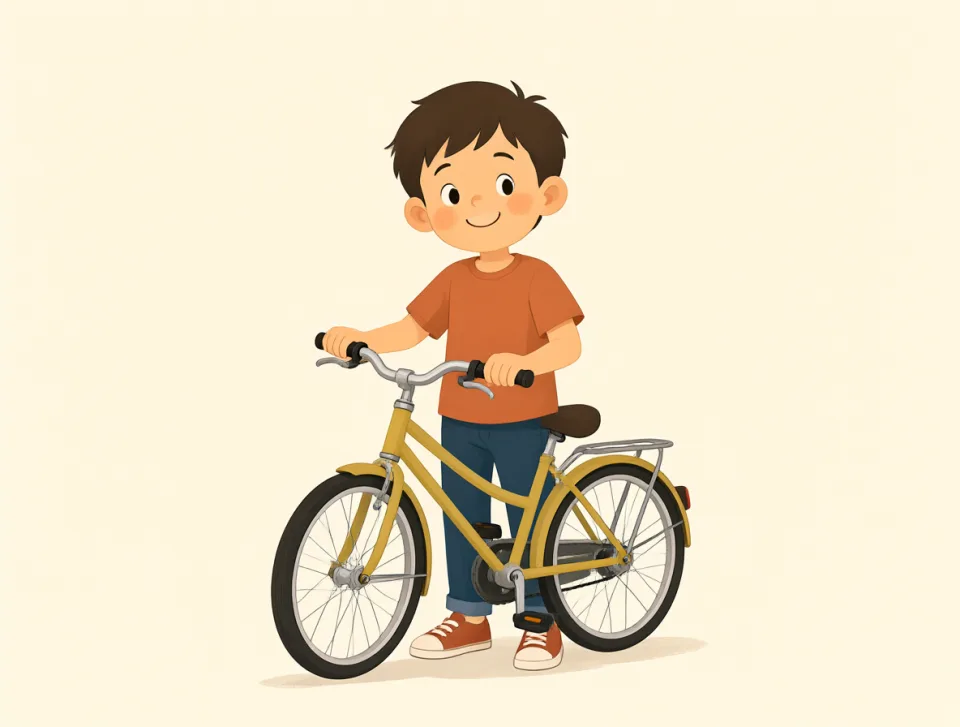
own
#129verb, adjective, pronoun, determiner
tener; propio; propia; propios
to have something that belongs to you
tener algo que te pertenece
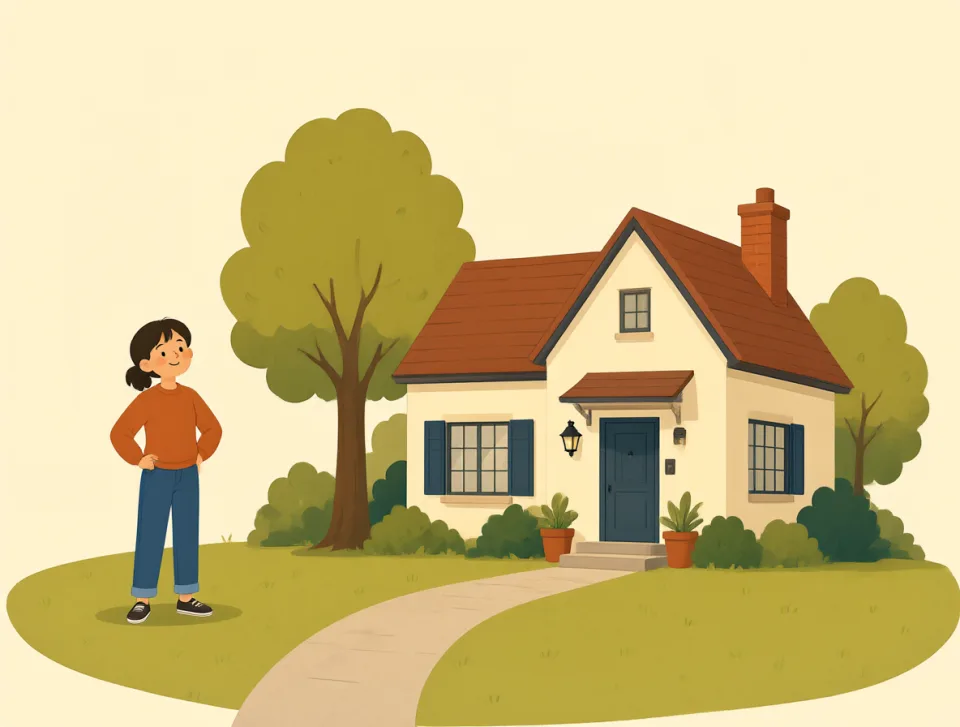
I own a small house near the park.
Tengo una casa pequeña cerca del parque.
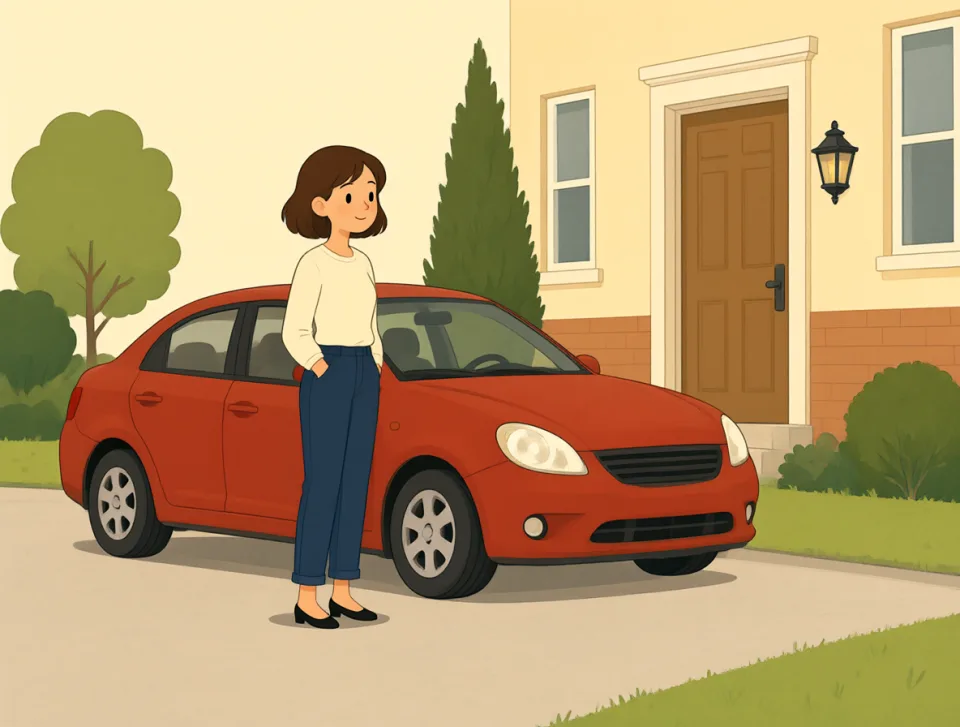
She owns a red car.
Ella tiene un coche rojo.
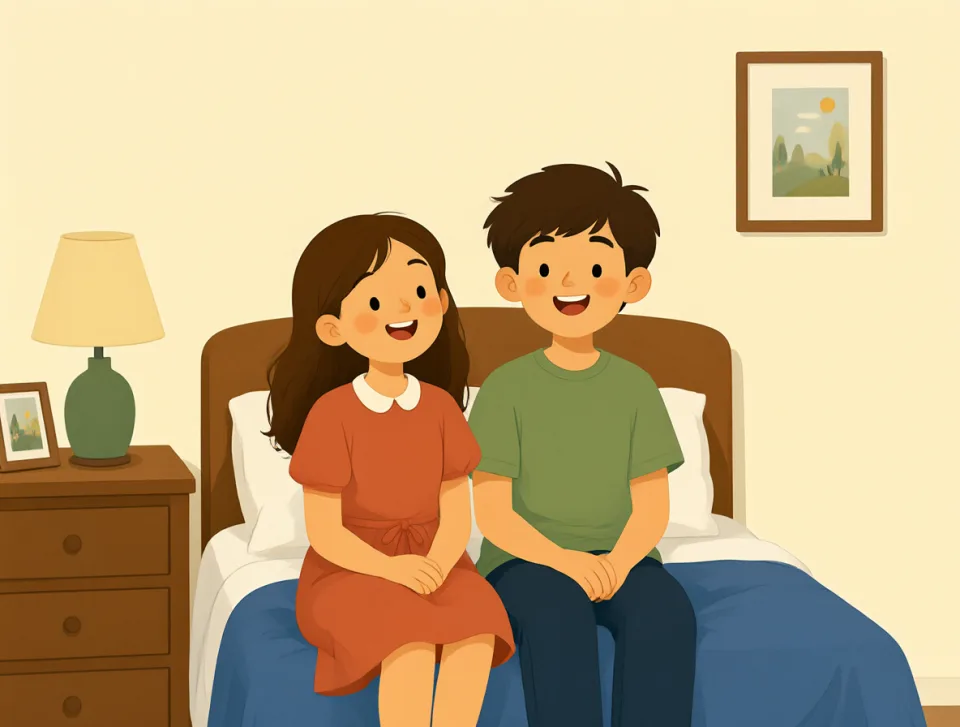
We have our own room at home.
Tenemos nuestra propia habitación en casa.
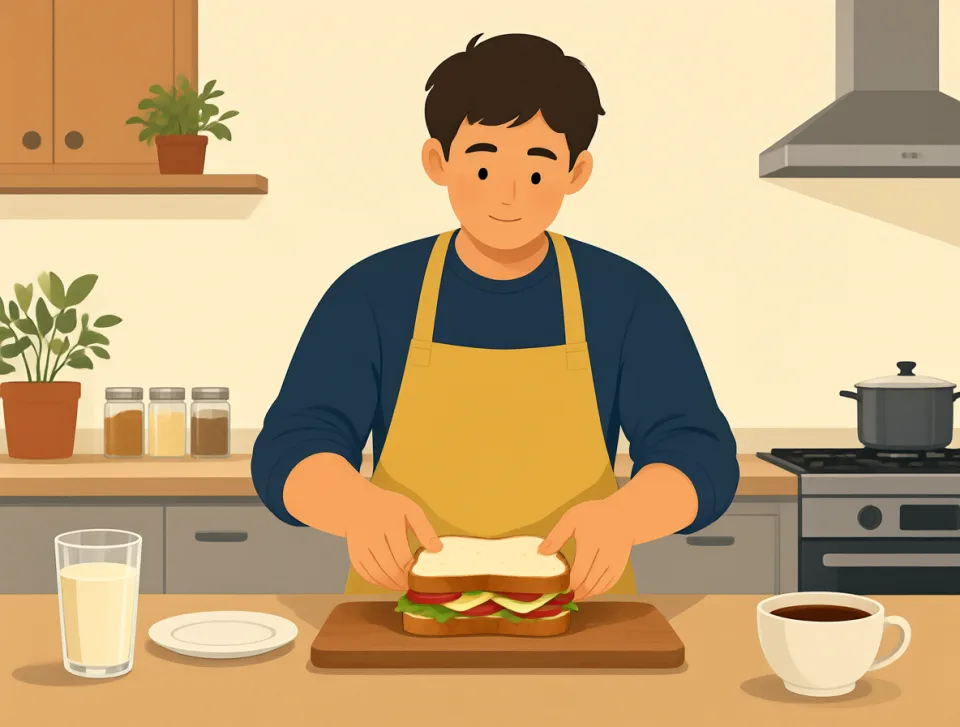
He made his own lunch today.
Hoy se preparó su propia comida.
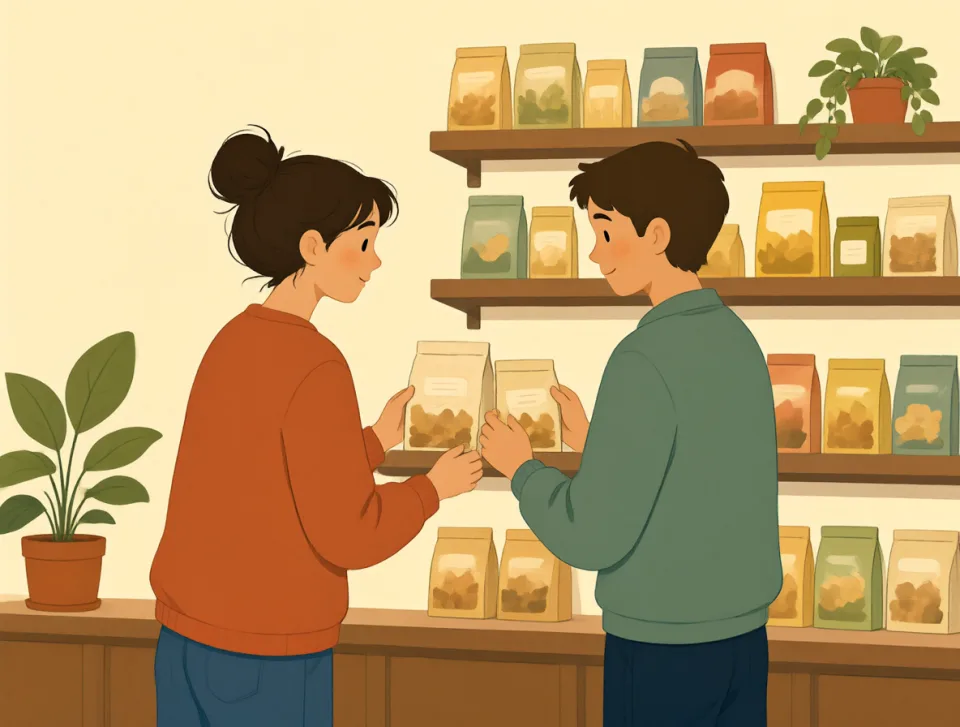
They opened their own shop last year.
El año pasado abrieron su propia tienda.
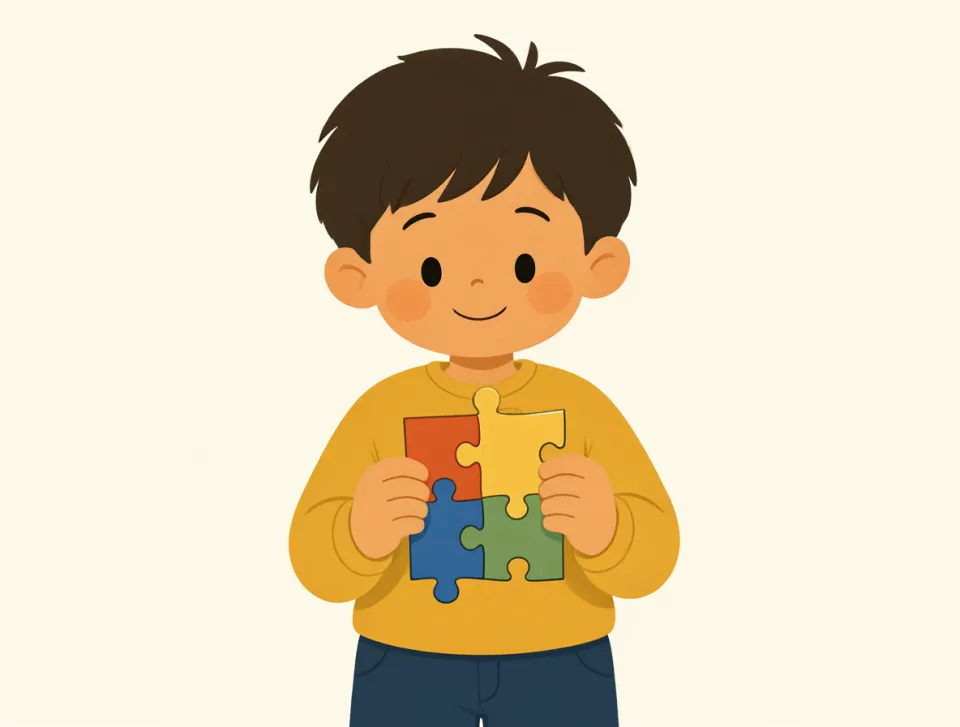
part
#130noun, verb
parte; participar
A piece of something, or a role in an activity; to take part in something.
Una pieza de algo o un papel en una actividad; participar en algo.
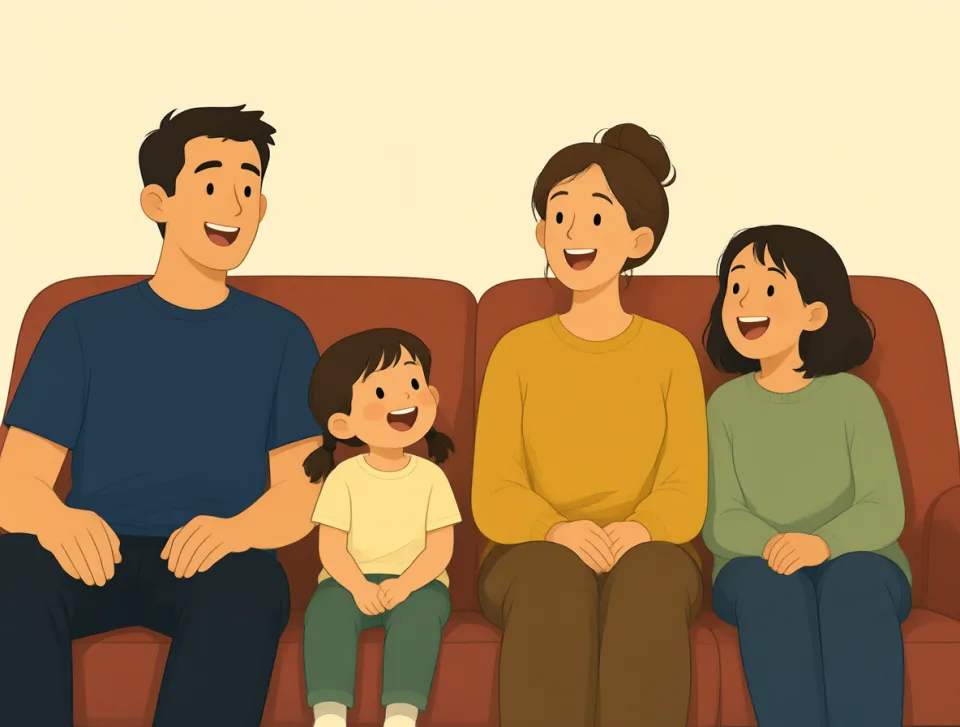
This is the best part of the movie.
Esta es la mejor parte de la película.
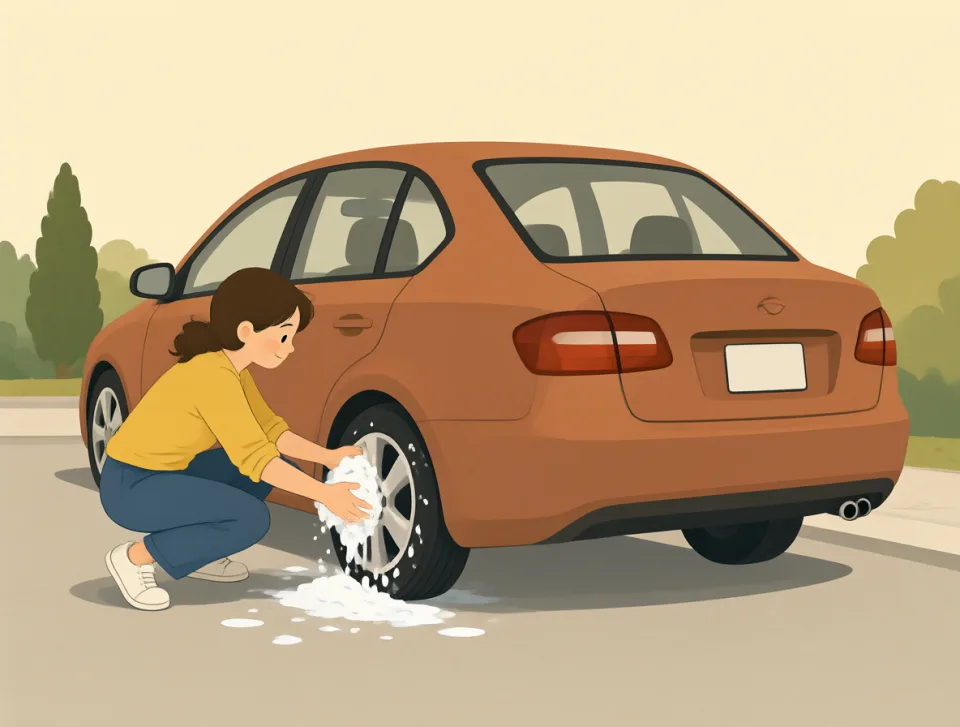
Please wash the dirty parts of the car.
Lava las partes sucias del coche, por favor.
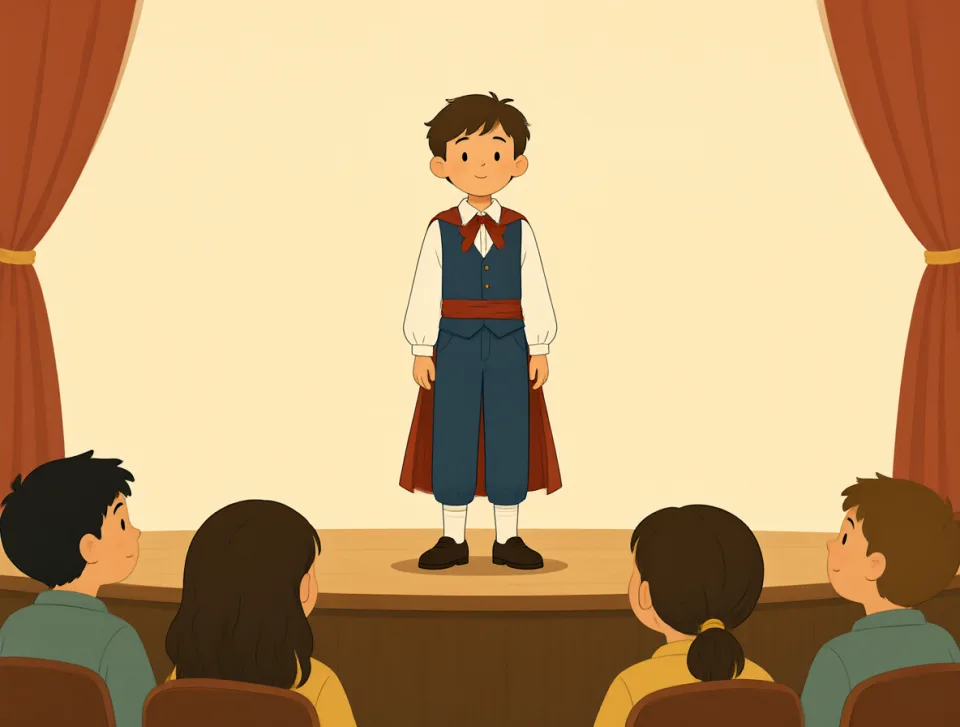
She played an important part in the school play.
Ella interpretó un papel importante en la obra de teatro de la escuela.
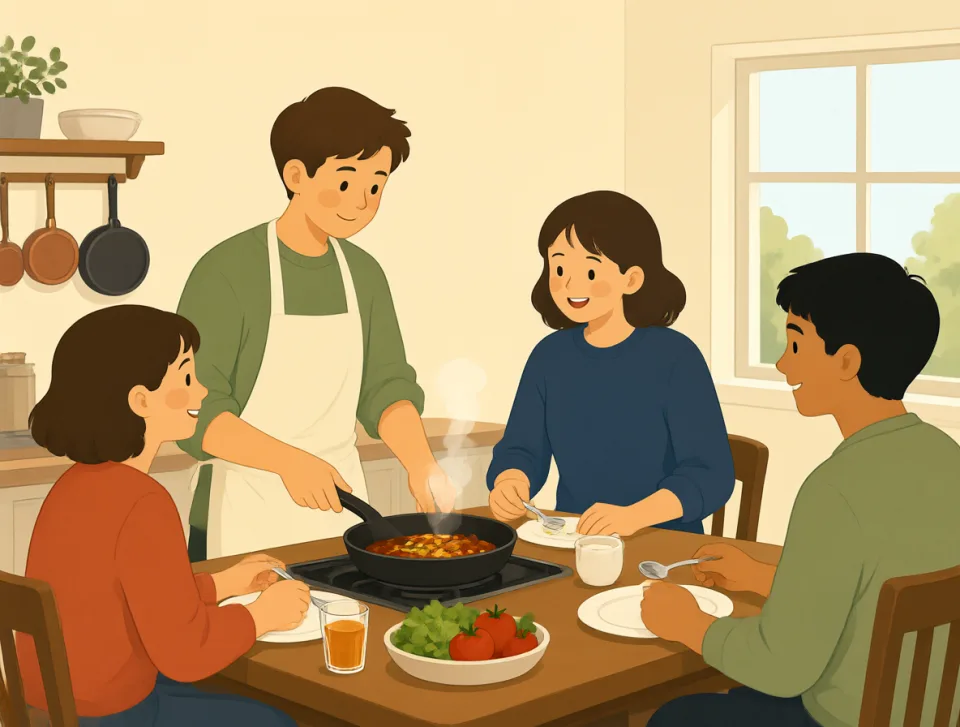
I want to take part in the cooking class.
Quiero participar en la clase de cocina.
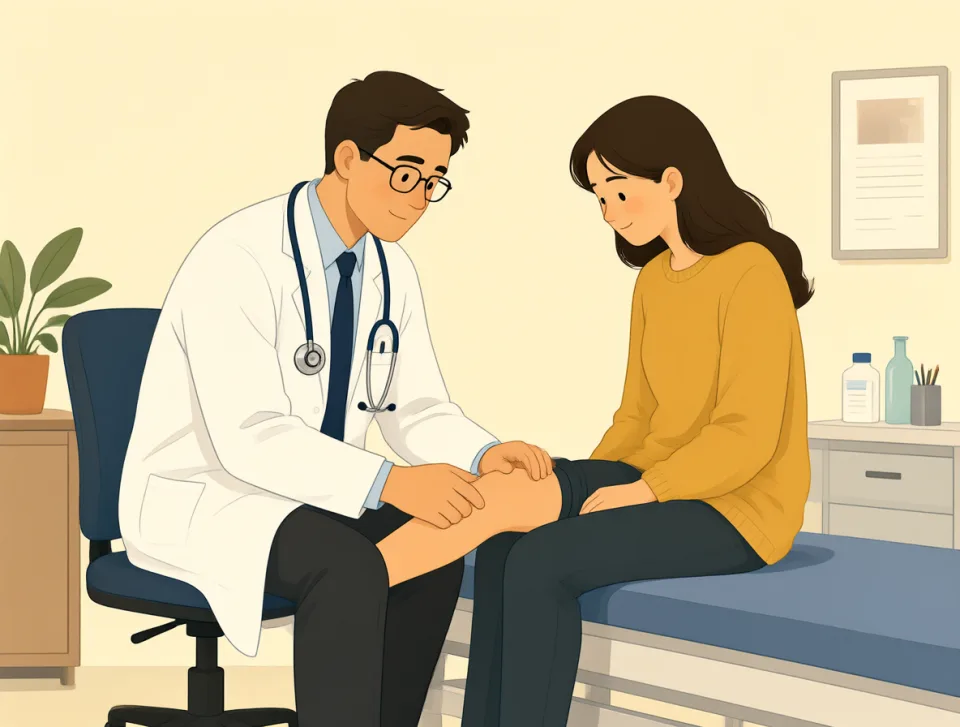
The doctor checked the painful part of my leg.
El médico examinó la parte dolorida de mi pierna.
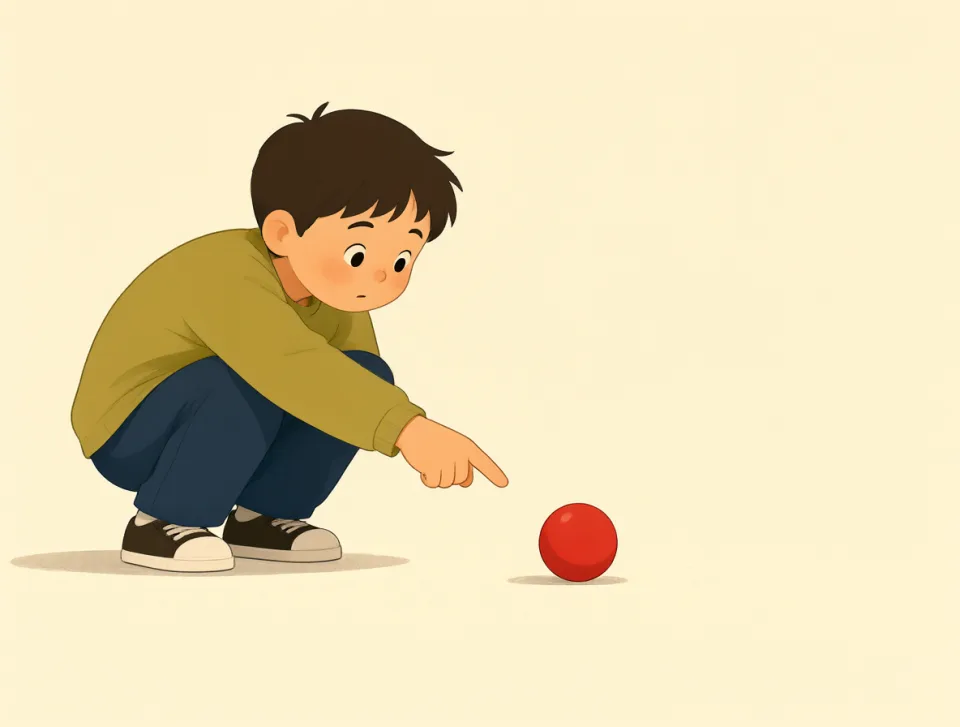
point
#131noun, verb
punto; señalar; indicar
A sharp end, exact place, purpose, or idea; to show or direct attention.
Un extremo puntiagudo, un lugar exacto, un propósito o una idea; mostrar o dirigir la atención.
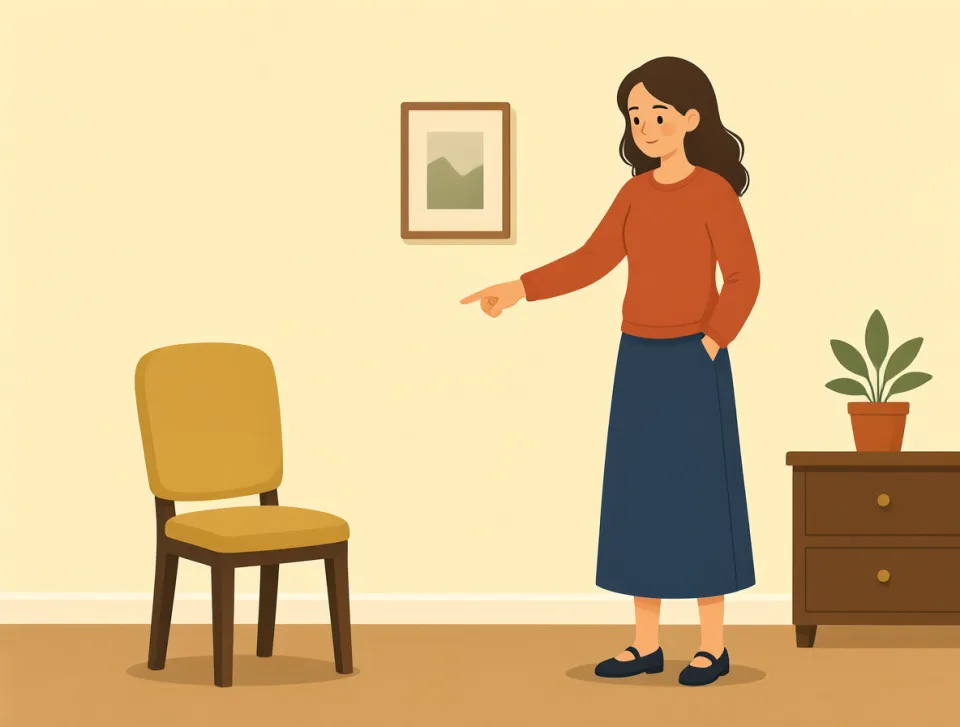
She pointed to the empty chair.
Señaló la silla vacía.

The meeting starts at this point.
La reunión empieza en este punto.
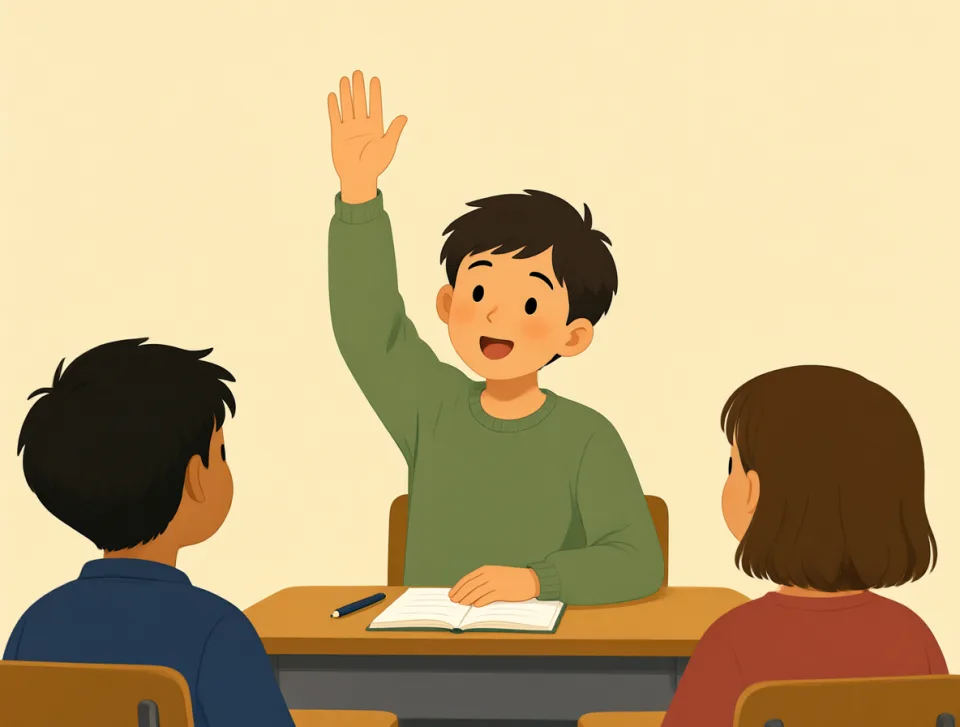
He made a good point in class.
Hizo un buen comentario en clase.
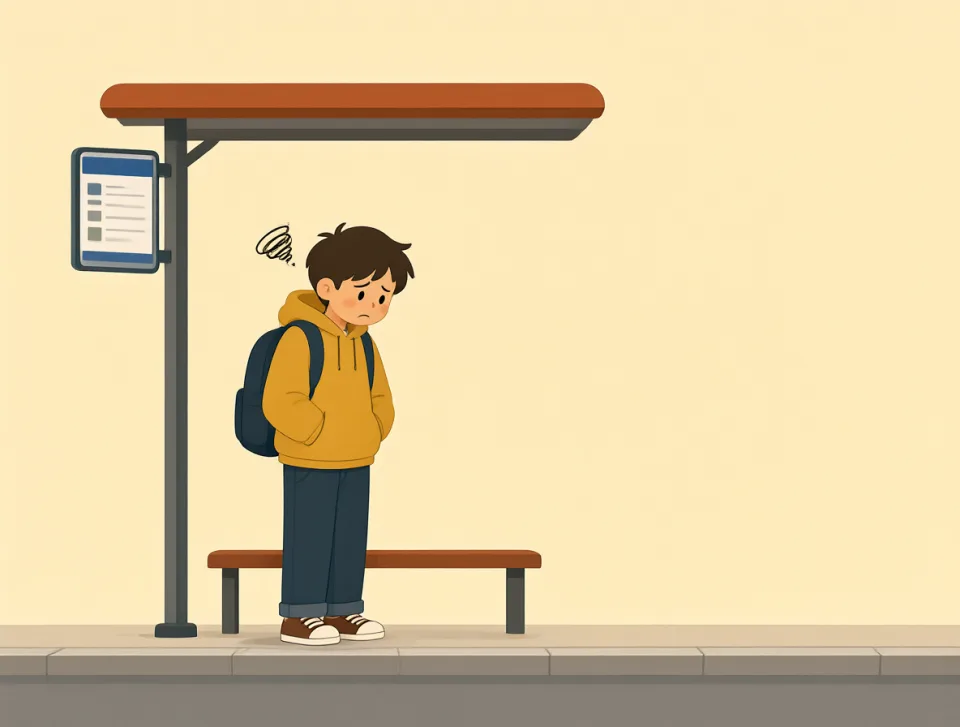
There is no point in waiting.
No tiene sentido esperar.
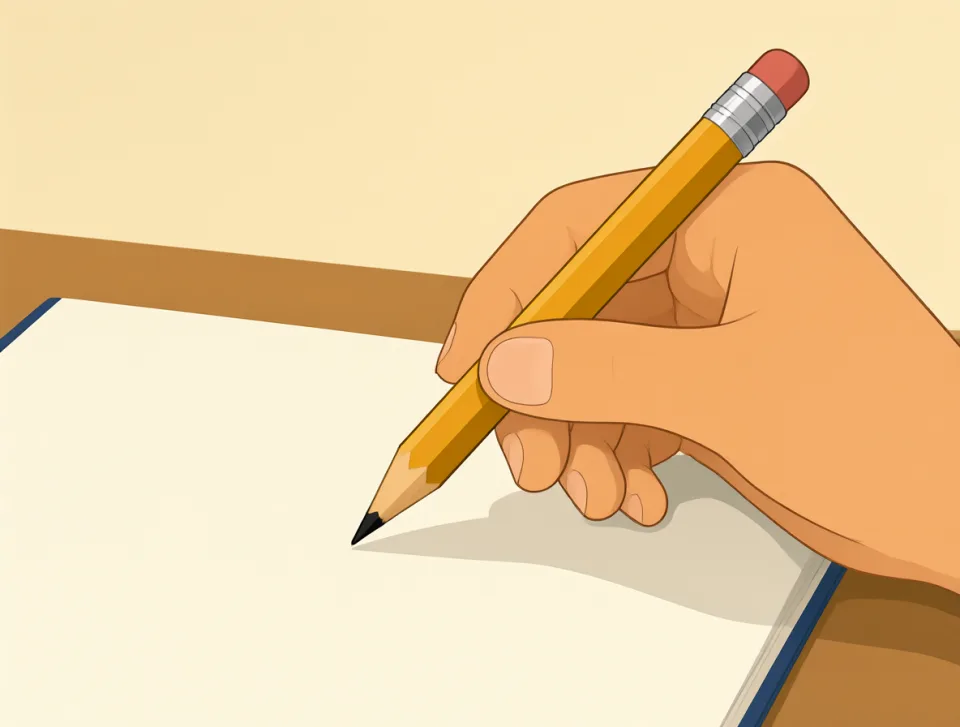
The pencil has a sharp point.
El lápiz tiene una punta afilada.
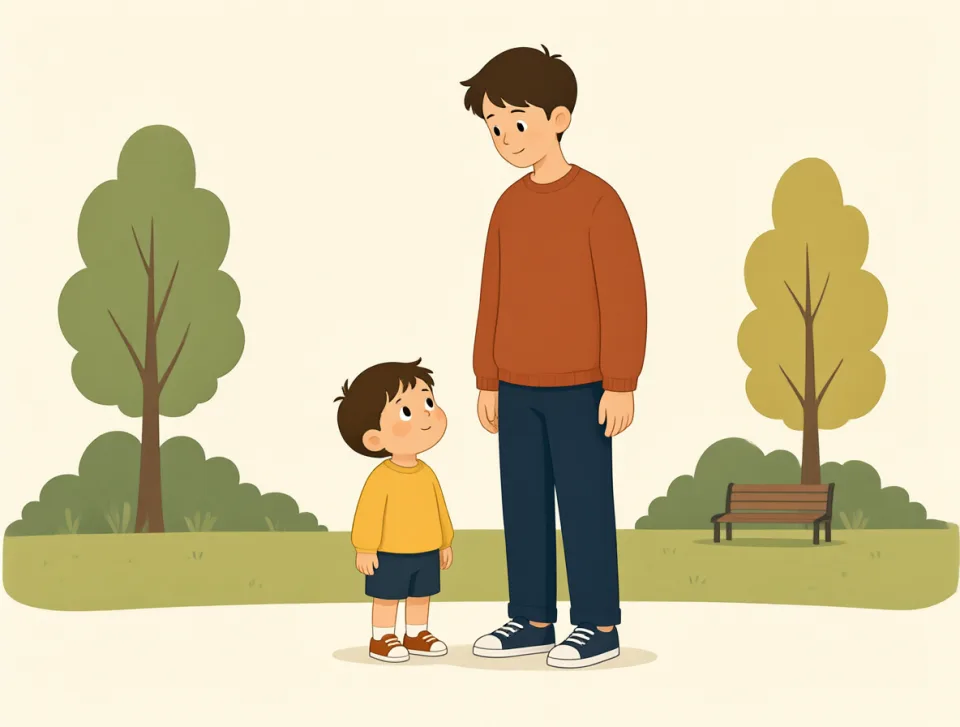
little
#132adjective, adverb, determiner, pronoun, noun
poco; pequeño
Small in size or amount; not much; to a small degree.
Pequeño en tamaño o cantidad; no mucho; en poca medida.
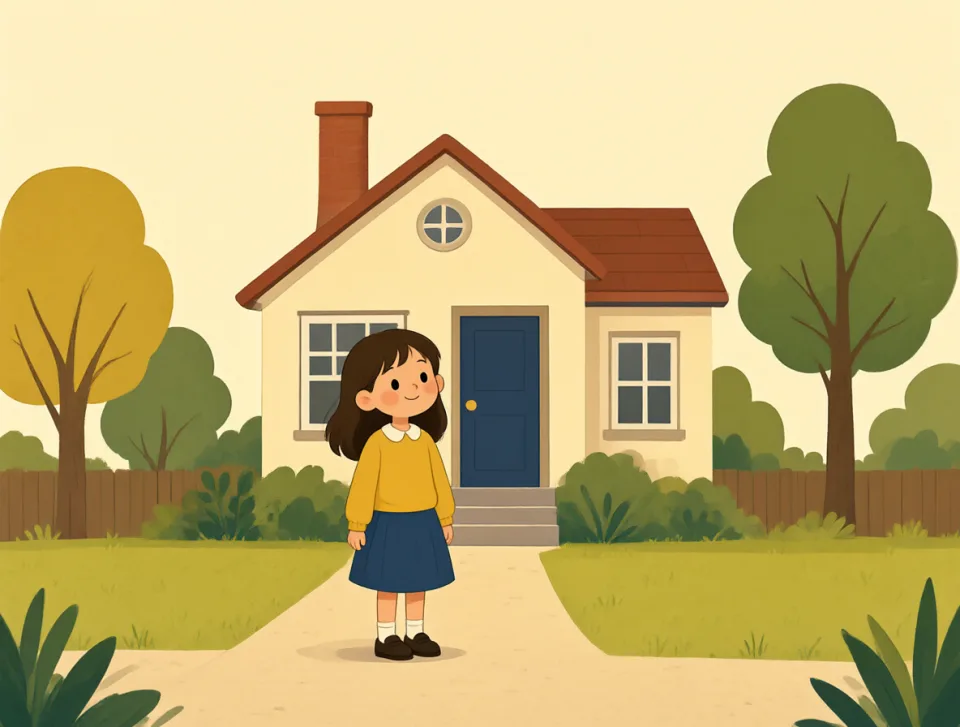
She lives in a little house near school.
Ella vive en una casa pequeña cerca de la escuela.
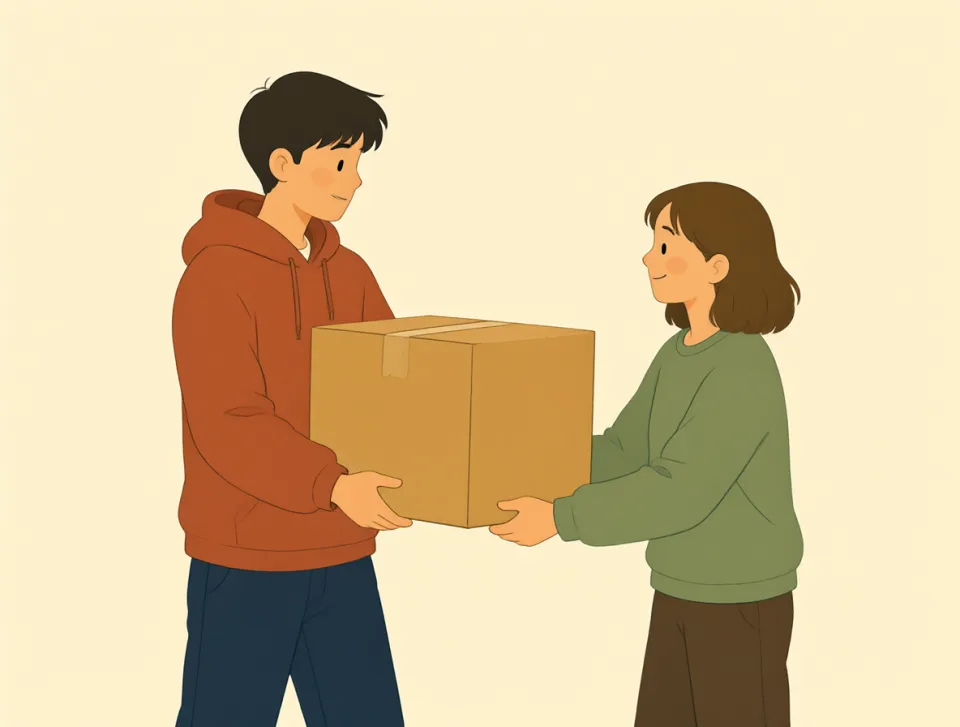
I need a little help with this box.
Necesito un poco de ayuda con esta caja.
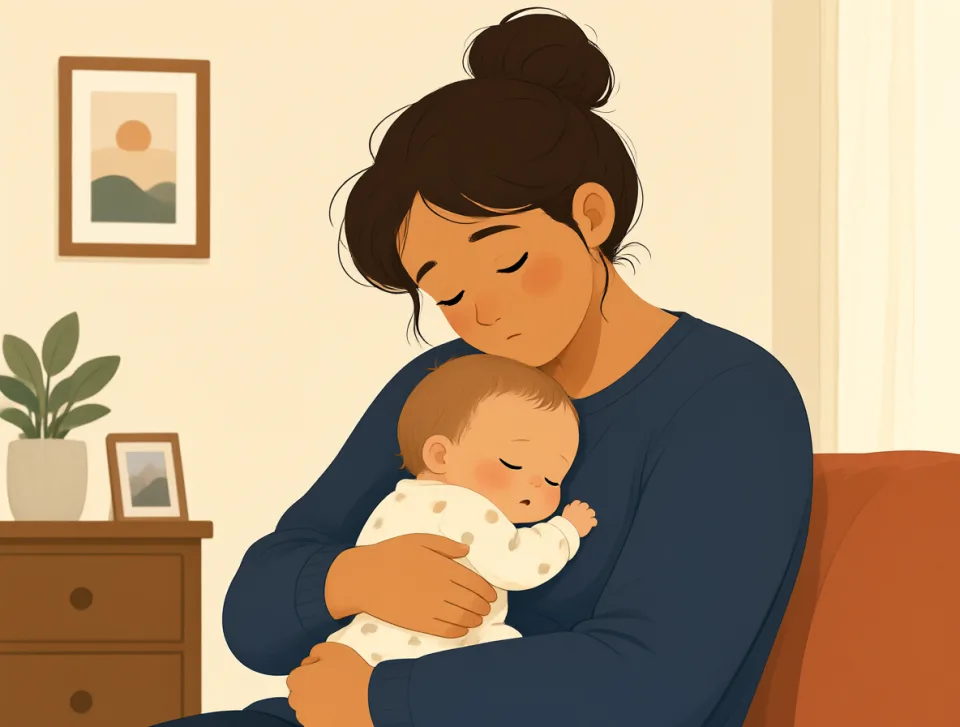
The baby is a little tired today.
El bebé está un poco cansado hoy.
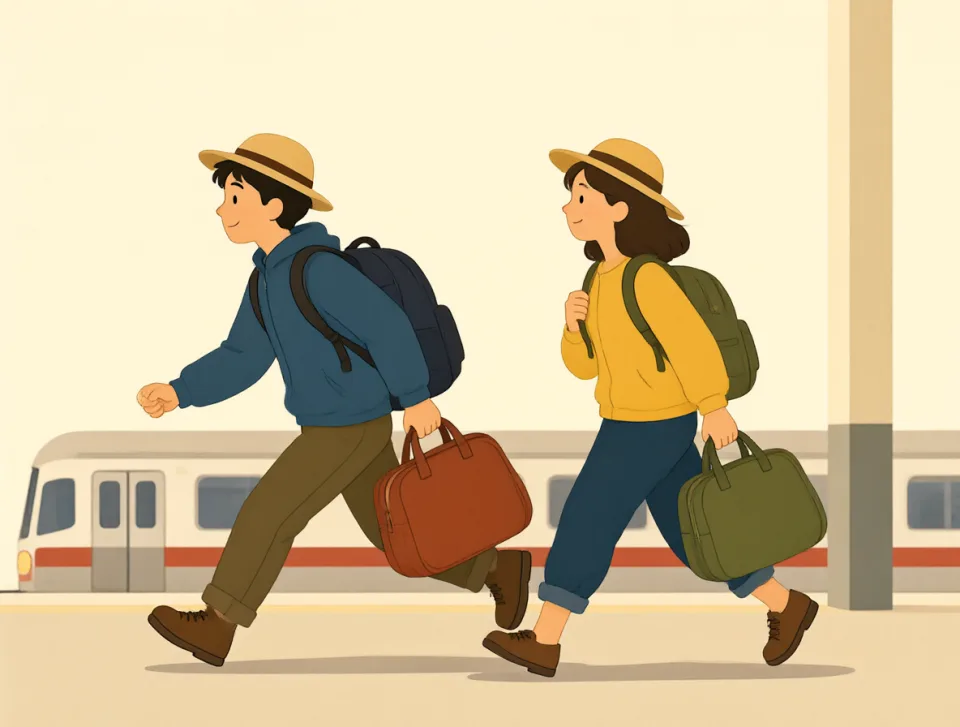
We have very little time before the train.
Tenemos muy poco tiempo antes de que llegue el tren.
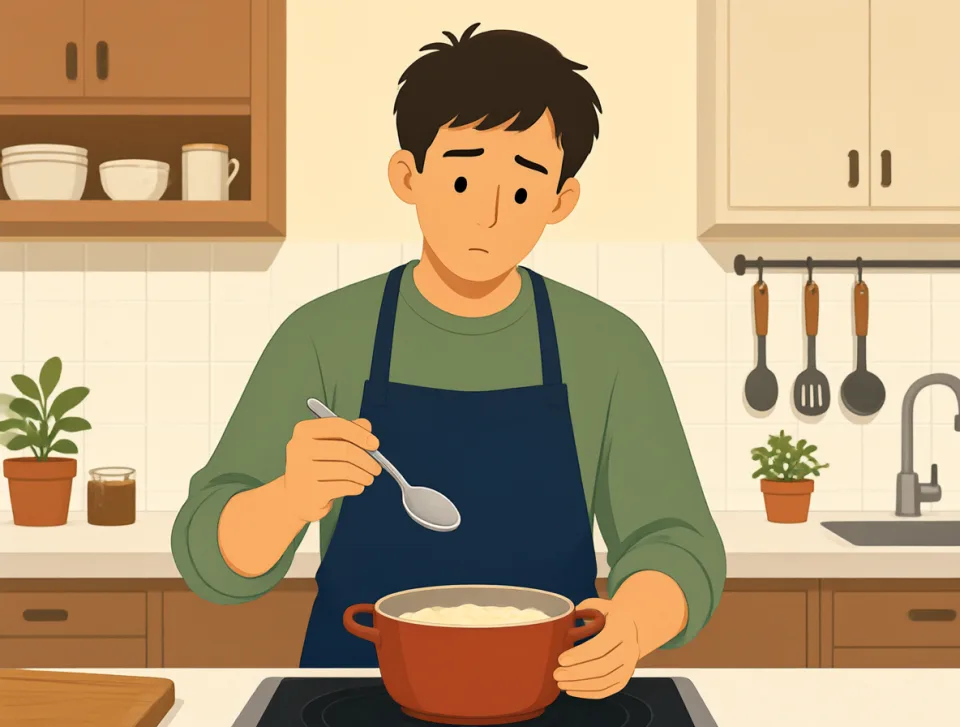
He knows very little about cooking.
Él sabe muy poco sobre cocina.
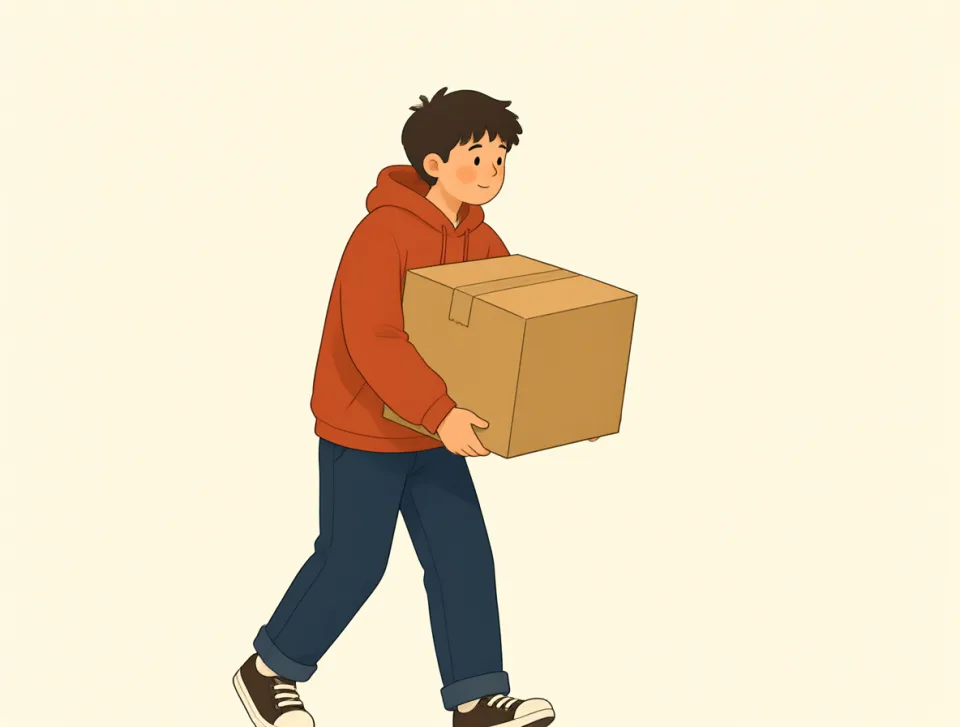
help
#133noun, verb
ayuda; ayudar
To make something easier for someone or give them what they need.
Hacer que algo sea más fácil para alguien o darle lo que necesita.
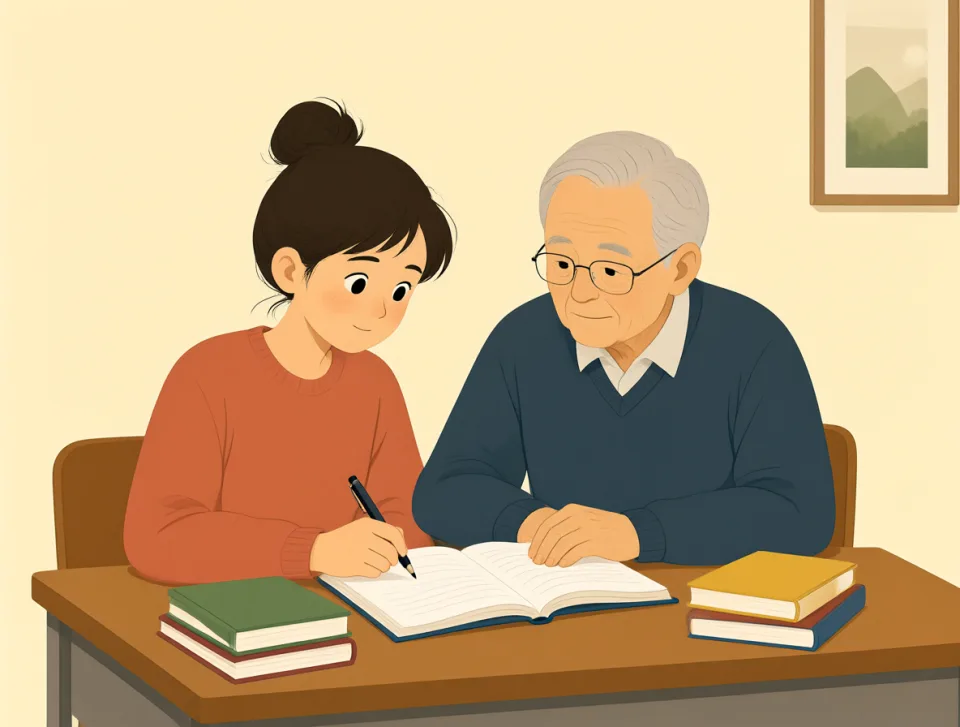
Can you help me with my homework?
¿Puedes ayudarme con los deberes?
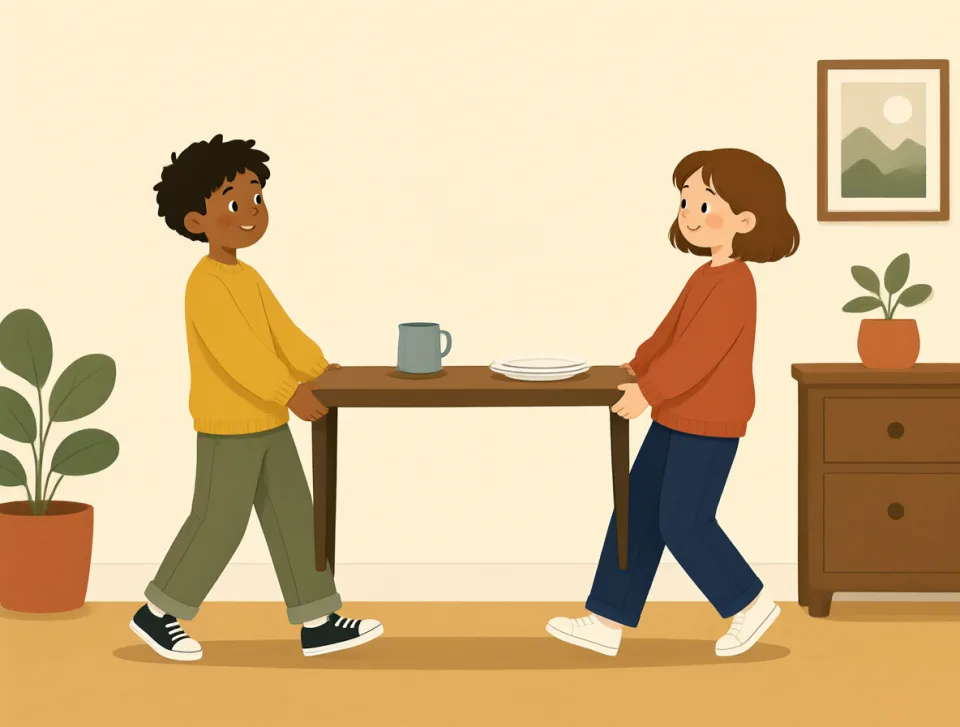
My friend helped me move the table.
Mi amigo me ayudó a mover la mesa.
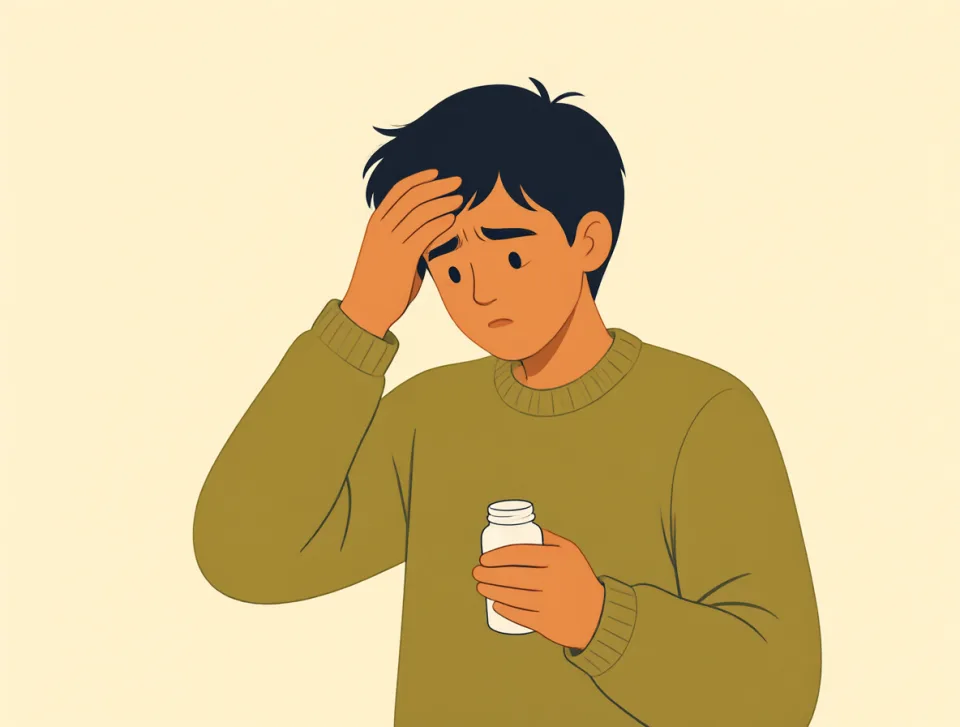
This medicine will help your headache.
Este medicamento te ayudará con el dolor de cabeza.
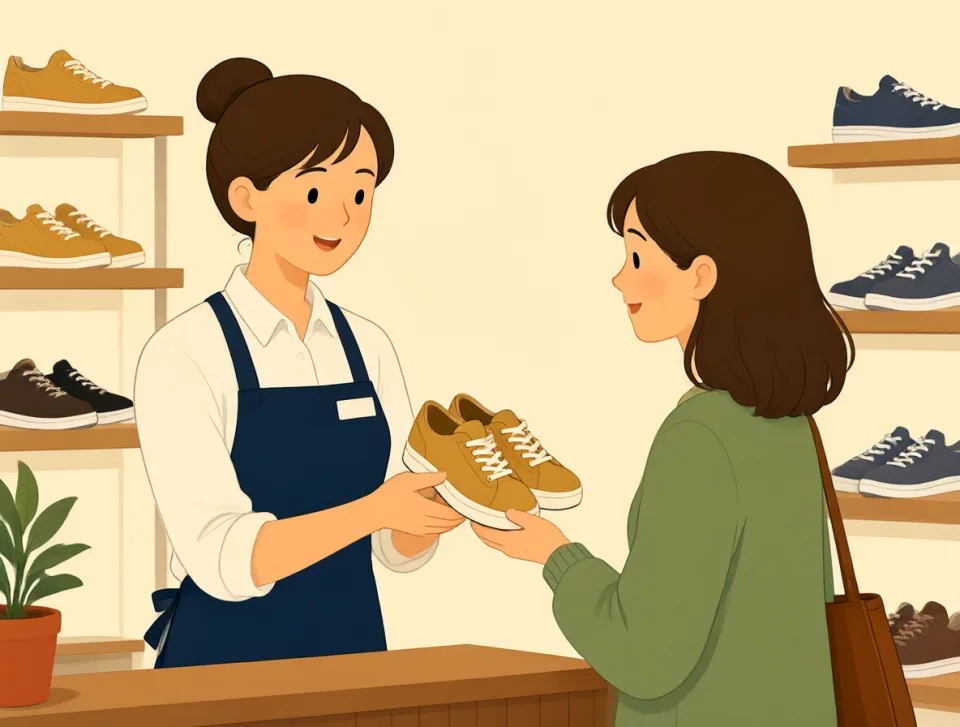
The shop assistant helped me find shoes.
El dependiente me ayudó a encontrar unos zapatos.
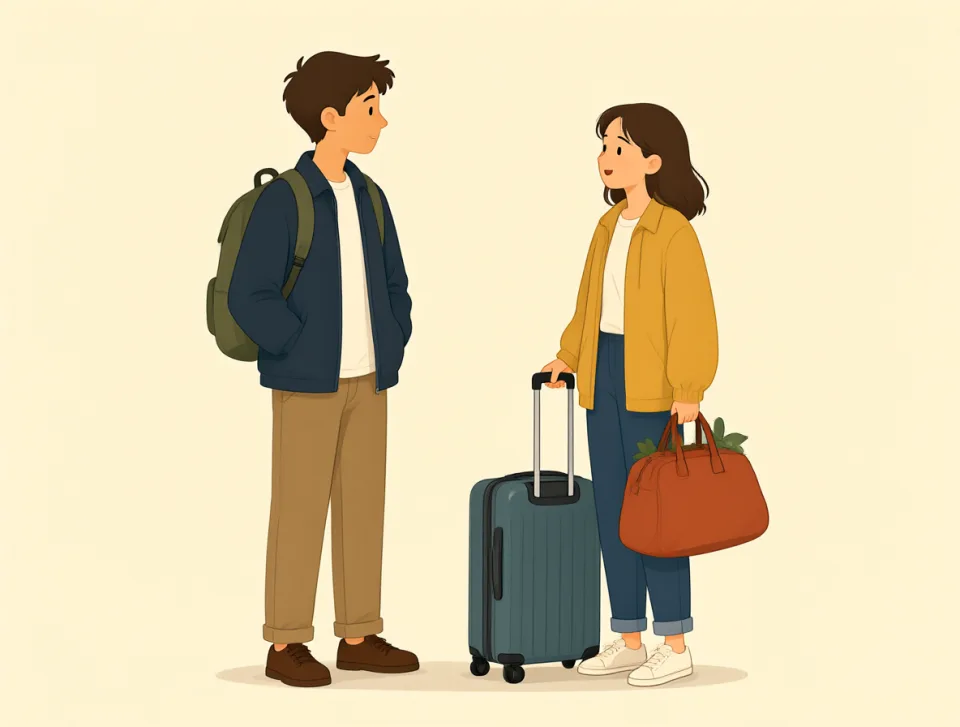
Could you help me carry my bags?
¿Podrías ayudarme a llevar mis bolsas?
ask
#134verb, noun
preguntar; pedir
To say something because you want information, help, or permission.
Decir algo porque quieres información, ayuda o permiso.
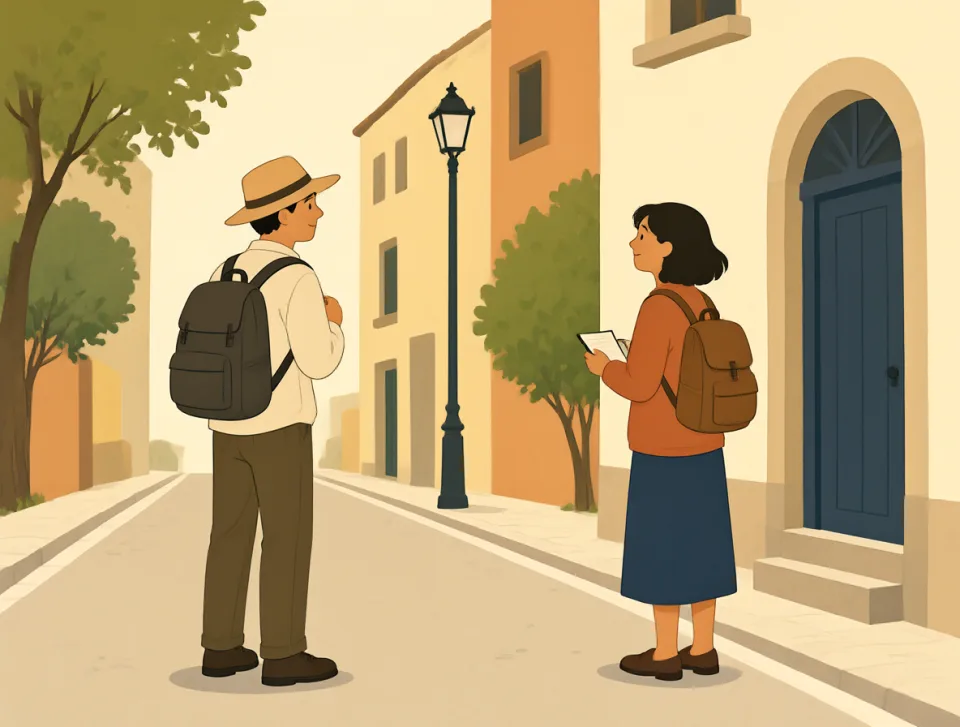
I asked him for directions.
Le pedí indicaciones.
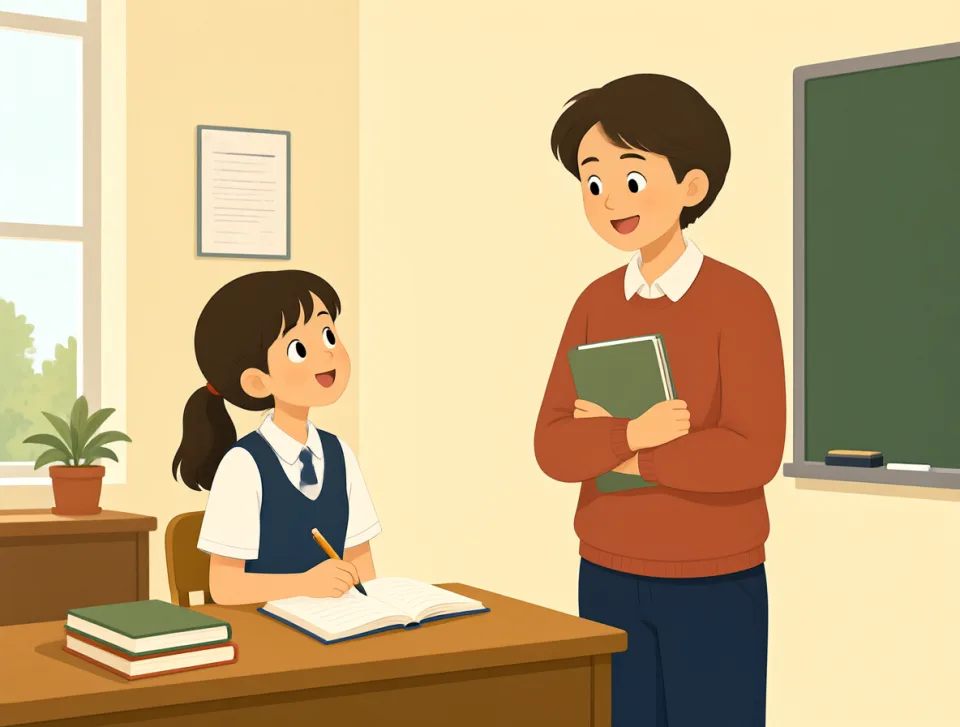
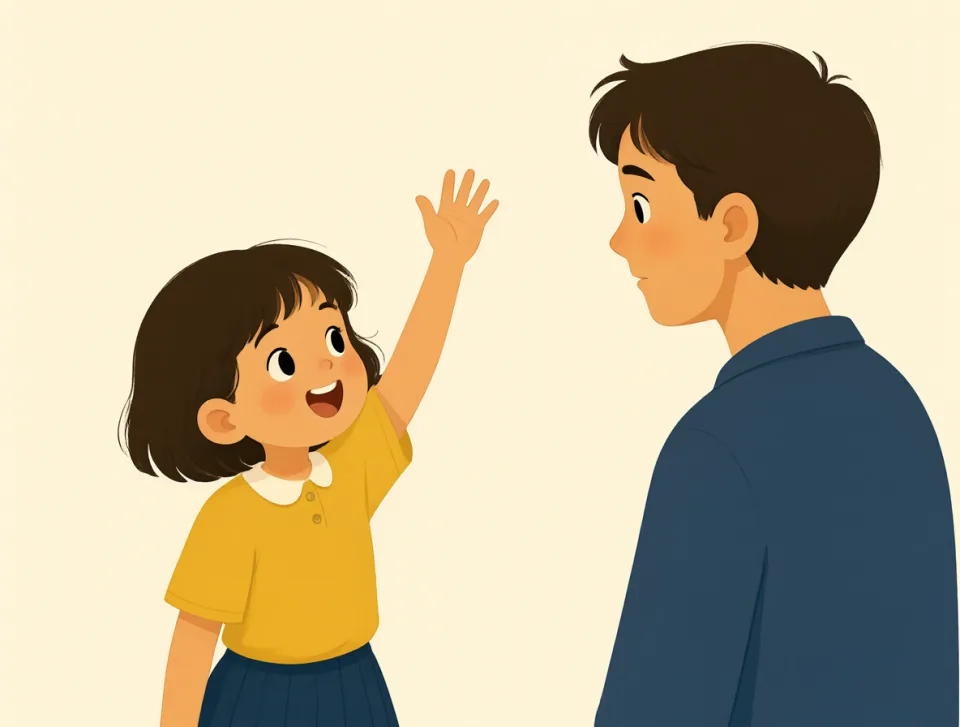
Please ask your teacher for help.
Pídele ayuda a tu profesor.
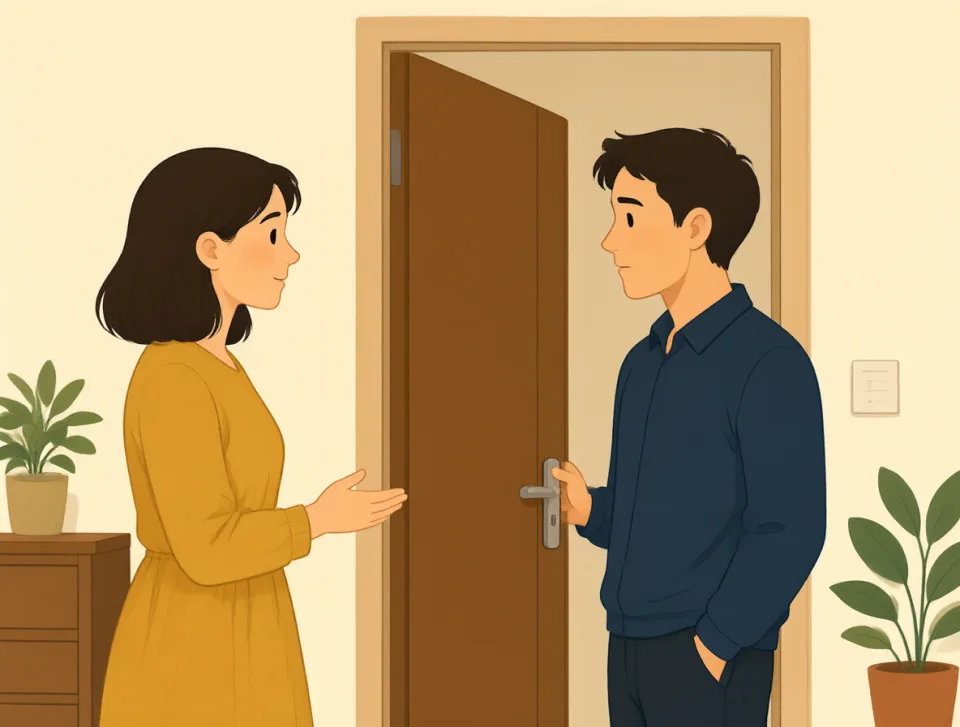
She asked me to close the door.
Me pidió que cerrara la puerta.
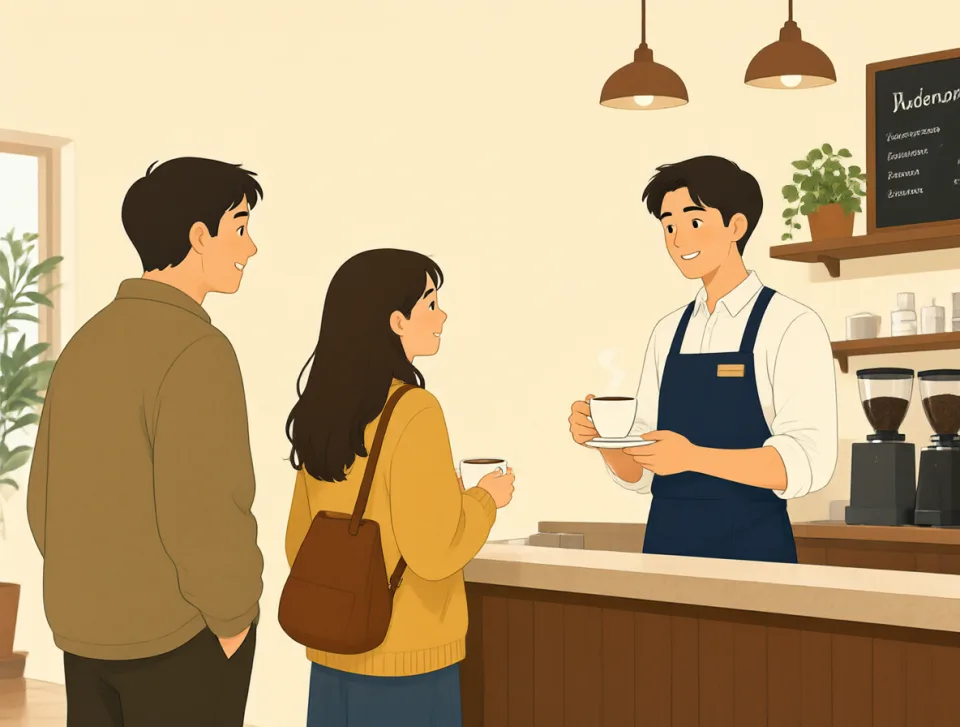
We asked for two coffees.
Pedimos dos cafés.
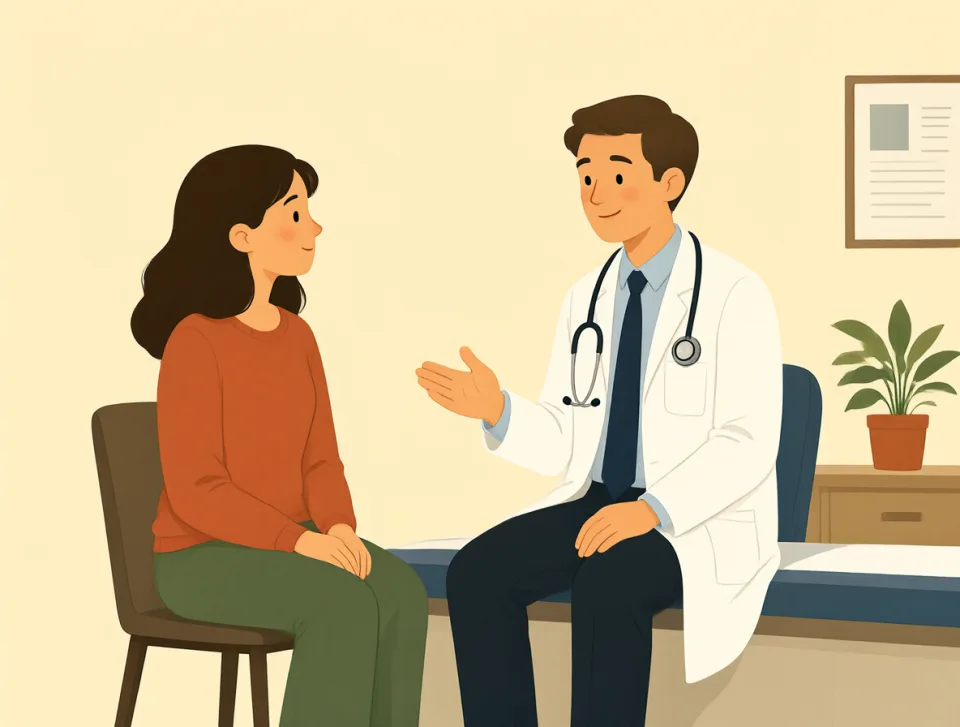
The doctor asked about my pain.
El médico me preguntó por el dolor.
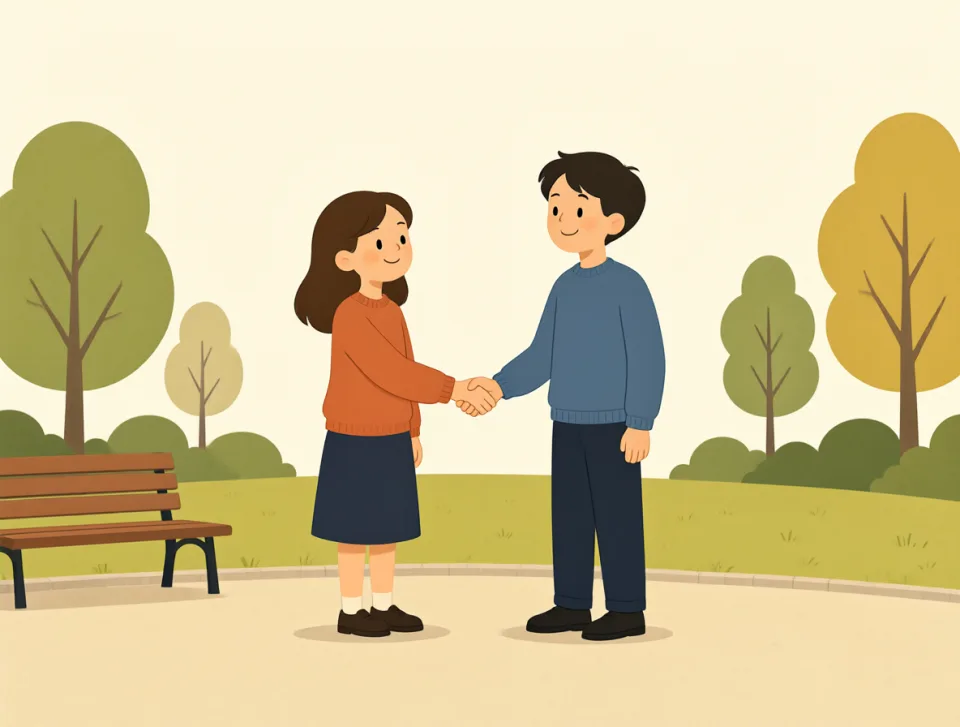
meet
#135verb
conocer; reunirse con; encontrarse con
to see and talk to someone for the first time or at an arranged time
ver y hablar con alguien por primera vez o a una hora acordada
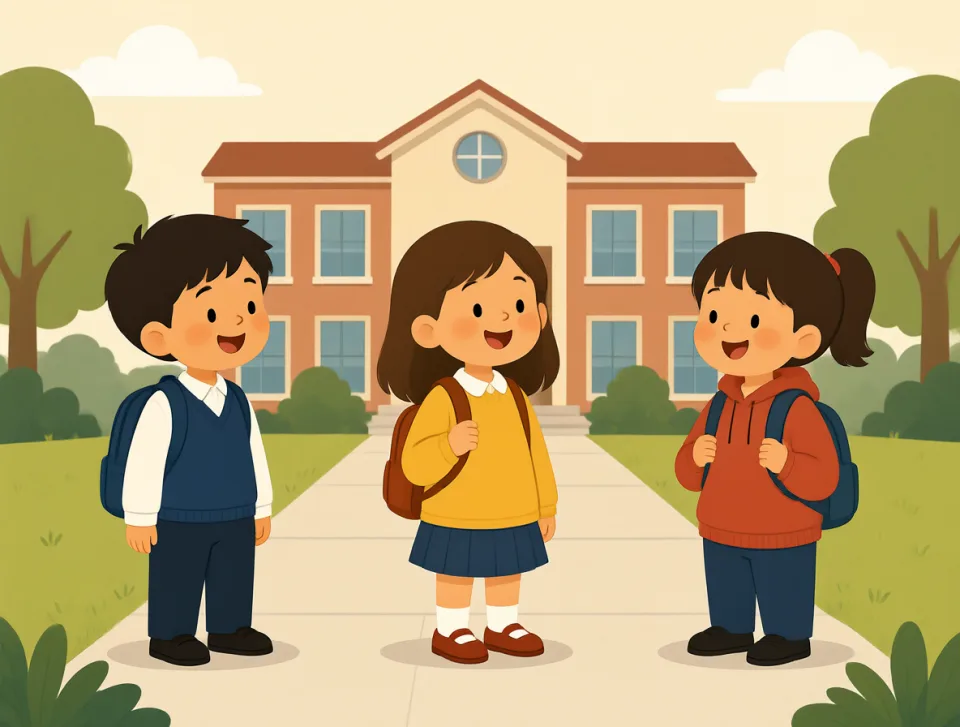
I meet my friends after school.
Me reúno con mis amigos después de clase.
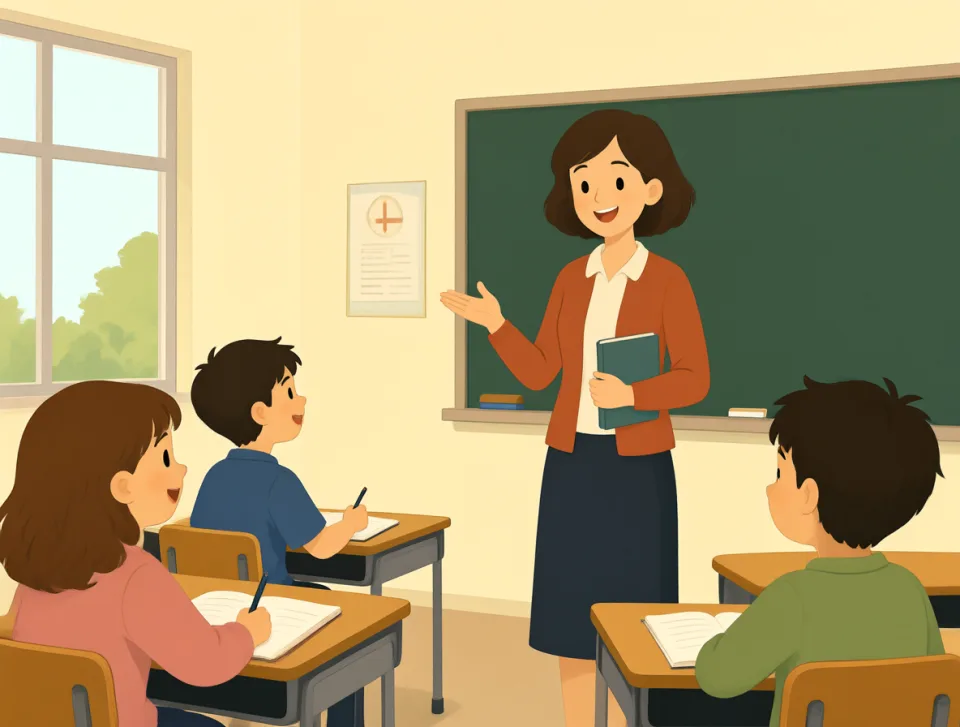
We met our new teacher yesterday.
Ayer conocimos a nuestro nuevo profesor.
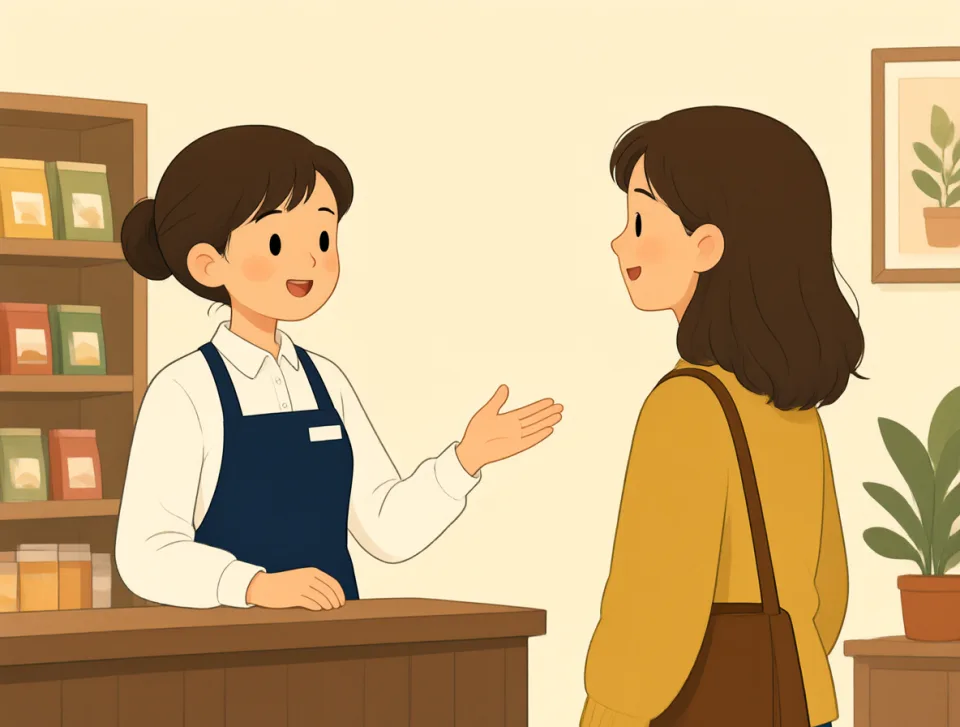
She meets customers at the shop.
Ella se reúne con los clientes en la tienda.
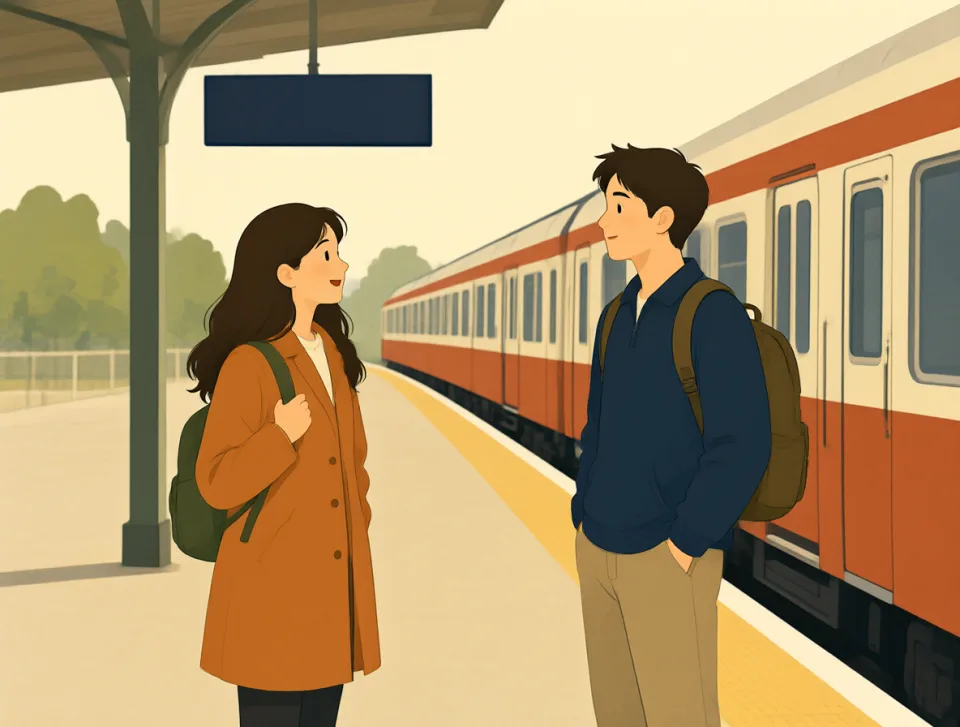
They are meeting at the station.
Se están reuniendo en la estación.
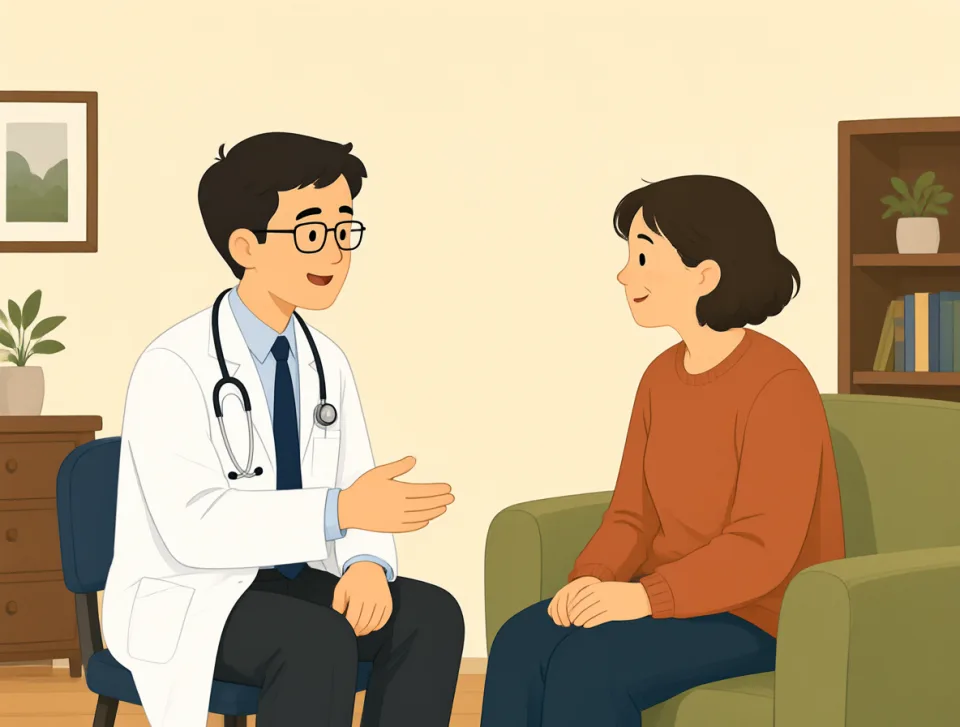
The doctor met the patient at home.
El médico se reunió con el paciente en su casa.
start
#136verb, noun
empezar; comienzo
to begin doing something or to begin happening; the beginning of something
comenzar a hacer algo o empezar a suceder; el comienzo de algo
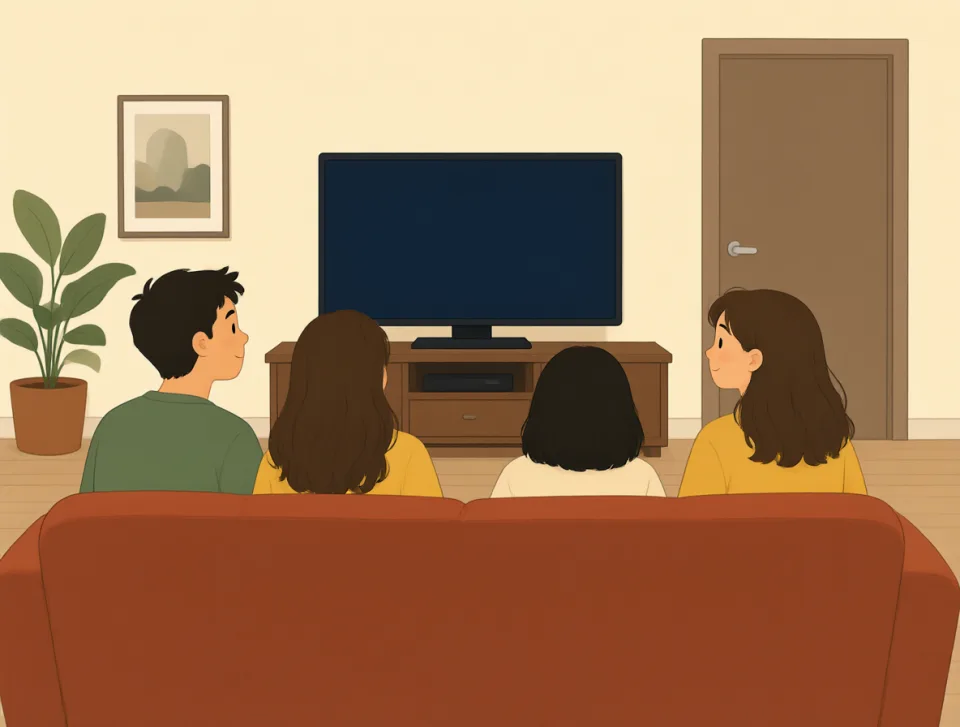
The movie starts at eight o’clock.
La película empieza a las ocho.
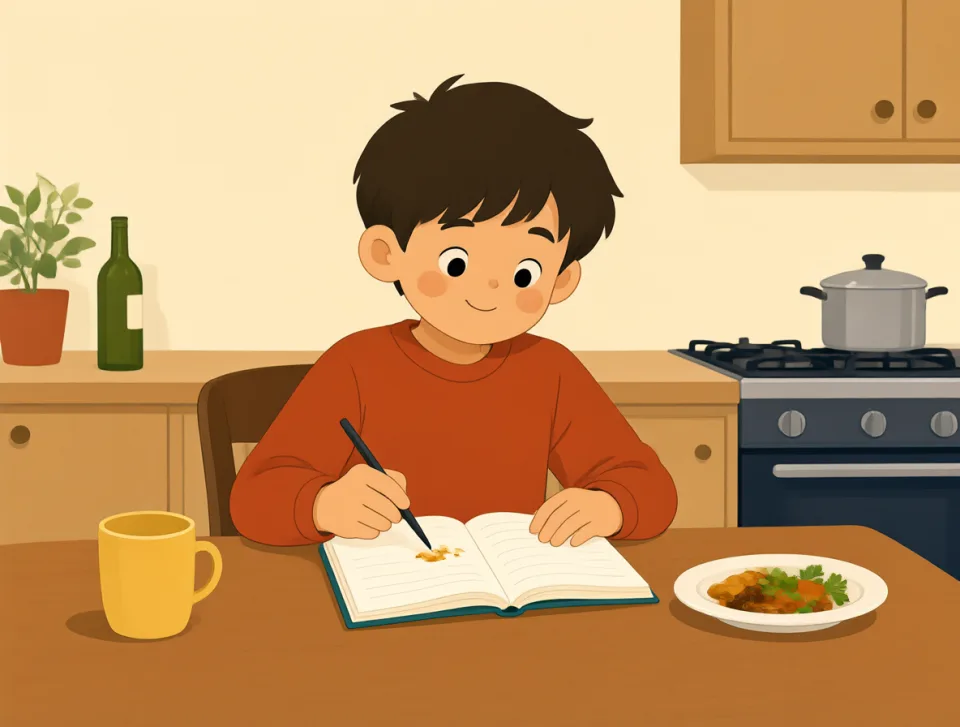
Please start your homework after dinner.
Por favor, empieza tus deberes después de cenar.
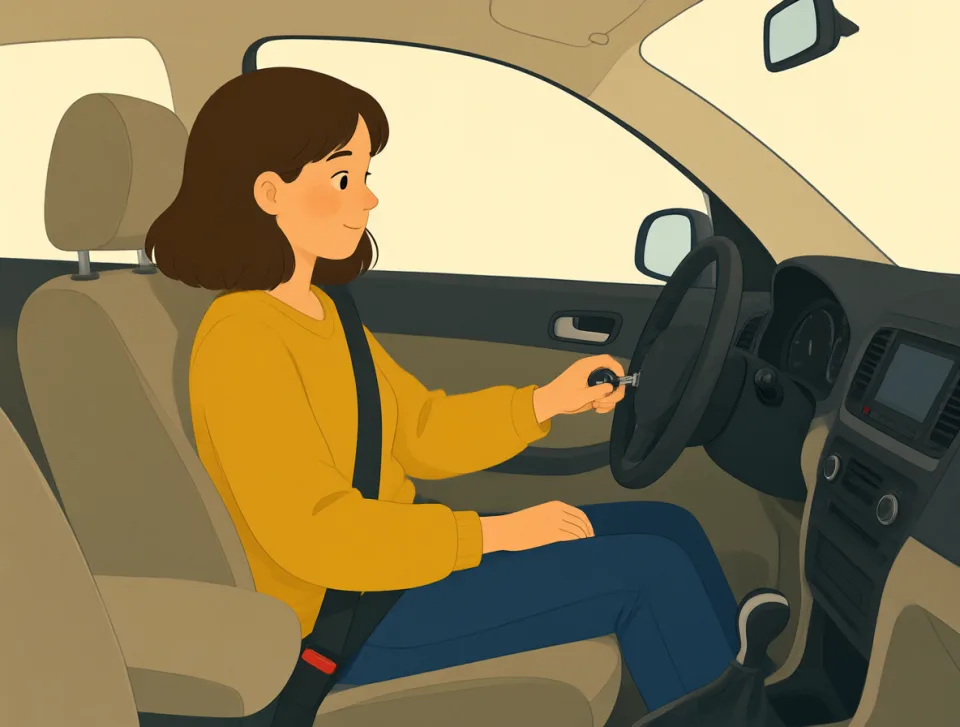
She started the car and drove away.
Ella arrancó el coche y se fue.
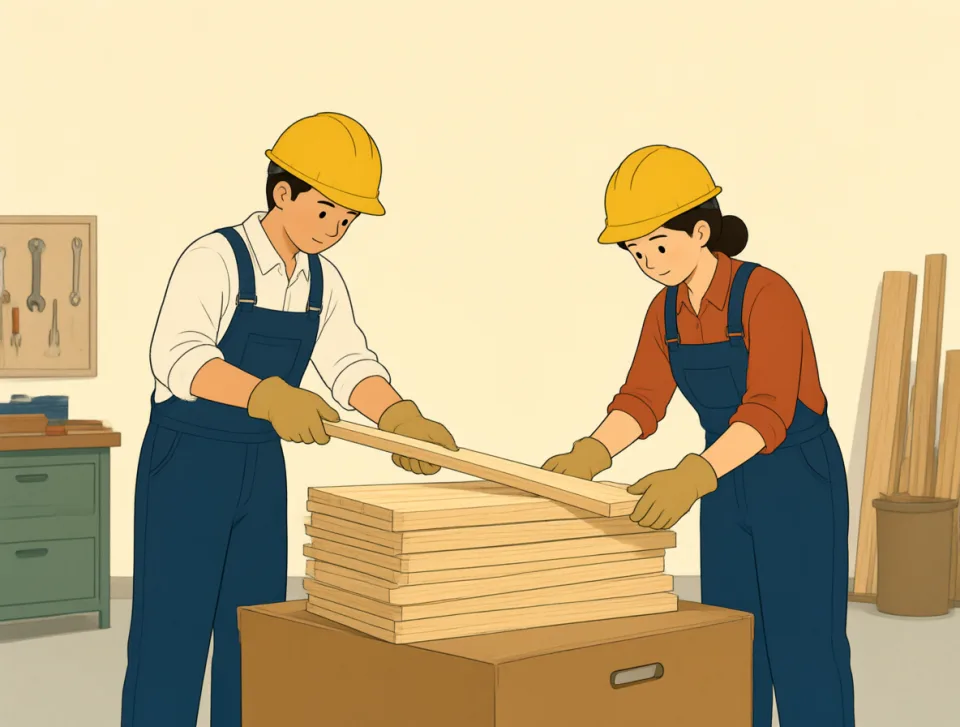
We started work early this morning.
Empezamos a trabajar temprano esta mañana.
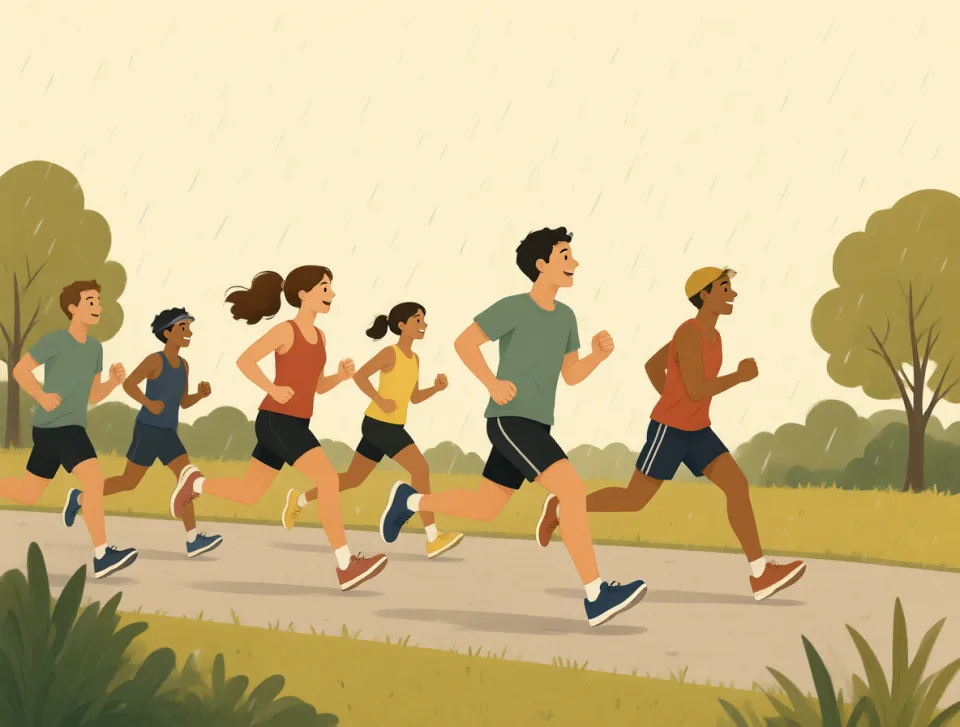
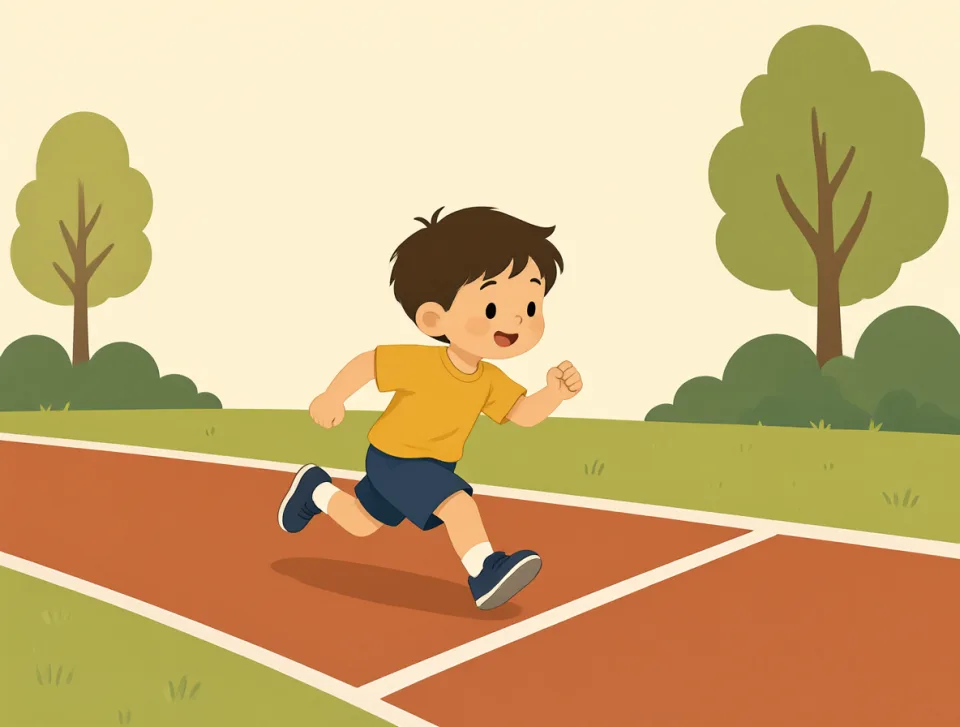
The race started in the rain.
La carrera empezó bajo la lluvia.
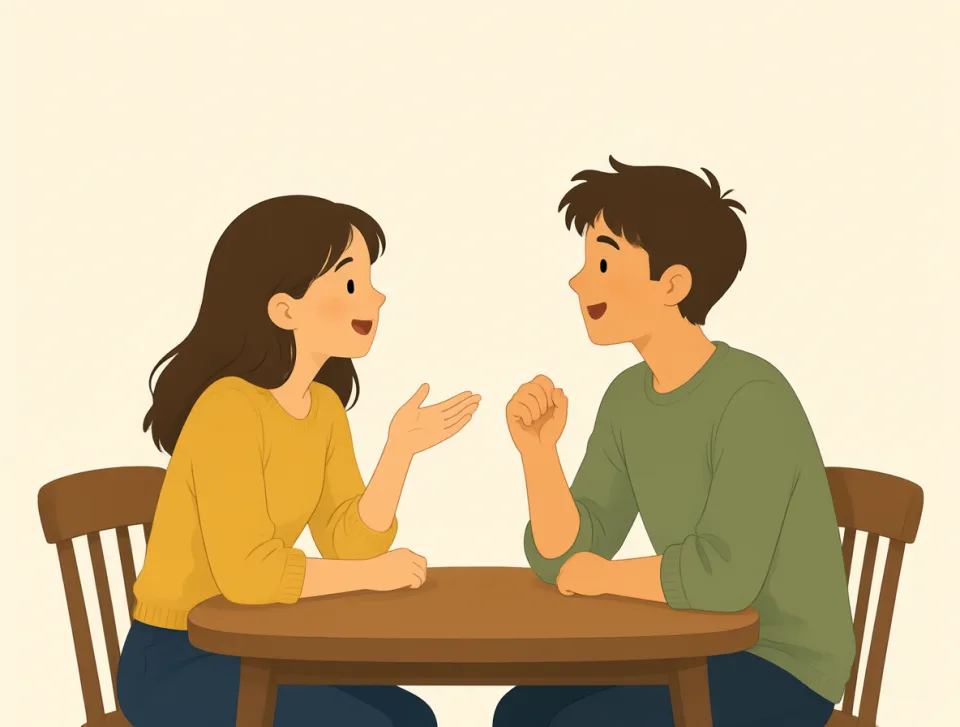
talk
#137noun, verb
hablar; conversación
to speak with someone about something; a conversation between people
hablar con alguien sobre algo; una conversación entre varias personas
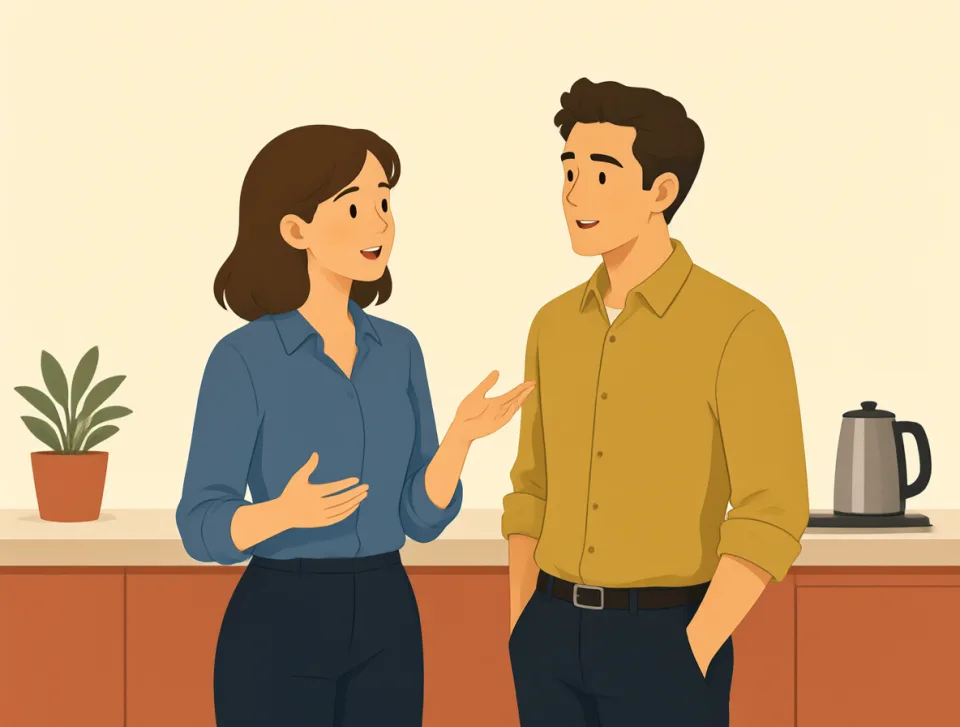
Can I talk to you after lunch?
¿Puedo hablar contigo después del almuerzo?
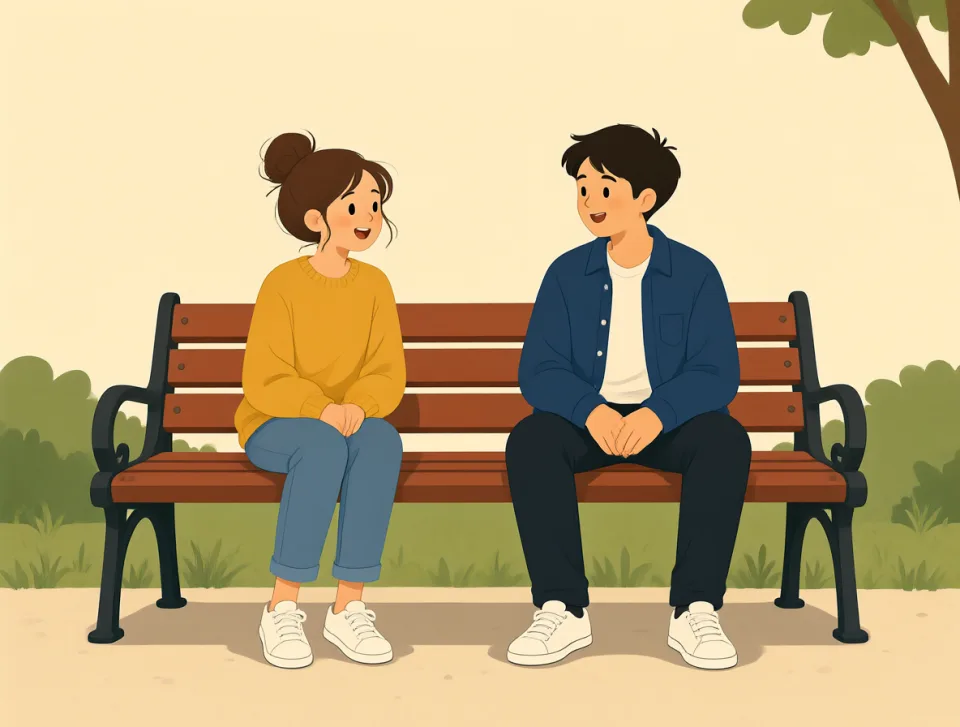
We talked about our plans for the weekend.
Hablamos de nuestros planes para el fin de semana.
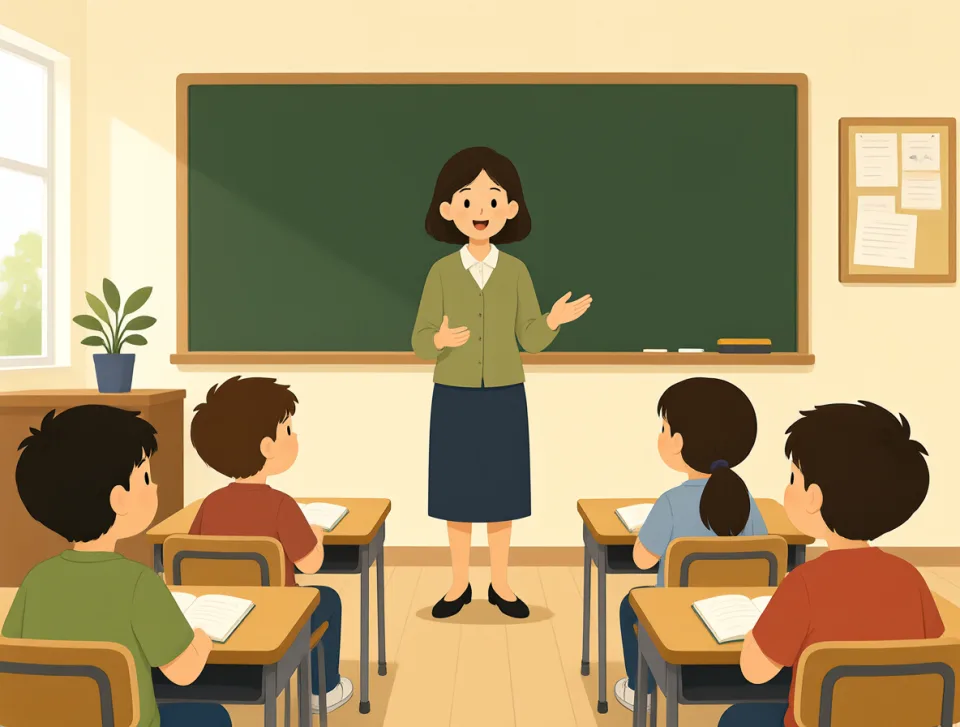
The teacher is talking to the students.
El profesor está hablando con los estudiantes.
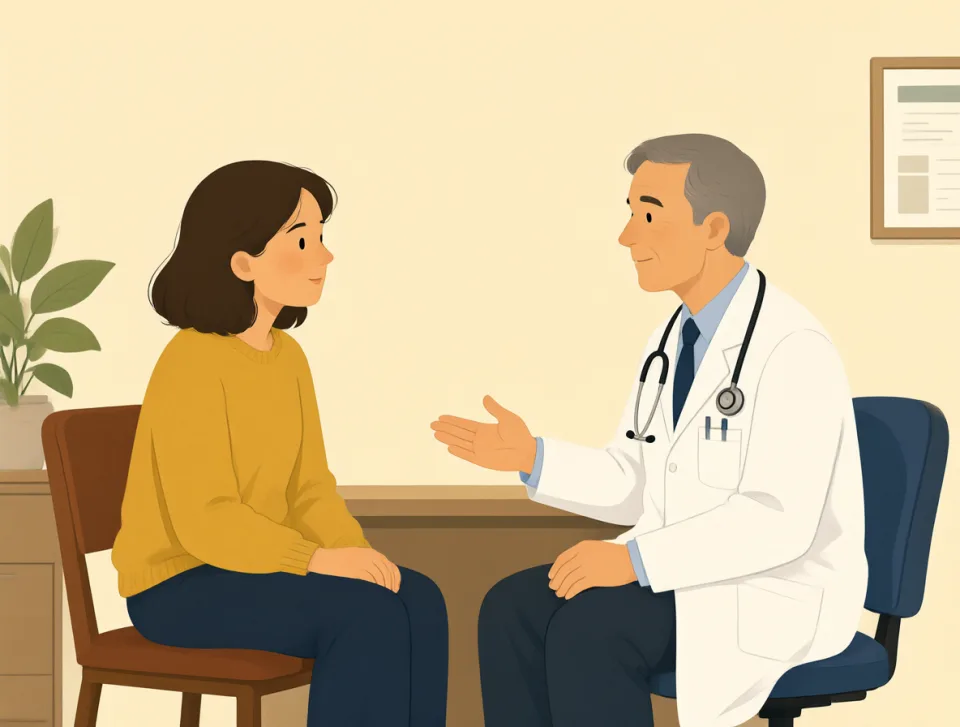
I need to talk to the doctor today.
Hoy tengo que hablar con el médico.
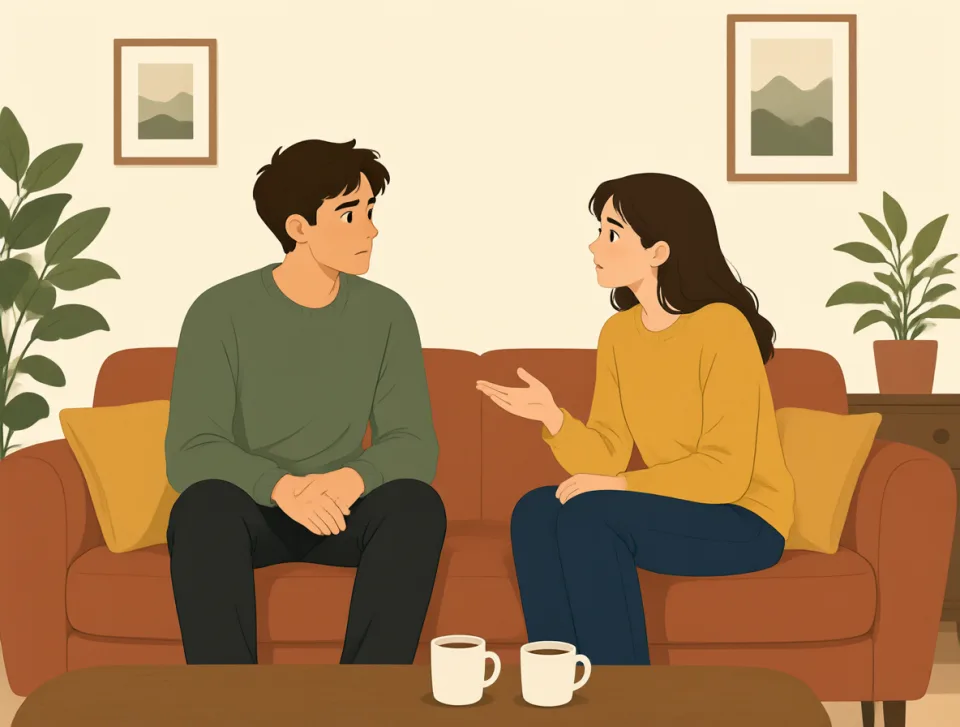
They had a long talk about the problem.
Tuvieron una larga conversación sobre el problema.
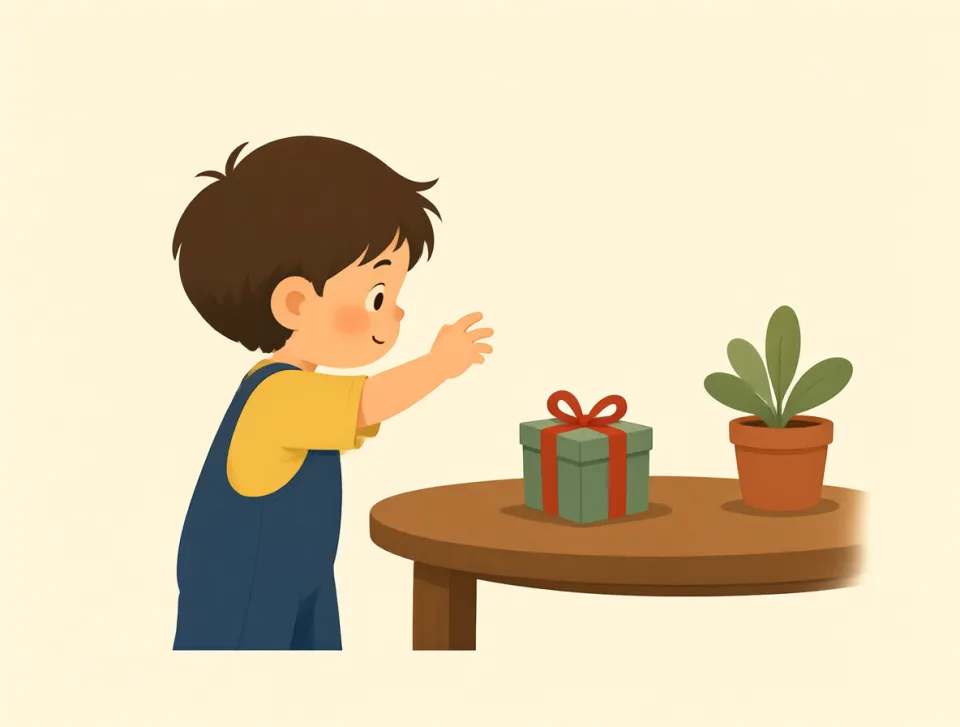
something
#138pronoun, determiner
algo; alguna cosa
An unknown or unnamed thing, or a thing that is not clearly described.
Una cosa desconocida o sin nombre, o una cosa que no se describe claramente.
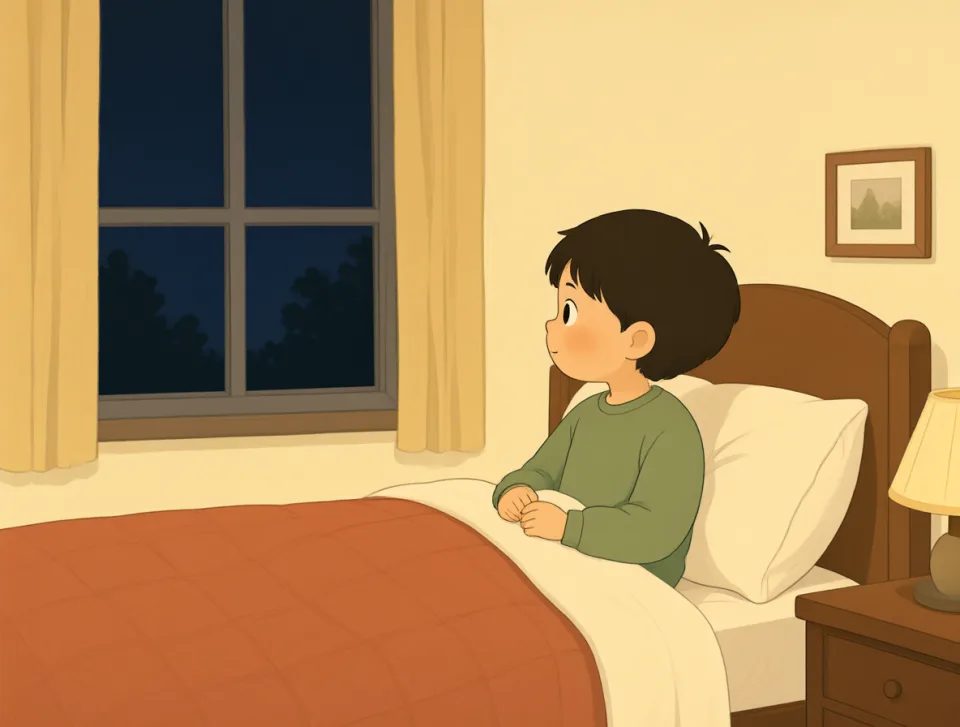
I heard something outside last night.
Anoche escuché algo afuera.
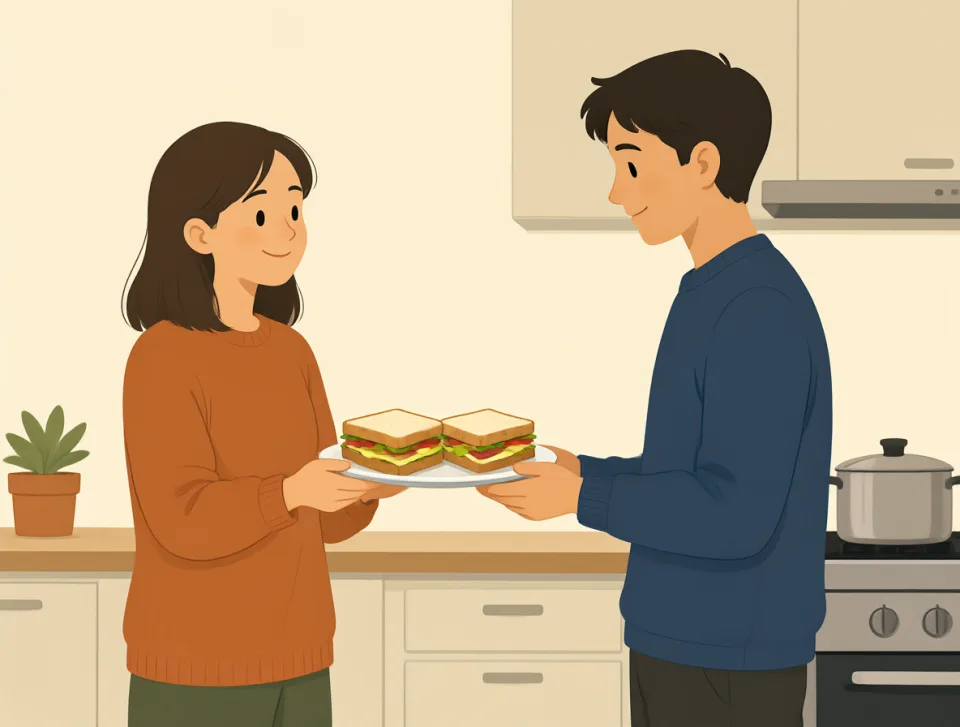
Would you like something to eat?
¿Te gustaría comer algo?
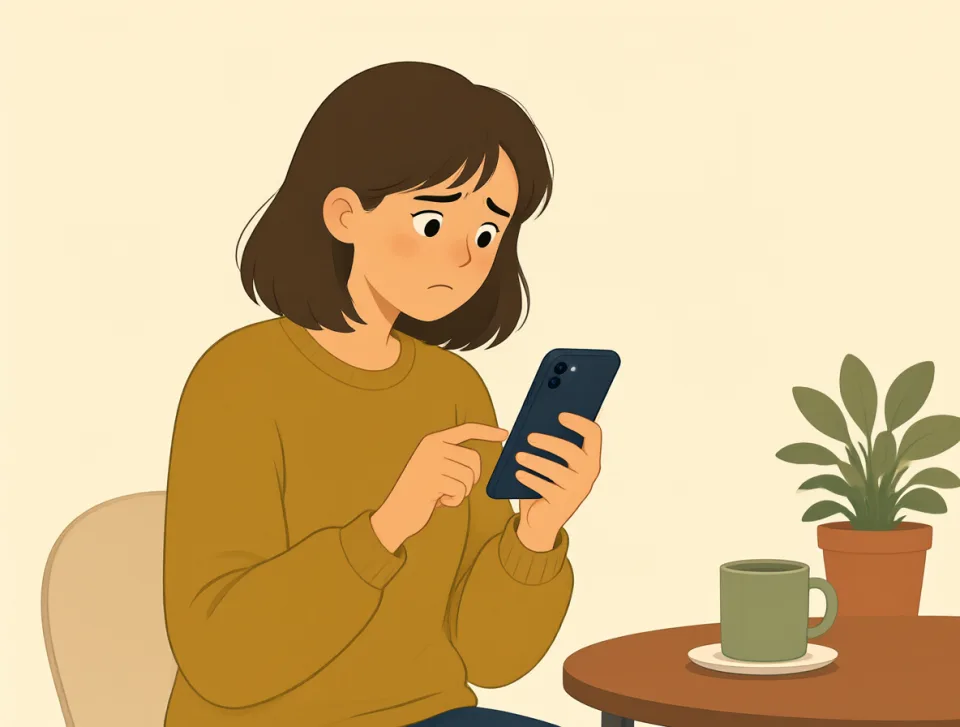
Something is wrong with my phone.
A mi teléfono le pasa algo.
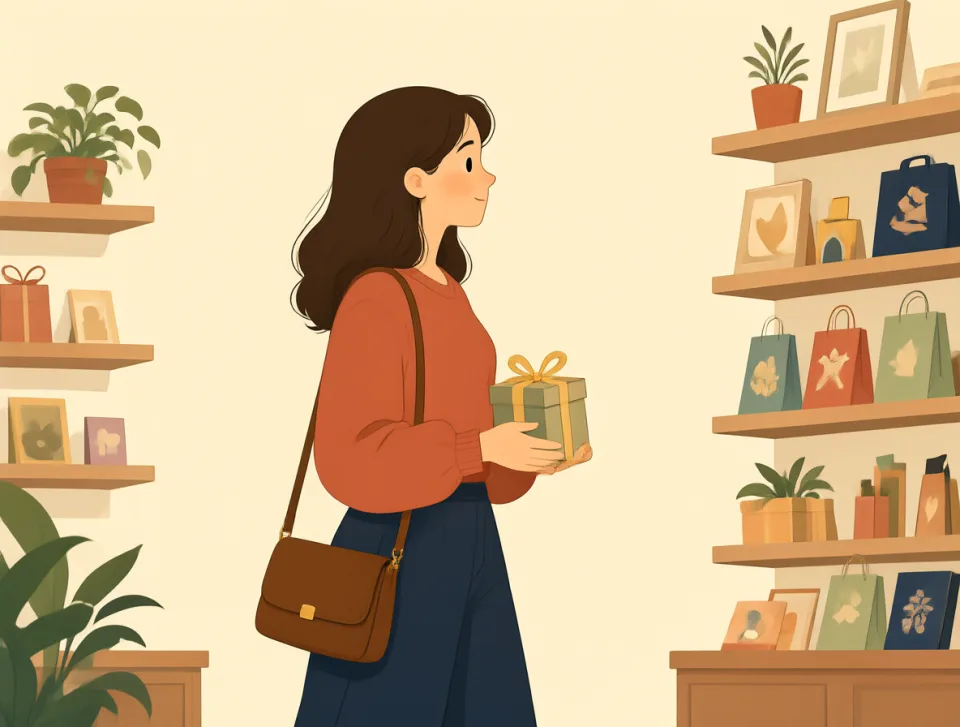
She bought something nice for her mother.
Compró algo bonito para su madre.
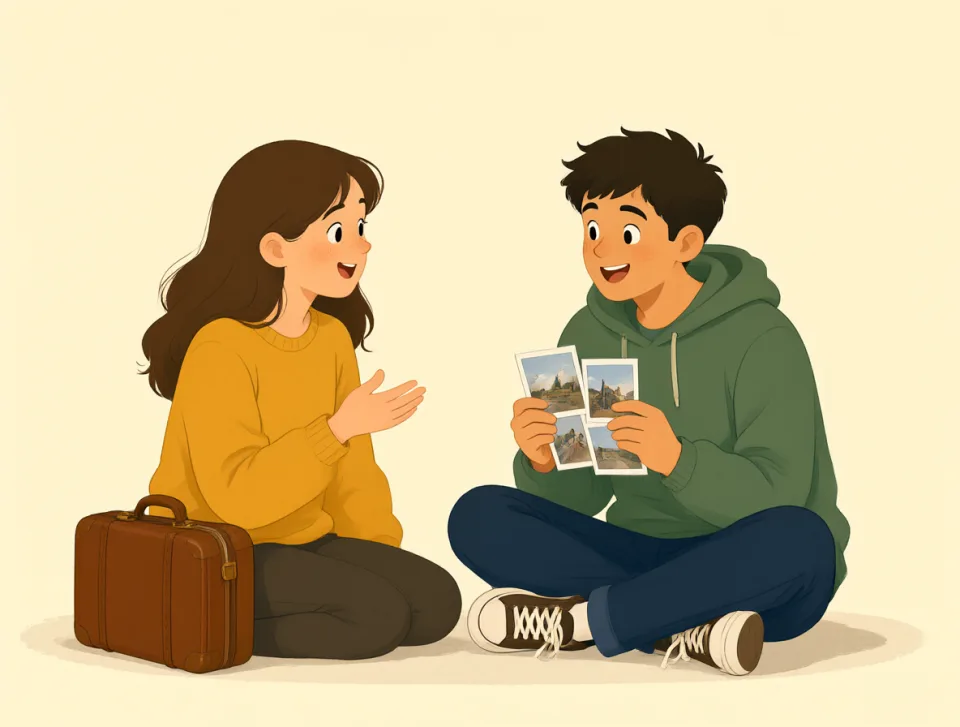
Tell me something about your trip.
Cuéntame algo sobre tu viaje.
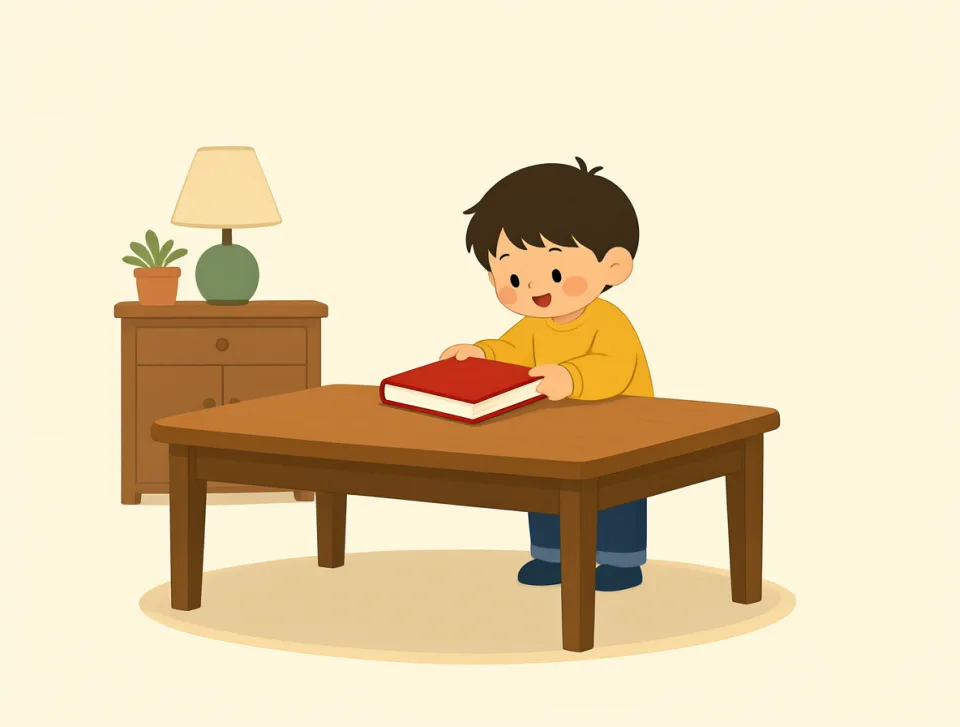
put
#139verb, noun
poner; colocar
to move something into a place or position
mover algo a un lugar o posición
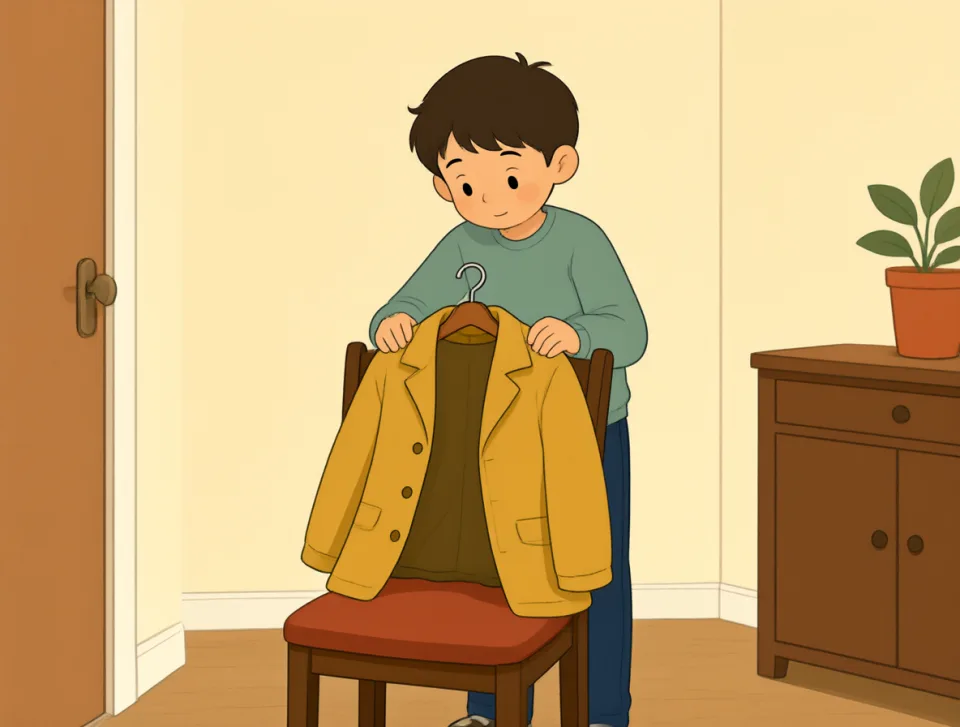
Put your coat on the chair, please.
Pon tu abrigo en la silla, por favor.
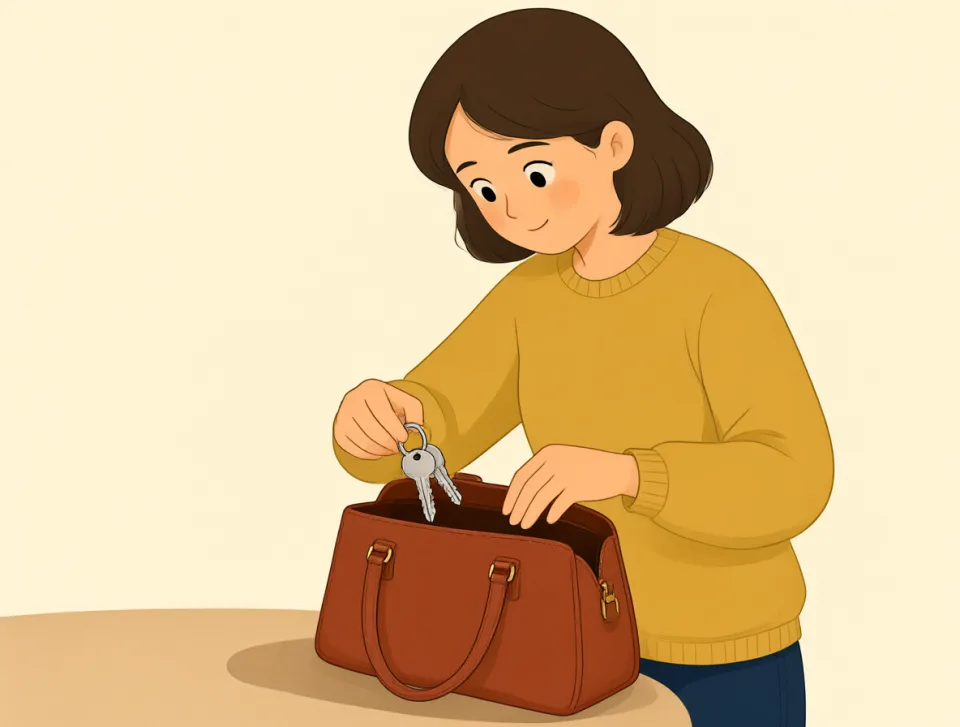
She put the keys in her bag.
Ella puso las llaves en su bolso.
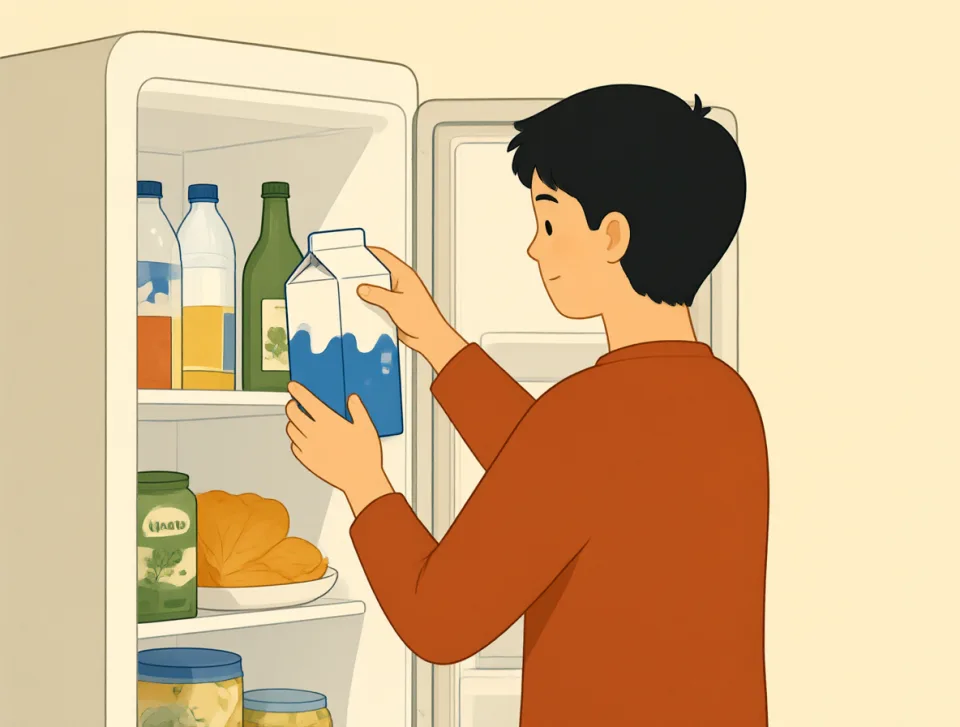
Please put the milk in the fridge.
Pon la leche en el frigorífico, por favor.
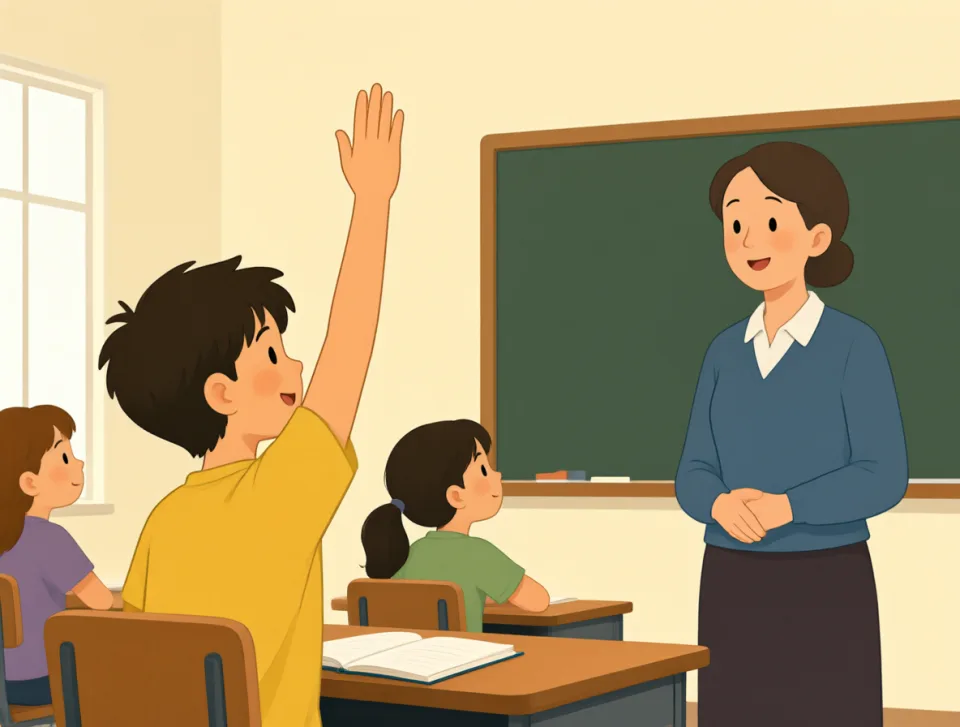
He put a question to the teacher.
Le hizo una pregunta al profesor.
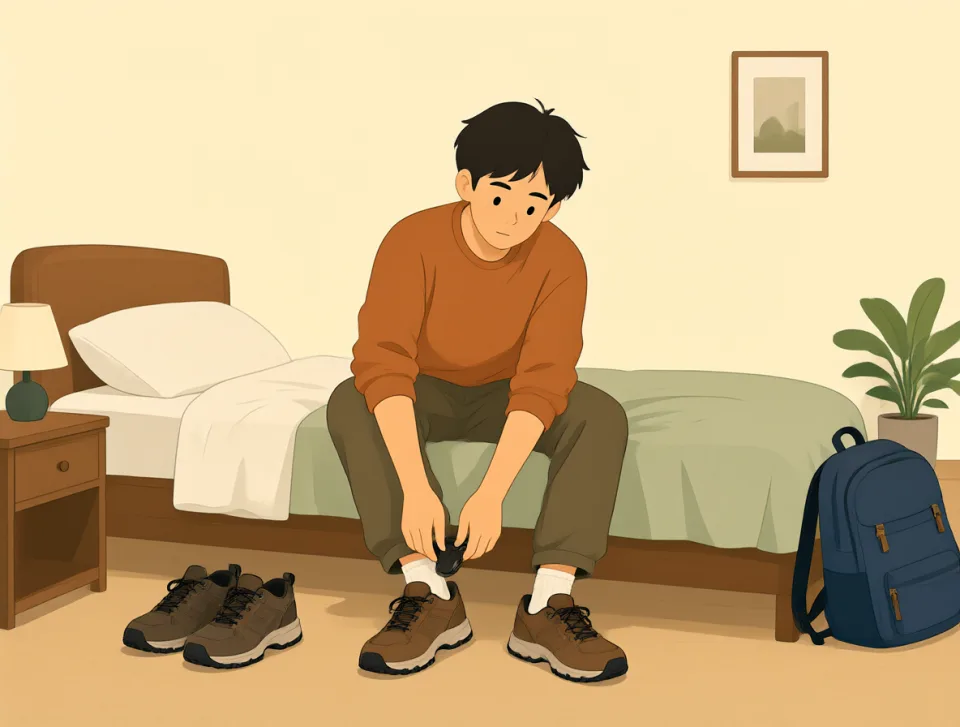
I put on my shoes before the trip.
Me puse los zapatos antes del viaje.
another
#140determiner, pronoun
otro; otra; uno más; una más
one more person or thing, or a different one
una persona o cosa más, o una diferente
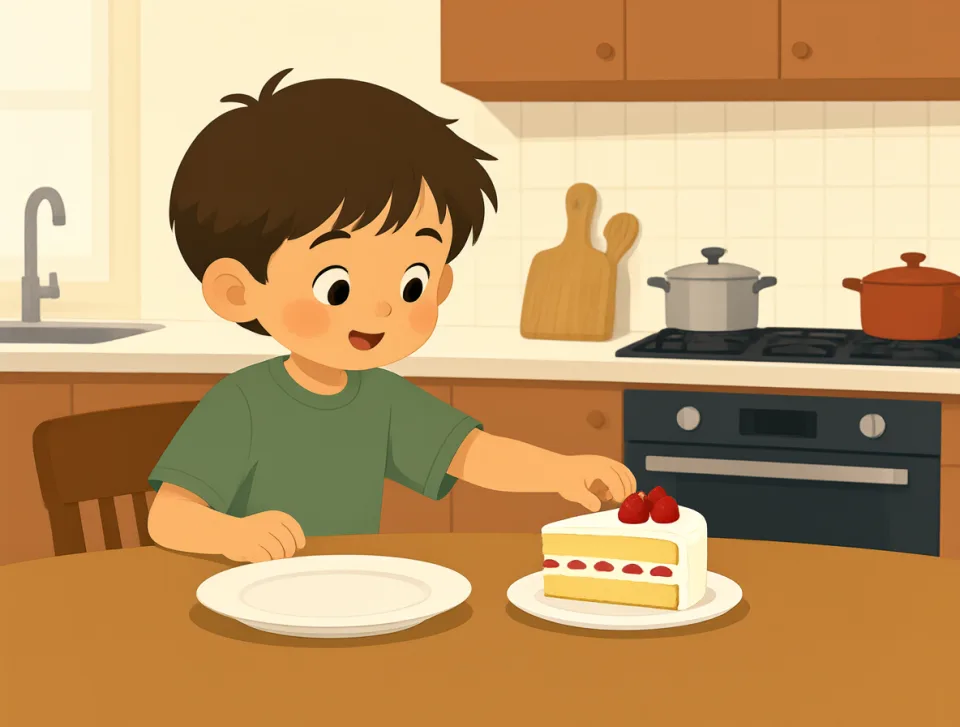
Can I have another piece of cake?
¿Puedo comer otro pedazo de pastel?
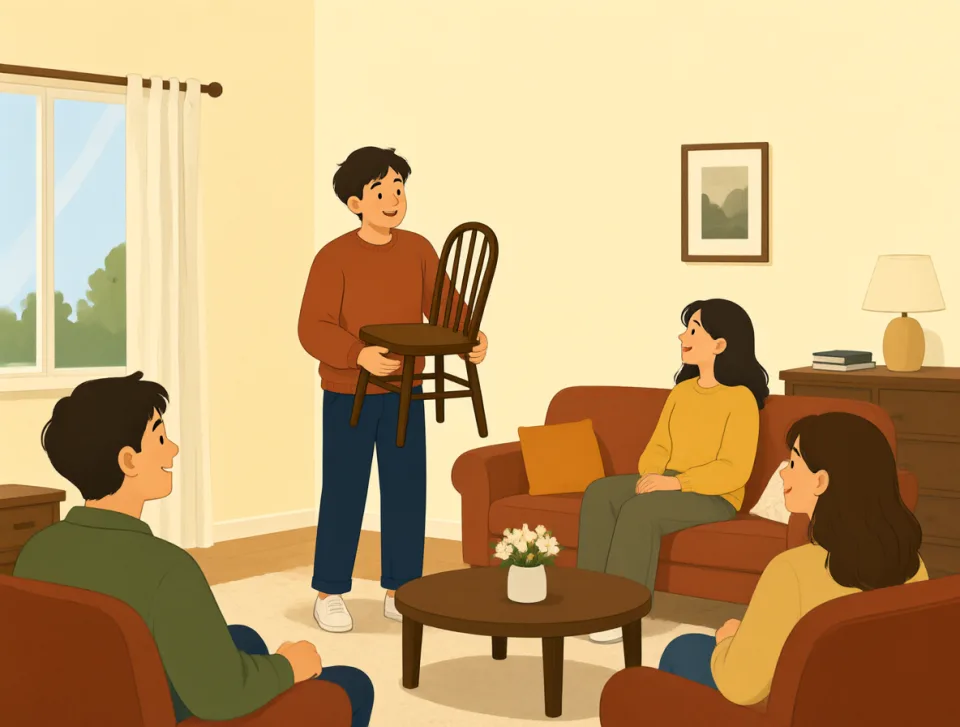
We need another chair for our guest.
Necesitamos otra silla para nuestro invitado.
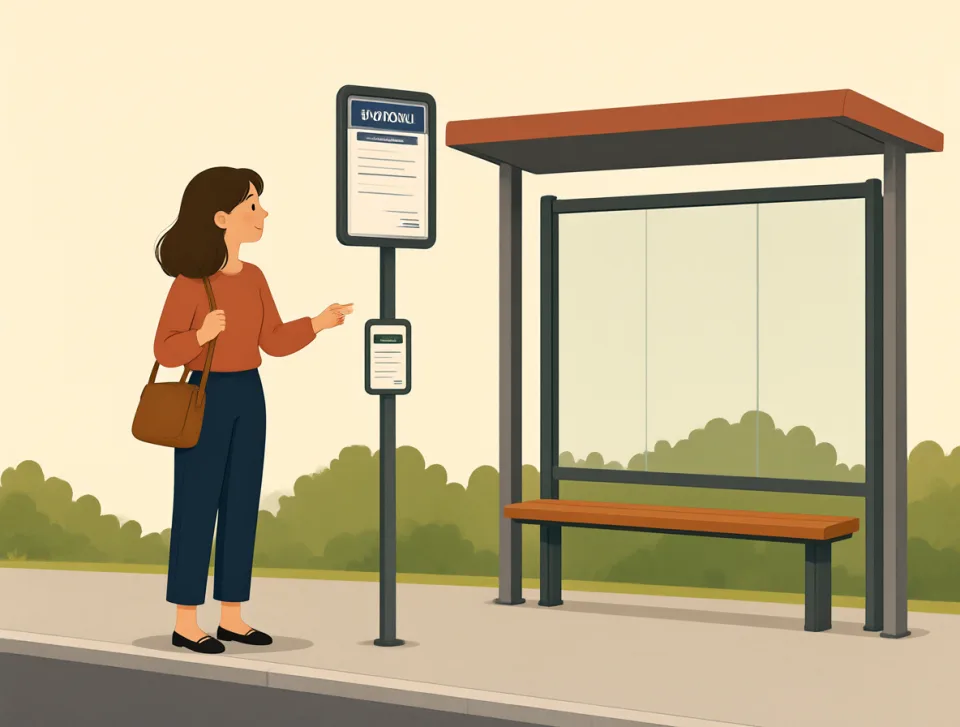
She chose another bus to the airport.
Ella eligió otro autobús para ir al aeropuerto.

One student helped another with homework.
Un estudiante ayudó a otro con la tarea.
Please give me another chance tomorrow.
Por favor, dame otra oportunidad mañana.