Unidad 6
Palabras 101–120 · last, child, tell, really, call, before
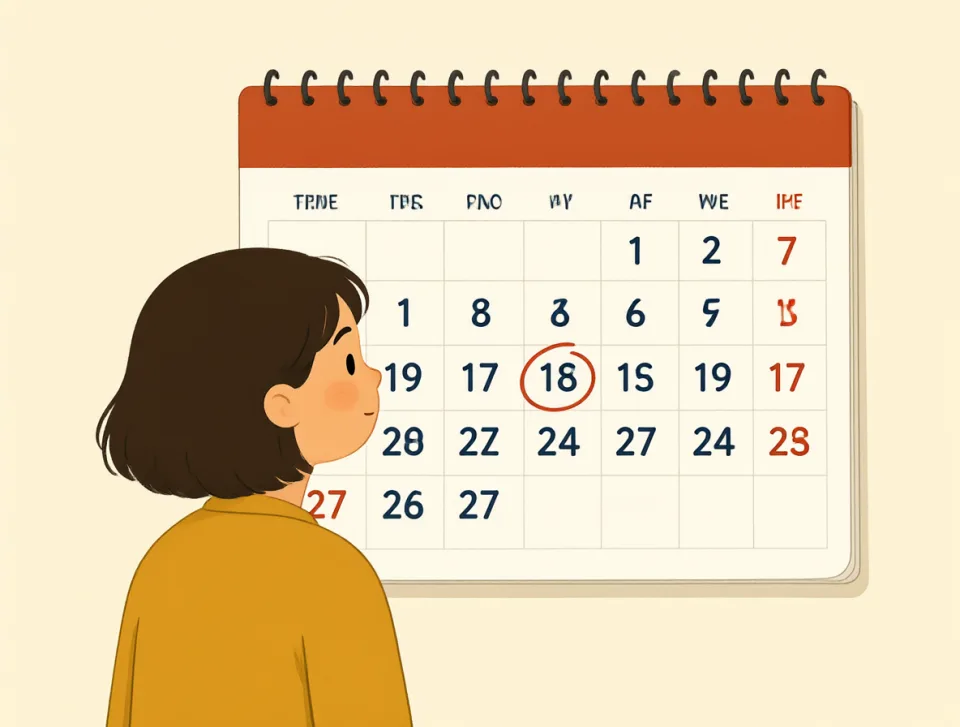
last
#101verb, adjective, adverb, noun
durar; último; última; al final
To continue for a period of time, or come after all others in time or order.
Continuar durante un período de tiempo o ir después de todos los demás en el tiempo o en el orden.
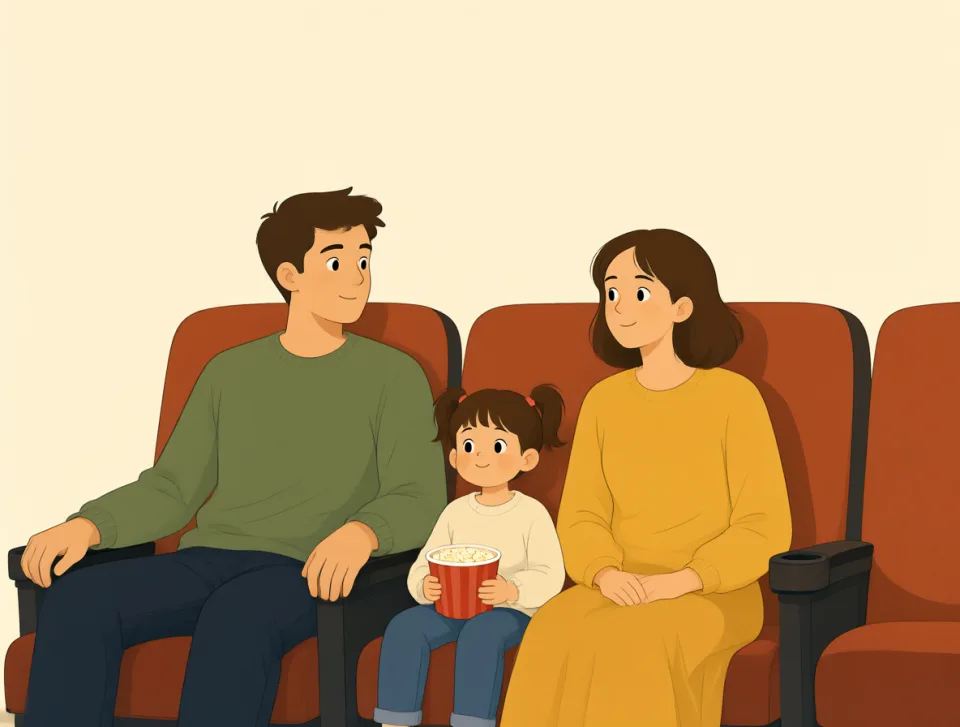
The movie lasted two hours.
La película duró dos horas.
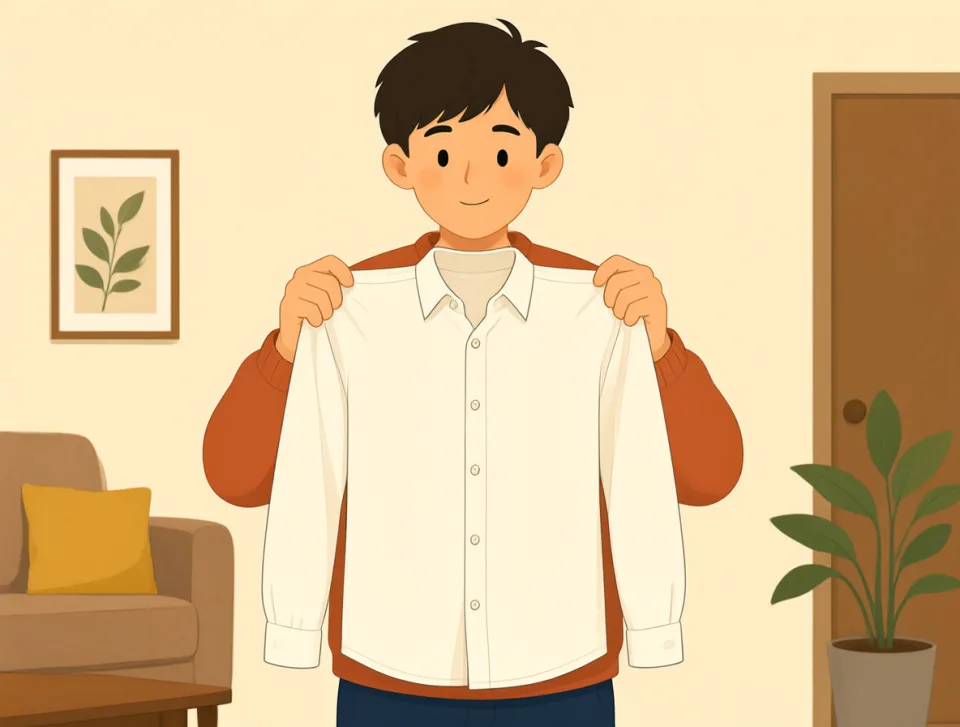
This shirt will last for years.
Esta camisa durará años.
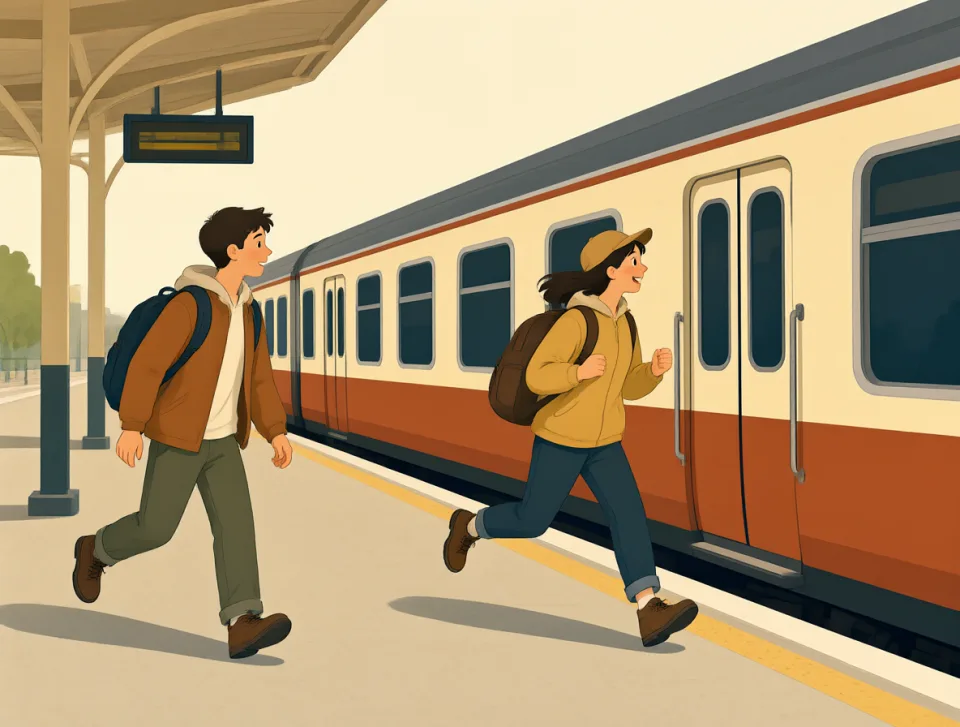
We caught the last train home.
Tomamos el último tren a casa.
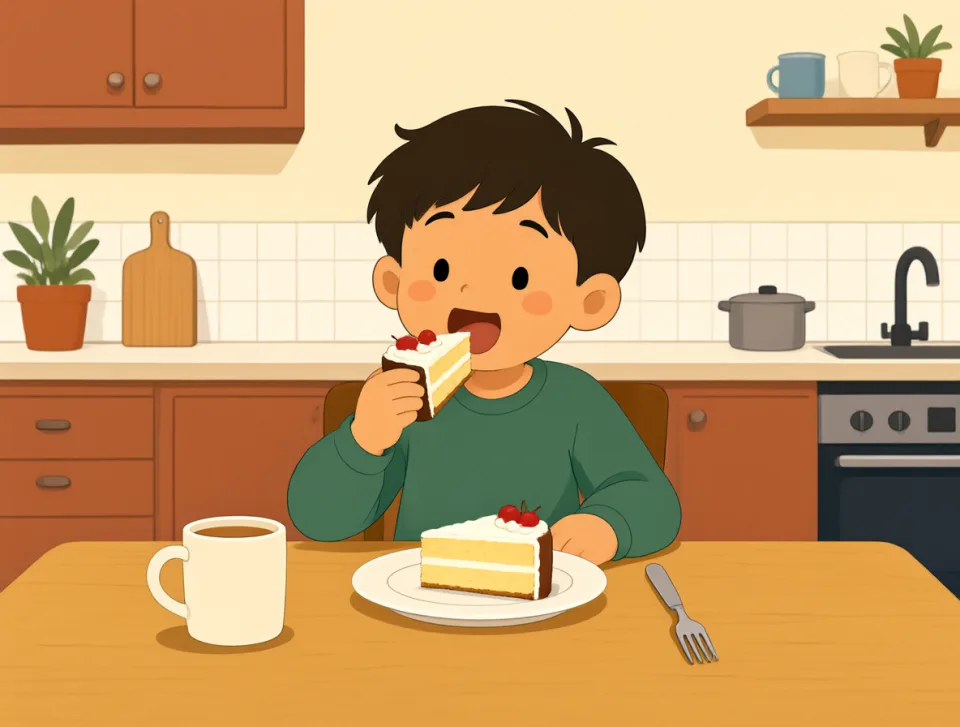
I ate the last piece of cake.
Me comí el último trozo de pastel.
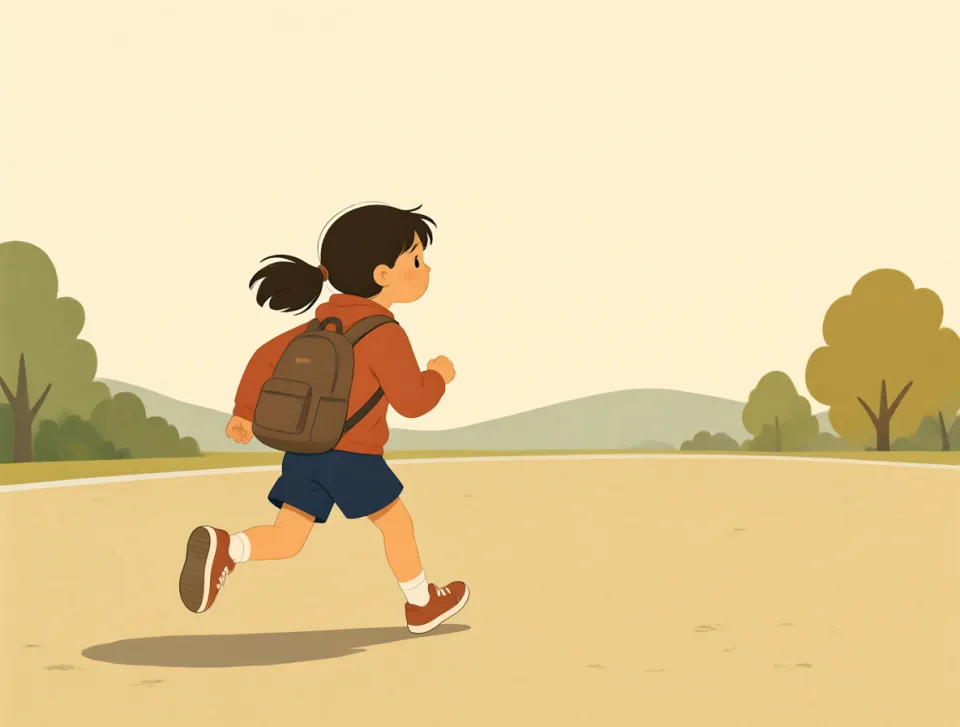
She was last in the race.
Ella llegó última en la carrera.
child
#102noun
niño; niña; hijo; hija
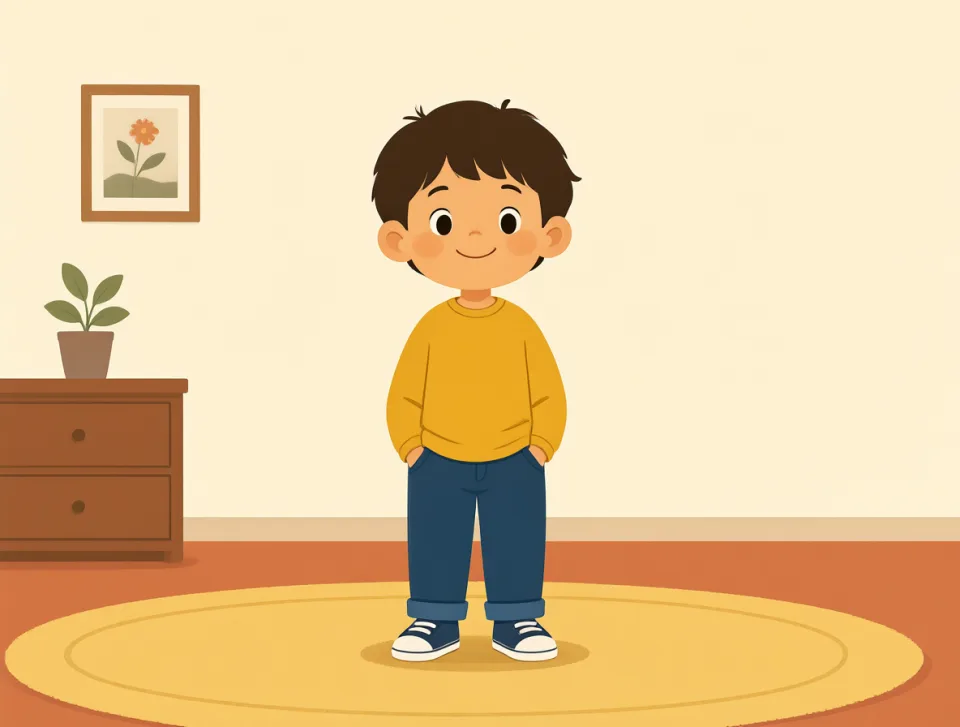
a young person who is not yet an adult
una persona joven que aún no es adulta
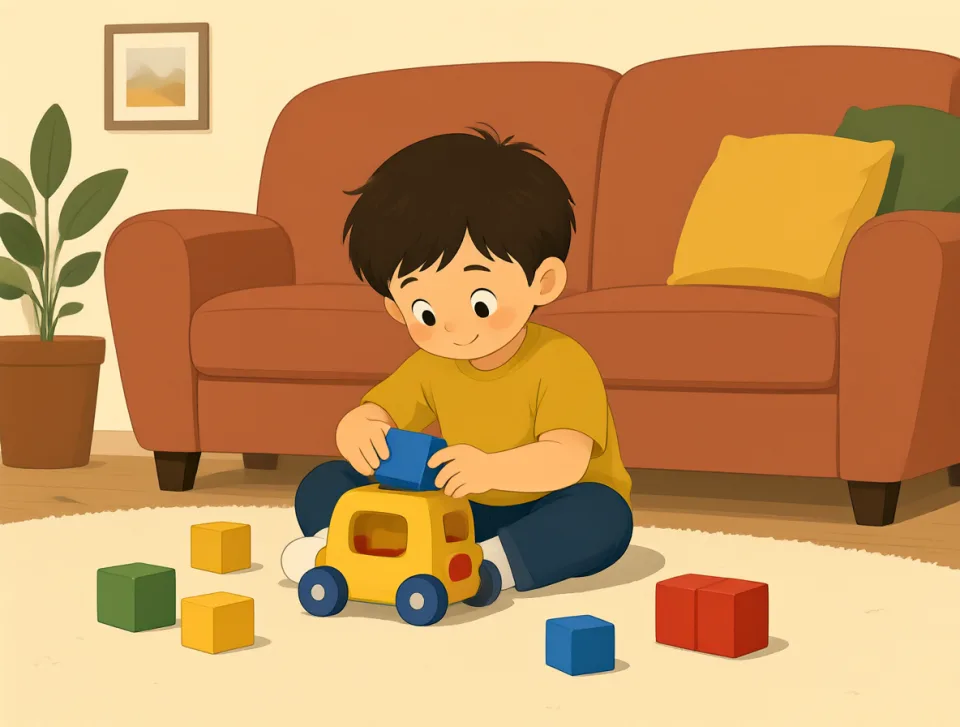
The child is playing with a toy.
El niño está jugando con un juguete.
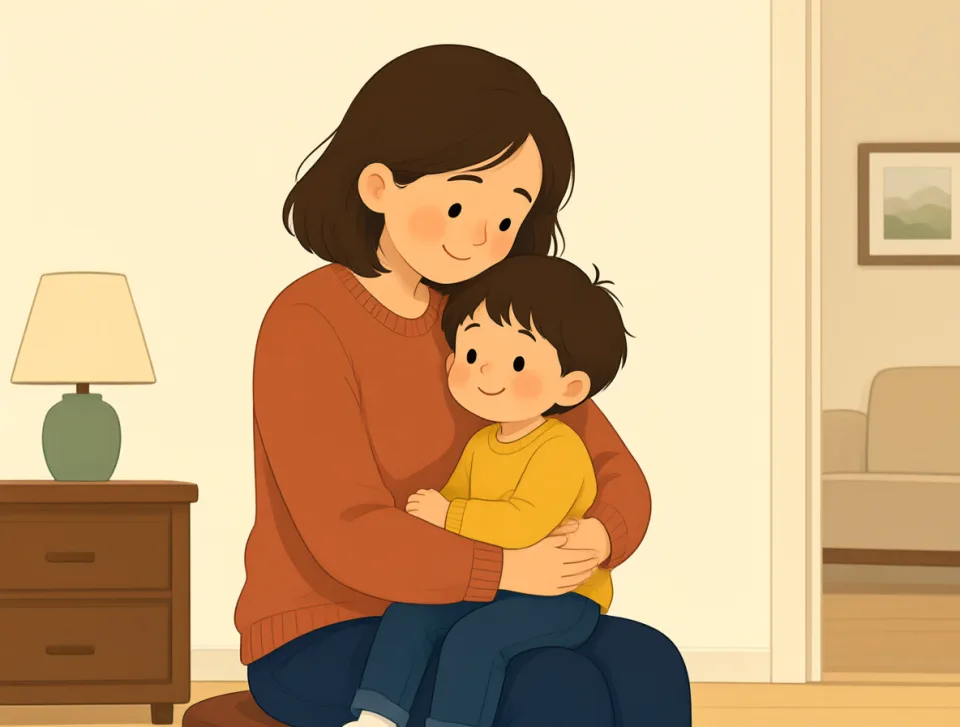
Every child needs love and care.
Todo niño necesita amor y cuidados.
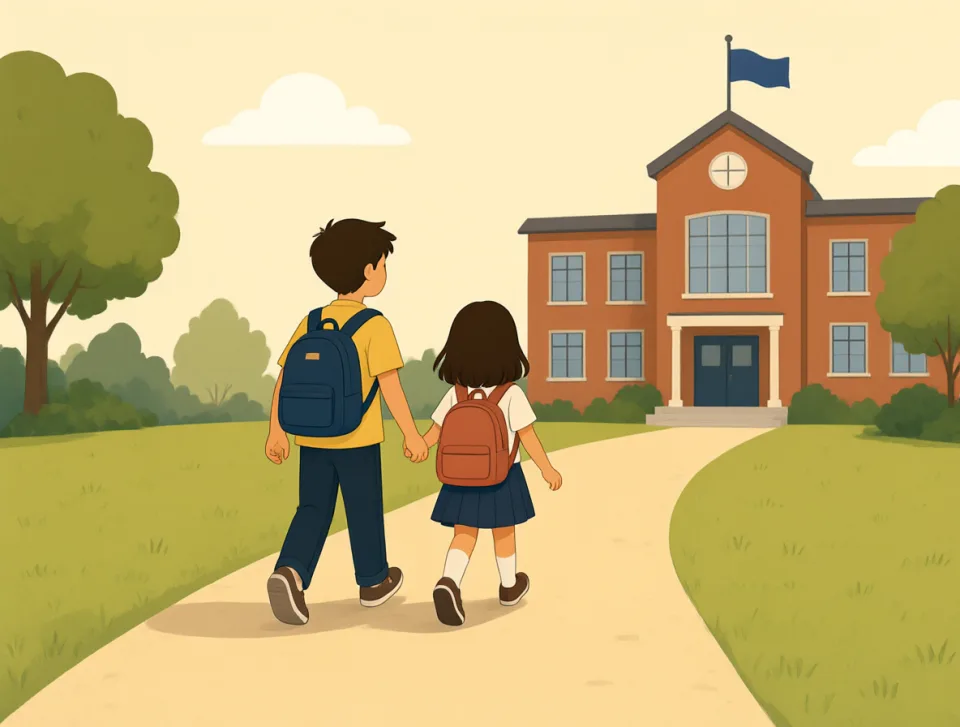
The children walked to school together.
Los niños caminaron juntos a la escuela.
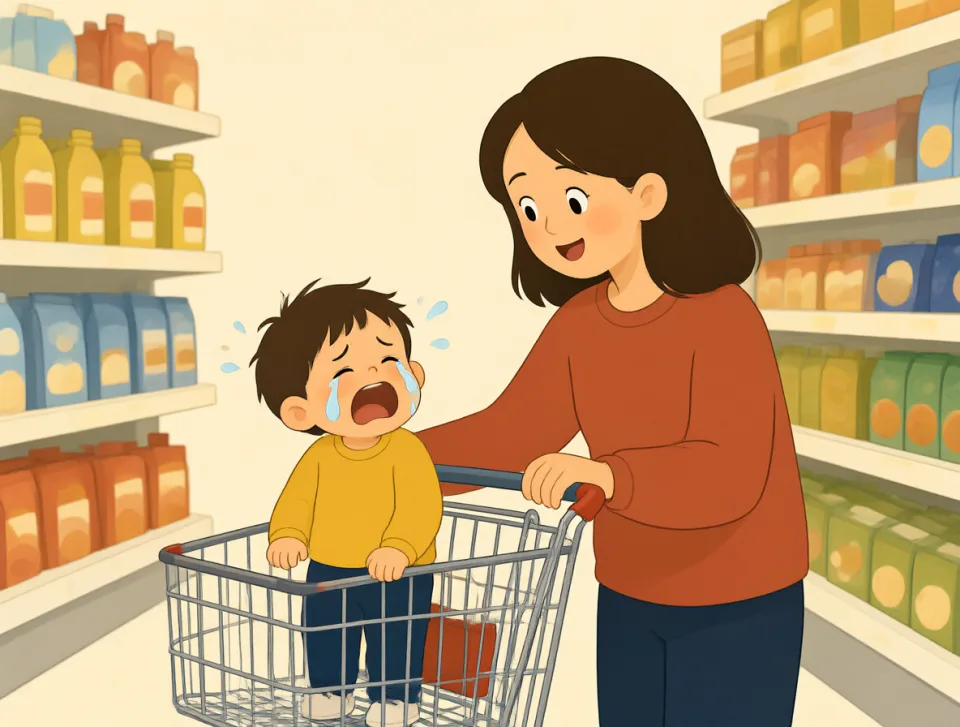
A child was crying in the store.
Un niño estaba llorando en la tienda.
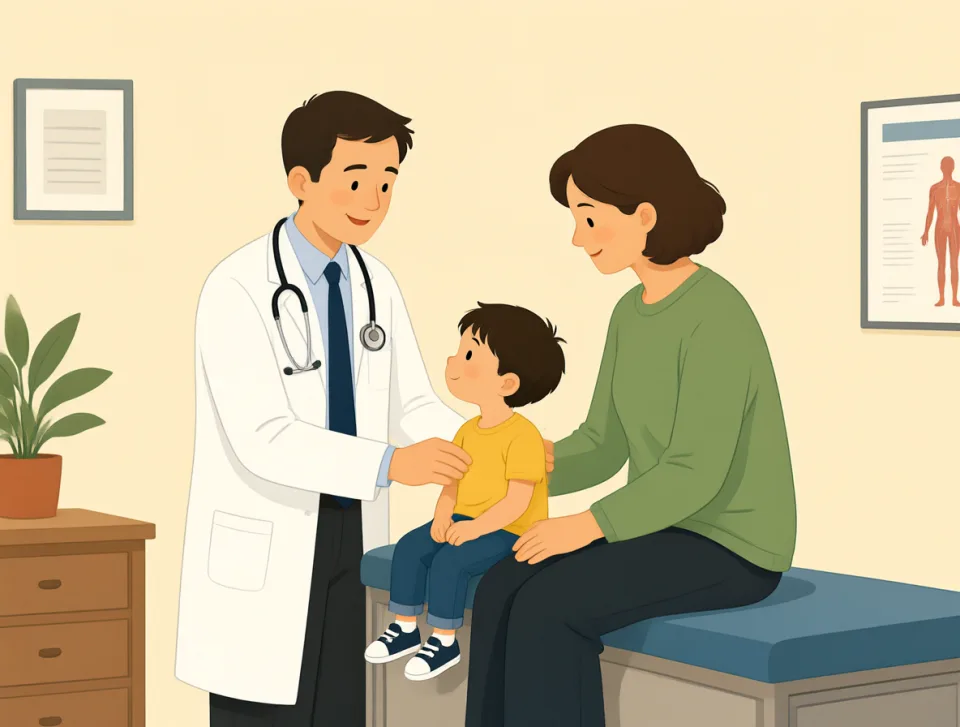
The doctor examined the sick child.
El médico examinó al niño enfermo.
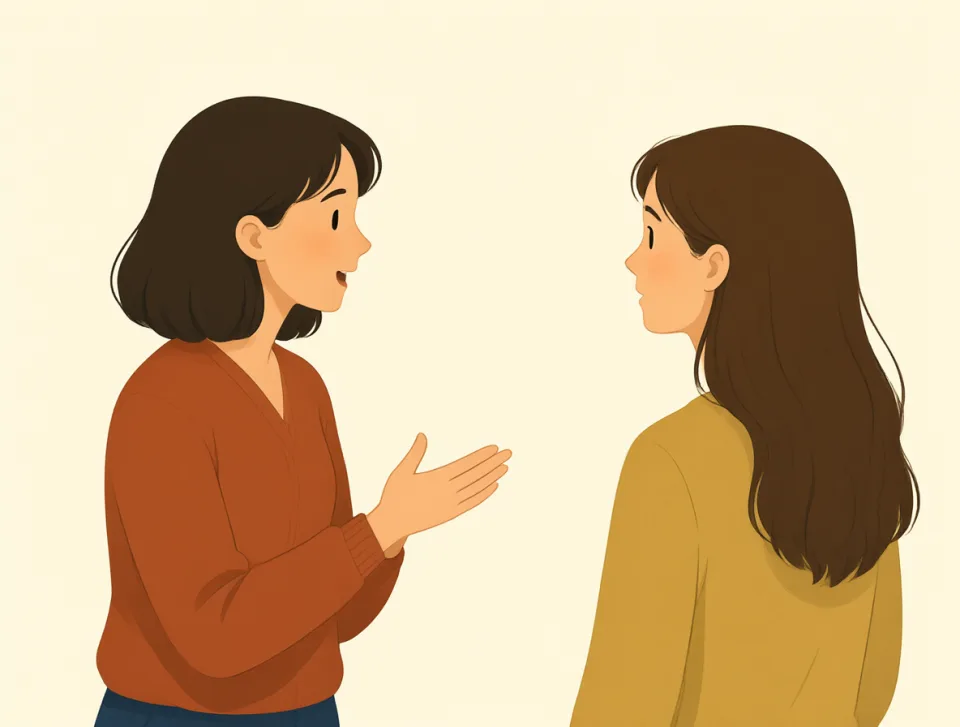
tell
#103verb
decir; contar; informar
to give someone information or say something to someone
darle información a alguien o decirle algo a alguien
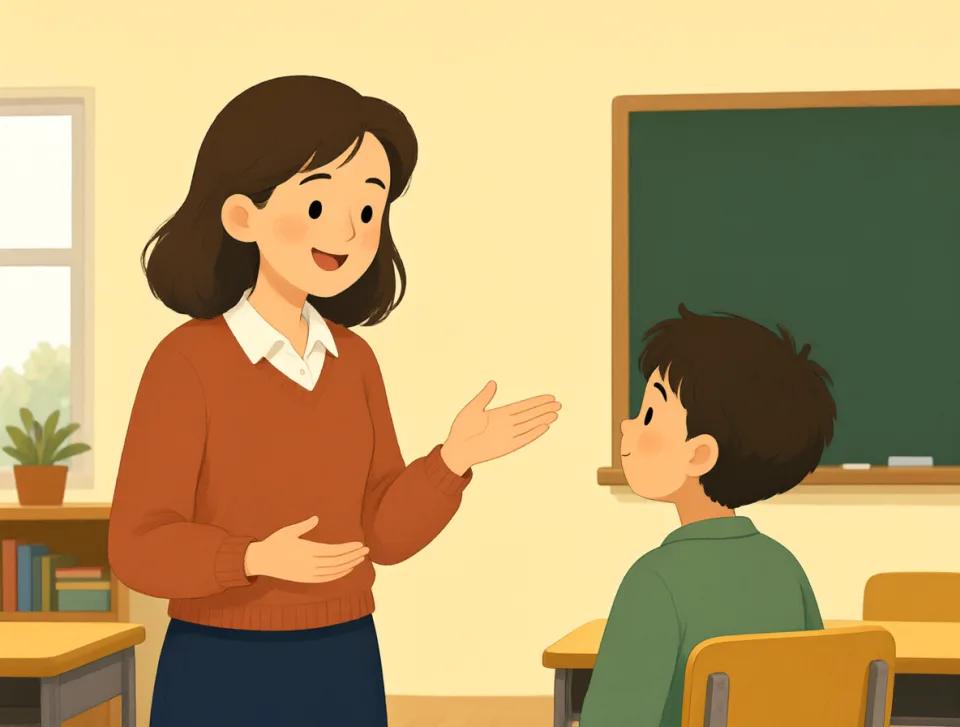
Please tell me your name.
Por favor, dime tu nombre.
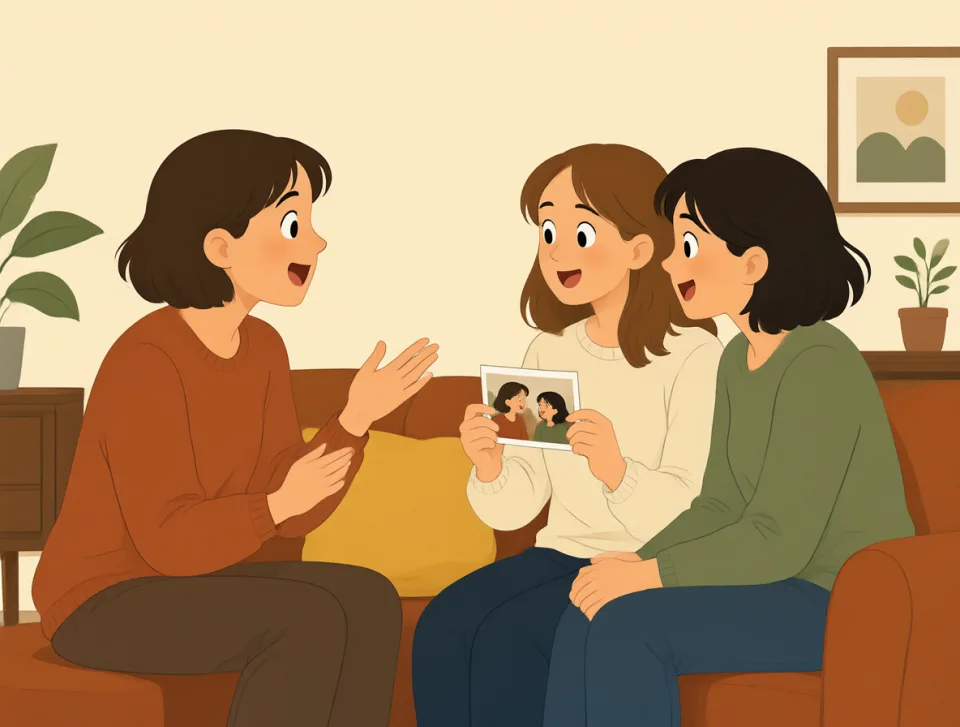
She told us about her trip.
Ella nos contó sobre su viaje.
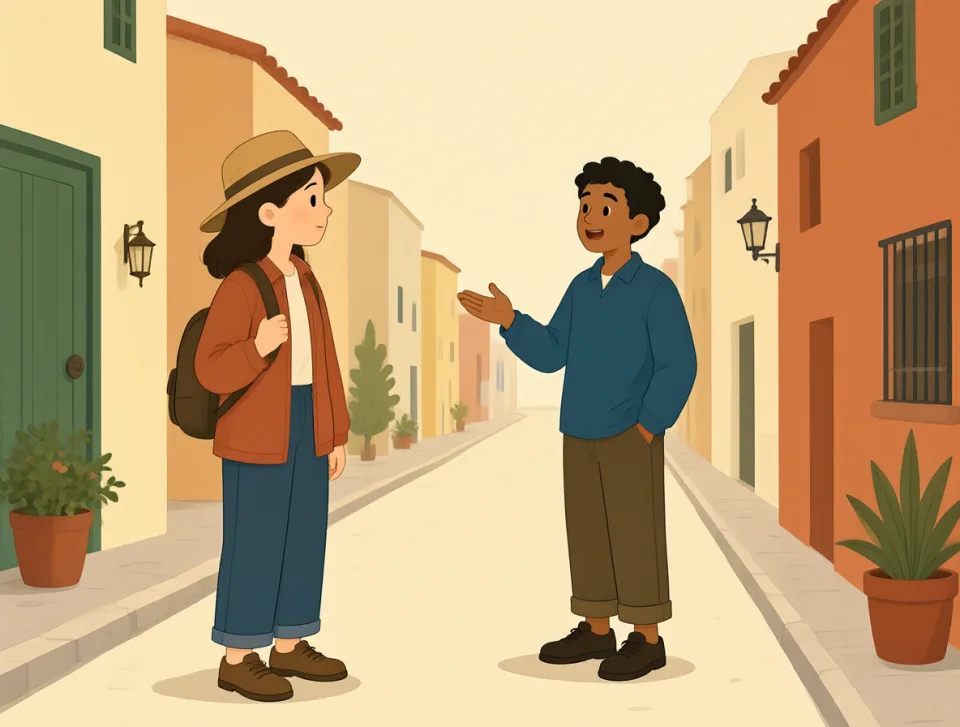
Can you tell me the way?
¿Puedes decirme cómo llegar?

He told his boss he was sick.
Él le dijo a su jefe que estaba enfermo.
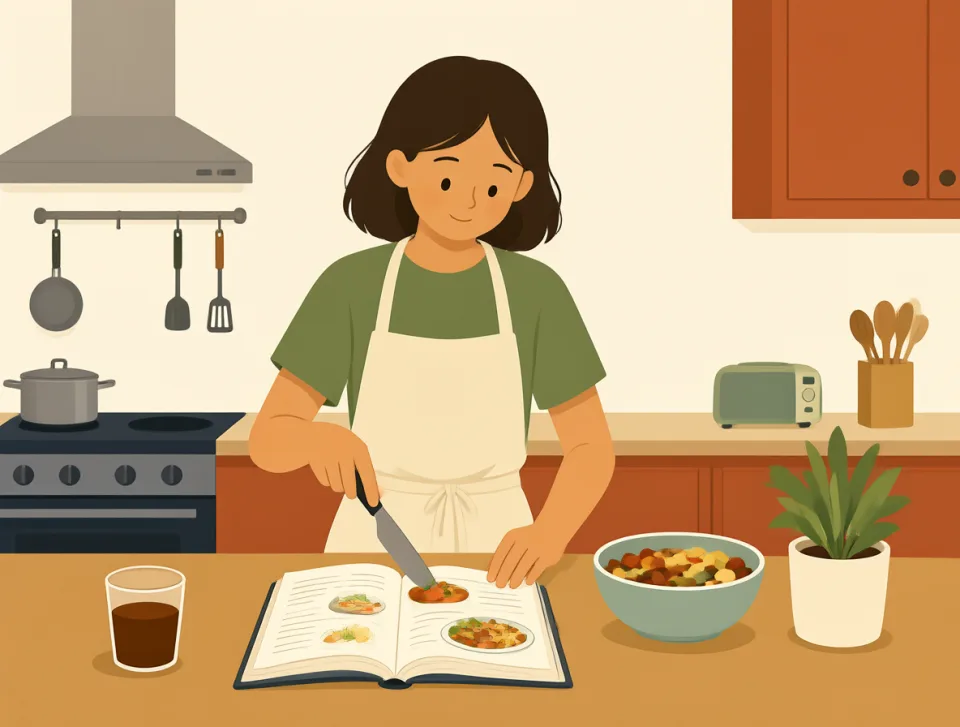
The recipe tells you to add salt.
La receta te indica que agregues sal.

really
#104adverb
realmente; de verdad
Used to emphasize that something is true, important, or stronger than expected.
Se usa para enfatizar que algo es cierto, importante o más intenso de lo esperado.
I really like this song.
Me gusta mucho esta canción.
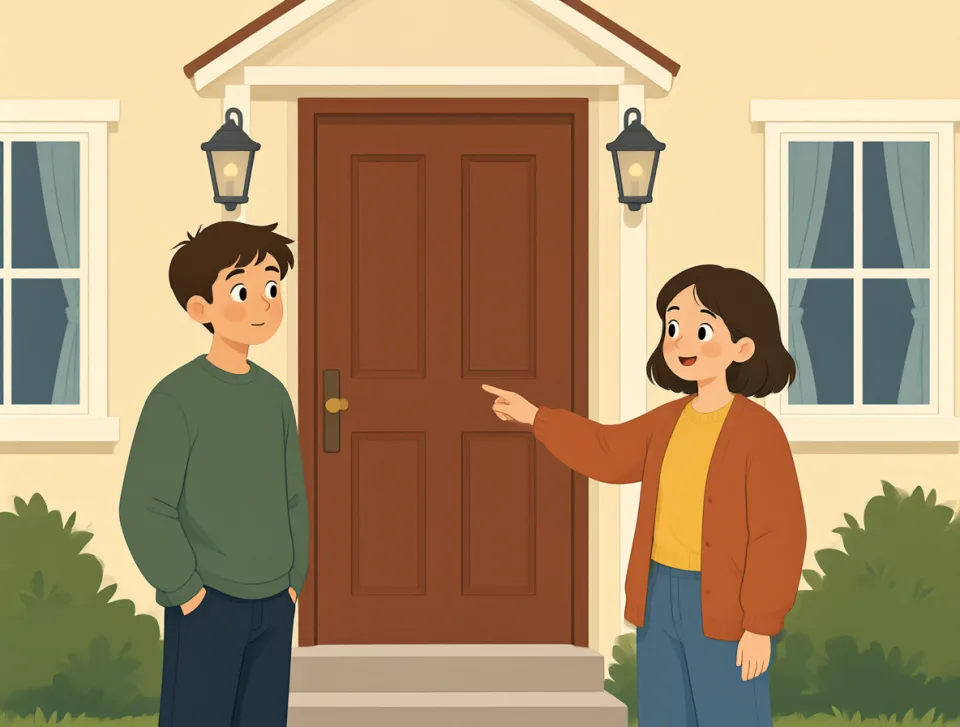
Are you really going home now?
¿De verdad te vas a casa ahora?

She is really tired today.
Hoy está muy cansada.

This soup is really good.
Esta sopa está muy buena.
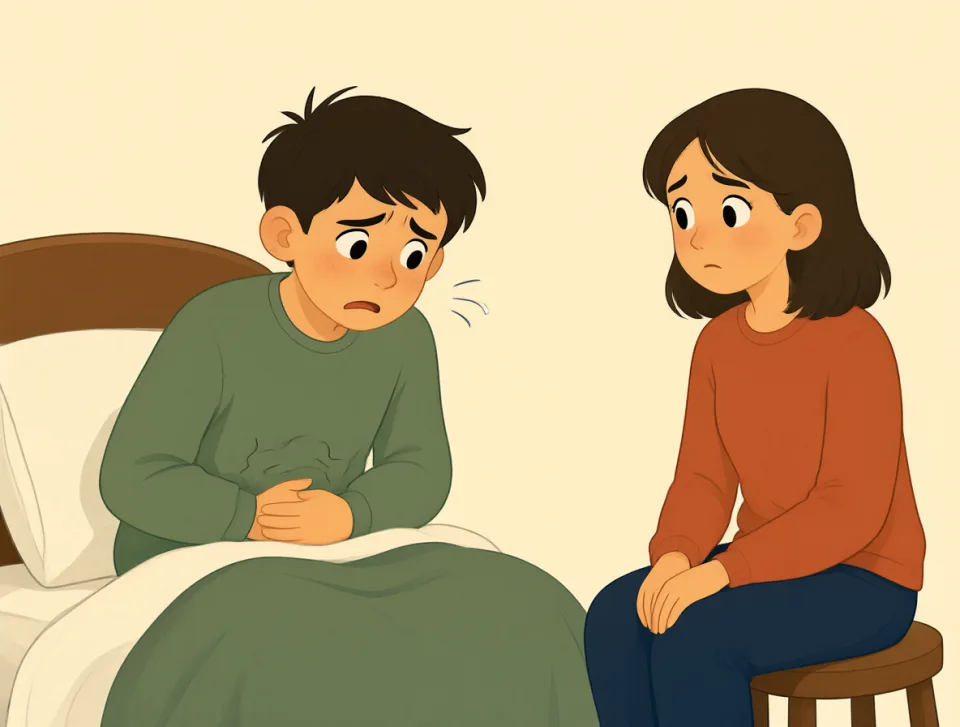
I really need a doctor.
De verdad necesito un médico.
call
#105verb, noun
llamar; llamar por teléfono; nombrar
to speak to someone by telephone or give someone a name
hablar con alguien por teléfono o darle un nombre a alguien
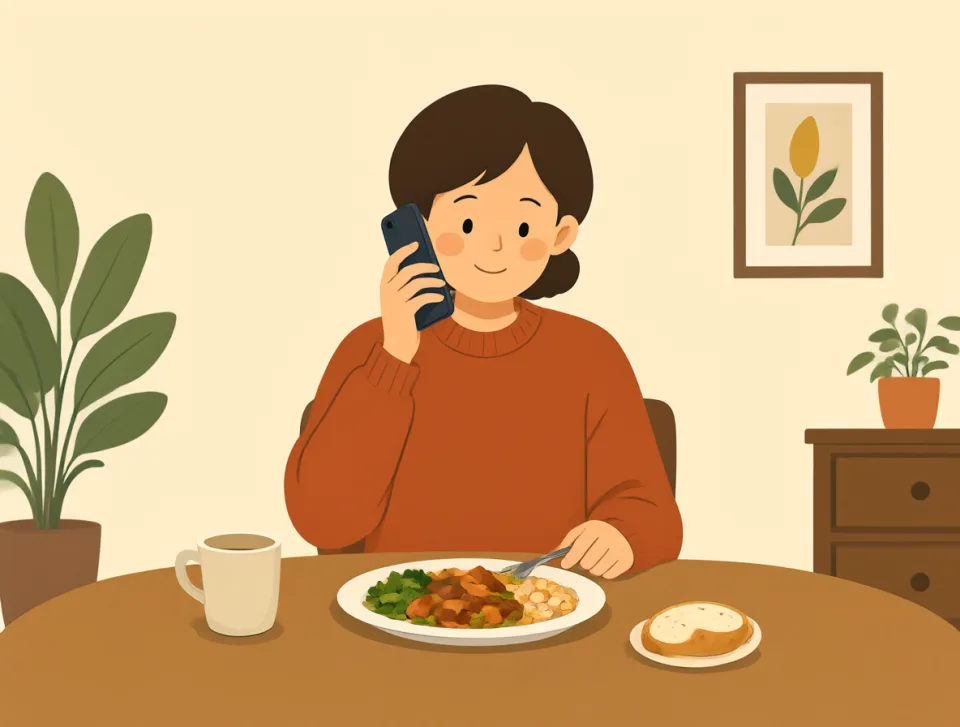
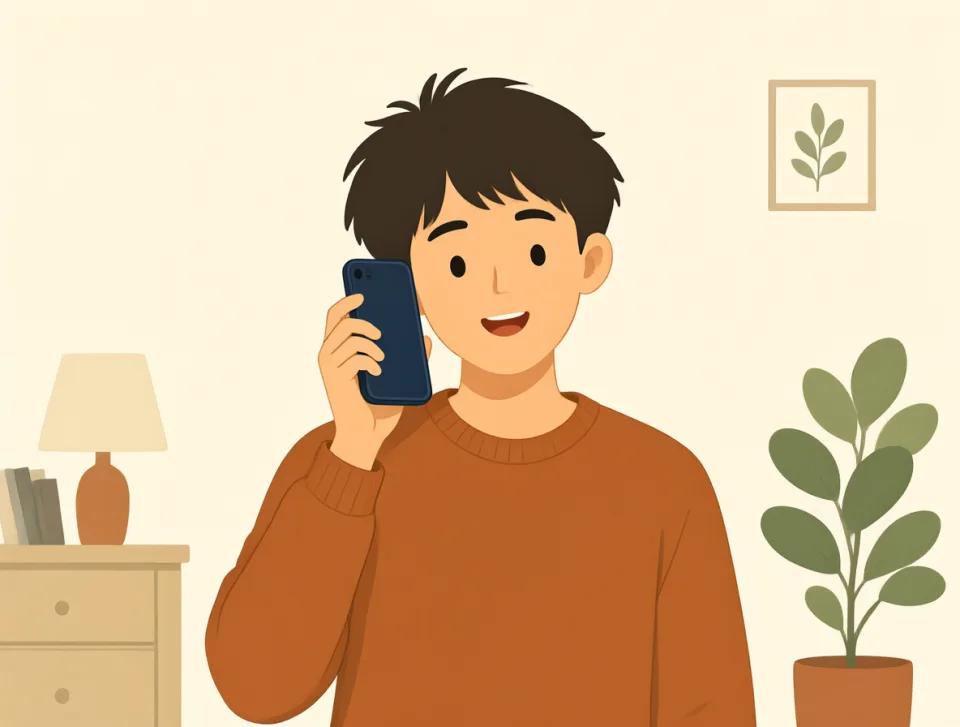
I will call you after dinner.
Te llamaré después de cenar.
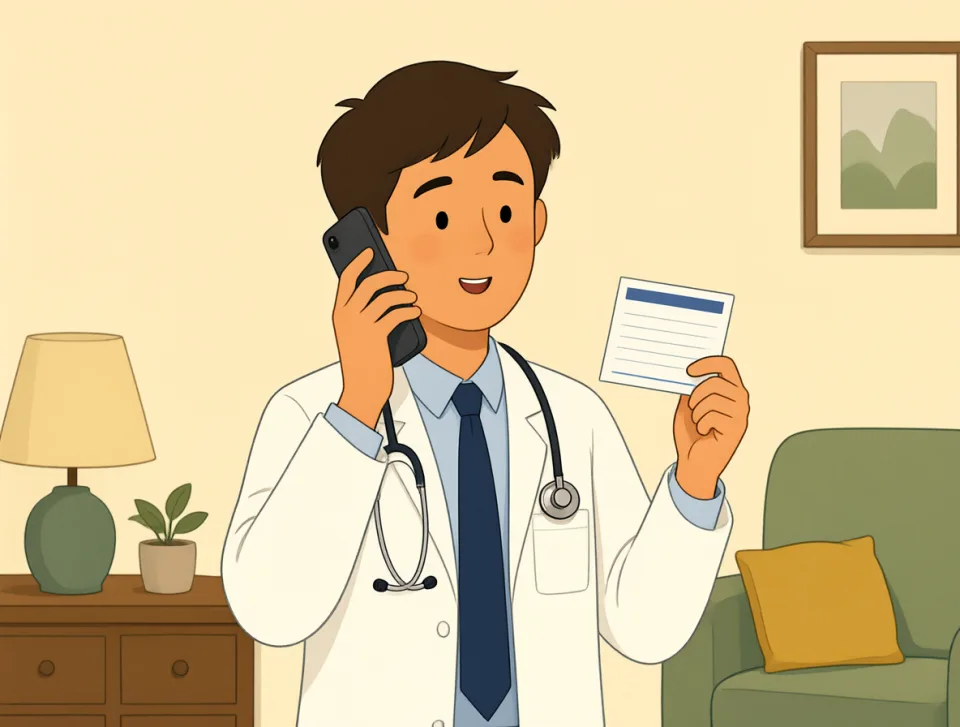
Please call the doctor this morning.
Por favor, llama al médico esta mañana.
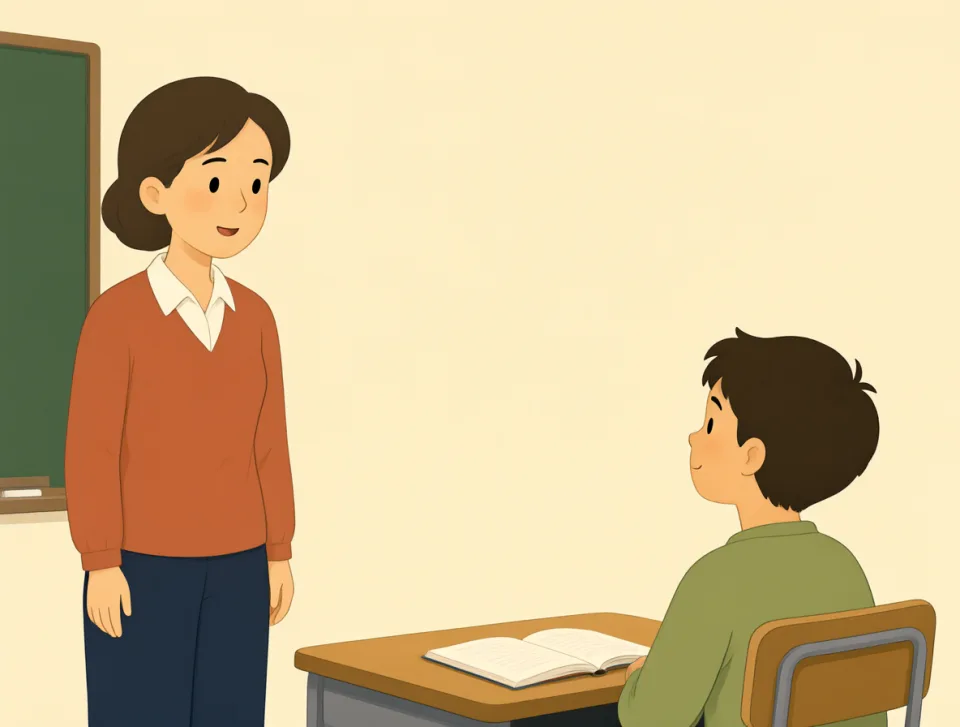
The teacher called my name in class.
El profesor dijo mi nombre en clase.
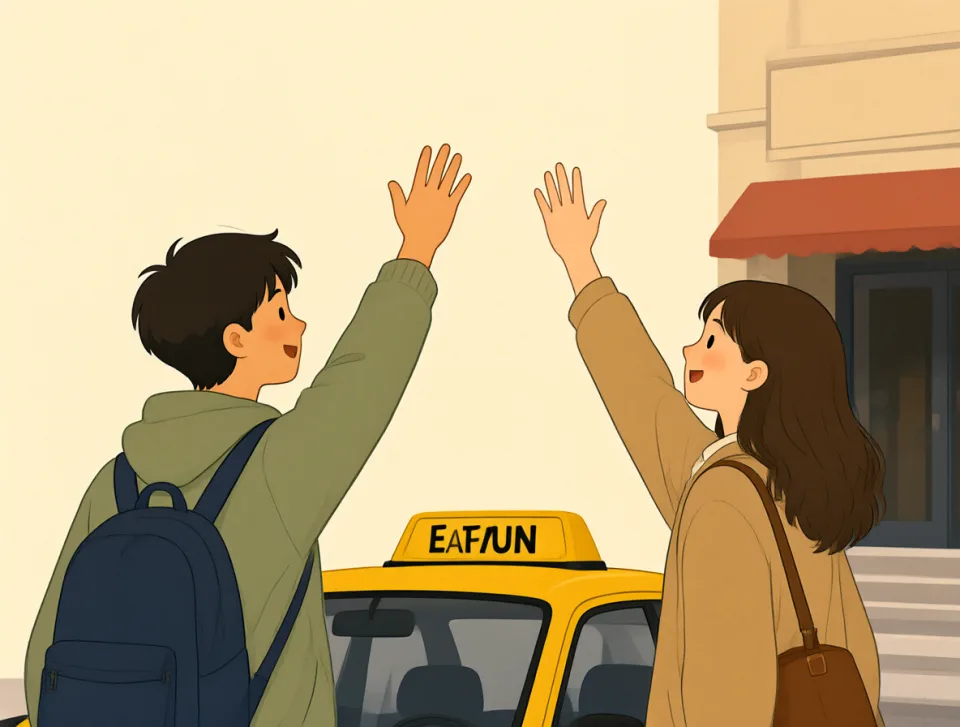
We called a taxi after the concert.
Llamamos a un taxi después del concierto.
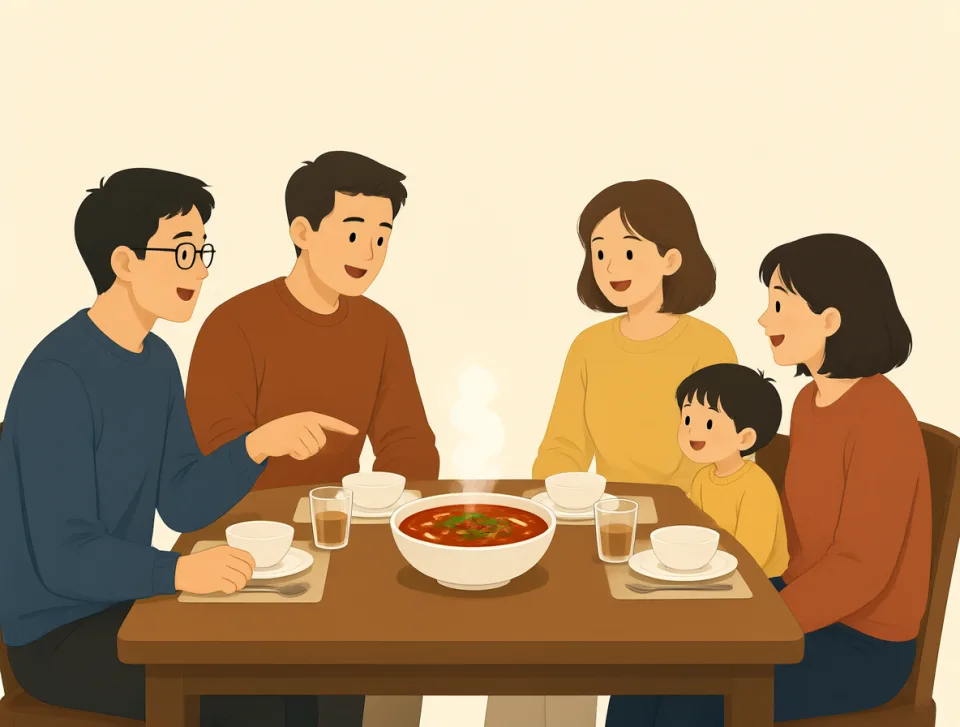
They call this food spicy soup.
A esta comida la llaman sopa picante.
before
#106adverb, preposition, conjunction
antes; antes de
At or during an earlier time, or earlier than someone or something else.
En un momento anterior o antes que otra persona o cosa.
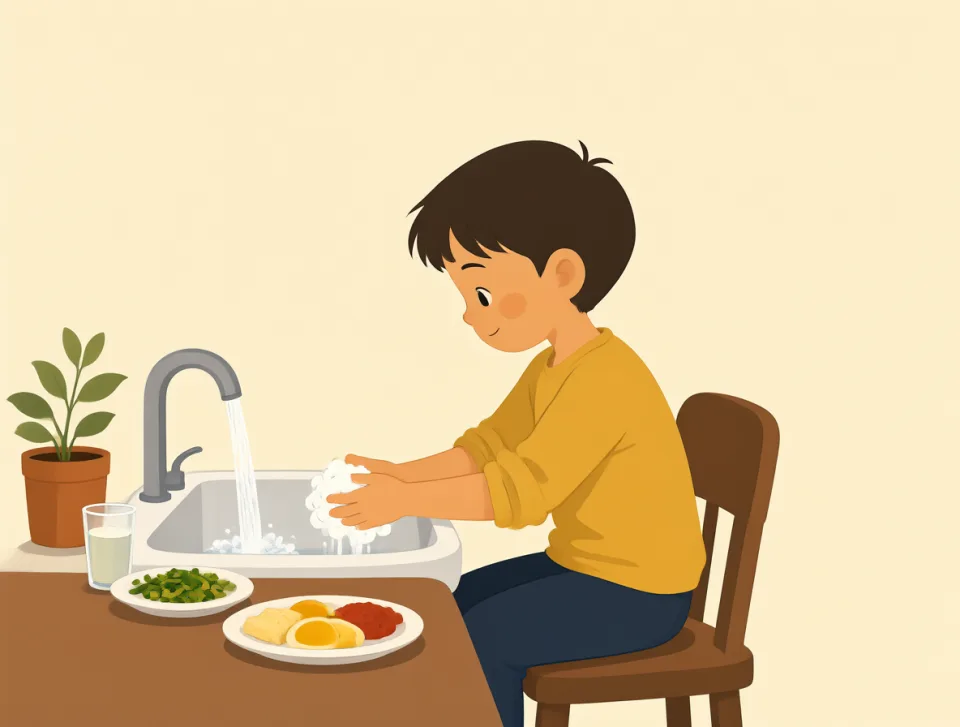
Wash your hands before dinner.
Lávate las manos antes de cenar.
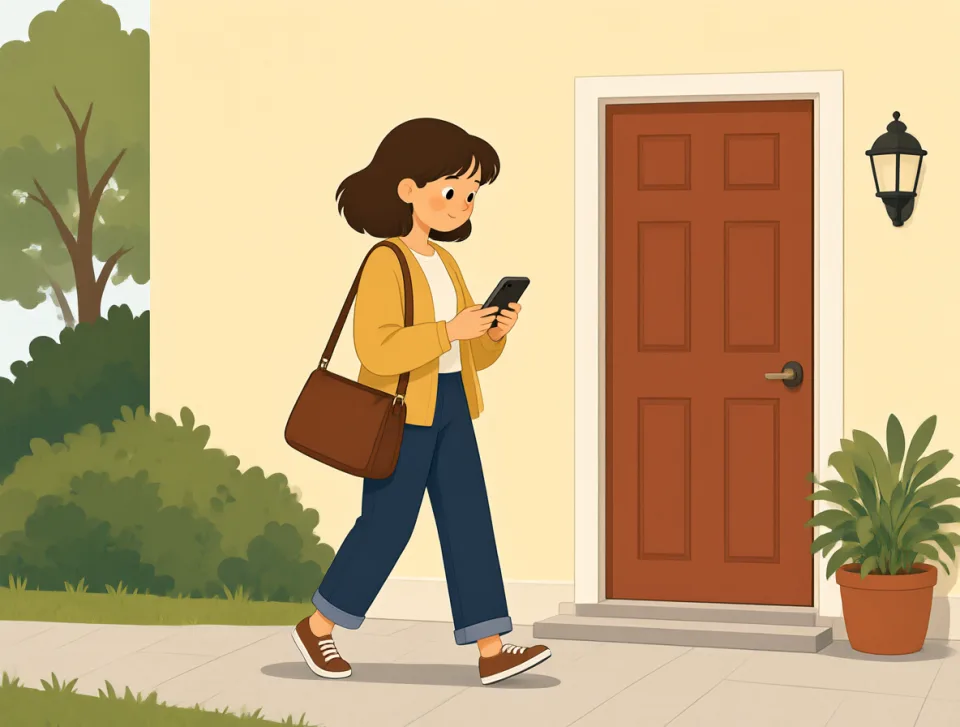
Please call me before you leave.
Llámame antes de irte.
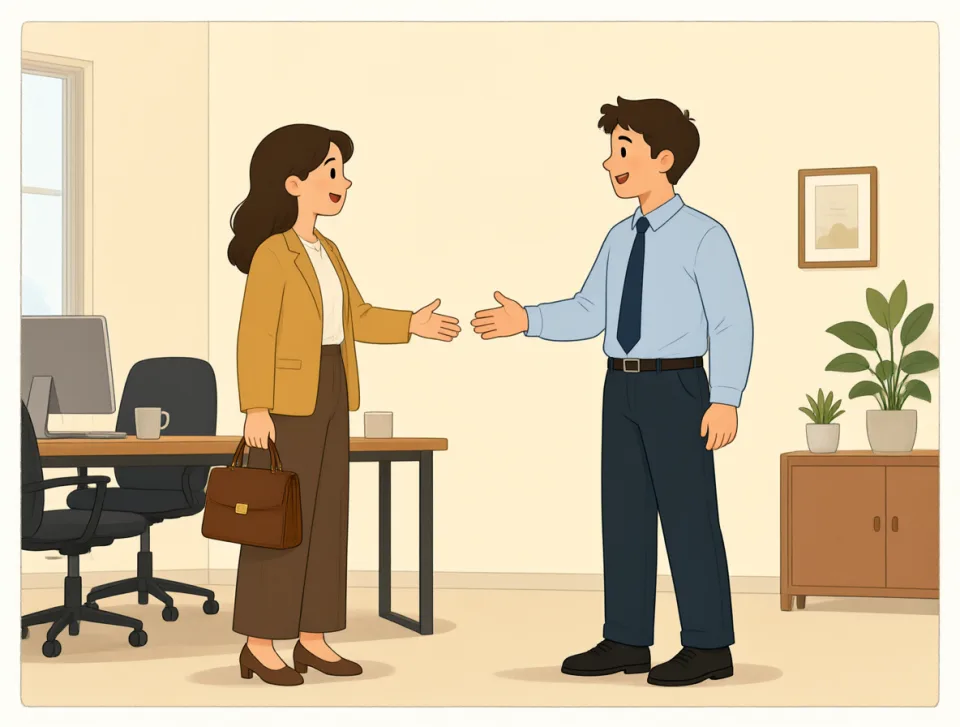
I saw her before the meeting.
La vi antes de la reunión.
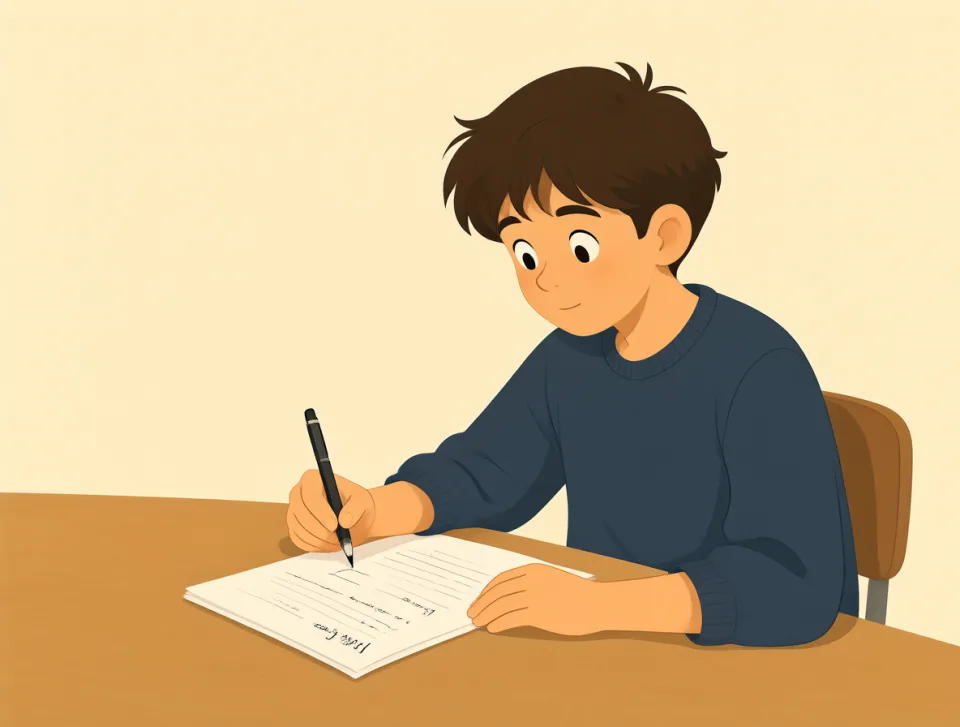
Read the question before you answer.
Lee la pregunta antes de responder.
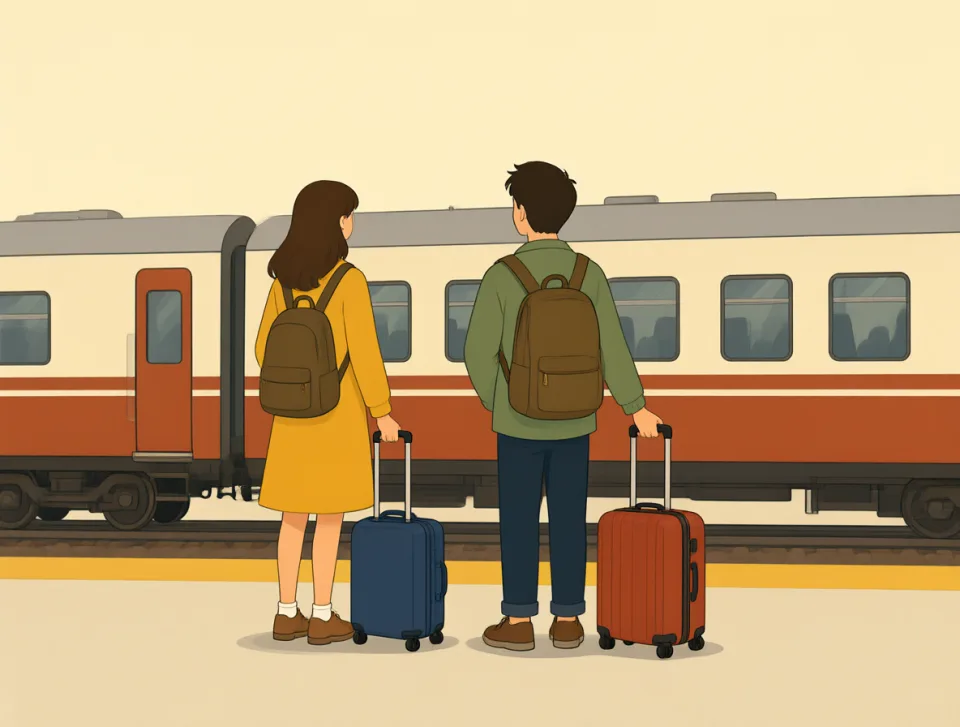
We arrived before the train left.
Llegamos antes de que saliera el tren.
company
#107noun
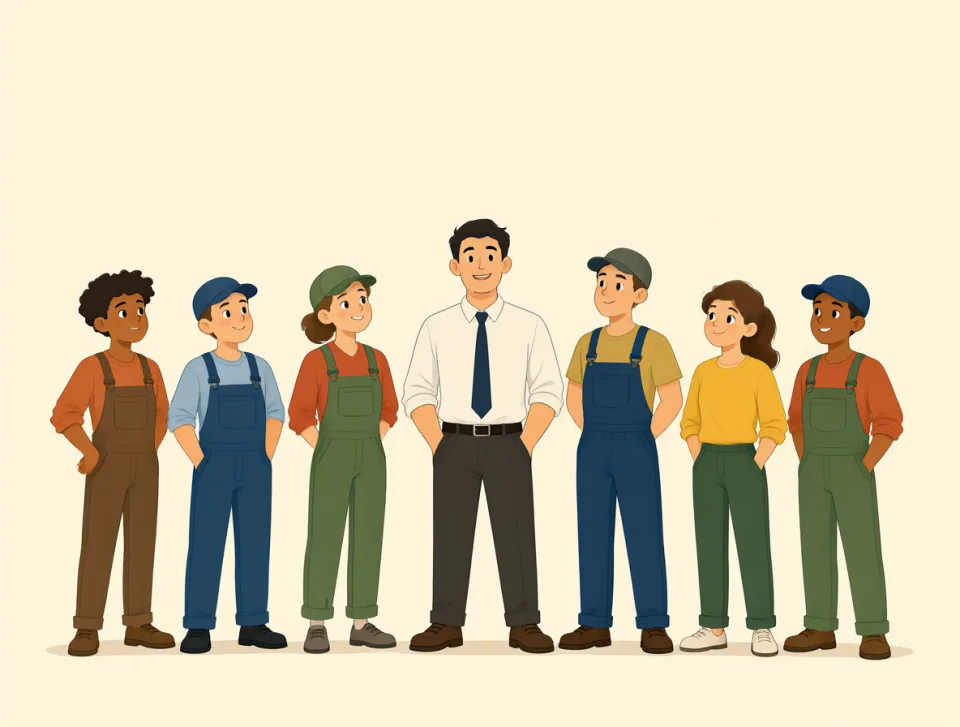
empresa; compañía
An organization that makes or sells goods or services.
Una organización que fabrica o vende bienes o servicios.
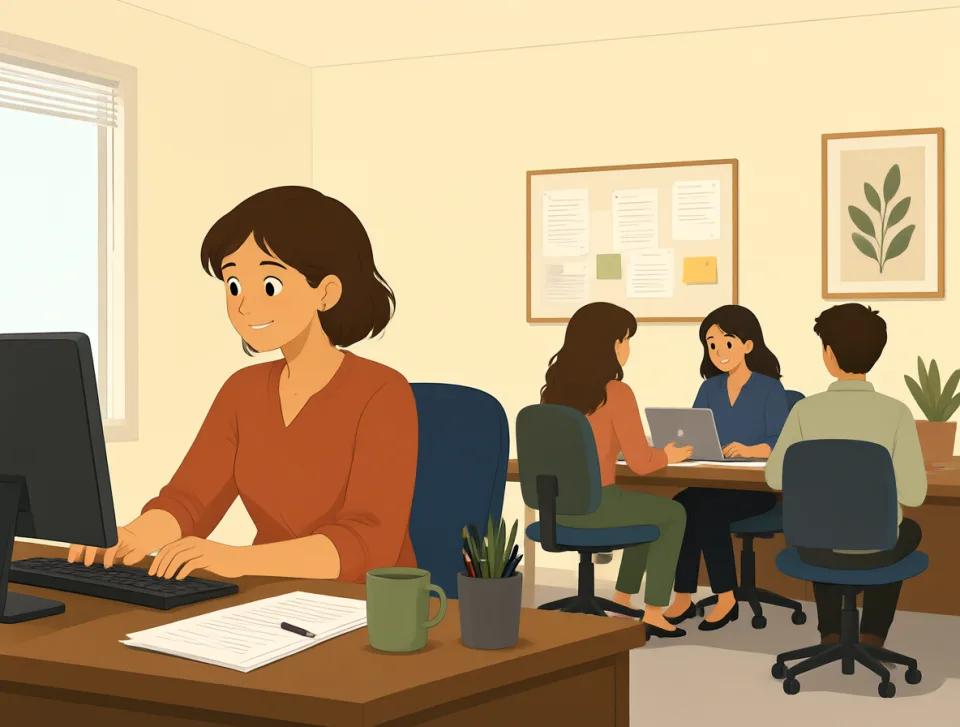
She works for a small company.
Ella trabaja para una empresa pequeña.

The company makes healthy food.
La empresa produce alimentos saludables.
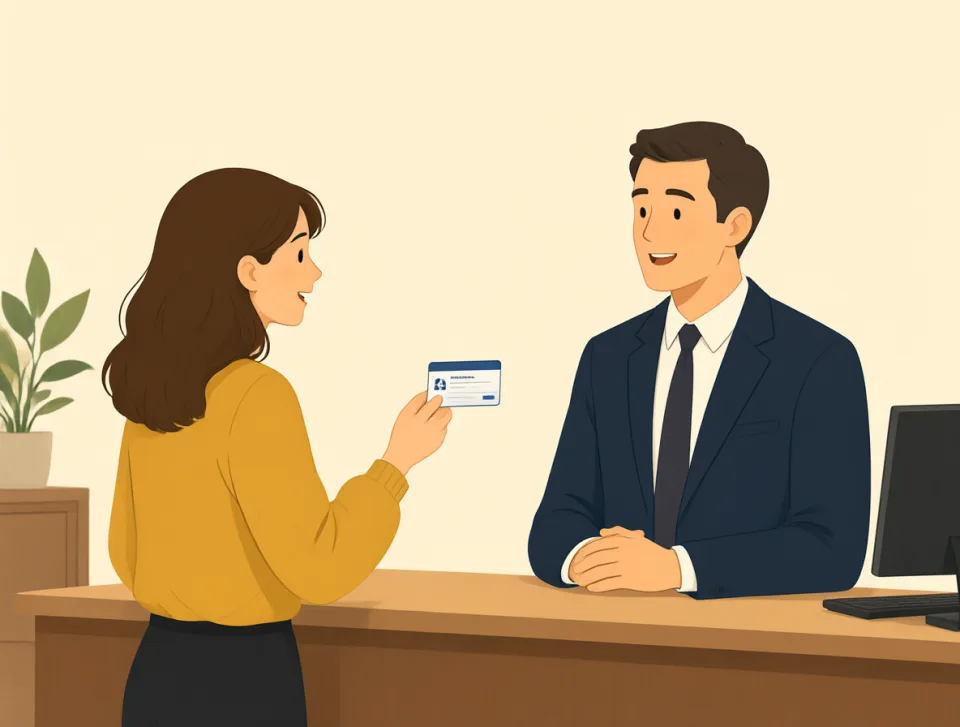
Our company gives us health insurance.
Nuestra empresa nos da seguro médico.
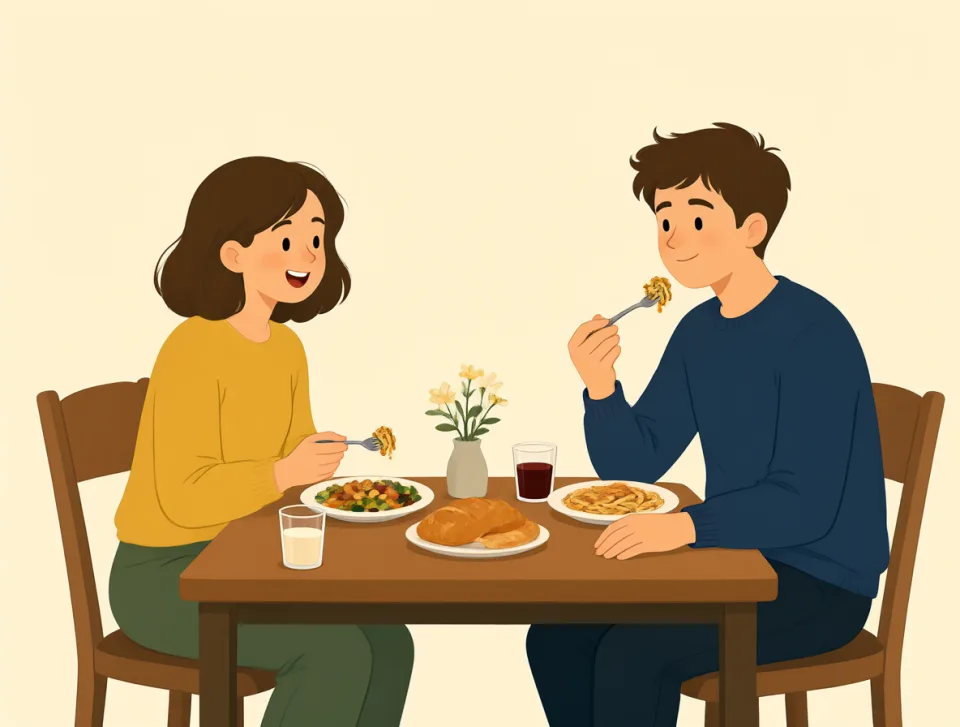
I enjoyed his company at dinner.
Disfruté de su compañía durante la cena.
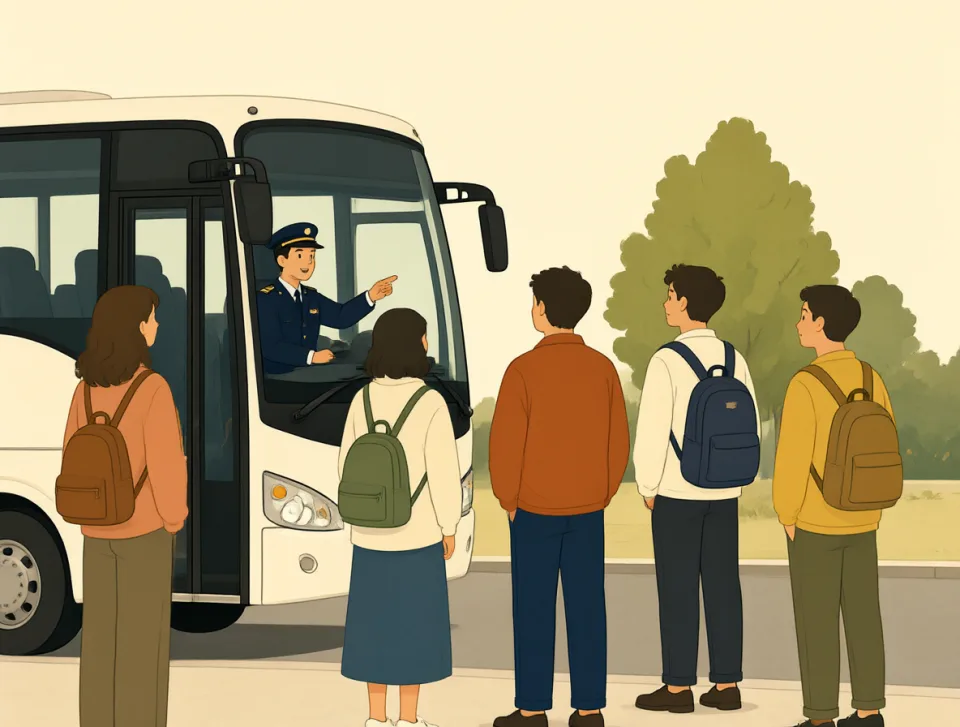
The bus company changed our travel plans.
La empresa de autobuses cambió nuestros planes de viaje.
through
#108adverb, preposition, conjunction
a través de; durante; por
from one side or end to the other, or during the whole of something
de un lado o extremo al otro, o durante todo algo
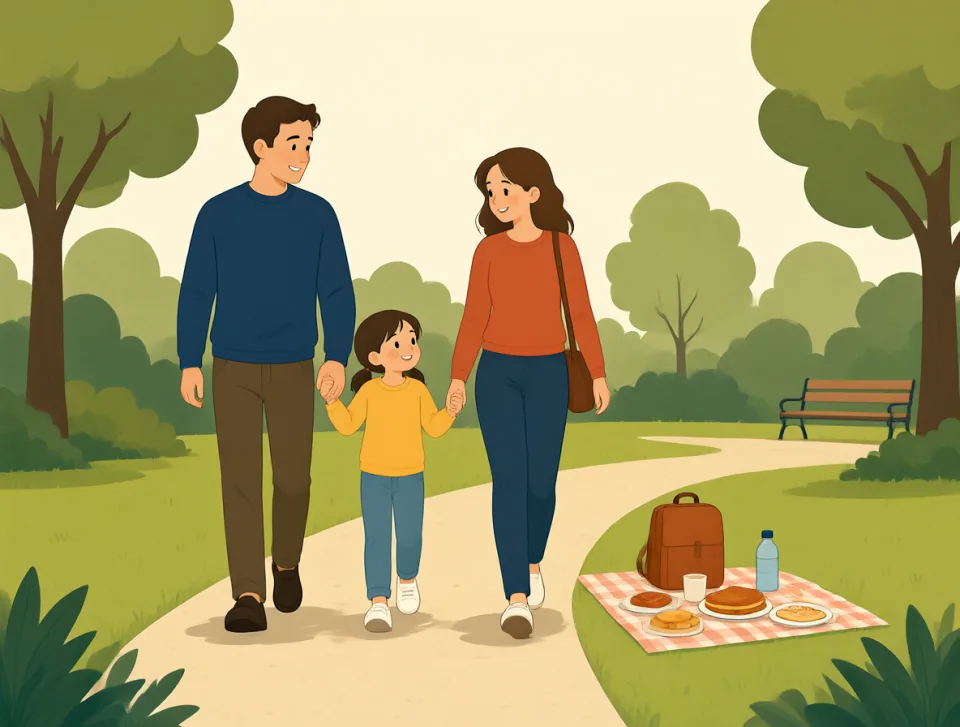
We walked through the park after lunch.
Caminamos por el parque después de almorzar.
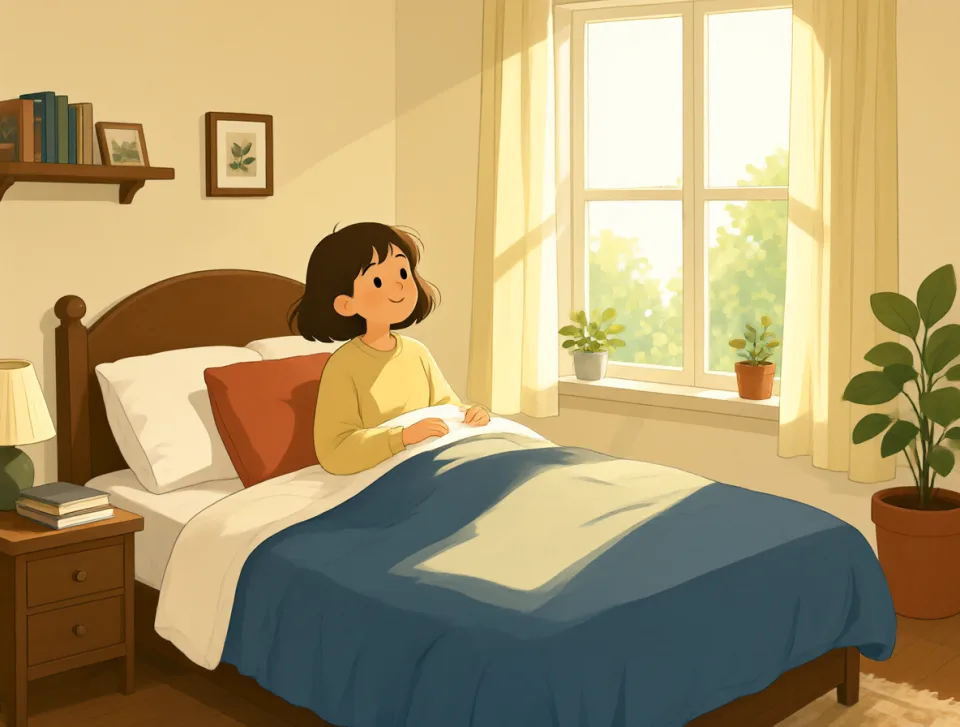
Light came through the bedroom window.
La luz entraba por la ventana del dormitorio.
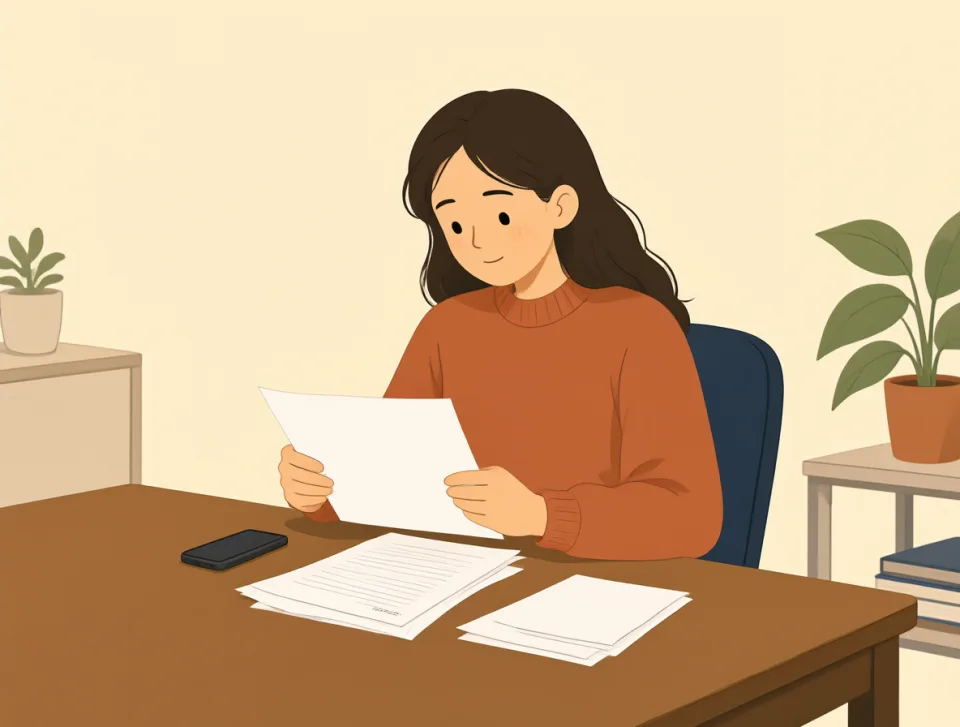
She read through the report before the meeting.
Leyó el informe completo antes de la reunión.
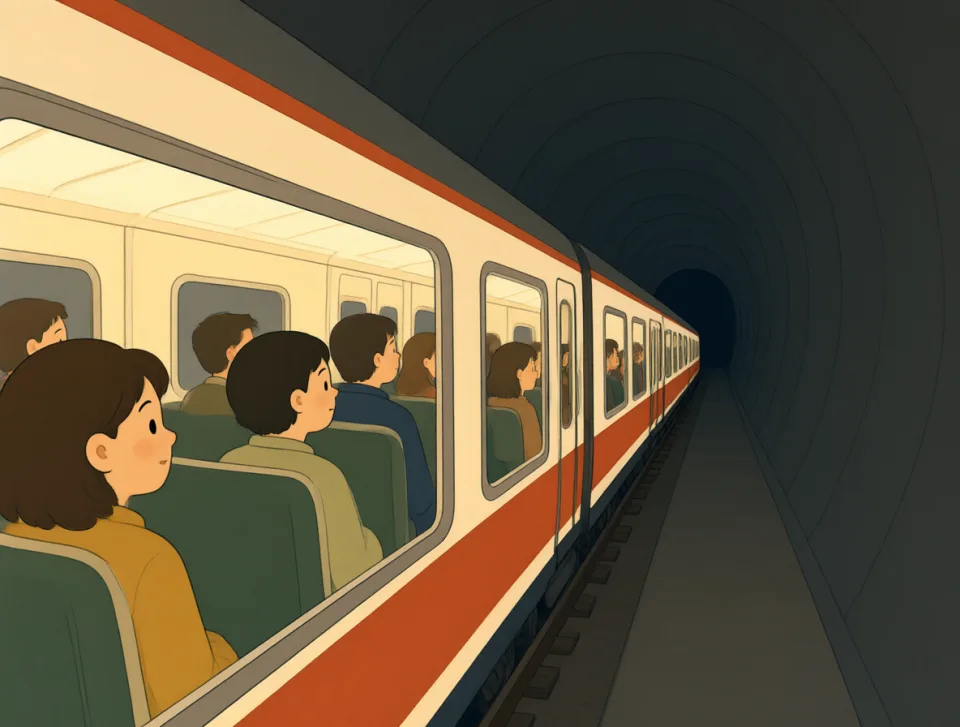
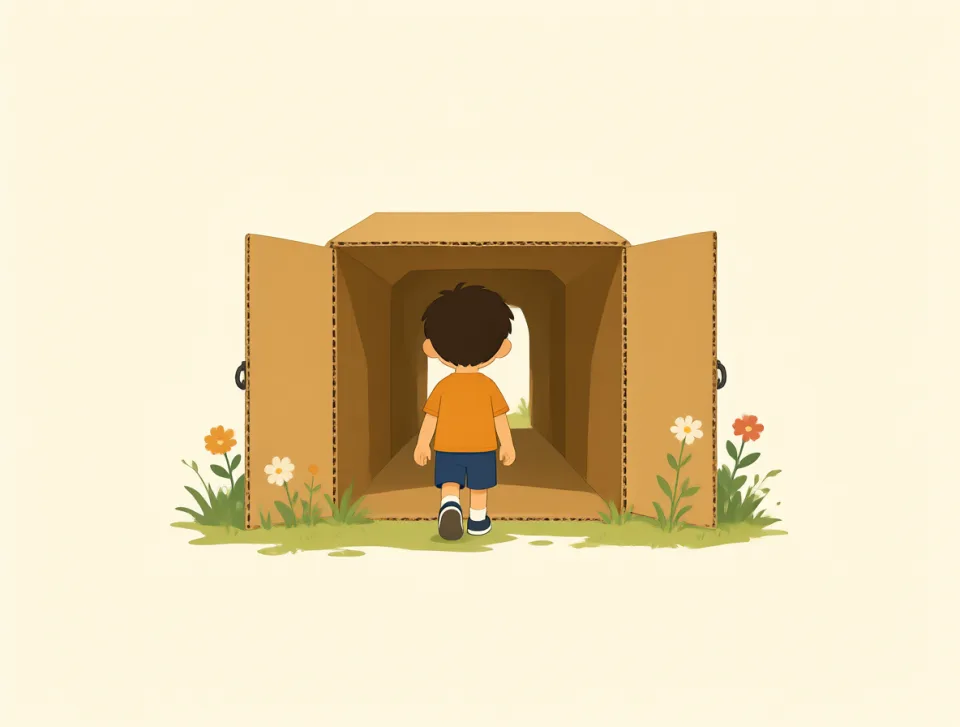
The train went through a long tunnel.
El tren atravesó un túnel largo.
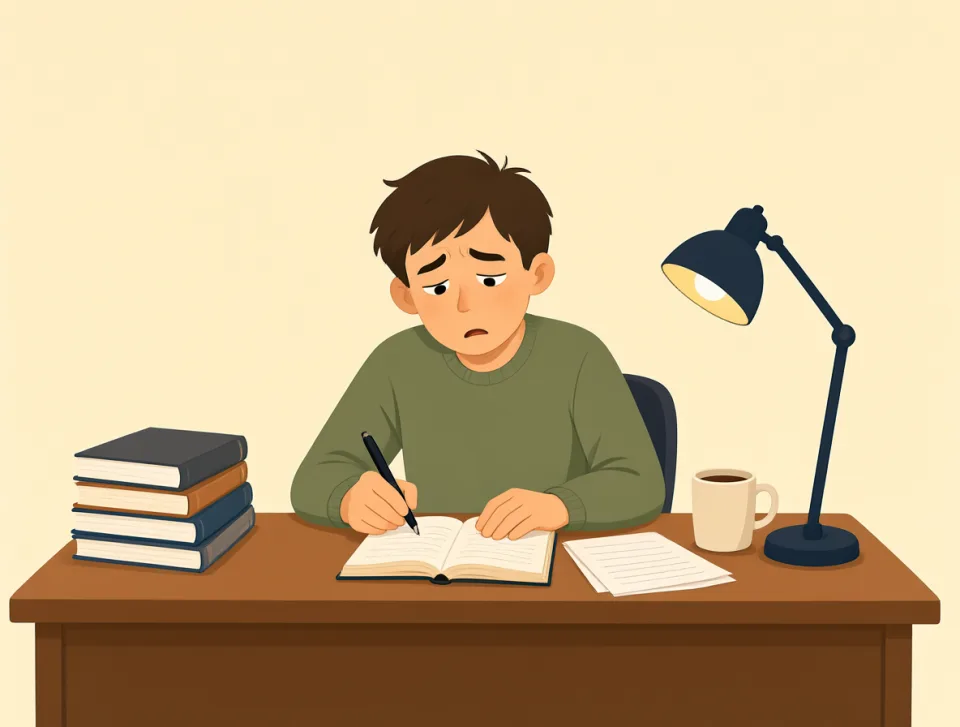
He worked through the night to finish.
Trabajó toda la noche para terminar.
down
#109adverb, preposition, adjective, verb, noun
abajo; hacia abajo; apagado
Toward a lower place or position; to a lower level; or not working.
Hacia un lugar o una posición más bajos; a un nivel inferior; o que no funciona.
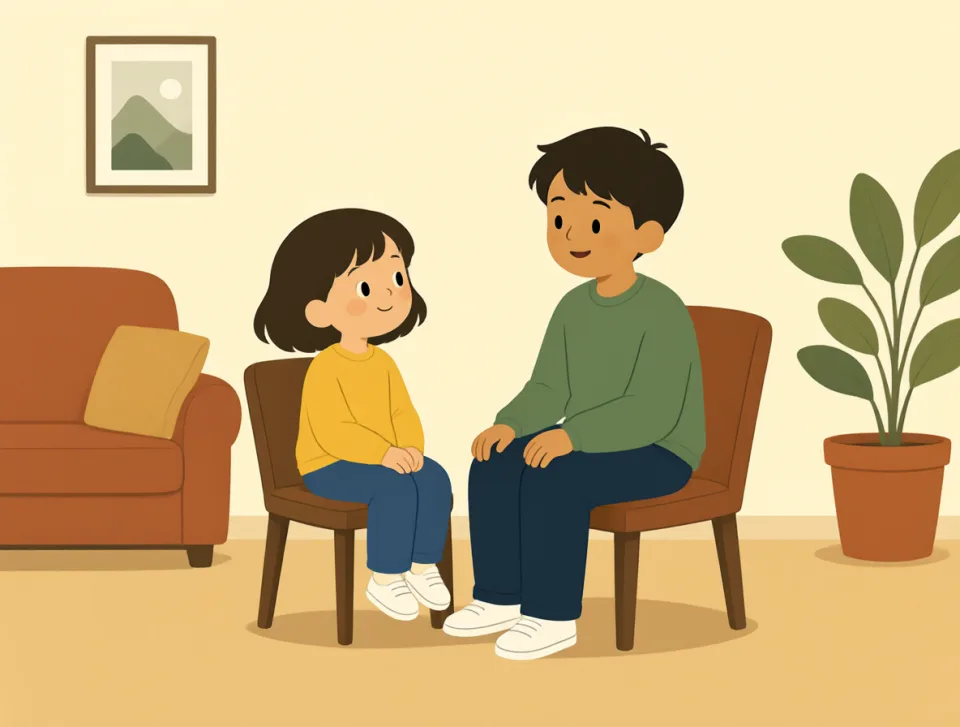
Please sit down beside me.
Por favor, siéntate a mi lado.
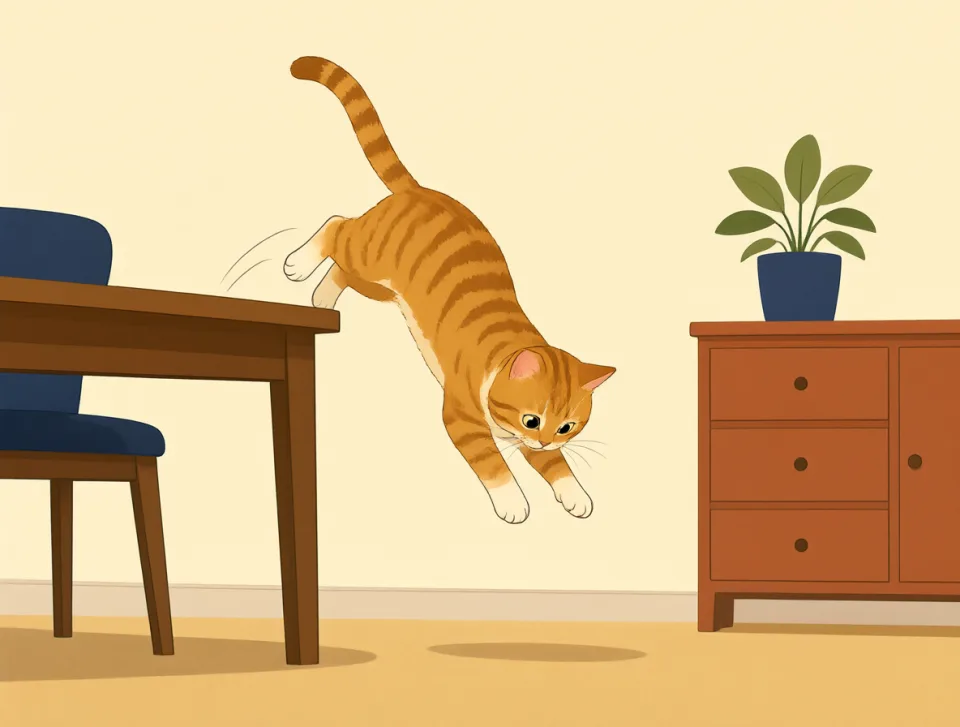
The cat jumped down from the table.
El gato saltó de la mesa al suelo.
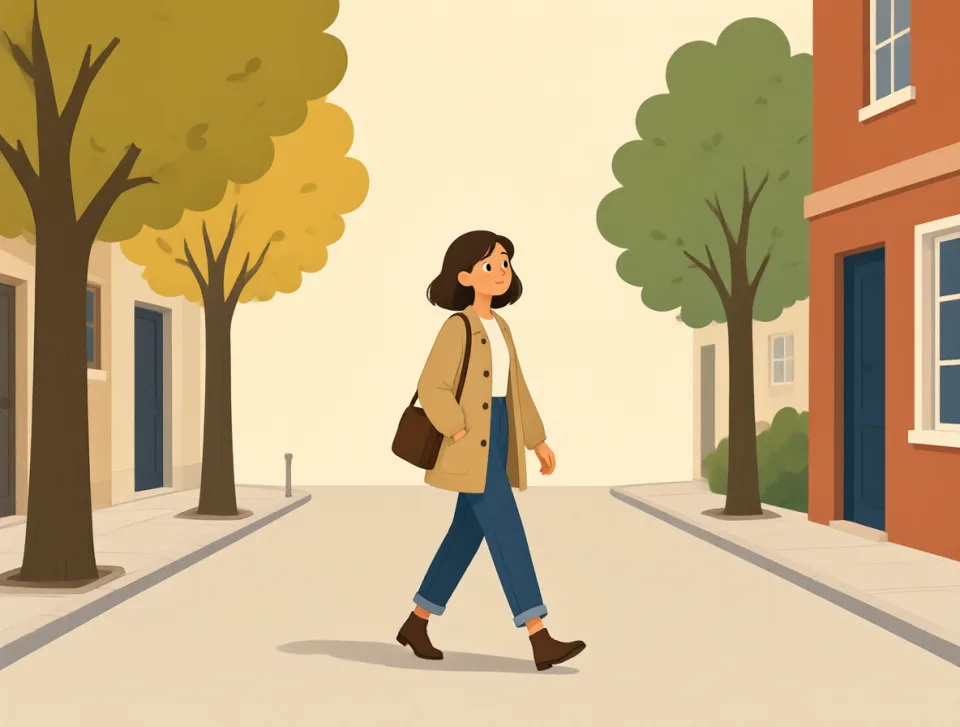
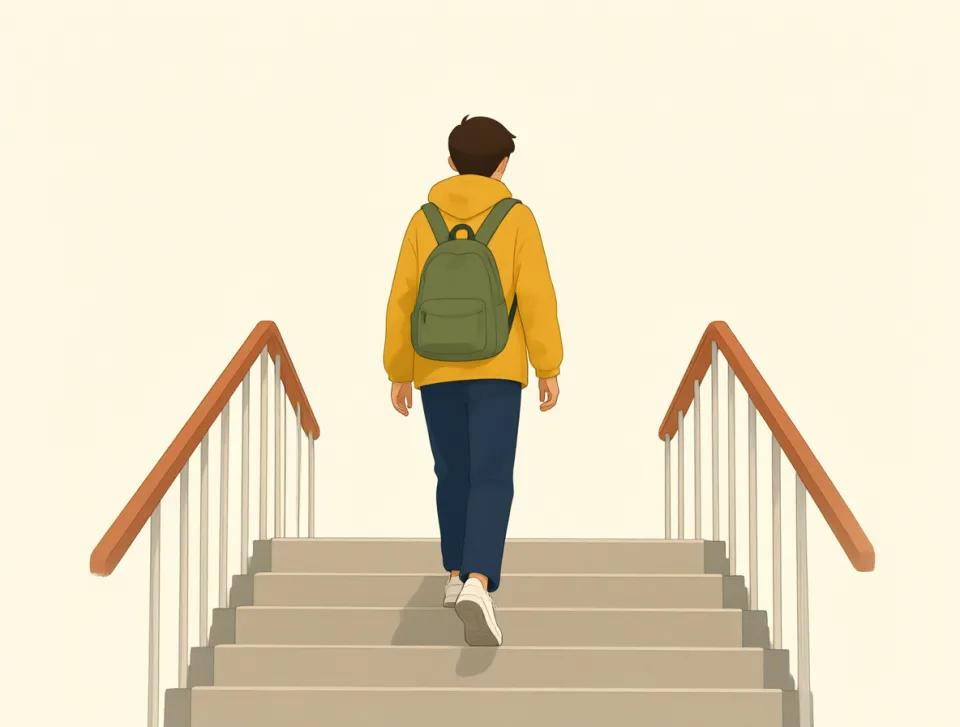
She walked down the street slowly.
Ella caminó lentamente por la calle.
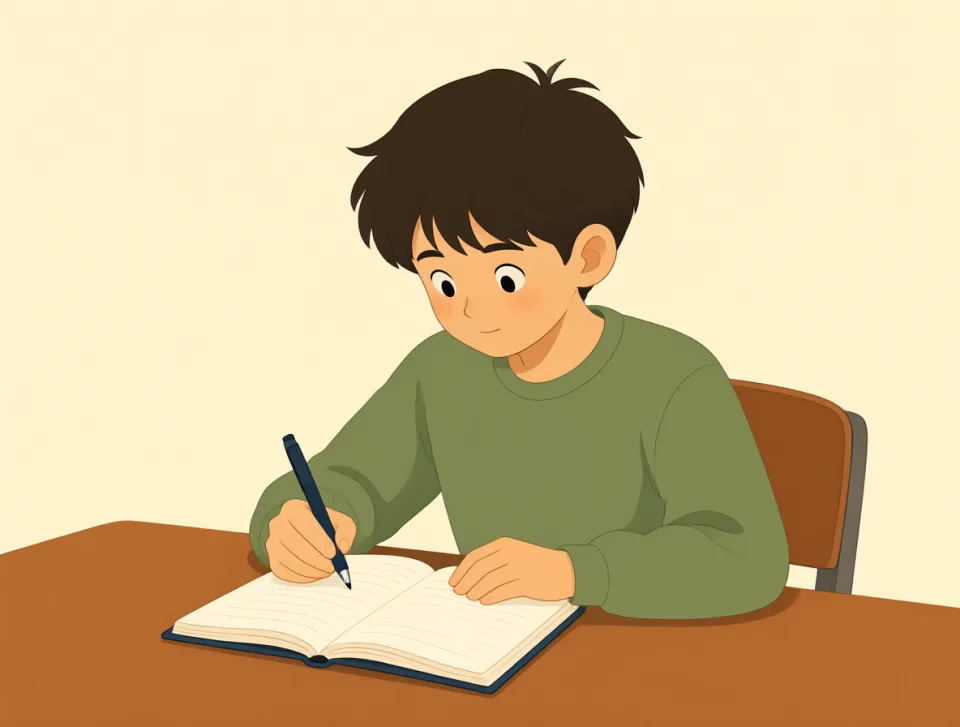
Write down your name and address.
Escribe tu nombre y dirección.
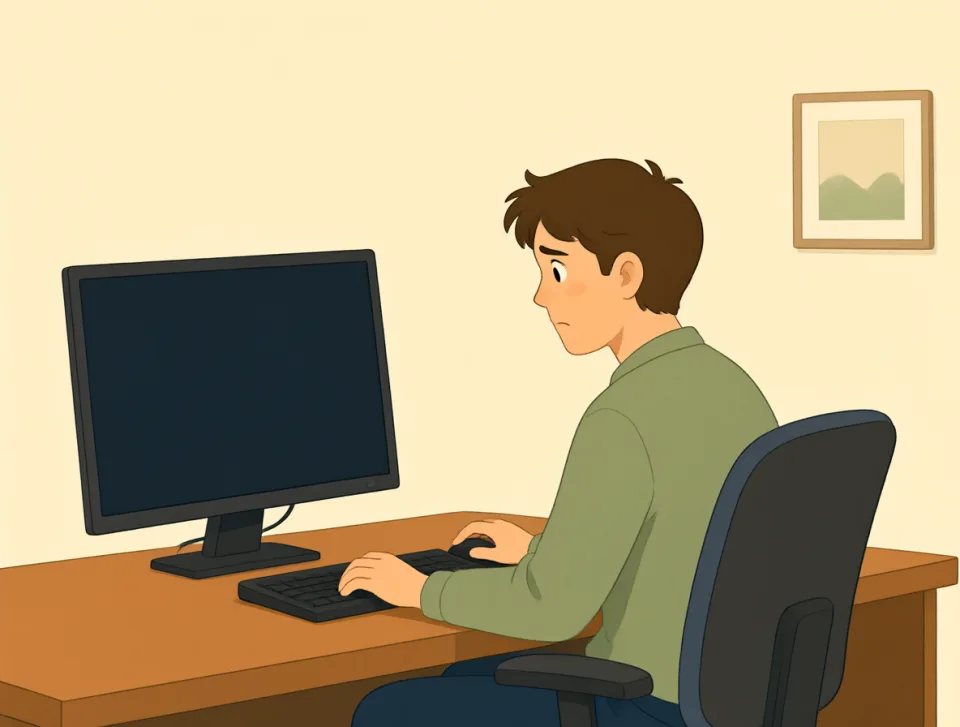
The computer is down this morning.
La computadora no funciona esta mañana.
show
#110verb, noun
mostrar; espectáculo
to let someone see something or to give a performance for people
dejar que alguien vea algo o hacer una presentación para el público
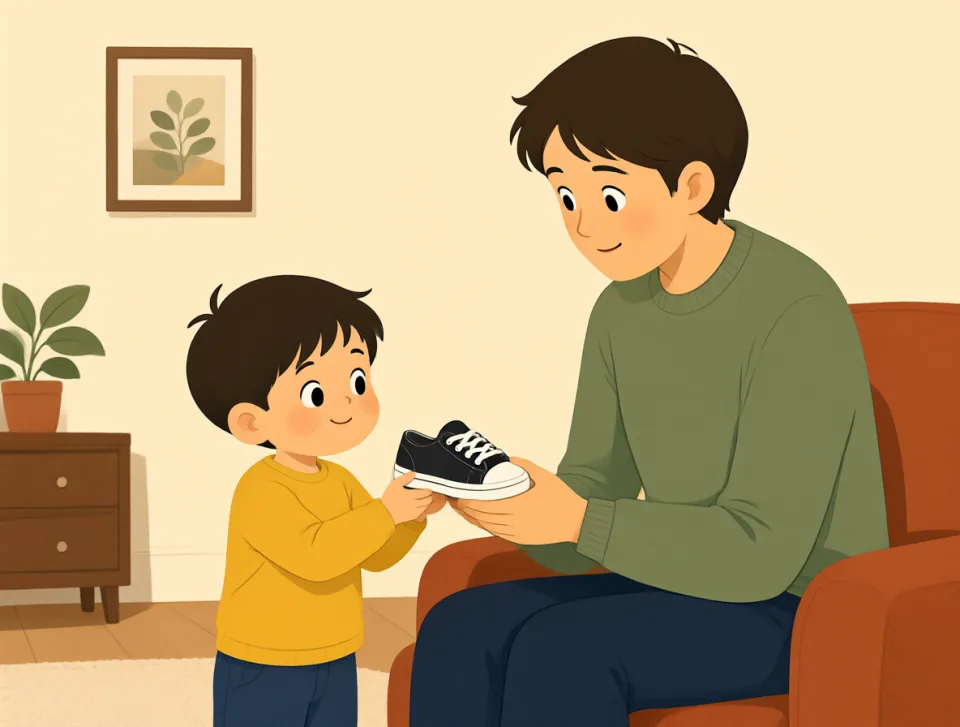
Please show me your new shoes.
Por favor, enséñame tus zapatos nuevos.
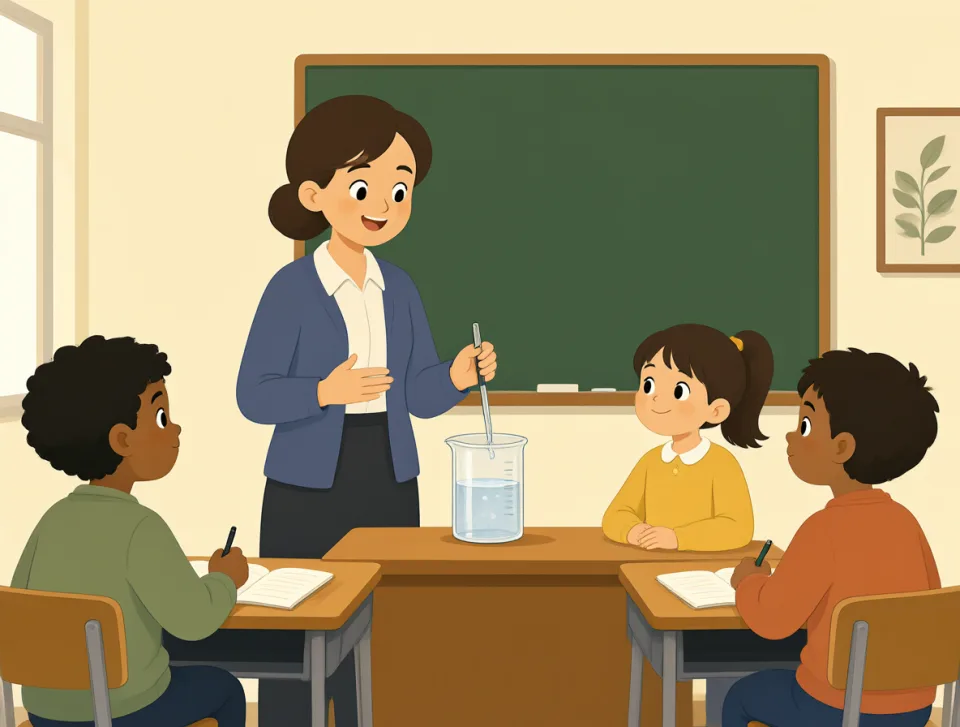
The teacher showed us a science experiment.
El profesor nos mostró un experimento de ciencias.
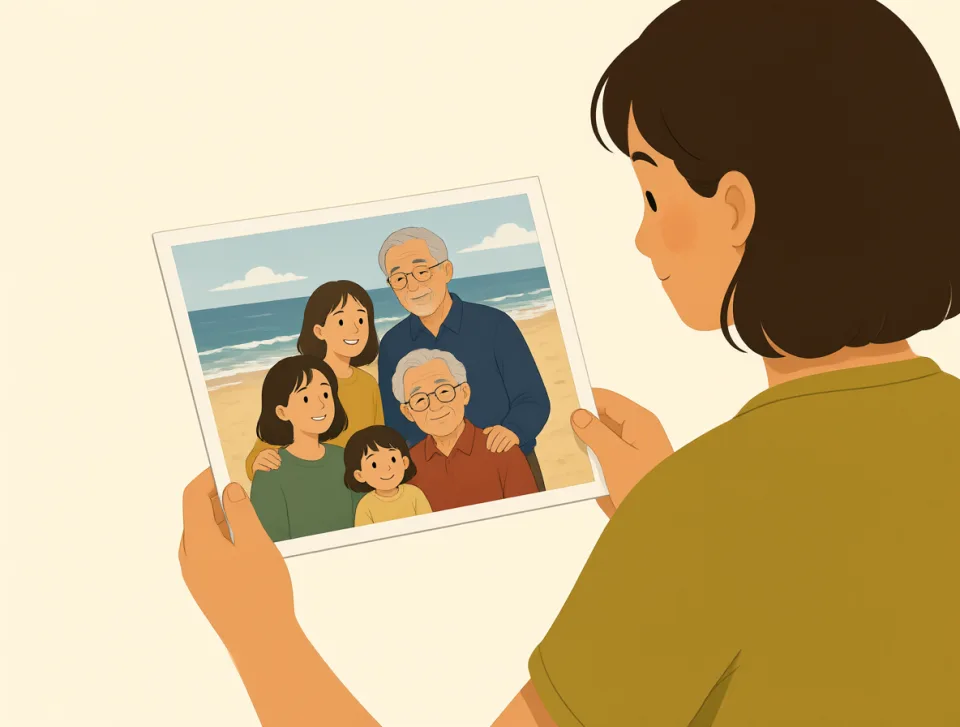
This photo shows my family at the beach.
En esta foto aparece mi familia en la playa.
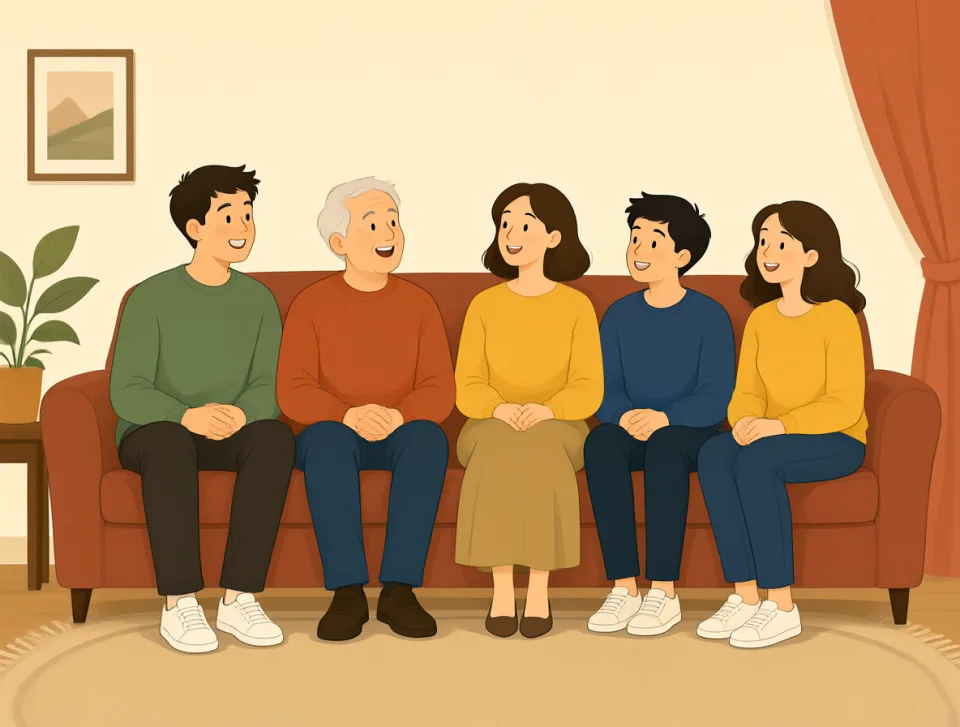
We watched a great show last night.
Anoche vimos un espectáculo genial.
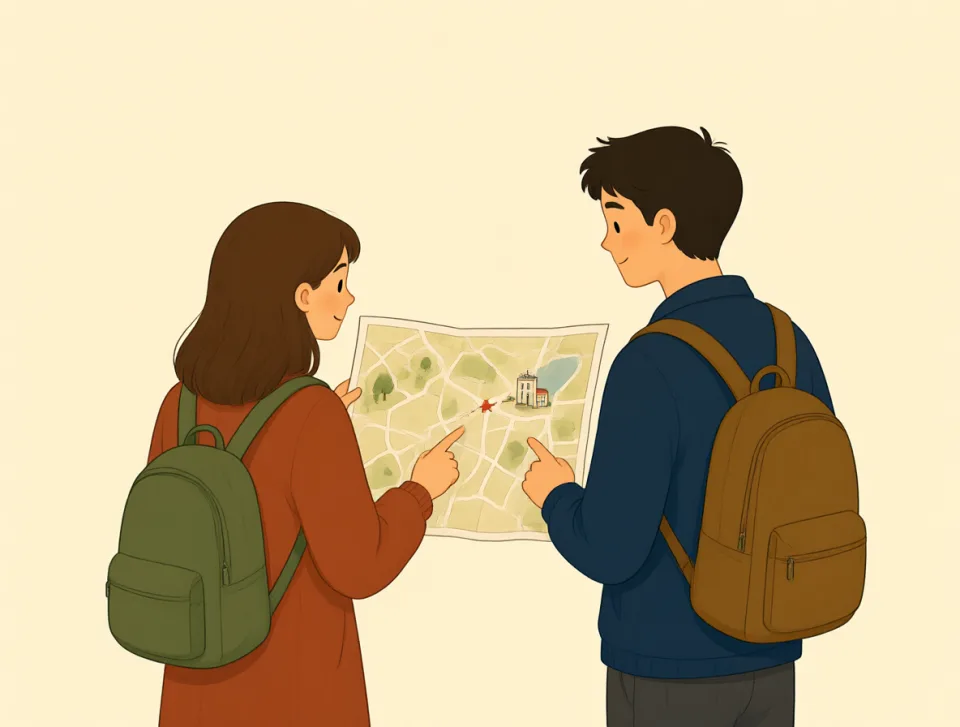
The map showed us the way to the hotel.
El mapa nos mostró el camino al hotel.

life
#111noun
vida
The time between being born and dying, or the way someone lives.
El período entre el nacimiento y la muerte, o la forma en que vive una persona.
Life is very different in a big city.
La vida es muy diferente en una ciudad grande.
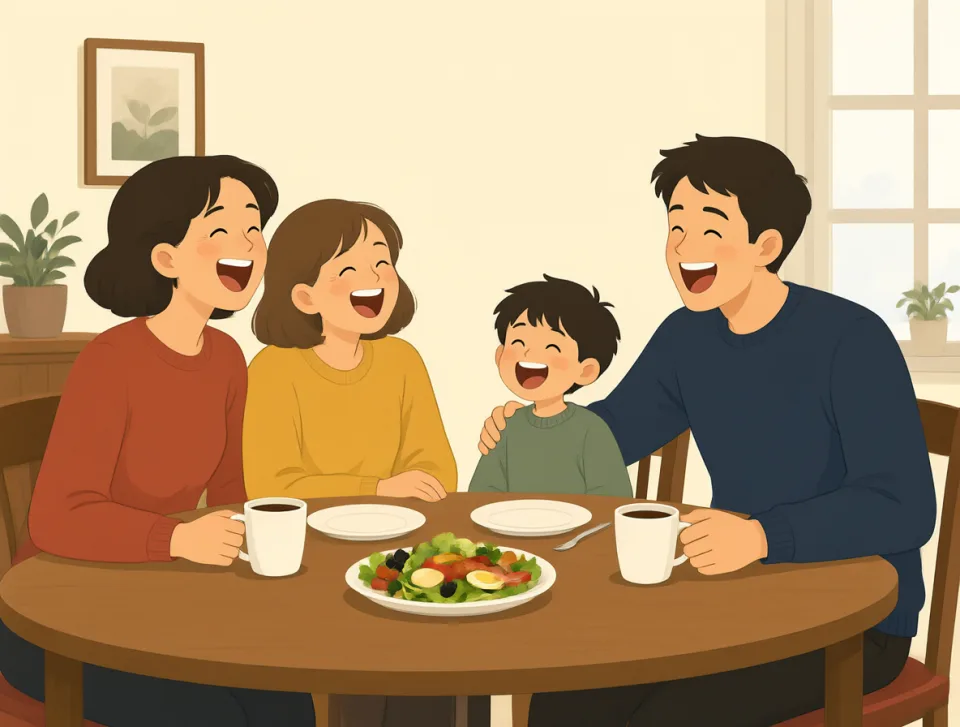
She enjoys life with her family.
Disfruta de la vida con su familia.
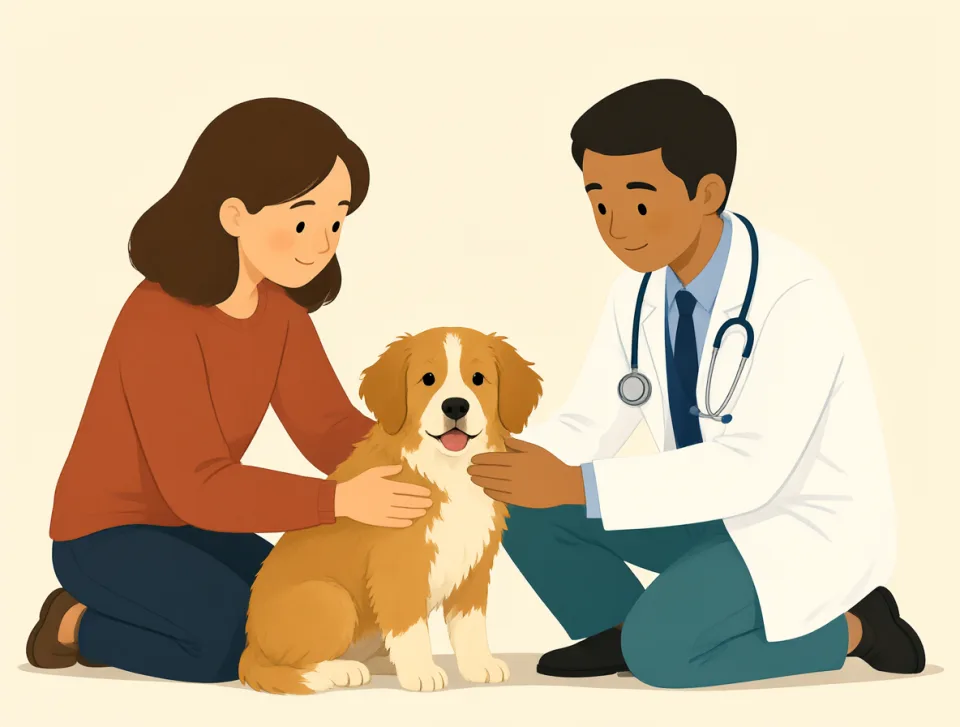
He saved the dog's life.
Le salvó la vida al perro.

Travel changed my life completely.
Viajar cambió mi vida por completo.

Healthy food is important for a long life.
La comida saludable es importante para tener una vida larga.
man
#112noun, verb
hombre; manejar
An adult male person; to work or operate something by hand.
Una persona adulta de sexo masculino; trabajar u operar algo manualmente.
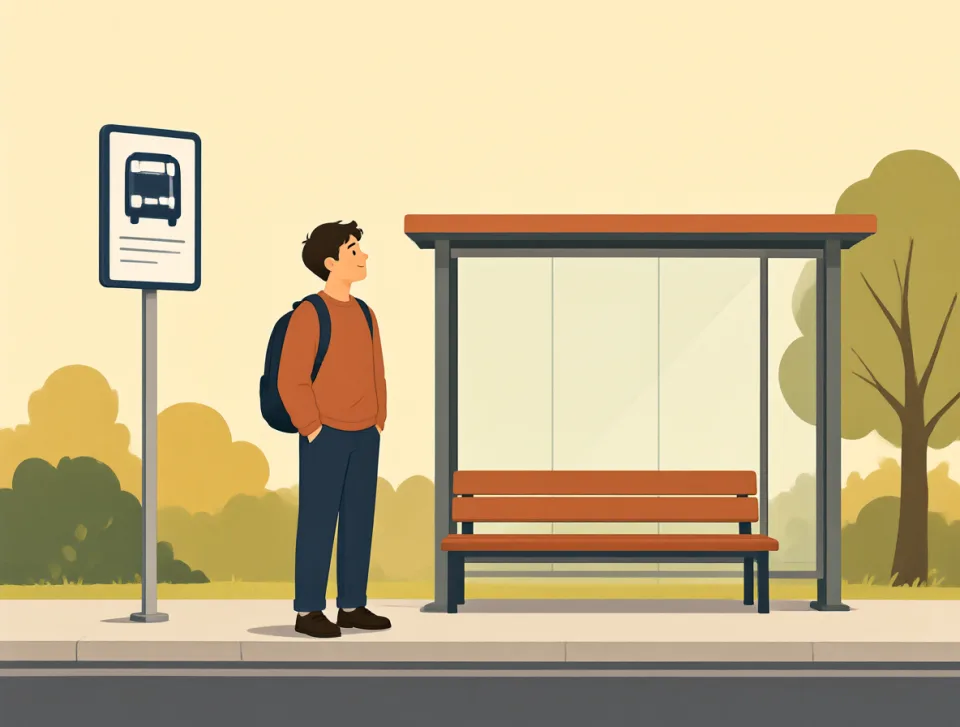
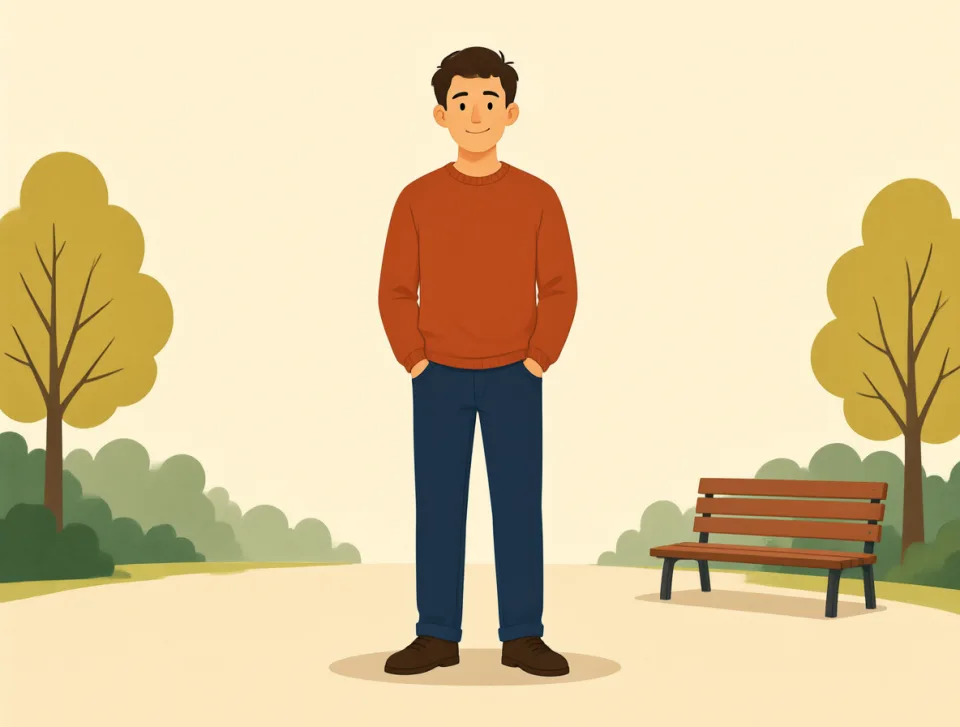
The man is waiting for the bus.
El hombre está esperando el autobús.

A young man works in our office.
Un joven trabaja en nuestra oficina.

The shop man helped me find shoes.
El dependiente de la tienda me ayudó a encontrar unos zapatos.
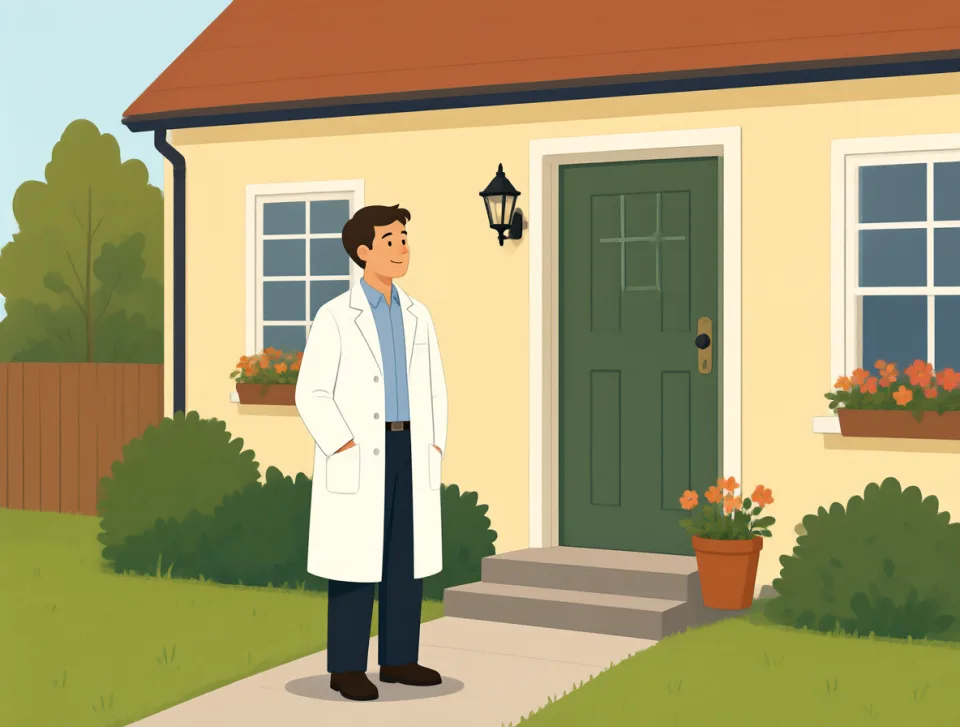
The man next door is a doctor.
El hombre de al lado es médico.
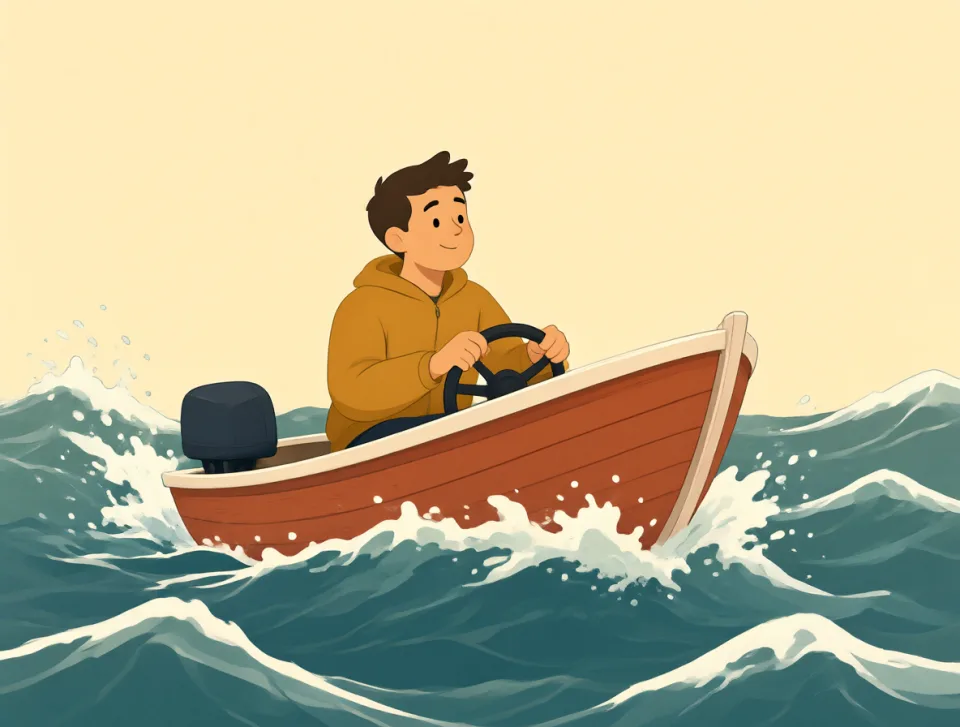
He manned the boat during the storm.
Él manejó el barco durante la tormenta.
change
#113noun, verb
cambio; cambiar
to make something different, or the act of making something different
hacer que algo sea diferente, o el acto de hacer que algo sea diferente
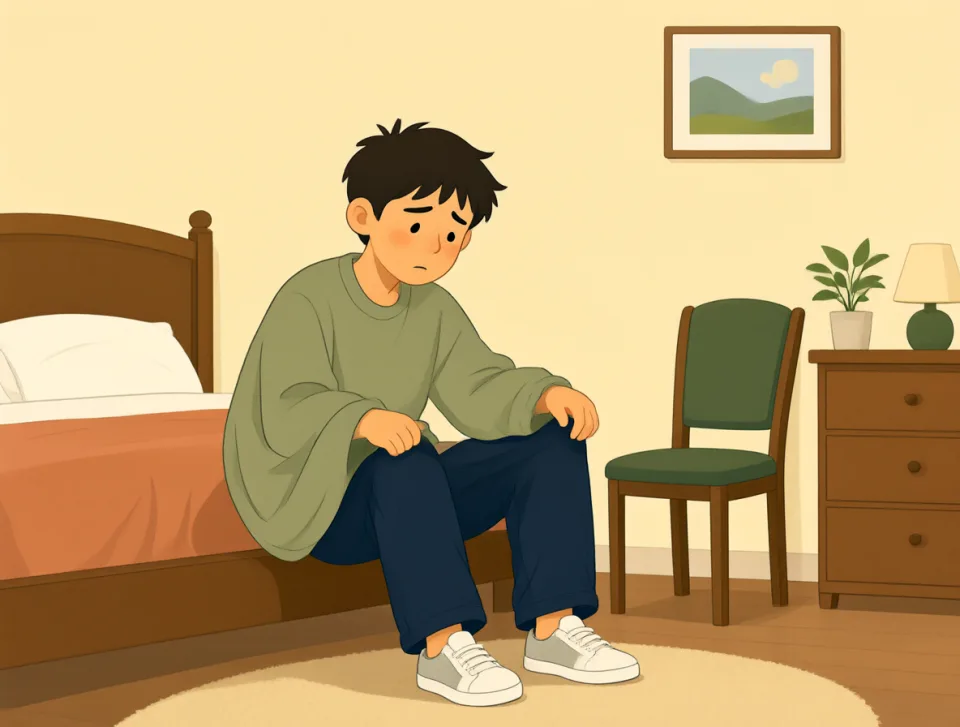
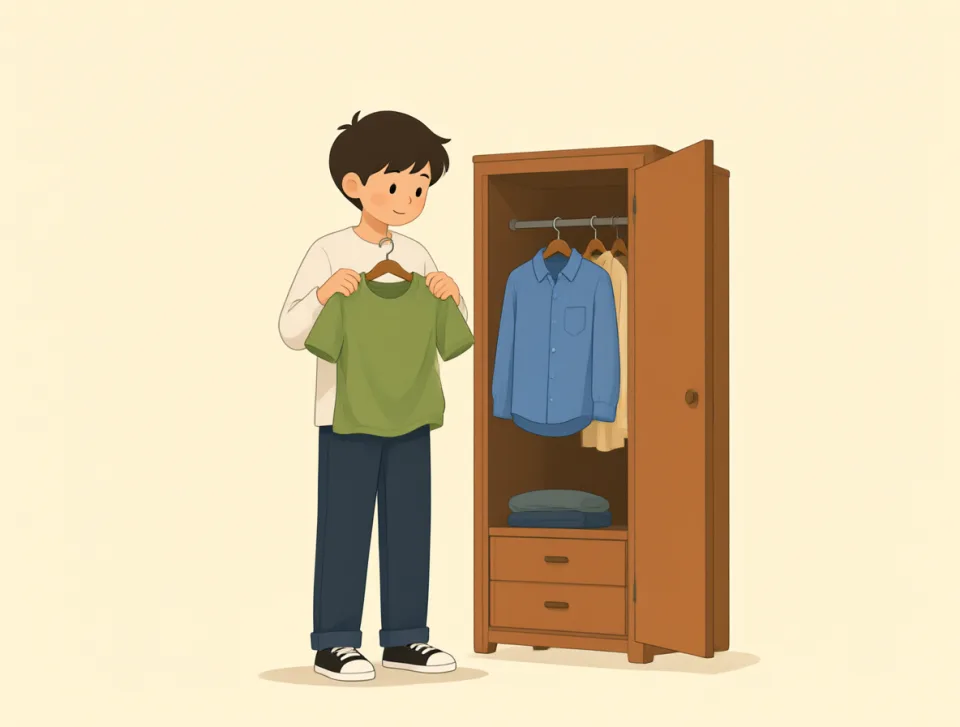
I need to change my clothes after work.
Necesito cambiarme de ropa después del trabajo.
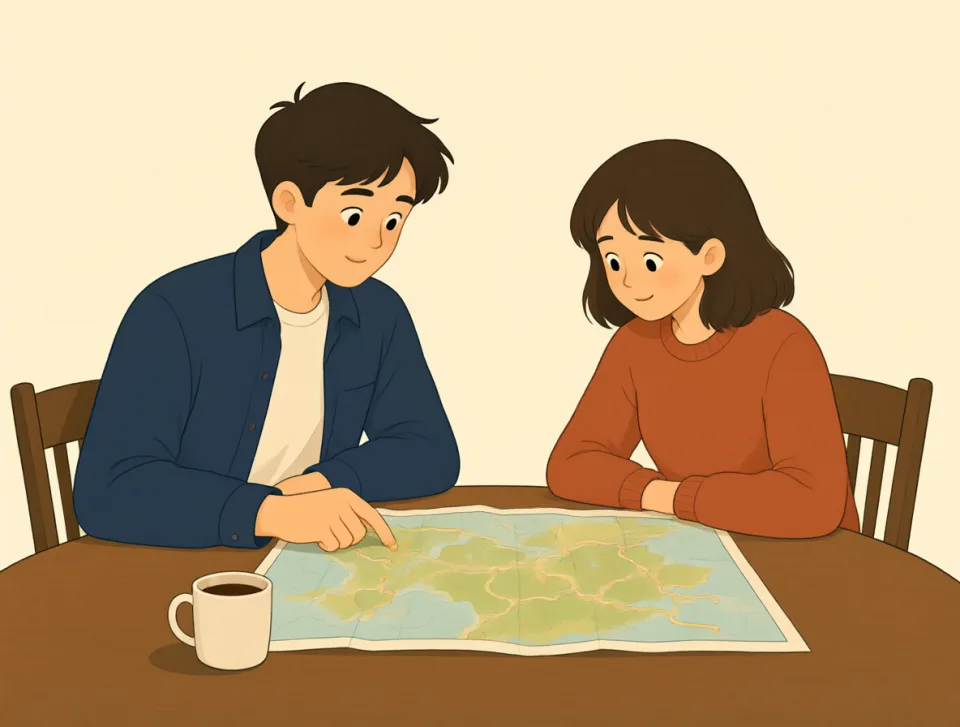
Can you change your travel plans today?
¿Puedes cambiar tus planes de viaje hoy?
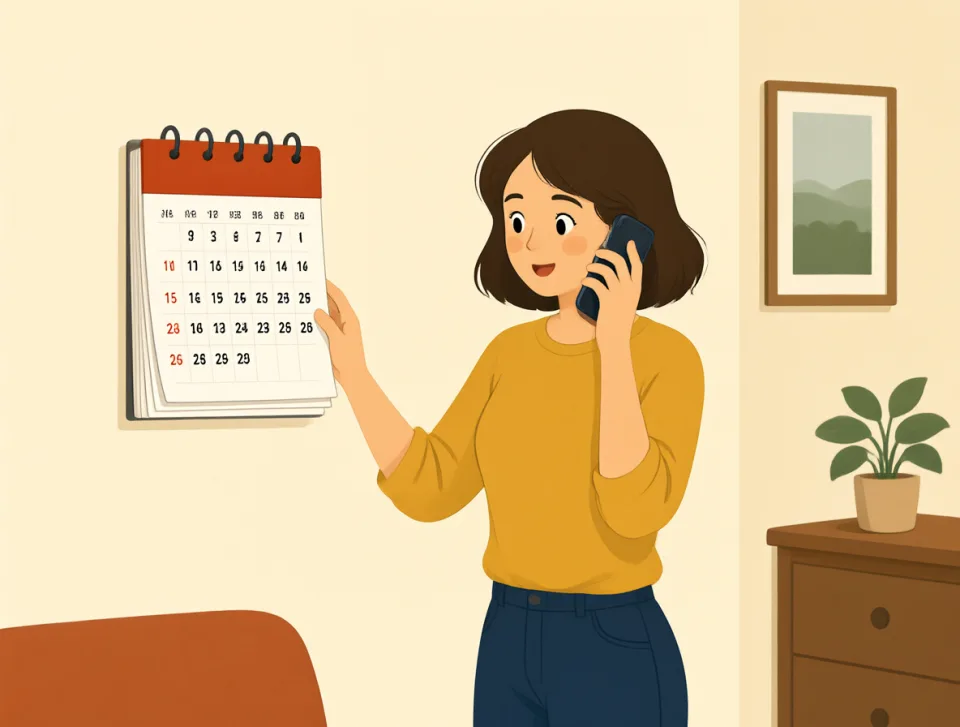
She changed her appointment to Friday.
Cambió su cita para el viernes.
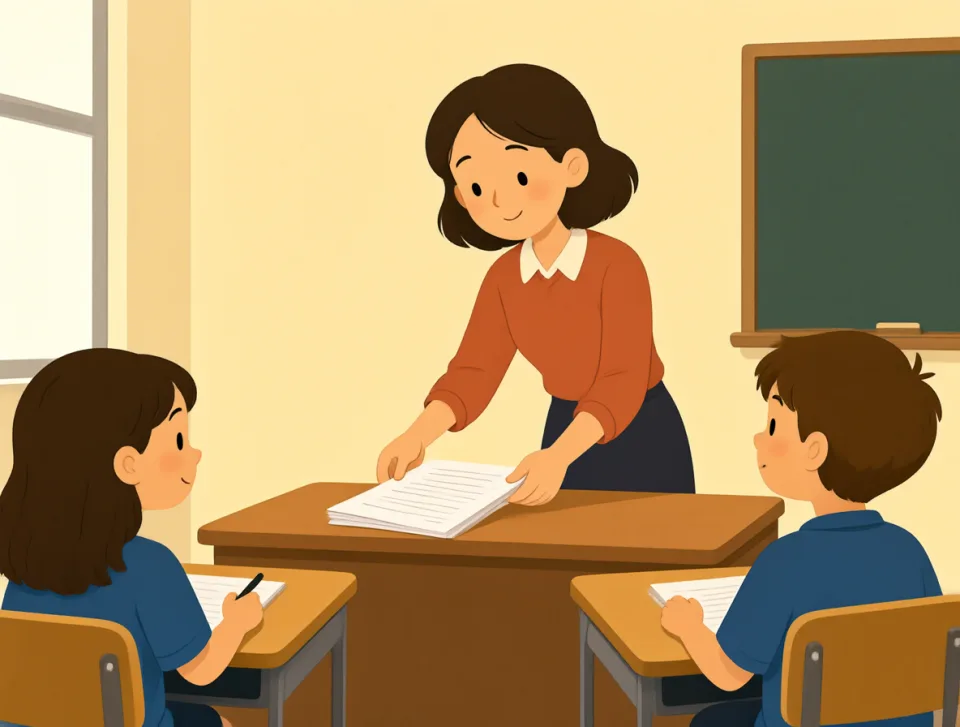
The teacher changed the lesson for us.
El profesor cambió la lección para nosotros.
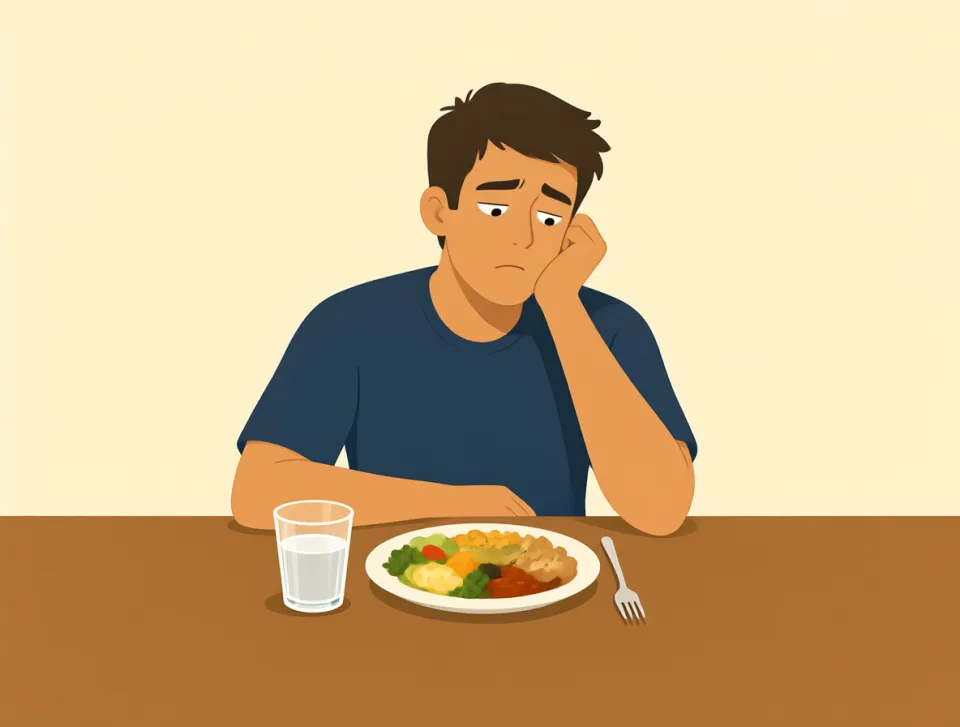
He needs a change after eating the same meal.
Necesita un cambio después de comer lo mismo.
place
#114noun, verb
lugar; colocar; puesto
A particular area, position, or position for someone or something.
Un área o posición determinada para alguien o algo.
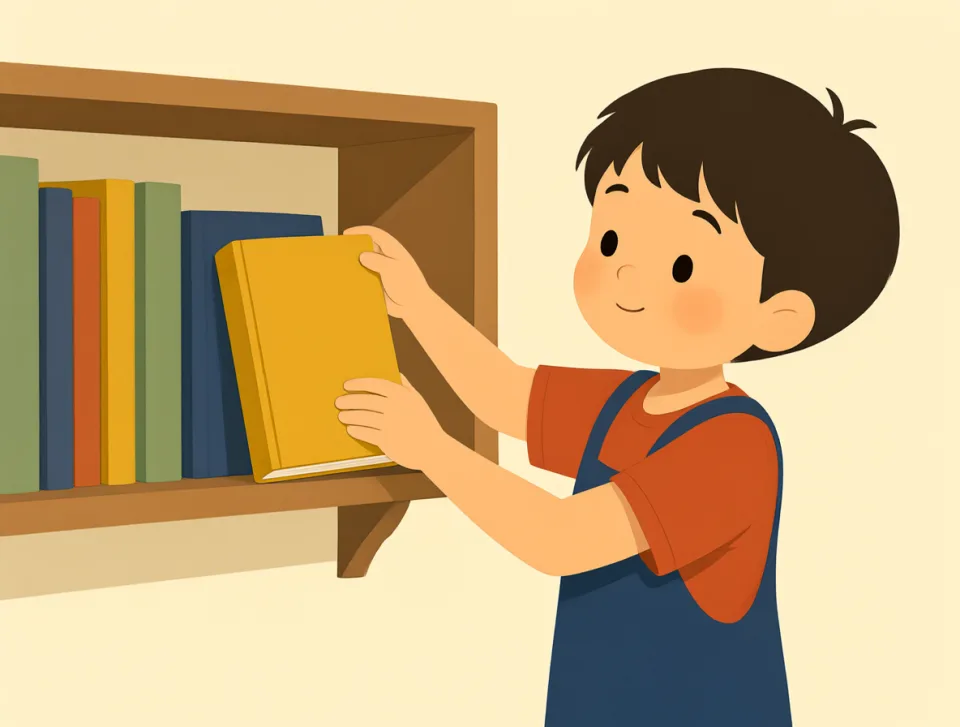
Please put the books in their place.
Por favor, pon los libros en su lugar.

We found a quiet place to eat.
Encontramos un lugar tranquilo para comer.
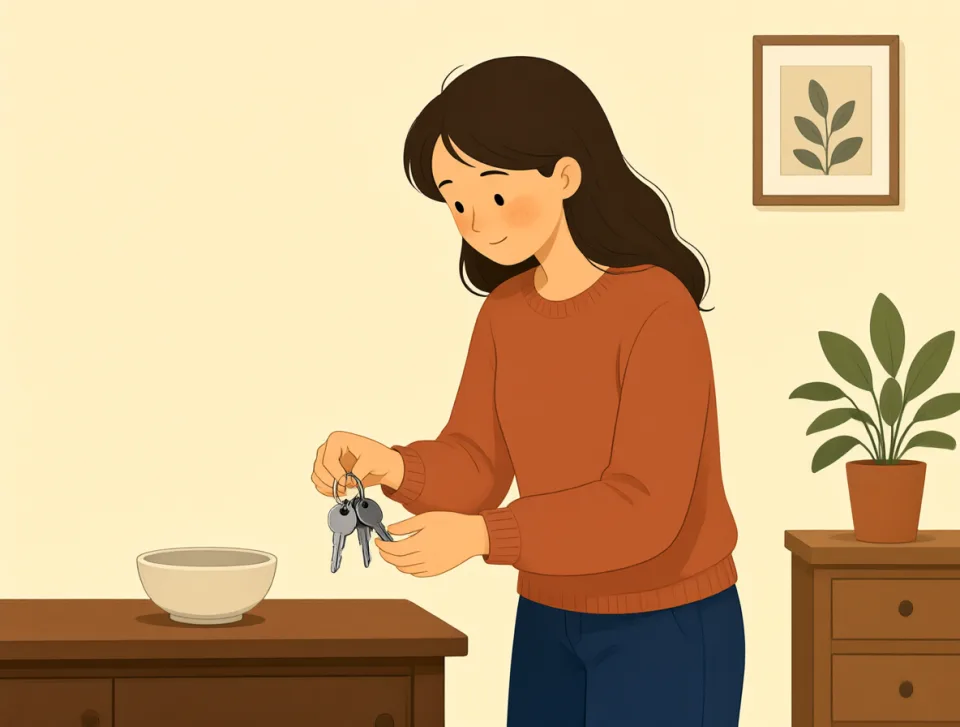
She placed the keys on the table.
Ella colocó las llaves sobre la mesa.
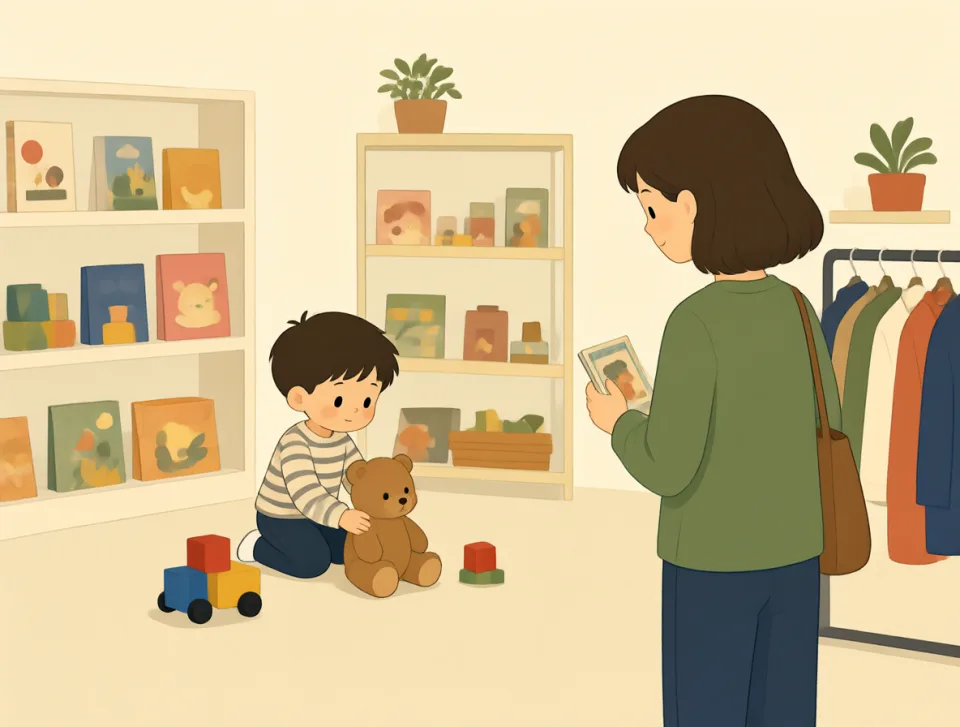
This store has a place for children.
Esta tienda tiene un espacio para los niños.
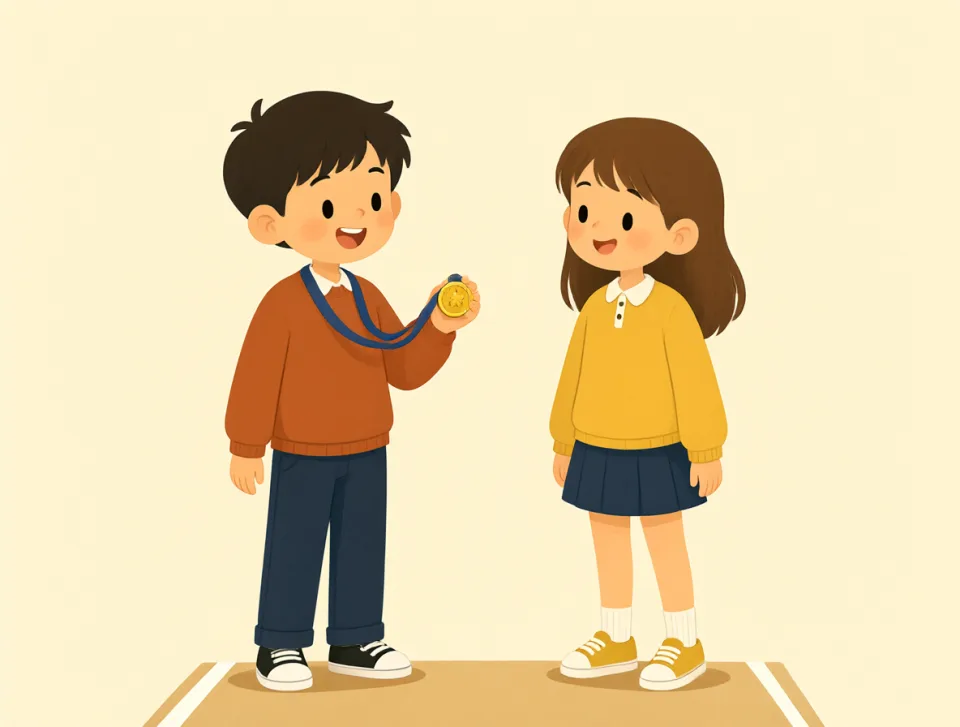
They placed first in the school race.
Quedaron en primer lugar en la carrera de la escuela.
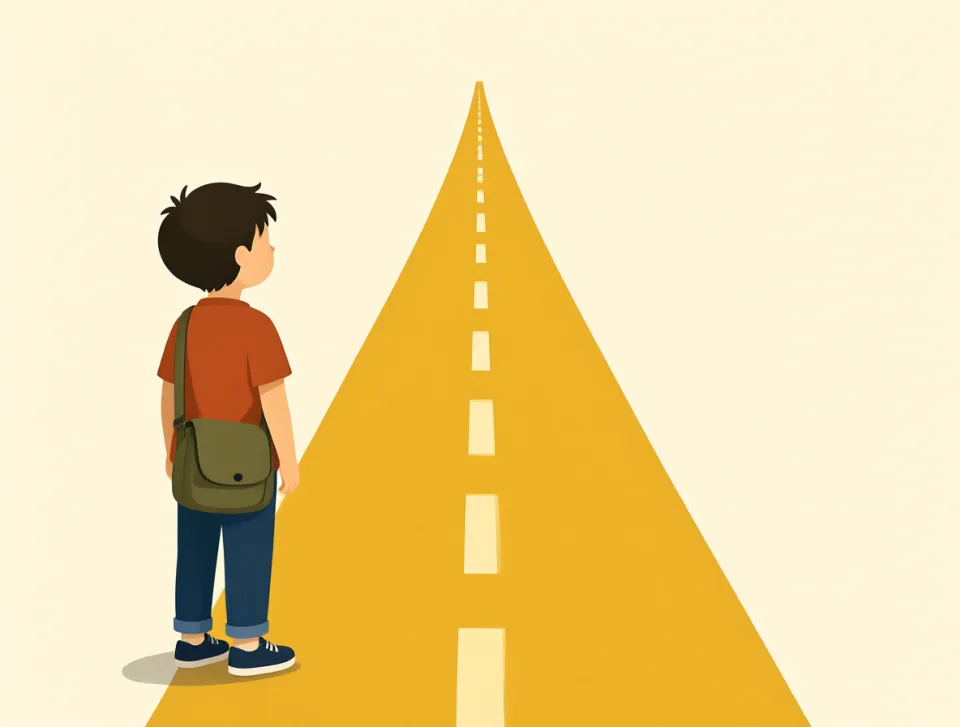
long
#115adjective, adverb, verb, noun
largo; durar; anhelar
Continuing for a great distance or time; or wanting something very much.
Que continúa durante una gran distancia o mucho tiempo; o que desea algo con muchas ganas.
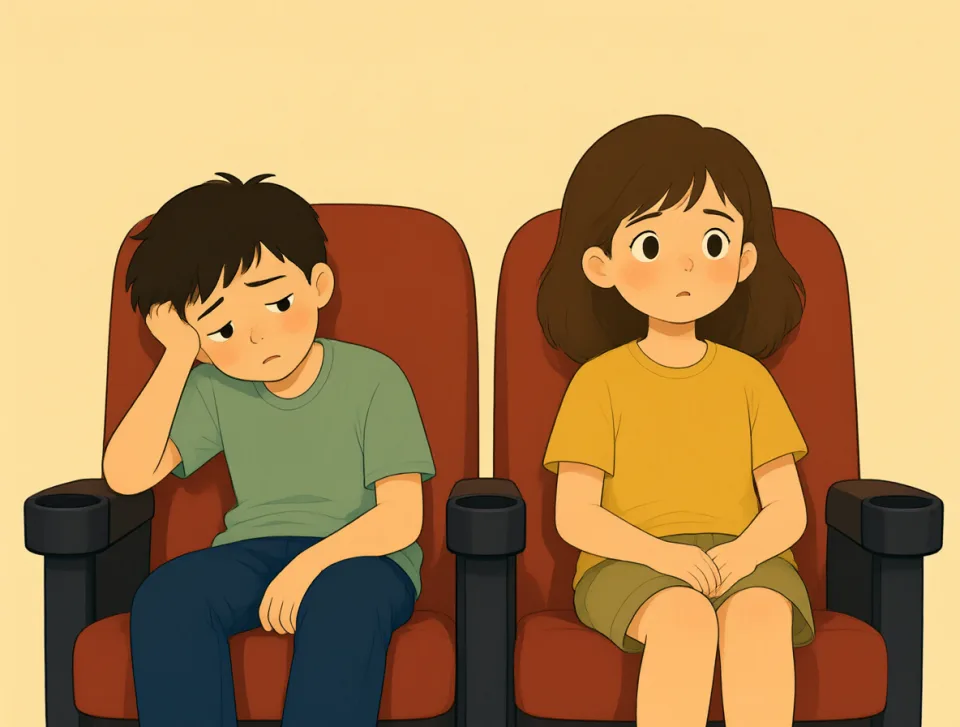
The movie was too long for the children.
La película fue demasiado larga para los niños.
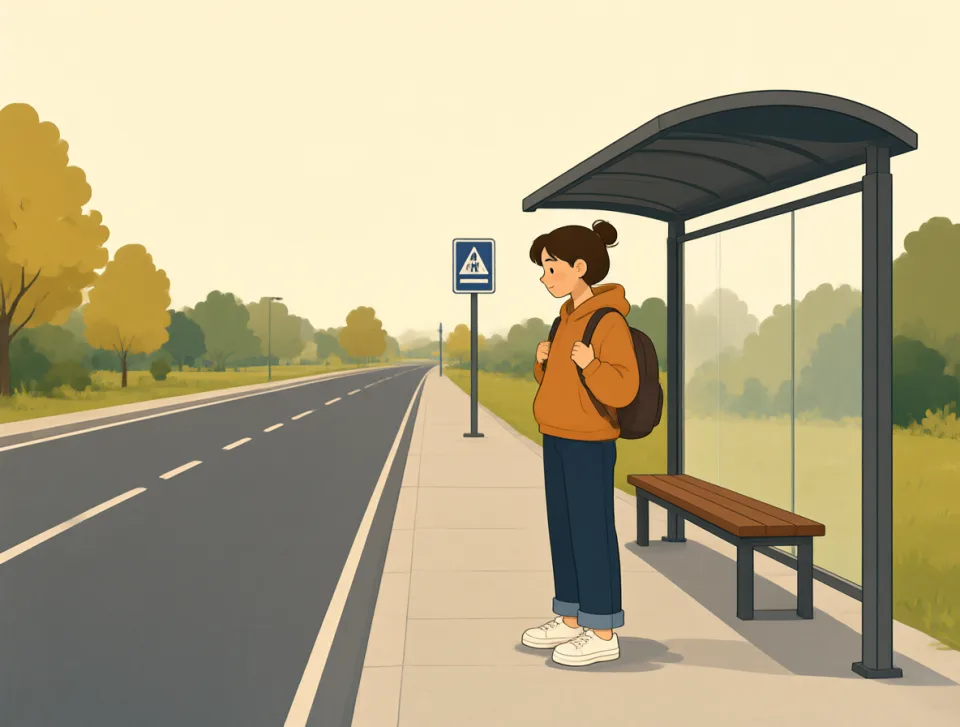
Please wait a long time for the bus.
Por favor, espera mucho tiempo el autobús.
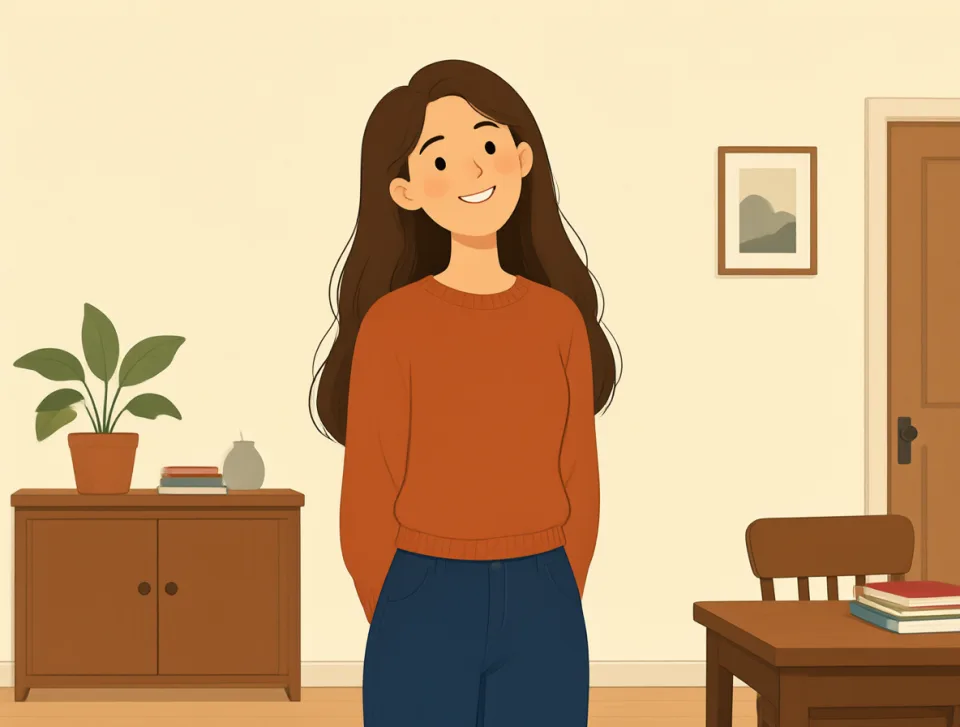
She has long hair and wears a blue dress.
Tiene el pelo largo y lleva un vestido azul.
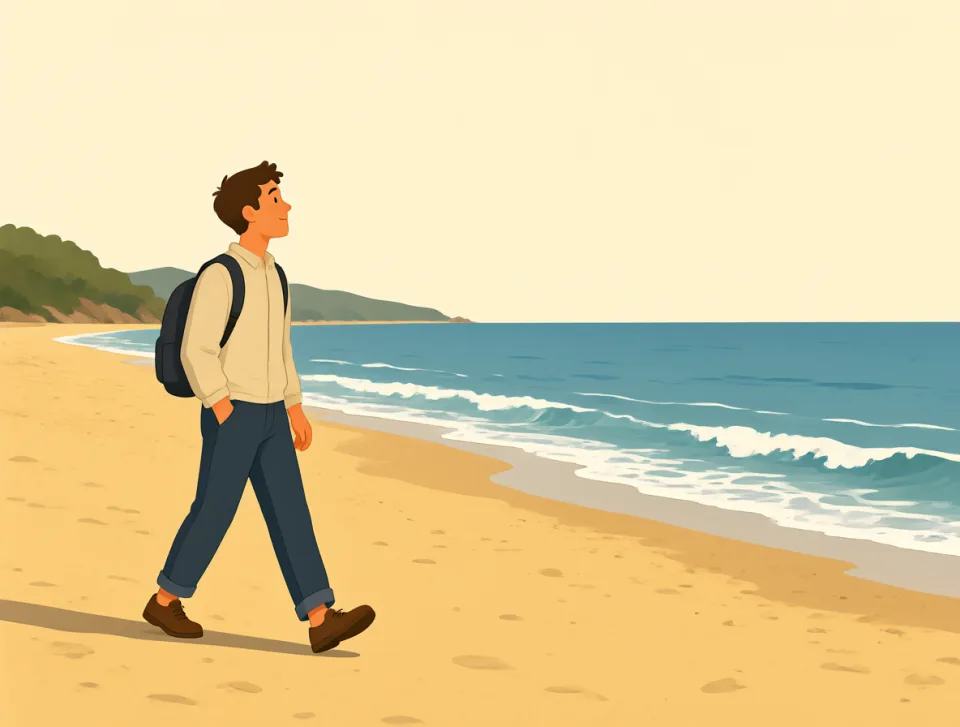
He walked along the beach for a long time.
Caminó por la playa durante mucho tiempo.
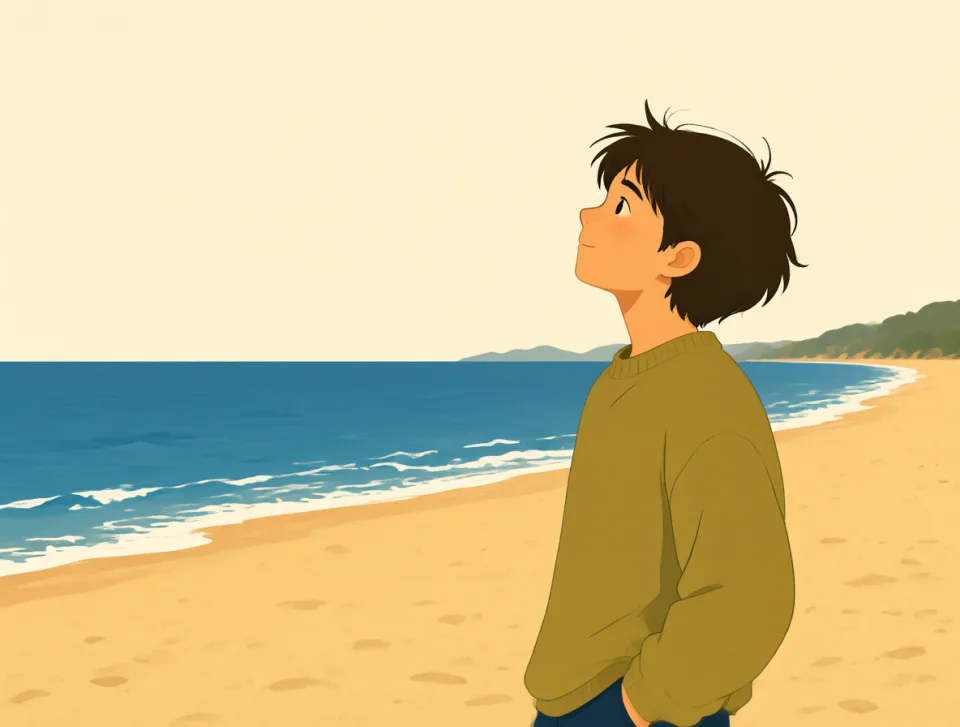
I long for a quiet holiday by the sea.
Anhelo unas vacaciones tranquilas junto al mar.
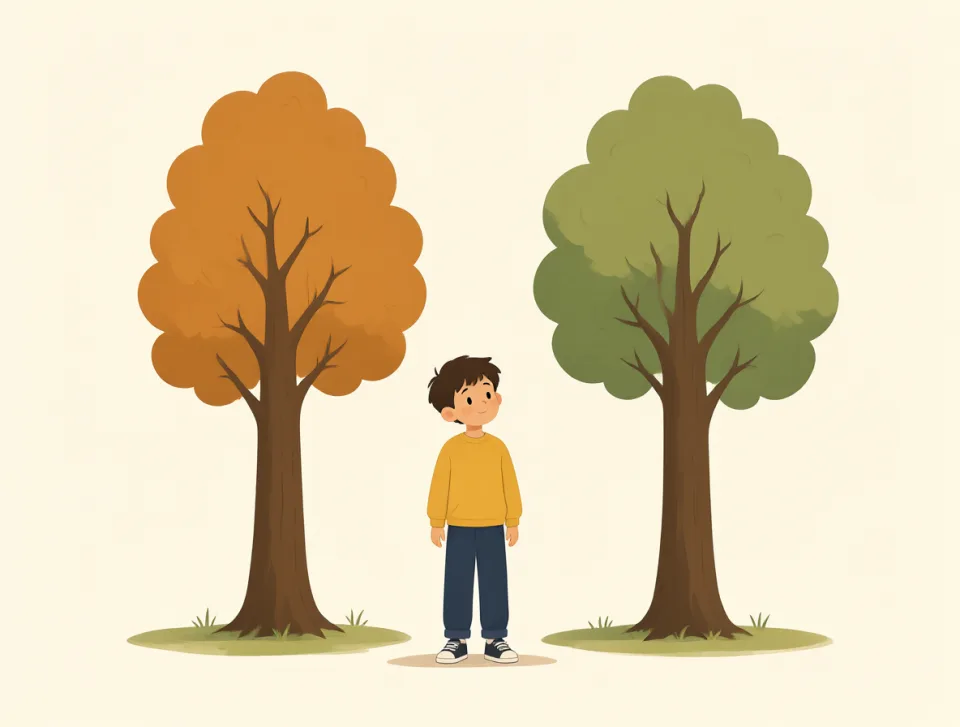
between
#116preposition, adverb
entre; en medio de
in or into the space separating two people, things, or places
en el espacio que separa a dos personas, cosas o lugares, o hacia ese espacio
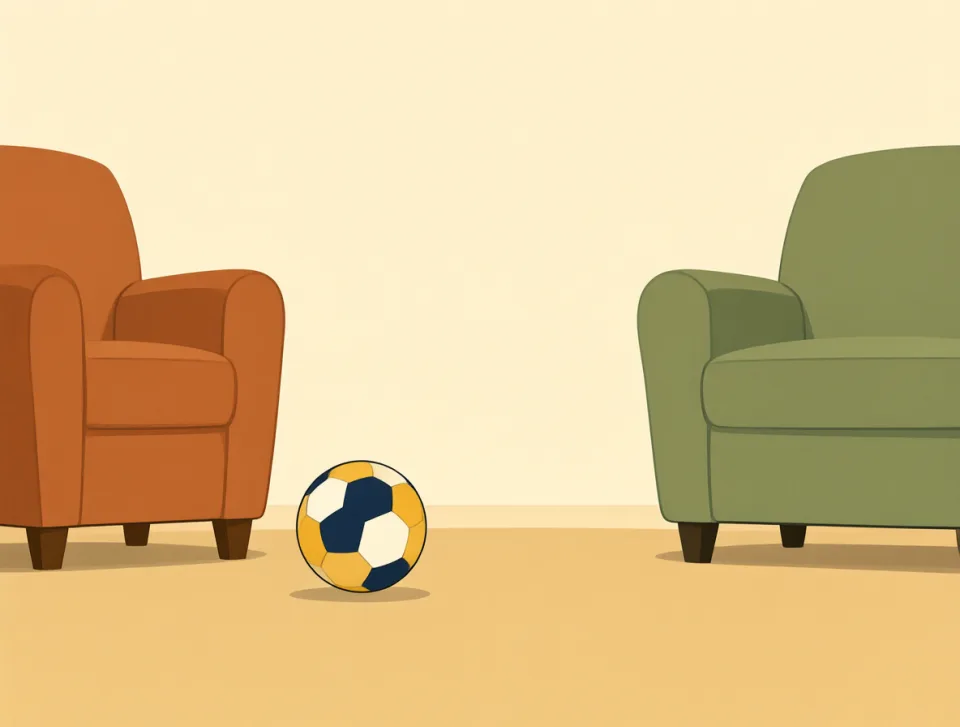
The ball rolled between the two chairs.
La pelota rodó entre las dos sillas.
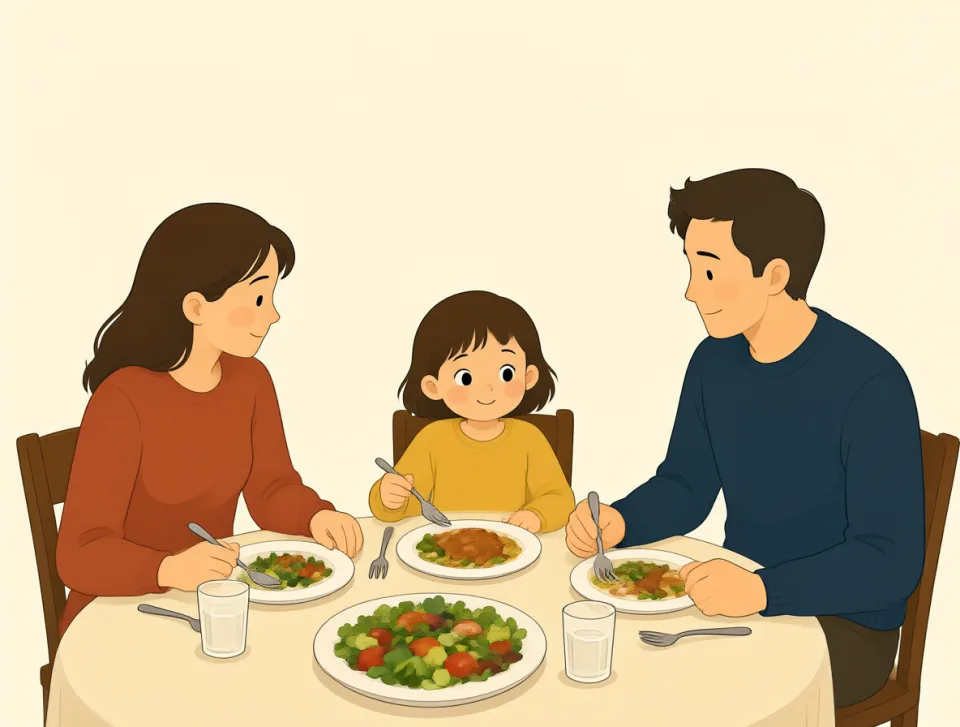
She sat between her parents at dinner.
Se sentó entre sus padres durante la cena.
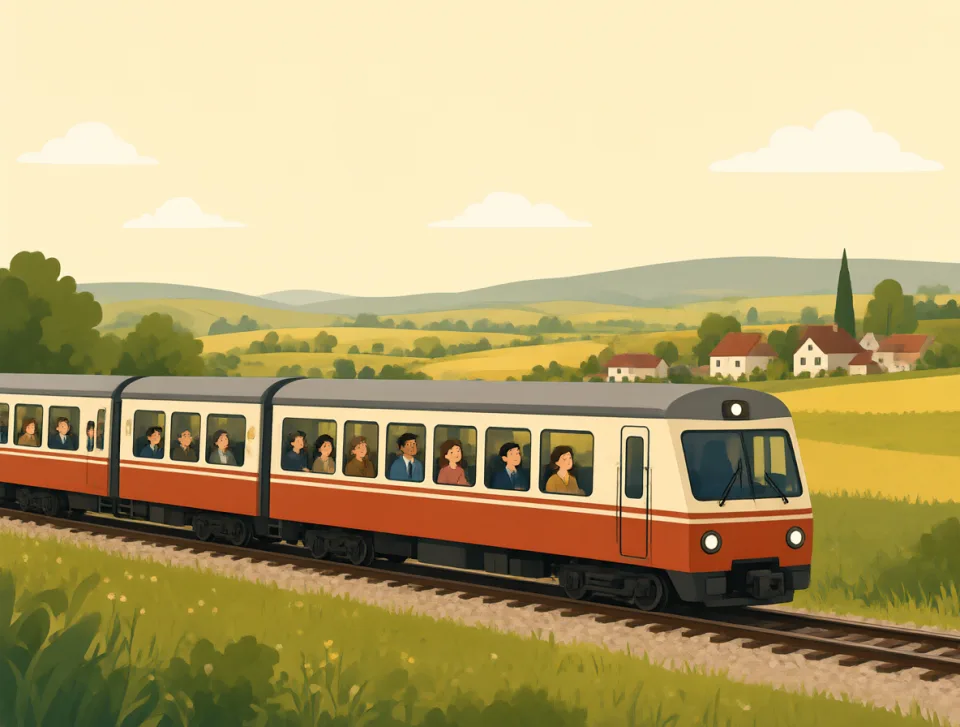
The train runs between London and Paris.
El tren circula entre Londres y París.
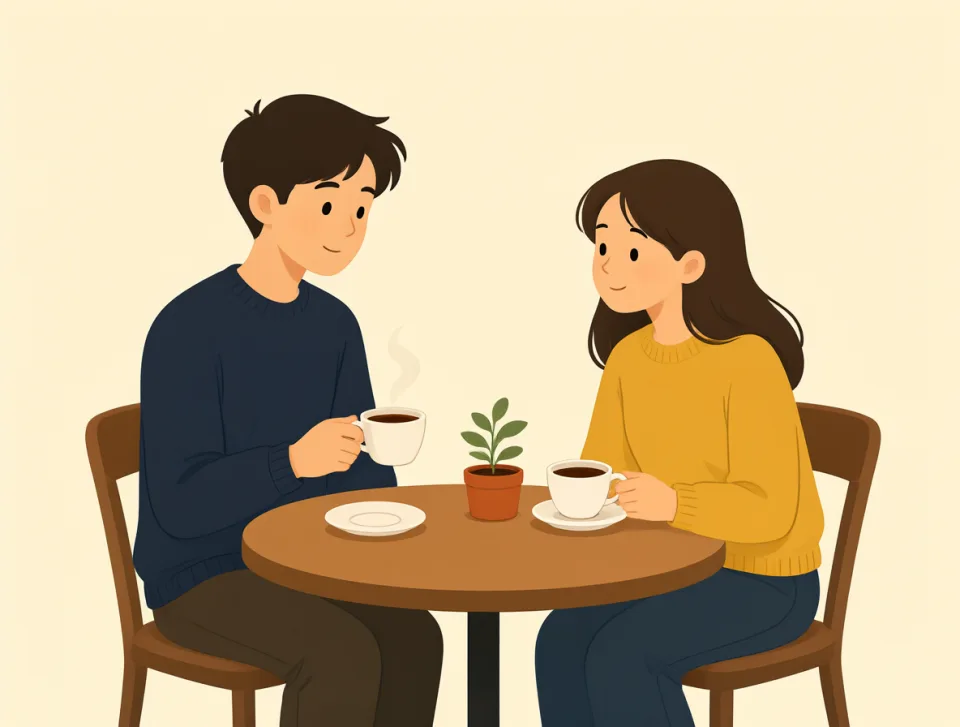
We must choose between tea and coffee.
Debemos elegir entre té y café.
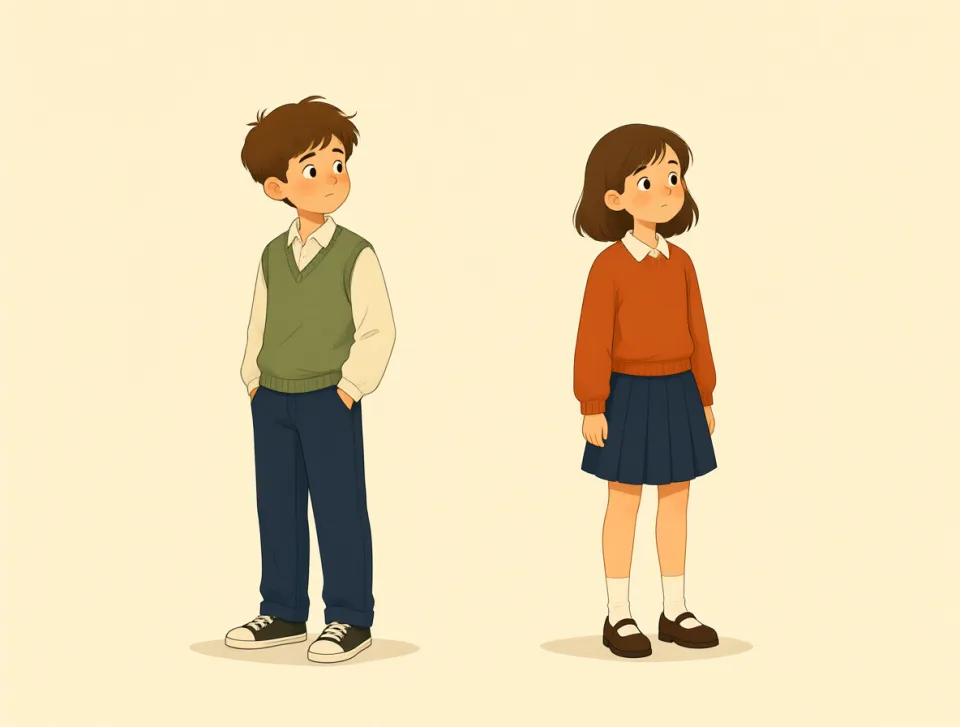
There is a big difference between them.
Hay una gran diferencia entre ellos.

feel
#117verb, noun
sentir; sentirse; tacto
To experience something through your body, emotions, or thoughts.
Experimentar algo a través del cuerpo, las emociones o los pensamientos.
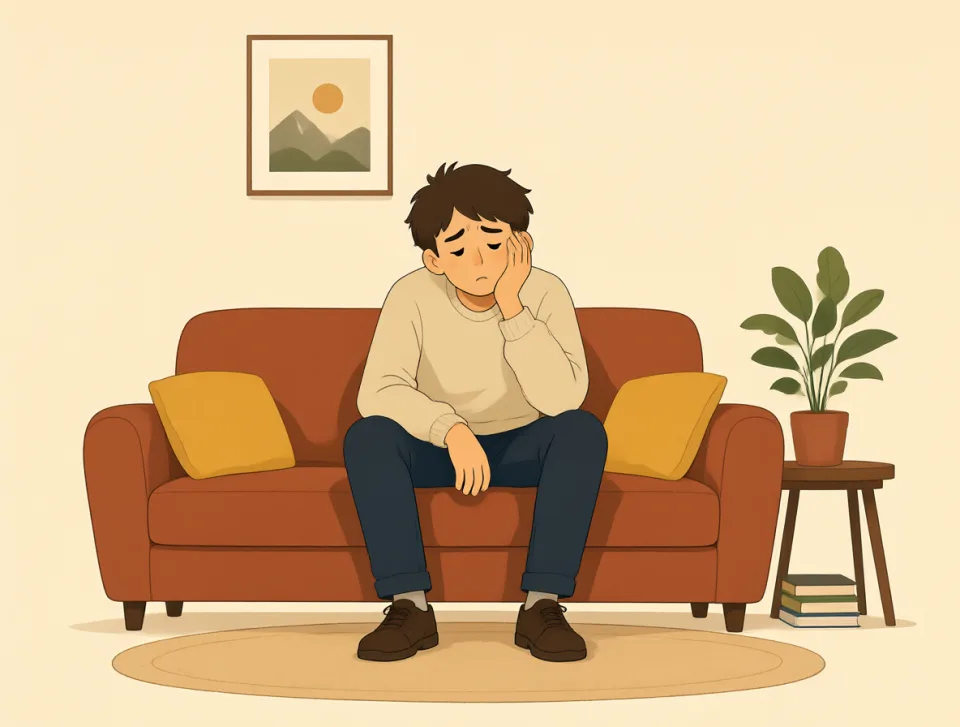
I feel tired after work.
Me siento cansado después del trabajo.

How do you feel today?
¿Cómo te sientes hoy?
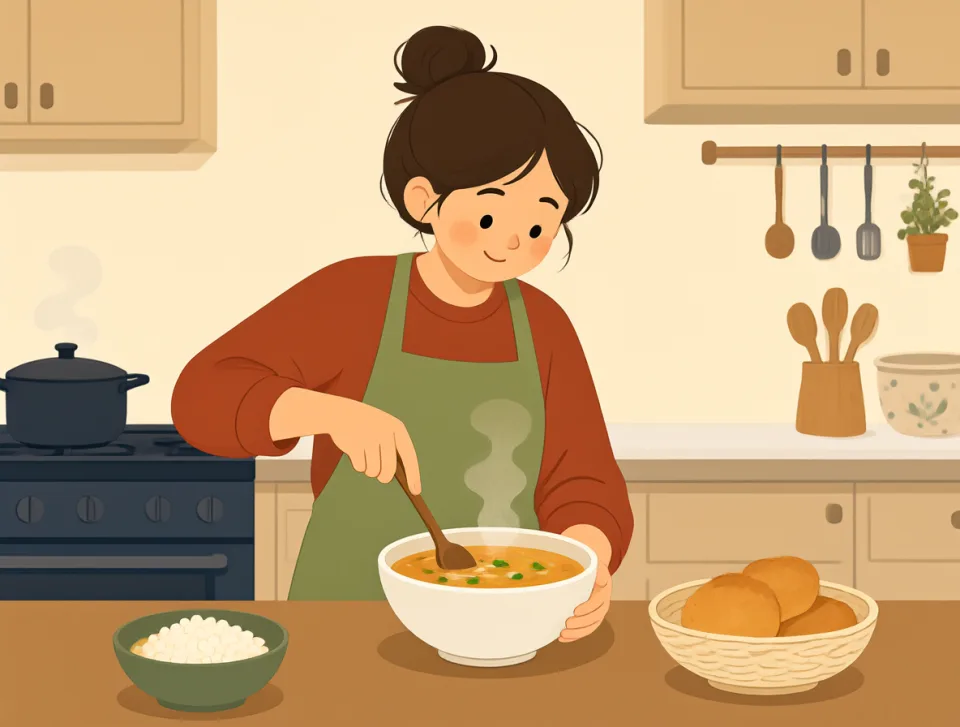
This soup feels too hot.
Esta sopa se siente demasiado caliente.
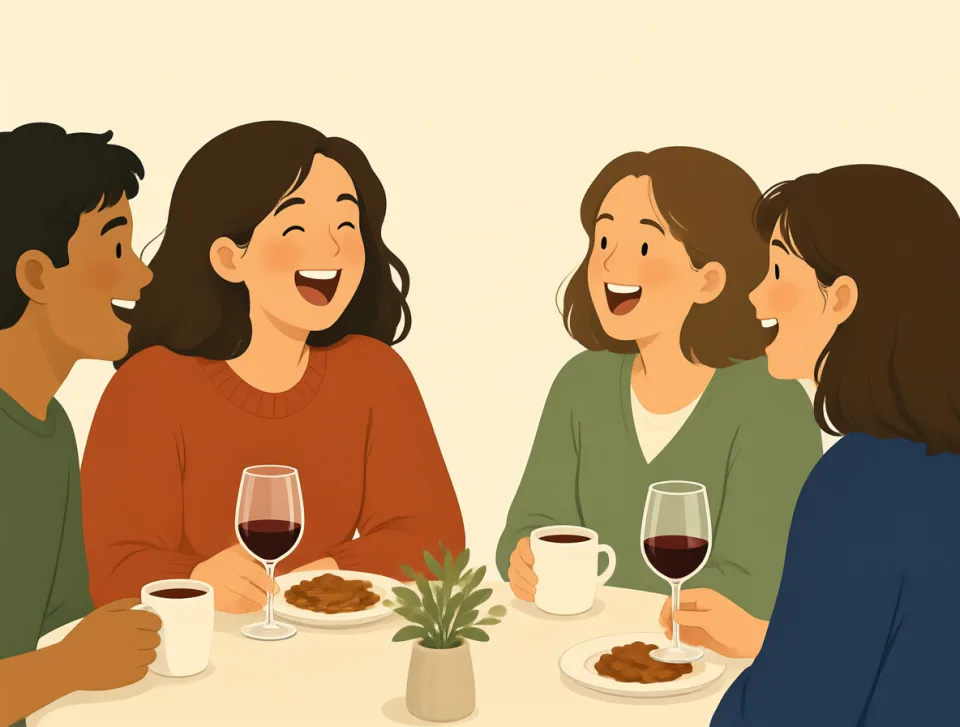
She felt happy at the party.
Ella se sintió feliz en la fiesta.
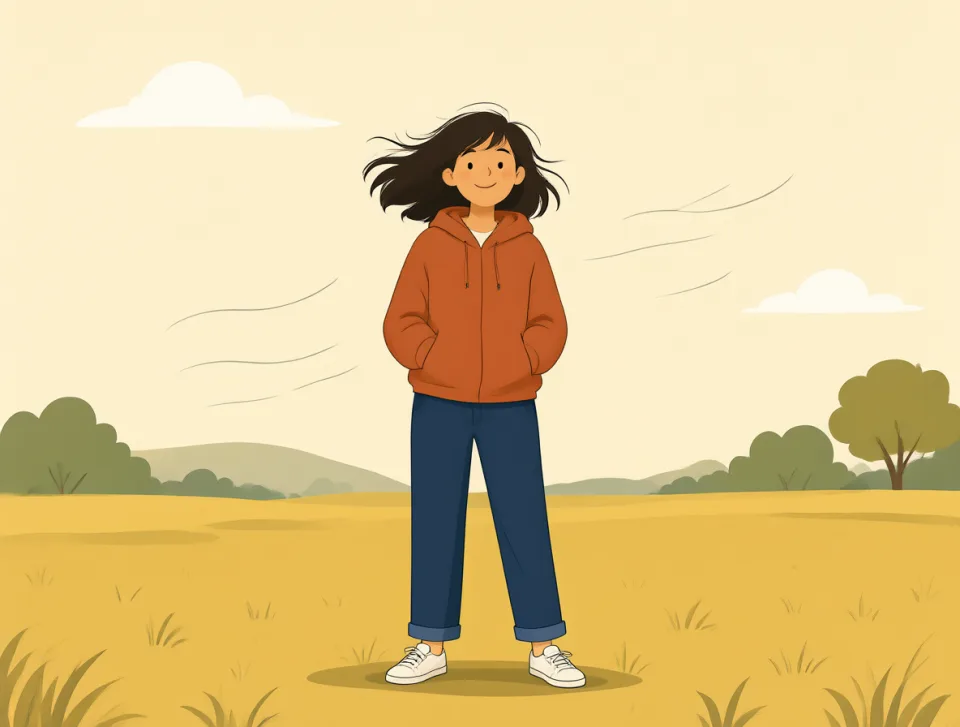
I felt a cold breeze outside.
Sentí una brisa fría afuera.
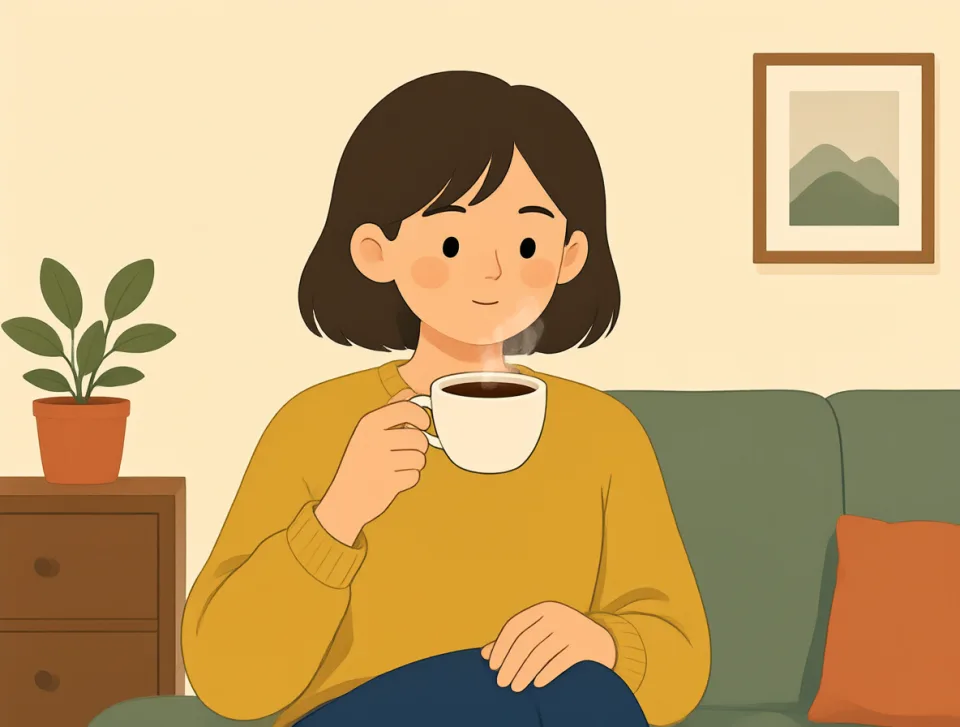
too
#118adverb
demasiado; también
More than is wanted or needed; also, as well.
Más de lo que se desea o se necesita; también, igualmente.
This coffee is too hot to drink.
Este café está demasiado caliente para beberlo.
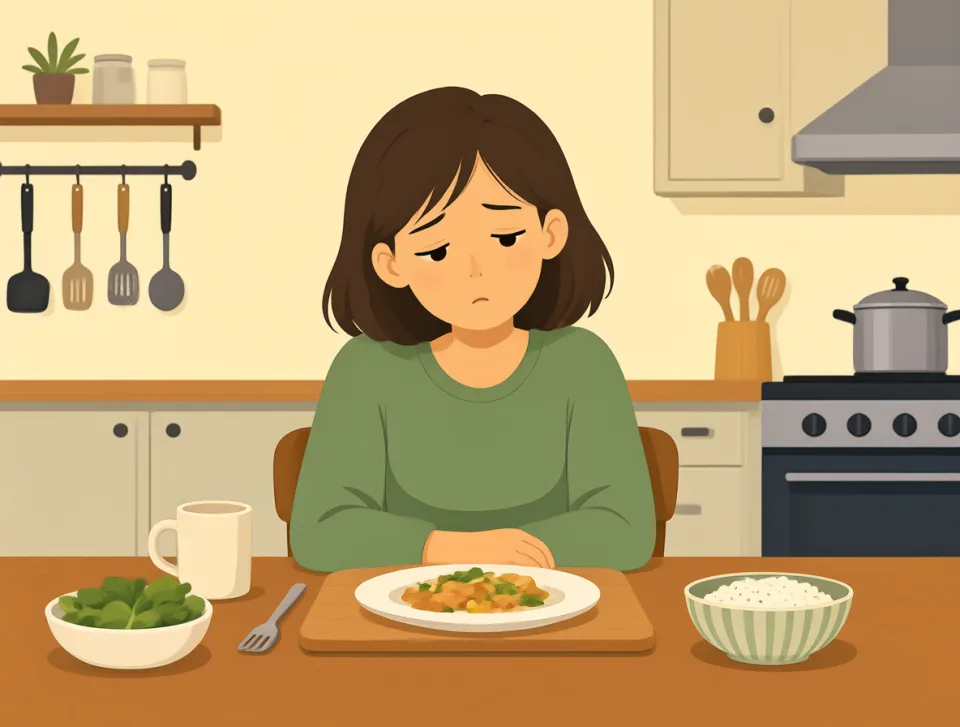
She is too tired to cook dinner.
Está demasiado cansada para preparar la cena.

The bag is too heavy for me.
La bolsa es demasiado pesada para mí.
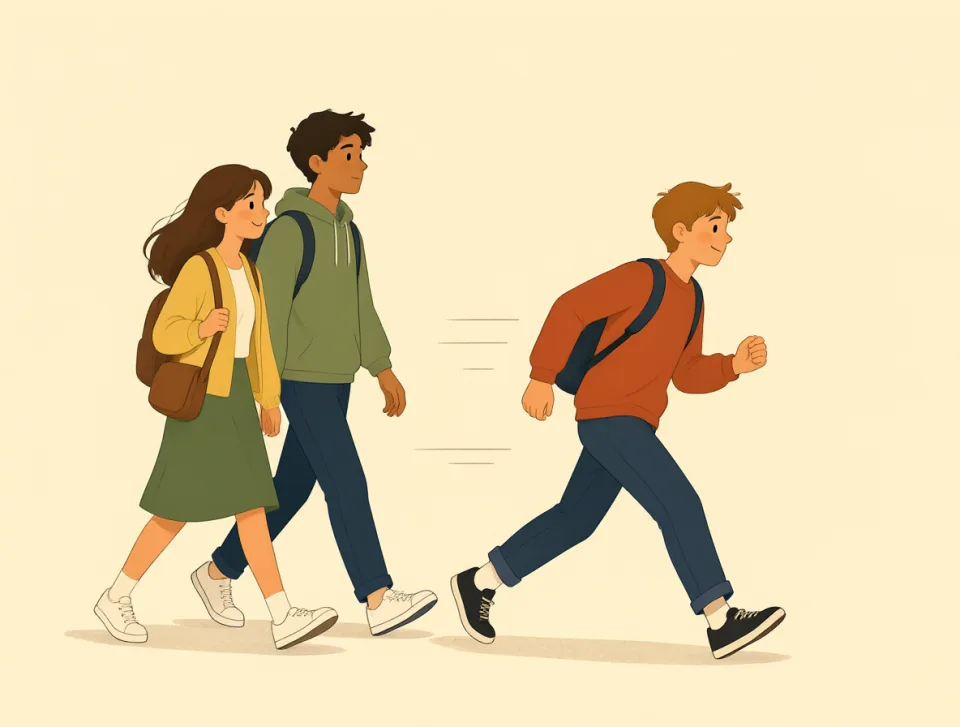
I want to come too.
Yo también quiero ir.
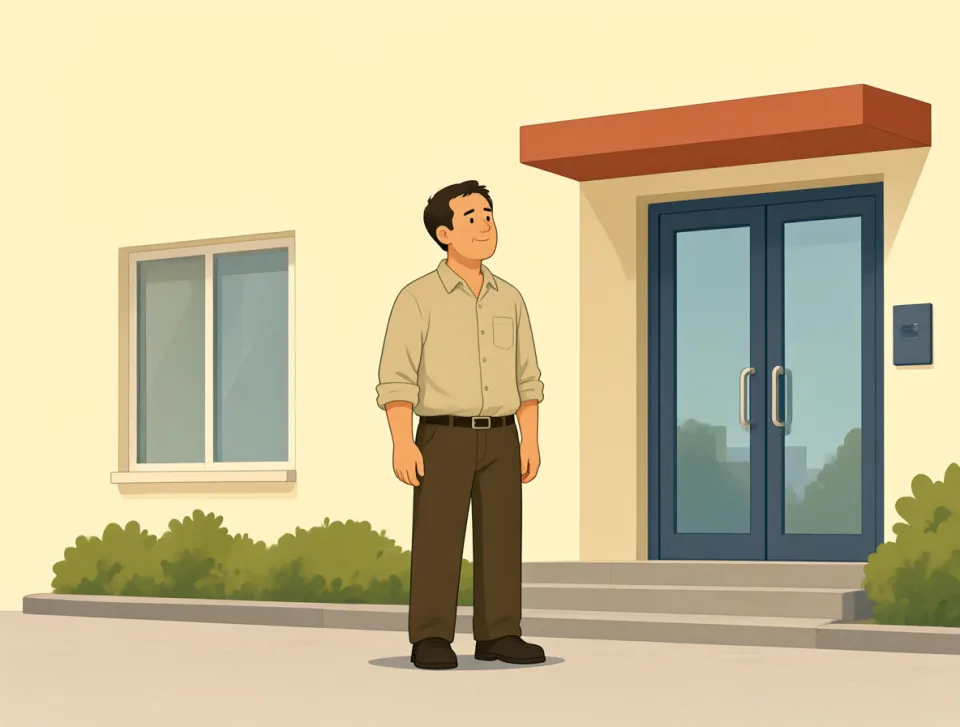
He works at the hospital too.
Él también trabaja en el hospital.

still
#119adverb, adjective, noun, verb
todavía; quieto; foto fija; alambique
continuing until now; not moving; or a device used to make pictures from film
que continúa hasta ahora; que no se mueve; o un dispositivo para hacer fotografías a partir de una película
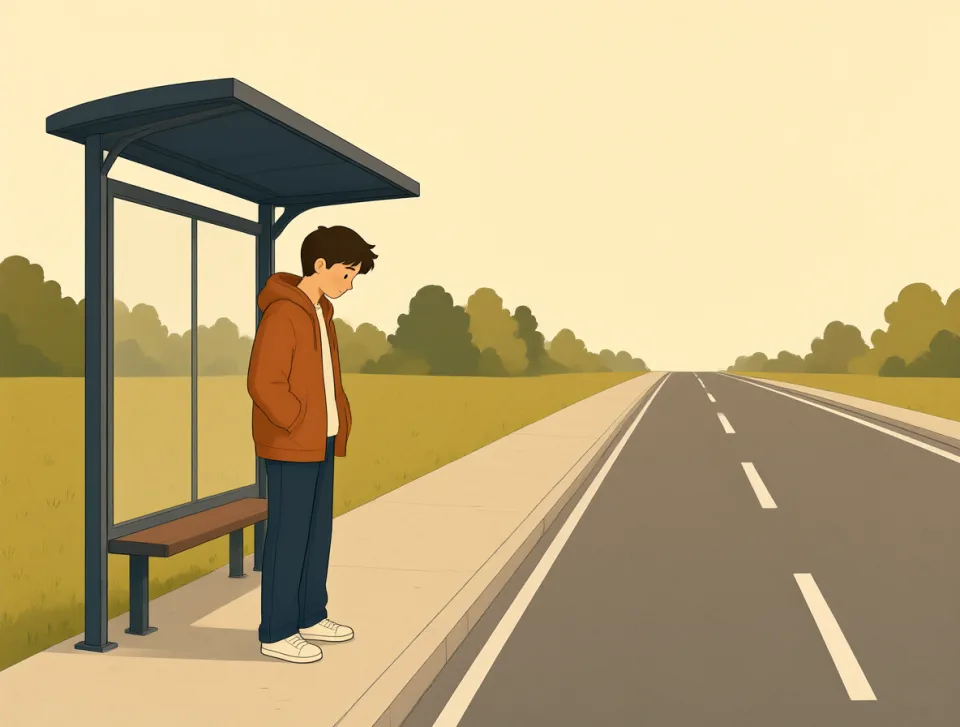
Are you still waiting for the bus?
¿Todavía estás esperando el autobús?
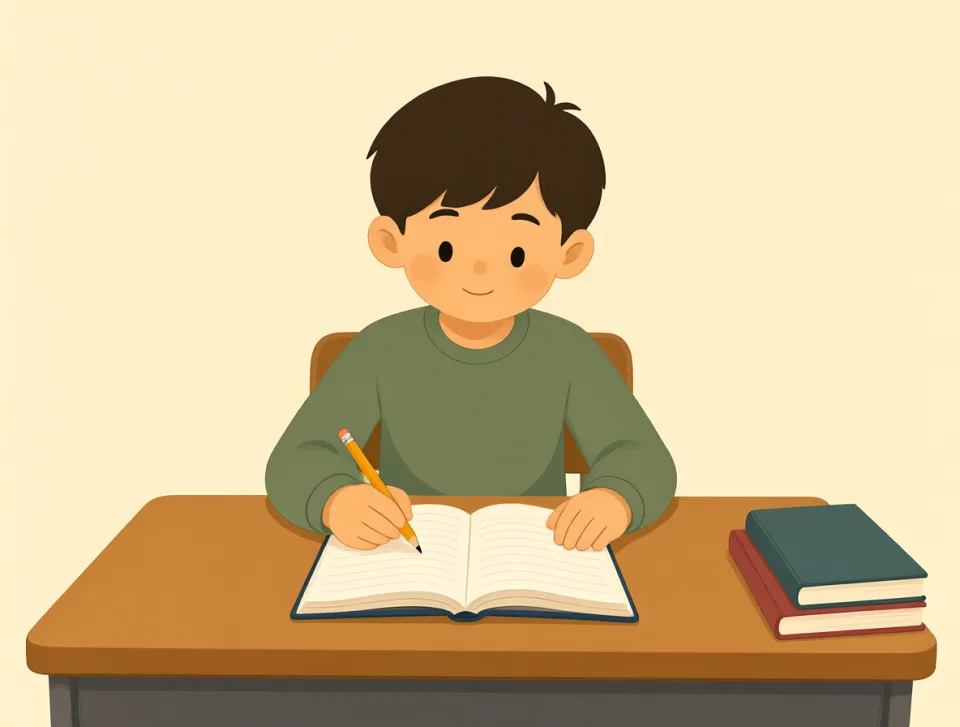
I still need to finish my homework.
Todavía tengo que terminar mi tarea.
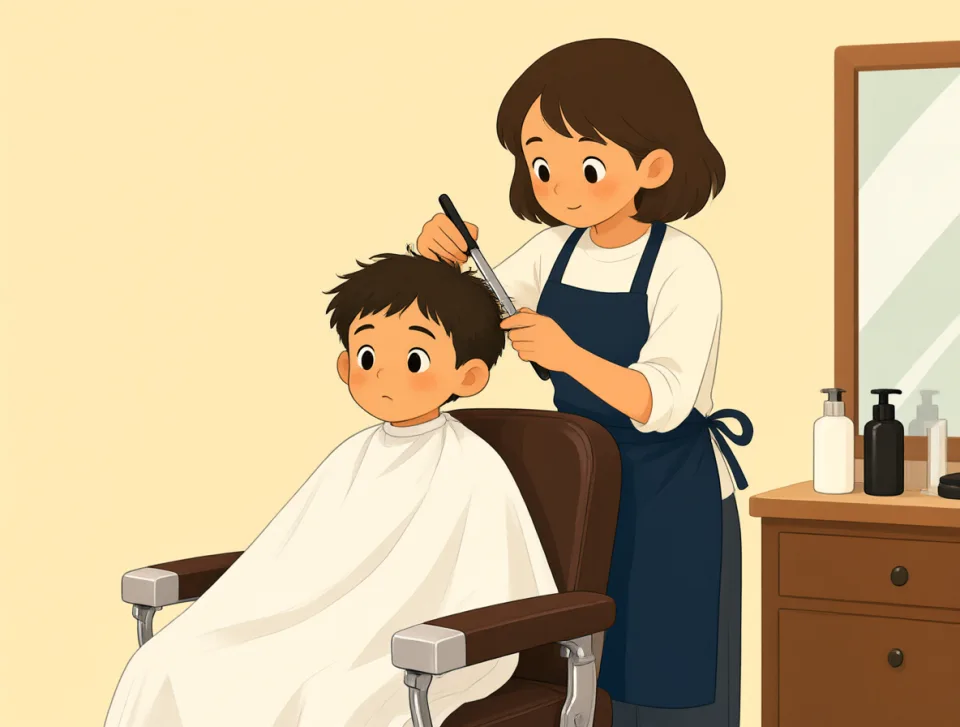
Please keep still while I cut your hair.
Quédate quieto mientras te corto el pelo.
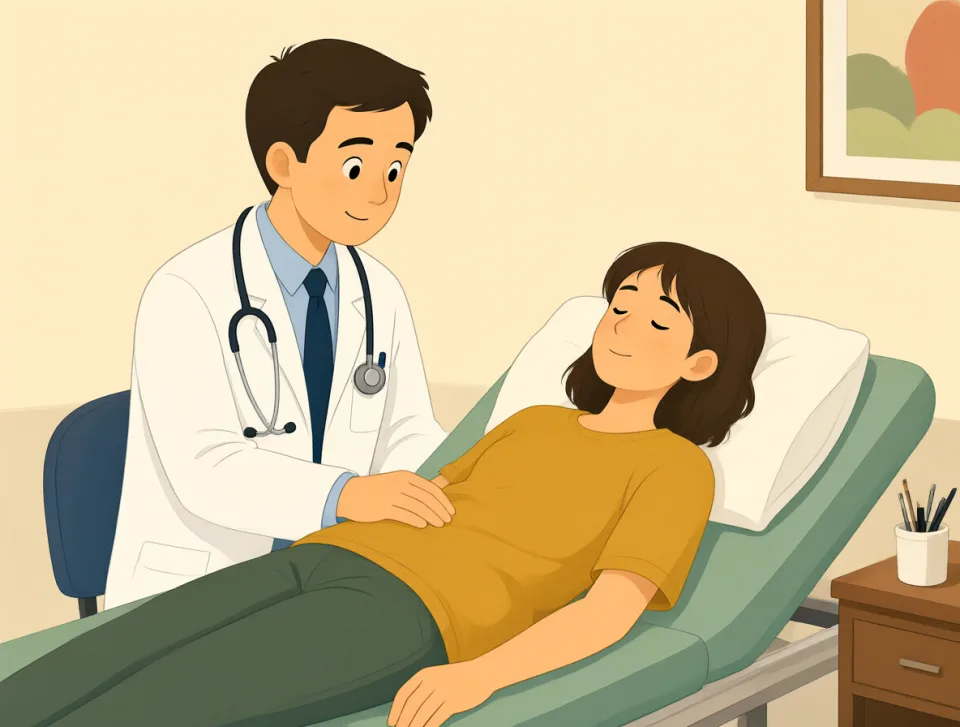
The doctor told me to stay still.
El médico me dijo que me quedara quieto.

She took a still of the beautiful sunset.
Tomó una foto fija de la hermosa puesta de sol.
problem
#120noun
problema
Something that is difficult or causes trouble.
Algo que es difícil o que causa problemas.
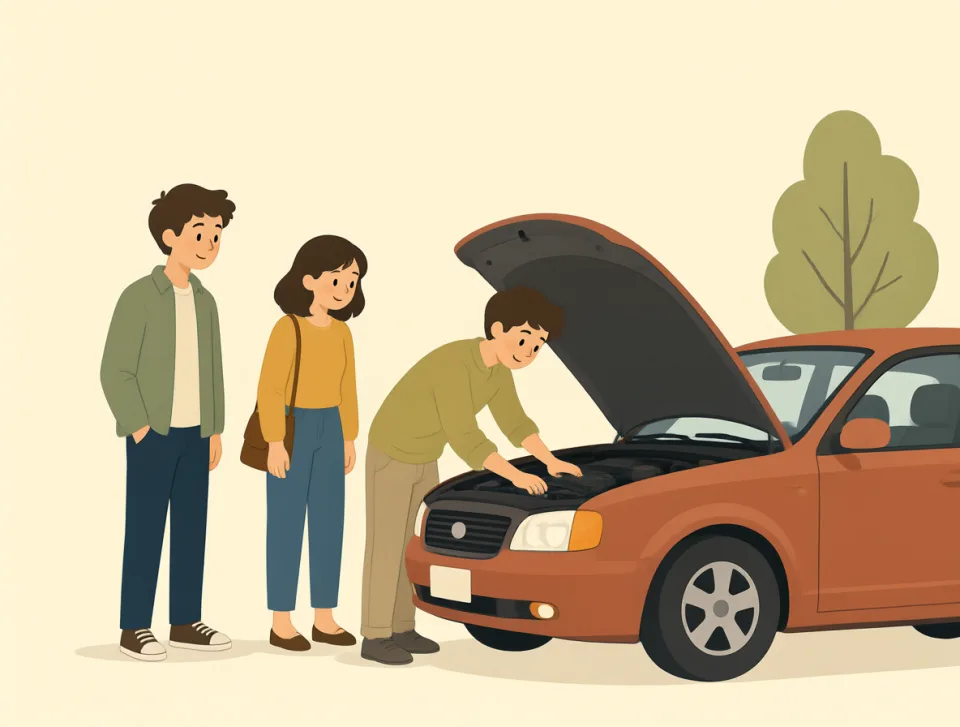
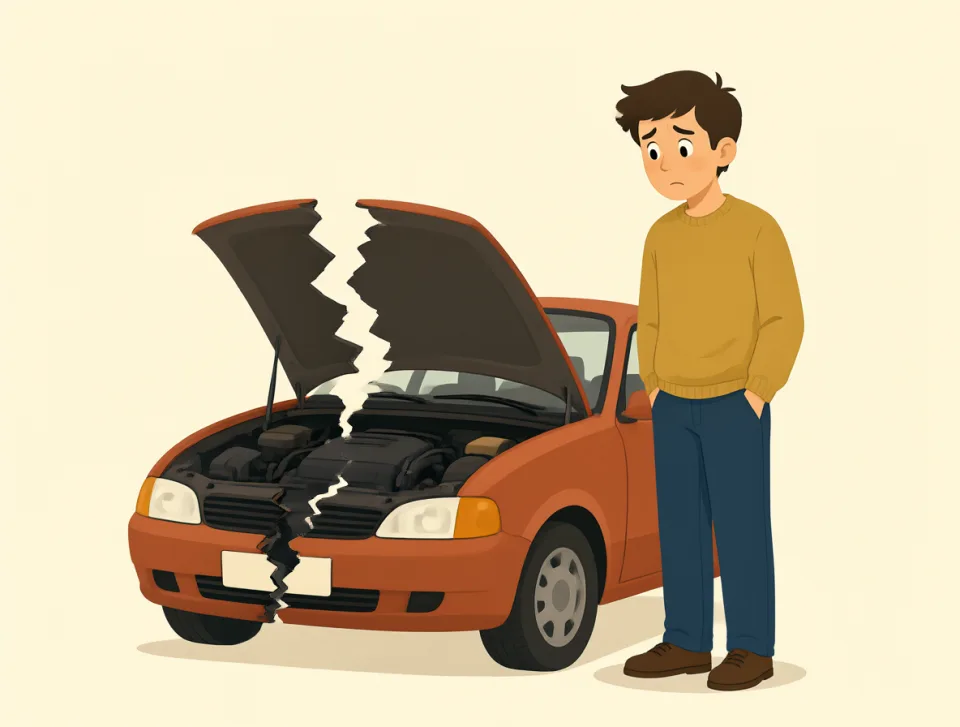
We have a problem with the car.
Tenemos un problema con el coche.
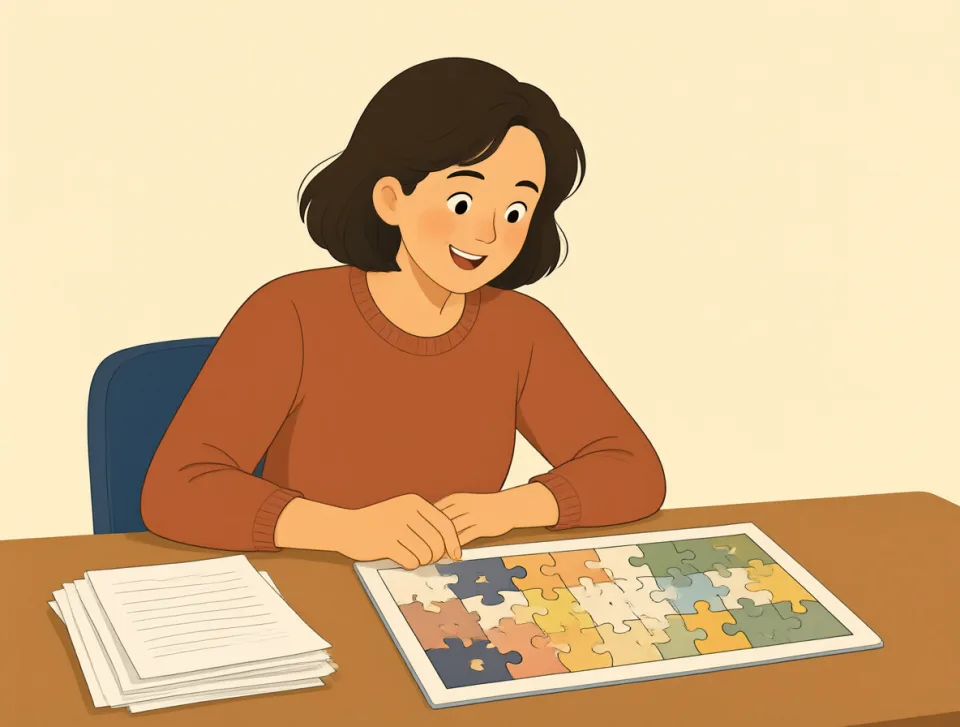
She solved the problem at work.
Ella resolvió el problema en el trabajo.
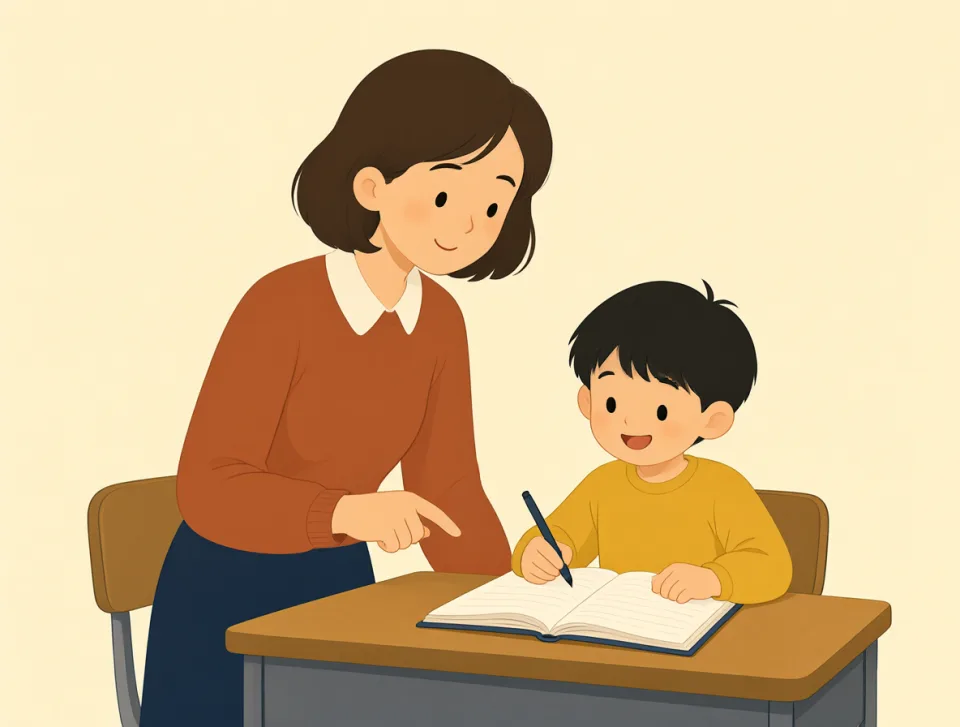
The teacher helped me with my math problem.
El profesor me ayudó con mi problema de matemáticas.
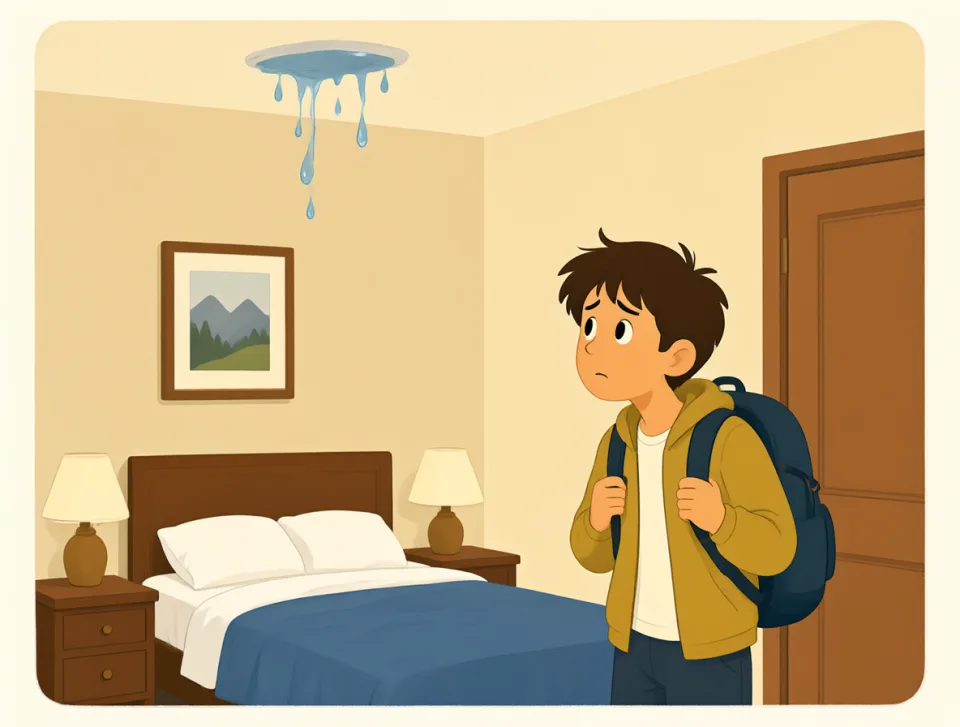
There was a problem with our hotel room.
Hubo un problema con nuestra habitación del hotel.
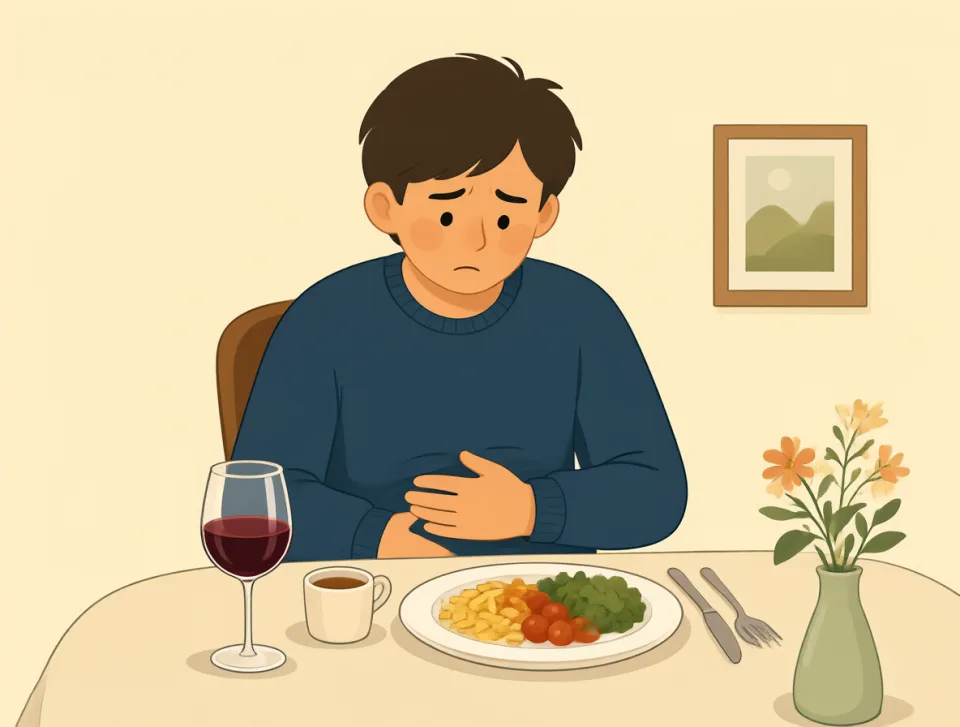
My stomach problem started after dinner.
Mi problema estomacal empezó después de cenar.