單元 6
單字 101–120 · last, child, tell, really, call, before
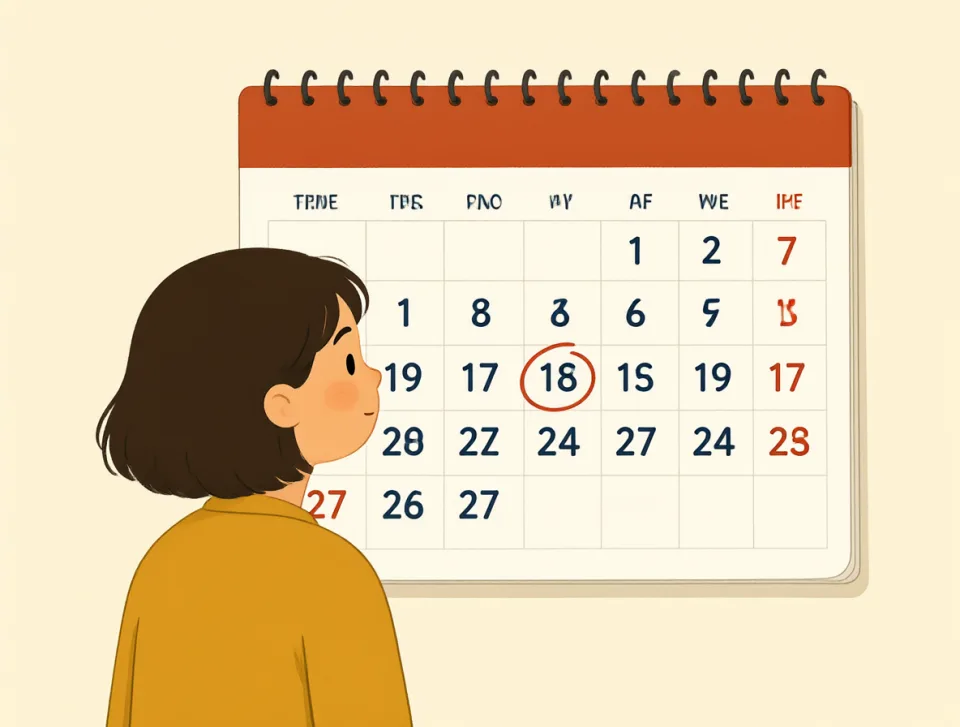
last
#101verb, adjective, adverb, noun
持續;最後的;最後;最後一個
To continue for a period of time, or come after all others in time or order.
持續一段時間,或在時間或順序上排在所有其他事物之後。
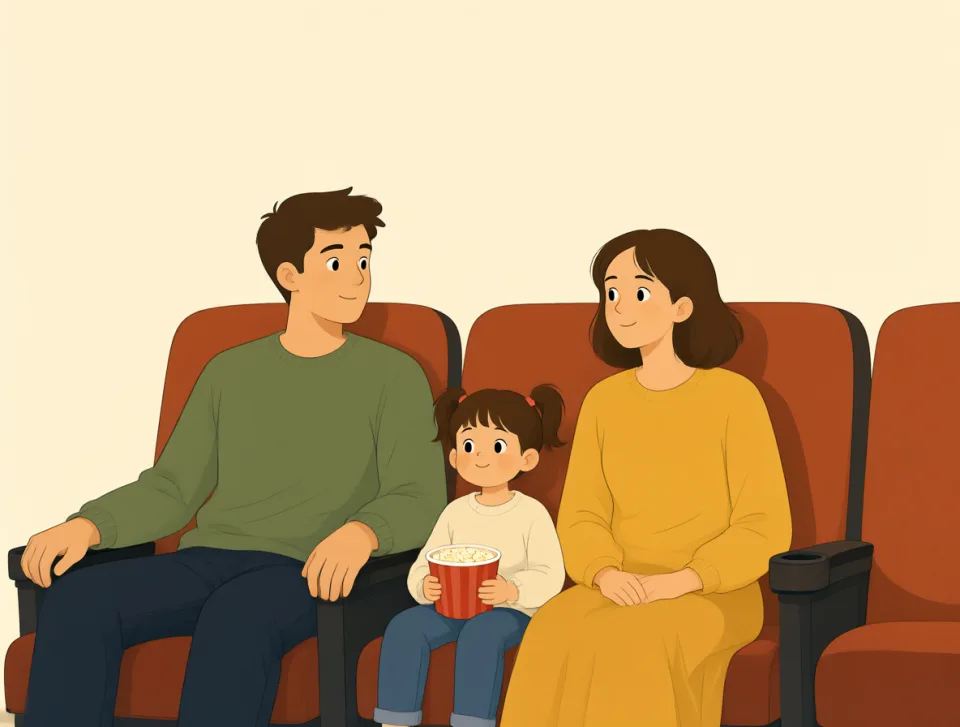
The movie lasted two hours.
這部電影持續了兩個小時。

This shirt will last for years.
這件襯衫能穿好幾年。
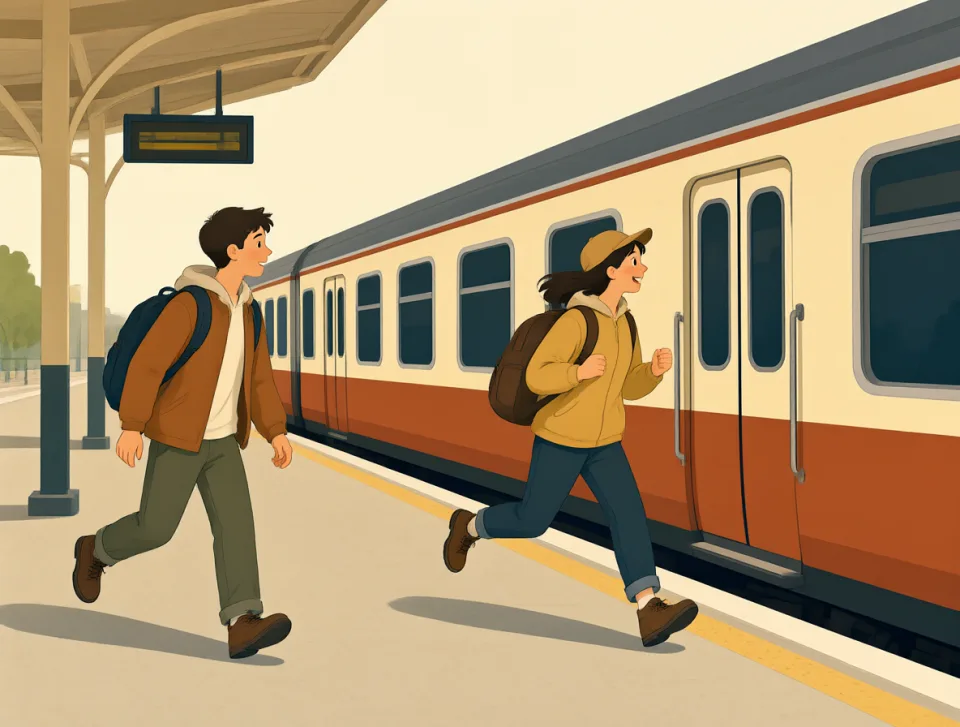
We caught the last train home.
我們趕上了回家的最後一班火車。
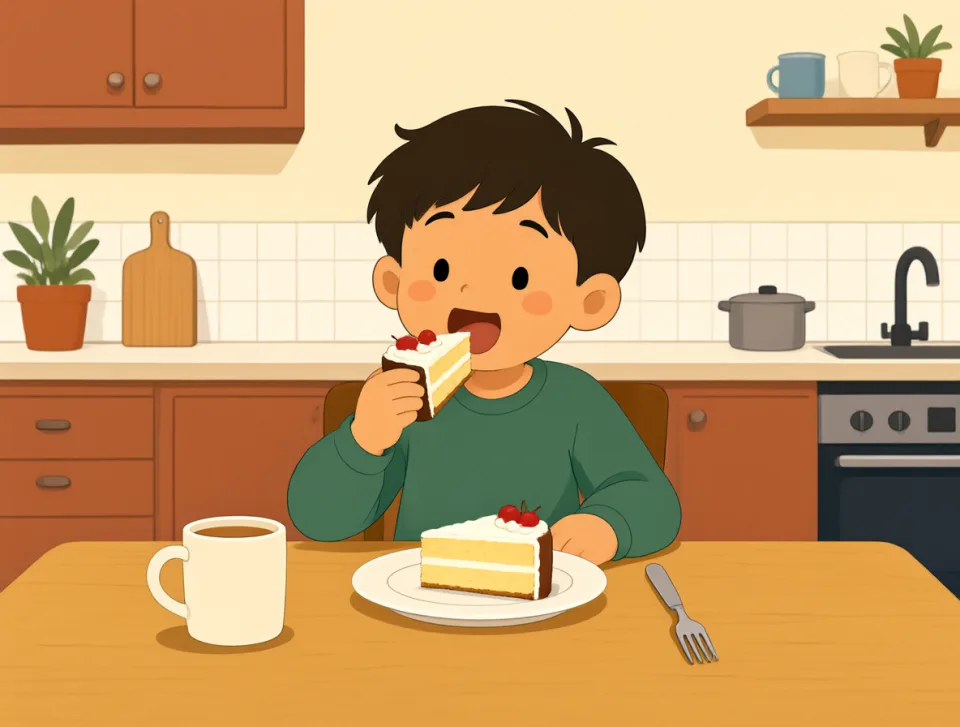
I ate the last piece of cake.
我吃了最後一塊蛋糕。
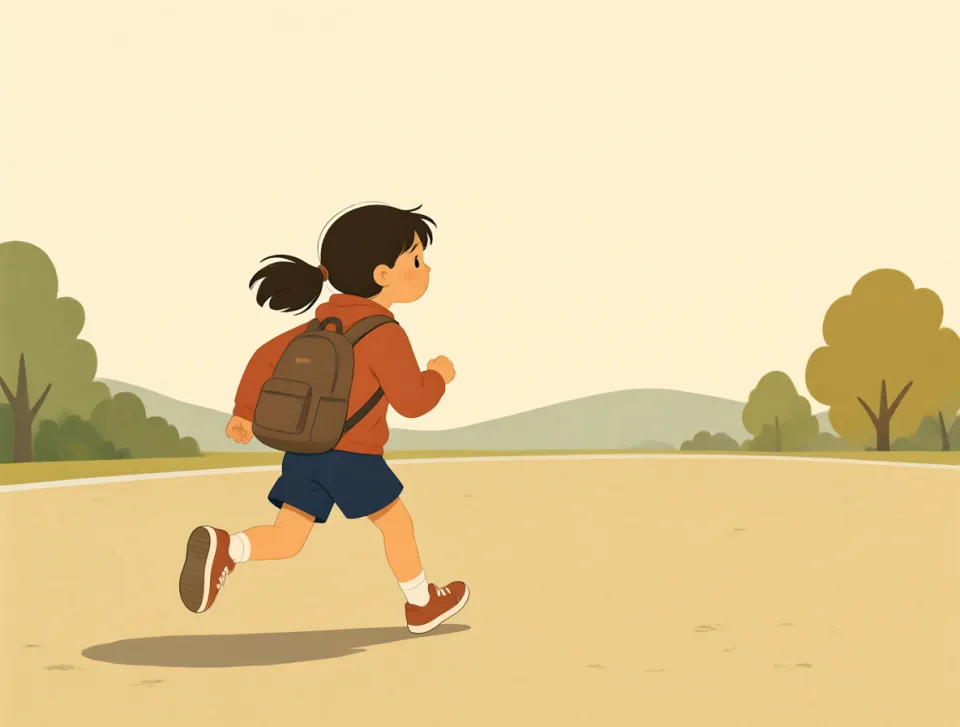
She was last in the race.
她在比賽中最後到達。
child
#102noun
孩子;兒童
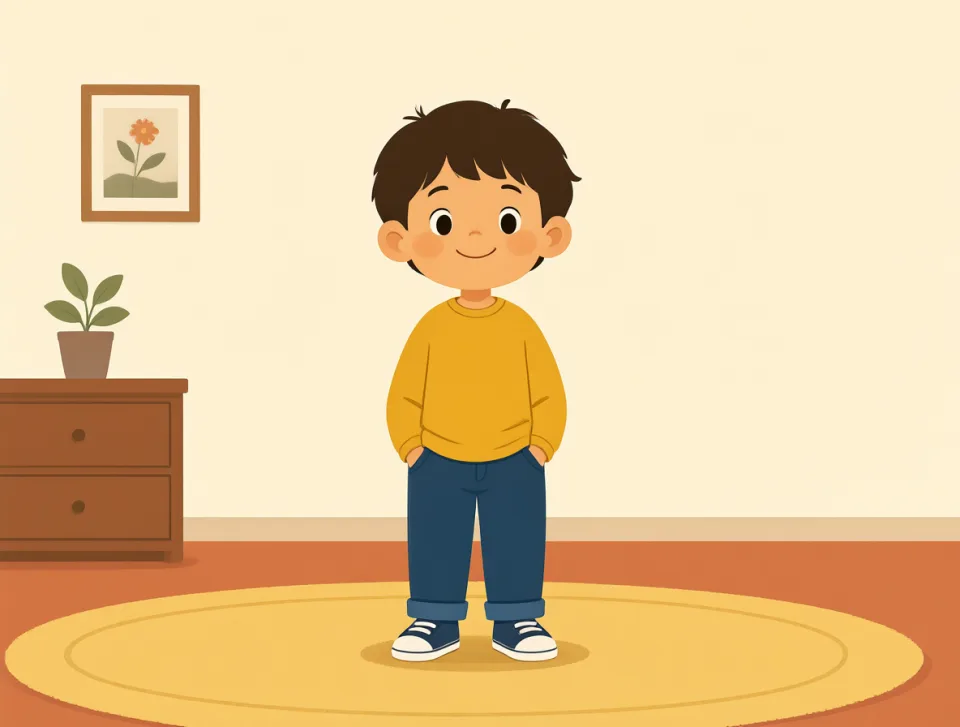
a young person who is not yet an adult
尚未成年的年輕人
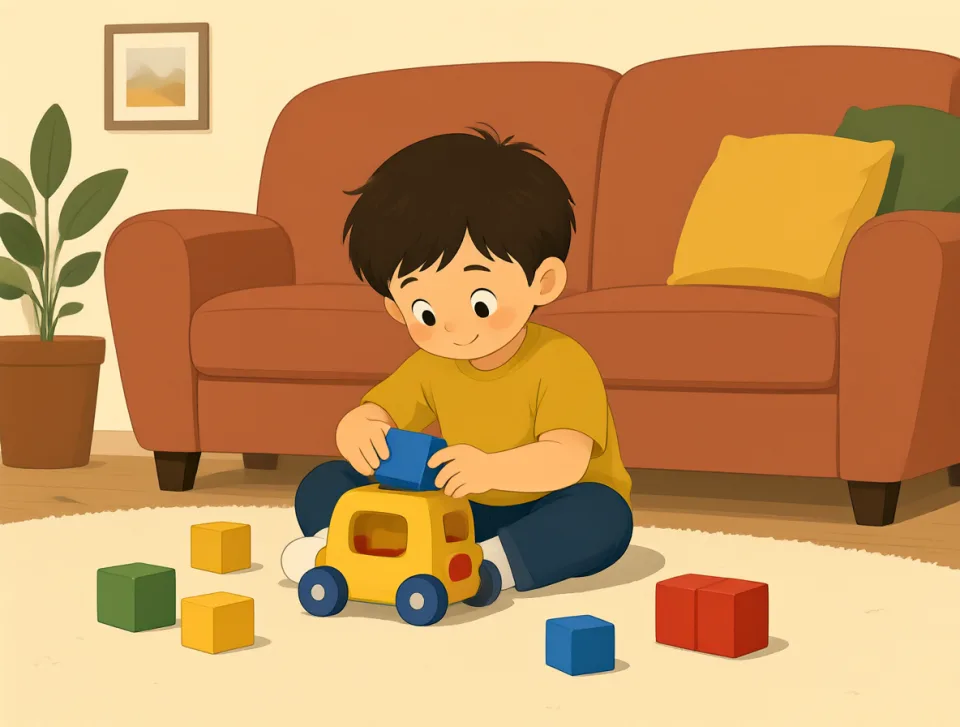
The child is playing with a toy.
那個孩子正在玩玩具。
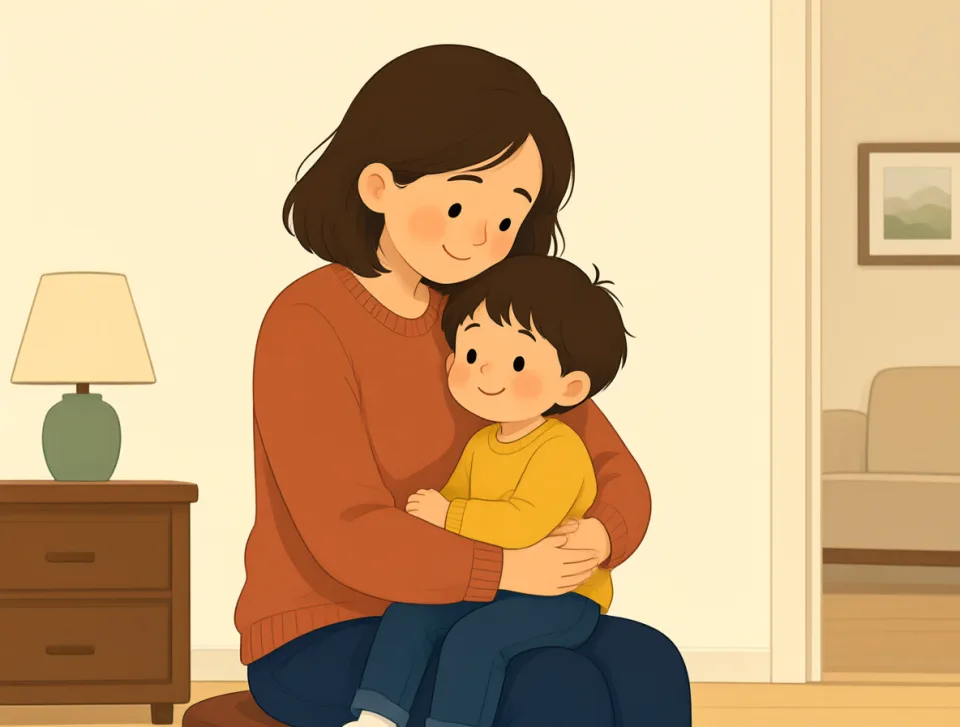
Every child needs love and care.
每個孩子都需要愛與關懷。
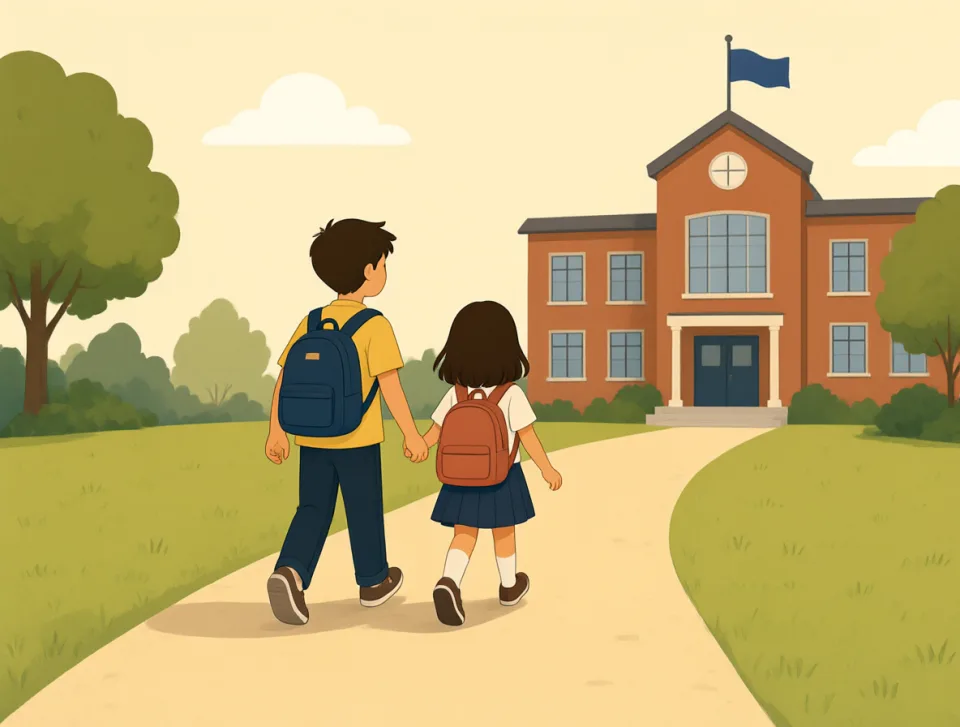
The children walked to school together.
孩子們一起走路去學校。
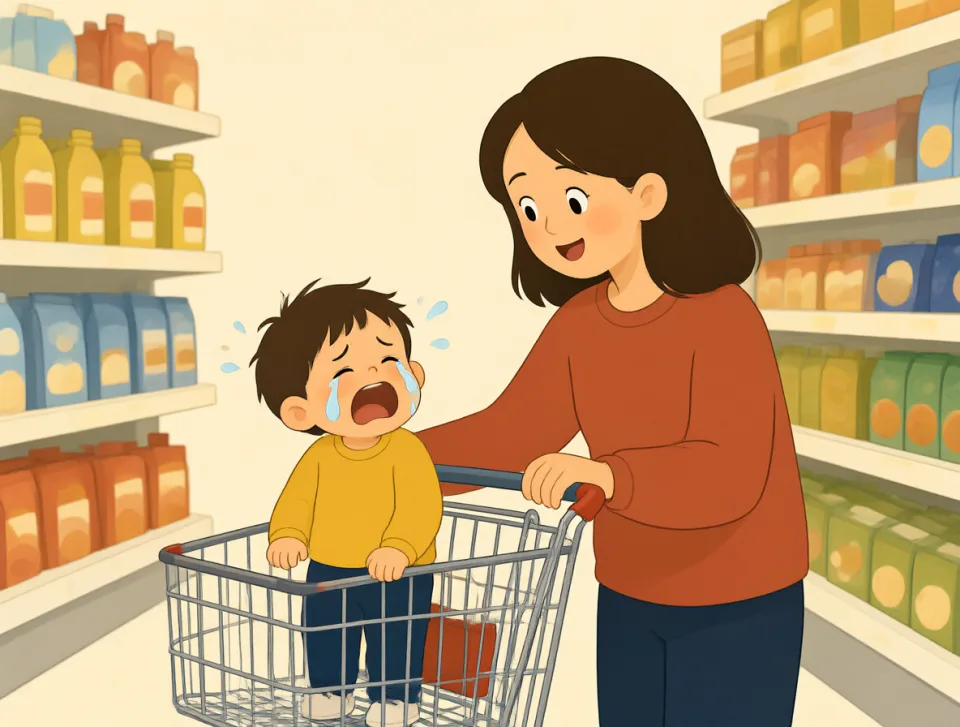
A child was crying in the store.
一個孩子在商店裡哭。
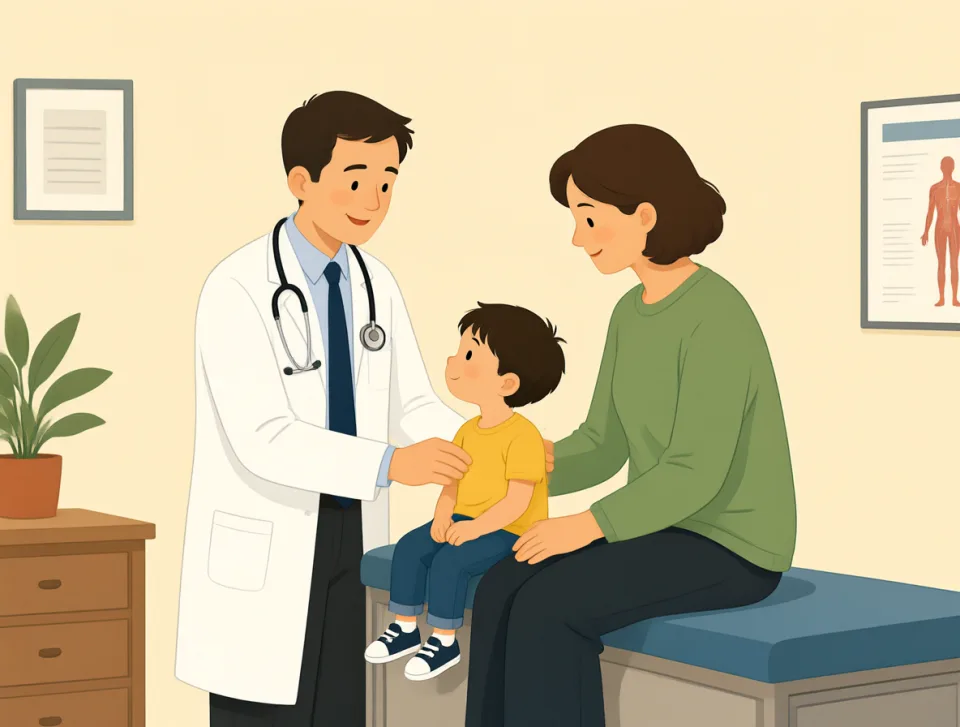
The doctor examined the sick child.
醫生給那個生病的孩子做了檢查。

tell
#103verb
告訴;告知;講述
to give someone information or say something to someone
向某人提供資訊或對某人說些什麼
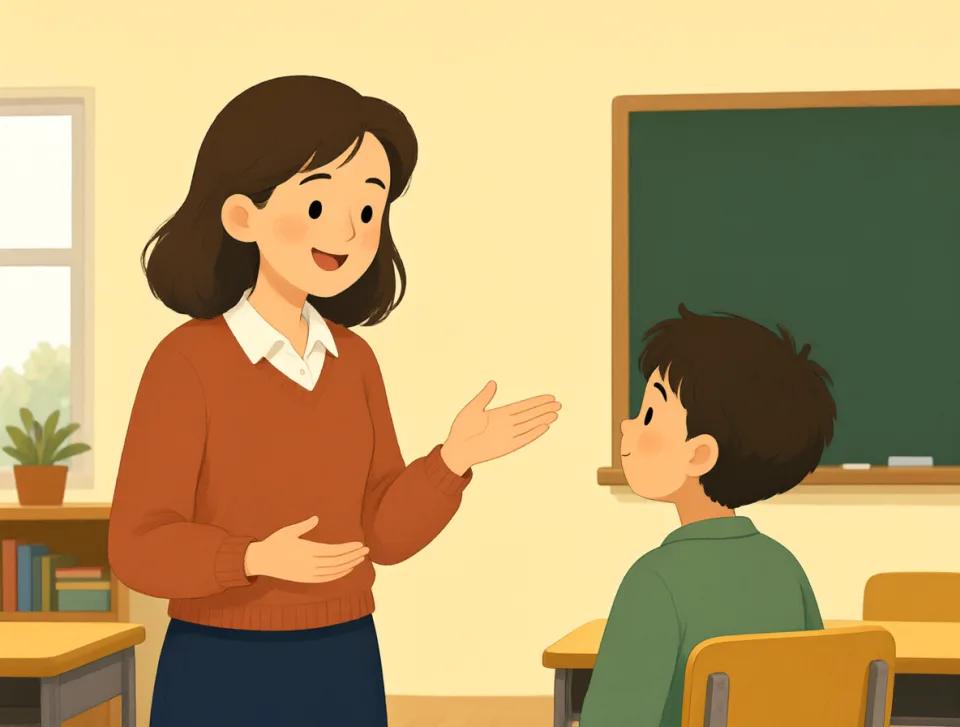
Please tell me your name.
請告訴我你的名字。
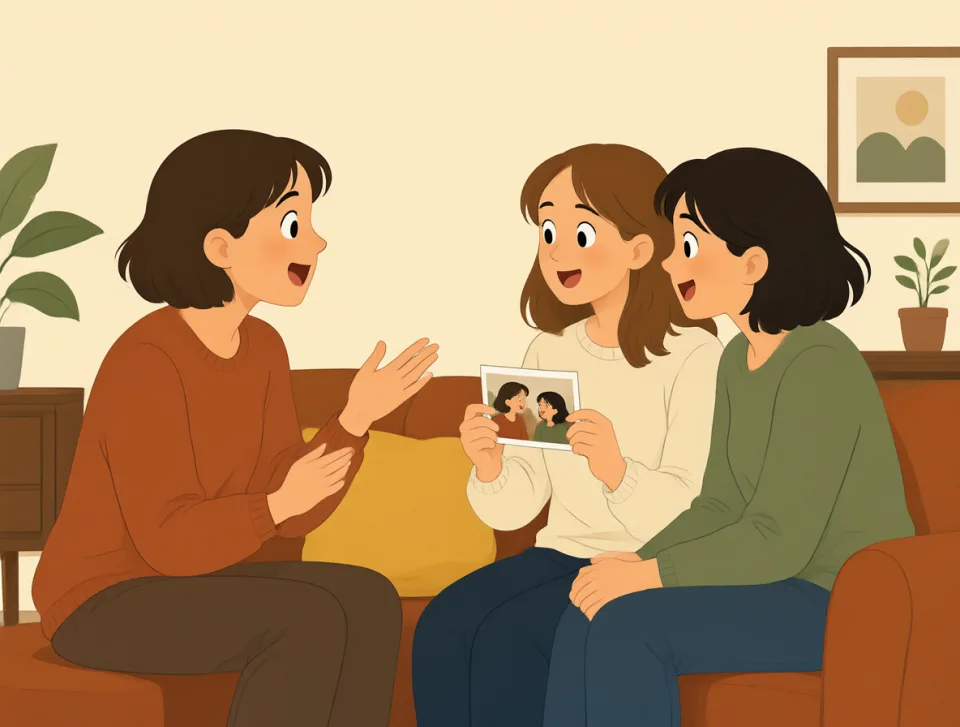
She told us about her trip.
她告訴我們她旅行的事。
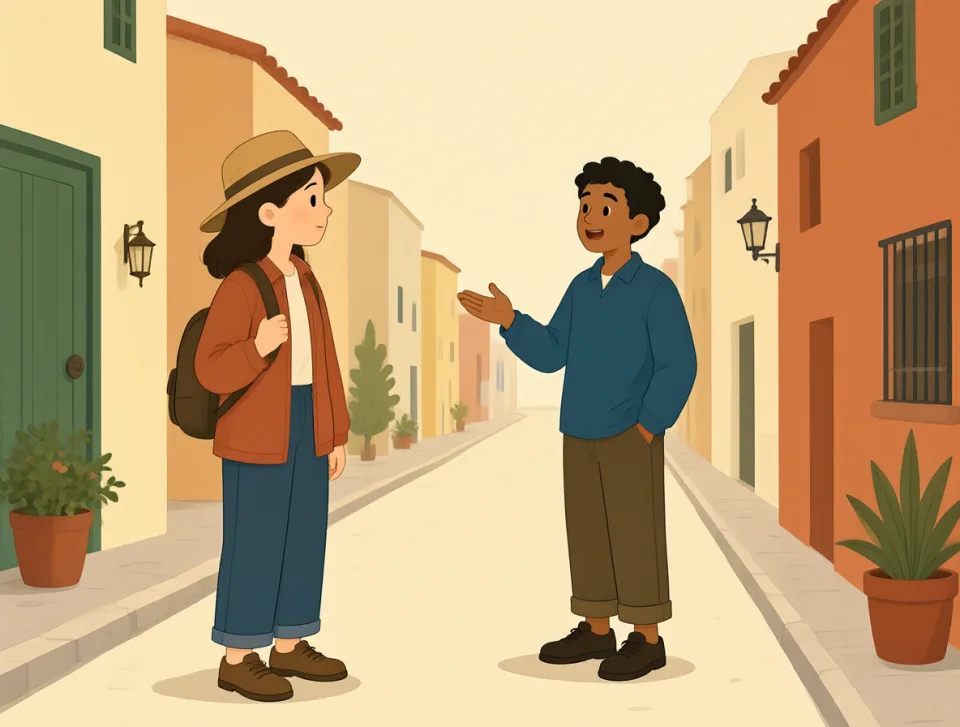
Can you tell me the way?
你能告訴我怎麼走嗎?

He told his boss he was sick.
他告訴老闆自己病了。
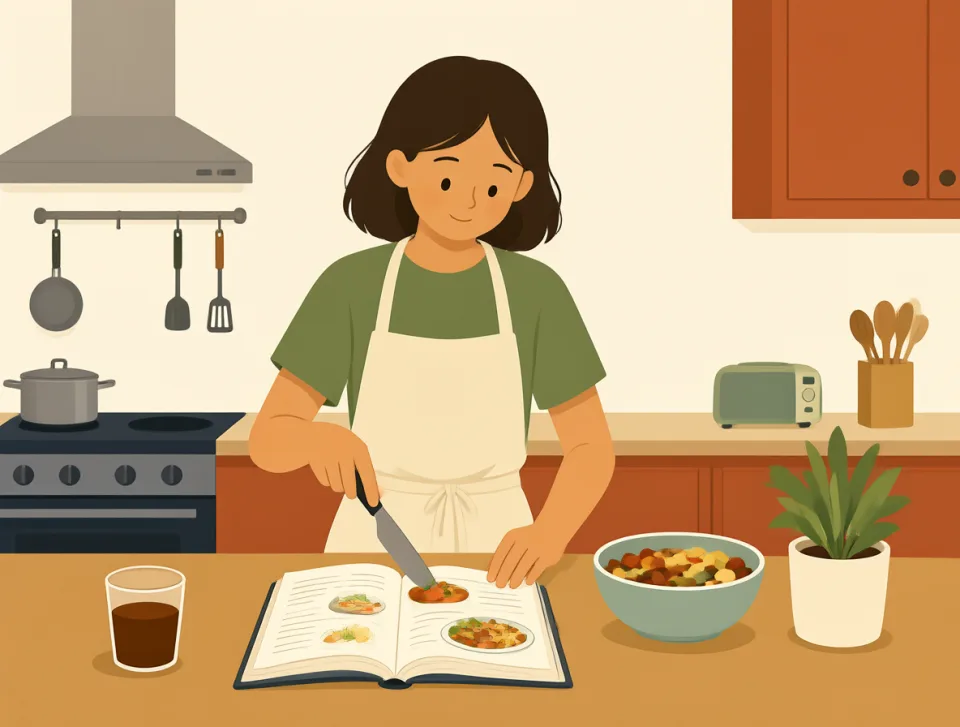
The recipe tells you to add salt.
食譜會告訴你要加鹽。

really
#104adverb
真的;非常;確實
Used to emphasize that something is true, important, or stronger than expected.
用於強調某件事是真的、重要,或比預期的程度更強。
I really like this song.
我真的很喜歡這首歌。

Are you really going home now?
你現在真的要回家嗎?

She is really tired today.
她今天真的很累。

This soup is really good.
這湯真的很好喝。
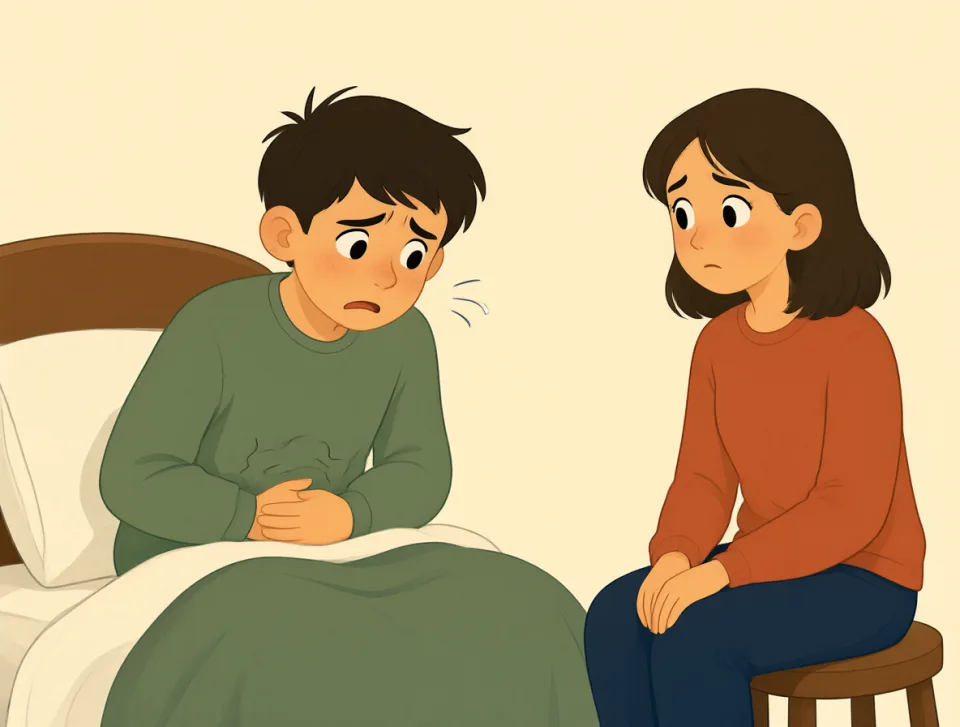
I really need a doctor.
我真的需要看醫生。

call
#105verb, noun
打電話;叫作;呼叫
to speak to someone by telephone or give someone a name
透過電話與某人交談,或給某人取名字
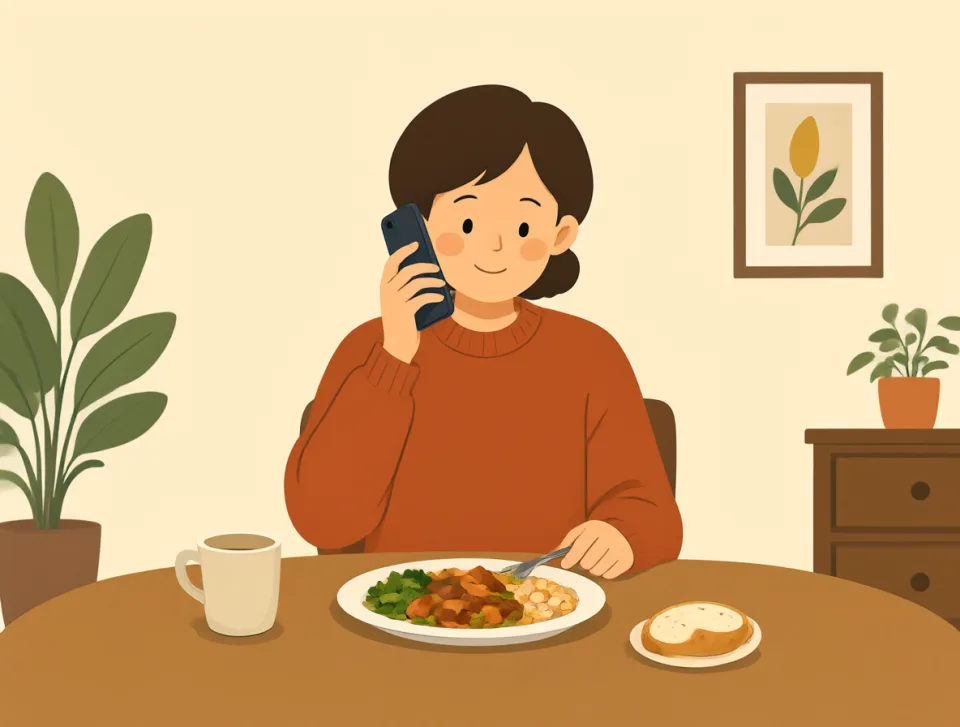
I will call you after dinner.
我晚飯後給你打電話。

Please call the doctor this morning.
請在今天上午給醫生打電話。
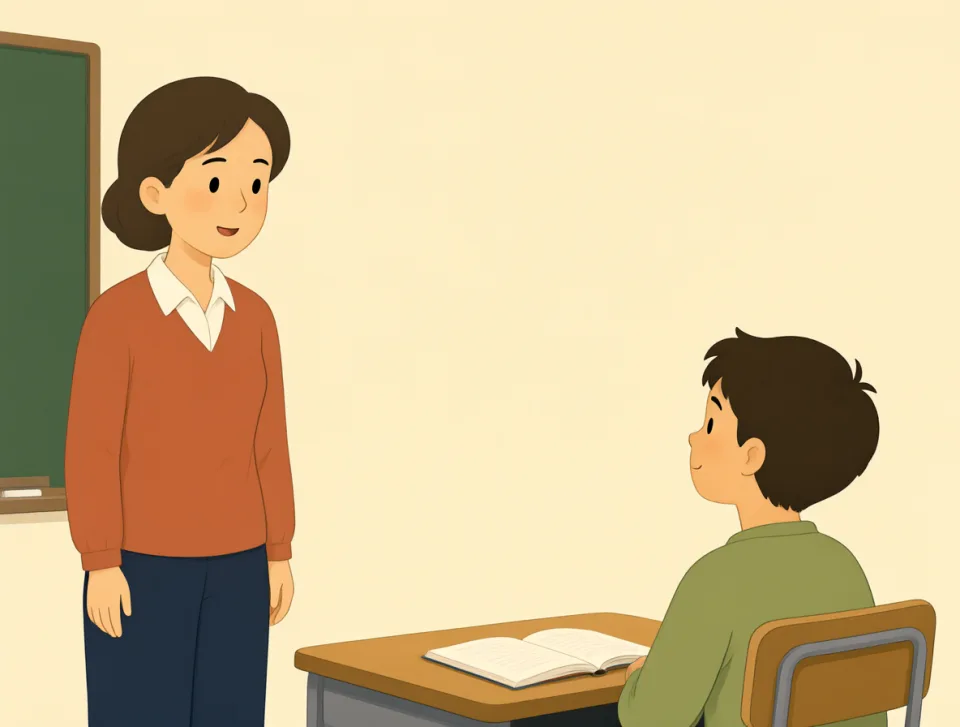
The teacher called my name in class.
老師在課堂上叫了我的名字。
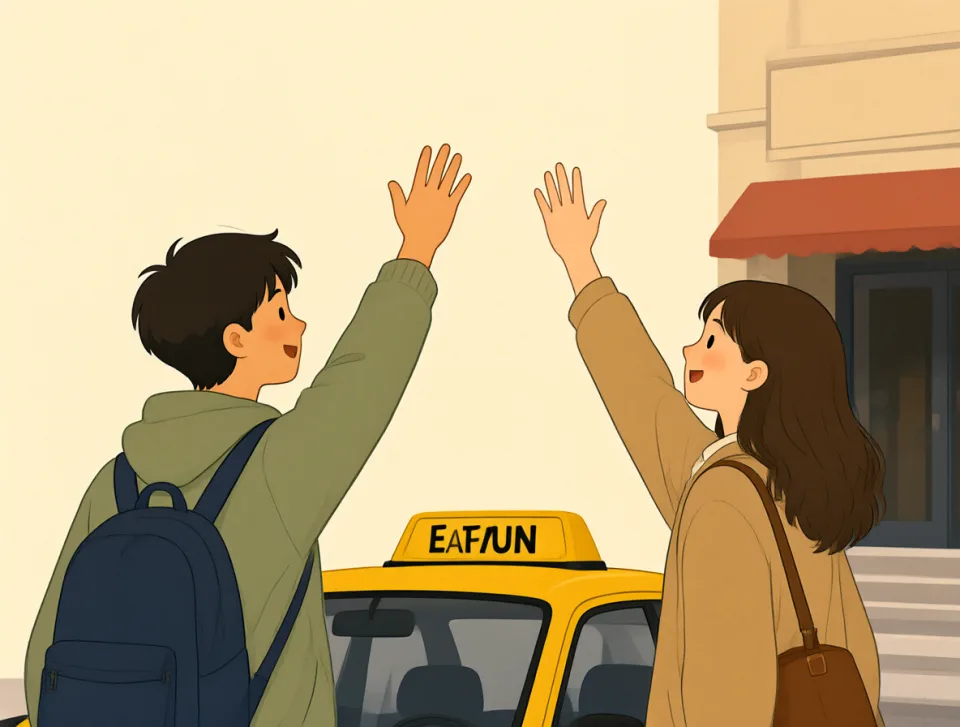
We called a taxi after the concert.
音樂會結束後,我們叫了一輛計程車。
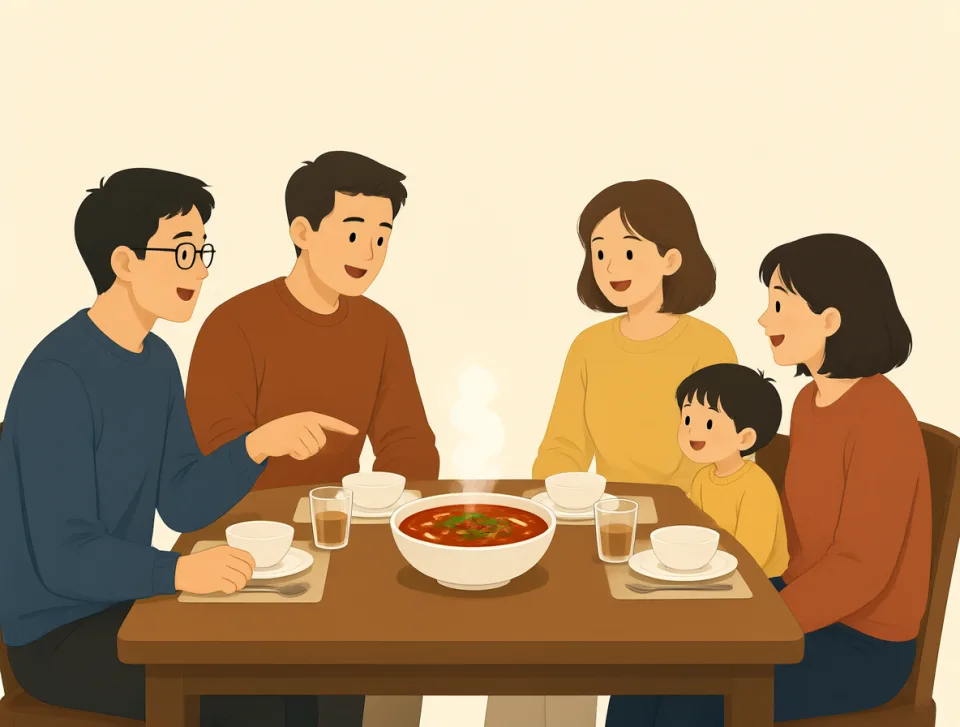
They call this food spicy soup.
他們把這種食物叫作辣湯。
before
#106adverb, preposition, conjunction
以前;在……之前
At or during an earlier time, or earlier than someone or something else.
在較早的時間或期間,或早於某人或某事物。
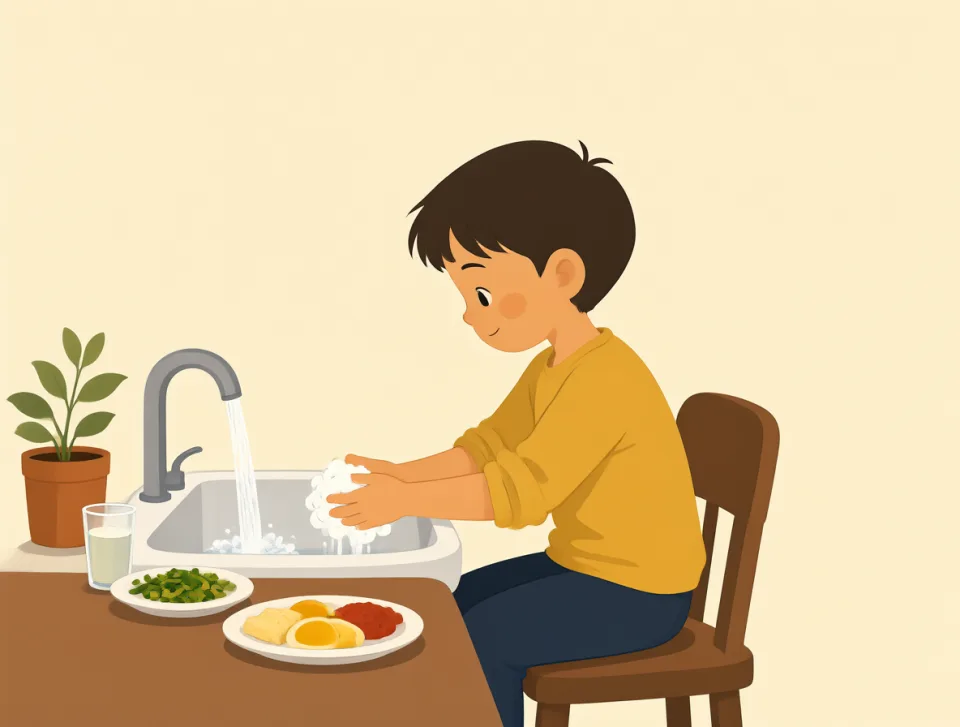
Wash your hands before dinner.
晚飯前洗手。
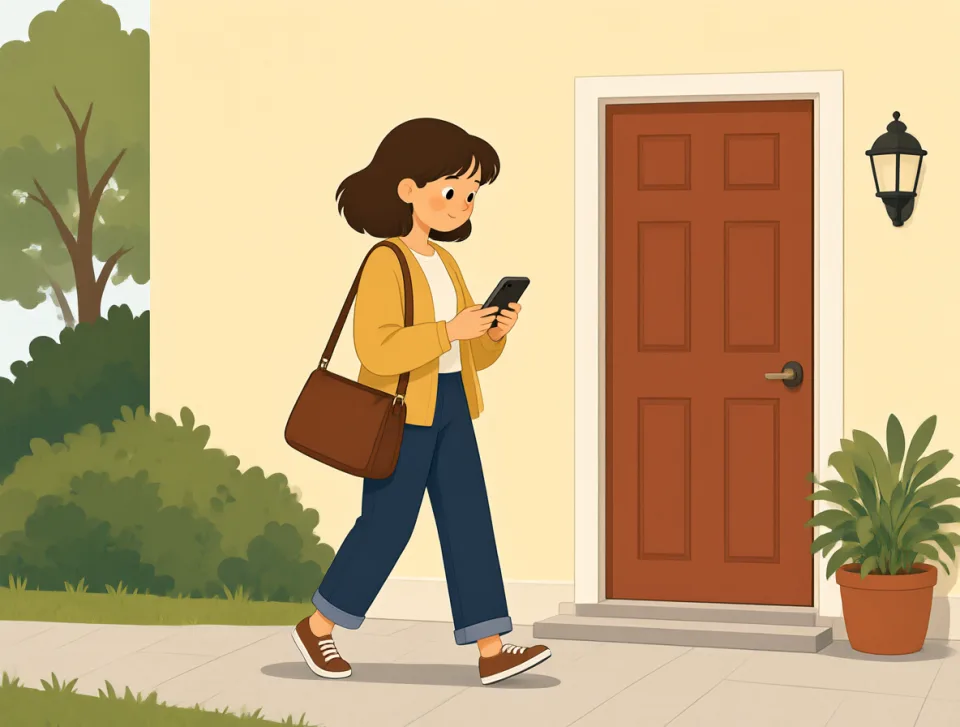
Please call me before you leave.
你離開前請給我打電話。

I saw her before the meeting.
我在會議前見過她。
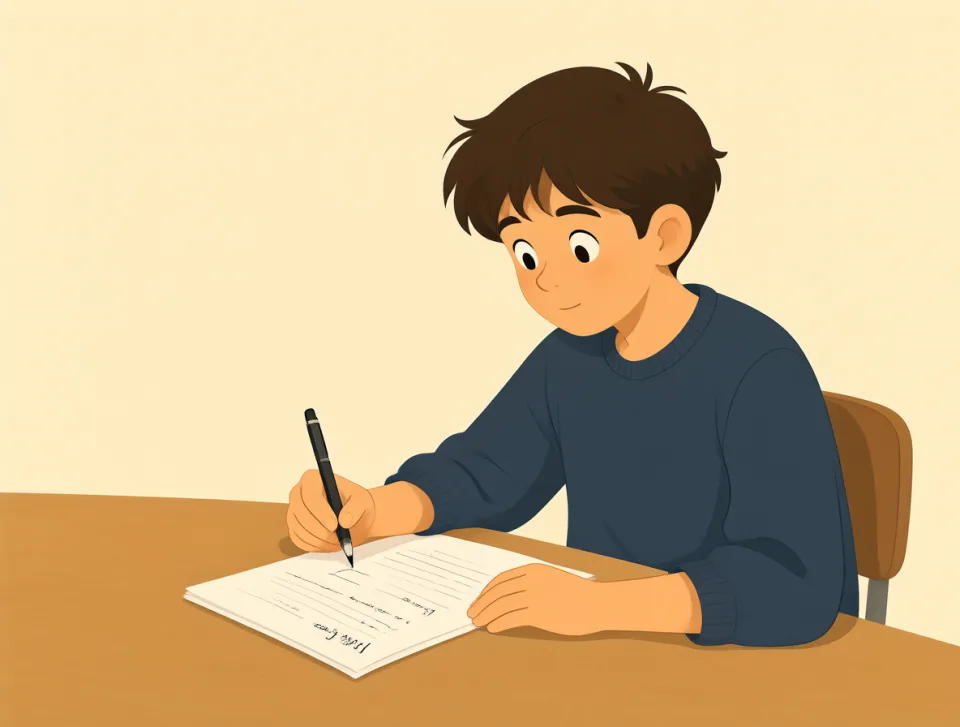
Read the question before you answer.
回答問題前先讀題。
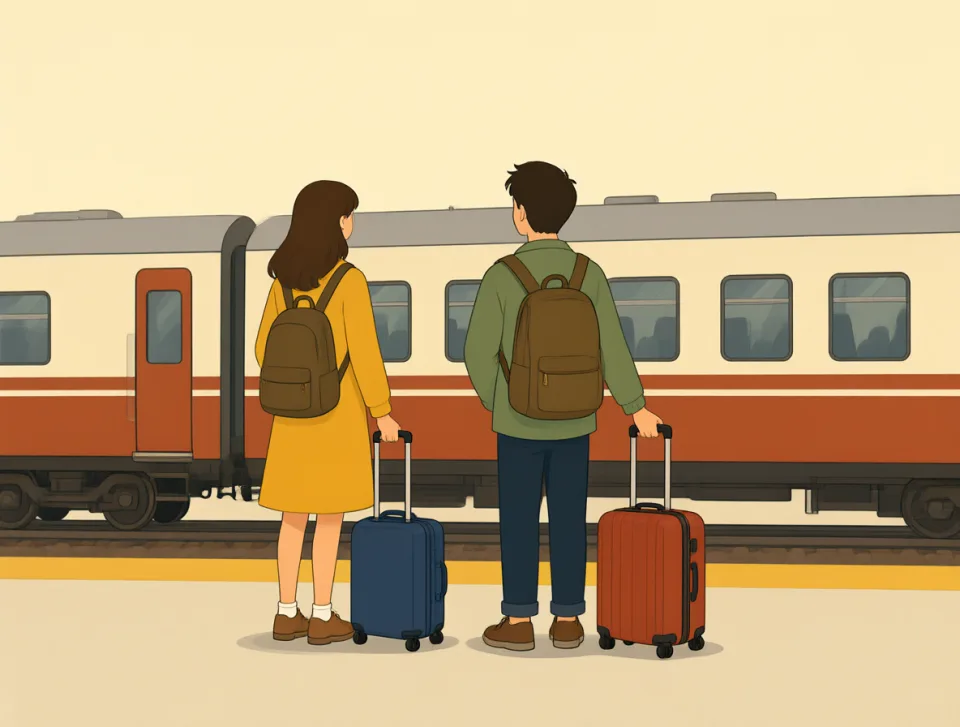
We arrived before the train left.
火車開走前我們就到了。

company
#107noun
公司;陪伴
An organization that makes or sells goods or services.
生產或銷售商品或服務的組織。

She works for a small company.
她在一家小公司工作。

The company makes healthy food.
這家公司生產健康食品。

Our company gives us health insurance.
我們公司給我們提供健康保險。

I enjoyed his company at dinner.
晚餐時有他的陪伴,我很開心。
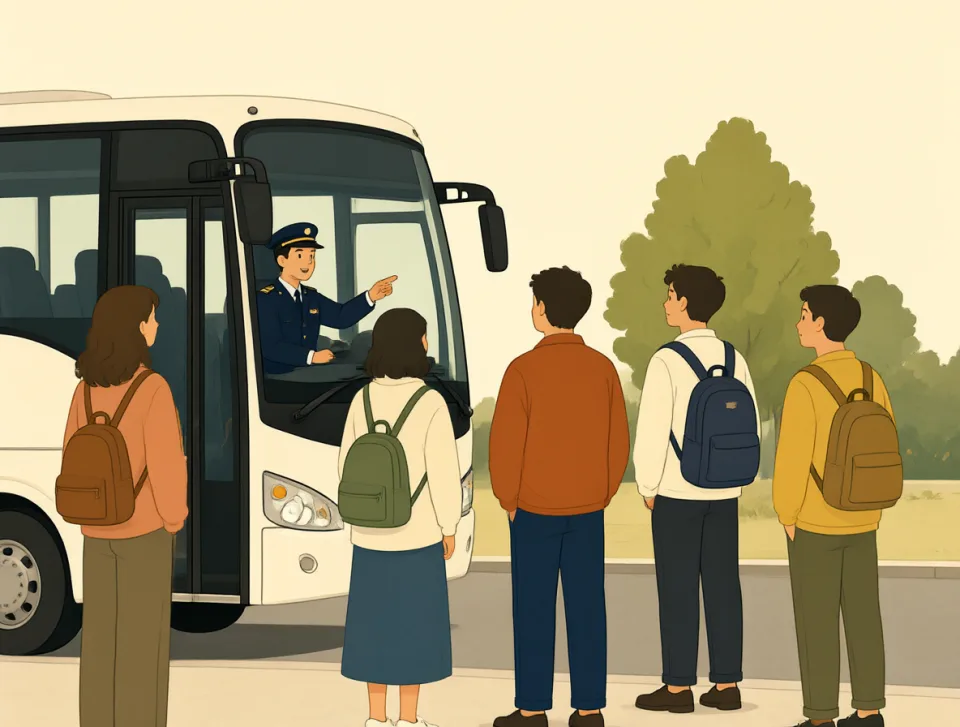
The bus company changed our travel plans.
公交公司改變了我們的出行計劃。
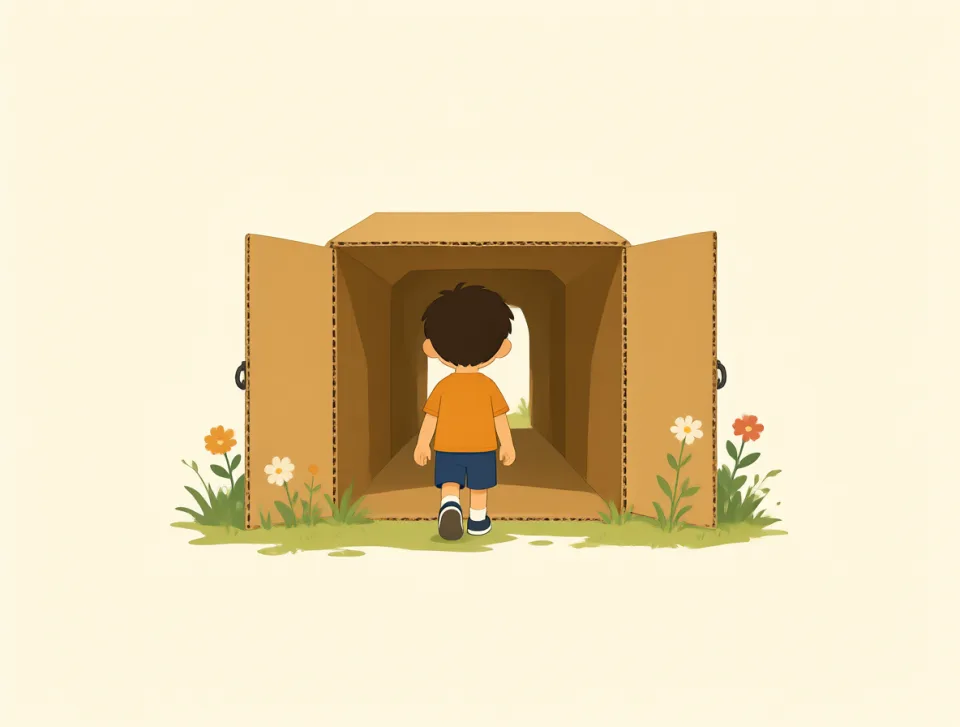
through
#108adverb, preposition, conjunction
穿過;透過;從頭到尾;在整個期間
from one side or end to the other, or during the whole of something
從一邊或一端到另一邊,或貫穿某件事情的整個過程
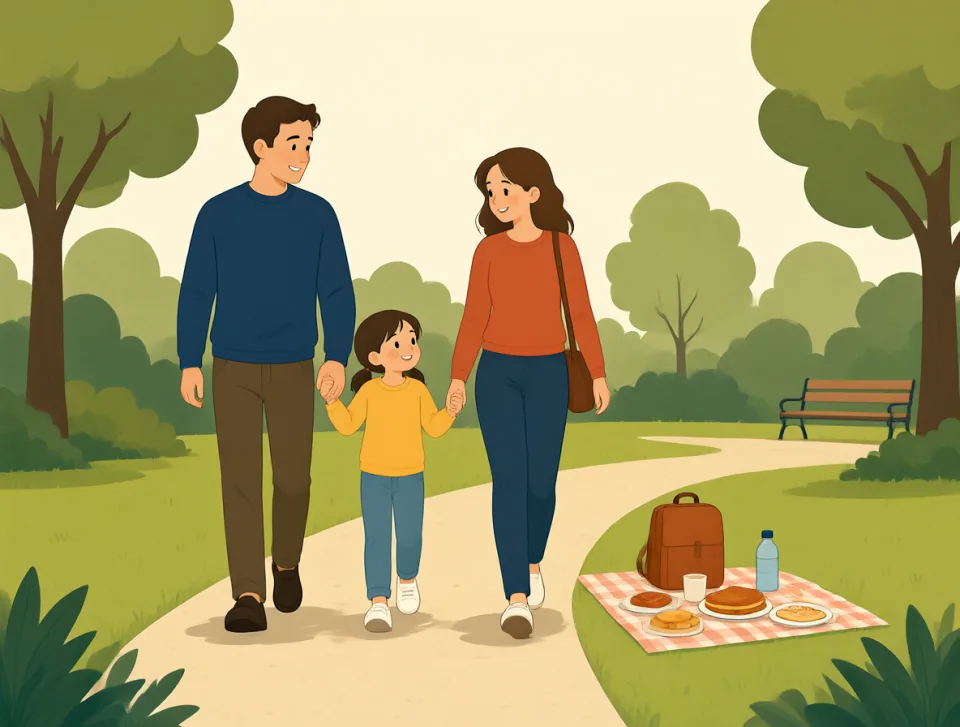
We walked through the park after lunch.
午飯後,我們穿過了公園。

Light came through the bedroom window.
陽光透過臥室的窗戶照了進來。

She read through the report before the meeting.
她在會議前通讀了報告。
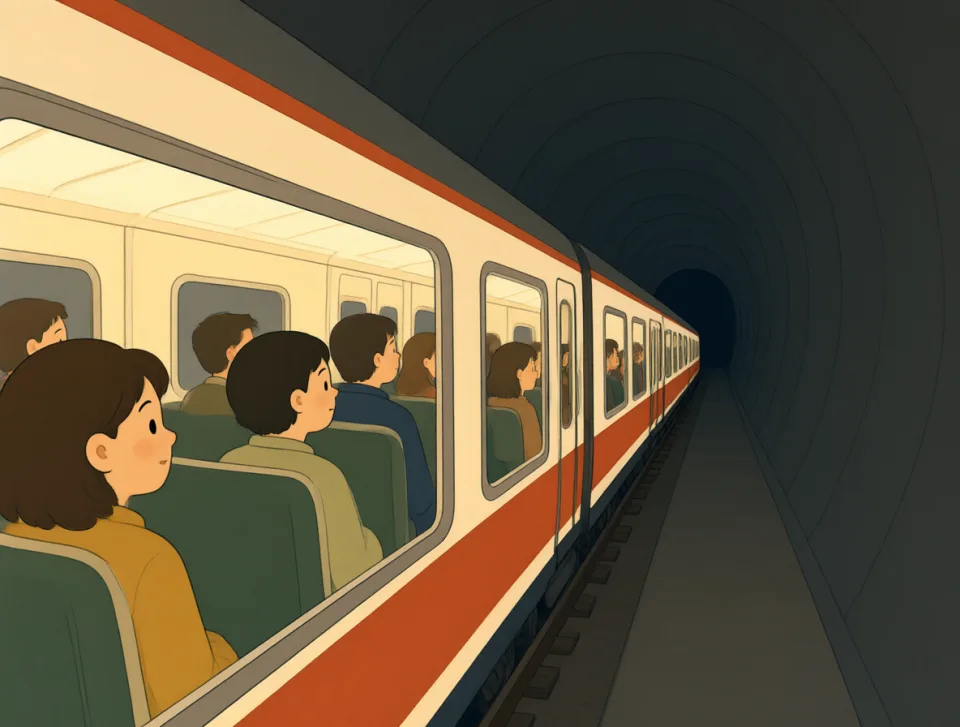
The train went through a long tunnel.
火車穿過了一條很長的隧道。
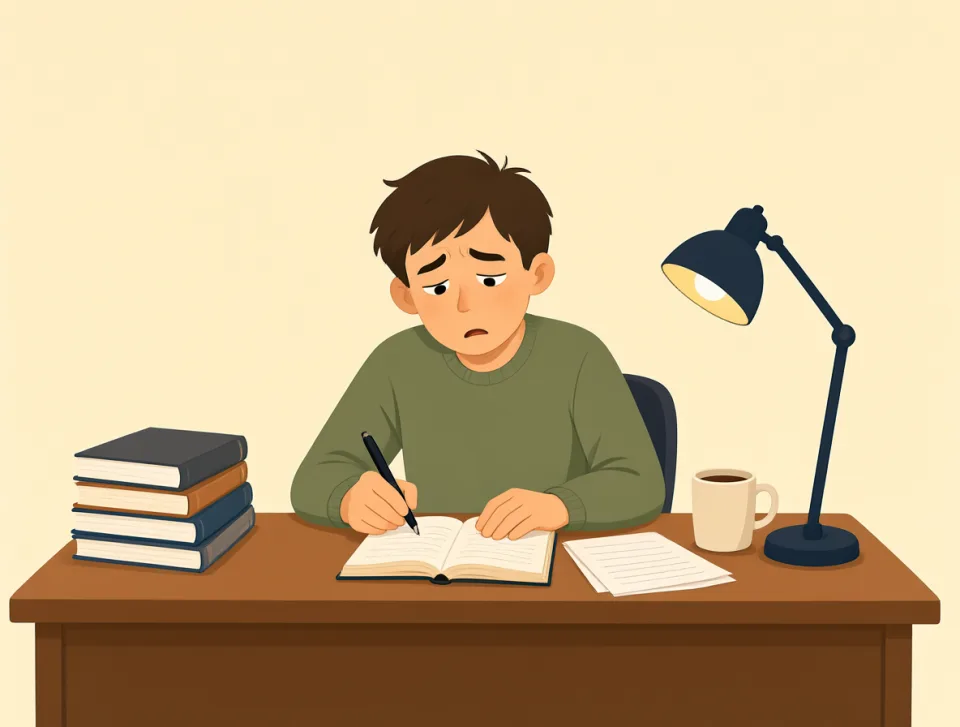
He worked through the night to finish.
為了完成工作,他熬夜工作了一整晚。

down
#109adverb, preposition, adjective, verb, noun
向下;在下面;寫下;停止運轉
Toward a lower place or position; to a lower level; or not working.
朝向較低的地方或位置;降到較低的水平;或停止運轉。
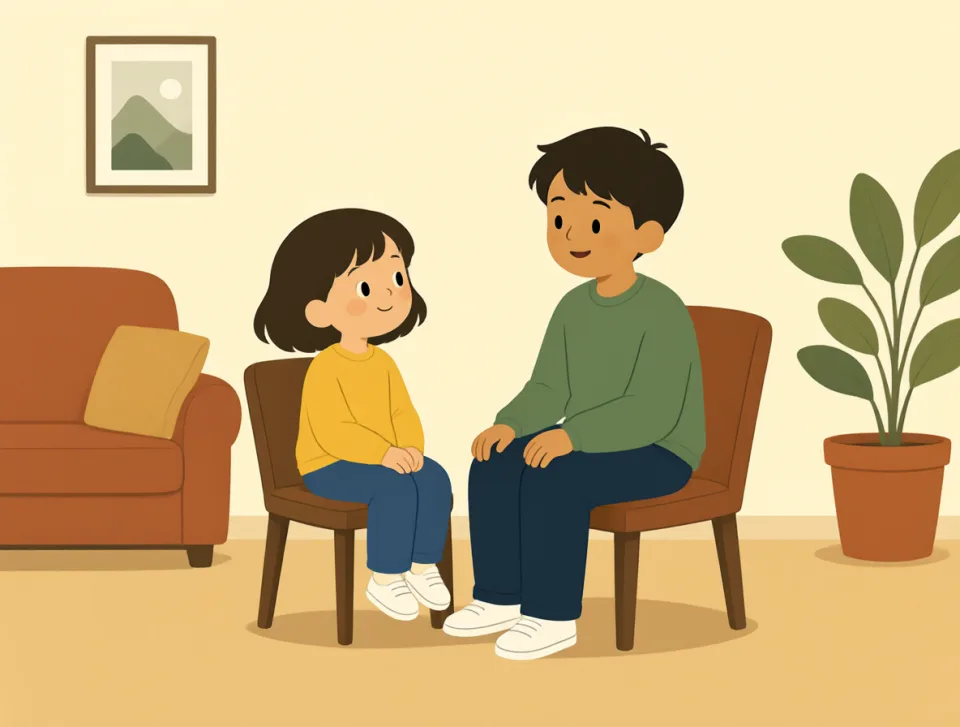
Please sit down beside me.
請坐在我旁邊。
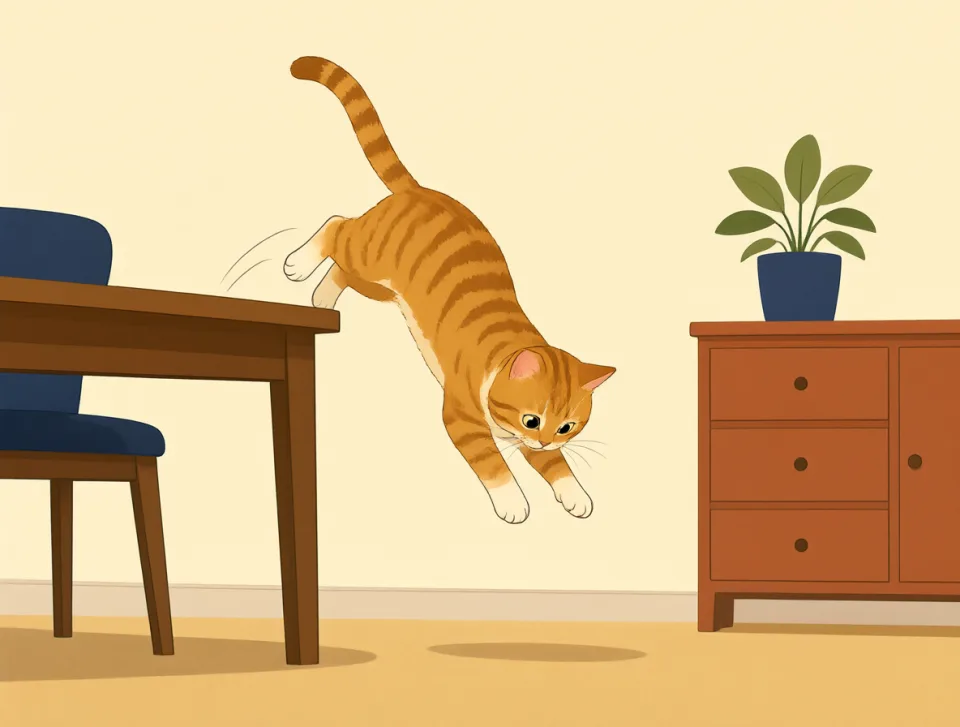
The cat jumped down from the table.
貓從桌子上跳了下來。

She walked down the street slowly.
她沿著街道慢慢地走著。
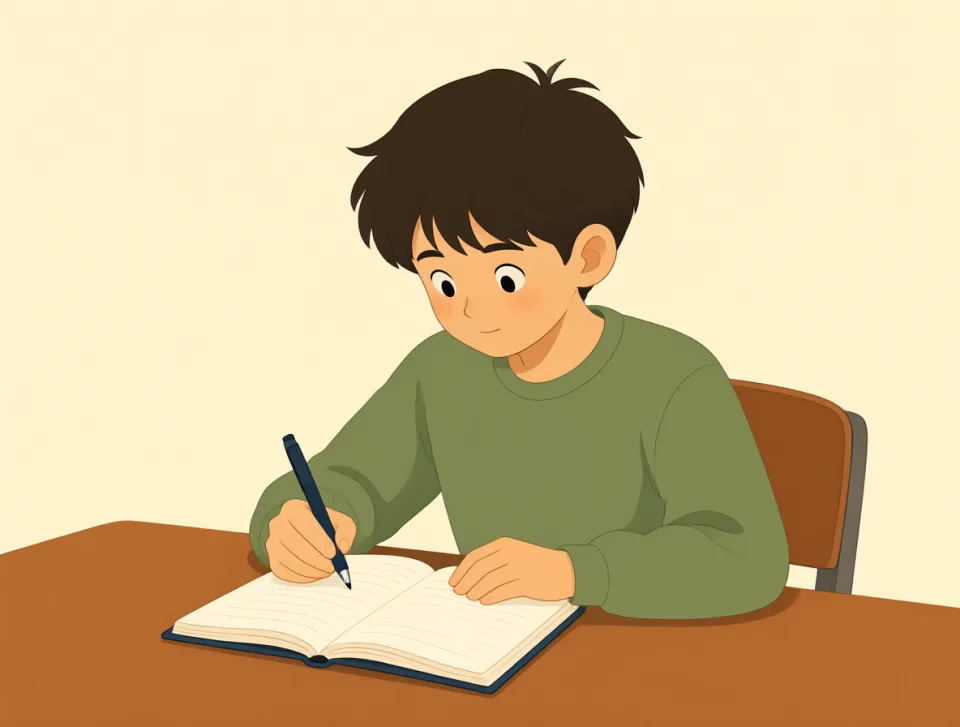
Write down your name and address.
寫下你的姓名和地址。

The computer is down this morning.
今天早上電腦壞了。
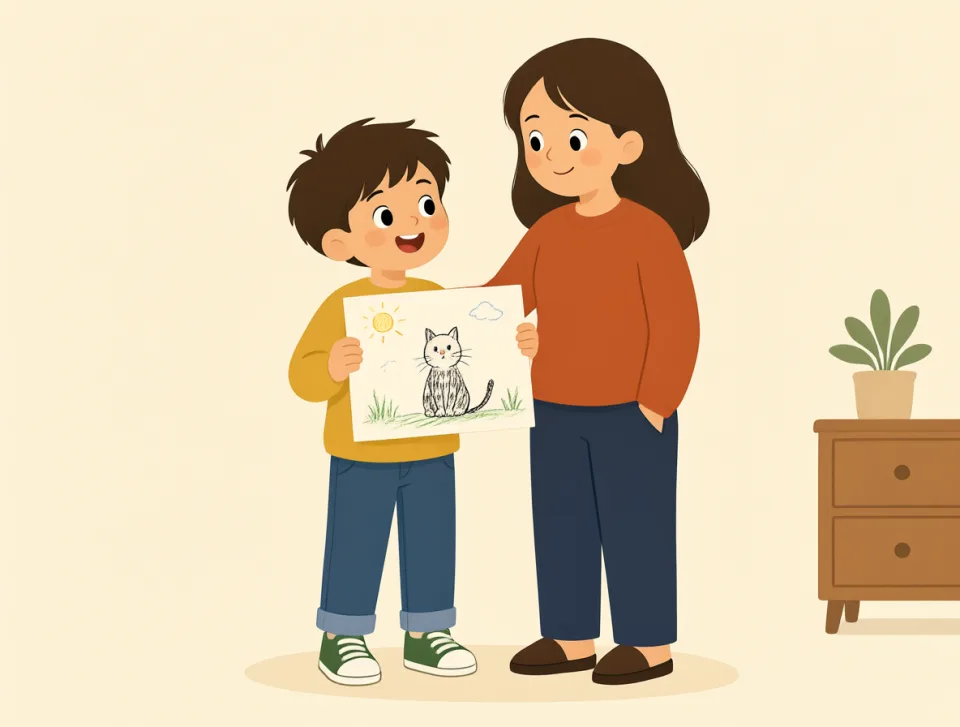
show
#110verb, noun
展示;給……看;表演;節目
to let someone see something or to give a performance for people
讓某人看到某物,或為人們進行表演
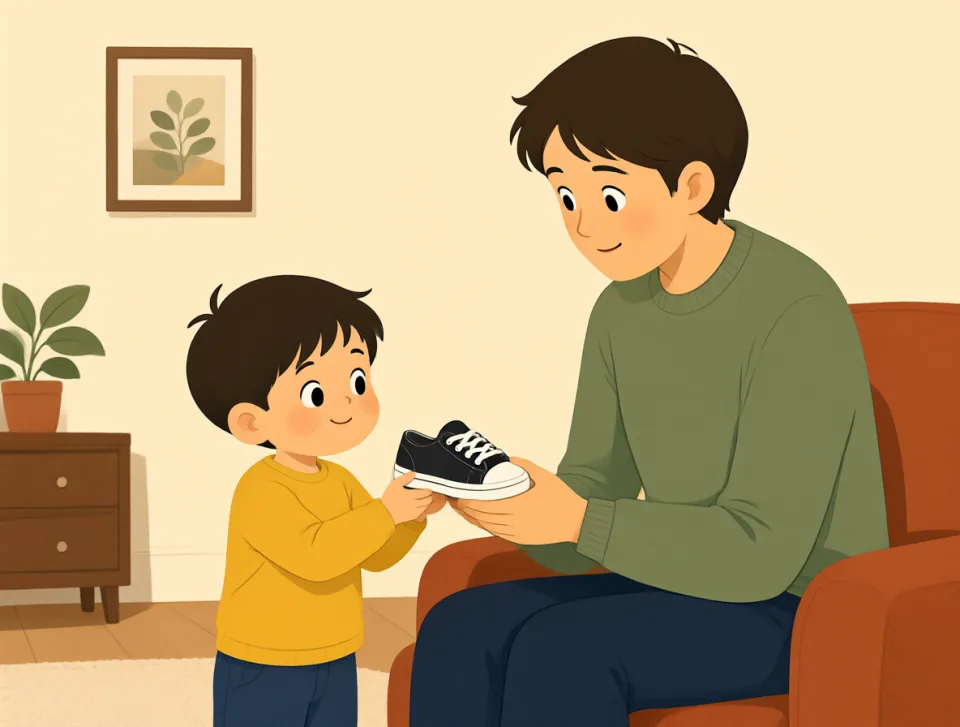
Please show me your new shoes.
請給我看看你的新鞋。
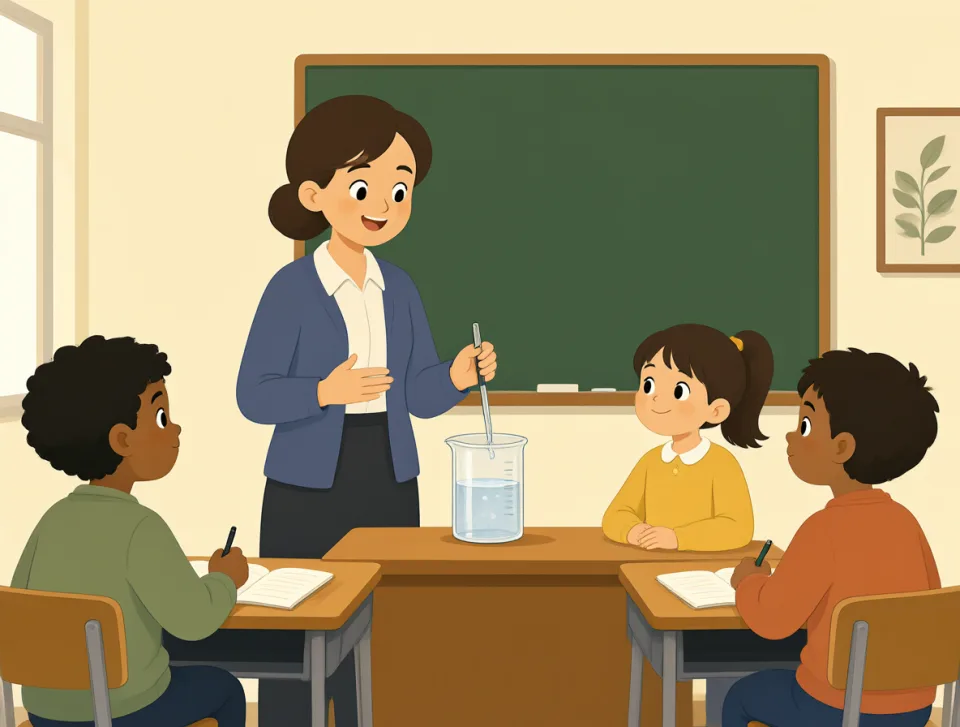
The teacher showed us a science experiment.
老師給我們展示了一個科學實驗。
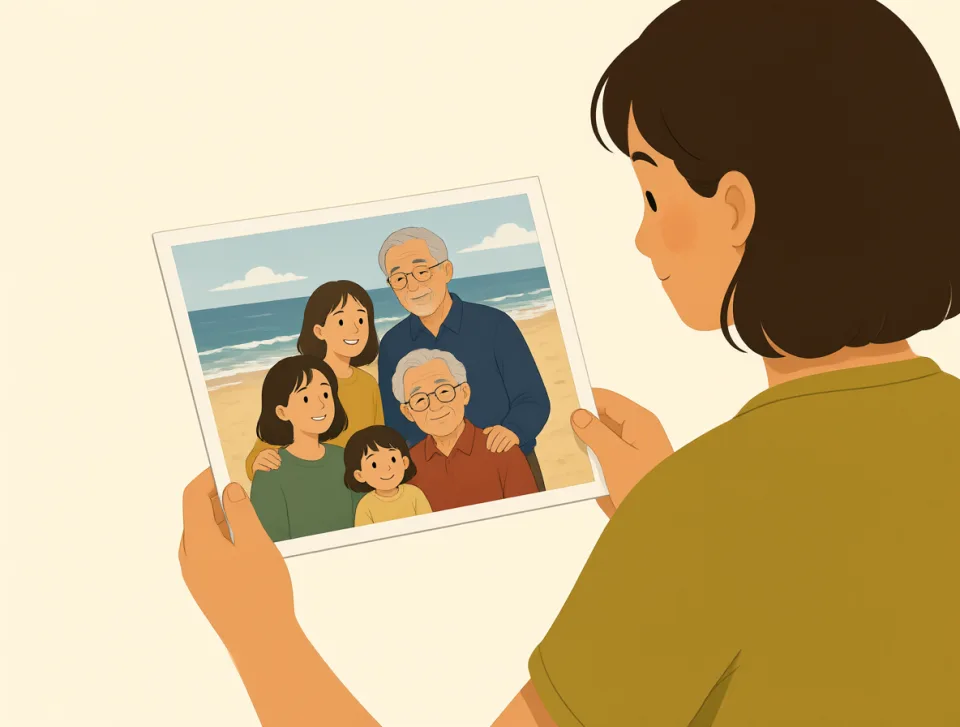
This photo shows my family at the beach.
這張照片展示了我家人在海灘上的情景。
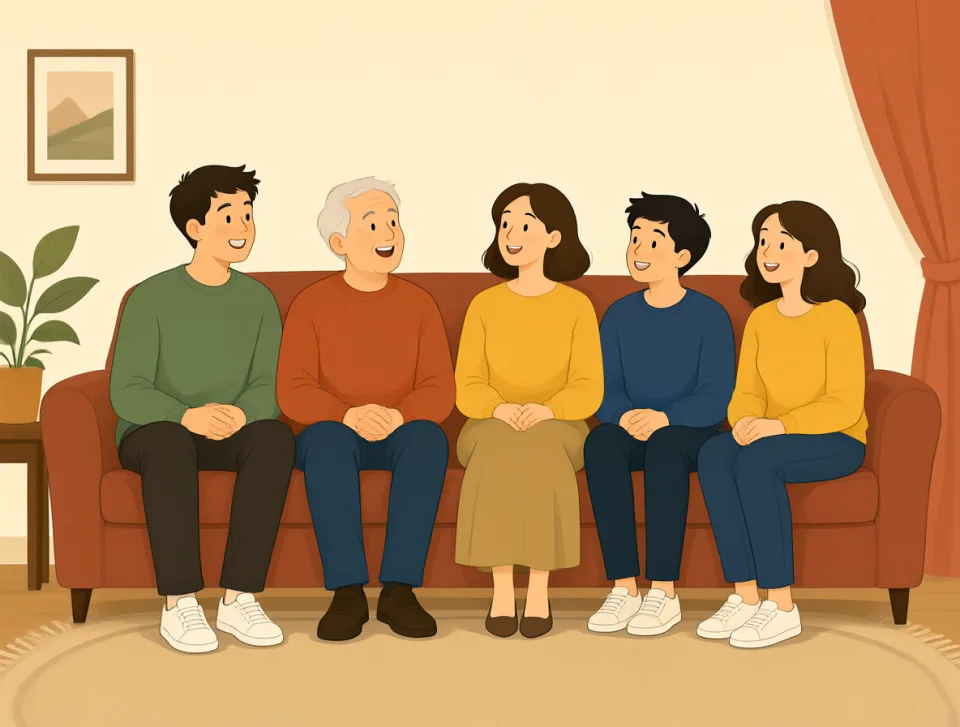
We watched a great show last night.
我們昨晚看了一場很棒的演出。
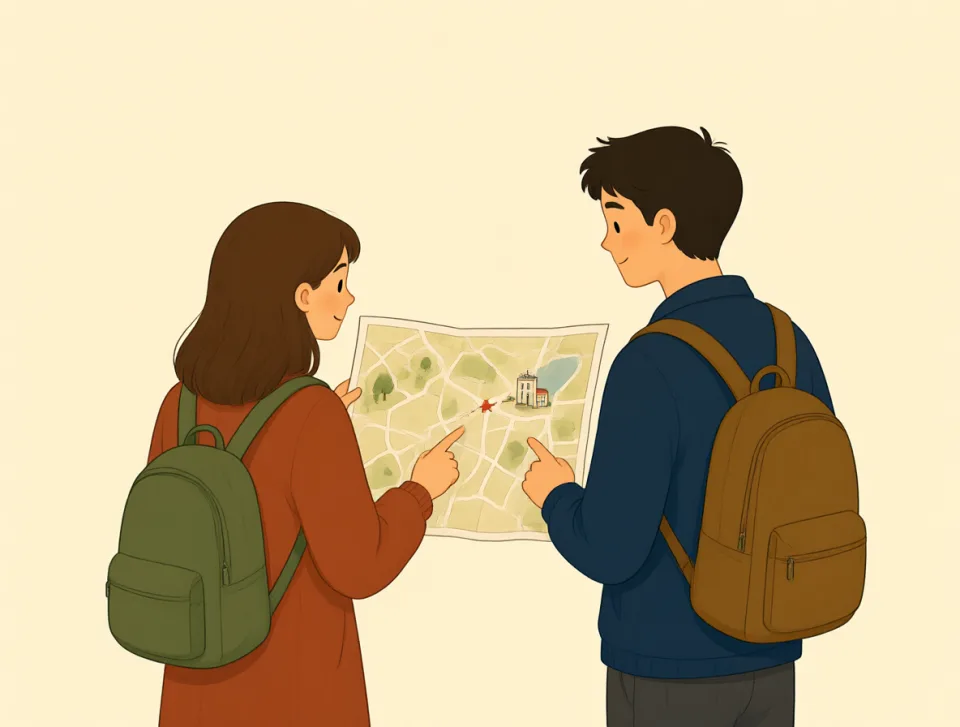
The map showed us the way to the hotel.
地圖給我們指明瞭去酒店的路。

life
#111noun
生活;生命
The time between being born and dying, or the way someone lives.
從出生到死亡的這段時間,或一個人的生活方式。
Life is very different in a big city.
大城市的生活非常不同。
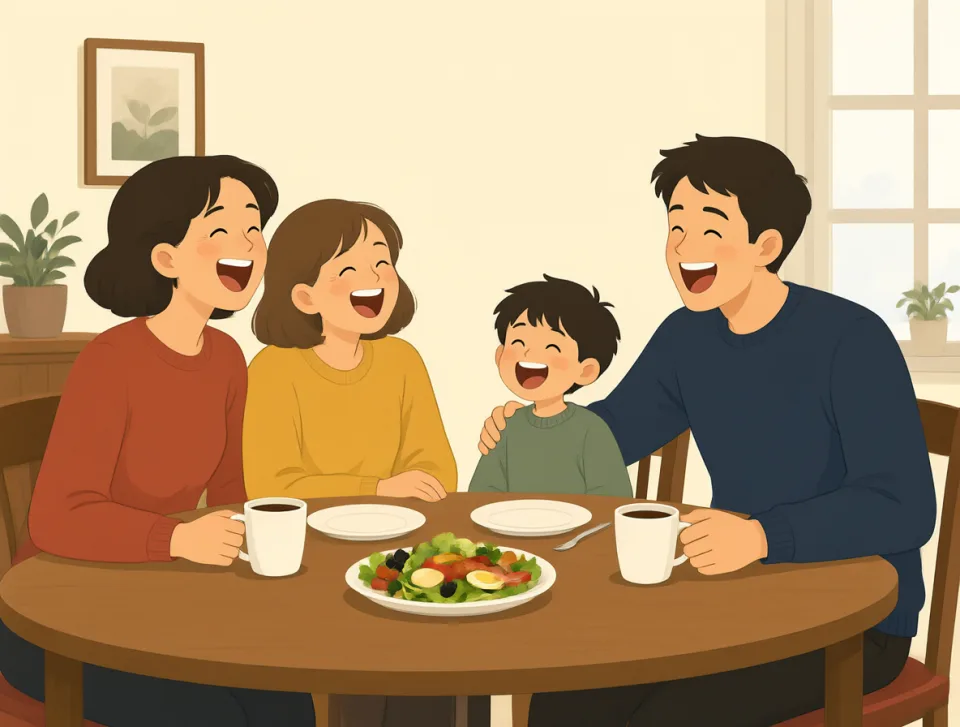
She enjoys life with her family.
她和家人一起享受生活。

He saved the dog's life.
他救了那條狗的命。

Travel changed my life completely.
旅行徹底改變了我的生活。

Healthy food is important for a long life.
健康的食物對長壽很重要。
man
#112noun, verb
男人;人;操作
An adult male person; to work or operate something by hand.
成年男性;用手操作或操控某物
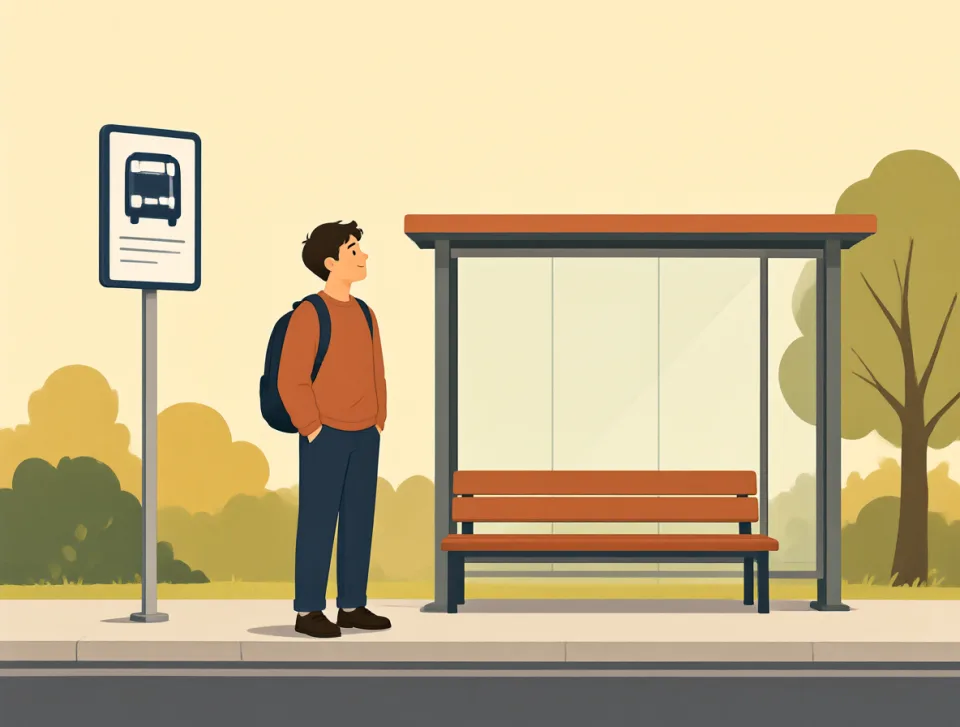
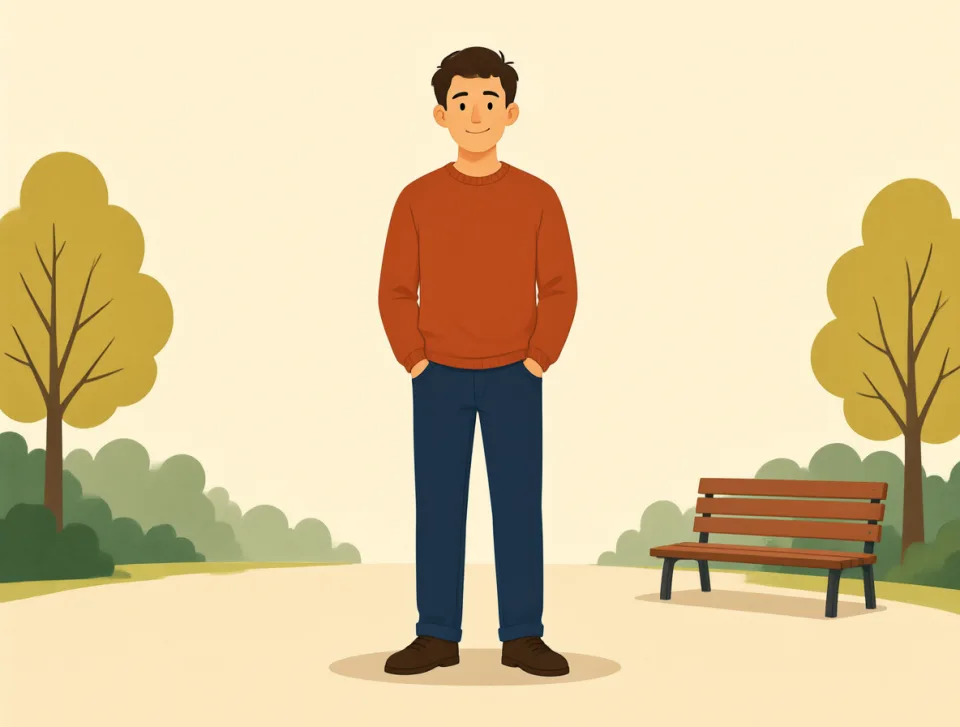
The man is waiting for the bus.
那個男人正在等公交車。

A young man works in our office.
一位年輕人在我們辦公室工作。

The shop man helped me find shoes.
店員幫我找到了鞋子。

The man next door is a doctor.
隔壁的那個人是一名醫生。

He manned the boat during the storm.
暴風雨期間,他駕駛著那艘船。
change
#113noun, verb
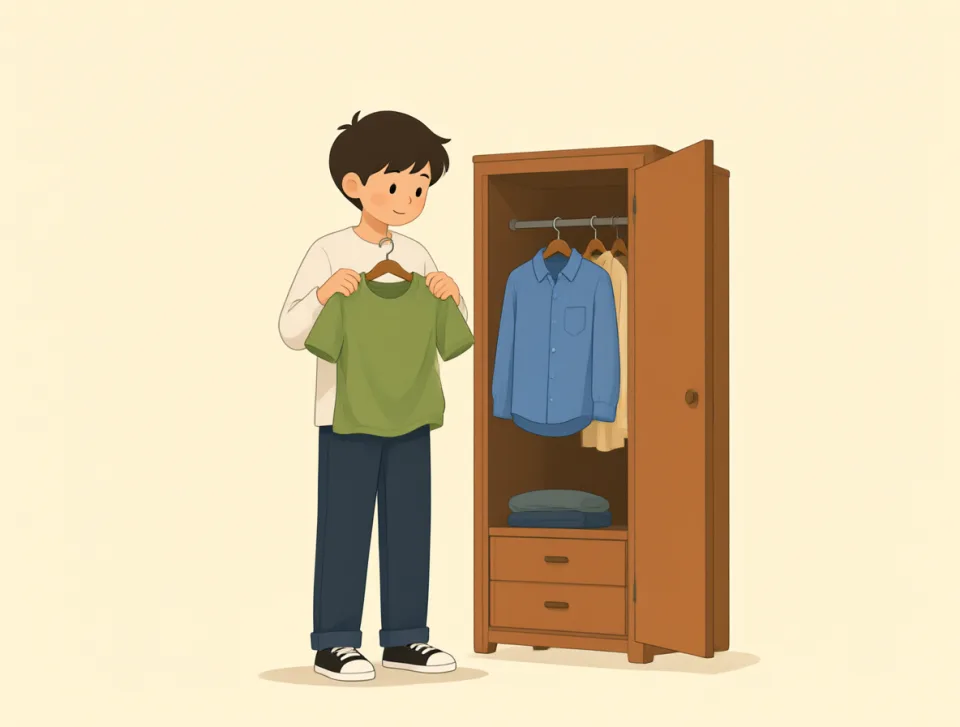
改變;更換;變動
to make something different, or the act of making something different
使某物變得不同,或指使某物變得不同這一行為
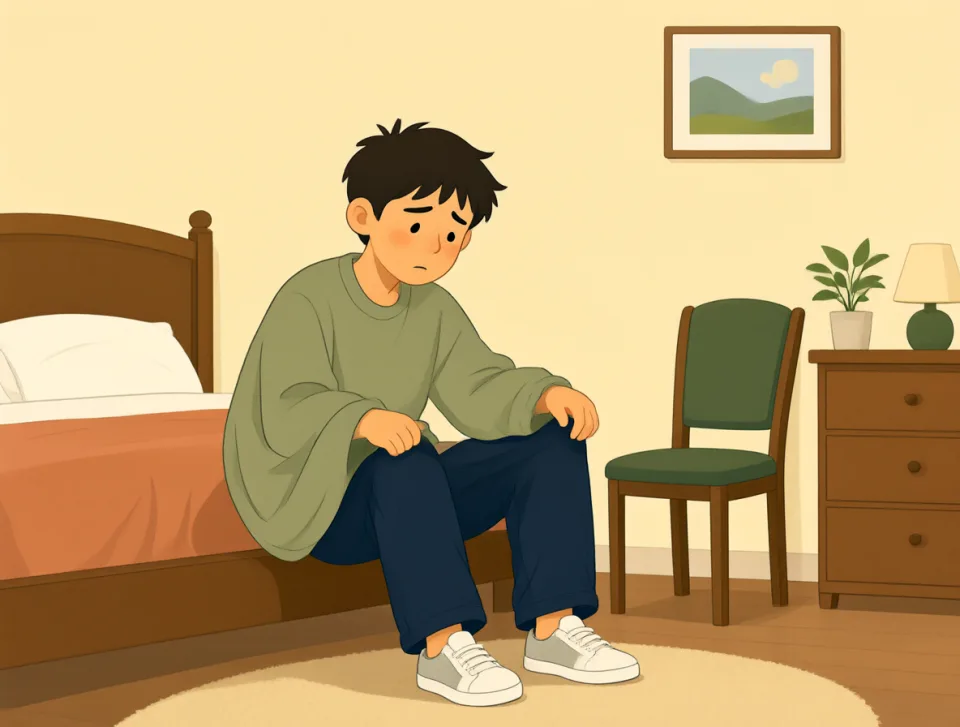
I need to change my clothes after work.
我下班後需要換衣服。
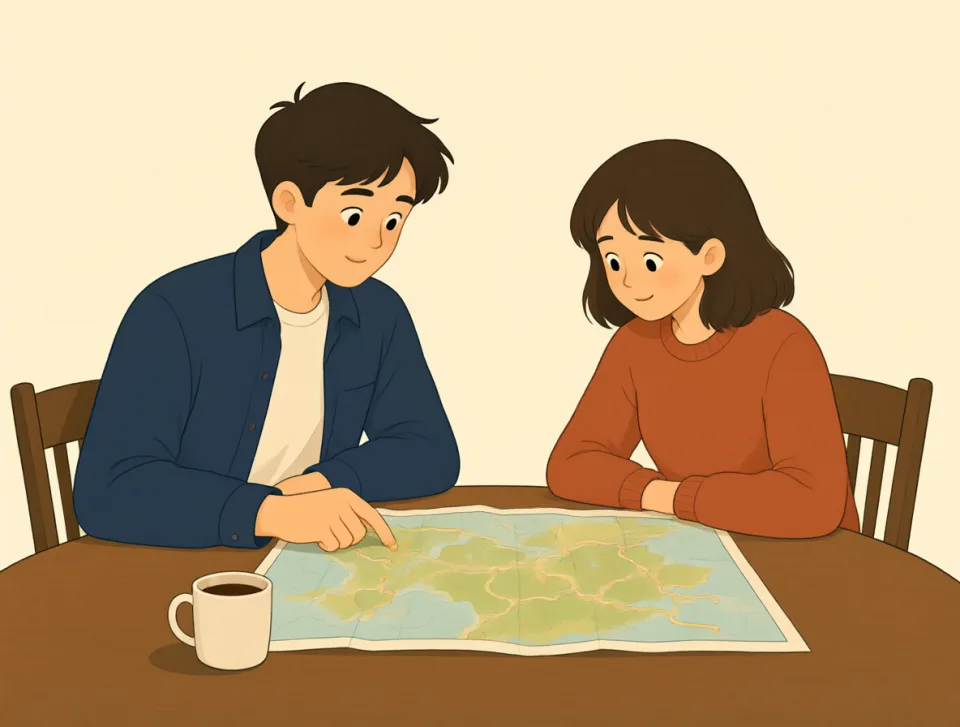
Can you change your travel plans today?
你今天能改變旅行計劃嗎?

She changed her appointment to Friday.
她把預約改到了星期五。
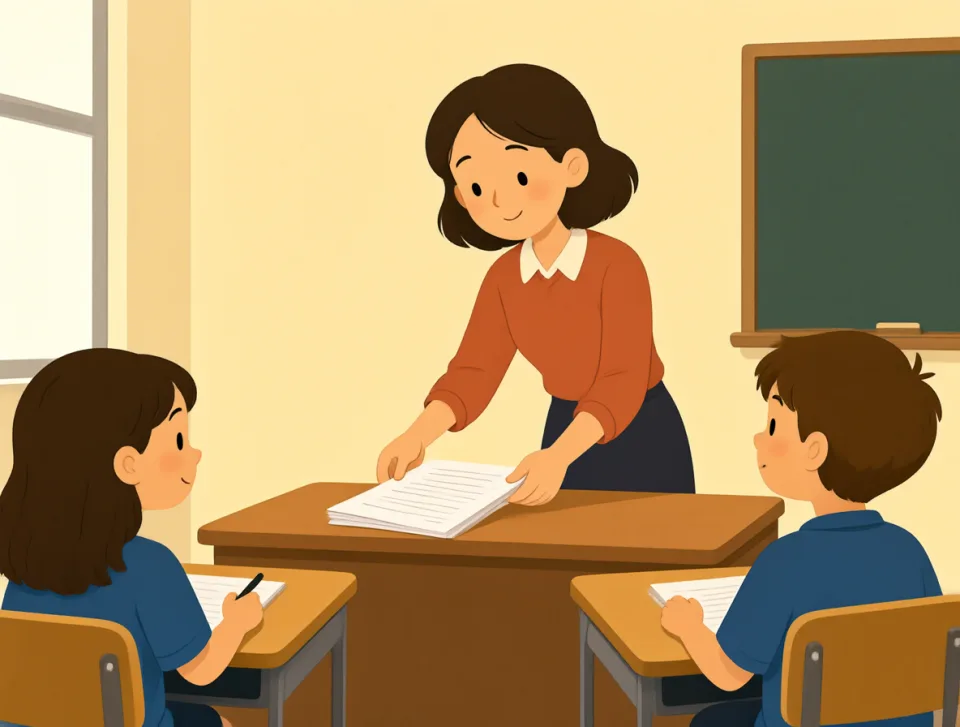
The teacher changed the lesson for us.
老師為我們調整了課程內容。
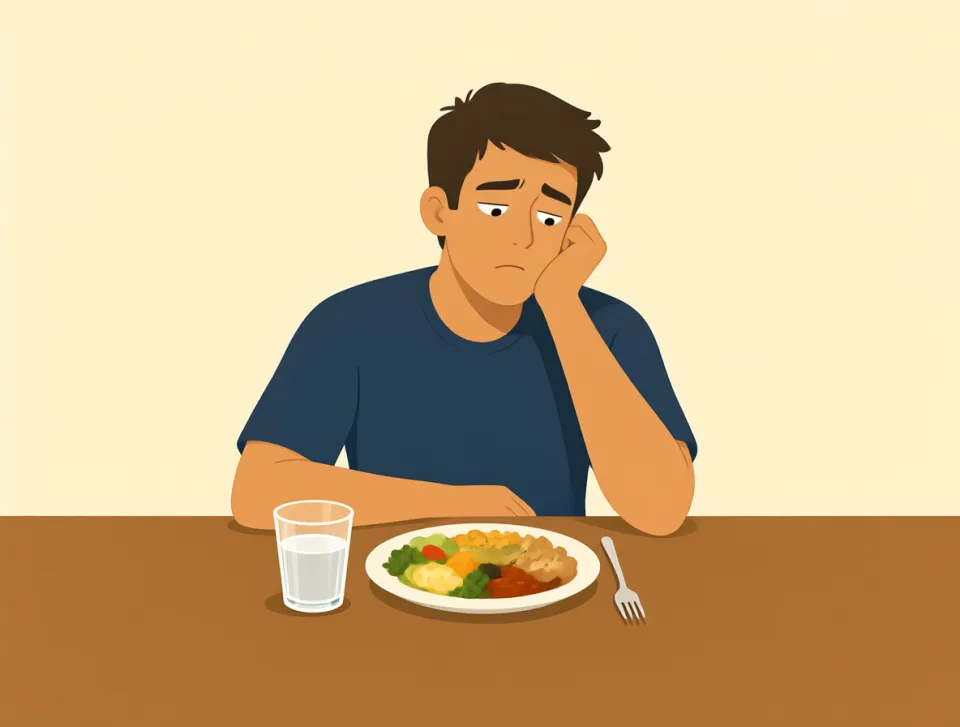
He needs a change after eating the same meal.
每天吃同樣的飯後,他需要換換口味。
place
#114noun, verb
地方;放置;名次
A particular area, position, or position for someone or something.
某人或某物所在的特定區域或位置。
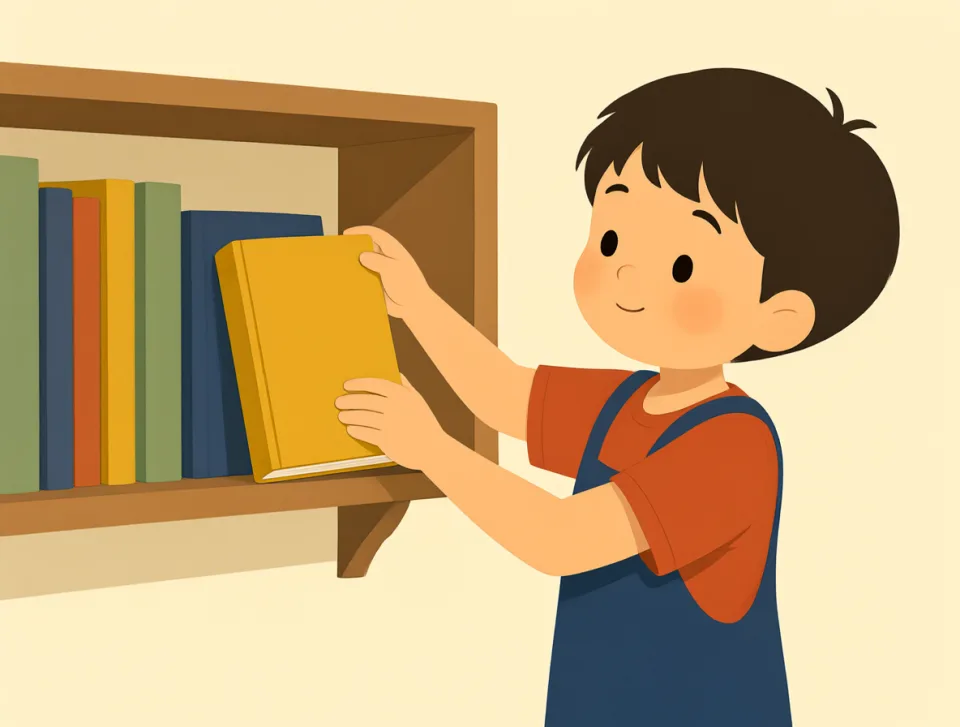
Please put the books in their place.
請把書放回原位。

We found a quiet place to eat.
我們找到了一個安靜的地方吃飯。
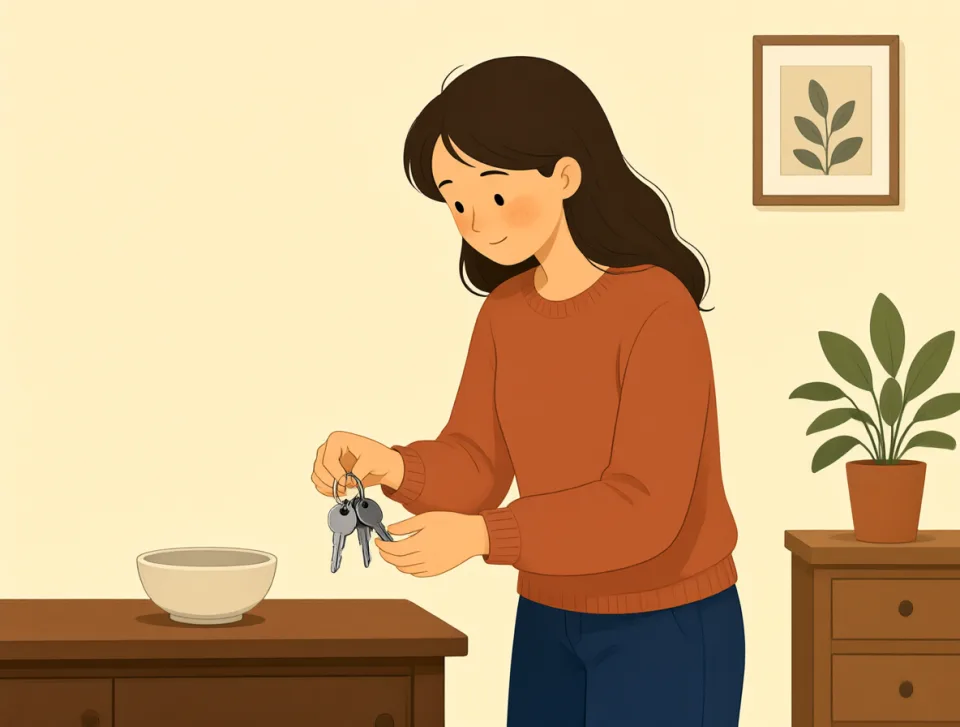
She placed the keys on the table.
她把鑰匙放在桌子上。
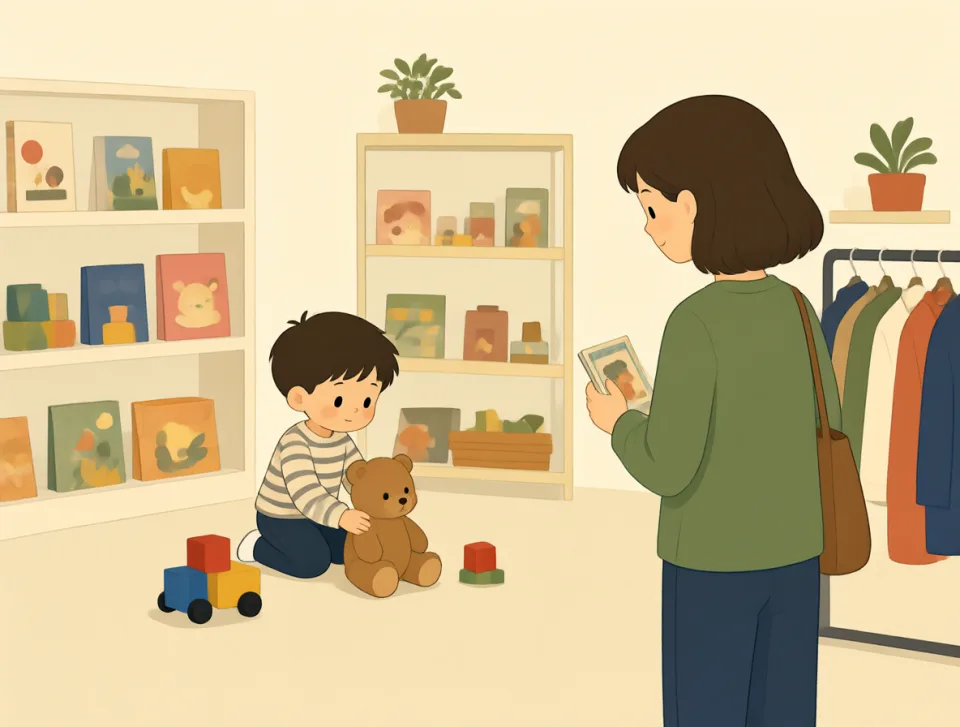
This store has a place for children.
這家商店有兒童活動區。
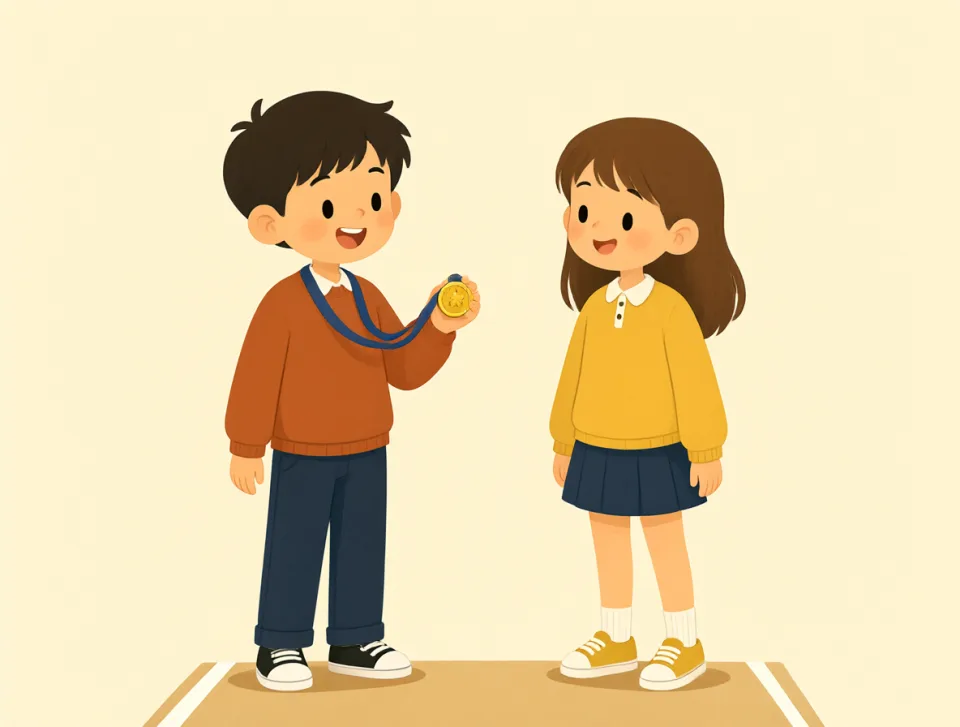
They placed first in the school race.
他們在學校賽跑中獲得了第一名。
long
#115adjective, adverb, verb, noun
長的;長久地;渴望
Continuing for a great distance or time; or wanting something very much.
持續很長的距離或很長的時間;或者非常想要某物。
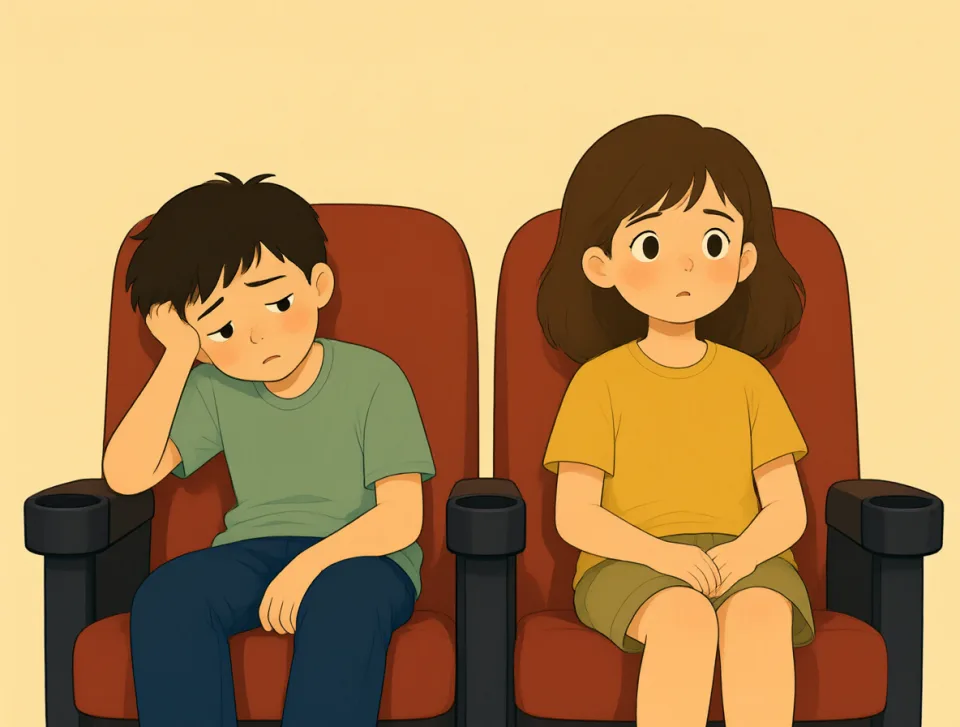
The movie was too long for the children.
這部電影對孩子們來說太長了。
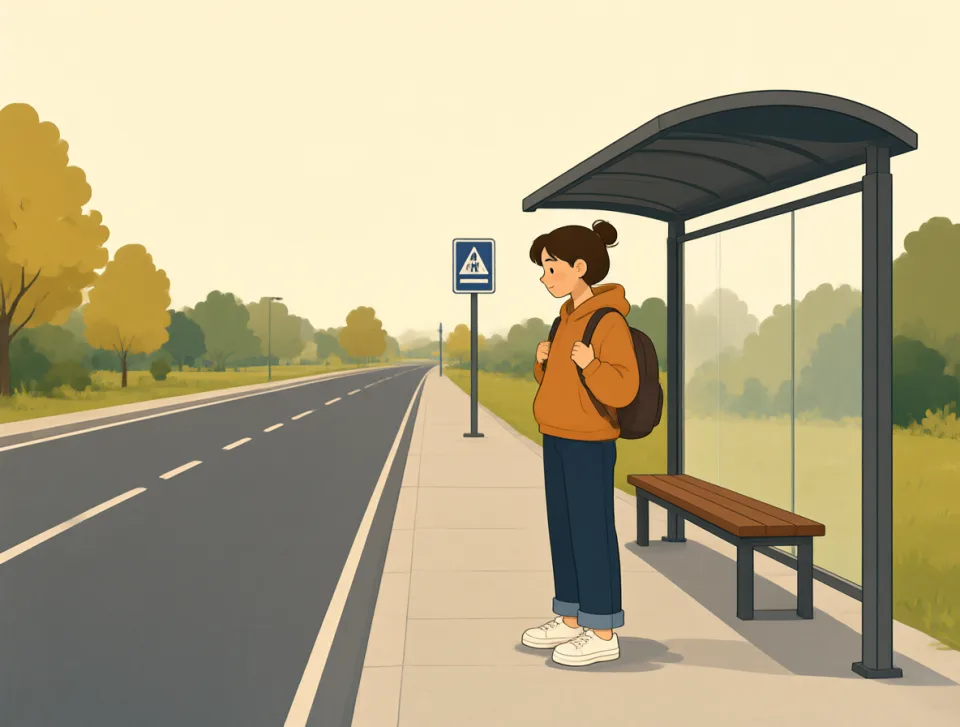
Please wait a long time for the bus.
請耐心等公交車一段時間。

She has long hair and wears a blue dress.
她留著長髮,穿著一條藍色連衣裙。
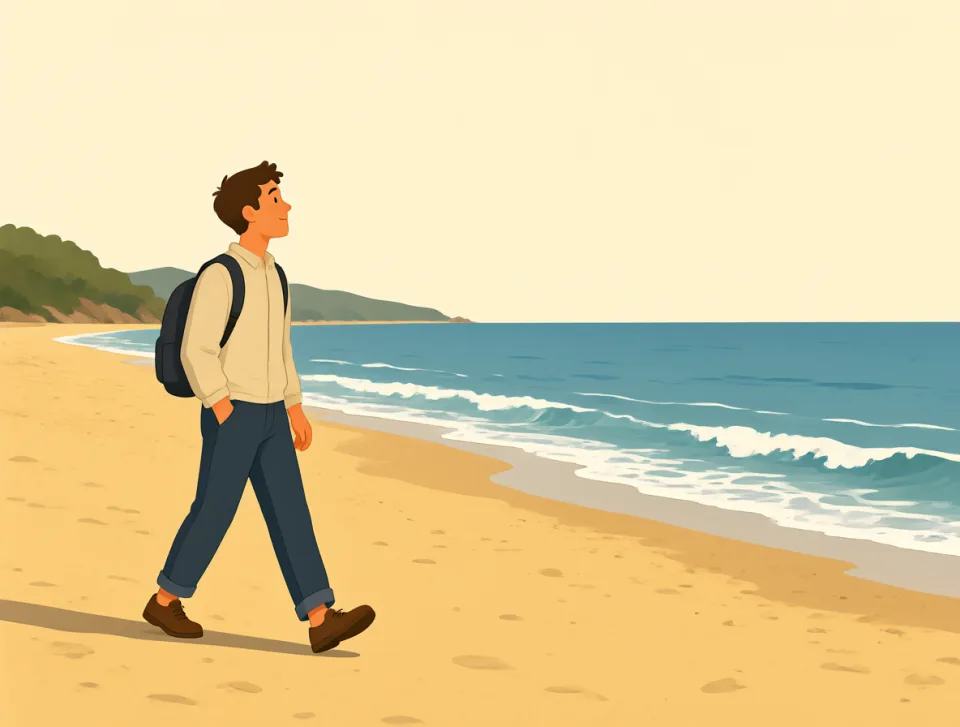
He walked along the beach for a long time.
他沿著海灘走了很長時間。

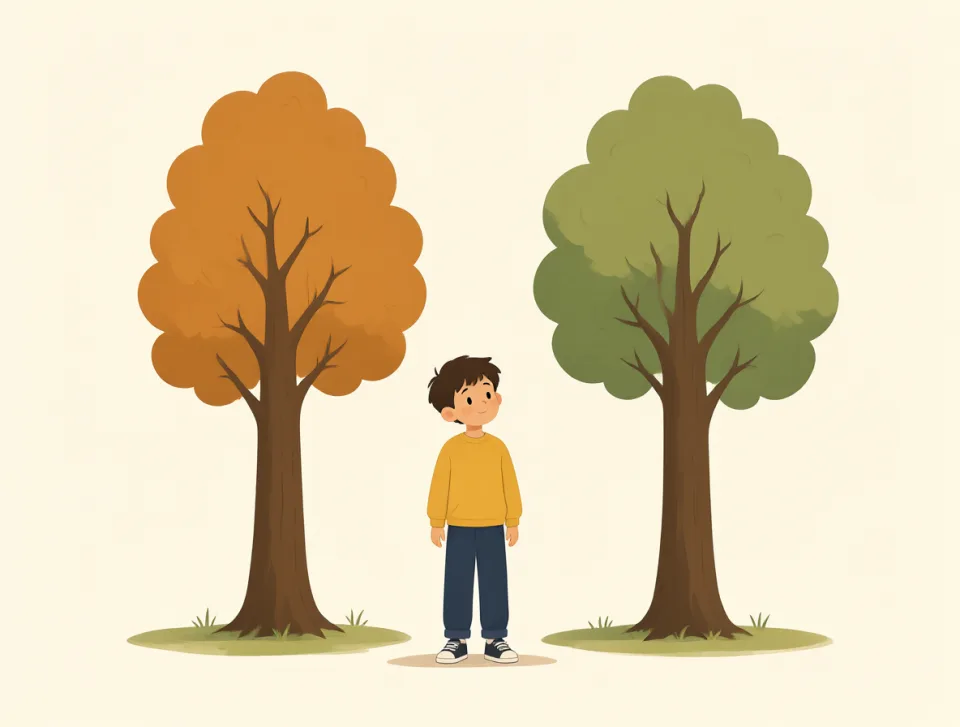
I long for a quiet holiday by the sea.
我渴望在海邊度過一個安靜的假期。
between
#116preposition, adverb
在……之間;介於……之間
in or into the space separating two people, things, or places
在或進入分隔兩個人、物體或地點的空間中
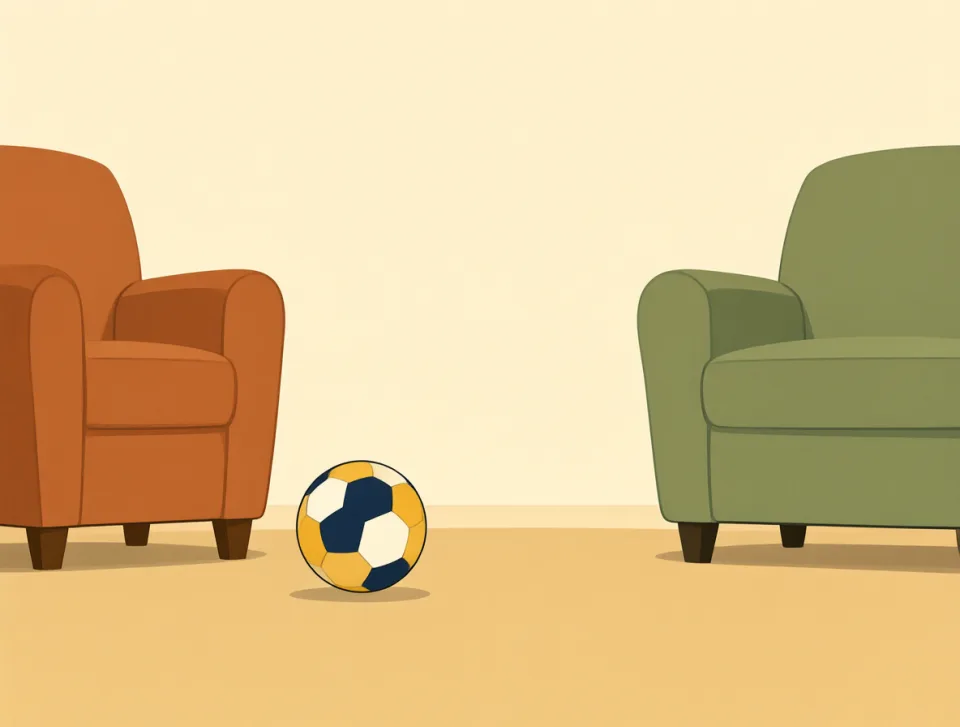
The ball rolled between the two chairs.
球滾到了兩把椅子之間。
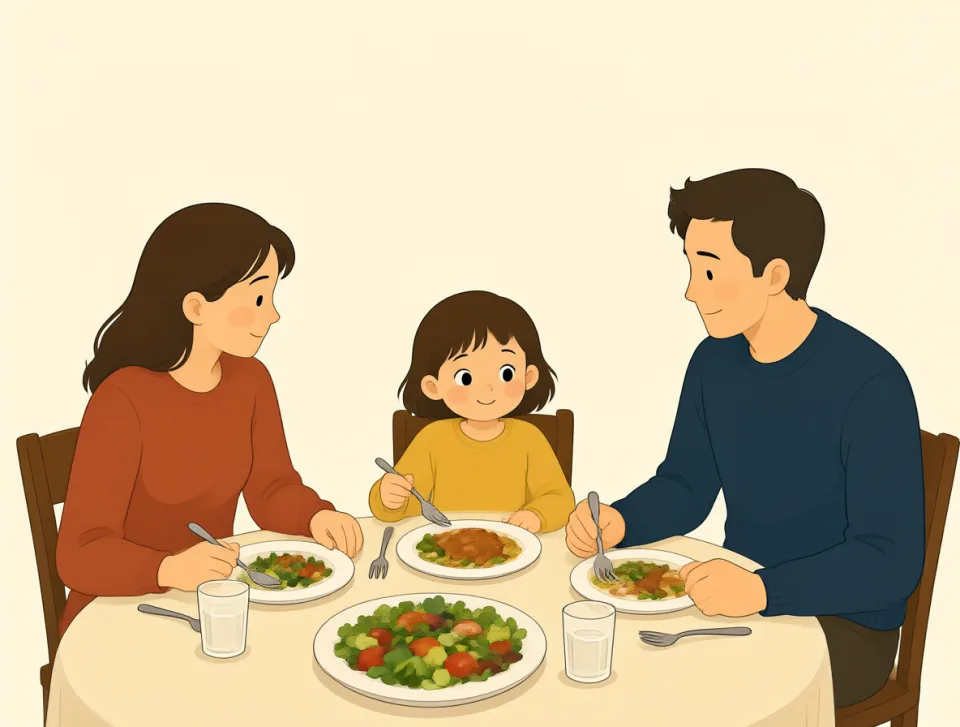
She sat between her parents at dinner.
晚餐時,她坐在父母中間。
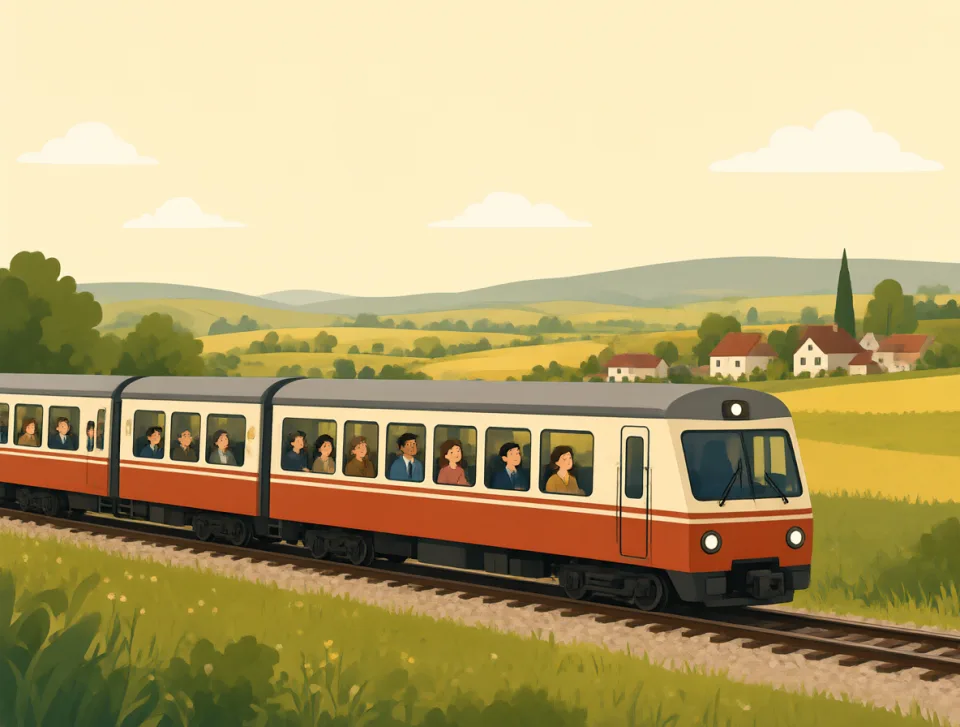
The train runs between London and Paris.
這趟火車往返於倫敦和巴黎之間。

We must choose between tea and coffee.
我們必須在茶和咖啡之間做出選擇。
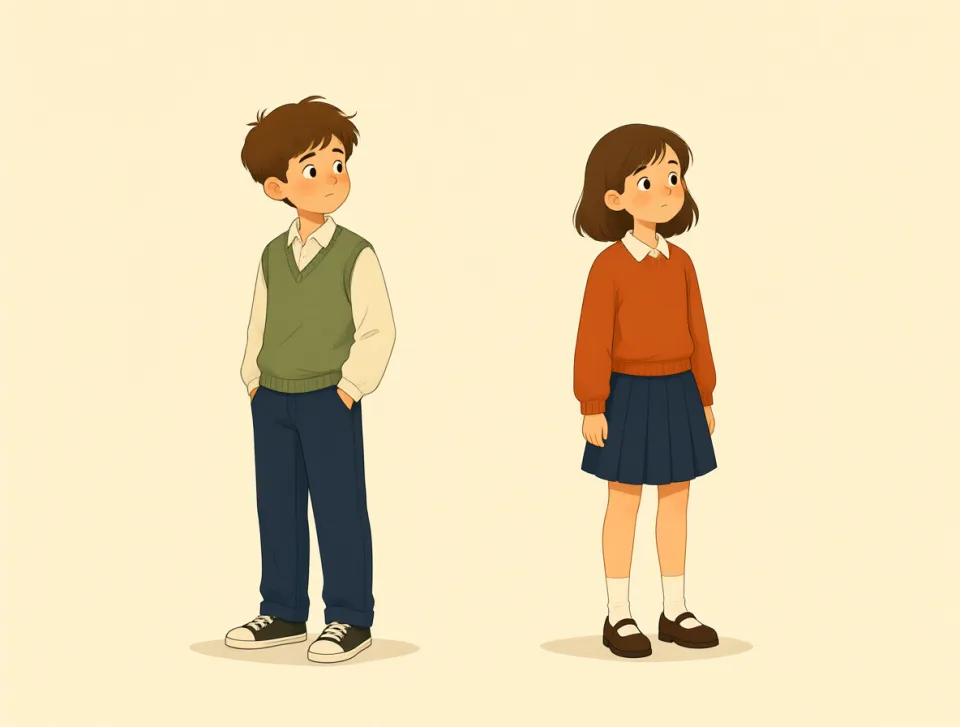
There is a big difference between them.
他們之間有很大的差異。

feel
#117verb, noun
感覺;感受;摸起來;覺得
To experience something through your body, emotions, or thoughts.
透過身體、情緒或想法體驗某種感覺。
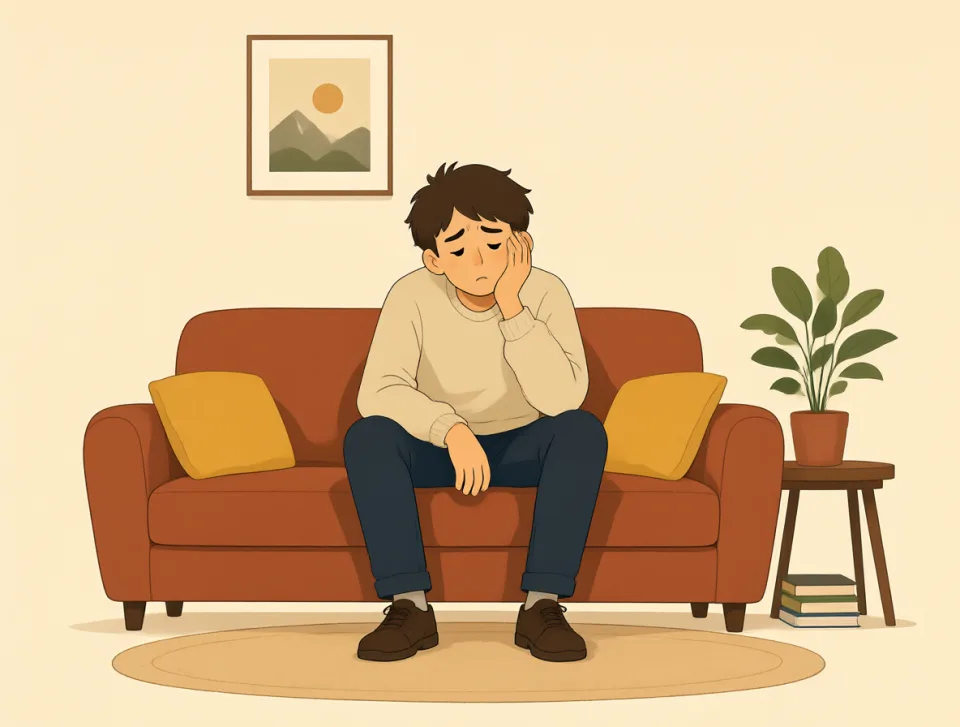
I feel tired after work.
我下班後感到很累。

How do you feel today?
你今天感覺怎麼樣?
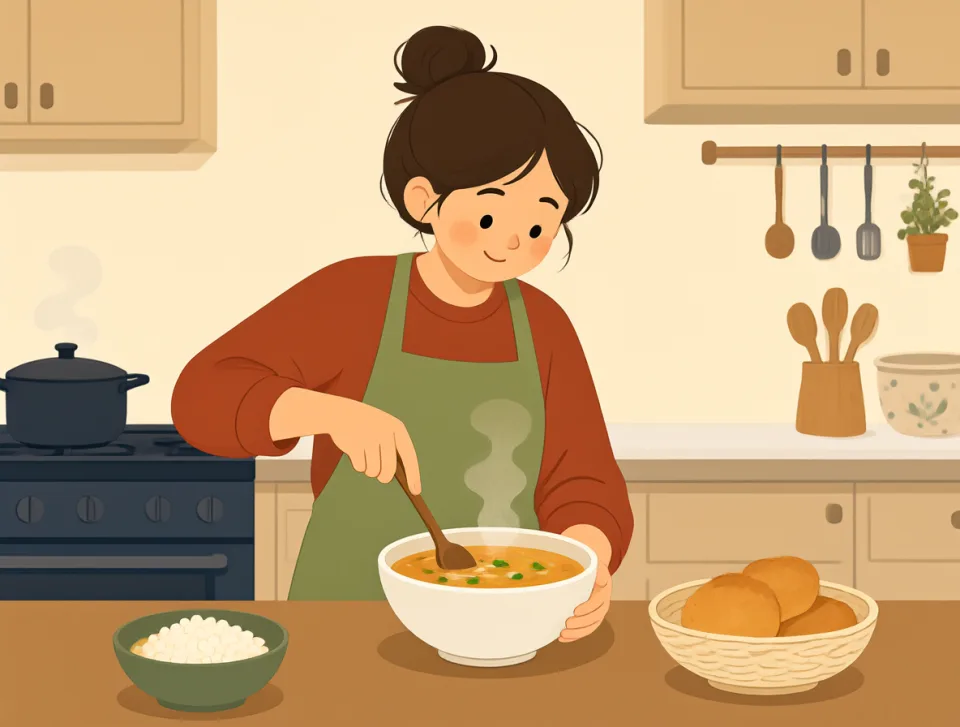
This soup feels too hot.
這湯摸起來太燙了。
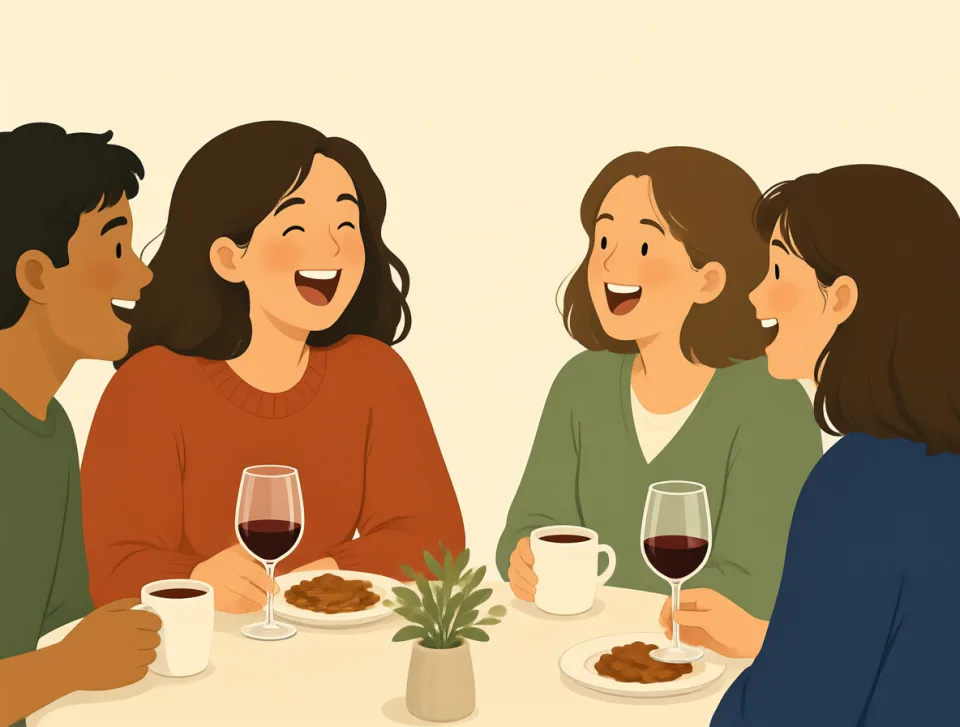
She felt happy at the party.
她在聚會上感到很開心。
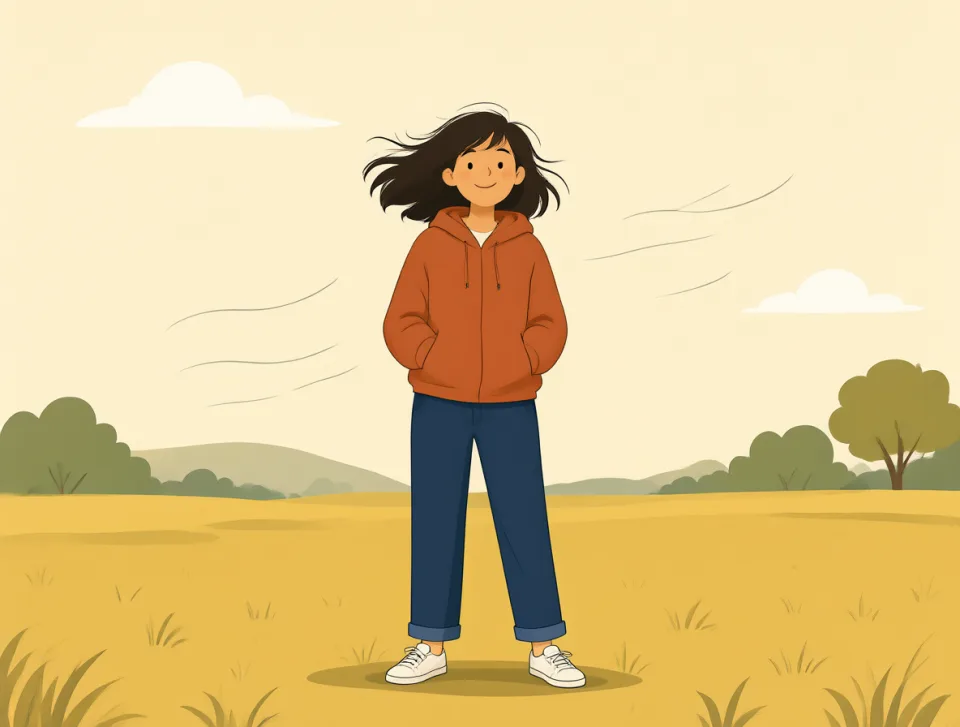
I felt a cold breeze outside.
我在外面感到一陣冷風吹過。

too
#118adverb
太;也
More than is wanted or needed; also, as well.
超過想要或需要的程度;也,此外
This coffee is too hot to drink.
這杯咖啡太燙了,沒法喝。
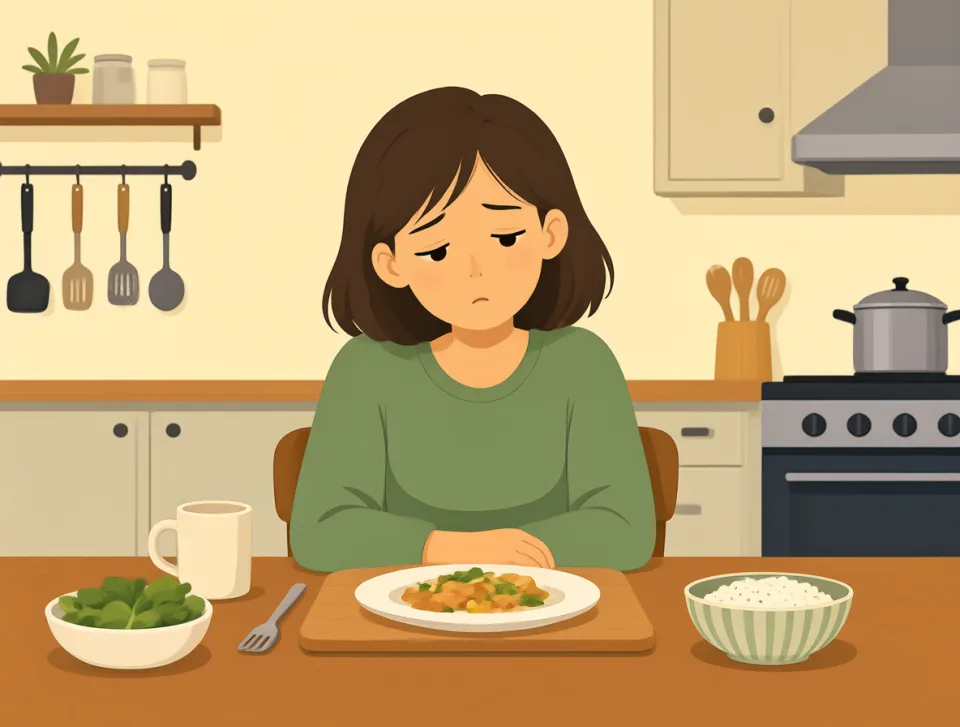
She is too tired to cook dinner.
她太累了,沒法做晚飯。

The bag is too heavy for me.
這個袋子對我來說太重了。
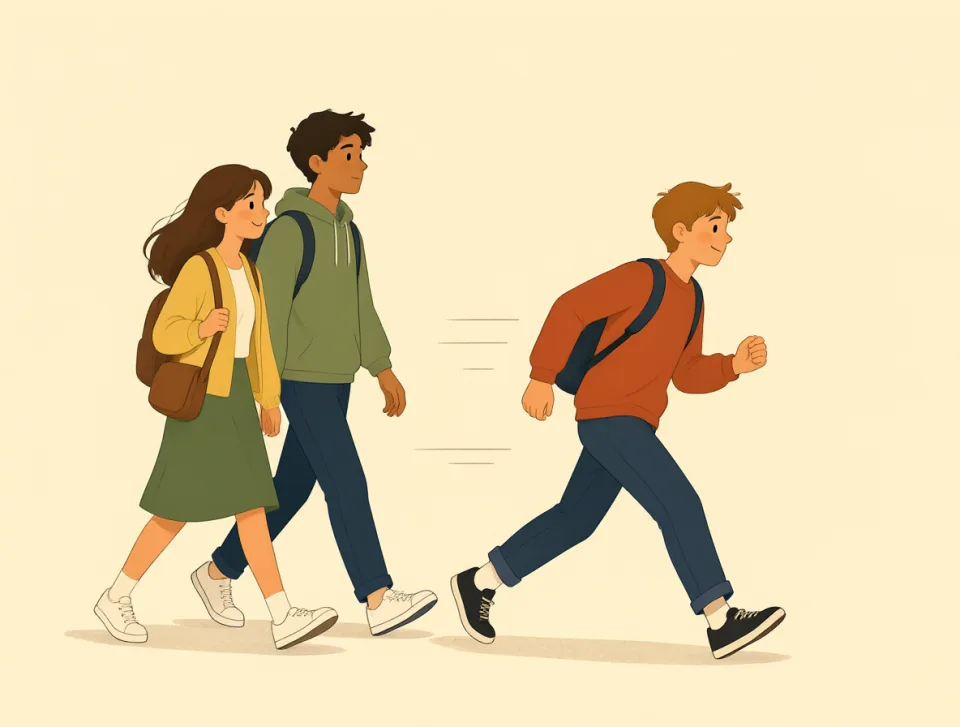
I want to come too.
我也想來。
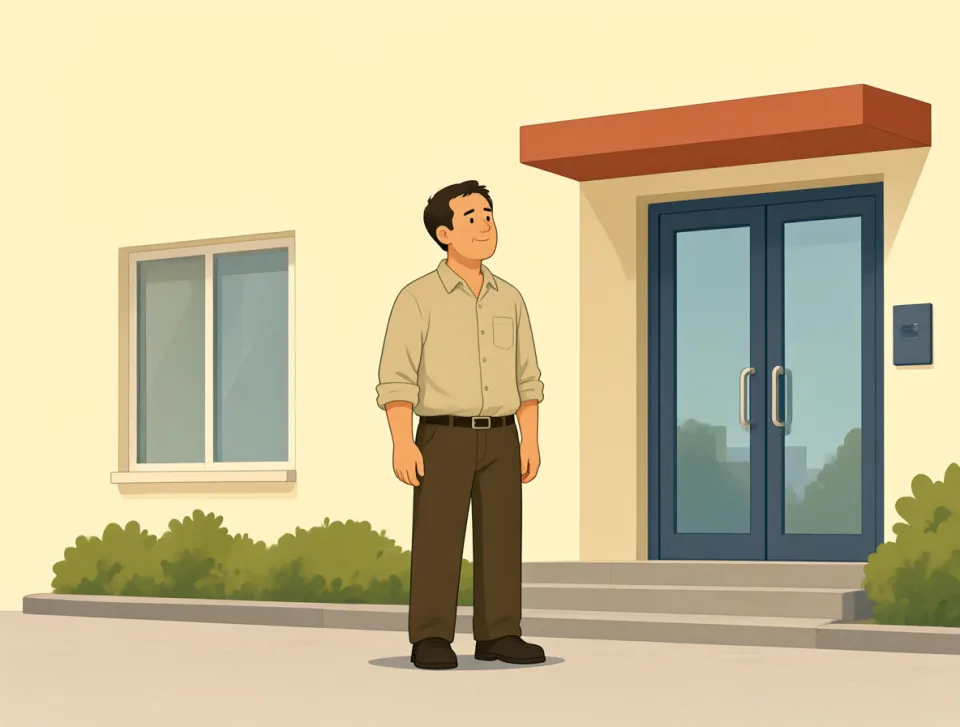
He works at the hospital too.
他也在醫院工作。

still
#119adverb, adjective, noun, verb
仍然;靜止的;劇照;蒸餾器
continuing until now; not moving; or a device used to make pictures from film
持續到現在;不動的;或一種用膠片製作圖片的裝置
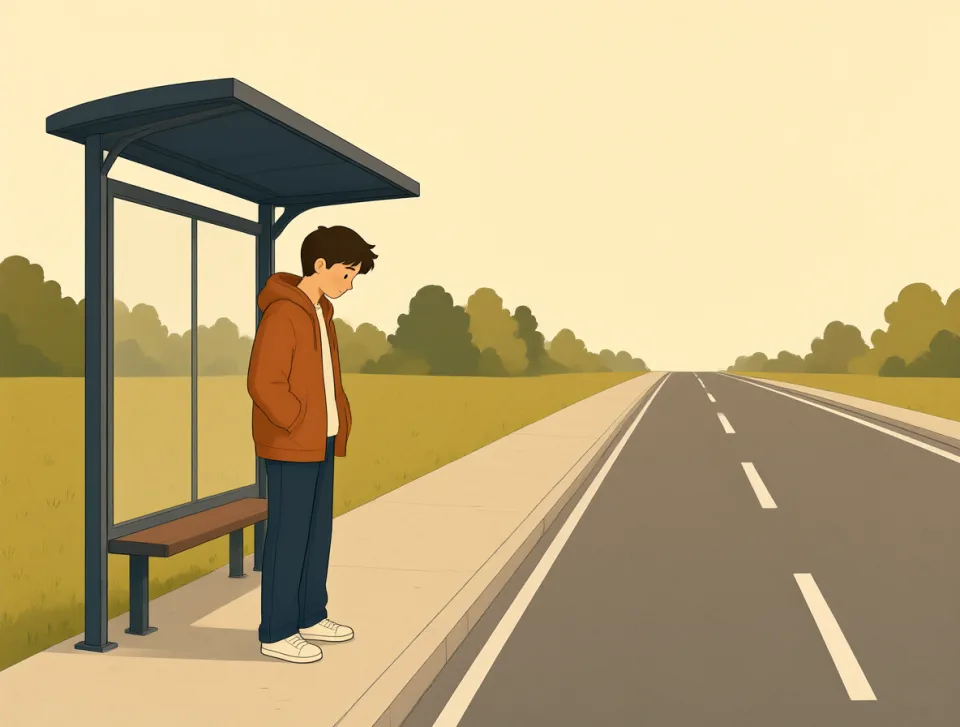
Are you still waiting for the bus?
你還在等公交車嗎?
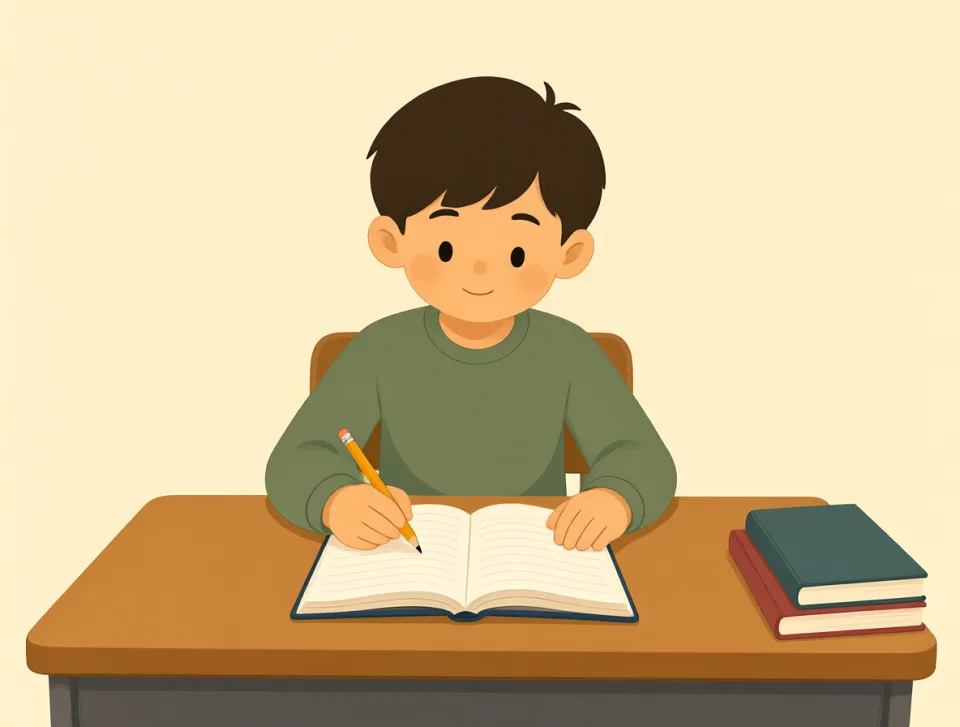
I still need to finish my homework.
我還需要完成作業。

Please keep still while I cut your hair.
我給你剪頭髮時,請保持不動。

The doctor told me to stay still.
醫生告訴我要保持不動。

She took a still of the beautiful sunset.
她拍了一張美麗日落的劇照。
problem
#120noun
問題;難題
Something that is difficult or causes trouble.
某件困難的事情,或會帶來麻煩的事情。
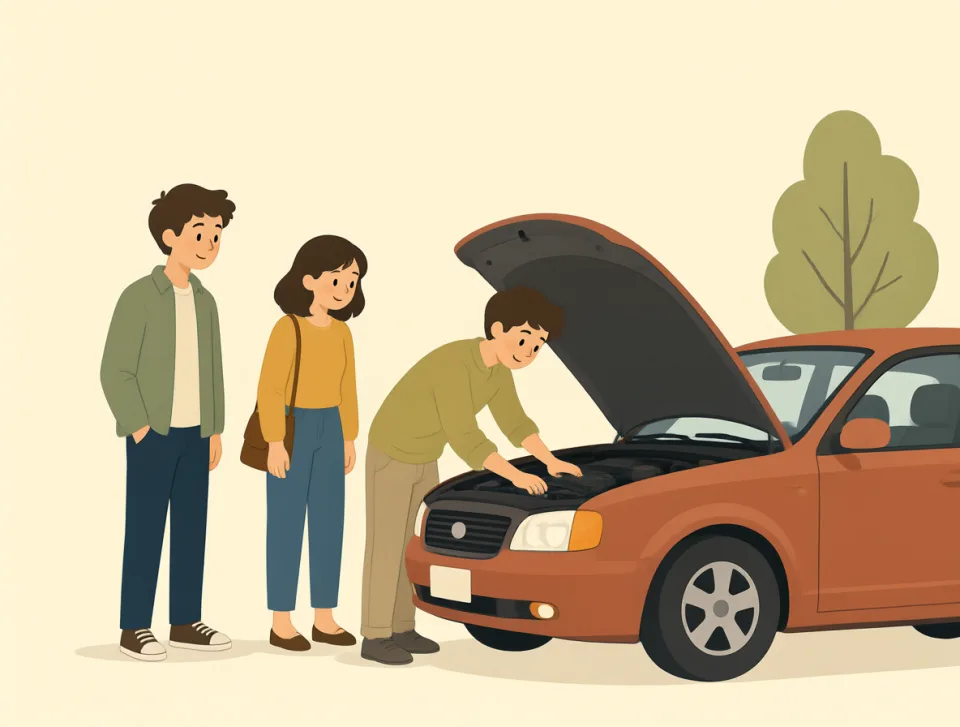
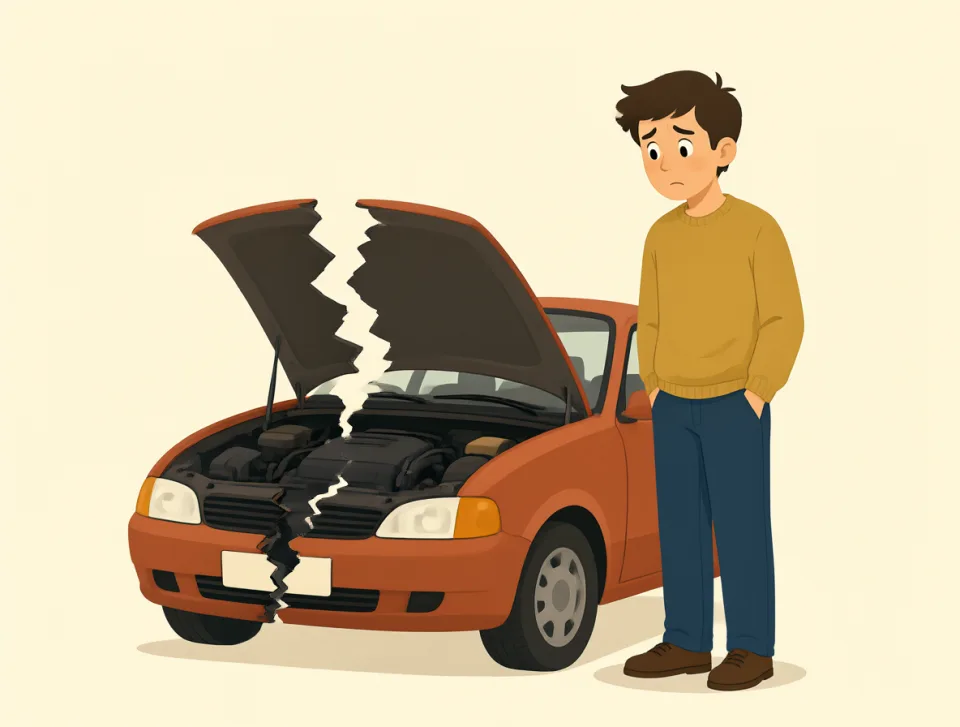
We have a problem with the car.
我們的車出了問題。
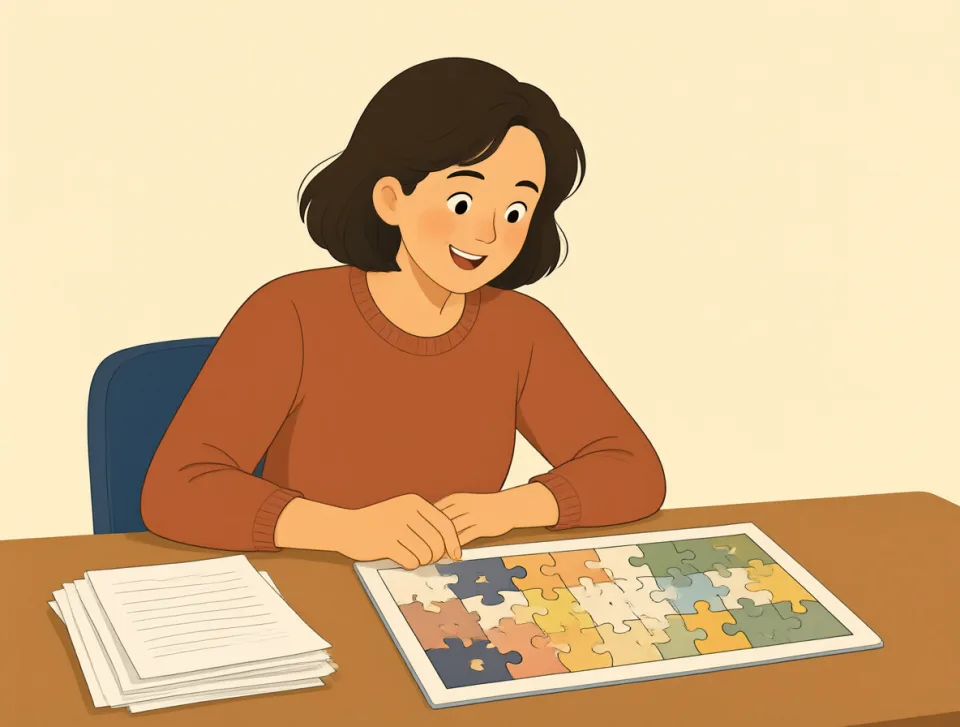
She solved the problem at work.
她解決了工作中的問題。
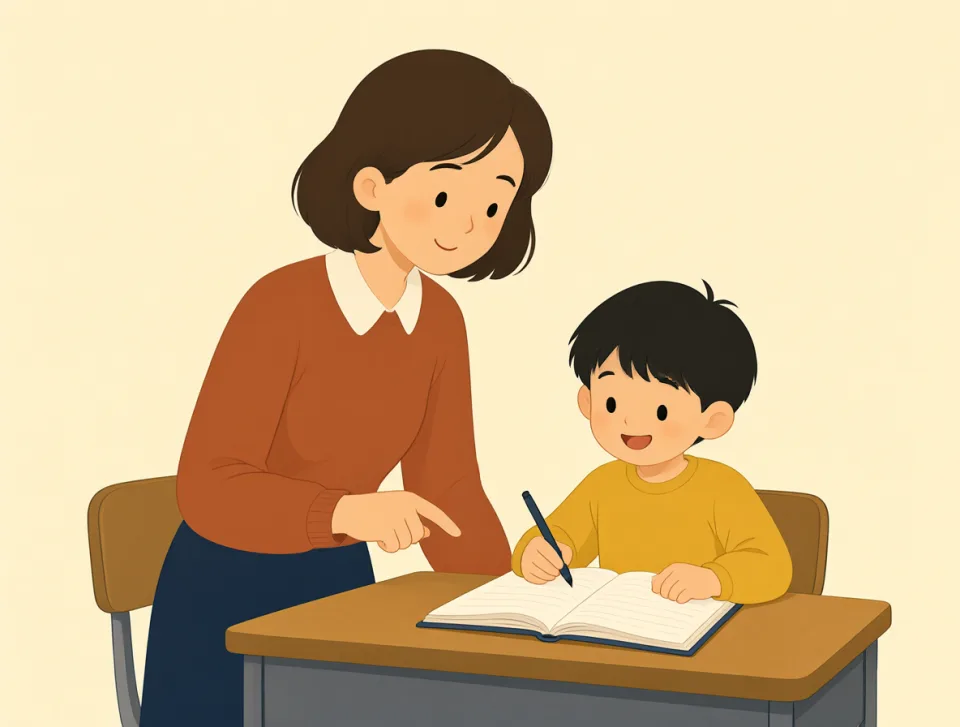
The teacher helped me with my math problem.
老師幫我解決了數學題。
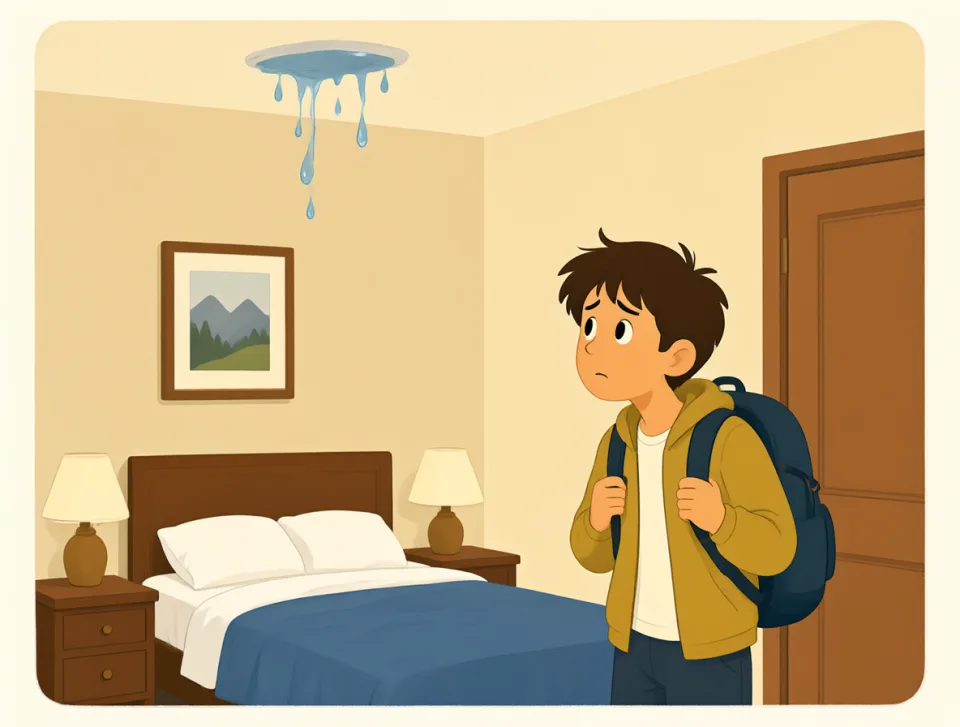
There was a problem with our hotel room.
我們的酒店房間出了問題。
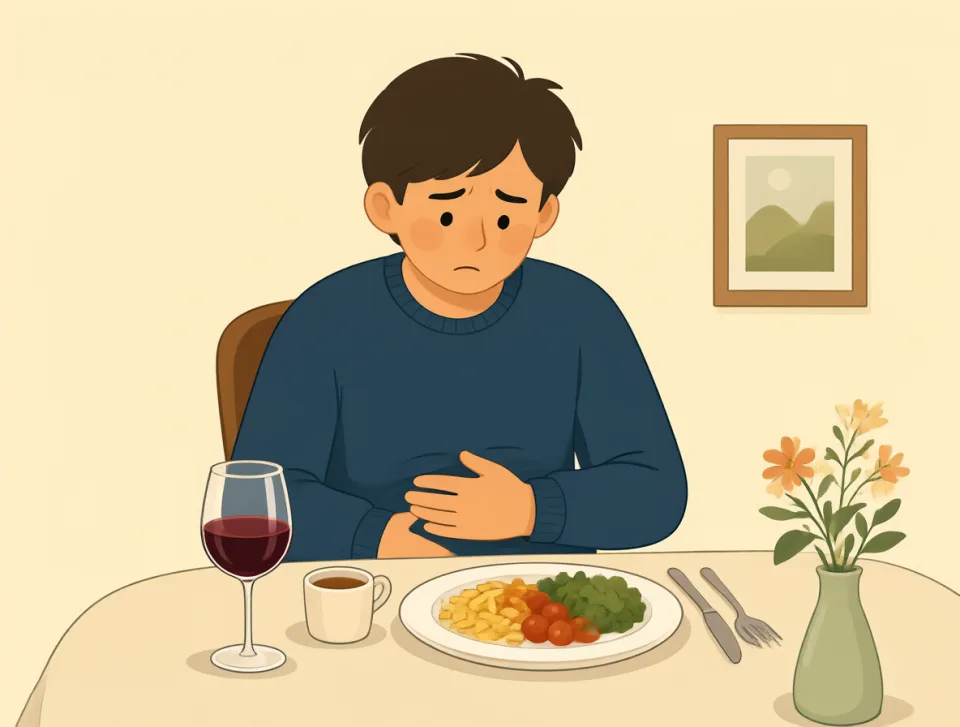
My stomach problem started after dinner.
我吃完晚飯後開始出現胃部問題。