6단원
101–120번 단어 · last, child, tell, really, call, before
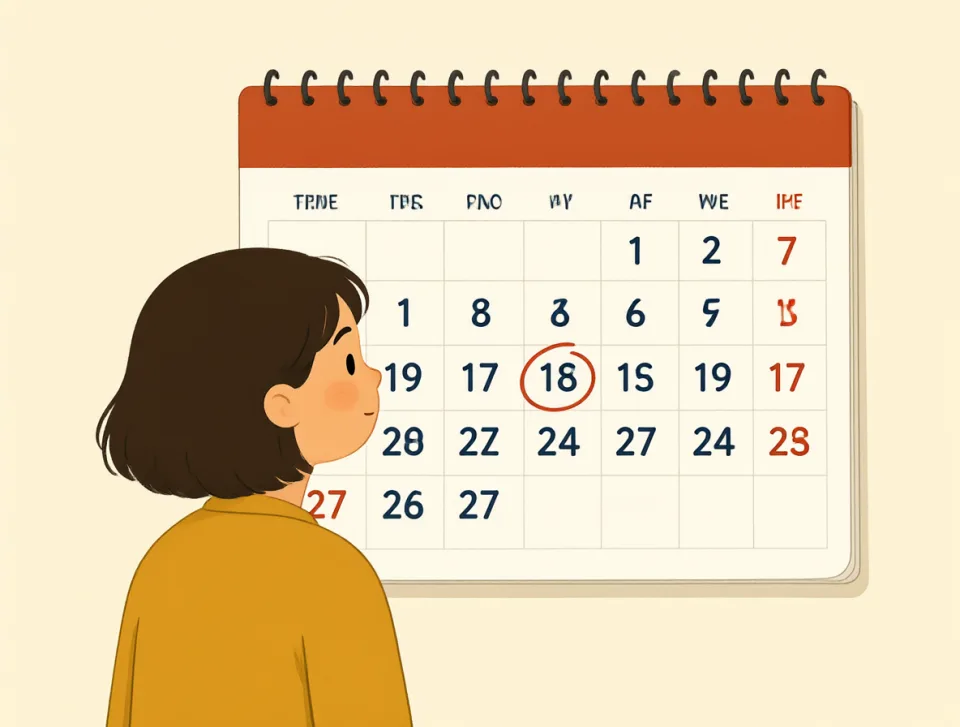
last
#101verb, adjective, adverb, noun
지속되다; 마지막의; 마지막으로; 마지막 사람
To continue for a period of time, or come after all others in time or order.
일정한 기간 동안 계속되거나, 시간이나 순서상 다른 모든 것의 뒤에 오다.
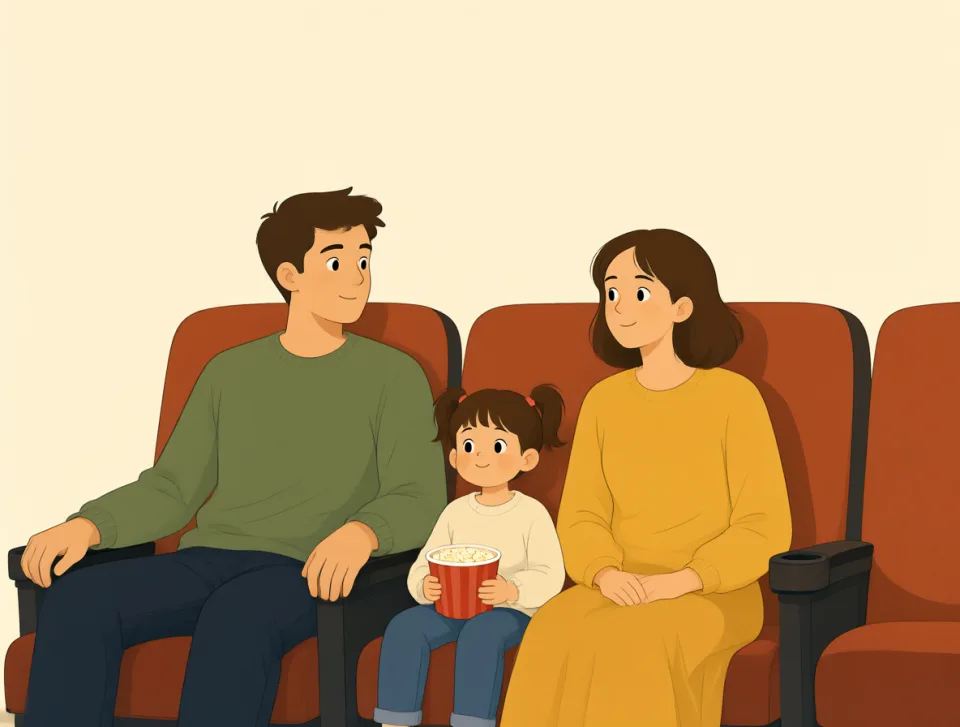
The movie lasted two hours.
그 영화는 두 시간 동안 지속됐다.
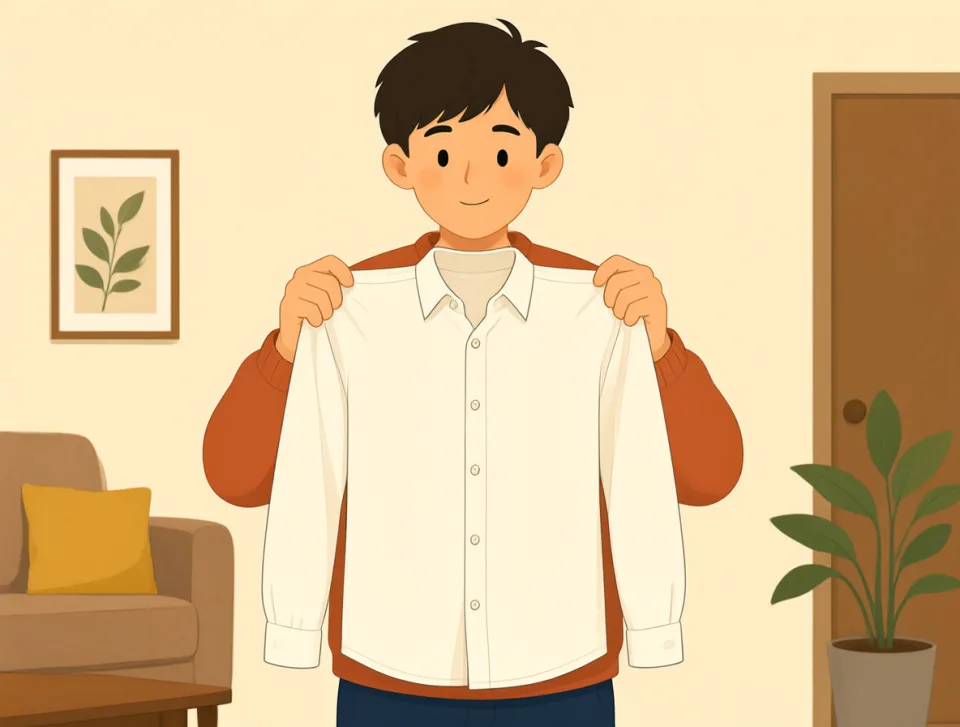
This shirt will last for years.
이 셔츠는 몇 년 동안 입을 수 있을 거야.
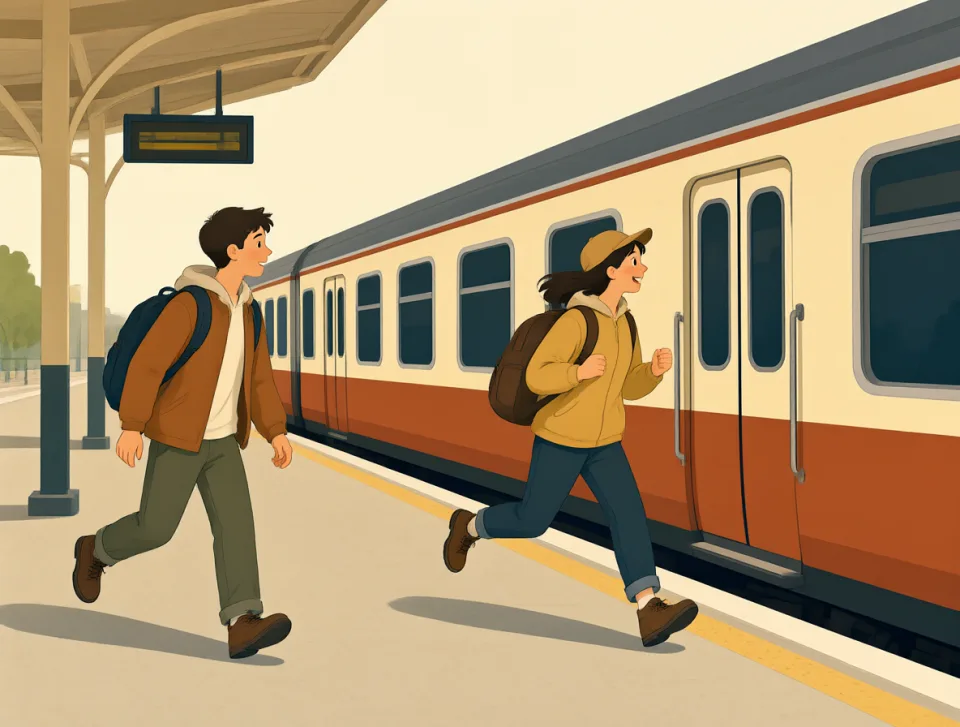
We caught the last train home.
우리는 집으로 가는 마지막 기차를 탔다.
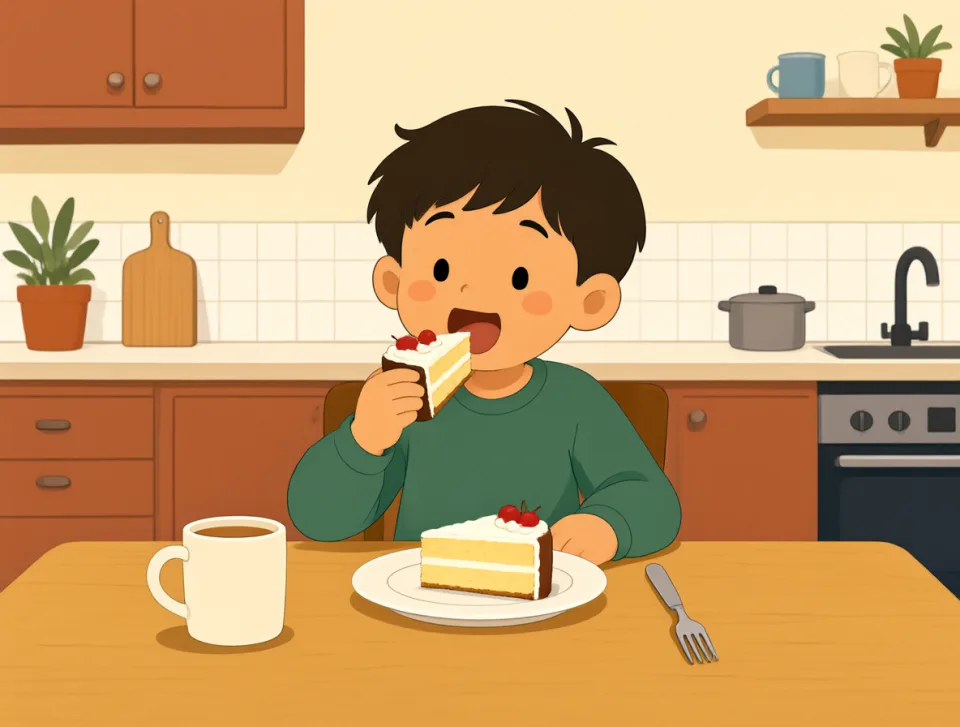
I ate the last piece of cake.
나는 케이크의 마지막 조각을 먹었다.
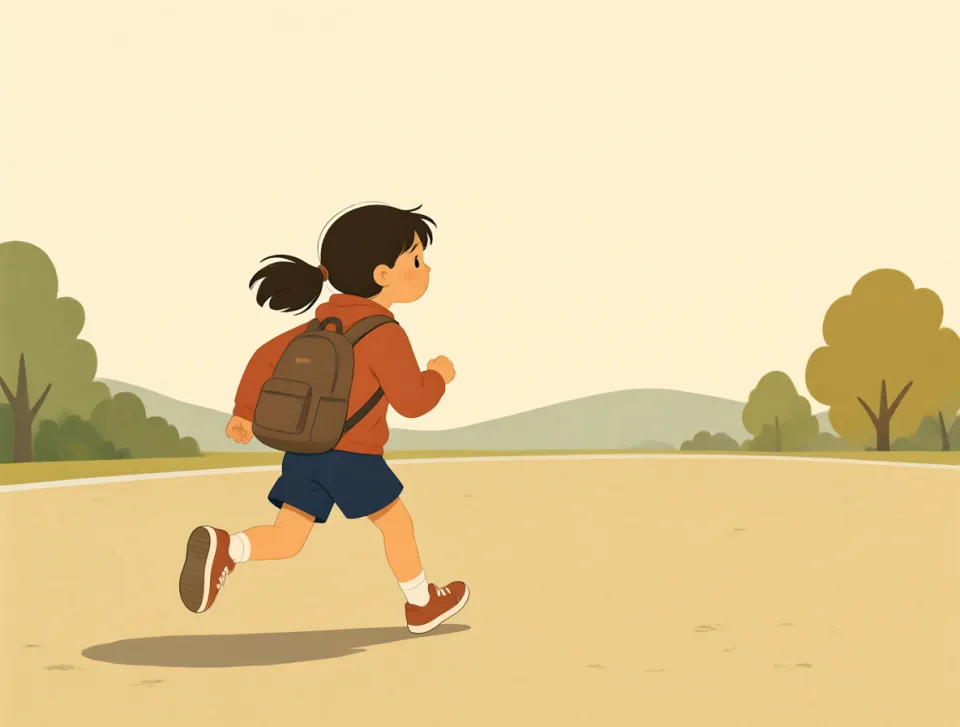
She was last in the race.
그녀는 경주에서 꼴찌였다.
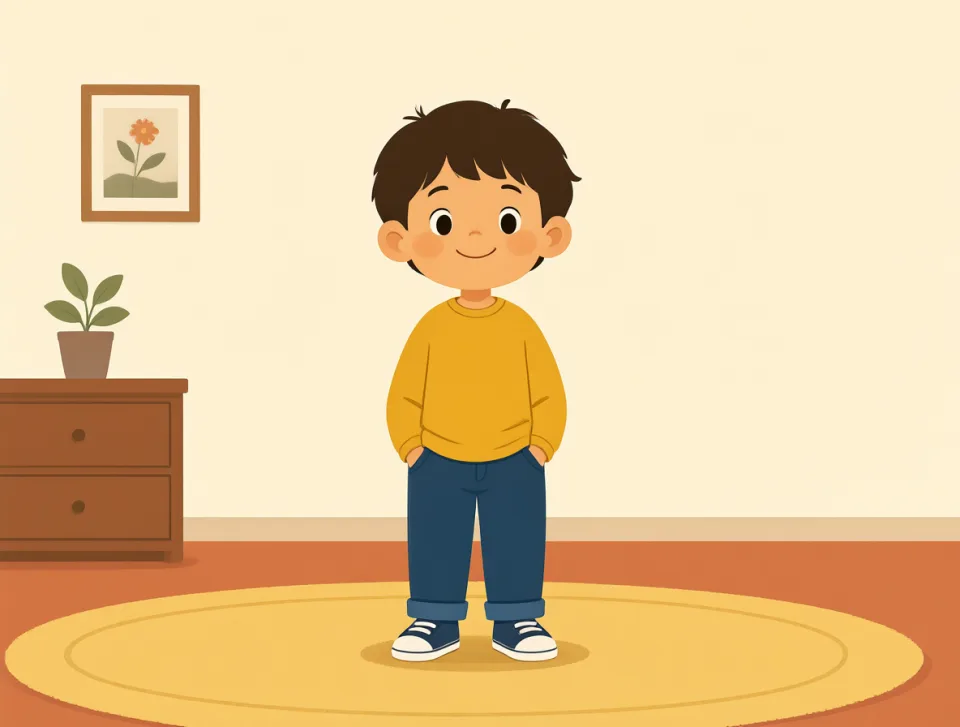
child
#102noun
아이; 어린이; 자녀
a young person who is not yet an adult
아직 성인이 되지 않은 어린 사람
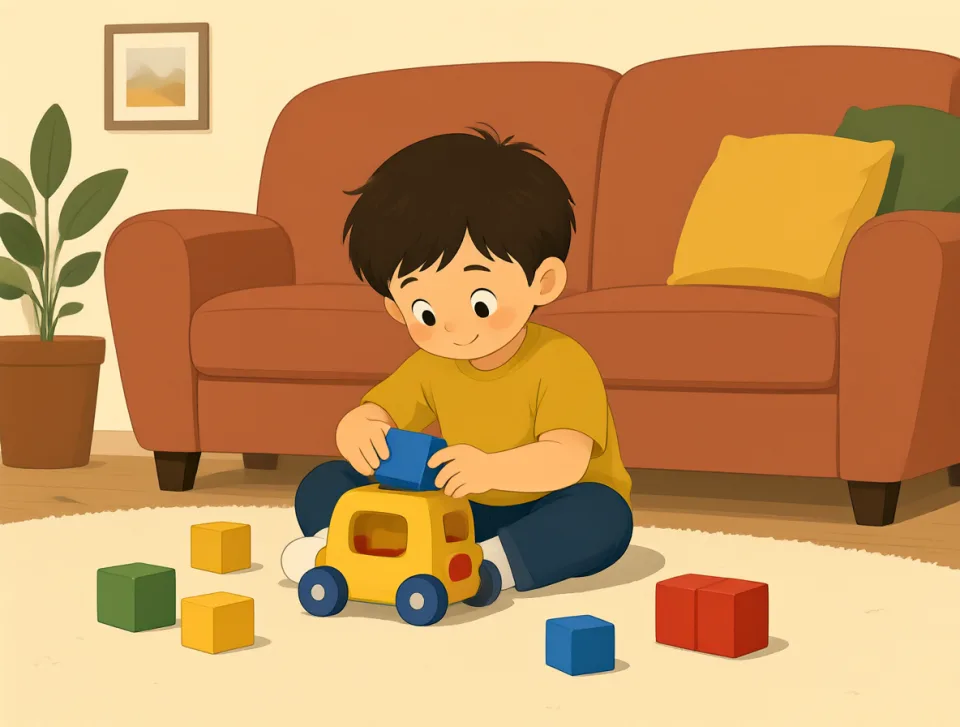
The child is playing with a toy.
그 아이는 장난감을 가지고 놀고 있다.
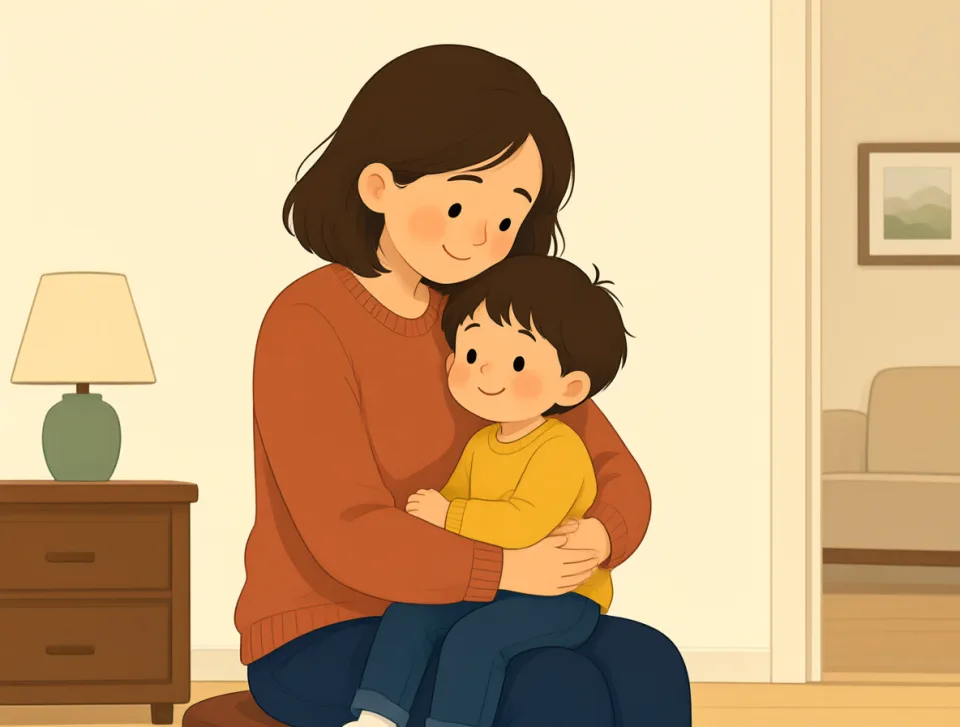
Every child needs love and care.
모든 아이에게는 사랑과 보살핌이 필요하다.
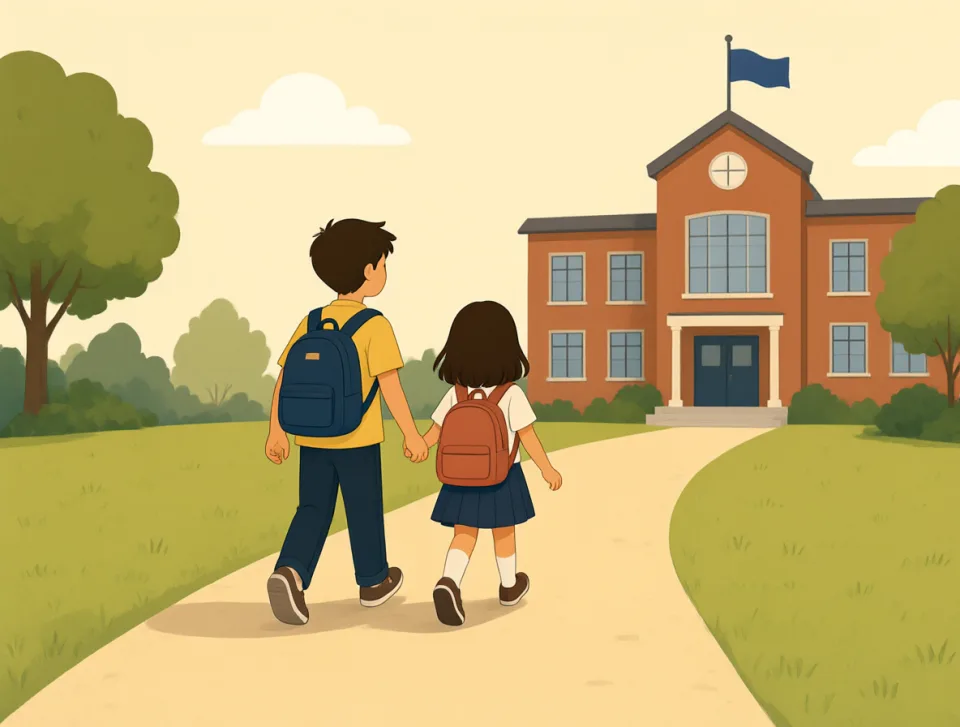
The children walked to school together.
아이들은 함께 학교에 걸어갔다.
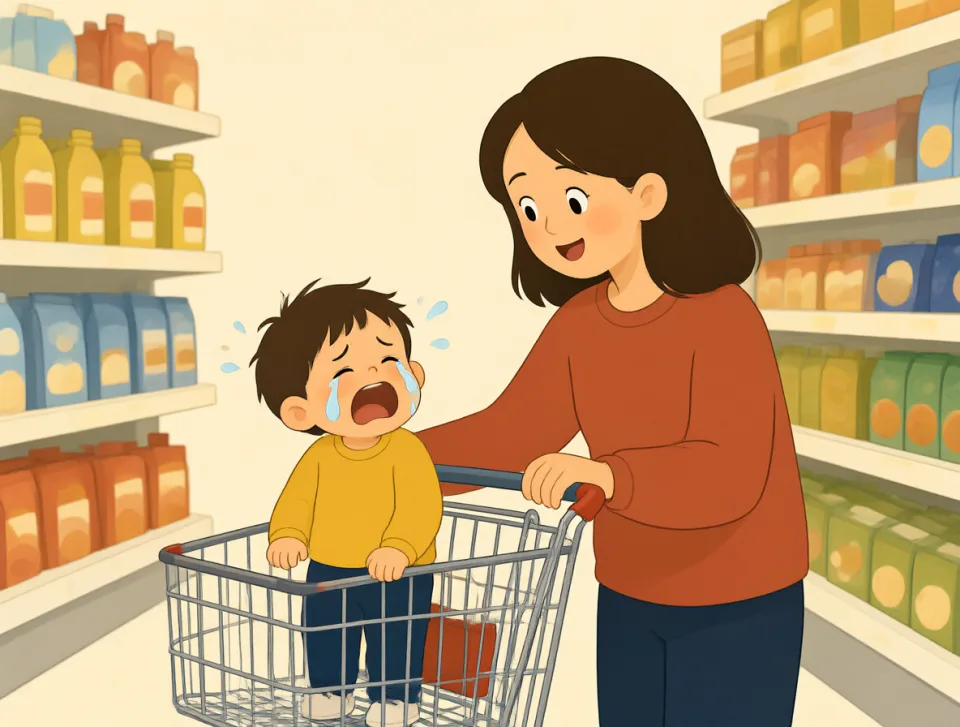
A child was crying in the store.
가게에서 한 아이가 울고 있었다.
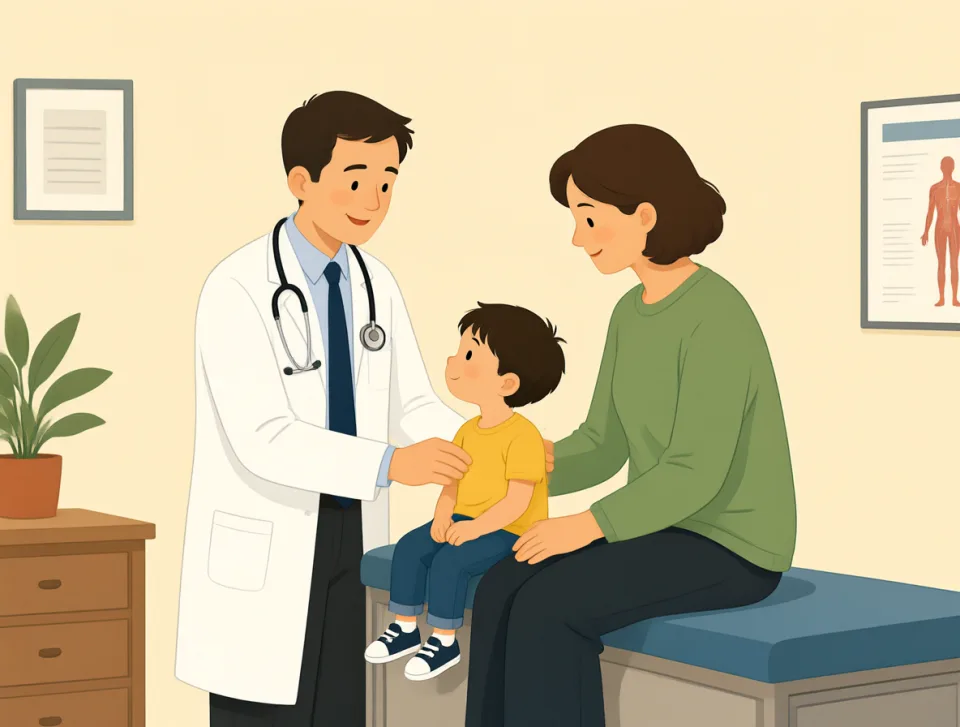
The doctor examined the sick child.
의사는 아픈 아이를 진찰했다.
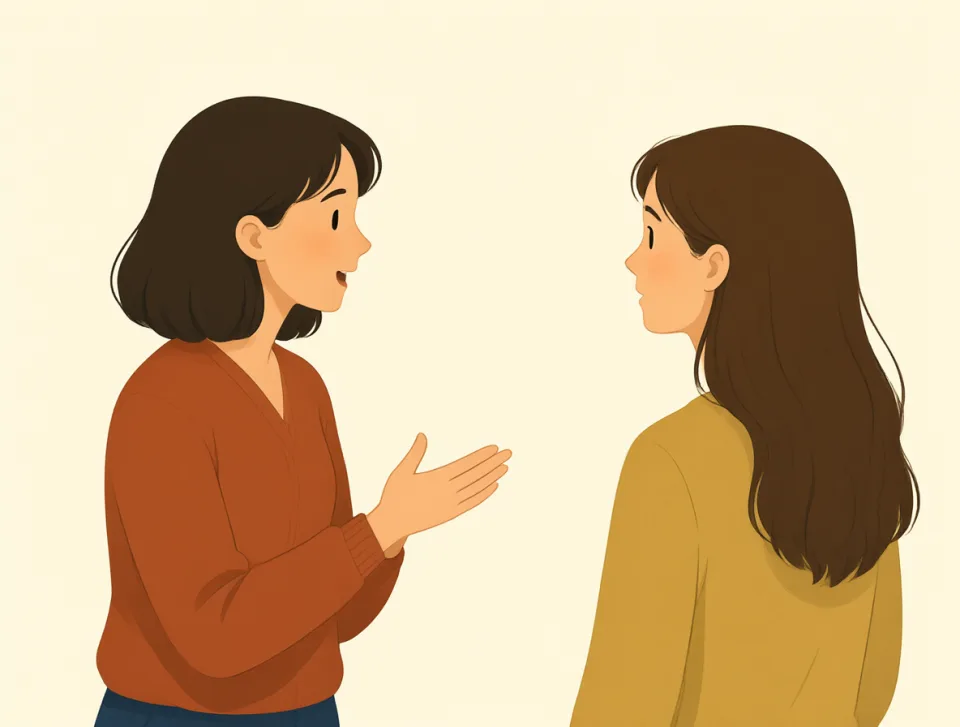
tell
#103verb
말하다; 알려주다
to give someone information or say something to someone
누군가에게 정보를 주거나 무언가를 말하다
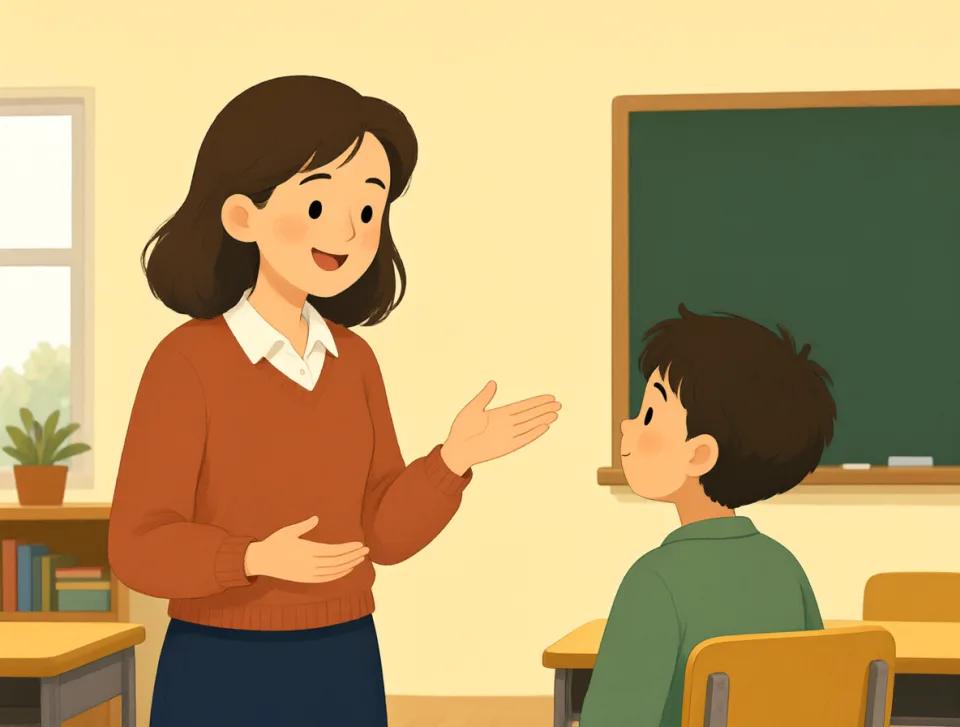
Please tell me your name.
이름을 말씀해 주세요.
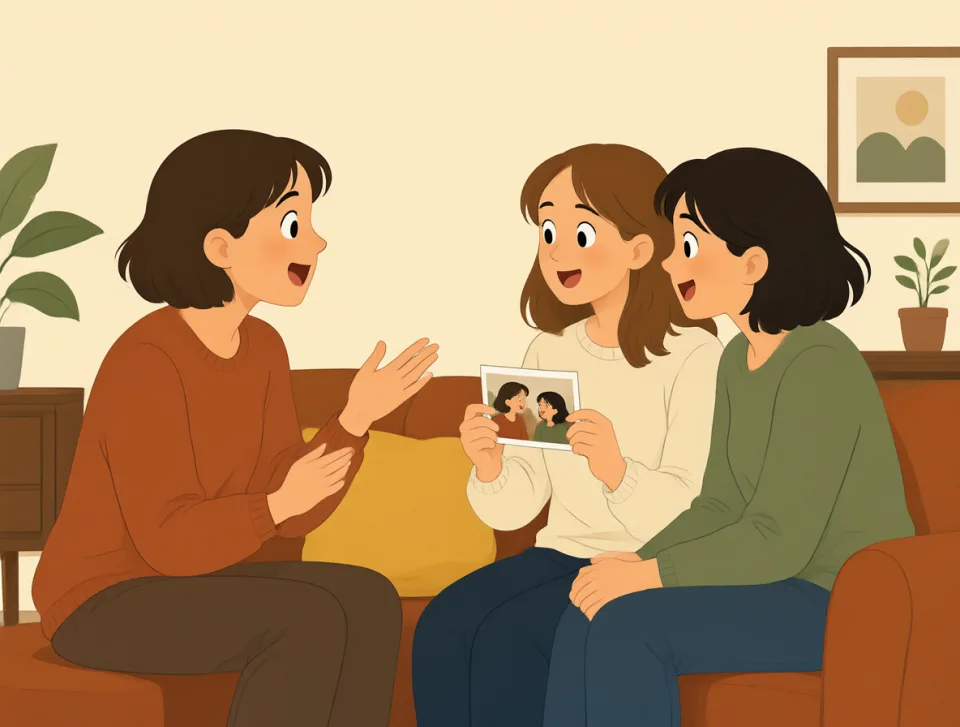
She told us about her trip.
그녀는 우리에게 자신의 여행에 대해 이야기해 주었다.
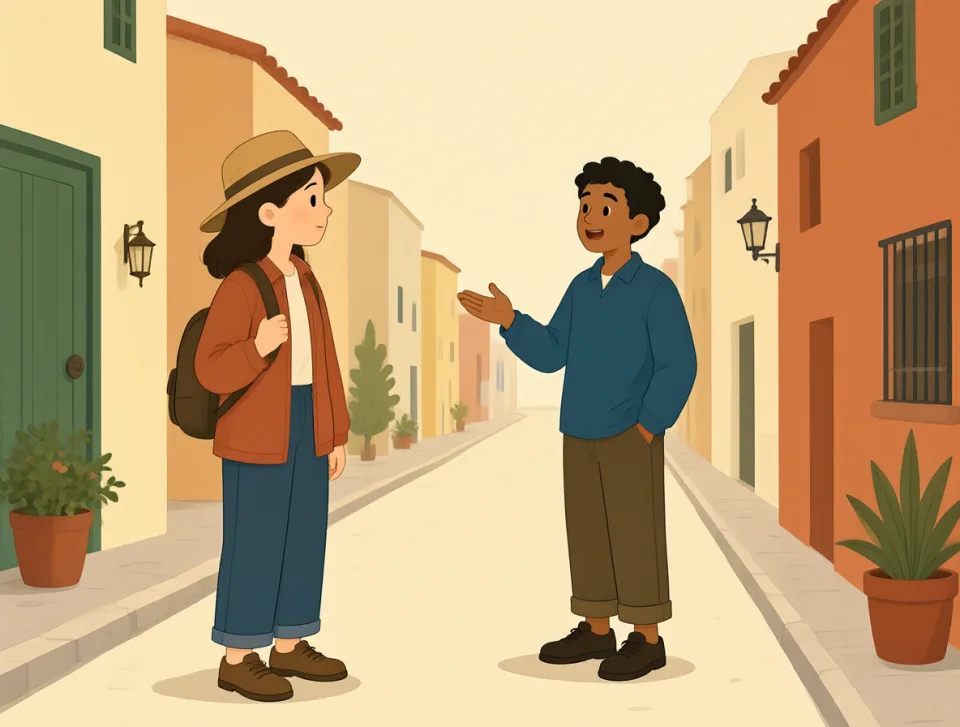
Can you tell me the way?
가는 길을 알려 주실 수 있나요?

He told his boss he was sick.
그는 상사에게 자신이 아프다고 말했다.
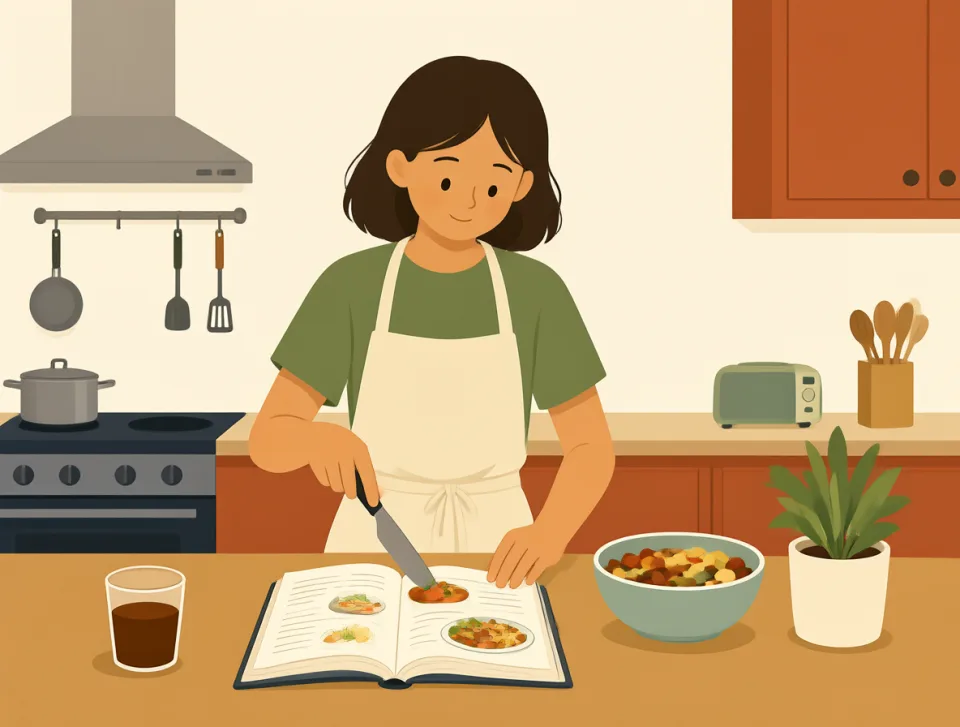
The recipe tells you to add salt.
그 요리법에는 소금을 넣으라고 되어 있다.
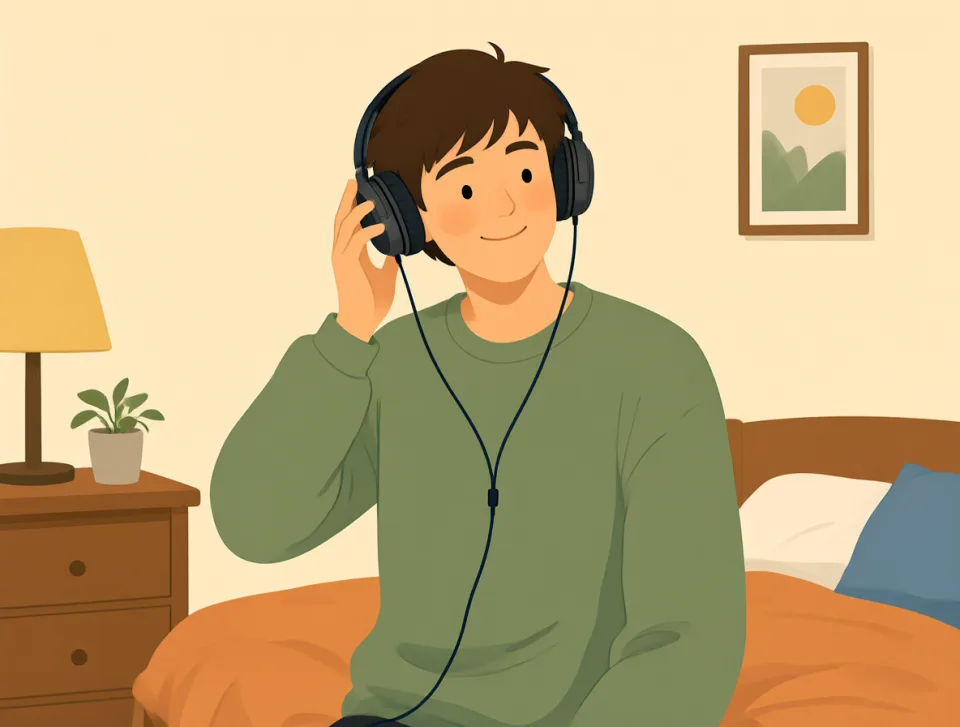
really
#104adverb
정말; 아주; 진짜
Used to emphasize that something is true, important, or stronger than expected.
어떤 것이 사실이거나 중요하거나 예상보다 더 강하다는 것을 강조할 때 사용한다.
I really like this song.
나는 이 노래를 정말 좋아해.
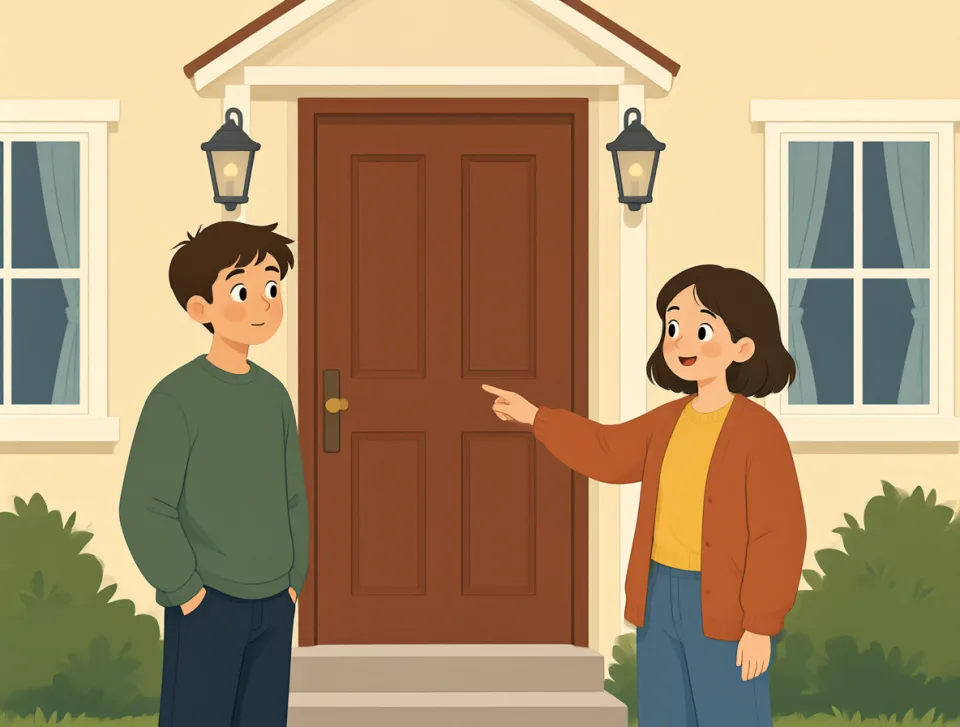
Are you really going home now?
너 지금 정말 집에 가는 거야?

She is really tired today.
그녀는 오늘 정말 피곤해.
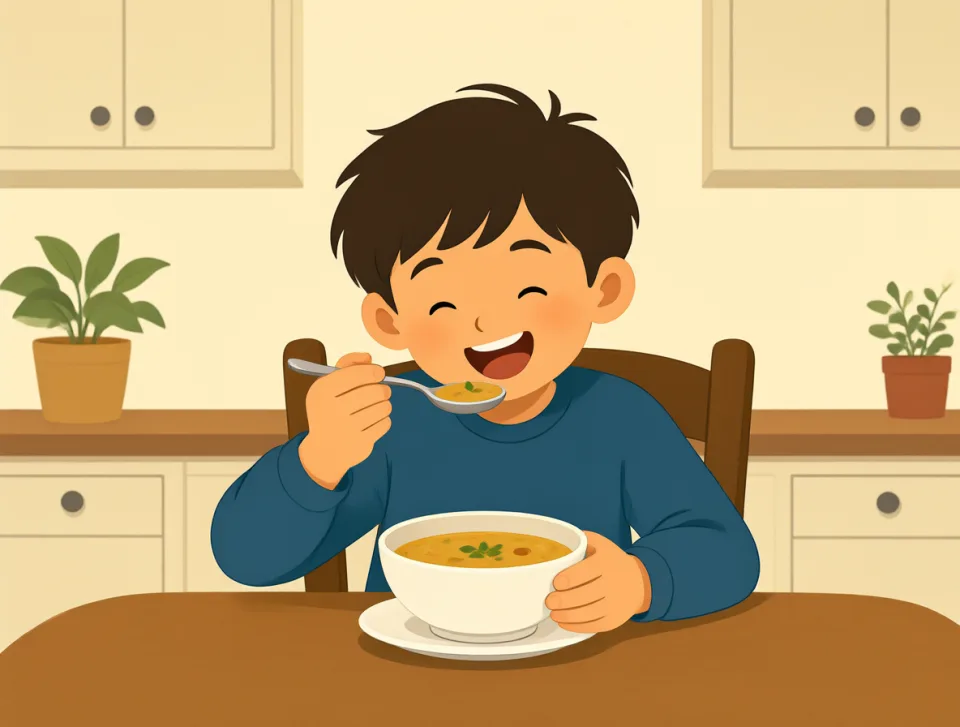
This soup is really good.
이 수프는 정말 맛있어.
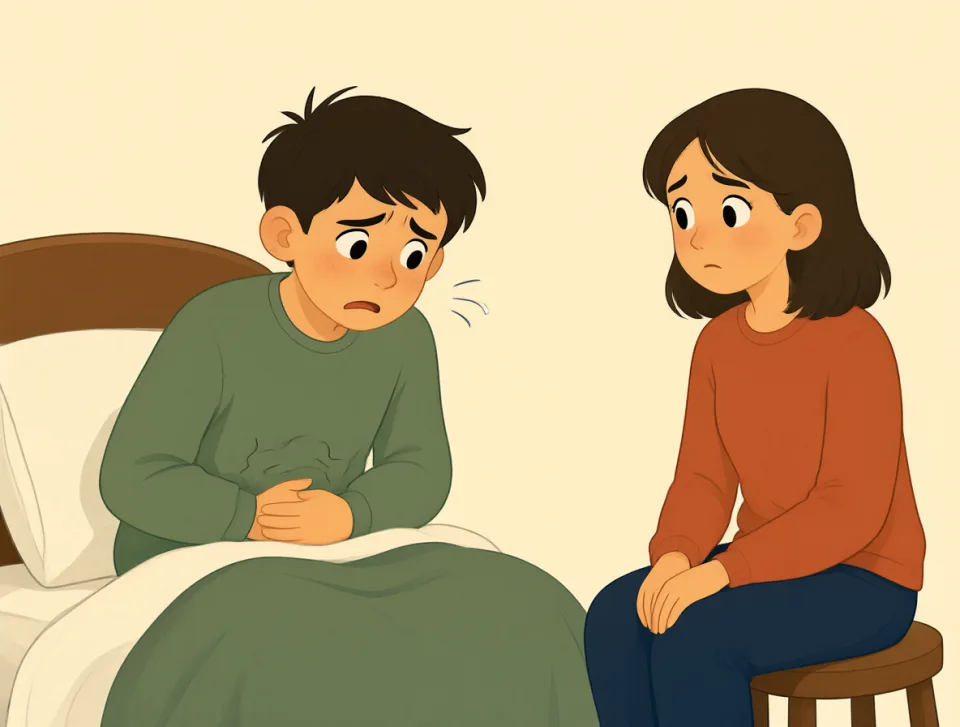
I really need a doctor.
나는 정말 의사가 필요해.
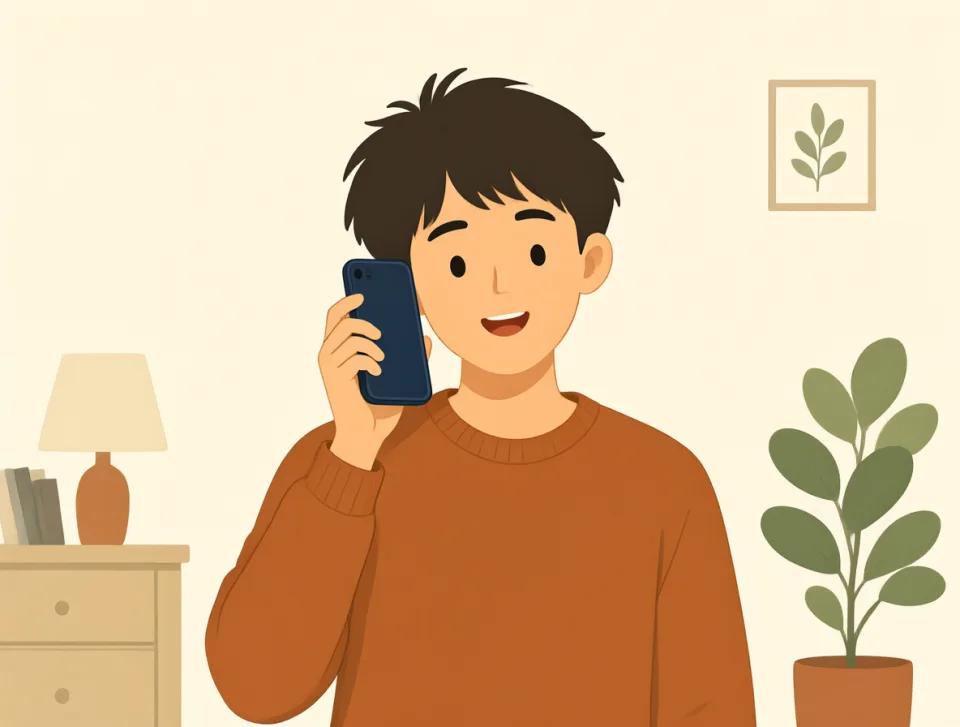
call
#105verb, noun
부르다; 전화하다; 이름을 붙이다
to speak to someone by telephone or give someone a name
전화로 누군가에게 말하거나 누군가에게 이름을 붙이다
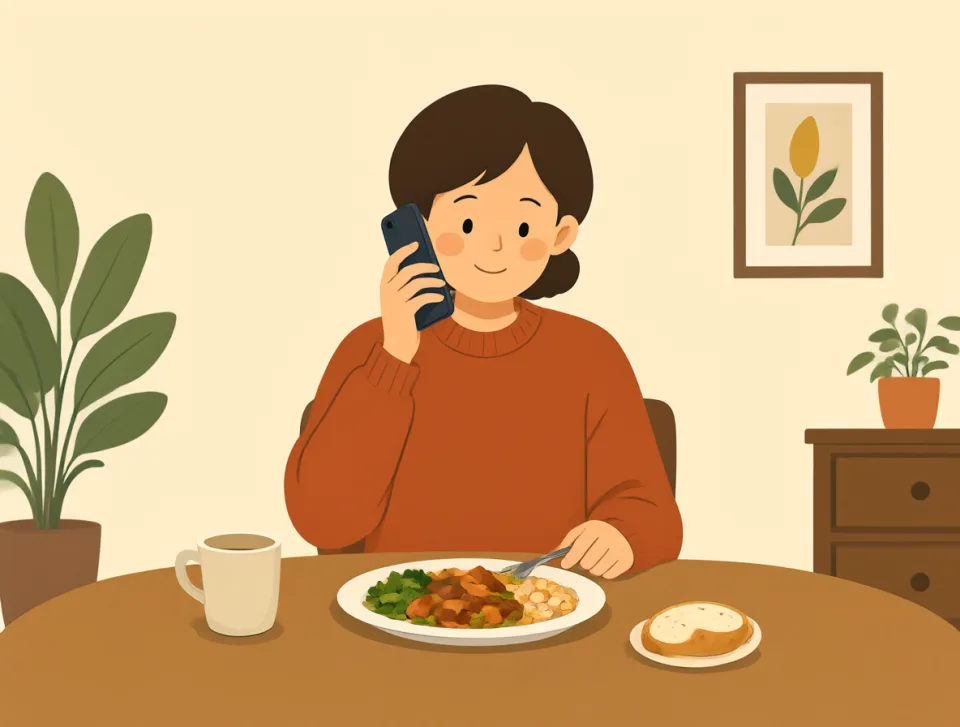
I will call you after dinner.
저녁 식사 후에 전화할게요.
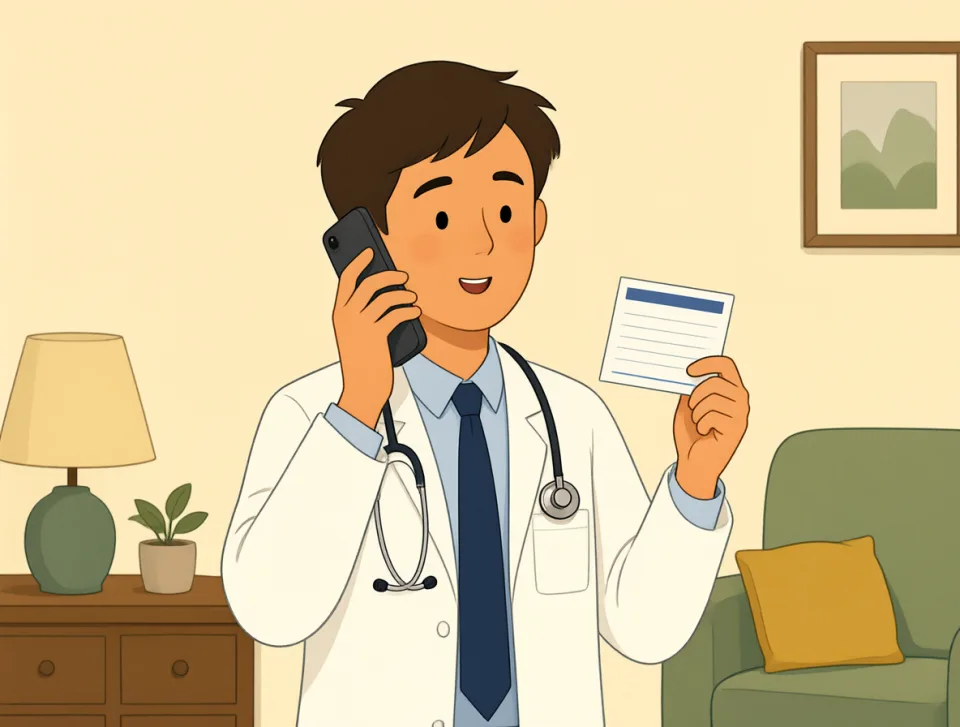
Please call the doctor this morning.
오늘 아침에 의사에게 전화해 주세요.
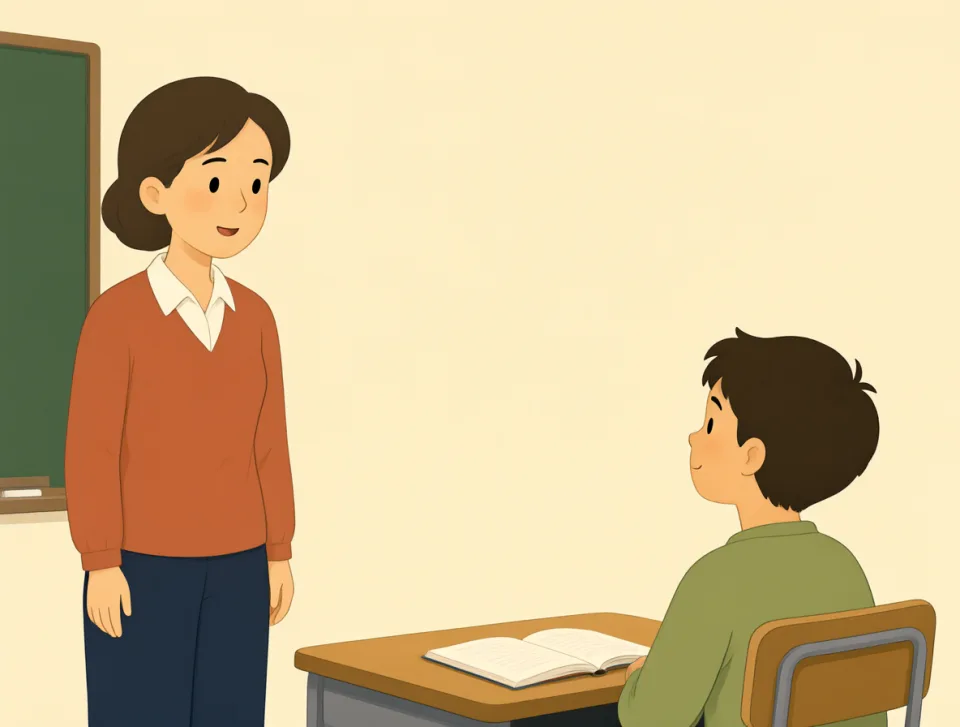
The teacher called my name in class.
수업 중에 선생님이 내 이름을 부르셨어요.
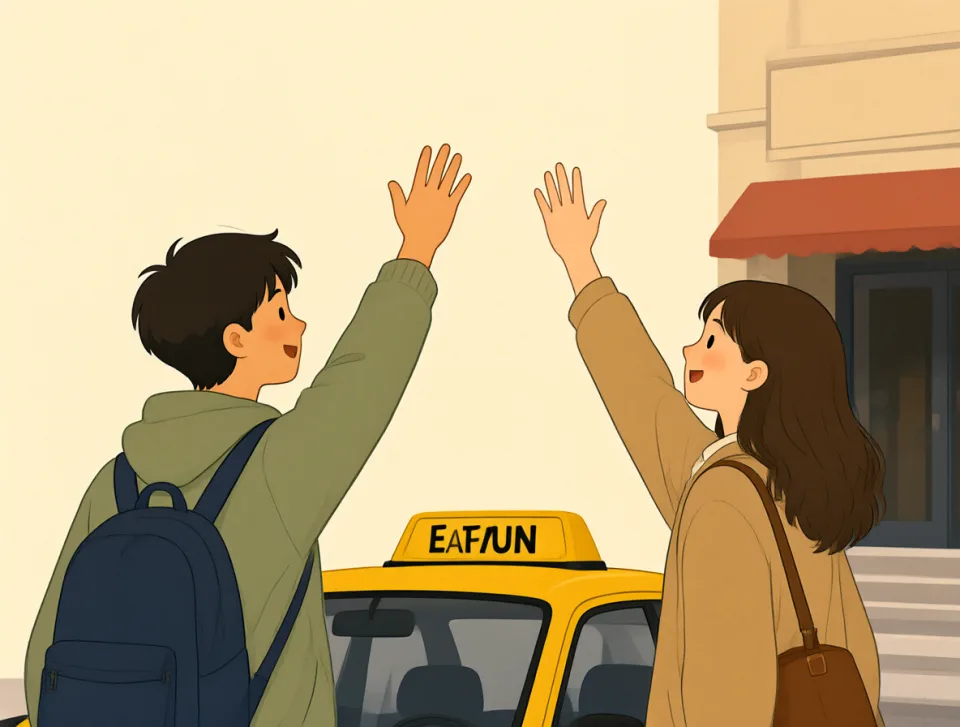
We called a taxi after the concert.
콘서트가 끝난 후에 택시를 불렀어요.
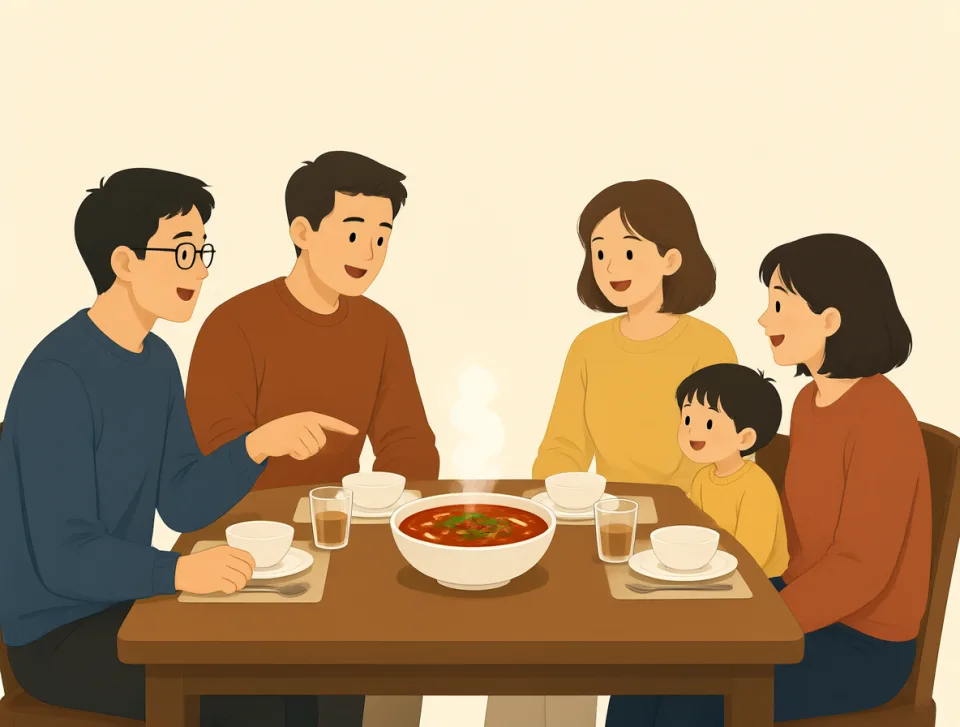
They call this food spicy soup.
그들은 이 음식을 매운 수프라고 불러요.
before
#106adverb, preposition, conjunction
전에; ~하기 전에; ~보다 앞서
At or during an earlier time, or earlier than someone or something else.
더 이른 때에 또는 다른 사람이나 사물보다 먼저
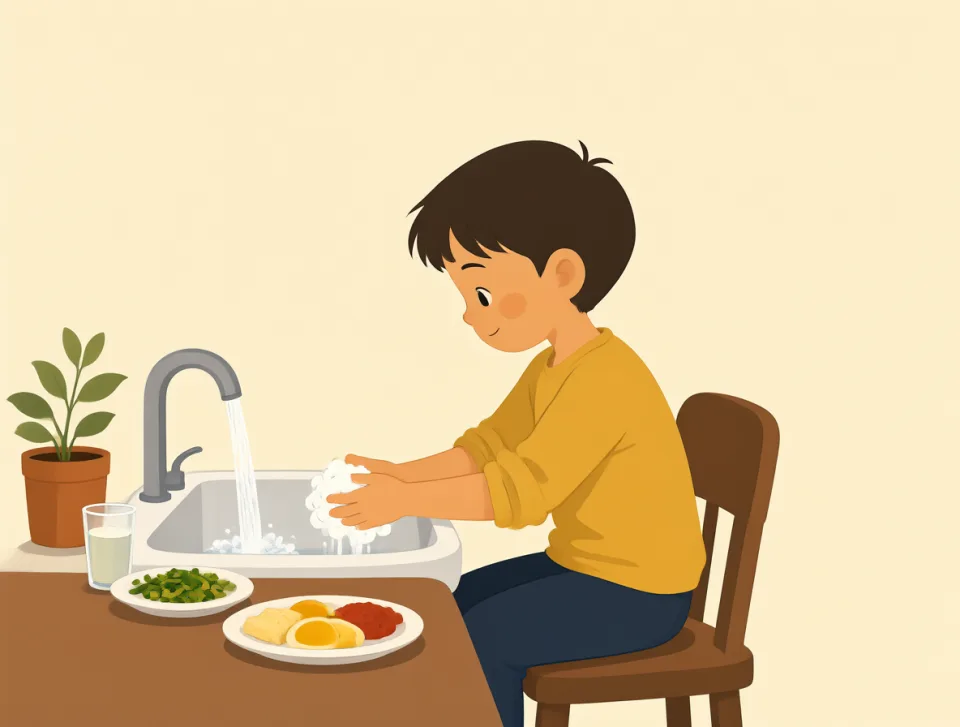
Wash your hands before dinner.
저녁 식사 전에 손을 씻으세요.
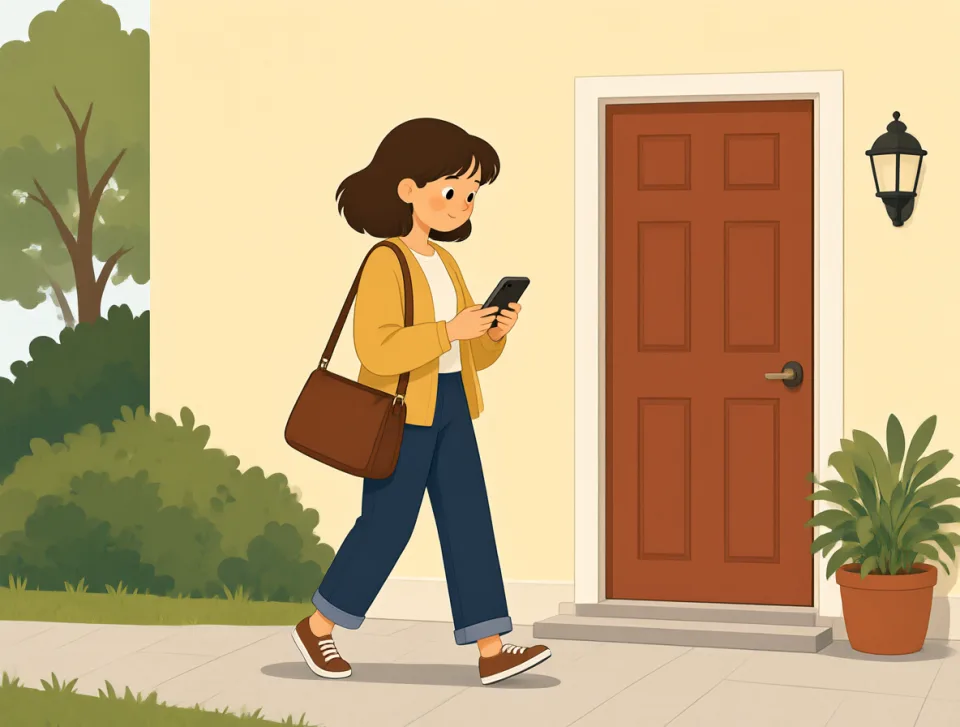
Please call me before you leave.
떠나기 전에 저에게 전화해 주세요.
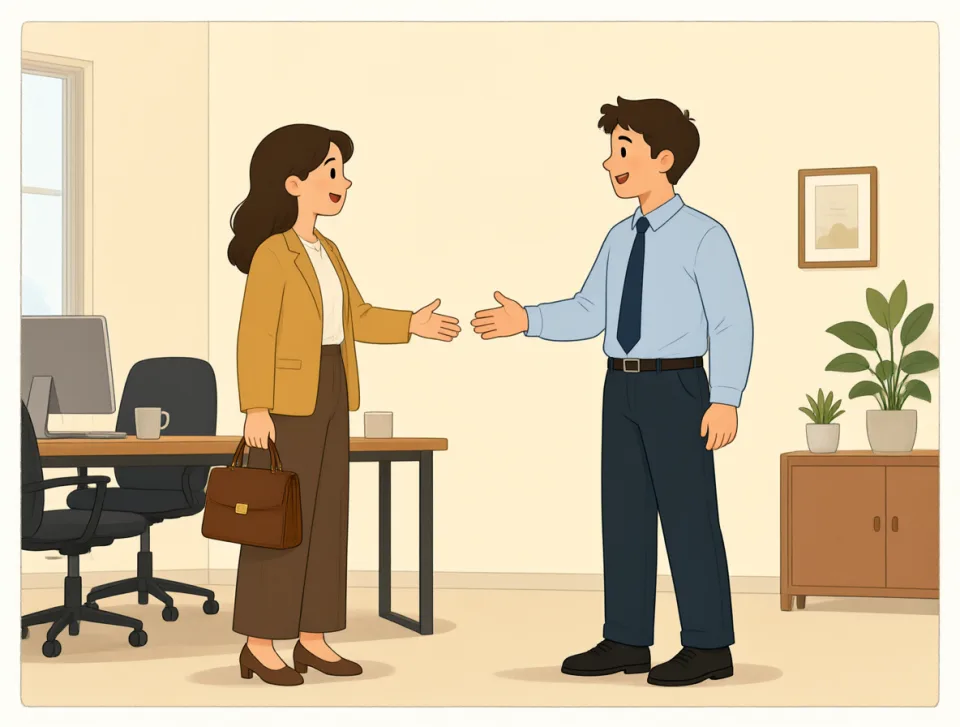
I saw her before the meeting.
회의 전에 그녀를 봤어요.
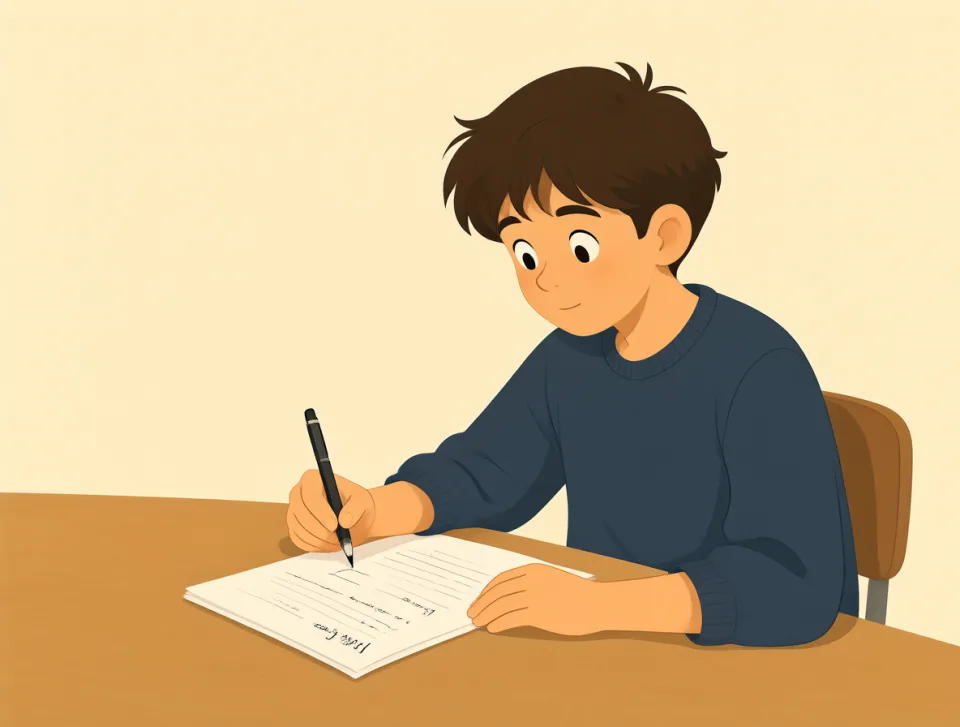
Read the question before you answer.
대답하기 전에 질문을 읽으세요.
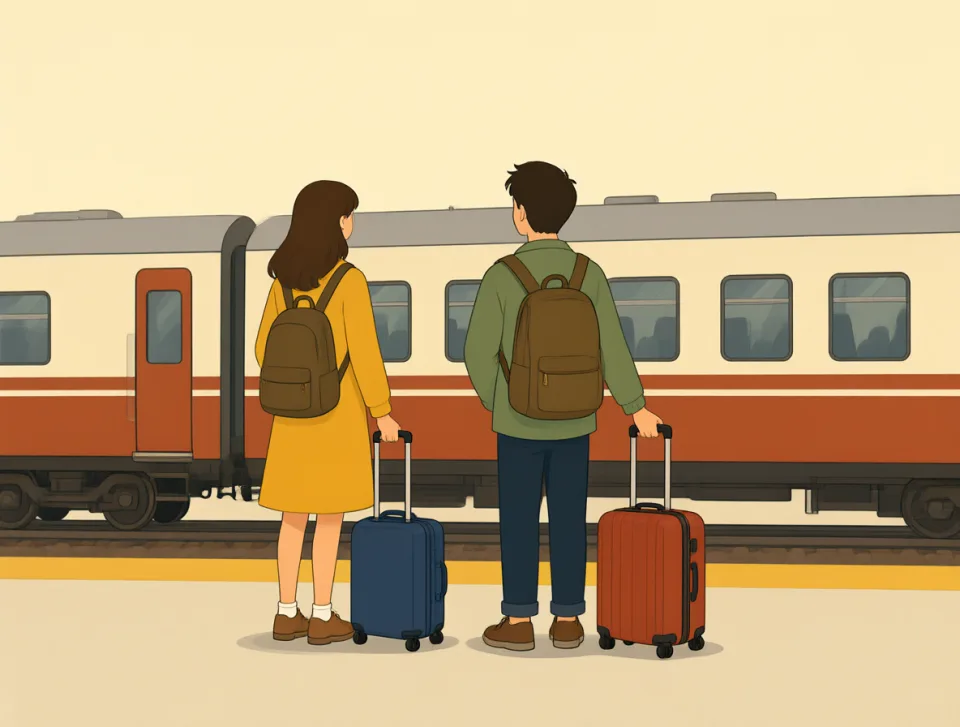
We arrived before the train left.
기차가 떠나기 전에 우리는 도착했어요.
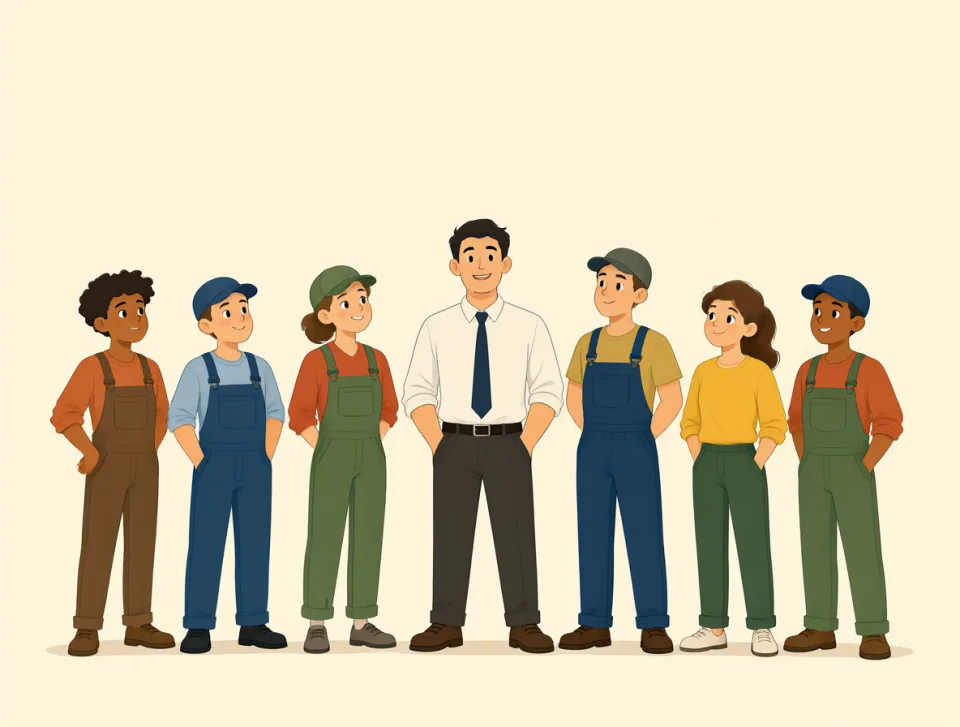
company
#107noun
회사; 동료
An organization that makes or sells goods or services.
상품이나 서비스를 만들거나 판매하는 조직.
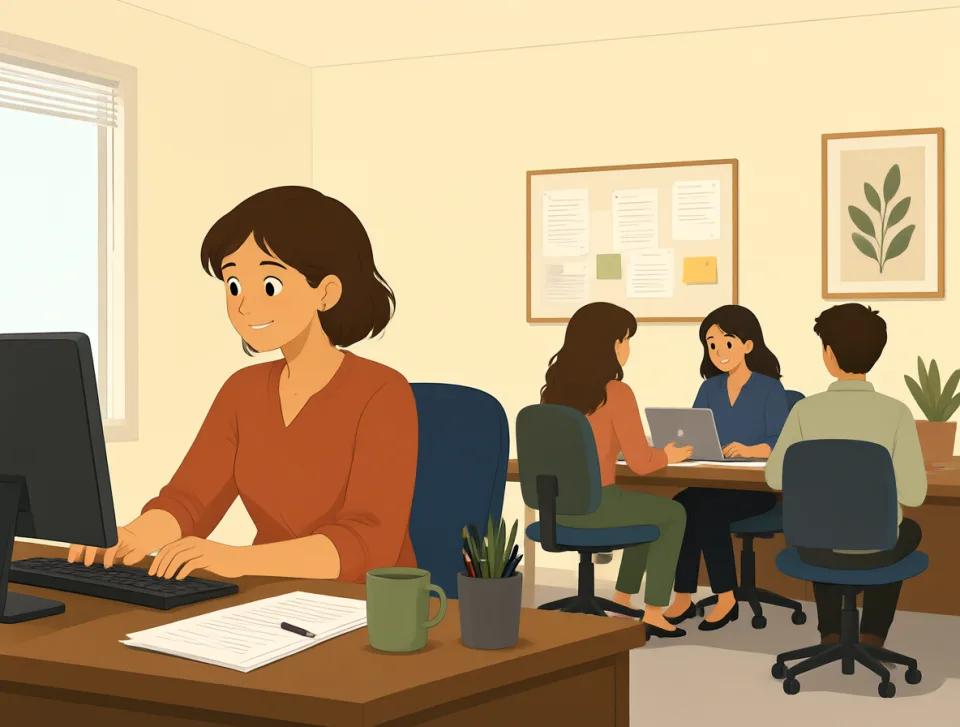
She works for a small company.
그녀는 작은 회사에서 일해요.
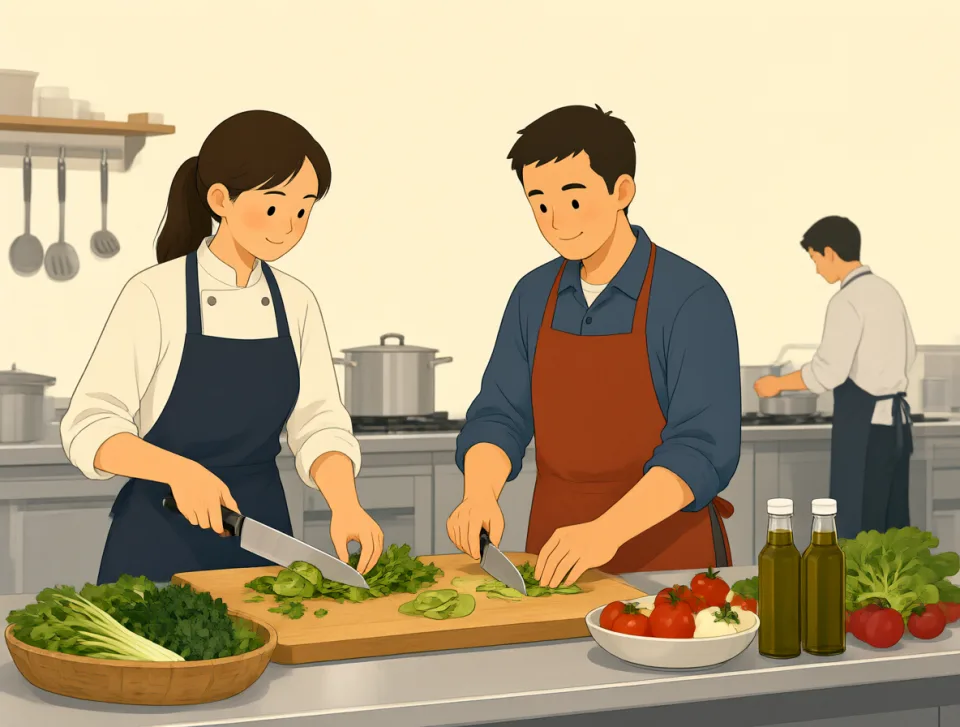
The company makes healthy food.
그 회사는 건강에 좋은 음식을 만들어요.
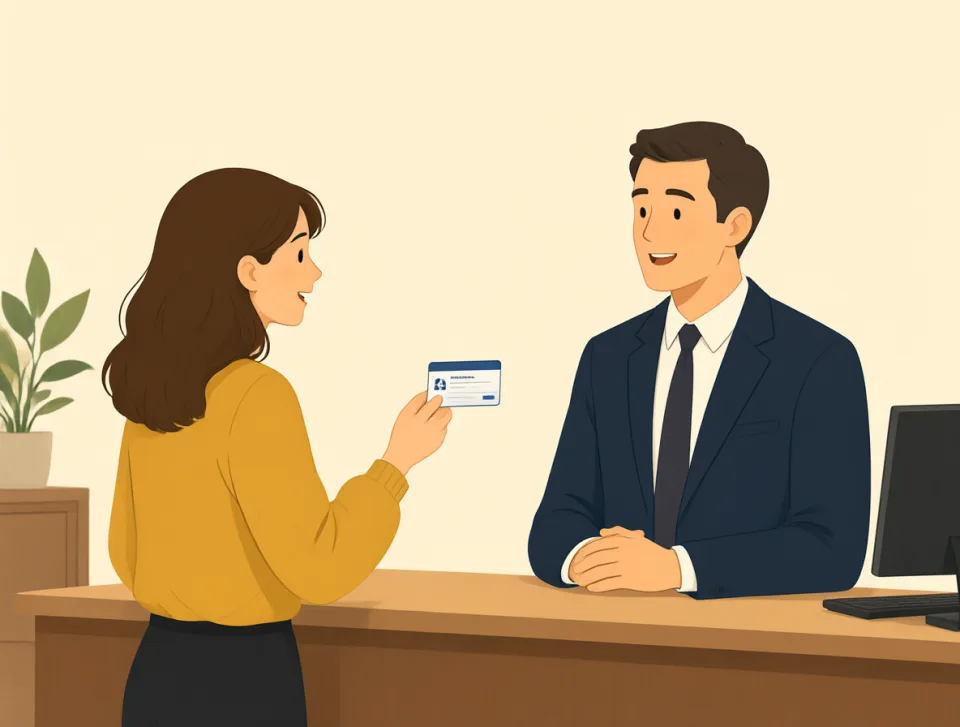
Our company gives us health insurance.
우리 회사는 직원들에게 건강 보험을 제공해요.
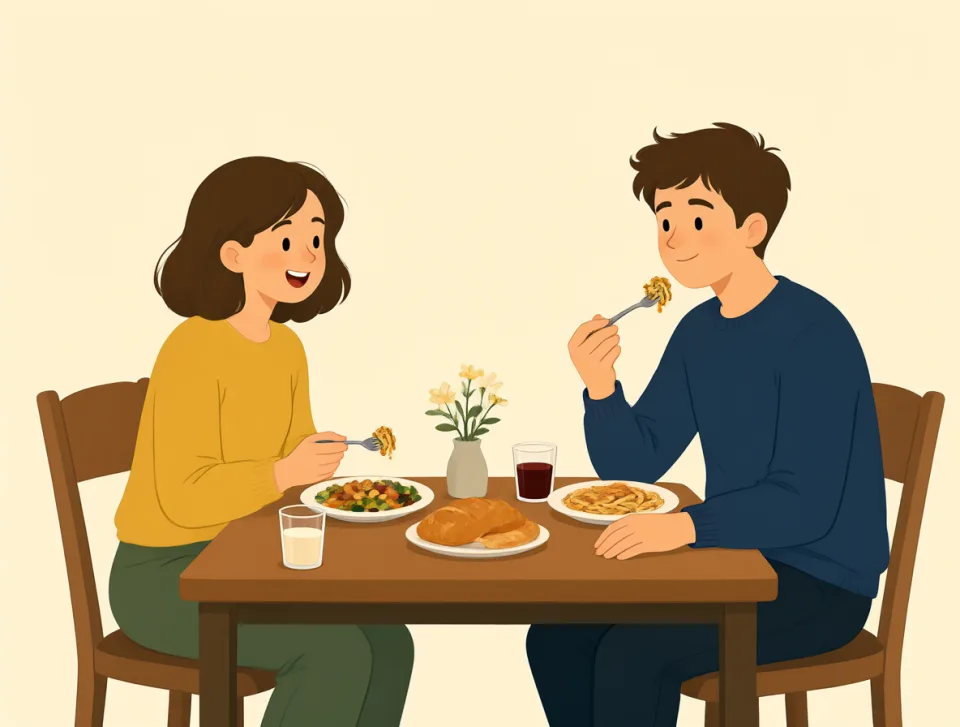
I enjoyed his company at dinner.
저녁 식사 때 그와 함께 있어 즐거웠어요.
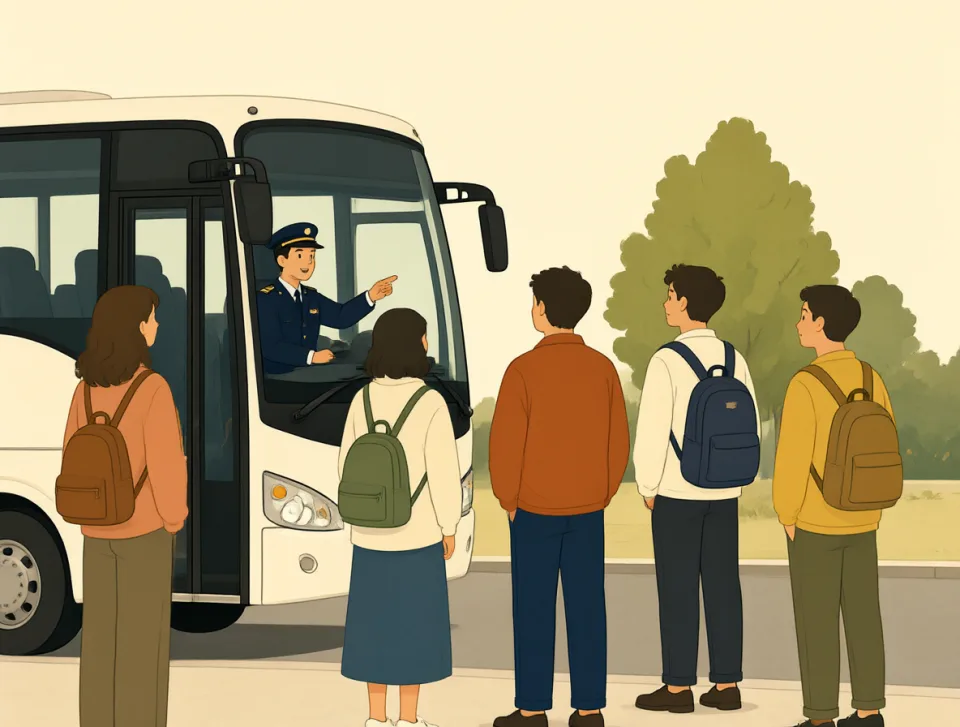
The bus company changed our travel plans.
버스 회사가 우리의 여행 계획을 바꿨어요.
through
#108adverb, preposition, conjunction
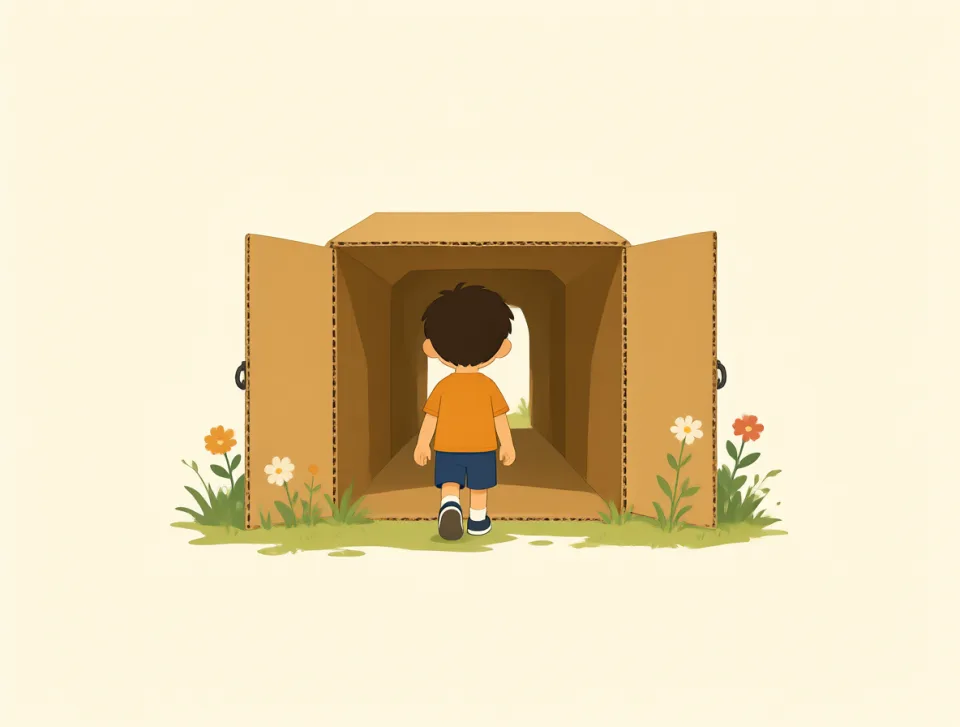
~을 통해; 내내
from one side or end to the other, or during the whole of something
어떤 것의 한쪽이나 끝에서 다른 쪽이나 끝까지, 또는 어떤 일이 진행되는 전체 기간 동안
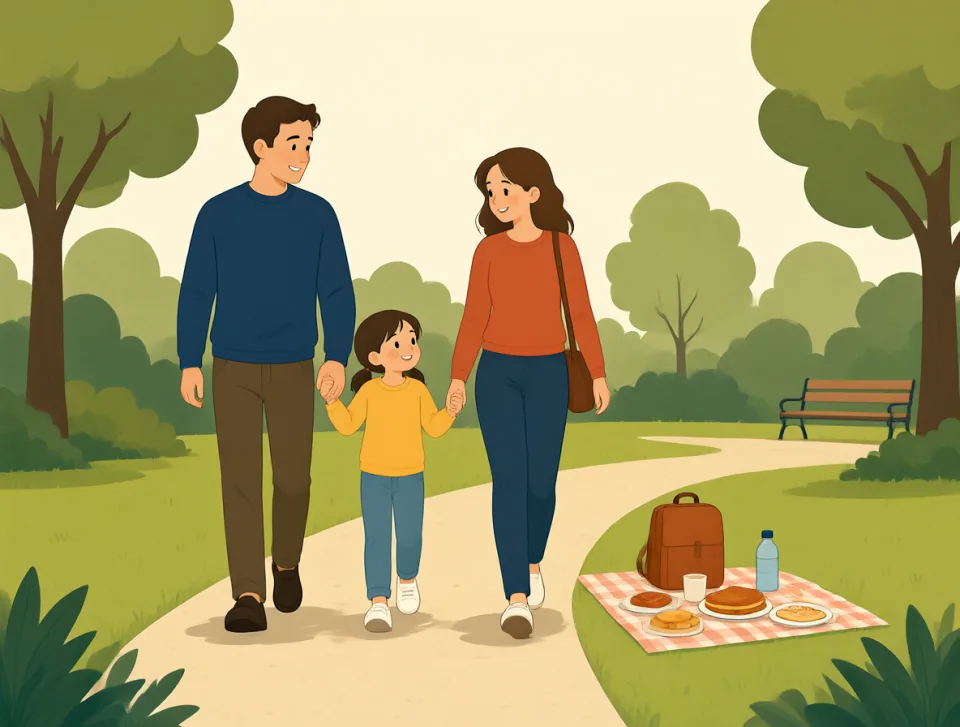
We walked through the park after lunch.
우리는 점심 식사 후에 공원을 걸어서 지나갔다.
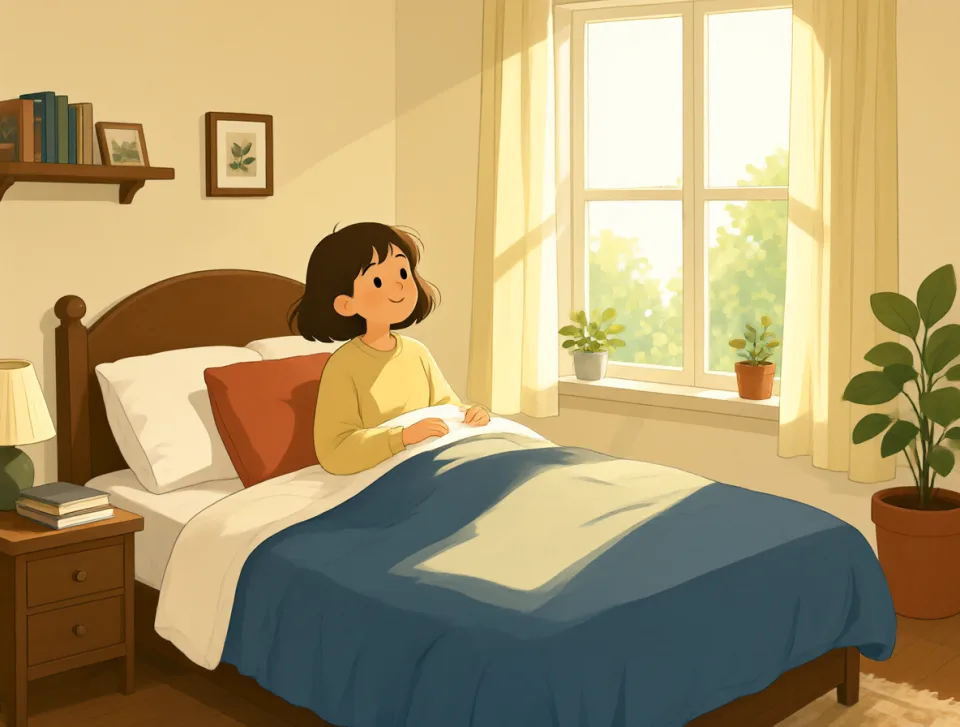
Light came through the bedroom window.
침실 창문으로 빛이 들어왔다.
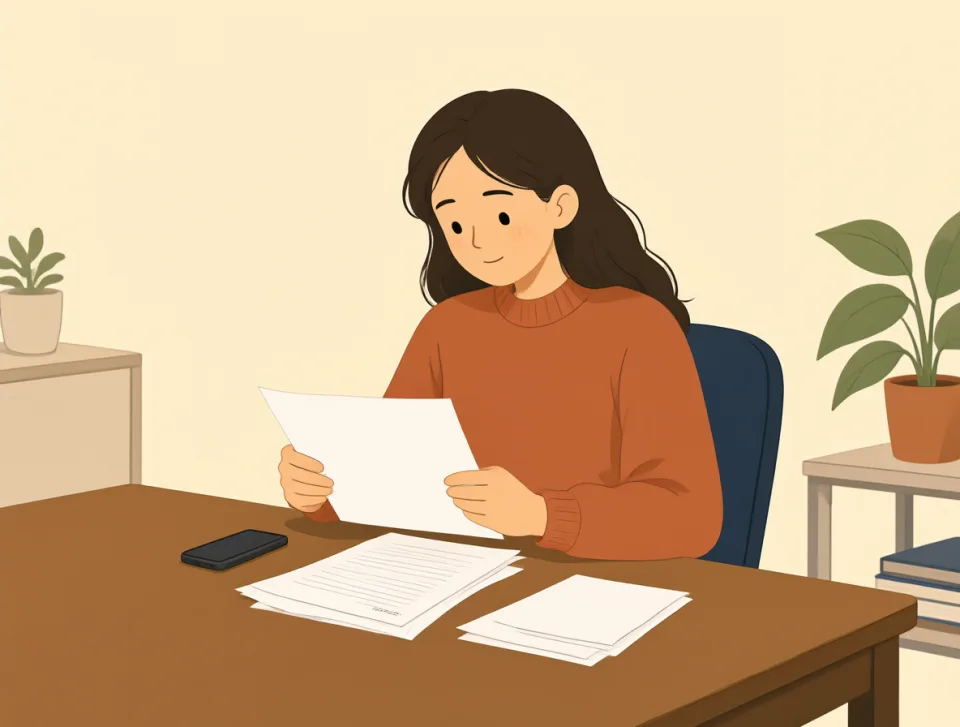
She read through the report before the meeting.
그녀는 회의 전에 보고서를 처음부터 끝까지 읽었다.
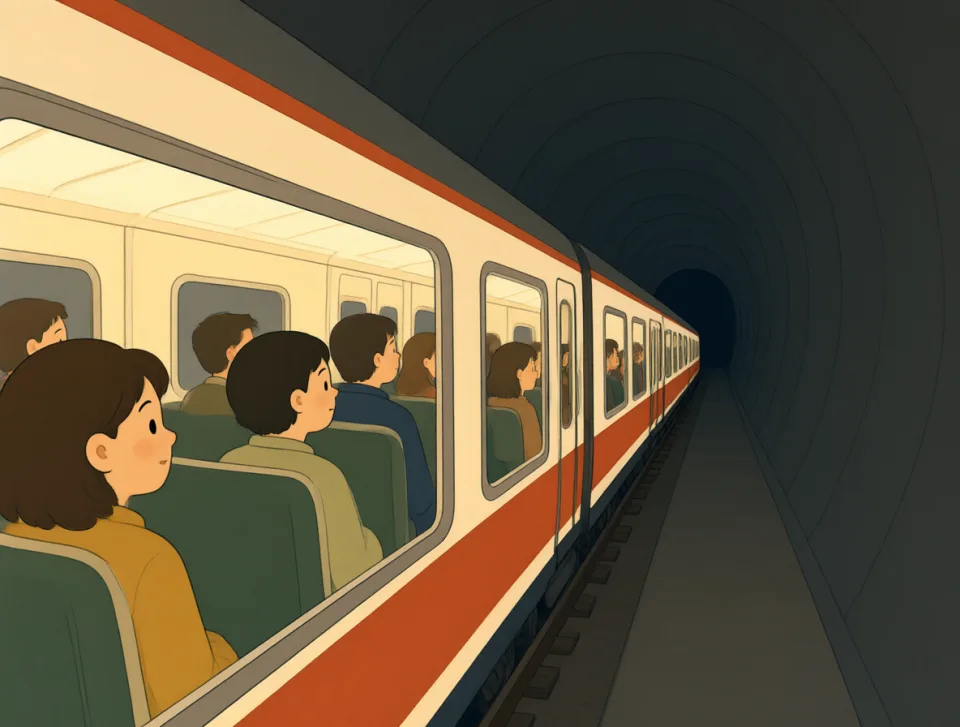
The train went through a long tunnel.
기차가 긴 터널을 통과했다.
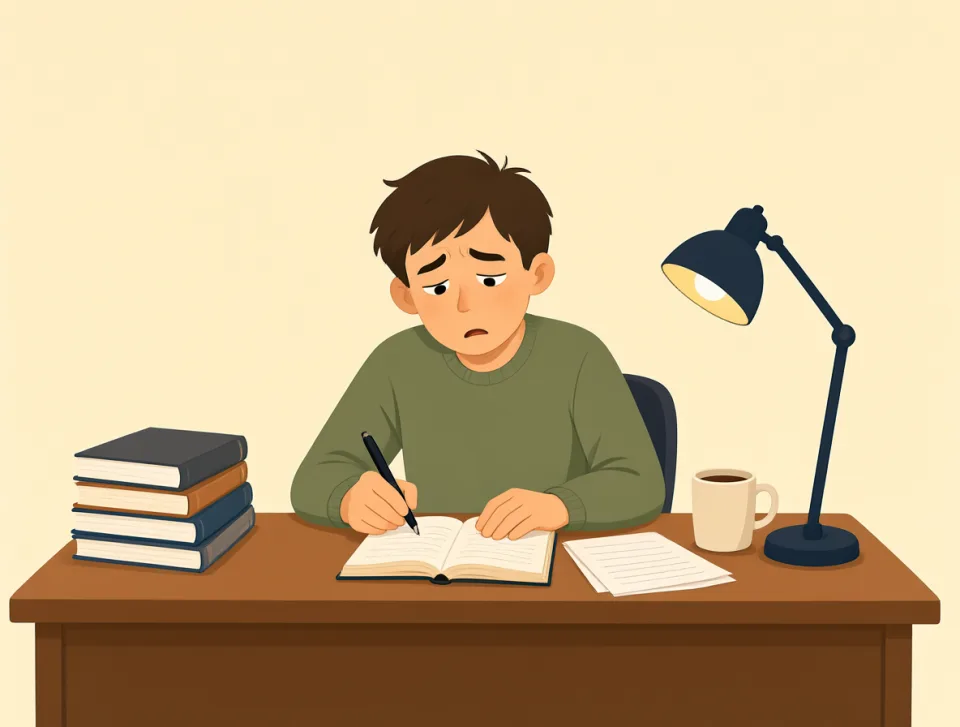
He worked through the night to finish.
그는 일을 끝내기 위해 밤새 일했다.
down
#109adverb, preposition, adjective, verb, noun
아래로; 내려; 적어; 고장 난
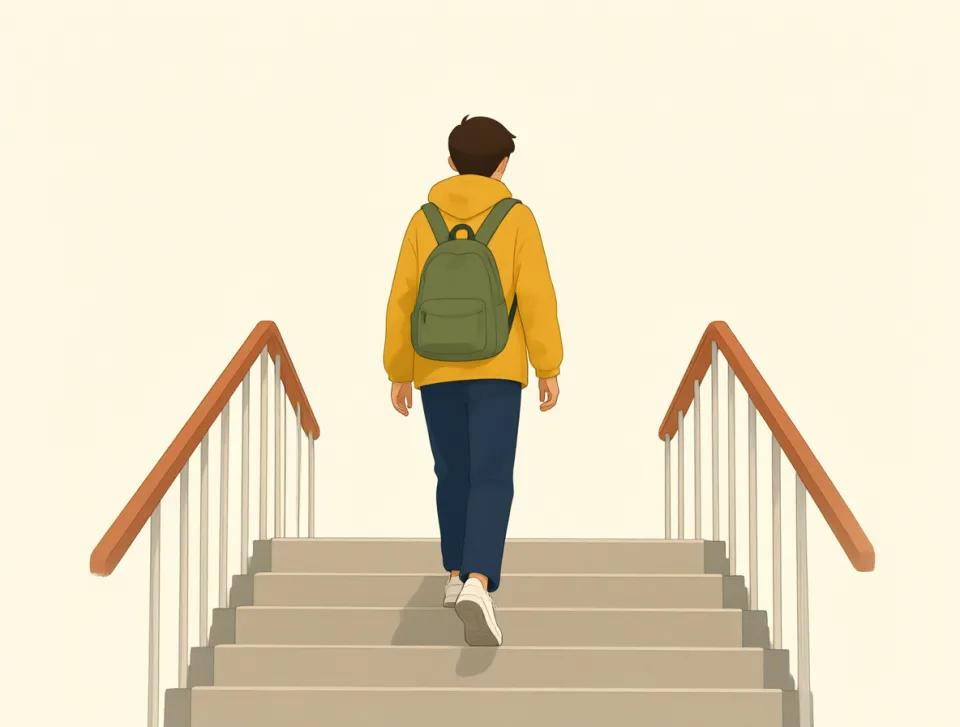
Toward a lower place or position; to a lower level; or not working.
더 낮은 곳이나 위치로, 더 낮은 수준으로 향하는 것 또는 작동하지 않는 것
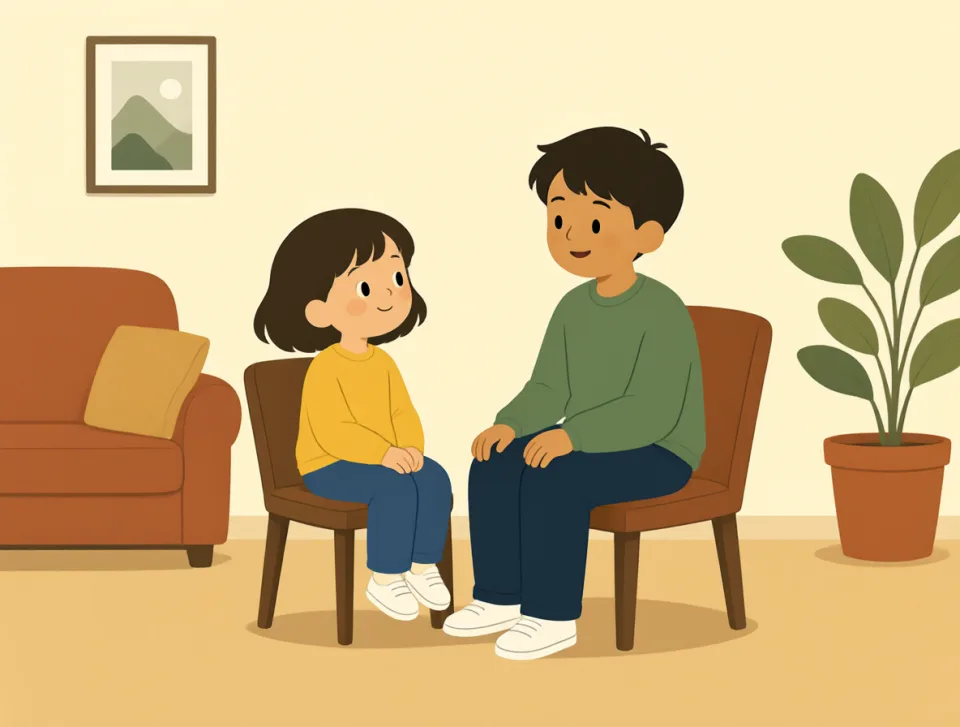
Please sit down beside me.
제 옆에 앉으세요.
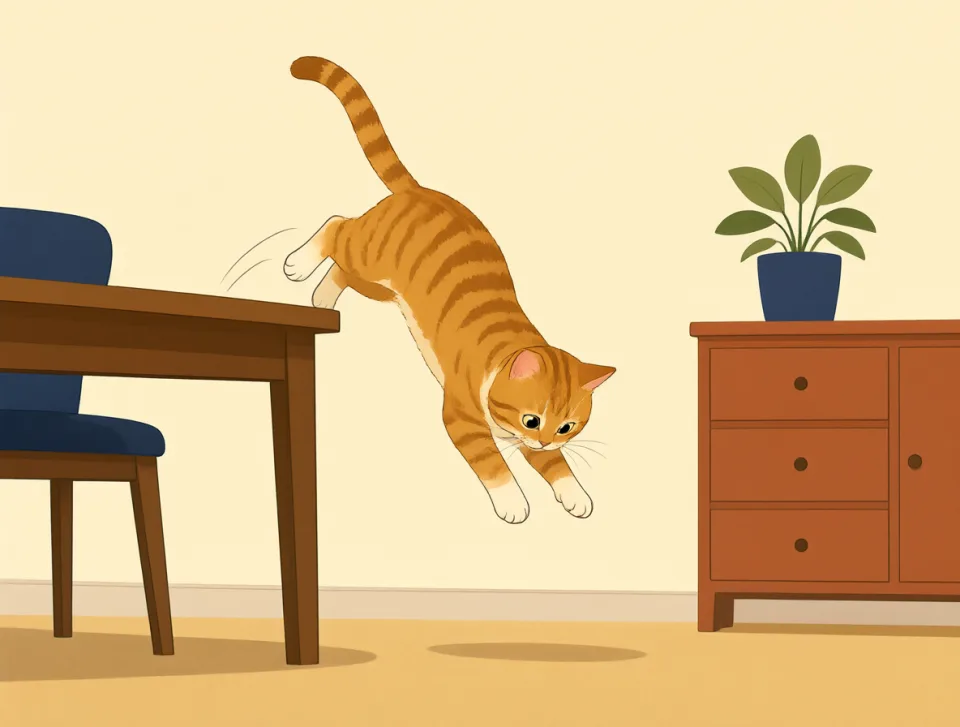
The cat jumped down from the table.
고양이가 탁자에서 뛰어내렸어요.
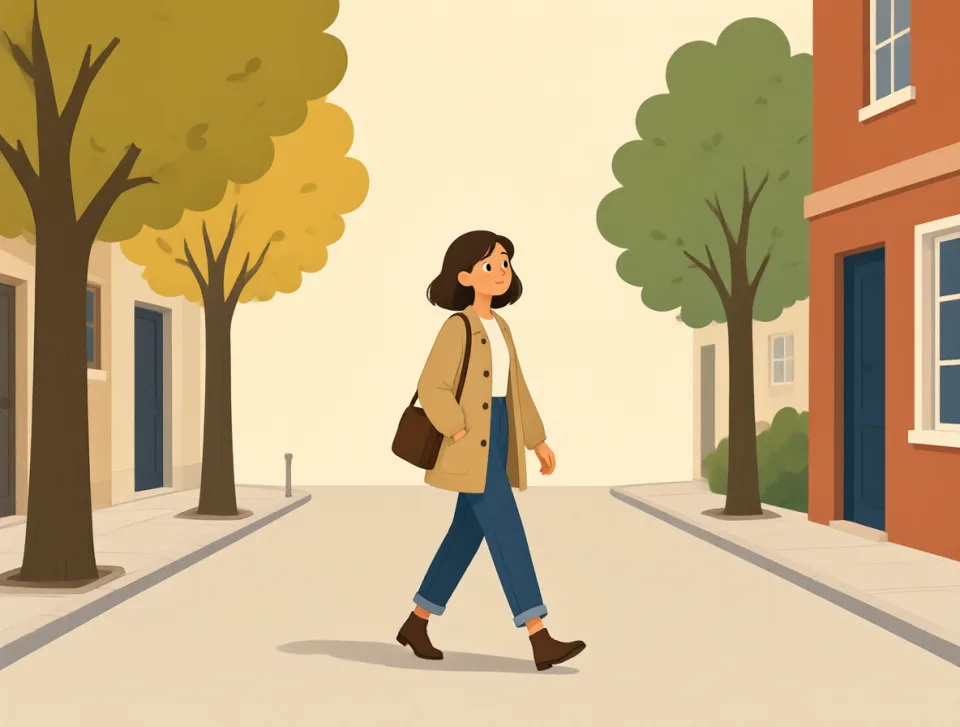
She walked down the street slowly.
그녀는 거리를 천천히 걸어갔어요.
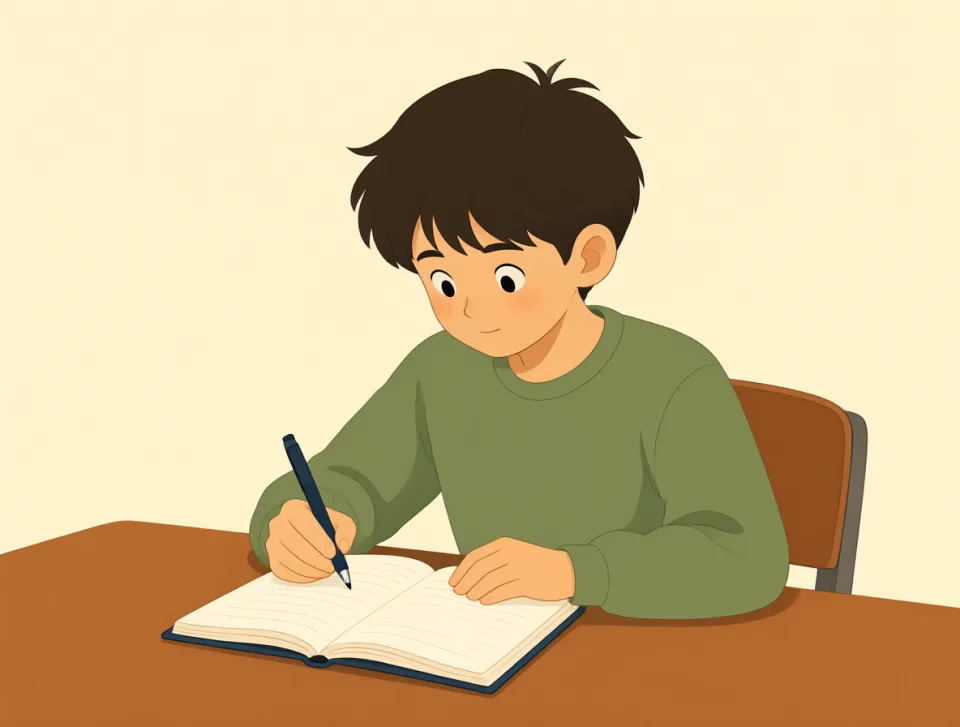
Write down your name and address.
이름과 주소를 적으세요.
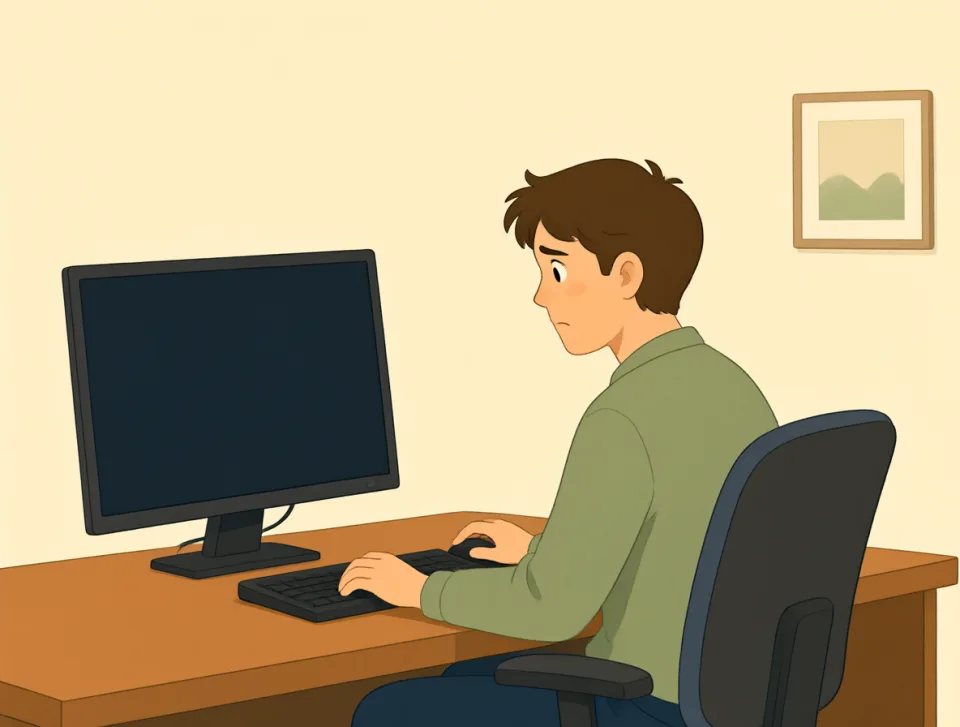
The computer is down this morning.
오늘 아침에는 컴퓨터가 작동하지 않아요.
show
#110verb, noun
보여 주다; 공연; 프로그램
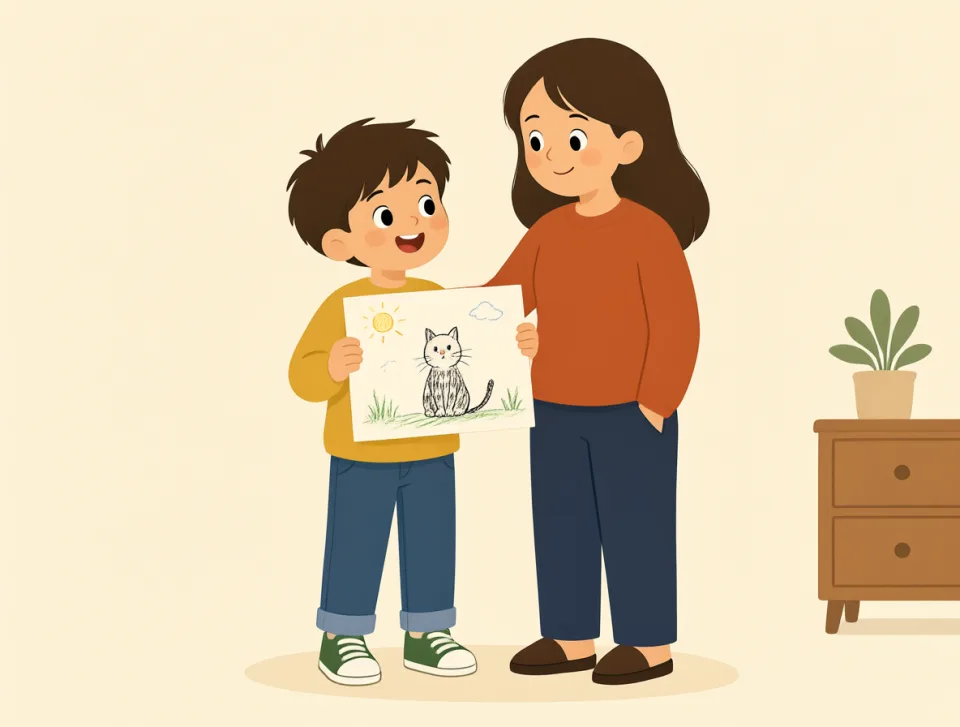
to let someone see something or to give a performance for people
누군가에게 무언가를 보게 하거나 사람들 앞에서 공연을 하다
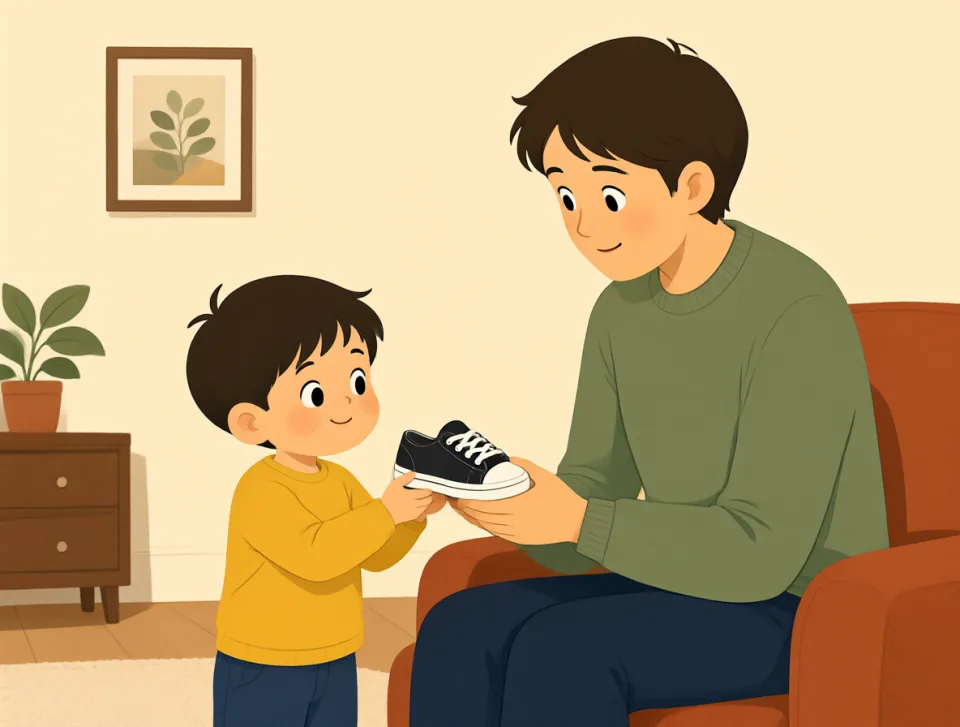
Please show me your new shoes.
내 새 신발 좀 보여 줄래?
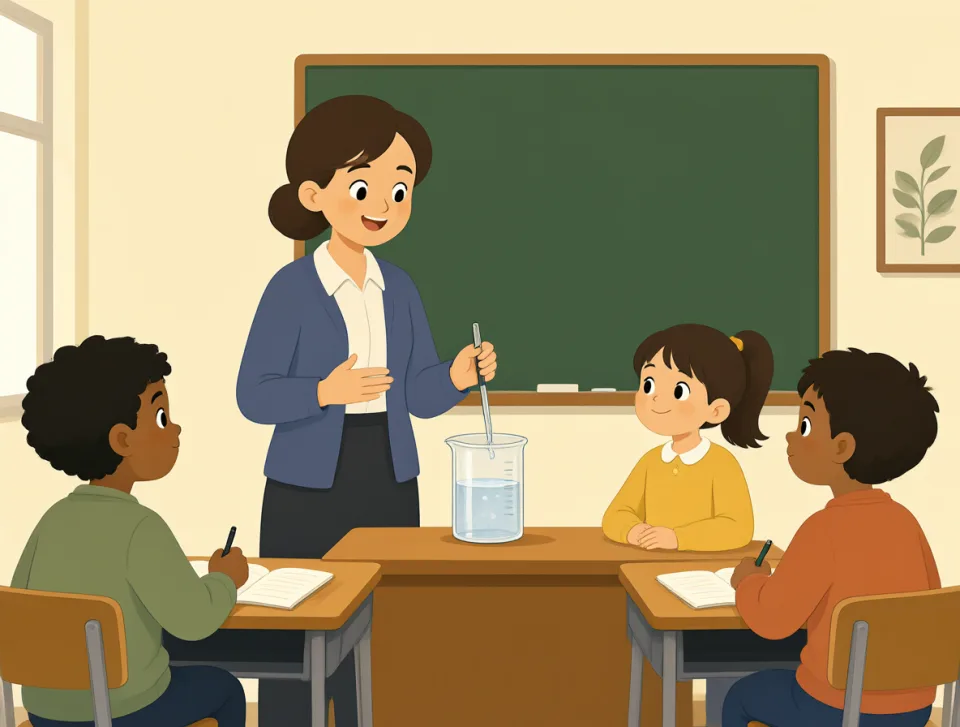
The teacher showed us a science experiment.
선생님은 우리에게 과학 실험을 보여 주셨다.
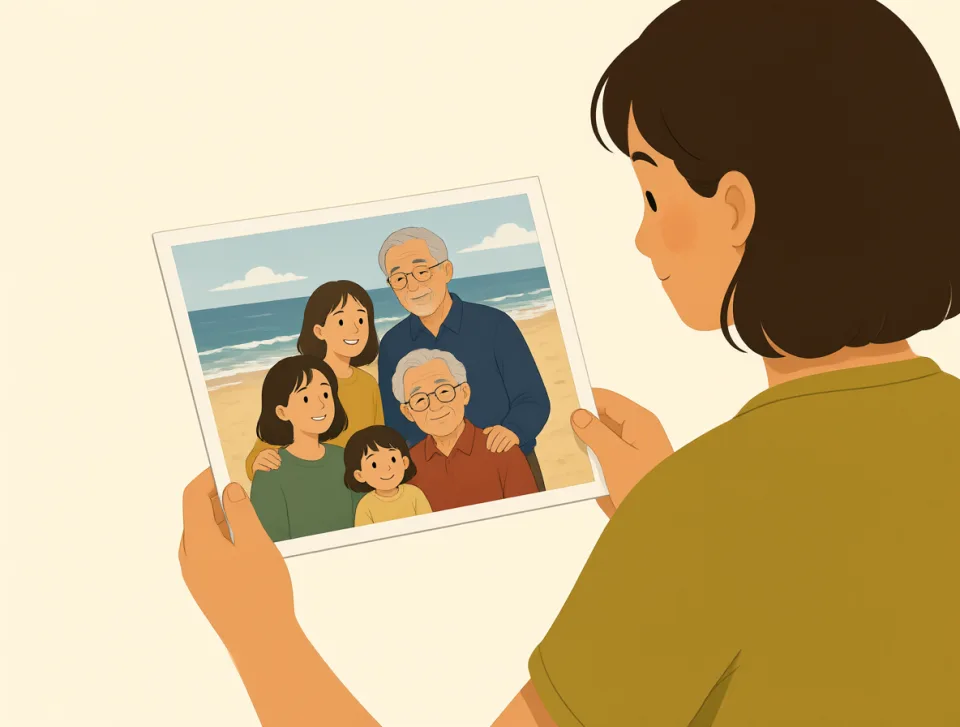
This photo shows my family at the beach.
이 사진에는 해변에 있는 우리 가족의 모습이 담겨 있다.
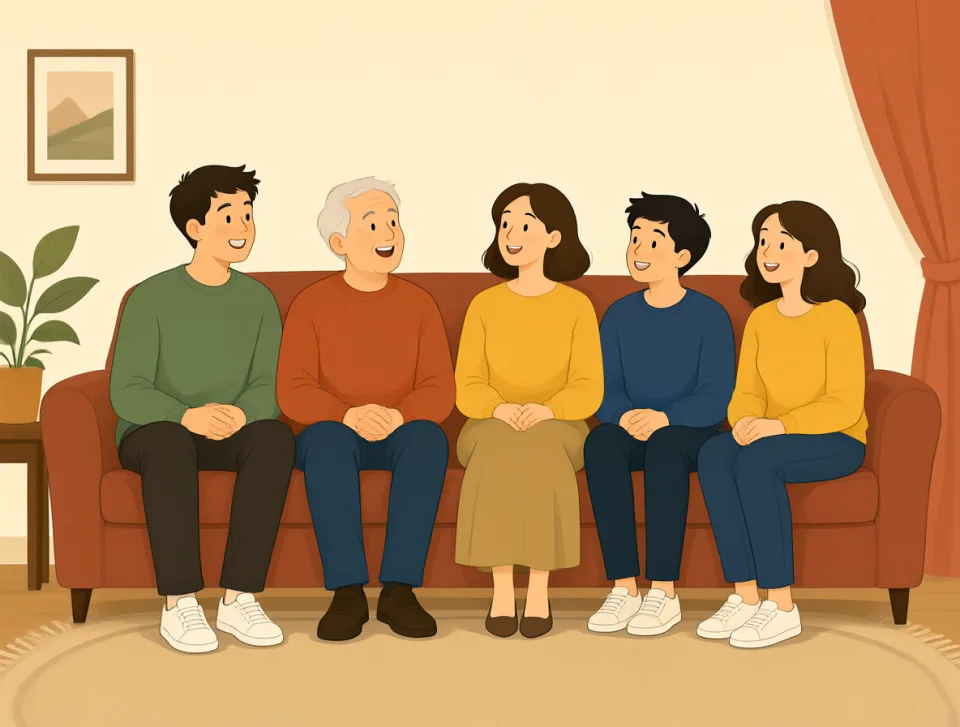
We watched a great show last night.
우리는 어젯밤에 정말 멋진 공연을 봤다.
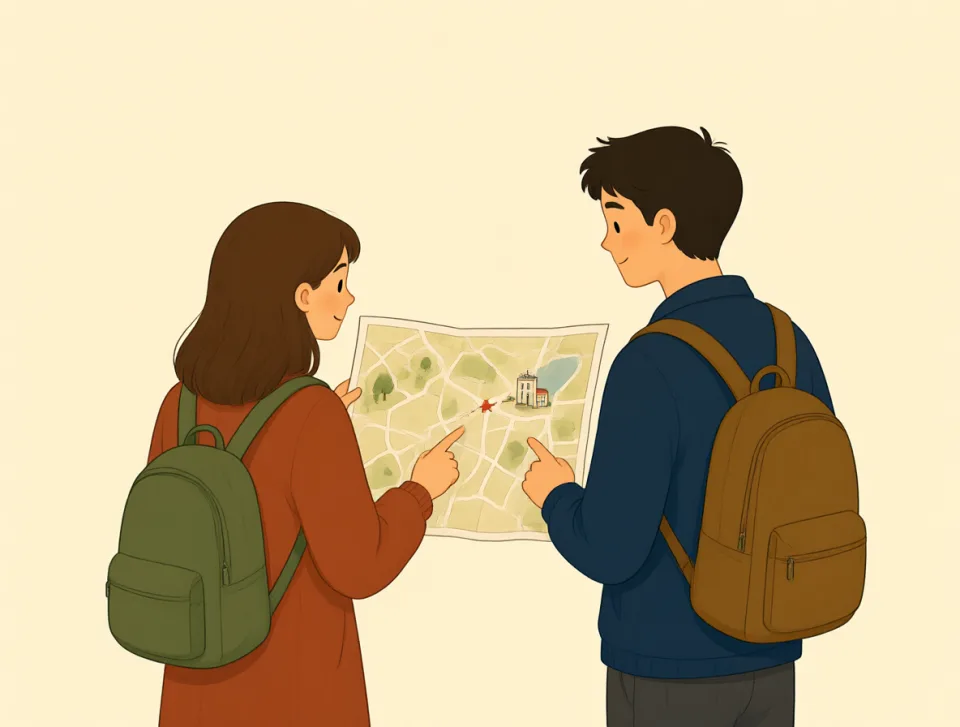
The map showed us the way to the hotel.
그 지도는 우리에게 호텔로 가는 길을 알려 주었다.

life
#111noun
삶; 인생; 생명
The time between being born and dying, or the way someone lives.
태어나서 죽을 때까지의 시간 또는 사람이 살아가는 방식
Life is very different in a big city.
대도시의 삶은 매우 다르다.
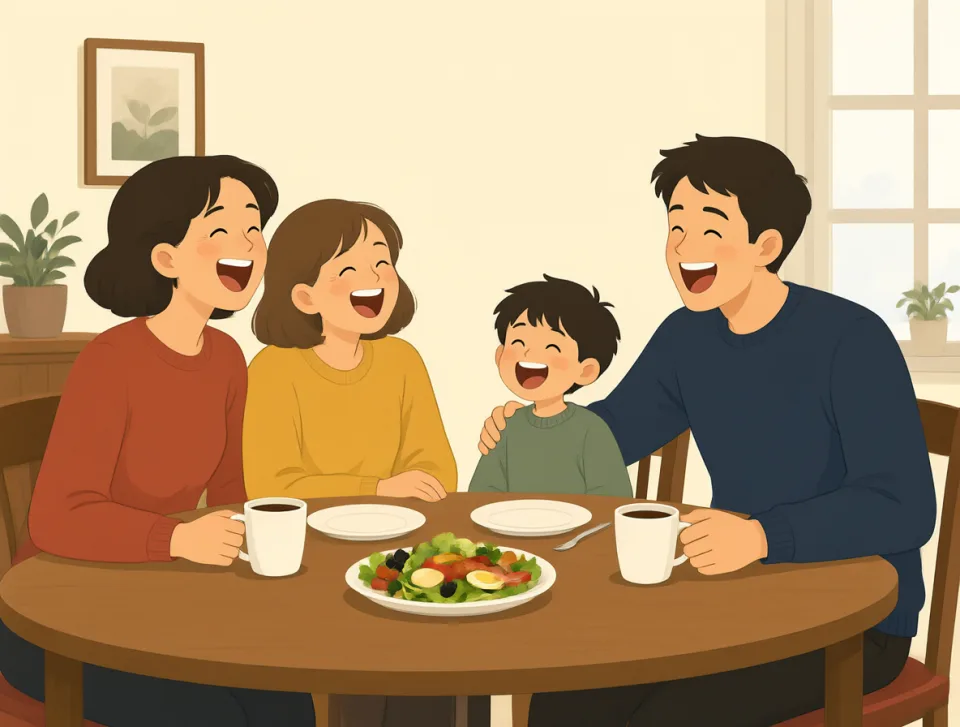
She enjoys life with her family.
그녀는 가족과 함께하는 삶을 즐긴다.
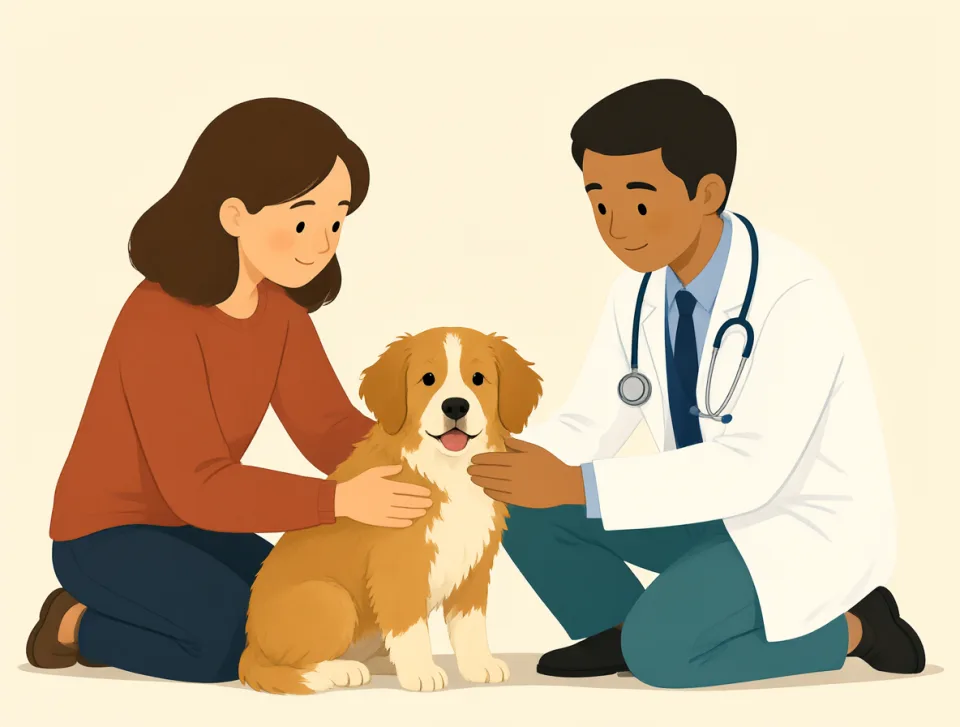
He saved the dog's life.
그는 그 개의 목숨을 구했다.

Travel changed my life completely.
여행은 내 인생을 완전히 바꿔 놓았다.
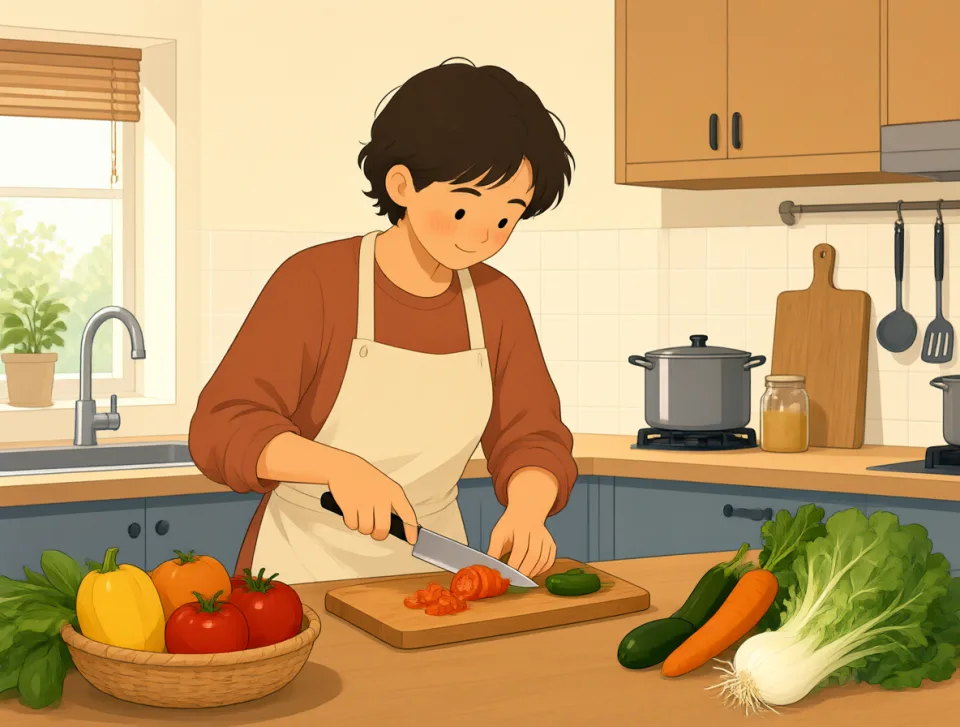
Healthy food is important for a long life.
건강한 음식은 오래 사는 데 중요하다.
man
#112noun, verb
남자; 운영하다
An adult male person; to work or operate something by hand.
성인 남성; 손으로 무언가를 일하거나 조작하다.
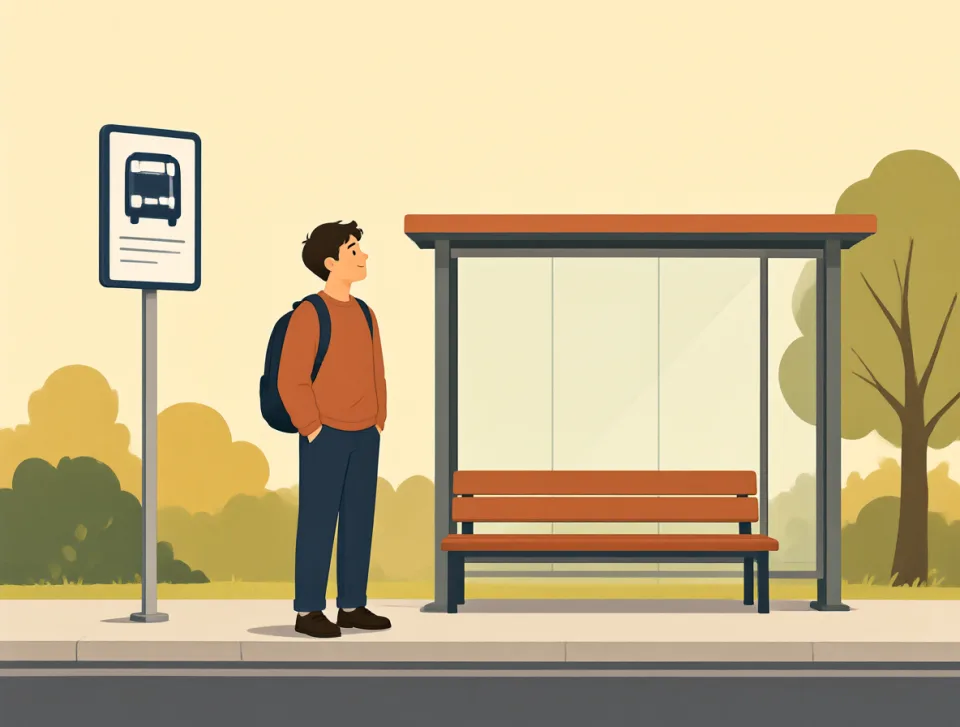
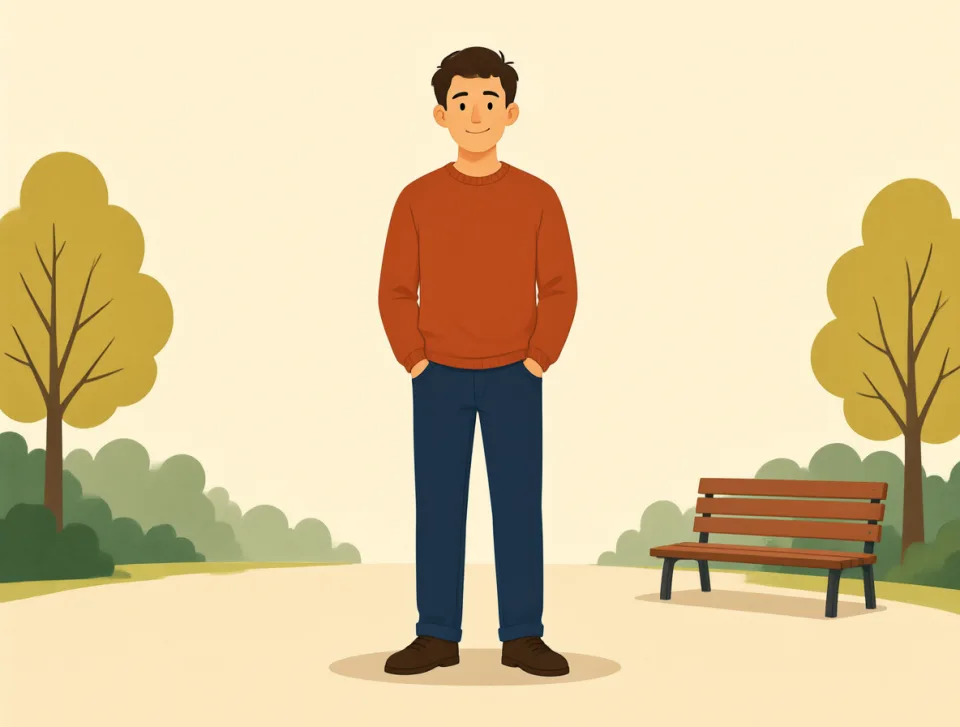
The man is waiting for the bus.
그 남자는 버스를 기다리고 있다.

A young man works in our office.
한 젊은 남자가 우리 사무실에서 일한다.

The shop man helped me find shoes.
그 가게 직원이 내가 신발을 고르는 것을 도와주었다.
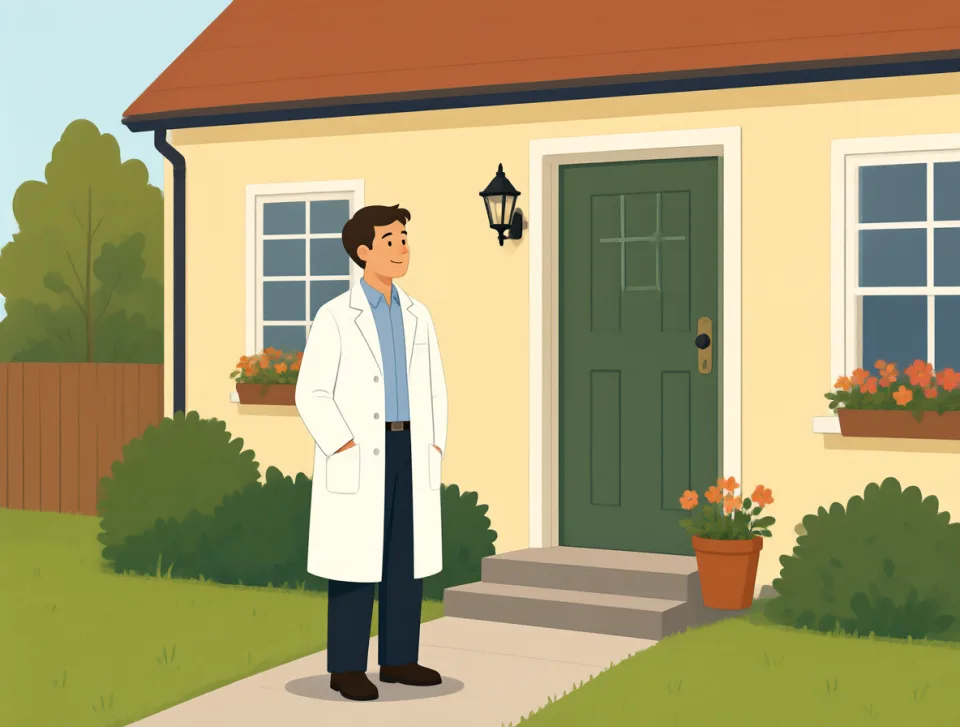
The man next door is a doctor.
옆집 남자는 의사다.
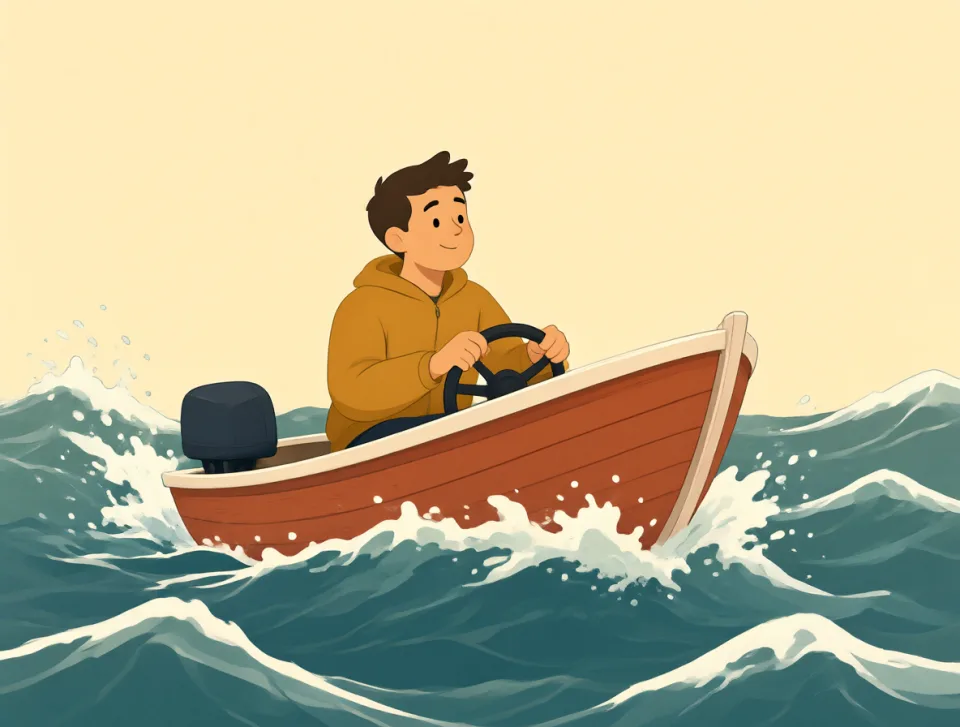
He manned the boat during the storm.
그는 폭풍우가 몰아치는 동안 보트를 조종했다.
change
#113noun, verb
바꾸다; 변화
to make something different, or the act of making something different
무언가를 다르게 만들다, 또는 무언가를 다르게 만드는 행위
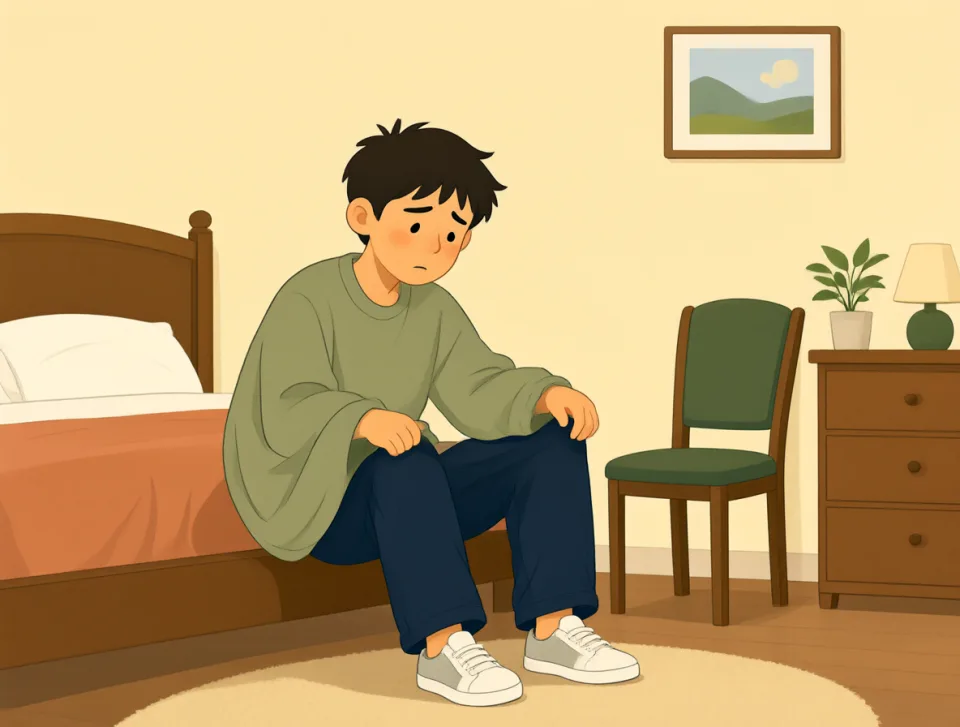
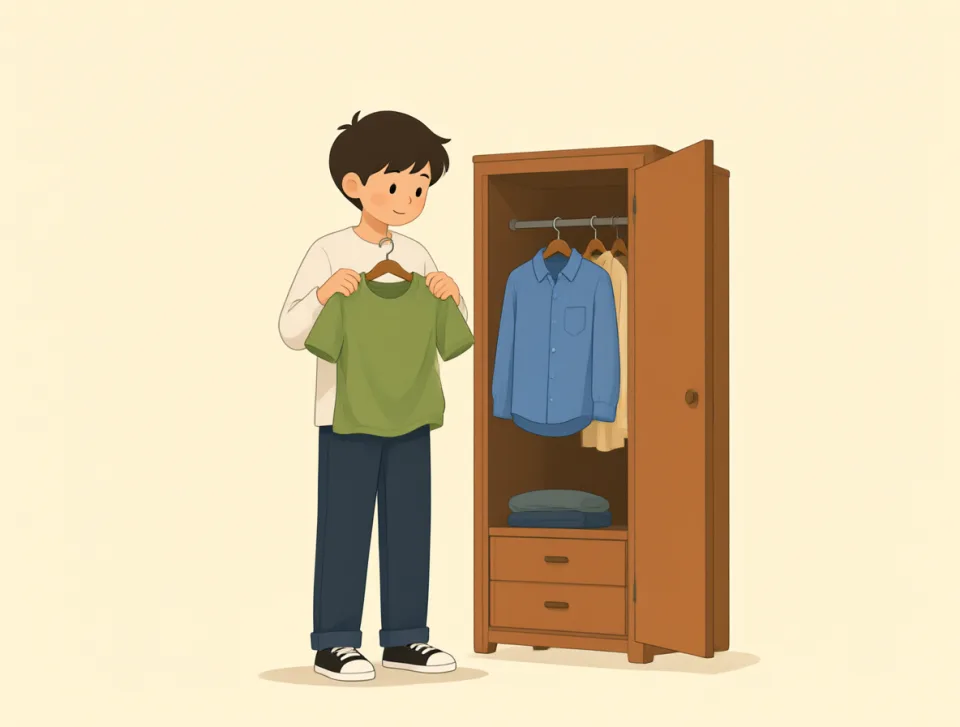
I need to change my clothes after work.
퇴근 후에 옷을 갈아입어야 해요.
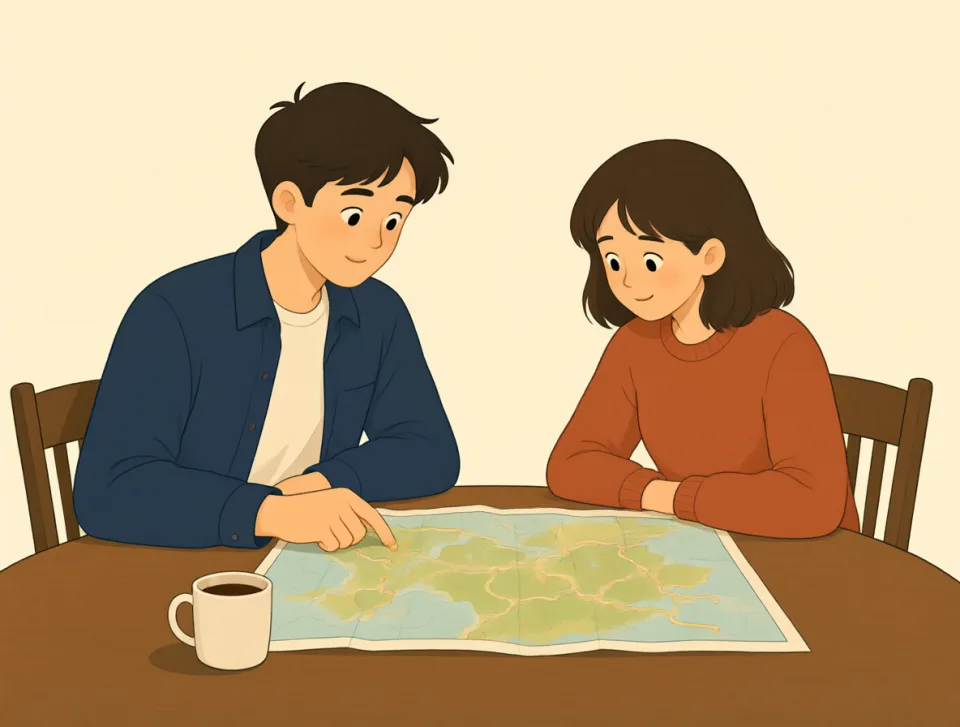
Can you change your travel plans today?
오늘 여행 계획을 바꿀 수 있어요?
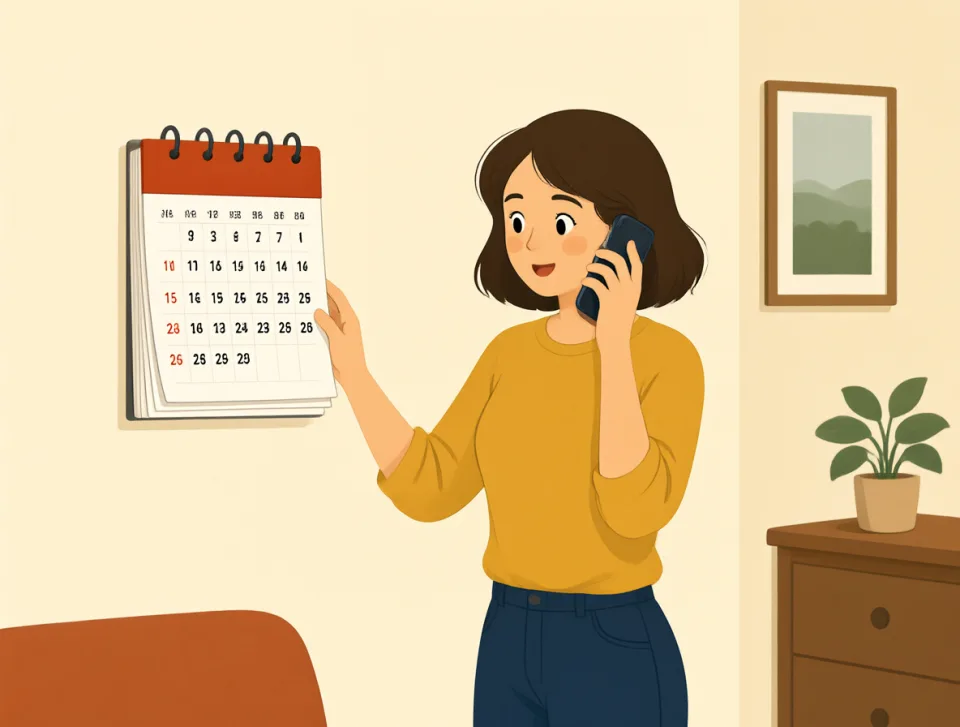
She changed her appointment to Friday.
그녀는 약속을 금요일로 변경했어요.
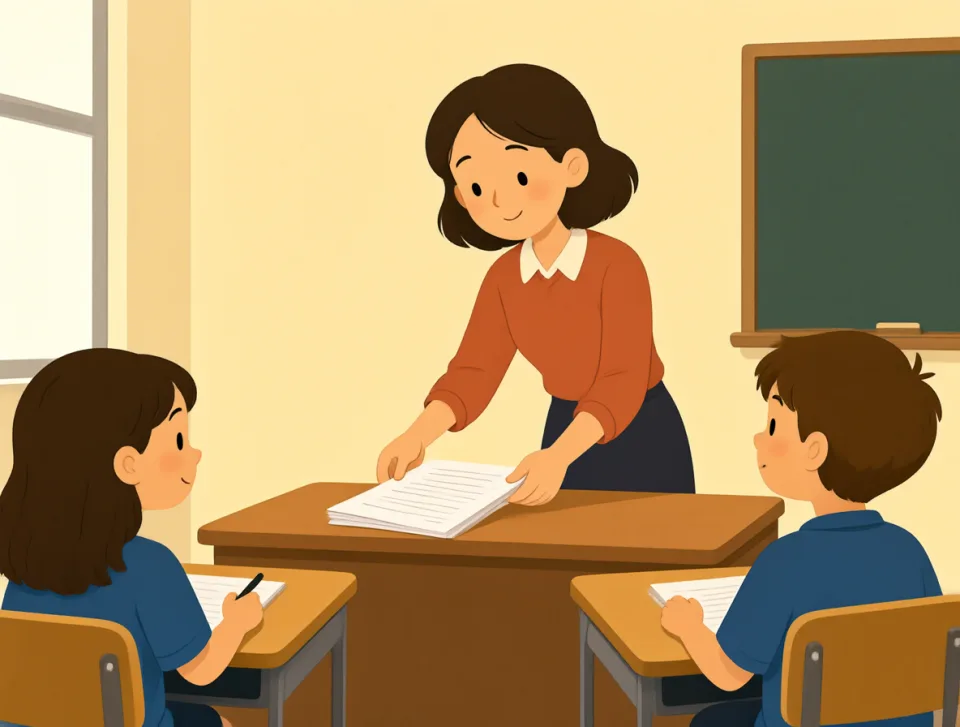
The teacher changed the lesson for us.
선생님은 우리를 위해 수업 내용을 바꾸셨어요.
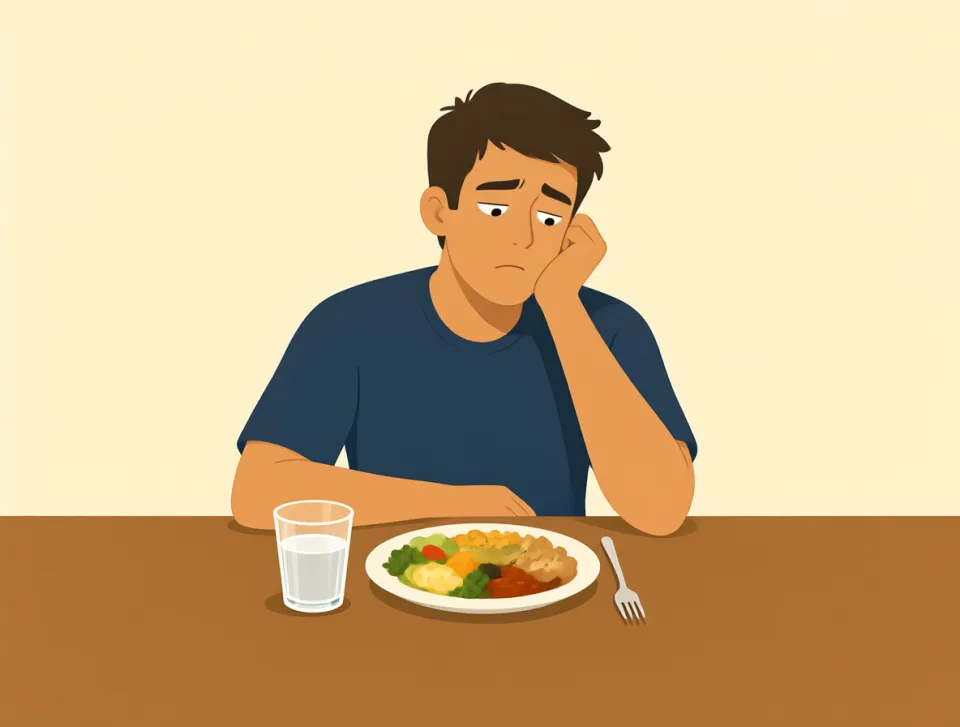
He needs a change after eating the same meal.
같은 음식을 계속 먹고 나니 기분 전환이 필요해요.
place
#114noun, verb
장소; 두다; 배치하다; (경기에서) 입상하다
A particular area, position, or position for someone or something.
누군가 또는 무언가가 있는 특정한 지역이나 위치.
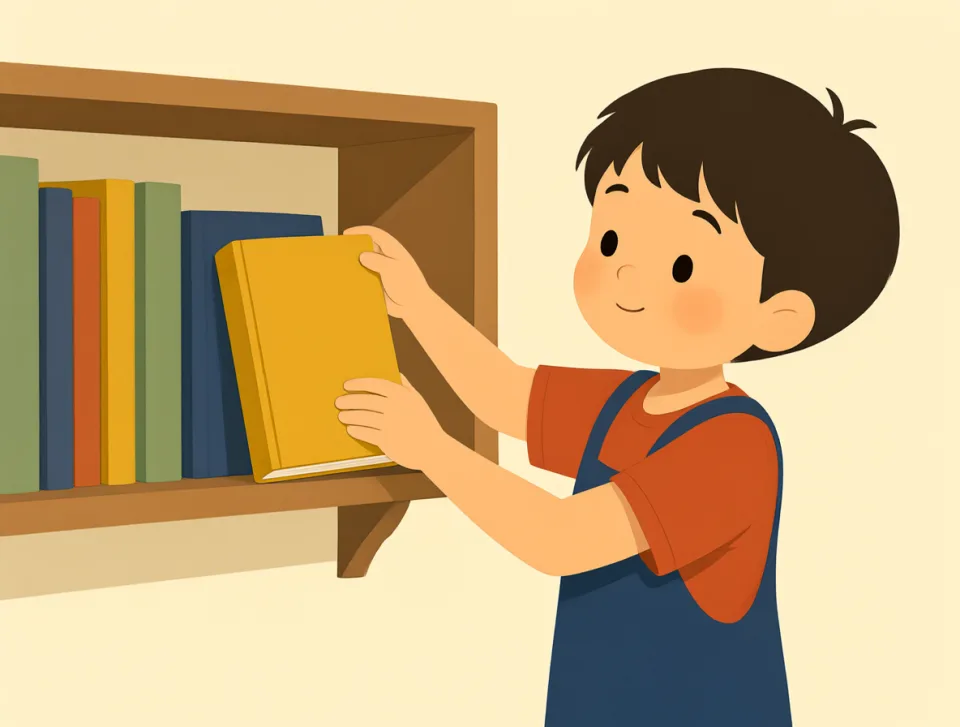
Please put the books in their place.
책을 제자리에 놓아 주세요.

We found a quiet place to eat.
우리는 식사할 조용한 장소를 찾았다.
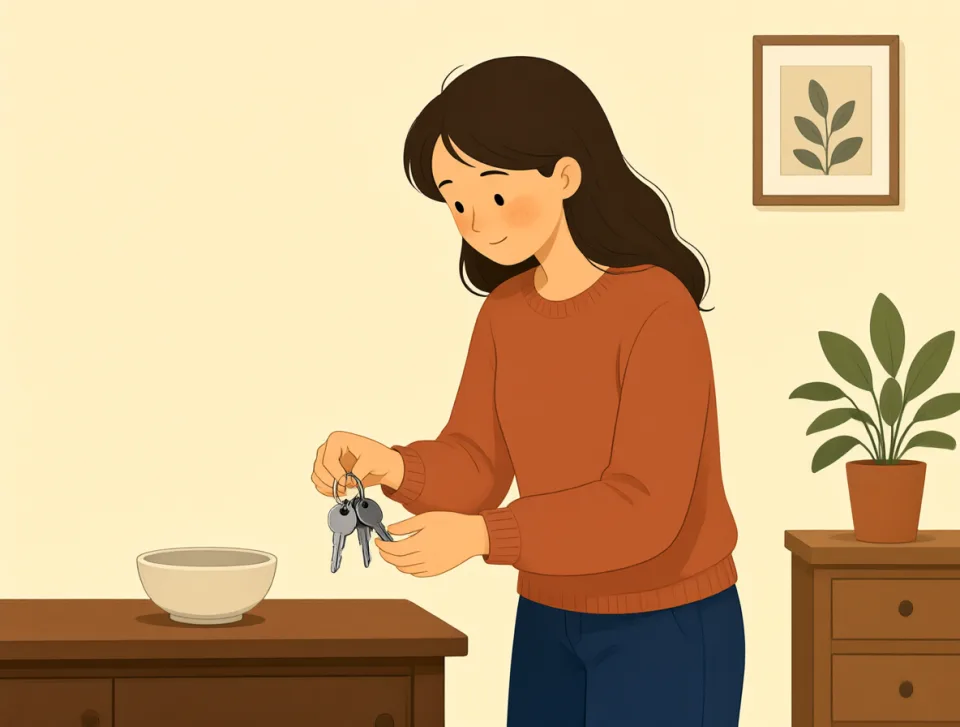
She placed the keys on the table.
그녀는 열쇠를 탁자 위에 놓았다.
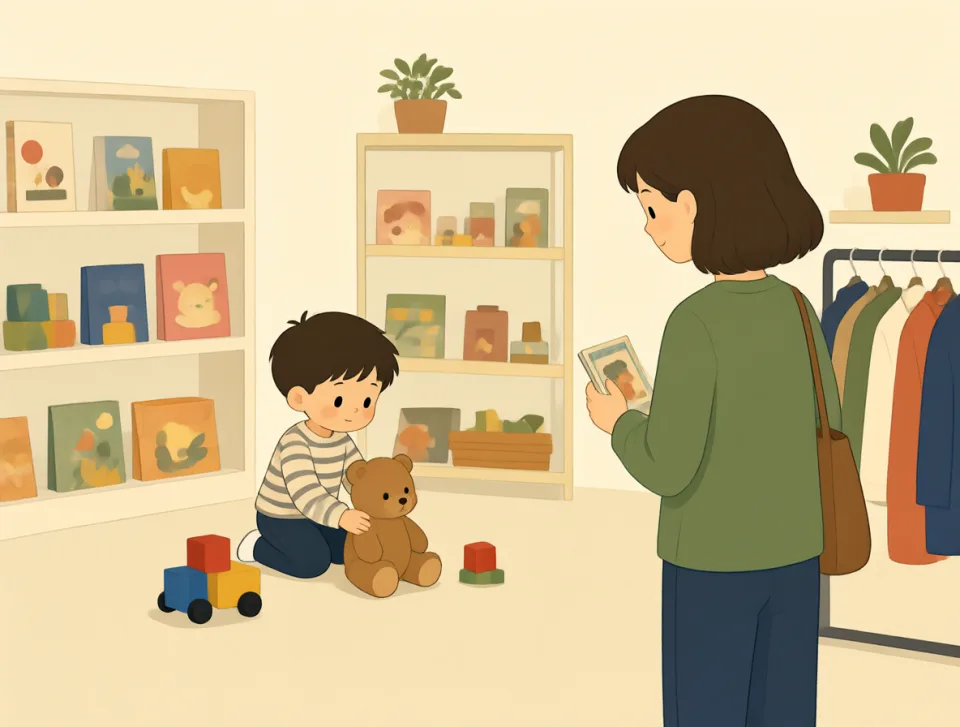
This store has a place for children.
이 가게에는 아이들을 위한 공간이 있다.
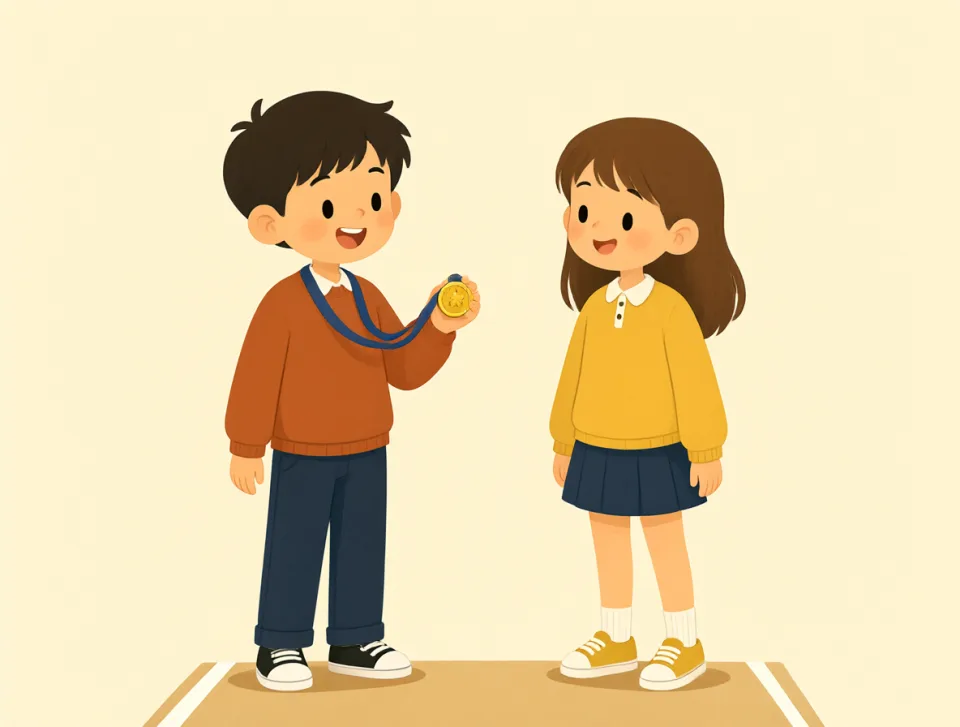
They placed first in the school race.
그들은 학교 경주에서 1위를 차지했다.
long
#115adjective, adverb, verb, noun
긴; 오래; 간절히 바라다
Continuing for a great distance or time; or wanting something very much.
아주 먼 거리나 오랜 시간 동안 계속되는; 또는 무언가를 매우 간절히 원하는
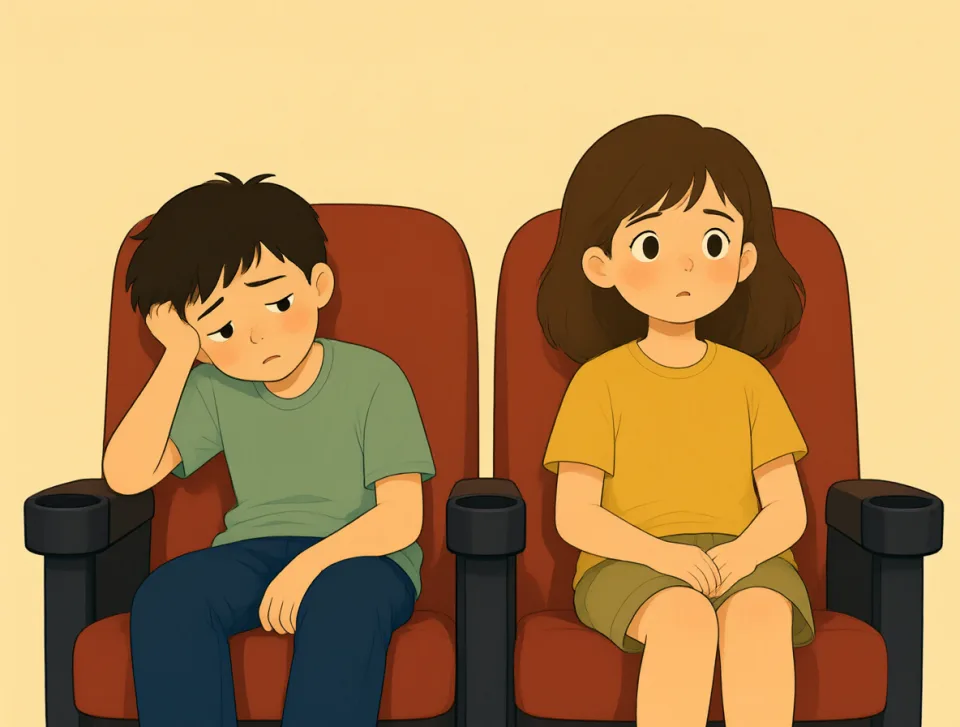
The movie was too long for the children.
그 영화는 아이들에게 너무 길었다.
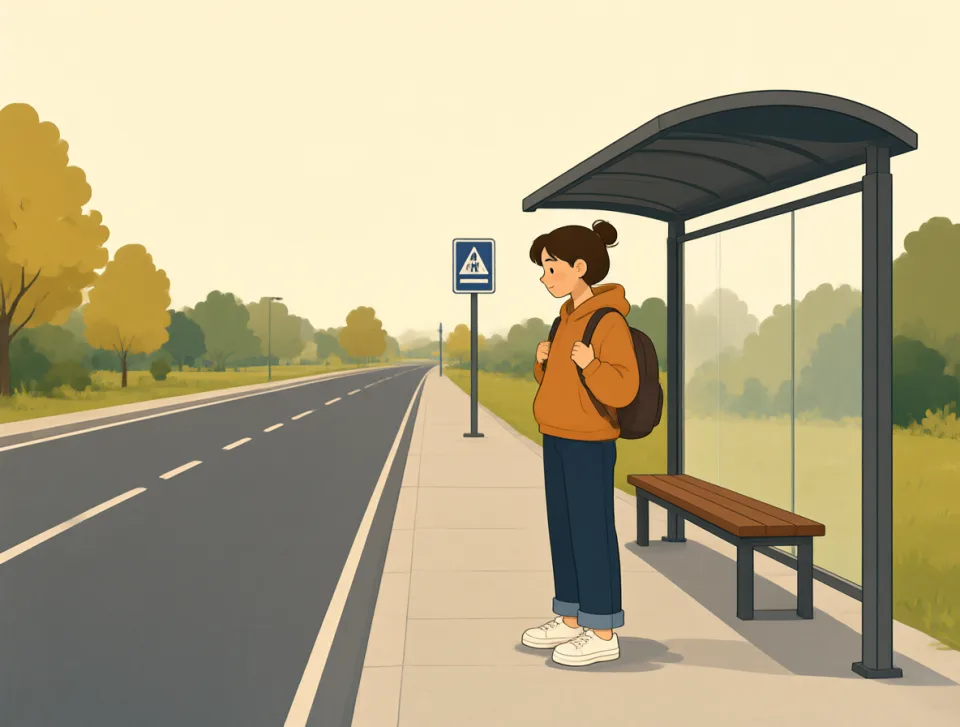
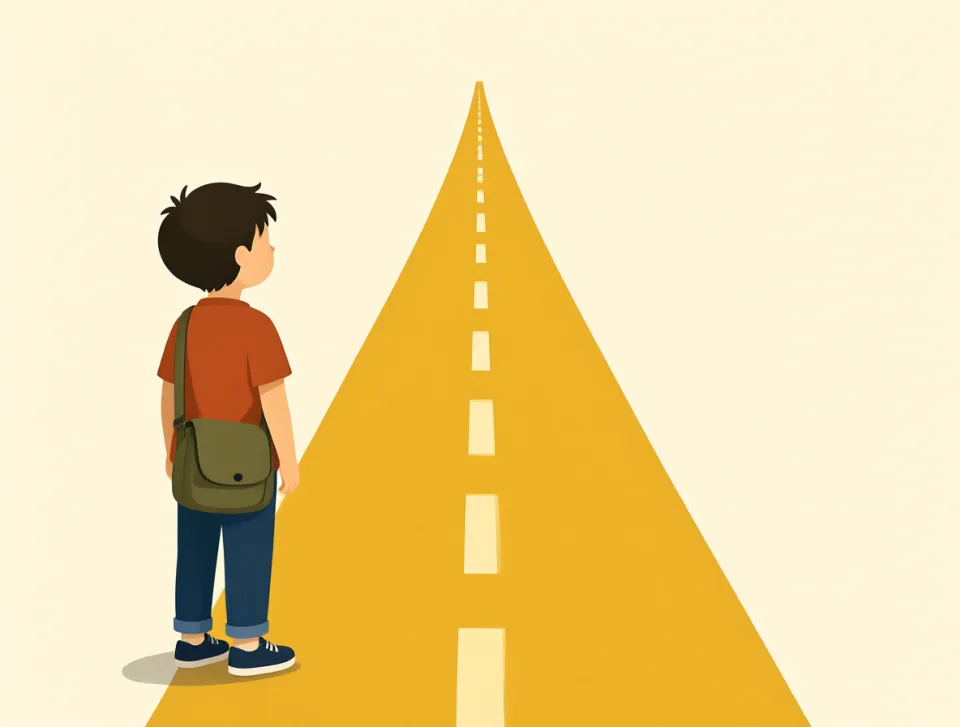
Please wait a long time for the bus.
버스를 오래 기다려 주세요.
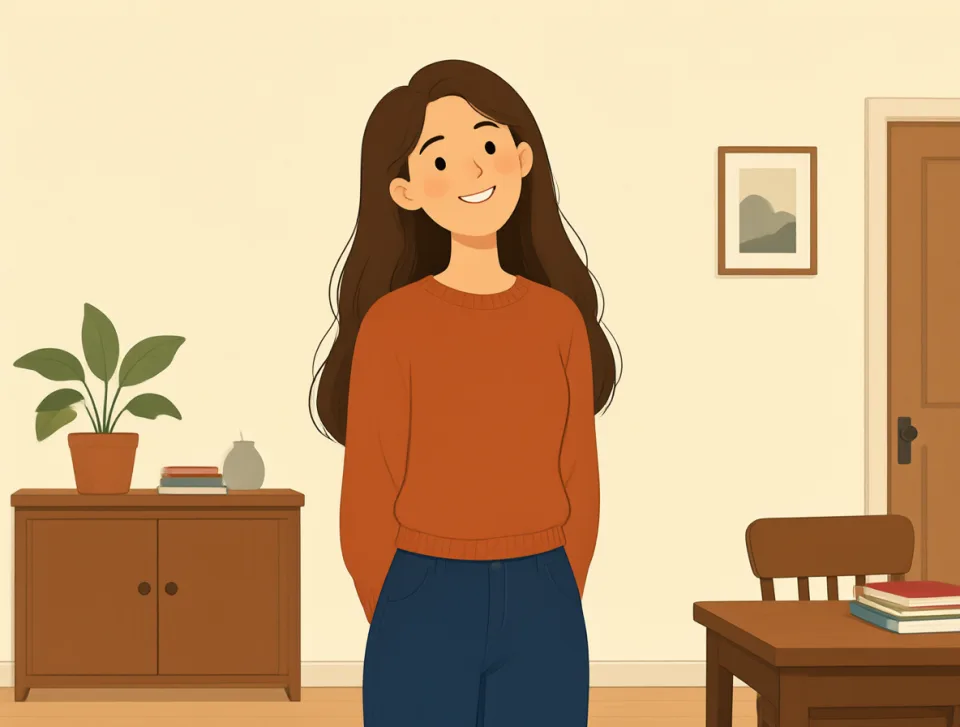
She has long hair and wears a blue dress.
그녀는 긴 머리를 하고 파란 드레스를 입는다.
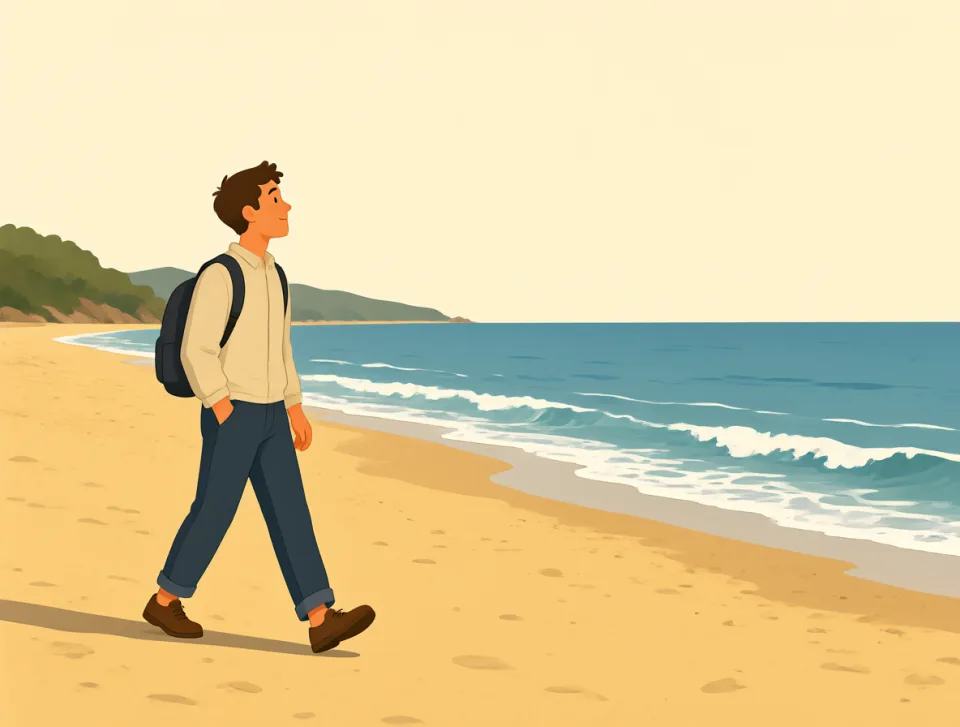
He walked along the beach for a long time.
그는 해변을 따라 오랫동안 걸었다.
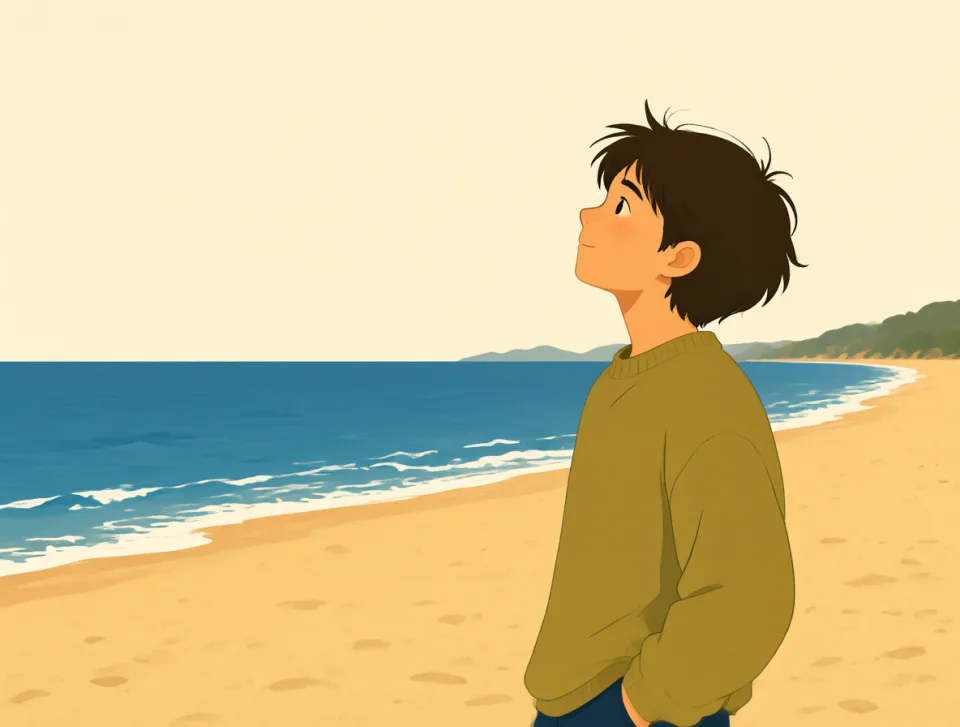
I long for a quiet holiday by the sea.
나는 바닷가에서 조용히 휴가를 보내고 싶다.
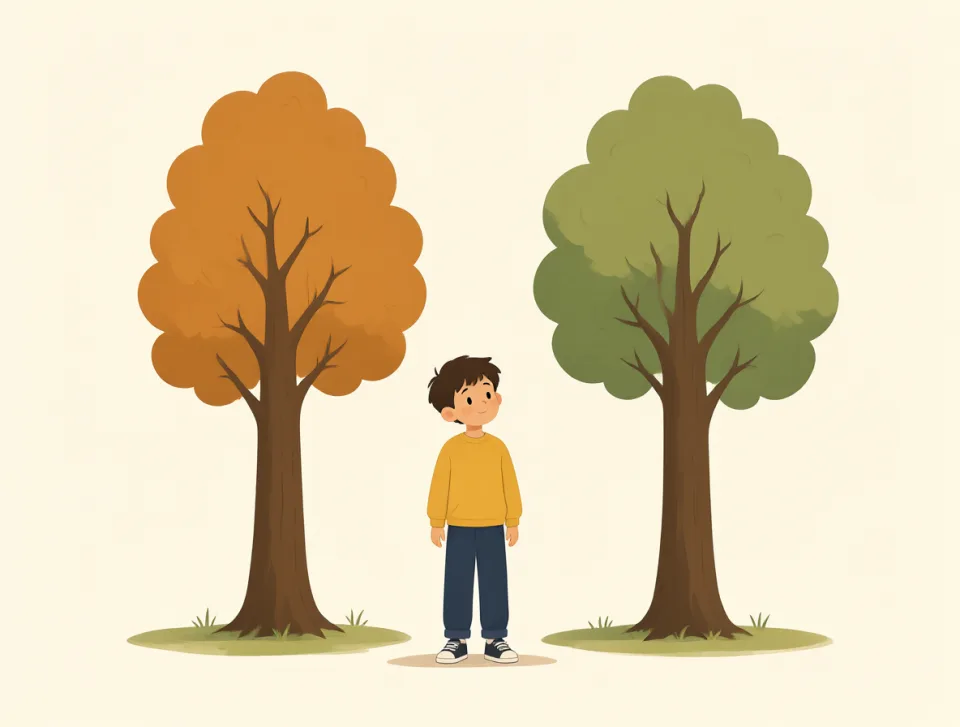
between
#116preposition, adverb
~사이에; ~간에
in or into the space separating two people, things, or places
두 사람이나 사물 또는 장소를 나누는 공간 안에 또는 그곳으로
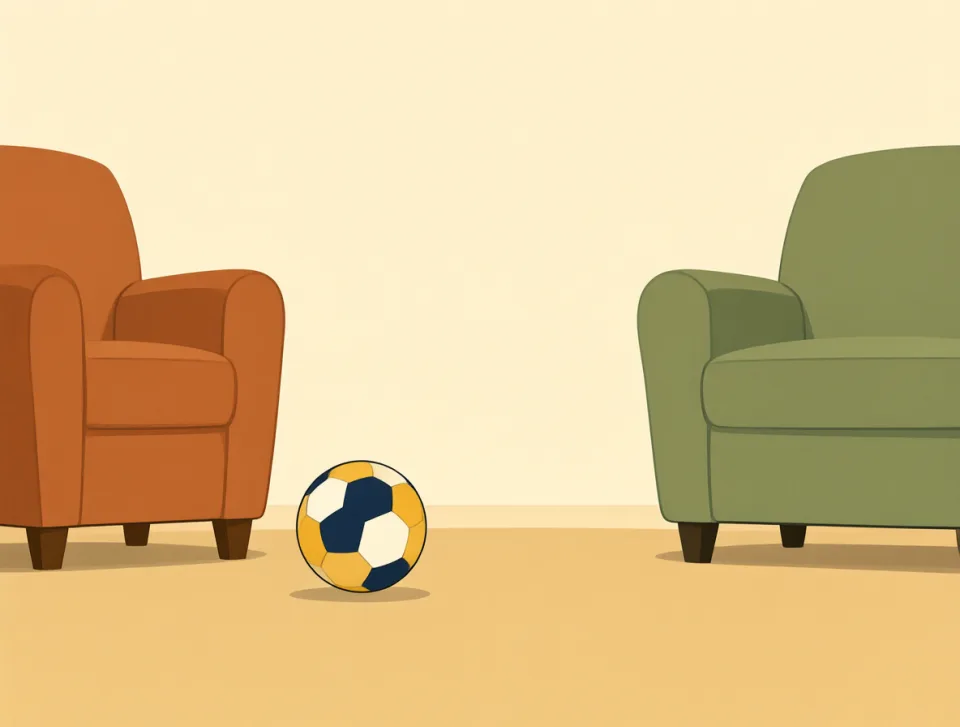
The ball rolled between the two chairs.
공이 의자 두 개 사이로 굴러갔다.
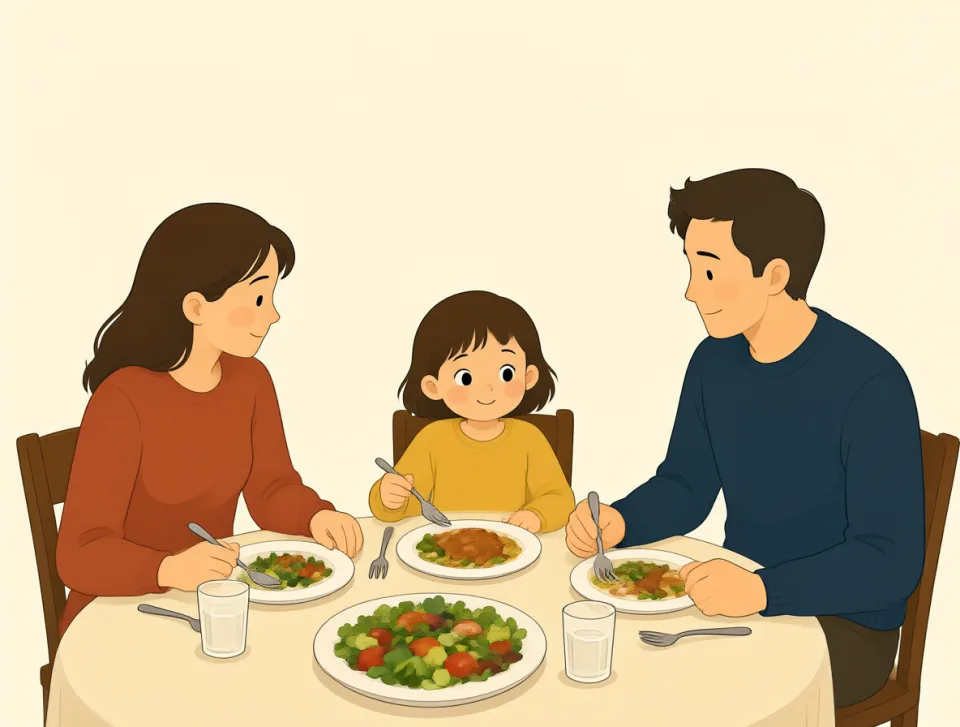
She sat between her parents at dinner.
그녀는 저녁 식사 때 부모님 사이에 앉았다.
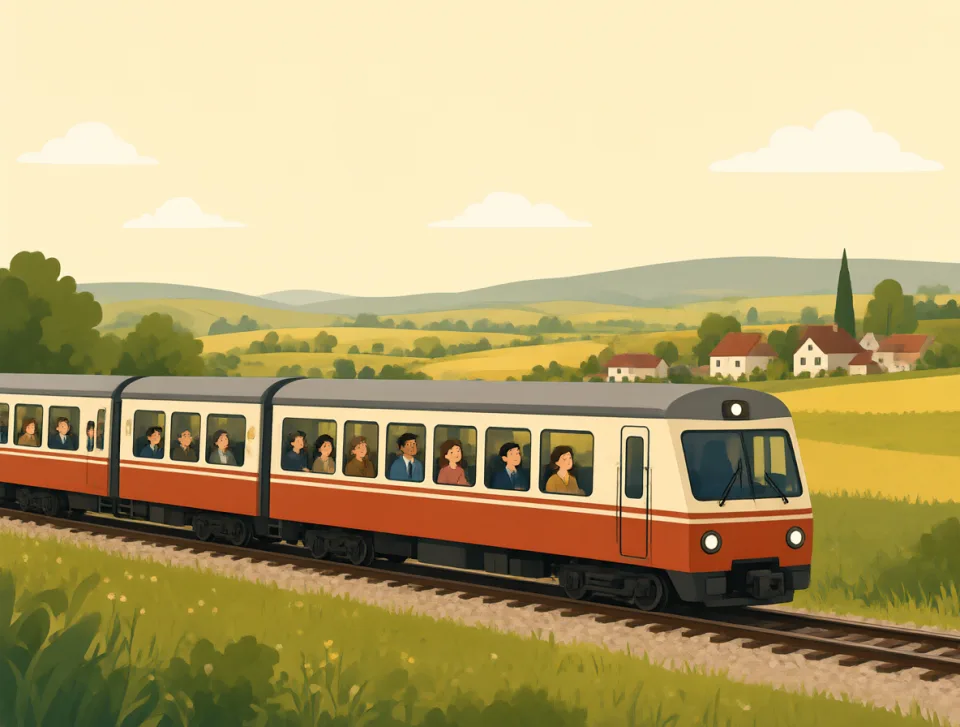
The train runs between London and Paris.
그 기차는 런던과 파리 사이를 운행한다.
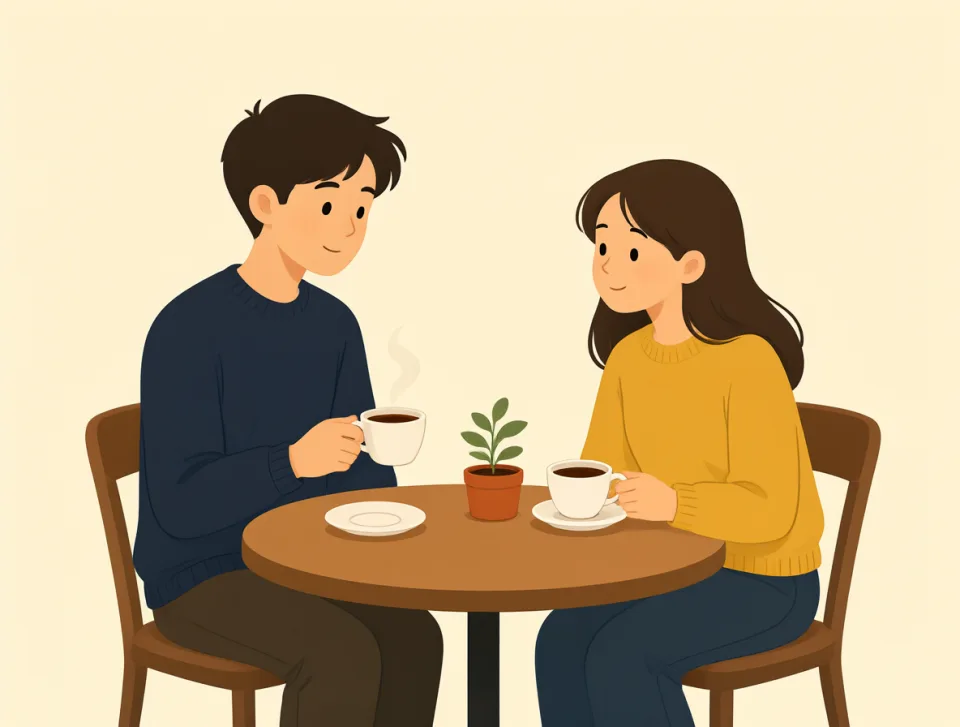
We must choose between tea and coffee.
우리는 차와 커피 중에서 골라야 한다.
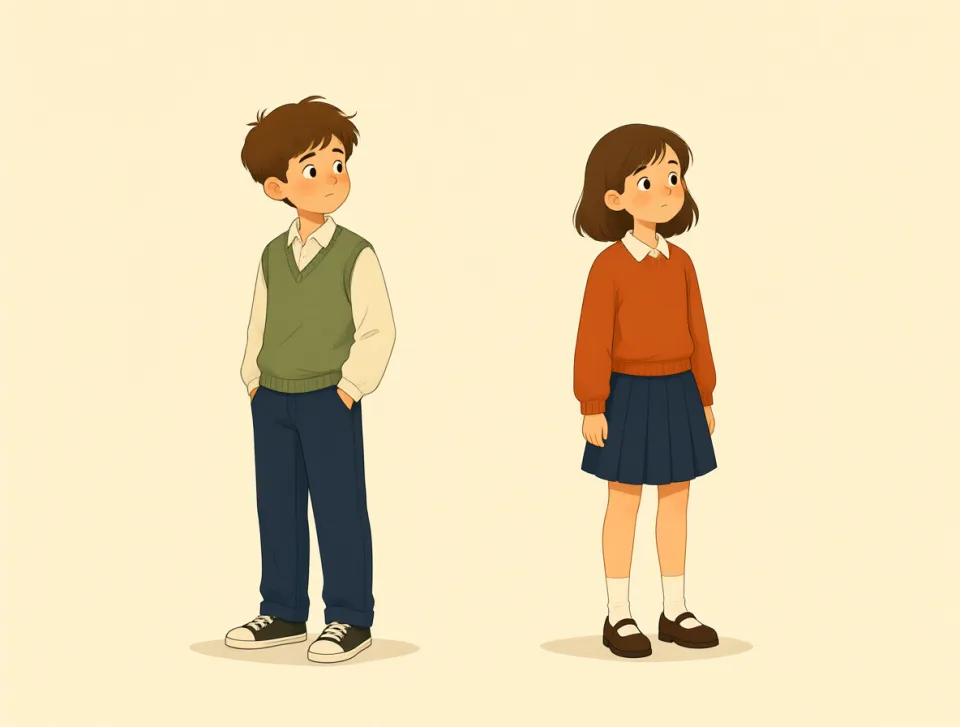
There is a big difference between them.
그들과 우리 사이에는 큰 차이가 있다.

feel
#117verb, noun
느끼다; 감각; 느낌
To experience something through your body, emotions, or thoughts.
몸이나 감정 또는 생각을 통해 무언가를 경험하다.
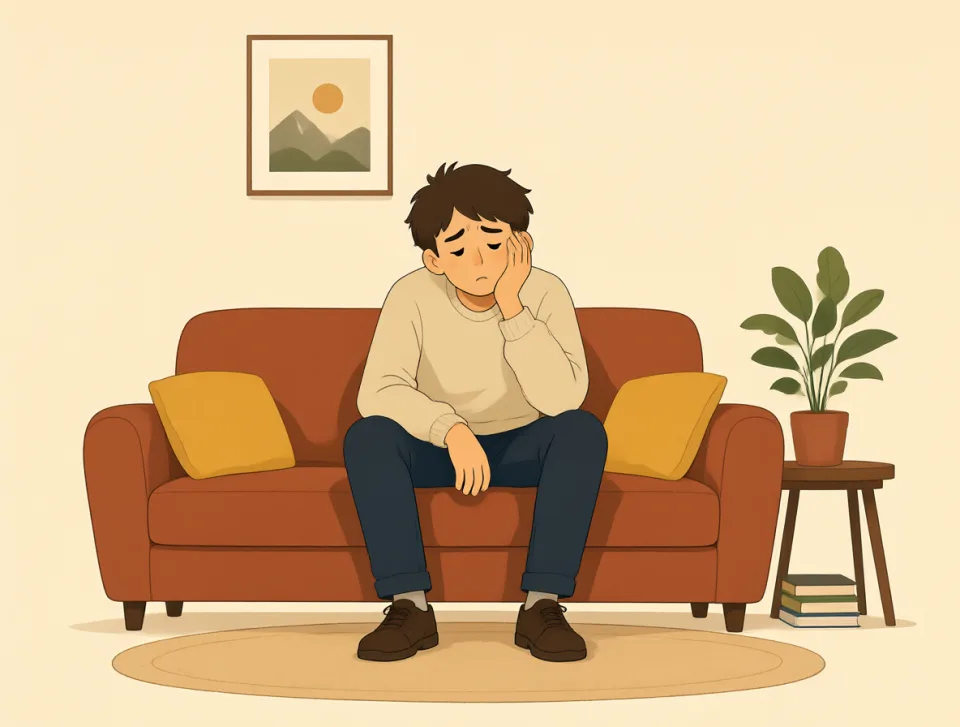
I feel tired after work.
나는 일하고 나면 피곤함을 느낀다.
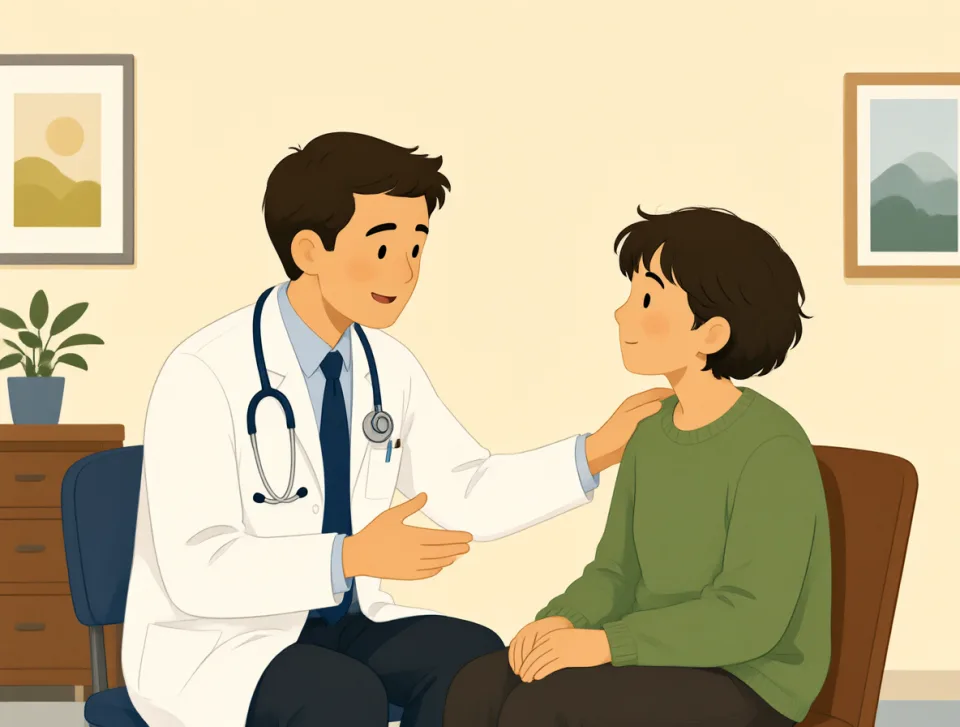
How do you feel today?
오늘 기분이 어때?
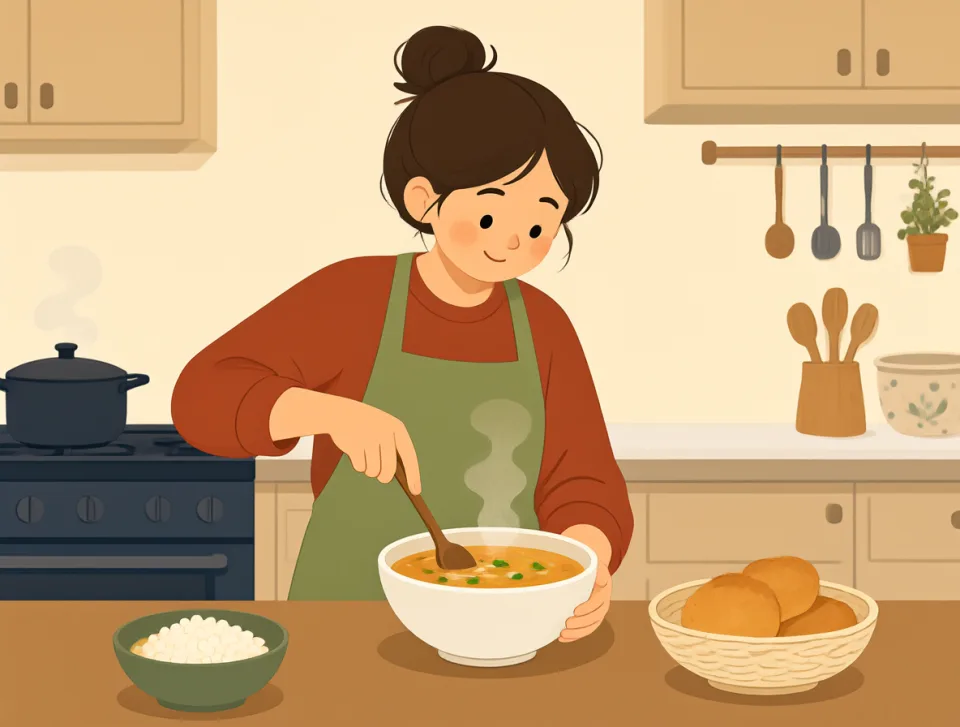
This soup feels too hot.
이 수프는 너무 뜨거운 것 같아.
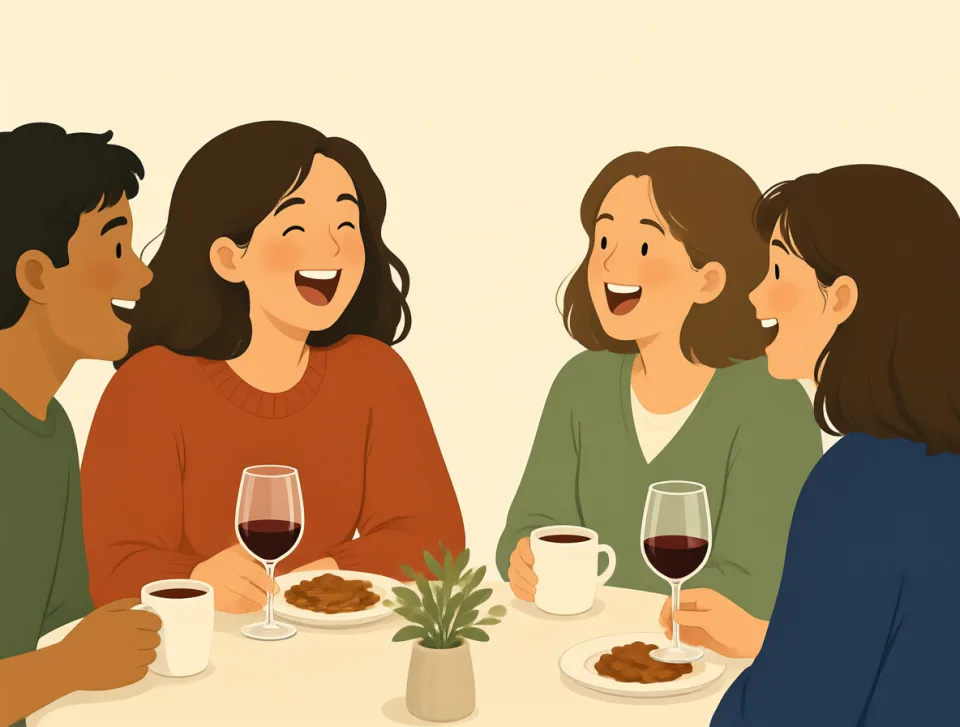
She felt happy at the party.
그녀는 파티에서 행복했다.
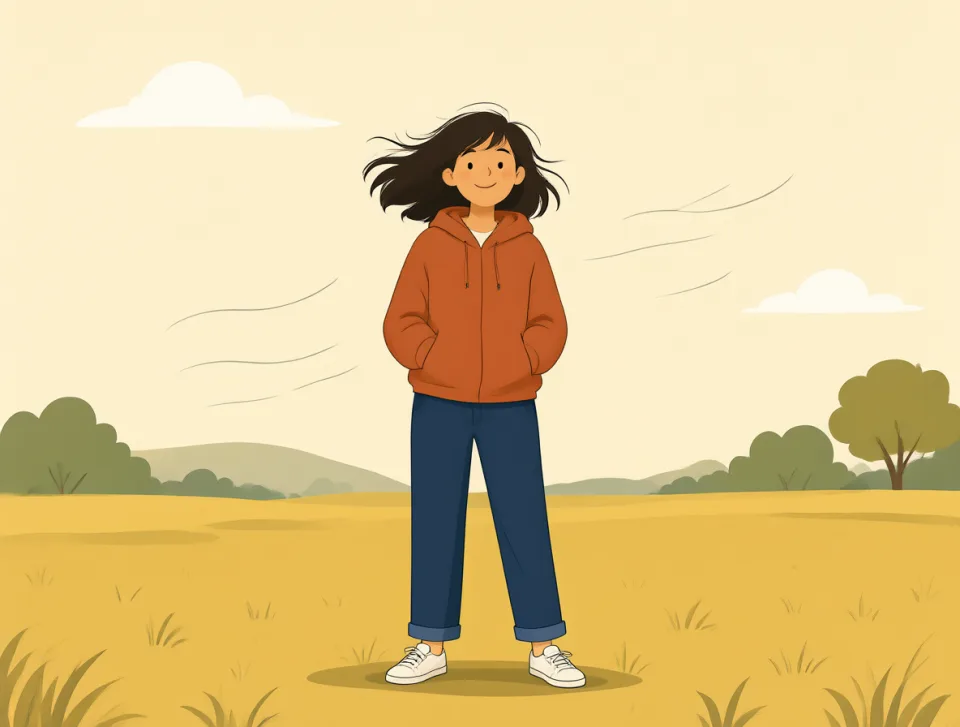
I felt a cold breeze outside.
나는 밖에서 차가운 바람을 느꼈다.
too
#118adverb
너무; 또한
More than is wanted or needed; also, as well.
원하거나 필요한 것보다 지나치게; 또한, 역시
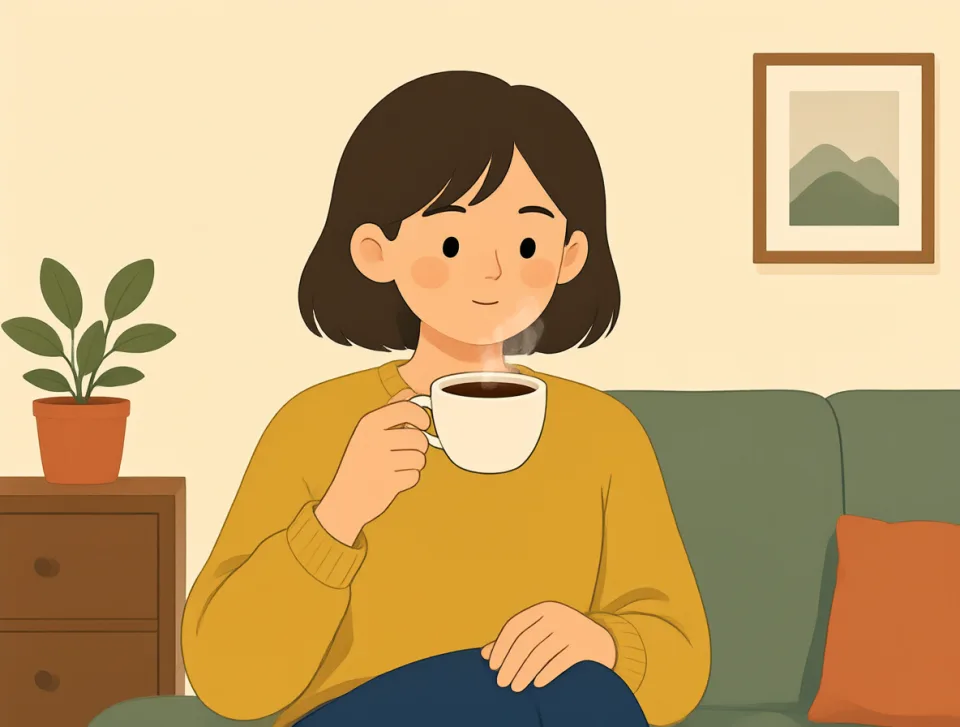
This coffee is too hot to drink.
이 커피는 마시기에는 너무 뜨겁다.
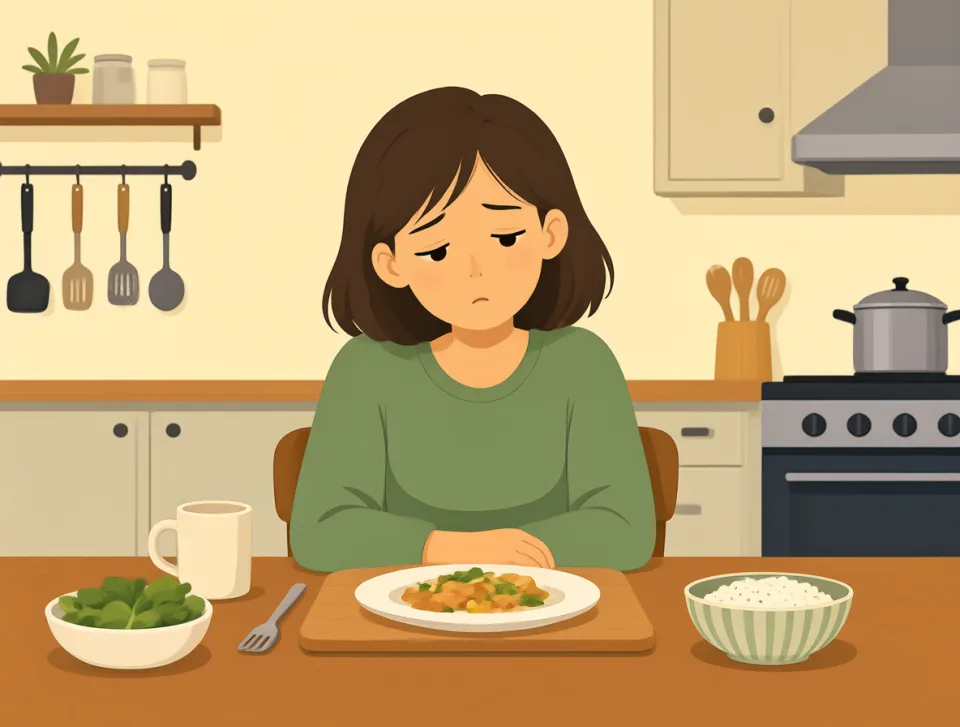
She is too tired to cook dinner.
그녀는 저녁을 요리하기에는 너무 피곤하다.

The bag is too heavy for me.
그 가방은 내가 들기에는 너무 무겁다.
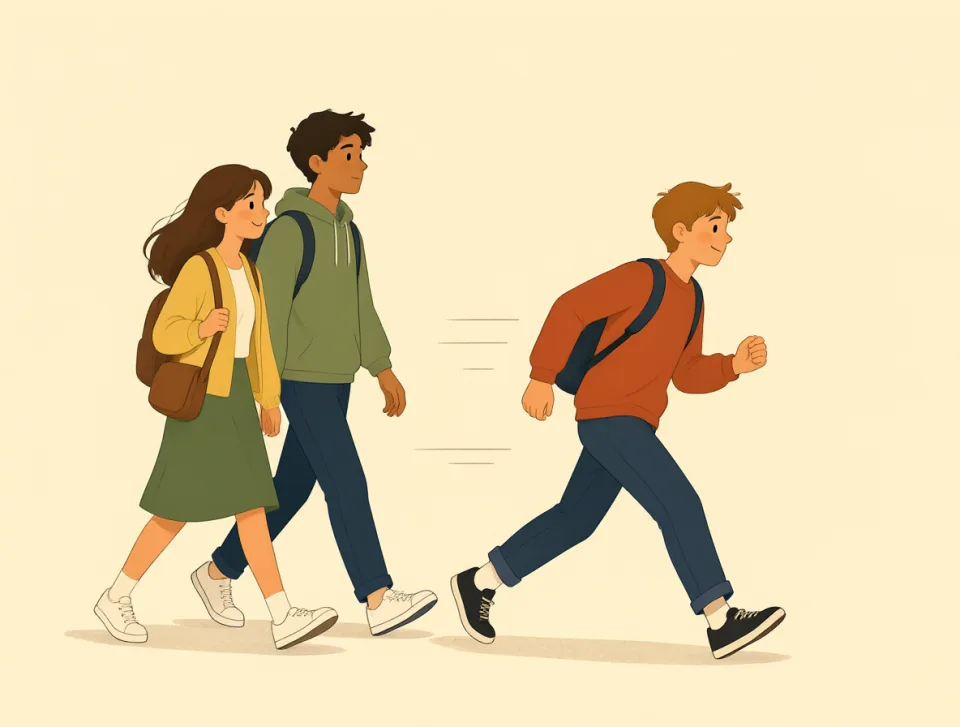
I want to come too.
나도 가고 싶어.
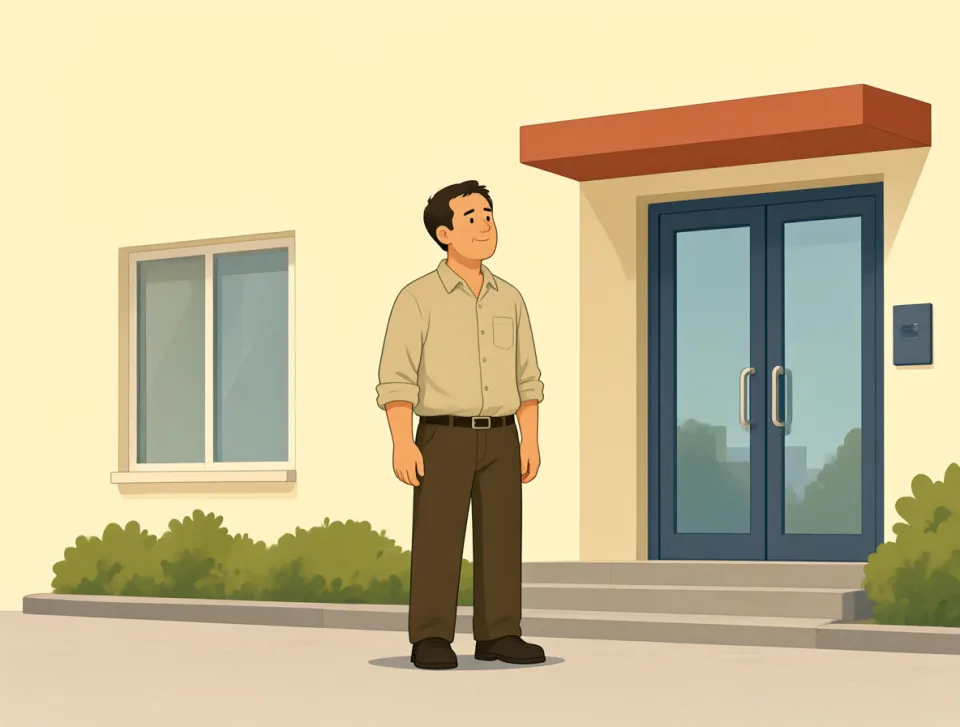
He works at the hospital too.
그는 병원에서도 일해.

still
#119adverb, adjective, noun, verb
아직; 여전히; 가만히; 스틸 사진
continuing until now; not moving; or a device used to make pictures from film
지금까지 계속되는; 움직이지 않는; 또는 필름으로 사진을 찍는 데 사용하는 장치
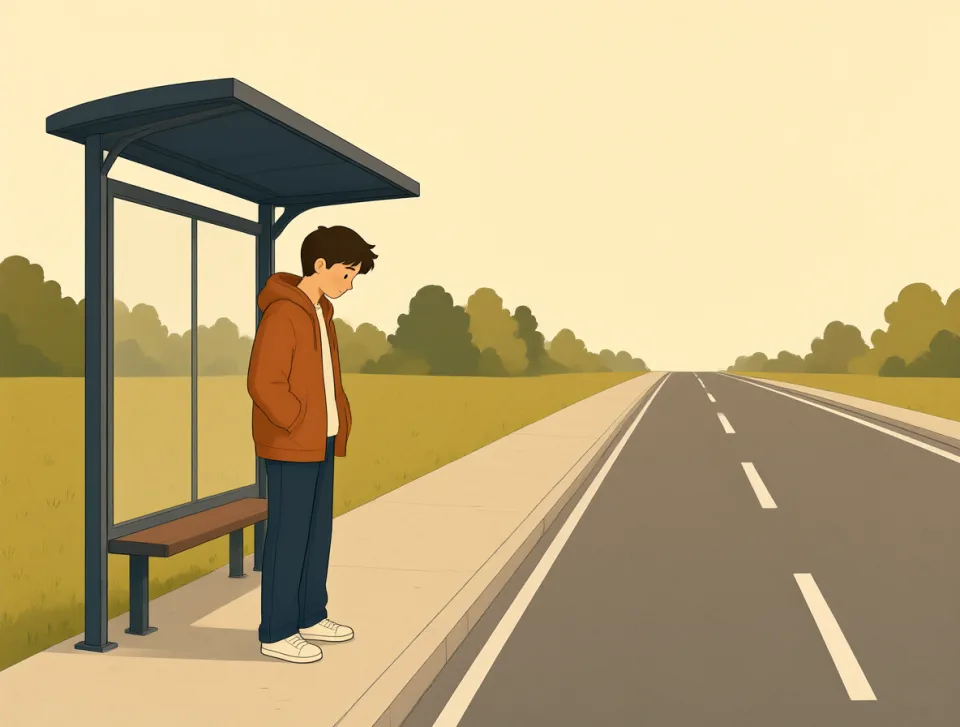
Are you still waiting for the bus?
아직도 버스를 기다리고 있어?
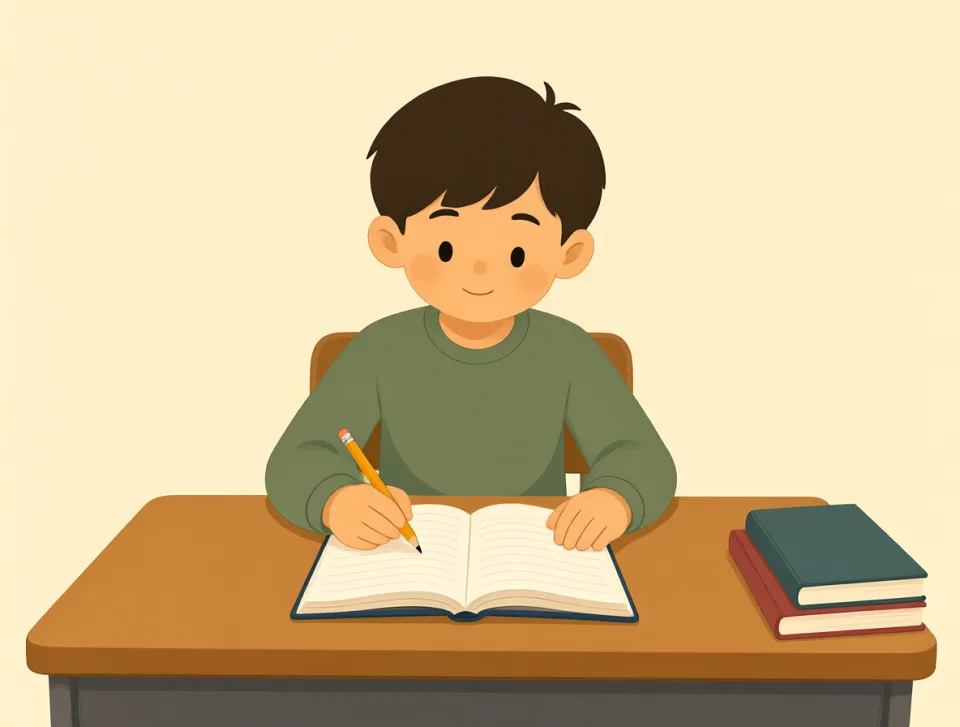
I still need to finish my homework.
나는 아직 숙제를 끝내야 해.
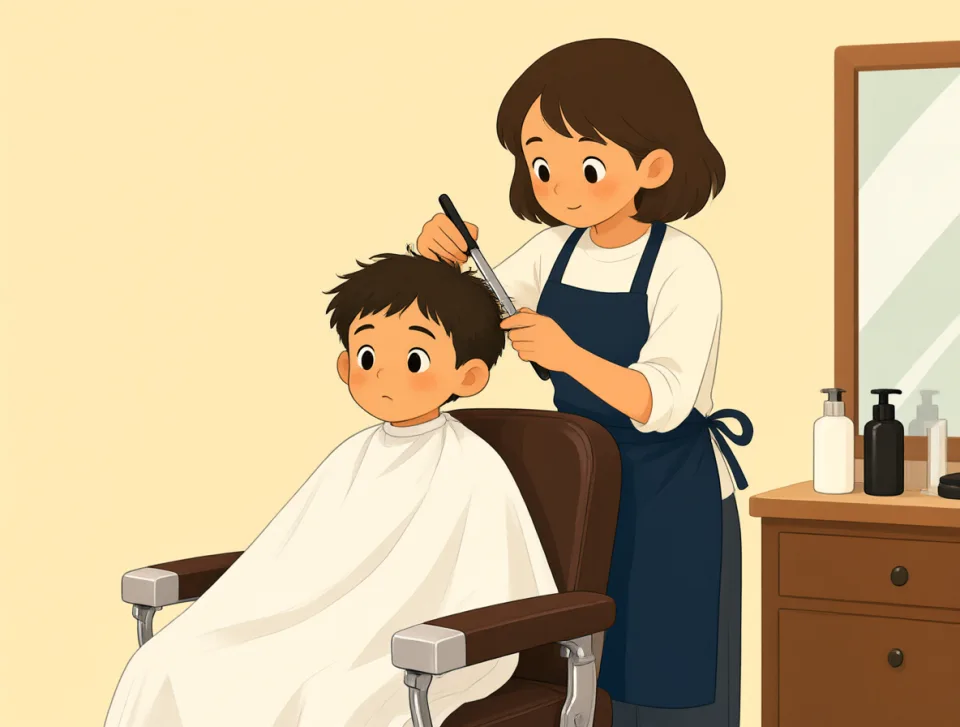
Please keep still while I cut your hair.
내가 머리를 자르는 동안 가만히 있어 주세요.
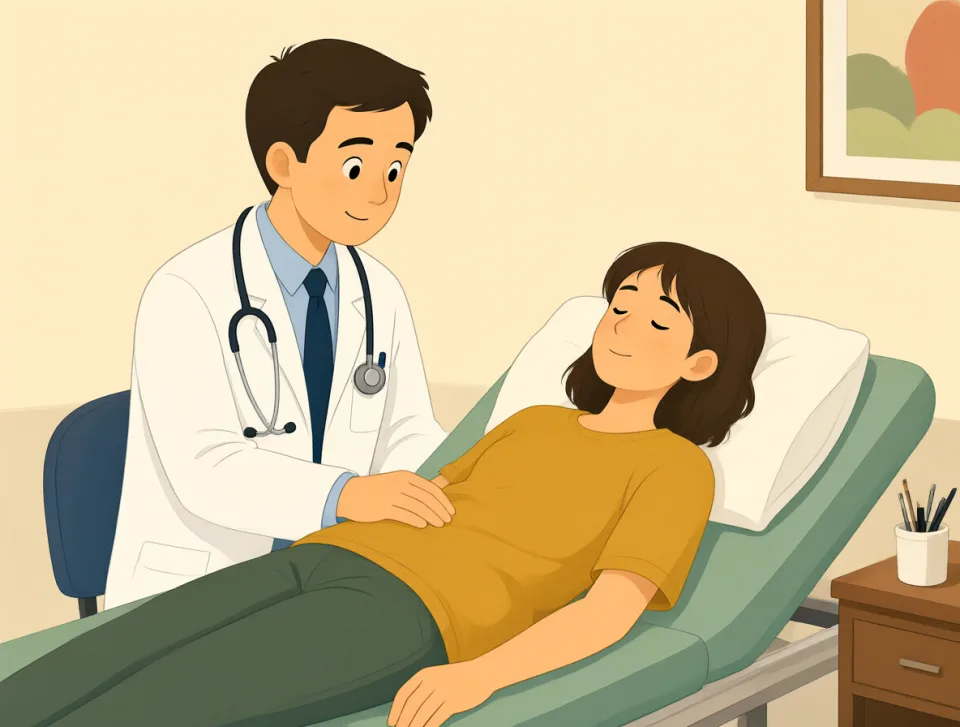
The doctor told me to stay still.
의사가 나에게 가만히 있으라고 했다.

She took a still of the beautiful sunset.
그녀는 아름다운 일몰을 스틸 사진으로 찍었다.
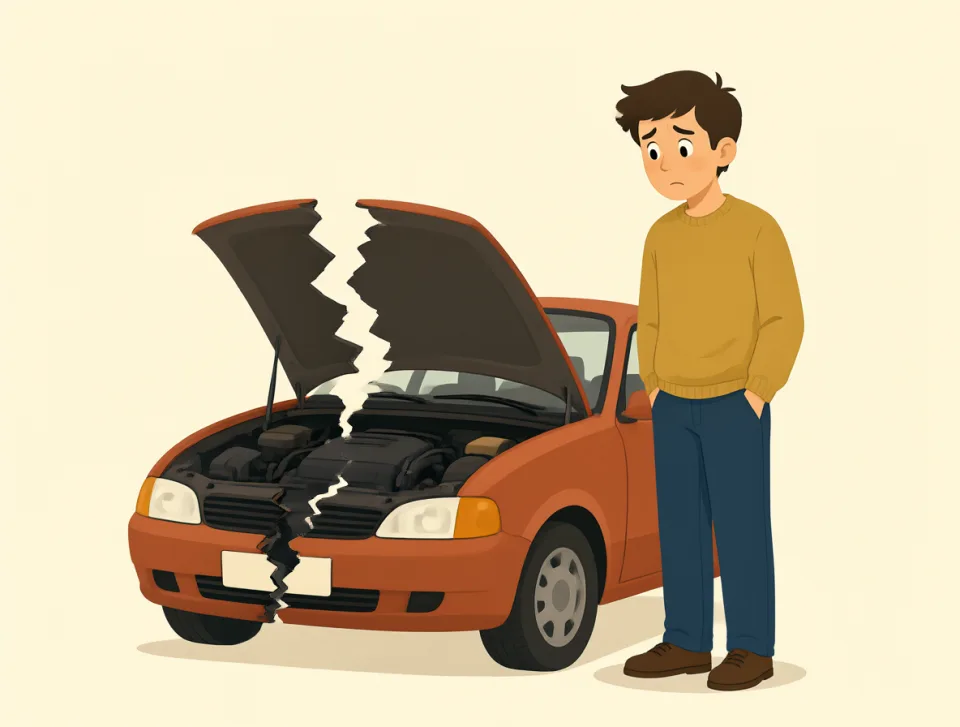
problem
#120noun
문제; 곤란
Something that is difficult or causes trouble.
어렵거나 곤란을 일으키는 것
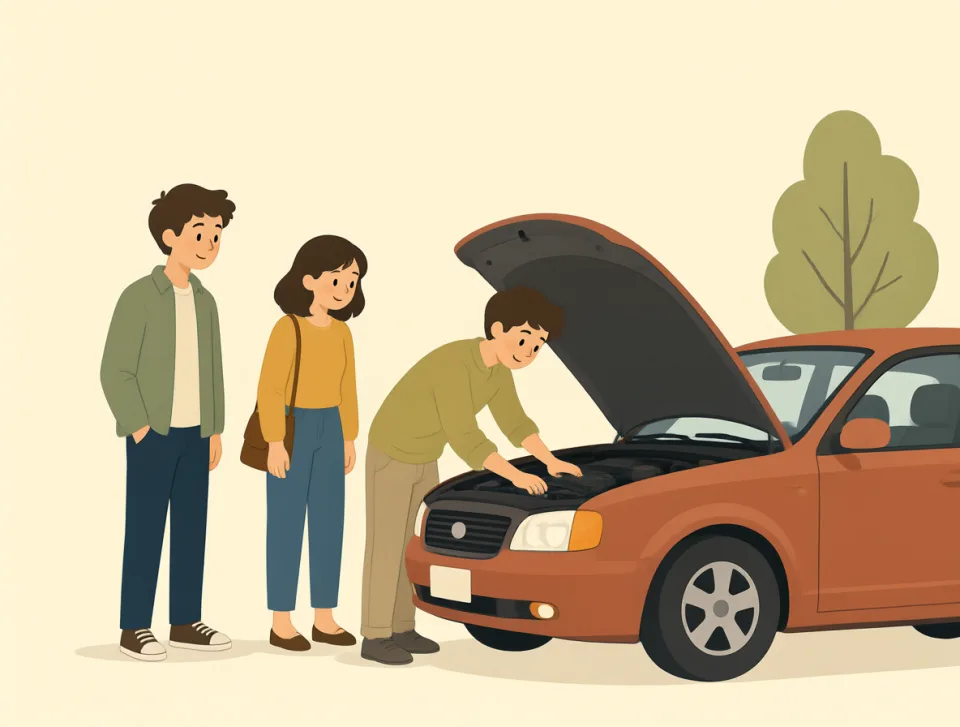
We have a problem with the car.
차에 문제가 있어요.
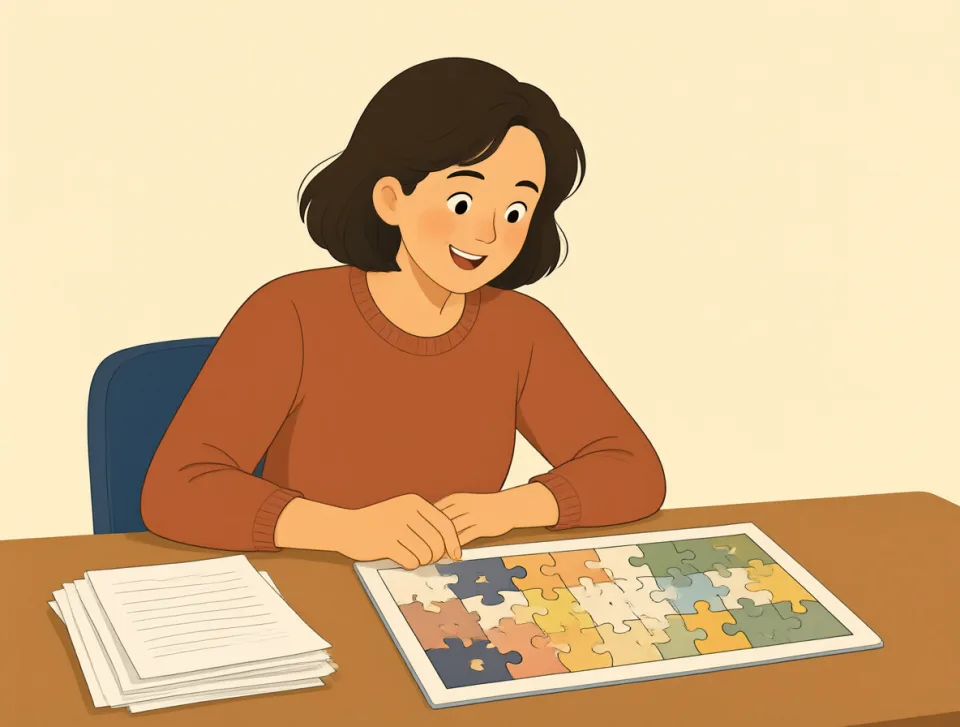
She solved the problem at work.
그녀는 직장에서 그 문제를 해결했어요.
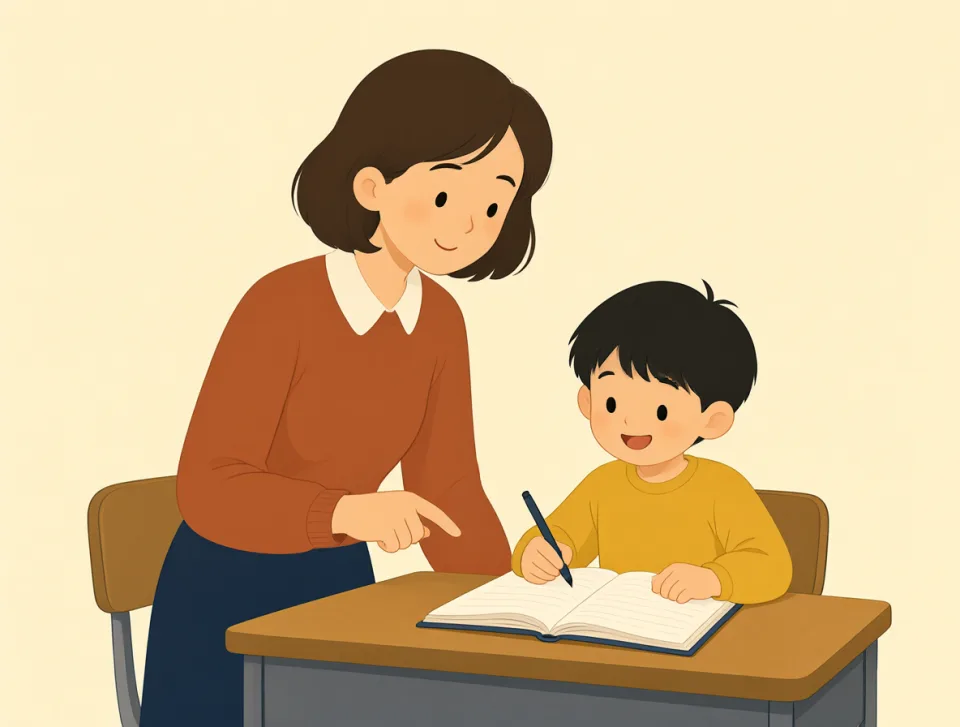
The teacher helped me with my math problem.
선생님이 수학 문제를 푸는 데 도움을 주셨어요.
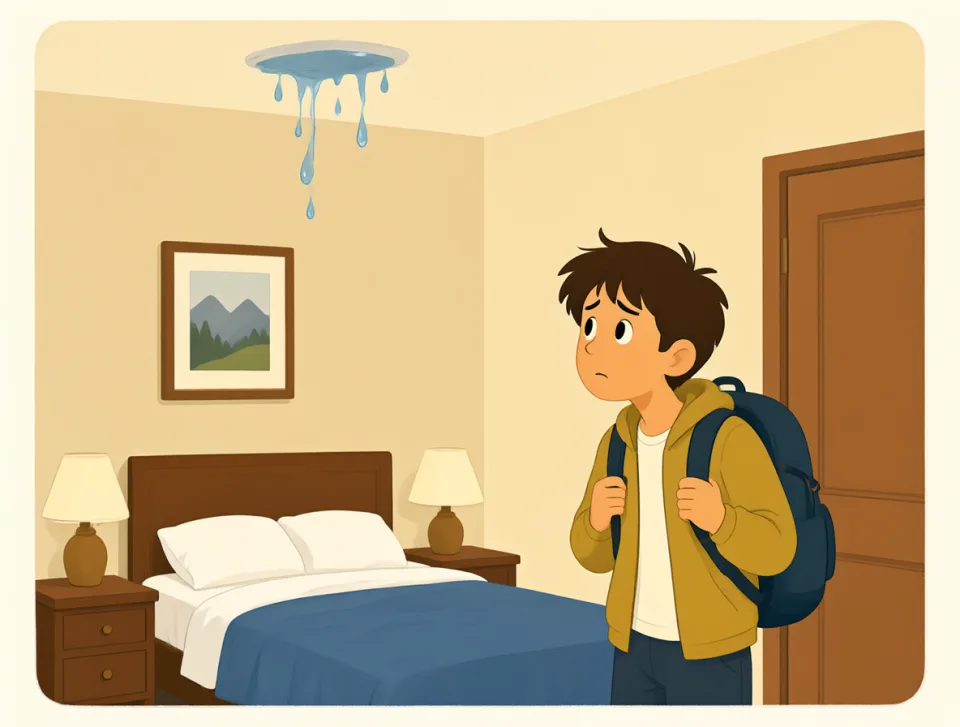
There was a problem with our hotel room.
우리 호텔 방에 문제가 있었어요.
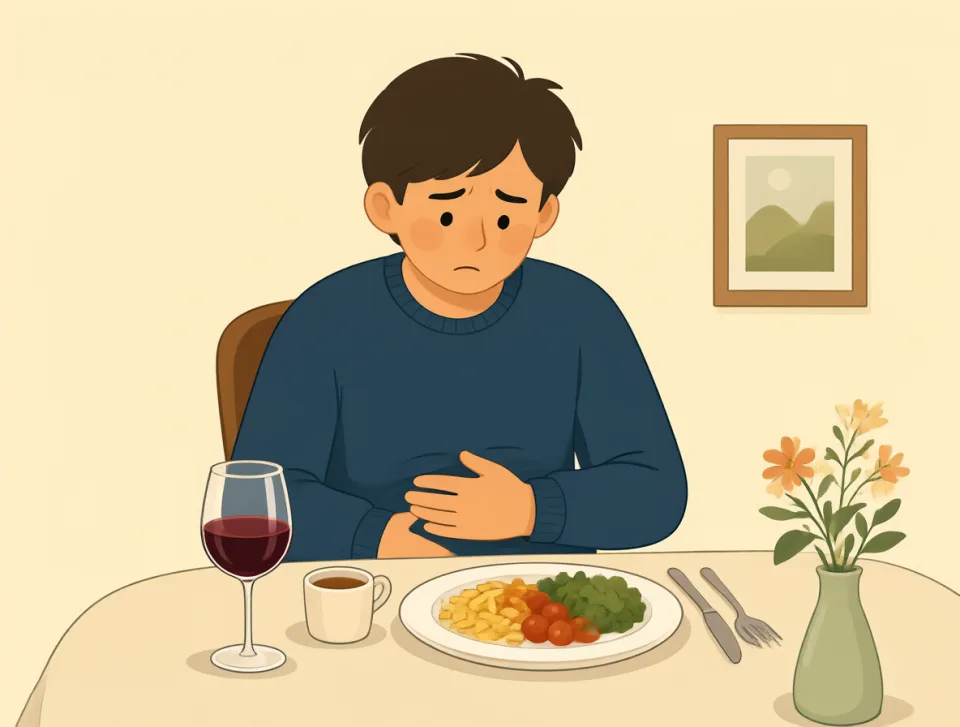
My stomach problem started after dinner.
저녁 식사 후에 위장 문제가 시작됐어요.