หน่วย 25
คำที่ 481–500 · draw, white, date, practice, model, raise
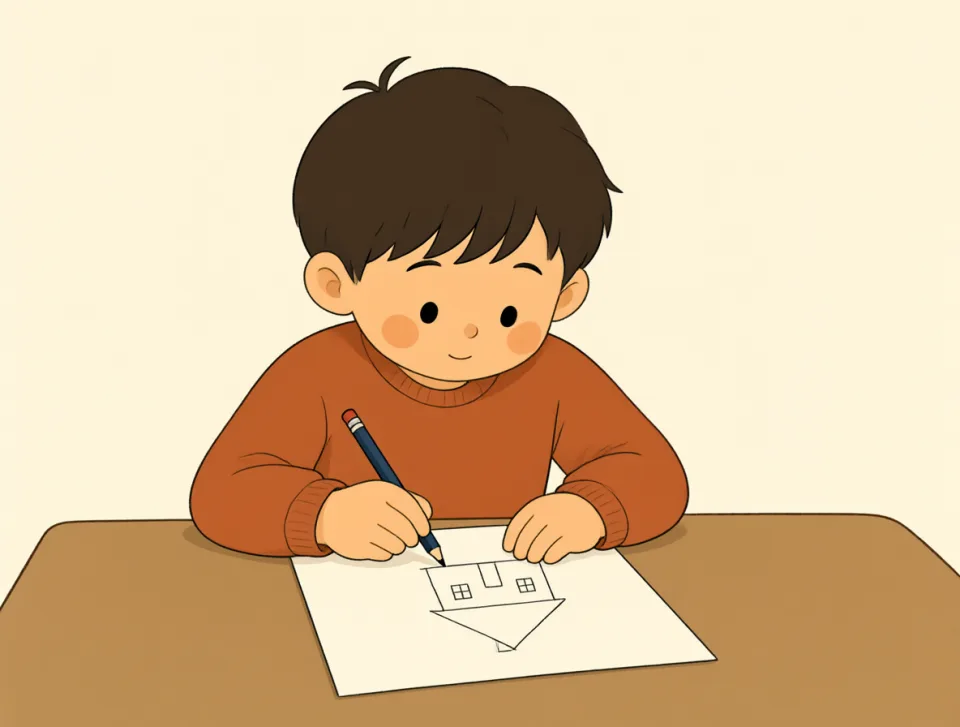
draw
#481verb, noun
วาด
to make a picture, pull something, or choose a name by chance
ทำให้เป็นภาพ ดึงบางสิ่ง หรือสุ่มเลือกชื่อ
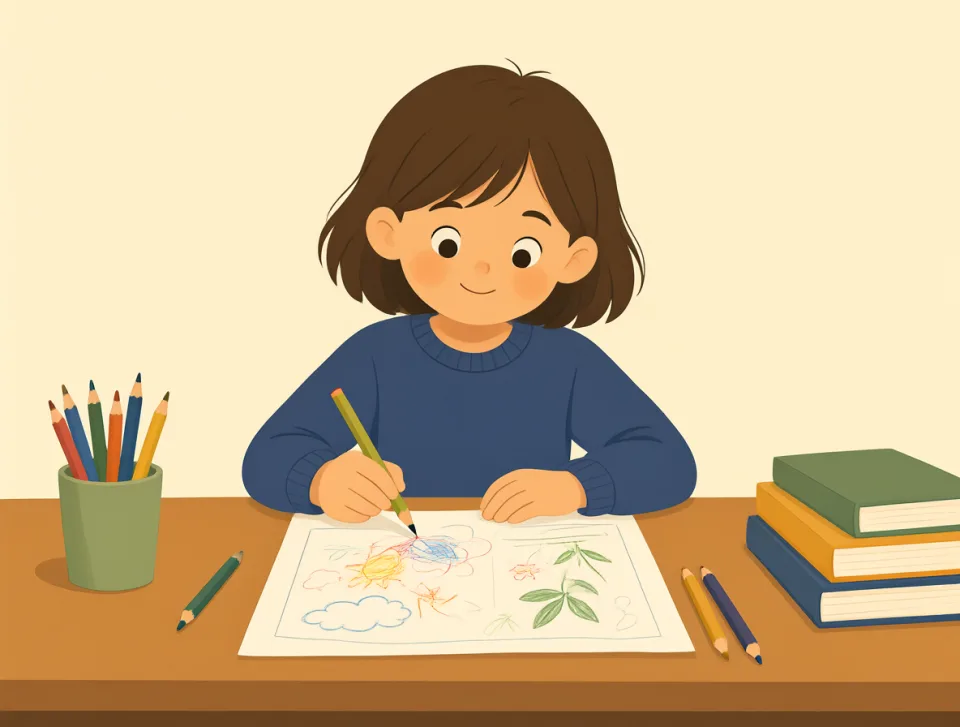
She likes to draw pictures after school.
เธอชอบวาดรูปหลังเลิกเรียน

Please draw the curtains before you leave.
กรุณาปิดม่านก่อนออกไป

The doctor drew blood from my arm.
หมอเจาะเลือดจากแขนฉัน
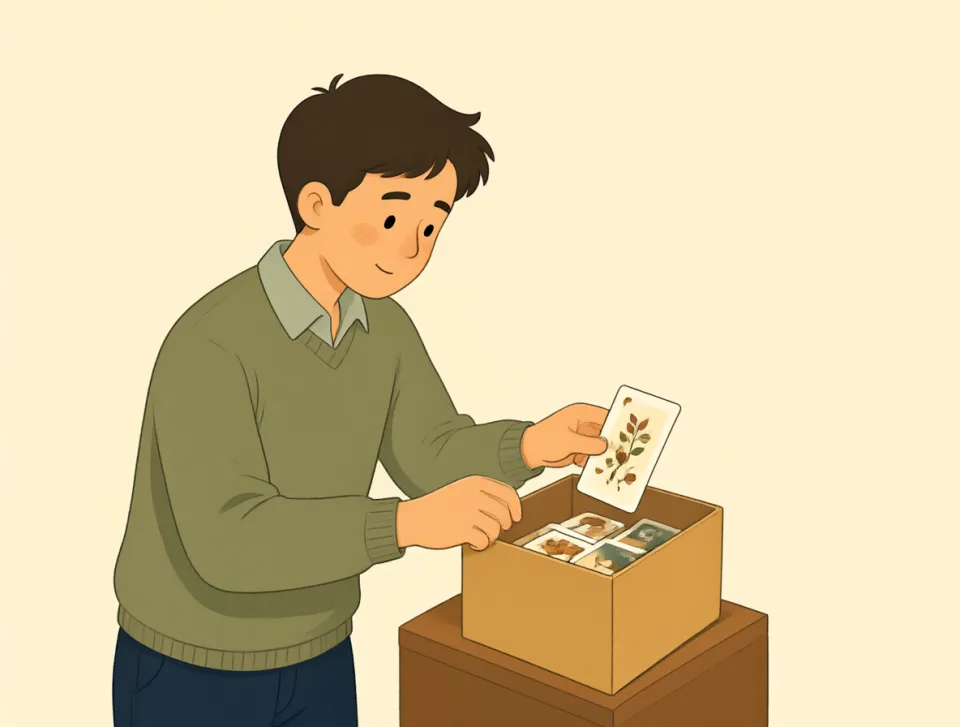
He drew a card from the box.
เขาหยิบไพ่หนึ่งใบออกจากกล่อง
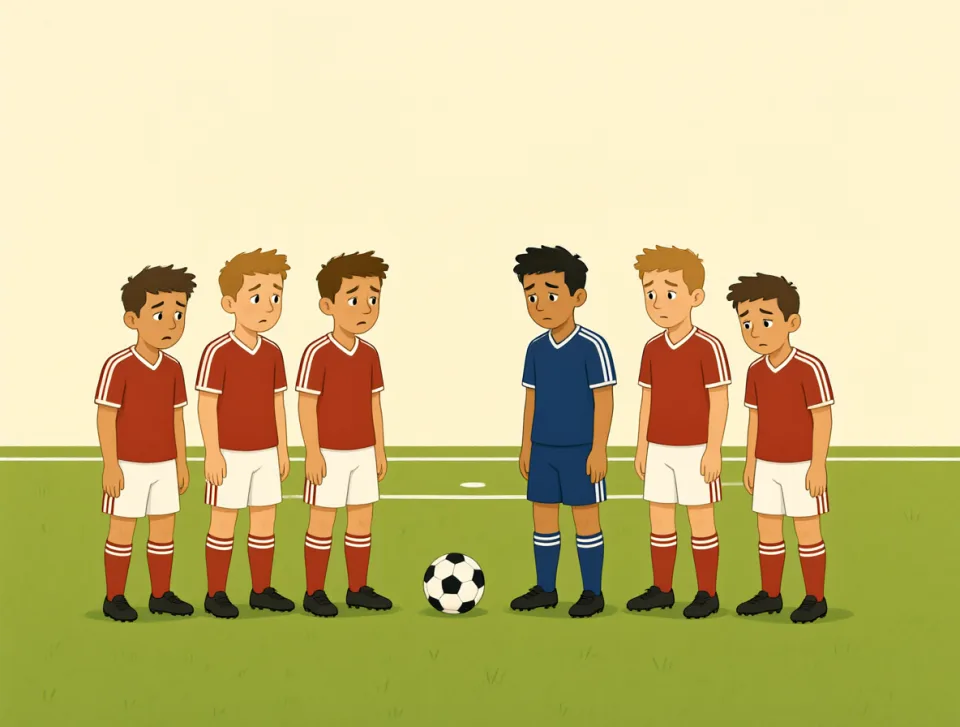
They drew the game yesterday.
เมื่อวานพวกเขาเสมอกัน

white
#482adjective, noun
สีขาว
Having the color of fresh snow or milk; the lightest color.
มีสีเหมือนหิมะใหม่หรือน้ำนม เป็นสีที่สว่างที่สุด

She wore a white shirt to work.
เธอสวมเสื้อเชิ้ตสีขาวไปทำงาน

The white snow covered the garden.
หิมะสีขาวปกคลุมสวน
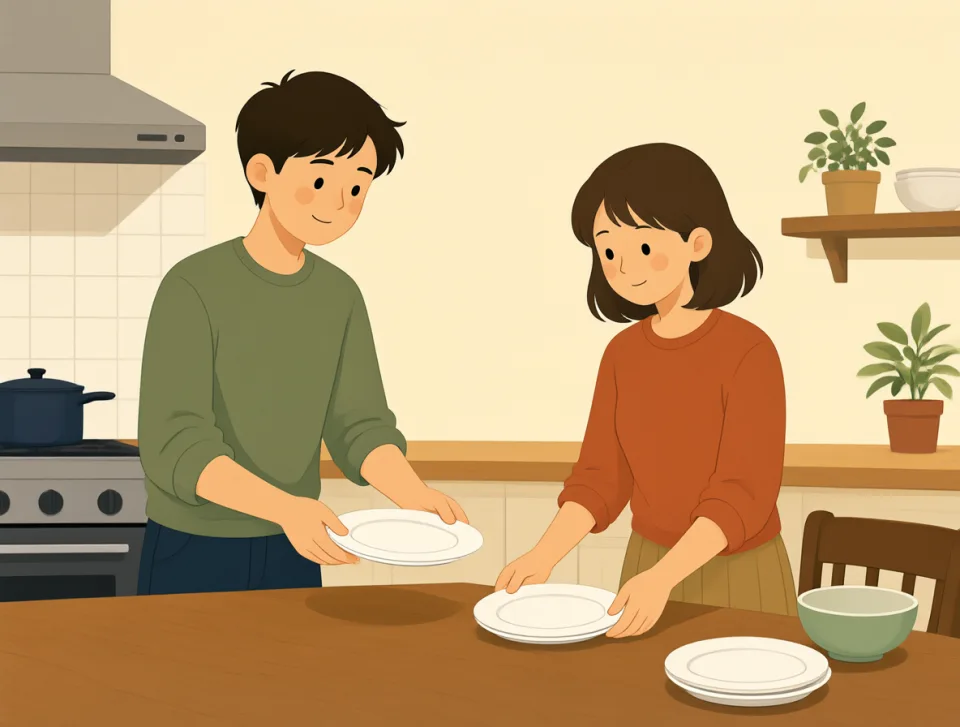
Please put the white plates here.
กรุณาวางจานสีขาวไว้ตรงนี้

He bought a white car yesterday.
เมื่อวานเขาซื้อรถสีขาว
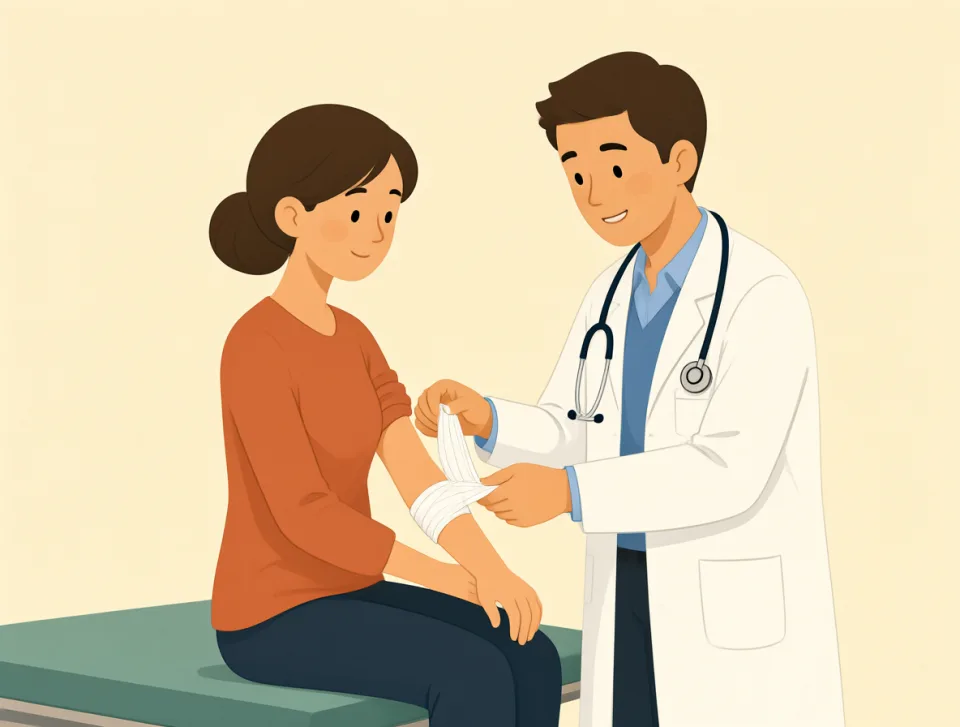
The doctor gave her a white bandage.
หมอให้ผ้าพันแผลสีขาวแก่เธอ

date
#483noun, verb
วันที่; นัดเดต
A day shown on a calendar, or a meeting with someone you like romantically.
วันที่ระบุไว้ในปฏิทิน หรือการนัดพบกับคนที่ชอบในเชิงรักใคร่
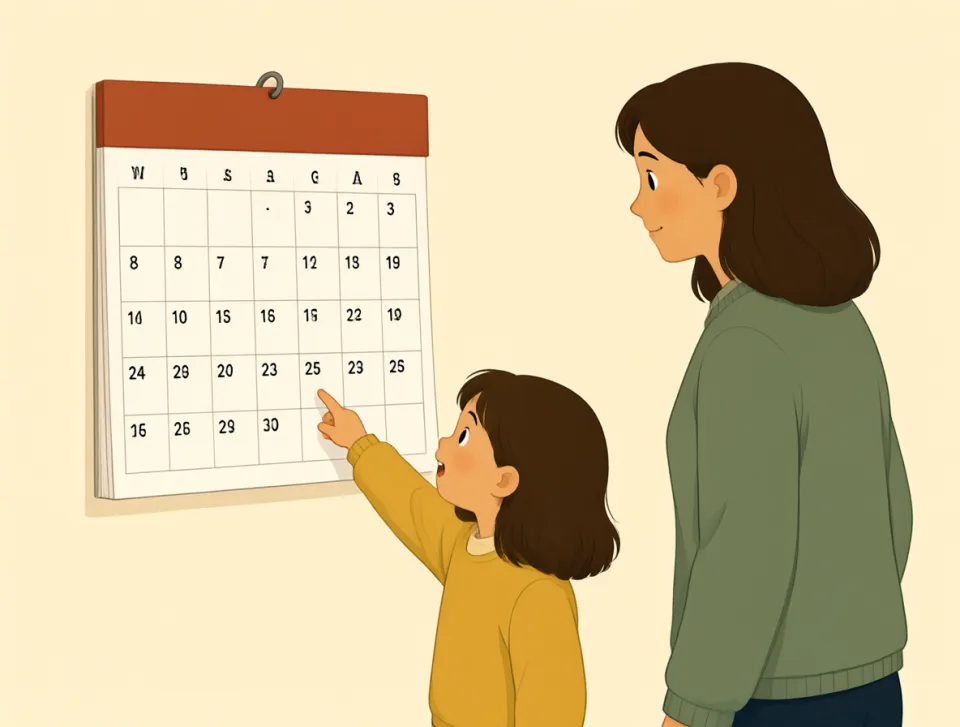
What is the date today?
วันนี้วันที่เท่าไหร่

Please write the date on this form.
กรุณาเขียนวันที่ลงในแบบฟอร์มนี้

Our wedding date is in June.
วันแต่งงานของเราอยู่ในเดือนมิถุนายน

I have a date with Anna tonight.
คืนนี้ฉันมีนัดเดตกับแอนนา

We are dating and feel very happy.
เรากำลังคบกันและมีความสุขมาก
practice
#484noun, verb
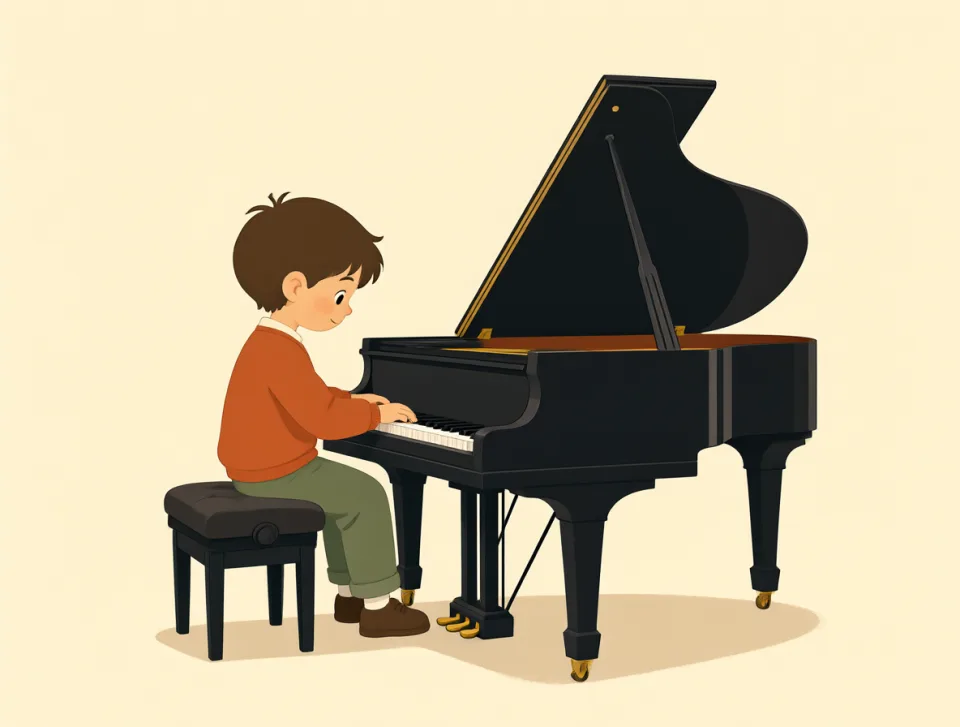
การฝึกฝน
Training or repeated activity that helps you improve a skill or become better at something.
การฝึกหรือทำกิจกรรมซ้ำ ๆ เพื่อพัฒนาทักษะหรือทำสิ่งใดสิ่งหนึ่งให้เก่งขึ้น

I practice English every day.
ฉันฝึกภาษาอังกฤษทุกวัน
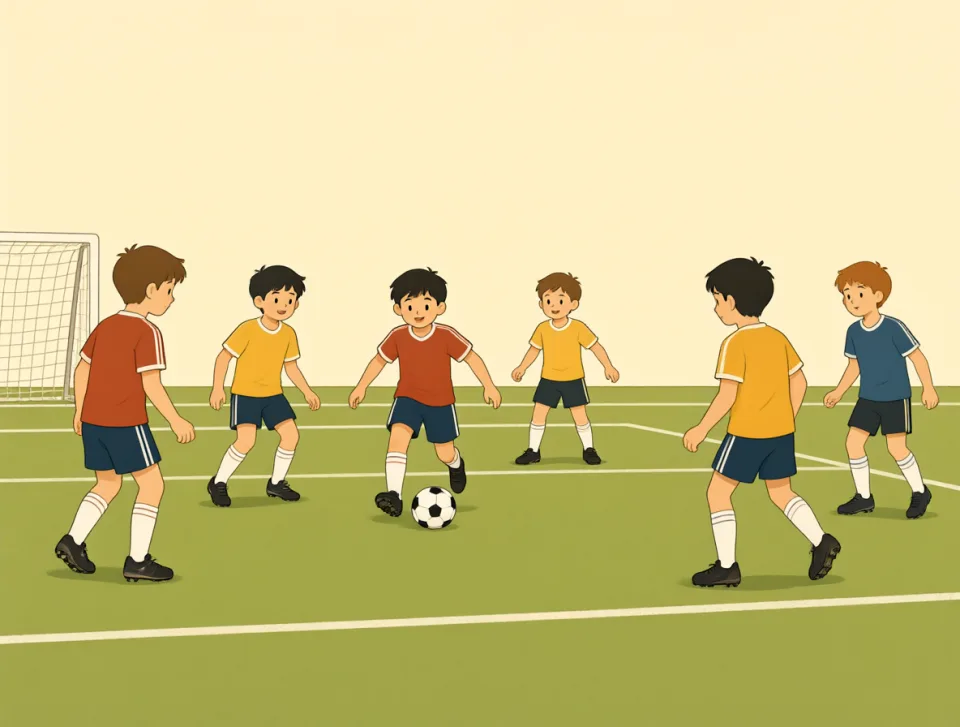
The team practiced before the game.
ทีมฝึกซ้อมก่อนแข่ง

She needs more practice driving.
เธอต้องฝึกขับรถอีก
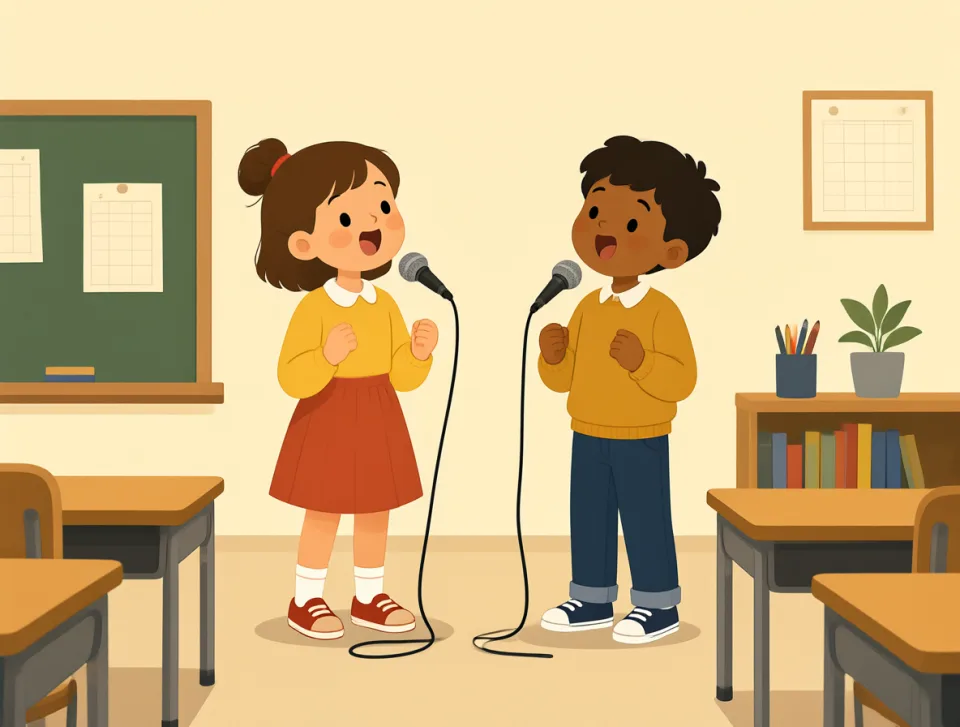
We practiced the song for school.
พวกเราซ้อมเพลงสำหรับโรงเรียน
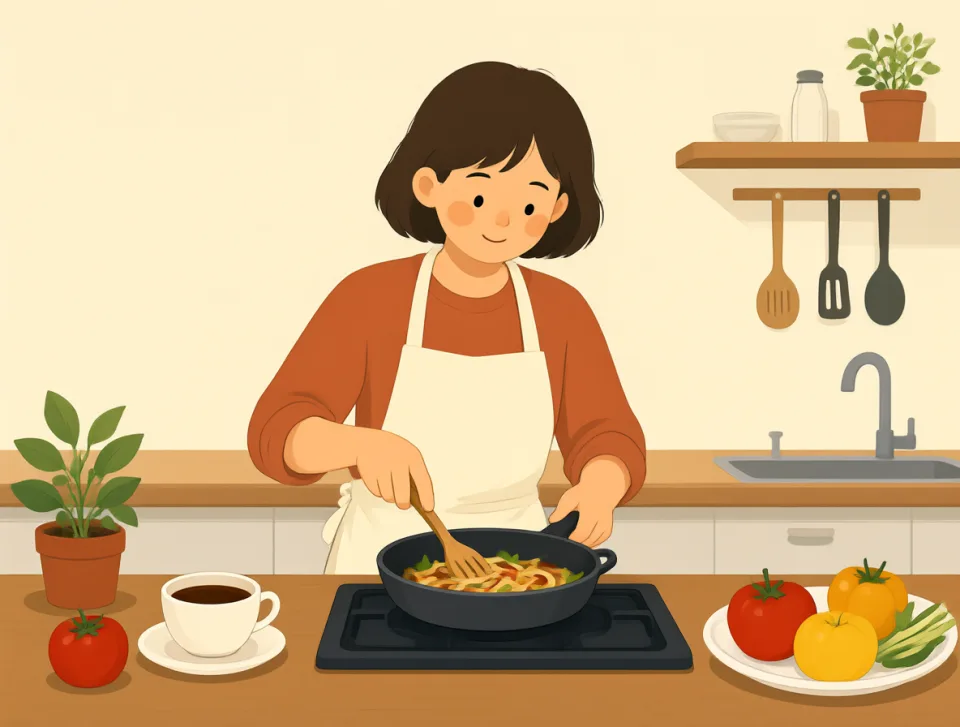
Practice makes you better at cooking.
การฝึกฝนทำให้ทำอาหารเก่งขึ้น

model
#485noun, verb
แบบจำลอง; แบบอย่าง
a person or thing used as an example, or a smaller copy of something
คนหรือสิ่งของที่ใช้เป็นตัวอย่าง หรือสิ่งจำลองขนาดเล็กของบางสิ่ง
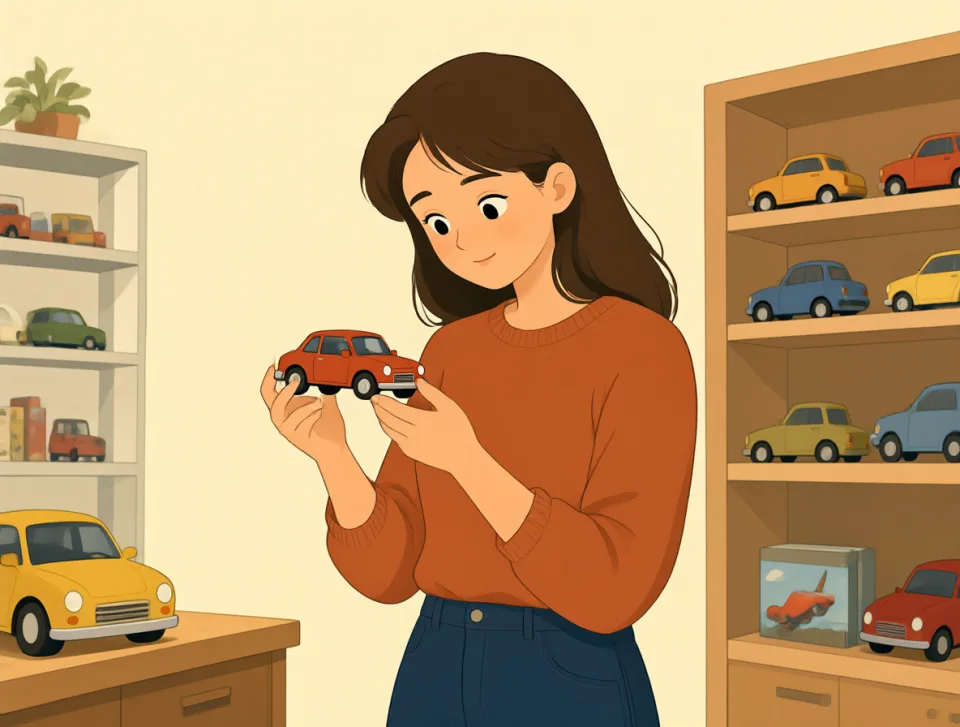
She bought a new car model yesterday.
เมื่อวานเธอซื้อรถรุ่นใหม่

This model of phone has a good camera.
โทรศัพท์รุ่นนี้มีกล้องดี

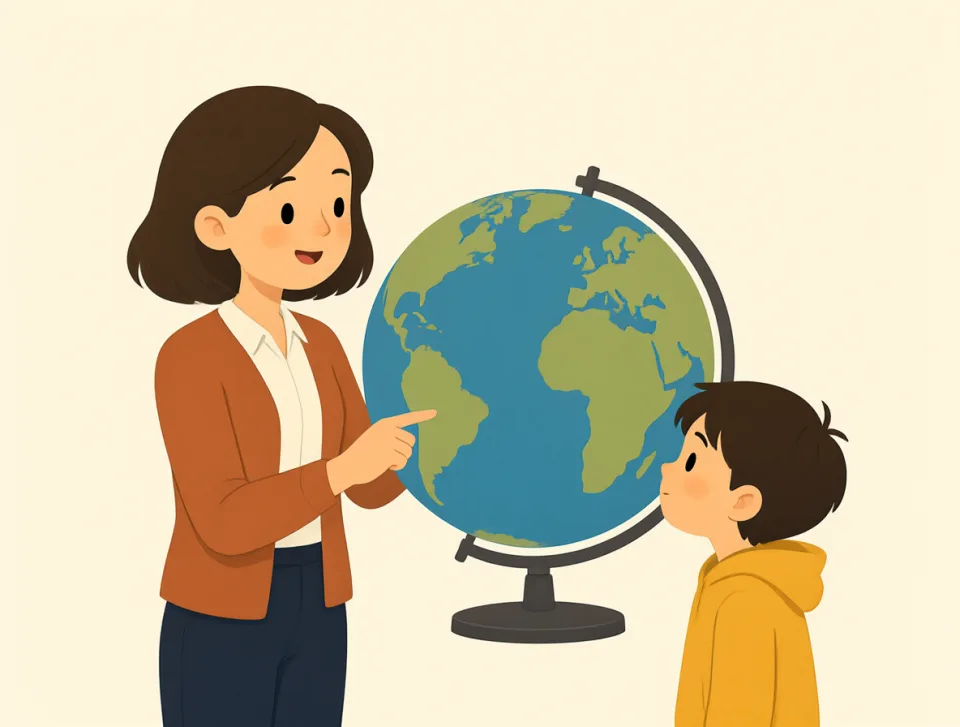
The teacher showed us a model of Earth.
ครูแสดงแบบจำลองโลกให้พวกเราดู
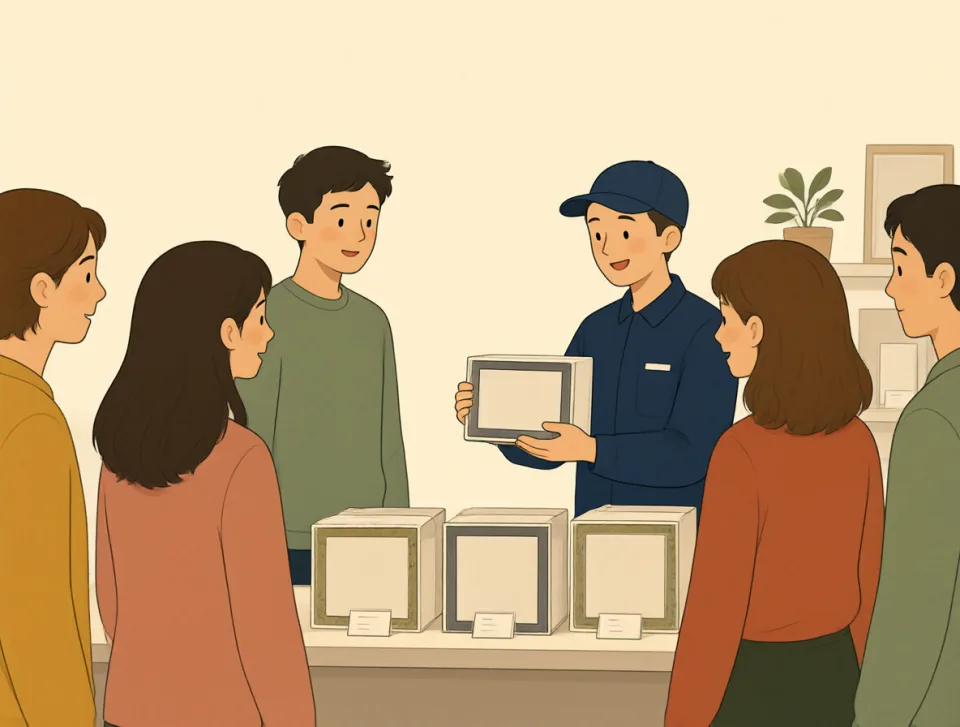
The company models its products for customers.
บริษัทนำเสนอสินค้าให้ลูกค้าดูเป็นแบบอย่าง

She is a model for a clothing company.
เธอเป็นนางแบบให้บริษัทเสื้อผ้า

raise
#486verb, noun
ยก; เพิ่ม; ระดม
to lift something, increase something, or collect money for a purpose
ยกบางสิ่งขึ้น เพิ่มบางสิ่ง หรือรวบรวมเงินเพื่อจุดประสงค์ใดจุดประสงค์หนึ่ง
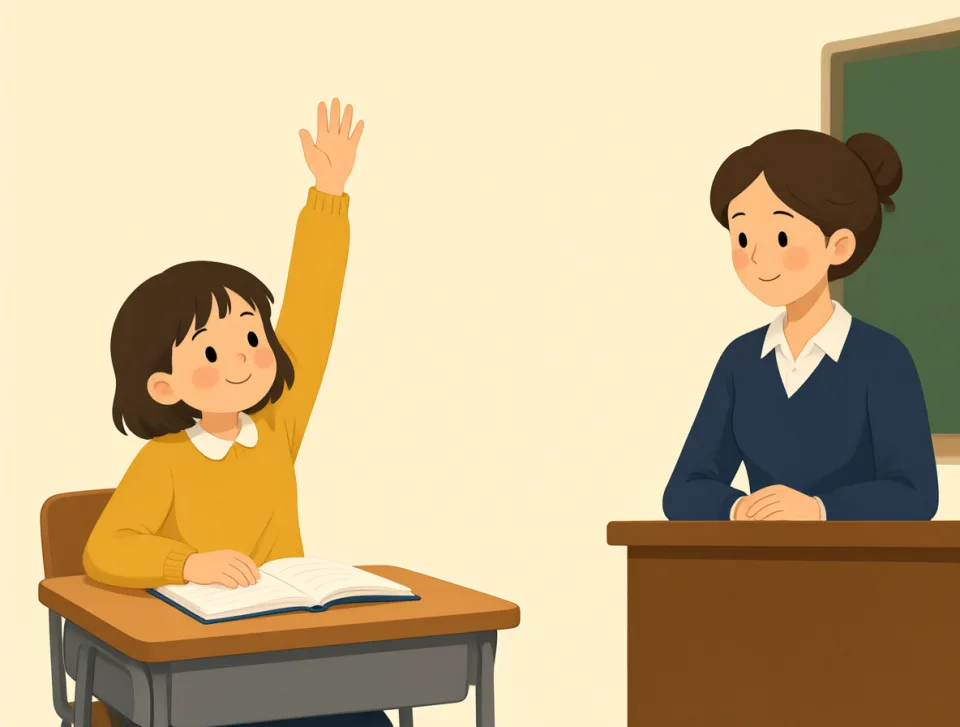
Please raise your hand before you speak.
กรุณายกมือก่อนพูด
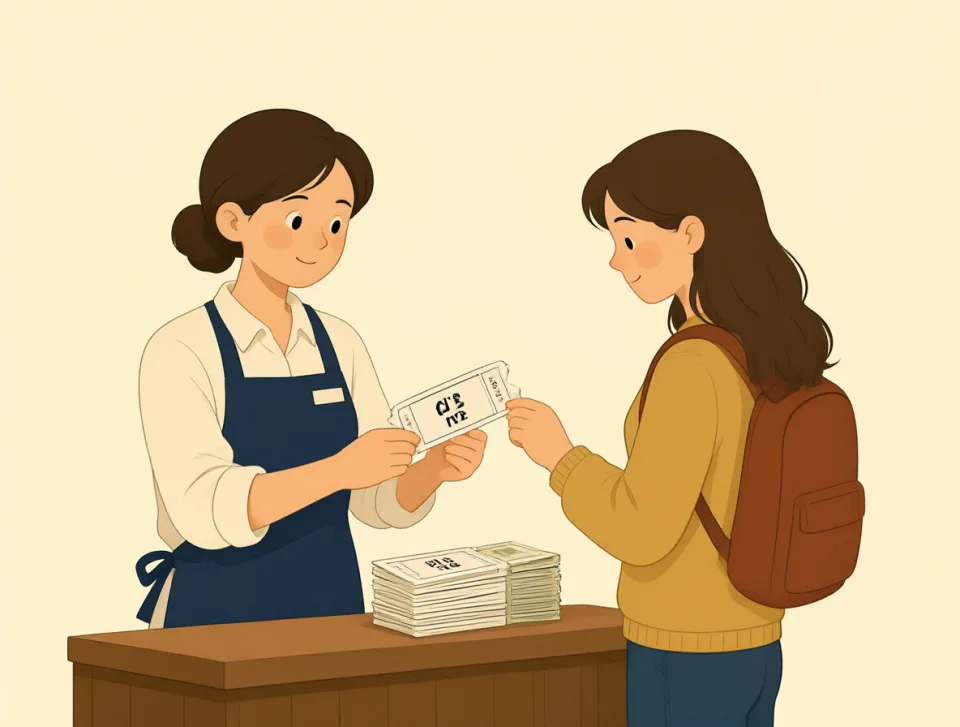
They raised the price of the tickets.
พวกเขาขึ้นราคาตั๋ว
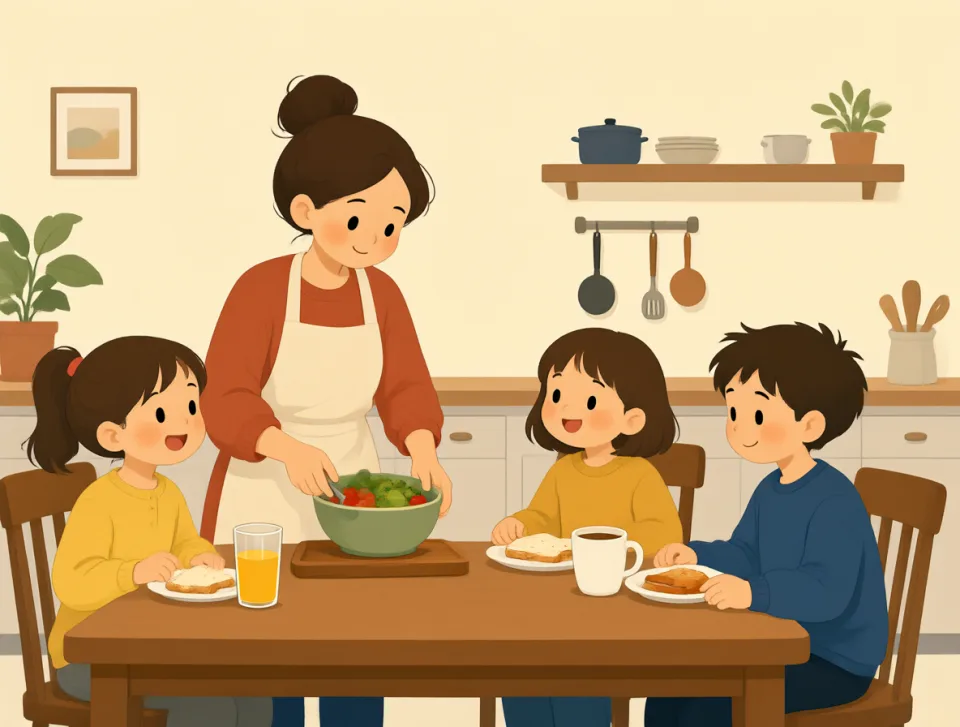
She raised three children alone.
เธอเลี้ยงลูกสามคนตามลำพัง
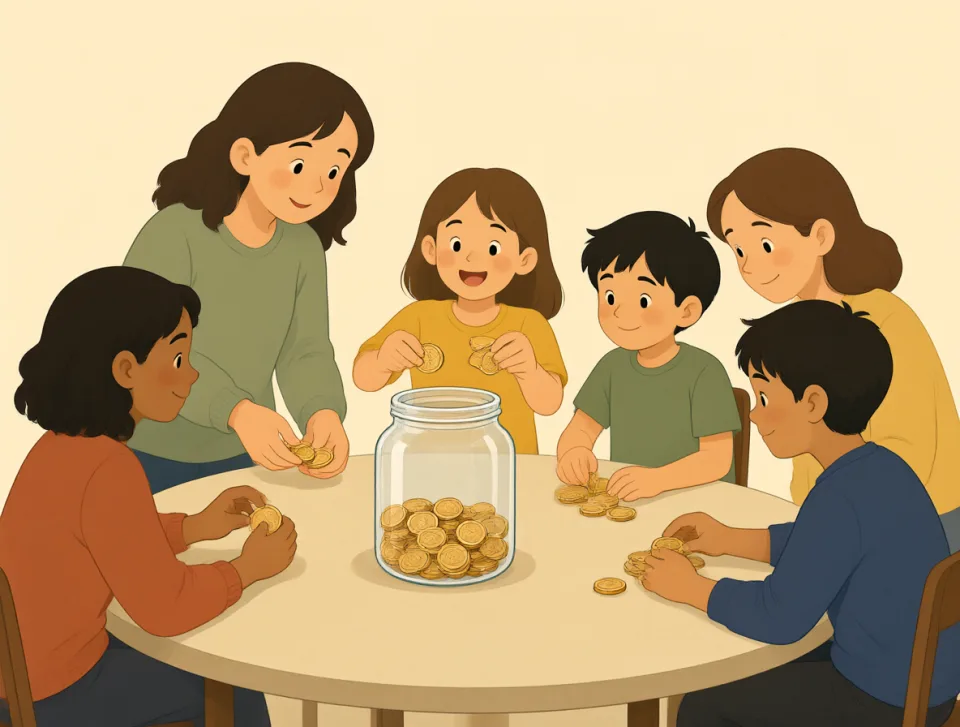
We are raising money for the hospital.
เรากำลังระดมเงินเพื่อโรงพยาบาล

He got a pay raise at work.
เขาได้ขึ้นเงินเดือนที่ทำงาน
customer
#487noun
ลูกค้า
A person who buys goods or services from a business.
ผู้ที่ซื้อสินค้าหรือบริการจากธุรกิจ

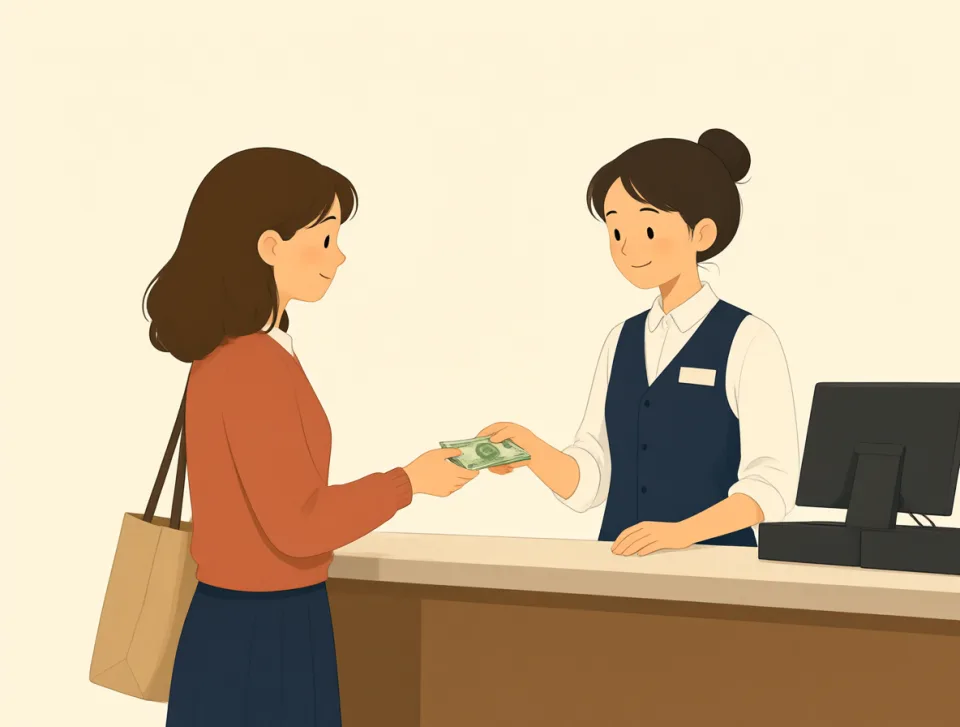
The customer paid for her groceries.
ลูกค้าจ่ายเงินค่าของชำแล้ว

A customer asked for a larger coffee.
ลูกค้าคนหนึ่งขอกาแฟแก้วใหญ่ขึ้น

The shop has many regular customers.
ร้านนี้มีลูกค้าประจำจำนวนมาก

The waiter brought the customer some water.
พนักงานเสิร์ฟนำน้ำมาให้ลูกค้า

The hotel customer needed a taxi.
ลูกค้าของโรงแรมต้องการแท็กซี่
front
#488noun, adjective, verb, preposition
ด้านหน้า
The part or side that is first, nearest, or facing forward.
ส่วนหรือด้านที่อยู่ข้างหน้า ใกล้ที่สุด หรือหันไปทางด้านหน้า

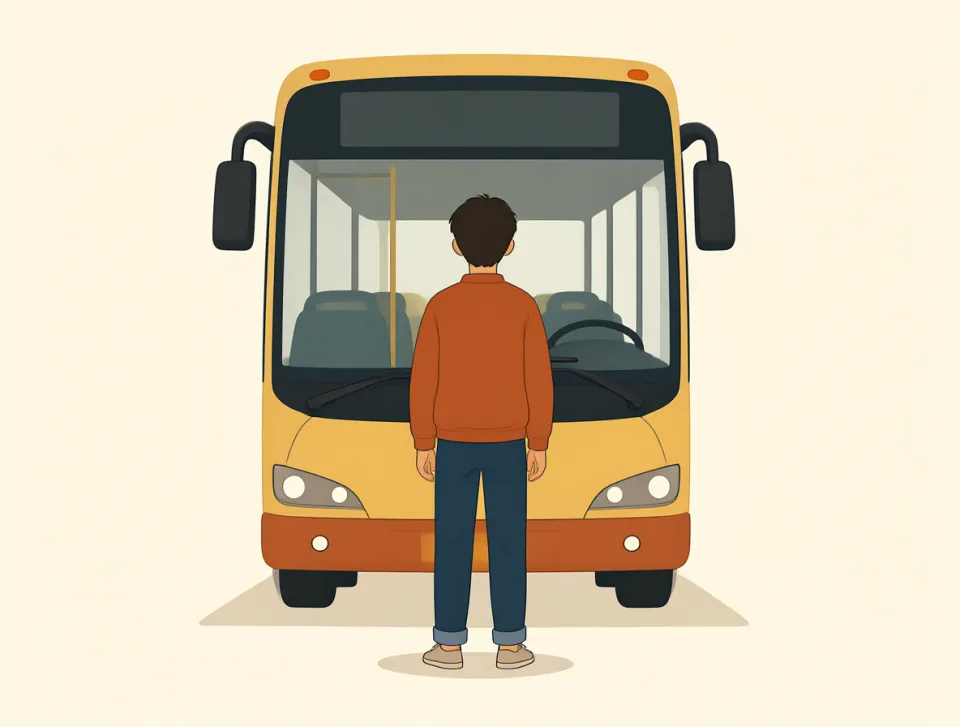
Please sit in the front of the car.
กรุณานั่งที่เบาะหน้ารถ
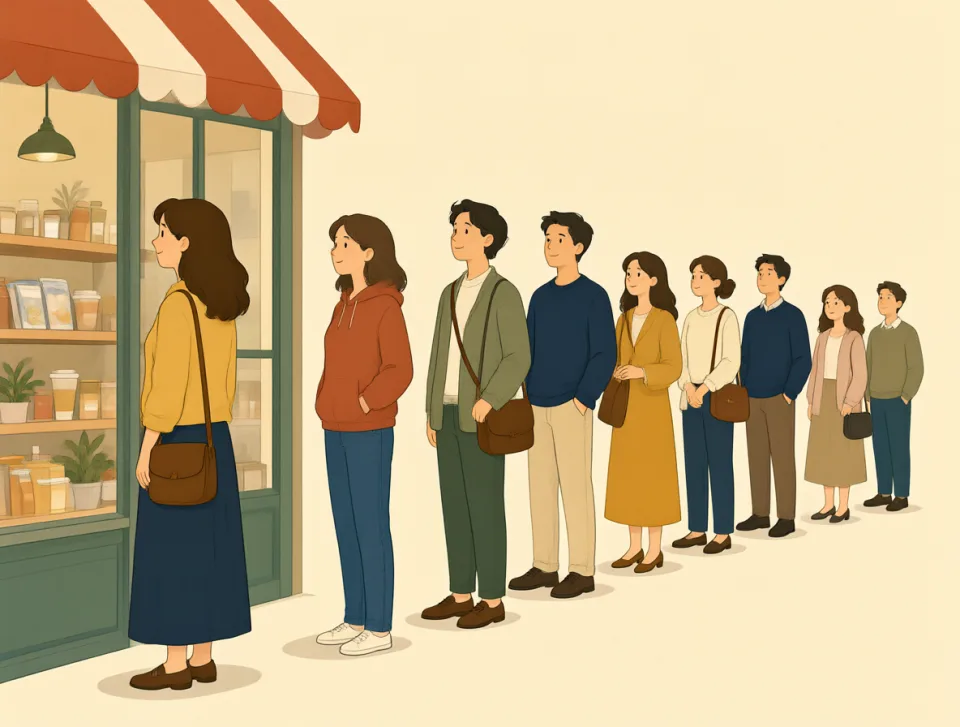
She stood at the front of the line.
เธอยืนอยู่หน้าสุดของแถว

The front door is open.
ประตูหน้าบ้านเปิดอยู่
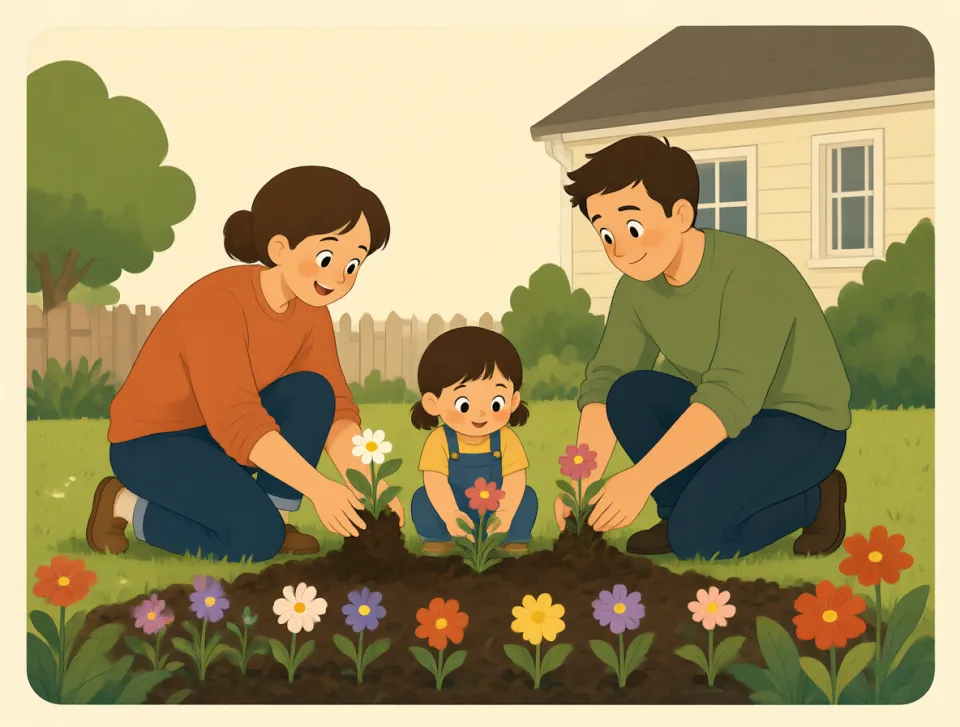
We planted flowers in front of the house.
เราปลูกดอกไม้ไว้หน้าบ้าน

The doctor checked the front of his chest.
หมอตรวจด้านหน้าหน้าอกของเขา
explain
#489verb
อธิบาย
to make something clear by describing it or giving reasons
ทำให้บางสิ่งเข้าใจได้ชัดเจนด้วยการบรรยายหรือให้เหตุผล
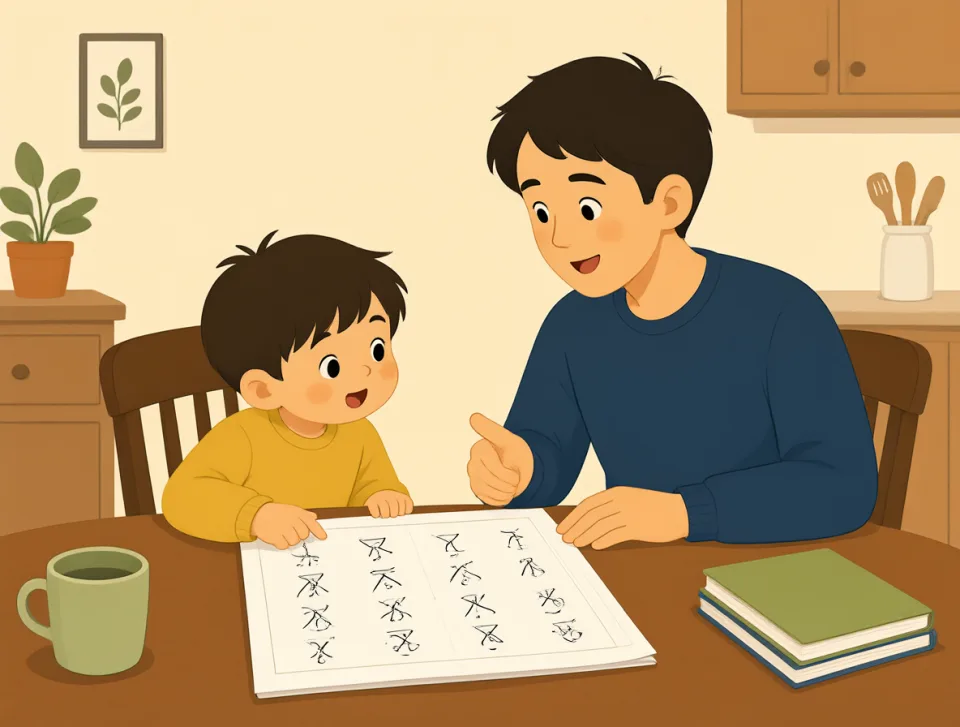
Can you explain this problem to me?
ช่วยอธิบายปัญหานี้ให้ฉันฟังได้ไหม

She explained why she was late.
เธออธิบายว่าทำไมเธอถึงมาสาย

The doctor explained my treatment clearly.
หมออธิบายการรักษาของฉันอย่างชัดเจน

Please explain how to get there.
กรุณาอธิบายวิธีไปที่นั่นให้ฟังหน่อย

The chef is explaining the recipe.
เชฟกำลังอธิบายสูตรอาหาร

door
#490noun
ประตู
A movable barrier that opens and closes an entrance.
สิ่งกั้นที่เคลื่อนเปิดและปิดได้ตรงทางเข้า
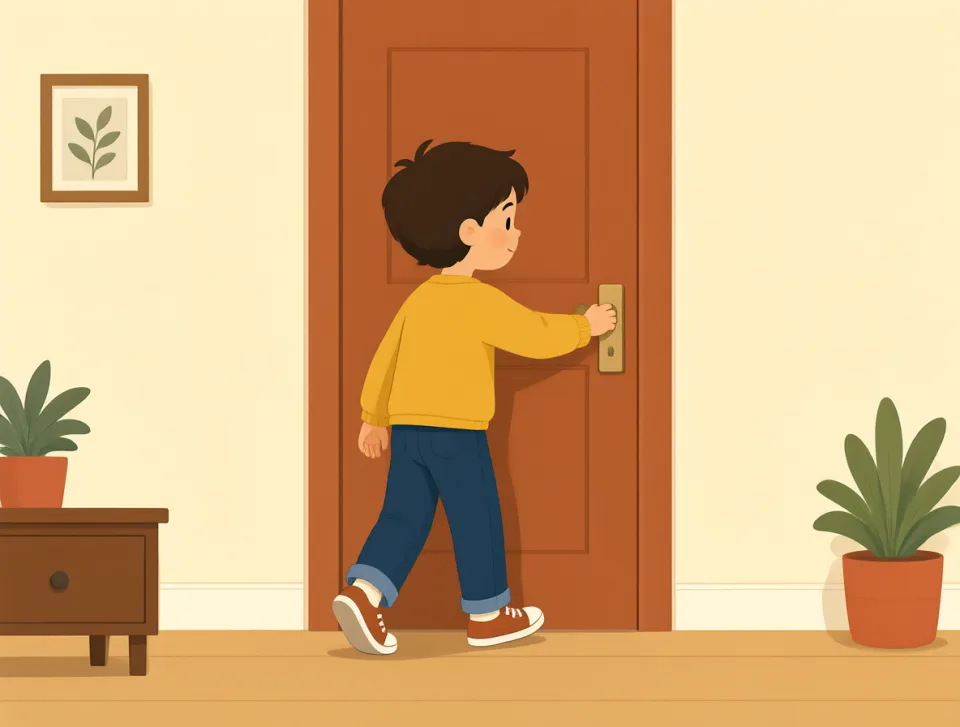
Please close the door behind you.
กรุณาปิดประตูตามหลังด้วย
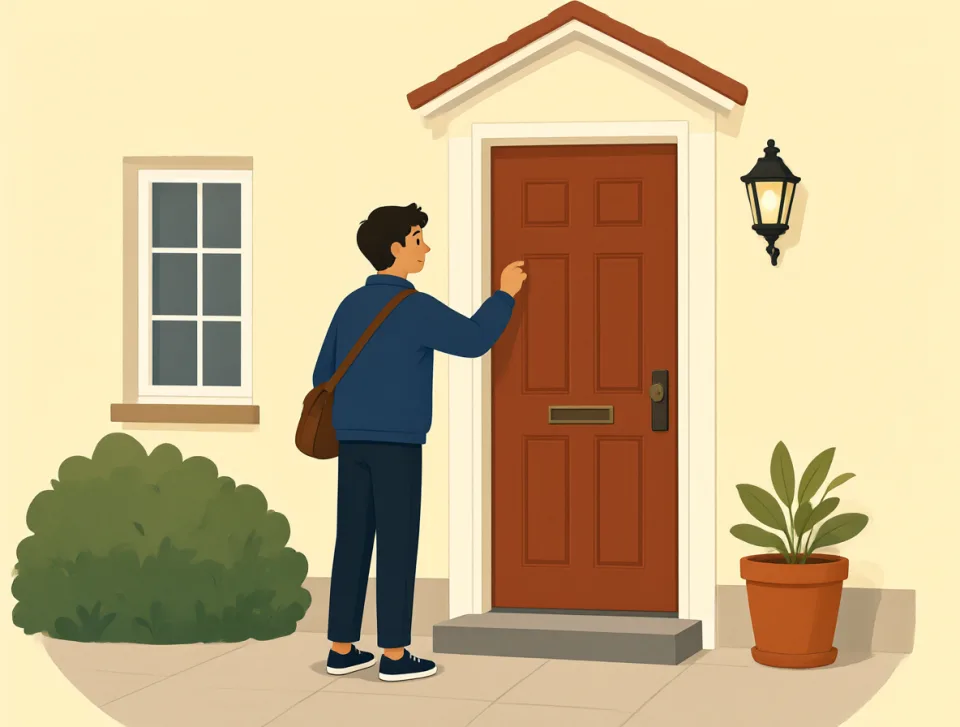
Someone is knocking at the front door.
มีคนกำลังเคาะประตูหน้าบ้าน

The bedroom door is open.
ประตูห้องนอนเปิดอยู่

We waited outside the store door.
เรารออยู่ด้านนอกประตูร้าน
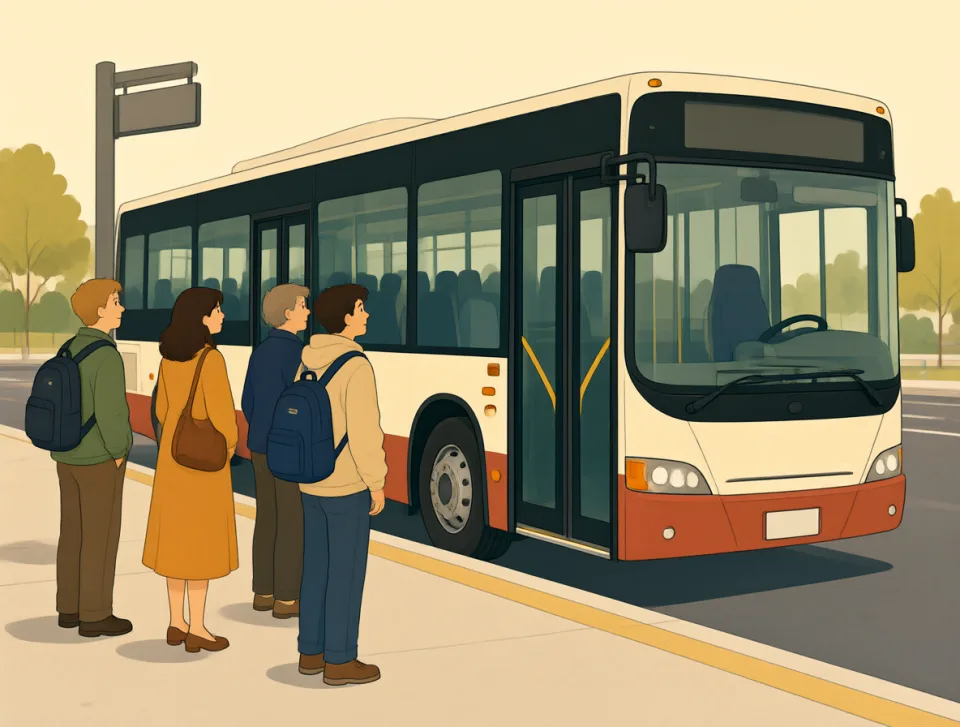
The bus doors opened at the station.
ประตูรถบัสเปิดที่สถานี
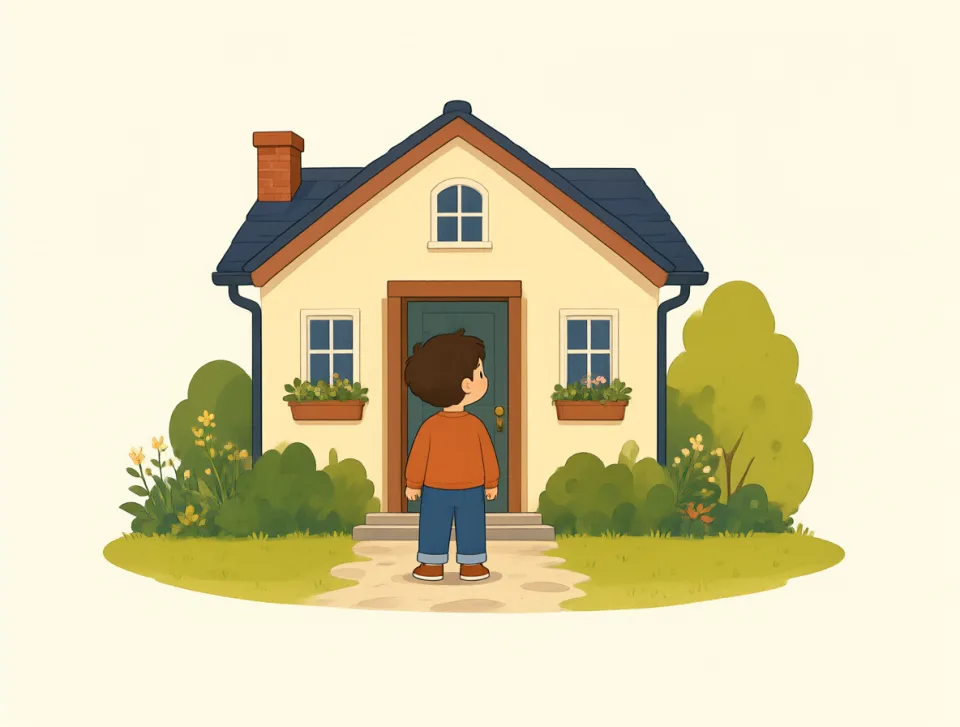
outside
#491adverb, preposition, noun
ข้างนอก
in or to a place that is not inside a building or area
อยู่ในหรือไปยังสถานที่ที่ไม่ได้อยู่ภายในอาคารหรือพื้นที่ใดพื้นที่หนึ่ง
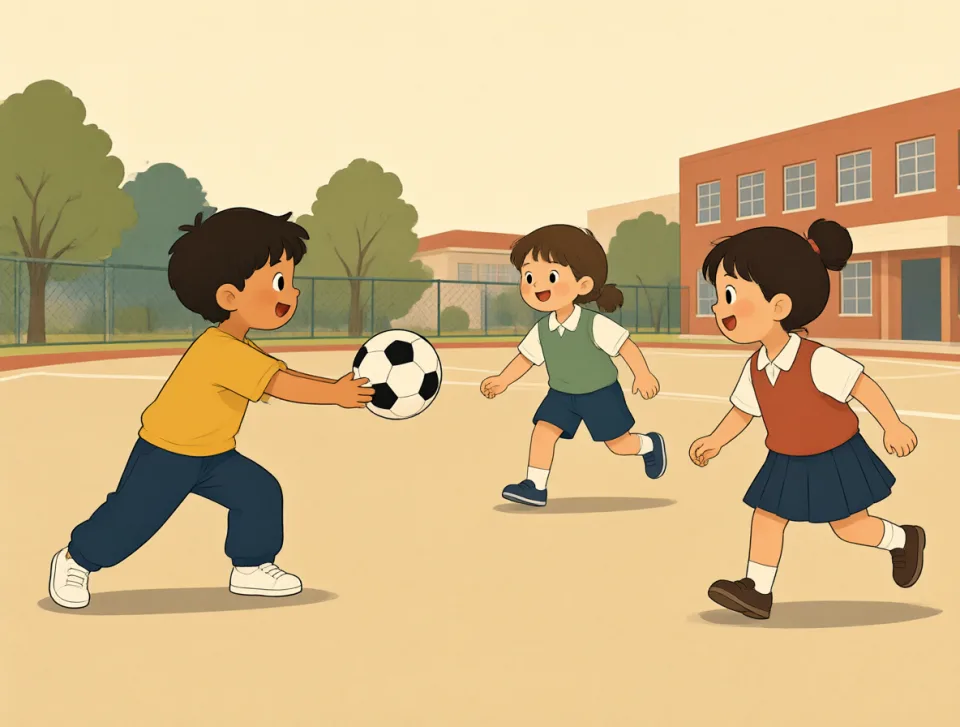
The children are playing outside after school.
เด็ก ๆ กำลังเล่นอยู่ข้างนอกหลังเลิกเรียน
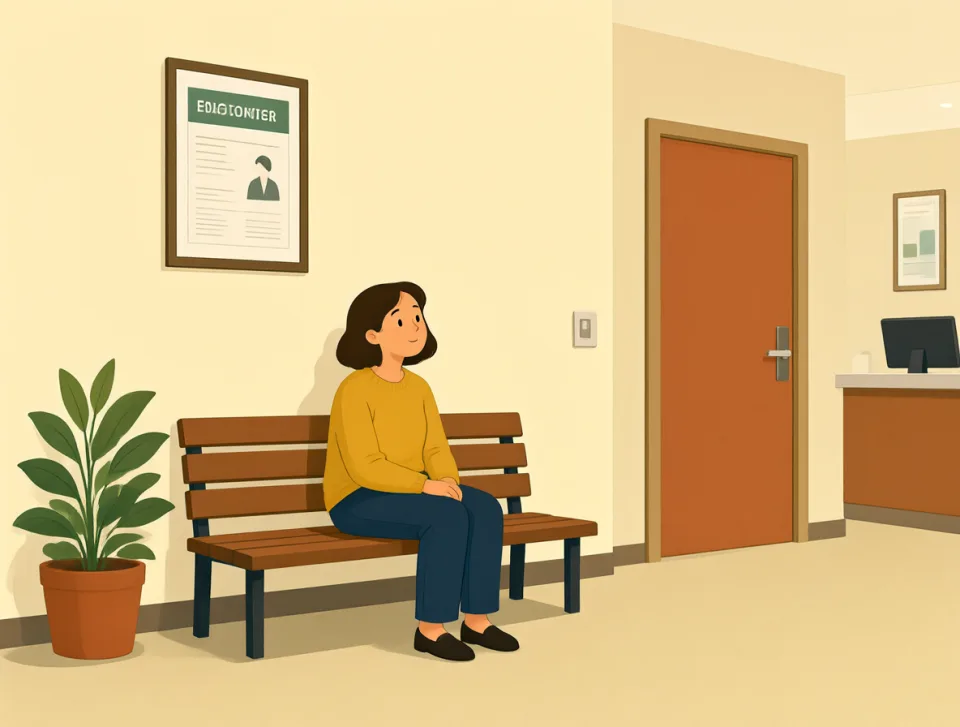
Please wait outside the doctor's office.
กรุณารออยู่ข้างนอกห้องตรวจของหมอ

We ate lunch outside at work.
เรากินอาหารกลางวันข้างนอกที่ทำงาน
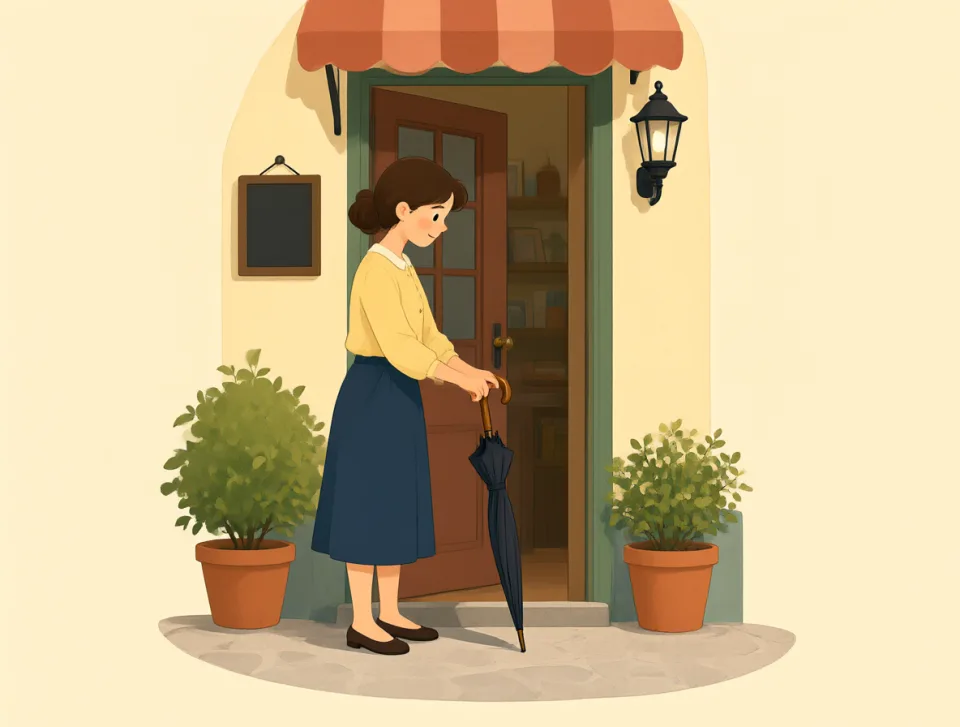
She left her umbrella outside the shop.
เธอทิ้งร่มไว้ข้างนอกร้าน

The outside of the house needs paint.
ด้านนอกของบ้านต้องทาสีใหม่

behind
#492adverb, preposition
ข้างหลัง
At or toward the back of someone or something.
อยู่ที่ด้านหลังของบุคคลหรือสิ่งของ หรือมุ่งไปทางด้านหลัง

The cat is hiding behind the sofa.
แมวกำลังซ่อนตัวอยู่หลังโซฟา

She stood behind me in the long line.
เธอยืนอยู่ข้างหลังฉันในแถวยาว
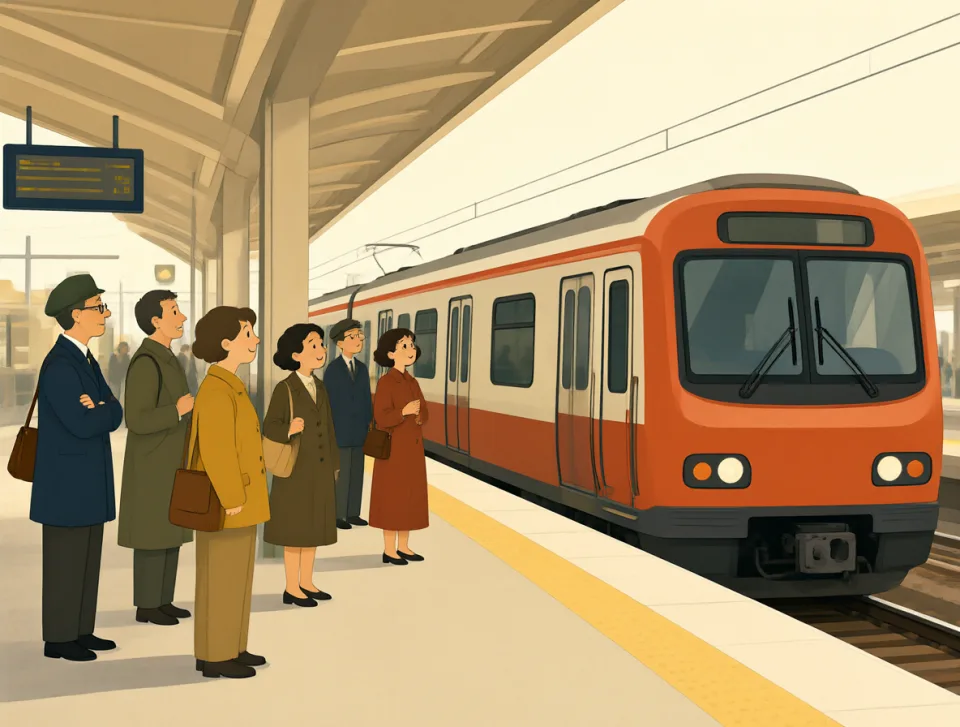
Our train is behind schedule this morning.
เช้านี้รถไฟของเราออกช้ากว่ากำหนด

He left his jacket behind at school.
เขาทิ้งเสื้อแจ็กเก็ตไว้ที่โรงเรียน
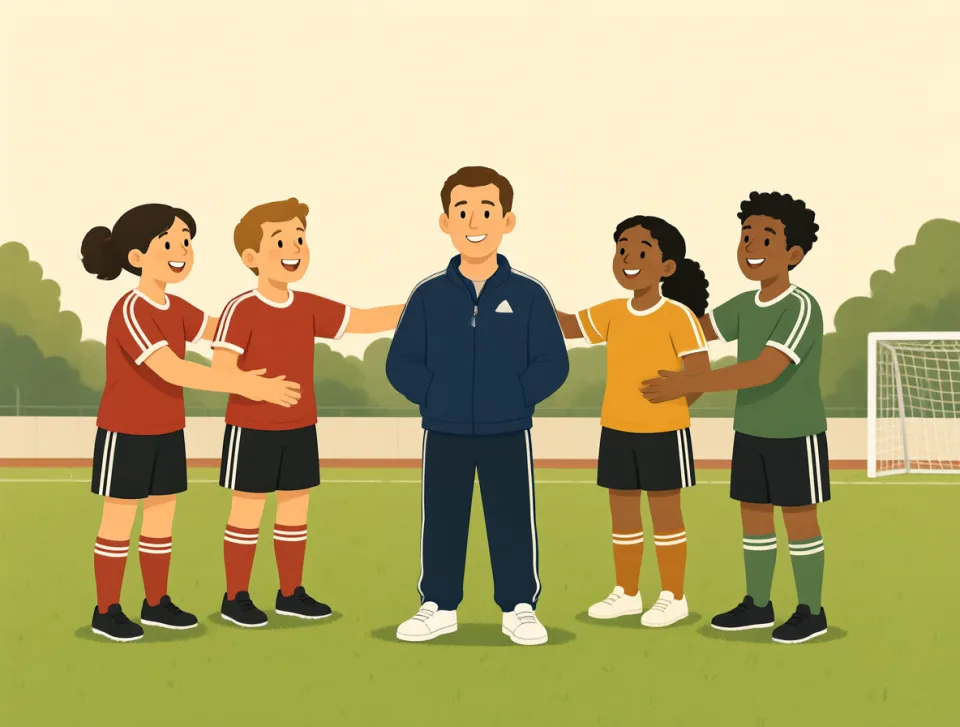
The team is behind our new coach.
ทีมสนับสนุนโค้ชคนใหม่ของเรา
economic
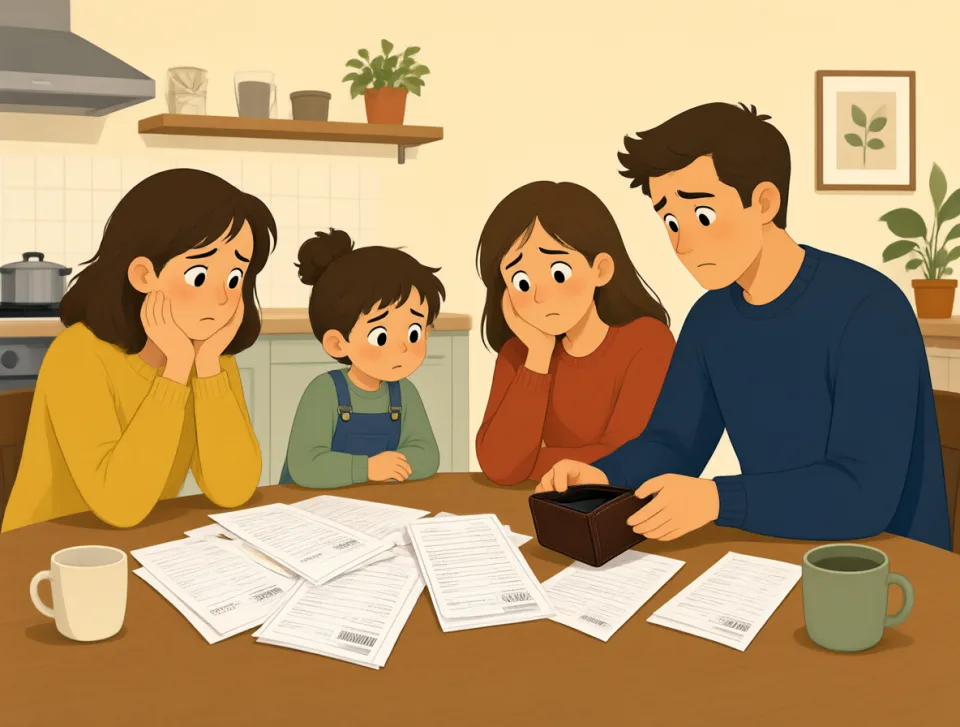
#493adjective
เกี่ยวกับเศรษฐกิจ
Related to money, business, trade, or the use of resources.
เกี่ยวข้องกับเงิน ธุรกิจ การค้า หรือการใช้ทรัพยากร
The country faces serious economic problems.
ประเทศกำลังเผชิญปัญหาเศรษฐกิจร้ายแรง
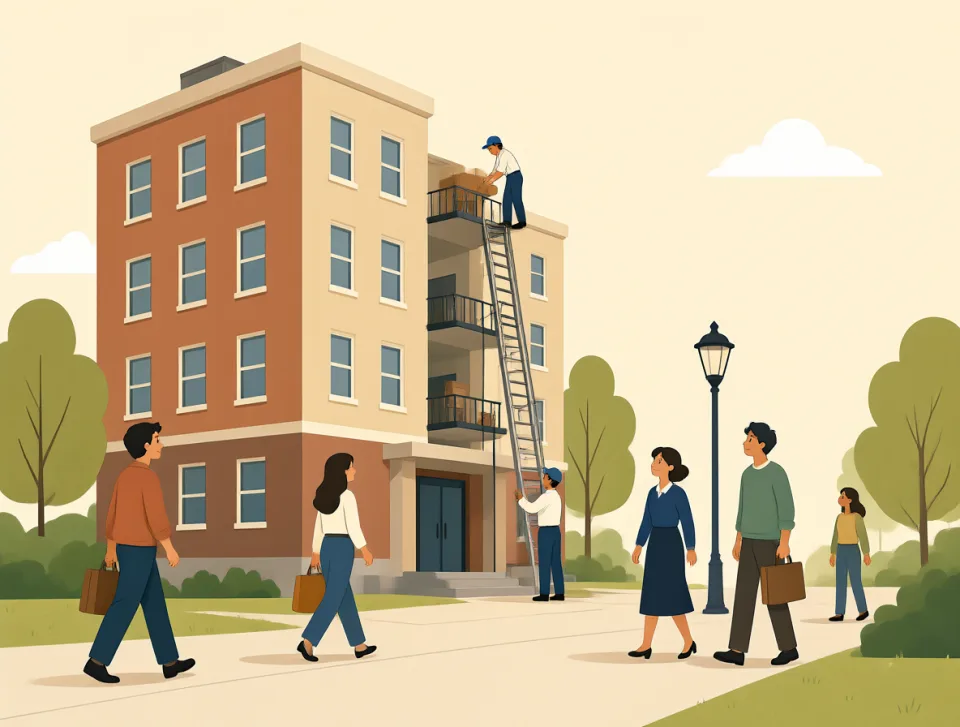
Economic growth created more jobs.
การเติบโตทางเศรษฐกิจทำให้เกิดงานมากขึ้น
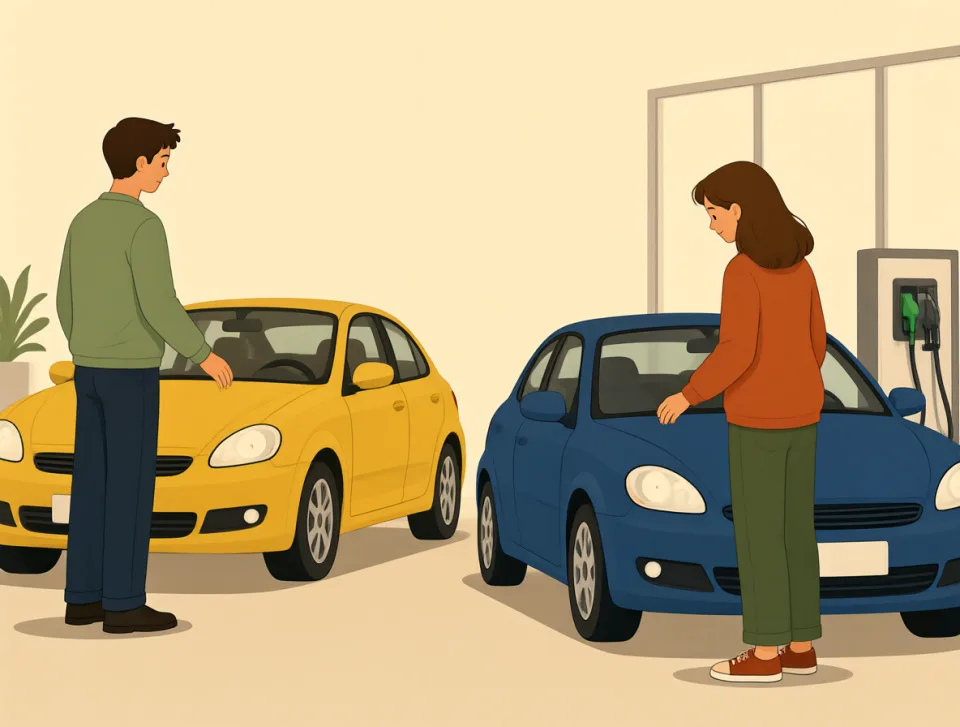
We need a more economic car.
เราต้องการรถที่ประหยัดน้ำมันกว่านี้
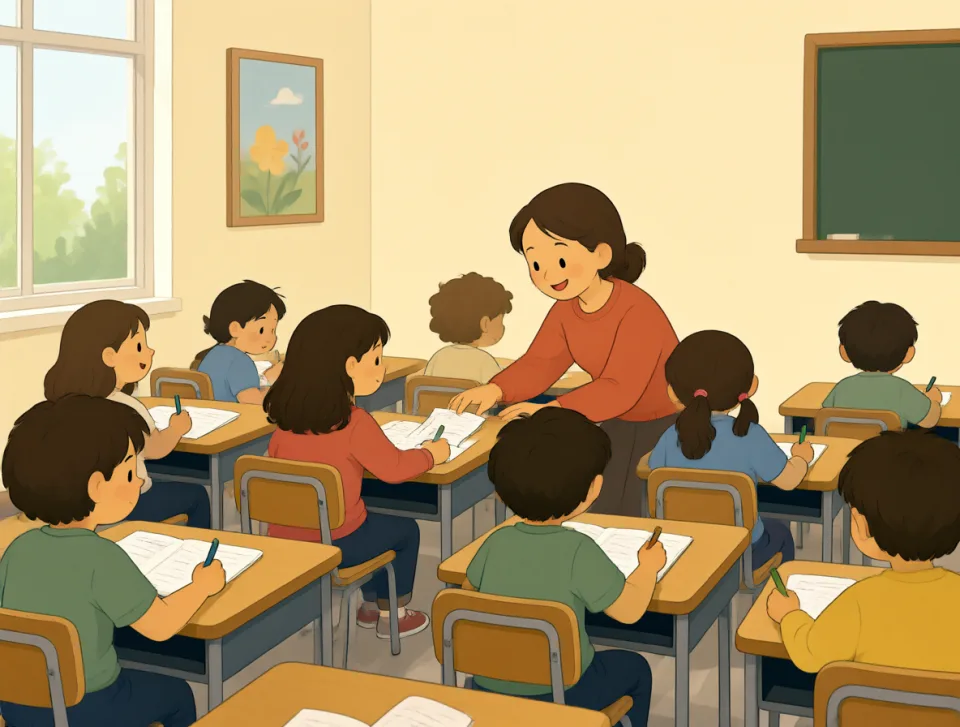
The school made economic use of space.
โรงเรียนใช้พื้นที่อย่างคุ้มค่า

Economic changes raised food prices.
การเปลี่ยนแปลงทางเศรษฐกิจทำให้ราคาอาหารสูงขึ้น
site
#494noun
สถานที่
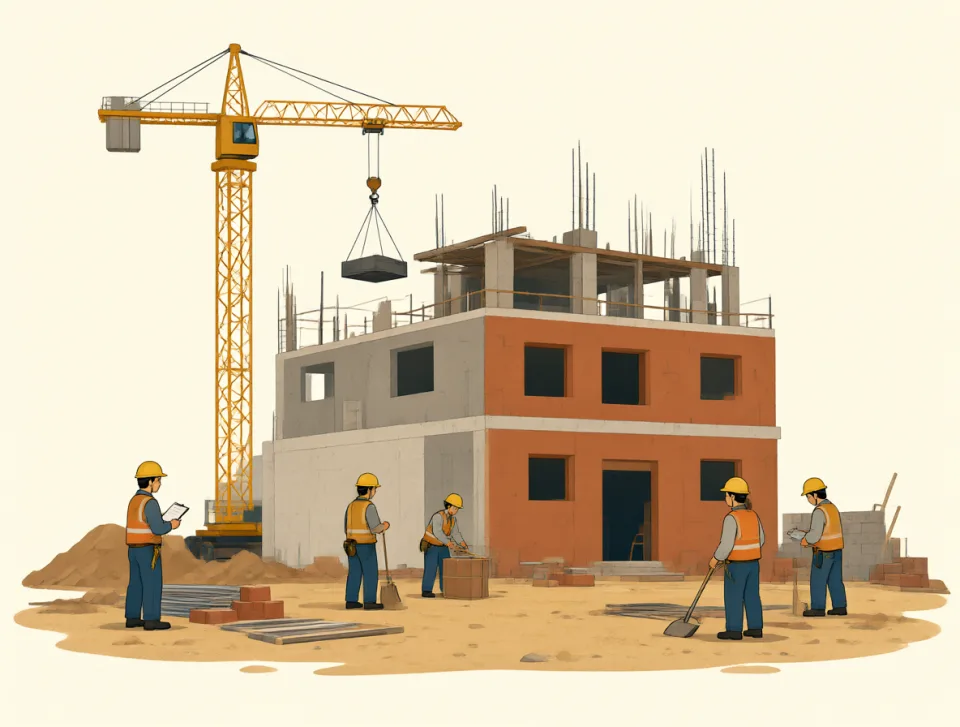
A place where something happens or where something is built.
สถานที่ที่มีบางสิ่งเกิดขึ้นหรือเป็นสถานที่ก่อสร้างบางสิ่ง
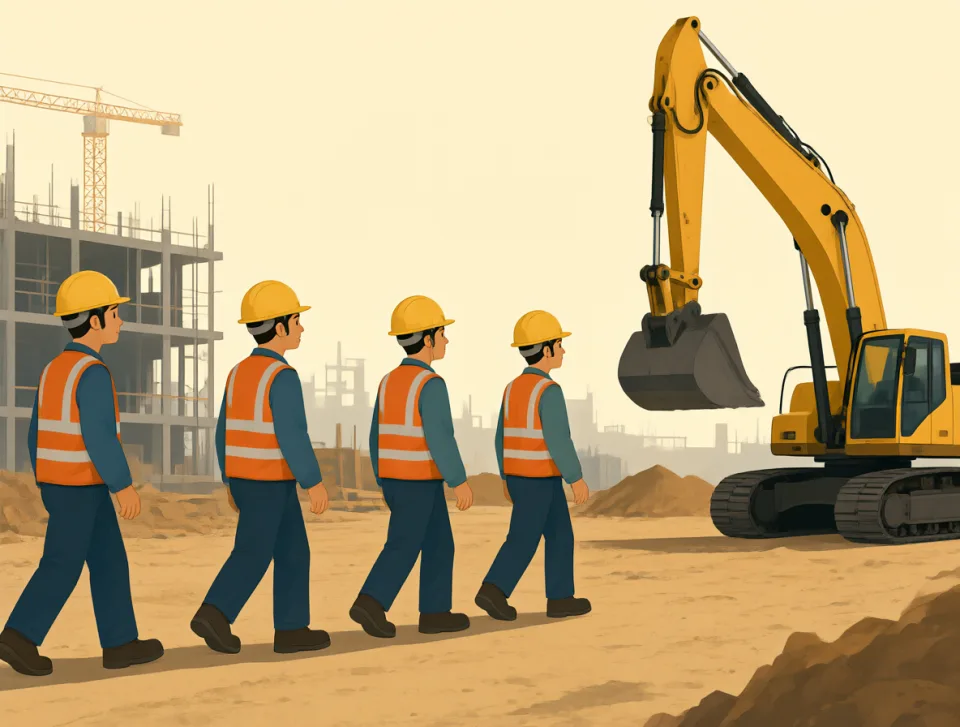
Workers arrived early at the building site.
คนงานมาถึงสถานที่ก่อสร้างแต่เช้า
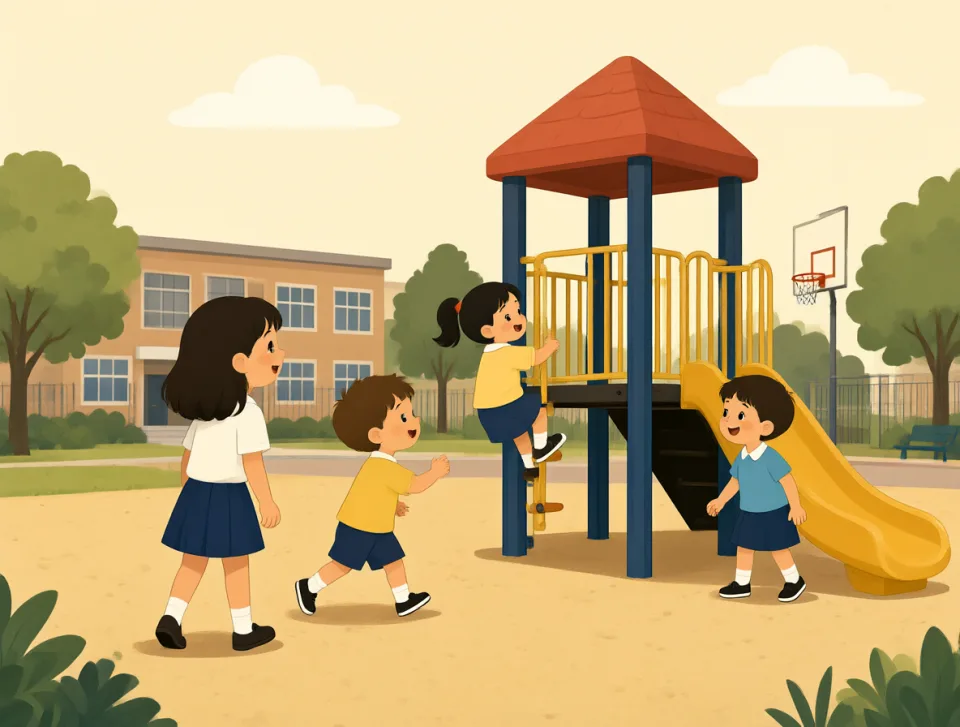
The school site has a new playground.
บริเวณโรงเรียนมีสนามเด็กเล่นแห่งใหม่

We visited the historic site yesterday.
เราไปเยี่ยมชมสถานที่สำคัญทางประวัติศาสตร์เมื่อวานนี้

The campsite is near a quiet lake.
สถานที่กางเต็นท์อยู่ใกล้ทะเลสาบอันเงียบสงบ

Please check the website for more information.
กรุณาตรวจสอบเว็บไซต์เพื่อดูข้อมูลเพิ่มเติม
approach
#495noun, verb
แนวทาง
A way of dealing with something; to move closer to someone or something.
วิธีจัดการกับบางสิ่ง หรือเคลื่อนที่เข้าใกล้บุคคลหรือสิ่งของ

We need a new approach to this problem.
เราต้องการแนวทางใหม่ในการแก้ปัญหานี้
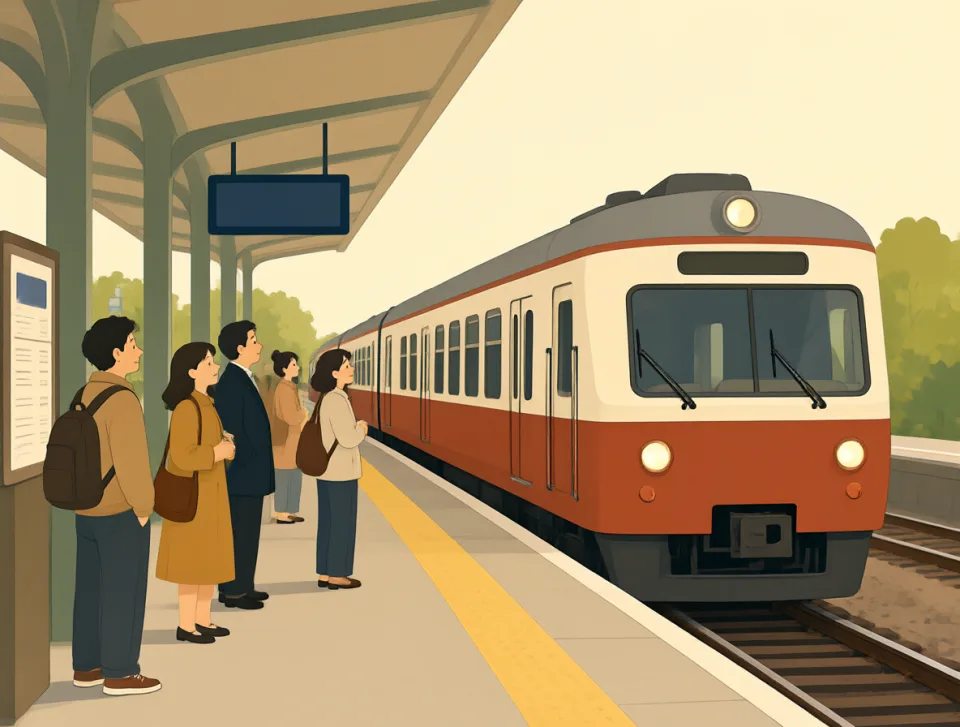
The train is approaching the station.
รถไฟกำลังเข้าใกล้สถานี
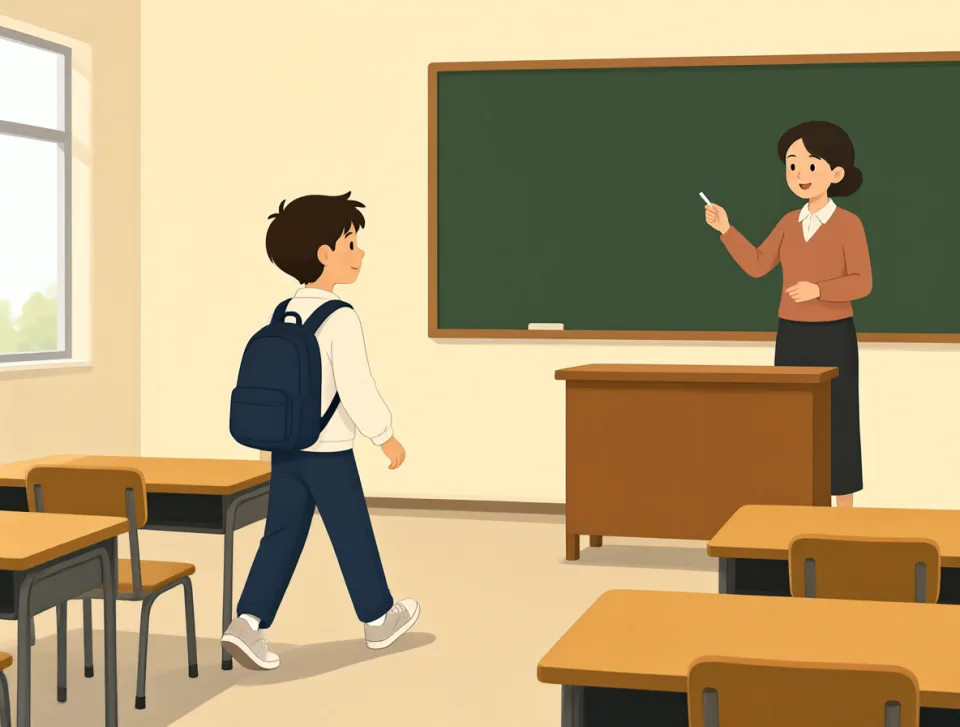
She approached the teacher after class.
เธอเข้าไปคุยกับครูหลังเลิกเรียน
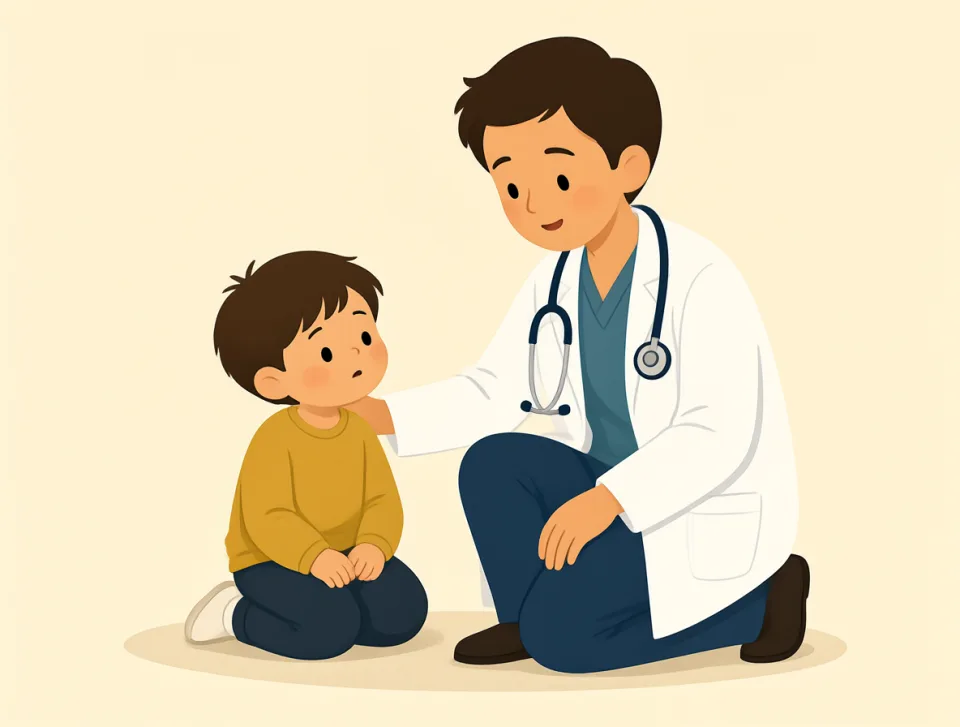
He used a gentle approach with the sick child.
เขาใช้วิธีที่อ่อนโยนกับเด็กที่ป่วย

The waiter approached our table with menus.
พนักงานเสิร์ฟเดินเข้ามาที่โต๊ะของเราพร้อมเมนู
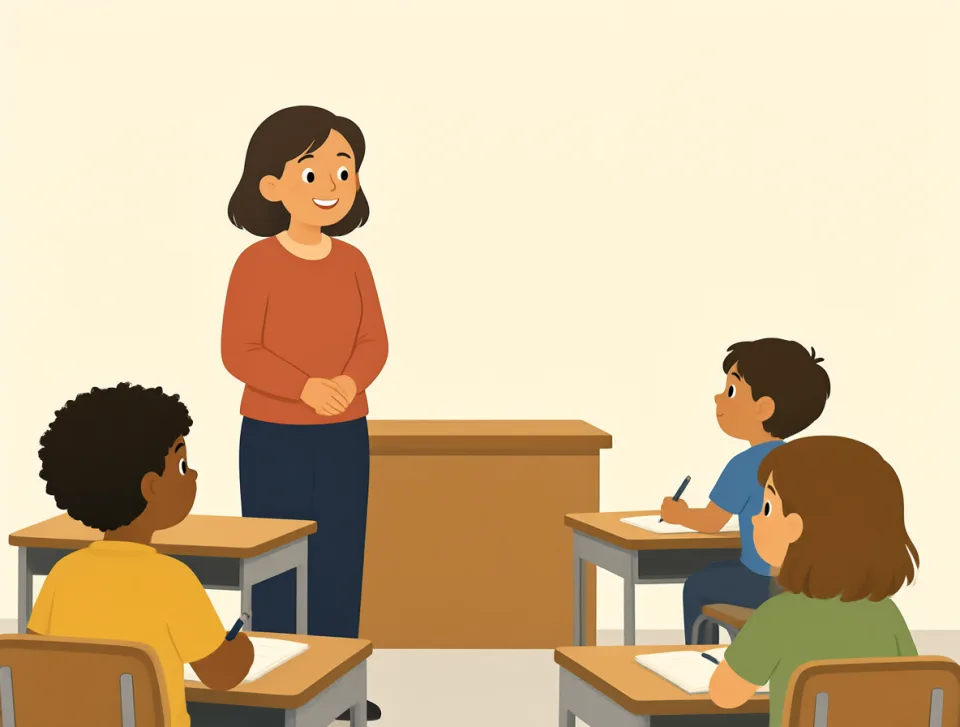
teacher
#496noun
ครู
A person who helps students learn, usually at a school.
คนที่ช่วยให้นักเรียนเรียนรู้ โดยปกติทำงานอยู่ที่โรงเรียน
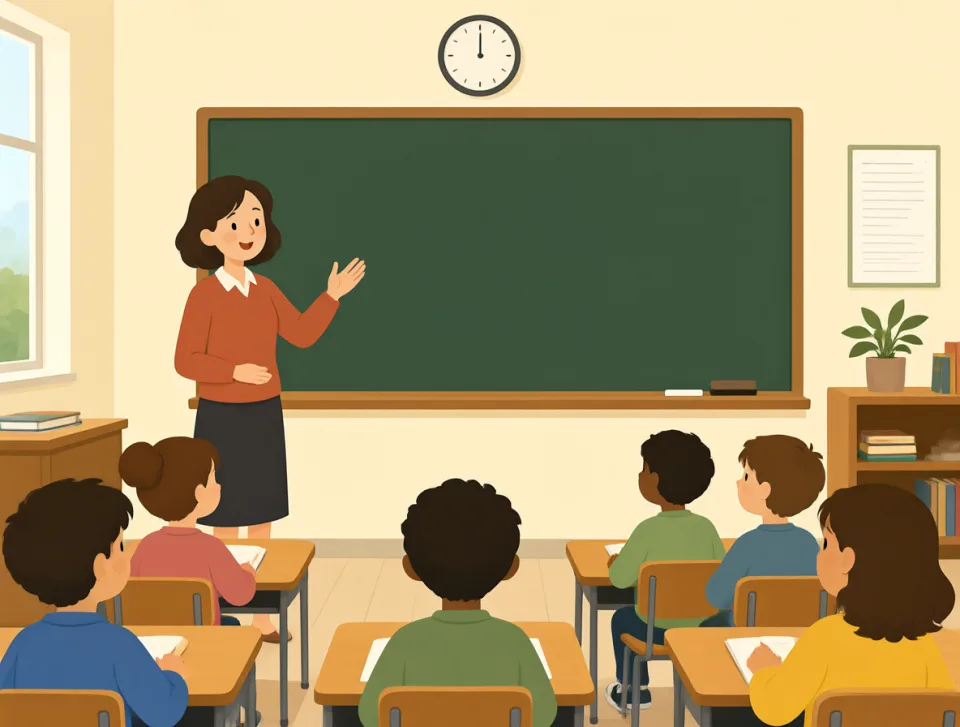
Our teacher explains the lesson clearly.
ครูของเราอธิบายบทเรียนได้อย่างชัดเจน
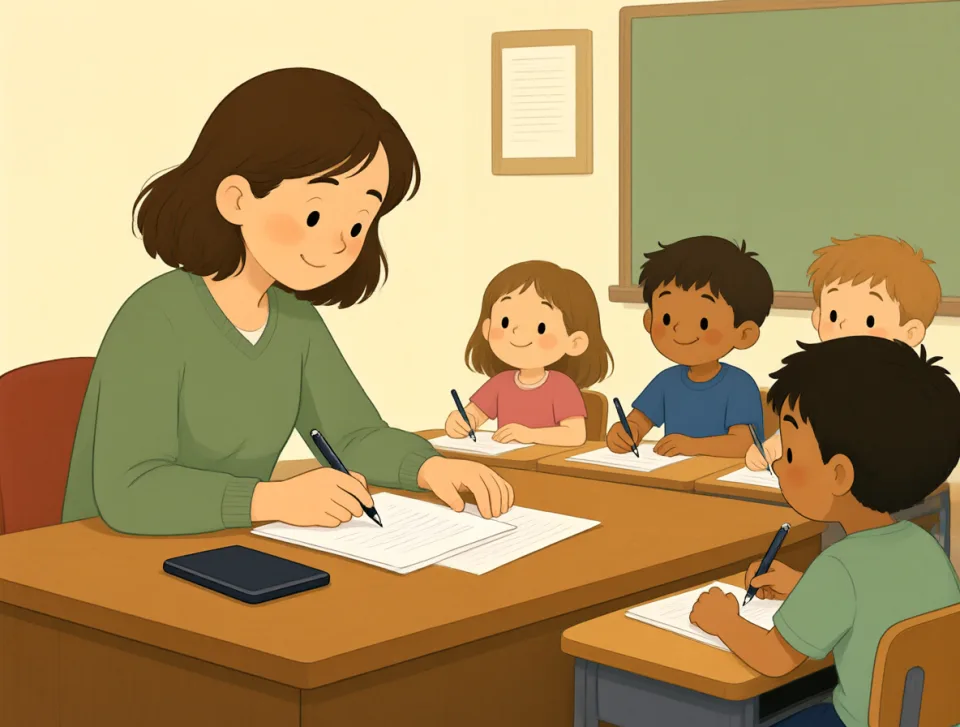
The teacher checked our homework yesterday.
เมื่อวานครูตรวจการบ้านของเรา
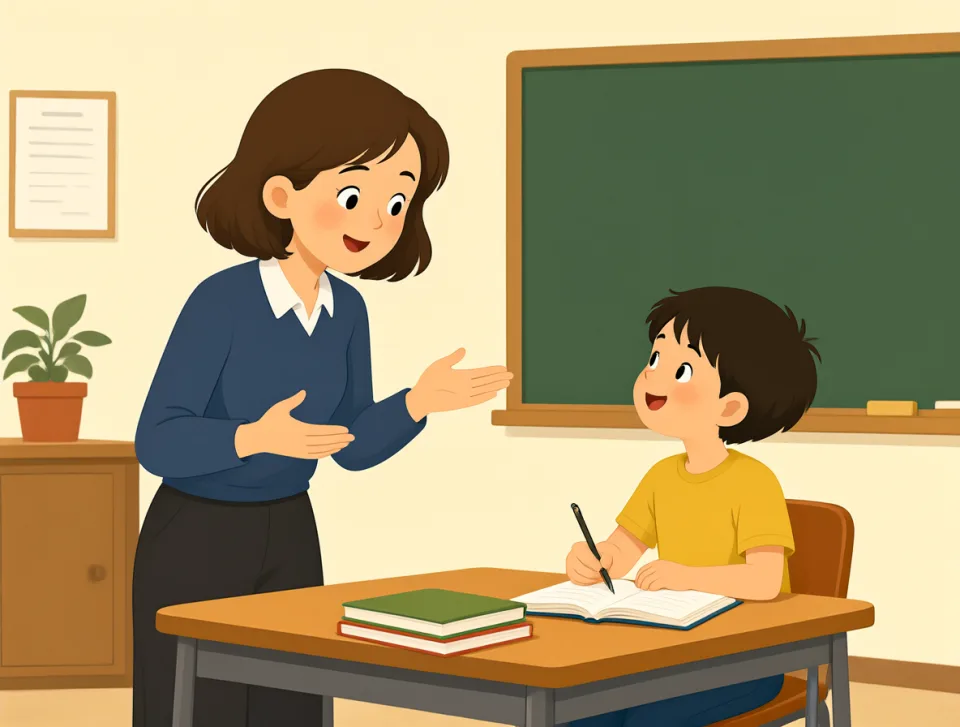
My English teacher gives us useful advice.
ครูสอนภาษาอังกฤษของฉันให้คำแนะนำที่เป็นประโยชน์กับเรา

The teacher called my parents after school.
ครูโทรหาพ่อแม่ของฉันหลังเลิกเรียน

She wants to become a teacher someday.
สักวันหนึ่งเธออยากเป็นครู

land
#497noun, verb
พื้นดิน; ลงจอด
The solid ground of the Earth, or to arrive somewhere after traveling.
พื้นดินแข็งของโลก หรือการเดินทางไปถึงสถานที่แห่งหนึ่ง

The plane landed safely at the airport.
เครื่องบินลงจอดที่สนามบินอย่างปลอดภัย

We walked across the land to the river.
พวกเราเดินข้ามพื้นดินไปจนถึงแม่น้ำ

They bought land to build a house.
พวกเขาซื้อที่ดินเพื่อสร้างบ้าน

The bird landed on my hand.
นกบินมาเกาะบนมือฉัน

A fly landed in my soup.
แมลงวันบินมาเกาะในซุปของฉัน
charge
#498noun, verb
เรียกเก็บเงิน; ชาร์จ; ตั้งข้อหา
To ask for money, fill a battery, or officially accuse someone of a crime.
เรียกเก็บเงิน เติมพลังให้แบตเตอรี่ หรือกล่าวหาใครอย่างเป็นทางการว่ากระทำความผิด

The hotel charged us for breakfast.
โรงแรมเรียกเก็บเงินค่าอาหารเช้าจากพวกเรา
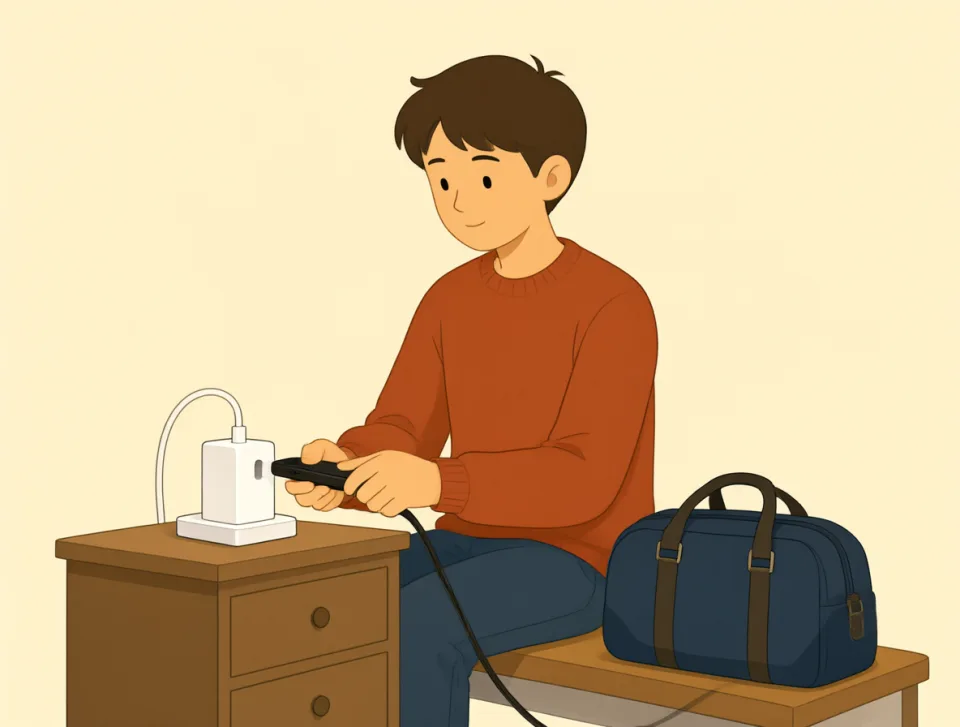
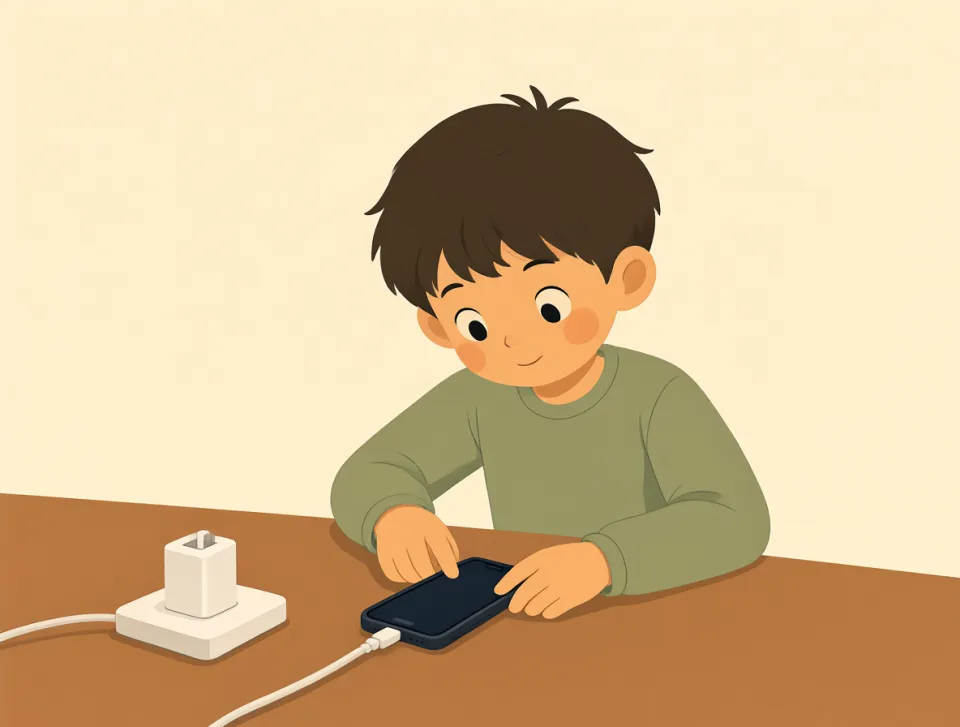
Please charge my phone before the trip.
ช่วยชาร์จโทรศัพท์ให้ฉันก่อนเดินทางด้วยนะ

There is no extra charge for delivery.
ไม่มีค่าบริการจัดส่งเพิ่มเติม

The police charged him with stealing money.
ตำรวจตั้งข้อหาเขาว่าขโมยเงิน
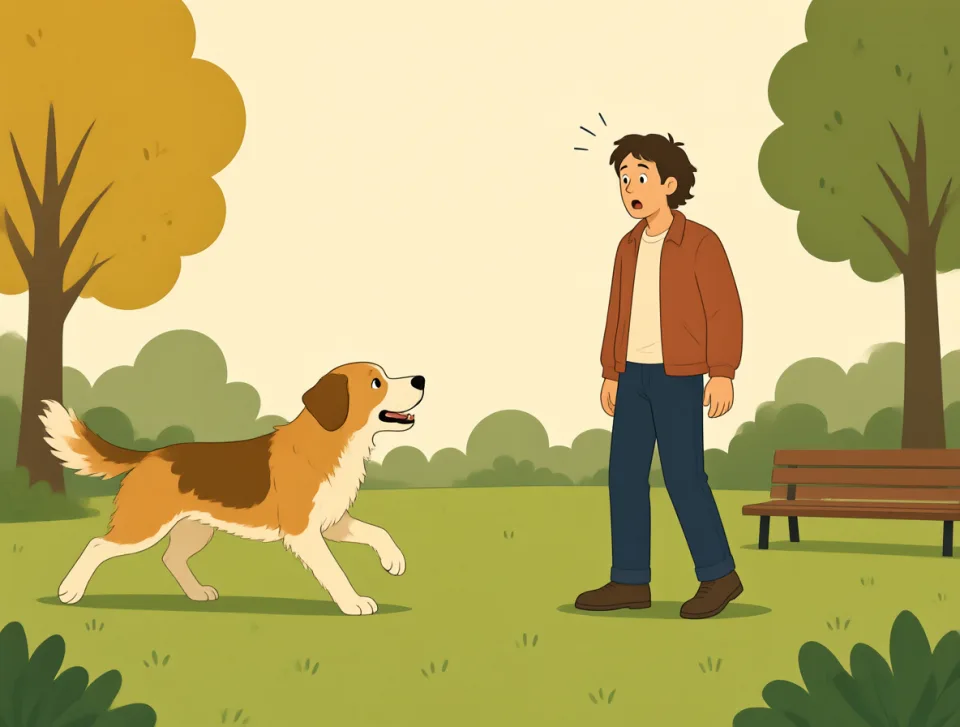
The dog charged at the stranger.
สุนัขพุ่งเข้าใส่คนแปลกหน้า
finally
#499adverb
ในที่สุด
at the end of a long wait or after everything else has happened
เมื่อรอคอยมาเป็นเวลานานจนถึงที่สุด หรือหลังจากเหตุการณ์อื่น ๆ เกิดขึ้นหมดแล้ว
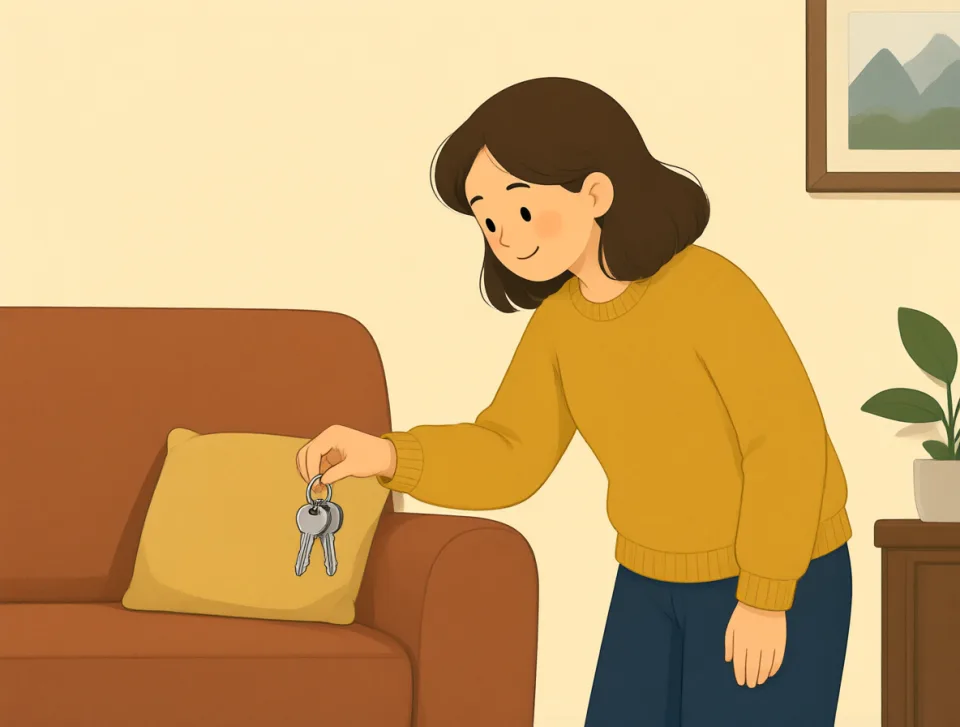
She finally found her lost keys.
ในที่สุดเธอก็เจอกุญแจที่ทำหาย

We finally arrived at the hotel.
ในที่สุดพวกเราก็มาถึงโรงแรม

He finally finished his homework.
ในที่สุดเขาก็ทำการบ้านเสร็จ
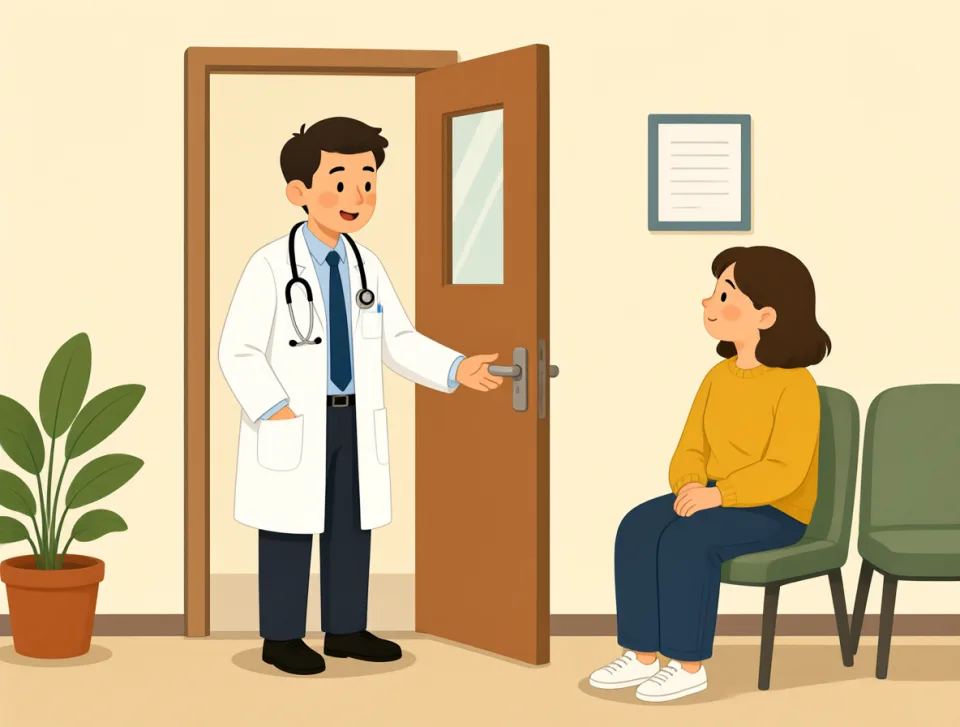
The doctor finally called my name.
ในที่สุดหมอก็เรียกชื่อฉัน

They finally agreed to meet tomorrow.
ในที่สุดพวกเขาก็ตกลงที่จะพบกันพรุ่งนี้
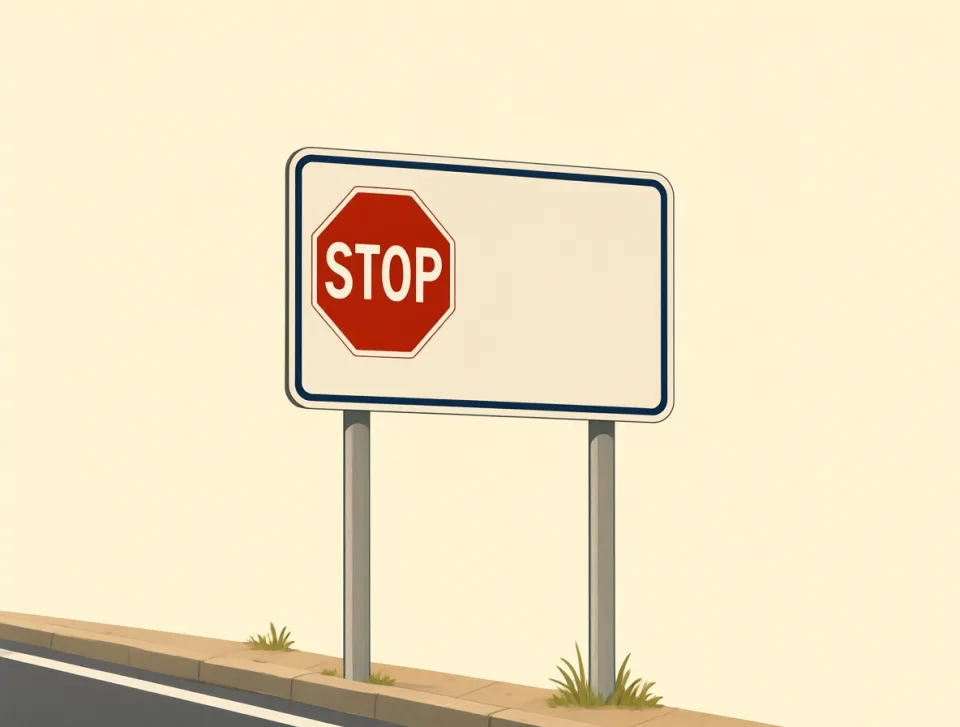
sign
#500noun, verb
ป้าย; สัญญาณ; เซ็นชื่อ
A mark or action that gives information, or to write your name on something.
เครื่องหมายหรือการกระทำที่ให้ข้อมูล หรือการเขียนชื่อลงบนสิ่งใดสิ่งหนึ่ง
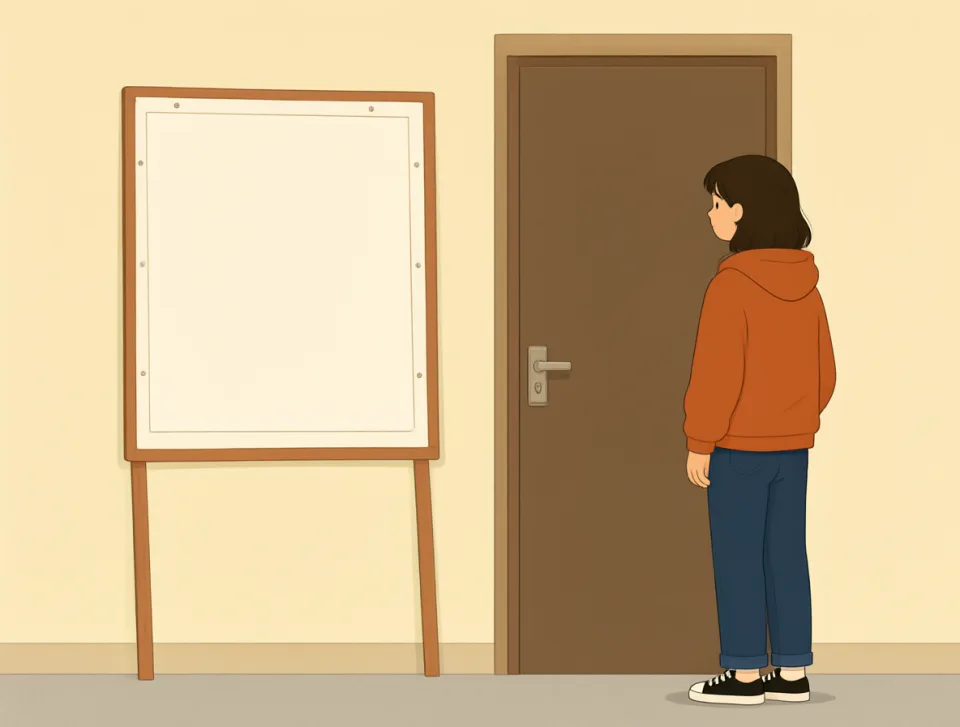
The sign says, “Keep the door closed.”
ป้ายเขียนว่า “ปิดประตูไว้”
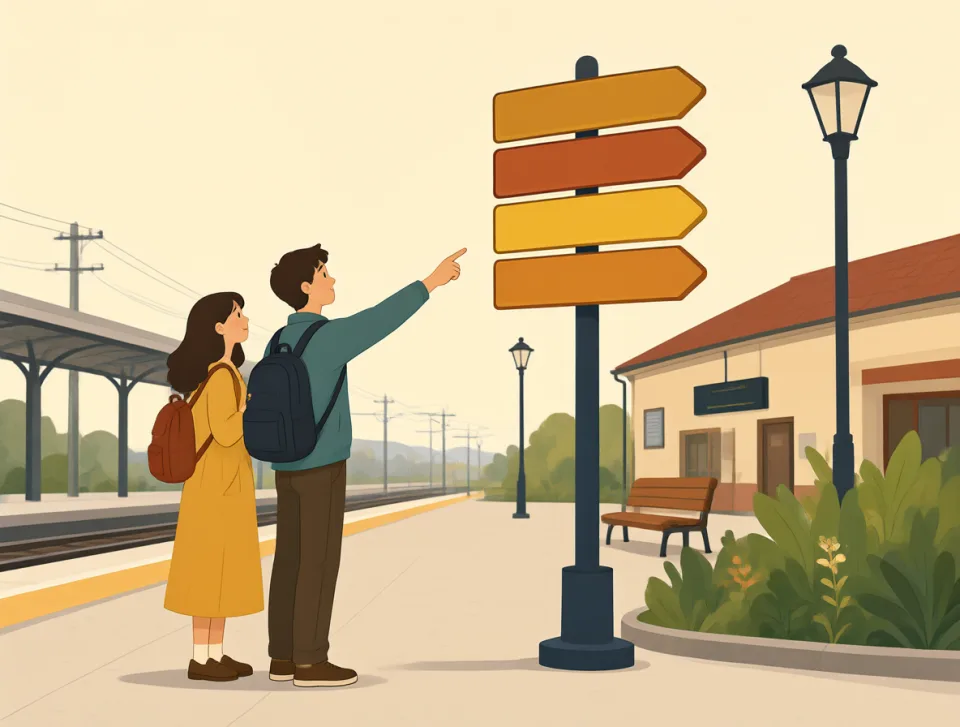
We saw a sign for the train station.
พวกเราเห็นป้ายบอกทางไปสถานีรถไฟ

Please sign your name at the bottom.
กรุณาเซ็นชื่อของคุณที่ด้านล่าง

She signed a contract at work.
เธอเซ็นสัญญาที่ทำงาน

His smile was a sign of happiness.
รอยยิ้มของเขาเป็นสัญญาณของความสุข