單元 25
單字 481–500 · draw, white, date, practice, model, raise
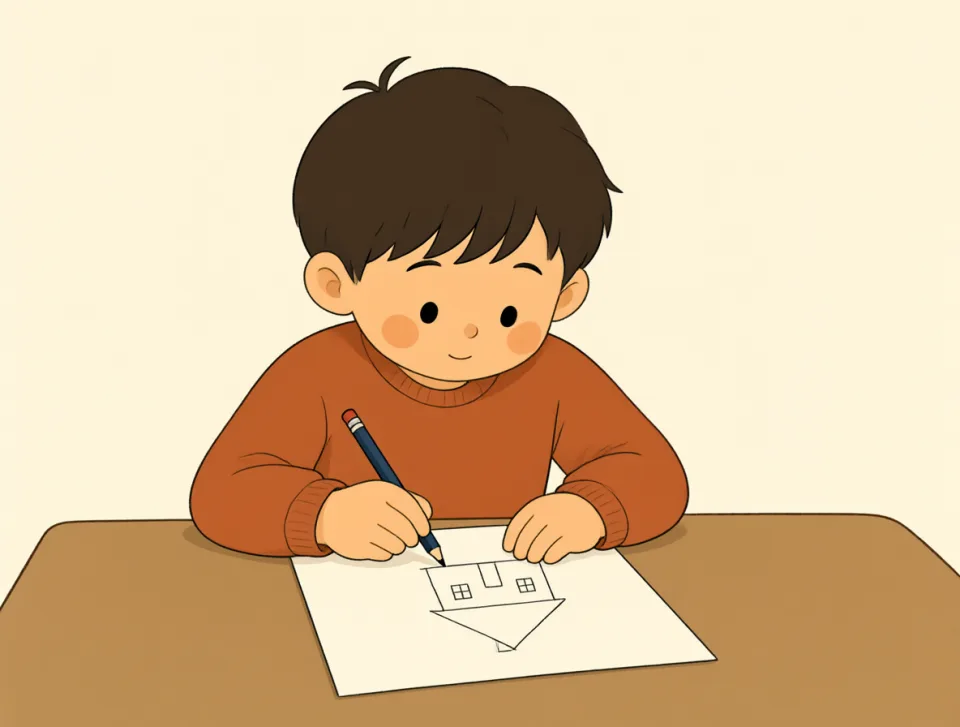
draw
#481verb, noun
畫;拉;抽籤;打成平局
to make a picture, pull something, or choose a name by chance
畫圖、拉某物,或隨機抽取一個名字
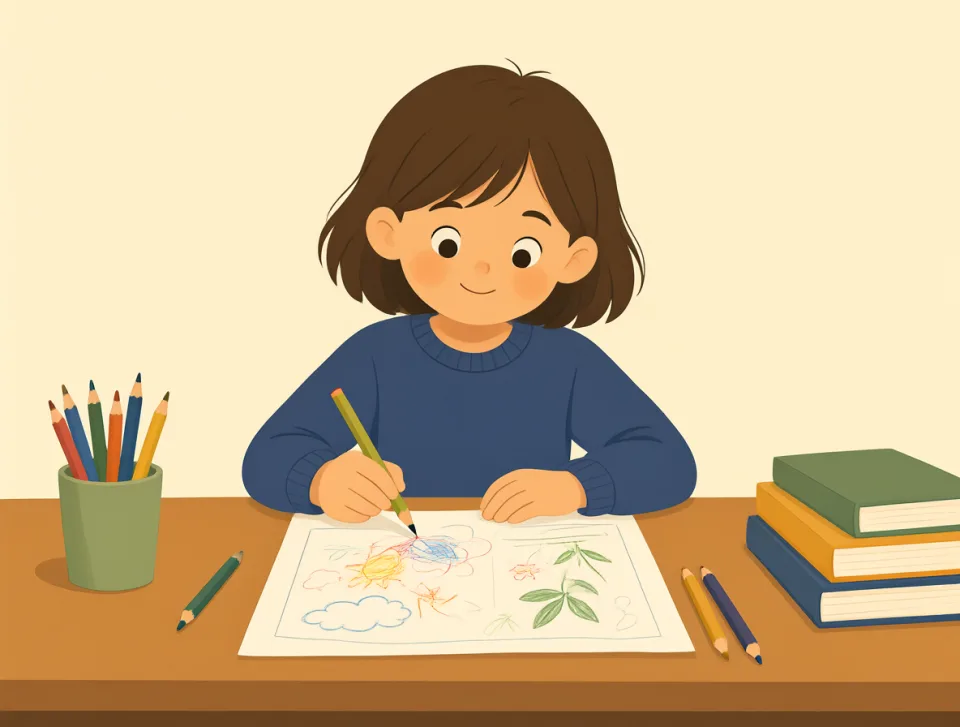
She likes to draw pictures after school.
她喜歡放學後畫畫。

Please draw the curtains before you leave.
請在離開前把窗簾拉上。

The doctor drew blood from my arm.
醫生從我的手臂上抽了血。
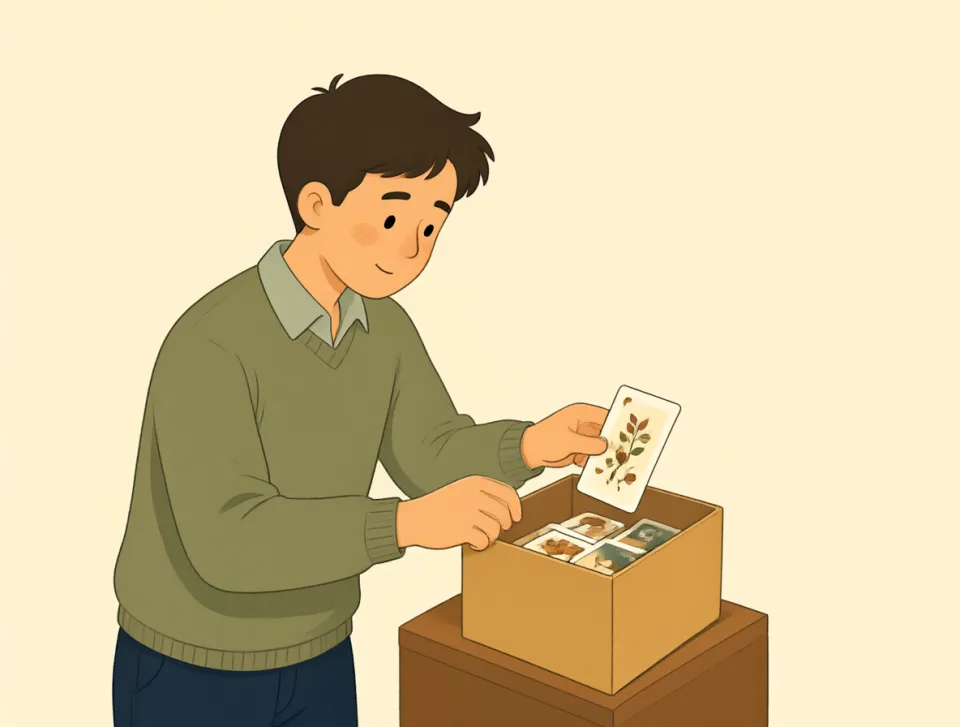
He drew a card from the box.
他從盒子裡抽出一張牌。
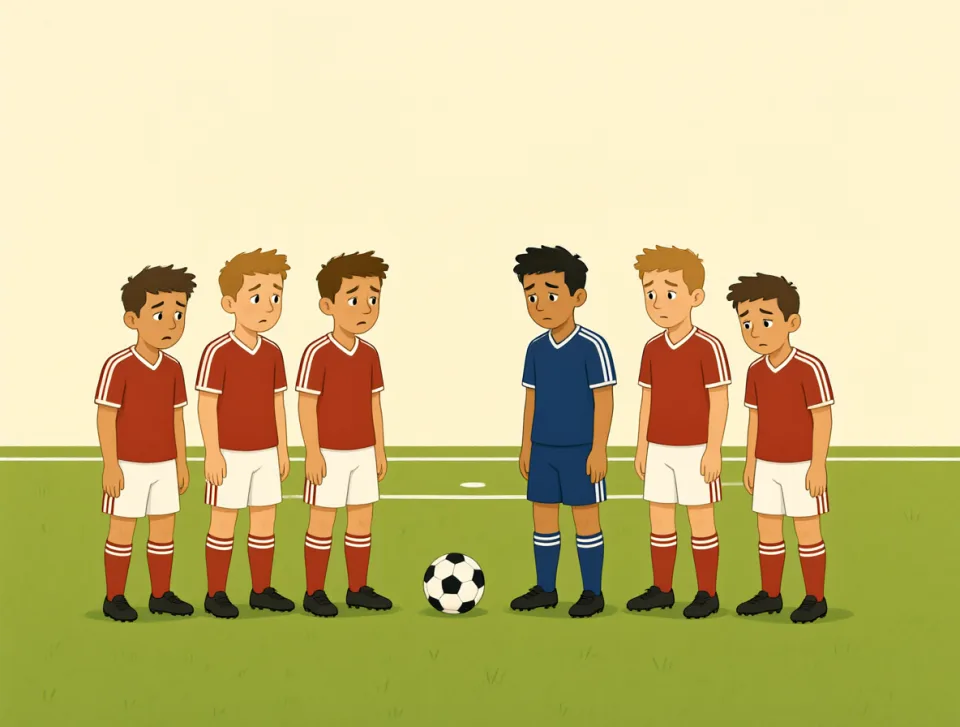
They drew the game yesterday.
他們昨天打成了平局。

white
#482adjective, noun
白色;白的
Having the color of fresh snow or milk; the lightest color.
具有新鮮雪或牛奶的顏色;最淺的顏色。

She wore a white shirt to work.
她穿了一件白襯衫去上班。

The white snow covered the garden.
白雪覆蓋了花園。
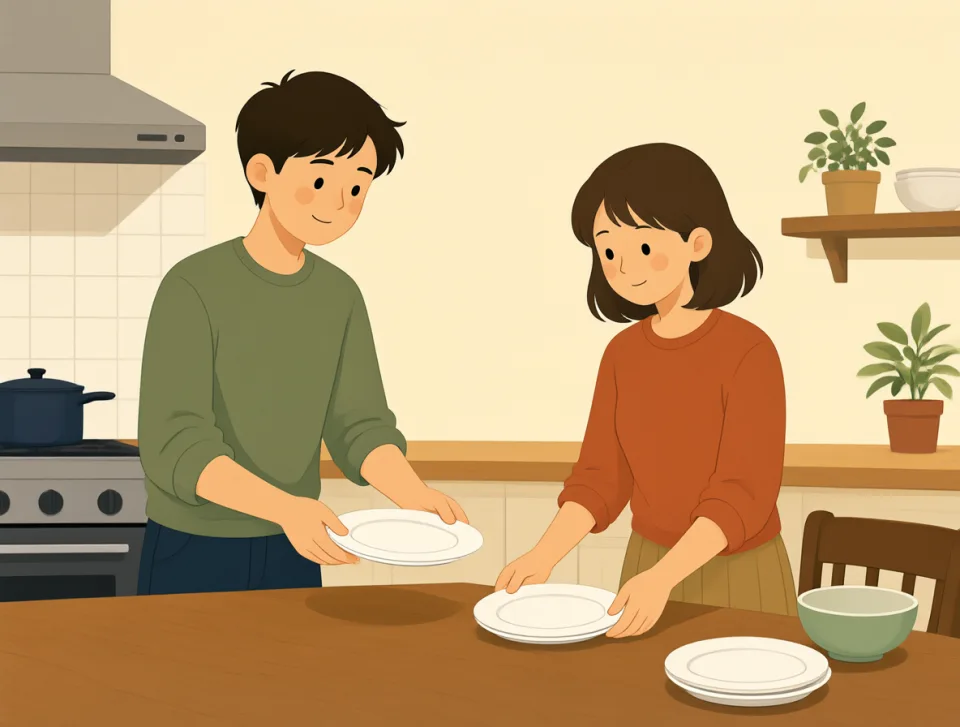
Please put the white plates here.
請把白色的盤子放在這裡。
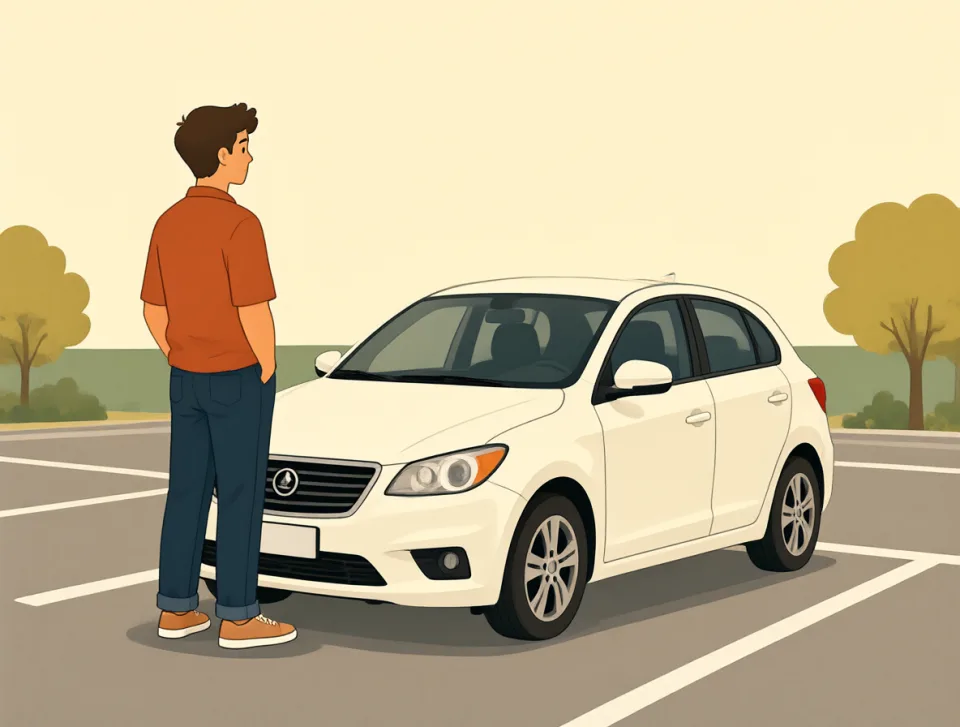
He bought a white car yesterday.
他昨天買了一輛白色的汽車。
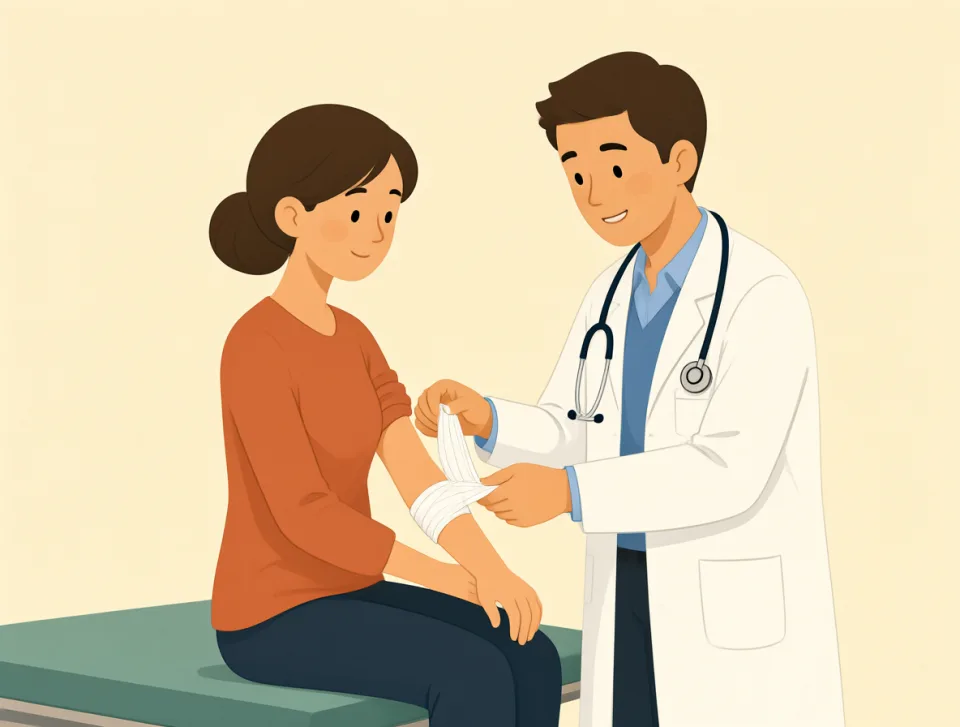
The doctor gave her a white bandage.
醫生給她包了一條白色的繃帶。

date
#483noun, verb
日期;約會;談戀愛
A day shown on a calendar, or a meeting with someone you like romantically.
日曆上顯示的某一天,或與喜歡的人見面約會。
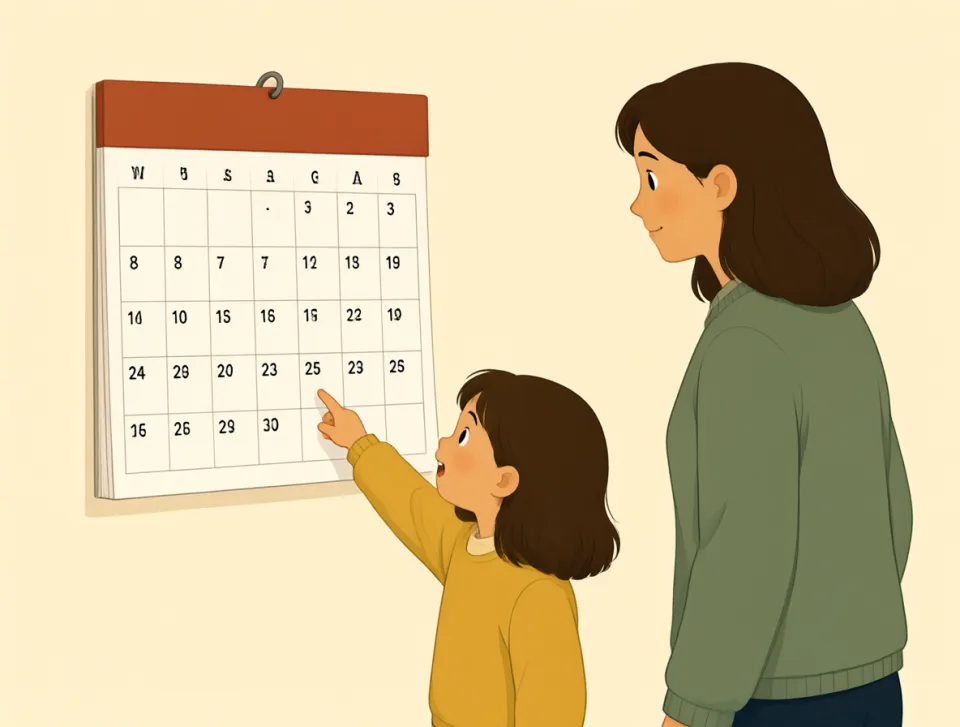
What is the date today?
今天是幾號?

Please write the date on this form.
請在這張表格上寫上日期。

Our wedding date is in June.
我們的婚禮日期在六月。

I have a date with Anna tonight.
我今晚和Anna有約會。

We are dating and feel very happy.
我們正在談戀愛,感覺非常幸福。
practice
#484noun, verb
練習;實踐
Training or repeated activity that helps you improve a skill or become better at something.
透過訓練或反覆進行某項活動來提高技能或變得更加擅長。

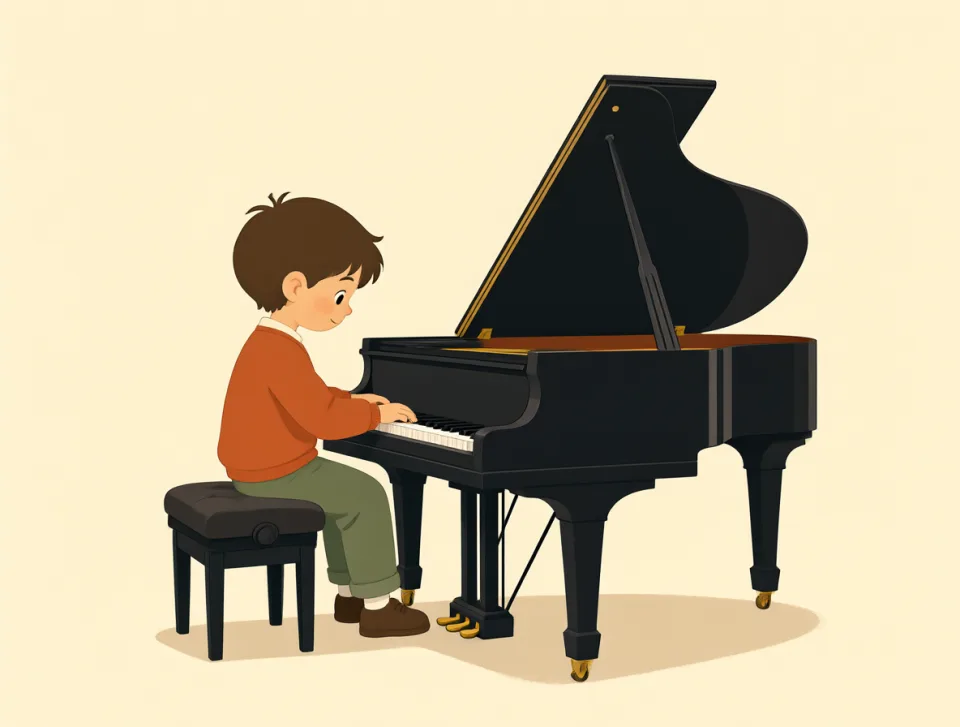
I practice English every day.
我每天練習英語。
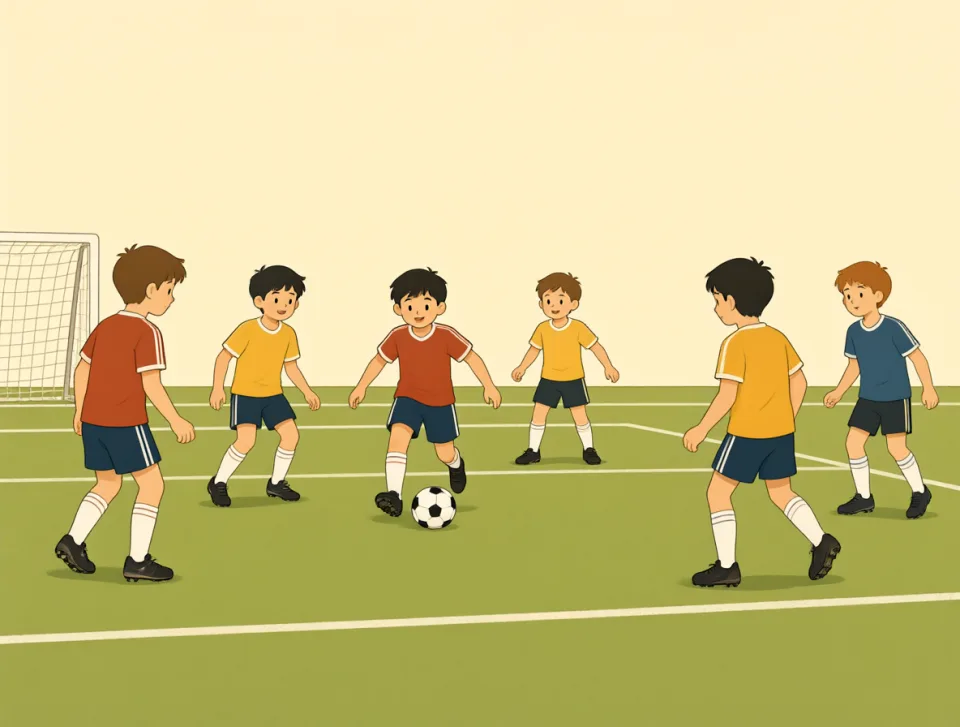
The team practiced before the game.
球隊在比賽前進行了訓練。

She needs more practice driving.
她需要多練習開車。
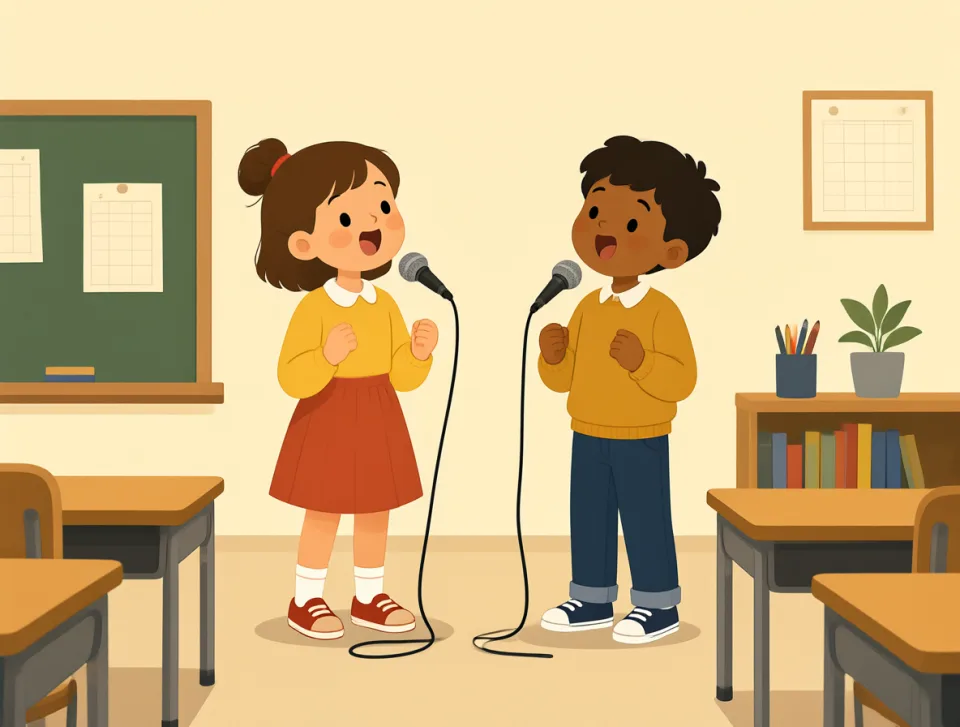
We practiced the song for school.
我們為學校活動練習了這首歌。
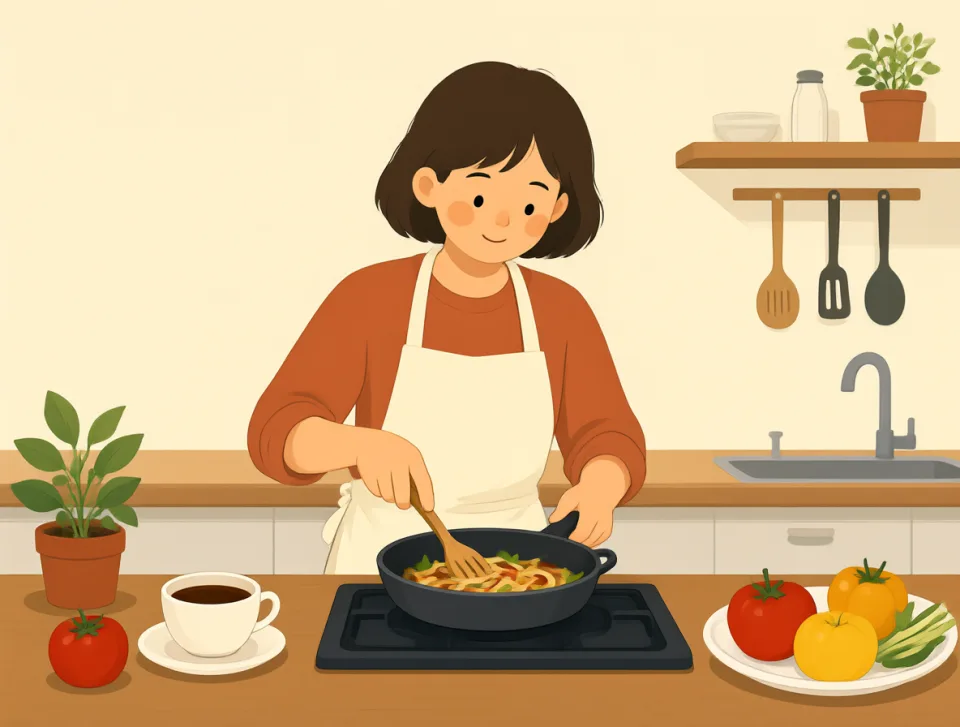
Practice makes you better at cooking.
熟能生巧,練習能讓你更擅長做飯。
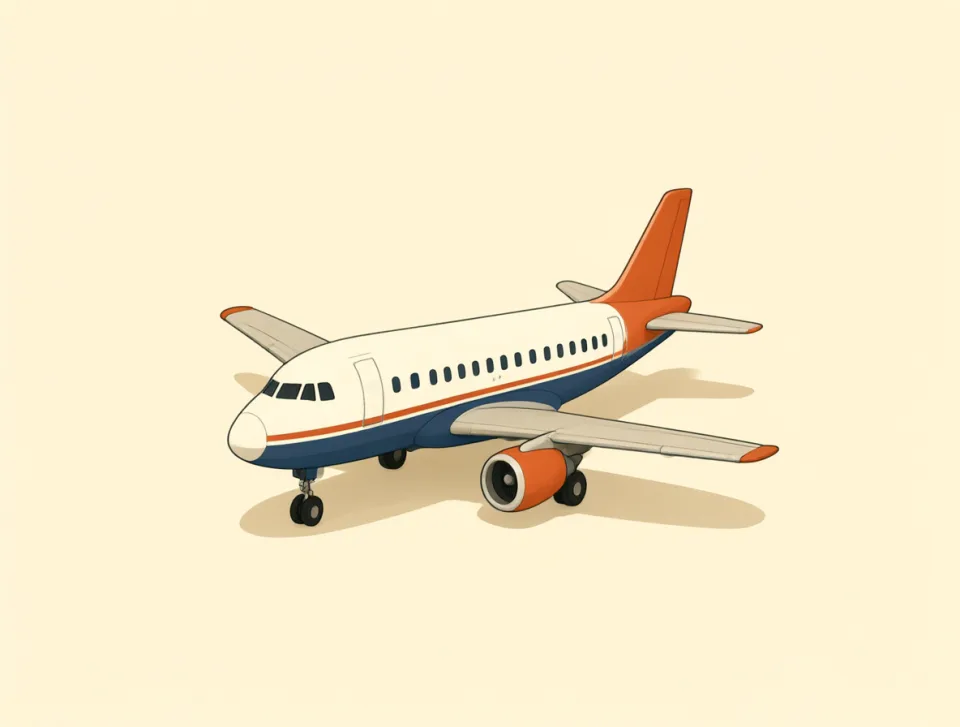
model
#485noun, verb
型號;模型;模特;示範
a person or thing used as an example, or a smaller copy of something
用作範例的人或事物,或某物的較小複製品
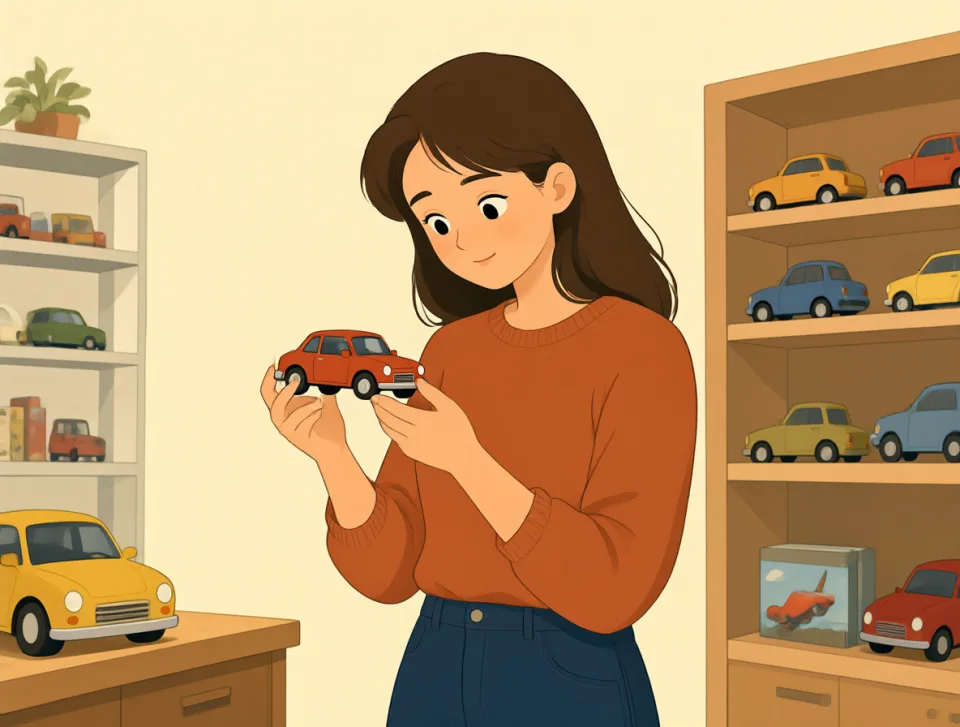
She bought a new car model yesterday.
她昨天買了一輛新款汽車。

This model of phone has a good camera.
這款手機的攝像頭很好。
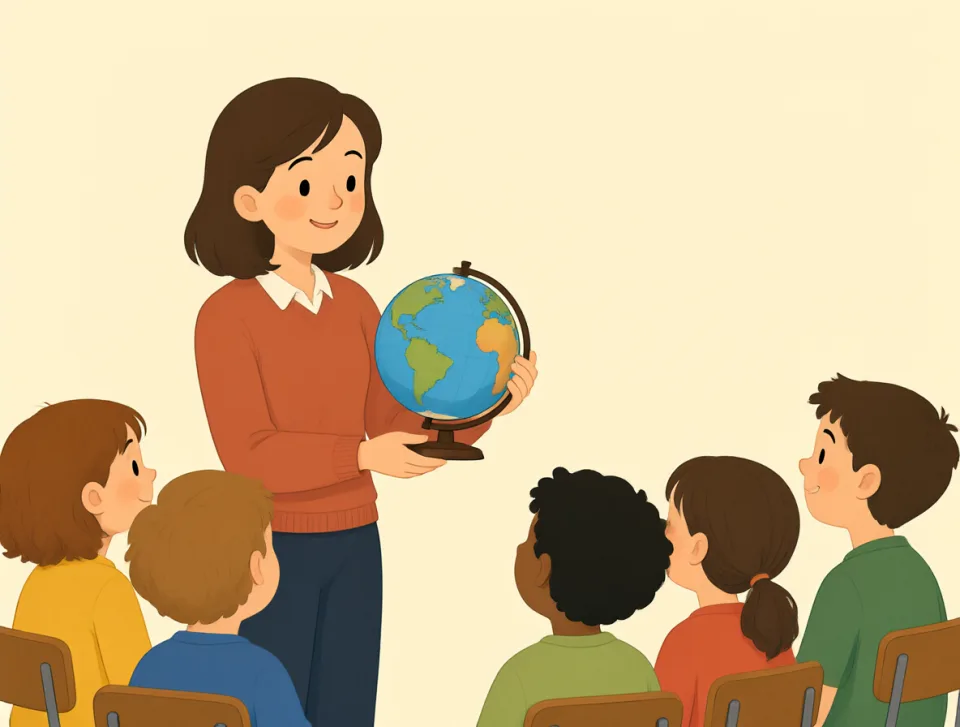
The teacher showed us a model of Earth.
老師給我們展示了一個地球模型。
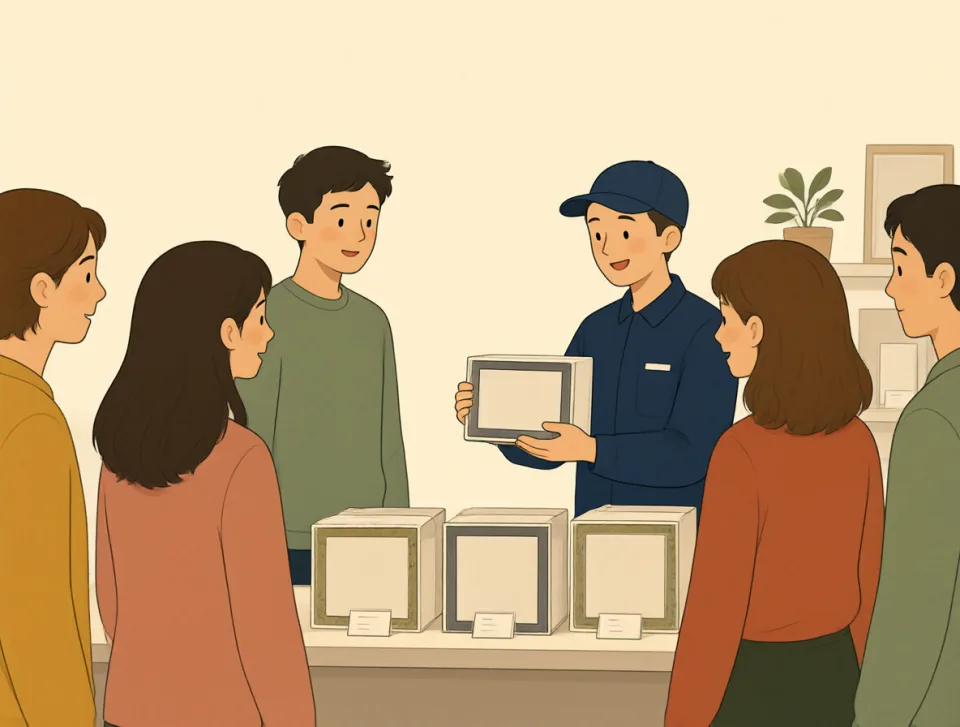
The company models its products for customers.
公司為顧客展示產品模型。

She is a model for a clothing company.
她是某服裝公司的模特。

raise
#486verb, noun
舉起/提高; 撫養; 籌集; 加薪
to lift something, increase something, or collect money for a purpose
舉起某物、提高某事物,或為某個目的籌集資金
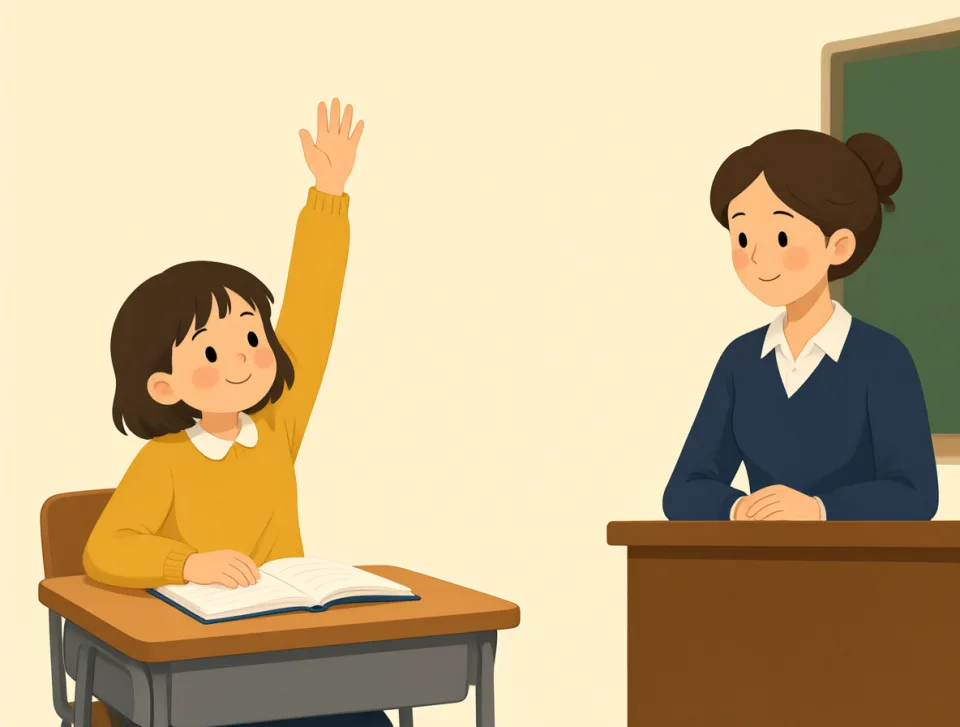
Please raise your hand before you speak.
請在發言前舉手。
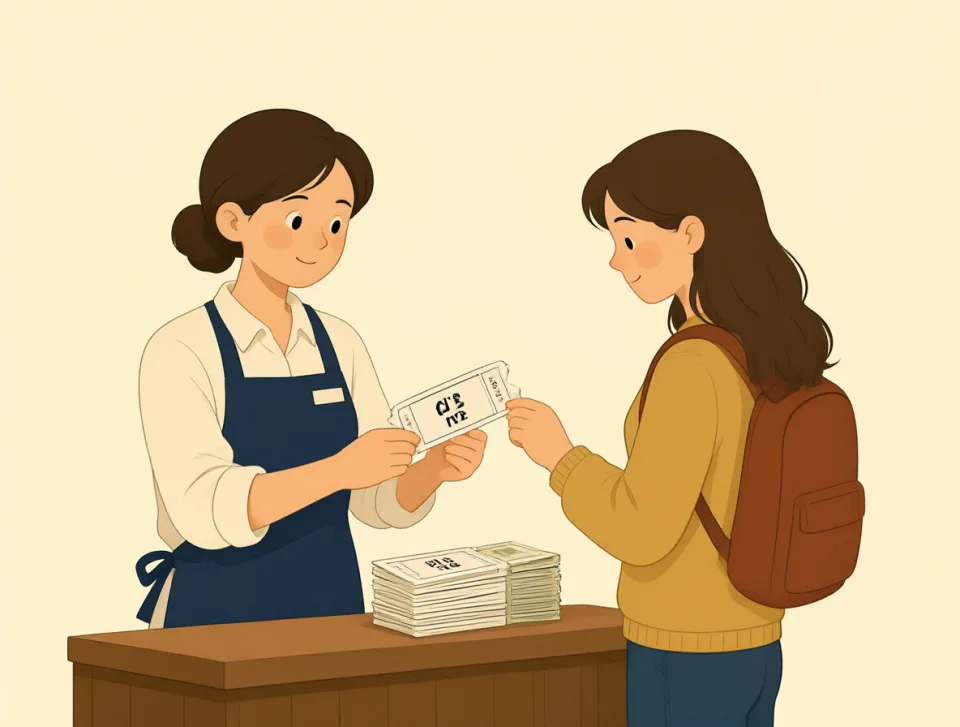
They raised the price of the tickets.
他們提高了票價。
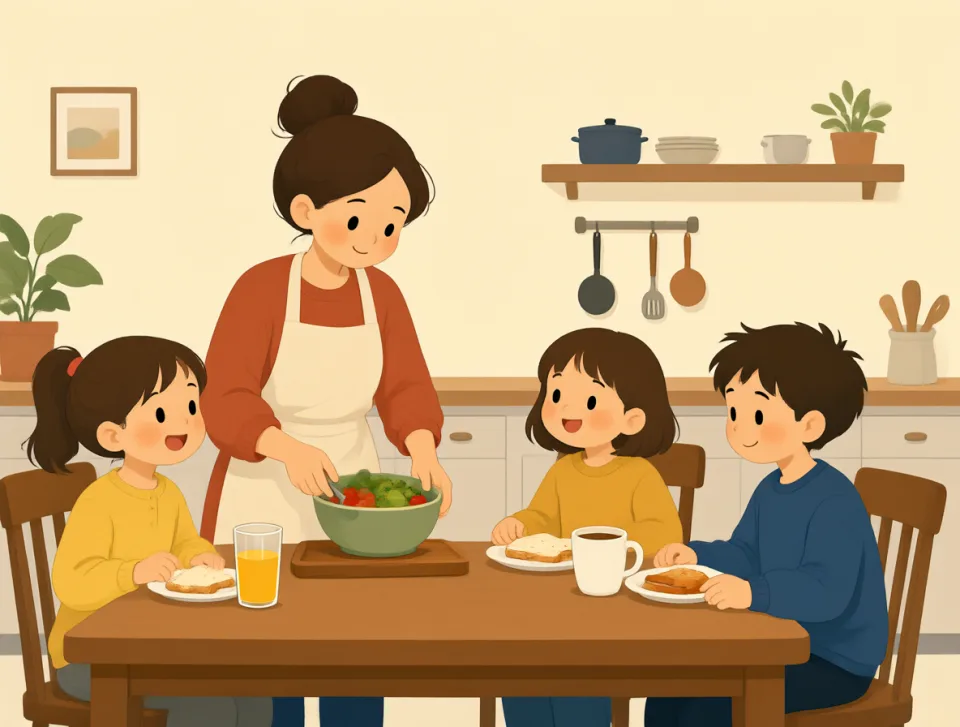
She raised three children alone.
她獨自撫養了三個孩子。
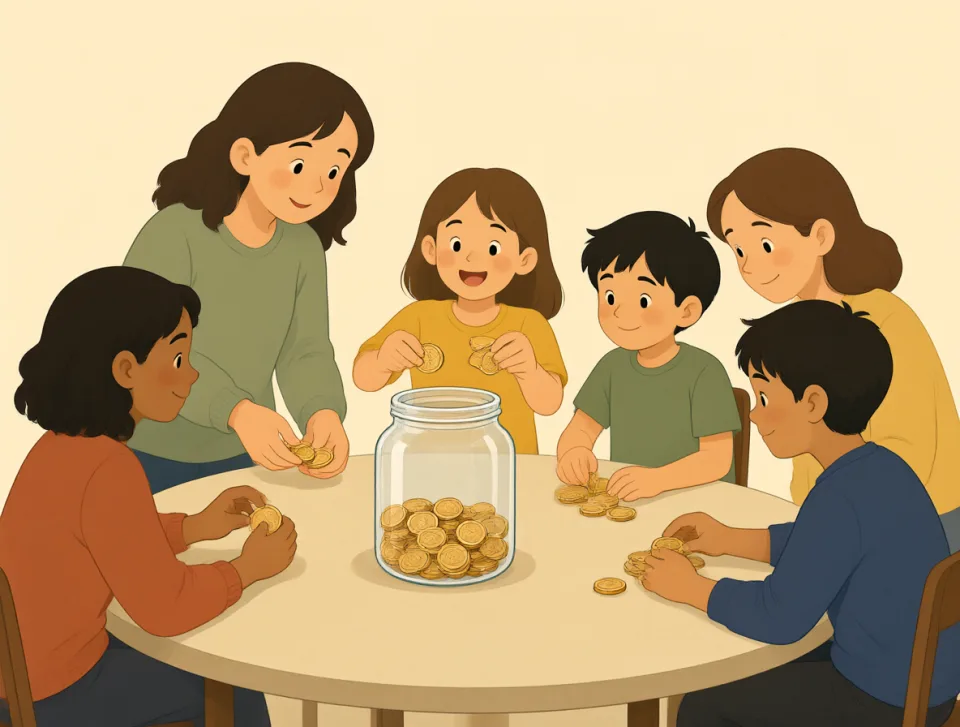
We are raising money for the hospital.
我們正在為這家醫院籌款。

He got a pay raise at work.
他在工作中獲得了加薪。
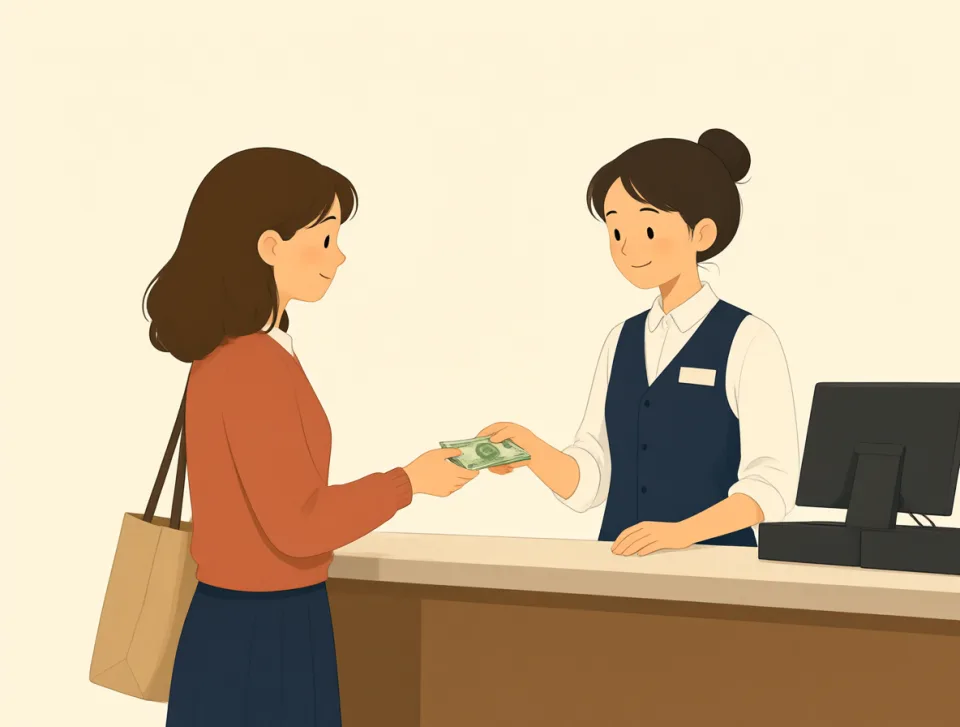
customer
#487noun
顧客;客戶
A person who buys goods or services from a business.
從企業購買商品或服務的人。

The customer paid for her groceries.
顧客為她買的雜貨付了錢。

A customer asked for a larger coffee.
一位顧客要求來一杯大杯咖啡。

The shop has many regular customers.
這家店有很多老顧客。
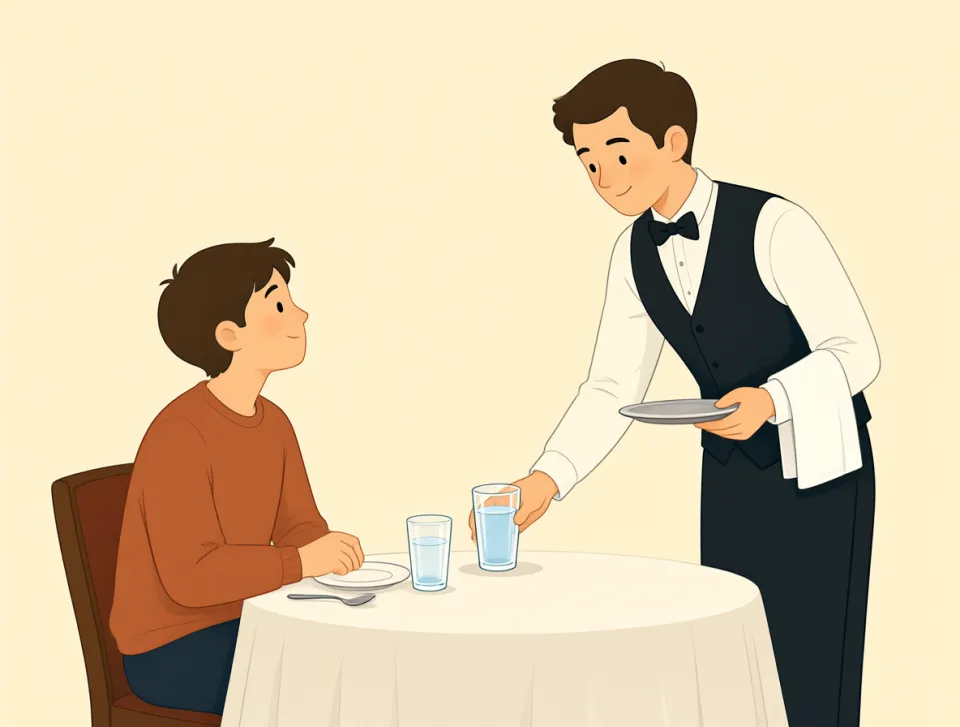
The waiter brought the customer some water.
服務員給顧客端來了一些水。

The hotel customer needed a taxi.
這位酒店客人需要叫一輛計程車。
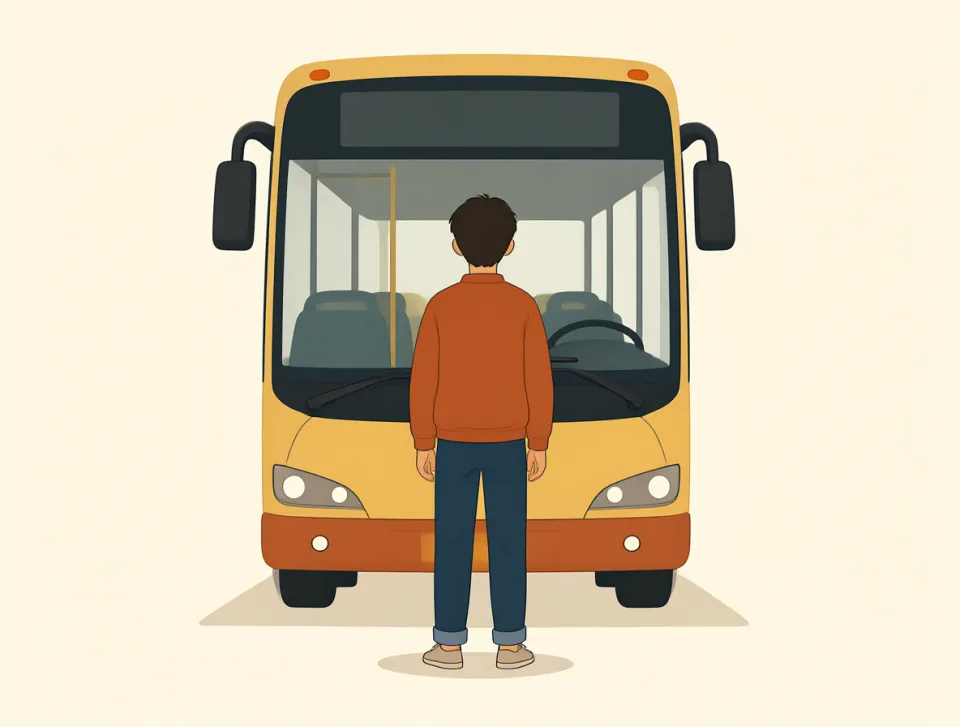
front
#488noun, adjective, verb, preposition
前面;前部;正面;前方
The part or side that is first, nearest, or facing forward.
最先、最近或朝向前方的部分或一側。
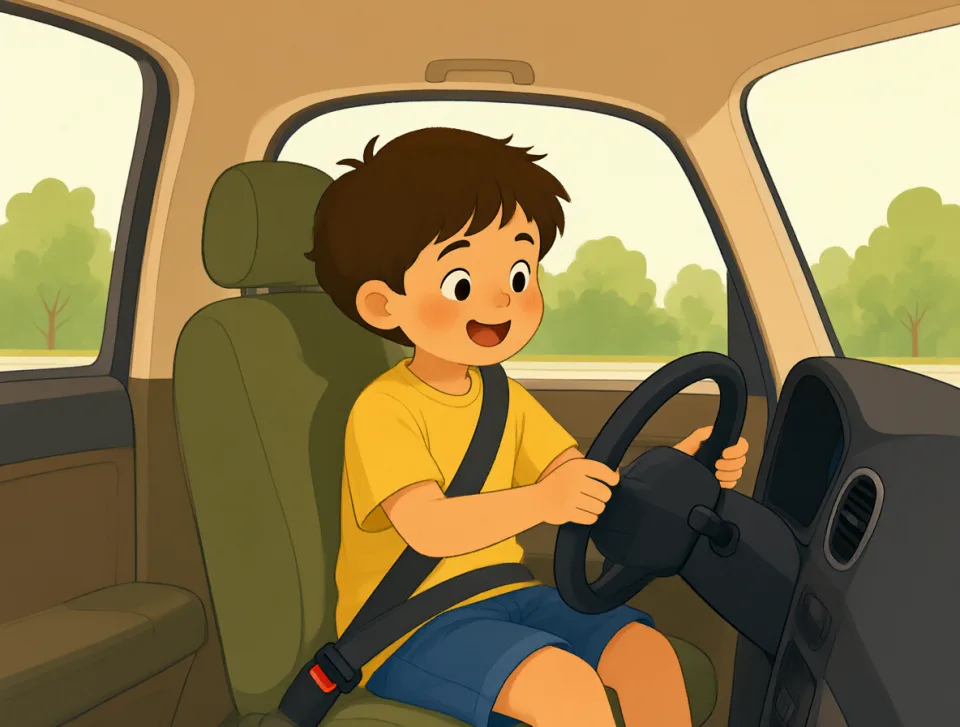
Please sit in the front of the car.
請坐在車的前排。
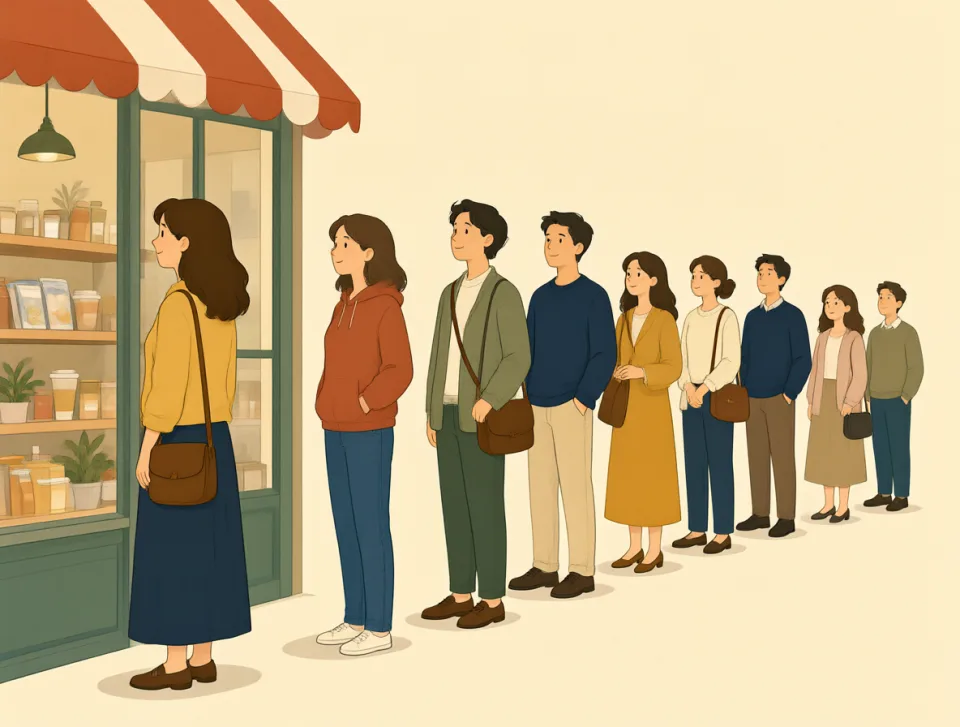
She stood at the front of the line.
她站在隊伍的最前面。

The front door is open.
前門開著。
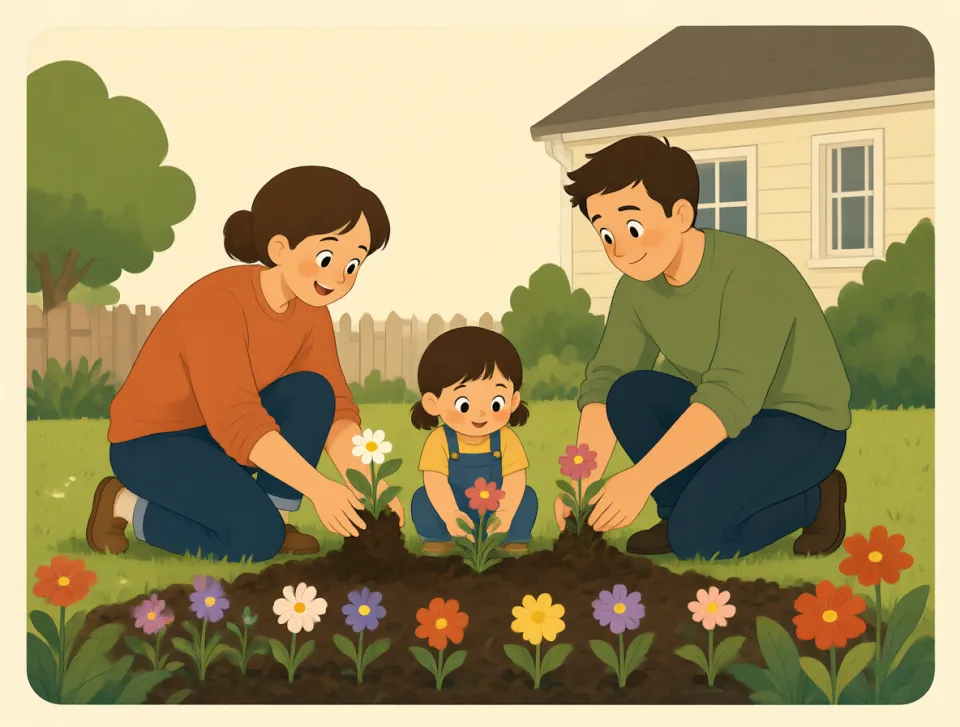
We planted flowers in front of the house.
我們在房子前面種了些花。

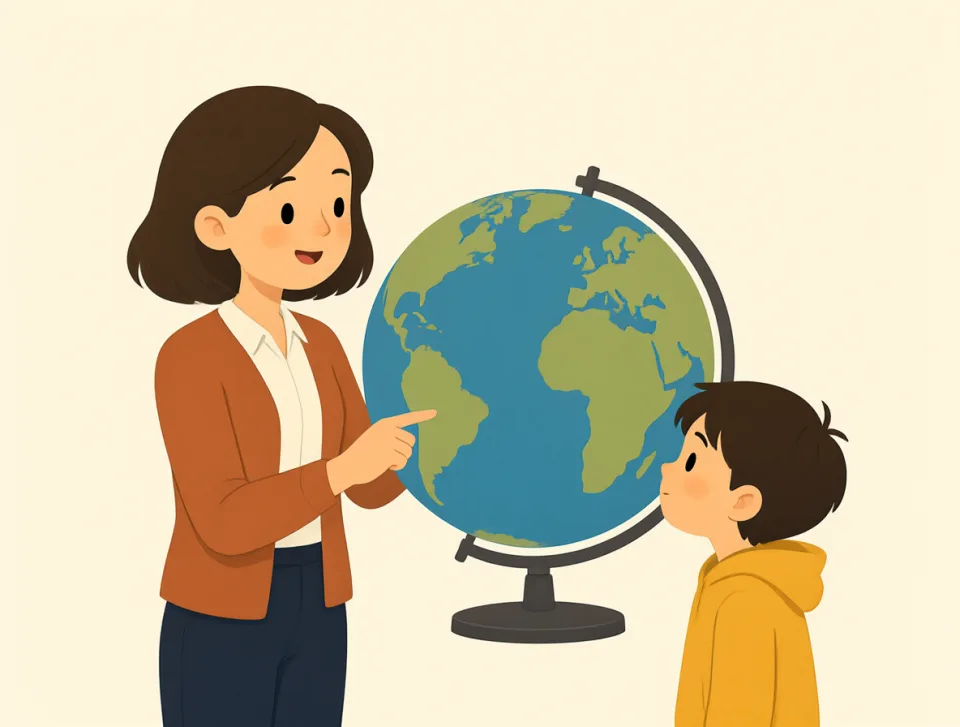
The doctor checked the front of his chest.
醫生檢查了他的胸前。
explain
#489verb
解釋;說明
to make something clear by describing it or giving reasons
透過描述某事或說明原因來使其變得清楚明白
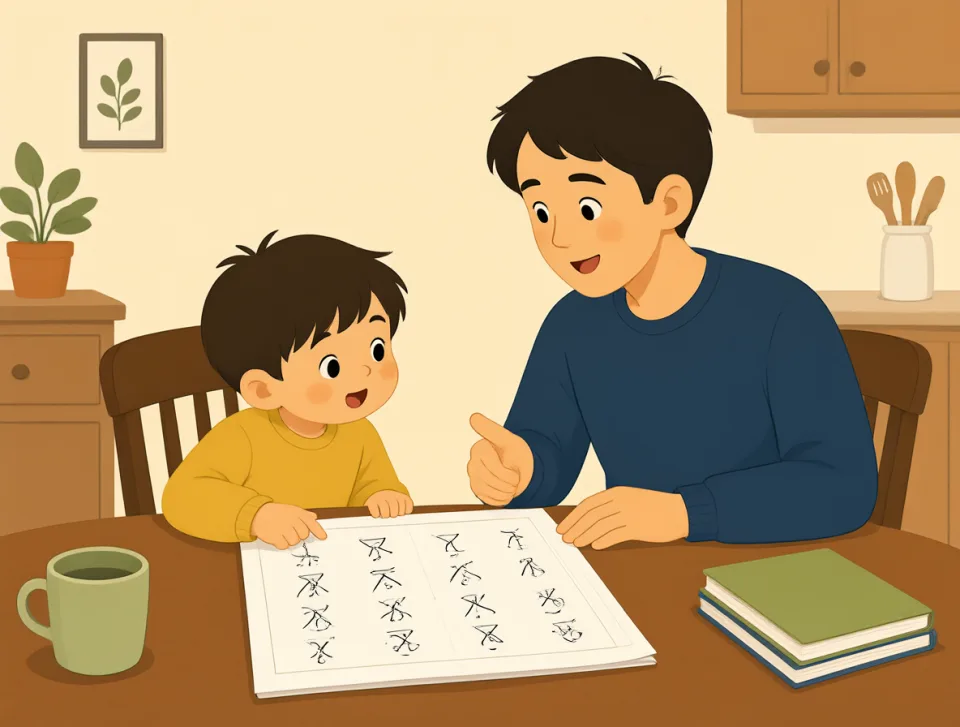
Can you explain this problem to me?
你能給我解釋一下這個問題嗎?

She explained why she was late.
她解釋了自己為什麼遲到。

The doctor explained my treatment clearly.
醫生清楚地解釋了我的治療方案。

Please explain how to get there.
請說明一下怎麼去那裡。

The chef is explaining the recipe.
廚師正在講解食譜。
door
#490noun
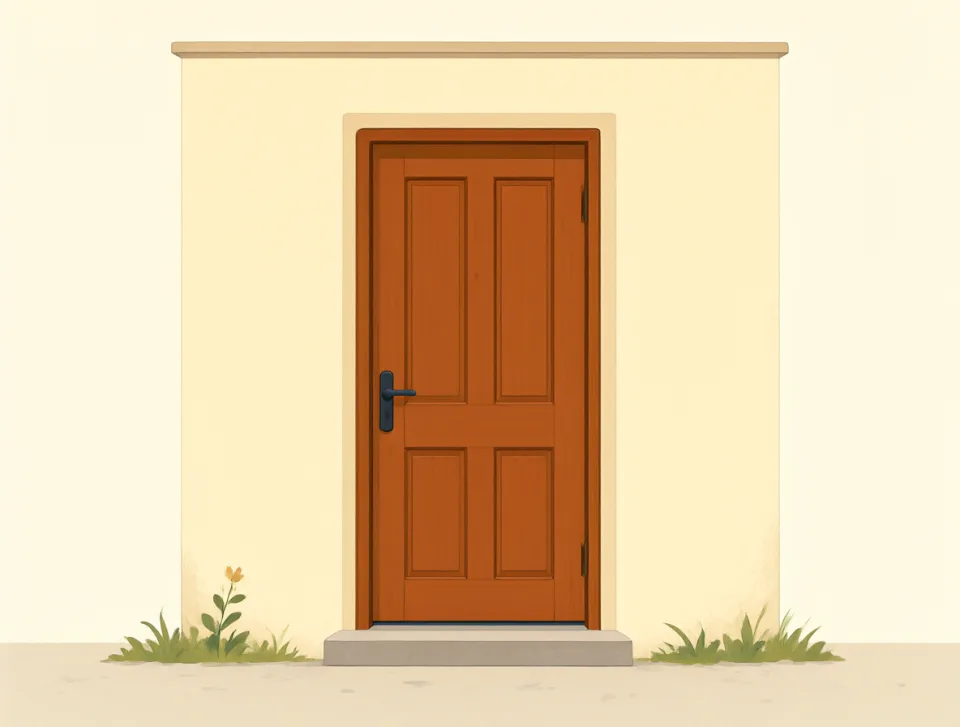
門
A movable barrier that opens and closes an entrance.
可以開關、用於出入口的活動隔板。
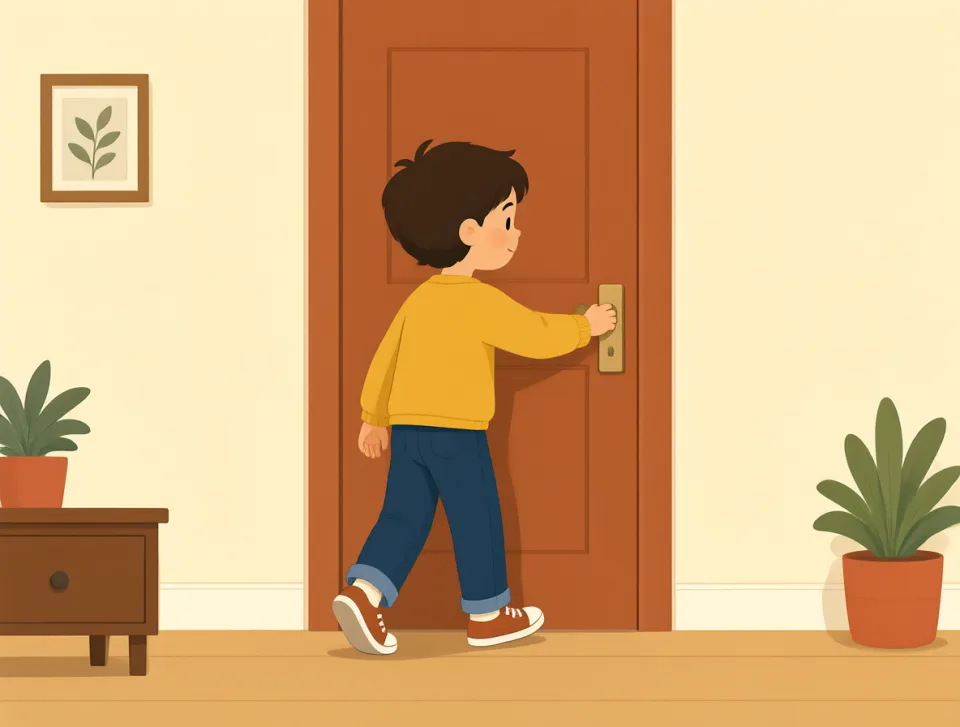
Please close the door behind you.
請隨手關上身後的門。
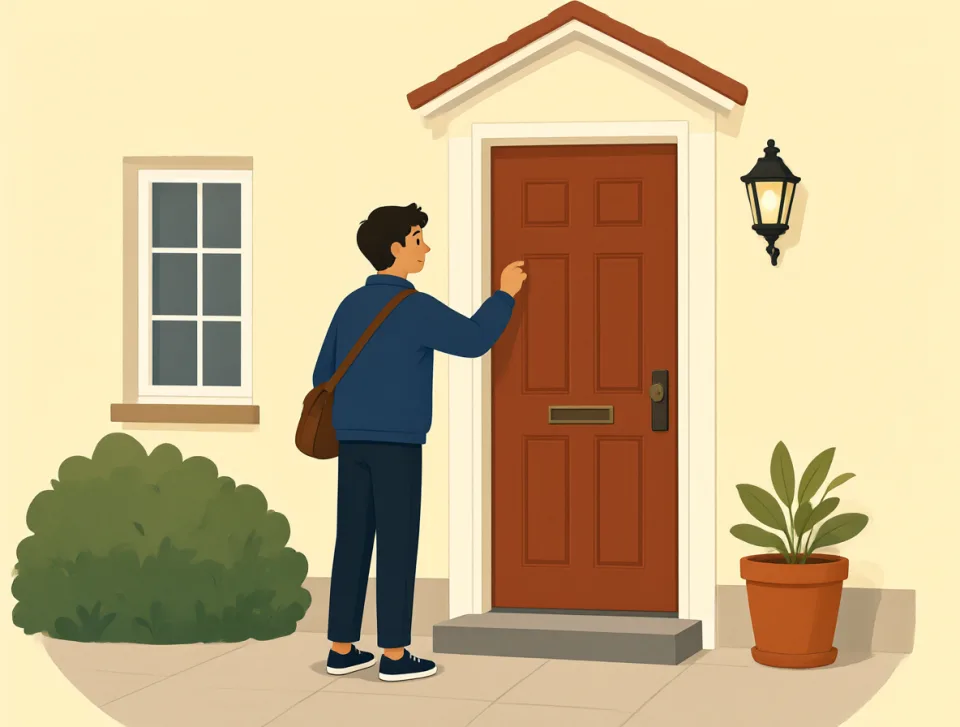
Someone is knocking at the front door.
有人在敲前門。

The bedroom door is open.
臥室的門開著。

We waited outside the store door.
我們在商店門外等著。
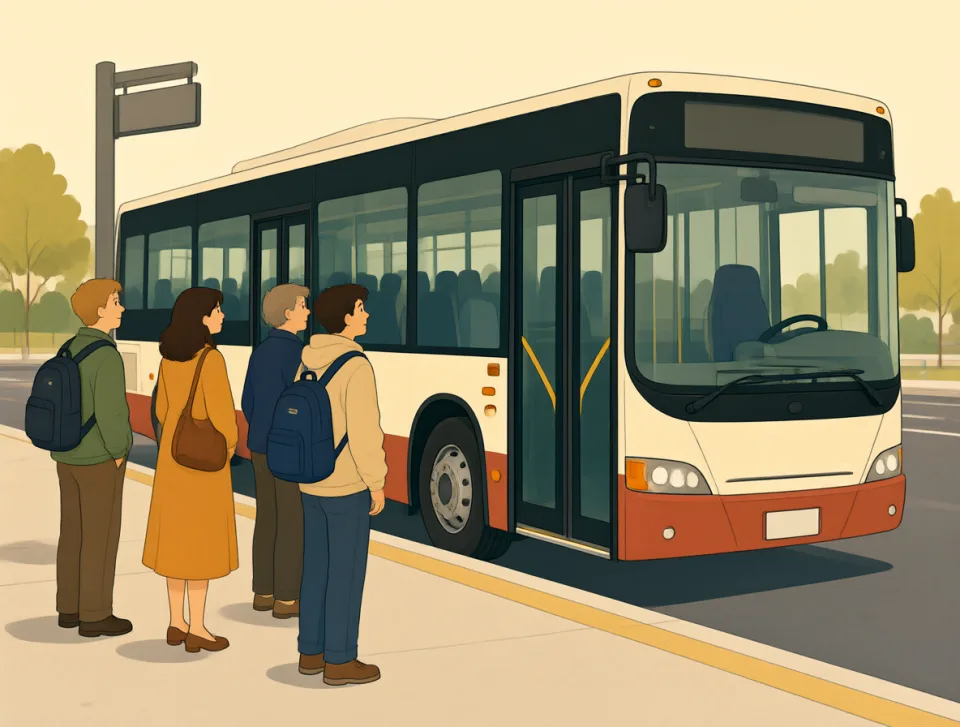
The bus doors opened at the station.
公交車到站時,車門開啟了。
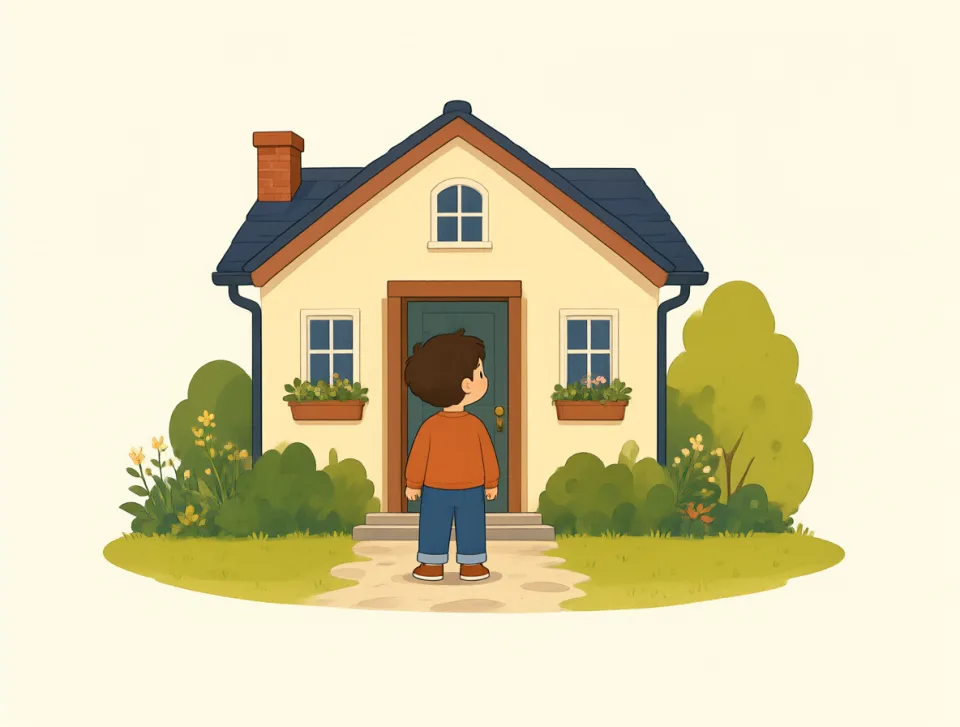
outside
#491adverb, preposition, noun
外面;在外面;向外;外部
in or to a place that is not inside a building or area
在建築物或某個區域的內部之外或向外
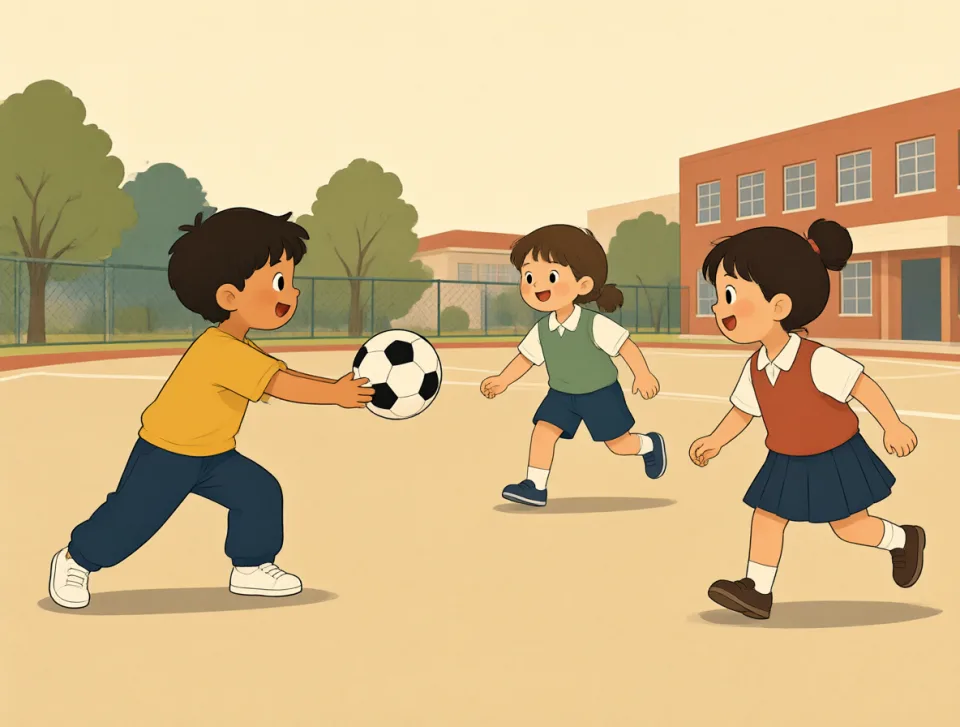
The children are playing outside after school.
放學後,孩子們正在外面玩。
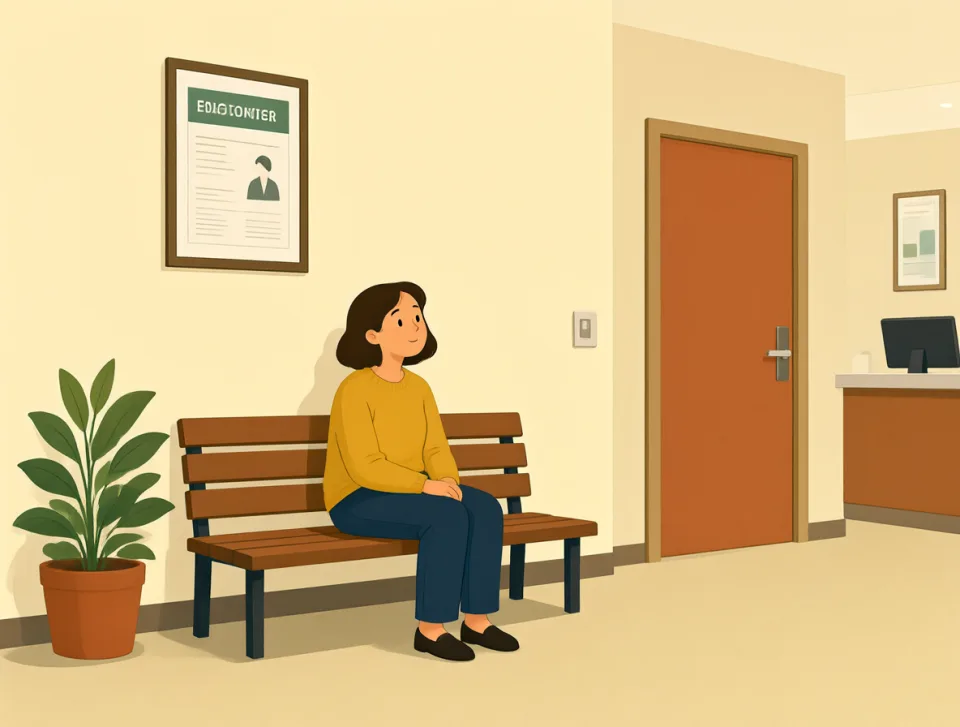
Please wait outside the doctor's office.
請在醫生辦公室外面等候。

We ate lunch outside at work.
我們在工作地點的戶外吃了午飯。
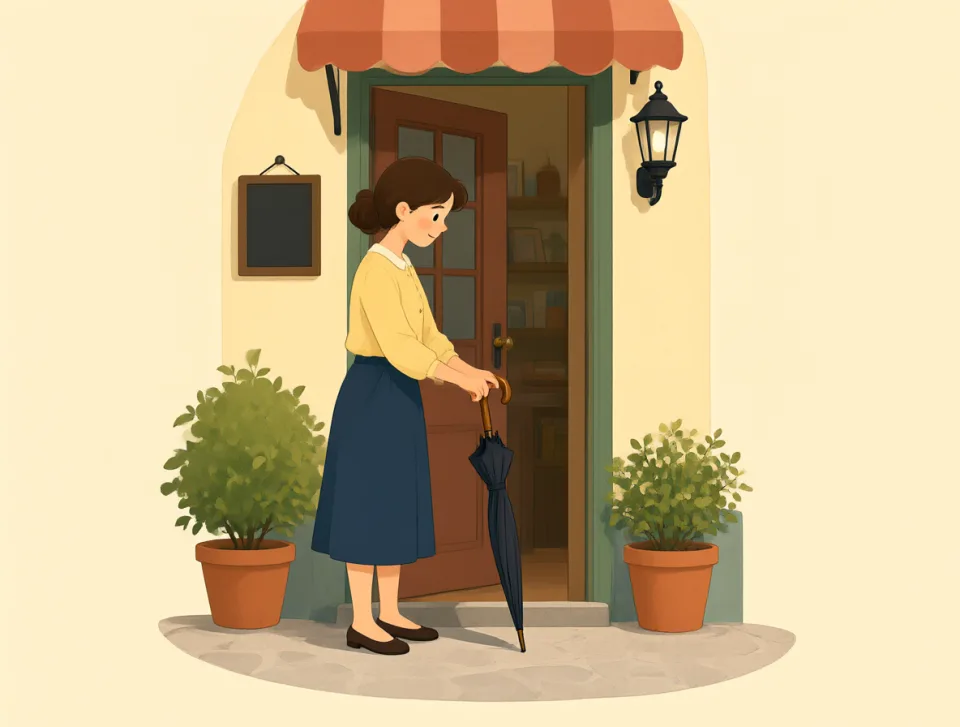
She left her umbrella outside the shop.
她把雨傘落在了商店外面。

The outside of the house needs paint.
房子的外牆需要重新刷漆。

behind
#492adverb, preposition
在……後面;落後;留下;支援
At or toward the back of someone or something.
在某人或某物的後面或朝向後方。
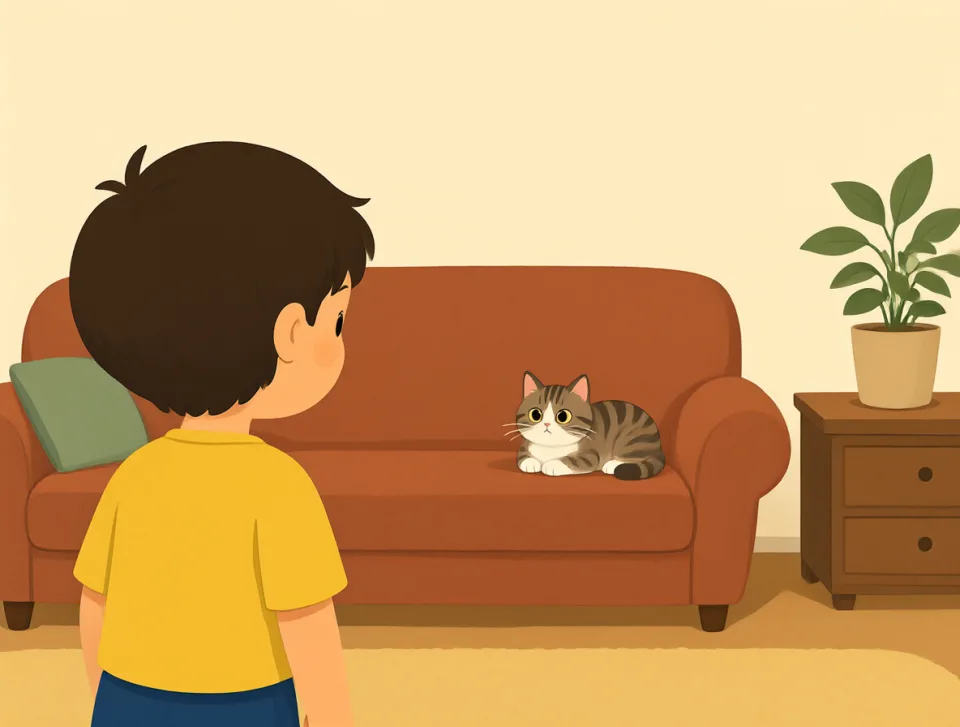
The cat is hiding behind the sofa.
貓正躲在沙發後面。

She stood behind me in the long line.
排長隊時,她站在我後面。
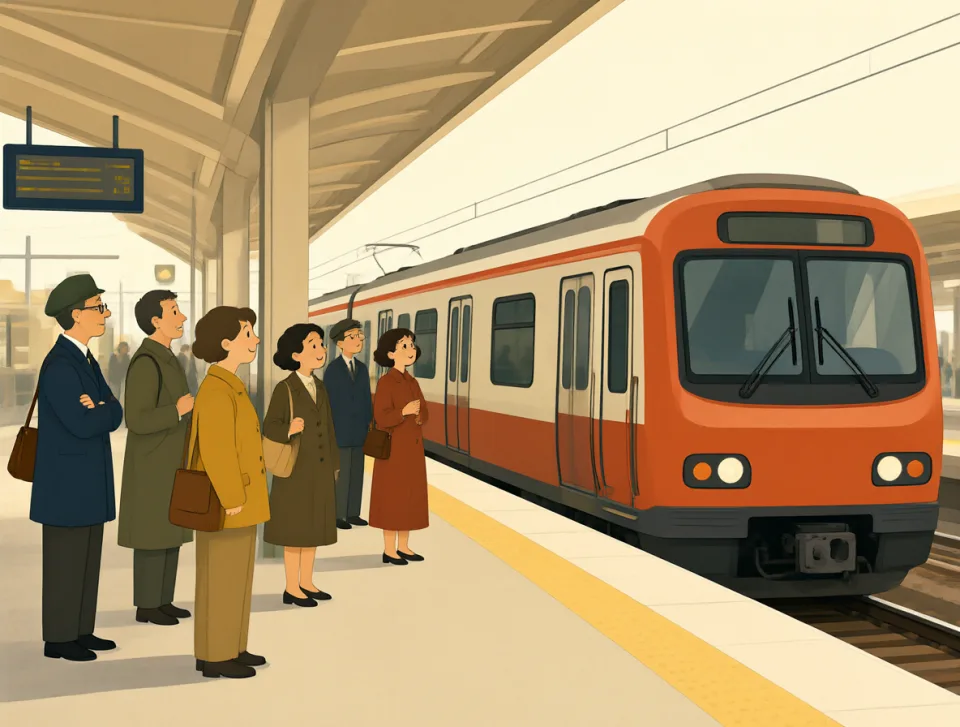
Our train is behind schedule this morning.
今天早上我們的火車晚點了。

He left his jacket behind at school.
他把夾克落在學校了。
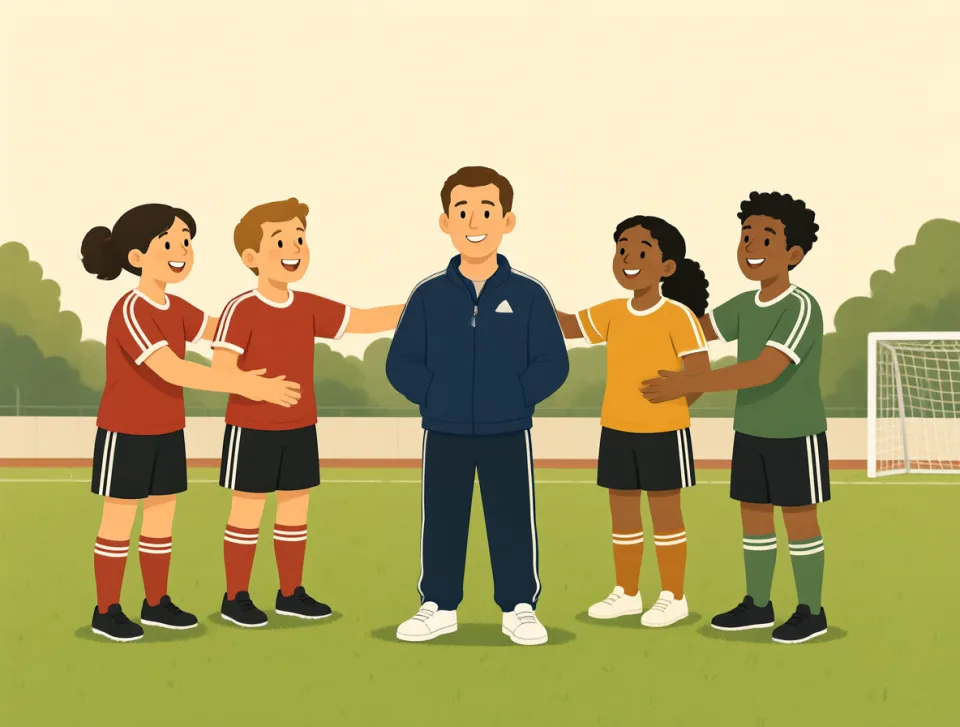
The team is behind our new coach.
這支隊伍支援我們的新教練。
economic
#493adjective
經濟的;節約的
Related to money, business, trade, or the use of resources.
與金錢、商業、貿易或資源利用有關的。
The country faces serious economic problems.
這個國家面臨嚴重的經濟問題。
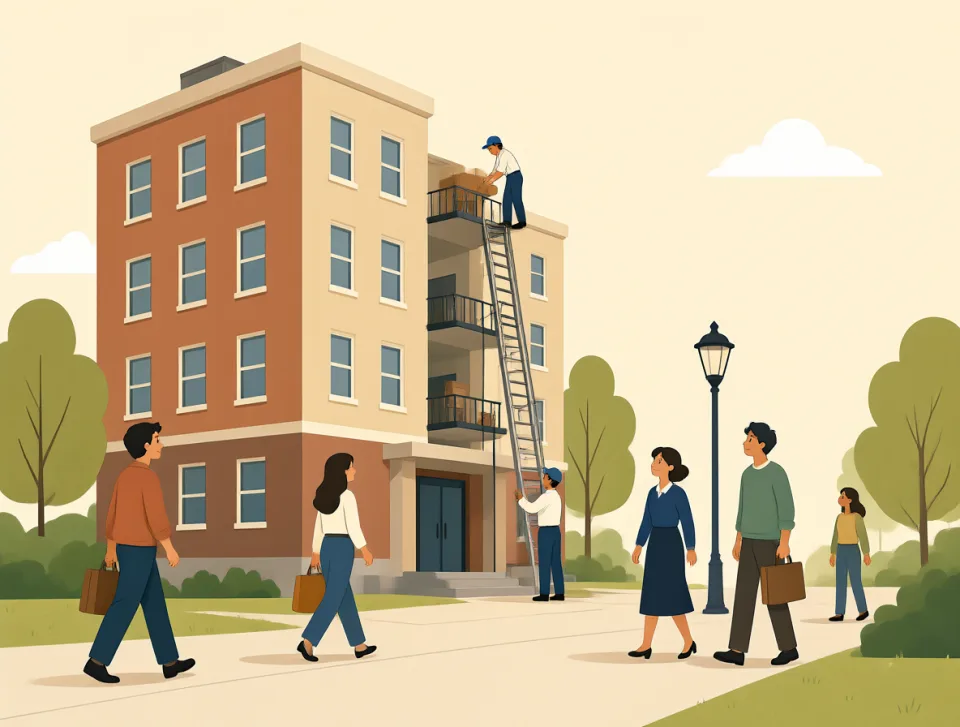
Economic growth created more jobs.
經濟增長創造了更多就業機會。
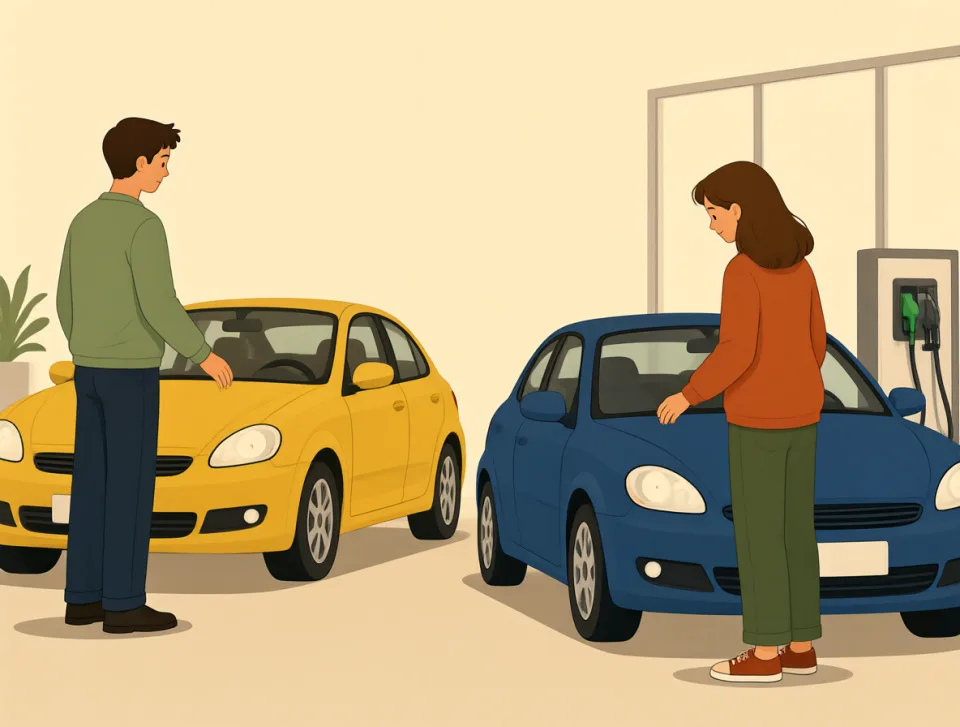
We need a more economic car.
我們需要一輛更省油的車。
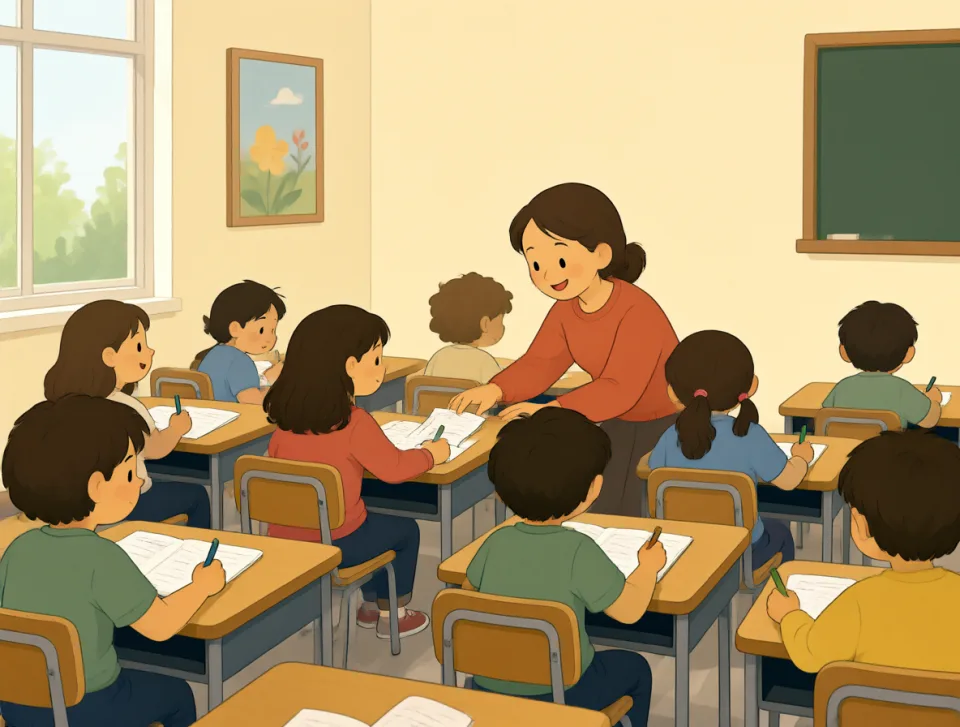
The school made economic use of space.
學校對空間進行了更經濟的利用。

Economic changes raised food prices.
經濟變化推高了食品價格。
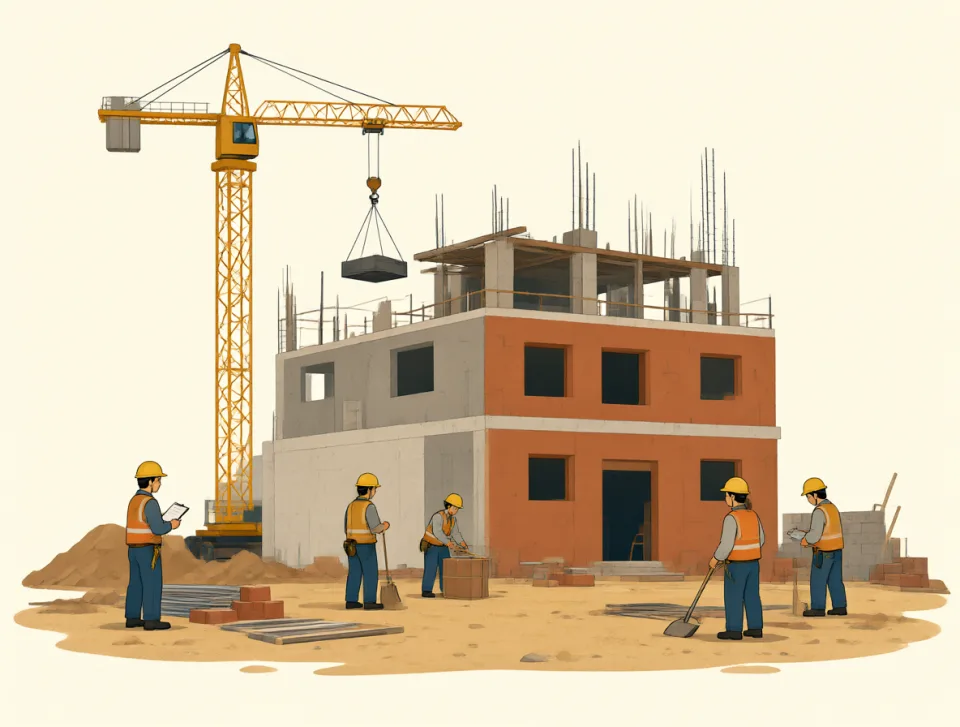
site
#494noun
地點;場所;遺址;網站
A place where something happens or where something is built.
某件事發生的地方,或某物建造的地方。
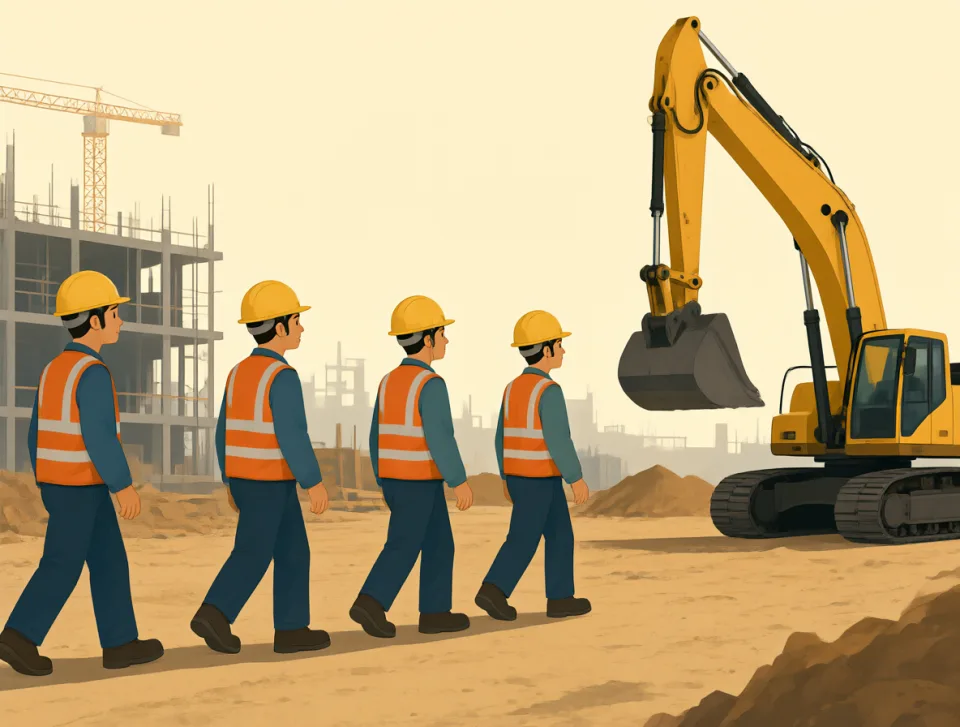
Workers arrived early at the building site.
工人們一大早就到了建築工地。
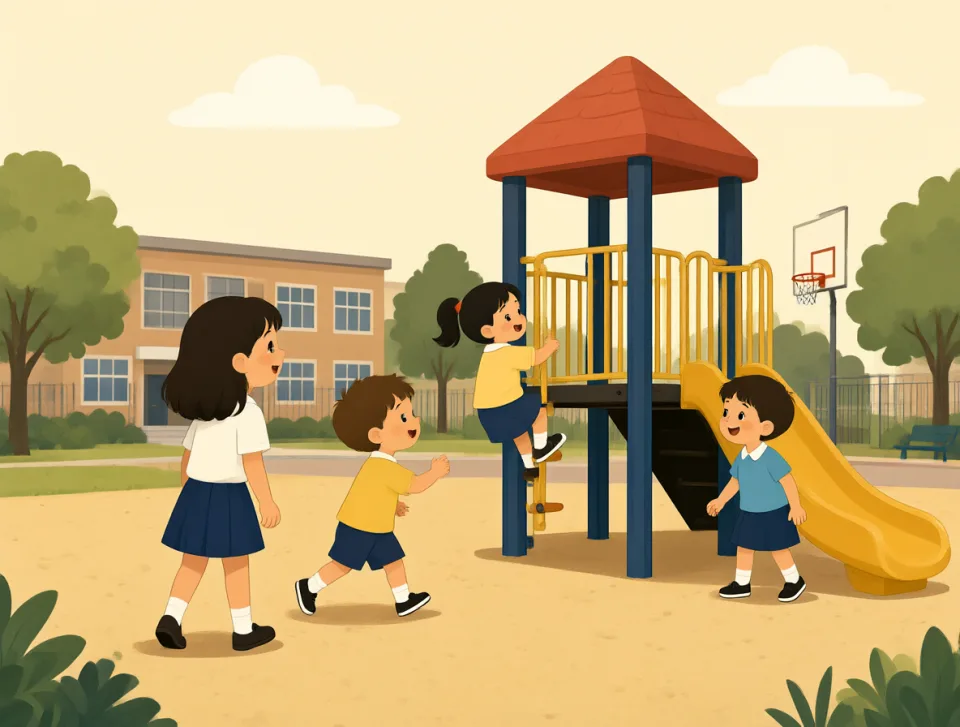
The school site has a new playground.
學校的場地上新建了一個操場。
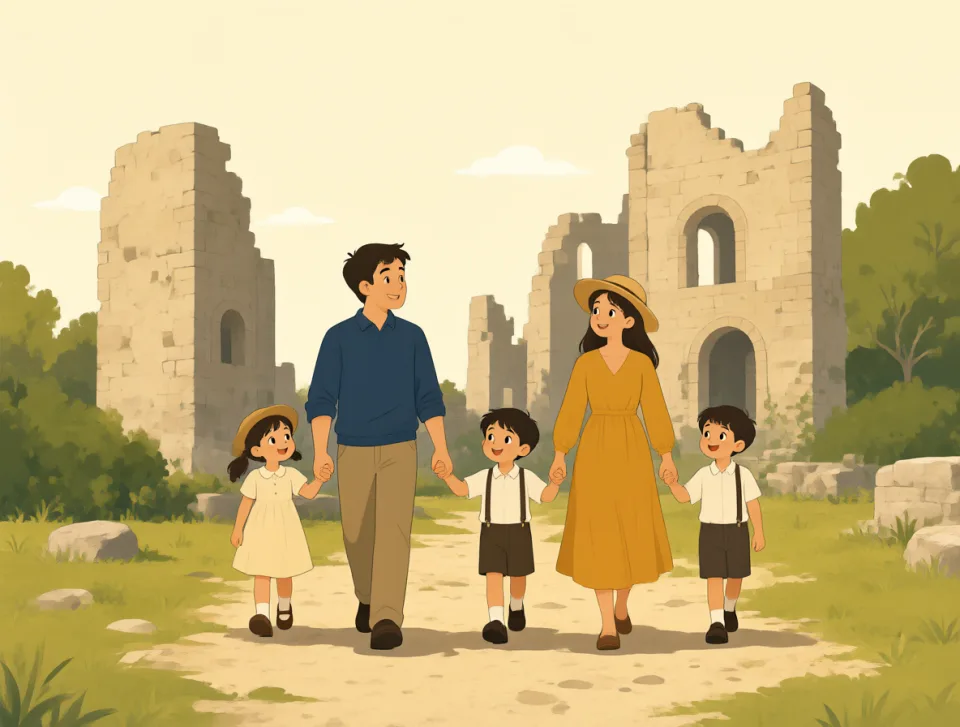
We visited the historic site yesterday.
我們昨天參觀了那處歷史遺址。

The campsite is near a quiet lake.
露營地在一個寧靜的湖泊附近。

Please check the website for more information.
請檢視網站以獲取更多資訊。
approach
#495noun, verb
方法;接近;靠近
A way of dealing with something; to move closer to someone or something.
處理某件事的方法;向某人或某物靠近

We need a new approach to this problem.
我們需要一種新的方法來解決這個問題。
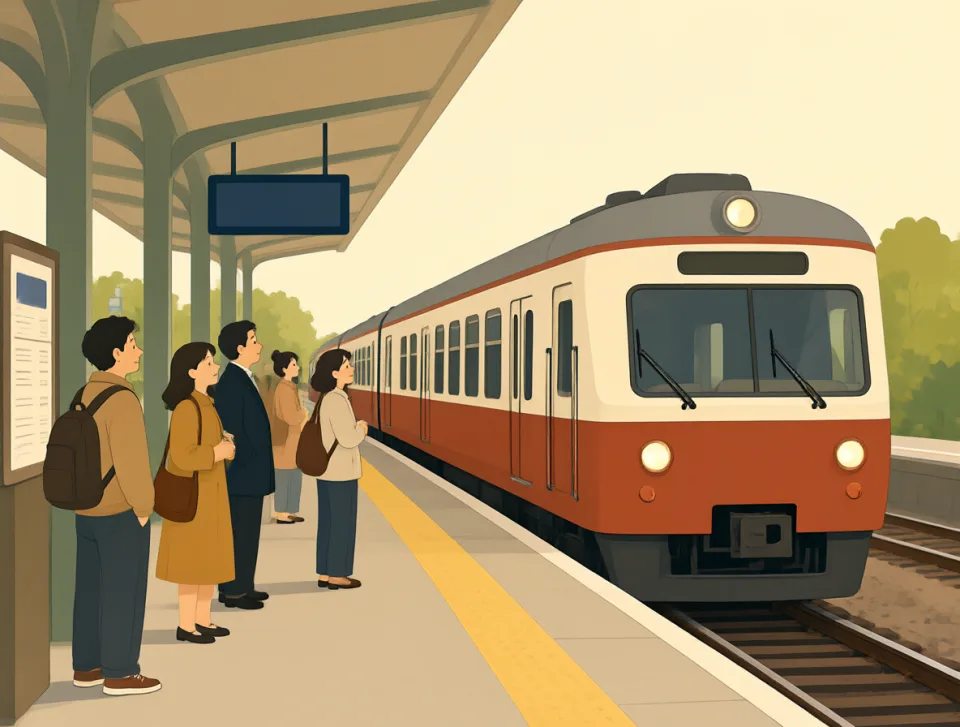
The train is approaching the station.
火車正在駛近車站。
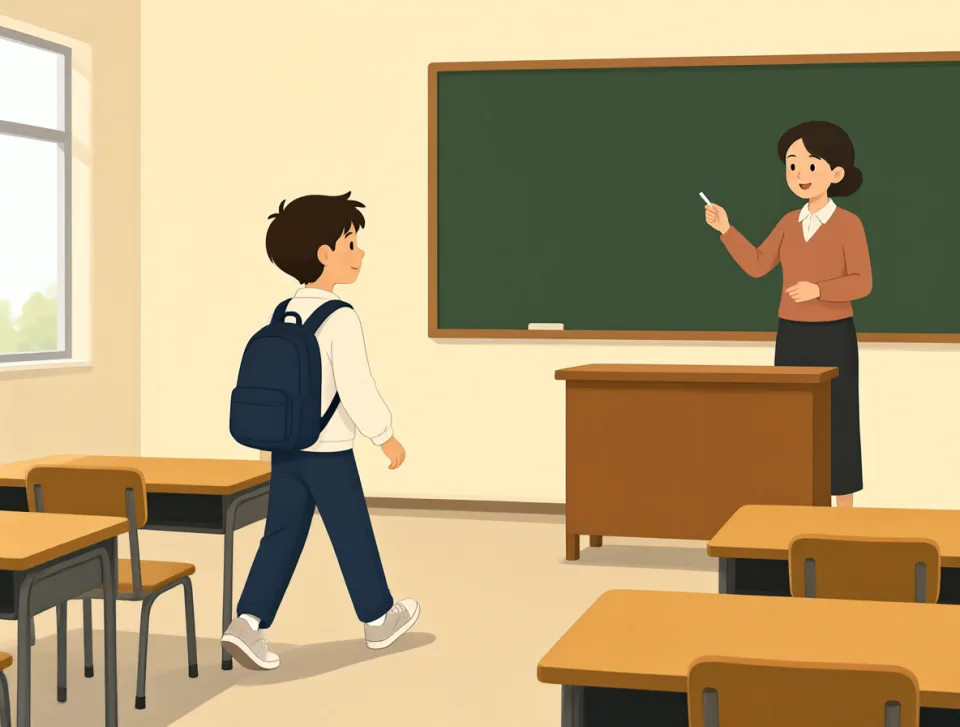
She approached the teacher after class.
下課後,她走近老師。
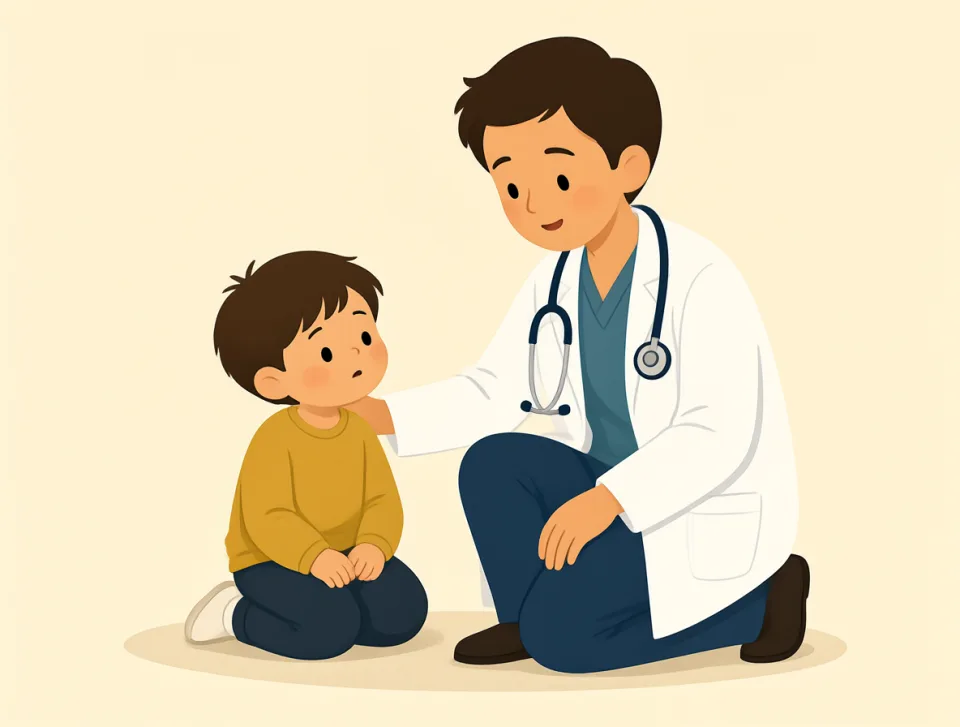
He used a gentle approach with the sick child.
他用溫和的方式照顧那個生病的孩子。

The waiter approached our table with menus.
服務員拿著選單走到我們的桌旁。
teacher
#496noun
老師; 教師
A person who helps students learn, usually at a school.
通常在學校裡幫助學生學習的人。
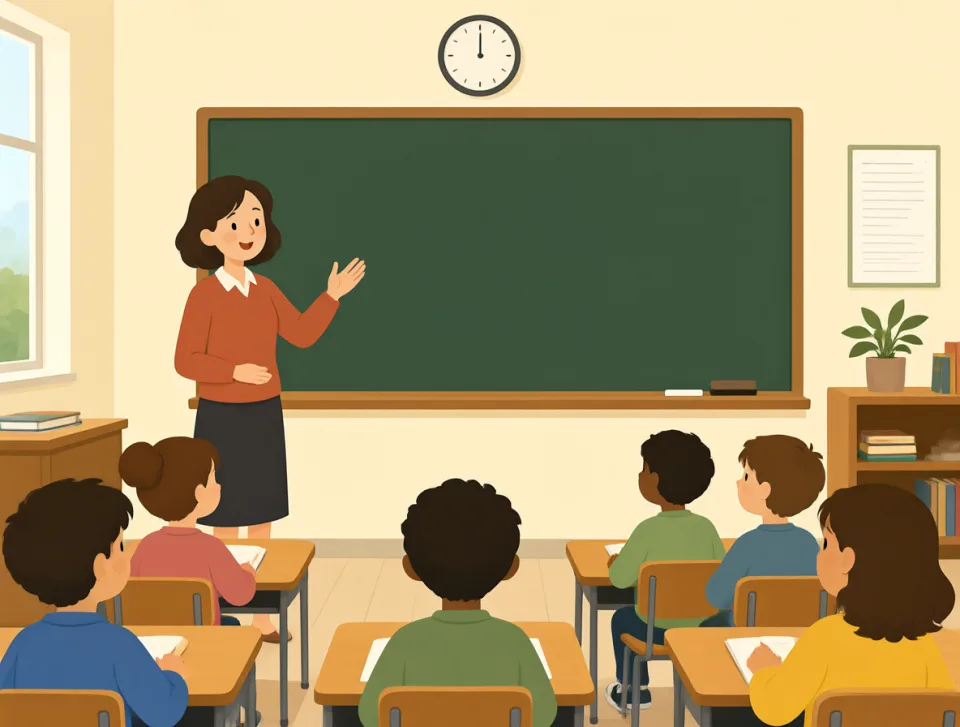
Our teacher explains the lesson clearly.
我們的老師把這節課講得很清楚。
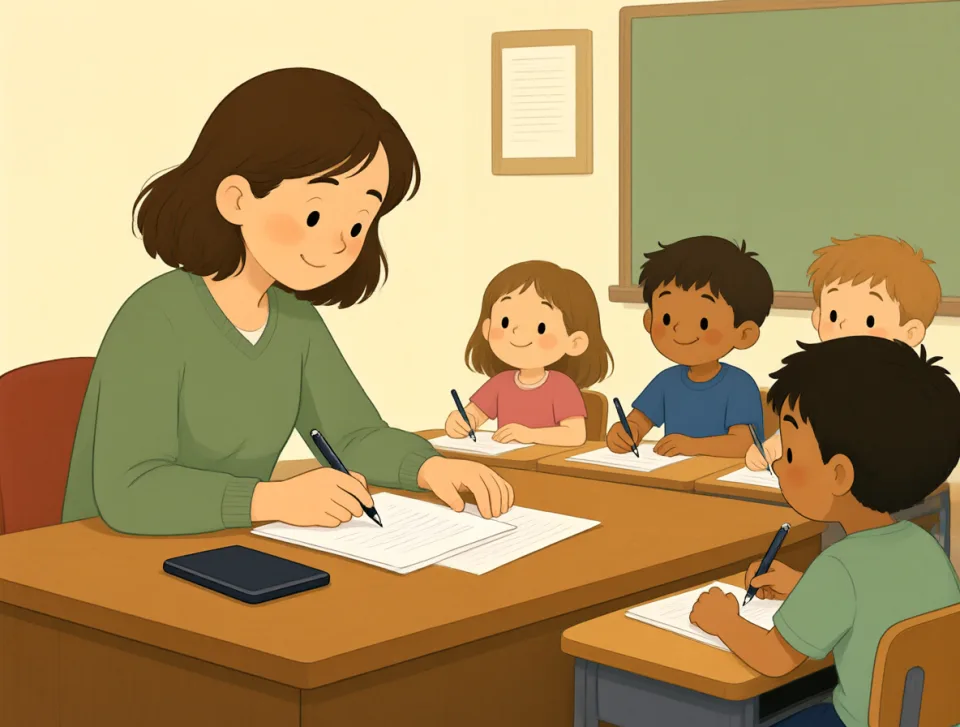
The teacher checked our homework yesterday.
老師昨天檢查了我們的作業。
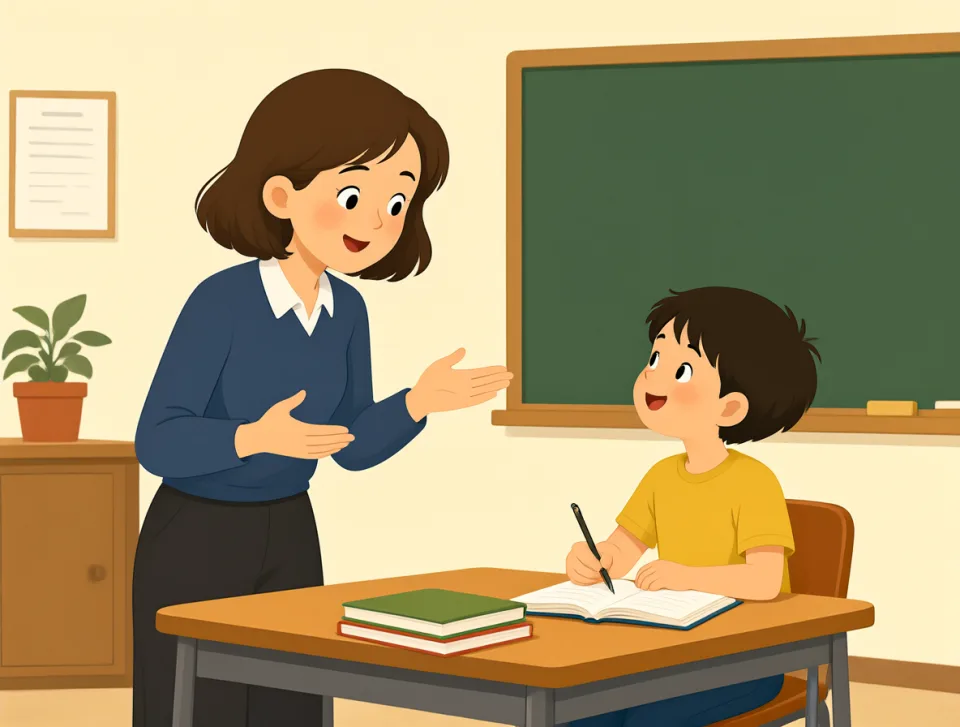
My English teacher gives us useful advice.
我的英語老師給我們很有用的建議。

The teacher called my parents after school.
放學後,老師給我父母打了電話。
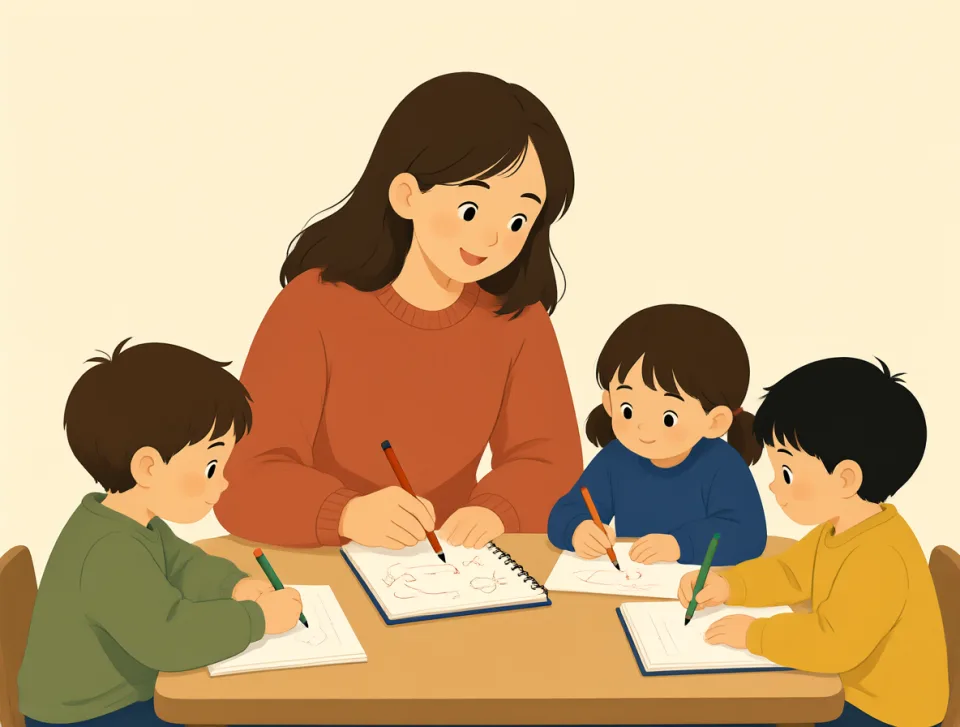
She wants to become a teacher someday.
她希望 someday 成為一名老師。
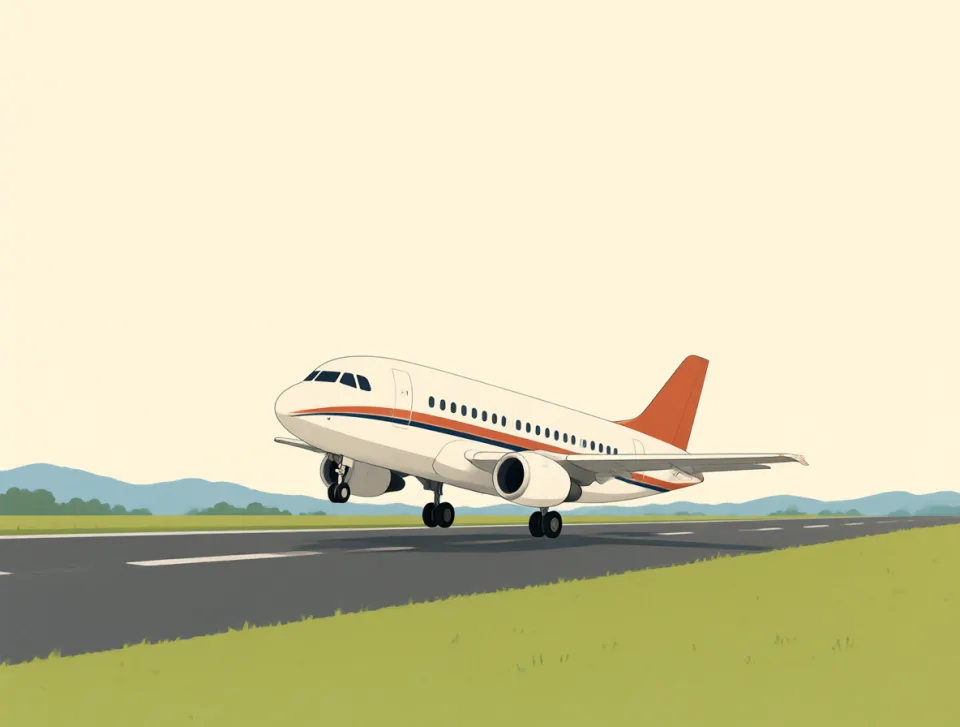
land
#497noun, verb
陸地;著陸;降落
The solid ground of the Earth, or to arrive somewhere after traveling.
地球堅實的地面,或旅行後抵達某處
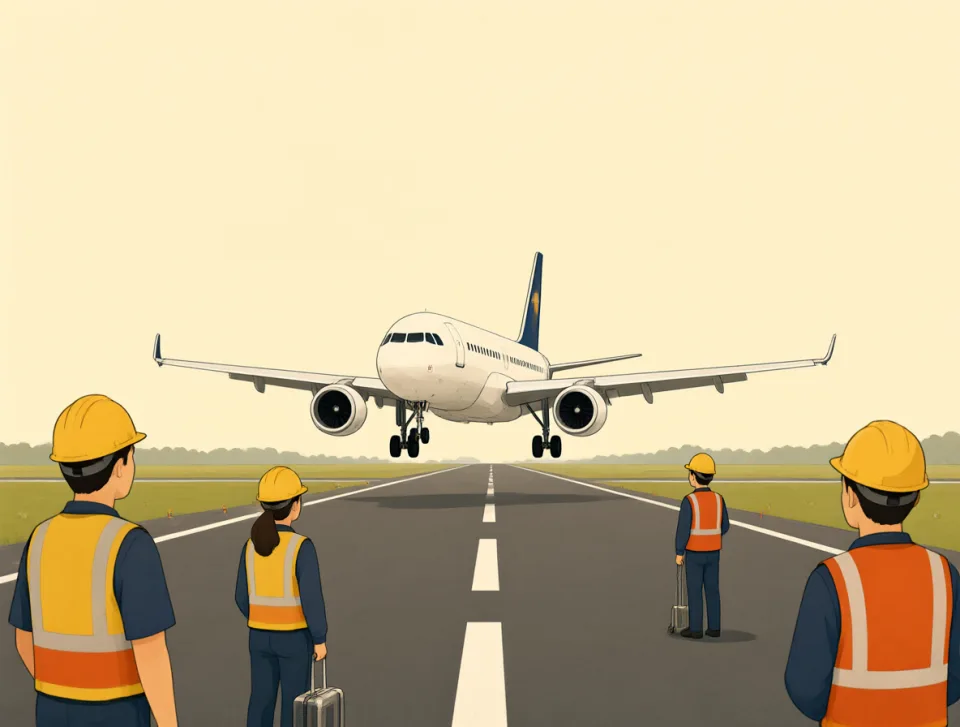
The plane landed safely at the airport.
飛機安全地降落在機場。

We walked across the land to the river.
我們穿過陸地走到了河邊。

They bought land to build a house.
他們買了一塊地來蓋房子。
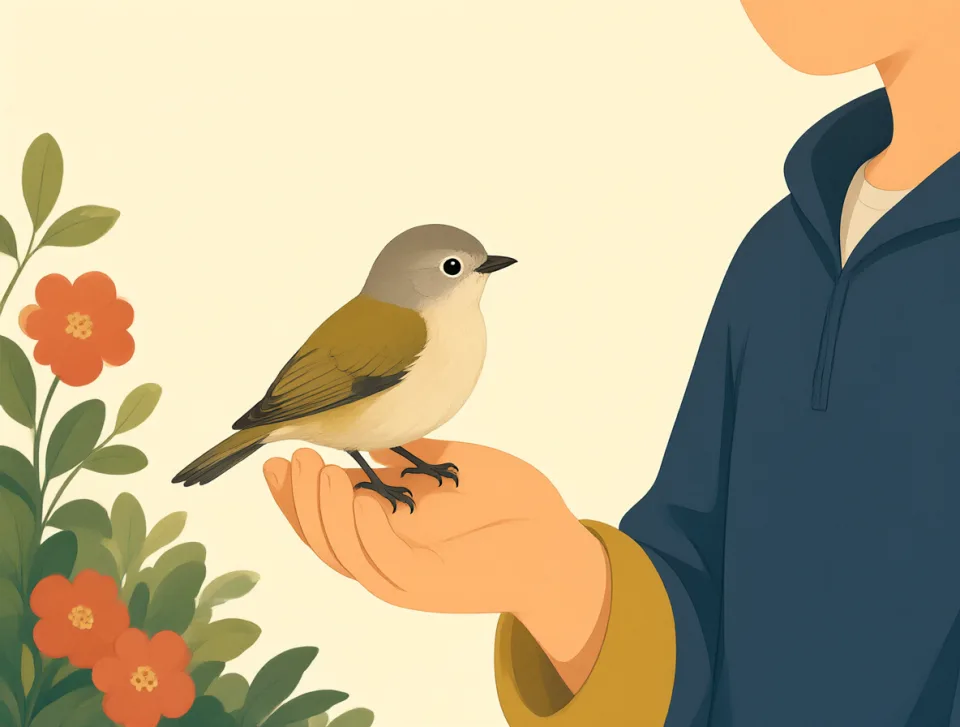
The bird landed on my hand.
鳥落在了我的手上。

A fly landed in my soup.
一隻蒼蠅落進了我的湯裡。
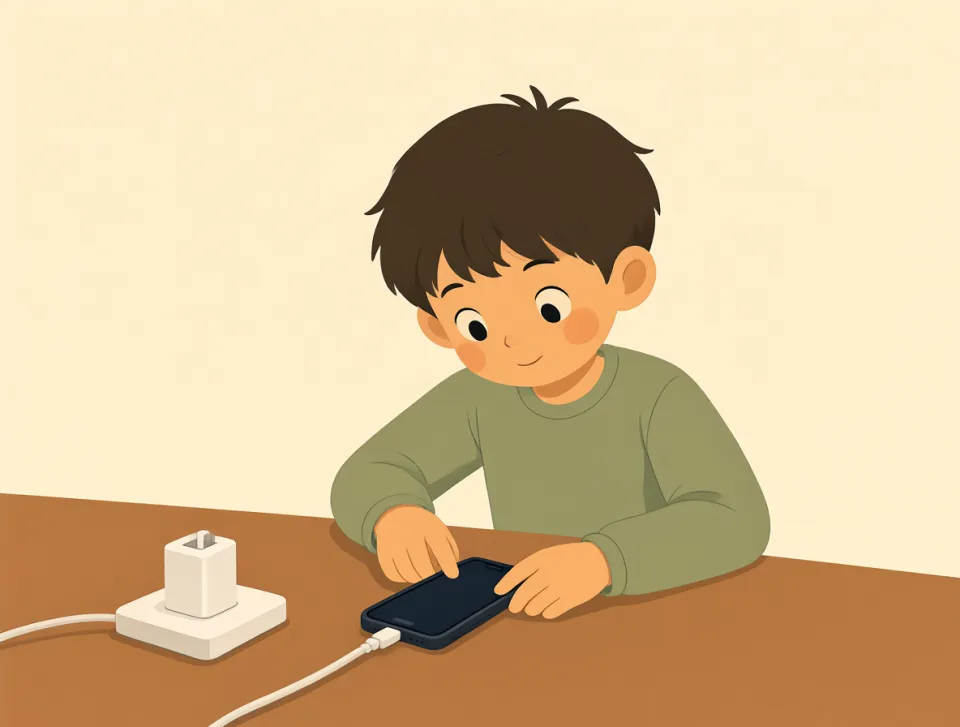
charge
#498noun, verb
收費;充電;指控
To ask for money, fill a battery, or officially accuse someone of a crime.
收費、給電池充電,或正式指控某人犯罪。

The hotel charged us for breakfast.
酒店向我們收取了早餐費。
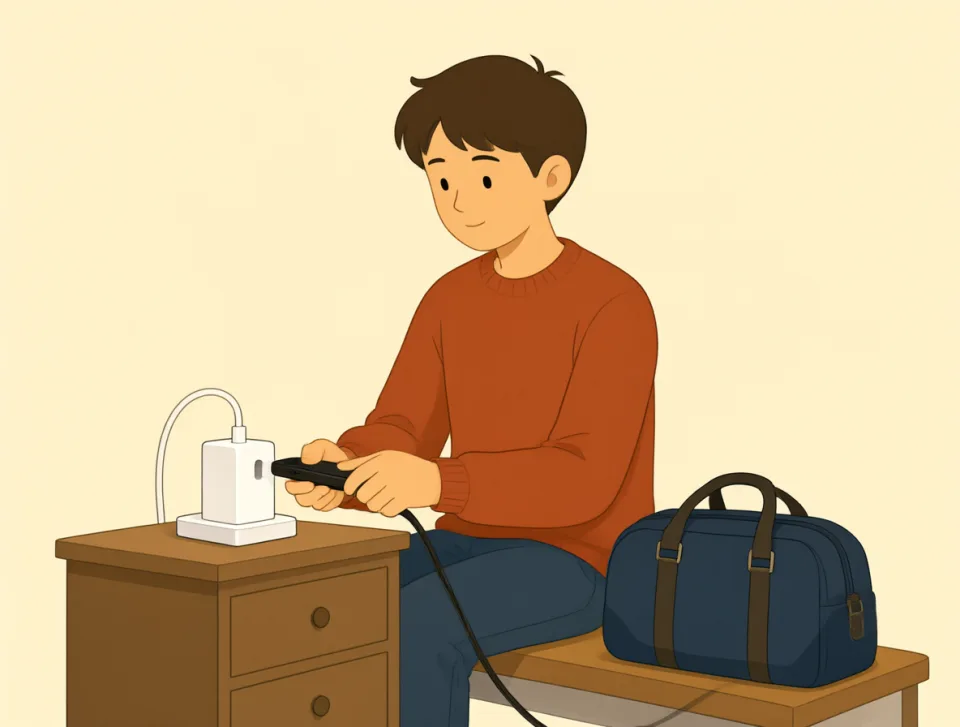
Please charge my phone before the trip.
請在出發前給我的手機充電。

There is no extra charge for delivery.
送貨不收取額外費用。

The police charged him with stealing money.
警方指控他偷了錢。
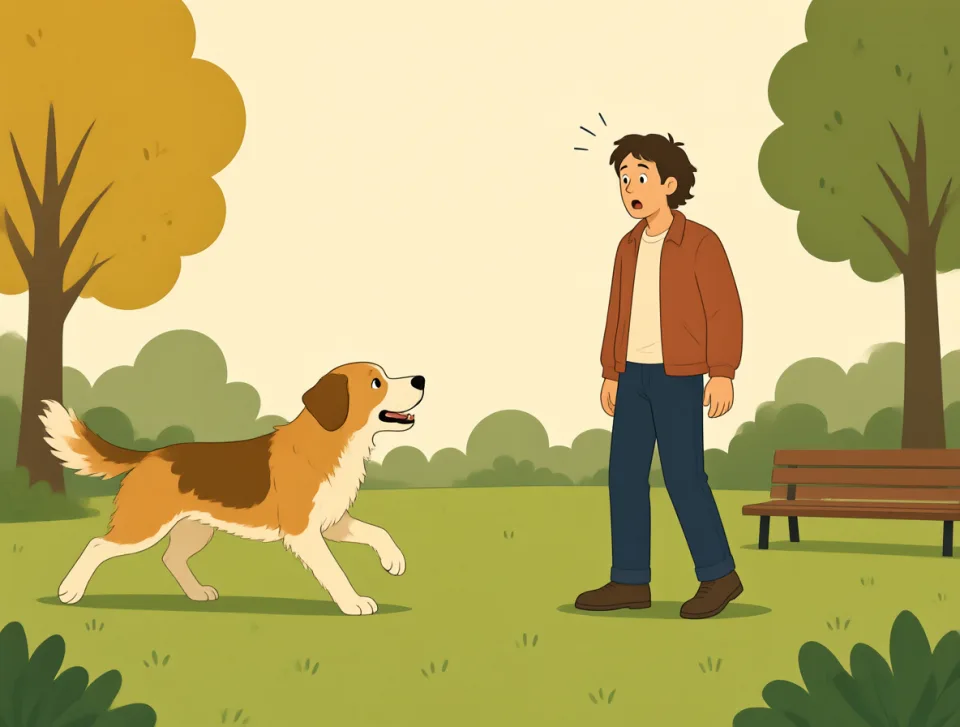
The dog charged at the stranger.
那隻狗向陌生人衝了過去。
finally
#499adverb
終於; 最後
at the end of a long wait or after everything else has happened
在漫長的等待之後,或其他事情都發生之後
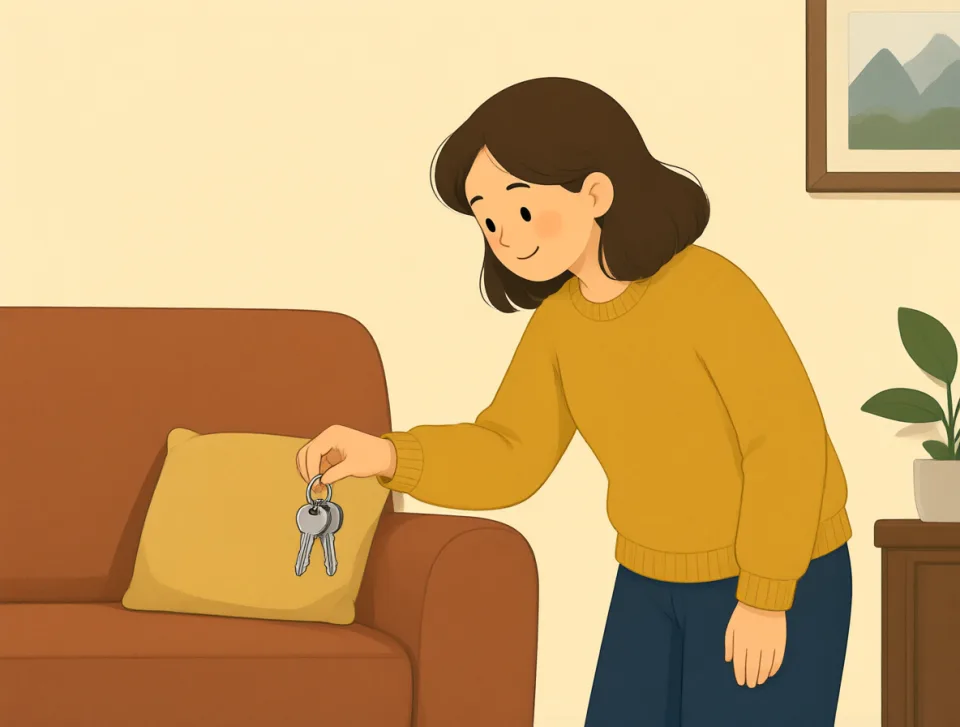
She finally found her lost keys.
她終於找到了丟失的鑰匙。
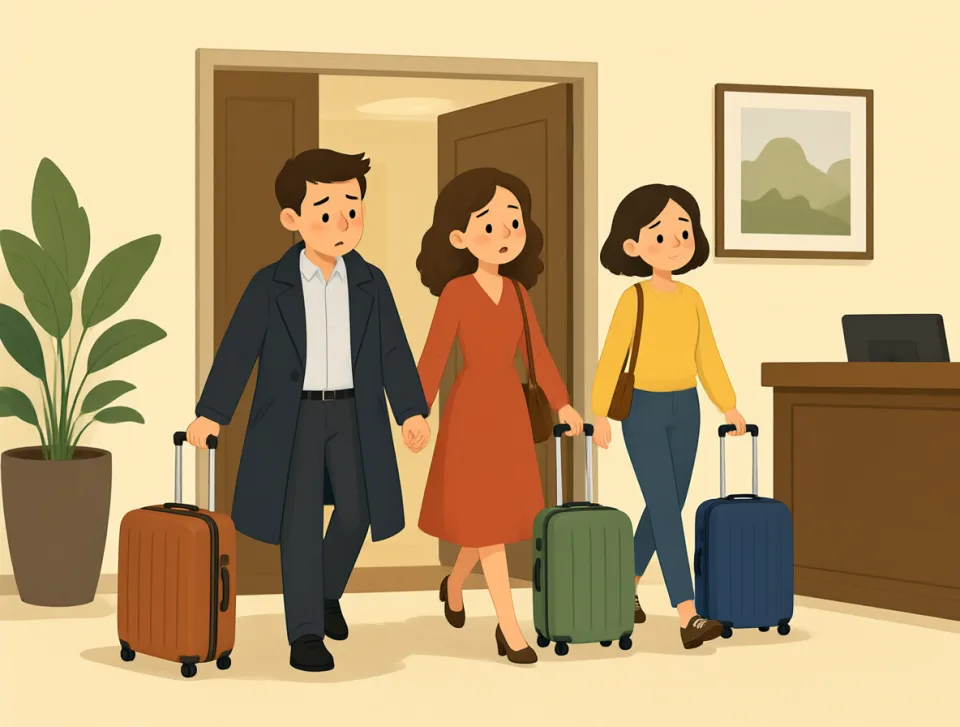
We finally arrived at the hotel.
我們終於到了酒店。
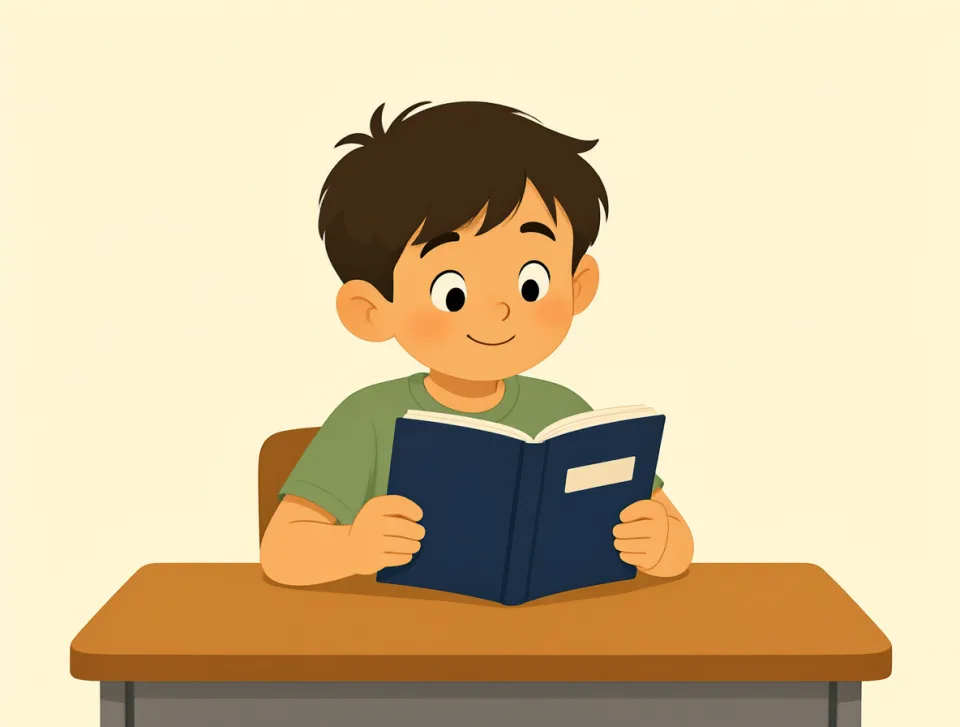
He finally finished his homework.
他終於完成了作業。
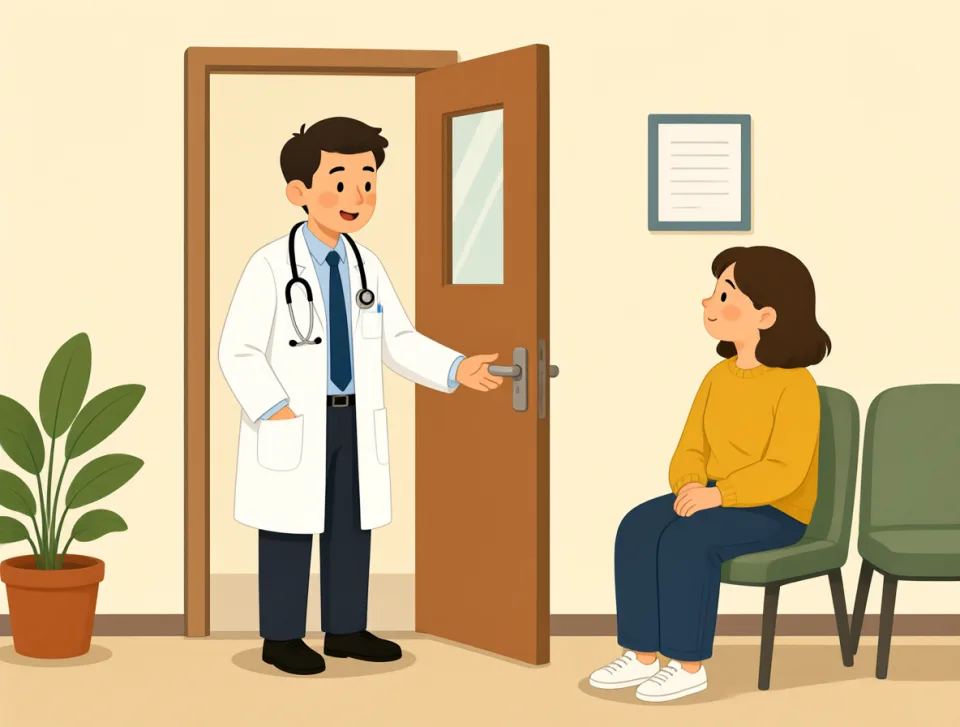
The doctor finally called my name.
醫生終於叫到了我的名字。

They finally agreed to meet tomorrow.
他們終於同意明天見面。
sign
#500noun, verb
標誌;簽名;簽署
A mark or action that gives information, or to write your name on something.
提供資訊的標記或動作,或在某物上籤上你的名字。
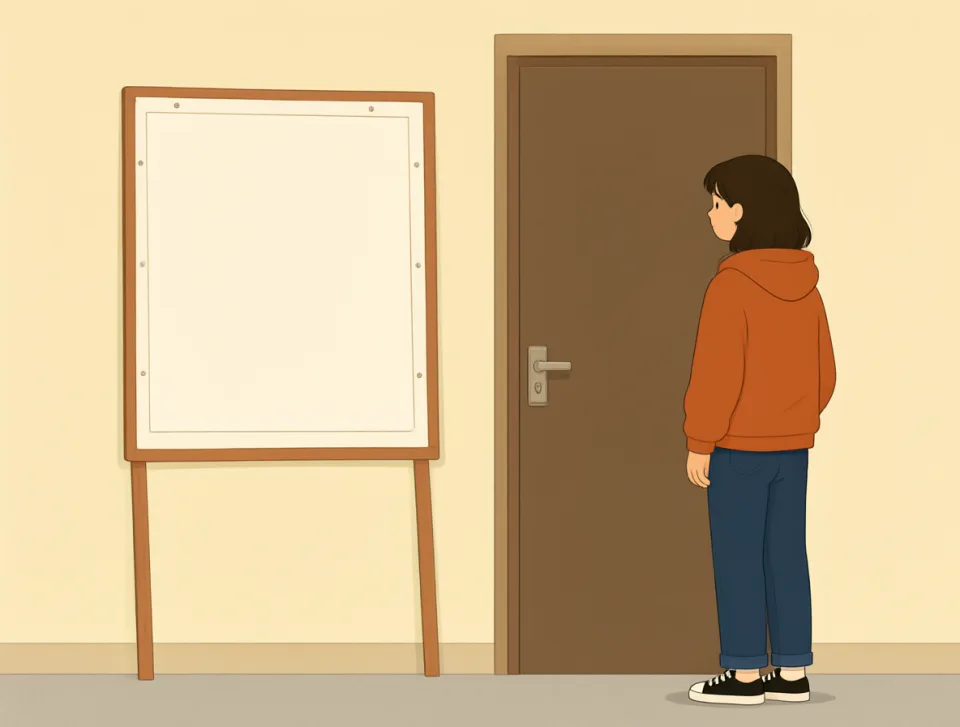
The sign says, “Keep the door closed.”
牌子上寫著:“請保持門關閉。”
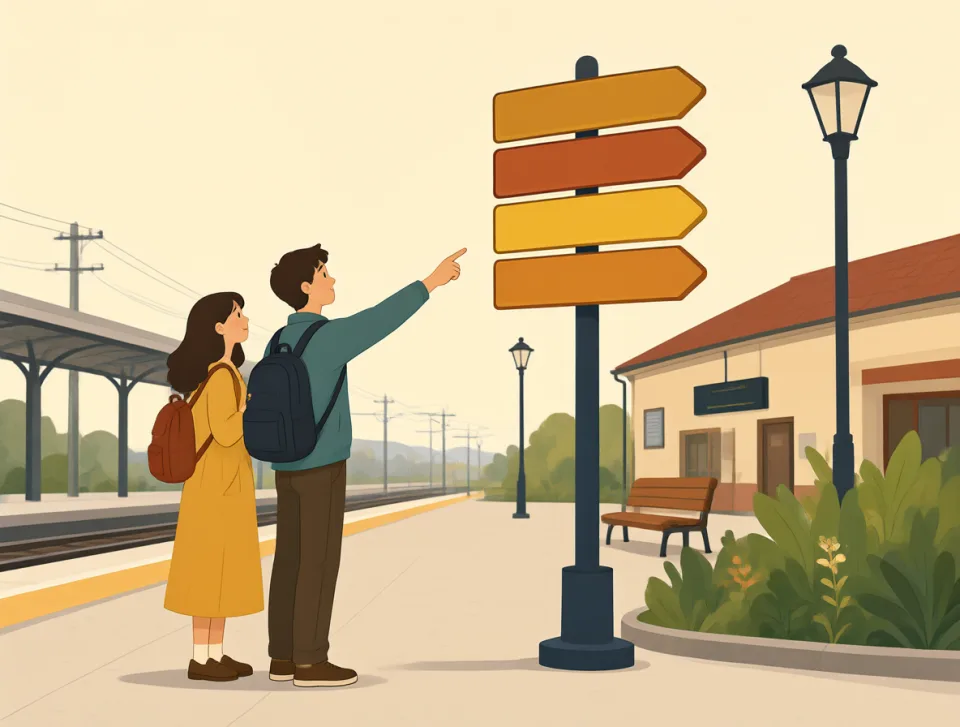
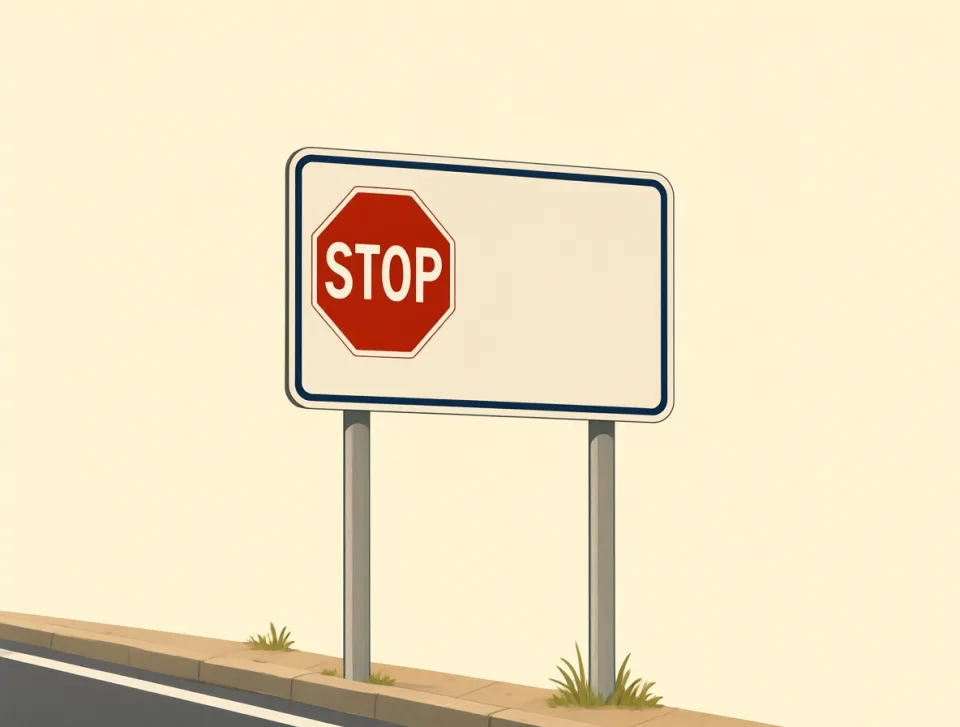
We saw a sign for the train station.
我們看到了去火車站的指示牌。

Please sign your name at the bottom.
請在底部簽上你的名字。

She signed a contract at work.
她在工作時簽了一份合同。

His smile was a sign of happiness.
他的微笑是幸福的表現。