ইউনিট 25
শব্দ 481–500 · draw, white, date, practice, model, raise
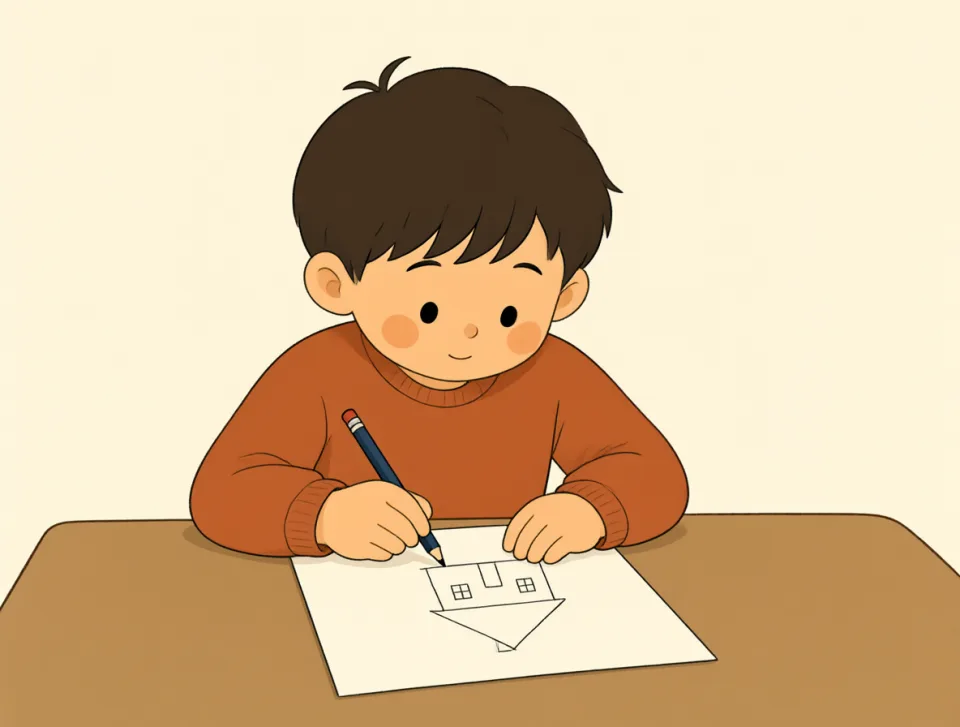
draw
#481verb, noun
আঁকা; টানা; দৈবভাবে বেছে নেওয়া
to make a picture, pull something, or choose a name by chance
ছবি আঁকা, কোনো কিছু টানা, অথবা দৈবভাবে কোনো নাম বেছে নেওয়া।
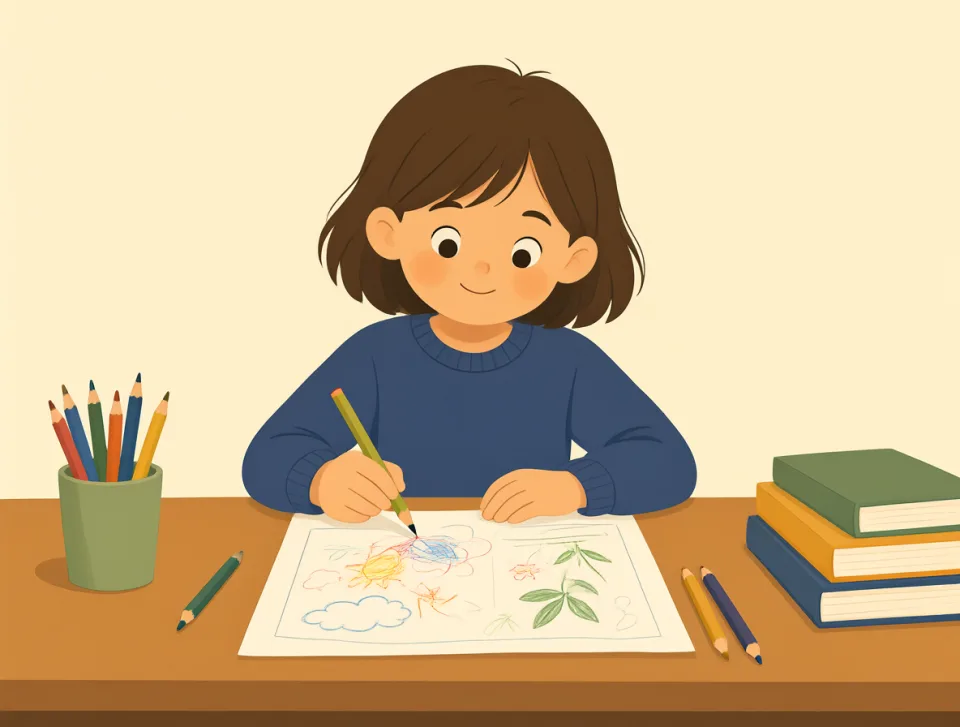
She likes to draw pictures after school.
স্কুলের পর সে ছবি আঁকতে পছন্দ করে।

Please draw the curtains before you leave.
যাওয়ার আগে দয়া করে পর্দাগুলো টেনে দিন।

The doctor drew blood from my arm.
ডাক্তার আমার হাত থেকে রক্ত নিয়েছিলেন।
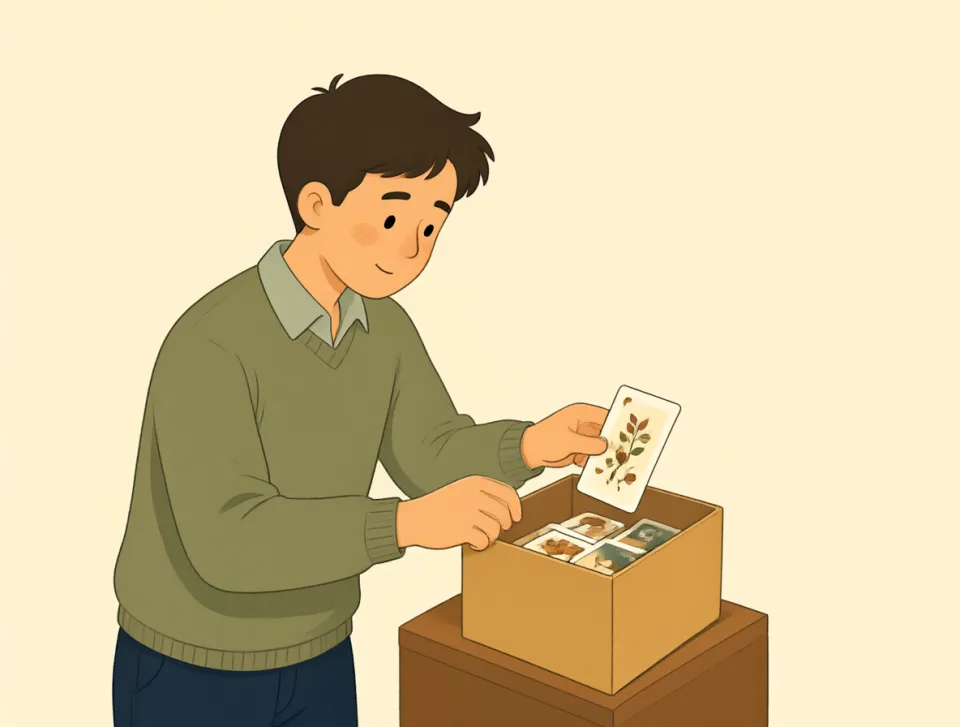
He drew a card from the box.
সে বাক্স থেকে একটি তাস তুলল।
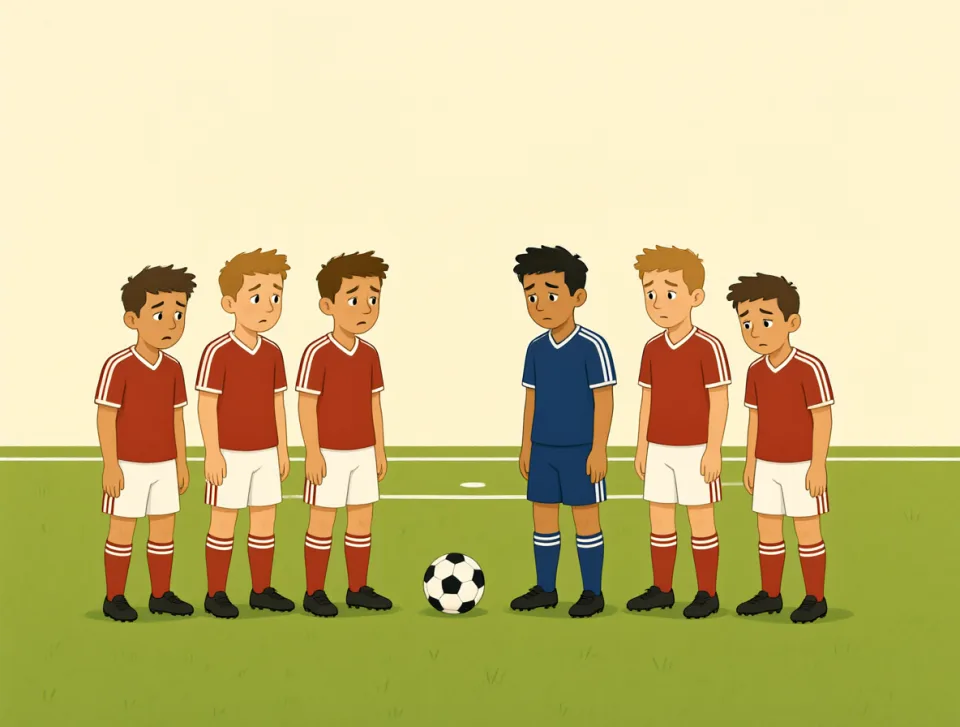
They drew the game yesterday.
গতকাল খেলায় তারা ড্র করেছিল।

white
#482adjective, noun
সাদা
Having the color of fresh snow or milk; the lightest color.
তাজা বরফ বা দুধের রং; সবচেয়ে হালকা রং।

She wore a white shirt to work.
সে কাজে সাদা শার্ট পরে গিয়েছিল।

The white snow covered the garden.
সাদা বরফ বাগানটিকে ঢেকে ফেলেছিল।

Please put the white plates here.
দয়া করে সাদা প্লেটগুলো এখানে রাখুন।
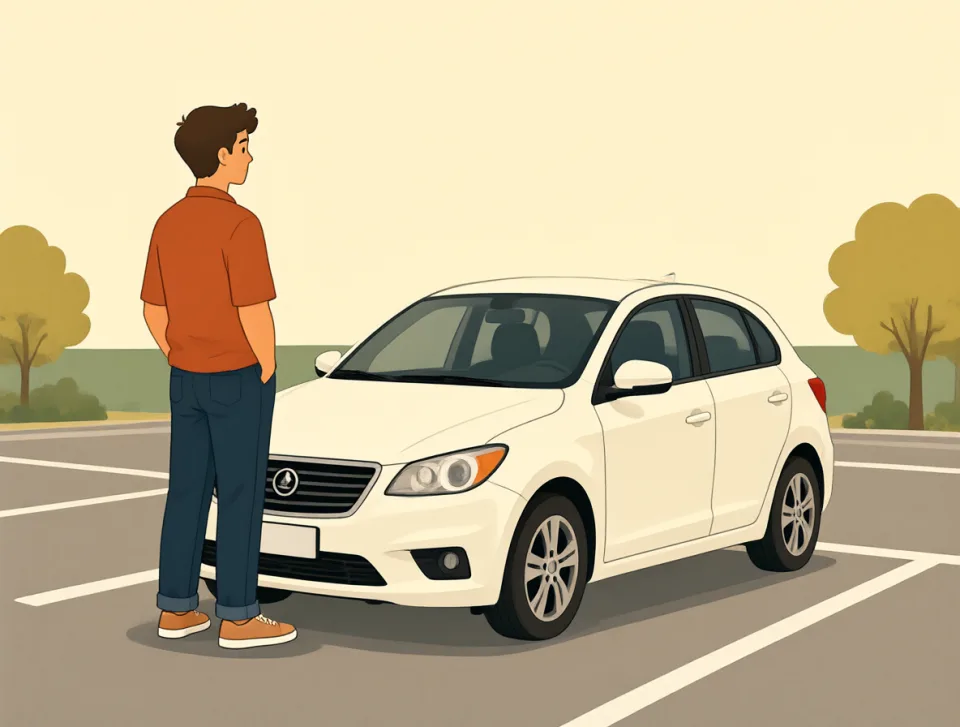
He bought a white car yesterday.
সে গতকাল একটি সাদা গাড়ি কিনেছিল।
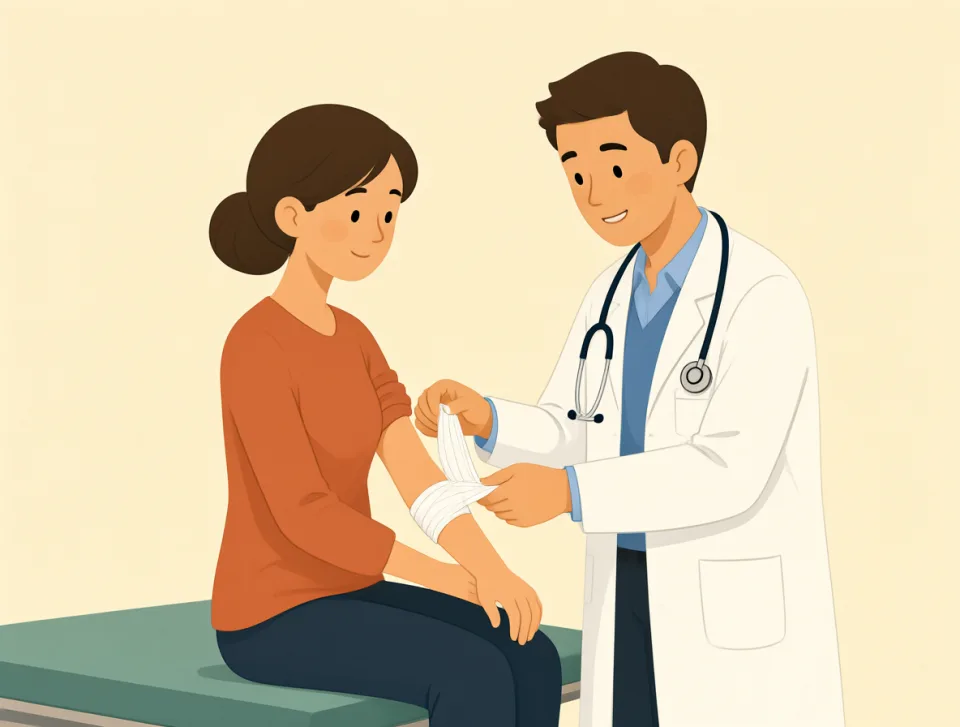
The doctor gave her a white bandage.
ডাক্তার তাকে একটি সাদা ব্যান্ডেজ দিয়েছিলেন।

date
#483noun, verb
তারিখ; প্রেমের সাক্ষাৎ
A day shown on a calendar, or a meeting with someone you like romantically.
ক্যালেন্ডারে লেখা কোনো দিন, অথবা আপনার পছন্দের কারও সঙ্গে প্রেমের সাক্ষাৎ।

What is the date today?
আজ কত তারিখ?

Please write the date on this form.
দয়া করে এই ফর্মে তারিখটি লিখুন।

Our wedding date is in June.
আমাদের বিয়ের তারিখ জুন মাসে।

I have a date with Anna tonight.
আজ রাতে আন্নার সঙ্গে আমার ডেট আছে।

We are dating and feel very happy.
আমরা প্রেম করছি এবং খুব সুখী।
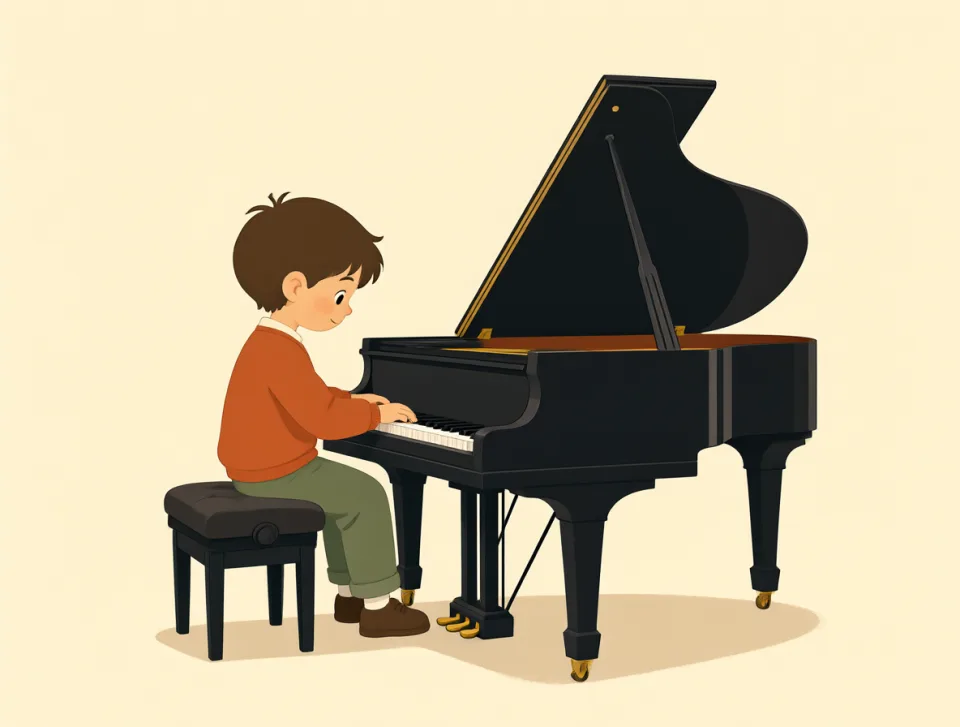
practice
#484noun, verb
অনুশীলন; চর্চা
Training or repeated activity that helps you improve a skill or become better at something.
কোনো দক্ষতা বাড়াতে বা কোনো বিষয়ে আরও ভালো হতে সাহায্য করে এমন প্রশিক্ষণ বা বারবার করা কাজ।

I practice English every day.
আমি প্রতিদিন ইংরেজি অনুশীলন করি।
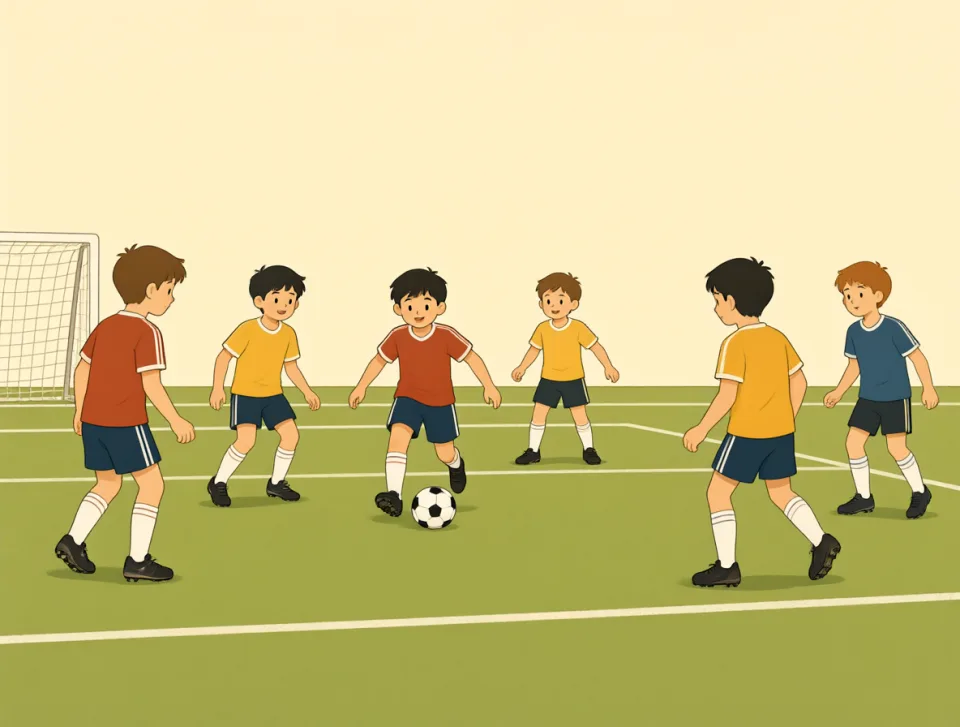
The team practiced before the game.
খেলার আগে দলটি অনুশীলন করেছিল।

She needs more practice driving.
গাড়ি চালানোর আরও অনুশীলন তার দরকার।
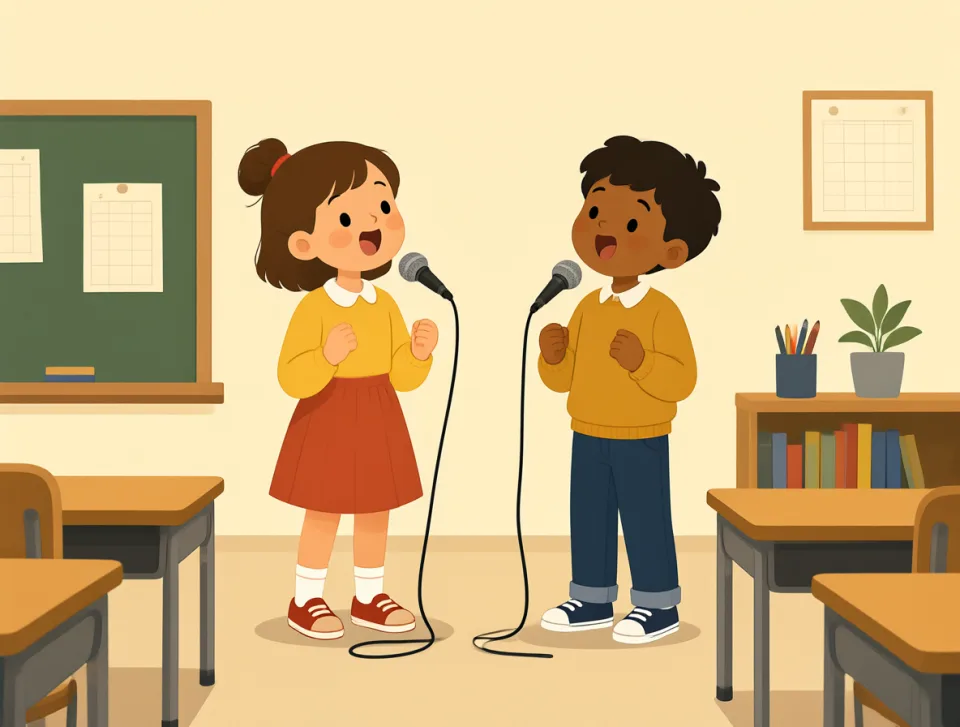
We practiced the song for school.
আমরা স্কুলের অনুষ্ঠানের জন্য গানটি অনুশীলন করেছিলাম।

Practice makes you better at cooking.
অনুশীলন করলে রান্নায় আরও ভালো হওয়া যায়।

model
#485noun, verb
মডেল; নমুনা
a person or thing used as an example, or a smaller copy of something
উদাহরণ হিসেবে ব্যবহৃত কোনো ব্যক্তি বা বস্তু, অথবা কোনো কিছুর ছোট প্রতিরূপ।
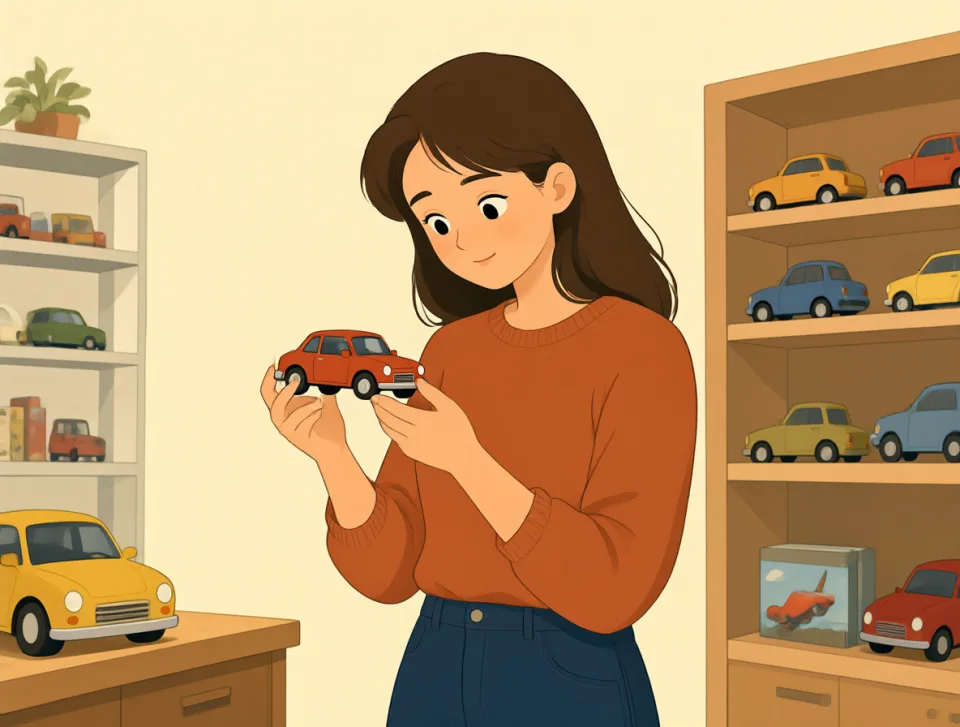
She bought a new car model yesterday.
সে গতকাল একটি নতুন গাড়ির মডেল কিনেছিল।

This model of phone has a good camera.
এই মডেলের ফোনে ভালো ক্যামেরা আছে।

The teacher showed us a model of Earth.
শিক্ষক আমাদের পৃথিবীর একটি মডেল দেখিয়েছিলেন।
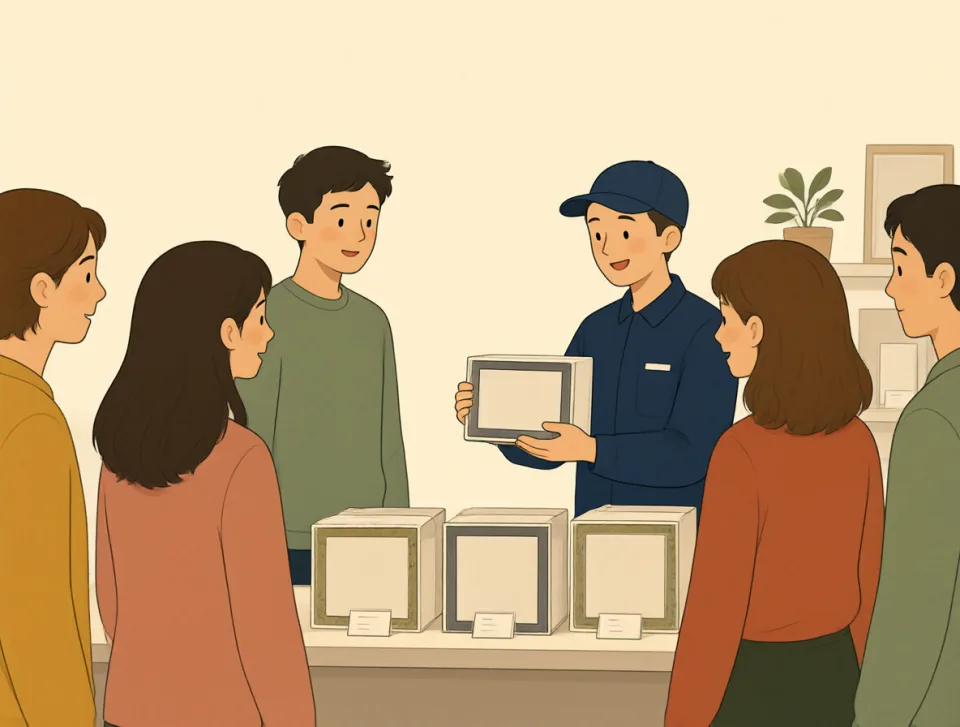
The company models its products for customers.
কোম্পানিটি ক্রেতাদের জন্য তাদের পণ্যের মডেল উপস্থাপন করে।

She is a model for a clothing company.
সে একটি পোশাক কোম্পানির মডেল।

raise
#486verb, noun
তোলা; বাড়ানো; সংগ্রহ করা
to lift something, increase something, or collect money for a purpose
কোনো কিছু ওপরে তোলা, কোনো কিছুর পরিমাণ বাড়ানো, অথবা কোনো উদ্দেশ্যে অর্থ সংগ্রহ করা।
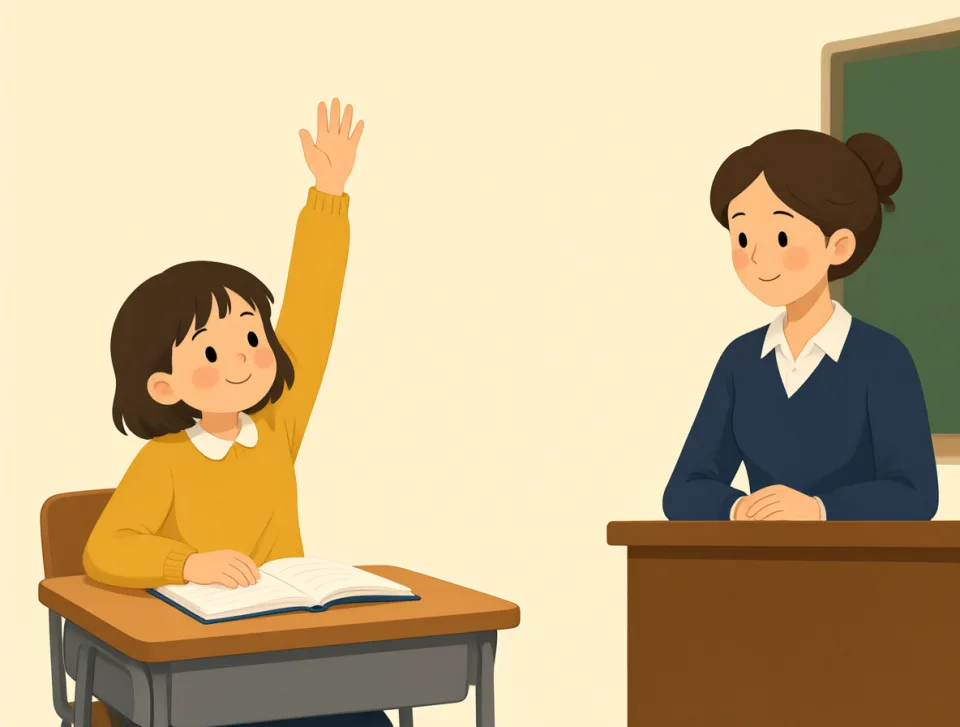
Please raise your hand before you speak.
কথা বলার আগে দয়া করে হাত তুলুন।
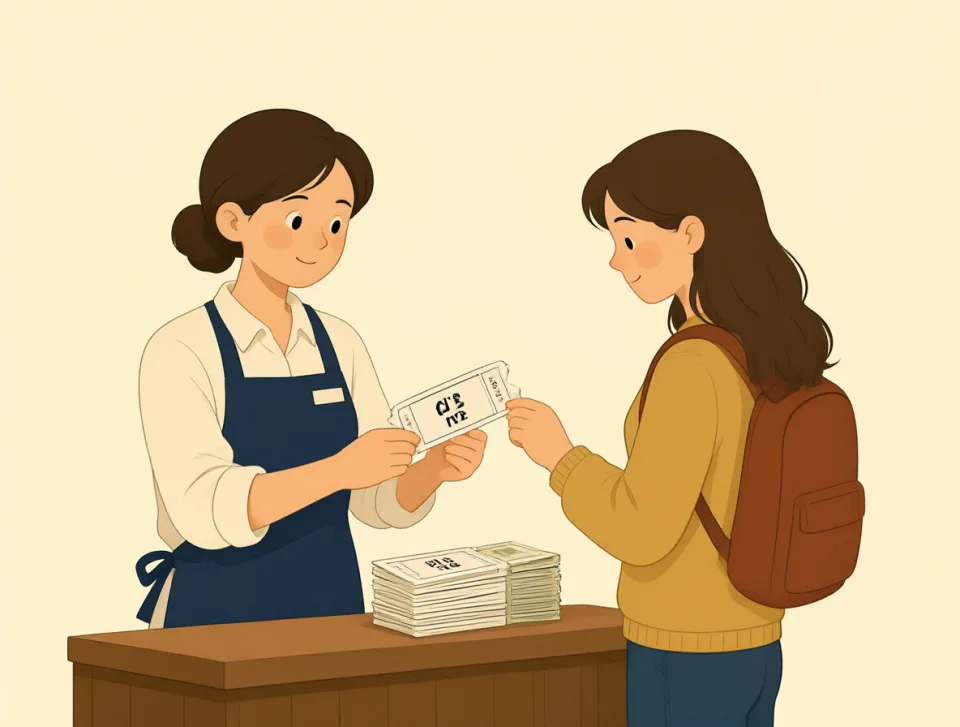
They raised the price of the tickets.
তারা টিকিটের দাম বাড়িয়েছে।
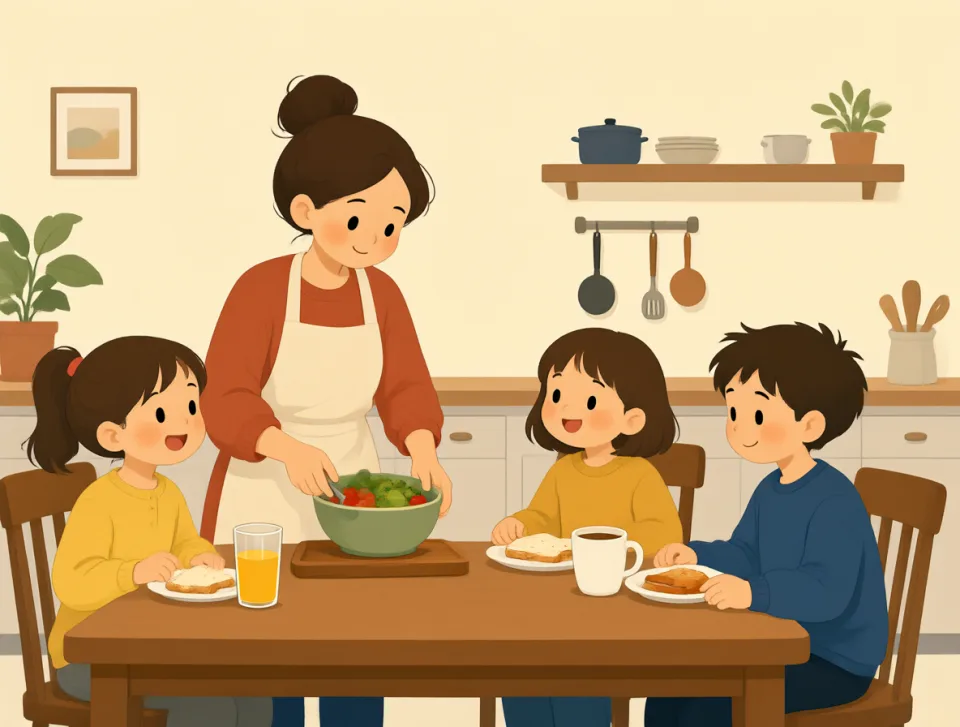
She raised three children alone.
সে একাই তিনটি সন্তানকে বড় করেছে।
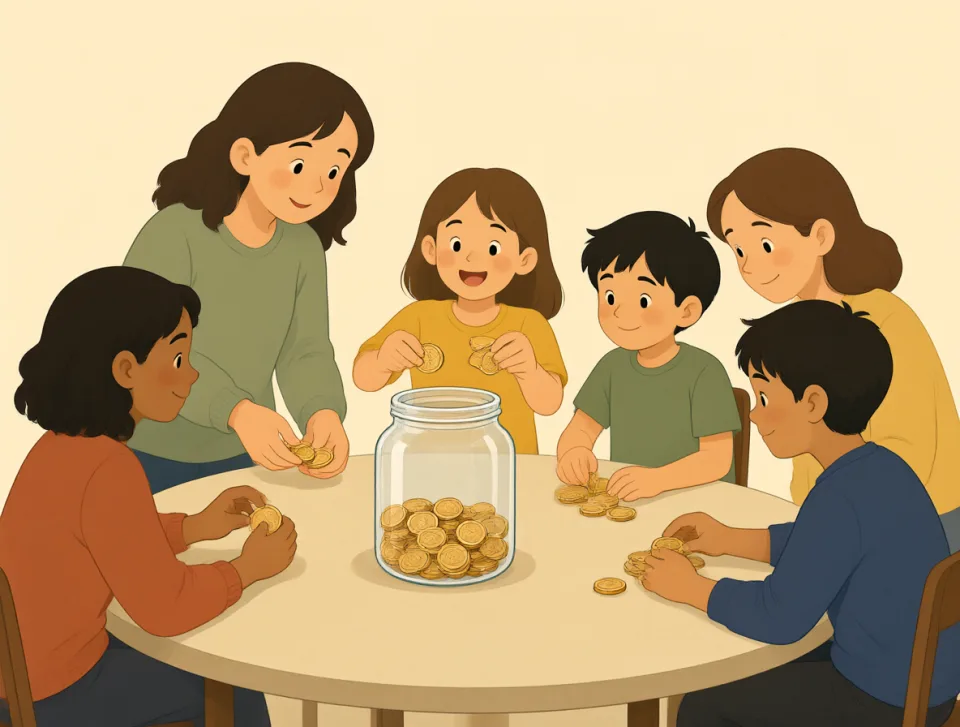
We are raising money for the hospital.
আমরা হাসপাতালের জন্য অর্থ সংগ্রহ করছি।

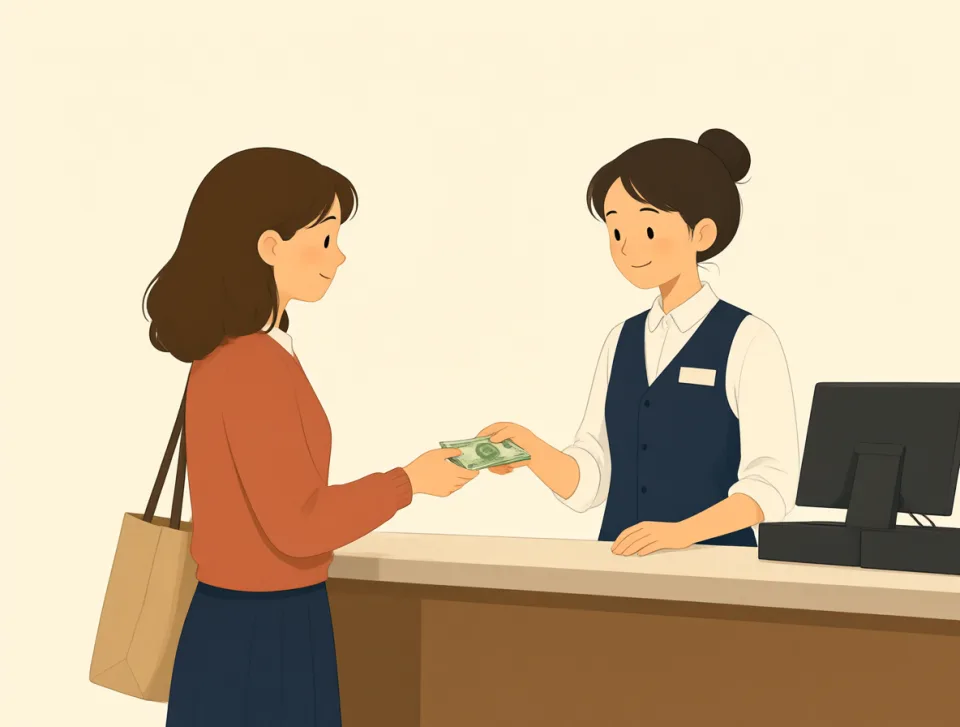
He got a pay raise at work.
কাজে তার বেতন বেড়েছে।
customer
#487noun
গ্রাহক
A person who buys goods or services from a business.
যিনি কোনো ব্যবসা প্রতিষ্ঠান থেকে পণ্য বা সেবা কেনেন।

The customer paid for her groceries.
গ্রাহকটি তার নিত্যপ্রয়োজনীয় জিনিসপত্রের দাম দিয়েছিলেন।

A customer asked for a larger coffee.
একজন গ্রাহক বড় কাপের কফি চেয়েছিলেন।

The shop has many regular customers.
দোকানটির অনেক নিয়মিত গ্রাহক আছে।

The waiter brought the customer some water.
পরিবেশক গ্রাহককে কিছু পানি এনে দিলেন।

The hotel customer needed a taxi.
হোটেলের একজন গ্রাহকের একটি ট্যাক্সি দরকার ছিল।
front
#488noun, adjective, verb, preposition
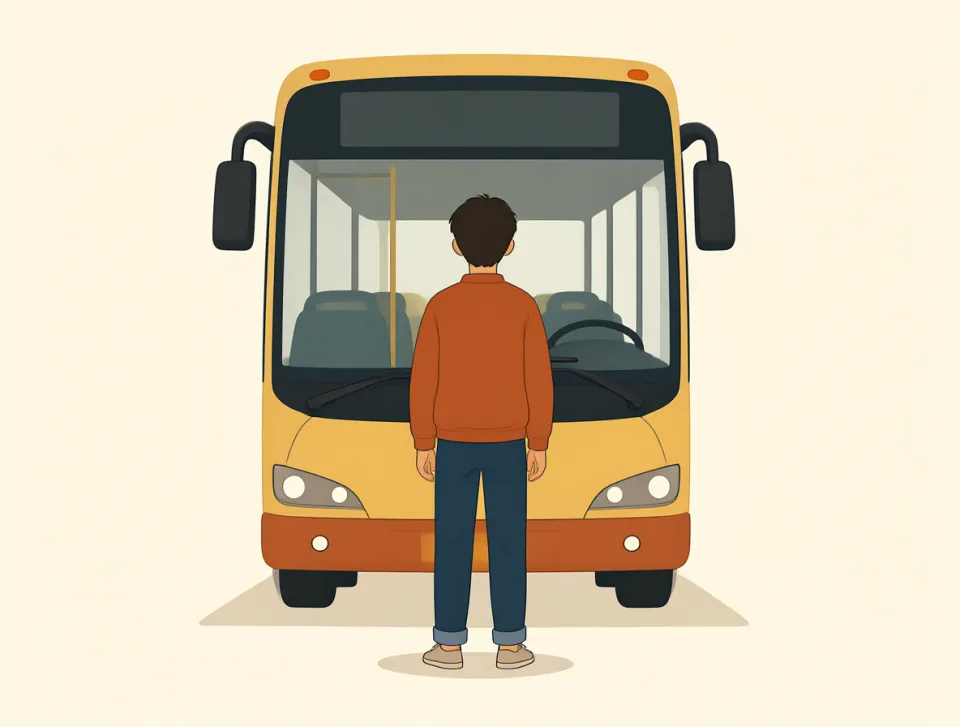
সামনের অংশ
The part or side that is first, nearest, or facing forward.
যে অংশ বা দিকটি সবার আগে, সবচেয়ে কাছে, অথবা সামনের দিকে মুখ করে থাকে।

Please sit in the front of the car.
দয়া করে গাড়ির সামনের আসনে বসুন।

She stood at the front of the line.
সে সারির সামনের দিকে দাঁড়িয়েছিল।

The front door is open.
সামনের দরজাটি খোলা।
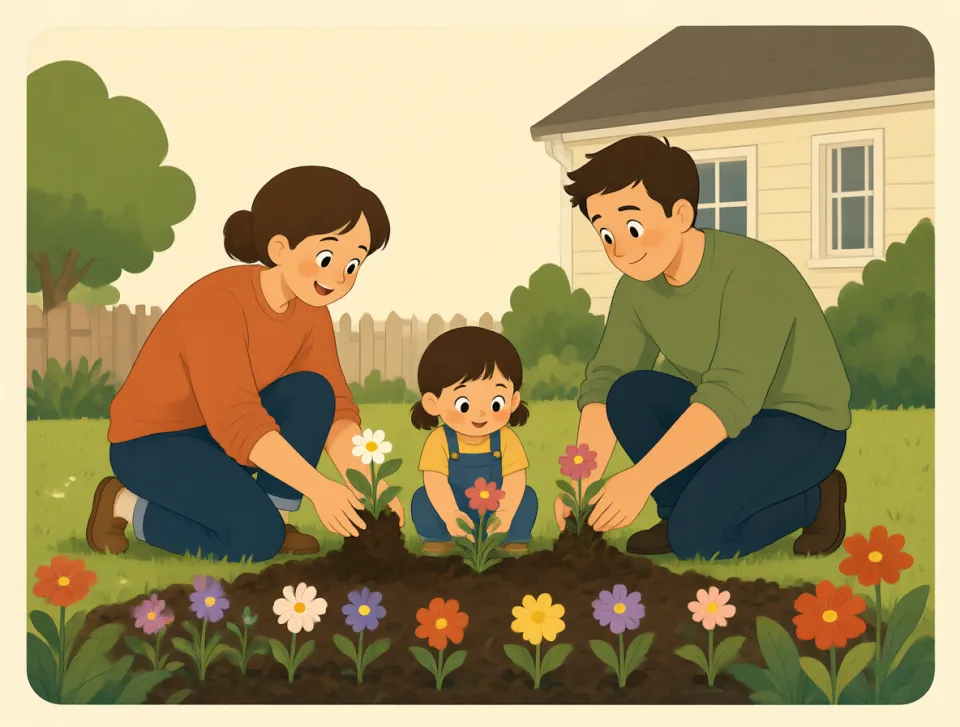
We planted flowers in front of the house.
আমরা বাড়ির সামনে ফুল লাগিয়েছিলাম।

The doctor checked the front of his chest.
ডাক্তার তার বুকের সামনের অংশ পরীক্ষা করলেন।
explain
#489verb
ব্যাখ্যা করা
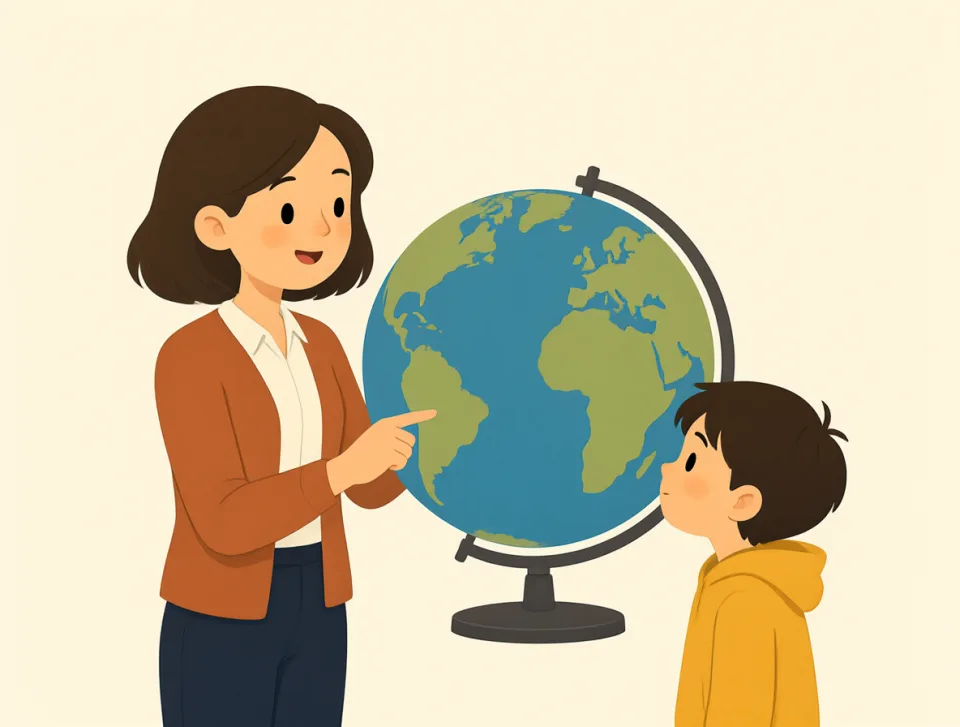
to make something clear by describing it or giving reasons
বর্ণনা বা কারণ জানিয়ে কোনো বিষয় স্পষ্ট করে তোলা।
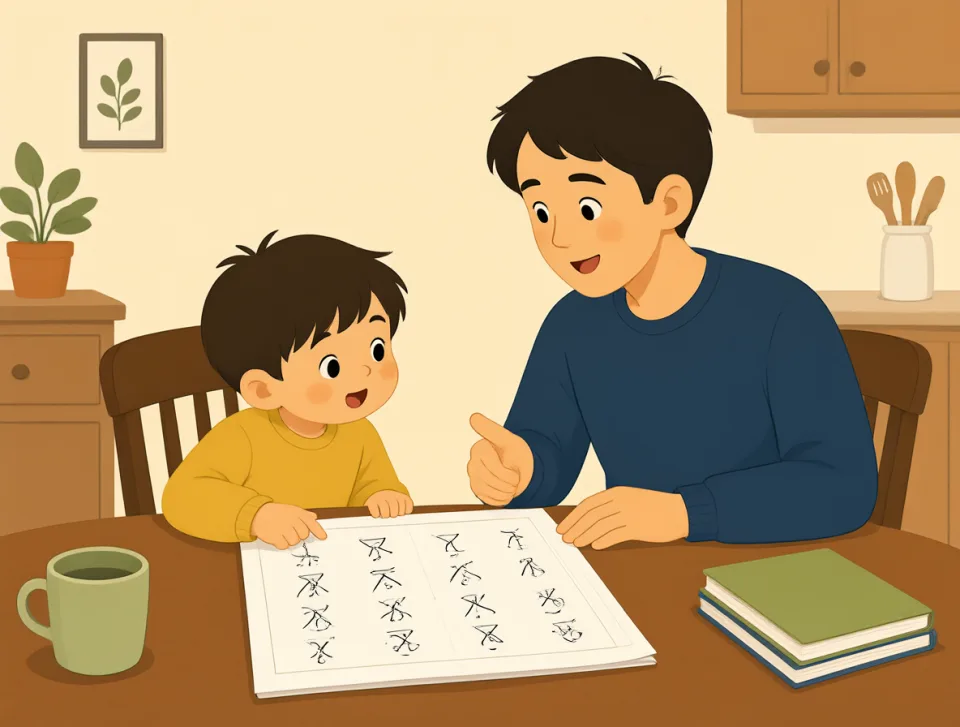
Can you explain this problem to me?
আপনি কি আমাকে এই সমস্যাটি বুঝিয়ে বলতে পারেন?

She explained why she was late.
সে কেন দেরি করেছিল তা ব্যাখ্যা করেছিল।

The doctor explained my treatment clearly.
ডাক্তার আমার চিকিৎসার বিষয়টি স্পষ্টভাবে বুঝিয়ে বললেন।

Please explain how to get there.
সেখানে কীভাবে যেতে হয়, দয়া করে বুঝিয়ে বলুন।

The chef is explaining the recipe.
রাঁধুনি রেসিপিটি ব্যাখ্যা করছেন।
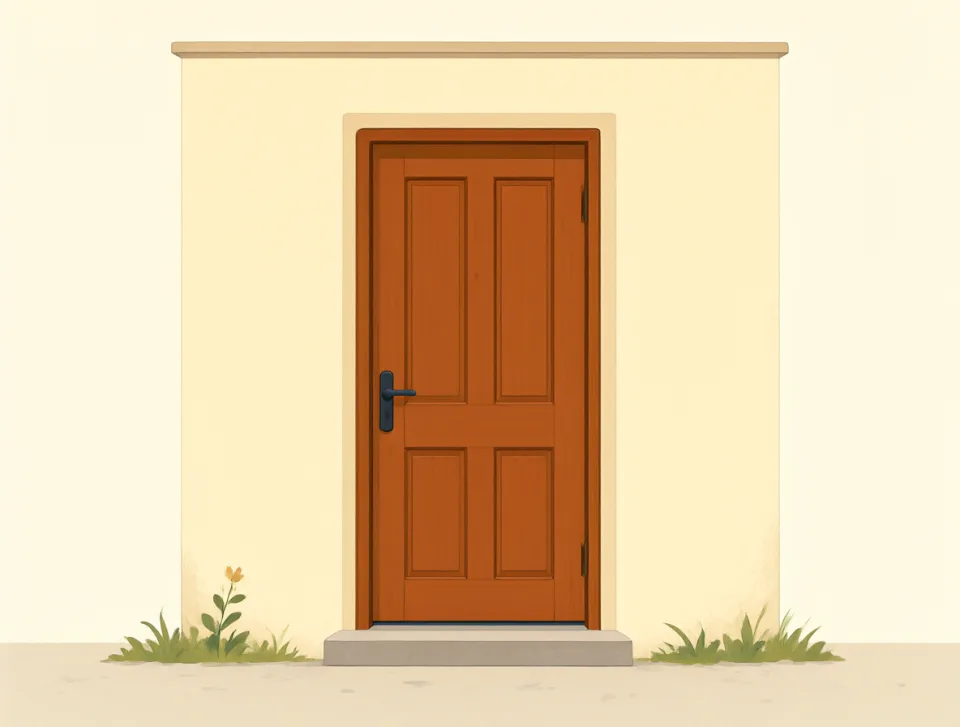
door
#490noun
দরজা
A movable barrier that opens and closes an entrance.
প্রবেশপথ বন্ধ ও খোলার জন্য ব্যবহৃত চলমান প্রতিবন্ধক।
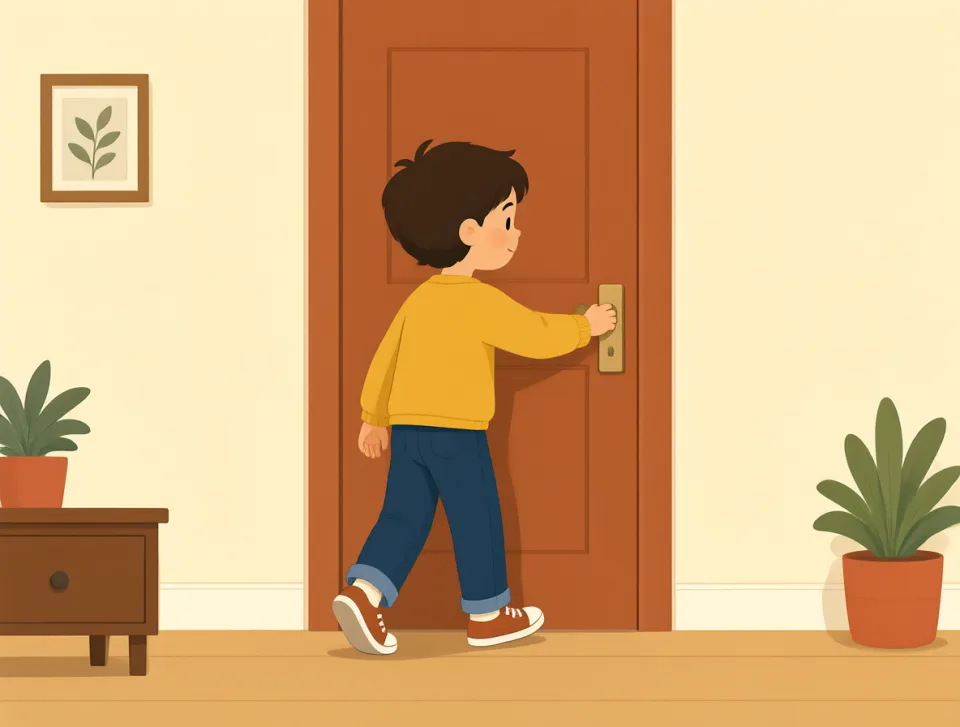
Please close the door behind you.
দয়া করে বেরিয়ে যাওয়ার সময় দরজাটি বন্ধ করে দিন।
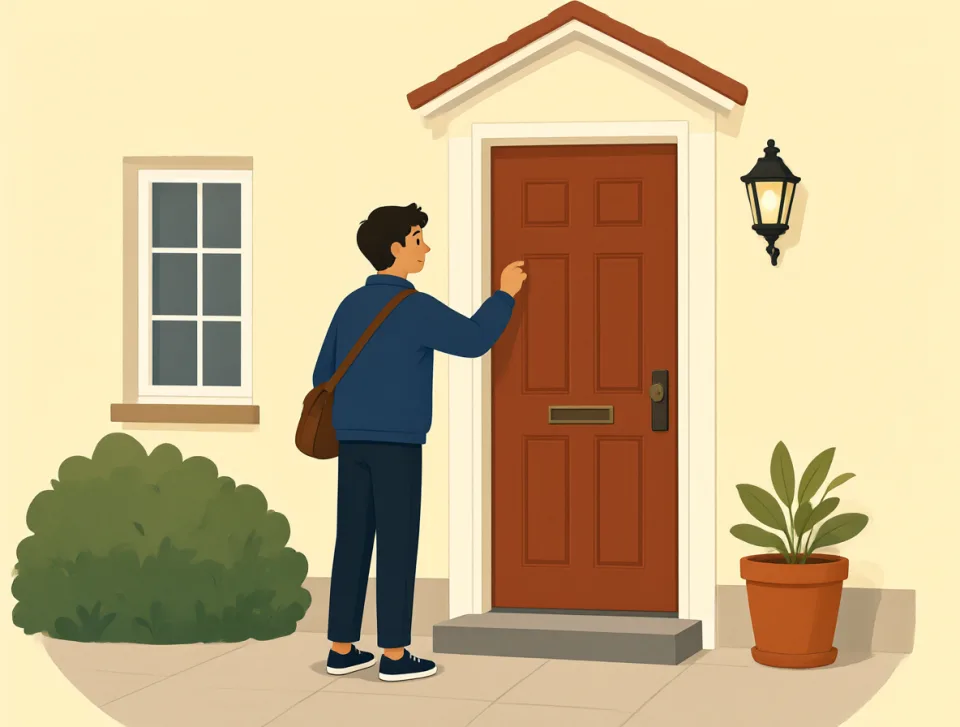
Someone is knocking at the front door.
কেউ সামনের দরজায় কড়া নাড়ছে।

The bedroom door is open.
শোবার ঘরের দরজাটি খোলা।

We waited outside the store door.
আমরা দোকানের দরজার বাইরে অপেক্ষা করেছিলাম।
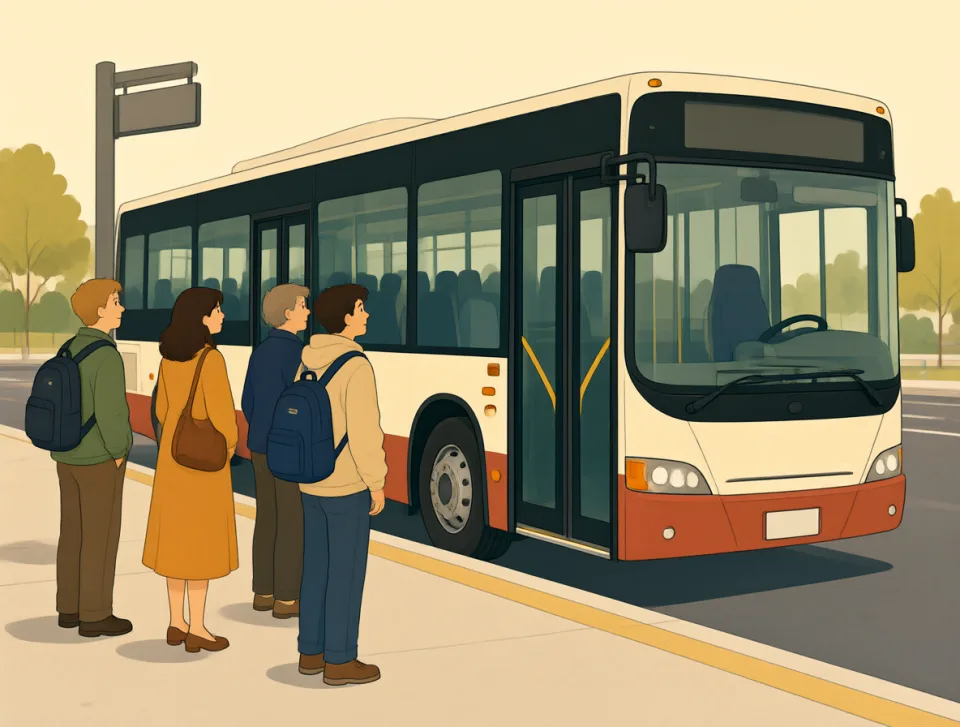
The bus doors opened at the station.
স্টেশনে বাসের দরজাগুলো খুলে গেল।

outside
#491adverb, preposition, noun
বাইরে
in or to a place that is not inside a building or area
কোনো ভবন বা এলাকার ভেতরে নয়—এমন কোনো জায়গায় বা সেই জায়গার দিকে
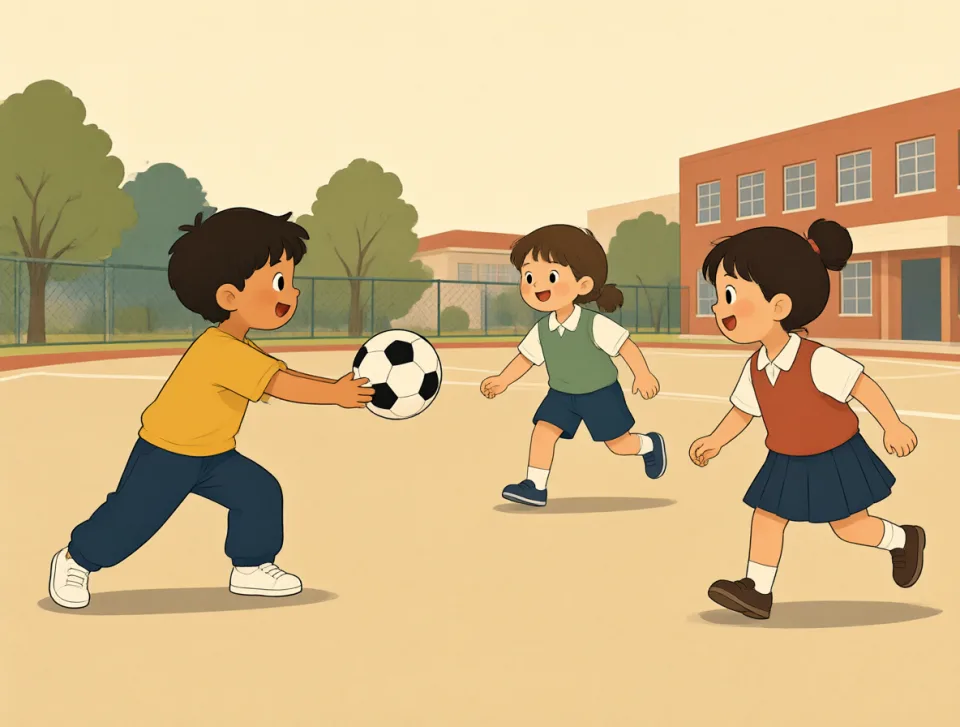
The children are playing outside after school.
স্কুলের পর বাচ্চারা বাইরে খেলছে।
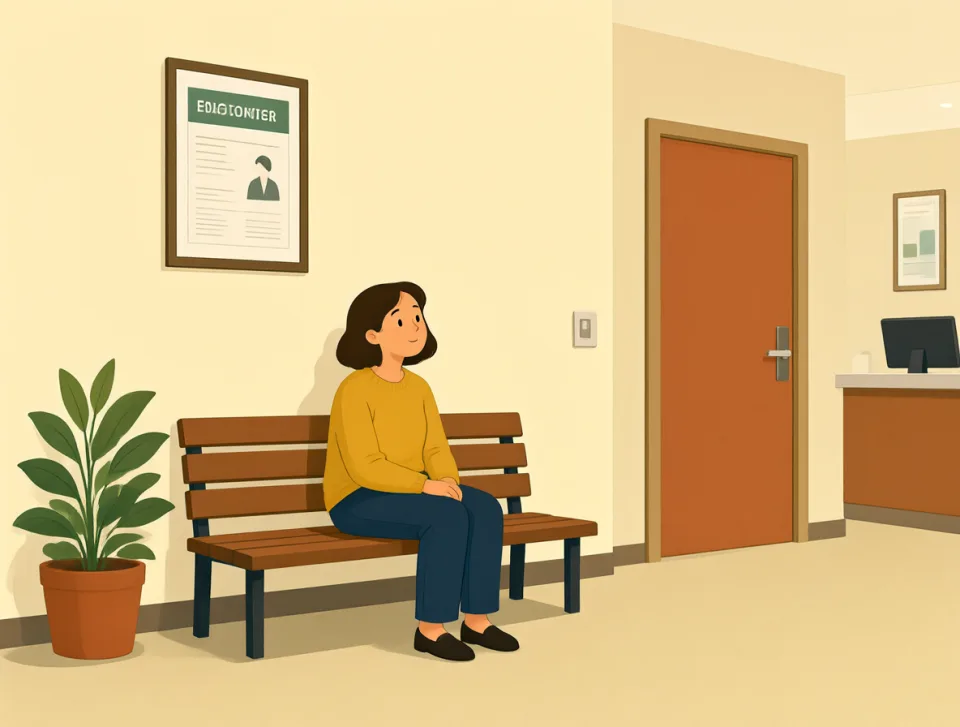
Please wait outside the doctor's office.
দয়া করে ডাক্তারের চেম্বারের বাইরে অপেক্ষা করুন।

We ate lunch outside at work.
আমরা কর্মস্থলে বাইরে বসে দুপুরের খাবার খেয়েছি।
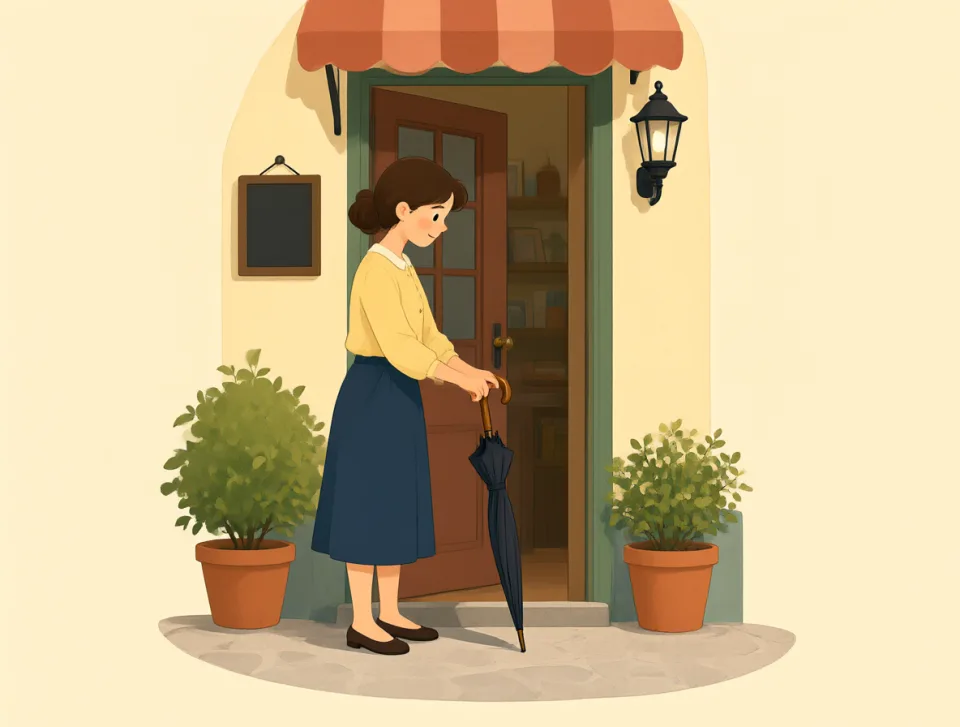
She left her umbrella outside the shop.
সে দোকানের বাইরে তার ছাতাটি রেখে গেছে।

The outside of the house needs paint.
বাড়ির বাইরের অংশে রং করা দরকার।

behind
#492adverb, preposition
পেছনে
At or toward the back of someone or something.
কোনো ব্যক্তি বা বস্তুর পেছনে বা পেছনের দিকে।
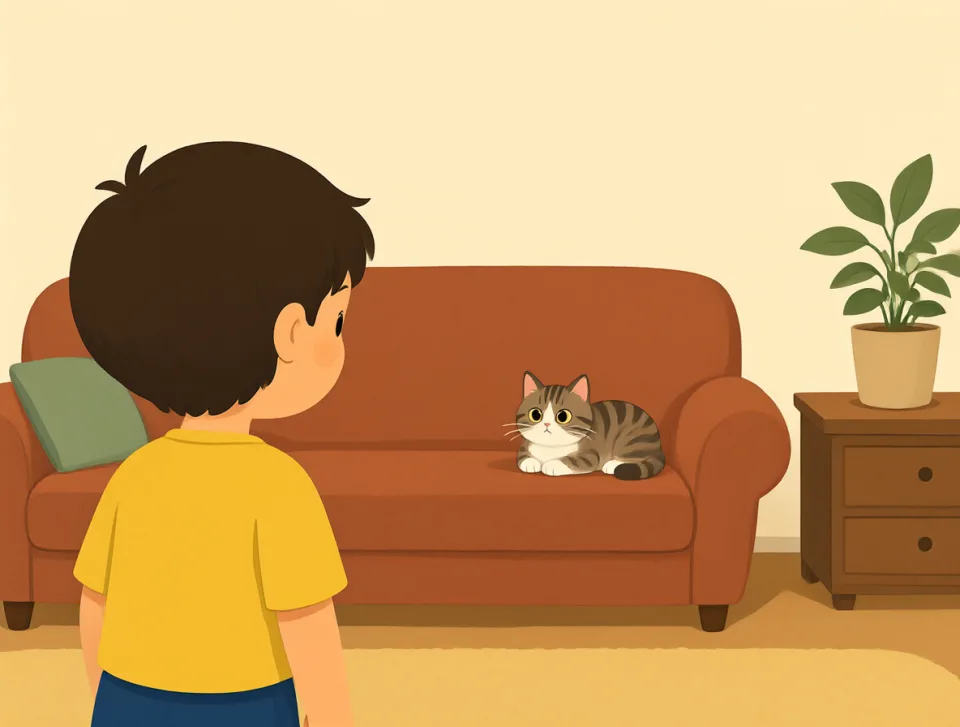
The cat is hiding behind the sofa.
বিড়ালটি সোফার পেছনে লুকিয়ে আছে।

She stood behind me in the long line.
লম্বা লাইনে সে আমার পেছনে দাঁড়িয়েছিল।
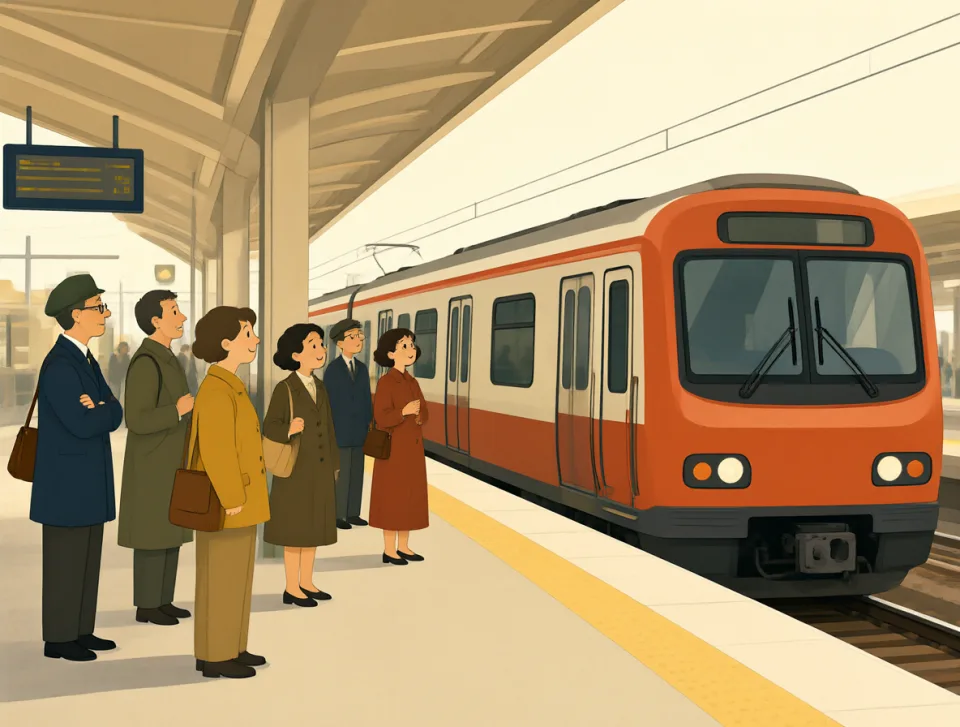
Our train is behind schedule this morning.
আজ সকালে আমাদের ট্রেন নির্ধারিত সময়ের চেয়ে দেরিতে চলছে।
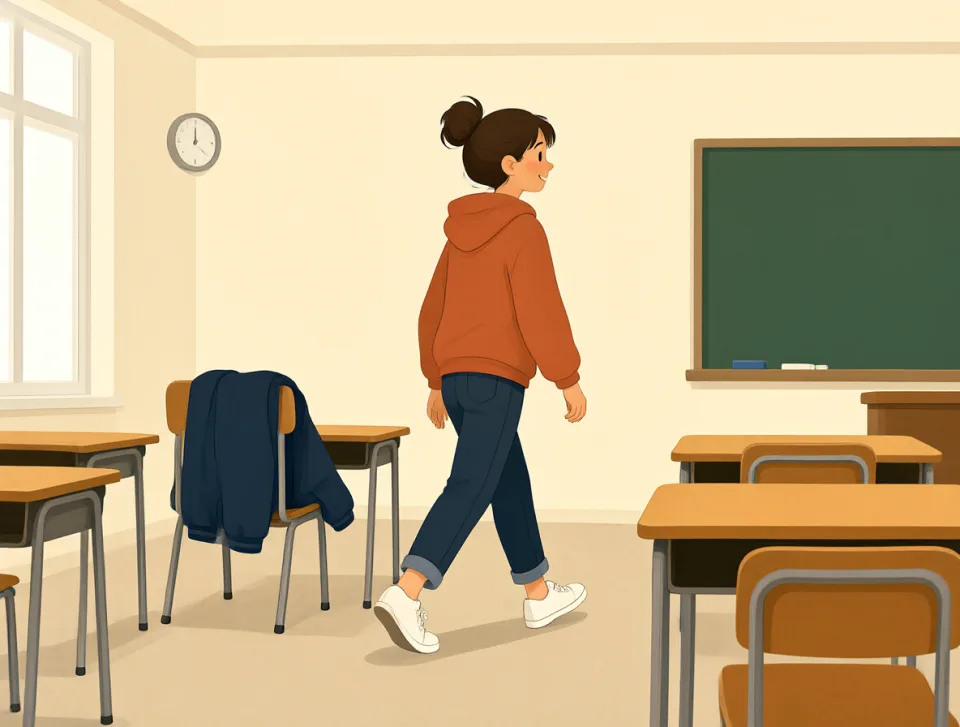
He left his jacket behind at school.
সে স্কুলে তার জ্যাকেট ফেলে এসেছে।
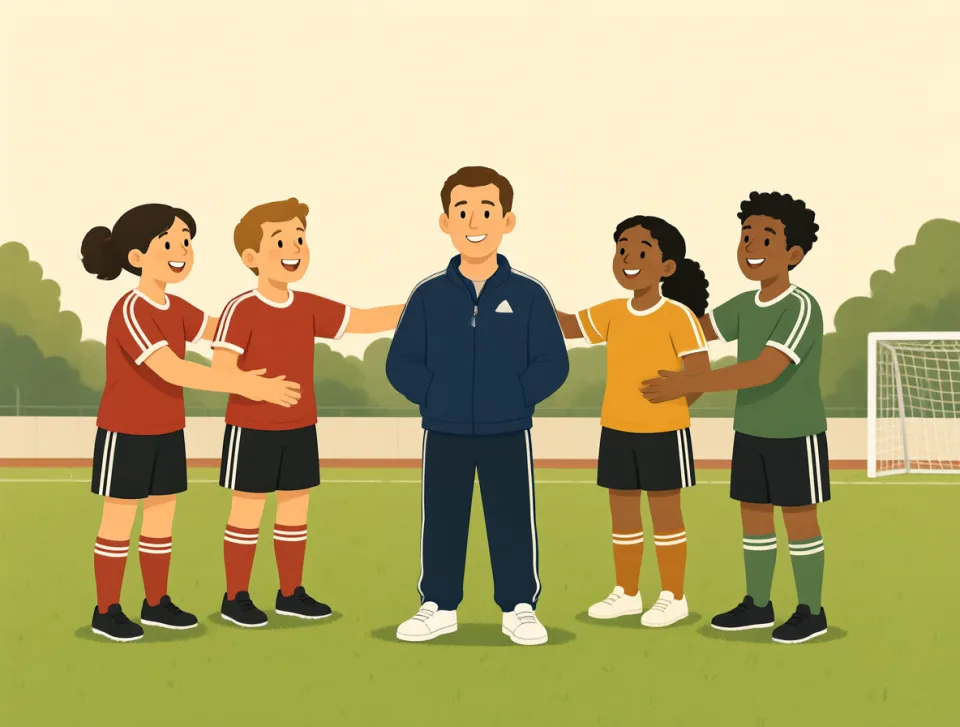
The team is behind our new coach.
দলটি আমাদের নতুন কোচের পাশে আছে।
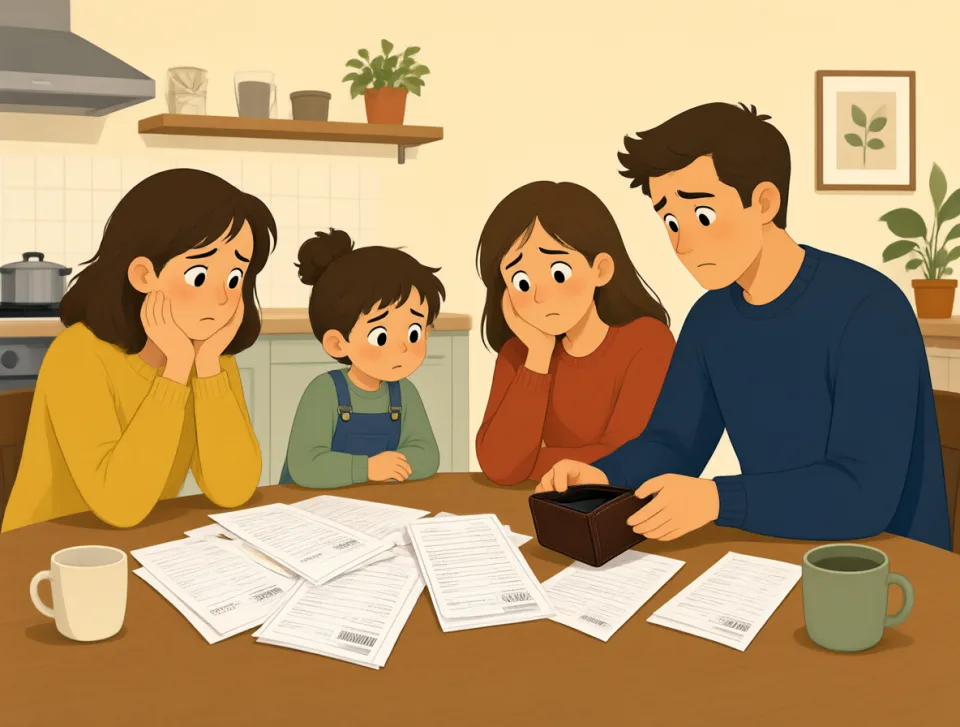
economic
#493adjective
অর্থনৈতিক
Related to money, business, trade, or the use of resources.
টাকা, ব্যবসা, বাণিজ্য বা সম্পদের ব্যবহার সম্পর্কিত।
The country faces serious economic problems.
দেশটি গুরুতর অর্থনৈতিক সমস্যার মুখে পড়েছে।
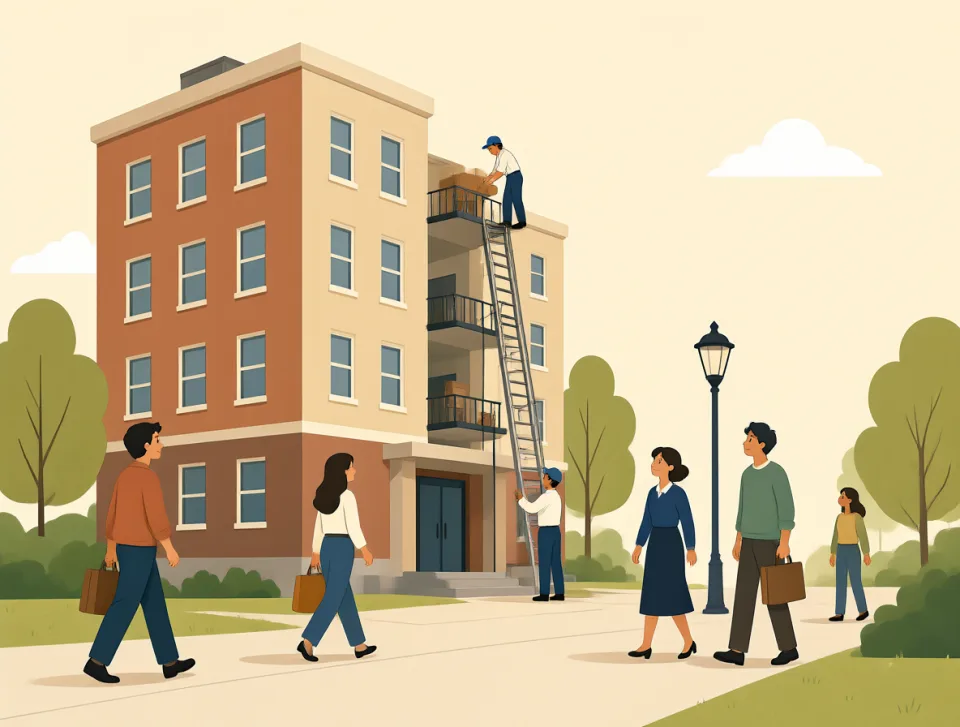
Economic growth created more jobs.
অর্থনৈতিক প্রবৃদ্ধির ফলে আরও কর্মসংস্থান তৈরি হয়েছে।
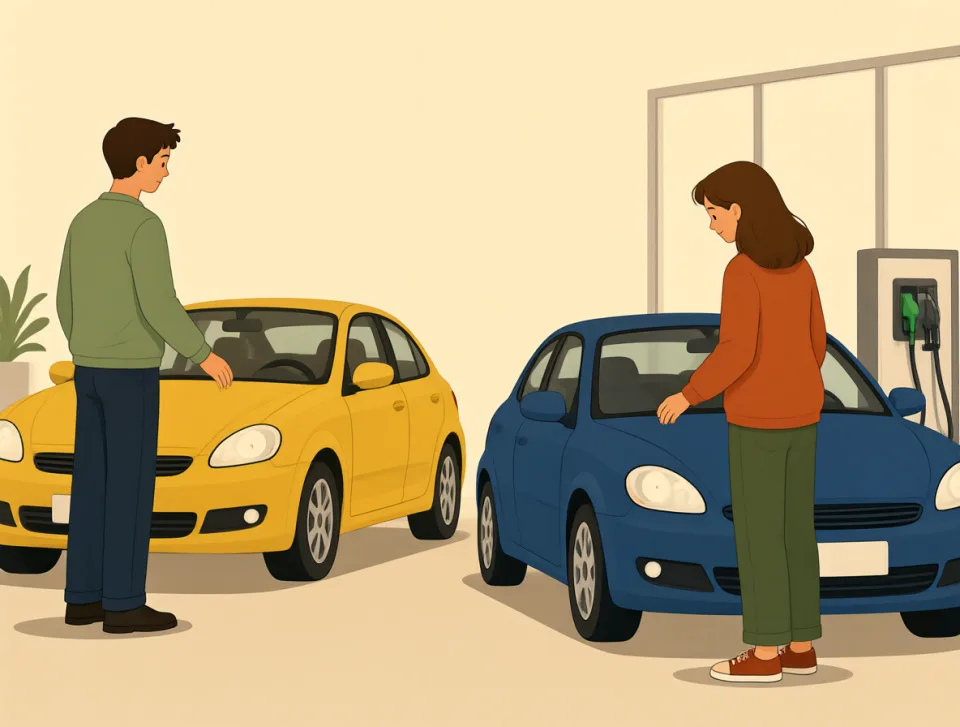
We need a more economic car.
আমাদের আরও সাশ্রয়ী একটি গাড়ি দরকার।
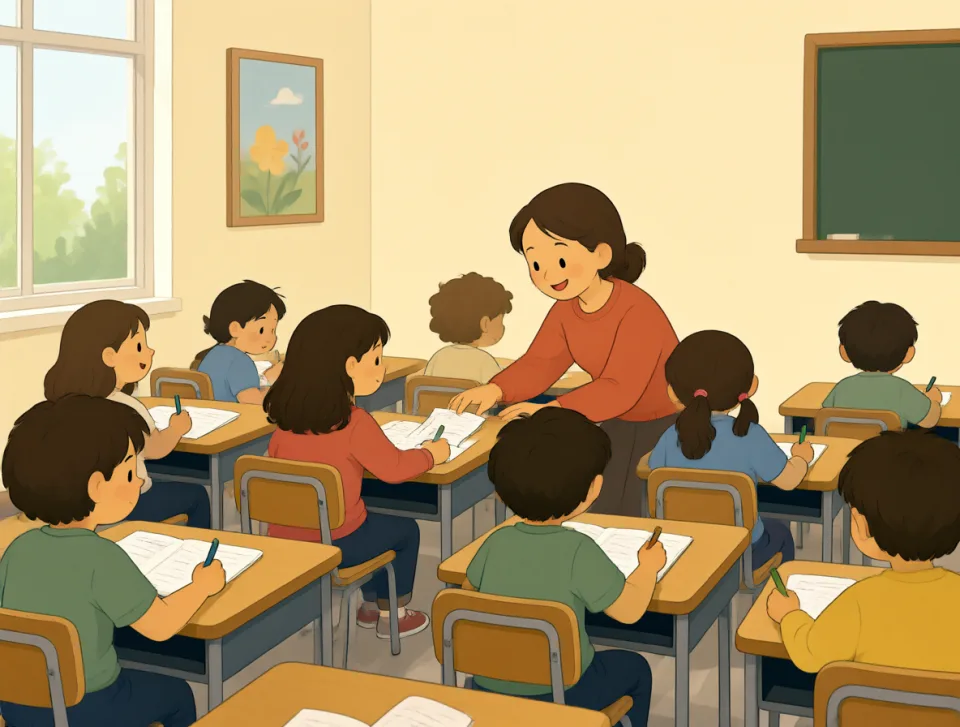
The school made economic use of space.
স্কুলটি জায়গার সাশ্রয়ী ব্যবহার করেছে।

Economic changes raised food prices.
অর্থনৈতিক পরিবর্তনের কারণে খাবারের দাম বেড়েছে।
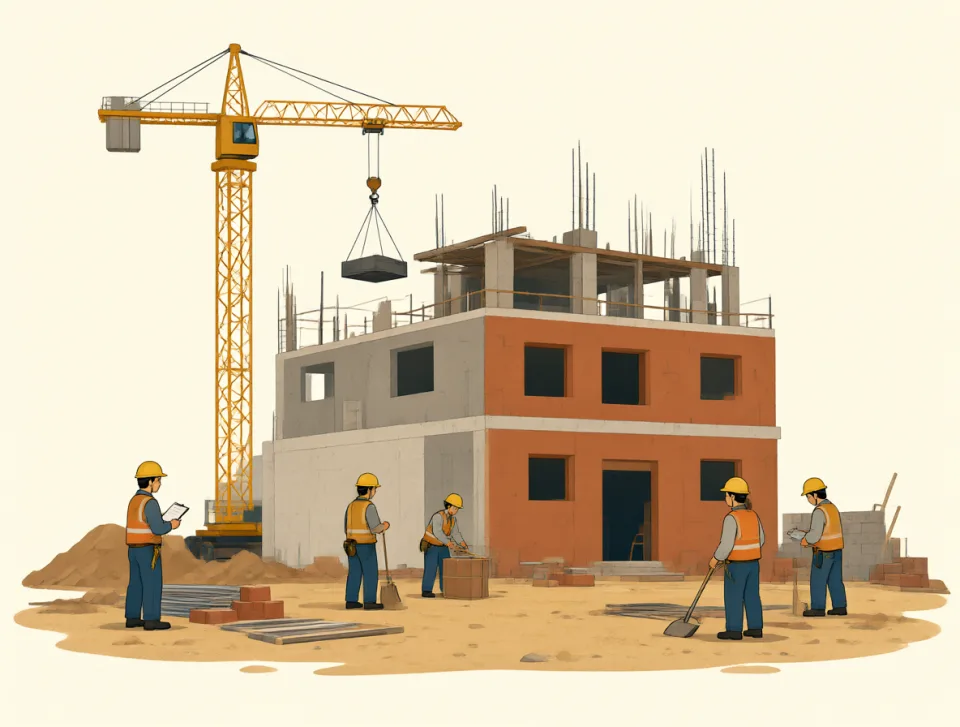
site
#494noun
স্থান
A place where something happens or where something is built.
যে জায়গায় কিছু ঘটে বা কিছু নির্মাণ করা হয়।
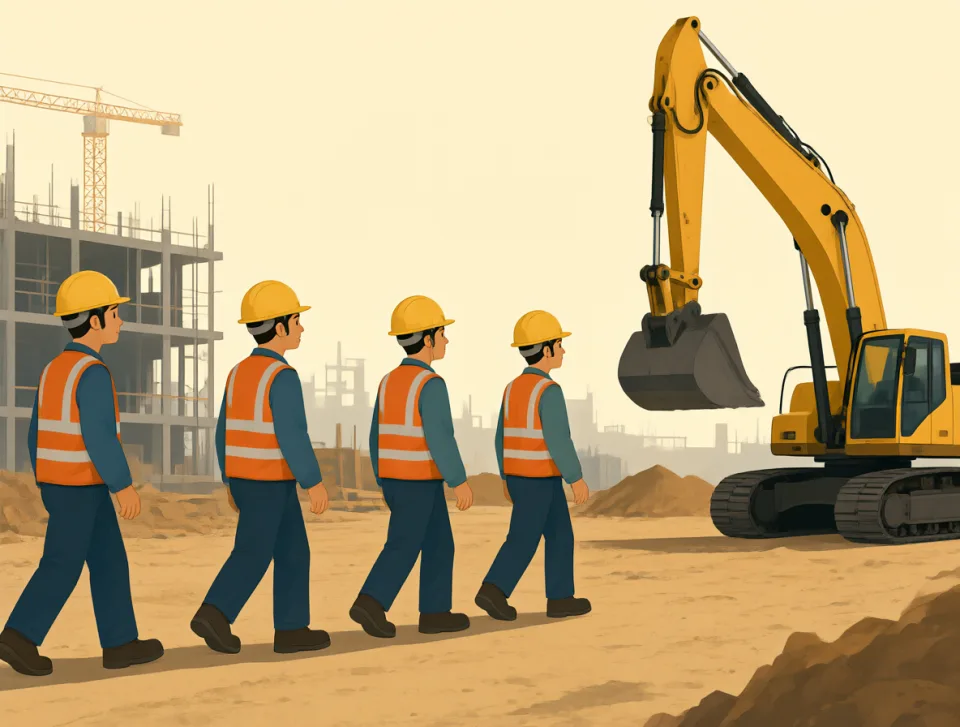
Workers arrived early at the building site.
নির্মাণস্থলে শ্রমিকেরা তাড়াতাড়ি পৌঁছেছেন।
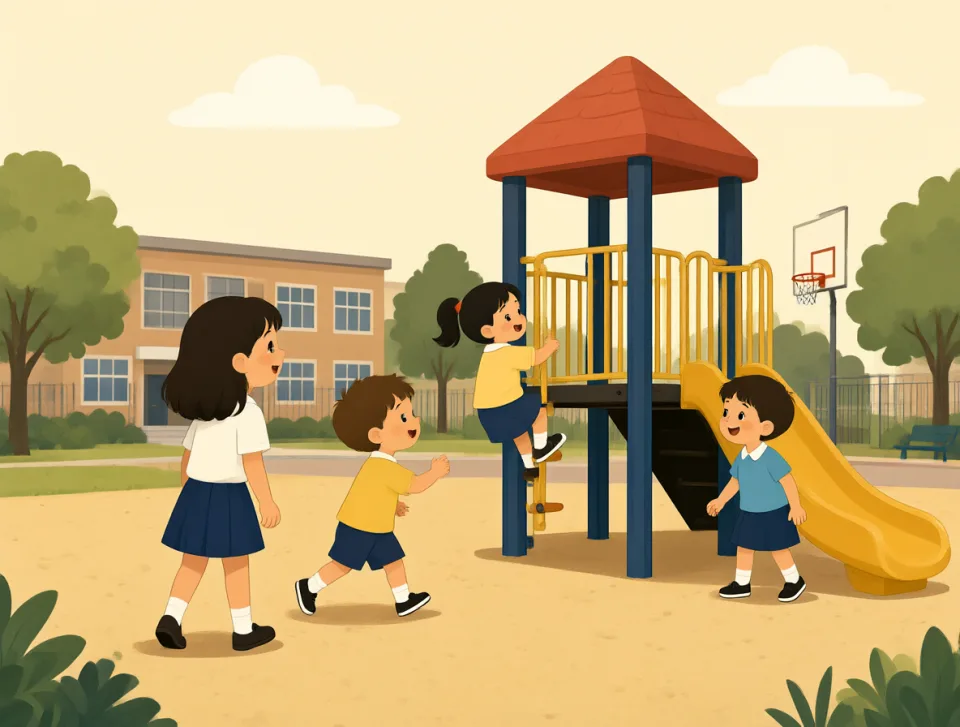
The school site has a new playground.
স্কুল প্রাঙ্গণে নতুন খেলার মাঠ হয়েছে।

We visited the historic site yesterday.
গতকাল আমরা ঐতিহাসিক স্থানটি দেখতে গিয়েছিলাম।

The campsite is near a quiet lake.
শিবিরস্থলটি একটি নিরিবিলি হ্রদের কাছে।

Please check the website for more information.
আরও তথ্যের জন্য ওয়েবসাইটটি দেখুন।
approach
#495noun, verb
পদ্ধতি
A way of dealing with something; to move closer to someone or something.
কোনো বিষয় সামলানোর উপায়; কারও বা কোনো কিছুর কাছে এগিয়ে যাওয়া।

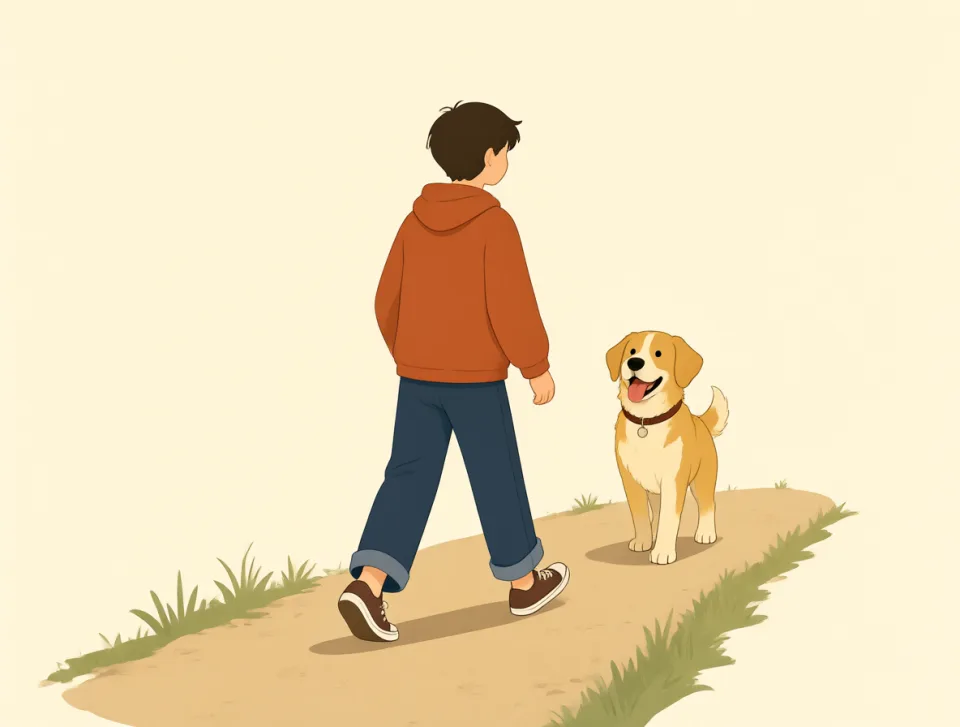
We need a new approach to this problem.
এই সমস্যার জন্য আমাদের নতুন একটি পদ্ধতি দরকার।
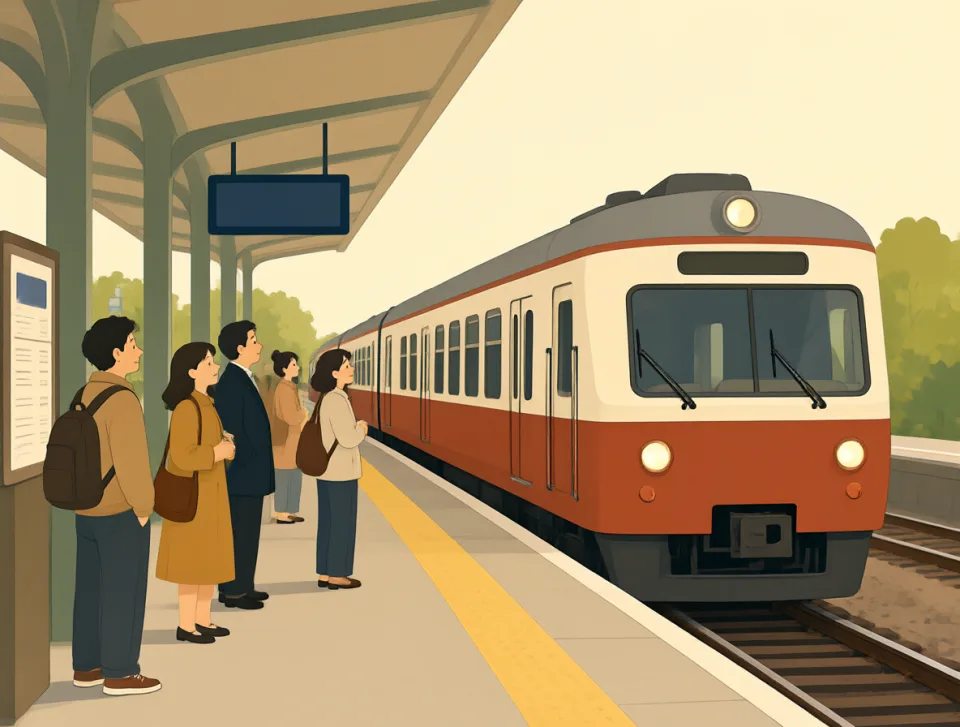
The train is approaching the station.
ট্রেনটি স্টেশনের কাছে আসছে।
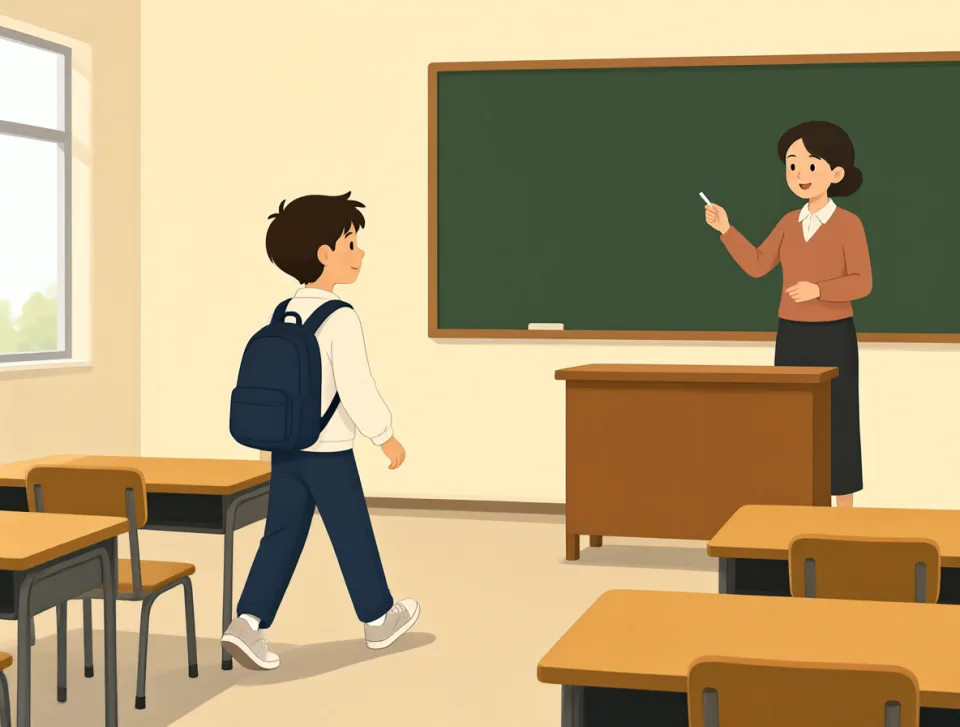
She approached the teacher after class.
ক্লাসের পর সে শিক্ষকের কাছে গেল।

He used a gentle approach with the sick child.
অসুস্থ শিশুটির সঙ্গে সে কোমলভাবে আচরণ করেছিল।

The waiter approached our table with menus.
ওয়েটার মেনু হাতে আমাদের টেবিলের কাছে এলেন।
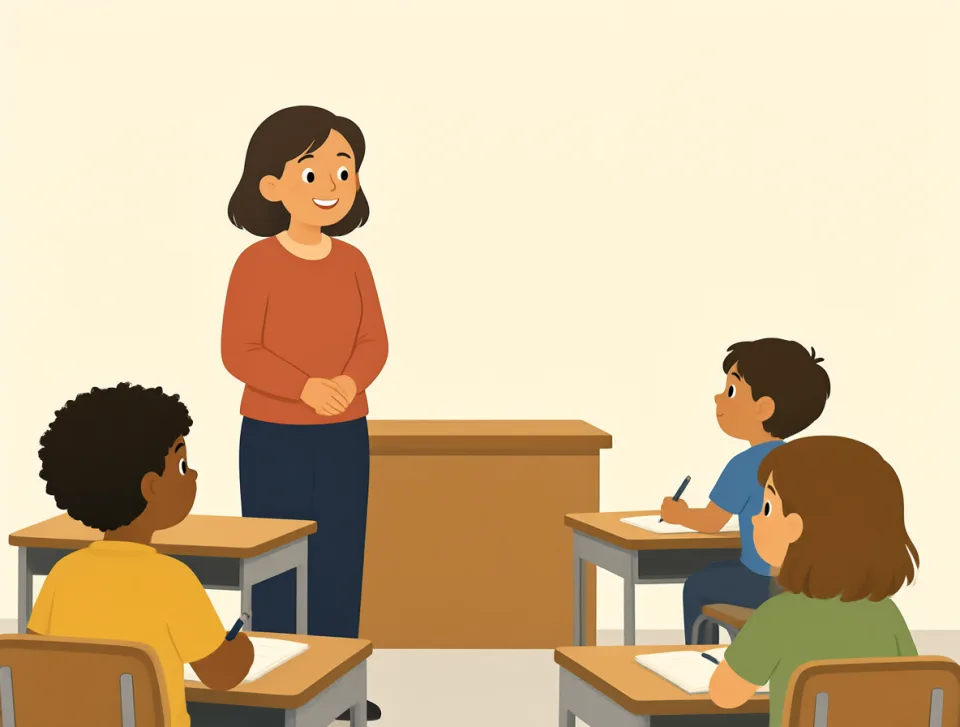
teacher
#496noun
শিক্ষক
A person who helps students learn, usually at a school.
যিনি শিক্ষার্থীদের শিখতে সাহায্য করেন, সাধারণত কোনো স্কুলে।
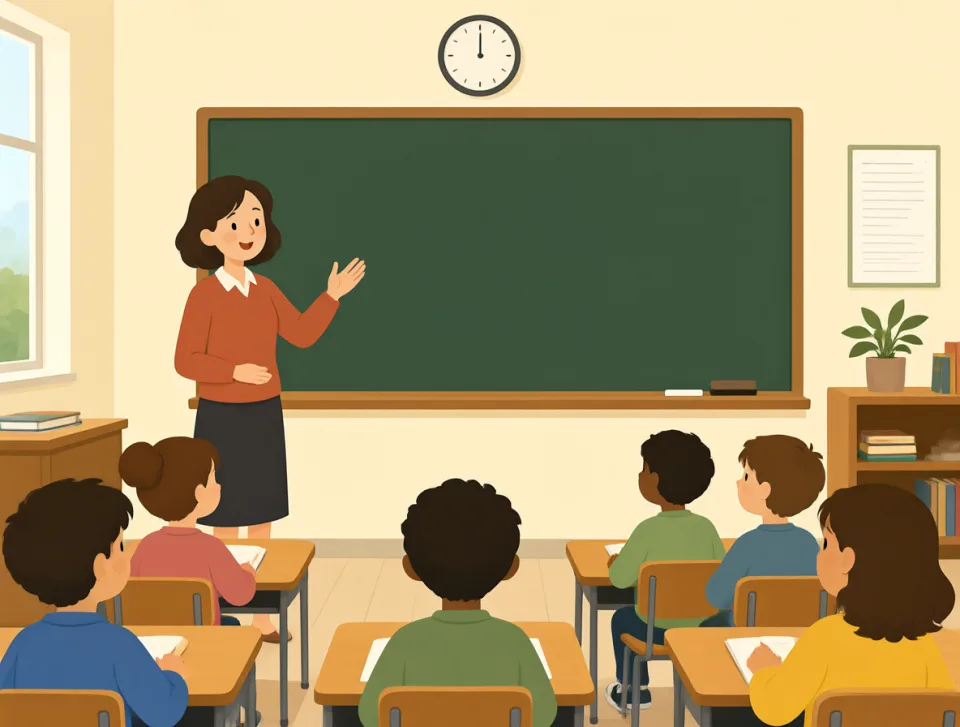
Our teacher explains the lesson clearly.
আমাদের শিক্ষক পাঠটি স্পষ্টভাবে বুঝিয়ে দেন।

The teacher checked our homework yesterday.
শিক্ষক গতকাল আমাদের বাড়ির কাজ দেখেছিলেন।

My English teacher gives us useful advice.
আমার ইংরেজির শিক্ষক আমাদের দরকারি পরামর্শ দেন।

The teacher called my parents after school.
স্কুল ছুটির পর শিক্ষক আমার বাবা-মাকে ফোন করেছিলেন।

She wants to become a teacher someday.
সে একদিন শিক্ষক হতে চায়।

land
#497noun, verb
জমি; অবতরণ করা
The solid ground of the Earth, or to arrive somewhere after traveling.
পৃথিবীর কঠিন ভূ-পৃষ্ঠ, অথবা ভ্রমণ শেষে কোথাও এসে পৌঁছানো।

The plane landed safely at the airport.
বিমানটি নিরাপদে বিমানবন্দরে অবতরণ করল।

We walked across the land to the river.
আমরা জমির ওপর দিয়ে হেঁটে নদীর কাছে গেলাম।

They bought land to build a house.
বাড়ি বানানোর জন্য তারা জমি কিনেছিল।
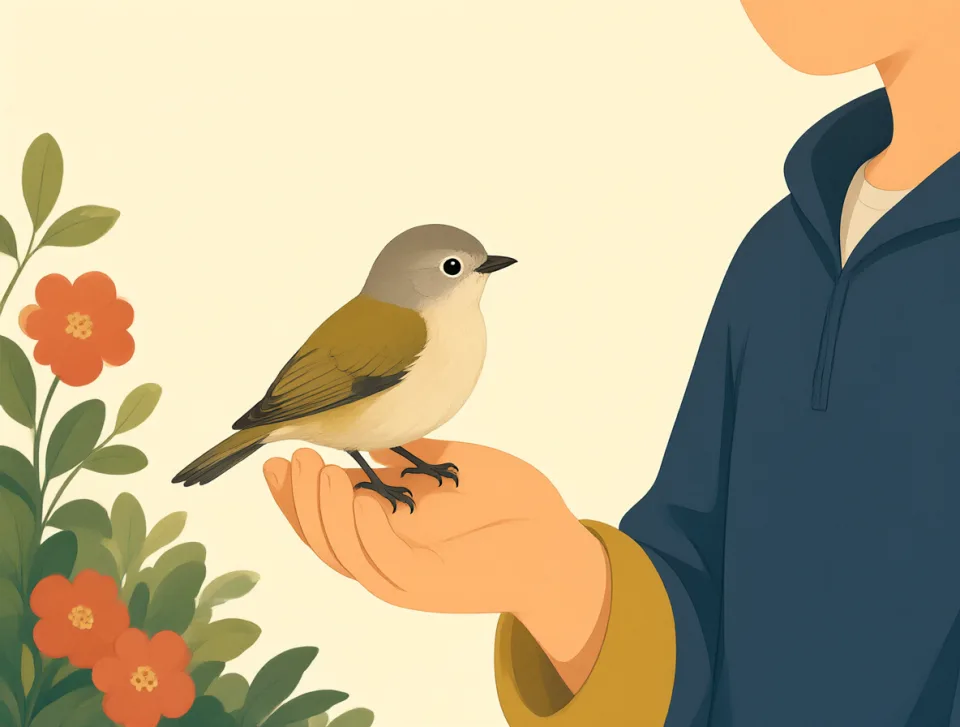
The bird landed on my hand.
পাখিটি আমার হাতে এসে বসল।

A fly landed in my soup.
একটি মাছি আমার স্যুপে এসে বসল।
charge
#498noun, verb
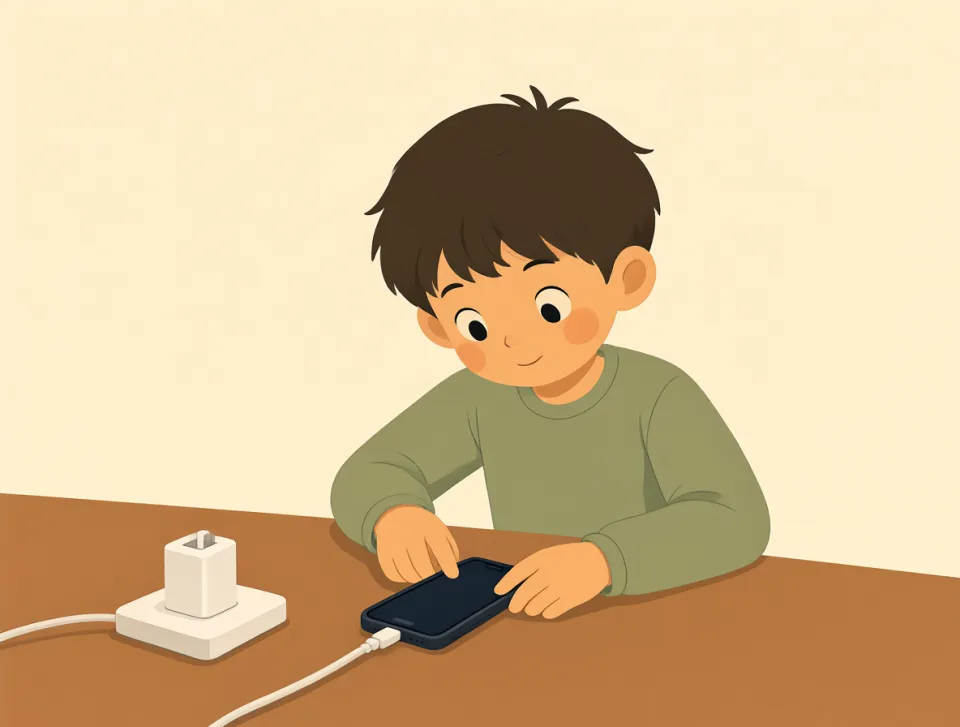
টাকা নেওয়া; চার্জ করা; অভিযুক্ত করা
To ask for money, fill a battery, or officially accuse someone of a crime.
টাকার বিনিময়ে কিছু দেওয়া, ব্যাটারিতে চার্জ দেওয়া, অথবা কাউকে আনুষ্ঠানিকভাবে কোনো অপরাধে অভিযুক্ত করা।

The hotel charged us for breakfast.
হোটেলটি নাশতার জন্য আমাদের কাছ থেকে টাকা নিয়েছিল।
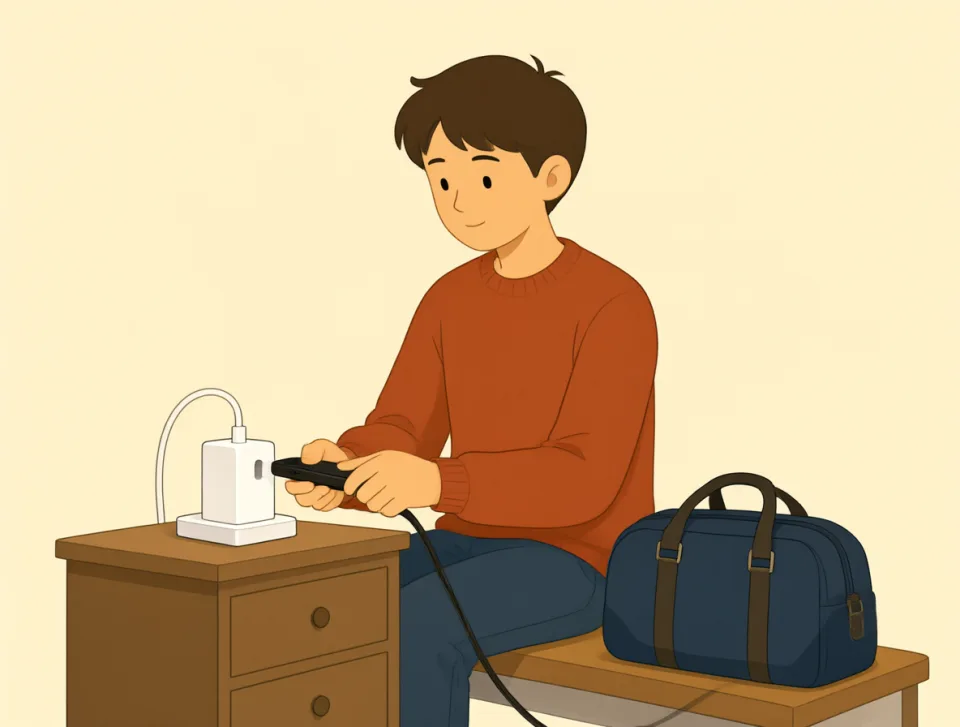
Please charge my phone before the trip.
ভ্রমণের আগে দয়া করে আমার ফোনে চার্জ দিন।

There is no extra charge for delivery.
ডেলিভারির জন্য কোনো অতিরিক্ত খরচ নেই।

The police charged him with stealing money.
পুলিশ তাকে টাকা চুরির অভিযোগে অভিযুক্ত করেছিল।
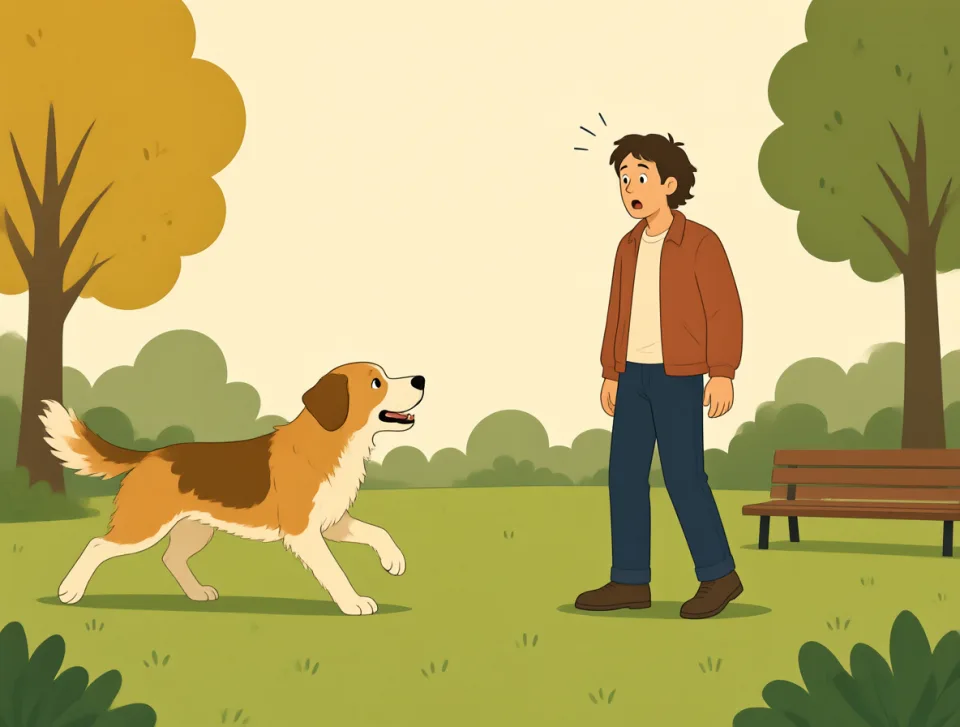
The dog charged at the stranger.
কুকুরটি অপরিচিত লোকটির দিকে তেড়ে গেল।
finally
#499adverb
অবশেষে
at the end of a long wait or after everything else has happened
দীর্ঘ অপেক্ষার শেষে বা অন্য সবকিছু ঘটে যাওয়ার পর।
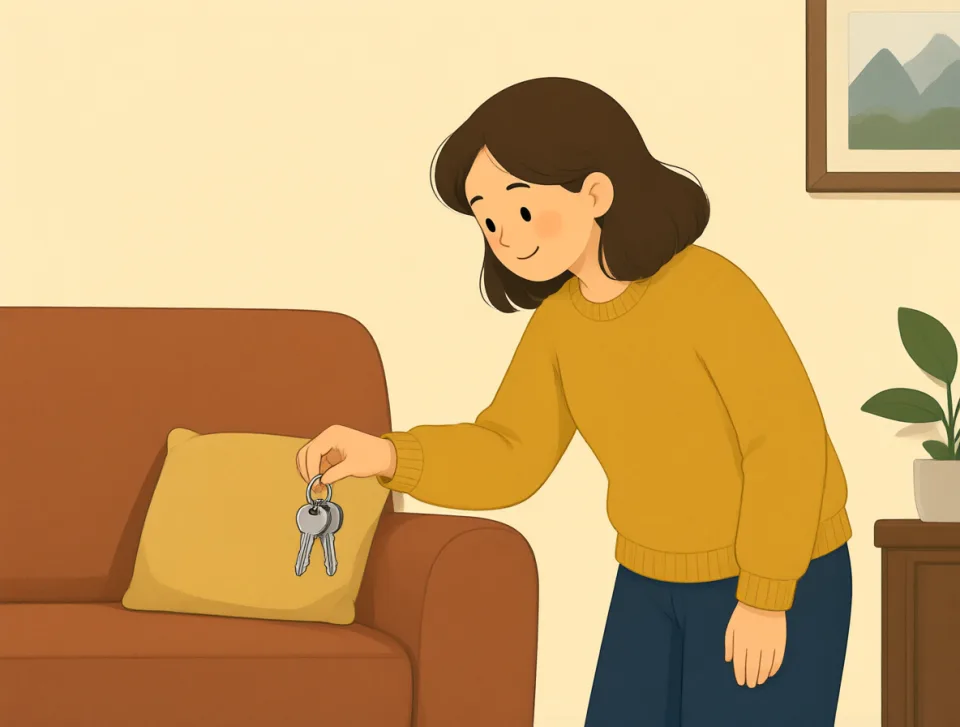
She finally found her lost keys.
সে অবশেষে তার হারানো চাবিগুলো খুঁজে পেল।

We finally arrived at the hotel.
আমরা অবশেষে হোটেলে পৌঁছালাম।

He finally finished his homework.
সে অবশেষে তার বাড়ির কাজ শেষ করল।
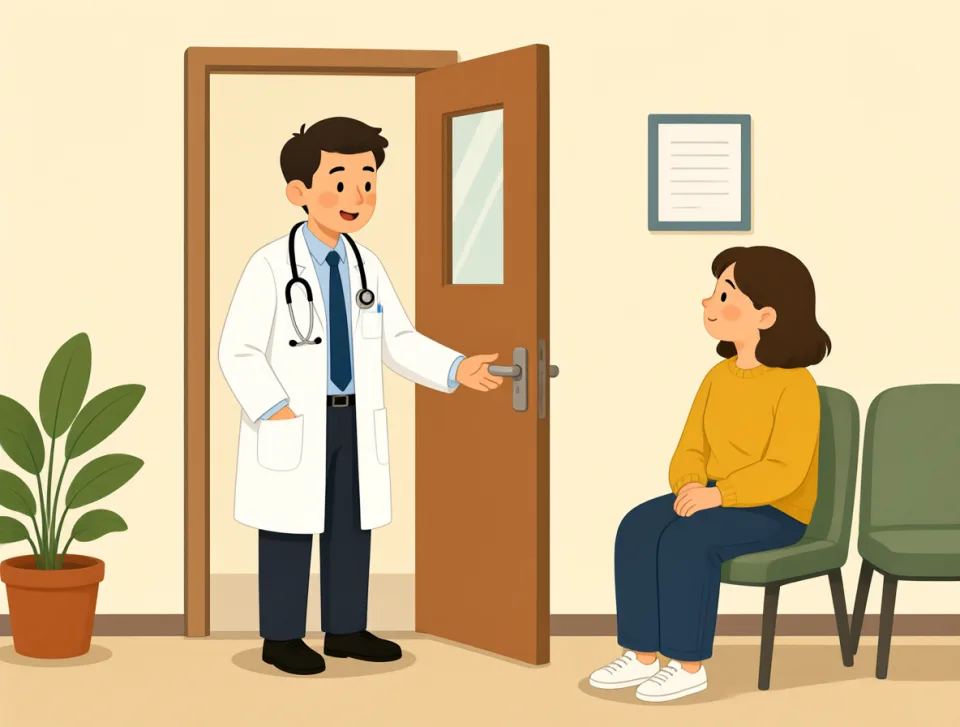
The doctor finally called my name.
ডাক্তার অবশেষে আমার নাম ধরে ডাকলেন।

They finally agreed to meet tomorrow.
তারা অবশেষে আগামীকাল দেখা করতে রাজি হলো।
sign
#500noun, verb
চিহ্ন; স্বাক্ষর করা
A mark or action that gives information, or to write your name on something.
তথ্য জানায় এমন কোনো চিহ্ন বা কাজ, অথবা কোনো কিছুর ওপর নিজের নাম লেখা।
The sign says, “Keep the door closed.”
চিহ্নটিতে লেখা আছে, “দরজাটি বন্ধ রাখুন।”
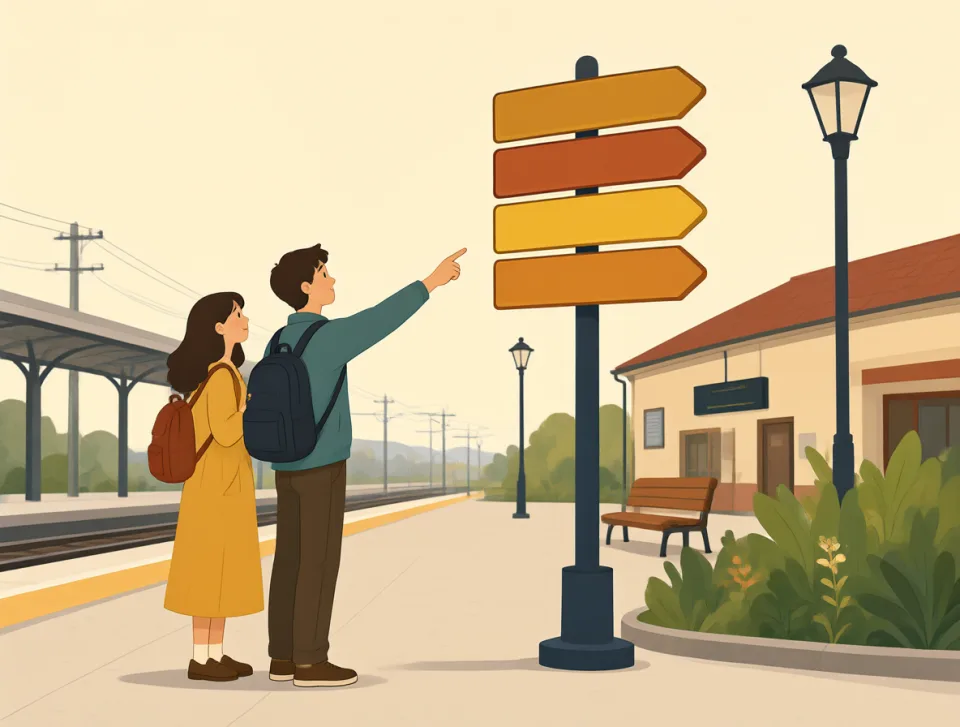
We saw a sign for the train station.
আমরা ট্রেন স্টেশনের দিকনির্দেশক একটি চিহ্ন দেখেছিলাম।

Please sign your name at the bottom.
দয়া করে নিচে আপনার নাম স্বাক্ষর করুন।

She signed a contract at work.
সে কর্মস্থলে একটি চুক্তিতে স্বাক্ষর করেছিল।

His smile was a sign of happiness.
তার হাসি ছিল আনন্দের চিহ্ন।