الوحدة 25
الكلمات من 481 إلى 500 · draw, white, date, practice, model, raise
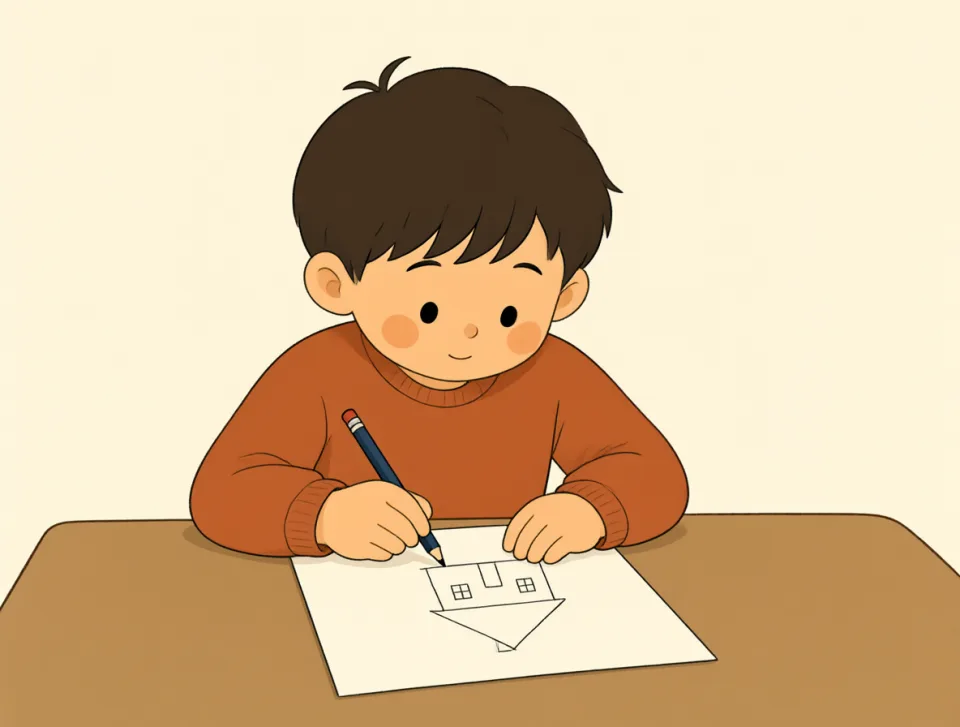
draw
#481verb, noun
يرسم؛ يسحب؛ يختار عشوائيًا
to make a picture, pull something, or choose a name by chance
أن يصنع صورة، أو يسحب شيئًا، أو يختار اسمًا بالقرعة.
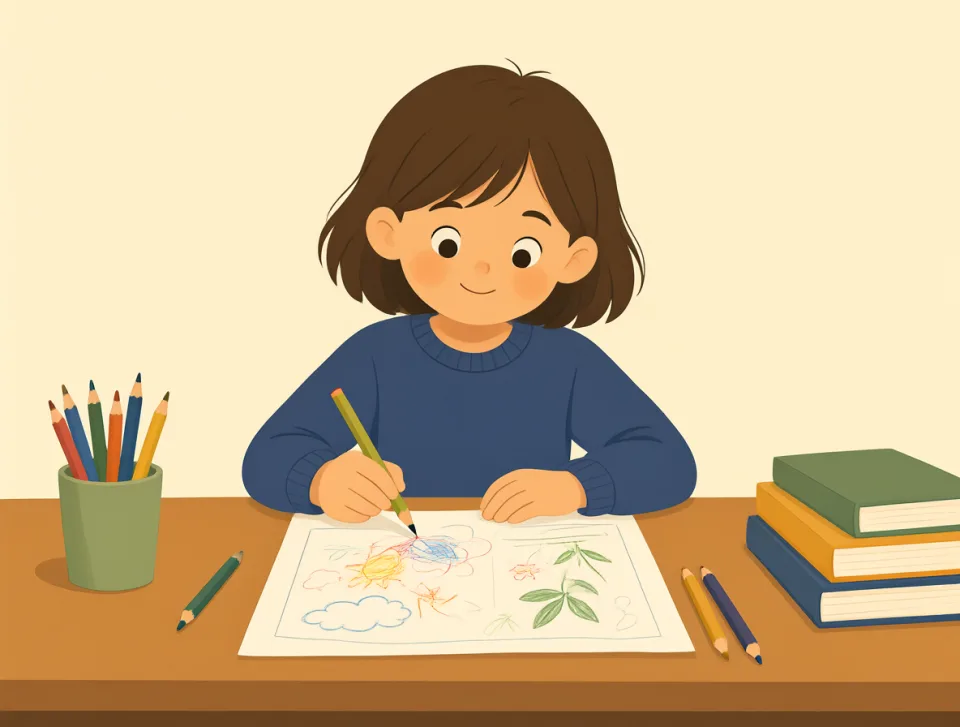
She likes to draw pictures after school.
تحب أن ترسم الصور بعد المدرسة.

Please draw the curtains before you leave.
يُرجى سحب الستائر قبل المغادرة.
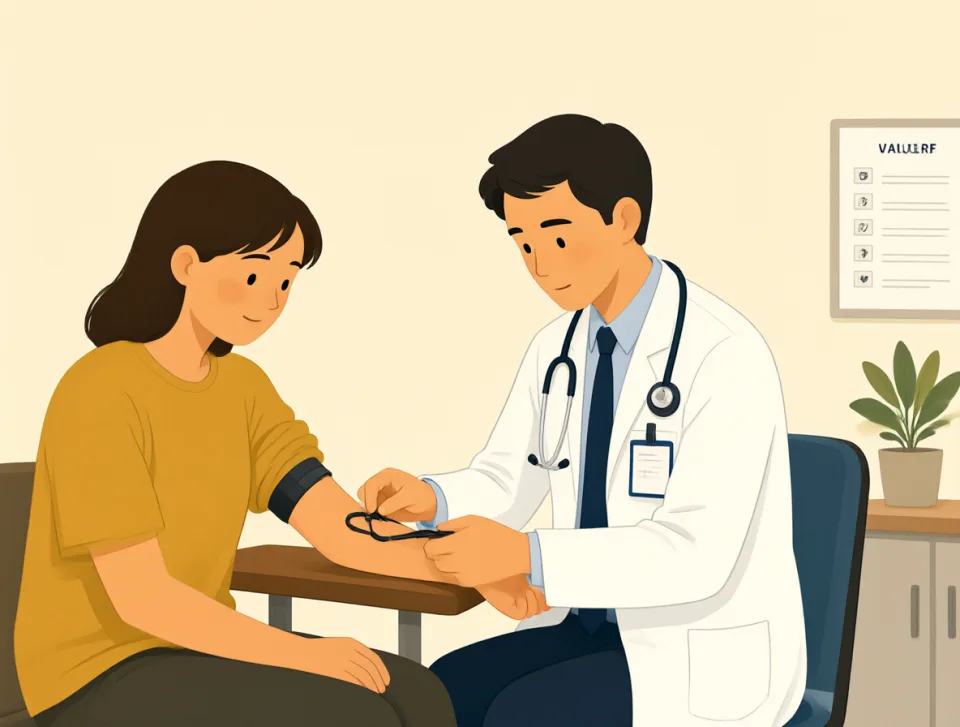
The doctor drew blood from my arm.
سحب الطبيب الدم من ذراعي.
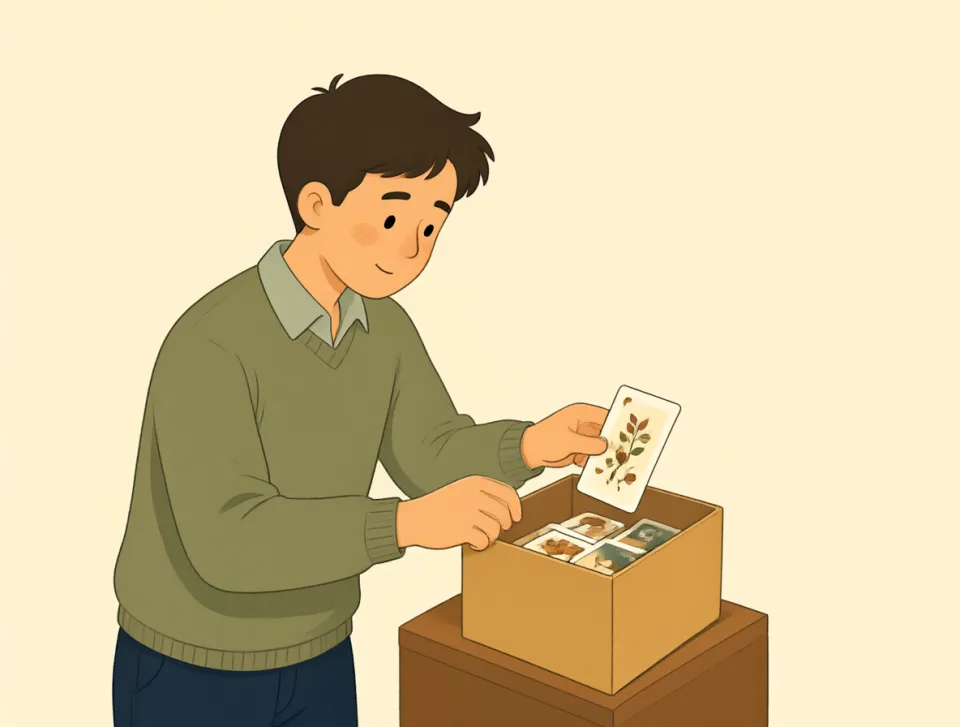
He drew a card from the box.
سحب بطاقة من الصندوق.
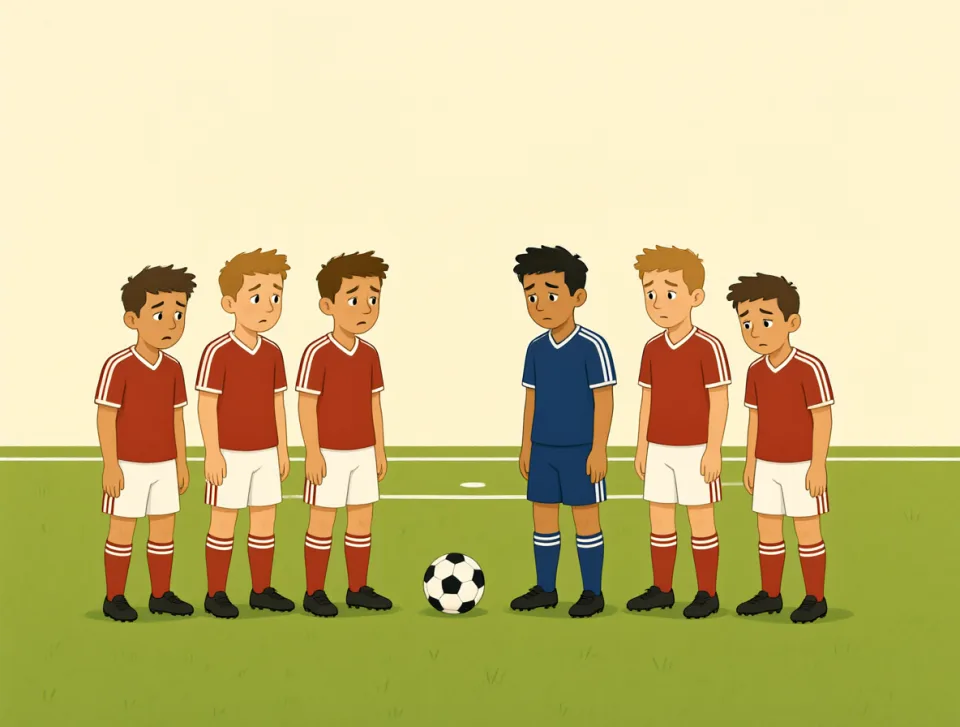
They drew the game yesterday.
تعادلوا في المباراة أمس.

white
#482adjective, noun
أبيض
Having the color of fresh snow or milk; the lightest color.
لونه مثل لون الثلج الطازج أو الحليب؛ وهو أفتح الألوان.

She wore a white shirt to work.
ارتدت قميصًا أبيض للعمل.

The white snow covered the garden.
غطى الثلج الأبيض الحديقة.
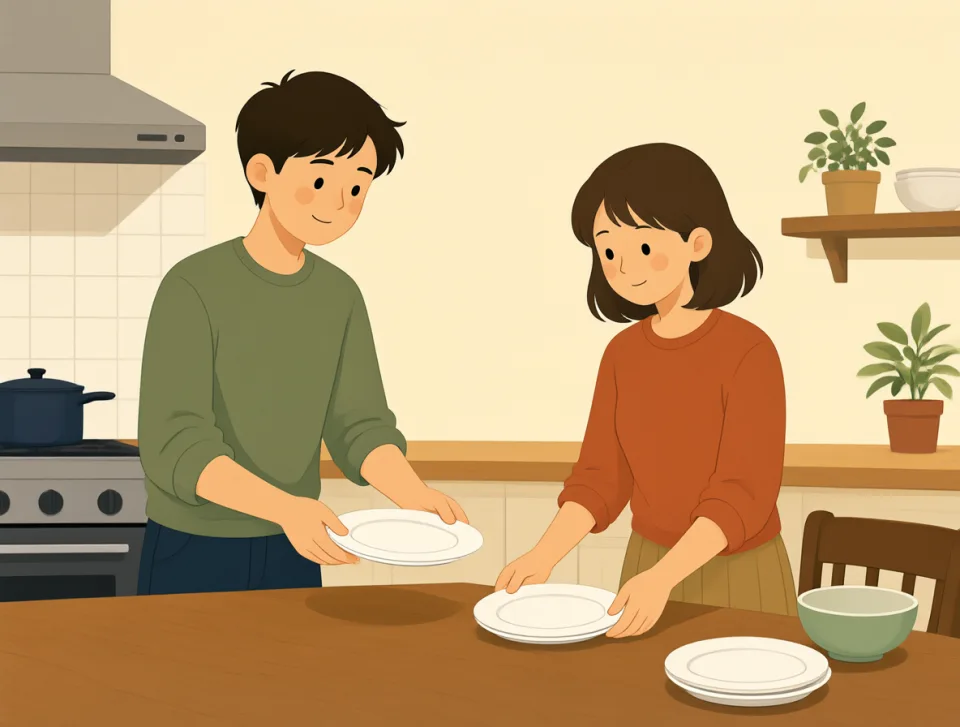
Please put the white plates here.
يُرجى وضع الأطباق البيضاء هنا.
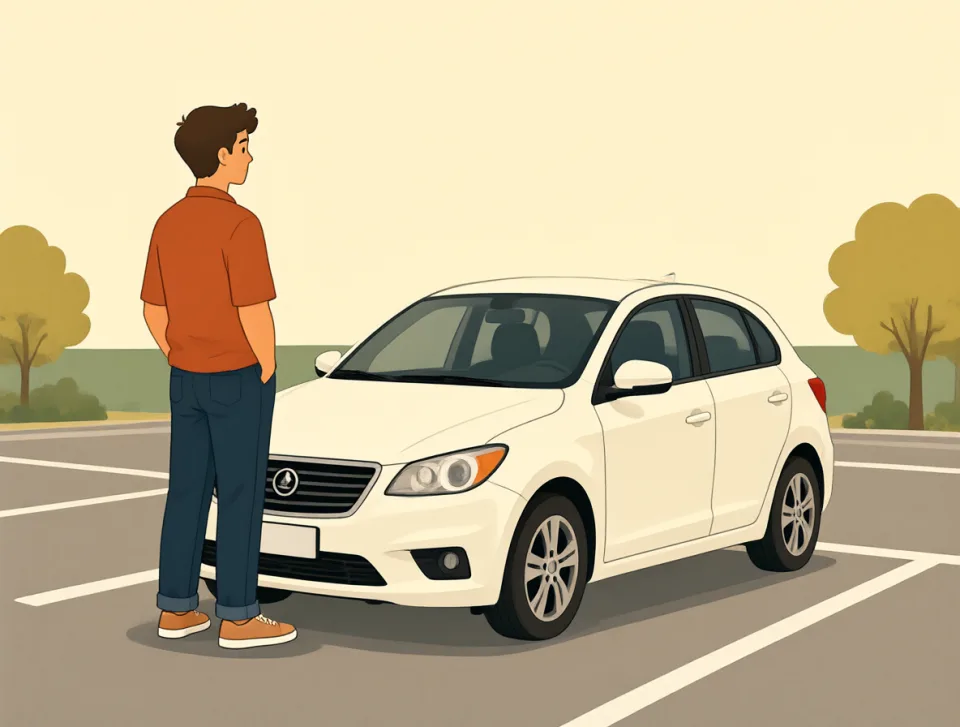
He bought a white car yesterday.
اشترى سيارة بيضاء أمس.
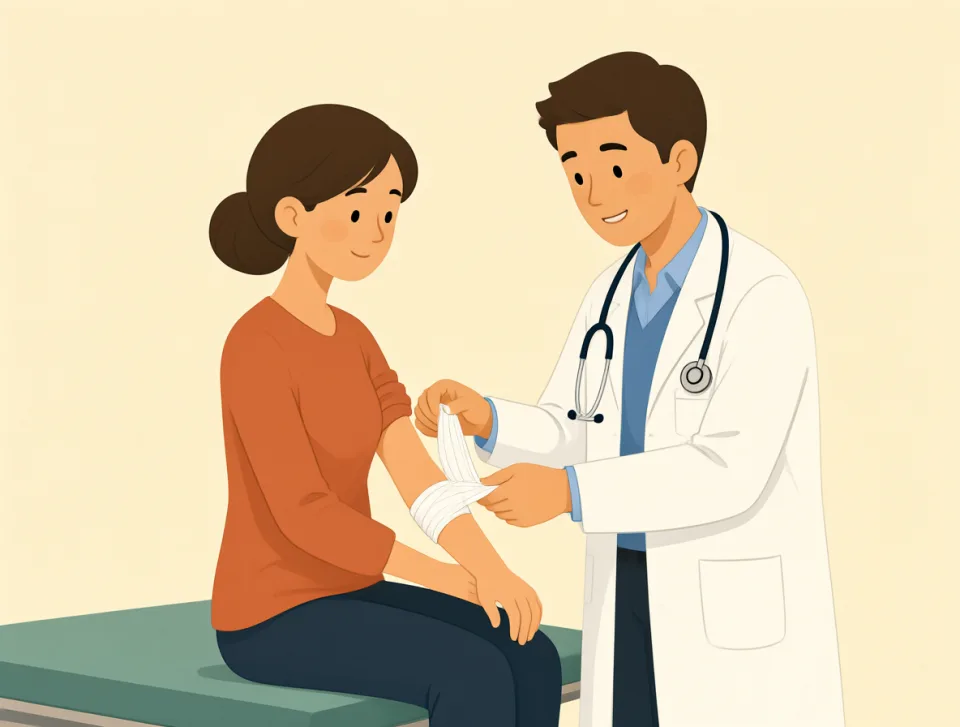
The doctor gave her a white bandage.
أعطاها الطبيب ضمادة بيضاء.

date
#483noun, verb
تاريخ؛ موعد غرامي
A day shown on a calendar, or a meeting with someone you like romantically.
يوم محدد في التقويم، أو لقاء مع شخص تحبه عاطفيًا.
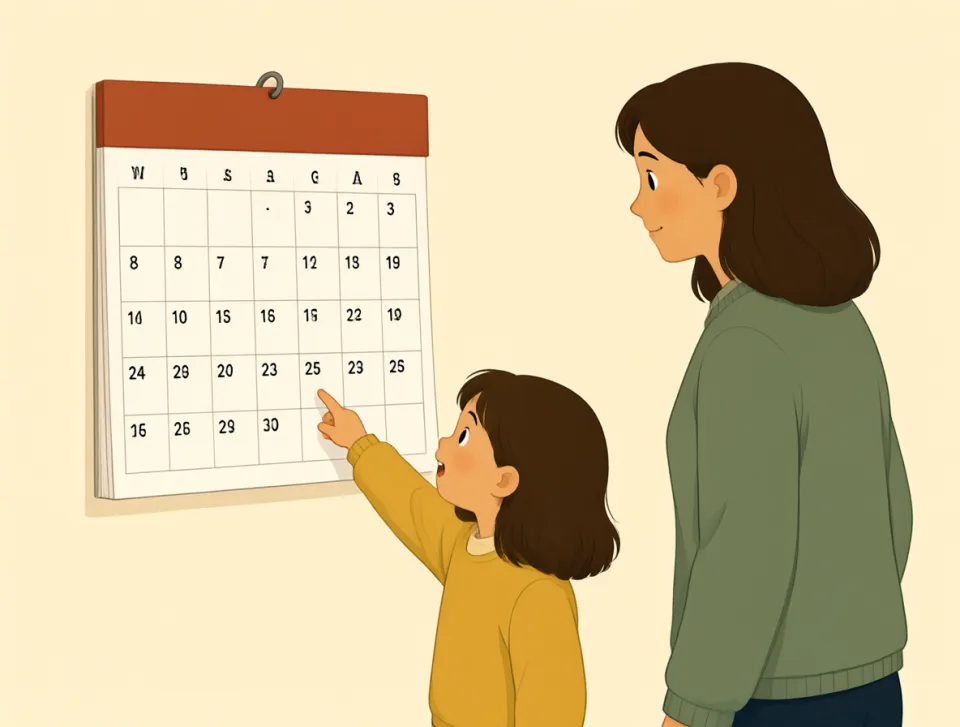
What is the date today?
ما تاريخ اليوم؟

Please write the date on this form.
يُرجى كتابة التاريخ في هذه الاستمارة.

Our wedding date is in June.
موعد زفافنا في يونيو.

I have a date with Anna tonight.
لدي موعد غرامي مع آنا الليلة.

We are dating and feel very happy.
نحن نتواعد ونشعر بسعادة كبيرة.
practice
#484noun, verb
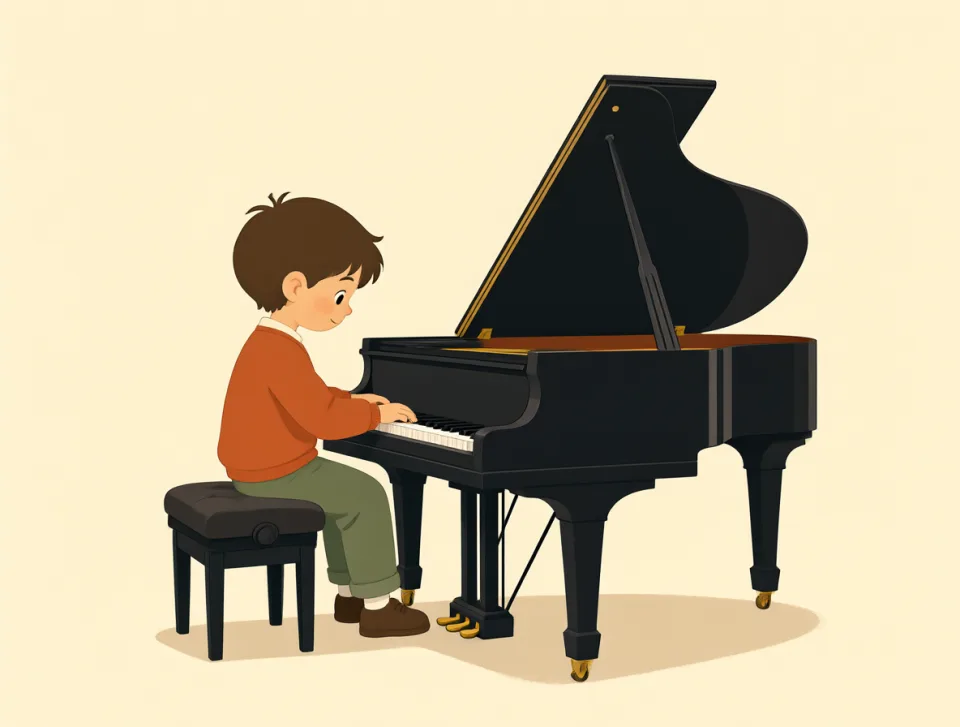
تدريب؛ ممارسة
Training or repeated activity that helps you improve a skill or become better at something.
تدريب أو نشاط متكرر يساعدك على تحسين مهارة أو إتقان شيء ما.

I practice English every day.
أمارس الإنجليزية كل يوم.
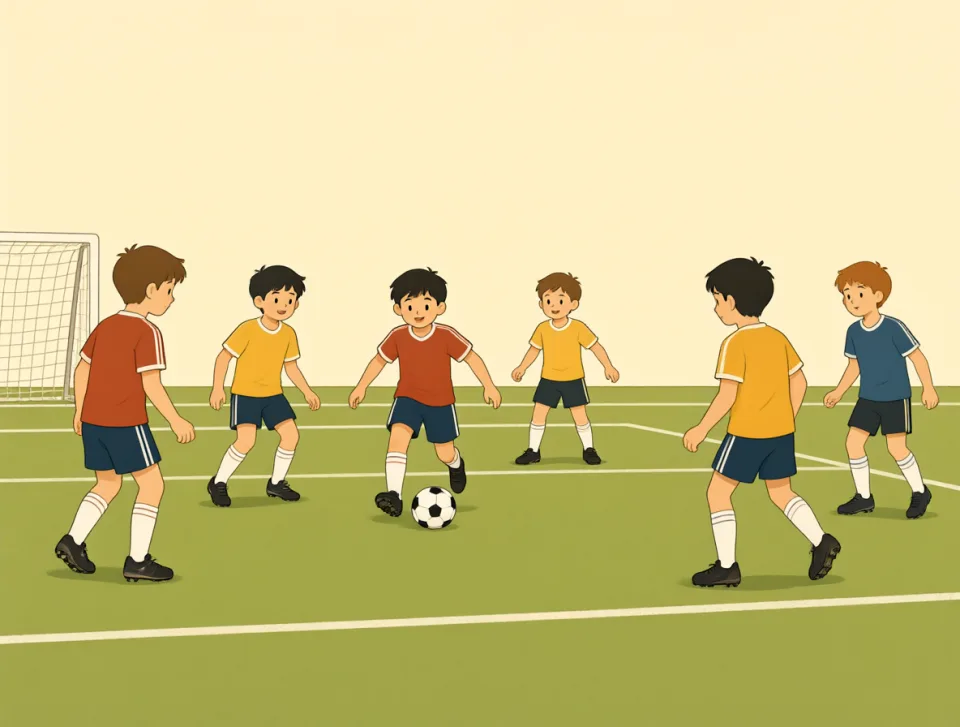
The team practiced before the game.
تدرّب الفريق قبل المباراة.

She needs more practice driving.
تحتاج إلى مزيد من التدريب على القيادة.
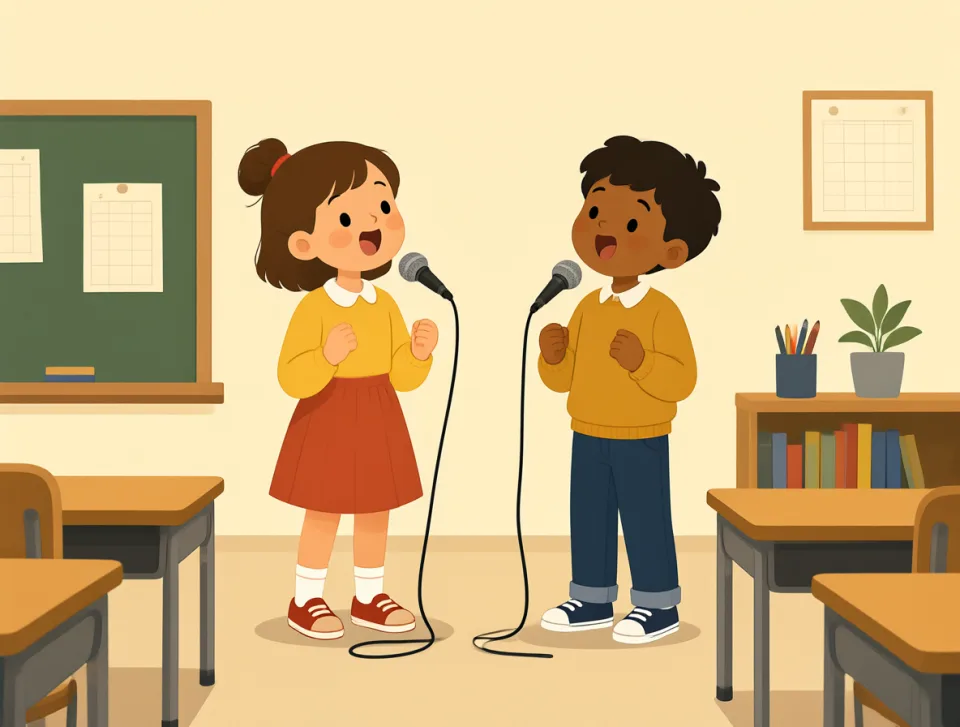
We practiced the song for school.
تدرّبنا على الأغنية من أجل المدرسة.
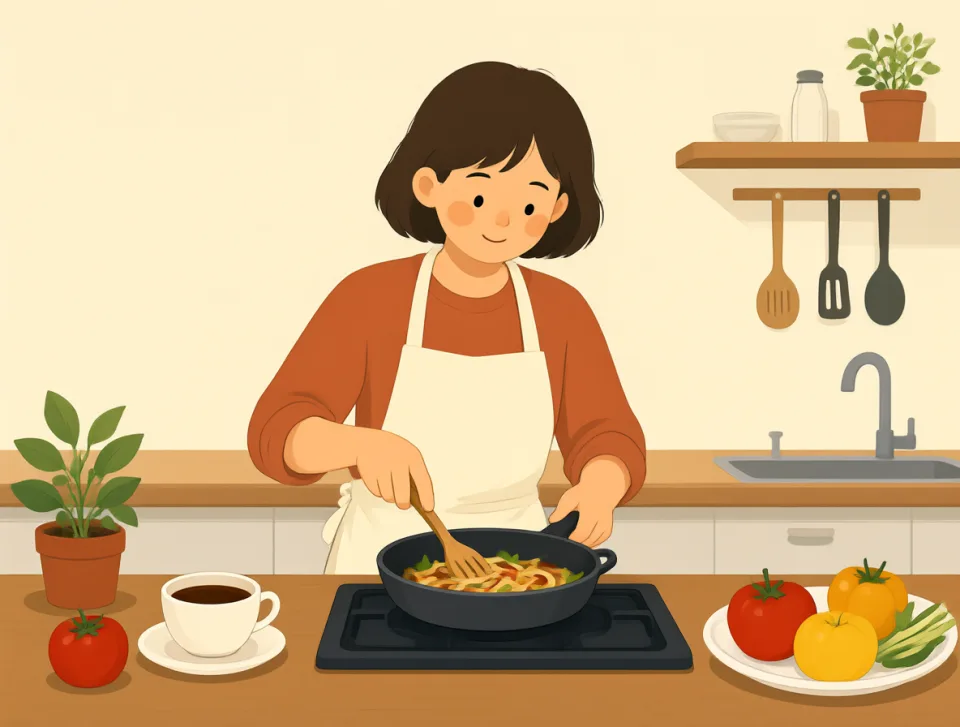
Practice makes you better at cooking.
الممارسة تحسّن مهارتك في الطهي.
model
#485noun, verb
نموذج؛ عارض أزياء
a person or thing used as an example, or a smaller copy of something
شخص أو شيء يُتخذ مثالًا، أو نسخة مصغرة من شيء ما.
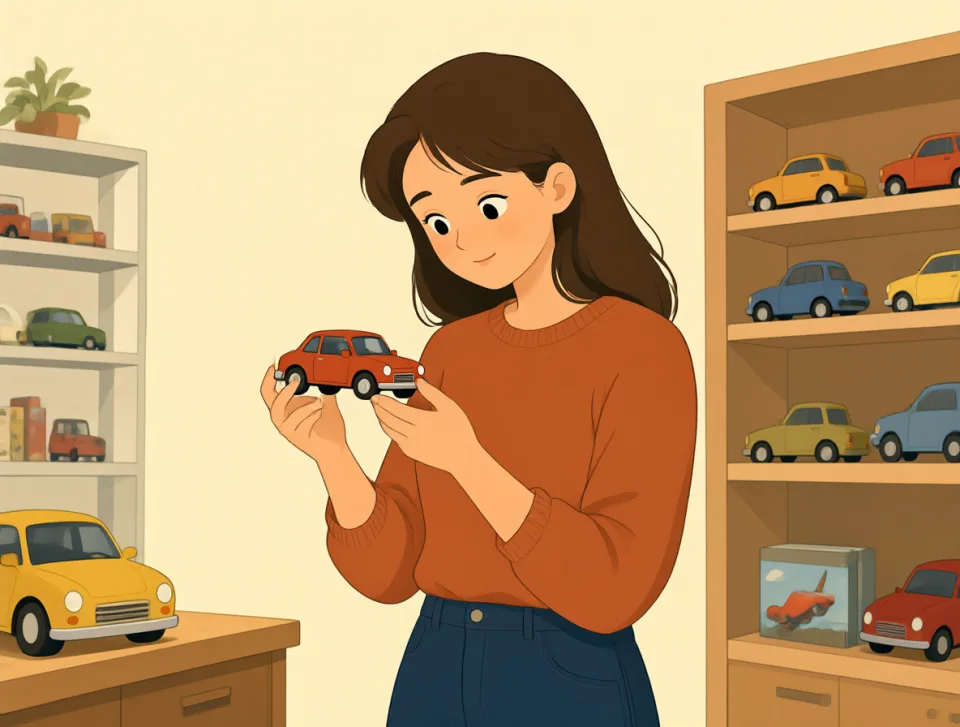
She bought a new car model yesterday.
اشترت طرازًا جديدًا من السيارات أمس.
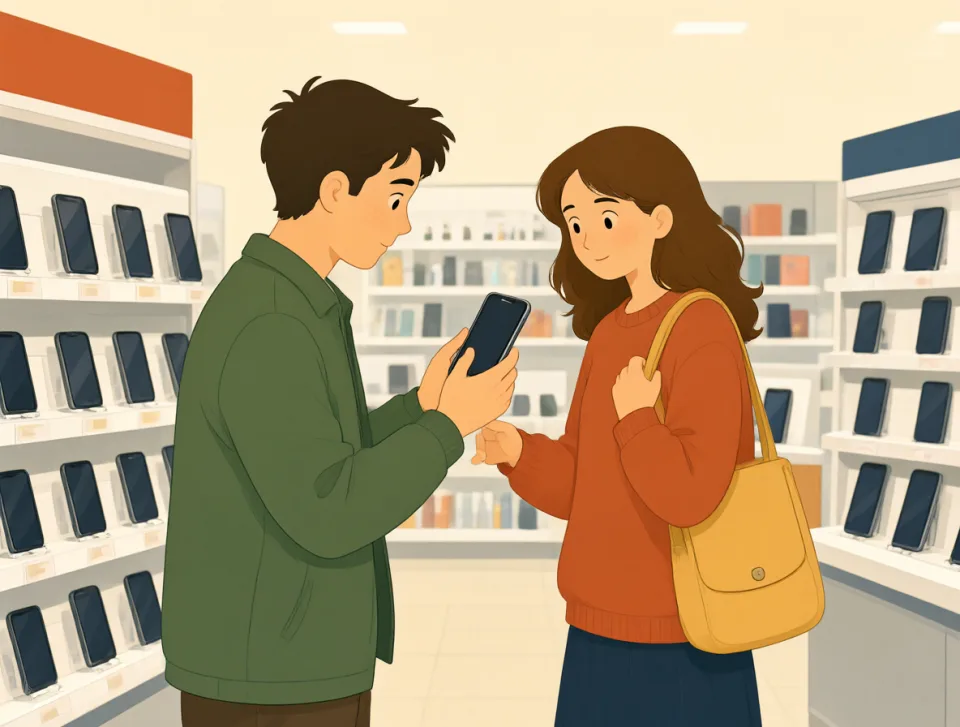
This model of phone has a good camera.
يتميز هذا الطراز من الهواتف بكاميرا جيدة.
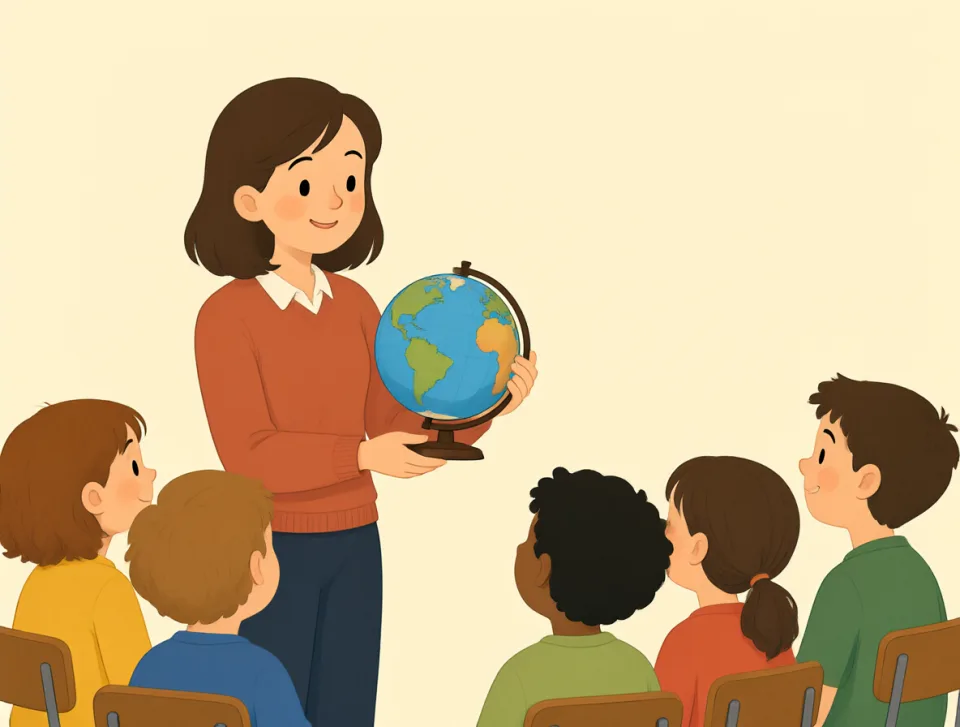
The teacher showed us a model of Earth.
عرض علينا المعلم نموذجًا للأرض.
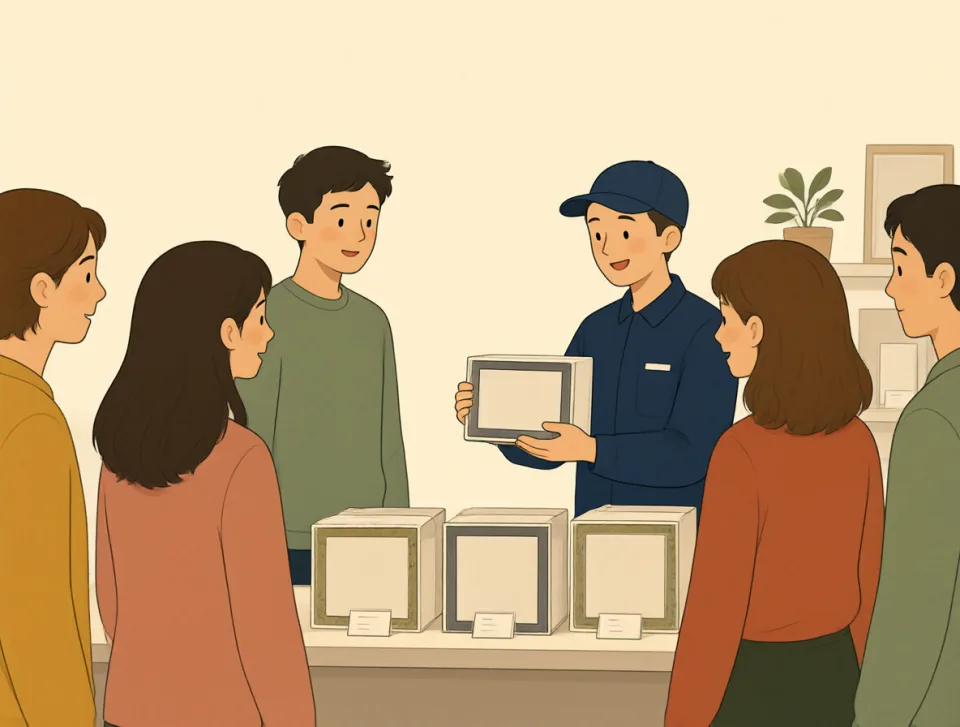
The company models its products for customers.
تعرض الشركة منتجاتها على العملاء.

She is a model for a clothing company.
هي عارضة أزياء لدى شركة ملابس.
raise
#486verb, noun
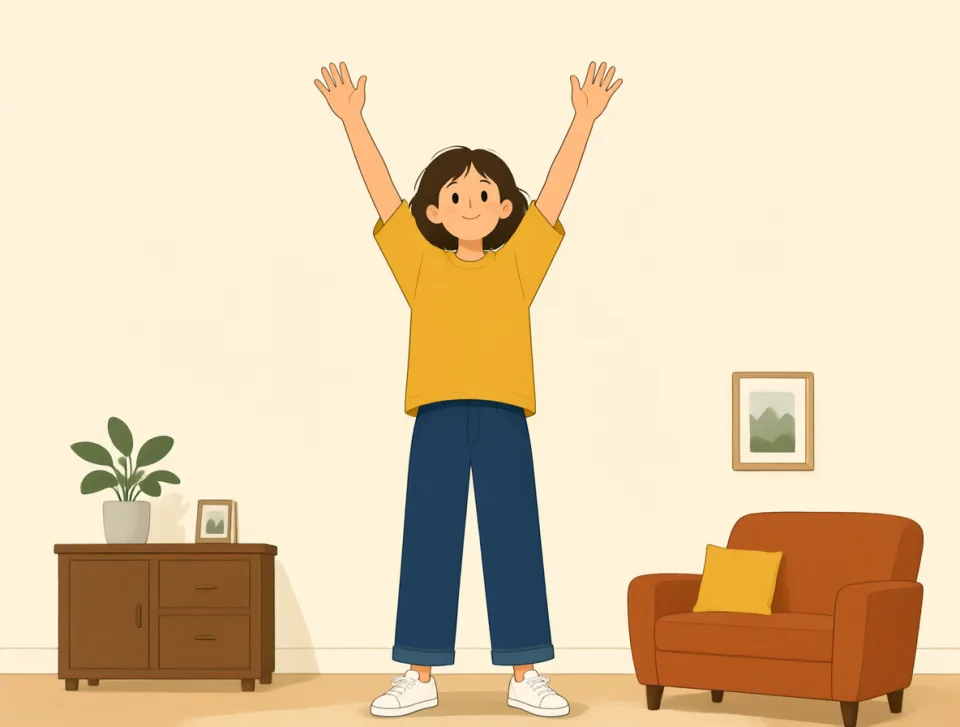
يرفع؛ يزيد؛ يجمع
to lift something, increase something, or collect money for a purpose
أن يرفع شيئًا، أو يزيد شيئًا، أو يجمع المال لغرض معين.
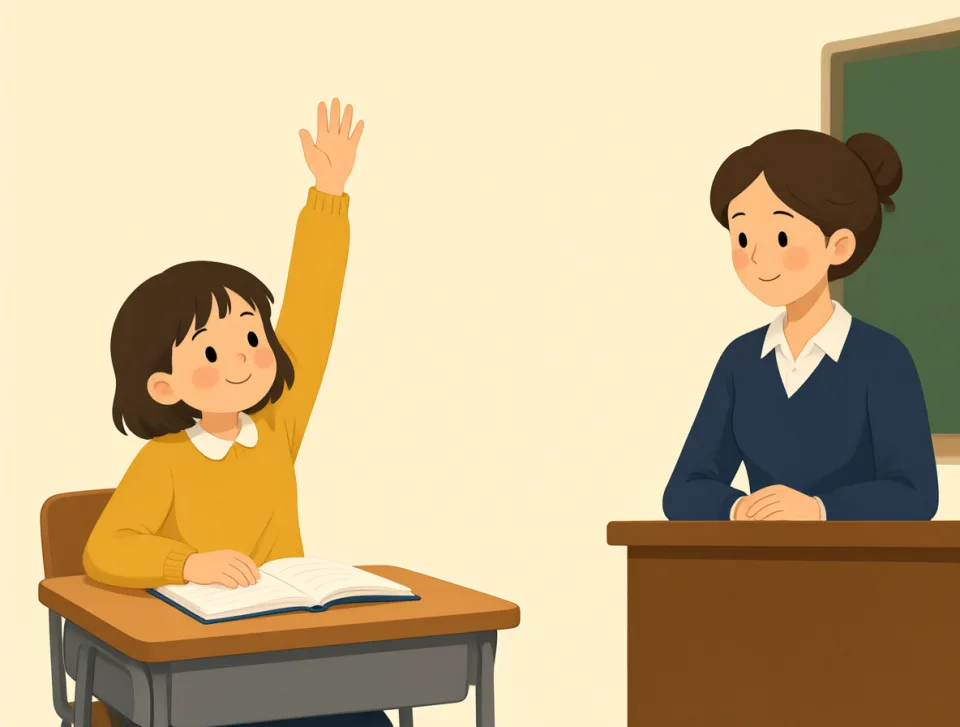
Please raise your hand before you speak.
يُرجى رفع يدك قبل أن تتكلم.
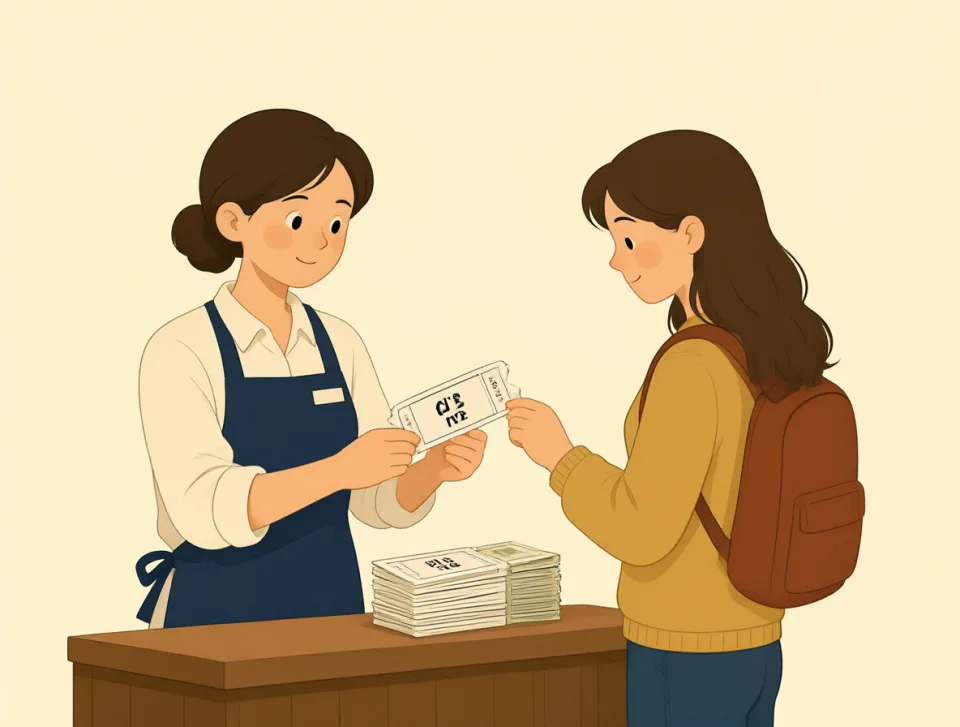
They raised the price of the tickets.
رفعوا أسعار التذاكر.
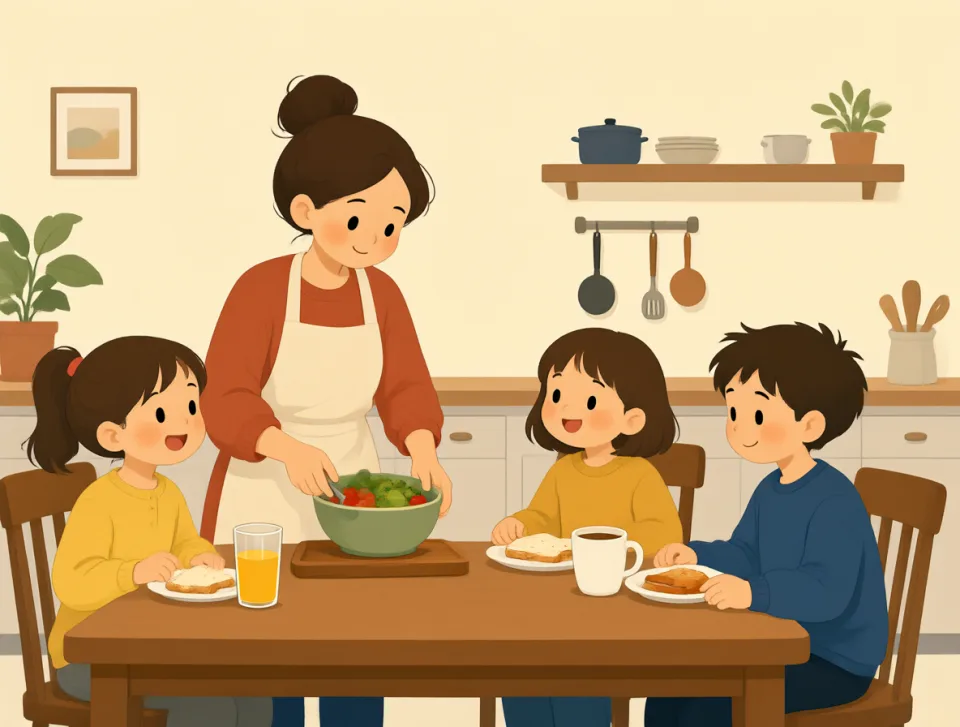
She raised three children alone.
ربّت ثلاثة أطفال بمفردها.
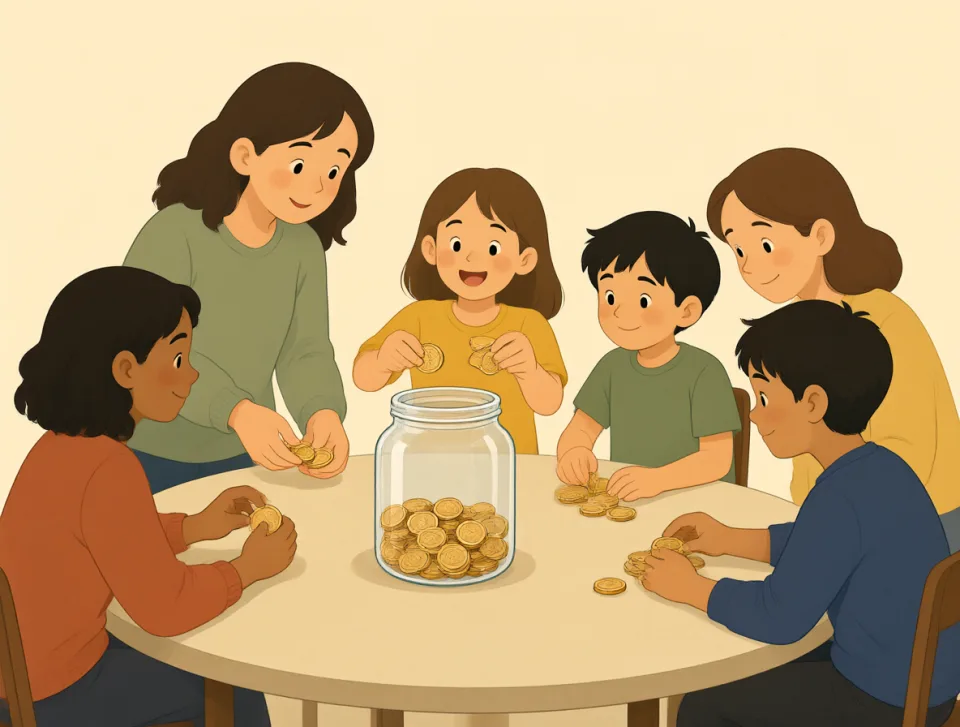
We are raising money for the hospital.
نجمع المال من أجل المستشفى.

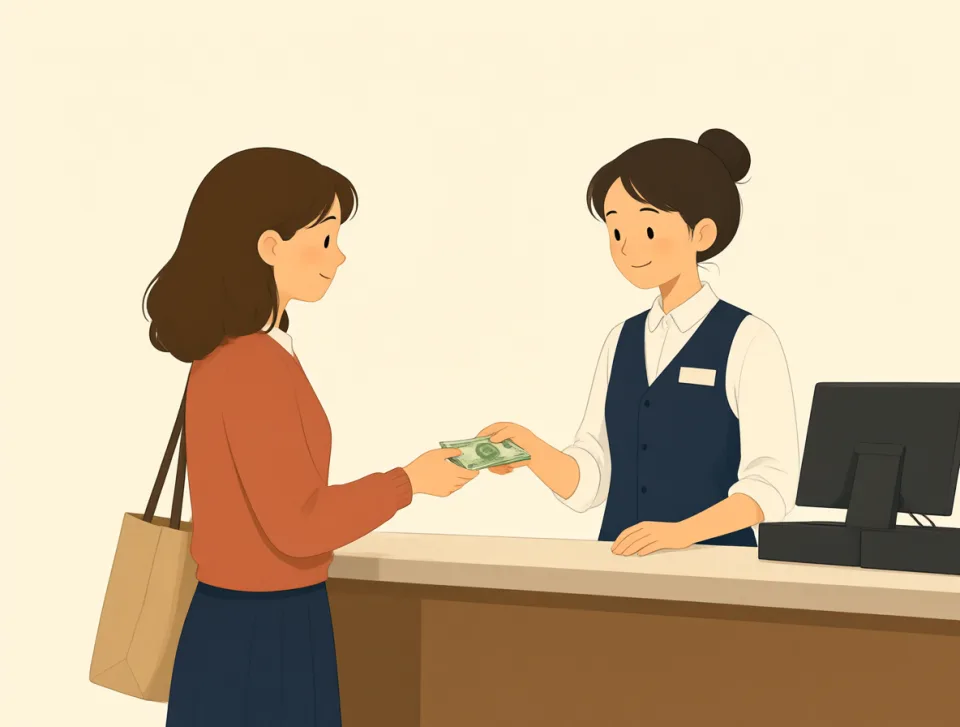
He got a pay raise at work.
حصل على زيادة في راتبه في العمل.
customer
#487noun
زبون
A person who buys goods or services from a business.
شخص يشتري سلعًا أو خدمات من شركة أو متجر.
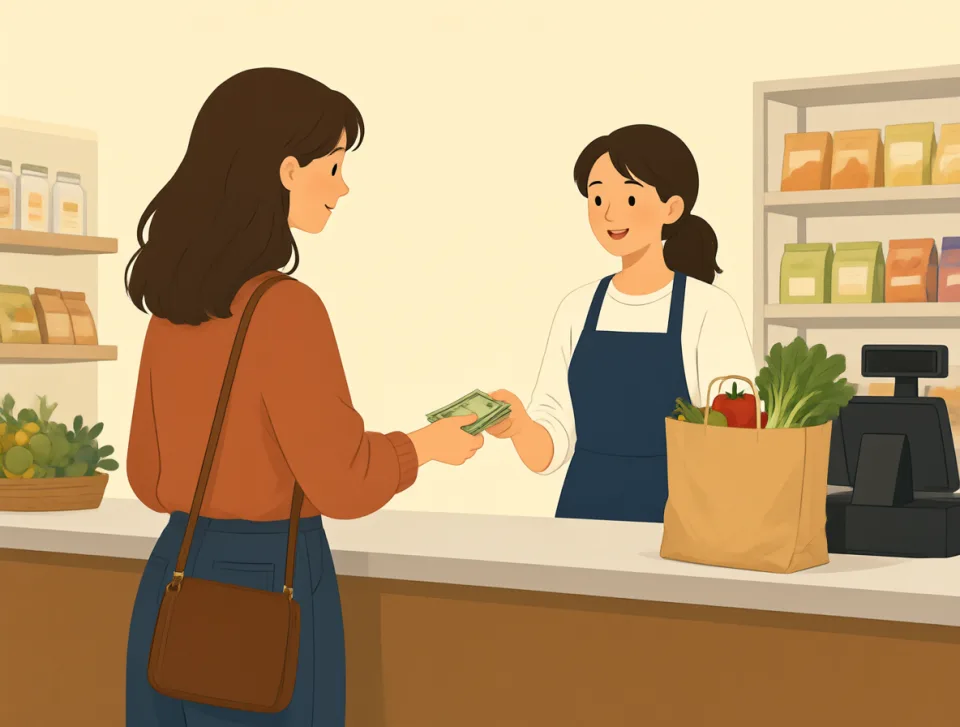
The customer paid for her groceries.
دفعت الزبونة ثمن مشترياتها من البقالة.
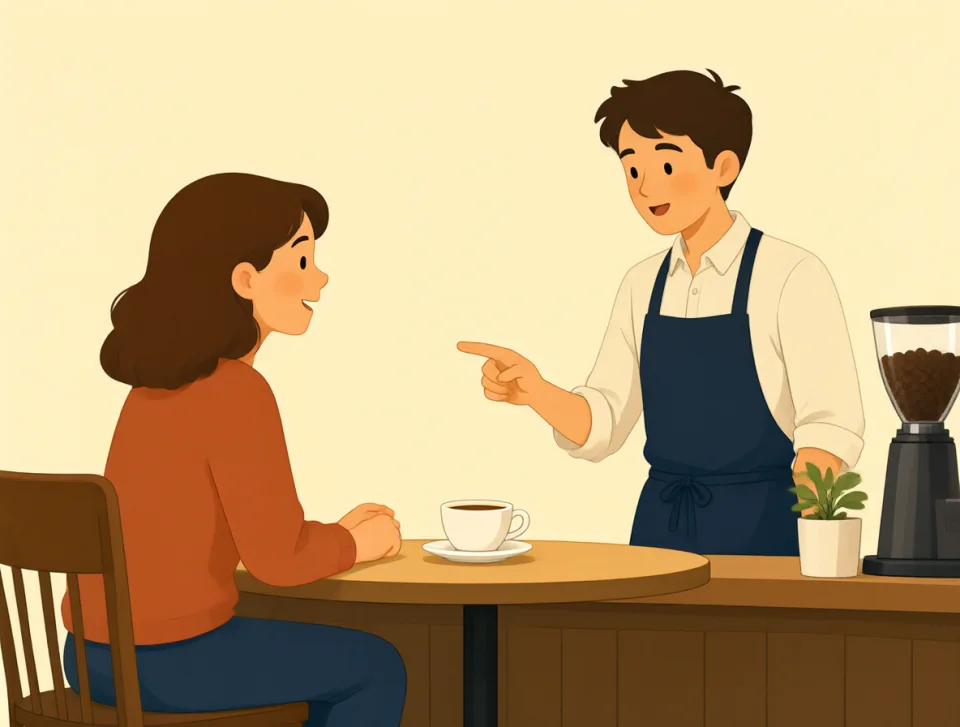
A customer asked for a larger coffee.
طلب أحد الزبائن قهوة أكبر حجمًا.
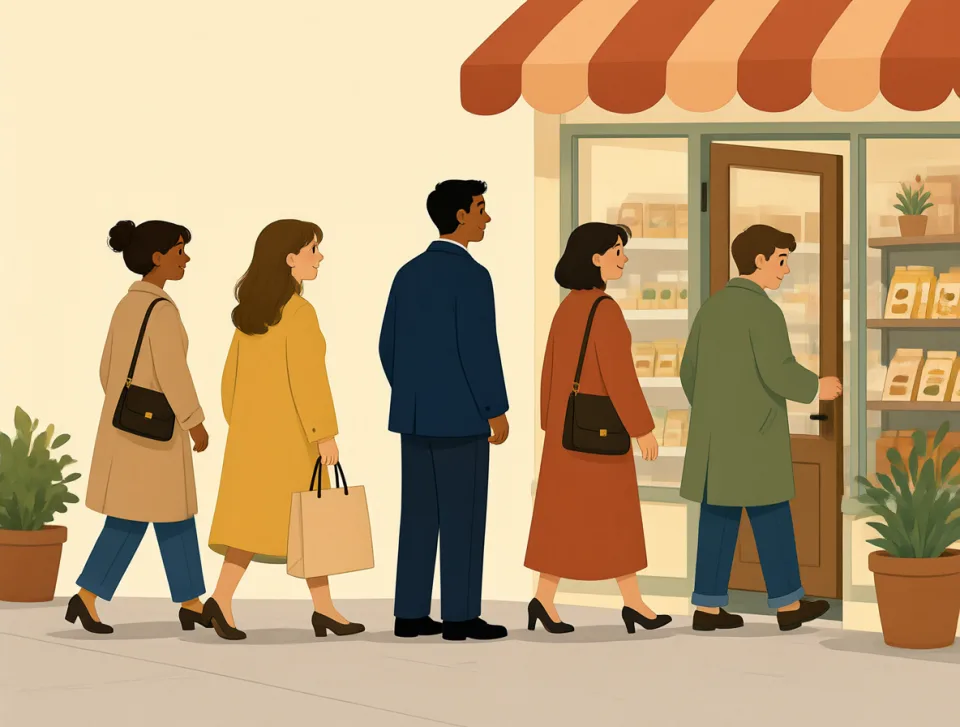
The shop has many regular customers.
للمتجر كثير من الزبائن الدائمين.
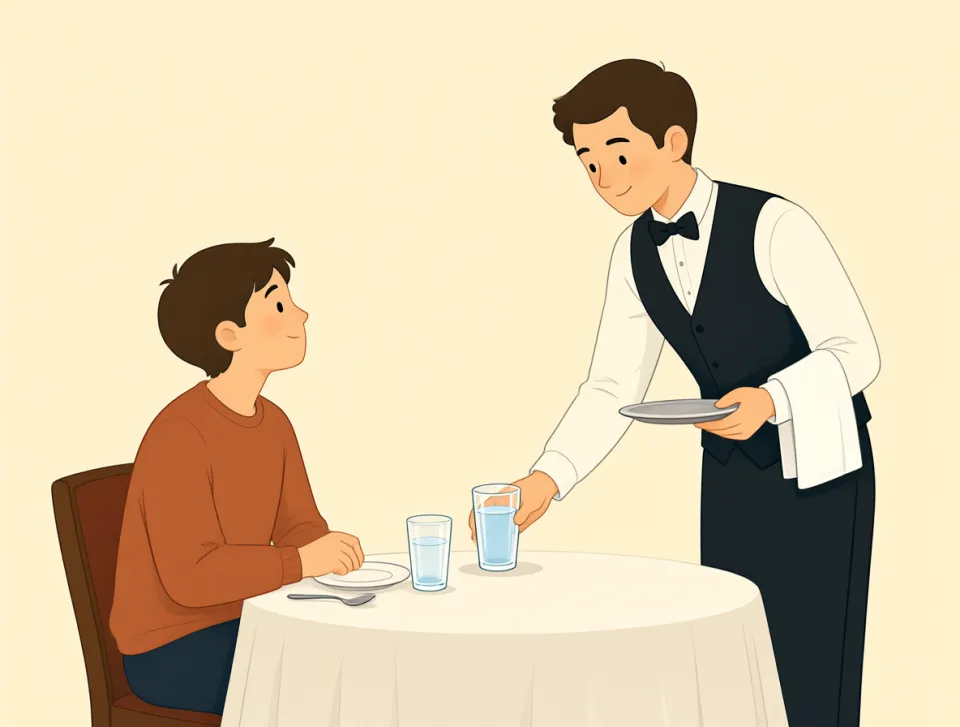
The waiter brought the customer some water.
أحضر النادل بعض الماء للزبون.
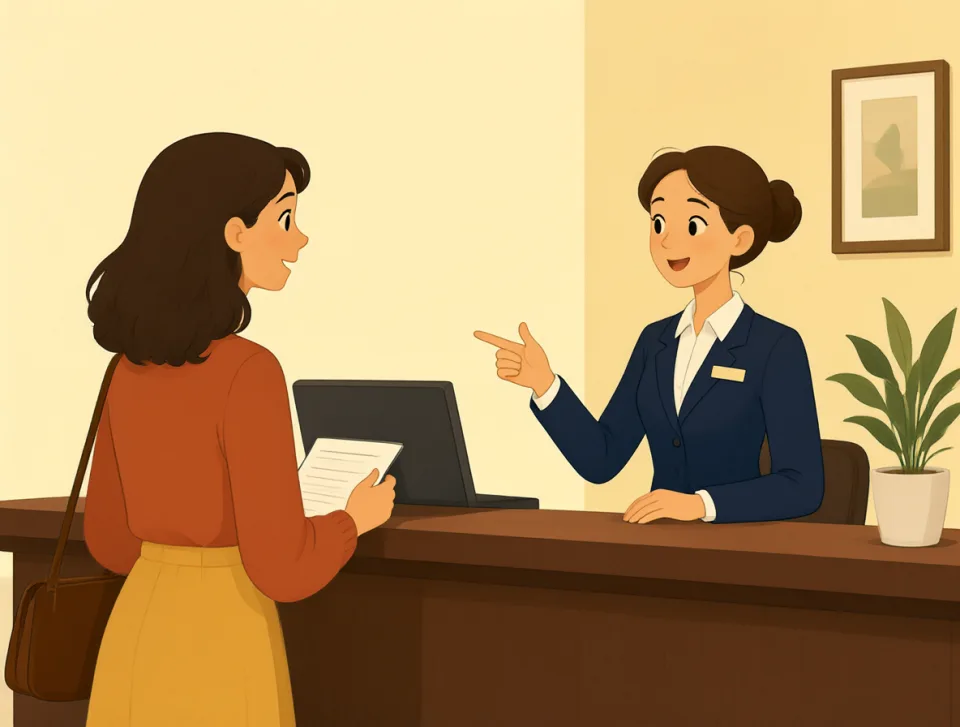
The hotel customer needed a taxi.
احتاج نزيل الفندق إلى سيارة أجرة.
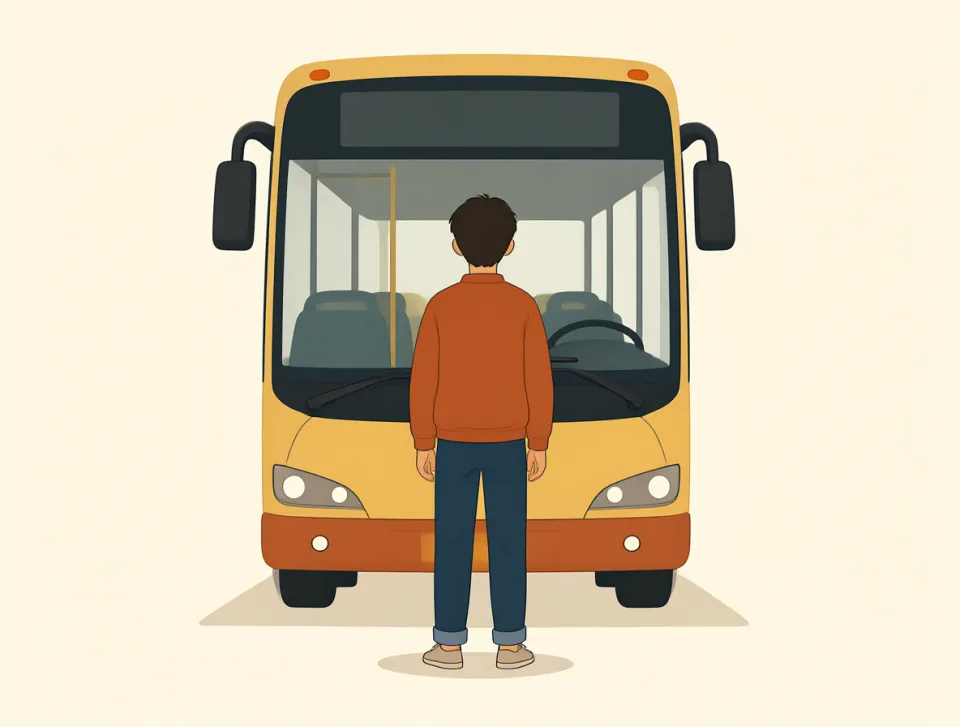
front
#488noun, adjective, verb, preposition
مقدّمة؛ أمام
The part or side that is first, nearest, or facing forward.
الجزء أو الجانب الأول، أو الأقرب، أو المواجه للأمام.

Please sit in the front of the car.
يُرجى الجلوس في مقدمة السيارة.
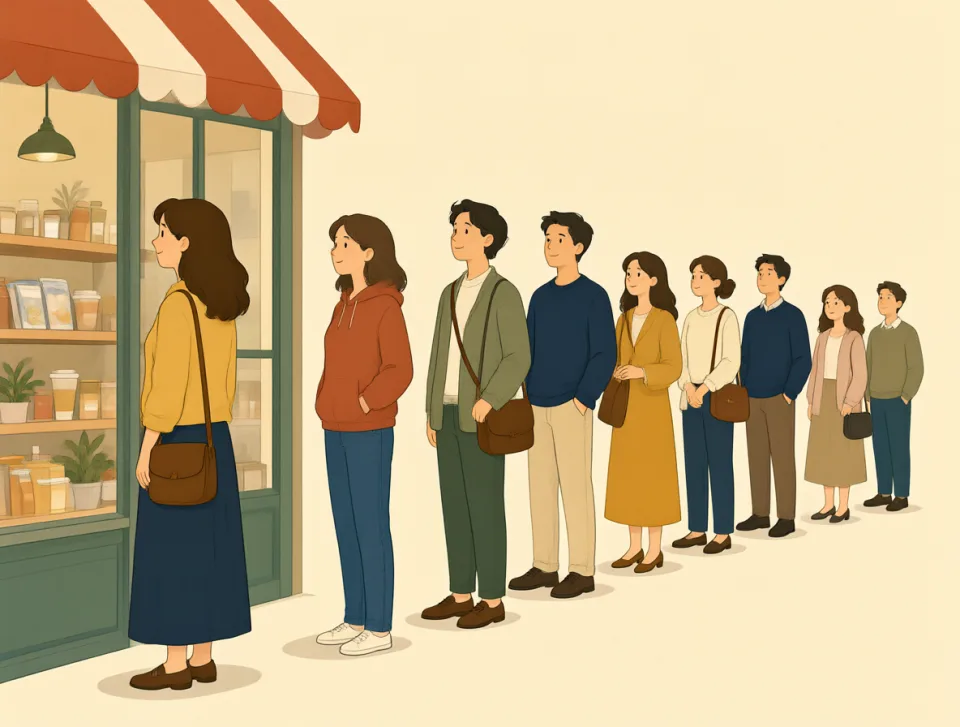
She stood at the front of the line.
وقفت عند مقدمة الصف.
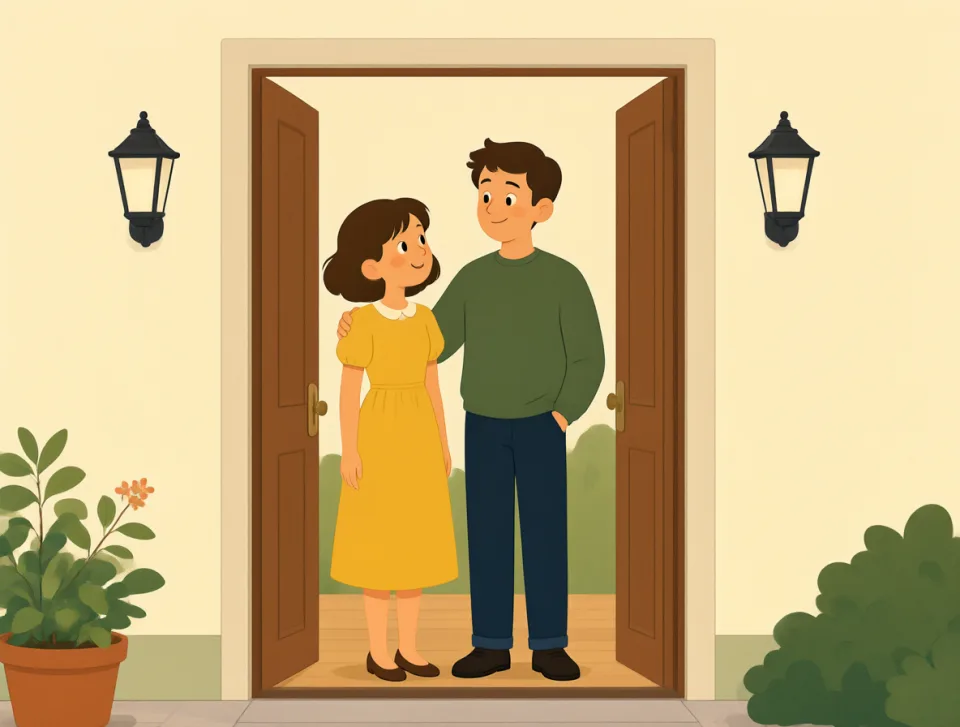
The front door is open.
الباب الأمامي مفتوح.
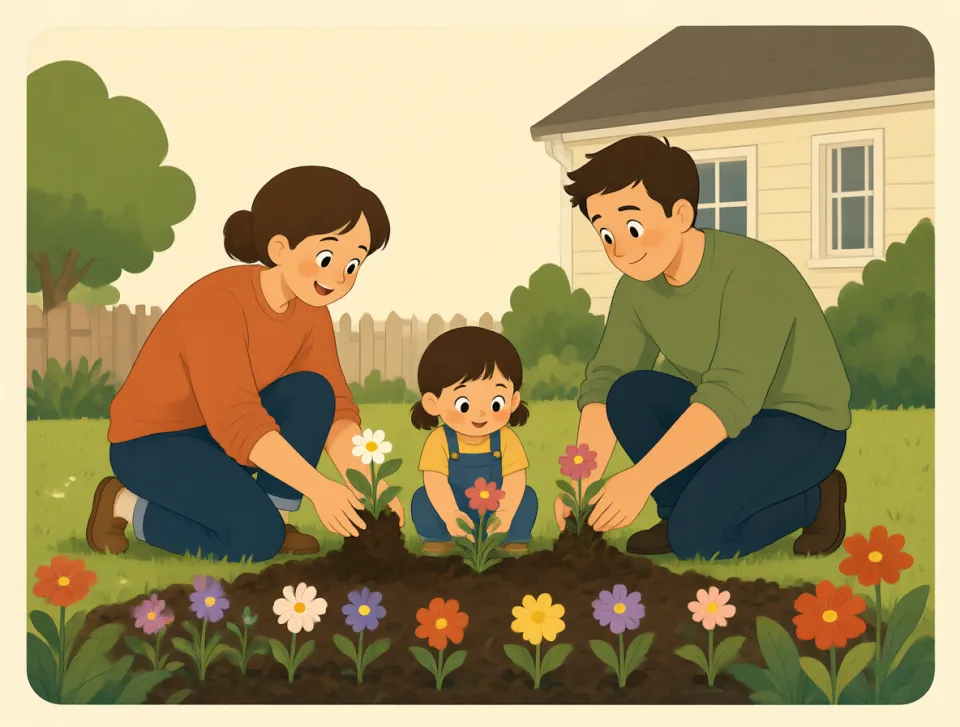
We planted flowers in front of the house.
زرعنا أزهارًا أمام المنزل.
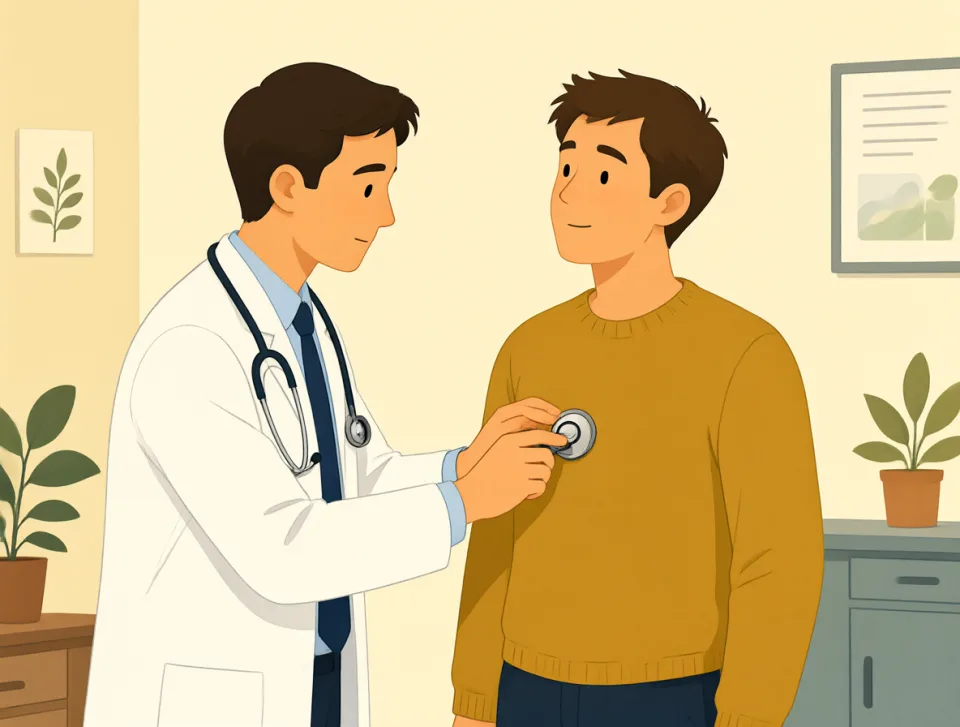
The doctor checked the front of his chest.
فحص الطبيب الجزء الأمامي من صدره.
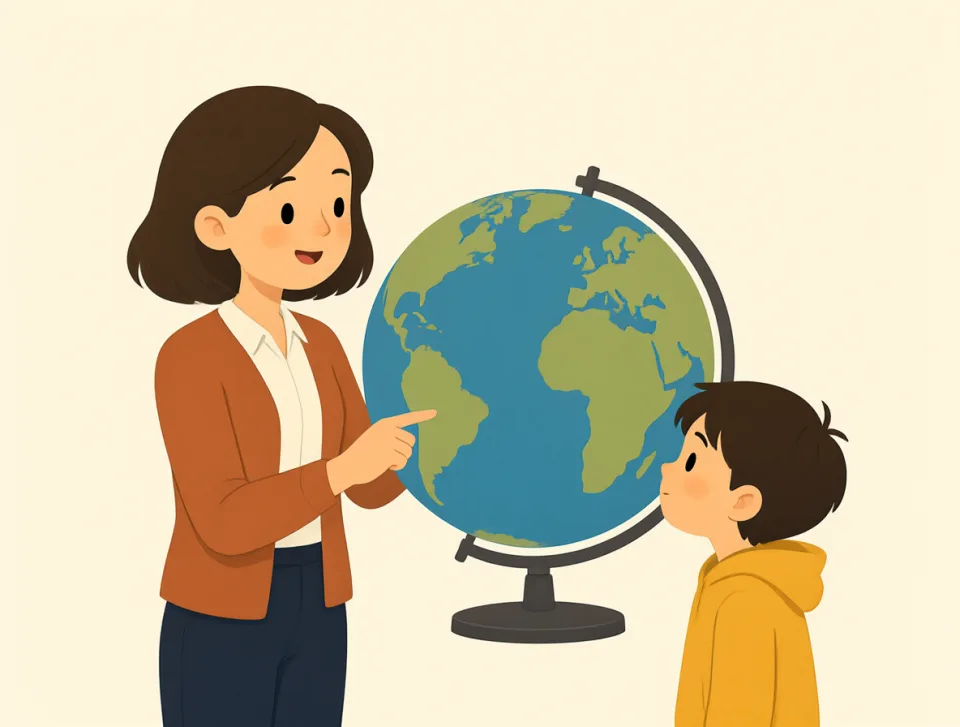
explain
#489verb
يشرح
to make something clear by describing it or giving reasons
أن يوضّح شيئًا بوصفه أو بذكر الأسباب.
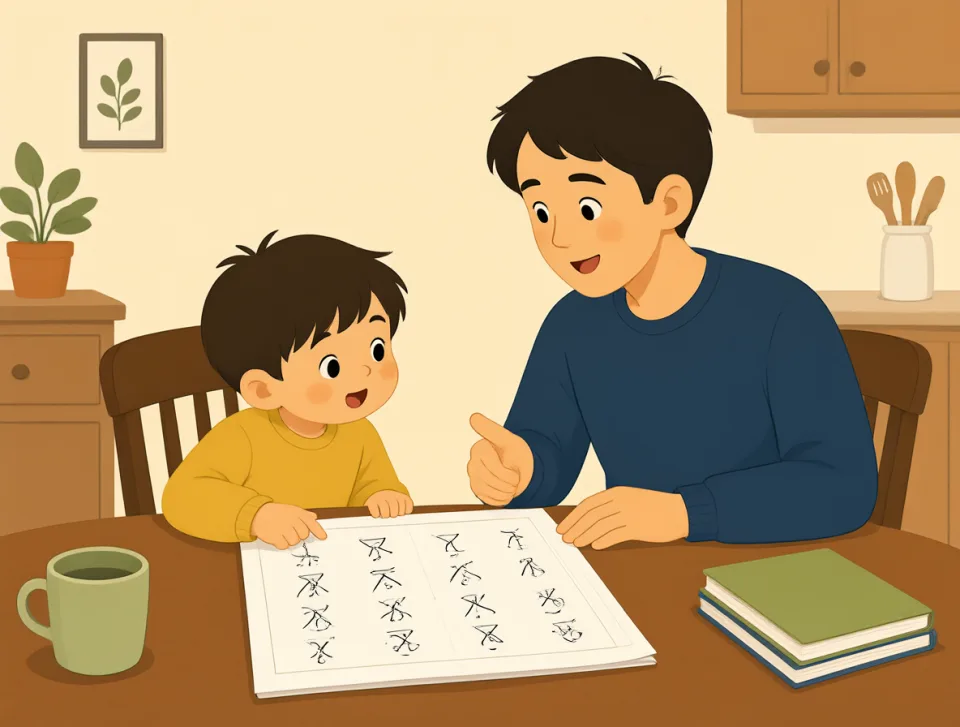
Can you explain this problem to me?
هل يمكنك أن تشرح لي هذه المسألة؟
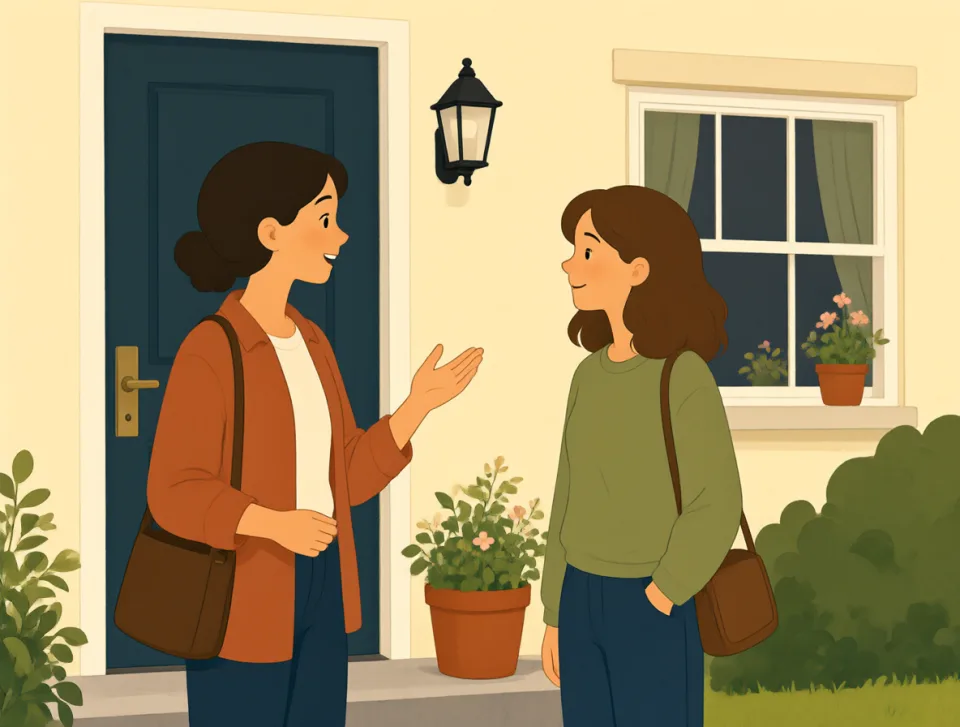
She explained why she was late.
شرحت سبب تأخرها.

The doctor explained my treatment clearly.
شرح الطبيب علاجي بوضوح.

Please explain how to get there.
يُرجى شرح كيفية الوصول إلى هناك.

The chef is explaining the recipe.
يشرح الطاهي طريقة إعداد الوصفة.
door
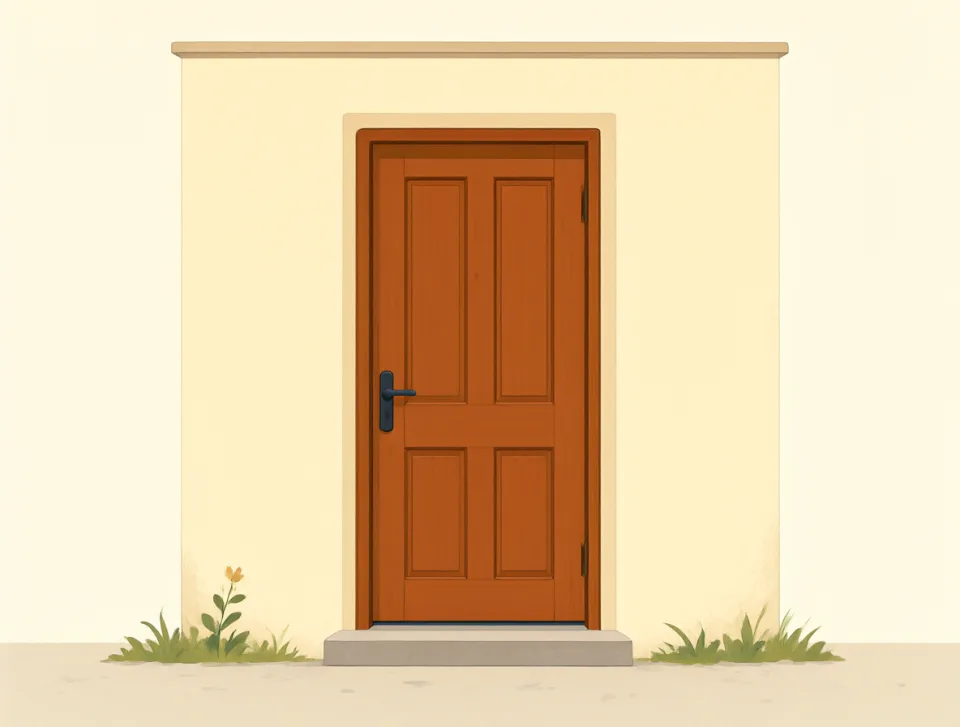
#490noun
باب
A movable barrier that opens and closes an entrance.
حاجز متحرك يُفتح ويُغلق عند المدخل.
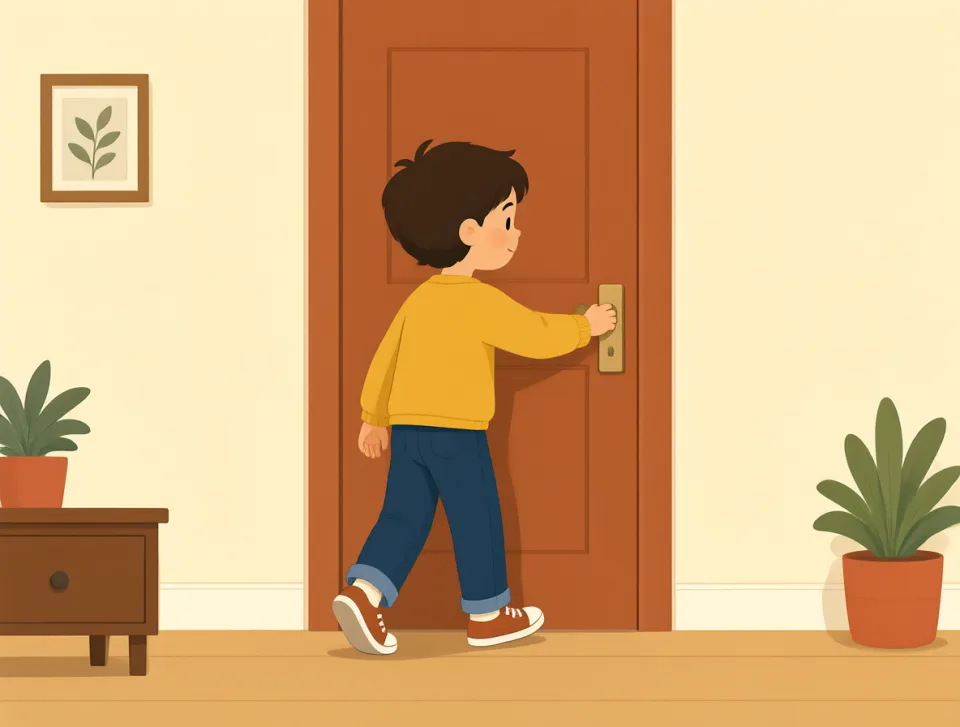
Please close the door behind you.
يُرجى إغلاق الباب خلفك.
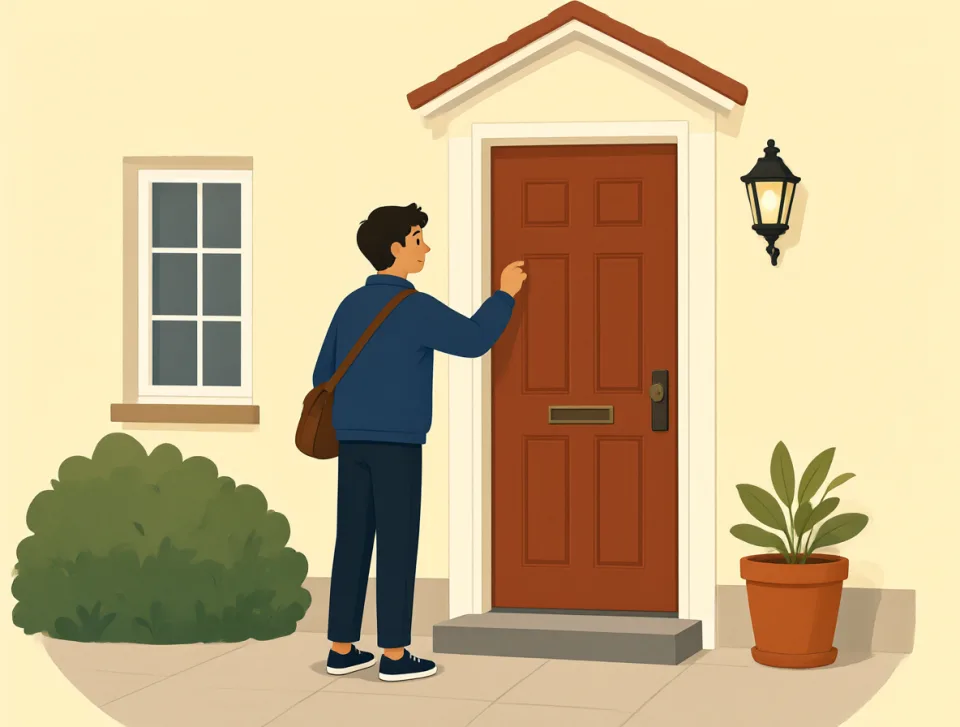
Someone is knocking at the front door.
هناك من يطرق الباب الأمامي.

The bedroom door is open.
باب غرفة النوم مفتوح.

We waited outside the store door.
انتظرنا خارج باب المتجر.
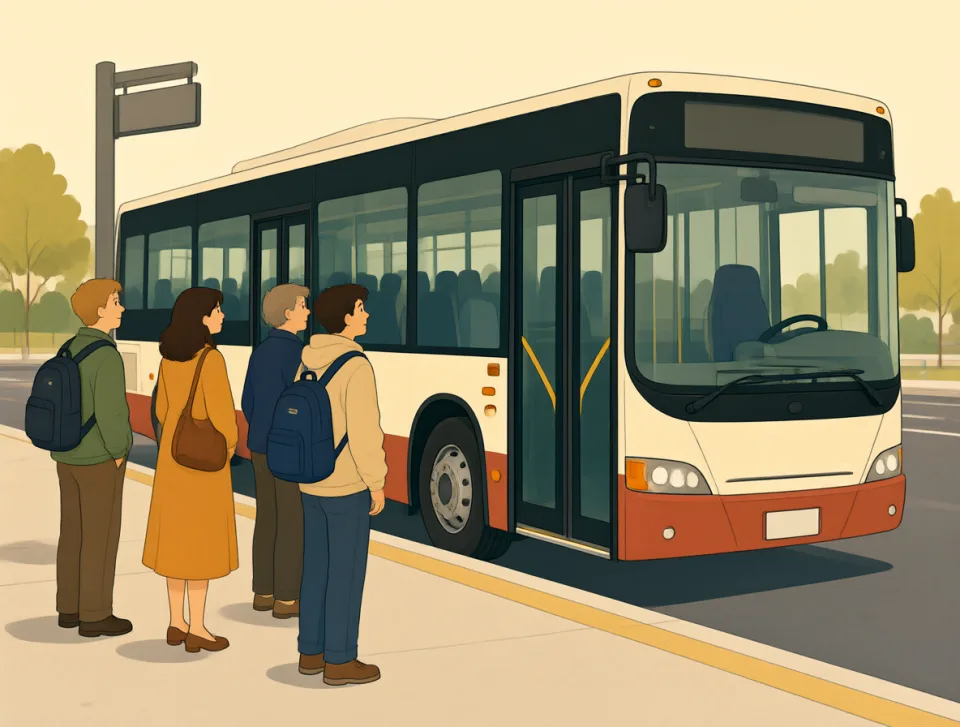
The bus doors opened at the station.
فُتحت أبواب الحافلة في المحطة.
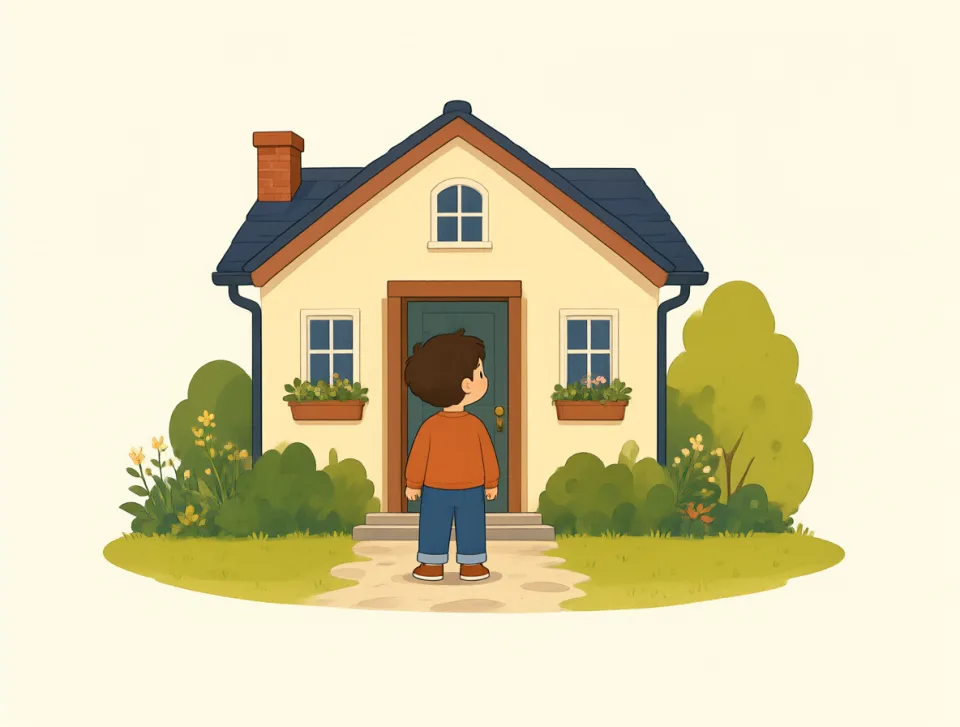
outside
#491adverb, preposition, noun
في الخارج
in or to a place that is not inside a building or area
في مكان ليس داخل مبنى أو منطقة، أو إلى ذلك المكان
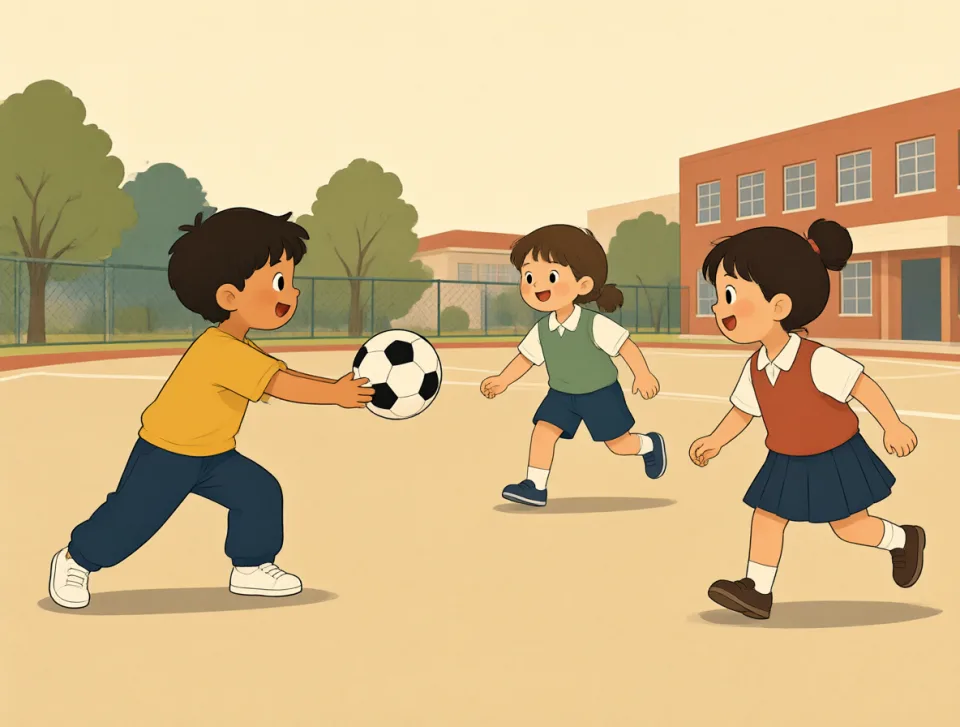
The children are playing outside after school.
يلعب الأطفال في الخارج بعد المدرسة.
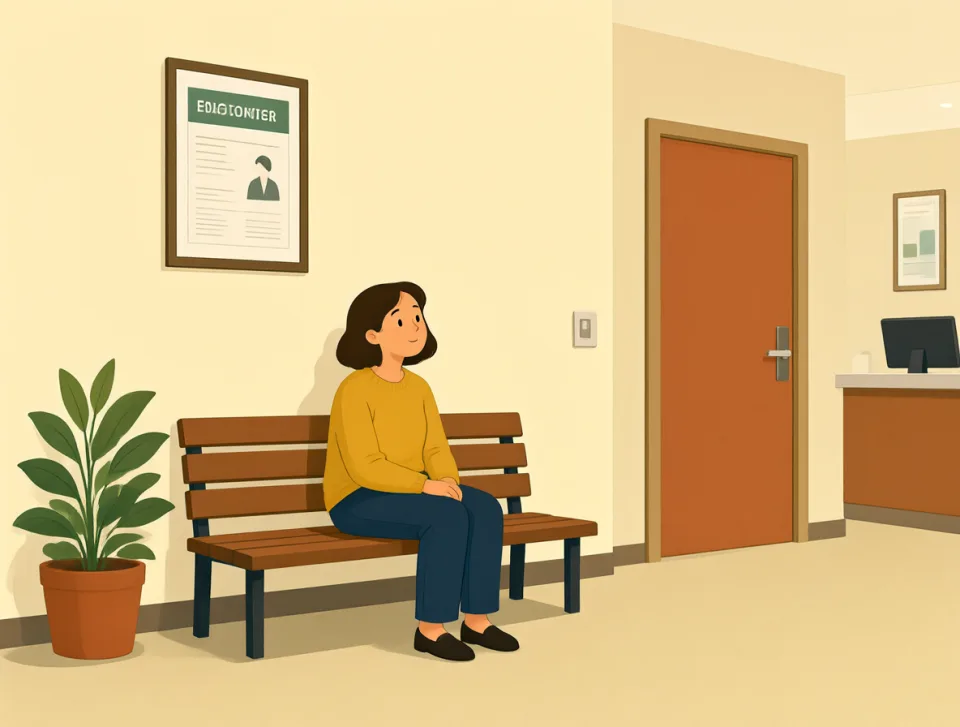
Please wait outside the doctor's office.
يُرجى الانتظار خارج عيادة الطبيب.

We ate lunch outside at work.
تناولنا الغداء في الخارج في العمل.
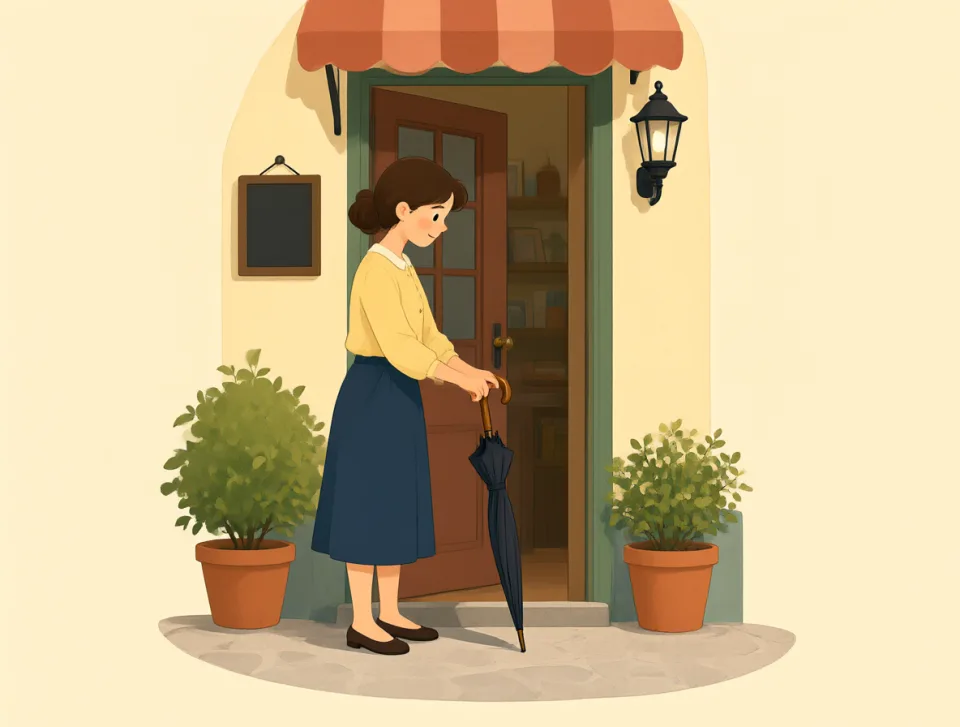
She left her umbrella outside the shop.
تركت مظلتها خارج المتجر.
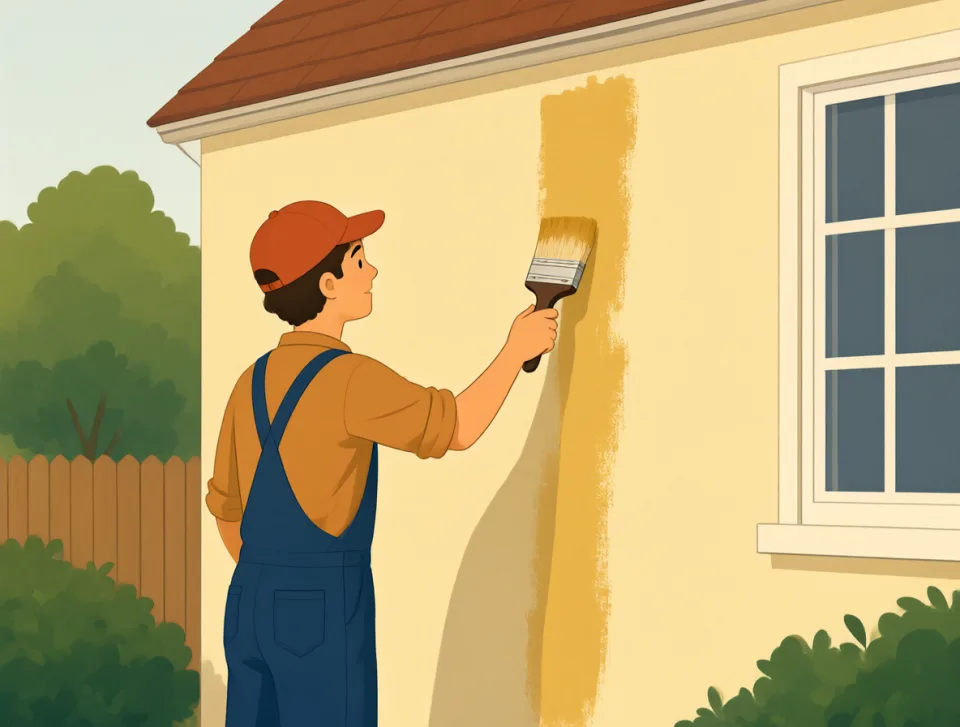
The outside of the house needs paint.
يحتاج السطح الخارجي للمنزل إلى الطلاء.
behind
#492adverb, preposition
خلف
At or toward the back of someone or something.
في الجهة الخلفية لشخص أو شيء، أو باتجاهها.
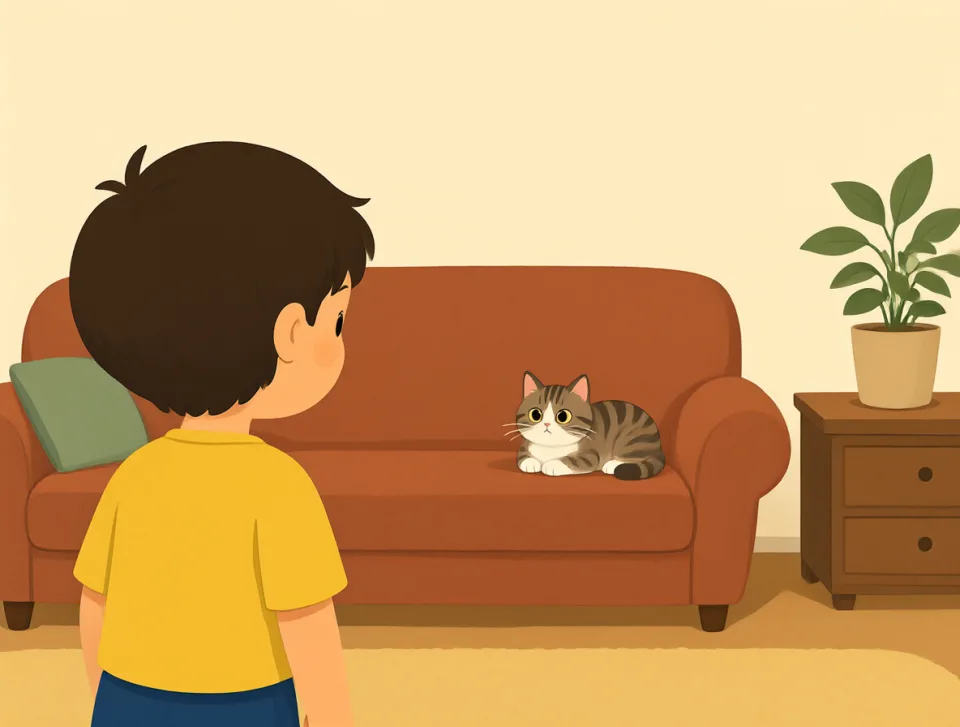
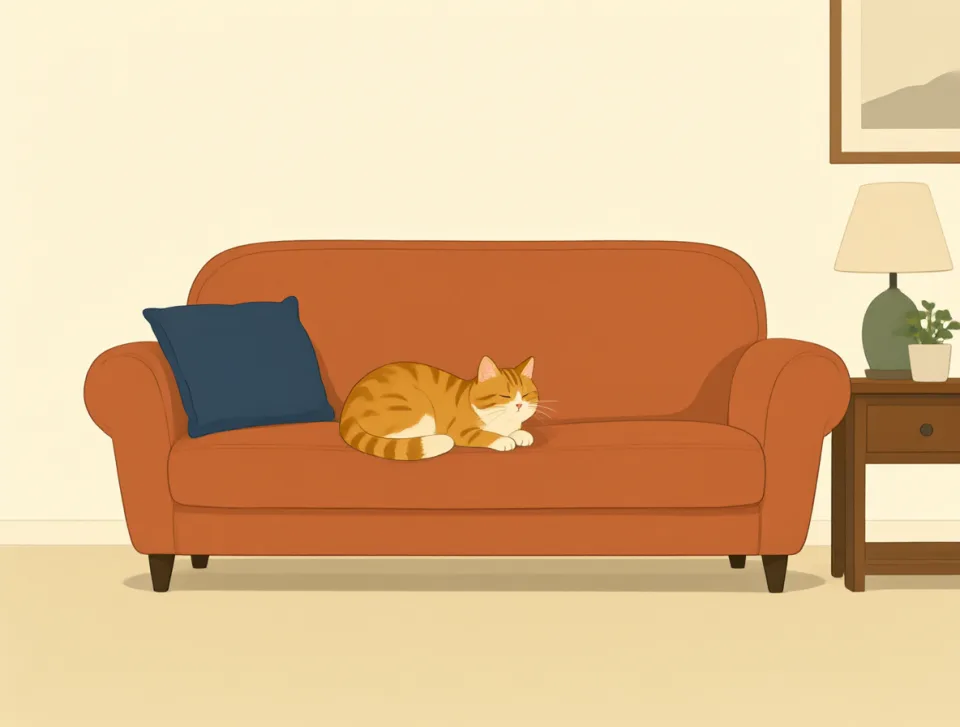
The cat is hiding behind the sofa.
تختبئ القطة خلف الأريكة.

She stood behind me in the long line.
وقفت خلفي في الطابور الطويل.
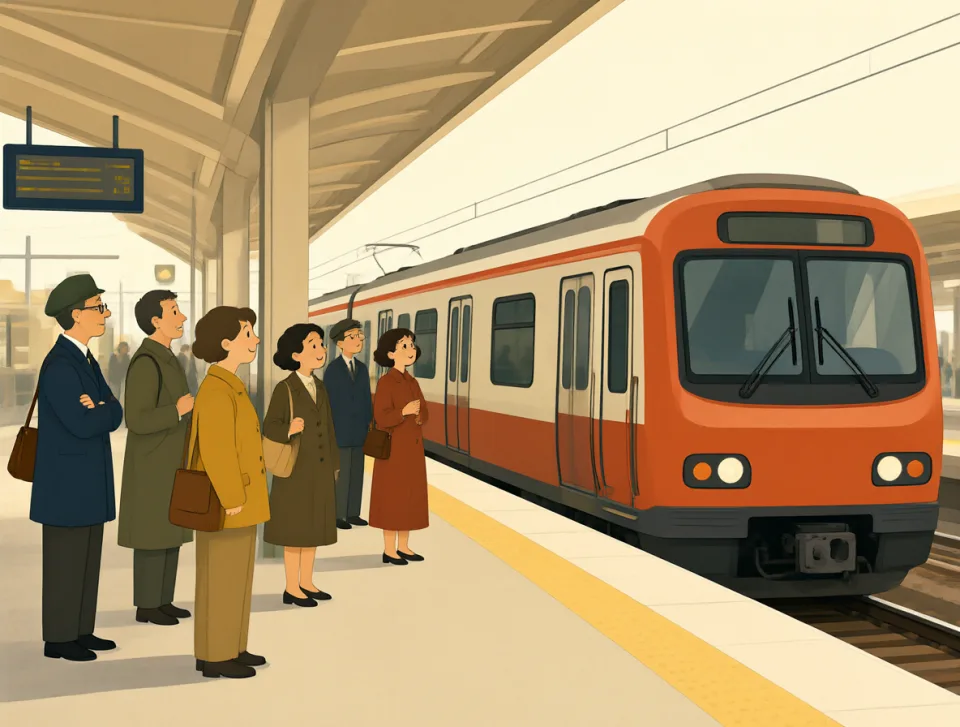
Our train is behind schedule this morning.
قطارنا متأخر عن موعده هذا الصباح.
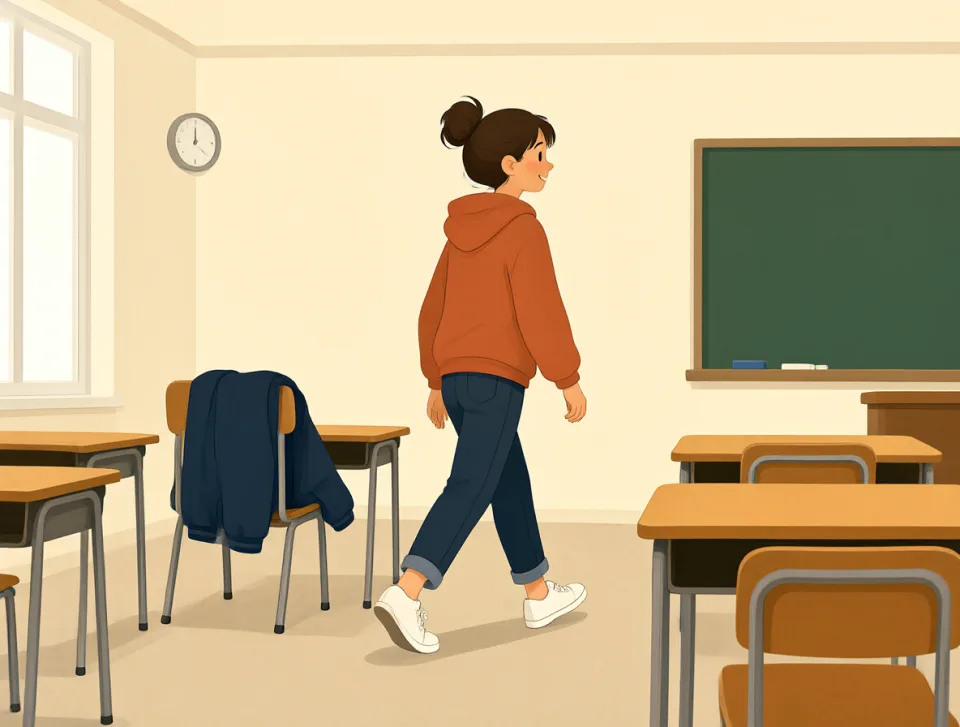
He left his jacket behind at school.
ترك سترته في المدرسة.
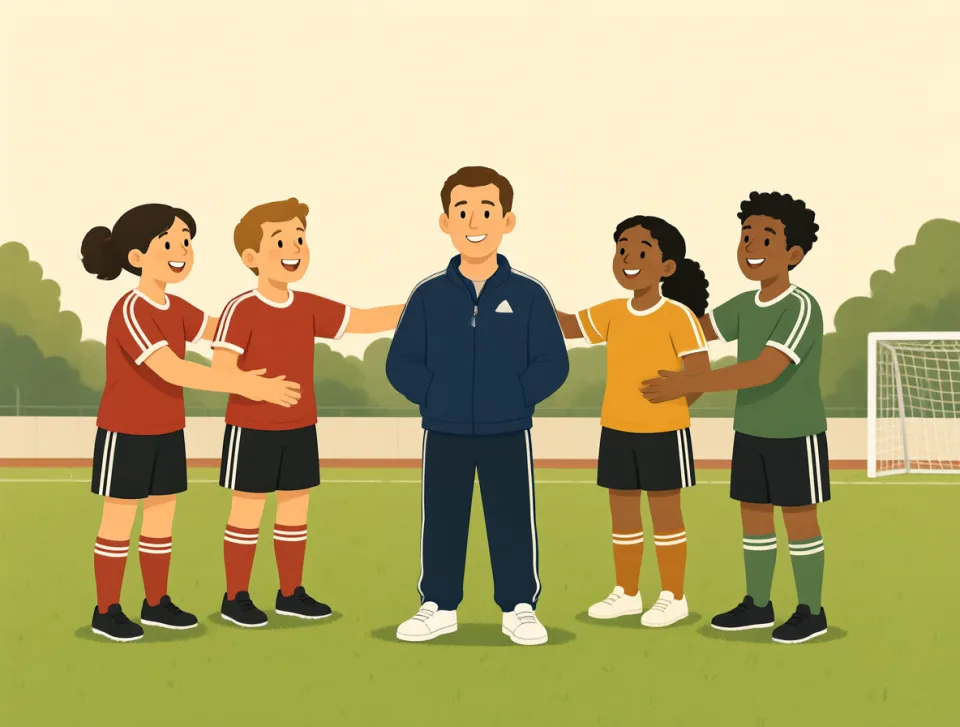
The team is behind our new coach.
الفريق يدعم مدربنا الجديد.
economic
#493adjective
اقتصادي
Related to money, business, trade, or the use of resources.
متعلق بالمال أو الأعمال أو التجارة أو استخدام الموارد.
The country faces serious economic problems.
تواجه البلاد مشكلات اقتصادية خطيرة.
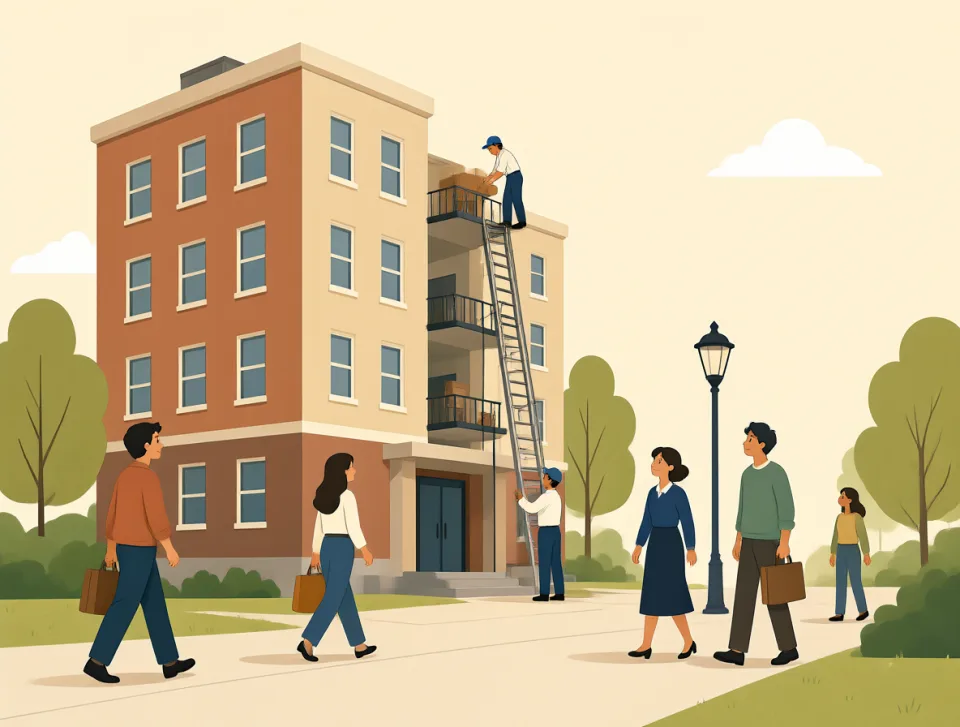
Economic growth created more jobs.
أدى النمو الاقتصادي إلى توفير مزيد من فرص العمل.
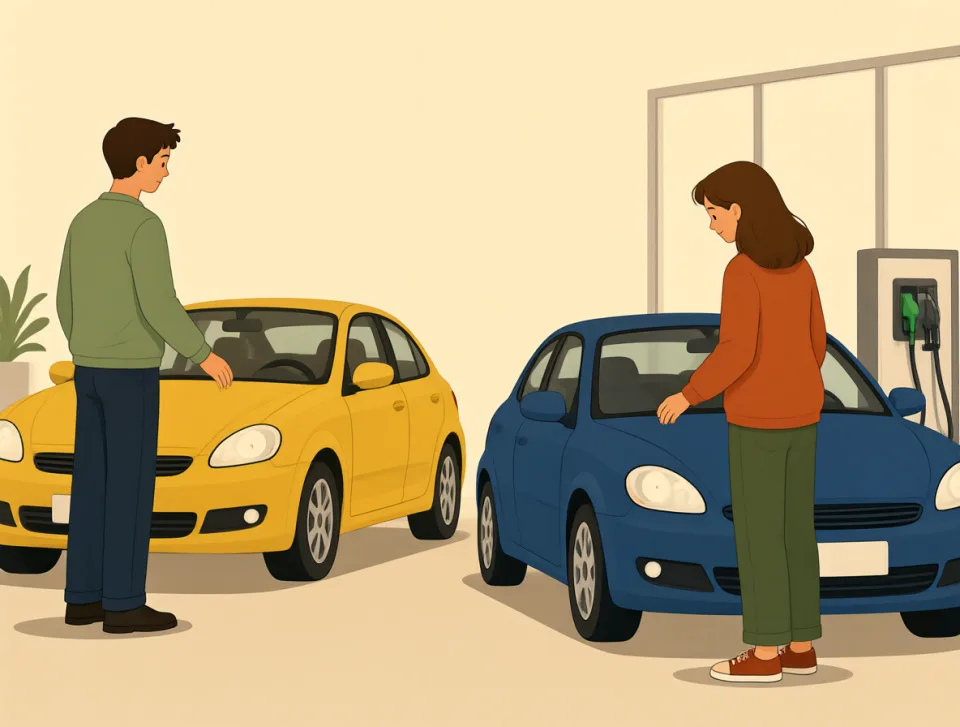
We need a more economic car.
نحتاج إلى سيارة أكثر توفيرًا للوقود.
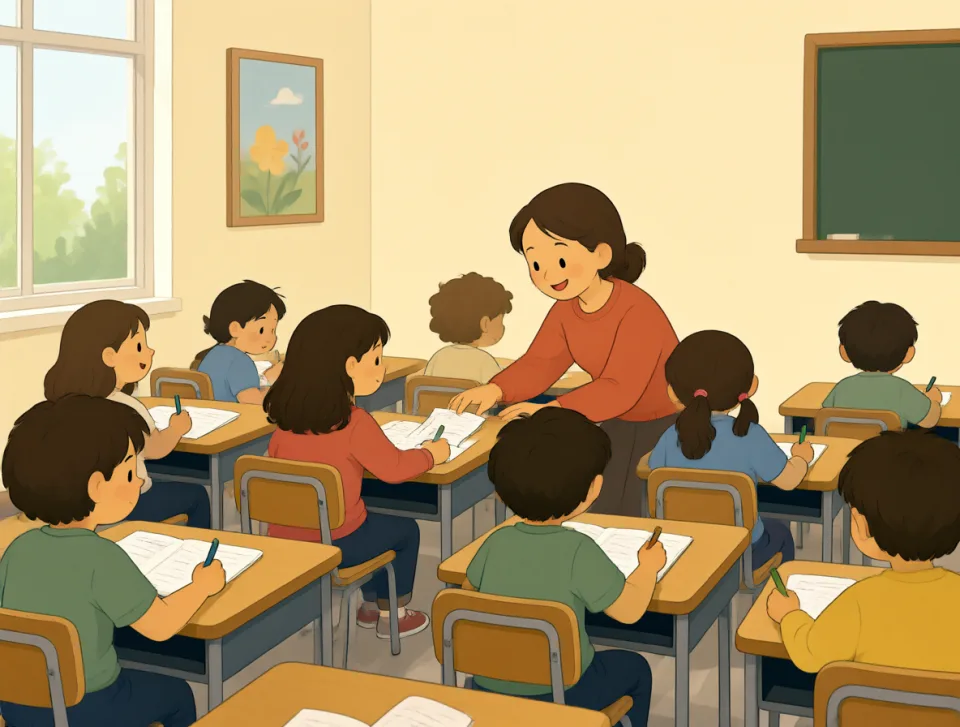
The school made economic use of space.
استفادت المدرسة من المساحة بطريقة اقتصادية.
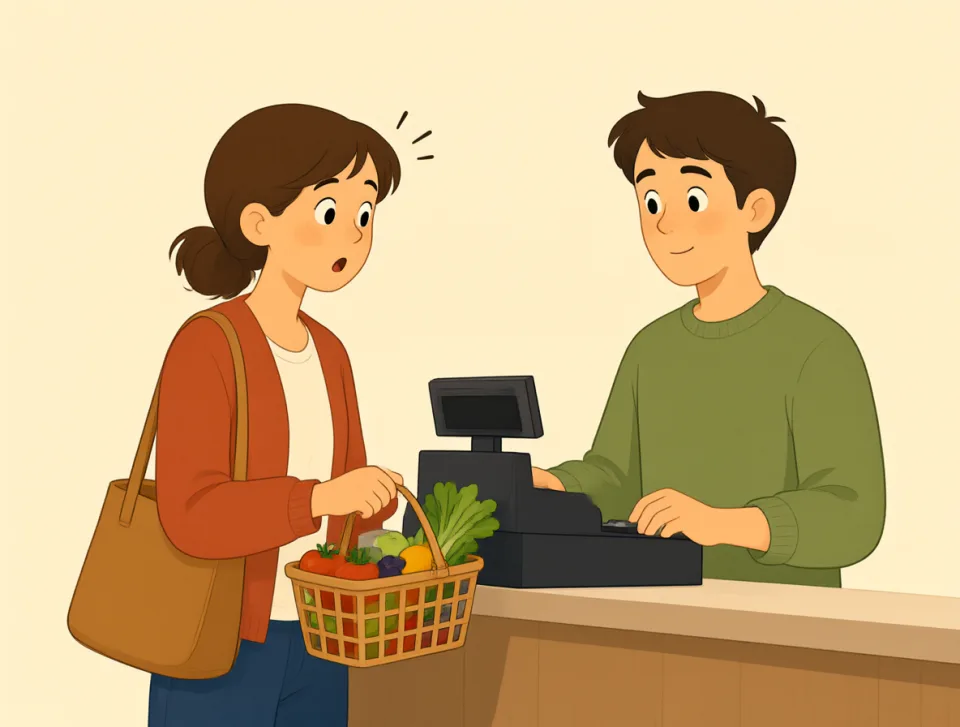
Economic changes raised food prices.
أدت التغيرات الاقتصادية إلى ارتفاع أسعار الطعام.
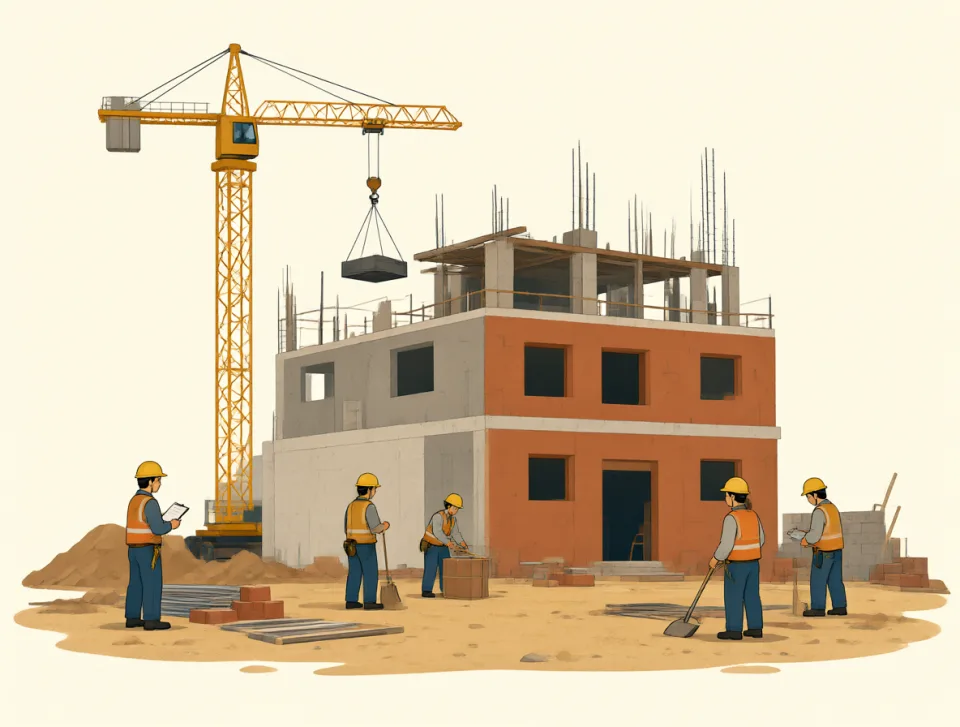
site
#494noun
موقع
A place where something happens or where something is built.
مكان يحدث فيه شيء أو يُبنى فيه شيء.
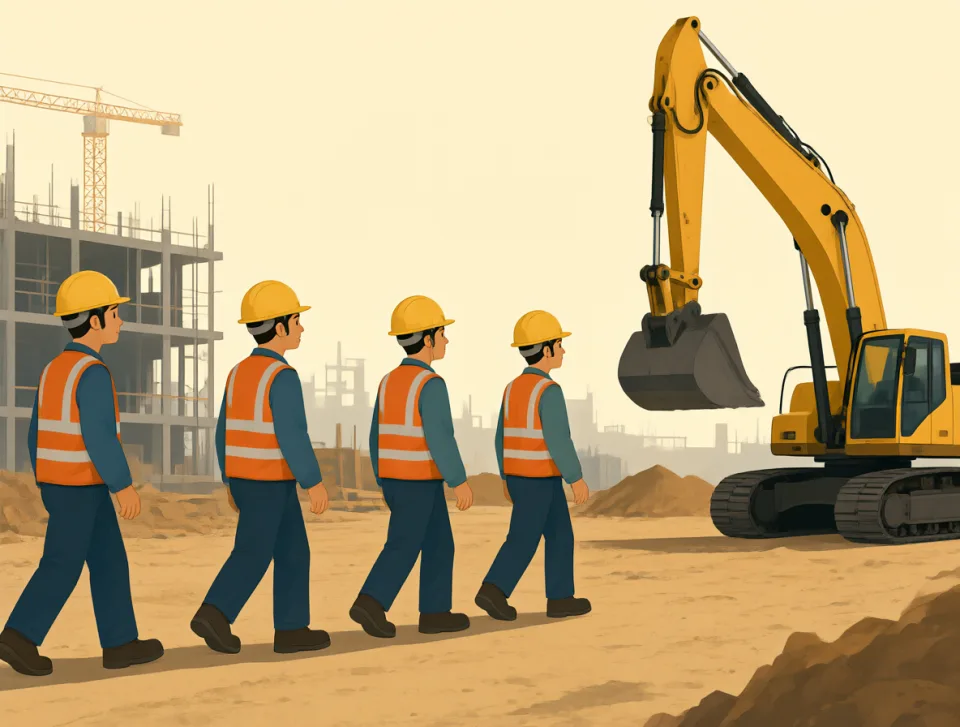
Workers arrived early at the building site.
وصل العمال مبكرًا إلى موقع البناء.
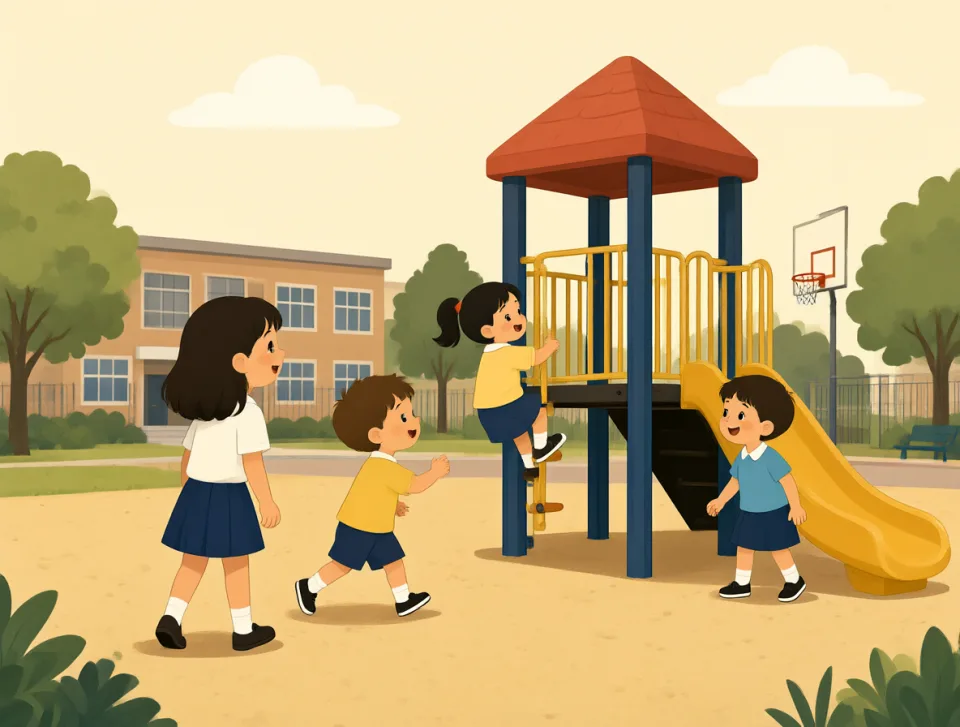
The school site has a new playground.
يوجد ملعب جديد في موقع المدرسة.
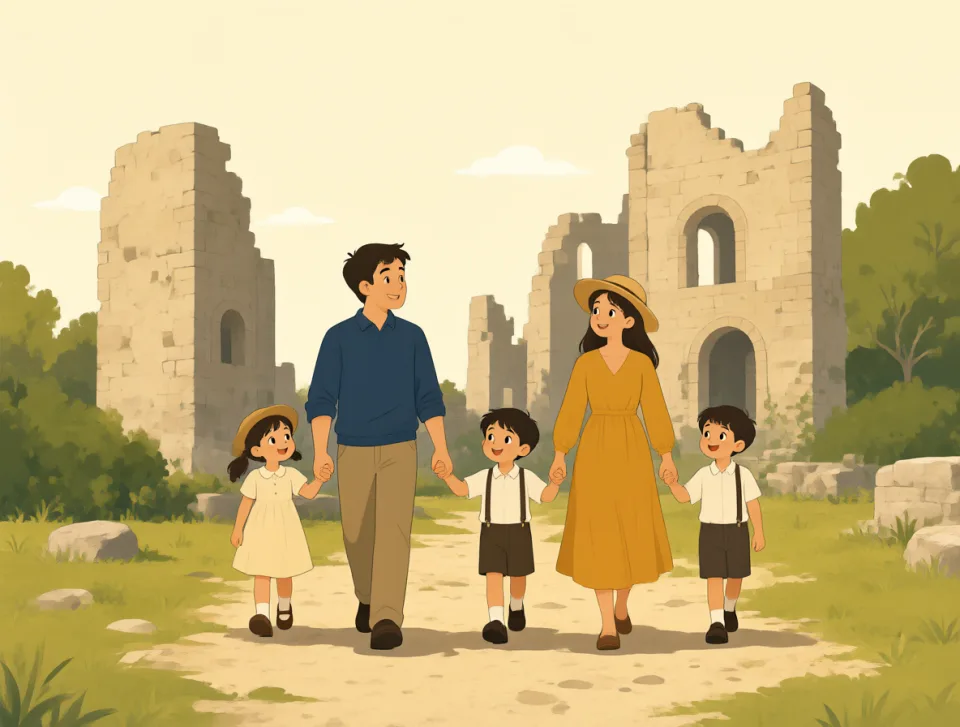
We visited the historic site yesterday.
زرنا الموقع التاريخي أمس.

The campsite is near a quiet lake.
يقع المخيم قرب بحيرة هادئة.
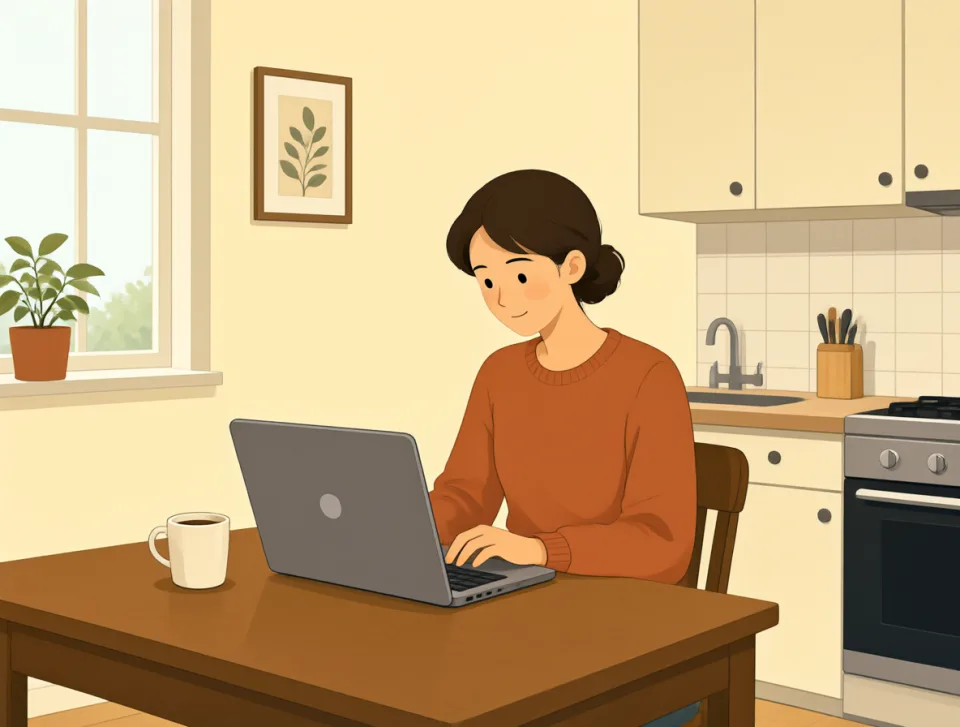
Please check the website for more information.
يُرجى زيارة الموقع الإلكتروني لمزيد من المعلومات.
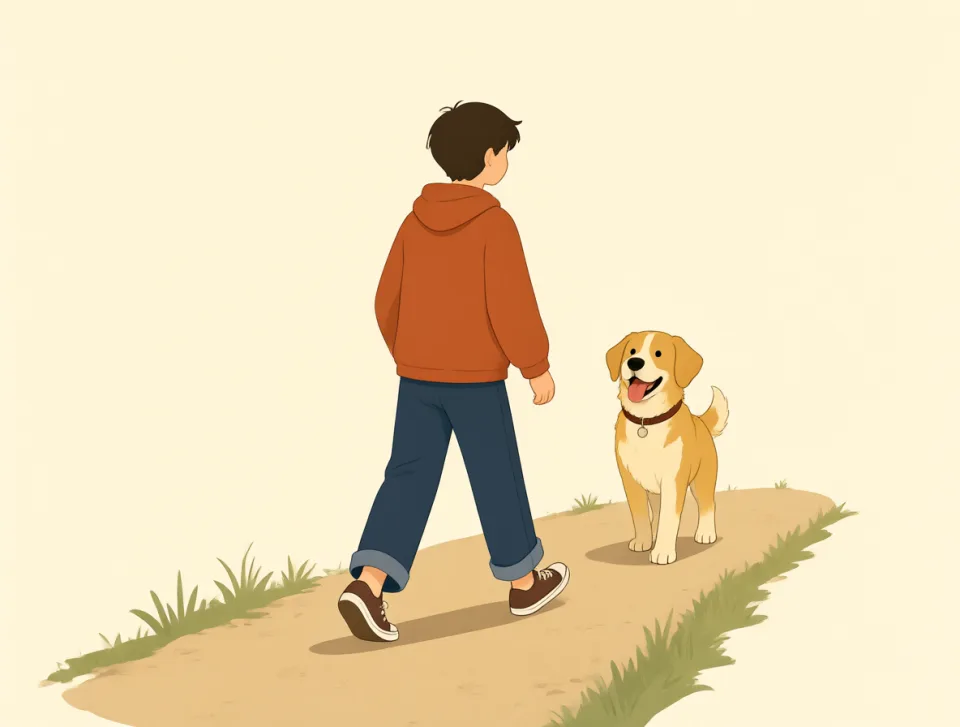
approach
#495noun, verb
نهج
A way of dealing with something; to move closer to someone or something.
طريقة للتعامل مع شيء ما؛ أو الاقتراب من شخص أو شيء.

We need a new approach to this problem.
نحتاج إلى نهج جديد لحل هذه المشكلة.
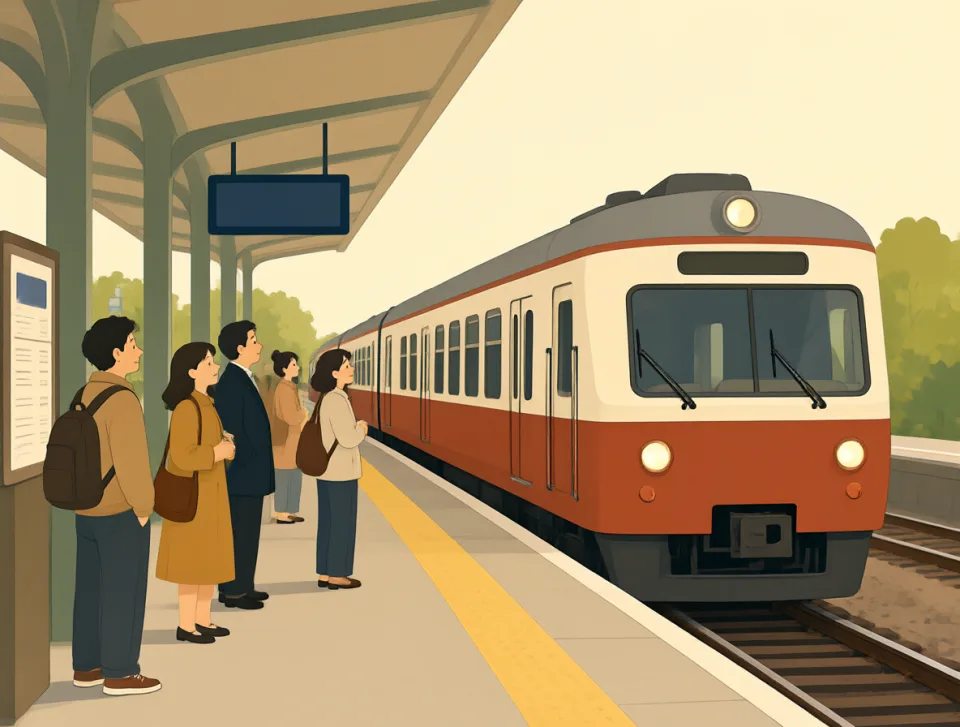
The train is approaching the station.
يقترب القطار من المحطة.
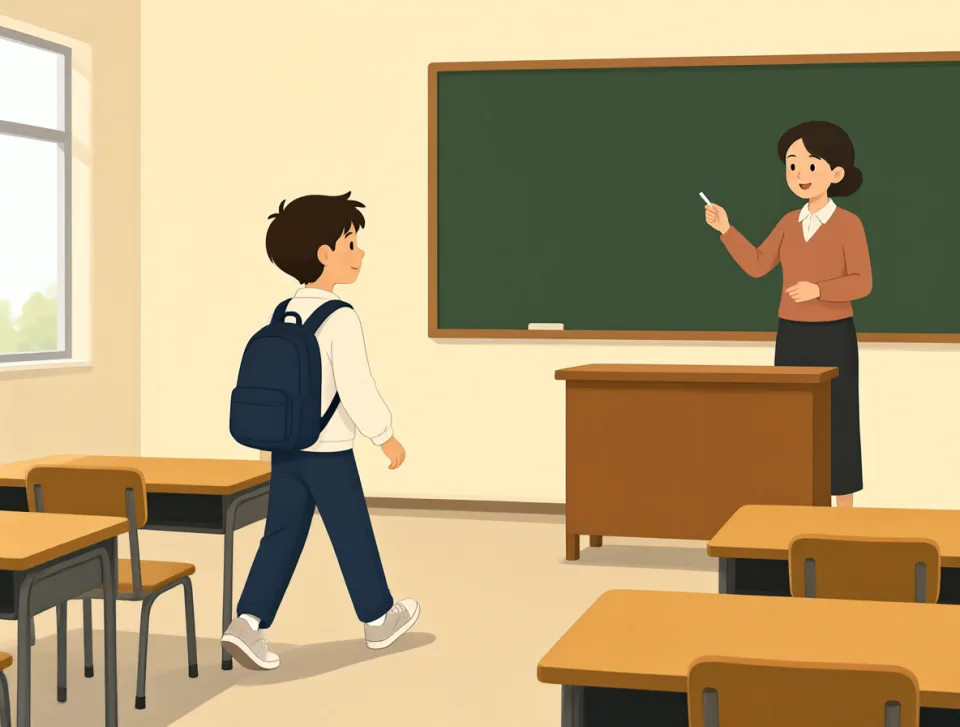
She approached the teacher after class.
تحدثت إلى المعلم بعد انتهاء الحصة.
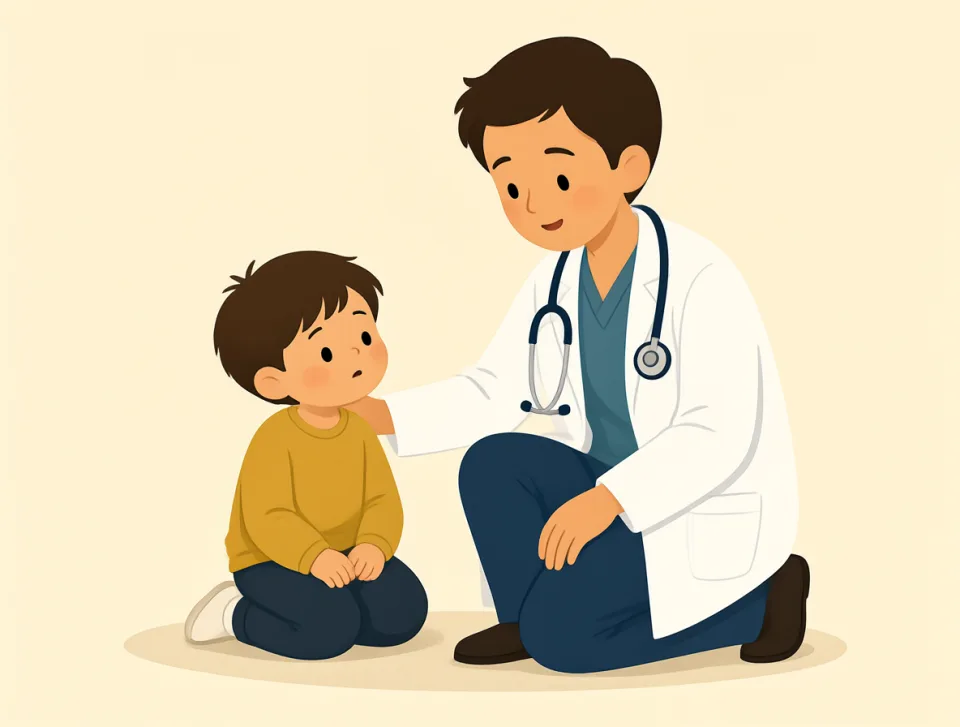
He used a gentle approach with the sick child.
استخدم أسلوبًا لطيفًا في التعامل مع الطفل المريض.

The waiter approached our table with menus.
اقترب النادل من طاولتنا ومعه قوائم الطعام.
teacher
#496noun
معلّم
A person who helps students learn, usually at a school.
شخص يساعد الطلاب على التعلّم، ويعمل عادةً في مدرسة.
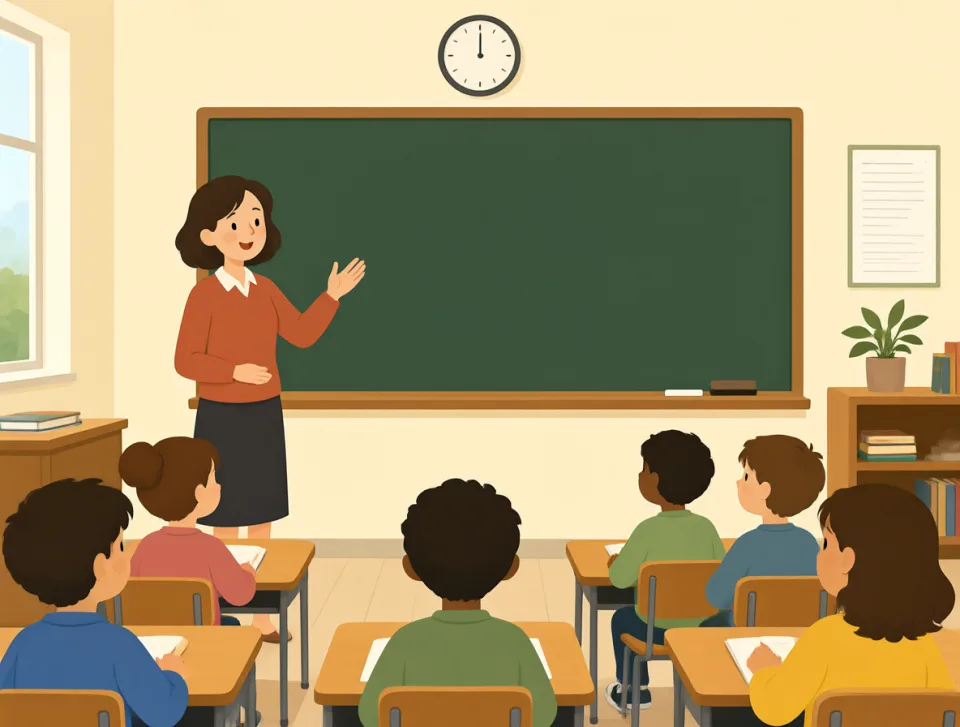
Our teacher explains the lesson clearly.
يشرح معلّمنا الدرس بوضوح.
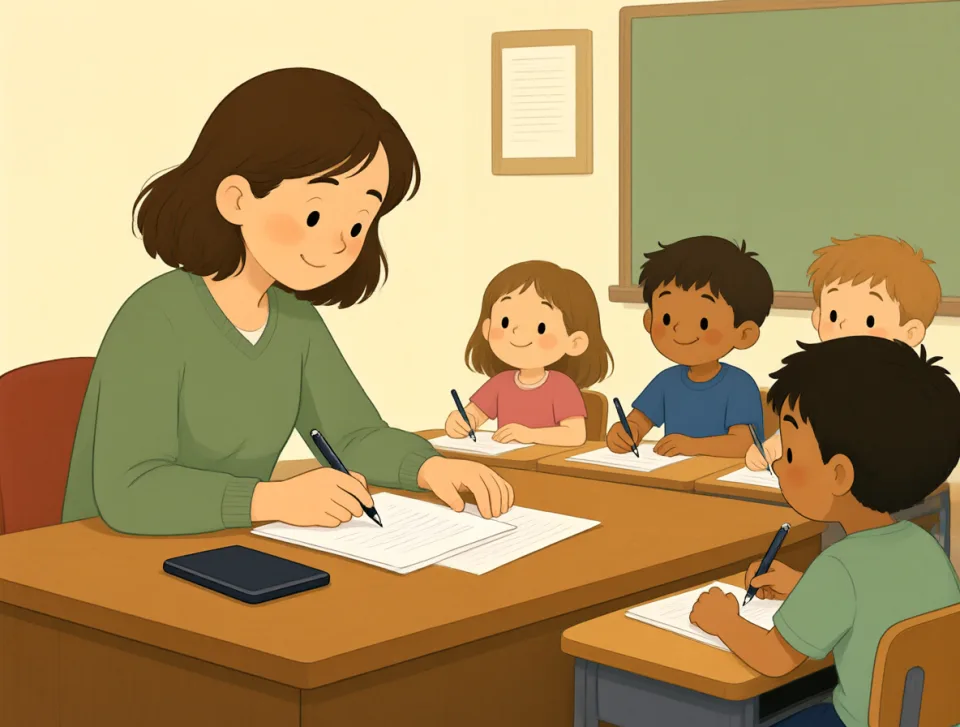
The teacher checked our homework yesterday.
راجع المعلّم واجبنا أمس.
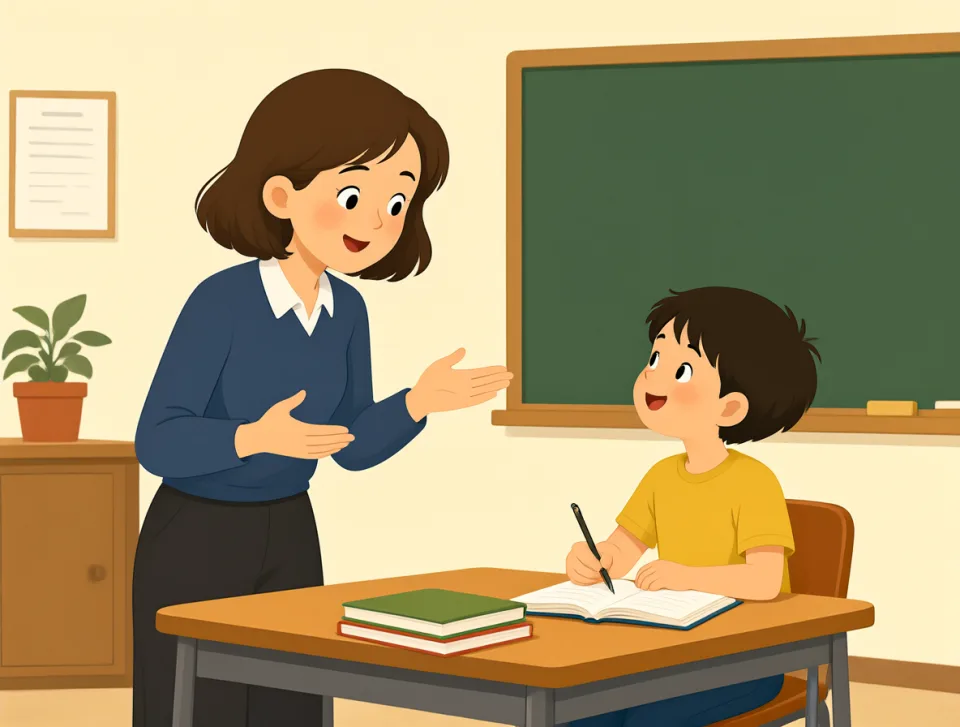
My English teacher gives us useful advice.
يقدّم لنا معلّم اللغة الإنجليزية نصائح مفيدة.

The teacher called my parents after school.
اتصل المعلّم بوالديّ بعد انتهاء الدوام المدرسي.
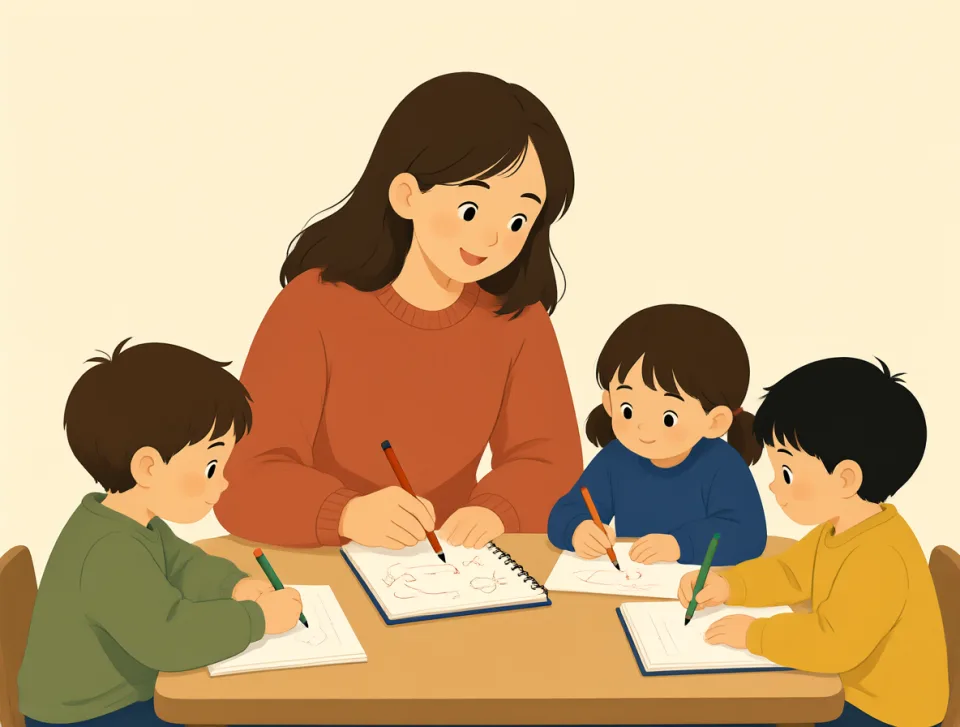
She wants to become a teacher someday.
تريد أن تصبح معلّمةً يوماً ما.
land
#497noun, verb
يهبط؛ أرض
The solid ground of the Earth, or to arrive somewhere after traveling.
سطح الأرض الصلب، أو الوصول إلى مكان بعد السفر.
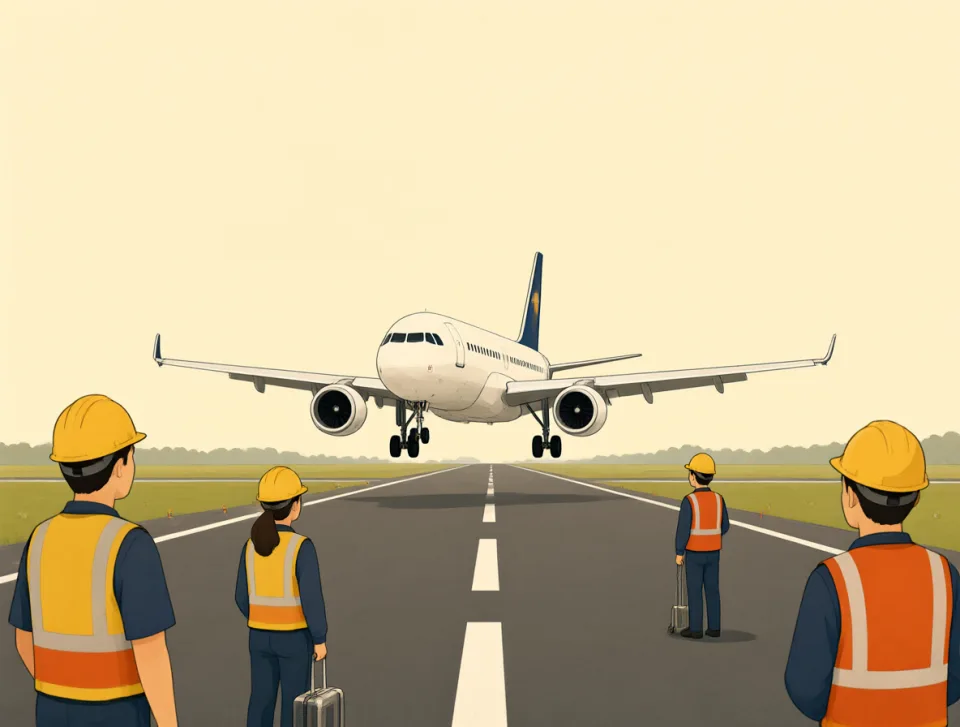
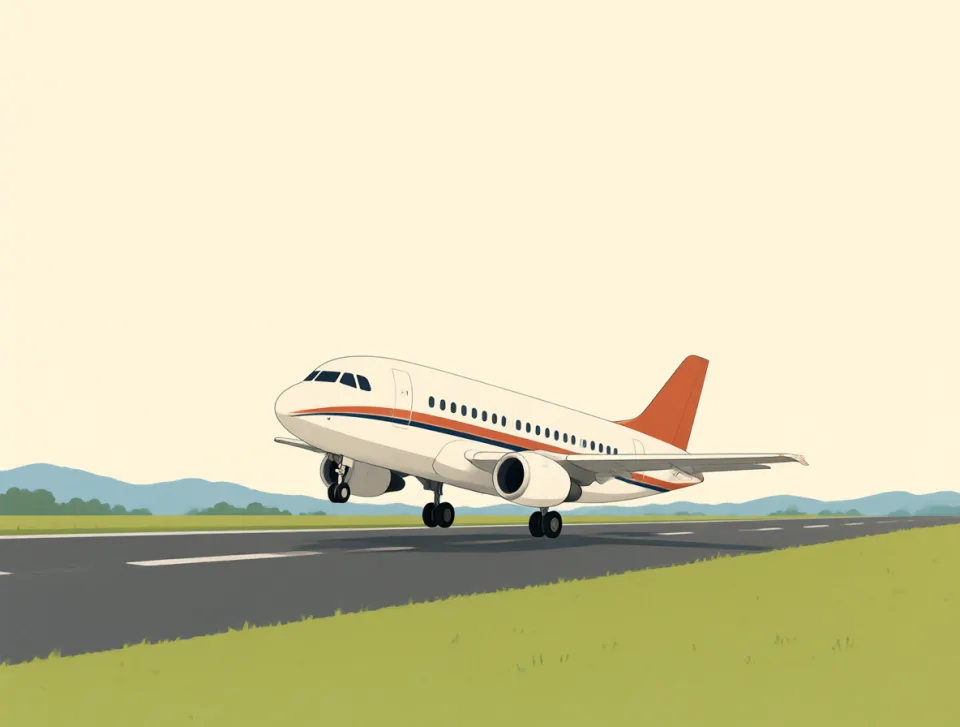
The plane landed safely at the airport.
هبطت الطائرة بسلام في المطار.
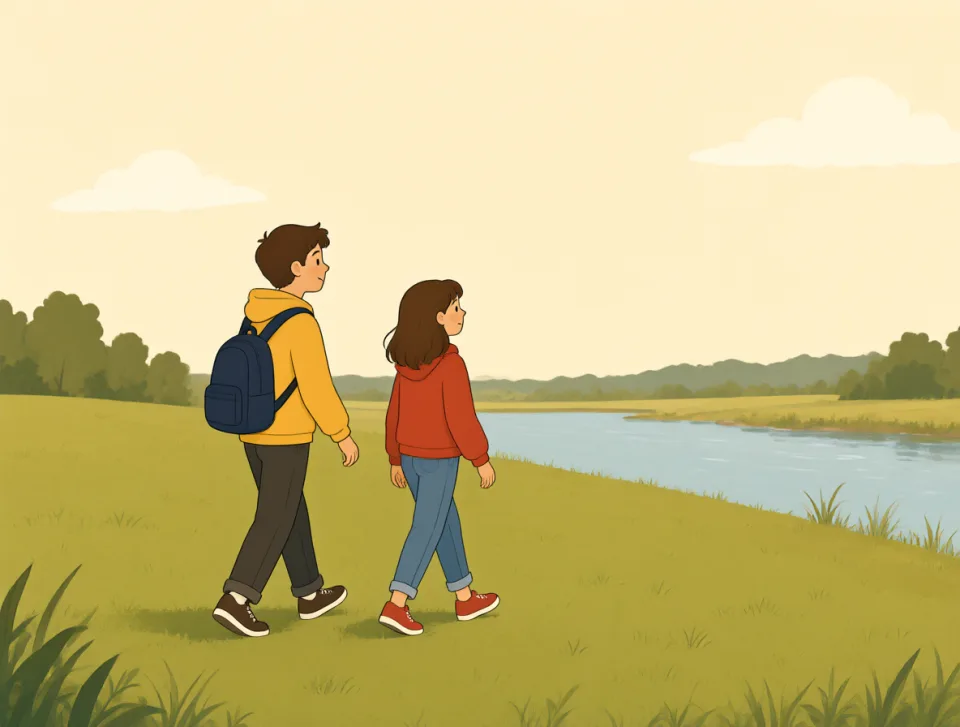
We walked across the land to the river.
سرنا عبر الأرض حتى وصلنا إلى النهر.
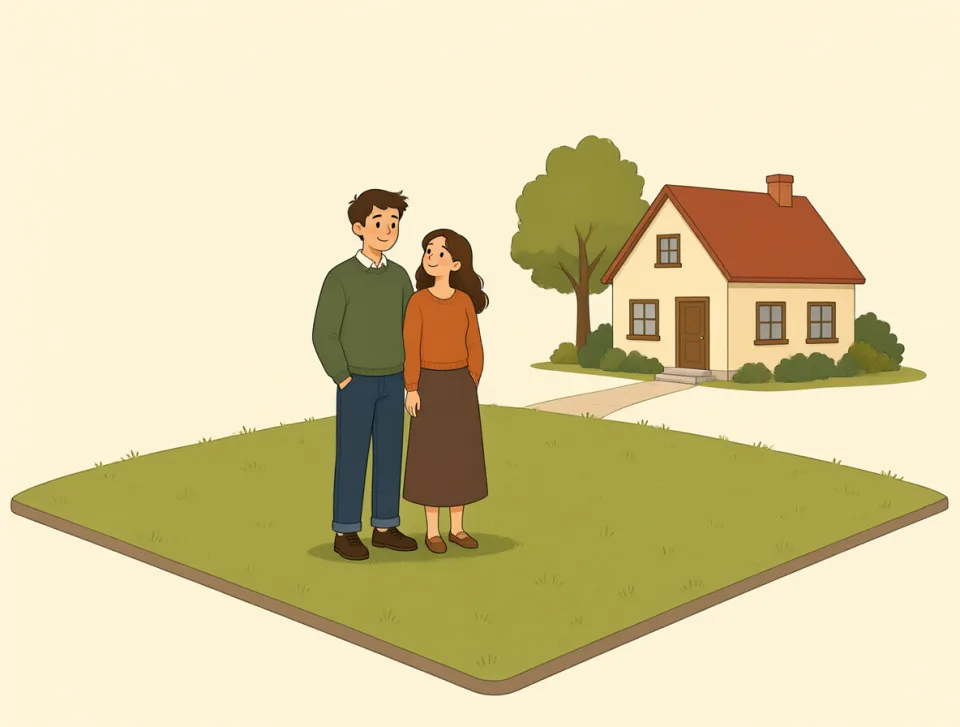
They bought land to build a house.
اشتروا أرضاً لبناء منزل.
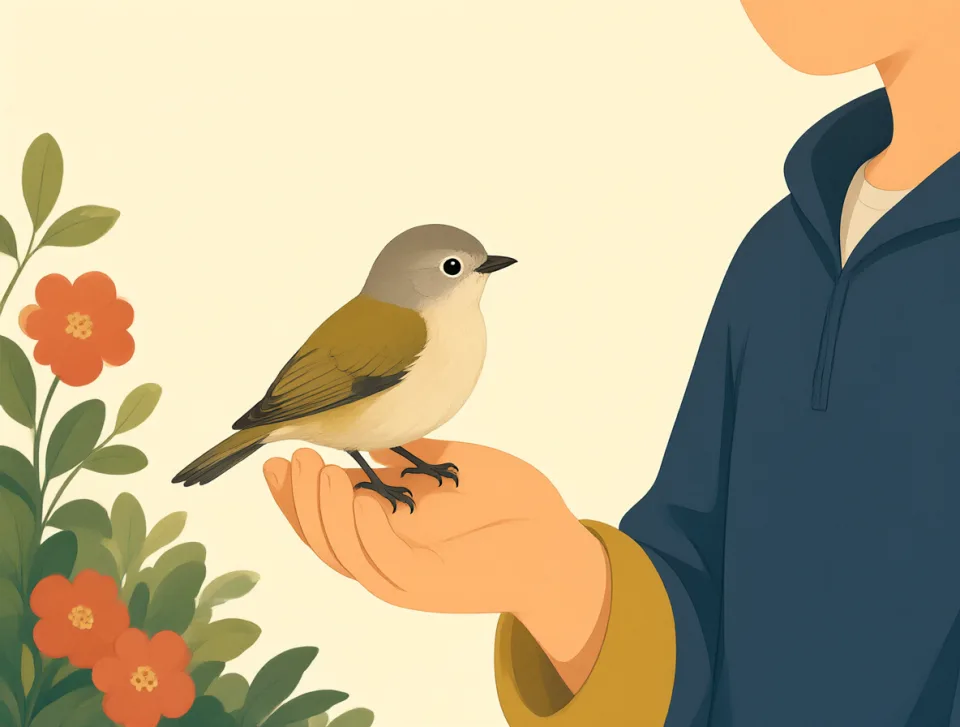
The bird landed on my hand.
حطّ الطائر على يدي.
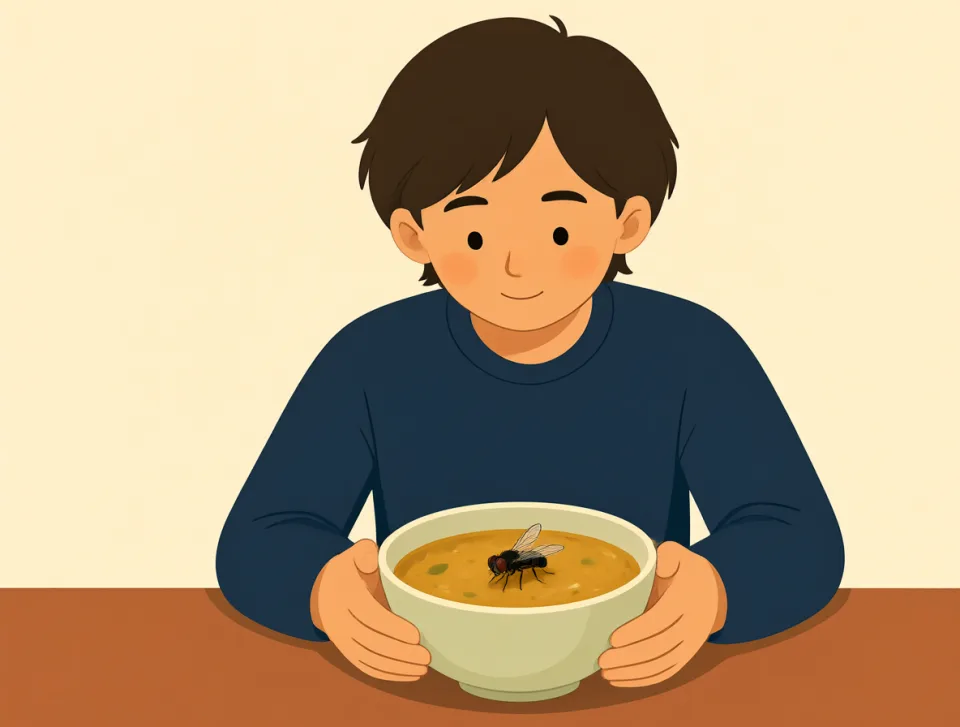
A fly landed in my soup.
حطّت ذبابة في حسائي.
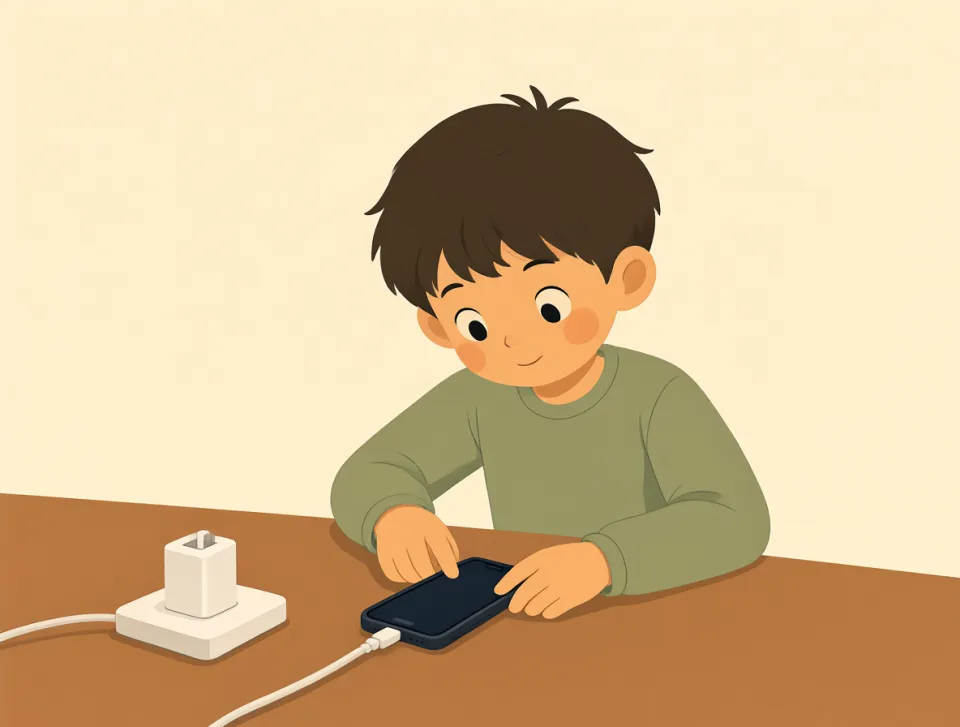
charge
#498noun, verb
يفرض رسوماً؛ يشحن؛ يتّهم
To ask for money, fill a battery, or officially accuse someone of a crime.
أن يطلب مالاً مقابل خدمة، أو يشحن بطارية، أو يوجّه اتهاماً رسمياً إلى شخص بارتكاب جريمة.
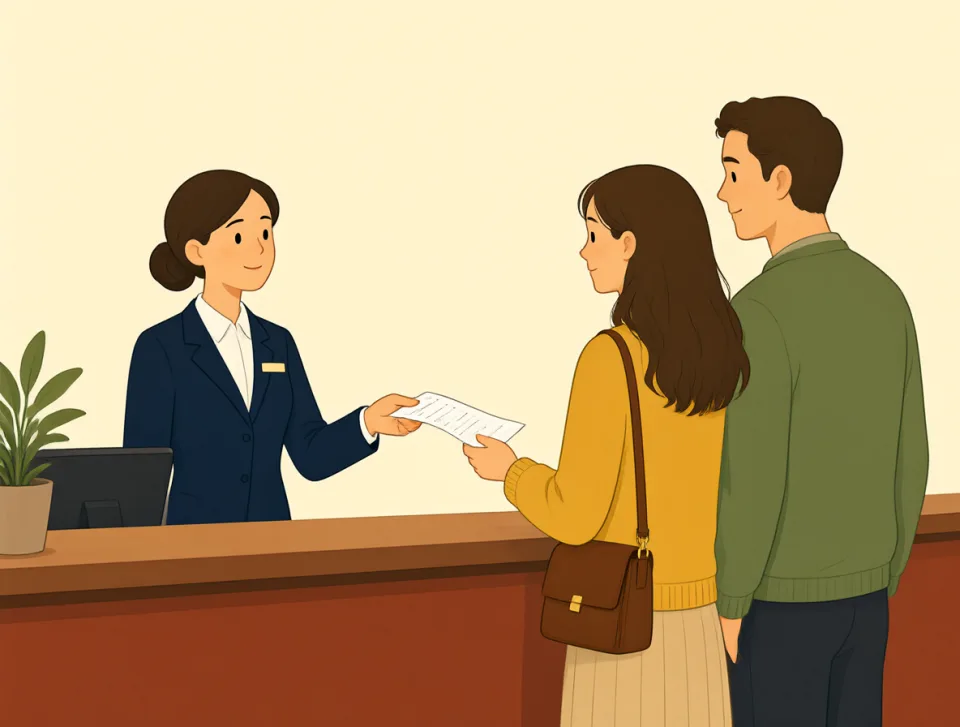
The hotel charged us for breakfast.
فرض الفندق علينا رسوماً مقابل الإفطار.
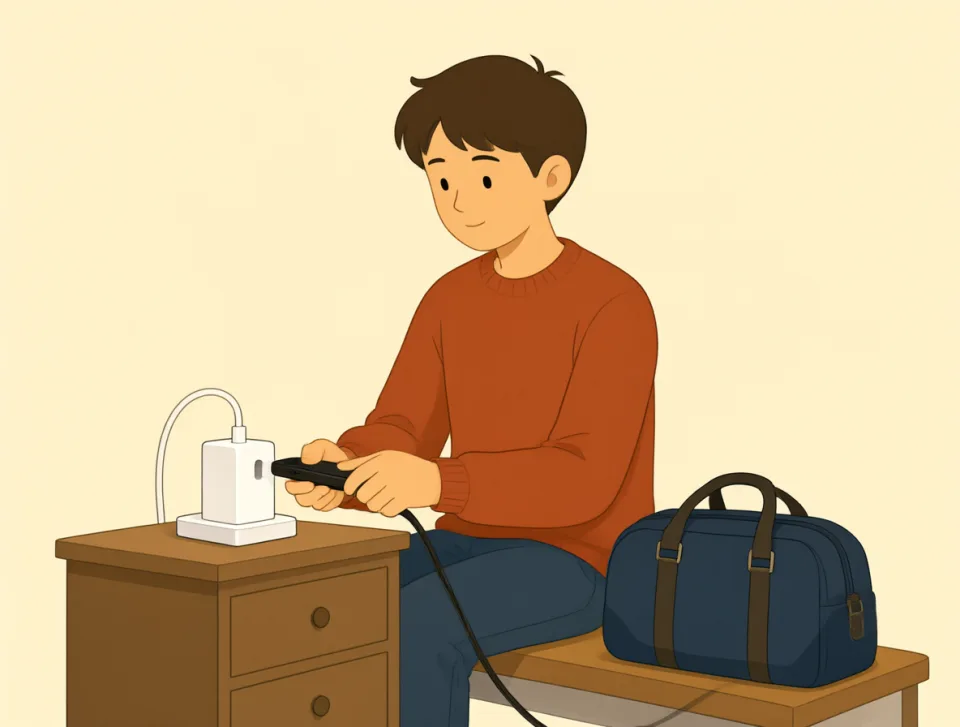
Please charge my phone before the trip.
من فضلك، اشحن هاتفي قبل الرحلة.

There is no extra charge for delivery.
لا توجد رسوم إضافية للتوصيل.

The police charged him with stealing money.
اتهمت الشرطة الرجل بسرقة المال.
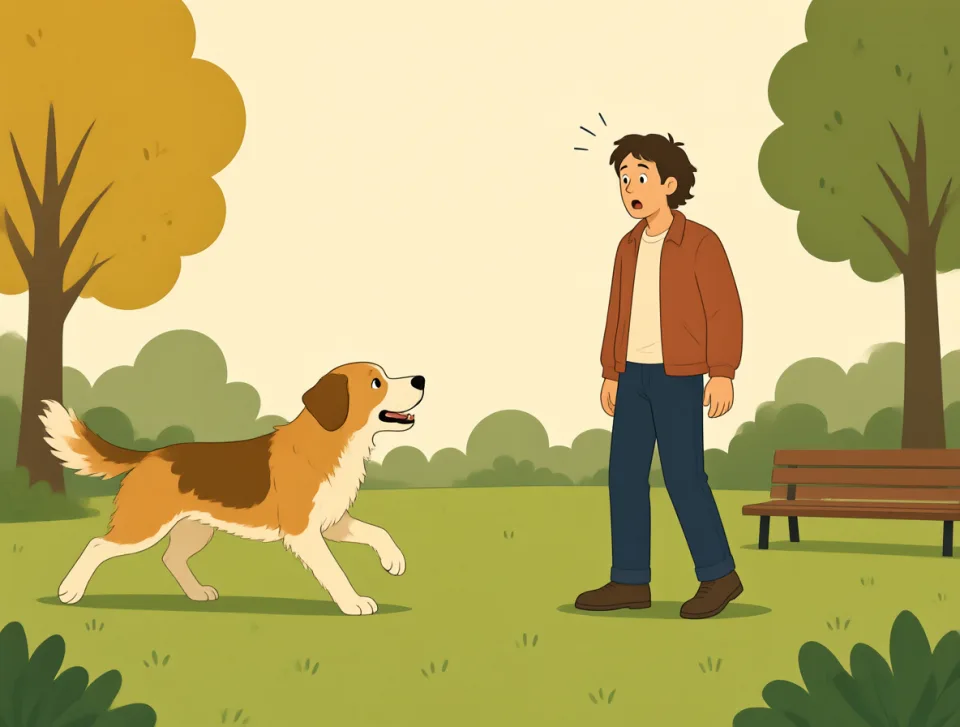
The dog charged at the stranger.
اندفع الكلب نحو الغريب.
finally
#499adverb
أخيراً
at the end of a long wait or after everything else has happened
في نهاية انتظار طويل أو بعد حدوث كل شيء آخر.
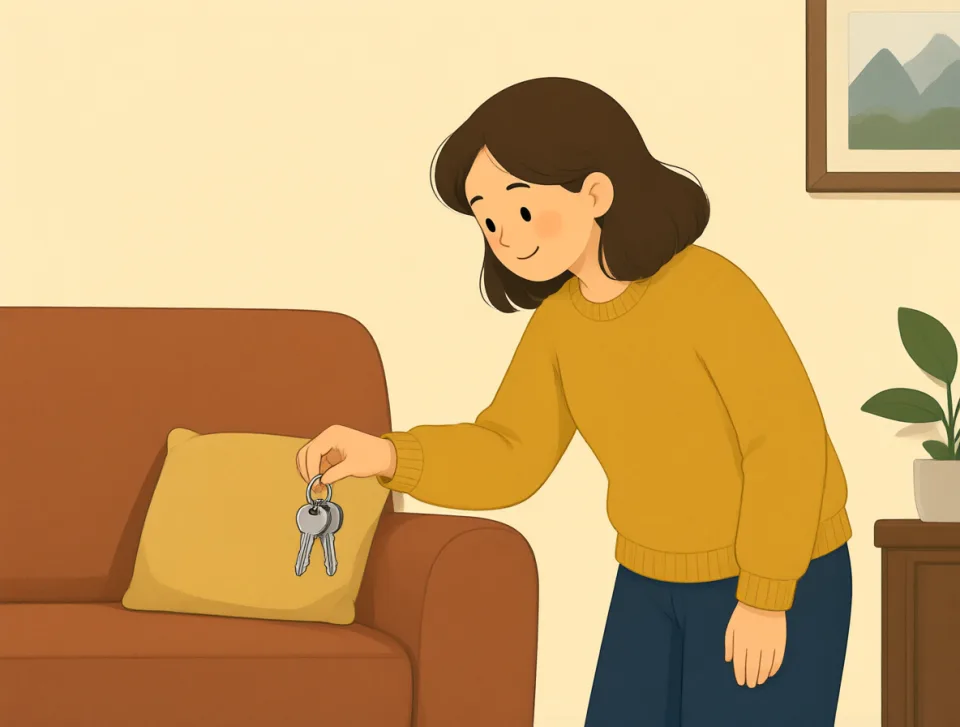
She finally found her lost keys.
وجدت أخيراً مفاتيحها الضائعة.
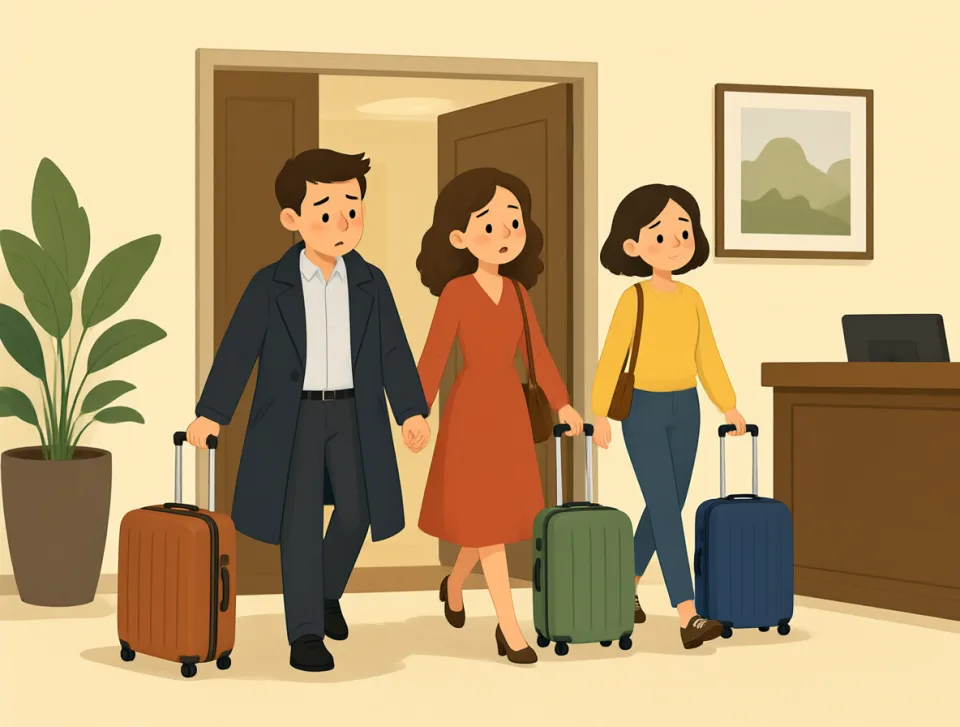
We finally arrived at the hotel.
وصلنا أخيراً إلى الفندق.
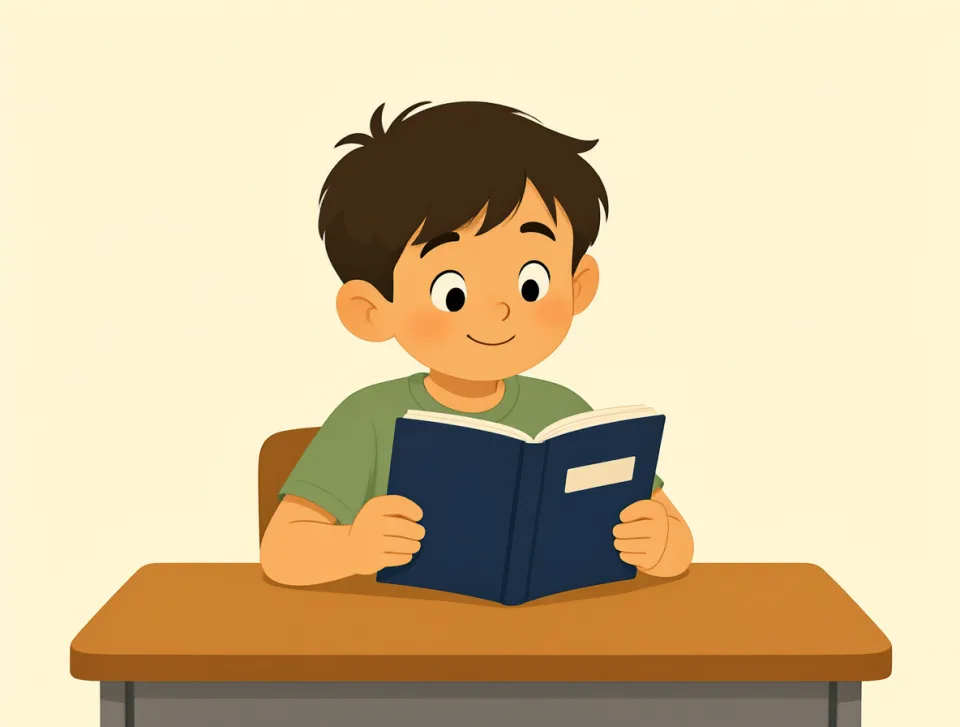
He finally finished his homework.
أنهى واجبه أخيراً.
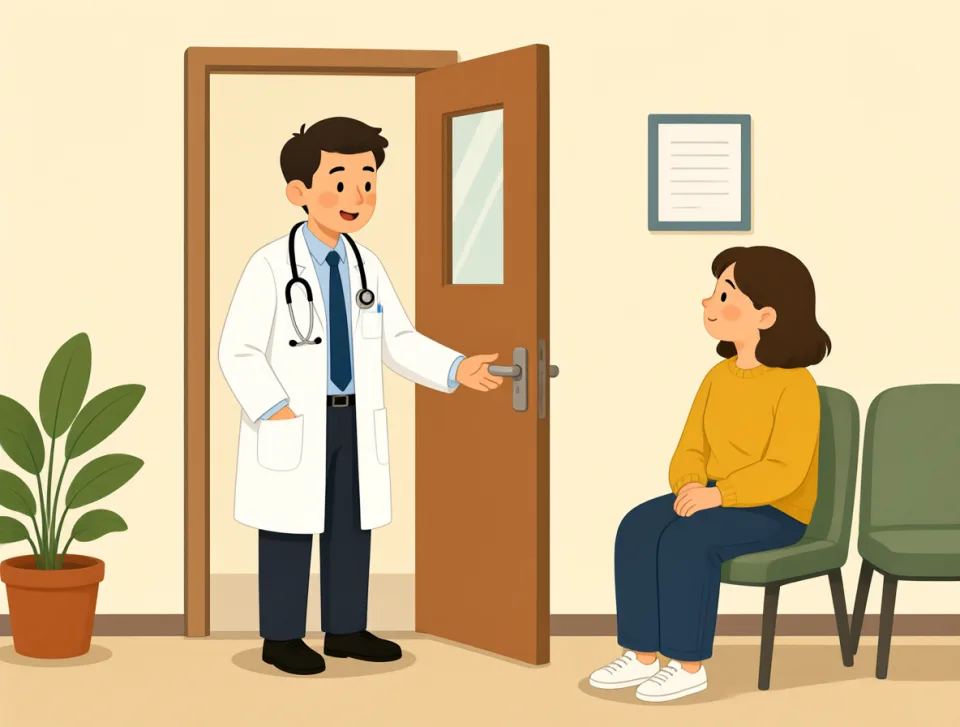
The doctor finally called my name.
نادى الطبيب اسمي أخيراً.

They finally agreed to meet tomorrow.
وافقوا أخيراً على أن يلتقوا غداً.
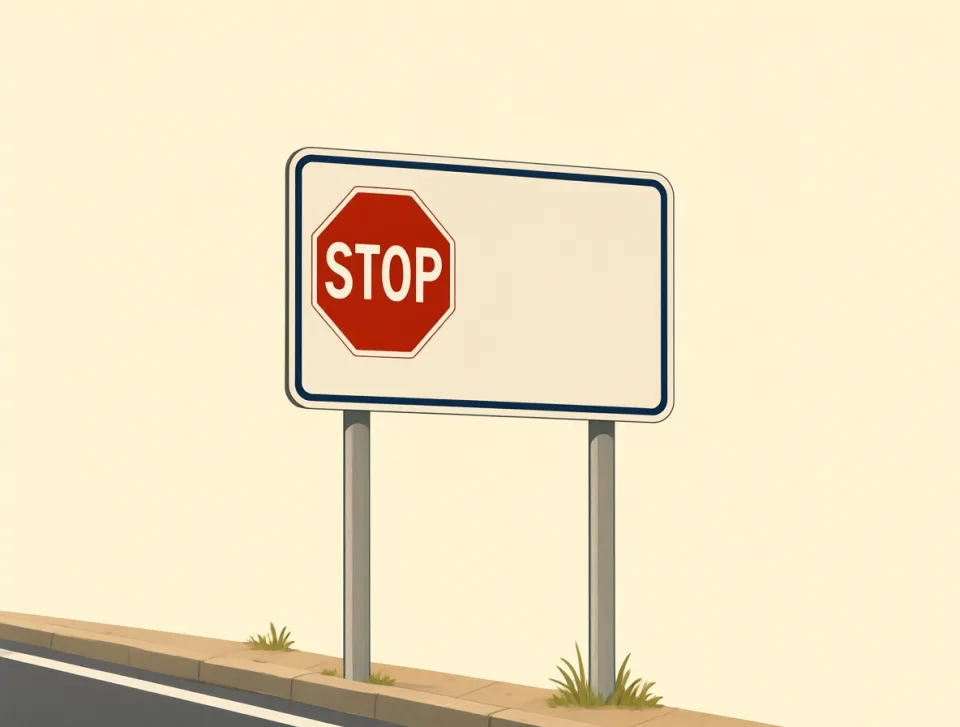
sign
#500noun, verb
علامة؛ يوقّع
A mark or action that gives information, or to write your name on something.
إشارة أو فعل يقدّم معلومات، أو أن تكتب اسمك على شيء.
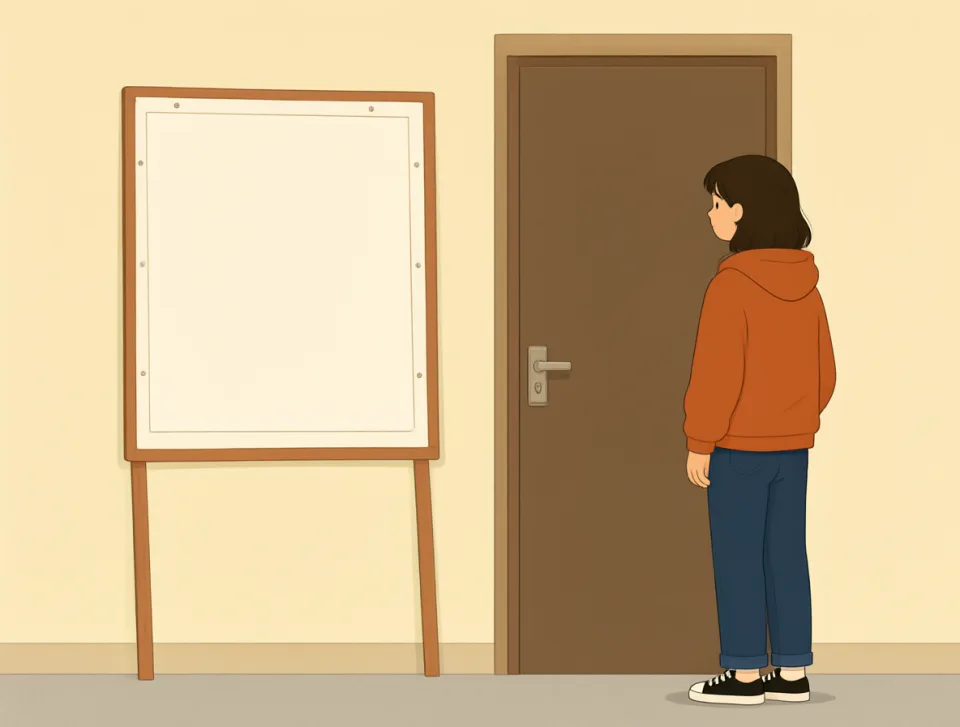
The sign says, “Keep the door closed.”
تقول اللافتة: «أبقوا الباب مغلقاً».
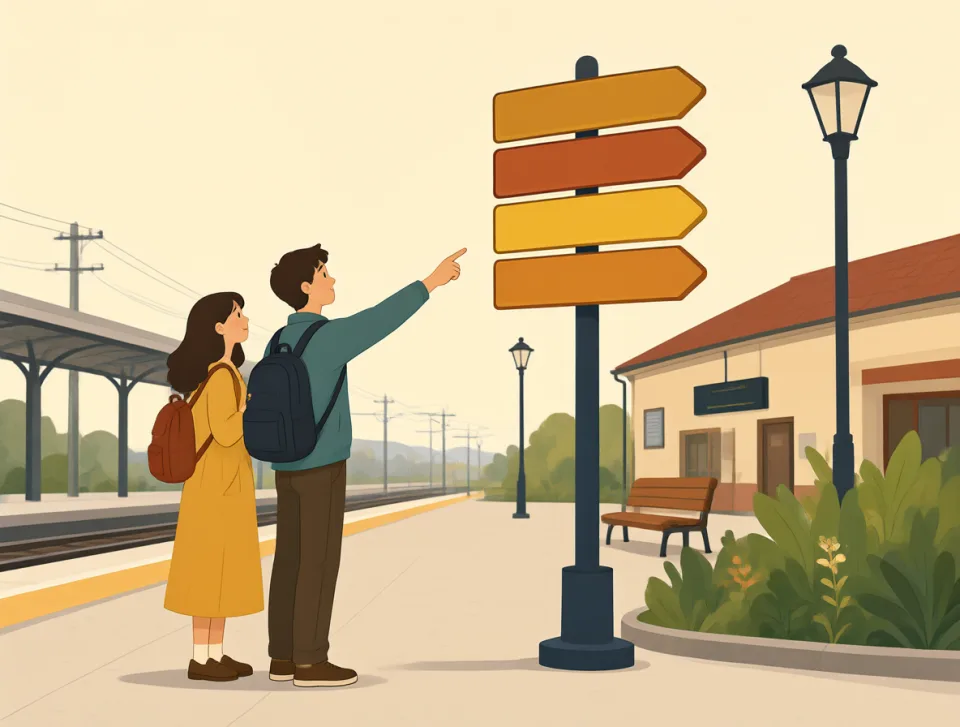
We saw a sign for the train station.
رأينا لافتةً تدلّ على محطة القطار.
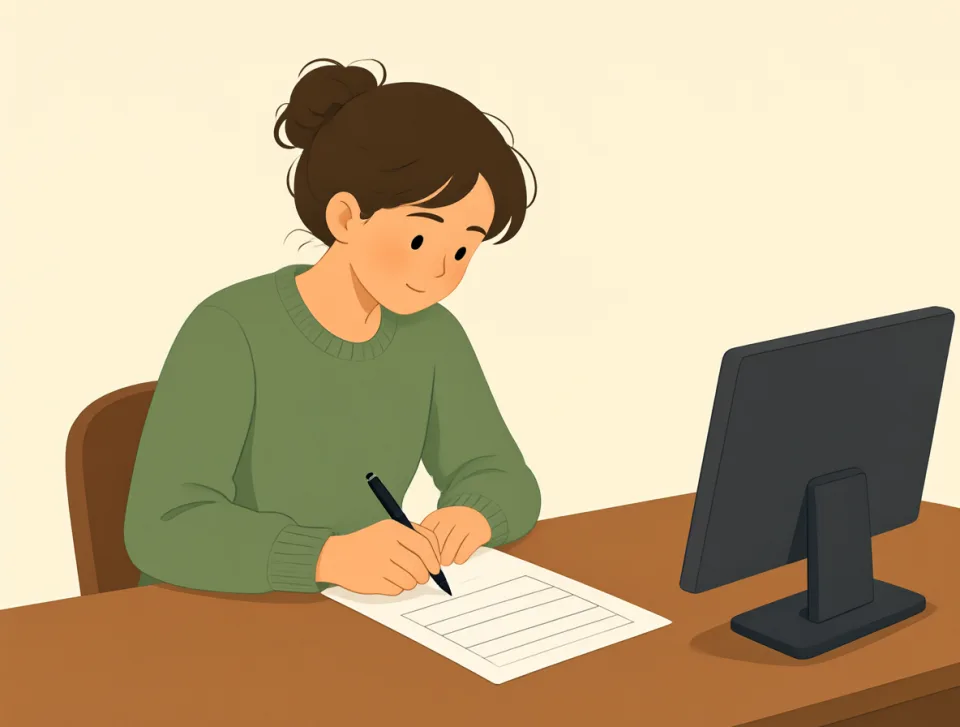
Please sign your name at the bottom.
من فضلك، وقّع باسمك في الأسفل.

She signed a contract at work.
وقّعت عقداً في العمل.

His smile was a sign of happiness.
كانت ابتسامته علامةً على السعادة.