इकाई 91
शब्द 1801–1820 · injury, vast, exhibition, producer, regional, immediate
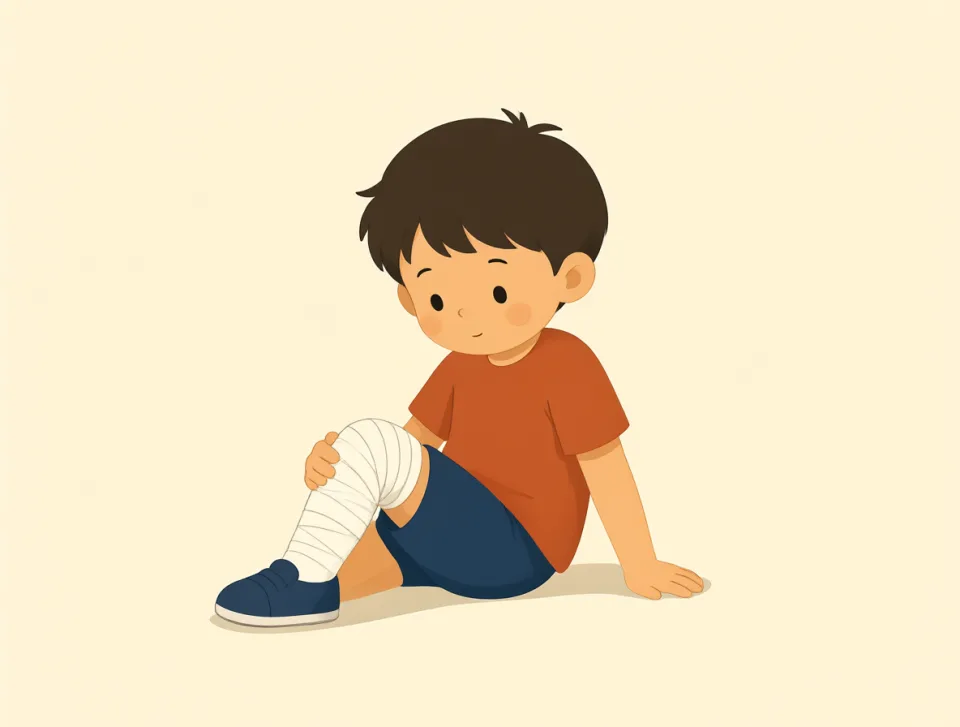
injury
#1801noun
चोट
Physical harm to your body caused by an accident, fall, or blow.
दुर्घटना, गिरने या किसी चीज़ की चोट से शरीर को पहुँची शारीरिक क्षति।
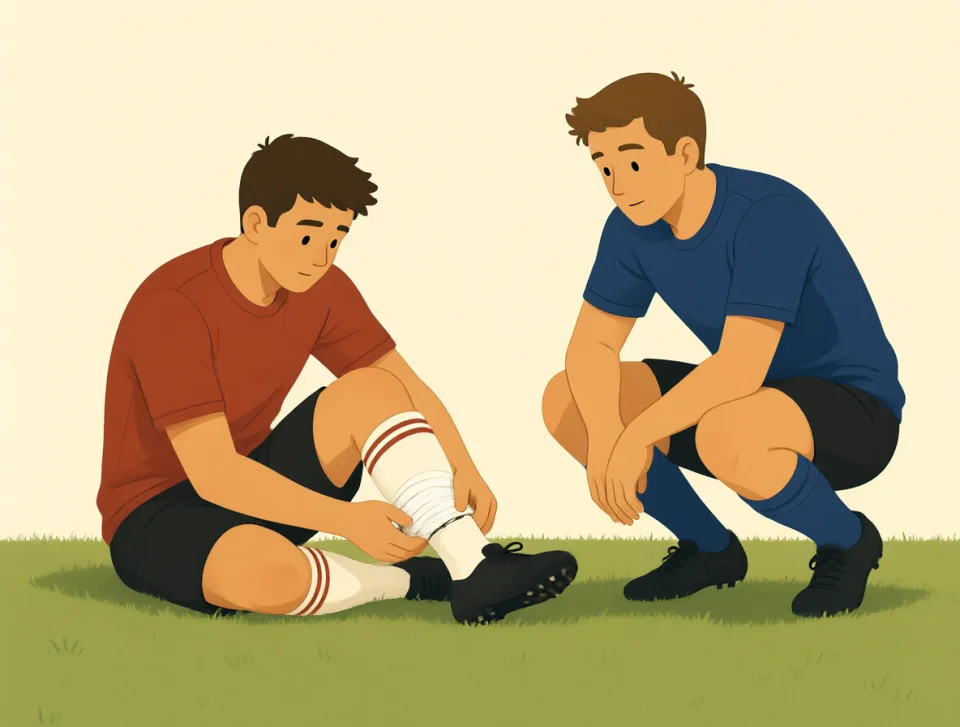
He suffered a serious injury while playing football.
फ़ुटबॉल खेलते समय उसे गंभीर चोट लगी।
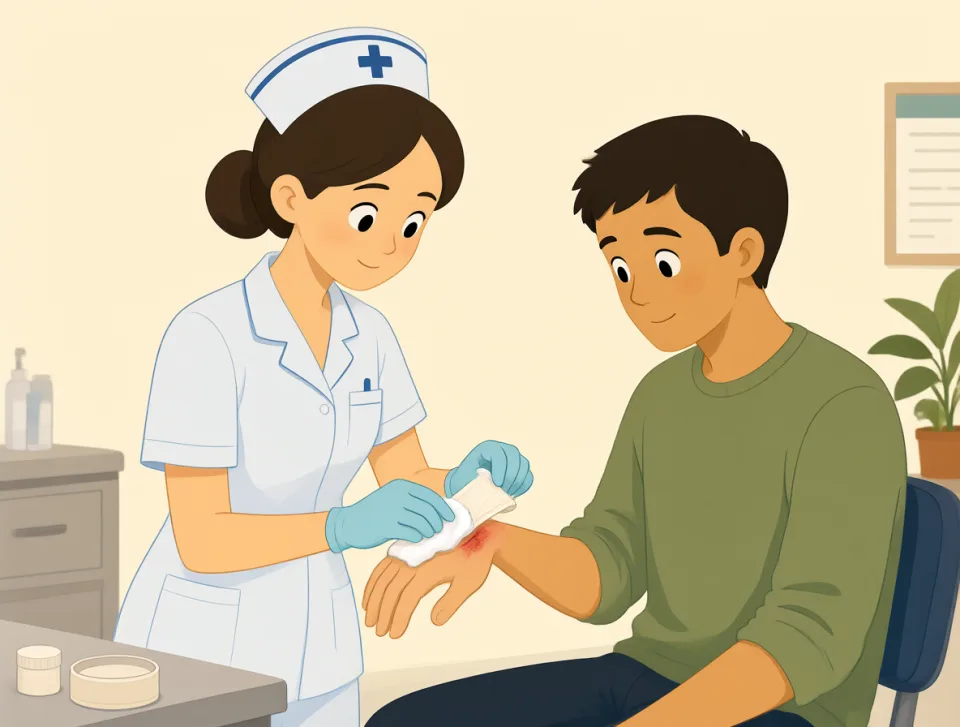
The nurse cleaned my injury and put on a bandage.
नर्स ने मेरी चोट साफ़ की और उस पर पट्टी बाँध दी।
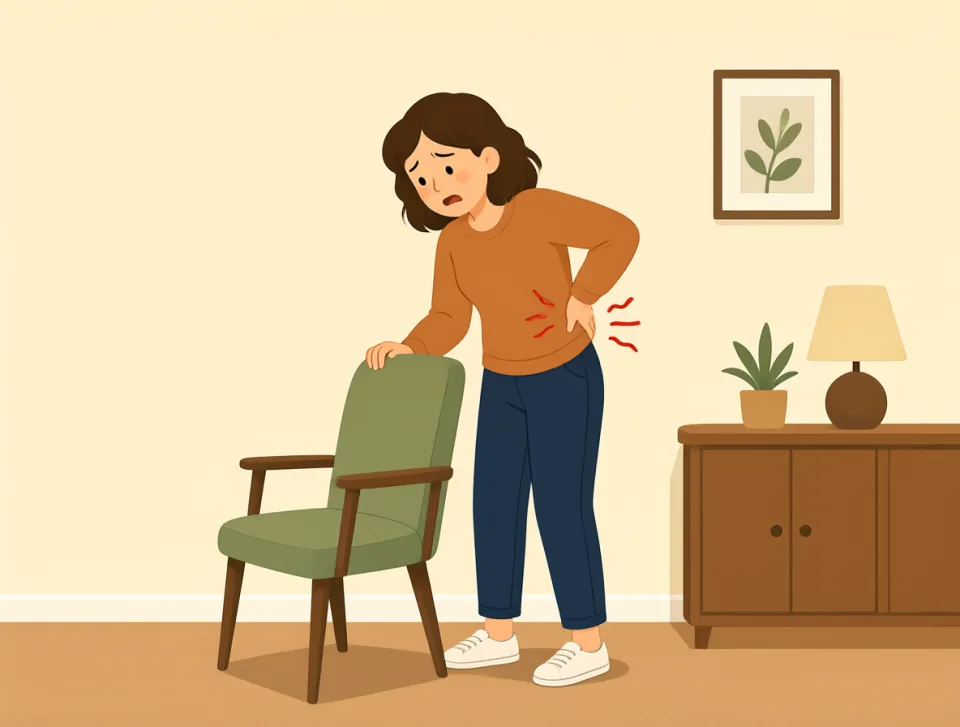
She missed work because of a back injury.
पीठ में चोट लगने के कारण वह काम पर नहीं जा सकी।
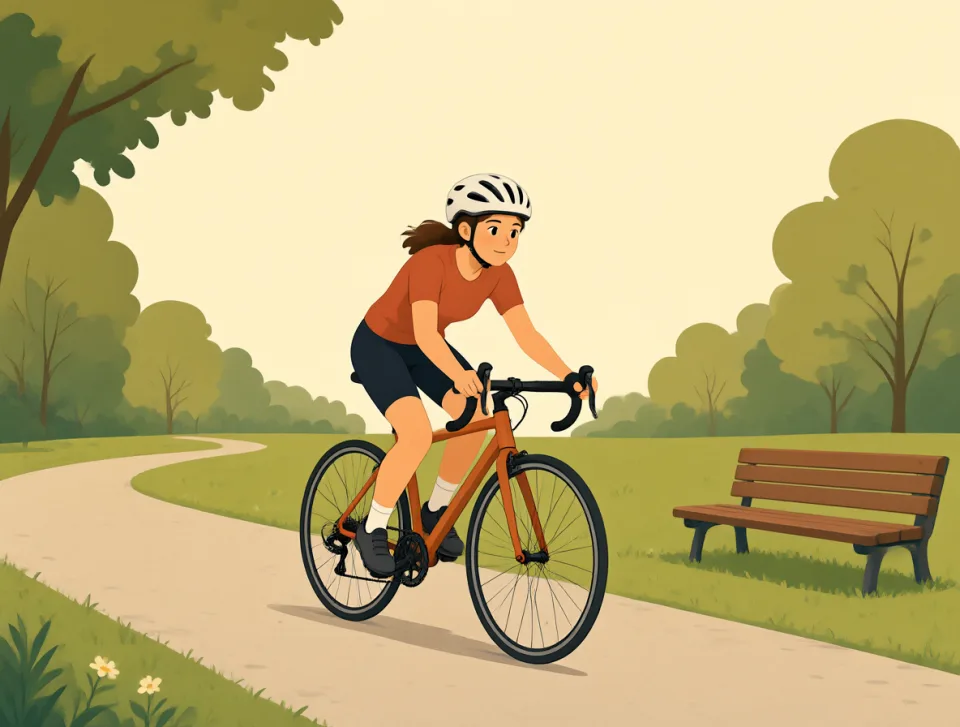
Wear a helmet to prevent head injuries when cycling.
साइकिल चलाते समय सिर की चोटों से बचने के लिए हेलमेट पहनें।

The player returned after recovering from his knee injury.
घुटने की चोट से उबरने के बाद खिलाड़ी वापस लौट आया।

vast
#1802adjective
विशाल
Extremely large in size, amount, or area.
आकार, मात्रा या क्षेत्रफल में अत्यंत बड़ा।

The hotel has a vast garden behind it.
होटल के पीछे एक विशाल बगीचा है।

We saw vast fields from the train window.
ट्रेन की खिड़की से हमें विशाल खेत दिखाई दिए।

The company has vast experience in online shopping.
ऑनलाइन खरीदारी के क्षेत्र में कंपनी को व्यापक अनुभव है।

She felt a vast improvement in her health.
उसने अपनी सेहत में बहुत बड़ा सुधार महसूस किया।
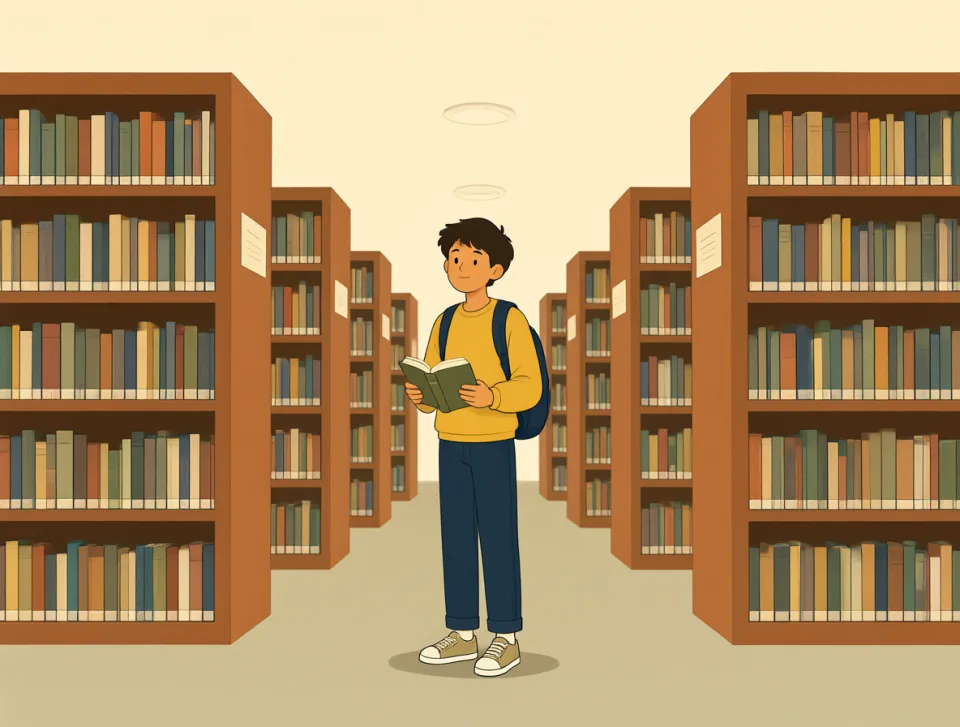
The school library offers a vast choice of books.
स्कूल के पुस्तकालय में किताबों का बहुत बड़ा चयन उपलब्ध है।
exhibition
#1803noun
प्रदर्शनी
a public event where people show art, objects, or information
एक सार्वजनिक आयोजन, जहाँ लोग कला, वस्तुएँ या जानकारी प्रदर्शित करते हैं।

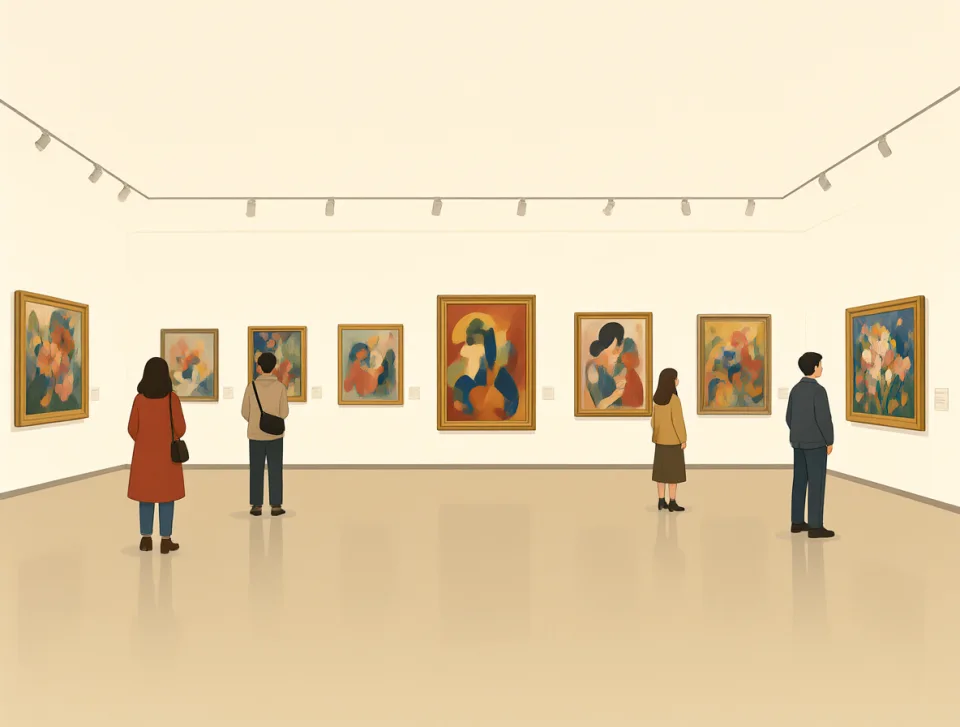
We visited an art exhibition at the city gallery on Saturday.
हमने शनिवार को शहर की आर्ट गैलरी में कला प्रदर्शनी देखी।
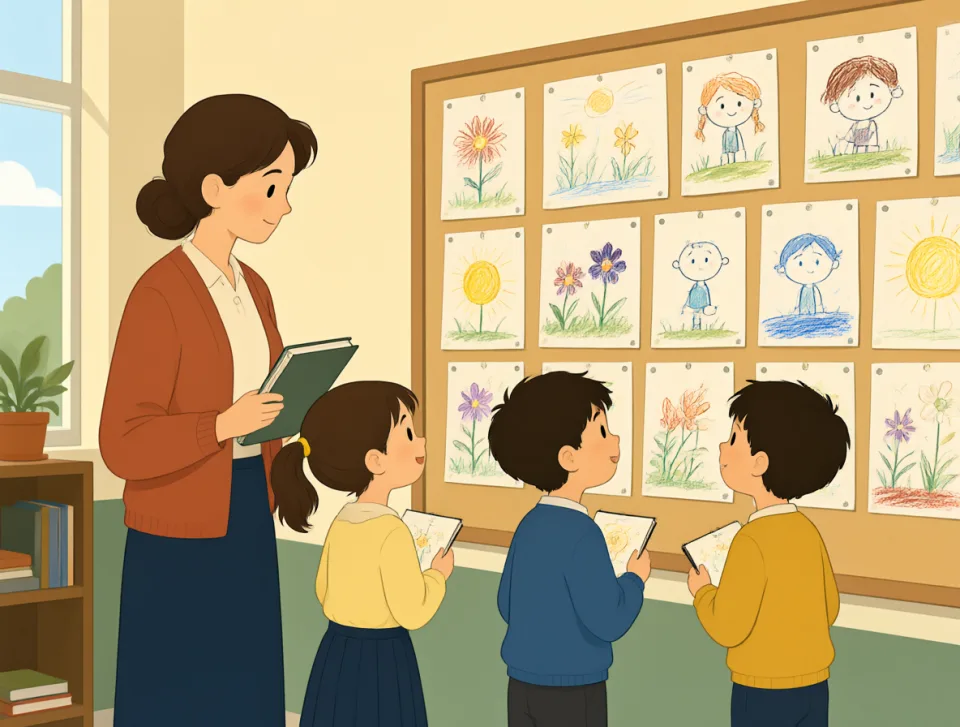
The school exhibition showed drawings made by young students.
स्कूल की प्रदर्शनी में छोटे विद्यार्थियों की बनाई हुई चित्रकारी दिखाई गई।
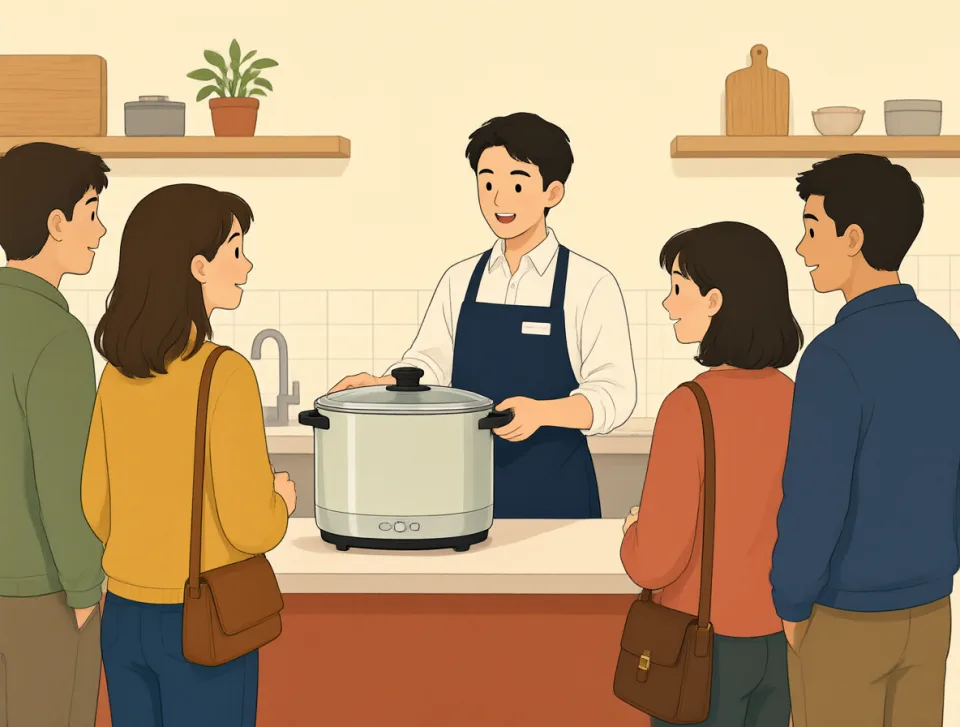
Our company held an exhibition of new kitchen products.
हमारी कंपनी ने रसोई के नए उत्पादों की प्रदर्शनी लगाई।
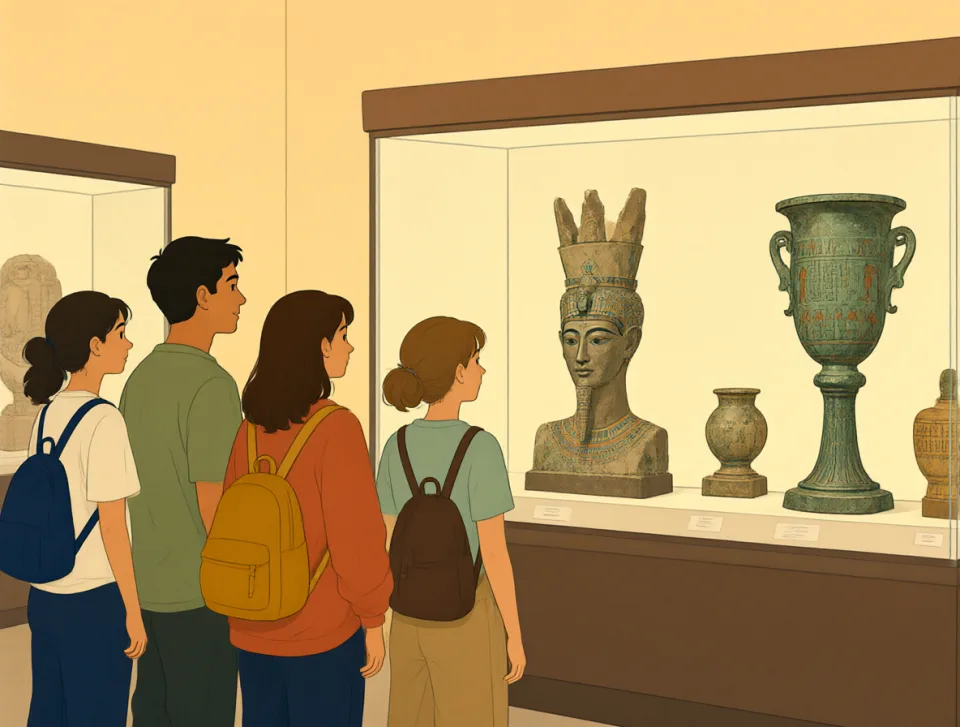
The museum exhibition about ancient Egypt attracted many tourists.
प्राचीन मिस्र पर लगी संग्रहालय की प्रदर्शनी ने कई पर्यटकों को आकर्षित किया।
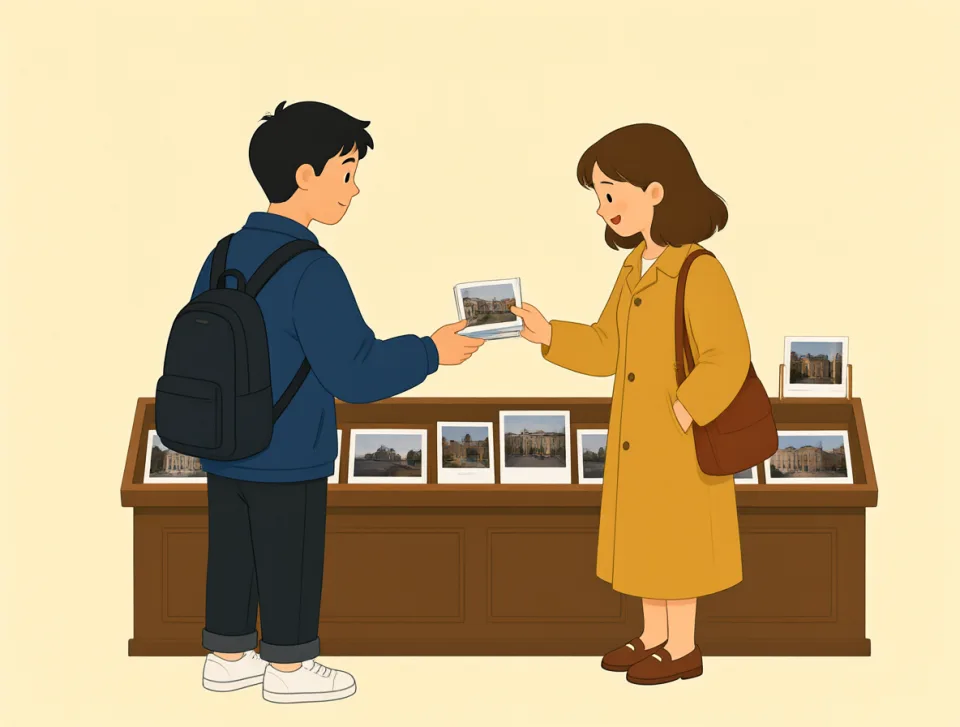
I bought a guidebook after seeing the photography exhibition.
फ़ोटोग्राफ़ी की प्रदर्शनी देखने के बाद मैंने एक गाइडबुक खरीदी।
producer
#1804noun
निर्माता
A person or company that makes films, television programs, music, or other products.
ऐसा व्यक्ति या कंपनी जो फ़िल्में, टेलीविज़न कार्यक्रम, संगीत या अन्य उत्पाद बनाती है।
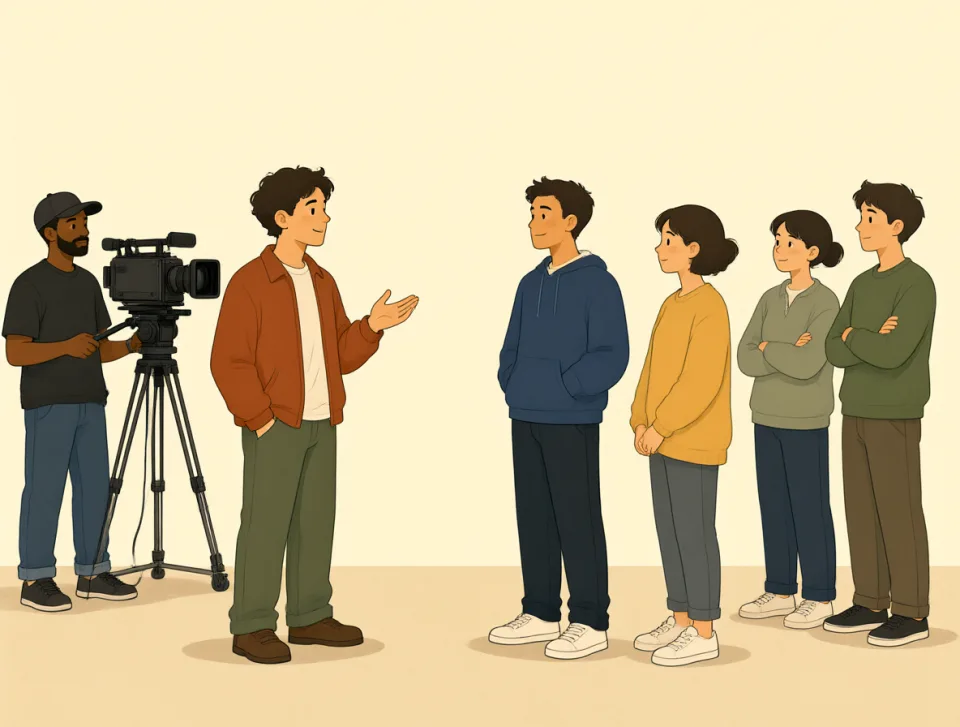
The film producer chose the actors and planned the movie.
फ़िल्म निर्माता ने अभिनेताओं को चुना और फ़िल्म की योजना बनाई।

She works as a television producer in London.
वह लंदन में टेलीविज़न निर्माता के रूप में काम करती है।

The music producer helped the singer create a new song.
संगीत निर्माता ने गायक को एक नया गाना बनाने में मदद की।

The farm producer sells fresh vegetables at our local market.
खेत का उत्पादक हमारे स्थानीय बाज़ार में ताज़ी सब्ज़ियाँ बेचता है।
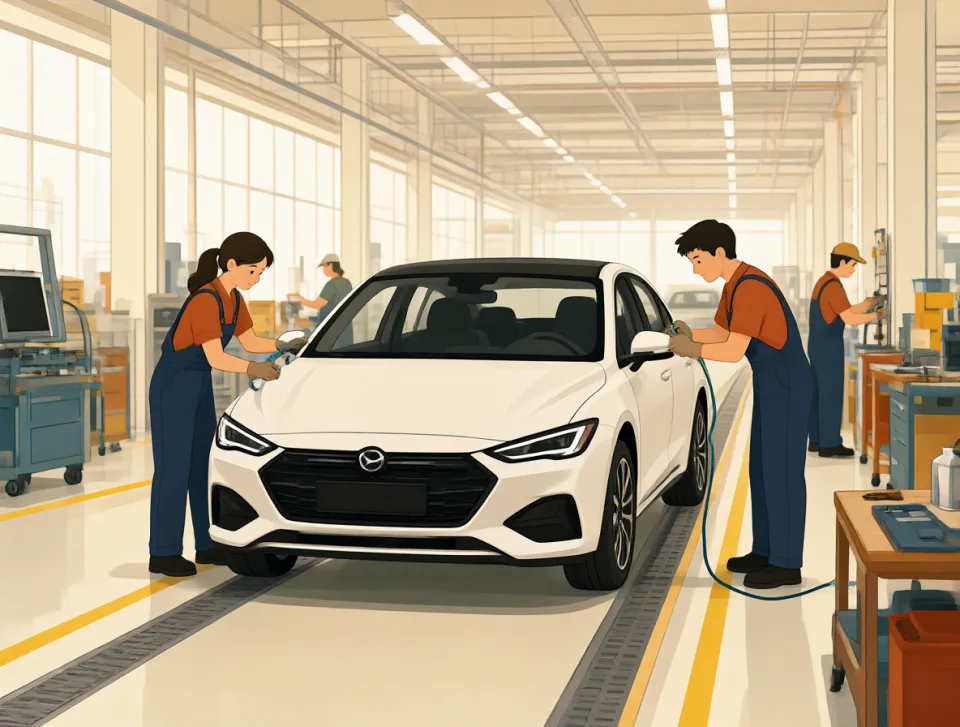
This company is a leading producer of electric cars.
यह कंपनी इलेक्ट्रिक कारों की अग्रणी निर्माता है।
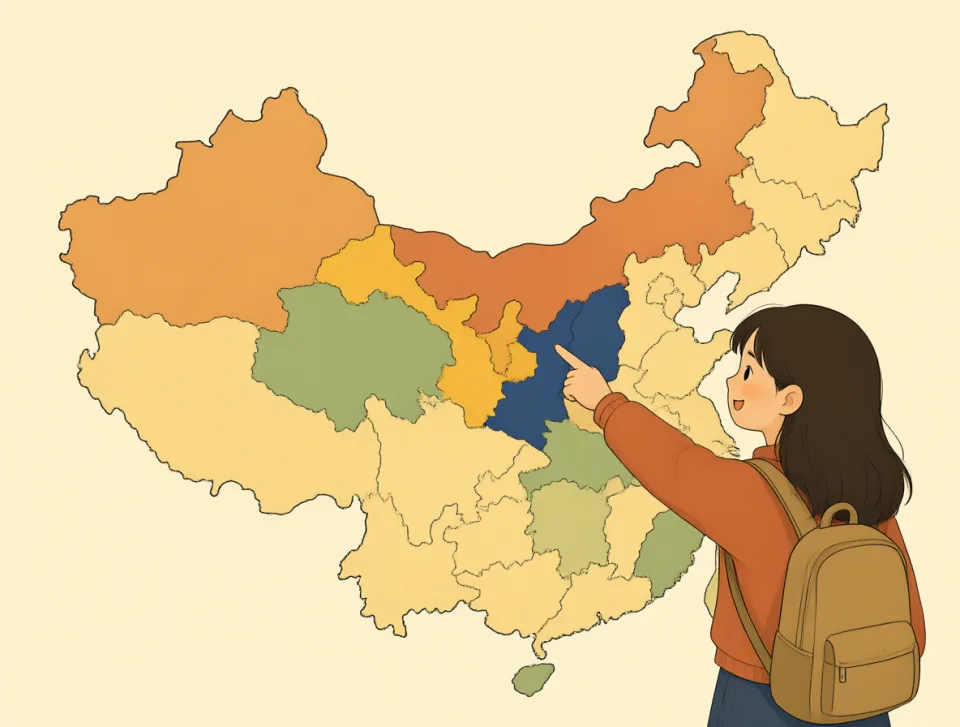
regional
#1805adjective
क्षेत्रीय
Connected with a particular area, region, or part of a country.
किसी खास इलाके, क्षेत्र या देश के किसी हिस्से से संबंधित।
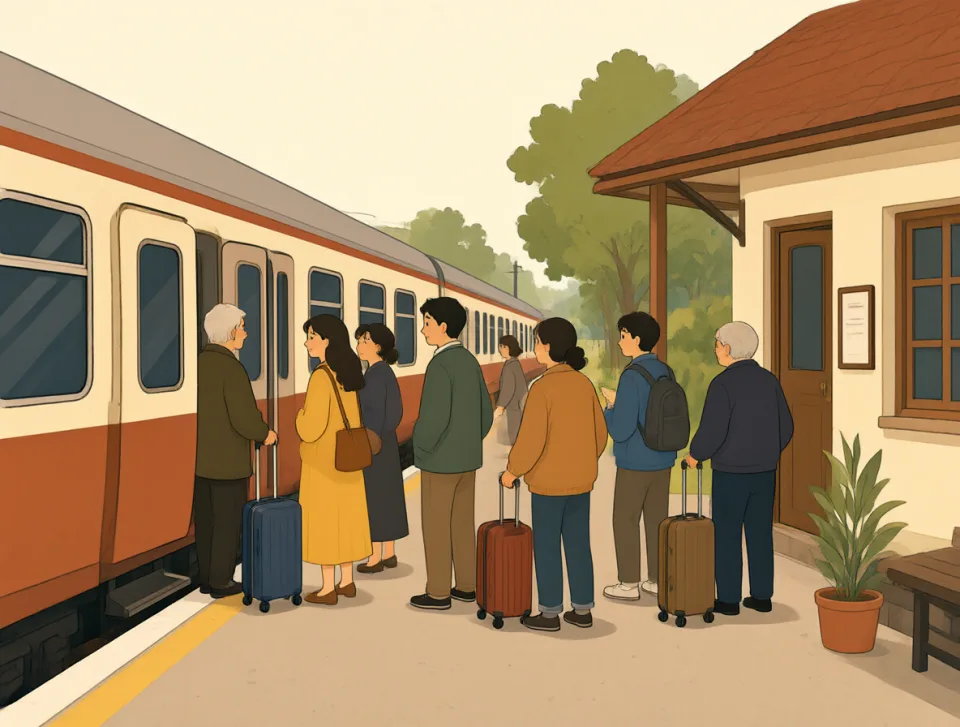
The regional train leaves at eight every morning.
क्षेत्रीय ट्रेन हर सुबह आठ बजे रवाना होती है।
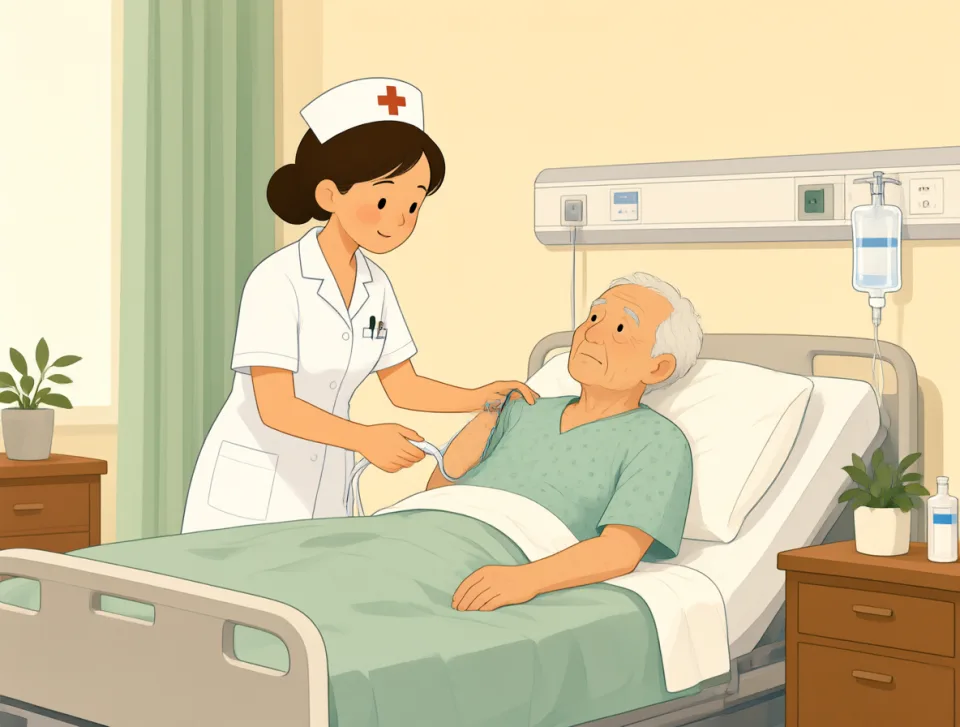
She works for a regional hospital near her hometown.
वह अपने गृहनगर के पास एक क्षेत्रीय अस्पताल में काम करती है।
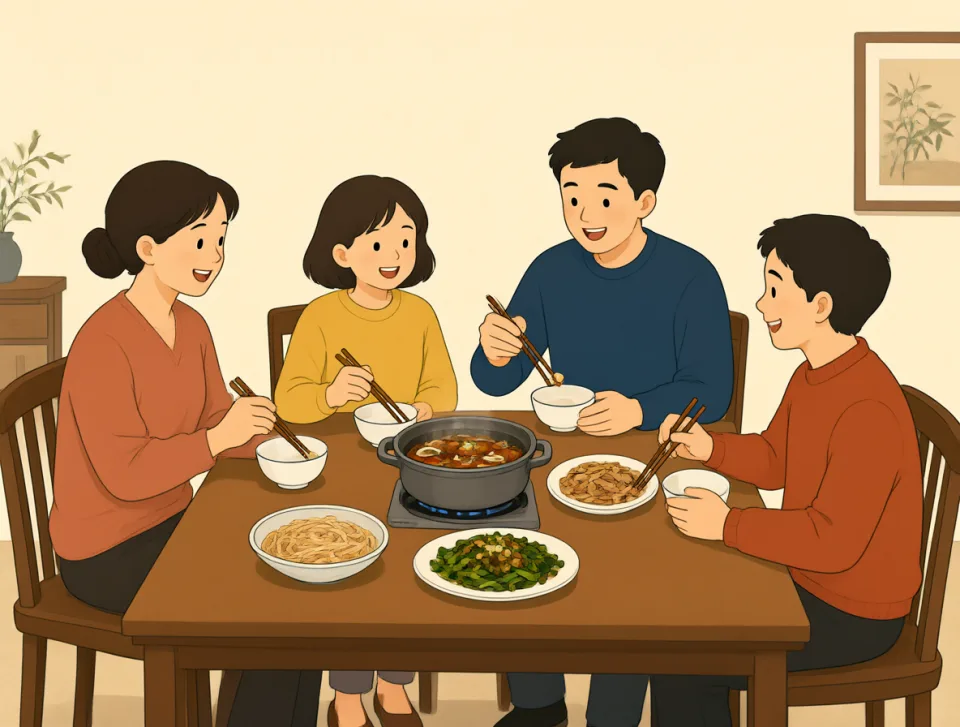
This regional food is popular across the whole country.
यह क्षेत्रीय भोजन पूरे देश में लोकप्रिय है।
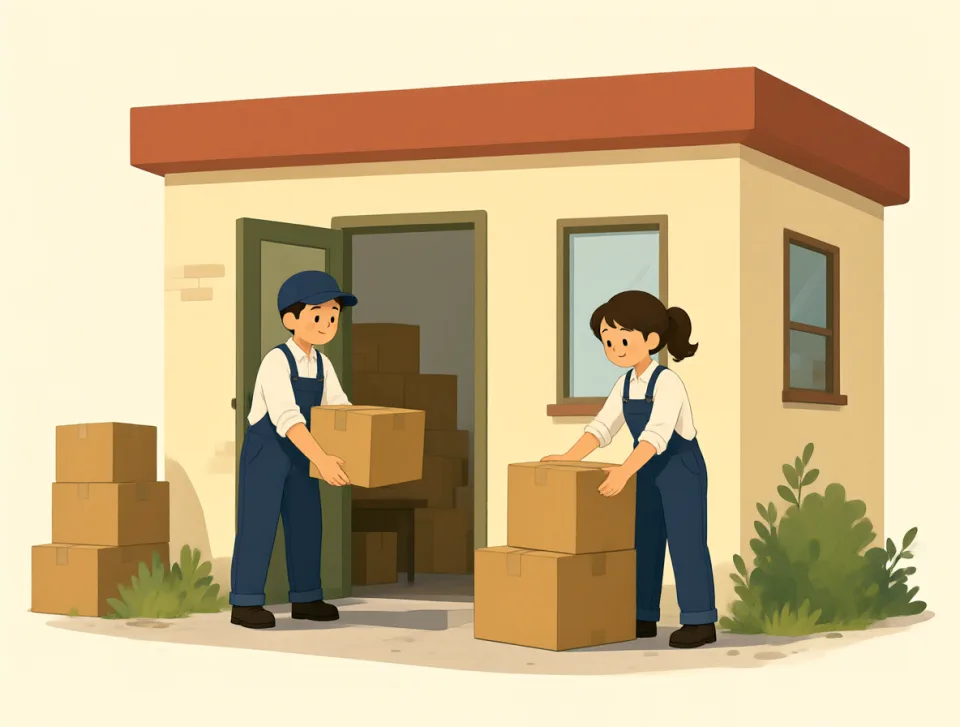
The company opened a new regional office in the city.
कंपनी ने शहर में एक नया क्षेत्रीय कार्यालय खोला।
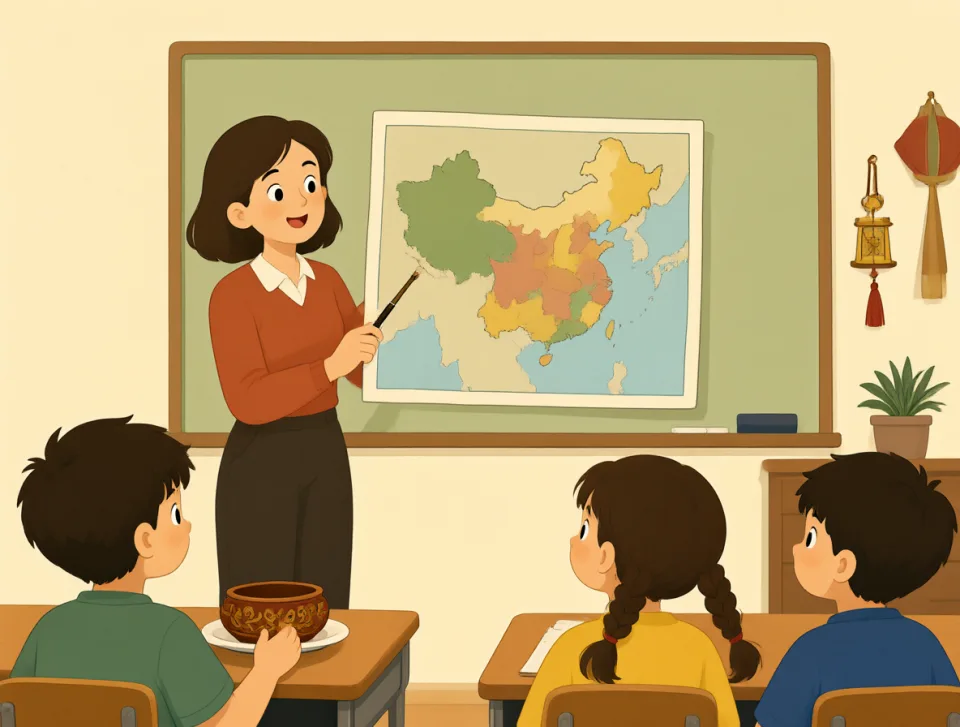
Regional schools often teach local history and traditions.
क्षेत्रीय स्कूल अक्सर स्थानीय इतिहास और परंपराएँ पढ़ाते हैं।
immediate
#1806adjective
तत्काल
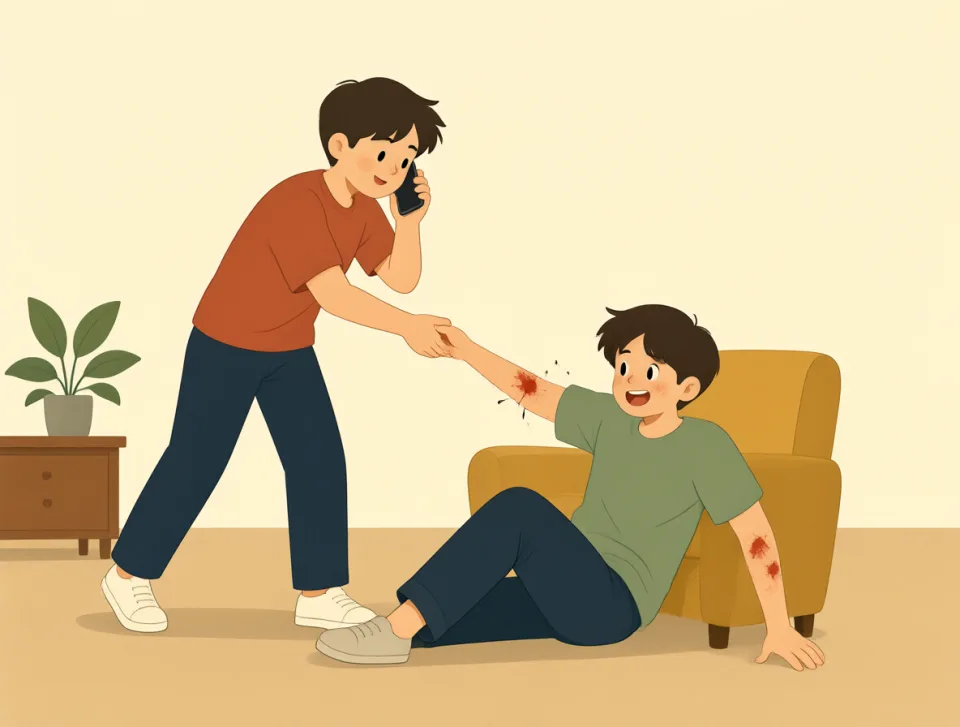
happening or needed at once, without waiting
जो बिना देर किए तुरंत हो या जिसकी तुरंत ज़रूरत हो

Please give this message your immediate attention.
कृपया इस संदेश पर तुरंत ध्यान दें।
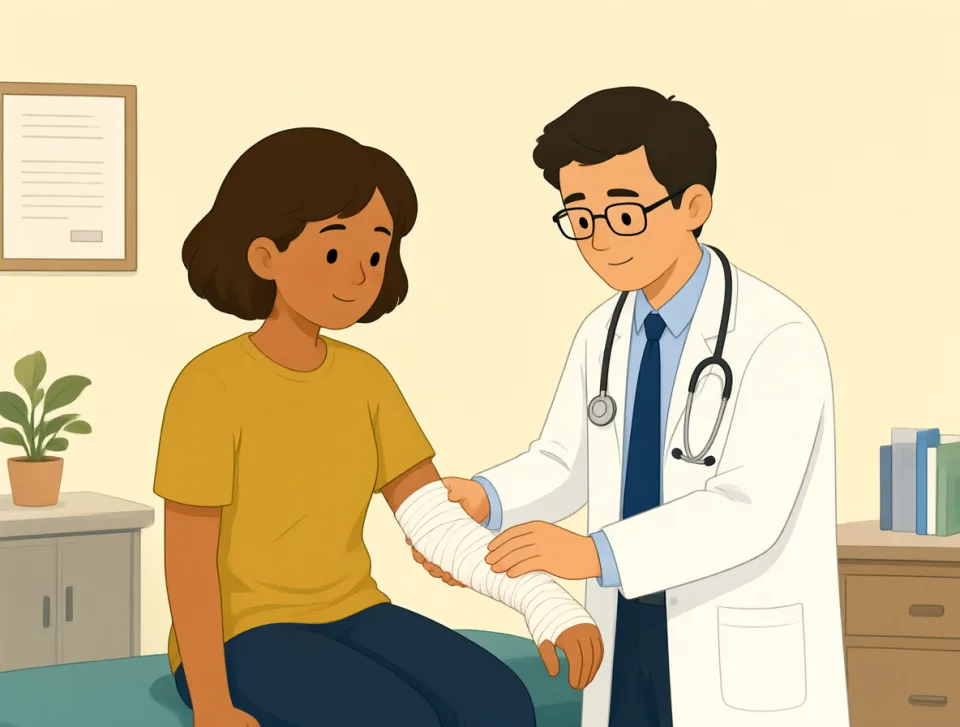
The doctor gave him immediate treatment for his injury.
डॉक्टर ने उसकी चोट का तुरंत इलाज किया।

We need an immediate answer before we book the tickets.
टिकट बुक करने से पहले हमें तुरंत जवाब चाहिए।

She felt immediate relief after drinking some water.
थोड़ा पानी पीने के बाद उसे तुरंत राहत मिली।

The new manager became my immediate supervisor.
नया मैनेजर मेरा सीधा सुपरवाइज़र बन गया।

incident
#1807noun
घटना
an event, especially one that is unusual, unpleasant, or causes a problem
कोई घटना, खासकर ऐसी जो असामान्य या अप्रिय हो, या जिससे कोई समस्या पैदा हो
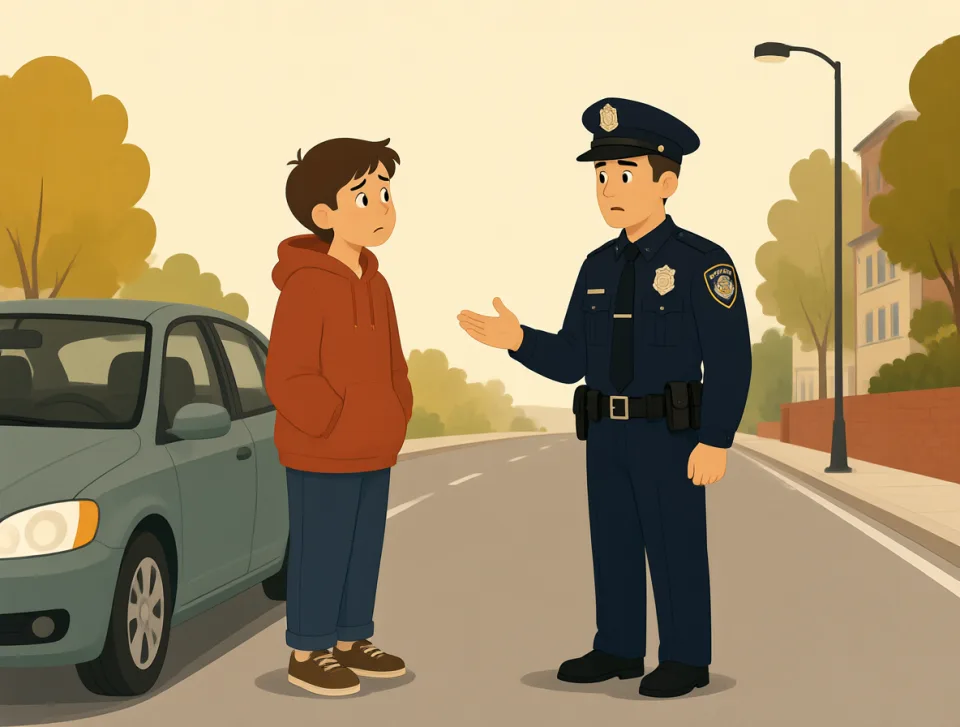
The police asked several questions about the incident.
पुलिस ने उस घटना के बारे में कई सवाल पूछे।

There was a strange incident outside our house last night.
कल रात हमारे घर के बाहर एक अजीब घटना हुई।
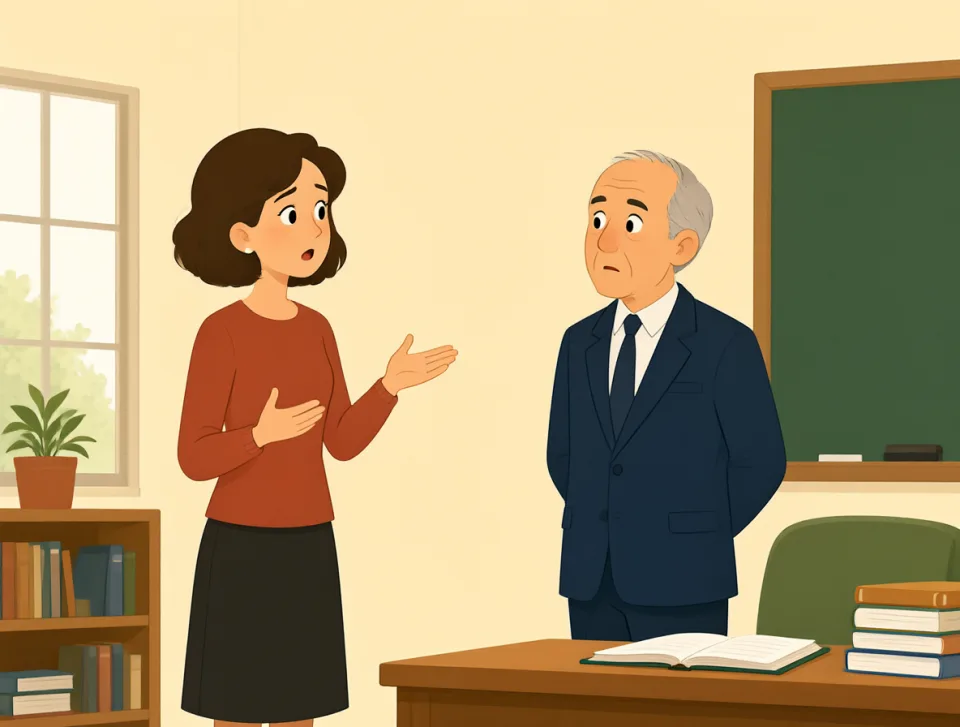
The teacher reported the incident to the school principal.
शिक्षक ने घटना की जानकारी स्कूल के प्रधानाचार्य को दी।

A flight attendant handled the incident calmly during the trip.
यात्रा के दौरान फ्लाइट अटेंडेंट ने घटना को शांति से संभाला।

We laughed about the silly incident with our friends later.
बाद में हमने दोस्तों के साथ उस मज़ेदार घटना को याद करके खूब हँसी-मज़ाक किया।
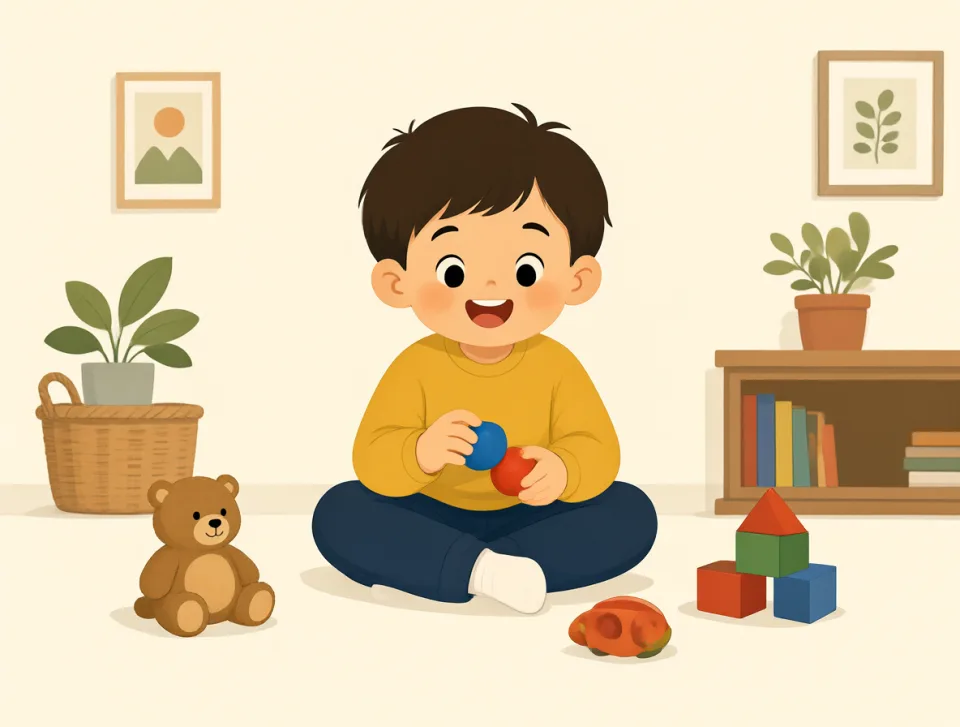
childhood
#1808noun
बचपन
The time when someone is a child.
वह समय जब कोई बच्चा होता है।

I spent my childhood in a small village near the sea.
मैंने अपना बचपन समुद्र के पास एक छोटे से गाँव में बिताया।
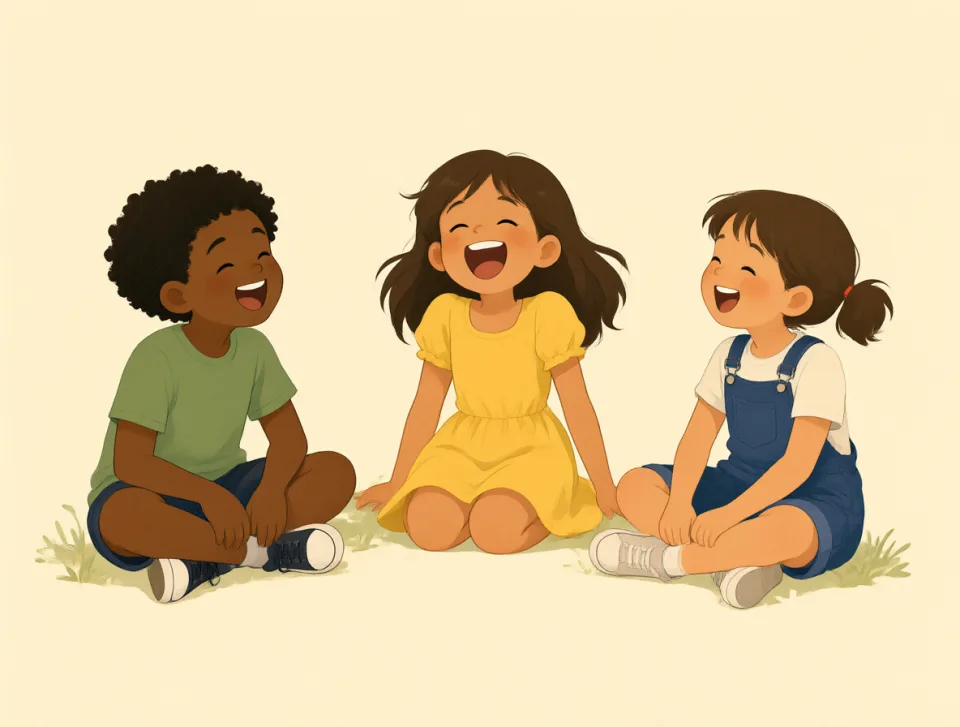
She has happy childhood memories of summer holidays with her cousins.
उसे अपने चचेरे-ममेरे भाई-बहनों के साथ गर्मियों की छुट्टियों की बचपन की सुखद यादें हैं।
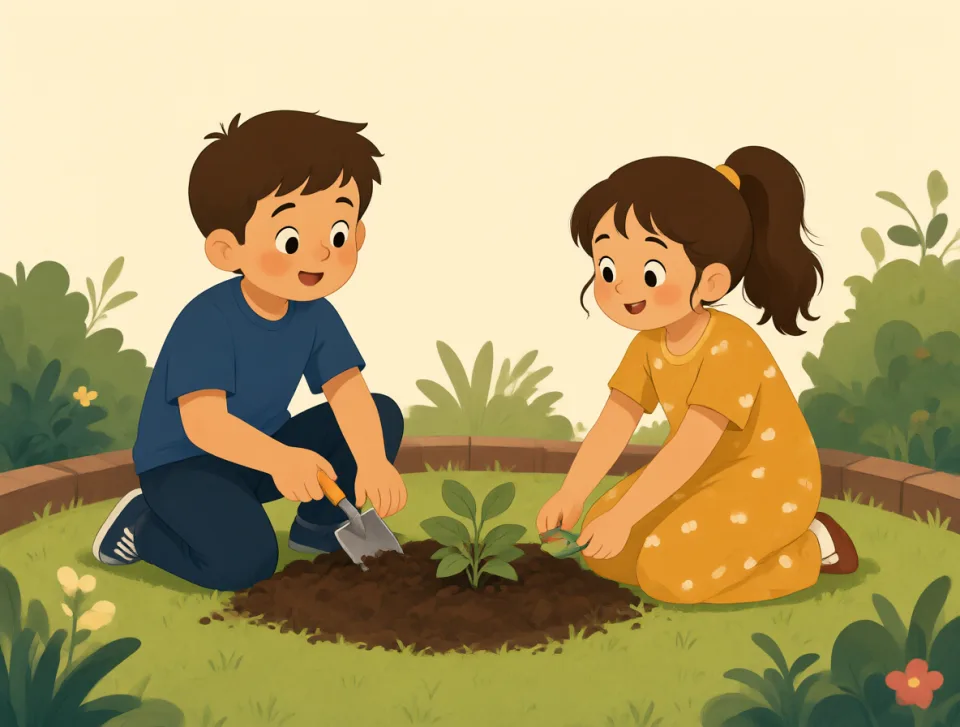
We were childhood friends before moving to different cities.
अलग-अलग शहरों में जाने से पहले हम बचपन के दोस्त थे।
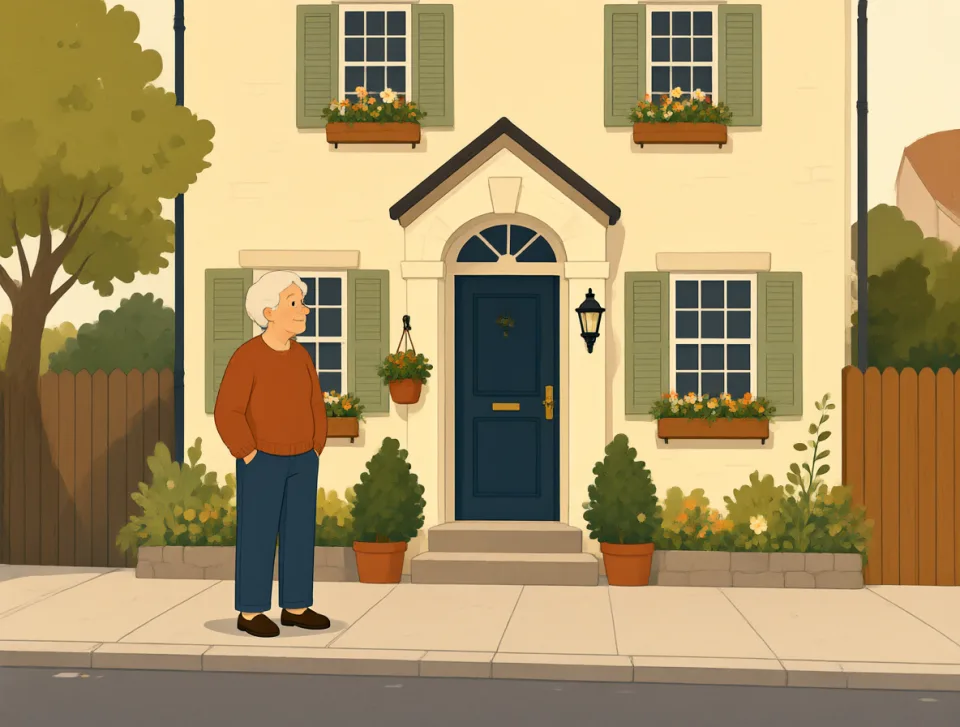
His childhood home is now a popular restaurant.
उसका बचपन का घर अब एक लोकप्रिय रेस्तराँ है।

Childhood illnesses are usually less serious than they seem.
बचपन की बीमारियाँ आम तौर पर जितनी गंभीर लगती हैं, उतनी होती नहीं हैं।

draft
#1809noun, verb
मसौदा
A first version of writing, or to write a first version of something.
लिखी हुई चीज़ का पहला रूप, या किसी चीज़ का पहला रूप लिखना।

I finished the first draft of my school essay last night.
मैंने कल रात अपने स्कूल के निबंध का पहला मसौदा पूरा किया।

She asked me to read her draft before she sent it.
उसने मुझसे अपना मसौदा पढ़ने को कहा, इससे पहले कि वह उसे भेजती।

The manager drafted a short email for the whole team.
मैनेजर ने पूरी टीम के लिए एक छोटा-सा ईमेल तैयार किया।
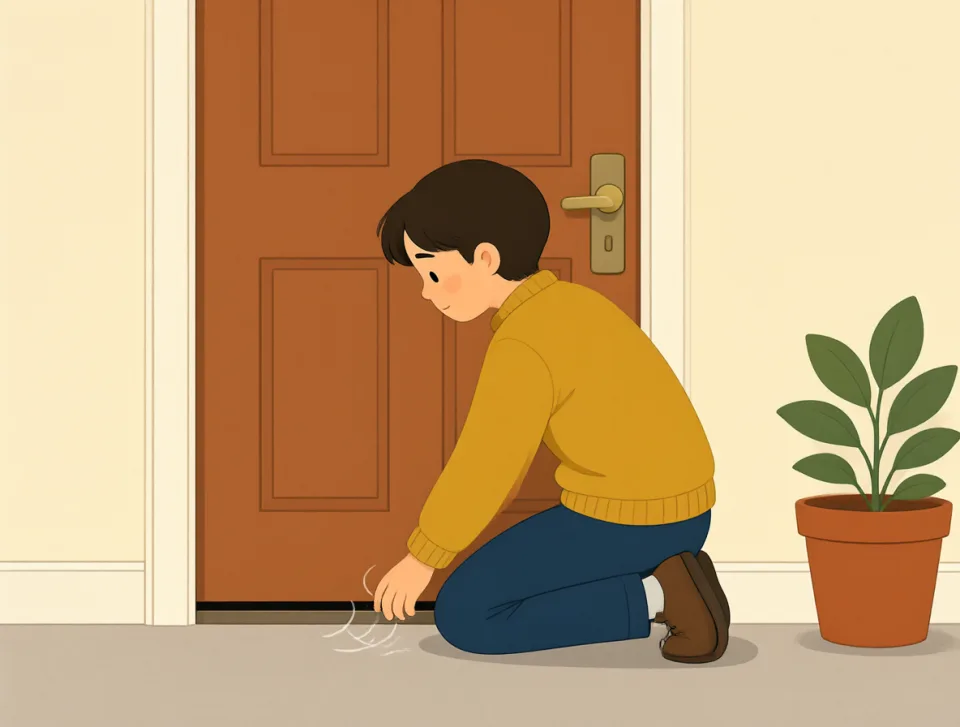
Cold air came through the draft under the front door.
सामने वाले दरवाज़े के नीचे की दरार से ठंडी हवा आ रही थी।
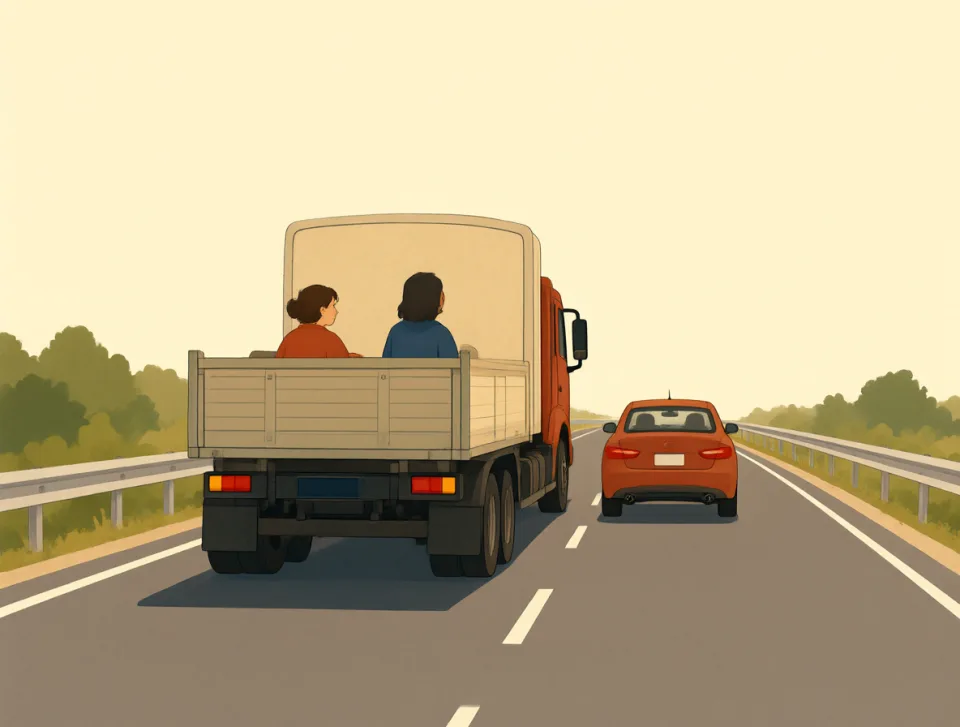
We drafted behind the truck to save fuel on the highway.
हाईवे पर ईंधन बचाने के लिए हम ट्रक के पीछे-पीछे हवा का सहारा लेकर चले।

slip
#1810noun, verb
फिसलना
To slide accidentally, or a small piece of paper or cloth.
अनजाने में फिसल जाना, या कागज़ या कपड़े का छोटा टुकड़ा।
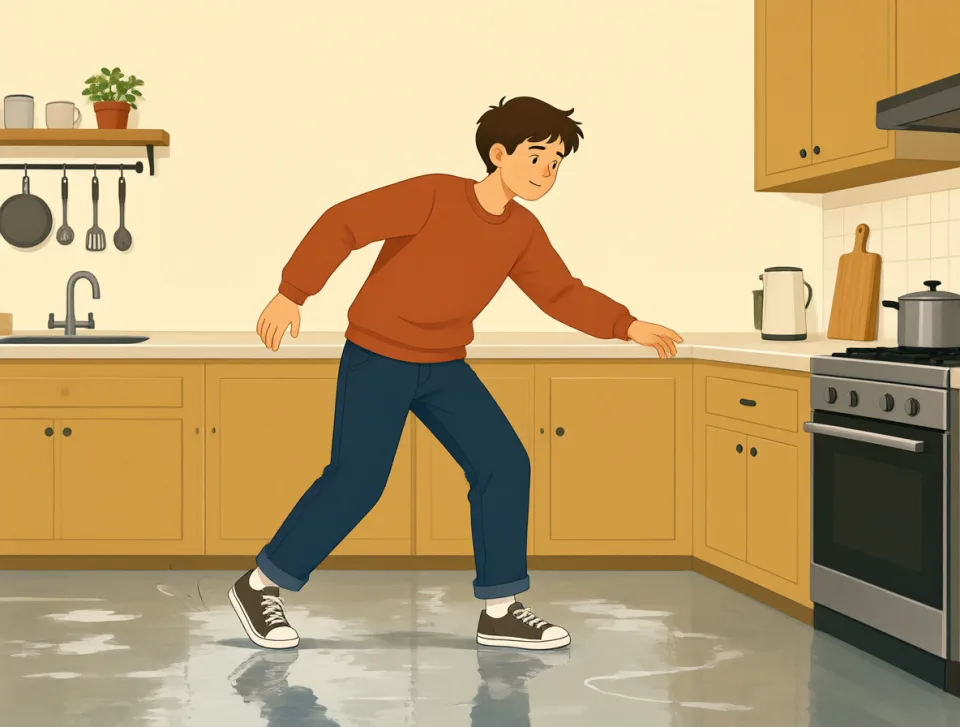
Be careful not to slip on the wet kitchen floor.
गीली रसोई के फ़र्श पर फिसलने से बचकर रहना।
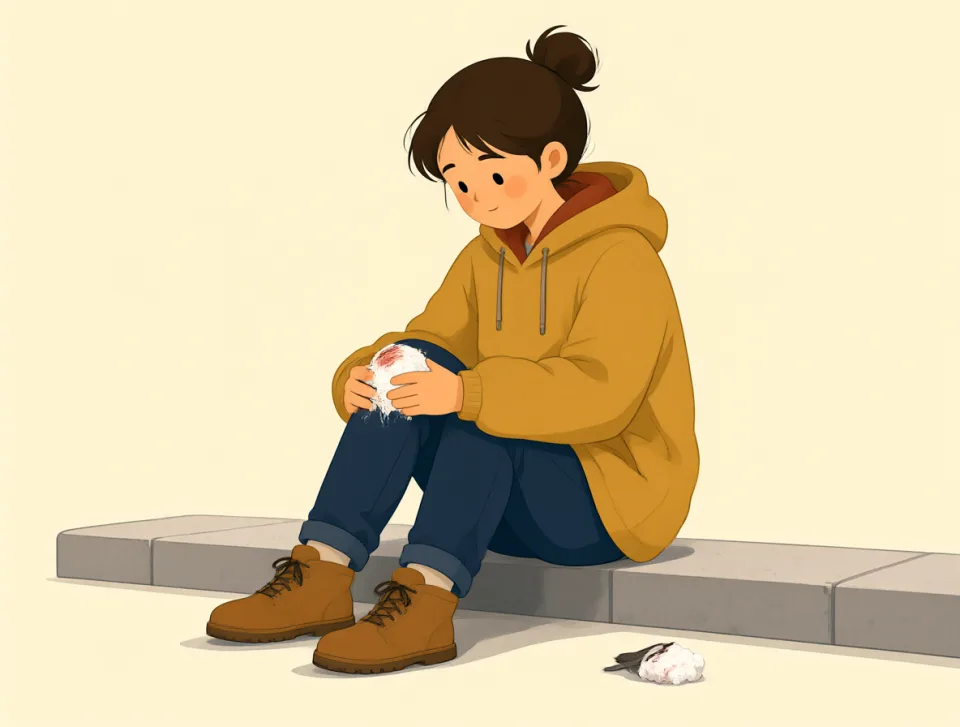
I slipped on the ice and hurt my knee.
मैं बर्फ़ पर फिसल गया और मेरे घुटने में चोट लग गई।

She wrote her phone number on a slip of paper.
उसने कागज़ के एक टुकड़े पर अपना फ़ोन नंबर लिखा।
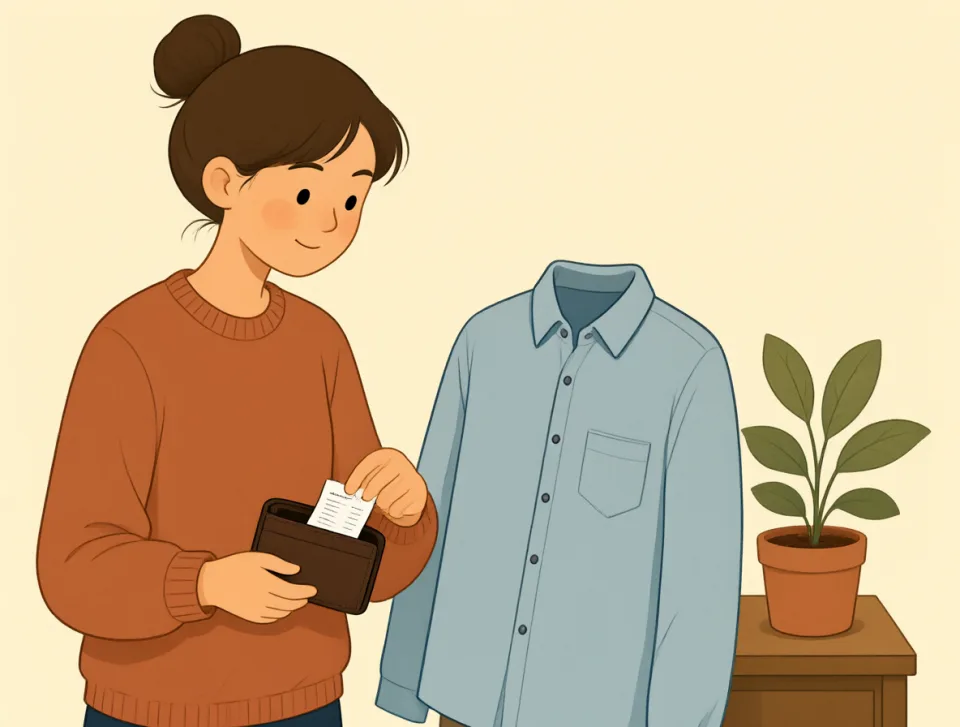
Keep your receipt slip in case you need to return the shirt.
अपनी रसीद सँभालकर रखो, हो सकता है तुम्हें शर्ट लौटानी पड़े।
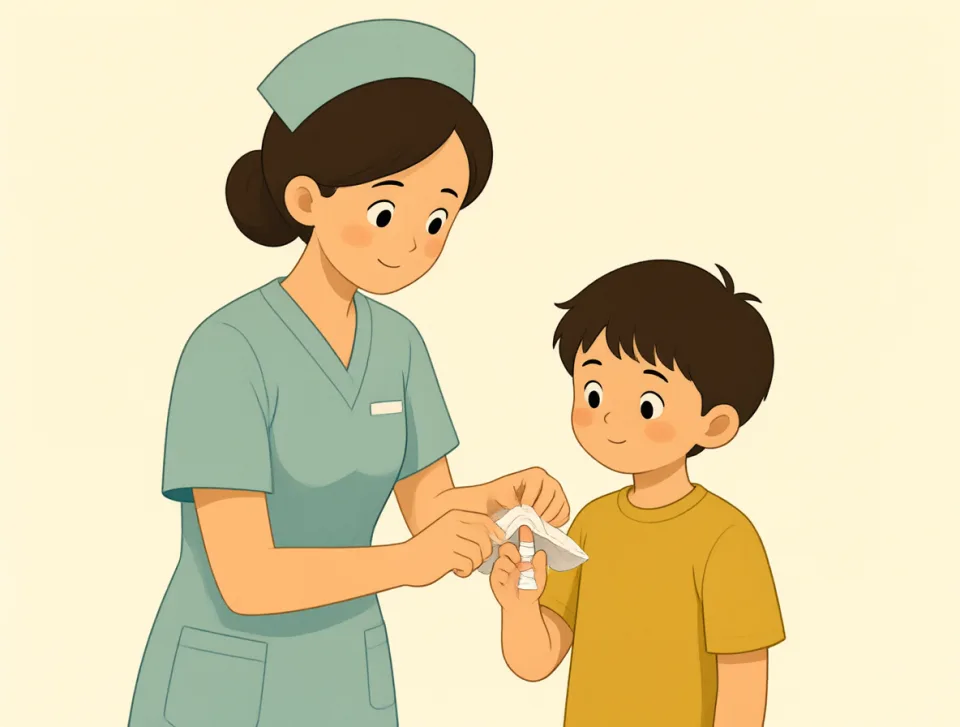
The nurse put a cool slip over his injured finger.
नर्स ने उसकी घायल उँगली पर ठंडी पट्टी रखी।
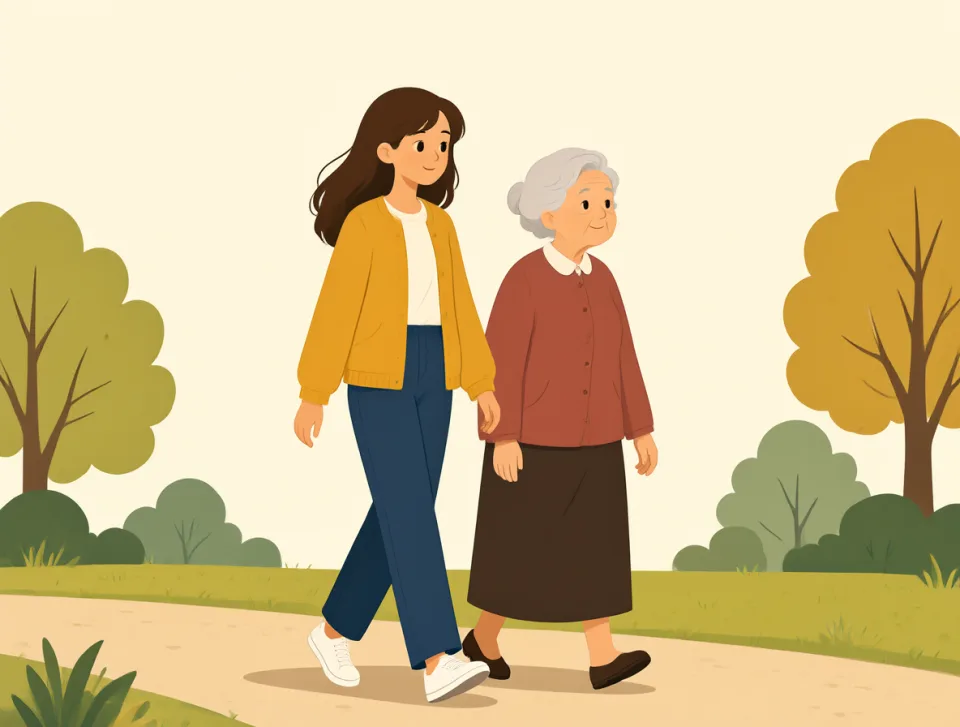
accompany
#1811verb
साथ जाना
to go somewhere with someone or be included with something else
किसी के साथ कहीं जाना या किसी दूसरी चीज़ के साथ शामिल होना।
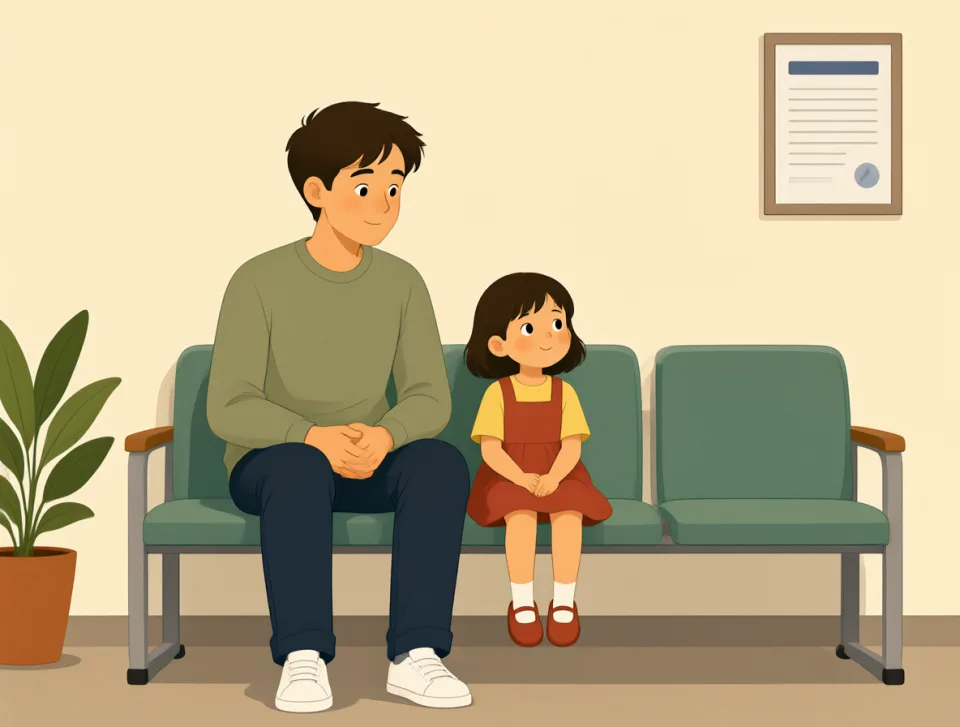
I accompanied my sister to the doctor this morning.
आज सुबह मैं अपनी बहन के साथ डॉक्टर के पास गई।
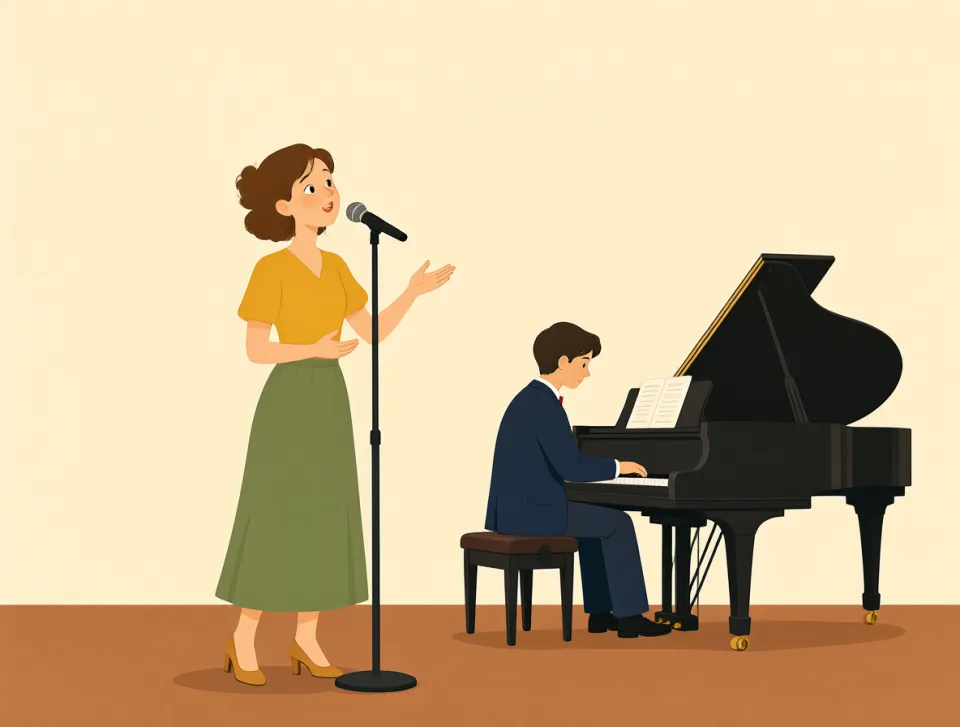
Soft piano music accompanied the singer during the performance.
प्रस्तुति के दौरान धीमा पियानो संगीत गायक के साथ बज रहा था।

A salad accompanied our sandwiches at lunch.
दोपहर के भोजन में हमारे सैंडविच के साथ सलाद था।
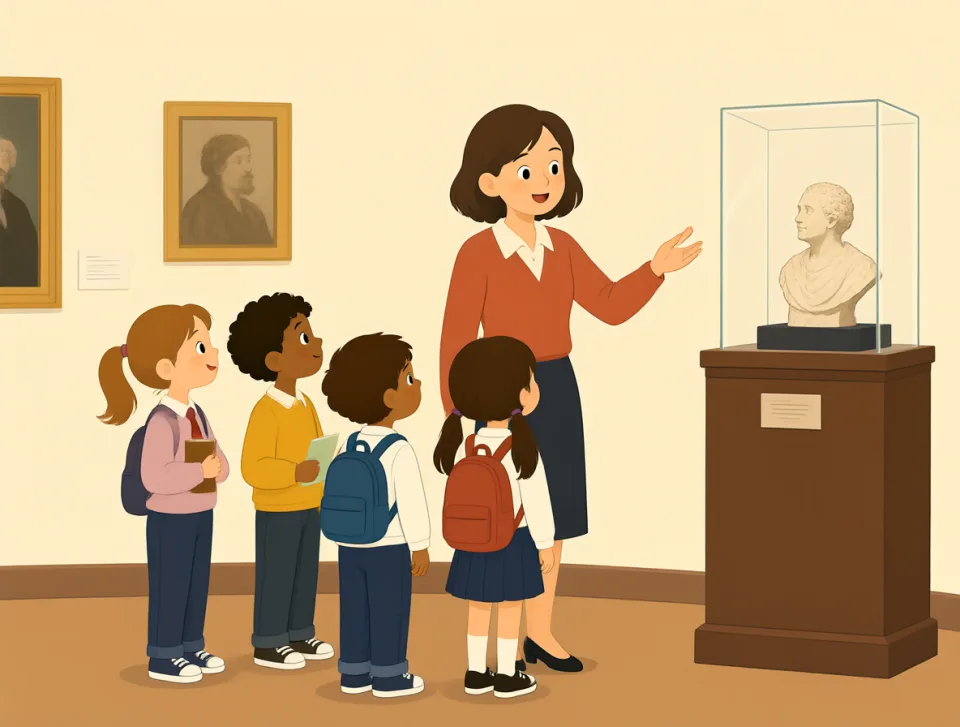
The teacher accompanied the students on their museum visit.
शिक्षक संग्रहालय की यात्रा पर विद्यार्थियों के साथ गए।

Headache and tiredness often accompany a bad cold.
तेज़ सर्दी-जुकाम के साथ अक्सर सिरदर्द और थकान भी होती है।

politician
#1812noun
राजनेता
A person who works in politics and tries to lead or influence a country.
राजनीति में काम करने वाला और किसी देश का नेतृत्व करने या उस पर प्रभाव डालने की कोशिश करने वाला व्यक्ति।
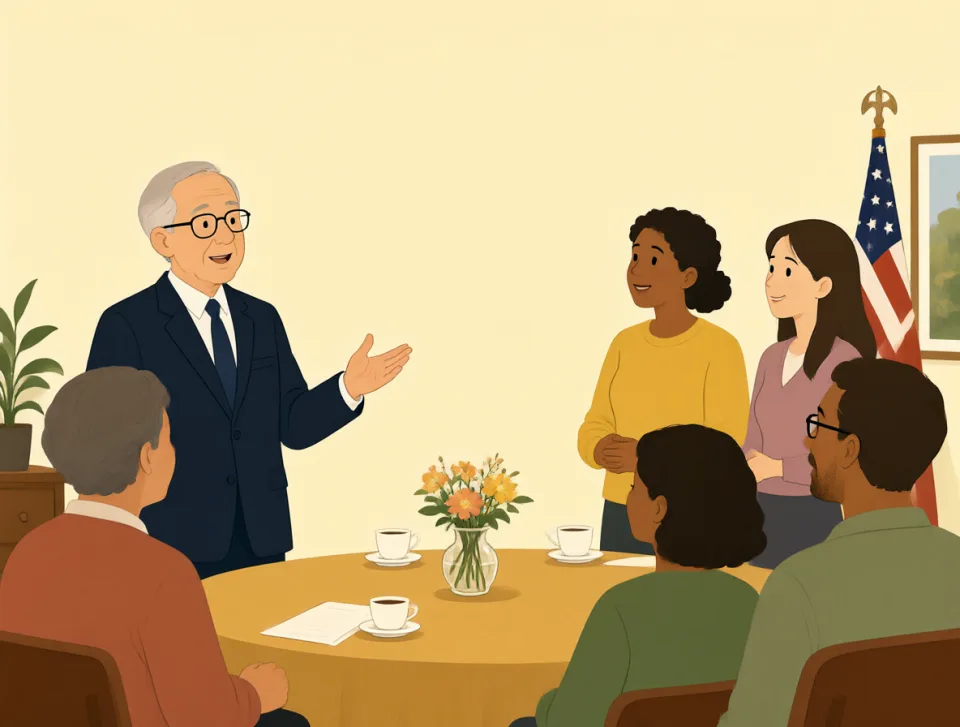
The politician promised to improve schools and hospitals.
राजनेता ने स्कूलों और अस्पतालों को बेहतर बनाने का वादा किया।
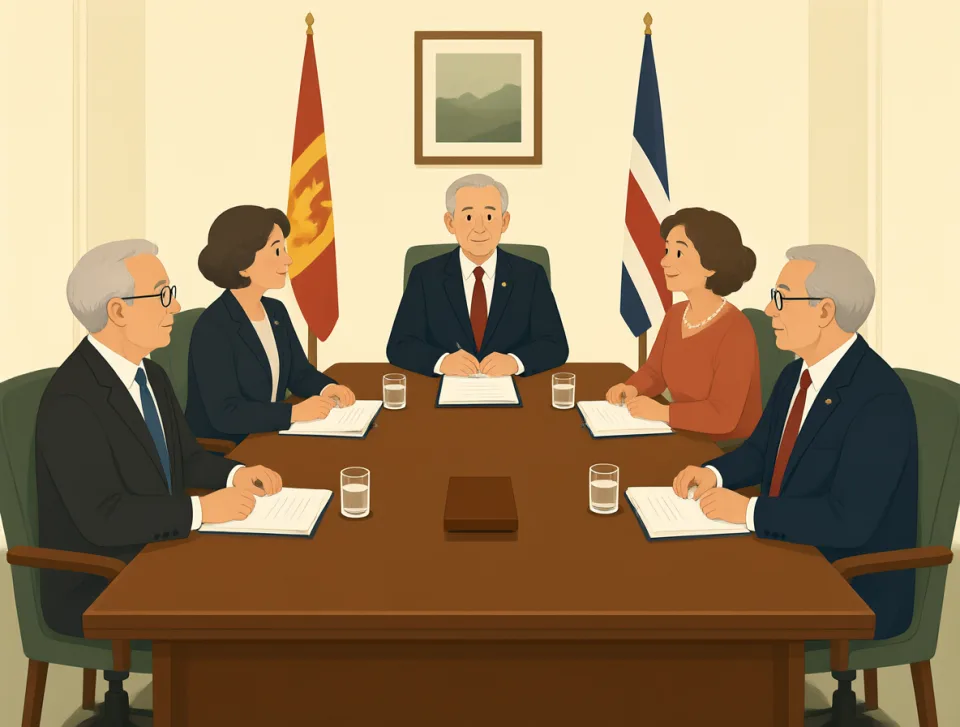
Many politicians are meeting to discuss the new law.
नए कानून पर चर्चा करने के लिए कई राजनेता मिल रहे हैं।
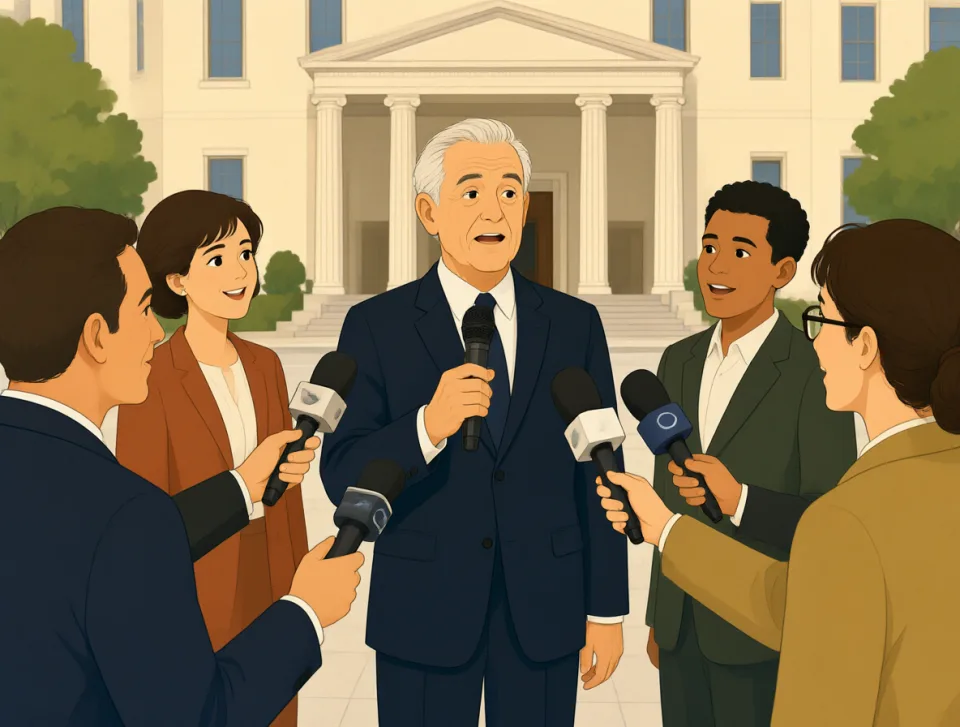
The politician answered questions from reporters outside the building.
राजनेता ने इमारत के बाहर पत्रकारों के सवालों के जवाब दिए।

My brother wants to become a politician after university.
मेरा भाई विश्वविद्यालय के बाद राजनेता बनना चाहता है।
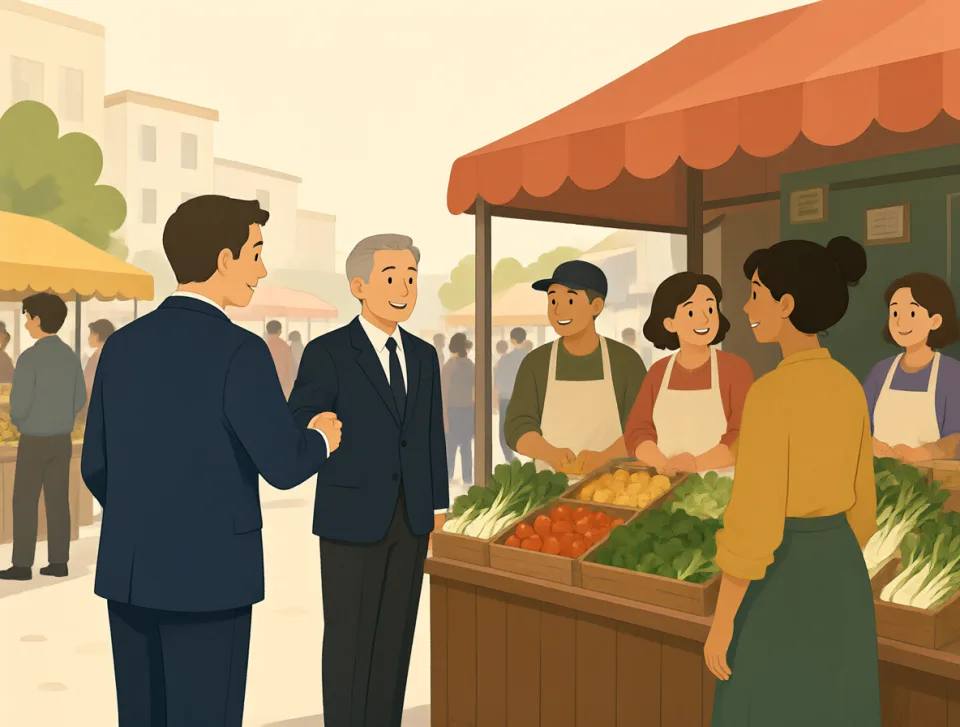
The politician visited a local market and talked with shopkeepers.
राजनेता ने स्थानीय बाज़ार का दौरा किया और दुकानदारों से बात की।

angry
#1813adjective
नाराज़
Feeling very unhappy because someone or something has caused a problem.
किसी व्यक्ति या चीज़ से परेशानी होने के कारण बहुत दुखी या नाराज़ महसूस करना।
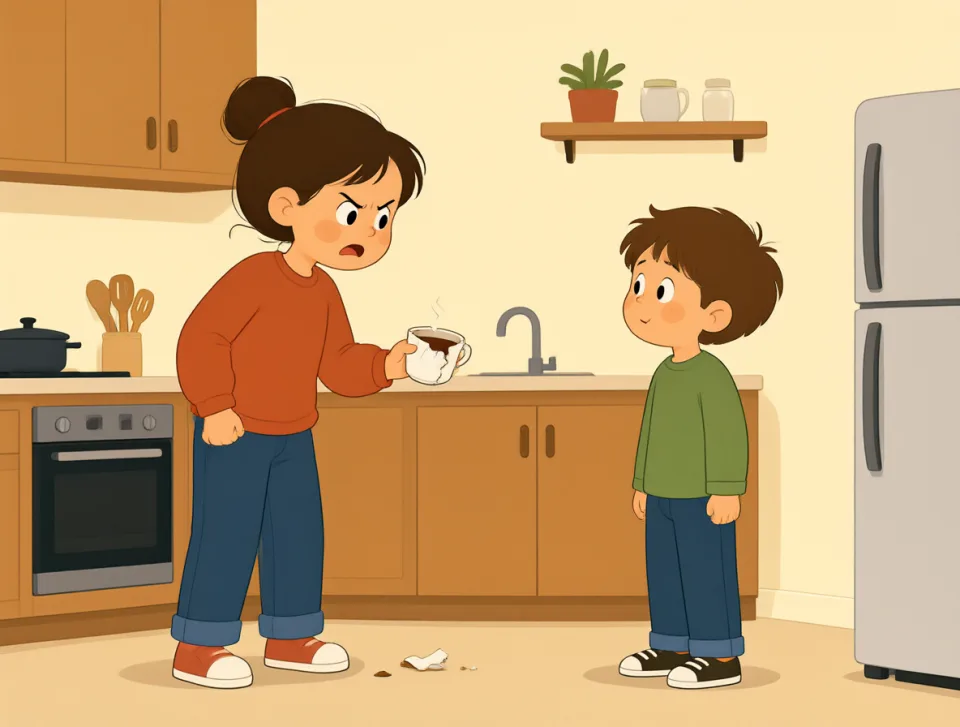
She was angry with her brother for breaking her favorite cup.
उसका पसंदीदा कप तोड़ने पर वह अपने भाई से नाराज़ थी।

The angry customer asked the manager for a full refund.
नाराज़ ग्राहक ने मैनेजर से पूरे पैसे वापस माँगे।
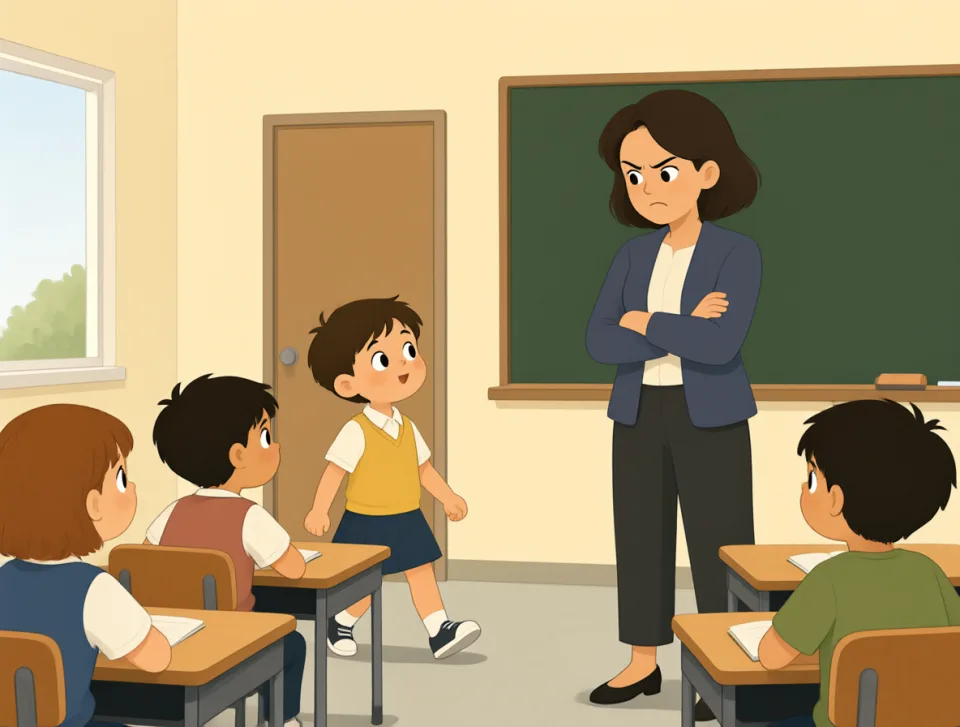
My teacher gets angry when students arrive late for class.
जब विद्यार्थी कक्षा में देर से पहुँचते हैं, तो मेरे शिक्षक नाराज़ हो जाते हैं।

He felt angry about missing his train by only one minute.
सिर्फ़ एक मिनट से ट्रेन छूट जाने पर वह बहुत नाराज़ हुआ।
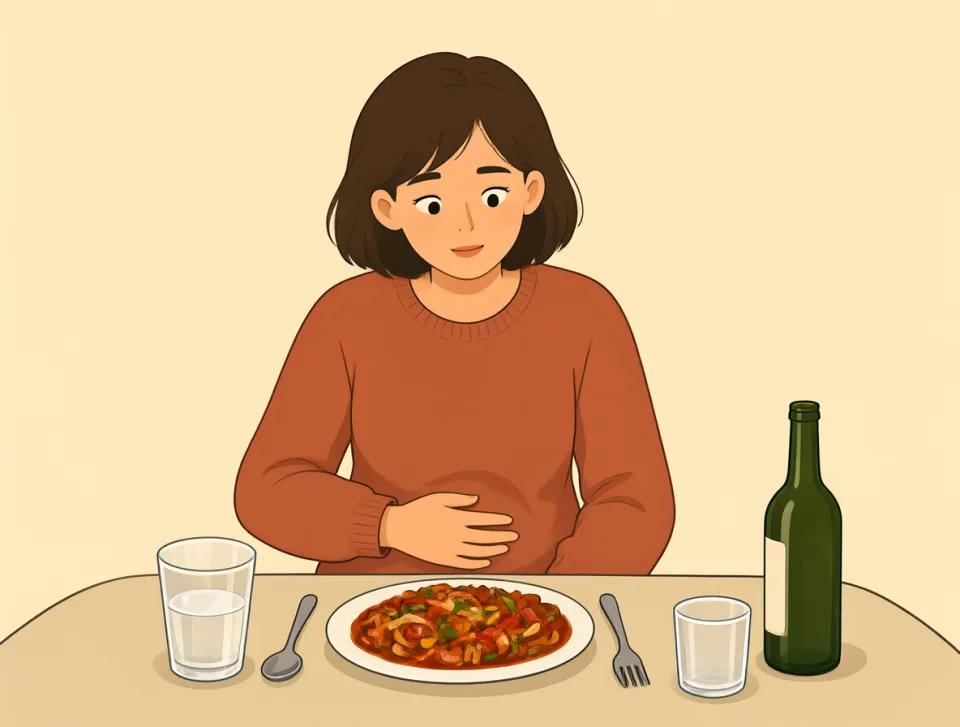
Eating too much spicy food made her stomach angry.
बहुत ज़्यादा तीखा खाना खाने से उसका पेट खराब हो गया।
knock
#1814noun, verb
खटखटाना
a hit or sharp sound; to hit something or someone, or criticize them
चोट या तेज़ आवाज़; किसी चीज़ या व्यक्ति पर मारना, या उसकी आलोचना करना।

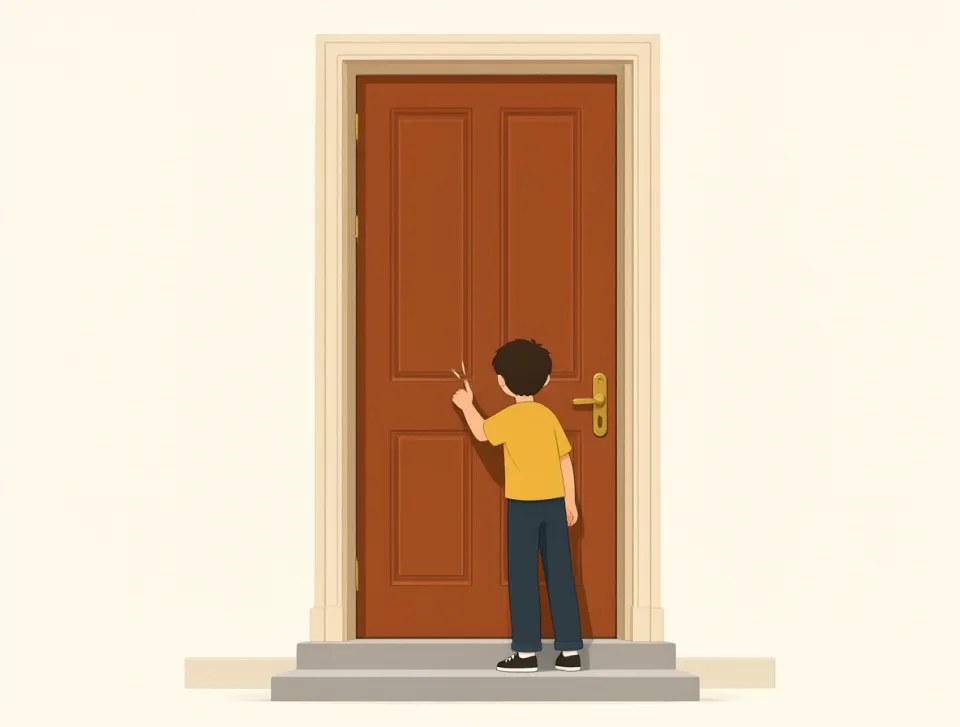
Please knock on the door before you come in.
अंदर आने से पहले कृपया दरवाज़ा खटखटाएँ।
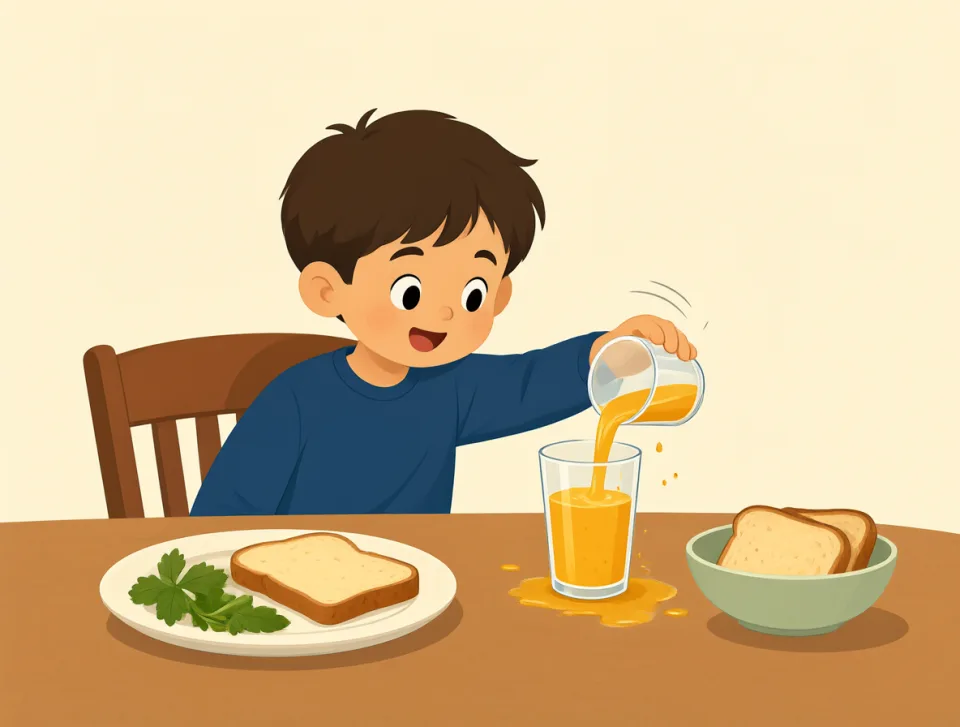
My little brother knocked over his juice at breakfast.
नाश्ते के समय मेरे छोटे भाई ने अपना जूस गिरा दिया।
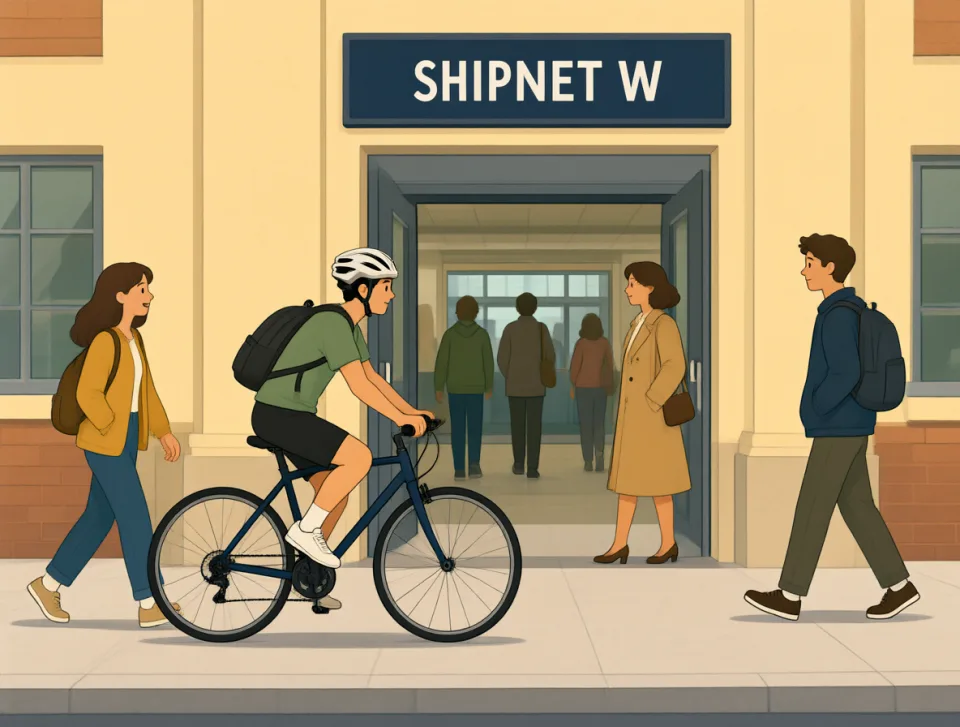
A cyclist knocked me down outside the station.
स्टेशन के बाहर एक साइकिल सवार ने मुझे टक्कर मारकर गिरा दिया।

I heard a strange knock during the night.
मुझे रात में खटखटाने की एक अजीब आवाज़ सुनाई दी।
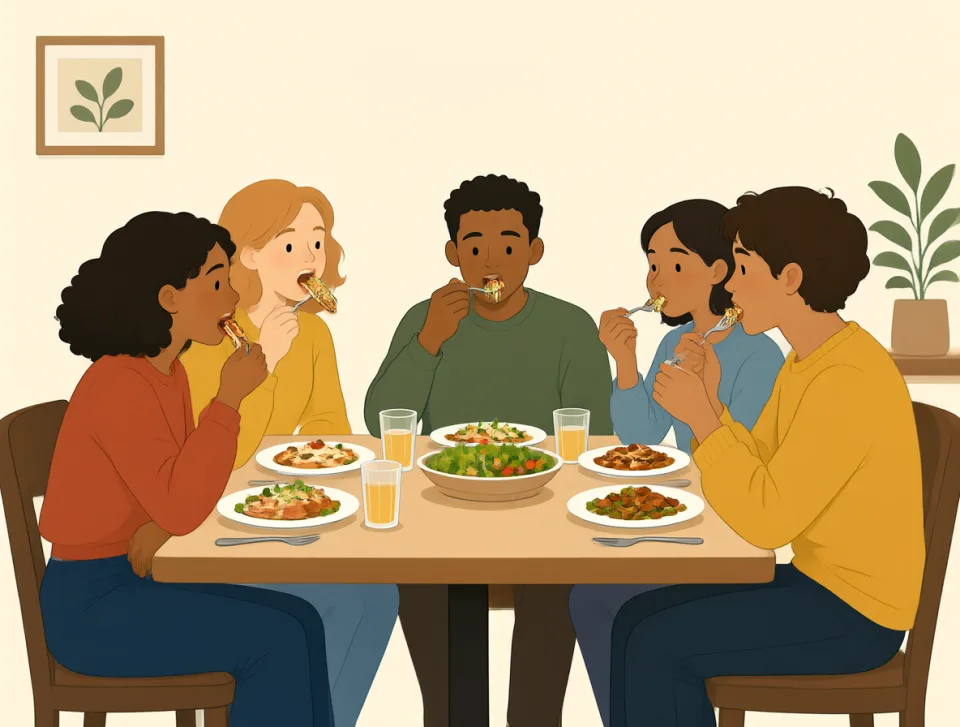
Don’t knock the restaurant until you have tried its food.
रेस्तराँ का खाना चखे बिना उसकी बुराई मत करो।
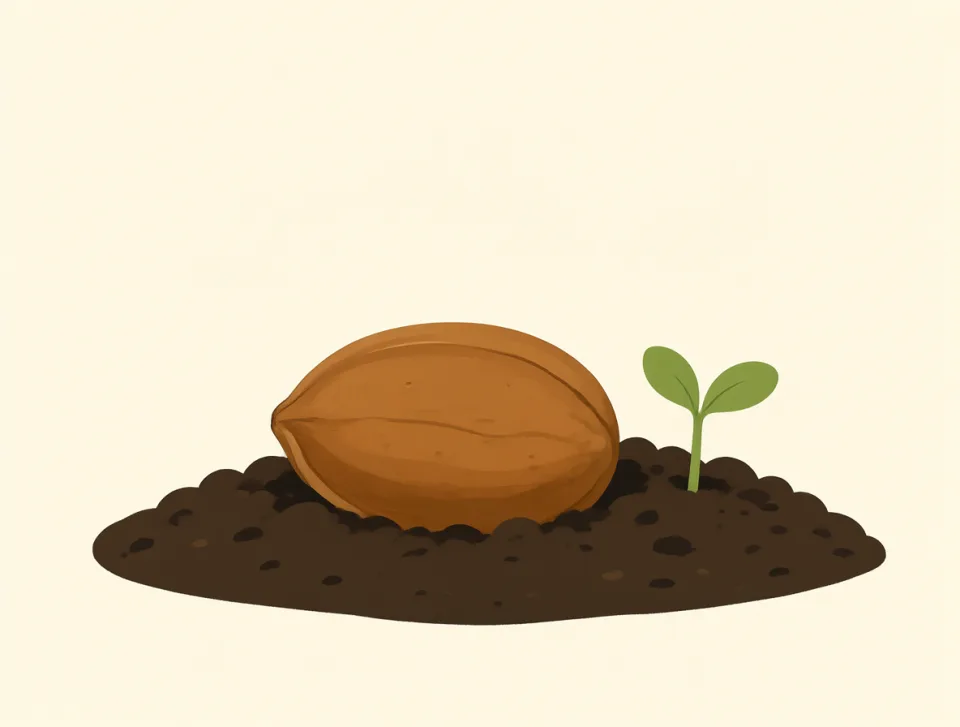
seed
#1815noun, verb
बीज
a small part of a plant that can grow into a new plant
पौधे का छोटा हिस्सा जिससे नया पौधा उग सकता है।
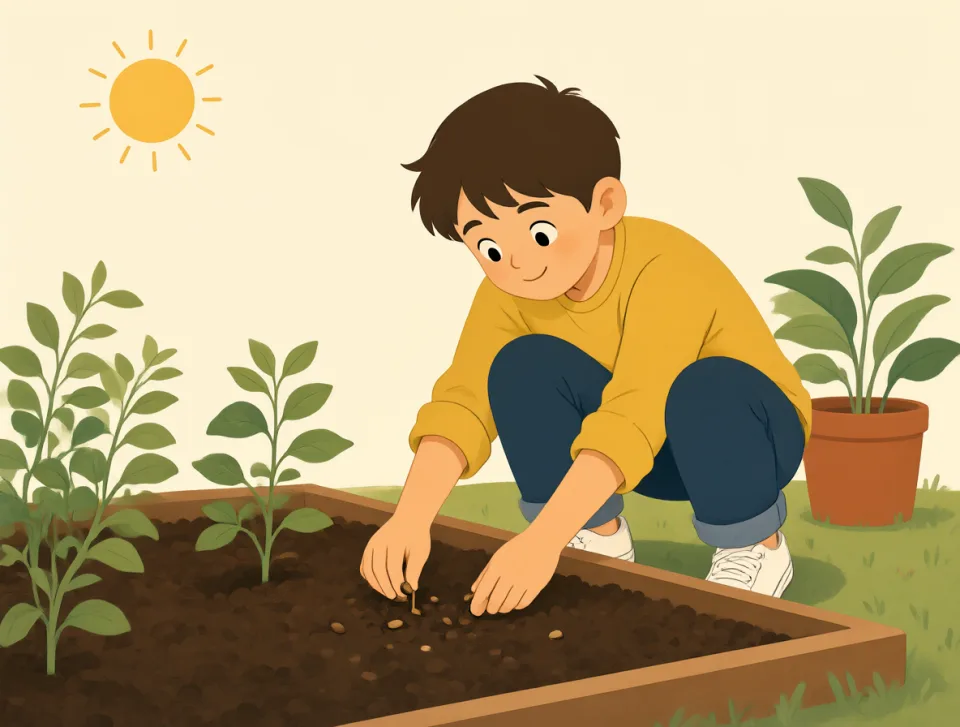
Plant the seeds in a sunny place and water them regularly.
बीजों को धूप वाली जगह पर लगाएँ और नियमित रूप से पानी दें।
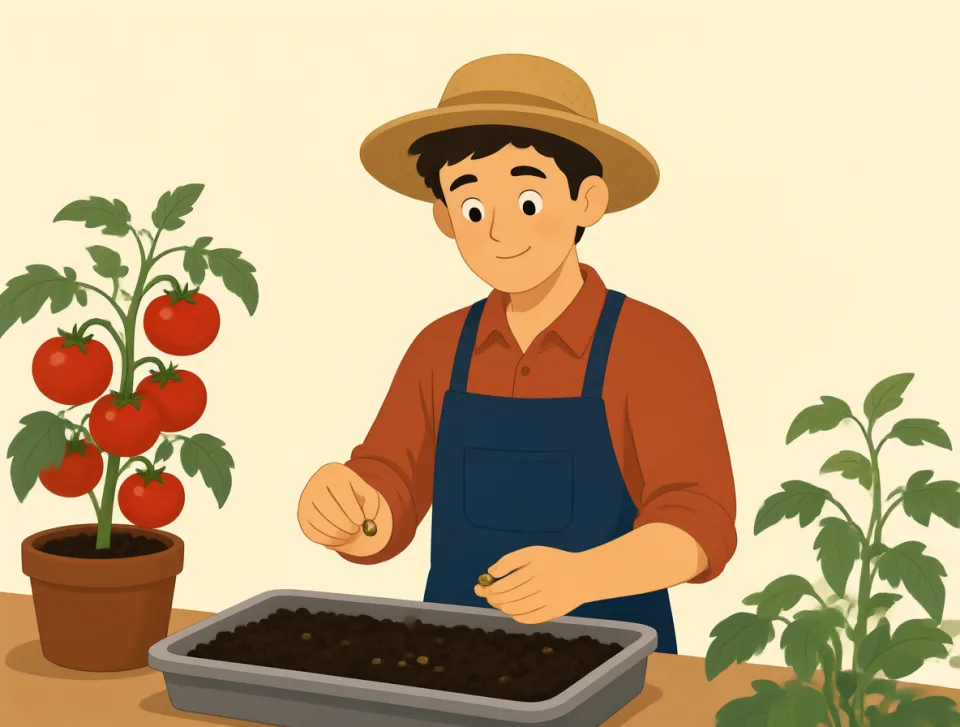
These tomato seeds grow well in warm, wet soil.
टमाटर के ये बीज गर्म और नम मिट्टी में अच्छी तरह उगते हैं।

The bird dropped a seed on the kitchen floor.
चिड़िया ने रसोई के फ़र्श पर एक बीज गिरा दिया।

The company is seeding new ideas during the team meeting.
टीम की बैठक के दौरान कंपनी नए विचारों के बीज बो रही है।
This experience planted the seeds of her interest in travel.
इस अनुभव ने उसके मन में यात्रा करने की रुचि के बीज बोए।

salary
#1816noun
वेतन
A fixed amount of money paid regularly for a person's work.
किसी व्यक्ति के काम के बदले नियमित रूप से दी जाने वाली तय रकम।

She earns a good salary at the local hospital.
वह स्थानीय अस्पताल में अच्छा वेतन कमाती है।

My salary is paid directly into my bank account.
मेरा वेतन सीधे मेरे बैंक खाते में जमा होता है।

He asked for a higher salary during his job interview.
उसने नौकरी के इंटरव्यू के दौरान ज़्यादा वेतन माँगा।

Her monthly salary helps pay the rent and food bills.
उसका मासिक वेतन किराया और खाने-पीने के खर्च चुकाने में मदद करता है।

The company increased everyone's salaries after a successful year.
साल अच्छा रहने के बाद कंपनी ने सबके वेतन बढ़ा दिए।
illustrate
#1817verb
उदाहरण देकर समझाना
to explain something clearly by using pictures, examples, or demonstrations
चित्रों, उदाहरणों या प्रदर्शन की मदद से किसी बात को स्पष्ट रूप से समझाना।

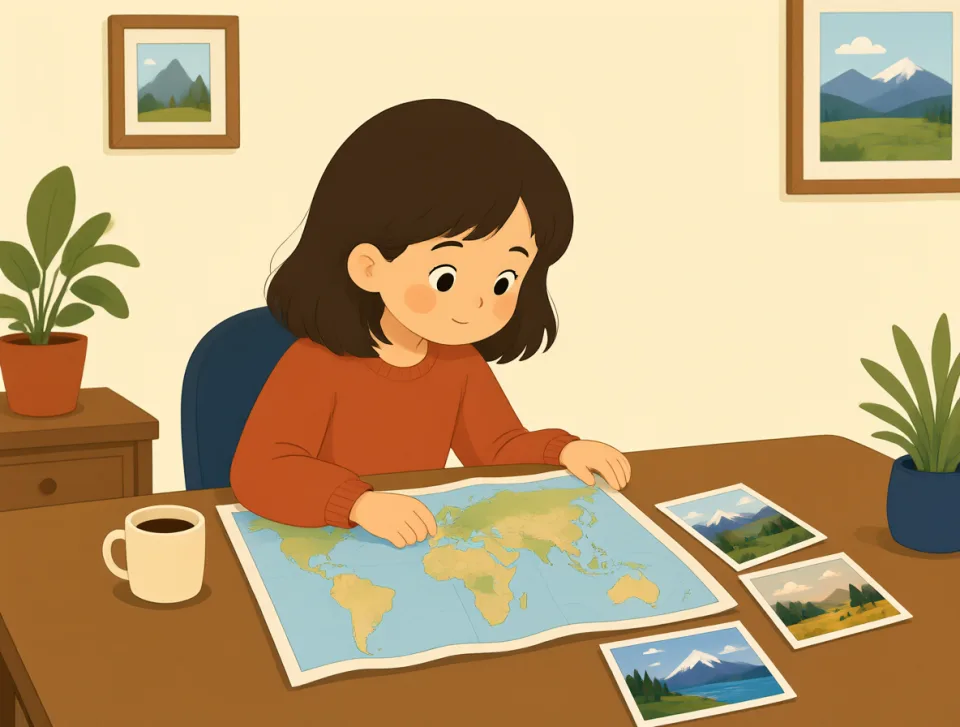
The guide used a map to illustrate our travel route.
गाइड ने हमारे यात्रा-मार्ग को समझाने के लिए नक्शे का इस्तेमाल किया।
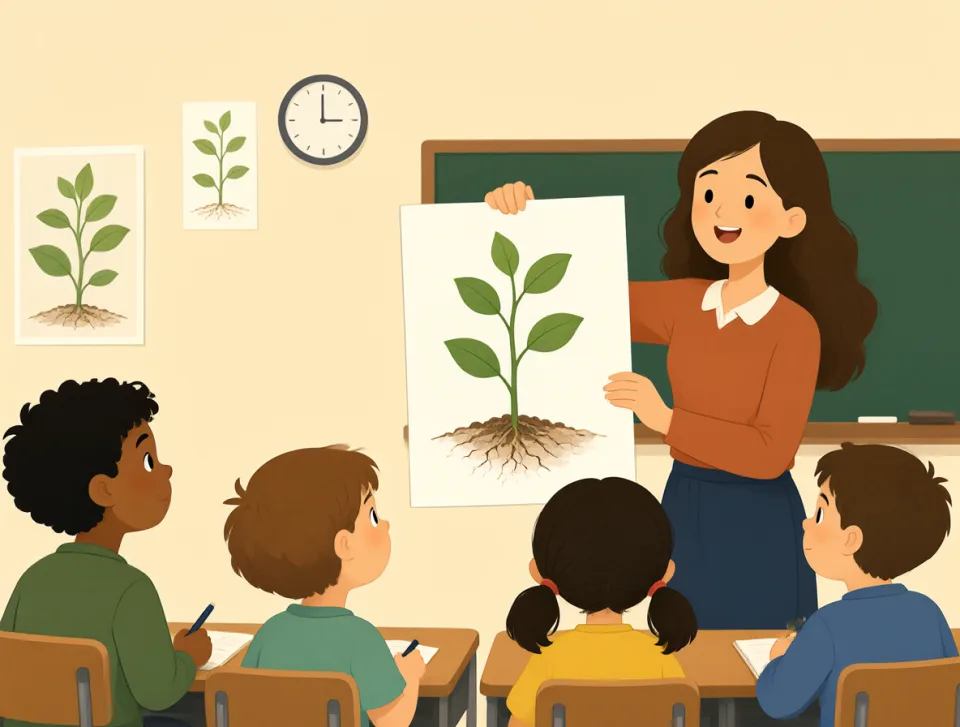
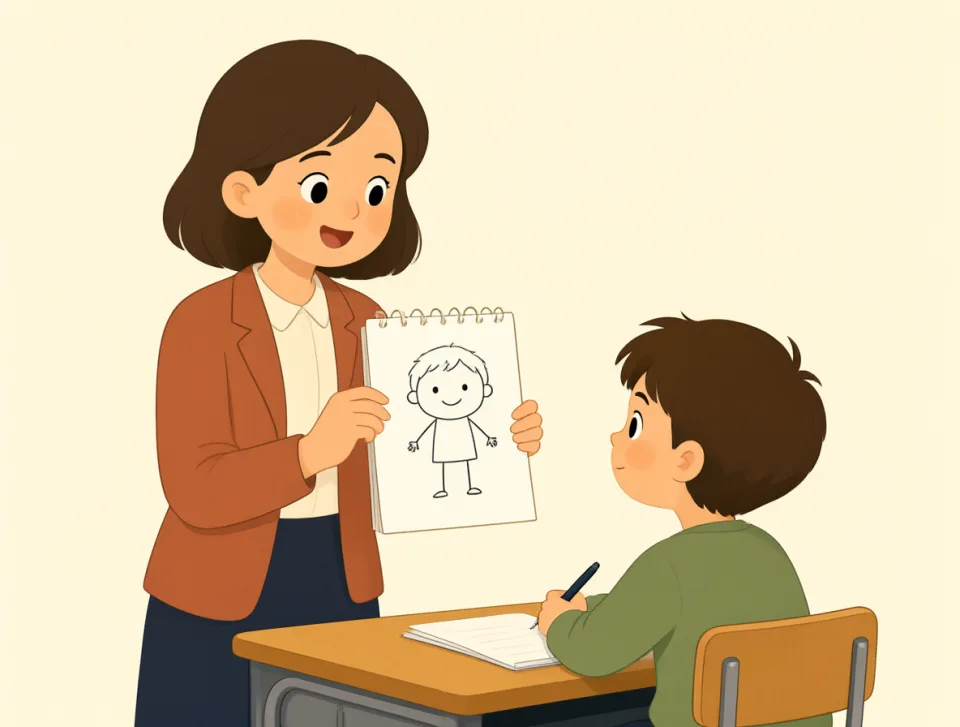
The teacher used a drawing to illustrate how plants grow.
शिक्षक ने चित्र बनाकर समझाया कि पौधे कैसे बढ़ते हैं।
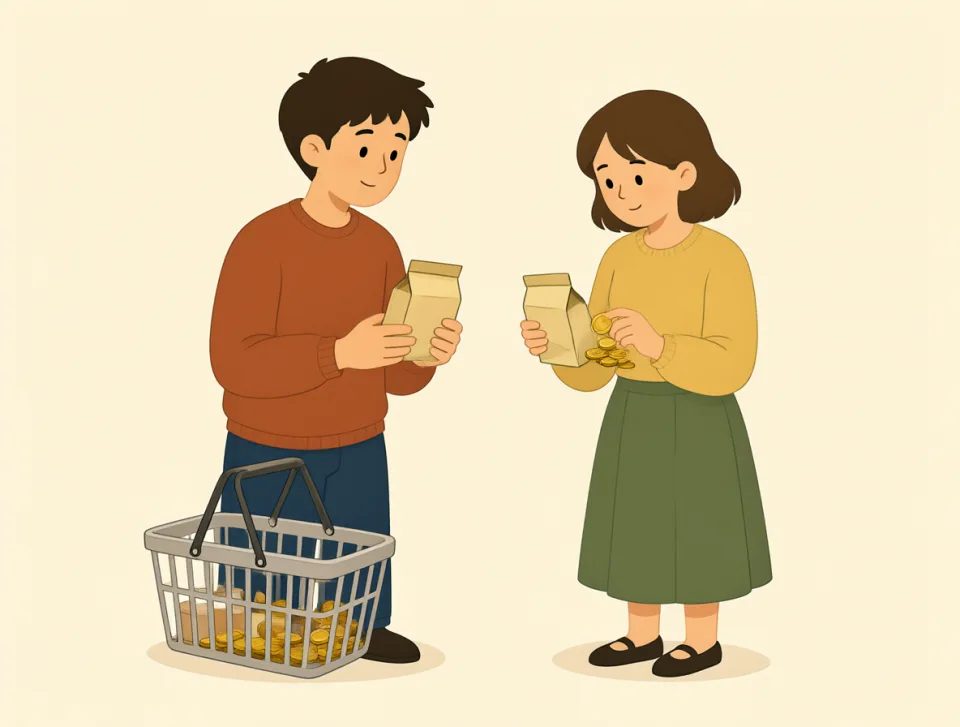
This example illustrates why checking prices before shopping is useful.
यह उदाहरण बताता है कि खरीदारी से पहले कीमतें जाँचना क्यों फ़ायदेमंद है।

The nurse illustrated the exercise by showing me each movement.
नर्स ने मुझे हर गतिविधि करके दिखाकर व्यायाम समझाया।
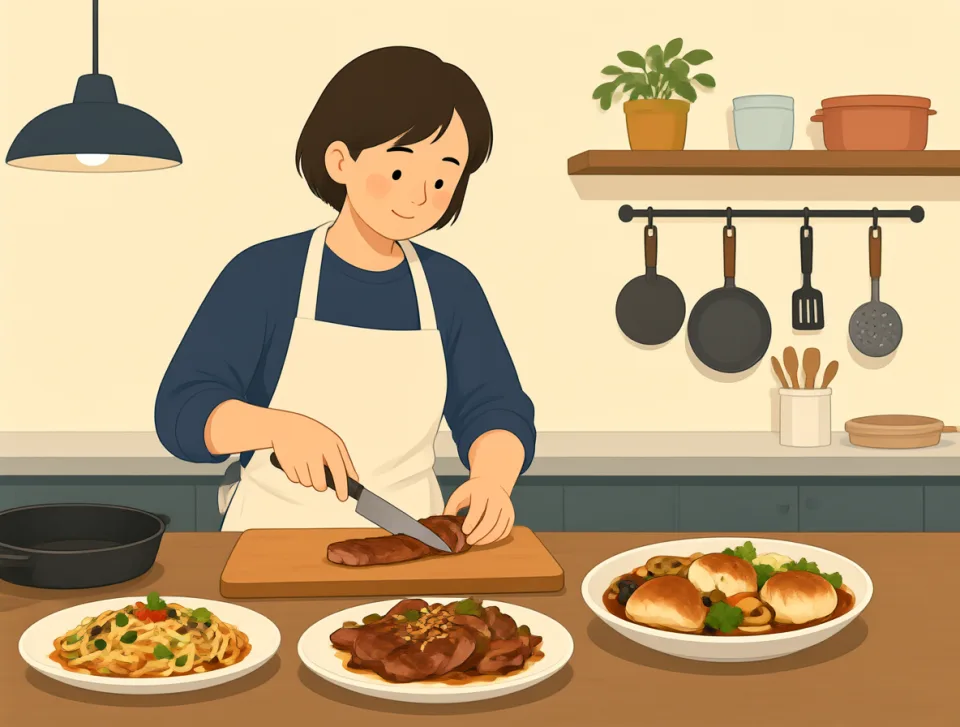
The cookbook uses photos to illustrate every step of the recipe.
इस रसोई की किताब में पकाने की विधि का हर चरण समझाने के लिए तस्वीरें हैं।

imply
#1818verb
संकेत देना
To suggest something without saying it directly.
बिना सीधे कहे किसी बात का संकेत देना।
Her smile implied that she was happy with the gift.
उसकी मुस्कान से लगा कि उसे तोहफ़ा पसंद आया।
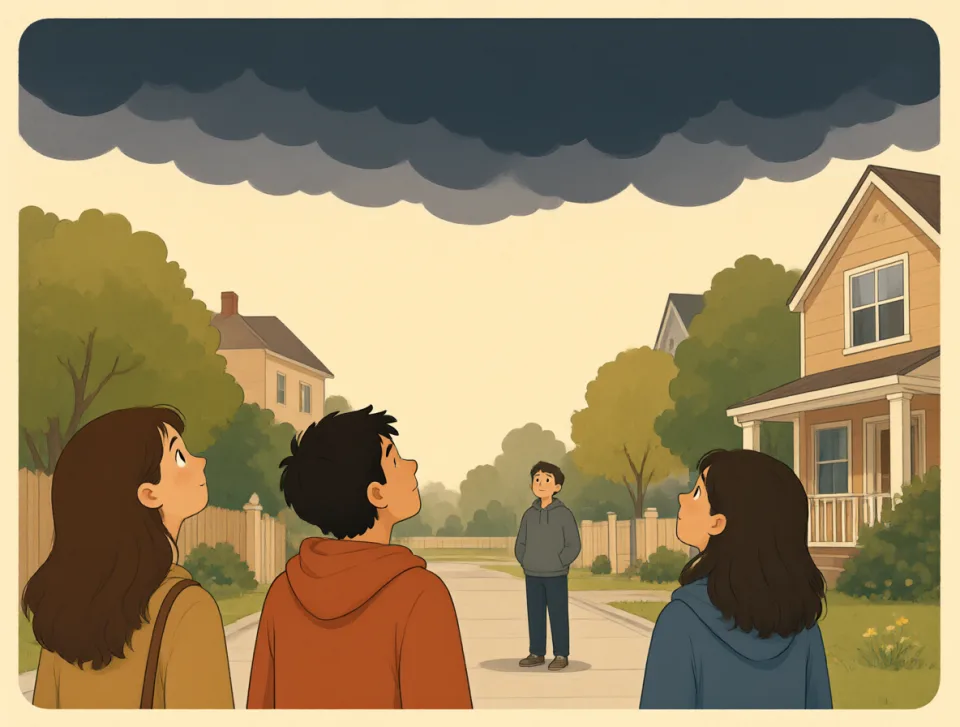
The dark clouds imply that rain is coming soon.
काले बादलों से संकेत मिलता है कि जल्द ही बारिश होने वाली है।

His answer implied that he did not trust the new manager.
उसके जवाब से लगा कि उसे नए मैनेजर पर भरोसा नहीं था।
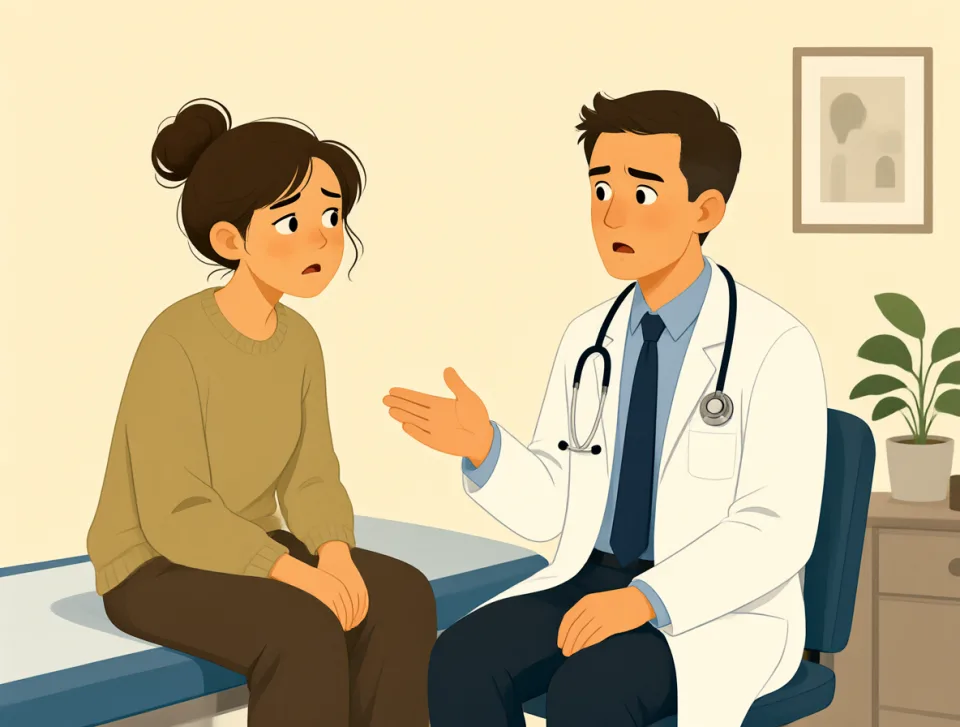
The doctor’s questions implied that my tiredness needed more attention.
डॉक्टर के सवालों से लगा कि मेरी थकान पर और ध्यान देने की ज़रूरत थी।

The high price may imply that these shoes are very good quality.
ऊँची कीमत से यह संकेत मिल सकता है कि इन जूतों की गुणवत्ता बहुत अच्छी है।

breakfast
#1819noun
नाश्ता
the first meal of the day, usually eaten in the morning
दिन का पहला भोजन, जो आम तौर पर सुबह खाया जाता है।

I usually eat breakfast at seven before going to work.
मैं आम तौर पर काम पर जाने से पहले सात बजे नाश्ता करता हूँ।

We had a big breakfast at the hotel this morning.
आज सुबह हमने होटल में भरपेट नाश्ता किया।

She skipped breakfast because she was late for school.
वह स्कूल के लिए देर हो रही थी, इसलिए उसने नाश्ता नहीं किया।

Let's meet for breakfast at the café near the station.
चलो, स्टेशन के पास वाले कैफ़े में नाश्ते पर मिलते हैं।
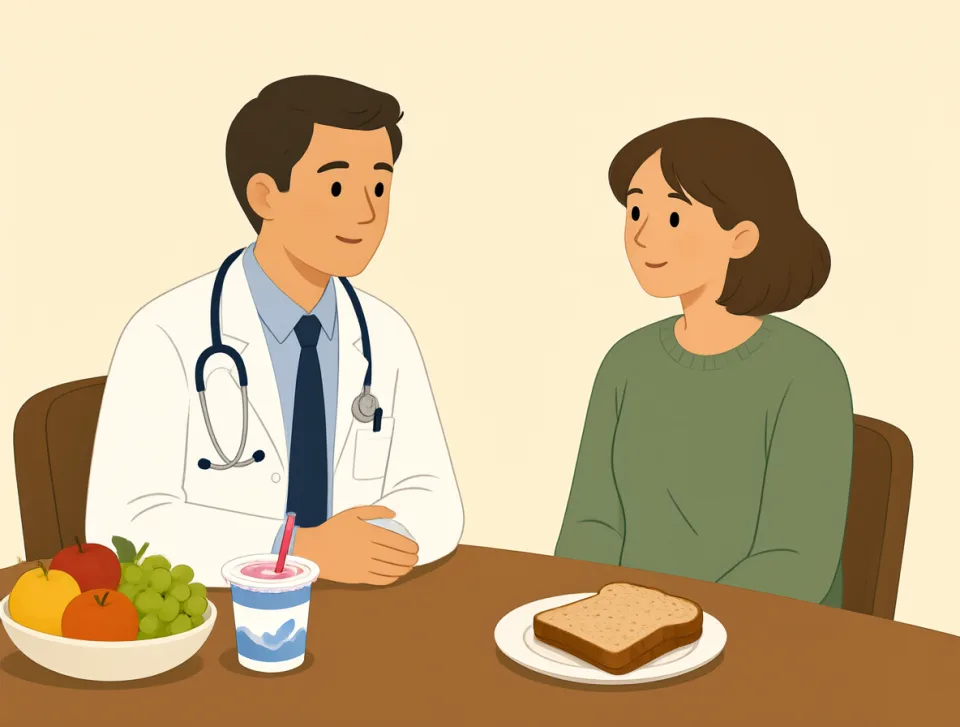
The doctor advised him to eat a healthy breakfast every day.
डॉक्टर ने उसे हर दिन पौष्टिक नाश्ता करने की सलाह दी।
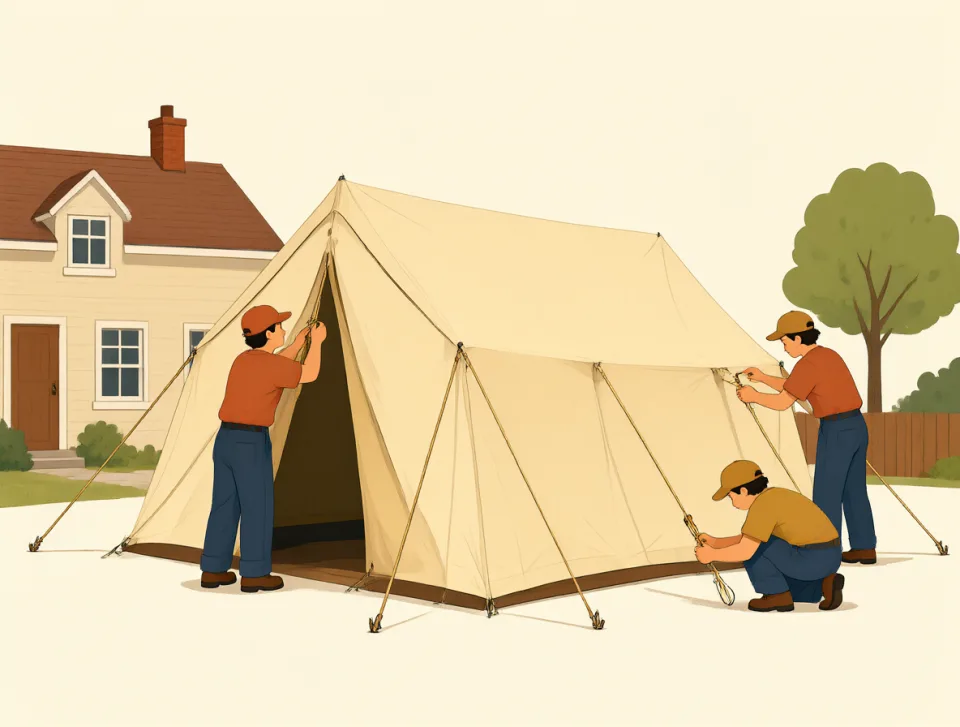
temporary
#1820adjective
अस्थायी
Lasting for a limited time and not permanent.
जो सीमित समय तक रहे और स्थायी न हो।

We are staying in a temporary apartment while our house is repaired.
हम अपने घर की मरम्मत होने तक एक अस्थायी अपार्टमेंट में रह रहे हैं।

The company hired temporary workers during the busy holiday season.
छुट्टियों के व्यस्त मौसम में कंपनी ने अस्थायी कर्मचारियों को काम पर रखा।
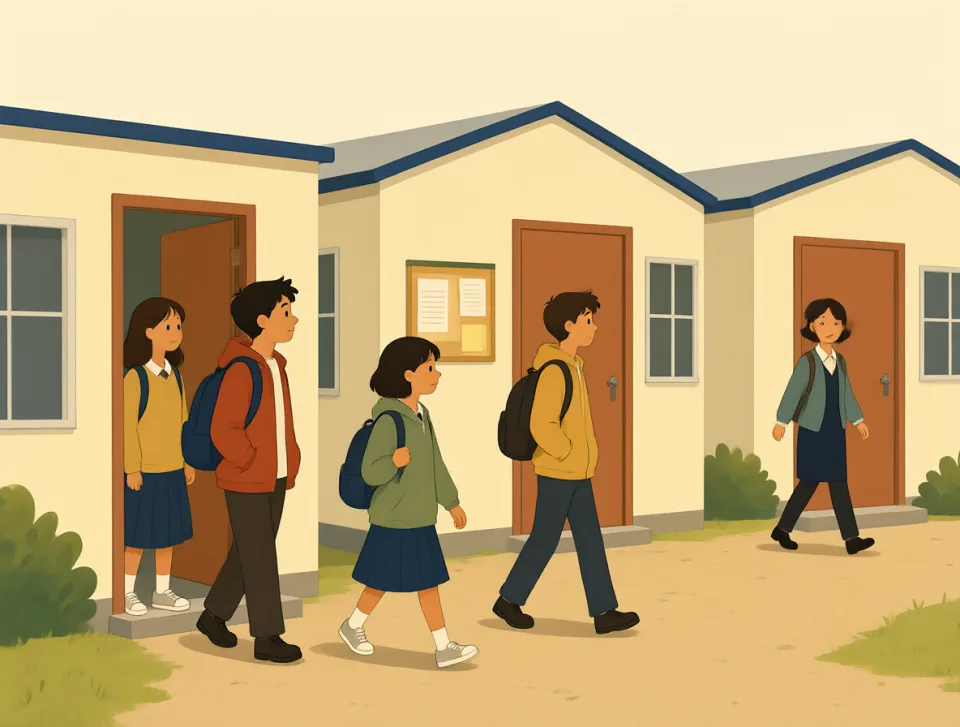
The school moved classes to temporary rooms after the storm.
तूफ़ान के बाद स्कूल की कक्षाएँ अस्थायी कमरों में लगा दी गईं।

The doctor gave me temporary medicine for my back pain.
डॉक्टर ने मेरी पीठ के दर्द के लिए अस्थायी दवा दी।
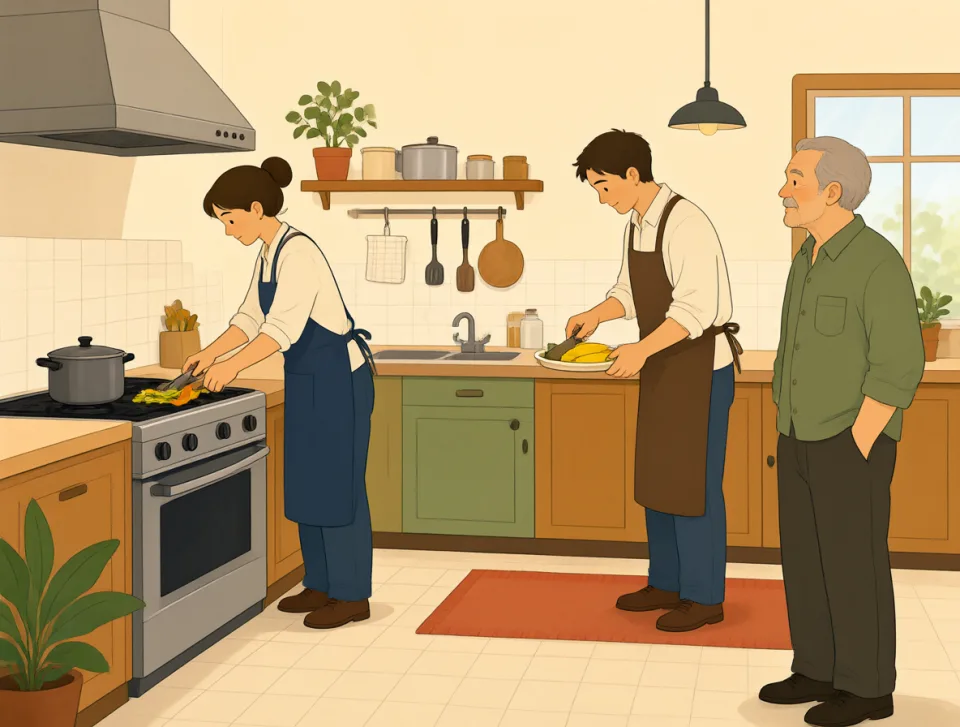
The shop has a temporary closing because of kitchen repairs.
रसोई की मरम्मत के कारण दुकान कुछ समय के लिए बंद है।