इकाई 90
शब्द 1781–1800 · sweet, permanent, emotion, pursue, tall, urge

sweet
#1781adjective, noun
मीठा
Having a taste like sugar; a small piece of candy or chocolate.
जिसका स्वाद चीनी जैसा हो; कैंडी या चॉकलेट का एक छोटा टुकड़ा।

This tea is too sweet for me without any milk.
बिना दूध की यह चाय मेरे लिए बहुत ज़्यादा मीठी है।

She bought a sweet birthday cake for her son.
उसने अपने बेटे के लिए मीठा जन्मदिन का केक खरीदा।
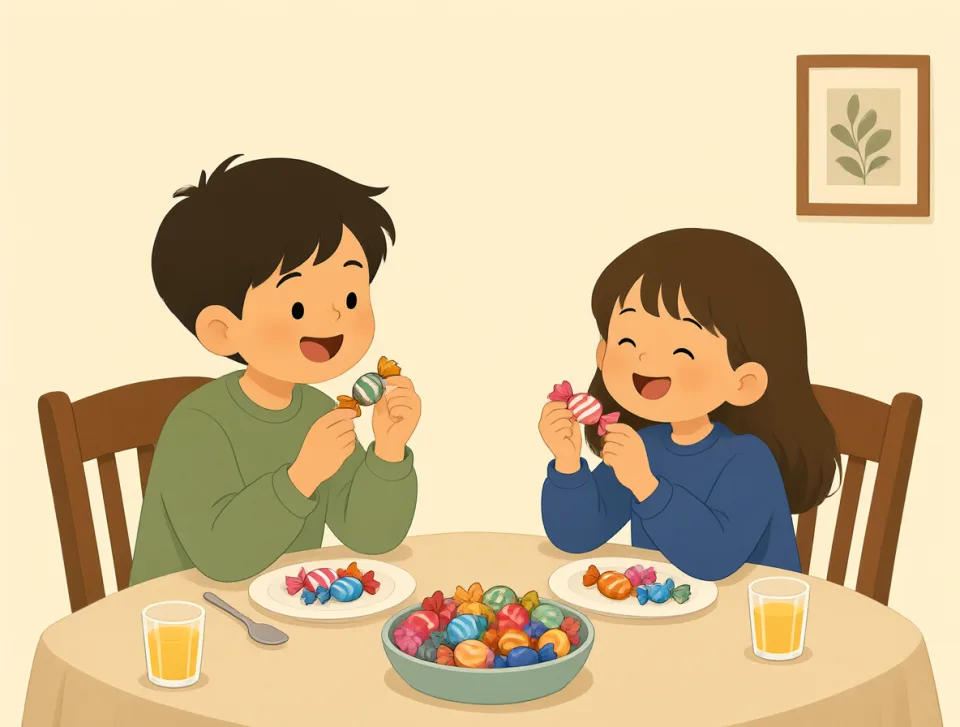
The children shared some sweets after dinner.
बच्चों ने रात के खाने के बाद कुछ मिठाइयाँ आपस में बाँटीं।

He gave his friend a sweet smile before leaving.
जाने से पहले उसने अपने दोस्त को प्यार भरी मुस्कान दी।
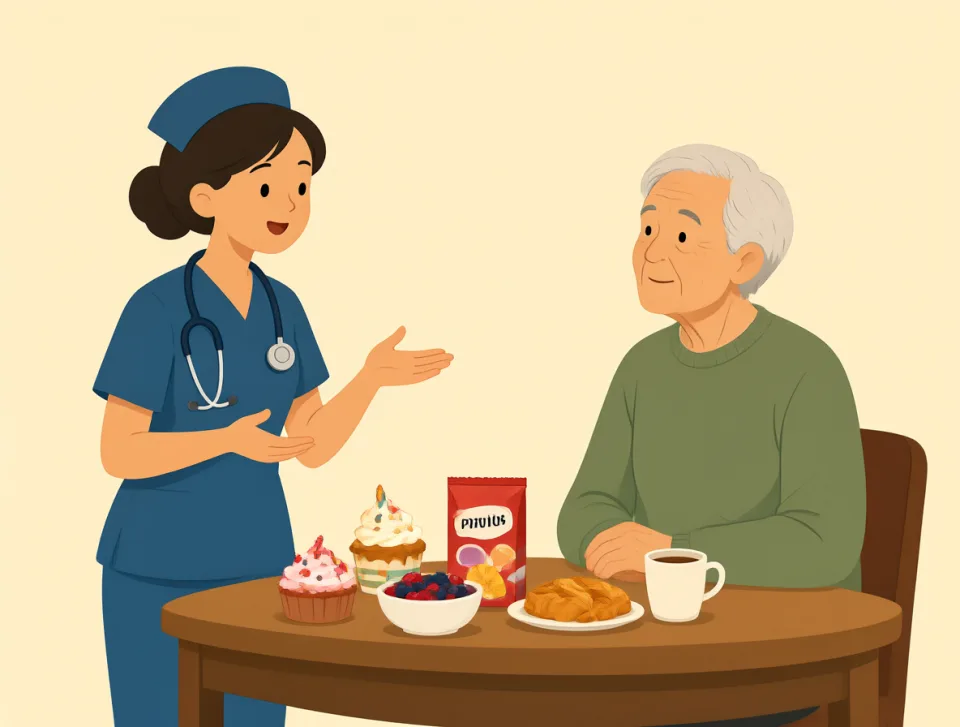
The nurse advised me to eat less sweet food.
नर्स ने मुझे कम मीठा खाना खाने की सलाह दी।

permanent
#1782adjective
स्थायी
Continuing for a very long time or forever without changing.
जो बिना बदले बहुत लंबे समय तक या हमेशा बना रहे।

She is looking for a permanent job in her hometown.
वह अपने गृहनगर में स्थायी नौकरी ढूँढ़ रही है।

The company offered him a permanent position after six months.
छह महीने बाद कंपनी ने उसे स्थायी पद की पेशकश की।

We need a permanent solution to this leaking roof.
इस टपकती छत के लिए हमें एक स्थायी समाधान चाहिए।

The dentist gave me permanent teeth after removing the damaged ones.
खराब दाँत निकालने के बाद दंत चिकित्सक ने मुझे स्थायी दाँत लगाए।

They made their friendship permanent by moving in together.
साथ रहने के लिए घर बदलकर उन्होंने अपनी दोस्ती को स्थायी बना लिया।

emotion
#1783noun
भावना
a strong feeling, such as happiness, sadness, anger, or fear
खुशी, दुख, गुस्से या डर जैसी तीव्र अनुभूति।

She could not hide her emotion when she saw the surprise gift.
अचानक मिले उपहार को देखकर वह अपनी भावनाएँ छिपा नहीं सकी।

The movie showed many different emotions through its characters.
फ़िल्म में उसके किरदारों के ज़रिए कई तरह की भावनाएँ दिखाई गईं।

He spoke with emotion about his family during the meeting.
बैठक के दौरान उसने अपने परिवार के बारे में भावुक होकर बात की।

Music can bring back strong emotions from our childhood.
संगीत हमारे बचपन की गहरी भावनाएँ फिर से जगा सकता है।
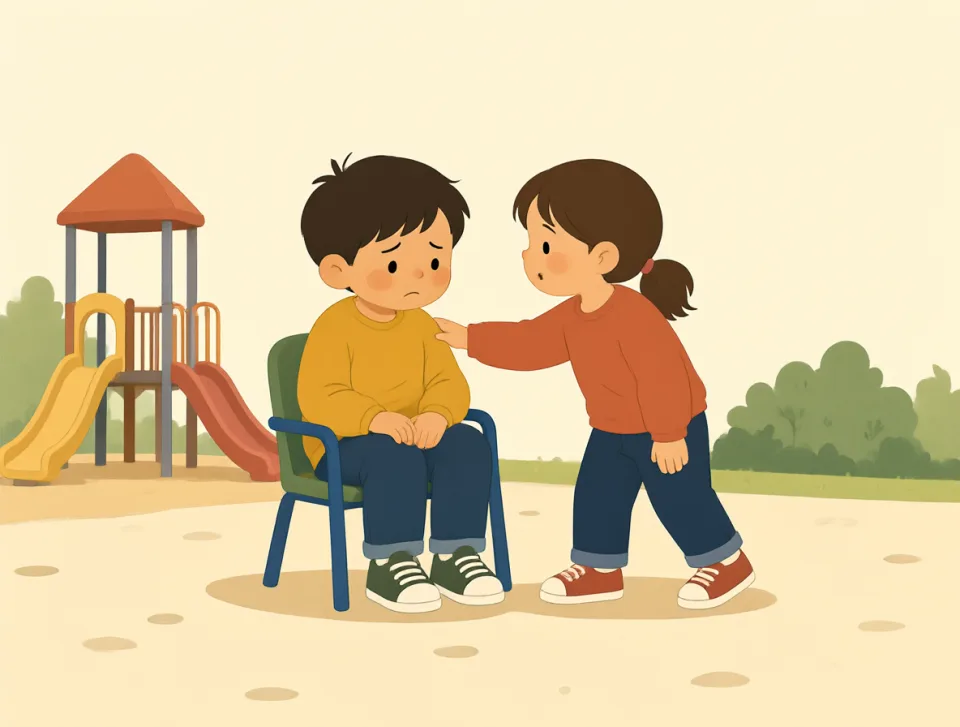
The child’s emotions changed quickly after losing the game.
खेल हारने के बाद बच्चे की भावनाएँ तेज़ी से बदल गईं।
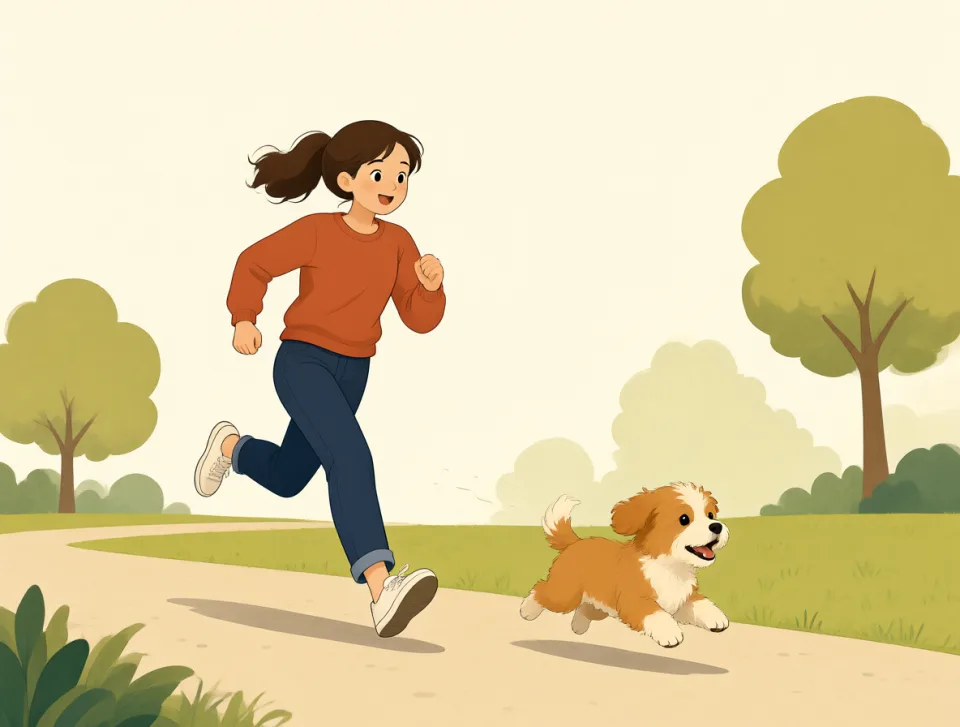
pursue
#1784verb
प्रयास करना; पीछा करना
to try to achieve something or follow someone or something
किसी चीज़ को हासिल करने की कोशिश करना या किसी व्यक्ति या चीज़ का पीछा करना।

She decided to pursue a career in nursing after helping her grandmother.
दादी की मदद करने के बाद उसने नर्सिंग में करियर बनाने का फ़ैसला किया।

The police pursued the car through the quiet streets last night.
पुलिस ने कल रात सुनसान सड़कों से होकर उस कार का पीछा किया।

He is pursuing his dream of opening a small restaurant.
वह एक छोटा रेस्तराँ खोलने का अपना सपना पूरा करने की कोशिश कर रहा है।

Our team pursued new customers at the busy shopping center.
हमारी टीम ने व्यस्त शॉपिंग सेंटर में नए ग्राहकों की तलाश की।

The hikers pursued the trail until they reached the mountain lake.
पैदल चलने वालों ने पहाड़ी झील तक पहुँचने के लिए पगडंडी पर आगे बढ़ना जारी रखा।
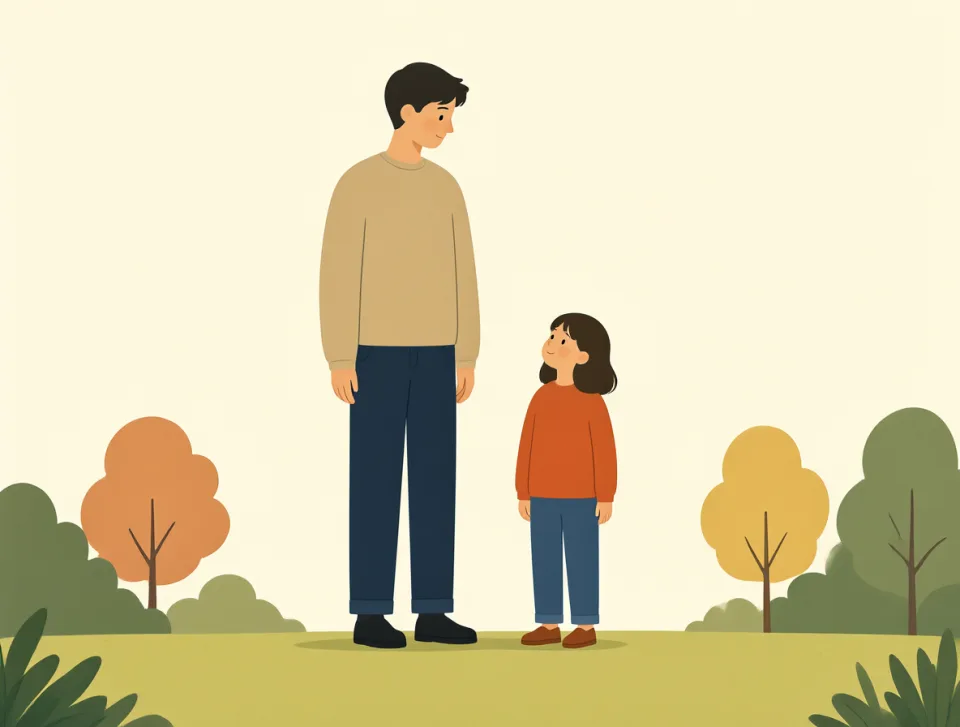
tall
#1785adjective
लंबा; ऊँचा
Having greater than average height.
औसत से अधिक ऊँचाई वाला।

My brother is tall, so he can reach the top shelf.
मेरा भाई लंबा है, इसलिए वह ऊपर वाली शेल्फ़ तक पहुँच सकता है।

That tall building is the tallest one in our city.
वह ऊँची इमारत हमारे शहर की सबसे ऊँची इमारत है।

She bought a tall glass of orange juice.
उसने संतरे के रस का एक लंबा गिलास खरीदा।

The tall student plays basketball for our school team.
लंबा छात्र हमारे स्कूल की टीम के लिए बास्केटबॉल खेलता है।

We walked past a tall tree on our way to the station.
स्टेशन जाते समय हम एक ऊँचे पेड़ के पास से गुज़रे।

urge
#1786verb, noun
आग्रह करना; तीव्र इच्छा
to strongly encourage someone; a strong feeling that makes you want to do something
किसी को कोई काम करने के लिए ज़ोर देकर कहना; कोई काम करने की तीव्र इच्छा

Doctors urged him to stop smoking for his health.
डॉक्टरों ने उसकी सेहत के लिए उससे धूम्रपान छोड़ने का आग्रह किया।

My parents urged me to apply for the new job.
मेरे माता-पिता ने मुझसे नई नौकरी के लिए आवेदन करने का आग्रह किया।
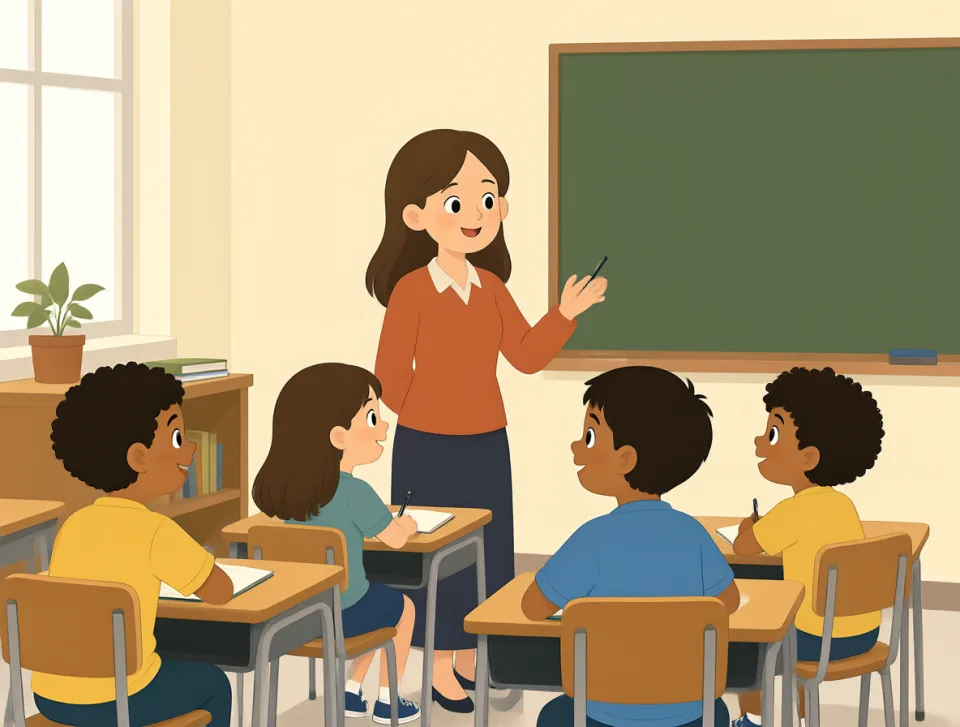
The teacher urged the students to check their answers.
शिक्षक ने विद्यार्थियों से अपने जवाब जाँचने का आग्रह किया।
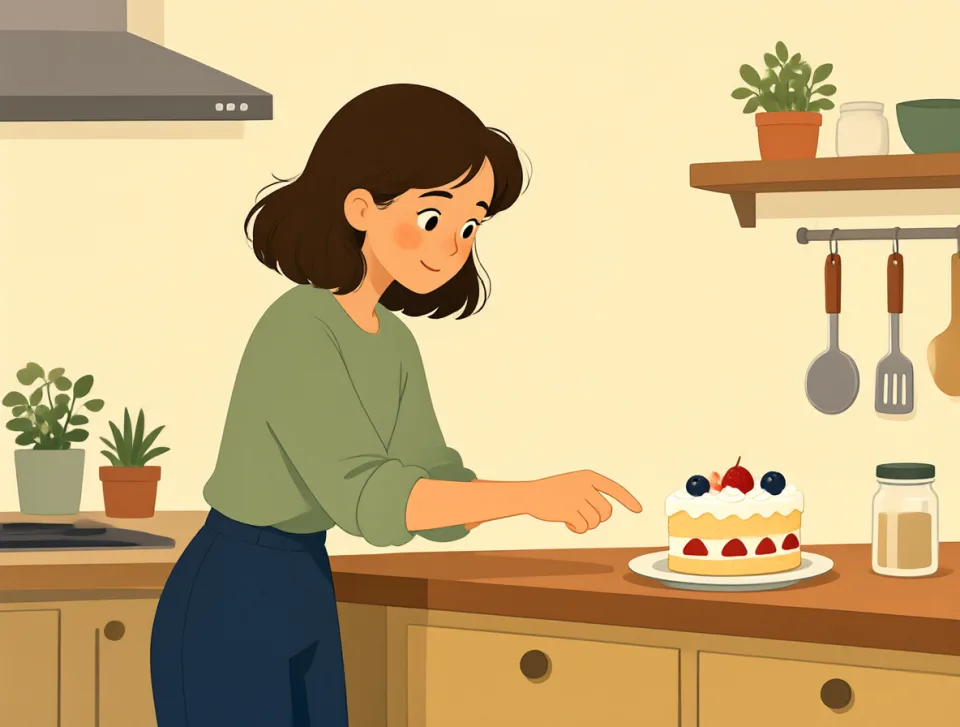
She felt an urge to eat something sweet after dinner.
रात के खाने के बाद उसे कुछ मीठा खाने की तीव्र इच्छा हुई।

Friends urged us to visit the old castle during our trip.
दोस्तों ने हमसे यात्रा के दौरान पुराने किले को देखने का आग्रह किया।
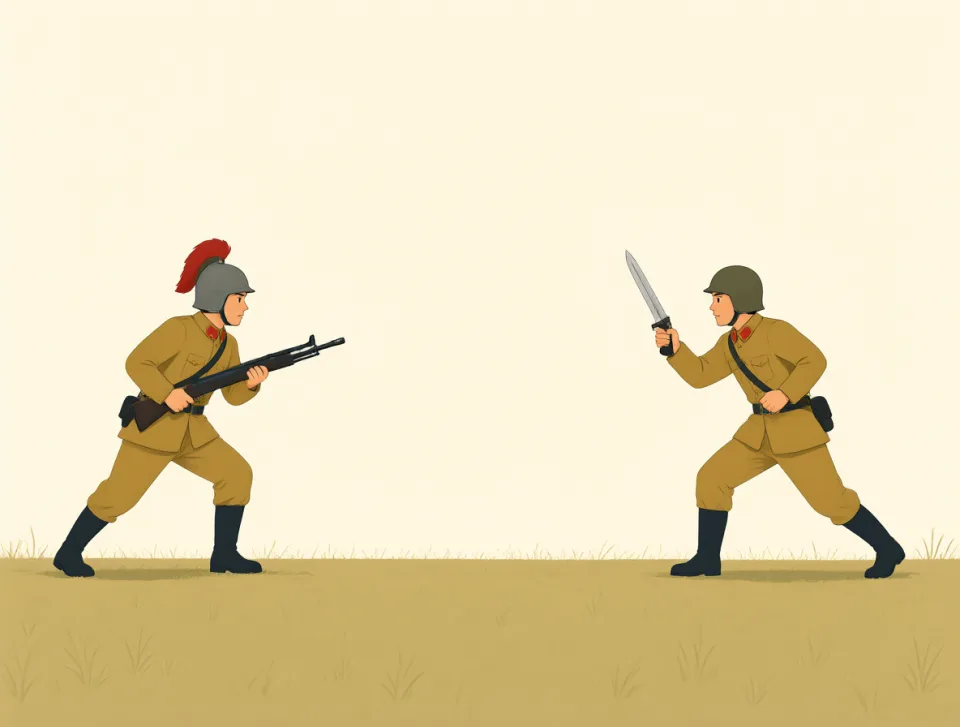
enemy
#1787noun
दुश्मन
A person or group that fights against or strongly dislikes another person or group.
कोई व्यक्ति या समूह जो किसी दूसरे व्यक्ति या समूह से लड़ता हो या उससे बहुत नफ़रत करता हो।
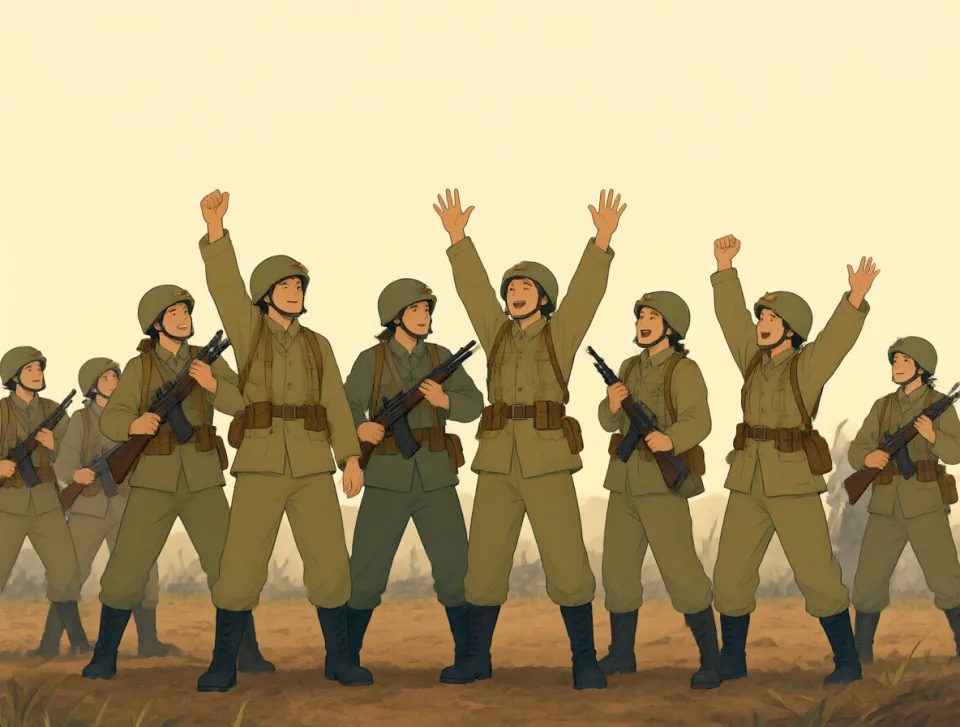
The army defeated its enemy after a long battle.
लंबी लड़ाई के बाद सेना ने अपने दुश्मन को हरा दिया।

He saw his old enemy at the train station.
उसने ट्रेन स्टेशन पर अपने पुराने दुश्मन को देखा।
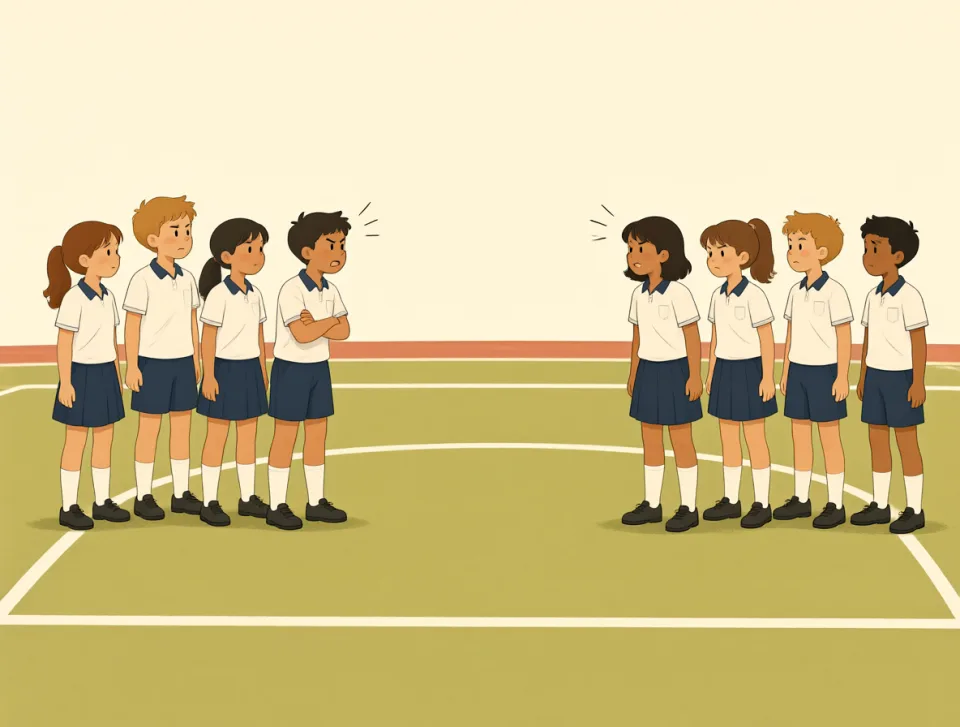
The two teams became enemies after the argument.
बहस के बाद दोनों टीमें एक-दूसरे की दुश्मन बन गईं।

Fear can be the enemy of good decisions.
डर अच्छे फ़ैसले लेने में बाधा बन सकता है।

Lack of sleep is an enemy of good health.
नींद की कमी अच्छी सेहत की दुश्मन है।

appoint
#1788verb
नियुक्त करना
To choose someone for a job, position, or special task.
किसी को नौकरी, पद या विशेष काम के लिए चुनना।

The manager appointed Sarah as the new team leader.
मैनेजर ने सारा को नई टीम लीडर नियुक्त किया।

The school appointed a teacher to organize the sports day.
स्कूल ने खेल दिवस का आयोजन करने के लिए एक शिक्षक को नियुक्त किया।

They appointed a doctor to lead the hospital project.
उन्होंने अस्पताल की परियोजना का नेतृत्व करने के लिए एक डॉक्टर को नियुक्त किया।

The judge appointed a lawyer to help the young man.
जज ने उस युवक की मदद के लिए एक वकील नियुक्त किया।
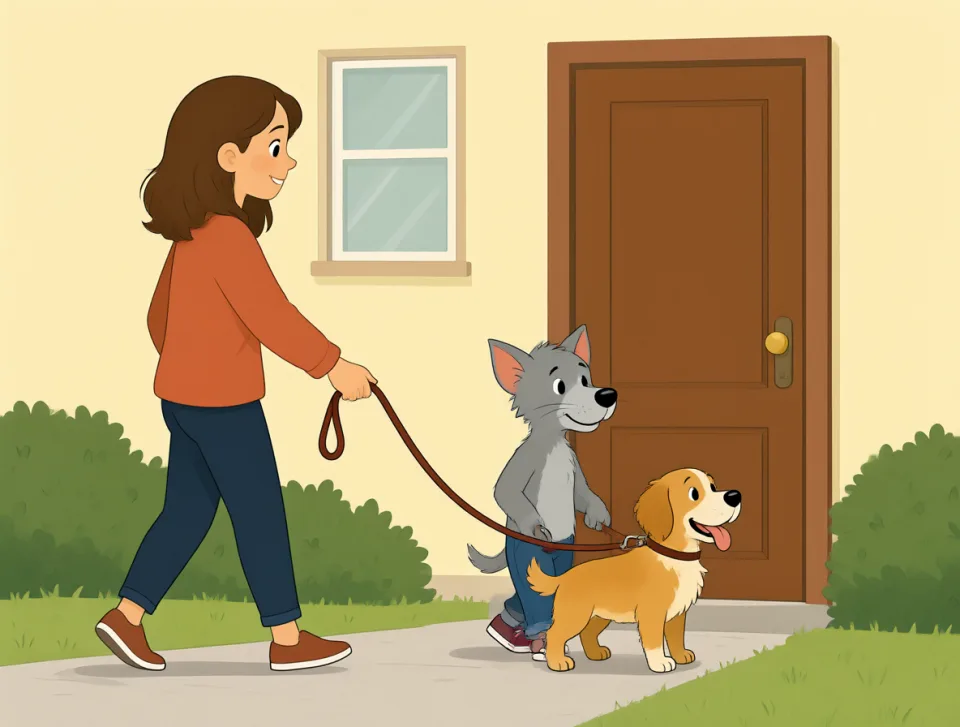
We appointed Tom to look after the dog during our holiday.
हमने छुट्टियों के दौरान कुत्ते की देखभाल करने के लिए टॉम को चुना।
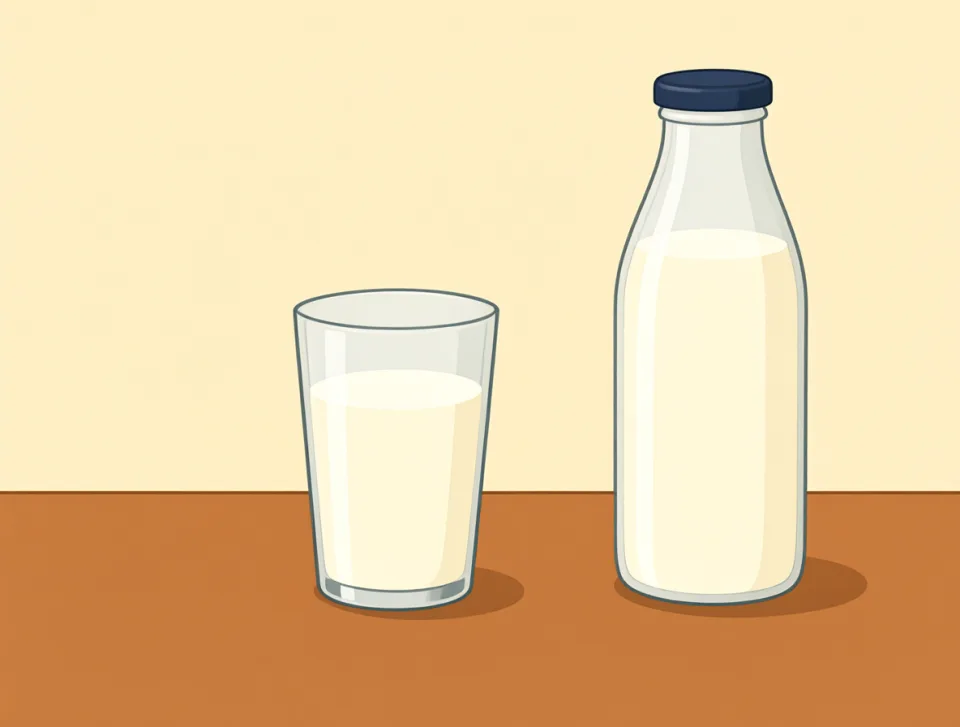
milk
#1789noun, verb
दूध
A white drink that comes from cows, or to take milk from an animal.
सफ़ेद पेय जो गाय से मिलता है; या किसी जानवर का दूध निकालना।

I drink a glass of milk with breakfast every morning.
मैं हर सुबह नाश्ते के साथ एक गिलास दूध पीता/पीती हूँ।
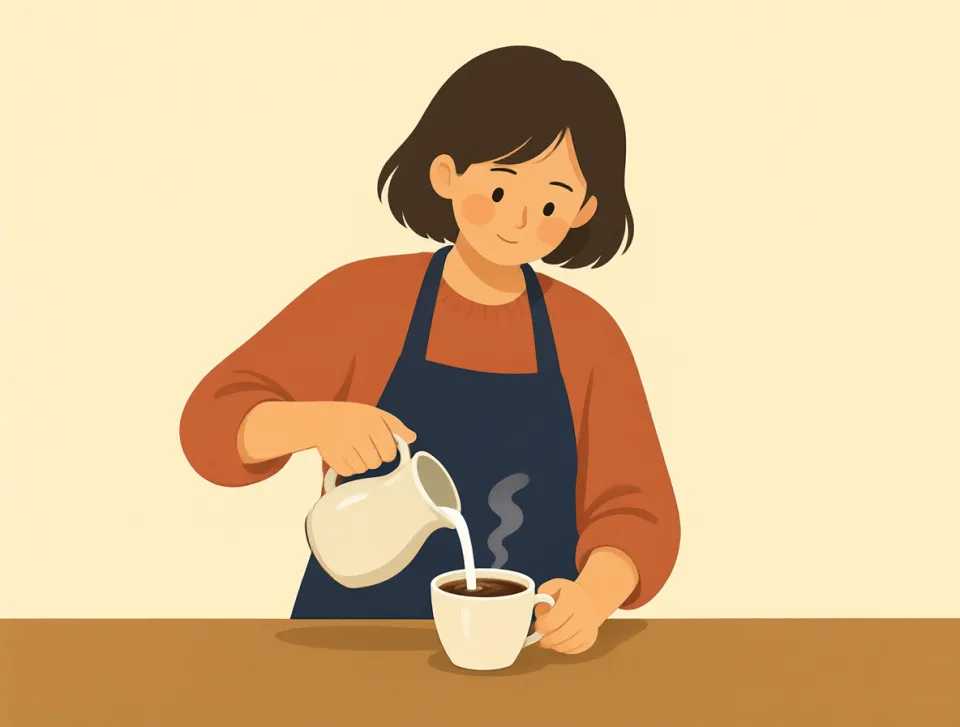
Please add some milk to my coffee.
कृपया मेरी कॉफ़ी में थोड़ा दूध डाल दीजिए।

We need to buy milk and bread after work.
हमें काम के बाद दूध और ब्रेड खरीदनी है।
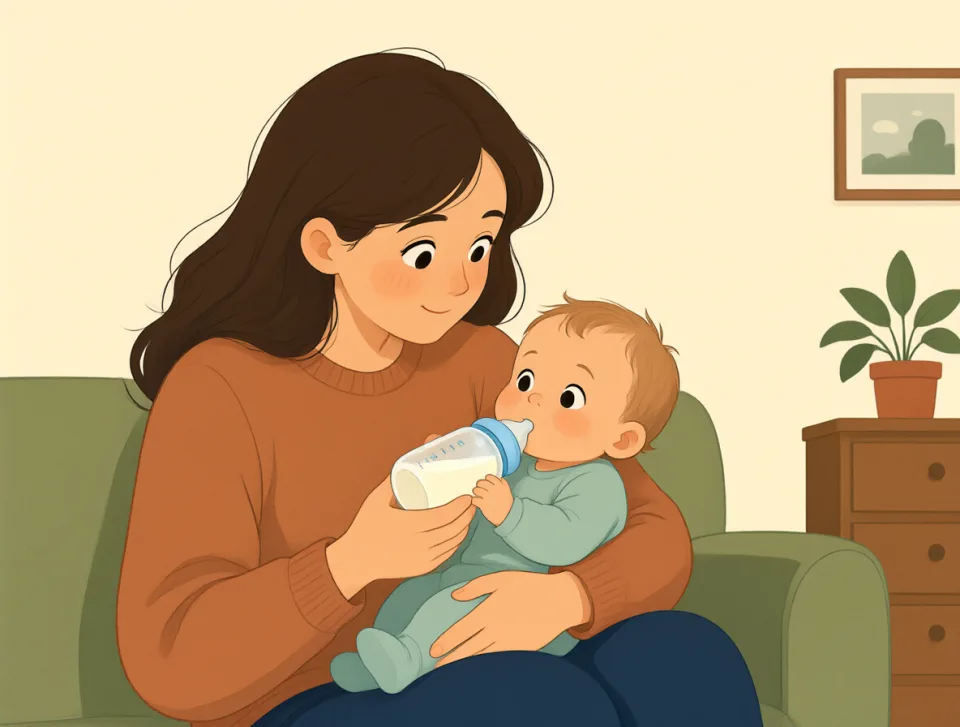
The baby is drinking milk from a bottle.
बच्चा बोतल से दूध पी रहा है।

The farmer milks the cows before sunrise.
किसान सूर्योदय से पहले गायों का दूध निकालता है।

talent
#1790noun
प्रतिभा
A natural ability to do something very well.
किसी काम को बहुत अच्छी तरह करने की स्वाभाविक क्षमता।

She has a real talent for singing and performs every weekend.
उसमें गाने की सचमुच प्रतिभा है और वह हर सप्ताहांत प्रस्तुति देती है।

His talent for cooking makes family dinners special.
खाना पकाने की उसकी प्रतिभा परिवार के रात के खाने को ख़ास बना देती है।

The teacher noticed her talent for solving difficult math problems.
शिक्षक ने कठिन गणित के सवाल हल करने की उसकी प्रतिभा पर ध्यान दिया।

Our new designer showed great talent during the team project.
हमारे नए डिज़ाइनर ने टीम परियोजना के दौरान शानदार प्रतिभा दिखाई।
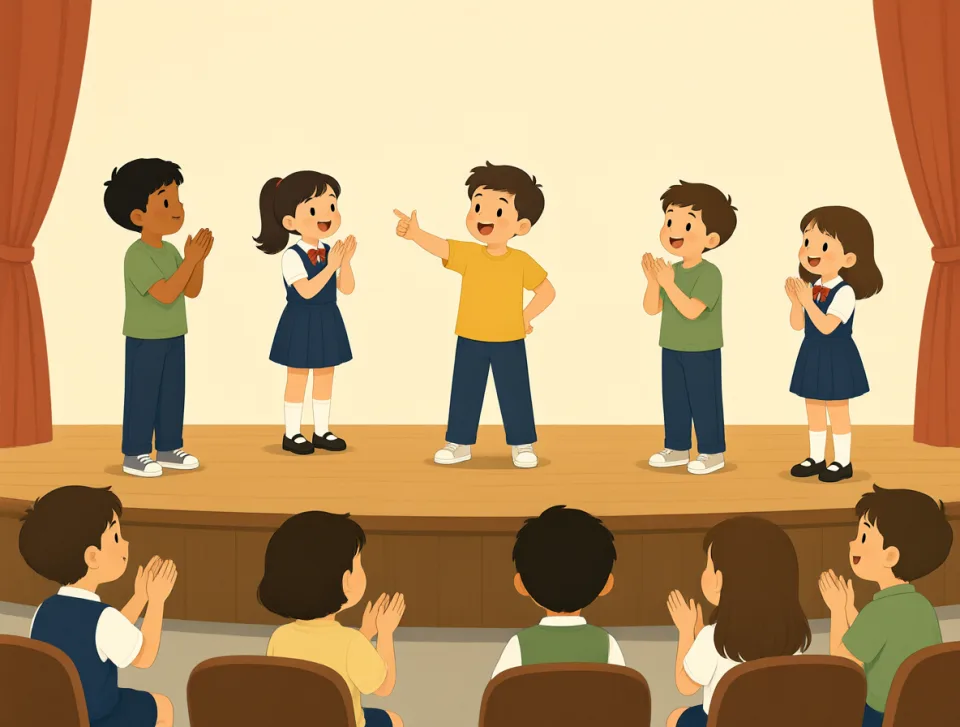
The talent show gave everyone a chance to share their skills.
प्रतिभा प्रदर्शन ने सभी को अपने हुनर दिखाने का अवसर दिया।

smell
#1791noun, verb
गंध
A smell is the quality of something that you notice with your nose; to smell is to notice it.
गंध वह गुण है जिसे आप अपनी नाक से महसूस करते हैं; to smell का अर्थ है गंध महसूस करना।
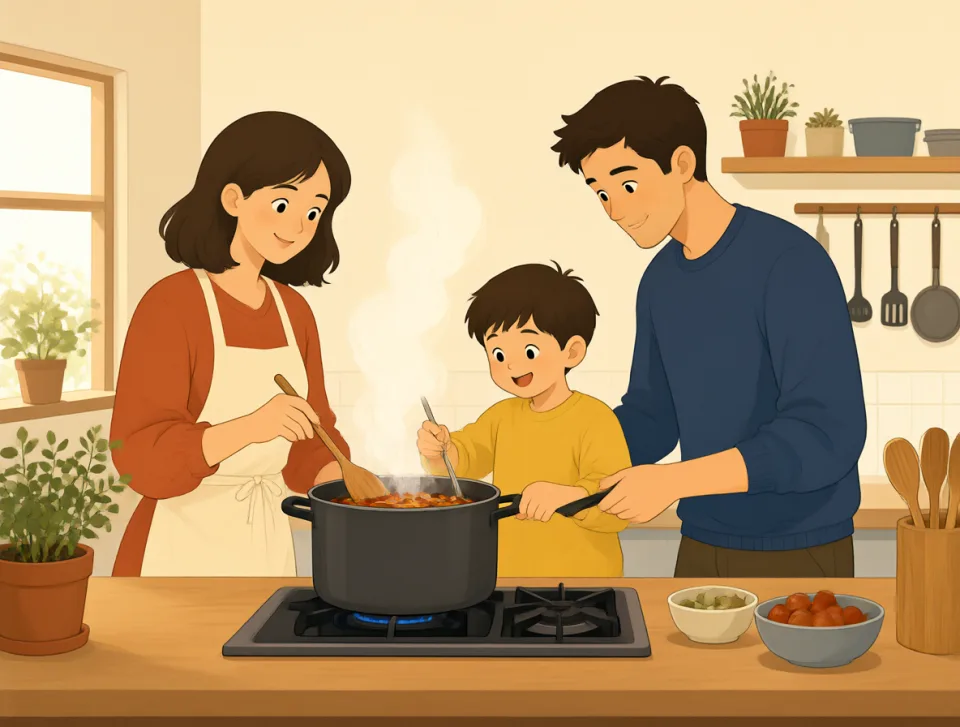
The kitchen smells wonderful because dinner is almost ready.
रसोई से बहुत अच्छी खुशबू आ रही है, क्योंकि रात का खाना बस तैयार होने वाला है।

I smelled smoke and quickly checked the oven.
मुझे धुएँ की गंध आई और मैंने तुरंत ओवन जाँच लिया।

This cheese has a strong smell, but it tastes delicious.
इस चीज़ की गंध तेज़ है, लेकिन इसका स्वाद लज़ीज़ है।

These flowers smell sweet and look beautiful on the table.
इन फूलों की खुशबू मीठी है और ये मेज़ पर बहुत सुंदर लगते हैं।

She lost her sense of smell after catching a bad cold.
तेज़ सर्दी लगने के बाद उसकी सूँघने की शक्ति चली गई।

prior
#1792adjective, noun
पूर्व
Happening or existing before a particular time, event, or action
जो किसी खास समय, घटना या काम से पहले हुआ हो या मौजूद रहा हो।
Please tell me about any prior experience with computers.
कृपया मुझे कंप्यूटर के साथ अपने किसी भी पूर्व अनुभव के बारे में बताइए।

I had no prior knowledge of the city before my trip.
यात्रा से पहले मुझे उस शहर के बारे में कोई जानकारी नहीं थी।

You need prior approval before bringing a guest to work.
काम पर किसी मेहमान को लाने से पहले आपको अनुमति लेनी होगी।

The doctor asked about my prior health problems.
डॉक्टर ने मेरी पहले हुई स्वास्थ्य समस्याओं के बारे में पूछा।

We met several times during the prior week.
हम उससे पहले वाले हफ़्ते में कई बार मिले।

priority
#1793noun
प्राथमिकता
Something that is more important than other things and should be dealt with first.
ऐसी चीज़ जो दूसरी चीज़ों से ज़्यादा महत्वपूर्ण हो और जिसे पहले निपटाना चाहिए।

Safety is our top priority at work.
काम पर सुरक्षा हमारी सबसे बड़ी प्राथमिकता है।

Please make this report a priority today.
कृपया आज इस रिपोर्ट को प्राथमिकता दें।

My first priority is finding a hotel near the airport.
मेरी पहली प्राथमिकता हवाई अड्डे के पास कोई होटल ढूँढ़ना है।

The teacher helped students set priorities for their school projects.
शिक्षक ने विद्यार्थियों को उनके स्कूल के प्रोजेक्ट्स के लिए प्राथमिकताएँ तय करने में मदद की।
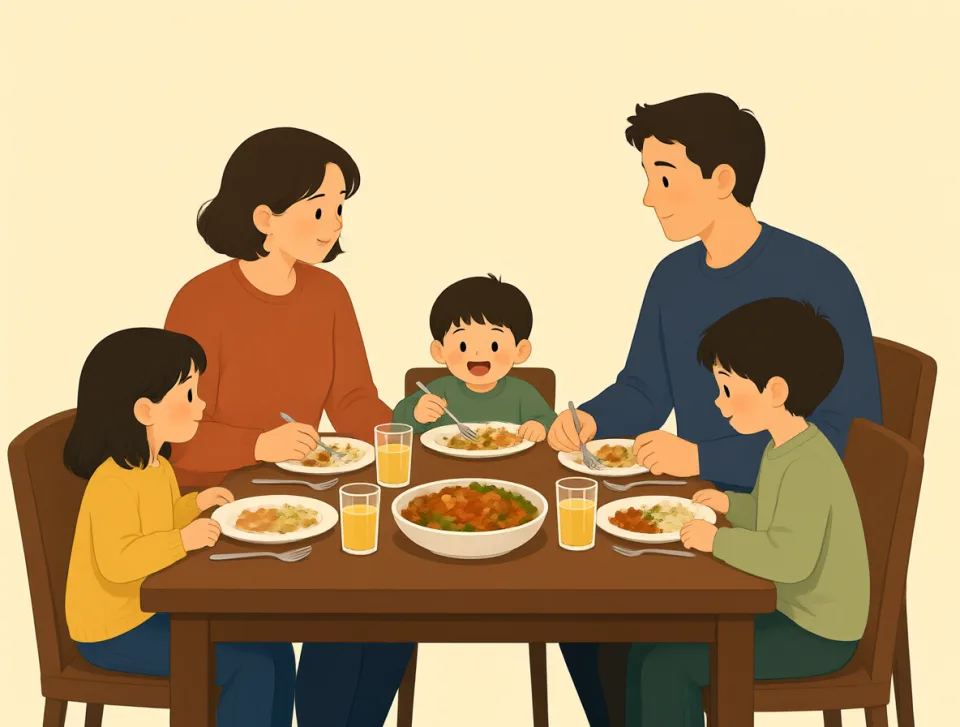
After dinner, spending time with my family becomes my priority.
रात के खाने के बाद, अपने परिवार के साथ समय बिताना मेरी प्राथमिकता बन जाता है।

online
#1794adjective, adverb
ऑनलाइन
Using or connected to the internet rather than a physical place or service.
इंटरनेट का उपयोग करते हुए या उससे जुड़ा हुआ, किसी भौतिक जगह या सेवा के बजाय।

I usually shop online because it is quick and easy.
मैं आमतौर पर ऑनलाइन खरीदारी करता हूँ, क्योंकि यह तेज़ और आसान है।

We booked our hotel online before traveling to Spain.
स्पेन जाने से पहले हमने ऑनलाइन होटल बुक किया।

The teacher offers an online class every Wednesday evening.
शिक्षक हर बुधवार शाम को ऑनलाइन कक्षा लेते हैं।

Please fill out the online form before your appointment.
कृपया अपनी मुलाक़ात से पहले ऑनलाइन फ़ॉर्म भर दीजिए।

My friends and I play online together after dinner.
रात के खाने के बाद मैं और मेरे दोस्त ऑनलाइन साथ खेलते हैं।

phrase
#1795noun, verb
वाक्यांश
A small group of words that expresses an idea or has a particular meaning.
शब्दों का छोटा समूह जो कोई विचार व्यक्त करता है या जिसका कोई खास अर्थ होता है।

Please repeat that phrase more slowly.
कृपया उस वाक्यांश को थोड़ा और धीरे दोहराइए।

She used a polite phrase when speaking to the customer.
ग्राहक से बात करते समय उसने एक विनम्र वाक्यांश का इस्तेमाल किया।

I learned several useful phrases before my trip to Spain.
स्पेन की यात्रा से पहले मैंने कई उपयोगी वाक्यांश सीखे।

The teacher asked us to write a phrase about our weekend.
शिक्षक ने हमसे अपने सप्ताहांत के बारे में एक वाक्यांश लिखने को कहा।

The doctor told him to avoid the phrase “I feel fine” when describing pain.
डॉक्टर ने उससे दर्द बताने के लिए “I feel fine” वाक्यांश का इस्तेमाल न करने को कहा।

pilot
#1796noun, verb
पायलट
A person who flies an aircraft, or to test a new idea or system.
वह व्यक्ति जो विमान उड़ाता है; किसी नए विचार या प्रणाली को आज़माने के लिए भी यह शब्द इस्तेमाल होता है।

The pilot welcomed everyone before the plane took off.
विमान के उड़ान भरने से पहले पायलट ने सभी का स्वागत किया।

My brother wants to become a pilot when he finishes school.
मेरा भाई स्कूल की पढ़ाई पूरी करने के बाद पायलट बनना चाहता है।

The pilot landed safely during the heavy rain.
तेज़ बारिश के दौरान पायलट ने विमान को सुरक्षित उतारा।

The company is piloting a new training program for young workers.
कंपनी युवा कर्मचारियों के लिए एक नए प्रशिक्षण कार्यक्रम को आज़मा रही है।

She piloted the boat across the lake before sunset.
सूरज डूबने से पहले उसने झील के पार नाव चलाई।
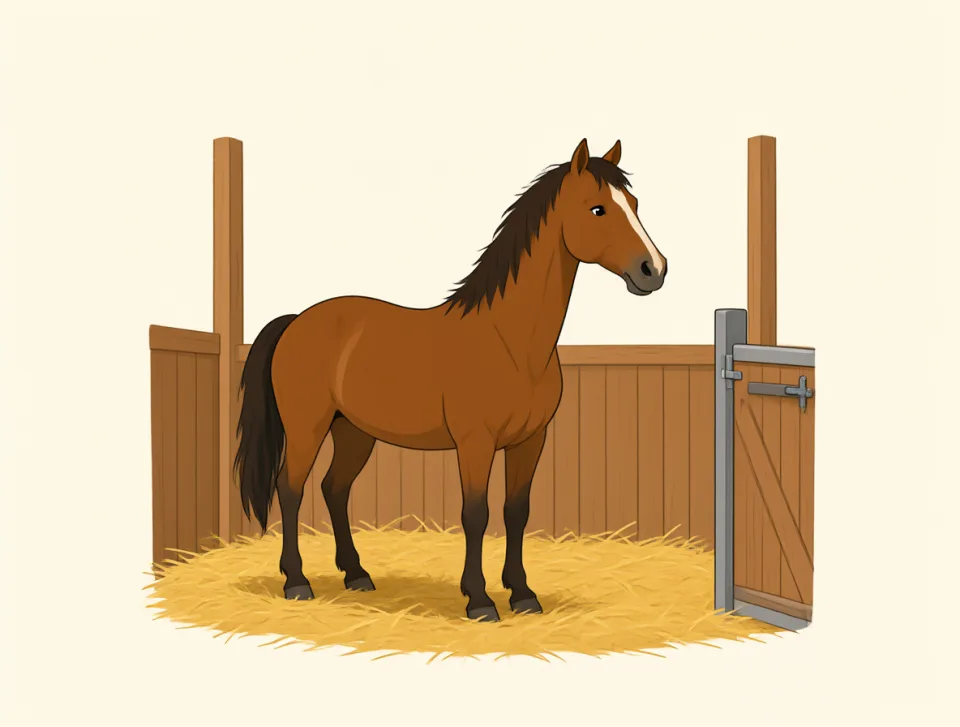
stable
#1797noun, adjective
अस्तबल; स्थिर
A stable is a building where people keep horses; stable means steady and unlikely to change.
अस्तबल वह इमारत है जहाँ घोड़े रखे जाते हैं; stable का अर्थ यह भी है कि कोई चीज़ स्थिर हो और उसमें बदलाव की संभावना कम हो।

The horse is resting in the stable after a long ride.
लंबी सवारी के बाद घोड़ा अस्तबल में आराम कर रहा है।

She has a stable job at the local hospital.
उसे स्थानीय अस्पताल में एक स्थायी नौकरी मिली है।
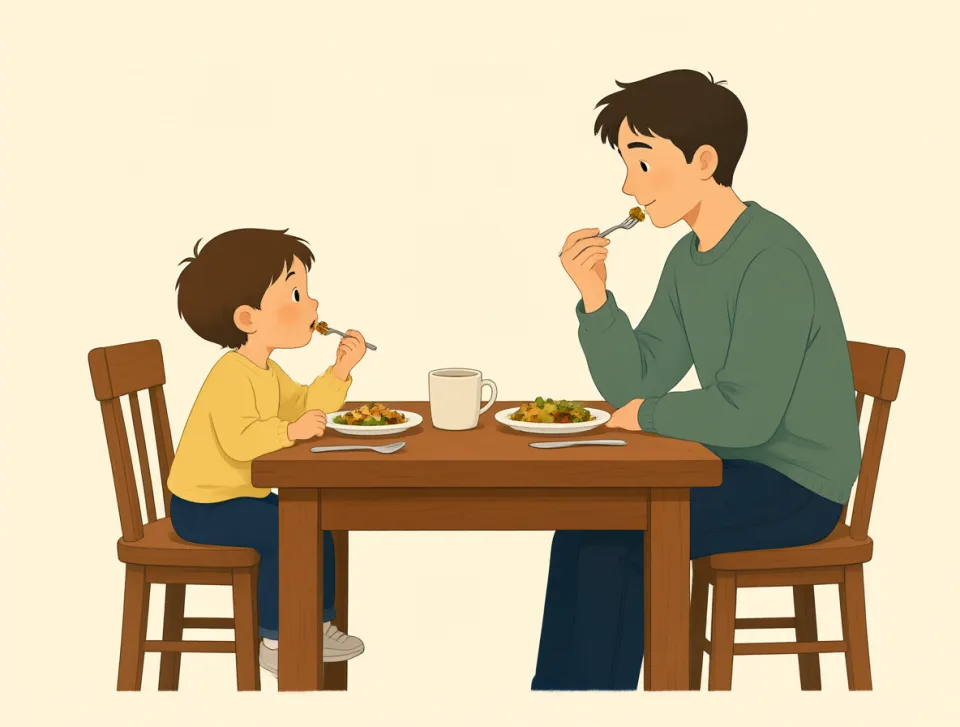
The table is stable enough for the children to eat at.
मेज़ इतनी मज़बूत है कि बच्चे उस पर बैठकर खाना खा सकते हैं।

His condition is stable after the doctors treated him.
डॉक्टरों के इलाज के बाद उसकी हालत स्थिर है।

The weather stayed stable during our week at the beach.
समुद्र तट पर बिताए हमारे हफ़्ते के दौरान मौसम स्थिर रहा।

merely
#1798adverb
केवल; महज़
Only; simply, without any other reason, purpose, or result.
सिर्फ़; बिना किसी अन्य कारण, उद्देश्य या परिणाम के।
She was merely asking a question, so please do not get angry.
वह सिर्फ़ एक सवाल पूछ रही थी, इसलिए कृपया नाराज़ न हों।

The job is not merely about making money; it helps people too.
यह नौकरी सिर्फ़ पैसे कमाने के बारे में नहीं है; इससे लोगों की मदद भी होती है।

He merely nodded and continued reading his book.
उसने बस सिर हिलाया और अपनी किताब पढ़ना जारी रखा।
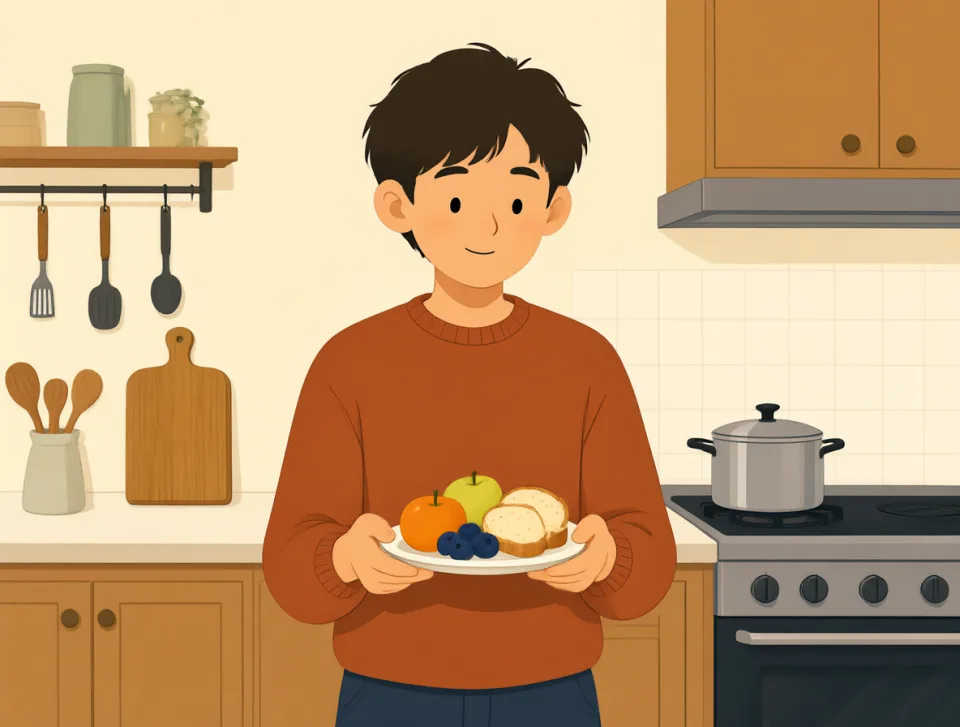
This meal is merely a snack, not a full dinner.
यह खाना बस एक हल्का नाश्ता है, पूरा रात का खाना नहीं।

The doctor said the pain was merely a sign of tired muscles.
डॉक्टर ने कहा कि दर्द महज़ थकी हुई मांसपेशियों का संकेत था।

resolution
#1799noun
संकल्प; रेज़ोल्यूशन
A firm decision to do something, or the quality of an image or sound.
कुछ करने का दृढ़ निर्णय; या किसी तस्वीर अथवा ध्वनि की स्पष्टता।

My New Year's resolution is to exercise every morning.
नए साल का मेरा संकल्प हर सुबह व्यायाम करना है।
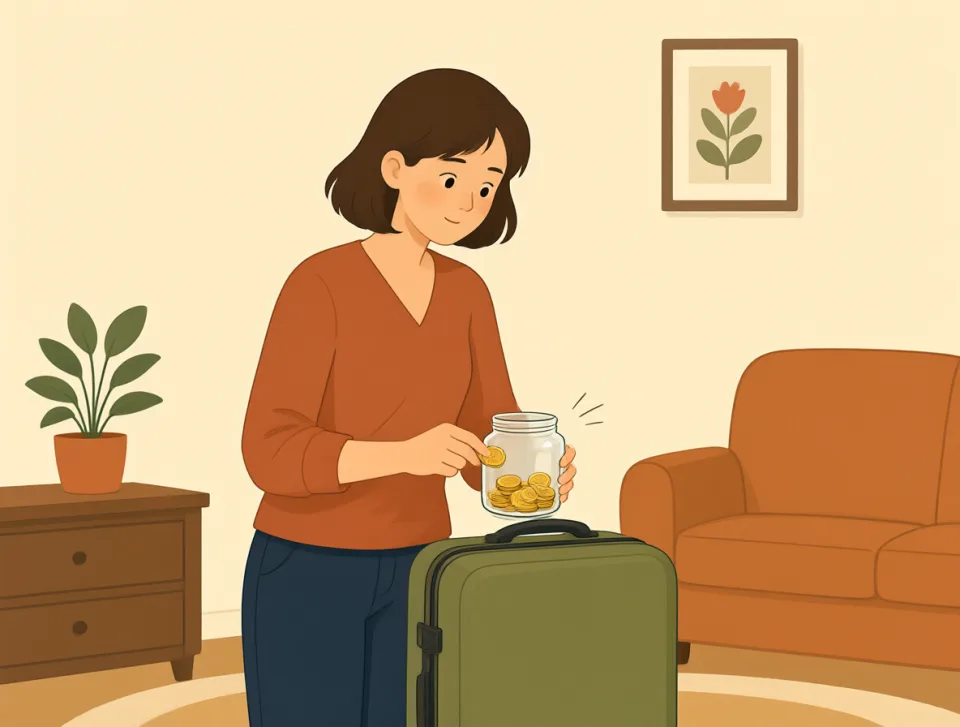
She made a resolution to save money for a holiday.
उसने छुट्टियों के लिए पैसे बचाने का संकल्प लिया।

The team passed a resolution to improve workplace safety.
टीम ने कार्यस्थल की सुरक्षा बेहतर करने का प्रस्ताव पारित किया।

This camera takes clear photos with high resolution.
यह कैमरा उच्च रेज़ोल्यूशन में साफ़ तस्वीरें खींचता है।

The doctor praised his resolution to stop eating so much sugar.
डॉक्टर ने इतनी चीनी खाना बंद करने के उसके दृढ़ संकल्प की सराहना की।

communicate
#1800verb
संवाद करना; जानकारी साझा करना
to share information, feelings, or ideas with someone
किसी के साथ जानकारी, भावनाएँ या विचार साझा करना।
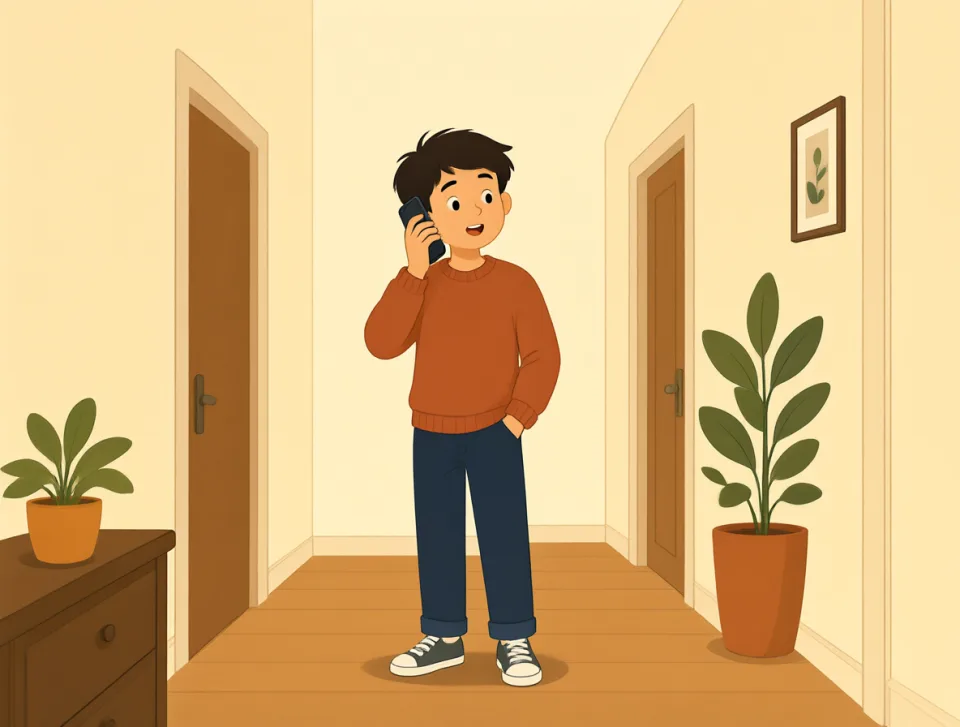
We communicate by phone when we are away from home.
जब हम घर से दूर होते हैं, तो फ़ोन पर बात करते हैं।

Good managers communicate clearly with their teams.
अच्छे प्रबंधक अपनी टीमों के साथ स्पष्ट रूप से संवाद करते हैं।

The students communicated their ideas during the group project.
छात्रों ने समूह परियोजना के दौरान अपने विचार साझा किए।

She uses hand gestures to communicate with travelers abroad.
वह विदेश में यात्रियों से बात करने के लिए हाथ के इशारों का इस्तेमाल करती है।

The doctor communicated the test results gently to the patient.
डॉक्टर ने मरीज़ को जाँच के नतीजे बड़े सहज ढंग से बताए।