ইউনিট 69
শব্দ 1361–1380 · sun, healthy, blow, volume, location, invest

sun
#1361noun
সূর্য
the bright star that gives Earth light and heat during the day
দিনের বেলা পৃথিবীকে আলো ও তাপ দেয় এমন উজ্জ্বল নক্ষত্র

The sun is shining brightly through the kitchen window.
রান্নাঘরের জানালা দিয়ে সূর্যের আলো ঝলমল করে ঢুকছে।

We sat in the sun and ate lunch in the park.
আমরা পার্কে রোদে বসে দুপুরের খাবার খেয়েছিলাম।

Wear a hat to protect your face from the sun.
সূর্যের আলো থেকে মুখ রক্ষা করতে টুপি পরো।

The plants grow well because they get plenty of sun.
গাছগুলো ভালোভাবে বেড়ে ওঠে, কারণ তারা প্রচুর রোদ পায়।

We watched the sunset from the beach after dinner.
রাতের খাবারের পর আমরা সমুদ্রসৈকত থেকে সূর্যাস্ত দেখেছিলাম।

healthy
#1362adjective
সুস্থ
In good physical or mental condition, or beneficial to health and well-being.
শারীরিক বা মানসিকভাবে ভালো অবস্থায় থাকা, অথবা স্বাস্থ্য ও সুস্থতার জন্য উপকারী।

He is healthy and strong after months of regular exercise.
নিয়মিত কয়েক মাস ব্যায়াম করার পর সে সুস্থ ও শক্তিশালী হয়েছে।

She chose a healthy breakfast of yogurt, fruit, and whole-grain toast.
সে দই, ফল ও পূর্ণশস্যের টোস্ট দিয়ে স্বাস্থ্যকর নাশতা বেছে নিয়েছিল।

The doctor recommends a healthy diet with plenty of vegetables.
চিকিৎসক প্রচুর শাকসবজিসহ স্বাস্থ্যকর খাবার খাওয়ার পরামর্শ দেন।
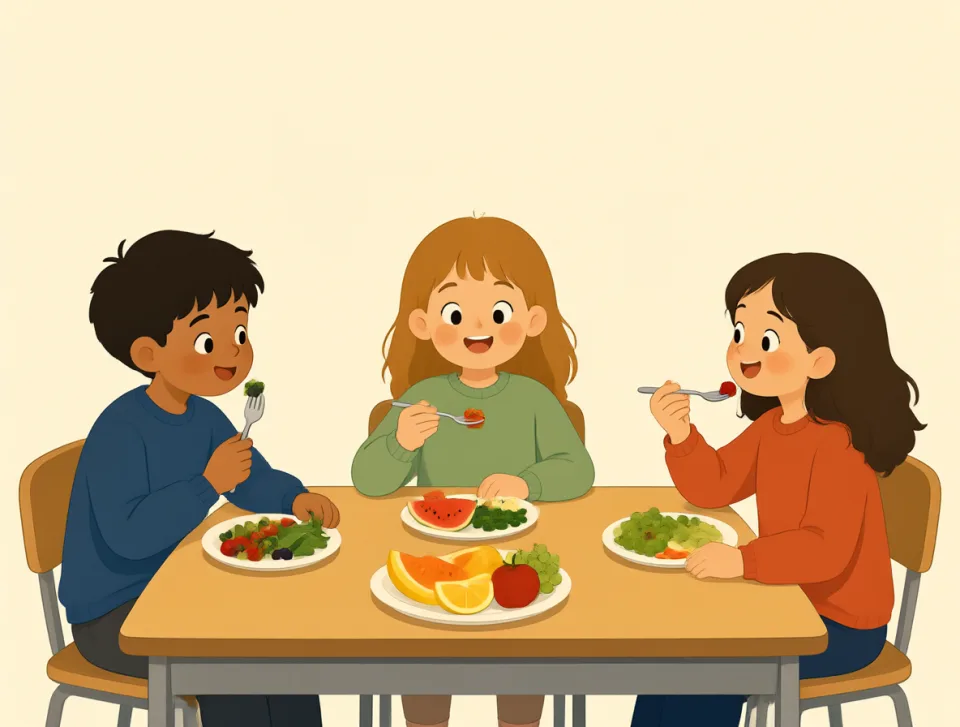
Our school offers healthy snacks instead of candy.
আমাদের স্কুলে মিষ্টির বদলে স্বাস্থ্যকর নাশতা দেওয়া হয়।

They have a healthy relationship because they listen to each other.
তাদের সম্পর্কটা সুস্থ, কারণ তারা একে অপরের কথা মন দিয়ে শোনে।
blow
#1363verb, noun
ফুঁ দেওয়া; ধাক্কা
To send air from your mouth or move air strongly; a sudden hit or disappointment.
মুখ দিয়ে বাতাস ছাড়া বা জোরে বাতাস প্রবাহিত করা; হঠাৎ আঘাত বা হতাশা।

Please blow on the soup because it is still very hot.
স্যুপে ফুঁ দিয়ে ঠান্ডা করে দাও, কারণ এটা এখনও খুব গরম।

The wind blew my hat into the street.
বাতাসে আমার টুপিটা উড়ে রাস্তায় চলে গেল।

She blew up three balloons for the children's party.
সে বাচ্চাদের পার্টির জন্য তিনটি বেলুন ফুলিয়েছিল।

He blew his nose before going back to work.
কাজে ফিরে যাওয়ার আগে সে নাক ঝেড়েছিল।

Losing the game was a real blow to our team.
খেলায় হেরে যাওয়াটা আমাদের দলের জন্য সত্যিই বড় ধাক্কা ছিল।

volume
#1364noun
আয়তন; শব্দের মাত্রা
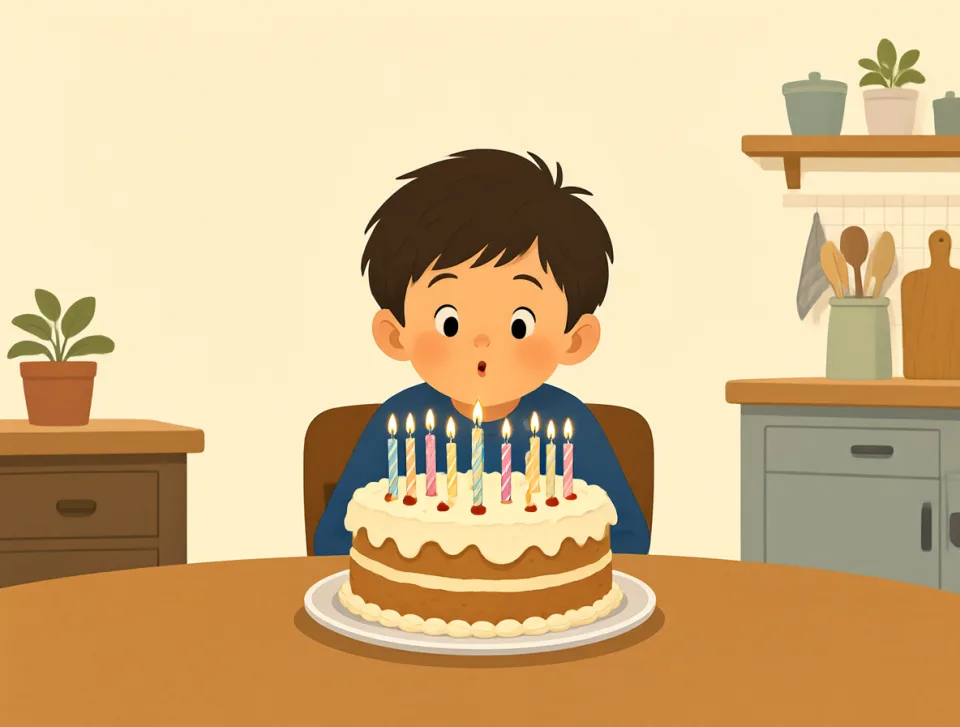
the amount of sound, space, liquid, or goods that something contains
কোনো কিছুর মধ্যে থাকা শব্দ, স্থান, তরল বা পণ্যের পরিমাণ
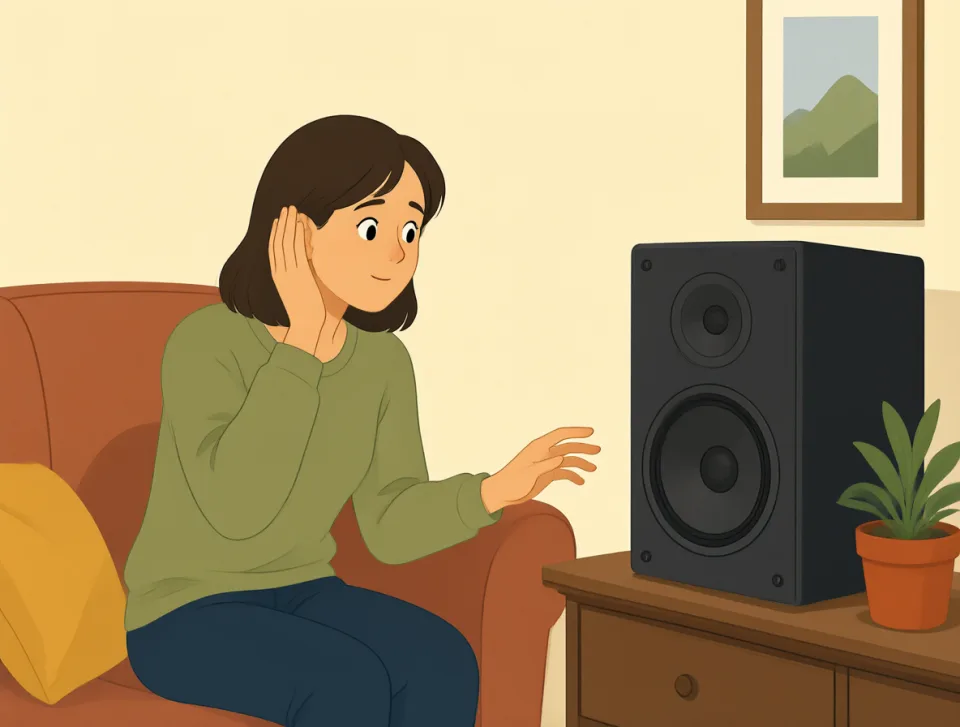
Please turn down the volume; the music is too loud.
শব্দটা একটু কমাও, গানটা খুব জোরে বাজছে।

This bottle has a volume of one liter.
এই বোতলের ধারণক্ষমতা এক লিটার।

The library has a high volume of books for students.
শিক্ষার্থীদের জন্য লাইব্রেরিতে প্রচুর বই আছে।

The doctor asked how much volume of water I drink daily.
চিকিৎসক জানতে চেয়েছিলেন, আমি প্রতিদিন কতটা পানি পান করি।
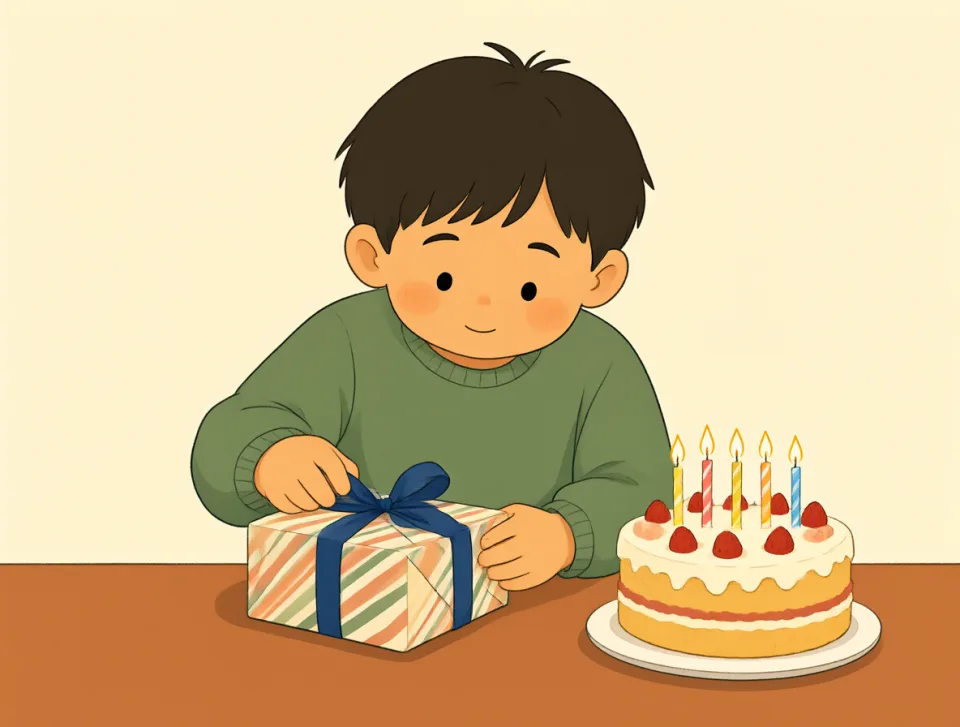
The first volume of this book series was a birthday gift.
এই বইয়ের সিরিজের প্রথম খণ্ডটি জন্মদিনের উপহার ছিল।

location
#1365noun
অবস্থান
A place or position where someone or something is located.
কেউ বা কিছু যেখানে অবস্থিত, সেই স্থান বা অবস্থান।

Please send me your location so I can find you.
তোমার অবস্থানটা আমাকে পাঠাও, তাহলে আমি তোমাকে খুঁজে পাব।
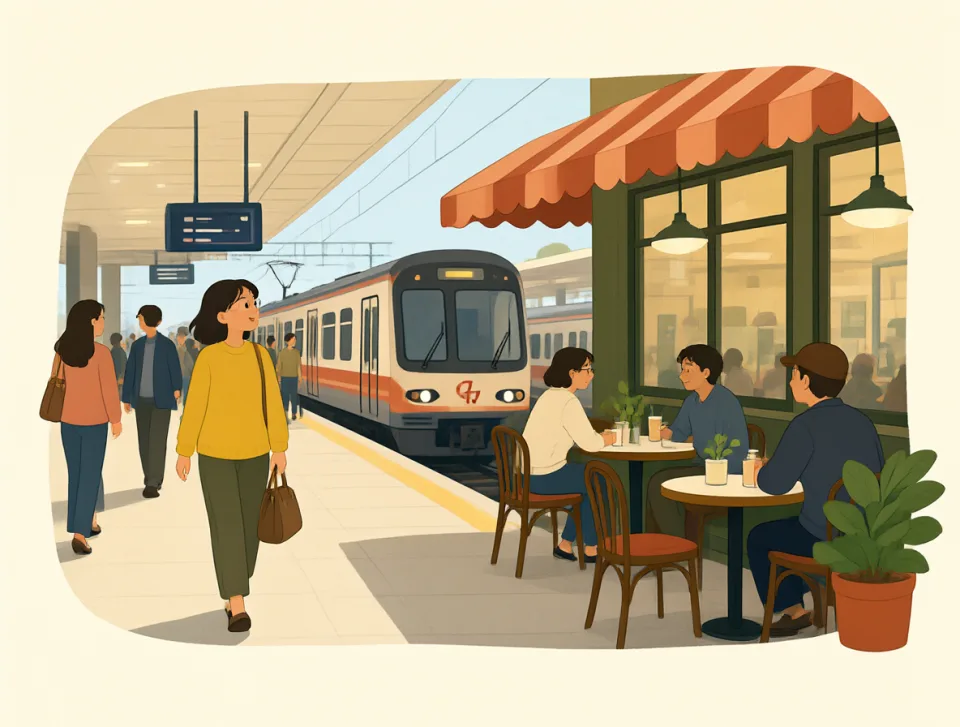
The restaurant is in a convenient location near the station.
রেস্তোরাঁটি স্টেশনের কাছে সুবিধাজনক একটি জায়গায়।

We chose a quiet location for our family picnic.
আমরা পরিবারের পিকনিকের জন্য একটি নিরিবিলি জায়গা বেছে নিয়েছিলাম।

The teacher changed the location of the class meeting.
শিক্ষক ক্লাসের সভার স্থান পরিবর্তন করেছিলেন।
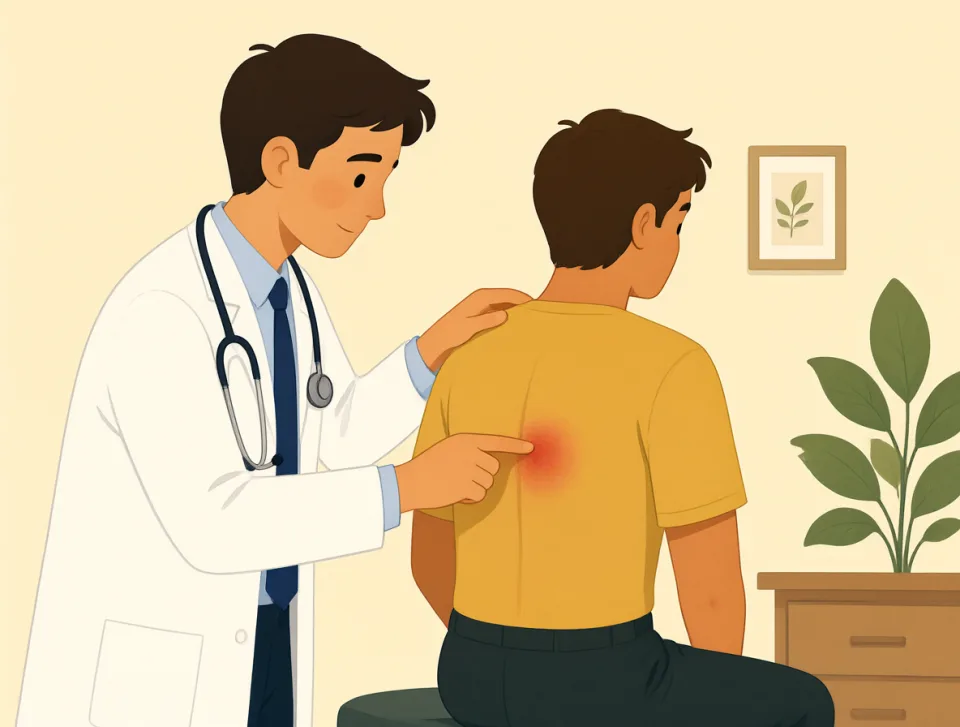
The doctor checked the location of the pain in my back.
চিকিৎসক আমার পিঠে ব্যথার জায়গাটি পরীক্ষা করেছিলেন।

invest
#1366verb
বিনিয়োগ করা
To put money, time, or effort into something to get a useful result.
কোনো কাজে টাকা, সময় বা শ্রম লাগানো, যাতে ভালো কোনো ফল পাওয়া যায়।
Many people invest in a retirement plan for their future.
অনেকেই ভবিষ্যতের জন্য অবসরকালীন সঞ্চয় পরিকল্পনায় বিনিয়োগ করেন।
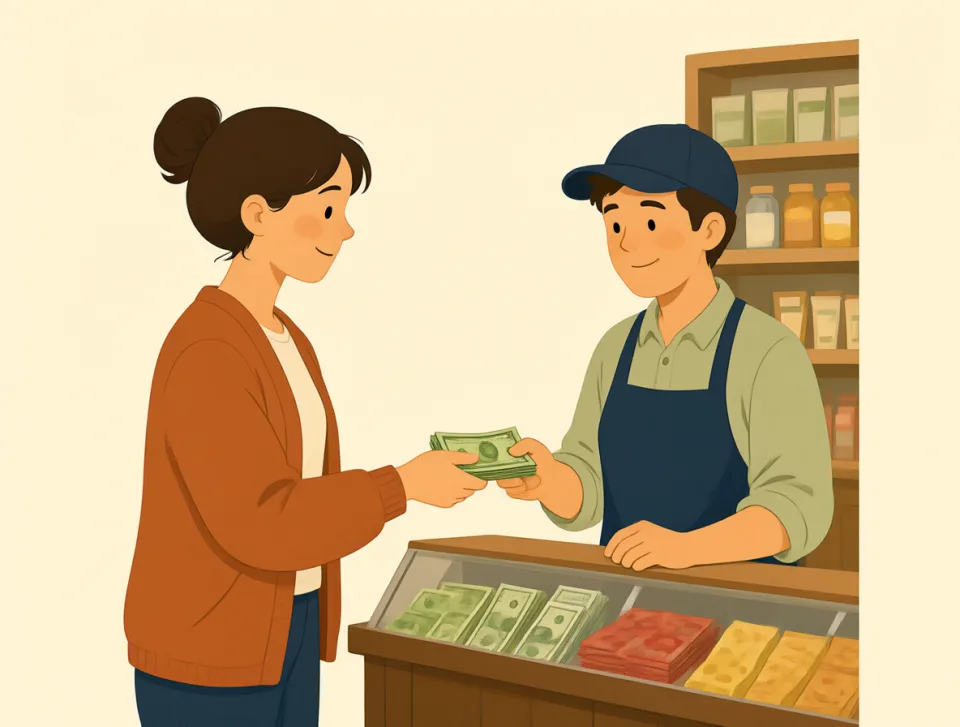
She invested her savings in a small local business.
সে তার সঞ্চিত টাকা একটি ছোট স্থানীয় ব্যবসায় বিনিয়োগ করেছিল।

We invest time in learning new skills at work.
কর্মক্ষেত্রে নতুন দক্ষতা শেখার পেছনে আমরা সময় দিই।

The school is investing in better computers for students.
শিক্ষার্থীদের জন্য আরও ভালো কম্পিউটার কিনতে স্কুলটি বিনিয়োগ করছে।

He invested heavily in his health by joining a gym.
জিমে ভর্তি হয়ে সে নিজের স্বাস্থ্যের পেছনে অনেক বিনিয়োগ করেছিল।

proceed
#1367verb
এগিয়ে যাওয়া
to continue doing something, especially after stopping or making a decision
বিশেষ করে থেমে যাওয়ার বা কোনো সিদ্ধান্ত নেওয়ার পর, কোনো কাজ চালিয়ে যাওয়া।

After lunch, we proceeded with the meeting.
দুপুরের খাবারের পর আমরা সভা চালিয়ে গেলাম।
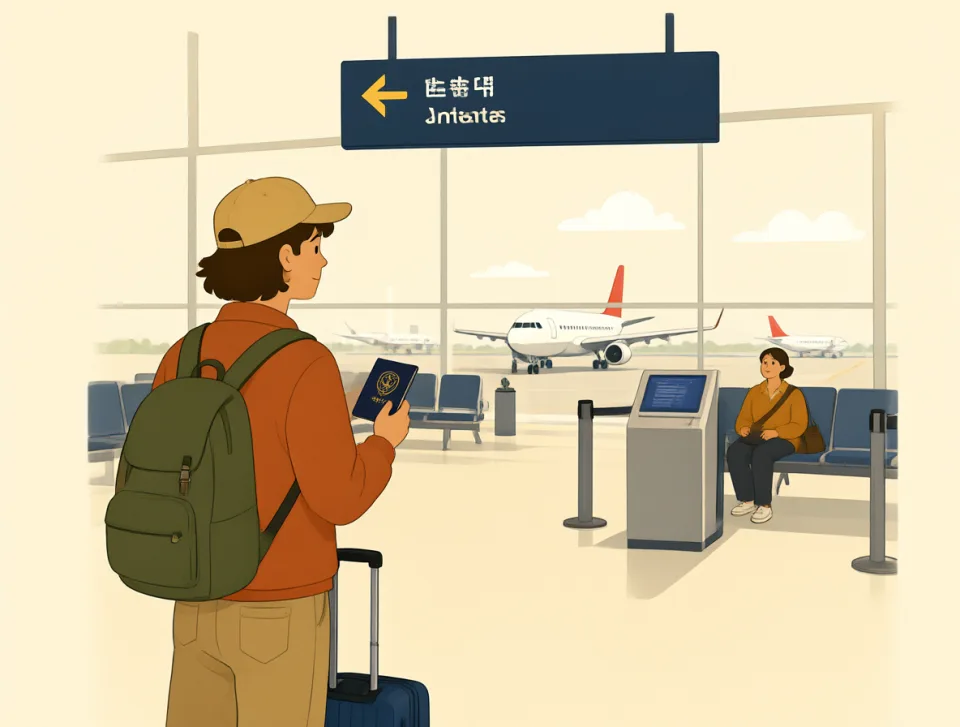
Please proceed to the gate after checking your passport.
পাসপোর্ট পরীক্ষা করার পর অনুগ্রহ করে গেটের দিকে এগিয়ে যান।

The doctor proceeded with the examination carefully.
ডাক্তার সতর্কভাবে পরীক্ষা চালিয়ে গেলেন।

The teacher told the students to proceed with the exercise.
শিক্ষক শিক্ষার্থীদের অনুশীলনটি চালিয়ে যেতে বললেন।

We proceeded slowly because the road was covered with ice.
রাস্তা বরফে ঢাকা থাকায় আমরা ধীরে এগোলাম।
wash
#1368verb, noun
ধোয়া
To clean something with water, or the act of cleaning with water.
পানি দিয়ে কোনো কিছু পরিষ্কার করা, অথবা পানি দিয়ে পরিষ্কার করার কাজ।

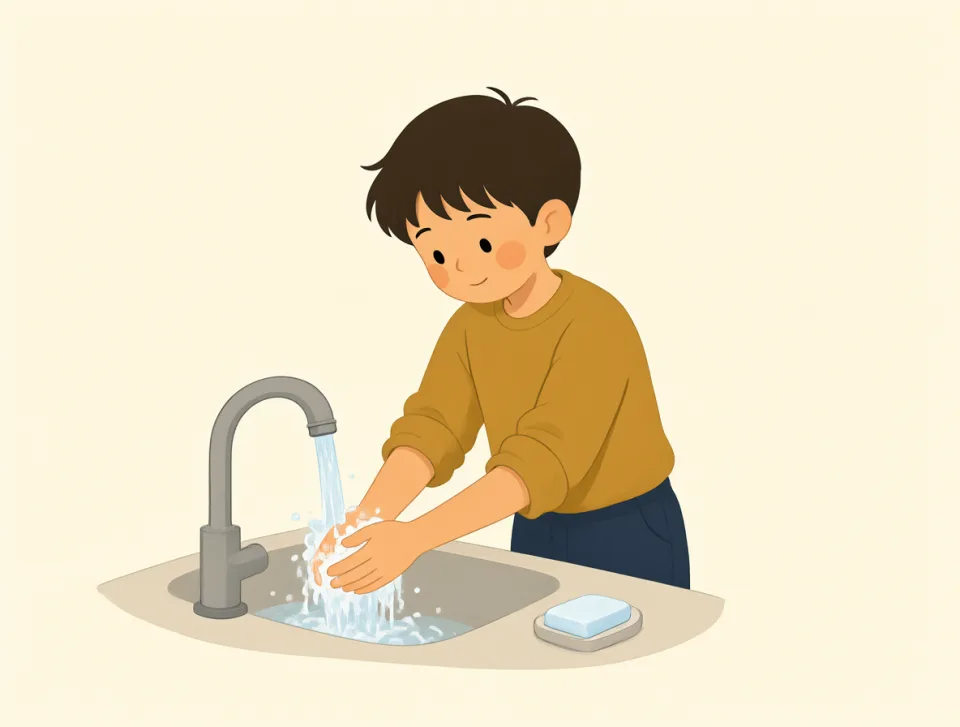
Please wash your hands before dinner.
রাতের খাবারের আগে অনুগ্রহ করে হাত ধুয়ে নিন।

I washed the dishes after breakfast.
নাশতার পর আমি থালাবাসন ধুয়েছিলাম।

She washes her hair every morning.
সে প্রতিদিন সকালে চুল ধোয়।
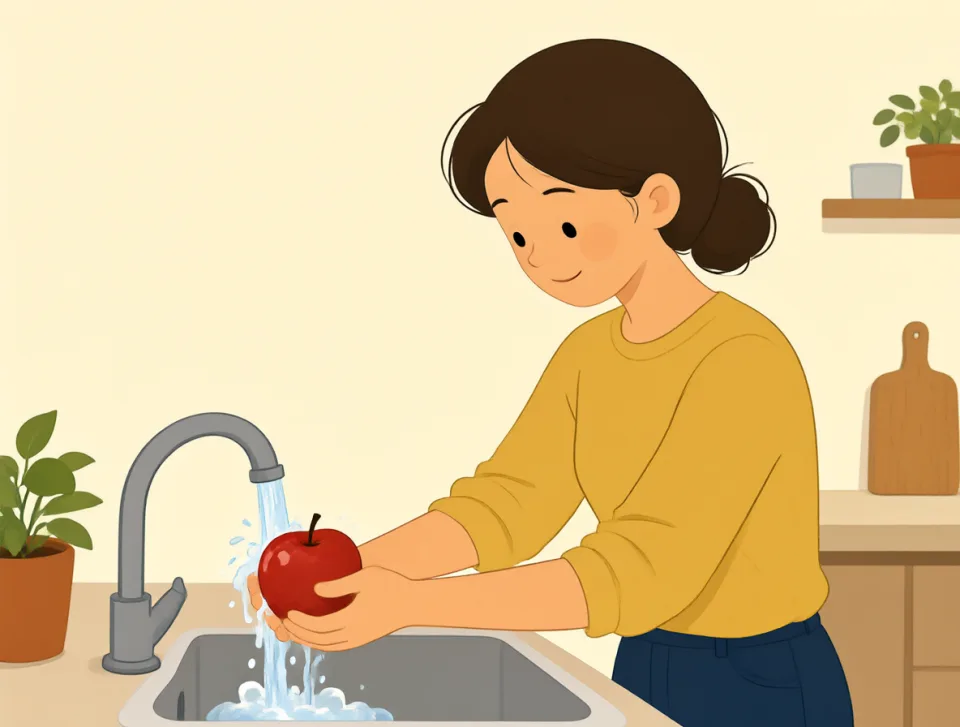
We need to wash these apples before eating them.
এই আপেলগুলো খাওয়ার আগে আমাদের ধুয়ে নিতে হবে।

The rain washed the dirt off his car.
বৃষ্টির পানিতে তার গাড়ির গায়ের ময়লা ধুয়ে গেল।

actor
#1369noun
অভিনেতা
A person who performs in films, plays, or television shows.
চলচ্চিত্র, নাটক বা টেলিভিশন অনুষ্ঠানে অভিনয় করেন এমন ব্যক্তি।

The actor played the main character in a popular film.
জনপ্রিয় একটি চলচ্চিত্রে অভিনেতা প্রধান চরিত্রে অভিনয় করেছিলেন।

My sister wants to become an actor after finishing school.
স্কুল শেষ করার পর আমার বোন অভিনেত্রী হতে চায়।

The actor learned his lines before the first rehearsal.
প্রথম মহড়ার আগে অভিনেতা তার সংলাপগুলো মুখস্থ করেছিলেন।

A famous actor served dinner to guests at the restaurant.
একজন বিখ্যাত অভিনেতা রেস্তোরাঁয় অতিথিদের রাতের খাবার পরিবেশন করেছিলেন।

The children laughed when their teacher acted like a funny actor.
শিক্ষক মজার অভিনেতার মতো অভিনয় করায় শিশুরা হেসে উঠল।

glad
#1370adjective
খুশি
feeling happy and pleased about something
কোনো বিষয় নিয়ে সুখী ও আনন্দিত বোধ করা।

I'm glad you came to visit us today.
আজ তুমি আমাদের দেখতে এসেছ, এতে আমি খুব খুশি।

She was glad to hear that her brother arrived safely.
তার ভাই নিরাপদে পৌঁছেছে শুনে সে খুশি হয়েছিল।

We are glad to help you carry those heavy bags.
ওই ভারী ব্যাগগুলো বহন করতে তোমাকে সাহায্য করতে পেরে আমরা খুশি।

He was glad that the doctor said his shoulder was better.
ডাক্তার তার কাঁধের অবস্থা ভালো বলেছিলেন, এতে সে খুশি হয়েছিল।

I’m glad we brought warm coats for the cold trip.
ঠান্ডার এই ভ্রমণের জন্য আমরা গরম কোট এনেছিলাম—এতে আমি খুশি।
tape
#1371noun, verb
টেপ
A narrow strip used to stick, hold, or cover things; to fasten something with it.
কোনো কিছু আটকাতে, ধরে রাখতে বা ঢাকতে ব্যবহৃত সরু ফিতা; এই ফিতা দিয়ে কিছু আটকানো।

Please use tape to fix this torn envelope.
দয়া করে এই ছেঁড়া খামটা টেপ দিয়ে জোড়া লাগান।

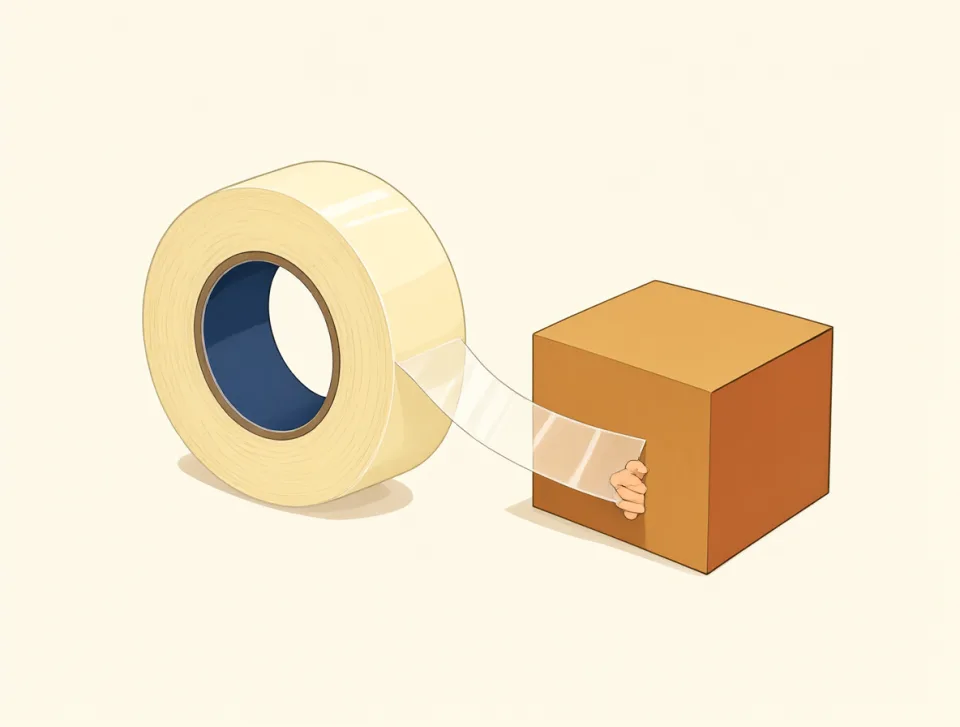
She put tape around the box before sending it.
পাঠানোর আগে সে বাক্সটার চারদিকে টেপ লাগাল।

The teacher taped the picture to the classroom wall.
শিক্ষক ছবিটা টেপ দিয়ে শ্রেণিকক্ষের দেয়ালে লাগালেন।

We recorded the interview on tape many years ago.
অনেক বছর আগে আমরা সাক্ষাৎকারটি টেপে রেকর্ড করেছিলাম।

The nurse taped a bandage to his arm.
নার্স ব্যান্ডেজটি তার বাহুতে টেপ দিয়ে আটকে দিলেন।

whereas
#1372conjunction
অথচ
used to compare two different facts, actions, or situations
দুটি ভিন্ন তথ্য, কাজ বা পরিস্থিতির তুলনা করতে ব্যবহৃত হয়।
I like tea, whereas my sister prefers coffee.
আমি চা পছন্দ করি, অথচ আমার বোন কফি বেশি পছন্দ করে।

Tom works in an office, whereas his wife works from home.
টম অফিসে কাজ করে, অথচ তার স্ত্রী বাড়ি থেকে কাজ করেন।

This jacket is warm, whereas that one is much lighter.
এই জ্যাকেটটা গরম, অথচ ওটা অনেক হালকা।
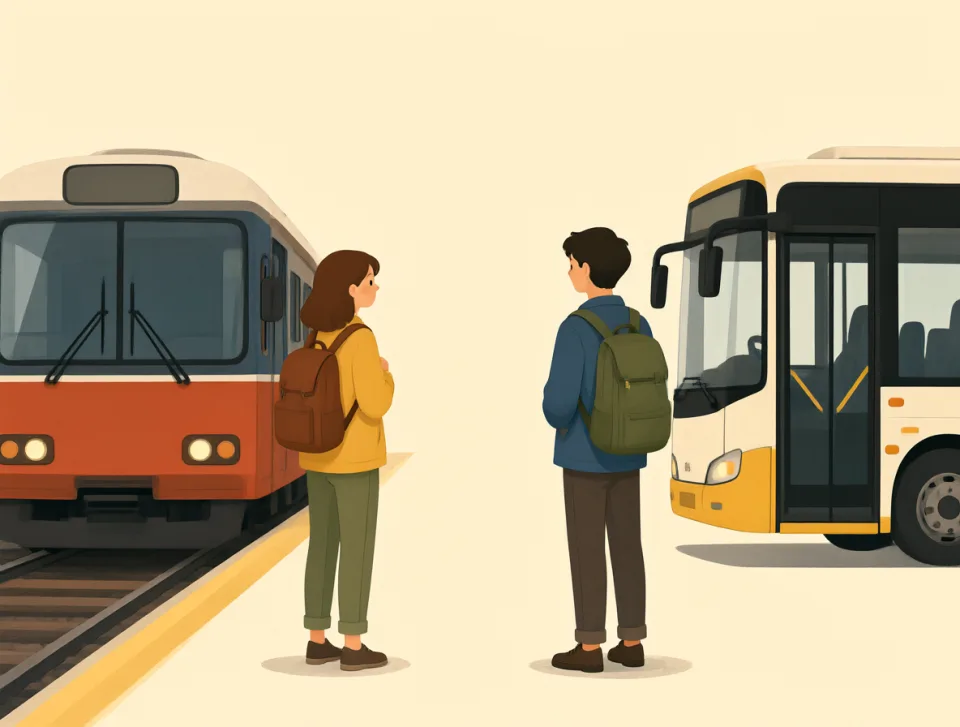
The train is fast, whereas the bus is cheaper.
ট্রেন দ্রুত, অথচ বাসে ভাড়া কম।

My brother eats meat, whereas I choose vegetables.
আমার ভাই মাংস খায়, অথচ আমি সবজি বেছে নিই।
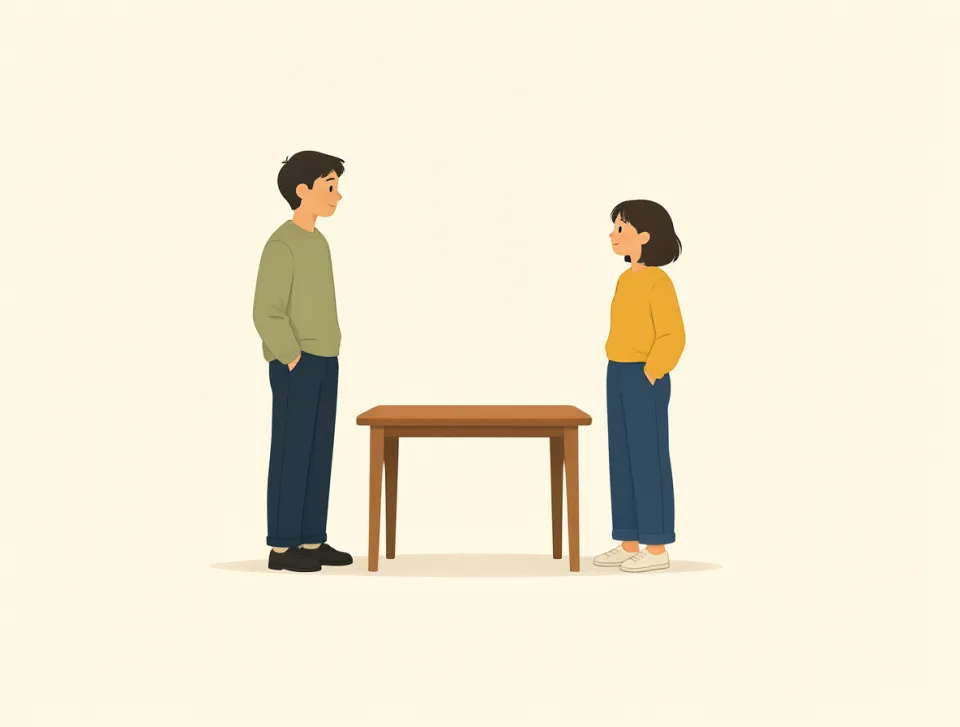
opposite
#1373noun, adjective, preposition
বিপরীত
A person or thing that is completely different from another person or thing.
এমন ব্যক্তি বা বস্তু, যা অন্য ব্যক্তি বা বস্তুর থেকে সম্পূর্ণ আলাদা।
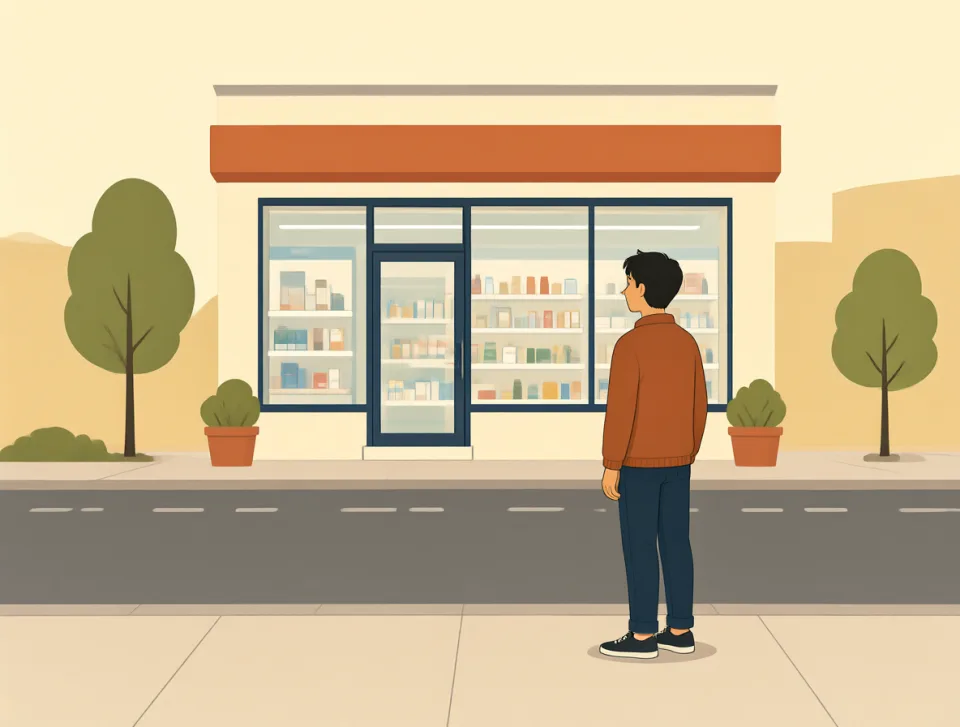
The pharmacy is opposite the bank on the main street.
প্রধান সড়কে ফার্মেসিটি ব্যাংকের ঠিক উল্টো দিকে।

Our opinions are completely opposite, but we still enjoy talking.
আমাদের মতামত পুরোপুরি বিপরীত, কিন্তু তবু আমরা কথা বলতে পছন্দ করি।
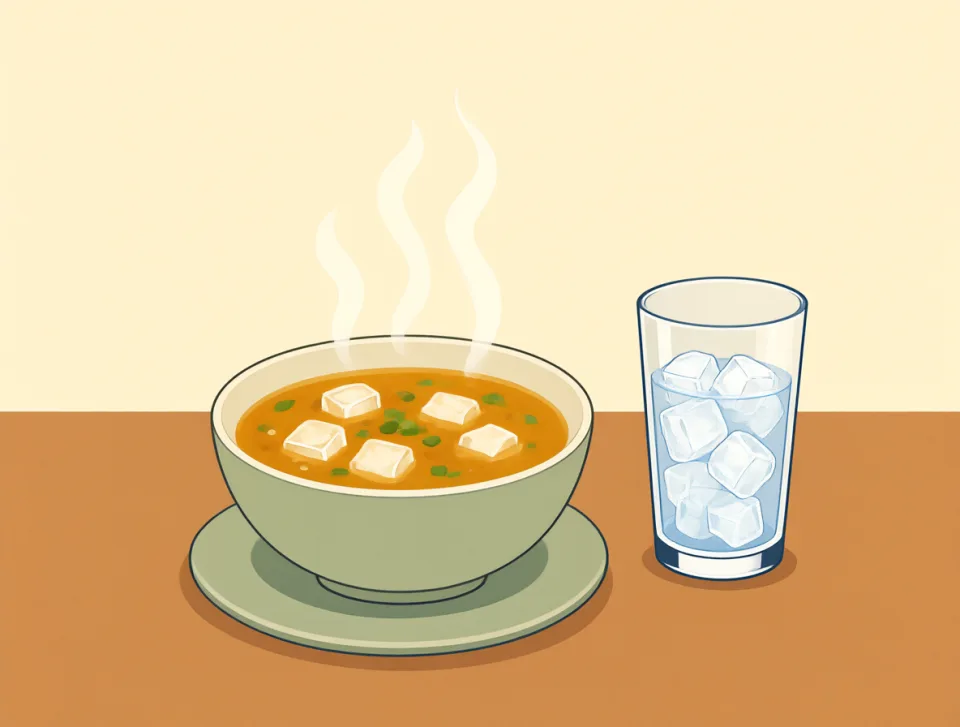
The opposite of hot is cold.
গরমের বিপরীত হলো ঠান্ডা।

She sat opposite me during the long train journey.
দীর্ঘ ট্রেনযাত্রায় সে আমার ঠিক উল্টো দিকে বসেছিল।

He walked in the opposite direction and missed the bus.
সে উল্টো দিকে হেঁটে গেল, তাই বাসটা ধরতে পারেনি।

stone
#1374noun, verb
পাথর
a hard, solid piece of rock; to throw stones at something
শক্ত, নিরেট শিলাখণ্ড; কোনো কিছুর দিকে পাথর ছোড়া।

She found a beautiful stone on the beach.
সে সমুদ্রসৈকতে একটি সুন্দর পাথর খুঁজে পেল।

The old stone house has thick walls and small windows.
পুরোনো পাথরের বাড়িটির দেয়াল পুরু আর জানালাগুলো ছোট।

He dropped a stone into the quiet pond.
সে শান্ত পুকুরে একটি পাথর ফেলল।

The doctor found a small stone in her kidney.
চিকিৎসক তার কিডনিতে একটি ছোট পাথর খুঁজে পেলেন।
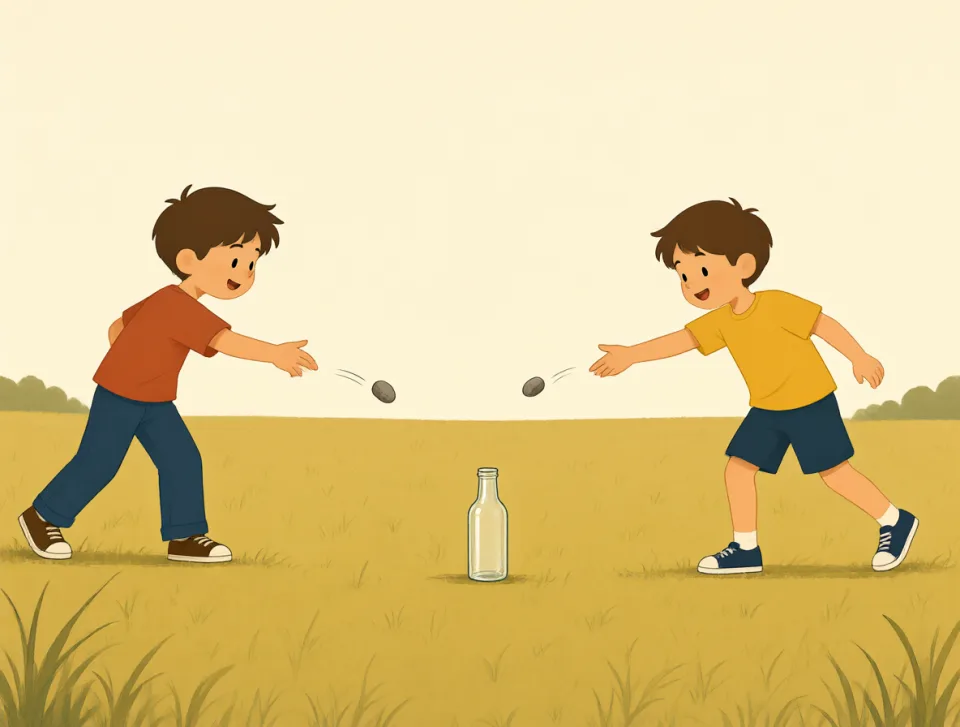
The angry boys threw stones at the empty bottle.
রাগান্বিত ছেলেরা খালি বোতলটার দিকে পাথর ছুড়ল।
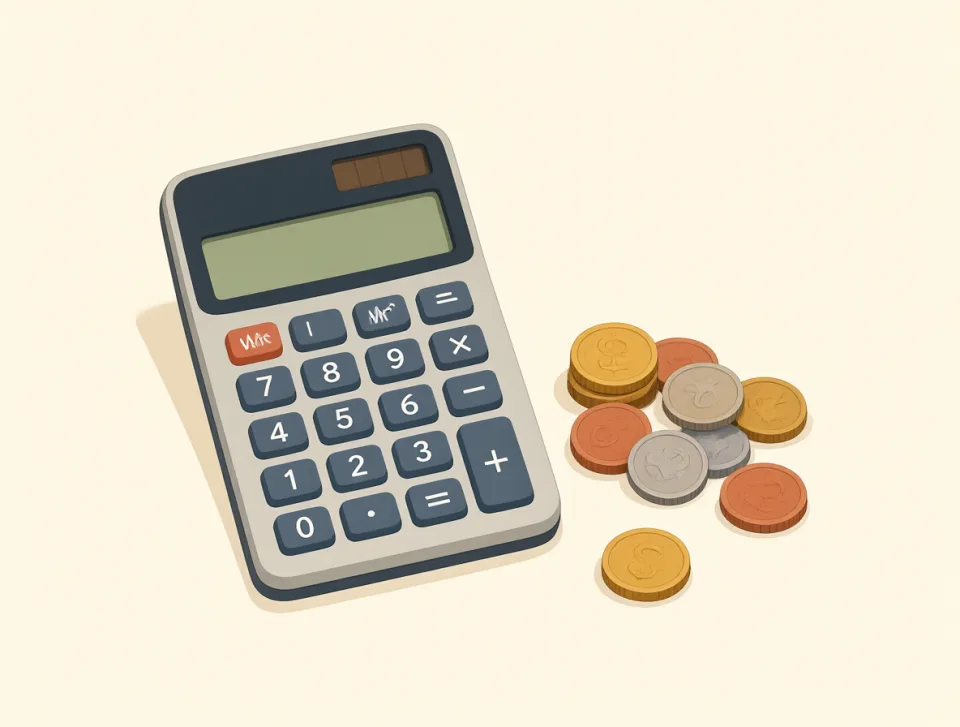
sum
#1375noun, verb
যোগফল
A total amount found by adding numbers; to add numbers together.
সংখ্যা যোগ করে পাওয়া মোট পরিমাণ; সংখ্যাগুলো যোগ করা।
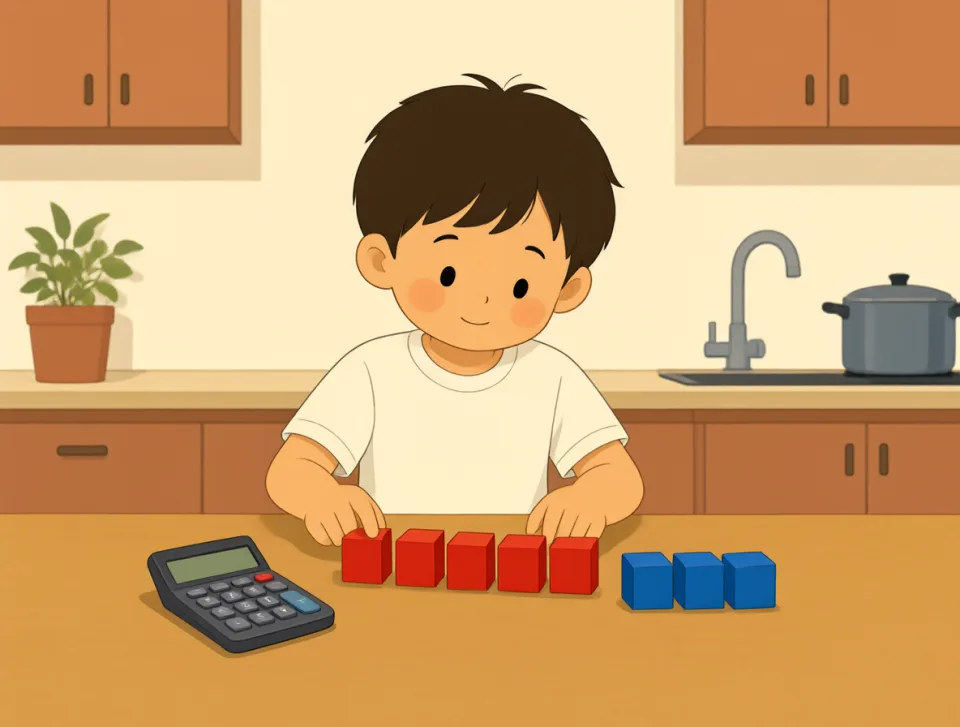
The sum of five and three is eight.
পাঁচ আর তিনের যোগফল আট।
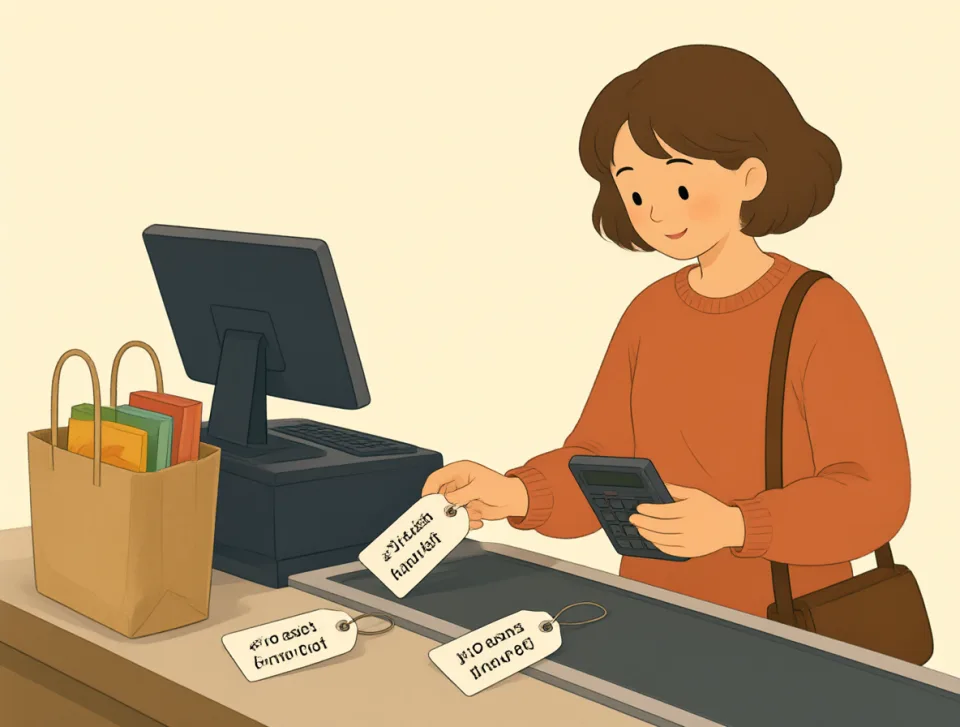
Please sum the prices before you pay.
দয়া করে দামগুলো যোগ করে তারপর টাকা দিন।

The repair cost came to a large sum.
মেরামতের খরচের পরিমাণ অনেক বেশি হয়েছিল।

He paid the full sum in cash.
সে পুরো টাকাটাই নগদে দিয়েছিল।

The sums in my homework were difficult.
আমার বাড়ির কাজের অঙ্কগুলো কঠিন ছিল।
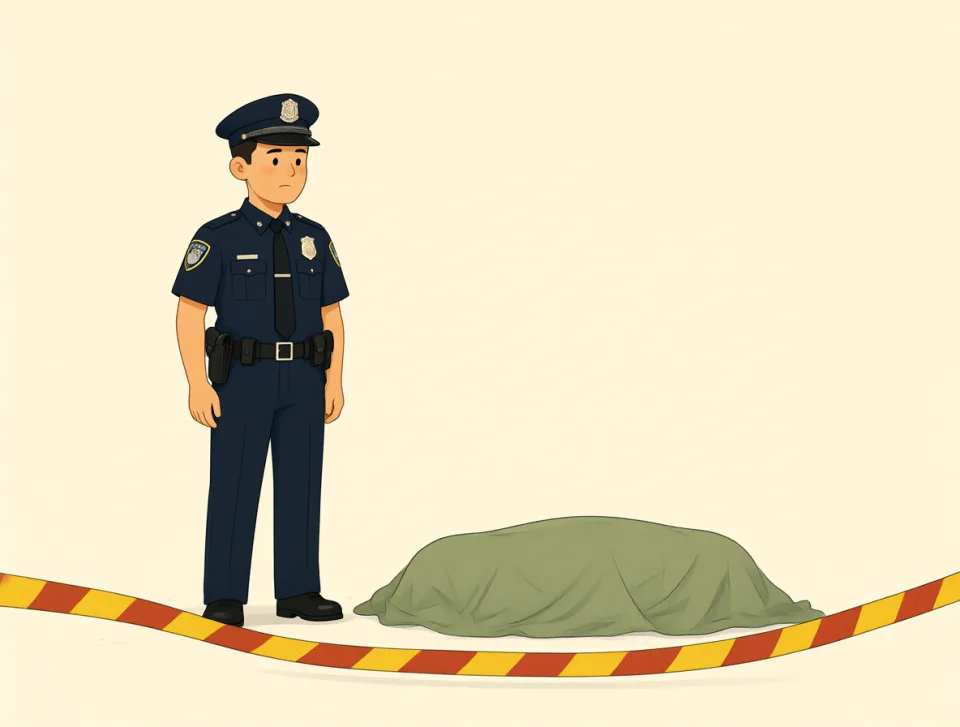
murder
#1376noun, verb
খুন
The crime of killing someone deliberately, or to kill someone deliberately.
ইচ্ছাকৃতভাবে কাউকে হত্যা করার অপরাধ; অথবা ইচ্ছাকৃতভাবে কাউকে হত্যা করা।

The police are investigating a murder in the city center.
শহরের কেন্দ্রস্থলে একটি খুনের ঘটনার তদন্ত করছে পুলিশ।
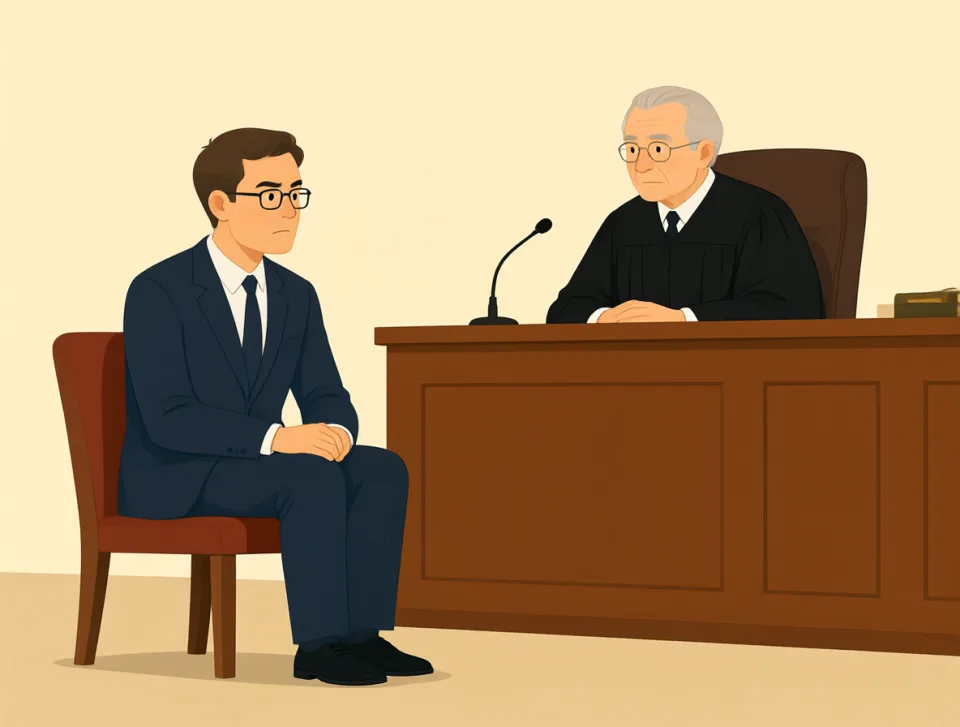
He was charged with murder after the man died.
লোকটি মারা যাওয়ার পর তার বিরুদ্ধে খুনের অভিযোগ আনা হয়েছিল।
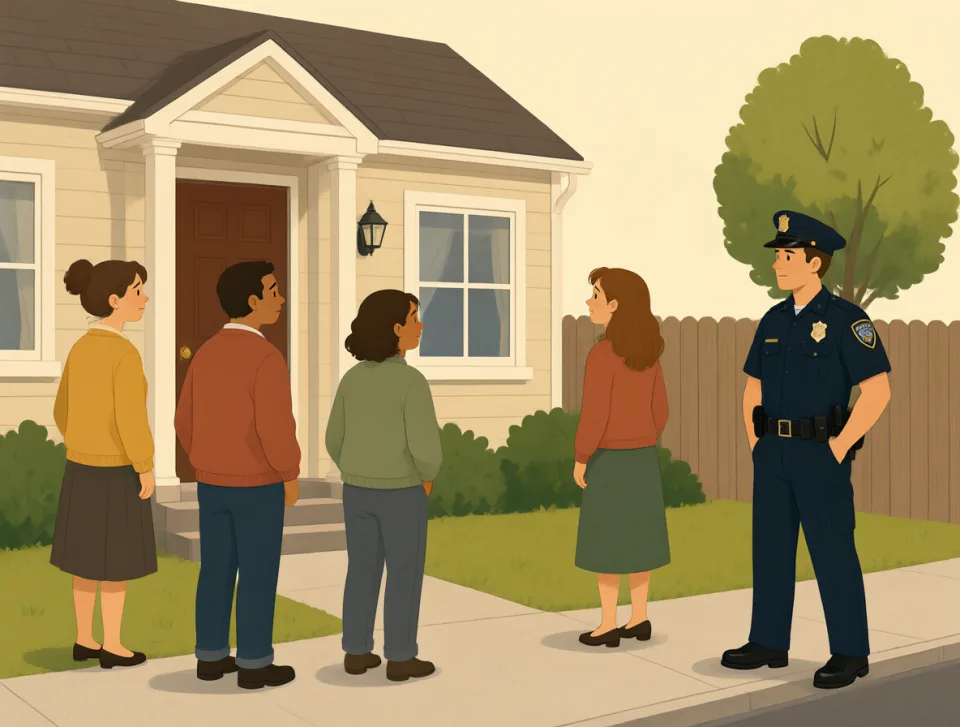
The murder shocked everyone in the small town.
ছোট শহরের সবাই খুনের ঘটনায় হতবাক হয়ে গিয়েছিল।

The detective solved the murder by finding a hidden knife.
লুকানো একটি ছুরি খুঁজে পেয়ে গোয়েন্দা খুনের রহস্য সমাধান করেছিল।

The film is about a detective trying to stop a murderer.
ছবিটি একজন গোয়েন্দাকে নিয়ে, যিনি একজন খুনিকে থামানোর চেষ্টা করছেন।

monitor
#1377noun, verb
মনিটর
A screen used with a computer, or to watch something carefully.
কম্পিউটারের সঙ্গে ব্যবহৃত পর্দা; অথবা কোনো কিছু সতর্কভাবে পর্যবেক্ষণ করা।

I bought a new monitor for my home office.
বাড়ির অফিসের জন্য আমি একটি নতুন মনিটর কিনেছি।

The nurse monitored his temperature during the night.
নার্সটি রাতভর তার তাপমাত্রা পর্যবেক্ষণ করেছিলেন।
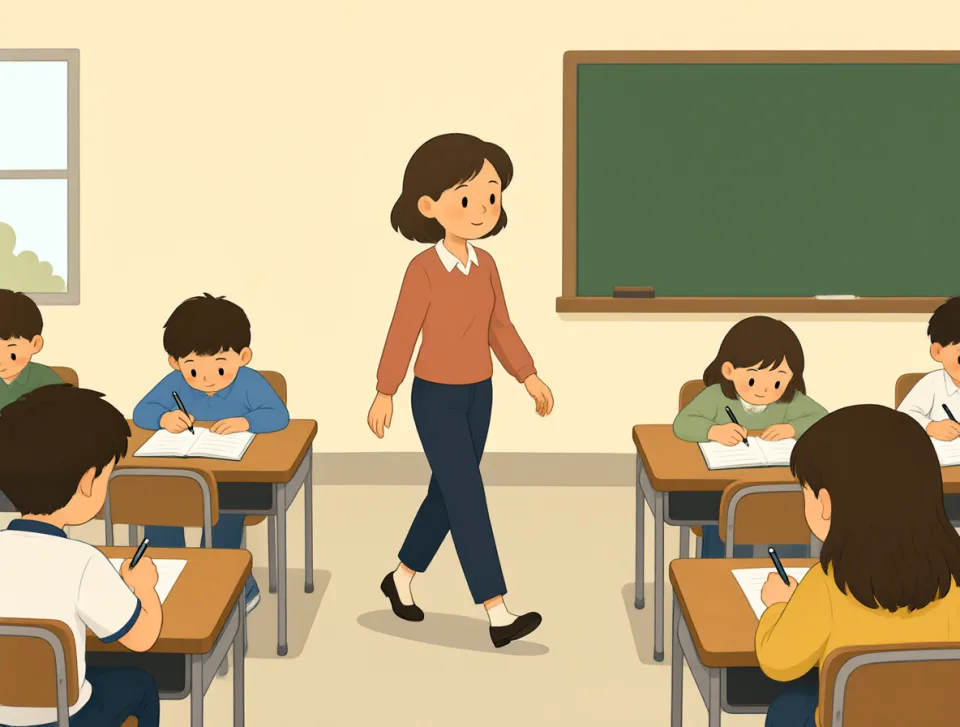
Teachers monitor students during the school test.
স্কুলের পরীক্ষার সময় শিক্ষকেরা শিক্ষার্থীদের ওপর নজর রাখেন।

We monitored the flight times at the airport.
বিমানবন্দরে আমরা ফ্লাইটের সময়গুলো পর্যবেক্ষণ করেছিলাম।

The chef monitored the soup while it cooked.
স্যুপ রান্না হওয়ার সময় শেফ সেটির দিকে নজর রেখেছিলেন।
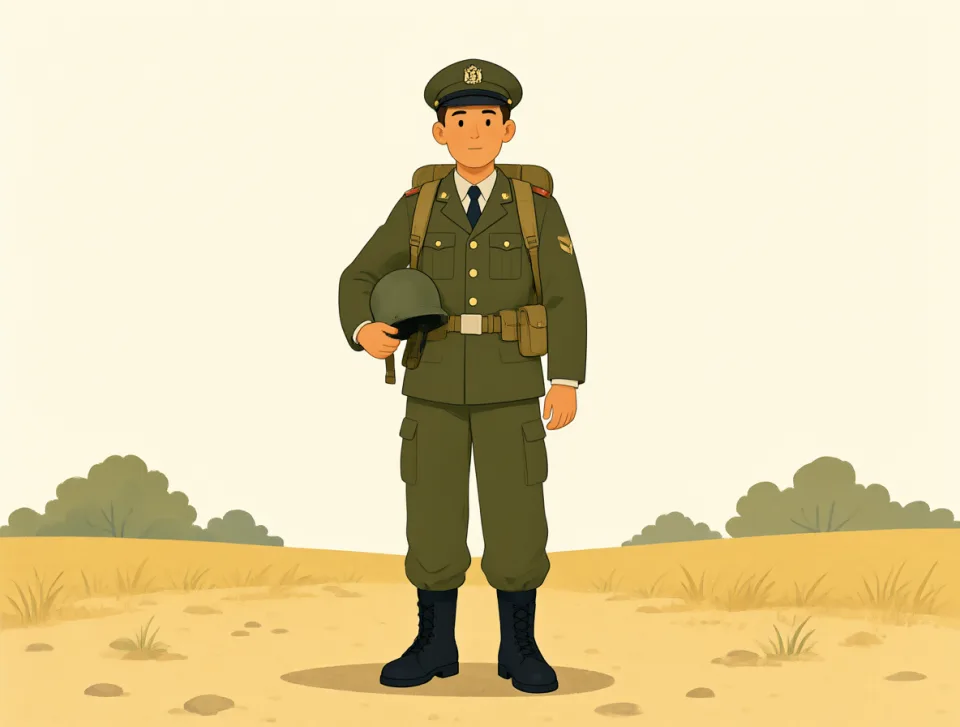
soldier
#1378noun
সৈনিক
A person trained to fight for their country’s army.
নিজ দেশের সেনাবাহিনীর হয়ে লড়াই করার প্রশিক্ষণপ্রাপ্ত ব্যক্তি।

The soldier carried a heavy backpack during the long march.
দীর্ঘ পদযাত্রার সময় সৈনিকটি ভারী পিঠের ব্যাগ বয়ে নিয়ে গিয়েছিল।

The young soldier returned home after serving overseas.
বিদেশে দায়িত্ব পালন শেষে তরুণ সৈনিকটি বাড়ি ফিরেছিল।
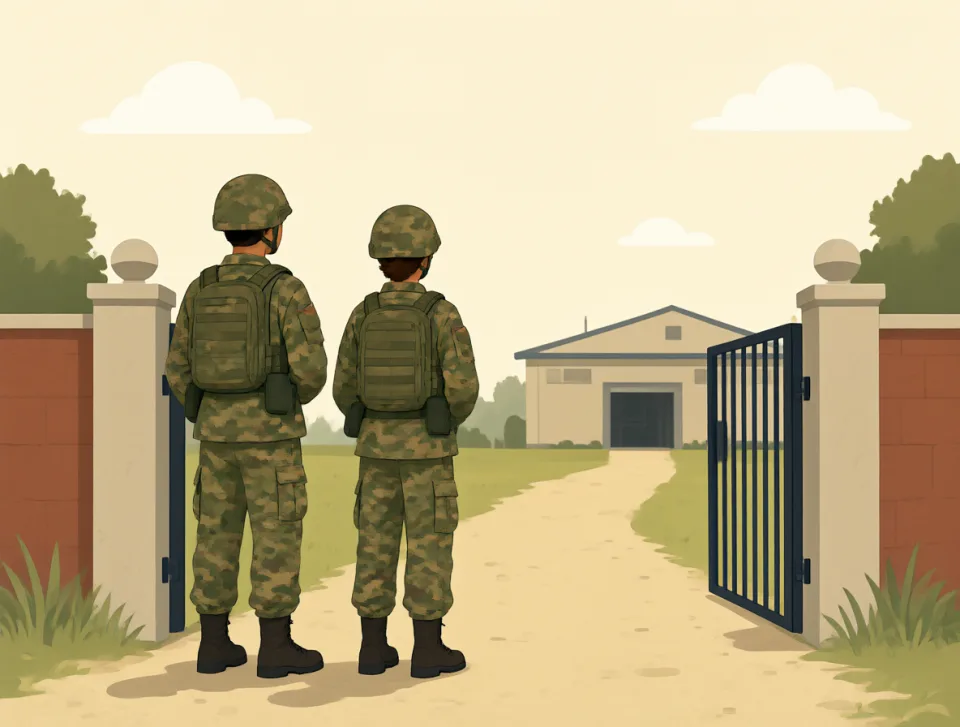
The soldiers guarded the entrance to the military base.
সৈনিকেরা সামরিক ঘাঁটির প্রবেশপথ পাহারা দিচ্ছিলেন।
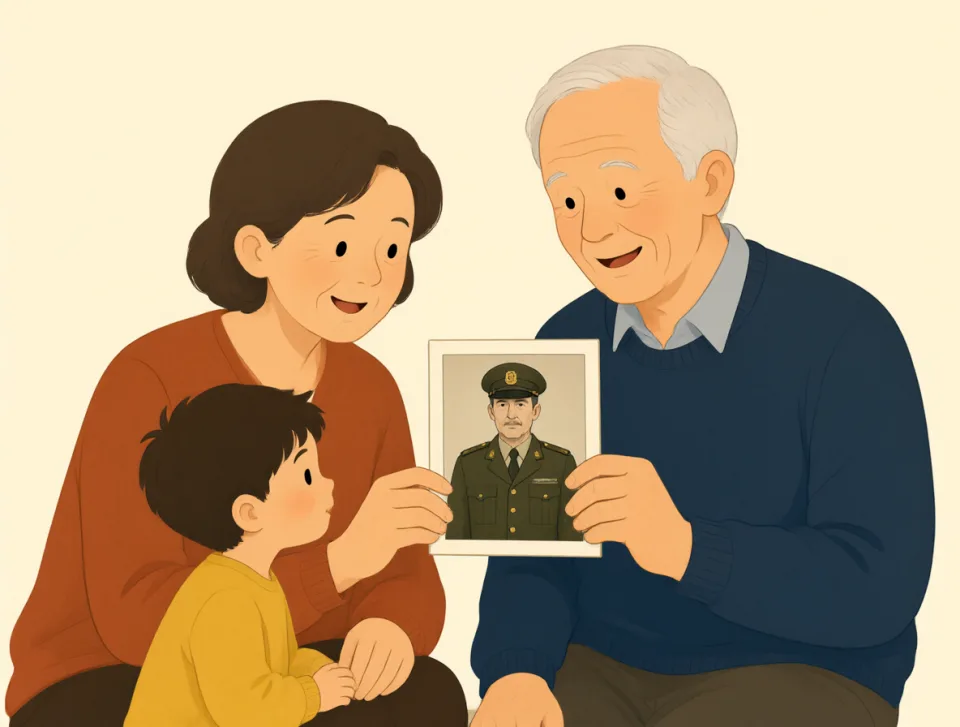
My grandfather was a soldier during the war.
যুদ্ধের সময় আমার দাদা একজন সৈনিক ছিলেন।
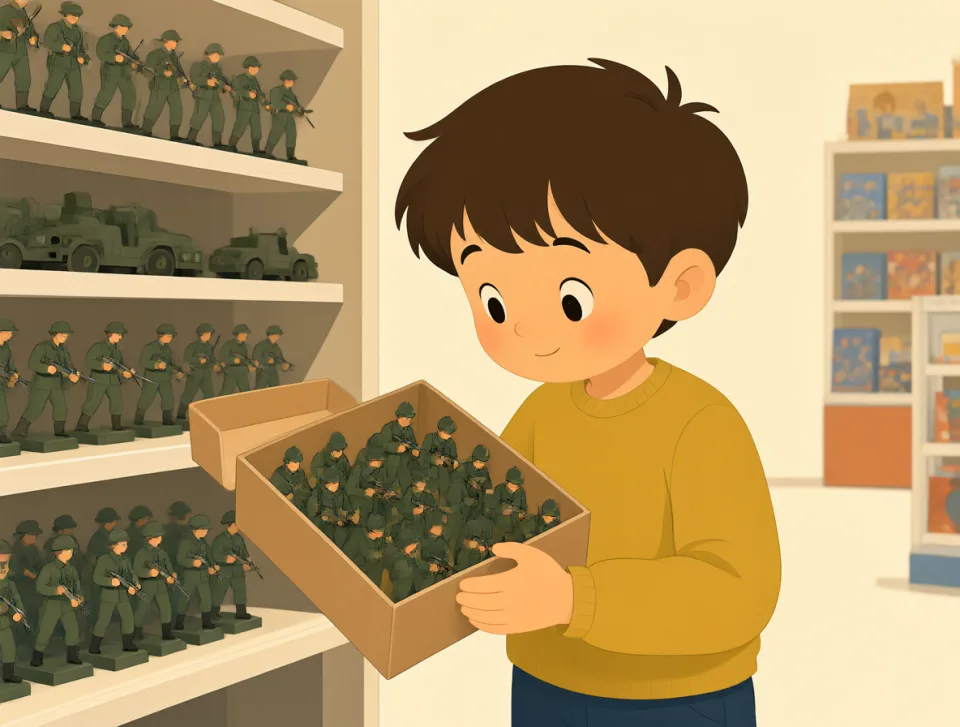
The toy shop sells small plastic soldiers for children.
খেলনার দোকানটিতে শিশুদের জন্য ছোট প্লাস্টিকের সৈনিক বিক্রি হয়।

finance
#1379noun, verb
অর্থায়ন
The management of money, or the money needed for a business, project, or purchase.
অর্থের ব্যবস্থাপনা, অথবা কোনো ব্যবসা, প্রকল্প বা কেনাকাটার জন্য প্রয়োজনীয় অর্থ।
She studied finance at university and now works for a bank.
সে বিশ্ববিদ্যালয়ে অর্থায়ন বিষয়ে পড়াশোনা করেছে, আর এখন একটি ব্যাংকে কাজ করে।

We need to check our finances before booking the holiday.
ছুটির ভ্রমণ বুক করার আগে আমাদের আর্থিক অবস্থা দেখে নেওয়া দরকার।

The company is looking for finance to build a new factory.
নতুন একটি কারখানা তৈরি করতে কোম্পানিটি অর্থায়ন খুঁজছে।

My brother financed his new car with a bank loan.
আমার ভাই ব্যাংকঋণ নিয়ে তার নতুন গাড়ির খরচ জুগিয়েছিল।
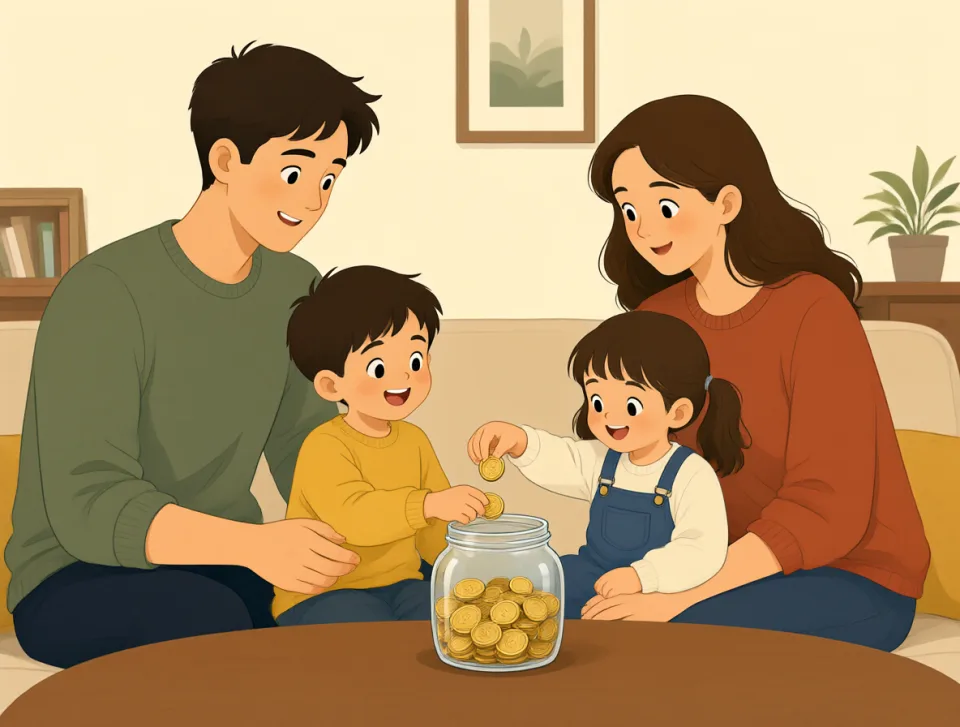
Good financial planning helps families save money for emergencies.
ভালো আর্থিক পরিকল্পনা পরিবারগুলোকে জরুরি অবস্থার জন্য টাকা জমাতে সাহায্য করে।
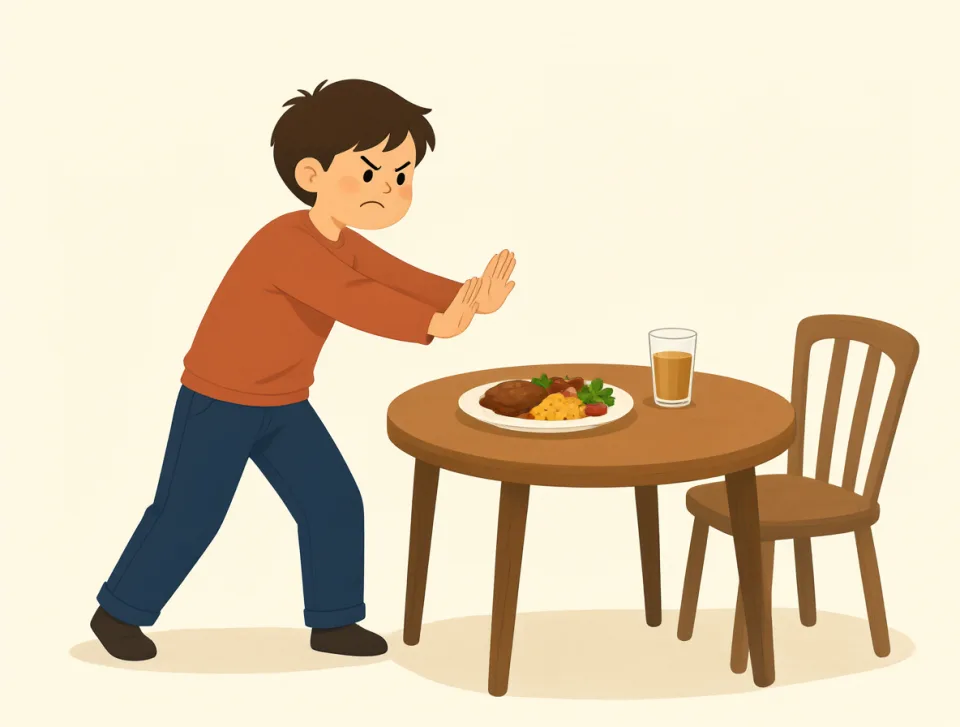
hate
#1380verb, noun
ঘৃণা করা; ঘৃণা
To strongly dislike someone or something; a strong feeling of dislike.
কাউকে বা কোনো কিছুকে তীব্রভাবে অপছন্দ করা; অপছন্দের তীব্র অনুভূতি।
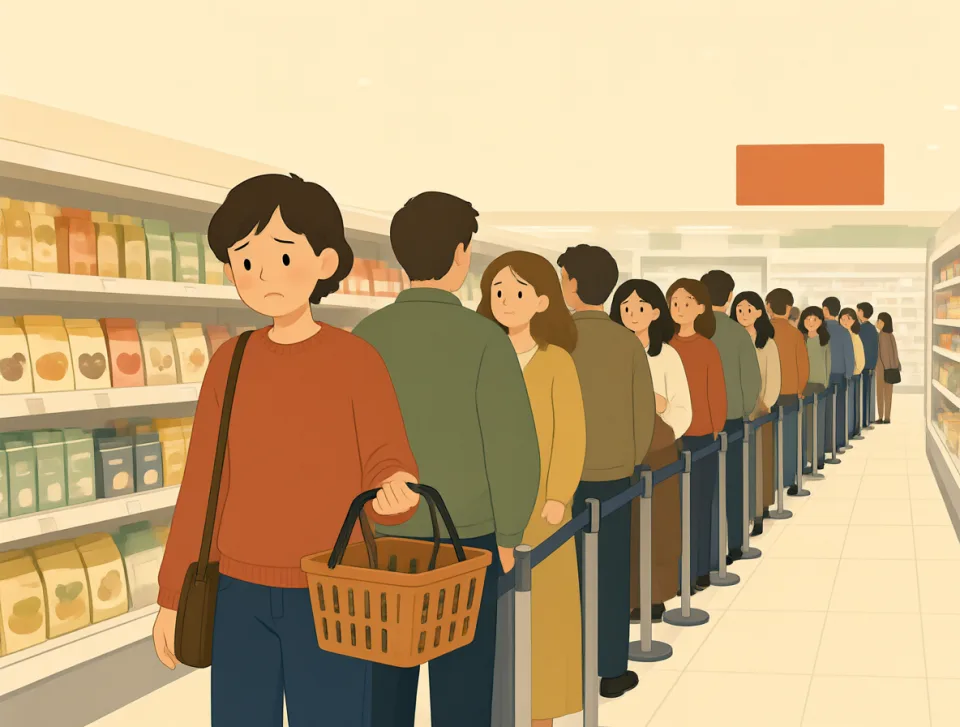
I hate waiting in long lines at the supermarket.
সুপারমার্কেটে লম্বা লাইনে অপেক্ষা করা আমার একদম ভালো লাগে না।
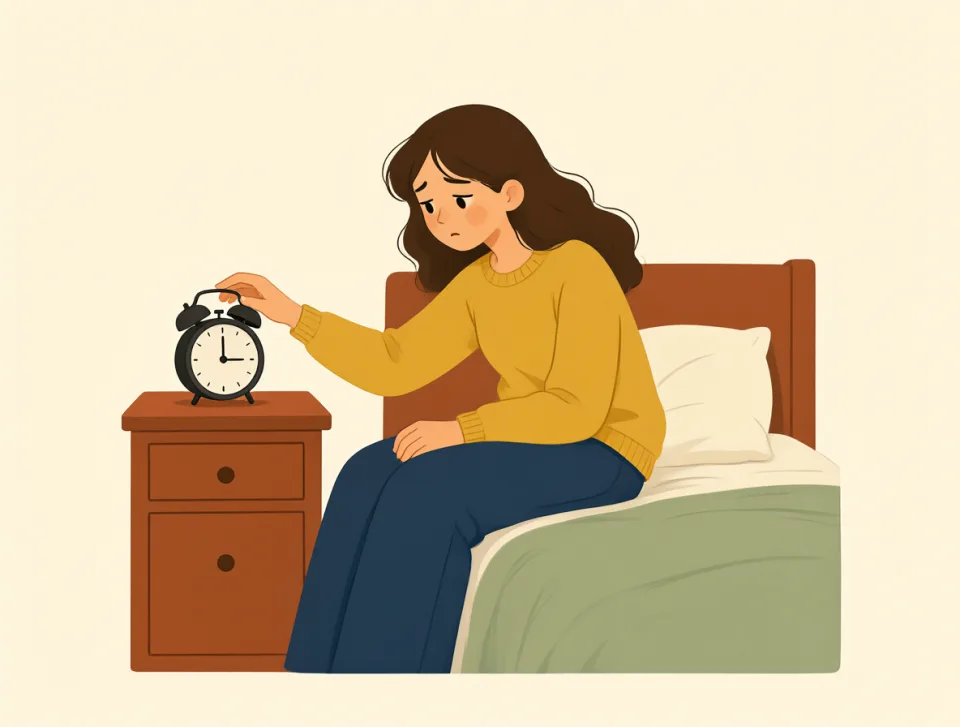
She hates getting up early for work.
কাজের জন্য ভোরে ঘুম থেকে উঠতে তার একদম ভালো লাগে না।

We hated the cold weather during our trip.
ভ্রমণের সময় ঠান্ডা আবহাওয়া আমাদের একদম ভালো লাগেনি।

He hates doing homework after a busy day at school.
স্কুলে ব্যস্ত একটি দিন কাটানোর পর বাড়ির কাজ করতে তার একদম ভালো লাগে না।

I hate it when my friends cancel plans.
আমার বন্ধুরা যখন পরিকল্পনা বাতিল করে, সেটা আমার একদম ভালো লাগে না।