इकाई 69
शब्द 1361–1380 · sun, healthy, blow, volume, location, invest

sun
#1361noun
सूरज
the bright star that gives Earth light and heat during the day
दिन में पृथ्वी को रोशनी और गर्मी देने वाला चमकीला तारा

The sun is shining brightly through the kitchen window.
रसोई की खिड़की से सूरज की तेज़ रोशनी आ रही है।

We sat in the sun and ate lunch in the park.
हम पार्क में धूप में बैठकर खाना खा रहे थे।

Wear a hat to protect your face from the sun.
चेहरे को धूप से बचाने के लिए टोपी पहनें।

The plants grow well because they get plenty of sun.
पौधे अच्छी तरह बढ़ते हैं क्योंकि उन्हें भरपूर धूप मिलती है।

We watched the sunset from the beach after dinner.
रात के खाने के बाद हमने समुद्र तट से सूर्यास्त देखा।

healthy
#1362adjective
स्वस्थ
In good physical or mental condition, or beneficial to health and well-being.
अच्छी शारीरिक या मानसिक स्थिति में होना, या सेहत और खुशहाली के लिए फायदेमंद होना।

He is healthy and strong after months of regular exercise.
वह कई महीनों तक नियमित व्यायाम करने के बाद स्वस्थ और मज़बूत है।
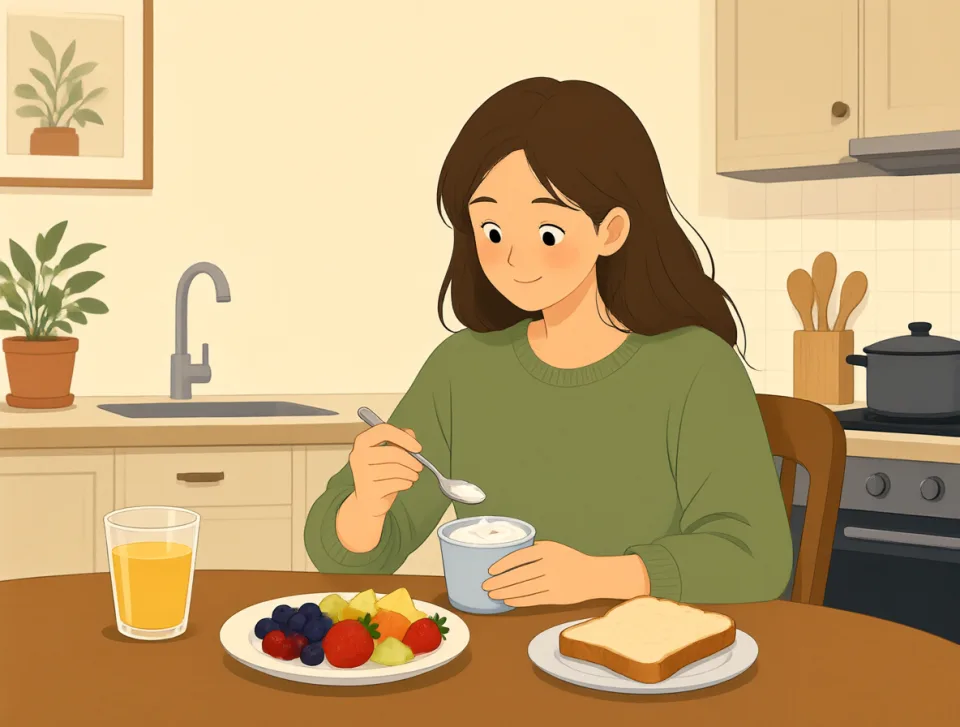
She chose a healthy breakfast of yogurt, fruit, and whole-grain toast.
उसने दही, फल और साबुत अनाज की ब्रेड वाला पौष्टिक नाश्ता चुना।

The doctor recommends a healthy diet with plenty of vegetables.
डॉक्टर भरपूर सब्ज़ियों वाला सेहतमंद भोजन करने की सलाह देते हैं।
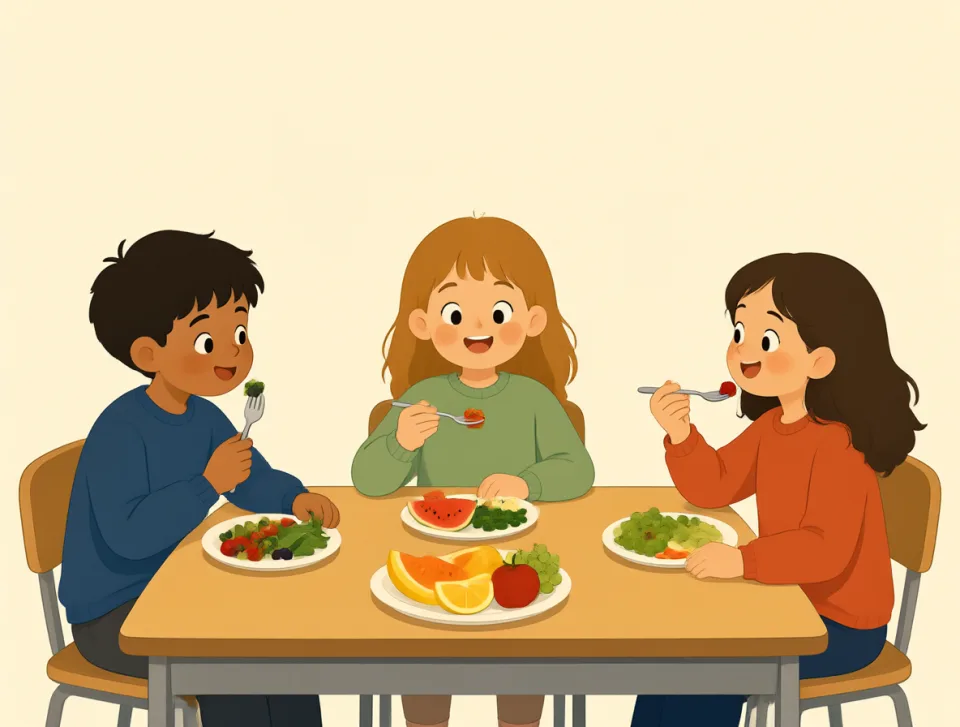
Our school offers healthy snacks instead of candy.
हमारा स्कूल कैंडी की जगह सेहतमंद नाश्ता देता है।

They have a healthy relationship because they listen to each other.
उनका रिश्ता अच्छा है क्योंकि वे एक-दूसरे की बात सुनते हैं।
blow
#1363verb, noun
फूँक मारना; झटका
To send air from your mouth or move air strongly; a sudden hit or disappointment.
मुँह से हवा छोड़ना या हवा को ज़ोर से चलाना; अचानक लगा आघात या निराशा।
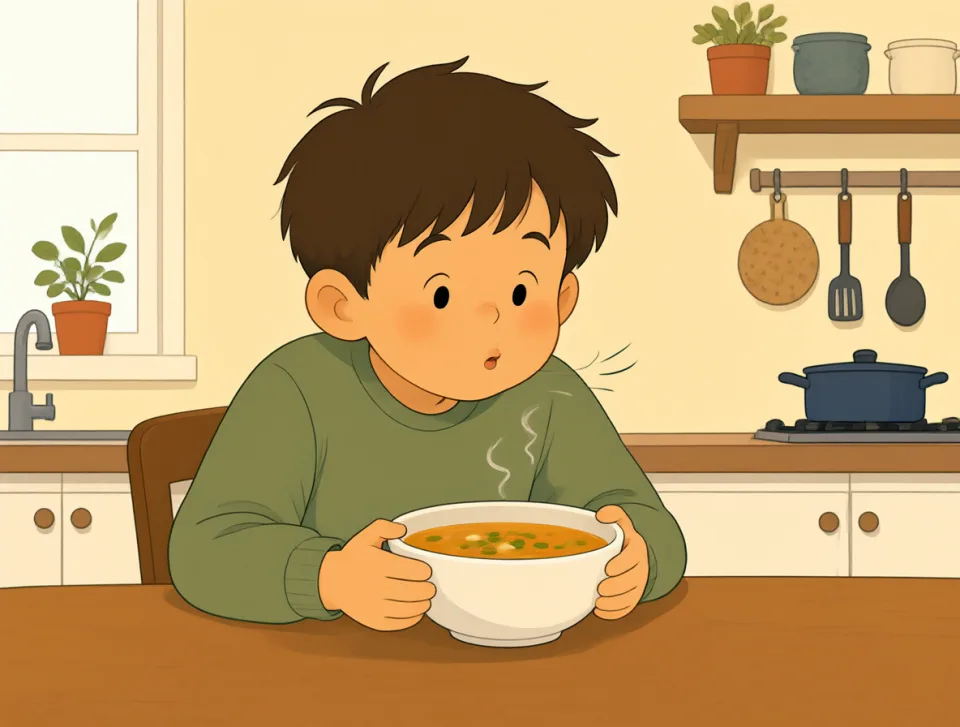
Please blow on the soup because it is still very hot.
कृपया सूप पर फूँक मार दीजिए, क्योंकि यह अभी बहुत गरम है।

The wind blew my hat into the street.
हवा मेरी टोपी उड़ाकर सड़क पर ले गई।

She blew up three balloons for the children's party.
उसने बच्चों की पार्टी के लिए तीन गुब्बारे फुलाए।

He blew his nose before going back to work.
काम पर लौटने से पहले उसने अपनी नाक साफ़ की।

Losing the game was a real blow to our team.
खेल हारना हमारी टीम के लिए बहुत बड़ा झटका था।

volume
#1364noun
मात्रा; आवाज़ का स्तर
the amount of sound, space, liquid, or goods that something contains
किसी चीज़ में मौजूद ध्वनि, जगह, तरल या सामान की मात्रा।
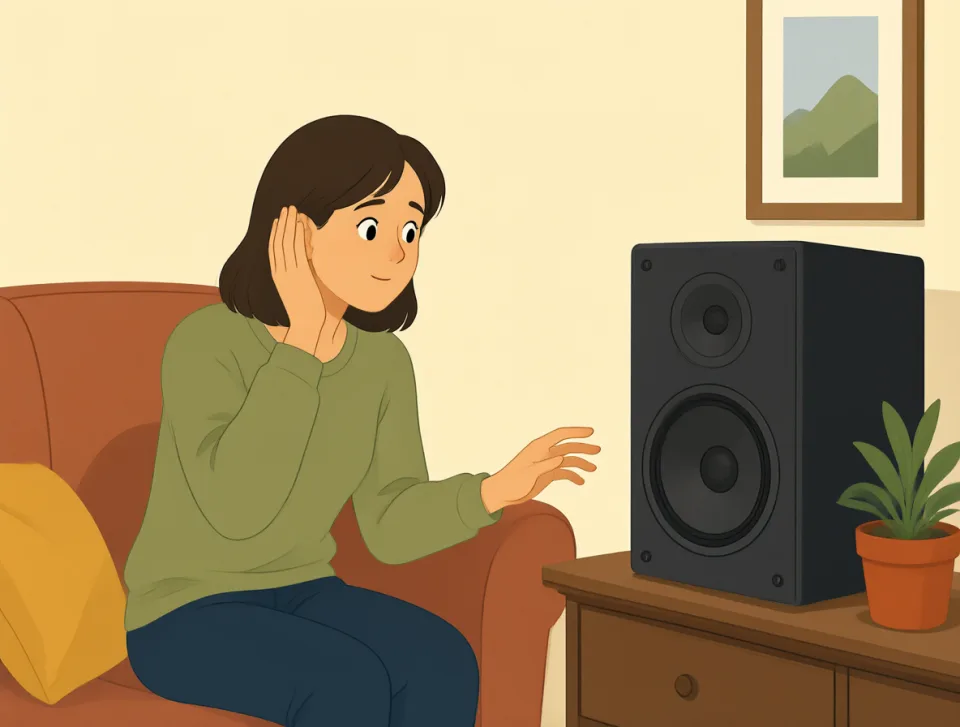
Please turn down the volume; the music is too loud.
कृपया आवाज़ धीमी कर दीजिए; संगीत बहुत तेज़ है।
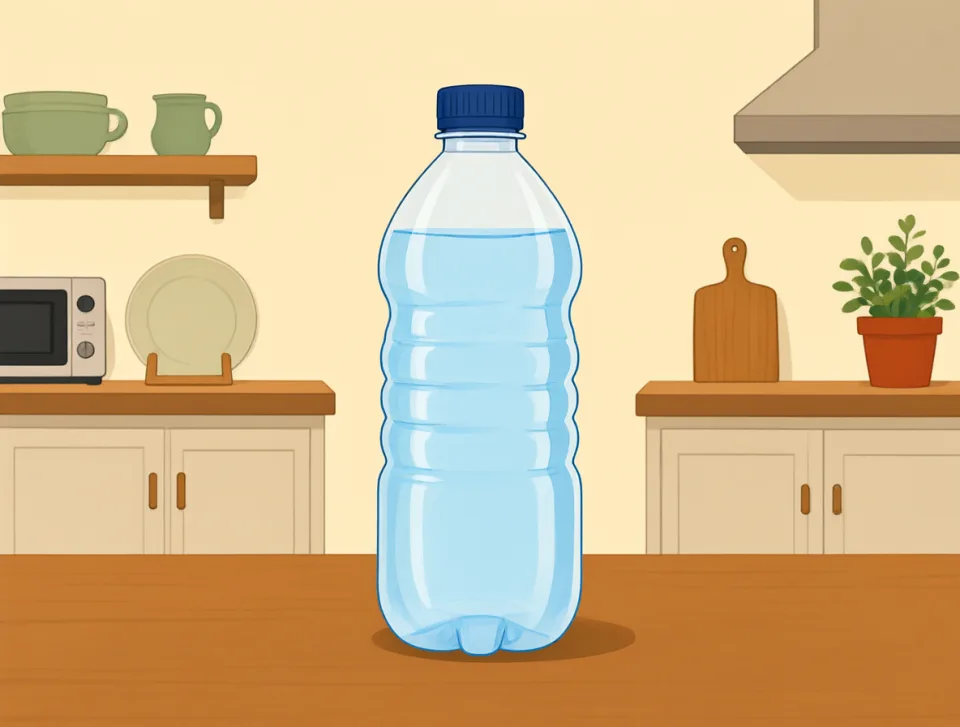
This bottle has a volume of one liter.
इस बोतल की क्षमता एक लीटर है।

The library has a high volume of books for students.
पुस्तकालय में विद्यार्थियों के लिए बहुत सारी किताबें हैं।

The doctor asked how much volume of water I drink daily.
डॉक्टर ने पूछा कि मैं रोज़ कितना पानी पीता हूँ।
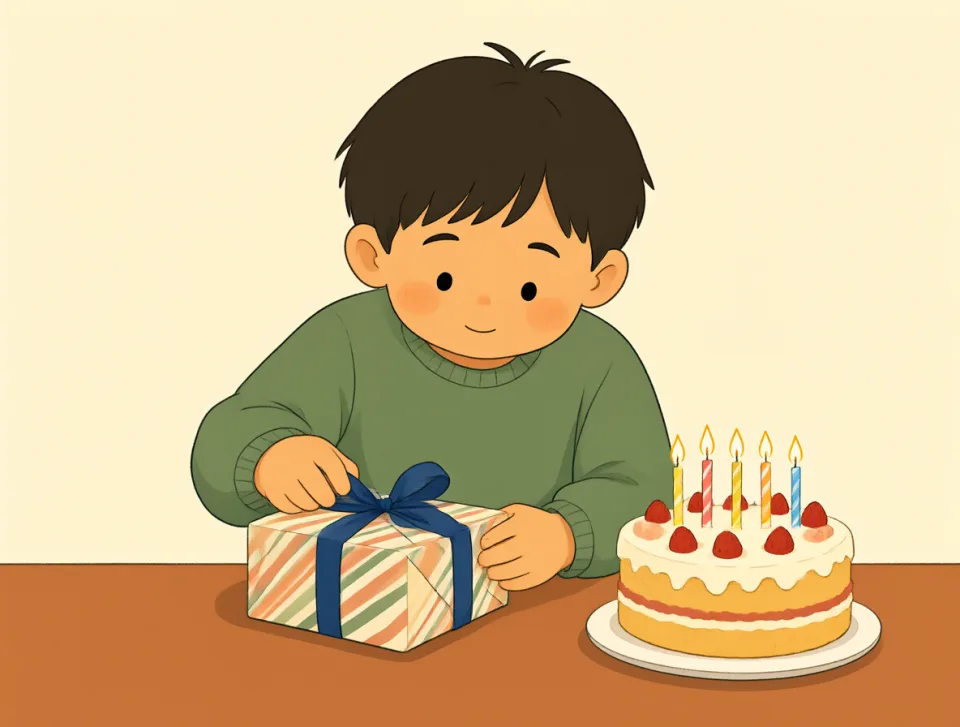
The first volume of this book series was a birthday gift.
इस किताबों की शृंखला का पहला खंड जन्मदिन का तोहफ़ा था।
location
#1365noun
स्थान
A place or position where someone or something is located.
वह जगह या स्थिति जहाँ कोई व्यक्ति या चीज़ मौजूद हो।

Please send me your location so I can find you.
कृपया मुझे अपनी लोकेशन भेजो, ताकि मैं तुम्हें ढूँढ़ सकूँ।
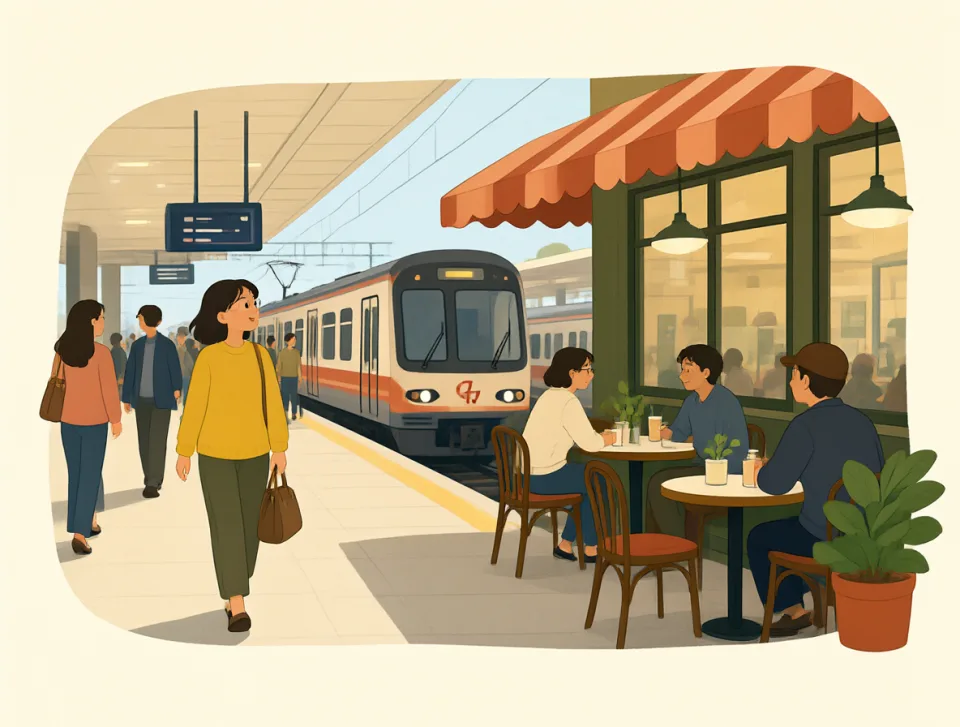
The restaurant is in a convenient location near the station.
रेस्तराँ स्टेशन के पास एक सुविधाजनक जगह पर है।

We chose a quiet location for our family picnic.
हमने परिवार के पिकनिक के लिए एक शांत जगह चुनी।
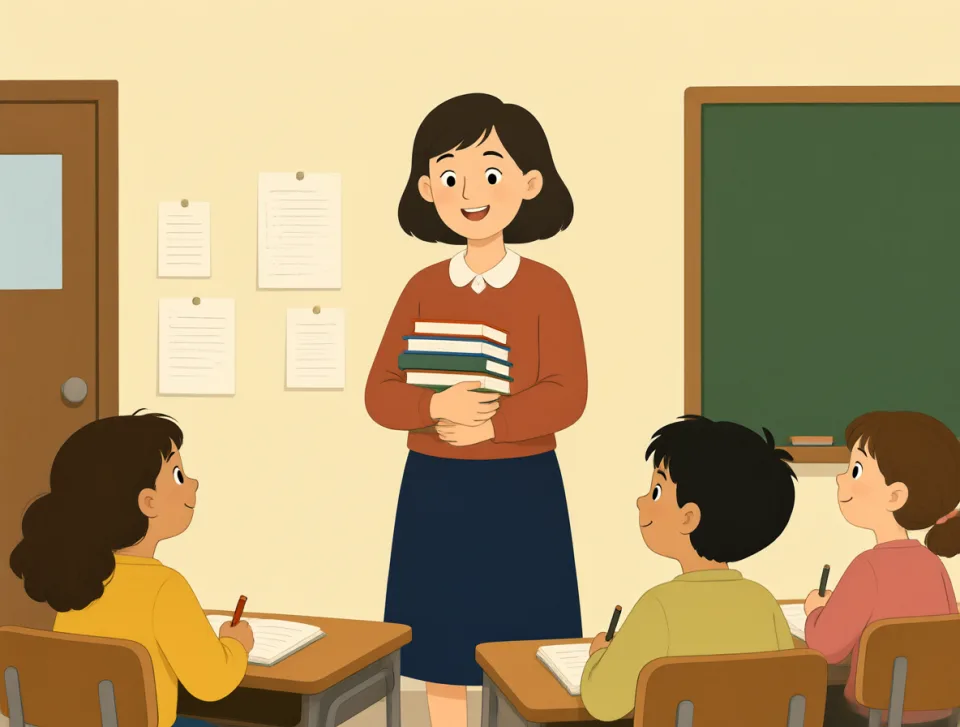
The teacher changed the location of the class meeting.
शिक्षक ने कक्षा की बैठक की जगह बदल दी।
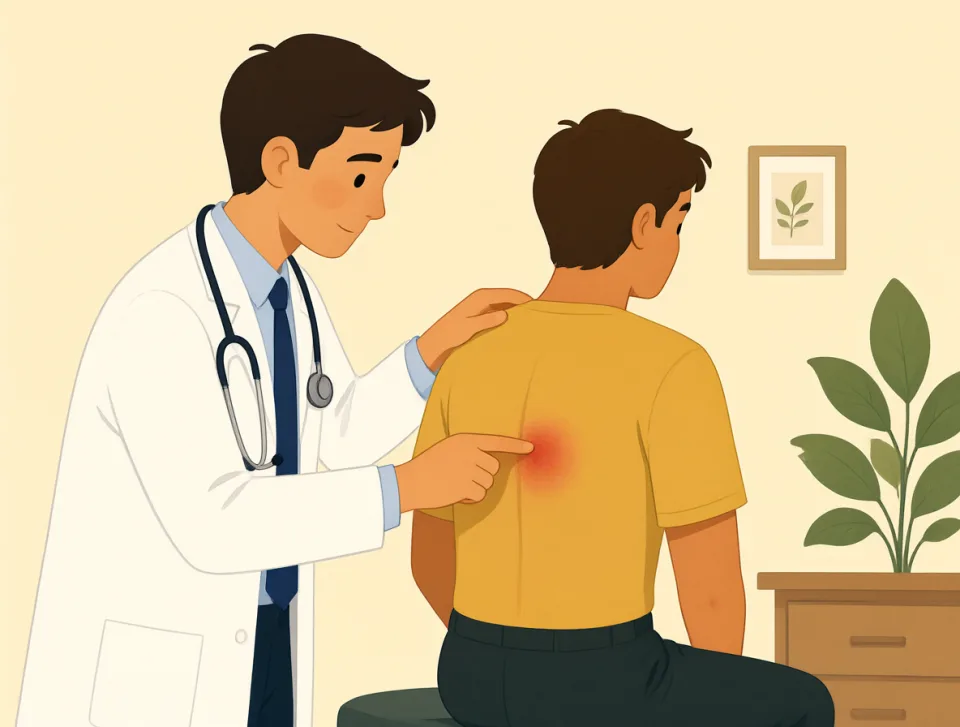
The doctor checked the location of the pain in my back.
डॉक्टर ने मेरी पीठ में दर्द की जगह की जाँच की।
invest
#1366verb
निवेश करना
To put money, time, or effort into something to get a useful result.
किसी उपयोगी नतीजे के लिए पैसा, समय या मेहनत लगाना।
Many people invest in a retirement plan for their future.
कई लोग अपने भविष्य के लिए सेवानिवृत्ति योजना में निवेश करते हैं।

She invested her savings in a small local business.
उसने अपनी बचत एक छोटे स्थानीय व्यवसाय में लगाई।

We invest time in learning new skills at work.
हम काम पर नए कौशल सीखने में समय लगाते हैं।
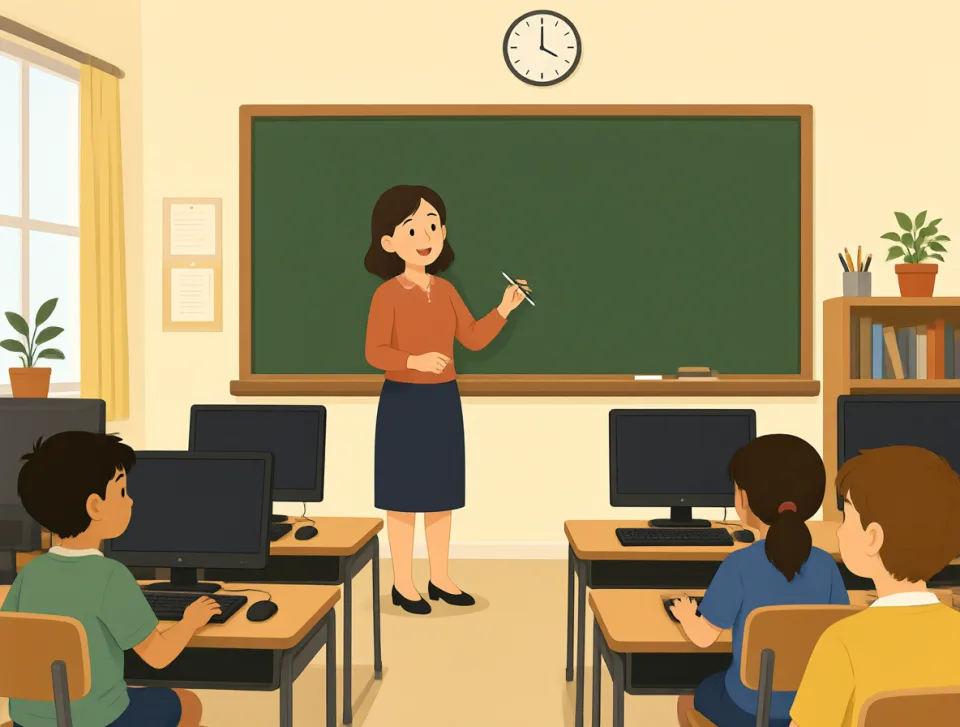
The school is investing in better computers for students.
स्कूल विद्यार्थियों के लिए बेहतर कंप्यूटर खरीदने में निवेश कर रहा है।
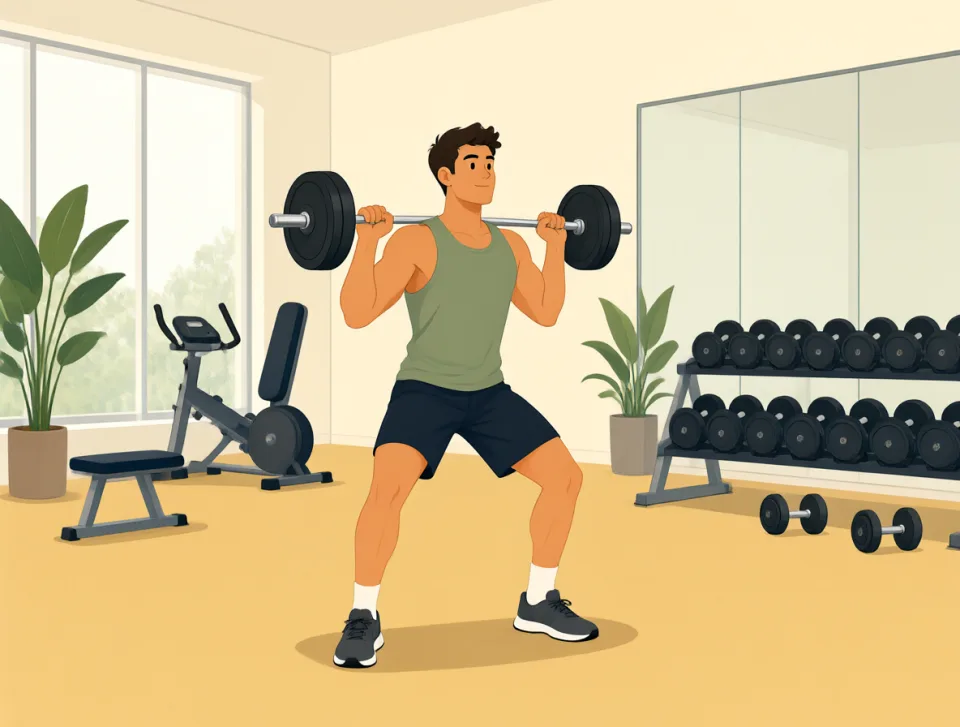
He invested heavily in his health by joining a gym.
जिम में शामिल होकर उसने अपनी सेहत पर खूब ध्यान दिया।

proceed
#1367verb
जारी रखना
to continue doing something, especially after stopping or making a decision
कुछ करना जारी रखना, खासकर रुकने या फैसला लेने के बाद।

After lunch, we proceeded with the meeting.
दोपहर के खाने के बाद हमने बैठक आगे बढ़ाई।
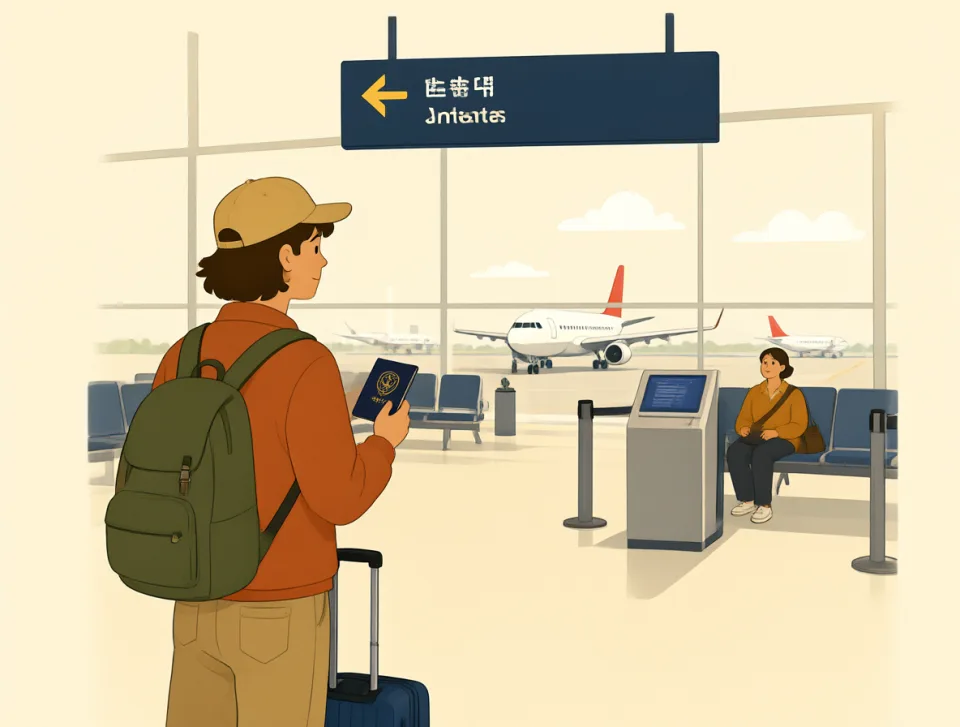
Please proceed to the gate after checking your passport.
कृपया अपना पासपोर्ट जाँचने के बाद गेट की ओर जाएँ।

The doctor proceeded with the examination carefully.
डॉक्टर ने सावधानी से जाँच जारी रखी।
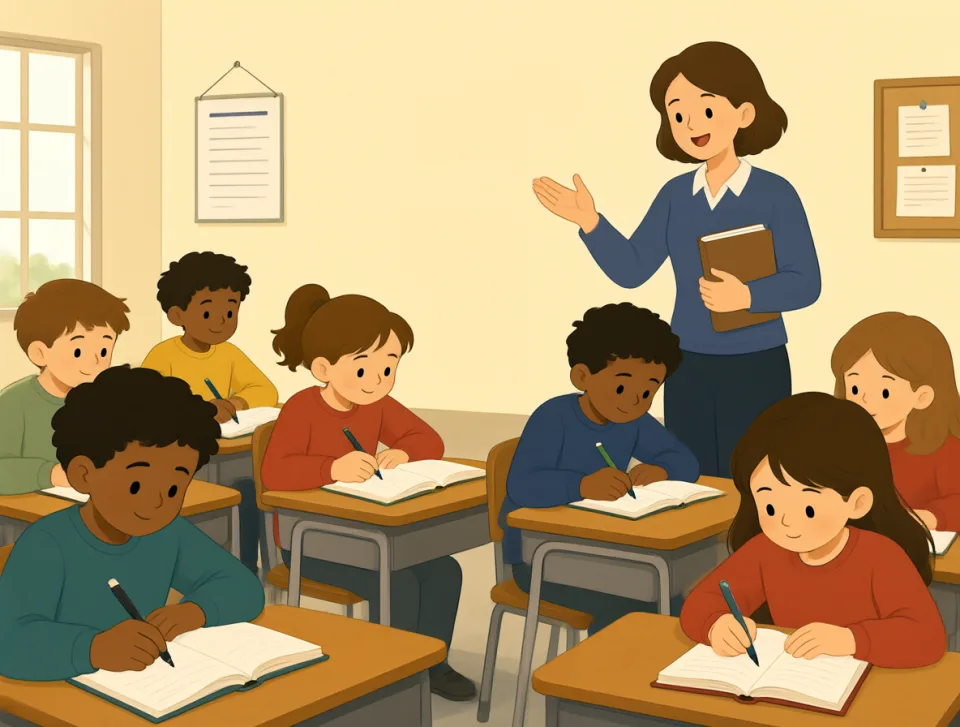
The teacher told the students to proceed with the exercise.
शिक्षक ने विद्यार्थियों से अभ्यास जारी रखने को कहा।

We proceeded slowly because the road was covered with ice.
हम धीरे-धीरे आगे बढ़े, क्योंकि सड़क पर बर्फ जमी हुई थी।
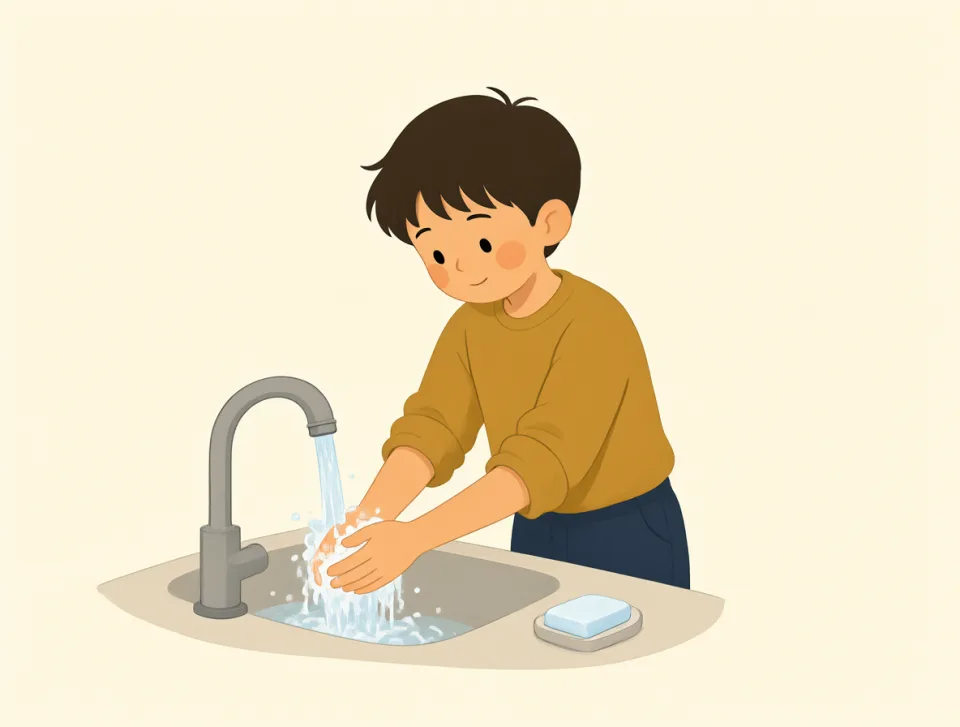
wash
#1368verb, noun
धोना
To clean something with water, or the act of cleaning with water.
किसी चीज़ को पानी से साफ़ करना, या पानी से साफ़ करने की क्रिया।
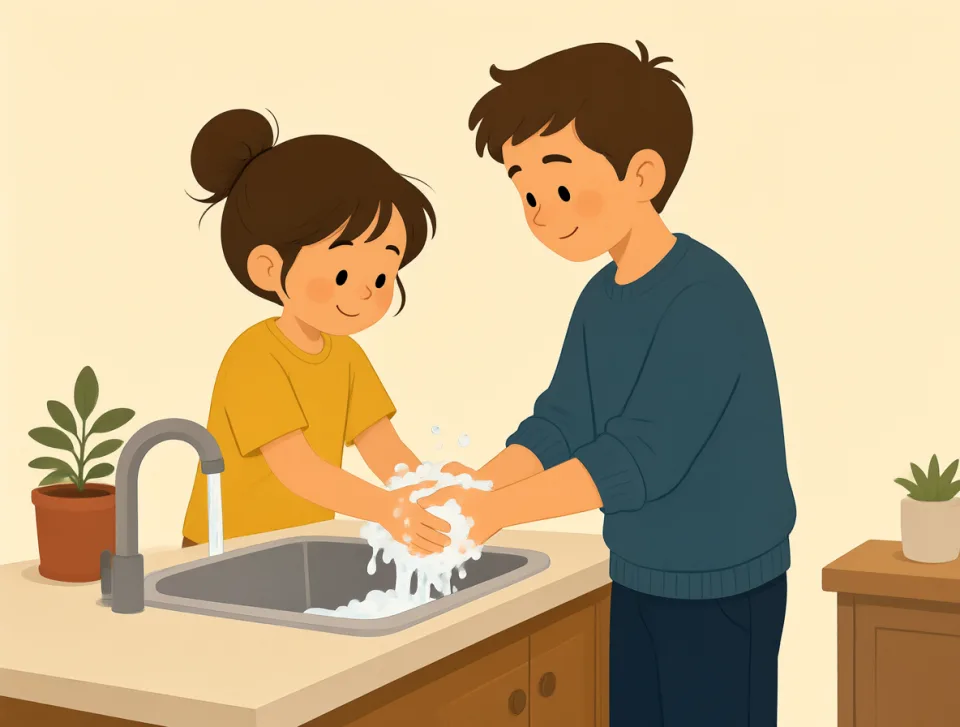
Please wash your hands before dinner.
कृपया रात के खाने से पहले अपने हाथ धो लें।
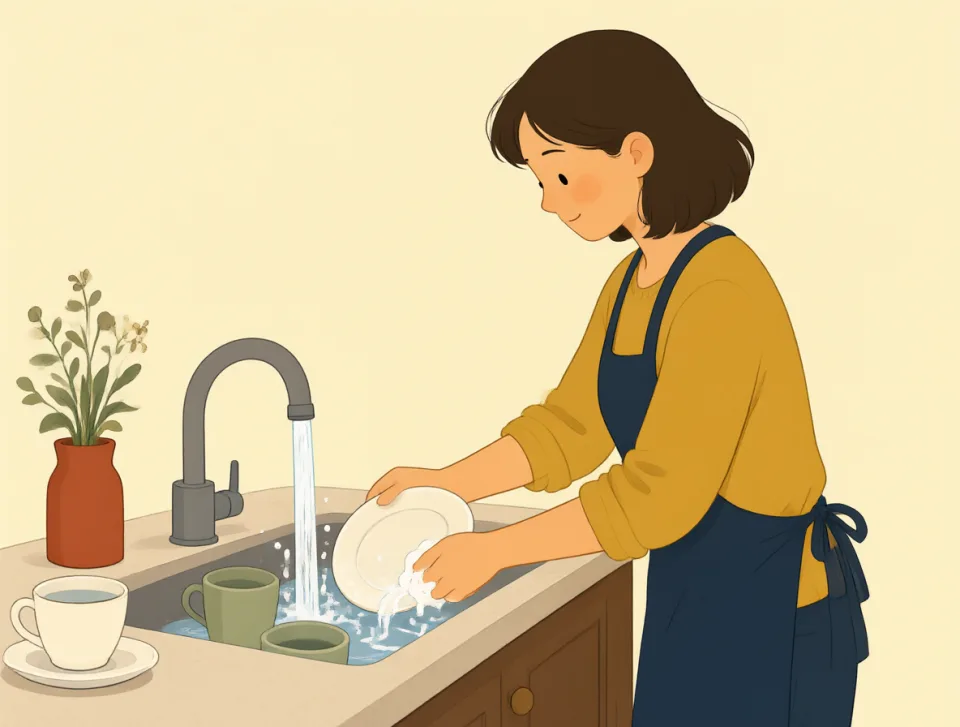
I washed the dishes after breakfast.
मैंने नाश्ते के बाद बर्तन धोए।
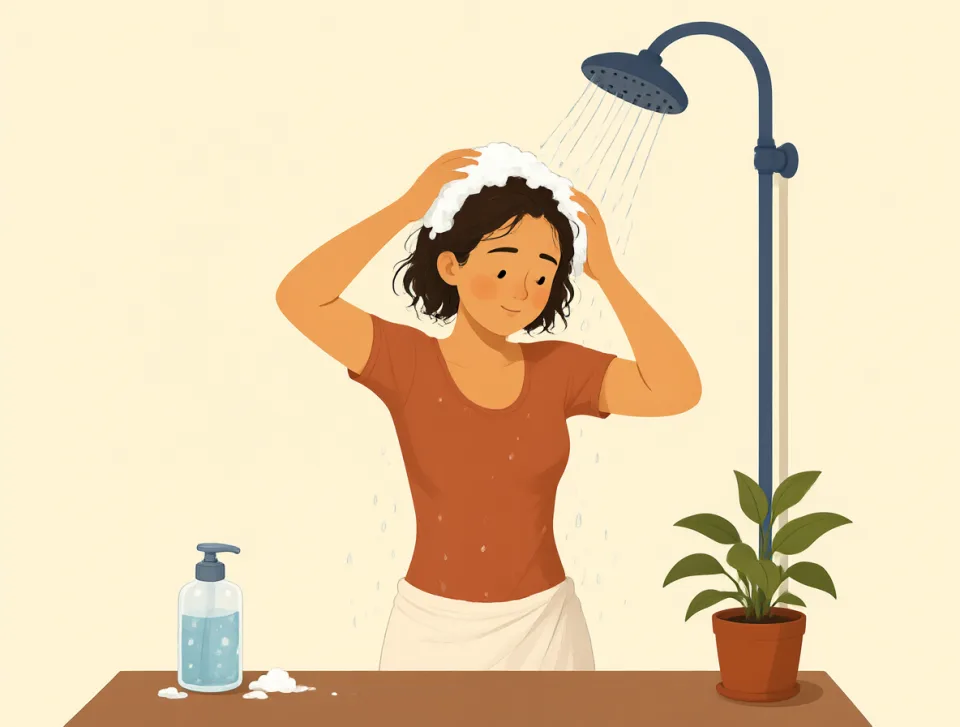
She washes her hair every morning.
वह हर सुबह अपने बाल धोती है।
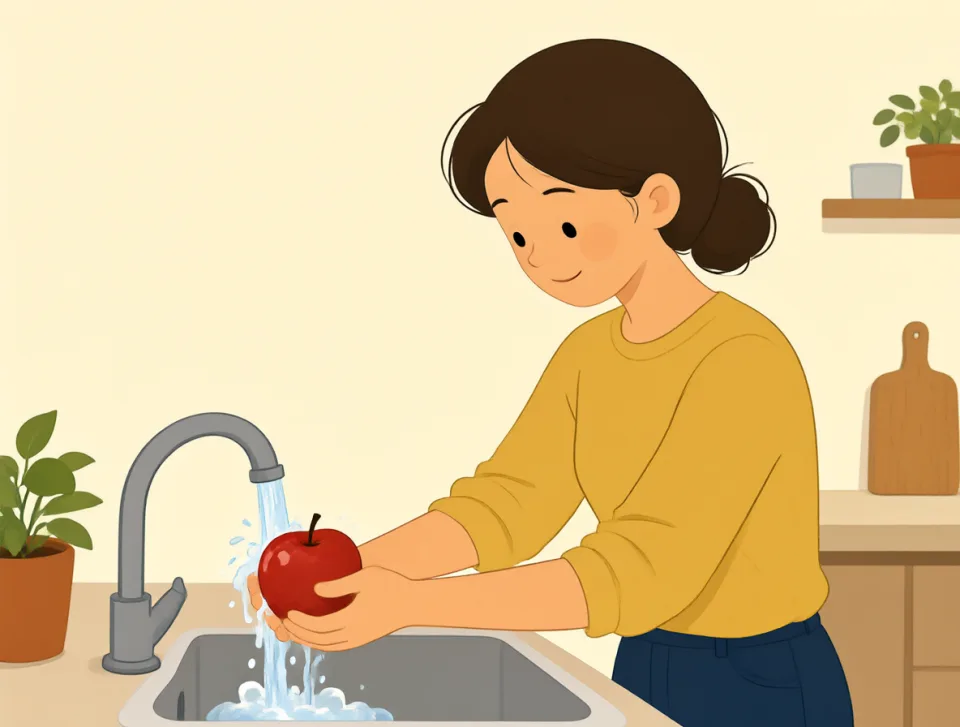
We need to wash these apples before eating them.
हमें खाने से पहले इन सेबों को धोना होगा।

The rain washed the dirt off his car.
बारिश ने उसकी कार से मिट्टी धोकर हटा दी।

actor
#1369noun
अभिनेता
A person who performs in films, plays, or television shows.
वह व्यक्ति जो फिल्मों, नाटकों या टेलीविज़न कार्यक्रमों में अभिनय करता है।

The actor played the main character in a popular film.
उस अभिनेता ने एक लोकप्रिय फिल्म में मुख्य किरदार निभाया।

My sister wants to become an actor after finishing school.
मेरी बहन स्कूल की पढ़ाई पूरी करने के बाद अभिनेत्री बनना चाहती है।

The actor learned his lines before the first rehearsal.
पहली रिहर्सल से पहले अभिनेता ने अपने संवाद याद कर लिए।

A famous actor served dinner to guests at the restaurant.
एक मशहूर अभिनेता ने रेस्तराँ में मेहमानों को खाना परोसा।
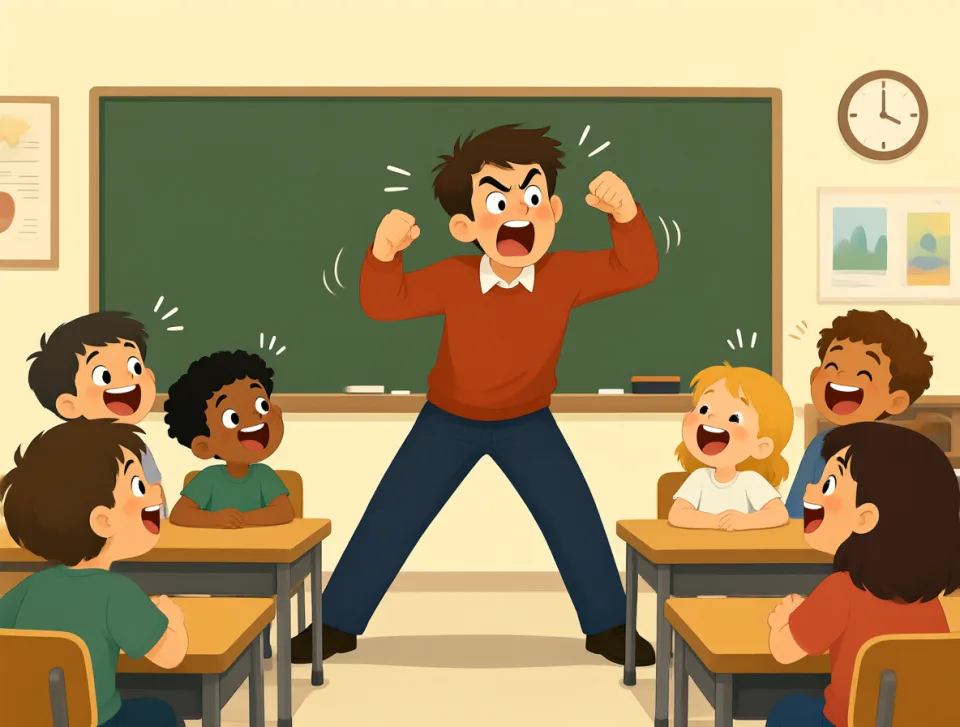
The children laughed when their teacher acted like a funny actor.
जब उनके शिक्षक ने मज़ेदार अभिनेता की तरह अभिनय किया, तो बच्चे हँस पड़े।

glad
#1370adjective
खुश
feeling happy and pleased about something
किसी बात से प्रसन्न और खुश महसूस करना।

I'm glad you came to visit us today.
मुझे खुशी है कि तुम आज हमसे मिलने आए।

She was glad to hear that her brother arrived safely.
यह सुनकर उसे खुशी हुई कि उसका भाई सुरक्षित पहुँच गया।

We are glad to help you carry those heavy bags.
उन भारी थैलों को उठाने में हमें तुम्हारी मदद करके खुशी होगी।

He was glad that the doctor said his shoulder was better.
उसे खुशी हुई कि डॉक्टर ने कहा कि उसका कंधा बेहतर है।

I’m glad we brought warm coats for the cold trip.
मुझे खुशी है कि हम ठंडे सफ़र के लिए गर्म कोट ले आए।
tape
#1371noun, verb
टेप
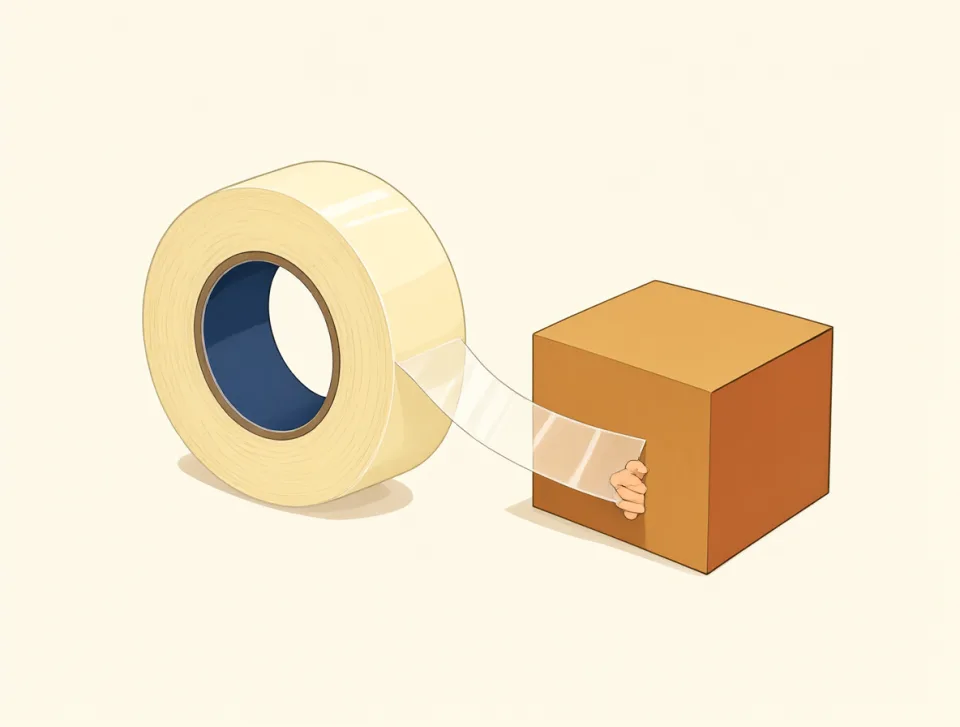
A narrow strip used to stick, hold, or cover things; to fasten something with it.
चिपकाने, किसी चीज़ को थामने या ढकने के लिए इस्तेमाल की जाने वाली पतली पट्टी; इससे किसी चीज़ को चिपकाना या बाँधना।
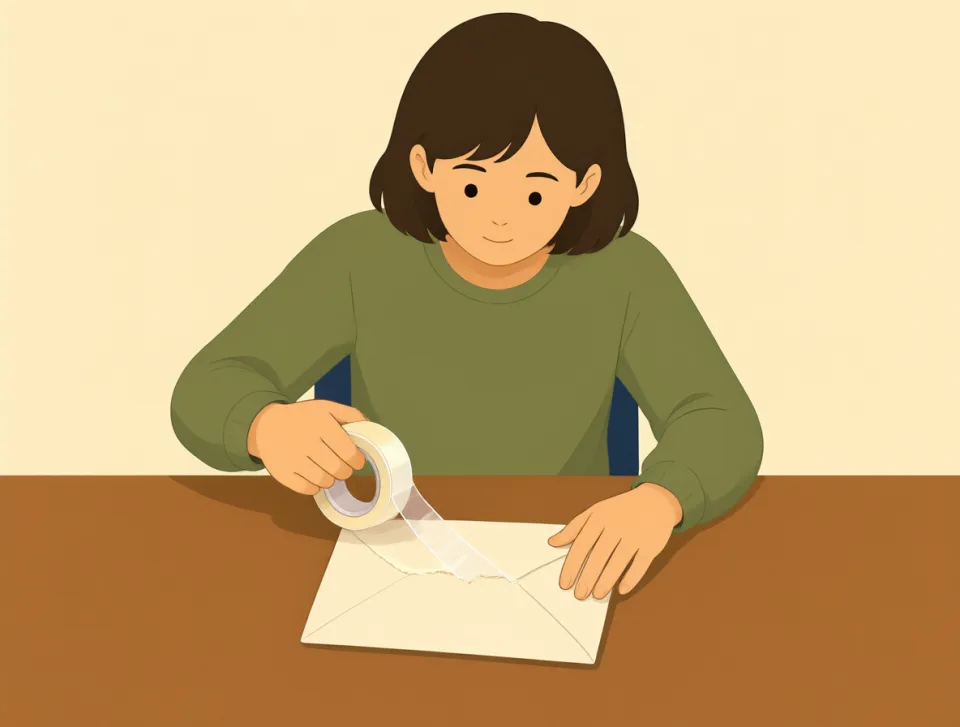
Please use tape to fix this torn envelope.
कृपया इस फटे हुए लिफ़ाफ़े को ठीक करने के लिए टेप इस्तेमाल करें।
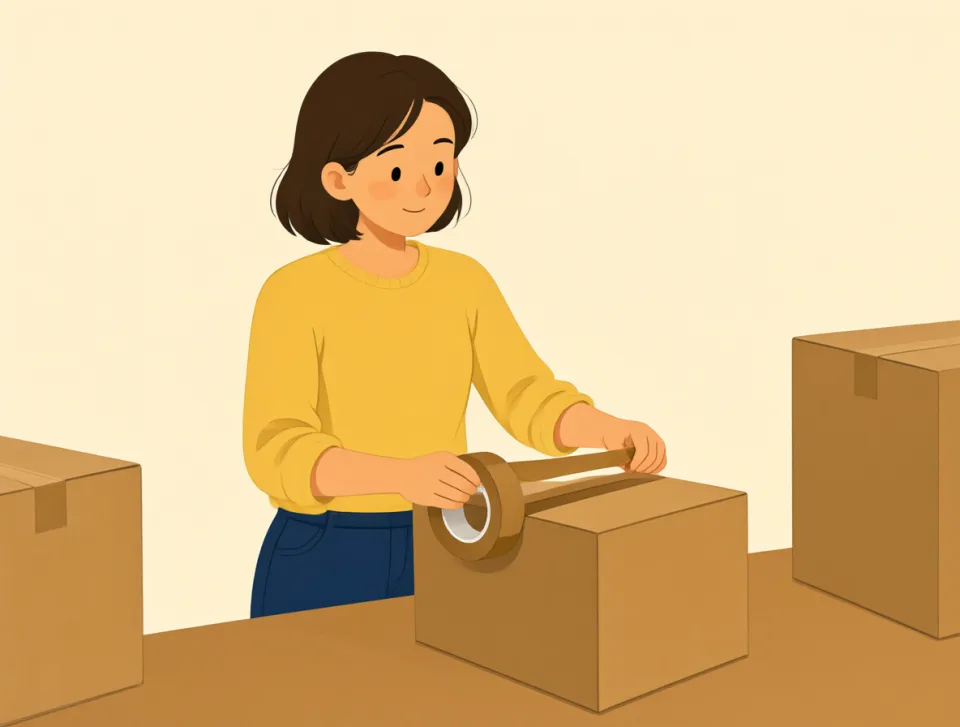
She put tape around the box before sending it.
उसने भेजने से पहले डिब्बे के चारों ओर टेप लगा दिया।
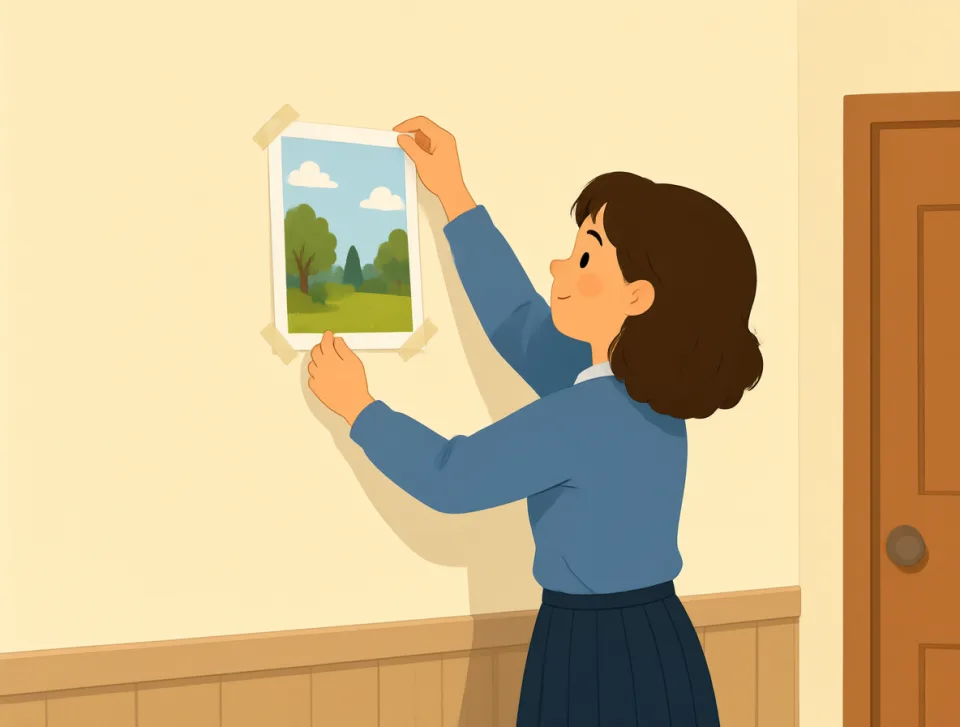
The teacher taped the picture to the classroom wall.
शिक्षक ने तस्वीर को कक्षा की दीवार पर टेप से चिपका दिया।
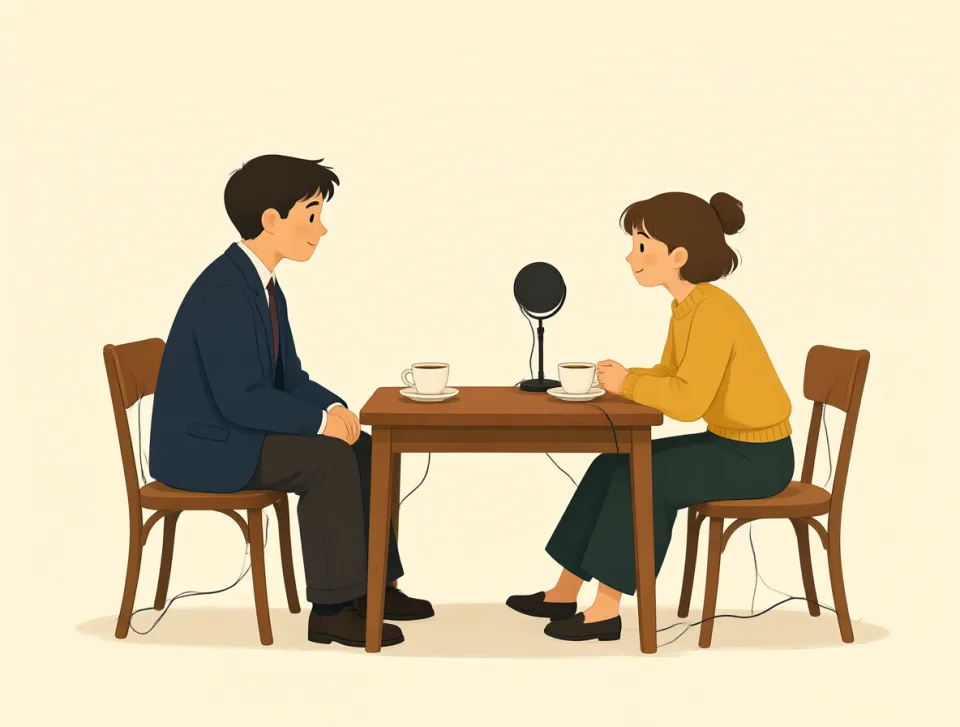
We recorded the interview on tape many years ago.
हमने कई साल पहले साक्षात्कार टेप पर रिकॉर्ड किया था।
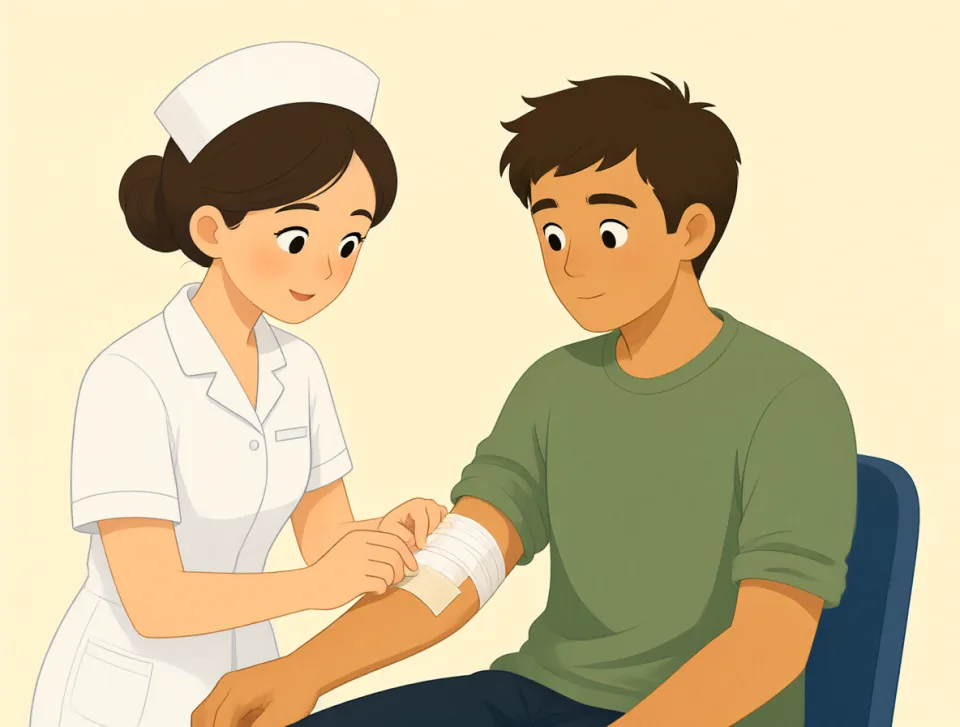
The nurse taped a bandage to his arm.
नर्स ने उसके हाथ पर पट्टी टेप से चिपका दी।
whereas
#1372conjunction
जबकि
used to compare two different facts, actions, or situations
दो अलग-अलग तथ्यों, कामों या स्थितियों की तुलना करने के लिए इस्तेमाल होने वाला शब्द।
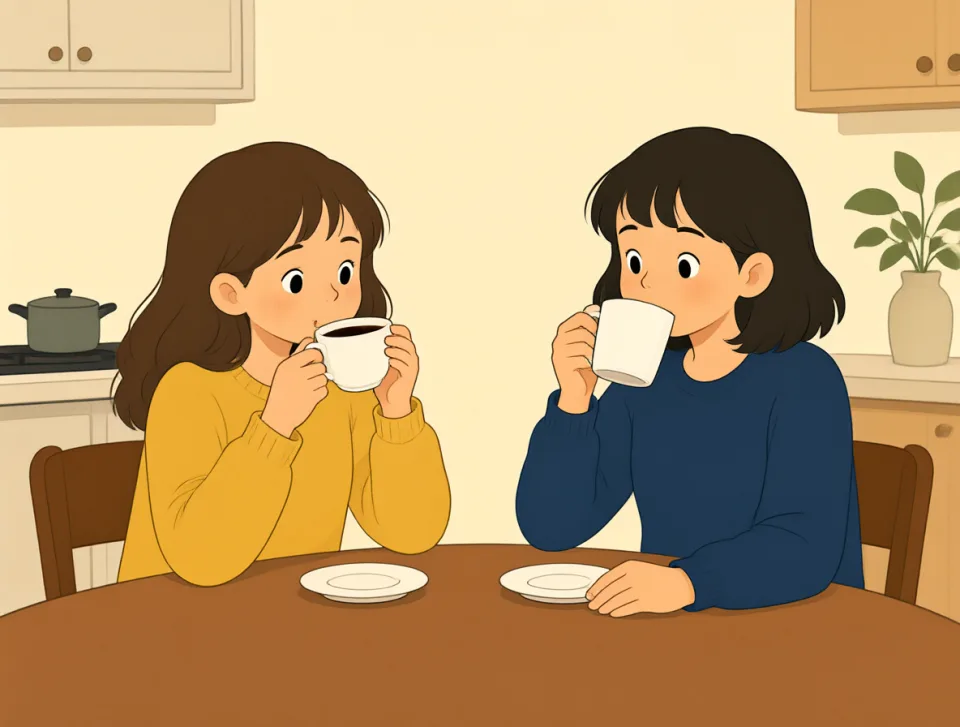
I like tea, whereas my sister prefers coffee.
मुझे चाय पसंद है, जबकि मेरी बहन कॉफ़ी पसंद करती है।

Tom works in an office, whereas his wife works from home.
टॉम दफ़्तर में काम करता है, जबकि उसकी पत्नी घर से काम करती है।

This jacket is warm, whereas that one is much lighter.
यह जैकेट गर्म है, जबकि वह वाली काफ़ी हल्की है।
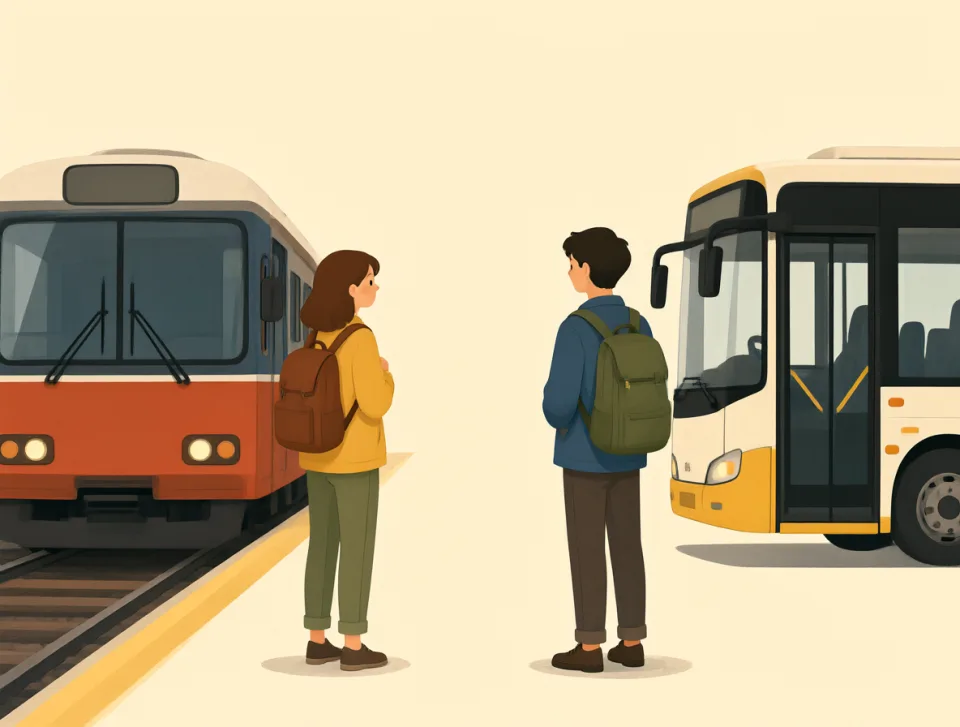
The train is fast, whereas the bus is cheaper.
ट्रेन तेज़ है, जबकि बस सस्ती है।

My brother eats meat, whereas I choose vegetables.
मेरा भाई मांस खाता है, जबकि मैं सब्ज़ियाँ चुनता हूँ।
opposite
#1373noun, adjective, preposition
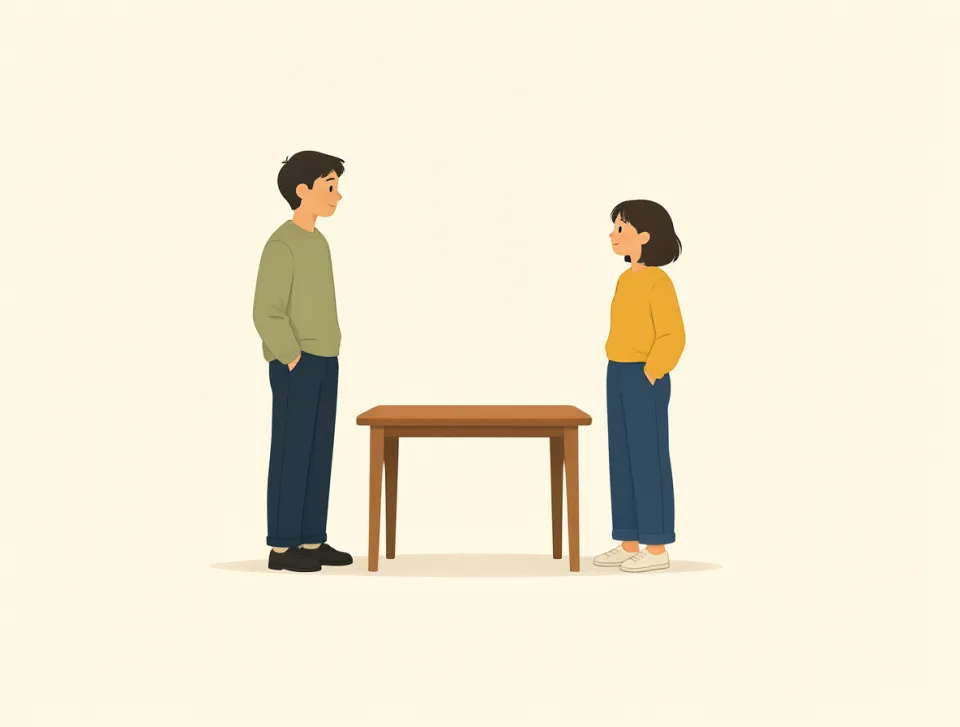
विपरीत
A person or thing that is completely different from another person or thing.
ऐसा व्यक्ति या चीज़ जो किसी दूसरे व्यक्ति या चीज़ से बिल्कुल अलग हो।
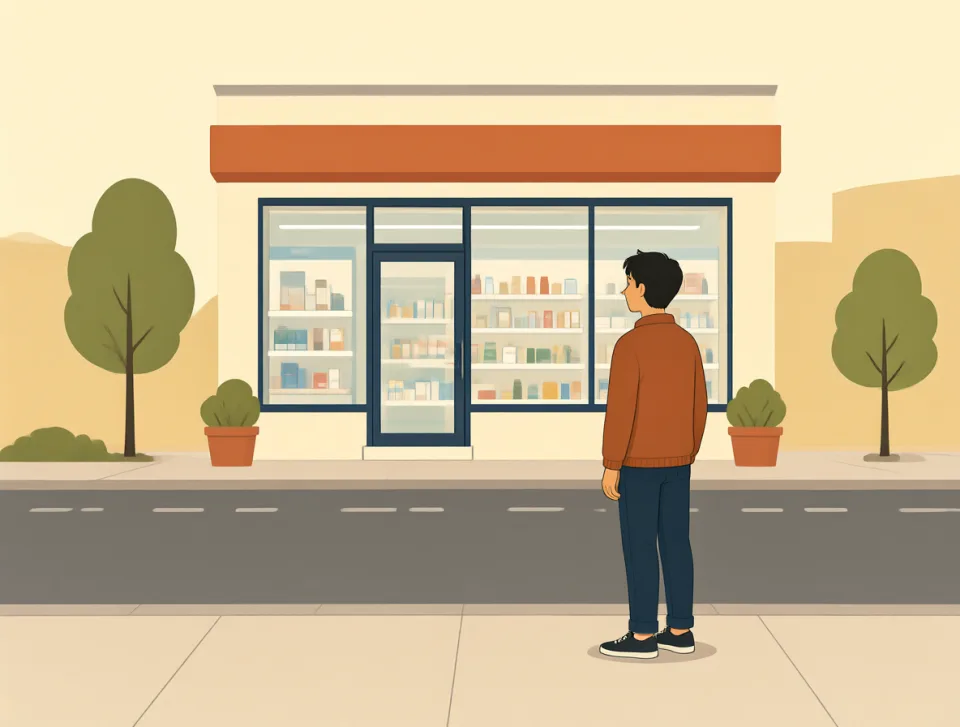
The pharmacy is opposite the bank on the main street.
मुख्य सड़क पर बैंक के सामने फ़ार्मेसी है।

Our opinions are completely opposite, but we still enjoy talking.
हमारी राय एक-दूसरे से बिल्कुल उलट है, लेकिन फिर भी हमें बात करना अच्छा लगता है।
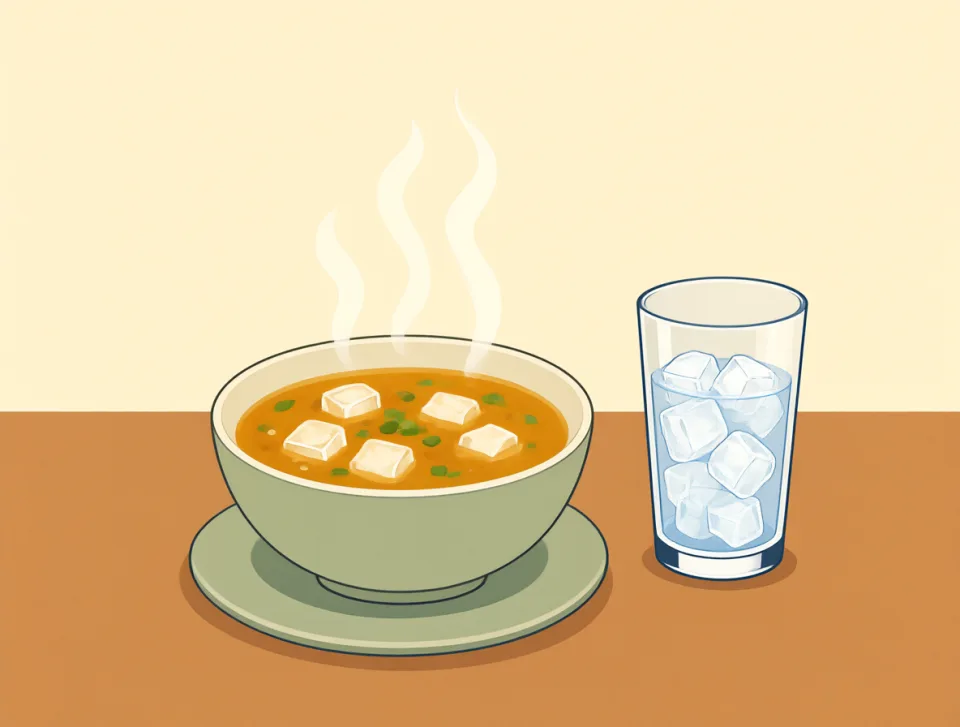
The opposite of hot is cold.
गर्म का विपरीत ठंडा है।

She sat opposite me during the long train journey.
लंबी ट्रेन यात्रा के दौरान वह मेरे सामने बैठी।

He walked in the opposite direction and missed the bus.
वह उलटी दिशा में चला गया और बस छूट गई।

stone
#1374noun, verb
पत्थर
a hard, solid piece of rock; to throw stones at something
चट्टान का कठोर, ठोस टुकड़ा; किसी चीज़ पर पत्थर फेंकना।
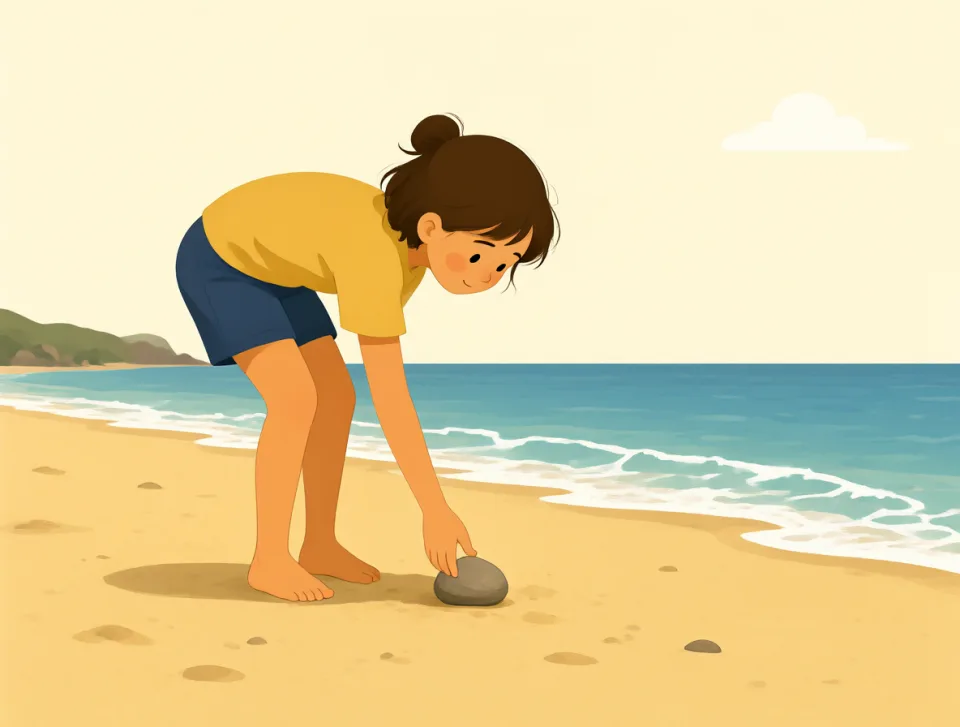
She found a beautiful stone on the beach.
उसे समुद्र तट पर एक सुंदर पत्थर मिला।

The old stone house has thick walls and small windows.
उस पुराने पत्थर के घर की दीवारें मोटी और खिड़कियाँ छोटी हैं।

He dropped a stone into the quiet pond.
उसने शांत तालाब में एक पत्थर गिराया।

The doctor found a small stone in her kidney.
डॉक्टर को उसकी किडनी में एक छोटा-सा पत्थर मिला।
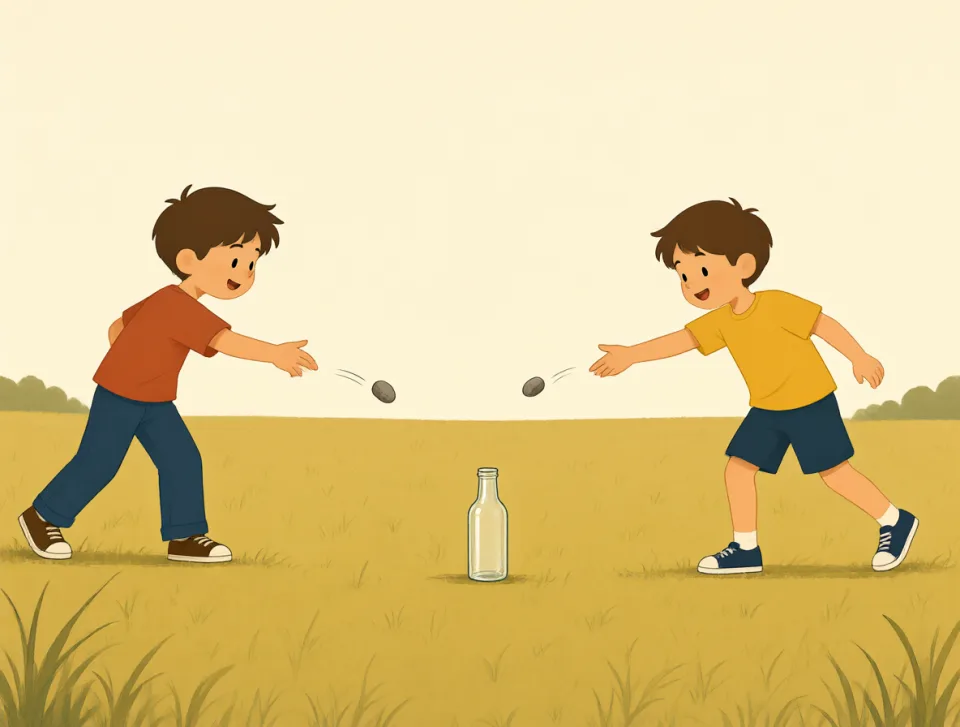
The angry boys threw stones at the empty bottle.
गुस्साए लड़कों ने खाली बोतल पर पत्थर फेंके।
sum
#1375noun, verb
योग
A total amount found by adding numbers; to add numbers together.
संख्याओं को जोड़कर निकाली गई कुल मात्रा; संख्याओं को जोड़ना।
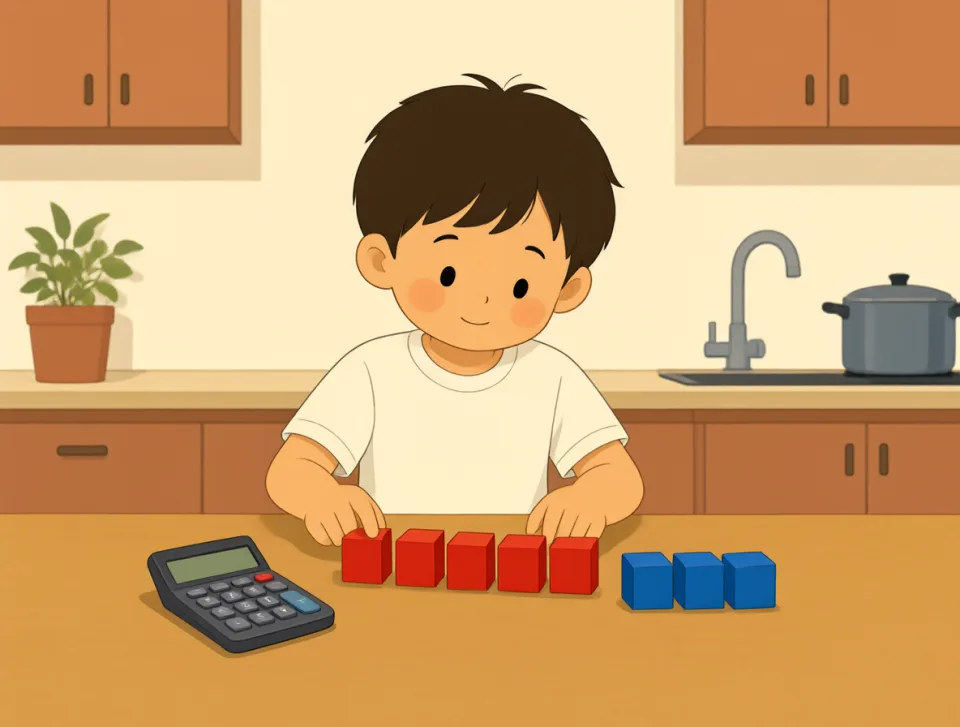
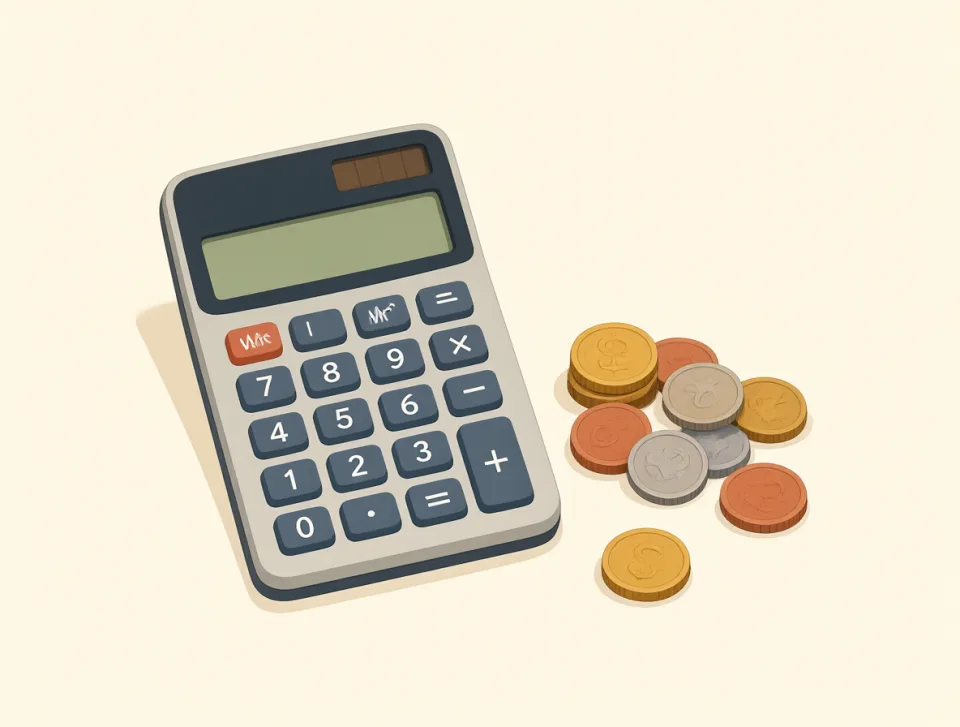
The sum of five and three is eight.
पाँच और तीन का योग आठ है।
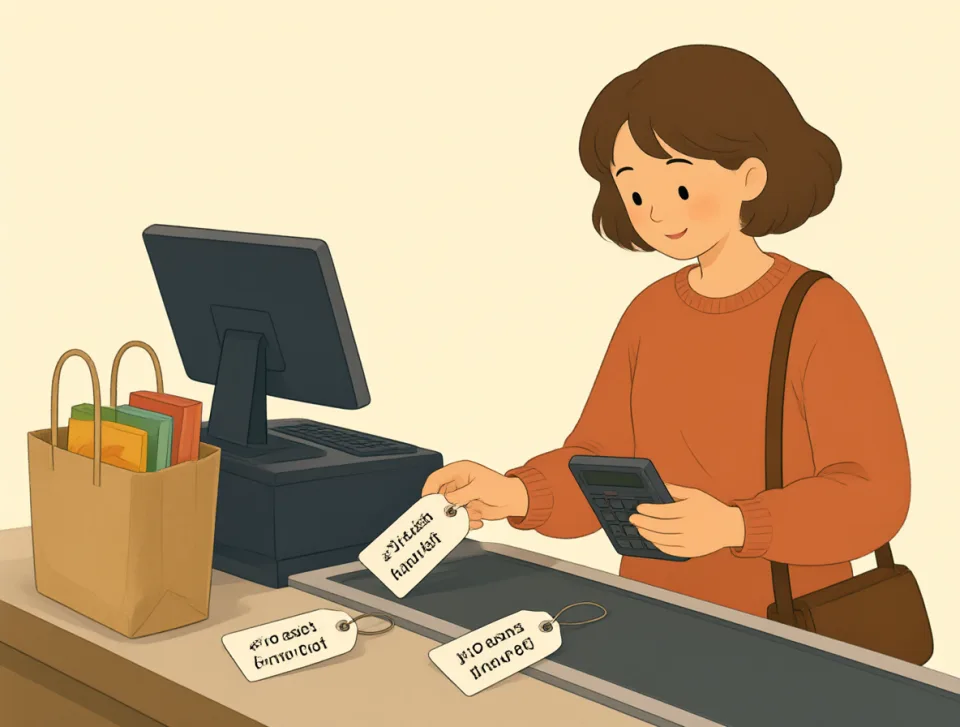
Please sum the prices before you pay.
भुगतान करने से पहले कृपया कीमतों का योग निकाल लें।

The repair cost came to a large sum.
मरम्मत का खर्च एक बड़ी रकम तक पहुँच गया।

He paid the full sum in cash.
उसने पूरी रकम नकद में चुकाई।

The sums in my homework were difficult.
मेरे गृहकार्य के गणित के सवाल मुश्किल थे।
murder
#1376noun, verb
हत्या
The crime of killing someone deliberately, or to kill someone deliberately.
किसी की जान जानबूझकर लेने का अपराध; या किसी की जान जानबूझकर लेना।

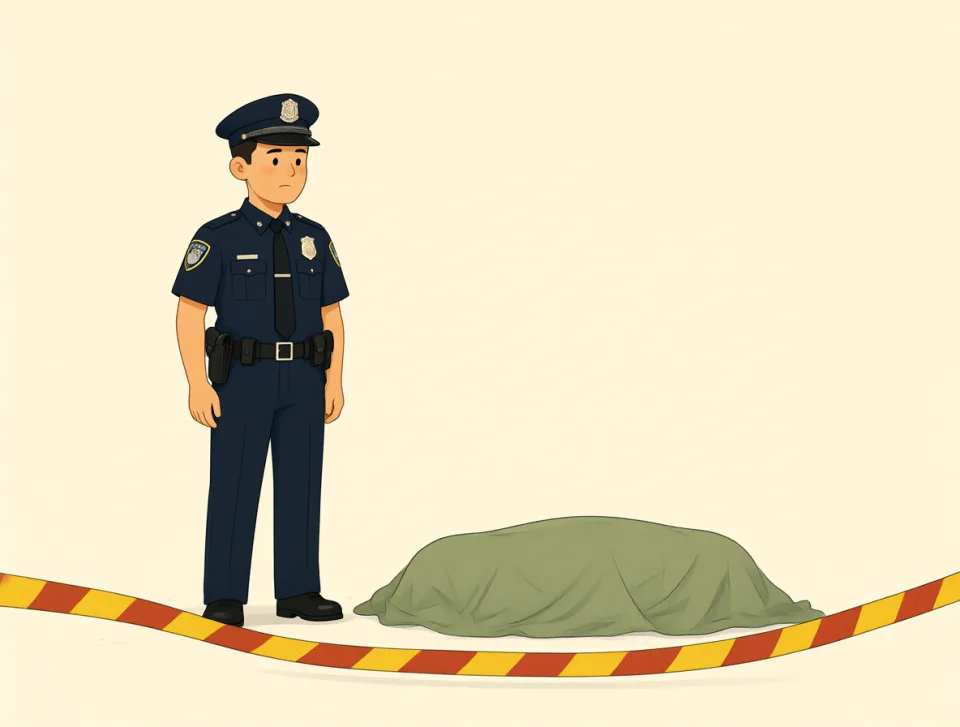
The police are investigating a murder in the city center.
पुलिस शहर के केंद्र में हुई एक हत्या की जाँच कर रही है।
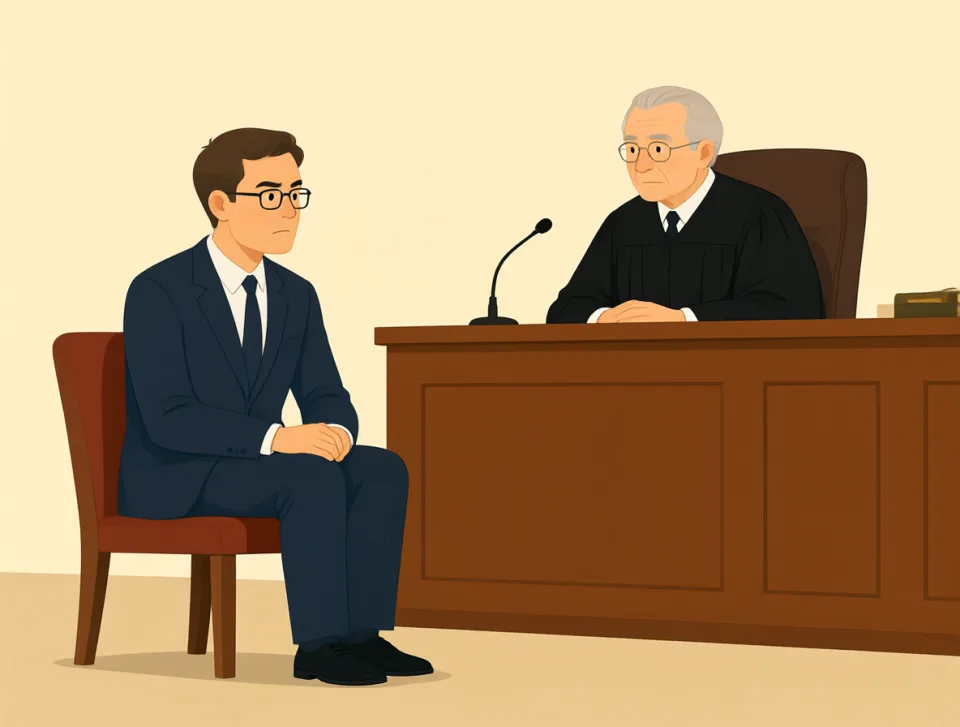
He was charged with murder after the man died.
उस व्यक्ति की मौत के बाद उस पर हत्या का आरोप लगाया गया।
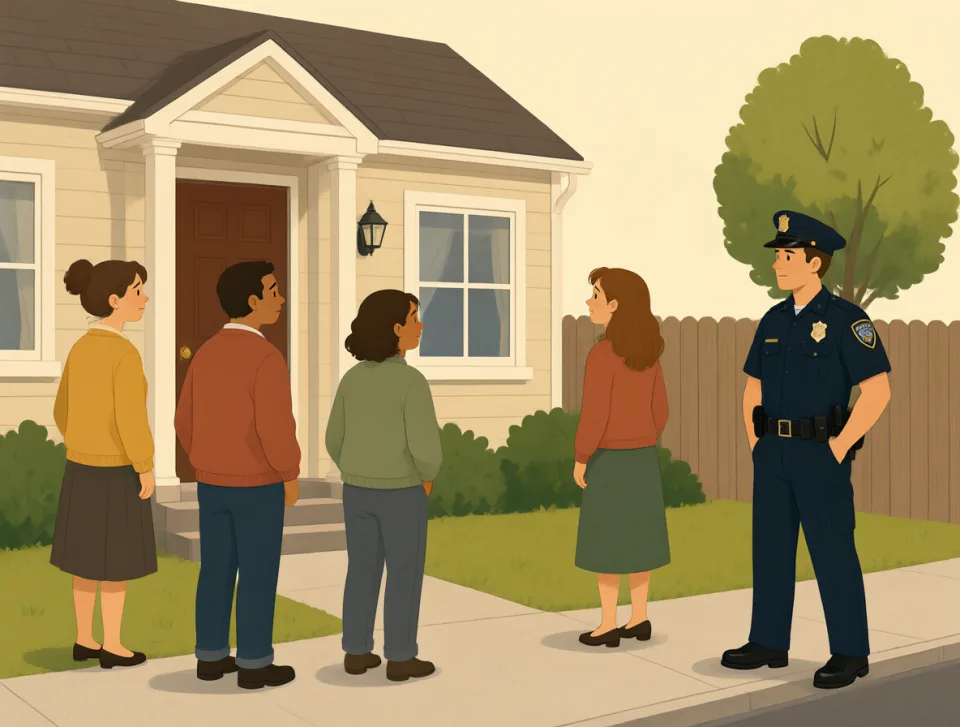
The murder shocked everyone in the small town.
उस छोटे शहर में हुई हत्या से हर कोई स्तब्ध रह गया।

The detective solved the murder by finding a hidden knife.
जासूस ने छिपा हुआ चाकू ढूँढ़कर हत्या का मामला सुलझाया।

The film is about a detective trying to stop a murderer.
यह फ़िल्म एक ऐसे जासूस के बारे में है जो एक हत्यारे को रोकने की कोशिश कर रहा है।

monitor
#1377noun, verb
मॉनिटर
A screen used with a computer, or to watch something carefully.
कंप्यूटर के साथ इस्तेमाल की जाने वाली स्क्रीन; या किसी चीज़ पर ध्यान से नज़र रखना।

I bought a new monitor for my home office.
मैंने अपने घर के दफ़्तर के लिए एक नया मॉनिटर खरीदा।

The nurse monitored his temperature during the night.
नर्स ने रात भर उसके तापमान पर नज़र रखी।
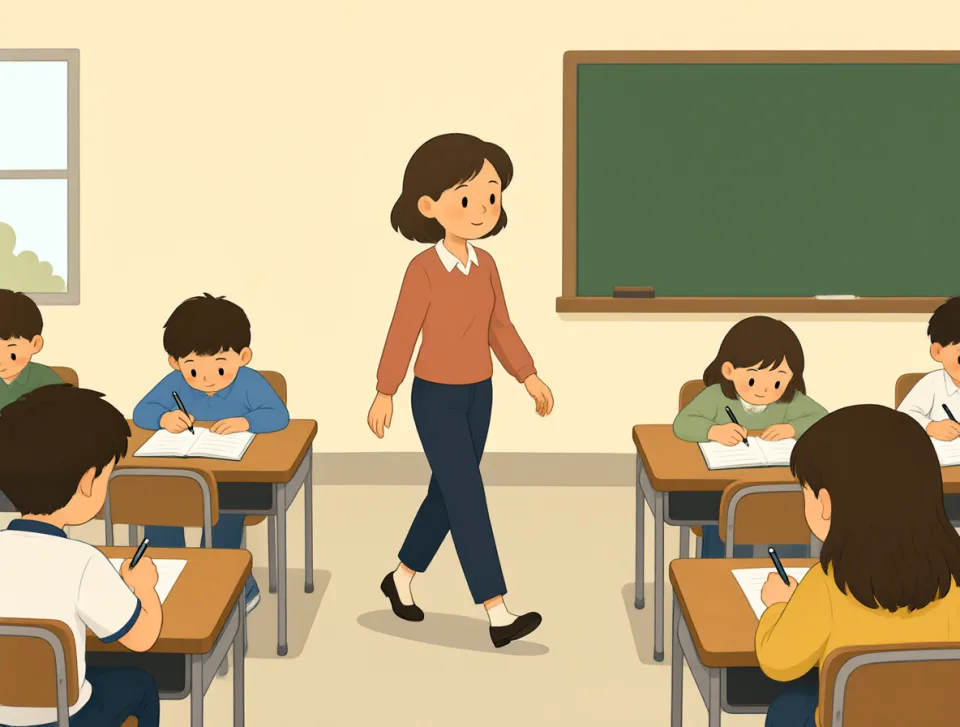
Teachers monitor students during the school test.
शिक्षक स्कूल की परीक्षा के दौरान विद्यार्थियों पर नज़र रखते हैं।

We monitored the flight times at the airport.
हमने हवाई अड्डे पर उड़ानों के समय पर नज़र रखी।
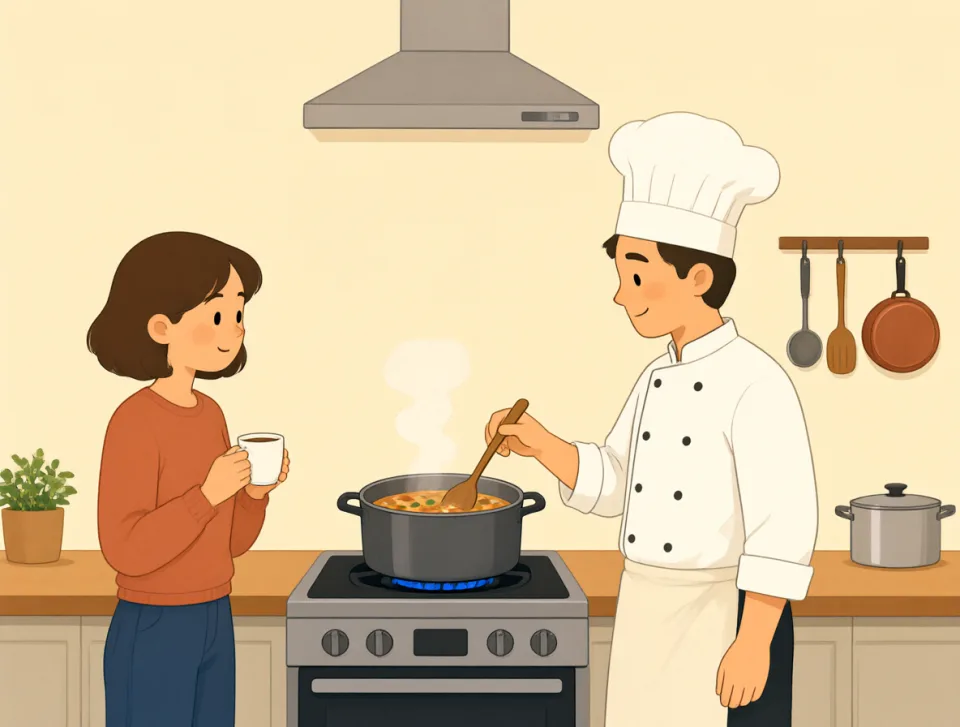
The chef monitored the soup while it cooked.
रसोइए ने सूप पकते समय उस पर नज़र रखी।
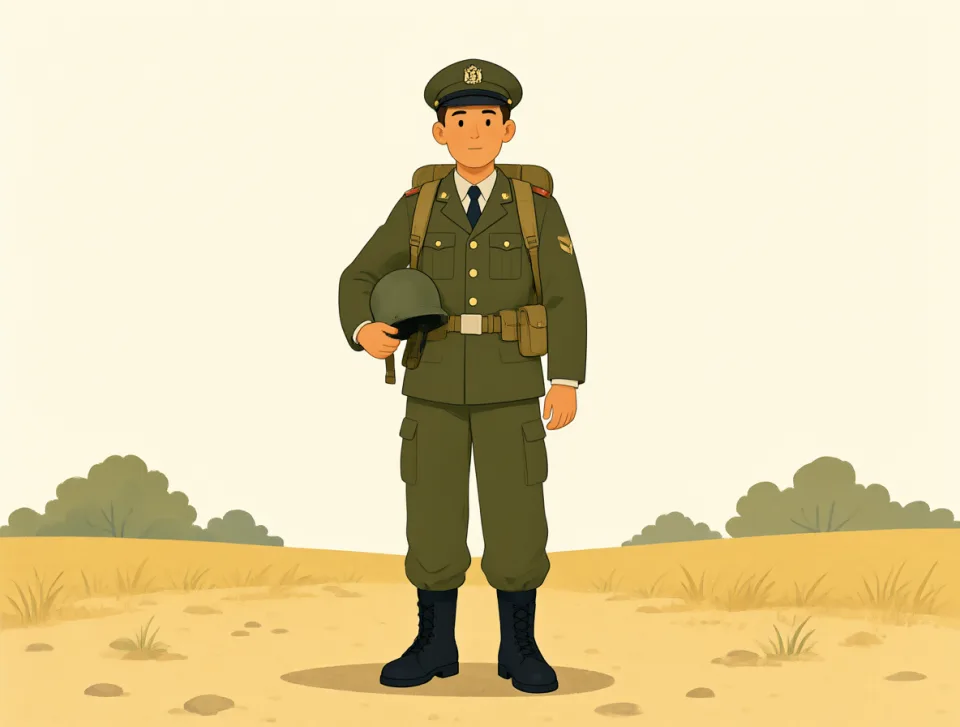
soldier
#1378noun
सैनिक
A person trained to fight for their country’s army.
अपने देश की सेना के लिए लड़ने का प्रशिक्षण प्राप्त व्यक्ति।
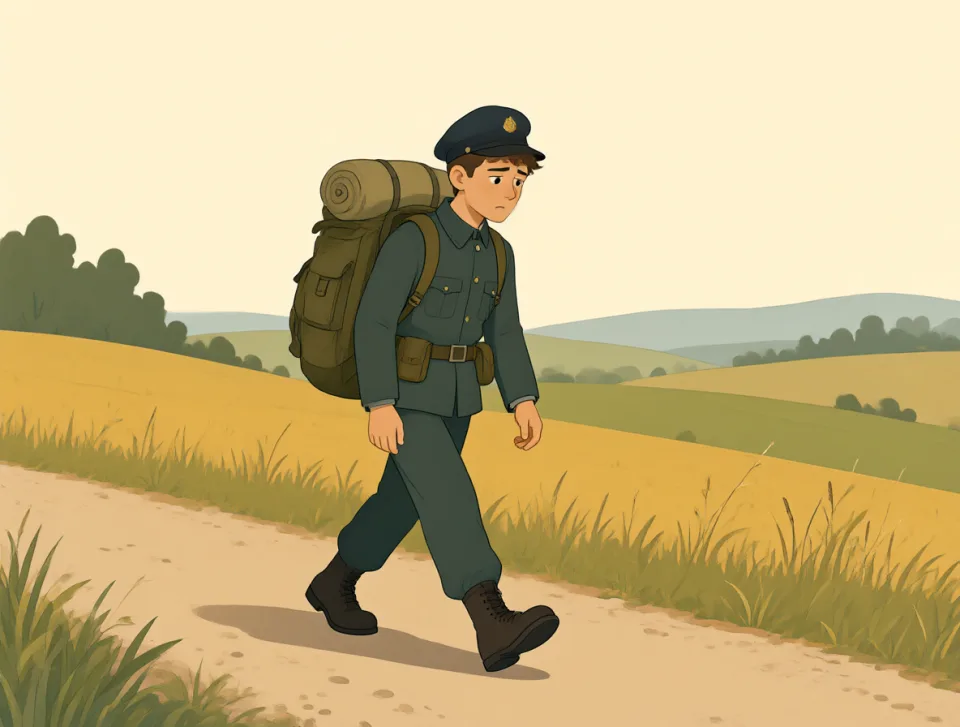
The soldier carried a heavy backpack during the long march.
लंबी यात्रा के दौरान सैनिक ने एक भारी बैग उठाया हुआ था।

The young soldier returned home after serving overseas.
विदेश में सेवा देने के बाद युवा सैनिक घर लौट आया।
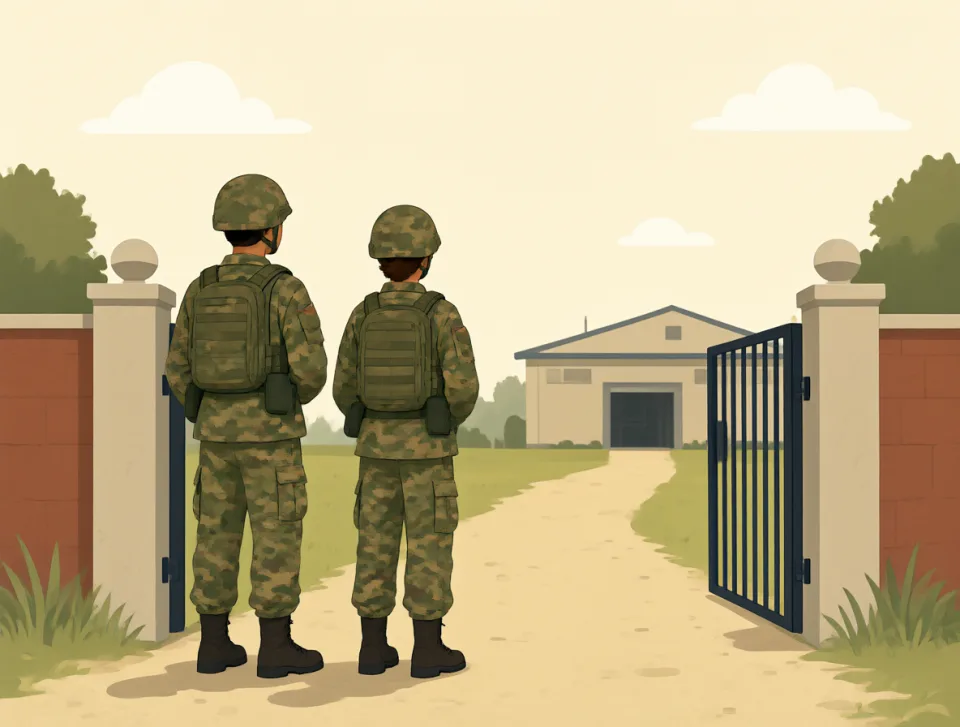
The soldiers guarded the entrance to the military base.
सैनिकों ने सैन्य अड्डे के प्रवेश द्वार की रखवाली की।
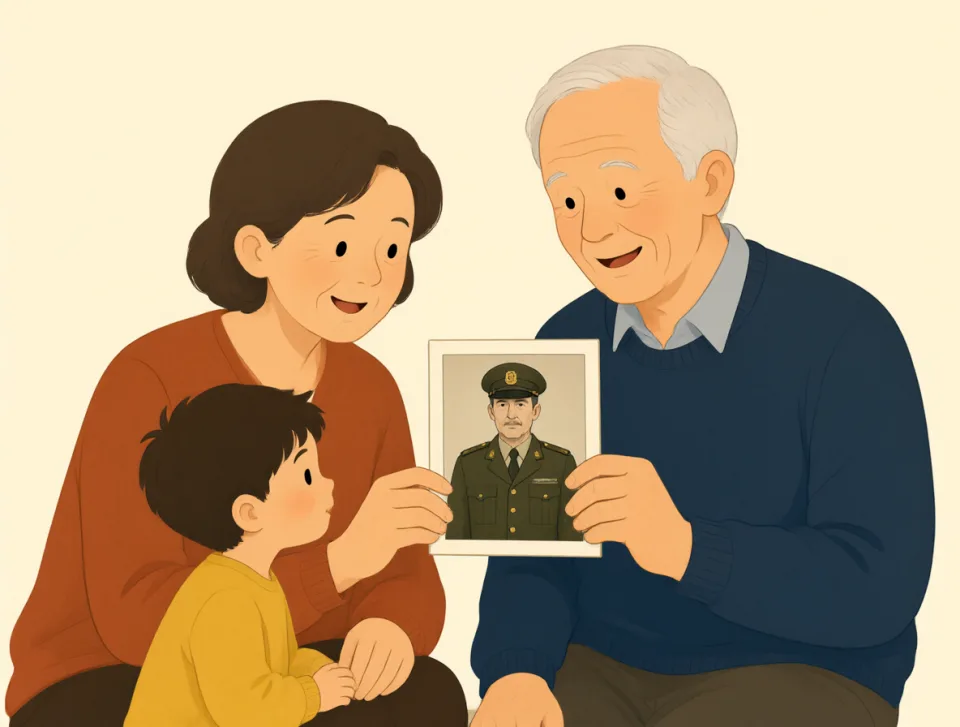
My grandfather was a soldier during the war.
मेरे दादा युद्ध के दौरान सैनिक थे।
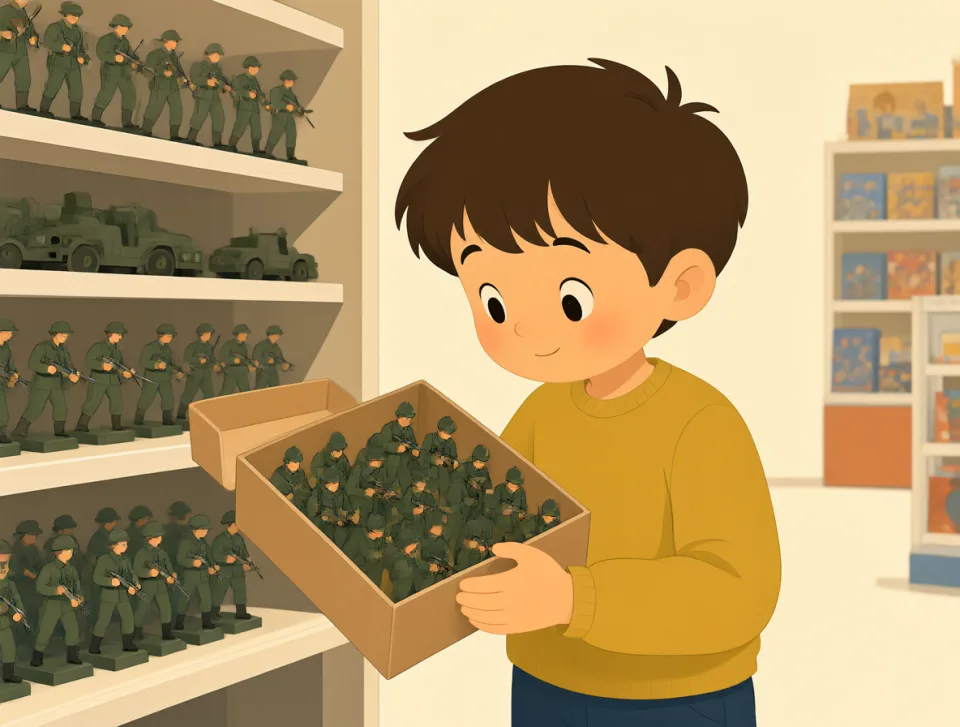
The toy shop sells small plastic soldiers for children.
खिलौनों की दुकान में बच्चों के लिए छोटे प्लास्टिक के सैनिक बिकते हैं।

finance
#1379noun, verb
वित्त
The management of money, or the money needed for a business, project, or purchase.
पैसे का प्रबंधन, या किसी कारोबार, परियोजना अथवा खरीद के लिए ज़रूरी धन।
She studied finance at university and now works for a bank.
उसने विश्वविद्यालय में वित्त की पढ़ाई की और अब एक बैंक में काम करती है।

We need to check our finances before booking the holiday.
छुट्टी की बुकिंग करने से पहले हमें अपने पैसों का हिसाब देखना होगा।

The company is looking for finance to build a new factory.
कंपनी एक नया कारखाना बनाने के लिए धन जुटा रही है।

My brother financed his new car with a bank loan.
मेरे भाई ने बैंक से कर्ज़ लेकर अपनी नई कार खरीदी।
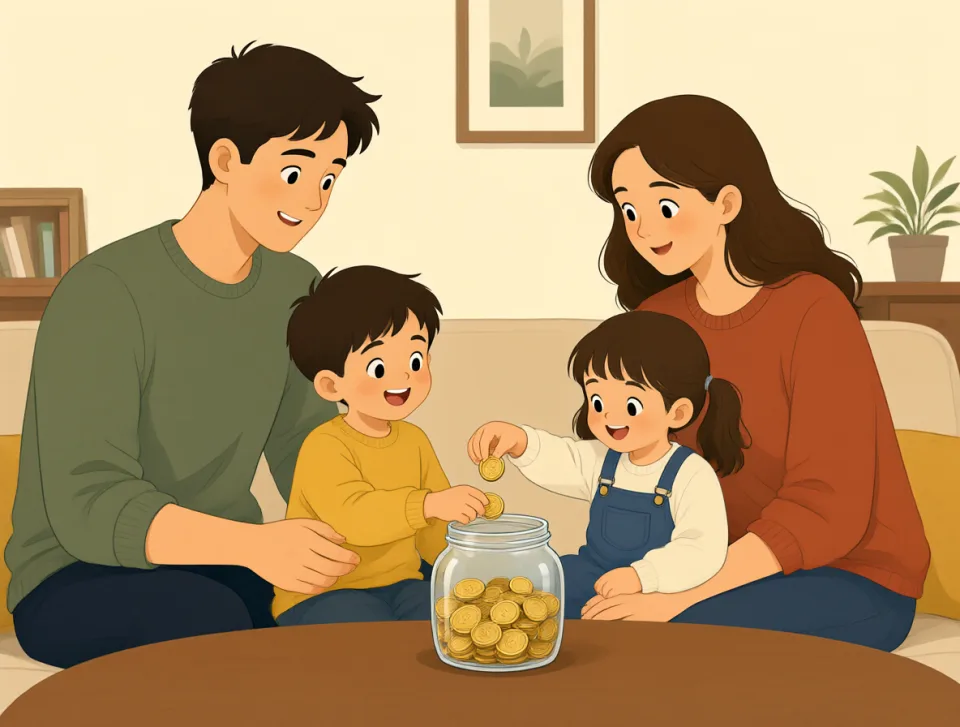
Good financial planning helps families save money for emergencies.
अच्छी वित्तीय योजना से परिवार आपातकाल के लिए पैसे बचा पाते हैं।
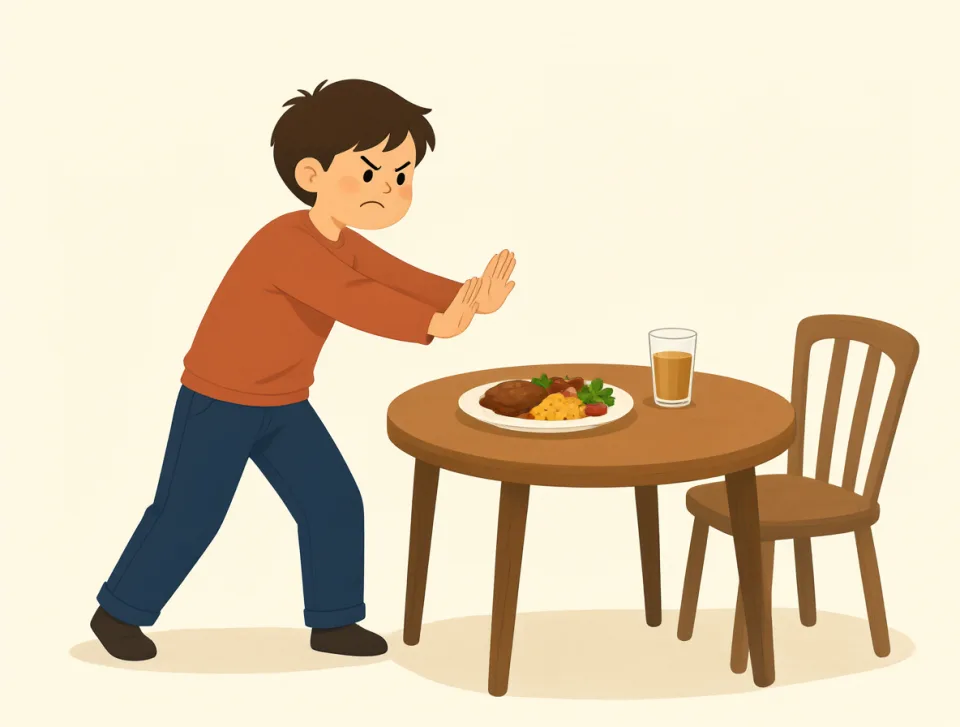
hate
#1380verb, noun
नफ़रत करना
To strongly dislike someone or something; a strong feeling of dislike.
किसी व्यक्ति या चीज़ को बहुत नापसंद करना; नापसंदगी की तीव्र भावना।
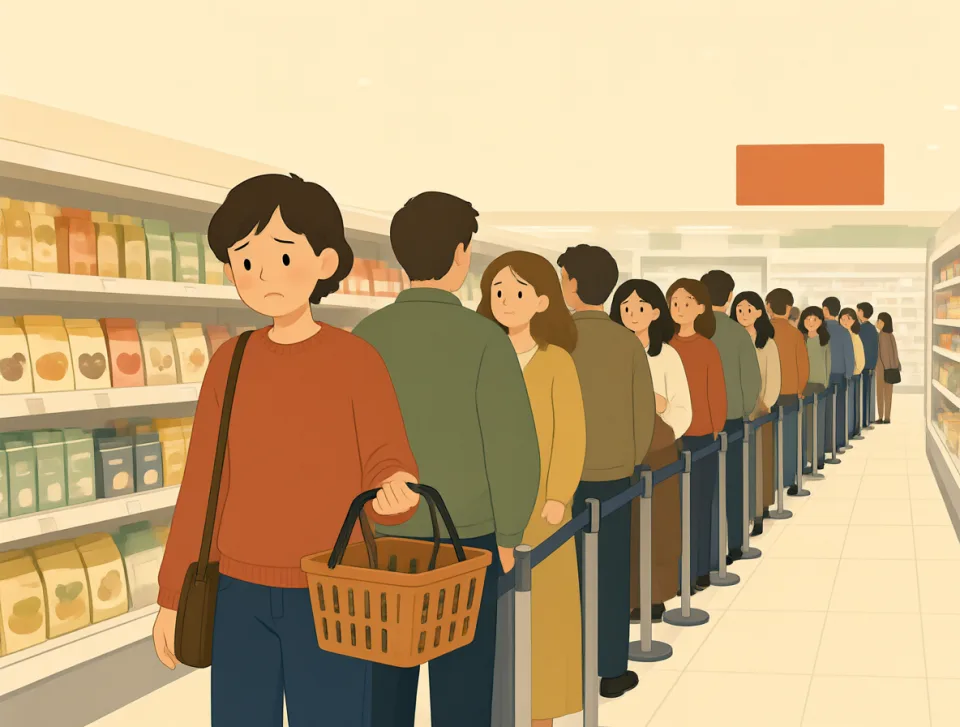
I hate waiting in long lines at the supermarket.
मुझे सुपरमार्केट में लंबी कतारों में इंतज़ार करना बिल्कुल पसंद नहीं है।
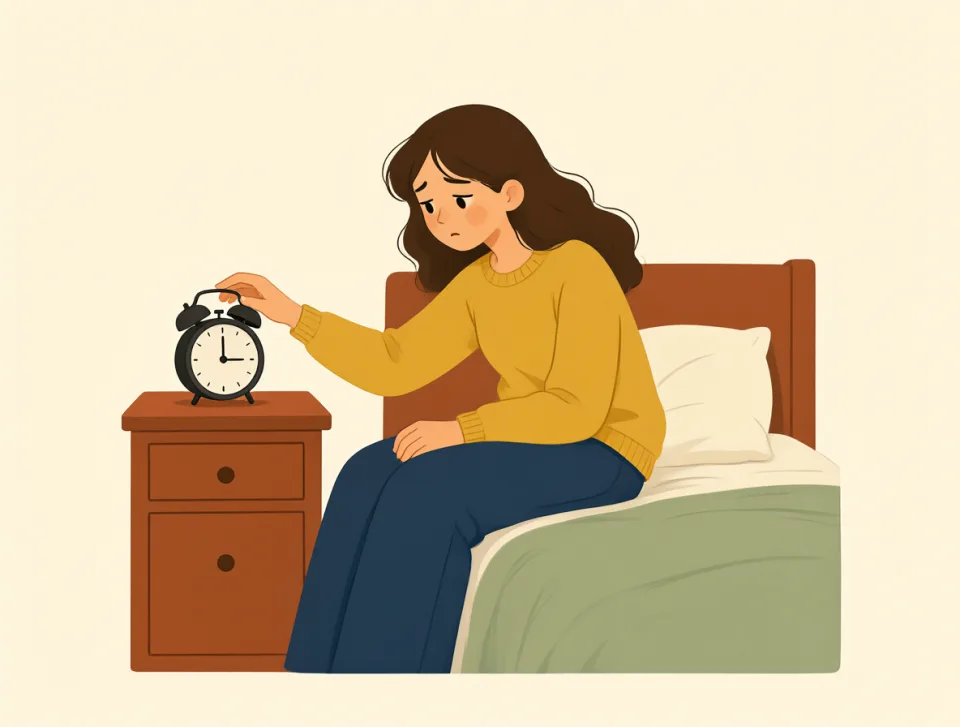
She hates getting up early for work.
उसे काम के लिए जल्दी उठना बिल्कुल पसंद नहीं है।

We hated the cold weather during our trip.
अपनी यात्रा के दौरान हमें ठंडा मौसम बिल्कुल पसंद नहीं आया।

He hates doing homework after a busy day at school.
स्कूल में व्यस्त दिन के बाद उसे होमवर्क करना बिल्कुल पसंद नहीं है।

I hate it when my friends cancel plans.
जब मेरे दोस्त बनाए हुए कार्यक्रम रद्द कर देते हैं, तो मुझे बिल्कुल अच्छा नहीं लगता।