單元 90
單字 1781–1800 · sweet, permanent, emotion, pursue, tall, urge

sweet
#1781adjective, noun
甜的;糖果;甜蜜的
Having a taste like sugar; a small piece of candy or chocolate.
有糖的味道;一小塊糖果或巧克力。

This tea is too sweet for me without any milk.
不加牛奶的話,這杯茶對我來說太甜了。

She bought a sweet birthday cake for her son.
她給兒子買了一個甜甜的生日蛋糕。
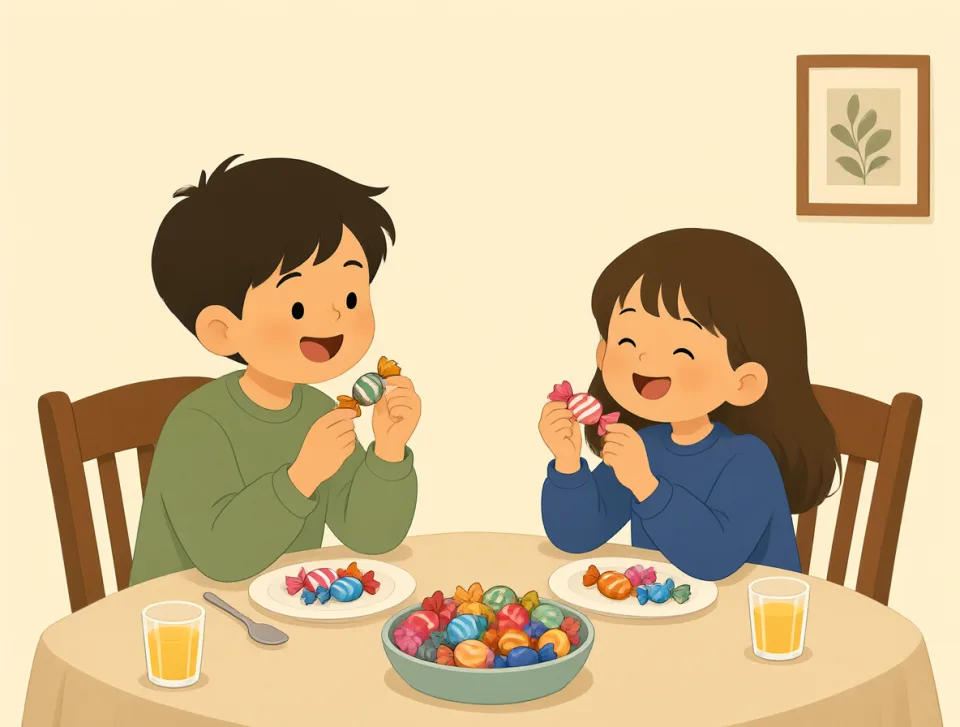
The children shared some sweets after dinner.
晚飯後,孩子們一起分吃了一些糖果。

He gave his friend a sweet smile before leaving.
臨走前,他對朋友露出了一個甜甜的微笑。
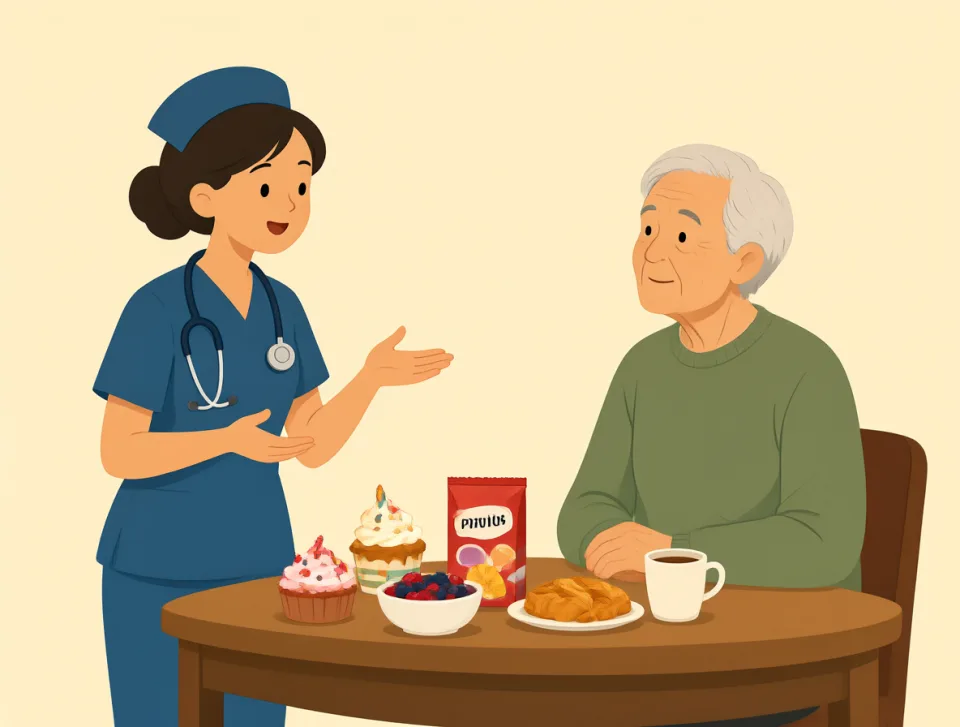
The nurse advised me to eat less sweet food.
護士建議我少吃甜食。

permanent
#1782adjective
永久的; 長期的; 固定的
Continuing for a very long time or forever without changing.
持續很長時間或永久不變的。

She is looking for a permanent job in her hometown.
她正在家鄉尋找一份長期工作。

The company offered him a permanent position after six months.
六個月後,公司給了他一個正式職位。

We need a permanent solution to this leaking roof.
我們需要一個徹底解決屋頂漏水問題的方案。

The dentist gave me permanent teeth after removing the damaged ones.
拔掉損壞的牙齒後,牙醫給我裝上了恆牙。

They made their friendship permanent by moving in together.
他們搬到一起住,讓他們的友誼變得長久牢固。

emotion
#1783noun
情感; 情緒
a strong feeling, such as happiness, sadness, anger, or fear
一種強烈的感受,如快樂、悲傷、憤怒或恐懼

She could not hide her emotion when she saw the surprise gift.
她看到那份驚喜禮物時,無法掩飾自己的激動。

The movie showed many different emotions through its characters.
這部電影透過其中的人物展現了許多不同的情感。

He spoke with emotion about his family during the meeting.
會議期間,他滿懷感情地談起了自己的家人。

Music can bring back strong emotions from our childhood.
音樂能喚起我們童年時強烈的情感。
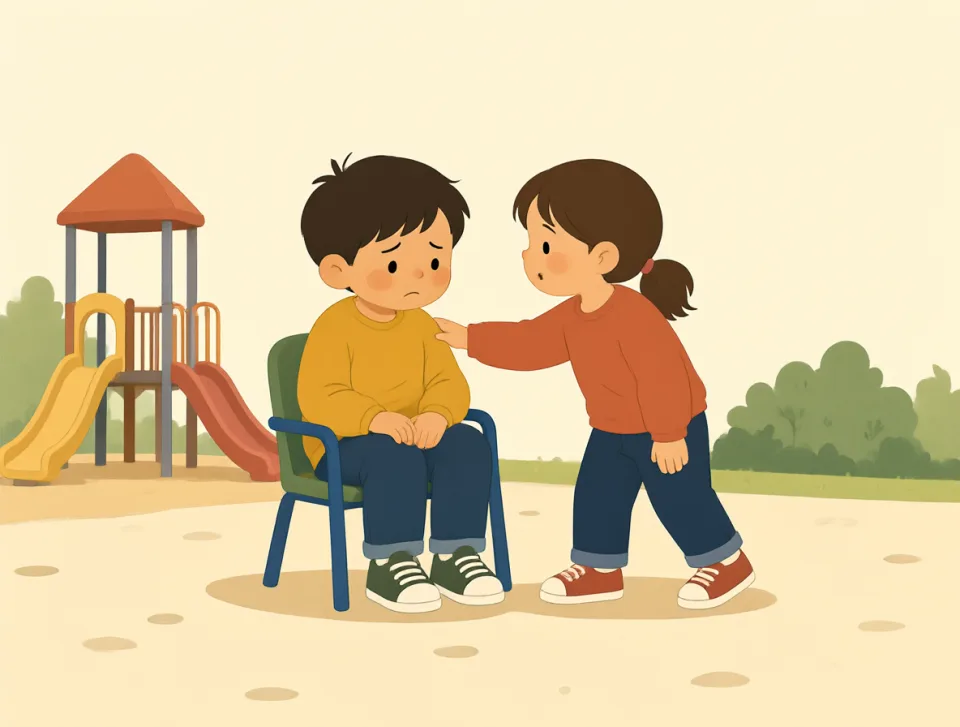
The child’s emotions changed quickly after losing the game.
孩子輸了比賽後,情緒很快就變了。
pursue
#1784verb
追求;追趕;從事
to try to achieve something or follow someone or something
努力實現某個目標,或跟隨某人或某物

She decided to pursue a career in nursing after helping her grandmother.
幫奶奶之後,她決定投身護理行業。

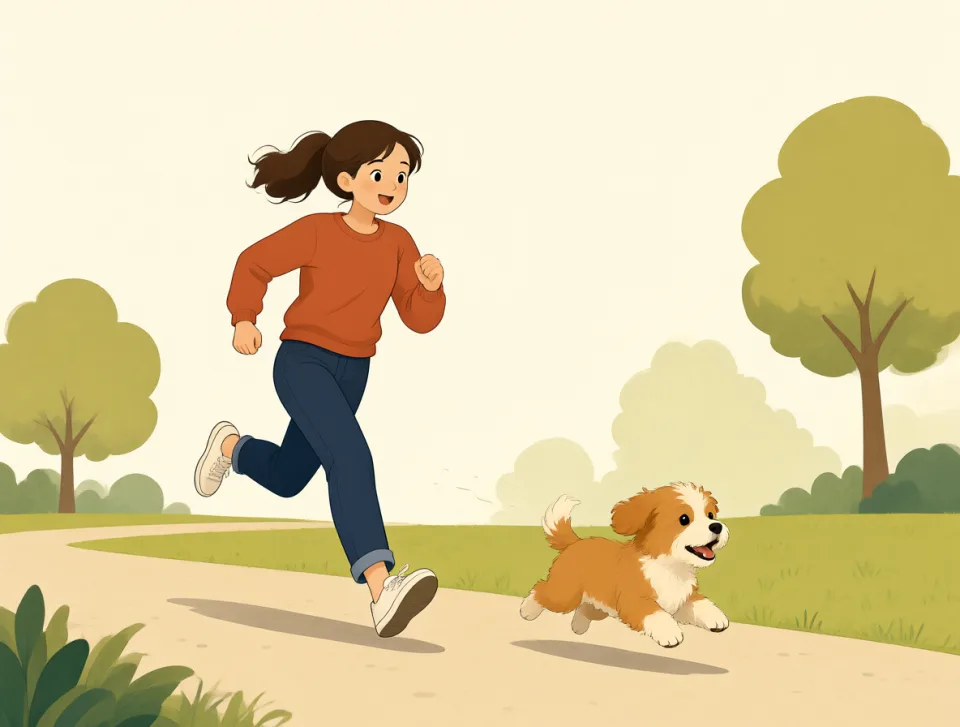
The police pursued the car through the quiet streets last night.
昨晚,警察開車穿過安靜的街道追趕那輛汽車。

He is pursuing his dream of opening a small restaurant.
他正在追求開一家小餐館的夢想。

Our team pursued new customers at the busy shopping center.
我們團隊在熙熙攘攘的購物中心尋找新客戶。

The hikers pursued the trail until they reached the mountain lake.
徒步旅行者沿著小徑一路前行,直到到達山間湖泊。

tall
#1785adjective
高的
Having greater than average height.
身高高於平均水平的。

My brother is tall, so he can reach the top shelf.
我哥哥個子很高,所以他夠得著最上層的架子。

That tall building is the tallest one in our city.
那棟高樓是我們市最高的建築。

She bought a tall glass of orange juice.
她買了一大杯橙汁。

The tall student plays basketball for our school team.
那個高個子學生是我們校籃球隊的隊員。

We walked past a tall tree on our way to the station.
我們去車站的路上經過了一棵高大的樹。

urge
#1786verb, noun
敦促;力勸;強烈的慾望;衝動
to strongly encourage someone; a strong feeling that makes you want to do something
強烈地勸說或鼓勵某人做某事;一種促使你想要做某事的強烈感覺

Doctors urged him to stop smoking for his health.
醫生勸他為了健康著想,戒掉煙。

My parents urged me to apply for the new job.
父母勸我申請這份新工作。

The teacher urged the students to check their answers.
老師敦促學生們檢查自己的答案。

She felt an urge to eat something sweet after dinner.
晚飯後,她突然很想吃點甜食。

Friends urged us to visit the old castle during our trip.
朋友們勸我們在旅行期間去參觀那座古城堡。
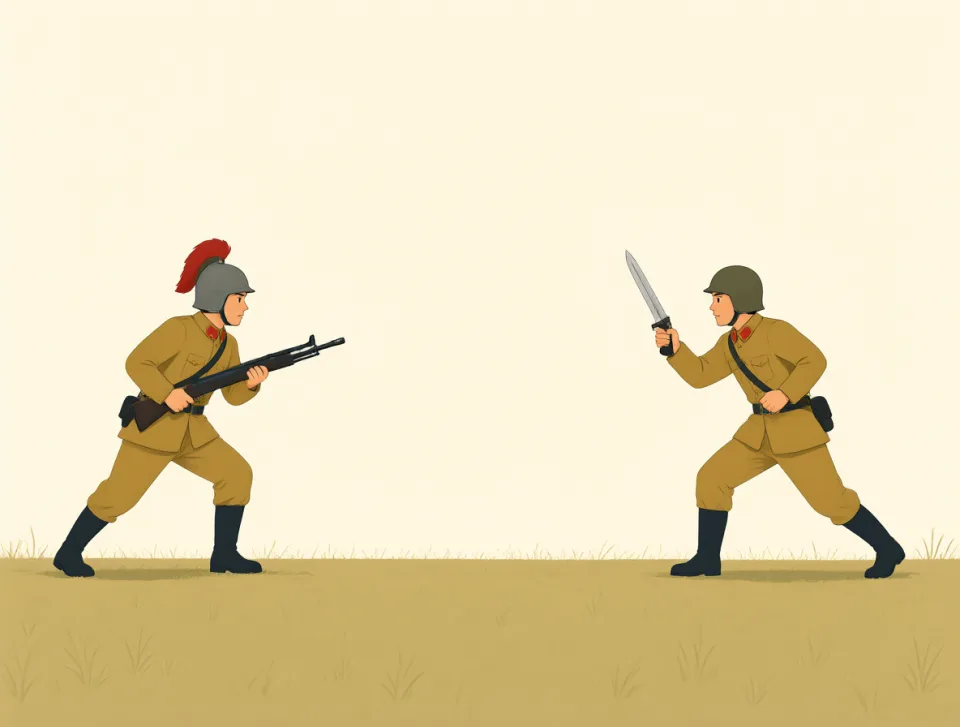
enemy
#1787noun
敵人;仇敵
A person or group that fights against or strongly dislikes another person or group.
與另一個人或群體作鬥爭,或強烈憎恨另一個人或群體的人或群體。
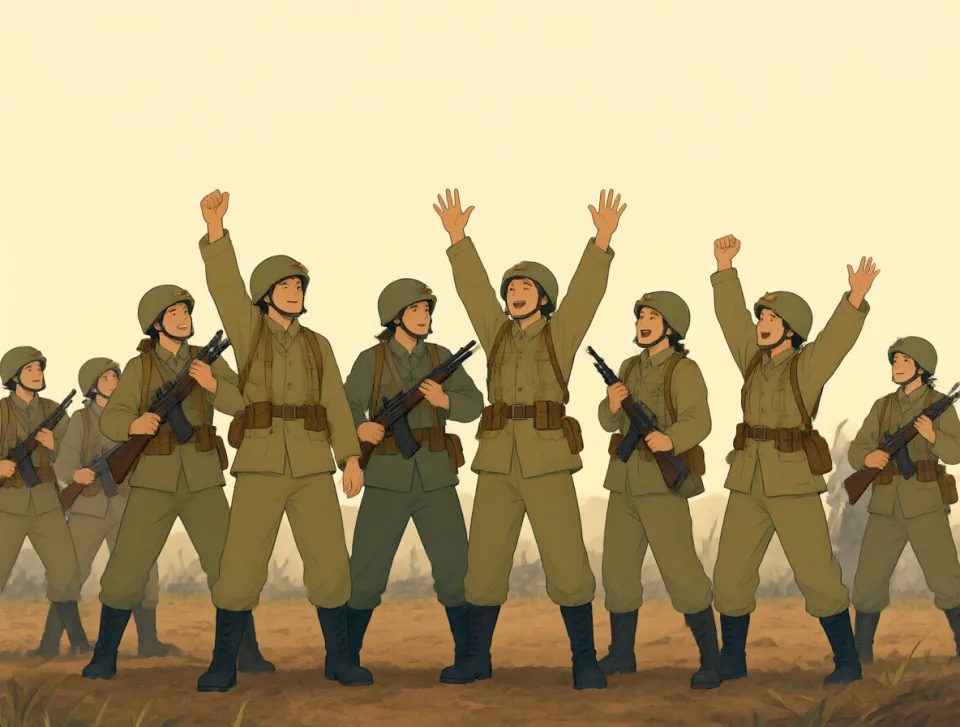
The army defeated its enemy after a long battle.
軍隊經過長時間的戰鬥後擊敗了敵人。

He saw his old enemy at the train station.
他在火車站看到了自己的老敵人。

The two teams became enemies after the argument.
爭吵後,兩隊成了敵人。

Fear can be the enemy of good decisions.
恐懼可能是做出正確決定的敵人。

Lack of sleep is an enemy of good health.
缺乏睡眠是健康的大敵。

appoint
#1788verb
任命;委派
To choose someone for a job, position, or special task.
選定某人擔任某個職位或承擔某項特別任務。

The manager appointed Sarah as the new team leader.
經理任命Sarah為新的團隊負責人。

The school appointed a teacher to organize the sports day.
學校委派一位老師來組織運動會。

They appointed a doctor to lead the hospital project.
他們任命一位醫生負責醫院專案。

The judge appointed a lawyer to help the young man.
法官指定一名律師幫助這個年輕人。
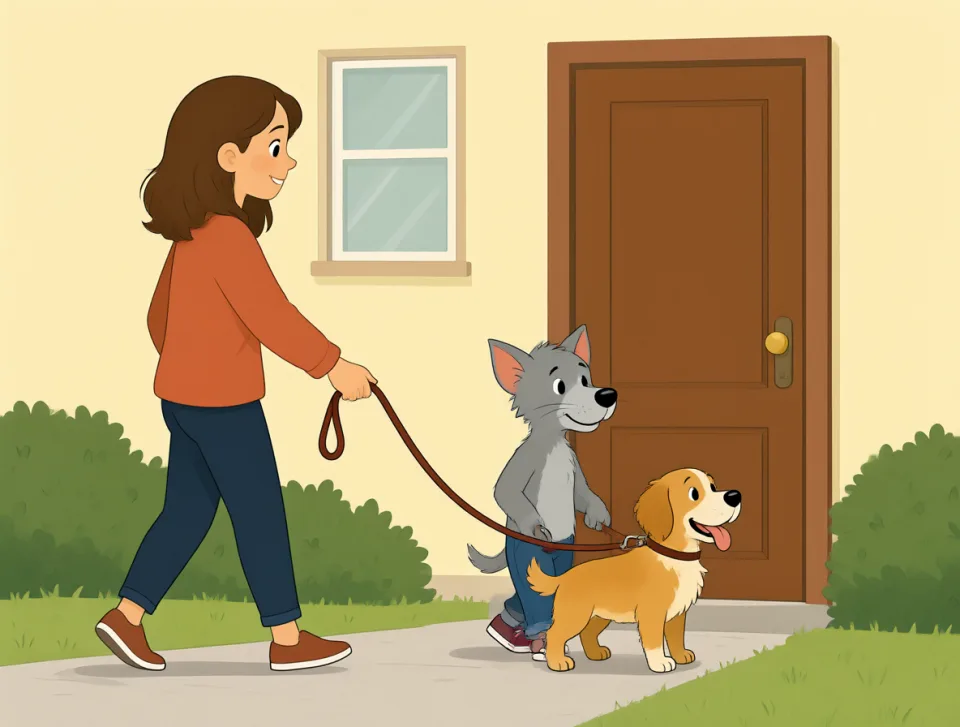
We appointed Tom to look after the dog during our holiday.
我們委託Tom在假期期間照看狗。

milk
#1789noun, verb
牛奶;擠奶
A white drink that comes from cows, or to take milk from an animal.
一種來自奶牛的白色飲料,或從動物身上取奶。

I drink a glass of milk with breakfast every morning.
我每天早飯都喝一杯牛奶。

Please add some milk to my coffee.
請在我的咖啡里加點牛奶。

We need to buy milk and bread after work.
我們下班後需要買牛奶和麵包。

The baby is drinking milk from a bottle.
寶寶正在用奶瓶喝奶。

The farmer milks the cows before sunrise.
農夫在日出前給奶牛擠奶。

talent
#1790noun
天賦; 才能
A natural ability to do something very well.
一種能把某件事做得非常好的天生能力。

She has a real talent for singing and performs every weekend.
她很有唱歌天賦,每個週末都會登臺表演。

His talent for cooking makes family dinners special.
他做飯很有天賦,讓家裡的晚餐變得格外美味。

The teacher noticed her talent for solving difficult math problems.
老師注意到她很有天賦,能解出很難的數學題。

Our new designer showed great talent during the team project.
我們的新設計師在團隊專案中展現出了出色的才能。
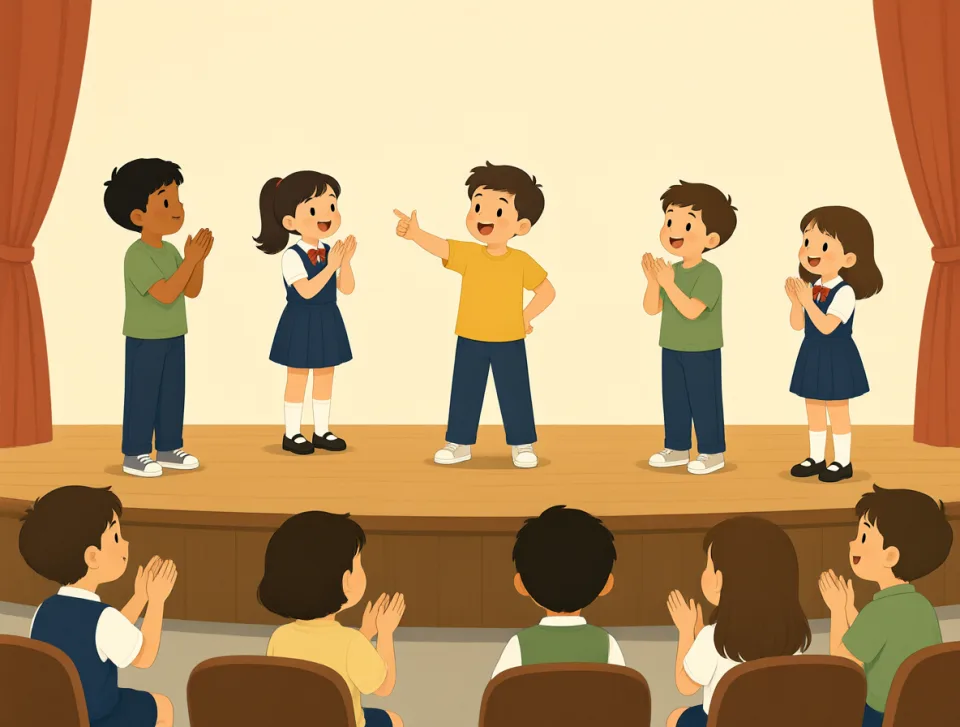
The talent show gave everyone a chance to share their skills.
才藝表演給了每個人展示自己技能的機會。

smell
#1791noun, verb
氣味;聞;聞到
A smell is the quality of something that you notice with your nose; to smell is to notice it.
氣味是你用鼻子聞到的東西;聞就是察覺到氣味。
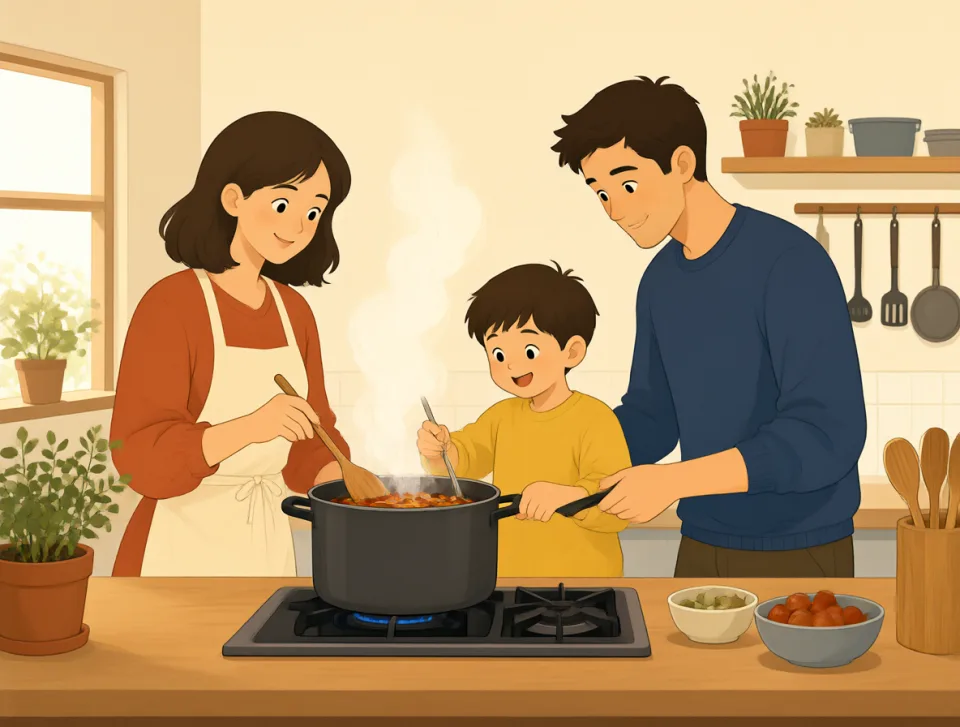
The kitchen smells wonderful because dinner is almost ready.
晚飯快做好了,廚房裡聞起來香極了。

I smelled smoke and quickly checked the oven.
我聞到了煙味,趕緊檢查了烤箱。

This cheese has a strong smell, but it tastes delicious.
這種乳酪氣味很濃,但味道很好。

These flowers smell sweet and look beautiful on the table.
這些花聞起來很香,擺在桌上也很漂亮。

She lost her sense of smell after catching a bad cold.
她得了重感冒後失去了嗅覺。

prior
#1792adjective, noun
之前的;先前的
Happening or existing before a particular time, event, or action
在某個特定時間、事件或行動之前發生或存在的
Please tell me about any prior experience with computers.
請告訴我你之前有沒有使用電腦的經驗。

I had no prior knowledge of the city before my trip.
旅行前,我對這座城市一無所知。

You need prior approval before bringing a guest to work.
帶客人來上班前,你需要事先獲得批准。

The doctor asked about my prior health problems.
醫生詢問了我以前的健康問題。

We met several times during the prior week.
前一週我們見過好幾次。

priority
#1793noun
優先事項;優先權
Something that is more important than other things and should be dealt with first.
比其他事情更重要、應該優先處理的事情。

Safety is our top priority at work.
在工作中,安全是我們的頭等大事。

Please make this report a priority today.
請把這份報告列為今天的優先事項。

My first priority is finding a hotel near the airport.
我首先要做的是找一家機場附近的酒店。

The teacher helped students set priorities for their school projects.
老師幫助學生為學校專案安排優先順序。
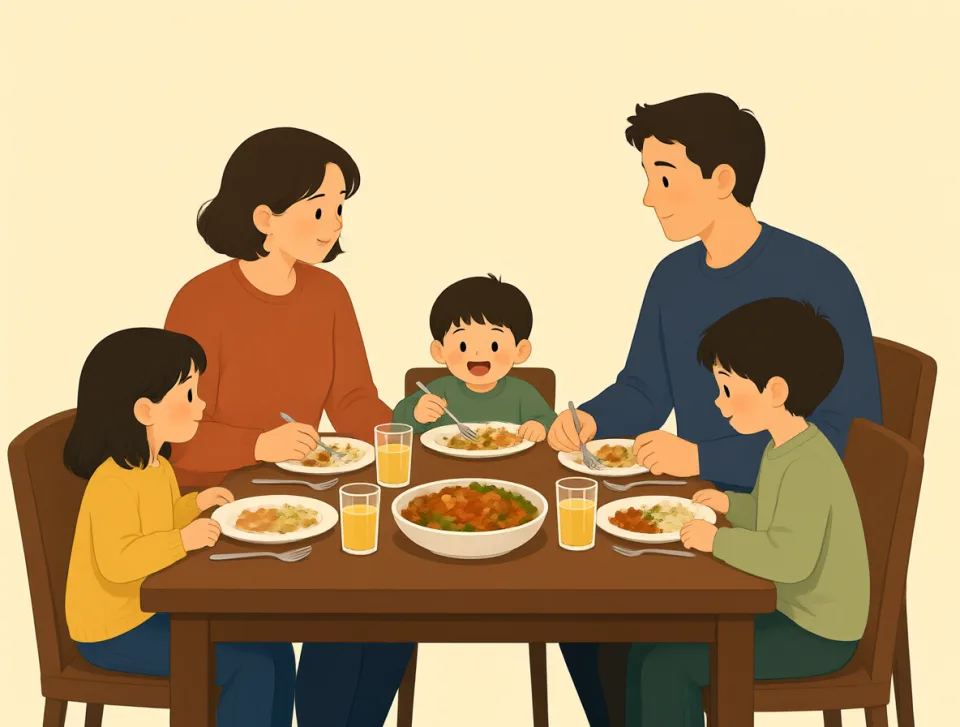
After dinner, spending time with my family becomes my priority.
晚飯後,陪伴家人就成了我的頭等大事。

online
#1794adjective, adverb
線上;網上
Using or connected to the internet rather than a physical place or service.
透過網際網路使用或連線,而不是在實體場所或透過實體服務。

I usually shop online because it is quick and easy.
我通常在網上購物,因為又快又方便。

We booked our hotel online before traveling to Spain.
去西班牙旅行前,我們在網上訂好了酒店。

The teacher offers an online class every Wednesday evening.
老師每週三晚上都會開設一堂線上課程。

Please fill out the online form before your appointment.
請在預約前填寫線上表格。

My friends and I play online together after dinner.
晚飯後,我和朋友們一起線上玩遊戲。

phrase
#1795noun, verb
短語;說法
A small group of words that expresses an idea or has a particular meaning.
一小組表達某種想法或具有特定含義的詞。

Please repeat that phrase more slowly.
請把那個短語再慢一點重複一遍。

She used a polite phrase when speaking to the customer.
她和顧客交談時用了一個禮貌的說法。

I learned several useful phrases before my trip to Spain.
去西班牙旅行前,我學了好幾個實用短語。

The teacher asked us to write a phrase about our weekend.
老師讓我們寫一句關於週末的話。

The doctor told him to avoid the phrase “I feel fine” when describing pain.
醫生告訴他,描述疼痛時不要說“我感覺挺好”。

pilot
#1796noun, verb
飛行員;試行;試點
A person who flies an aircraft, or to test a new idea or system.
駕駛飛機的人;或對新想法或新系統進行測試

The pilot welcomed everyone before the plane took off.
飛機起飛前,飛行員向大家致意。

My brother wants to become a pilot when he finishes school.
我哥哥想在完成學業後成為一名飛行員。

The pilot landed safely during the heavy rain.
大雨中,飛行員安全地降落了飛機。

The company is piloting a new training program for young workers.
這家公司正在為年輕員工試行一項新的培訓計劃。

She piloted the boat across the lake before sunset.
她在日落前駕駛船橫渡了湖面。
stable
#1797noun, adjective
馬廄;穩定的;穩固的
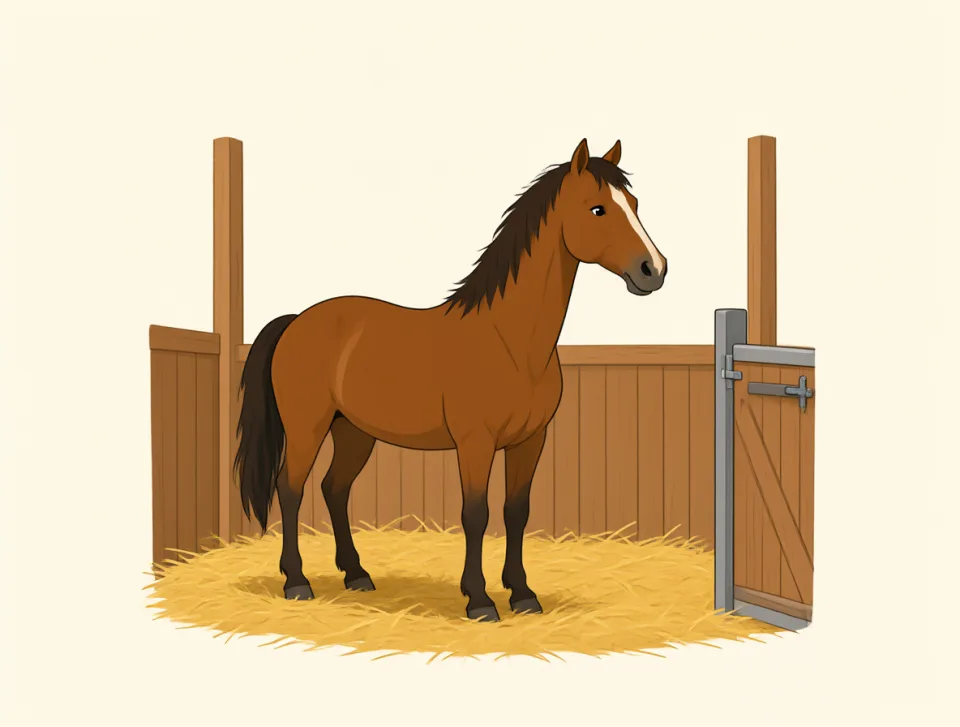
A stable is a building where people keep horses; stable means steady and unlikely to change.
馬廄是人們飼養馬匹的建築;stable表示穩定的、不太可能發生變化的。
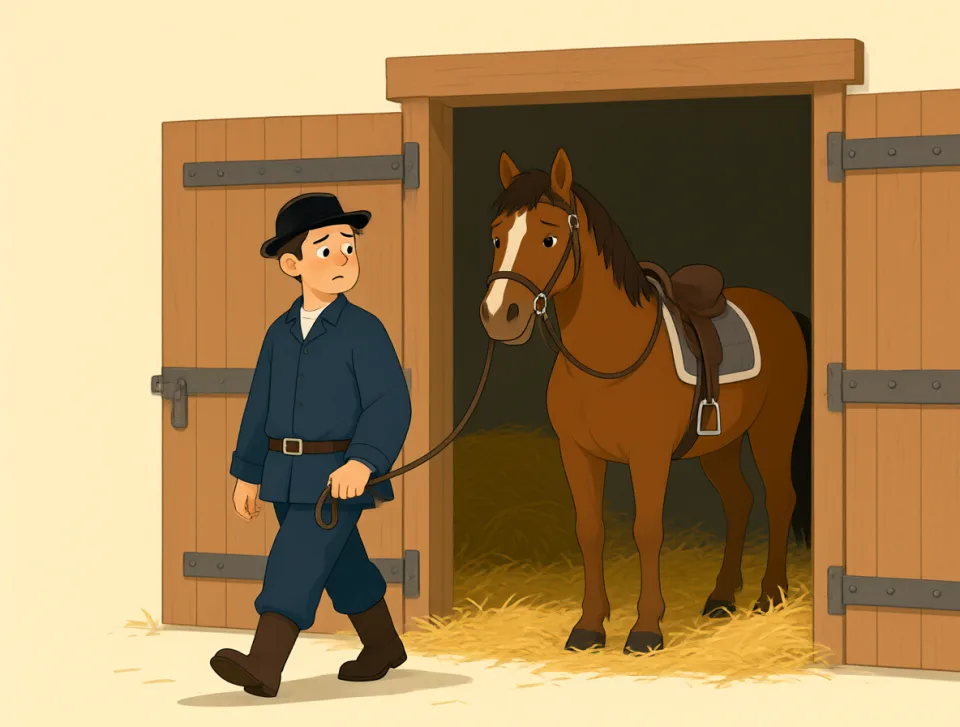
The horse is resting in the stable after a long ride.
長途騎行後,那匹馬正在馬廄裡休息。

She has a stable job at the local hospital.
她在當地醫院有一份穩定的工作。
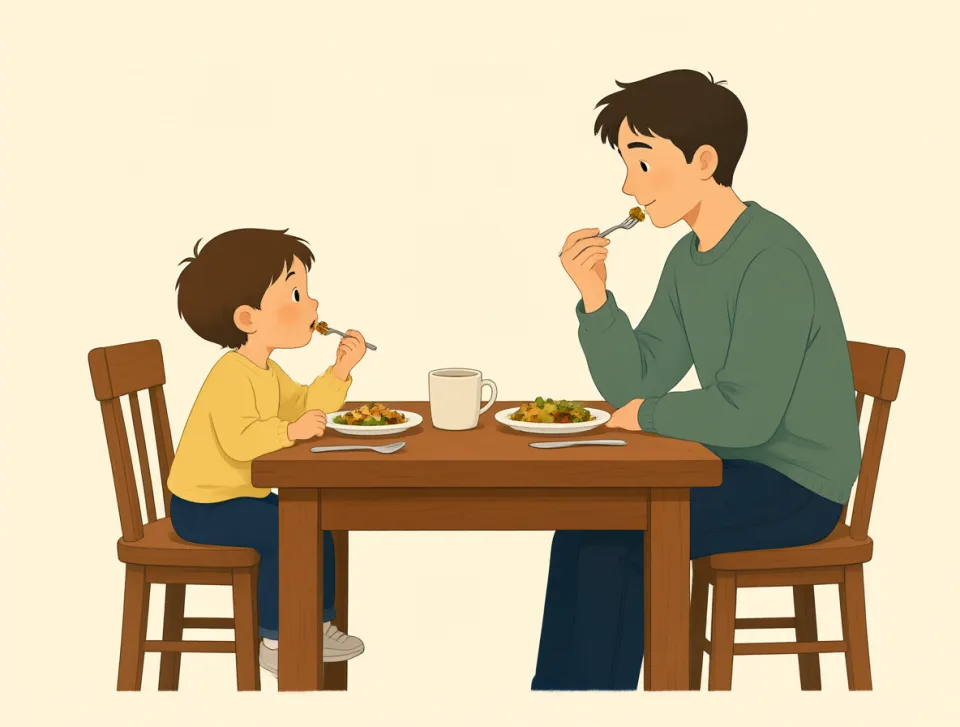
The table is stable enough for the children to eat at.
這張桌子足夠穩固,孩子們可以在上面吃飯。

His condition is stable after the doctors treated him.
醫生治療後,他的病情穩定了。
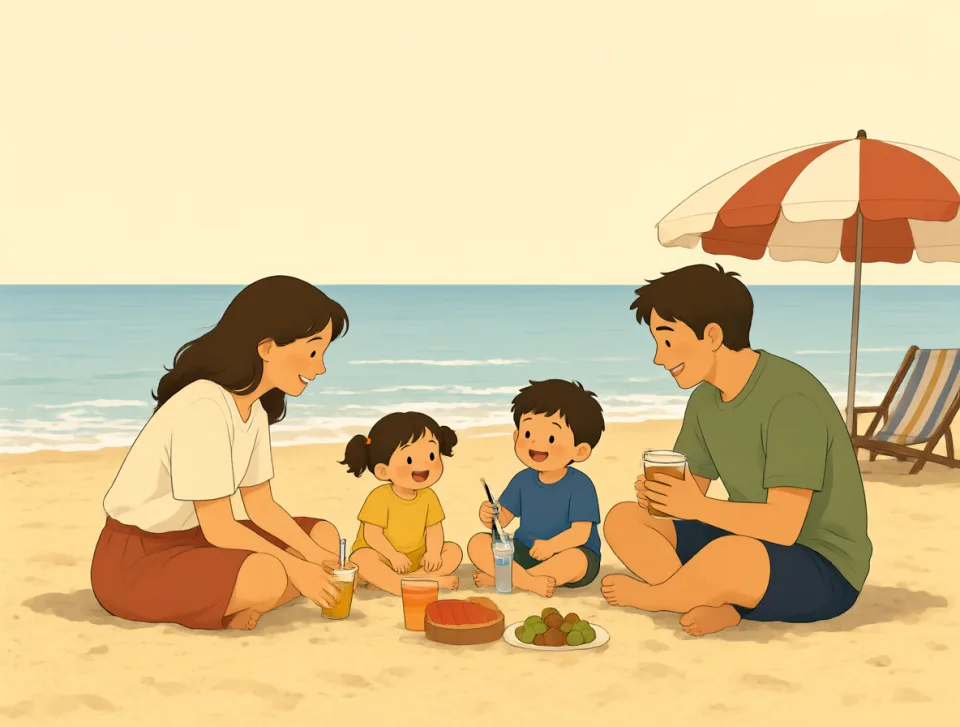
The weather stayed stable during our week at the beach.
我們在海灘度過的那一週,天氣一直很穩定。

merely
#1798adverb
僅僅;只是
Only; simply, without any other reason, purpose, or result.
僅僅;只是,沒有其他原因、目的或結果。
She was merely asking a question, so please do not get angry.
她只是在問一個問題,所以請不要生氣。
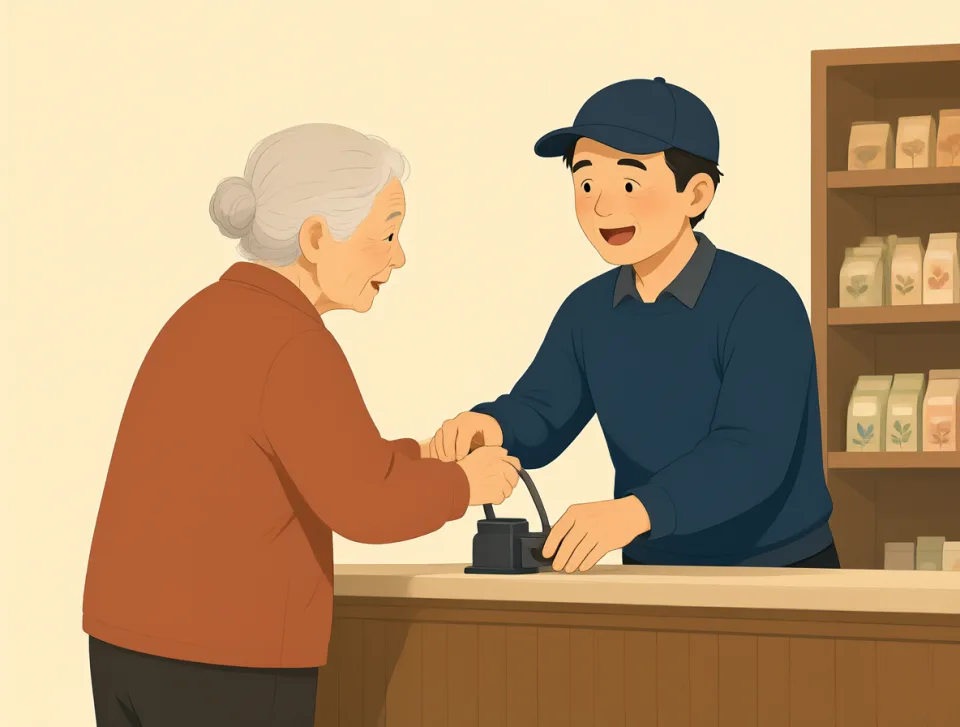
The job is not merely about making money; it helps people too.
這份工作不僅僅是為了賺錢;它還能幫助別人。

He merely nodded and continued reading his book.
他只是點了點頭,繼續看他的書。
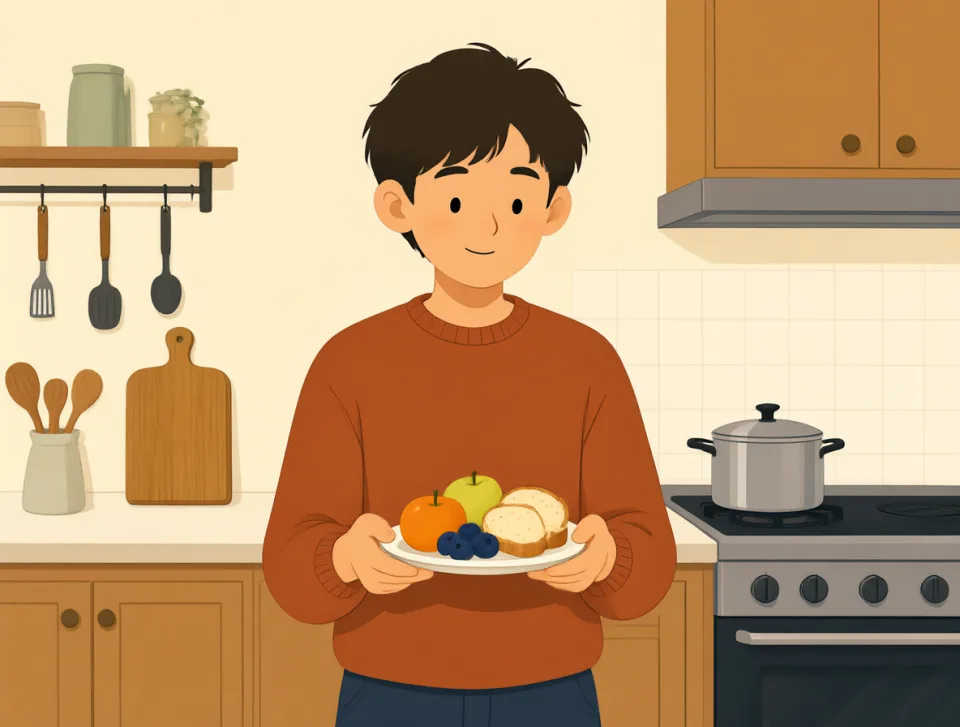
This meal is merely a snack, not a full dinner.
這頓飯只是零食,不算一頓完整的晚餐。

The doctor said the pain was merely a sign of tired muscles.
醫生說,這種疼痛僅僅是肌肉疲勞的表現。

resolution
#1799noun
決心;決議;解析度
A firm decision to do something, or the quality of an image or sound.
做某事的堅定決定,或影象或聲音的清晰度。

My New Year's resolution is to exercise every morning.
我的新年決心是每天早上鍛鍊。
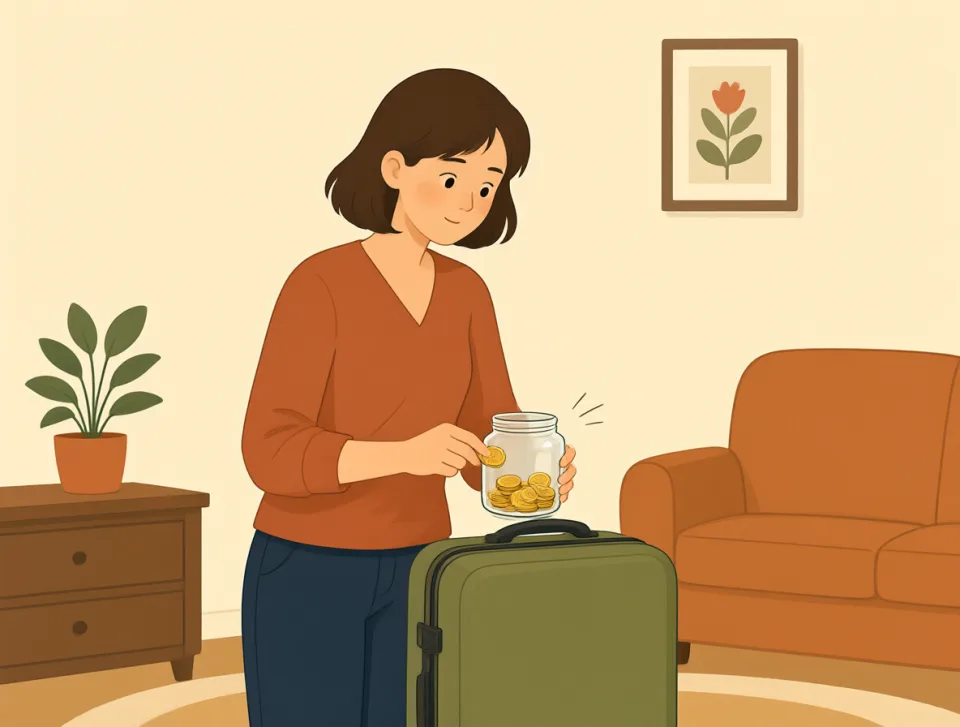
She made a resolution to save money for a holiday.
她下定決心為度假攢錢。

The team passed a resolution to improve workplace safety.
團隊透過了一項改善工作場所安全的決議。

This camera takes clear photos with high resolution.
這臺相機能拍出高解析度的清晰照片。

The doctor praised his resolution to stop eating so much sugar.
醫生稱讚他戒掉吃太多糖這個決心。

communicate
#1800verb
交流;溝通;傳達
to share information, feelings, or ideas with someone
與某人分享資訊、感受或想法

We communicate by phone when we are away from home.
我們離家時會透過電話聯絡。

Good managers communicate clearly with their teams.
優秀的經理會和團隊清楚地溝通。

The students communicated their ideas during the group project.
學生們在小組專案中交流了自己的想法。

She uses hand gestures to communicate with travelers abroad.
她用手勢和國外的旅行者交流。

The doctor communicated the test results gently to the patient.
醫生很委婉地把檢查結果告訴了患者。