Блок 90
Слова 1781–1800 · sweet, permanent, emotion, pursue, tall, urge

sweet
#1781adjective, noun
сладкий
Having a taste like sugar; a small piece of candy or chocolate.
Имеющий вкус сахара; небольшой кусочек конфеты или шоколада.

This tea is too sweet for me without any milk.
Без молока этот чай для меня слишком сладкий.

She bought a sweet birthday cake for her son.
Она купила сыну сладкий торт на день рождения.
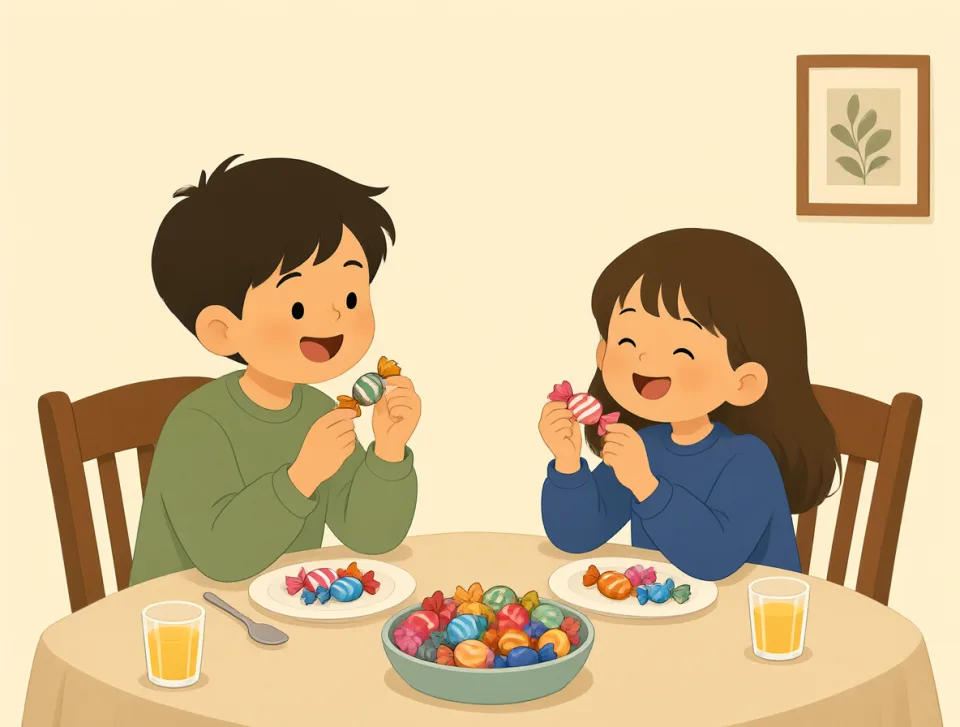
The children shared some sweets after dinner.
После ужина дети поделились конфетами.

He gave his friend a sweet smile before leaving.
Перед уходом он ласково улыбнулся своему другу.
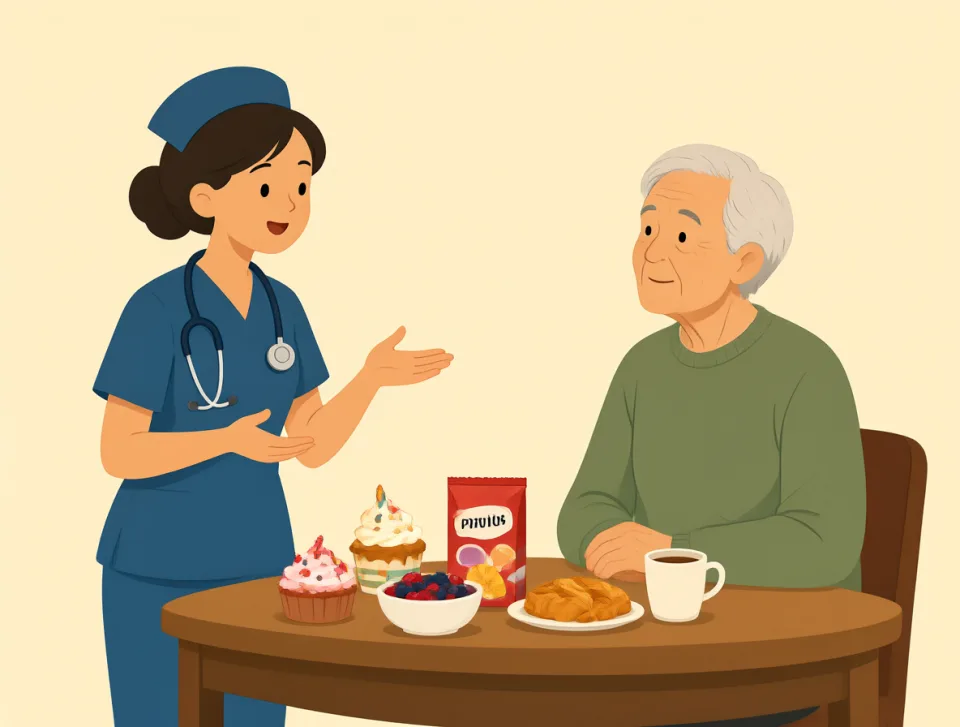
The nurse advised me to eat less sweet food.
Медсестра посоветовала мне есть меньше сладкого.

permanent
#1782adjective
постоянный
Continuing for a very long time or forever without changing.
Продолжающийся очень долго или бесконечно, не меняясь.

She is looking for a permanent job in her hometown.
Она ищет постоянную работу в родном городе.

The company offered him a permanent position after six months.
Через шесть месяцев компания предложила ему постоянную должность.

We need a permanent solution to this leaking roof.
Нам нужно навсегда решить проблему с протекающей крышей.

The dentist gave me permanent teeth after removing the damaged ones.
После удаления повреждённых зубов стоматолог поставил мне постоянные зубы.

They made their friendship permanent by moving in together.
Они сделали свою дружбу нерушимой, съехавшись.

emotion
#1783noun
эмоция
a strong feeling, such as happiness, sadness, anger, or fear
Сильное чувство, например радость, грусть, гнев или страх.

She could not hide her emotion when she saw the surprise gift.
Увидев неожиданный подарок, она не смогла скрыть своих чувств.

The movie showed many different emotions through its characters.
В фильме через его персонажей было показано много разных эмоций.

He spoke with emotion about his family during the meeting.
На встрече он с волнением говорил о своей семье.

Music can bring back strong emotions from our childhood.
Музыка может пробудить сильные эмоции, связанные с нашим детством.
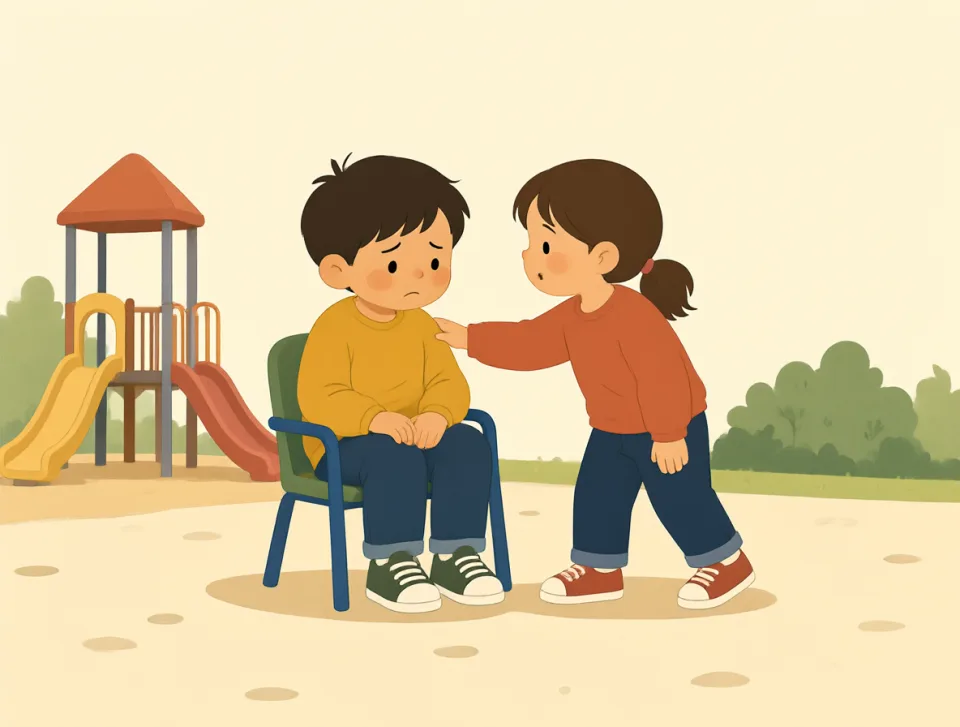
The child’s emotions changed quickly after losing the game.
После проигрыша эмоции ребёнка быстро менялись.
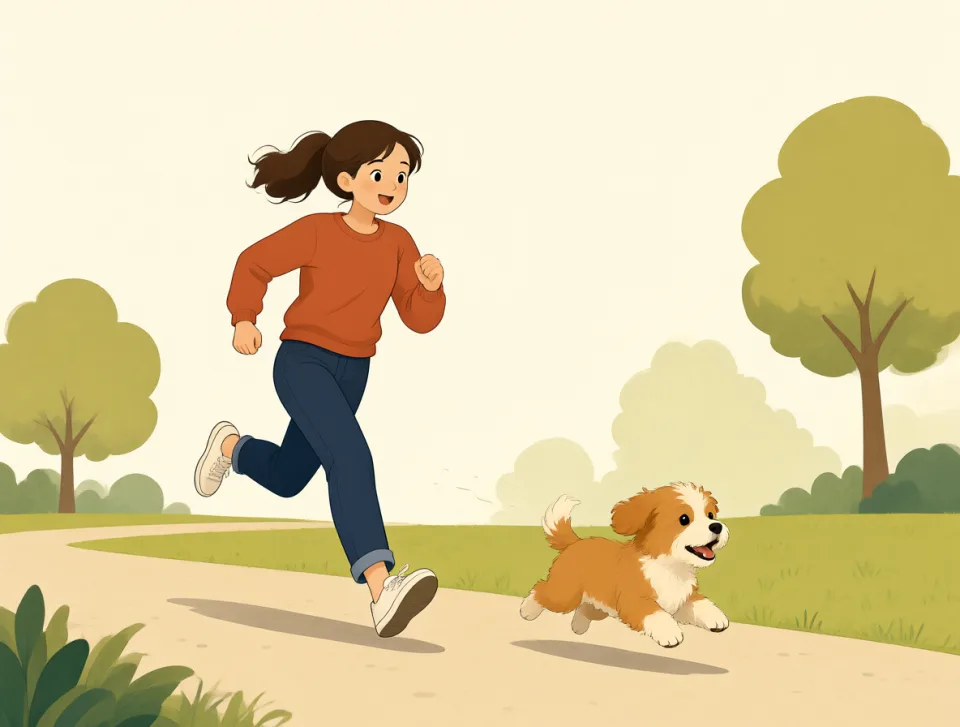
pursue
#1784verb
стремиться к; преследовать
to try to achieve something or follow someone or something
Стараться чего-либо достичь или следовать за кем-либо или чем-либо.

She decided to pursue a career in nursing after helping her grandmother.
Помогая бабушке, она решила посвятить себя карьере медсестры.

The police pursued the car through the quiet streets last night.
Прошлой ночью полиция преследовала машину по тихим улицам.

He is pursuing his dream of opening a small restaurant.
Он стремится осуществить свою мечту и открыть небольшой ресторан.

Our team pursued new customers at the busy shopping center.
Наша команда искала новых клиентов в оживлённом торговом центре.

The hikers pursued the trail until they reached the mountain lake.
Туристы шли по тропе, пока не добрались до горного озера.

tall
#1785adjective
высокий
Having greater than average height.
Имеющий рост выше среднего.

My brother is tall, so he can reach the top shelf.
Мой брат высокий, поэтому он может достать до верхней полки.

That tall building is the tallest one in our city.
Это высокое здание — самое высокое в нашем городе.

She bought a tall glass of orange juice.
Она купила высокий стакан апельсинового сока.

The tall student plays basketball for our school team.
Высокий ученик играет в баскетбол за школьную команду.

We walked past a tall tree on our way to the station.
По дороге на станцию мы прошли мимо высокого дерева.

urge
#1786verb, noun
побуждать; настоятельно призывать; сильное желание
to strongly encourage someone; a strong feeling that makes you want to do something
Настоятельно убеждать кого-либо; сильное желание что-либо сделать.

Doctors urged him to stop smoking for his health.
Врачи настоятельно советовали ему бросить курить ради здоровья.

My parents urged me to apply for the new job.
Родители настоятельно убеждали меня подать заявку на новую работу.
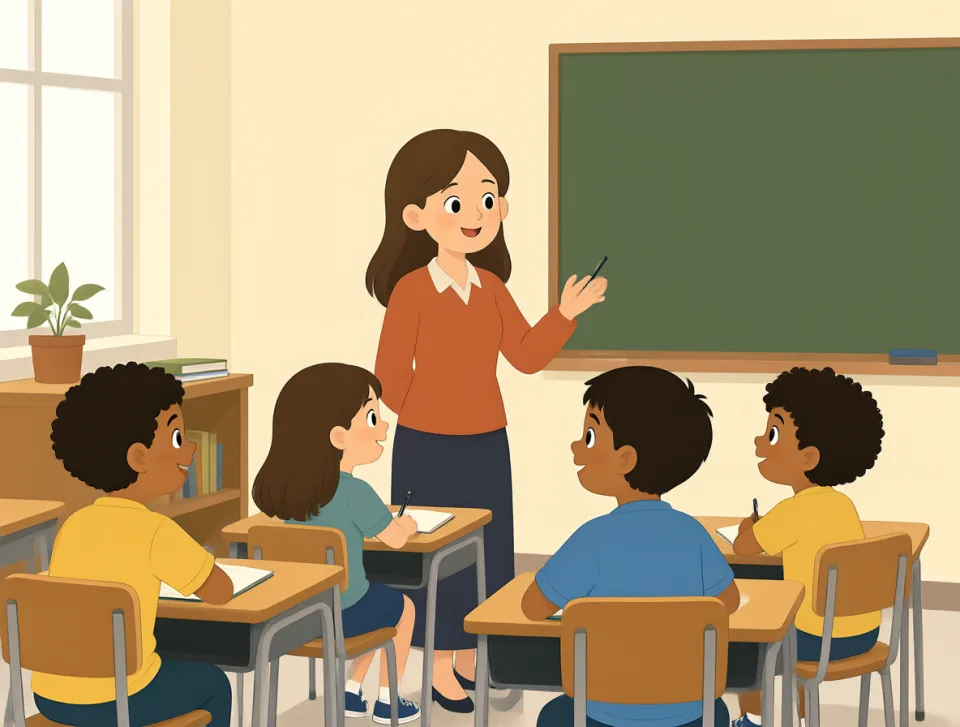
The teacher urged the students to check their answers.
Учитель настоятельно попросил учеников проверить ответы.

She felt an urge to eat something sweet after dinner.
После ужина ей захотелось съесть что-нибудь сладкое.

Friends urged us to visit the old castle during our trip.
Друзья уговаривали нас во время поездки посетить старый замок.
enemy
#1787noun
враг
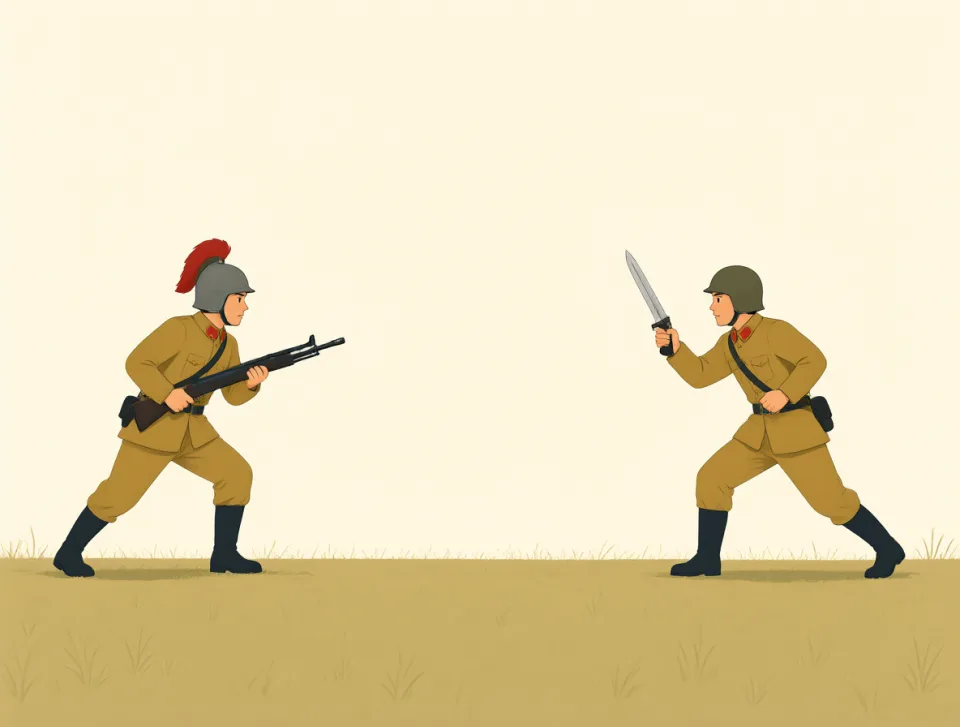
A person or group that fights against or strongly dislikes another person or group.
Человек или группа людей, которые воюют против другого человека или группы либо испытывают к ним сильную неприязнь.
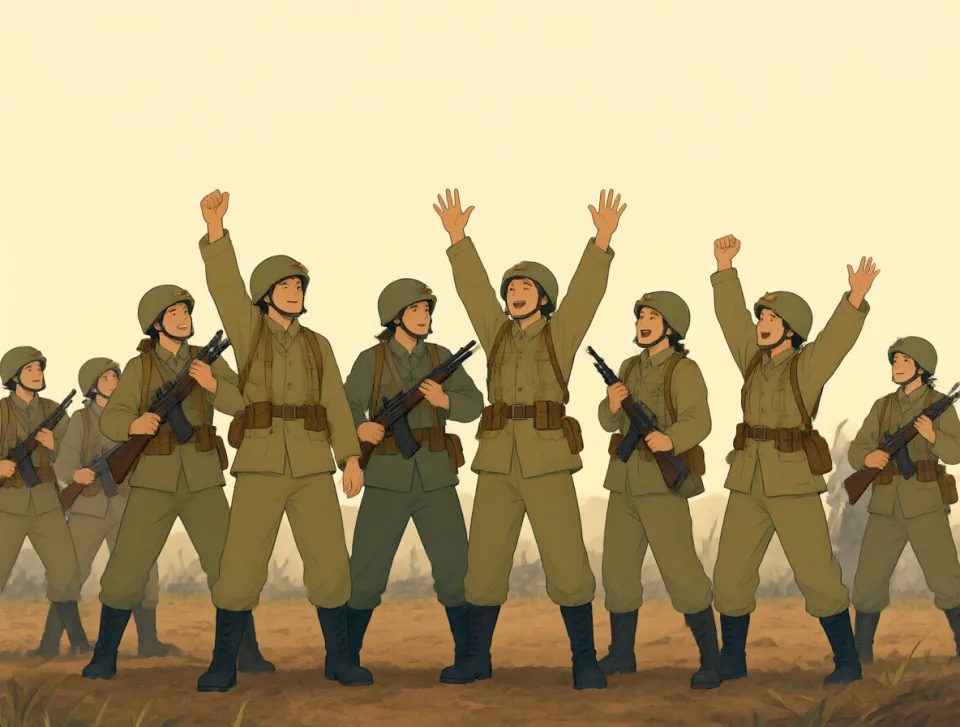
The army defeated its enemy after a long battle.
После долгого сражения армия победила врага.

He saw his old enemy at the train station.
На вокзале он увидел своего старого врага.
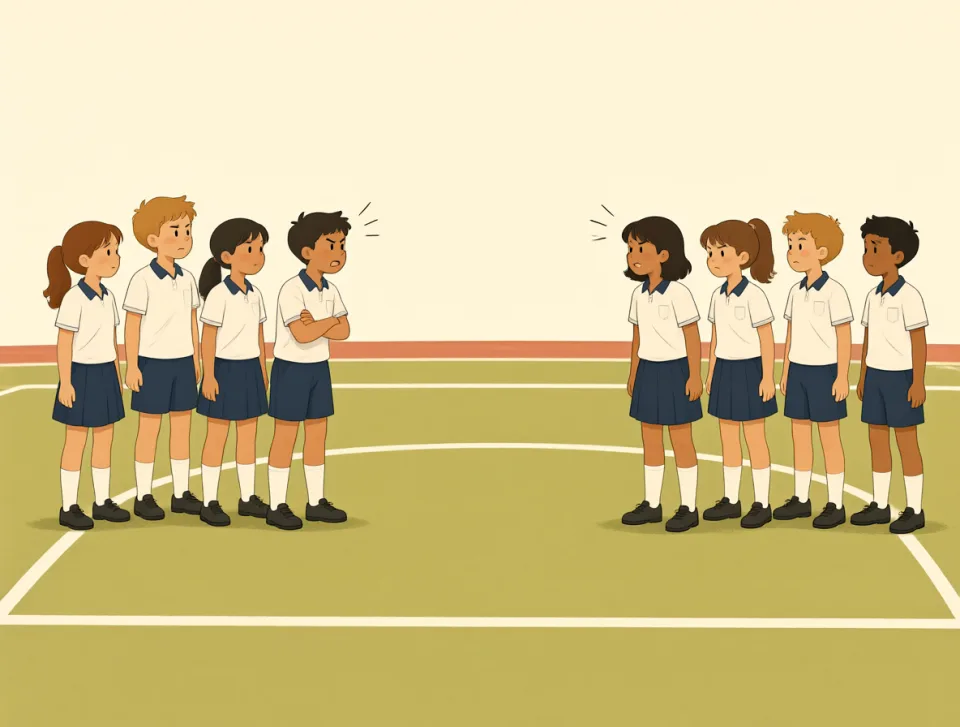
The two teams became enemies after the argument.
После ссоры две команды стали врагами.

Fear can be the enemy of good decisions.
Страх может мешать принимать правильные решения.

Lack of sleep is an enemy of good health.
Недостаток сна вредит здоровью.

appoint
#1788verb
назначать
To choose someone for a job, position, or special task.
Выбирать кого-либо на должность, для выполнения особой задачи или работы.

The manager appointed Sarah as the new team leader.
Менеджер назначил Сару новым руководителем команды.

The school appointed a teacher to organize the sports day.
Школа поручила учителю организовать спортивный праздник.

They appointed a doctor to lead the hospital project.
Они назначили врача руководителем проекта при больнице.

The judge appointed a lawyer to help the young man.
Судья назначил молодому человеку адвоката.
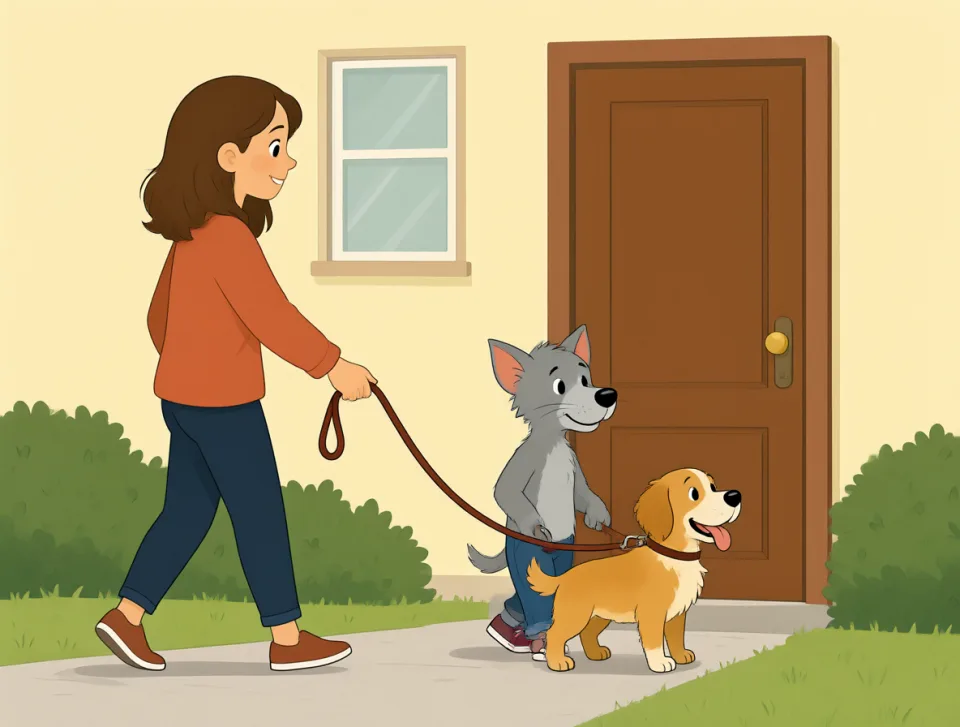
We appointed Tom to look after the dog during our holiday.
На время отпуска мы поручили Тому присматривать за собакой.

milk
#1789noun, verb
молоко; доить
A white drink that comes from cows, or to take milk from an animal.
Белый напиток, который получают от коров; также — извлекать молоко у животного.

I drink a glass of milk with breakfast every morning.
Каждое утро я выпиваю за завтраком стакан молока.

Please add some milk to my coffee.
Добавьте, пожалуйста, немного молока в мой кофе.

We need to buy milk and bread after work.
После работы нам нужно купить молоко и хлеб.

The baby is drinking milk from a bottle.
Малыш пьёт молоко из бутылочки.

The farmer milks the cows before sunrise.
Фермер доит коров до восхода солнца.

talent
#1790noun
талант
A natural ability to do something very well.
Природная способность хорошо что-либо делать.

She has a real talent for singing and performs every weekend.
У неё настоящий талант к пению, и она выступает каждые выходные.

His talent for cooking makes family dinners special.
Благодаря его кулинарному таланту семейные ужины становятся особенными.

The teacher noticed her talent for solving difficult math problems.
Учитель заметил у неё талант решать сложные задачи по математике.

Our new designer showed great talent during the team project.
Во время командного проекта наш новый дизайнер проявил большой талант.
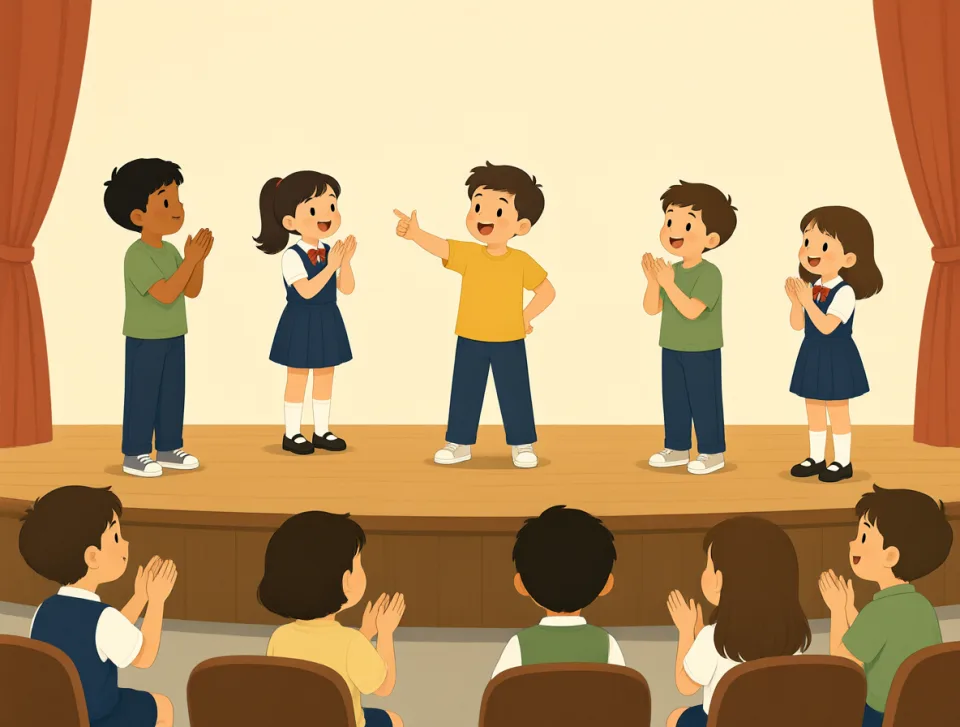
The talent show gave everyone a chance to share their skills.
Шоу талантов дало каждому возможность показать свои умения.

smell
#1791noun, verb
запах
A smell is the quality of something that you notice with your nose; to smell is to notice it.
Запах — это то, что вы ощущаете носом; «чувствовать запах» — значит улавливать его.

The kitchen smells wonderful because dinner is almost ready.
На кухне чудесно пахнет: ужин почти готов.

I smelled smoke and quickly checked the oven.
Я почувствовал запах дыма и быстро проверил духовку.

This cheese has a strong smell, but it tastes delicious.
У этого сыра резкий запах, но на вкус он восхитительный.

These flowers smell sweet and look beautiful on the table.
Эти цветы сладко пахнут и красиво смотрятся на столе.

She lost her sense of smell after catching a bad cold.
После сильной простуды она потеряла обоняние.

prior
#1792adjective, noun
предшествующий
Happening or existing before a particular time, event, or action
Происходящий или существующий до определённого времени, события или действия.
Please tell me about any prior experience with computers.
Расскажите, пожалуйста, о своём предыдущем опыте работы с компьютерами.

I had no prior knowledge of the city before my trip.
До поездки я ничего не знал об этом городе.

You need prior approval before bringing a guest to work.
Прежде чем привести гостя на работу, нужно получить предварительное разрешение.

The doctor asked about my prior health problems.
Врач спросил о моих прежних проблемах со здоровьем.

We met several times during the prior week.
На прошлой неделе мы встречались несколько раз.

priority
#1793noun
приоритет
Something that is more important than other things and should be dealt with first.
То, что важнее остального и чем нужно заняться в первую очередь.

Safety is our top priority at work.
Безопасность — наш главный приоритет на работе.

Please make this report a priority today.
Пожалуйста, займитесь этим отчётом в первую очередь сегодня.

My first priority is finding a hotel near the airport.
Моя главная задача — найти отель рядом с аэропортом.

The teacher helped students set priorities for their school projects.
Учитель помог ученикам расставить приоритеты в работе над школьными проектами.
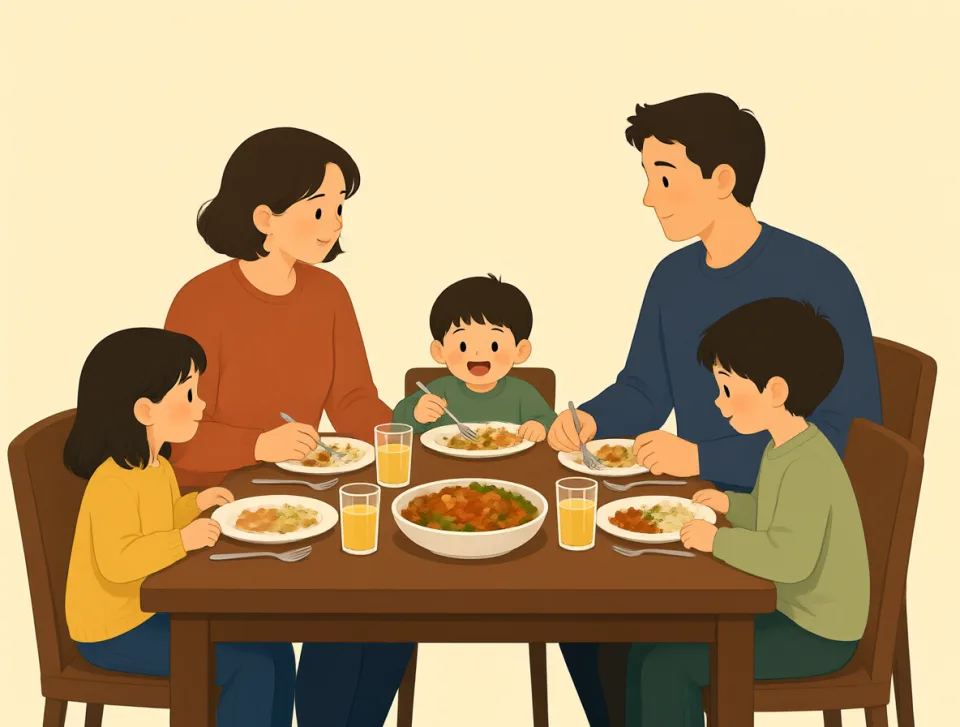
After dinner, spending time with my family becomes my priority.
После ужина для меня главное — провести время с семьёй.

online
#1794adjective, adverb
онлайн
Using or connected to the internet rather than a physical place or service.
Работающий через интернет или связанный с ним, а не с физическим местом или услугой.

I usually shop online because it is quick and easy.
Я обычно покупаю вещи онлайн, потому что это быстро и удобно.

We booked our hotel online before traveling to Spain.
Перед поездкой в Испанию мы забронировали отель онлайн.

The teacher offers an online class every Wednesday evening.
Учитель проводит онлайн-занятия каждый вечер в среду.

Please fill out the online form before your appointment.
Пожалуйста, заполните онлайн-форму до приёма.

My friends and I play online together after dinner.
После ужина мы с друзьями играем вместе онлайн.

phrase
#1795noun, verb
фраза
A small group of words that expresses an idea or has a particular meaning.
Небольшая группа слов, выражающая мысль или имеющая определённое значение.

Please repeat that phrase more slowly.
Повторите, пожалуйста, эту фразу помедленнее.

She used a polite phrase when speaking to the customer.
Разговаривая с клиентом, она использовала вежливую фразу.

I learned several useful phrases before my trip to Spain.
Перед поездкой в Испанию я выучил несколько полезных фраз.

The teacher asked us to write a phrase about our weekend.
Учитель попросил нас написать фразу о том, как мы провели выходные.

The doctor told him to avoid the phrase “I feel fine” when describing pain.
Врач сказал ему не использовать фразу «Я чувствую себя хорошо», когда он описывает боль.

pilot
#1796noun, verb
пилот; апробировать
A person who flies an aircraft, or to test a new idea or system.
Человек, который управляет воздушным судном; также глагол «апробировать» — проверить новую идею или систему на практике.

The pilot welcomed everyone before the plane took off.
Пилот поприветствовал всех перед взлётом самолёта.

My brother wants to become a pilot when he finishes school.
Мой брат хочет стать пилотом после окончания школы.

The pilot landed safely during the heavy rain.
Пилот благополучно посадил самолёт во время сильного дождя.

The company is piloting a new training program for young workers.
Компания проводит испытания новой программы обучения для молодых сотрудников.

She piloted the boat across the lake before sunset.
Она провела лодку через озеро до захода солнца.
stable
#1797noun, adjective
конюшня; устойчивый
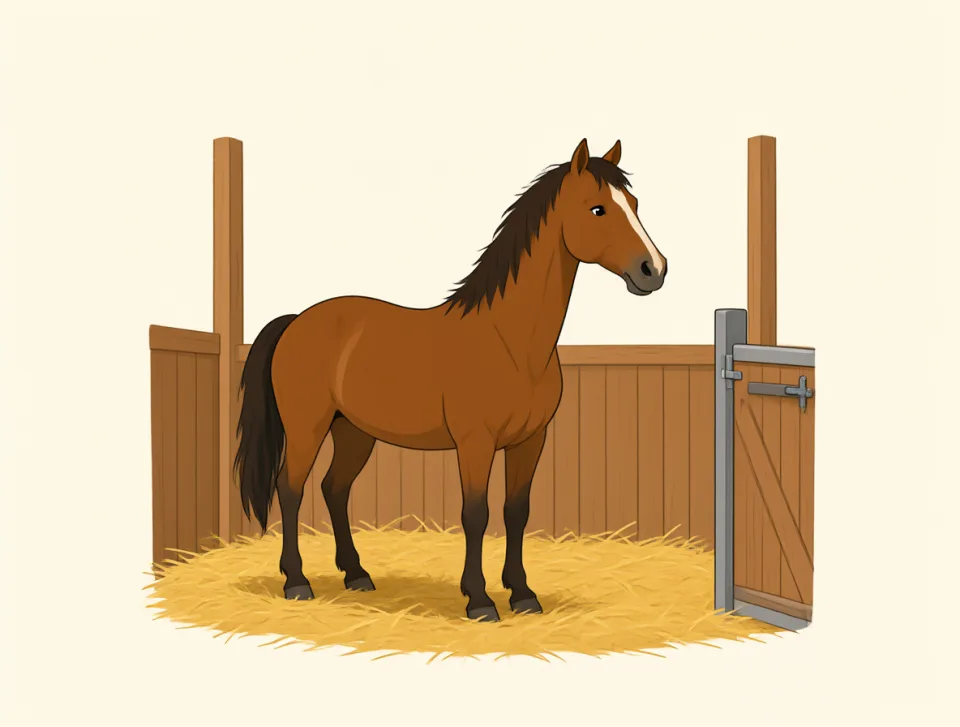
A stable is a building where people keep horses; stable means steady and unlikely to change.
Конюшня — здание, где держат лошадей; «устойчивый» значит стабильный и вряд ли меняющийся.
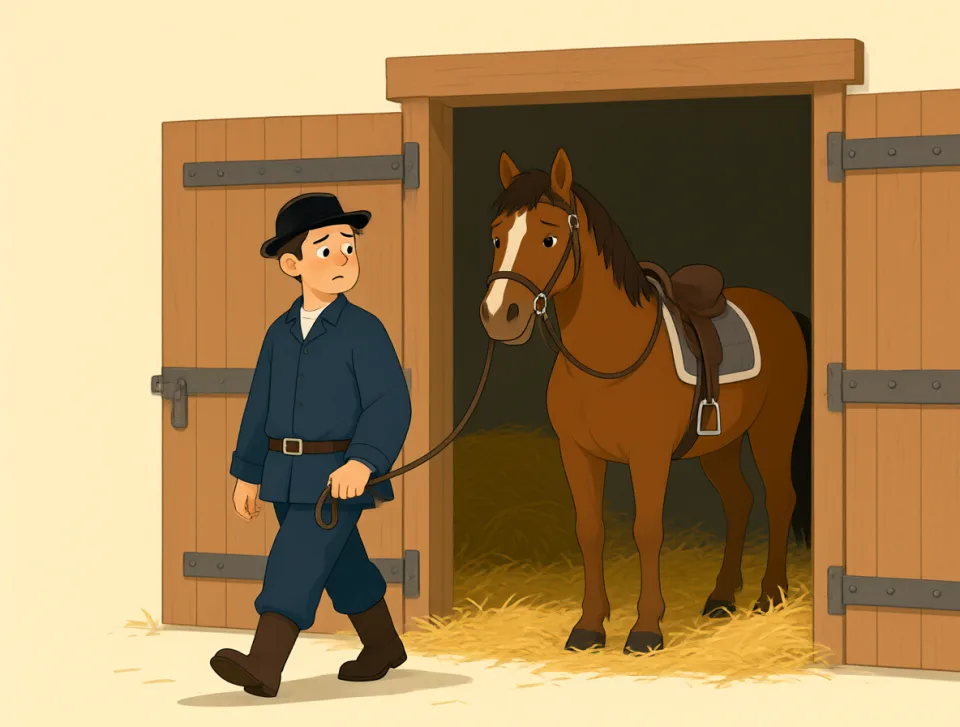
The horse is resting in the stable after a long ride.
После долгой прогулки лошадь отдыхает в конюшне.

She has a stable job at the local hospital.
У неё стабильная работа в местной больнице.
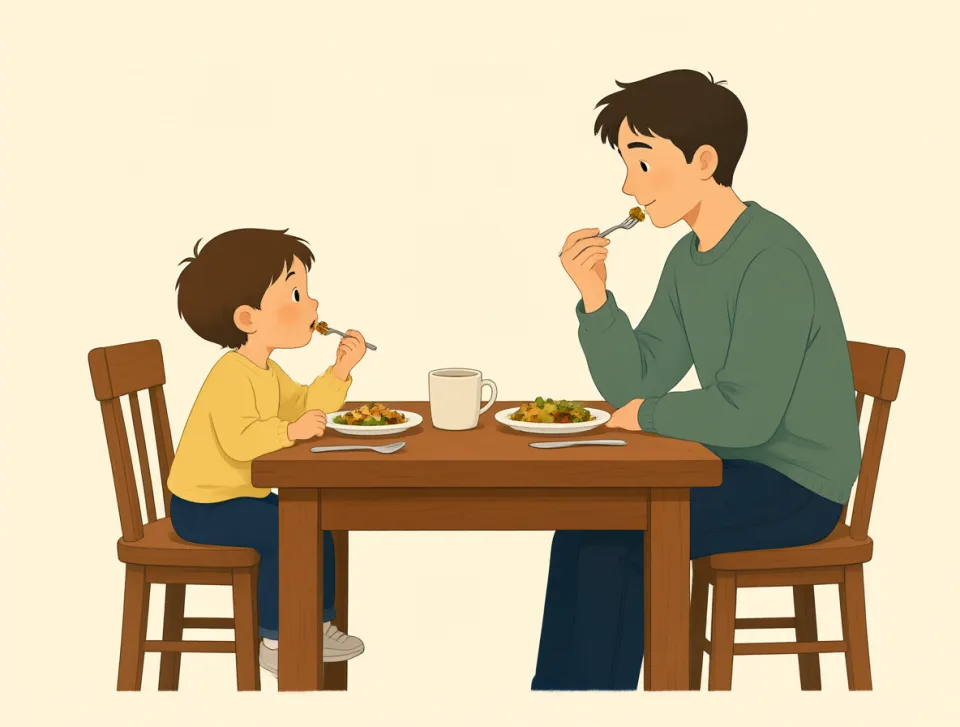
The table is stable enough for the children to eat at.
Стол достаточно устойчивый, чтобы дети могли за ним есть.

His condition is stable after the doctors treated him.
После лечения состояние пациента стабилизировалось.

The weather stayed stable during our week at the beach.
За неделю, которую мы провели на пляже, погода оставалась стабильной.

merely
#1798adverb
всего лишь; просто
Only; simply, without any other reason, purpose, or result.
Только; просто, без какой-либо другой причины, цели или результата.
She was merely asking a question, so please do not get angry.
Она всего лишь задала вопрос, поэтому, пожалуйста, не сердитесь.

The job is not merely about making money; it helps people too.
Работа нужна не только для заработка: она ещё и помогает людям.

He merely nodded and continued reading his book.
Он лишь кивнул и продолжил читать книгу.

This meal is merely a snack, not a full dinner.
Это всего лишь перекус, а не полноценный ужин.

The doctor said the pain was merely a sign of tired muscles.
Врач сказал, что боль — всего лишь признак усталости мышц.

resolution
#1799noun
решимость; решение; разрешение
A firm decision to do something, or the quality of an image or sound.
Твёрдое намерение что-либо сделать; также качество изображения или звука.

My New Year's resolution is to exercise every morning.
Моё новогоднее обещание — делать зарядку каждое утро.
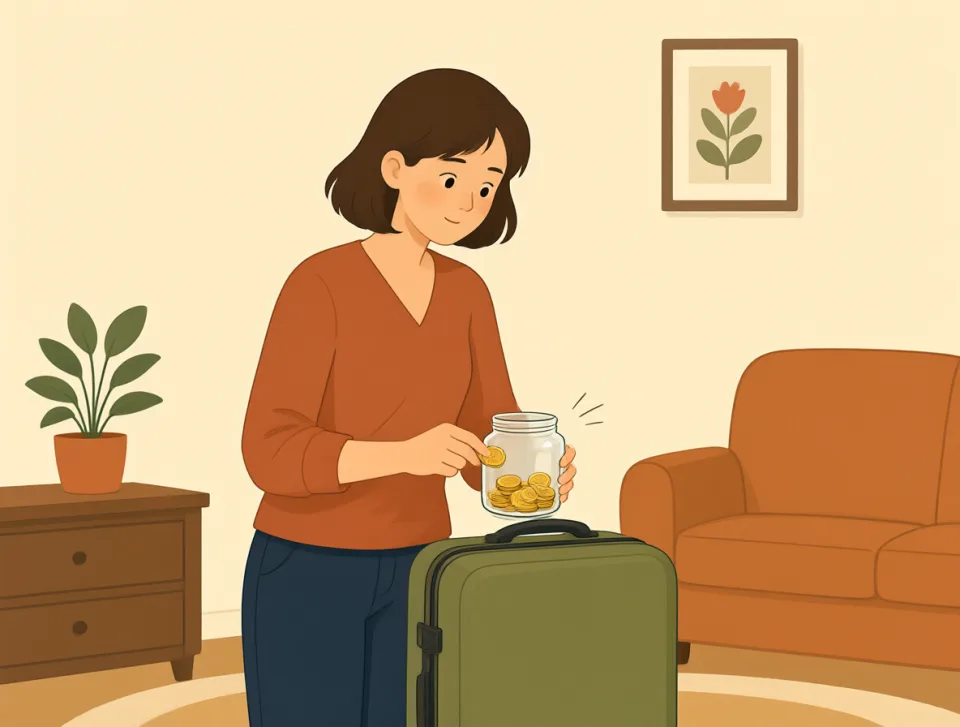
She made a resolution to save money for a holiday.
Она решила откладывать деньги на отпуск.

The team passed a resolution to improve workplace safety.
Команда приняла постановление об улучшении безопасности на рабочем месте.

This camera takes clear photos with high resolution.
Эта камера делает чёткие снимки с высоким разрешением.

The doctor praised his resolution to stop eating so much sugar.
Врач похвалил его за решимость есть меньше сахара.

communicate
#1800verb
общаться; передавать информацию
to share information, feelings, or ideas with someone
Делиться с кем-либо информацией, чувствами или идеями.

We communicate by phone when we are away from home.
Когда мы не дома, мы общаемся по телефону.

Good managers communicate clearly with their teams.
Хорошие руководители ясно общаются со своими командами.

The students communicated their ideas during the group project.
Во время группового проекта студенты поделились своими идеями.

She uses hand gestures to communicate with travelers abroad.
Она использует жесты, чтобы общаться с путешественниками за границей.

The doctor communicated the test results gently to the patient.
Врач деликатно сообщил пациенту результаты анализов.