單元 85
單字 1681–1700 · presentation, joint, compete, poll, weak, faith

presentation
#1681noun
演講;展示;呈現
A talk in which someone gives information to a group of people.
一個人向一群人介紹資訊的演講。

I have to give a presentation at work tomorrow morning.
我明天早上得在公司做演講。

Her presentation about healthy food was clear and interesting.
她關於健康飲食的演講清晰又有趣。
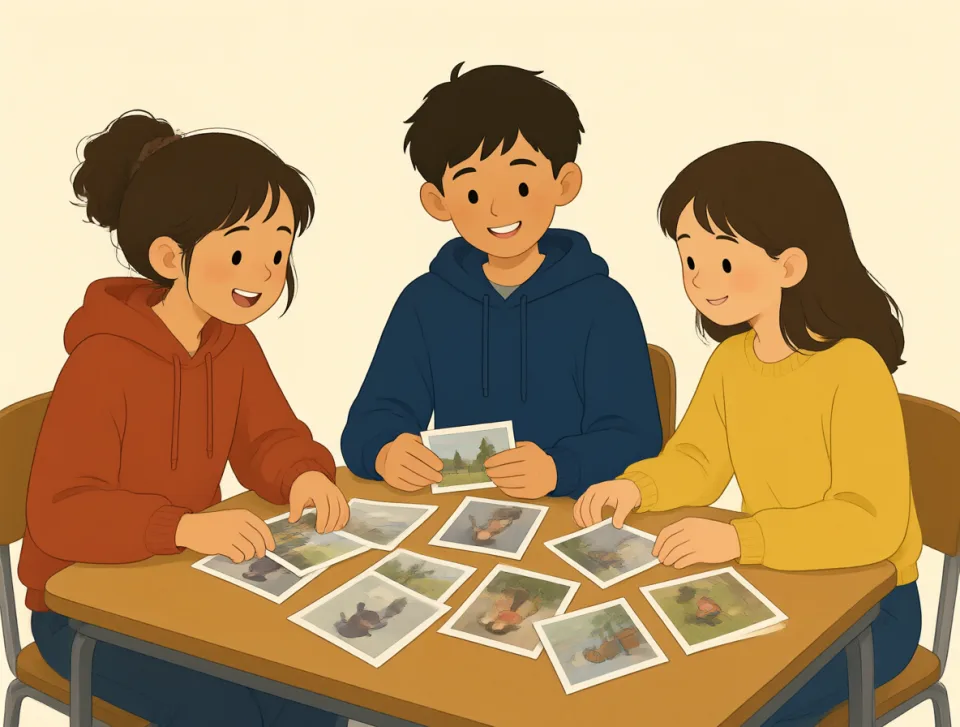
The students prepared a presentation about their summer holiday.
學生們準備了一個關於暑假的展示。

We watched a short presentation before choosing our hotel room.
選酒店房間之前,我們看了一段簡短的介紹。

His presentation of the dessert made everyone want to try it.
他把甜點擺得很誘人,讓大家都想嘗一嘗。

joint
#1682noun, adjective
關節;共同的;聯合的
A place where two parts of the body meet; shared by two or more people.
身體兩個部分相連線的地方;由兩人或多人共同擁有或參與的。

My knee joint hurts after I played football yesterday.
昨天踢完足球后,我的膝關節疼。

The doctor examined the joints in my hands.
醫生檢查了我手上的各個關節。

We signed a joint agreement to share the project costs.
我們簽署了一份共同協議,分攤專案費用。

They opened a joint bank account after getting married.
結婚後,他們開了一個聯名銀行賬戶。
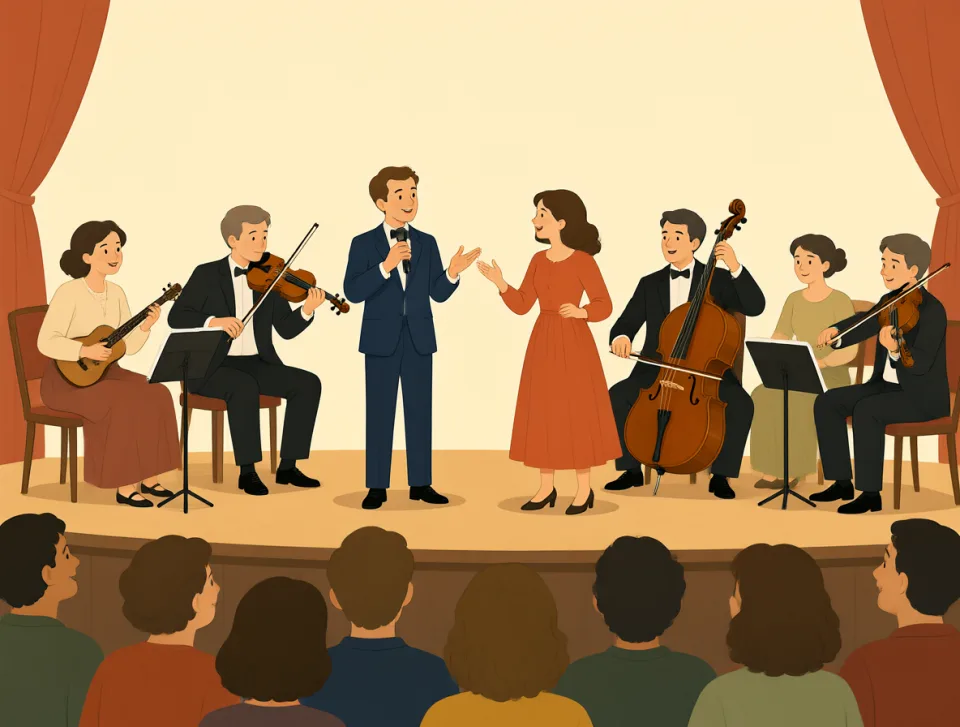
The band played a joint concert with local musicians.
樂隊與當地音樂人舉辦了一場聯合演出。

compete
#1683verb
競爭;比賽
to try to win or be more successful than someone else
努力贏得比賽,或比別人做得更成功
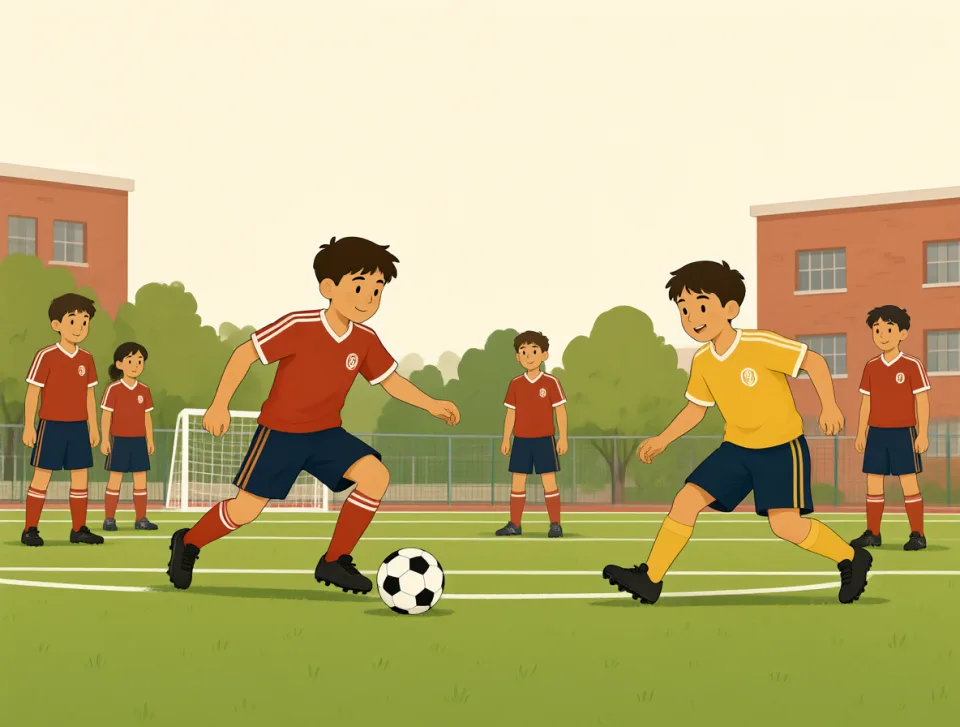
Our team will compete in the school football tournament.
我們隊將參加學校足球錦標賽。

Several companies compete to sell the best phone.
幾家公司競相銷售最好的手機。

She competed against her brother in a swimming race.
她在一場游泳比賽中與哥哥(弟弟)一較高下。

Local shops compete for customers during the holiday season.
節日期間,當地商店競相爭取顧客。

The two chefs competed to make the tastiest soup.
兩位廚師比賽做出最美味的湯。

poll
#1684noun, verb
民意調查;投票;徵詢意見
A poll is a study that asks people for their opinions or choices.
民意調查是透過詢問人們的意見或選擇來進行的一項調查。
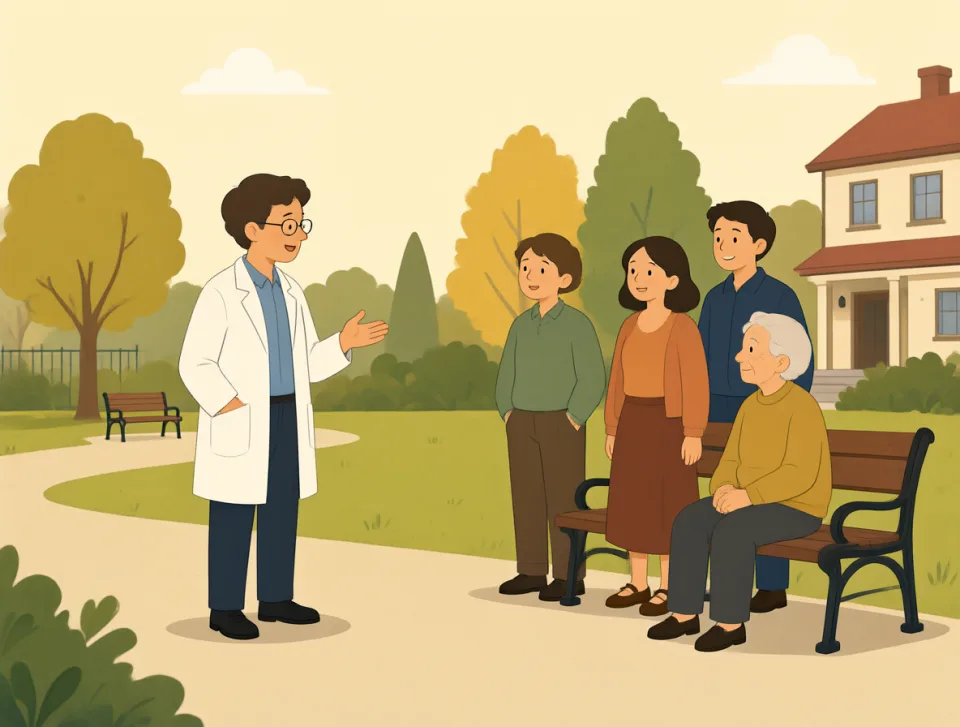
The latest poll shows that most people support the new park.
最新的民意調查顯示,大多數人支援新建這座公園。

We took a poll to choose a restaurant for dinner.
我們透過投票選了一家餐廳吃晚飯。

The teacher polled the class about their favorite school subject.
老師徵詢了全班同學最喜歡的學校科目。

A radio station is polling listeners about their favorite songs.
一家廣播電臺正在徵詢聽眾最喜歡的歌曲。

The company polled customers after they bought the new product.
公司在顧客購買新產品後對他們進行了調查。

weak
#1685adjective
虛弱的;淡的;微弱的;薄弱的
not strong, powerful, healthy, or able to work well
不強壯、沒有力量、不健康,或無法正常發揮作用的
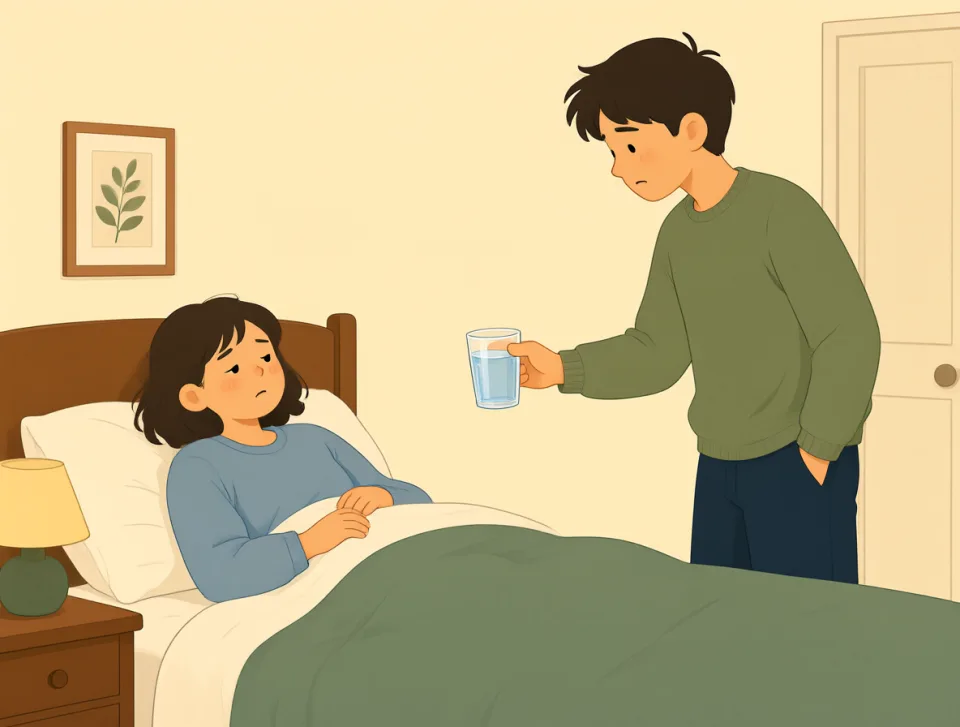
I felt weak after being sick for several days.
生病好幾天後,我感到渾身無力。

The coffee is too weak for me this morning.
今天早上這咖啡對我來說太淡了。

She has a weak voice, so please listen carefully.
她的聲音很輕,請仔細聽。

The team made a weak attempt to solve the problem.
這個團隊為解決問題所作的努力很不夠。

This bridge looks weak and unsafe after the storm.
暴風雨過後,這座橋看起來不牢固,也不安全。

faith
#1686noun
信任;信心;信仰
Strong belief in God or in something, even without clear proof.
對上帝或某件事抱有堅定的信念,即使沒有明確的證據。
She has great faith in her doctor.
她非常信任自己的醫生。

His faith helped him through a difficult year.
他的信念幫助他度過了艱難的一年。
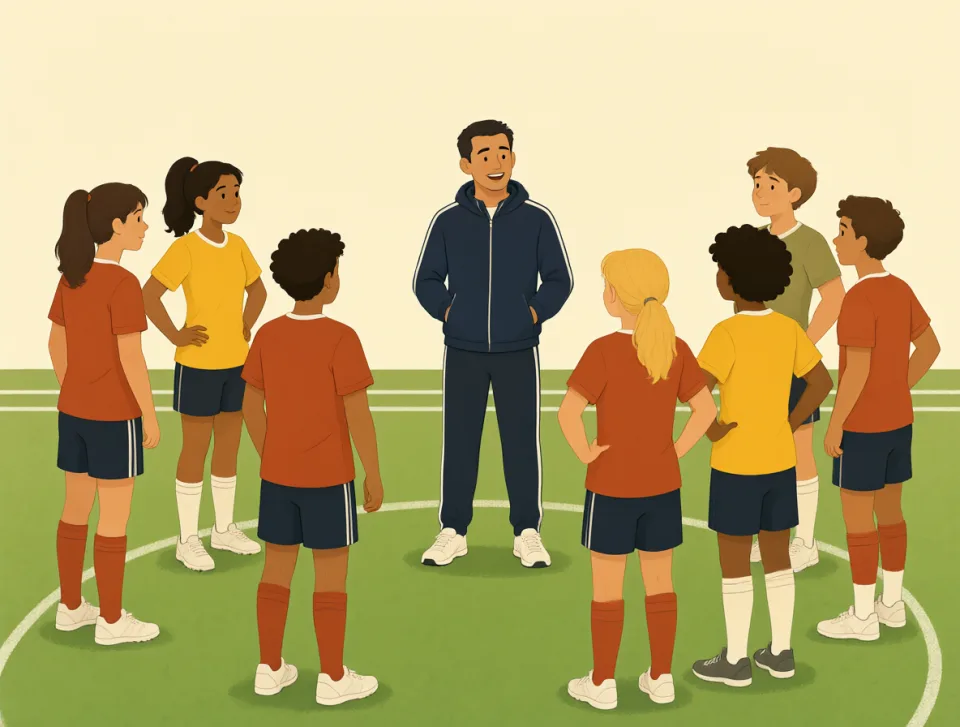
The team kept faith with their coach.
這個團隊始終支援他們的教練。

I have faith that you will pass the exam.
我相信你一定能透過考試。
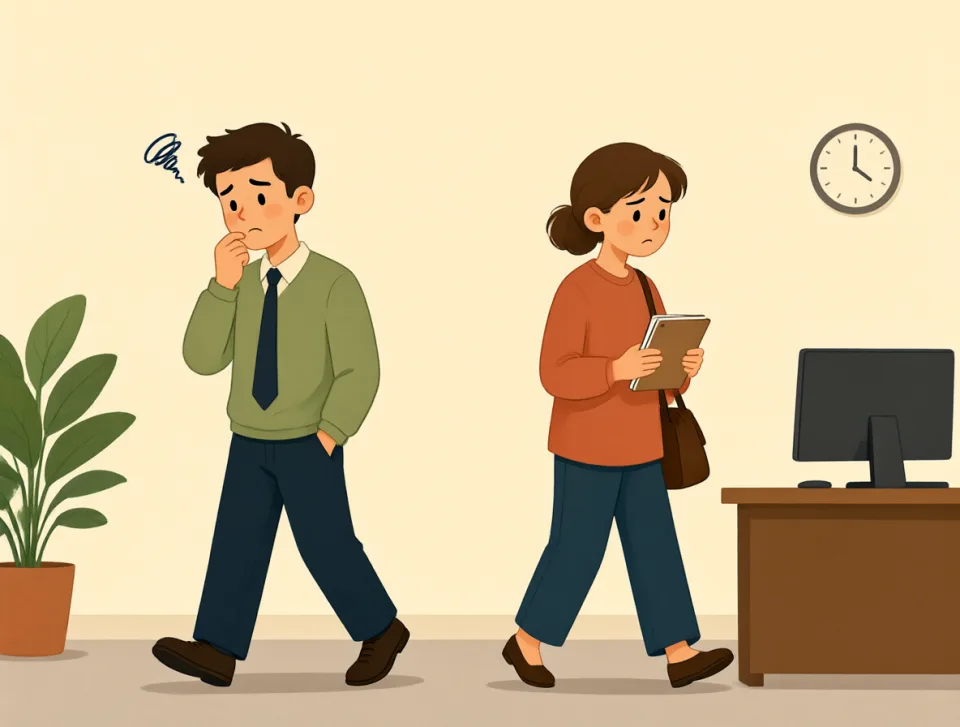
They lost faith in the company after the problem.
出了問題後,他們對這家公司失去了信心。

reduction
#1687noun
減少;削減;折扣
a decrease in size, amount, price, or number
在規模、數量、價格或人數上的減少

The shop offered a reduction on winter coats this week.
這家商店本週冬季外套打折。

We need a reduction in household expenses this month.
這個月我們得減少家庭開支。

The doctor recommended a reduction in salt for better health.
為了身體健康,醫生建議少吃鹽。

The school announced a reduction in homework before the holidays.
學校宣佈假期前減少作業量。

The airline gave us a reduction because our flight was delayed.
由於航班延誤,航空公司給我們打了折。

reserve
#1688noun, verb
預訂;保留;儲備
To keep something for a particular person or time, or a supply kept for later use.
為特定的人或時間留出某物,或留作以後使用的儲備。

I’d like to reserve a table for four tonight.
我想預訂今晚四人用的桌位。
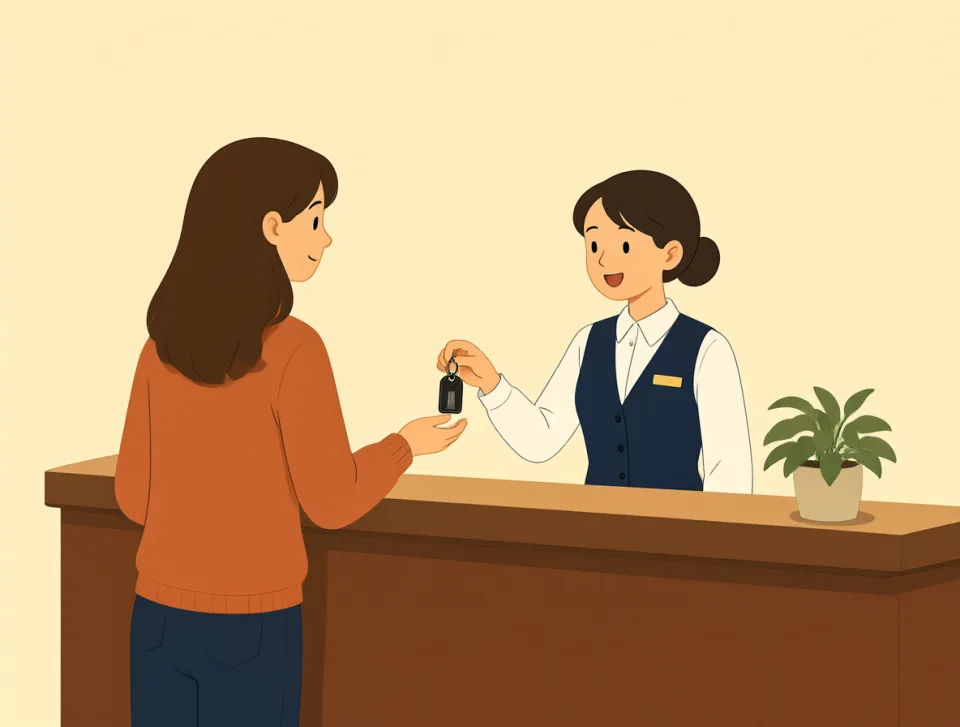
We reserved a hotel room near the beach for three nights.
我們在海灘附近預訂了一間酒店客房,住三晚。

Please reserve two seats for us on the morning train.
請幫我們預留兩張早班火車的車票。
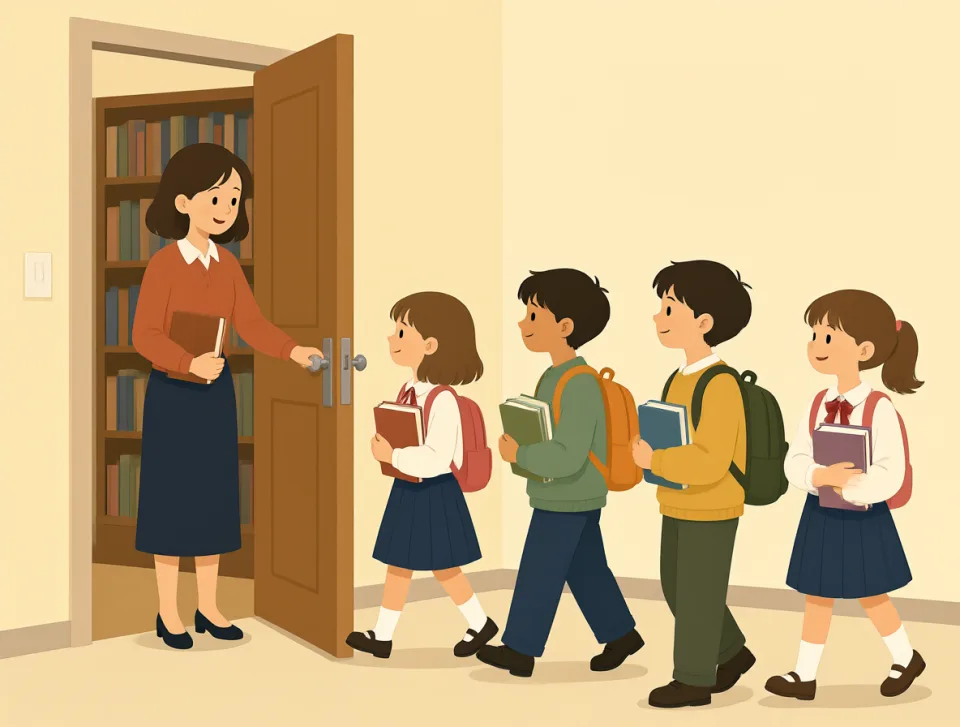
The teacher reserved the library for our group project.
老師把圖書館留給我們小組做專案。

Keep some money in reserve for unexpected expenses.
留一些錢以備不時之需。
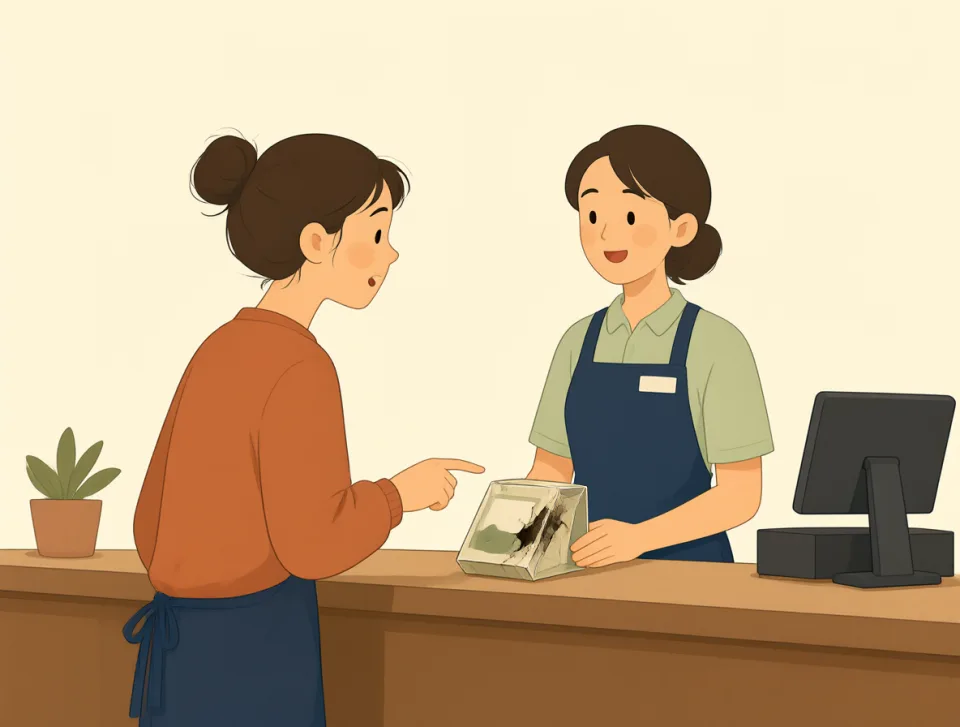
complaint
#1689noun
投訴;抱怨
A statement that something is wrong or unsatisfactory.
表示某件事有問題或令人不滿意的話。

The hotel received a complaint about the noisy room.
酒店收到了一宗關於房間太吵的投訴。

I made a complaint because my order arrived cold.
因為訂單送到時已經涼了,我提出了投訴。

The manager listened carefully to my complaint.
經理認真聽取了我的投訴。

She complained to the teacher about the unfair test.
她向老師抱怨考試不公平。

His constant complaints made dinner uncomfortable for everyone.
他不斷的抱怨讓大家吃飯時都感到不自在。

bore
#1690noun, verb
使厭煩;令人厭煩的人
A boring person or thing; to make someone feel uninterested.
令人感到無聊的人或事物;使某人感到厭煩。

The long meeting bored everyone in the office.
漫長的會議讓辦公室裡的所有人都感到厭煩。

I was bored during the three-hour bus journey.
三個小時的公交車程讓我覺得很無聊。
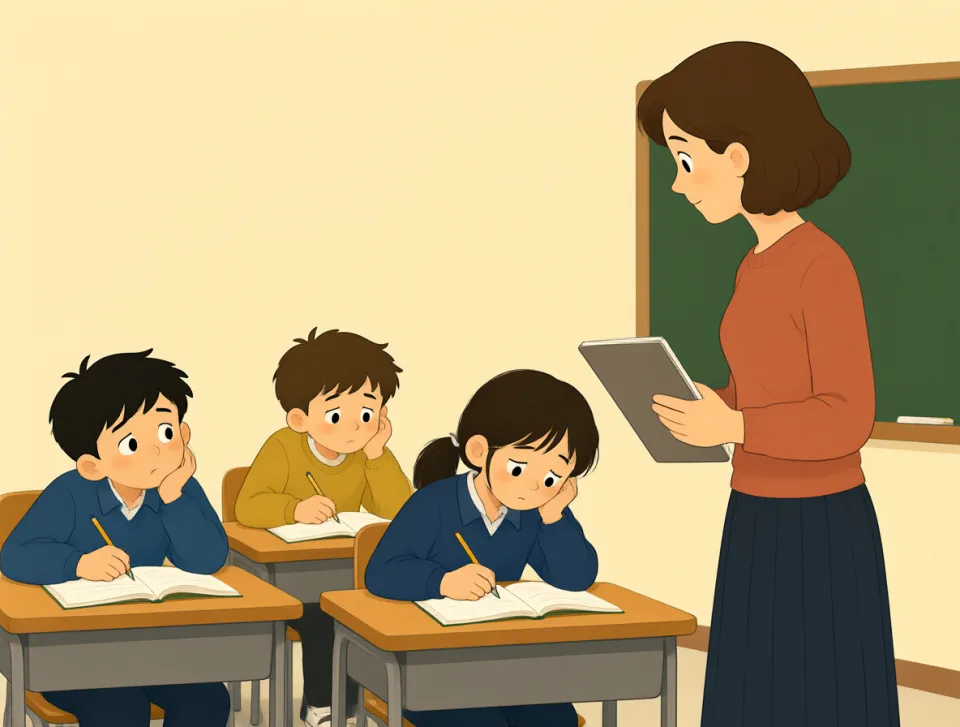
The teacher's story bored the students after lunch.
午飯後,老師講的故事讓學生們聽得厭煩了。

He is such a bore that nobody invites him to parties.
他真是個無聊透頂的人,沒人會邀請他參加派對。
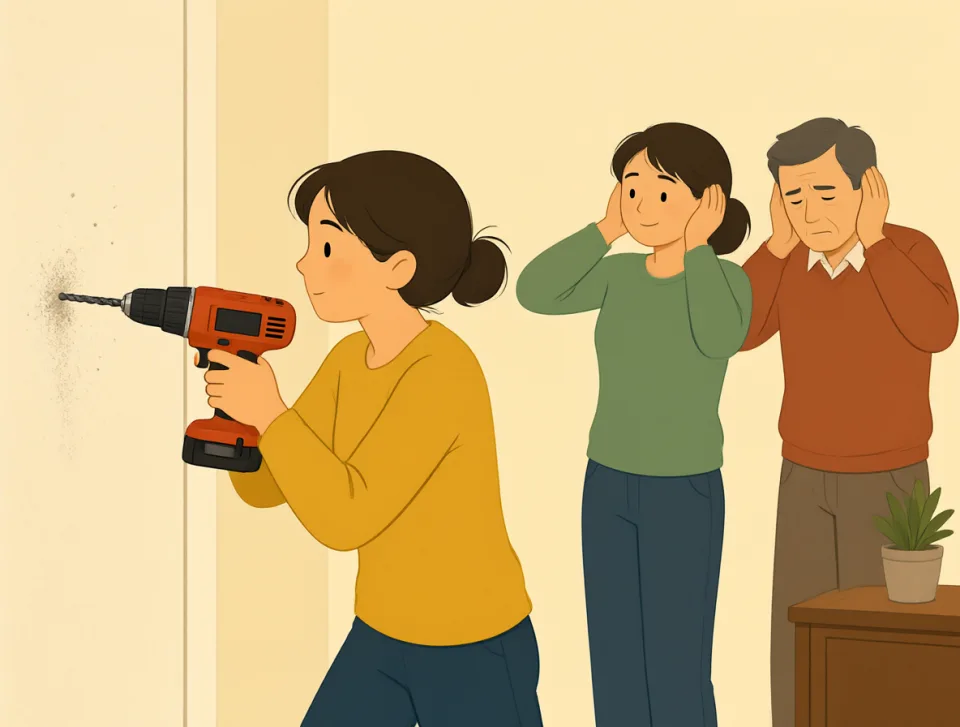
Drilling a hole through the wall can bore the neighbors.
在牆上鑽孔可能會吵得鄰居心煩。

mission
#1691noun
任務;使命;征程
An important task or journey that someone is sent to complete.
某人受派去完成的重要任務或行程。

The team completed its mission before the storm arrived.
團隊在暴風雨來臨前完成了任務。

Our mission is to help every child learn to read.
我們的使命是幫助每個孩子學會閱讀。

The soldiers returned home safely after their mission.
士兵們完成任務後平安回到了家。

The space mission will study the planet’s surface.
這次太空任務將研究這顆行星的表面。

Finding the right gift became my mission that afternoon.
那天下午,找到合適的禮物成了我的任務。

somehow
#1692adverb
不知怎麼地;不知何故
In a way that is not known, explained, or planned.
用一種不為人知、無法解釋或事先沒有計劃的方式。
Somehow, I knew that everything would be all right.
不知怎麼地,我就是覺得一切都會好起來。

We somehow found our hotel in the dark.
我們摸黑不知怎麼找到了酒店。

She somehow managed to finish the report before lunch.
她不知怎麼趕在午飯前完成了報告。

Somehow, my keys disappeared between the shop and home.
不知怎麼回事,我的鑰匙從商店到家的路上就不見了。
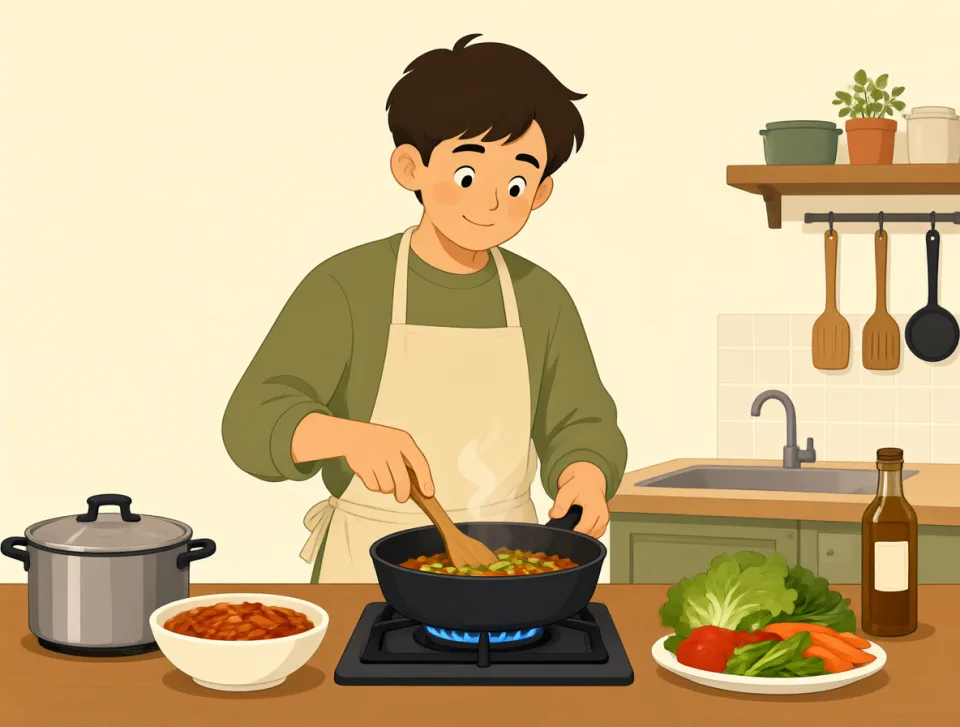
He somehow learned to cook while living alone.
他獨自生活時,不知怎麼學會了做飯。

tone
#1693noun, verb
語氣; 音調; 音色; 調低
The quality of a voice or sound, or the feeling shown by the way someone speaks.
聲音或聲響的特質,或一個人說話方式所表現出的情感。

Her friendly tone made everyone feel welcome.
她友善的語氣讓每個人都感到賓至如歸。

Please use a polite tone when speaking to customers.
和顧客說話時,請使用禮貌的語氣。
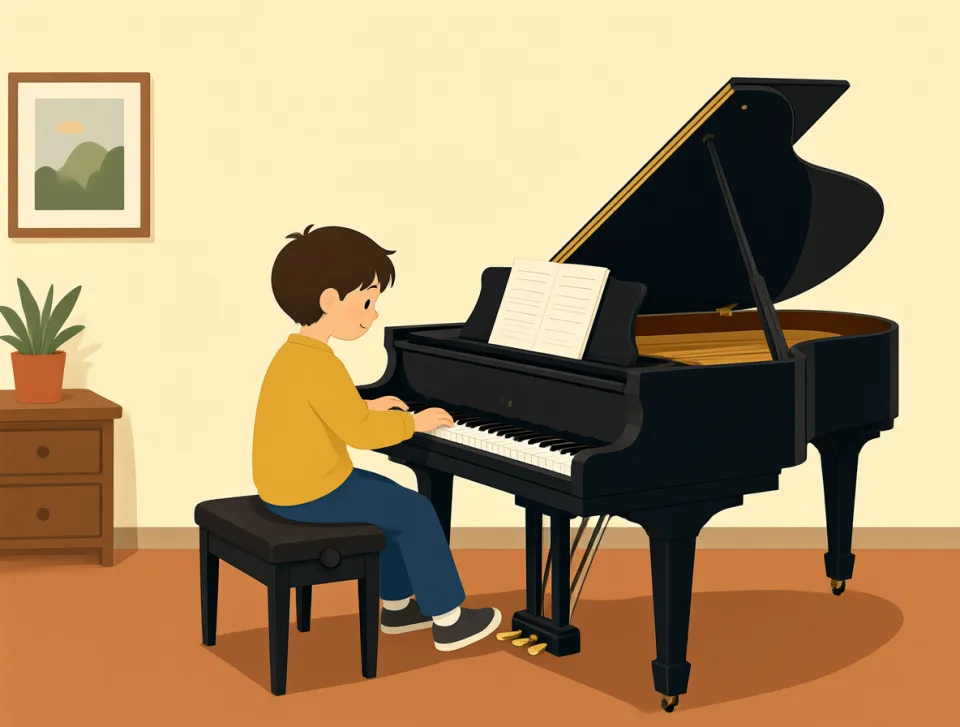
The piano has a beautiful, warm tone.
這架鋼琴的音色優美而溫暖。

His voice changed tone when he heard the bad news.
聽到這個壞訊息後,他的語氣變了。

The doctor toned down her voice to calm the child.
醫生壓低聲音,好讓孩子平靜下來。

neighborhood
#1694noun
社群;街區
An area of a town where people live, near each other.
城鎮中人們彼此住得很近的一個區域。
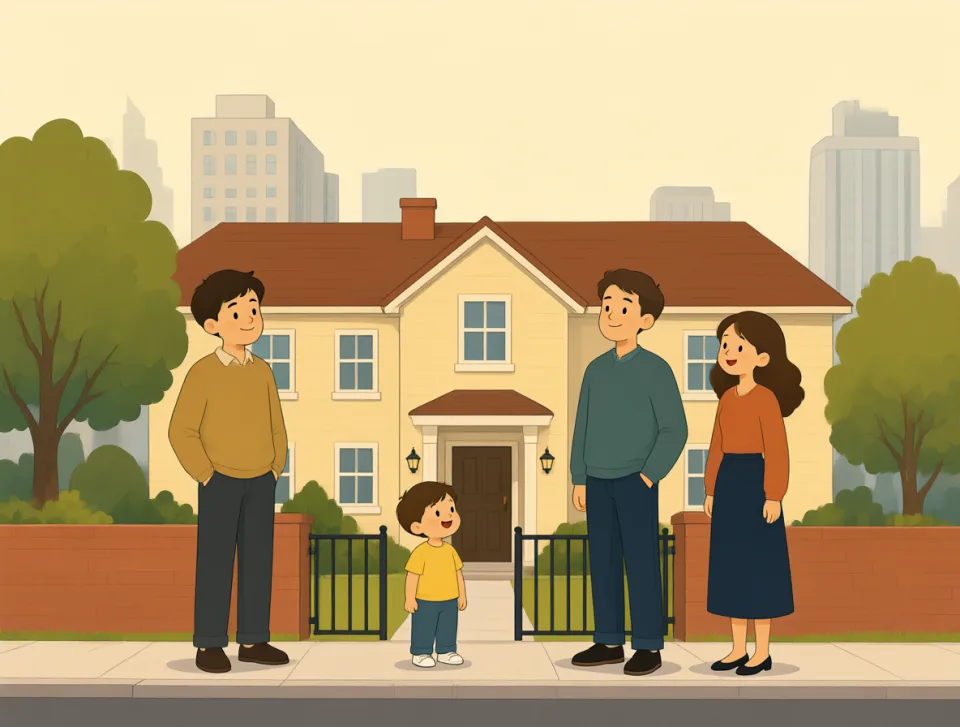
We live in a quiet neighborhood near the city center.
我們住在市中心附近一個安靜的社群。
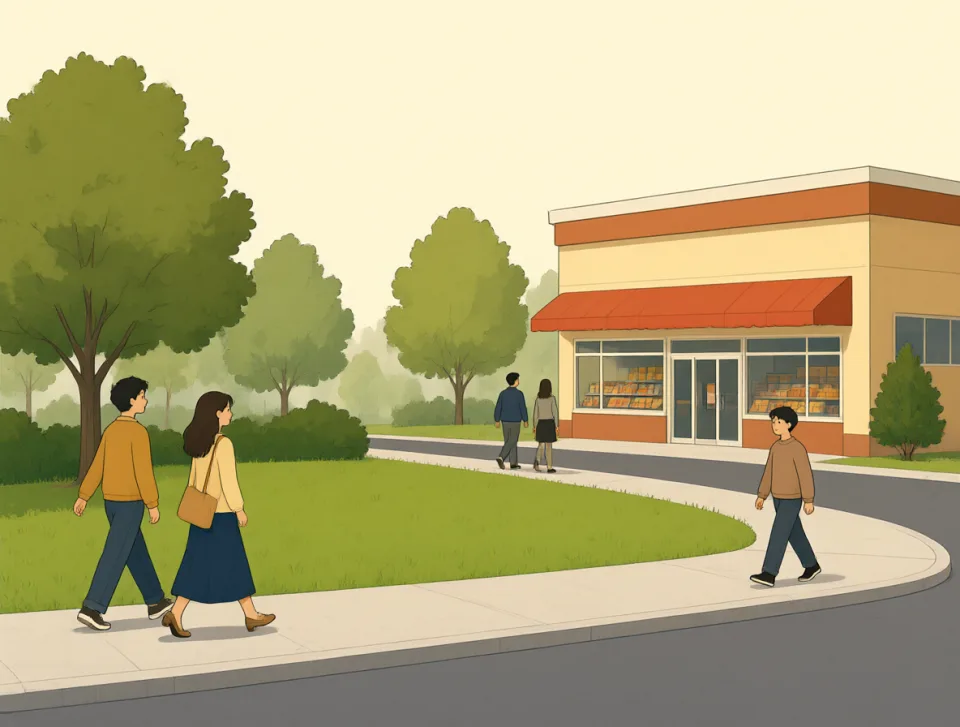
Our neighborhood has a small park and a busy grocery store.
我們社群有一個小公園和一家繁忙的雜貨店。

I often walk around the neighborhood after dinner.
我經常晚飯後在社群附近散步。

The new school is only five minutes from my neighborhood.
新學校離我們社群只有五分鐘的路程。

We explored a beautiful neighborhood during our visit to Rome.
我們去羅馬時探索了一個美麗的街區。

passenger
#1695noun
乘客;旅客
A person traveling in a vehicle, such as a car, bus, train, or plane.
乘坐汽車、公共汽車、火車或飛機等交通工具出行的人。
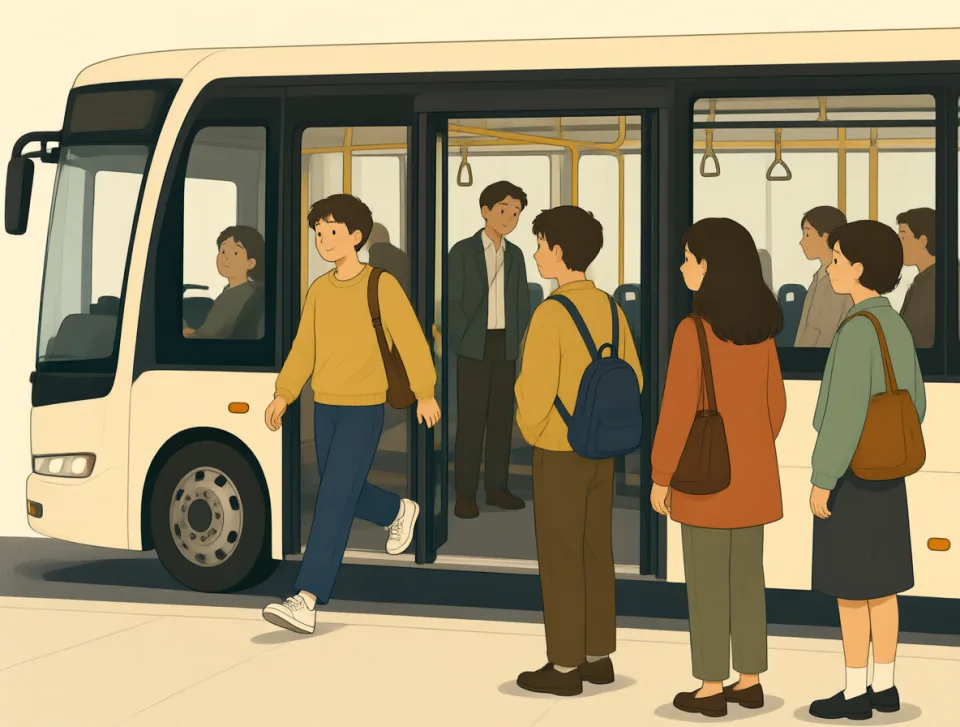
The bus passenger got off at the next stop.
公共汽車上的乘客在下一站下車了。

Every passenger must wear a seat belt during takeoff.
每位乘客在飛機起飛期間都必須繫好安全帶。
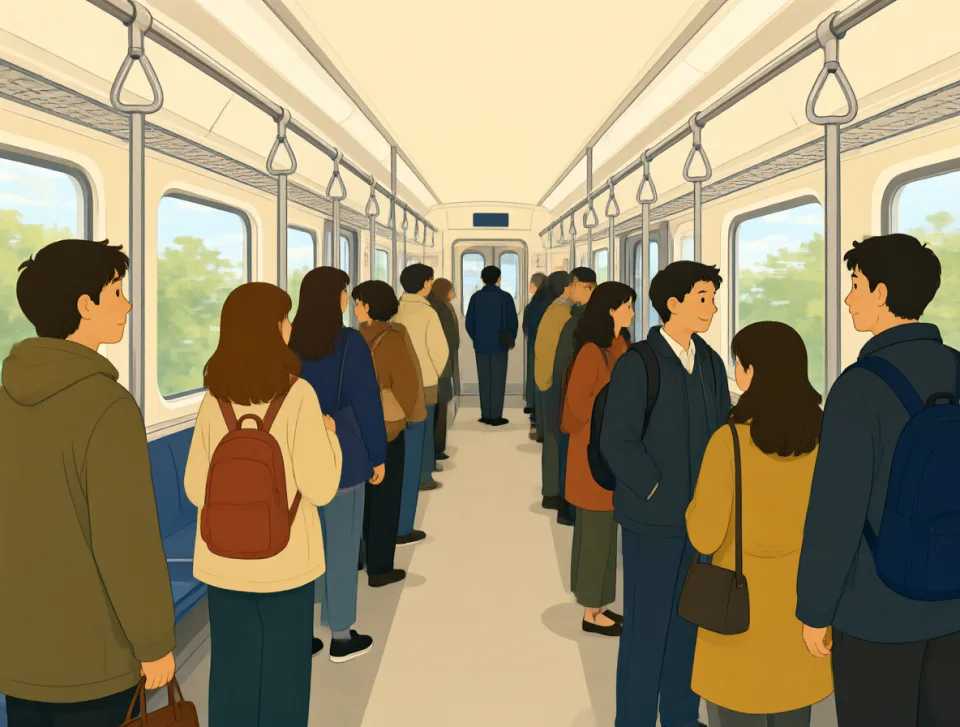
The train was crowded with passengers going to work.
火車上擠滿了去上班的乘客。
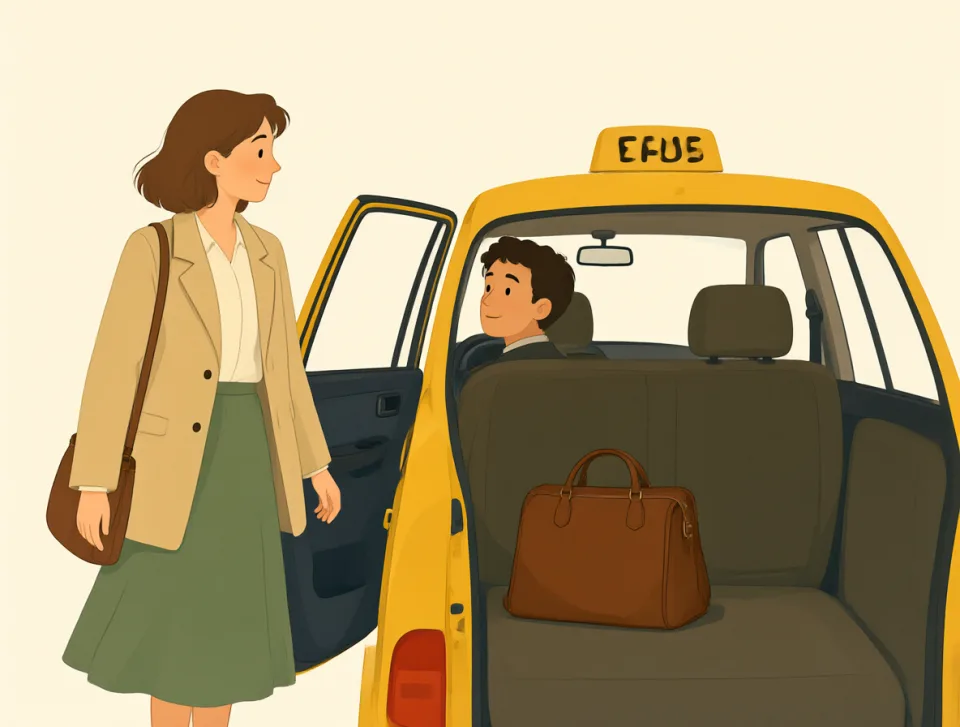
A taxi passenger left a bag on the back seat.
一名計程車乘客把包落在了後座上。
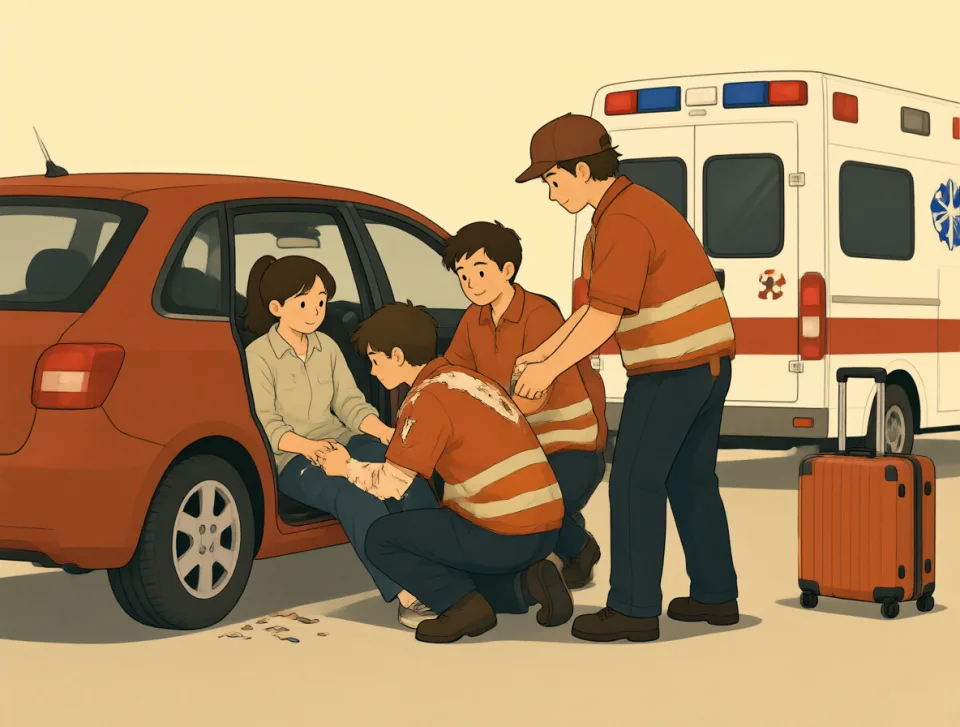
The injured passenger was taken to the hospital.
受傷的乘客被送往醫院。

justice
#1696noun
正義;公正
Fair treatment according to the law and what is morally right.
根據法律和道德準則給予公平對待。
The court must deliver justice fairly to everyone.
法院必須公平地為每個人主持正義。

The victims finally received justice after a long trial.
經過漫長的審判,受害者終於得到了公正的裁決。

She believes justice means treating all students equally.
她認為,正義就是平等地對待所有學生。

The workers are fighting for justice and better pay.
工人們正在為正義和更高的工資而鬥爭。

He asked for justice after the shop charged him twice.
商店收了他兩次錢後,他要求討回公道。

phase
#1697noun, verb
階段;逐步進行
A stage in a process or period of development; to do something gradually.
過程中的一個階段或發展時期;逐步做某事。

The project is now in its final phase.
這個專案目前已進入最後階段。

The baby is going through a difficult sleeping phase.
寶寶正經歷一段睡眠困難期。

The moon has different phases during the month.
月亮一個月中會呈現不同的月相。

The company is phasing out plastic bags in its stores.
公司正在逐步淘汰門店裡的塑膠袋。

The doctor said my recovery is entering a healthy phase.
醫生說我的康復正在進入一個良好階段。

thin
#1698adjective, noun
薄的;瘦的
Having little distance between opposite sides; not thick or wide.
兩面之間的距離很小;不厚或不寬。

She wore a thin jacket because the evening was warm.
晚上天氣暖和,所以她穿了一件薄外套。

Please cut the cheese into thin slices for the sandwiches.
請把乳酪切成薄片,夾在三明治裡。

The thin ice broke under his foot near the lake.
他在湖邊踩到薄冰,冰面破裂了。
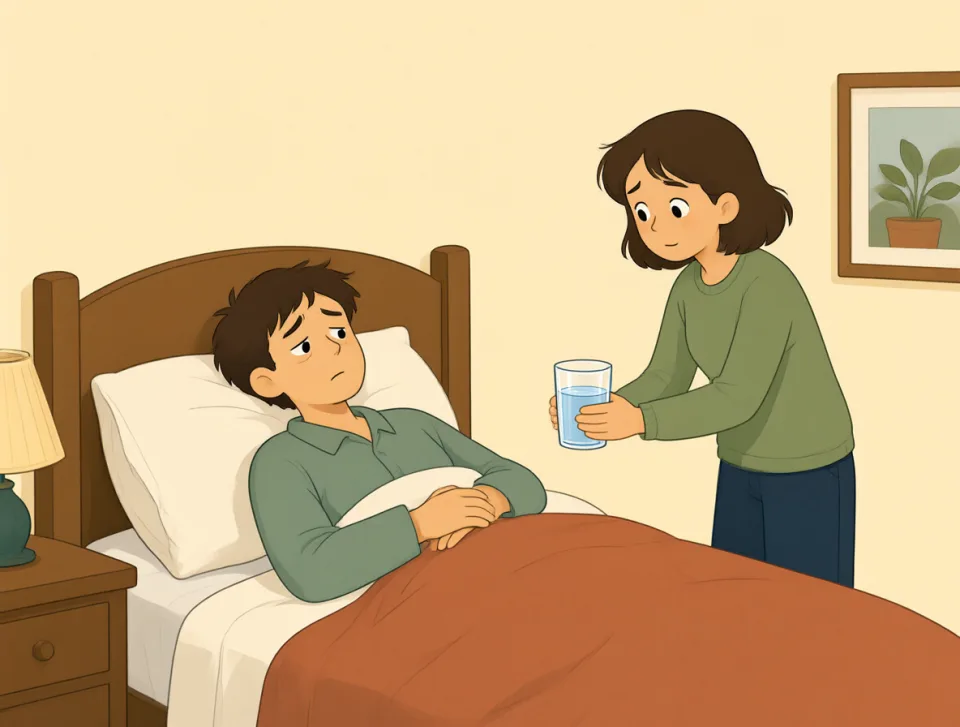
He is getting thin because he has been ill for weeks.
他病了好幾個星期,越來越瘦了。

We could hear voices through the thin wall at night.
晚上,我們能聽見隔壁房間的說話聲透過薄薄的牆傳來。

rush
#1699verb, noun
趕緊;匆忙;衝;一陣忙亂
To move or do something very quickly, often because there is little time.
因為時間緊迫而快速移動或做某事。
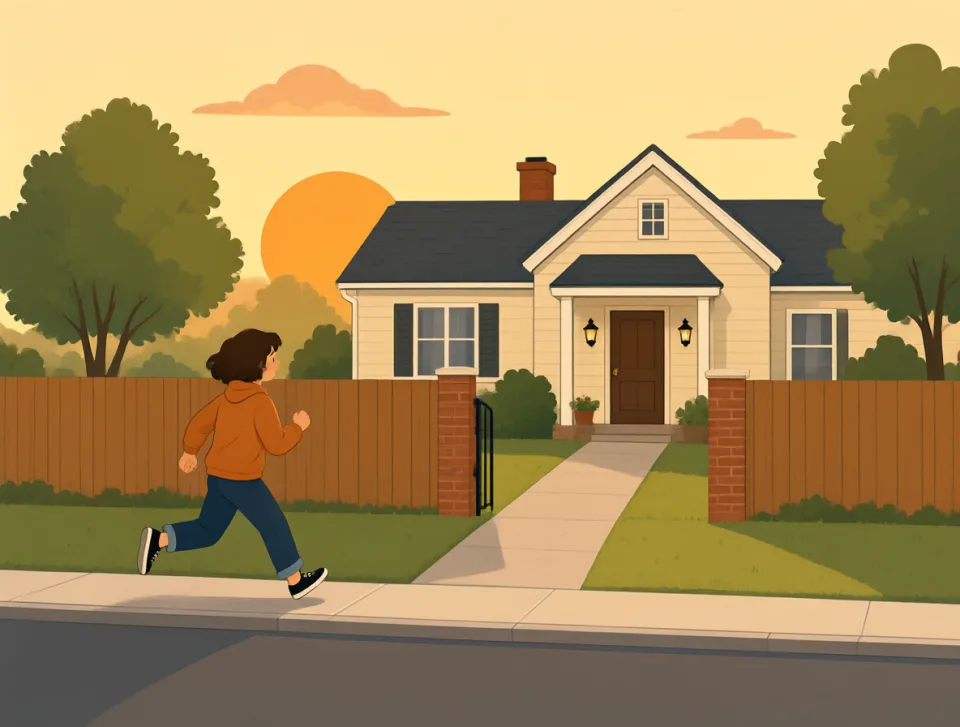
I rushed home because dinner was almost ready.
晚飯快準備好了,所以我趕緊回家。
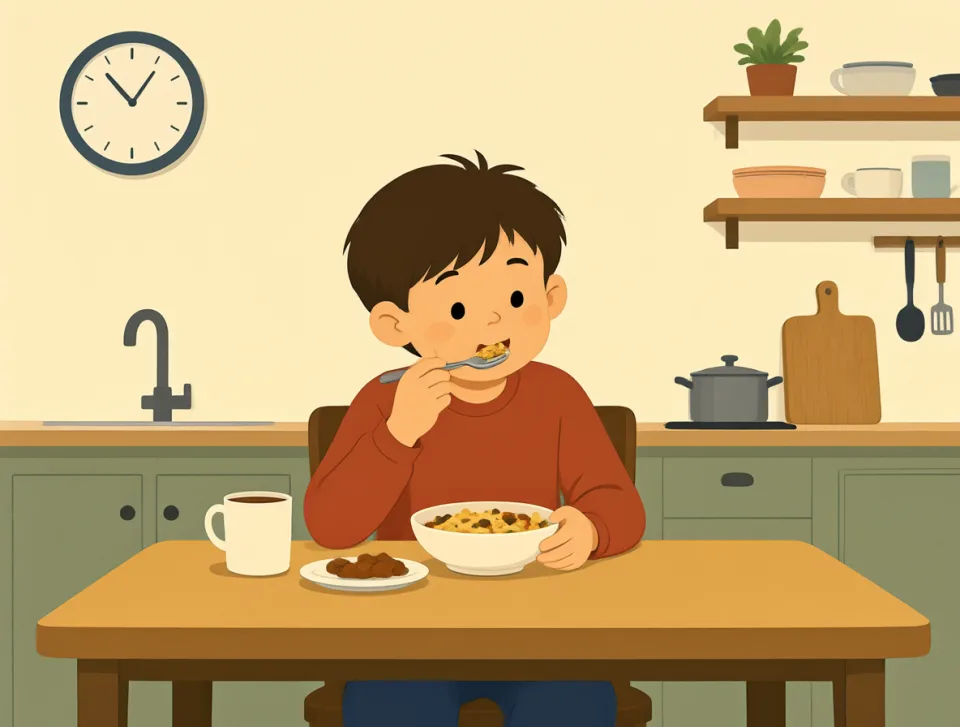
Please do not rush your breakfast; you have plenty of time.
請不要急著吃早餐,你有充足的時間。
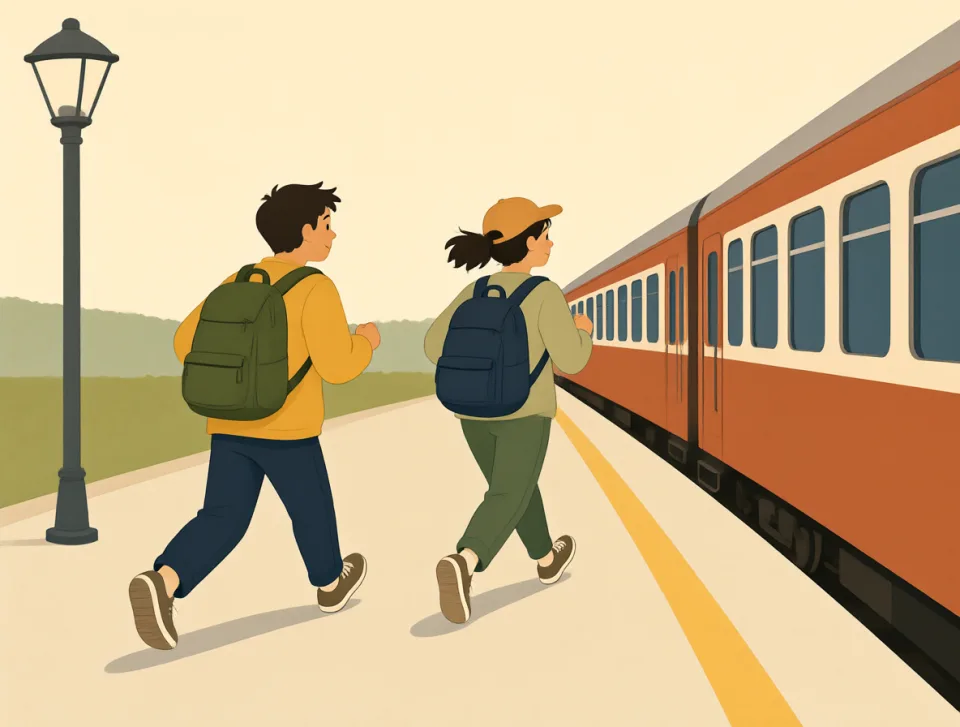
We rushed to the station and caught the last train.
我們趕到車站,趕上了末班火車。

There was a rush of customers when the store opened.
商店開門時,顧客一下子蜂擁而入。
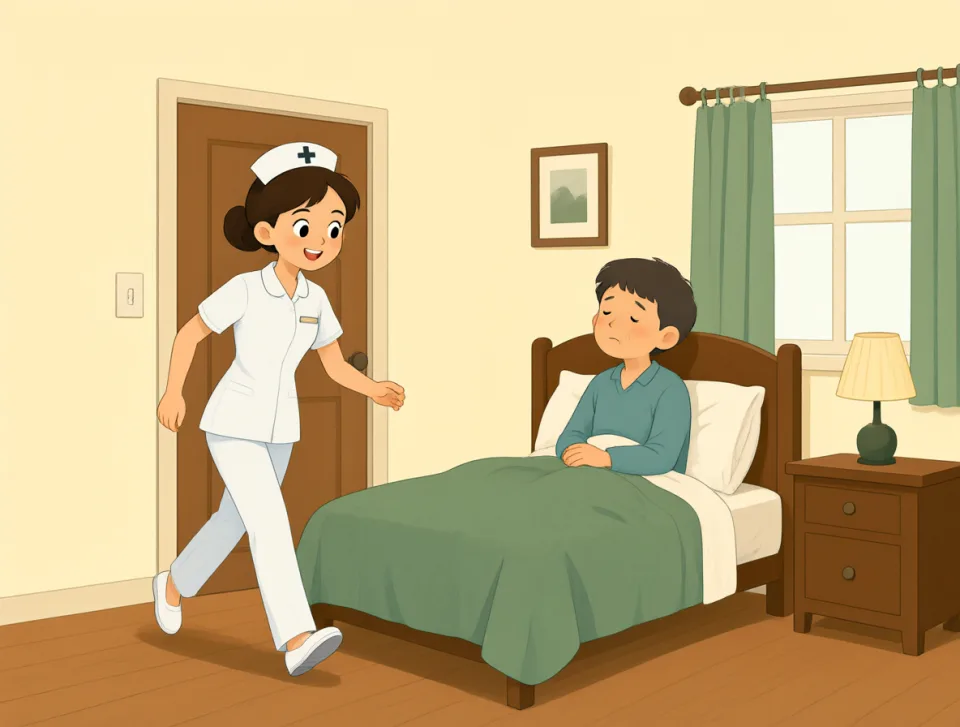
The nurse came in a rush when I felt sick.
我感到不舒服時,護士急忙趕了進來。

formal
#1700adjective
正式的;正規的
Suitable for serious or official situations, rather than relaxed or friendly ones.
適用於嚴肅或官方場合,而非輕鬆或隨意的場合。

Please wear formal clothes to the wedding.
請穿正式服裝參加婚禮。

She wrote a formal letter to the company manager.
她給公司經理寫了一封正式信函。

The school held a formal meeting for parents.
學校為家長舉行了一場正式會議。

We had a formal dinner at the hotel.
我們在酒店吃了一頓正式晚餐。

His formal way of speaking made the interview feel serious.
他正式的說話方式讓這場面試顯得很嚴肅。