單元 80
單字 1581–1600 · comparison, characteristic, license, rely, narrow, succeed
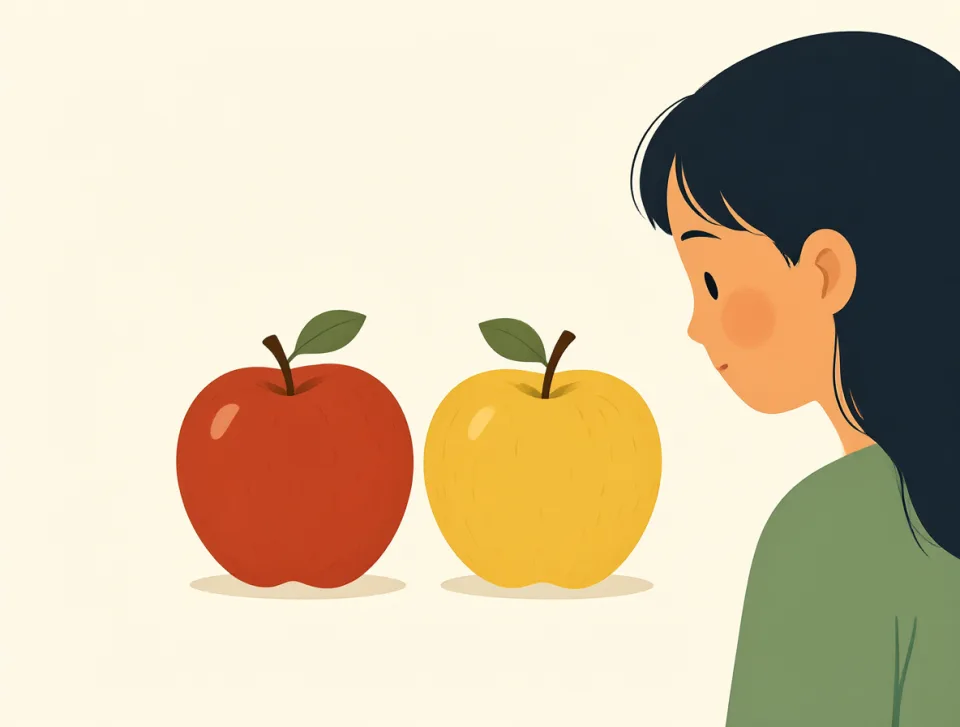
comparison
#1581noun
比較;對比
The act of looking at two or more things to see how they are similar or different.
將兩個或多個事物放在一起,看看它們有哪些相似之處或不同之處。
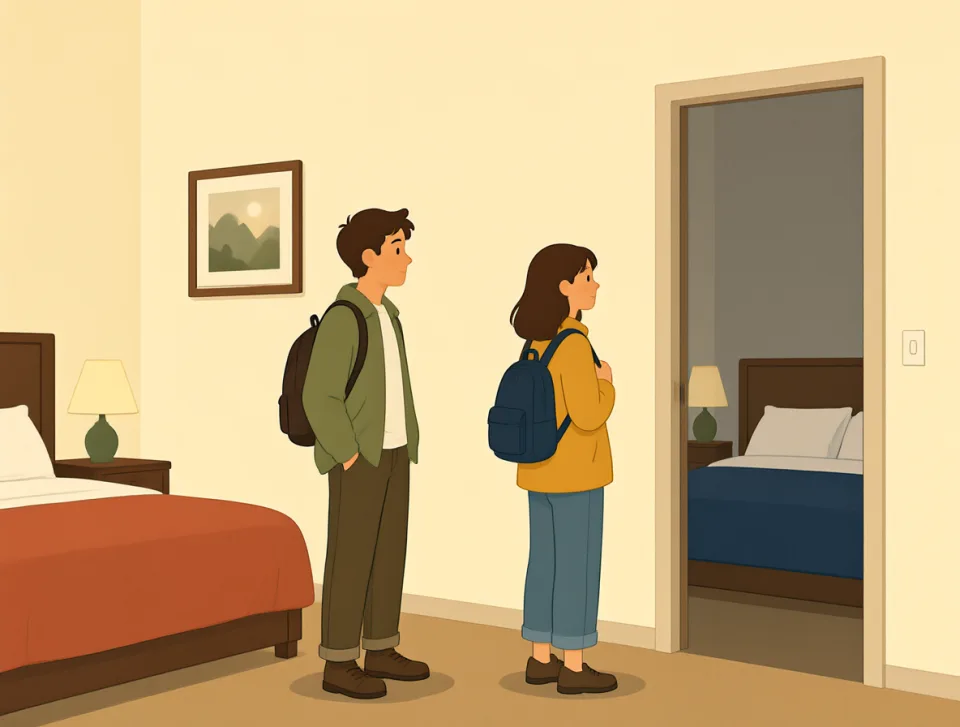
By comparison, this hotel is much quieter and cleaner.
相比之下,這家酒店安靜多了,也乾淨多了。
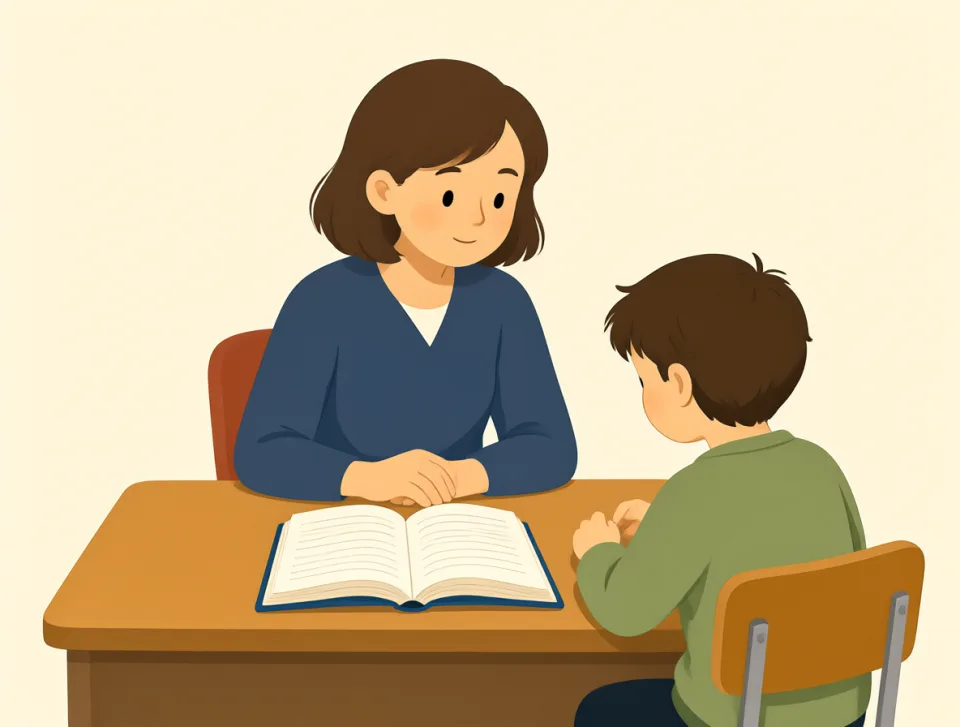
The teacher asked for a comparison of the two stories.
老師要求比較這兩個故事。
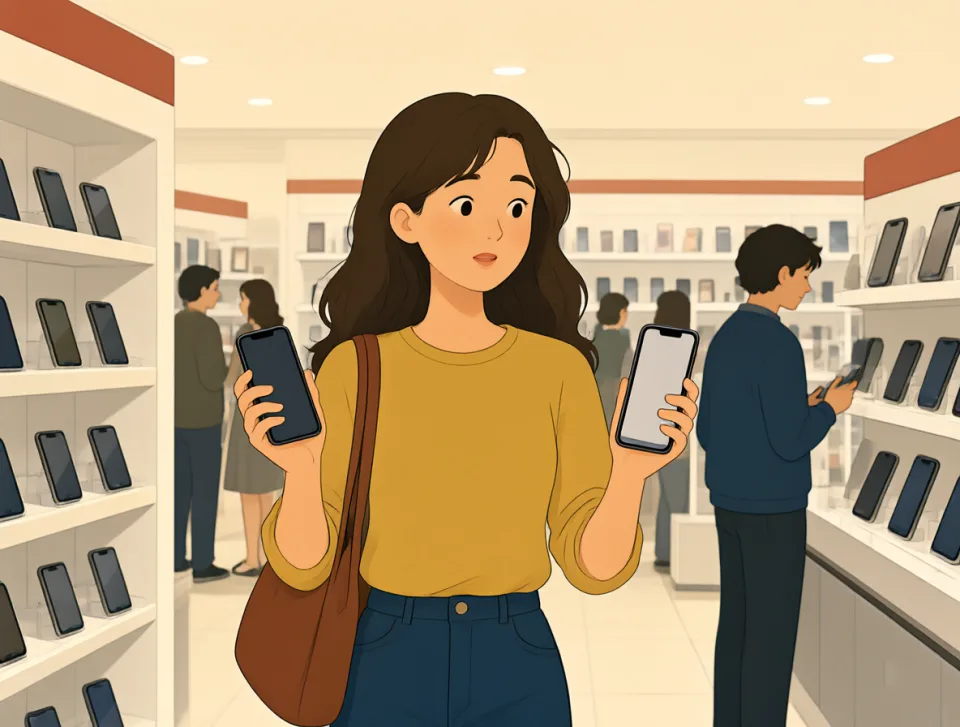
This phone is expensive in comparison with the older model.
與舊型號相比,這款手機很貴。
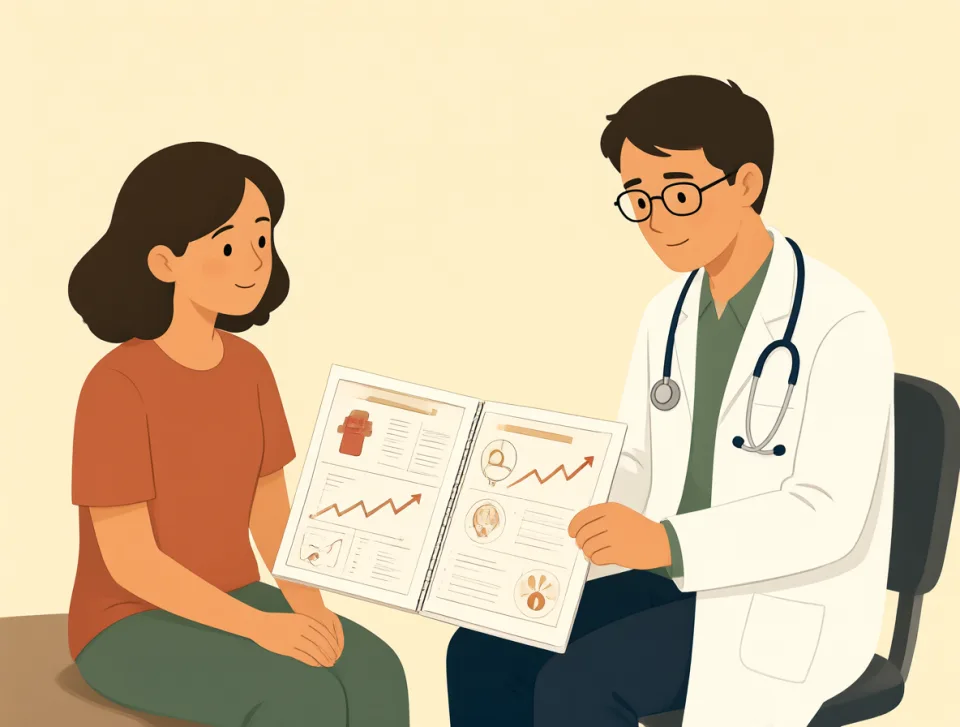
The doctor made a comparison of my health results last year.
醫生比較了我去年和今年的健康檢查結果。

In comparison, my sister's new apartment feels much bigger.
相比之下,我姐姐的新公寓感覺大得多。

characteristic
#1582noun, adjective
特點;特徵
A quality that makes a person or thing easy to recognize.
使人或事物容易被辨認出來的特質。
Patience is an important characteristic of a good teacher.
耐心是優秀教師的重要特質。
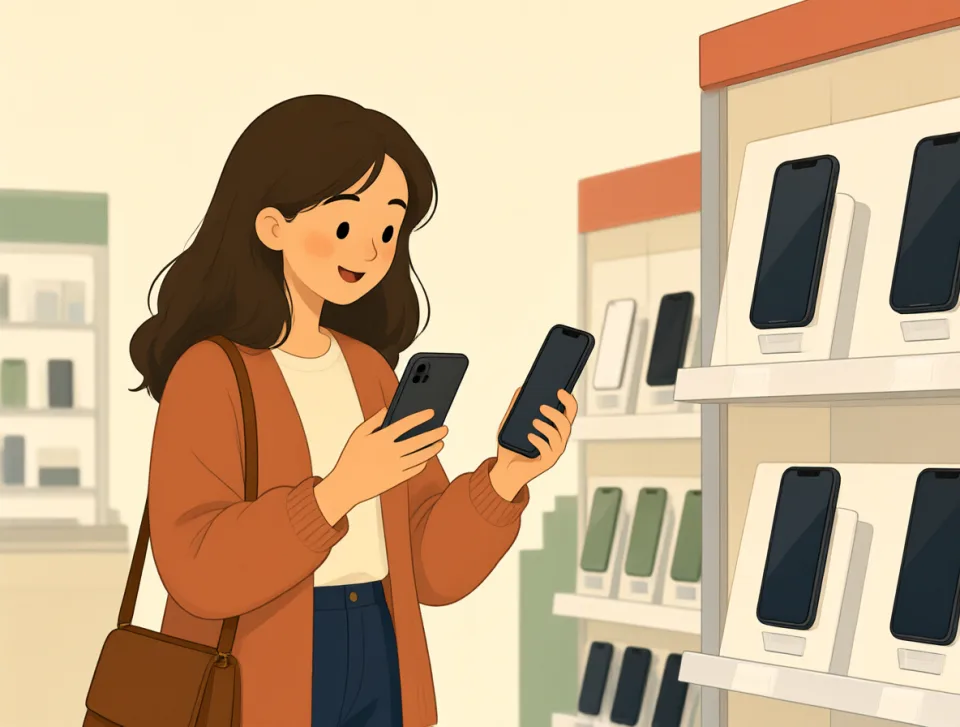
One characteristic of this phone is its long battery life.
這款手機的一個特點是電池續航時間長。
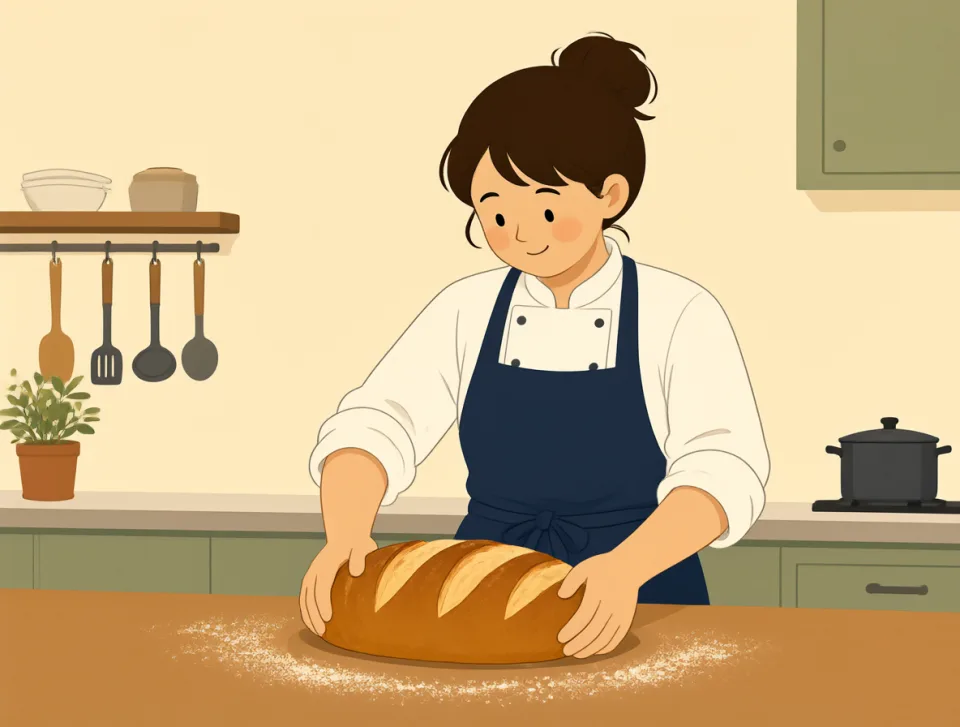
The main characteristic of this bread is its soft texture.
這種麵包最顯著的特點是口感鬆軟。
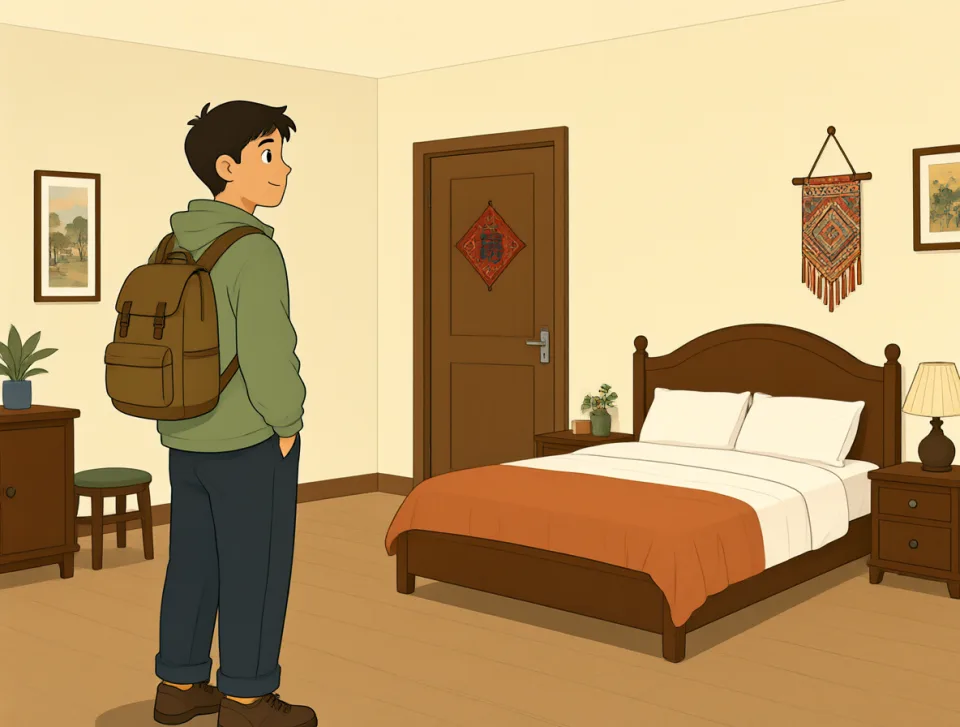
The hotel has several characteristic features of traditional local houses.
這家酒店有一些當地傳統民居的典型特色。

Her characteristic laugh made everyone recognize her at the party.
她那獨特的笑聲讓大家在派對上認出了她。
license
#1583noun, verb
許可證; 許可; 執照
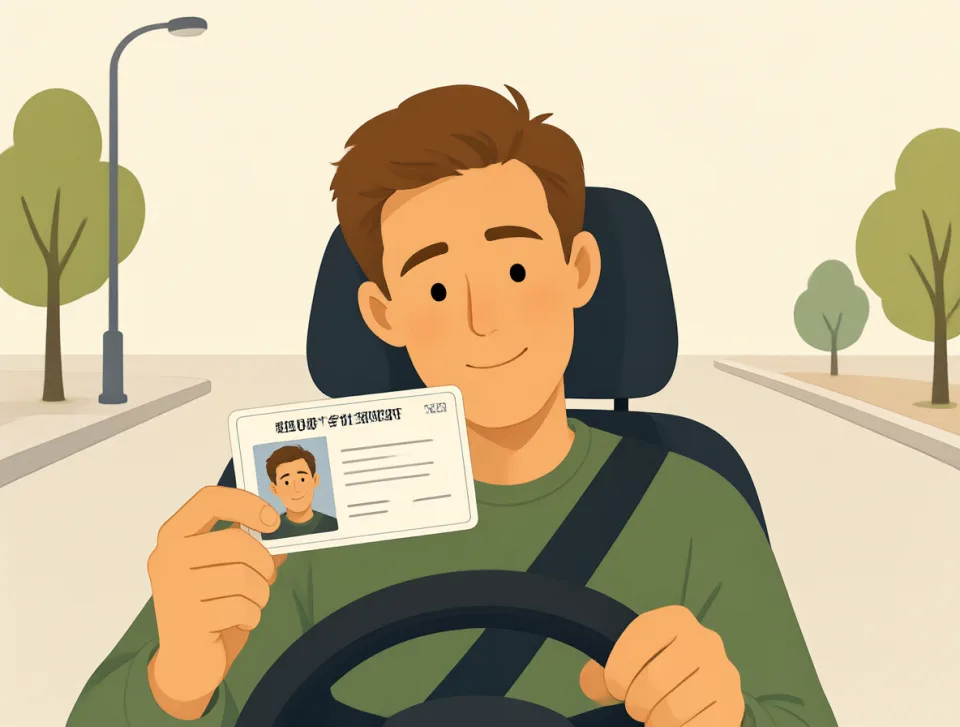
An official document or permission that allows you to do something.
允許你做某事的官方檔案或許可。
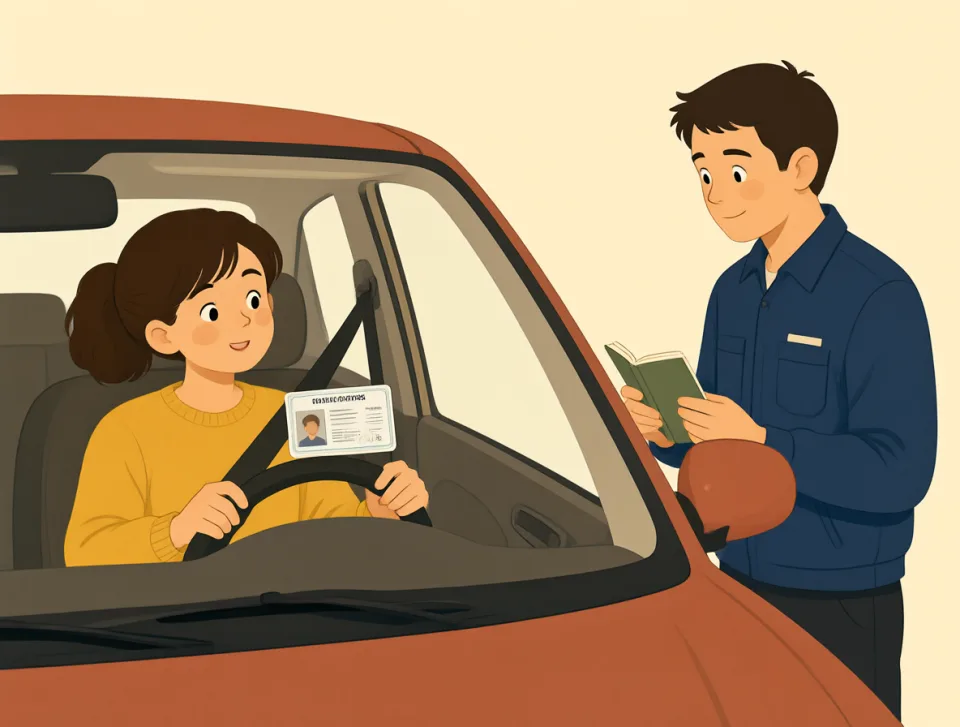
You need a driver's license to drive a car legally.
你需要有駕駛執照才能合法開車。
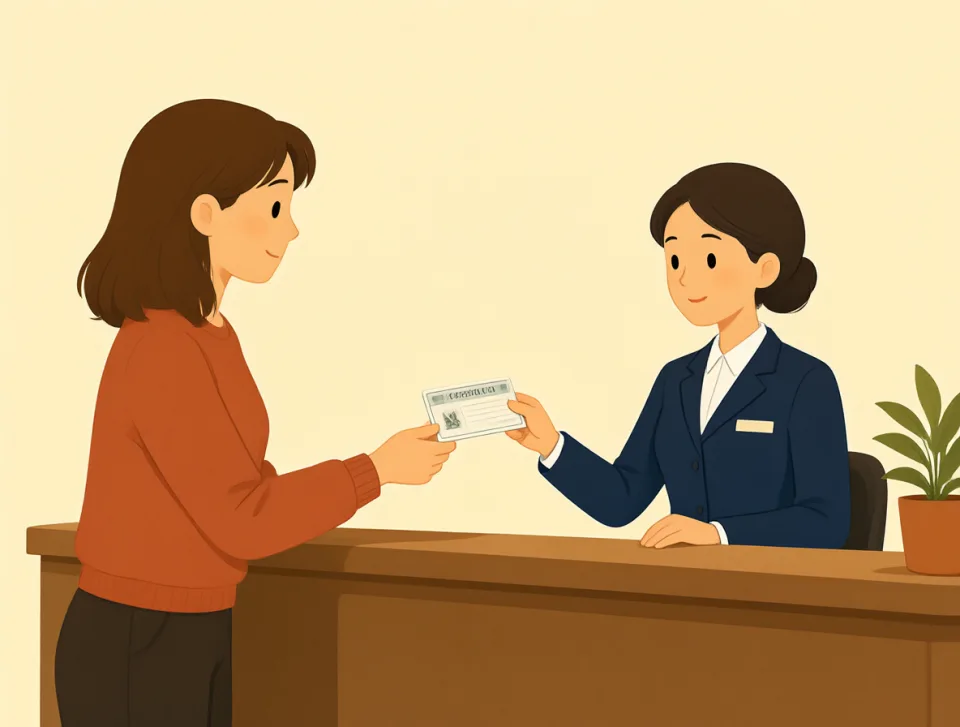
She renewed her license at the government office yesterday.
她昨天在政府辦公室續辦了許可證。

The restaurant lost its license to sell alcohol.
這家餐館失去了銷售酒類的許可證。

The school licensed the company to use its online course.
學校授權這家公司使用其線上課程。

The doctor licensed him to practice medicine in the country.
這名醫生獲准在該國行醫。
rely
#1584verb
依靠;依賴
to depend on someone or something for help, support, or information
依靠某人或某物來獲得幫助、支援或資訊

You can rely on Maria to help you with your homework.
你可以依靠瑪麗亞幫你做作業。

We rely on our phones to find new places when traveling.
旅行時,我們依靠手機尋找新的地方。

The restaurant relies on fresh vegetables from local farmers.
這家餐廳依靠當地農民供應新鮮蔬菜。
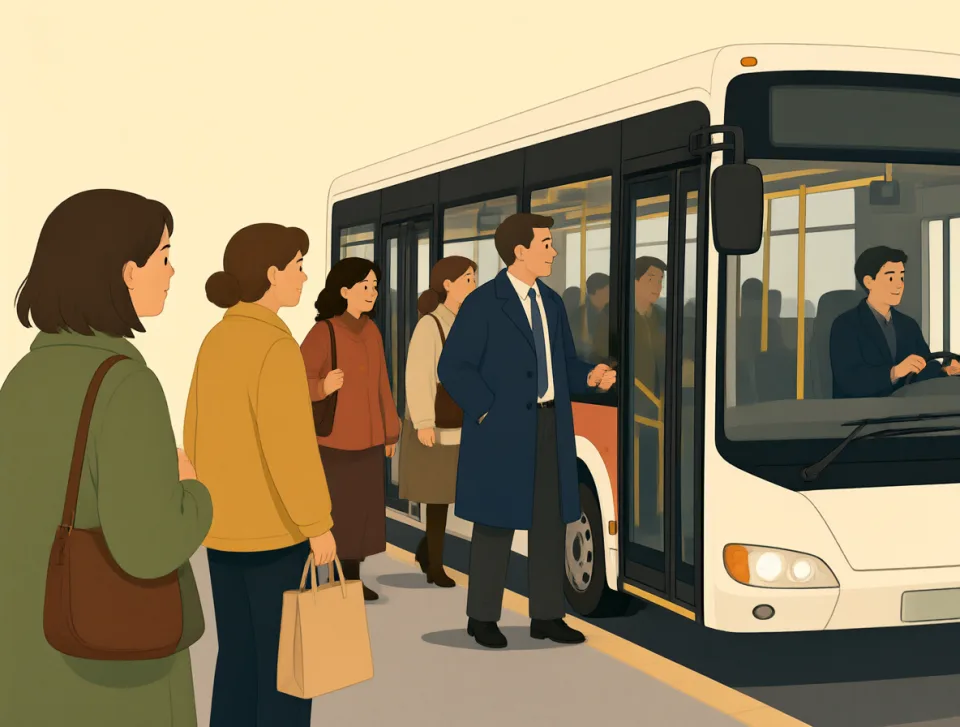
Many families rely on buses to get to work every day.
許多家庭每天依靠公交車上班。

She relied on her doctor for advice about her health.
她依靠醫生為自己的健康提供建議。
narrow
#1585adjective, verb
狹窄的;變窄
having little space from one side to the other; to make something less wide
從一邊到另一邊空間很小;使某物變得不那麼寬

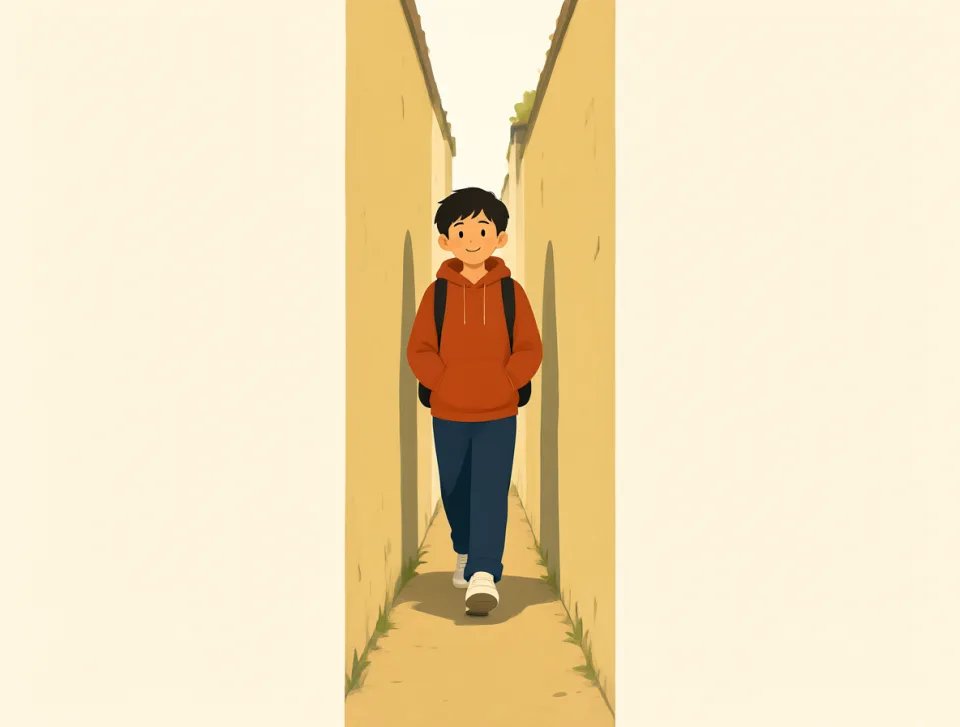
The narrow street was crowded with cars and people.
這條狹窄的街道上擠滿了汽車和行人。
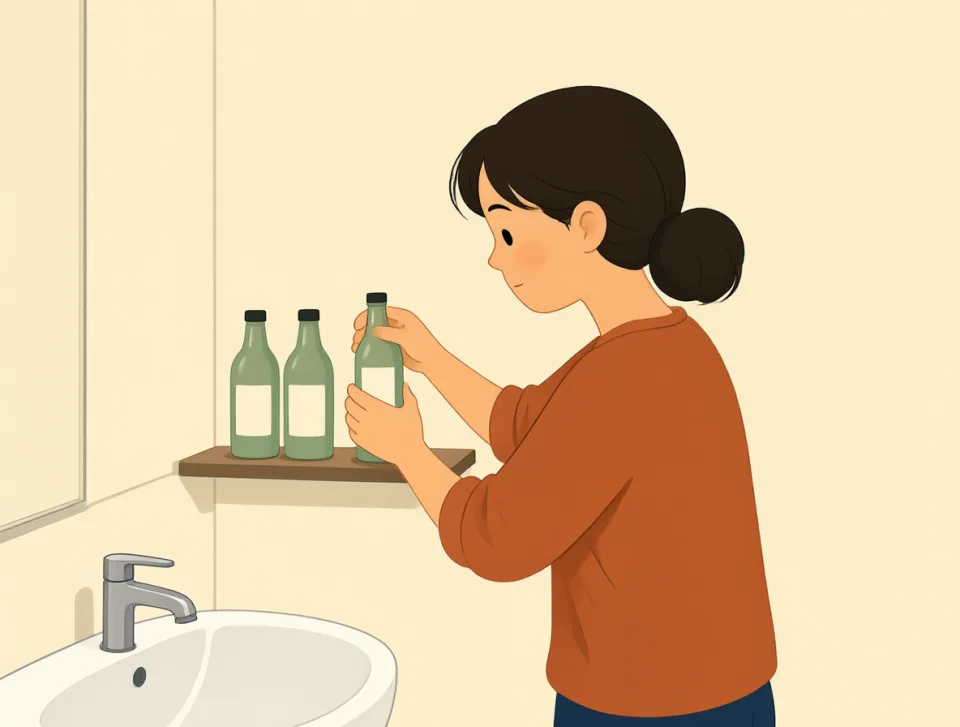
This narrow shelf is perfect for my small bathroom.
這個窄架子非常適合放在我的小浴室裡。

The path narrows near the top of the mountain.
這條小路在山頂附近變窄了。

She narrowed her eyes in the bright sunlight.
在耀眼的陽光下,她眯起了眼睛。
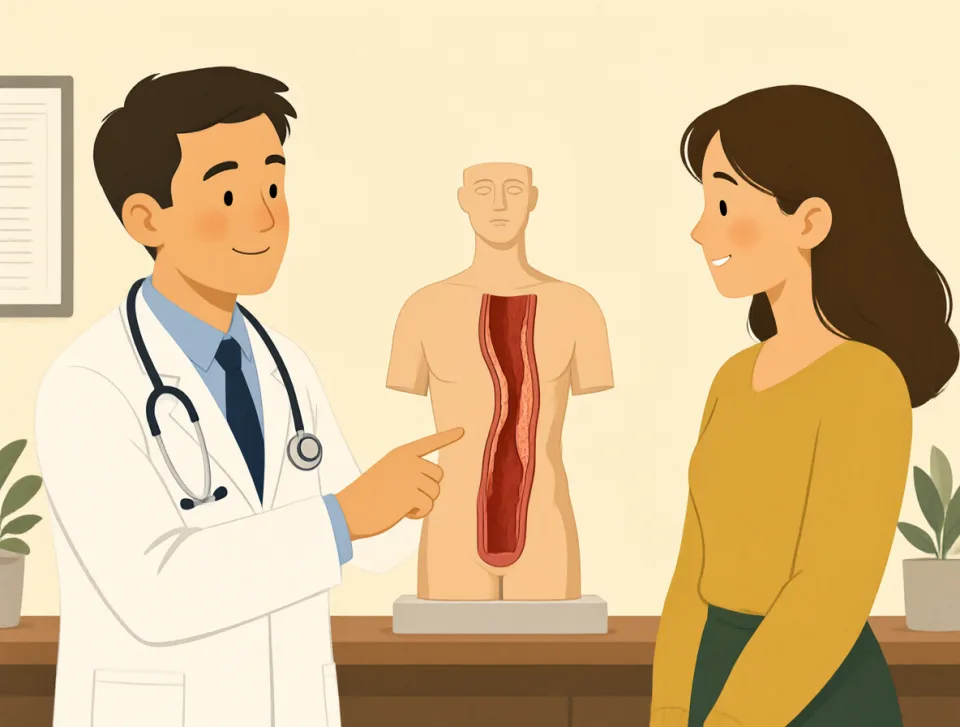
The doctor said there was a narrowing of the artery.
醫生說他的動脈出現了狹窄。

succeed
#1586verb
成功;取得成功;實現目標
to achieve what you tried or wanted to do
達成你努力或希望實現的目標

She worked hard and succeeded in passing her driving test.
她努力學習,成功透過了駕駛考試。

Our team succeeded in finding a cheap hotel near the beach.
我們團隊成功找到了海灘附近一家便宜的酒店。
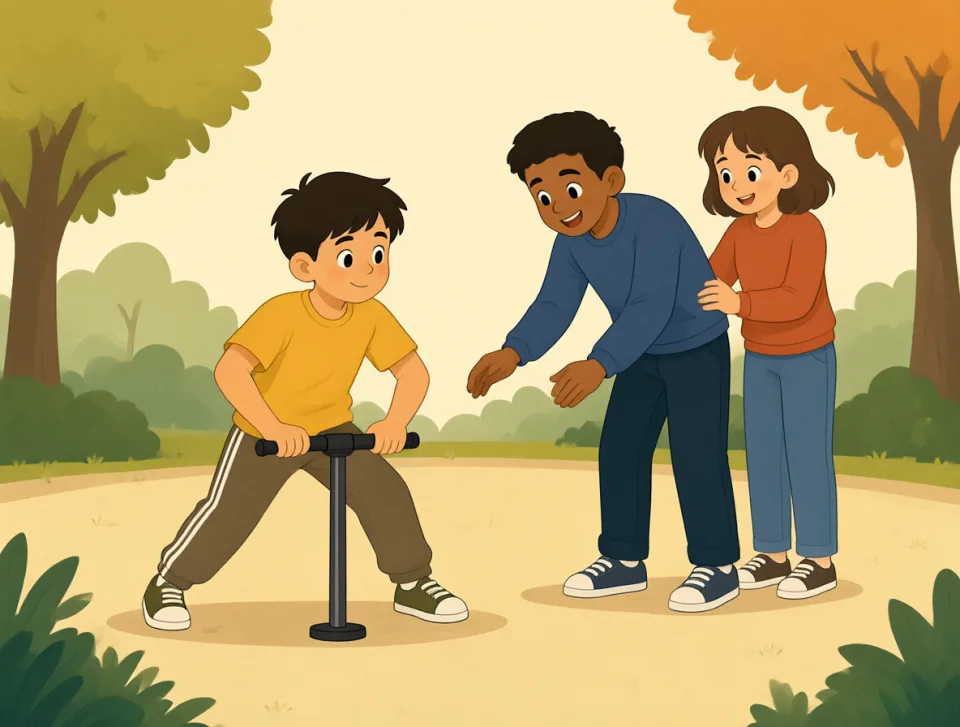
He succeeded because his friends helped him practice every day.
他之所以成功,是因為朋友們每天都幫助他練習。
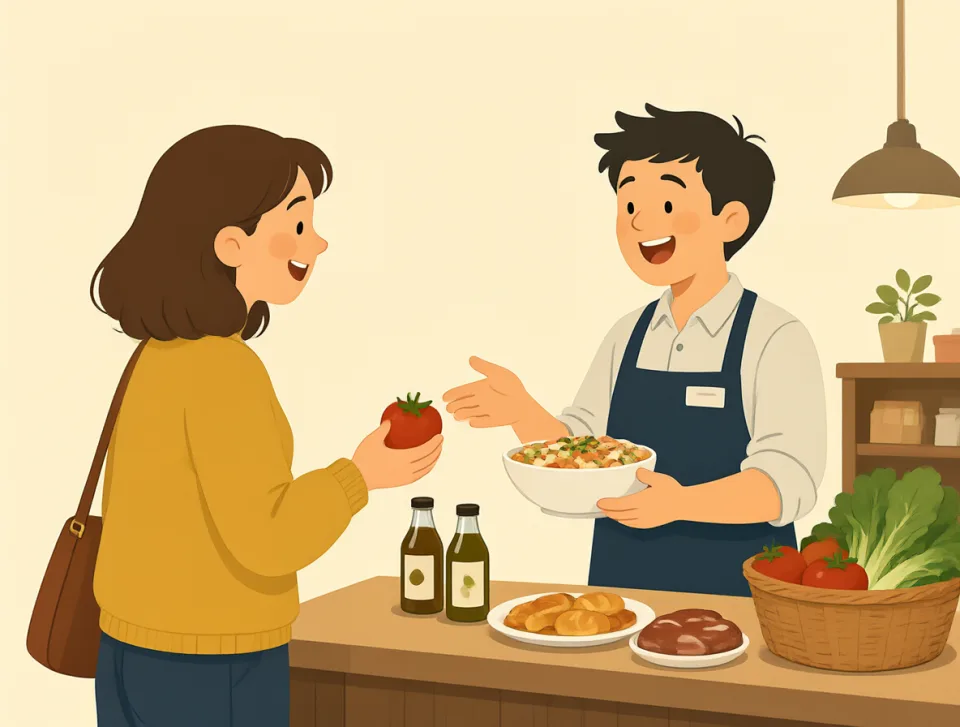
The shop succeeded after offering fresh food and friendly service.
這家商店提供新鮮的食物和友好的服務後,生意成功了。
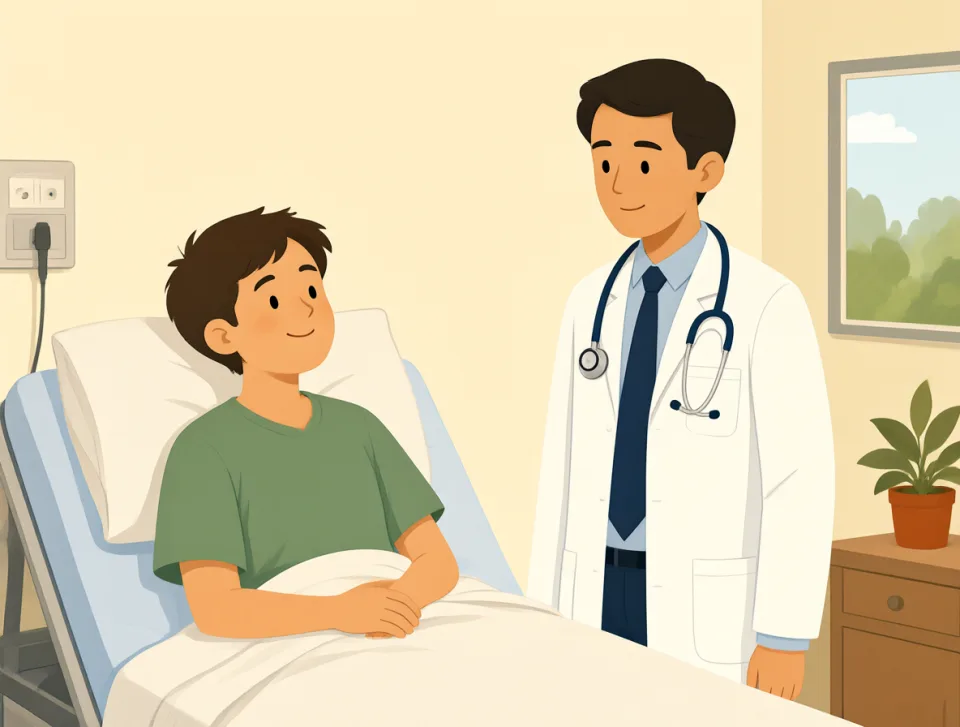
The treatment succeeded, and the patient soon felt much better.
治療成功了,病人很快就感覺好多了。
identity
#1587noun
身份;身份認同
The qualities, beliefs, and name that make a person or group different from others.
使一個人或群體有別於他人的特質、信念和姓名。
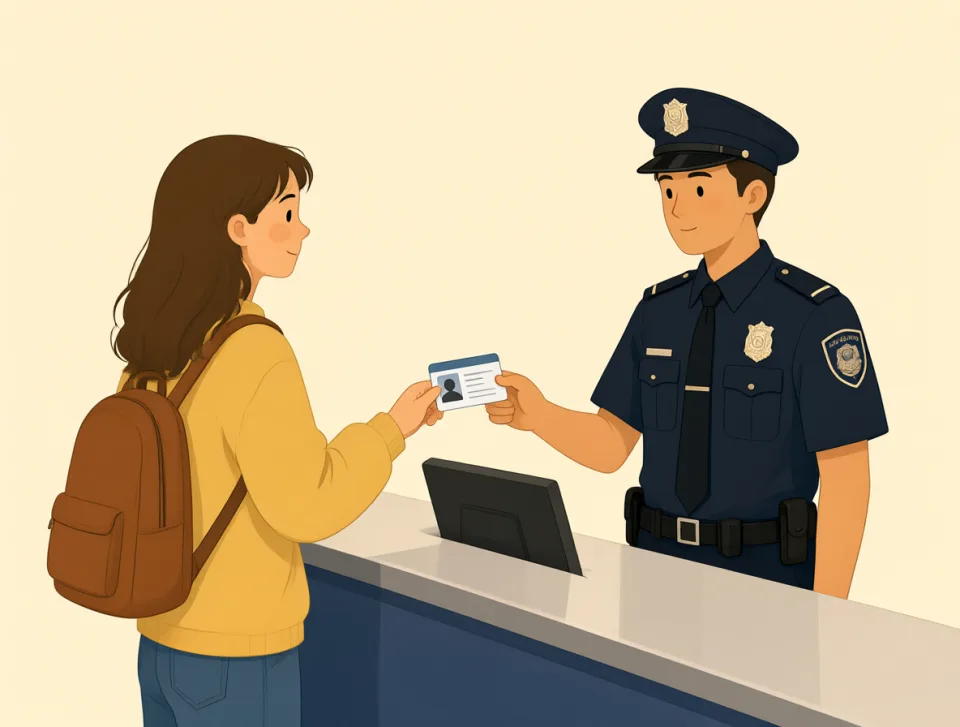
Please show your identity card at the airport security desk.
請在機場安檢處出示身份證件。
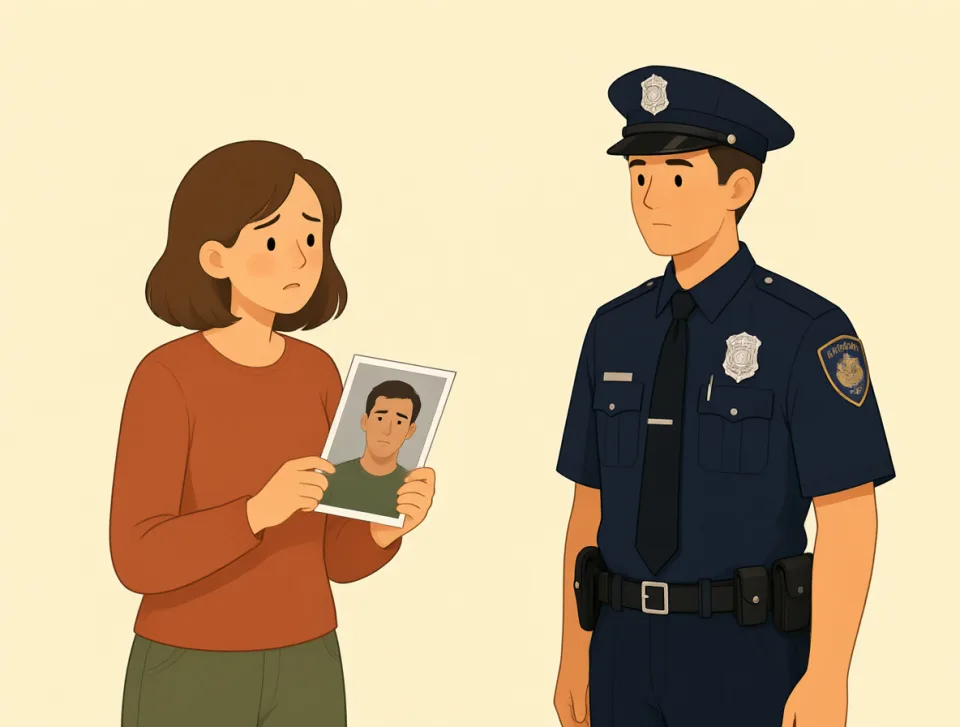
The police are checking the identity of the missing man.
警方正在核查那名失蹤男子的身份。

She lost her identity documents while traveling in Spain.
她在西班牙旅行時丟失了身份證件。

The school helps teenagers develop a strong sense of identity.
這所學校幫助青少年建立強烈的身份認同感。
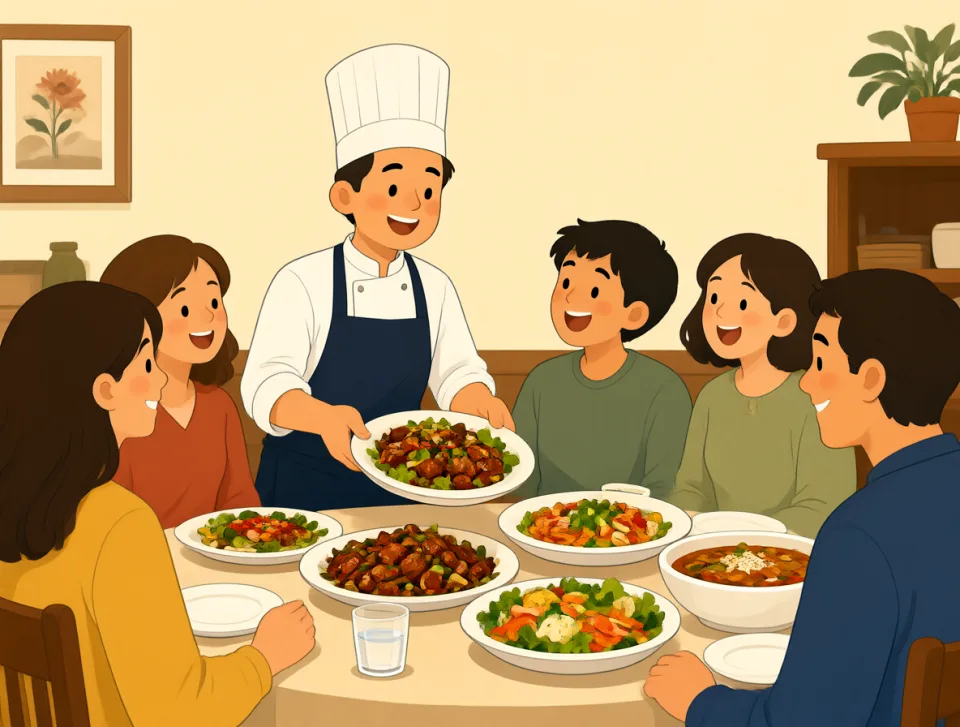
The restaurant has a clear identity, with local food and friendly service.
這家餐廳特色鮮明,提供當地美食,服務也很熱情。

desk
#1588noun
書桌;辦公桌;服務檯
A table where you work, study, write, or use a computer.
用於工作、學習、寫字或使用電腦的桌子。

She sat at her desk and answered several emails.
她坐在書桌前回復了幾封郵件。

Please leave the report on my desk.
請把報告放在我的辦公桌上。
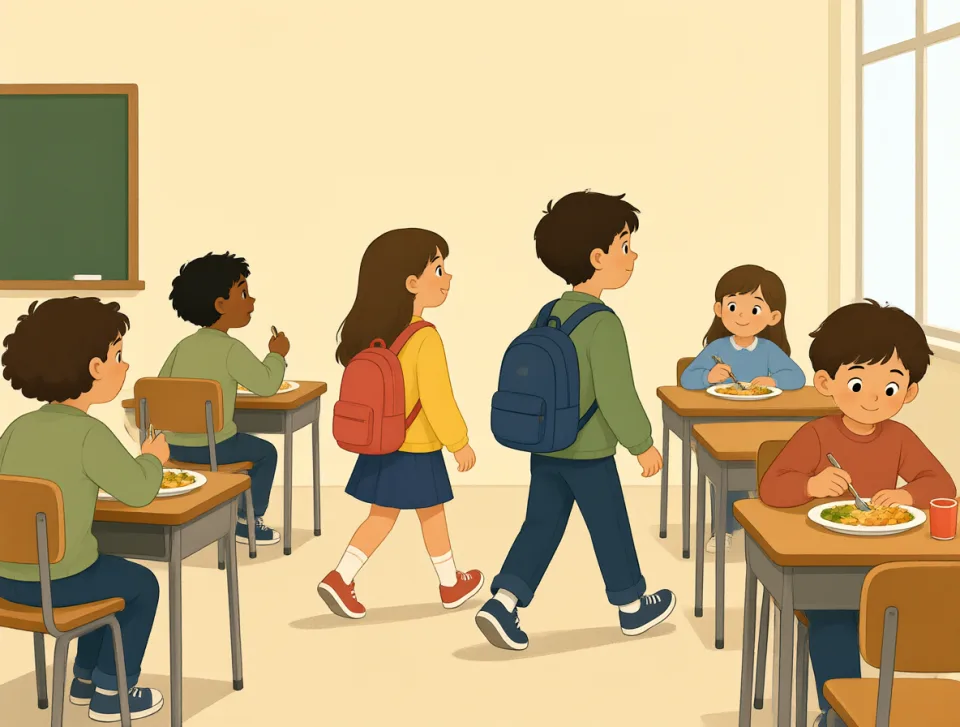
The students returned to their desks after lunch.
午餐後,學生們回到了自己的課桌旁。
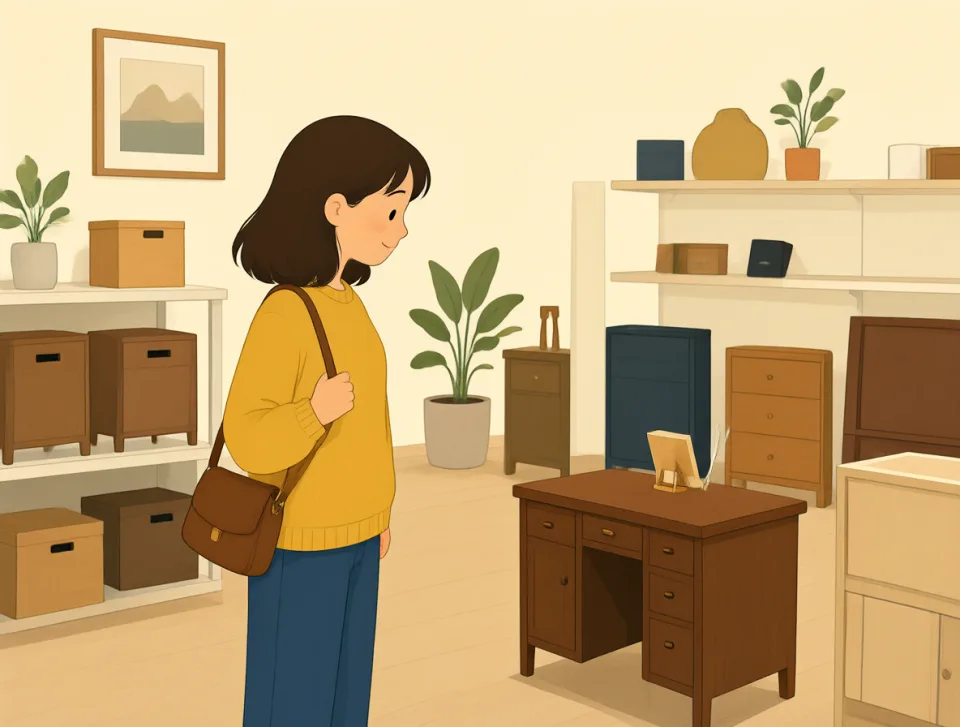
I bought a small desk for my bedroom.
我為臥室買了一張小書桌。
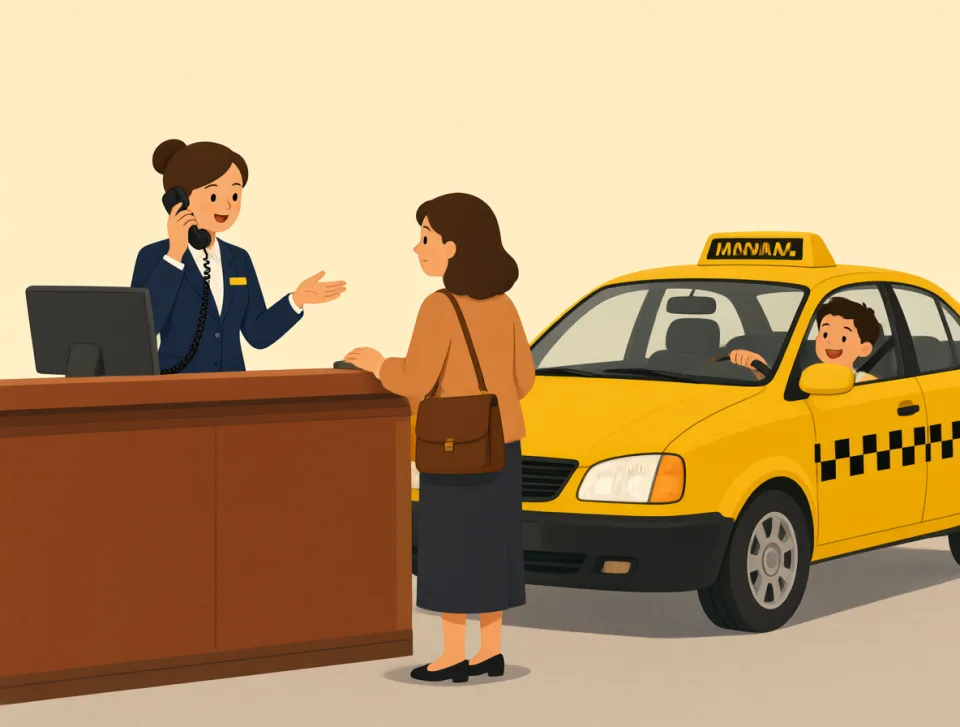
The hotel desk called a taxi for us.
酒店前臺幫我們叫了一輛計程車。
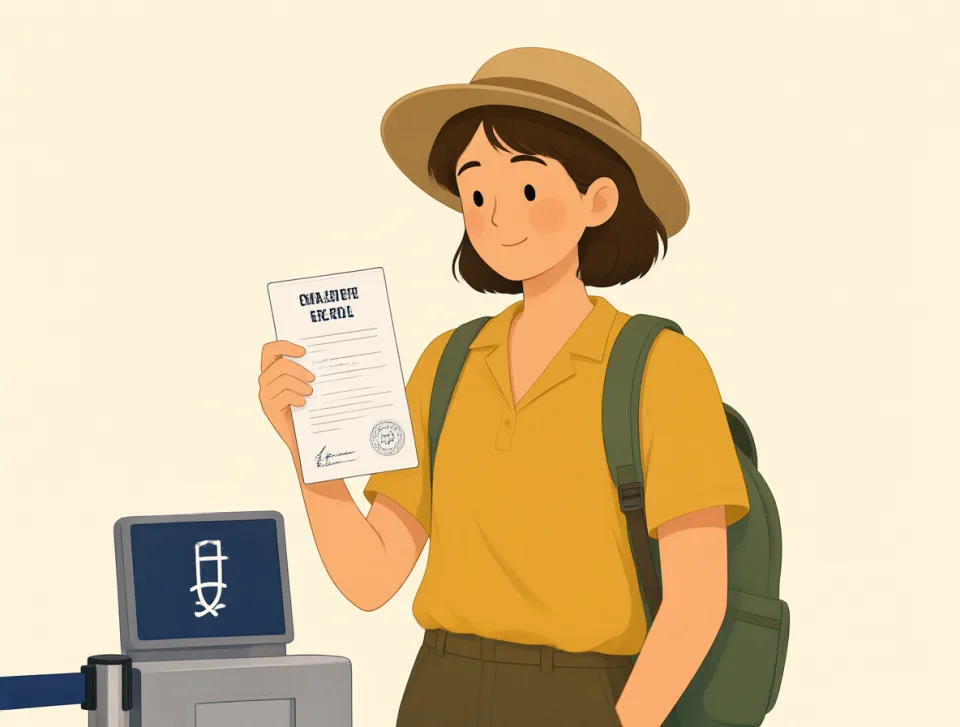
permit
#1589noun, verb
許可證;准許;允許
An official document allowing you to do something, or to allow someone to do something.
允許你做某事的官方檔案,或允許某人做某事。
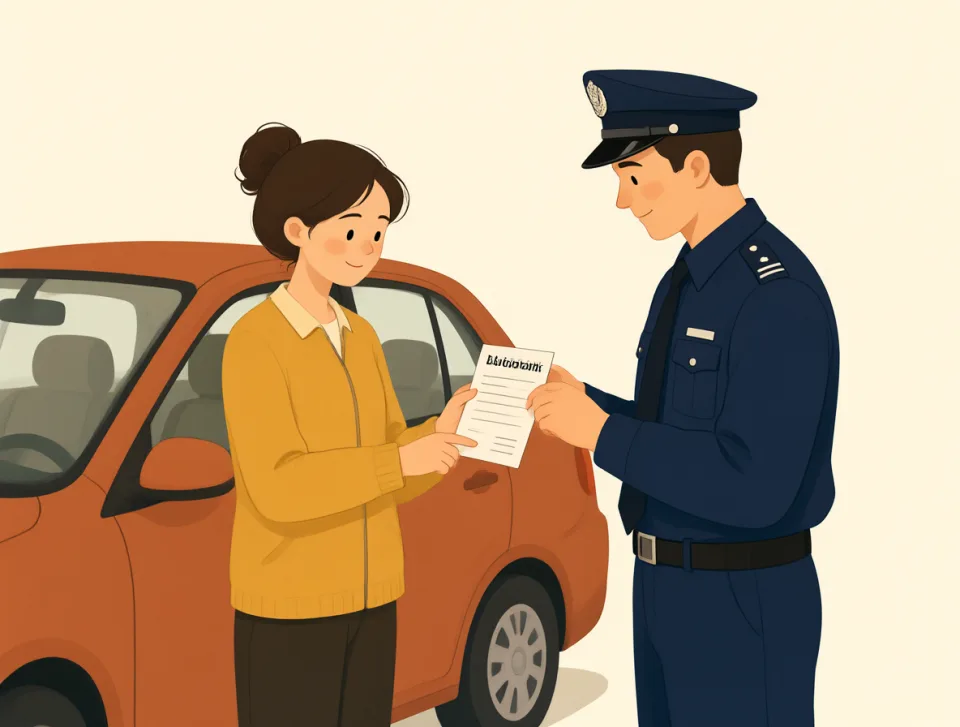
You need a permit to park here overnight.
你需要許可證才能在這裡過夜停車。
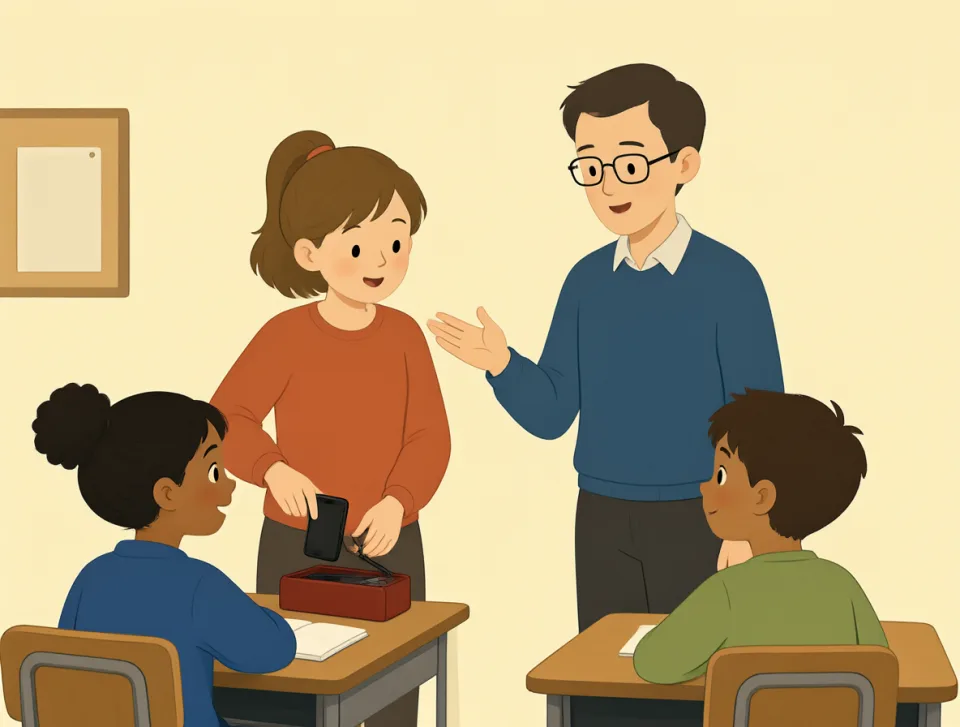
The school does not permit students to use phones in class.
學校不允許學生在課堂上使用手機。

We got a permit before building the new kitchen.
我們拿到許可證後才開始建新廚房。

The restaurant permits customers to bring their own wine.
這家餐廳允許顧客自帶葡萄酒。
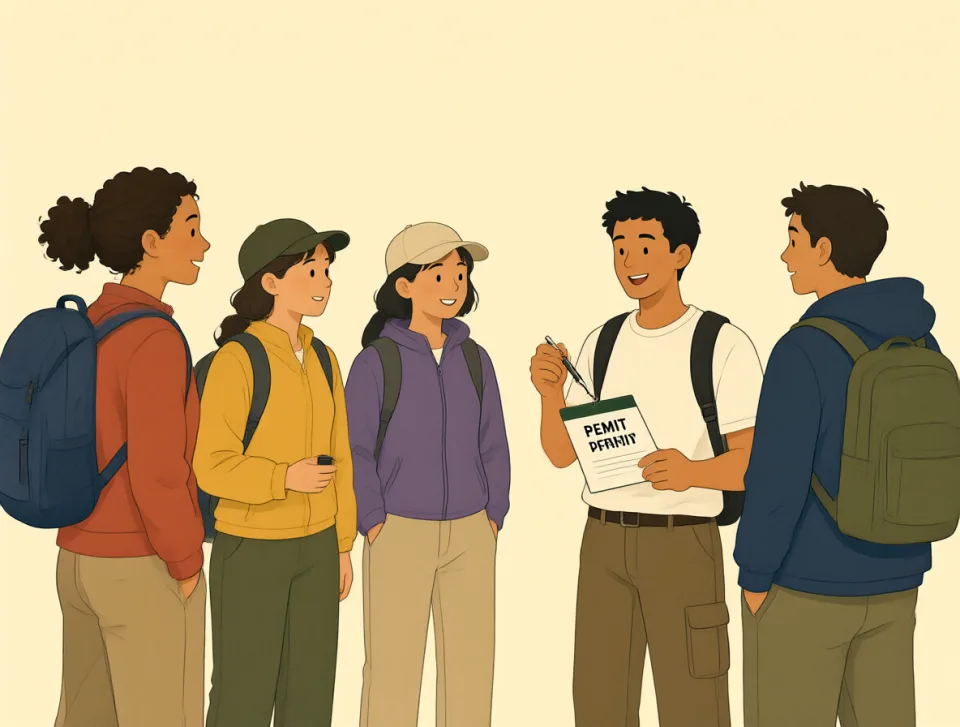
Our guide said the permit permitted us to enter the national park.
導遊說,這張許可證允許我們進入國家公園。

seriously
#1590adverb
認真地;嚴肅地;確實
In a serious way, or used to show that something is not a joke.
以認真的方式;也可用於表示某事不是開玩笑。
Are you seriously thinking about quitting your job?
你真的在考慮辭職嗎?

He seriously hurt his back while lifting a heavy box.
他搬一個很重的箱子時,背部受了重傷。

You should seriously consider taking a day off.
你真的應該考慮休息一天。
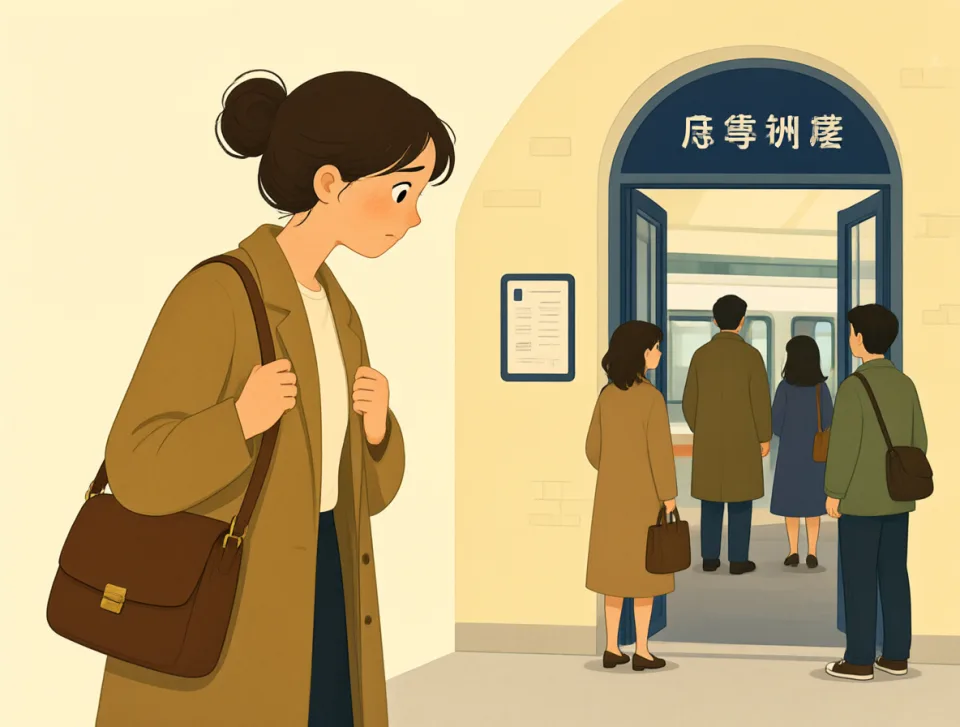
She was seriously worried when her brother missed the train.
弟弟沒趕上火車時,她非常擔心。

Seriously, this is the best pizza I have ever eaten.
說真的,這是我吃過的最好吃的披薩。

wild
#1591adjective, noun, adverb
野生的;自然生長的;興奮的;失控的
Living or growing in nature, not controlled by people; very excited or uncontrolled.
在自然環境中生活或生長、不受人類控制的;非常興奮或不受控制的。

We saw wild animals during our safari in Kenya.
我們在肯亞遊獵時看到了野生動物。

These flowers grow wild along the country road.
這些花沿著鄉間小路自然生長。

The children went wild when their teacher announced a holiday.
老師宣佈放假後,孩子們高興得瘋了。
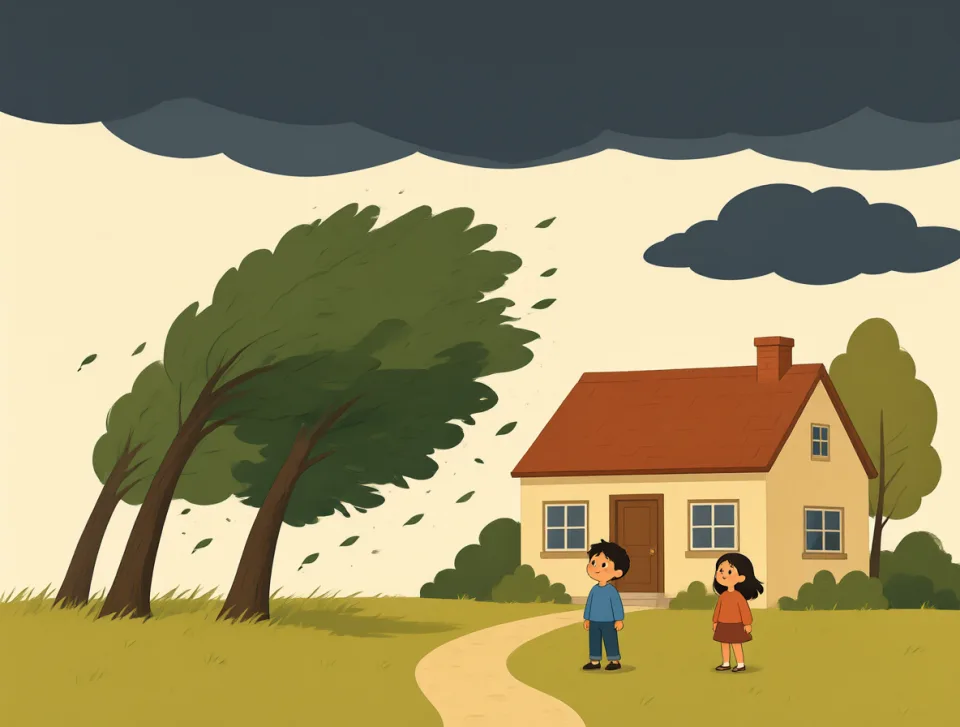
The wind became wild during the storm last night.
昨晚暴風雨期間,風勢變得狂暴起來。
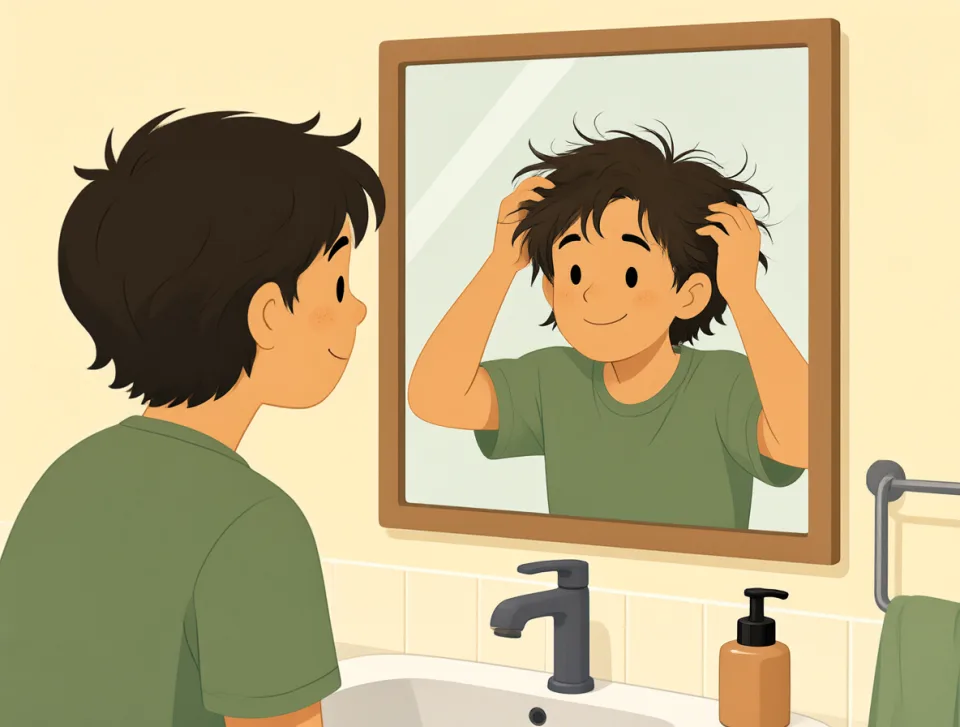
My hair went wild after riding my bike in the rain.
雨中騎車後,我的頭髮亂成了一團。

empty
#1592adjective, verb, noun
空的;倒空;空虛
Containing nothing, or to remove everything from a container or place.
裡面什麼都沒有,或把容器或某個地方里的東西全部清空。
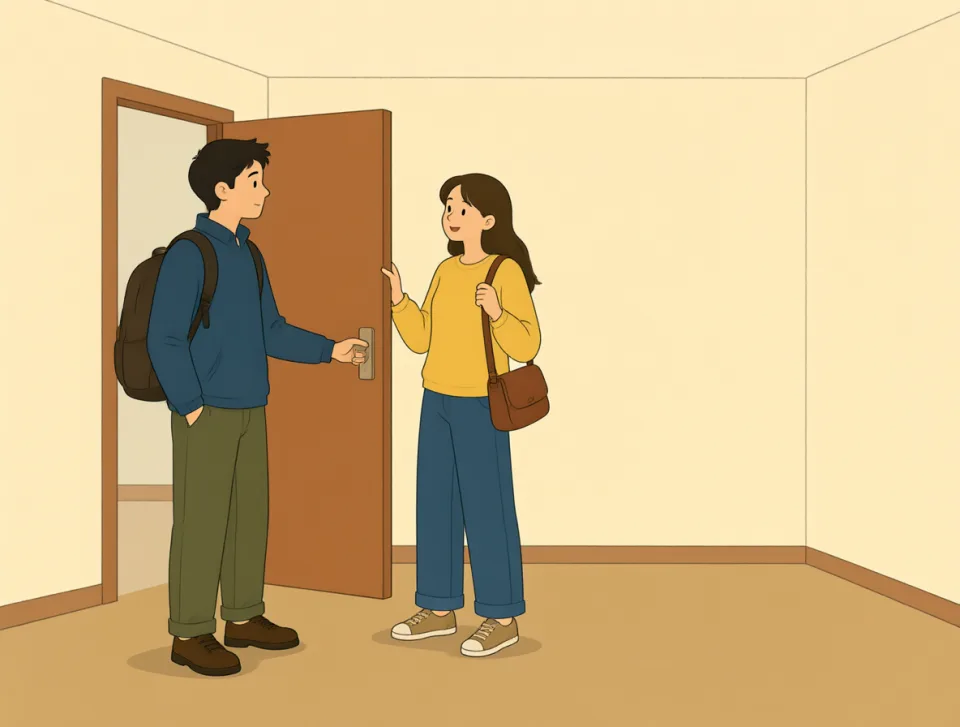
The room was empty when we arrived.
我們到的時候,房間裡空無一人。
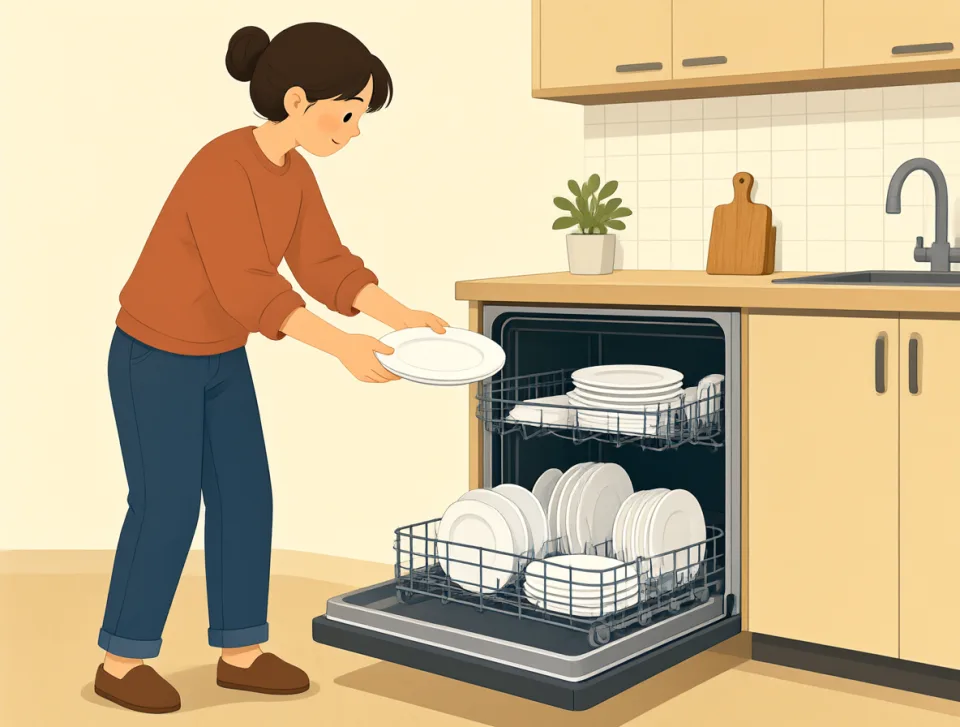
Please empty the dishwasher after breakfast.
早餐後請把洗碗機裡的碗碟拿出來。
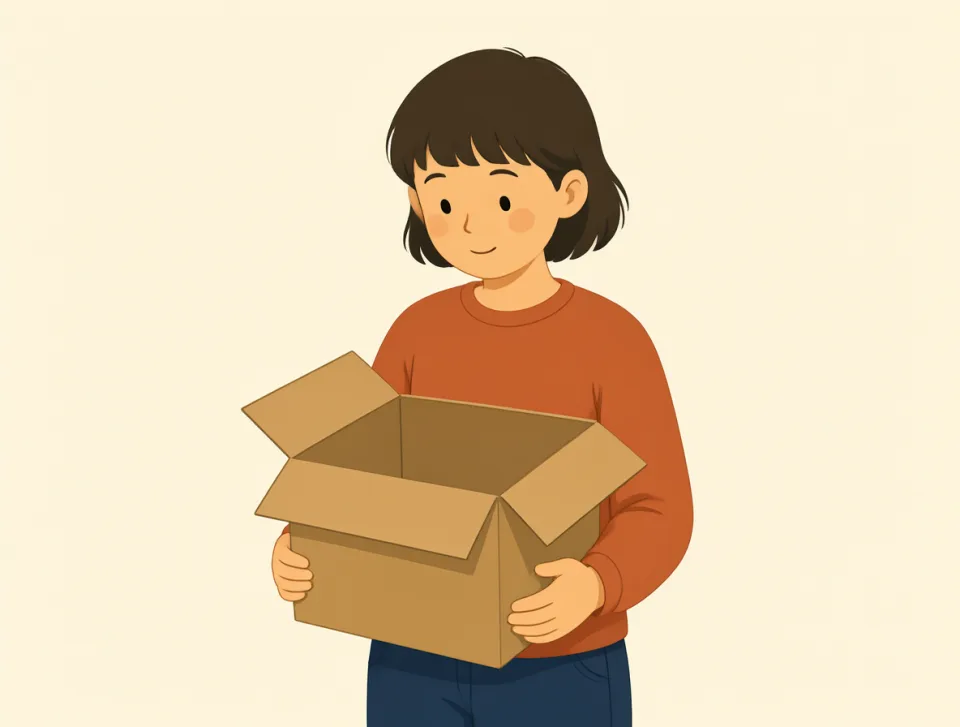
I found an empty box under the bed.
我在床底下發現了一個空盒子。

The supermarket shelves were empty after the storm.
暴風雨過後,超市的貨架上空空如也。

He felt empty after his best friend moved away.
最好的朋友搬走後,他感到心裡空落落的。
commission
#1593noun, verb
佣金;委託;委員會
An amount paid to someone for selling something, or a group officially chosen to do a task.
因銷售商品而支付給某人的報酬,或為完成某項任務而正式成立的團體。

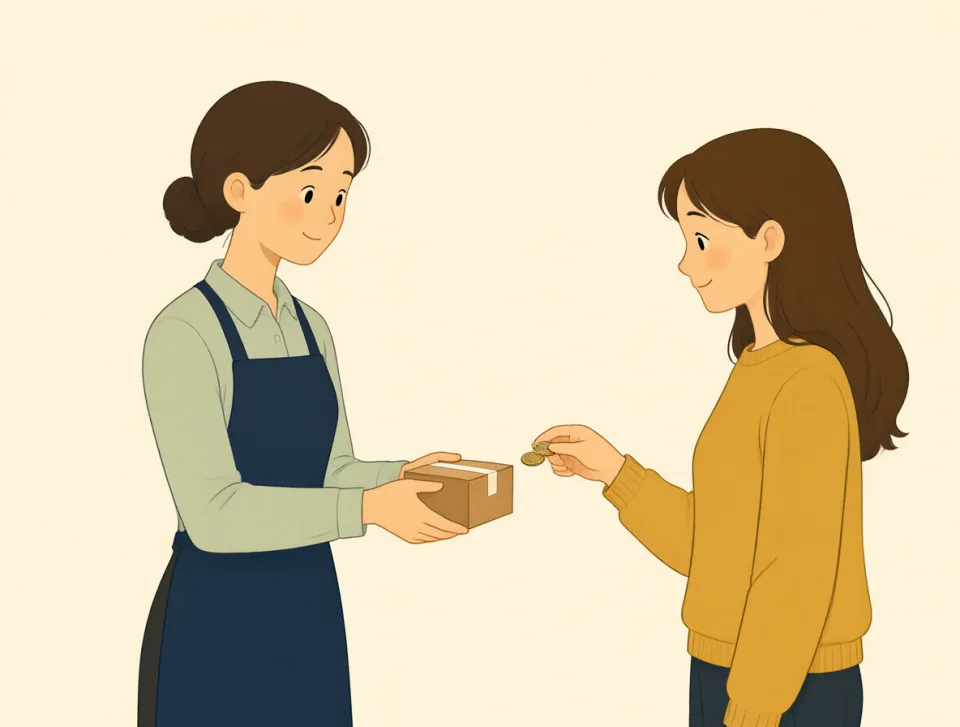
She earns a commission for every car she sells.
她每賣出一輛汽車就能拿到一筆佣金。

The artist received a commission to paint their family portrait.
這位藝術家受託為他們一家畫一幅全家福。

The school formed a commission to plan the new library.
學校成立了一個委員會來規劃新圖書館。
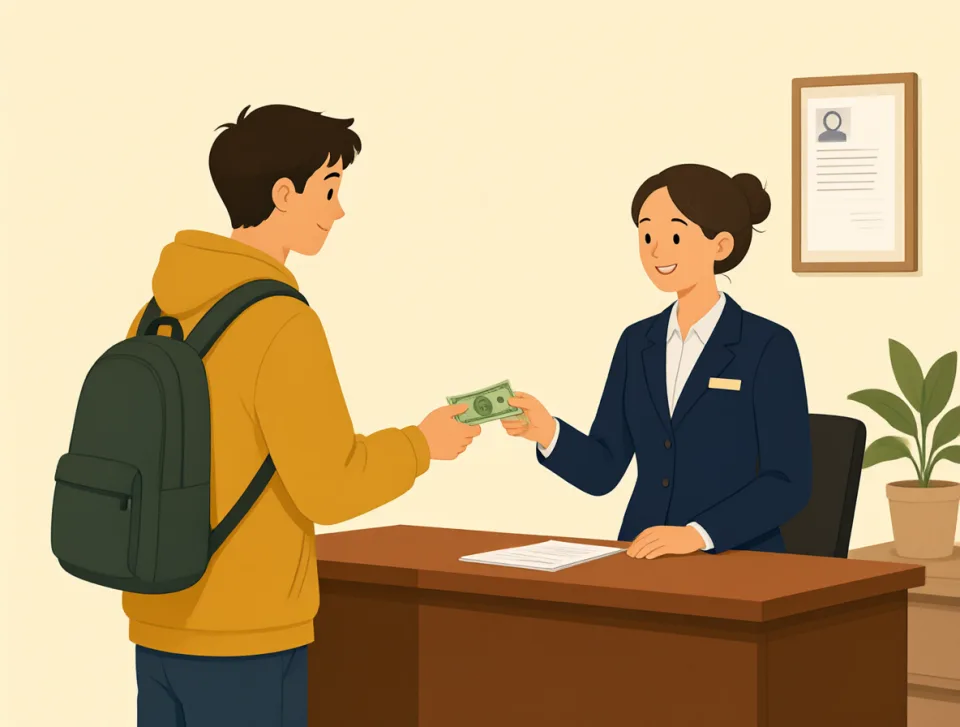
He paid a five percent commission to the travel agent.
他付給旅行社代理人百分之五的佣金。
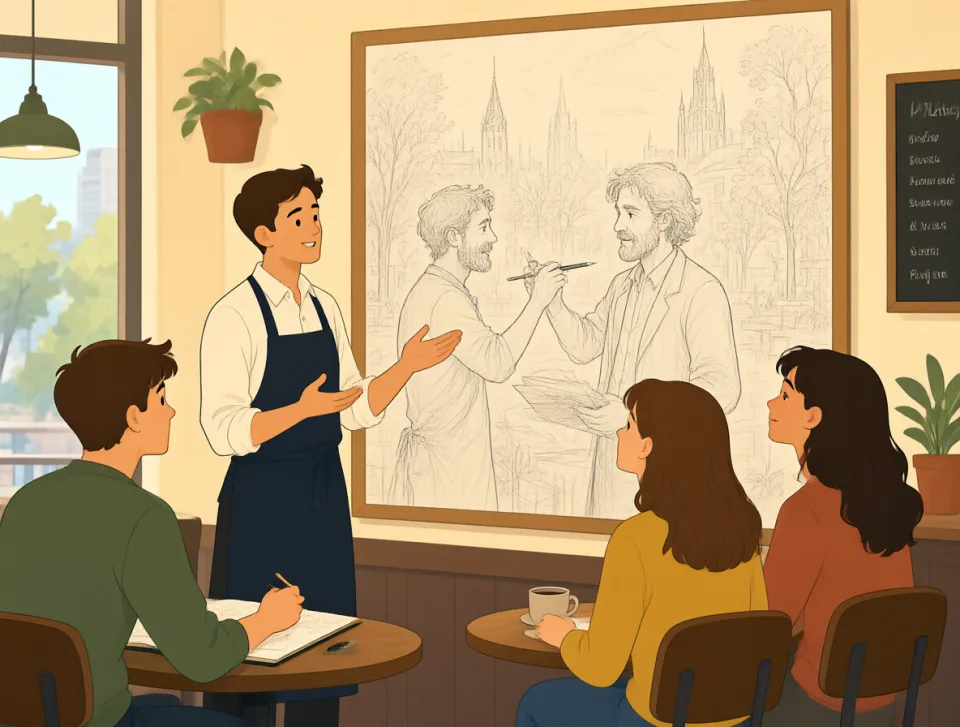
The manager commissioned a local artist to design the café mural.
經理委託一位當地藝術家為咖啡館設計壁畫。

unique
#1594adjective
獨特的;獨一無二的
Being the only one of its kind, or different from everything else.
某種事物中唯一的一個,或與其他一切都不同的。

Each person has a unique voice and way of speaking.
每個人都有獨特的嗓音和說話方式。
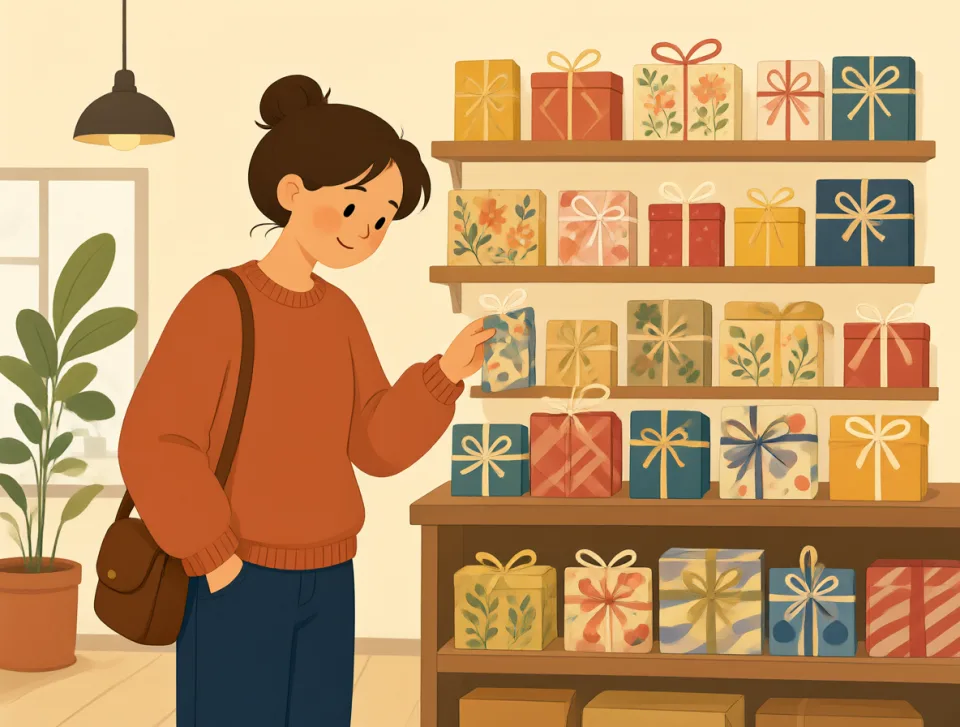
This shop sells unique gifts made by local artists.
這家店出售當地藝術家製作的獨特禮品。
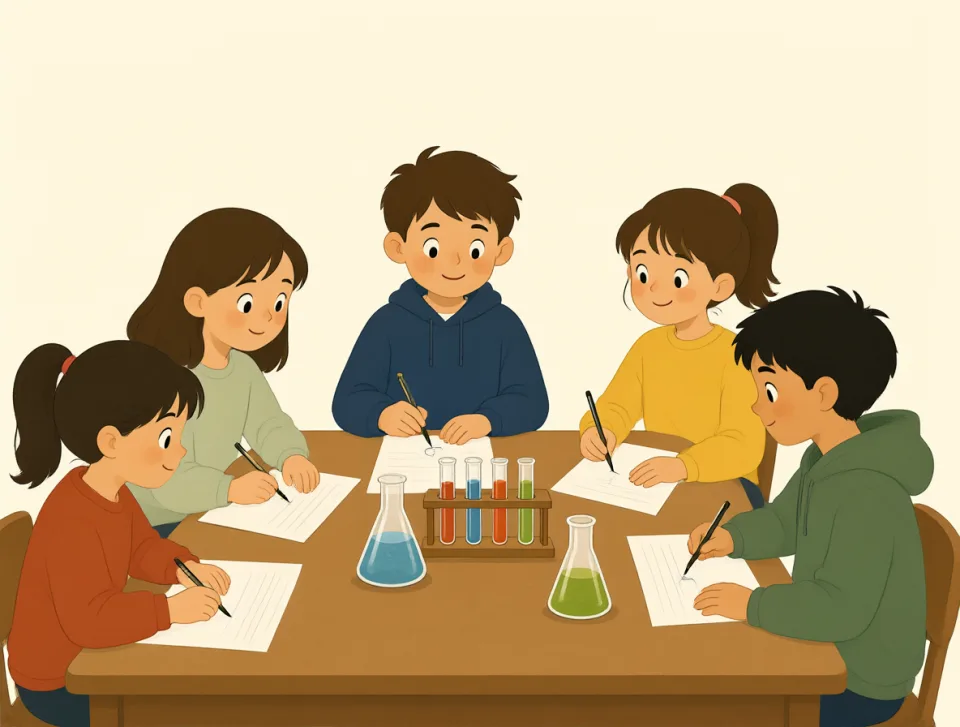
Our teacher gave us a unique project for science class.
科學課上,老師給我們佈置了一個別出心裁的專案。

The restaurant serves a unique dish with rice and fresh vegetables.
這家餐廳供應一道獨特的菜,用米飯和新鮮蔬菜做成。
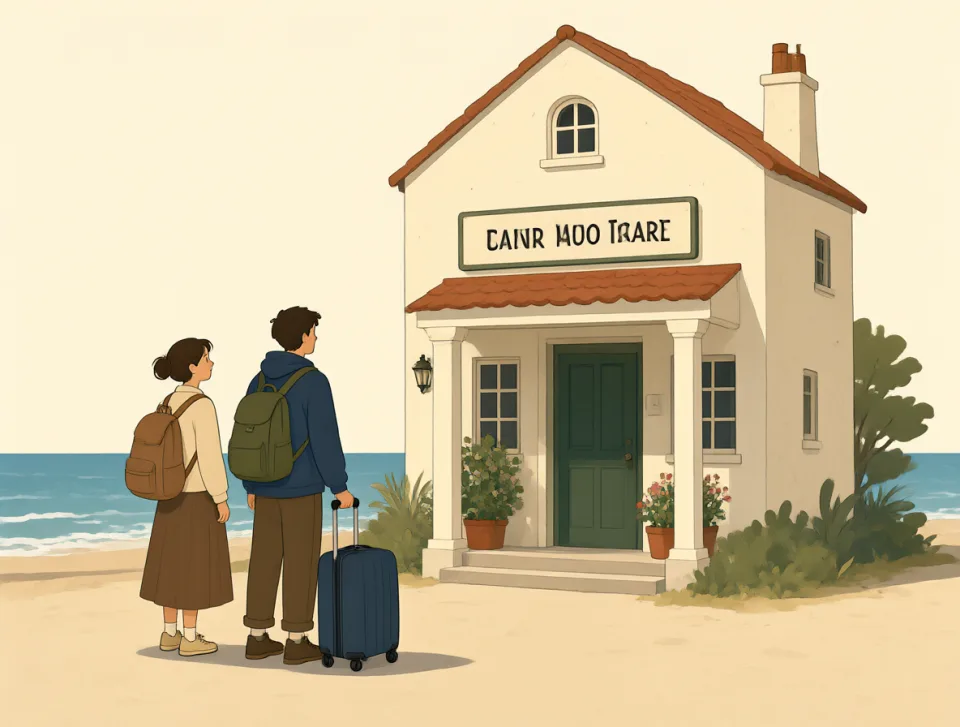
We found a unique little hotel during our trip to the coast.
我們在海邊旅行時找到了一家獨特的小旅館。
association
#1595noun
聯絡;協會;聯想
a connection between people, things, or ideas in your mind
你腦海中人與人、事物或想法之間的聯絡
The word association helped me remember the new vocabulary.
詞語聯想幫我記住了新詞彙。
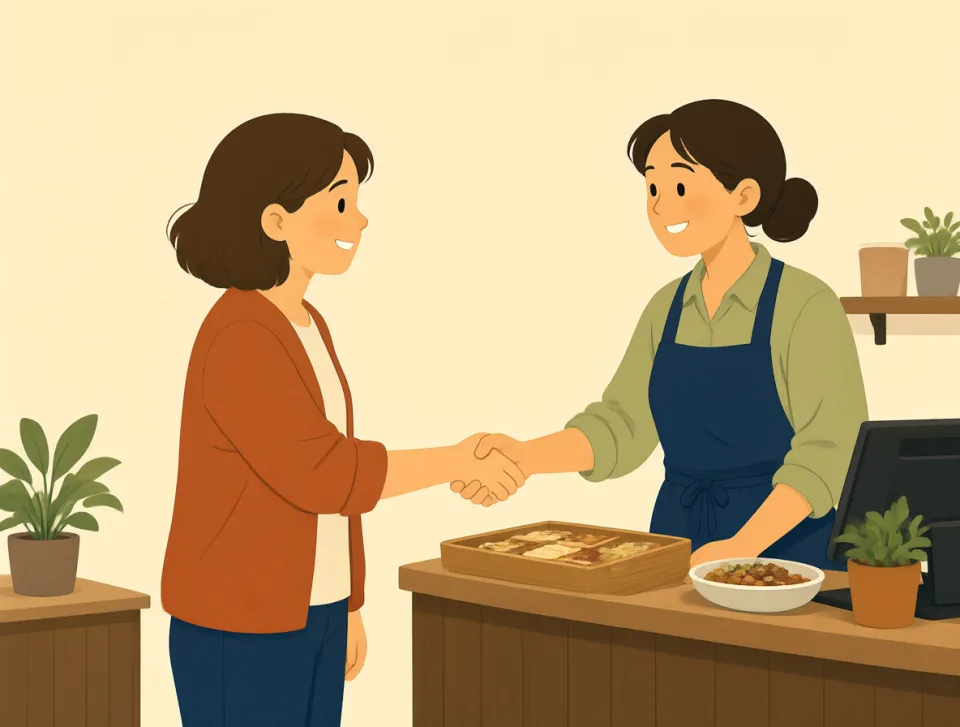
She joined a local business association to meet other shop owners.
她加入了當地的一個商會,以結識其他店主。
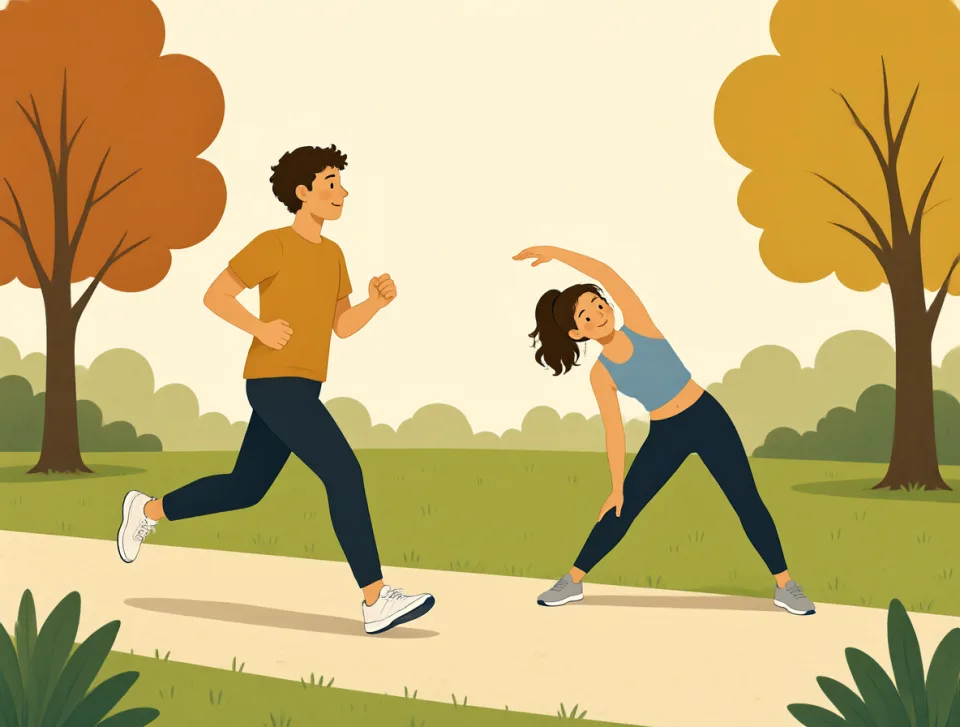
There is a strong association between exercise and better health.
運動和更健康的身體之間有著密切的聯絡。
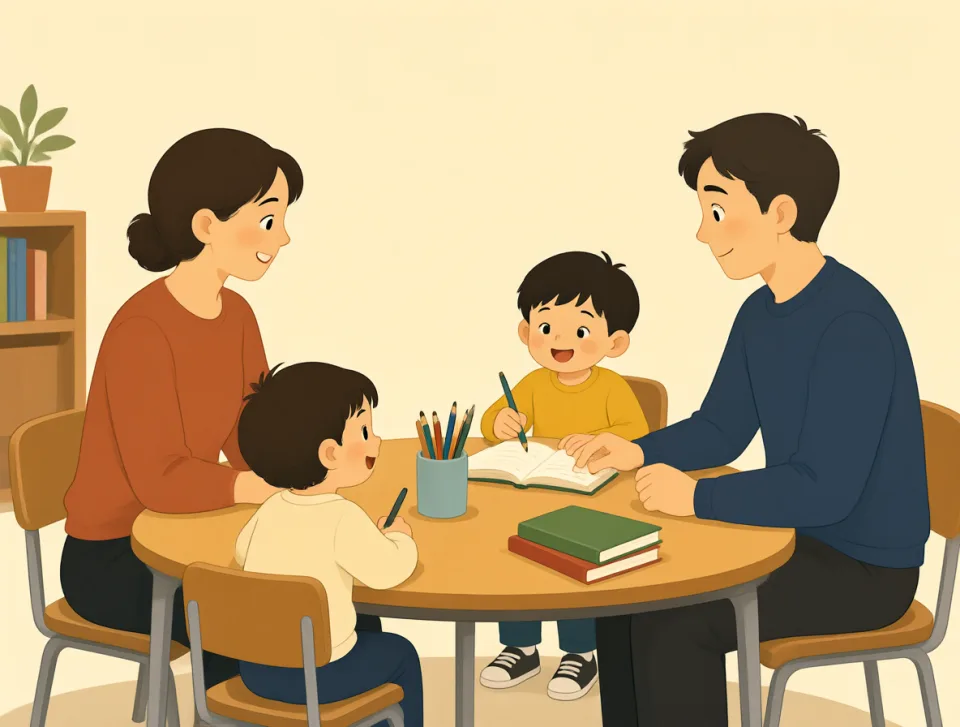
The school has an association for parents and teachers.
這所學校有一個家長教師協會。
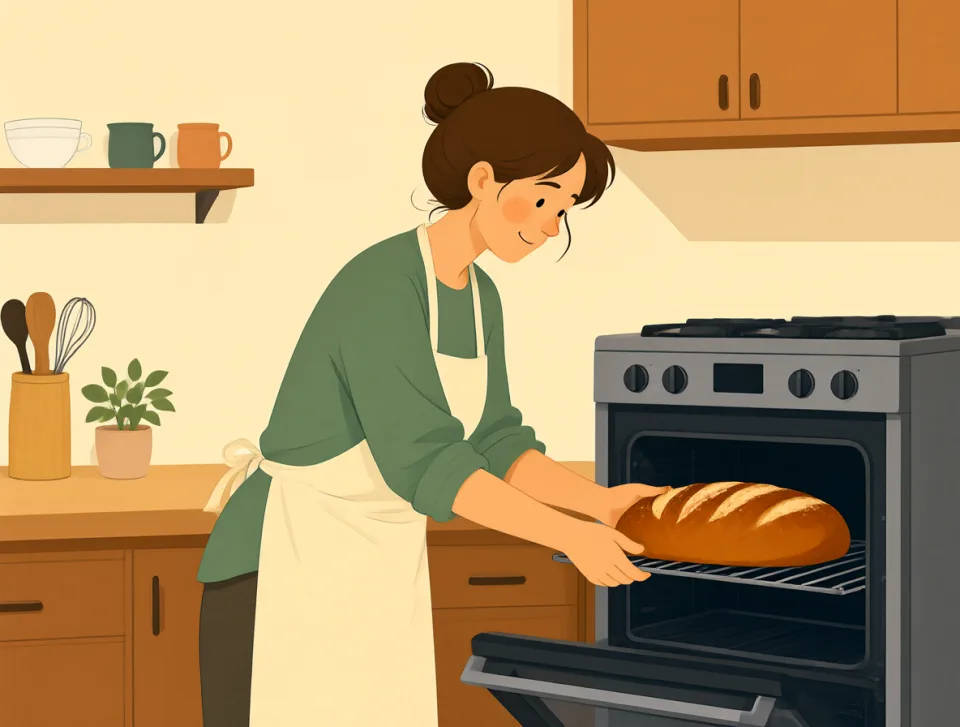
This smell brings back happy associations with my grandmother's kitchen.
這種氣味讓我想起奶奶家廚房裡的美好回憶。
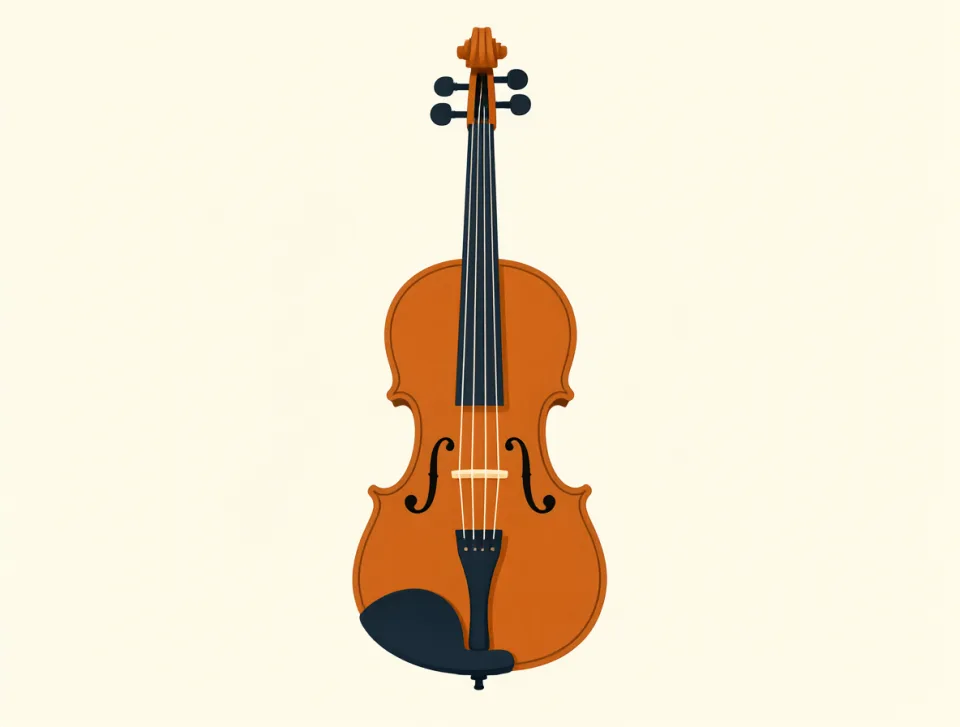
instrument
#1596noun
樂器;儀器;工具
A tool or device used for a special purpose, especially making music or measuring something.
用於特殊用途的工具或裝置,尤其是用來演奏音樂或測量某種東西的工具或裝置。
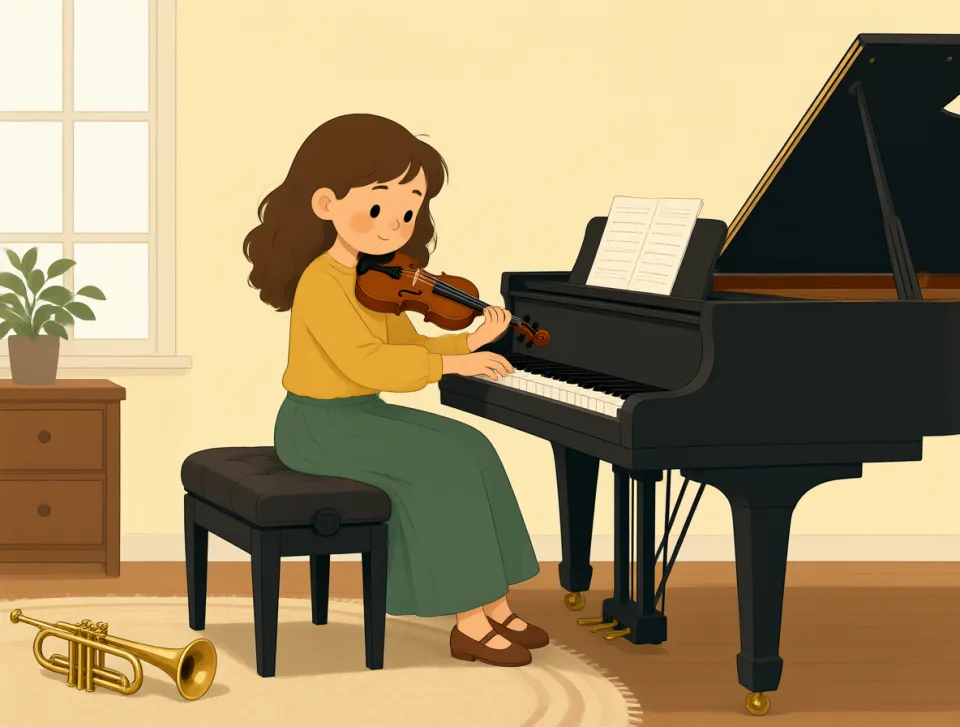
She plays the piano and two other musical instruments.
她會彈鋼琴,還會演奏另外兩種樂器。
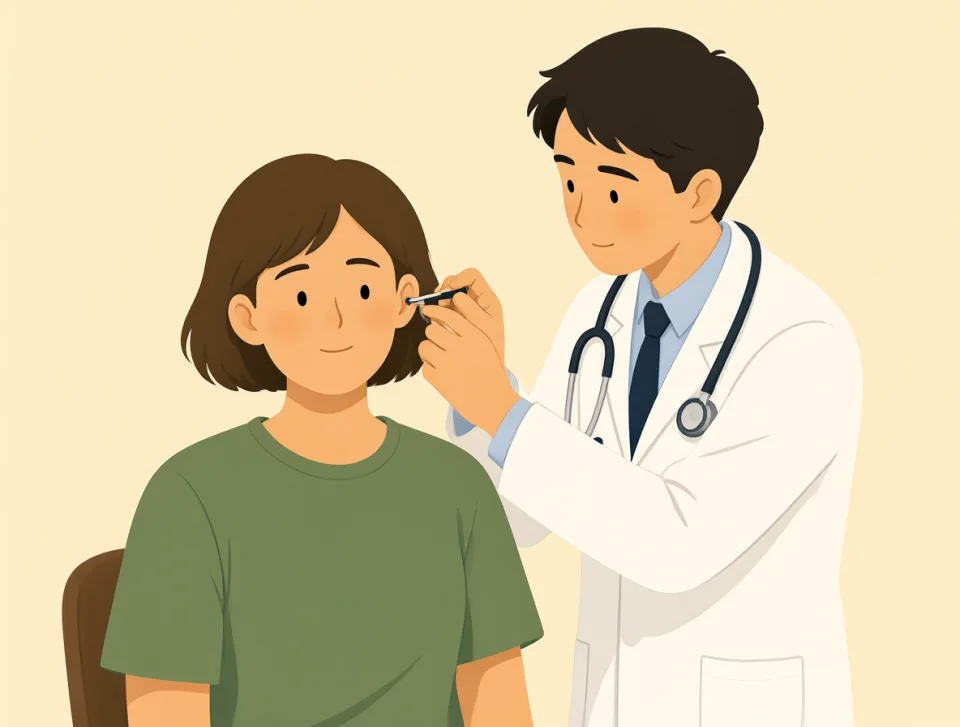
The doctor used a small instrument to examine my ear.
醫生用一個小儀器檢查我的耳朵。
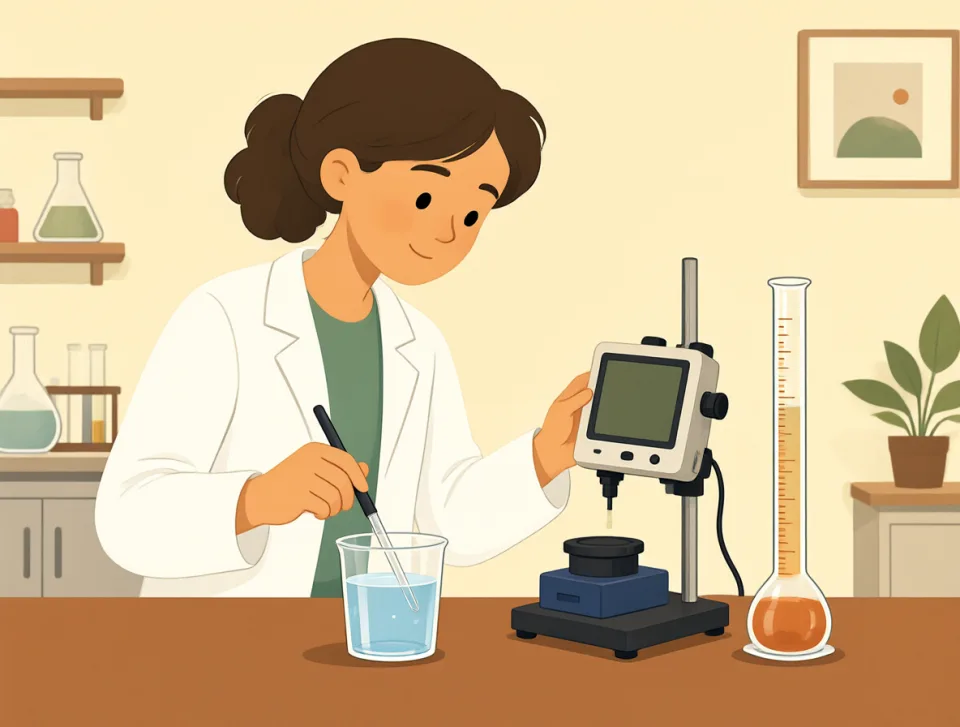
The scientist checked the instrument before measuring the water.
科學家在測量水之前檢查了儀器。

The guitar is my favorite instrument to play with friends.
吉他是我最喜歡和朋友一起演奏的樂器。
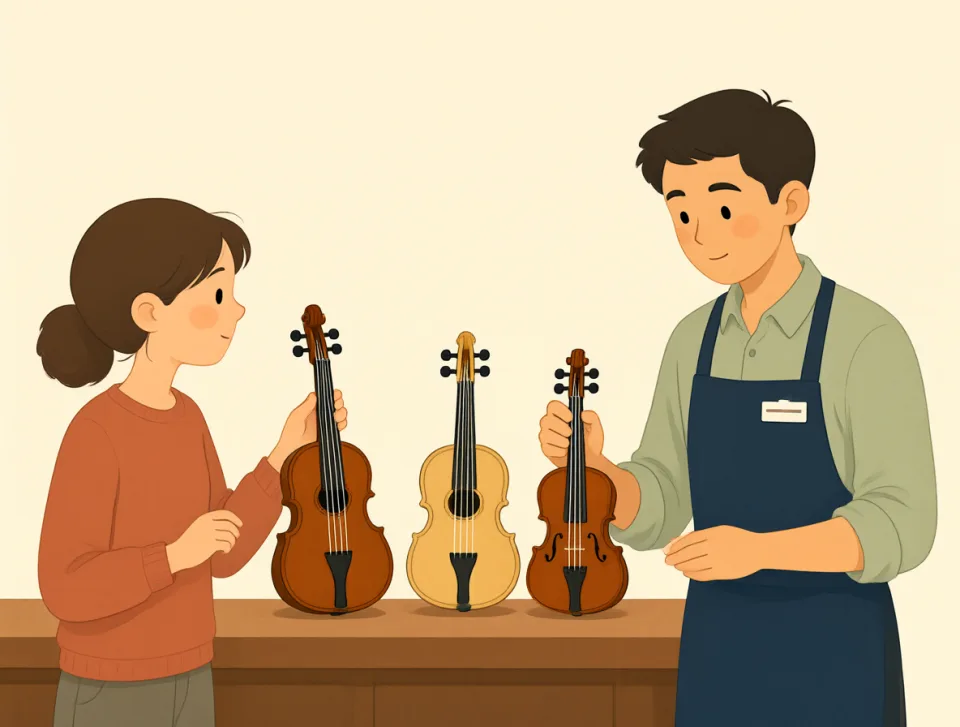
The shop sells cheap instruments for beginner music students.
這家商店出售適合音樂初學者的便宜樂器。

investor
#1597noun
投資者; 投資人
A person or organization that puts money into a business or project to earn more money.
為了賺取更多錢而向企業或專案投入資金的個人或組織。
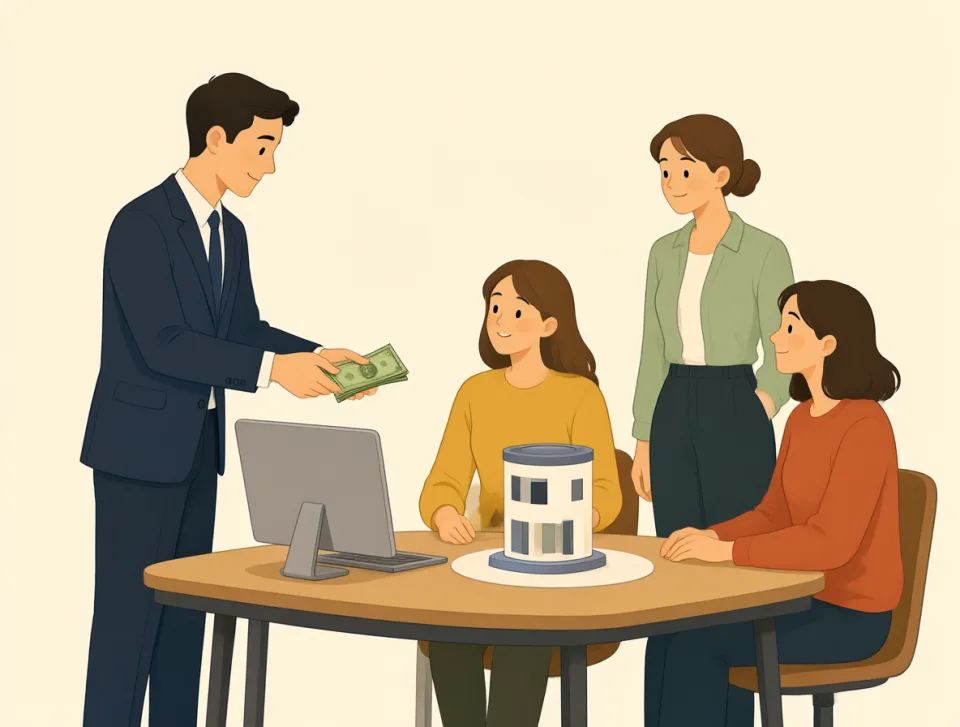
The investor put money into a new technology company.
這位投資者向一家新科技公司投入了資金。
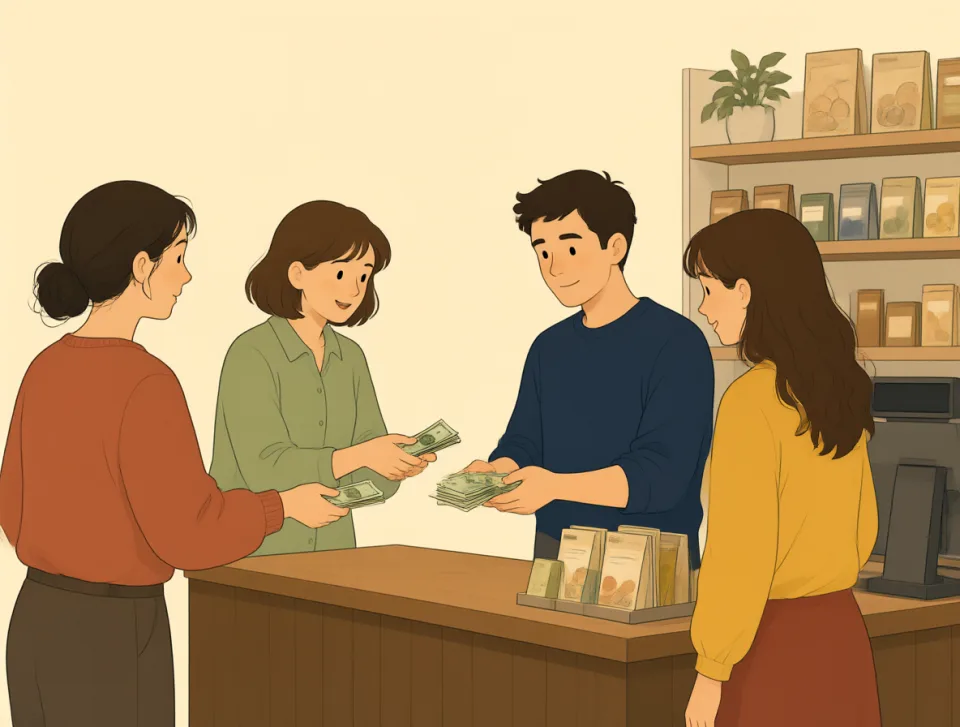
Several investors bought shares in the successful local business.
幾位投資者購買了這家成功本地企業的股份。

A property investor purchased an apartment near the city center.
一位房地產投資者買下了市中心附近的一套公寓。
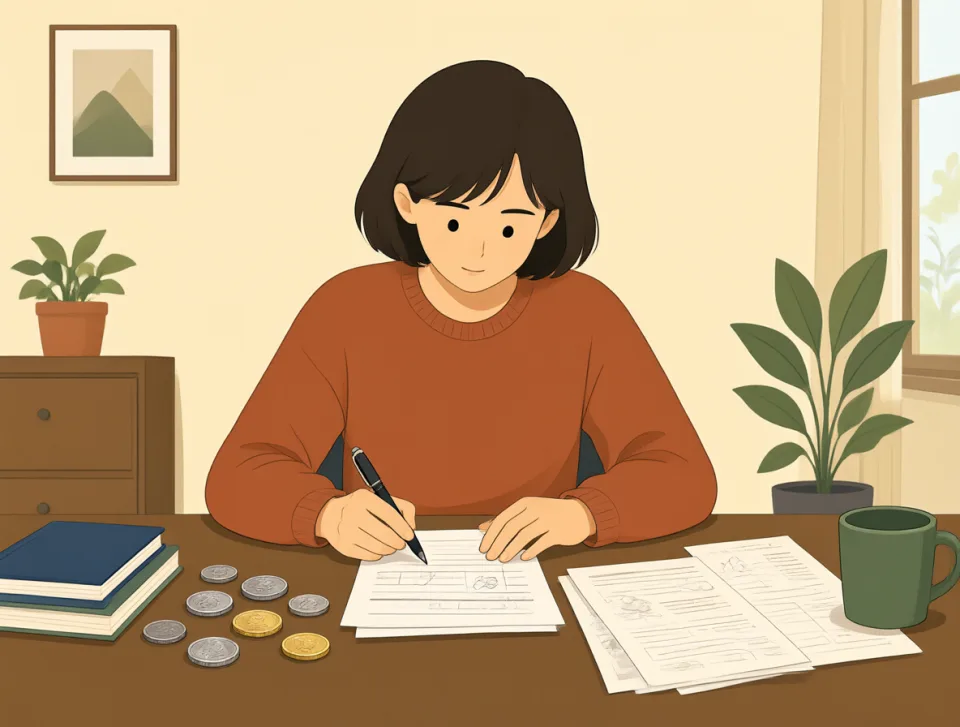
The young investor carefully compared risks before choosing a savings plan.
這位年輕投資者在選擇儲蓄計劃前仔細比較了各種風險。
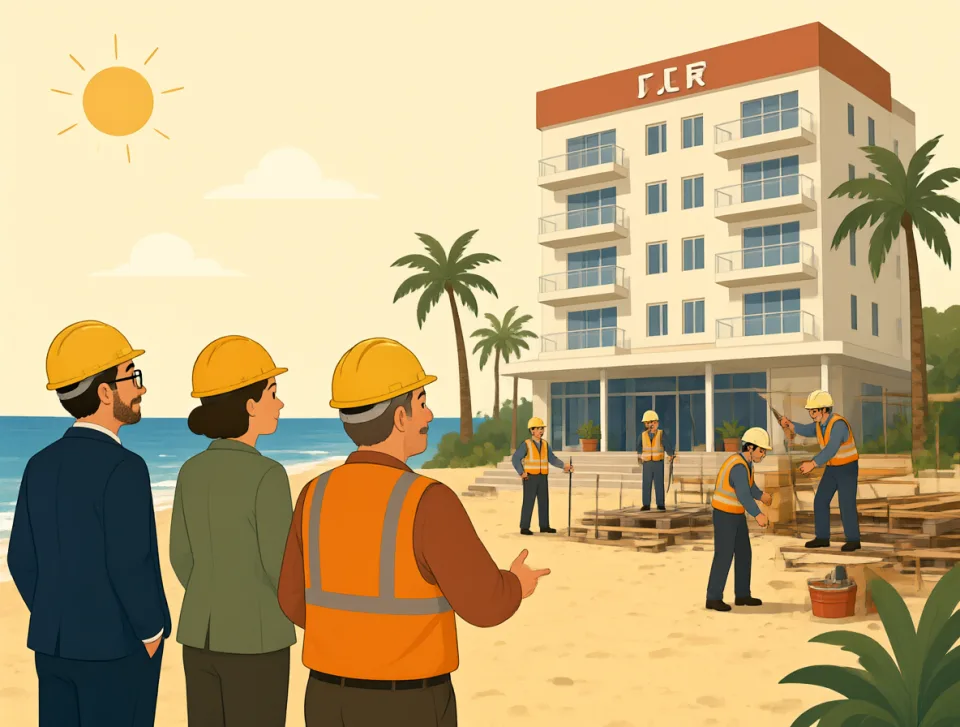
Foreign investors helped build a new hotel beside the beach.
外國投資者幫助在海灘旁建起了一家新酒店。
practical
#1598adjective
實用的;實際的
Useful and sensible for real situations, rather than only attractive or theoretical.
適用於實際情況,既有用又明智,而不只是好看或停留在理論層面。
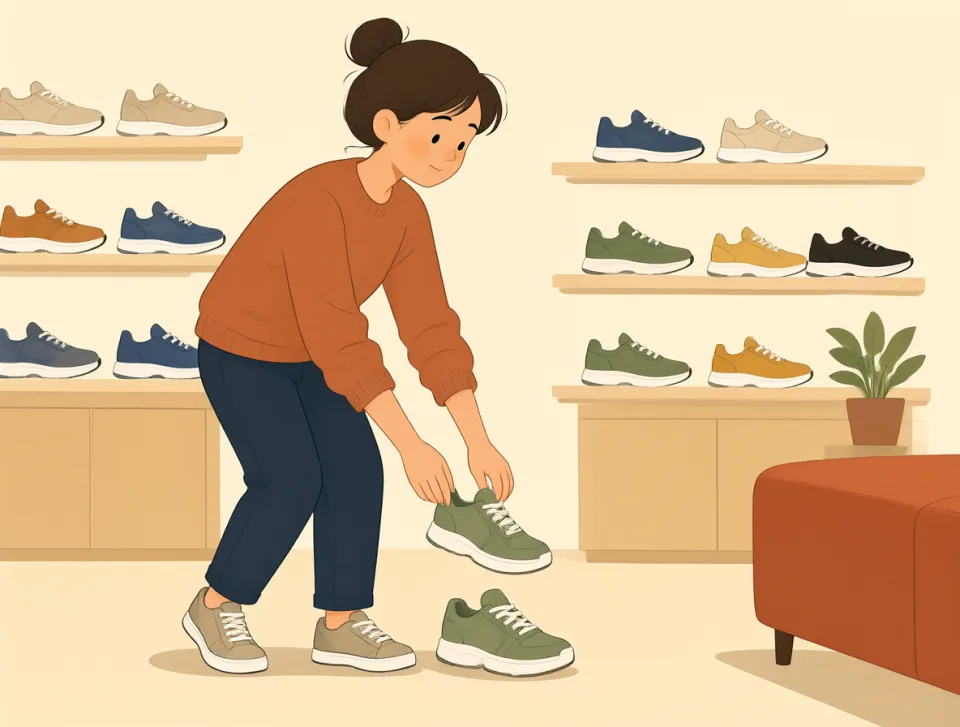
These practical shoes are comfortable for walking all day.
這雙實用的鞋穿著很舒服,適合走一整天的路。

She gave me some practical advice about saving money.
她給了我一些關於省錢的實用建議。

We need a practical solution to this problem.
我們需要一個切實可行的解決方案來解決這個問題。
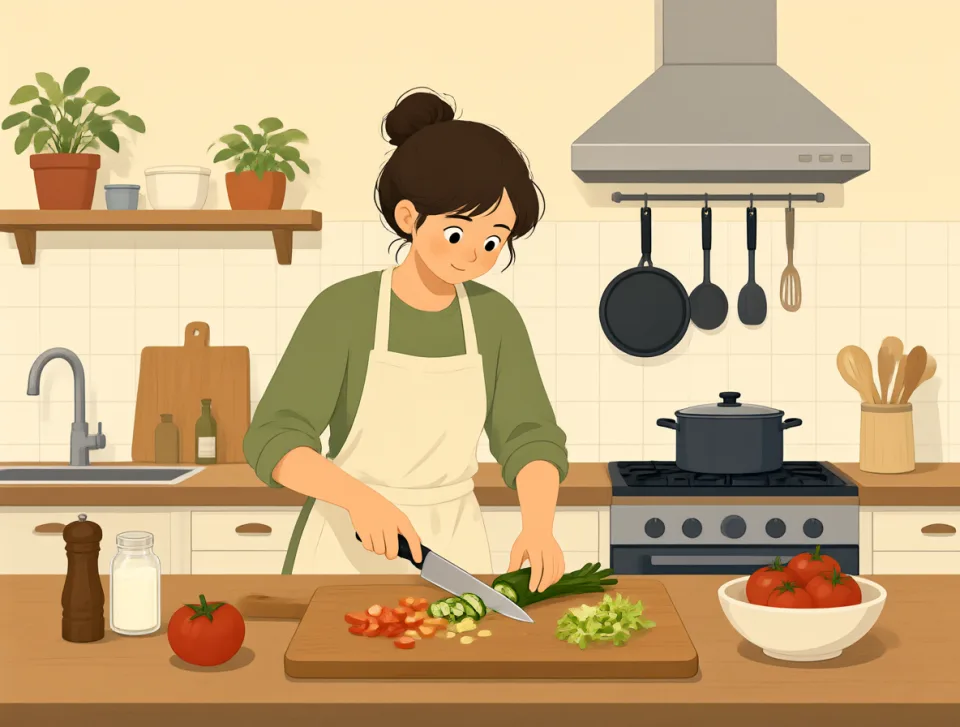
This small kitchen is practical and easy to keep clean.
這間小廚房很實用,也很容易保持乾淨。

The course teaches practical skills for everyday life.
這門課程教授日常生活中的實用技能。
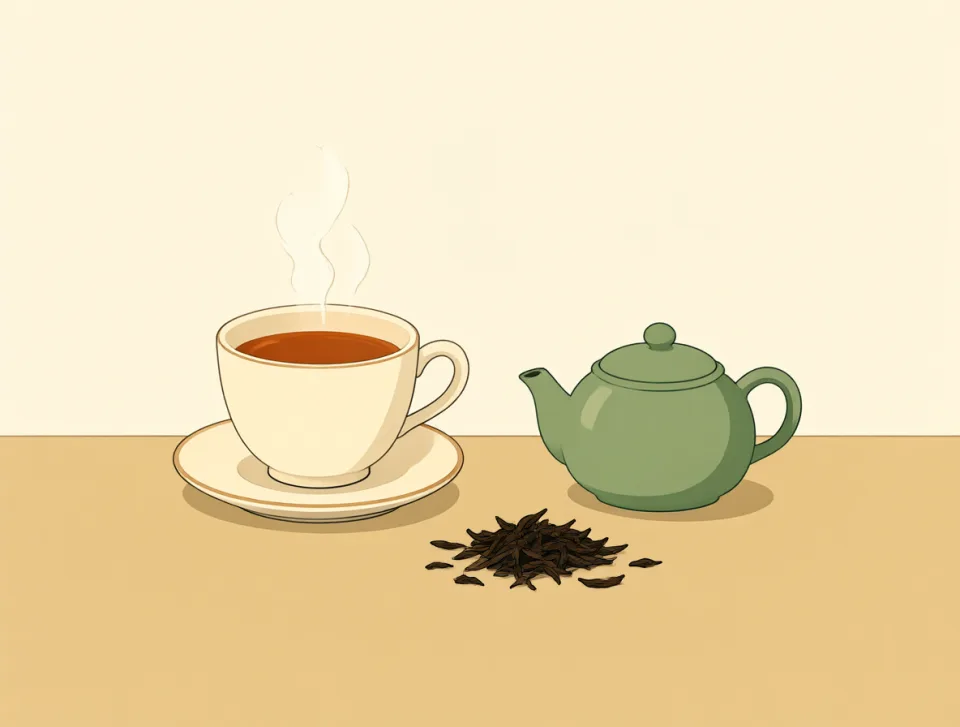
tea
#1599noun
茶
A hot drink made by pouring water over dried tea leaves.
用幹茶葉泡製的熱飲。

I drink tea every morning before I go to work.
我每天早上上班前都喝茶。

Would you like some tea with your sandwich?
你想來點茶配三明治嗎?

She ordered a cup of tea at the hotel café.
她在酒店咖啡廳點了一杯茶。
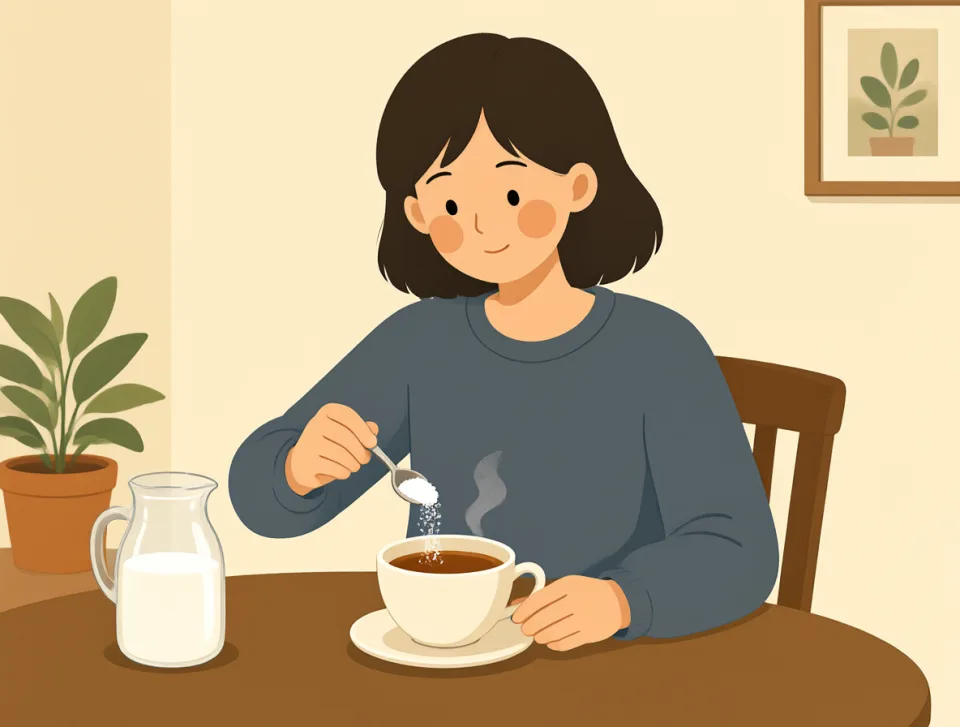
Please add some milk and sugar to my tea.
請給我的茶加點牛奶和糖。

The doctor suggested warm tea for my sore throat.
醫生建議我喝點熱茶,緩解喉嚨痛。

lovely
#1600adjective
美好的;可愛的
Very pleasant, attractive, or enjoyable.
非常愉快、吸引人或令人享受的。

We had a lovely time at the beach yesterday.
我們昨天在海灘上玩得很開心。

What a lovely dress! The blue color suits you.
這條裙子真漂亮!藍色很適合你。

She gave us a lovely welcome when we arrived.
我們到達時,她熱情地歡迎了我們。

It was lovely to see all my old friends again.
能再次見到所有老朋友,真是太好了。

The weather is lovely, so let’s eat lunch outside.
天氣很好,我們就在外面吃午飯吧。