Zestaw 75
Słowa 1481–1500 · regulation, escape, studio, proper, relax, tourist
regulation
#1481noun
przepis
an official rule made to control how something is done
oficjalna zasada określająca, jak należy coś robić
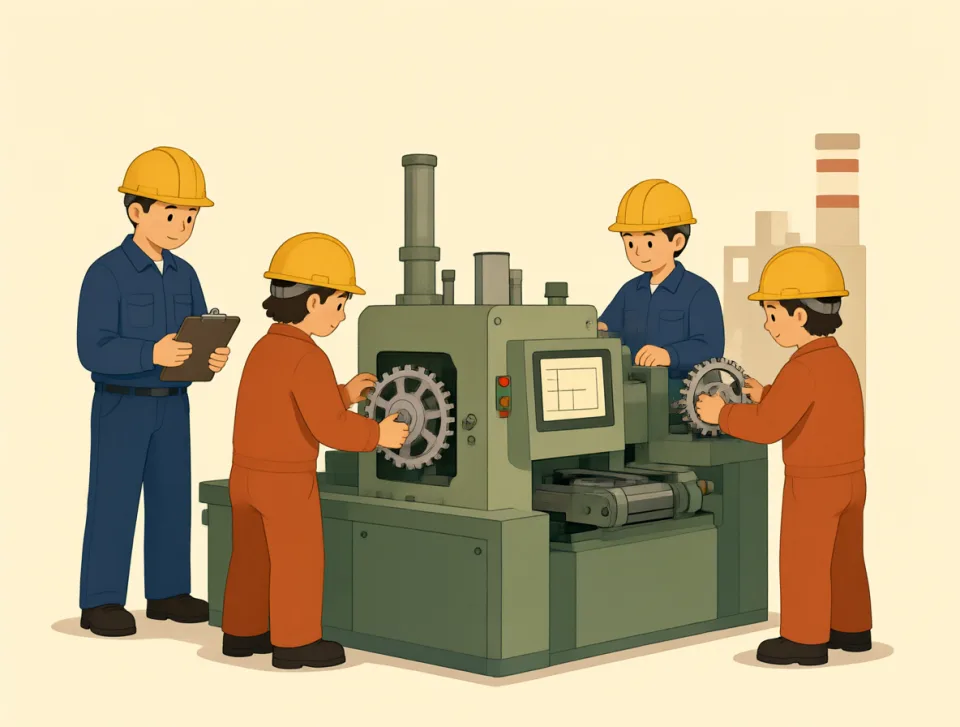
The new safety regulations protect workers from dangerous machines.
Nowe przepisy bezpieczeństwa chronią pracowników przed niebezpiecznymi maszynami.
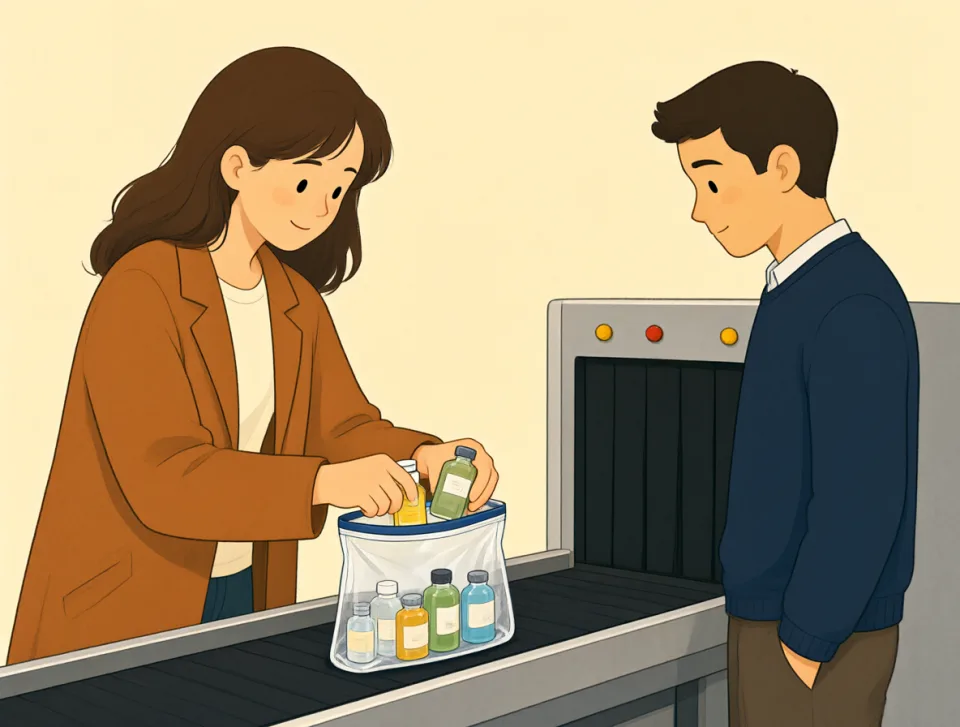
The airline has strict regulations about carrying liquids on planes.
Linie lotnicze mają surowe przepisy dotyczące przewożenia płynów w samolotach.
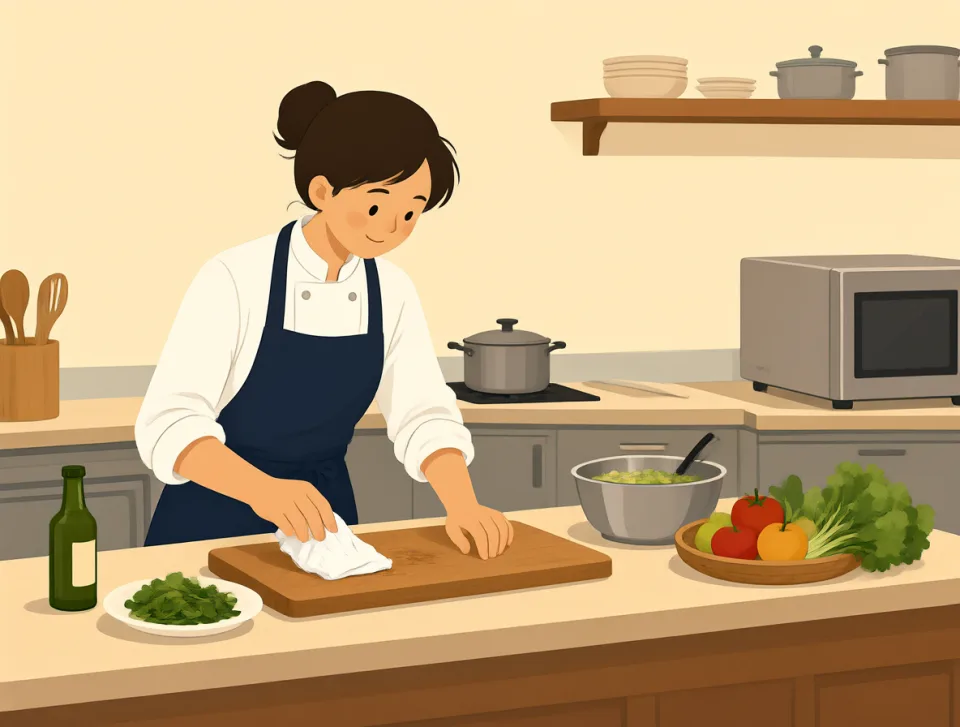
Food regulations require restaurants to keep kitchens clean.
Przepisy dotyczące żywności wymagają, aby restauracje utrzymywały czystość w kuchniach.
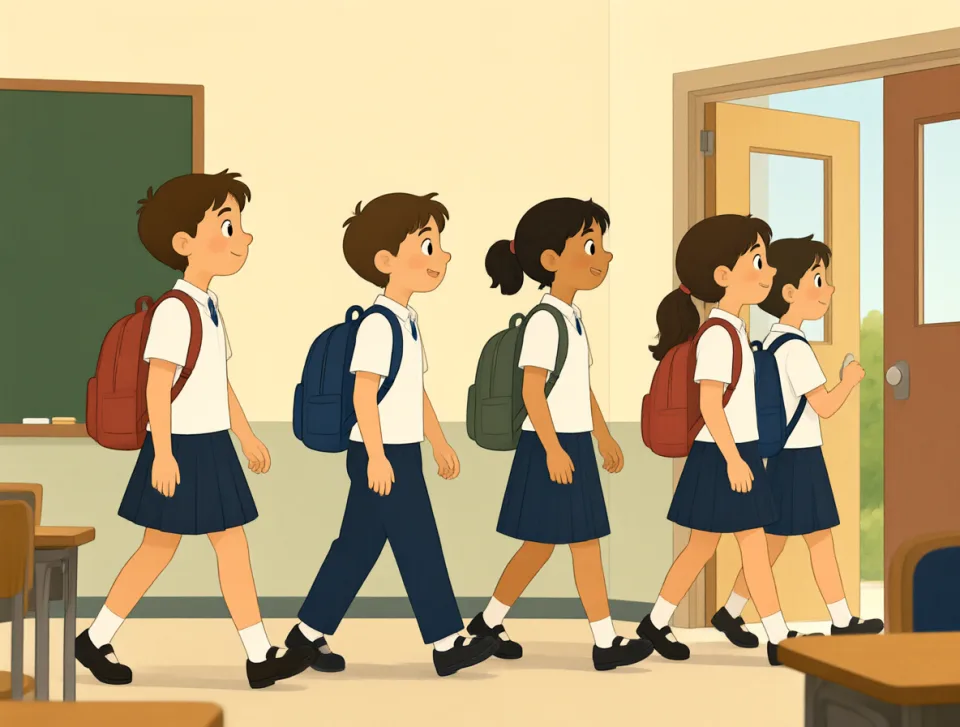
School regulations say students must wear their uniforms every day.
Przepisy szkolne mówią, że uczniowie muszą codziennie nosić mundurki.
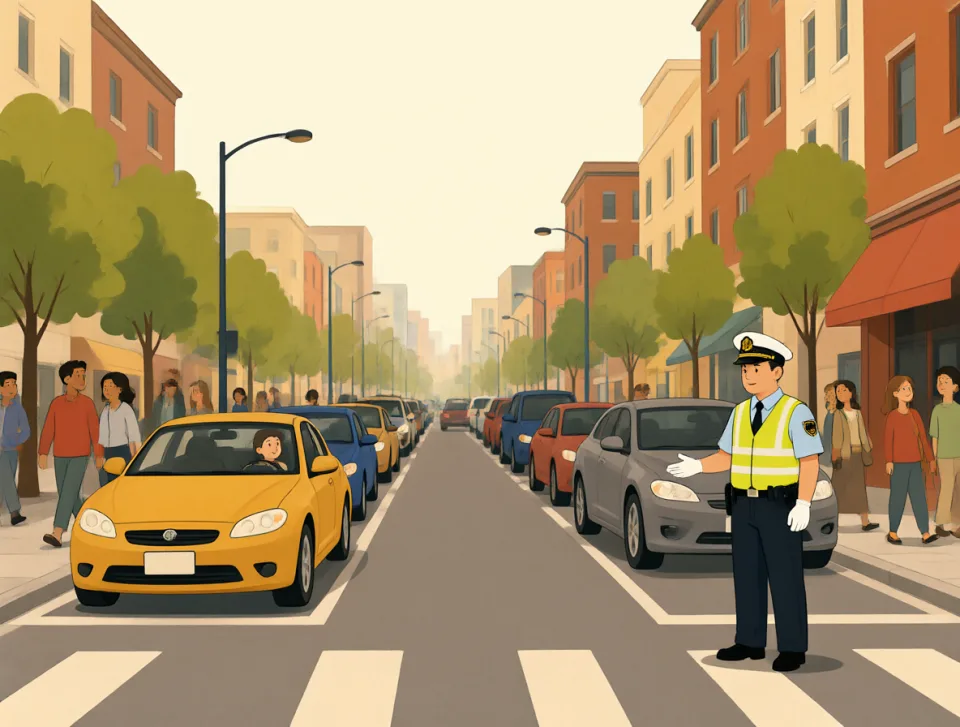
The city introduced parking regulations to reduce traffic downtown.
Miasto wprowadziło przepisy dotyczące parkowania, aby zmniejszyć ruch w centrum.
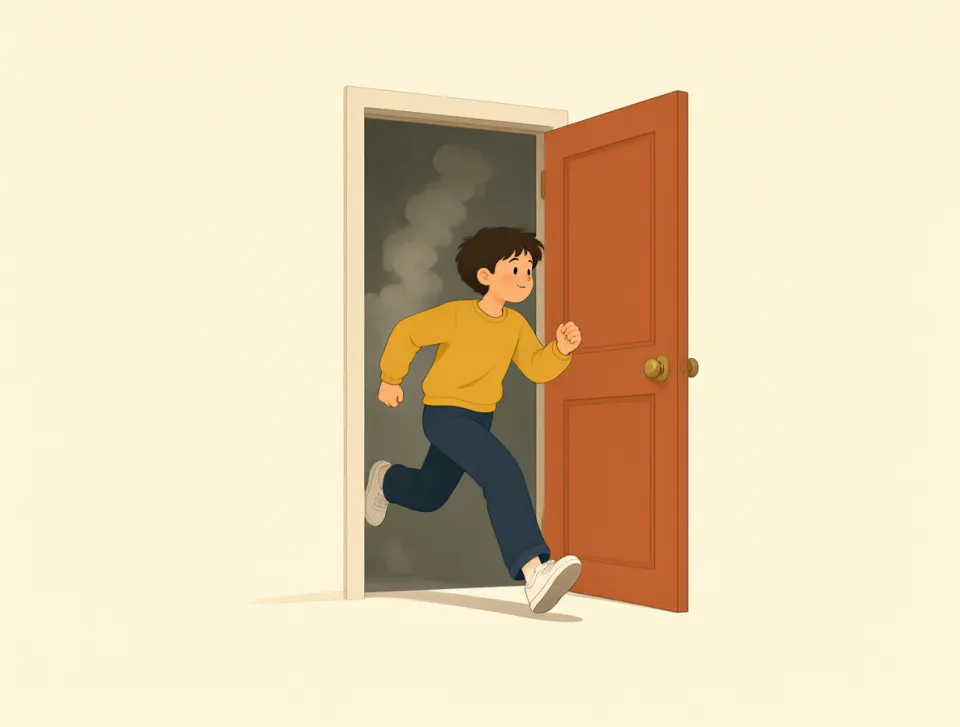
escape
#1482noun, verb
uciec
To get away from a dangerous or unpleasant place or situation.
Wydostać się z niebezpiecznego lub nieprzyjemnego miejsca albo sytuacji.
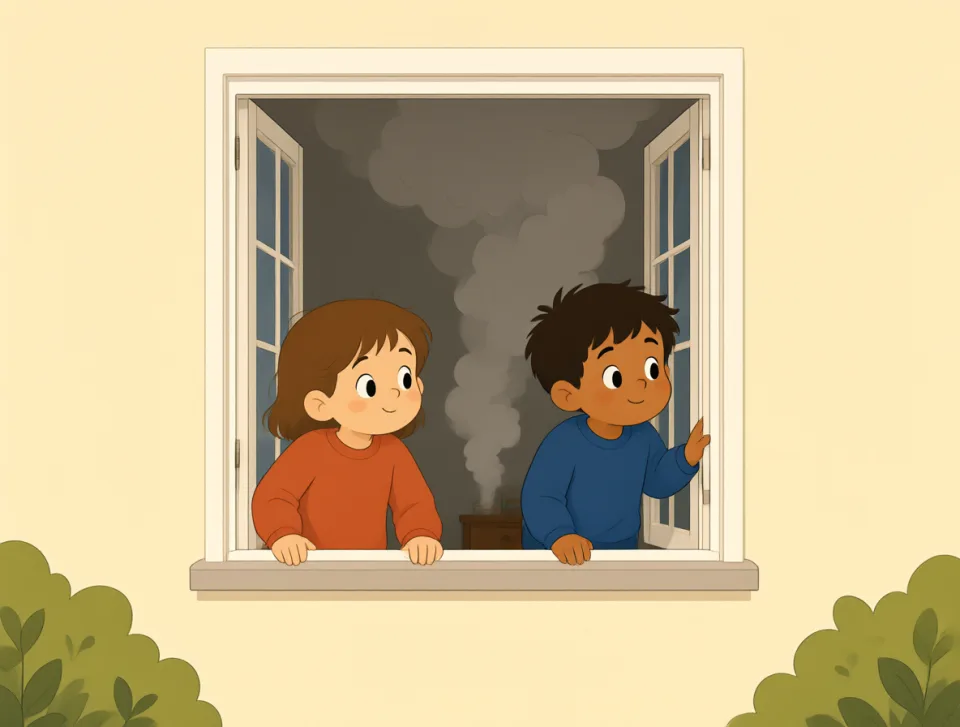
The children escaped from the burning house through a window.
Dzieci uciekły z płonącego domu przez okno.
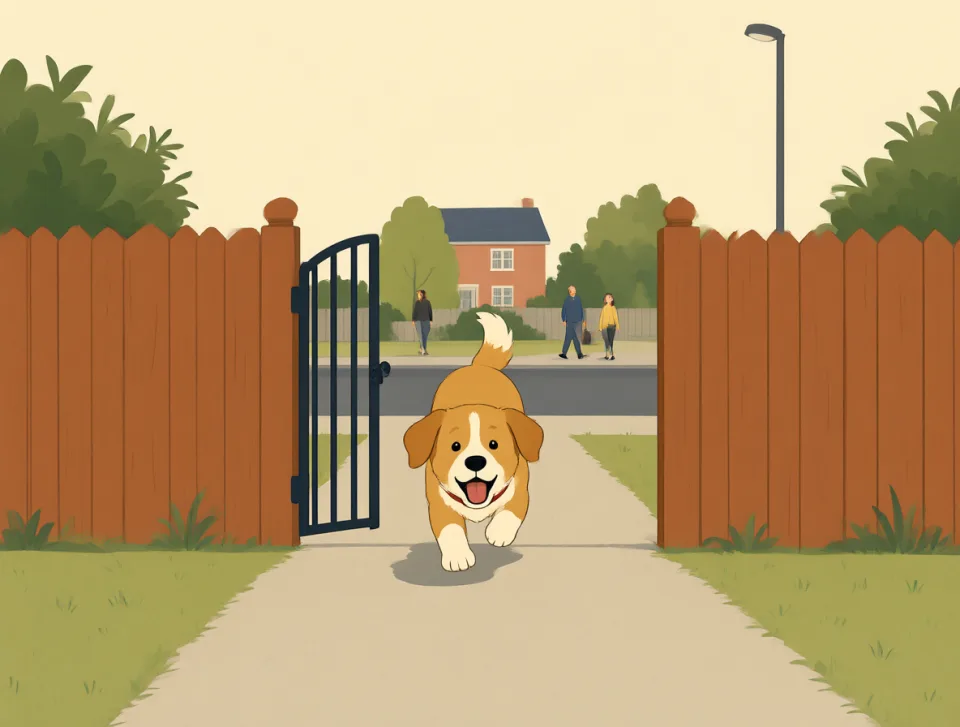
The dog escaped from the garden and ran into the street.
Pies uciekł z ogrodu i wybiegł na ulicę.

We found an escape from the heat in a cool café.
Znaleźliśmy schronienie przed upałem w chłodnej kawiarni.
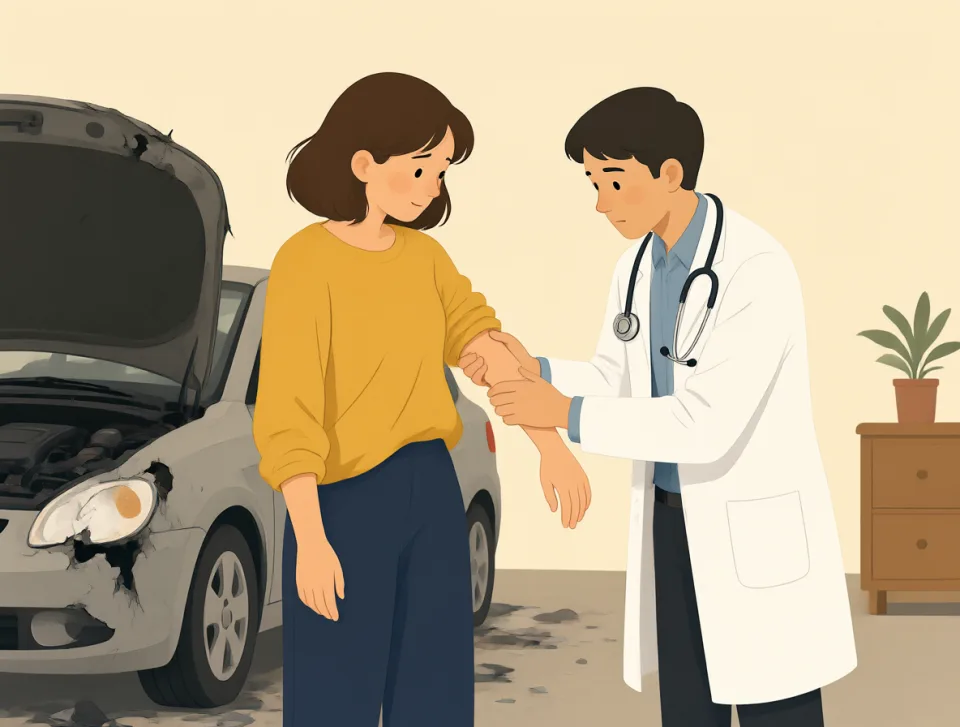
She escaped serious injury in the car accident.
W wypadku samochodowym udało jej się uniknąć poważnych obrażeń.
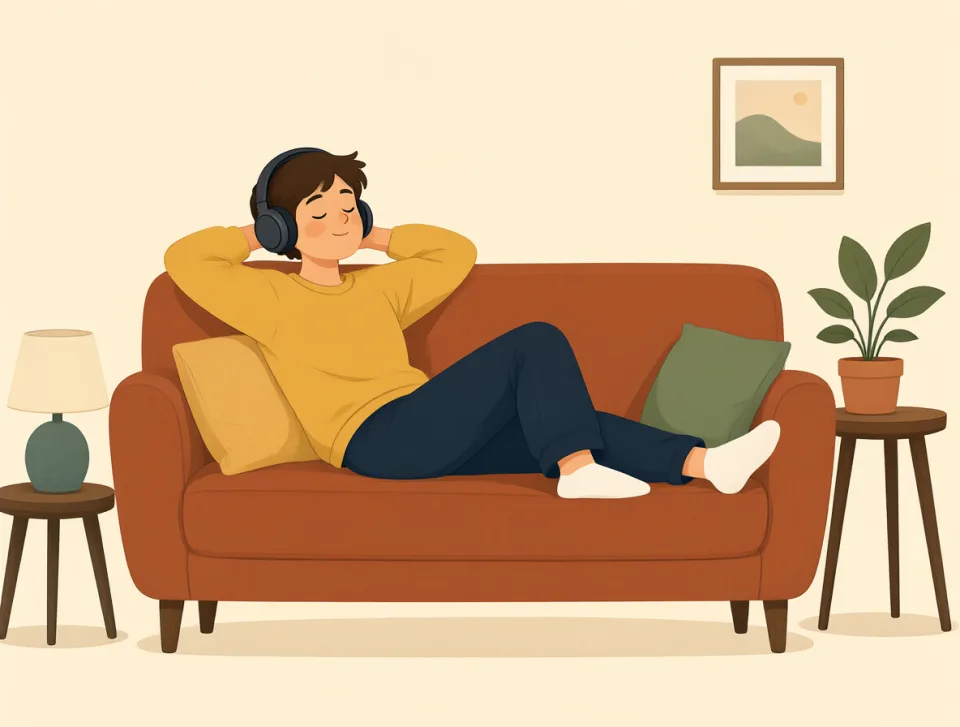
I listen to music to escape from everyday stress.
Słucham muzyki, żeby uciec od codziennego stresu.
studio
#1483noun
studio
a room or small apartment used for recording, filming, making art, or living
pomieszczenie lub małe mieszkanie wykorzystywane do nagrywania, filmowania, tworzenia sztuki albo do mieszkania
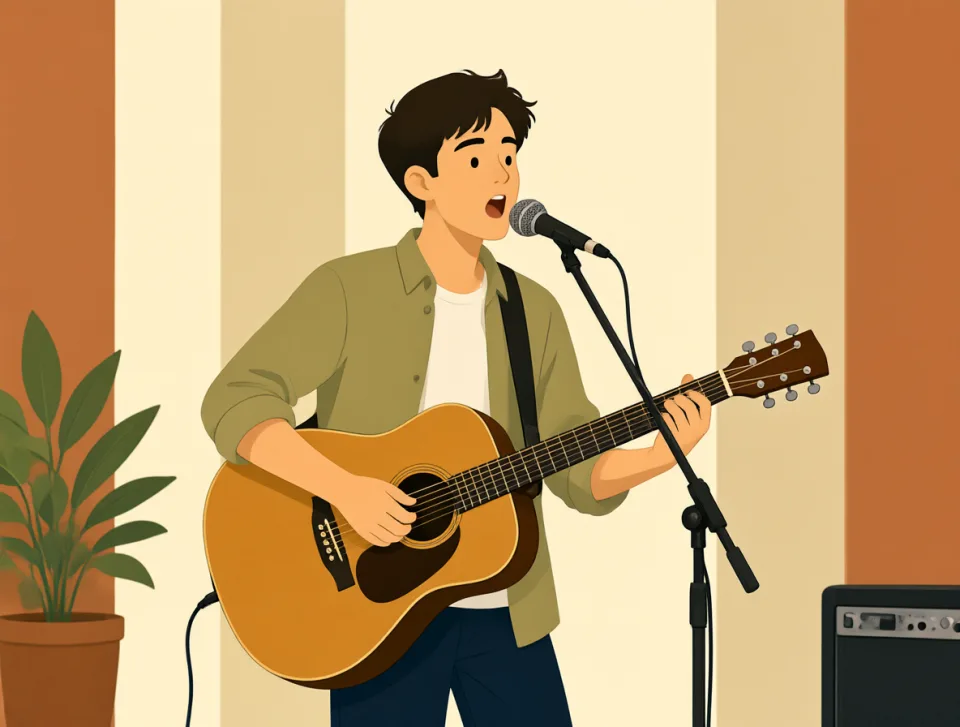
We recorded our new song in a professional studio.
Nagraliśmy naszą nową piosenkę w profesjonalnym studiu.
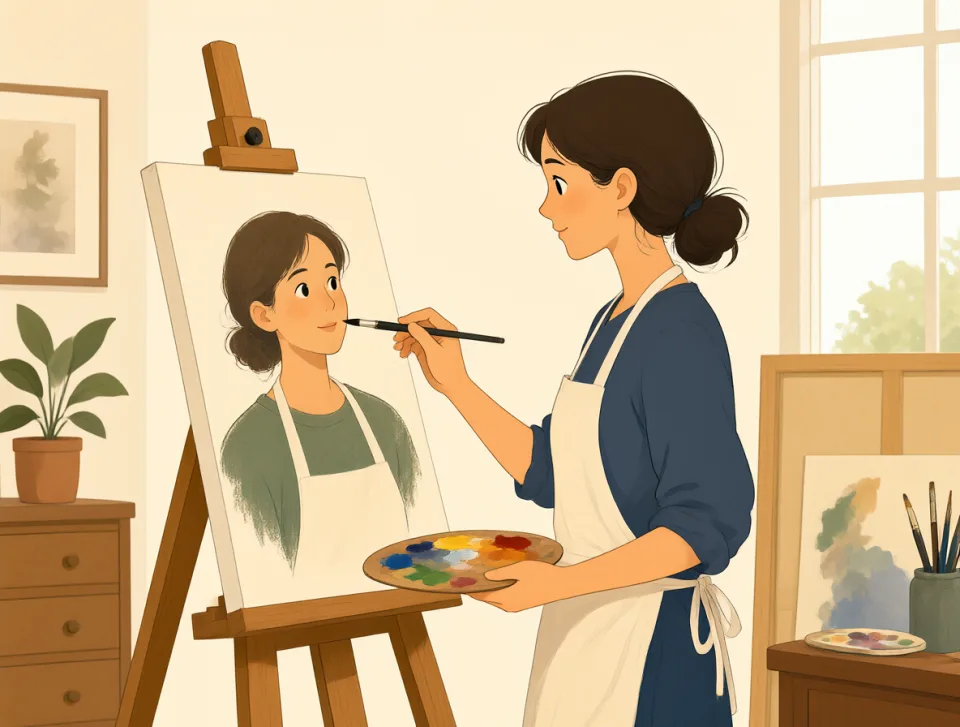
She paints portraits in her bright art studio.
Maluję portrety w mojej jasnej pracowni artystycznej.
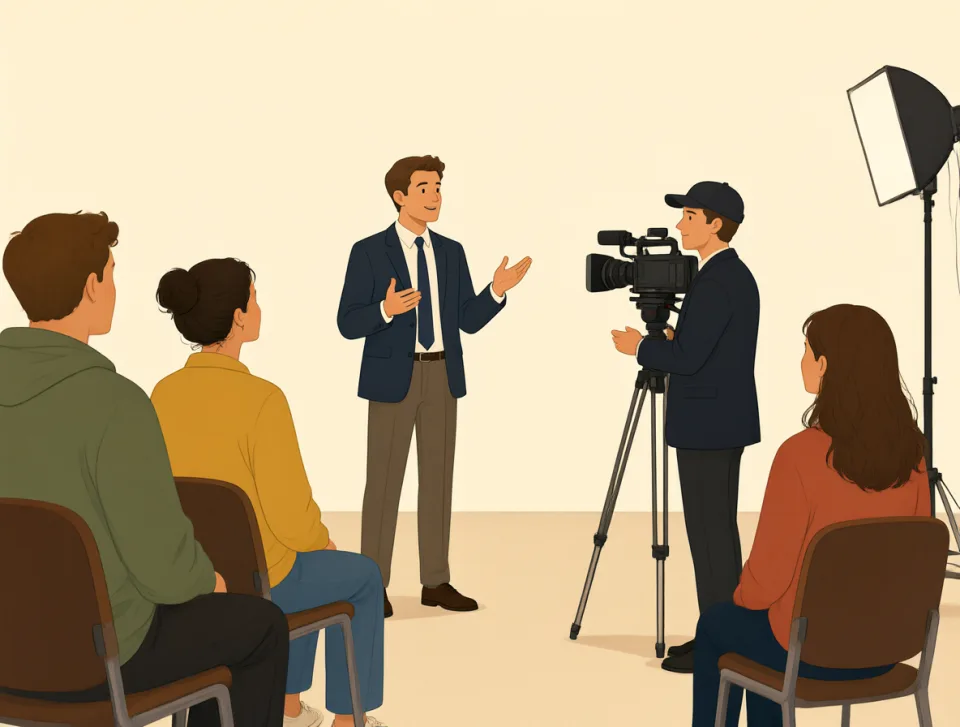
The movie studio is hiring actors for its next film.
Studio filmowe zatrudnia aktorów do swojego następnego filmu.
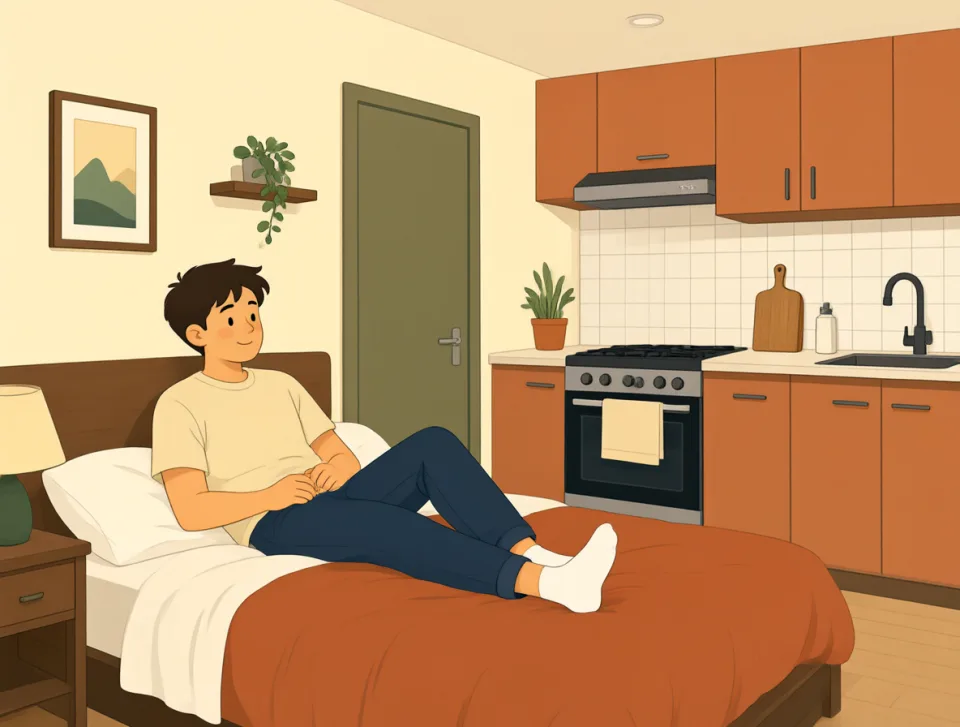
He rents a small studio apartment near the train station.
Wynajmuje małą kawalerkę niedaleko dworca kolejowego.
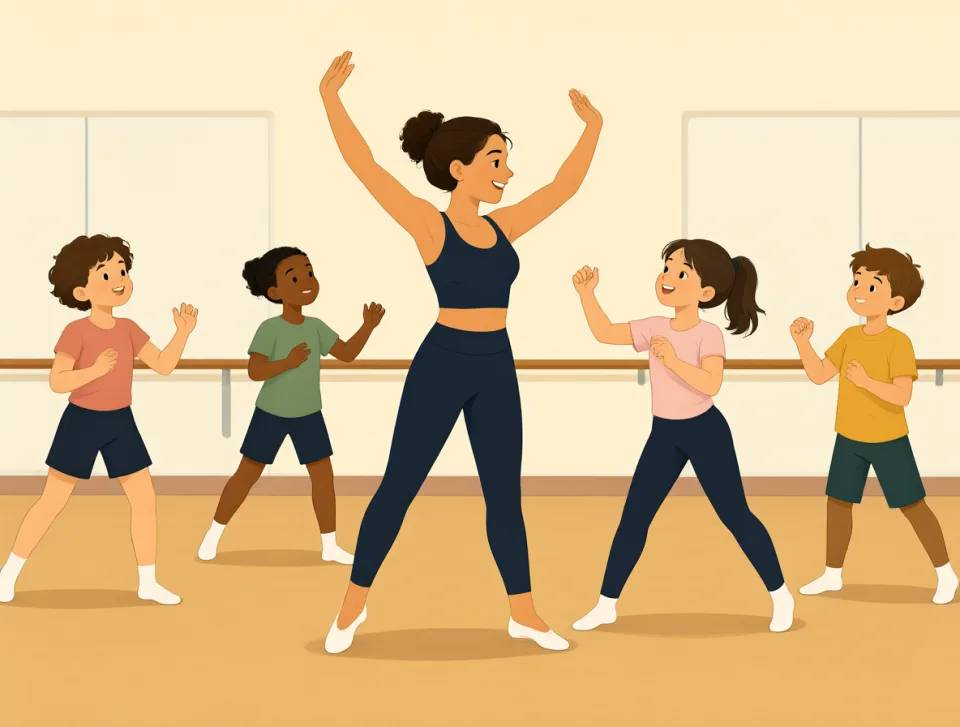
Local children take dance classes at a studio after school.
Dzieci z okolicy chodzą po szkole na zajęcia taneczne do studia.
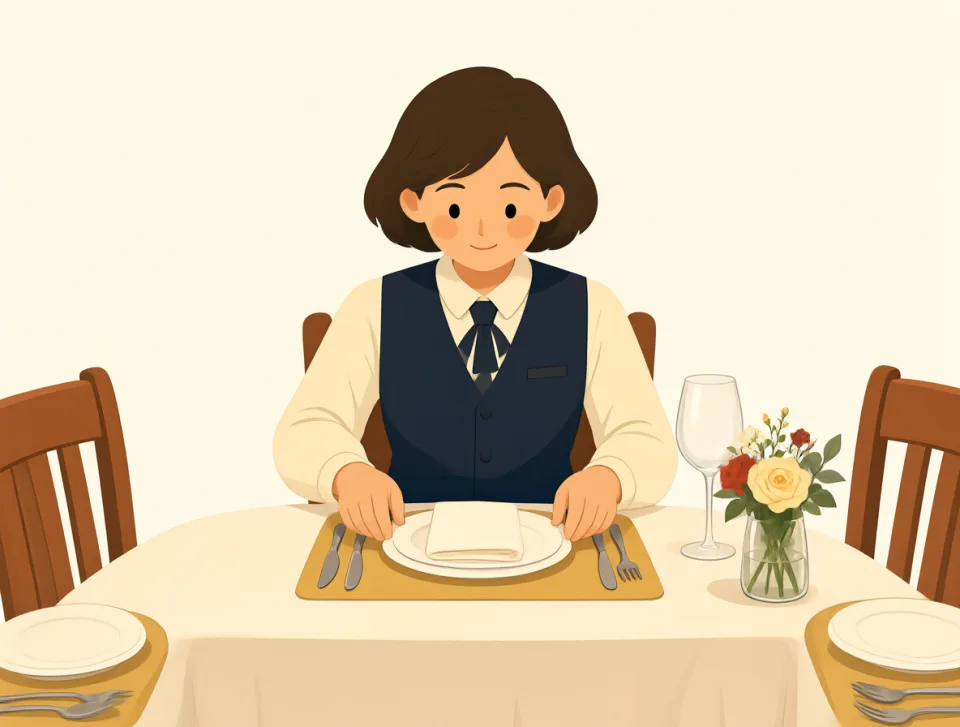
proper
#1484adjective, adverb
odpowiedni
correct, suitable, or socially acceptable; completely or exactly
właściwy, odpowiedni lub akceptowany społecznie; całkowity lub dokładny
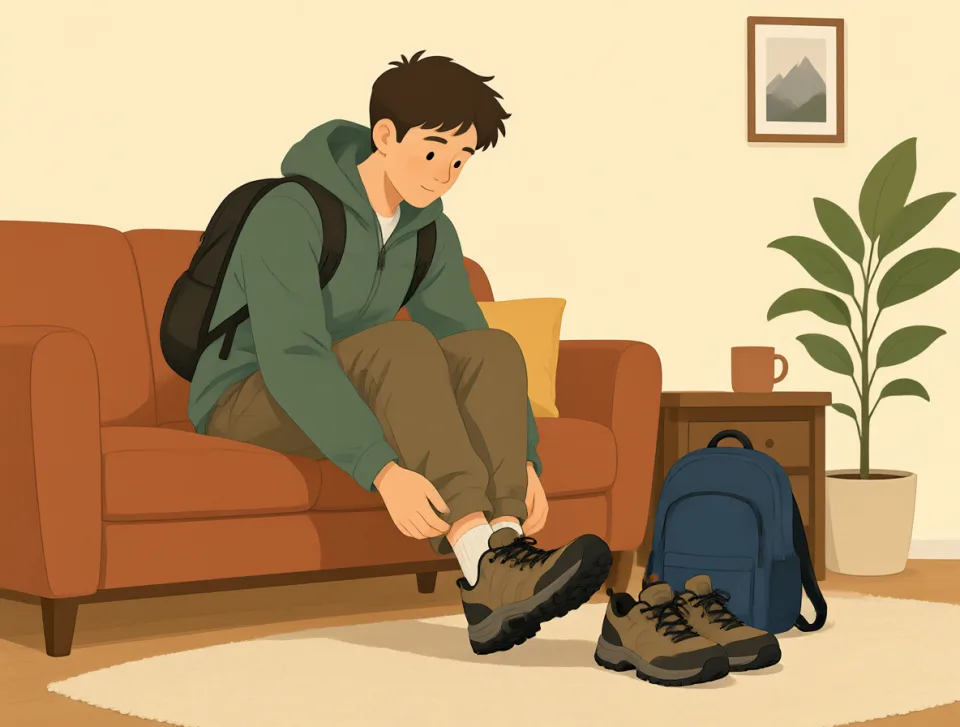
Please wear proper shoes for the mountain walk.
Załóż odpowiednie buty na górską wędrówkę.
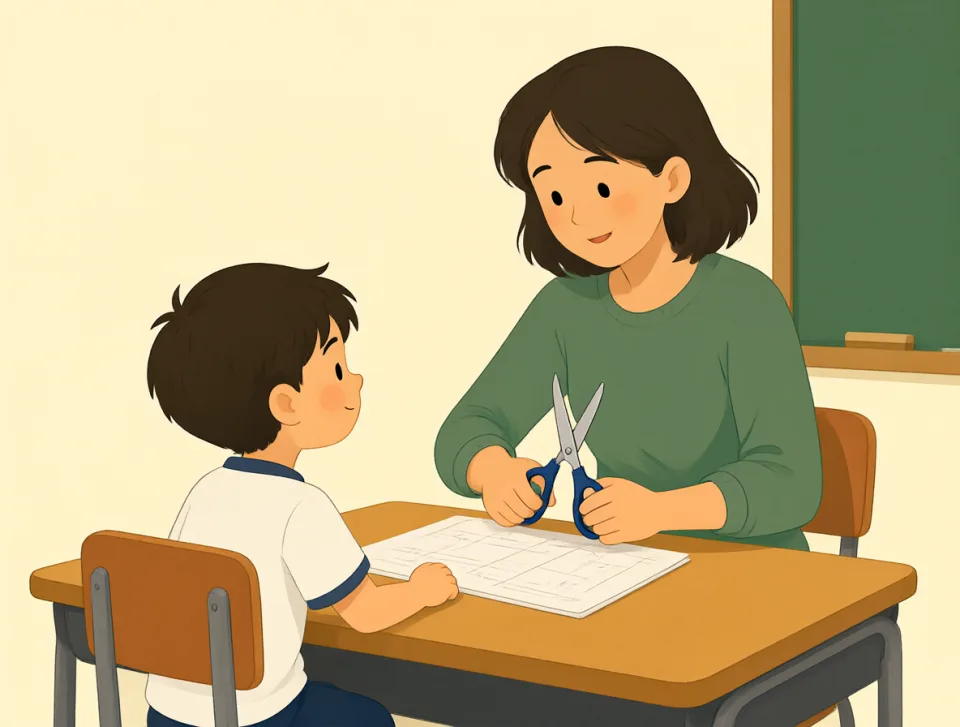
The teacher showed us the proper way to use scissors.
Nauczyciel pokazał nam, jak prawidłowo używać nożyczek.
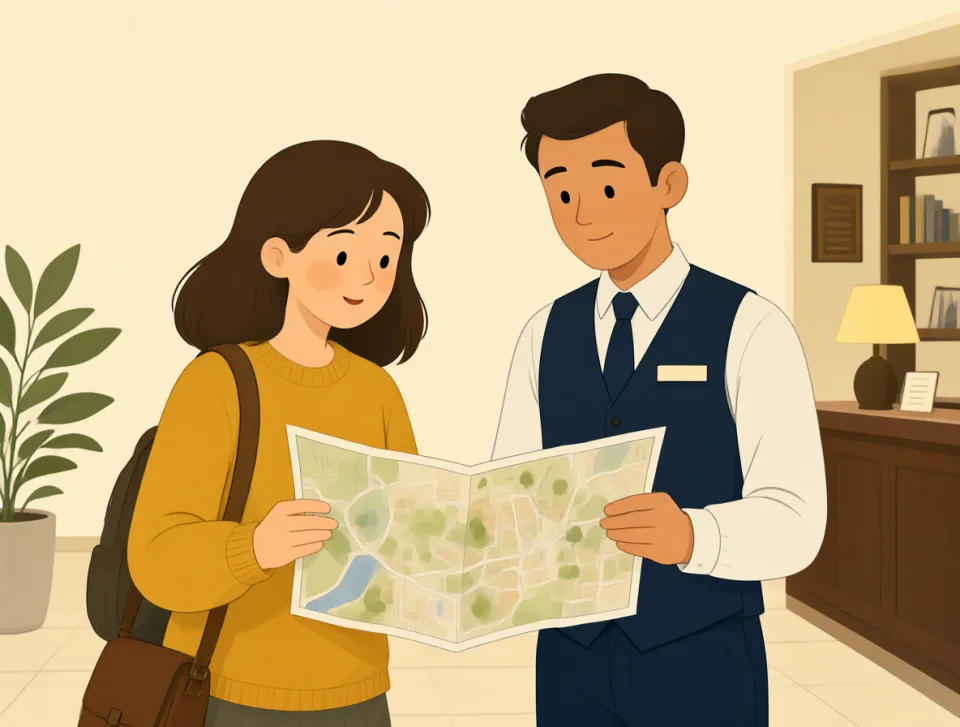
We need proper directions before we leave the hotel.
Potrzebujemy dokładnych wskazówek, zanim wyjedziemy z hotelu.
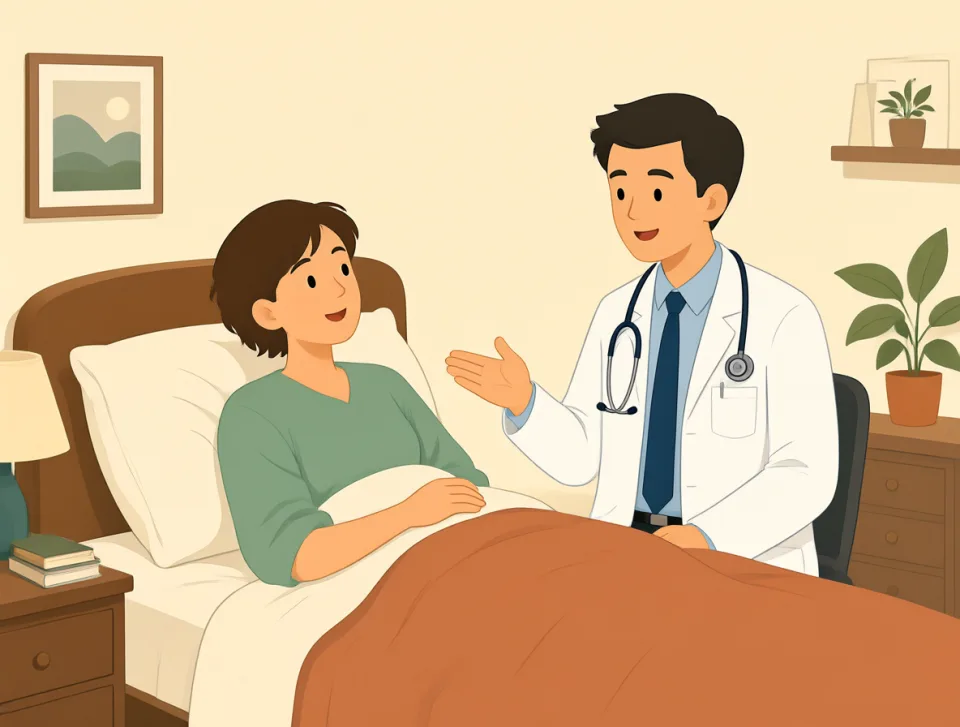
The doctor said I need proper rest after the operation.
Lekarz powiedział, że po operacji potrzebuję porządnie odpocząć.
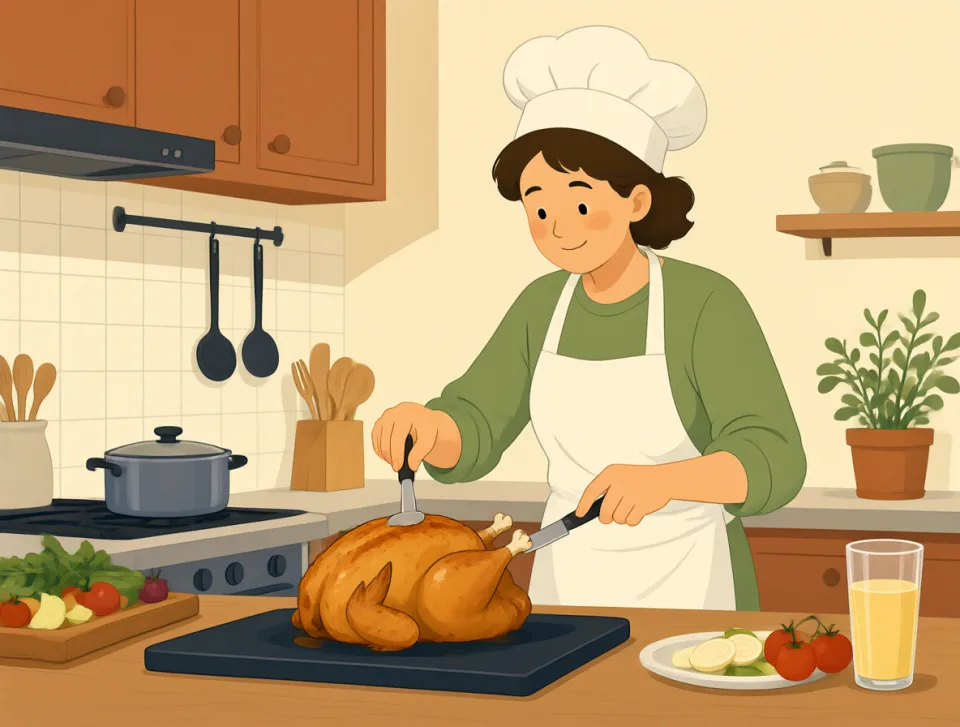
After proper cooking, the chicken was safe to eat.
Po odpowiednim ugotowaniu kurczak nadawał się do jedzenia.
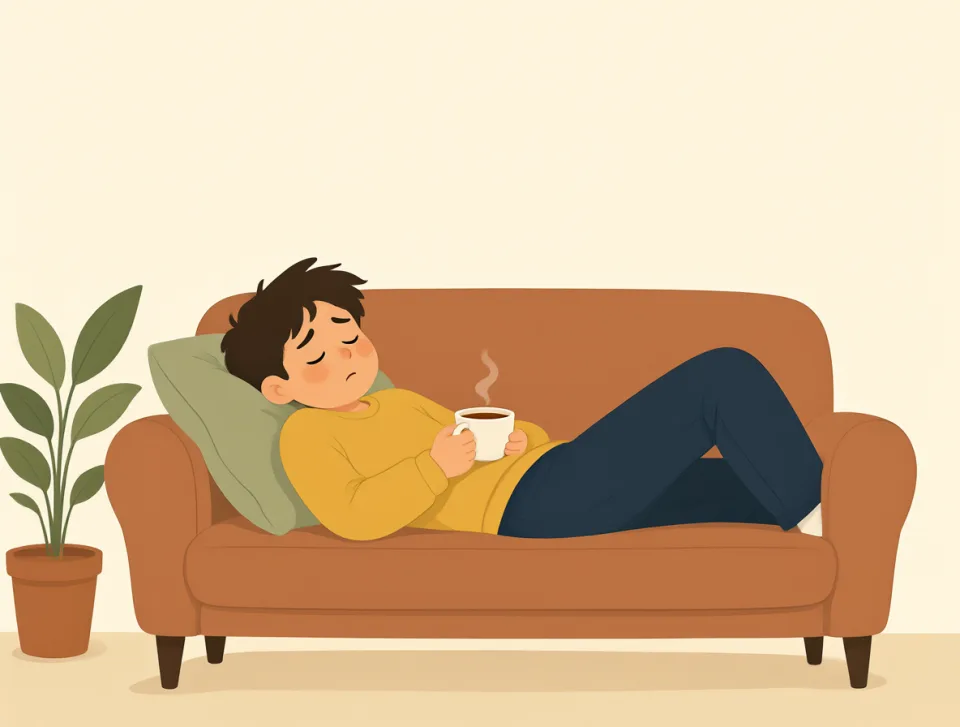
relax
#1485verb
odpoczywać
to become calm and comfortable after work or worry
uspokoić się i odprężyć po pracy lub zmartwieniach
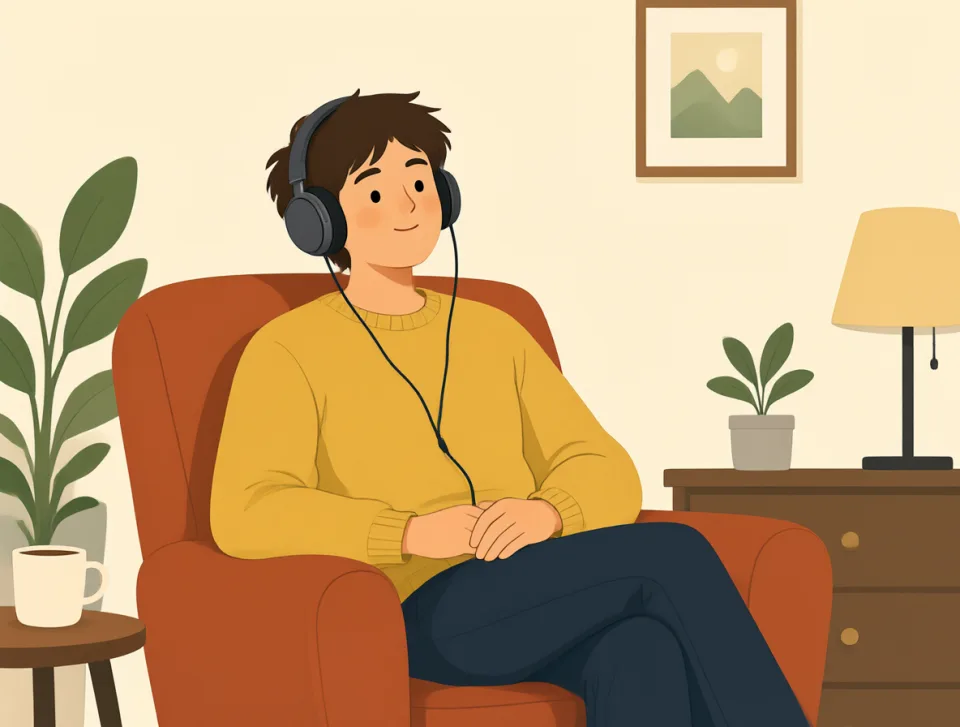
I like to relax with music after a busy day.
Lubię odpoczywać przy muzyce po intensywnym dniu.

She relaxed by the pool during her vacation.
Podczas wakacji odpoczywała przy basenie.
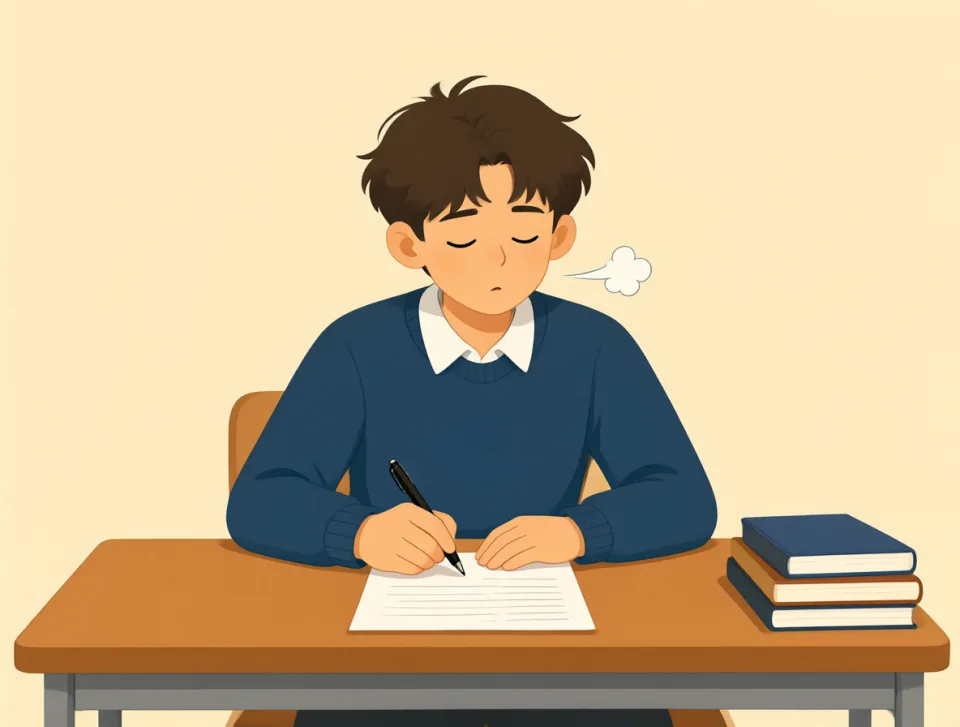
Please relax and take a deep breath before the exam.
Uspokój się i weź głęboki oddech przed egzaminem.

We relaxed over dinner and talked about our trip.
Odpoczęliśmy przy kolacji i rozmawialiśmy o naszej podróży.
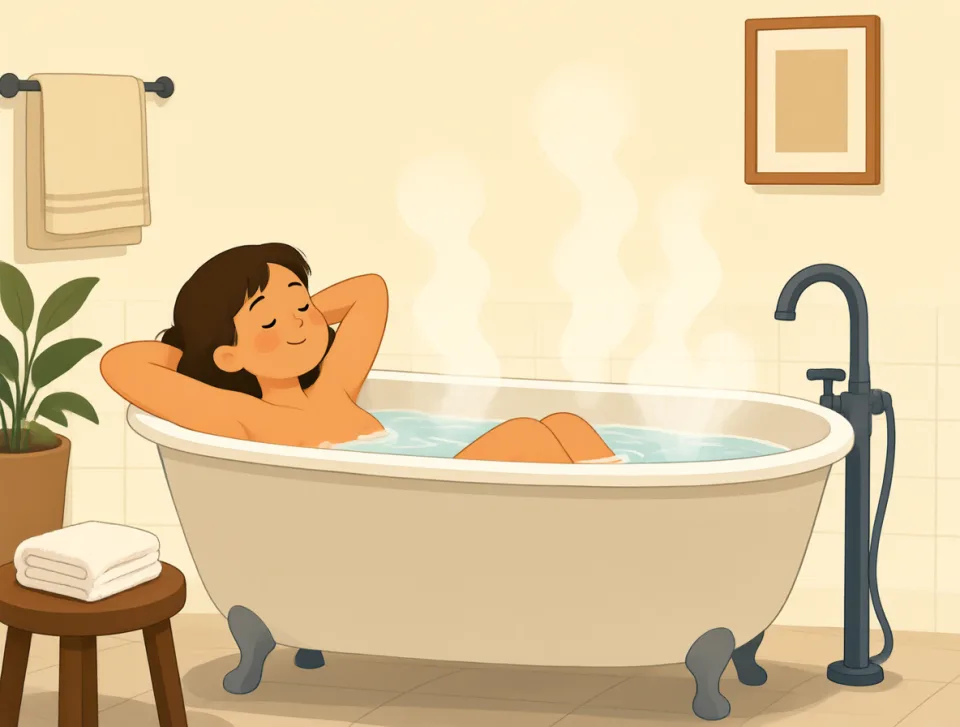
A warm bath helps me relax before bed.
Ciepła kąpiel pomaga mi się odprężyć przed snem.
tourist
#1486noun
turysta
A person who travels to a place for pleasure and usually stays for a short time.
Osoba, która podróżuje gdzieś dla przyjemności i zwykle zostaje tam na krótko.
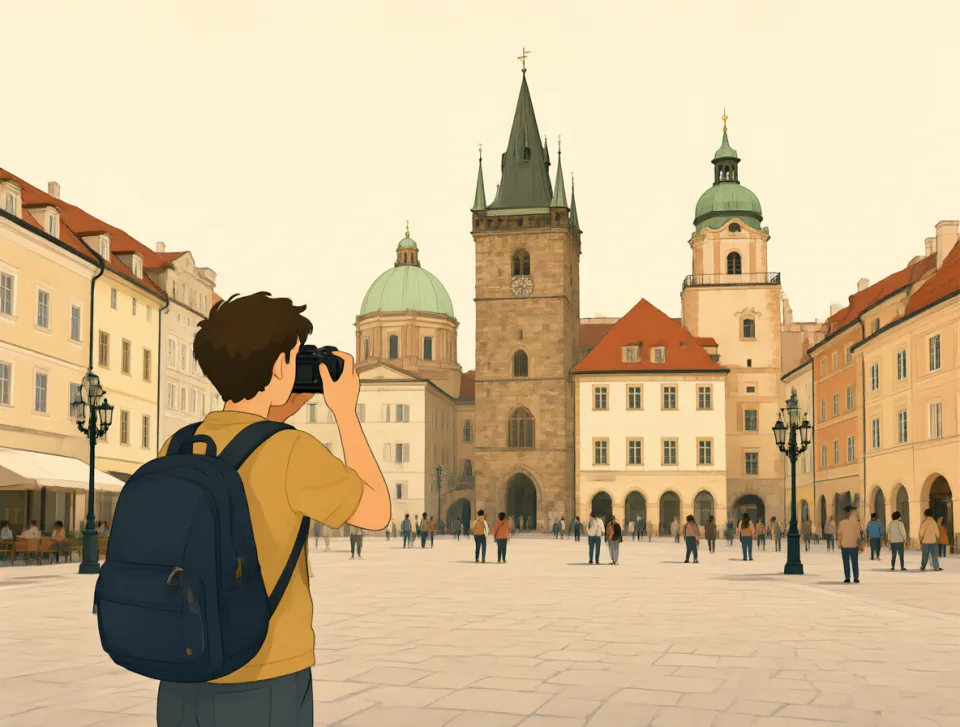
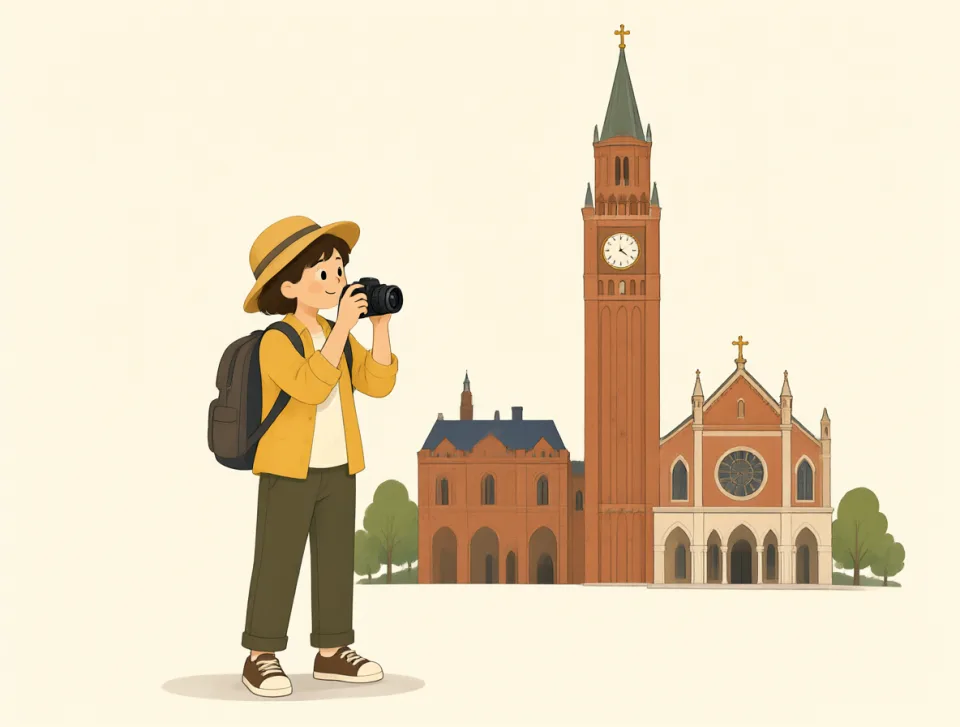
The tourist took many photos of the old city.
Turysta zrobił wiele zdjęć starego miasta.
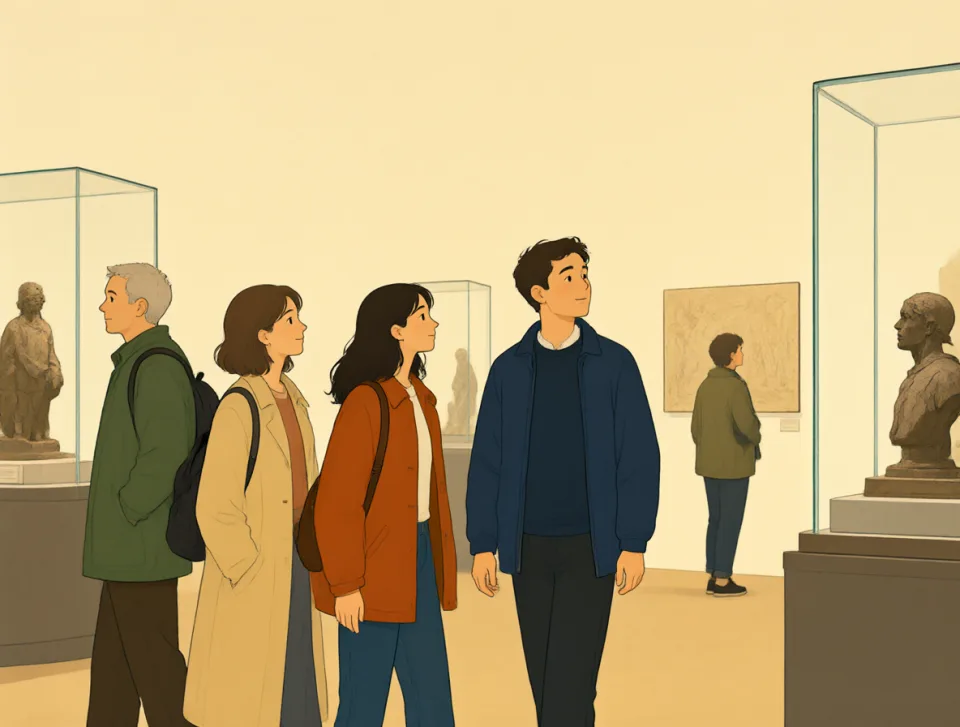
Tourists often visit the museum during the summer.
Latem turyści często odwiedzają muzeum.

A friendly tourist asked me for directions to the station.
Pewien przyjazny turysta zapytał mnie, jak dojść na dworzec.

The restaurant was full of hungry tourists at lunchtime.
W porze lunchu restauracja była pełna głodnych turystów.
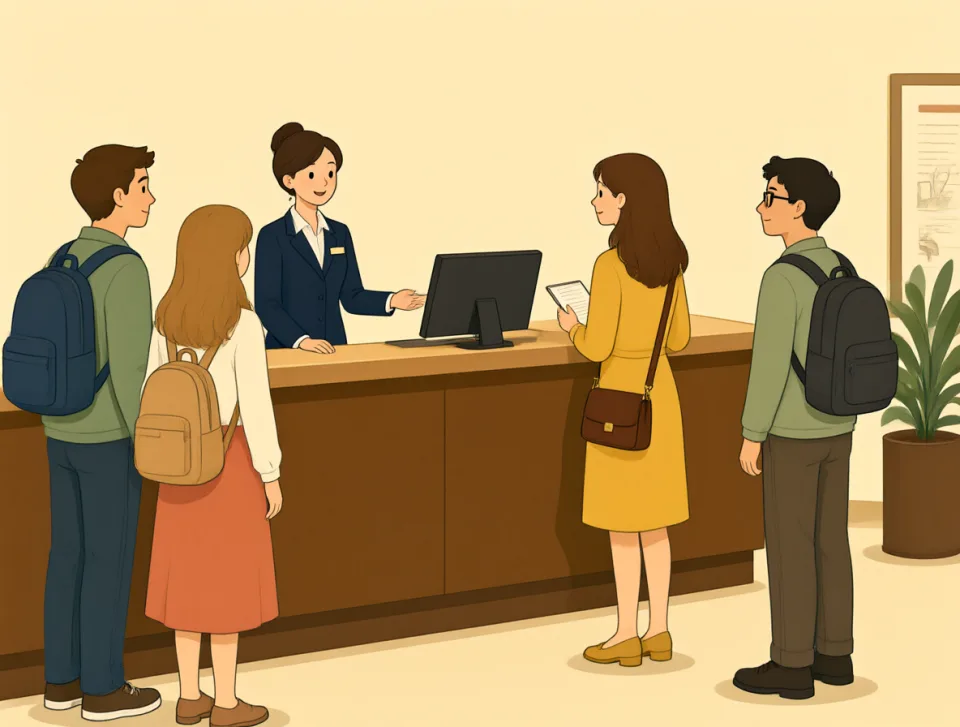
The hotel receptionist helped the tourists book a taxi.
Recepcjonista hotelowy pomógł turystom zamówić taksówkę.
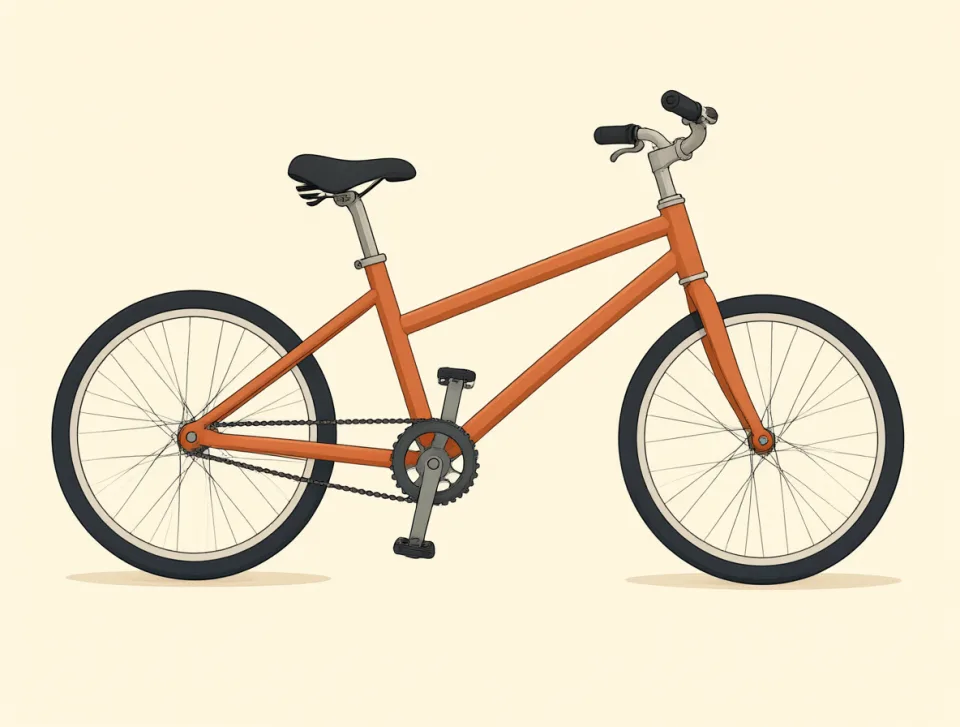
component
#1487noun
element
One of the parts that makes up a larger machine, system, or whole.
Jedna z części składających się na większą maszynę, system lub całość.
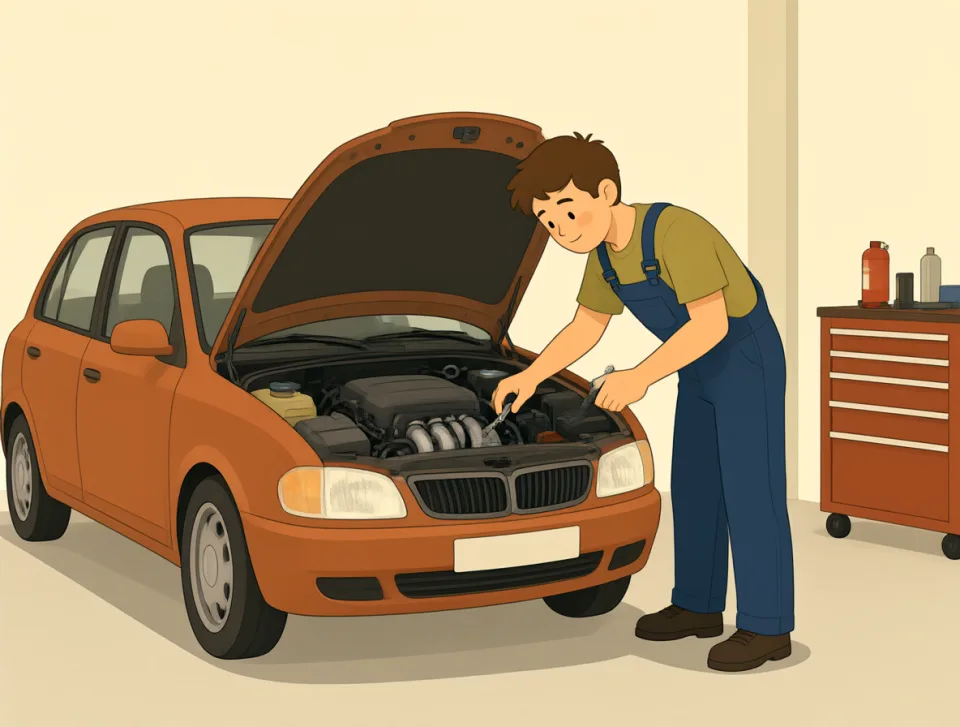
The engine has several important components that need regular checks.
Silnik ma kilka ważnych elementów, które trzeba regularnie sprawdzać.
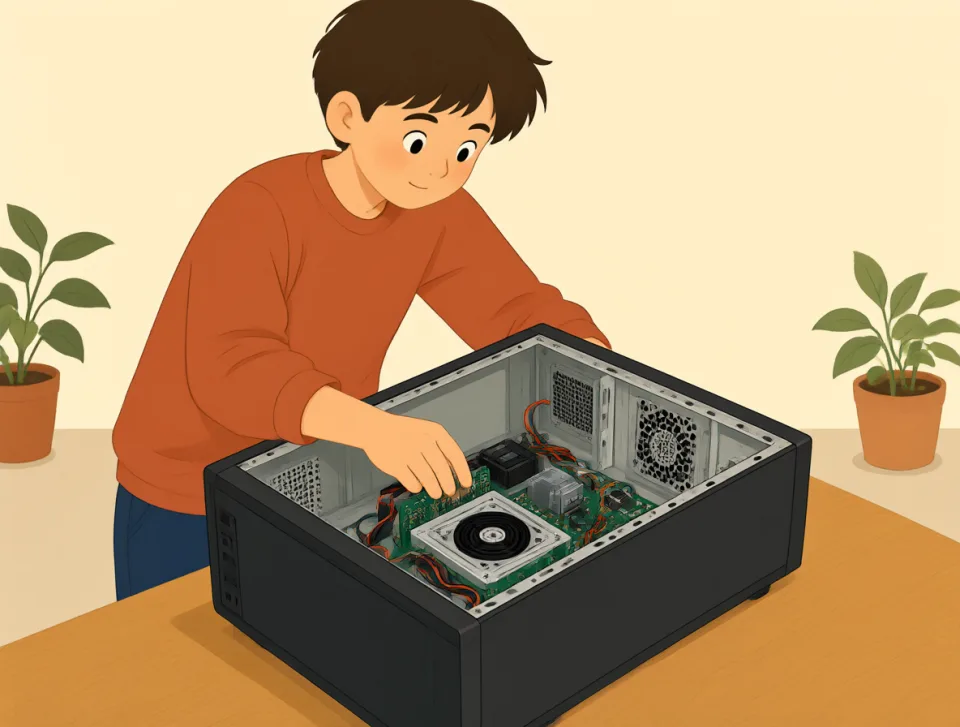
Each component of the computer fits inside the small case.
Każdy element komputera mieści się w małej obudowie.
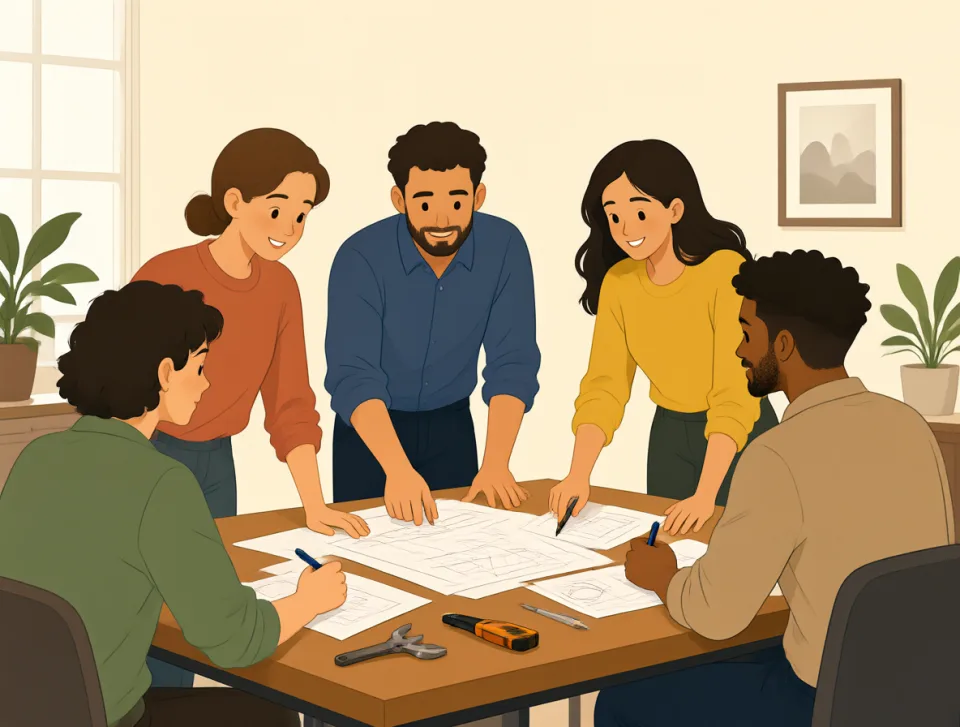
Teamwork is an important component of a successful project.
Współpraca jest ważnym elementem udanego projektu.
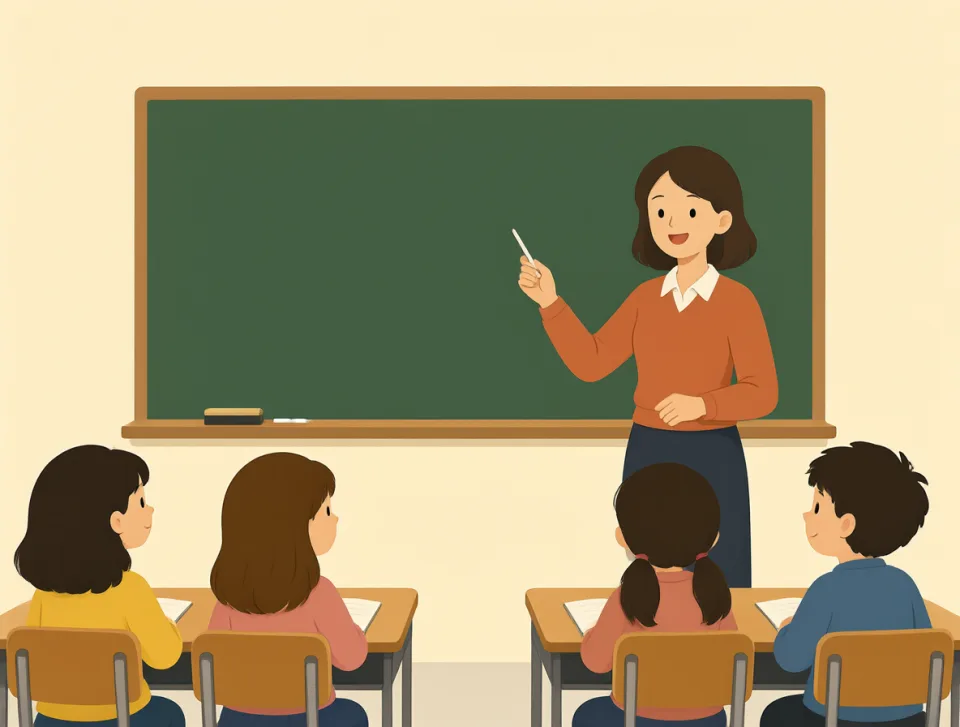
The teacher explained how each component of the experiment worked.
Nauczyciel wyjaśnił, jak działał każdy element eksperymentu.
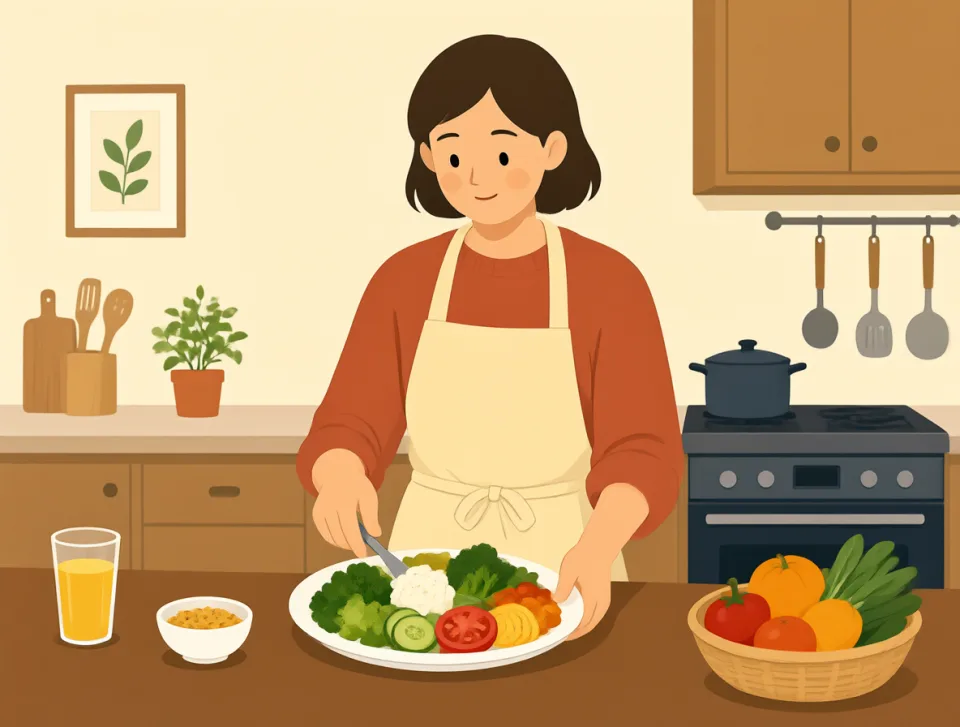
Fresh vegetables are an important component of a healthy meal.
Świeże warzywa są ważnym składnikiem zdrowego posiłku.
afford
#1488verb
móc sobie pozwolić
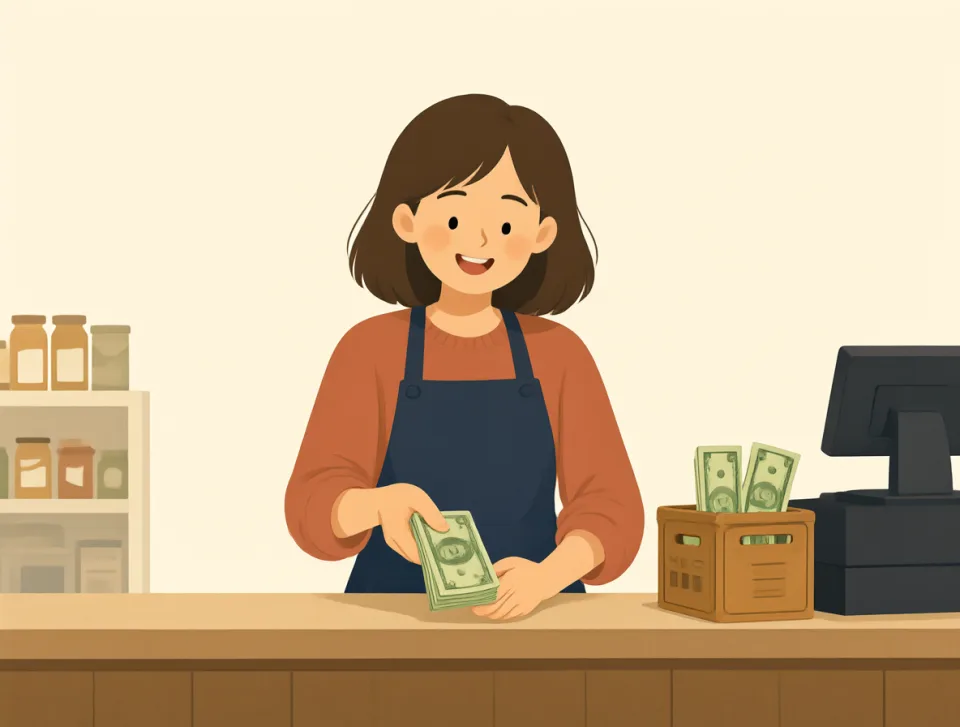
to have enough money, time, or ability to do or buy something
Mieć dość pieniędzy, czasu lub możliwości, by coś zrobić albo kupić.

We cannot afford a bigger apartment right now.
Nie stać nas teraz na większe mieszkanie.
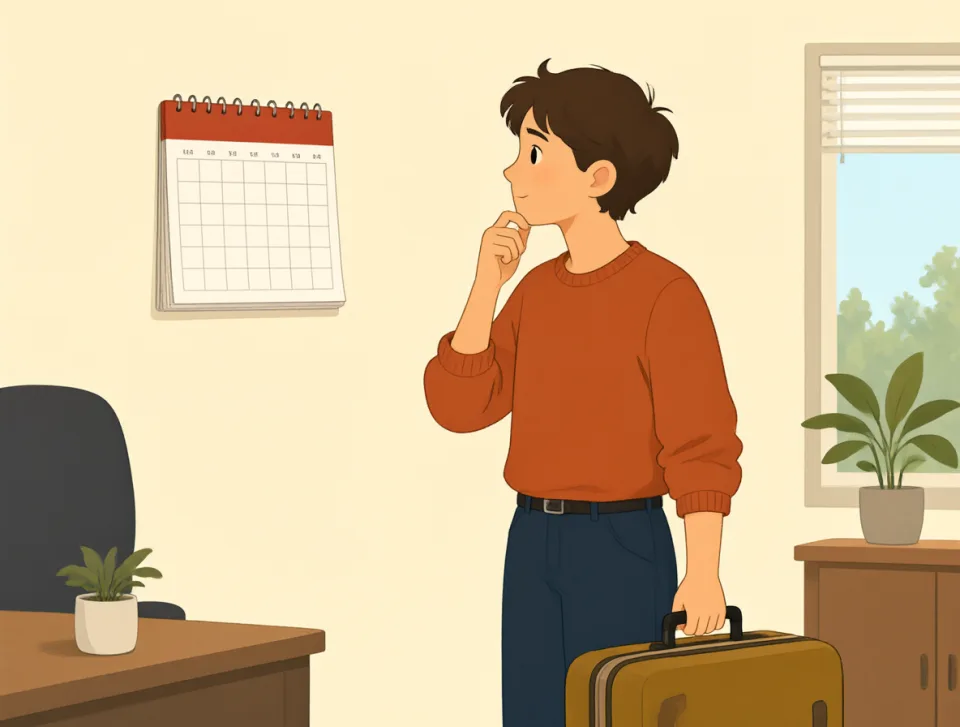
Can you afford to take a week off work?
Stać cię na wzięcie tygodnia wolnego od pracy?
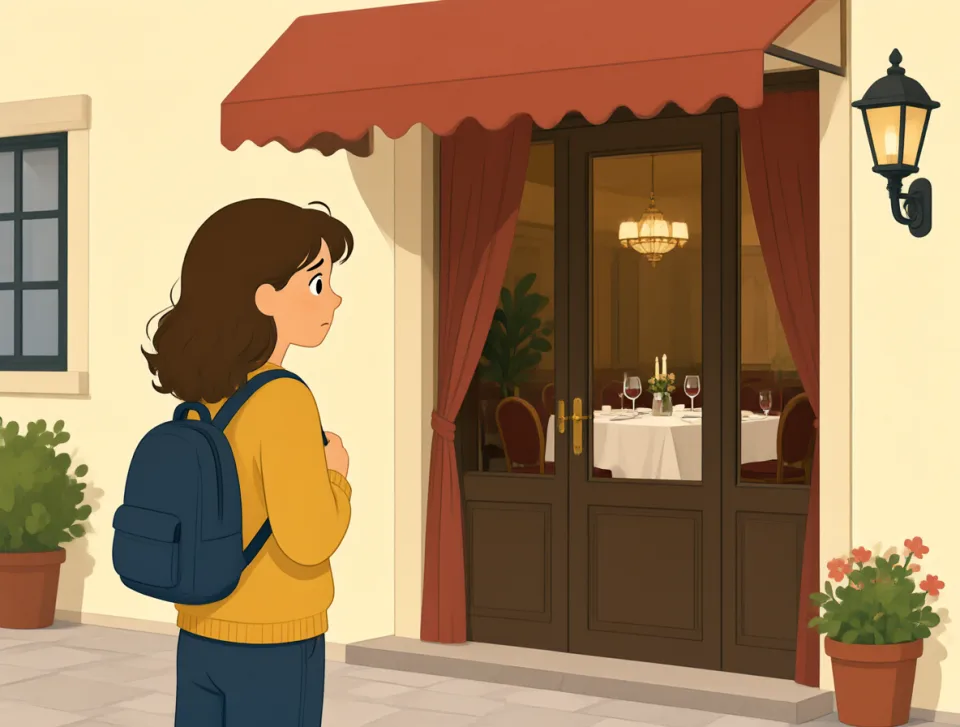
I could not afford the expensive restaurant near our hotel.
Nie było mnie stać na wizytę w drogiej restauracji niedaleko naszego hotelu.

The school can afford new computers this year.
Szkołę stać w tym roku na zakup nowych komputerów.
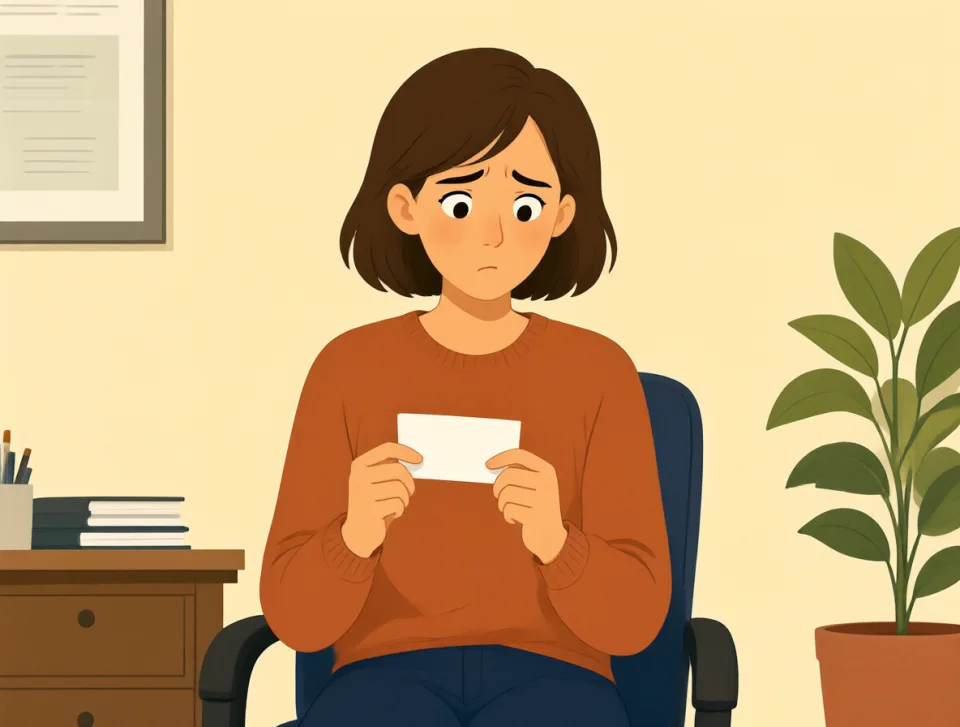
She cannot afford to miss another doctor's appointment.
Nie może sobie pozwolić na opuszczenie kolejnej wizyty u lekarza.

lawyer
#1489noun
prawnik
A person whose job is to give legal advice and speak for people in court.
Osoba, której praca polega na udzielaniu porad prawnych i reprezentowaniu ludzi w sądzie.
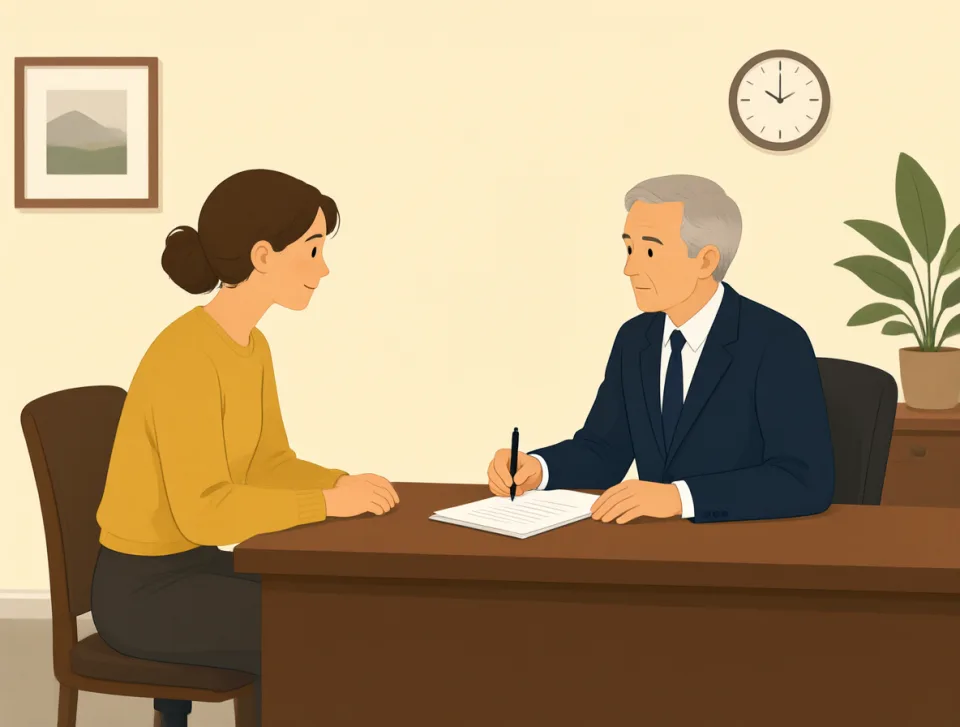
We asked a lawyer for advice about our house contract.
Poprosiliśmy prawnika o poradę w sprawie umowy dotyczącej naszego domu.
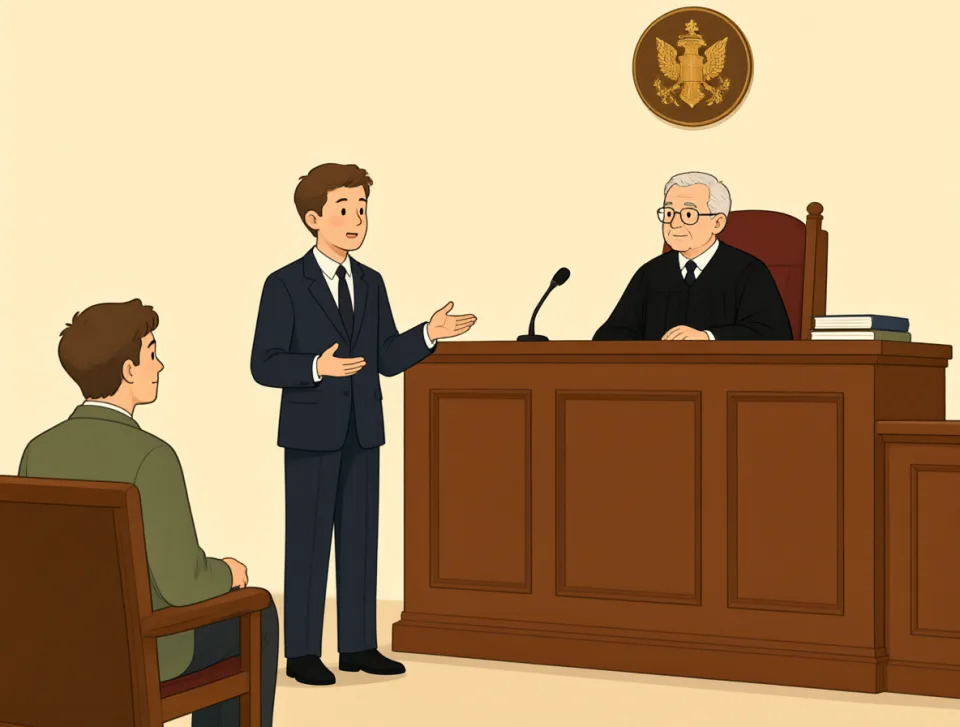
The lawyer spoke for her client in court yesterday.
Wczoraj prawnik reprezentował swoją klientkę w sądzie.

My brother wants to become a lawyer after university.
Mój brat chce zostać prawnikiem po studiach.

The company hired a lawyer to check the new agreement.
Firma zatrudniła prawnika, żeby sprawdził nową umowę.

She called a lawyer after the accident at the supermarket.
Po wypadku w supermarkecie zadzwoniła do prawnika.
suspect
#1490noun, verb, adjective
podejrzany; podejrzewać
A person believed to have done something wrong, or to think something is probably true.
Osoba, o której sądzi się, że zrobiła coś złego; także: uważać, że coś jest prawdopodobnie prawdą.
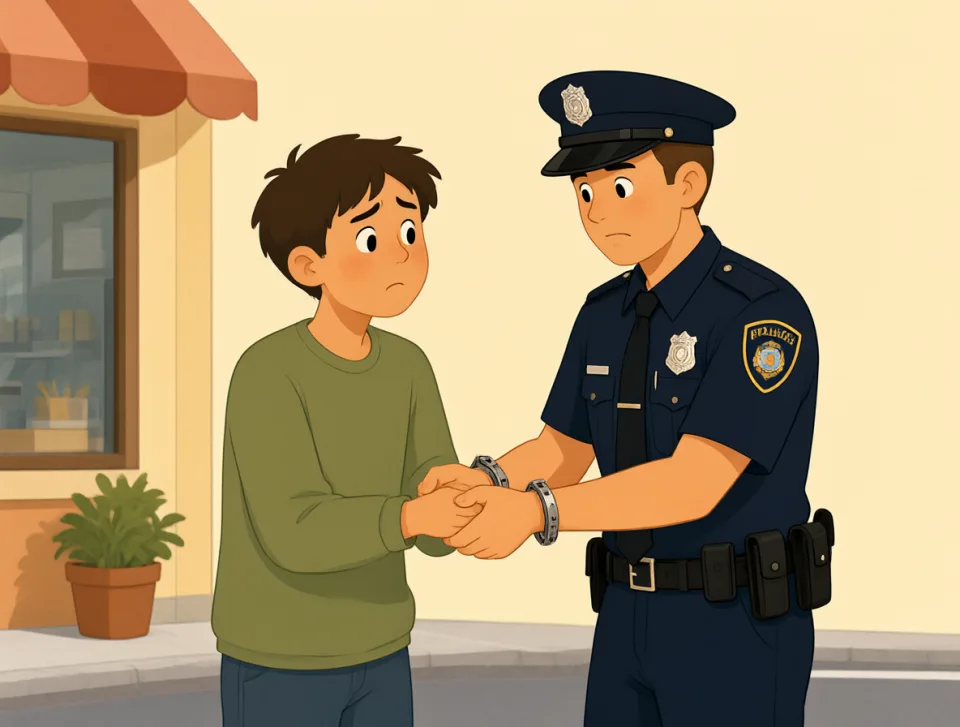
The police arrested a suspect after checking the security camera.
Policja aresztowała podejrzanego po sprawdzeniu nagrania z kamery monitoringu.
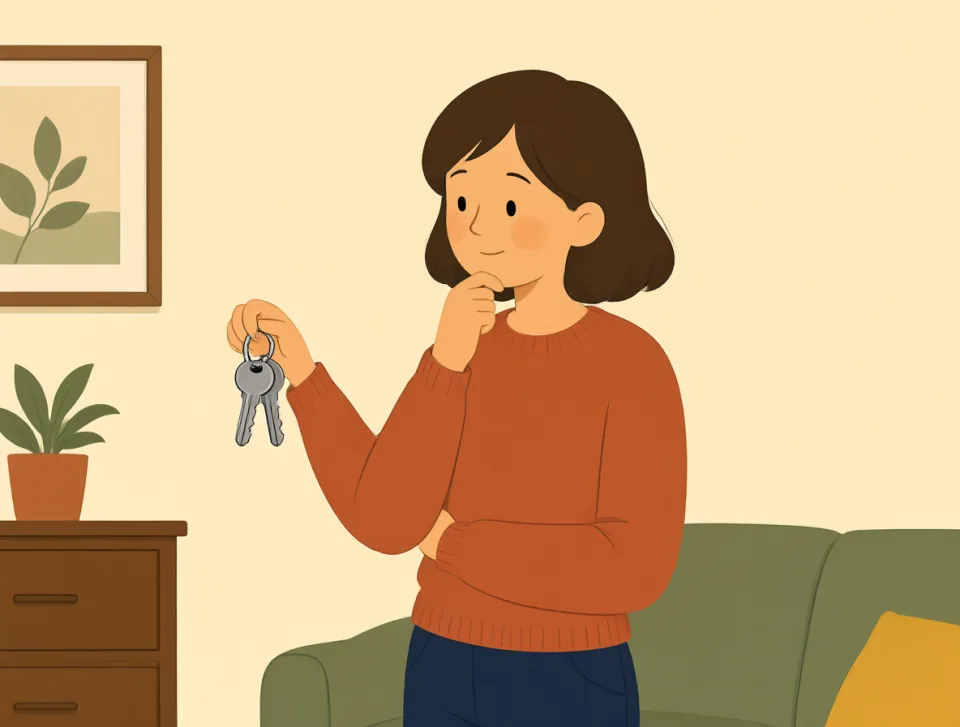
I suspect that Tom took my keys by mistake.
Podejrzewam, że Tom przez pomyłkę wziął moje klucze.

Doctors suspect she has a serious food allergy.
Lekarze podejrzewają, że ma poważną alergię pokarmową.
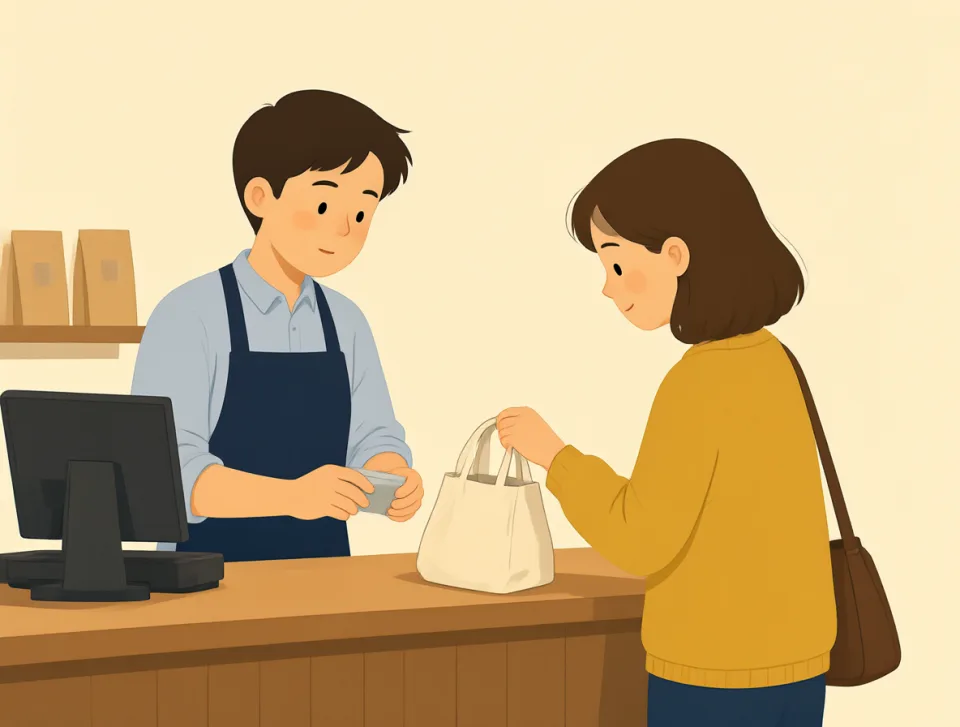
The shop owner suspected the customer was stealing.
Właściciel sklepu podejrzewał, że klient kradnie.
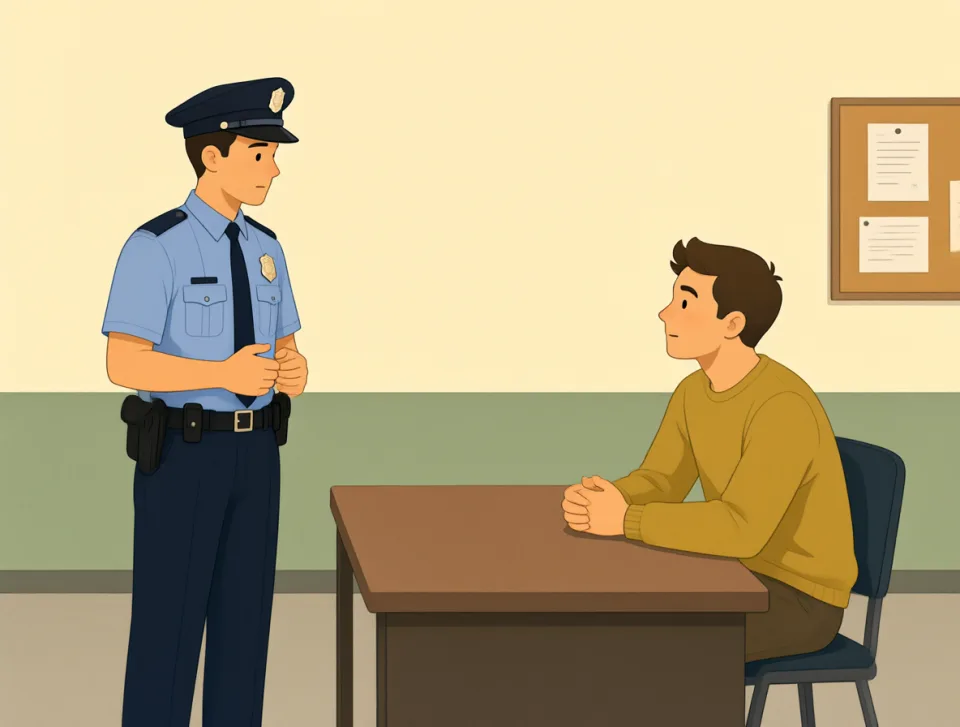
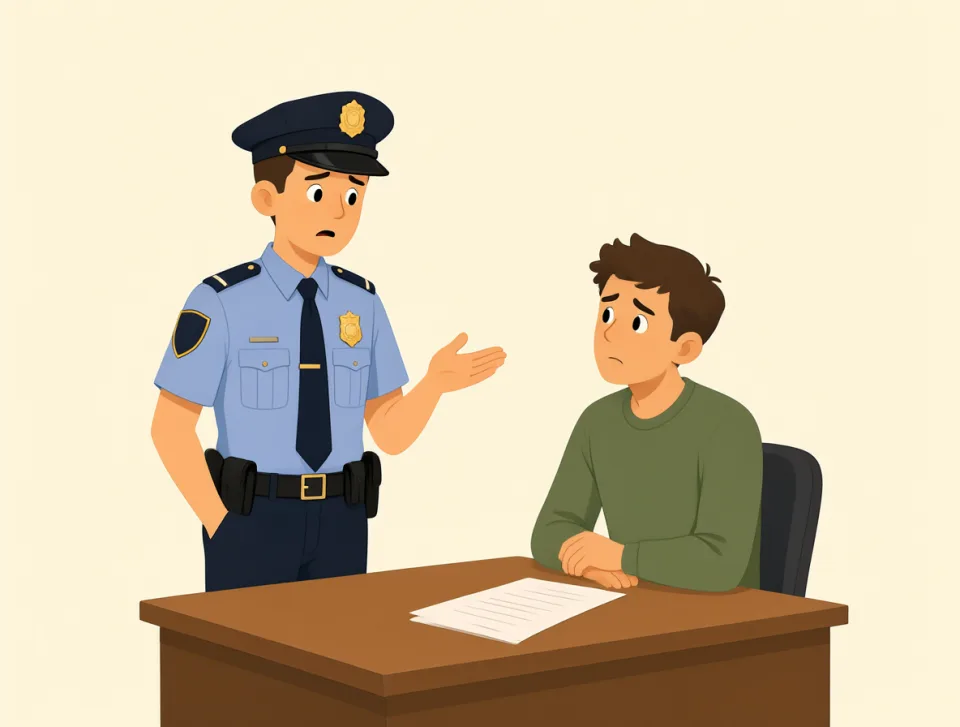
The suspect was questioned for two hours at the station.
Podejrzany był przesłuchiwany na komisariacie przez dwie godziny.
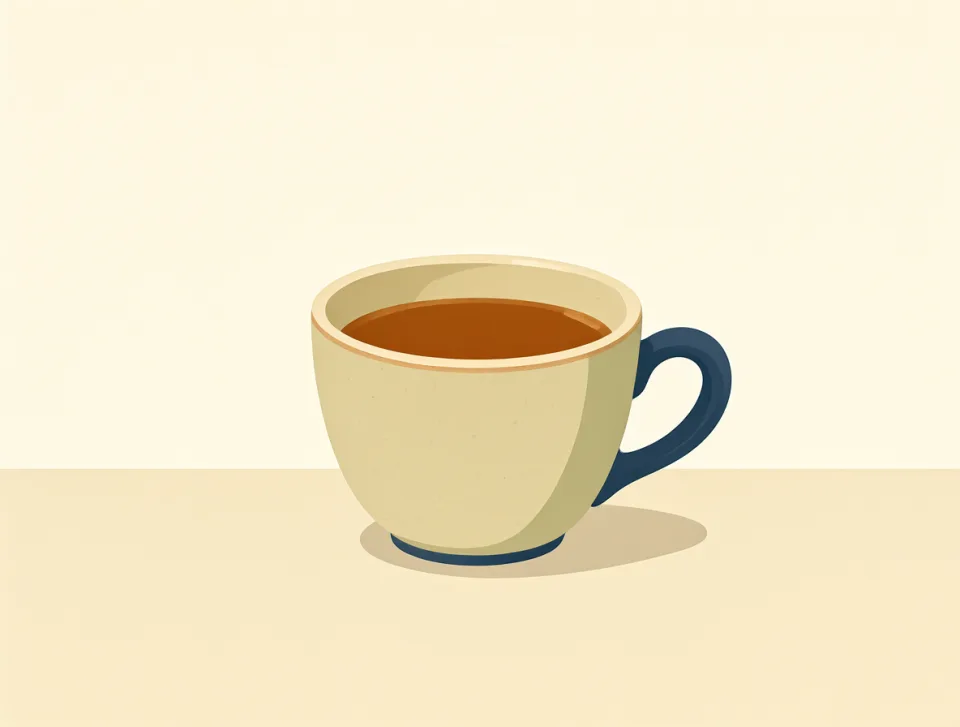
cup
#1491noun
filiżanka
A small container used for drinking, usually with a handle.
Małe naczynie do picia, zwykle z uchem.
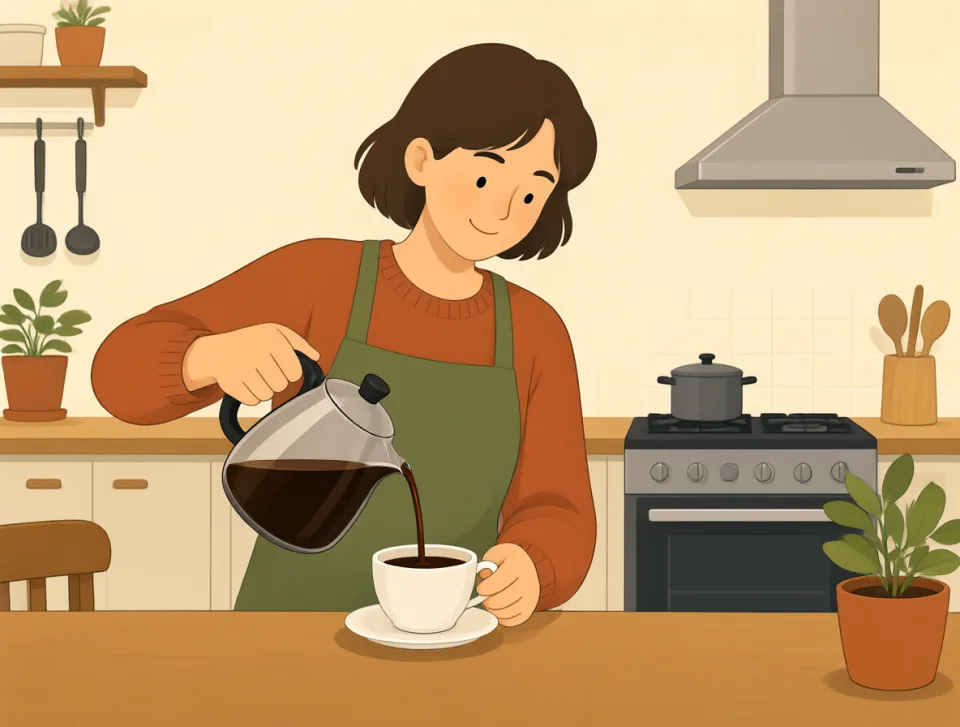
She poured hot coffee into my cup.
Nalała gorącej kawy do mojej filiżanki.
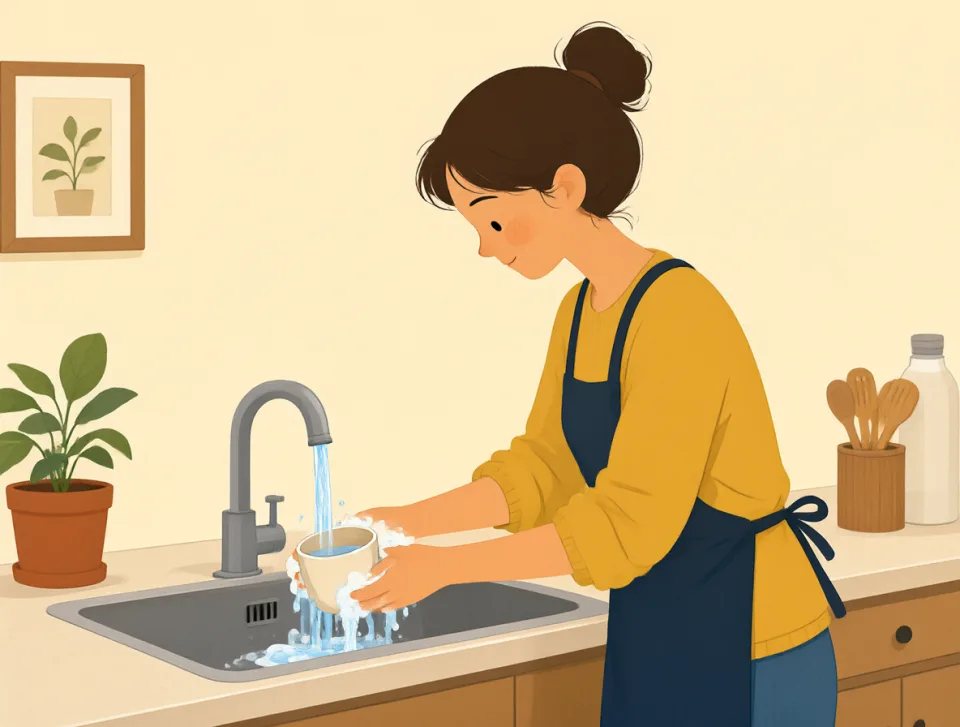
Please wash your cup after breakfast.
Proszę umyć filiżankę po śniadaniu.
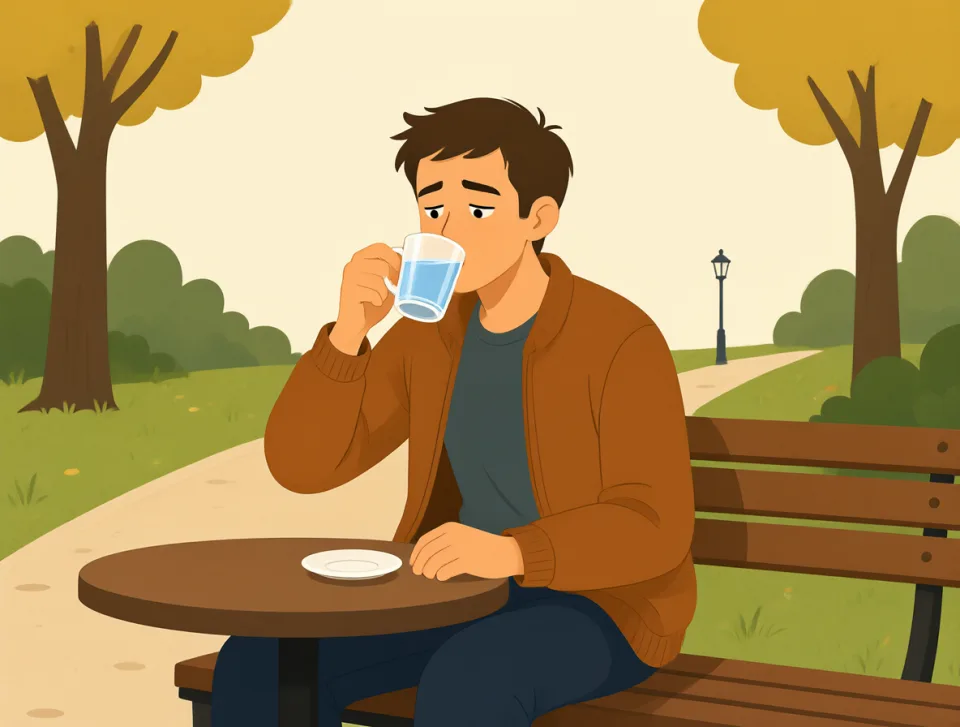
He drank two cups of water after running.
Po biegu wypił dwie szklanki wody.
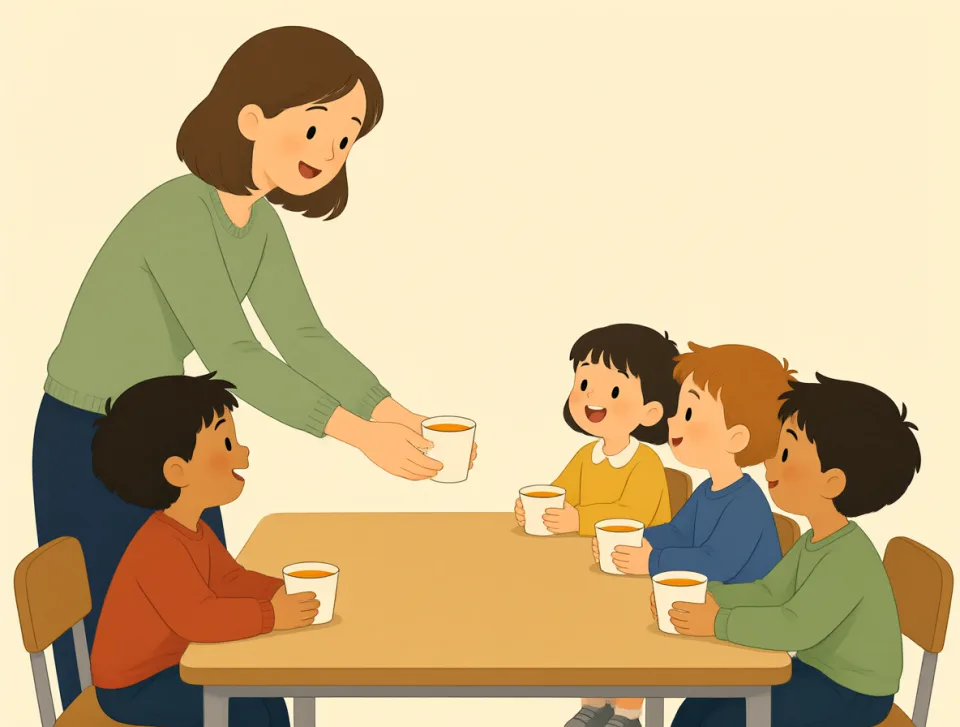
The teacher gave each child a cup of juice.
Nauczyciel dał każdemu dziecku kubek soku.
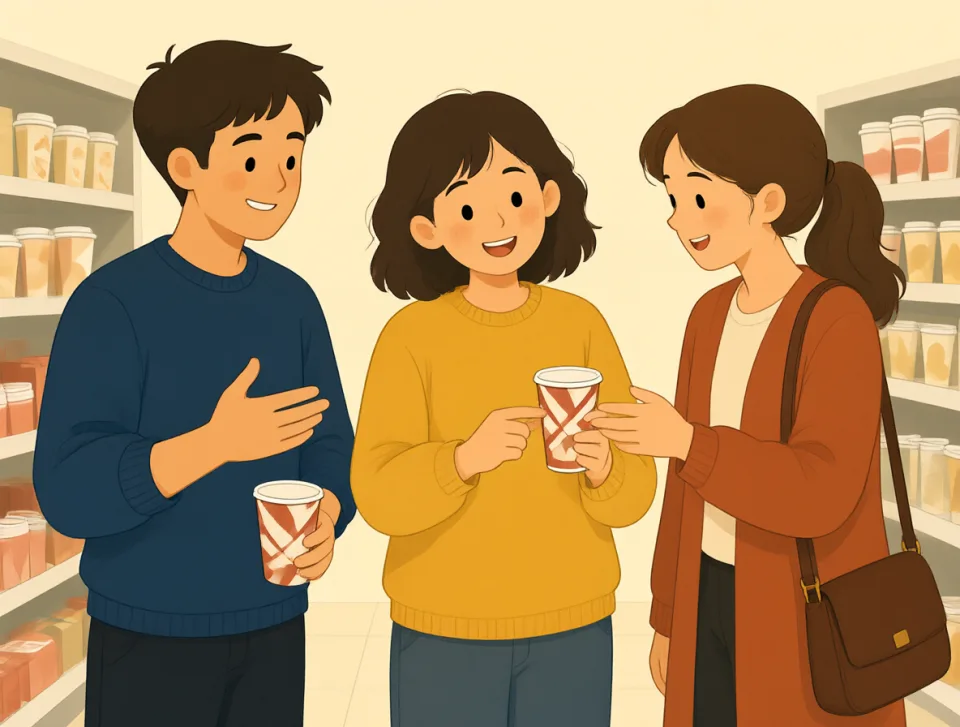
We bought paper cups for the picnic.
Kupiliśmy papierowe kubki na piknik.
description
#1492noun
opis
Words that tell what someone or something looks like or is like.
Słowa opisujące wygląd lub cechy kogoś albo czegoś.
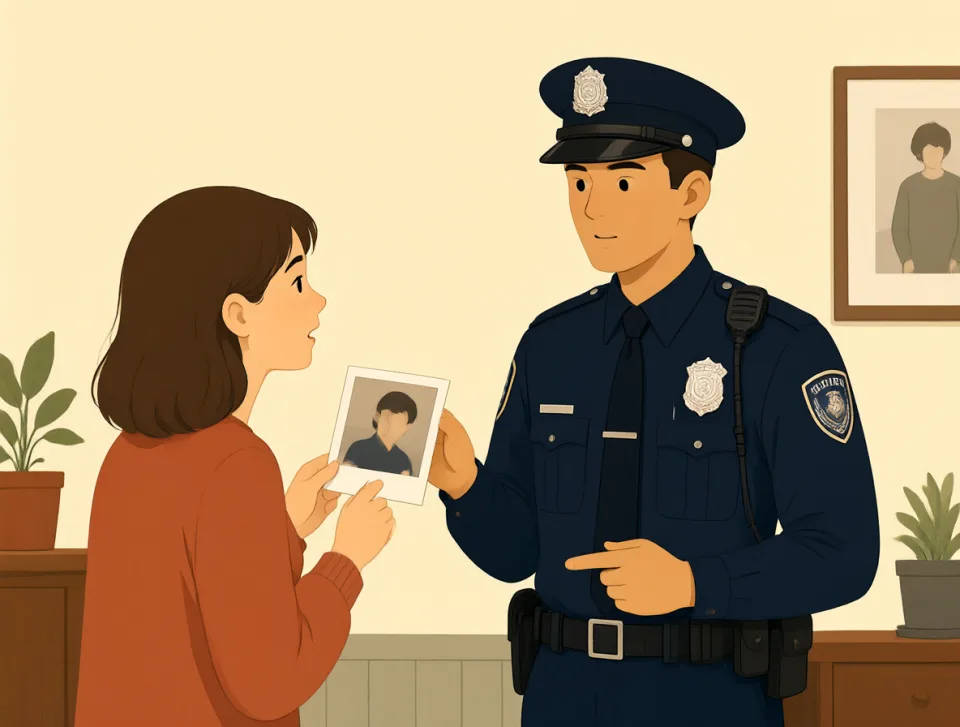
The witness gave a clear description of the man.
Świadek dokładnie opisał mężczyznę.
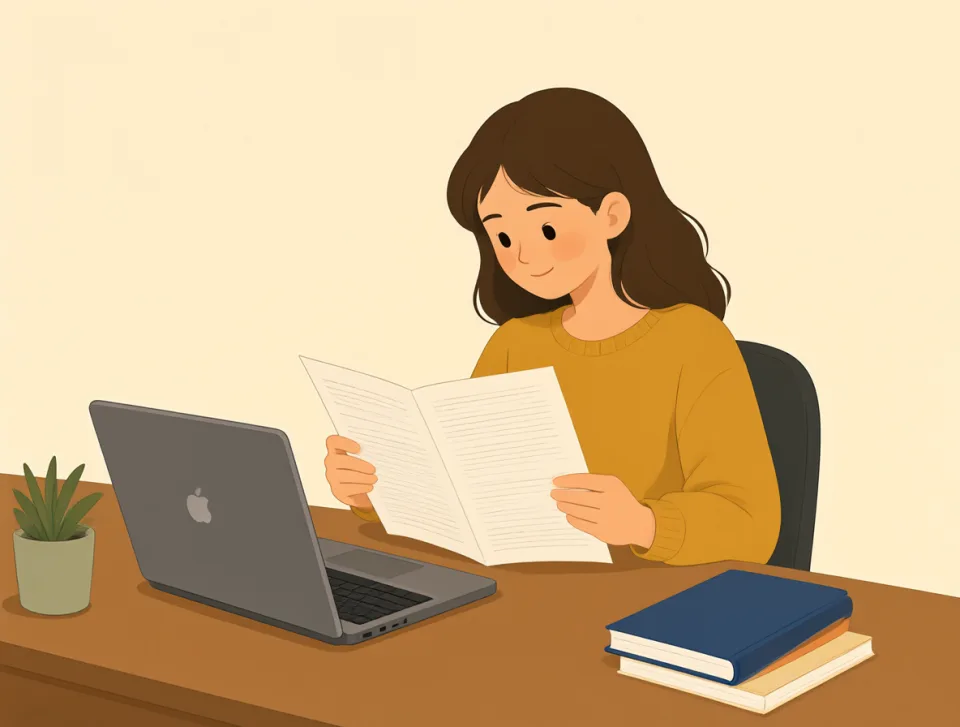
Please read the job description before applying for the position.
Przed złożeniem podania proszę przeczytać opis stanowiska.
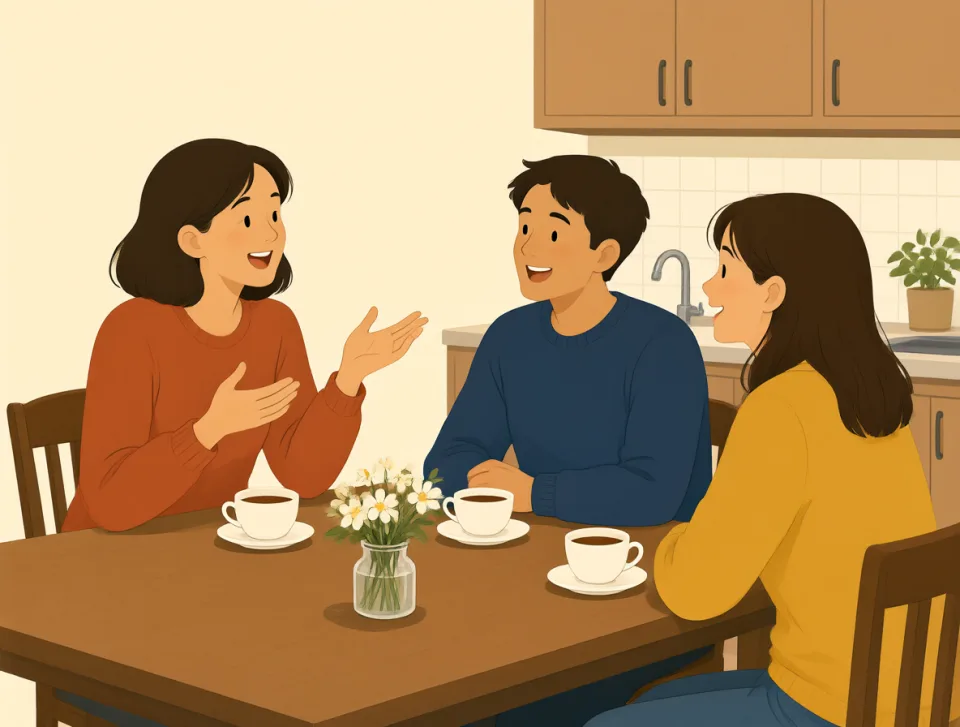
Her description of the hotel made us book a room.
Jej opis hotelu skłonił nas do zarezerwowania pokoju.
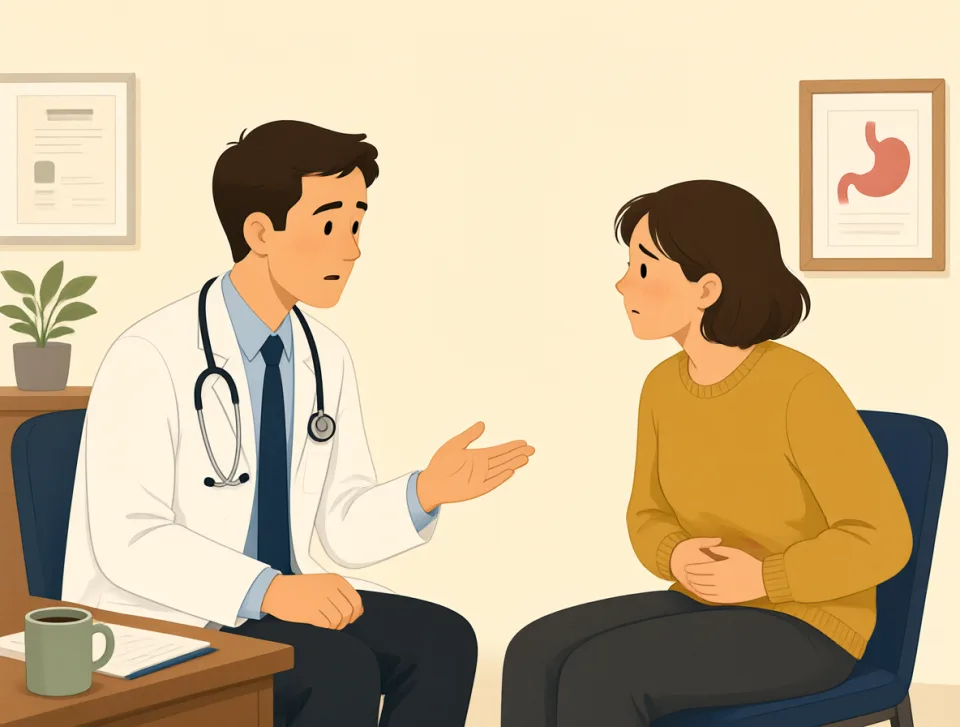
The doctor asked for a description of my stomach pain.
Lekarz poprosił, żebym opisał ból brzucha.
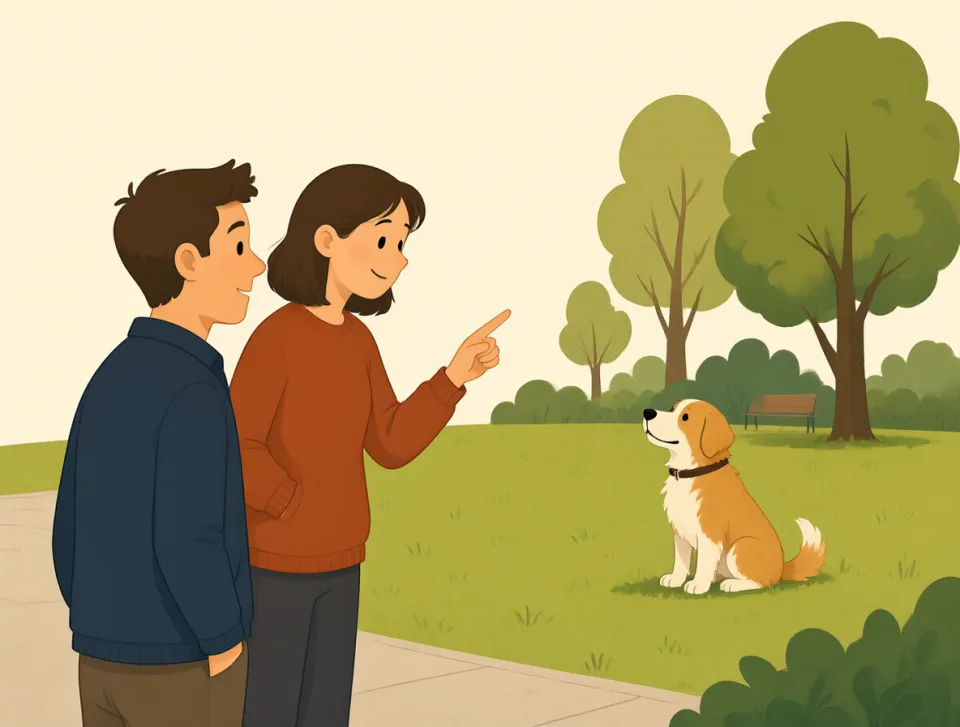
His description of the lost dog helped us find it.
Jego opis zaginionego psa pomógł nam go znaleźć.

confidence
#1493noun
pewność siebie
A strong belief in your own ability to do something well.
Silne przekonanie o własnej zdolności do dobrego wykonania czegoś.
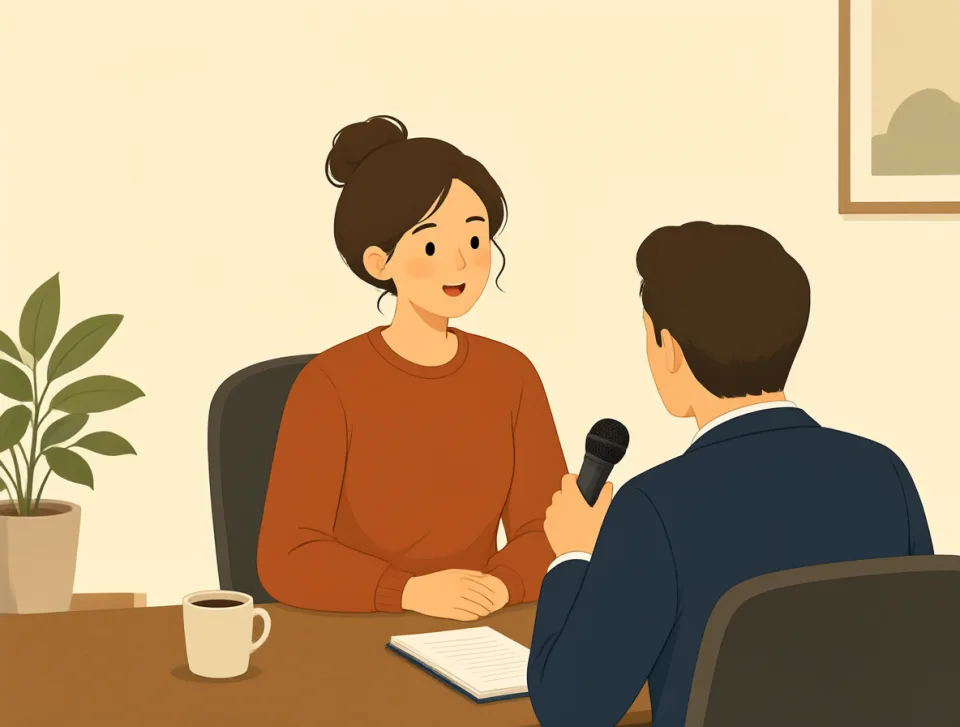
She spoke with confidence during the job interview.
Podczas rozmowy kwalifikacyjnej mówiła z pewnością siebie.
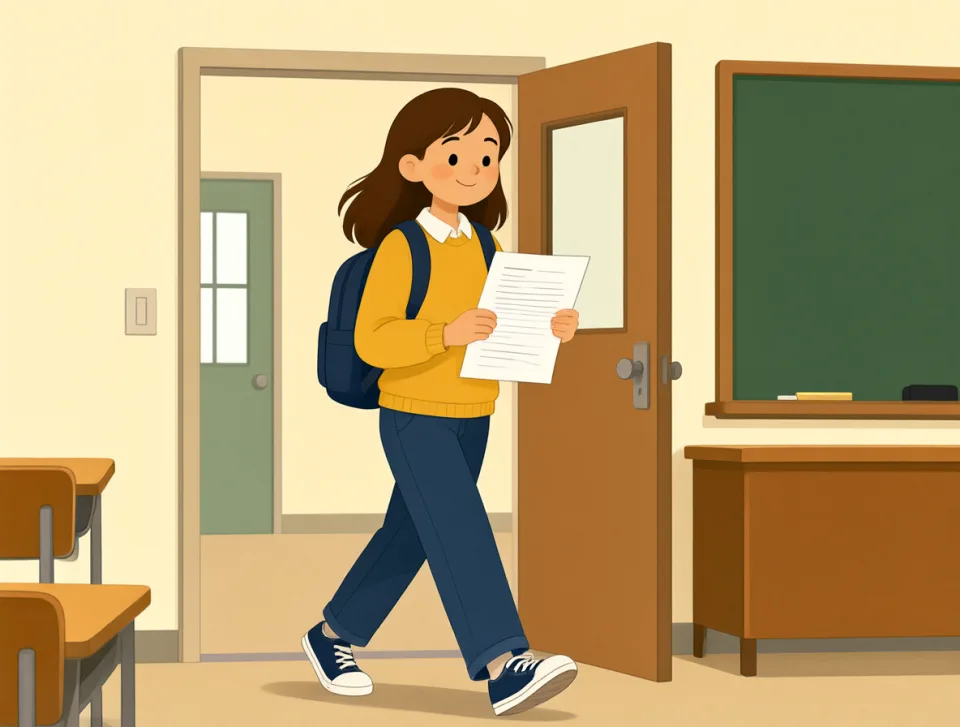
His confidence grew after he passed the difficult exam.
Po zdaniu trudnego egzaminu nabrał pewności siebie.
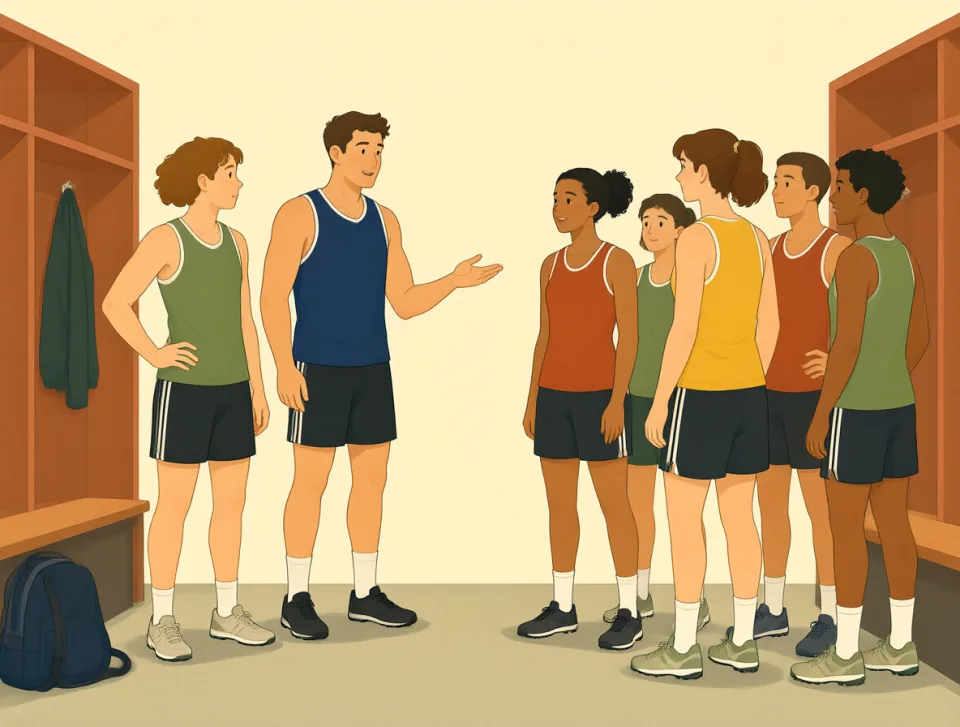
The coach gave the team confidence before the final game.
Trener dodał drużynie pewności siebie przed finałowym meczem.

I need more confidence to speak English with strangers.
Potrzebuję więcej pewności siebie, żeby rozmawiać po angielsku z nieznajomymi.

Her new haircut gave her confidence at the party.
Nowa fryzura dodała jej pewności siebie na imprezie.
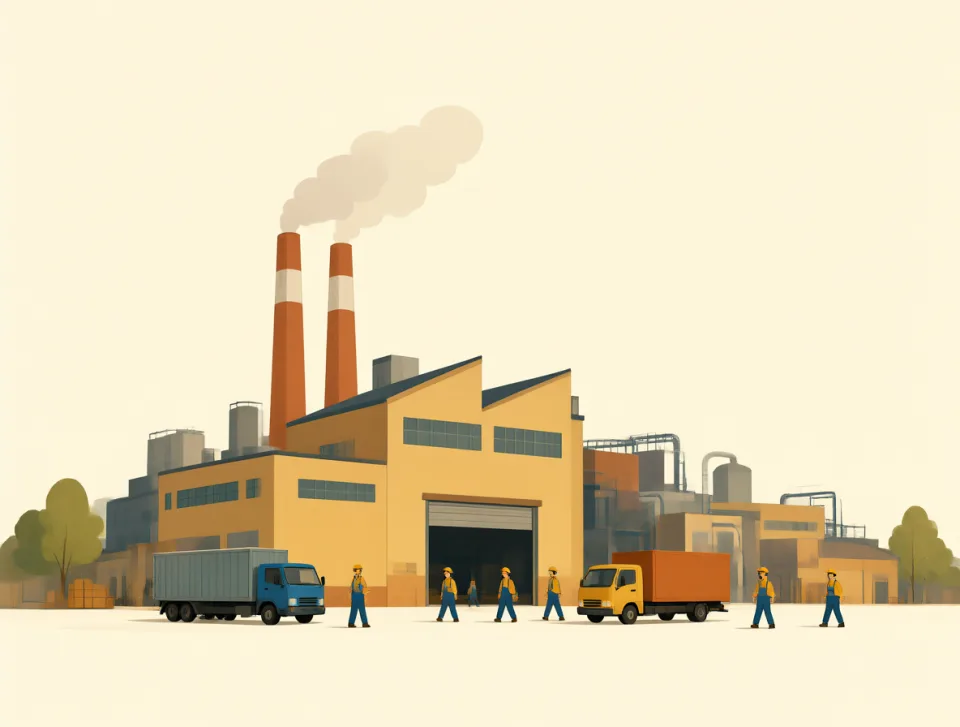
industrial
#1494adjective
przemysłowy
Relating to factories, large-scale production, or industry.
Związany z fabrykami, produkcją na dużą skalę lub przemysłem.
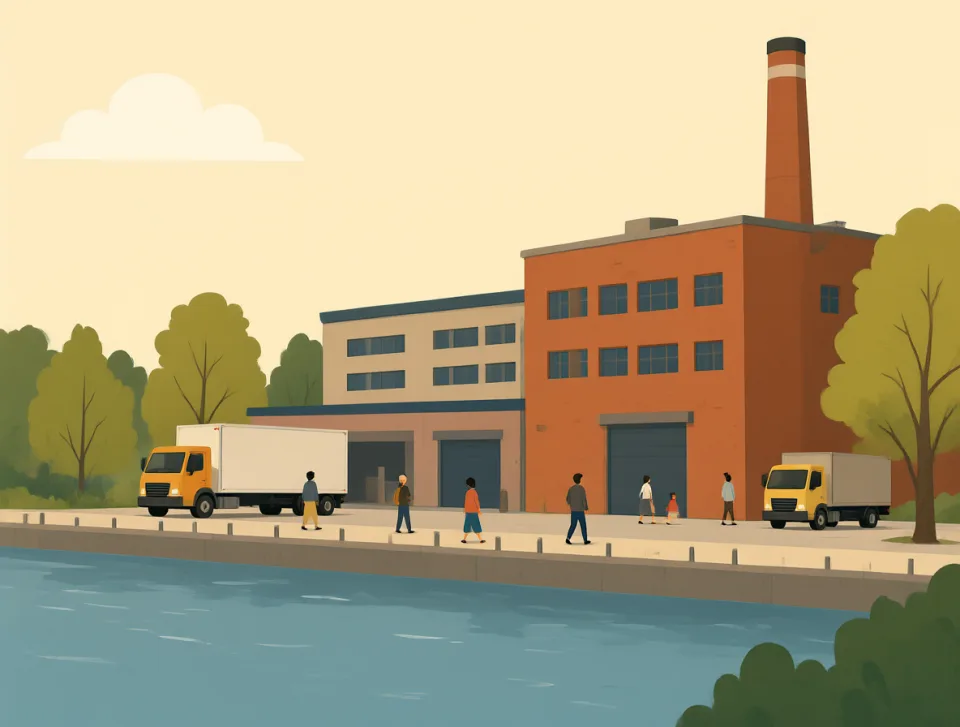
The town has several large industrial buildings near the river.
W miasteczku, nad rzeką, znajduje się kilka dużych budynków przemysłowych.
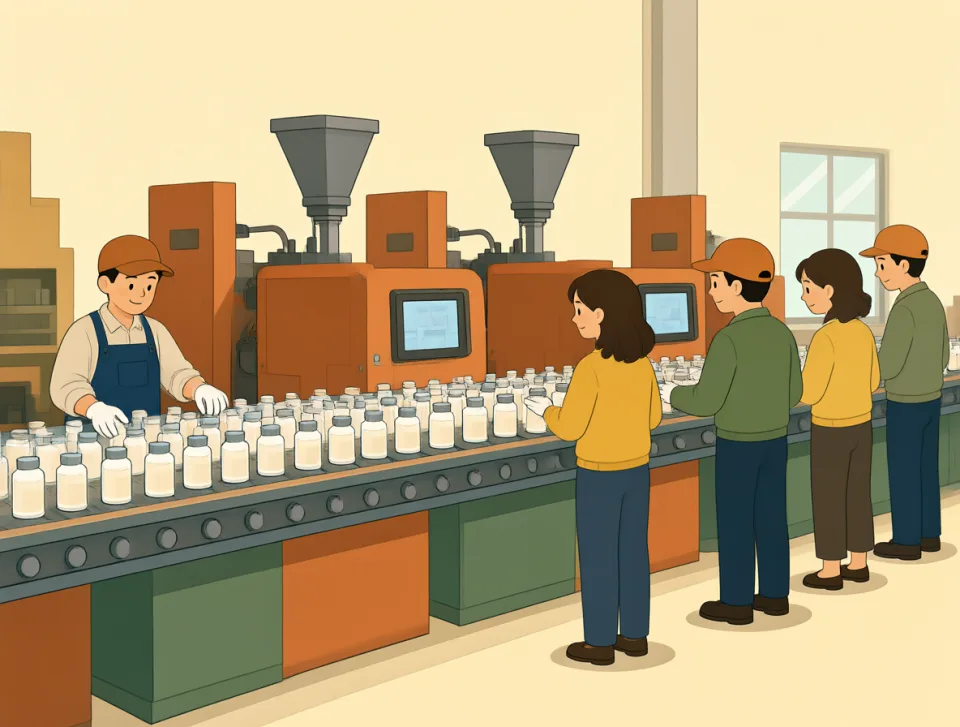
Industrial machines can make hundreds of products every hour.
Maszyny przemysłowe mogą wytwarzać setki produktów na godzinę.
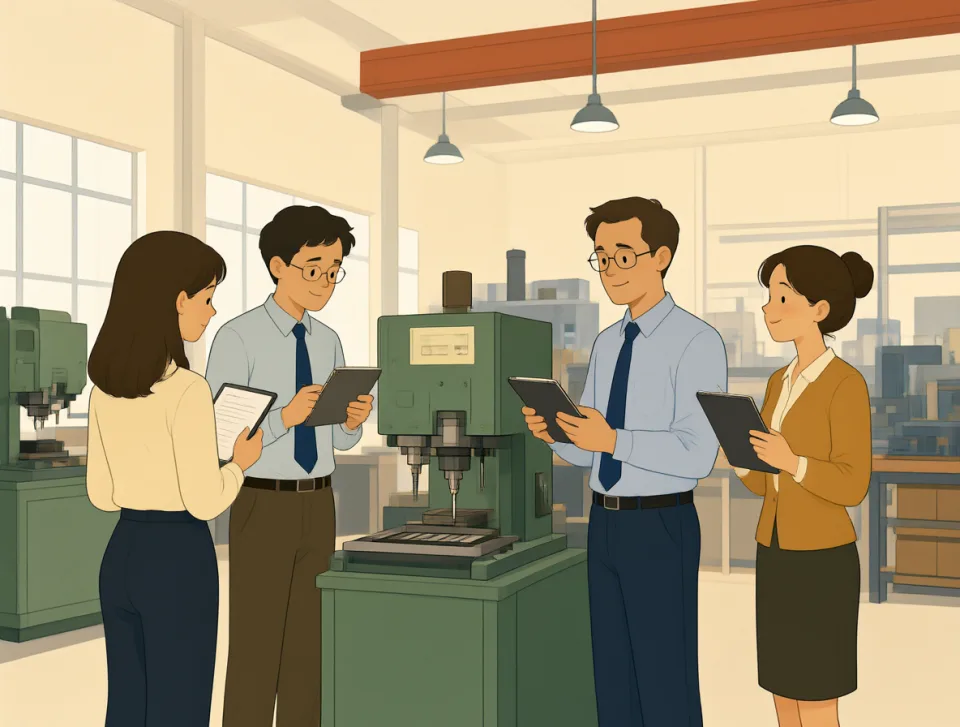
The company moved its industrial operations to a cheaper area.
Firma przeniosła swoją działalność przemysłową do tańszej okolicy.
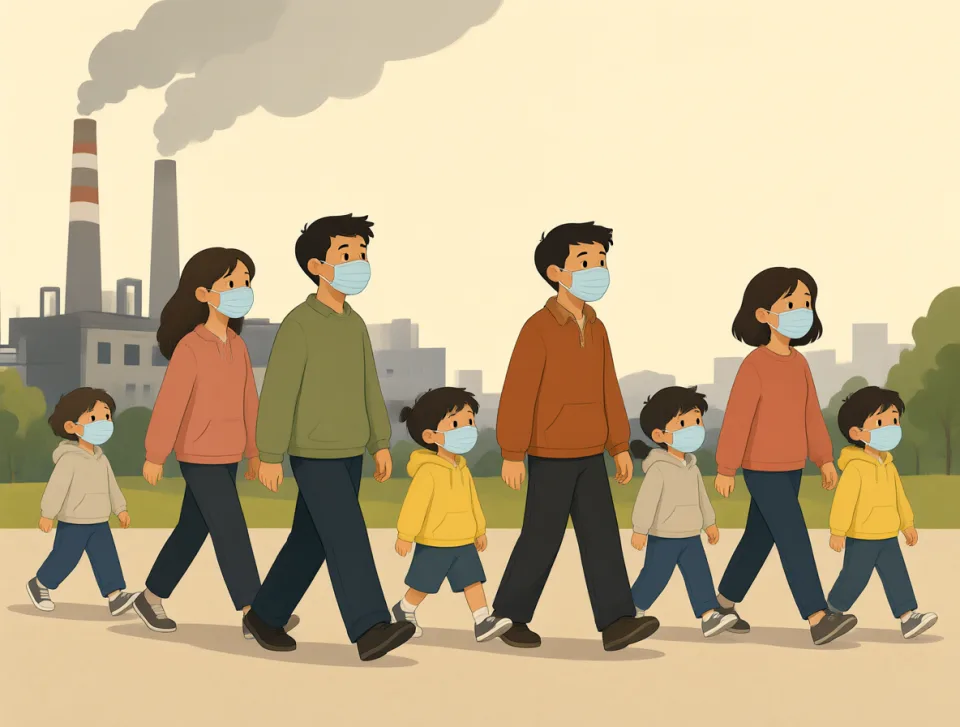
Industrial pollution has made the air unhealthy in some cities.
Zanieczyszczenia przemysłowe sprawiły, że powietrze w niektórych miastach jest niezdrowe.
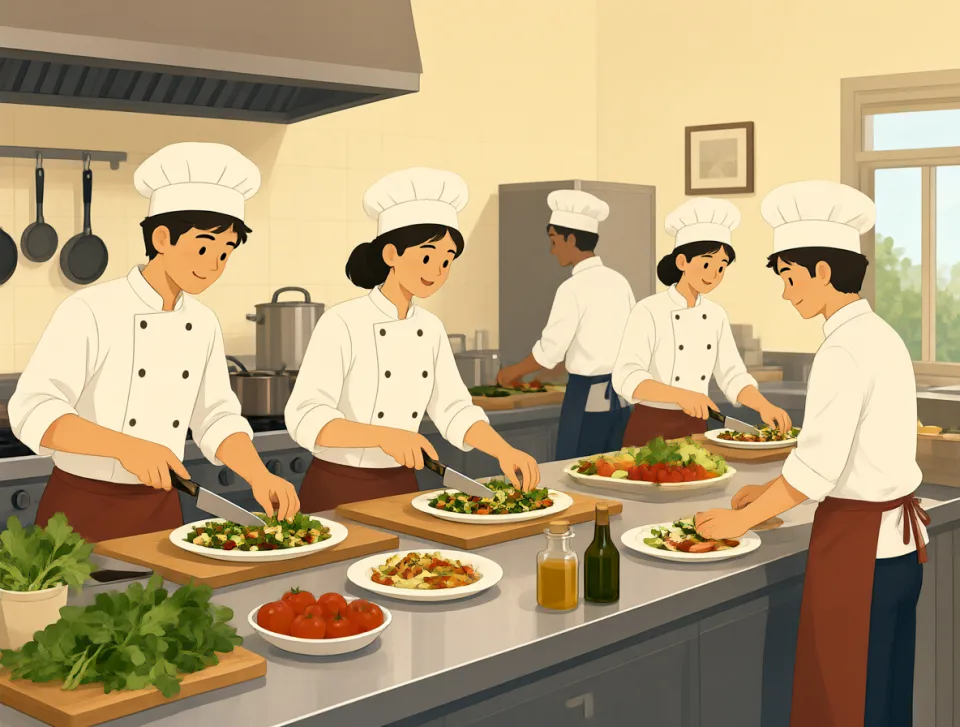
This industrial kitchen prepares meals for schools and hospitals.
Ta kuchnia przemysłowa przygotowuje posiłki dla szkół i szpitali.
complain
#1495verb
narzekać
to say that you are unhappy or annoyed about something
Mówić, że coś ci się nie podoba lub cię irytuje.
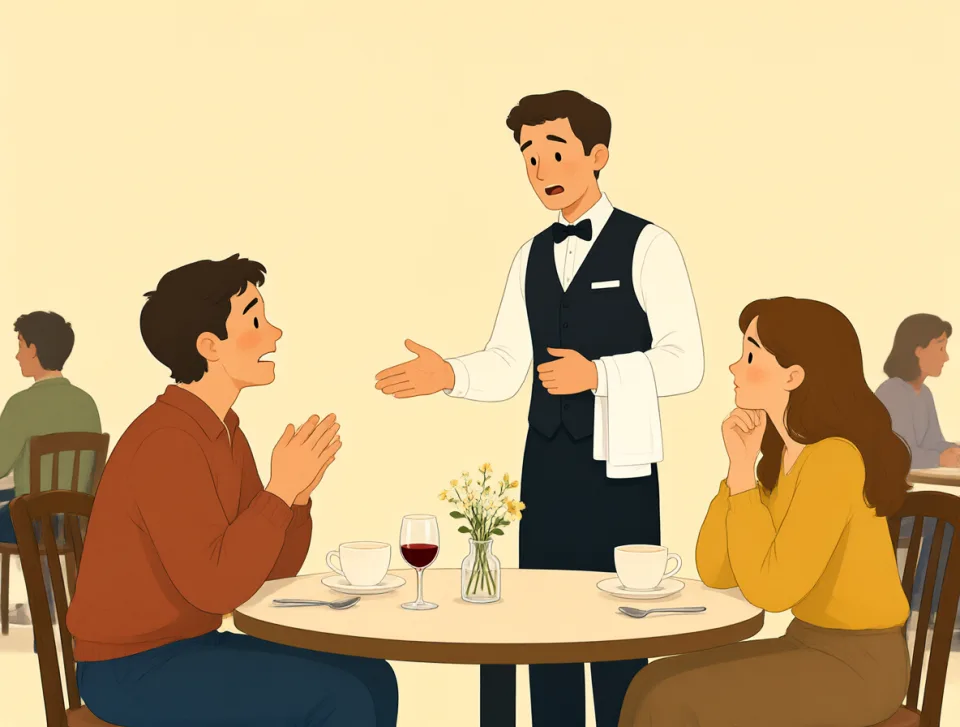
Customers often complain about the slow service here.
Klienci często narzekają tu na powolną obsługę.

She complained to her manager about the noisy office.
Poskarżyła się kierownikowi na hałaśliwe biuro.
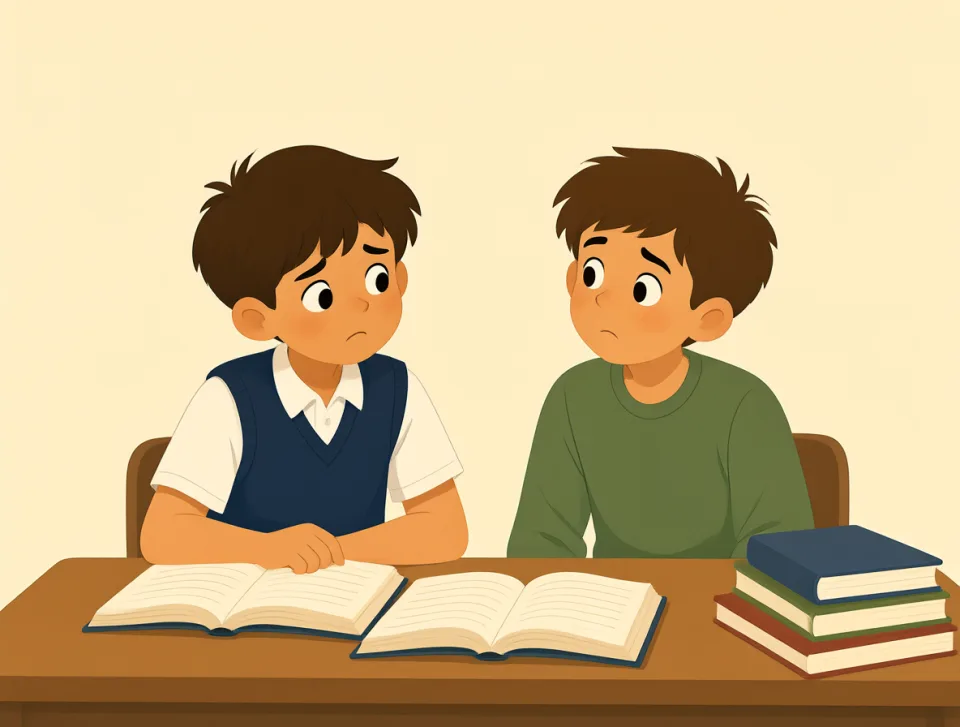
My brother always complains when he has too much homework.
Mój brat zawsze narzeka, kiedy ma za dużo pracy domowej.
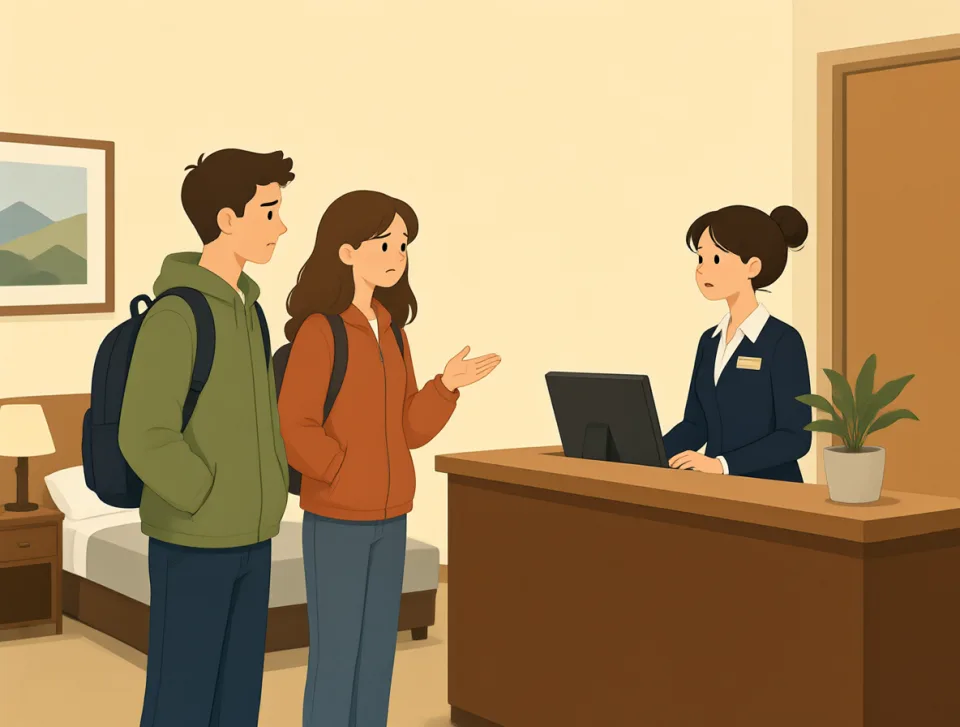
We complained about the cold room at the hotel.
Poskarżyliśmy się na zimny pokój w hotelu.
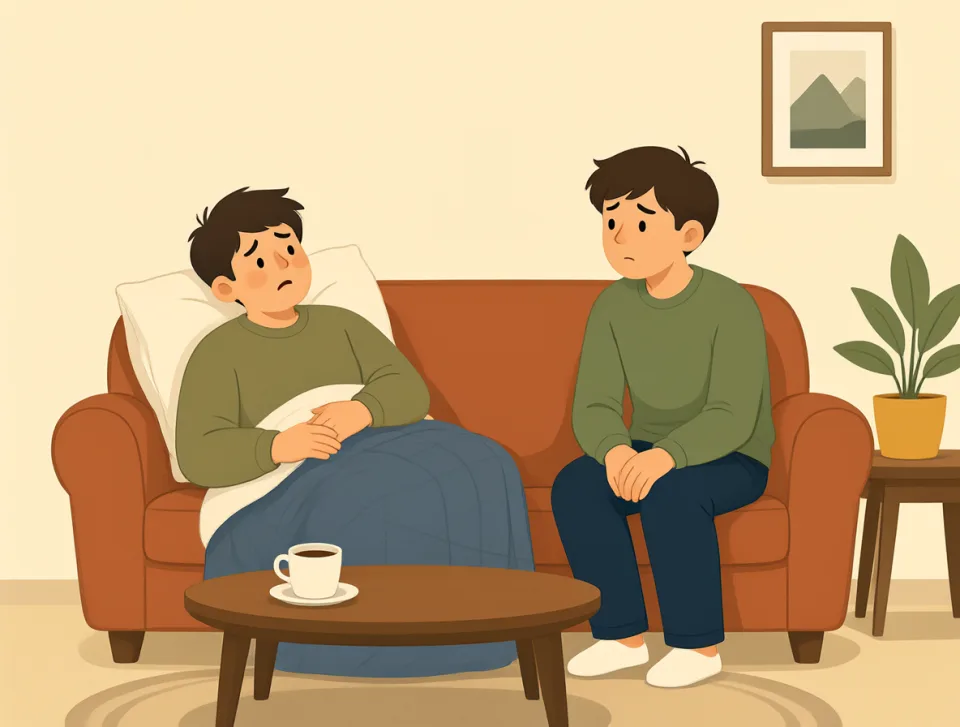
He never complains about his health, even when he feels sick.
Nigdy nie narzeka na swoje zdrowie, nawet kiedy źle się czuje.
perspective
#1496noun
perspektywa
A particular way of seeing or understanding a situation, idea, or problem.
Sposób postrzegania lub rozumienia danej sytuacji, idei albo problemu.
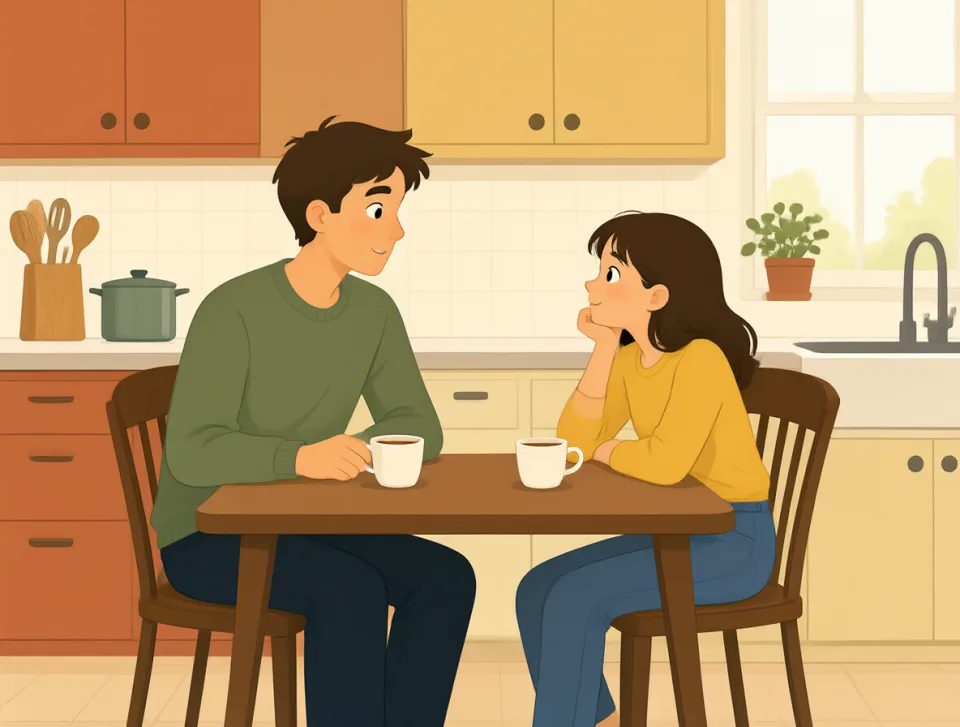
Try to see the problem from your sister's perspective.
Spróbuj spojrzeć na problem z perspektywy swojej siostry.
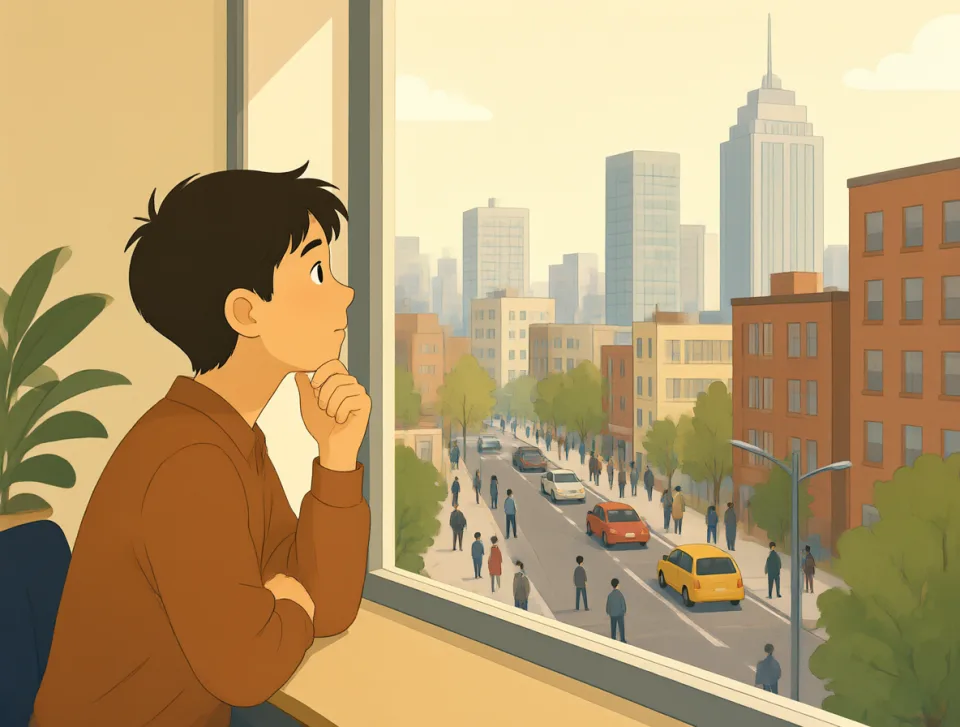
The job gave me a new perspective on city life.
Ta praca dała mi nowe spojrzenie na życie w mieście.
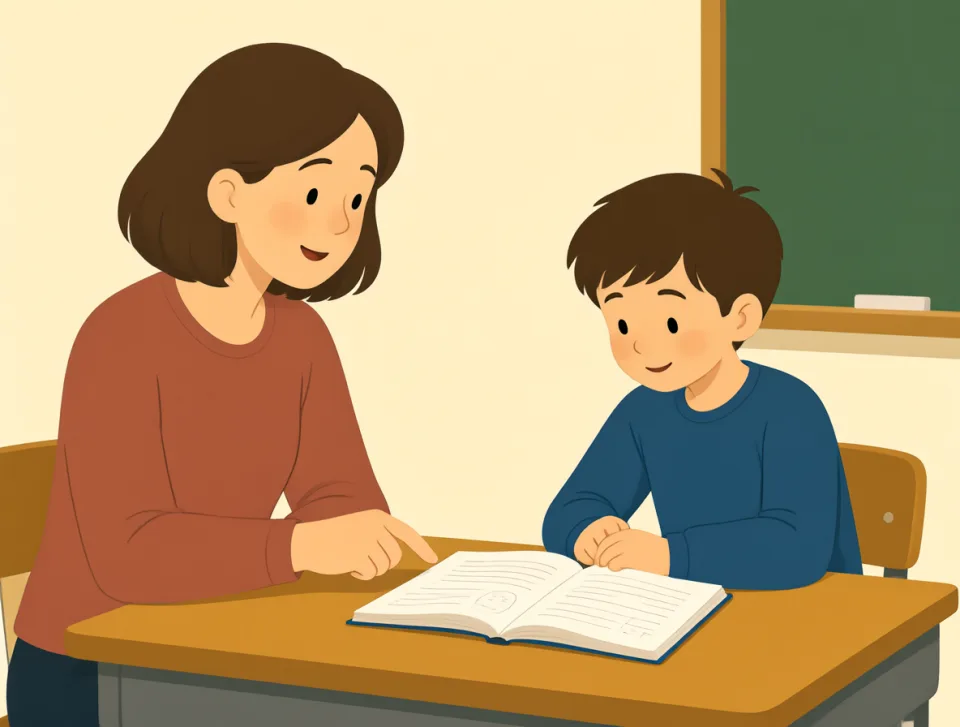
From a teacher's perspective, small daily practice really helps.
Z perspektywy nauczyciela krótkie, codzienne ćwiczenia naprawdę pomagają.

Traveling alone changed my perspective on making friends.
Samotne podróżowanie zmieniło moje spojrzenie na nawiązywanie przyjaźni.
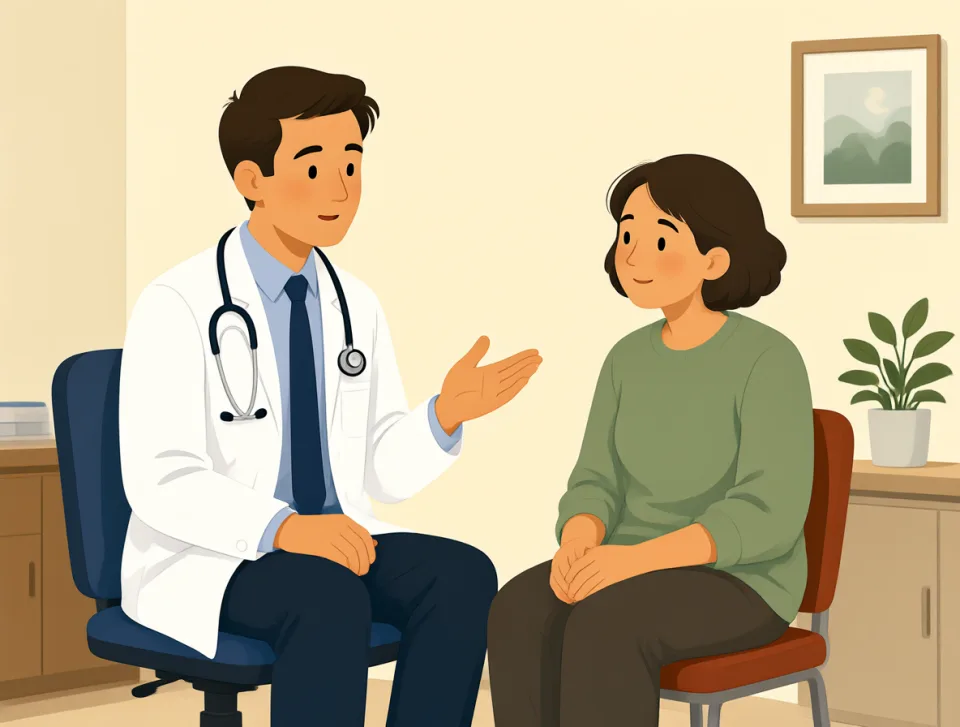
The doctor explained my health problem from a different perspective.
Lekarz wyjaśnił mój problem zdrowotny z innej perspektywy.
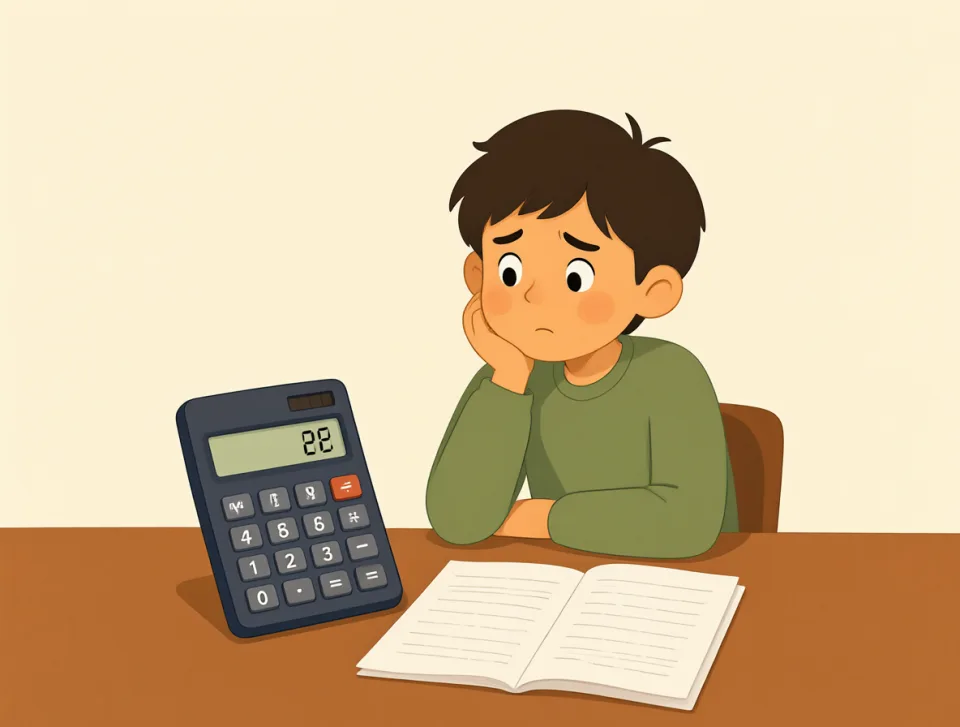
error
#1497noun
błąd
A mistake or problem that makes something incorrect.
Pomyłka lub problem, przez który coś jest nieprawidłowe.
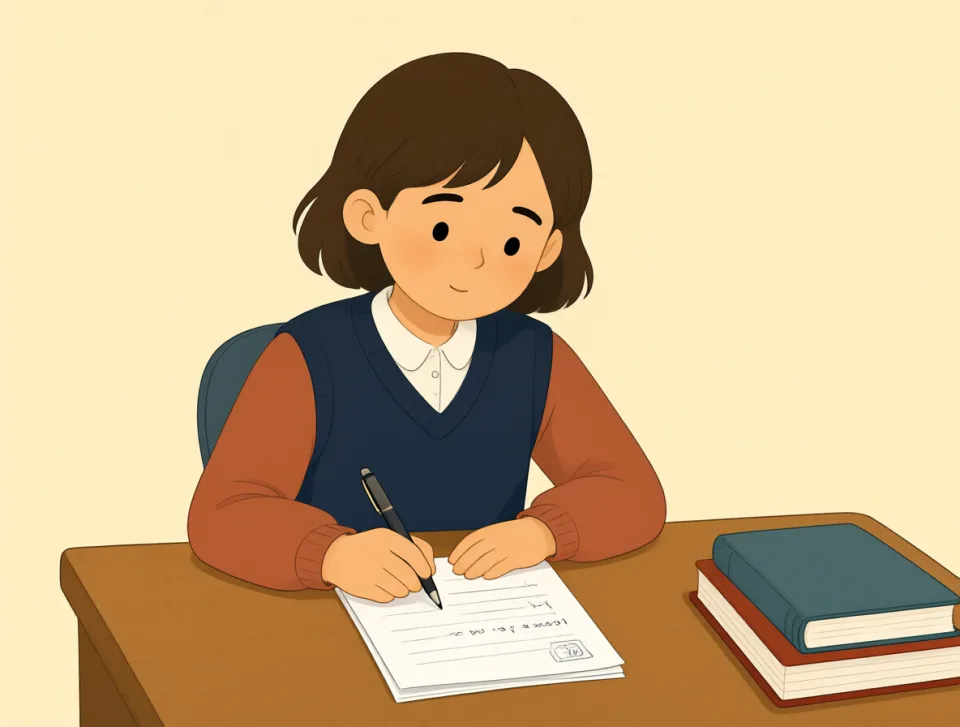
I found an error in my homework before class.
Przed lekcją znalazłem błąd w pracy domowej.
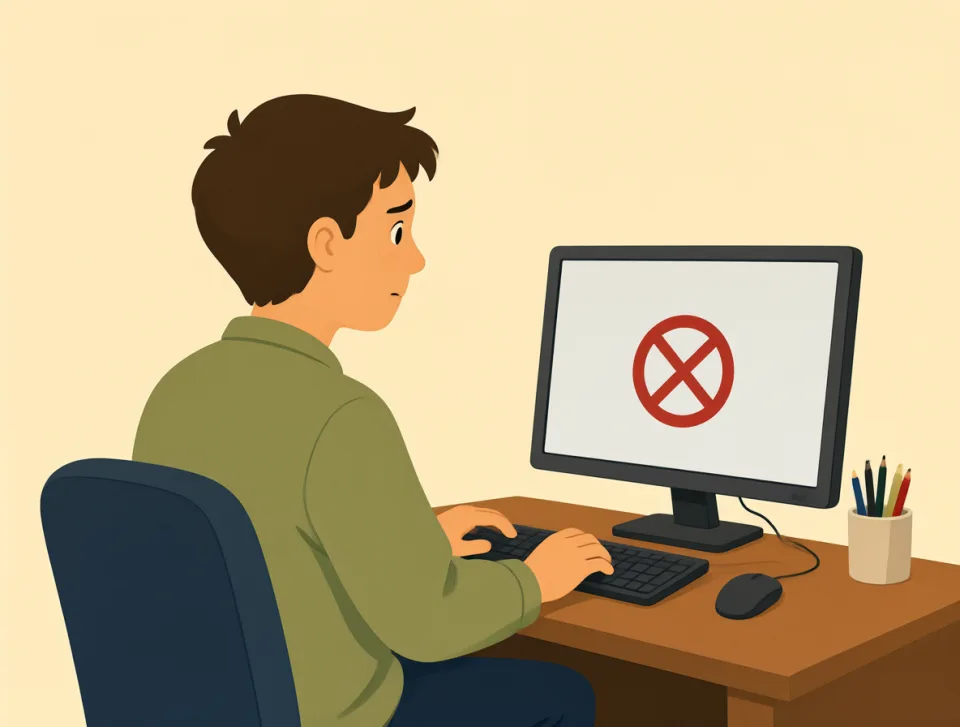
The computer showed an error when I opened the file.
Po otwarciu pliku komputer wyświetlił komunikat o błędzie.

Please check the bill for any errors before paying.
Przed zapłaceniem proszę sprawdzić, czy na rachunku nie ma błędów.
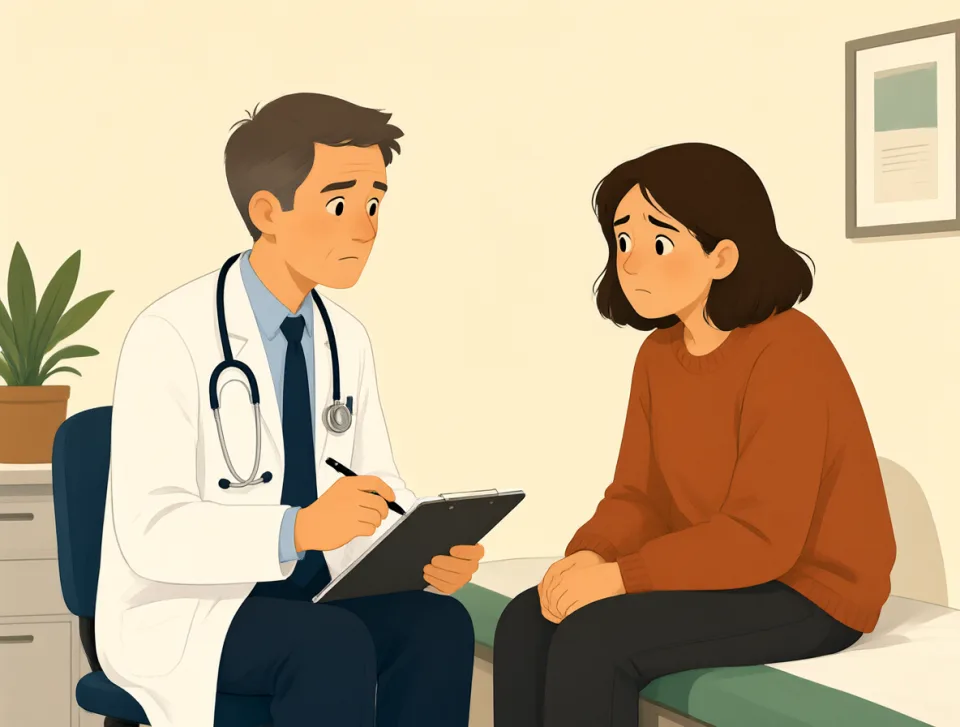
The doctor said the test error caused my unusual result.
Lekarz powiedział, że nietypowy wynik był spowodowany błędem w badaniu.
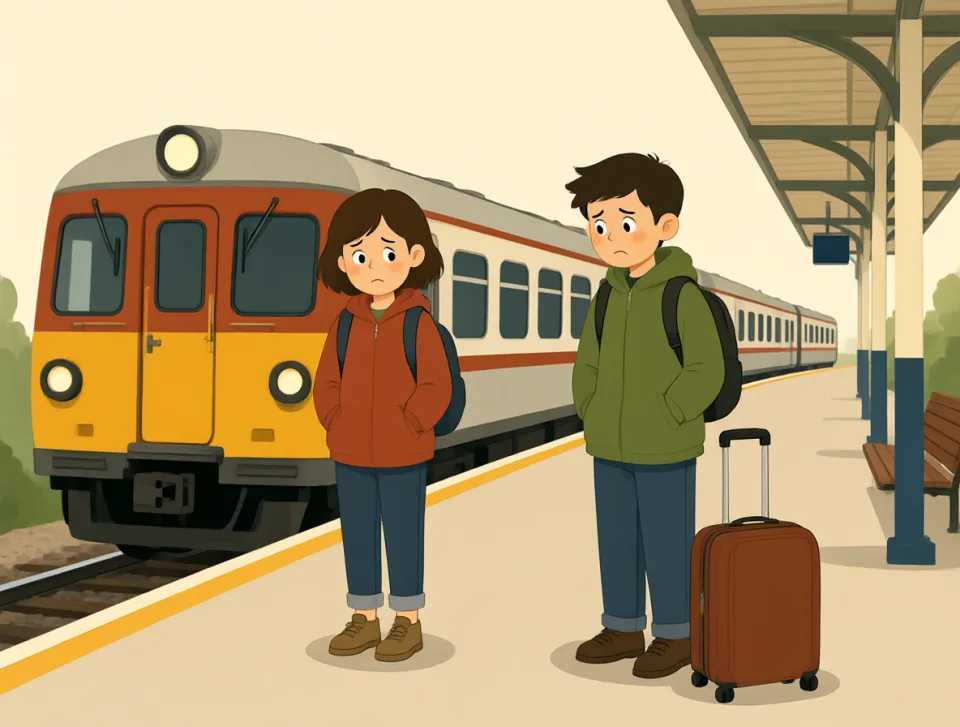
We made an error and took the wrong train.
Pomyłkowo wsiedliśmy do niewłaściwego pociągu.
arrest
#1498noun, verb
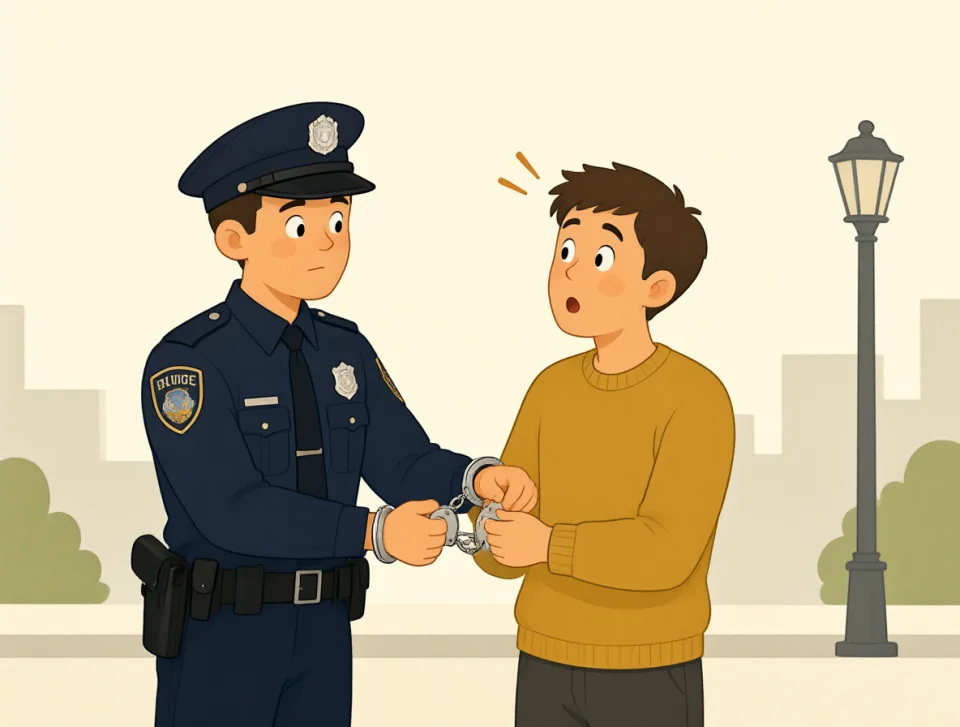
aresztować
To arrest someone is to take them to a police station because they may have broken the law.
Aresztować kogoś to zabrać go na komisariat, ponieważ podejrzewa się, że złamał prawo.
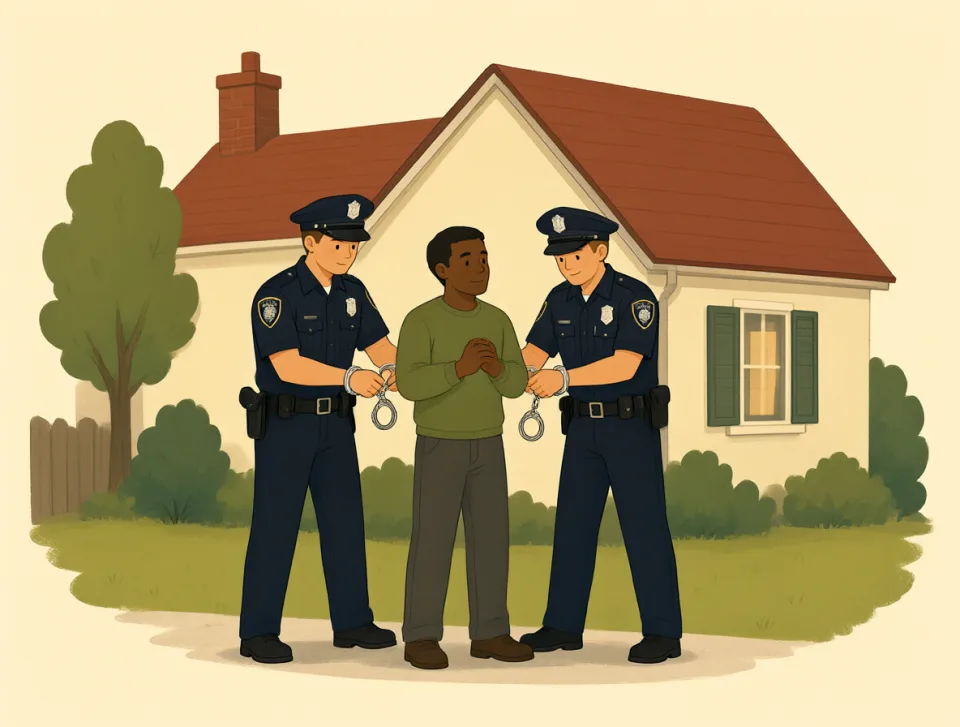
The police arrested the man outside his home last night.
Policja aresztowała mężczyznę wczoraj wieczorem przed jego domem.
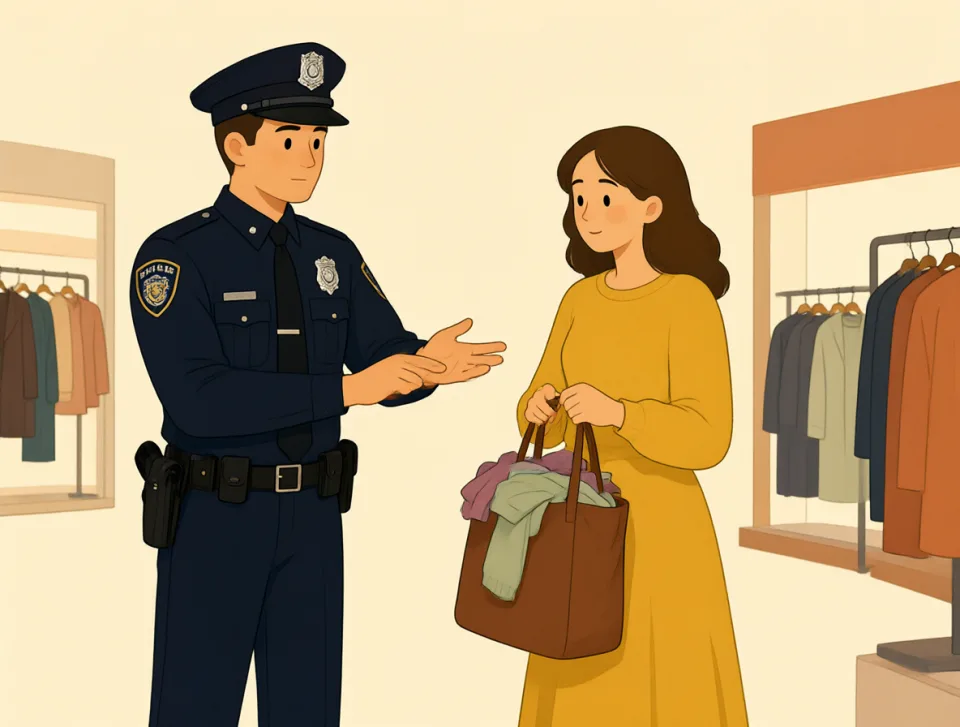
She was arrested for stealing clothes from the department store.
Została aresztowana za kradzież ubrań z domu towarowego.
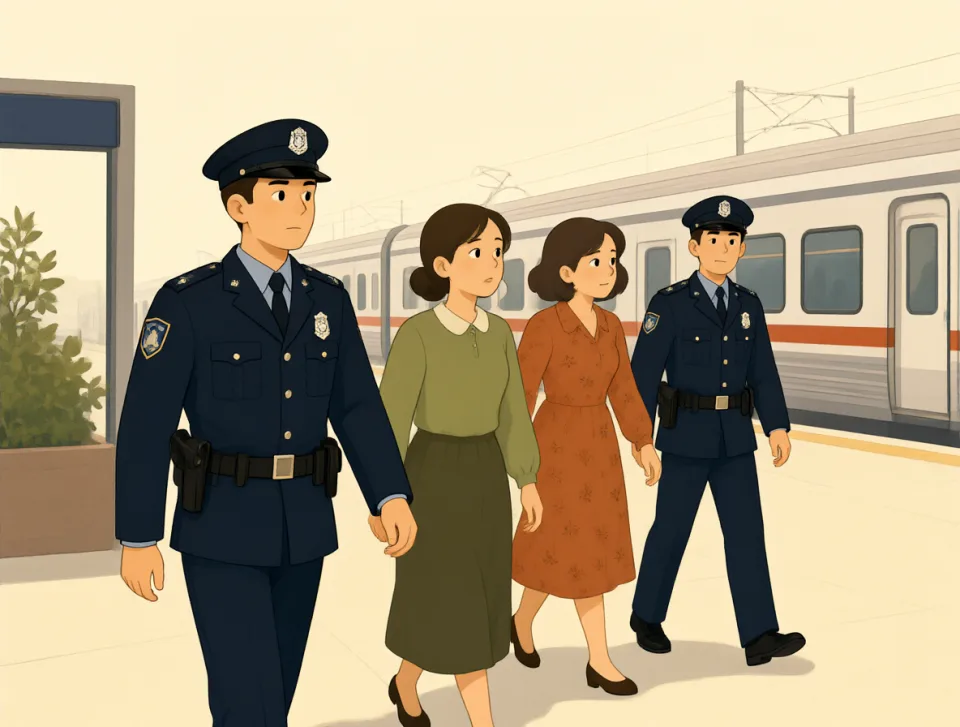
The police made three arrests after the fight near the station.
Po bójce w pobliżu stacji policja dokonała trzech aresztowań.
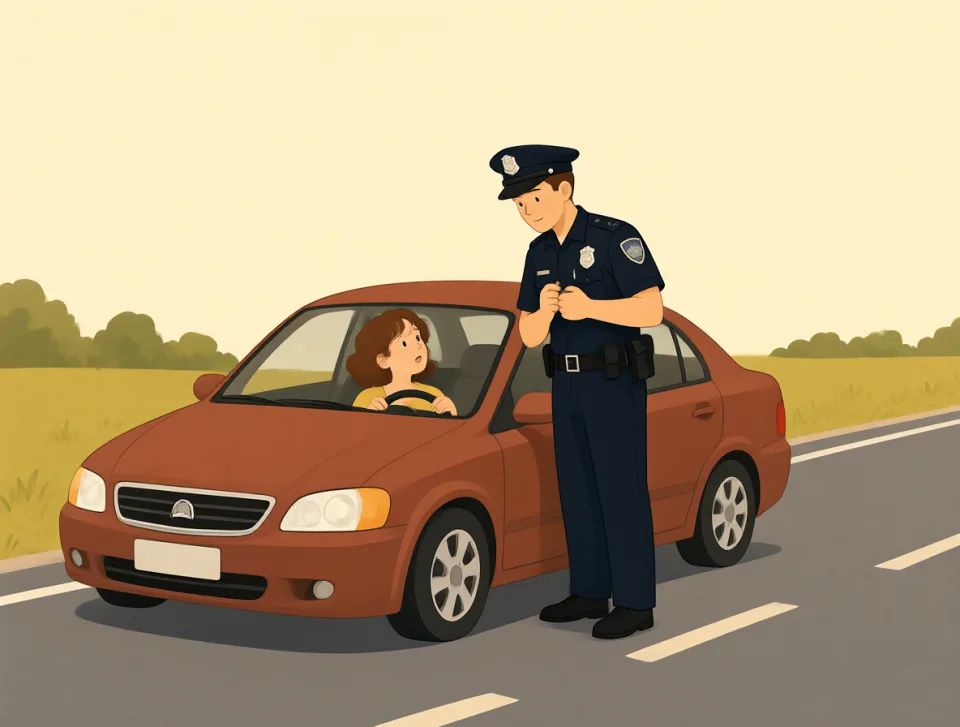
The police arrested the driver for drunk driving.
Policja aresztowała kierowcę za jazdę po pijanemu.
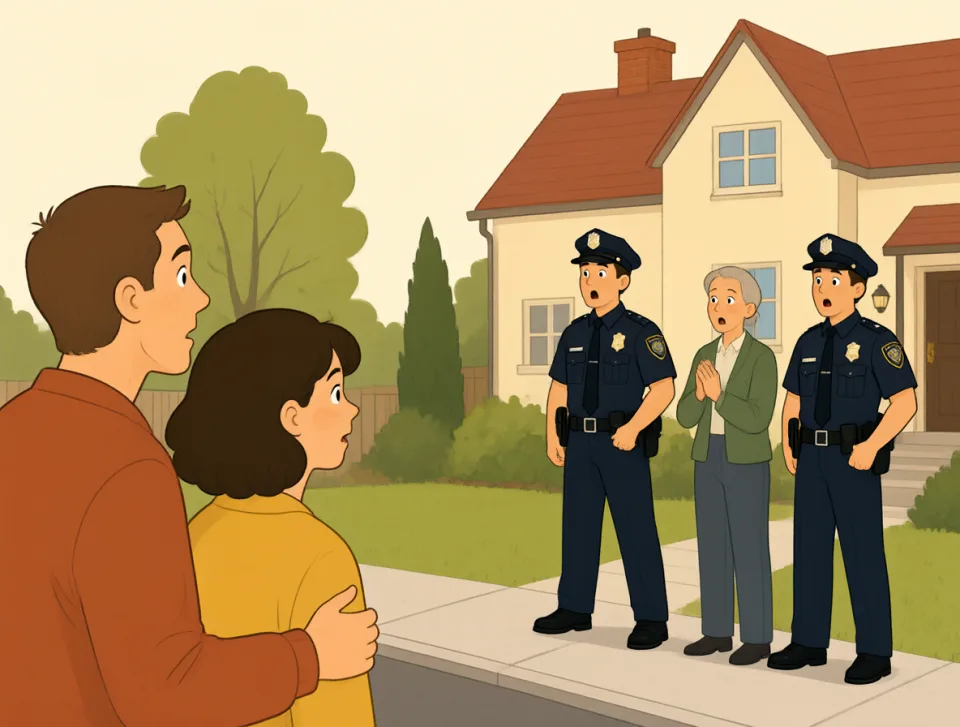
The arrest surprised everyone because he seemed like a friendly neighbor.
Aresztowanie zaskoczyło wszystkich, bo wydawał się miłym sąsiadem.
assess
#1499verb
oceniać
to carefully judge or measure something before making a decision
Dokładnie coś osądzić lub zmierzyć przed podjęciem decyzji.
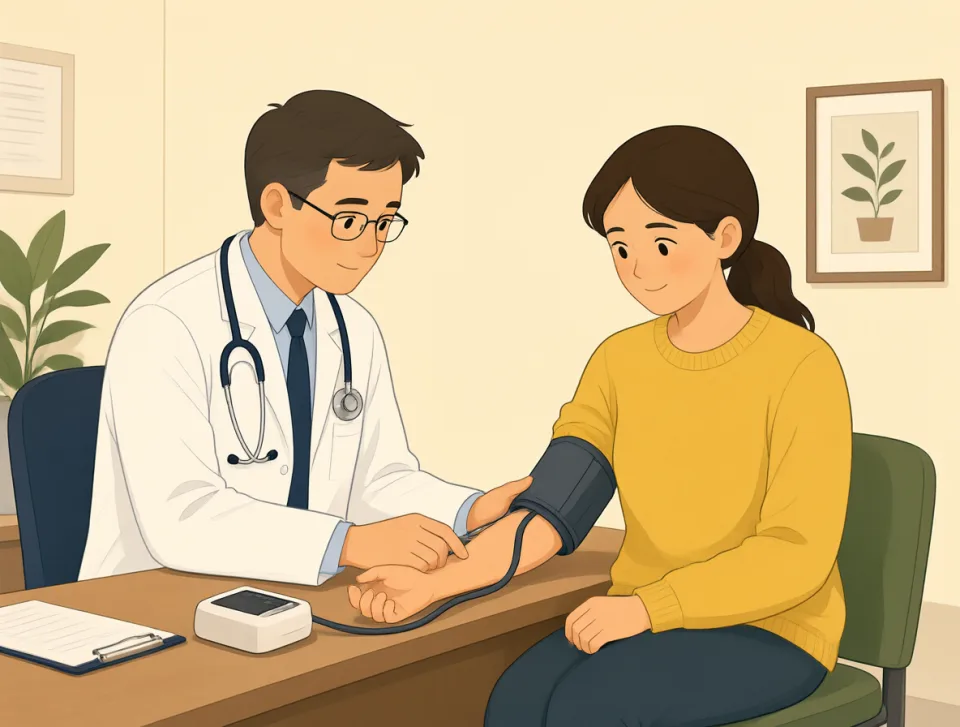
The doctor will assess your health before choosing a treatment.
Lekarz oceni stan twojego zdrowia, zanim wybierze metodę leczenia.
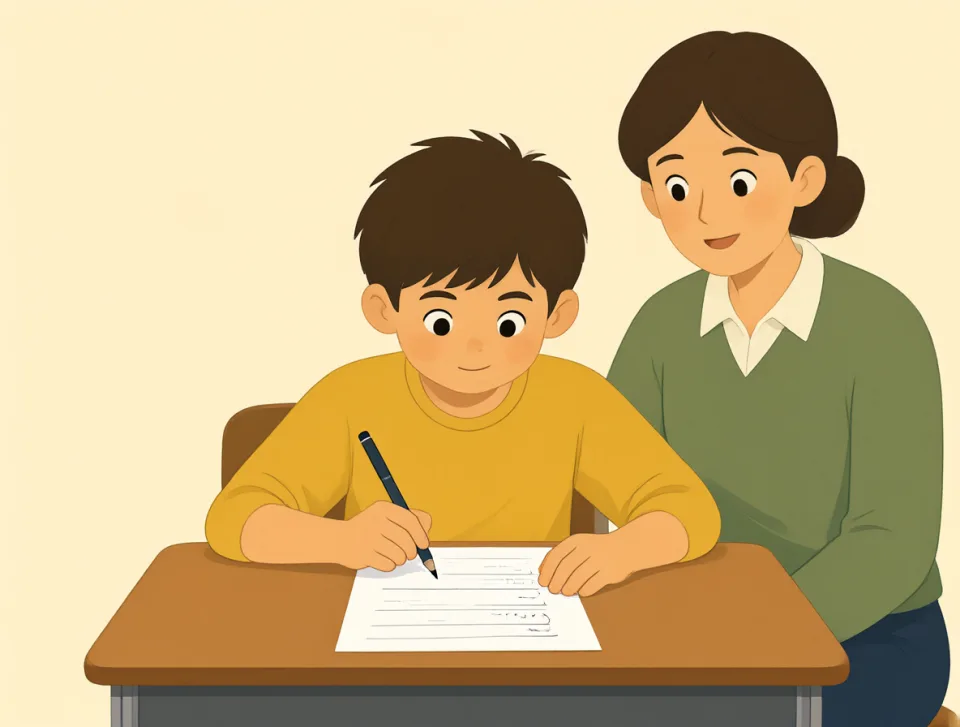
The teacher assessed our reading skills with a short test.
Nauczyciel ocenił nasze umiejętności czytania za pomocą krótkiego testu.
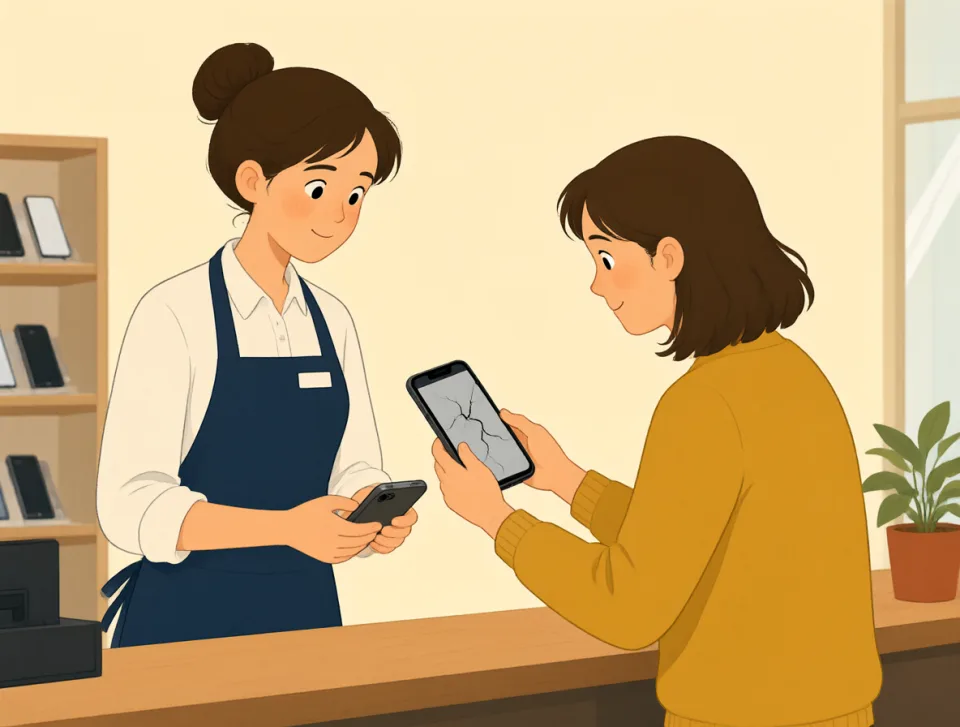
The shop assistant assessed the damage to my broken phone.
Sprzedawca ocenił uszkodzenia mojego zepsutego telefonu.

We need to assess the weather before planning our hike.
Przed zaplanowaniem wycieczki musimy ocenić warunki pogodowe.

The manager is assessing how well the new worker performs.
Kierownik ocenia, jak dobrze radzi sobie nowy pracownik.
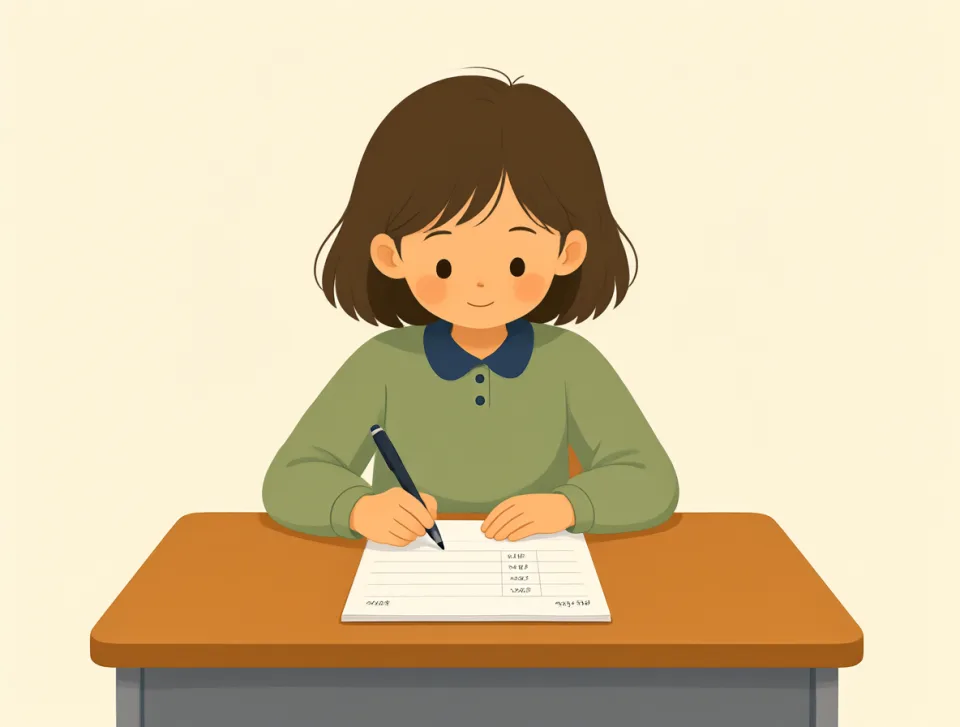
register
#1500noun, verb
rejestr
A list of names, or to write your name on an official list.
Lista nazwisk lub czynność wpisania swojego nazwiska na oficjalną listę.
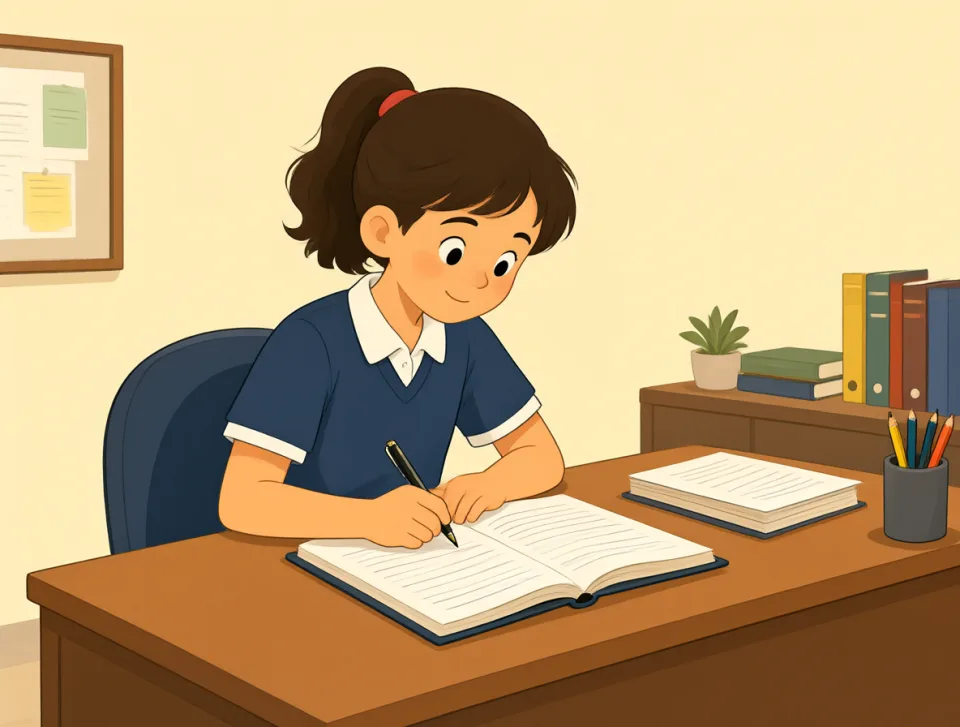
Please register for the evening class before Friday.
Proszę zapisać się na wieczorne zajęcia przed piątkiem.
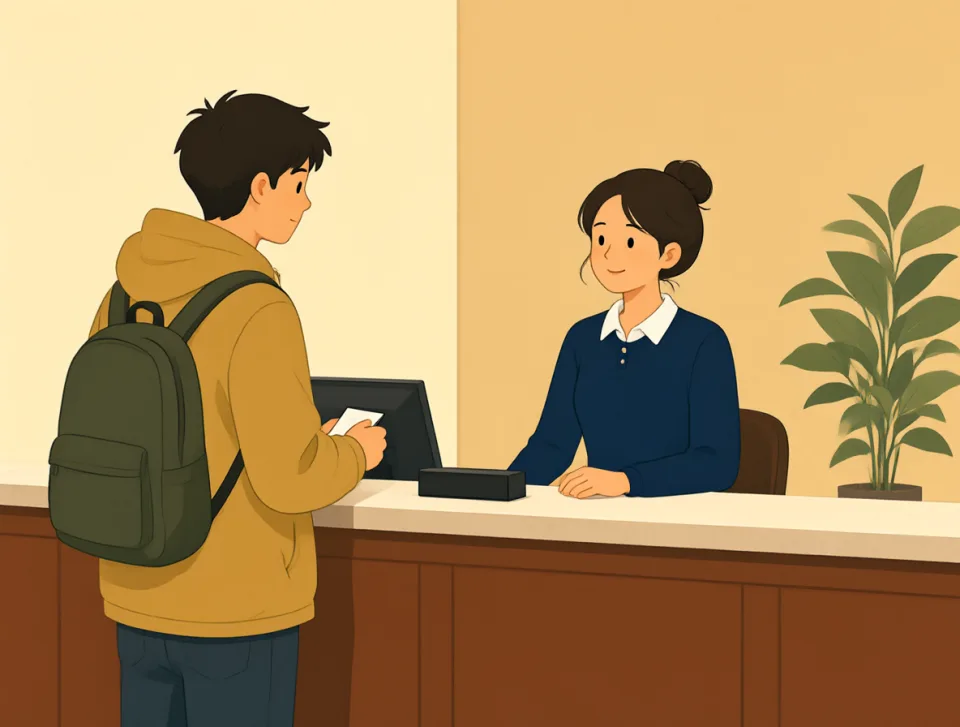
I registered at the hotel and received my room key.
Zameldowałem się w hotelu i dostałem klucz do pokoju.
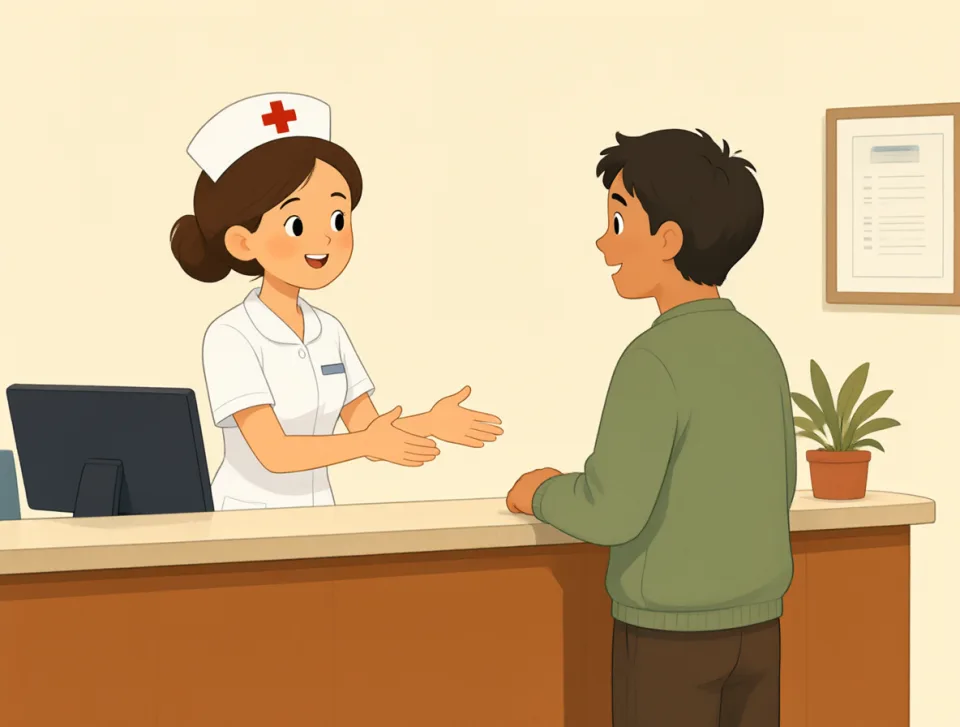
The nurse registered my name before the doctor's appointment.
Pielęgniarka zapisała moje nazwisko przed wizytą u lekarza.
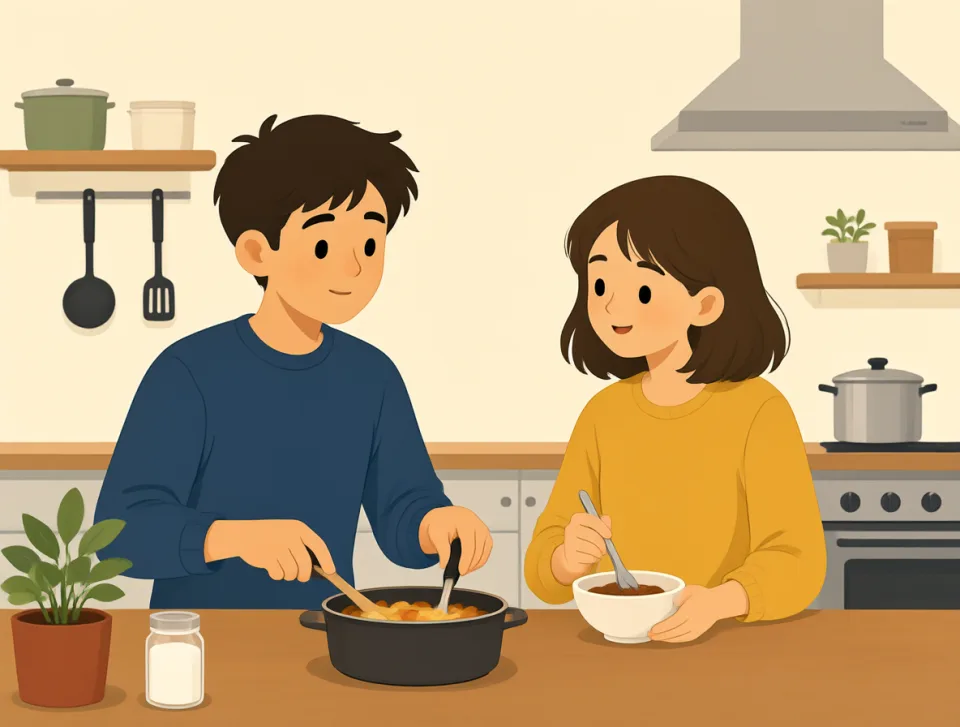
She registered for the cooking course with her friend.
Zapisała się na kurs gotowania razem z przyjaciółką.
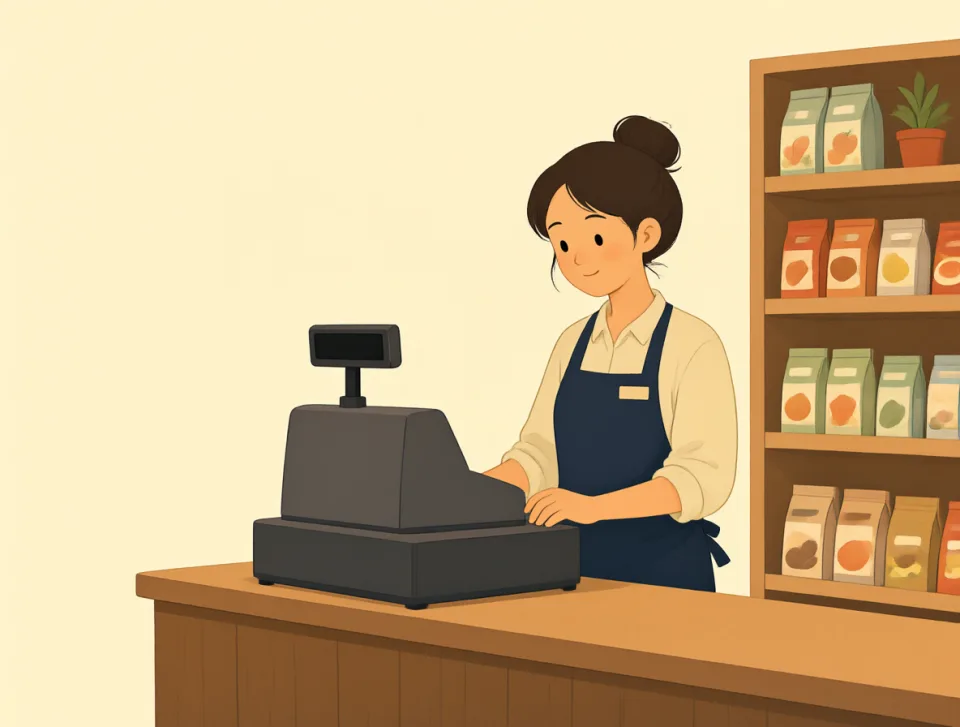
The shop keeps a register near the front door.
Sklep trzyma rejestr przy głównym wejściu.