單元 91
單字 1801–1820 · injury, vast, exhibition, producer, regional, immediate
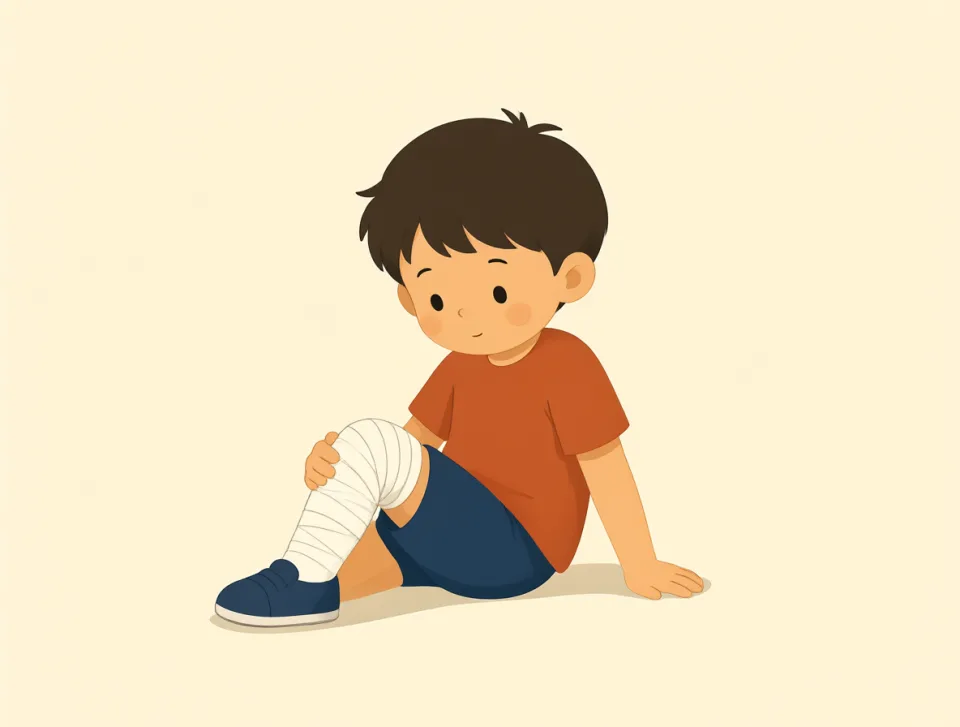
injury
#1801noun
受傷;傷害
Physical harm to your body caused by an accident, fall, or blow.
因意外、跌倒或撞擊而造成的身體傷害。
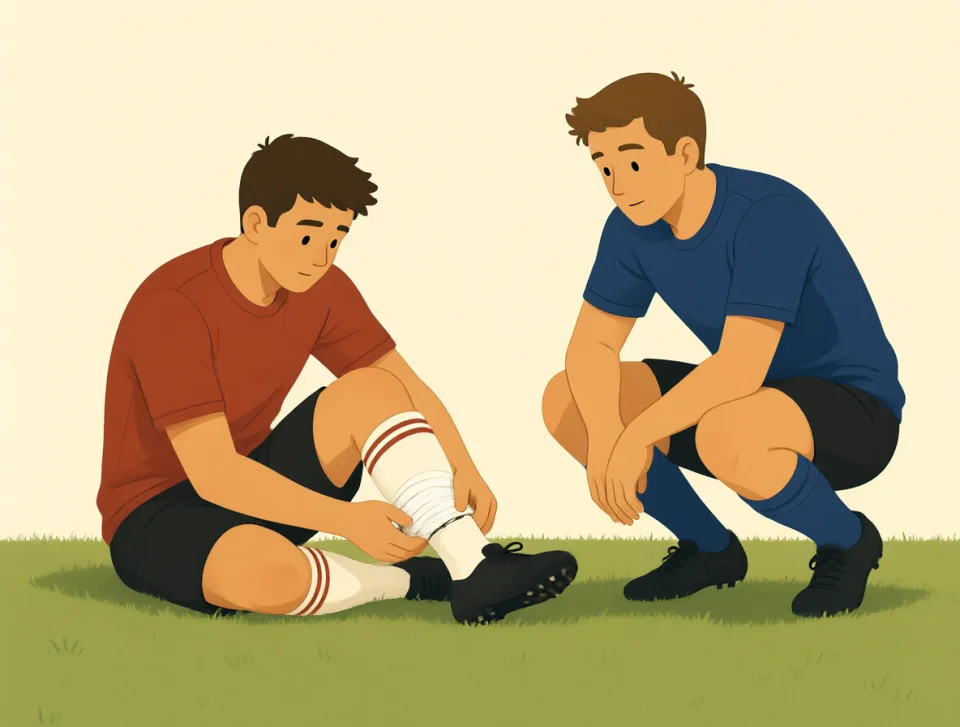
He suffered a serious injury while playing football.
他踢足球時受了重傷。
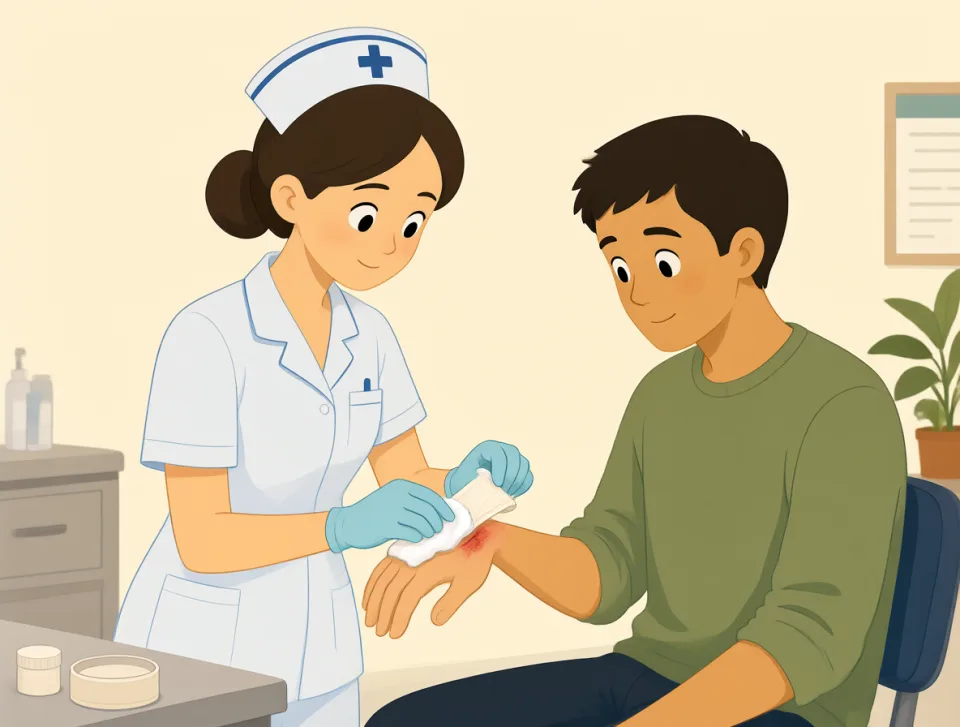
The nurse cleaned my injury and put on a bandage.
護士清理了我的傷口,並給我包紮了。
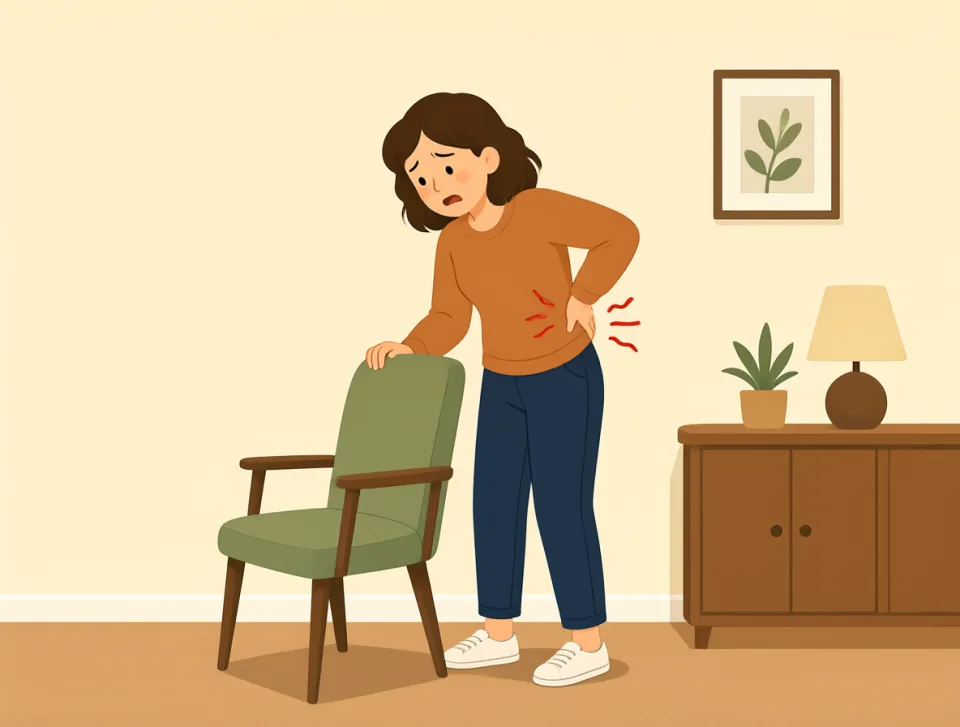
She missed work because of a back injury.
她因背部受傷而沒去上班。
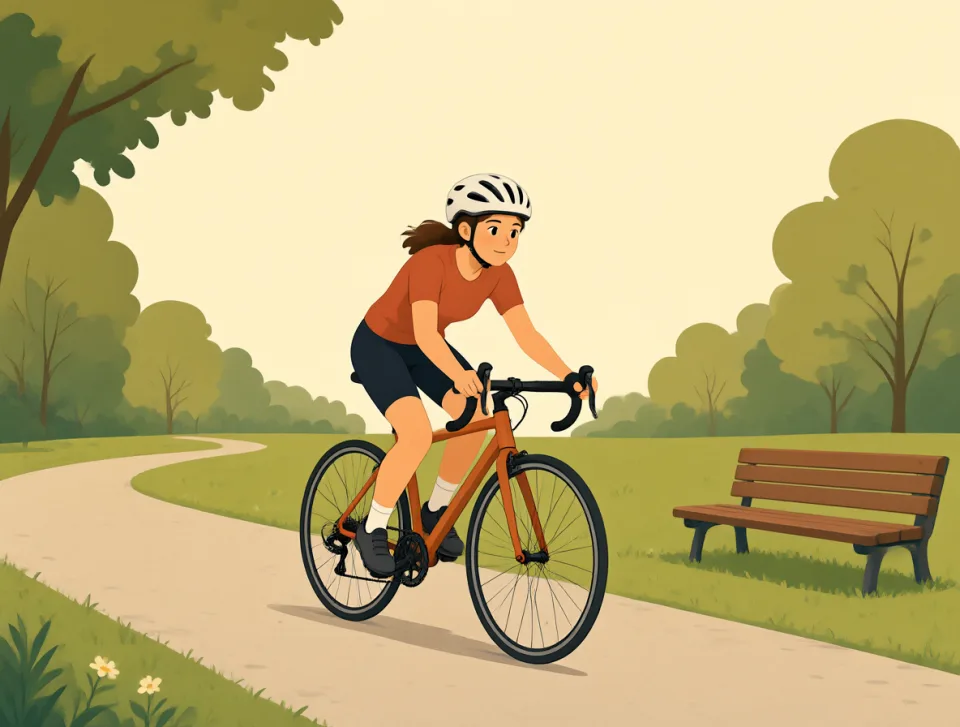
Wear a helmet to prevent head injuries when cycling.
騎腳踏車時要戴頭盔,防止頭部受傷。

The player returned after recovering from his knee injury.
這名球員膝傷康復後重返賽場。

vast
#1802adjective
廣闊的;巨大的;大量的
Extremely large in size, amount, or area.
在大小、數量或面積上極其龐大的。

The hotel has a vast garden behind it.
這家酒店後面有一座巨大的花園。

We saw vast fields from the train window.
我們從火車窗外看到了廣闊的田野。

The company has vast experience in online shopping.
這家公司在網上購物方面擁有豐富的經驗。

She felt a vast improvement in her health.
她覺得自己的健康狀況有了很大的改善。
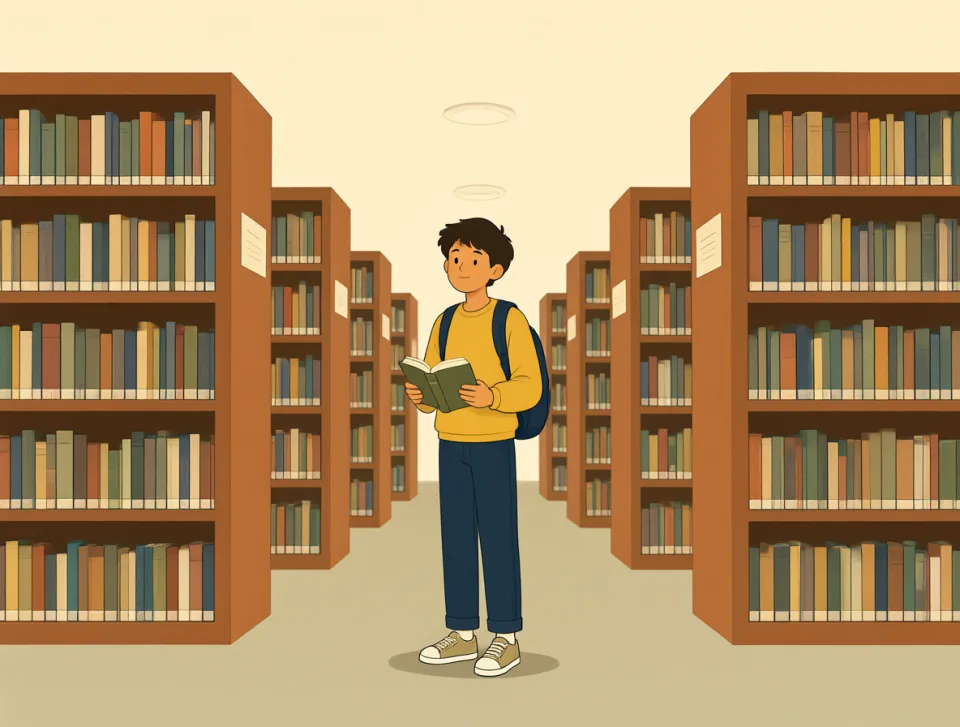
The school library offers a vast choice of books.
學校圖書館提供種類繁多的書籍。
exhibition
#1803noun
展覽;展覽會
a public event where people show art, objects, or information
向公眾展示藝術品、物品或資訊的活動

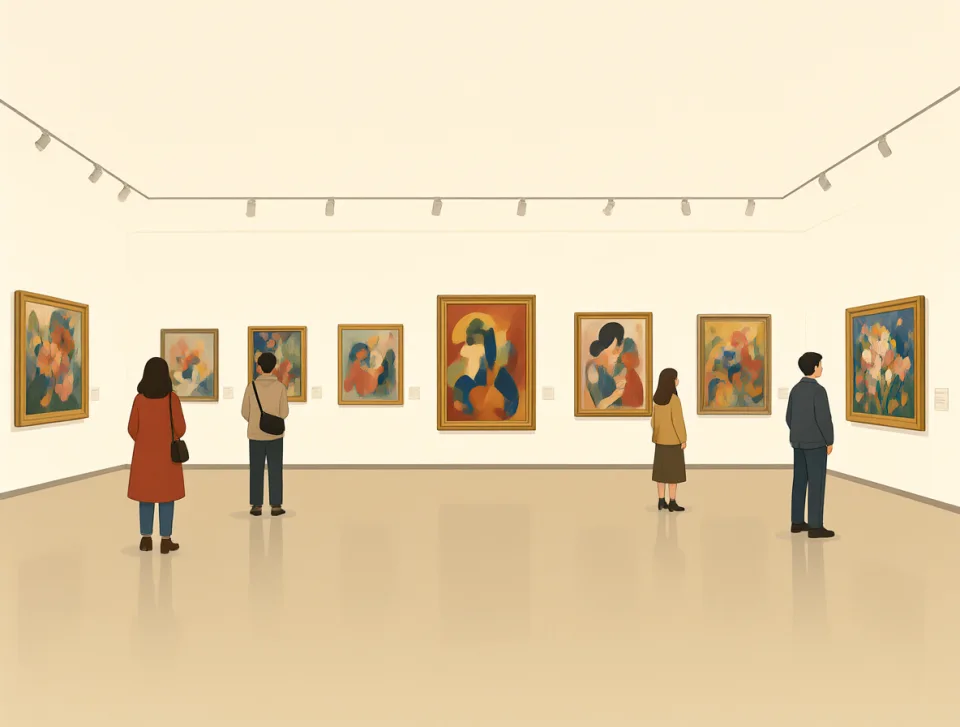
We visited an art exhibition at the city gallery on Saturday.
星期六我們去了市美術館看藝術展。
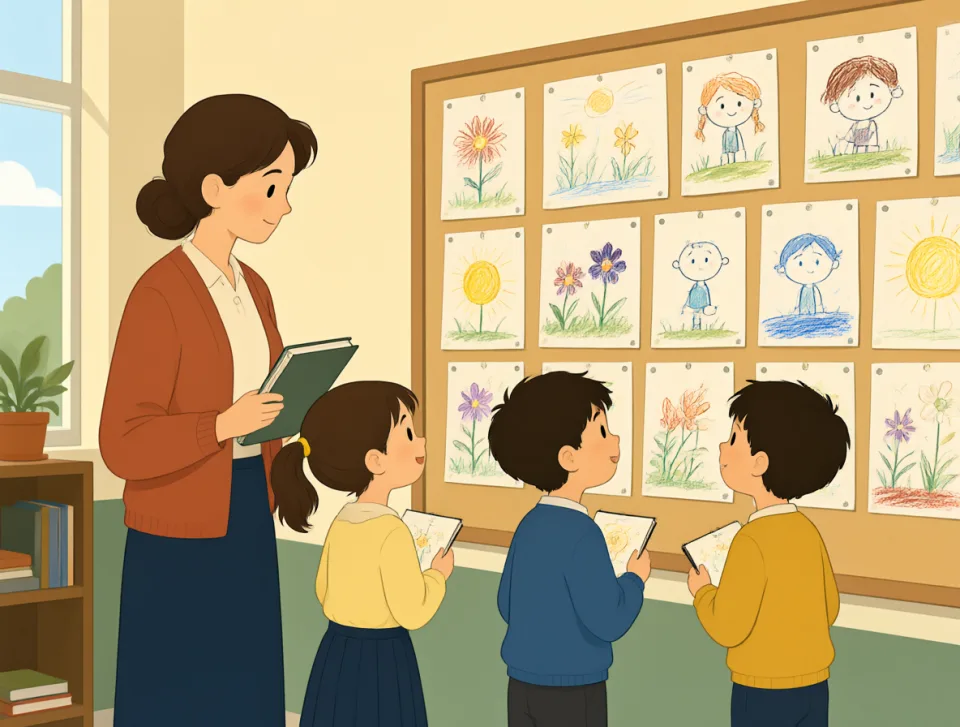
The school exhibition showed drawings made by young students.
學校的展覽展出了學生們的繪畫作品。
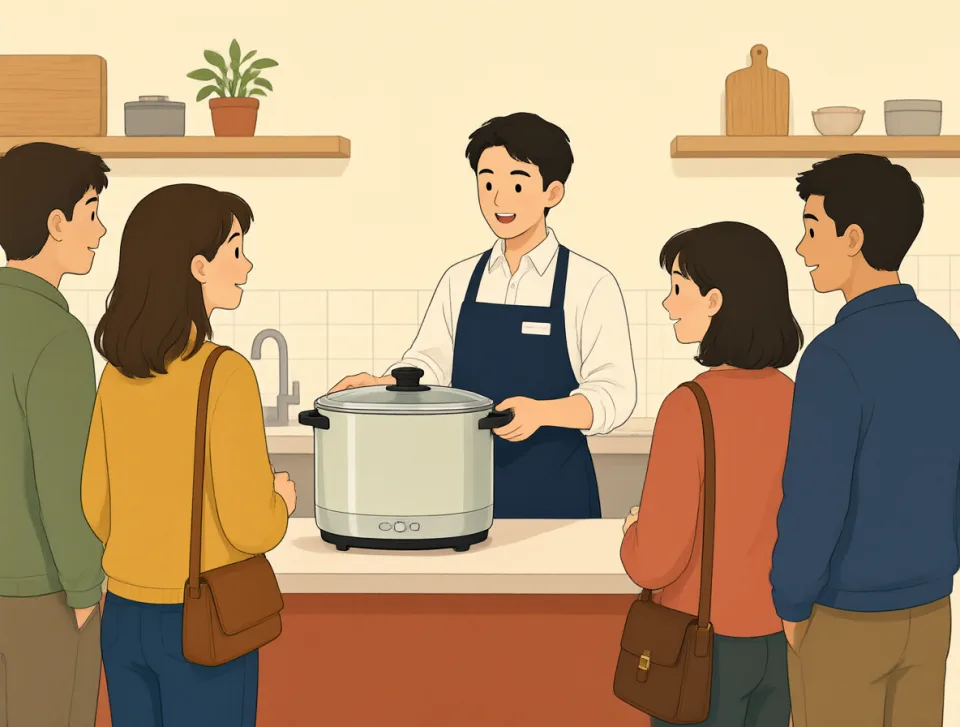
Our company held an exhibition of new kitchen products.
我們公司舉辦了一場新款廚房用品展。
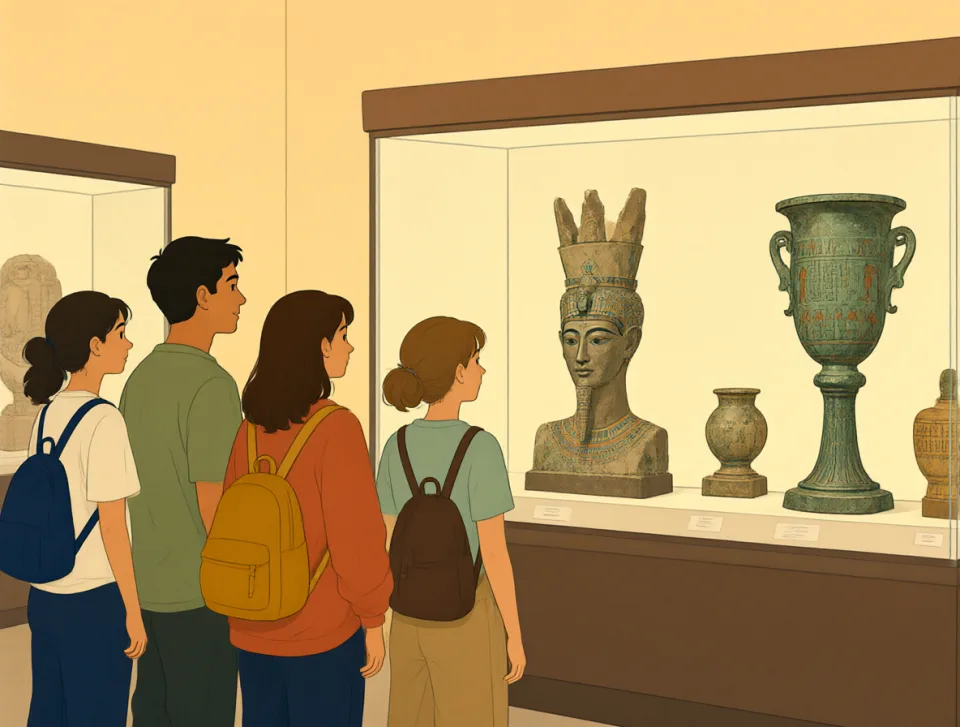
The museum exhibition about ancient Egypt attracted many tourists.
博物館舉辦的古埃及主題展覽吸引了許多遊客。
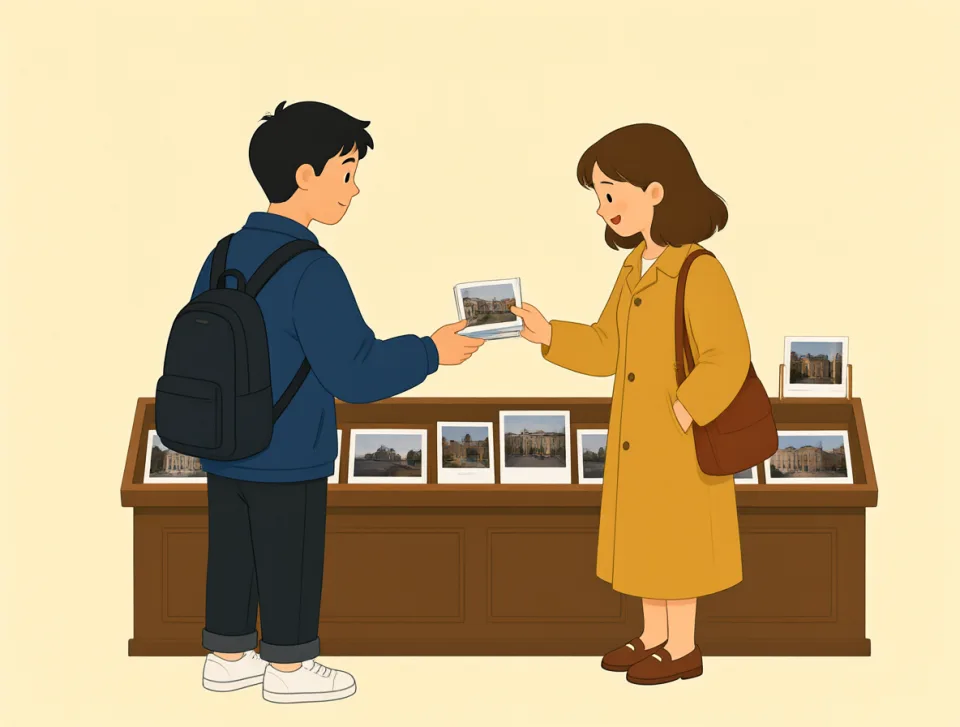
I bought a guidebook after seeing the photography exhibition.
看完攝影展後,我買了一本導覽手冊。
producer
#1804noun
製片人;製作人;生產商
A person or company that makes films, television programs, music, or other products.
製作電影、電視節目、音樂或其他產品的個人或公司。
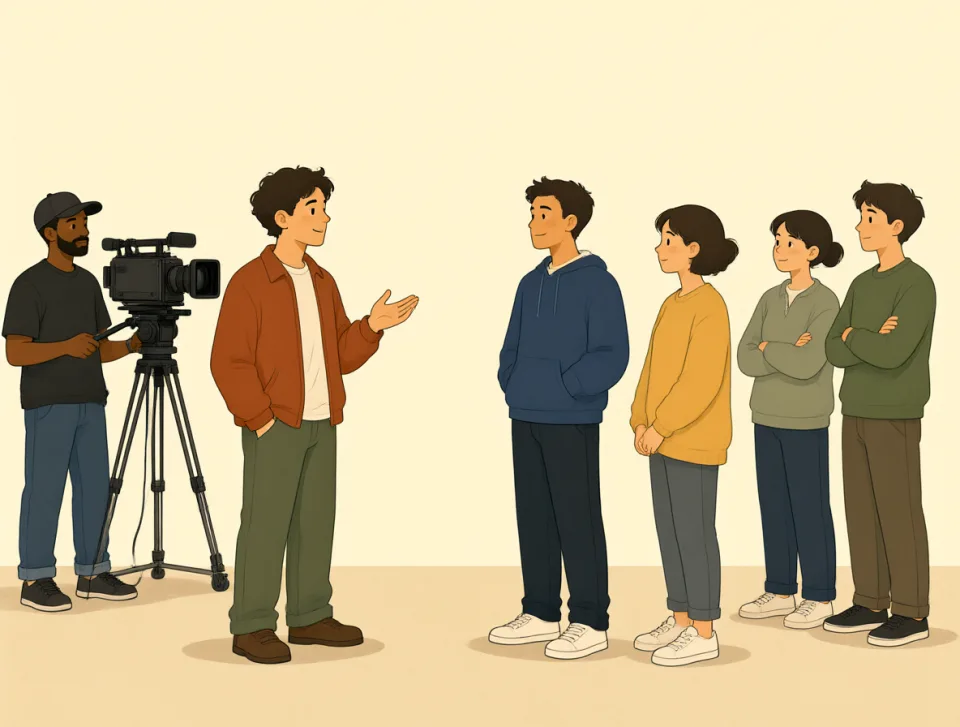
The film producer chose the actors and planned the movie.
這部電影的製片人挑選了演員,並籌劃了整部電影。

She works as a television producer in London.
她在倫敦擔任電視節目製作人。

The music producer helped the singer create a new song.
這位音樂製作人幫助歌手創作了一首新歌。

The farm producer sells fresh vegetables at our local market.
這位農產品生產商在我們當地的市場上出售新鮮蔬菜。
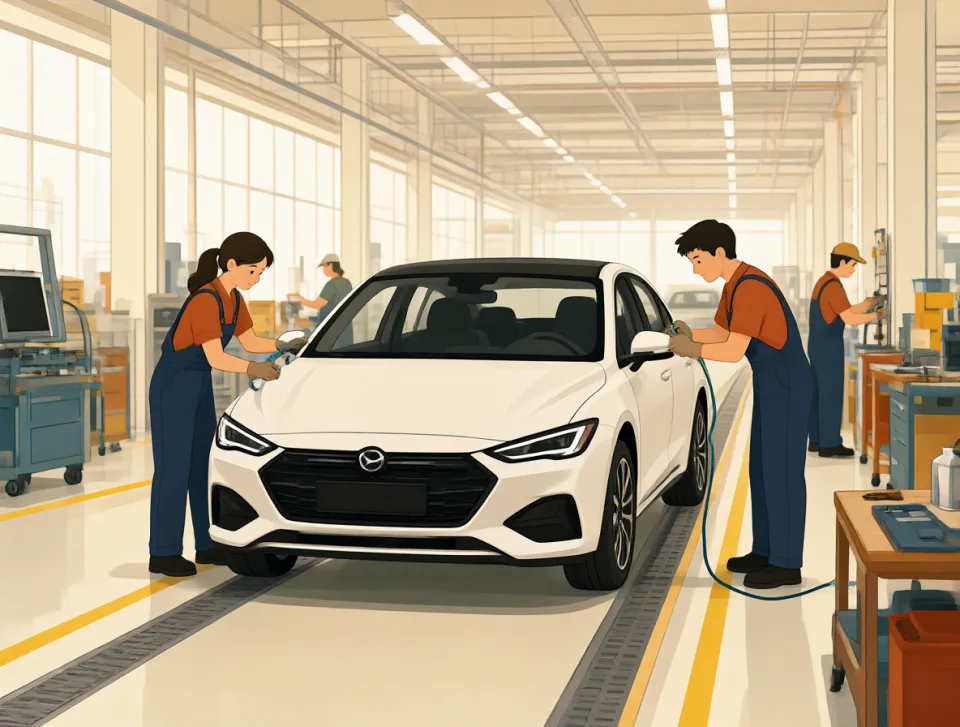
This company is a leading producer of electric cars.
這家公司是電動汽車領域的領先生產商。
regional
#1805adjective
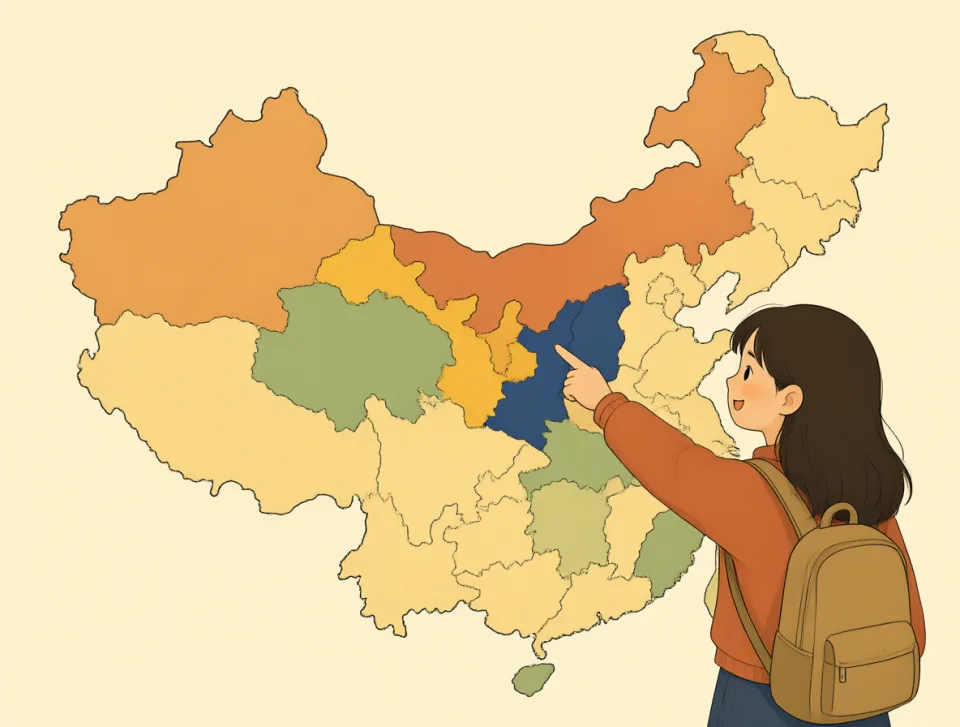
地區的;區域的
Connected with a particular area, region, or part of a country.
與某個特定地區或國家某一部分有關的。
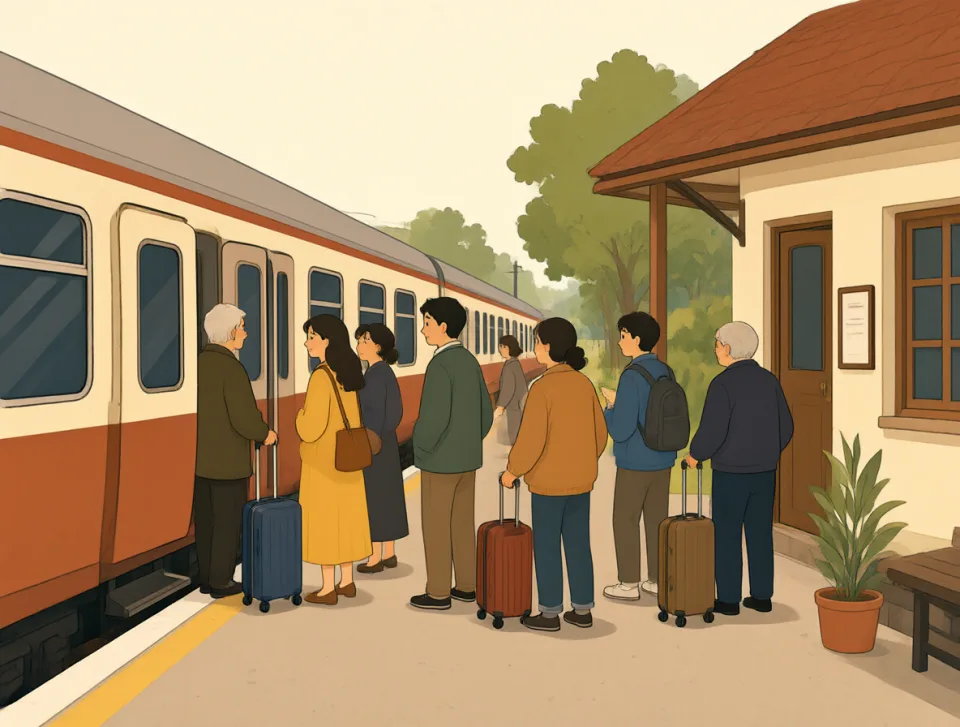
The regional train leaves at eight every morning.
這趟區域列車每天早上八點發車。
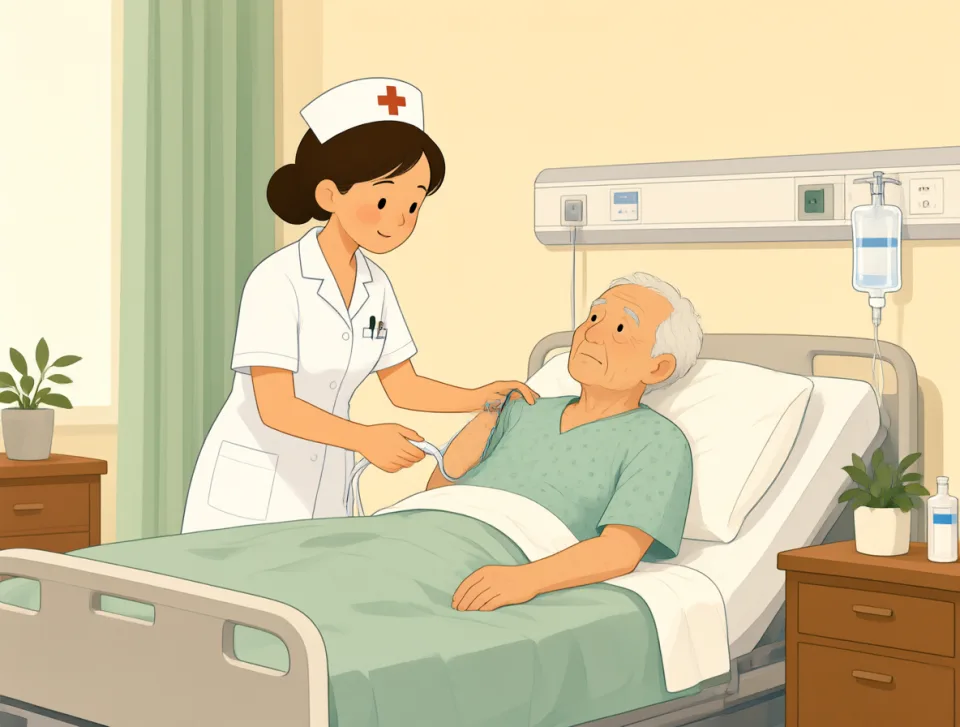
She works for a regional hospital near her hometown.
她在家鄉附近的一家地區醫院工作。
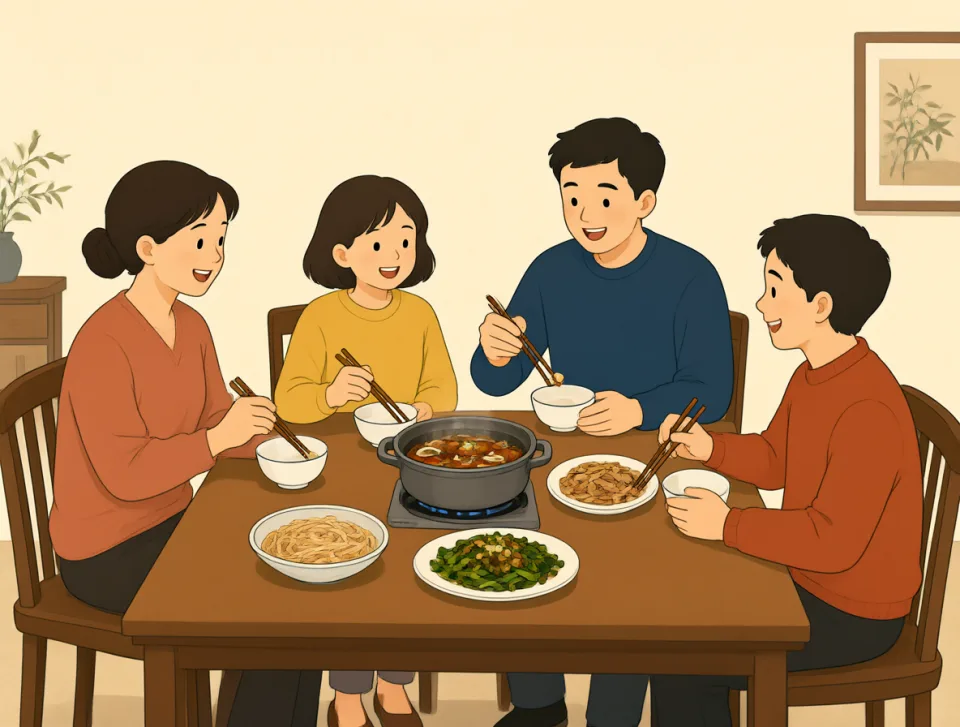
This regional food is popular across the whole country.
這種地方特色美食在全國都很受歡迎。
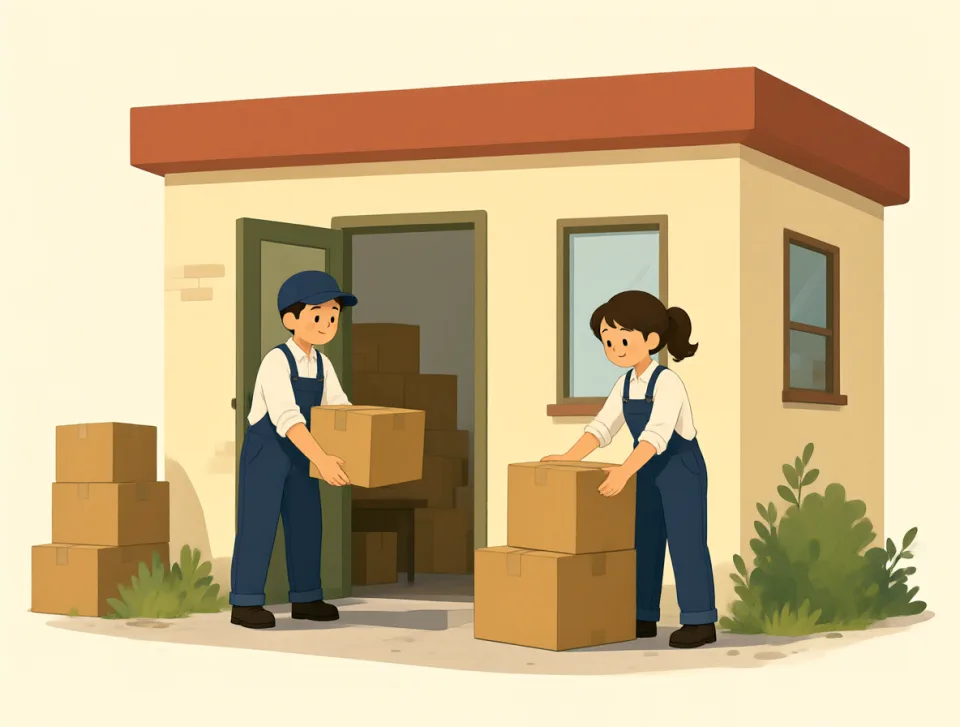
The company opened a new regional office in the city.
公司在這座城市新開了一家區域辦事處。
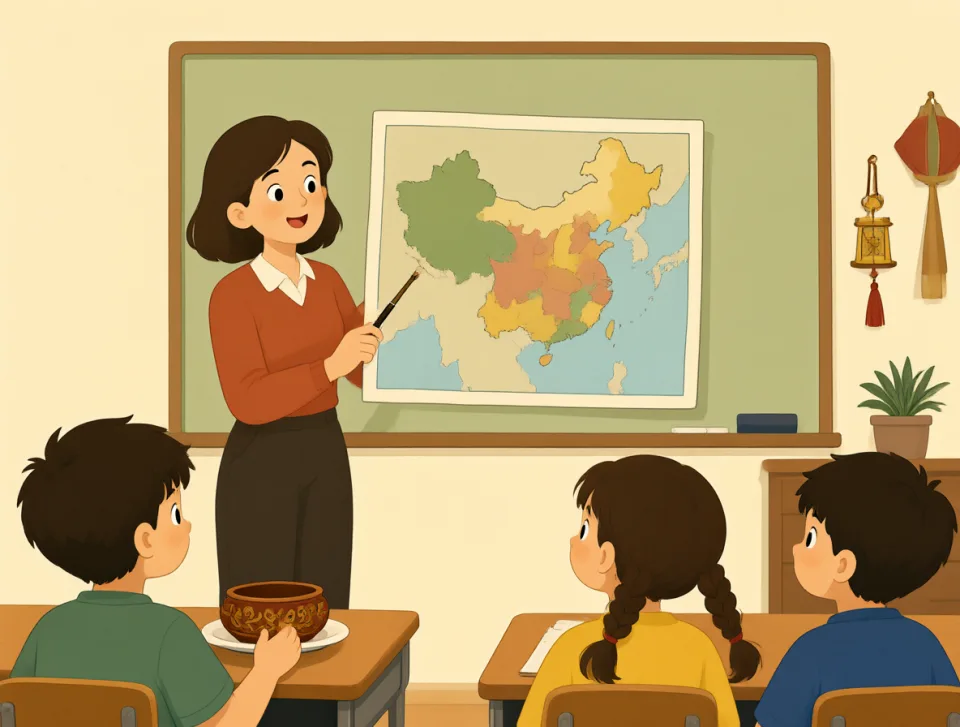
Regional schools often teach local history and traditions.
地區學校通常會教授當地的歷史和傳統。

immediate
#1806adjective
立即的;即時的;直接的
happening or needed at once, without waiting
立刻發生或需要的,不必等待的

Please give this message your immediate attention.
請立即處理這條訊息。
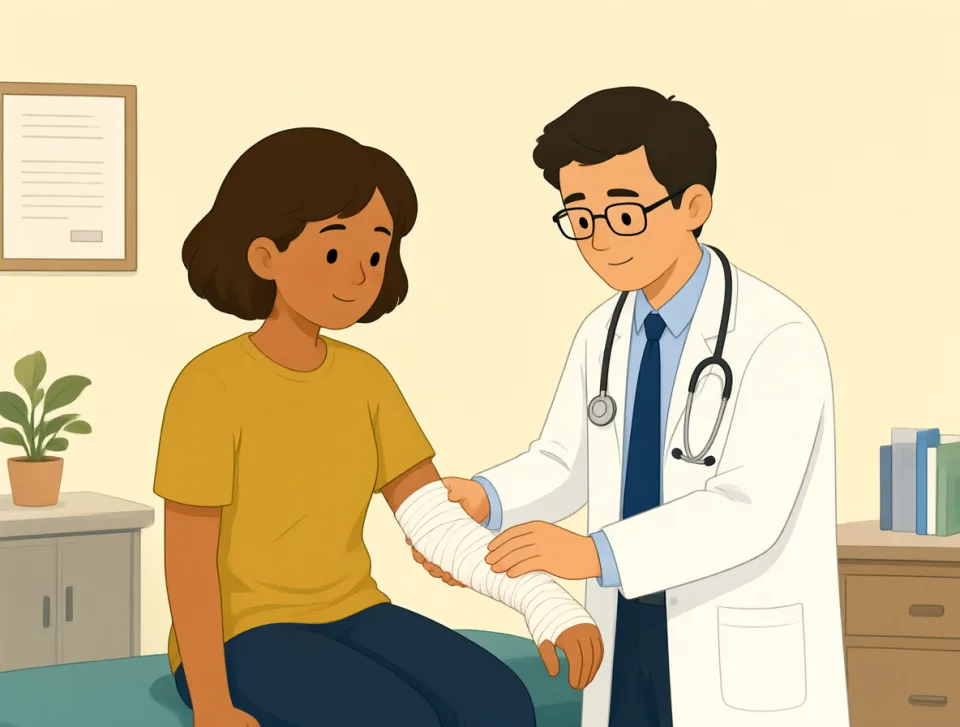
The doctor gave him immediate treatment for his injury.
醫生立即為他處理了傷口。

We need an immediate answer before we book the tickets.
我們訂票前需要馬上得到答覆。

She felt immediate relief after drinking some water.
喝了些水後,她立刻感到舒服多了。

The new manager became my immediate supervisor.
新經理成了我的直屬上司。

incident
#1807noun
事件;事故
an event, especially one that is unusual, unpleasant, or causes a problem
一件事情,尤指不尋常、令人不快或造成問題的事情
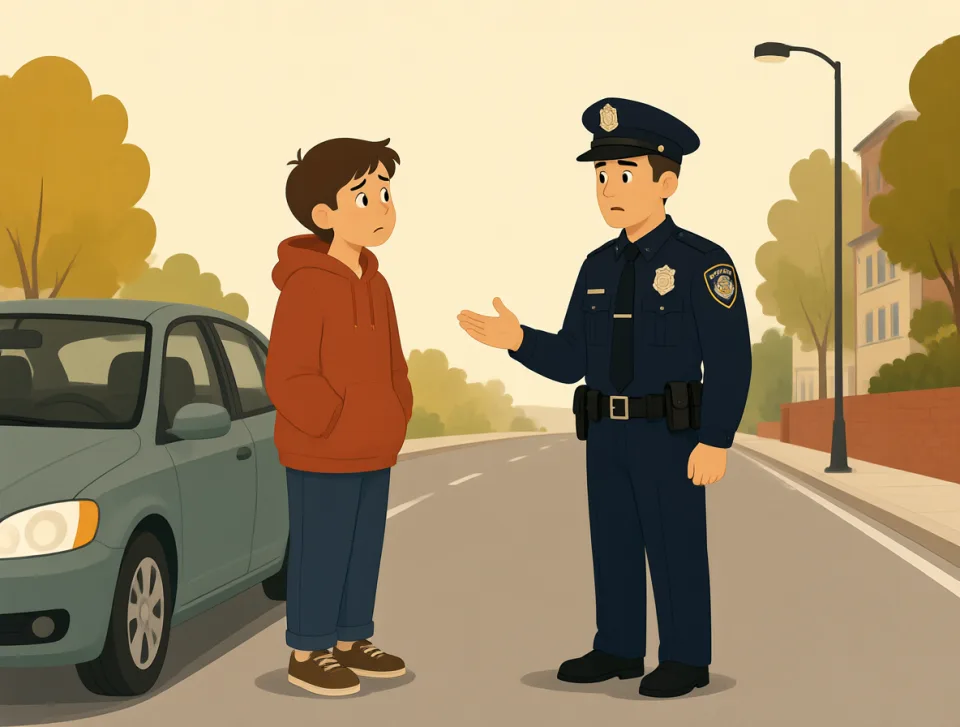
The police asked several questions about the incident.
警方就這起事件詢問了好幾個人。

There was a strange incident outside our house last night.
昨晚我們家門外發生了一件怪事。

The teacher reported the incident to the school principal.
老師把這件事報告給了校長。

A flight attendant handled the incident calmly during the trip.
旅途中,一名空乘人員冷靜地處理了這起突發事件。

We laughed about the silly incident with our friends later.
後來我們和朋友們聊起那件傻事,都笑了起來。

childhood
#1808noun
童年;幼年
The time when someone is a child.
一個人還是孩子時的那段時期。

I spent my childhood in a small village near the sea.
我在海邊的一個小村莊度過了童年。

She has happy childhood memories of summer holidays with her cousins.
她對和表兄弟姐妹一起度過的暑假有著美好的童年回憶。
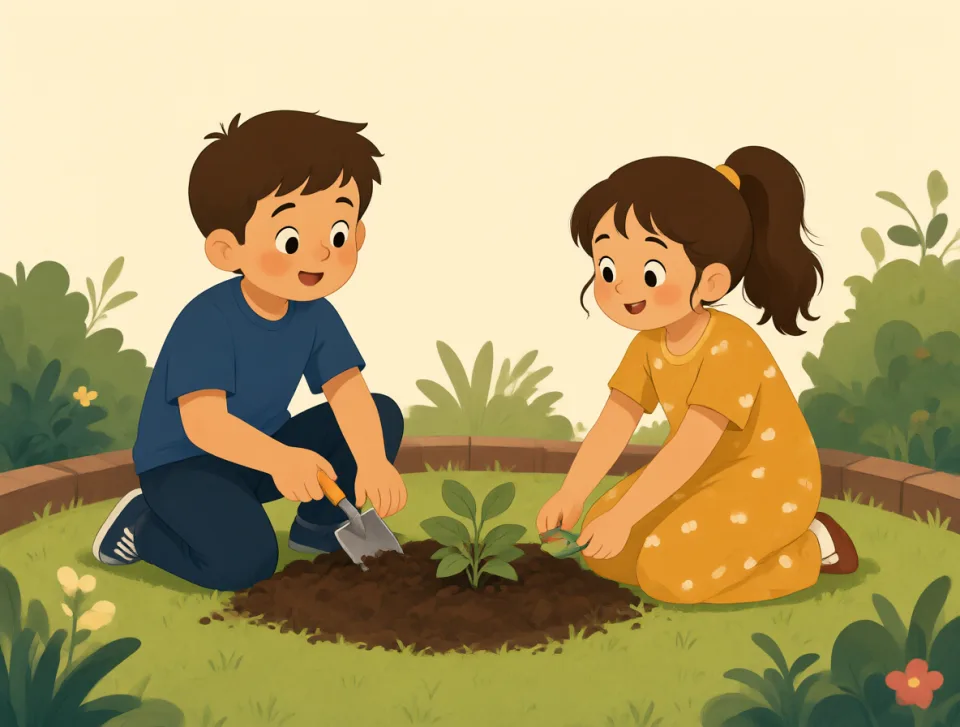
We were childhood friends before moving to different cities.
我們小時候是朋友,後來搬去了不同的城市。

His childhood home is now a popular restaurant.
他童年時住的房子如今成了一家很受歡迎的餐廳。

Childhood illnesses are usually less serious than they seem.
兒童時期的疾病通常沒有看起來那麼嚴重。

draft
#1809noun, verb
草稿;起草;穿堂風;跟車尾流行駛
A first version of writing, or to write a first version of something.
寫作的初稿,或寫出某個事物的初稿。

I finished the first draft of my school essay last night.
我昨晚寫完了學校作文的第一稿。

She asked me to read her draft before she sent it.
她讓我在把草稿發出去之前先讀一讀。

The manager drafted a short email for the whole team.
經理為整個團隊起草了一封簡短的郵件。

Cold air came through the draft under the front door.
冷風從前門底下的門縫裡灌了進來。

We drafted behind the truck to save fuel on the highway.
在高速公路上,我們跟在卡車後面行駛,藉助它的尾流節省燃料。

slip
#1810noun, verb
滑倒;紙條;小布片
To slide accidentally, or a small piece of paper or cloth.
不小心滑倒,或一小片紙或布。

Be careful not to slip on the wet kitchen floor.
小心別在溼滑的廚房地板上滑倒。

I slipped on the ice and hurt my knee.
我在冰上滑倒了,膝蓋受了傷。

She wrote her phone number on a slip of paper.
她把自己的電話號碼寫在一張紙條上。

Keep your receipt slip in case you need to return the shirt.
把收據小票留著,以防你需要退這件襯衫。
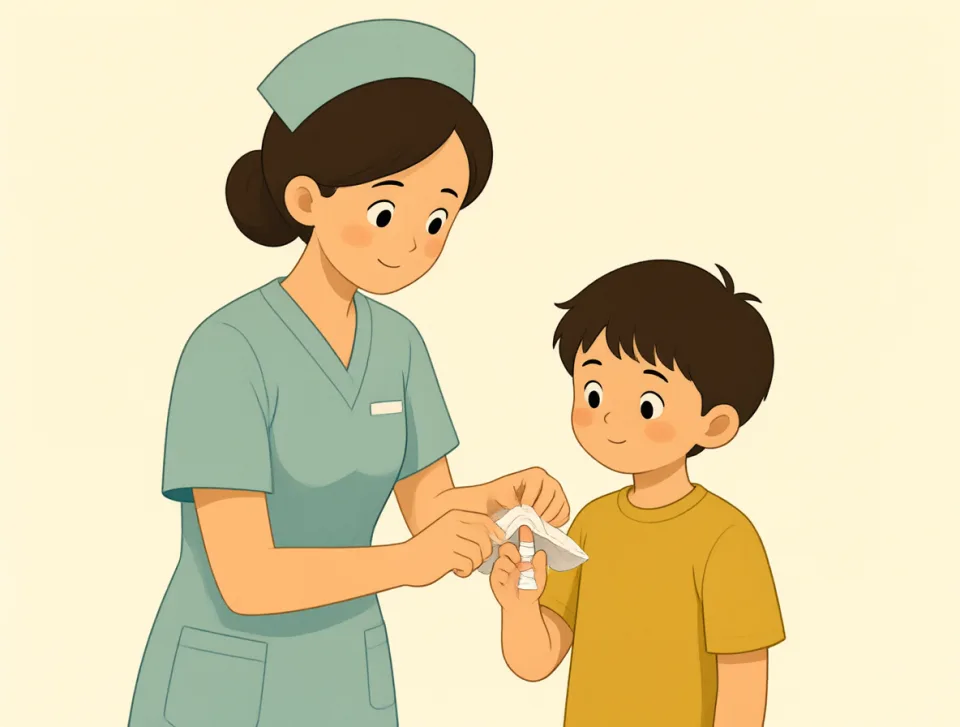
The nurse put a cool slip over his injured finger.
護士把一小塊冰涼的布敷在他受傷的手指上。
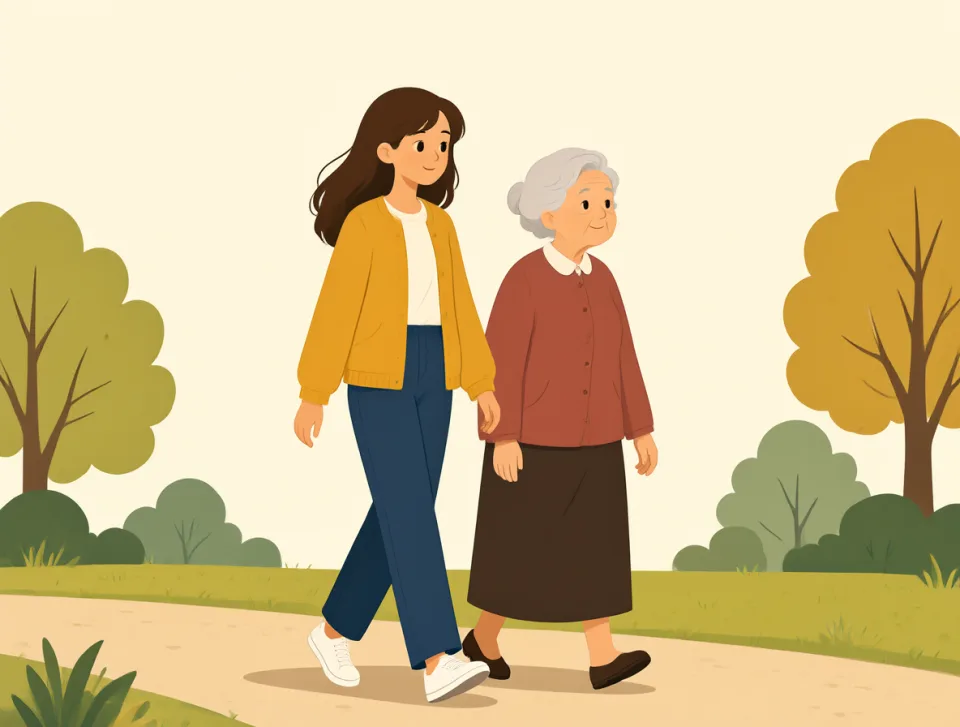
accompany
#1811verb
陪同;伴隨;附帶;伴有
to go somewhere with someone or be included with something else
和某人一起去某處,或與其他事物一起出現
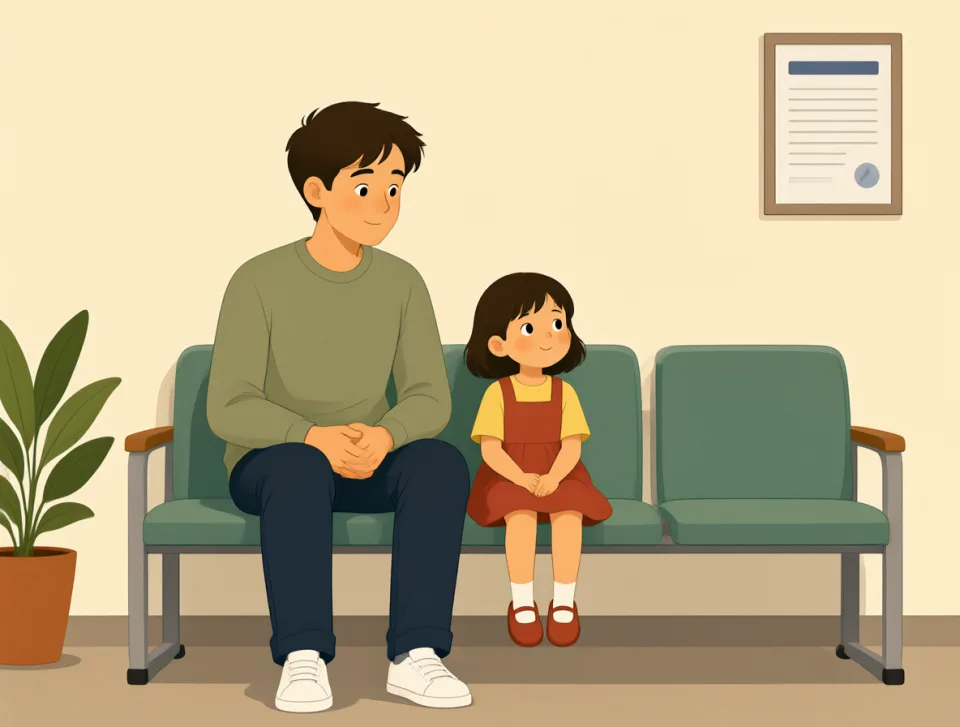
I accompanied my sister to the doctor this morning.
今天早上我陪妹妹去看醫生。

Soft piano music accompanied the singer during the performance.
演出時,輕柔的鋼琴曲伴隨著歌手的演唱。

A salad accompanied our sandwiches at lunch.
午餐時,我們的三明治還配了一份沙拉。
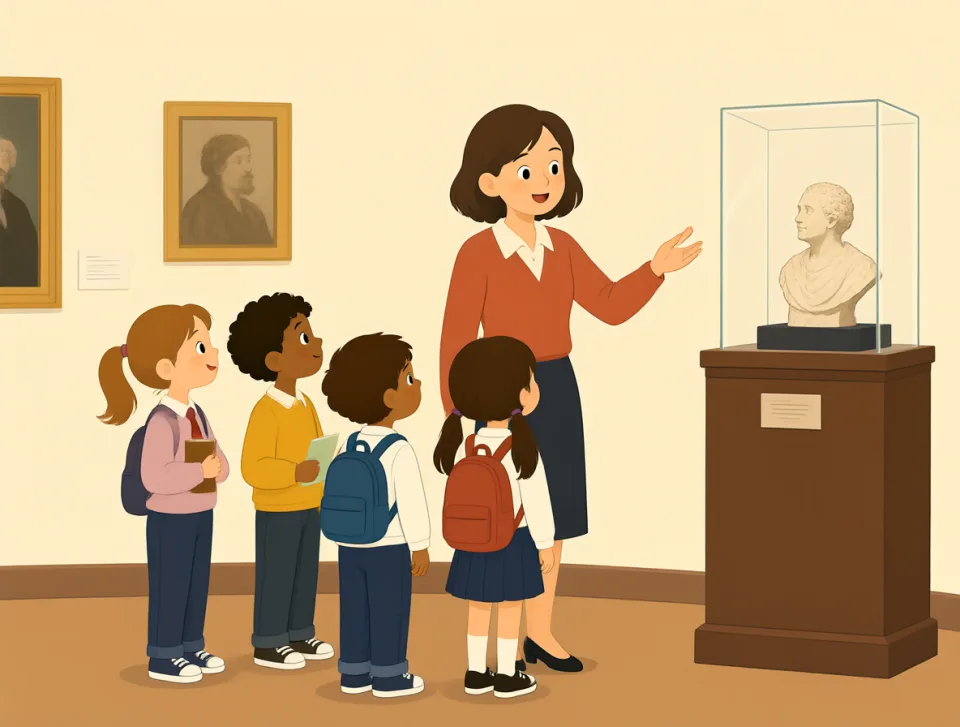
The teacher accompanied the students on their museum visit.
老師陪同學生們參觀了博物館。

Headache and tiredness often accompany a bad cold.
頭痛和疲倦常常伴隨著重感冒。

politician
#1812noun
政治家; 政客
A person who works in politics and tries to lead or influence a country.
從事政治並試圖領導或影響一個國家的人。
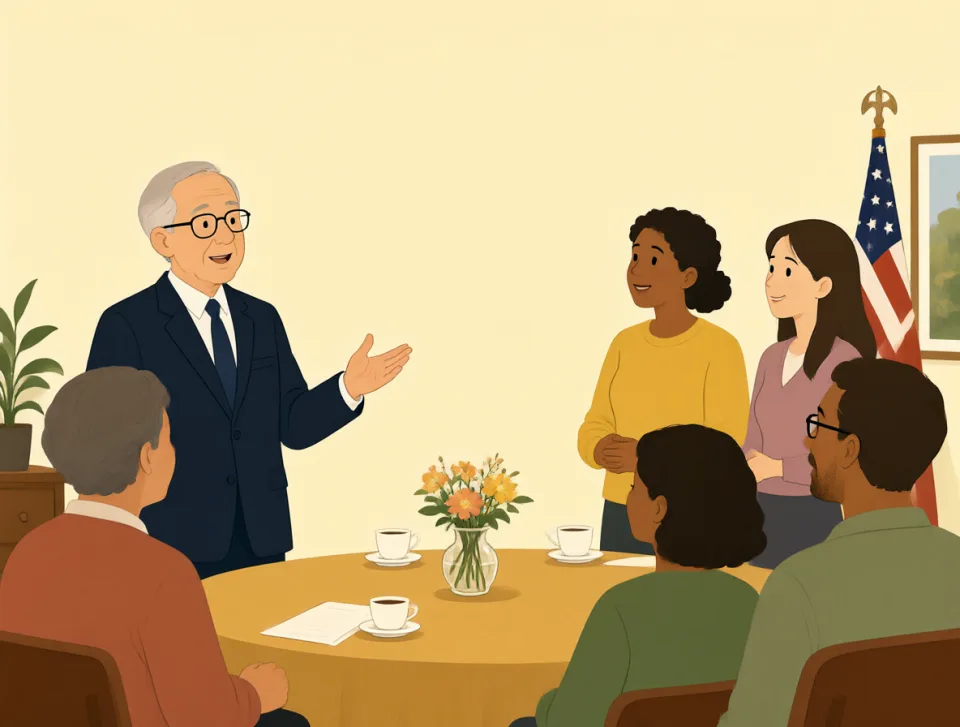
The politician promised to improve schools and hospitals.
這位政治家承諾要改善學校和醫院。
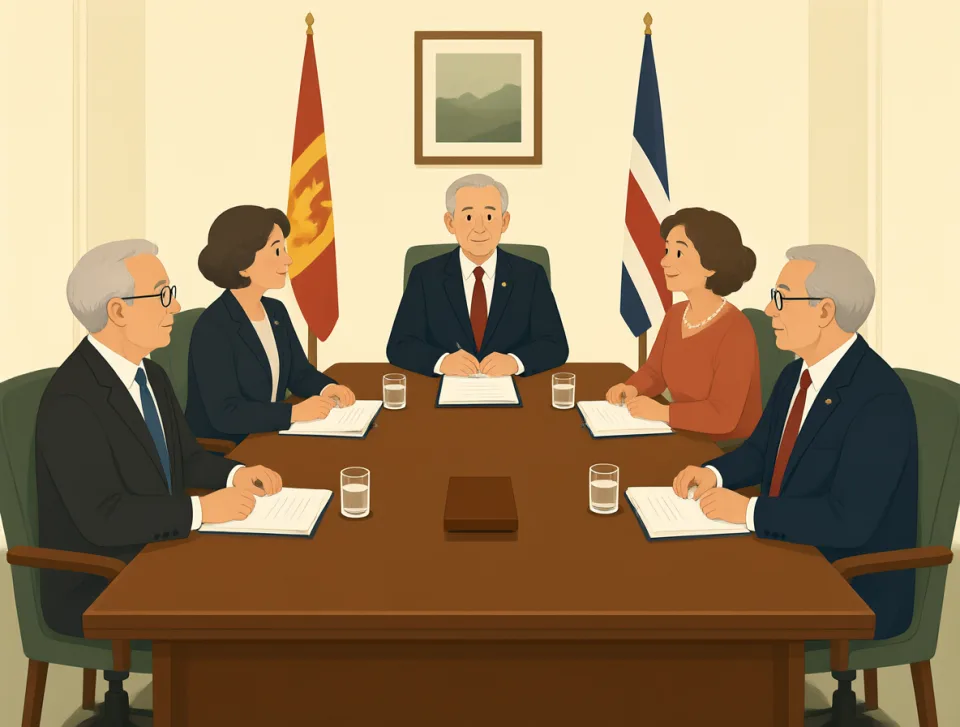
Many politicians are meeting to discuss the new law.
許多政治家正在開會討論這項新法律。
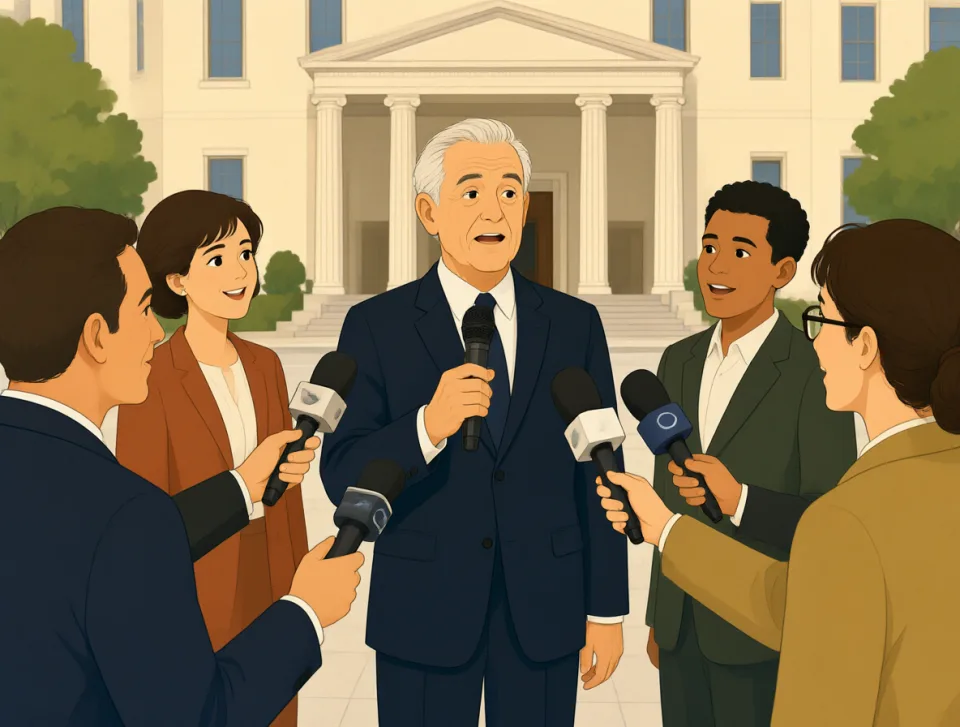
The politician answered questions from reporters outside the building.
這位政治家在大樓外回答了記者的問題。

My brother wants to become a politician after university.
我哥哥大學畢業後想成為一名政治家。
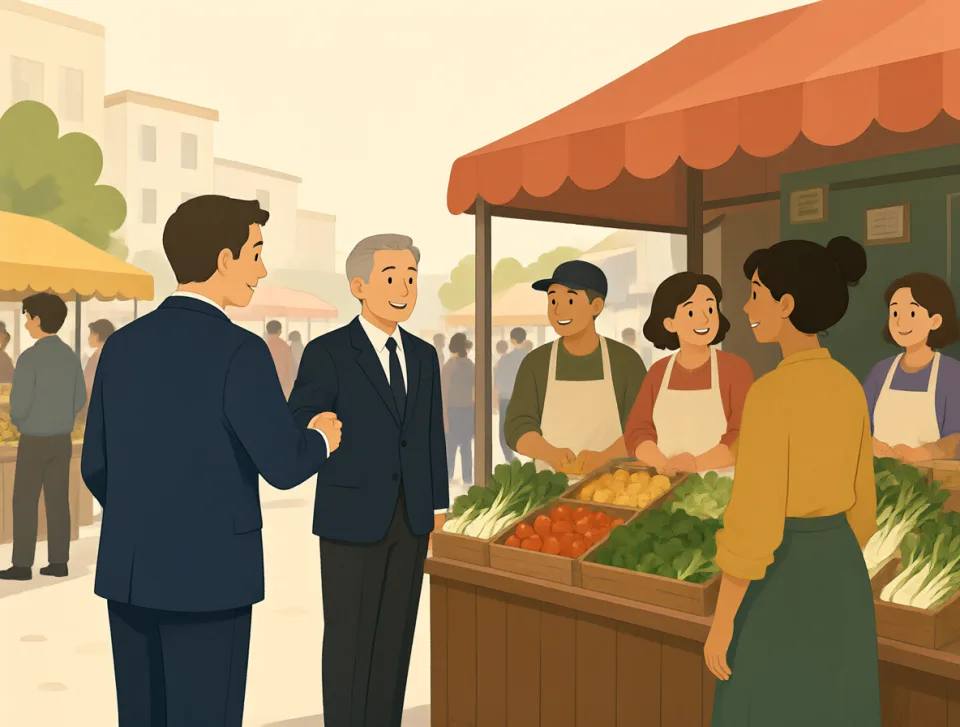
The politician visited a local market and talked with shopkeepers.
這位政治家訪問了當地市場,還和店主們聊了聊。

angry
#1813adjective
生氣的;憤怒的
Feeling very unhappy because someone or something has caused a problem.
因為某人或某事造成了問題而感到非常不高興。
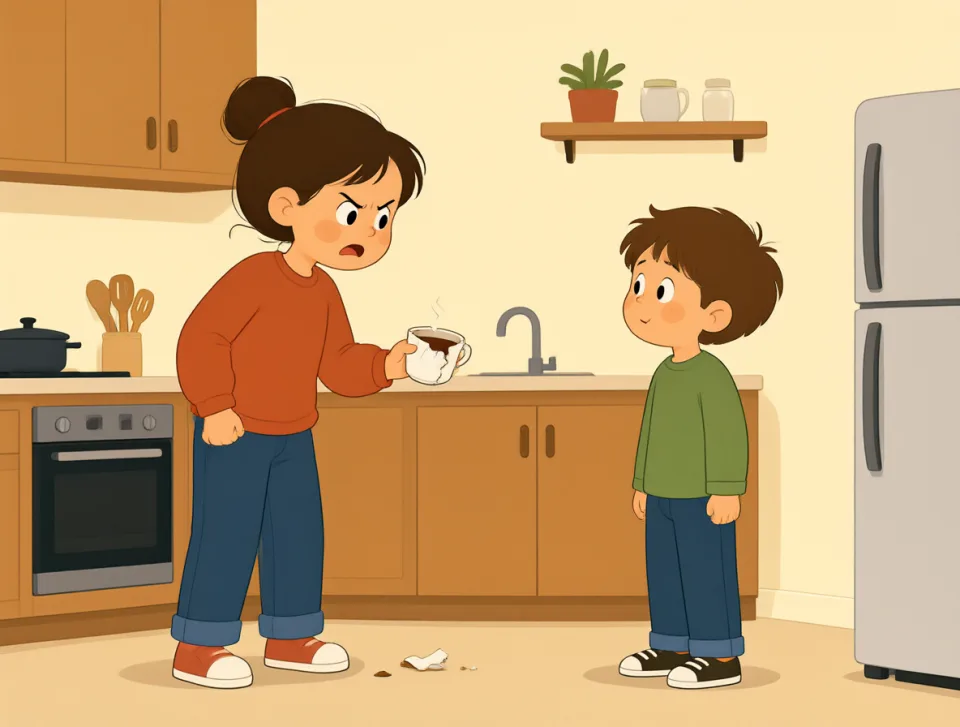
She was angry with her brother for breaking her favorite cup.
她因為哥哥打碎了自己最喜歡的杯子而生他的氣。

The angry customer asked the manager for a full refund.
那位憤怒的顧客要求經理全額退款。
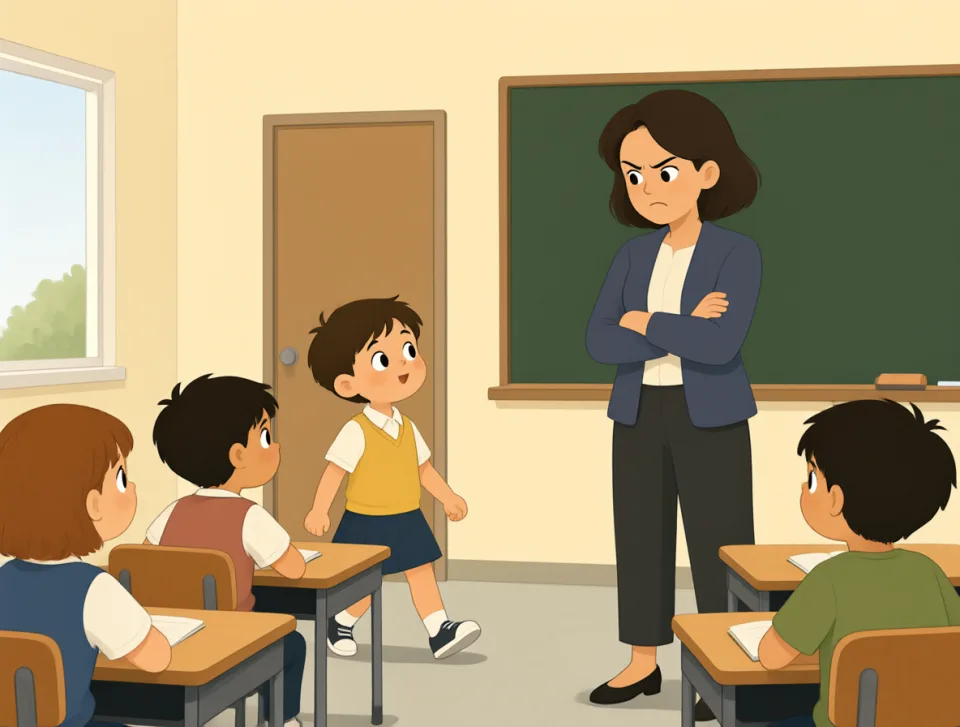
My teacher gets angry when students arrive late for class.
學生上課遲到時,我的老師會生氣。
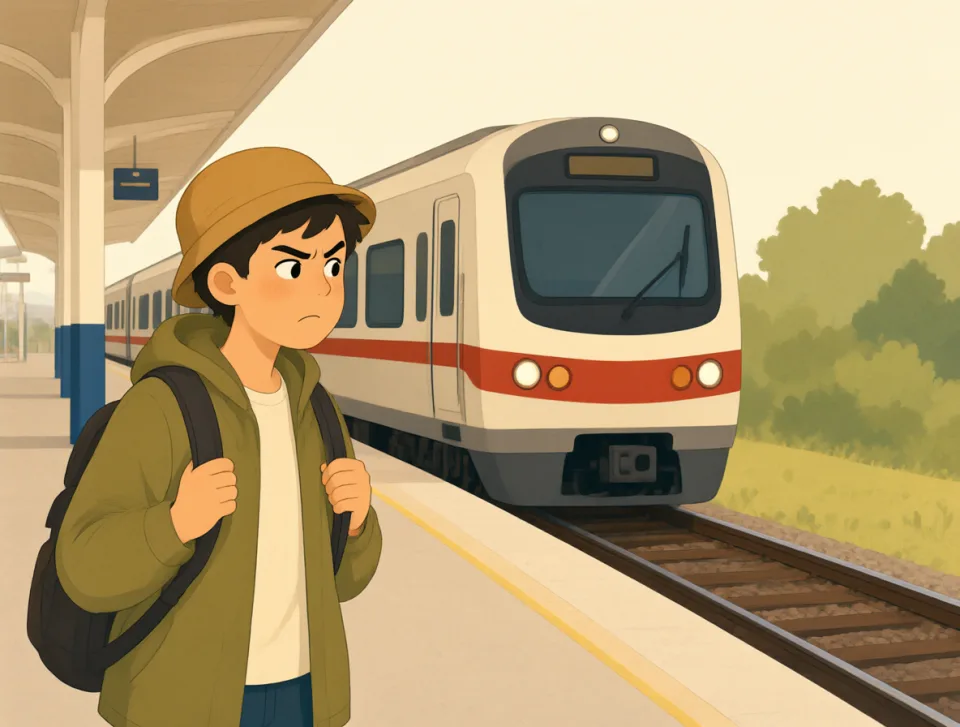
He felt angry about missing his train by only one minute.
他因為只差一分鐘沒趕上火車而感到很生氣。
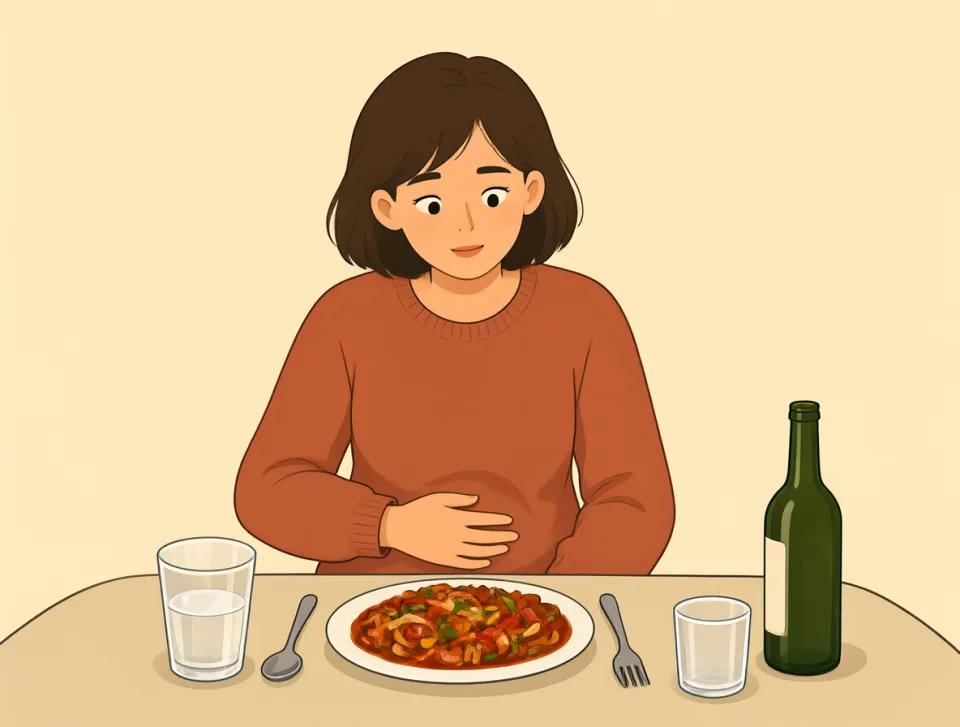
Eating too much spicy food made her stomach angry.
吃太多辣的東西讓她的胃很不舒服。
knock
#1814noun, verb
敲;撞;敲擊聲;批評
a hit or sharp sound; to hit something or someone, or criticize them
敲擊或短促的聲響;撞擊某物或某人,或批評某人或某物

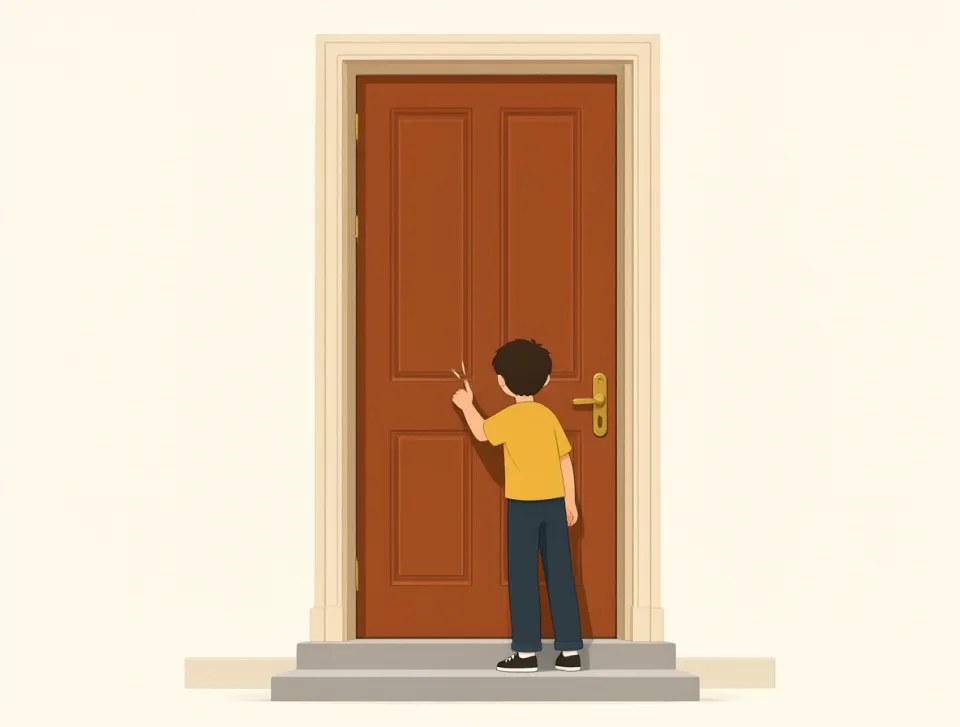
Please knock on the door before you come in.
請在進來前敲門。
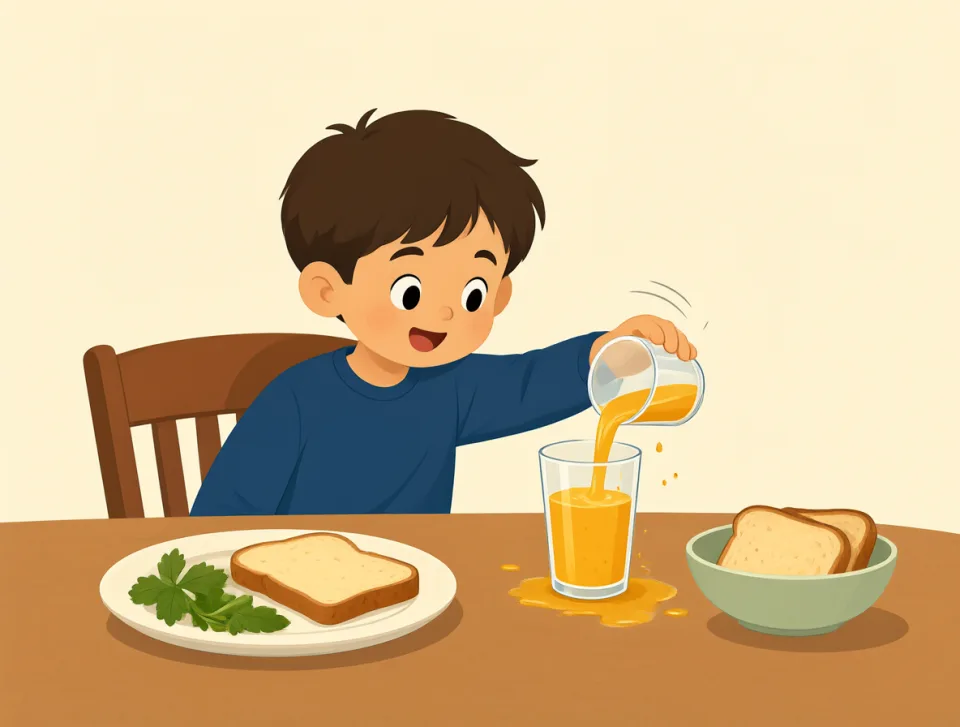
My little brother knocked over his juice at breakfast.
我弟弟早餐時把果汁碰翻了。
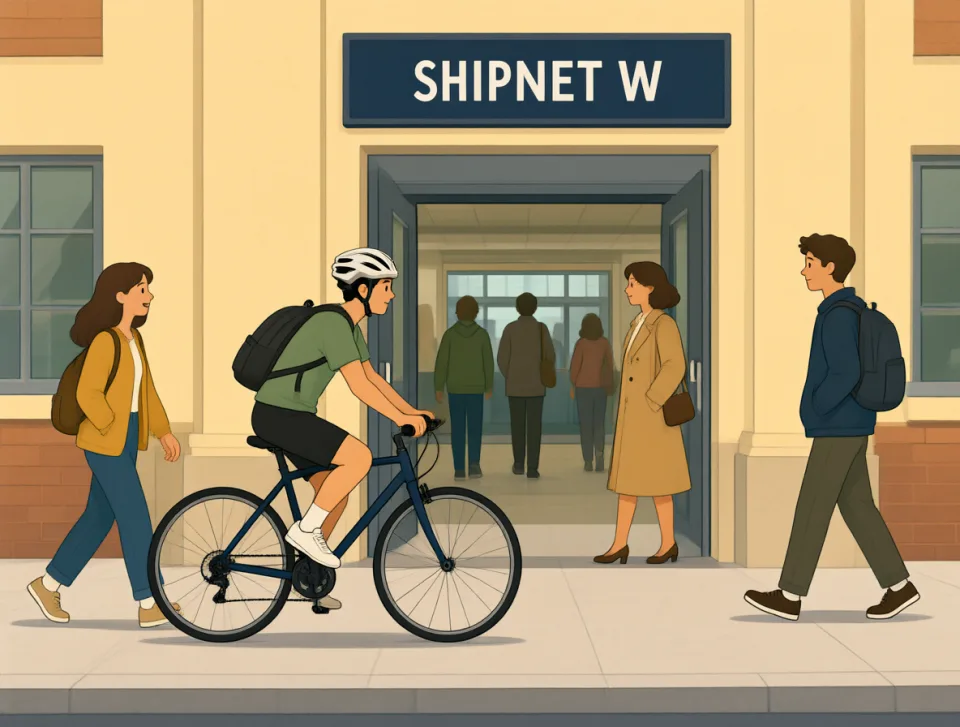
A cyclist knocked me down outside the station.
一個騎車的人在車站外把我撞倒了。

I heard a strange knock during the night.
我半夜聽到一陣奇怪的敲擊聲。

Don’t knock the restaurant until you have tried its food.
沒嘗過那家餐廳的食物之前,別急著批評它。
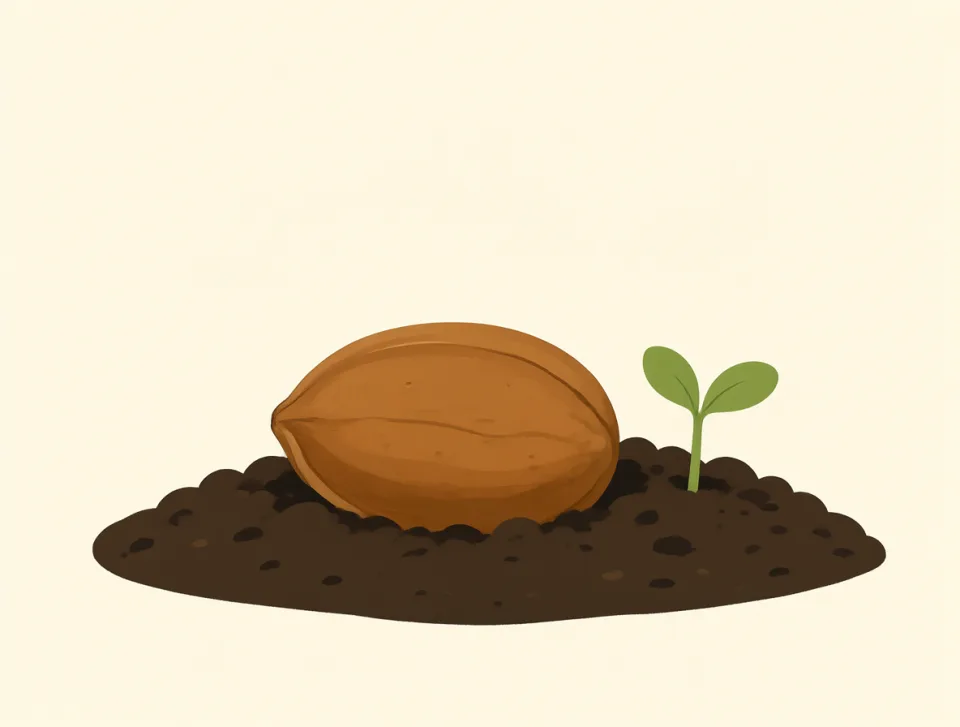
seed
#1815noun, verb
種子;播種
a small part of a plant that can grow into a new plant
植物中能長成新植株的小部分
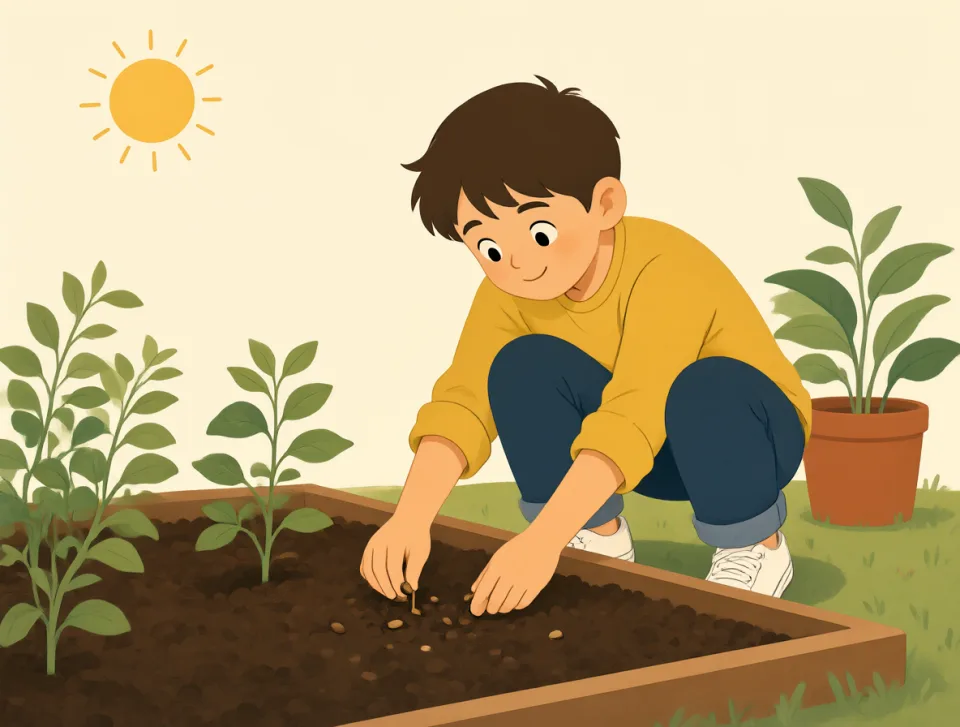
Plant the seeds in a sunny place and water them regularly.
把種子種在陽光充足的地方,並定期澆水。
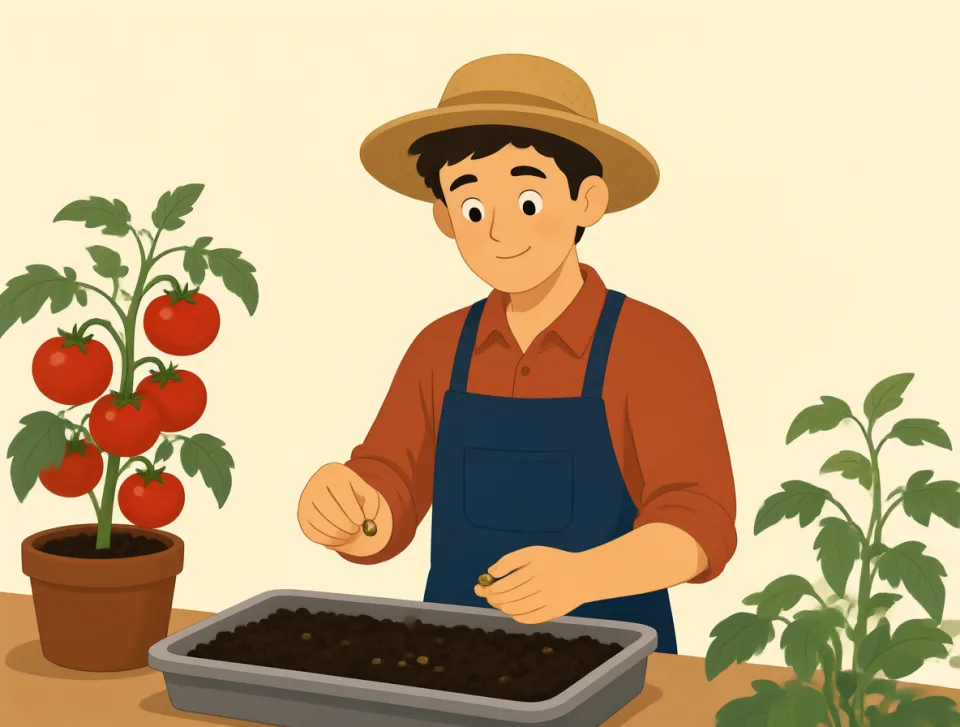
These tomato seeds grow well in warm, wet soil.
這些番茄種子在溫暖、溼潤的土壤中長得很好。
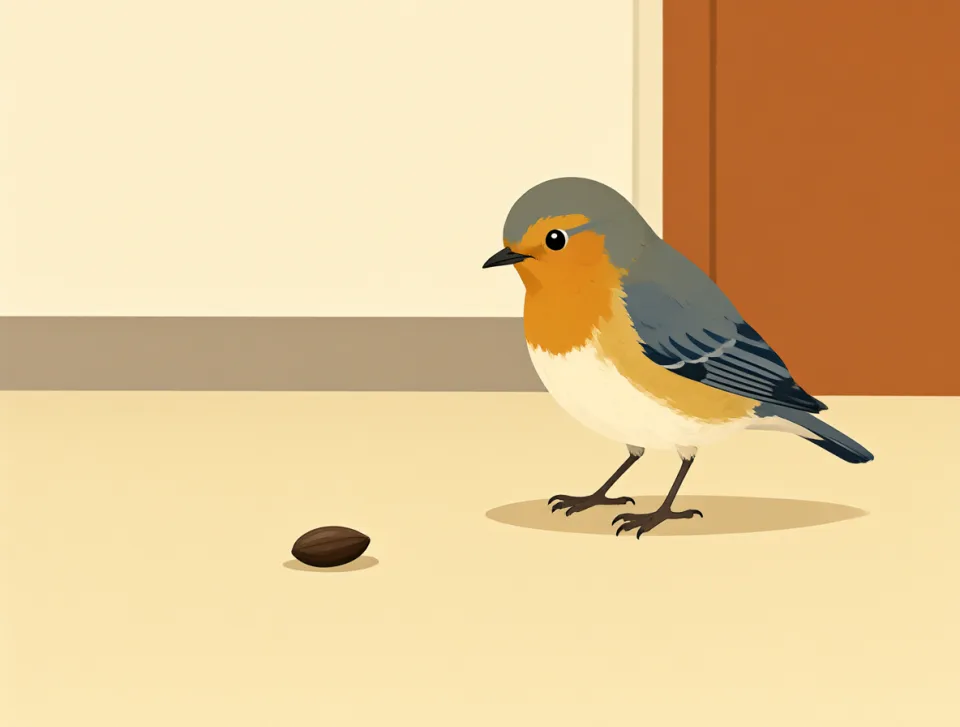
The bird dropped a seed on the kitchen floor.
那隻鳥把一粒種子掉在了廚房地板上。

The company is seeding new ideas during the team meeting.
公司在團隊會議上播下了新想法的種子。
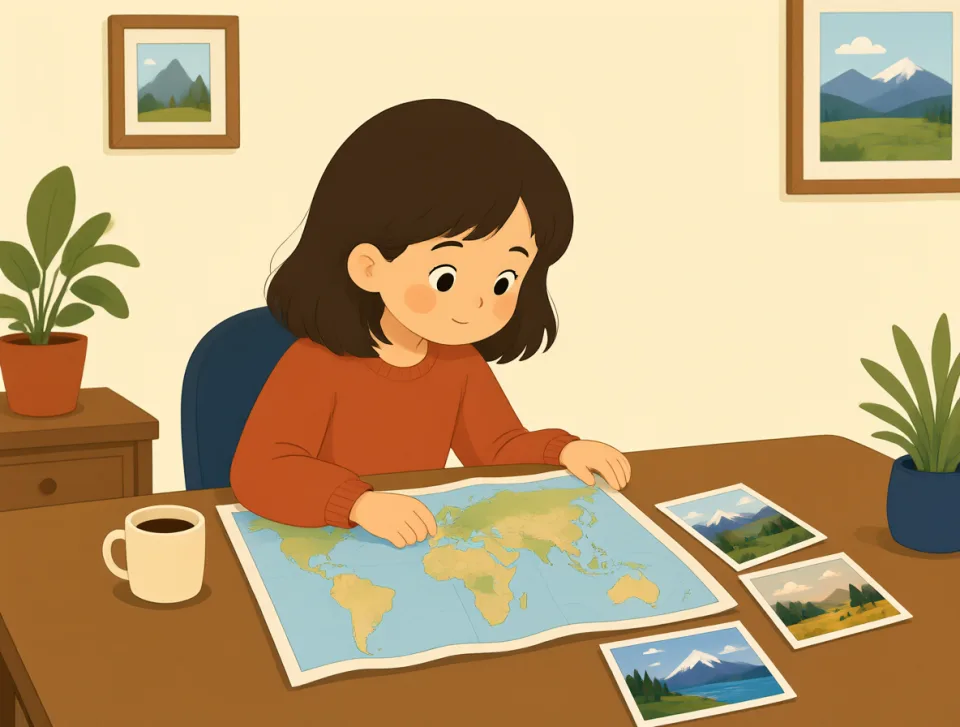
This experience planted the seeds of her interest in travel.
這段經歷播下了她對旅行產生興趣的種子。

salary
#1816noun
工資;薪水
A fixed amount of money paid regularly for a person's work.
定期支付給某人勞動所得的一筆固定金額。
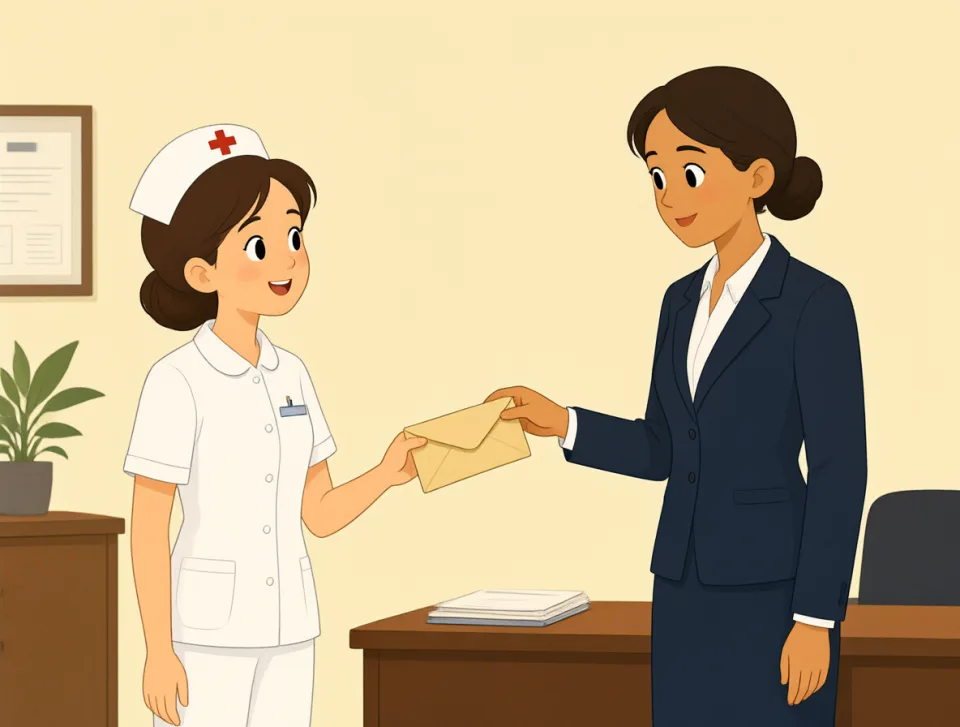
She earns a good salary at the local hospital.
她在當地醫院的工資很高。

My salary is paid directly into my bank account.
我的工資直接打入銀行賬戶。

He asked for a higher salary during his job interview.
他在面試時要求更高的薪水。

Her monthly salary helps pay the rent and food bills.
她每月的工資可以支付房租和食品費用。

The company increased everyone's salaries after a successful year.
公司在經歷了成功的一年後提高了每個人的工資。
illustrate
#1817verb
說明;闡明;圖解
to explain something clearly by using pictures, examples, or demonstrations
透過圖片、例子或演示來清楚地解釋某事

The guide used a map to illustrate our travel route.
導遊用地圖說明了我們的旅行路線。

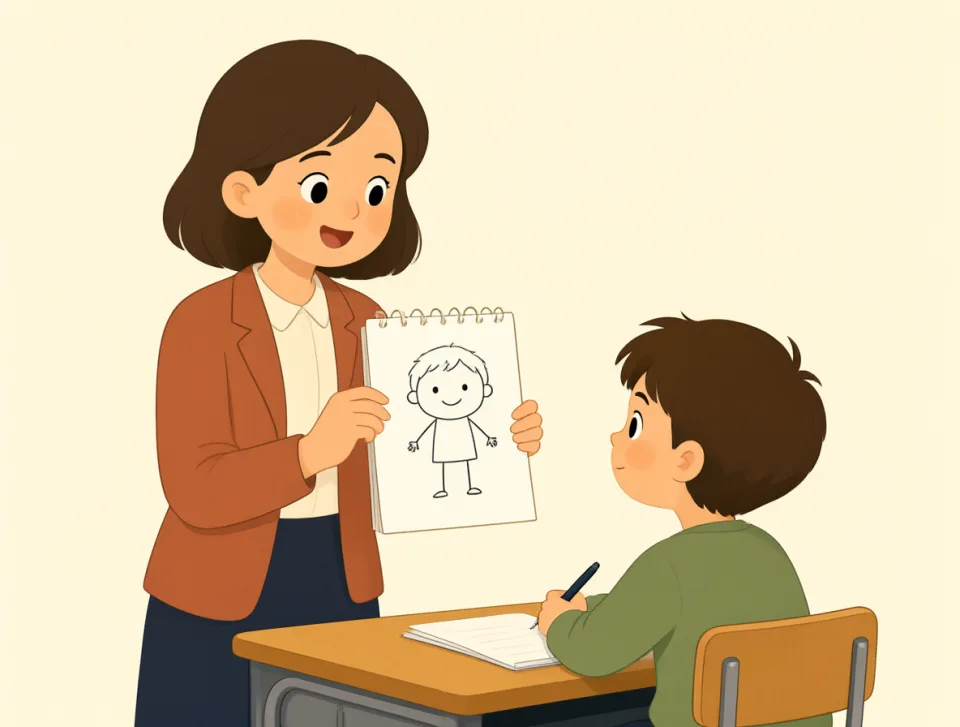
The teacher used a drawing to illustrate how plants grow.
老師用一幅畫說明植物是如何生長的。
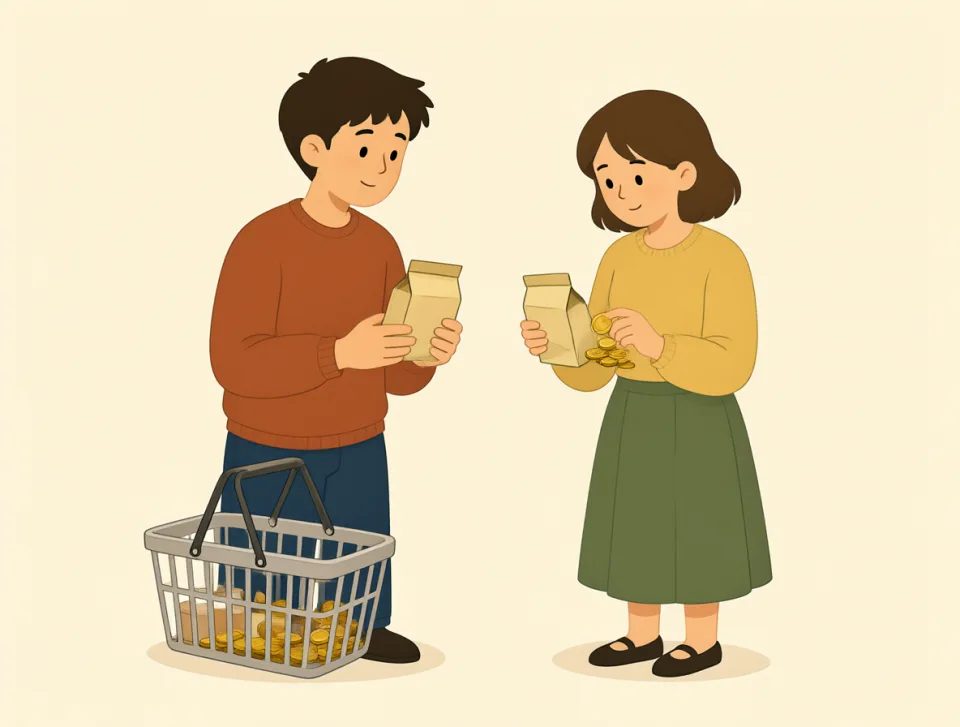
This example illustrates why checking prices before shopping is useful.
這個例子說明了為什麼購物前先查價格很有用。

The nurse illustrated the exercise by showing me each movement.
護士一邊示範每個動作,一邊向我說明這套練習。
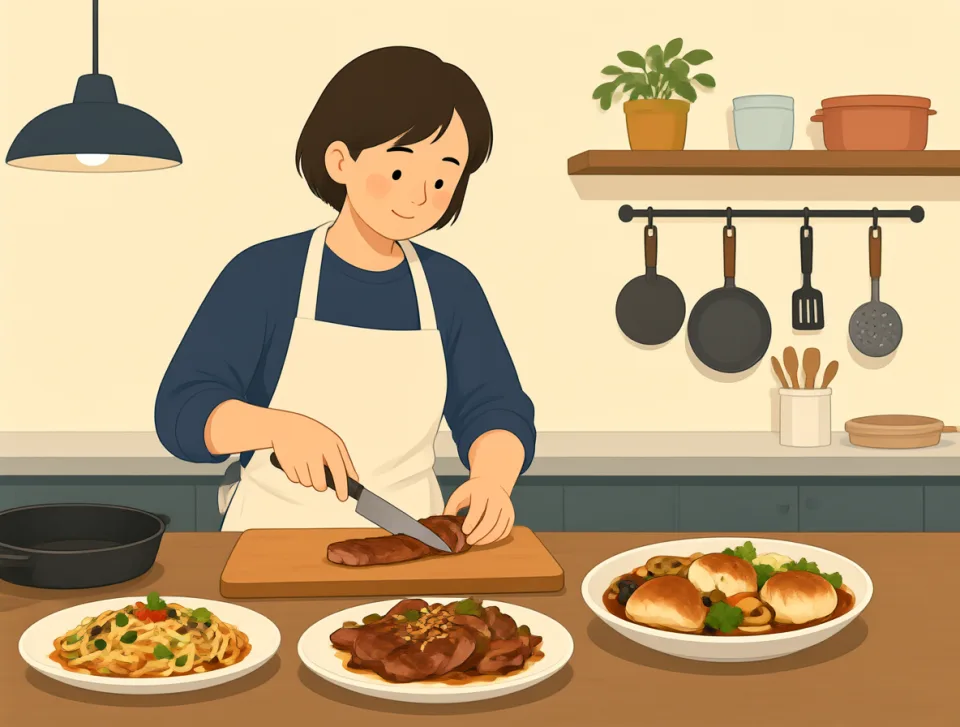
The cookbook uses photos to illustrate every step of the recipe.
這本食譜用照片展示了菜譜的每一個步驟。

imply
#1818verb
暗示;意味著
To suggest something without saying it directly.
不直接說出來,而是暗示某件事。
Her smile implied that she was happy with the gift.
她的笑容暗示她很喜歡這份禮物。
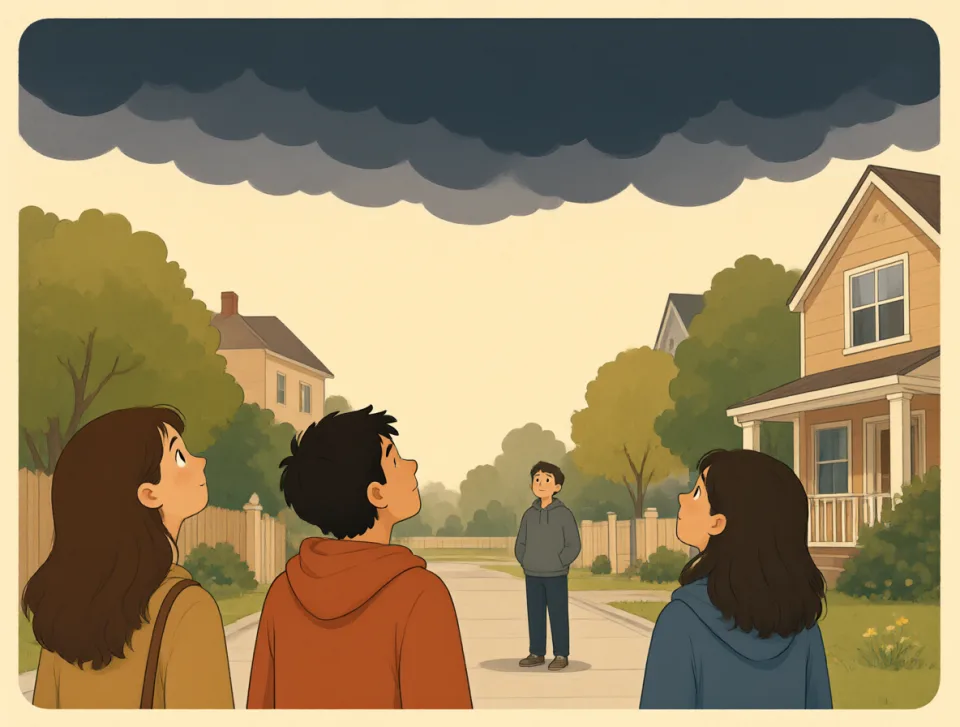
The dark clouds imply that rain is coming soon.
烏雲密佈,意味著很快就要下雨了。

His answer implied that he did not trust the new manager.
他的回答暗示他不信任新經理。

The doctor’s questions implied that my tiredness needed more attention.
醫生問的那些問題暗示,我的疲勞需要多加關注。

The high price may imply that these shoes are very good quality.
價格這麼高,可能意味著這雙鞋的質量很好。

breakfast
#1819noun
早餐
the first meal of the day, usually eaten in the morning
一天中的第一頓飯,通常在早上吃

I usually eat breakfast at seven before going to work.
我通常七點吃早餐,然後去上班。

We had a big breakfast at the hotel this morning.
今天早上我們在酒店吃了一頓豐盛的早餐。

She skipped breakfast because she was late for school.
她上學要遲到了,所以沒吃早餐。

Let's meet for breakfast at the café near the station.
我們在車站附近的咖啡館吃早餐見吧。
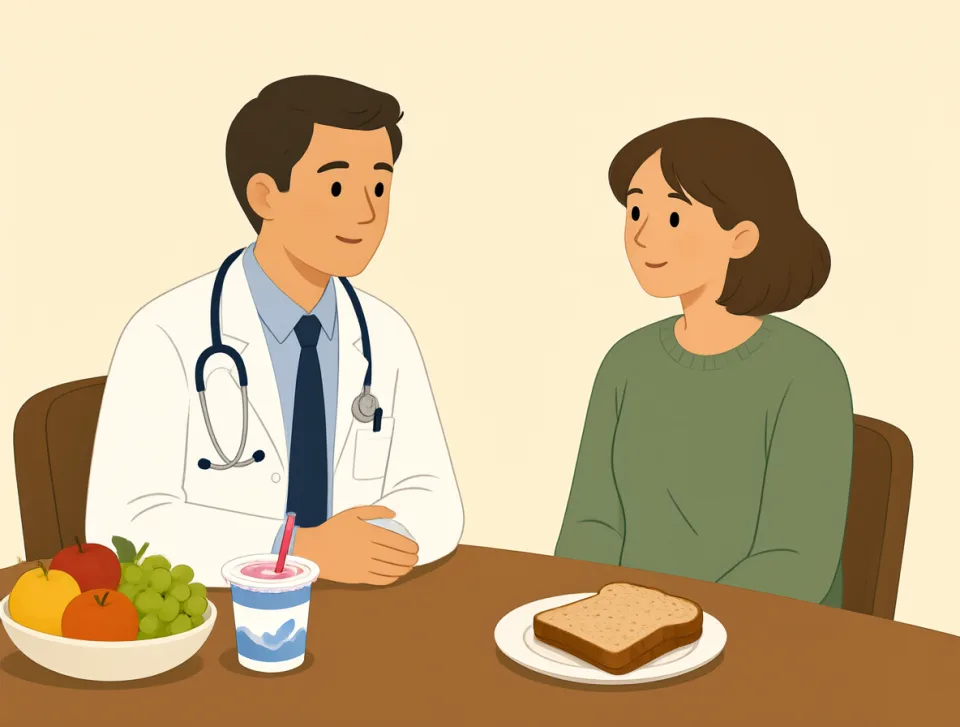
The doctor advised him to eat a healthy breakfast every day.
醫生建議他每天吃一頓健康的早餐。
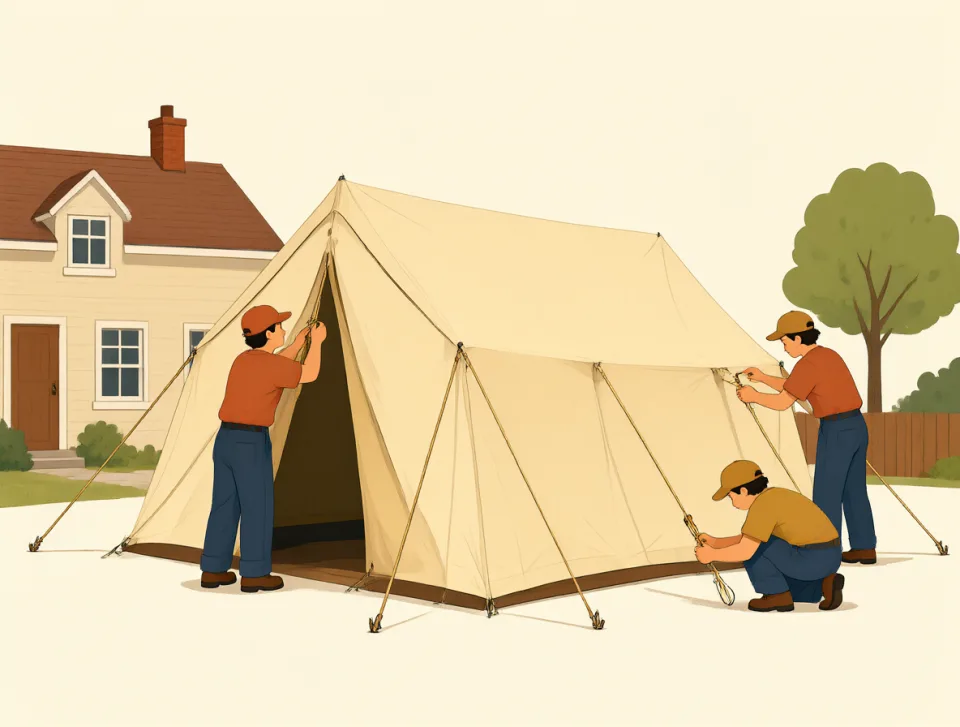
temporary
#1820adjective
臨時的;暫時的
Lasting for a limited time and not permanent.
持續時間有限的,並非永久性的。

We are staying in a temporary apartment while our house is repaired.
房子維修期間,我們住在一套臨時公寓裡。

The company hired temporary workers during the busy holiday season.
節日期間生意繁忙,公司僱用了臨時工。
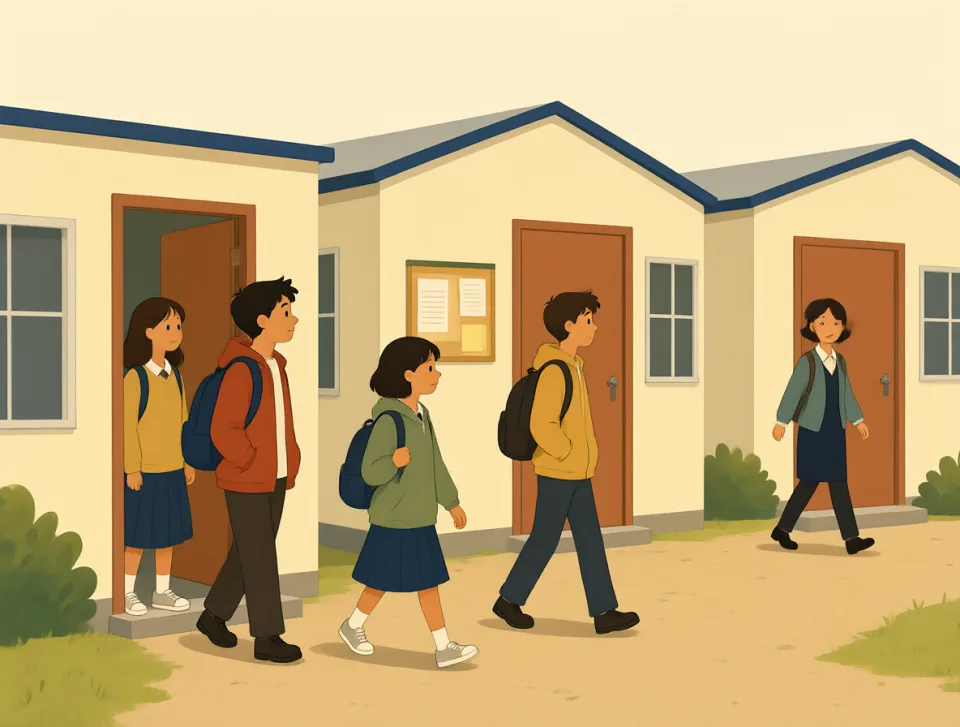
The school moved classes to temporary rooms after the storm.
暴風雨過後,學校把課程安排在臨時教室裡。

The doctor gave me temporary medicine for my back pain.
醫生給我開了暫時緩解背痛的藥。
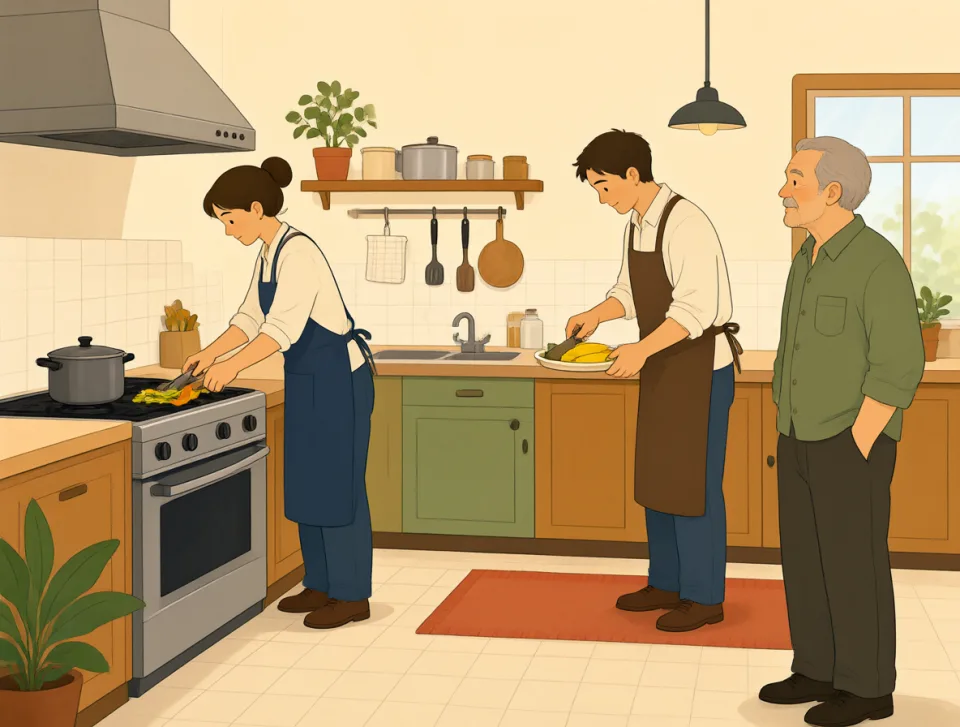
The shop has a temporary closing because of kitchen repairs.
這家商店因維修廚房而暫時關門。