單元 84
單字 1661–1680 · peak, chairman, proportion, ear, disappear, shout

peak
#1661noun, verb, adjective
頂峰;達到頂峰;高峰的
the highest point of something, or the greatest level that it reaches
某事物的最高點,或達到的最高程度

We reached the peak after climbing the mountain all morning.
我們爬了一上午山,終於到達了山頂。

Prices usually peak during the holiday shopping season.
節日購物季期間,價格通常會達到最高點。

Avoid driving during peak hours because the roads are crowded.
避免在高峰時段開車,因為道路很擁堵。

Her energy peaked after a good night's sleep.
睡了個好覺後,她的精力達到了頂峰。

The runner reached his peak last year and won several races.
這名跑步運動員去年達到了巔峰,贏得了好幾場比賽。

chairman
#1662noun
主席;會長
The person who leads a committee, meeting, or organization.
領導委員會、會議或組織的人。

The chairman opened the meeting and welcomed everyone.
主席宣佈會議開始,並向大家表示歡迎。

The chairman of the company answered questions from reporters.
公司主席回答了記者的問題。

She was elected chairman of the school committee.
她當選為學校委員會主席。

The chairman asked members to vote on the new plan.
主席請成員們就新計劃進行表決。

Our club chairman organized a dinner for all the volunteers.
我們俱樂部的會長為所有志願者組織了一次晚宴。
proportion
#1663noun
比例;部分
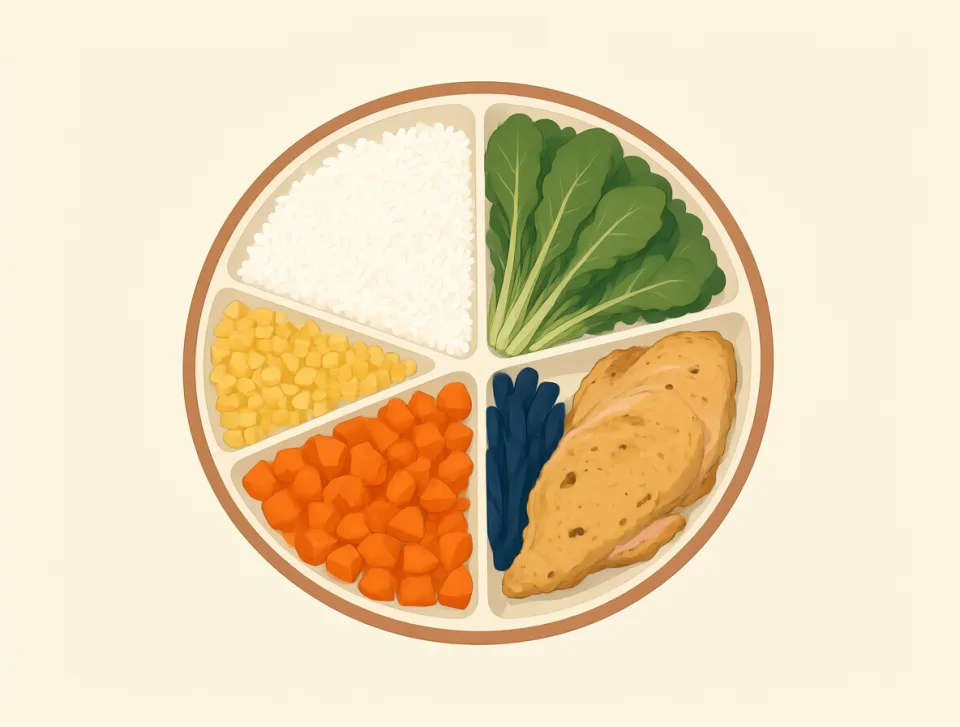
the relationship between the amounts or sizes of different parts of something
不同部分的數量或大小之間的關係

A large proportion of students walk to school.
很大一部分學生步行上學。
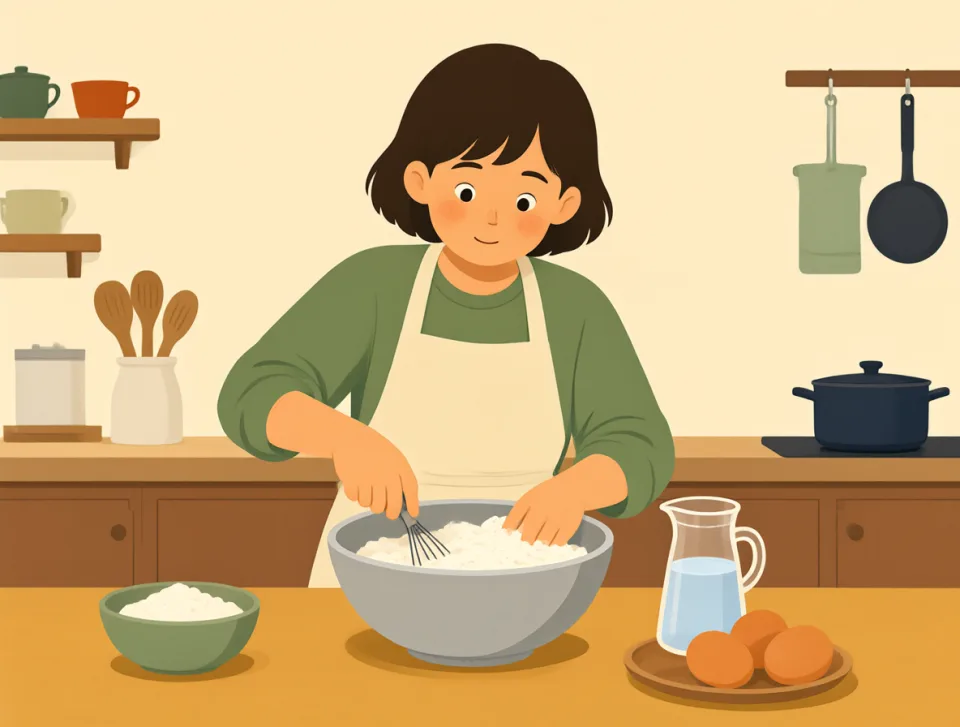
Use the right proportion of flour and water for the dough.
做麵糰時要使用適當比例的麵粉和水。

The painting has a pleasing proportion of colors and shapes.
這幅畫的色彩和形狀比例協調美觀。

Only a small proportion of the seats were empty.
只有一小部分座位是空著的。
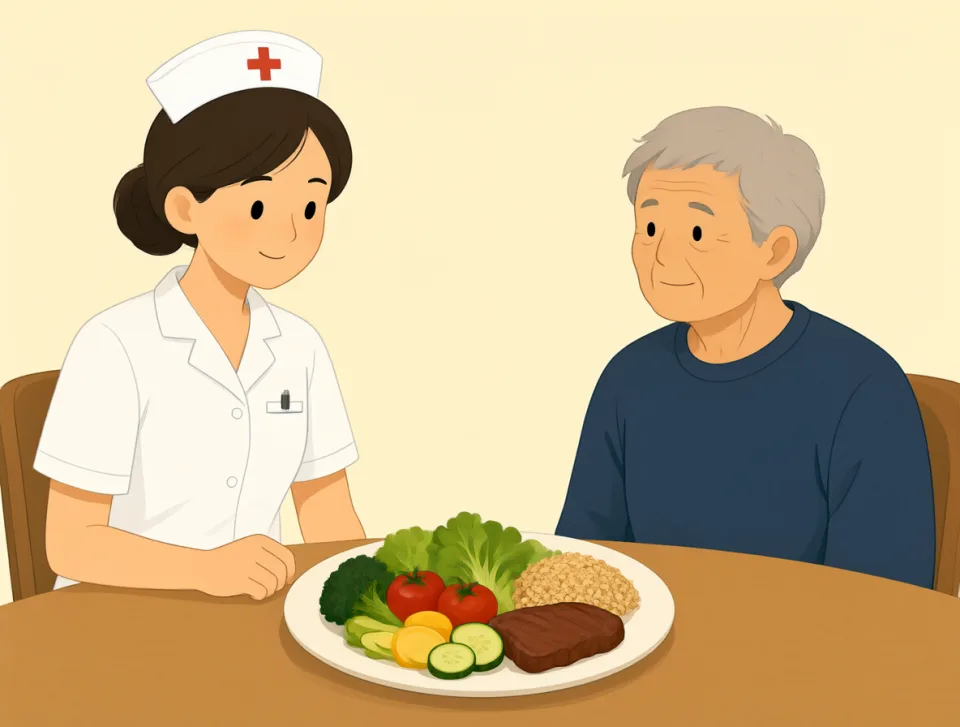
The nurse checked the proportion of fat in the patient's diet.
護士檢查了病人飲食中脂肪所佔的比例。
ear
#1664noun
耳朵
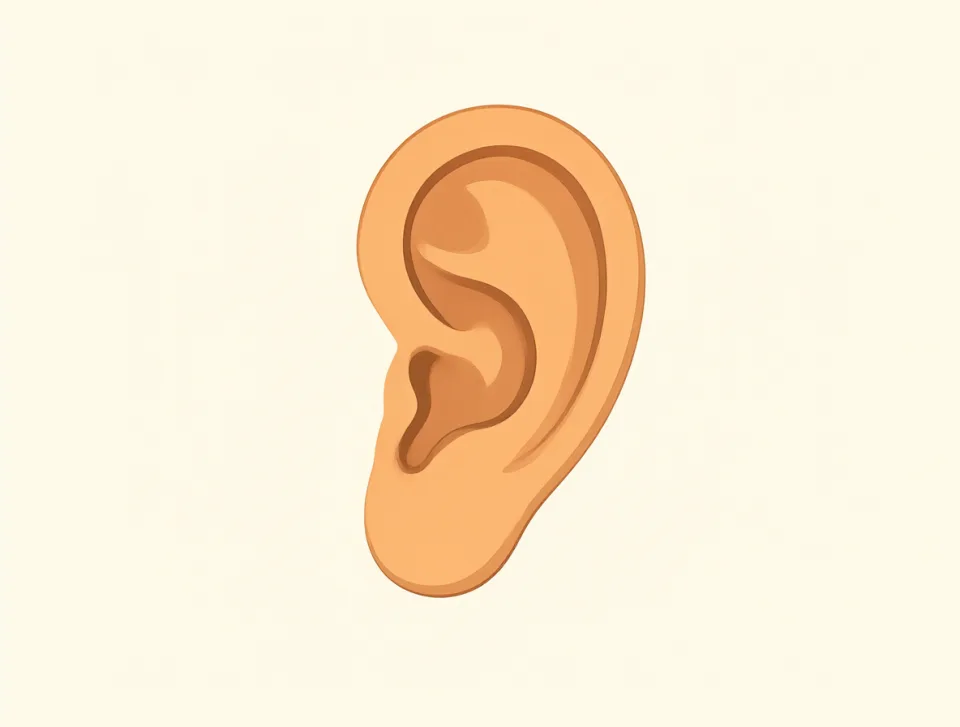
One of the two parts of your body that you use for hearing.
身體上用來聽聲音的兩個部位之一。

I whispered the secret in her ear.
我把這個秘密悄悄告訴了她。
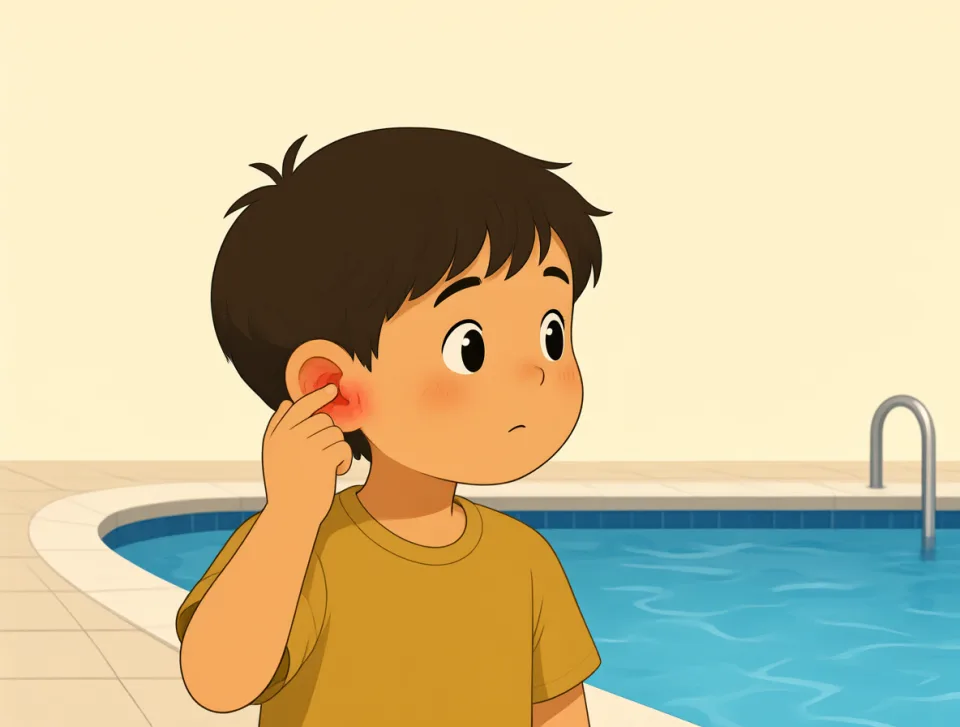
My left ear hurts after swimming.
游泳後我的左耳疼。

He has small ears and curly brown hair.
他耳朵小,頭髮是棕色的捲髮。

The baby pulled her mother's ear during lunch.
午飯時,寶寶拉了拉媽媽的耳朵。
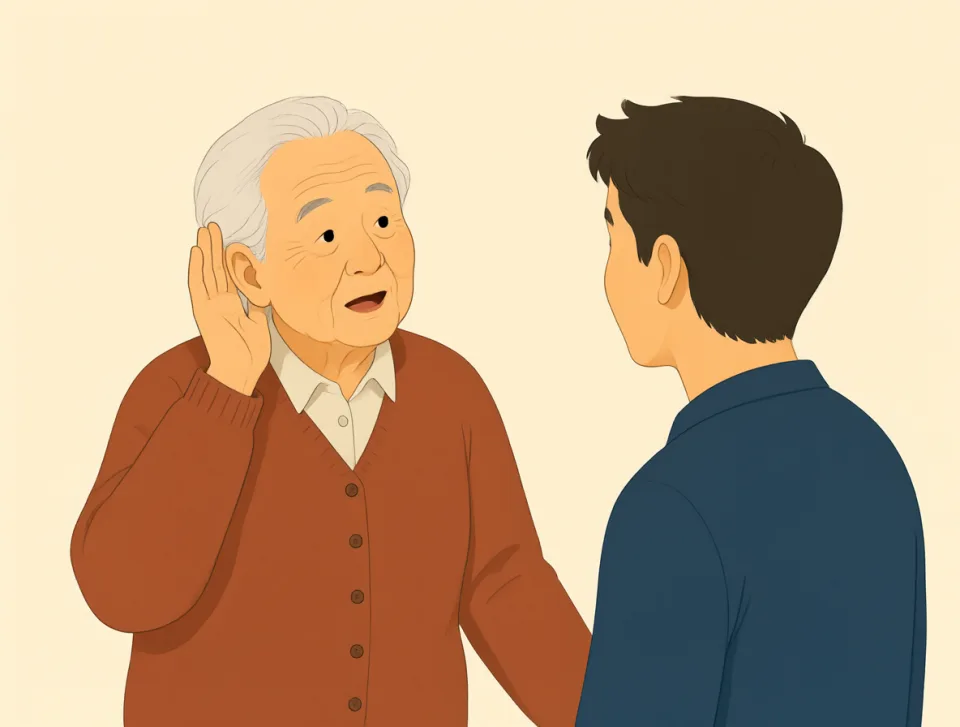
Please speak louder because I cannot hear well in my right ear.
請說大聲一點,因為我右耳聽不太清楚。

disappear
#1665verb
消失;不見
to go out of sight or stop existing
看不見了,或不復存在

The sun disappeared behind the clouds before dinner.
晚飯前,太陽躲到雲層後面去了。

My keys disappeared from the kitchen table this morning.
今天早上,我的鑰匙從廚房桌上不見了。

The crowd disappeared quickly after the concert ended.
音樂會結束後,人群很快就散去了。

The doctor said the pain should disappear soon.
醫生說,疼痛應該很快就會消失。

The cookies disappeared from the plate during the party.
聚會期間,盤子裡的餅乾很快就被吃光了。
shout
#1666noun, verb
喊;大喊;叫喊聲
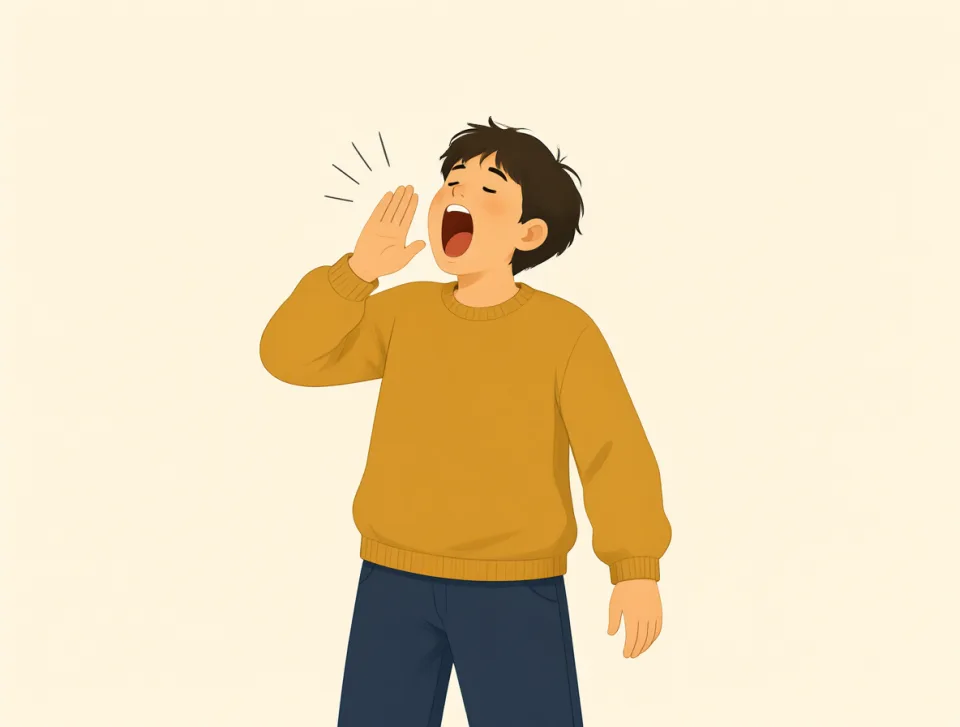
To speak very loudly, or a loud cry made by someone.
大聲說話,或某人發出的響亮叫喊聲。

Please do not shout; I can hear you perfectly.
請別喊,我聽得很清楚。
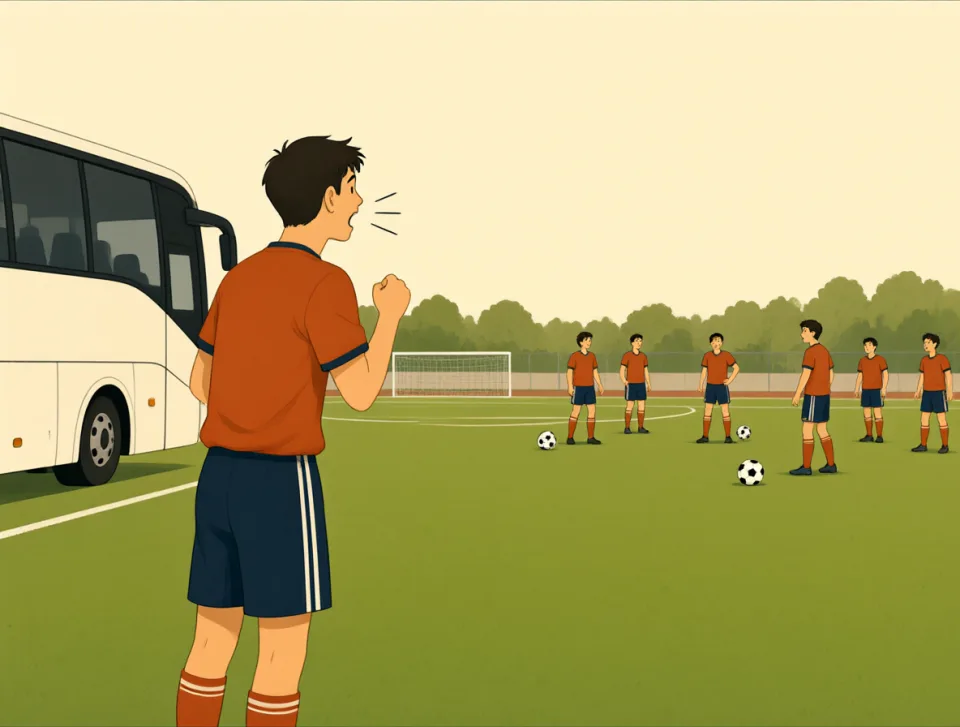
The coach shouted instructions across the soccer field.
教練在足球場上大聲喊著指示。

I heard a shout from the next room and ran to help.
我聽見隔壁房間傳來一聲喊叫,便跑過去幫忙。
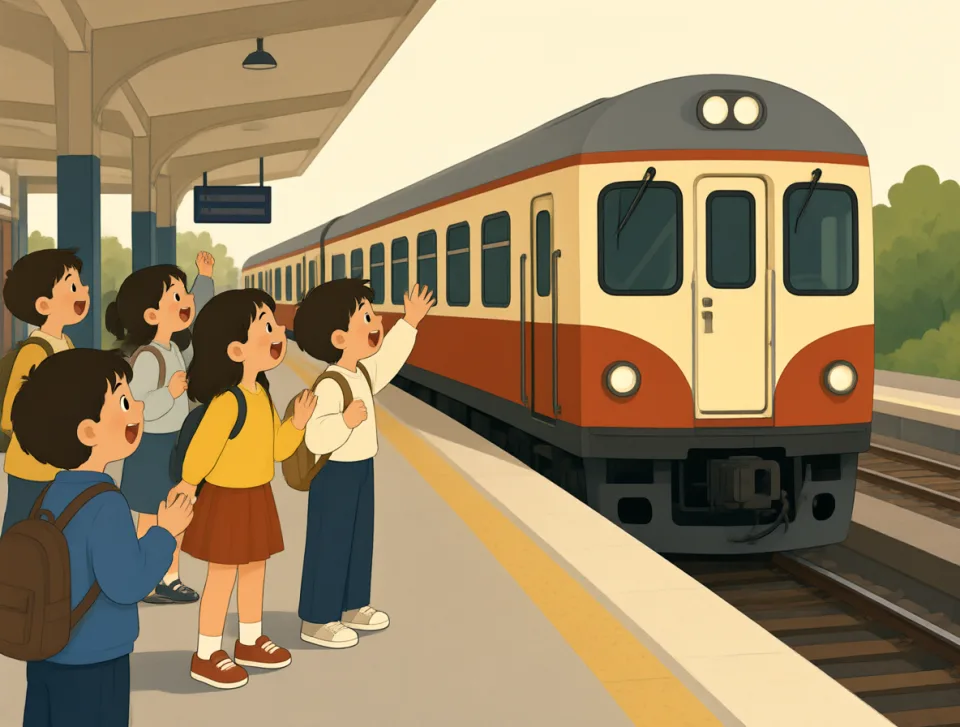
The children shouted with excitement when the train arrived.
火車到站時,孩子們興奮地歡呼起來。

She shouted for help after hurting her ankle on the trail.
她在小路上扭傷腳踝後,大聲呼救。

yard
#1667noun
院子;庭院
An area of land next to a house, often covered with grass.
房子旁邊的一塊土地,通常鋪著草地。
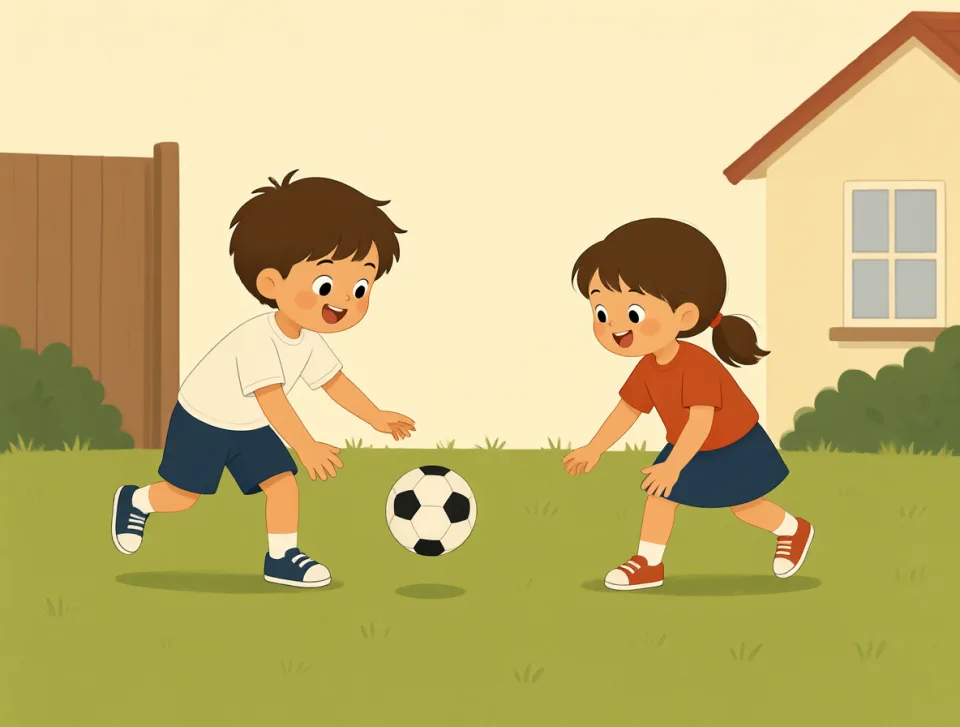
The children are playing in the yard after school.
孩子們放學後正在院子裡玩。
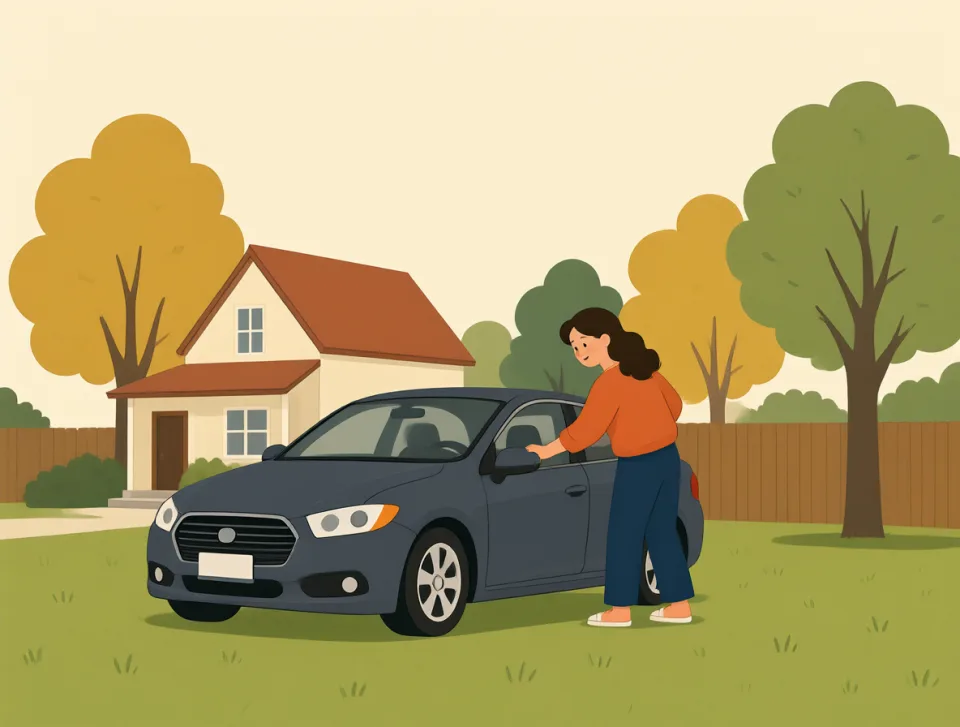
Please park the car in the back yard.
請把車停在後院。
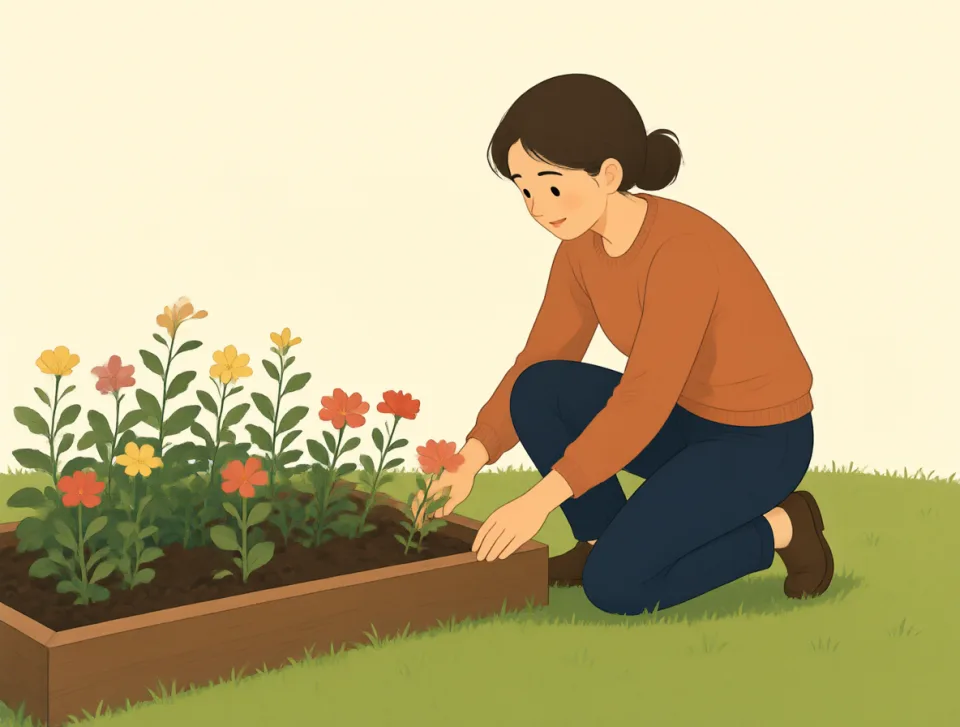
We planted flowers along the edge of the yard.
我們沿著院子的邊緣種了些花。

The dog ran across the yard to greet me.
狗跑過院子來迎接我。

The workers cleaned the yard before the family moved in.
這家人搬進來之前,工人們把院子打掃乾淨了。
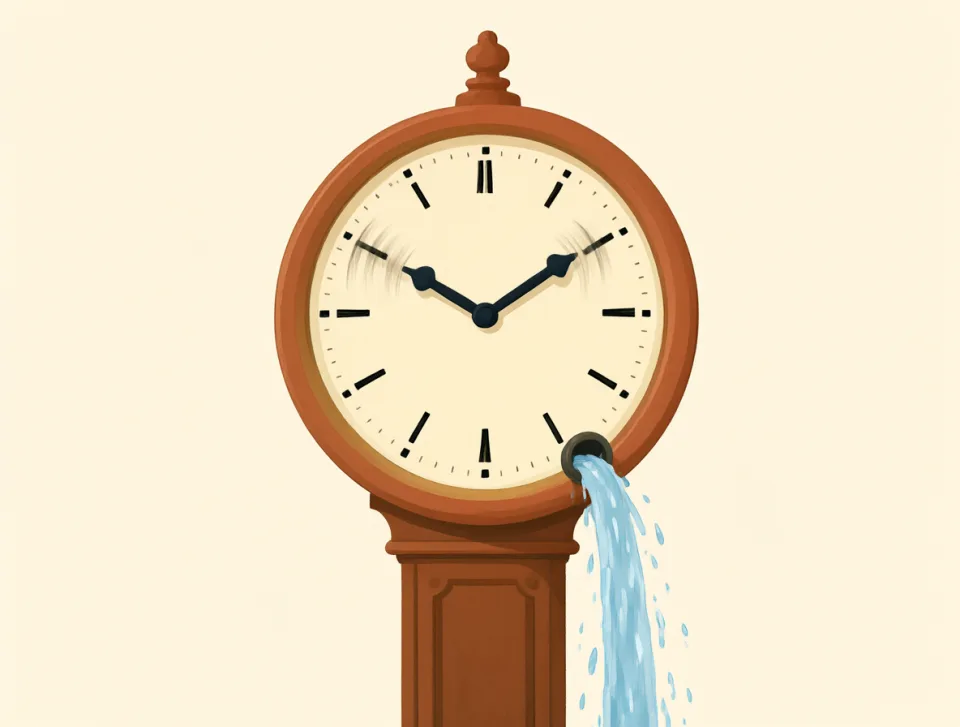
constant
#1668adjective, noun
持續的;恆定的;常數
happening all the time or staying the same without stopping or changing
一直髮生,或始終保持不變、不間斷

The constant noise from the street kept me awake all night.
街上傳來的持續噪音讓我一整夜都沒睡著。
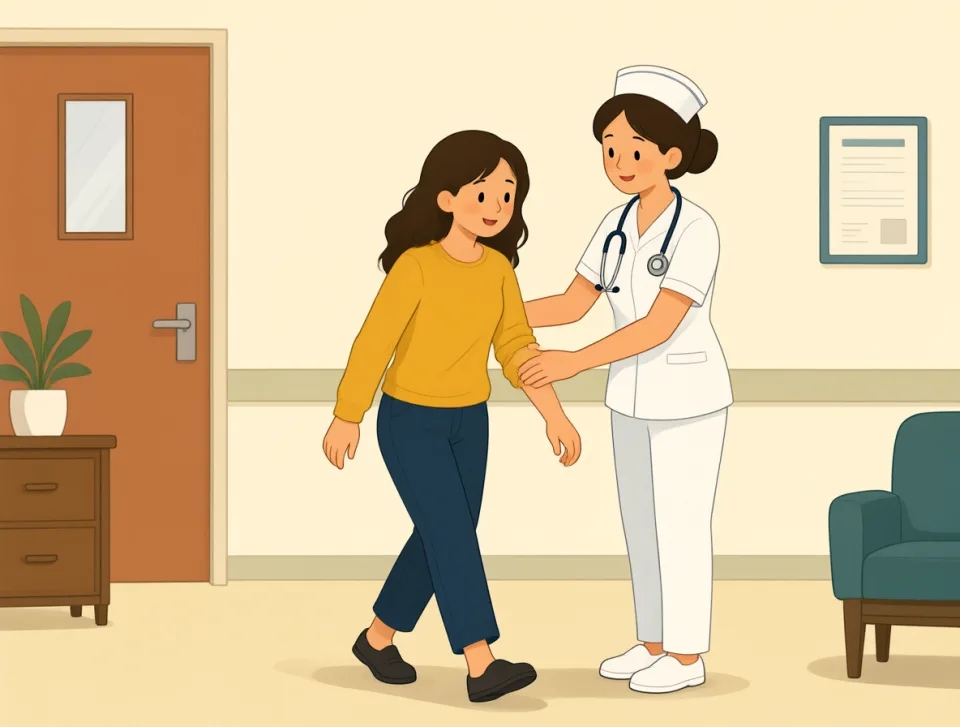
She needs constant support while recovering from her serious injury.
她在重傷康復期間需要持續的幫助。

The temperature in this room stays constant all day.
這個房間裡的溫度一整天都保持恆定。
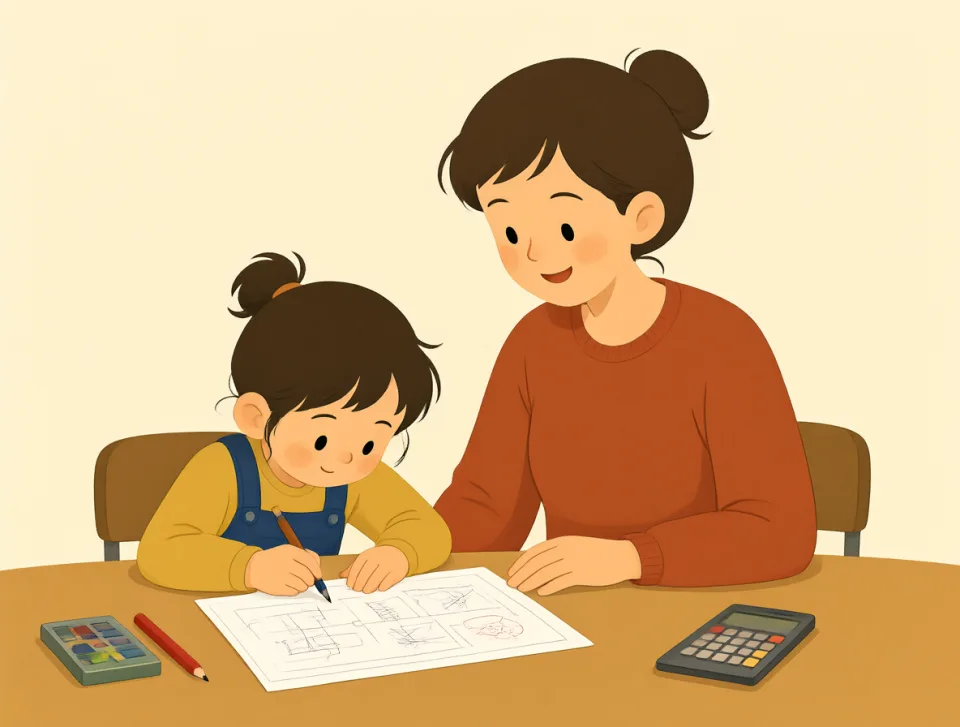
Our teacher praised his constant effort during the school project.
老師表揚了他在學校專案中始終如一的努力。
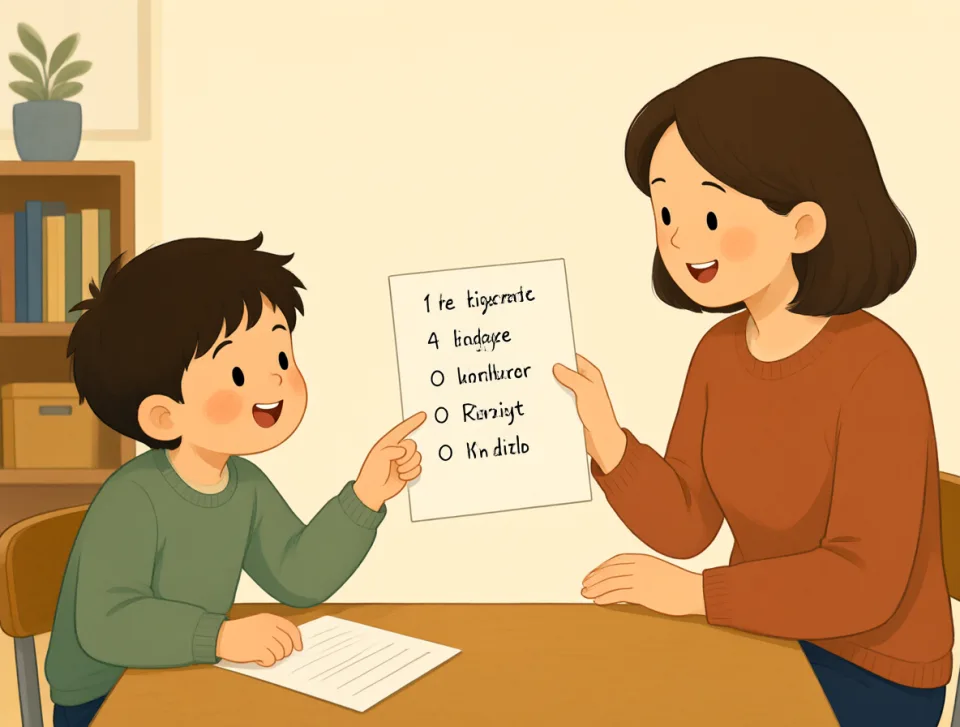
The constant in this science problem is the number that never changes.
這道科學題中的常數是那個永遠不變的數。

significantly
#1669adverb
顯著地;大幅度地
In a clear or important way; by a large amount.
以明顯或重要的方式;幅度很大地。
The price of milk has increased significantly this year.
今年牛奶價格大幅上漲。
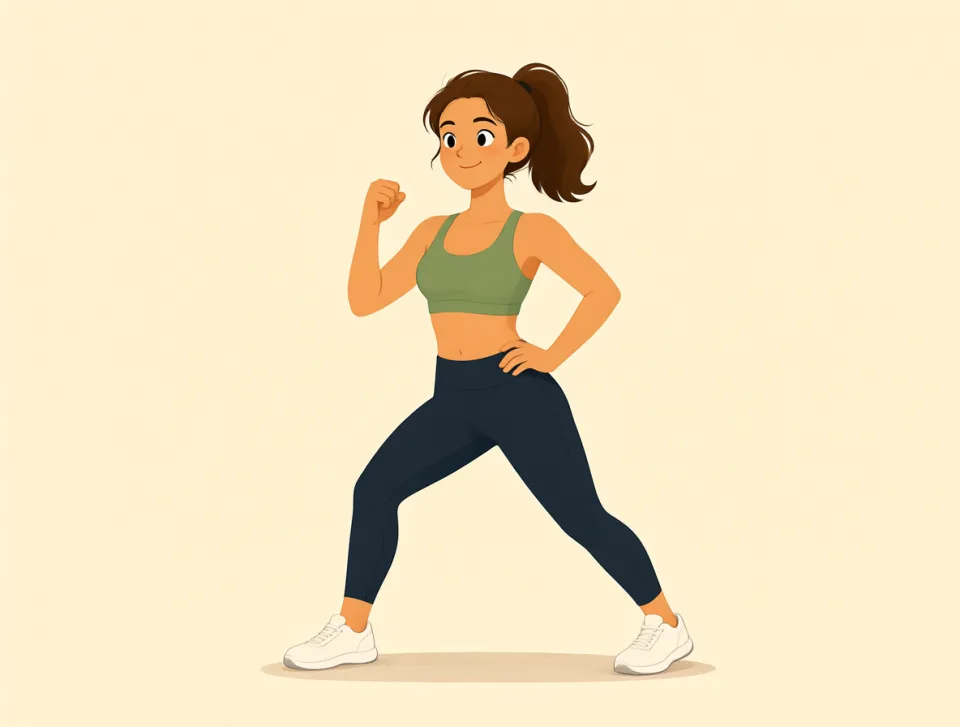
Her health improved significantly after she started exercising.
開始鍛鍊後,她的健康狀況明顯改善了。

The new road significantly reduces travel time to the airport.
這條新路大大縮短了到機場的行車時間。

Our sales increased significantly during the holiday season.
我們的銷售額在假日期間大幅增長。

The students performed significantly better after extra practice.
經過額外練習後,學生們的表現明顯更好了。

hill
#1670noun
山丘;小山
A raised area of land, smaller and less steep than a mountain.
一片隆起的土地,比山小,也沒有山那麼陡。

The children ran down the hill after school.
放學後,孩子們從山坡上跑了下來。

Our house is on a hill above the village.
我們家在村子上方的一座小山上。

We walked up the hill to reach the castle.
我們爬上小山去城堡。
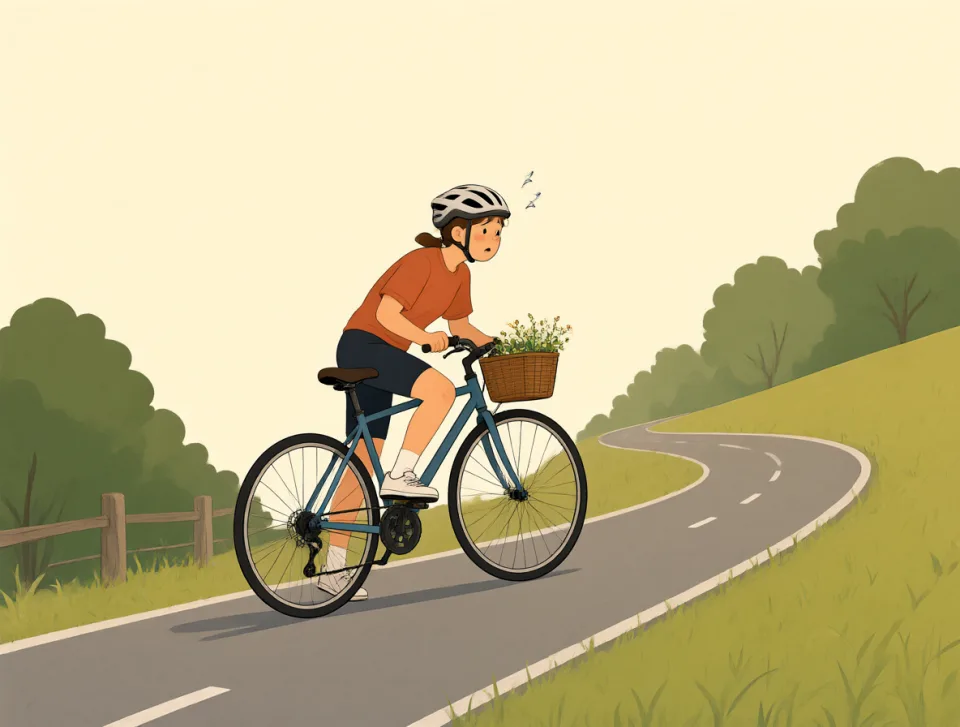
The cyclist pushed his bike up the hill.
騎車的人推著腳踏車爬上山坡。
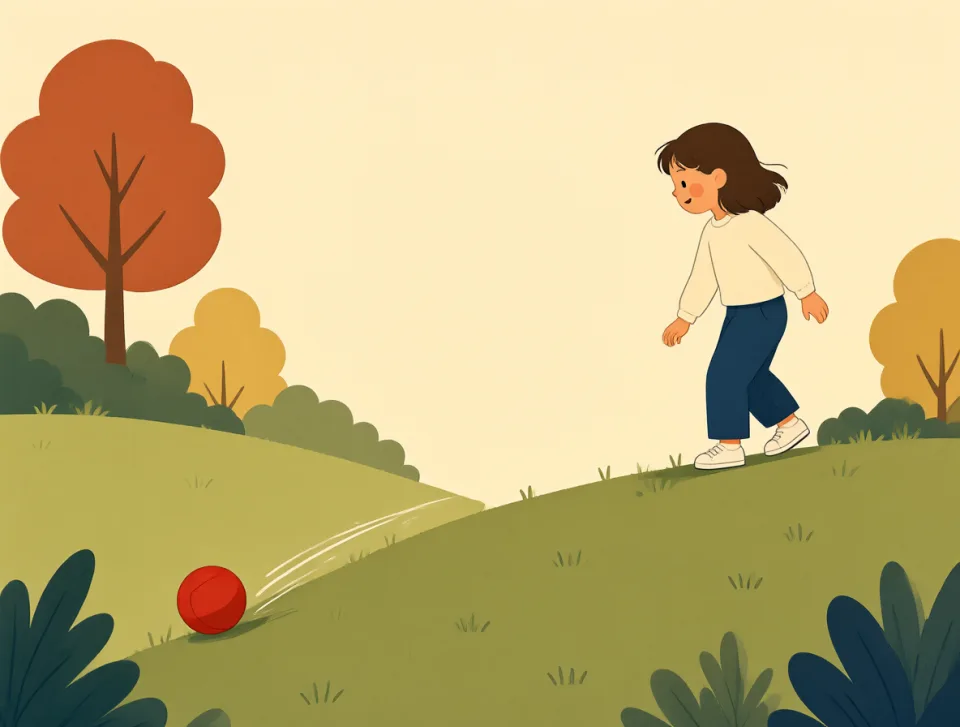
She rolled the ball down the hill at the park.
她在公園裡把球從山坡上滾了下去。

considerable
#1671adjective
相當大的;可觀的
Large in size, amount, or importance.
在大小、數量或重要性上很大的。

The house needs a considerable amount of work before we can move in.
這所房子還需要做大量的工作,我們才能搬進去。

She spent a considerable amount of money on her new winter coat.
她花了相當多的錢買了一件新的冬大衣。

The long journey caused considerable problems for the tired travelers.
這段漫長的旅程給疲憊的旅行者帶來了很大的麻煩。

Our school made considerable progress after hiring more teachers.
聘請了更多老師後,我們學校取得了很大的進步。
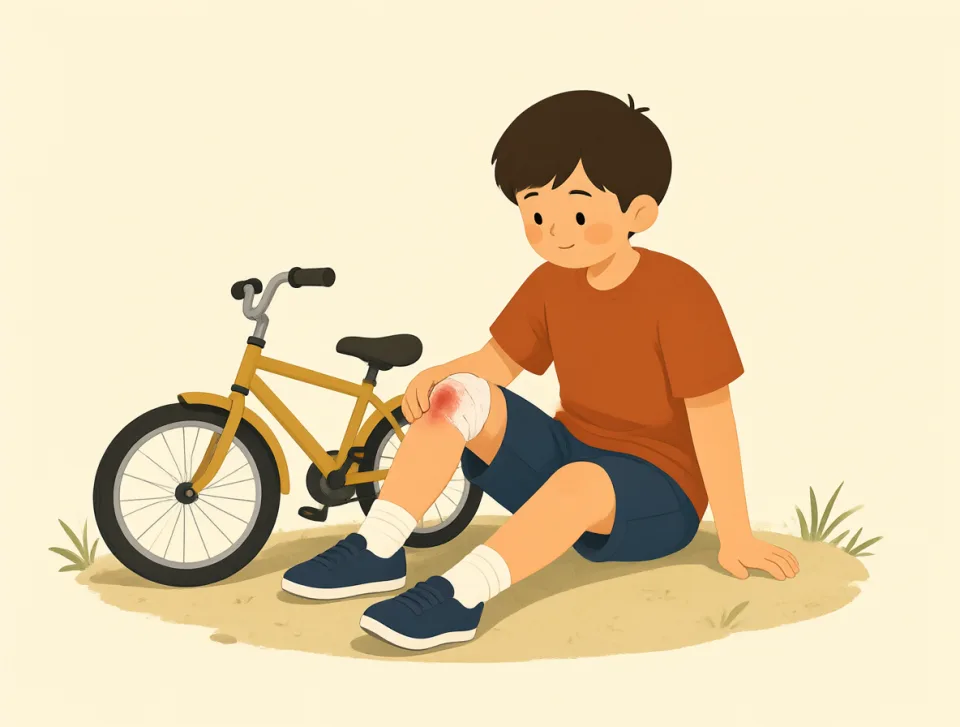
He felt considerable pain after falling from his bicycle.
從腳踏車上摔下來後,他感到非常疼痛。
instruction
#1672noun
說明;指示;用法說明
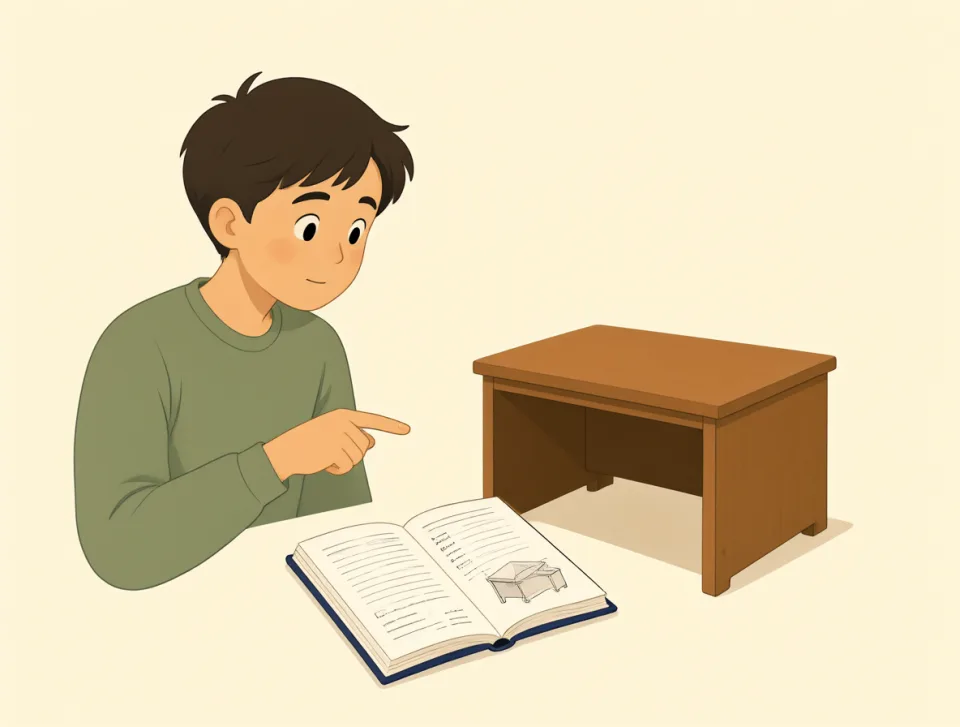
information that tells you how to do something
告訴你如何做某事的資訊
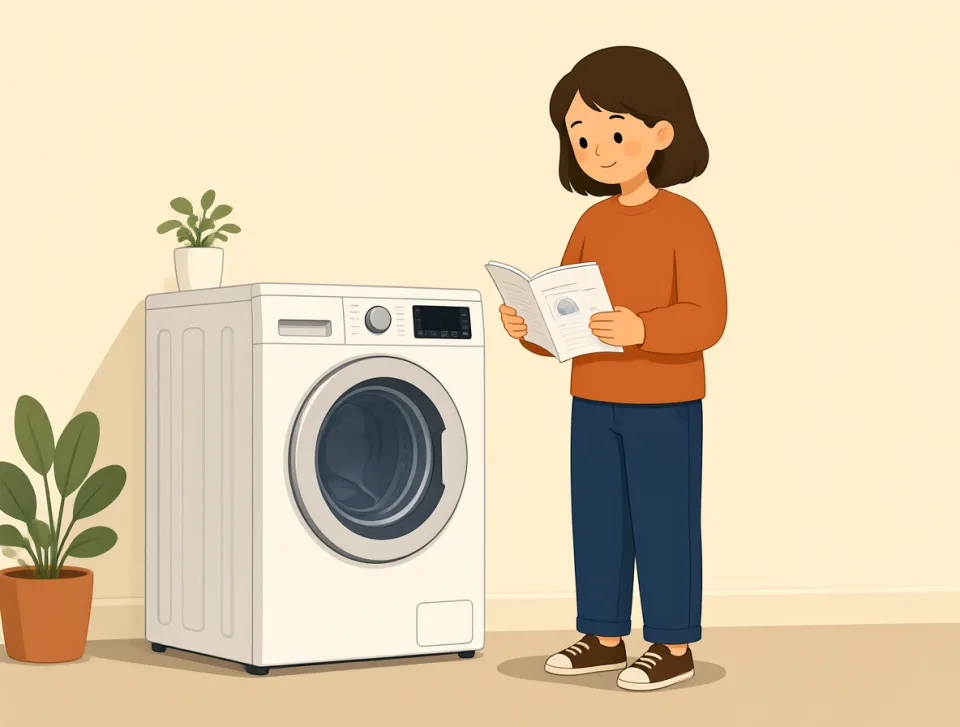
Please read the instructions before using the new washing machine.
使用這臺新洗衣機前,請先閱讀說明書。
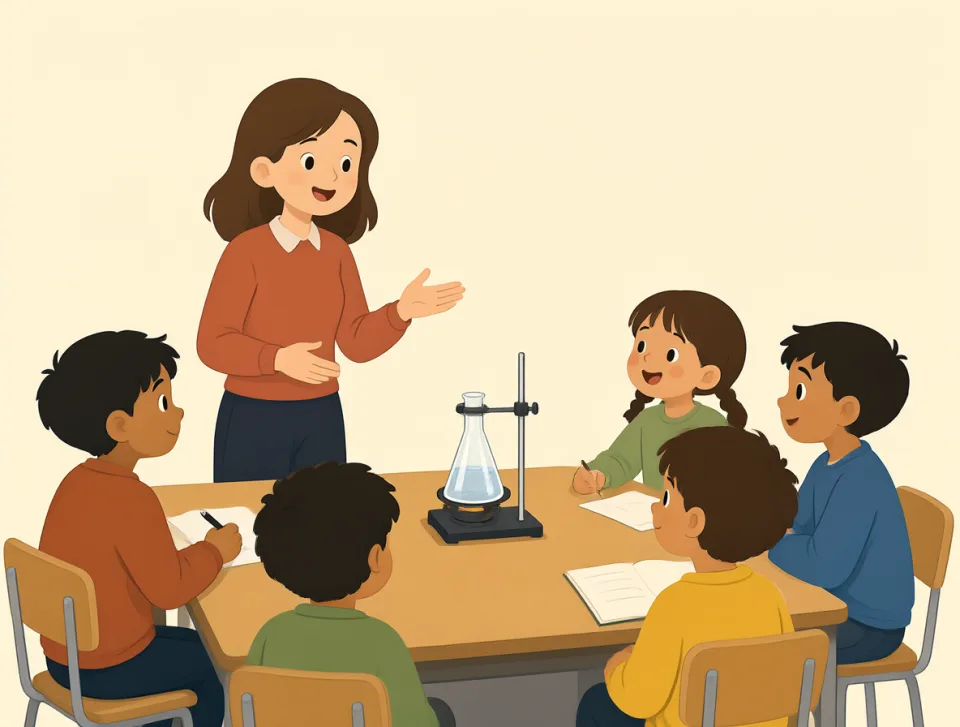
The teacher gave us instructions for the science experiment.
老師給我們講解了科學實驗的步驟。

Follow the doctor's instructions and take two pills each day.
按照醫生的指示,每天服用兩片藥。

I couldn't assemble the shelf because the instructions were unclear.
說明書寫得不清楚,我沒能把架子組裝起來。

The tour guide gave clear instructions about where to meet after lunch.
導遊清楚地告訴大家午飯後在哪裡集合。

intelligence
#1673noun
智力;情報
The ability to learn, understand, and solve problems.
學習、理解和解決問題的能力。
The test measures children's intelligence and learning skills.
這項測試衡量兒童的智力和學習能力。

Artificial intelligence helps doctors find diseases early.
人工智慧幫助醫生及早發現疾病。
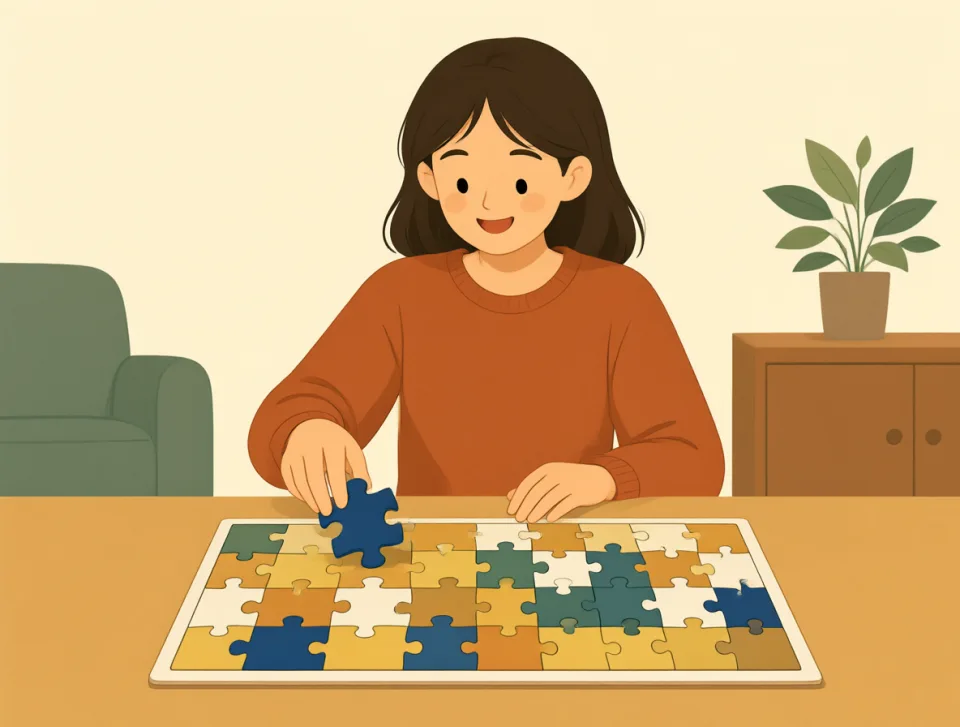
She showed great intelligence when she solved the difficult puzzle.
她解開這道難題時展現出了非凡的智慧。

The police used their intelligence to find the missing traveler.
警方利用他們掌握的情報找到了失蹤的旅行者。

His intelligence helped him choose the best route through the mountains.
他的智慧幫助他選擇了穿越山區的最佳路線。

ideal
#1674adjective, noun
理想的;最合適的;理想;完美的
Perfect or most suitable for a particular purpose or situation.
對於特定目的或情況來說最完美或最合適的。

This quiet room is ideal for studying after dinner.
這間安靜的房間非常適合晚飯後學習。

The hotel is in an ideal location near the beach.
這家酒店的位置很理想,離海灘很近。

An ideal breakfast gives you energy for the morning.
理想的早餐能為你一早提供能量。

She found the ideal dress for her sister's wedding.
她找到了參加姐姐婚禮的理想裙子。

In an ideal world, everyone would have enough time to rest.
在一個理想的世界裡,每個人都有足夠的時間休息。
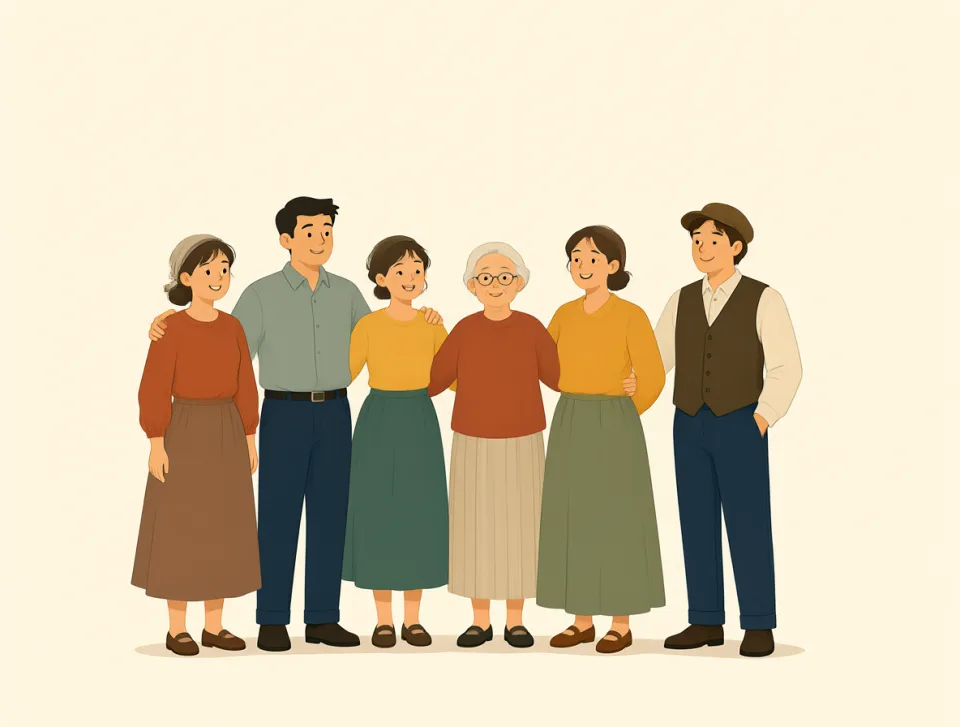
folk
#1675noun, adjective
人們;民眾;民間的
People in general, especially people from a particular place or group.
泛指一般人,尤其是來自某個地方或群體的人。
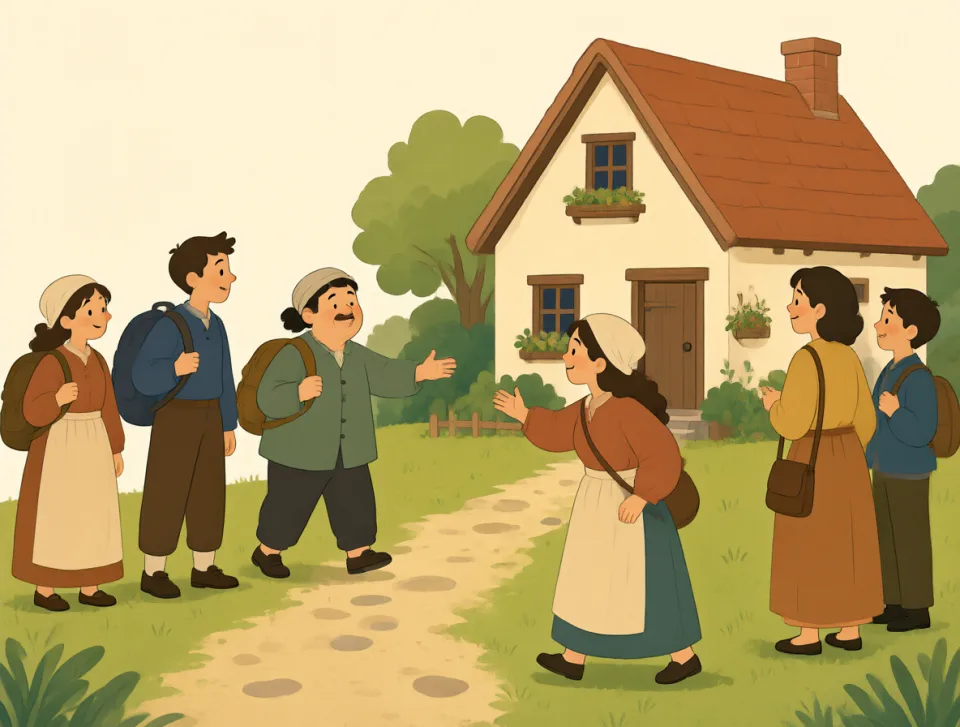
The local folk are friendly and always ready to help visitors.
當地人很友善,總是樂於幫助來訪者。
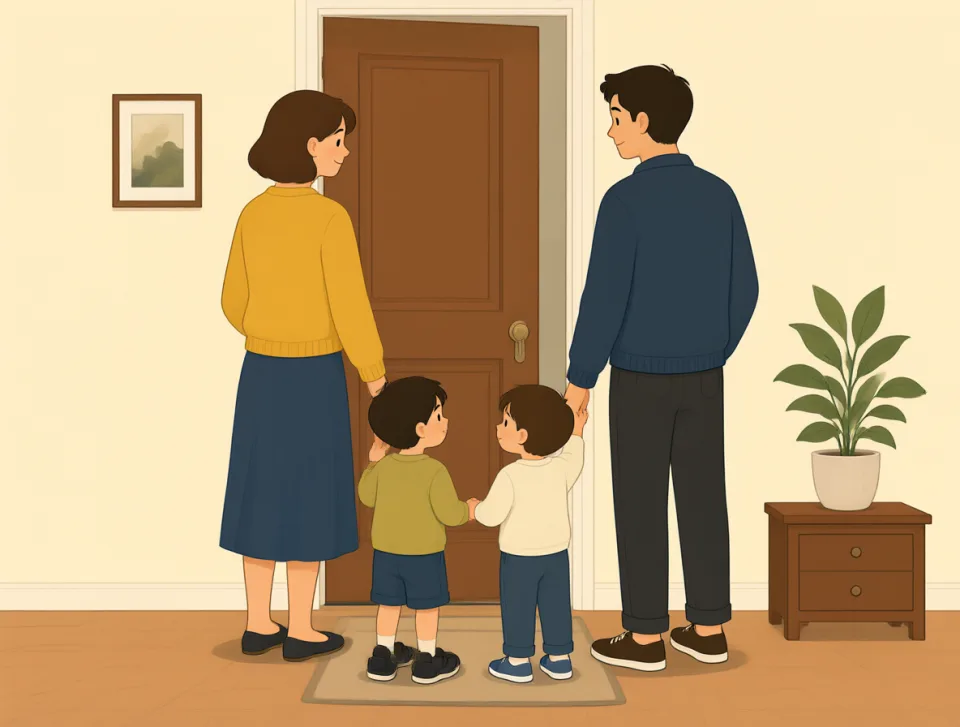
Folks, please leave your shoes by the door.
大家請把鞋放在門邊。

My grandparents enjoy listening to old folk music together.
我祖父母喜歡一起聽老民謠。
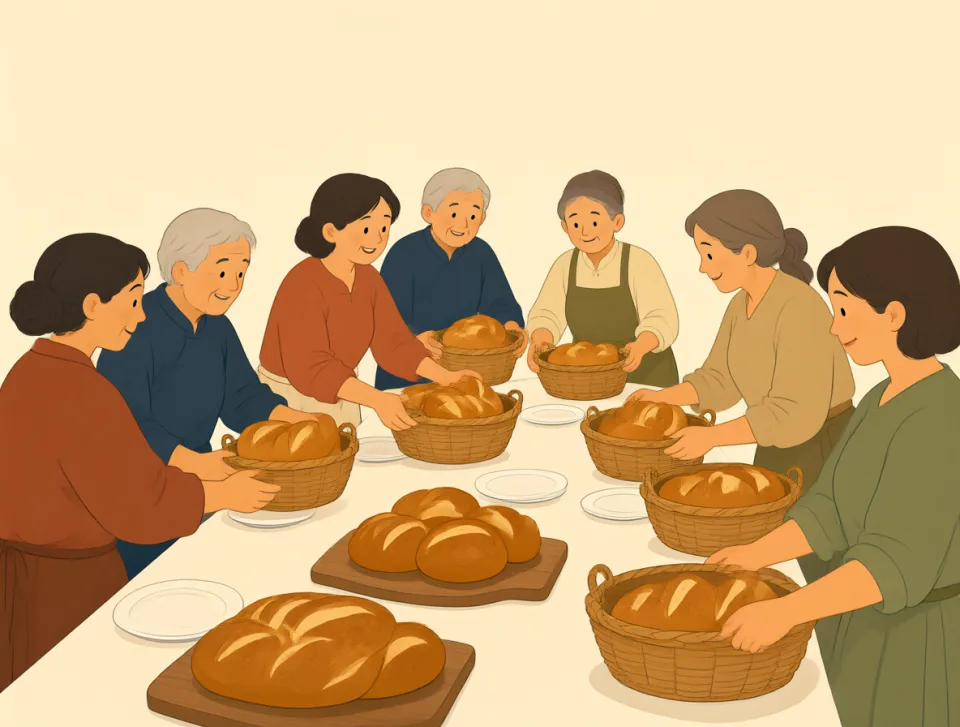
The village folk brought fresh bread to the community dinner.
村民們帶來了新鮮麵包,參加社群聚餐。

The museum displayed colorful folk art from several countries.
博物館展出了來自多個國家的色彩繽紛的民間藝術作品。
surely
#1676adverb
肯定;當然;無疑
used to say something is almost certainly true or to show surprise
用於表示某事幾乎可以肯定是真的,或表示驚訝
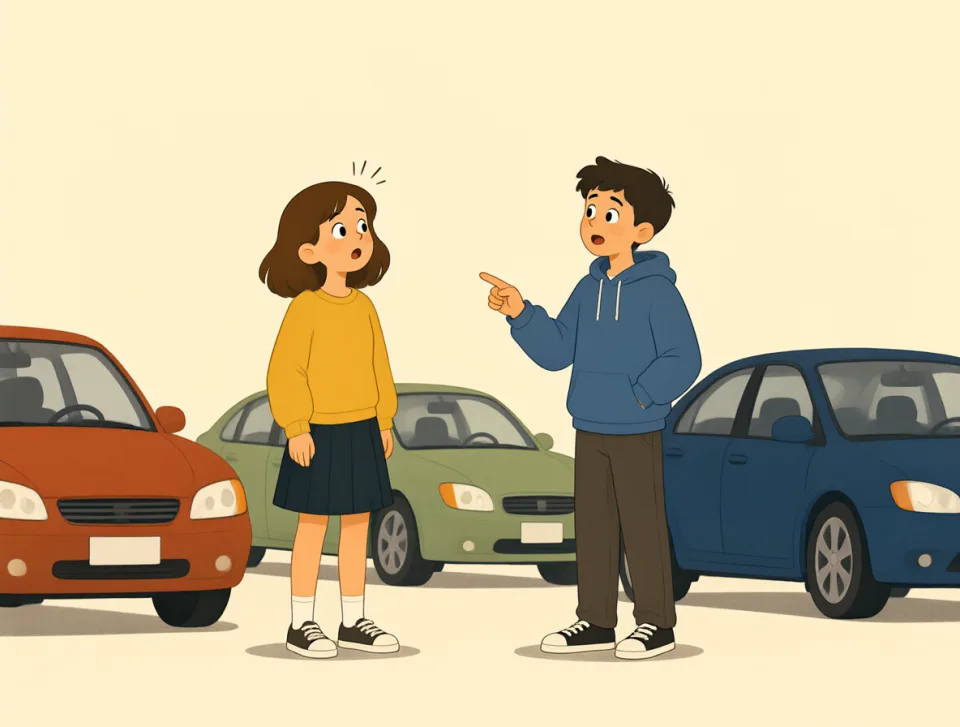
Surely you remember where we parked the car.
你肯定還記得我們把車停在哪裡吧。

Surely there must be a cheaper way to travel.
肯定有更便宜的旅行方式。

You surely cannot be serious about quitting your job.
你肯定不是認真的吧,難道真要辭職?
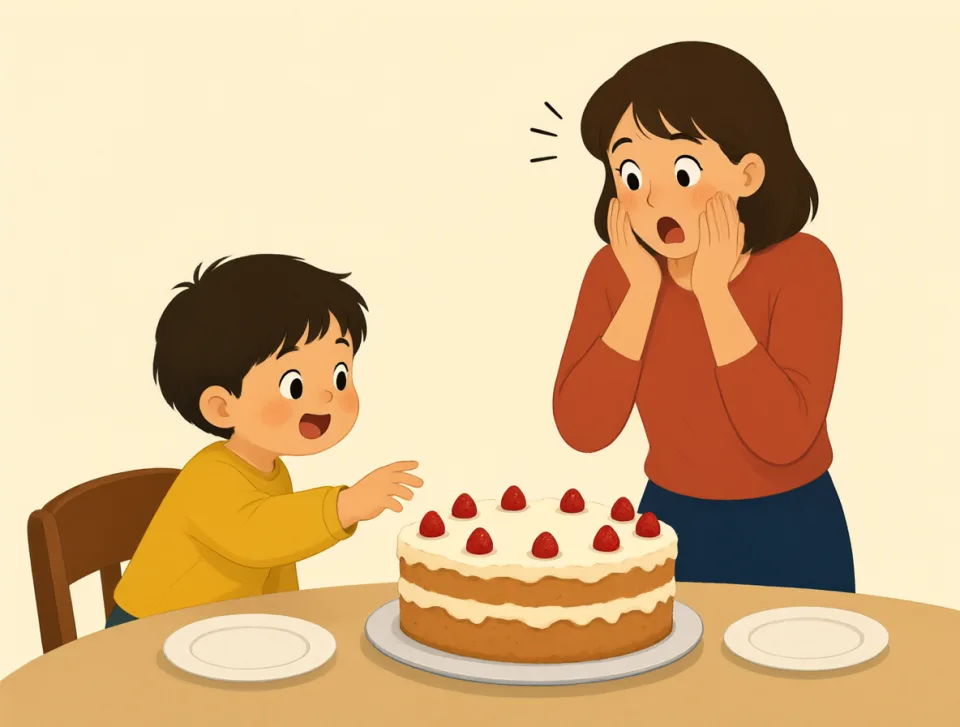
Surely, you are not going to eat all that cake.
你肯定不會把那一整塊蛋糕都吃掉吧。

She surely knows how hard you have been working.
她肯定知道你一直以來有多努力。

guard
#1677noun, verb
守衛;保護;守護
A person who protects something, or to protect it from danger.
保護某物的人;或保護某物免受危險。

The security guard checked our bags at the museum entrance.
那位保安在博物館入口處檢查了我們的包。

Please guard your wallet carefully while you travel on the train.
坐火車旅行時,請看好你的錢包。

Our dog guarded the house while we were away.
我們不在家時,狗一直守著房子。
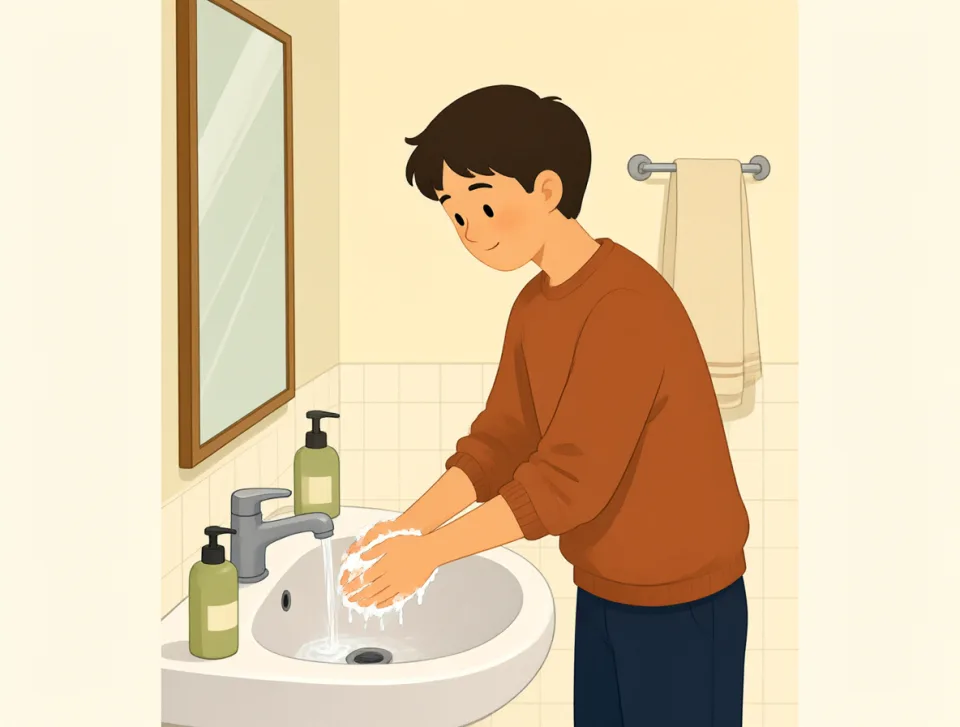
Washing your hands helps guard against infection.
洗手有助於預防感染。
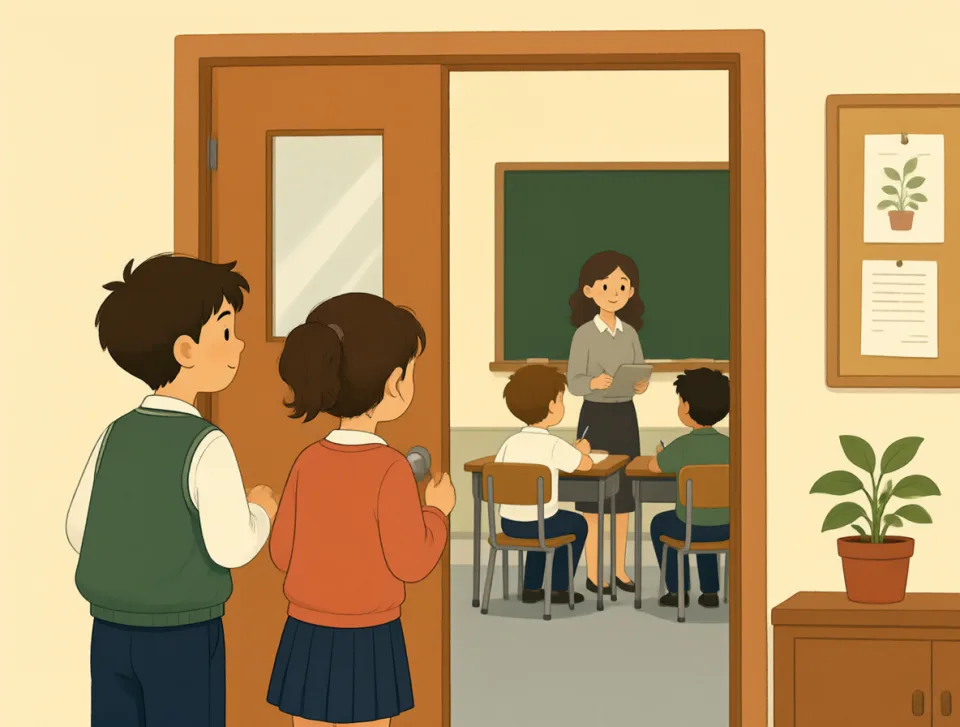
The teacher asked two students to guard the classroom door.
老師讓兩名學生守在教室門口。

cat
#1678noun
貓
a small animal with soft fur, often kept as a pet
一種身上長著柔軟皮毛的小動物,人們常把它當寵物養。

Our cat sleeps on the sofa every afternoon.
我們家的貓每天下午都在沙發上睡覺。
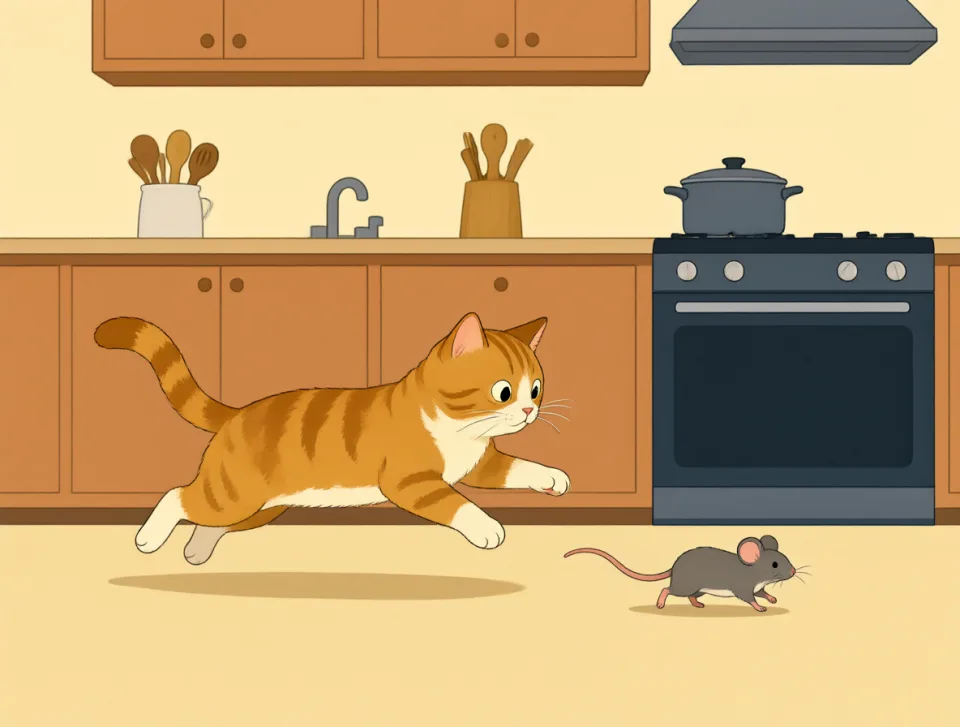
The cat chased a mouse across the kitchen floor.
那隻貓追著一隻老鼠穿過廚房地板。

She feeds her cat before leaving for work.
她上班前會喂貓。
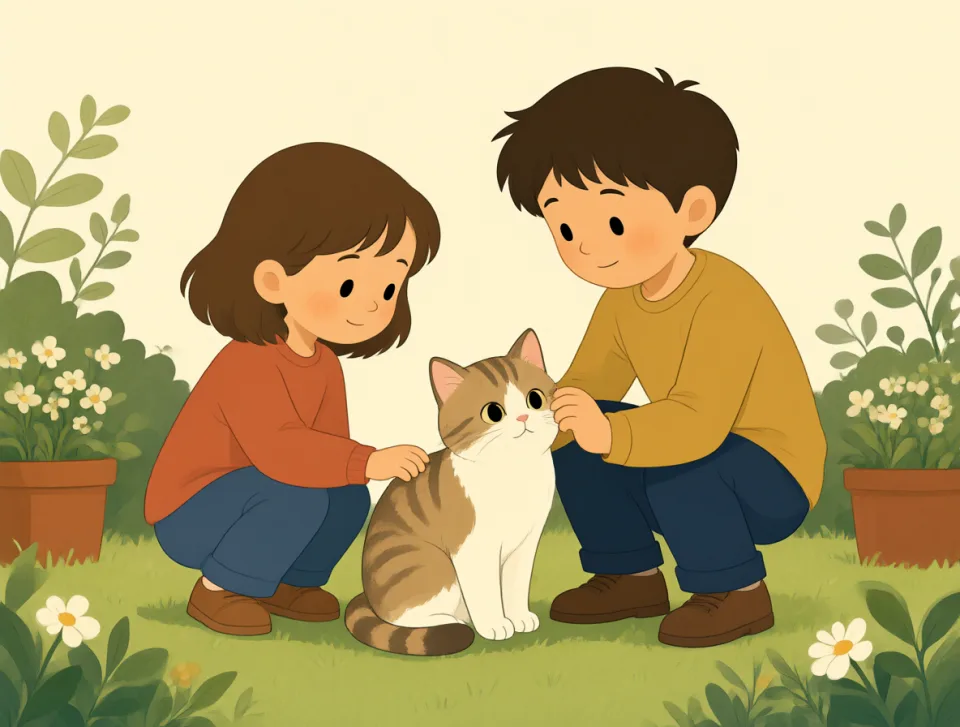
The children gently petted the friendly cat.
孩子們輕輕地撫摸那隻友善的貓。

A stray cat followed us back to the hotel.
一隻流浪貓跟著我們回到了酒店。

somewhat
#1679adverb
有點;稍微;在一定程度上
to a small degree; a little, but not completely
程度較小;有一點,但並不完全
The soup is somewhat spicy, so drink some water.
湯有點辣,所以喝點水吧。

She felt somewhat tired after working all day.
工作了一整天后,她感到有些疲憊。

The new student is somewhat shy in class.
新同學在課堂上有點害羞。

The hotel was somewhat expensive, but the room was comfortable.
這家酒店有點貴,但房間很舒適。

I was somewhat surprised to see my old friend at the airport.
在機場看到我的老朋友時,我感到有些驚訝。

kiss
#1680noun, verb
親吻;吻
To touch someone with your lips, or the touch made with your lips.
用嘴唇親吻某人,或指這種親吻動作。

She gave her mother a kiss before leaving for school.
她上學前親了媽媽一下。

They kissed goodbye at the airport before his flight.
他登機前,他們在機場吻別了。
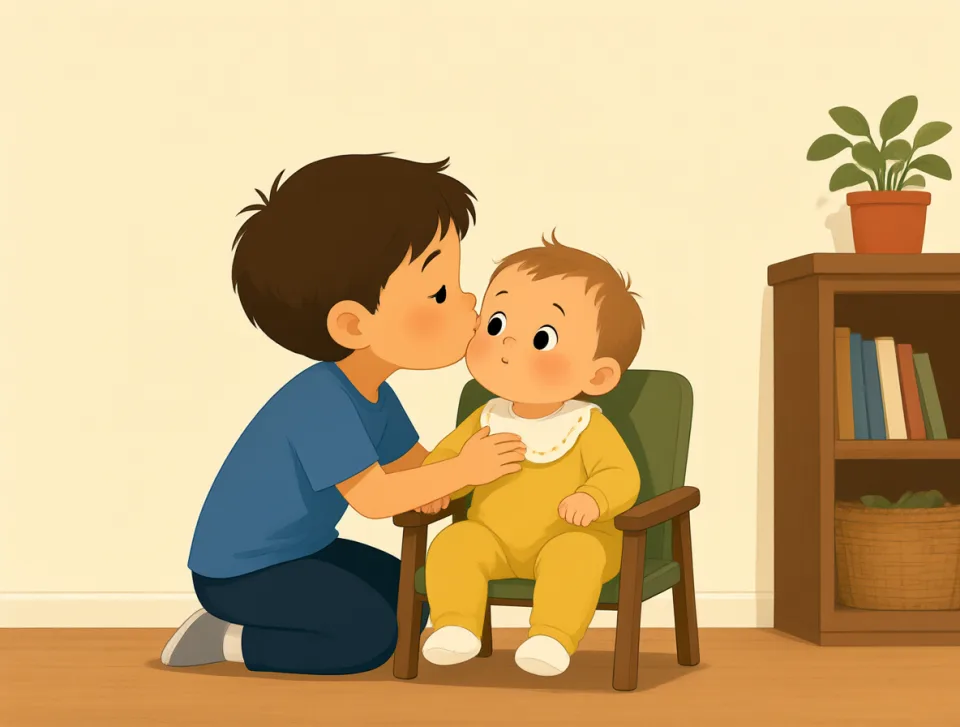
The little boy kissed his baby sister gently.
小男孩輕輕地親了親他的妹妹。

He kissed her hand after she helped him at work.
她在工作中幫助了他之後,他親吻了她的手。
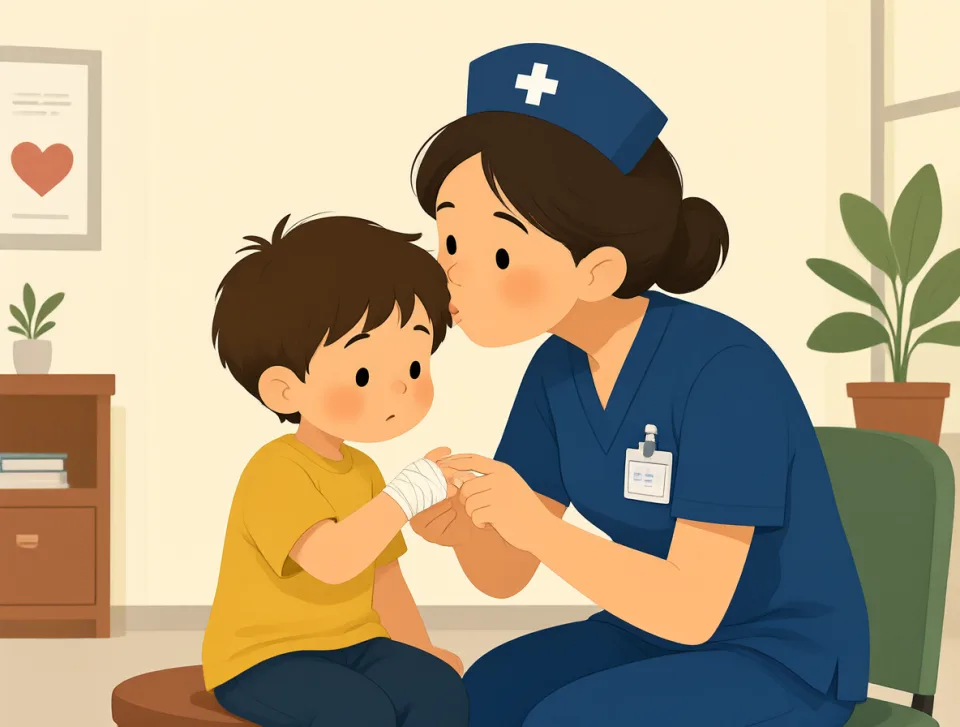
The nurse kissed the child's sore finger to make it feel better.
護士親了親孩子疼痛的手指,想讓他感覺好一些。