單元 83
單字 1641–1660 · analyze, witness, mail, terrible, researcher, ordinary

analyze
#1641verb
分析;解析
To study something carefully to understand it or explain what it means.
仔細研究某事,以理解它或解釋它的含義。

We analyzed the survey results before choosing a new menu.
我們在選擇新選單之前分析了調查結果。
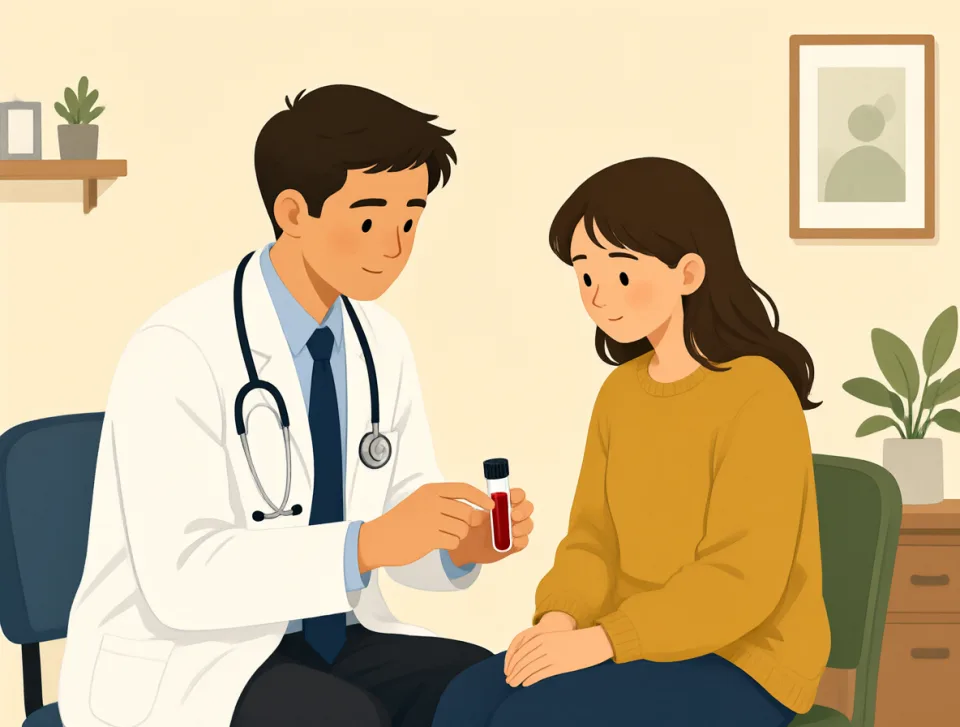
The doctor analyzed my blood test to find the cause of my tiredness.
醫生分析了我的血液檢查結果,以找出我疲勞的原因。
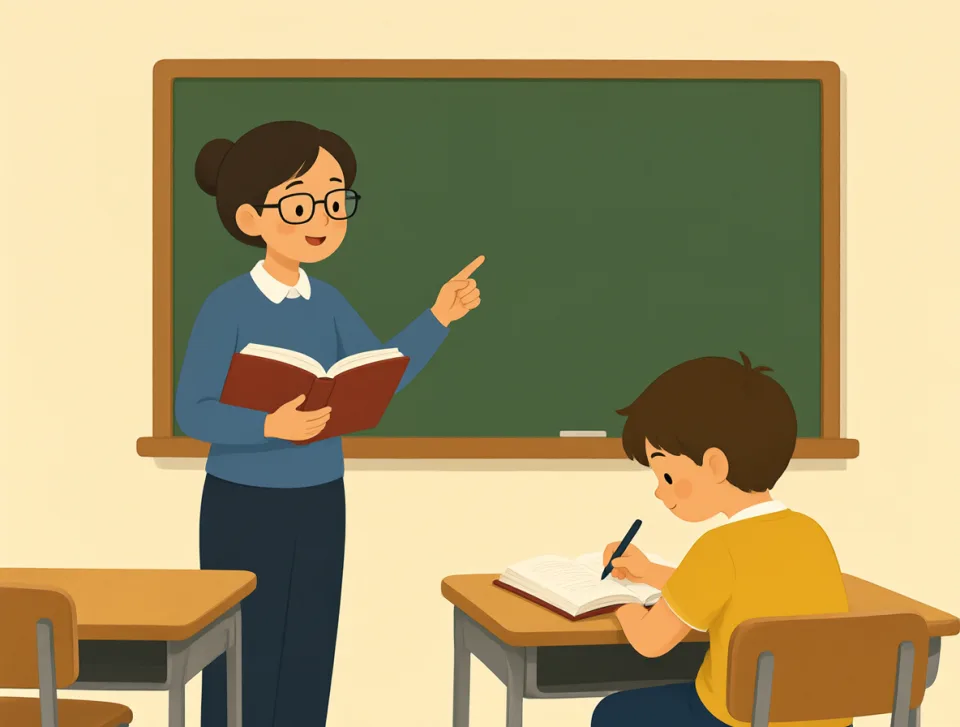
Our teacher asked us to analyze the main character in the story.
老師讓我們分析故事中的主人公。
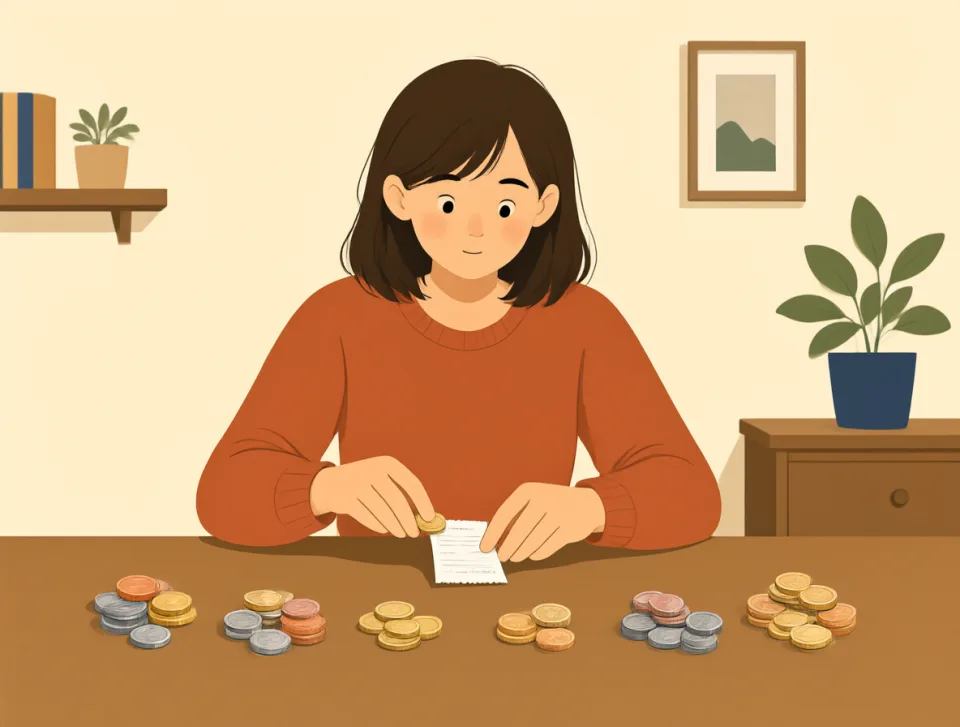
She analyzed her spending to see where she could save money.
她分析了自己的開支,看看哪些地方可以省錢。

The mechanic is analyzing the car engine before our trip.
在我們出發旅行前,修理工正在檢查汽車發動機。

witness
#1642noun, verb
目擊者;見證人;目睹
A person who sees an event happen, or to see an event happen.
親眼看到某件事發生的人;親眼看到某件事發生。
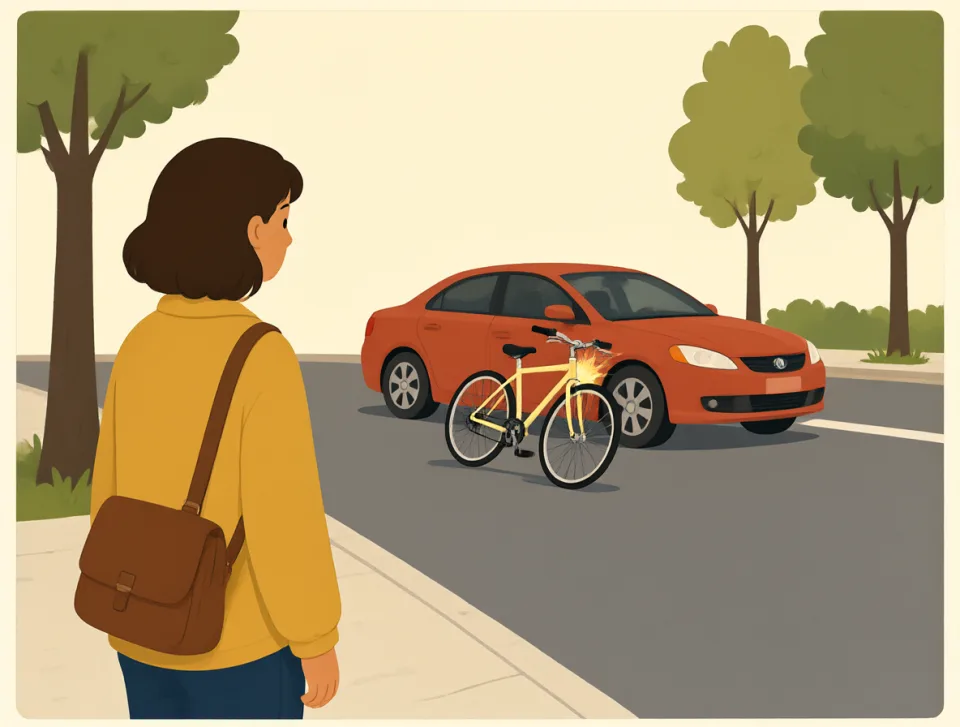
A witness saw the car hit the bicycle.
一名目擊者看到汽車撞上了腳踏車。
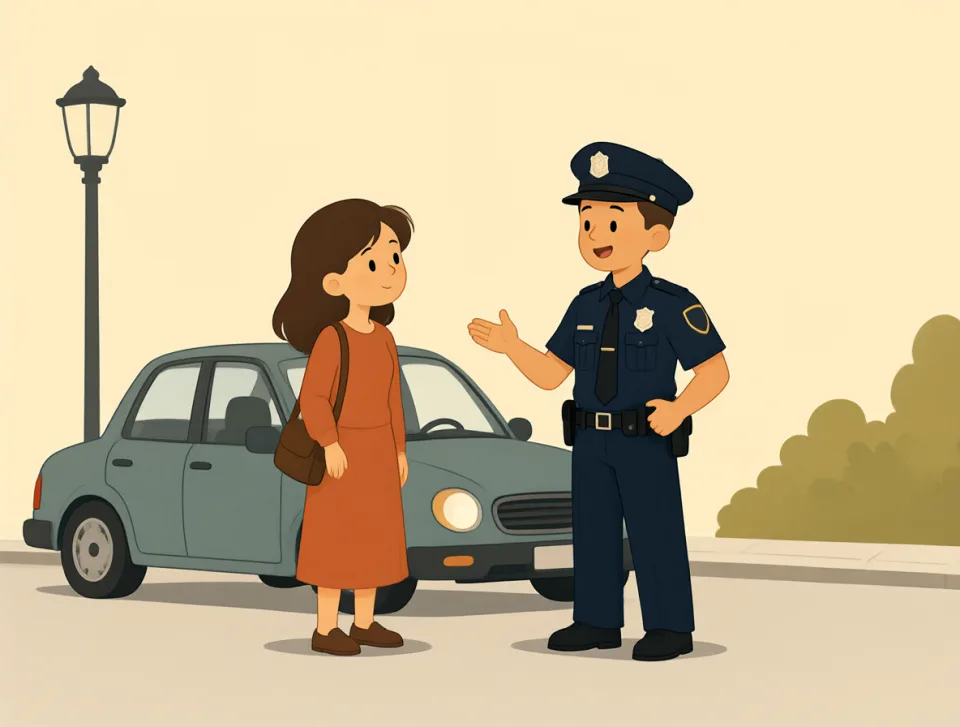
The police asked the witness what she had seen.
警方問那名目擊者看到了什麼。
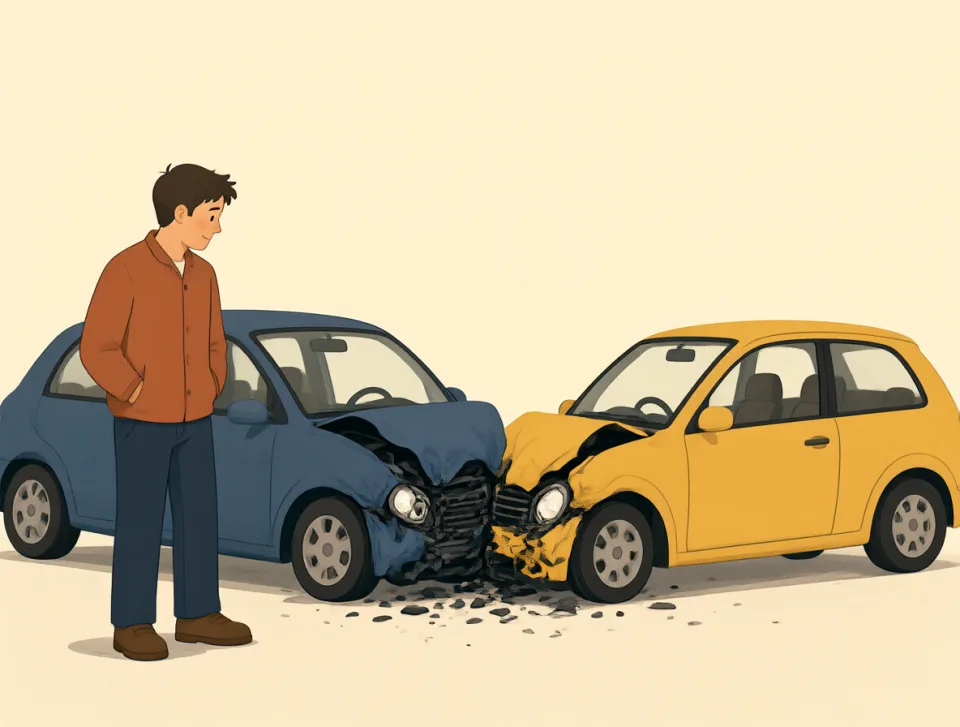
He was the only witness to the accident.
他是這起事故的唯一目擊者。

We witnessed a beautiful sunset from the beach.
我們在海灘上欣賞了一場美麗的日落。

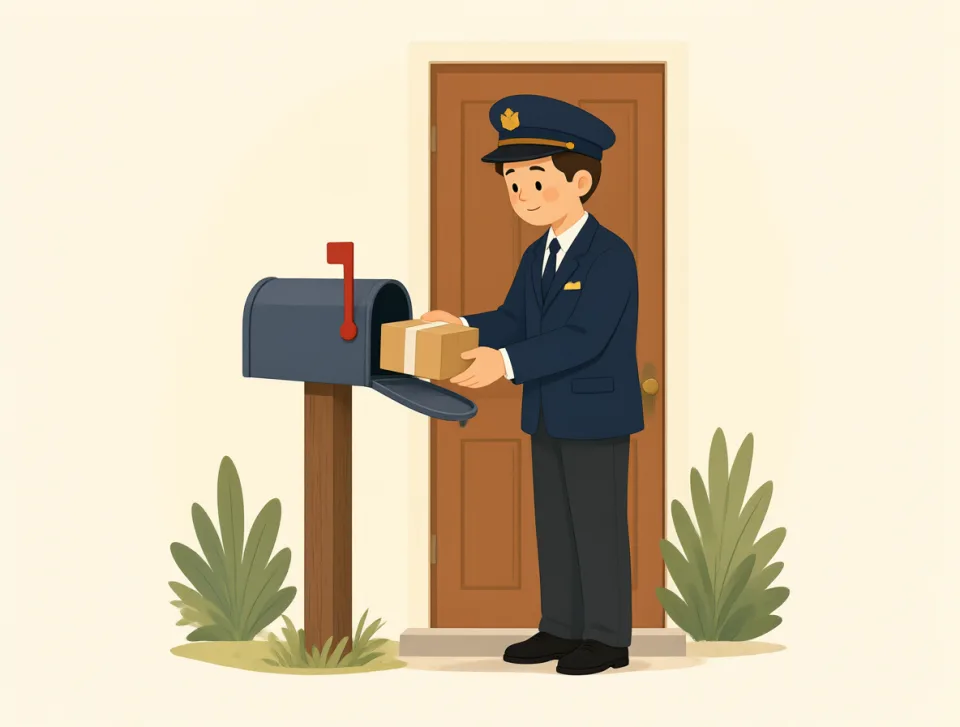
She witnessed her friend sign the papers at work.
她在工作時見證了朋友簽署檔案。
mail
#1643noun, verb
郵件;郵寄
Letters and packages sent or delivered; to send something through the postal service.
寄出或送達的信件和包裹;透過郵政服務寄送某物。

The mail usually arrives around ten in the morning.
郵件通常在上午十點左右送到。

I got a package in the mail from my sister.
我收到了姐姐寄來的一個包裹。
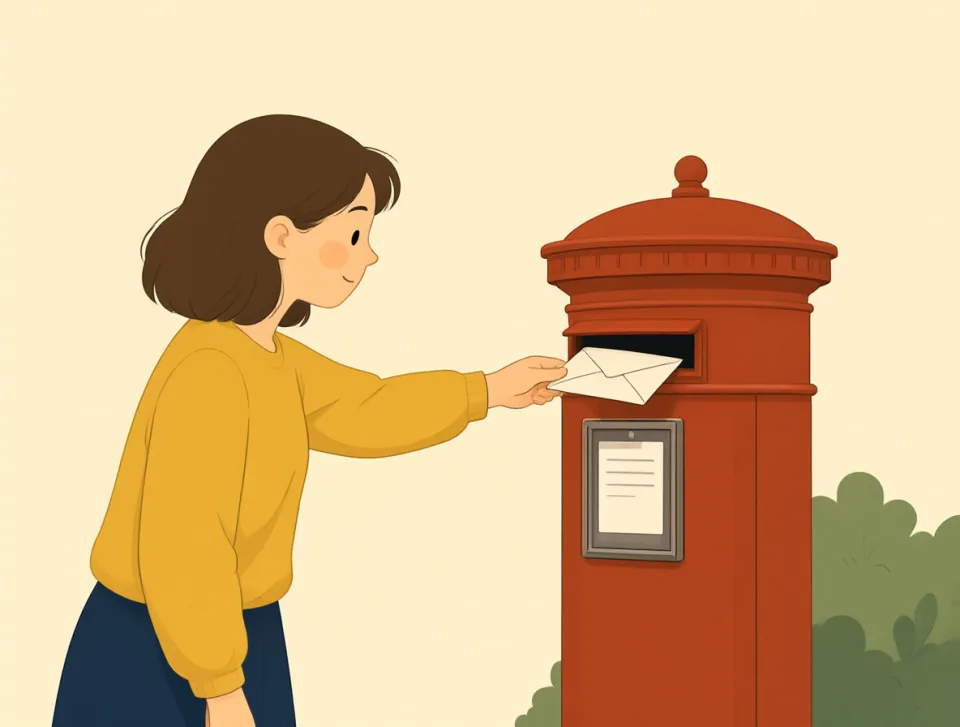
Please mail the return form before Friday.
請在週五之前把退貨表寄出去。

She checks her mail while she eats breakfast.
她一邊吃早餐一邊檢視郵件。

The hotel can mail your forgotten jacket to your home.
酒店可以把您遺忘的夾克寄回您家。
terrible
#1644adjective
糟糕的;可怕的;嚴重的
Very bad, unpleasant, or serious.
非常糟糕、令人不快或嚴重的。

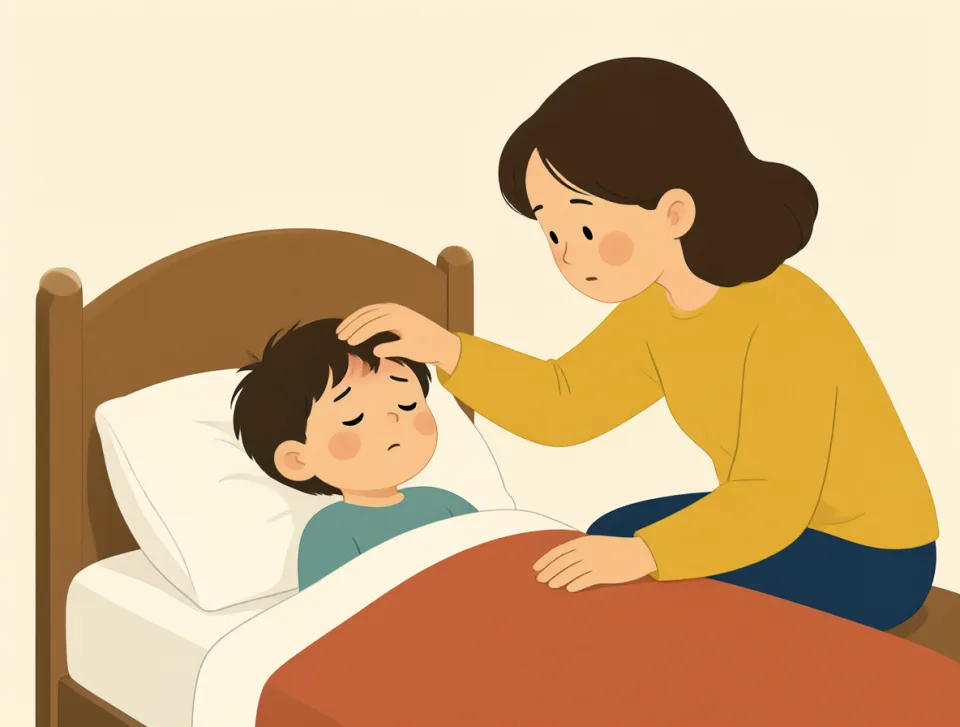
The weather was terrible, so we stayed home all day.
天氣很糟糕,所以我們一整天都待在家裡。

I had a terrible headache after working on the computer.
我在電腦前工作後,頭疼得厲害。
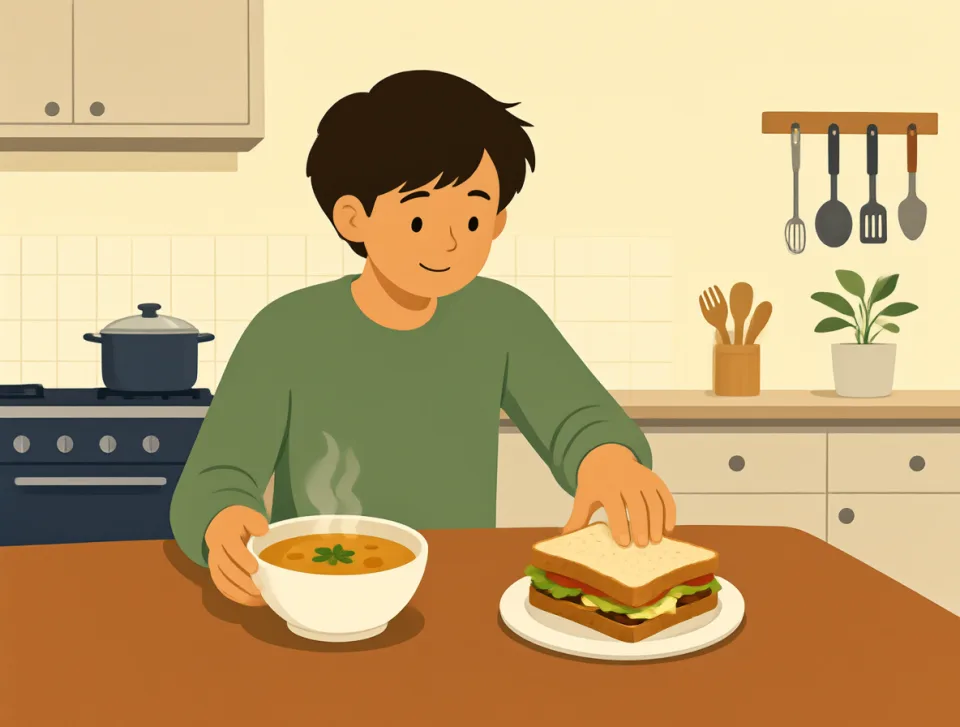
The soup tasted terrible, so I made a sandwich instead.
湯的味道糟透了,所以我改做了一個三明治。

She felt terrible about missing her friend's birthday party.
她因為錯過朋友的生日聚會而感到很內疚。

We got terrible service at the restaurant and waited an hour.
我們在那家餐館遇到了很糟糕的服務,還等了一個小時。
researcher
#1645noun
研究人員;研究者
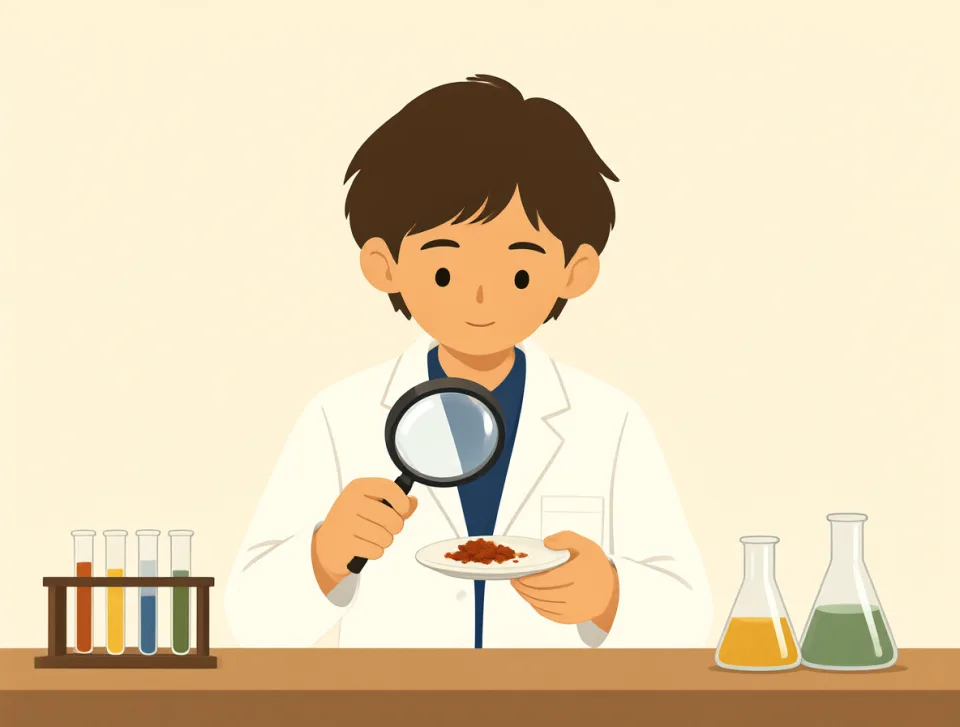
A person who studies a subject carefully to discover new information.
透過仔細研究某個主題來發現新資訊的人。
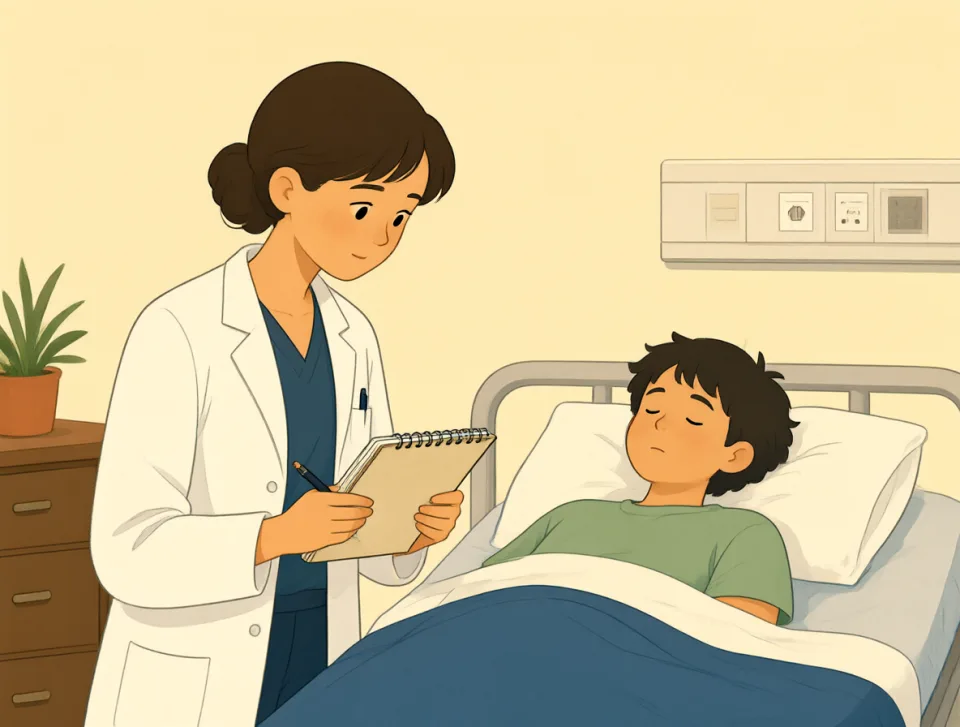
The researcher studied how sleep affects people's health.
這位研究人員研究了睡眠對人們健康的影響。
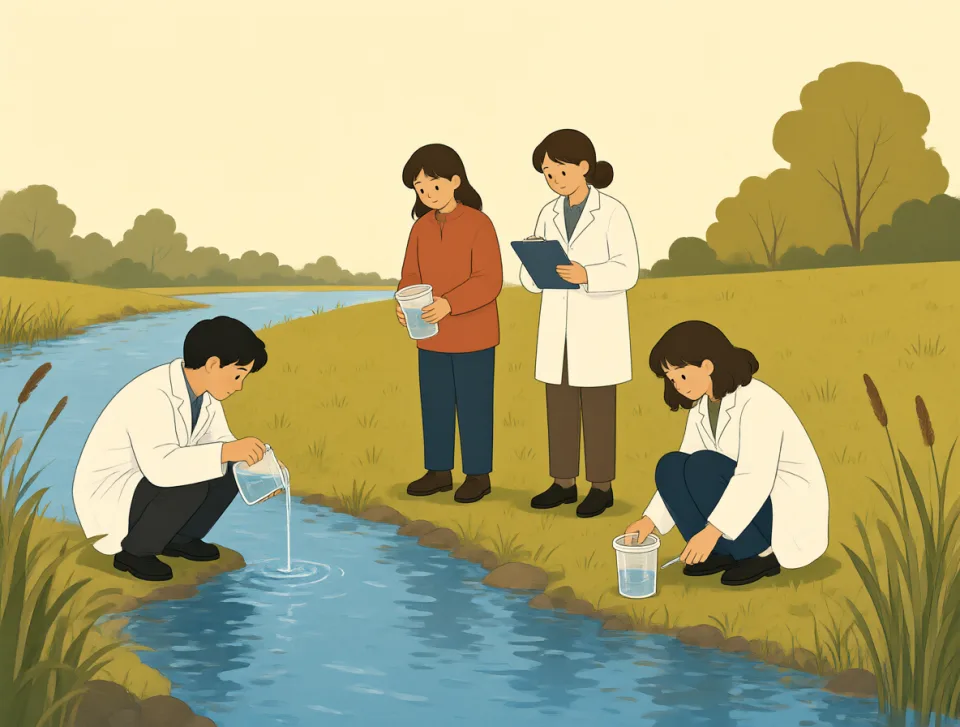
A team of researchers is studying the local river.
一支研究人員團隊正在研究當地的河流。

The researcher asked students about their favorite school subjects.
這位研究人員詢問了學生們最喜歡哪些學校科目。

My sister works as a researcher at the university.
我姐姐在大學裡做研究人員。

The researcher looked at food labels before choosing a healthy snack.
這位研究人員在挑選健康零食前檢視了食品標籤。

ordinary
#1646adjective
普通的;平常的
Not special or different from what is usual.
不特別,也沒有不同於通常情況的地方。

She wore ordinary clothes to the grocery store.
她穿著普通的衣服去雜貨店。

It was an ordinary day at the office.
那是辦公室裡平常的一天。

He lives in an ordinary apartment near the train station.
他住在火車站附近一套普通的公寓裡。

The doctor said my headache was nothing out of the ordinary.
醫生說我的頭痛沒什麼異常。
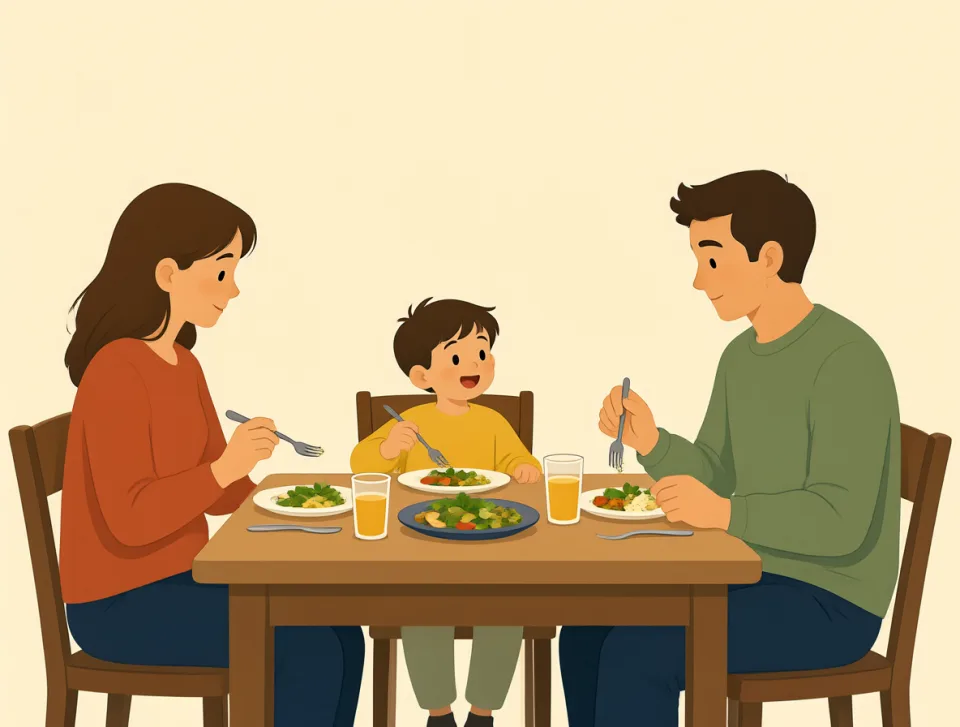
They turned an ordinary dinner into a special family meal.
他們把一頓普通的晚餐變成了一頓特別的家庭聚餐。
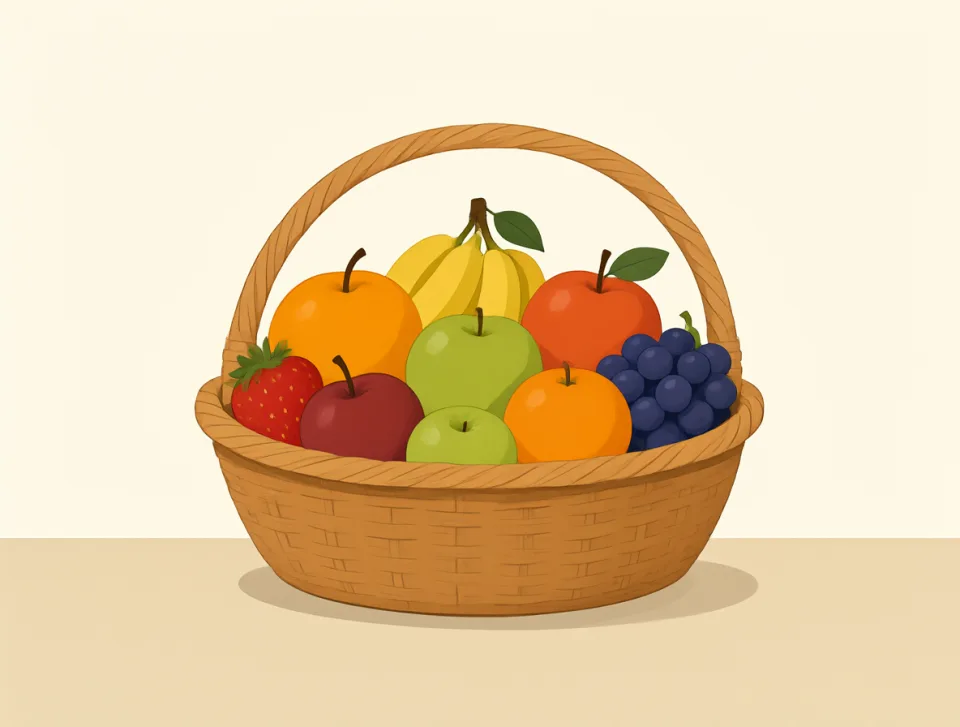
selection
#1647noun
選擇;選出的東西;可供選擇的範圍
A choice from several people or things, or a range of things available.
從幾個人或幾樣東西中作出的選擇,或可供選擇的一系列事物。
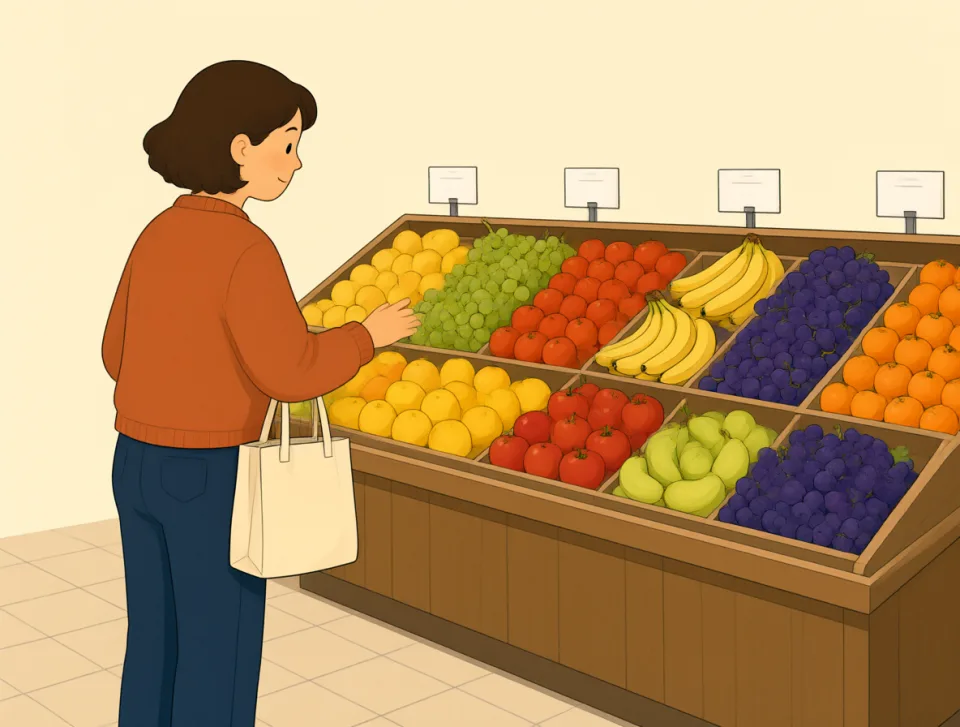
The supermarket has a wide selection of fresh fruit.
這家超市有各種各樣的新鮮水果可供選擇。

I was happy with my selection of birthday gifts.
我很滿意自己挑選的生日禮物。
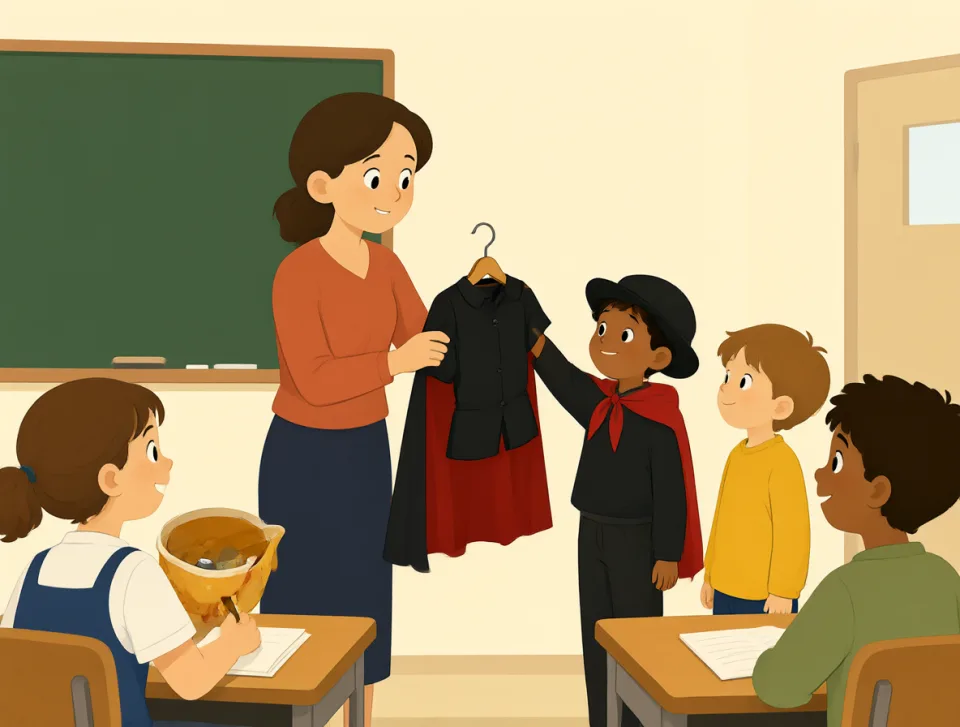
The teacher helped us make a selection for the school play.
老師幫助我們為學校話劇挑選了演出節目。

This restaurant offers a good selection of vegetarian dishes.
這家餐廳提供多種素食菜餚供顧客選擇。

Her selection for the national team surprised everyone.
她入選國家隊讓所有人都感到驚訝。
anywhere
#1648adverb
任何地方;到處
in, at, or to any place
在、位於或去任何地方
You can sit anywhere you like.
你想坐哪兒都可以。

I can't find my keys anywhere.
我到處都找不到我的鑰匙。
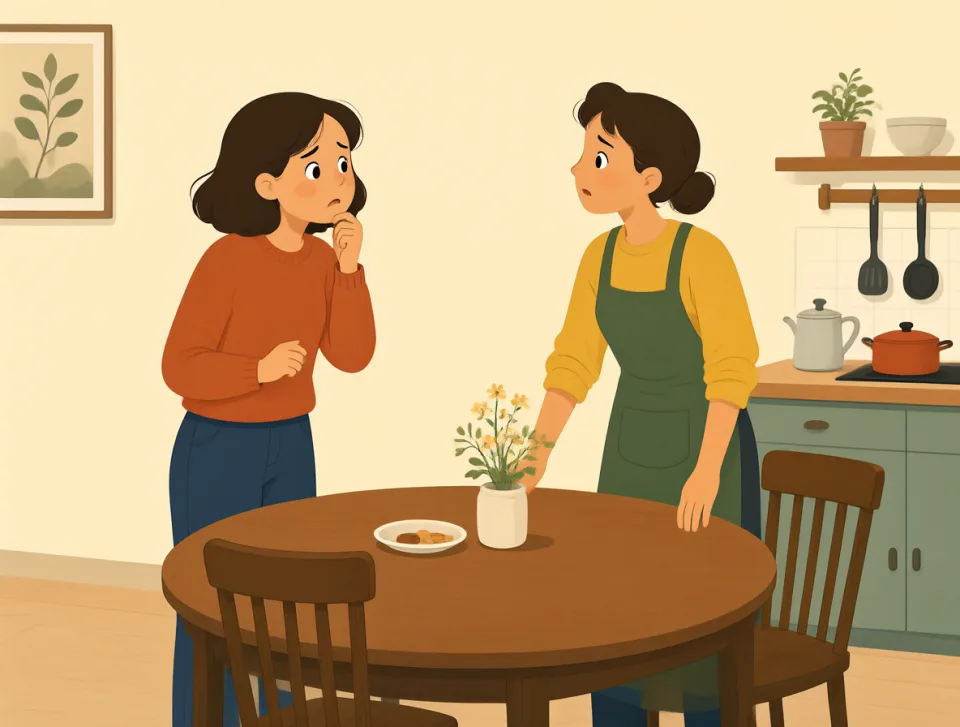
Have you seen my phone anywhere?
你在哪兒見過我的手機嗎?

We can meet anywhere near the station.
我們可以在車站附近的任何地方見面。

She doesn't want to travel anywhere this weekend.
她這個週末哪兒都不想去旅行。

mental
#1649adjective
心理的;精神的;腦力的
Connected with the mind, thoughts, or emotional health.
與思維、思想或心理健康有關的。
Talking with friends can support your mental health.
和朋友聊天有助於保持心理健康。

The doctor helped him manage his mental illness.
醫生幫助他控制自己的精神疾病。
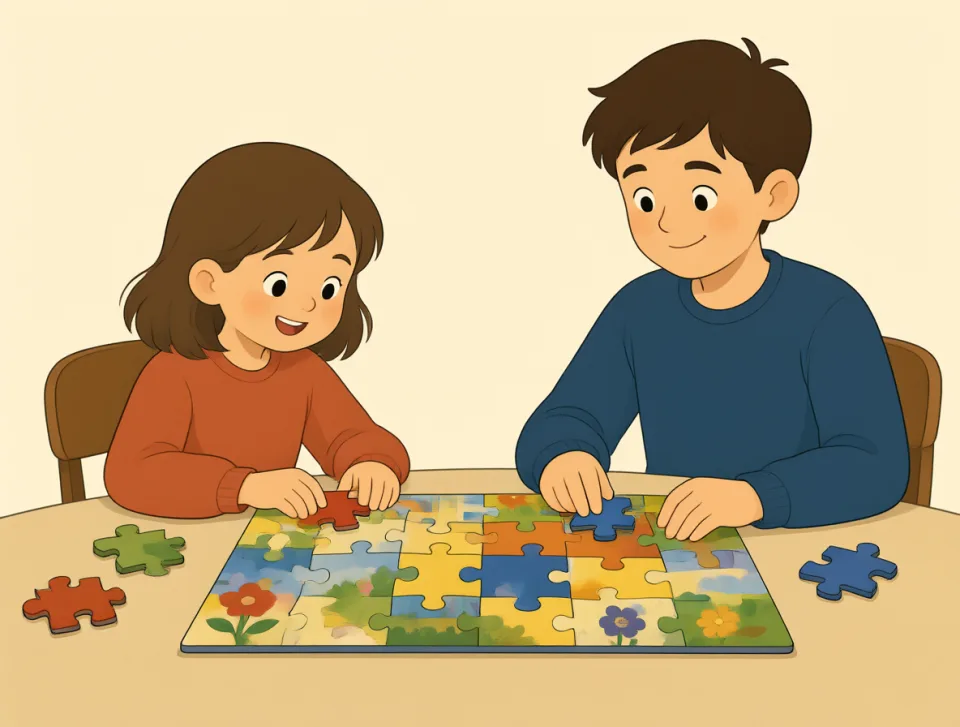
These puzzles give children useful mental exercise.
這些謎題能讓孩子得到很好的腦力鍛鍊。
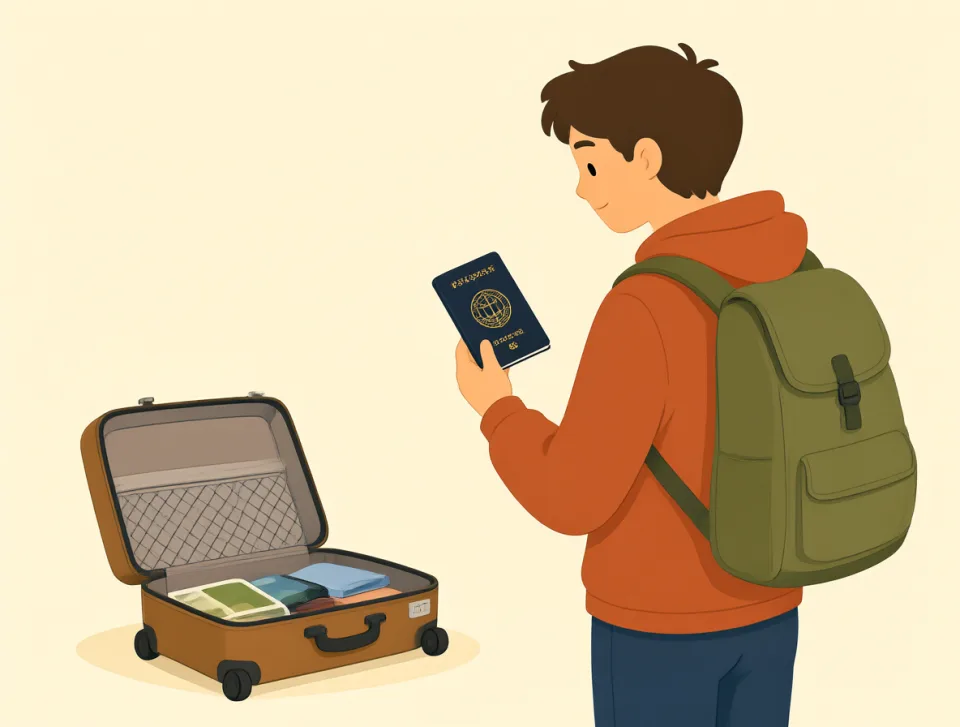
I made a mental note to pack my passport.
我在心裡記著要帶上護照。

He did the mental math while shopping.
購物時,他在心算。
participant
#1650noun
參與者;參加者
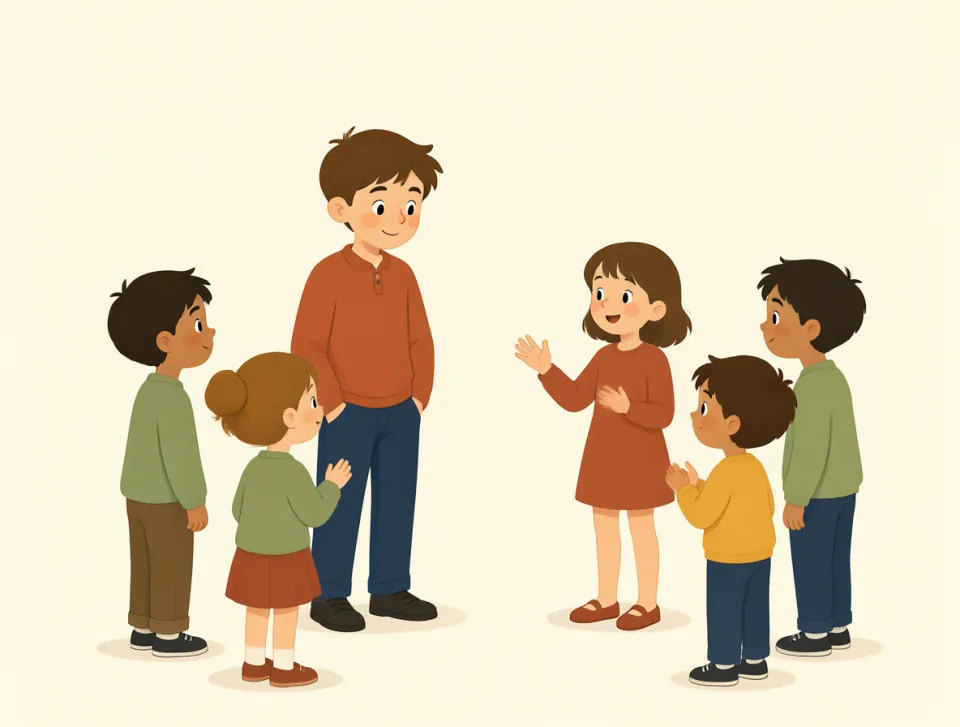
a person who takes part in an activity or event
參加某項活動或事件的人
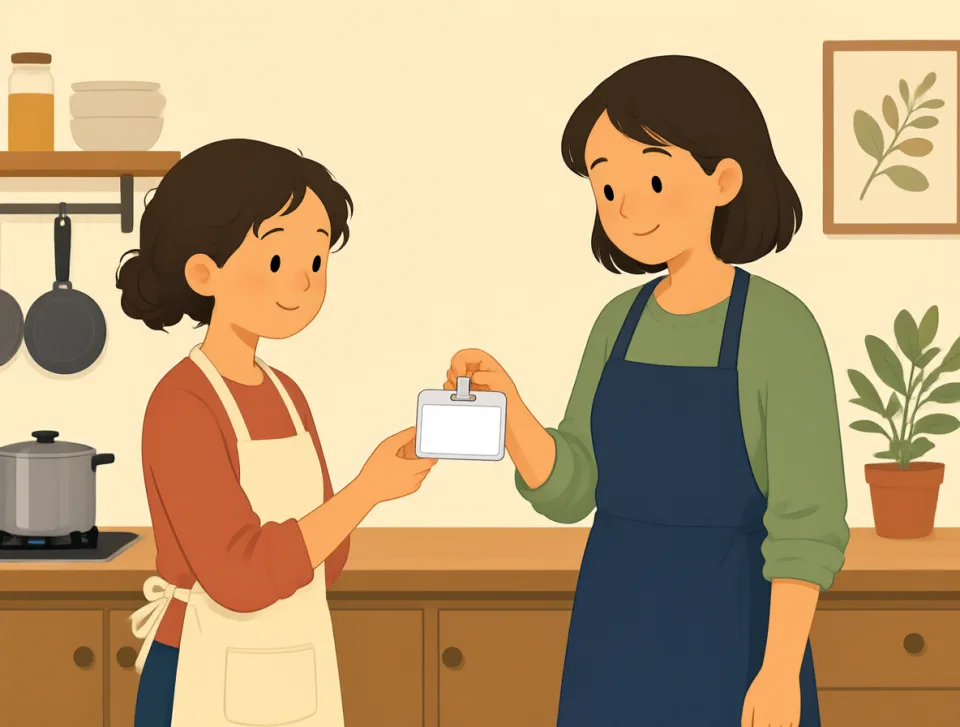
Each participant received a name badge at the community cooking class.
社群烹飪課上的每位參與者都領到了一張姓名牌。

All participants in the walking tour met outside the museum.
徒步遊的所有參與者都在博物館外集合。

She was an active participant in our team meeting.
她積極參與了我們的團隊會議。
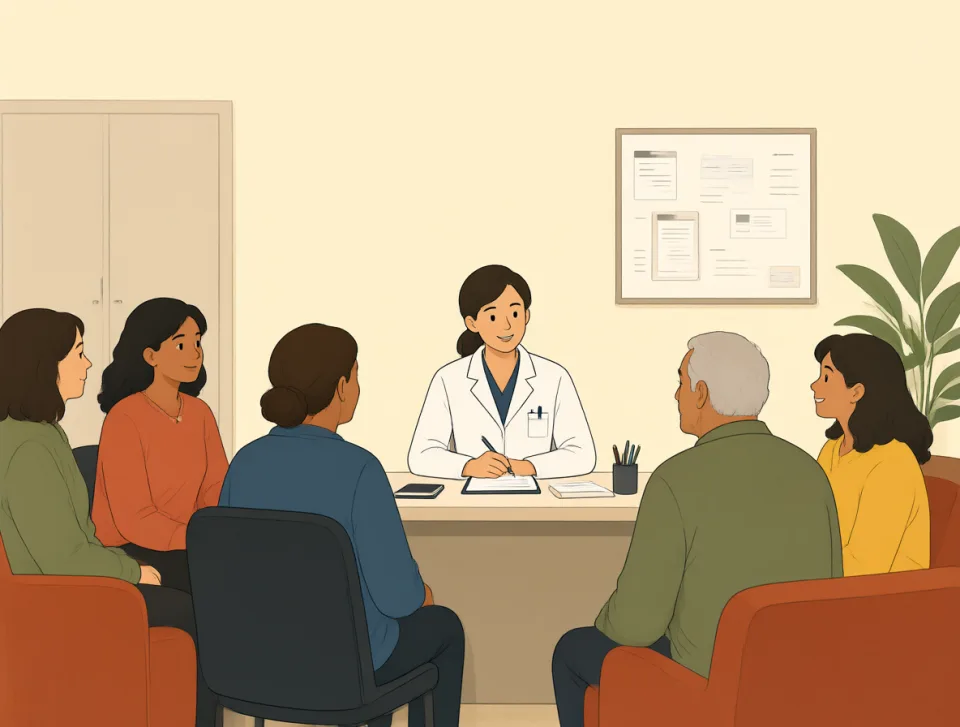
The study participants answered questions about their sleep habits.
研究參與者回答了有關睡眠習慣的問題。
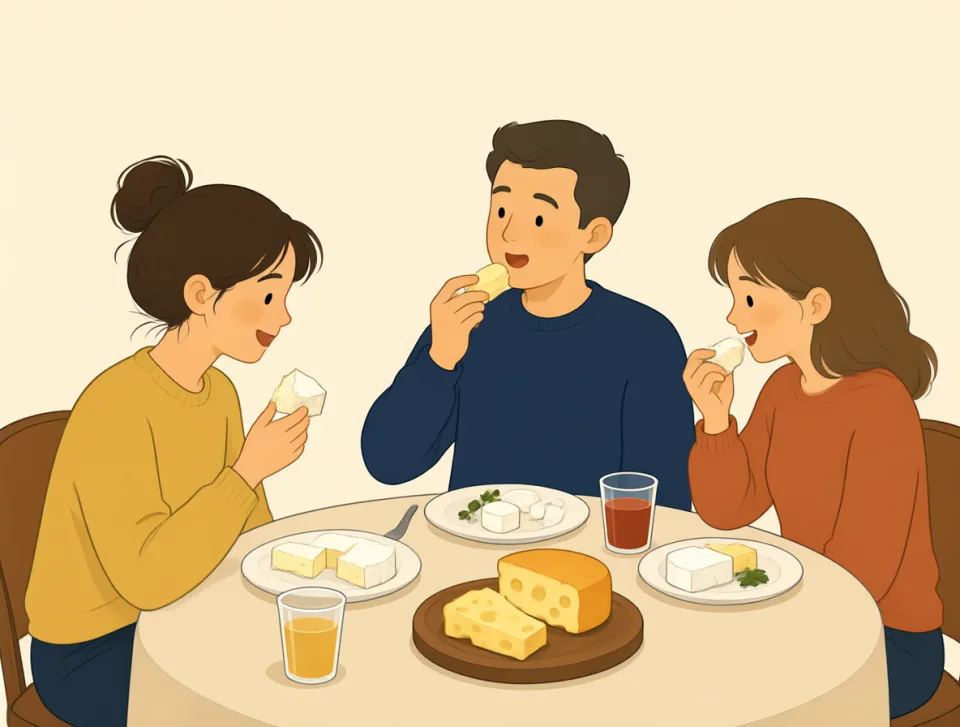
Participants in the food tasting tried three kinds of cheese.
美食品嚐活動的參與者嚐了三種乳酪。

vision
#1651noun
視力; 願景
The ability to see, or an idea of what you want to achieve in the future.
看見東西的能力,或你希望將來實現的想法。
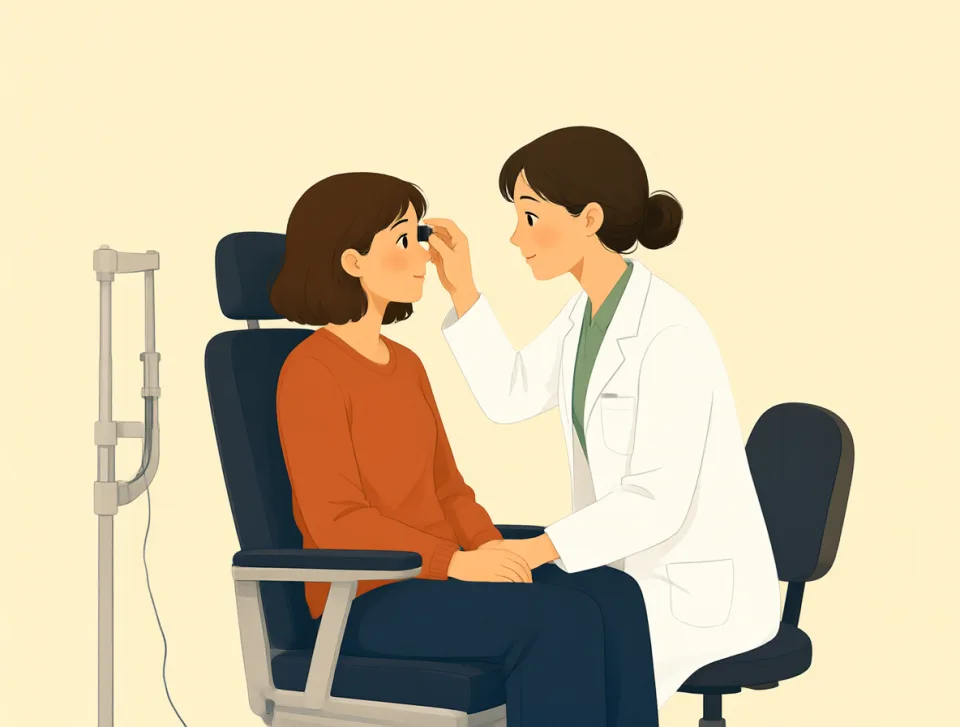
Her vision became blurry, so she visited an eye doctor.
她的視力變得模糊了,所以去看了眼科醫生。
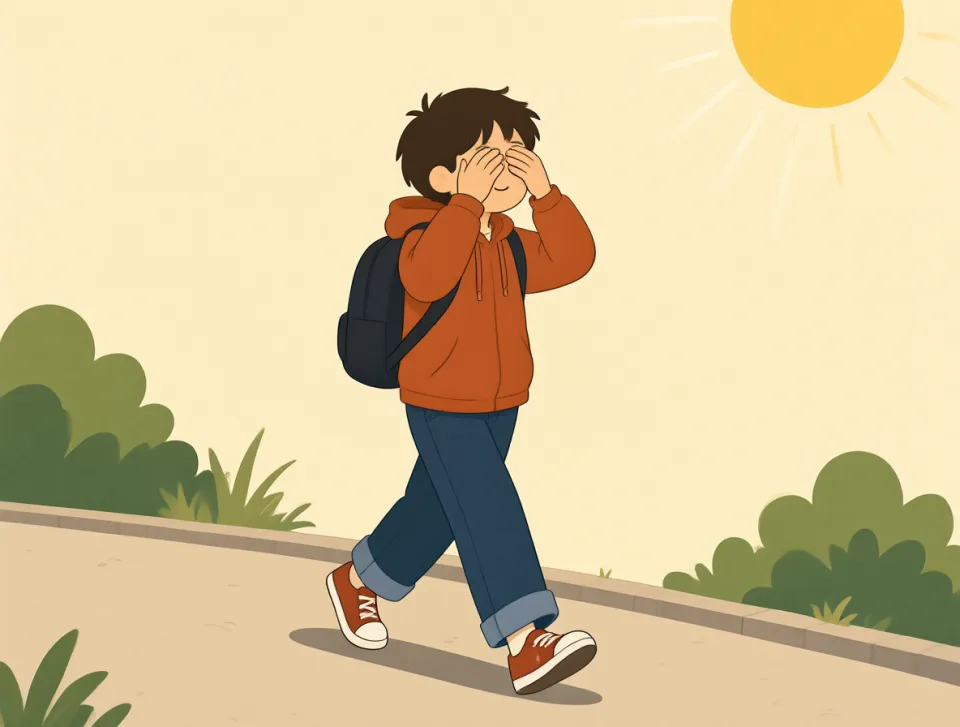
The bright sunlight hurt my vision during the morning walk.
早晨散步時,耀眼的陽光讓她看不清東西。

The company shared its vision for a cleaner future.
這家公司分享了打造更清潔未來的願景。

Good leaders have a clear vision of their team's future.
優秀的領導者對團隊的未來有清晰的願景。

The school created a new vision for learning outdoors.
這所學校制定了開展戶外學習的新願景。

personality
#1652noun
性格;個性
The kind of person someone is, shown by their usual thoughts, feelings, and behavior.
一個人的性格型別,體現在他平時的想法、感受和行為上。
Her friendly personality helped her make friends at the new school.
她友善的性格幫助她在新學校交到了朋友。

The job needs someone with a calm personality who works well with others.
這份工作需要一個性格沉穩、善於與他人合作的人。

We chose a small hotel because it has a warm personality.
我們選擇了一家小酒店,因為它給人一種溫馨的感覺。

His brother has a very different personality from his own.
他的弟弟和他自己的性格截然不同。

The doctor said her personality can affect how she handles stress.
醫生說,她的性格會影響她應對壓力的方式。

specifically
#1653adverb
具體地;明確地
In a clear and exact way, with details about one particular thing.
以清楚、準確的方式,詳細說明某一特定事物。
The doctor asked specifically about my headaches and sleeping habits.
醫生特別詢問了我的頭痛情況和睡眠習慣。

This guide is specifically for people visiting the city for the first time.
這份指南專門為第一次來這座城市的人編寫。
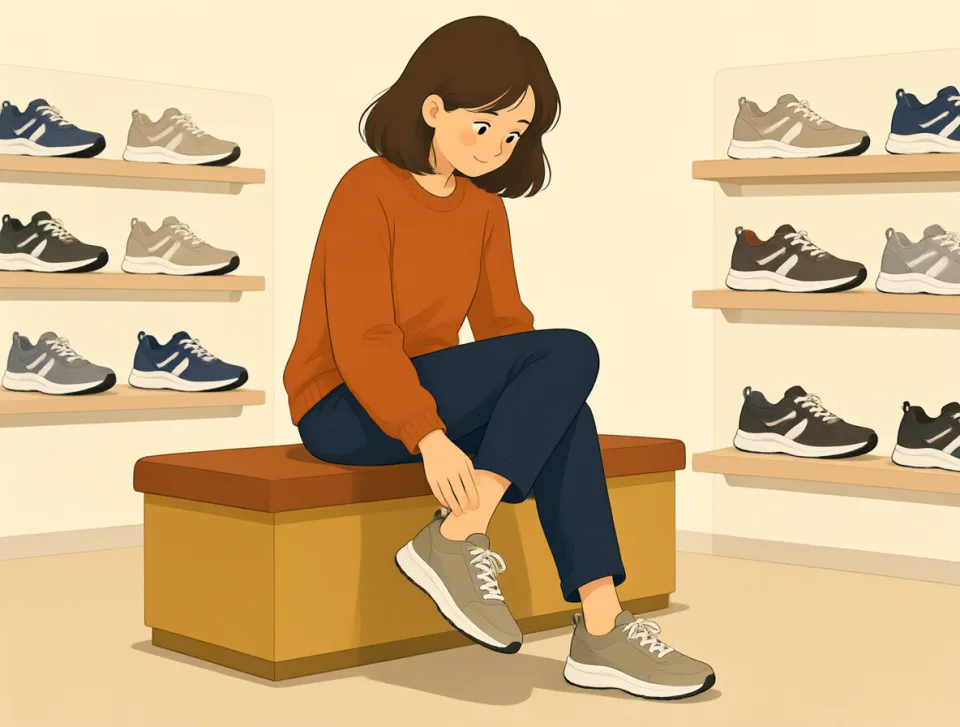
I bought these shoes specifically for walking long distances.
我特意買了這雙鞋,方便走很遠的路。

She specifically asked me to bring a salad to dinner.
她特意讓我晚餐帶一份沙拉。

We chose this small room specifically because it stays cool.
我們選擇這個小房間,特別是因為它一直很涼快。

fat
#1654adjective, noun
胖;脂肪
Having too much body weight; a natural oil or solid substance found in animals and some foods.
體重過重的;動物體內和某些食物中天然存在的油脂或固體脂肪。
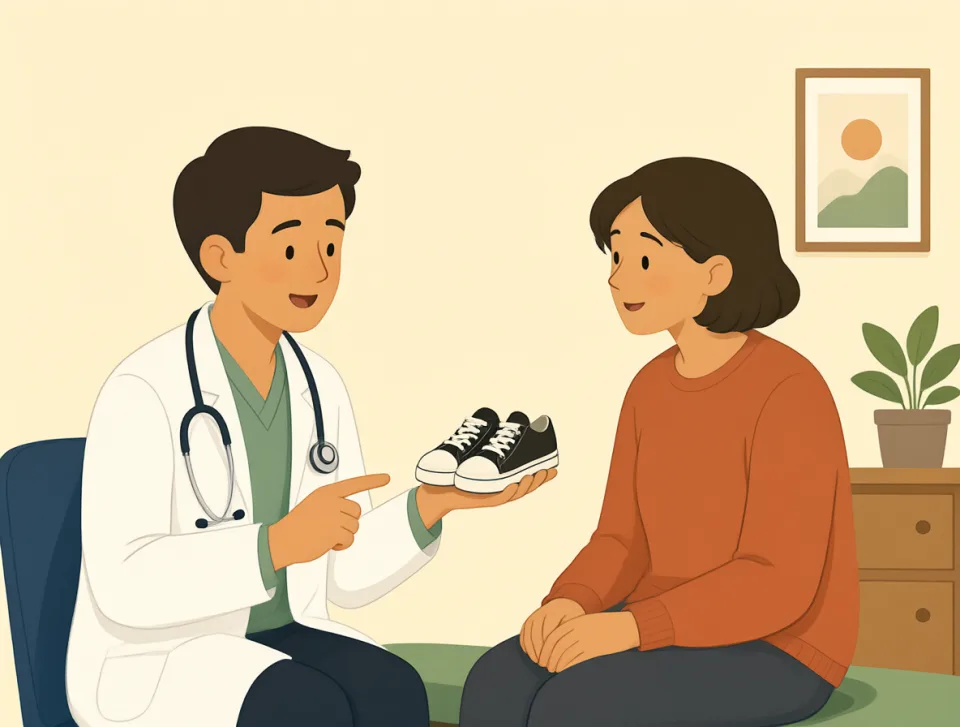
The doctor said I was getting too fat and should walk more.
醫生說我越來越胖了,應該多走走。

He cooked the eggs in a little fat from the bacon.
他用培根煎出來的一點油脂炒了雞蛋。
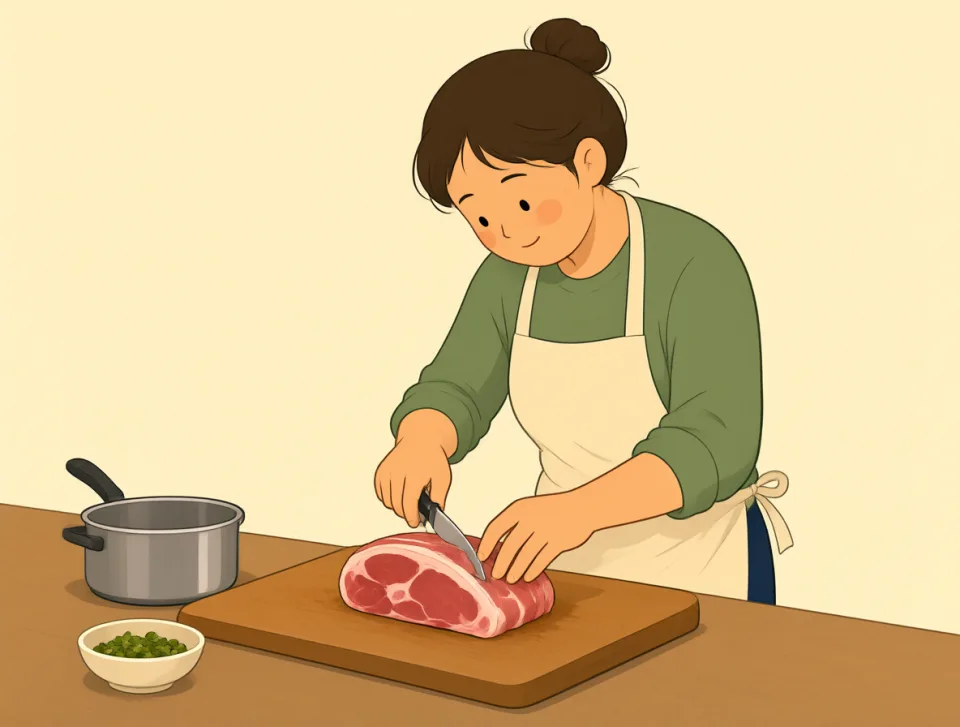
Trim the fat off the meat before you put it in the pan.
把肉上的肥肉切掉再放進鍋裡。

The cat is getting fat because my neighbor feeds it every day.
那隻貓越來越胖了,因為鄰居每天都餵它。
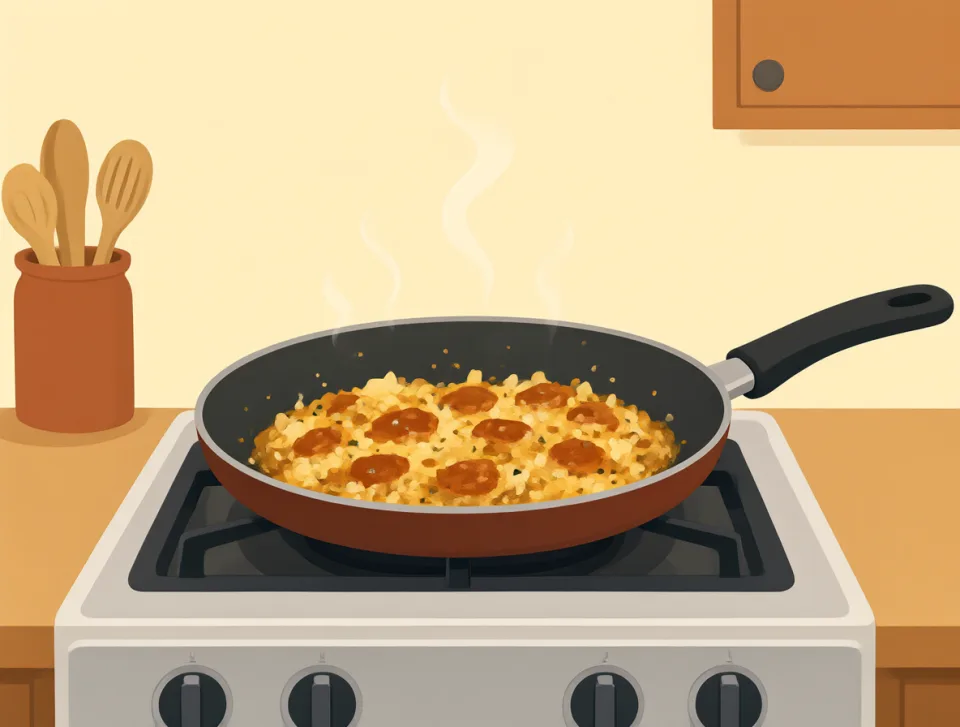
We could hear the fat sizzling in the pan as dinner cooked.
晚飯烹煮時,我們聽見鍋裡的油脂滋滋作響。

entry
#1655noun
入口;參賽;參賽作品;記錄
A way into a place, or the act of going into it.
進入某個地方的通道,或進入該地方這一行為。

The hotel entry is through the main doors.
酒店的入口在正門。

Please leave your entry card at the front desk.
請把入場卡留在前臺。

She won first entry in the school art competition.
她在學校藝術比賽中獲得了第一名。
There is no entry fee for children under twelve.
十二歲以下的兒童無需支付入場費。

He wrote a short entry in his diary before bed.
睡前,他在日記中寫了一篇簡短的記錄。
fellow
#1656noun, adjective
傢伙;同伴
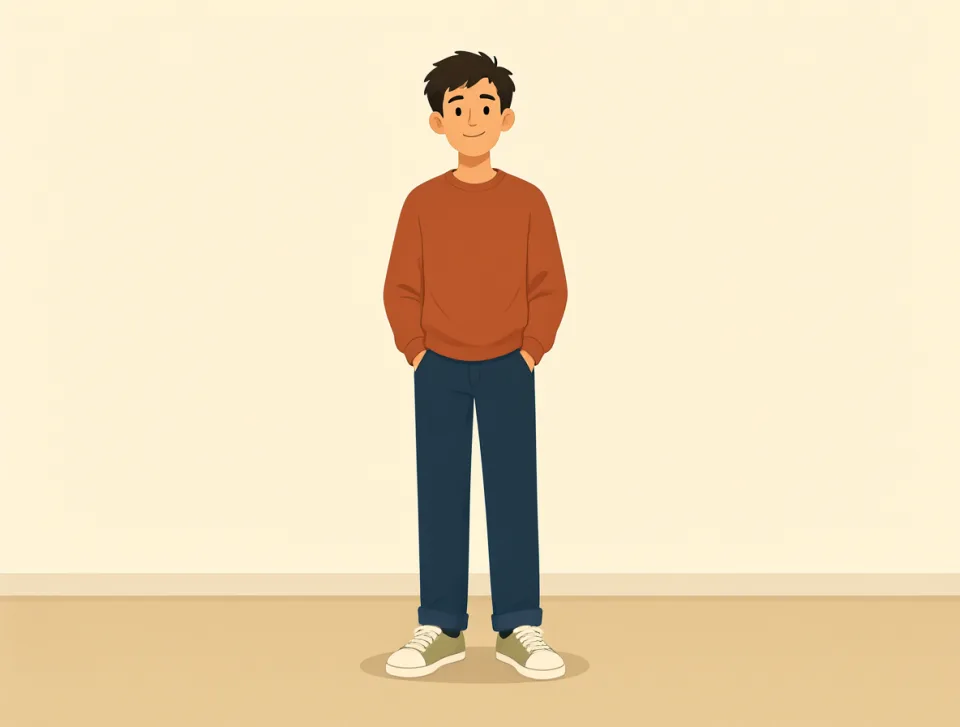
a man or boy, especially one you know or are talking about
一個男人或男孩,尤其是你認識或正在談論的人

That fellow at the bakery gave me the wrong change.
麵包店裡的那個傢伙找錯了錢。

My fellow students helped me prepare for the science test.
同學們幫我準備科學考試。

She traveled with her fellow passengers to the mountain village.
她和同行的乘客一起去了山村。
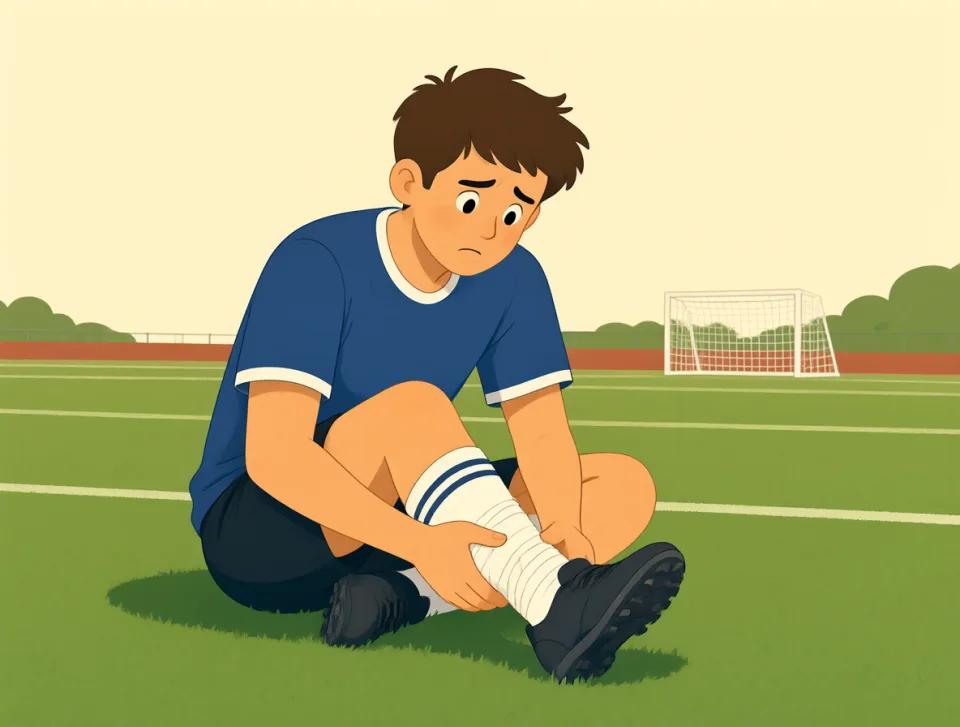
The poor fellow hurt his ankle during the football game.
那個可憐的傢伙在足球賽上扭傷了腳踝。

He's a cheerful fellow who always makes dinner for friends.
他是個開朗的人,總是為朋友們做晚飯。

chemical
#1657noun, adjective
化學品;化學物質;化學的
A substance used in chemistry; also relating to chemistry.
用於化學研究的物質;也指與化學有關的。
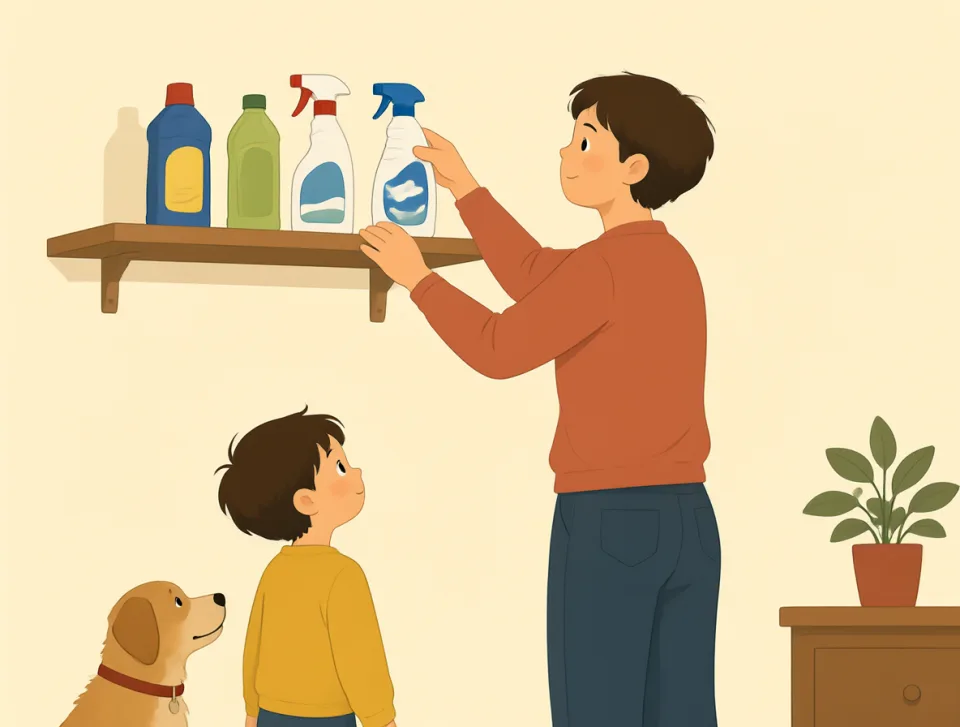
Keep household chemicals away from children and pets.
把家用化學品放在兒童和寵物夠不到的地方。
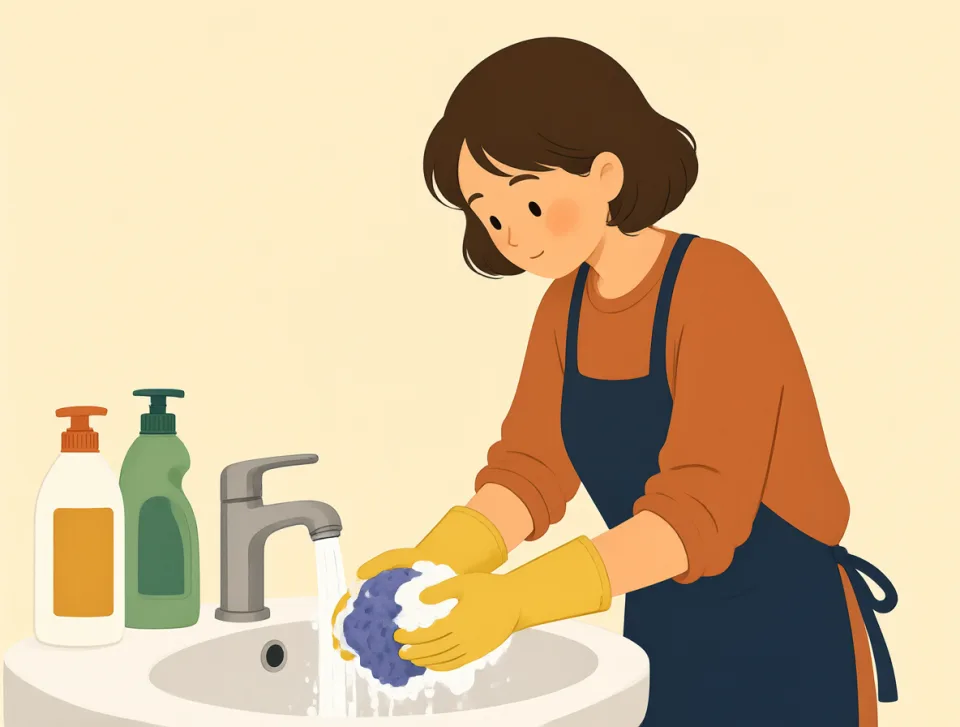
Some cleaning chemicals can irritate your skin.
有些清潔劑會刺激皮膚。
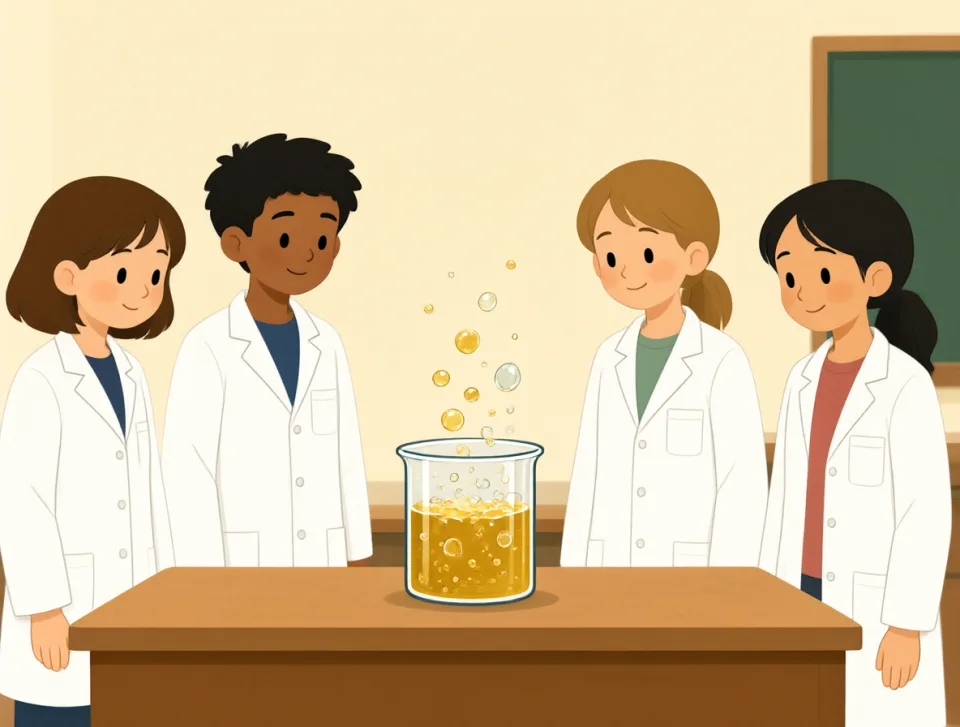
The students watched a chemical reaction in science class.
學生們在科學課上觀察了一場化學反應。

Farmers use chemicals to protect crops from insects.
農民使用化學藥劑來保護農作物免受蟲害。

This shampoo contains no harmful chemicals.
這款洗髮水不含有害化學物質。
capture
#1658verb, noun
捕捉;抓獲;拍下;捕獲
to catch, record, or hold someone or something
抓住、記錄或控制某人或某物

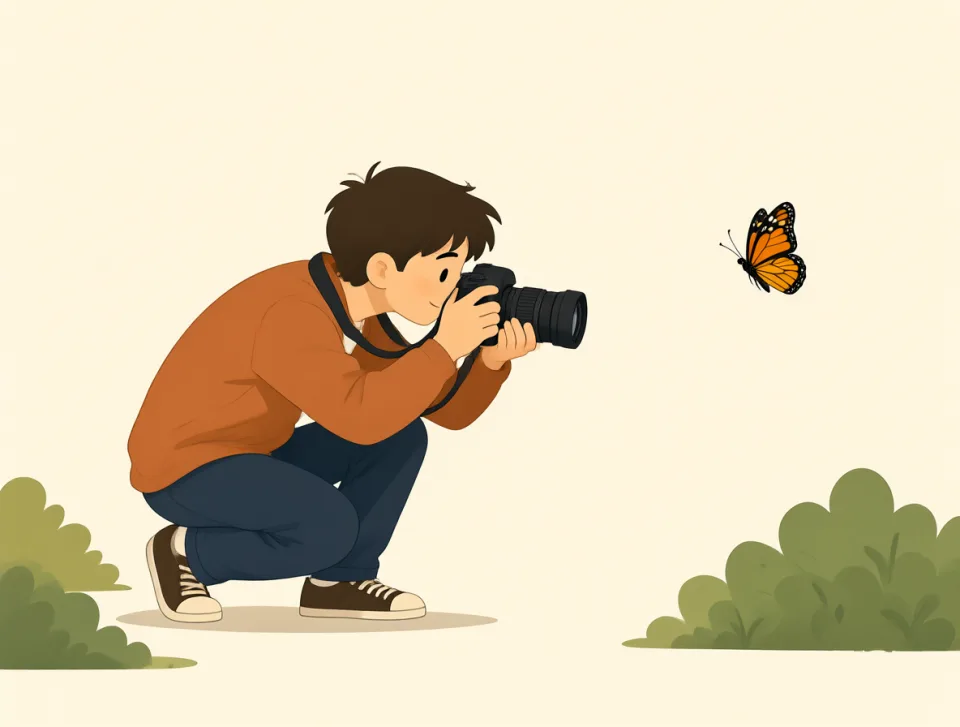
The camera captured a beautiful sunset over the sea.
相機拍下了海面上美麗的日落。

The police captured the thief after a short chase.
警察追了一小段路後抓住了小偷。

This photo captures the happy moment perfectly.
這張照片完美地捕捉到了那個快樂的瞬間。
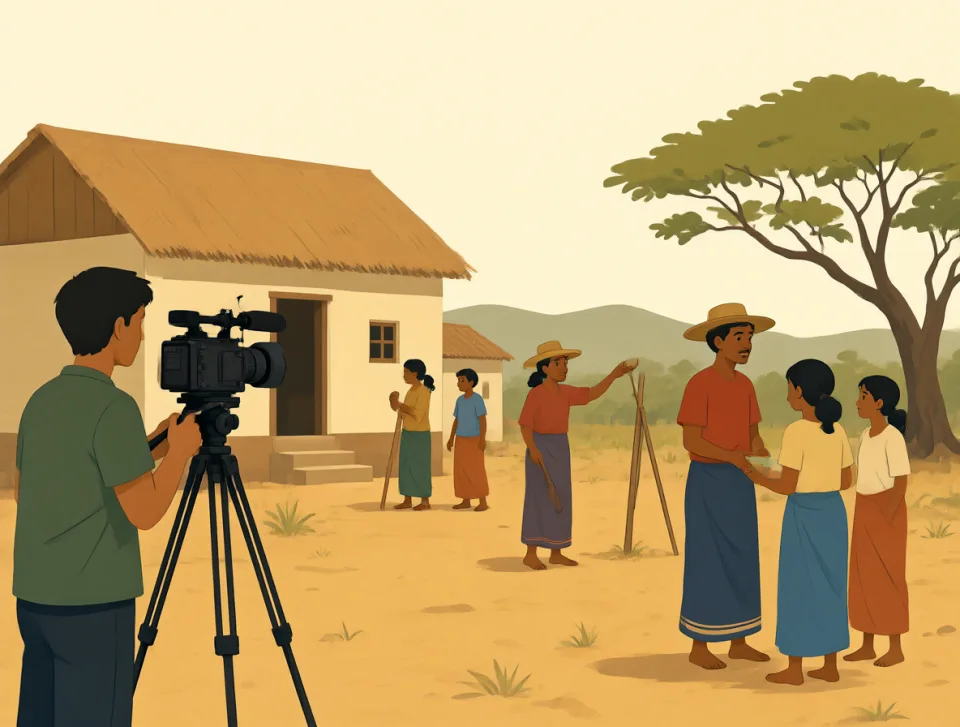
The documentary captures daily life in a small village.
這部紀錄片真實地記錄了一個小村莊的日常生活。
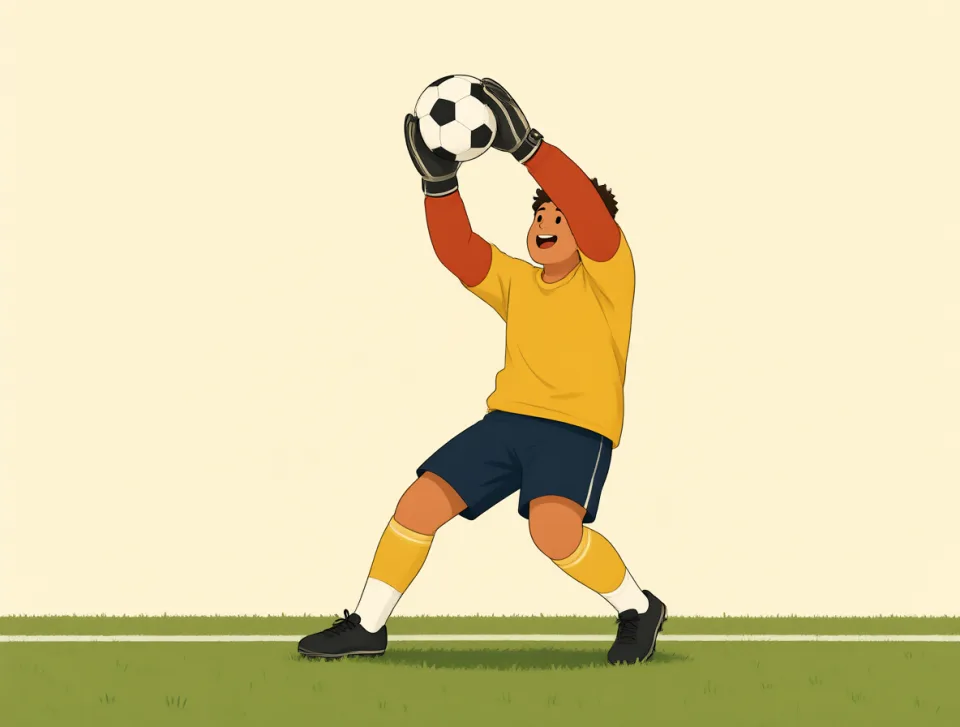
The goalkeeper made a great capture during the football game.
足球比賽中,守門員成功接住了一個球。

tip
#1659noun, verb
小建議;小費;尖端;輕拍
A helpful piece of advice; the pointed end of something; or to touch something lightly.
有用的建議;某物尖銳的一端;或輕輕觸碰某物。

Can you give me a tip for learning new words?
你能給我一個學習新單詞的小建議嗎?
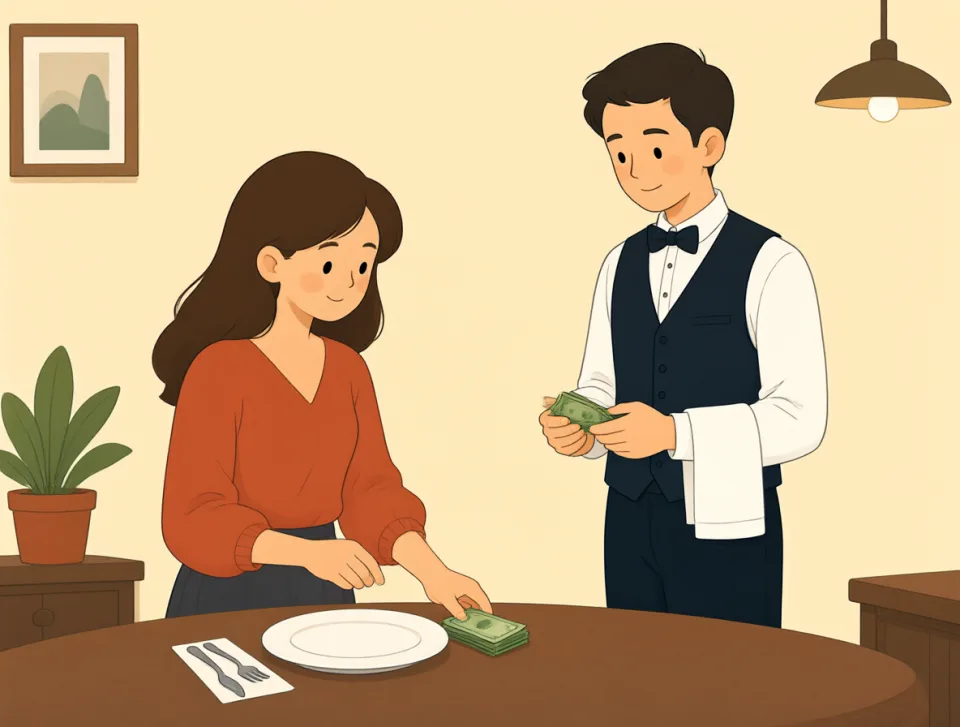
Leave a ten percent tip for the waiter.
給服務員留百分之十的小費。
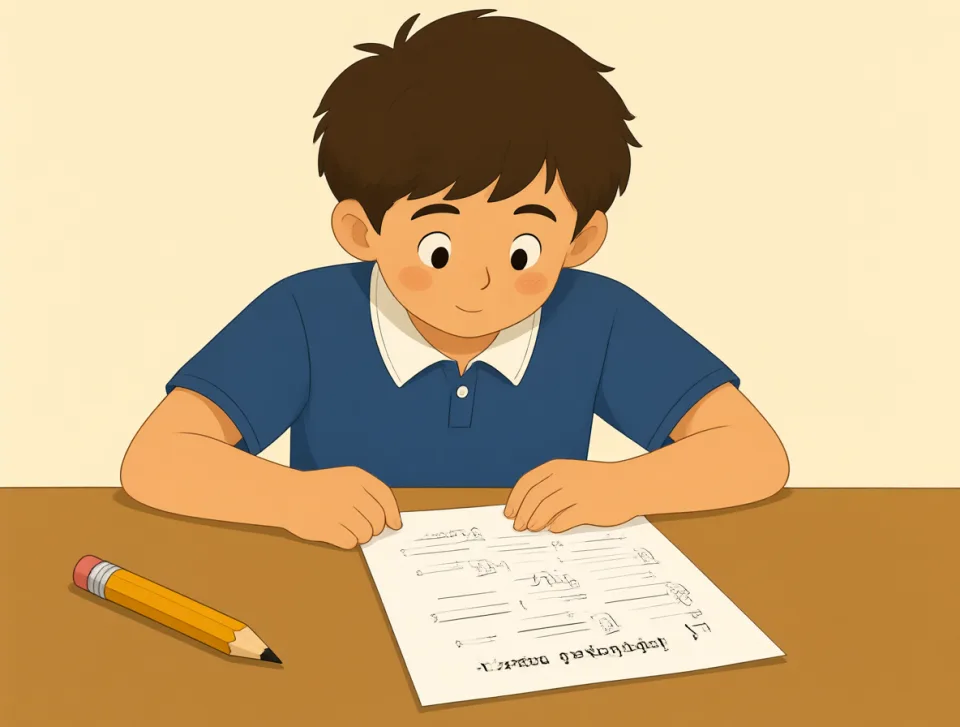
The tip of my pencil broke during the test.
考試時,我的鉛筆尖斷了。
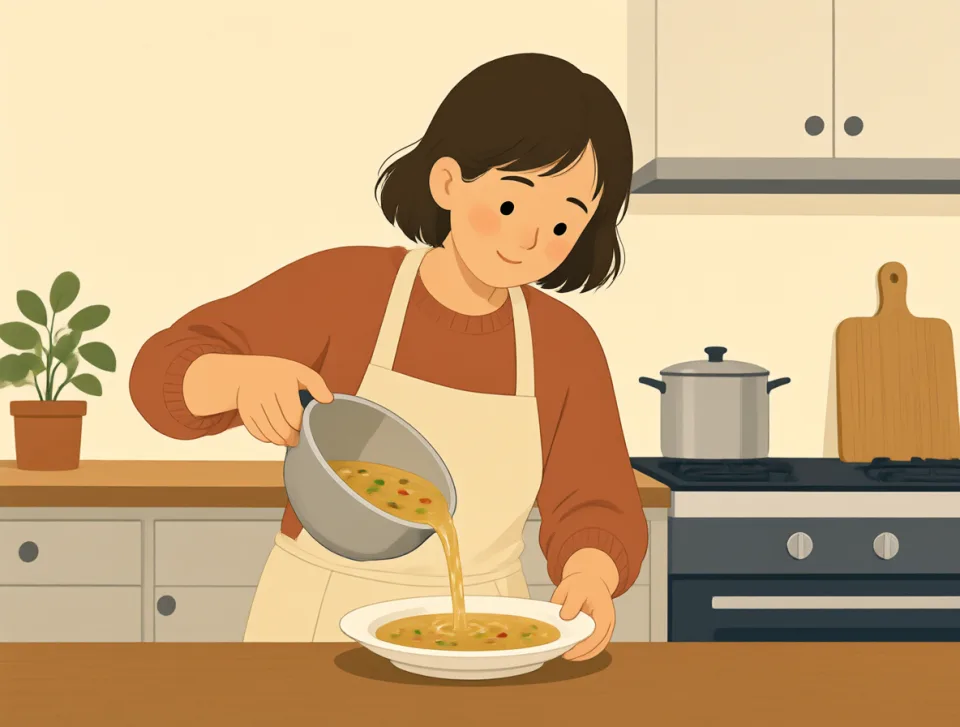
She tipped the bowl and poured the soup into a plate.
她把碗傾斜,將湯倒進盤子裡。

He tipped his friend on the shoulder to get her attention.
他輕輕拍了拍朋友的肩膀,想引起她的注意。

discount
#1660noun, verb
折扣;打折
A lower price, or to lower the price of something.
較低的價格;降低某物的價格。
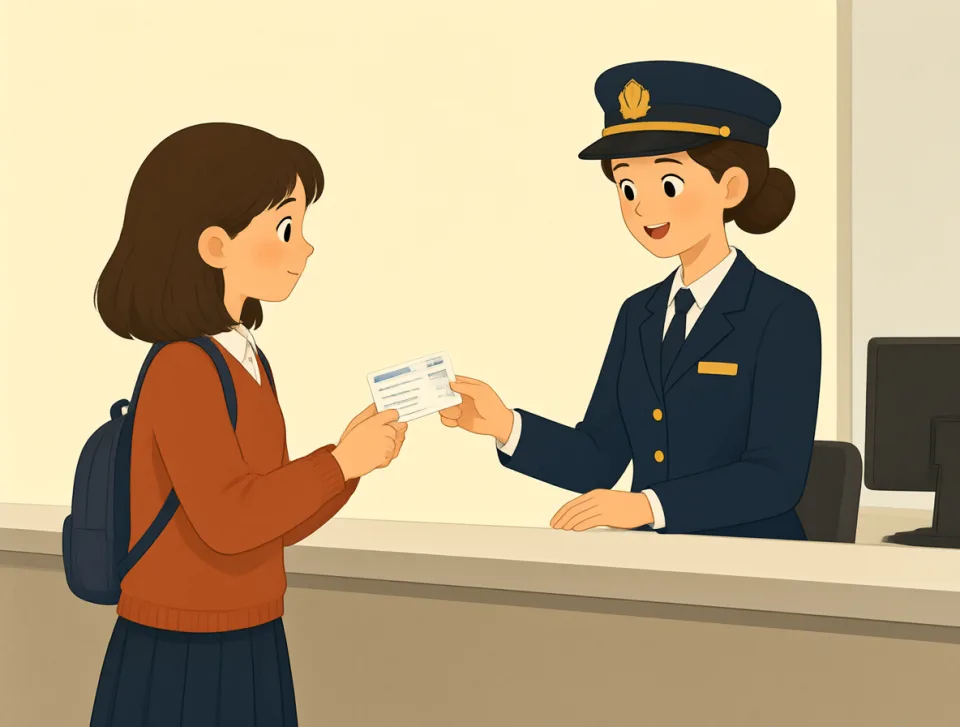
Students get a discount on train tickets with a valid school card.
學生憑有效的學生證購買火車票可以享受折扣。

This store offers a ten percent discount on all shoes today.
這家商店今天所有鞋子都打九折。

We asked for a discount because the table had a small scratch.
因為桌子上有一道小劃痕,我們要求打個折。

The hotel gave us a discount for staying five nights.
我們住了五晚,酒店給我們打了折。
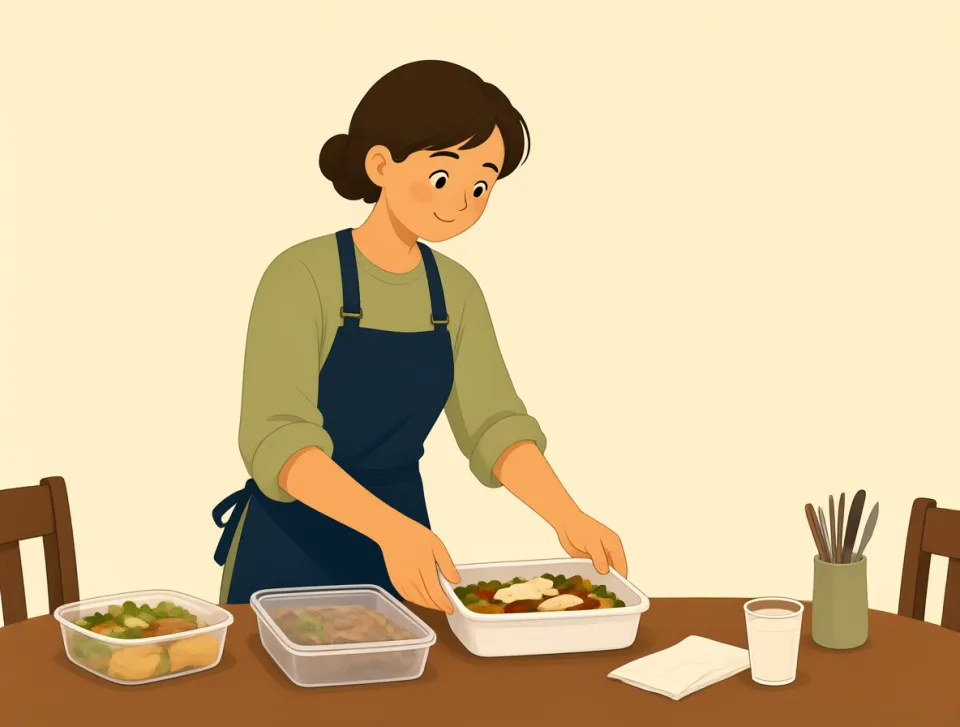
Many restaurants discount meals near closing time to reduce waste.
許多餐館會在快打烊時給餐點打折,以減少浪費。