單元 77
單字 1521–1540 · threaten, division, secure, amaze, device, birth
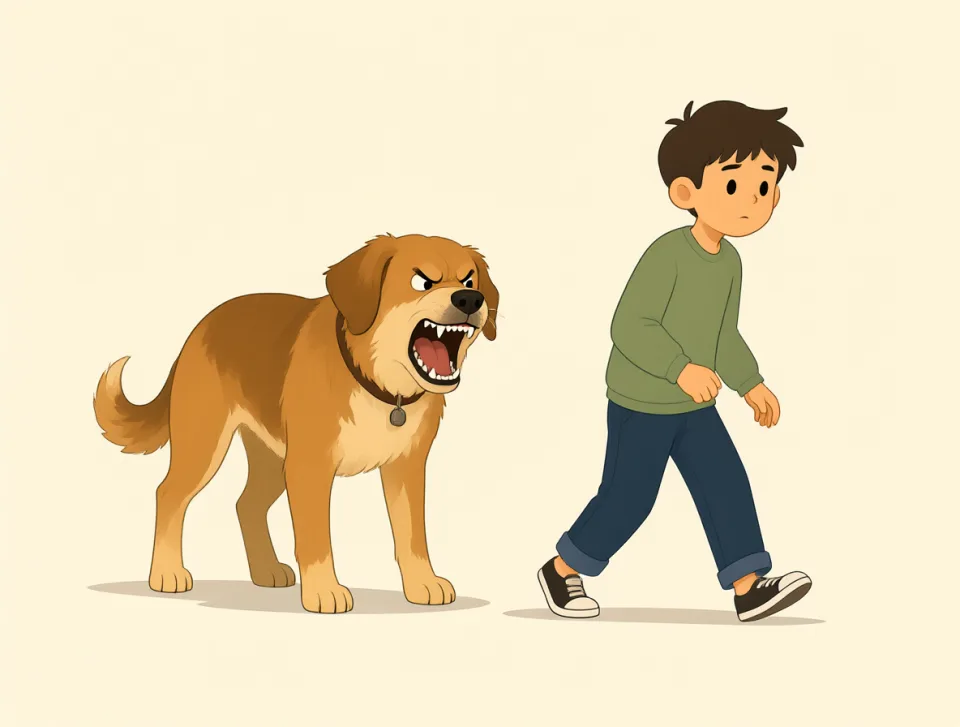
threaten
#1521verb
威脅;恐嚇
to say or show that you may hurt someone or cause trouble
說或表現出你可能會傷害某人或給他們惹麻煩。
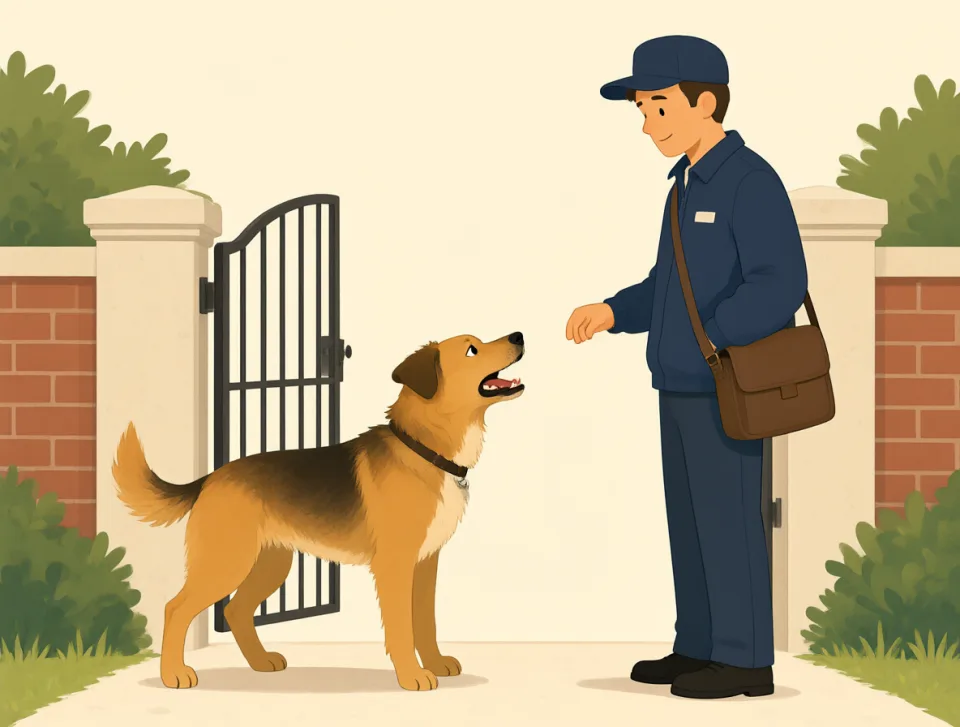
The dog threatened the mail carrier when he opened the gate.
那隻狗在郵遞員開啟大門時威脅要咬他。
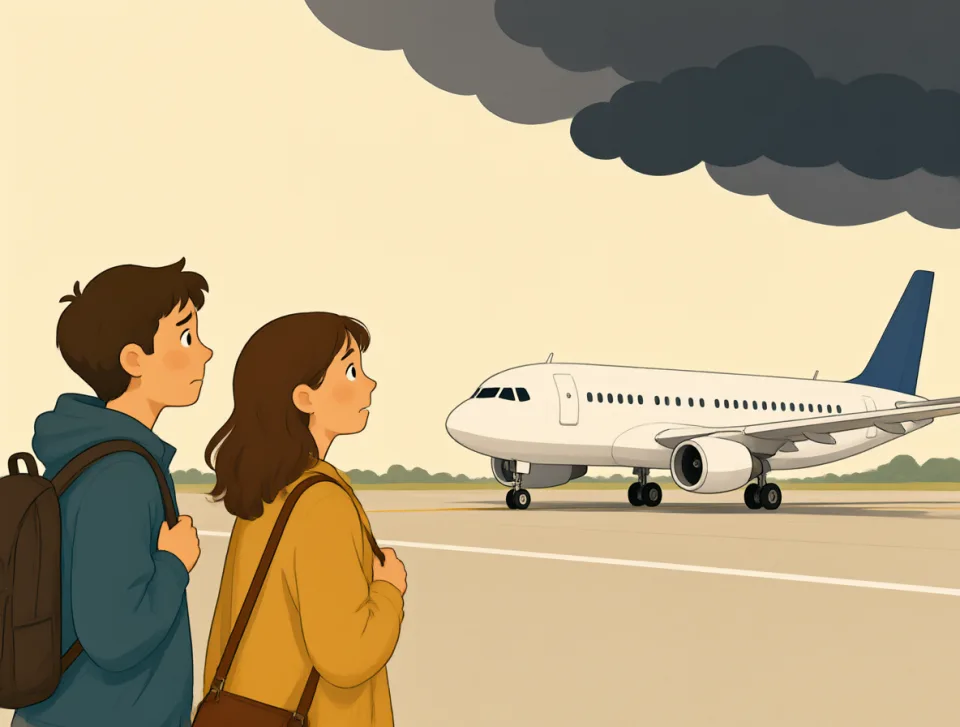
The storm threatened to cancel our flight home.
暴風雨可能會導致我們回家的航班取消。
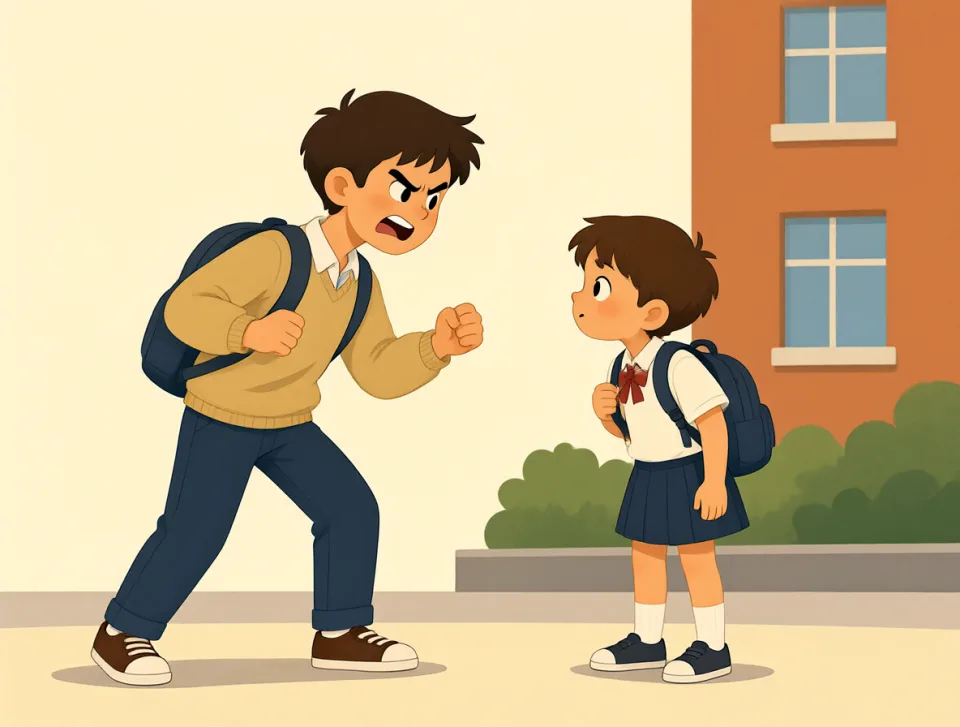
The bully threatened my brother after school.
那個惡霸放學後威脅了我弟弟。

High prices are threatening the small family business.
高昂的價格正威脅著這家小型家族企業的生存。
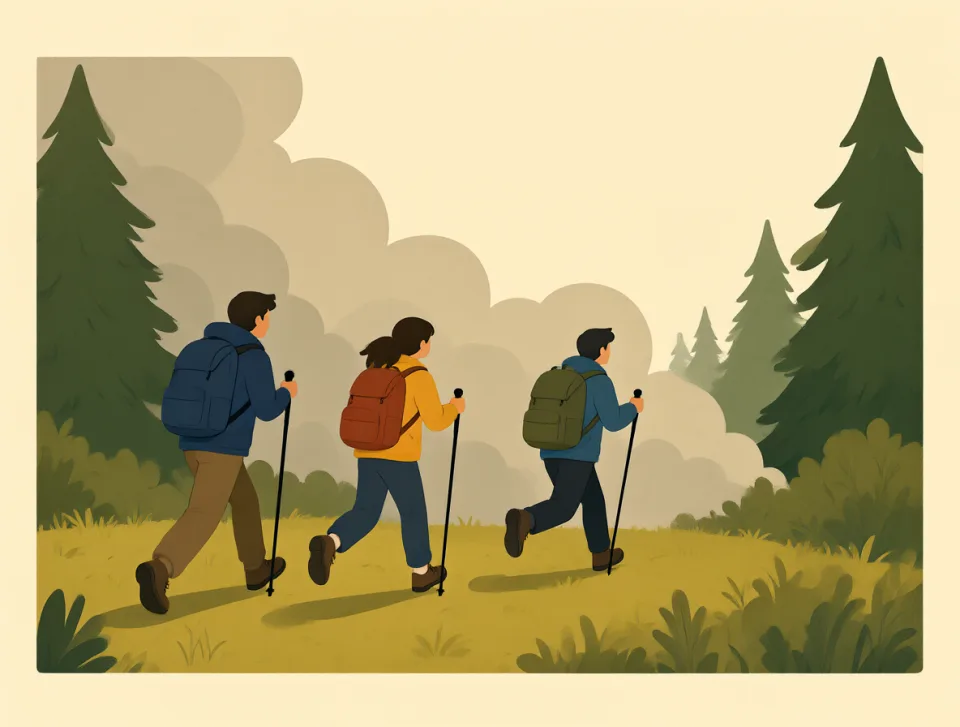
Smoke threatened the hikers as they walked through the forest.
徒步穿越森林時,煙霧逼近了他們,威脅到他們的安全。
division
#1522noun
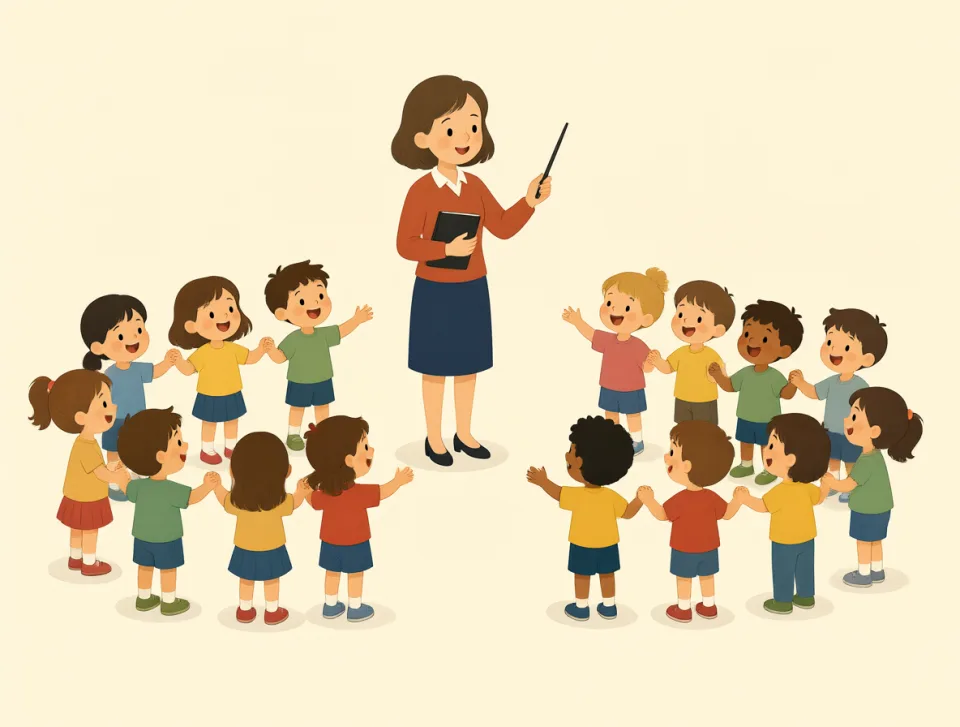
分配;劃分;部門;分歧
The act of separating something into parts or groups.
把某物分成幾個部分或組的行為。
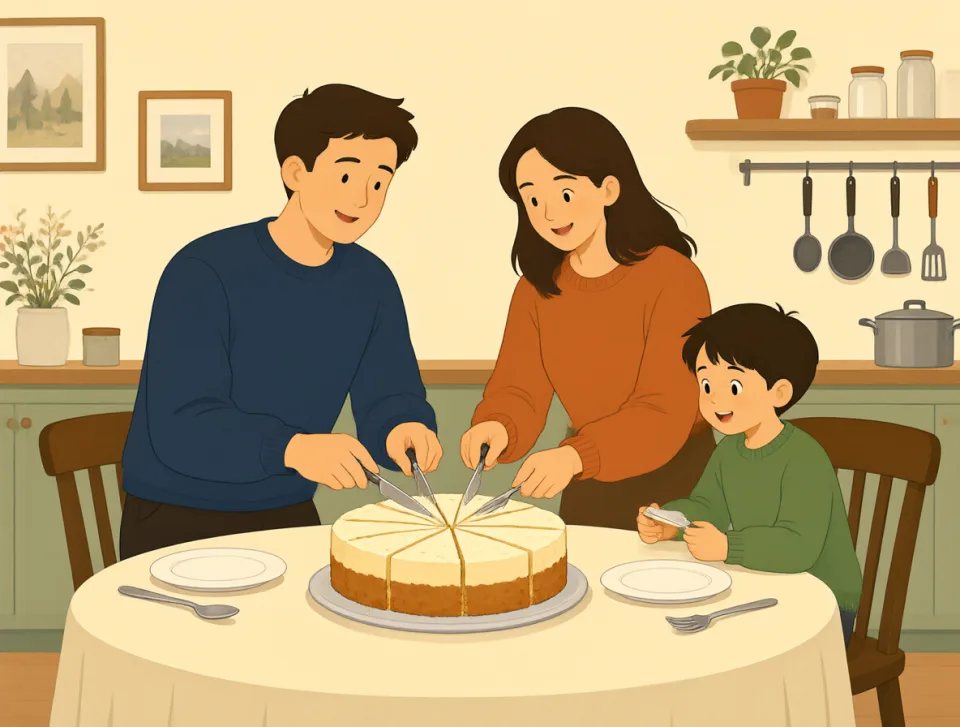
The division of the cake gave everyone an equal piece.
分蛋糕時,每個人都分到了一塊大小相等的。

Our office has a sales division and a customer service division.
我們辦公室有銷售部和客戶服務部。
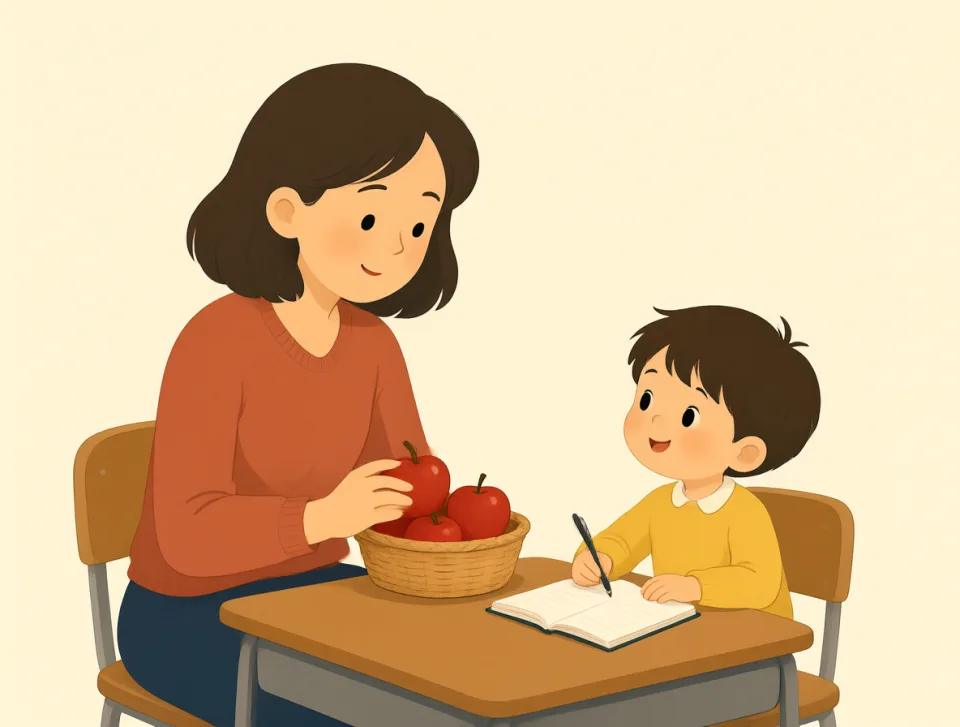
The teacher explained long division with apples and simple numbers.
老師用蘋果和簡單的數字講解了長除法。
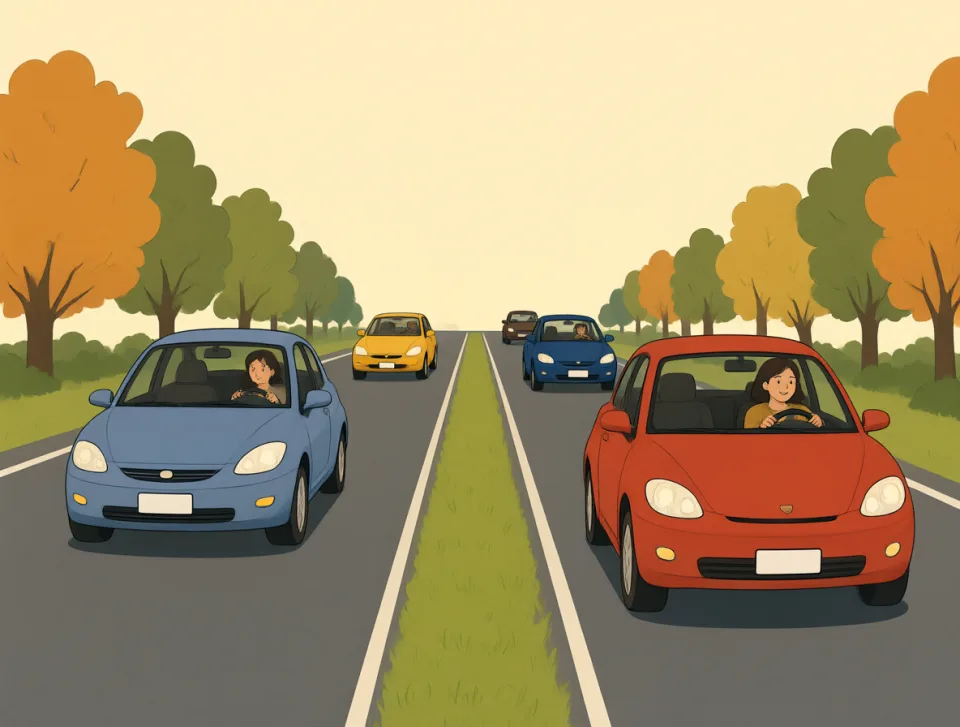
The road division separates cars traveling in opposite directions.
道路中間的隔離帶把相反方向行駛的車輛分開。
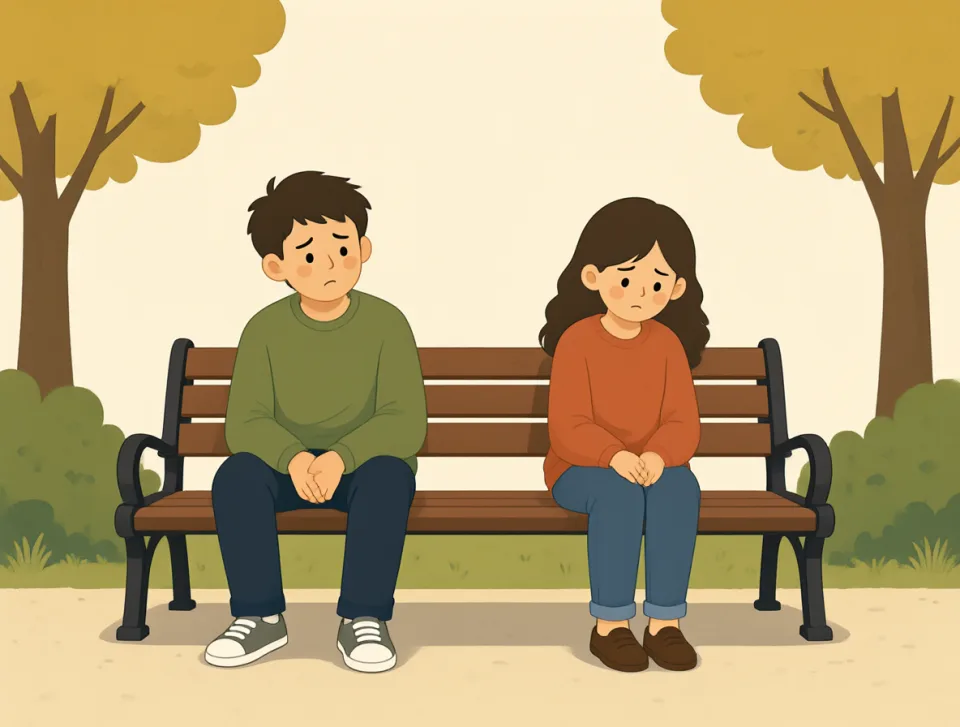
The division between the two friends began after a serious argument.
兩位朋友在一次嚴重的爭吵後開始產生了隔閡。
secure
#1523verb, adjective
確保;使安全;獲得
to make something safe, protected, or certain; safe from harm or danger
使某物安全、受到保護或得到保證;不受傷害或危險
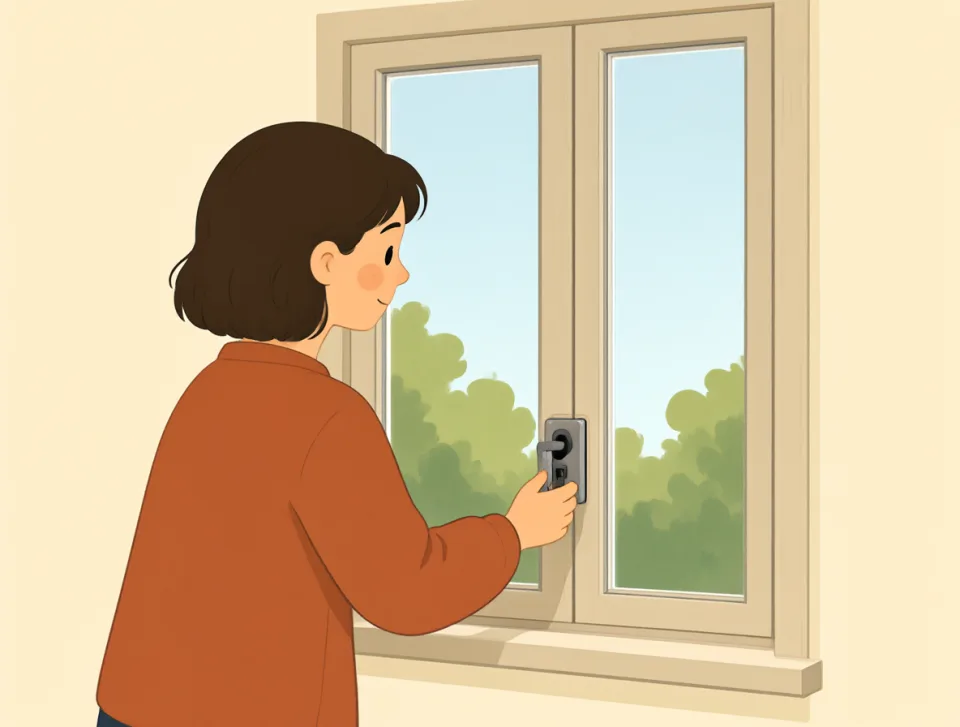
Please secure the window before you leave the house.
離開家前,請把窗戶關好鎖好。

The company secured a new contract with a large customer.
這家公司與一位大客戶簽下了一份新合同。
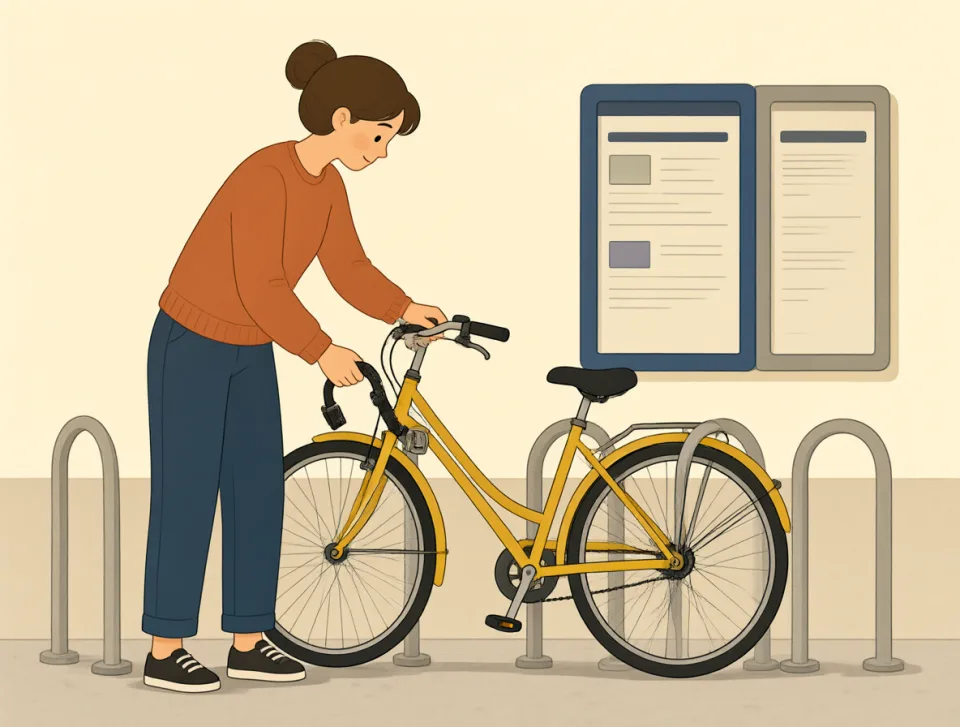
She secured her bicycle to a metal rack outside the station.
她把腳踏車鎖在車站外的金屬車架上。
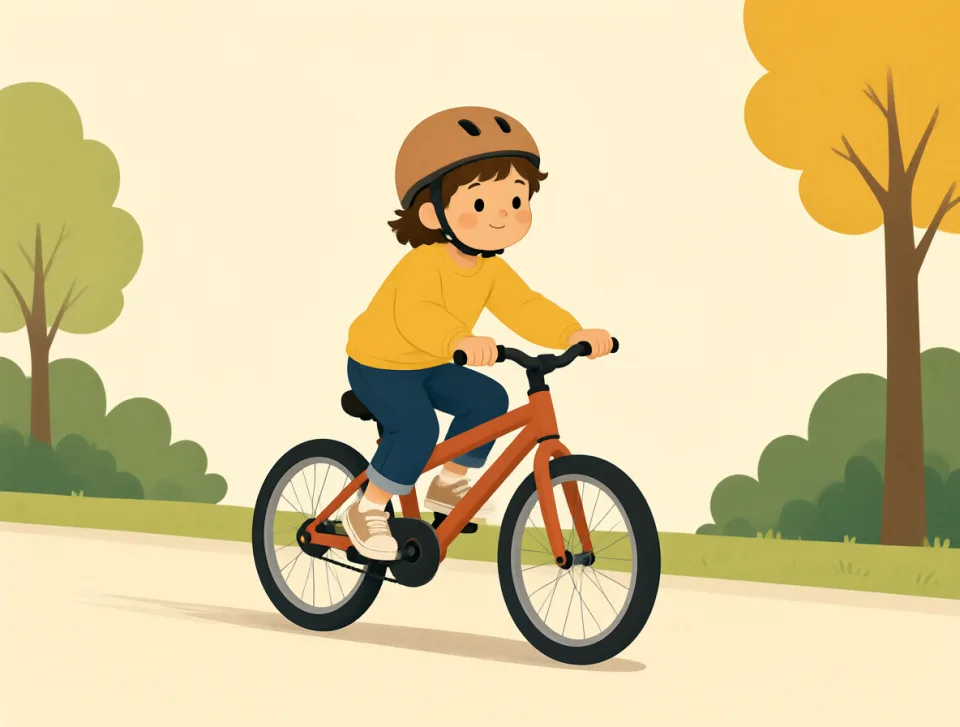
Wear a helmet to keep your head secure during the ride.
騎車時戴上頭盔,保護好頭部。

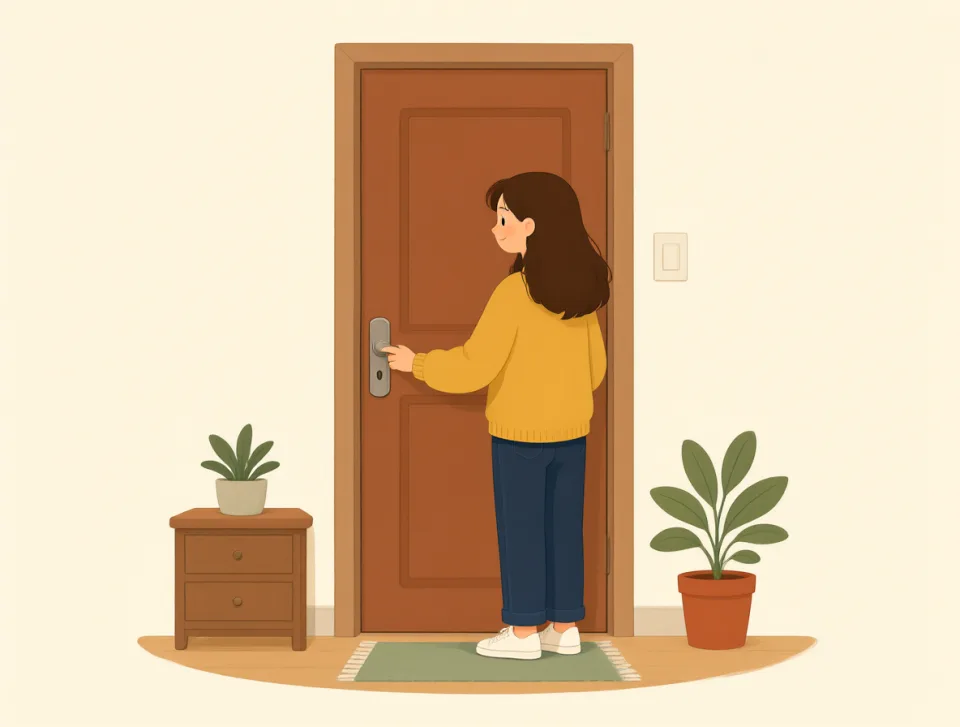
Our hotel room felt secure because the door had two locks.
我們的酒店房間讓人覺得很安全,因為門上有兩把鎖。

amaze
#1524verb
使驚訝;使讚歎
To surprise someone very much and make them feel great admiration.
讓某人感到非常驚訝,並由衷欽佩。
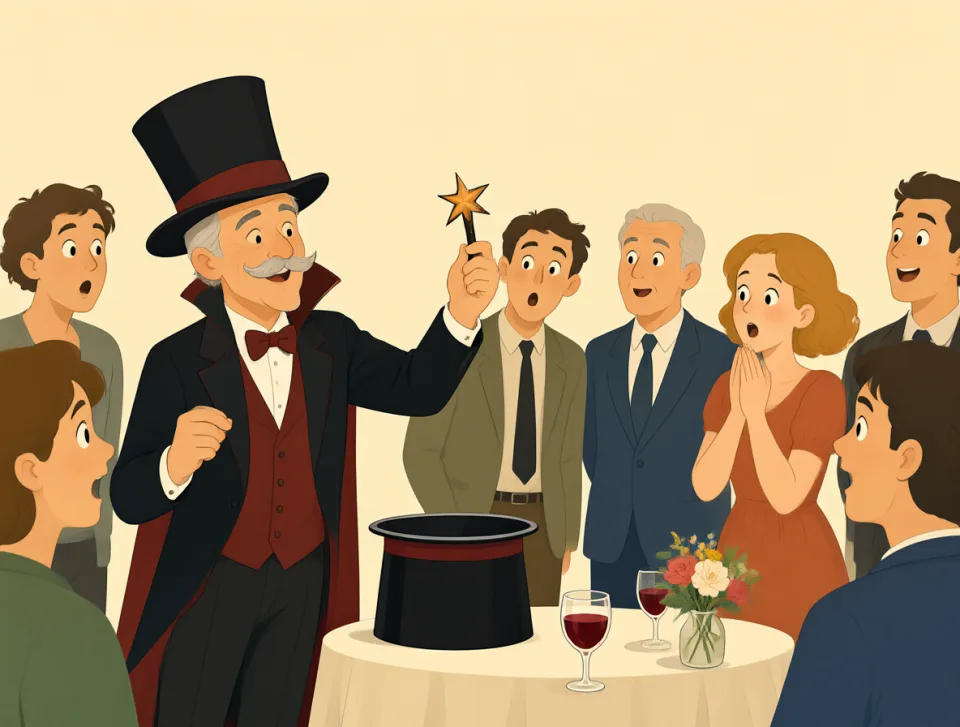
The magician’s amazing tricks amazed everyone at the party.
魔術師精彩的魔術讓派對上的每個人都驚歎不已。
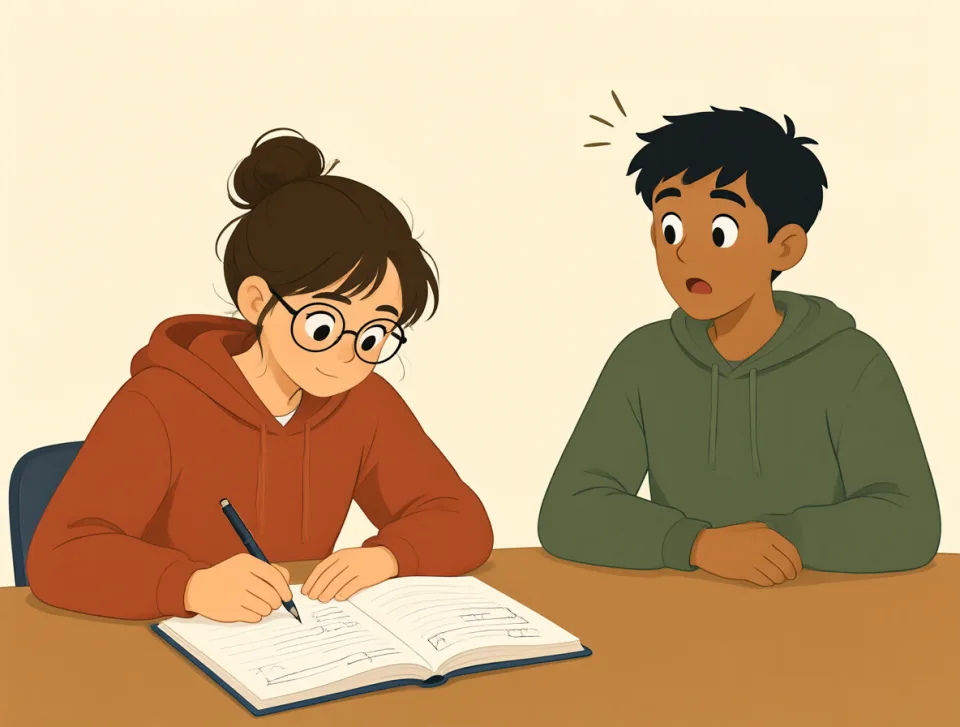
I was amazed by how quickly she finished the difficult homework.
她這麼快就做完了那份難題,我感到很驚訝。

The beautiful mountain view amazed us during our train journey.
火車旅途中,那美麗的山景讓我們讚歎不已。
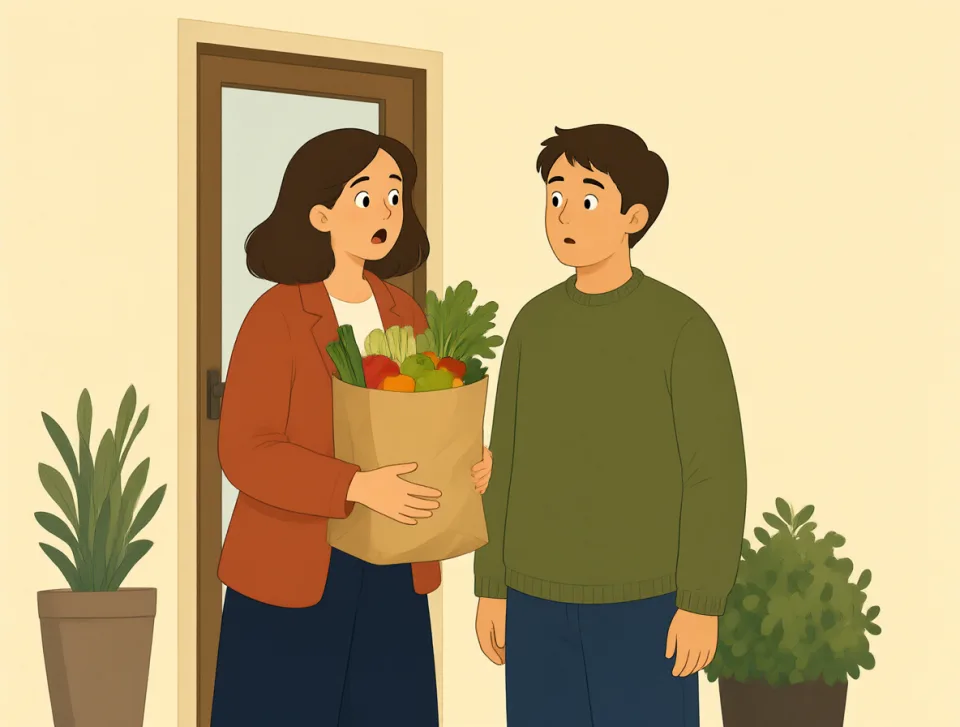
Her kindness amazed me when she helped a stranger carry groceries.
她幫助一個陌生人搬雜貨,這份善良讓我很感動。
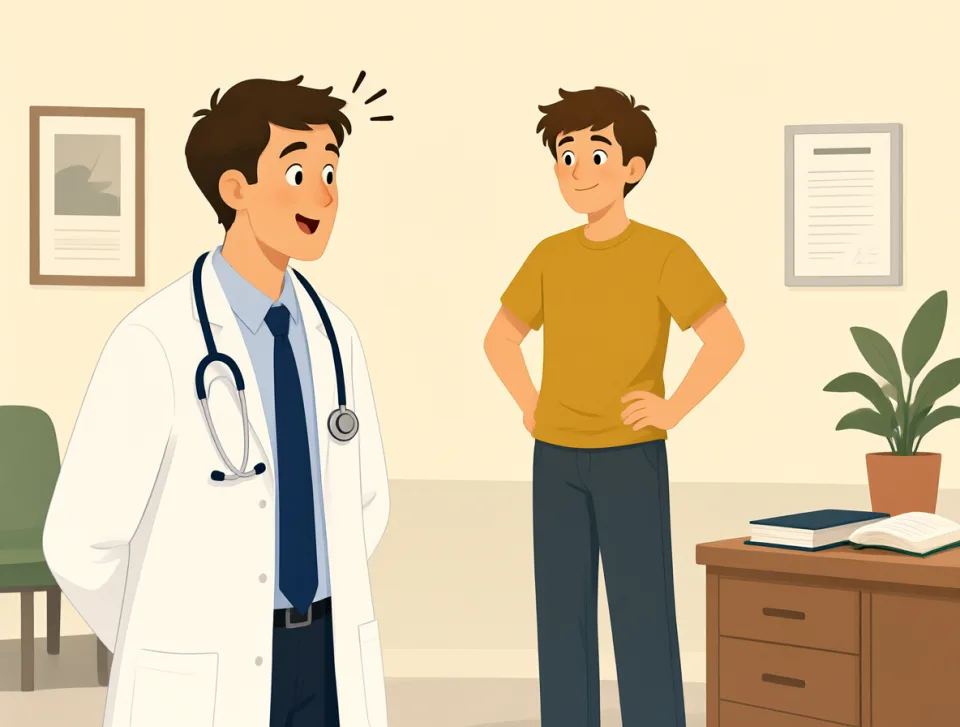
The doctor was amazed by his patient’s quick recovery.
醫生對患者康復得這麼快感到很驚訝。
device
#1525noun
裝置;裝置;器械
A machine or tool made for a particular purpose.
為特定用途而製造的機器或工具。
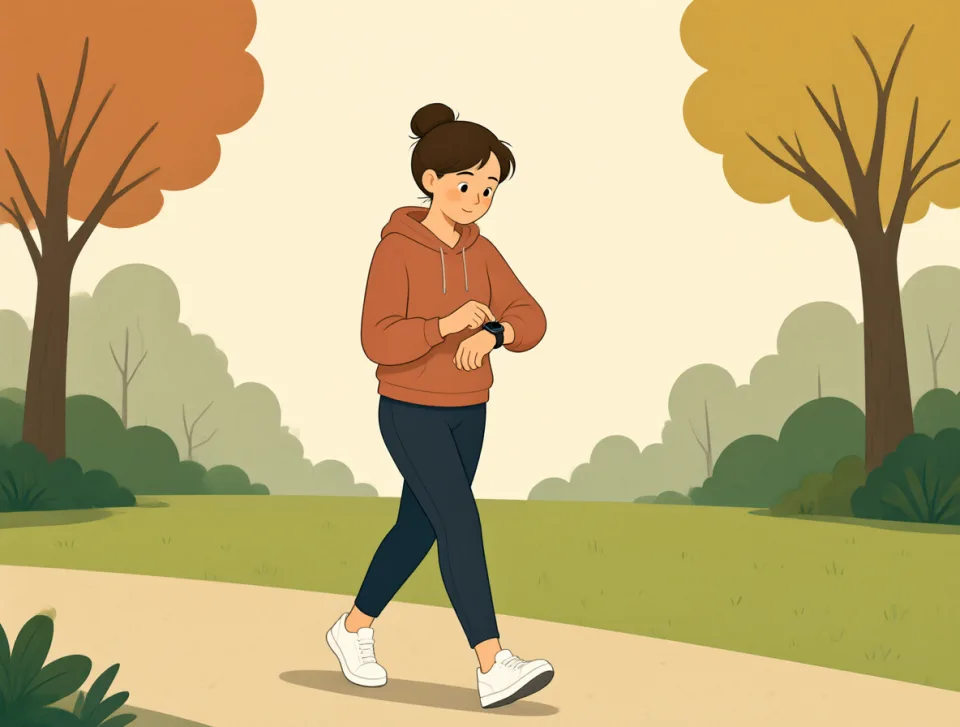
She uses a fitness device to count her steps every day.
她每天都用健身裝置來計算自己的步數。
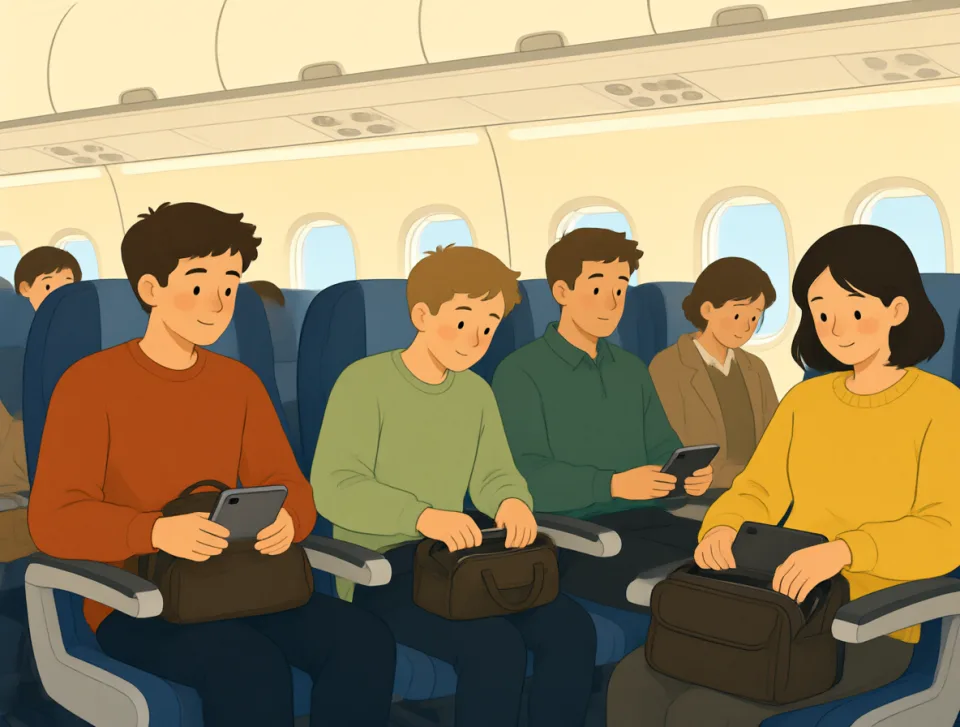
Please turn off your electronic devices during the flight.
飛行期間請關閉電子裝置。
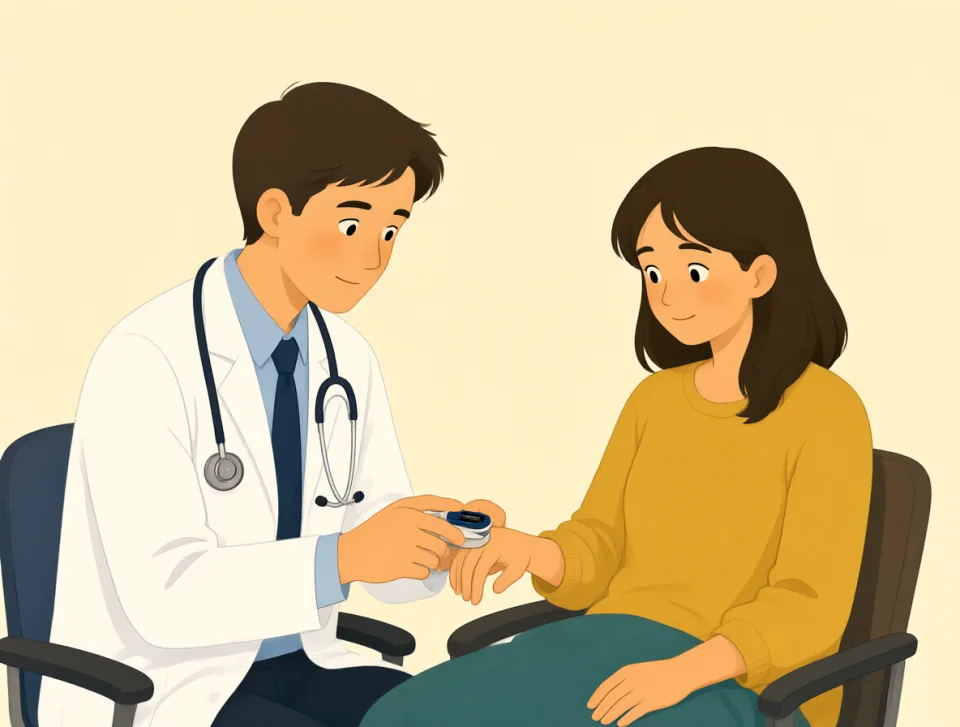
The doctor placed a small device on his finger.
醫生把一個小裝置放在他的手指上。
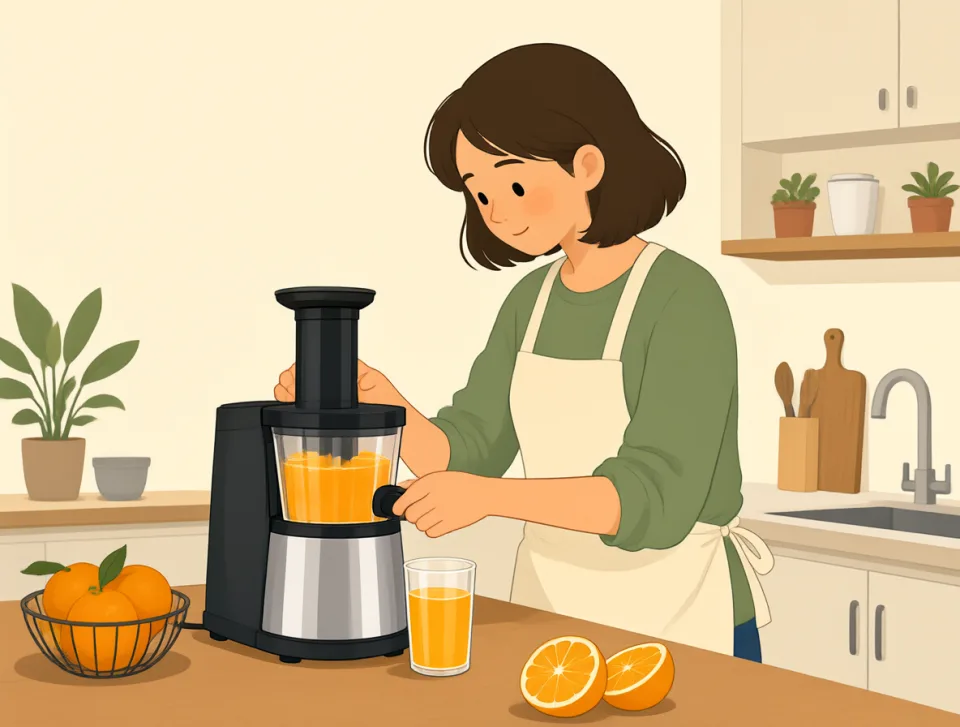
This kitchen device makes fresh juice in just one minute.
這款廚房裝置只需一分鐘就能榨出新鮮果汁。

The teacher showed us how to use the safety device.
老師向我們演示瞭如何使用安全裝置。
birth
#1526noun
出生;誕生
The time when a baby is born, or the beginning of someone's life.
嬰兒出生的時刻,或一個人生命的開始。
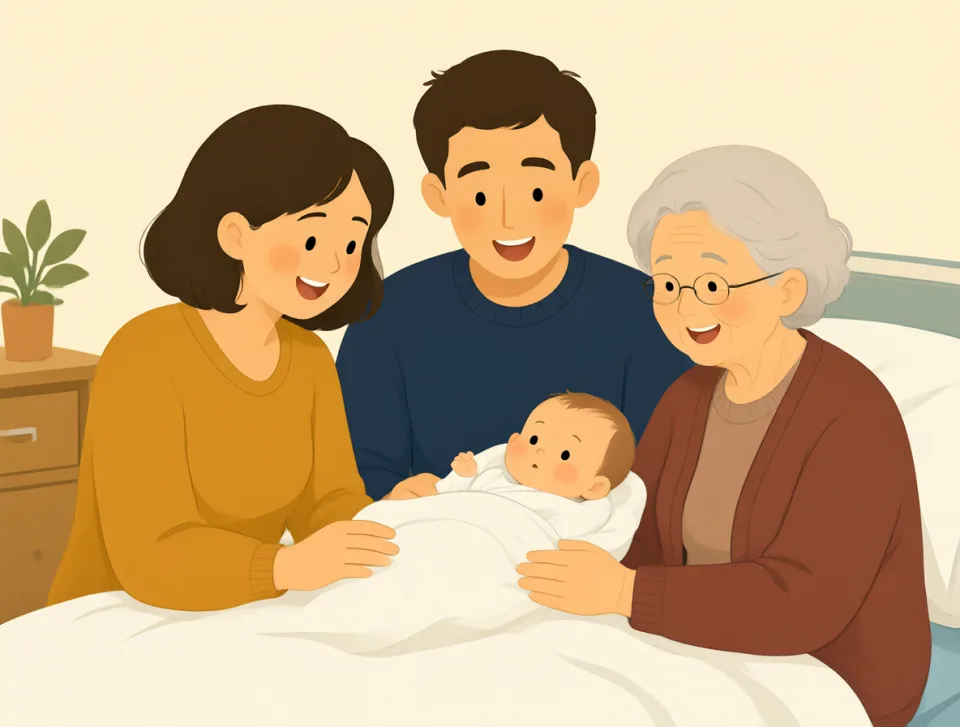
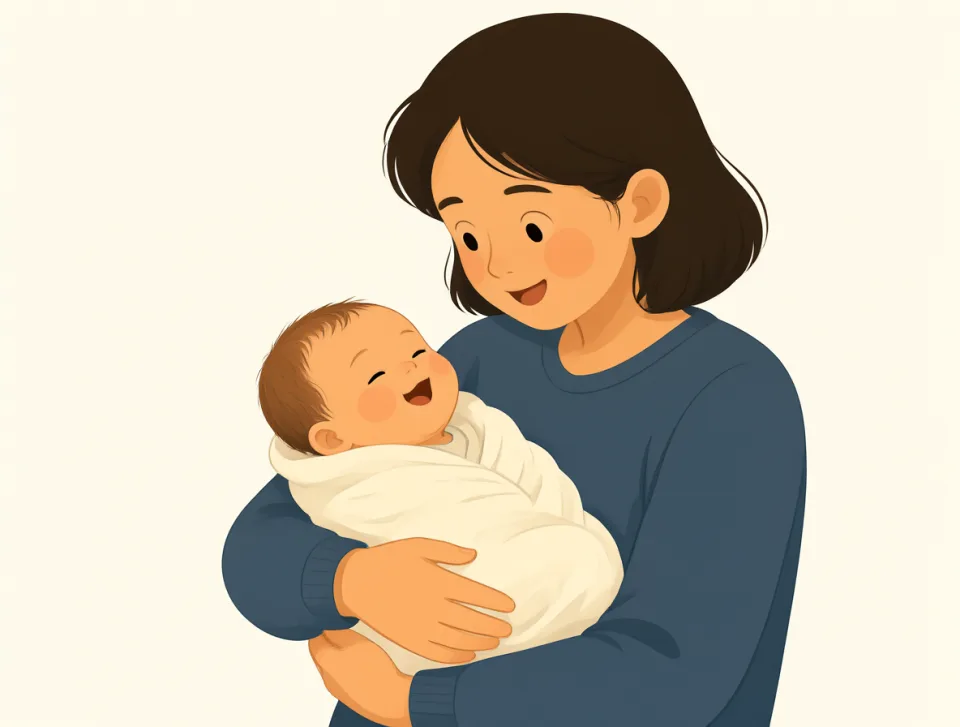
The baby’s birth was a happy moment for the whole family.
寶寶的出生是全家人都感到幸福的時刻。
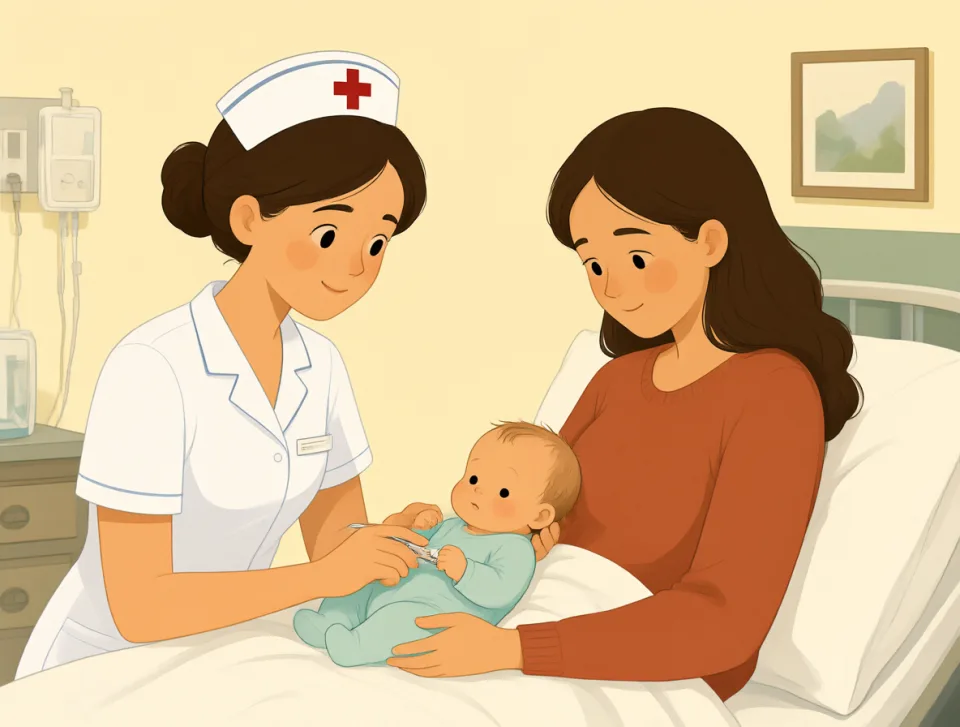
The nurse recorded the baby’s birth time and weight.
護士記錄了寶寶的出生時間和體重。

We sent flowers to celebrate the birth of their daughter.
我們送了鮮花,慶祝他們女兒的出生。
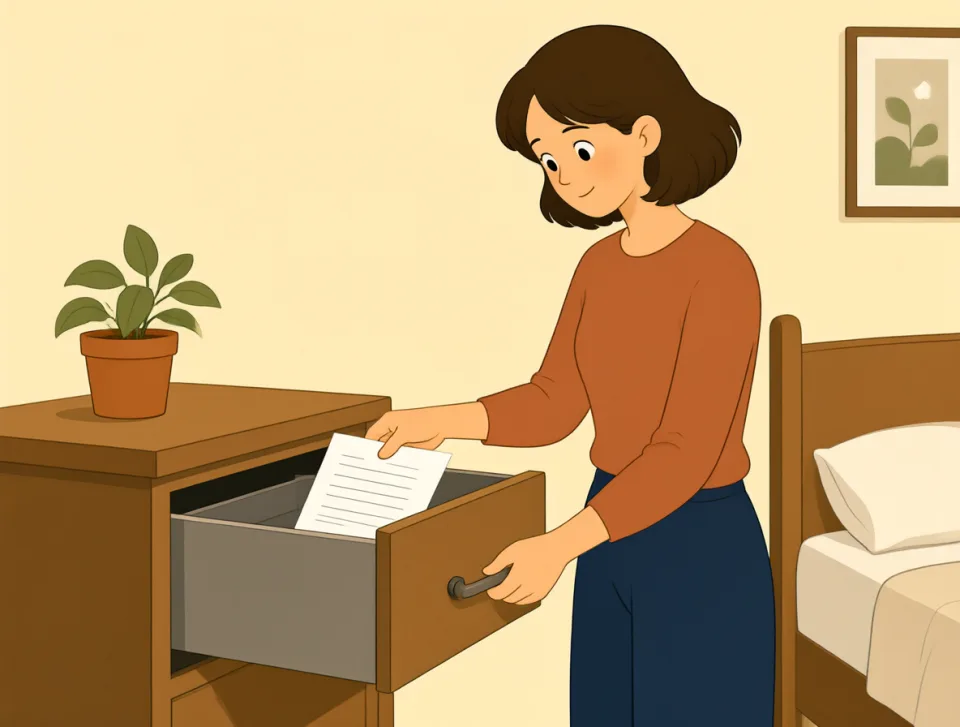
Her birth certificate is safely stored in a drawer at home.
她的出生證明妥善地儲存在家裡的抽屜中。
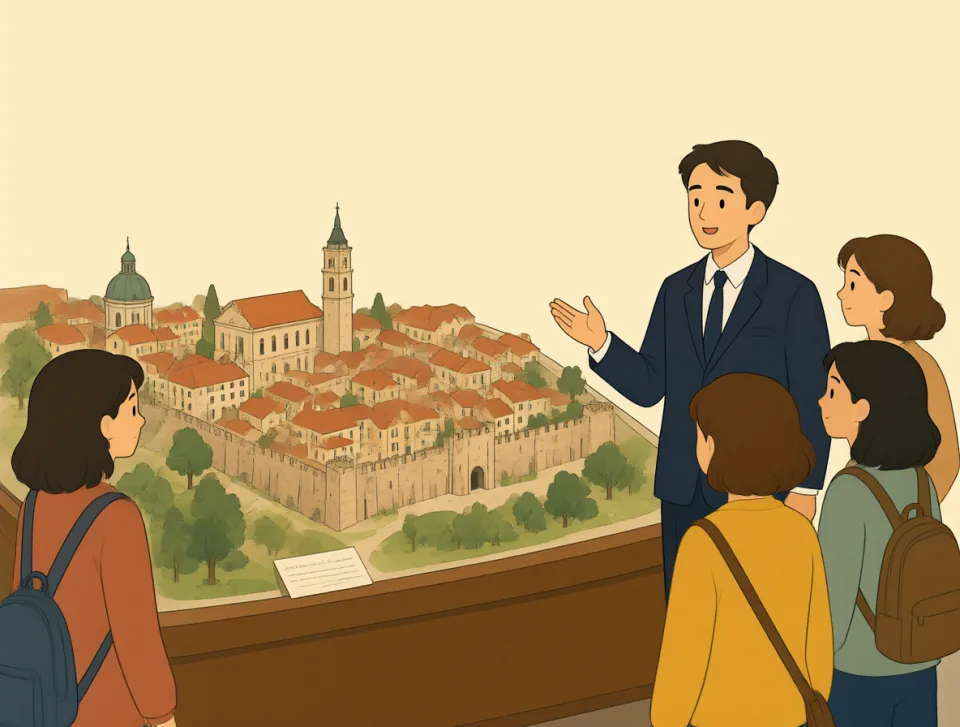
The museum tells the story of the city’s birth.
這座博物館講述了這座城市的誕生歷程。

forest
#1527noun
森林
a large area of trees growing close together
一大片密集生長的樹木

We walked through the forest for two hours.
我們在森林裡走了兩個小時。

Many animals live in the forest.
許多動物生活在森林裡。
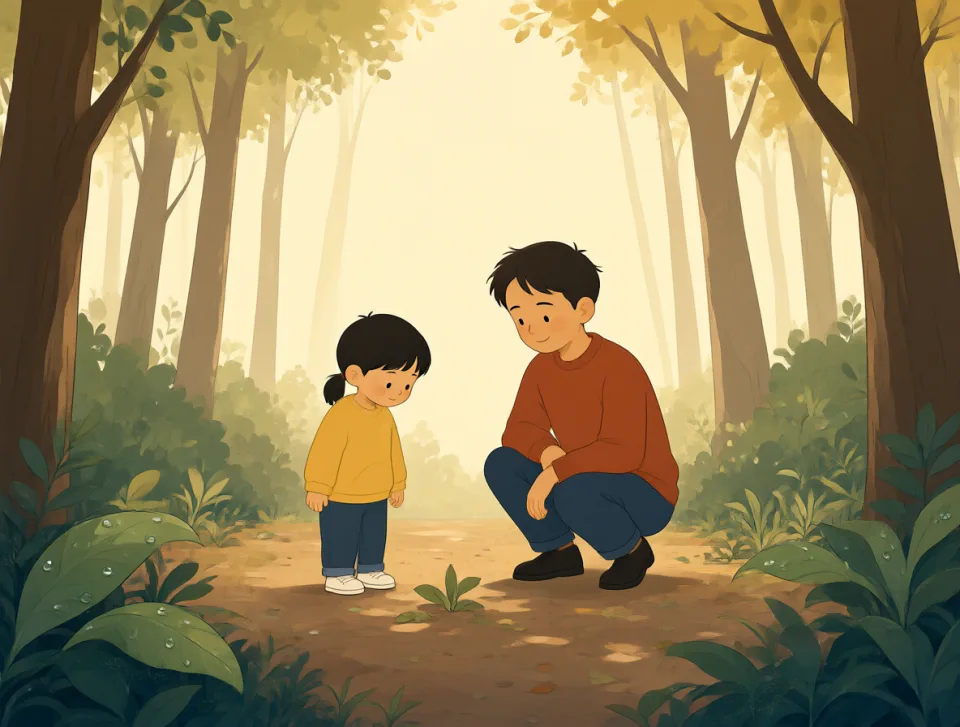
The forest was quiet after the rain.
雨後的森林很安靜。

They built a small cabin near the forest.
他們在森林附近建了一間小木屋。

Our class visited the forest to study plants.
我們班去森林裡研究植物。
label
#1528noun, verb
標籤; 給……貼標籤; 標明
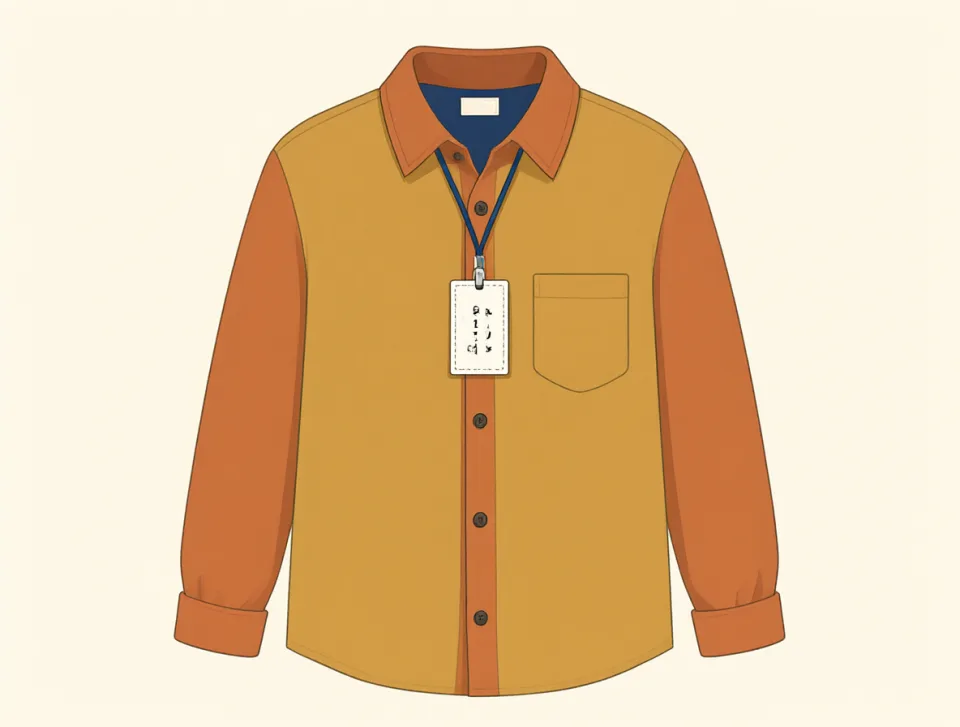
A label is a piece of paper showing what something is or who owns it.
標籤是一張紙,用來說明某樣東西是什麼,或者它屬於誰。

The label on this shirt says it is made of cotton.
這件襯衫上的標籤寫著它是棉質的。

Please read the label before taking this medicine.
服用這種藥之前,請先閱讀標籤。

She labeled each box before moving to her new apartment.
搬到新公寓前,她給每個箱子都貼上了標籤。
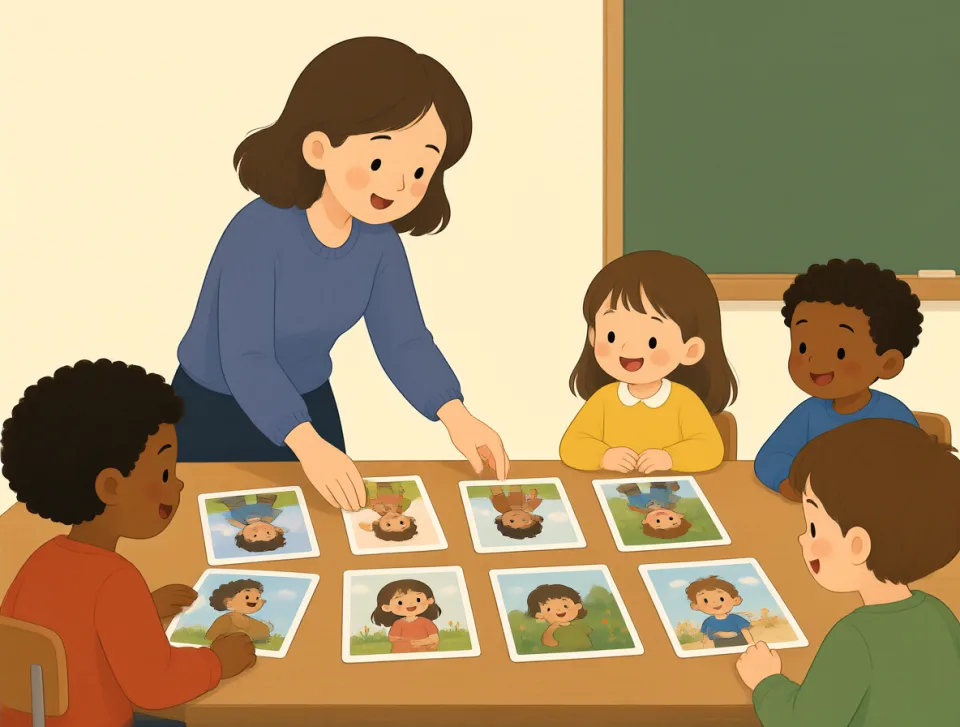
The teacher labeled the pictures for the young students.
老師給圖片標註了名稱,方便年幼的學生學習。

He removed the price label before giving her the gift.
送她禮物前,他撕掉了價格標籤。
root
#1529noun, verb
根;根源;根除
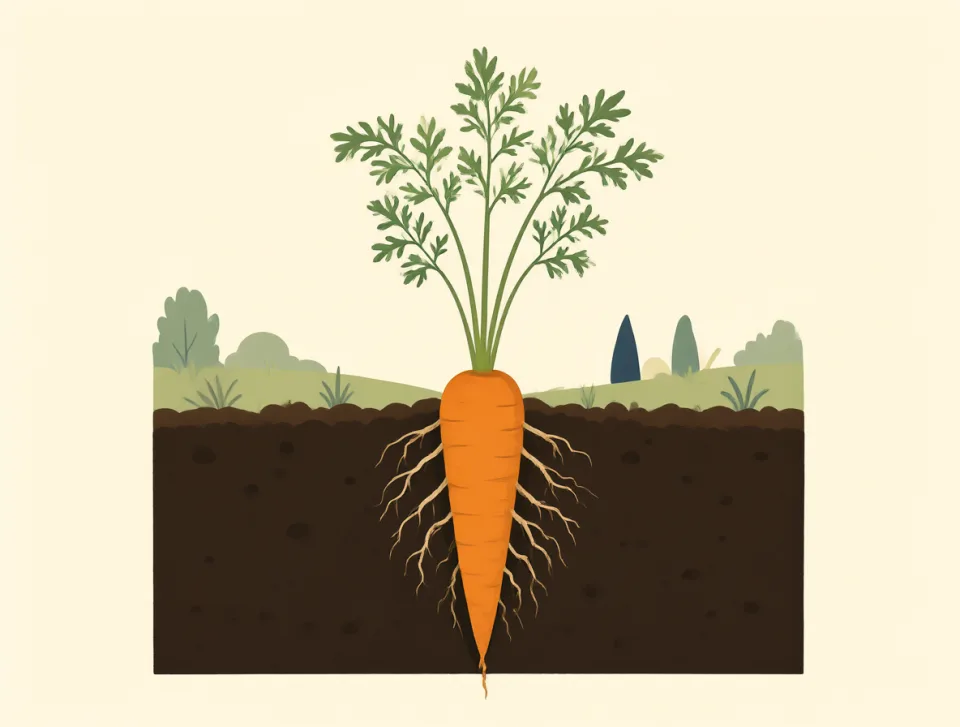
The part of a plant under the ground that holds it in place and takes in water.
植物在地下的部分,能固定植物並吸收水分。
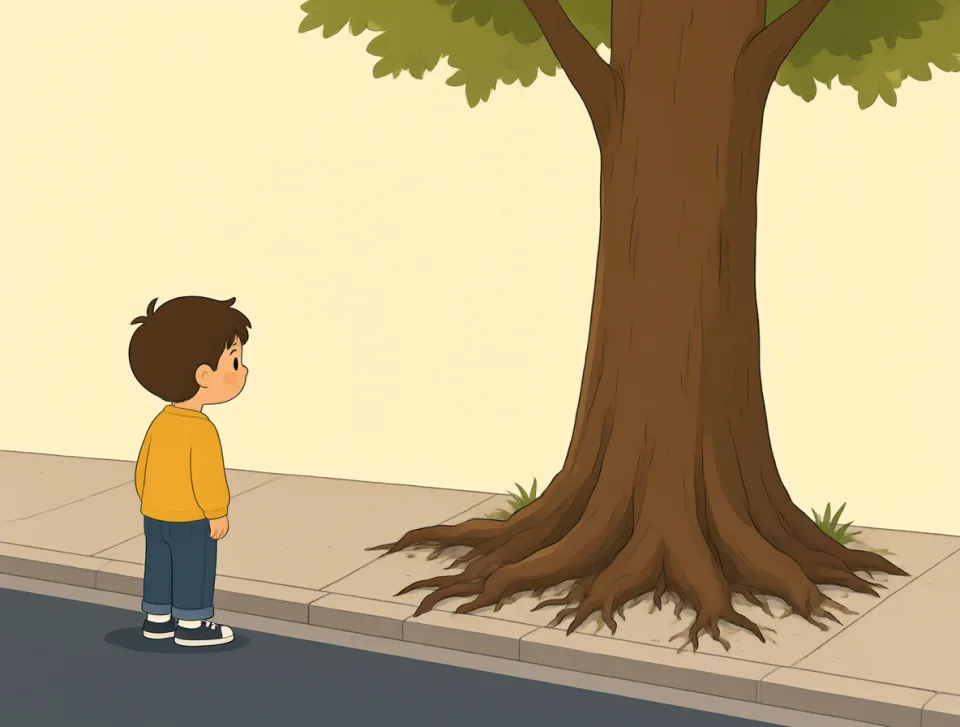
The tree's roots spread under the sidewalk.
這棵樹的根蔓延到了人行道下面。
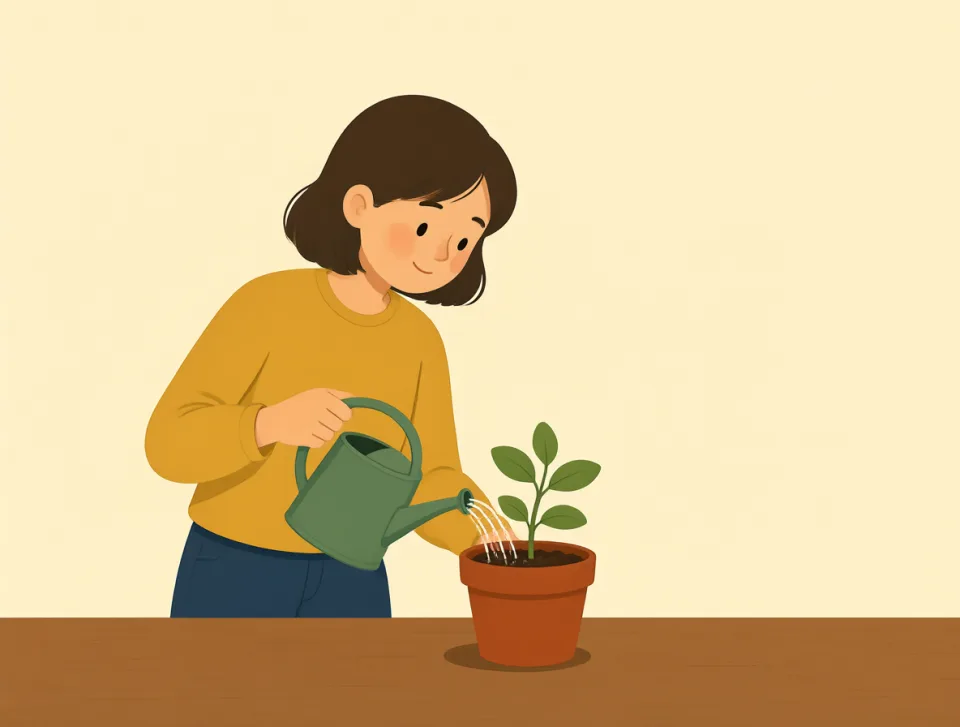
Water the plant well so its roots can grow.
給植物澆足水,這樣它的根才能生長。
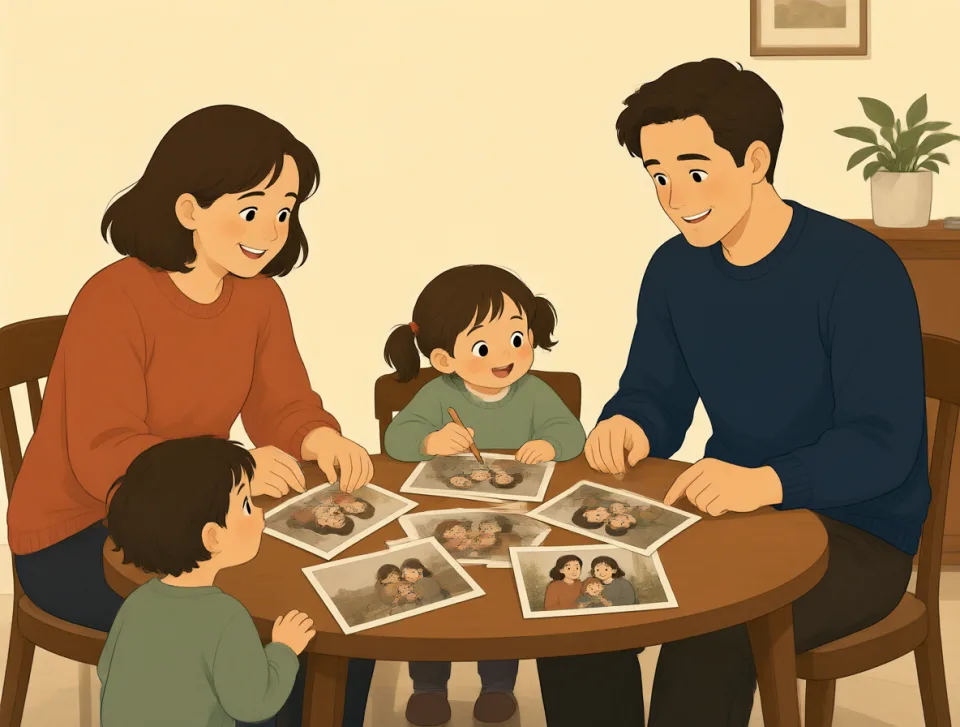
This family has roots in northern Spain.
這個家族的祖籍在西班牙北部。
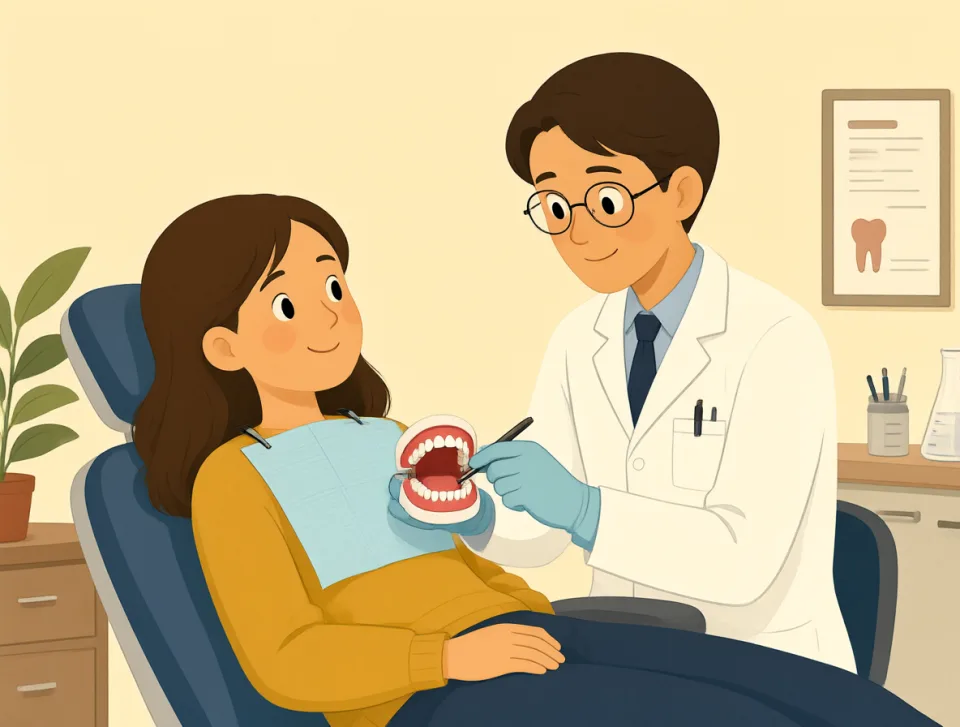
The dentist found the root of the problem tooth.
牙醫找到了那顆問題牙的牙根。

The workers are rooting out weeds from the garden.
工人們正在花園裡把雜草連根拔除。
factory
#1530noun
工廠
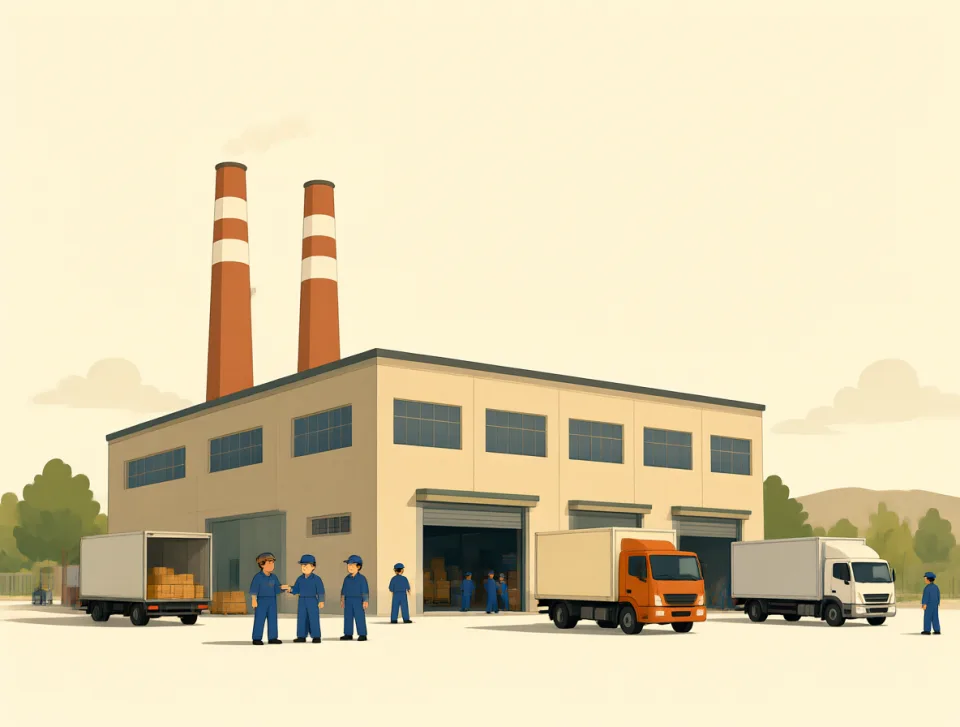
A building where goods are made, usually by machines and workers.
通常由機器和工人生產商品的建築物。

My father works in a car factory near our town.
我父親在我們鎮附近的一家汽車工廠工作。

The factory makes shoes for stores around the country.
這家工廠為全國各地的商店生產鞋子。
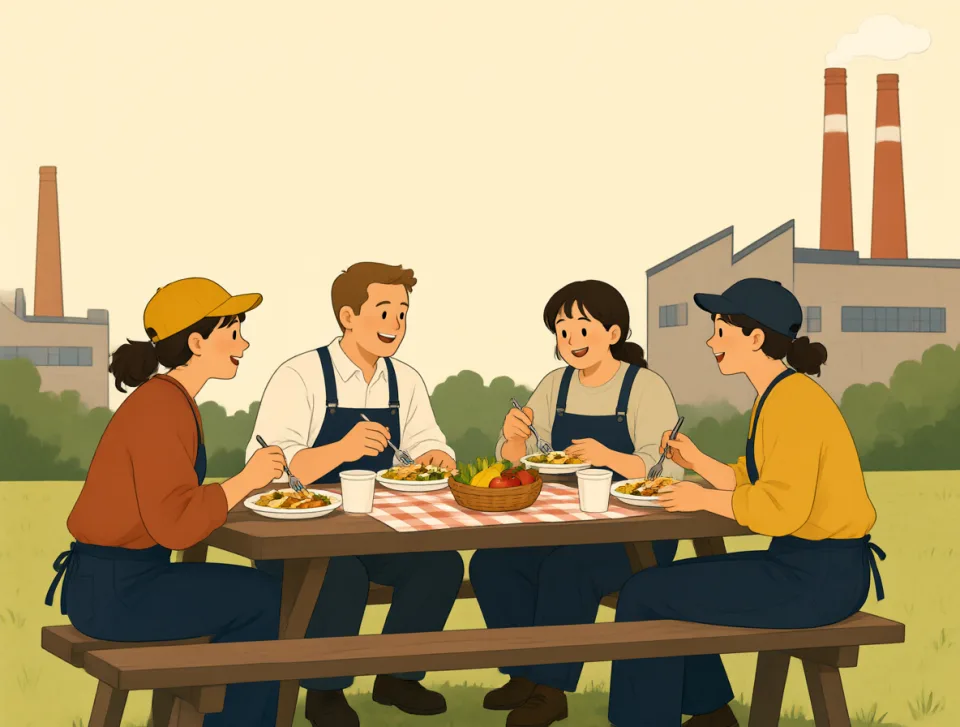
Several factory workers shared lunch outside during their break.
幾名工廠工人在休息時間一起到外面吃午飯。

The chocolate factory gave visitors free samples of fresh candy.
這家巧克力工廠免費向遊客提供新鮮糖果樣品。
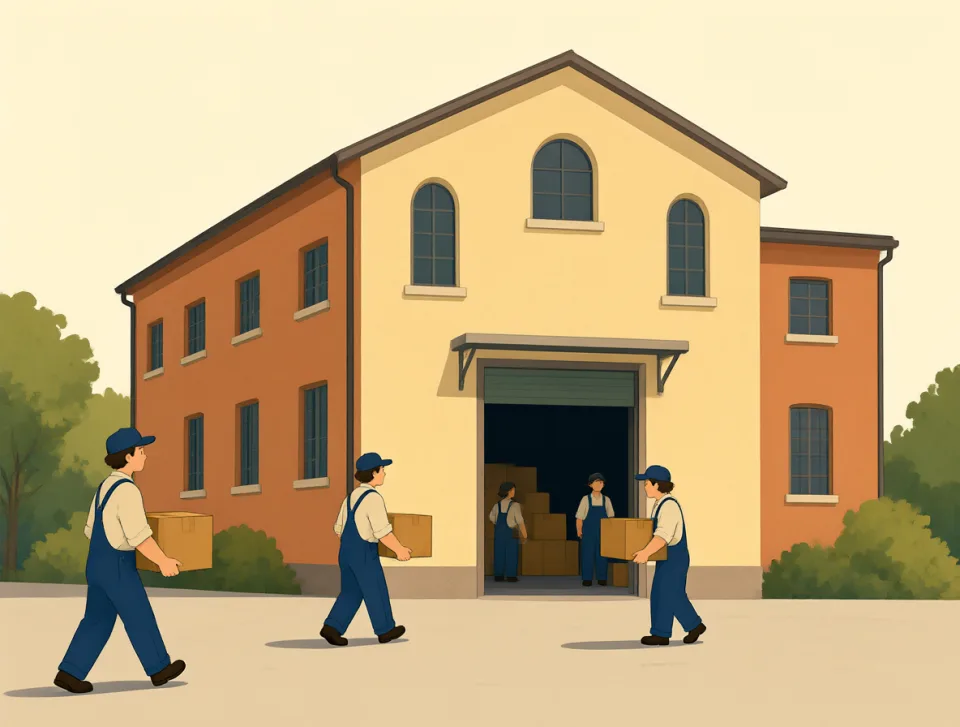
The old factory closed after many years of making bicycles.
這家老工廠生產了多年腳踏車後關閉了。
expense
#1531noun
費用;開支;花費
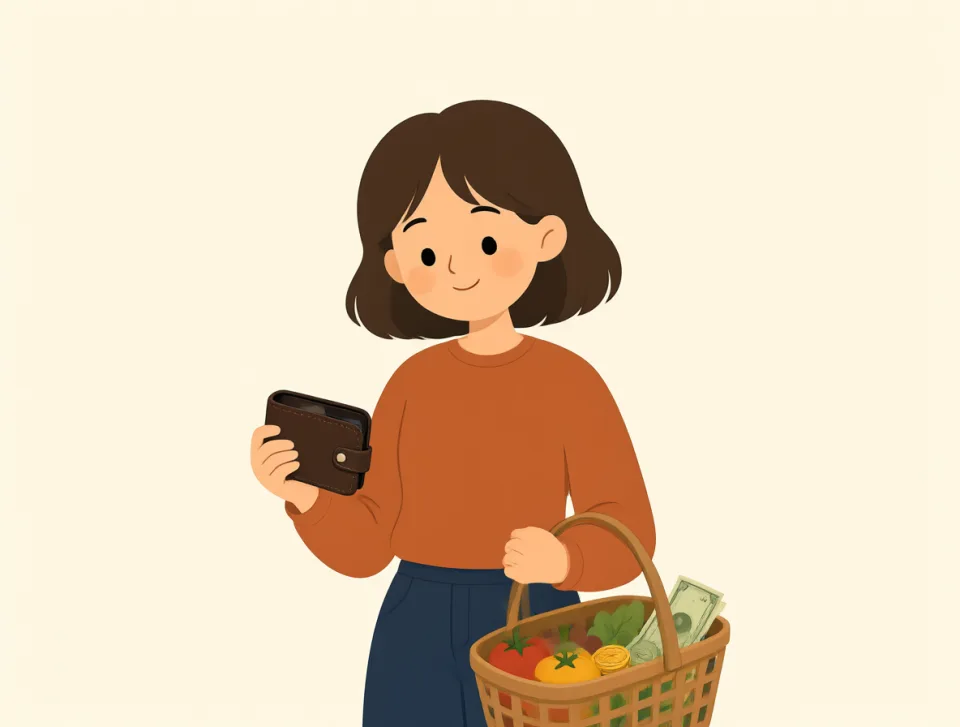
Money that you spend to buy or do something.
為了購買某樣東西或做某件事而花的錢。
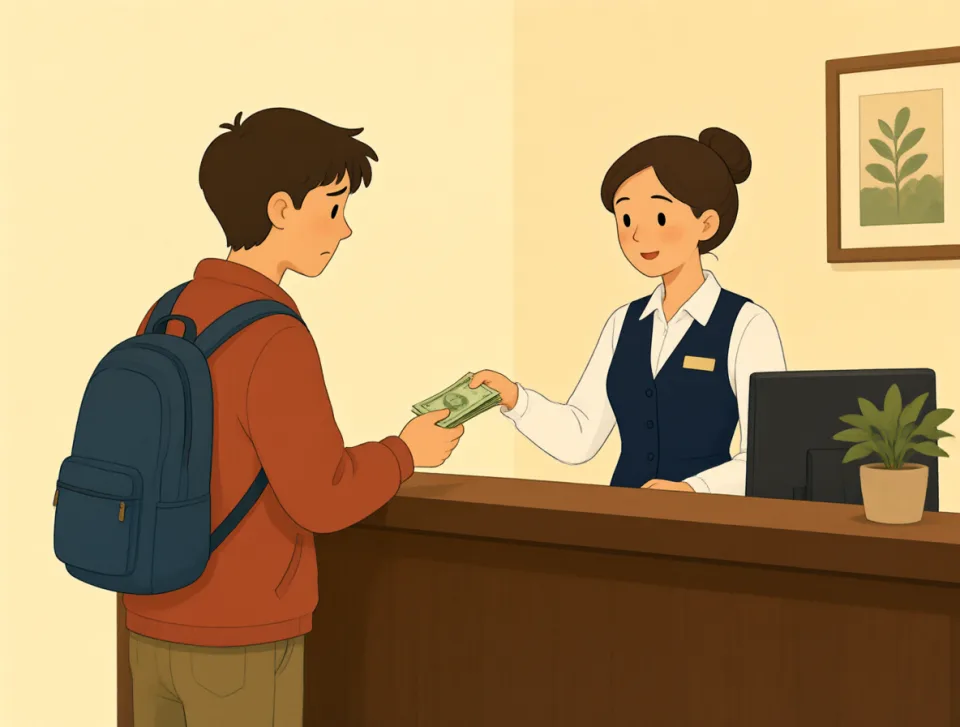
The hotel expense was higher than we expected.
酒店費用比我們預想的高。

We shared the travel expenses with our friends.
我們和朋友分攤了旅行費用。

Please keep your medical expenses under control.
請控制好醫療開支。

The company pays my travel expenses for work.
公司會報銷我的工作差旅費。
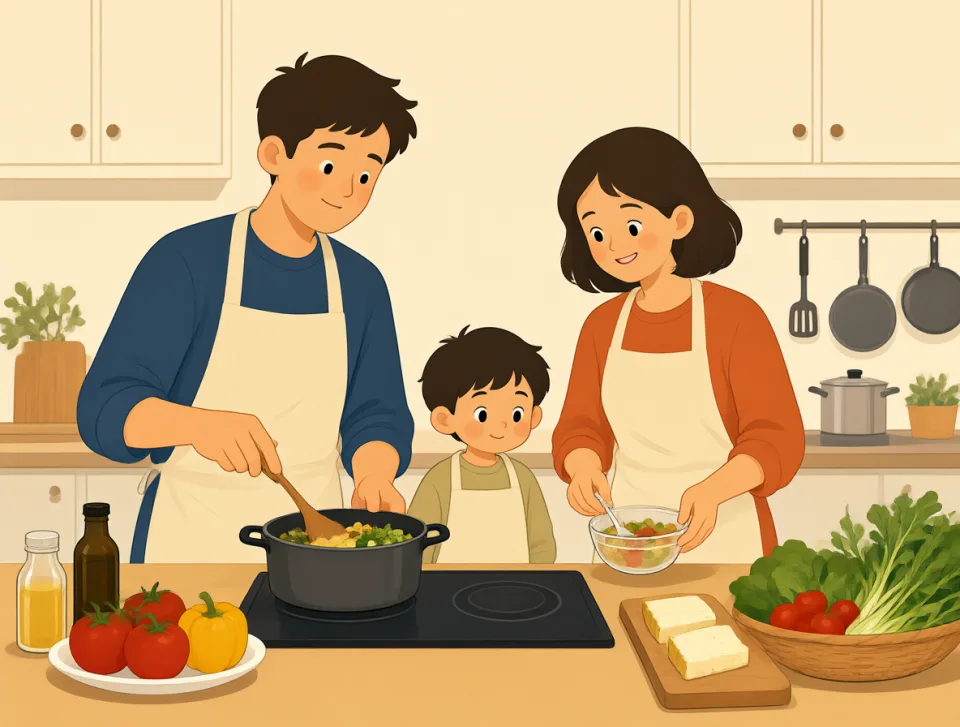
Cooking at home helps reduce our food expenses.
在家做飯有助於減少食品開支。

channel
#1532noun, verb
頻道;渠道;河道;引導
A way for television, communication, or water to travel; to send through a particular way.
電視、通訊或水流透過的途徑;透過特定途徑傳送或傳遞。
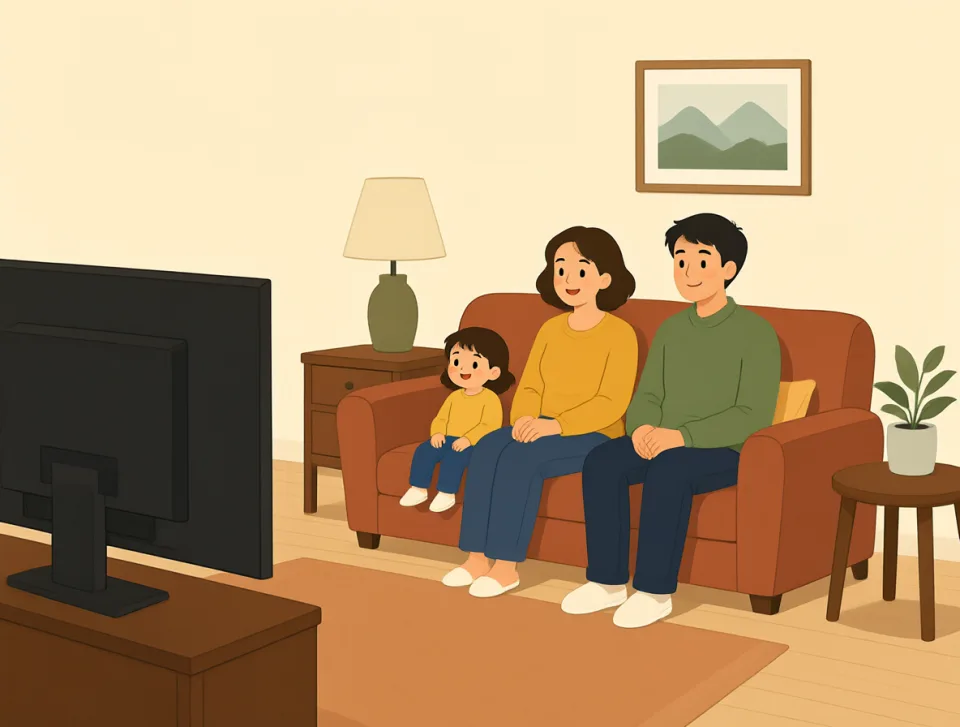
We watched a movie on our favorite channel last night.
昨晚我們在最喜歡的頻道上看了一部電影。

Please change the channel; this program is boring.
請換個頻道,這個節目太無聊了。

The company uses several channels to reach new customers.
這家公司透過多種渠道接觸新客戶。
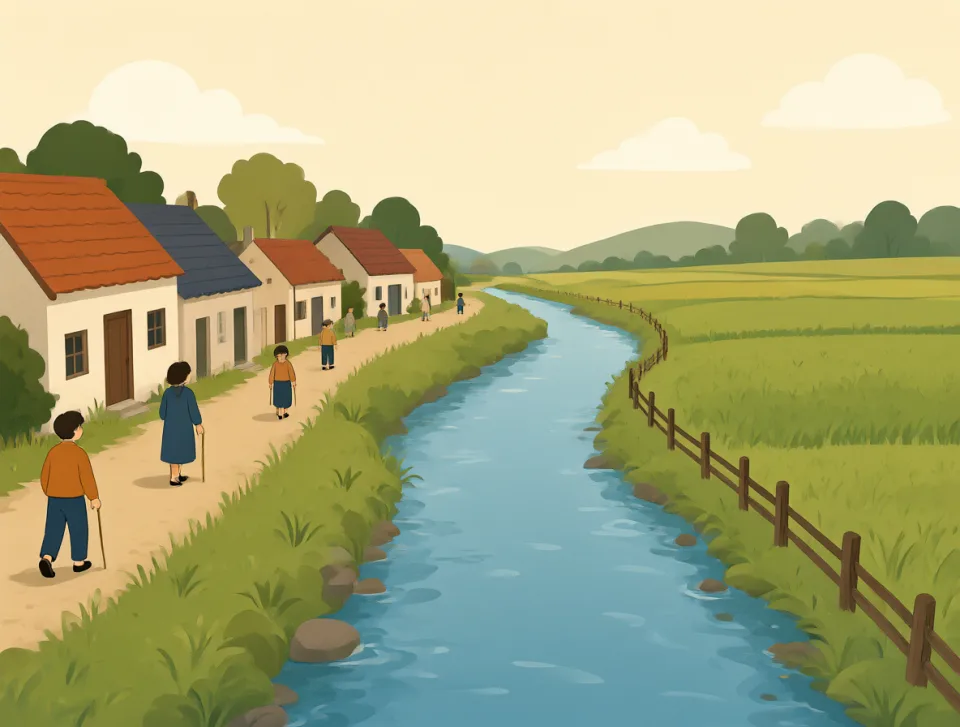
The river channel became narrow near the village.
村子附近的河道變窄了。
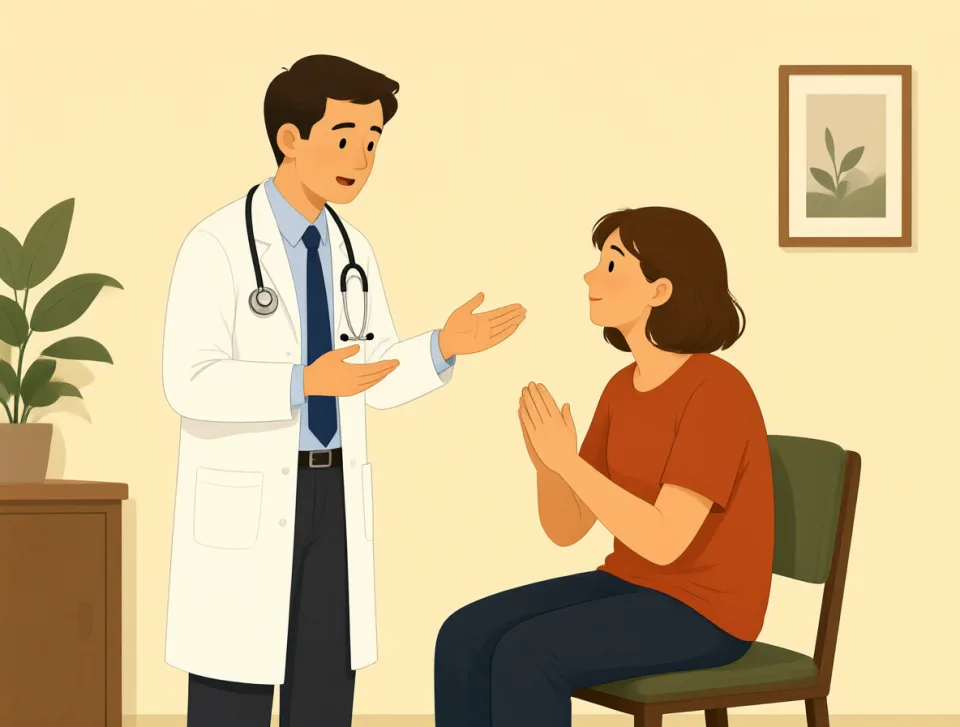
The doctor channeled the patient’s energy into gentle exercise.
醫生引導患者把精力投入到溫和的鍛鍊中。

investigate
#1533verb
調查;查明
To carefully examine something to discover facts or find the truth.
仔細檢查或研究某件事,以發現事實或弄清真相。
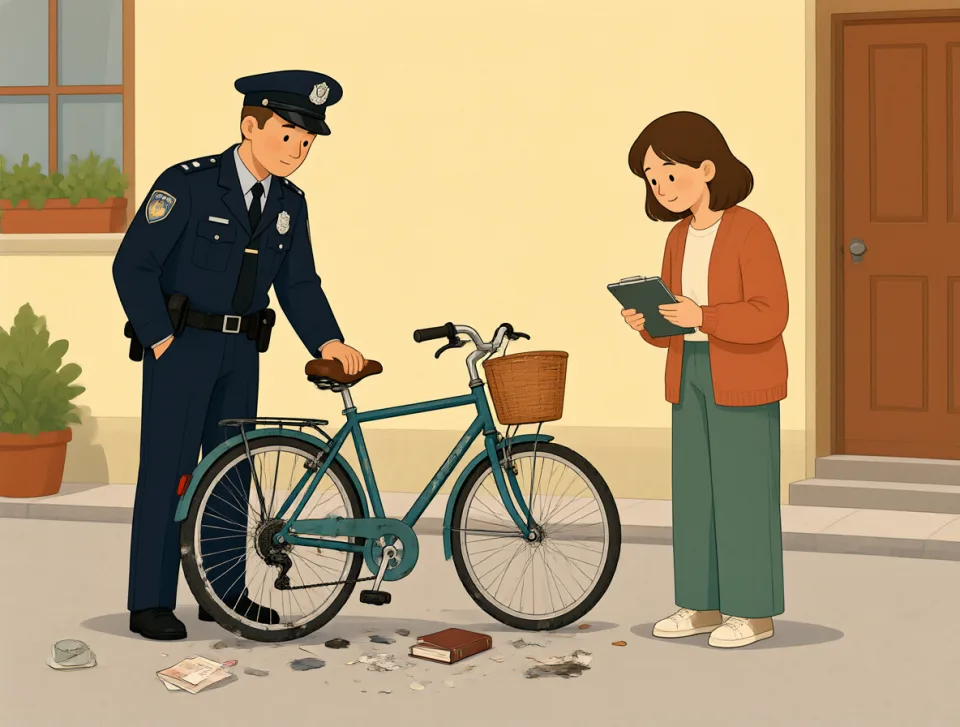
Police are investigating the cause of the accident.
警方正在調查事故原因。
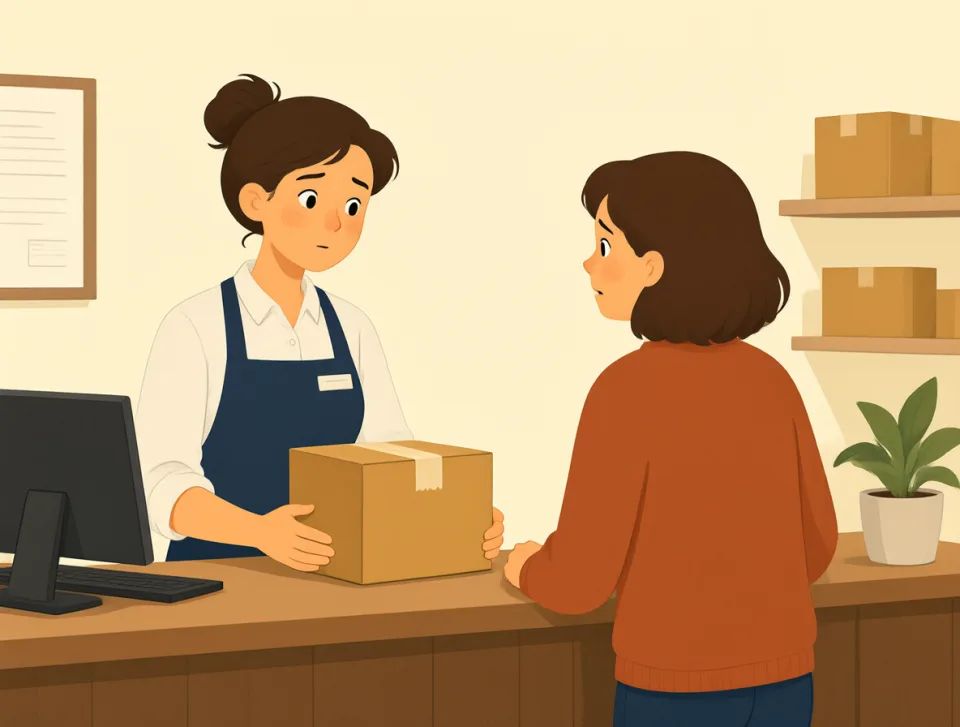
The manager investigated a customer’s complaint about the missing order.
經理調查了一位顧客關於訂單丟失的投訴。
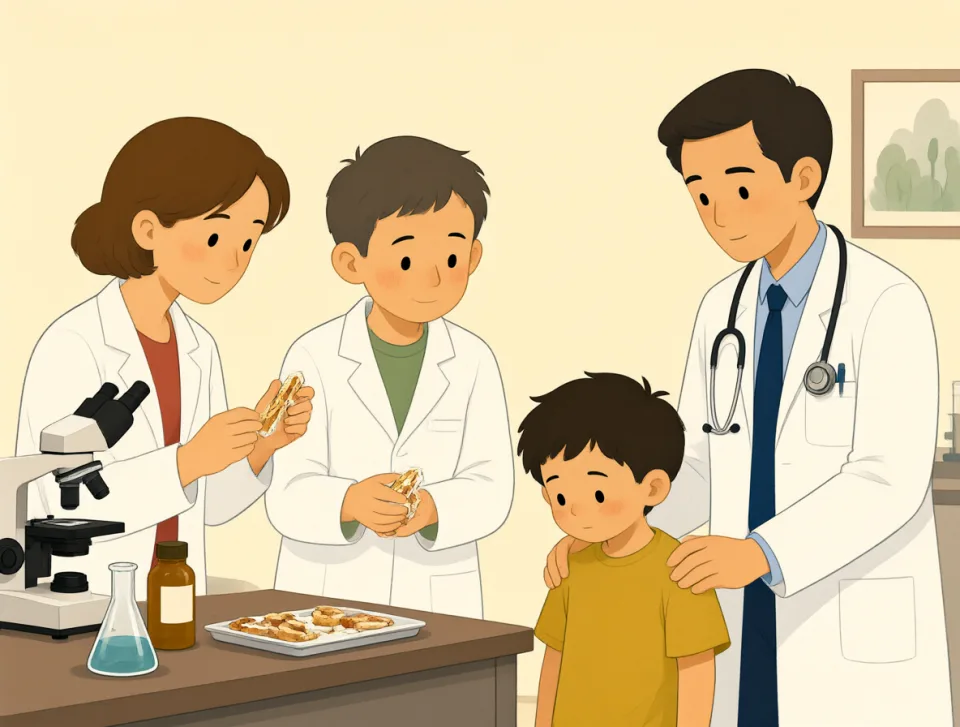
Scientists investigated why some children became sick after eating the food.
科學家調查了為什麼有些孩子吃了這種食物後會生病。
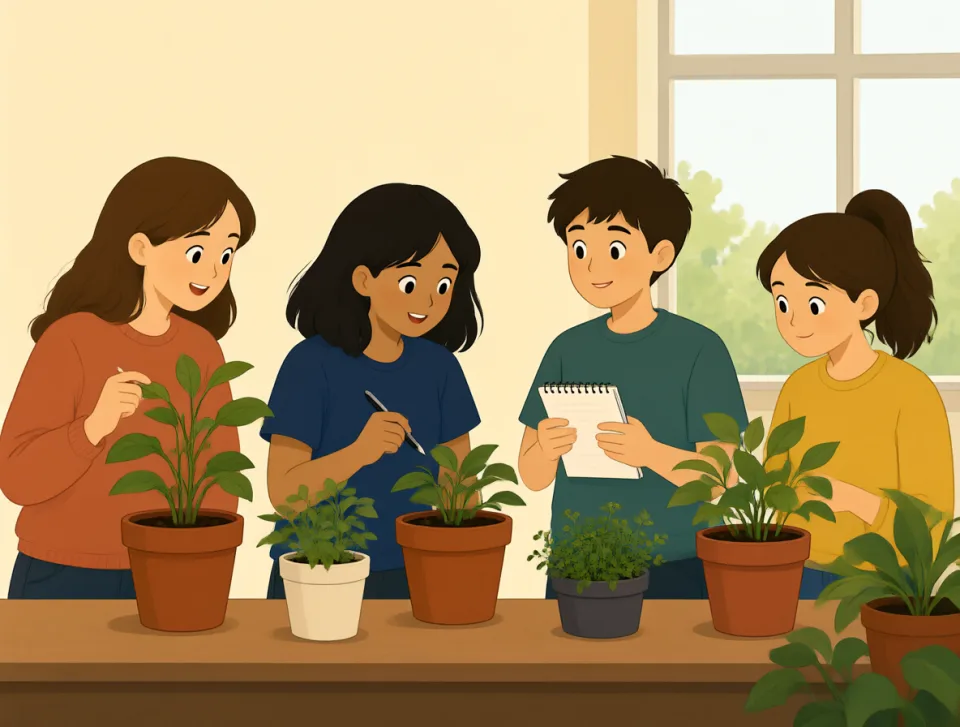
Our teacher asked us to investigate how plants grow without sunlight.
老師讓我們研究植物在沒有陽光的情況下如何生長。
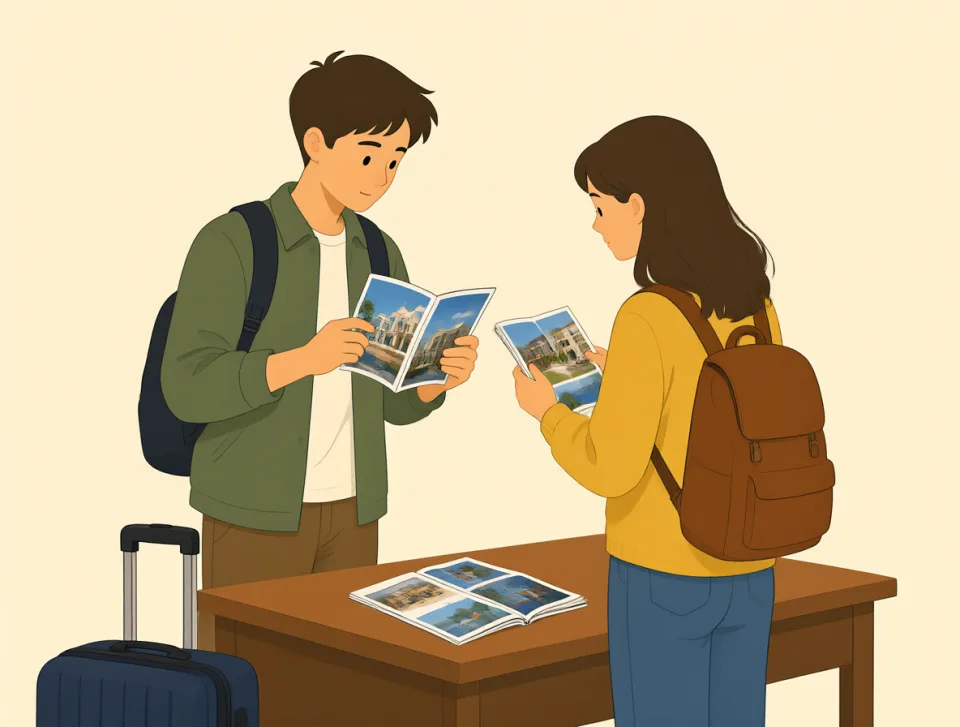
I investigated several hotels before booking our holiday.
預訂度假行程之前,我調查了幾家酒店。
recommendation
#1534noun
推薦;建議
advice about what someone should choose, do, or buy
關於某人應該選擇、做或購買什麼的建議

Can you give me a recommendation for a good movie?
你能給我推薦一部好電影嗎?

My doctor made a recommendation about getting more exercise.
我的醫生建議我多鍛鍊。

We chose the hotel based on your recommendation.
我們根據你的推薦選了這家酒店。
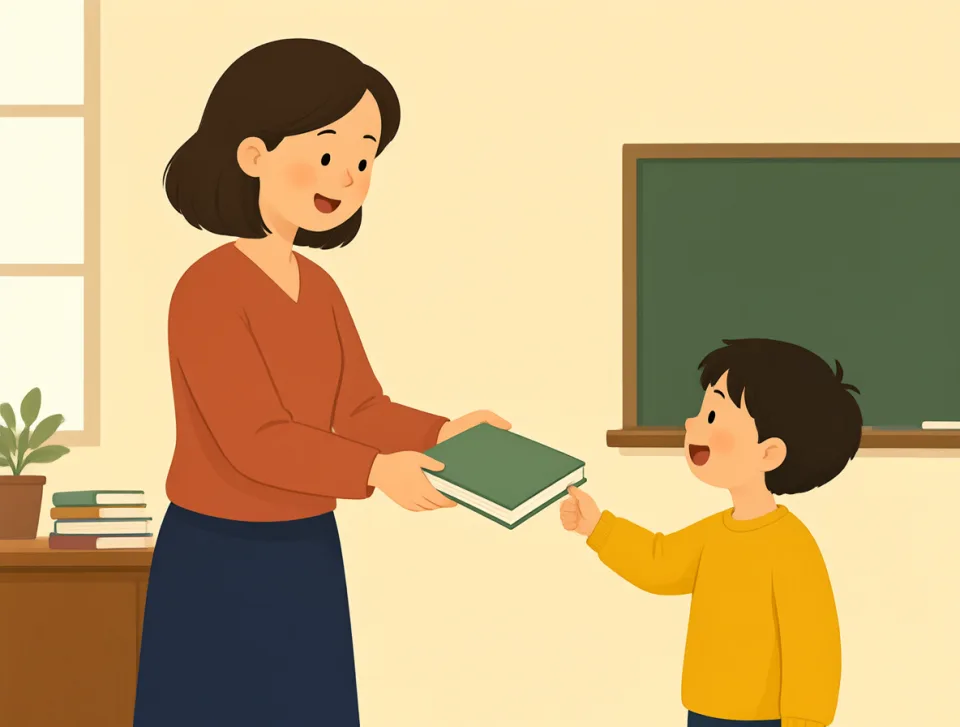
The teacher gave us a book recommendation for the holiday.
老師推薦了一本適合假期看的書。

The waiter gave us several recommendations from the menu.
服務員給我們推薦了幾道選單上的菜。
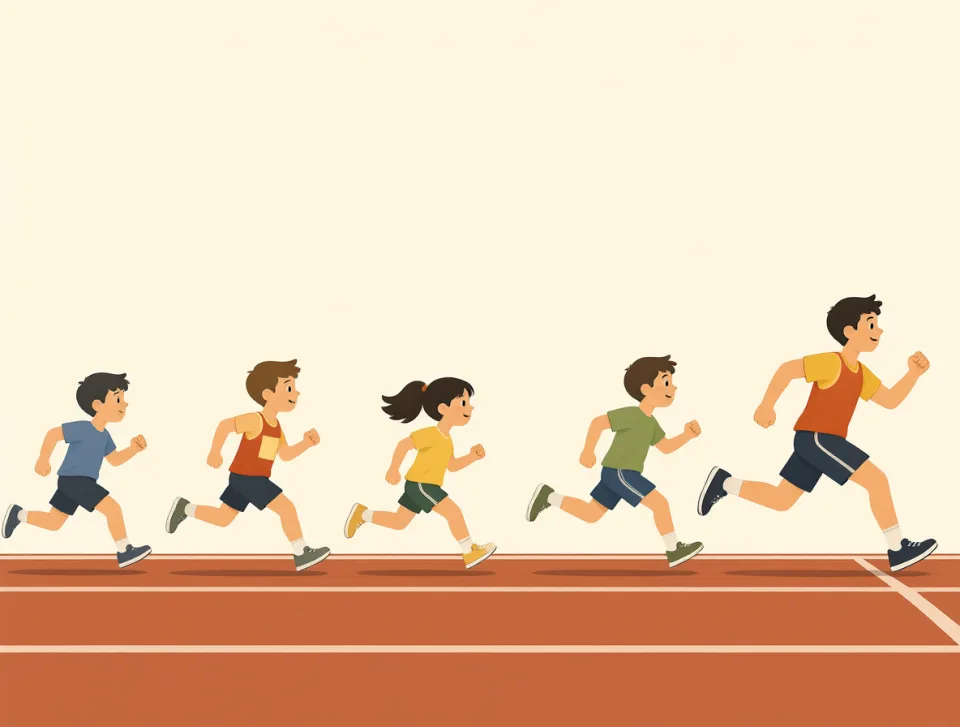
rank
#1535noun, verb, adjective
排名;級別;等級;惡臭的
A position in a list, or to give someone or something a position in a list.
列表中的位置,或給某人或某物在列表中排定位置。
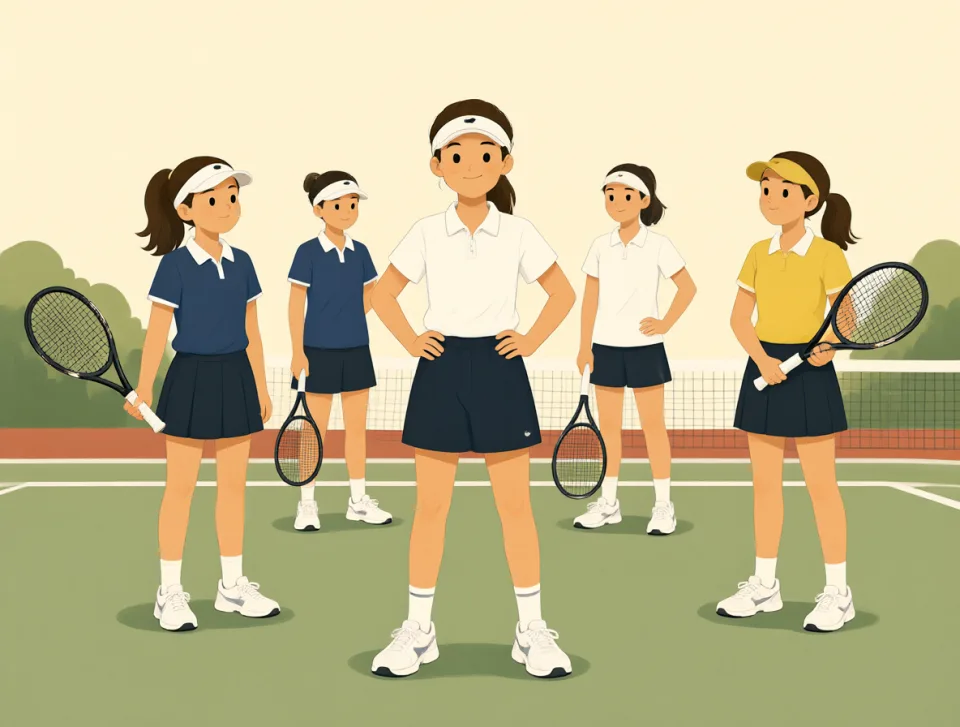
She got a high rank in the school tennis competition.
她在學校網球比賽中取得了很高的名次。

The hotel ranks among the best places to stay in town.
這家酒店躋身鎮上最好的住宿場所之列。

He was promoted to the rank of team leader last month.
他上個月晉升為團隊負責人。
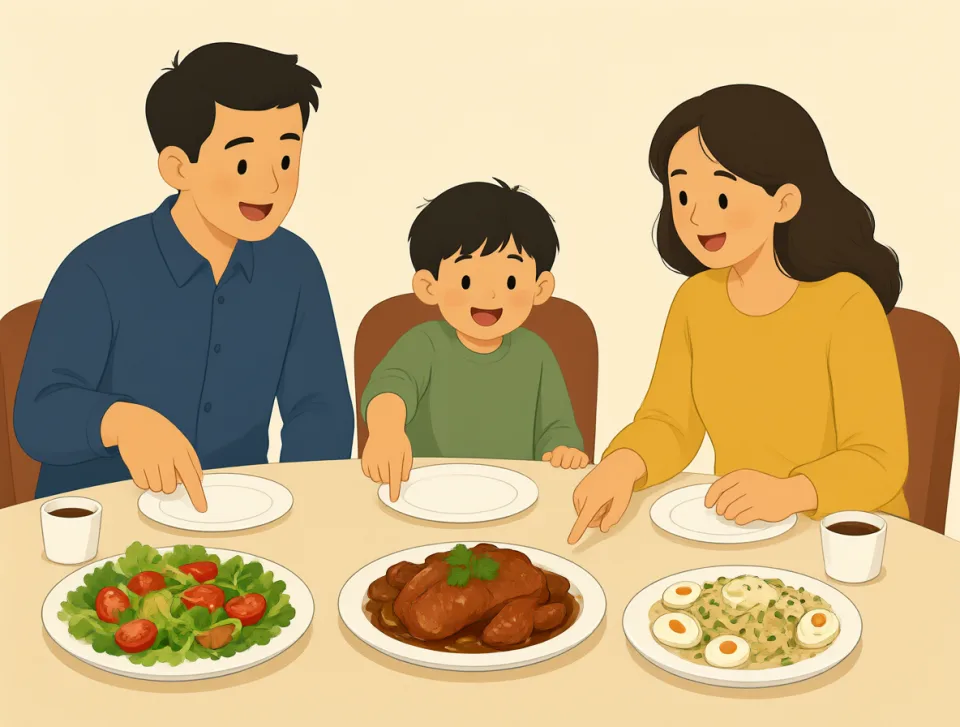
Please rank these three dishes from your favorite to your least favorite.
請按你最喜歡到最不喜歡的順序給這三道菜排序。
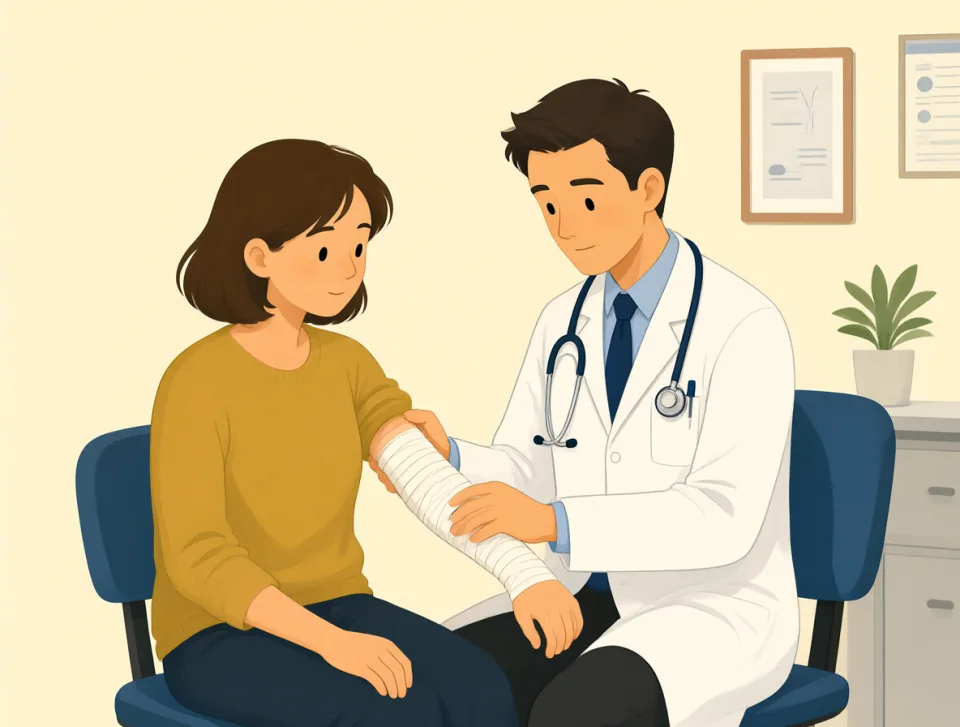
The doctor found a rank smell coming from the wound.
醫生髮現傷口散發出一股惡臭。
typical
#1536adjective
典型的;通常的
usual or expected for a particular person, place, or situation
某個人、某個地方或某種情況下常見的或符合預期的

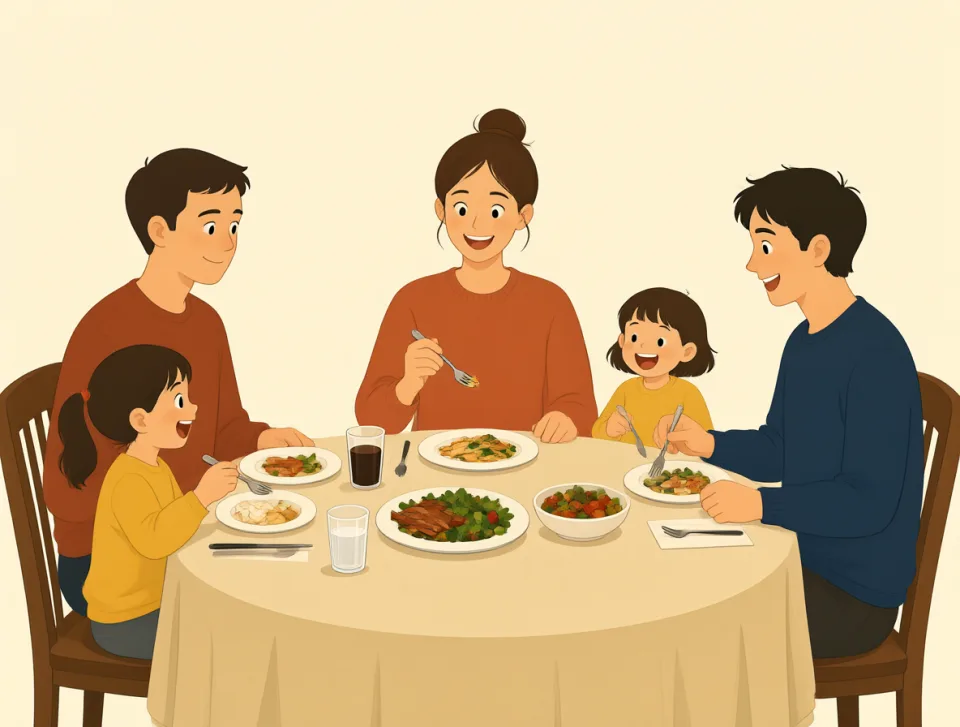
This is a typical day at our busy office.
這是我們忙碌的辦公室裡平常的一天。
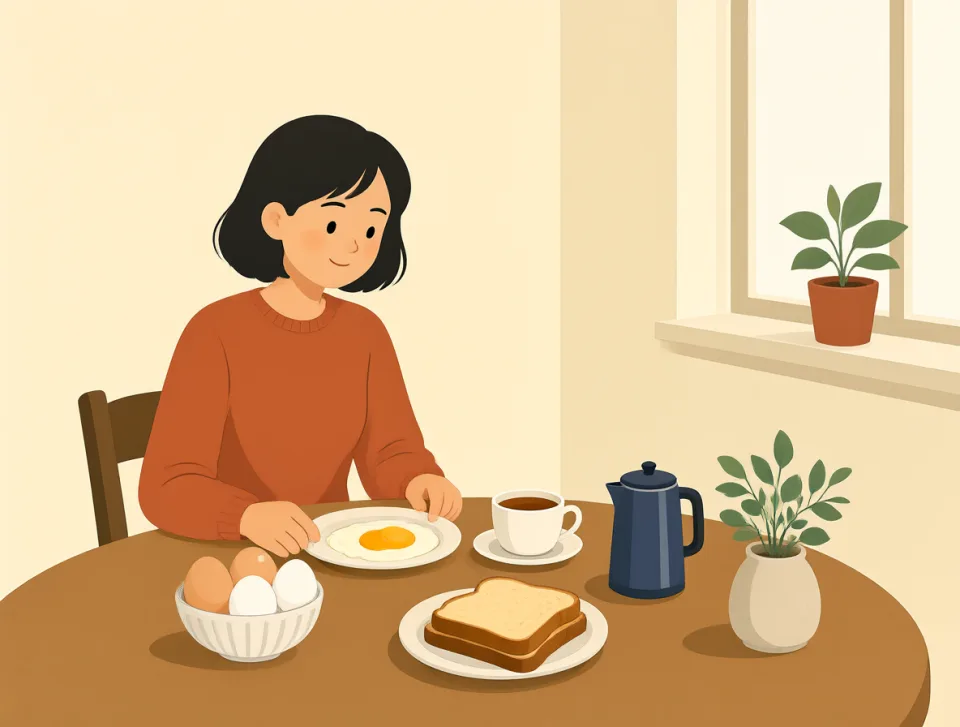
A typical British breakfast includes eggs, toast, and tea.
典型的英式早餐包括雞蛋、吐司和茶。
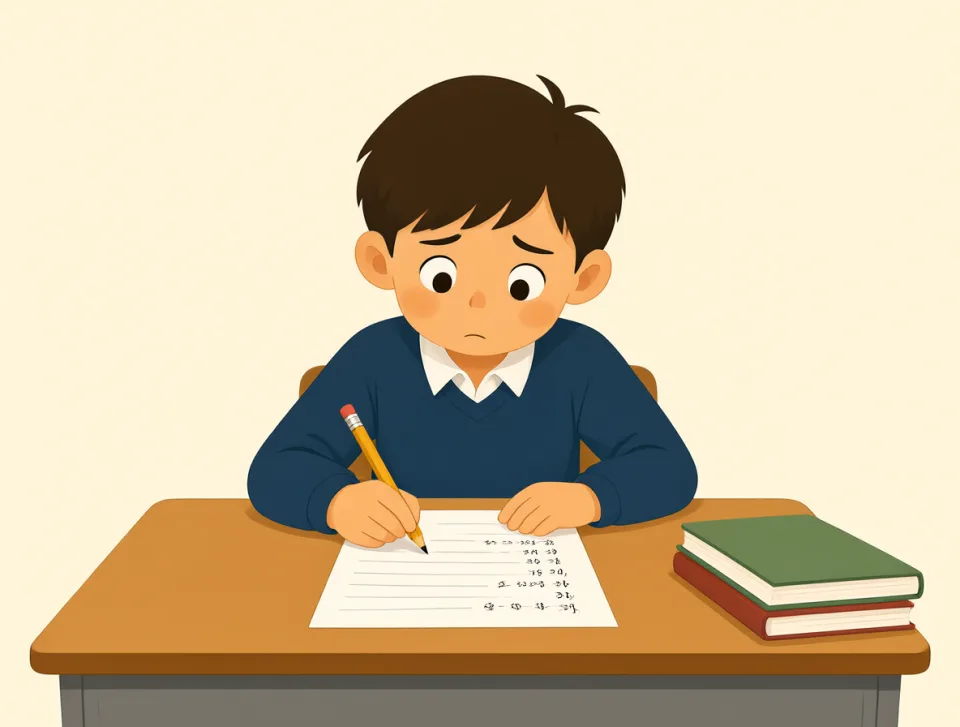
It is typical for children to feel nervous before a test.
孩子們在考試前感到緊張是很常見的。

The hotel room was typical of small city hotels.
這家酒店的房間很有小型城市酒店的典型風格。

She wore typical winter clothes on her trip to Canada.
她去加拿大旅行時穿著典型的冬裝。

west
#1537noun, adverb, adjective, preposition
西;西方;向西
The direction where the sun sets, or a place in that direction.
太陽落下的方向,或位於那個方向的地方。

We drove west for two hours after leaving the city.
離開城市後,我們向西開了兩個小時。
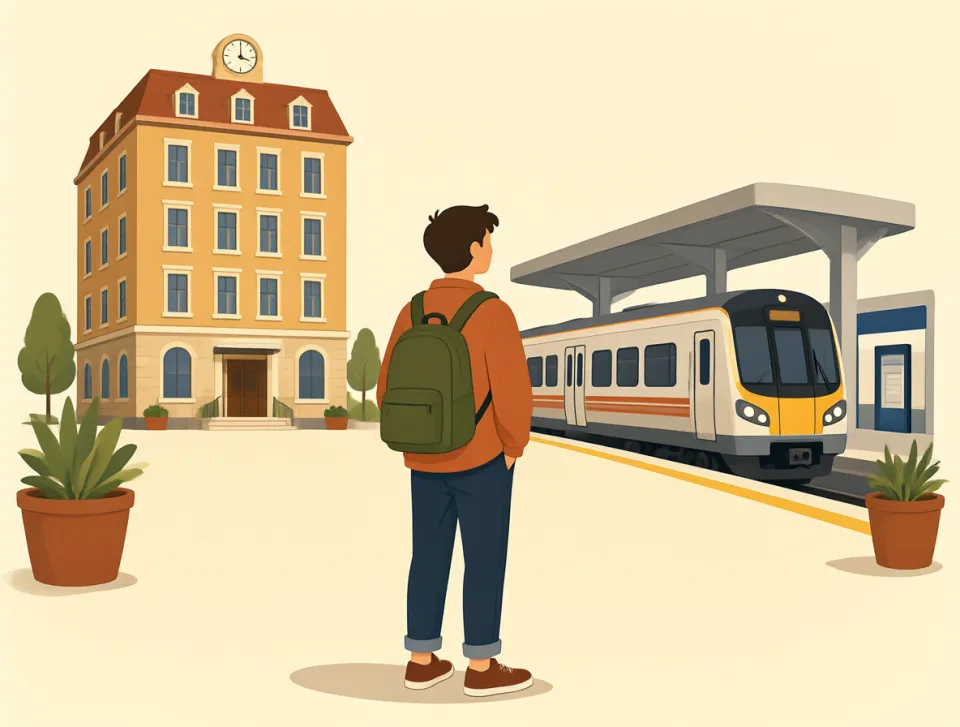
The hotel is west of the train station.
酒店在火車站的西邊。

The west side of the house gets warm afternoon sunlight.
房子的西側在下午能曬到溫暖的陽光。
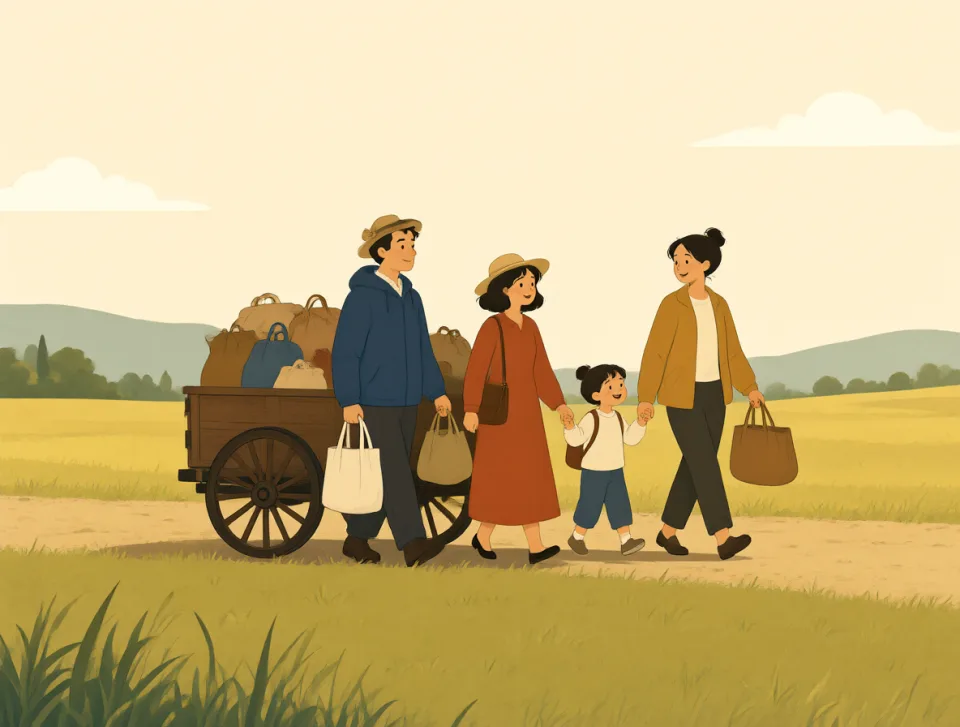
Many people moved west to find new jobs.
許多人搬到西部去尋找新的工作。

The wind is coming from the west today.
今天的風是從西邊吹來的。

friendly
#1538adjective
友好的;友善的;和藹的
Kind and pleasant toward other people.
對他人友善而和氣。

Our new neighbor is very friendly and always says hello.
我們的新鄰居非常友好,總是跟我們打招呼。

The friendly waiter helped us choose a meal.
那位友好的服務員幫我們挑選了一道菜。

She made some friendly friends at her new school.
她在新學校結交了一些友善的朋友。

The hotel staff were friendly and helped us with our bags.
酒店的工作人員都很友好,還幫我們拿行李。

The doctor gave me a friendly smile before the examination.
檢查前,醫生對我友好地笑了笑。
resident
#1539noun
居民;住戶;住客
A person who lives in a particular place, such as a house, town, or country.
居住在某個特定地方(如房屋、城鎮或國家)的人。

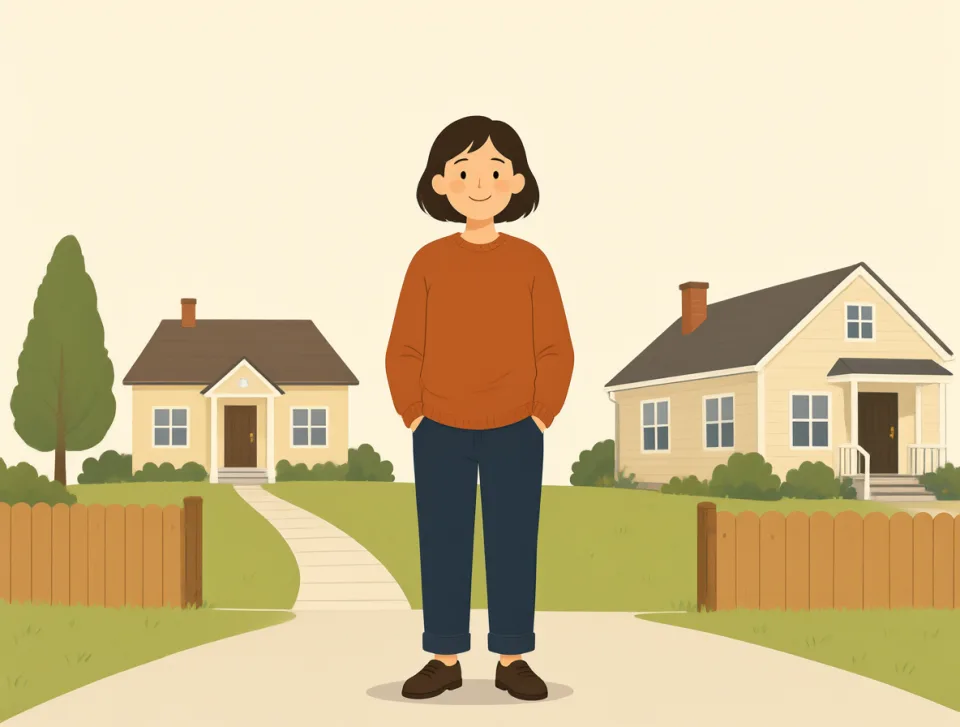
Every resident of this building has a key to the main door.
這棟樓的每位住戶都有一把大門的鑰匙。
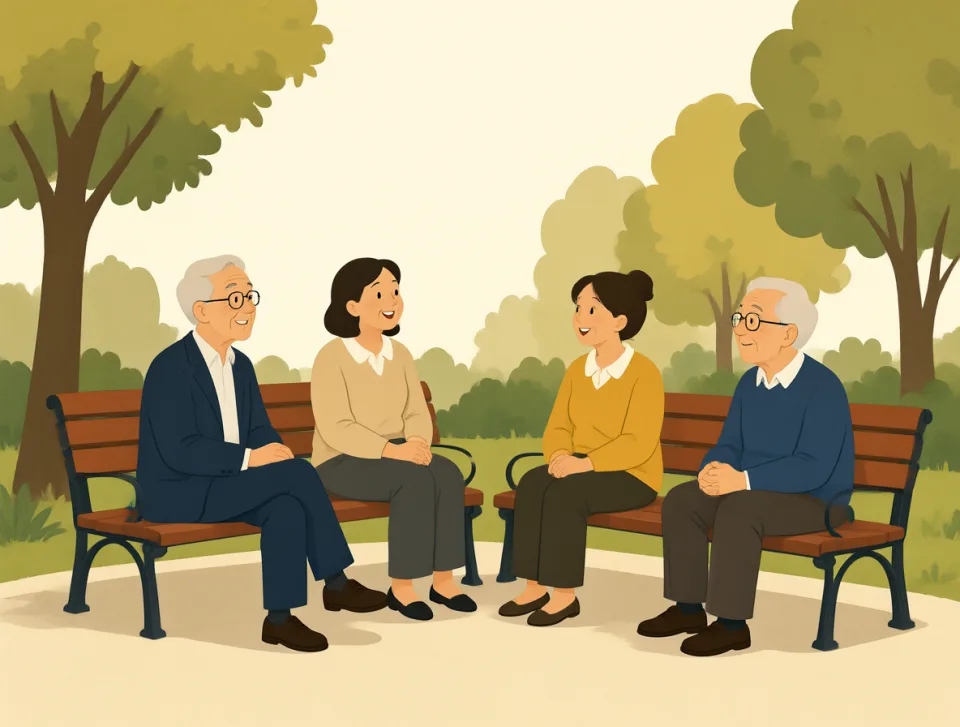
Local residents often meet in the park on sunny afternoons.
當地居民經常在陽光明媚的下午到公園碰面。
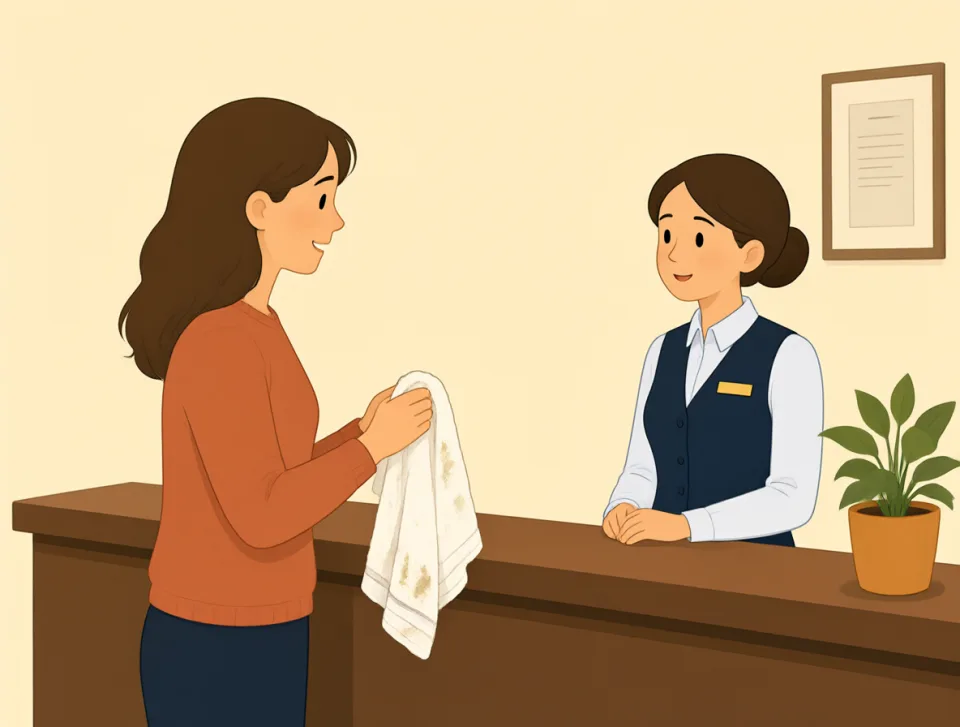
The hotel resident asked for fresh towels at the front desk.
酒店住客到前臺要求更換乾淨的毛巾。
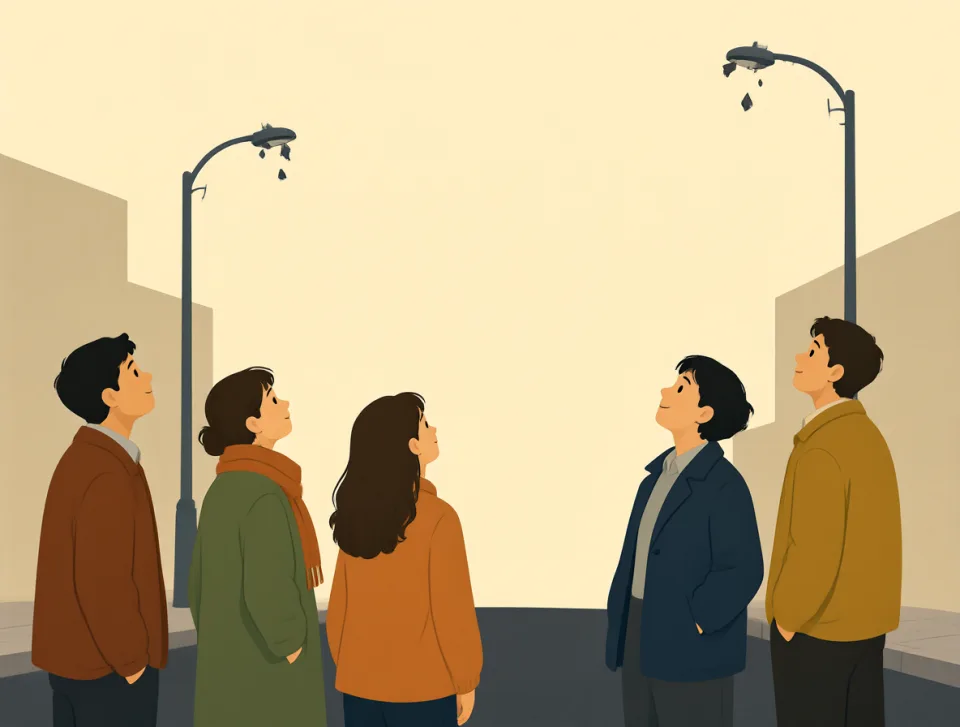
Residents complained when the street lights stopped working.
街燈停止工作後,居民們紛紛抱怨。
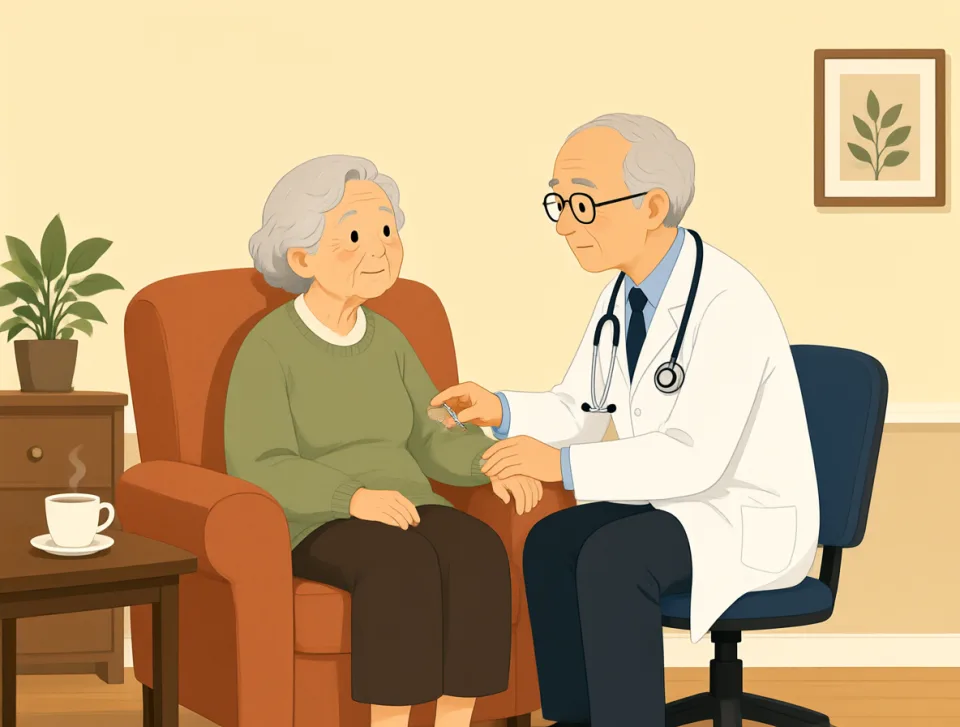
The doctor checked each resident at the care home.
醫生給養老院的每位住戶都做了檢查。
provision
#1540noun
供應;準備;條款;儲備
the act of supplying something needed, or the supplies provided
提供所需物品的行為,或所提供的物資
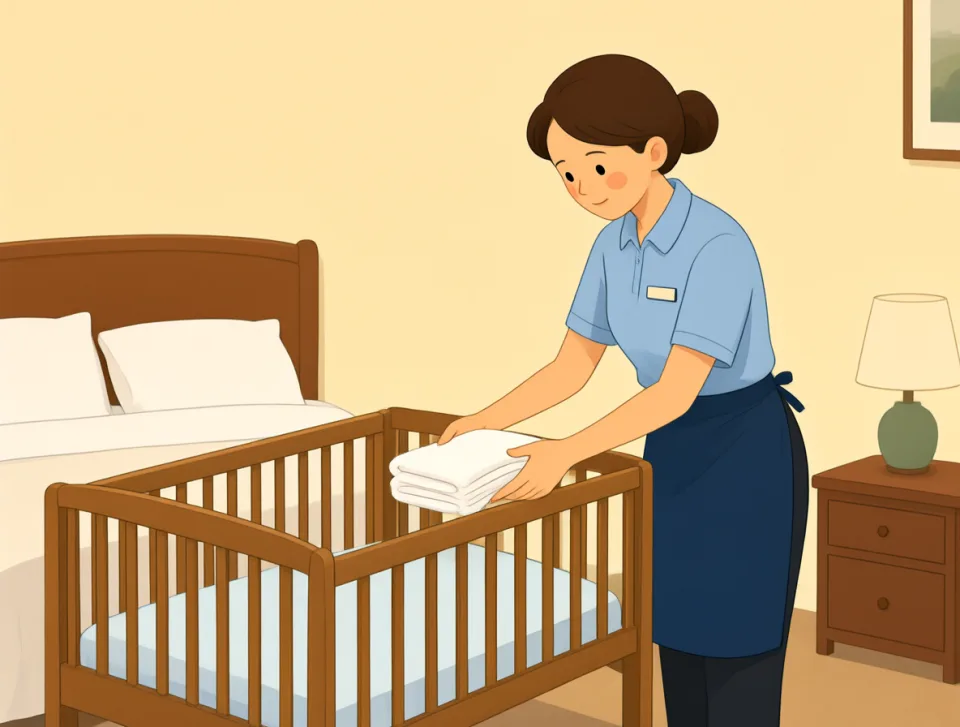
The hotel made provision for guests with small children.
酒店為帶小孩的客人作了相應安排。
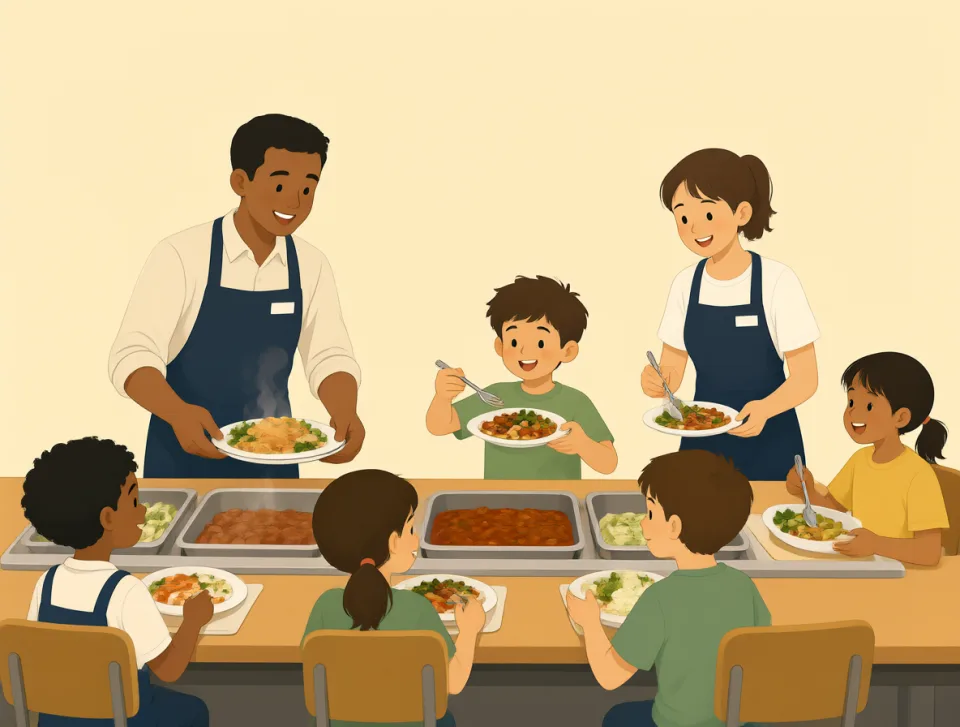
The school provides free meals for children in need.
學校為有需要的孩子提供免費餐食。
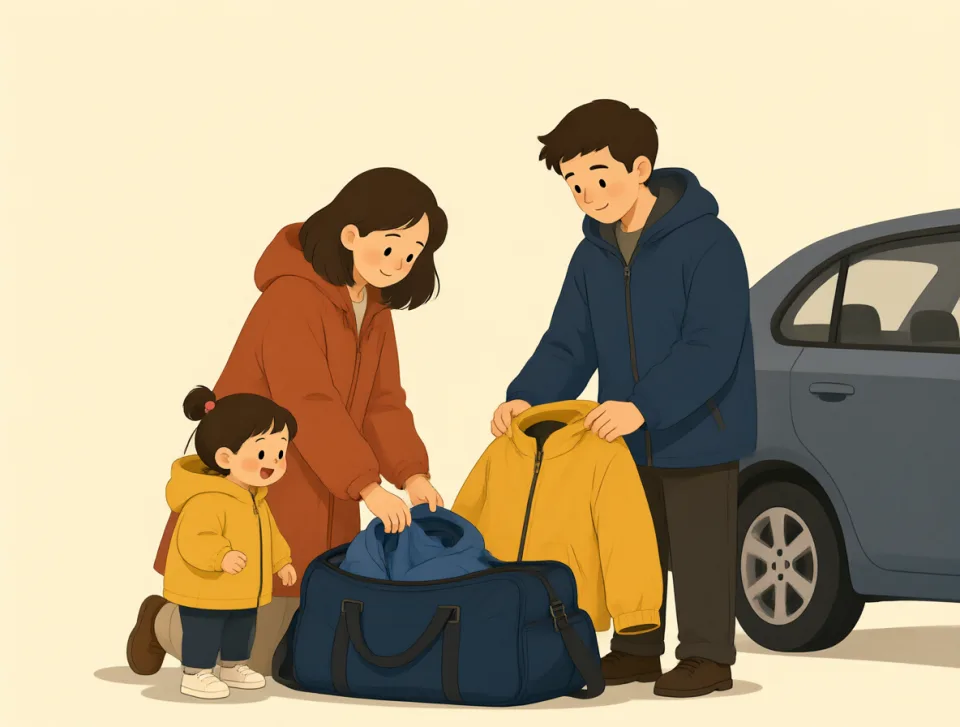
We made provision for rain by packing extra jackets.
我們多帶了幾件外套,以防下雨。

The contract includes a provision for paid sick leave.
合同中包含帶薪病假的條款。
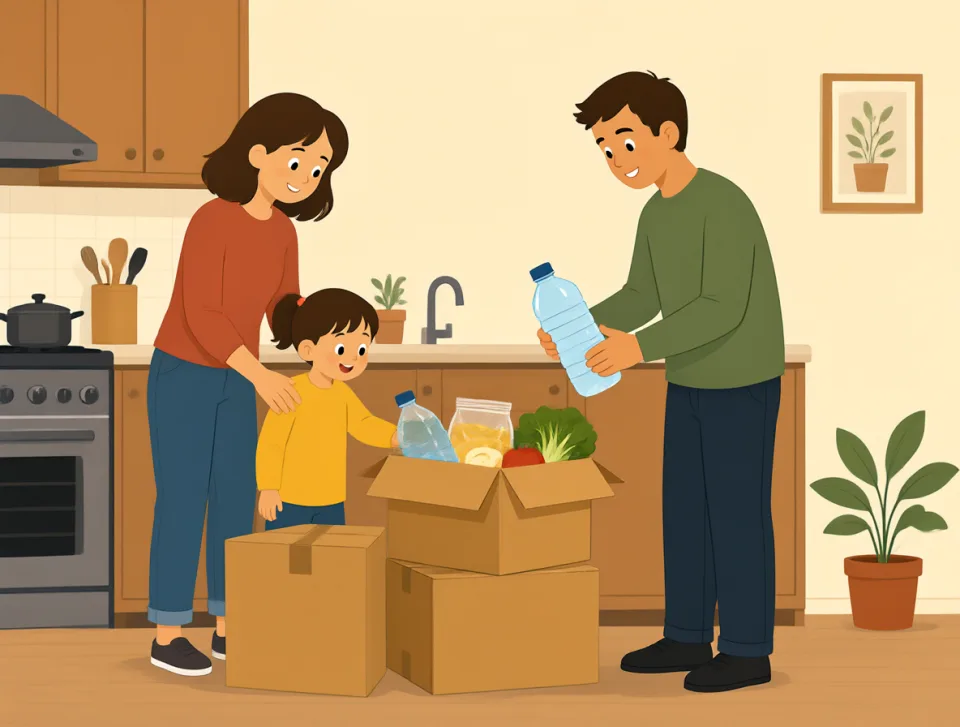
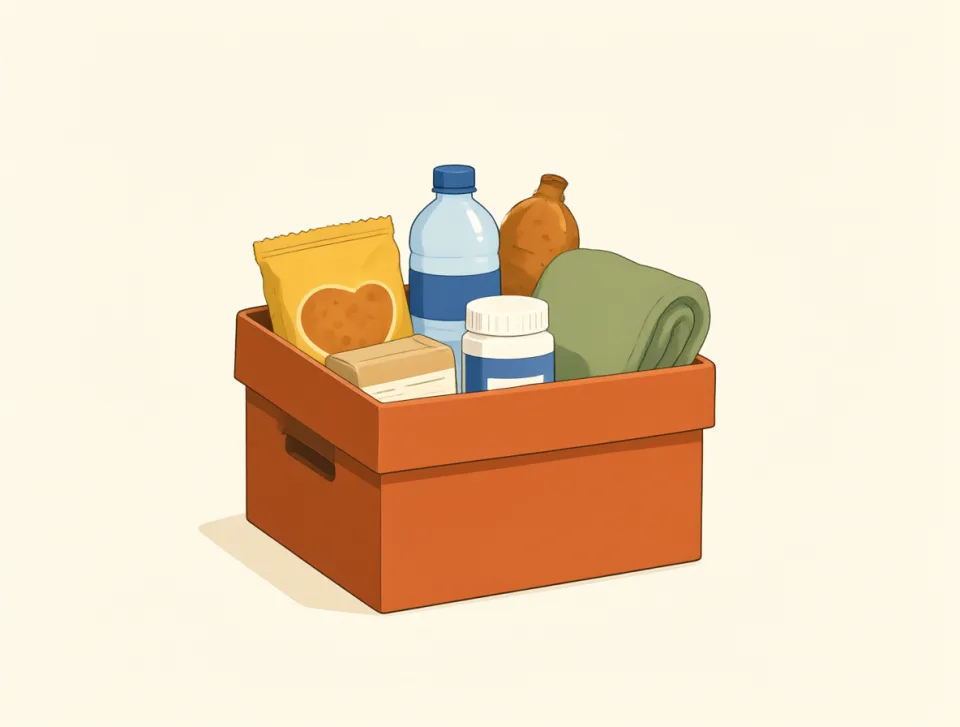
The emergency provisions lasted three days after the storm.
暴風雨過後,應急物資維持了三天。