單元 21
單字 401–420 · body, require, wait, general, appear, toward
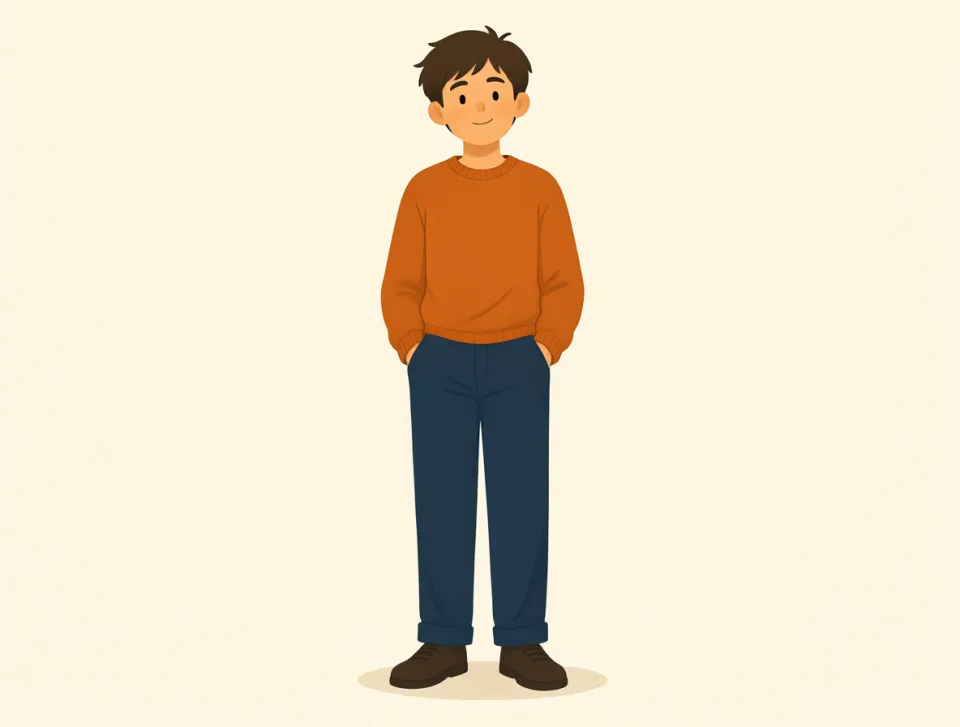
body
#401noun
身體;軀體
The whole physical structure of a person or animal.
人或動物的整個身體結構。
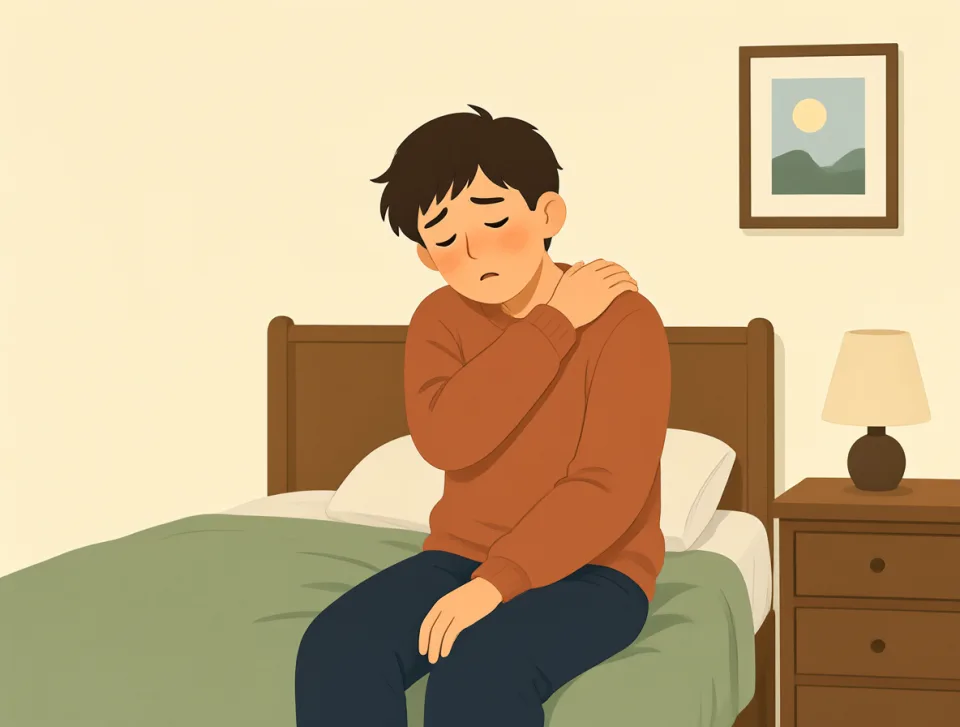
My whole body feels tired today.
我今天感覺全身都很疲憊。
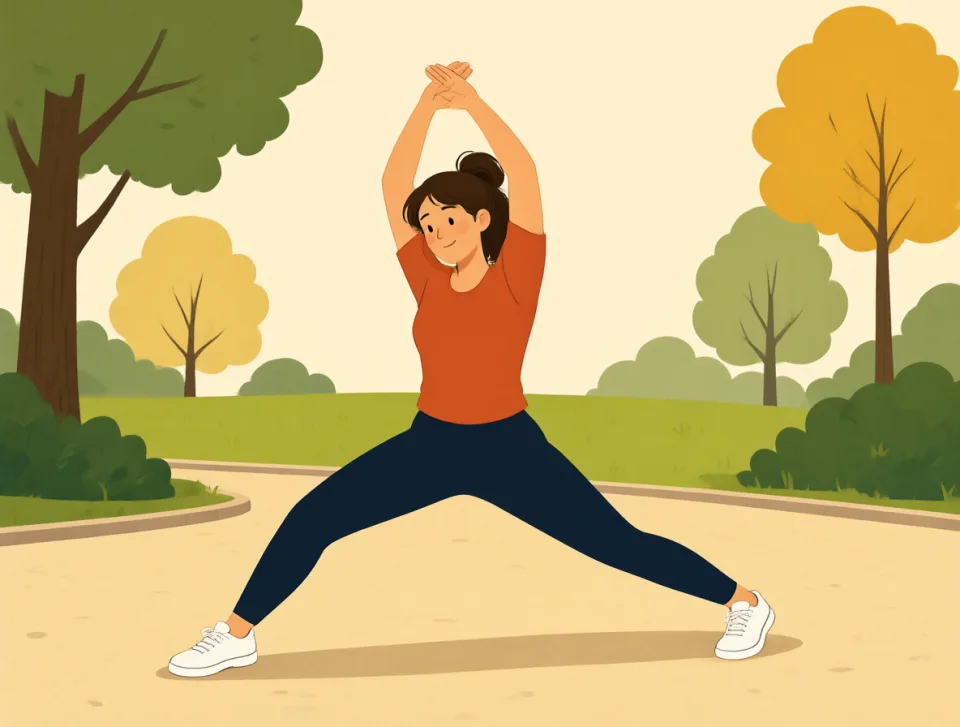
She exercises her body every morning.
她每天早上鍛鍊身體。
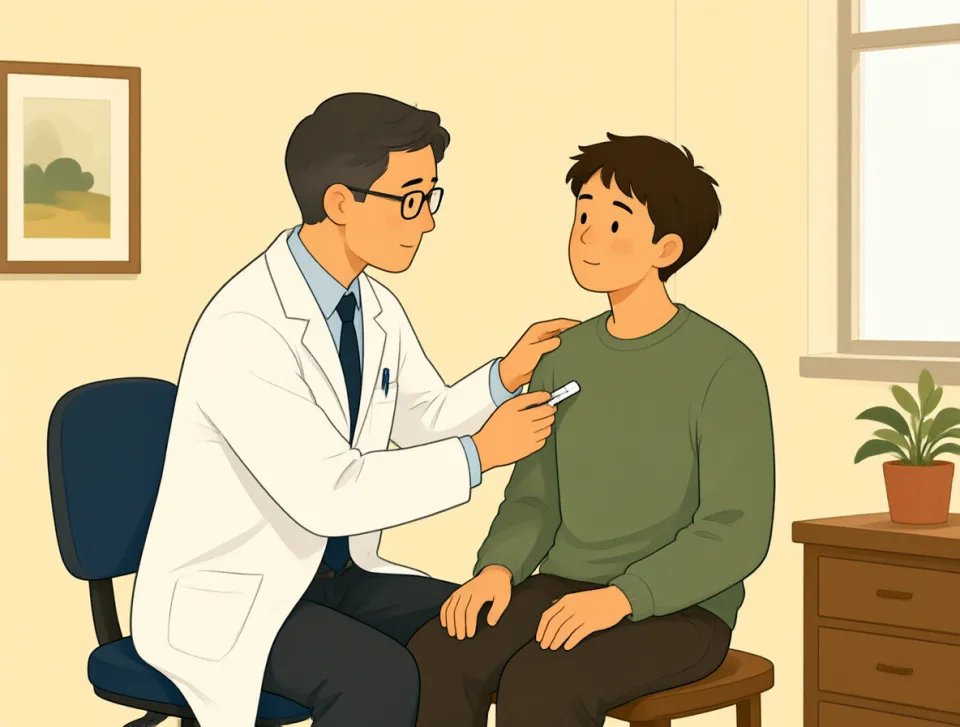
The doctor checked his body carefully.
醫生仔細檢查了他的身體。
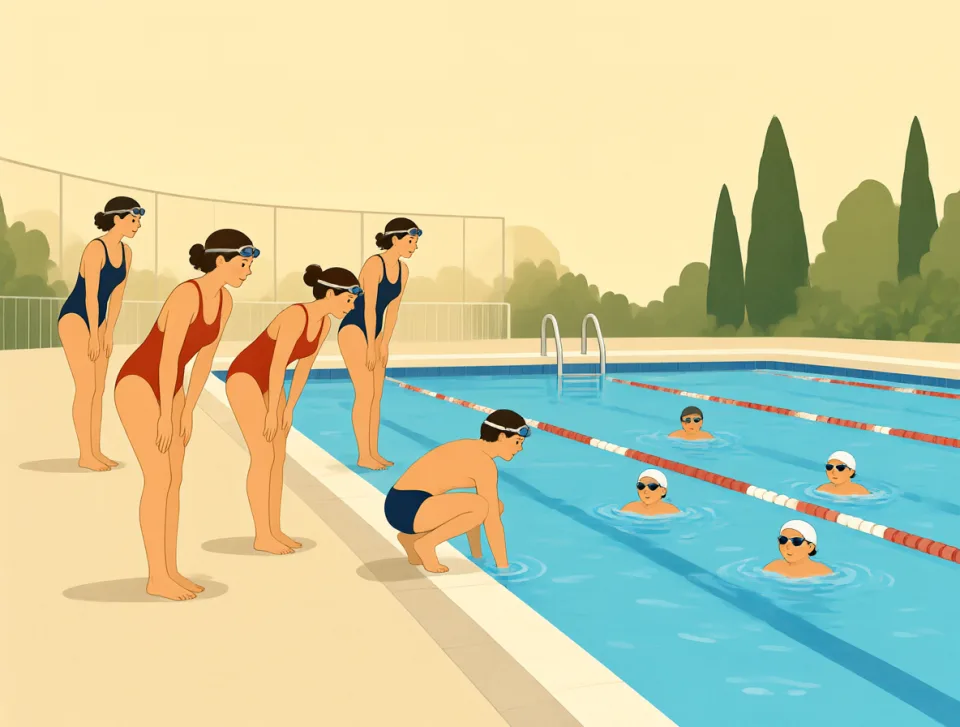
The swimmers warmed their bodies quickly.
游泳運動員們很快讓身體熱了起來。
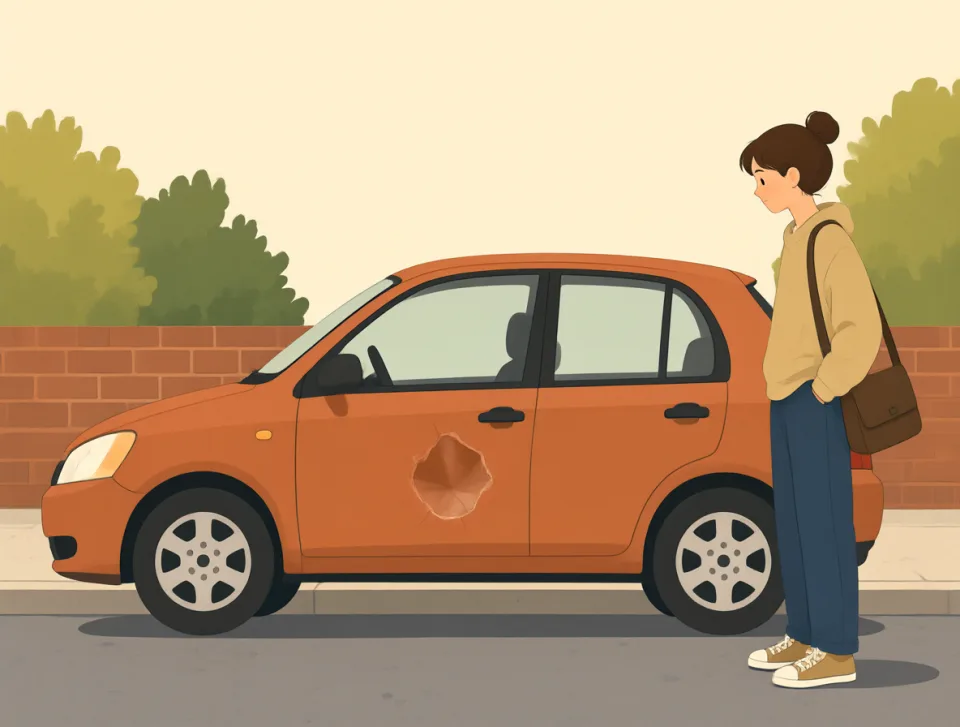
The body of the car was badly damaged.
汽車的車身嚴重受損。

require
#402verb
需要;要求
to need something or make something necessary
需要某物,或使某事成為必要
This job requires good computer skills.
這份工作需要良好的計算機技能。
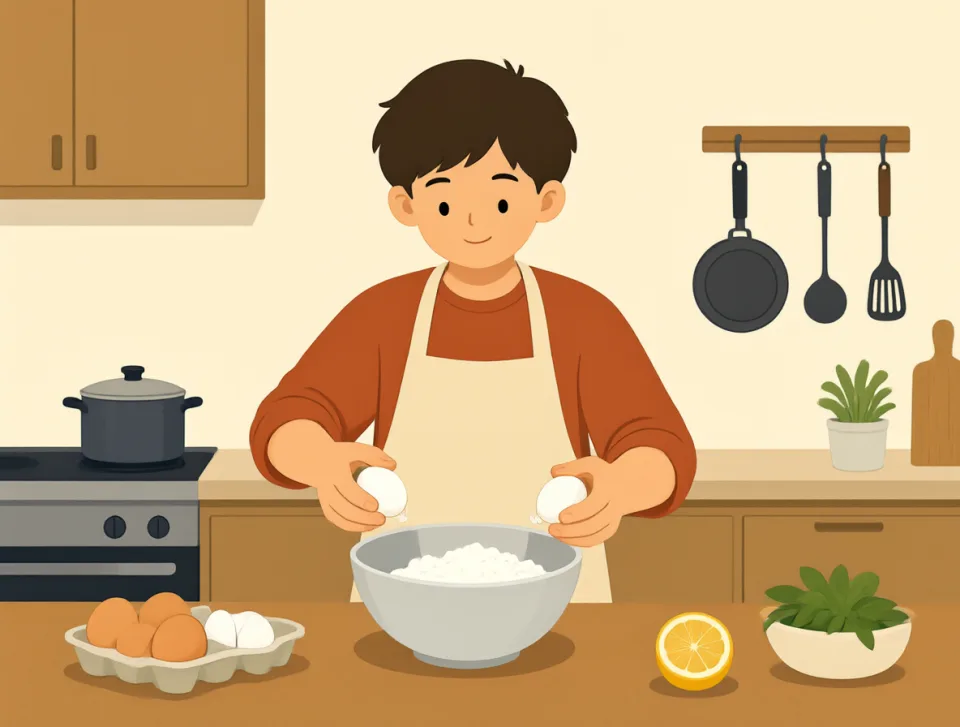
The recipe requires two large eggs.
這個食譜需要兩個大雞蛋。
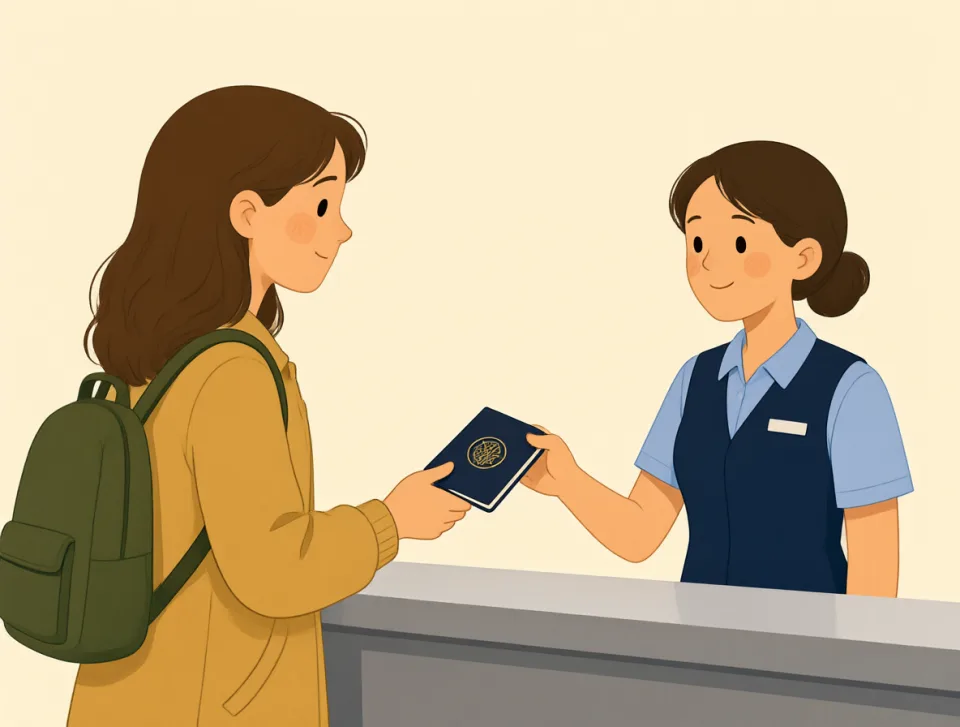
You are required to show your passport.
你必須出示護照。
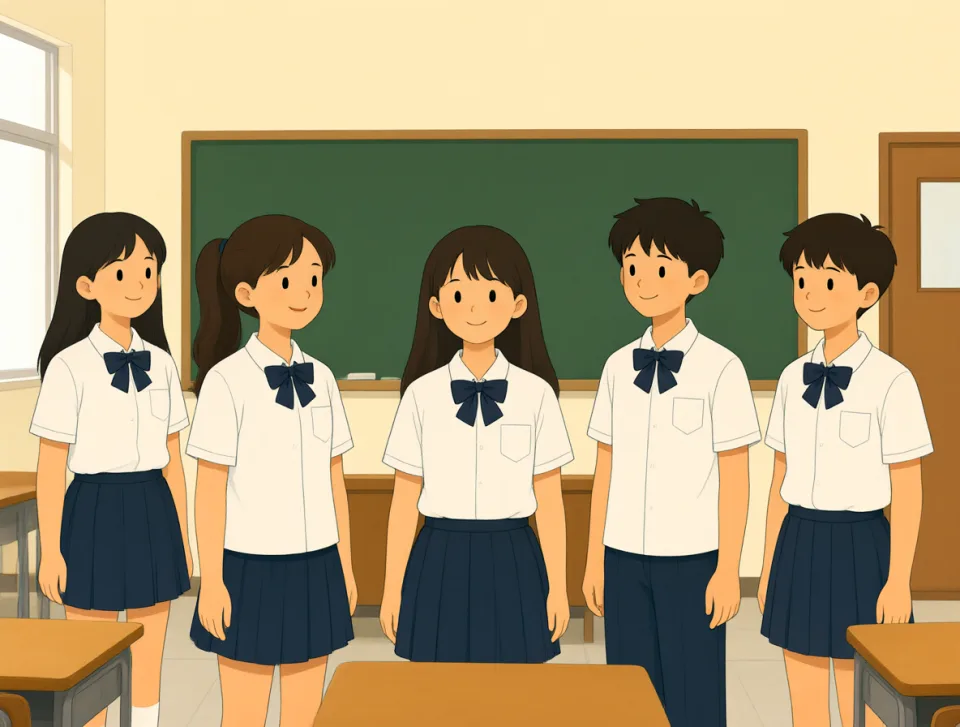
The school requires students to wear uniforms.
學校要求學生穿校服。
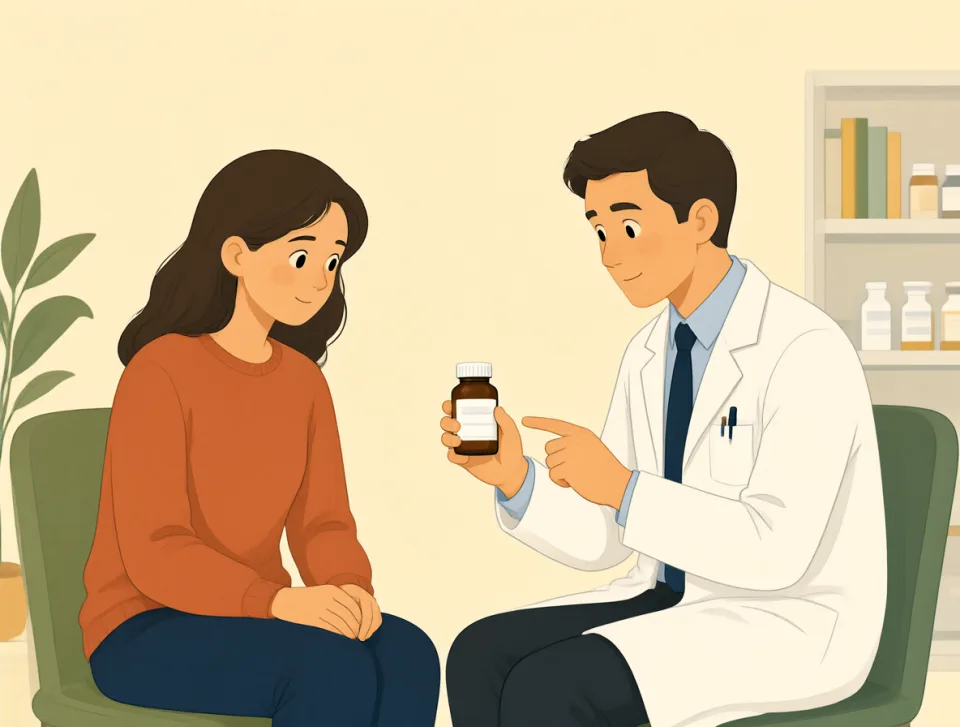
This medicine requires a doctor's advice.
這種藥需要遵循醫生的建議。
wait
#403verb, noun
等待;等候
To stay somewhere until someone or something arrives or until something happens.
待在某處,直到某人或某物到來,或者某件事發生。
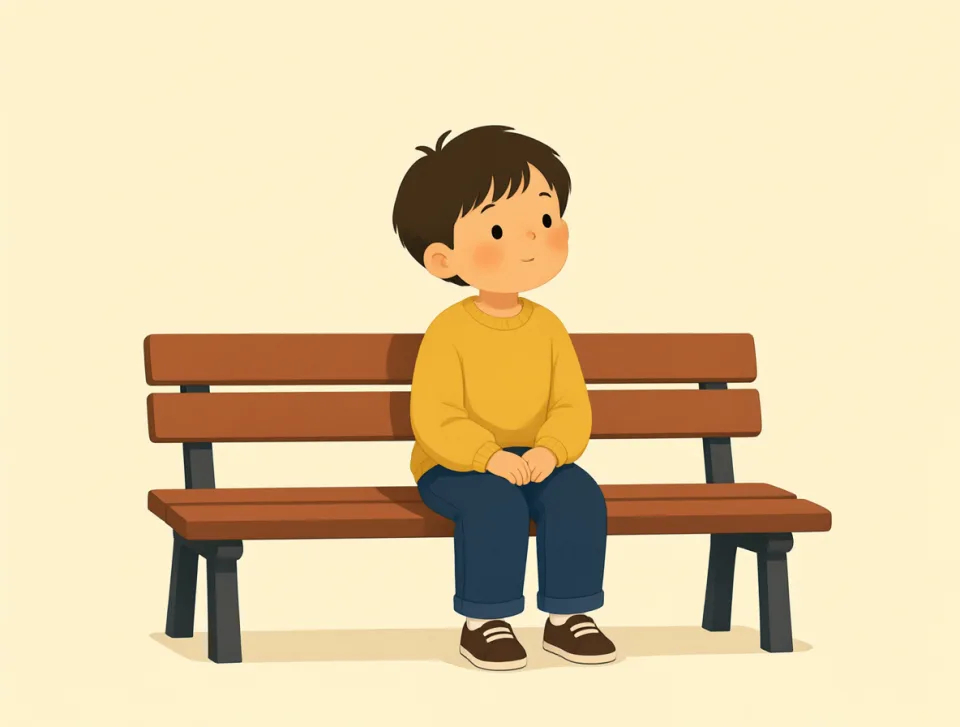
Please wait here for your mother.
請在這裡等你媽媽。

We waited for the bus in the rain.
我們在雨中等公交車。

Wait a minute; I need my coat.
等一下,我需要拿上外套。

The doctor asked me to wait outside.
醫生讓我在外面等候。
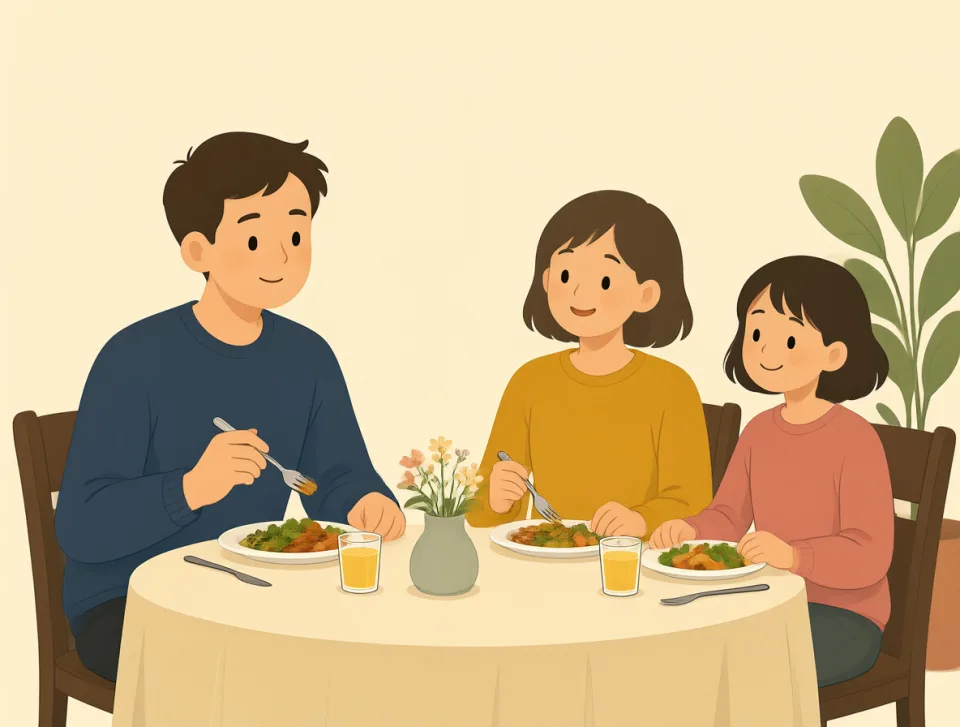
Dinner is ready, so wait for everyone.
晚飯準備好了,所以等大家都到了再吃。

general
#404adjective, noun
一般的;大體的;將軍
Including many different people or things; a senior army officer.
包括許多不同的人或事物;軍隊中的高階軍官。
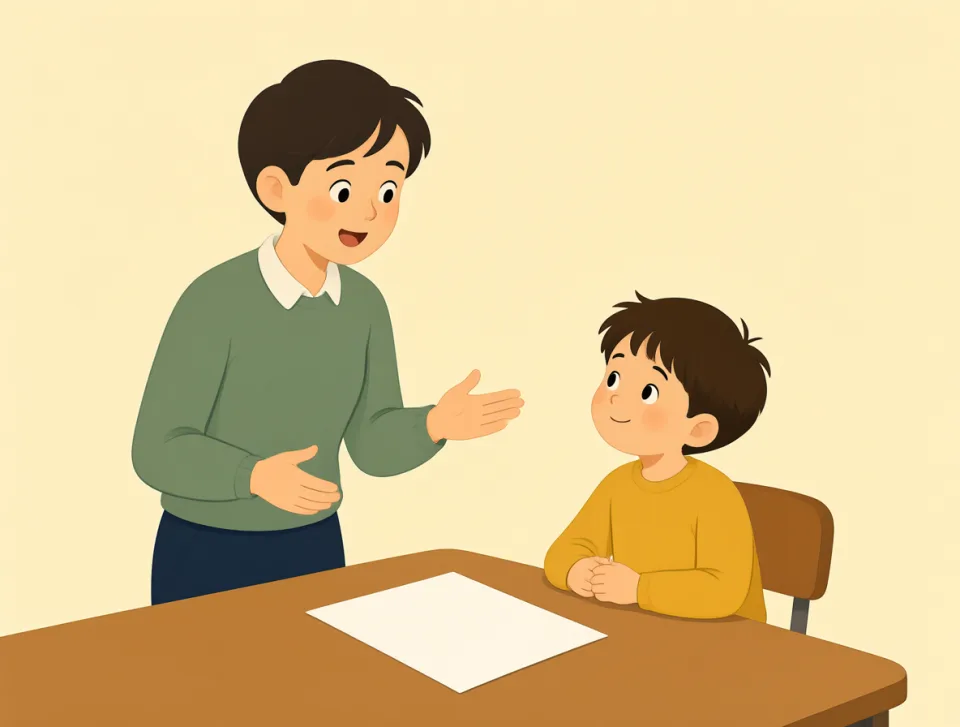
The general idea is easy to understand.
大致的想法很容易理解。

We had a general discussion about the trip.
我們大致討論了一下這次旅行。

The doctor gave me general health advice.
醫生給了我一些日常保健建議。
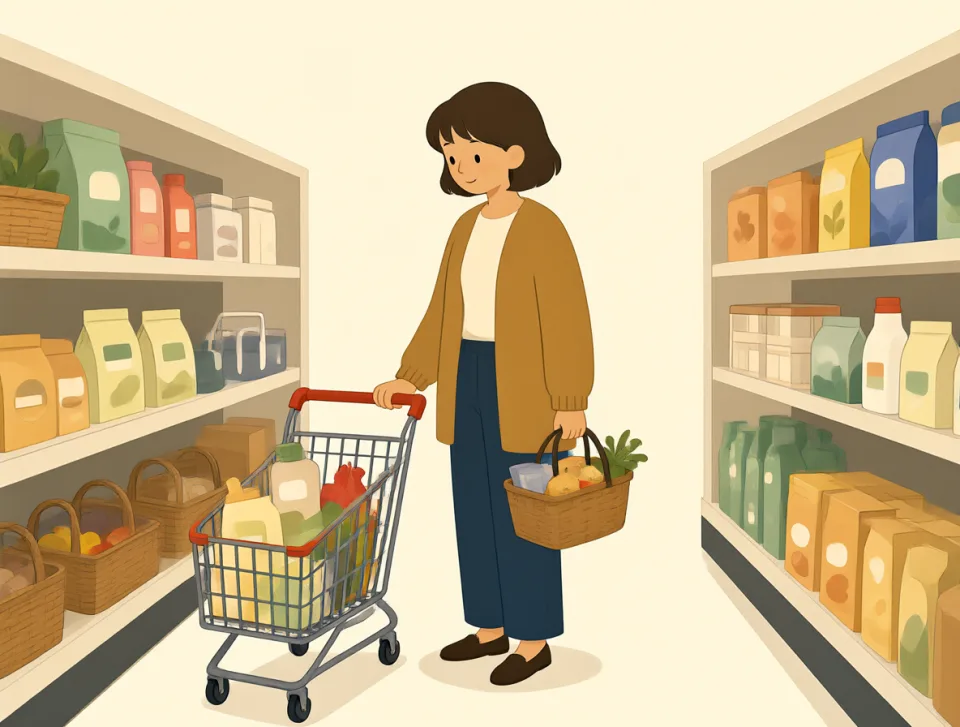
This store sells general household goods.
這家商店賣各種家居用品。
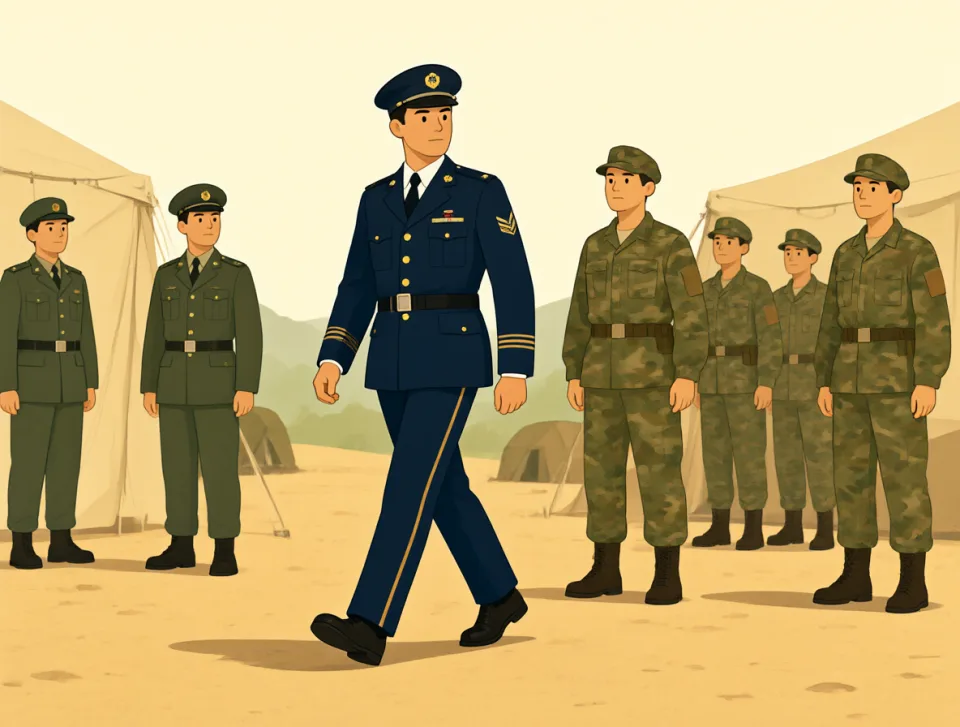
The general visited the soldiers yesterday.
將軍昨天視察了士兵們。

appear
#405verb
出現;顯現;露面
to become visible or come into view
變得可見或進入視野

A rainbow appeared after the rain.
雨後出現了一道彩虹。

She appeared at the door this morning.
今天早上她出現在門口。
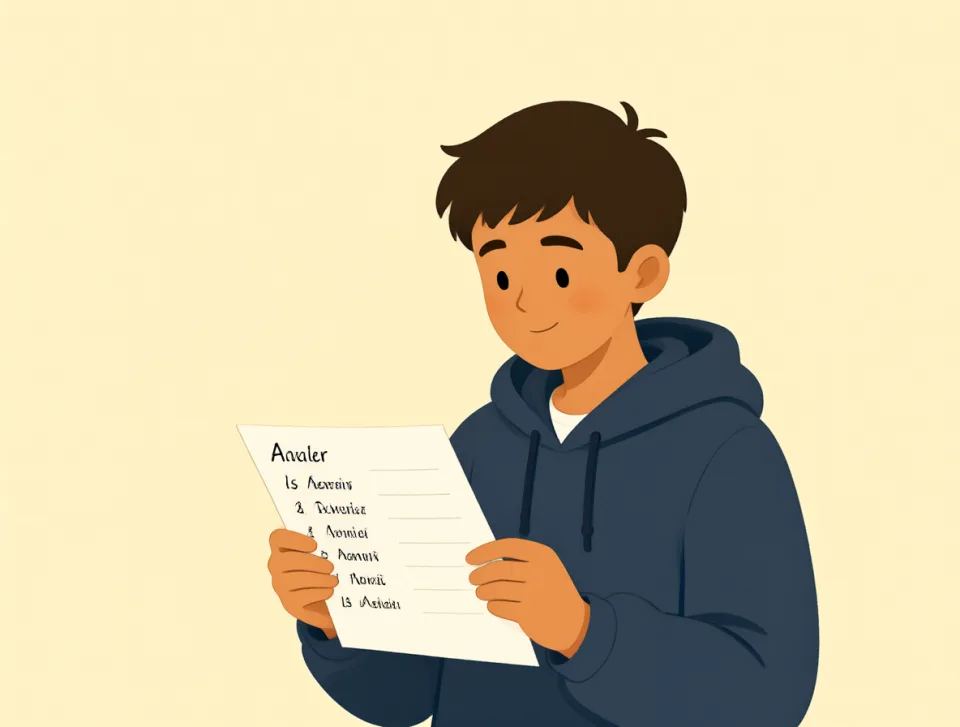
His name appears on the list.
他的名字出現在名單上。

The doctor thinks tiredness caused her headache to appear.
醫生認為她的頭痛是疲勞引起的。
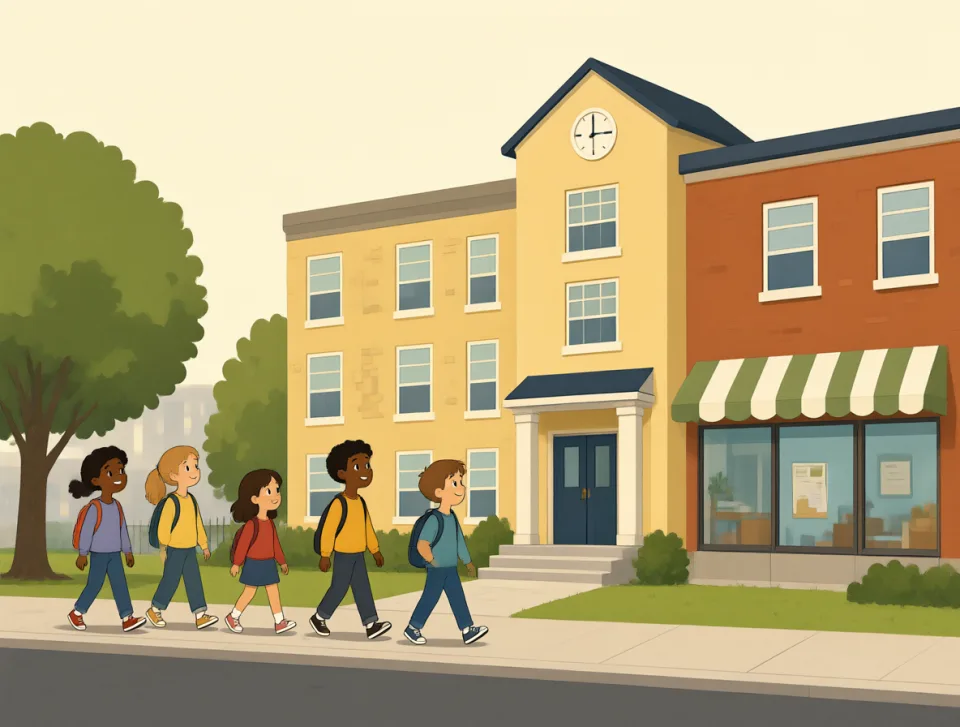
New shops are appearing near our school.
我們學校附近不斷有新店出現。
toward
#406preposition
向;朝著
in the direction of a person, place, or thing
朝著某人、某處或某物的方向
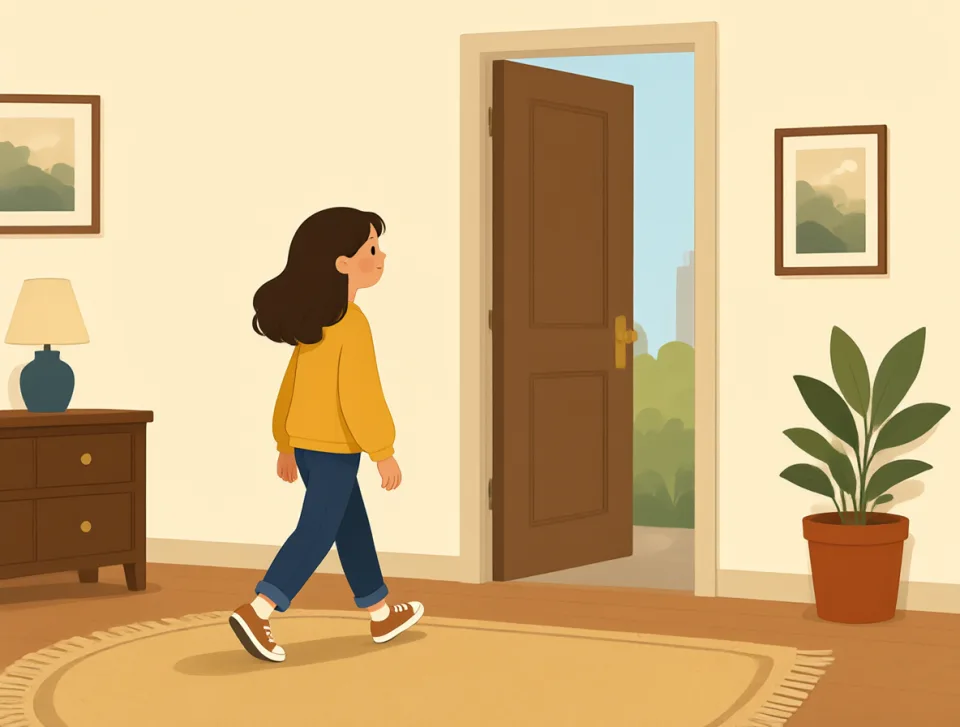
She walked toward the door.
她朝門走去。

The dog ran toward its owner.
那隻狗朝它的主人跑去。

We are driving toward the airport.
我們正開車前往機場。
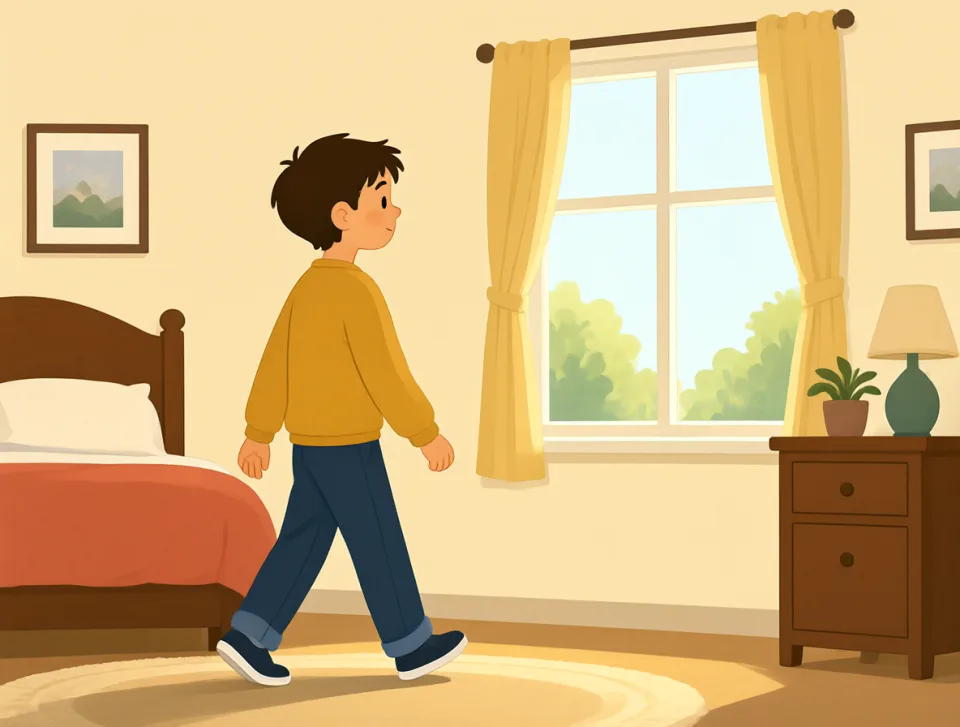
He moved toward the window.
他朝窗戶走去。
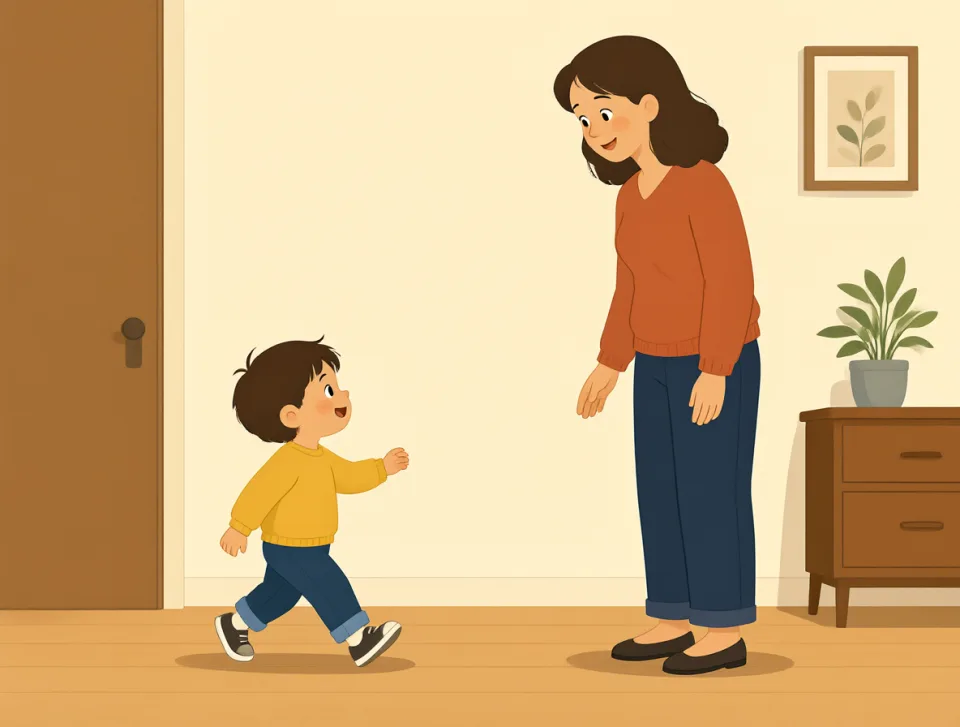
The child took a step toward her mother.
那個孩子朝她媽媽邁了一步。
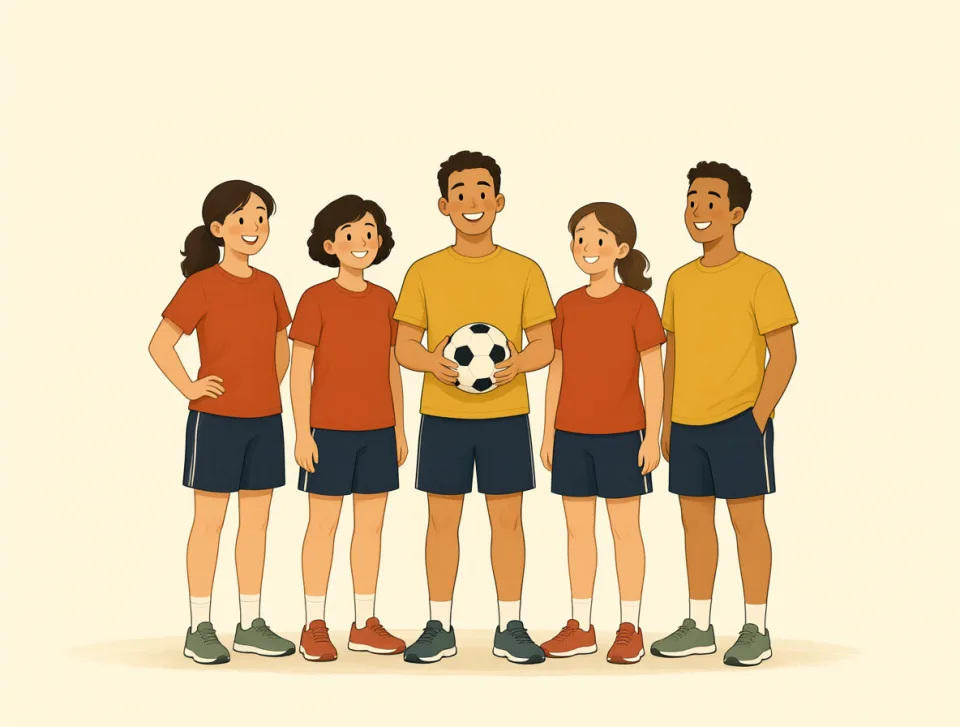
team
#407noun, verb
團隊; 隊伍; 組隊
A group of people who work or play together; to join with others for a purpose.
一起工作或進行比賽的一群人;為了某個目的與他人合作

Our team won the game yesterday.
我們隊昨天贏得了比賽。
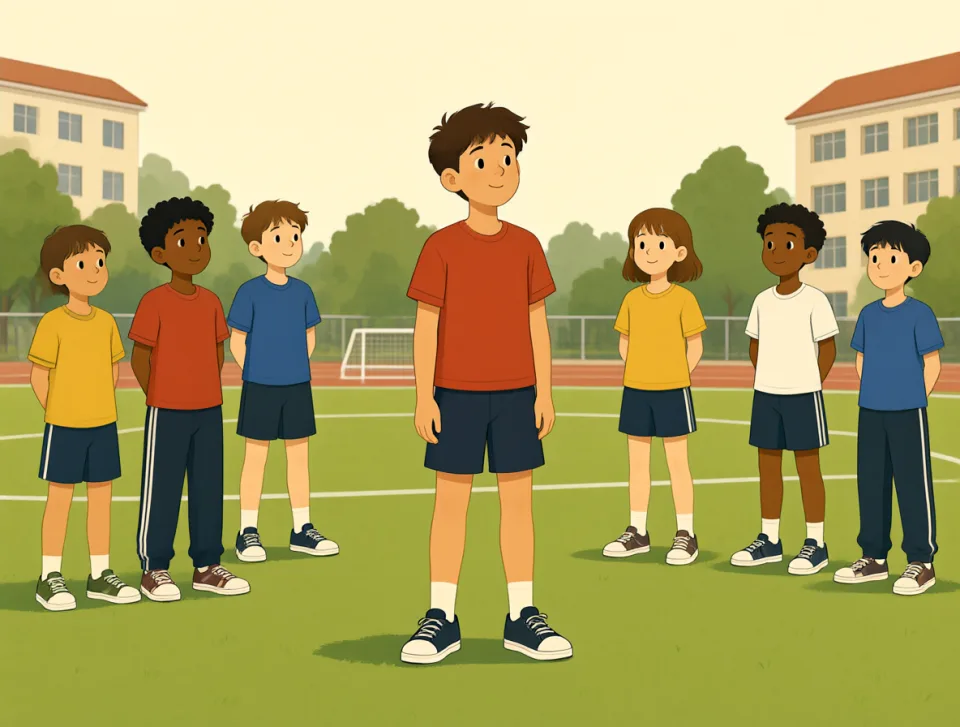
She joined the school team this year.
她今年加入了校隊。

The work team meets every Monday morning.
工作小組每週一早上開會。
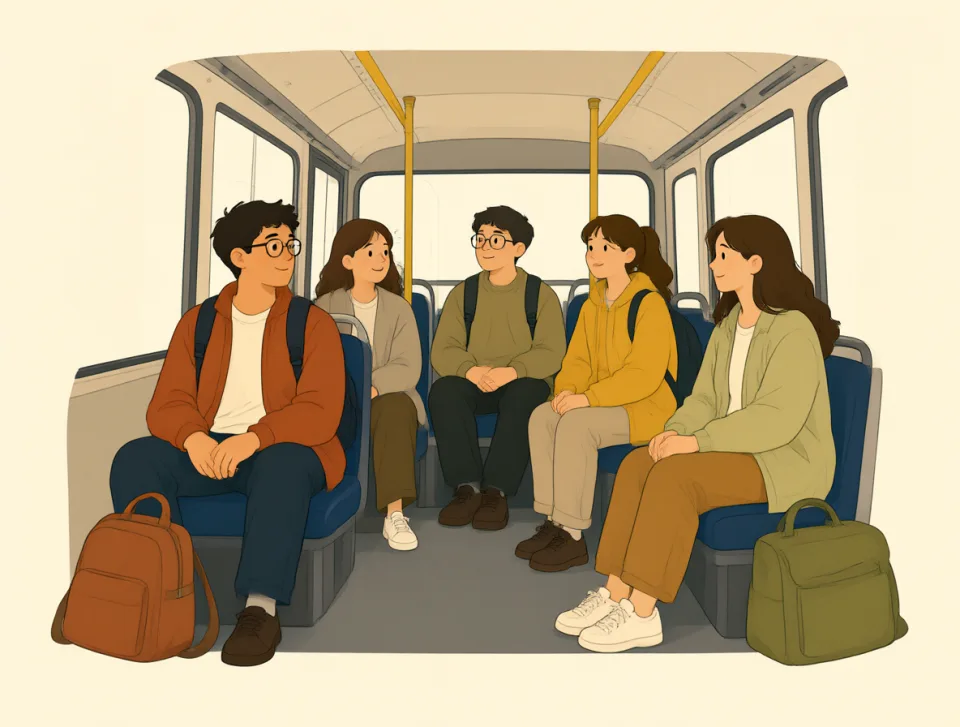
The travel team shared a bus to the airport.
旅行團的人一起乘坐同一輛公交車去機場。

We teamed up to cook dinner together.
我們組隊一起做晚飯。
easy
#408adjective, adverb, noun
容易的; 輕鬆的; 簡單的
Not difficult; needing little effort, skill, or thought.
不難;只需要很少的努力、技能或思考。

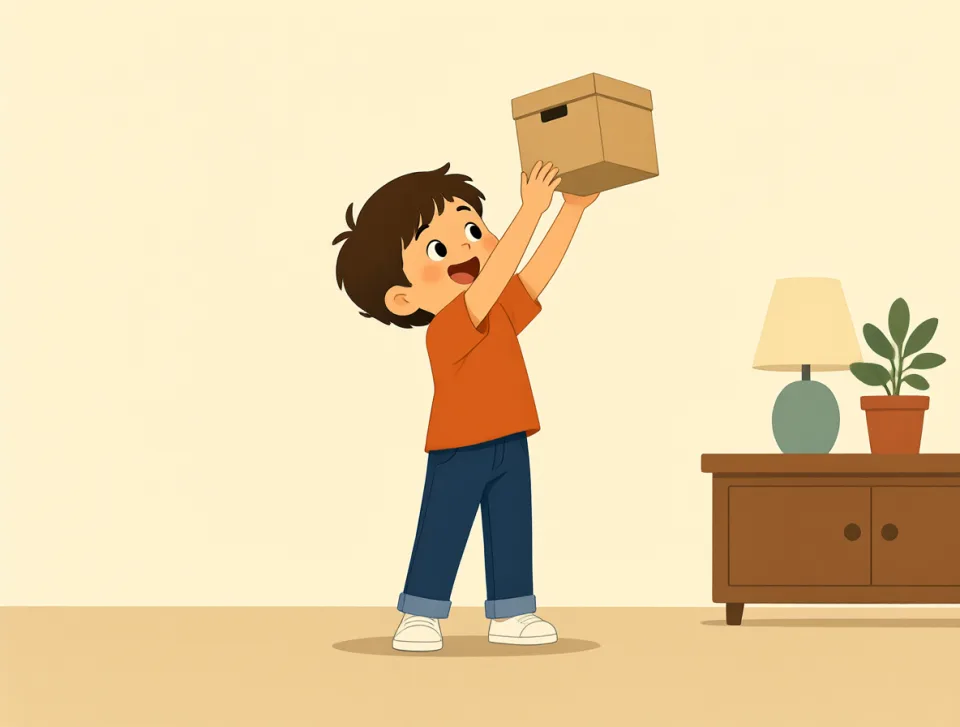
This exercise is easy for me.
這個練習對我來說很容易。
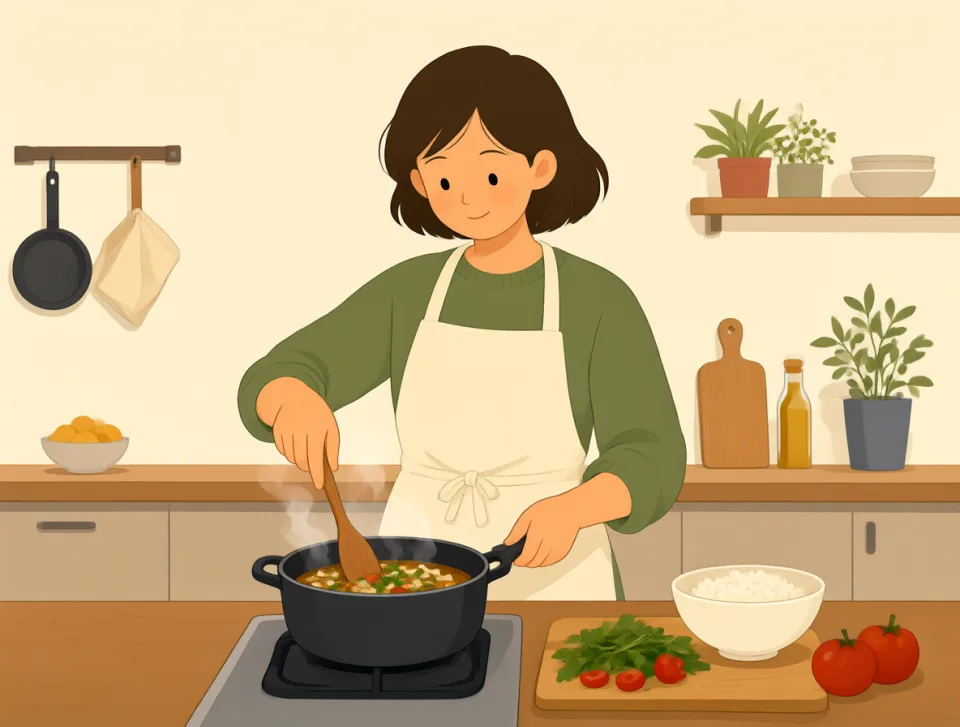
The recipe is easy to follow.
這個食譜很容易照著做。

We took the easy way home.
我們走了條省事的路回家。

The shop is easy to find.
這家店很容易找到。
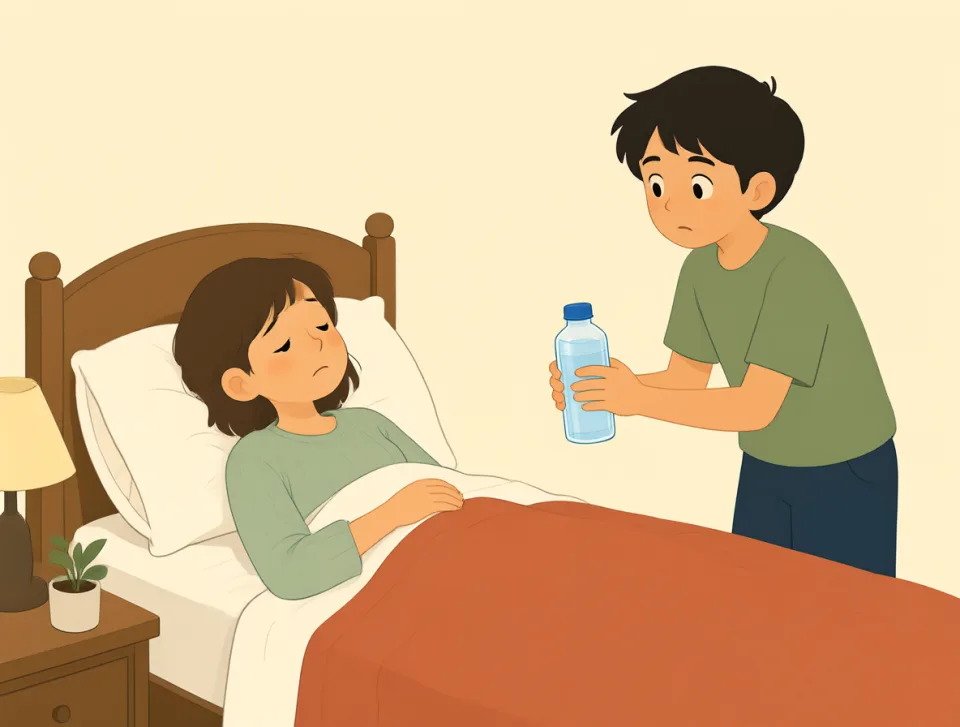
Take it easy and get some rest.
放輕鬆,好好休息一下。
individual
#409noun, adjective
個人;單獨的;各自的
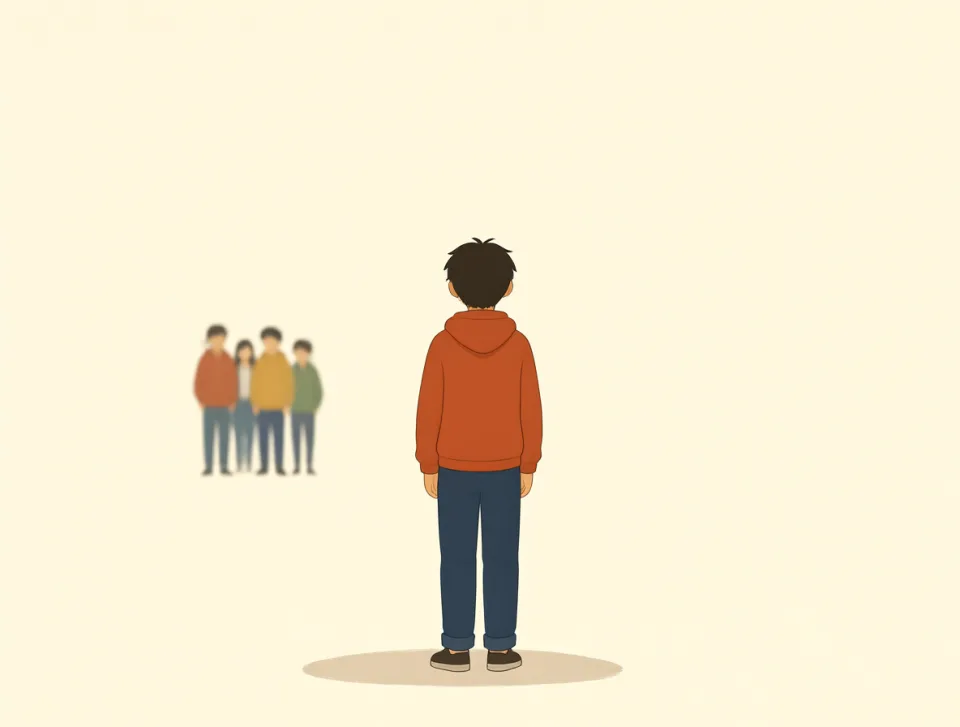
one person or thing, separate from a group
與群體分開的一個人或事物
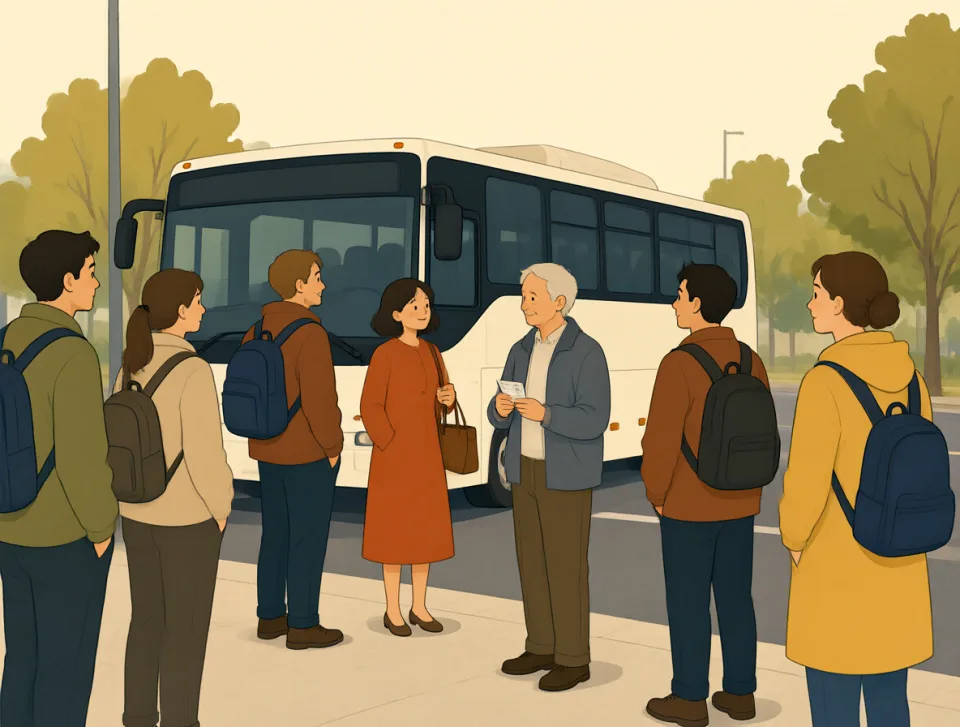
Each individual needs a ticket for the bus.
每個人都需要一張公交車票。

The teacher spoke to each individual student.
老師和每個學生都談了話。
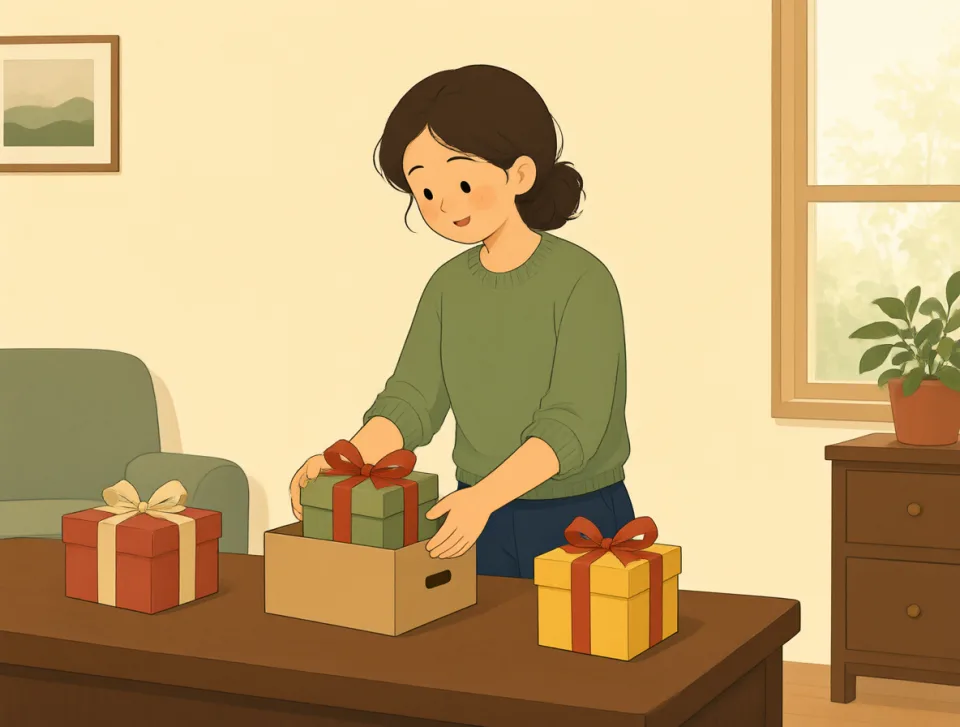
We packed the gifts in individual boxes.
我們把禮物分別裝在盒子裡。

The doctor gave the individual patient special advice.
醫生給這位患者提供了特別的建議。
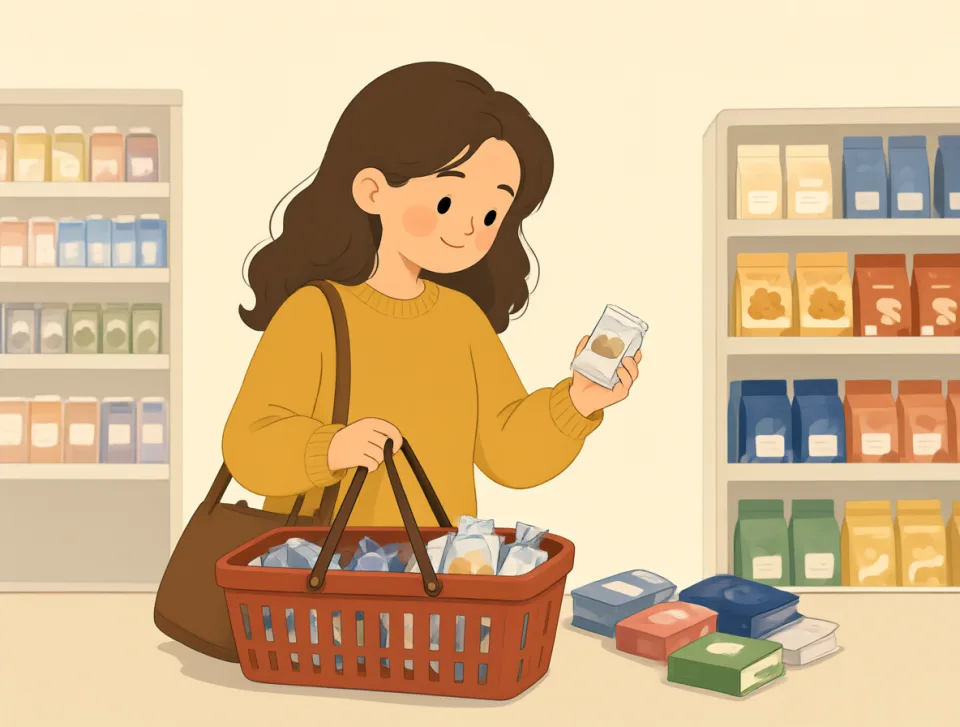
These prices are for individual items.
這些價格是單件商品的價格。
full
#410adjective, noun, verb
滿的; 完整的; 全職的; 飽的
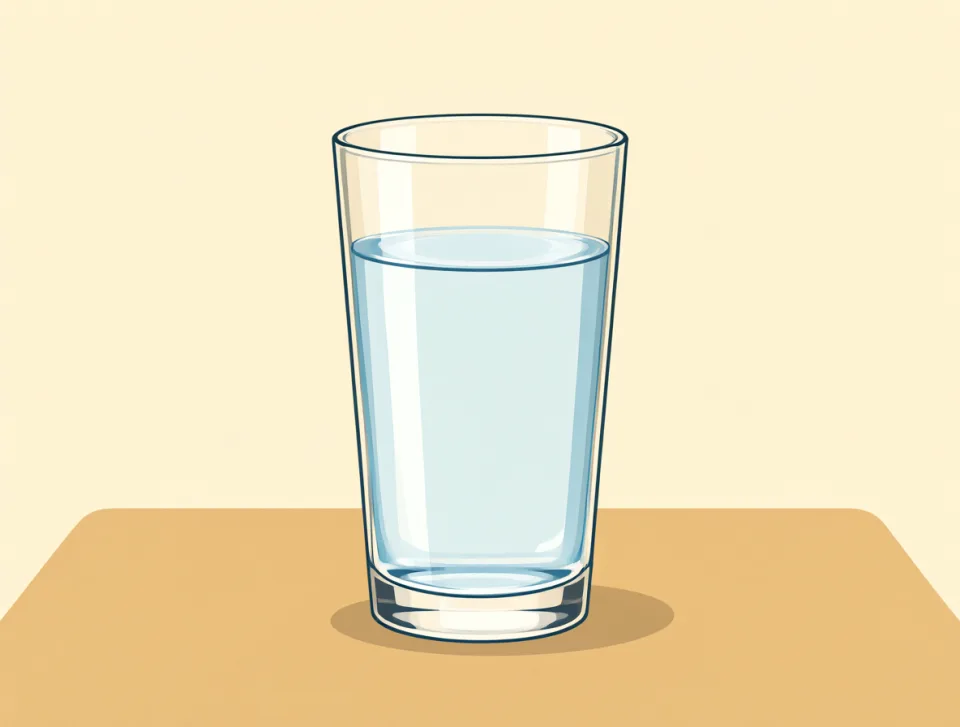
containing as much as possible; complete or having no empty space
儘可能裝滿的;完整的或沒有空餘空間的
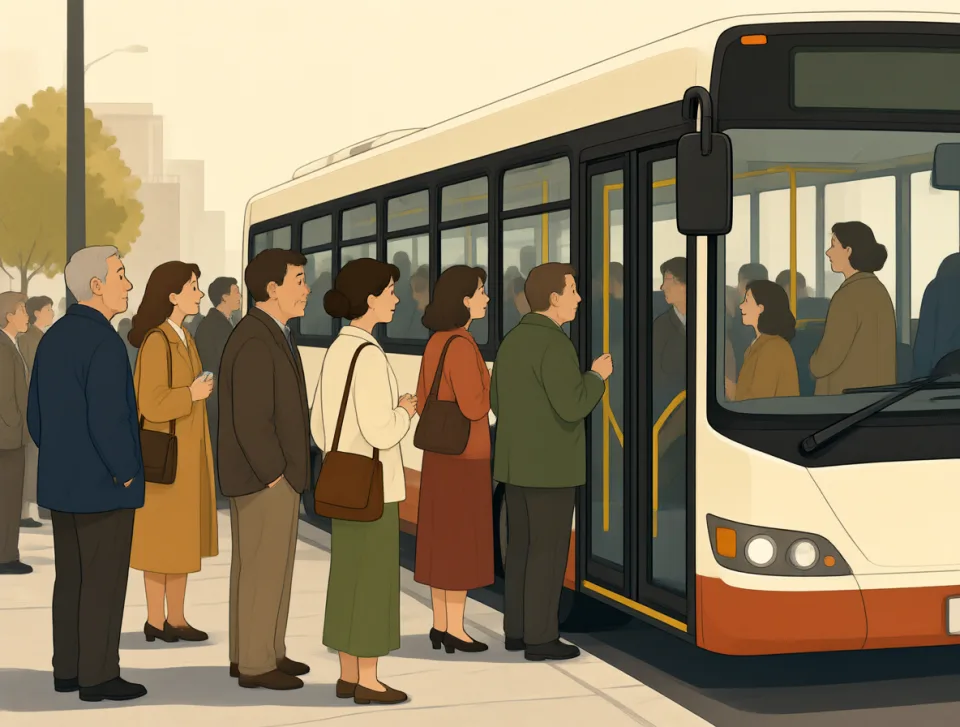
The bus is full, so we must wait.
公交車滿了,所以我們必須等下一班。

My cup is full of hot tea.
我的杯子裡裝滿了熱茶。

She works full time at a hospital.
她在一家醫院做全職工作。
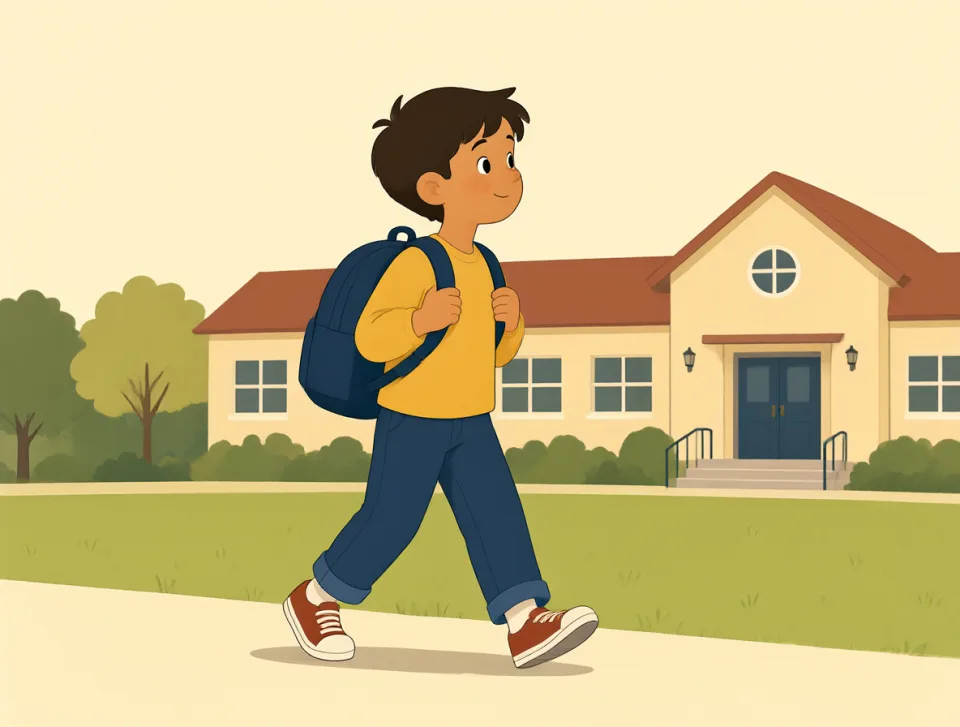
We had a full day at school.
我們在學校度過了充實的一天。

I am full after eating that large meal.
吃完那頓豐盛的飯後,我飽了。
black
#411adjective, noun, verb
黑的;黑色
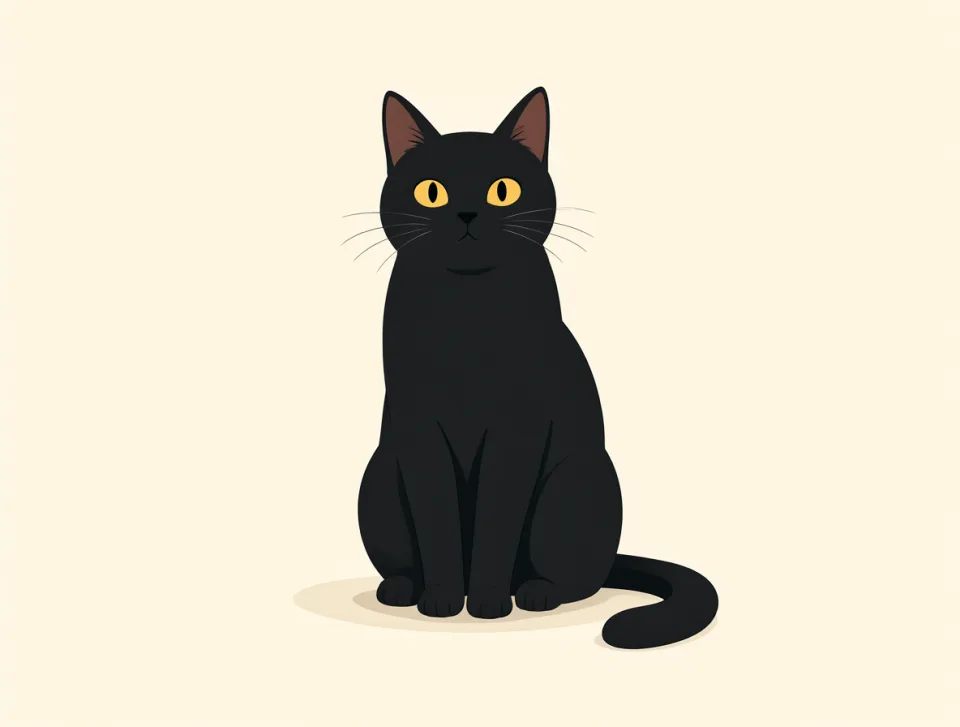
having the darkest color; the color of coal or the night sky
具有最深的顏色;煤炭或夜空的顏色

She wore a black dress to the party.
她穿了一條黑色的裙子去參加聚會。

The black bag is under the table.
那個黑色的包在桌子下面。

He likes black coffee in the morning.
他早上喜歡喝黑咖啡。
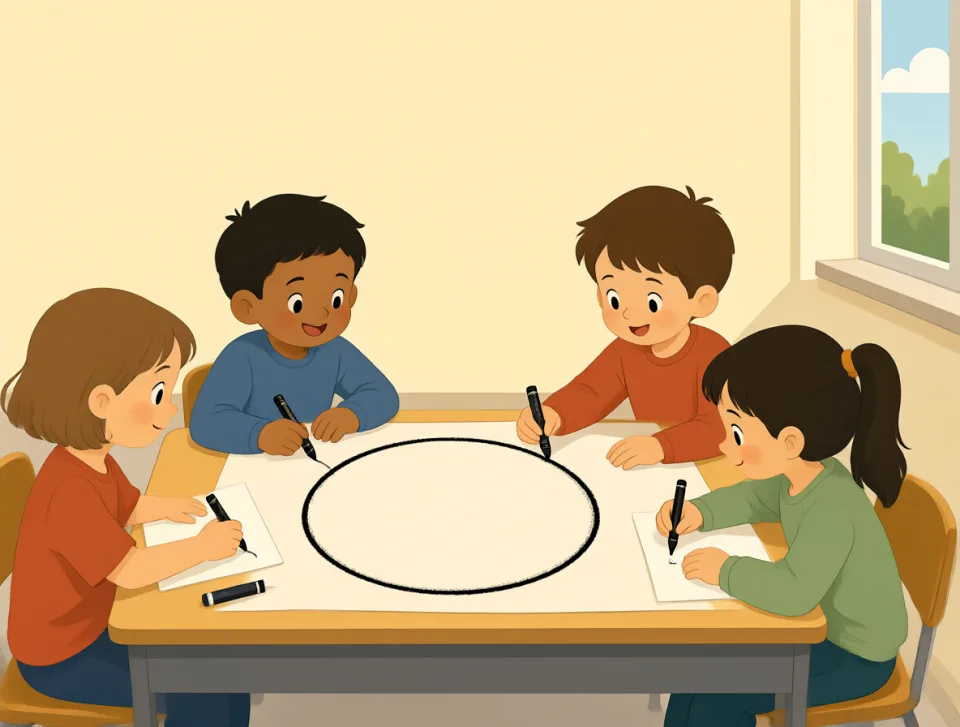
The children drew a black circle.
孩子們畫了一個黑色的圓圈。
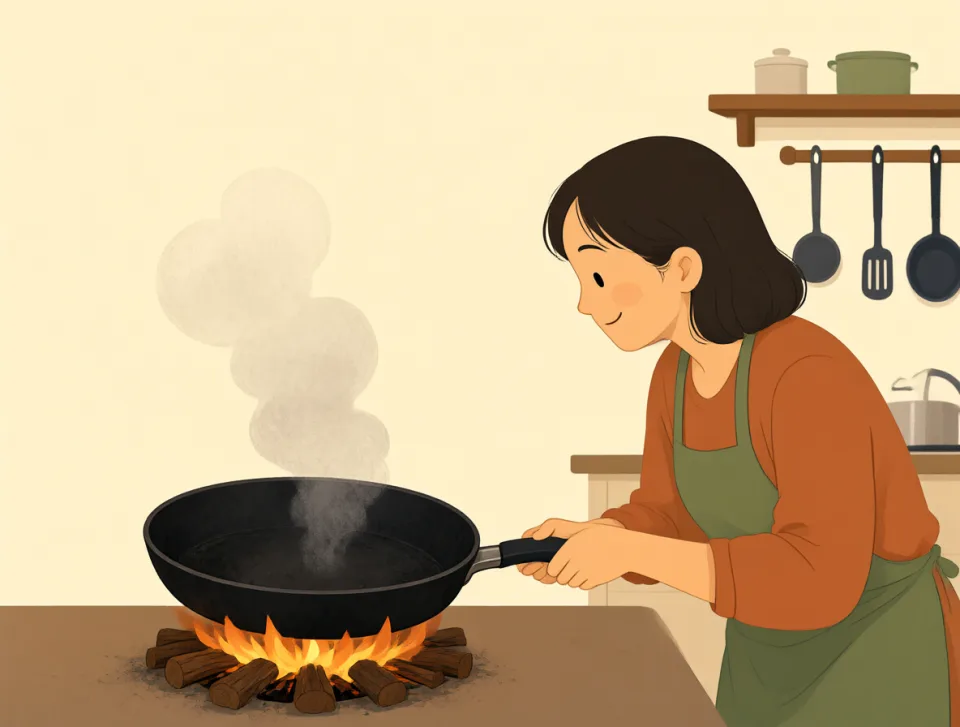
The pan became black after the fire.
鍋燒過之後變黑了。
sense
#412noun, verb
感覺;意思;意義;察覺
A feeling, meaning, or ability to understand something through your senses or thoughts.
透過感官或思考產生的感覺、意義或理解某事的能力。

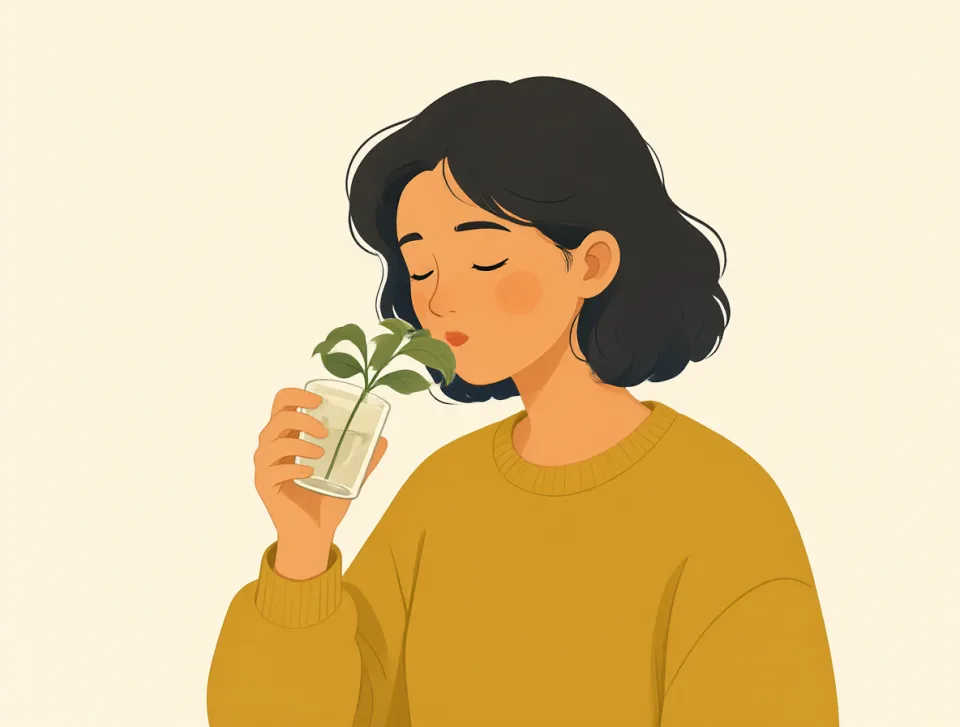
This soup has a delicious taste and smell.
這湯的味道和香氣都很美味。

I lost my sense of direction downtown.
在市中心我失去了方向感。
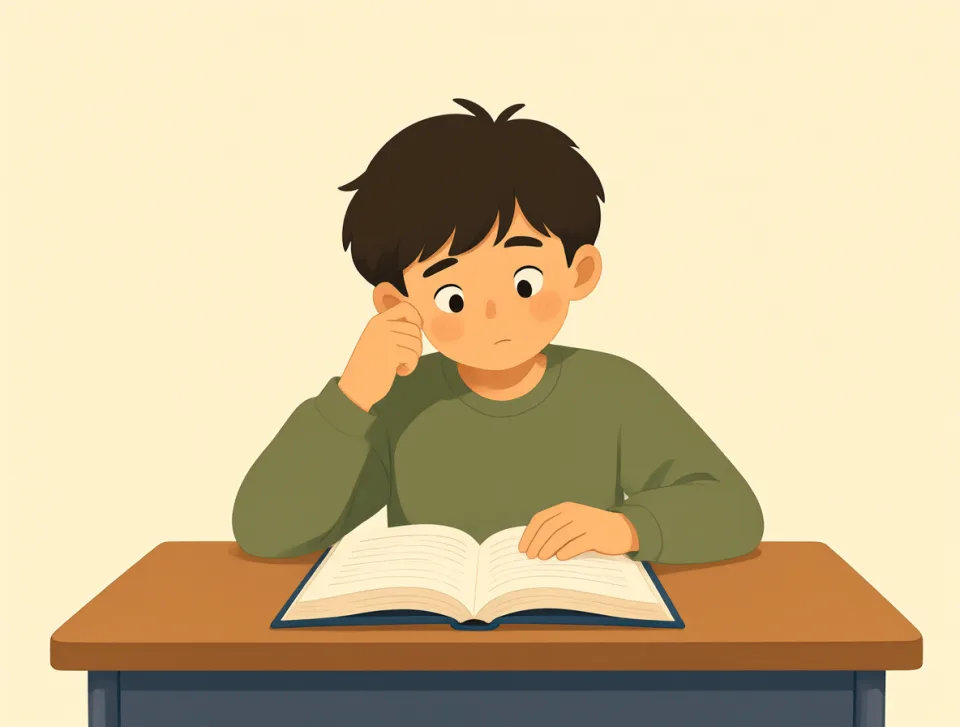
That sentence makes no sense to me.
我完全不明白那個句子的意思。
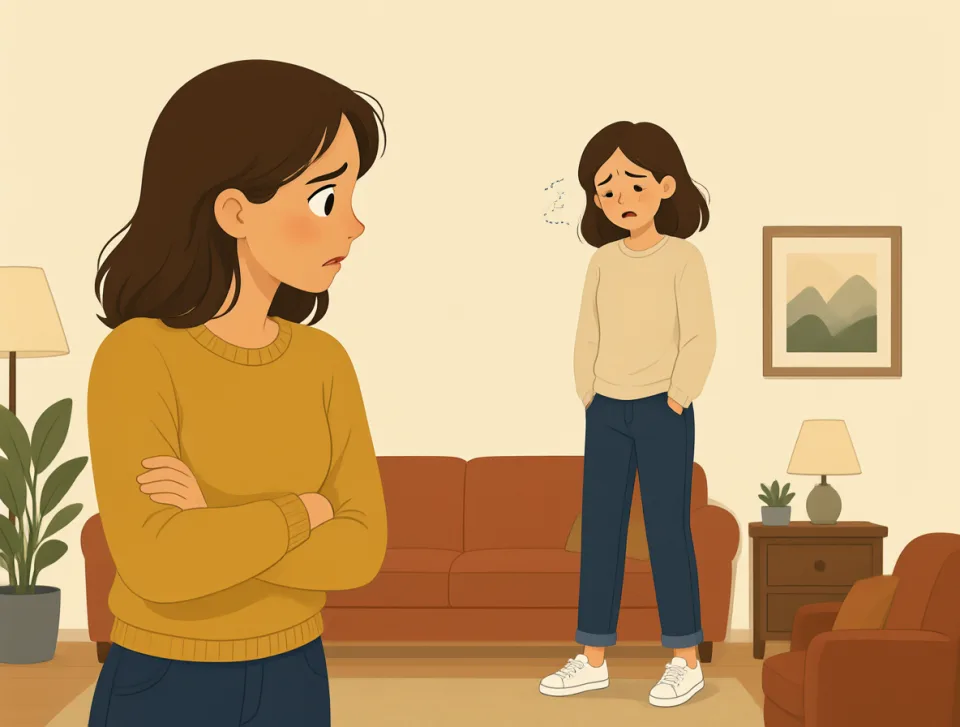
She sensed something was wrong.
她察覺到有些不對勁。
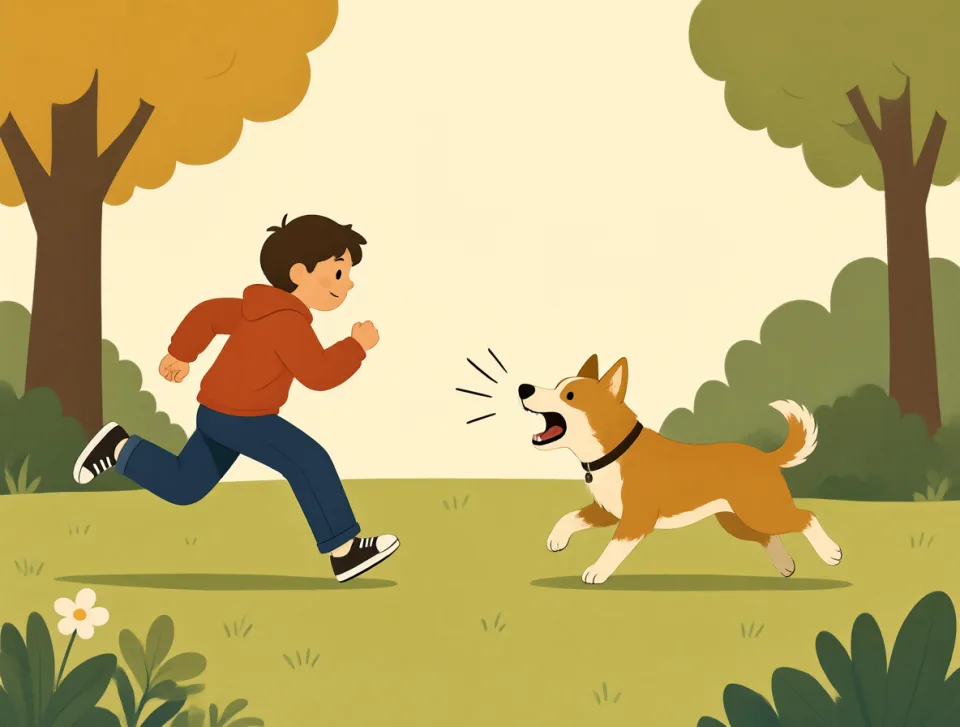
He sensed danger and ran away.
他察覺到了危險,跑掉了。

perhaps
#413adverb
也許; 或許; 可能
Used to say something may be true or may happen.
用於表示某事可能是真的或可能發生。
Perhaps we can meet after work.
也許我們可以下班後見面。

Perhaps she is still at home.
也許她還在家。

Perhaps I will order the soup.
也許我會點湯。

Perhaps he forgot his passport.
也許他忘了帶護照。
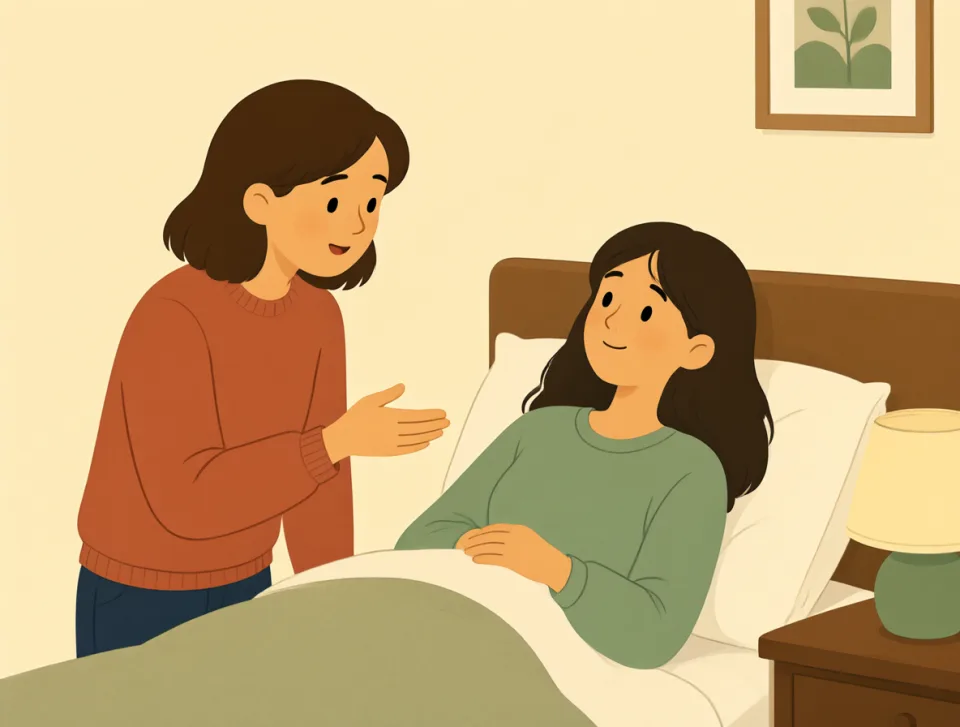
Perhaps you should see a doctor.
也許你應該去看醫生。
add
#414verb
新增;加上;增加
To put something with something else, or say something more.
把某物和另一物放在一起,或再說一些內容。
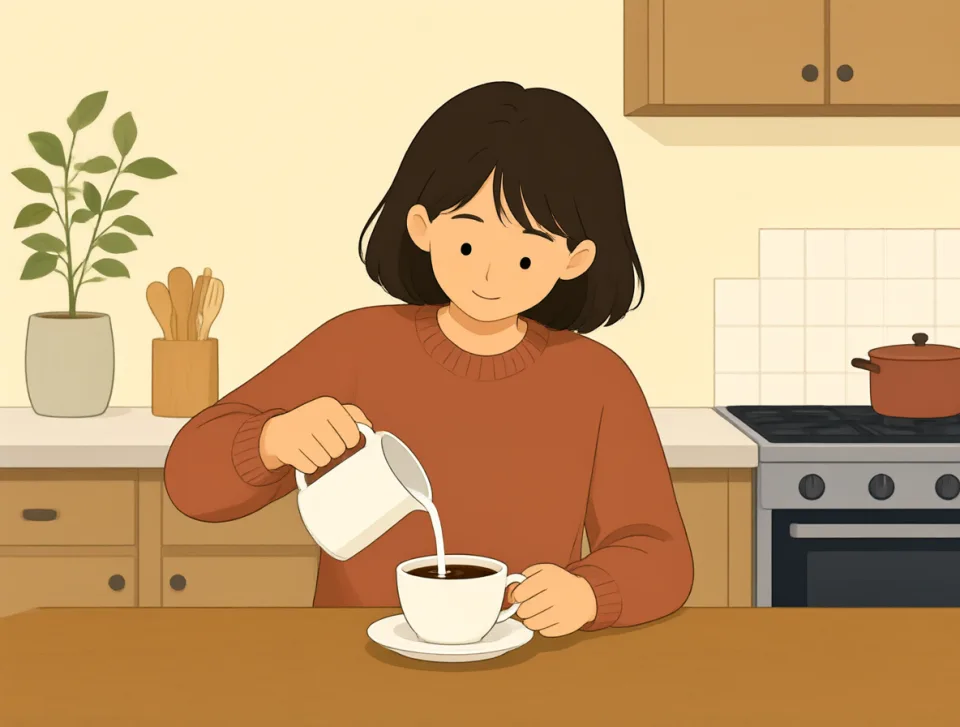
Add some milk to your coffee.
在你的咖啡里加點牛奶。

Please add my name to the list.
請把我的名字加到名單上。
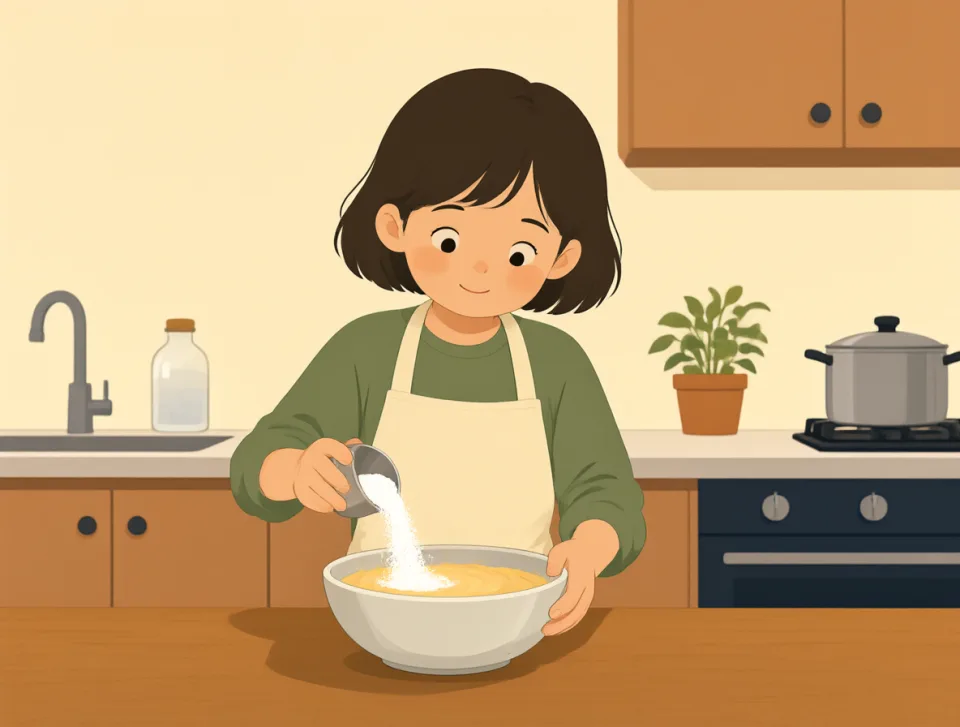
She added sugar to the cake mixture.
她在蛋糕糊里加了糖。

The shop added a small fee.
這家商店加收了一小筆費用。
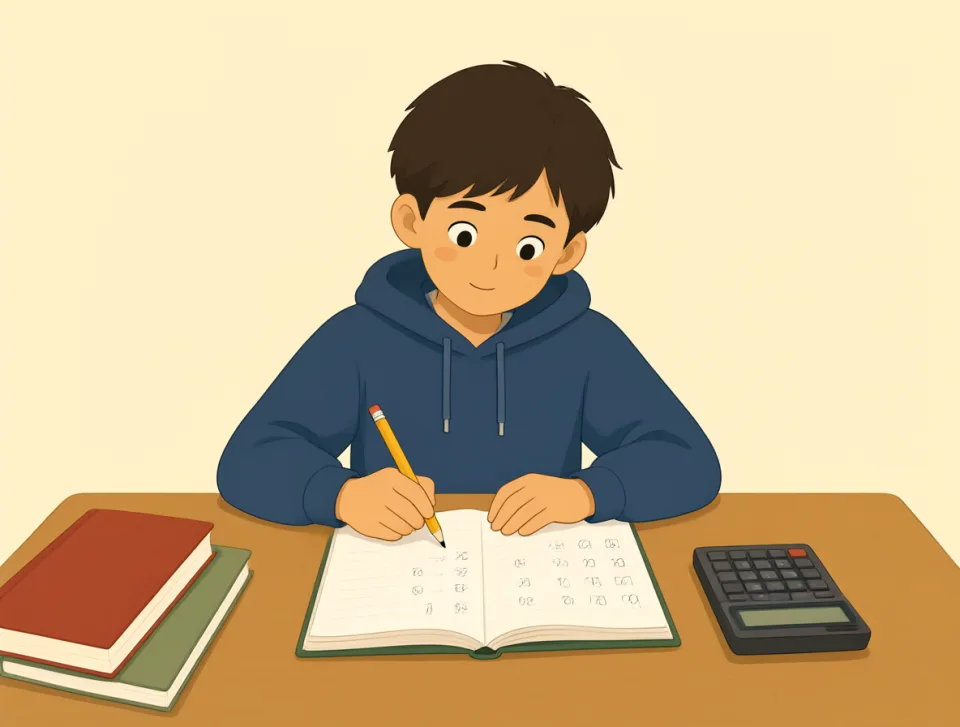
Add these numbers and tell me the answer.
把這些數字加起來,告訴我答案。
rule
#415noun, verb
規則; 統治
A rule is an instruction about what you must or must not do.
規則是關於你必須做什麼或禁止做什麼的規定。
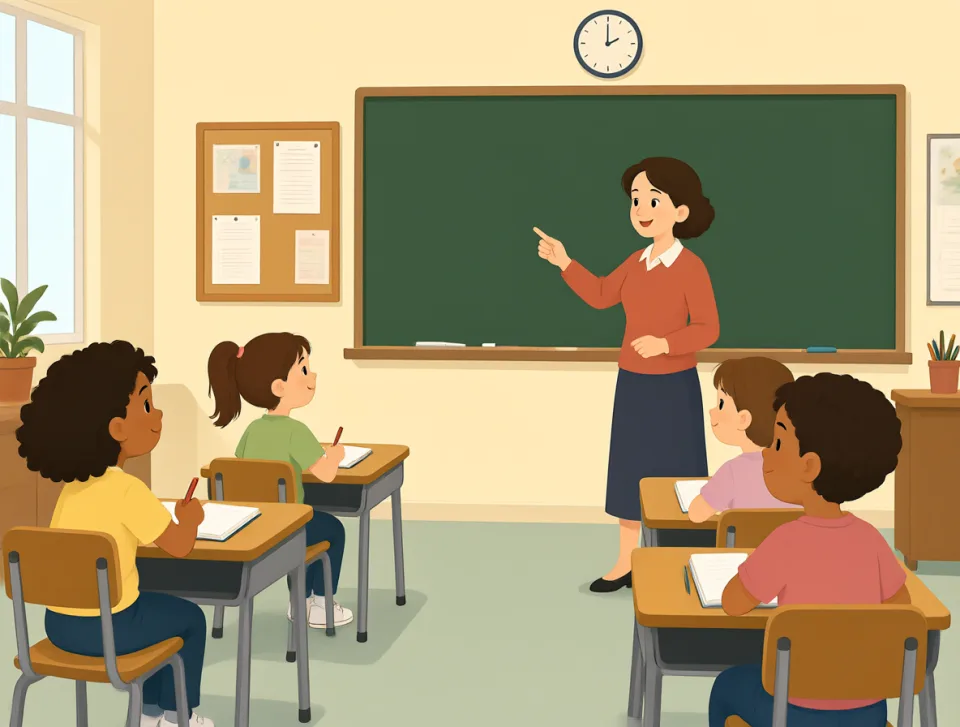
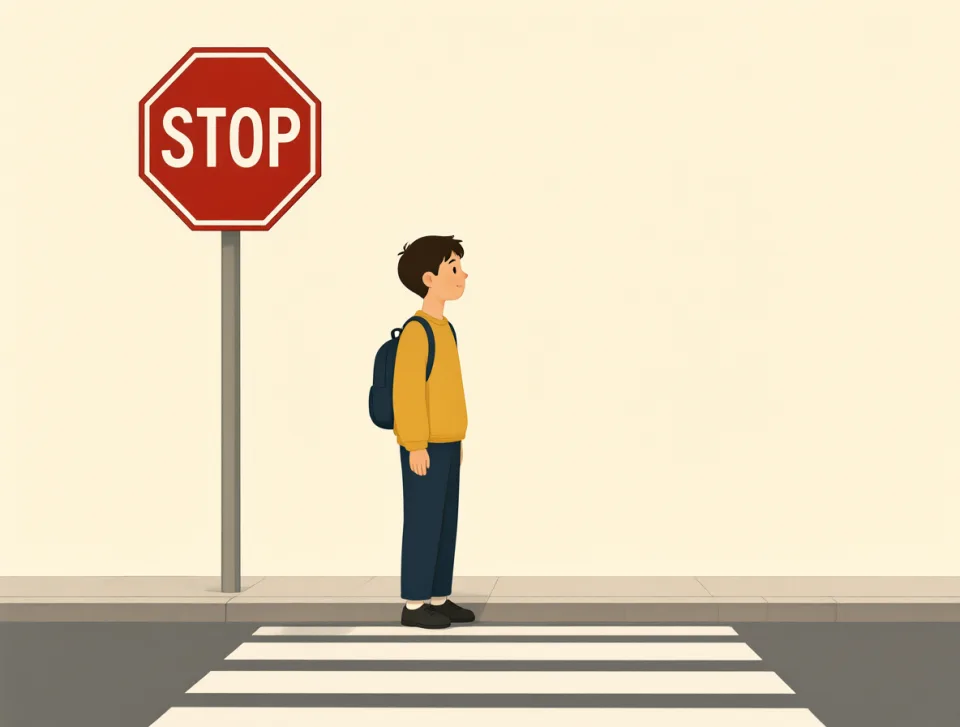
Follow the rules at school.
遵守學校的規定。
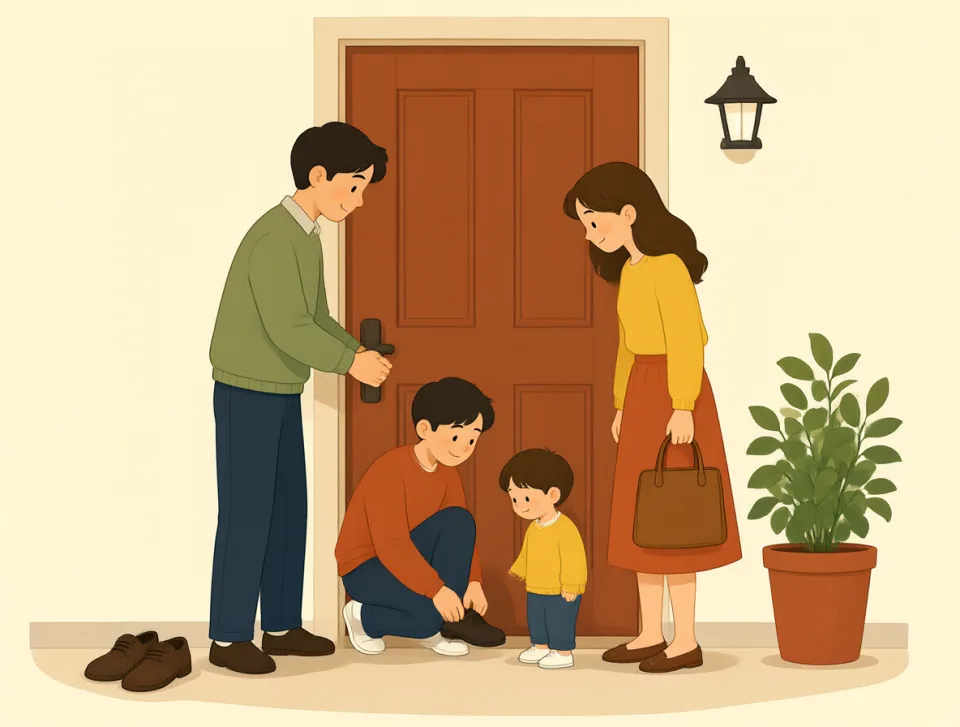
Our house rules say no shoes inside.
我們的家規規定,室內不能穿鞋。
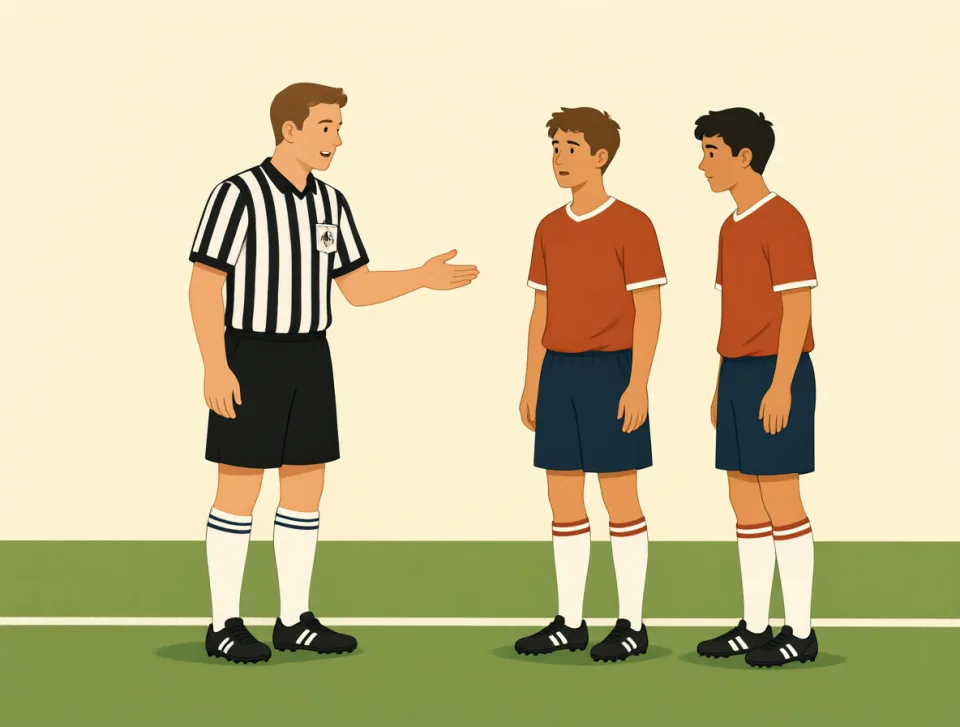
The referee made a rule about the game.
裁判對比賽制定了一項規則。

This small shop is ruled by one family.
這家小店由一個家族經營。
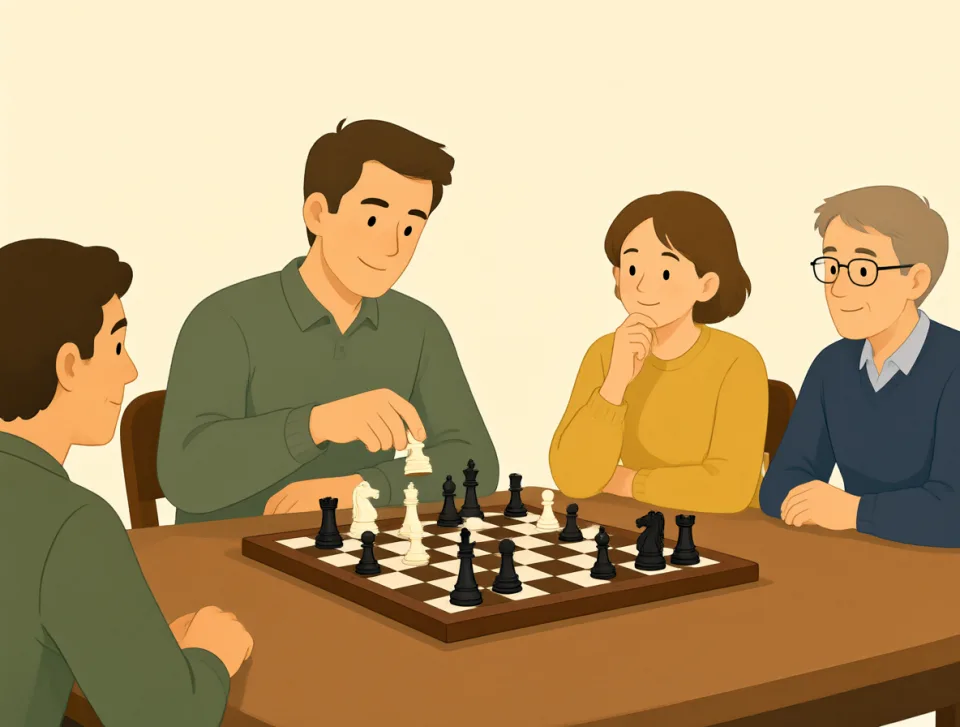
My father rules the chess club.
我父親管理著國際象棋俱樂部。

pass
#416verb, noun
遞給;經過;透過
To move past something, give something to someone, or succeed in a test.
經過某物,把某物遞給某人,或考試透過。
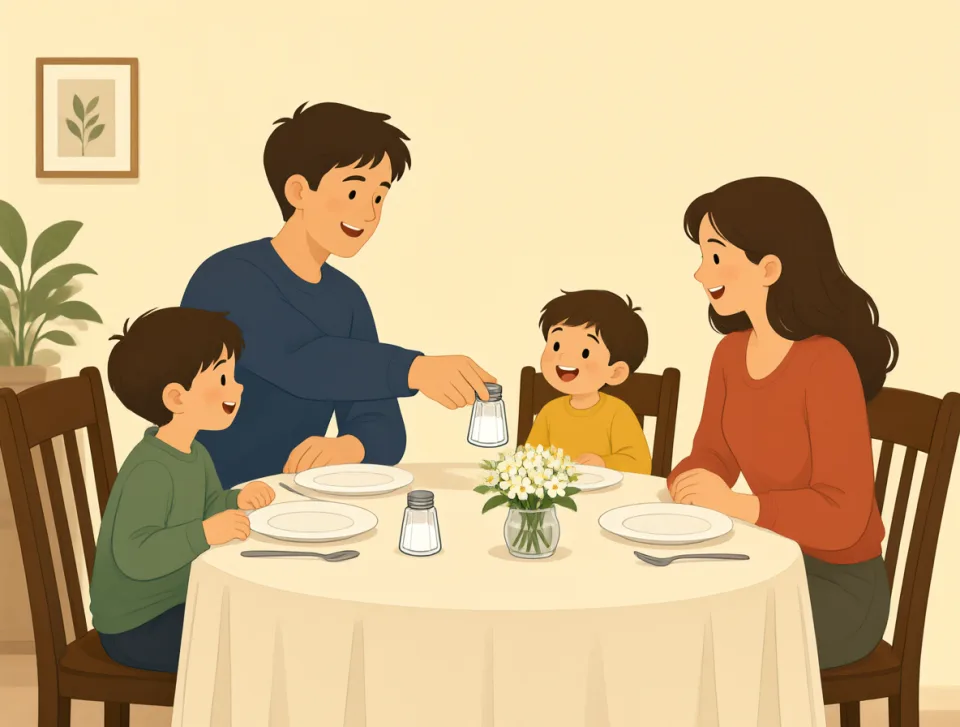
Please pass me the salt.
請把鹽遞給我。
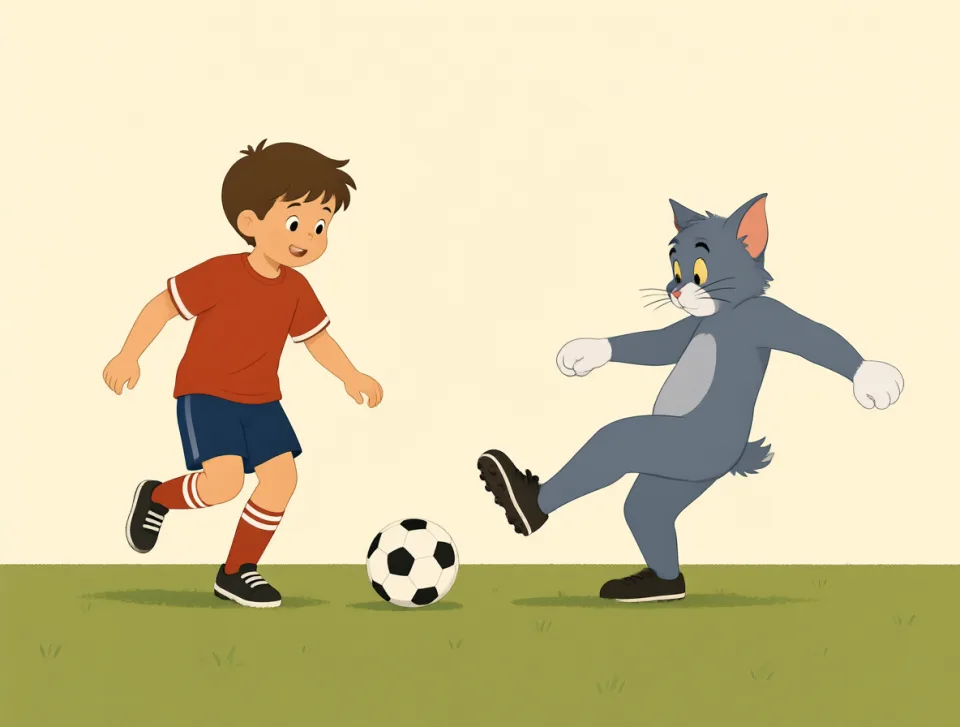
She passed the ball to Tom.
她把球傳給了湯姆。

We passed the shop on our way home.
我們回家的路上經過了那家商店。
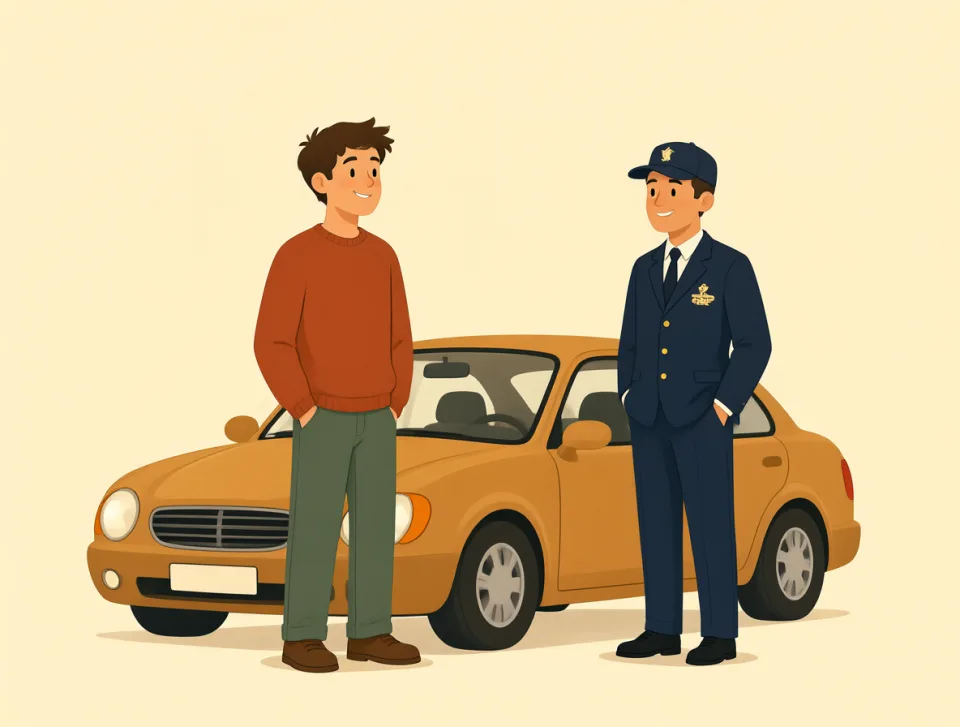
He passed his driving test yesterday.
他昨天透過了駕照考試。
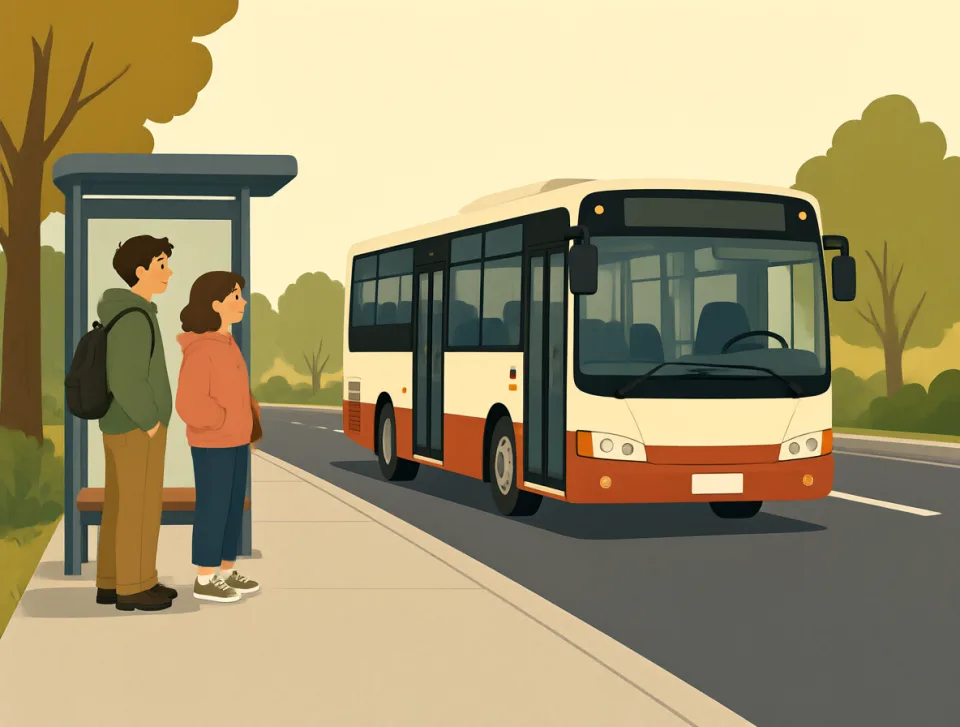
The bus passed us without stopping.
那輛公交車沒停就從我們身邊開過去了。
produce
#417verb, noun
生產;種植;農產品
to make or grow something; fruit and vegetables sold as food
生產或種植某物;作為食物出售的水果和蔬菜
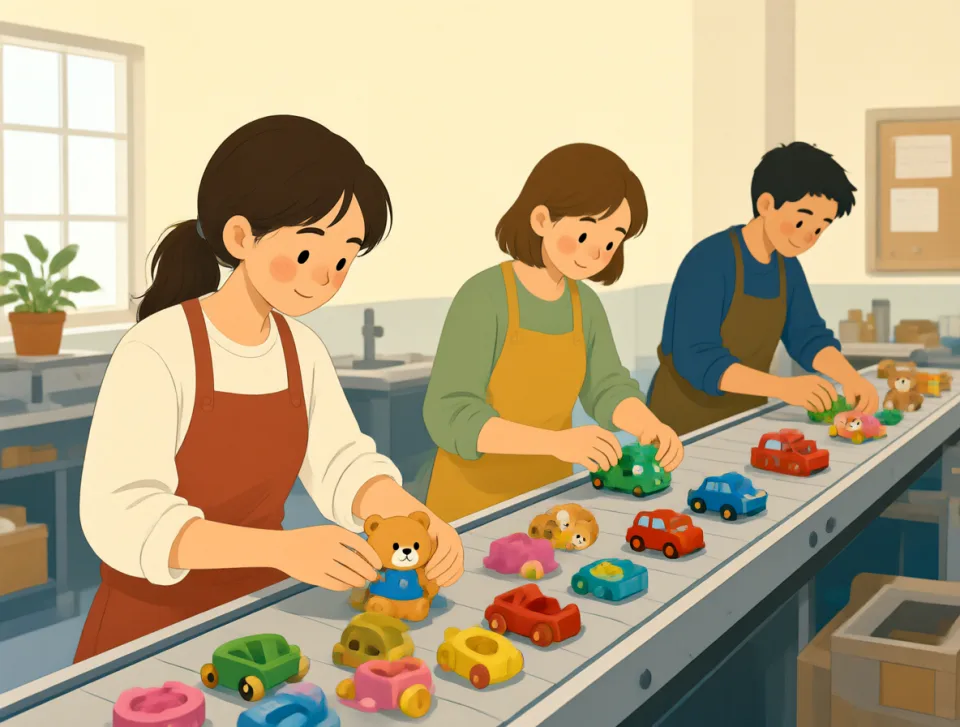
This factory produces thousands of toys each year.
這家工廠每年生產數千個玩具。
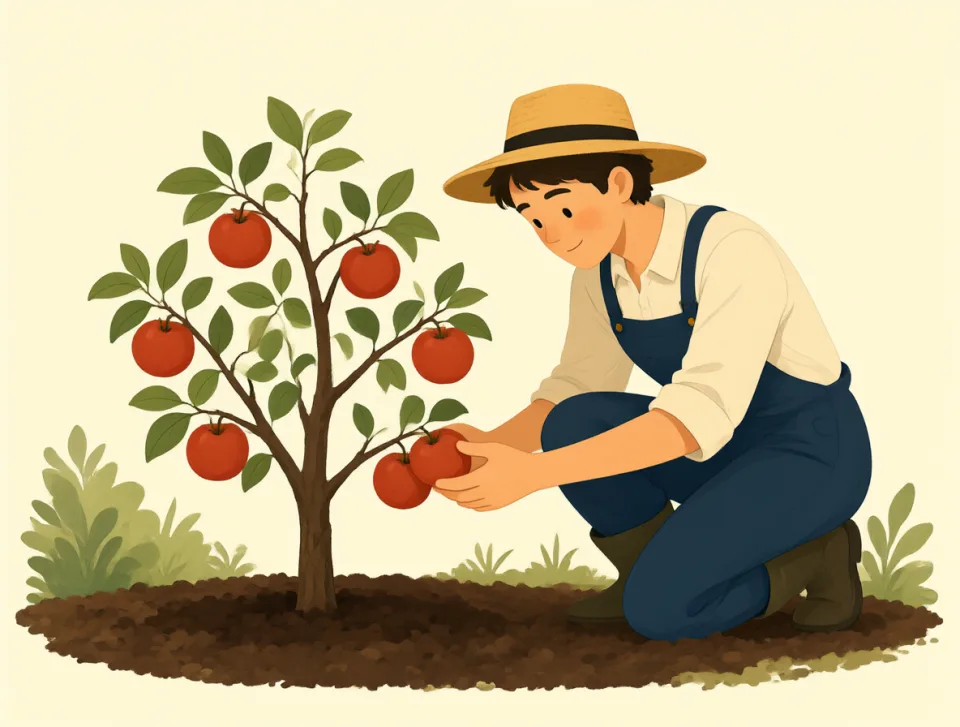
Good soil helps plants produce more fruit.
肥沃的土壤能幫助植物結出更多果實。
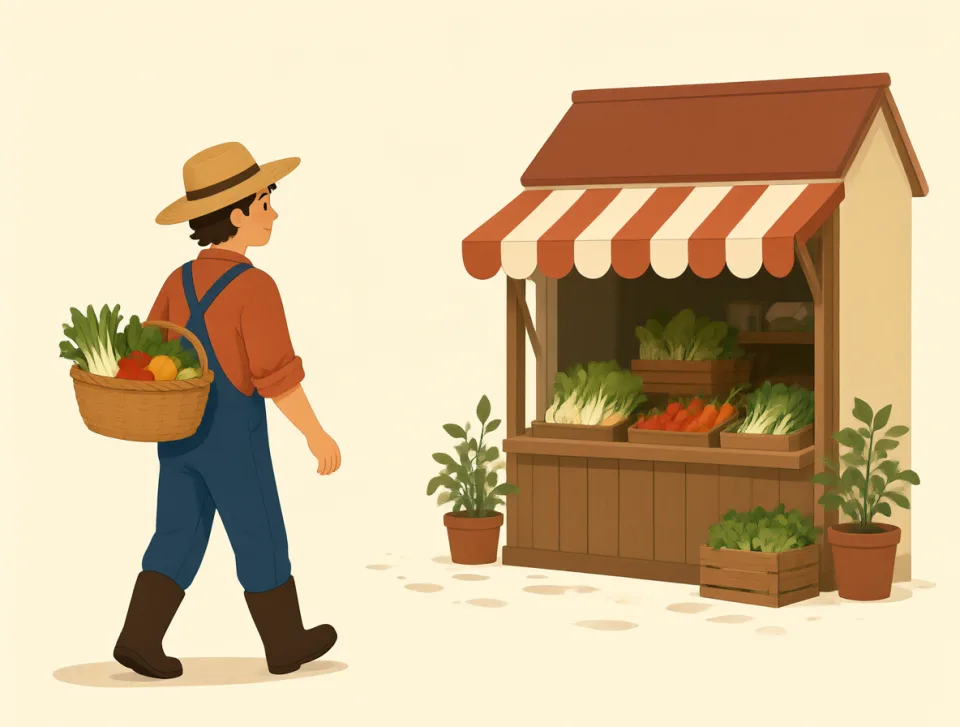
The farm produces fresh vegetables for local shops.
這家農場為當地商店生產新鮮蔬菜。
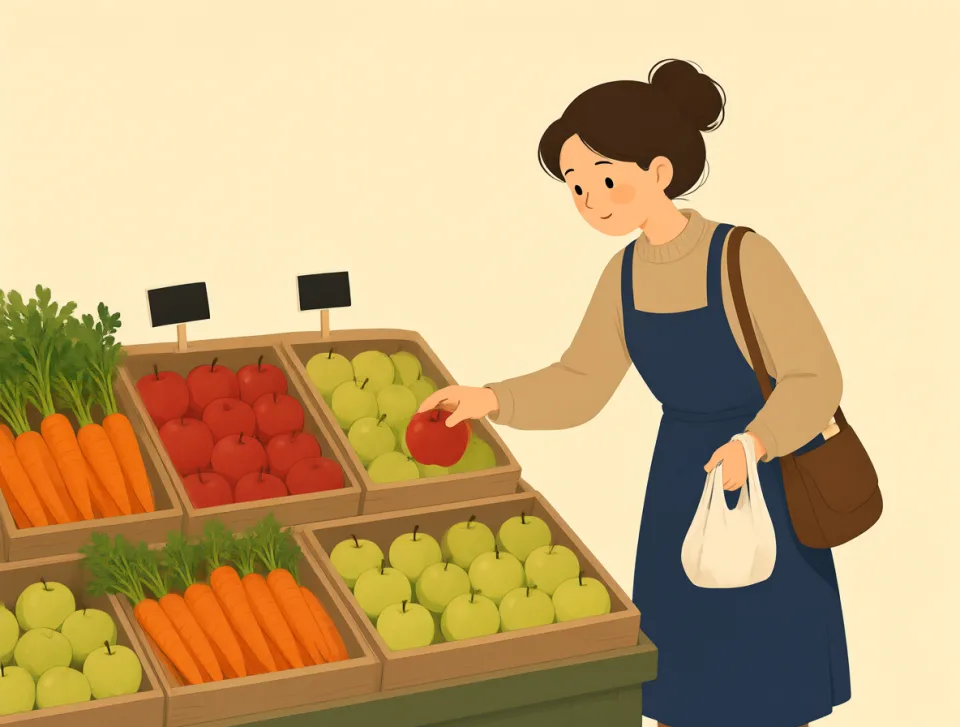
We bought fresh produce at the market.
我們在市場上買了新鮮的農產品。

The medicine can produce mild side effects.
這種藥可能會產生輕微的副作用。
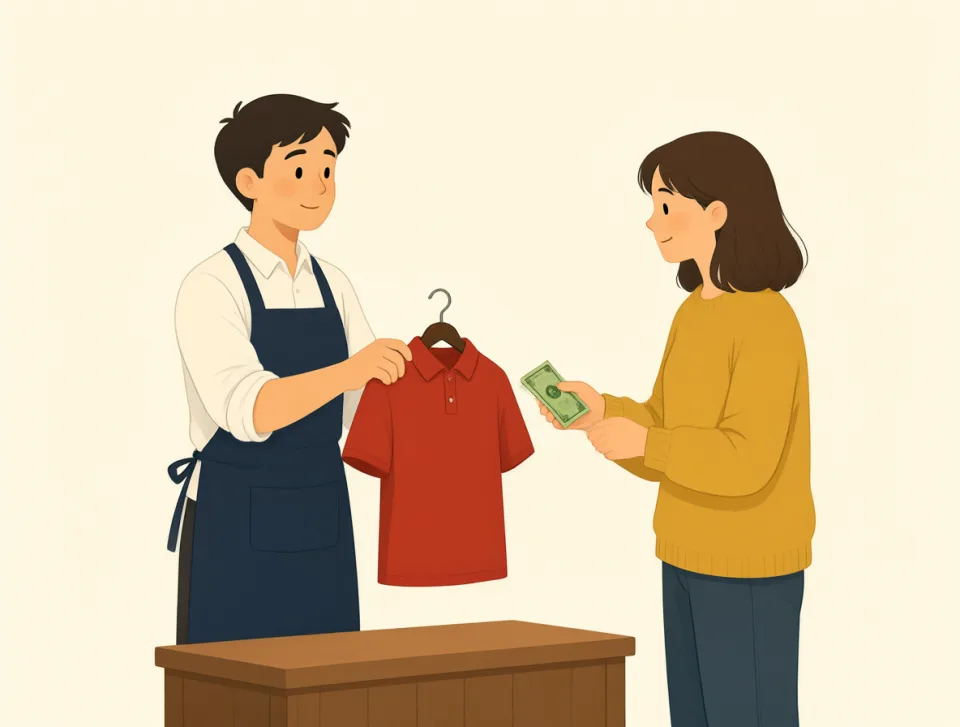
sell
#418verb
賣
to give something to someone in exchange for money
把某物給別人以換取錢
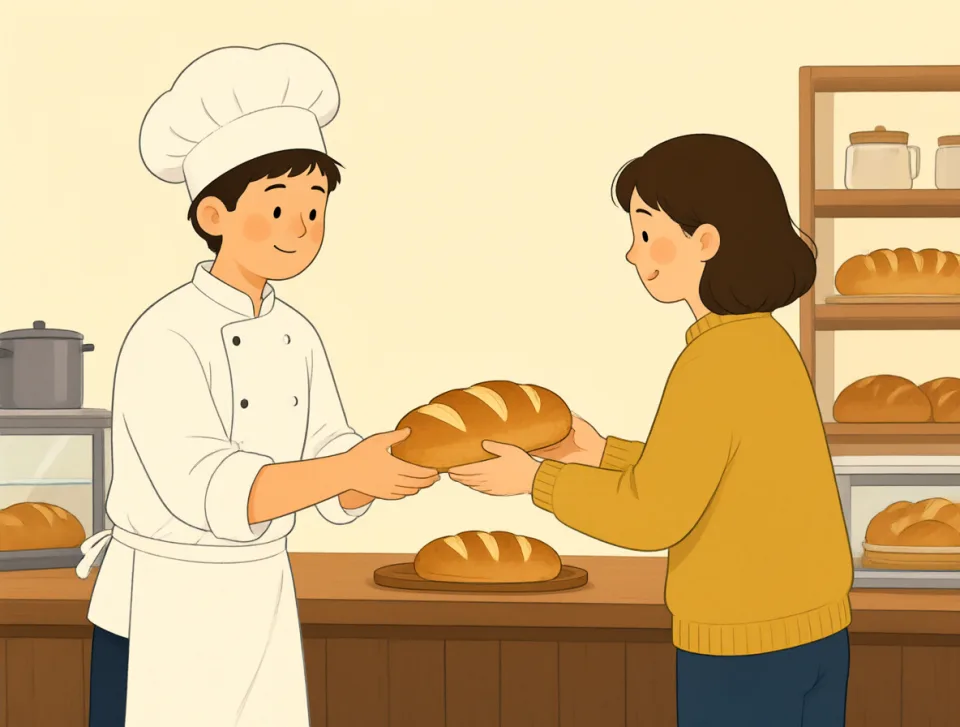
They sell fresh bread every morning.
他們每天早上都賣新鮮麵包。
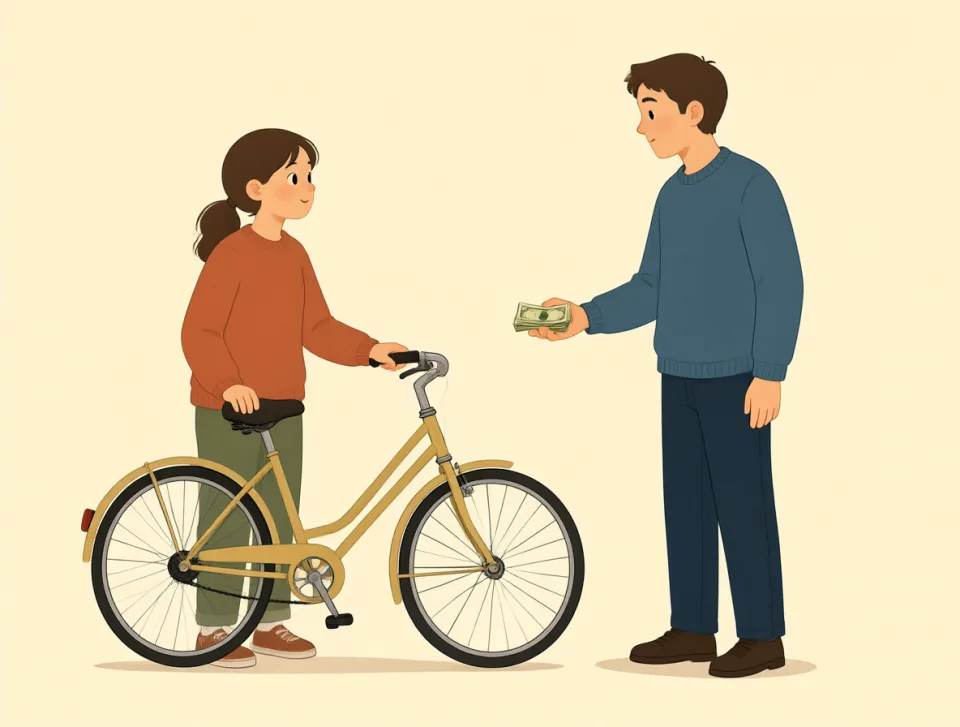
She sold her old bike yesterday.
她昨天把自己的舊腳踏車賣了。

This shop sells shoes and bags.
這家商店賣鞋和包。
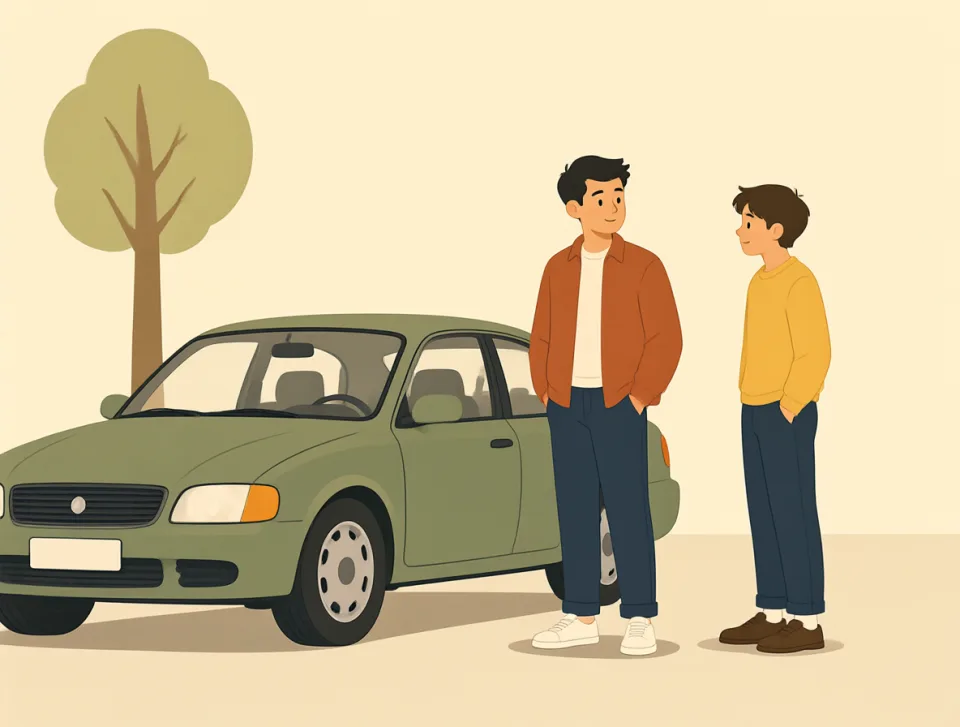
He wants to sell his car.
他想賣掉他的汽車。
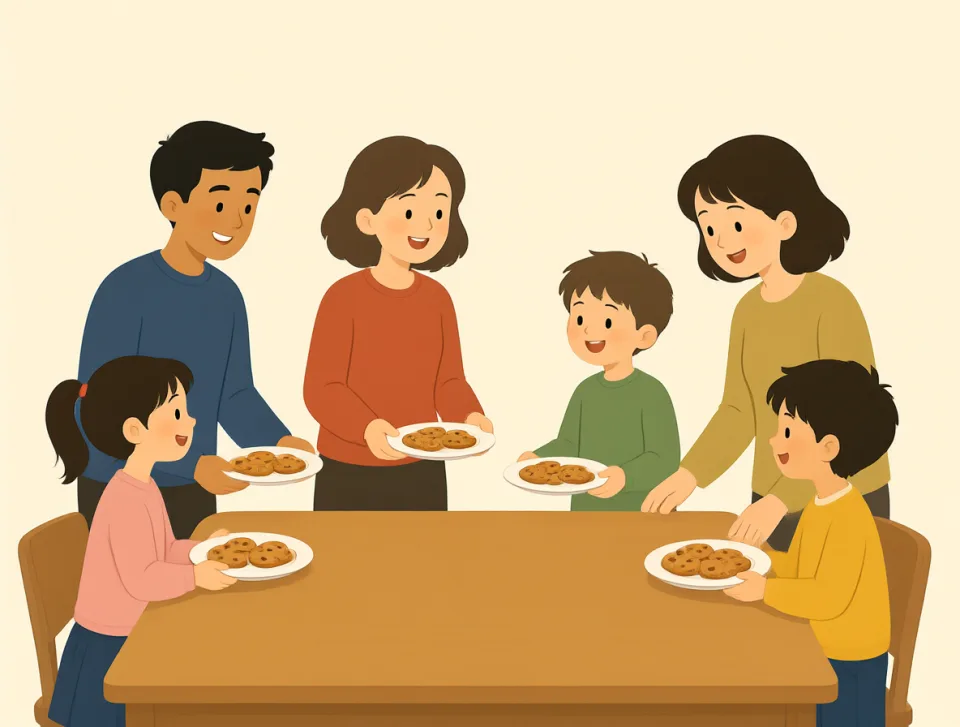
The children sold cookies at school.
孩子們在學校賣餅乾。
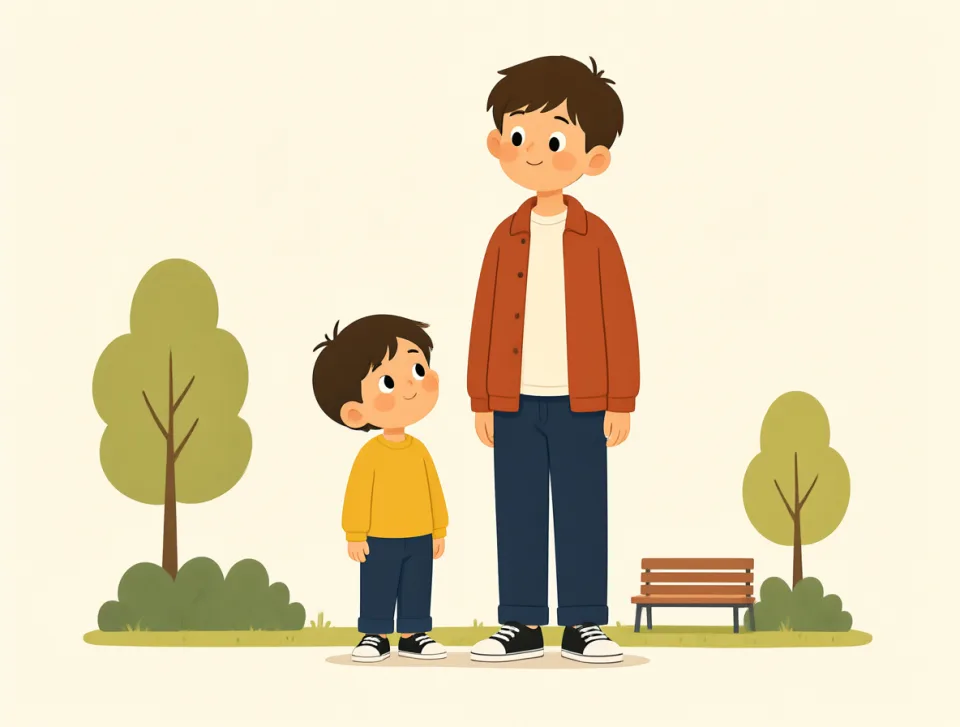
short
#419adjective, noun, adverb, verb
短的; 矮的; 短暫的; 缺少
Having little length, height, or time; to make something shorter.
長度、高度或時間較短;使某物變短。
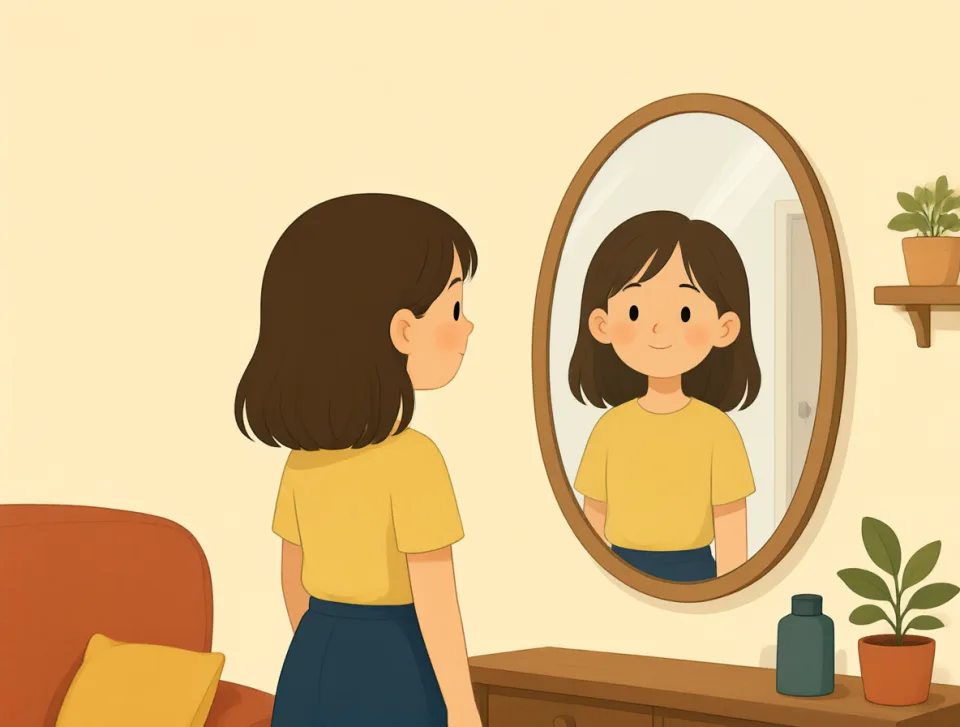
She has short brown hair.
她留著一頭棕色短髮。

We took a short bus ride.
我們坐了一小段公交車。
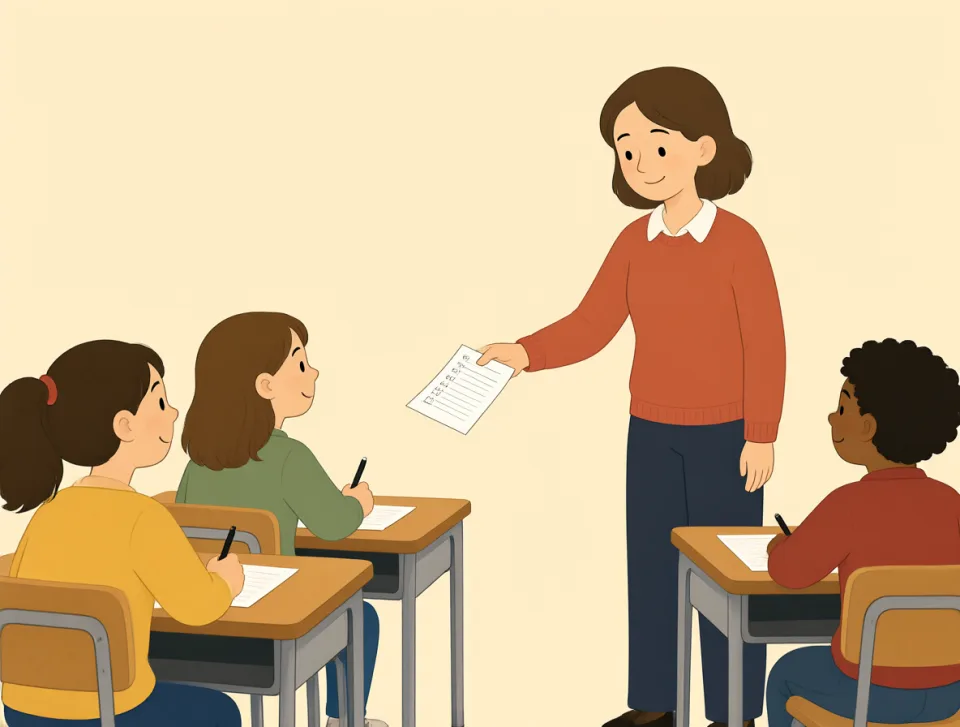
The teacher gave us a short test.
老師給我們做了一次簡短的測試。

He is short of money today.
他今天缺錢。
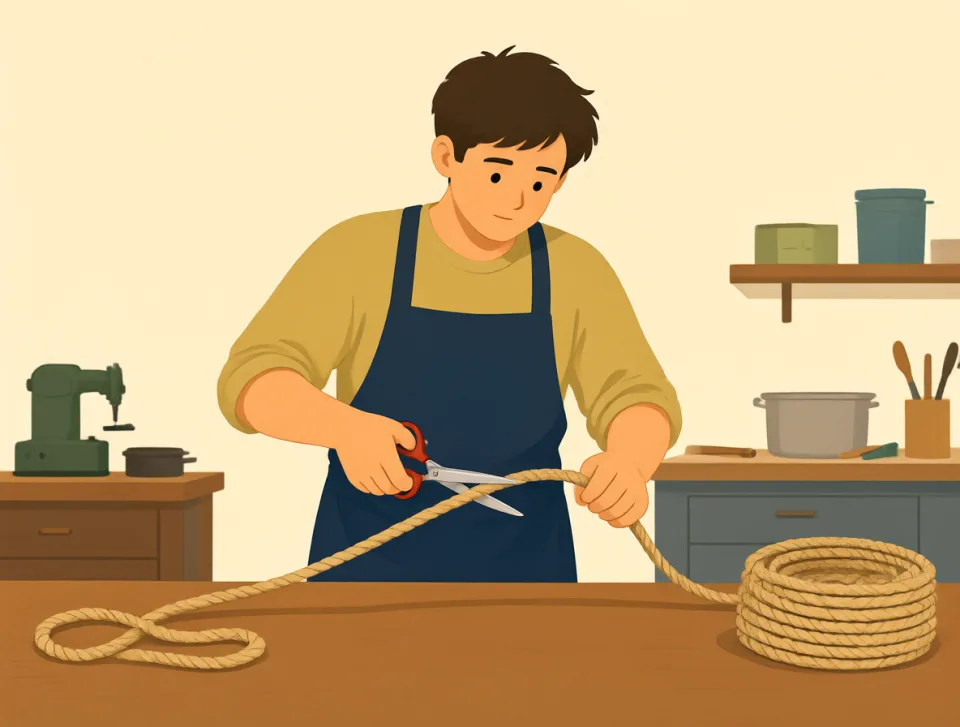
Please cut the rope short.
請把繩子剪短。

agree
#420verb
同意;贊同
To have the same opinion as someone else.
和別人有相同的看法。

I agree with you about the movie.
我同意你對這部電影的看法。

We agreed to meet after school.
我們同意放學後見面。
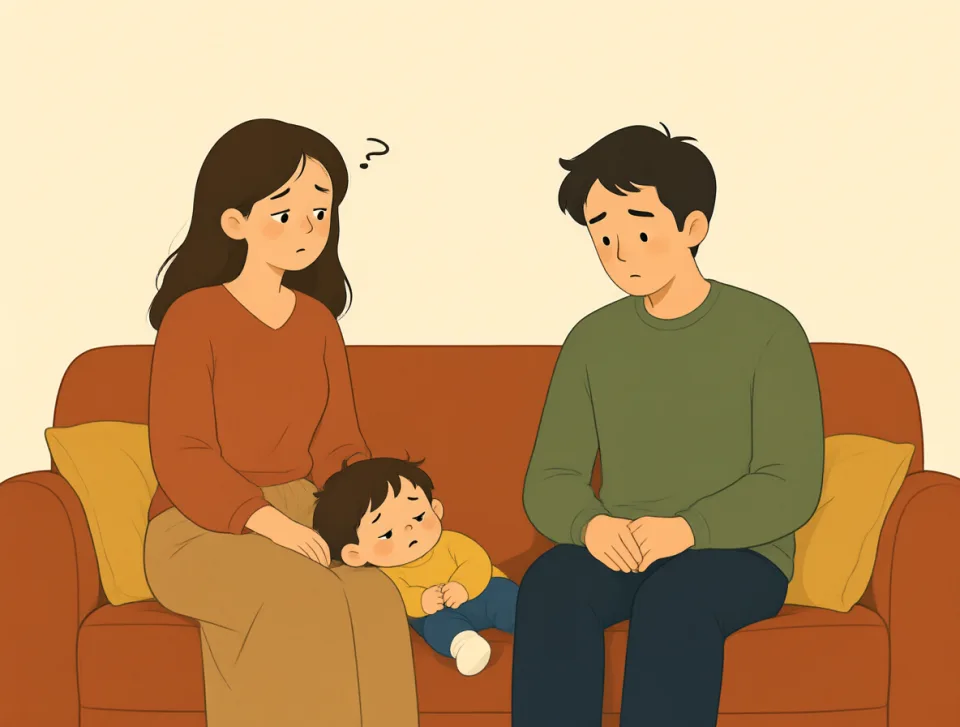
My parents agree that I need rest.
我父母同意我需要休息。

The customer agreed to the higher price.
這位顧客同意接受更高的價格。

They agreed on a time for dinner.
他們商定了吃晚飯的時間。