單元 17
單字 321–340 · deal, water, send, allow, soon, watch
deal
#321noun, verb
交易;處理;應對;發牌
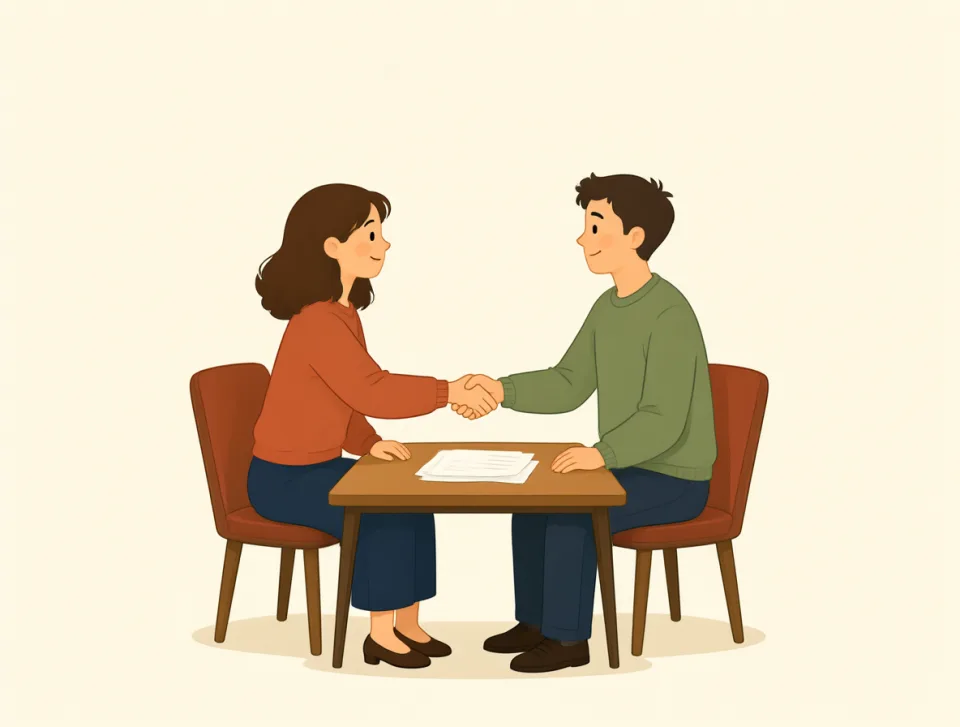
An agreement, arrangement, or way of handling a situation; to do business or manage something.
協議、安排或處理某種情況的方式;做生意或管理某事
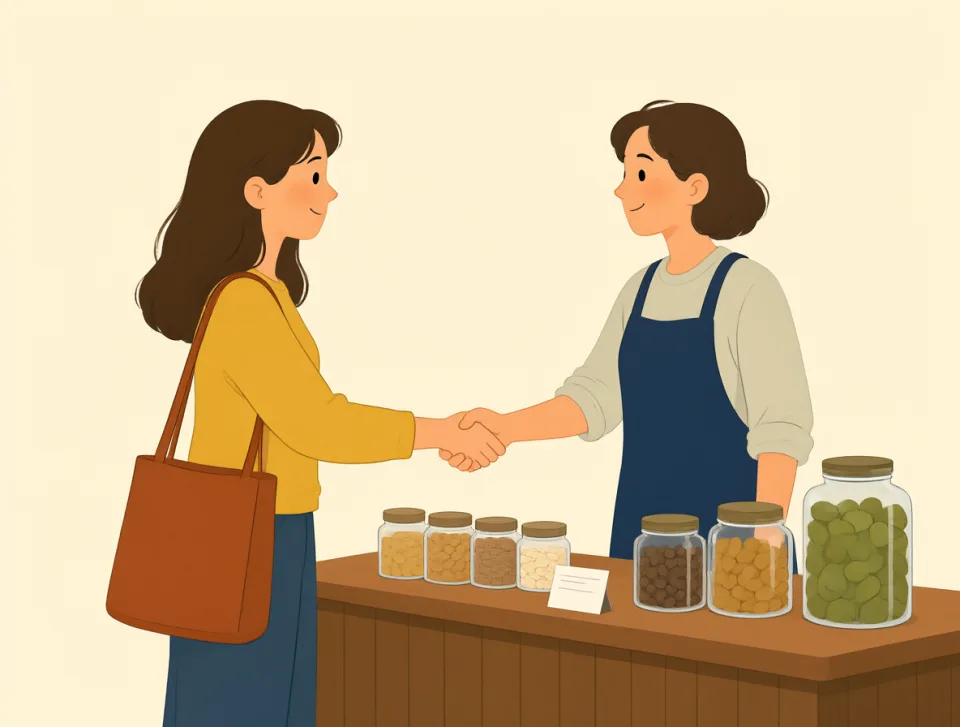
We made a deal about the price.
我們就價格達成了協議。

She got a great deal on shoes.
她買鞋時撿了個大便宜。
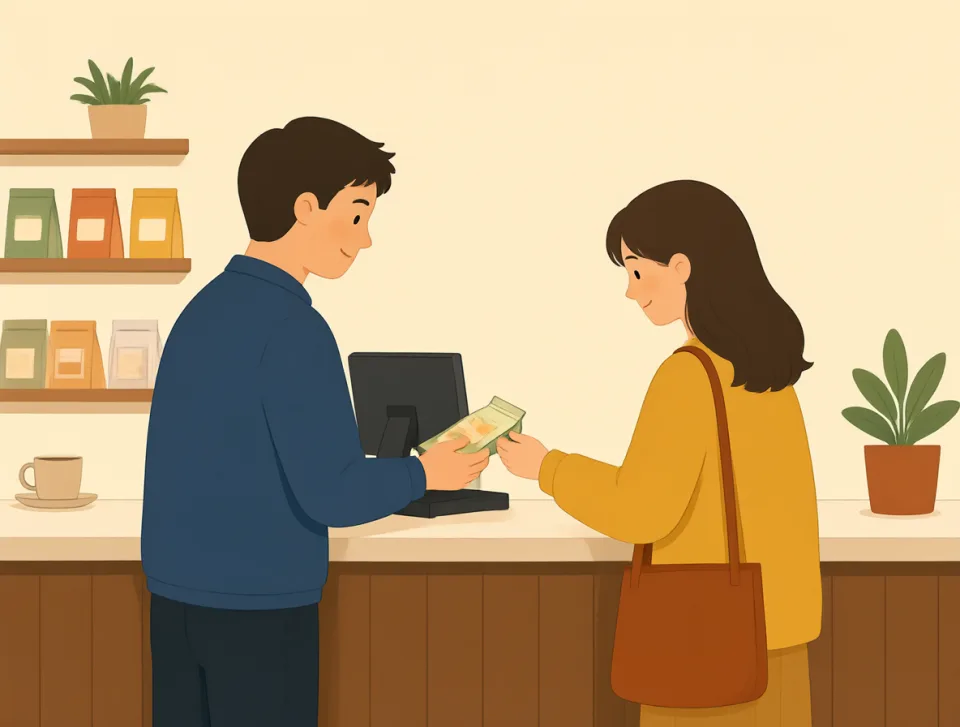
I deal with customers every day.
我每天都要和客戶打交道。
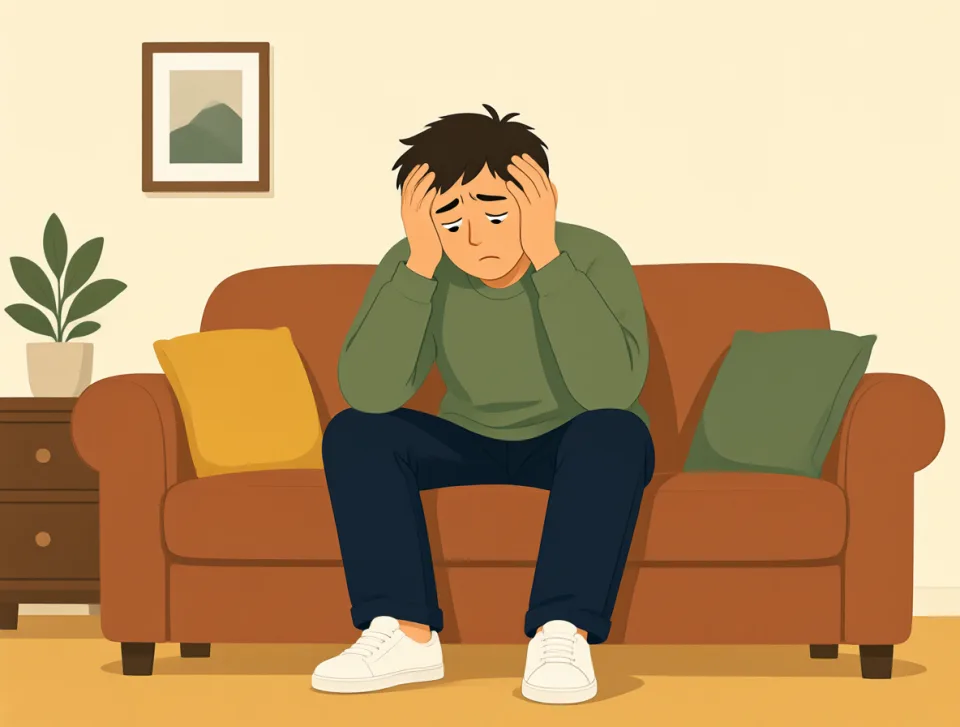
He cannot deal with the stress.
他無法應對這種壓力。
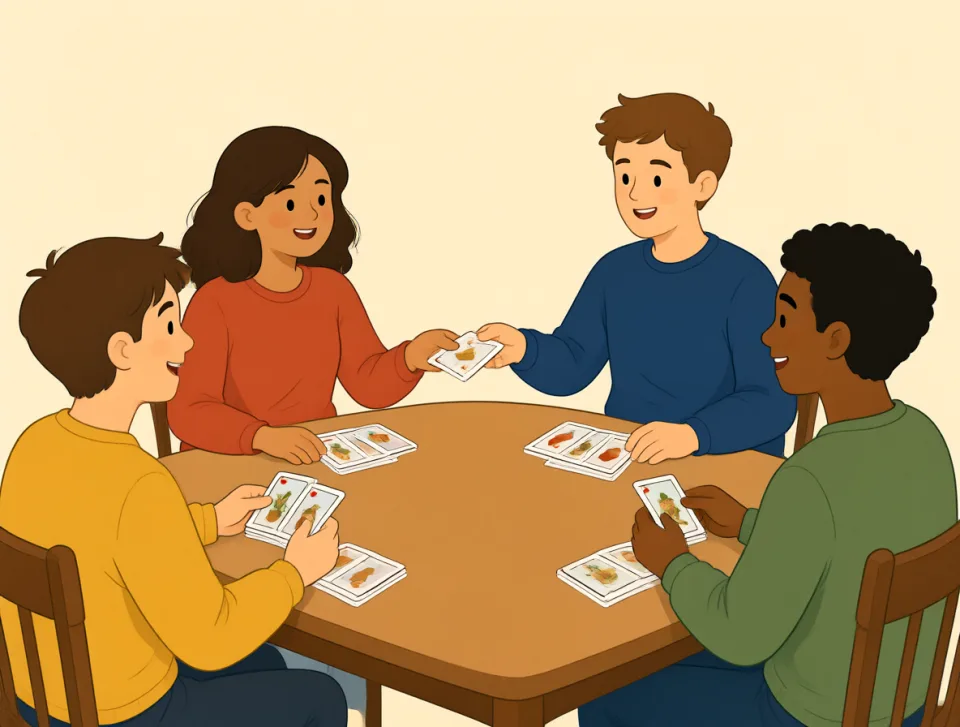
The cards were dealt to everyone.
牌發給了每個人。
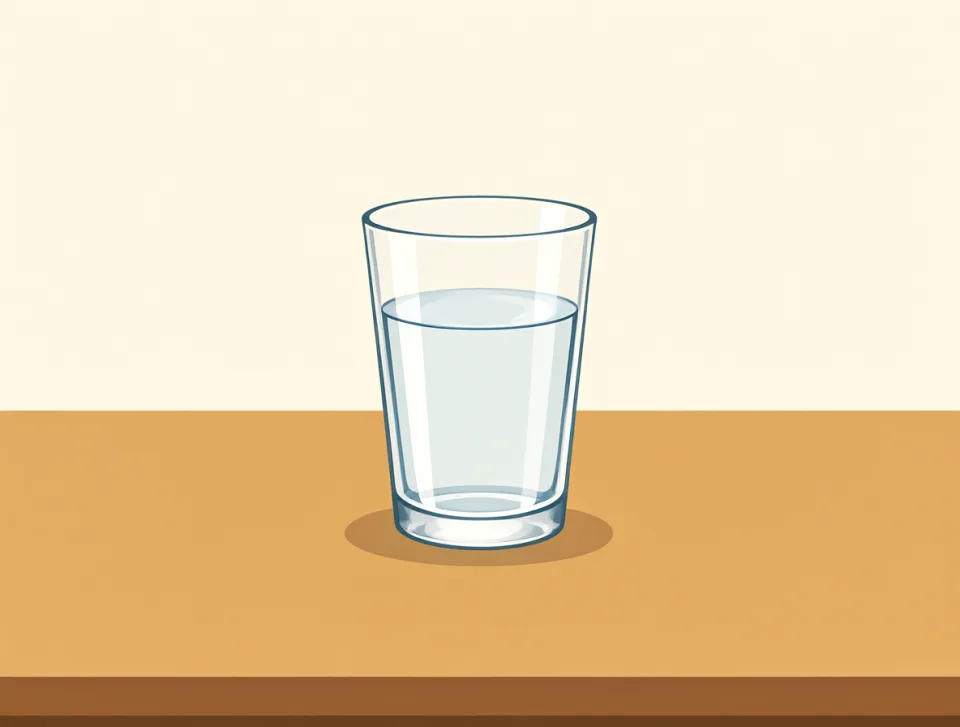
water
#322noun, verb
水;給植物澆水
The clear liquid people drink and use for washing, cooking, and growing plants.
人們飲用並用來洗滌、烹飪和種植植物的透明液體。
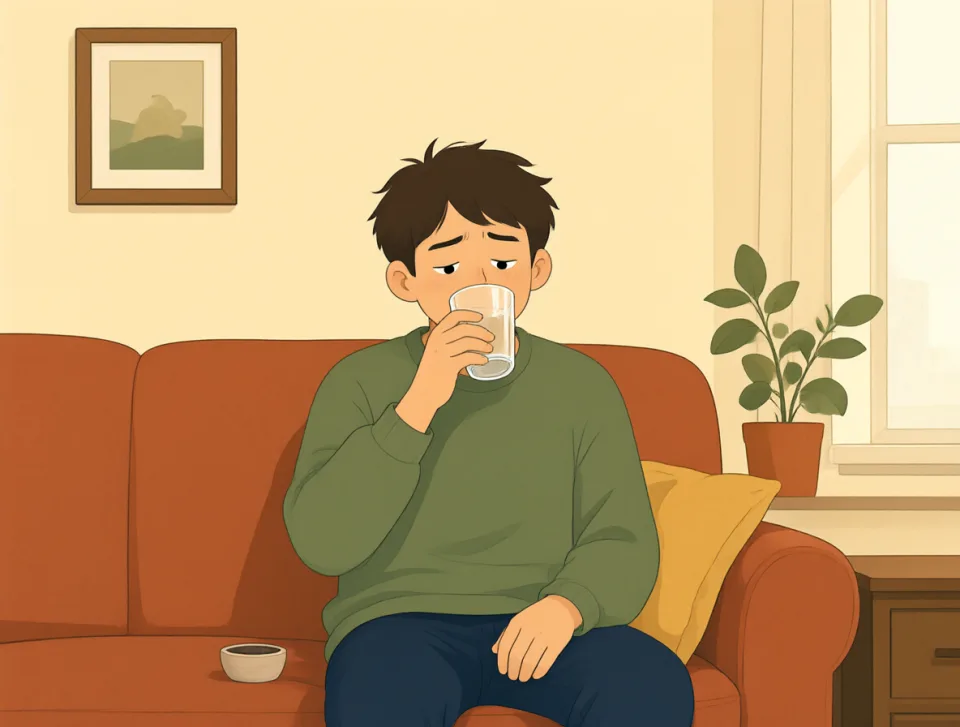
Please drink some water after your walk.
散步後請喝點水。
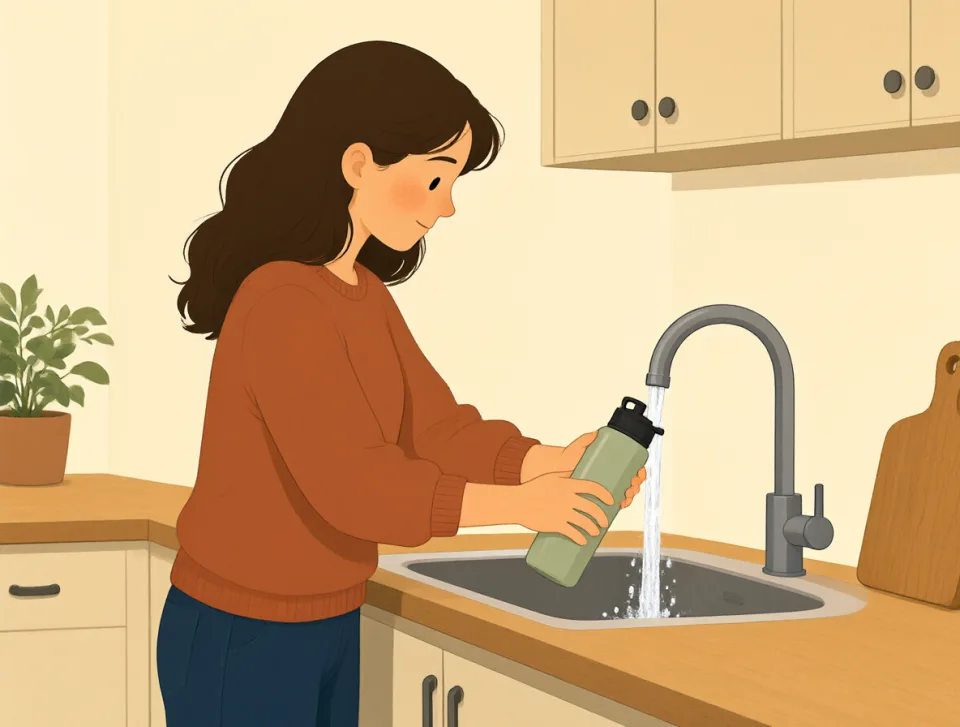
She filled the bottle with cold water.
她把瓶子裝滿了冷水。
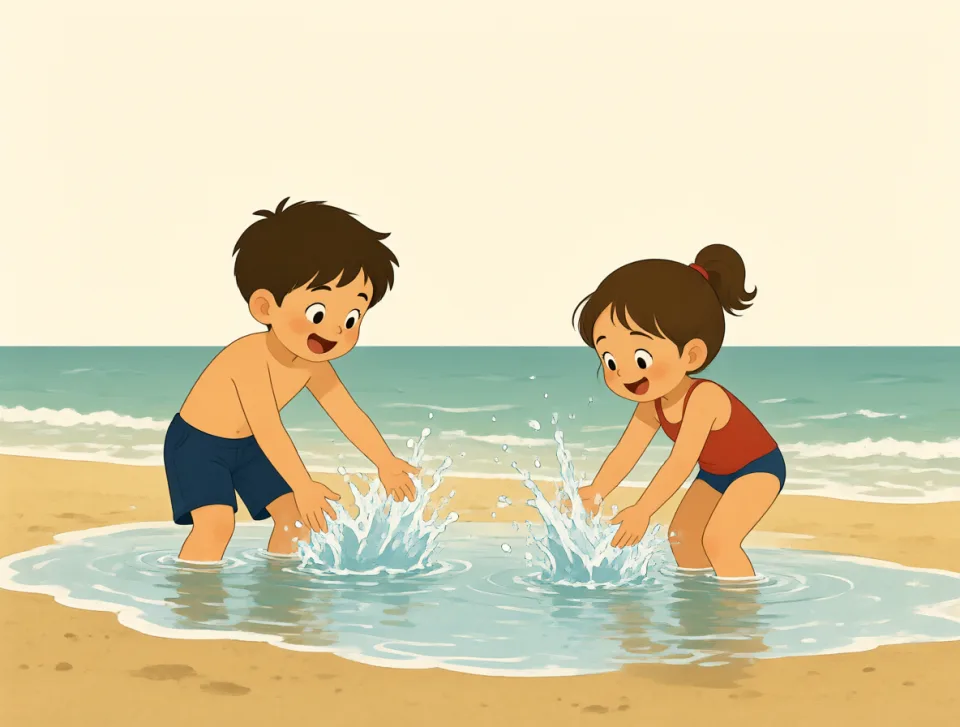
The children played in the water.
孩子們在水裡玩耍。
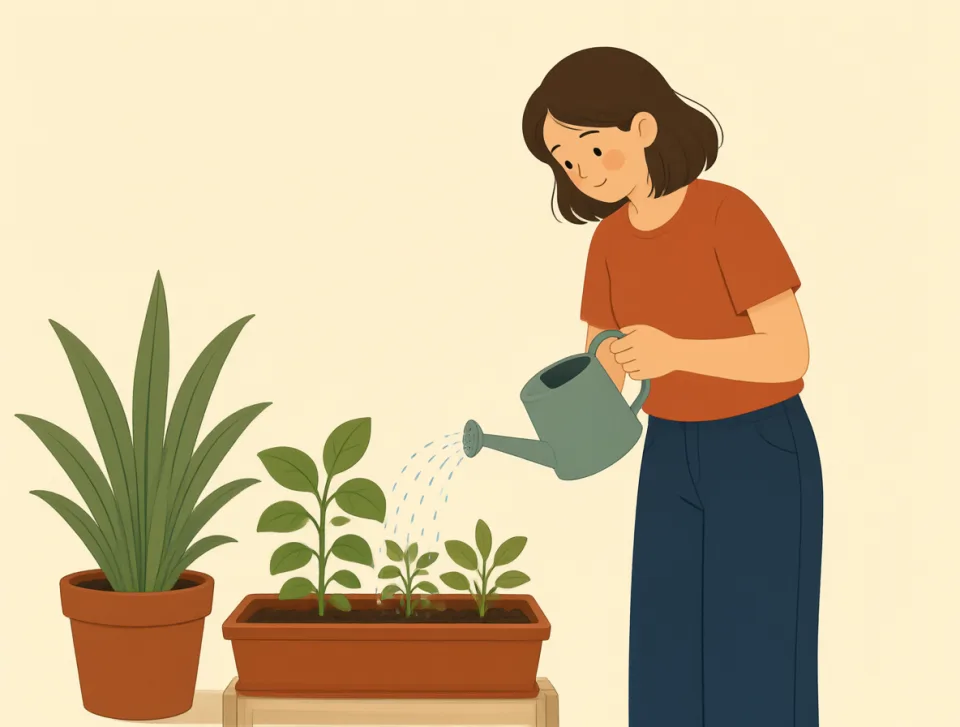
We watered the plants before leaving.
我們離開前給植物澆了水。

The flood watered the streets overnight.
洪水一夜之間淹沒了街道。
send
#323verb
寄;傳送;派;送
To make someone or something go from one place to another.
讓某人或某物從一個地方到另一個地方。

Please send me the address.
請把地址發給我。
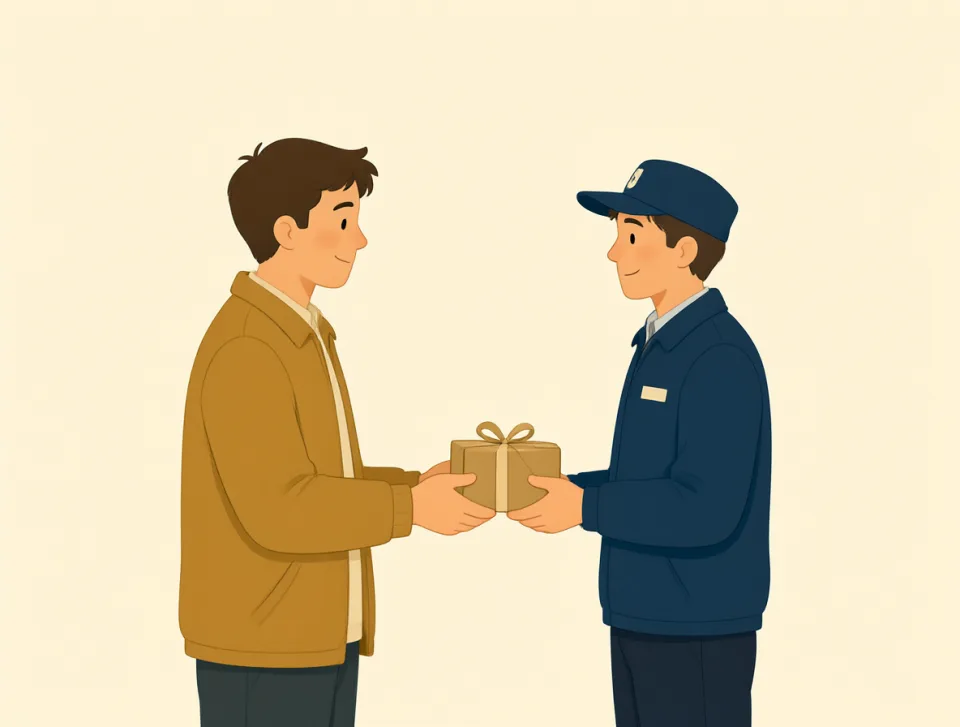
I sent the package yesterday.
我昨天寄出了包裹。
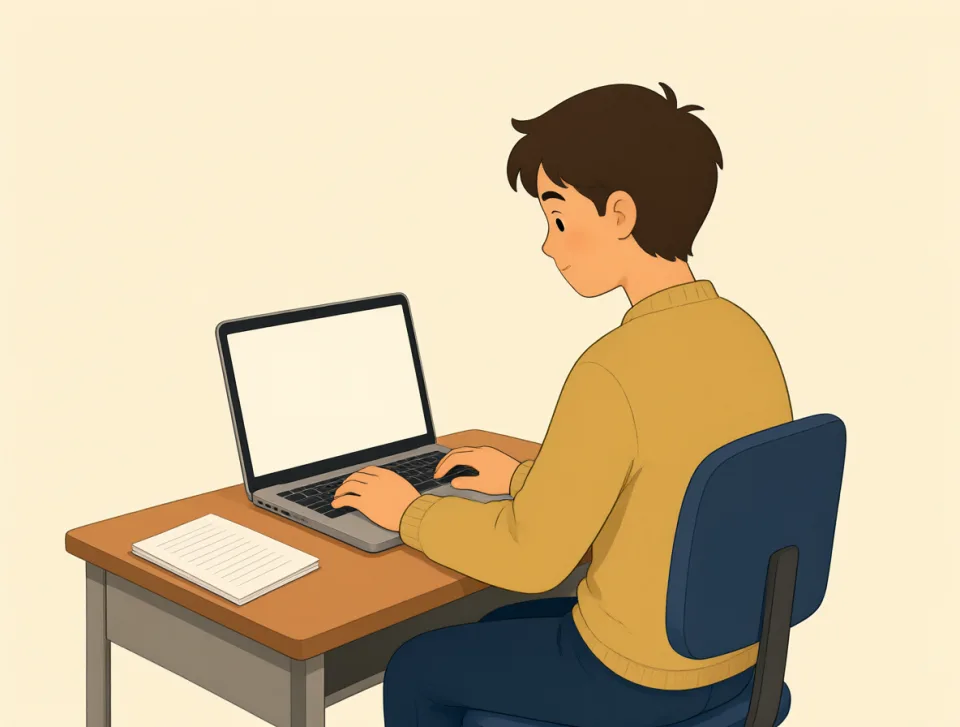
She sends emails to her teacher.
她給老師發電子郵件。
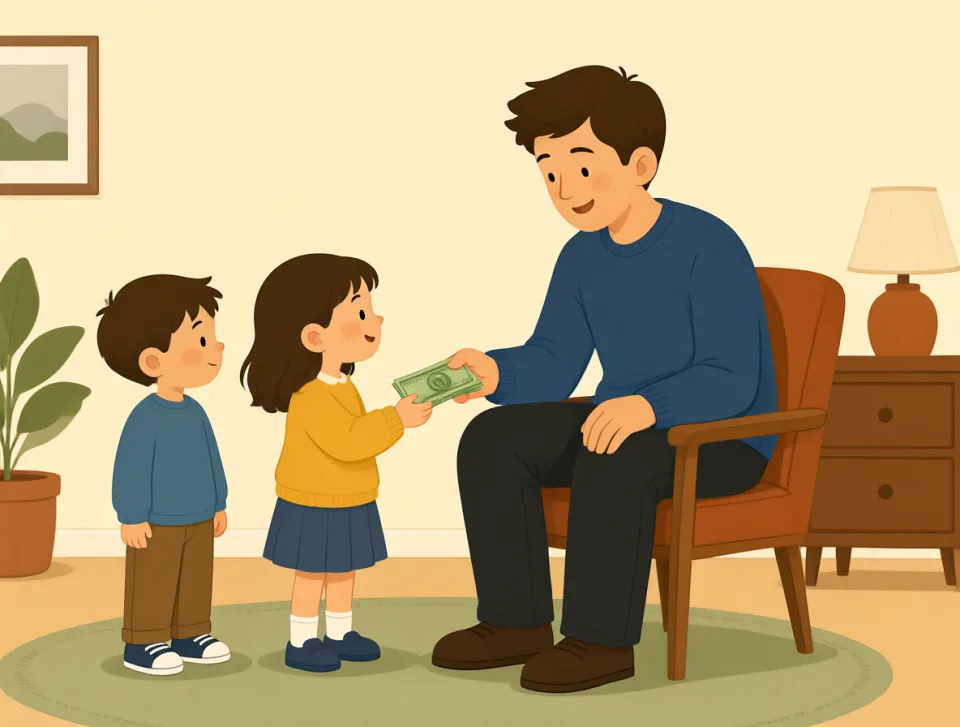
Dad sent us some money.
爸爸給我們寄了些錢。
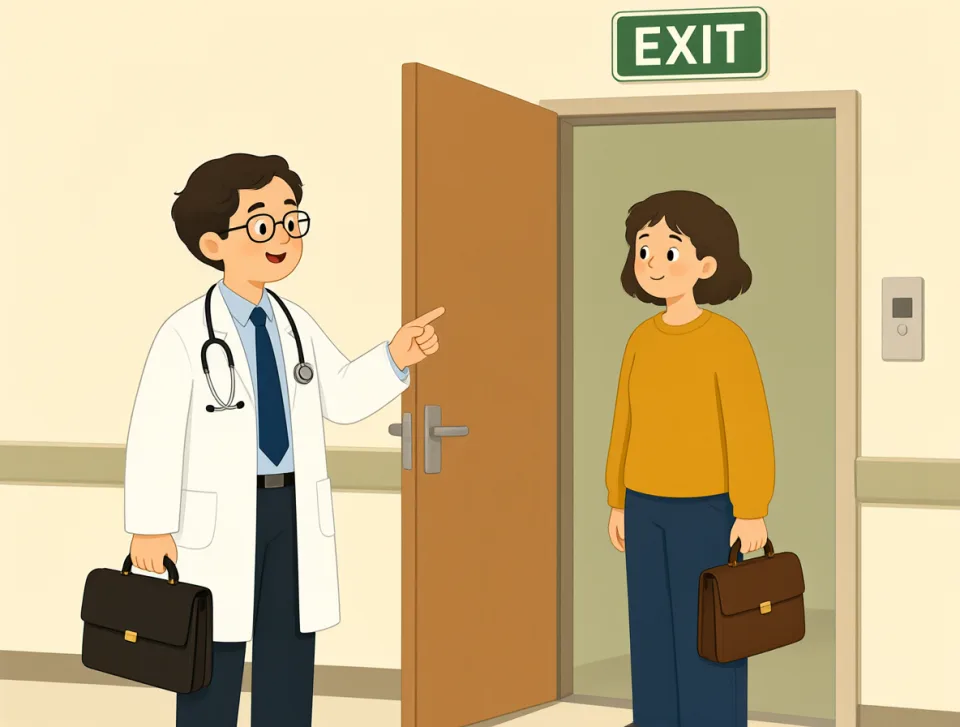
The doctor sent him home.
醫生讓他回家了。
allow
#324verb
允許;准許;使可能
to let someone do something or make something possible
讓某人做某事,或使某事成為可能
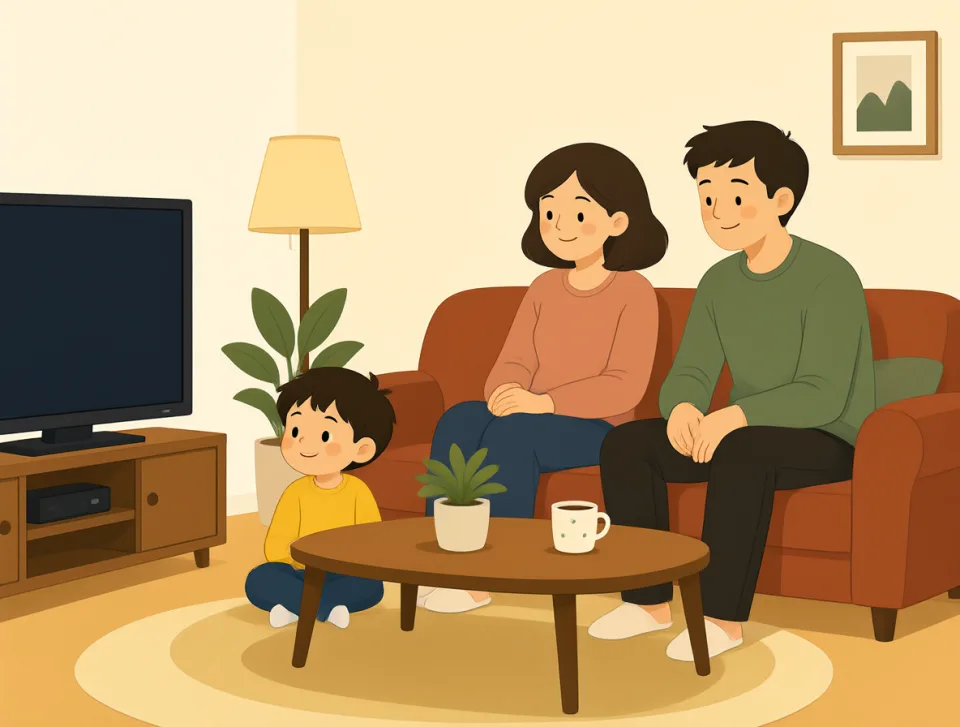
My parents allow me to watch TV.
我父母允許我看電視。
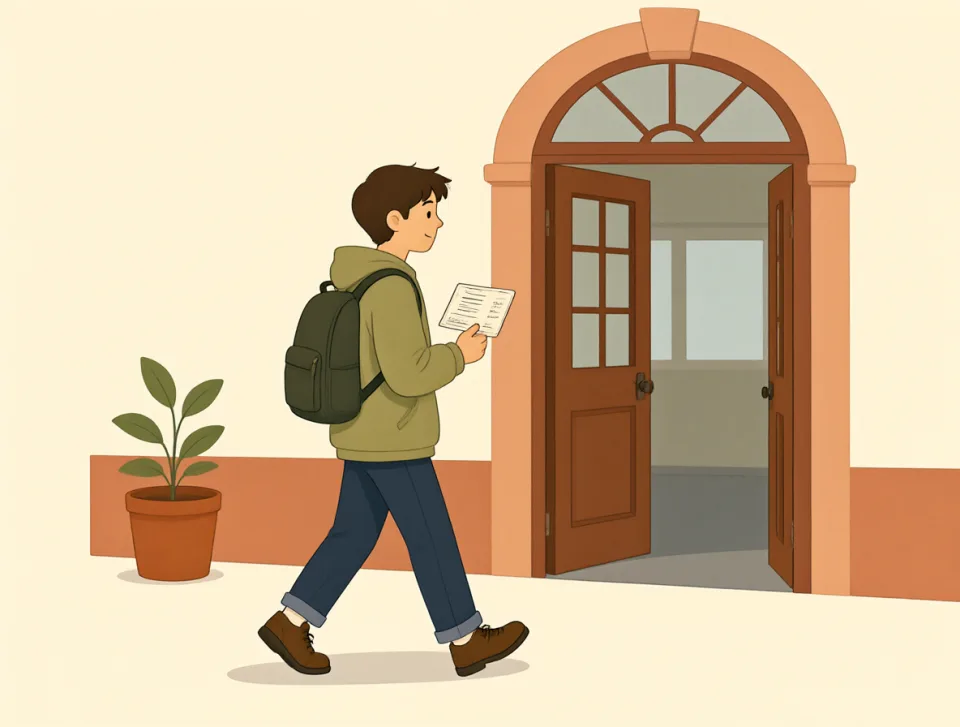
This ticket allows one person to enter.
這張票允許一人入場。
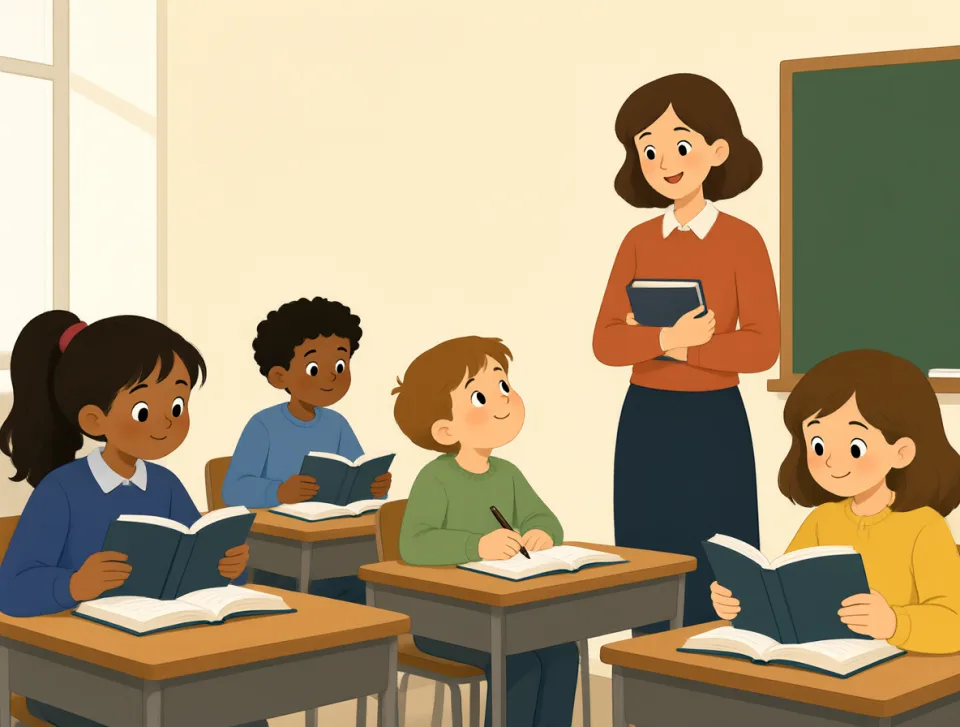
Our teacher allowed us to use dictionaries.
我們的老師允許我們使用詞典。
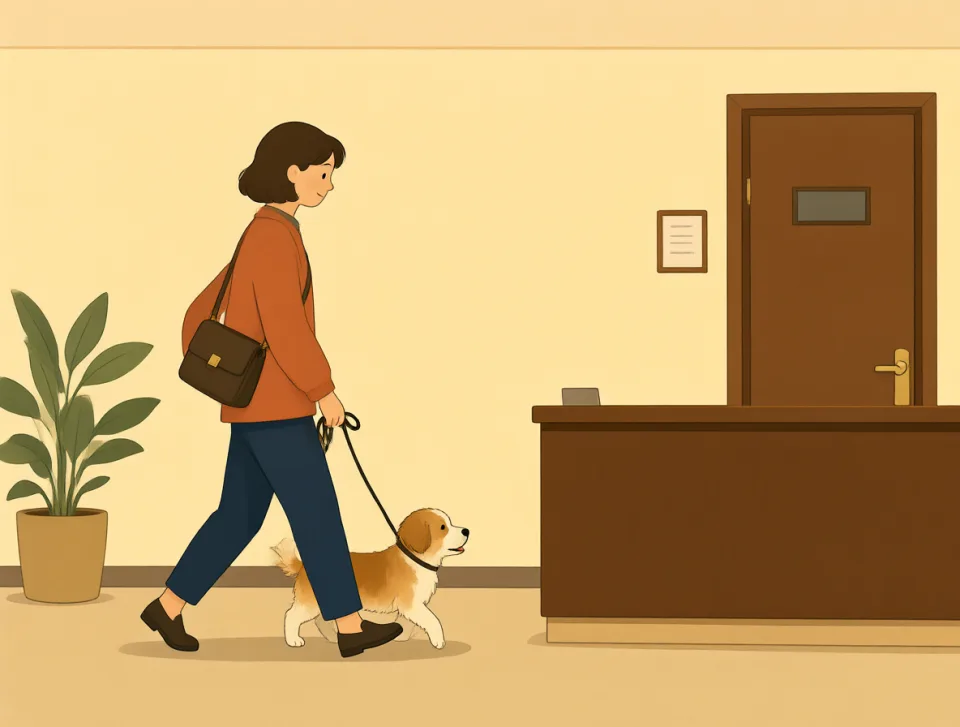
The hotel allows guests to bring pets.
這家酒店允許客人攜帶寵物。

This medicine allows him to sleep better.
這種藥讓他能睡得更好。
soon
#325adverb
很快;不久
in a short time, or a short time after now
在很短的時間內,或從現在起不久以後
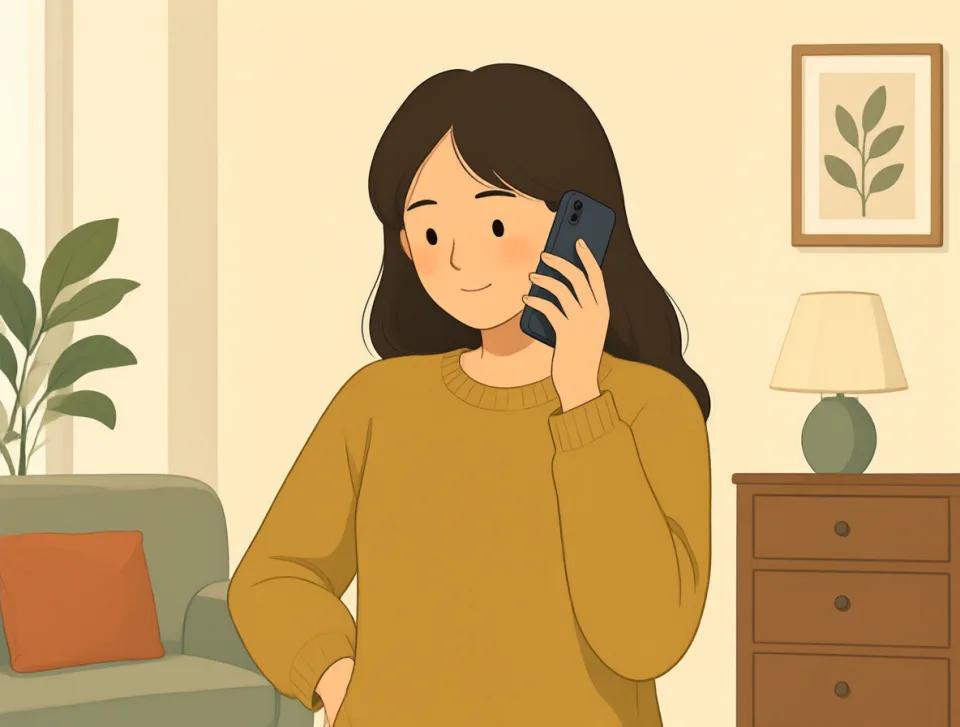
I will call you soon.
我很快就會給你打電話。

See you soon at school.
學校見。
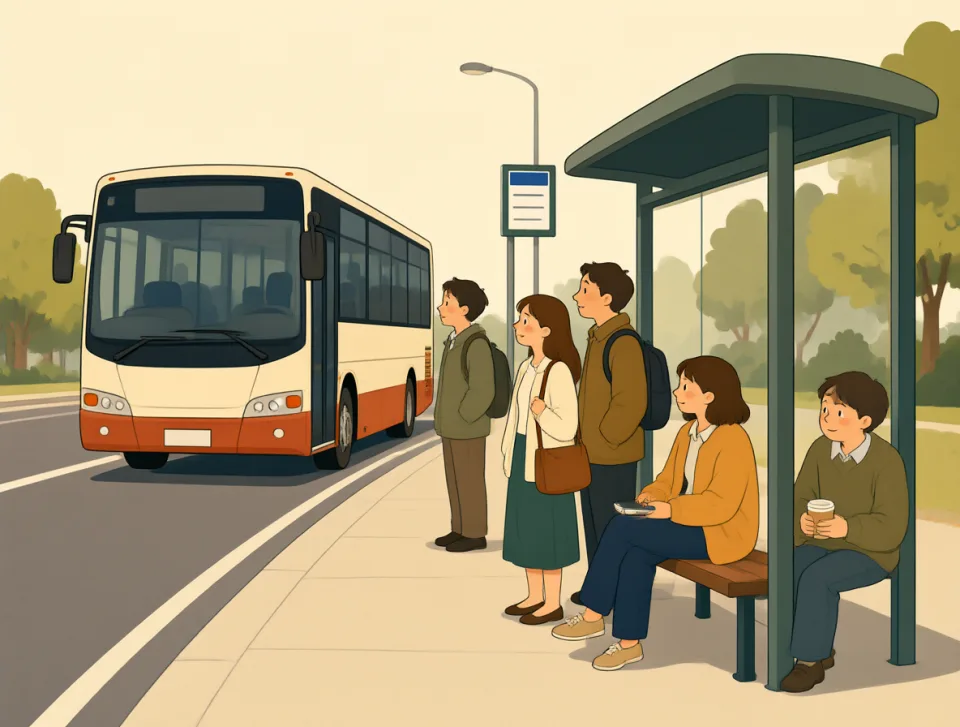
The bus will arrive soon.
公交車很快就會到。
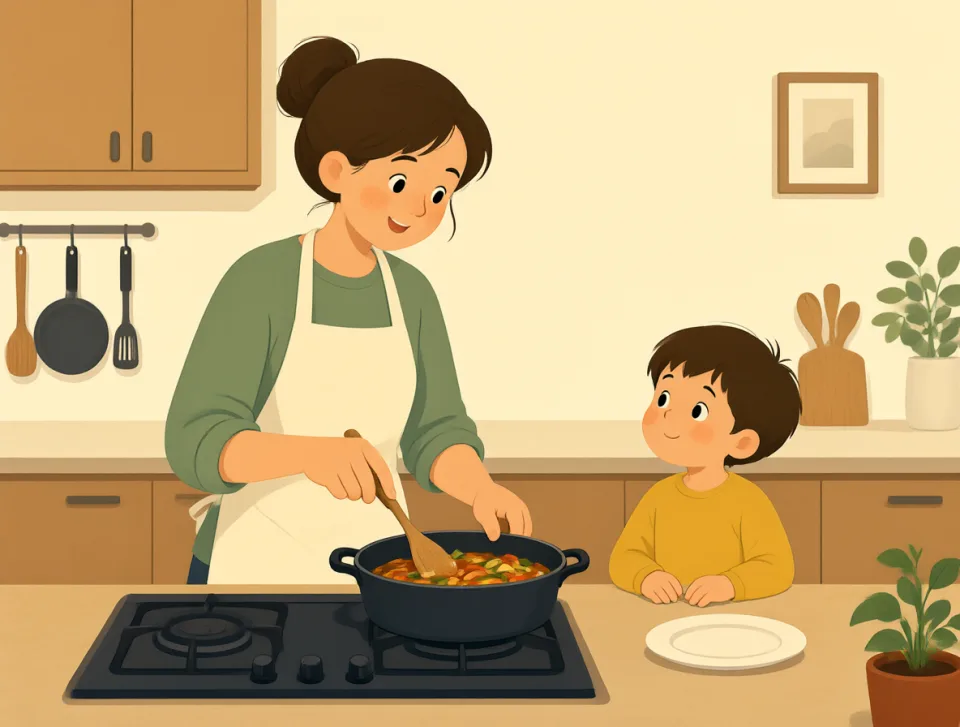
Dinner will be ready soon.
晚飯很快就準備好了。
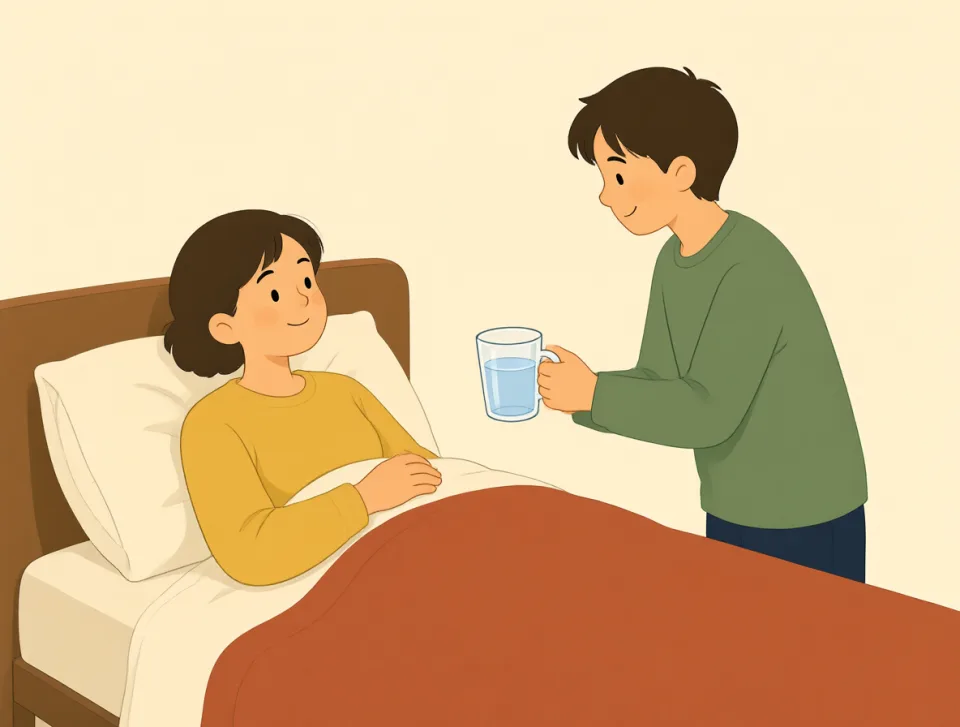
She soon felt better after resting.
休息後,她很快就感覺好多了。
watch
#326verb, noun
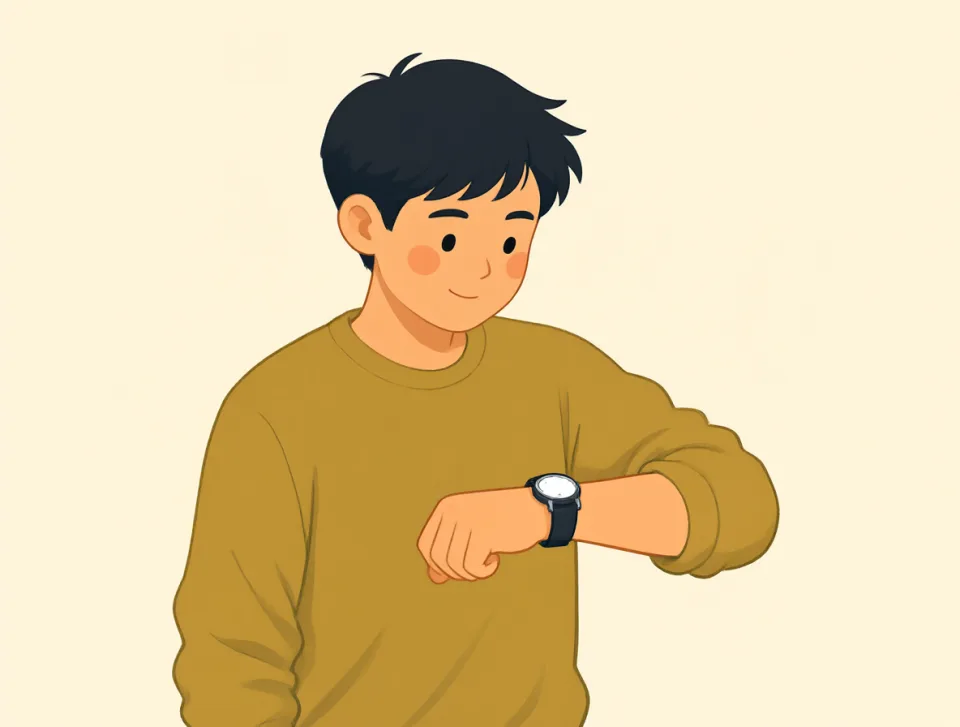
觀看;手錶
To look at something carefully, or a small clock worn on your wrist.
仔細地看某物,或戴在手腕上的小鐘表。
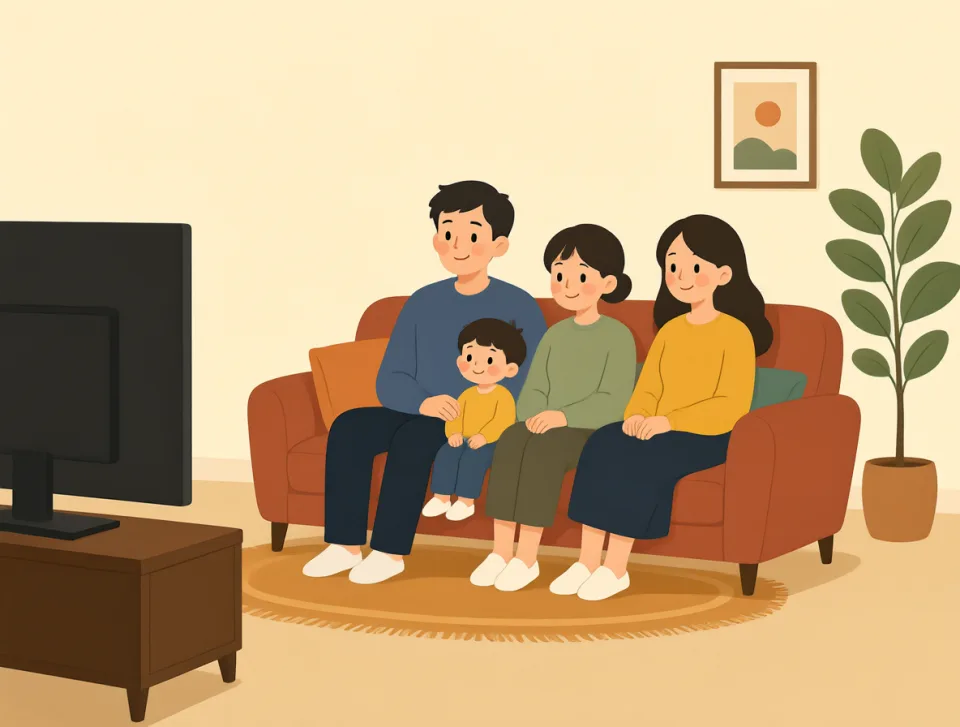
We watch television after dinner.
我們晚飯後看電視。
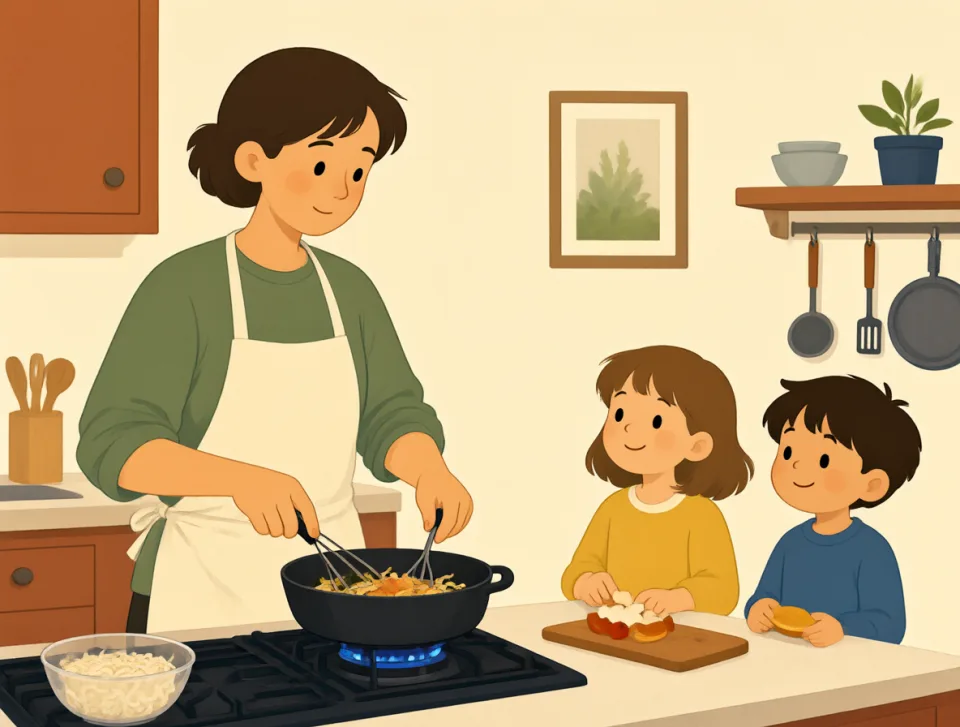
Watch the children while I cook.
我做飯的時候,請幫我看著孩子們。

I watched a movie with my friends.
我和朋友一起看了一部電影。
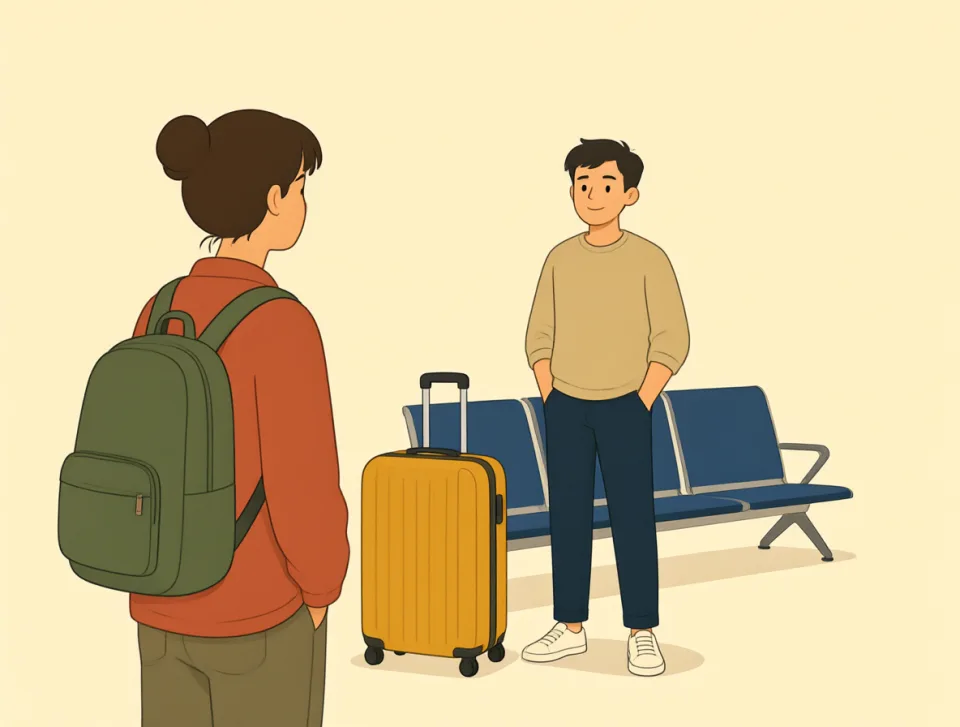
Please watch your bag at the airport.
在機場請看好你的包。
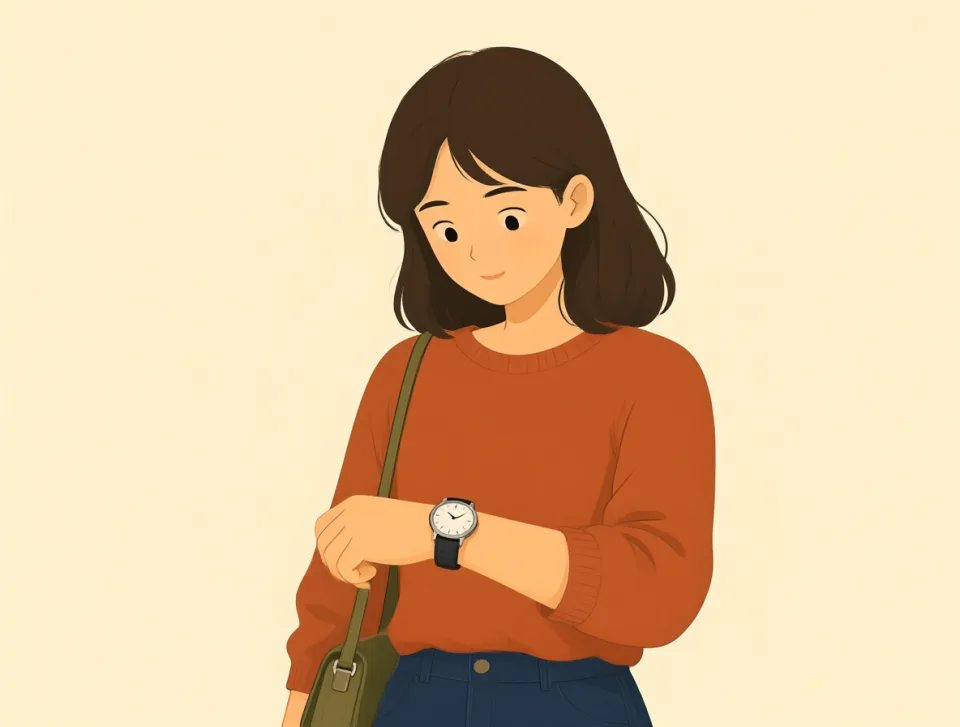
Her watch stopped this morning.
她的手錶今天早上停了。
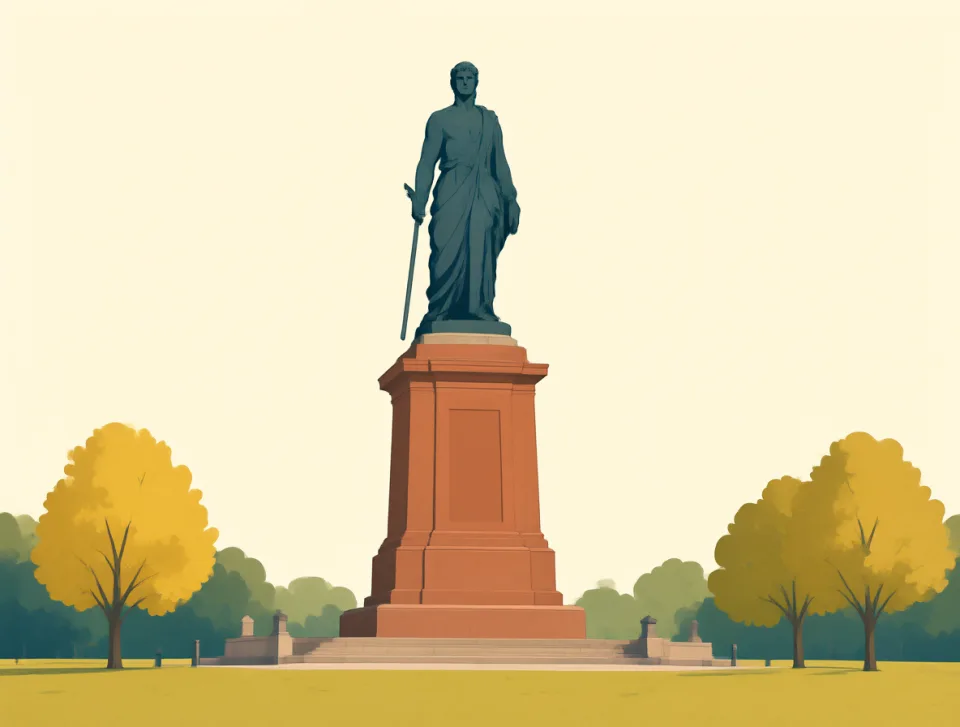
base
#327noun, verb
底座; 基地; 基礎; 以……為基礎
The bottom part supporting something, or the place used for a special purpose.
支撐某物的底部,或用於特殊用途的地方。
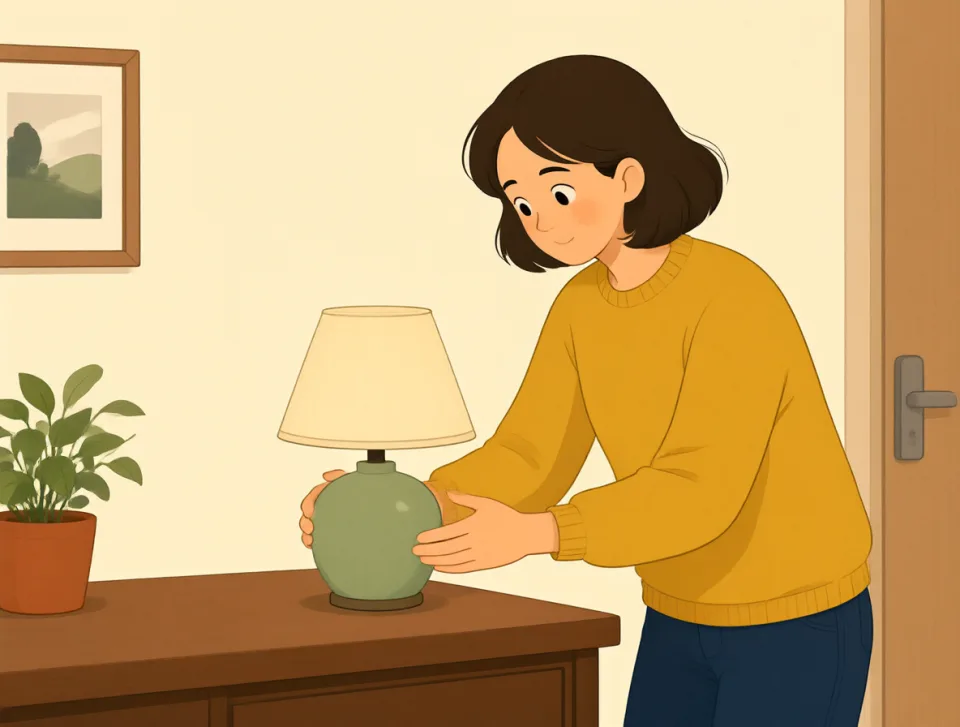
The lamp has a heavy base.
這盞燈有一個很重的底座。
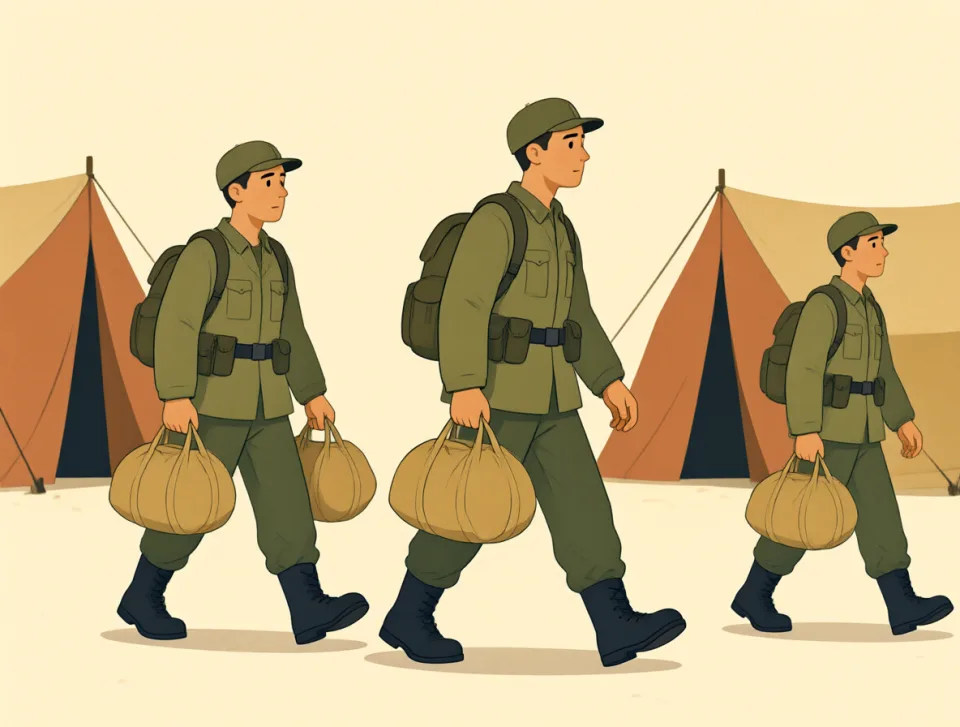
The soldiers returned to their base.
士兵們返回了基地。

The report is based on recent research.
這份報告基於最近的研究。

We need a strong base for the tent.
我們需要一個堅固的底座來支撐帳篷。
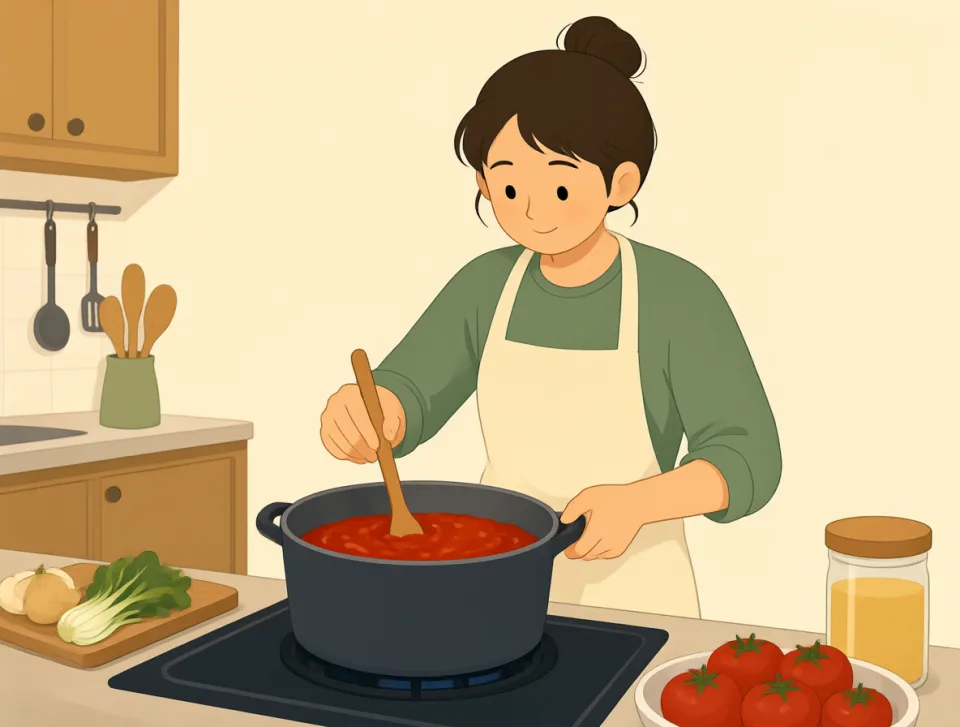
The sauce has a tomato base.
這種醬汁以番茄為基礎。
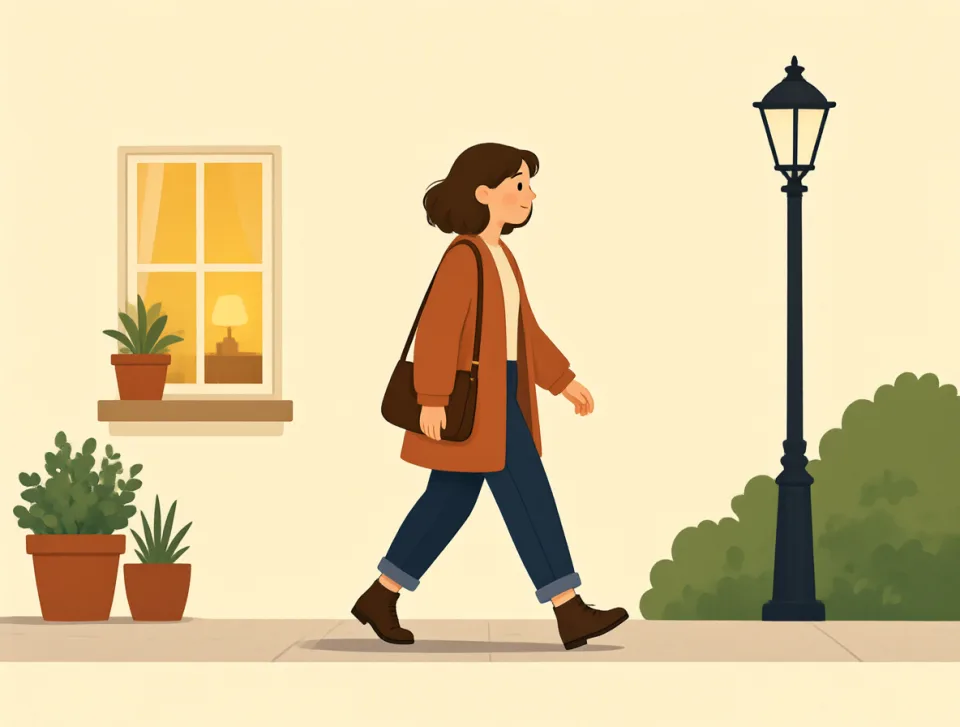
probably
#328adverb
可能;大概;也許
Used to say that something is likely to happen or be true.
用於表示某事很可能發生或屬實。
She will probably come home late.
她可能會很晚才回家。
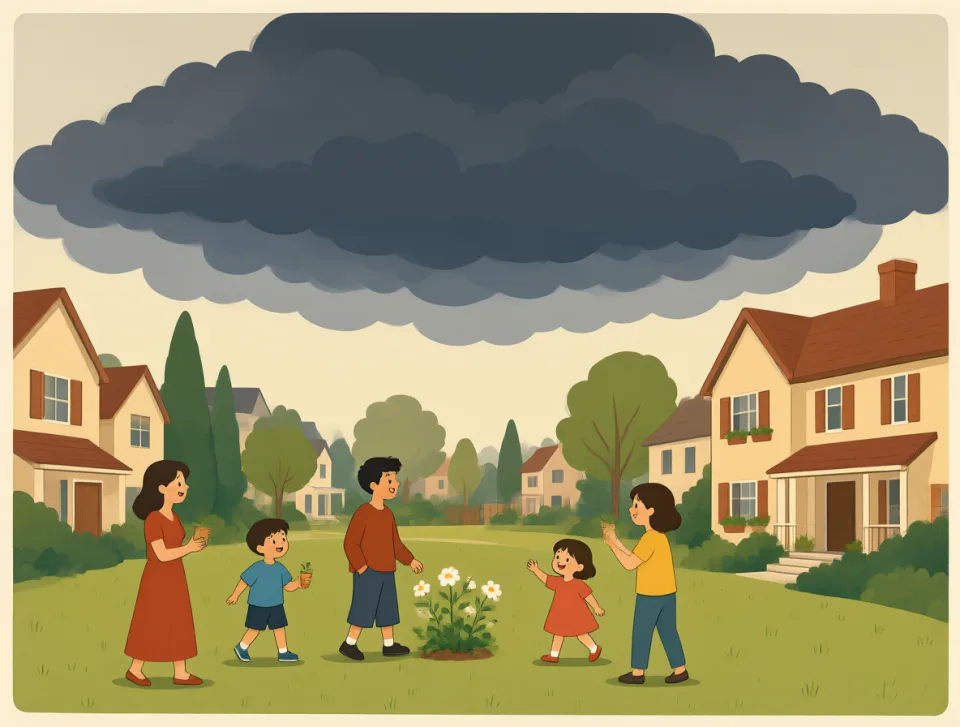
It will probably rain this afternoon.
今天下午可能會下雨。

He is probably at work now.
他現在可能在上班。
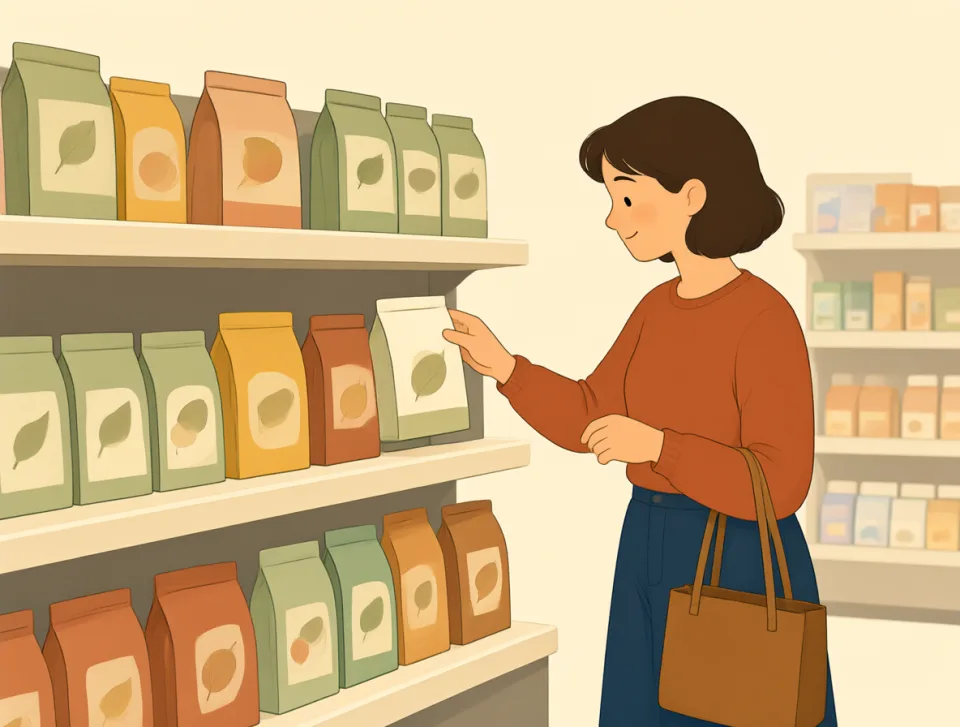
This is probably the best choice.
這可能是最好的選擇。

You probably need more sleep.
你可能需要多睡一會兒。
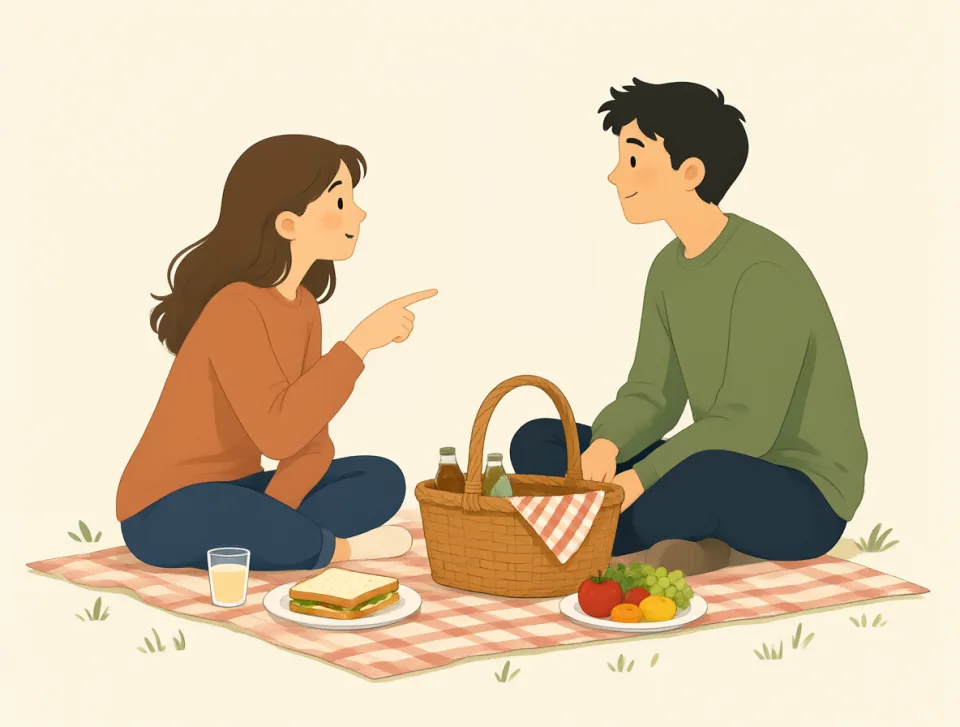
suggest
#329verb
建議; 提議
To give an idea or plan for someone to think about or use.
提出一個想法或計劃供別人考慮或採用。
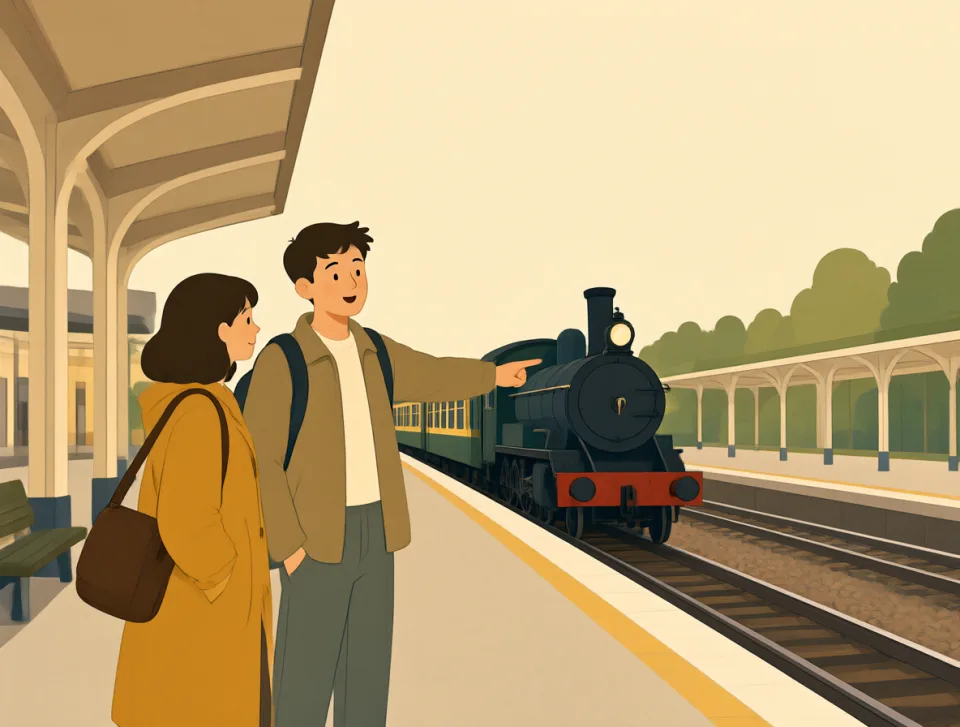
I suggest taking the early train.
我建議乘早班火車。

She suggested a new restaurant for dinner.
她建議晚餐去一家新餐館。
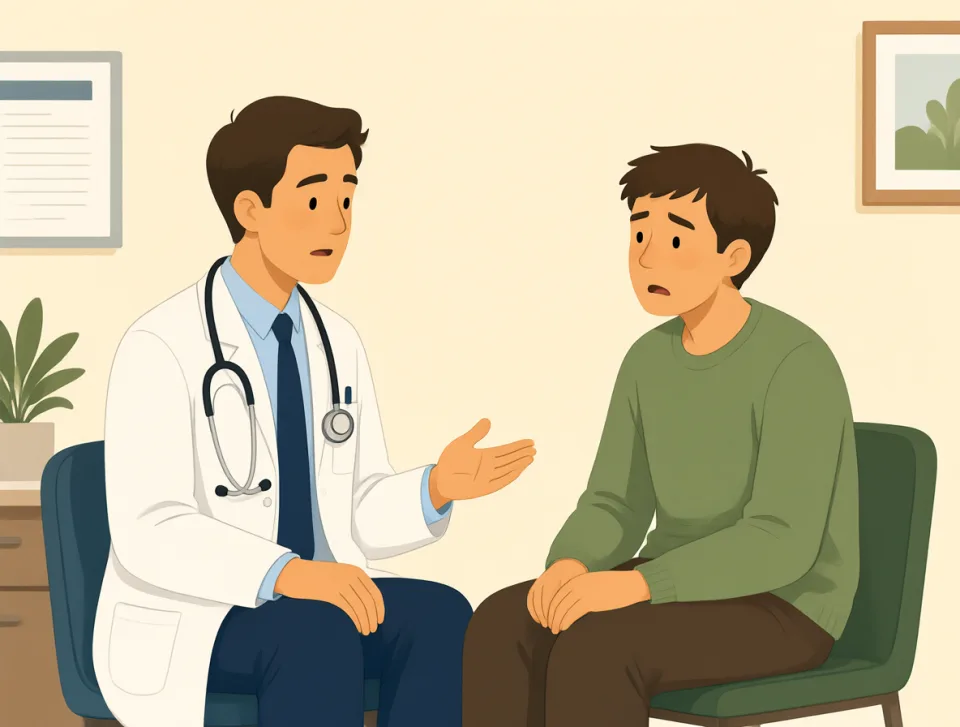
The doctor suggested getting more sleep.
醫生建議多睡一會兒。
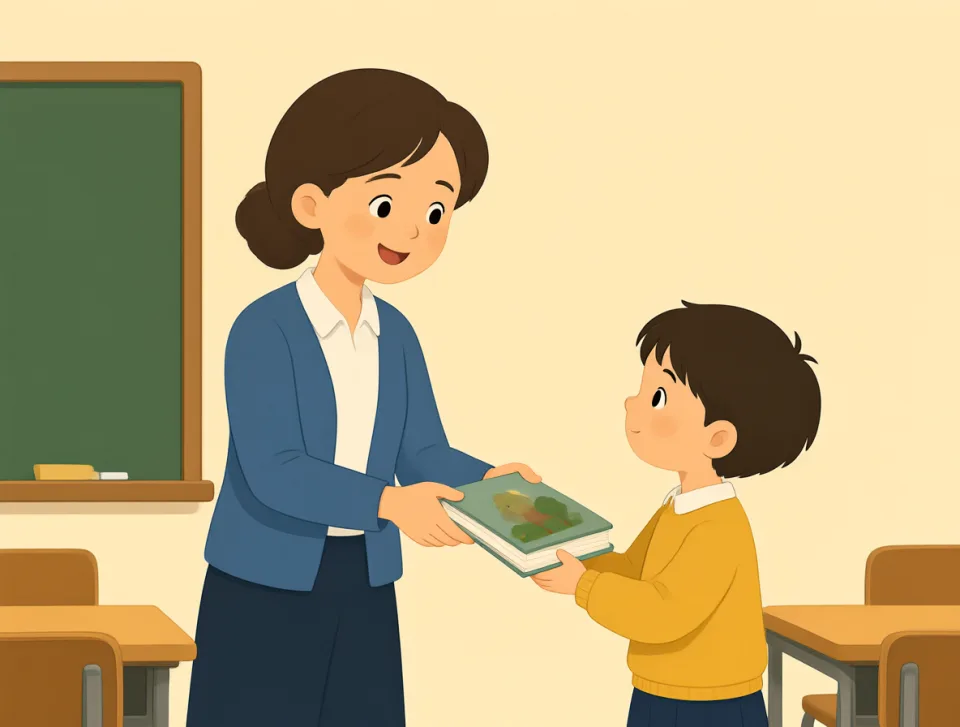
My teacher suggested reading this book.
我的老師建議我讀這本書。
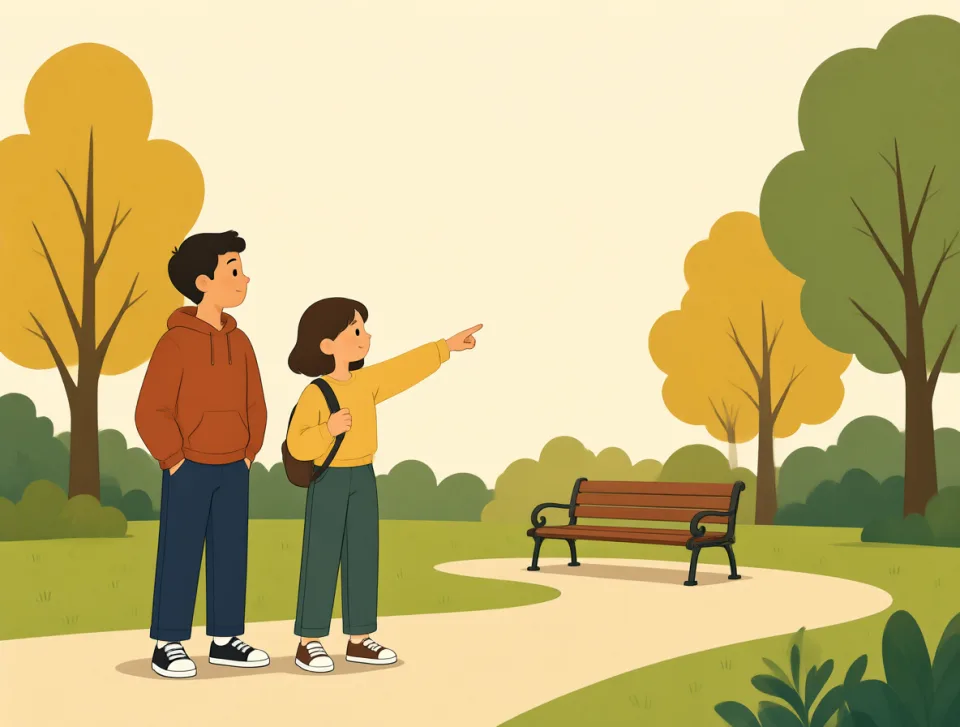
They suggested meeting at the park.
他們建議在公園見面。
past
#330noun, adjective, adverb, preposition
過去;經過;超過;晚於
The time before now, or moving from one place to another.
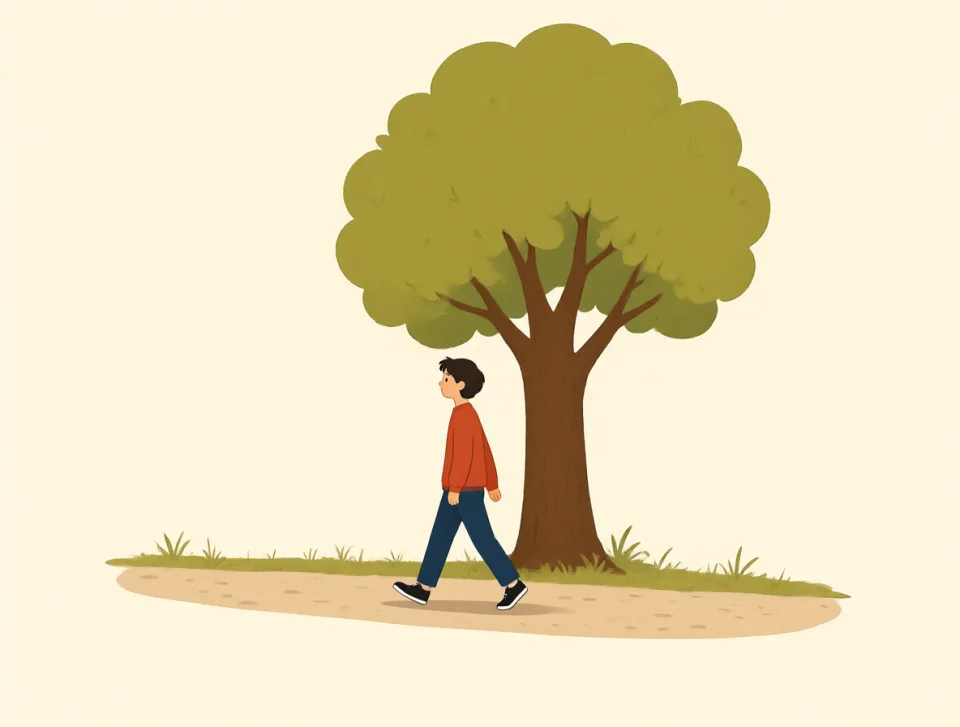
現在以前的時間,或從一個地方經過到另一個地方。
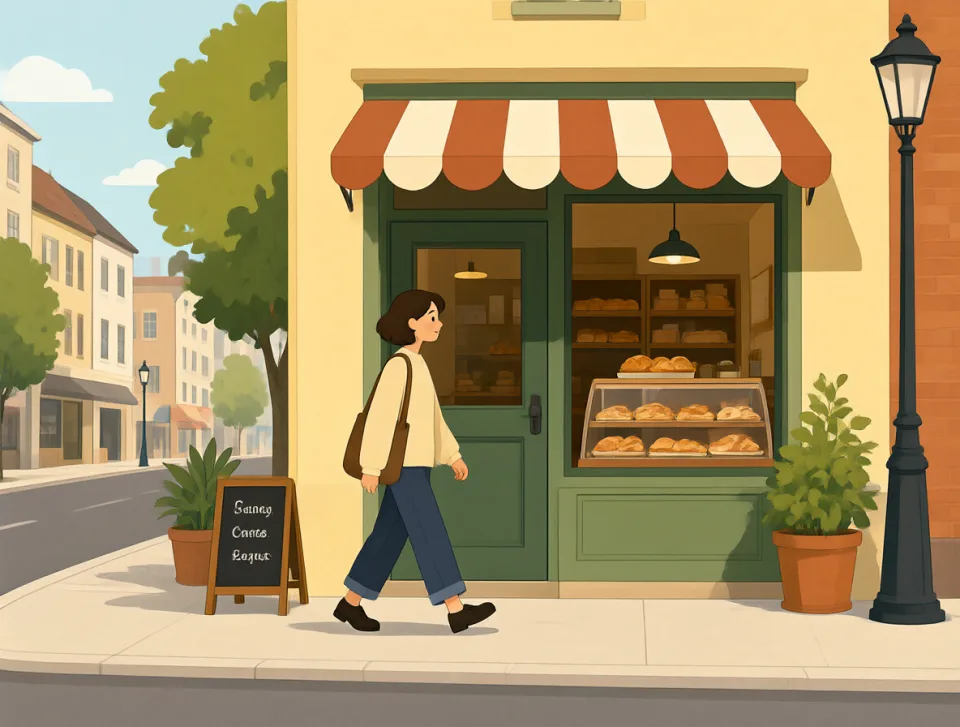
I walked past the bakery this morning.
今天早上我經過了麵包店。

She told us about her past.
她告訴了我們她的過去。
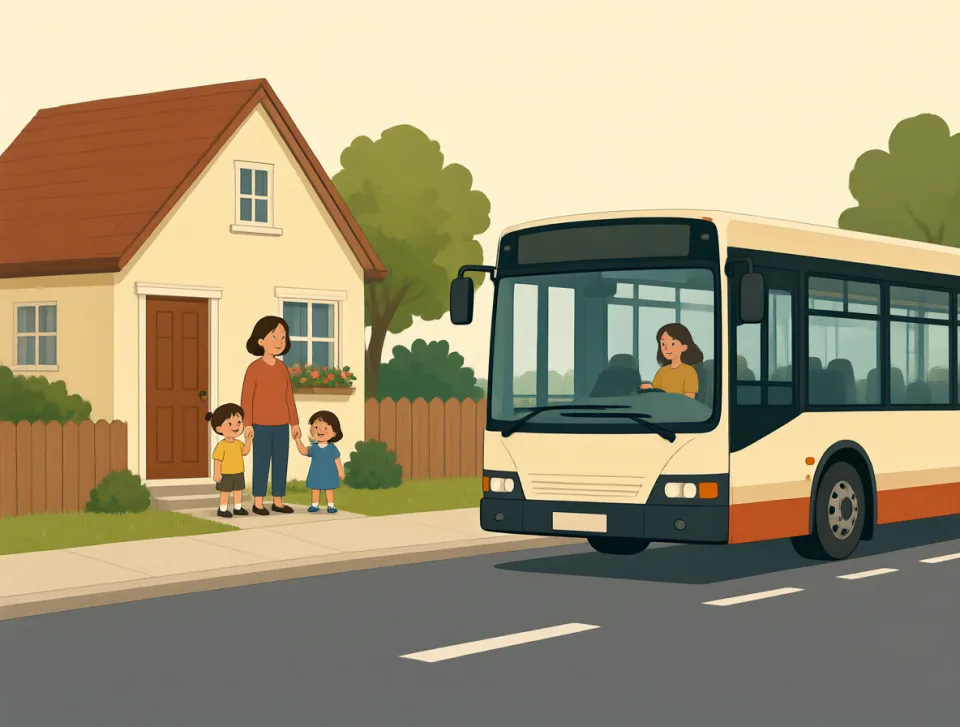
The bus drove past our house.
公共汽車經過了我們家。

We stayed up past midnight.
我們熬夜到午夜以後。
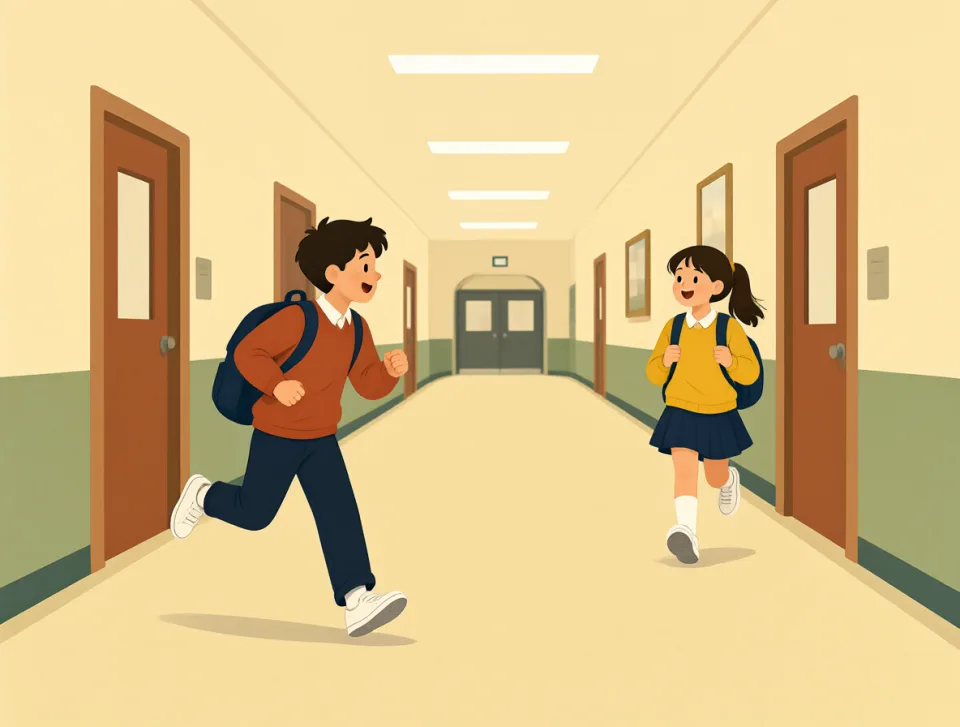
He ran past me at school.
他在學校從我身邊跑了過去。
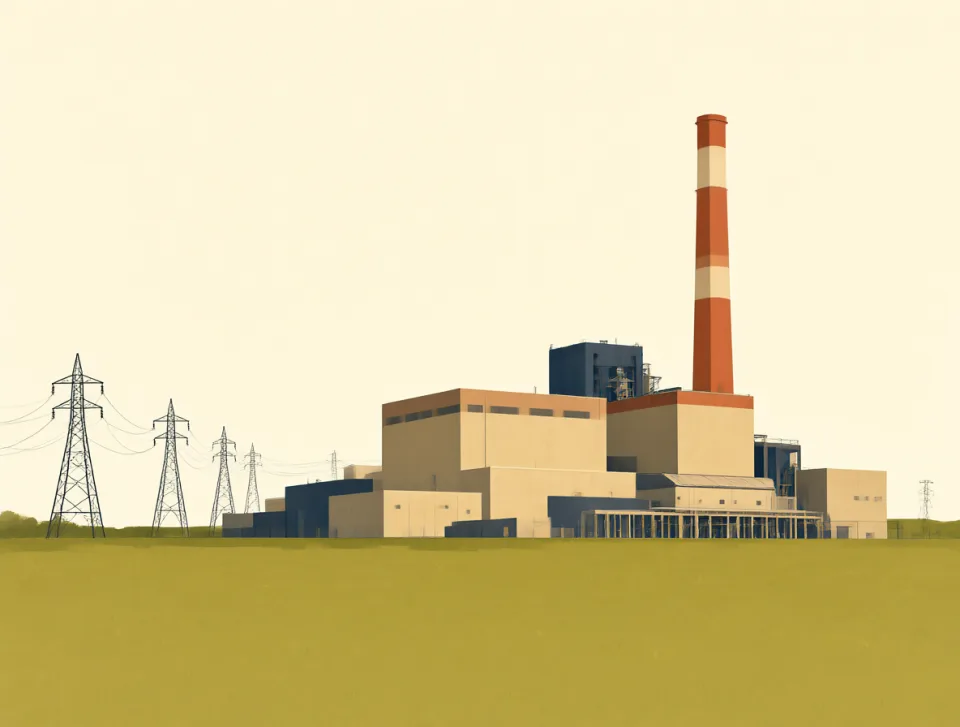
power
#331noun, verb
力量;電力;權力;給……供電
The ability or energy to control people or make things happen.
控制他人或促成事情發生的能力或能量。
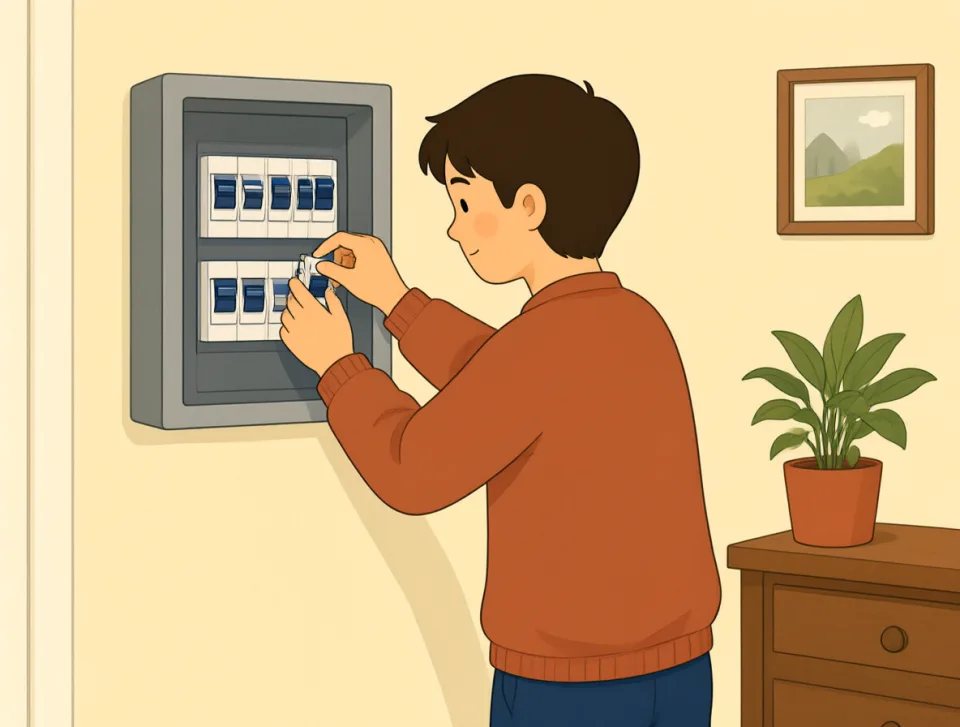
Please turn off the power before repairs.
請在維修前切斷電源。
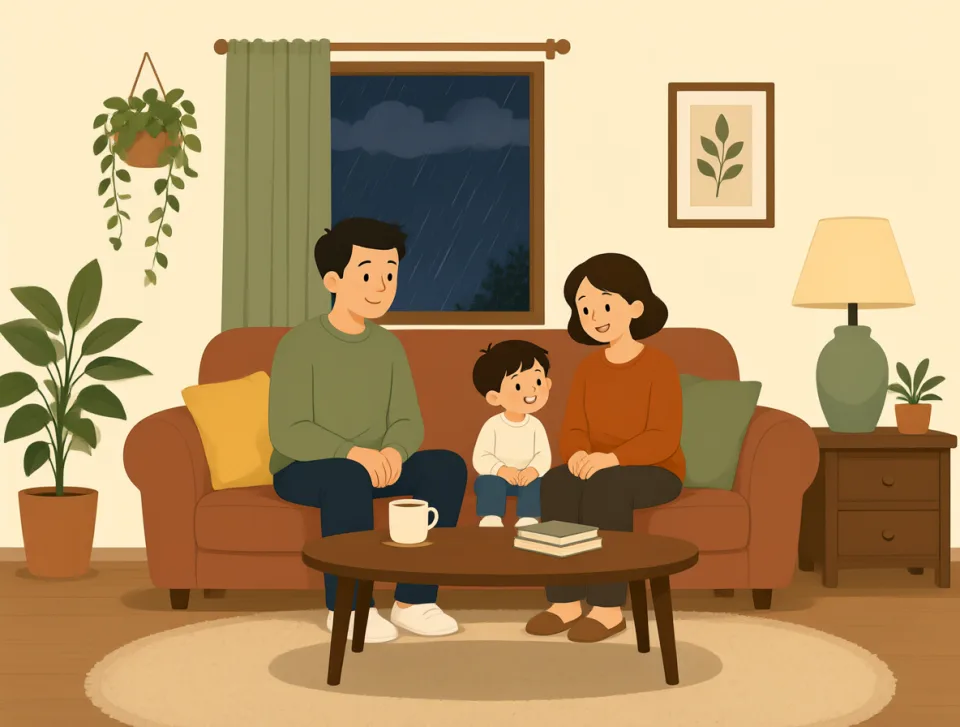
The storm knocked out power yesterday.
暴風雨昨天造成了停電。
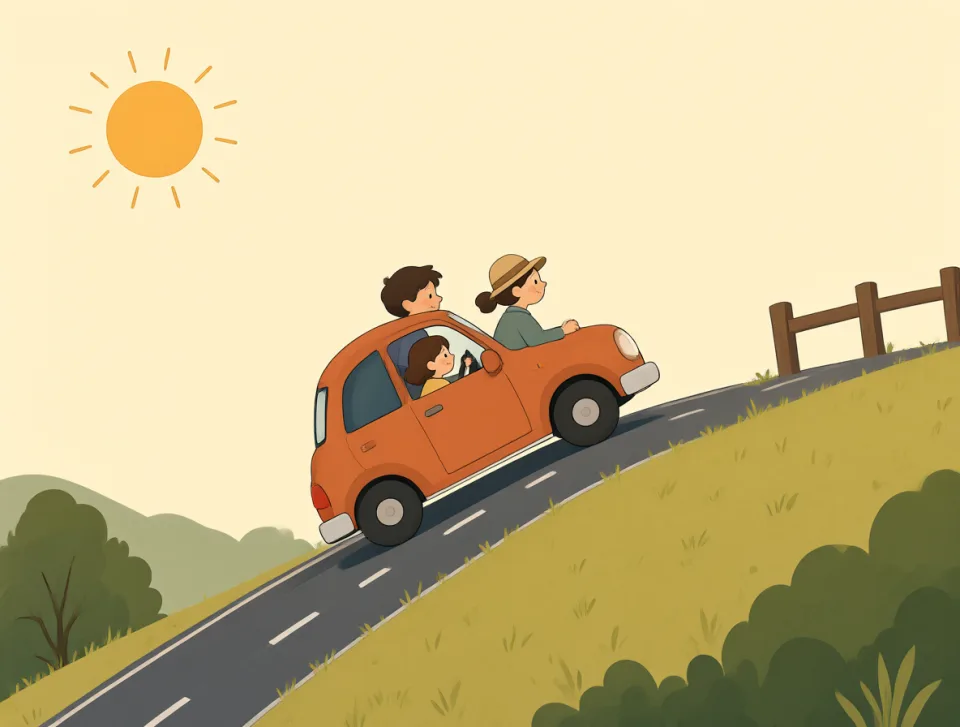
This engine has enough power for hills.
這臺發動機的動力足以上坡。

The new manager has power over hiring.
新經理有招聘決定權。
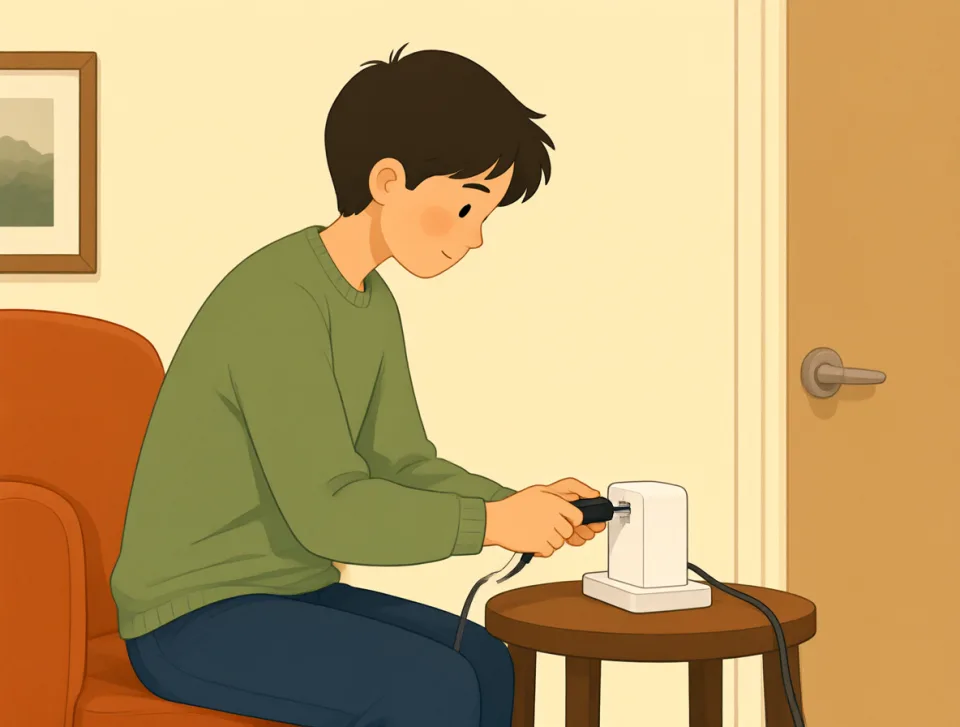
I power my phone with this small charger.
我用這個小充電器給手機供電。
test
#332noun, verb
測試;考試;檢驗
an examination or trial used to check knowledge, ability, quality, or health
用於檢查知識、能力、質量或健康狀況的考試或試驗
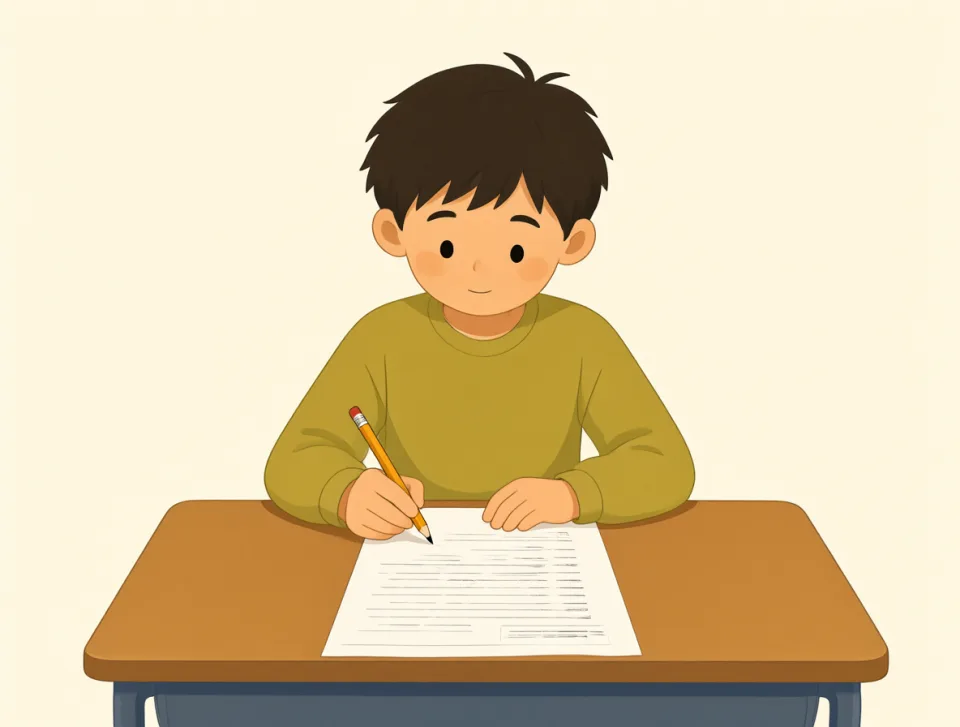
I have a math test tomorrow.
我明天有數學考試。
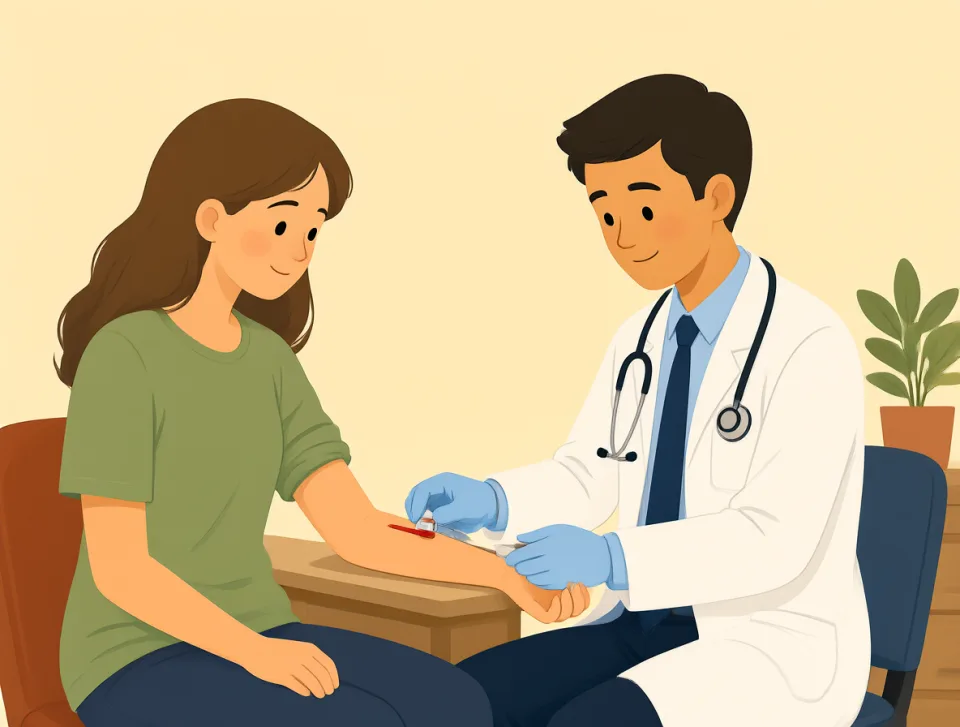
The doctor ordered a blood test.
醫生要求我做血液檢查。
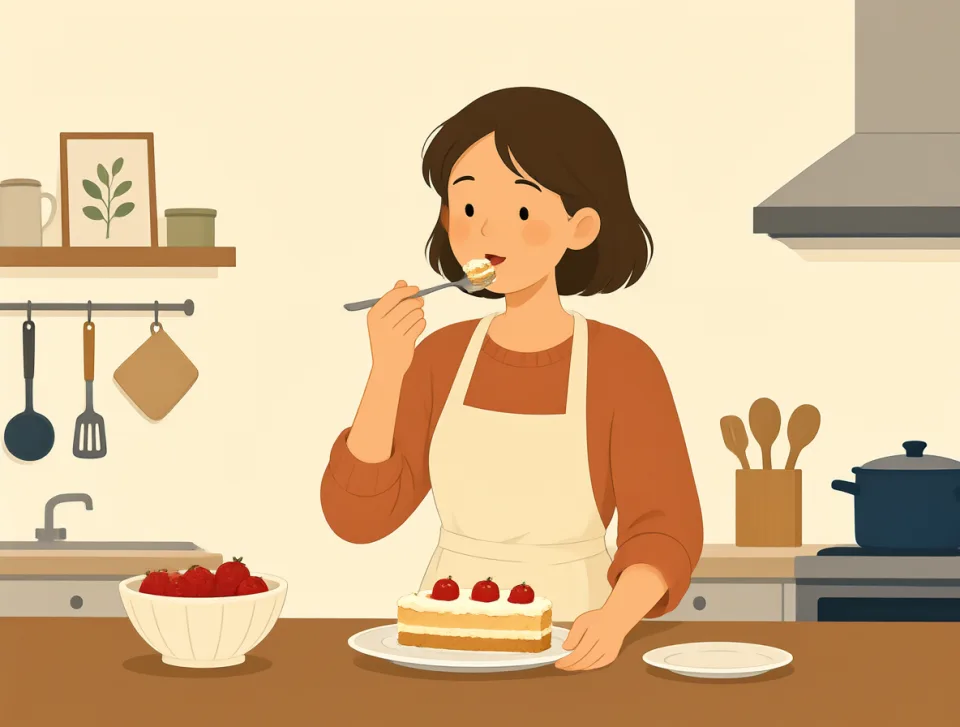
We tested the cake before serving it.
我們在上桌前試吃了蛋糕。
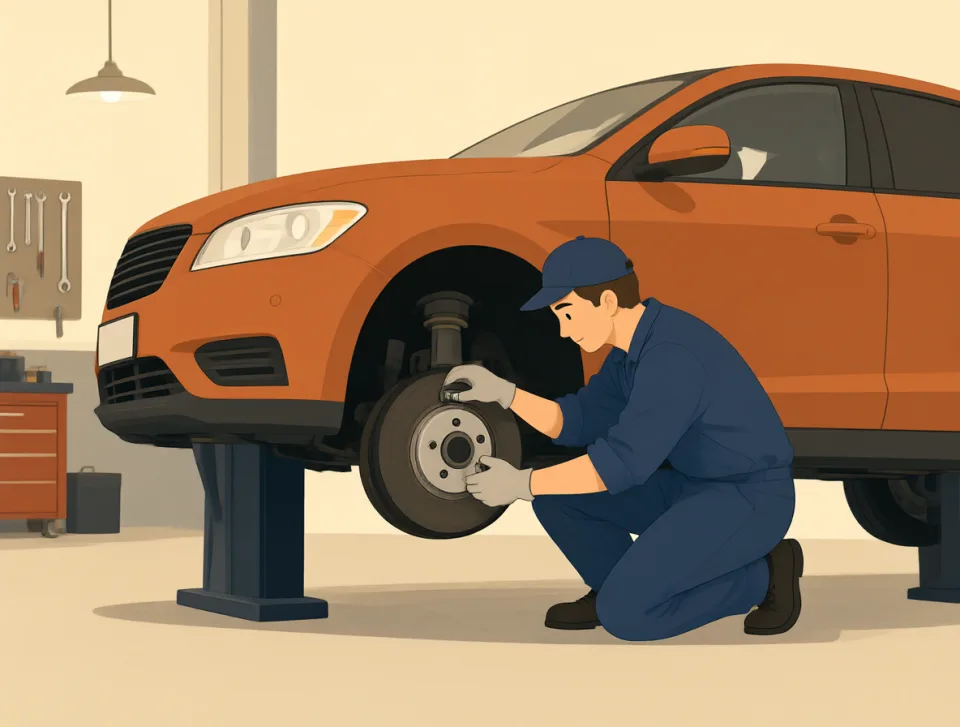
The mechanic tested my car's brakes.
修理工檢查了我汽車的剎車。

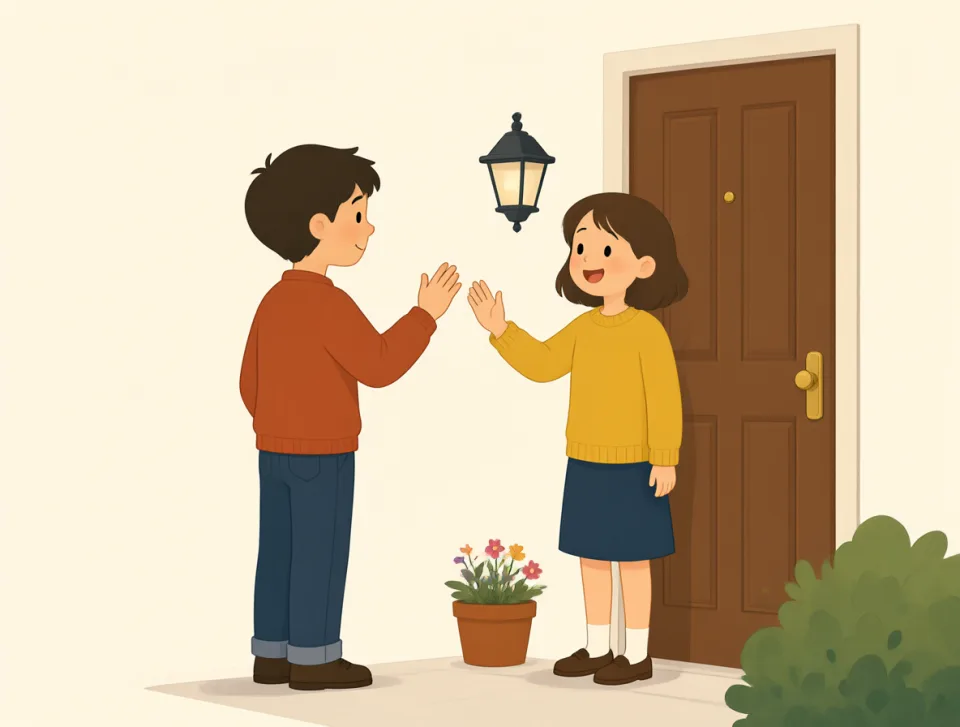
They test the new shoes in the store.
他們在店裡試穿這雙新鞋。
visit
#333verb, noun
拜訪;參觀;訪問;看望
to go to a person or place for a short time
短時間去某人那裡或某個地方
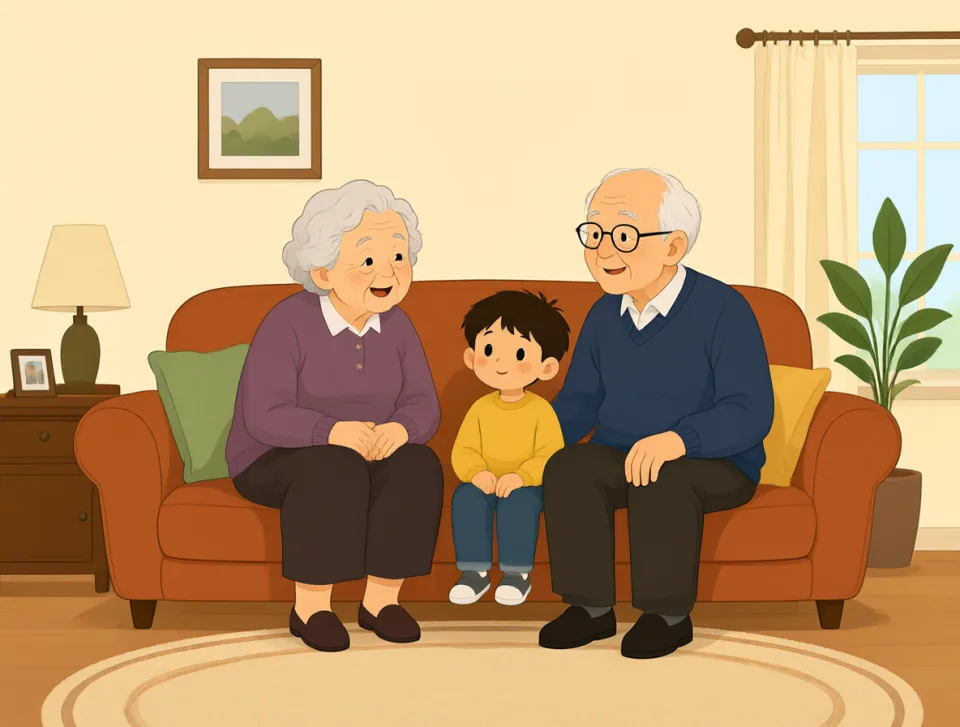
We visit our grandparents every Sunday.
我們每個星期天都去看望爺爺奶奶。
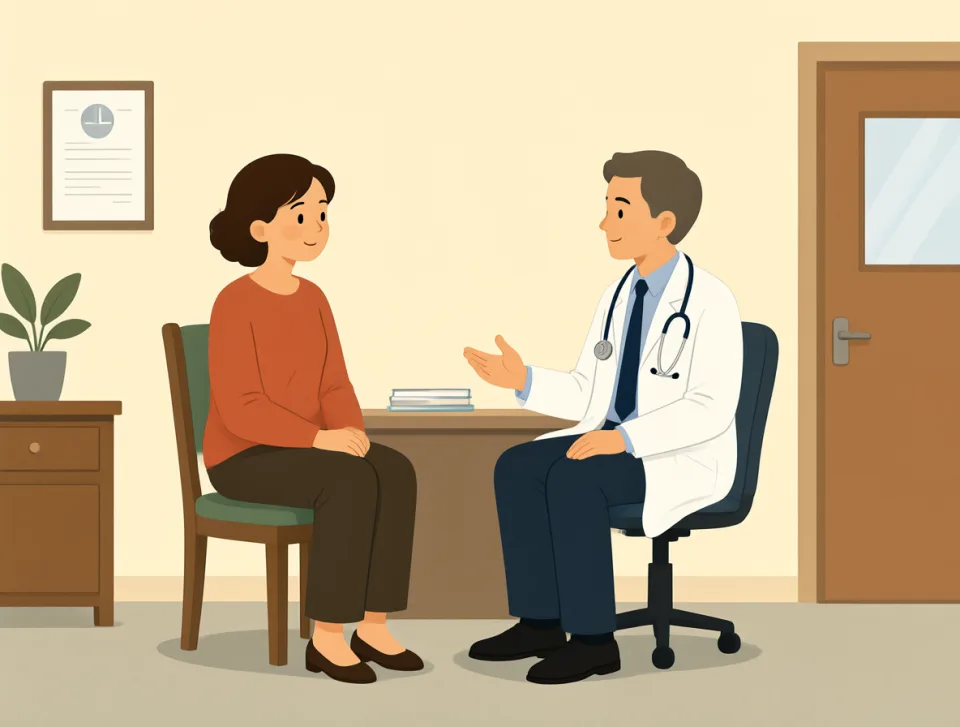
I visited the doctor yesterday.
我昨天去看了醫生。

Many tourists visit London each year.
每年都有許多遊客到倫敦遊覽。
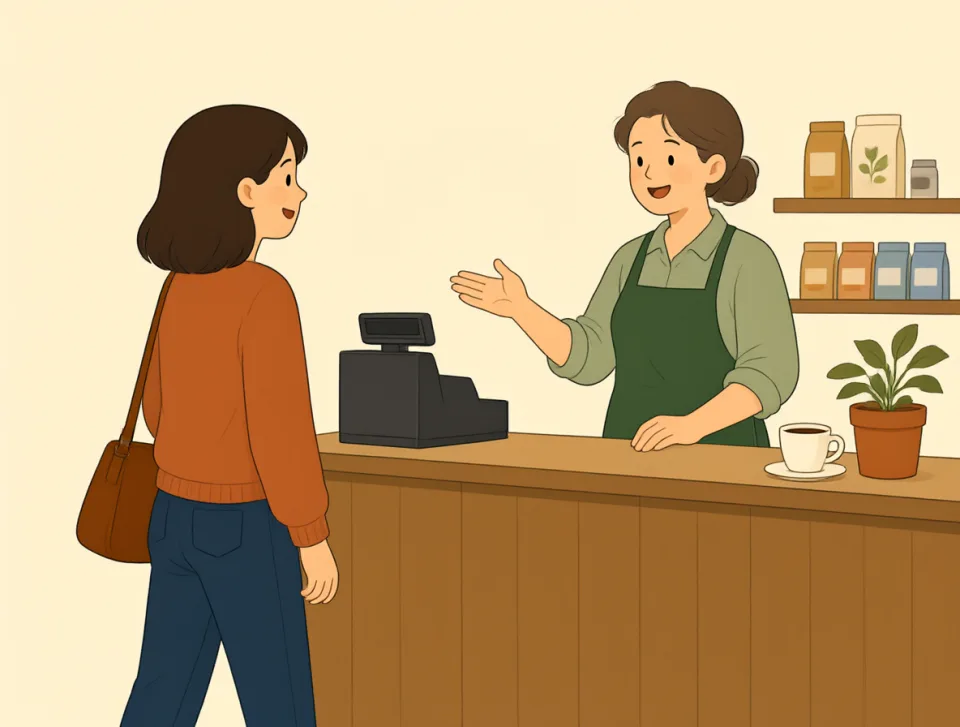
Please visit our shop this weekend.
這週末請來我們的店裡看看。
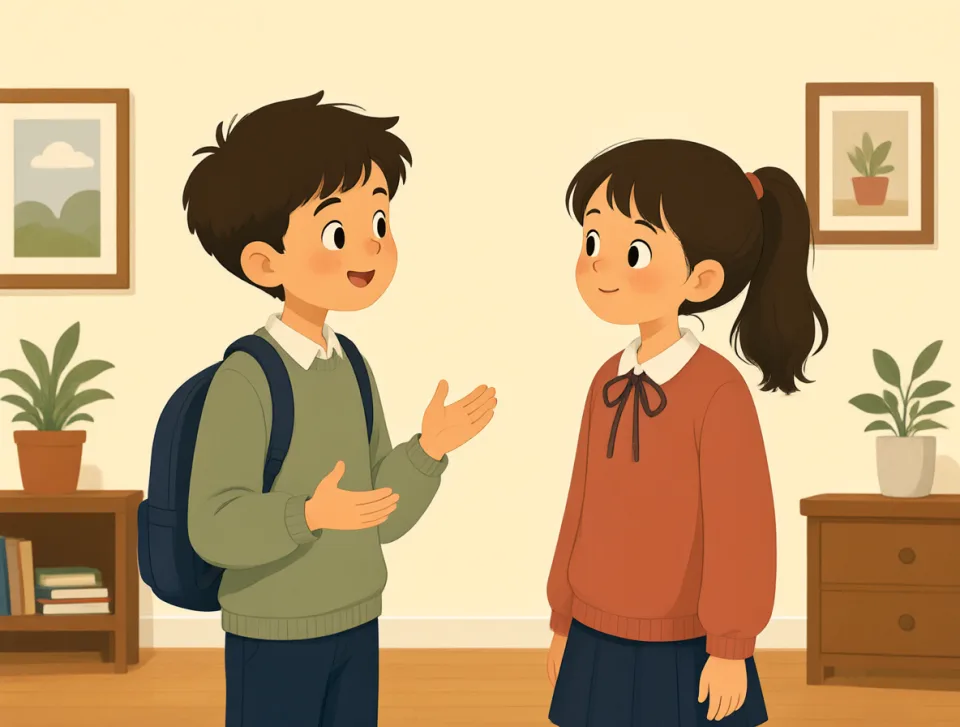
She is visiting her friend after school.
她放學後要去看望她的朋友。
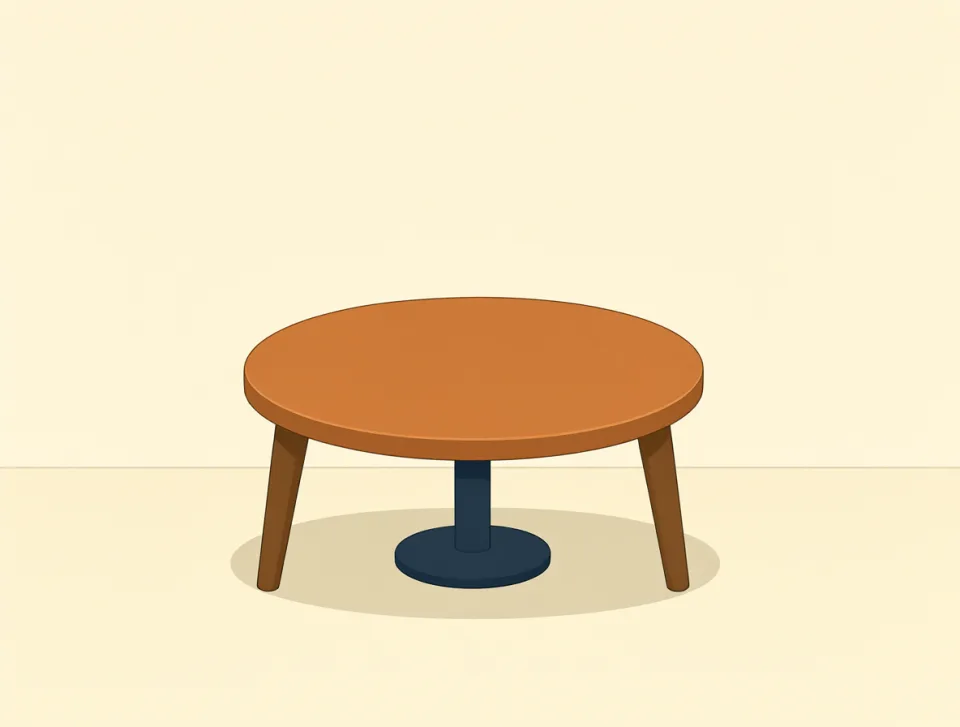
center
#334noun, verb
中心;使居中
The middle of a place or the main point of an activity; to put something in the middle.
某個地方的中間位置或某項活動的主要地點;把某物放在中間

Meet me in the center of town.
在市中心和我見面。
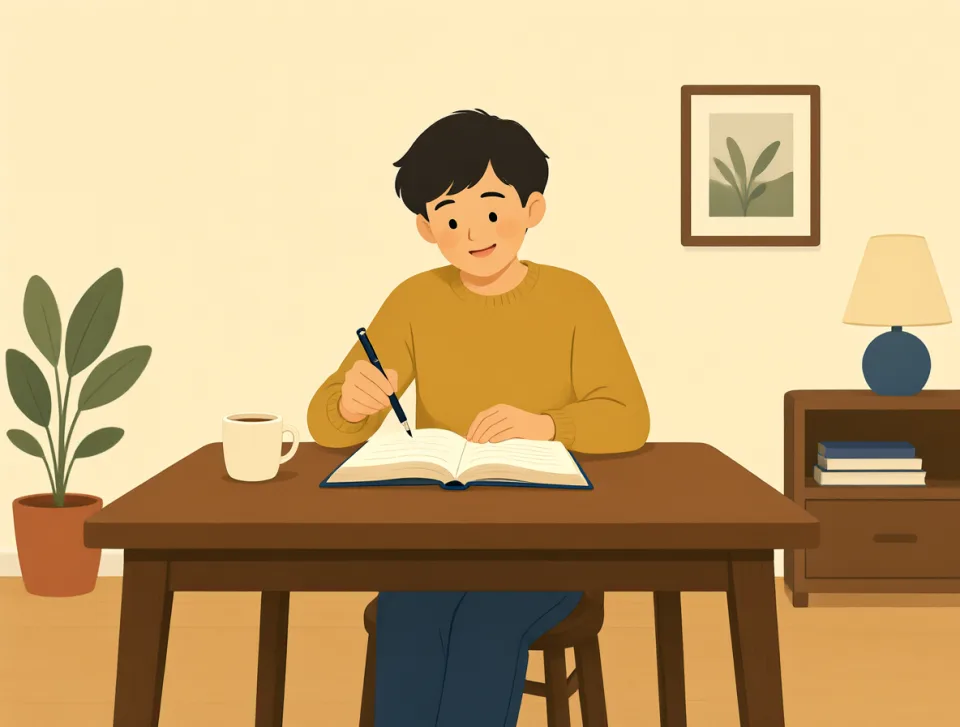
The table is in the center of the room.
桌子在房間中央。

She works at a shopping center.
她在一家購物中心工作。
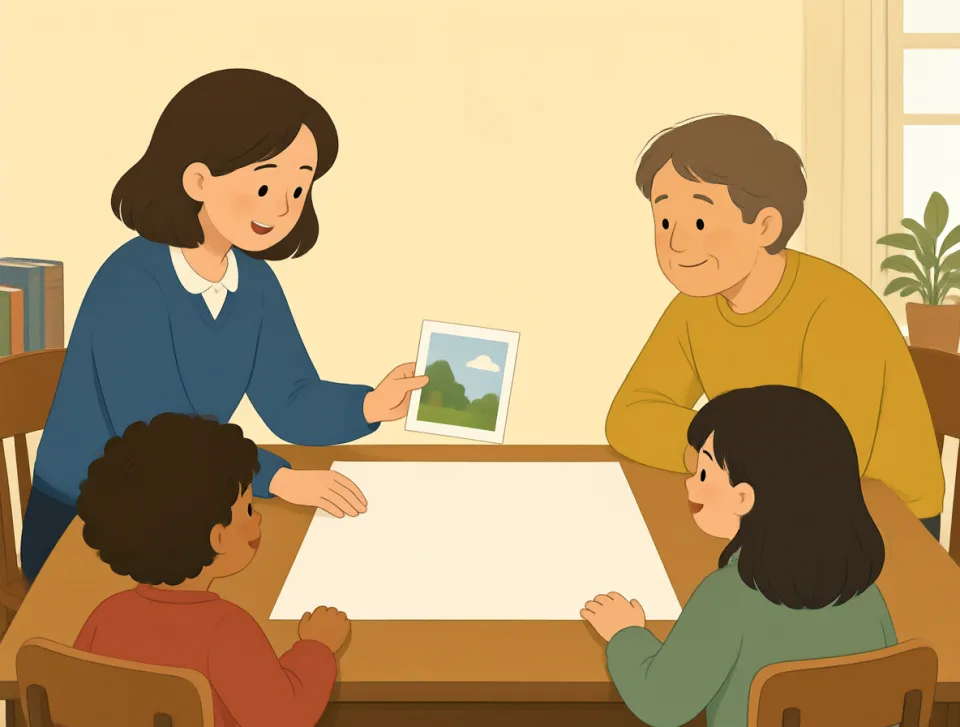
The teacher centered the picture on the page.
老師把圖片放在頁面中央。
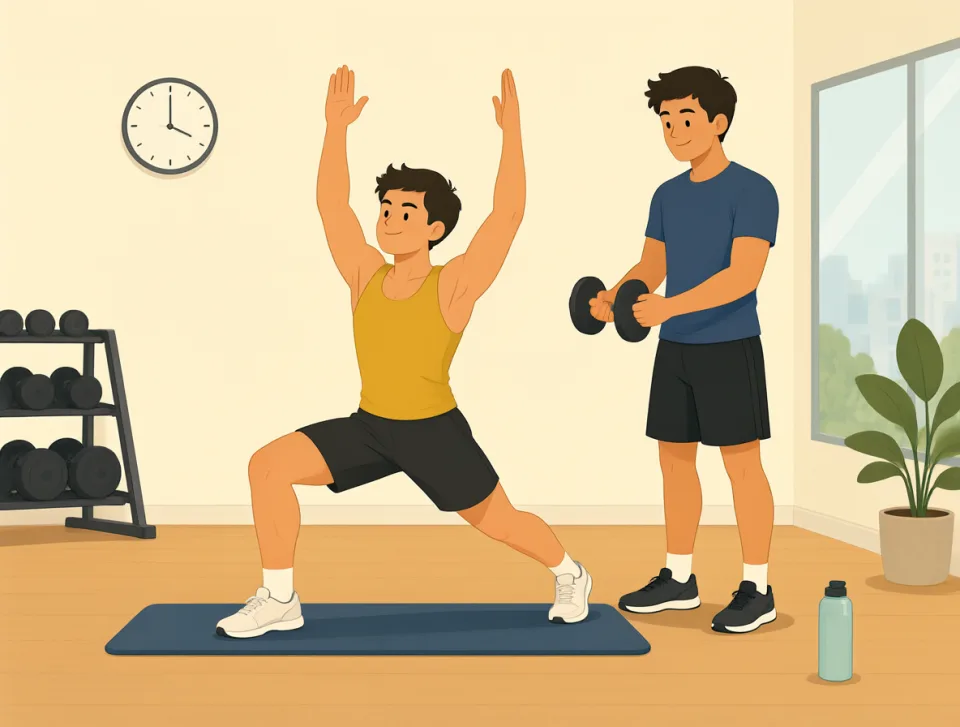
He exercises at the health center.
他在健康中心鍛鍊。
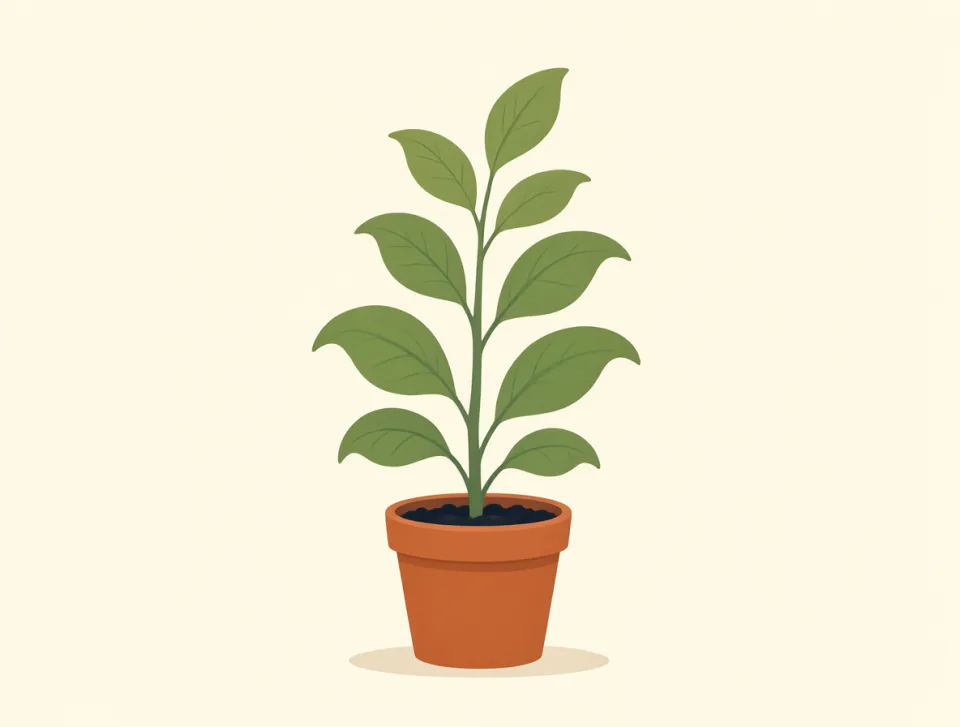
grow
#335verb
生長;種植;變得
to become bigger, taller, older, or more developed
變得更大、更高、更老或更加發達
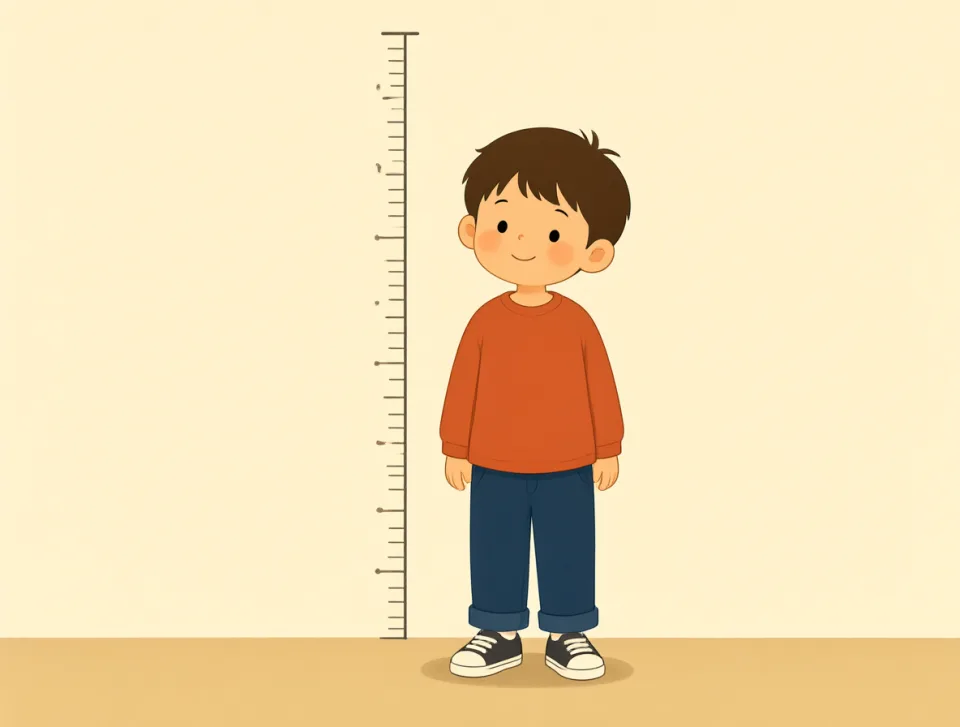
Children grow quickly in their first years.
孩子們在最初的幾年里長得很快。
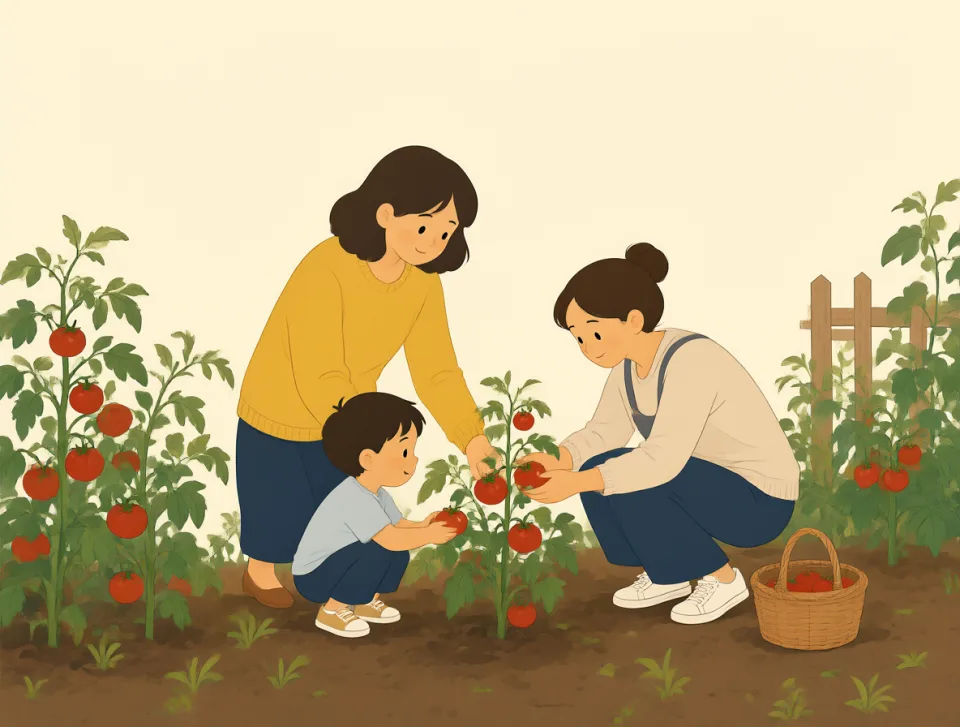
We grow tomatoes in our garden.
我們在花園裡種西紅柿。
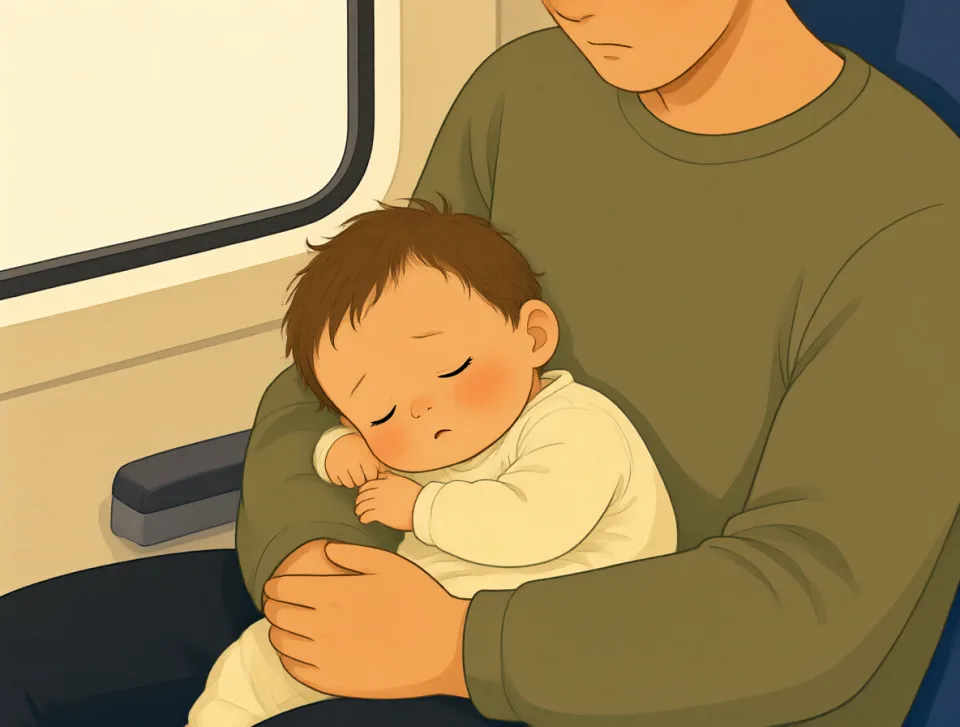
The baby grew tired after the long trip.
長途旅行後,寶寶感到累了。

She grew up in a small village.
她在一個小村莊里長大。

The company is growing every year.
這家公司每年都在發展壯大。
nothing
#336pronoun, determiner
什麼也沒有;沒有任何東西
not anything; no thing or things
沒有任何東西;沒有一件事物
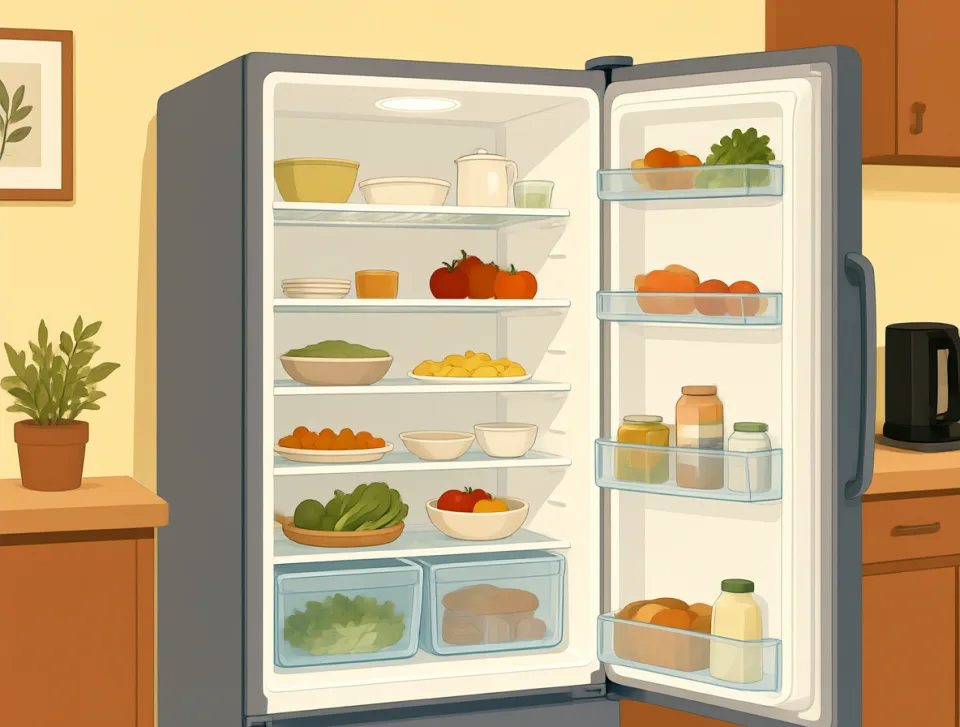
There is nothing in the fridge.
冰箱裡什麼也沒有。

I did nothing after work.
下班後我什麼也沒做。

Nothing can stop us now.
現在沒有什麼能阻止我們。
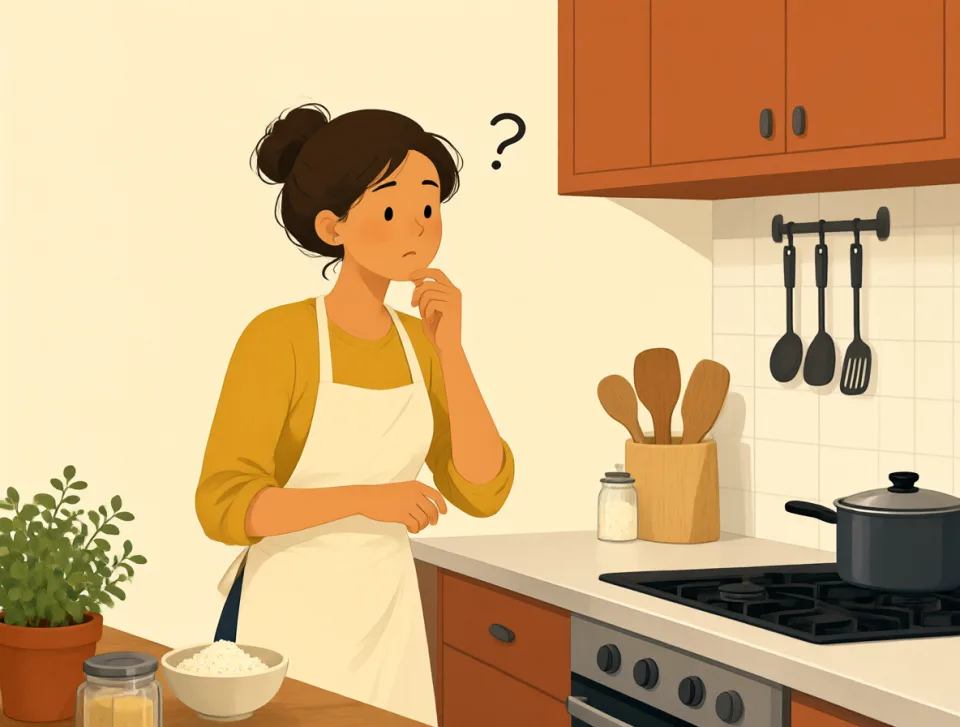
She knows nothing about cooking.
她對烹飪一竅不通。

I found nothing in my shopping bag.
我在購物袋裡什麼也沒找到。
return
#337verb, noun
返回;歸還;回來
to go back, give something back, or come back to a place
回到原來的地方,把某物歸還,或回到某個地方
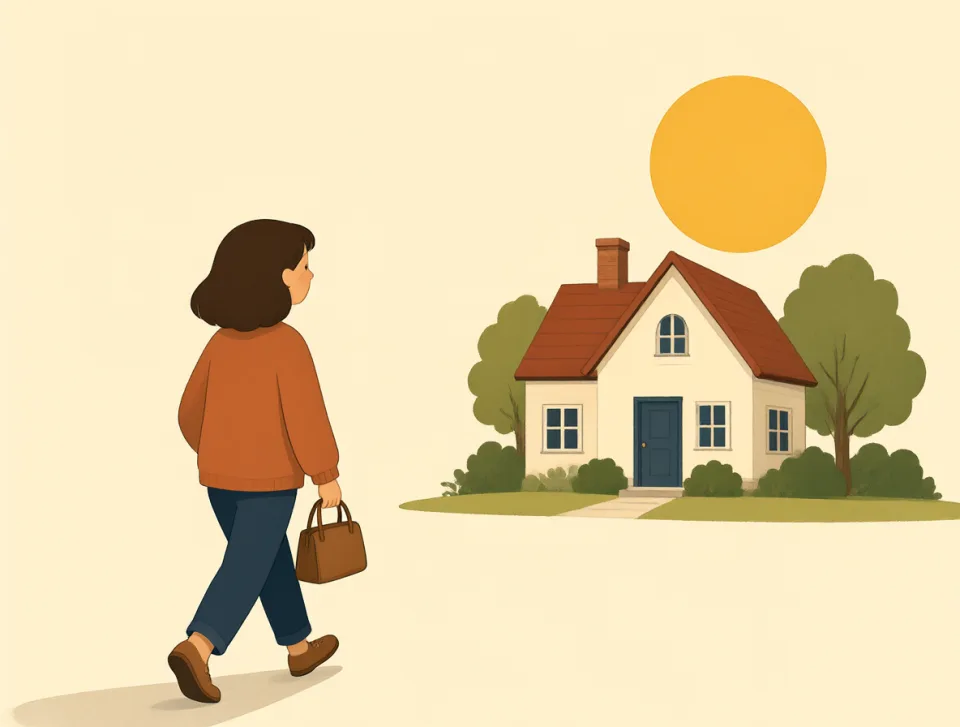
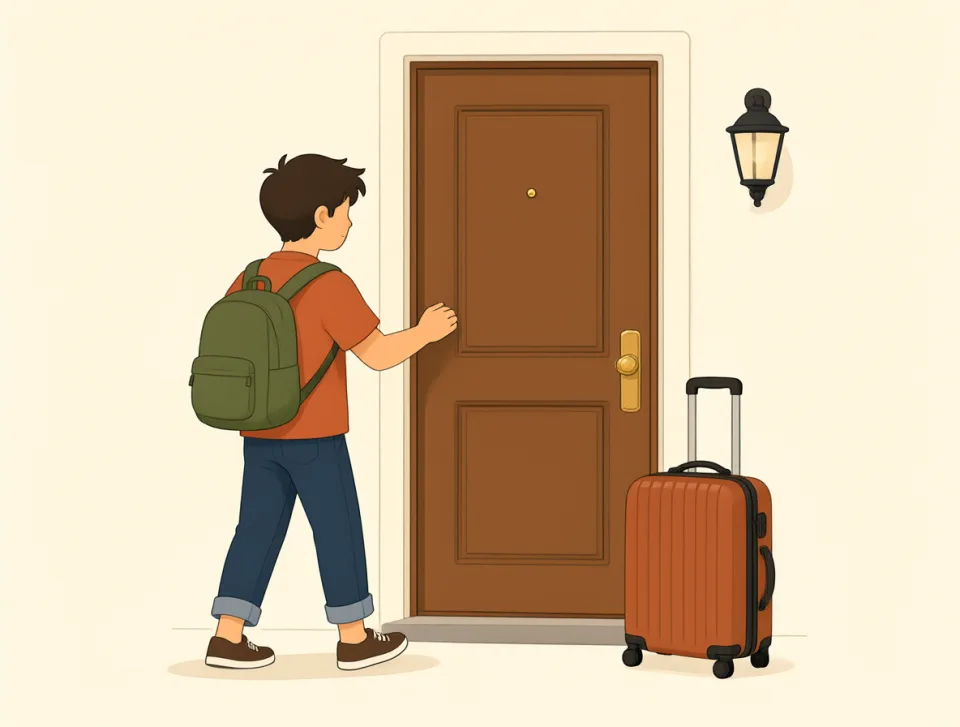
I will return home after dinner.
我晚飯後會回家。
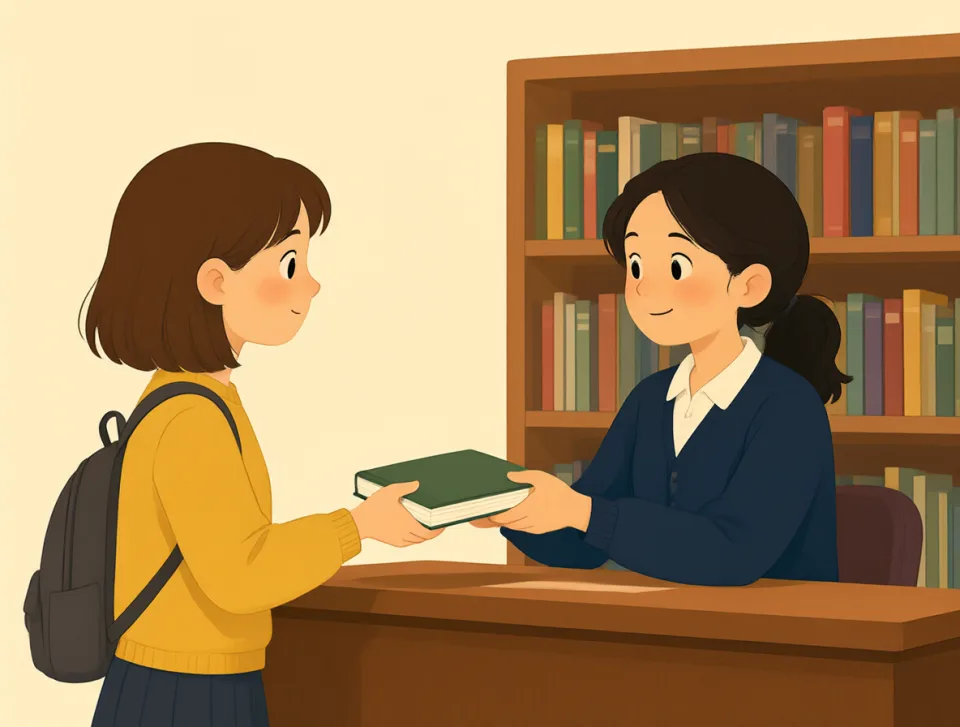
Please return the library book tomorrow.
請明天歸還圖書館的書。
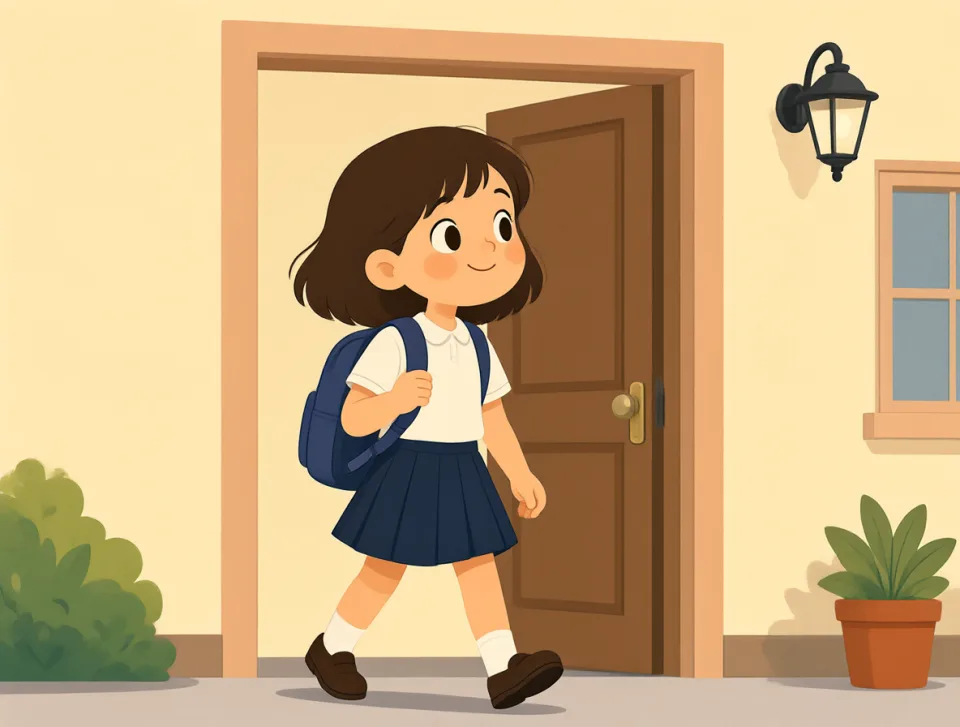
She returned from school at four.
她四點從學校回來。
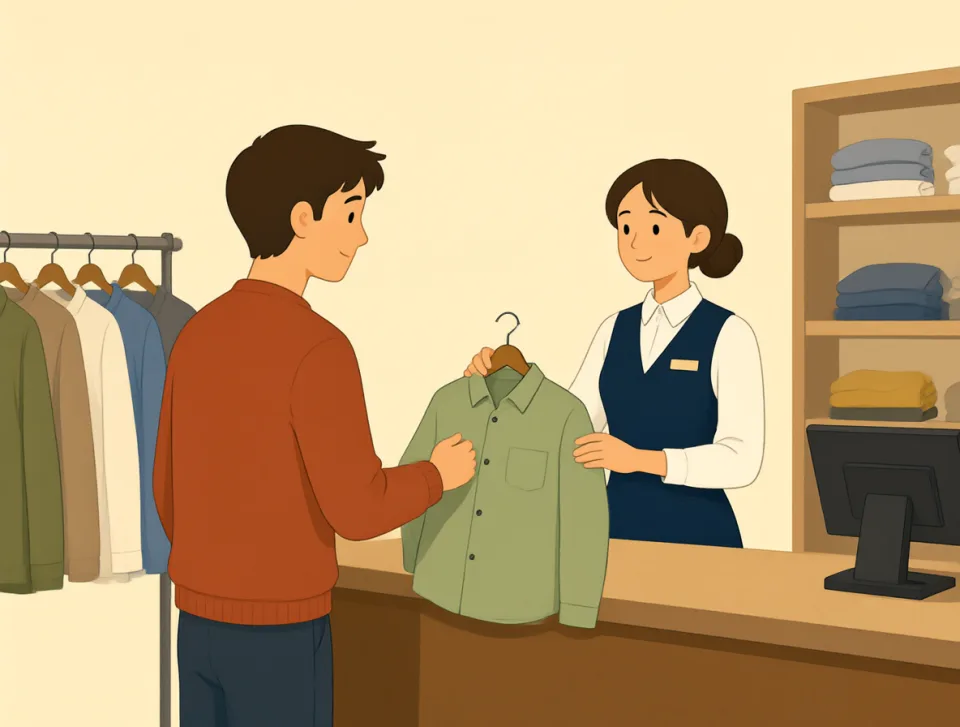
The shop accepted my return.
這家商店接受了我的退貨。
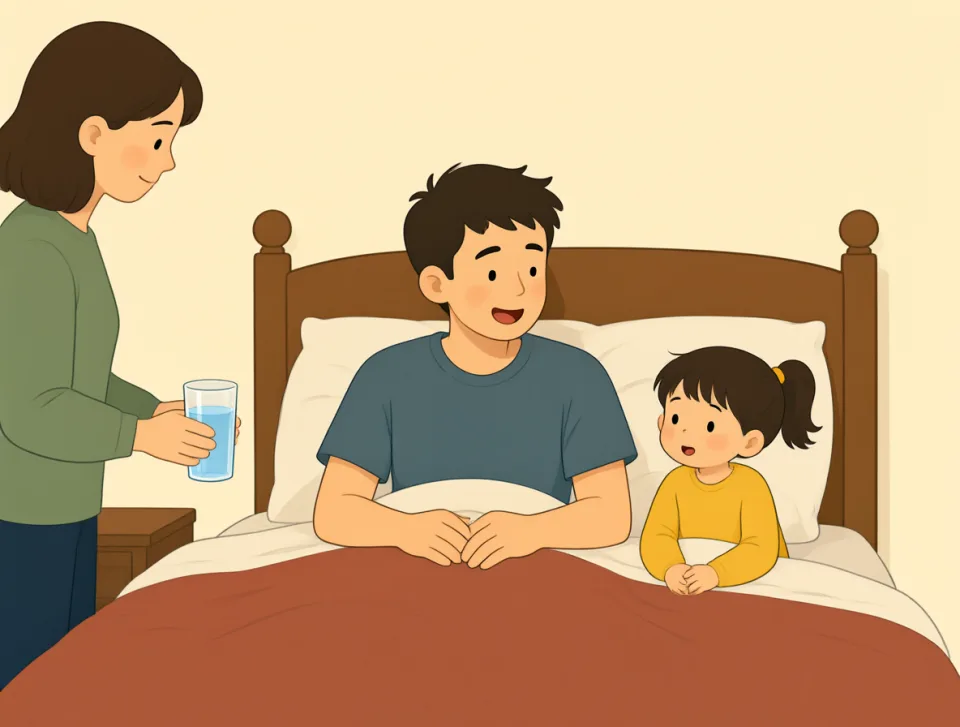
His health is slowly returning.
他的健康狀況正在慢慢恢復。
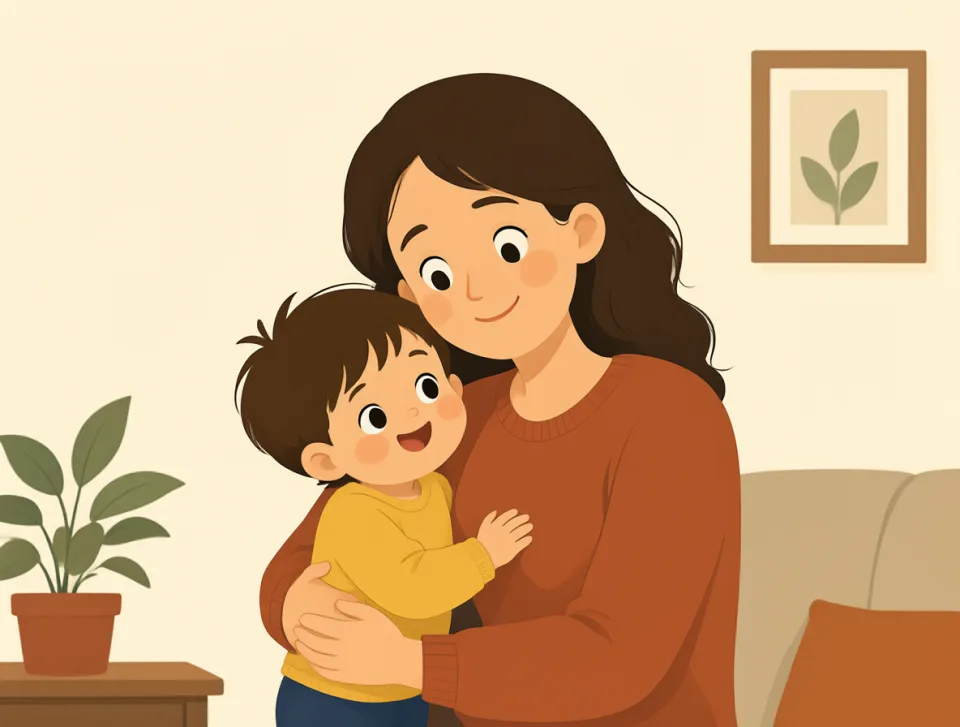
mother
#338noun
母親; 媽媽
a female parent; a woman who has a child
女性家長;有孩子的女人
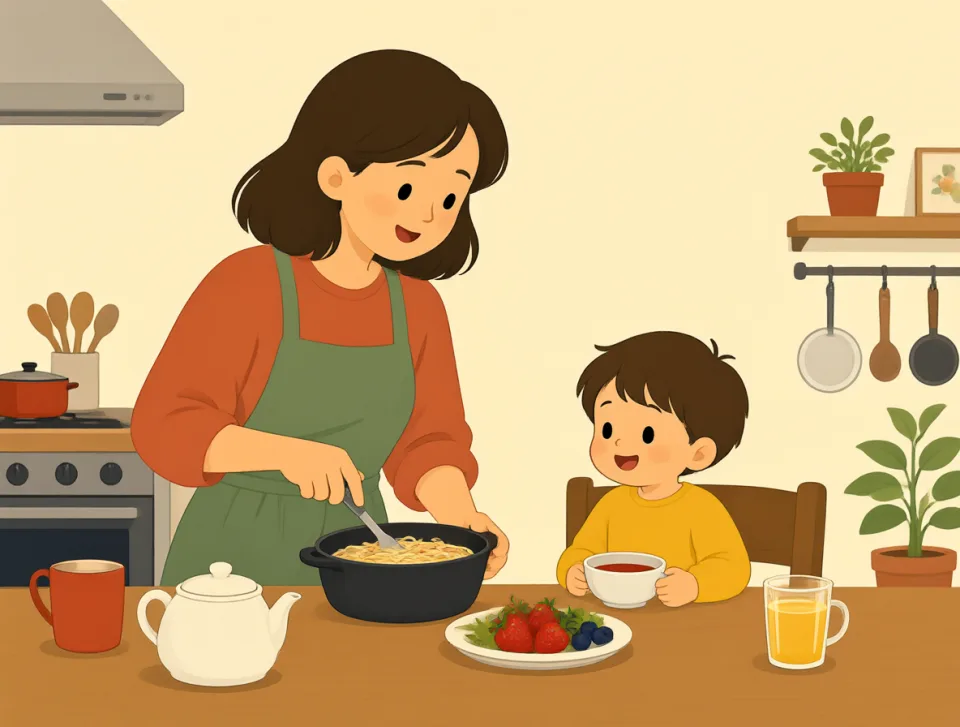
My mother makes breakfast every morning.
我媽媽每天早上做早餐。
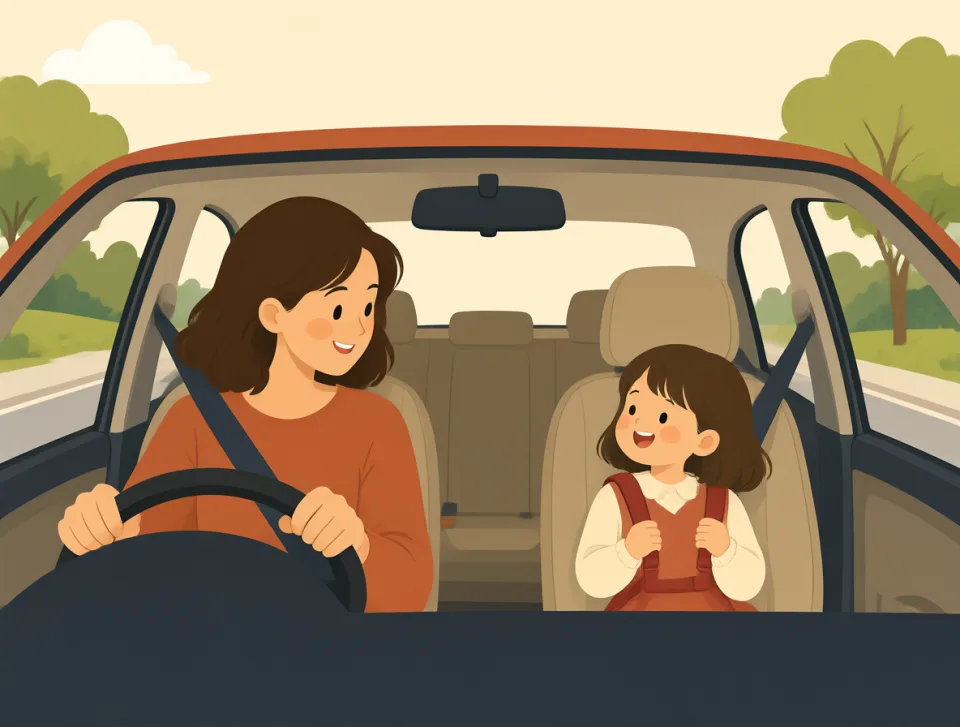
Her mother drove her to school.
她媽媽開車送她去學校。

I called my mother after work.
我下班後給媽媽打了電話。
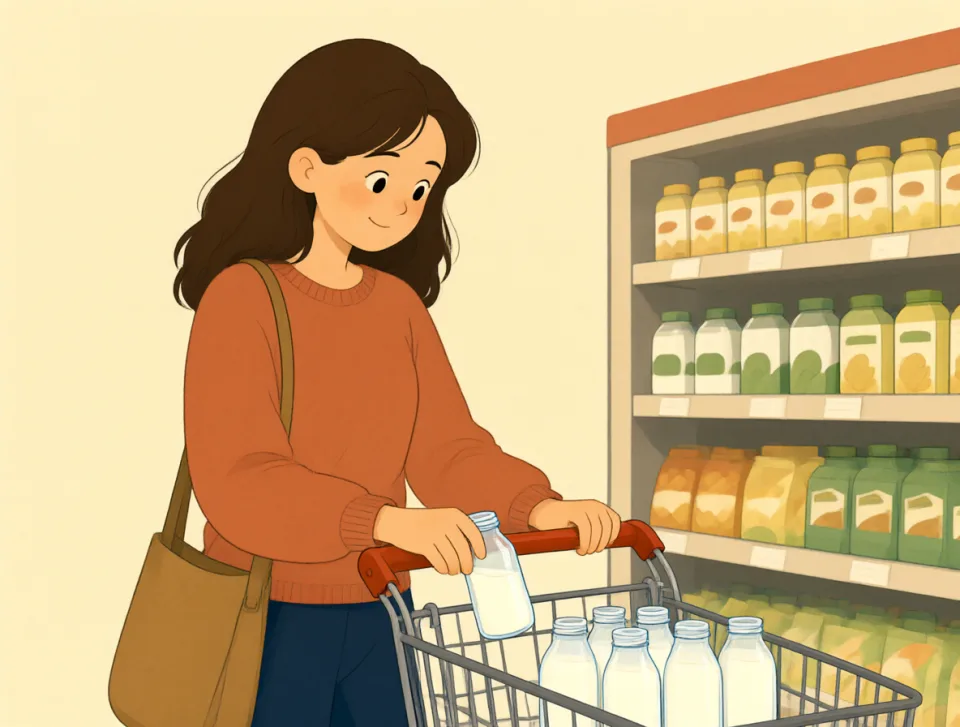
The mother bought milk at the store.
這位母親在商店買了牛奶。
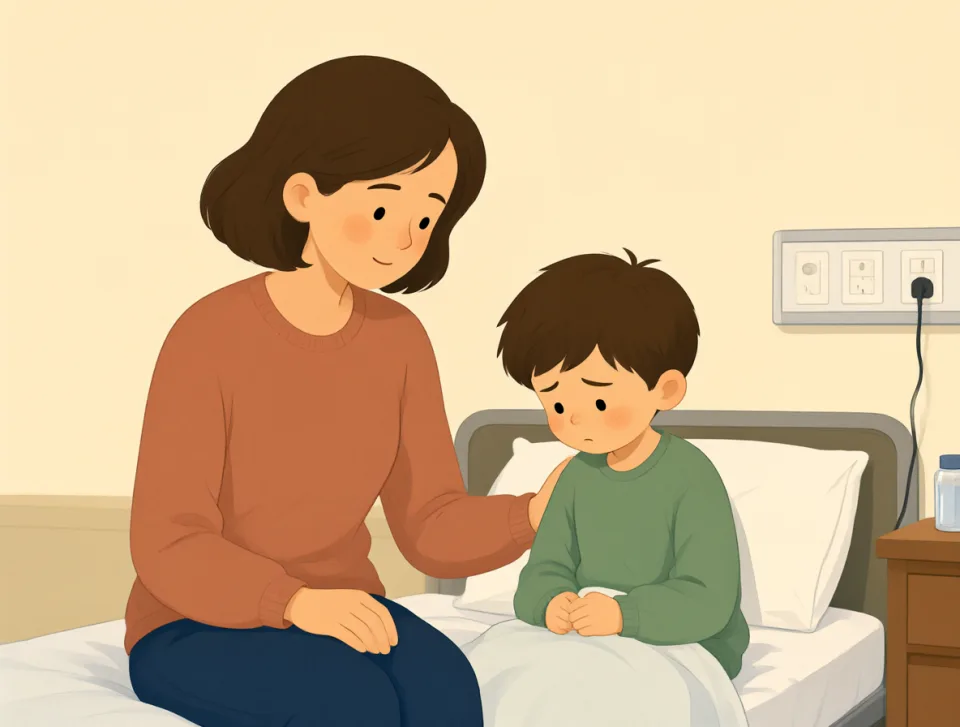
His mother stayed with him in hospital.
他媽媽在醫院陪著他。
walk
#339verb, noun
走路;步行;散步
to move on foot, or a short journey made by walking
用腳走路,或指透過步行進行的短途旅行
I walk to work every morning.
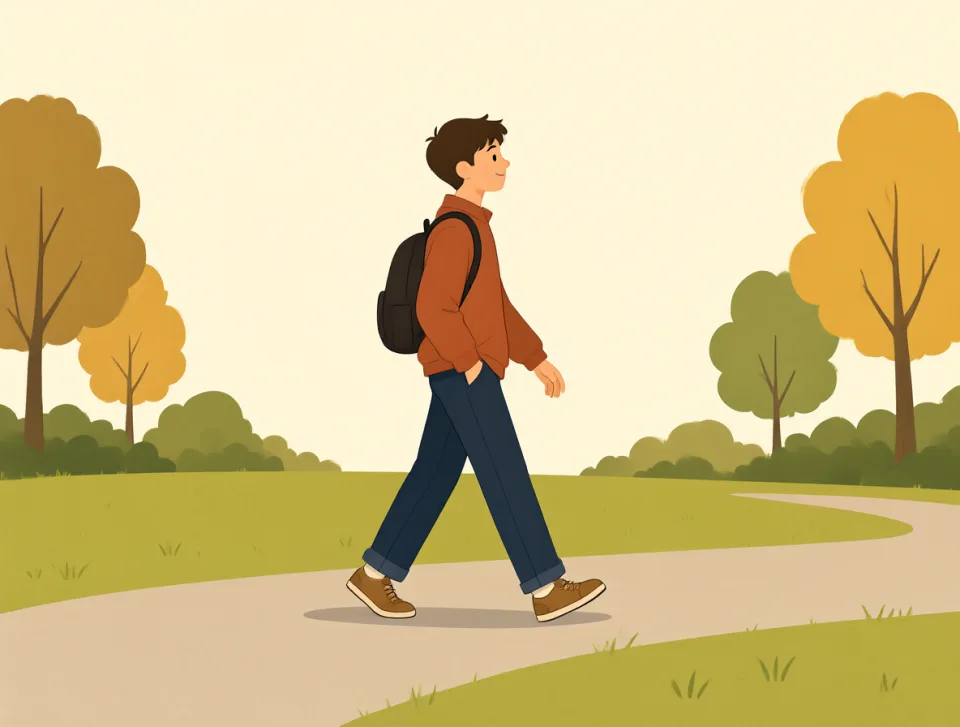
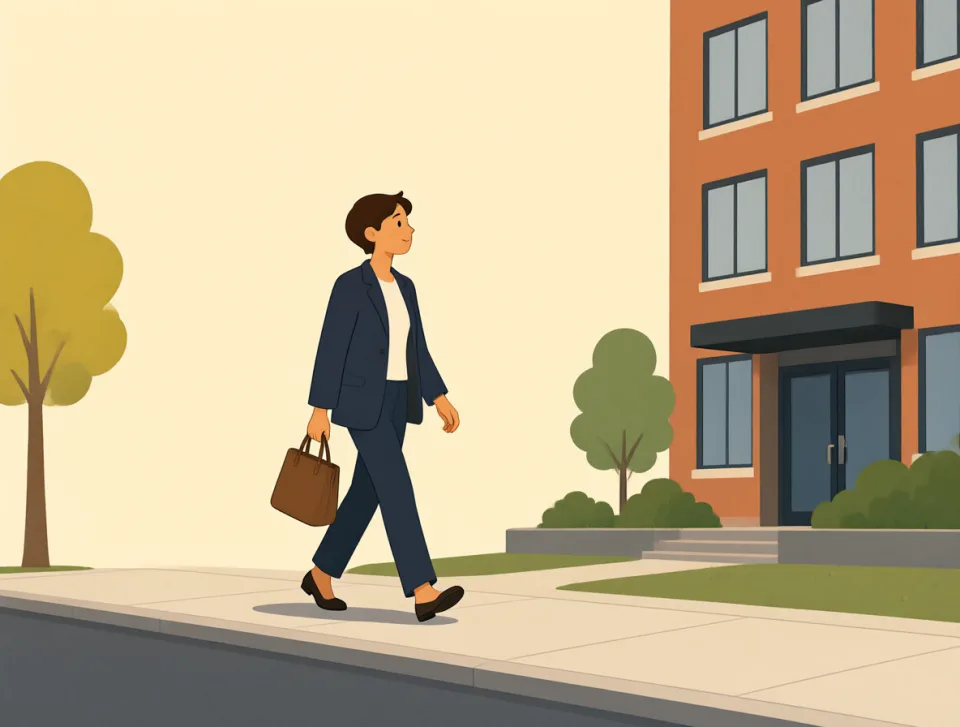
我每天早上走路去上班。

We walked home after dinner.
晚飯後,我們走回了家。
She walks her dog in the park.
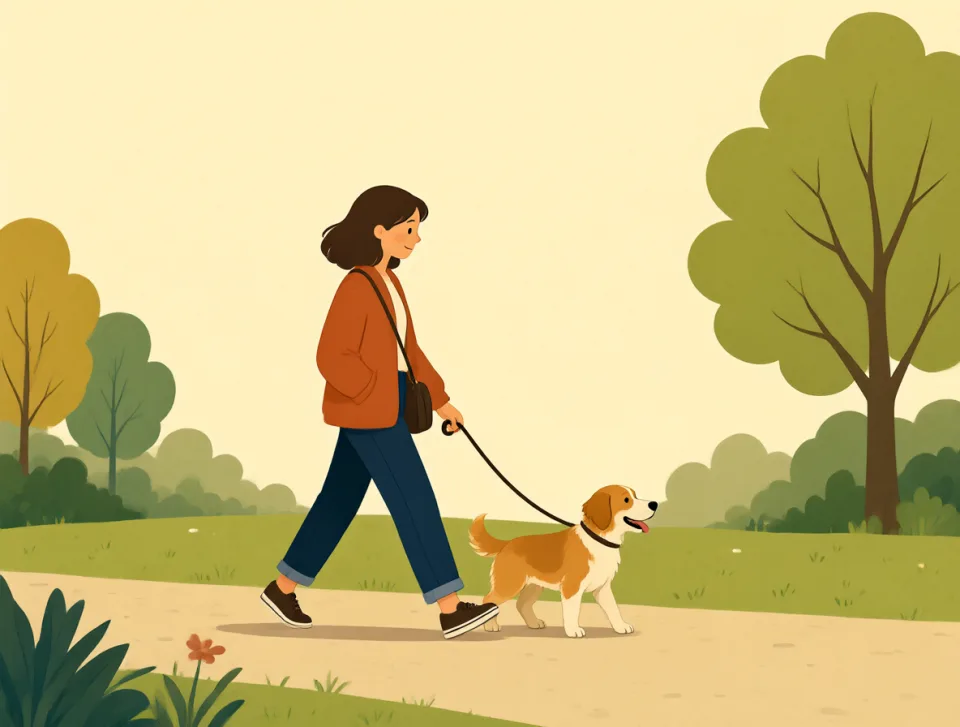
她在公園裡遛狗。

Let's take a walk after lunch.
我們午飯後去散散步吧。
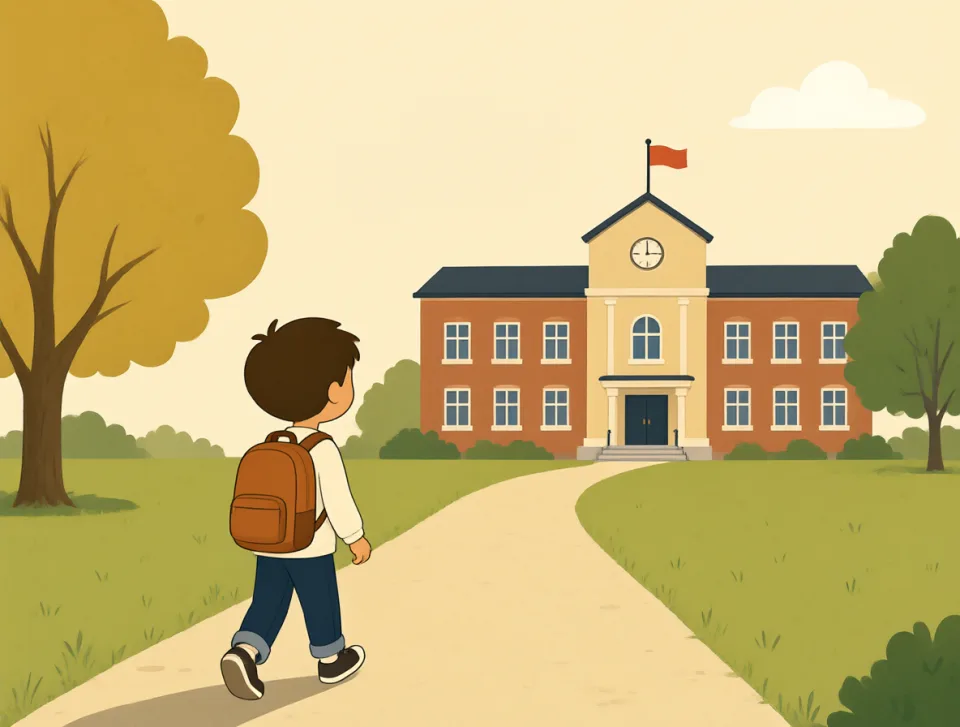
The walk to school takes ten minutes.
走路去學校要花十分鐘。
matter
#340noun, verb
事情;要緊;有關係
A subject or situation that is important, or to be important.
一件重要的事情或情況;要緊,有關係
It does not matter what time we leave.
我們幾點出發都沒關係。
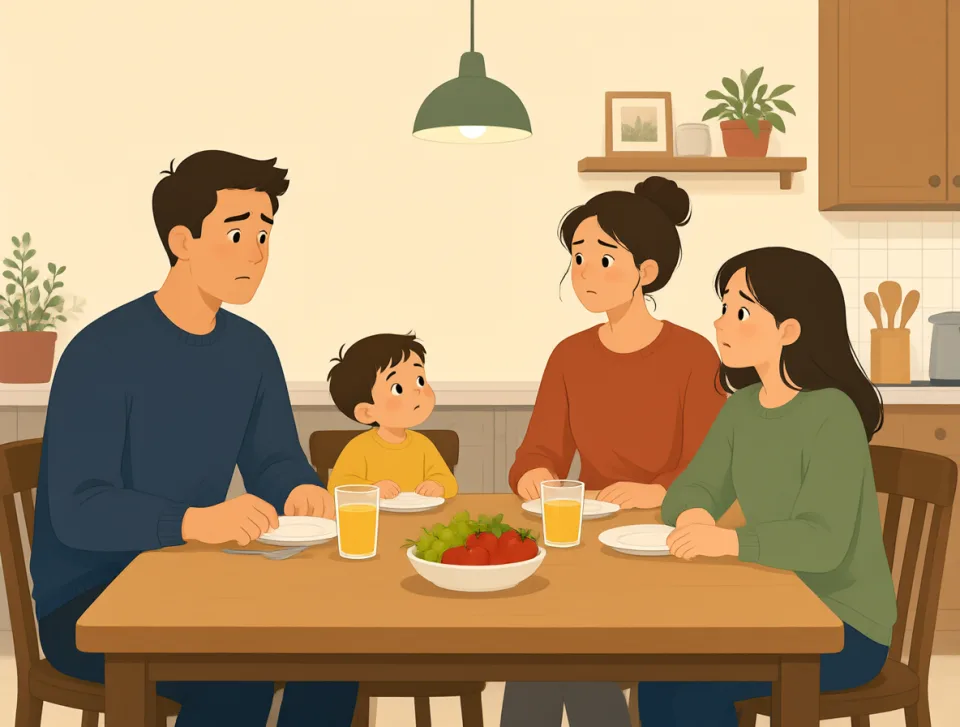
This matter is important to our family.
這件事對我們家很重要。
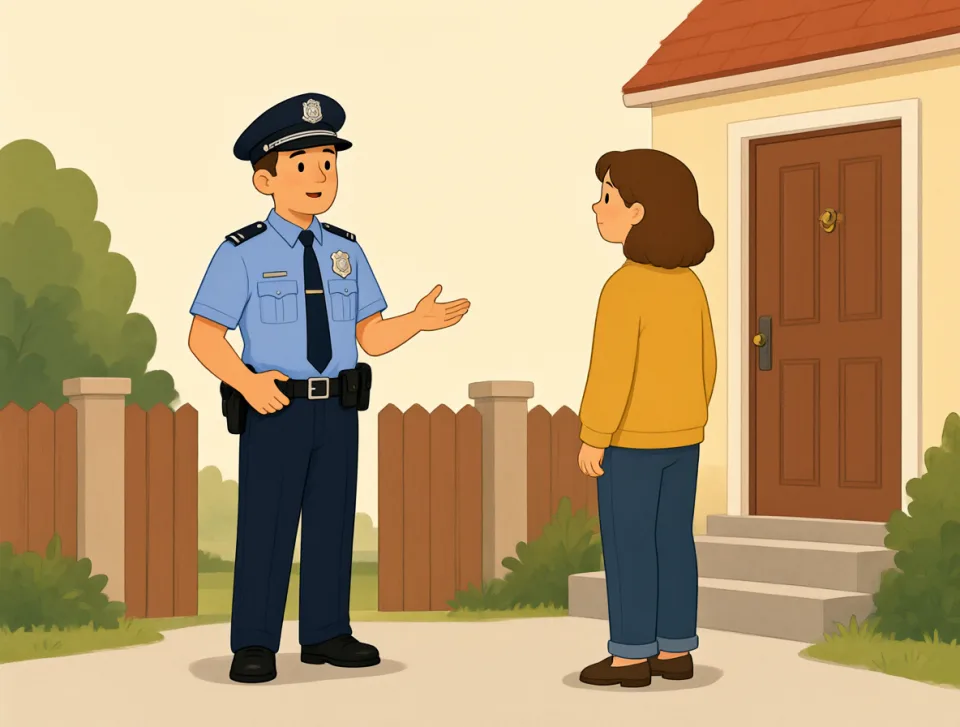
The police are looking into the matter.
警方正在調查這件事。
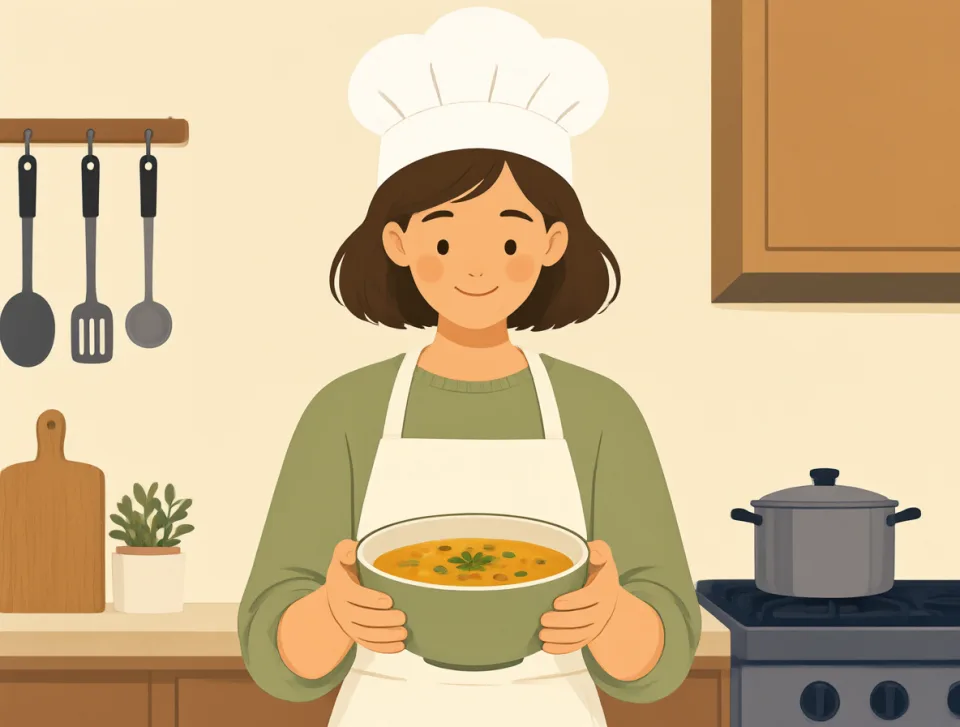
The soup matters more than the bowl.
湯比碗更重要。
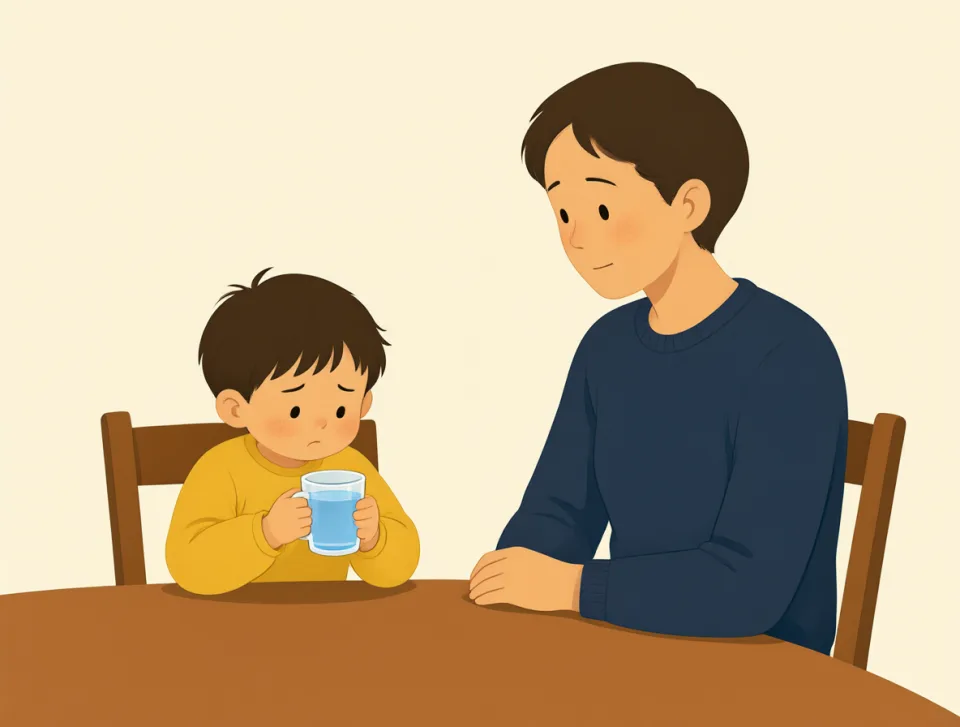
Water matters when you feel sick.
生病時,水很重要。