單元 13
單字 241–260 · lead, buy, understand, thank, far, today
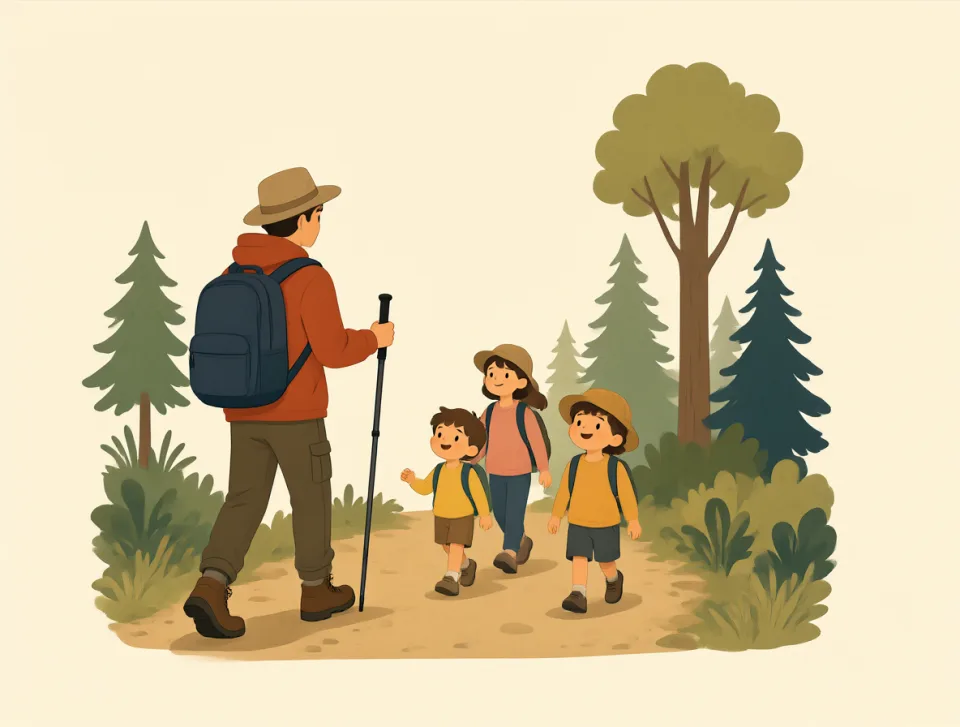
lead
#241verb, noun
帶領;通向;導致;鉛
to guide someone or something, or be first; a soft, heavy metal
帶領某人或某物,或處於領先位置;一種柔軟而沉重的金屬

She leads the team at work.
她在工作中帶領團隊。

This road leads to the beach.
這條路通向海灘。
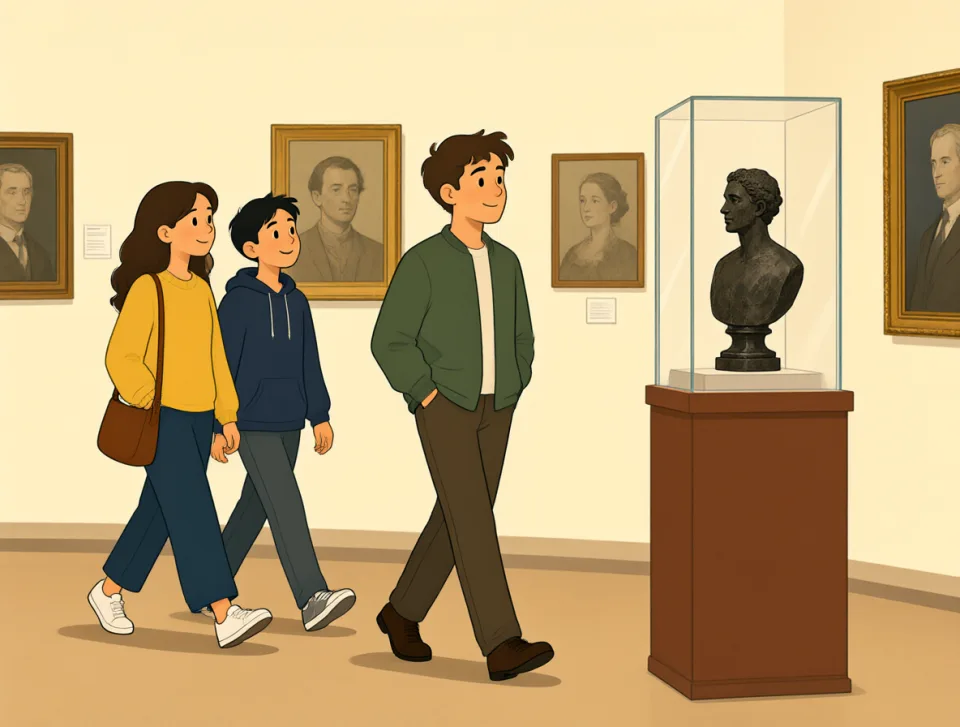
He led us through the museum.
他帶我們參觀了博物館。
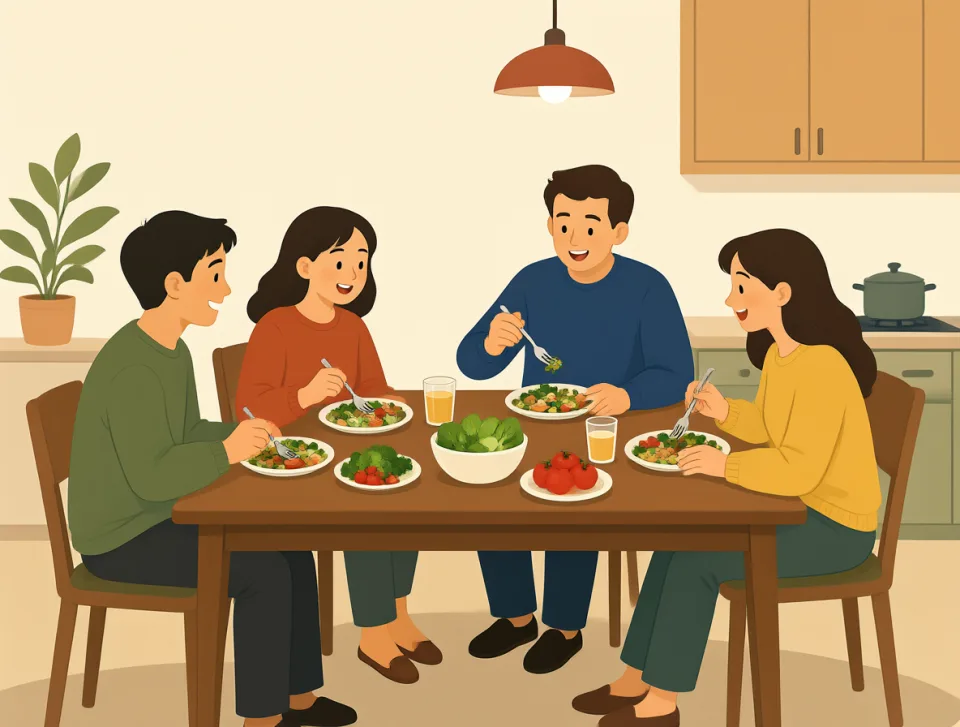
Good food can lead to better health.
健康的飲食有助於改善健康狀況。

The old pipe is made of lead.
這根舊管子是鉛製的。
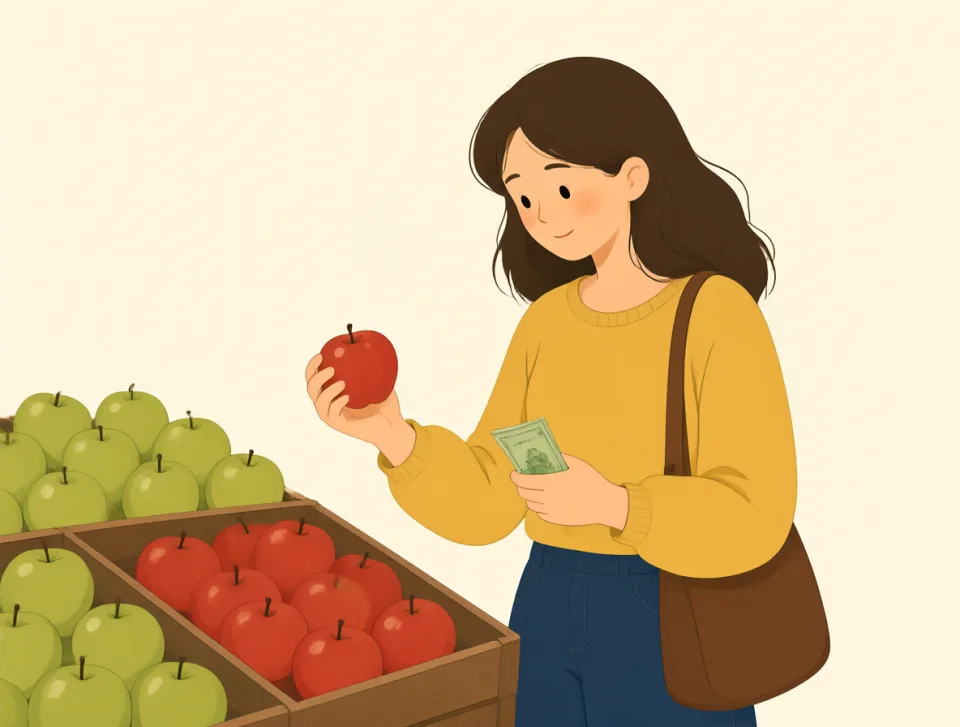
buy
#242verb, noun
買;購買;買到
to get something by paying money for it
透過付錢得到某樣東西
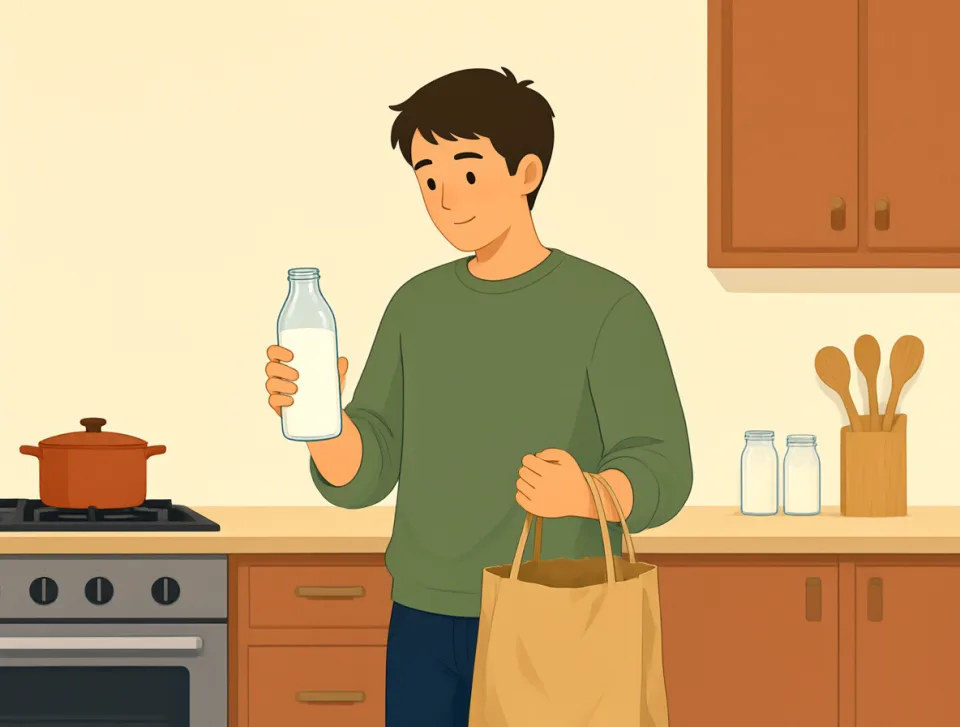
I need to buy some milk today.
我今天需要買些牛奶。

She bought a new dress for work.
她買了一條上班穿的新裙子。
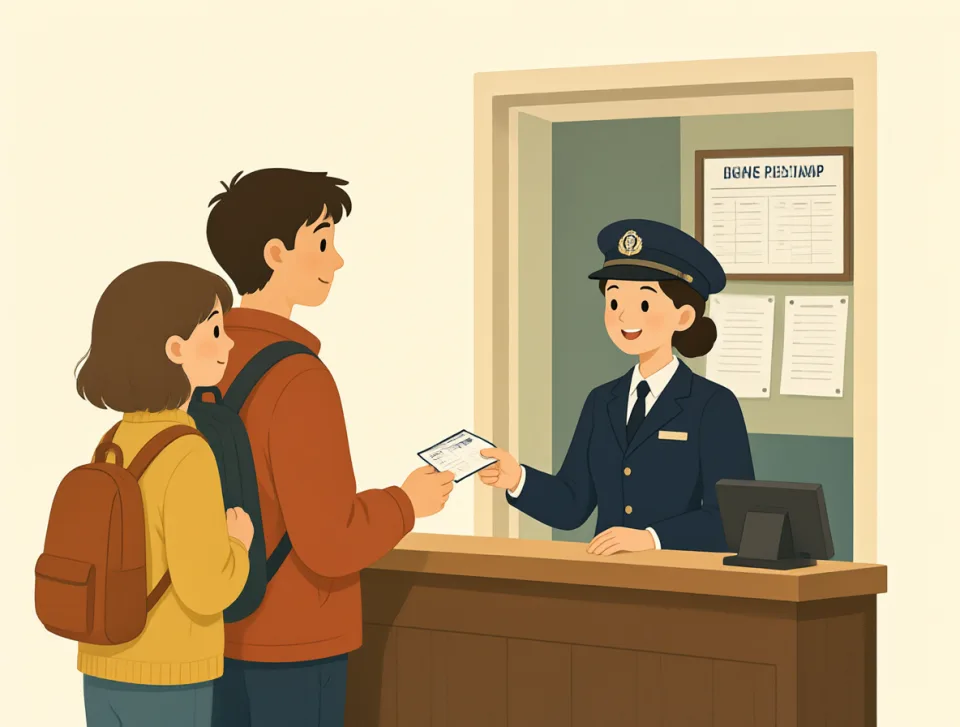
We are buying tickets for the train.
我們正在買火車票。
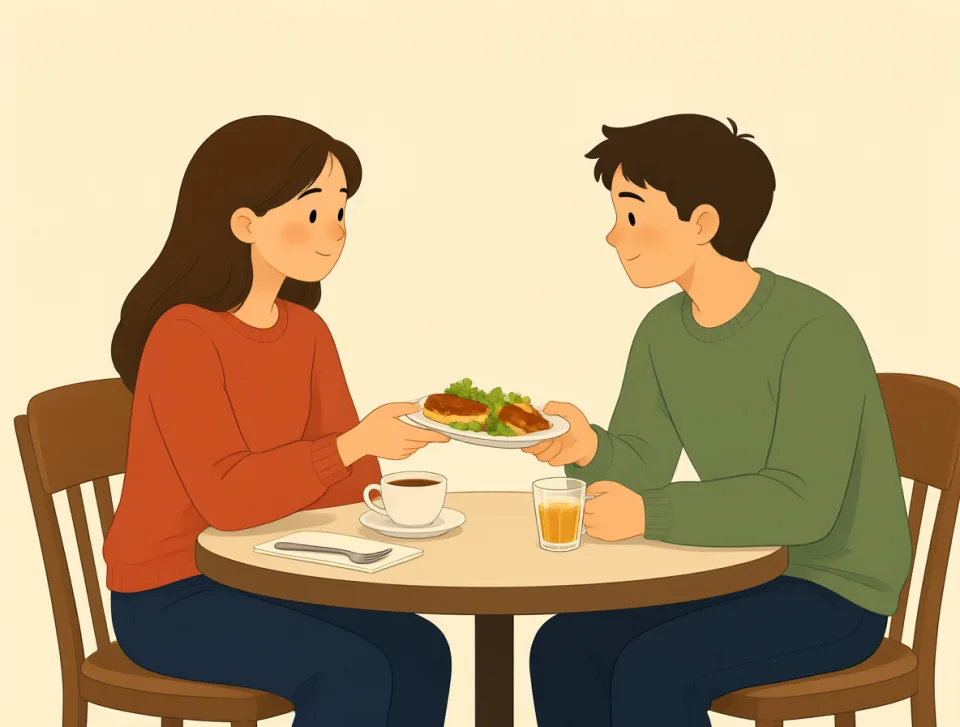
He bought me lunch after school.
放學後,他給我買了午飯。

That phone was a good buy.
那部手機買得很划算。

understand
#243verb
理解;明白
to know what something means or why something happens
知道某件事的含義或某件事發生的原因

I understand what you mean.
我明白你的意思。

She understands the lesson now.
她現在明白這節課的內容了。
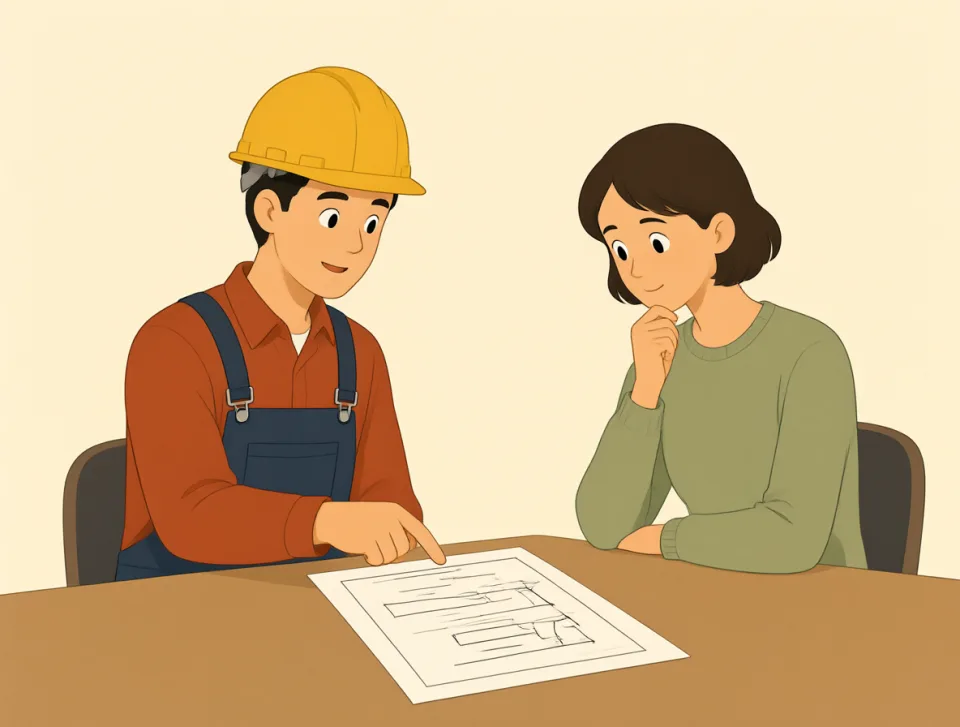
Do you understand these instructions?
你明白這些說明嗎?

We understood the doctor’s advice.
我們聽懂了醫生的建議。

He understood that the train was late.
他明白火車晚點了。

thank
#244verb
感謝;謝謝
To show that you are grateful for something someone has done or given you.
表示你很感激別人為你做了某件事或給了你某樣東西。

I thanked her for the lovely gift.
我感謝她送給我的精美禮物。

Please thank your parents for the meal.
請代我謝謝你的父母準備的這頓飯。
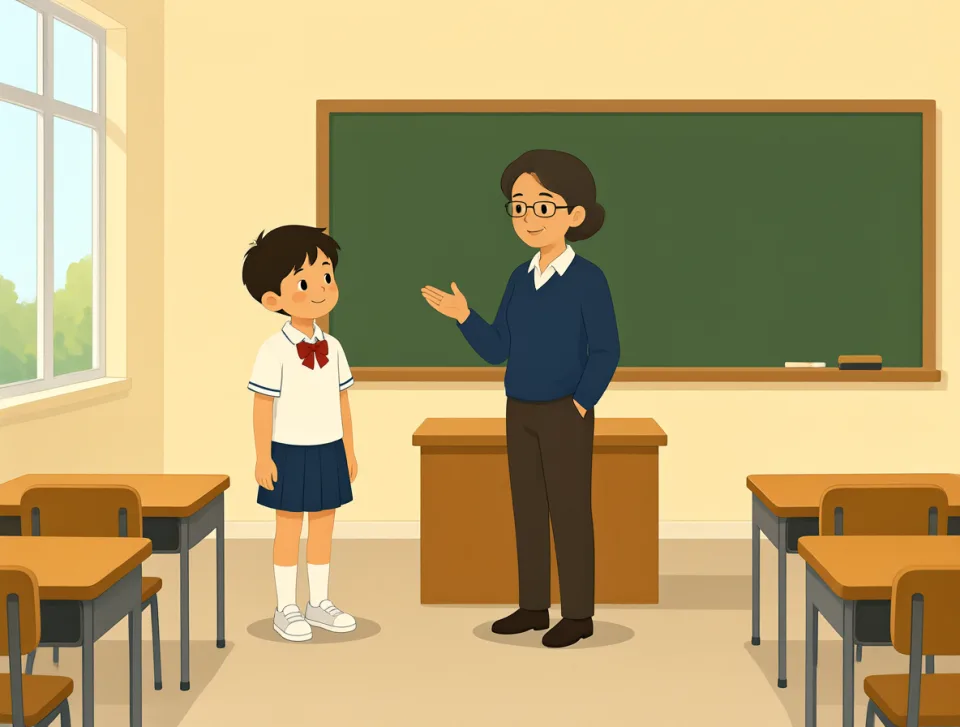
She thanked the teacher after class.
下課後,她向老師道了謝。
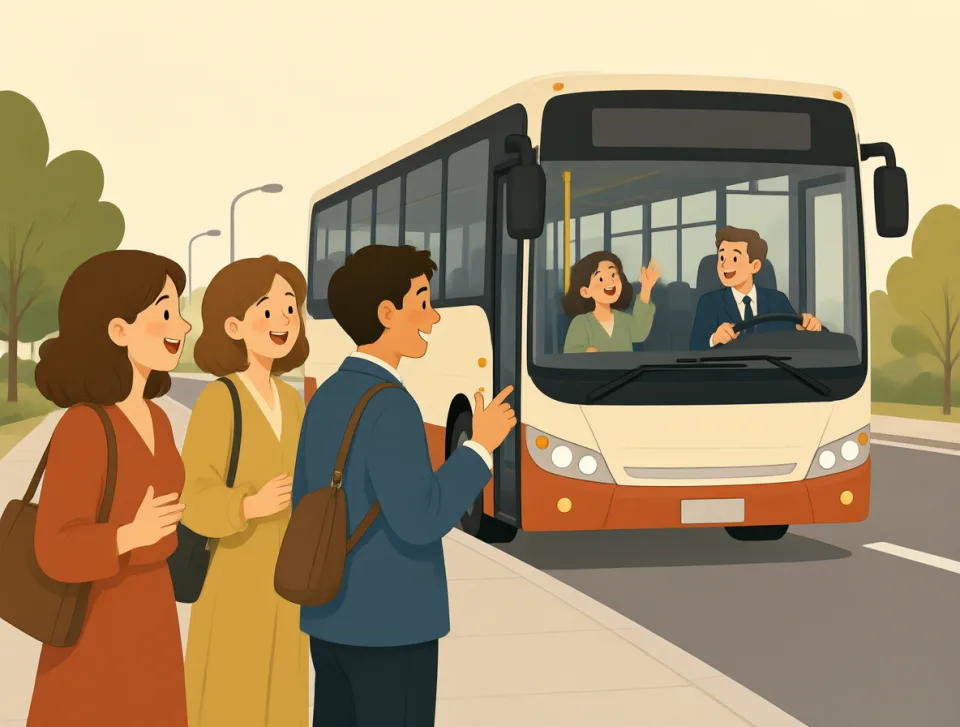
We thanked the driver when we arrived.
到達後,我們向司機道了謝。

Thank you for helping me today.
謝謝你今天幫助我。
far
#245adjective, adverb, noun
遠的;遠地;遠方
A long distance away, or a long distance from something.
距離很遠,或離某物很遠。

The school is far from our house.
學校離我們家很遠。

How far is the train station?
火車站有多遠?

We walked far after dinner.
晚飯後我們走了很遠。
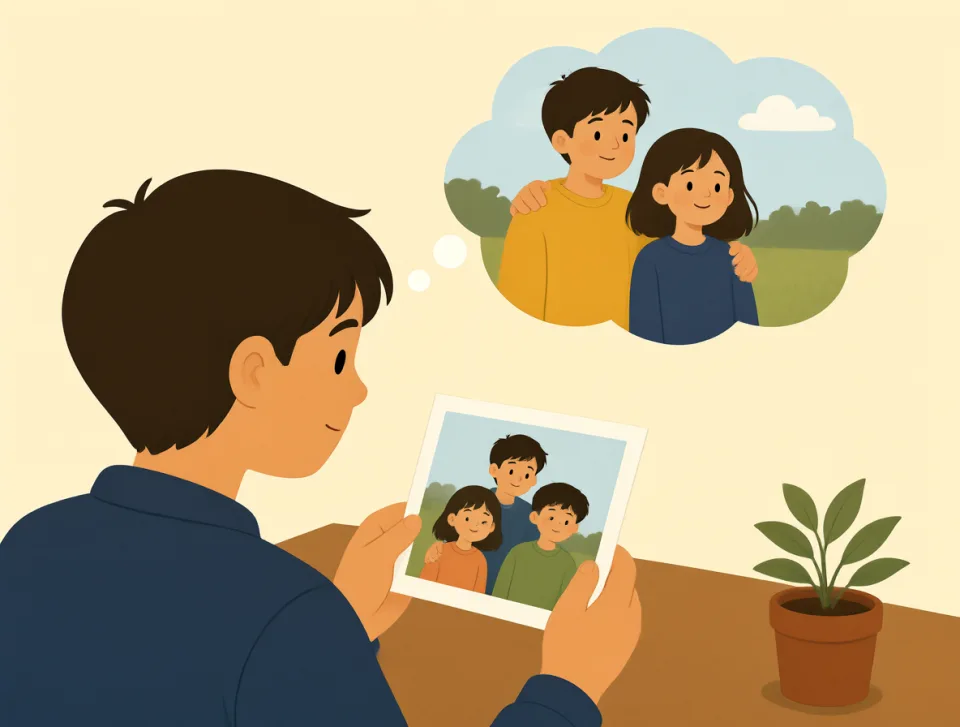
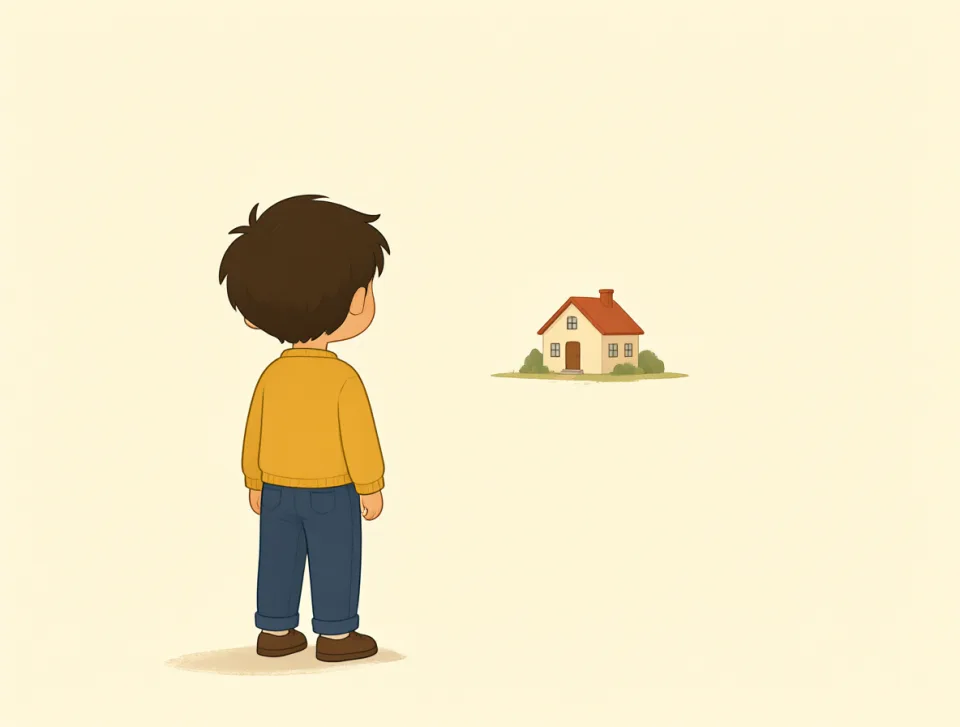
My brother lives far away.
我哥哥住得很遠。
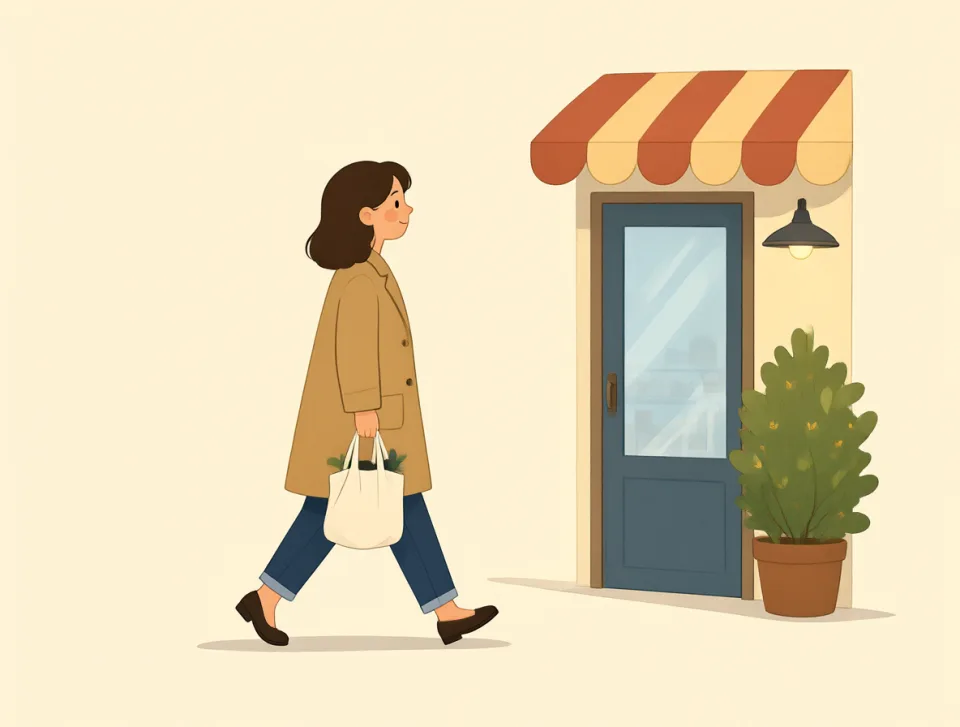
The store is not far from here.
商店離這裡不遠。
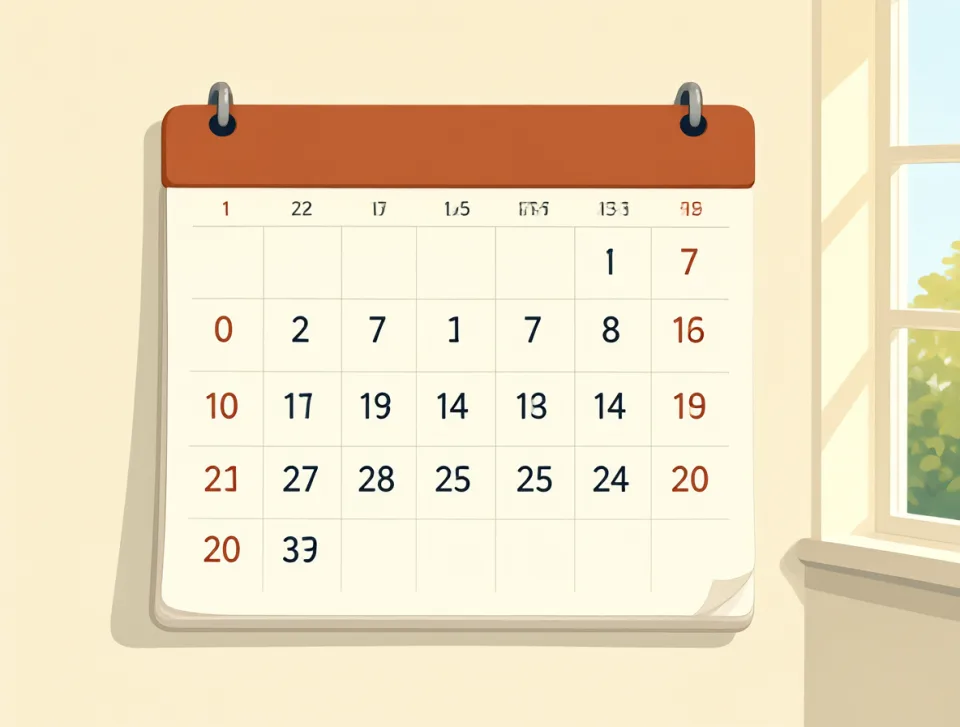
today
#246adverb, noun
今天; 今日
On or during this day.
在今天或今天期間。

I have a doctor’s appointment today.
我今天預約了看醫生。

Today is my first day at work.
今天是我上班的第一天。

We are going shopping today.
我們今天要去買東西。

The weather is warmer today.
今天的天氣更暖和。

Today’s special is vegetable soup.
今天的特餐是蔬菜湯。
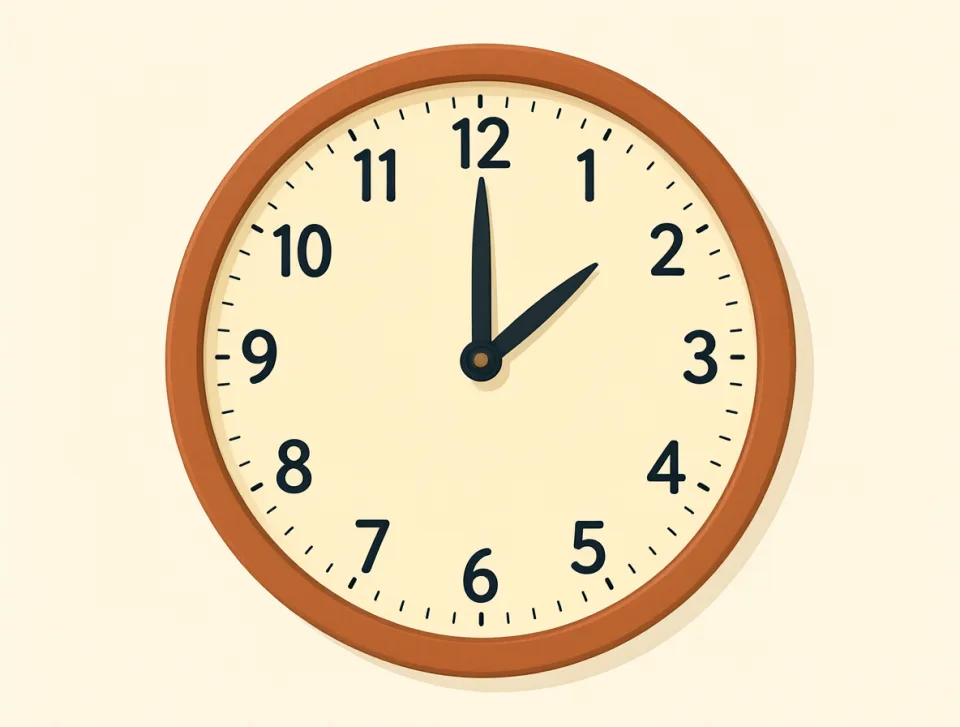
hour
#247noun
小時;鐘頭
A period of 60 minutes.
一段六十分鐘的時間。

The meeting starts in one hour.
會議一小時後開始。
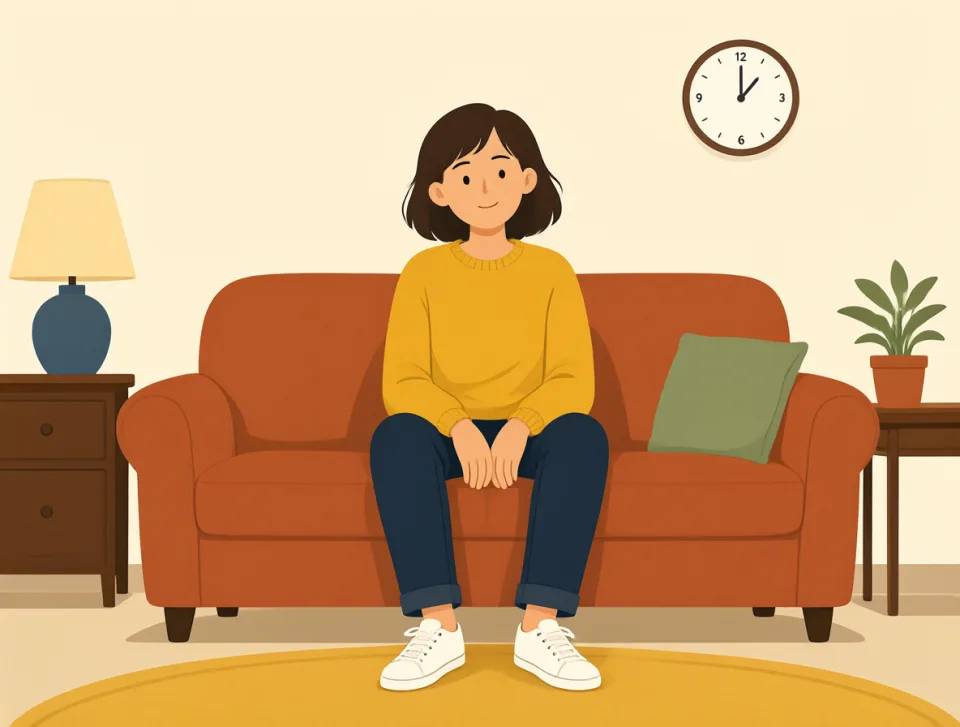
I waited for an hour at home.
我在家等了一個小時。
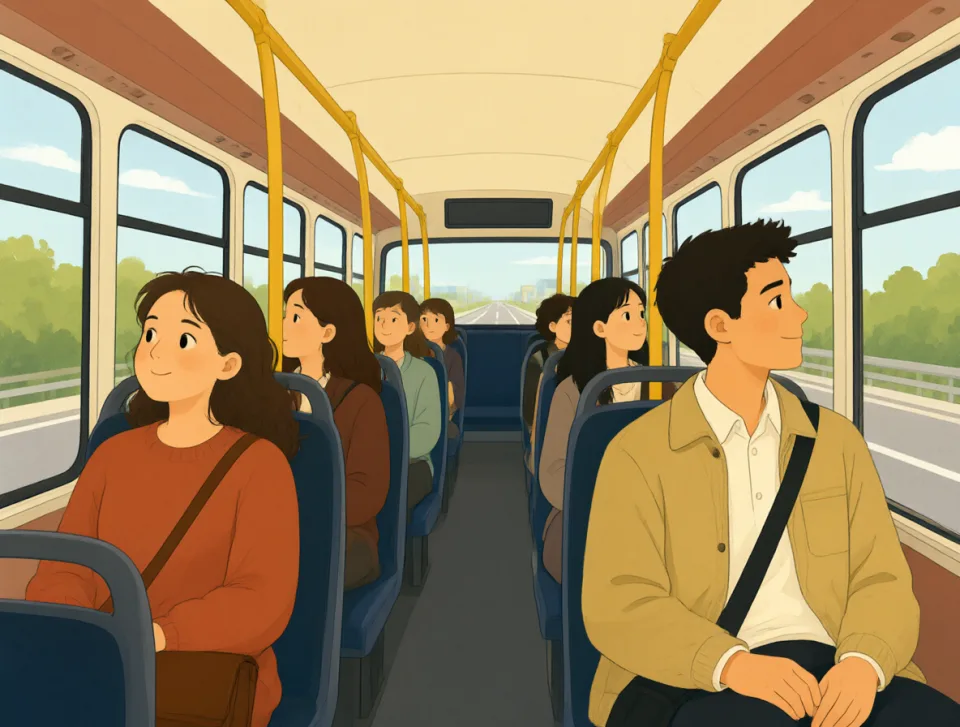
The bus ride takes two hours.
坐公交車需要兩個小時。
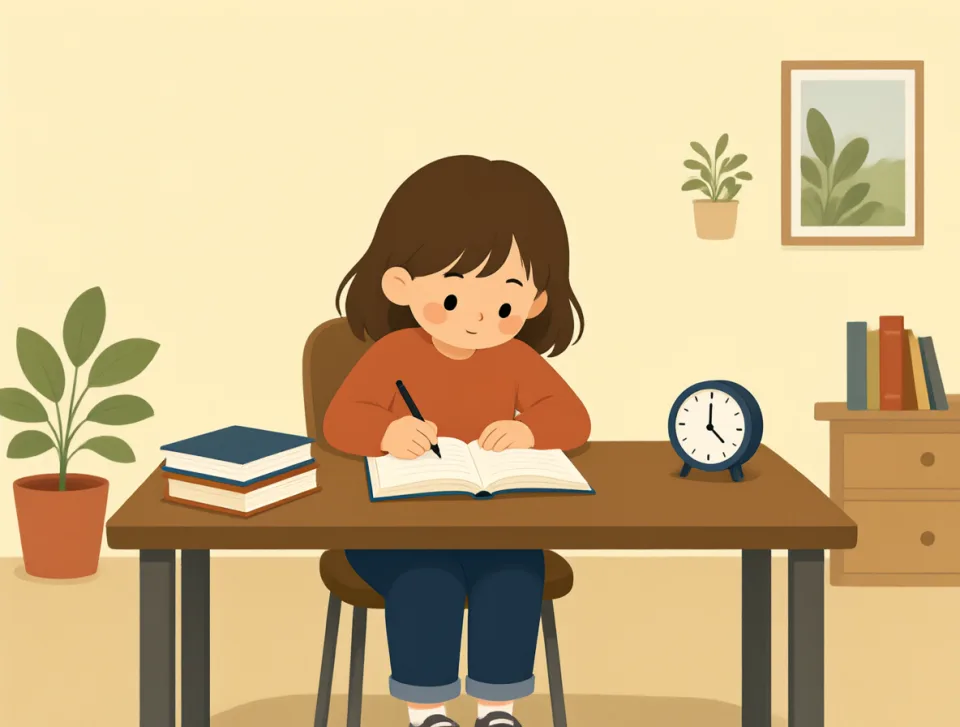
She studies for an hour after school.
她放學後學習一個小時。
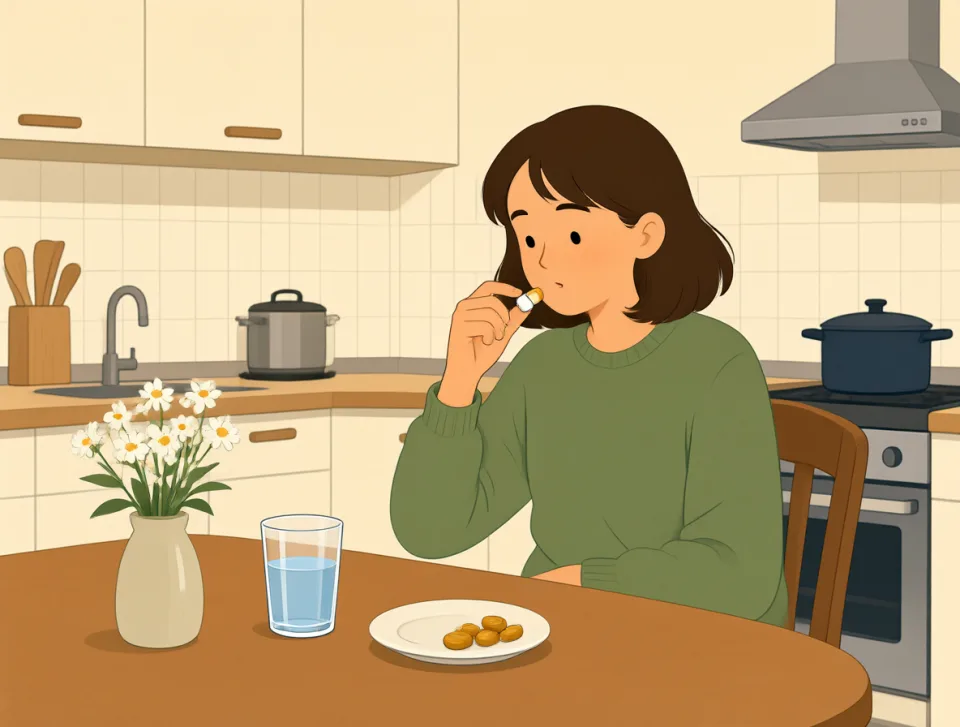
Take this medicine every four hours.
每四小時服用一次這種藥。
student
#248noun
學生
A person who is learning at a school, college, or university.
正在學校、學院或大學學習的人。

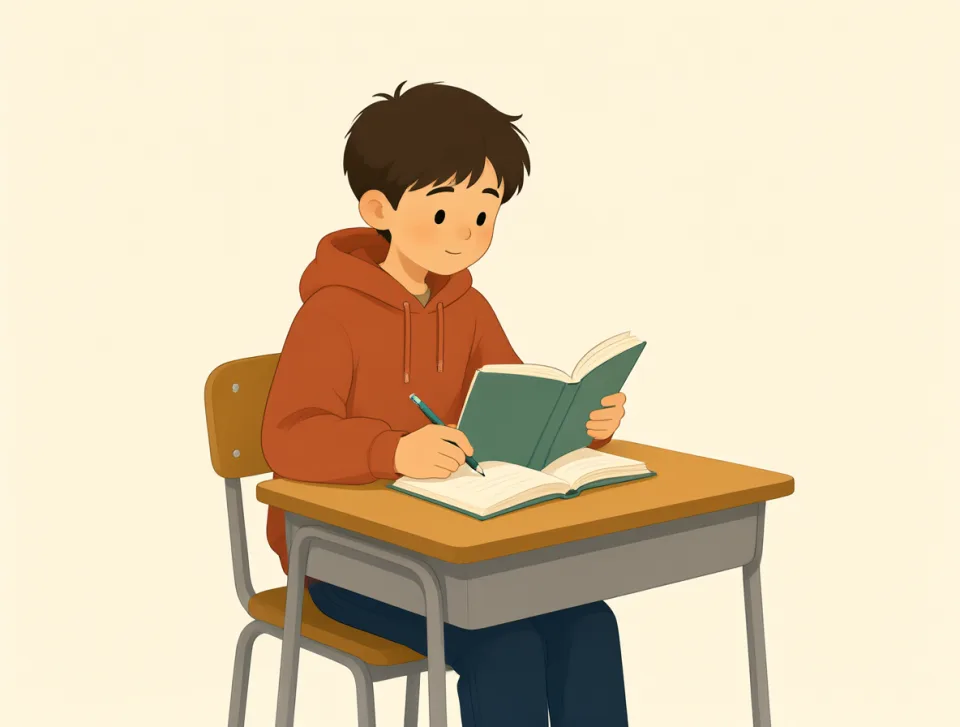
The student is reading a book in class.
這個學生正在課堂上看書。
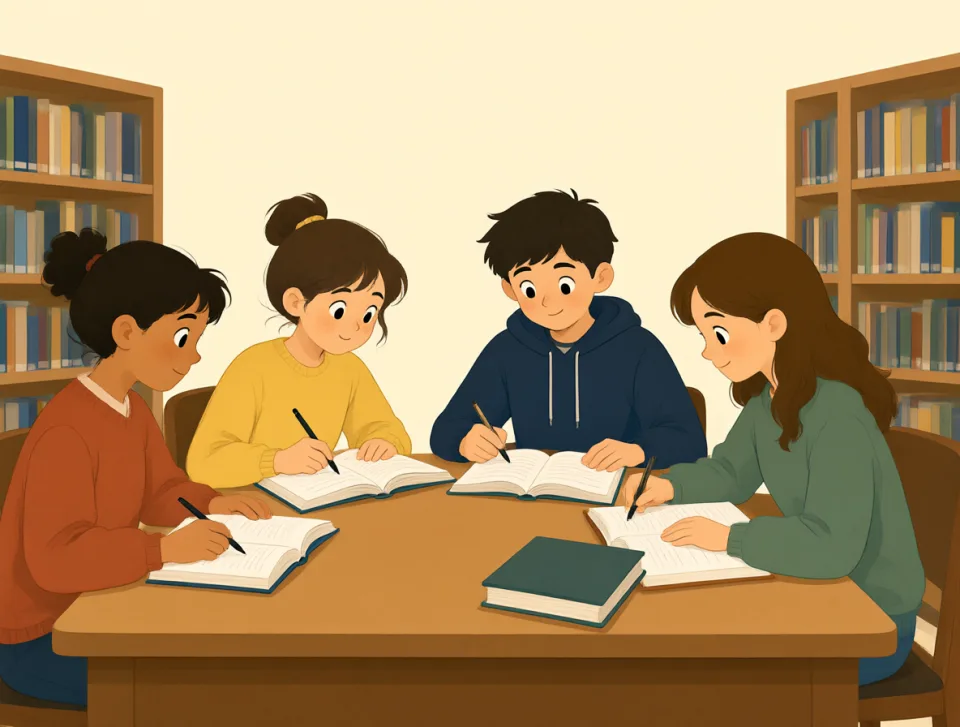
Many students study English after school.
許多學生放學後學習英語。

She is a university student in London.
她是倫敦的一名大學生。

The teacher helped the students with their homework.
老師幫助學生們完成作業。

That student works part-time at a coffee shop.
那個學生在一家咖啡店兼職。

face
#249noun, verb
臉;面對
The front part of your head, or to meet a difficult person or situation.
頭部的前面部分,或遇到棘手的人或情況

She washed her face before breakfast.
她早餐前洗了臉。

He has a friendly face.
他有一張親切的臉。
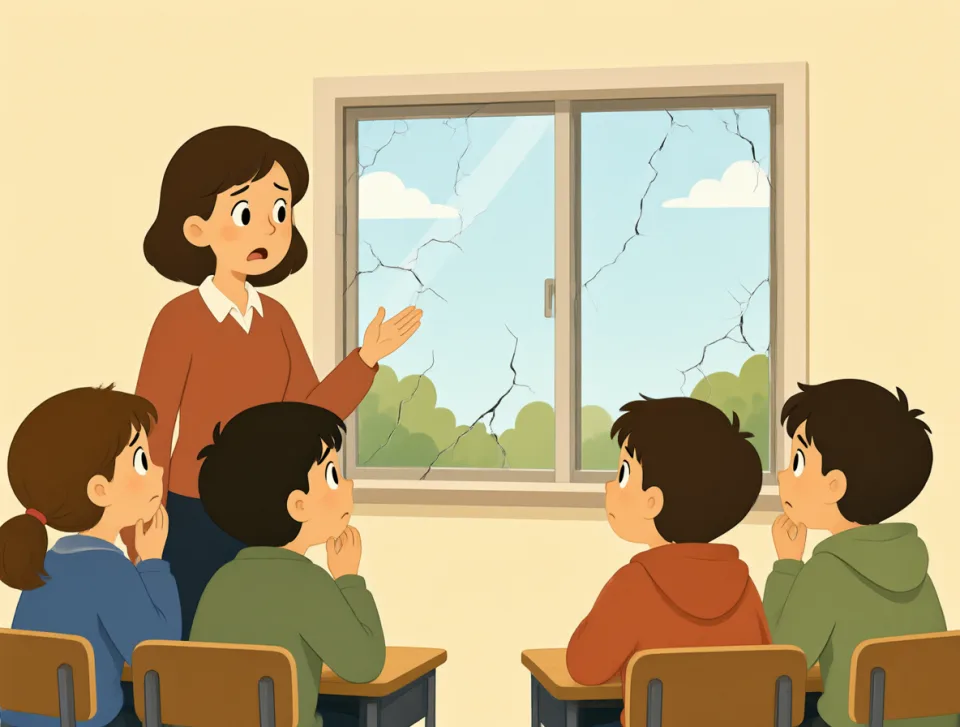
The school faces a serious problem.
這所學校面臨著一個嚴重的問題。

We faced heavy rain during our trip.
旅途中我們遇到了大雨。

She faced her friend and smiled.
她面對著朋友,笑了起來。
hope
#250noun, verb
希望;盼望
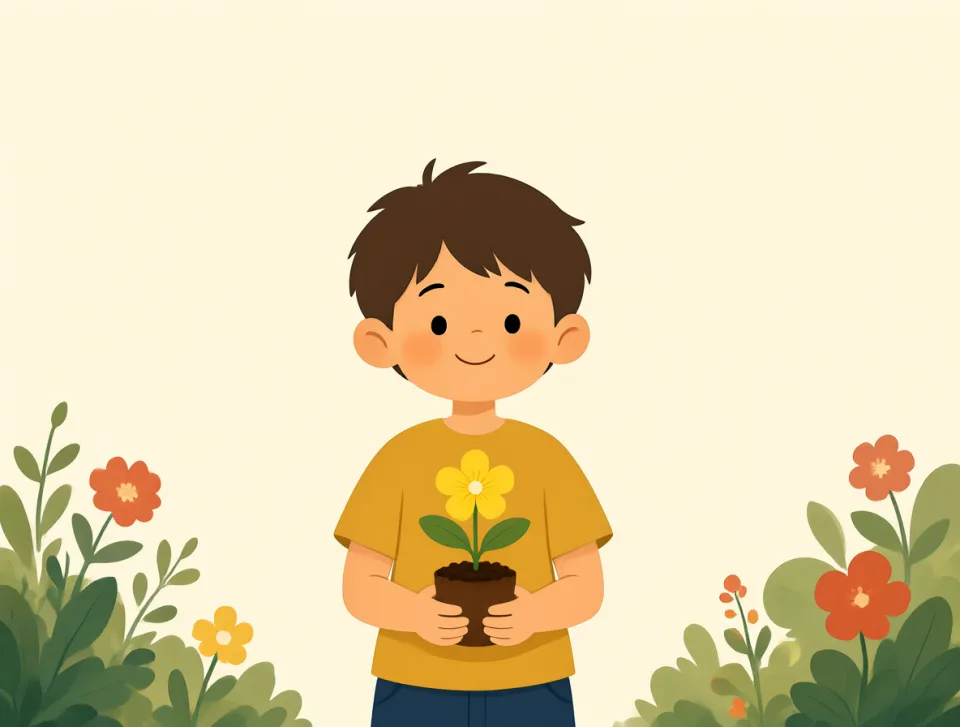
A feeling that something good may happen, or to want something good to happen.
一種認為好事可能發生的感覺,或希望某件好事發生。
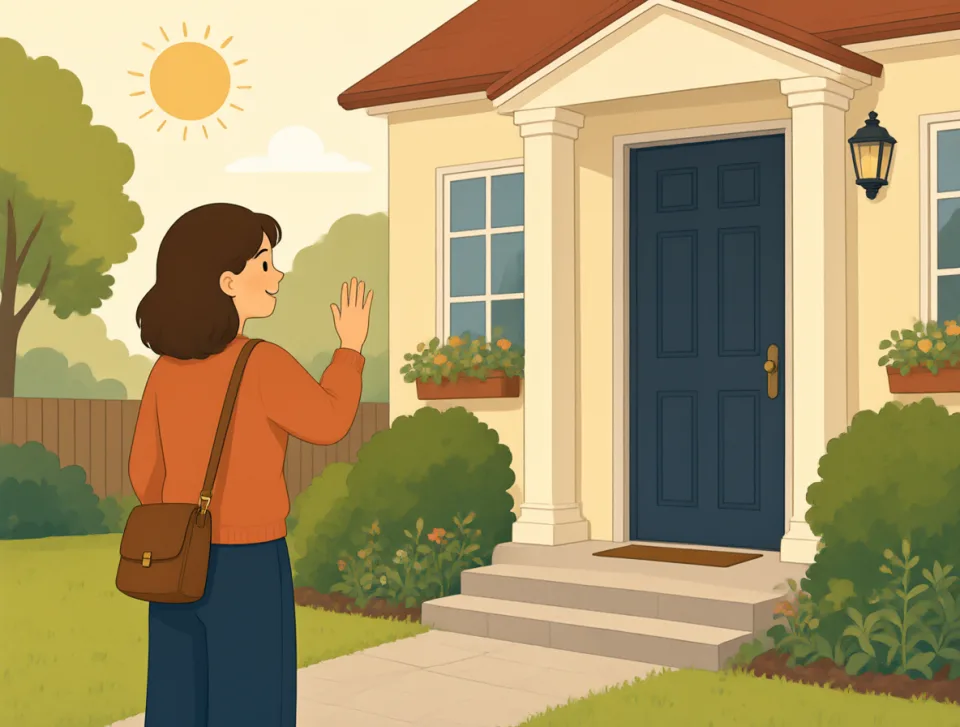
I hope you have a nice day.
希望你今天過得愉快。

We hope to visit Spain next summer.
我們希望明年夏天去西班牙。

I hope the doctor can help me.
我希望醫生能幫助我。

She hopes to find a new job soon.
她希望很快找到一份新工作。
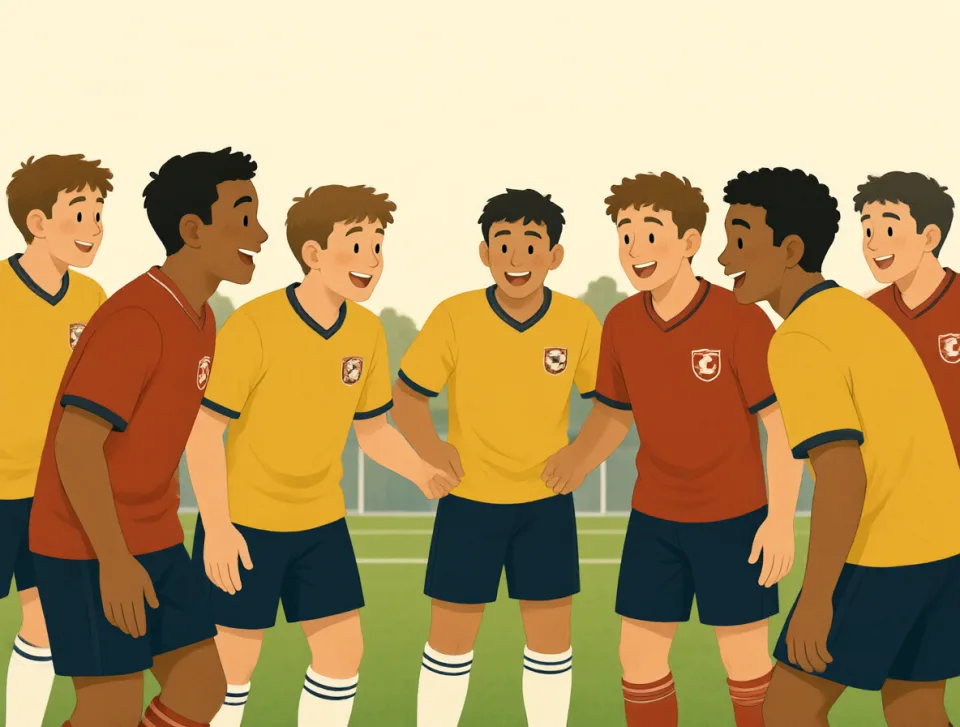
There is still hope for our team.
我們的團隊仍然有希望。

idea
#251noun
主意;想法
A thought or plan about what to do or how to do something.
關於要做什麼或如何做某事的想法或計劃。

I have an idea for dinner tonight.
我有個今晚晚餐的主意。

That is a good idea.
那是個好主意。
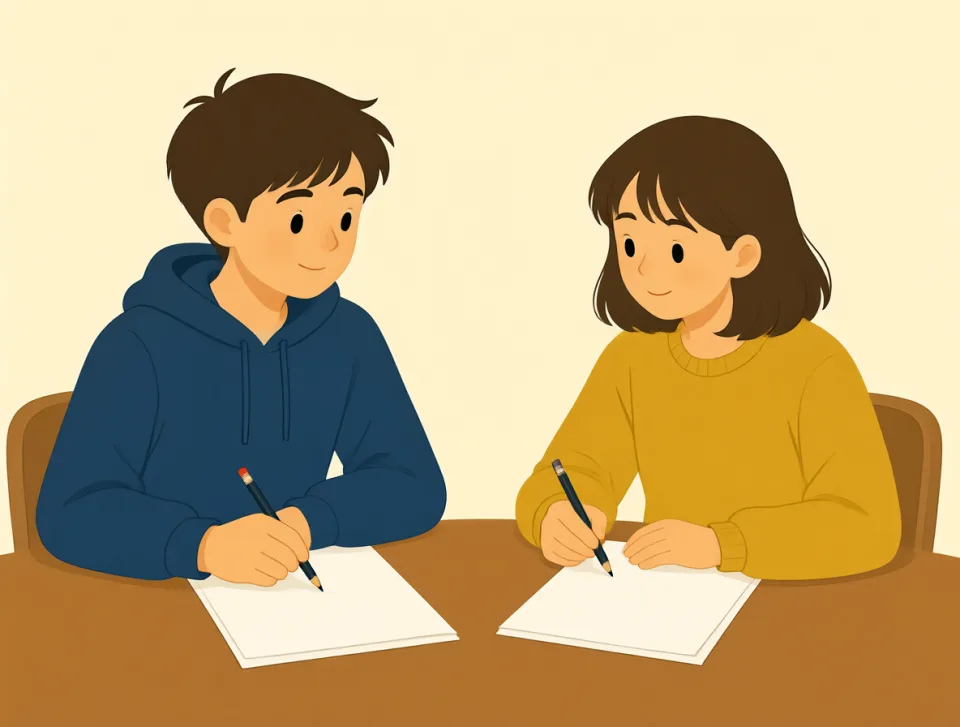
She gave me an idea for my project.
她給了我一些關於專案的靈感。
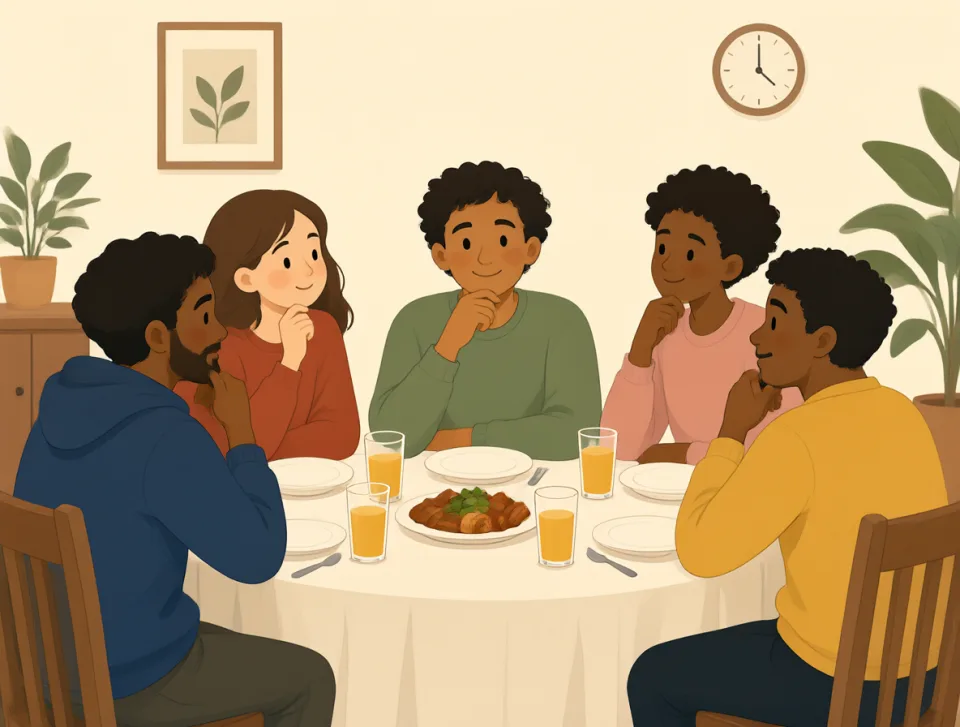
We need some new ideas for the party.
我們需要為派對想些新點子。
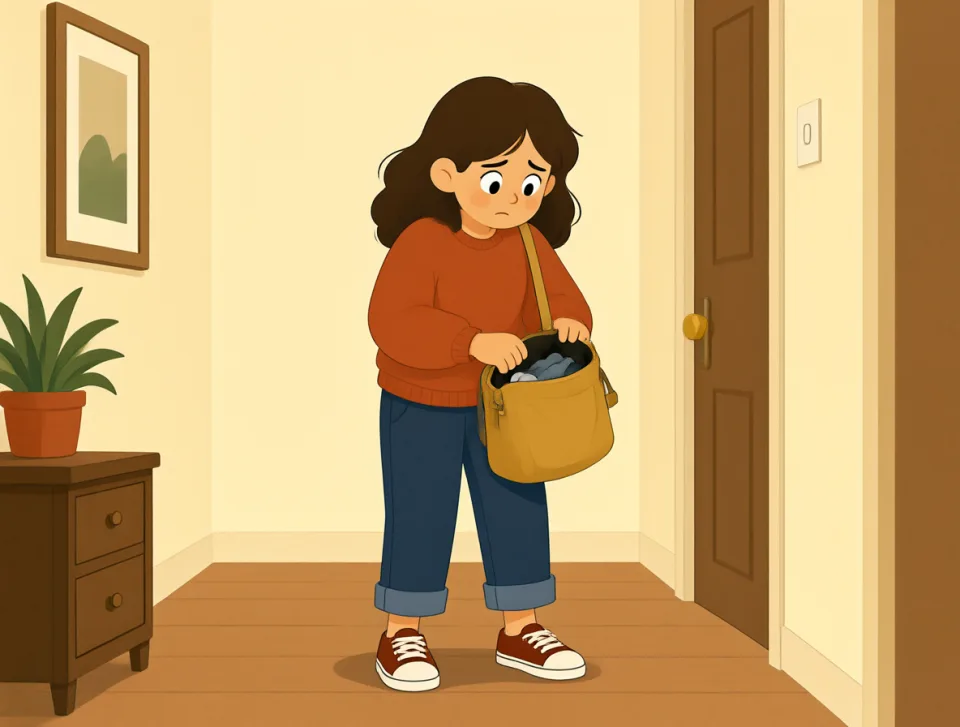
I have no idea where my keys are.
我完全不知道我的鑰匙在哪兒。

cost
#252noun, verb
花費;費用
The amount of money needed to buy or do something; to need that amount of money.
購買或做某事所需的錢;需要花費這麼多錢。

The new shoes cost fifty dollars.
這雙新鞋花了五十美元。

How much does this sandwich cost?
這個三明治多少錢?
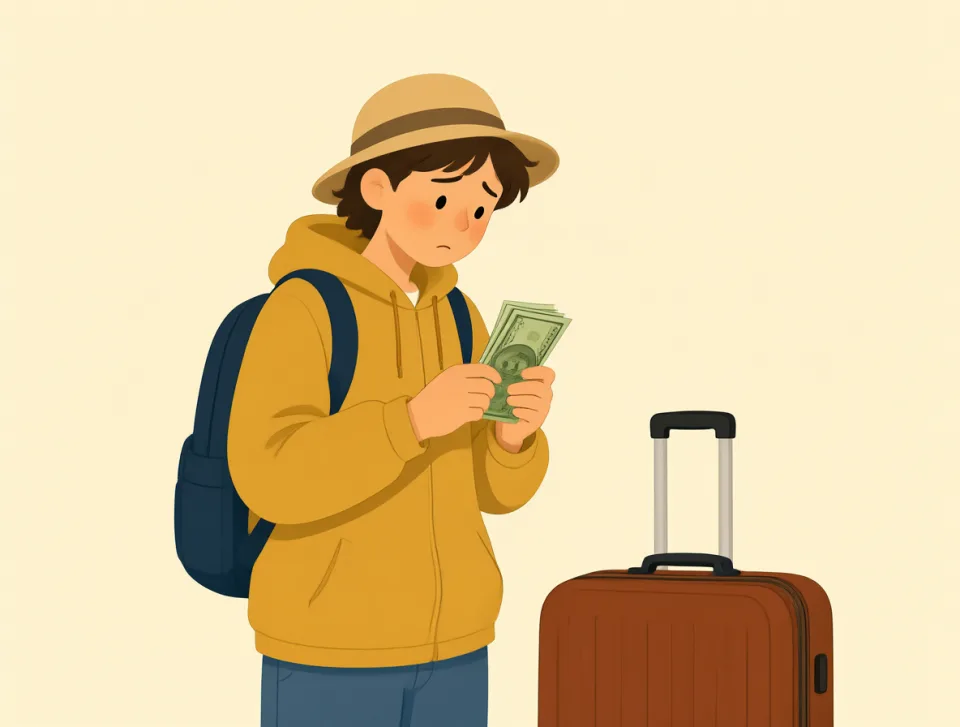
The trip cost more than we planned.
這趟旅行比我們計劃的花費更多。
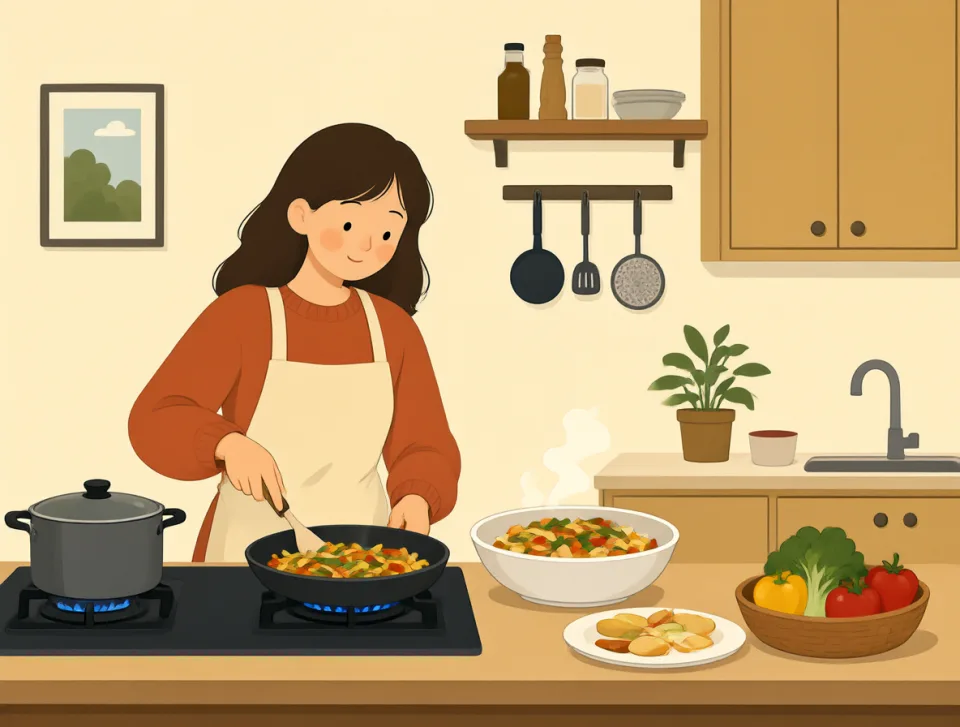
Cooking at home costs less than eating out.
在家做飯比在外面吃飯花費少。
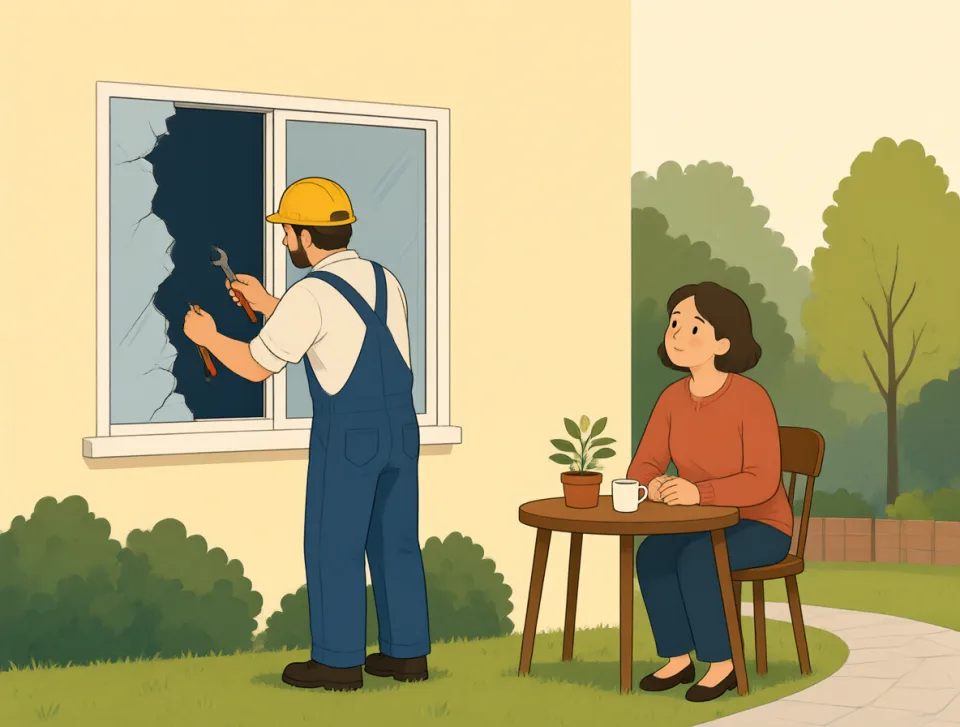
The broken window cost us a lot to repair.
修那扇破窗戶花了我們很多錢。
less
#253adverb, determiner, pronoun, preposition
更少;較少
A smaller amount, number, or degree than before or than someone else.
比之前或比別人數量、數目或程度更少。
I drink less coffee in the evening.
我晚上喝的咖啡少一些。

This bag costs less than that one.
這個包比那個便宜。
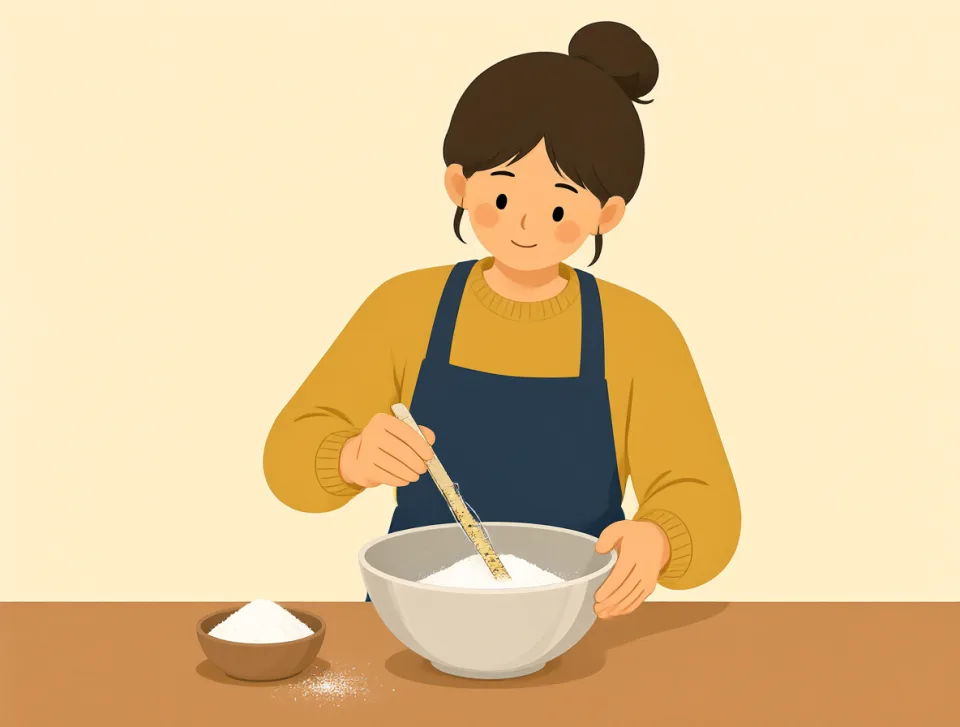
We need less sugar in this cake.
這個蛋糕要少放些糖。
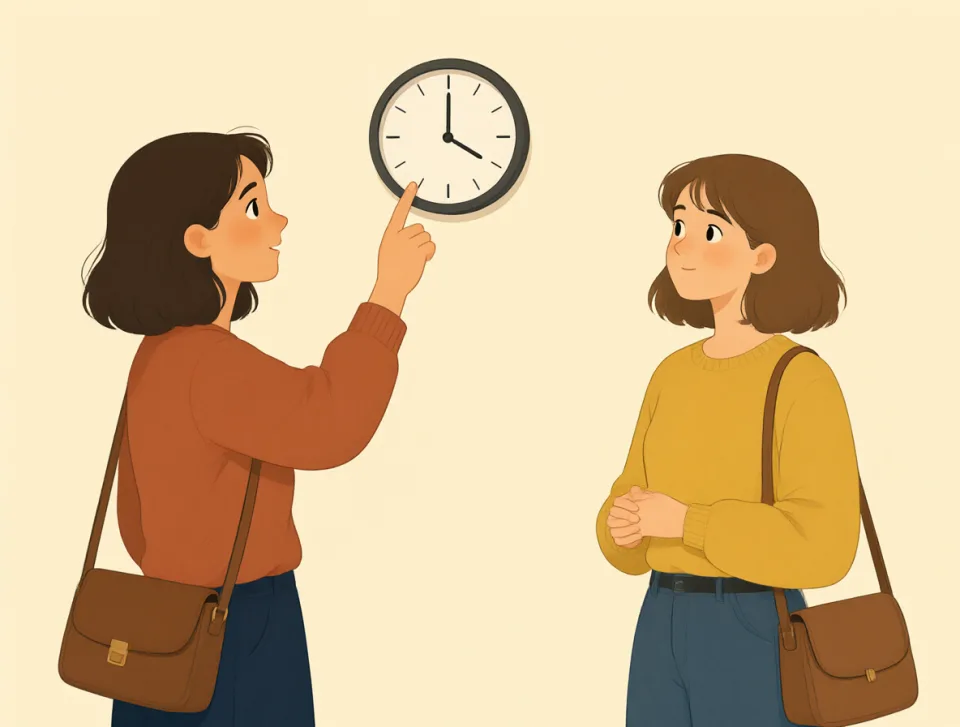
She has less time for friends today.
她今天陪朋友的時間更少。
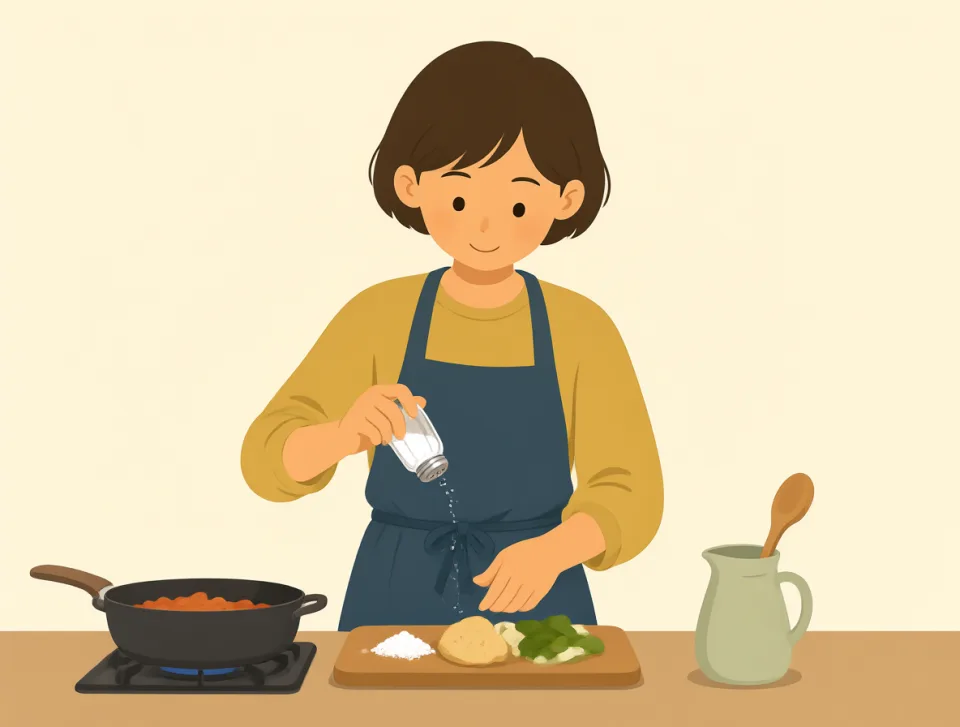
Try to eat less salt for your health.
為了健康,儘量少吃鹽。
room
#254noun, verb
房間;空間
A space inside a building, or enough space for someone or something.
建築物內部的空間,或足夠容納某人或某物的空間。
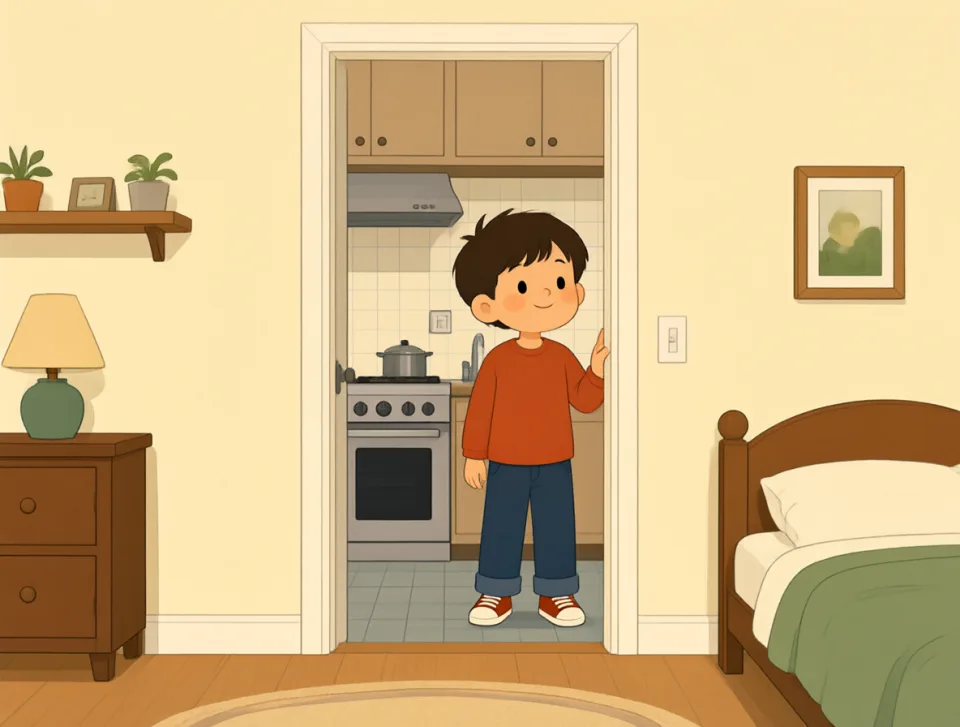
My room is next to the kitchen.
我的房間在廚房旁邊。
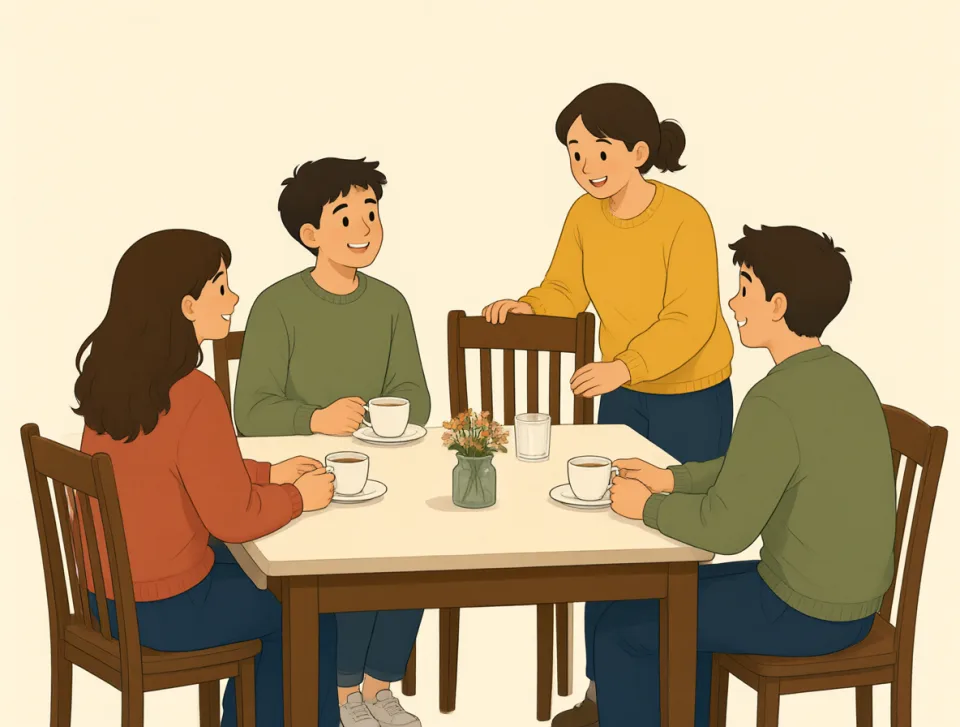
There is room for one more person.
還有空間再容納一個人。
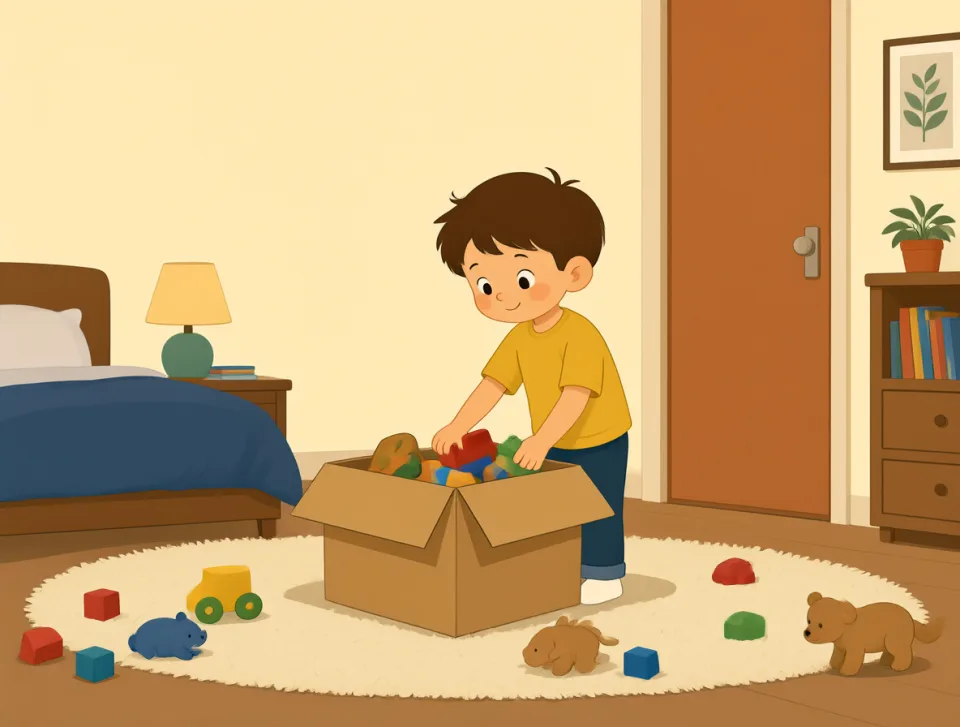
Please clean your room before dinner.
晚飯前請打掃你的房間。
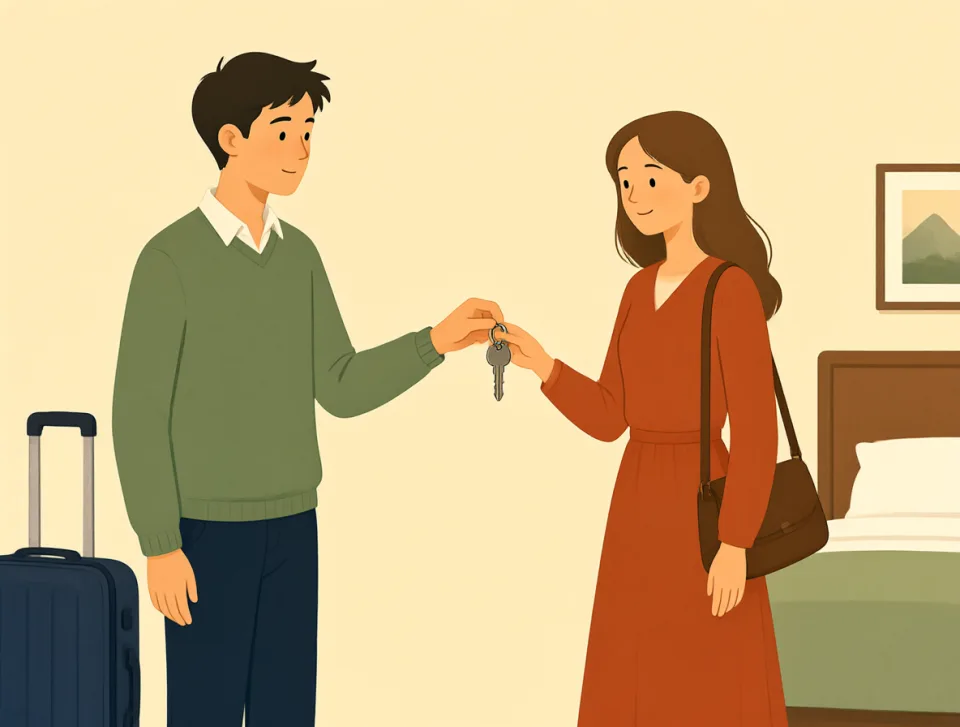
We booked a room at the hotel.
我們在酒店訂了一個房間。
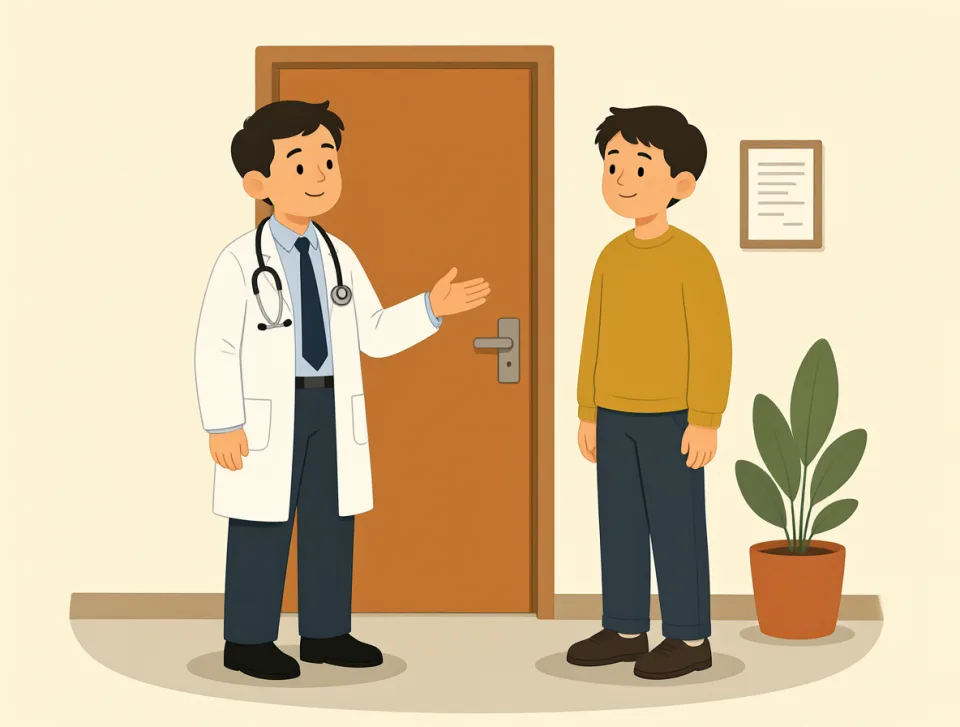
The doctor asked me to leave the room.
醫生讓我離開房間。
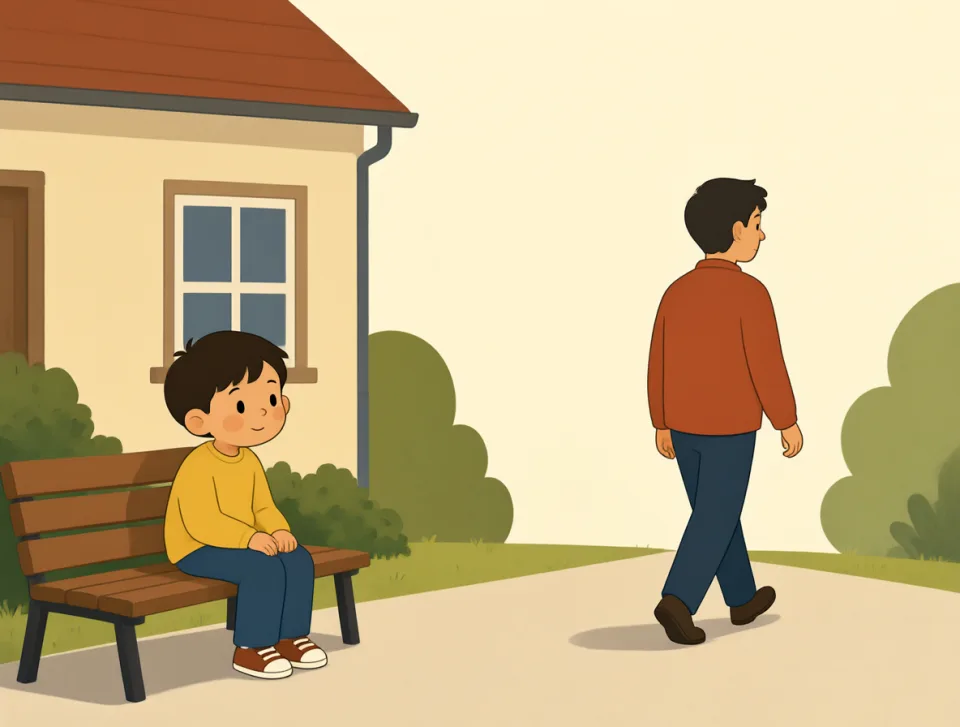
until
#255preposition, conjunction, adverb
直到;到……為止
up to the time when something happens
直到某件事情發生之前的這段時間
Wait here until I come back.
在這裡等我,直到我回來。
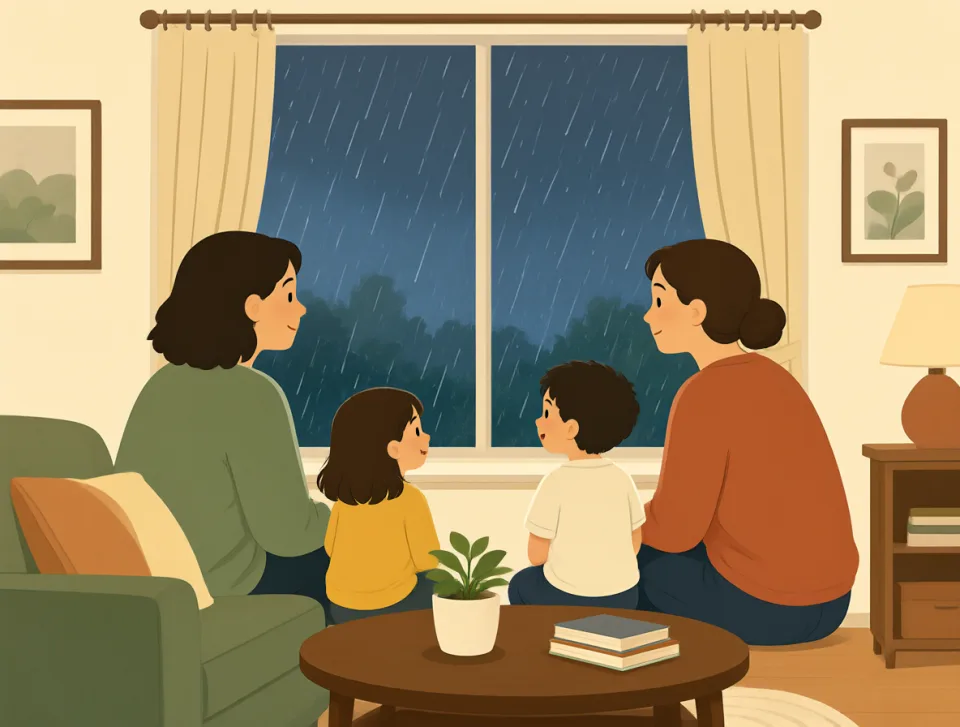
We stayed inside until the rain stopped.
我們一直待在室內,直到雨停了。

She worked until six o’clock yesterday.
她昨天一直工作到六點鐘。
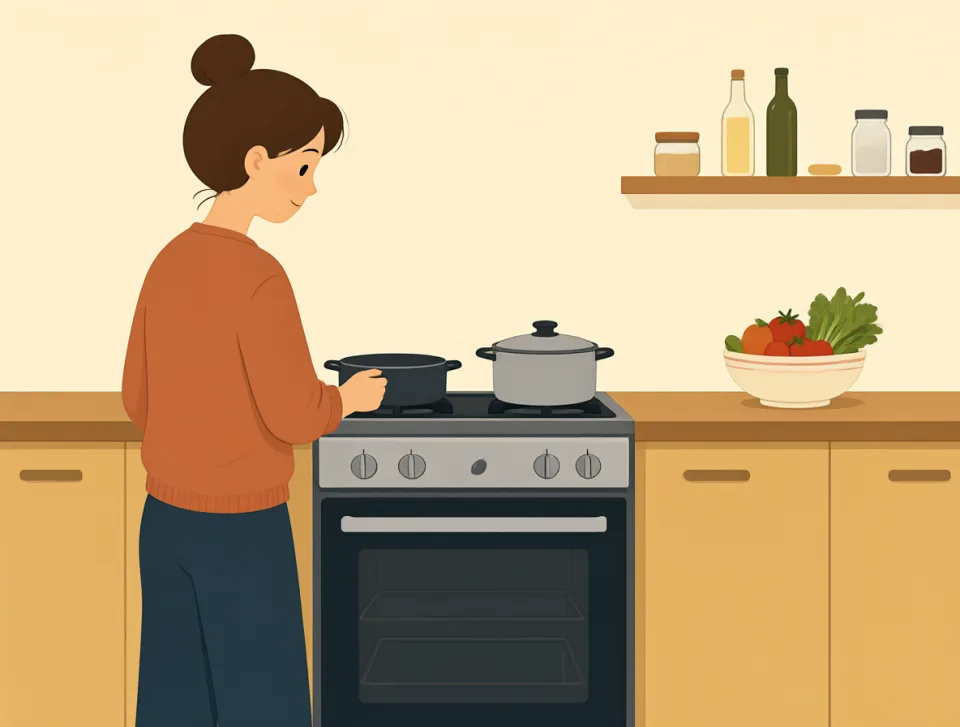
Do not open the oven until dinner is ready.
晚飯準備好之前,不要開啟烤箱。

He did not sleep until midnight.
他一直到半夜才睡覺。

reason
#256noun, verb
原因;理由;推理;思考
A cause or explanation for something; to think carefully and logically.
某件事情的起因或解釋;仔細而有邏輯地思考
What is the reason for your visit?
你來訪的原因是什麼?

She gave me a good reason to stay.
她給了我一個留下來的充分理由。
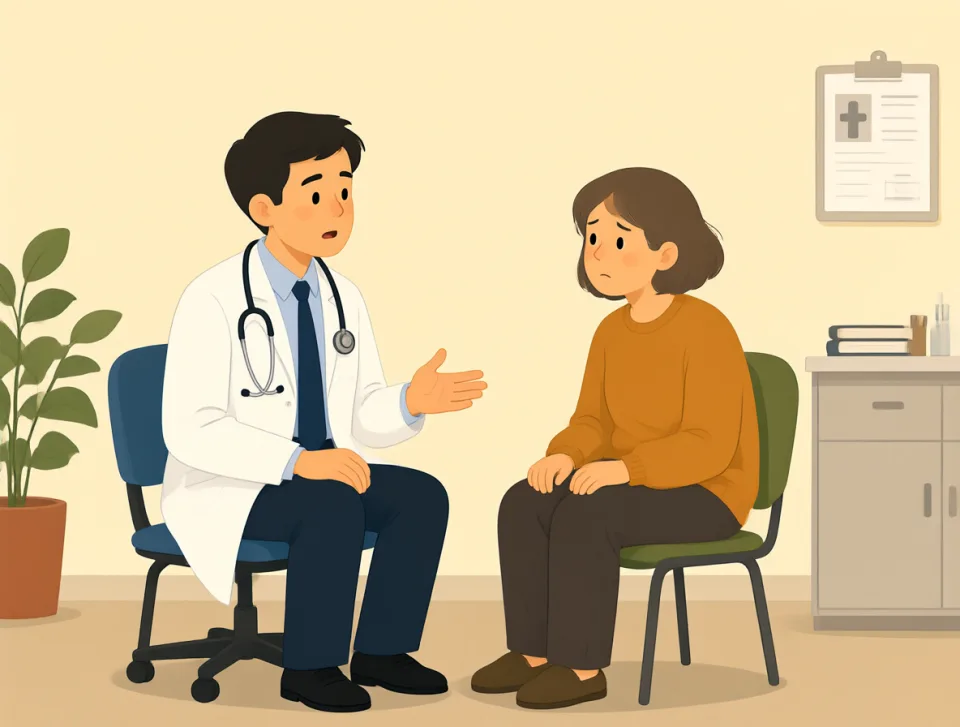
There is no reason to worry.
沒有理由擔心。
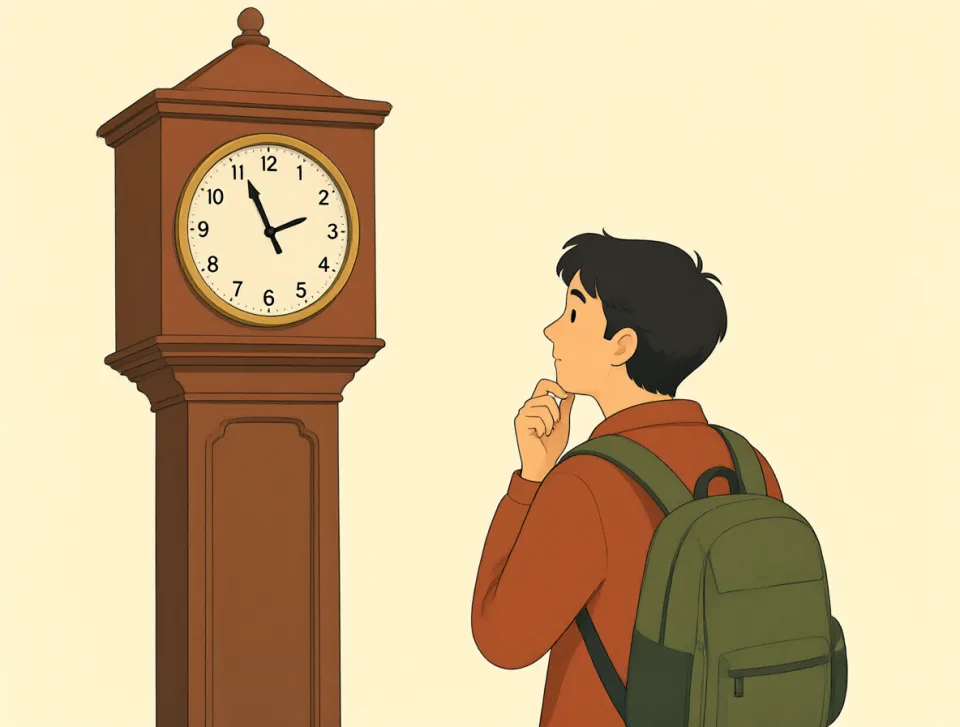
He reasoned that the train was late.
他推斷火車晚點了。

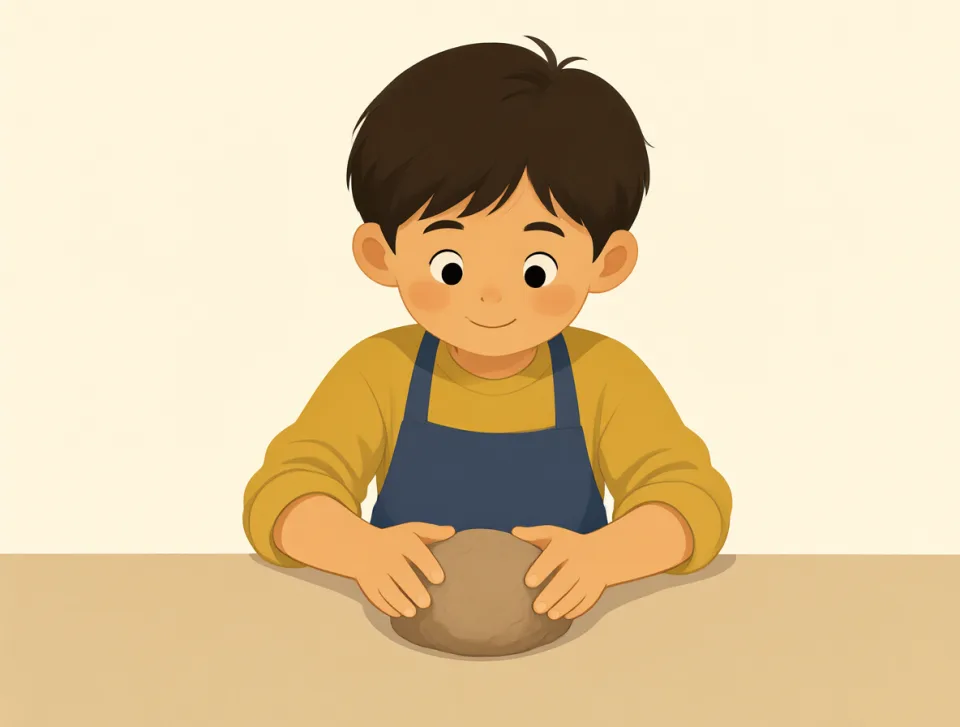
The teacher asked us to reason together.
老師讓我們一起進行推理。
form
#257noun, verb
形式;表格;形成
a shape, type, or document; to make or create something
形狀、型別或檔案;製作或創造某物
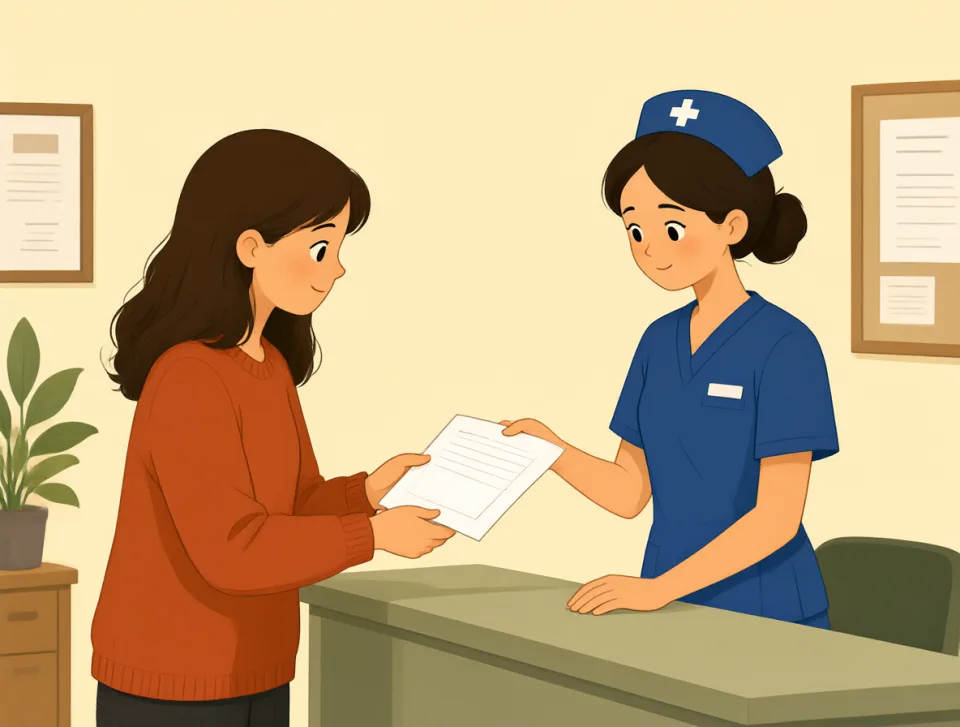
Please fill in this form at the clinic.
請在診所填寫這張表格。

Clouds formed over the hills this morning.
今天早上,山丘上空形成了雲層。
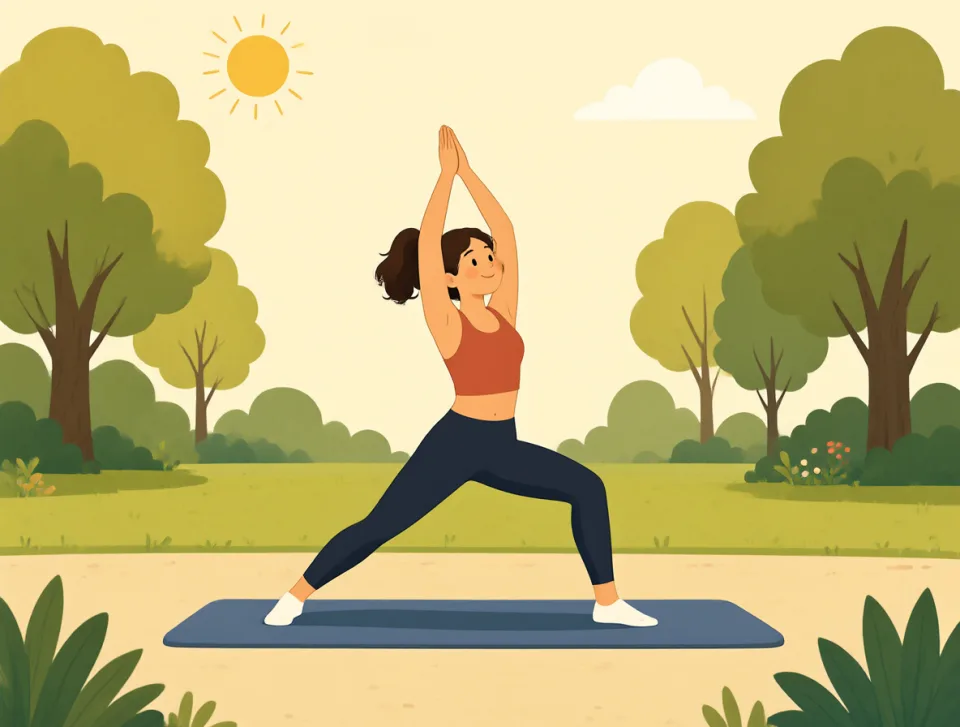
Exercise is a healthy form of activity.
鍛鍊是一種健康的活動形式。

The children formed a line outside school.
孩子們在學校外面排成了一隊。
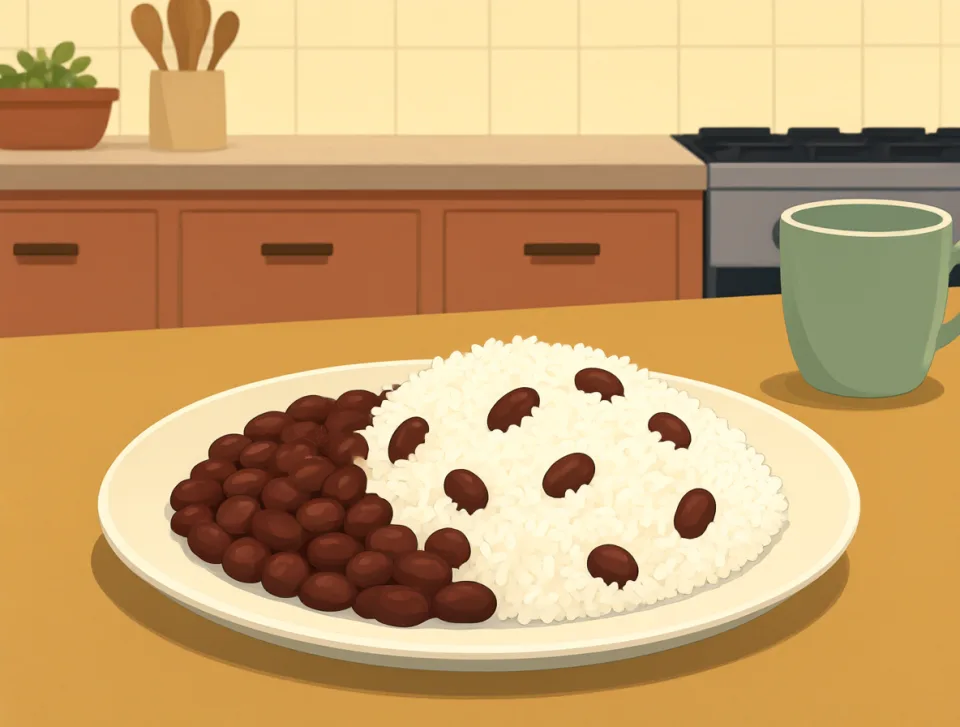
Rice and beans form a simple meal.
米飯和豆子組成了一頓簡單的飯。
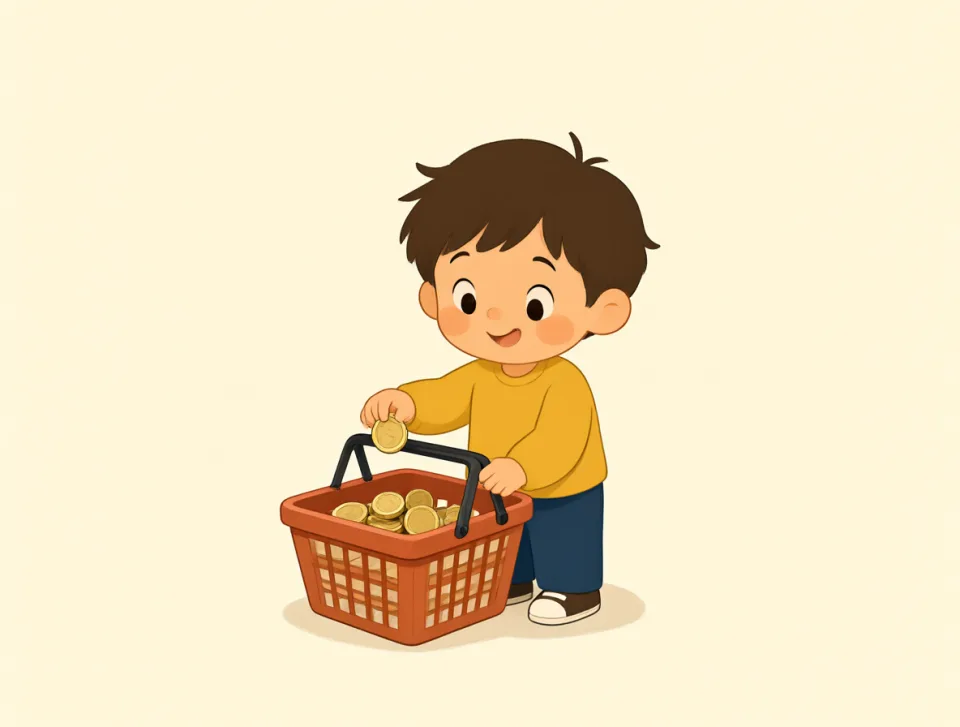
spend
#258verb
花費;度過
to use time or money for a particular purpose
為特定目的使用時間或金錢

I spend two hours doing homework.
我花兩個小時做作業。

She spent fifty dollars on new shoes.
她花了五十美元買新鞋。

We spent the weekend with our friends.
我們和朋友一起度過了週末。

He spends too much time watching television.
他花太多時間看電視。

They spent three days in Paris.
他們在巴黎待了三天。

head
#259noun, verb
頭;帶領;前往
The part of your body above your neck, or to lead or move toward a place.
你脖子以上的身體部位,或帶領別人前往某個地方。
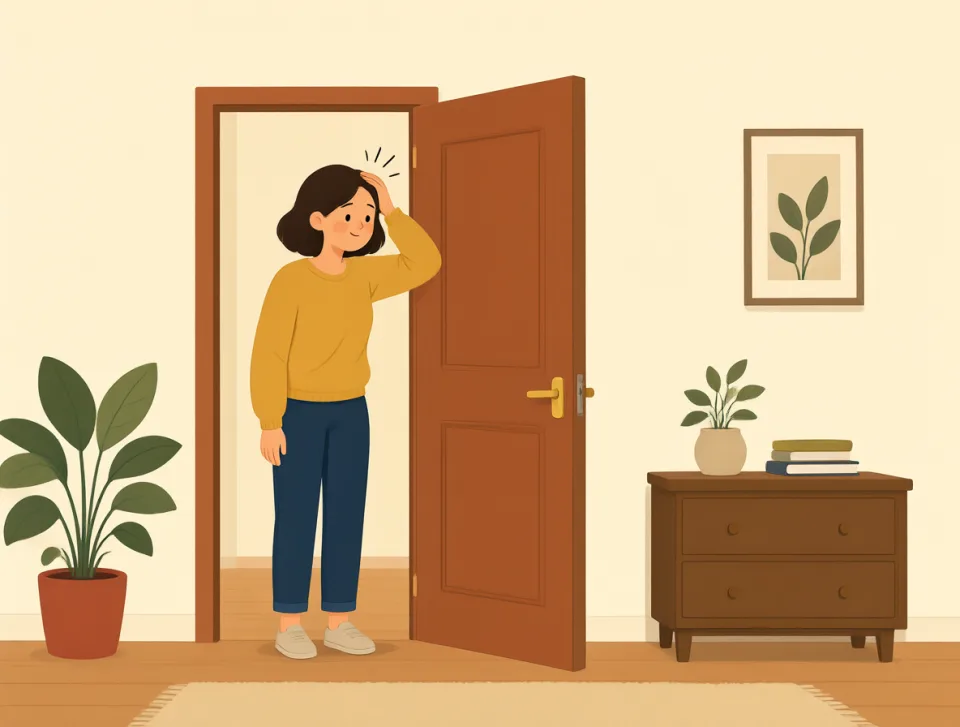
She hit her head on the door.
她的頭撞到了門上。

He washed his hair and head.
他洗了頭髮和頭。

Our team is heading home after work.
我們隊下班後正往家走。

Please head to the front of the line.
請到隊伍最前面去。
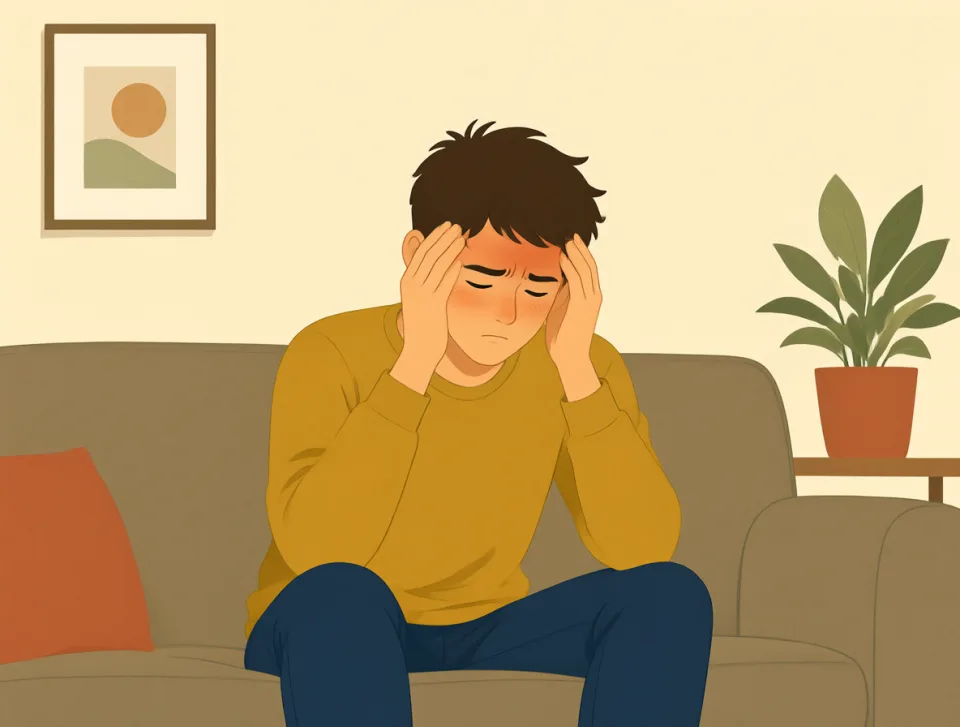
I have a headache today.
我今天頭疼。
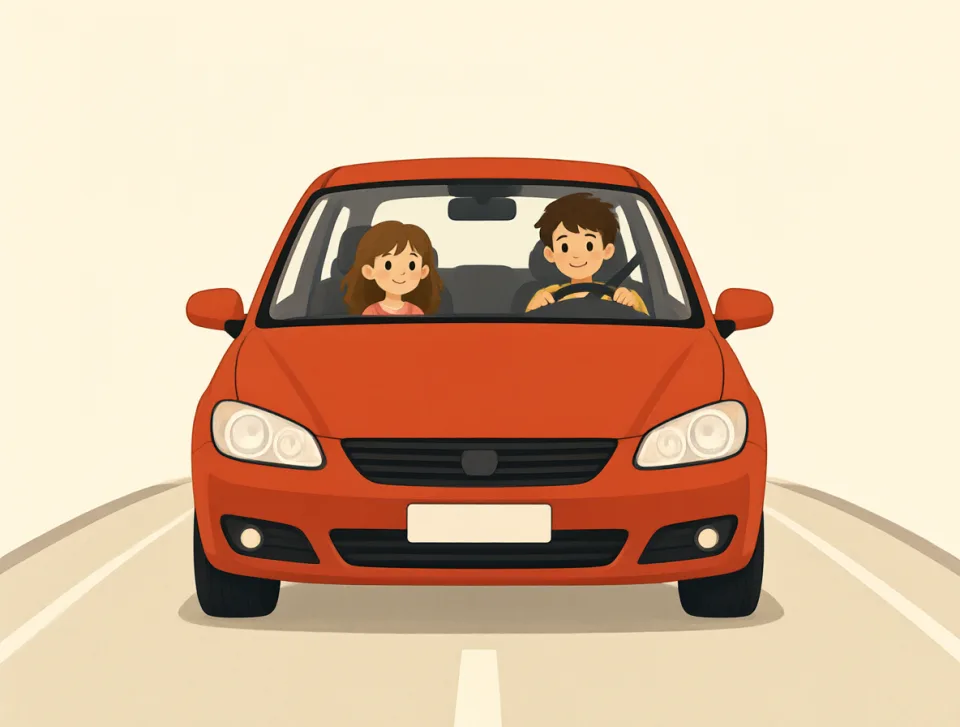
car
#260noun
汽車; 轎車
A road vehicle with four wheels that carries people.
一種有四個輪子、用於載人的道路交通工具。
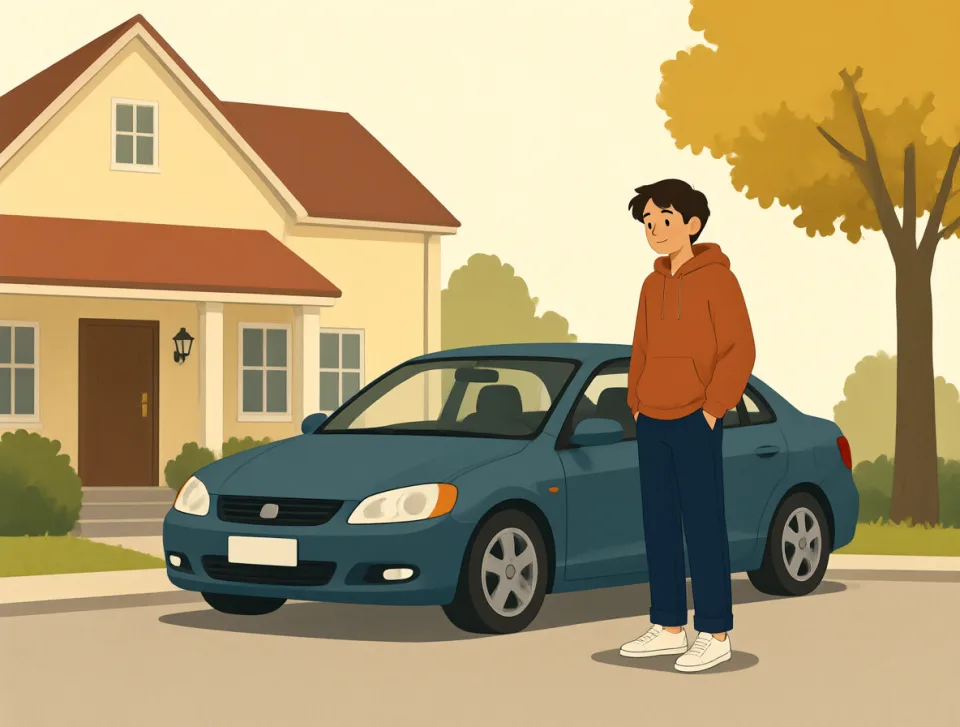
My car is parked outside the house.
我的車停在房子外面。
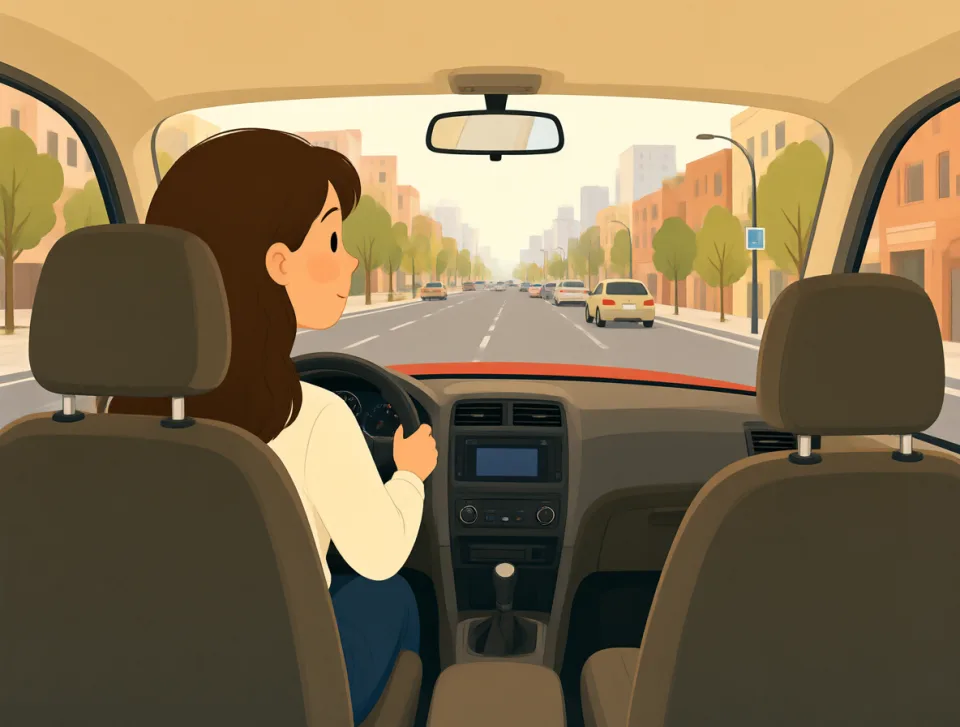
She drives her car to work every day.
她每天開車去上班。
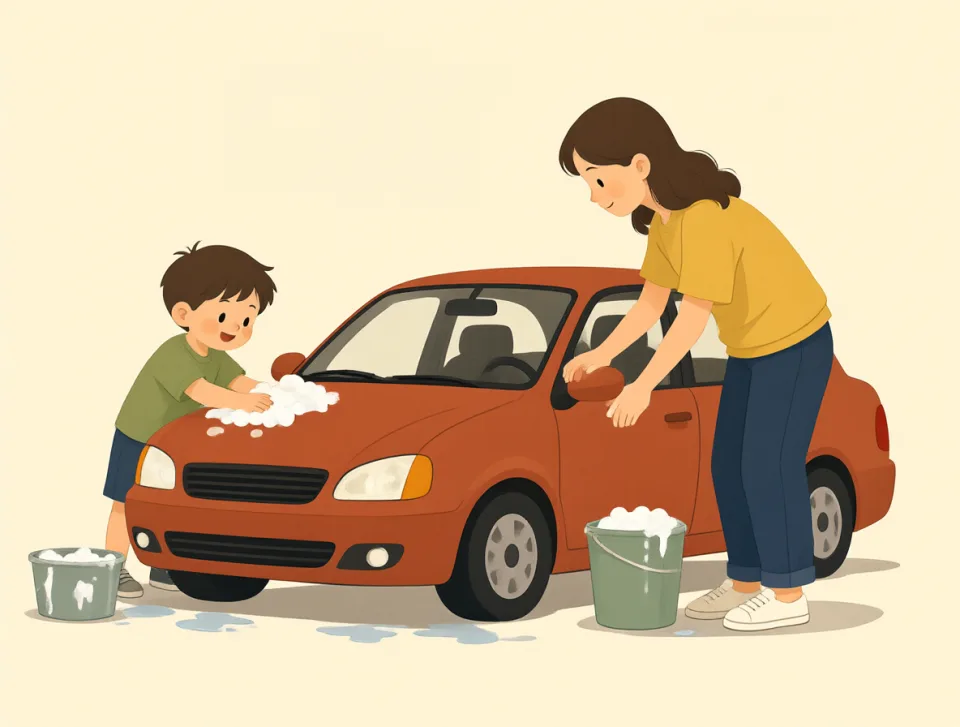
We need to wash the car today.
我們今天得洗車。
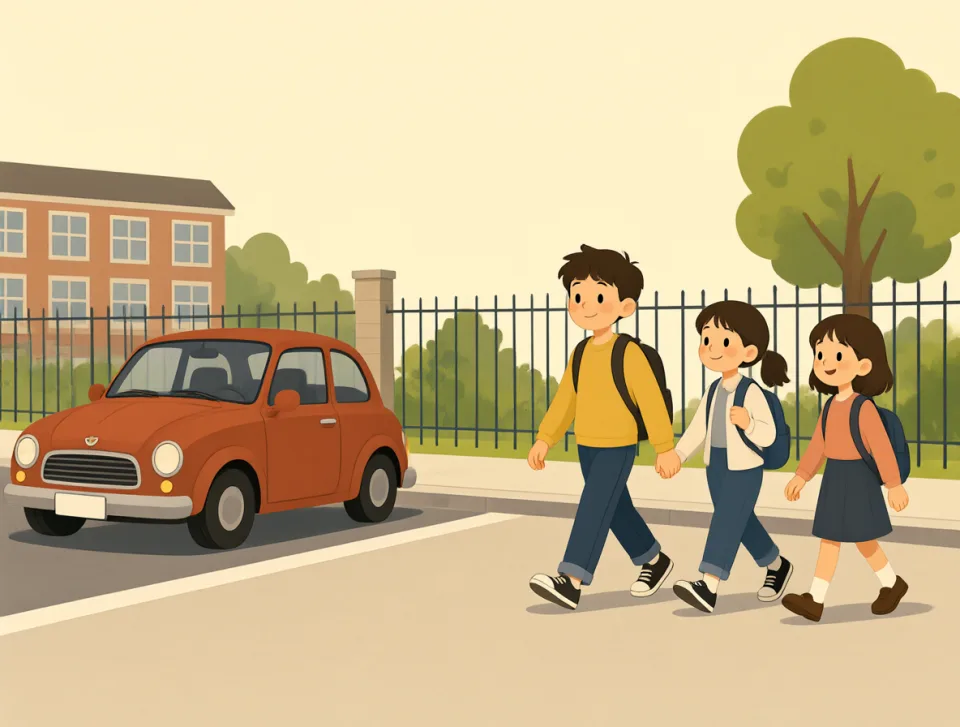
The car stopped near the school.
那輛車在學校附近停了下來。
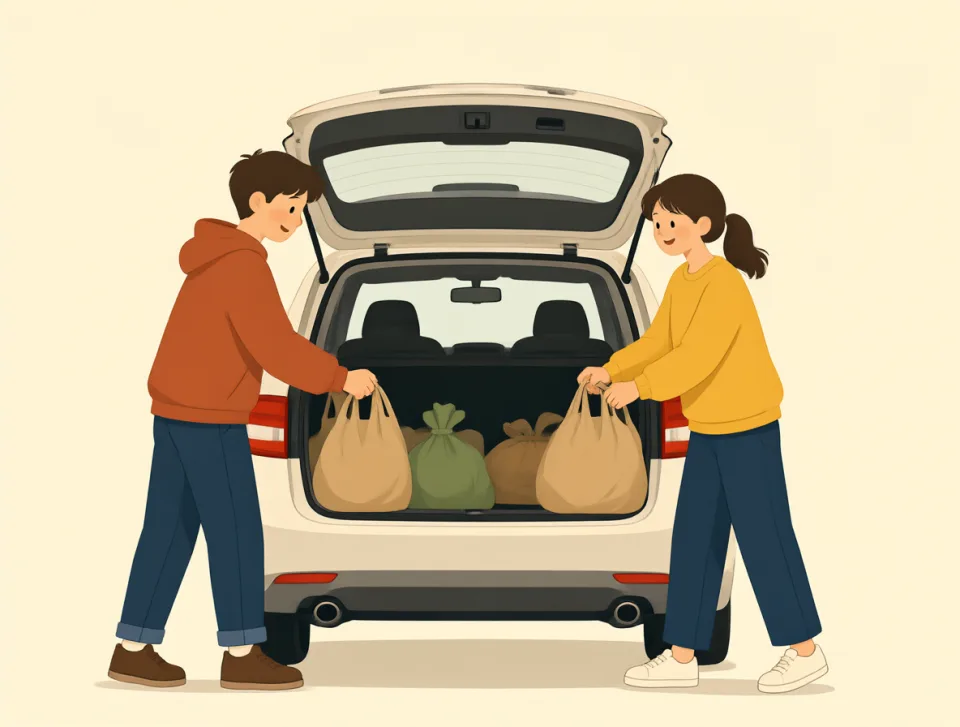
They rented a car for their trip.
他們租了一輛車去旅行。