單元 9
單字 161–180 · home, never, include, course, house, report

home
#161noun, adverb, adjective
家; 在家; 到家; 家庭住所
The place where you live, or to or at that place.
你居住的地方,或向著、在那個地方。

I stayed home because I felt sick.
我因為感覺不舒服,所以待在家裡。
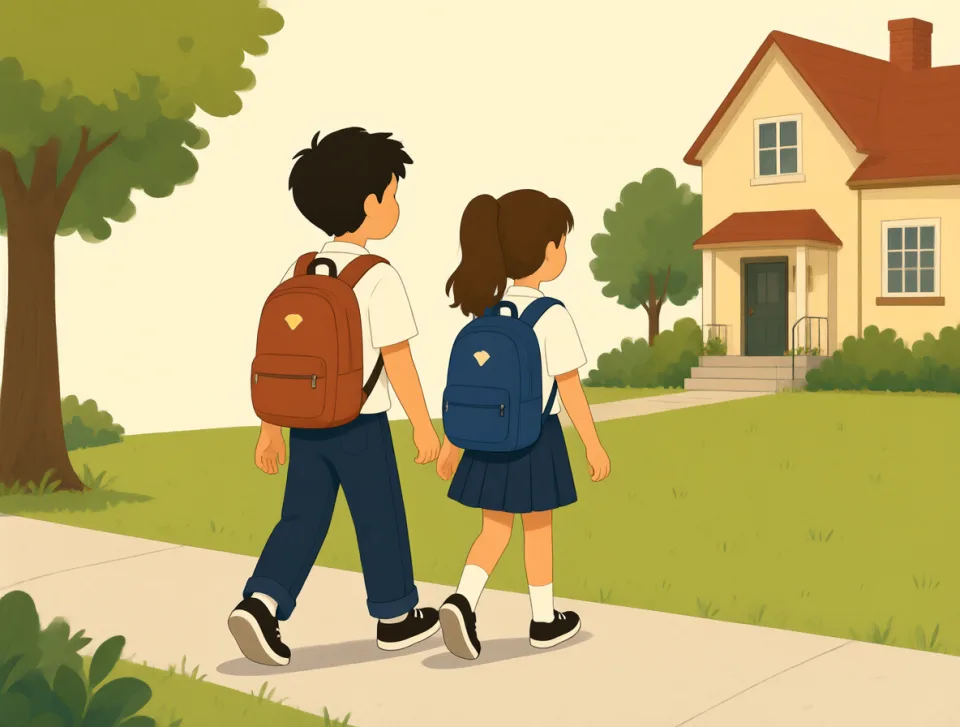
We walked home after school.
放學後,我們走回家。

Please make yourself at home.
請別拘束,就像在自己家一樣。

She works from home on Fridays.
她每週五在家辦公。

They brought home fresh bread.
他們把新鮮麵包帶回了家。
never
#162adverb
從不;從未
At no time; not ever.
在任何時候都不;從來沒有。
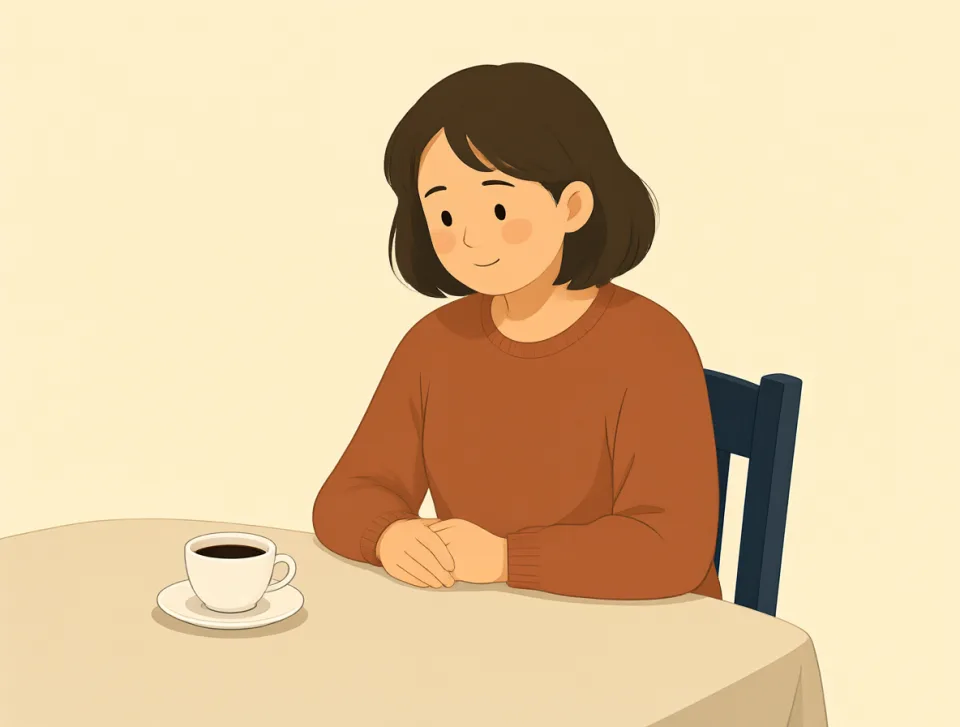
I never drink coffee after dinner.
我晚飯後從不喝咖啡。
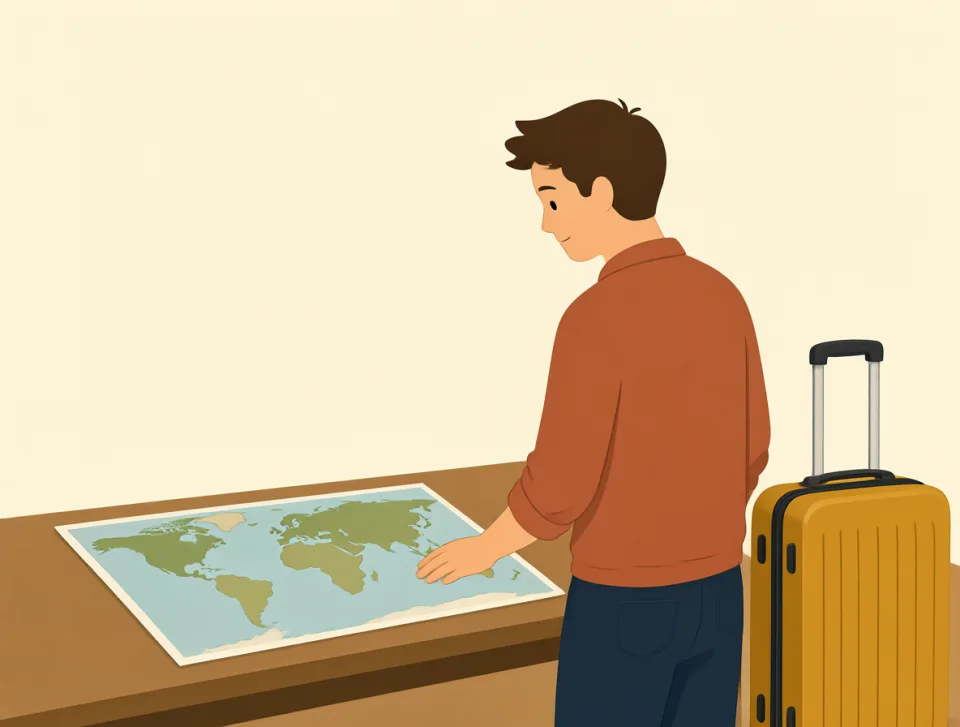
He has never visited another country.
他從未去過其他國家。

We never go shopping on Sundays.
我們星期天從不去購物。

She never forgets her friends' birthdays.
她從不會忘記朋友們的生日。

My brother never eats spicy food.
我哥哥從不吃辣的食物。
include
#163verb
包括;包含
to have someone or something as part of a group or whole
將某人或某物作為整體或群體的一部分
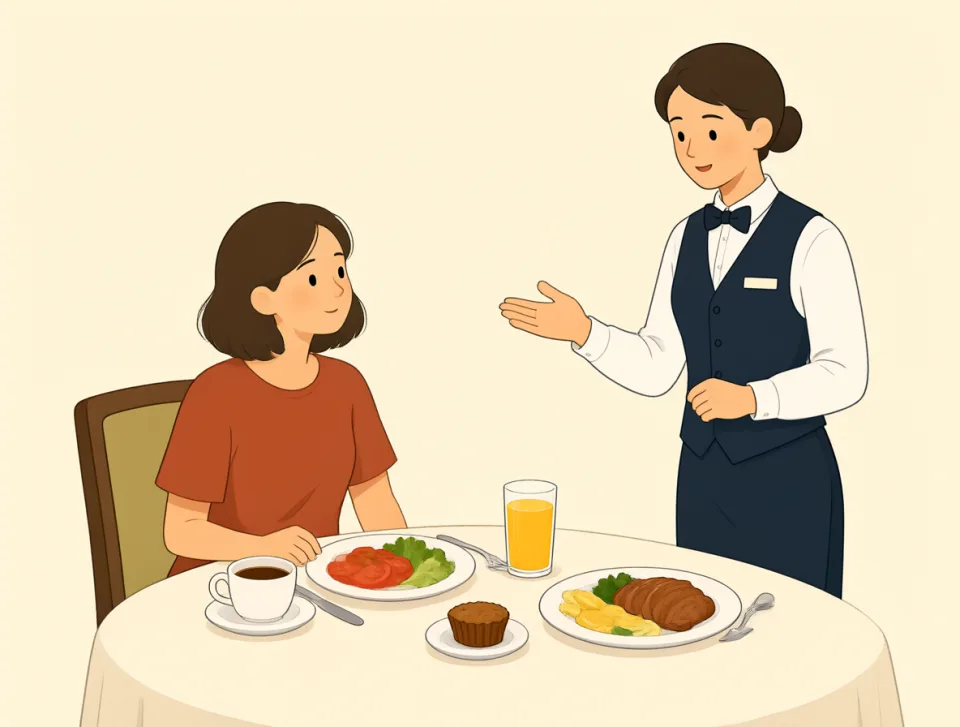
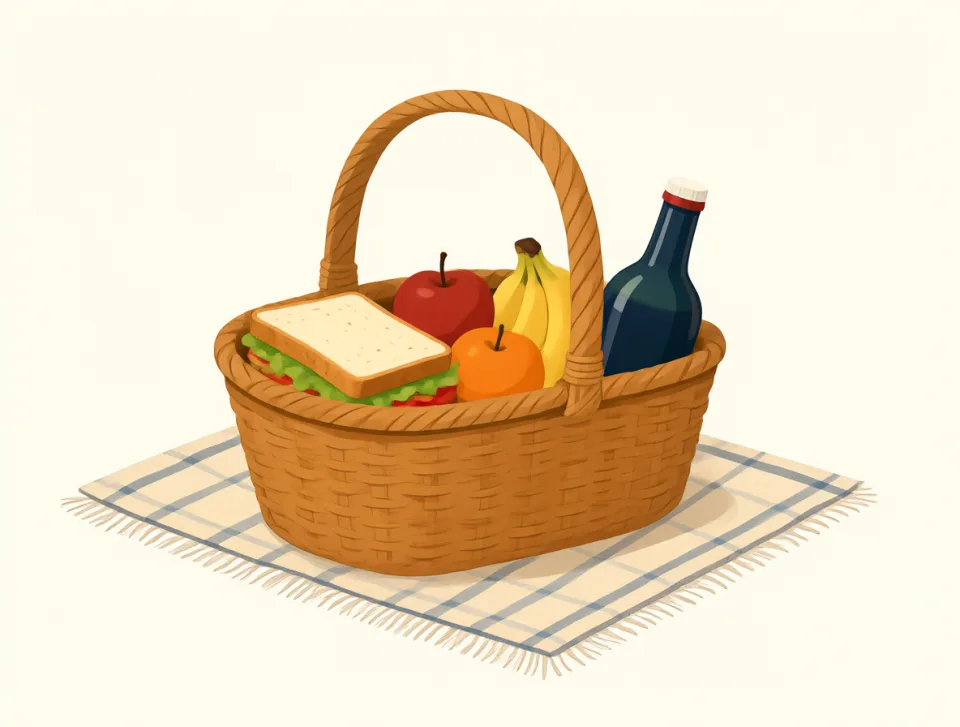
The price includes breakfast and dinner.
價格包括早餐和晚餐。
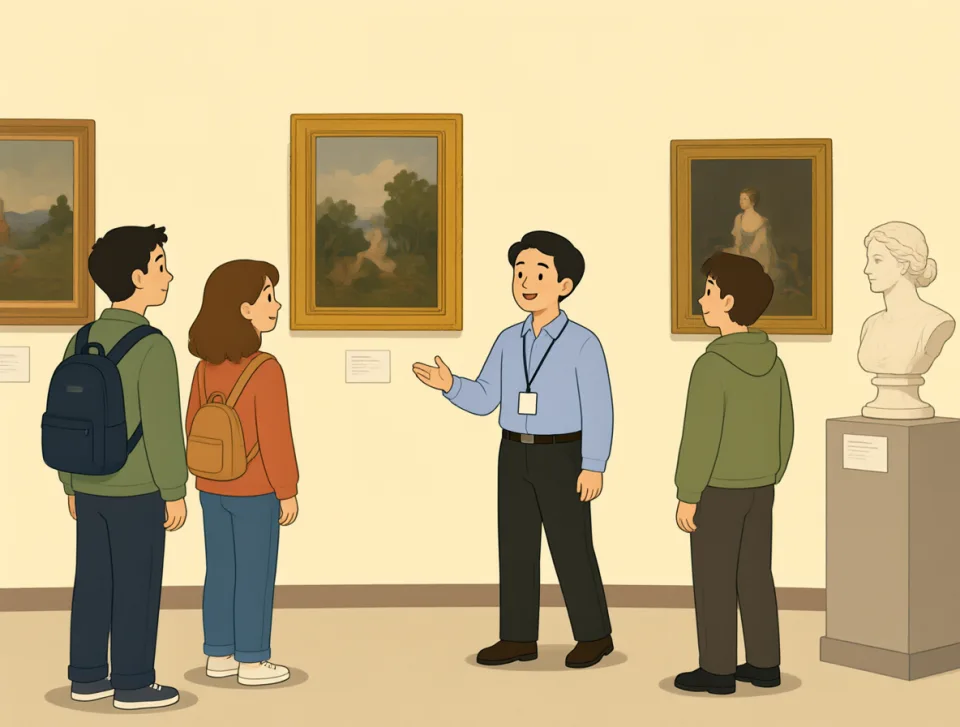
The tour includes a visit to the museum.
這次旅行包括參觀博物館。

Please include your phone number on the form.
請在表格上填寫您的電話號碼。

The box included a small gift.
盒子裡有一份小禮物。

The healthy meal includes fresh vegetables.
這頓健康餐包括新鮮蔬菜。
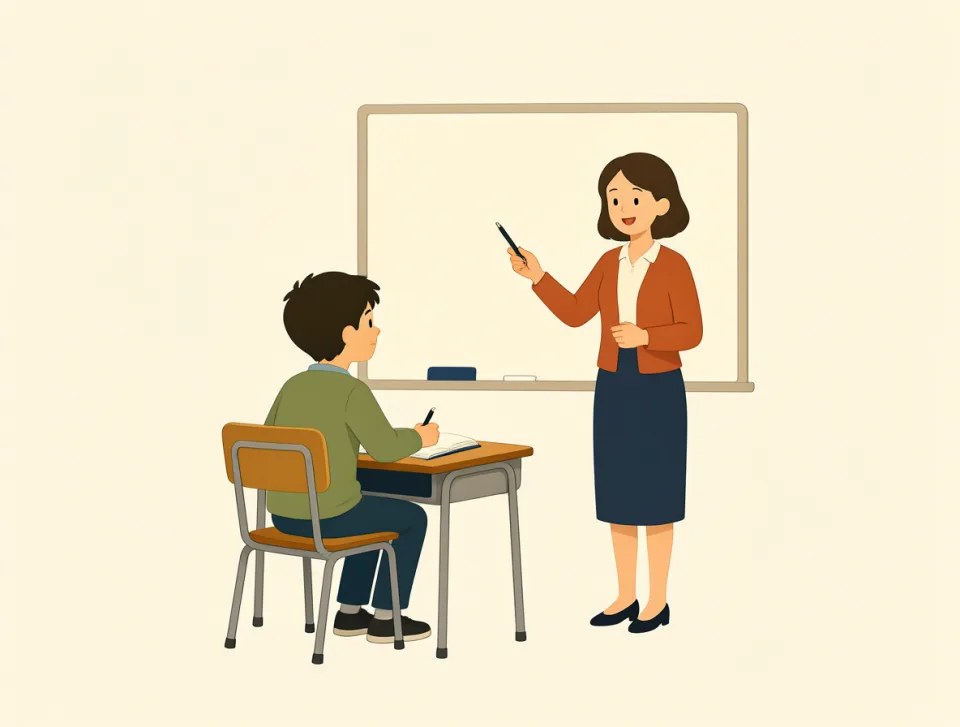
course
#164noun, verb
課程;路線;程序
A series of lessons, or the direction something moves.
一系列課程,或某物移動的方向。
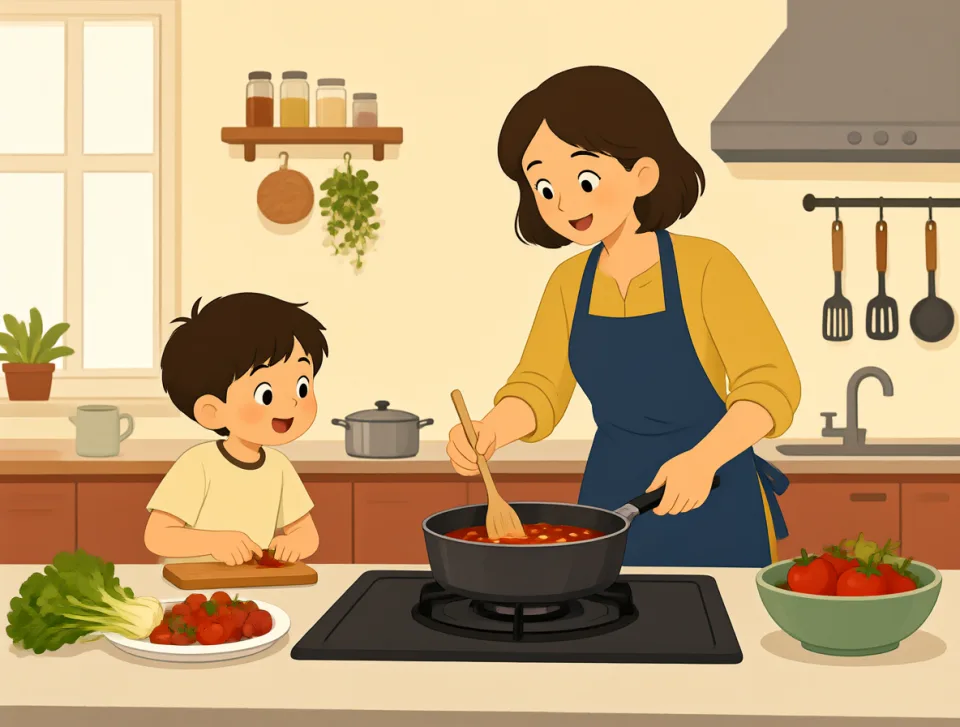
I am taking a cooking course this year.
我今年要參加烹飪課程。
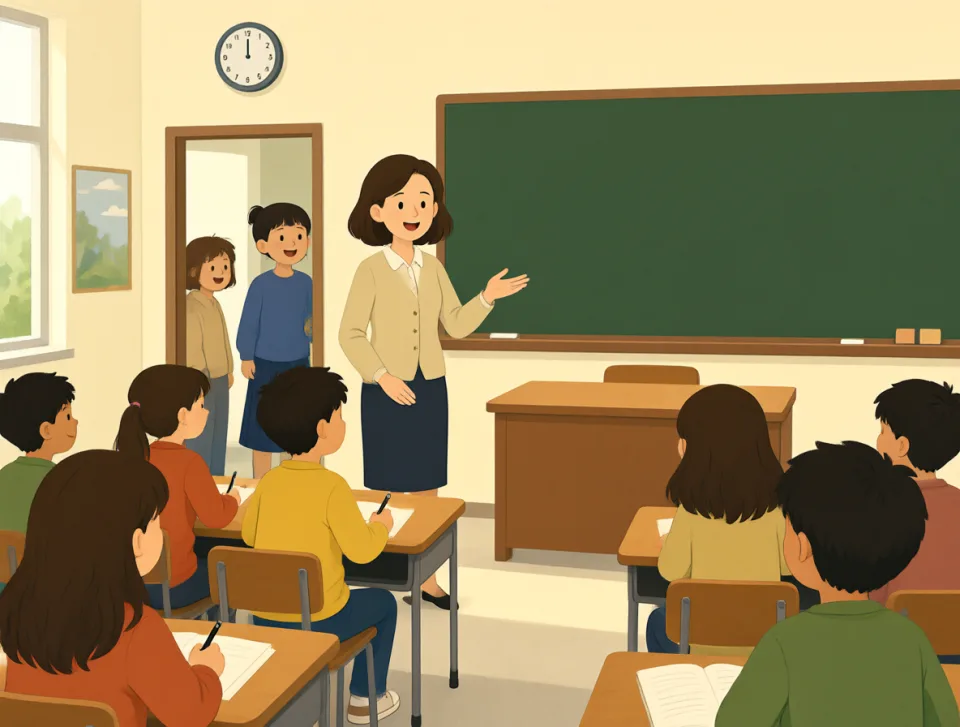
The course starts next Monday morning.
課程下週一早上開始。

We walked along the course of the river.
我們沿著河流的路線走。

The ship changed course during the storm.
暴風雨期間,船改變了航向。

The doctor prescribed a course of antibiotics.
醫生開了一個療程的抗生素。
house
#165noun
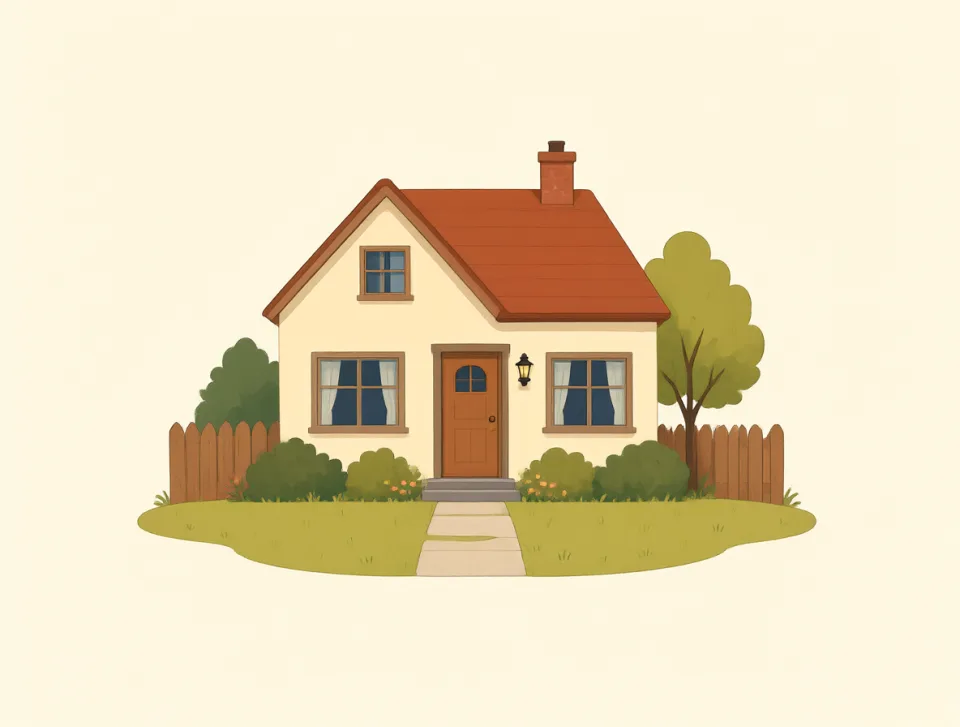
房子;住宅
A building where people live.
供人居住的建築。

We bought a small house near the school.
我們在學校附近買了一棟小房子。
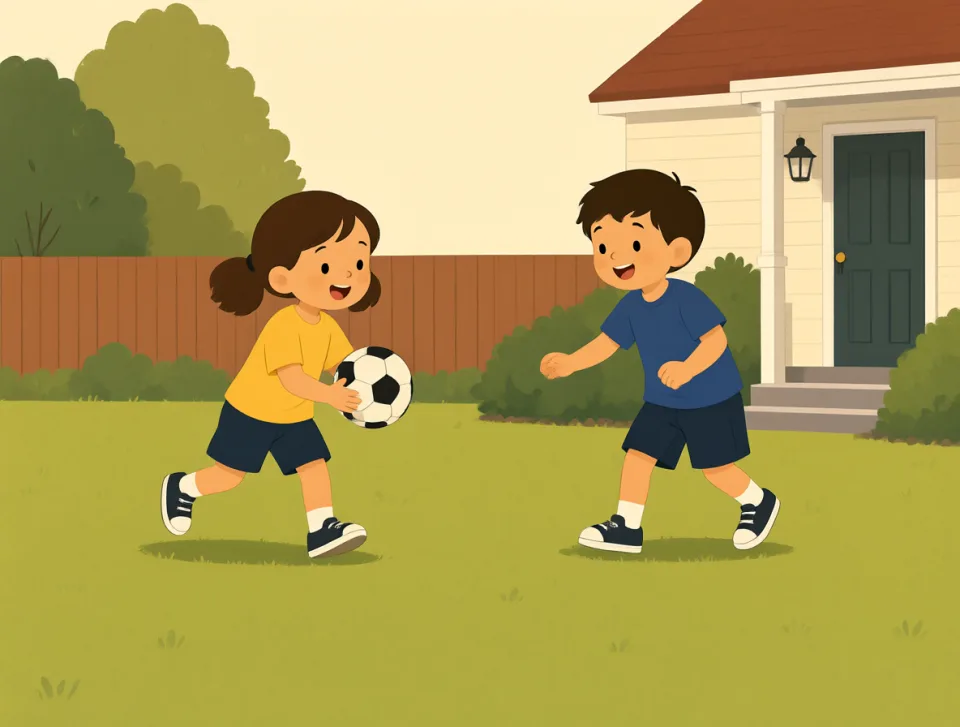
The children are playing outside the house.
孩子們正在房子外面玩。
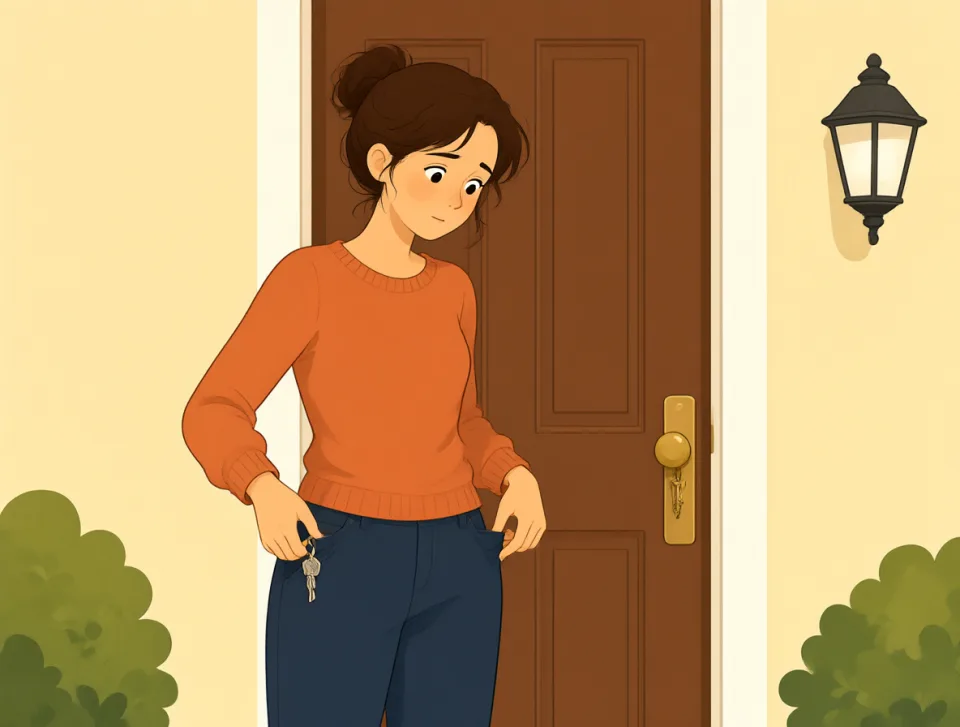
She left her keys inside the house.
她把鑰匙落在房子裡了。

They invited us to their house for dinner.
他們邀請我們去家裡吃晚飯。
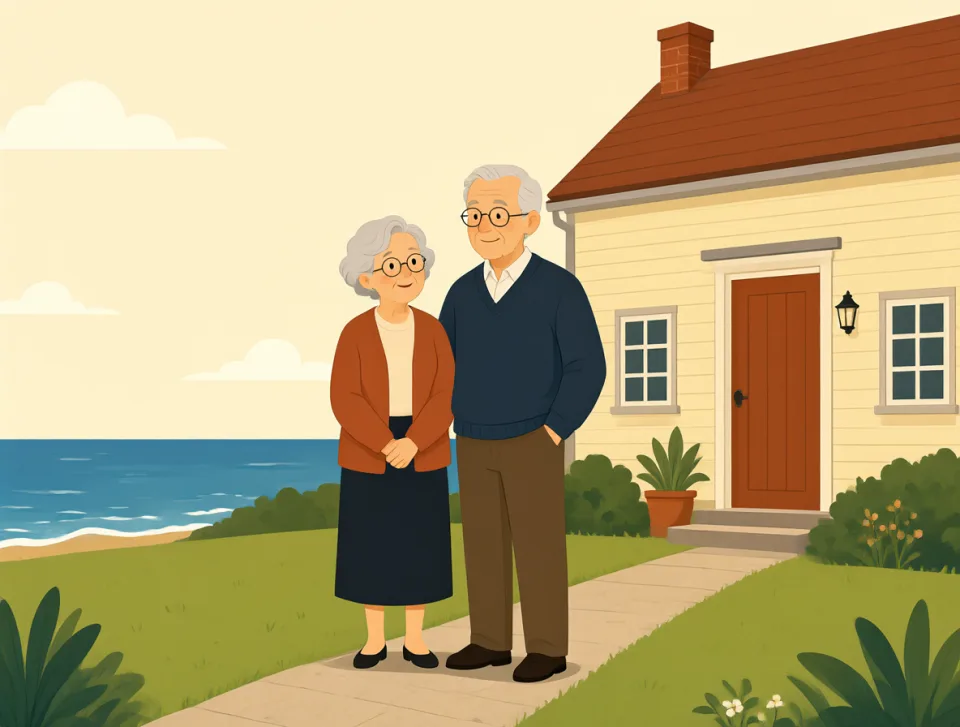
My grandparents live in a house by the sea.
我祖父母住在海邊的一棟房子裡。

report
#166noun, verb
報告;報道
A report is information about something, usually written or spoken.
報告是關於某件事情的資訊,通常以書面或口頭形式呈現。
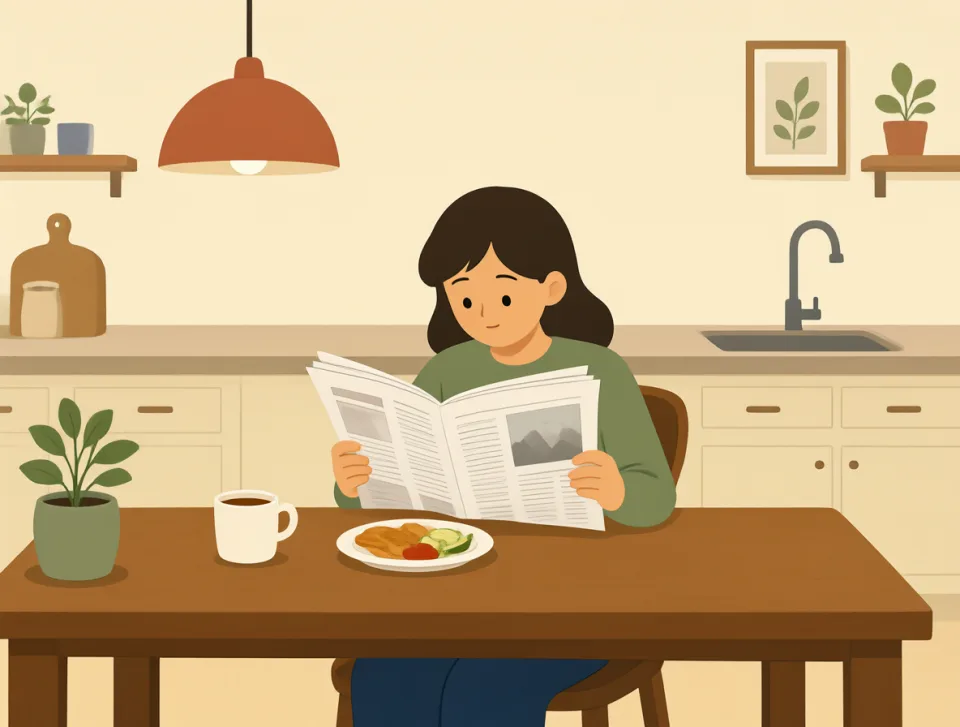
I read the news report this morning.
我今天早上讀了新聞報道。
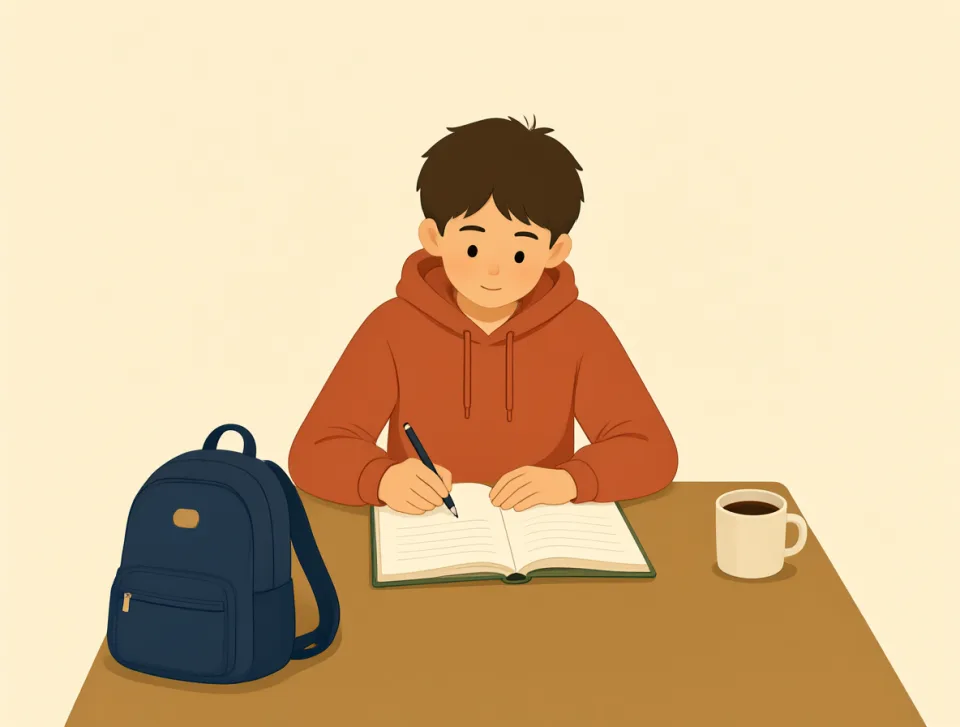
She wrote a report about her school trip.
她寫了一份關於學校旅行的報告。

Please report the broken window to the manager.
請把窗戶破了的事報告給經理。

The doctor reported that my heart was healthy.
醫生報告說我的心臟很健康。

We reported our lost bags at the airport.
我們在機場申報了丟失的行李。
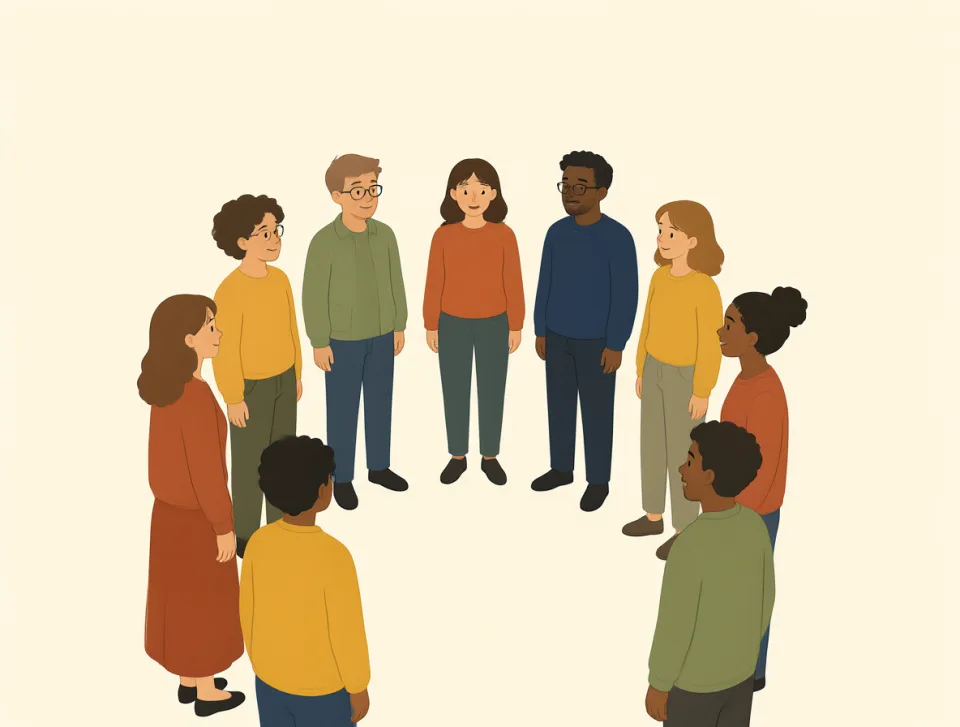
group
#167noun, verb
小組; 群體; 分組
A number of people or things together; to put people or things together.
一群人或一批事物;把人或事物放在一起

Our group meets every Friday after work.
我們小組每週五下班後開會。
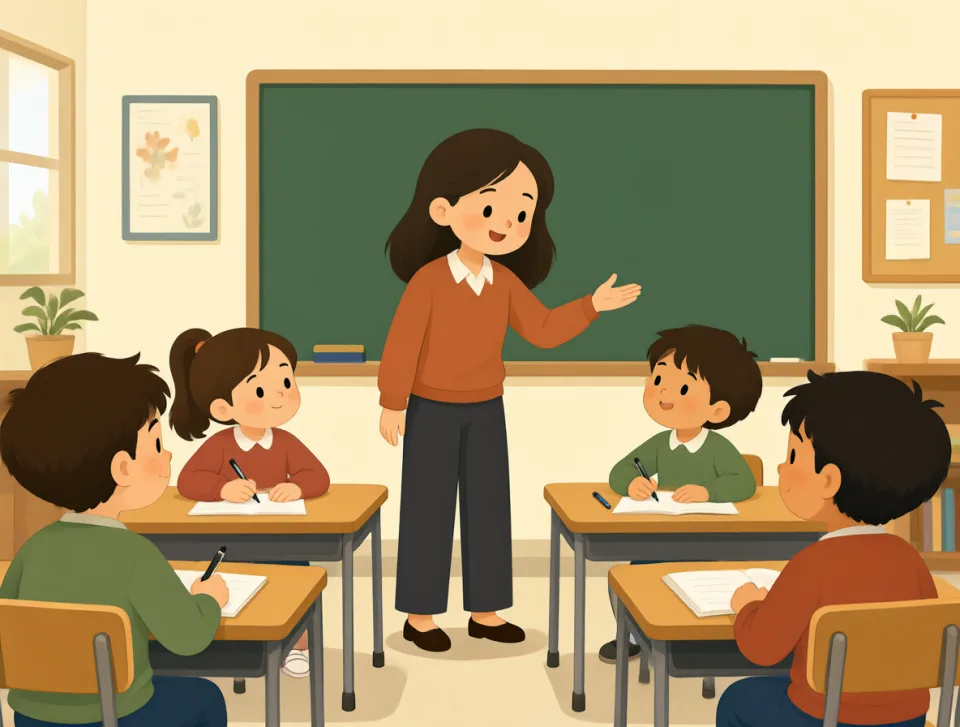
The teacher divided the class into groups.
老師把全班分成了幾個小組。
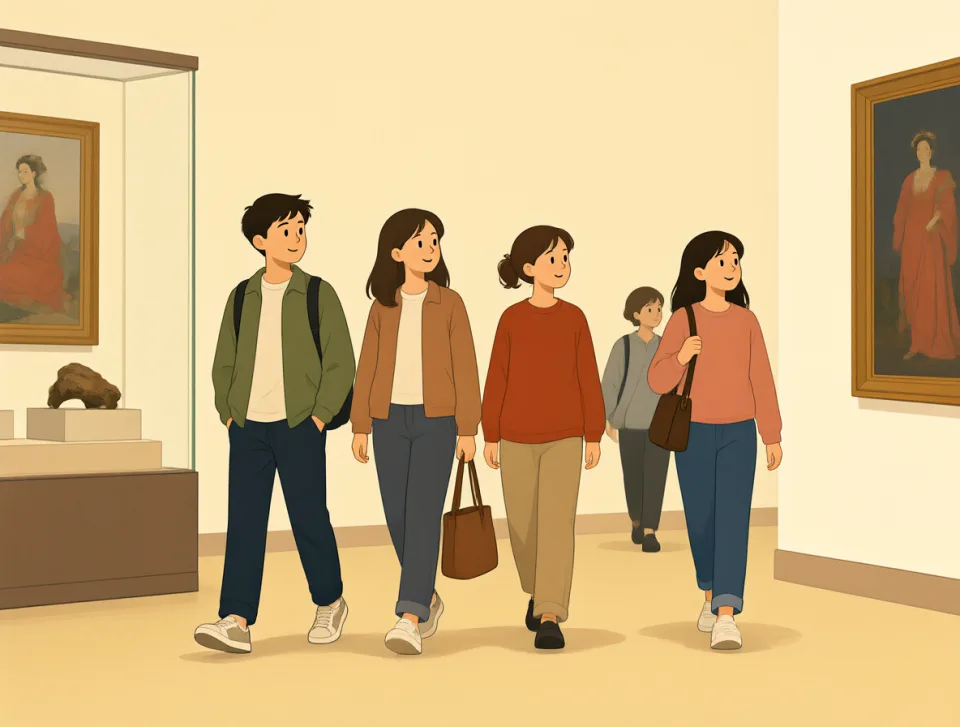
A group of tourists visited the museum.
一群遊客參觀了博物館。

I joined a walking group last month.
我上個月加入了一個徒步小組。
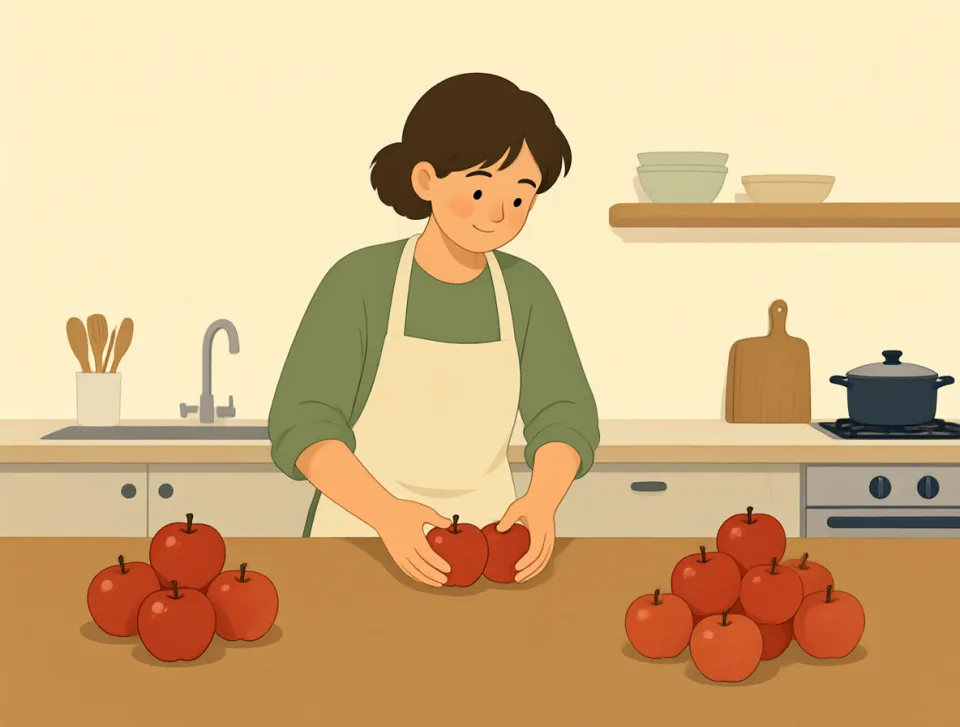
Please group the apples by color.
請按顏色把蘋果分組。
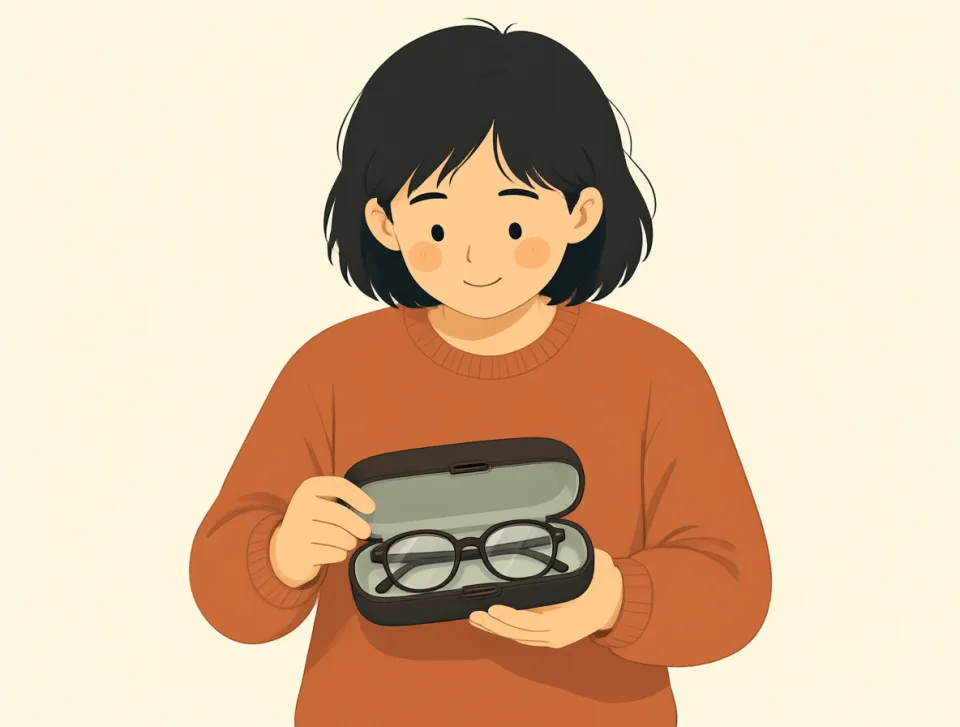
case
#168noun, verb
情況;案件;盒子;病例
a particular situation, or a container that protects or holds something
某種特定情況,或用於保護或存放某物的容器
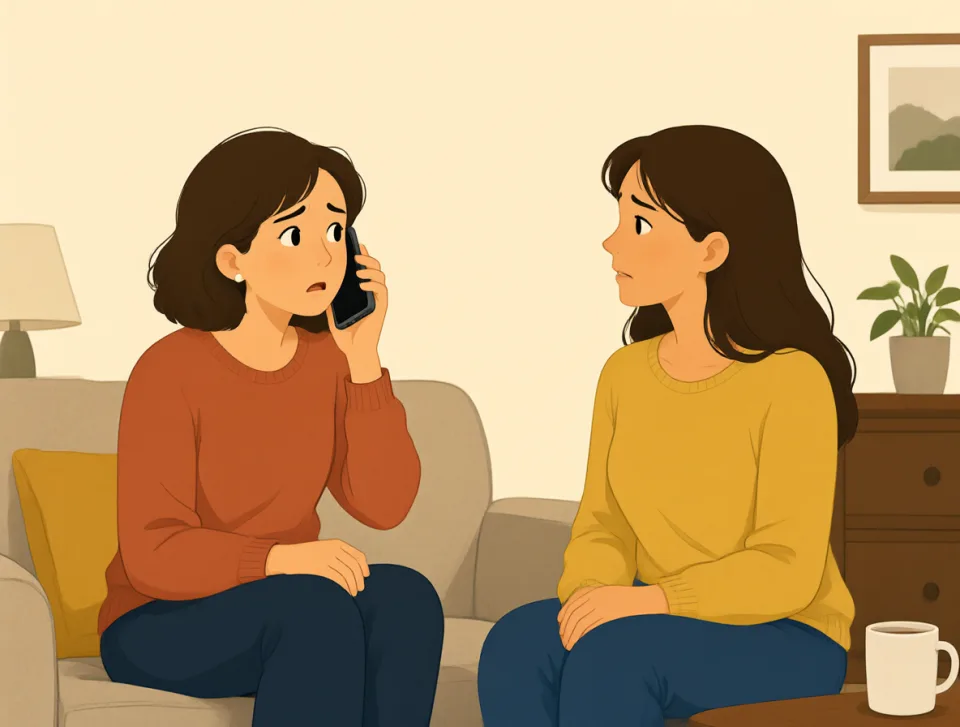
In this case, we should call the doctor.
在這種情況下,我們應該給醫生打電話。
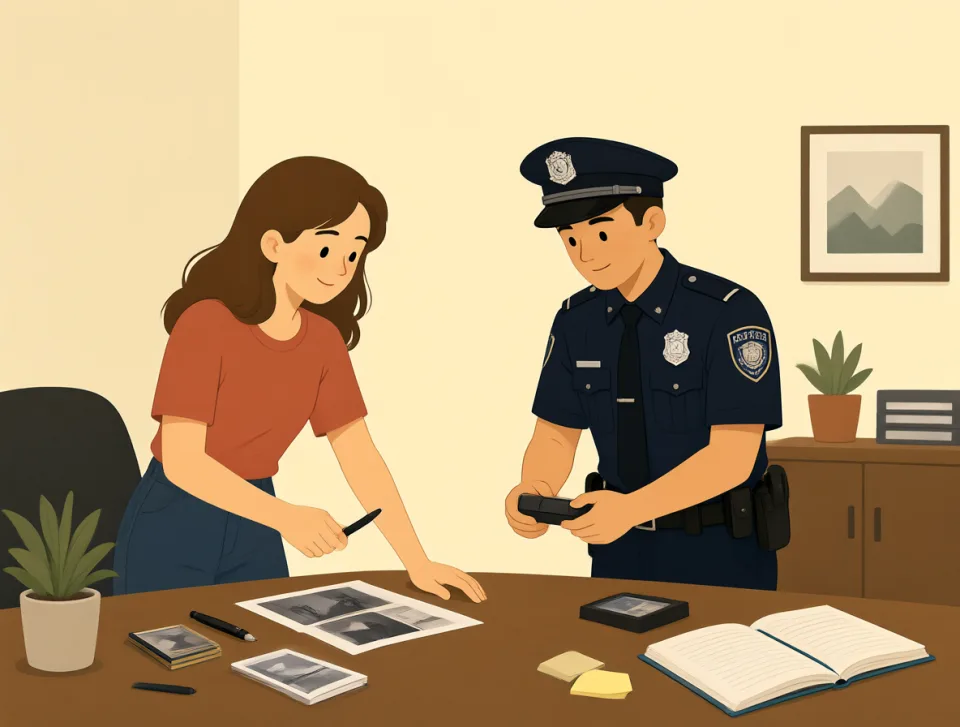
The police are investigating the case.
警方正在調查這起案件。
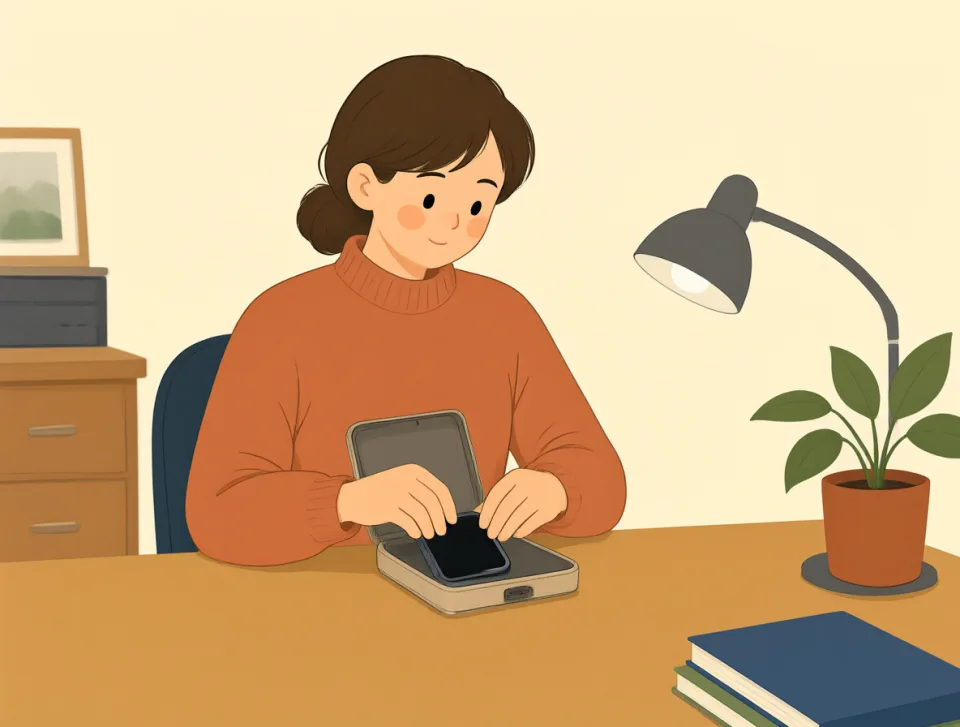
Please put your phone in its case.
請把手機放進手機殼裡。

She packed her clothes in a suitcase.
她把衣服裝進了行李箱。
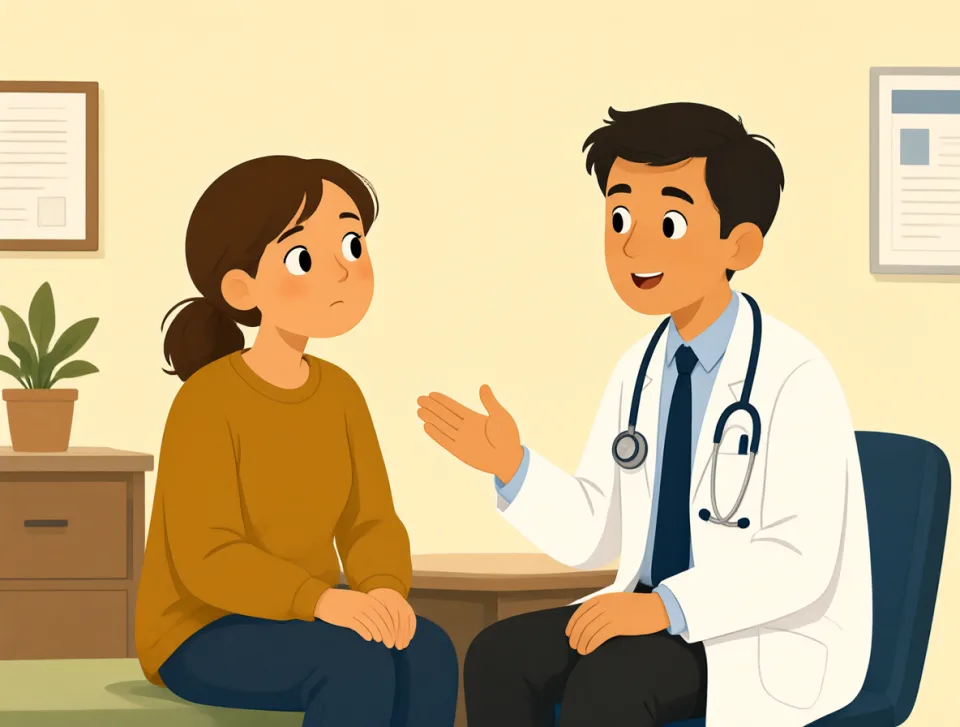
The doctor saw three cases of flu today.
醫生今天看了三個流感病例。
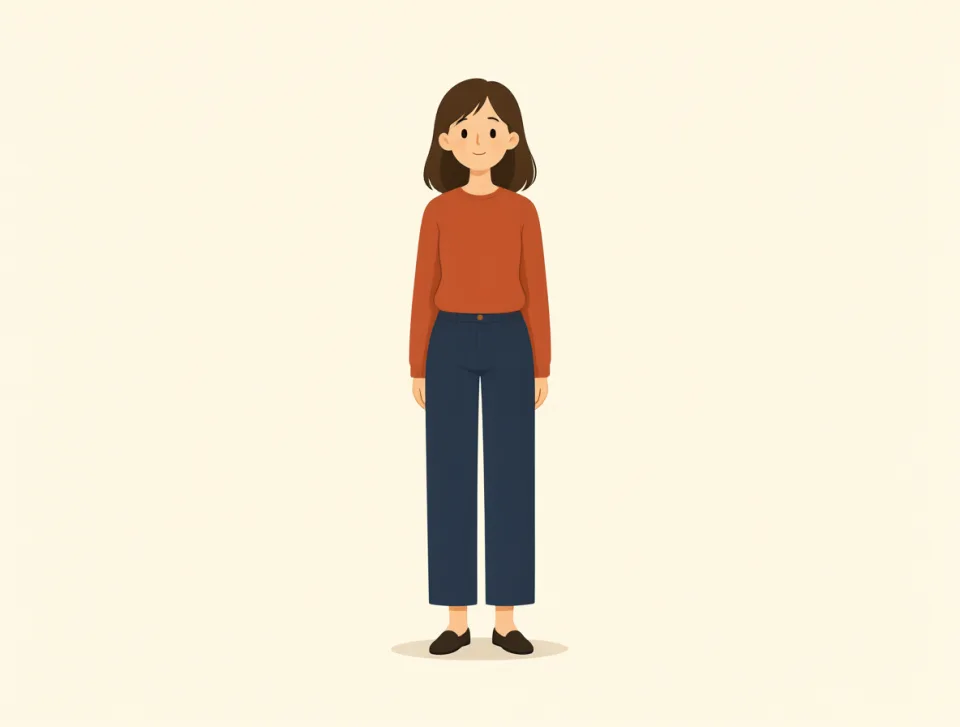
woman
#169noun
女人;女性
An adult female person.
成年女性。
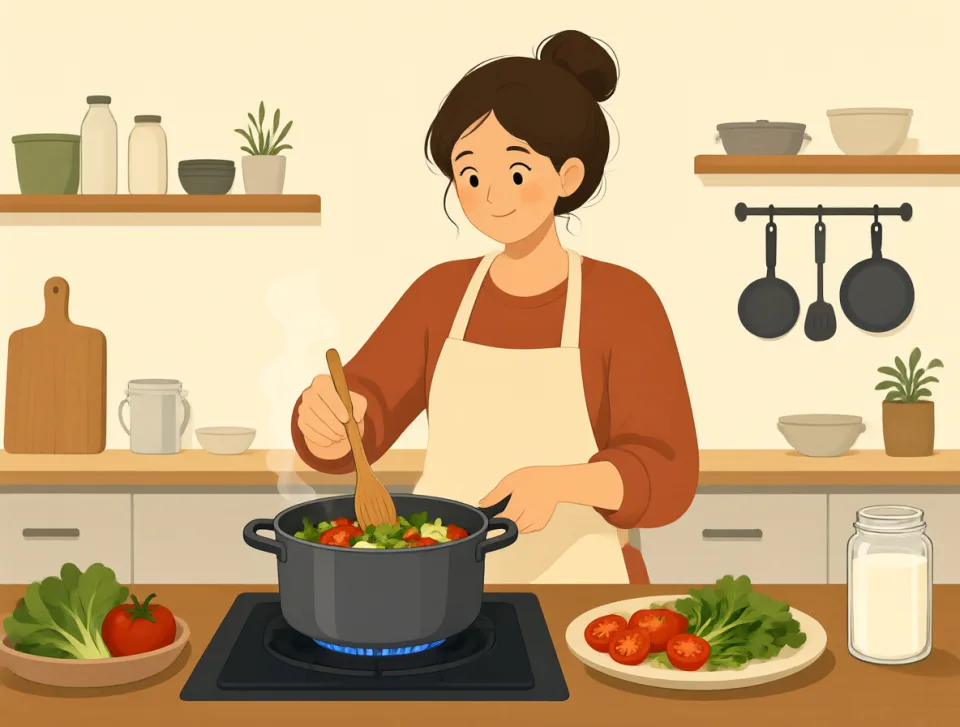
The woman is cooking dinner at home.
那個女人正在家裡做晚飯。

That woman works at the hospital.
那個女人在醫院工作。
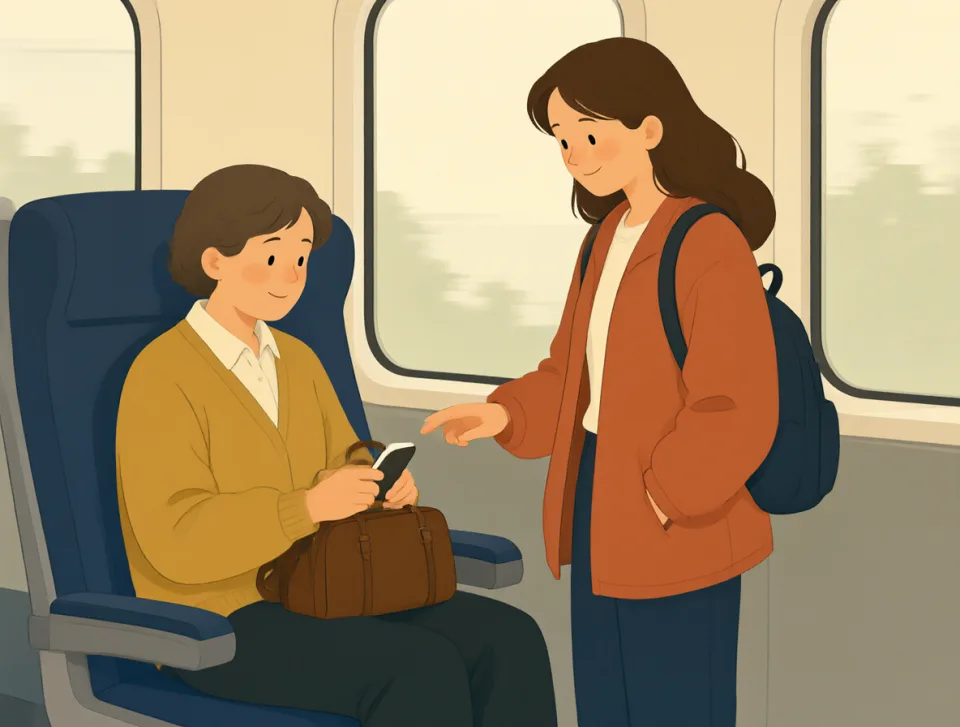
A woman helped me find my seat.
一位女士幫我找到了座位。

The woman bought fresh bread at the shop.
那個女人在商店買了新鮮麵包。

The doctor told the woman to rest.
醫生告訴那位女士要休息。
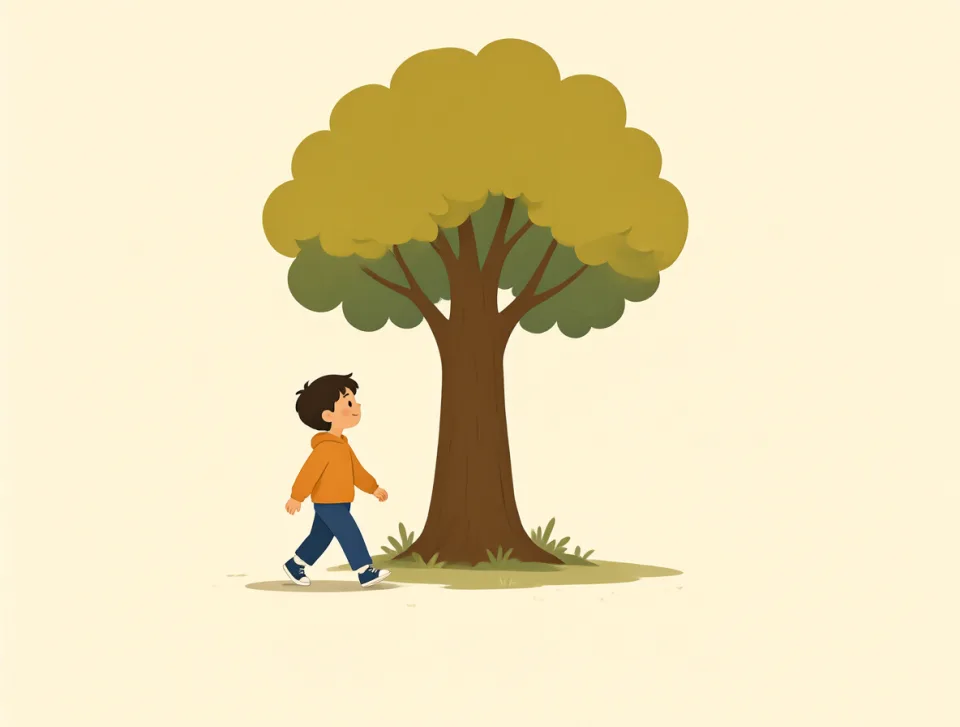
around
#170adverb, preposition, adjective
周圍; 到處; 大約
in or to many places; surrounding someone or something; approximately a number or time
在許多地方或到許多地方;圍繞某人或某物;大約某個數字或時間

We walked around the lake after lunch.
午飯後,我們繞著湖走了一圈。
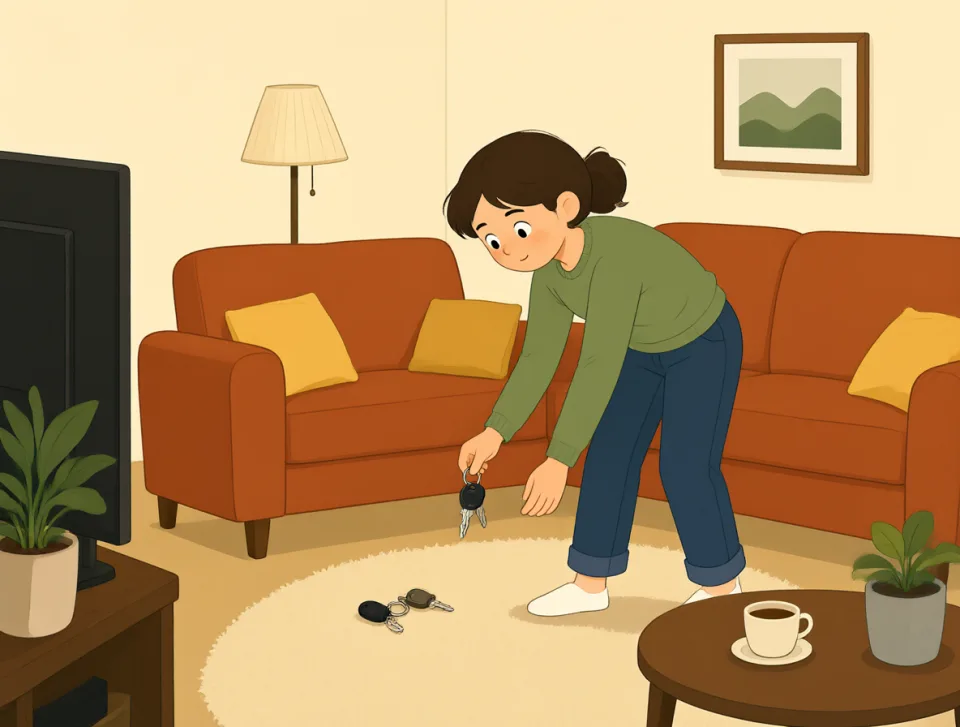
Please look around the room for your keys.
請在房間裡到處找找你的鑰匙。
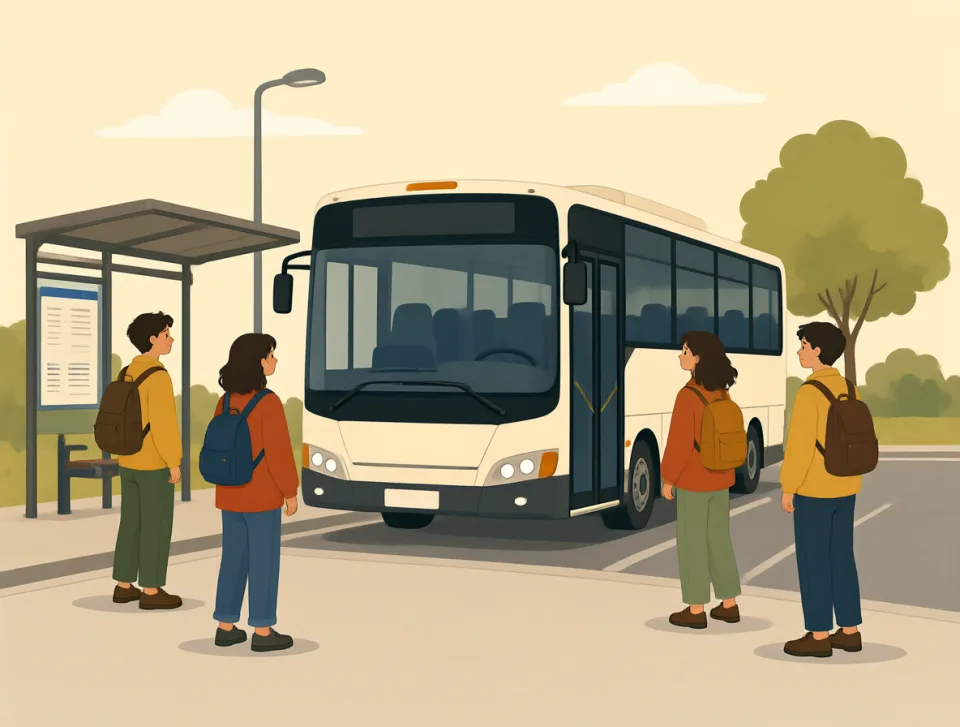
There were people standing around the bus.
公交車周圍站著一些人。

The shop is around the corner.
那家店就在拐角處。

It takes around ten minutes to walk there.
走到那裡大約需要十分鐘。
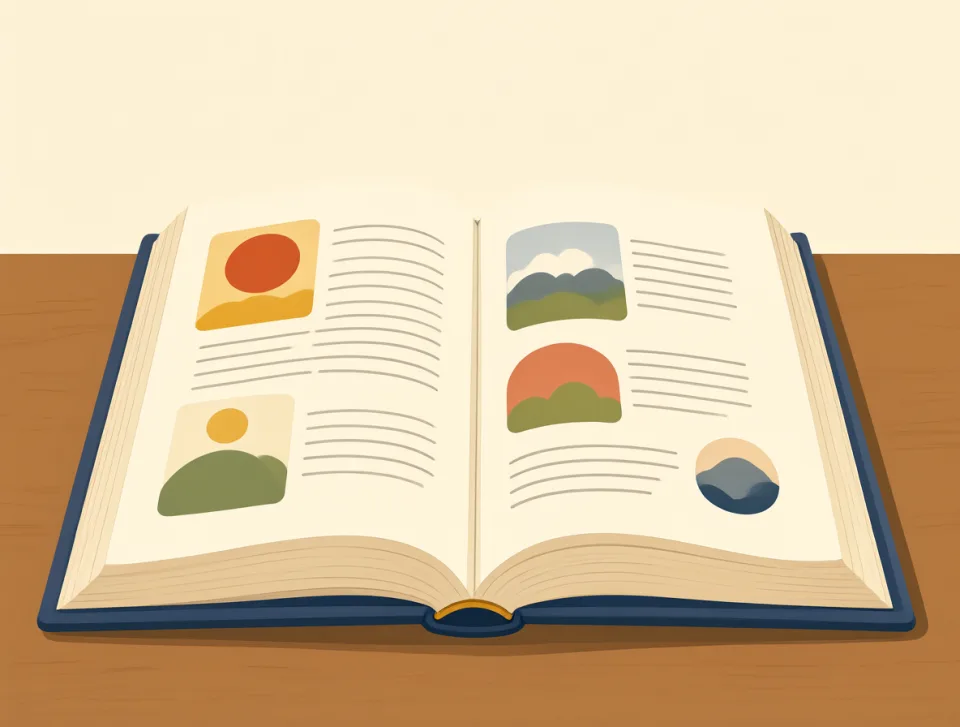
book
#171noun, verb
書;預訂
A set of pages with stories or information; to reserve something for a future time.
由多頁組成、包含故事或資訊的讀物;為將來的某個時間預訂某物。
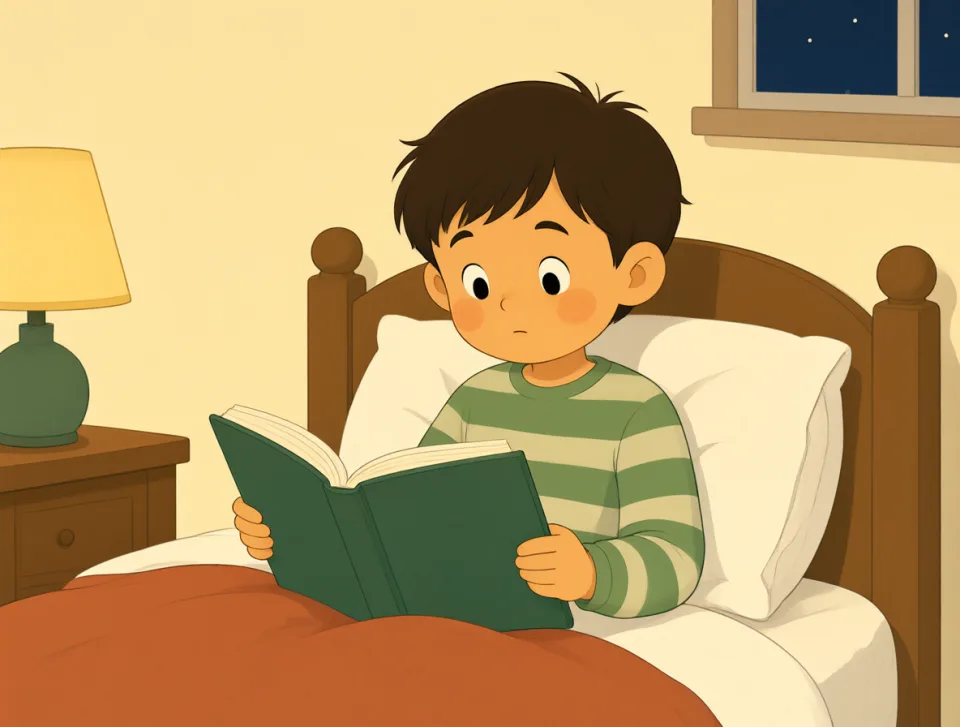
I read a book before bed.
我睡前讀了一本書。

She bought a new book yesterday.
她昨天買了一本新書。

Please book a room for two nights.
請預訂一個房間,住兩個晚上。
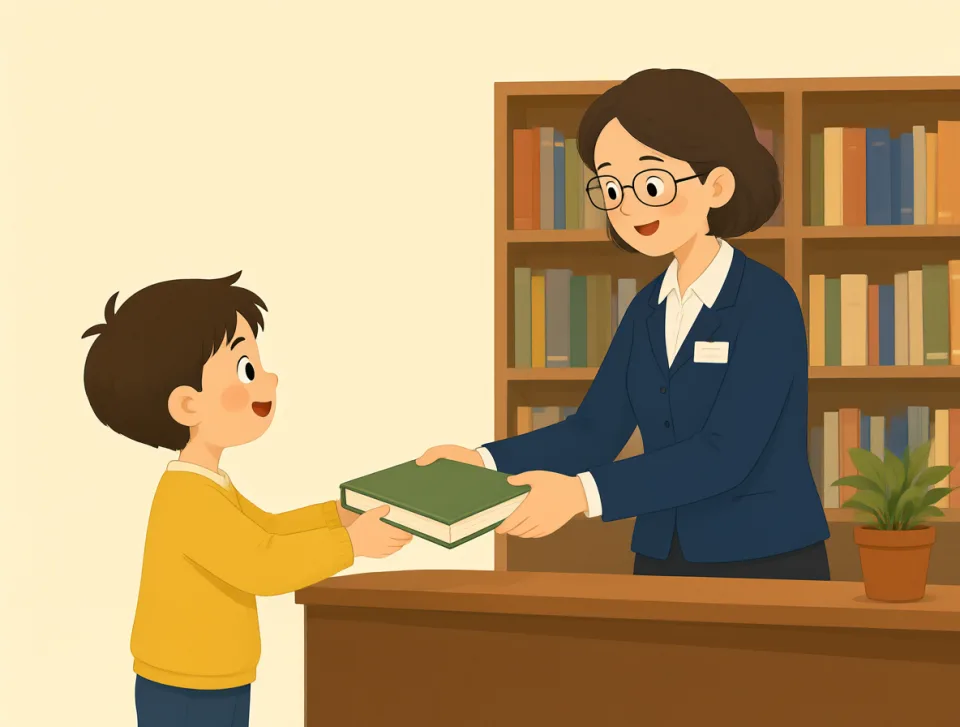
He borrowed a book from the library.
他從圖書館借了一本書。

We booked a table for six people.
我們預訂了一張可坐六人的桌子。
family
#172noun
家人;家庭
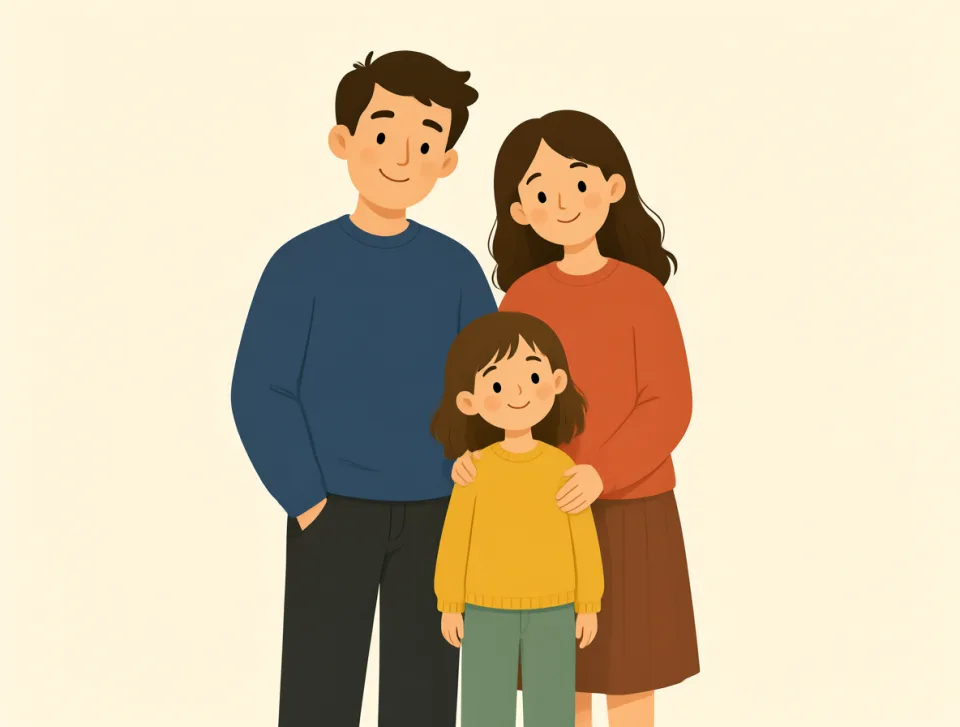
A group of parents, children, and other relatives who live together or are related.
由父母、子女和其他親屬組成的、共同生活或彼此有親屬關係的一群人。
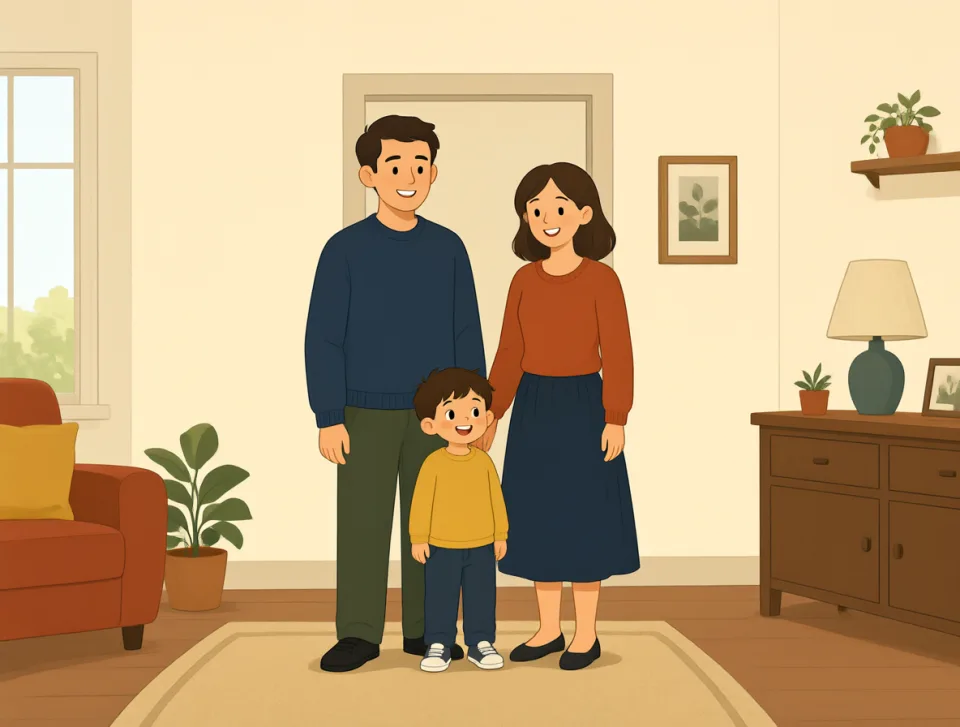
My family lives in a small house.
我家住在一所小房子裡。

We have dinner with our family every Sunday.
我們每個星期天都和家人一起吃晚飯。
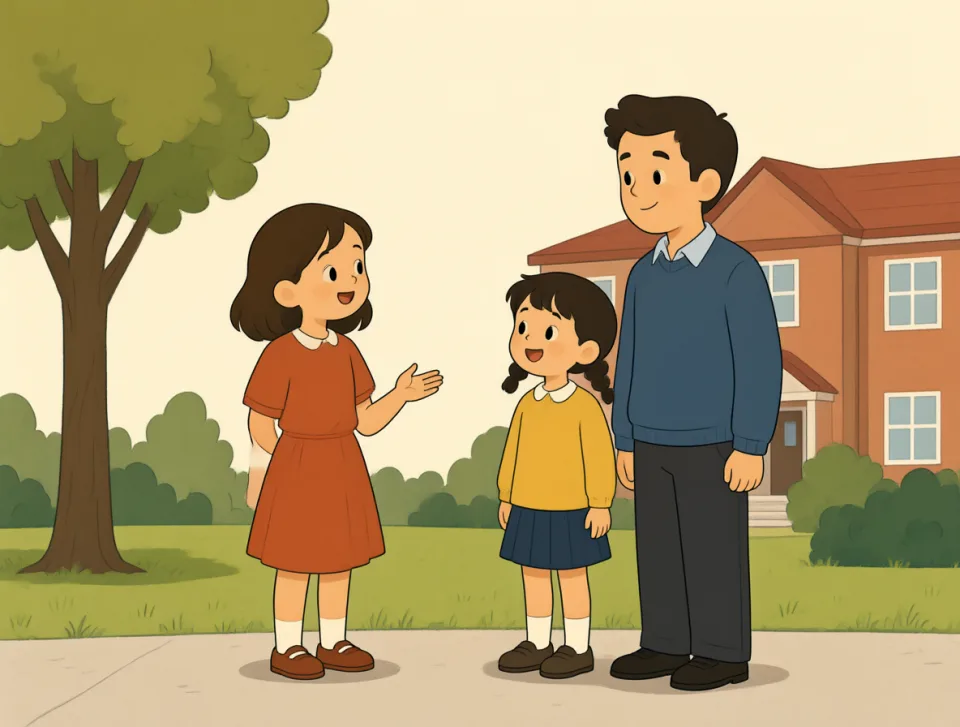
Her family visited her at school.
她的家人到學校看望她。
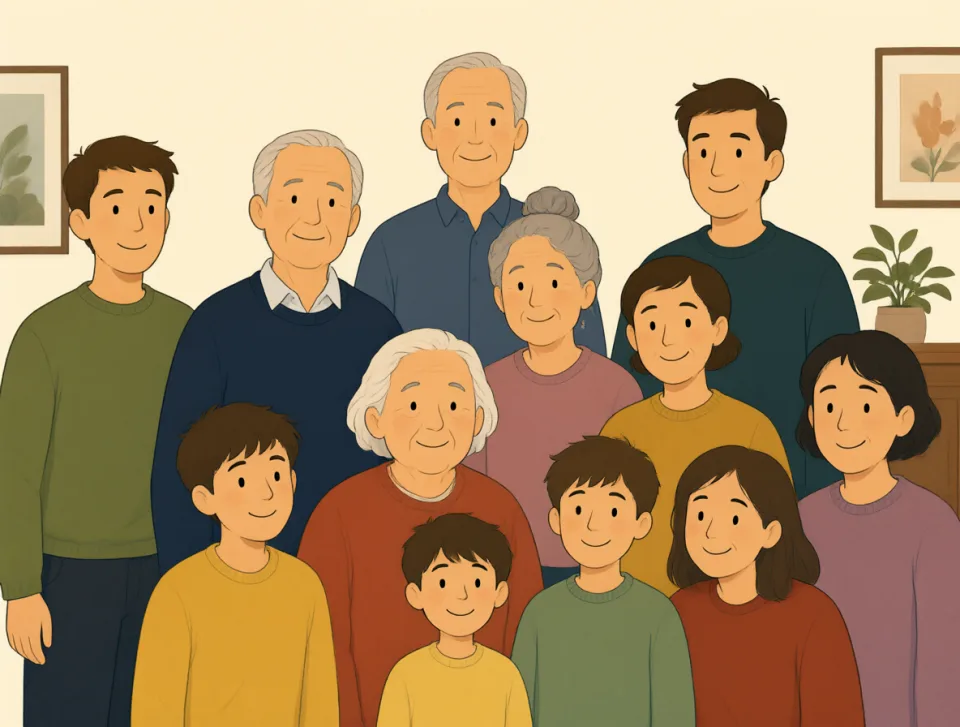
He comes from a large family.
他來自一個大家庭。
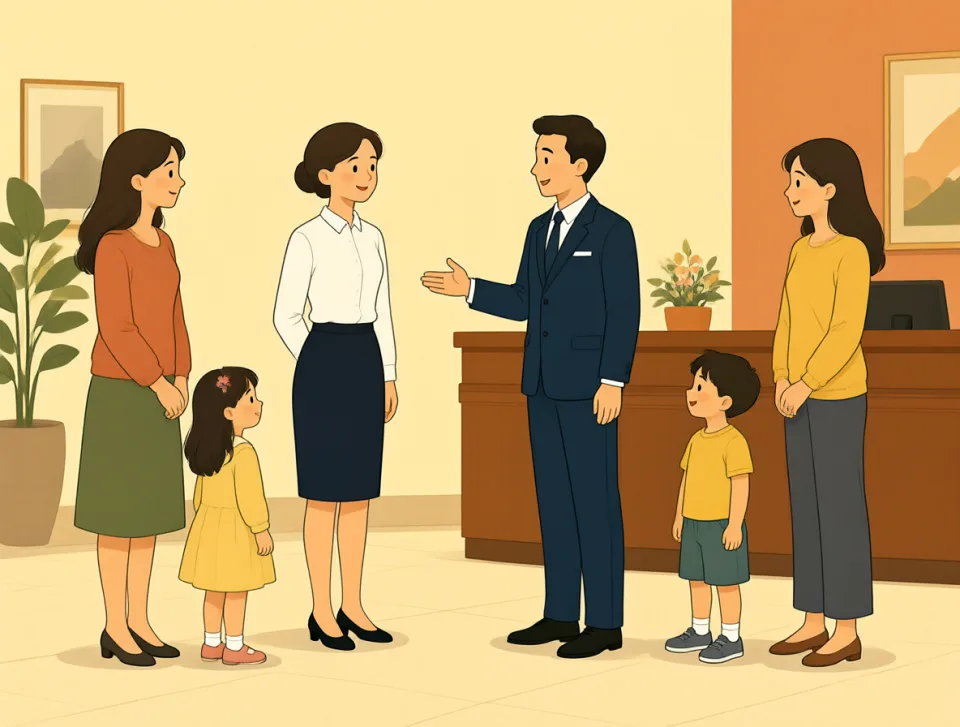
The hotel welcomed families with children.
這家酒店歡迎帶孩子的家庭入住。

seem
#173verb
似乎;好像;顯得
To appear to be true or have a particular quality.
看起來像是真的,或具有某種特質。
You seem tired today.
你今天看起來很累。

She seems happy with her new job.
她似乎很喜歡新工作。

It seems cold outside.
外面好像很冷。
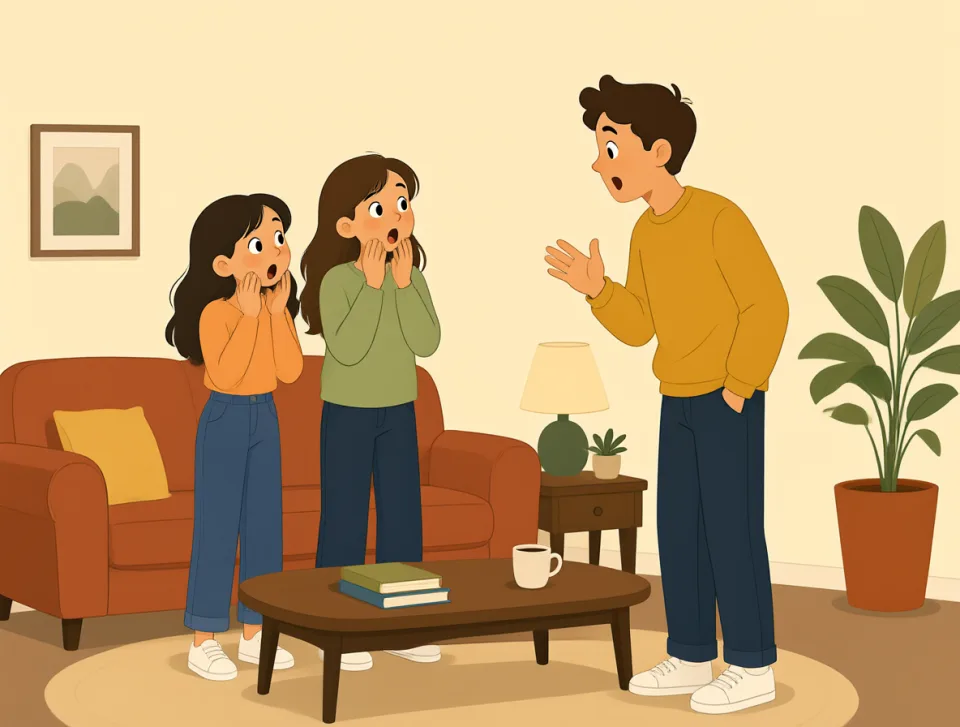
They seemed surprised by the news.
他們聽到這個訊息後似乎很驚訝。

This soup seems too salty.
這湯好像太鹹了。
let
#174verb
讓;允許
To allow someone to do something or to cause something to happen.
允許某人做某事,或使某事發生。
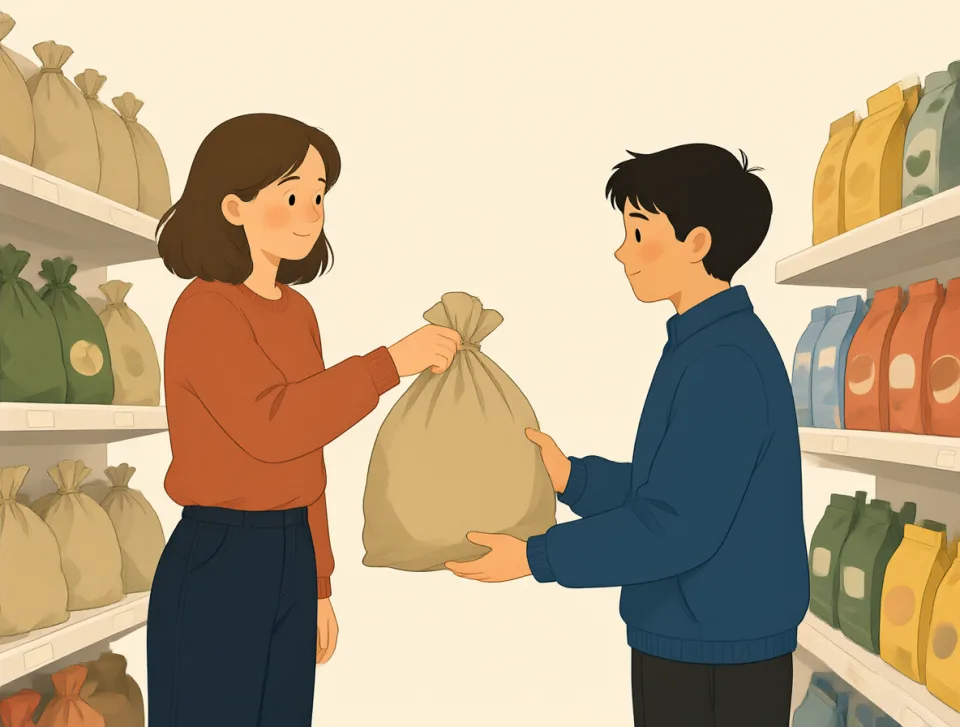
Please let me help you with that bag.
請讓我幫你拿那個包。
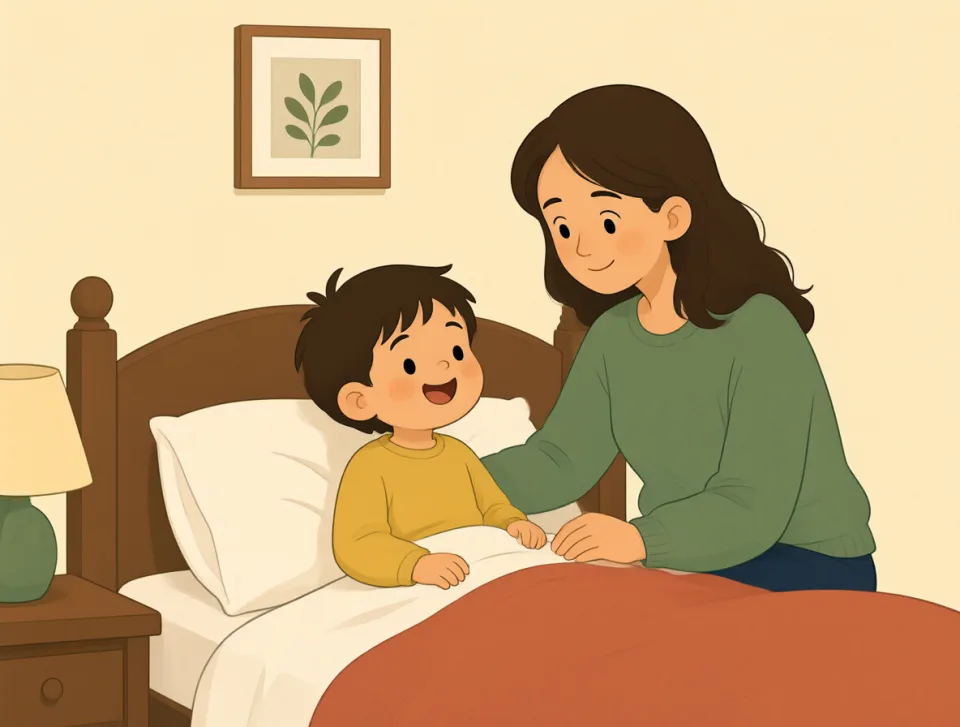
My parents let me stay up late.
我父母允許我晚點睡覺。
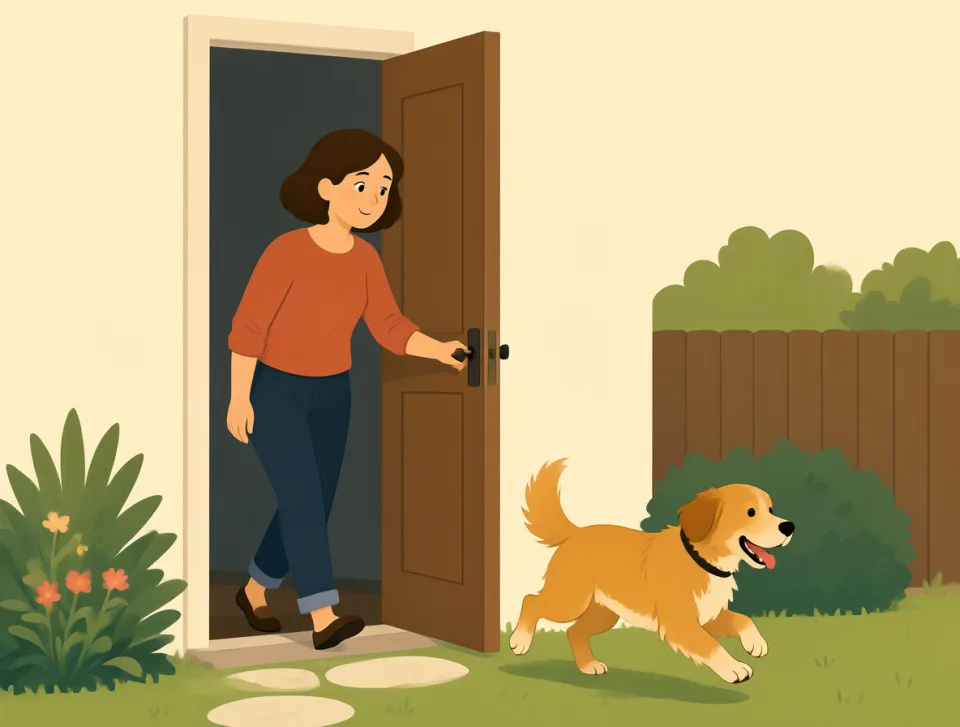
She let the dog out before dinner.
她在晚飯前把狗放了出去。
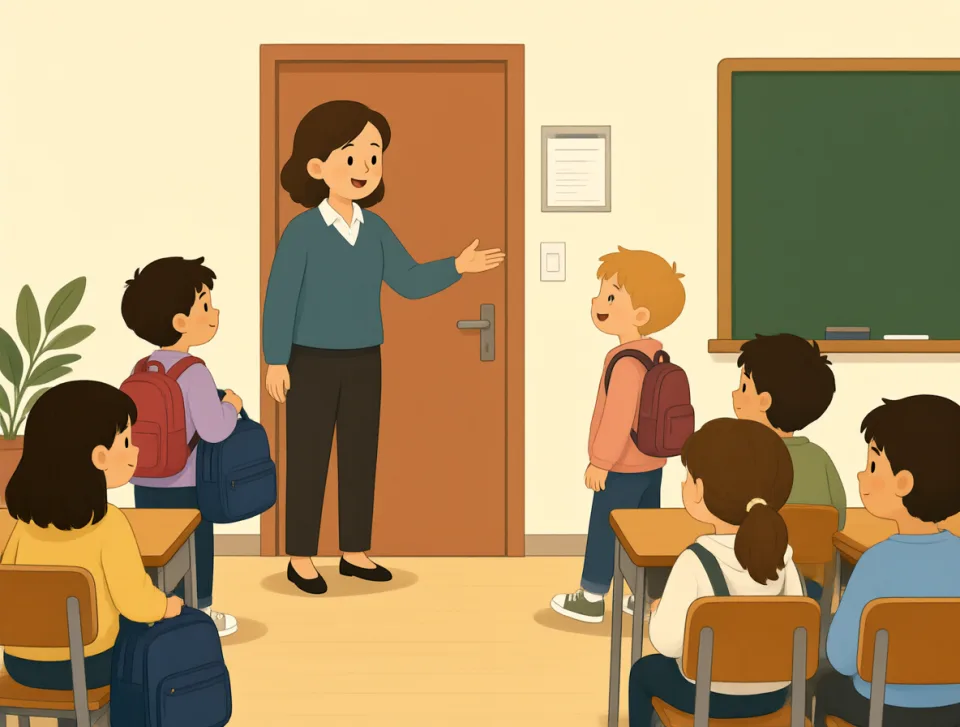
The teacher let us leave early.
老師允許我們提前離開。
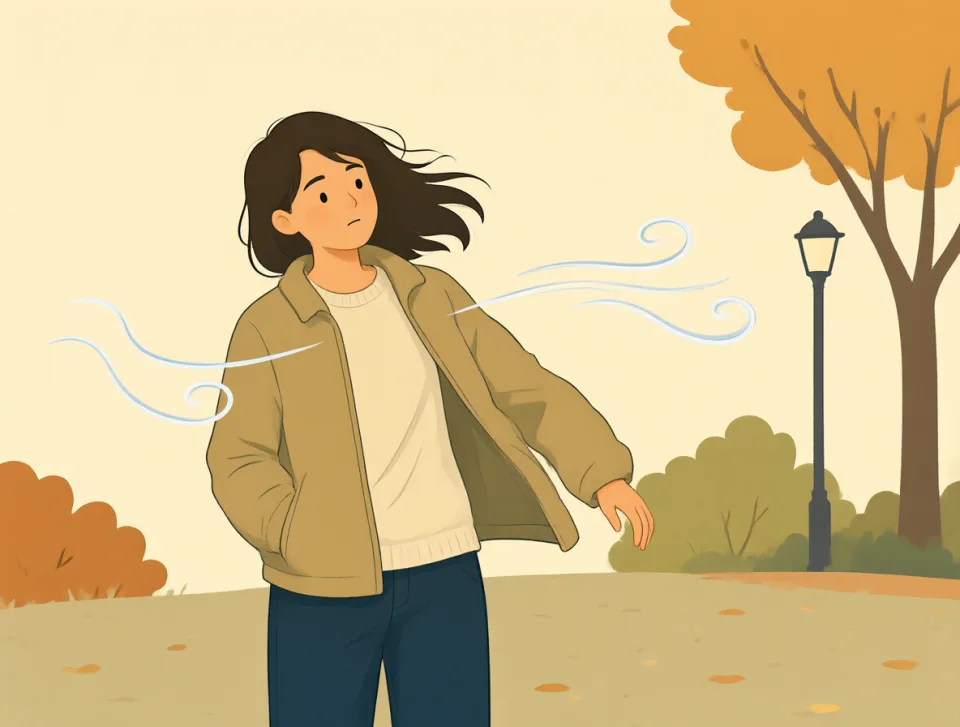
This jacket lets warm air in.
這件夾克能讓暖空氣進入。
again
#175adverb
再;又;重新
one more time, or back to the same place or situation
再一次,或回到同一個地方或狀態
Please say that again.
請再說一遍。
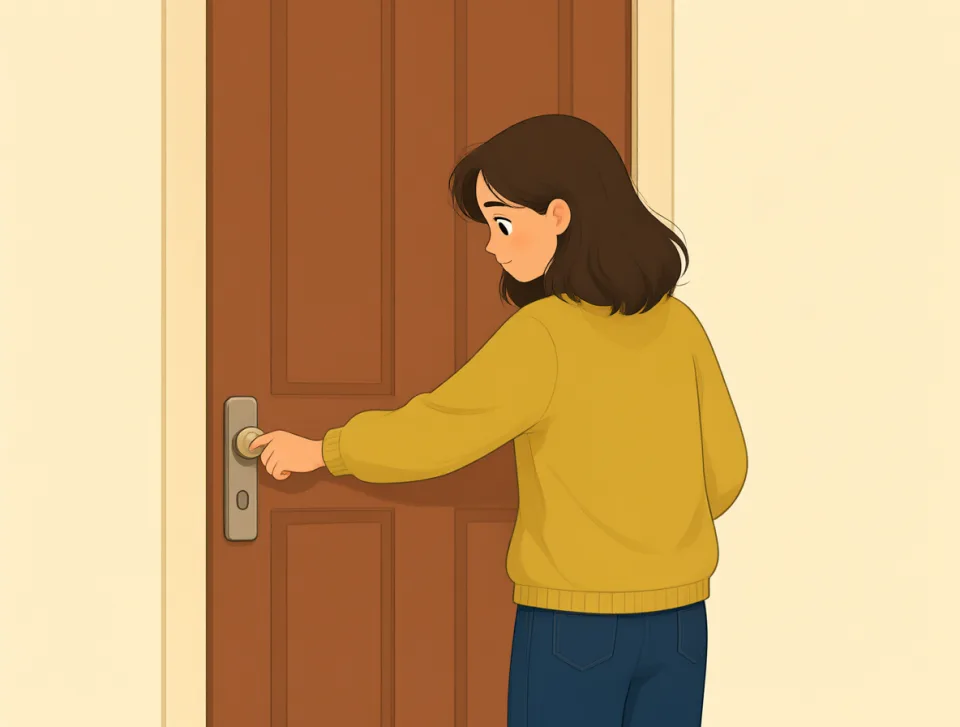
I forgot my keys again.
我又忘帶鑰匙了。
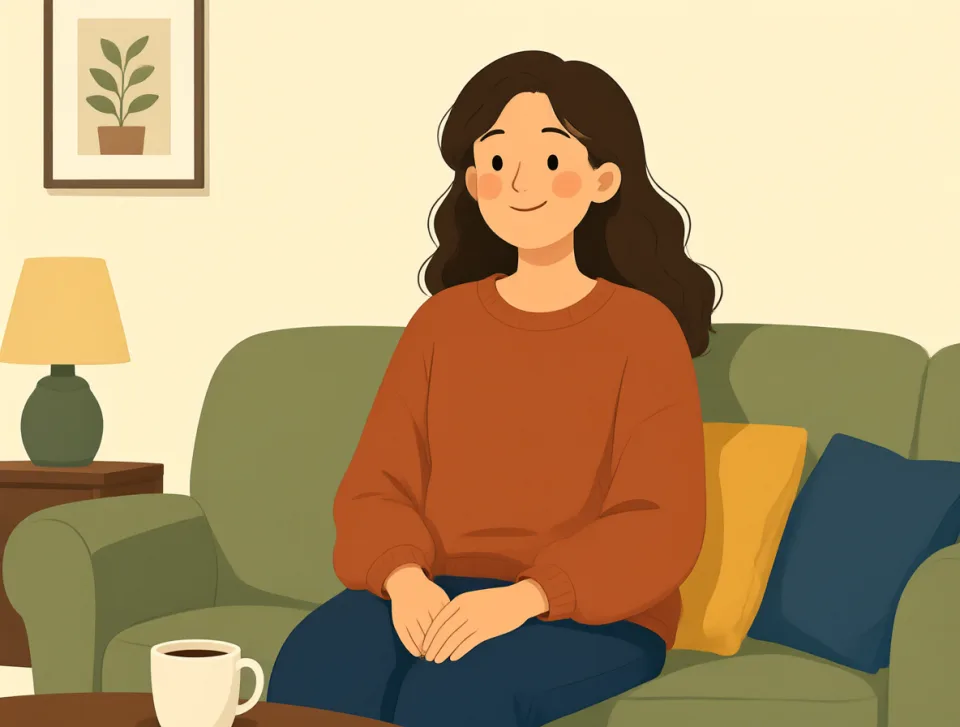
She is feeling better again.
她又感覺好些了。

We visited London again last summer.
去年夏天我們又去了倫敦。

He started working again after lunch.
午飯後他又開始工作了。
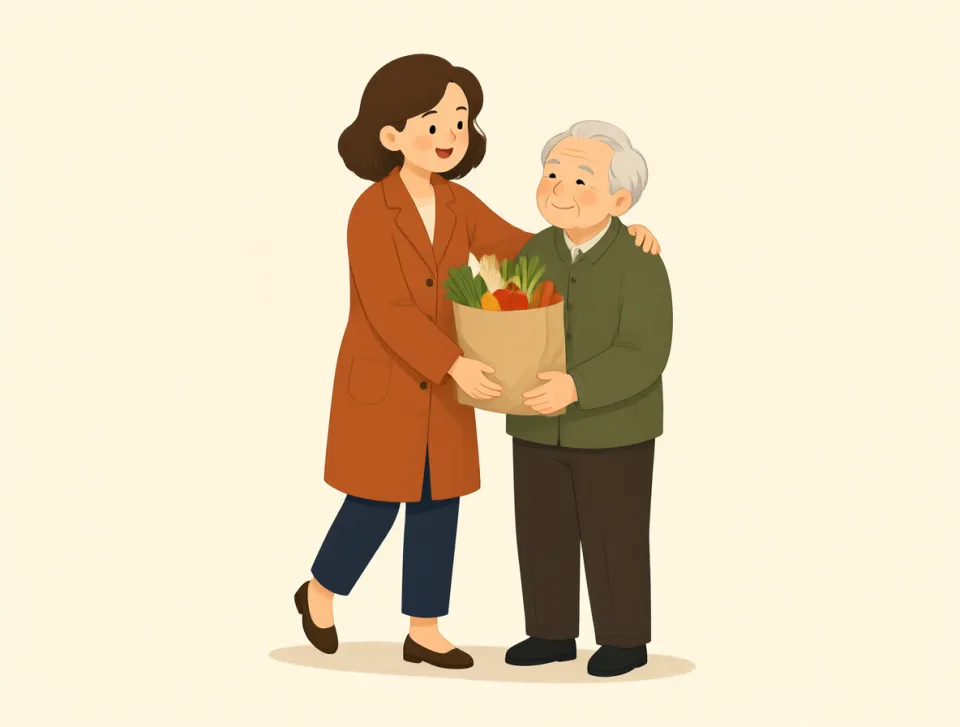
kind
#176noun, adjective
友善的;種類
Friendly and caring; also, a group of similar things.
友善又體貼;也指相似事物的一類。
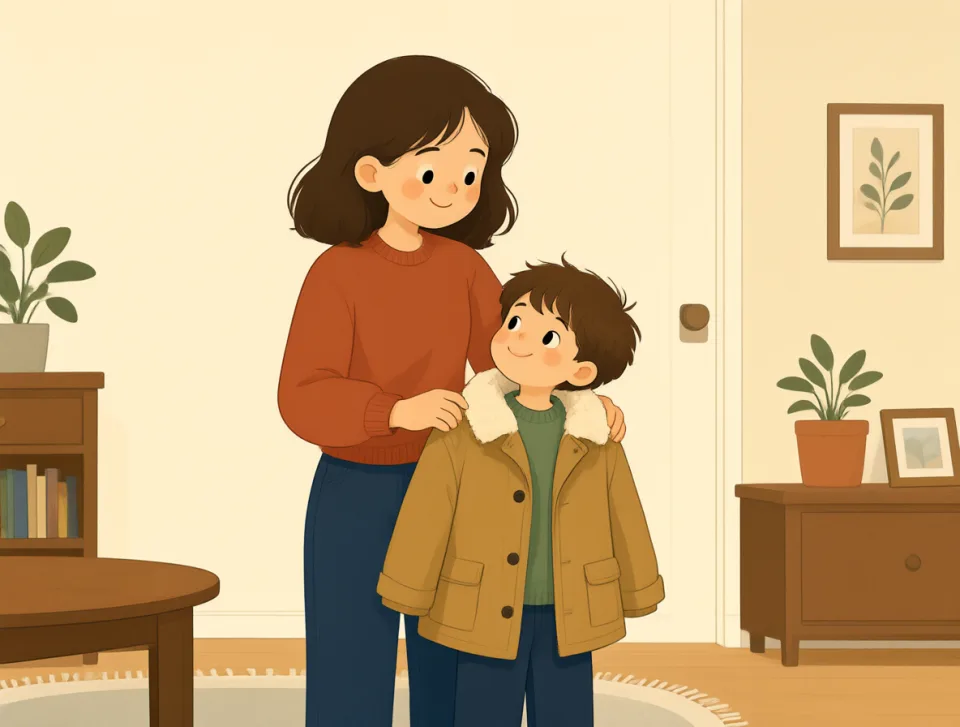
She is always kind to her little brother.
她對弟弟總是很友善。
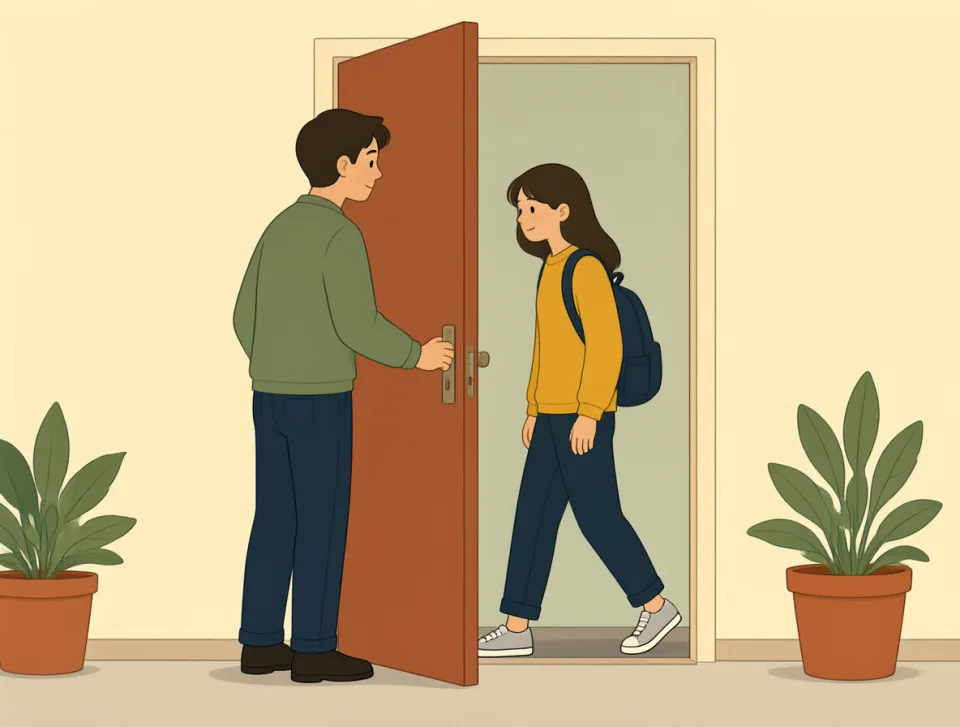
That was very kind of you.
你真貼心。
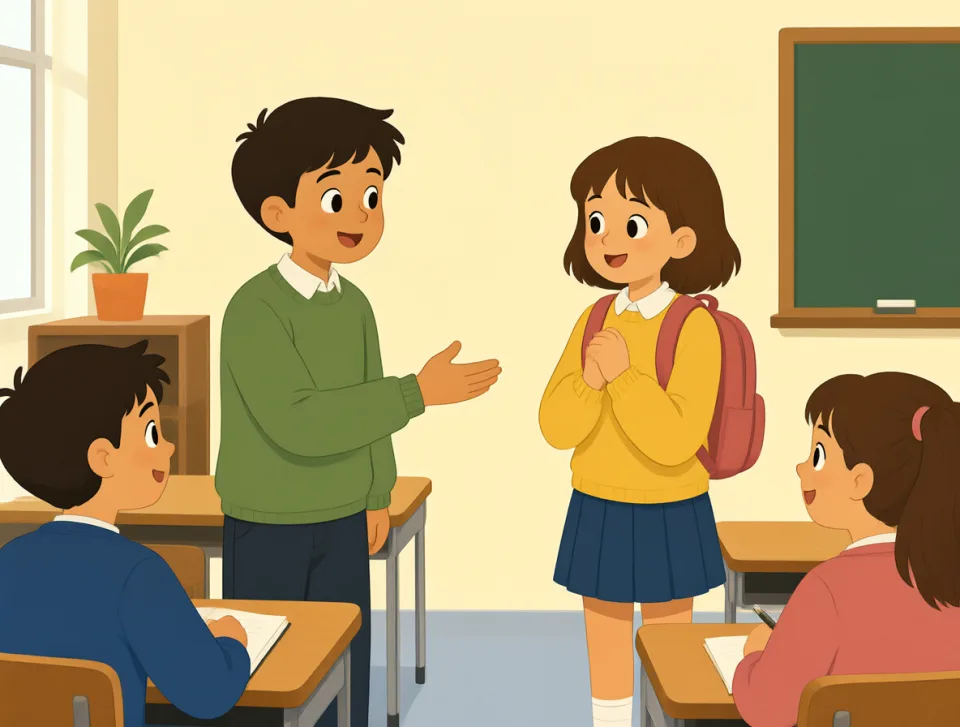
Please be kind to the new student.
請友善地對待新同學。
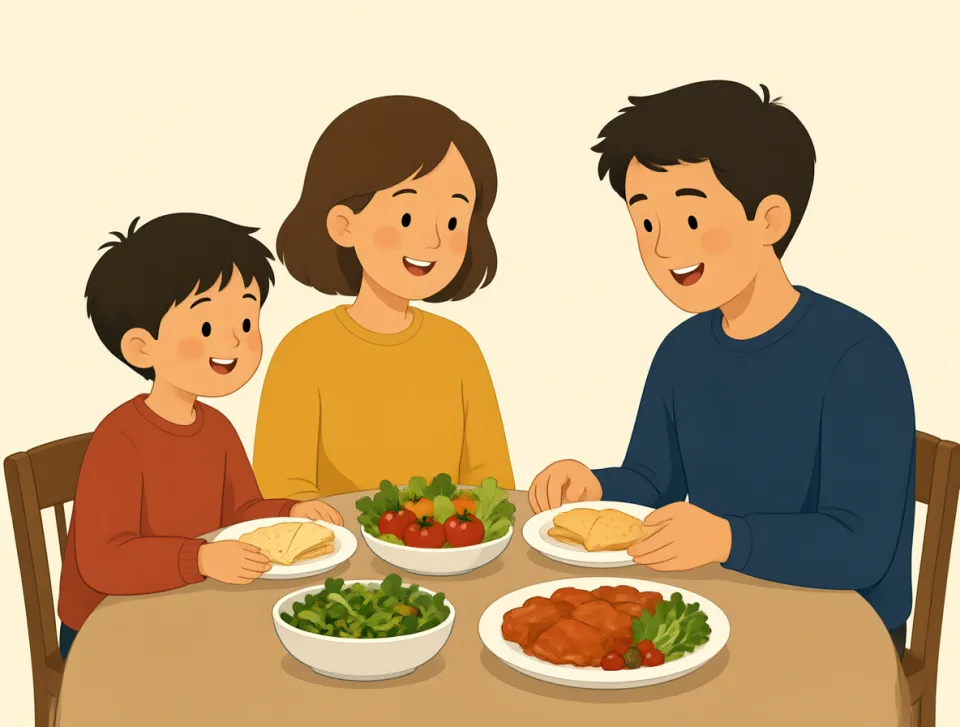
What kind of food do you like?
你喜歡哪種食物?

This kind of shoe is good for walking.
這種鞋適合走路。
keep
#177verb, noun
保持;保留;繼續
To continue having something or make something stay in a particular place or condition.
繼續擁有某物,或使某物留在特定地點或保持某種狀態。
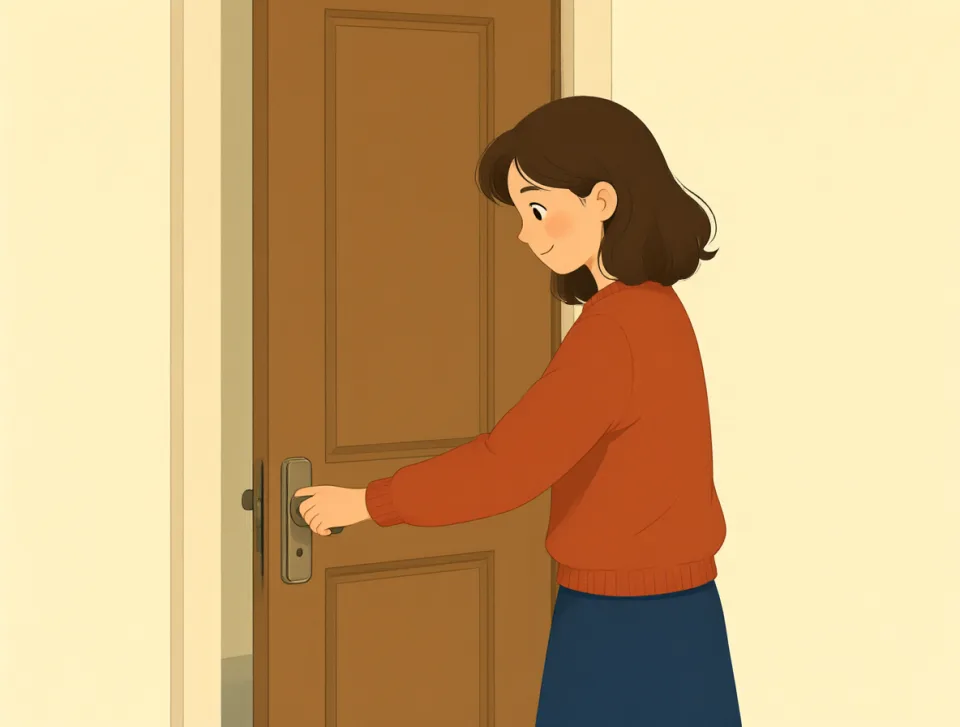
Please keep the door closed.
請把門關好。

Keep your keys in your bag.
把鑰匙放在包裡。
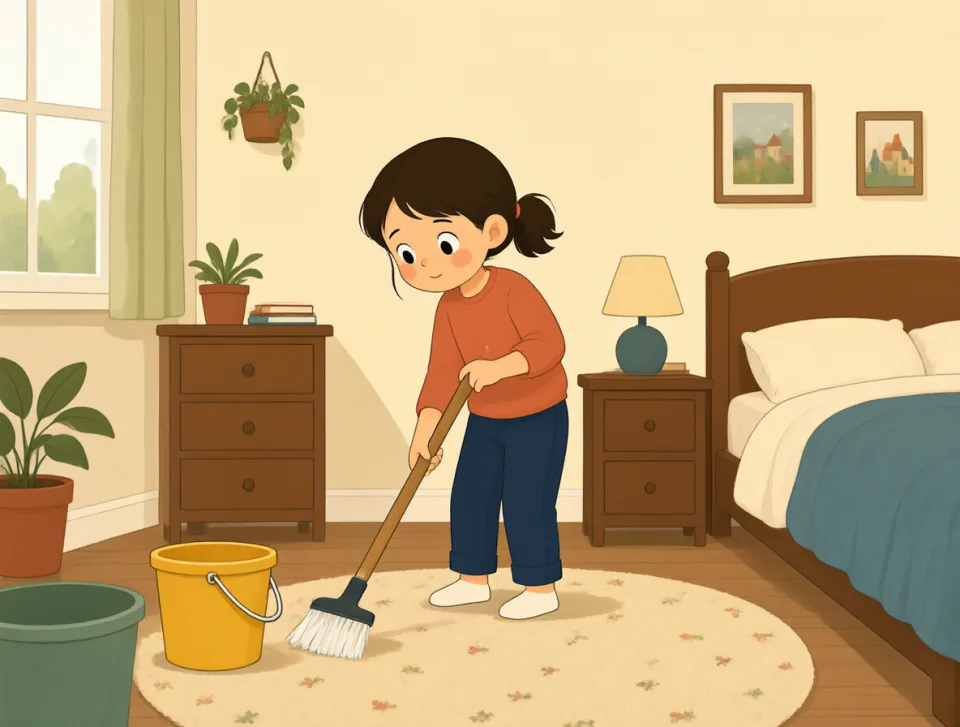
She keeps her room very clean.
她把房間保持得很乾淨。

We kept talking after class.
下課後我們繼續聊了起來。
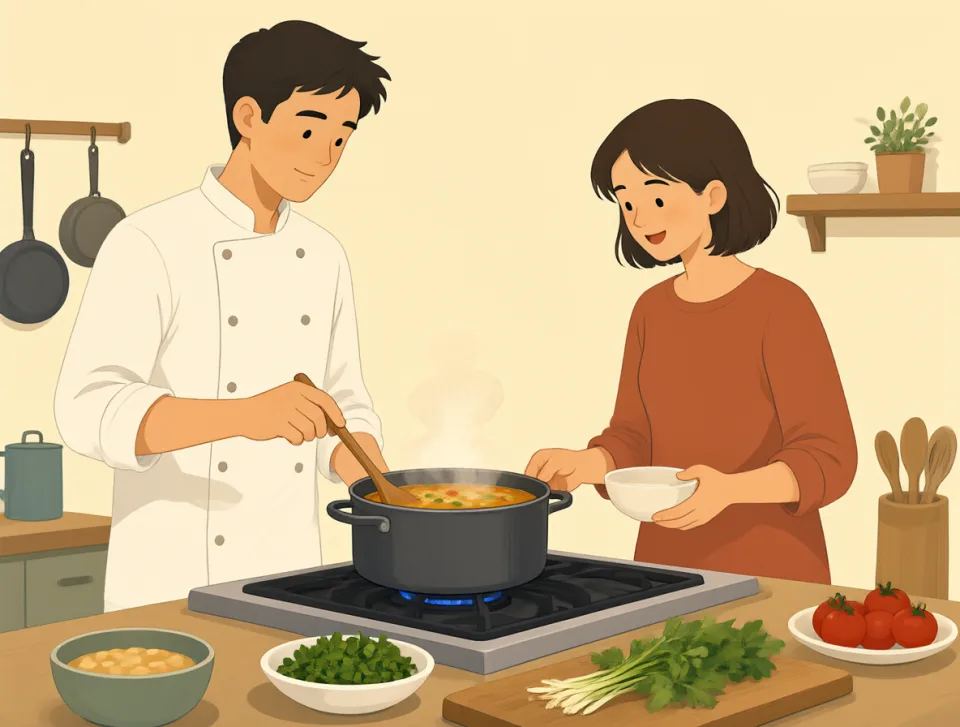
Keep the soup warm for dinner.
晚餐時把湯熱著。
hear
#178verb
聽見; 聽到
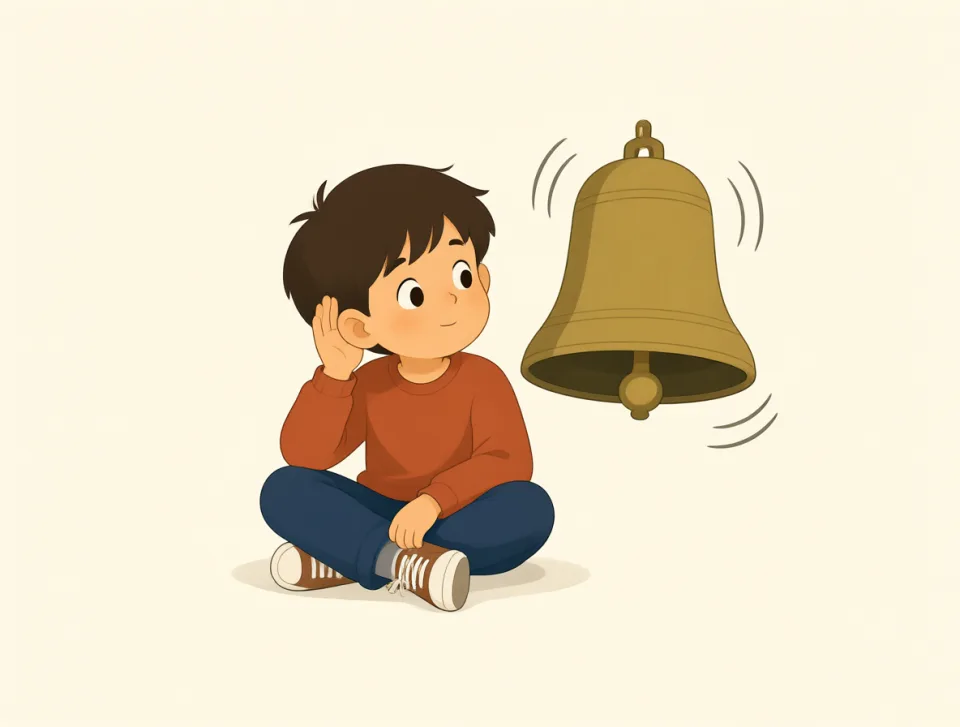
To notice a sound with your ears.
用耳朵察覺到聲音。
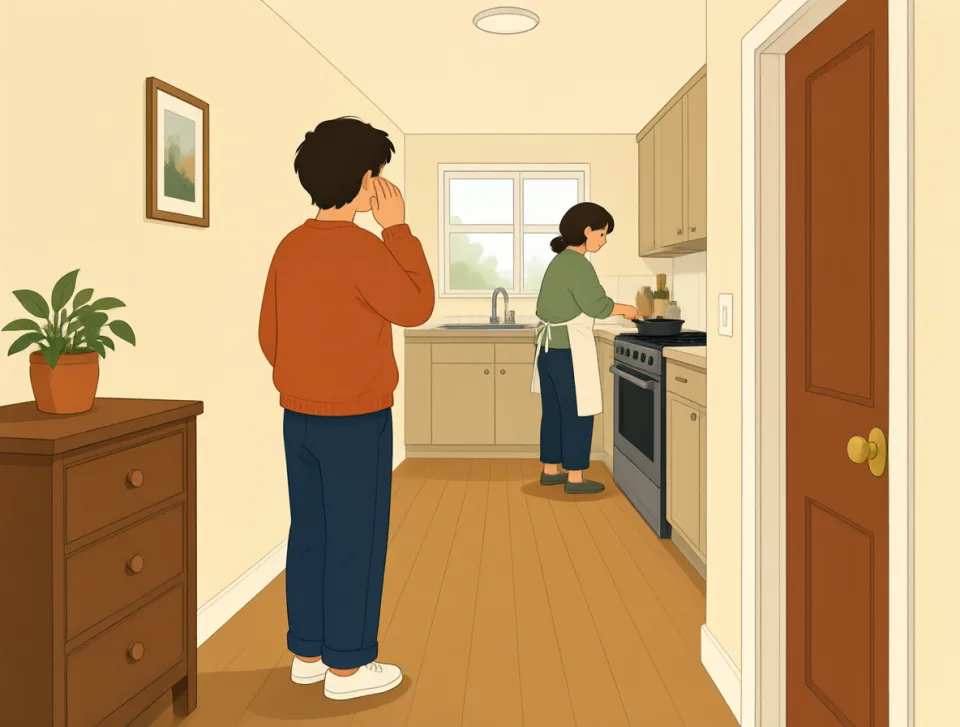
I can hear music from the kitchen.
我能聽見廚房裡傳來的音樂。

Did you hear that loud noise?
你聽見那聲巨響了嗎?

She heard her name at school.
她在學校聽見有人叫她的名字。
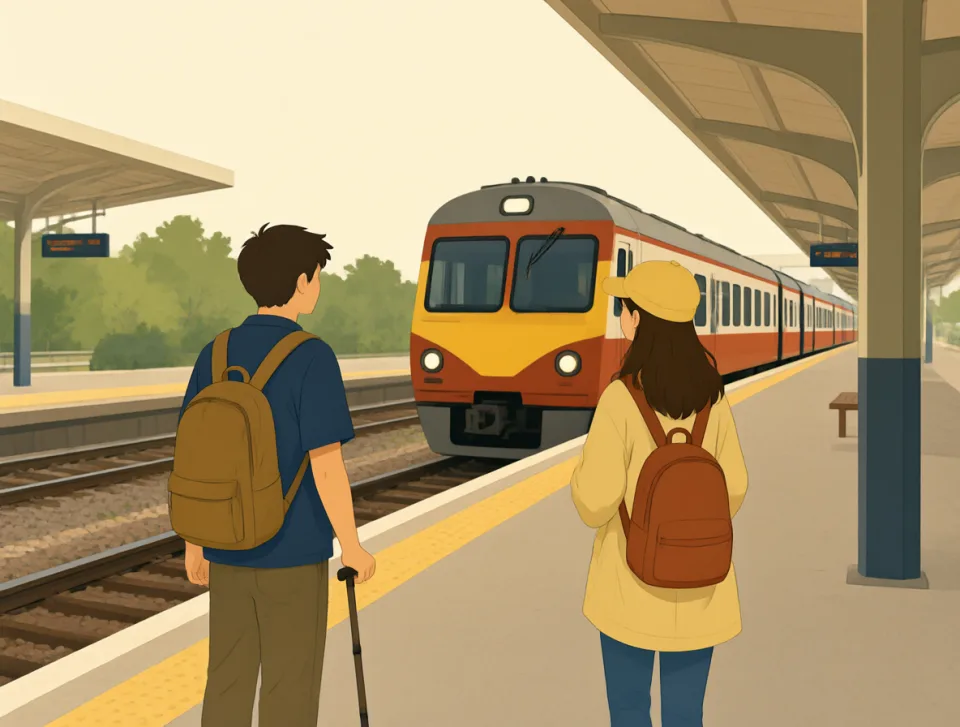
We heard the train arrive.
我們聽見火車進站了。

The doctor heard my lungs.
醫生聽了聽我的肺部。

system
#179noun
系統;體系
A set of connected parts that work together for a particular purpose.
一組相互關聯、協同運作以實現特定目的的部分。
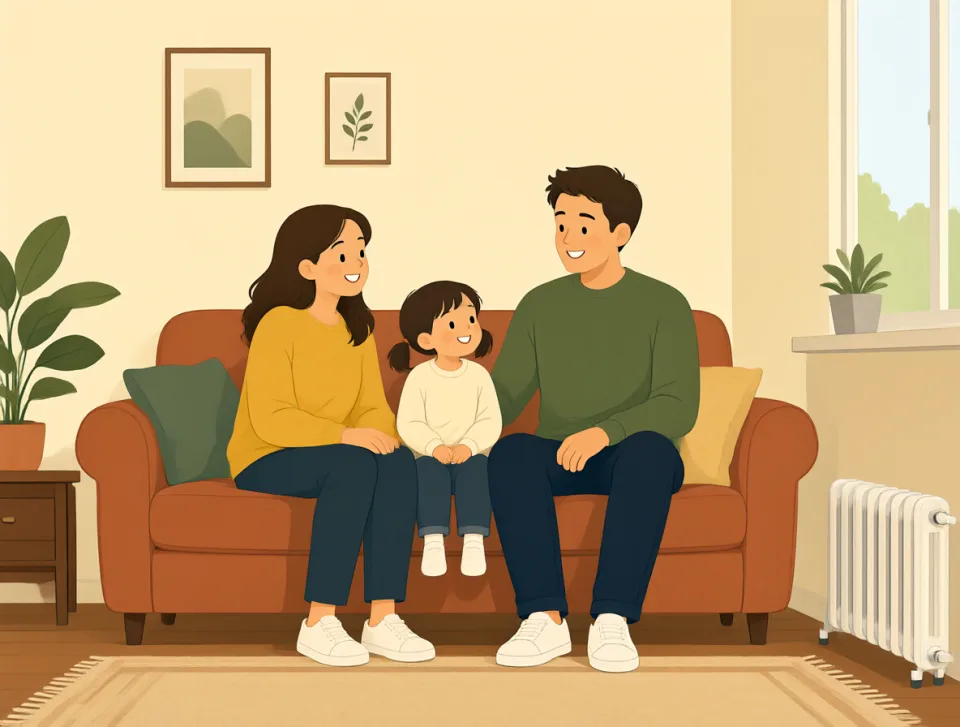
The heating system keeps our house warm.
供暖系統讓我們家保持溫暖。

The school has a new computer system.
學校有一套新的計算機系統。
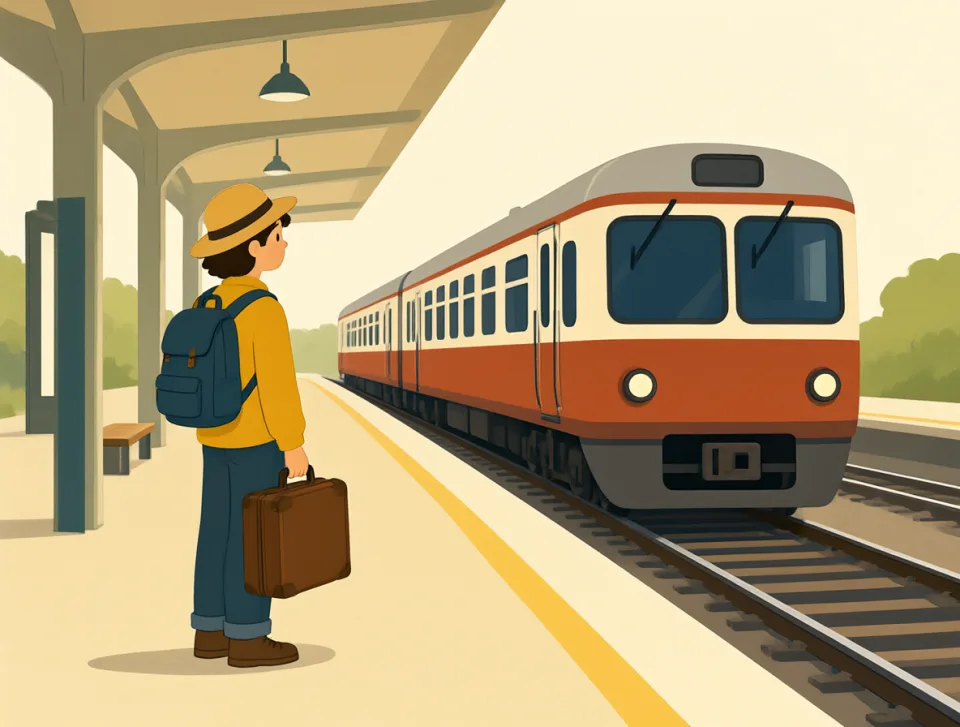
The train system is easy to use.
這套火車系統很容易使用。
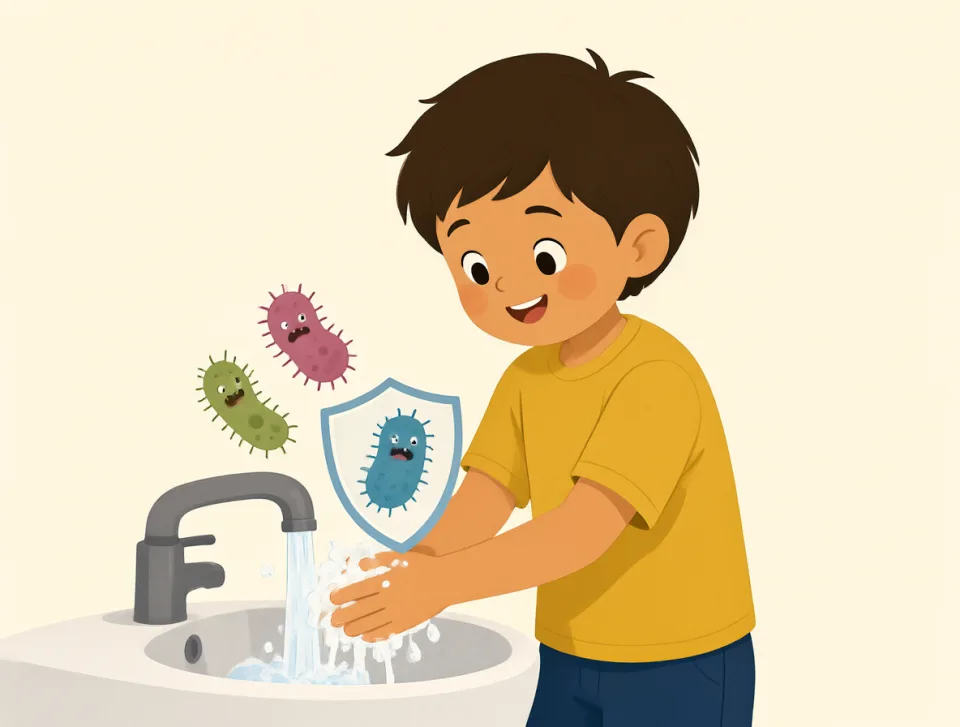
The body’s immune system fights germs.
人體的免疫系統會抵抗病菌。

Our filing system helps us find papers.
我們的檔案歸檔系統能幫我們找到檔案。
every
#180determiner, pronoun
每個;每一
Each person or thing in a group, without exception.
一個群體中的每個人或每件事物,無一例外。
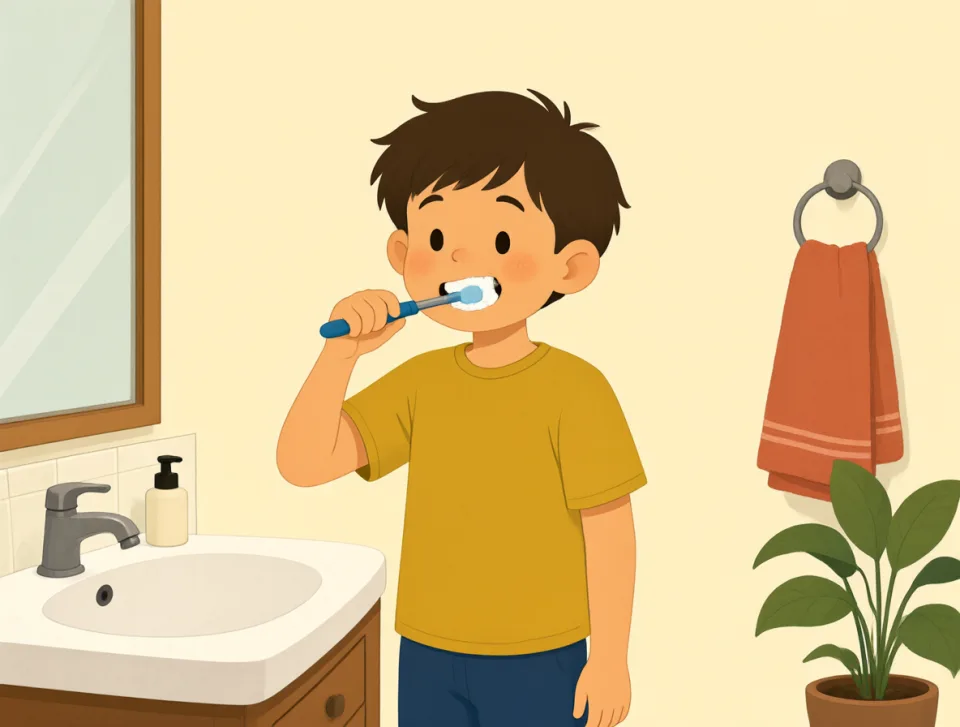
I brush my teeth every morning.
我每天早上刷牙。
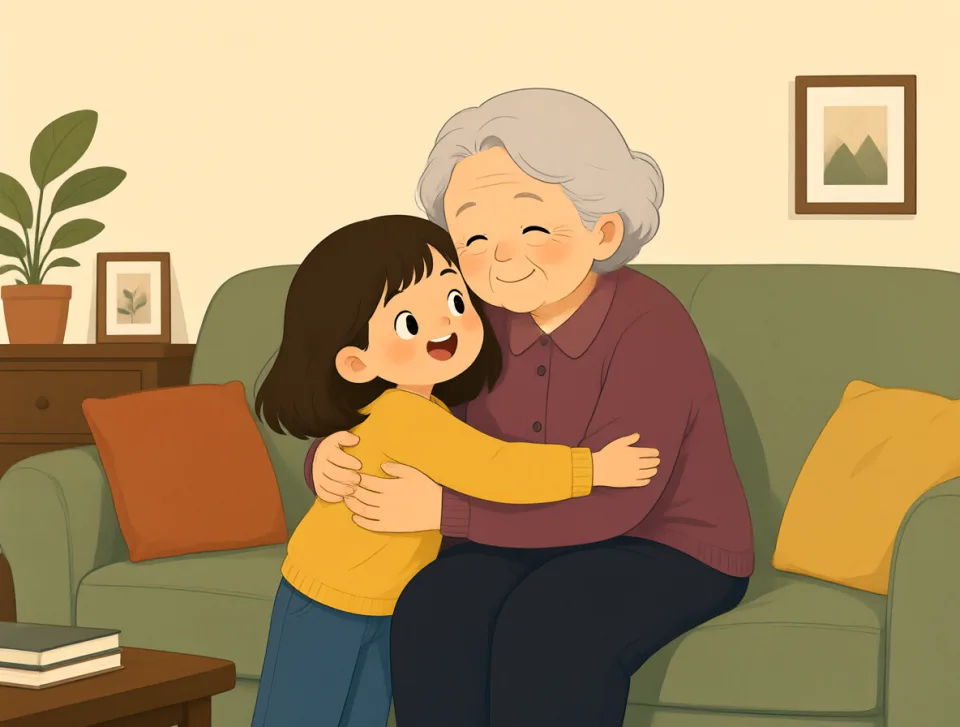
She visits her grandmother every Sunday.
她每個星期天都去看望奶奶。
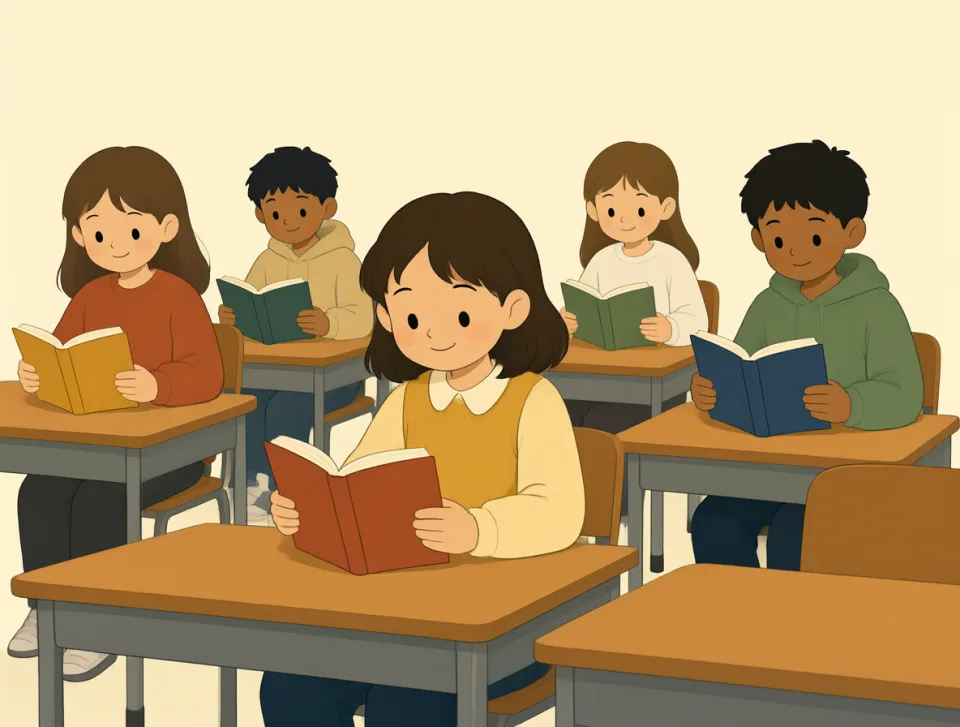
Every student has a book.
每個學生都有一本書。
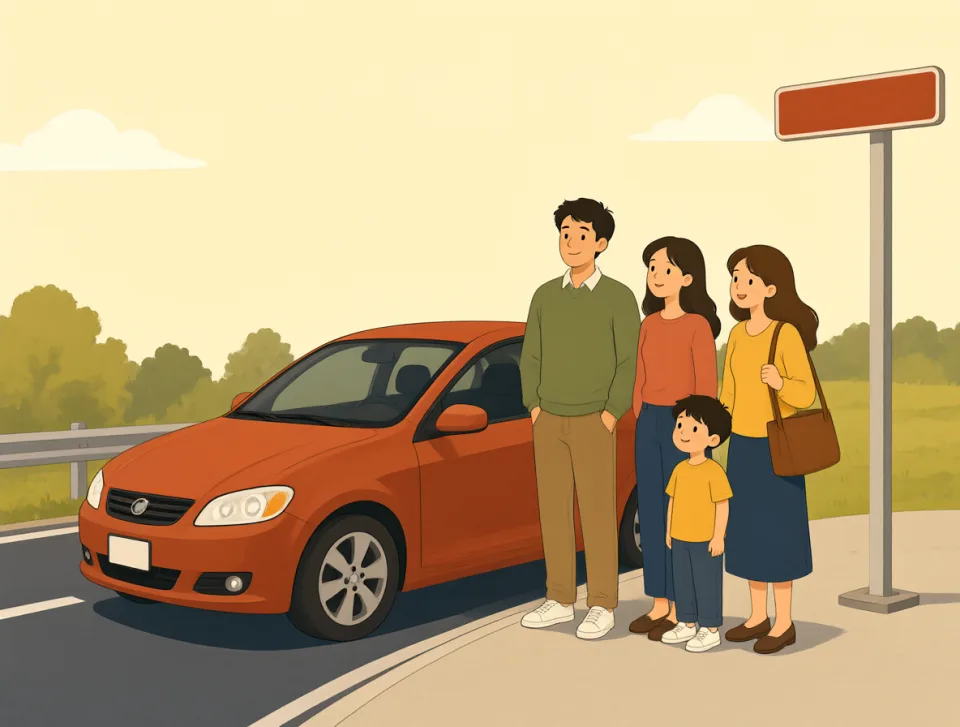
We stopped every hour during the trip.
旅途中我們每隔一小時停一次。
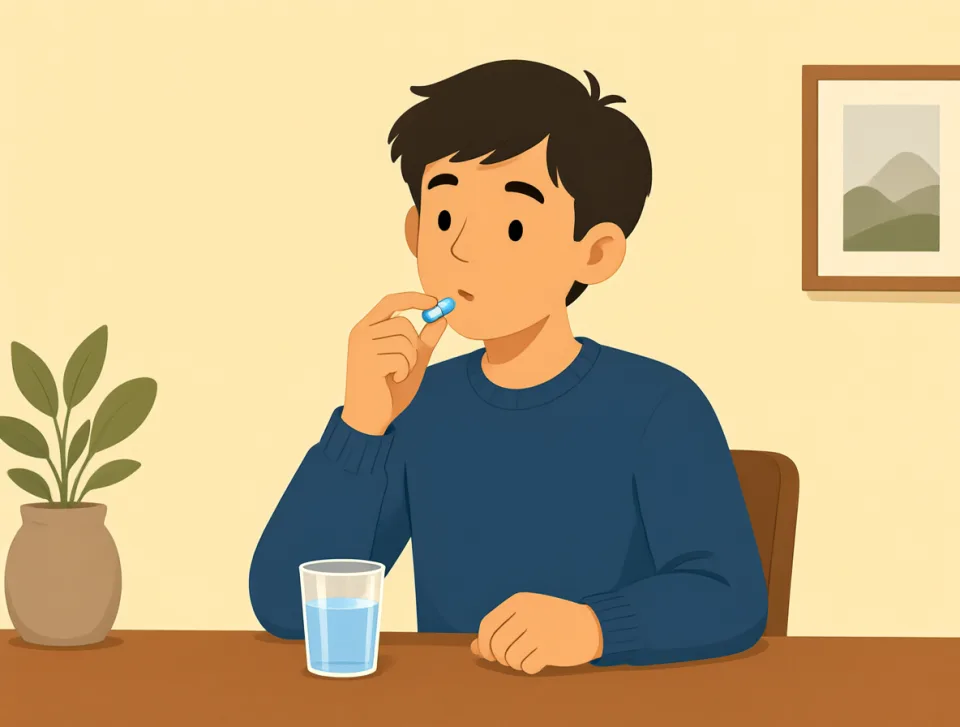
He takes medicine every day.
他每天都吃藥。