Zestaw 44
Słowa 861–880 · box, huge, message, instance, style, refer

box
#861noun, verb
pudełko
A container with flat sides, usually made of cardboard, wood, or plastic.
Pojemnik o płaskich bokach, zwykle wykonany z tektury, drewna lub plastiku.
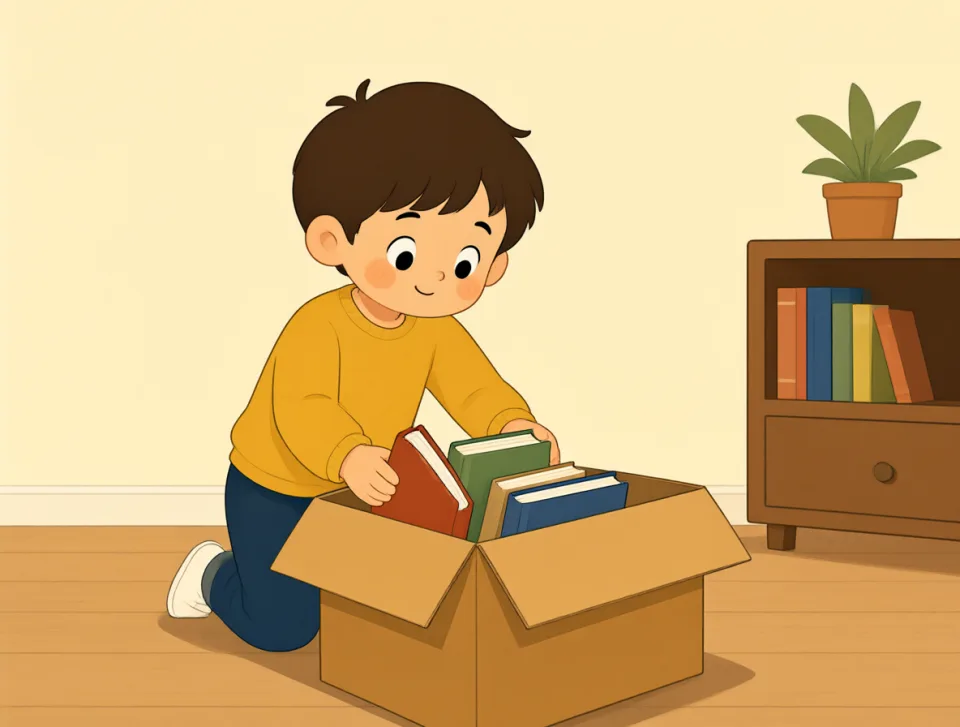
The books are in a box.
Książki są w pudełku.
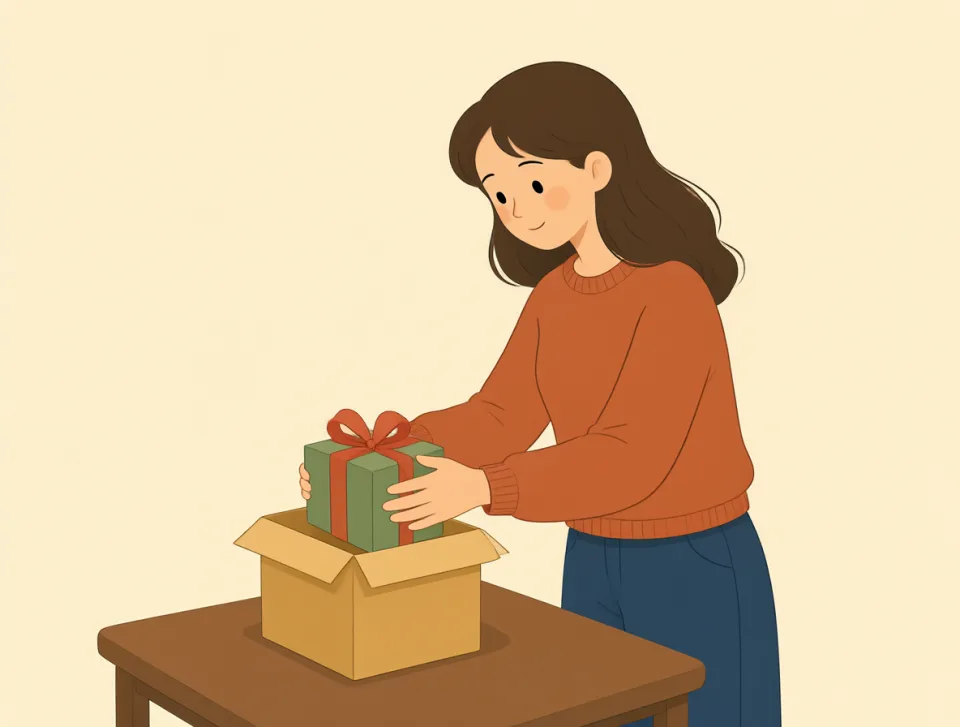
She put the gift in a box.
Włożyła prezent do pudełka.
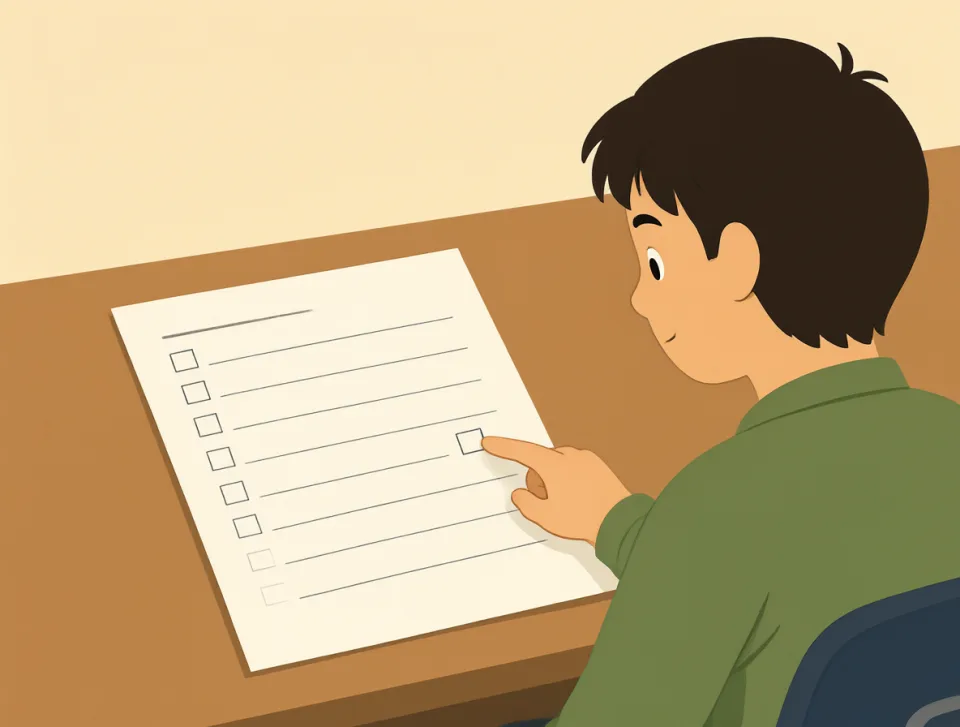
Please check the box on this form.
Proszę zaznaczyć odpowiednie pole w tym formularzu.
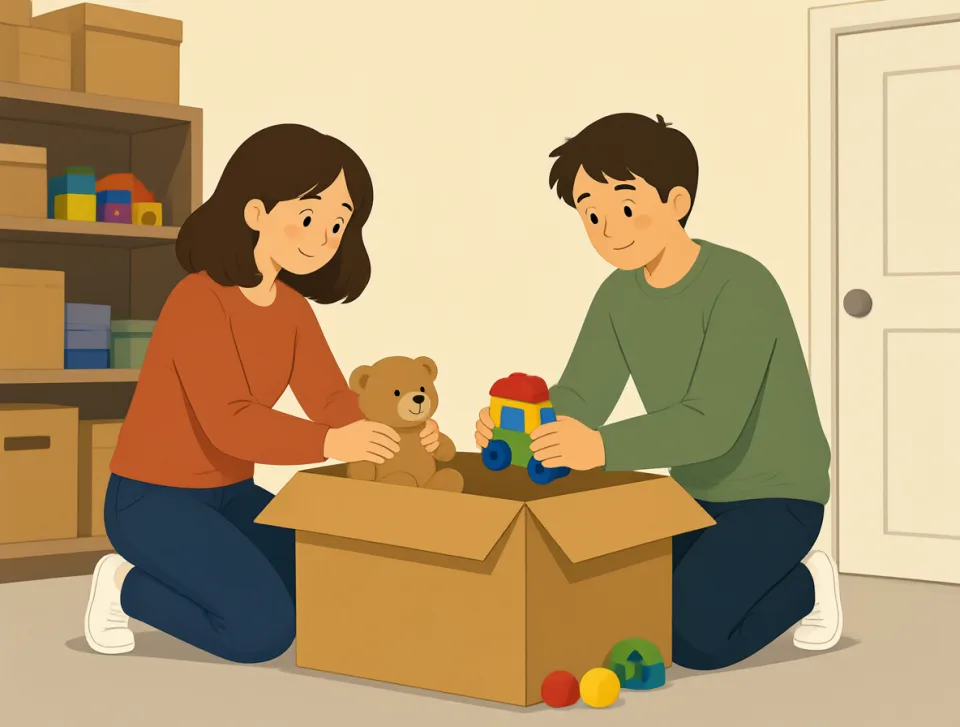
We boxed the old toys yesterday.
Wczoraj spakowaliśmy stare zabawki do pudeł.

The boxer won his first fight.
Bokser wygrał swoją pierwszą walkę.

huge
#862adjective
ogromny
Very big in size, amount, or degree.
Bardzo duży pod względem rozmiaru, ilości lub stopnia.
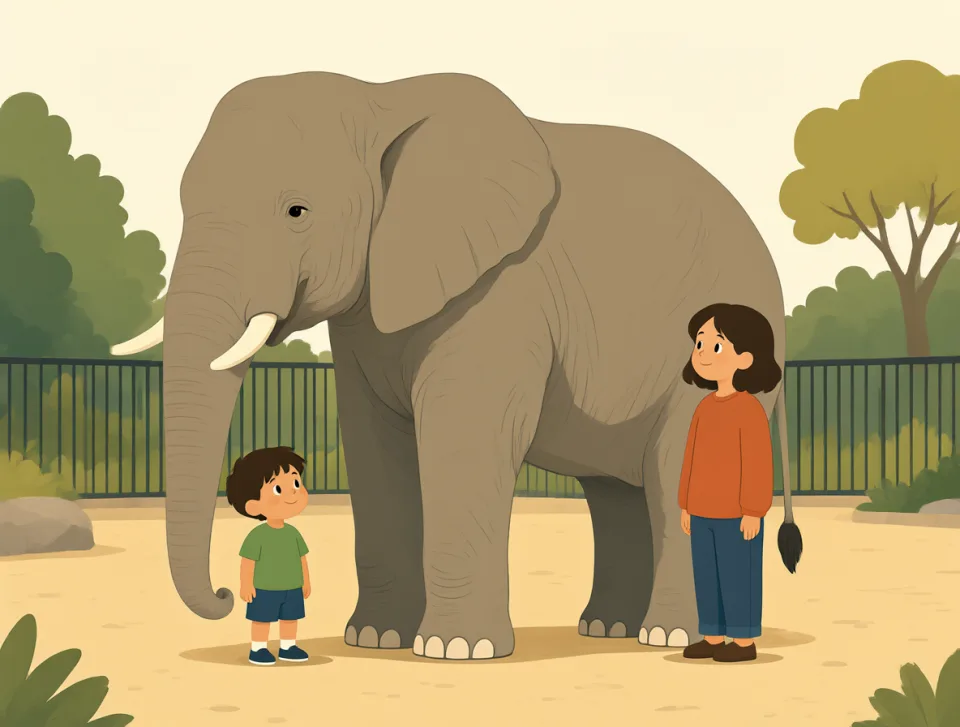
That elephant is huge and very strong.
Ten słoń jest ogromny i bardzo silny.
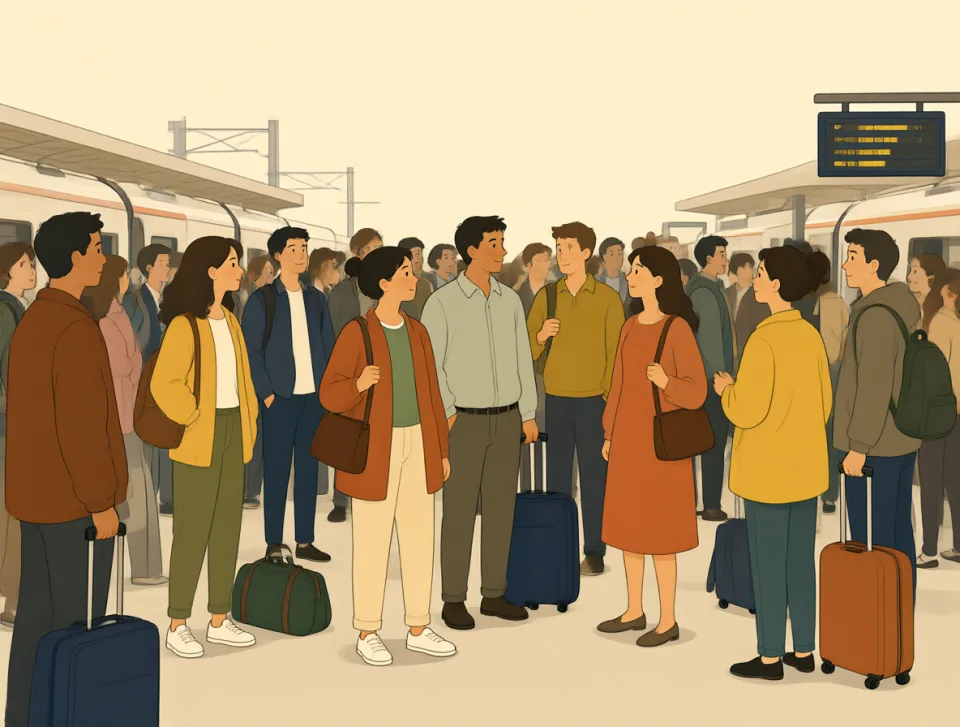
We saw a huge crowd at the station.
Na stacji zobaczyliśmy ogromny tłum.
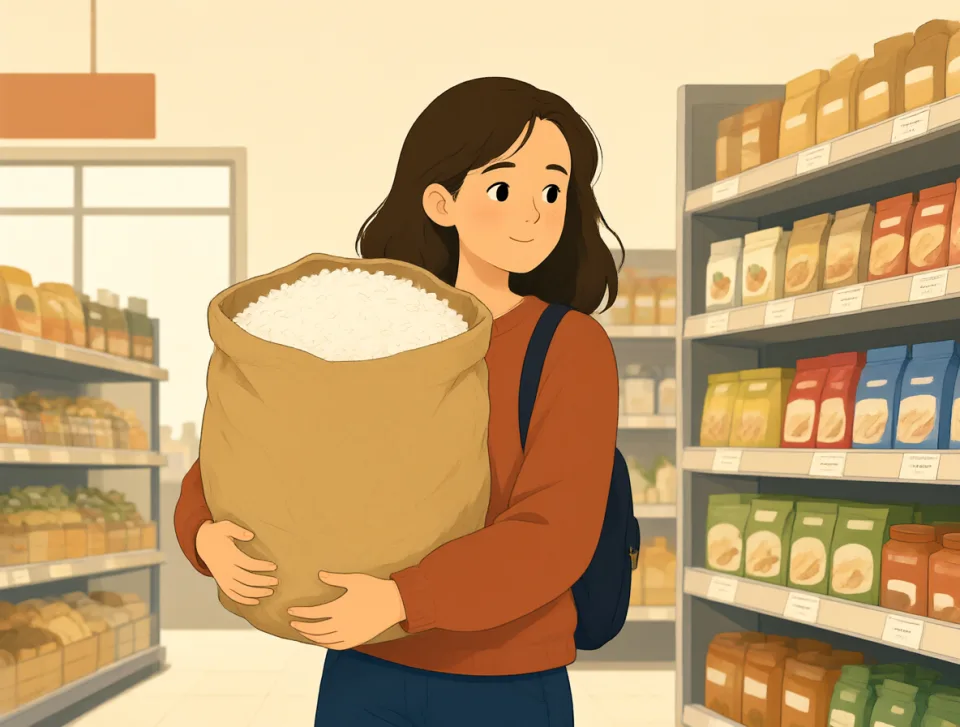
She bought a huge bag of rice.
Kupiła ogromny worek ryżu.

He made a huge mistake at work.
Popełnił ogromny błąd w pracy.
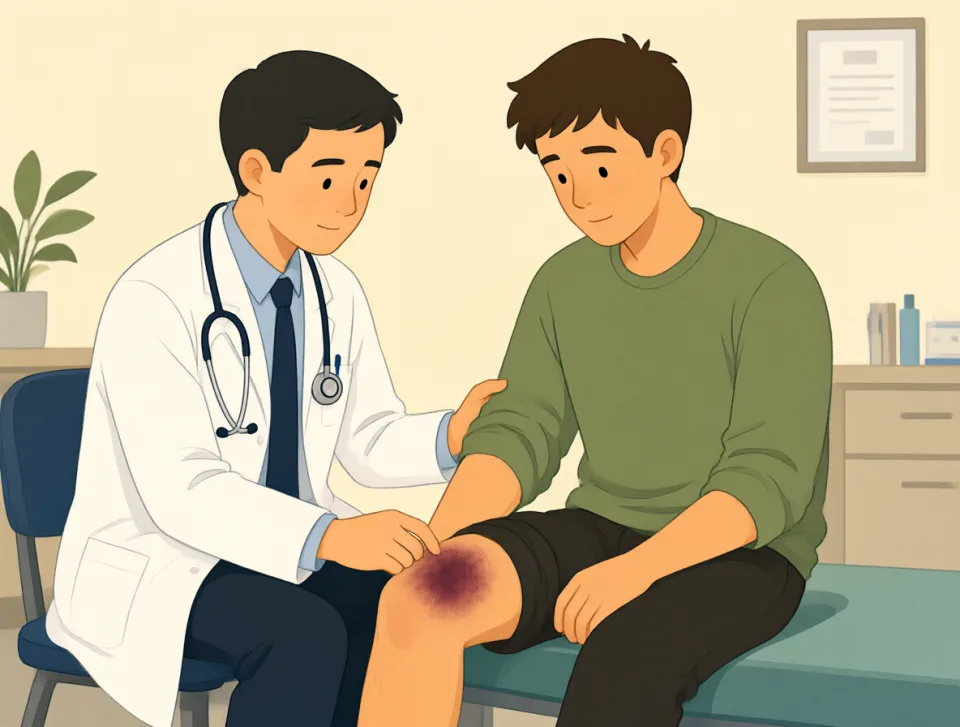
The doctor found a huge bruise on his leg.
Lekarz zauważył ogromnego siniaka na jego nodze.
message
#863noun, verb
wiadomość
Information sent to someone, often by phone, email, or spoken words.
Informacja przekazana komuś, często przez telefon, e-mail lub ustnie.
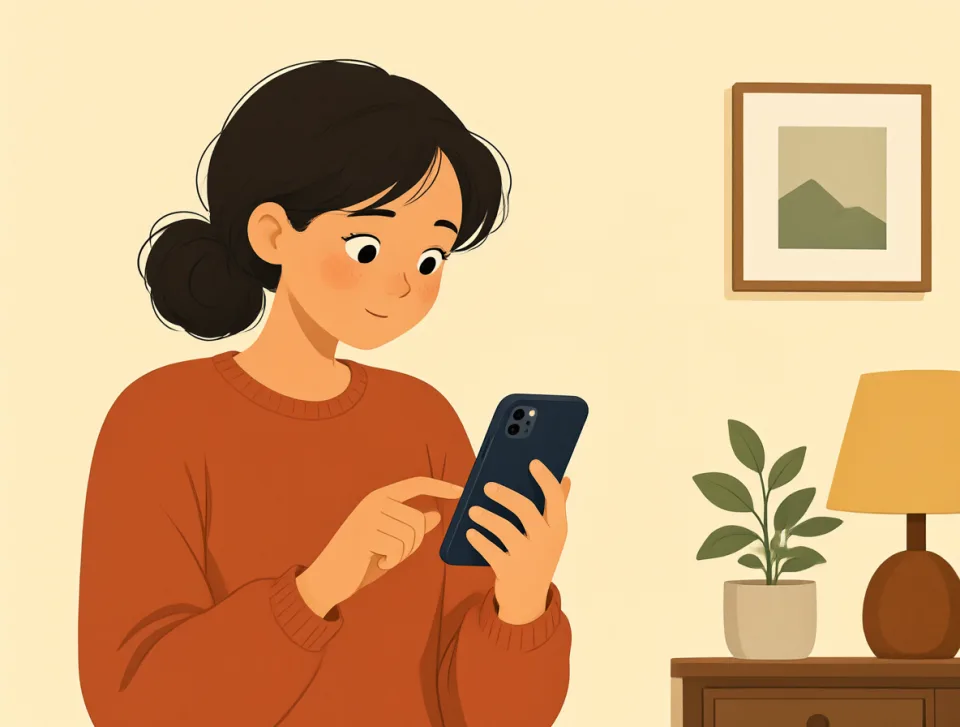
I sent you a message this morning.
Wysłałem ci dziś rano wiadomość.

She left a message after the meeting.
Po spotkaniu zostawiła wiadomość.

Please message me when you arrive.
Napisz do mnie, proszę, kiedy dotrzesz na miejsce.
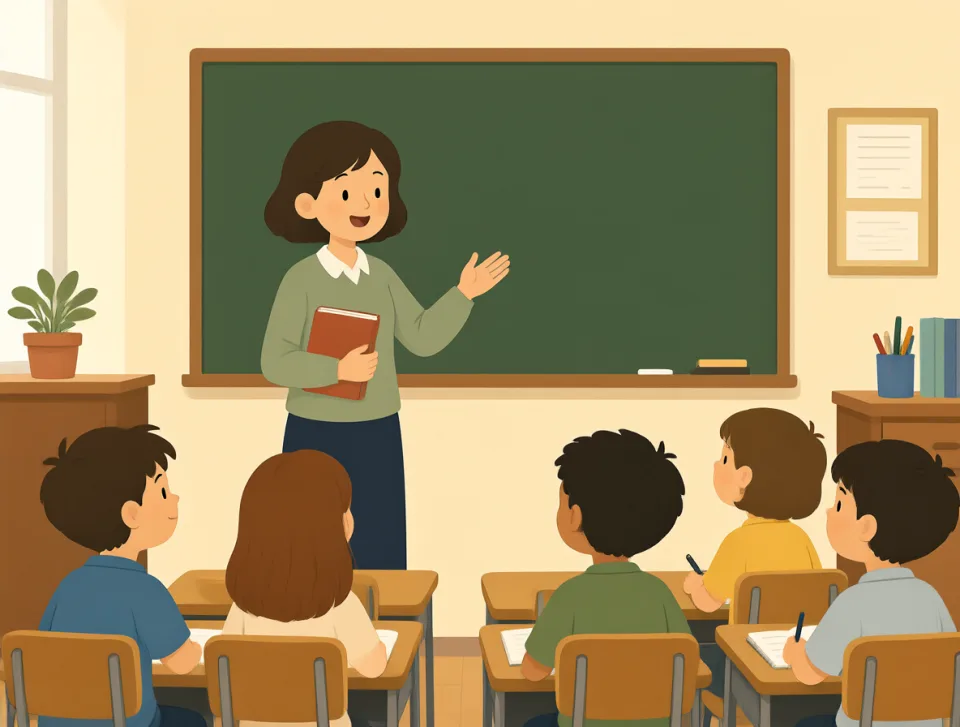
The teacher gave us a clear message.
Nauczyciel przekazał nam jasny komunikat.
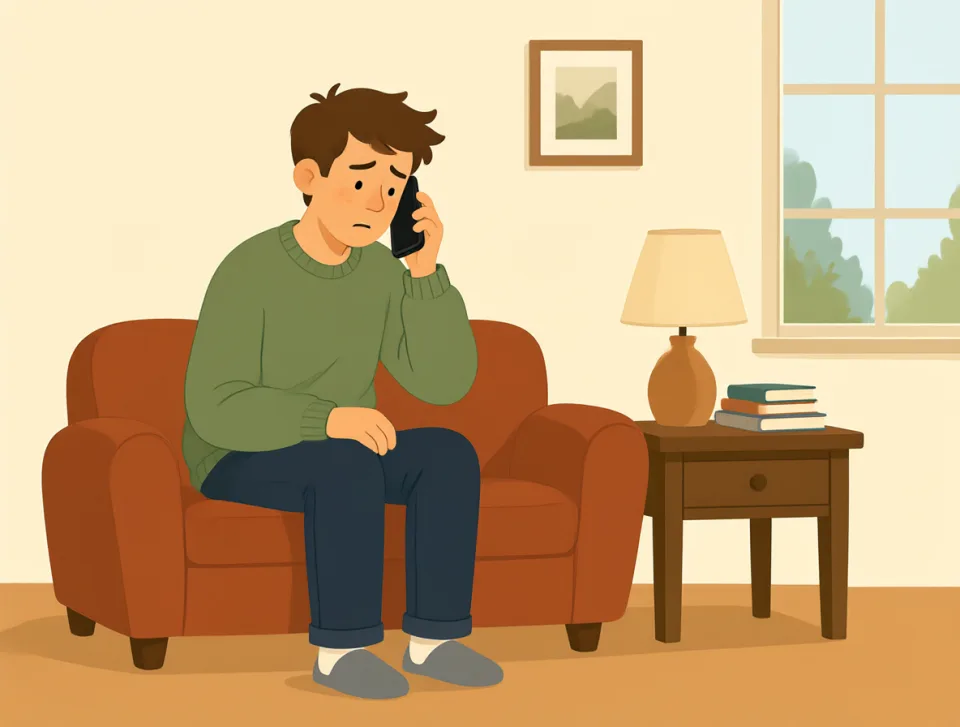
He messaged his doctor about his cough.
Napisał do swojego lekarza w sprawie kaszlu.
instance
#864noun
przykład
one example or occurrence of something
Jeden przykład lub przypadek wystąpienia czegoś.
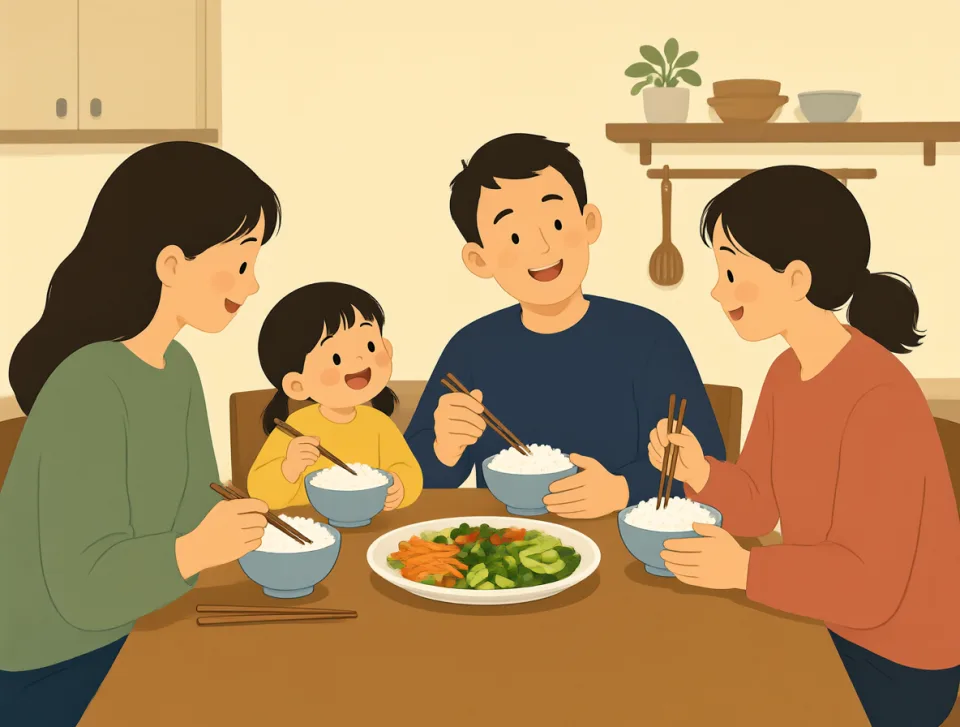
For instance, we eat rice with vegetables.
Na przykład jemy ryż z warzywami.

In this instance, the customer paid cash.
W tym przypadku klient zapłacił gotówką.
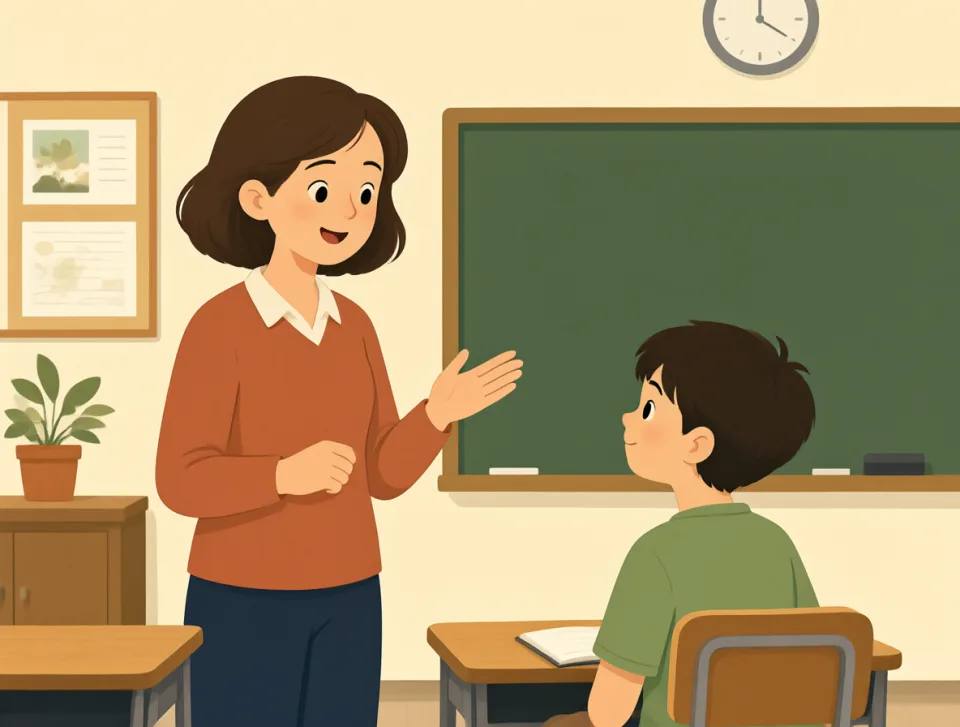
The teacher asked for an instance of kindness.
Nauczyciel poprosił o przykład życzliwości.
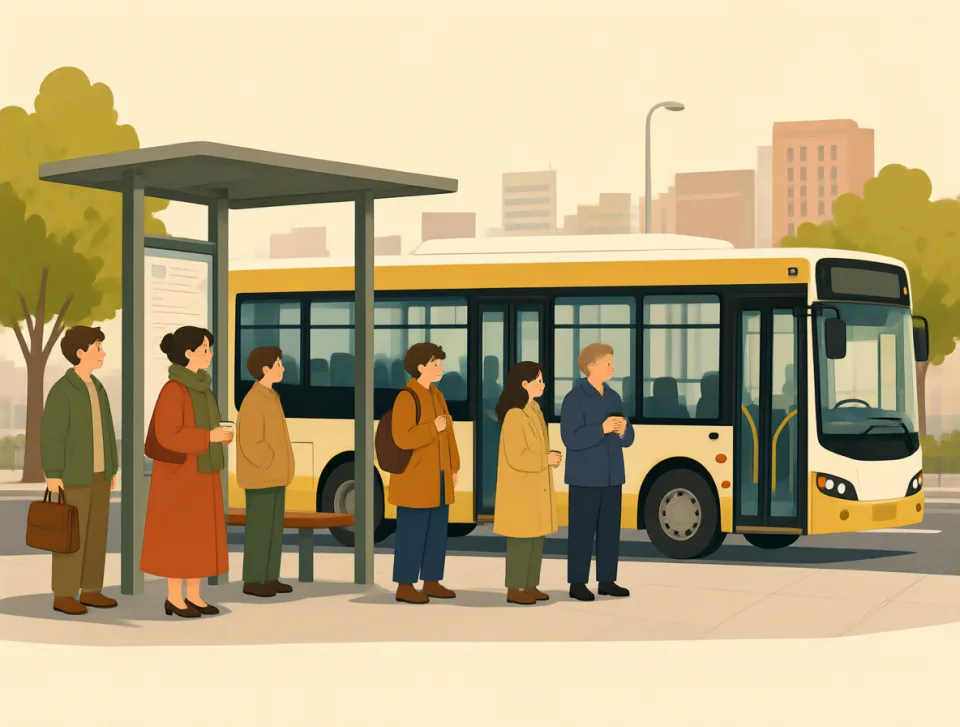
In many instances, the bus arrives late.
W wielu przypadkach autobus się spóźnia.
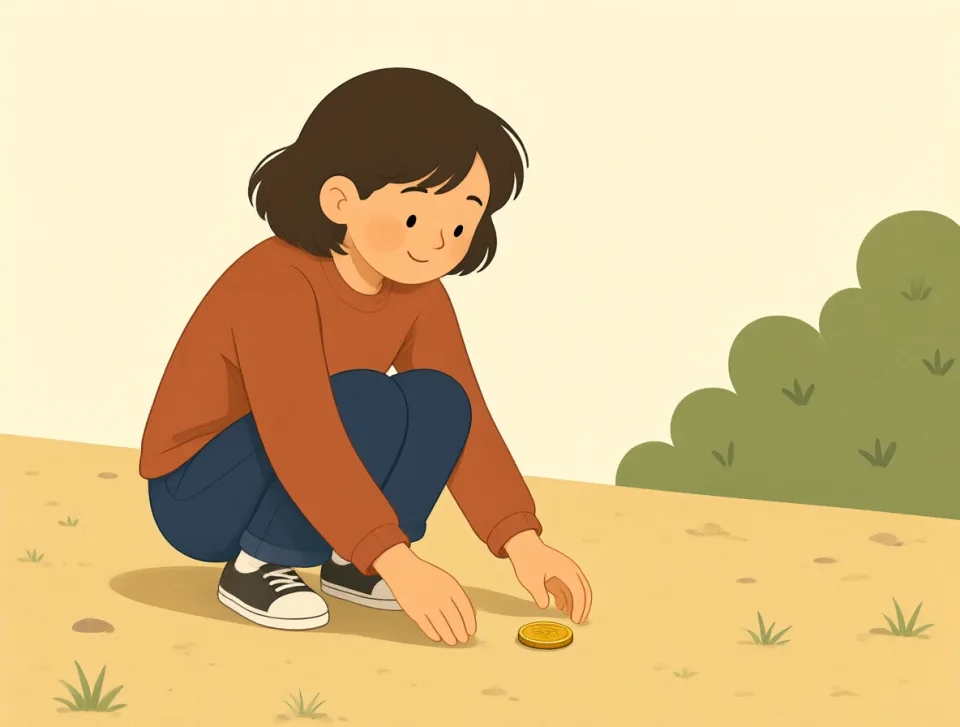
That was an unusual instance of good luck.
To był niezwykły przypadek szczęśliwego trafu.

style
#865noun, verb
styl
The way something looks or the way someone does something.
Sposób, w jaki coś wygląda, albo w jaki ktoś coś robi.
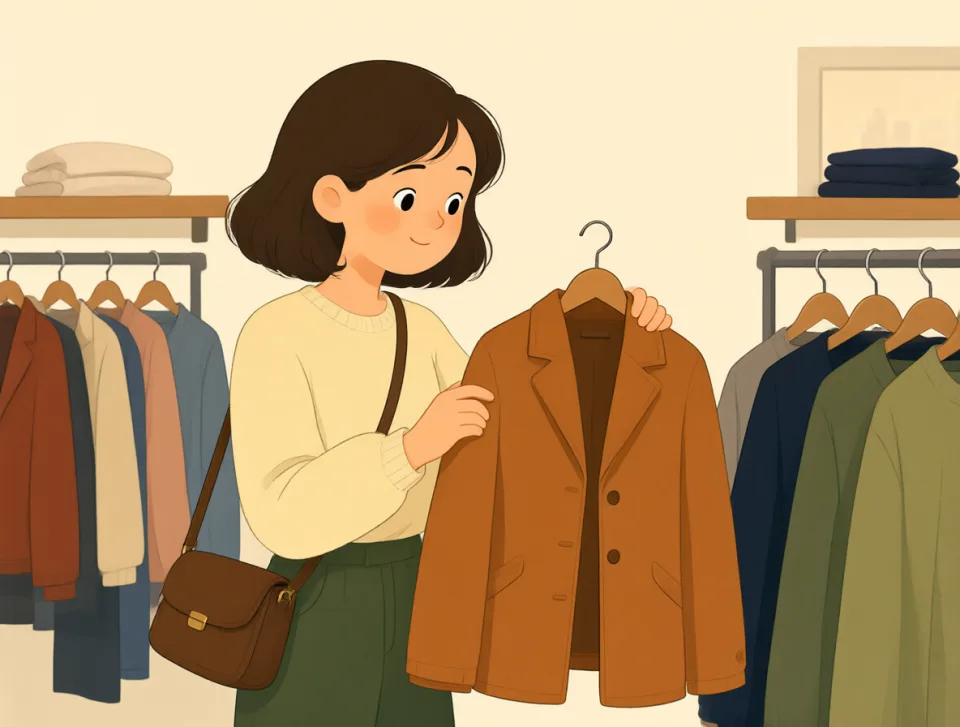
I like the style of this jacket.
Podoba mi się styl tej kurtki.
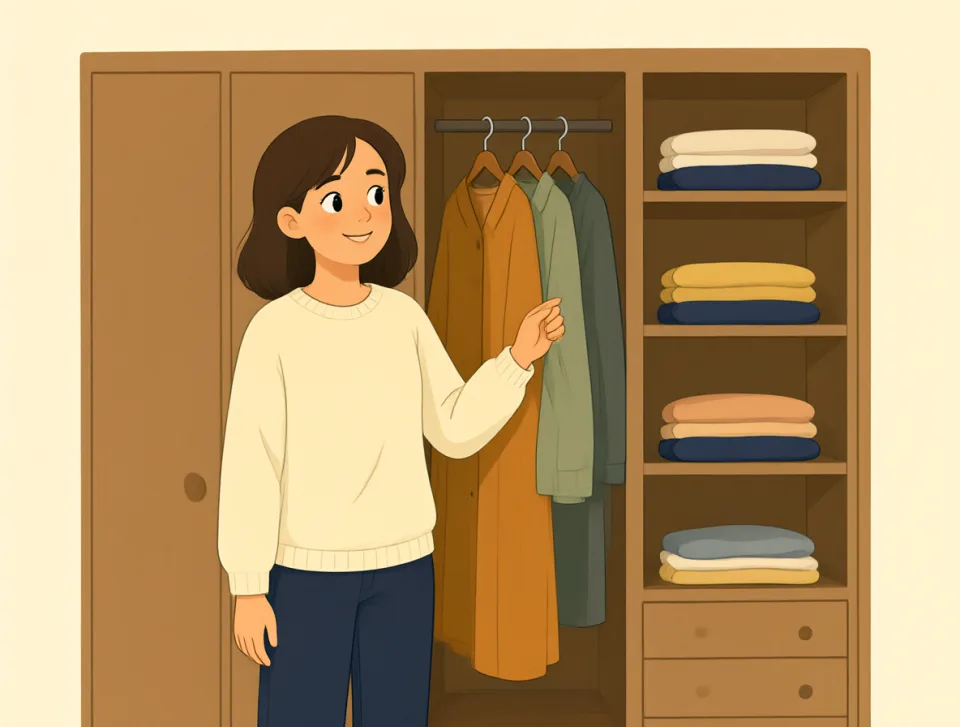
She has a simple style of dress.
Ona ubiera się w prostym stylu.
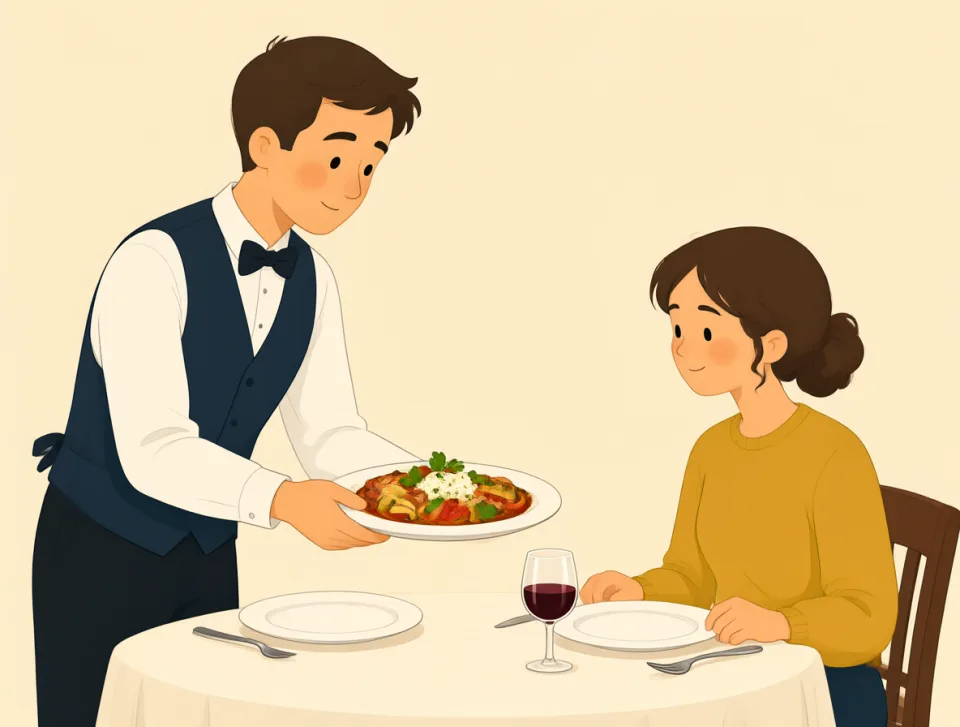
This restaurant serves food in Italian style.
Ta restauracja serwuje jedzenie po włosku.

He styles his hair before work.
Przed pracą układa włosy.
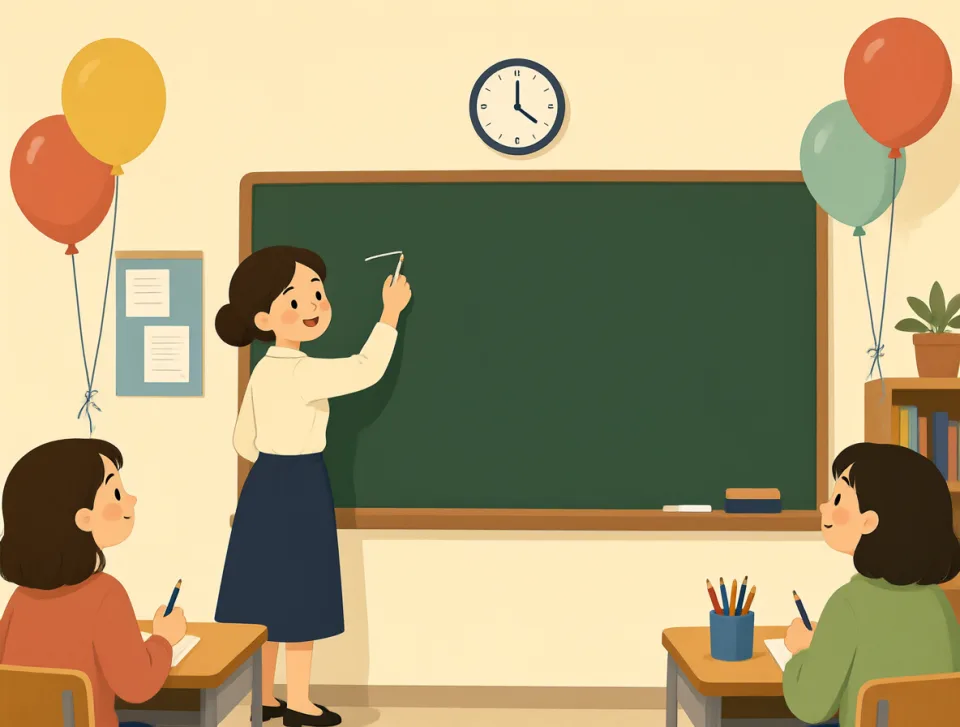
The teacher styled the room for a party.
Nauczyciel udekorował salę na przyjęcie.

refer
#866verb
skierować
To mention or direct someone to a person, place, or source for information.
Wskazać komuś osobę, miejsce lub źródło, gdzie może znaleźć informacje.
She referred me to a good doctor.
Skierowała mnie do dobrego lekarza.
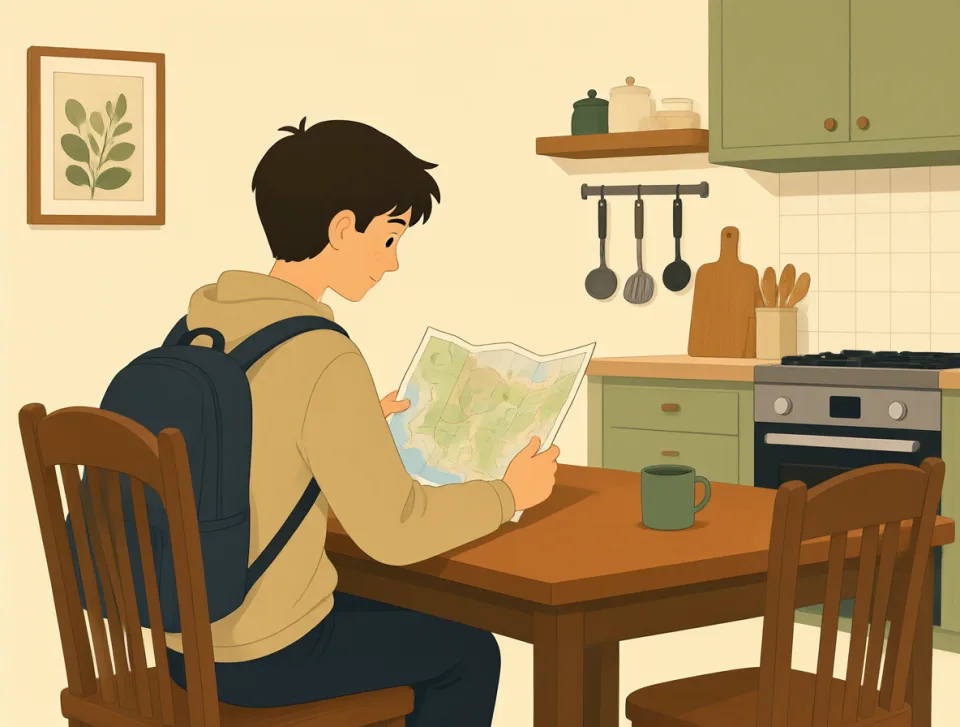
Please refer to the map before we leave.
Zanim wyruszymy, zajrzyj proszę na mapę.
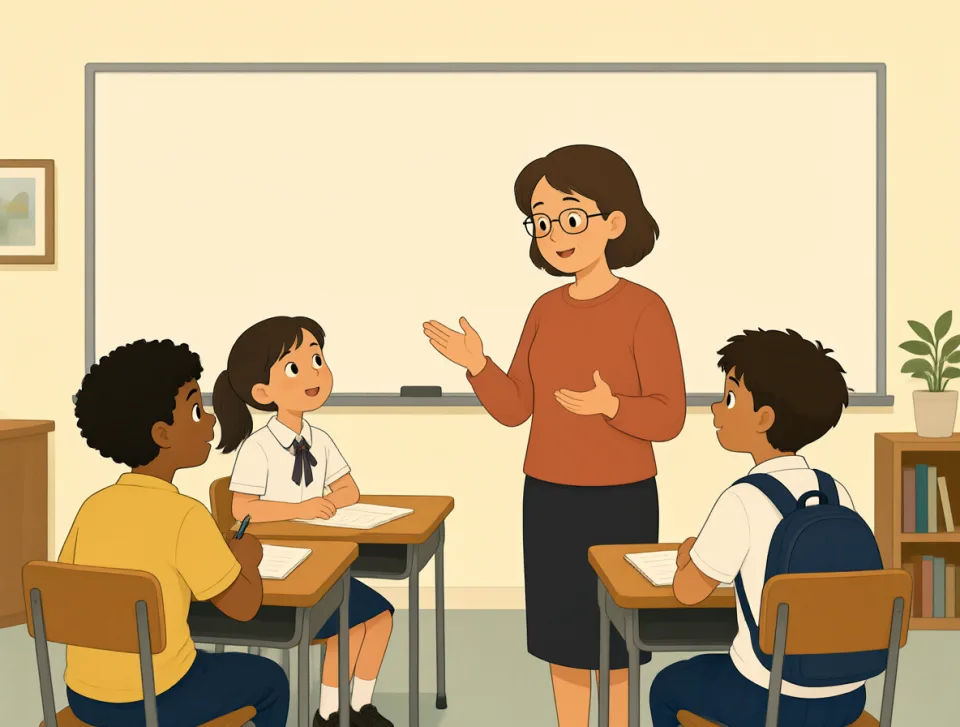
He referred to his old teacher in class.
Na lekcji wspomniał o swoim dawnym nauczycielu.
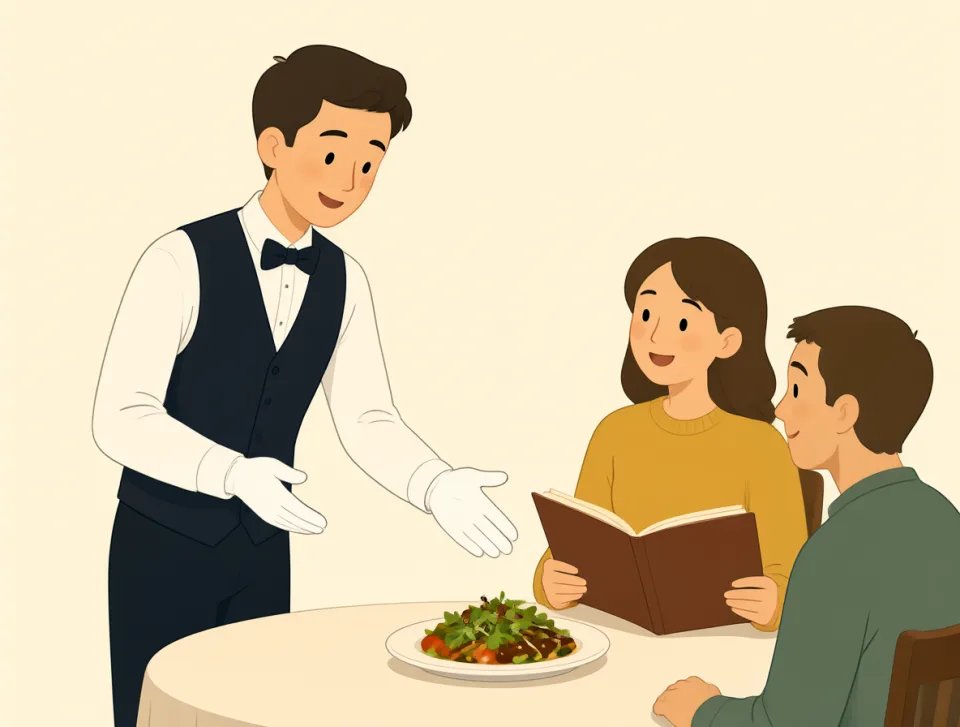
The waiter referred us to the daily special.
Kelner polecił nam danie dnia.
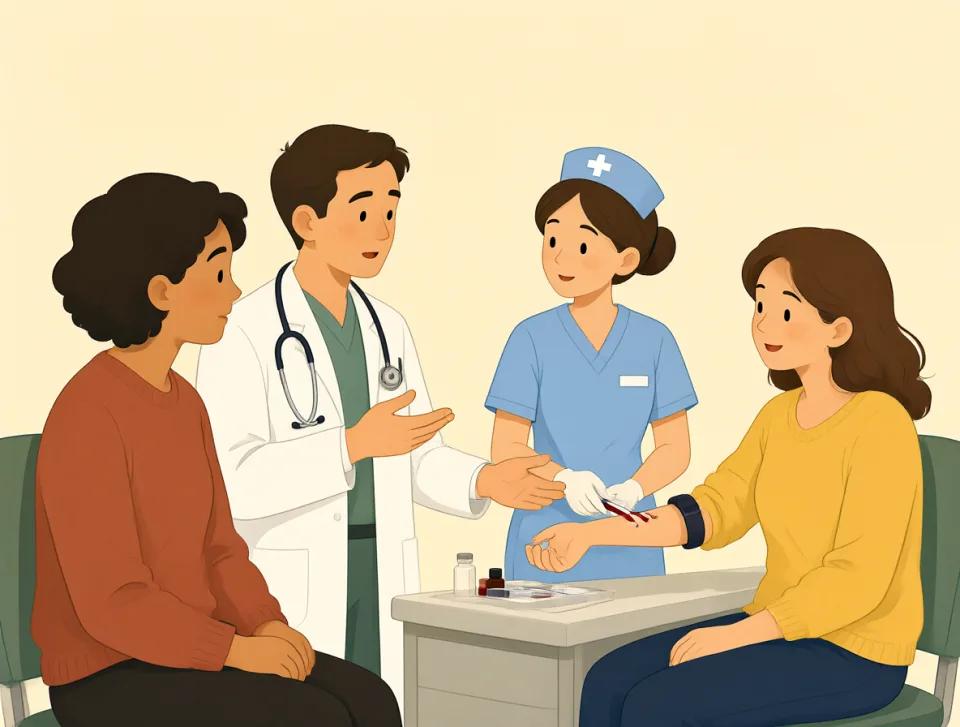
The doctor referred her for a blood test.
Lekarz skierował ją na badanie krwi.
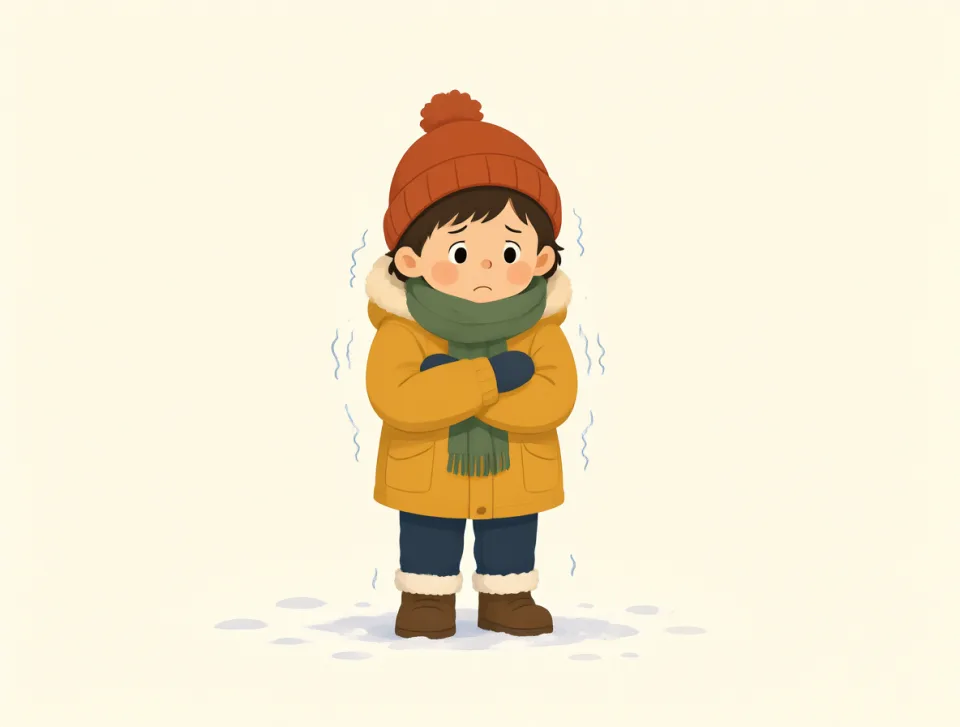
cold
#867adjective, noun
zimny; przeziębienie
Having a low temperature; a common illness with a blocked or runny nose.
Mający niską temperaturę; powszechna choroba objawiająca się zatkanym lub cieknącym nosem.
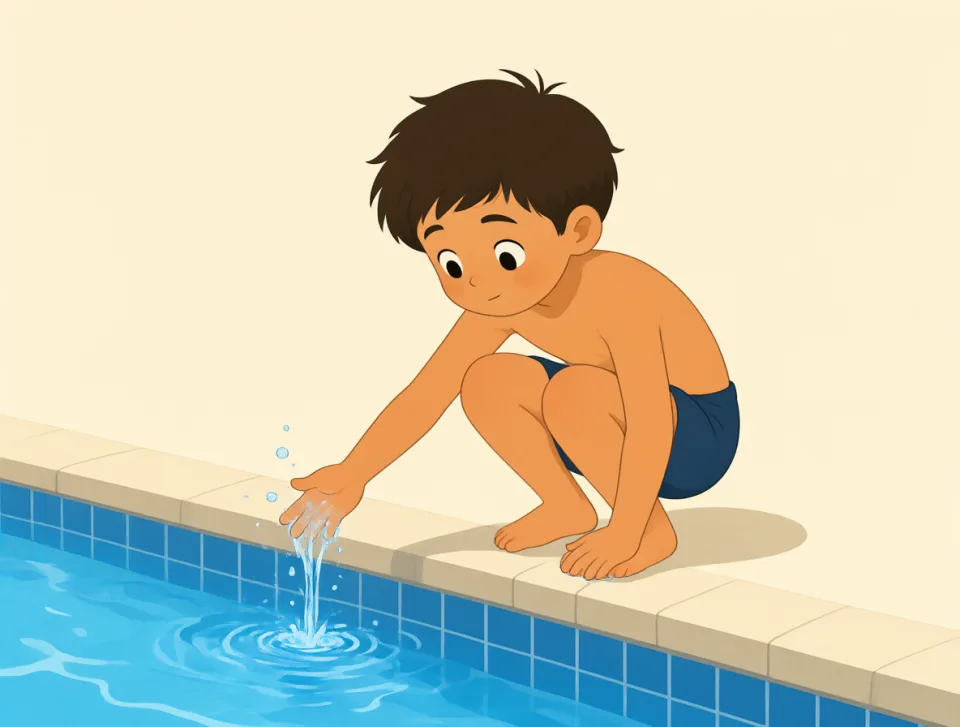
The water is too cold to swim.
Woda jest zbyt zimna, żeby pływać.
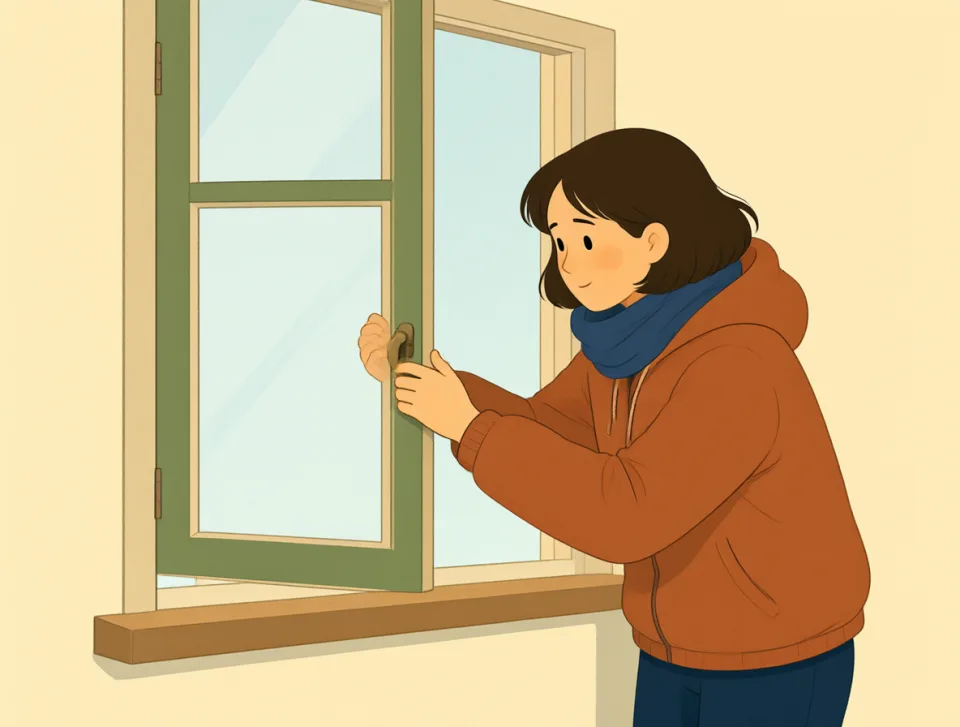
Please close the window; I am cold.
Zamknij proszę okno, jest mi zimno.

I caught a cold from my brother.
Zaraziłem się przeziębieniem od brata.
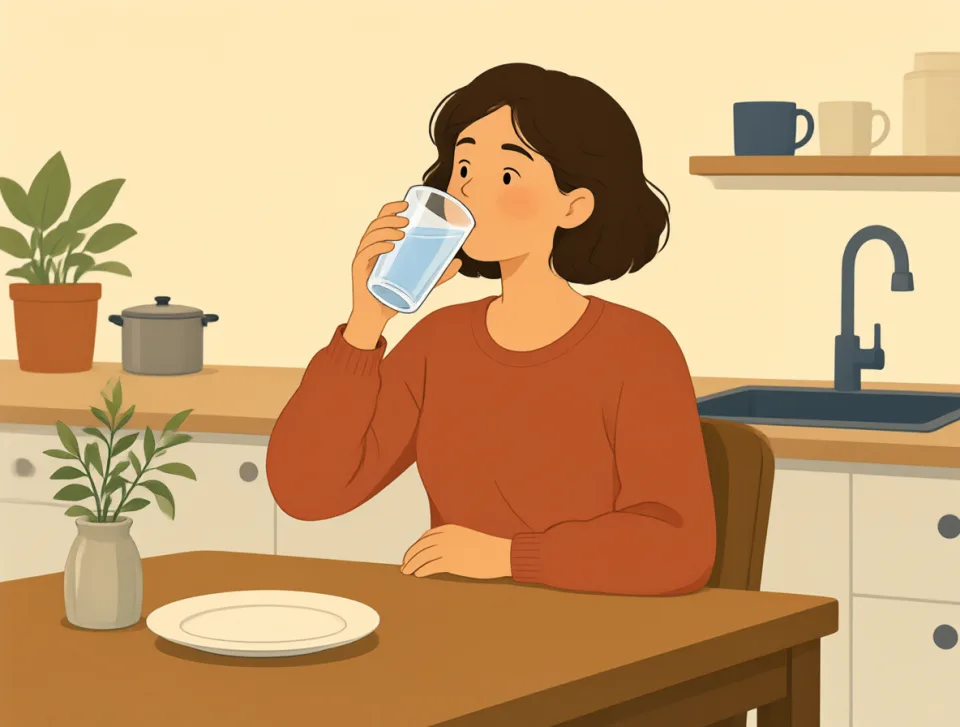
She drank a cold glass of water.
Wypiła szklankę zimnej wody.

We ate cold chicken on the train.
Zjedliśmy zimnego kurczaka w pociągu.
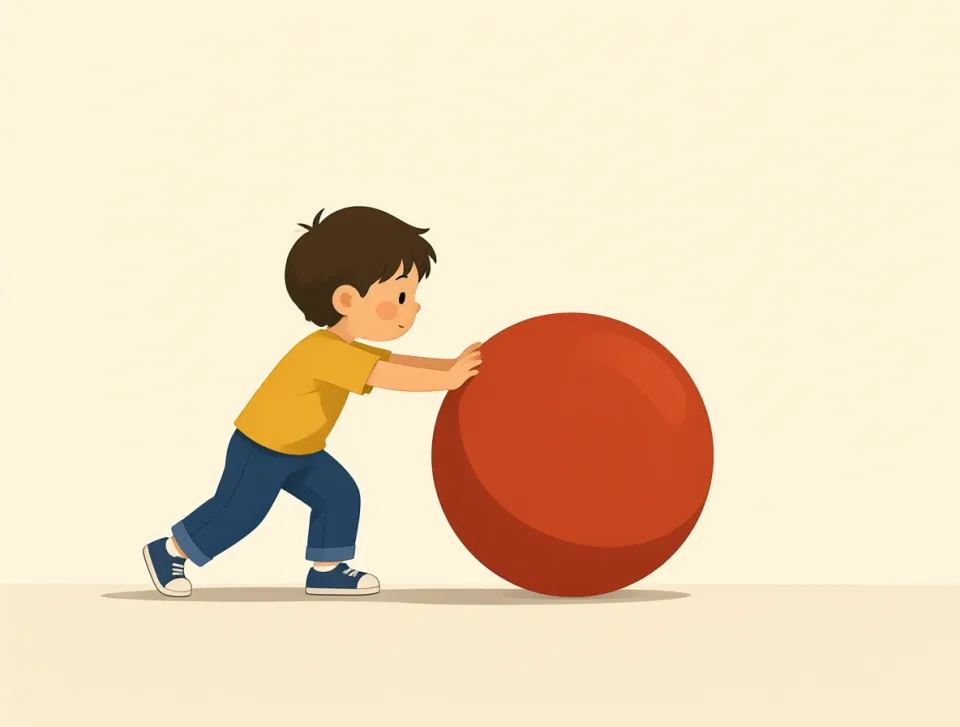
push
#868verb, noun
pchać; pchnięcie
To move something forward by pressing it; an act of pressing or forcing.
Przesuwać coś do przodu, naciskając na to; akt naciskania lub przymuszania.
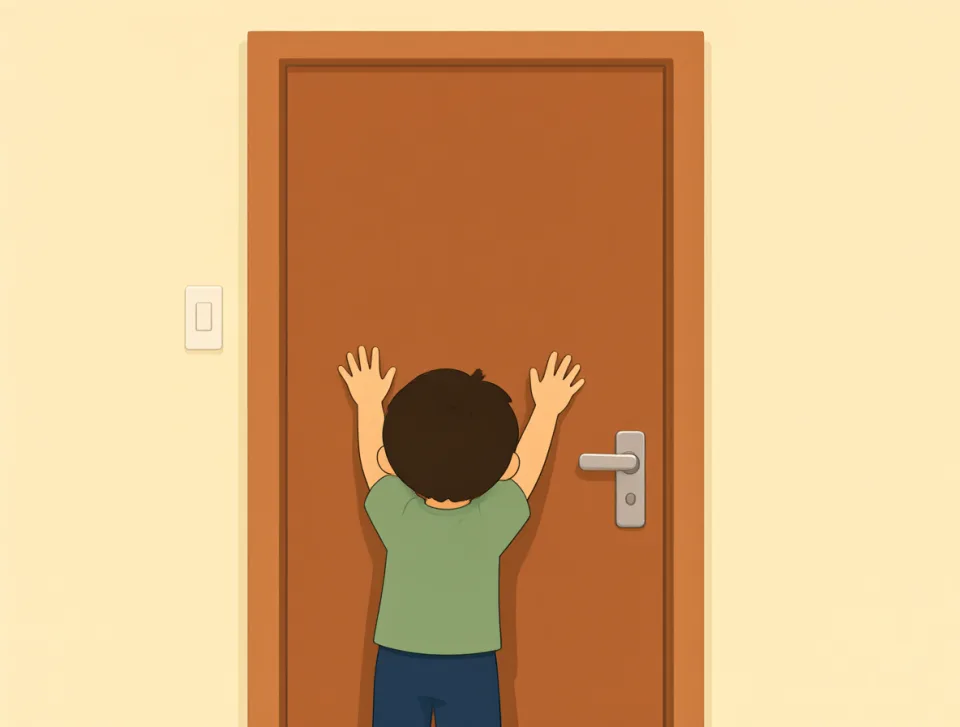
Please push the door open.
Otwórz proszę drzwi, pchając je.
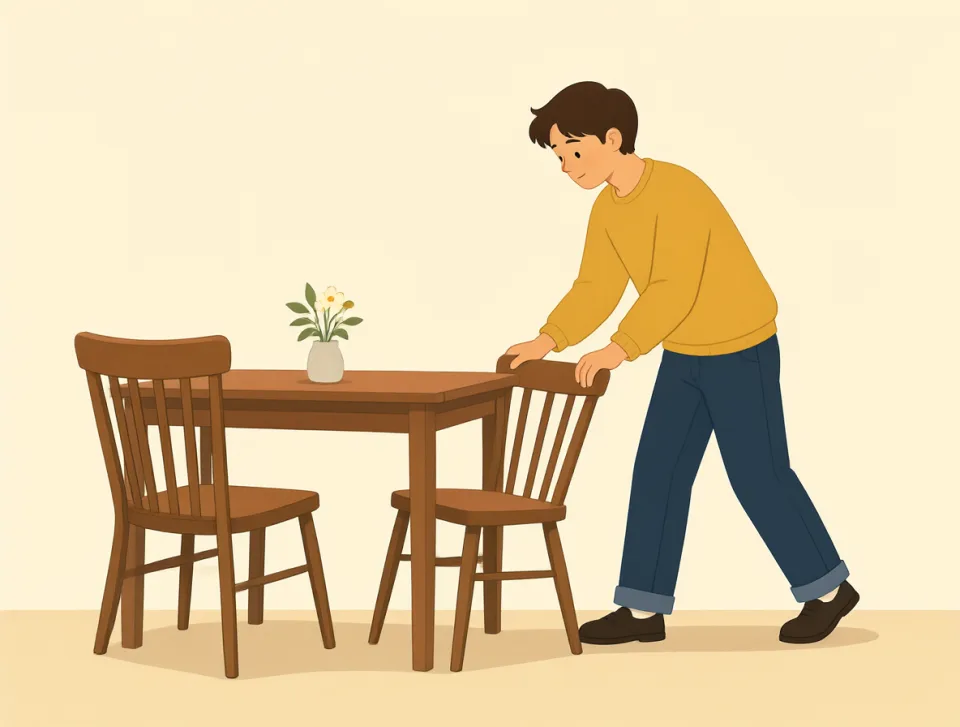
He pushed the chair under the table.
Wsunął krzesło pod stół.
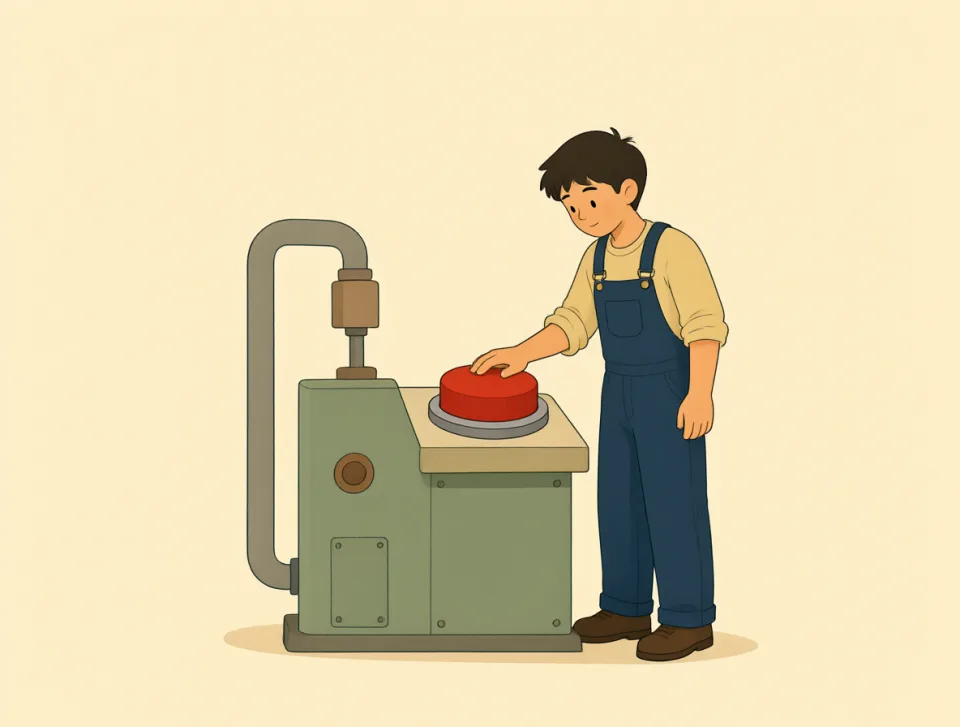
Push the button to start the machine.
Naciśnij przycisk, aby uruchomić urządzenie.
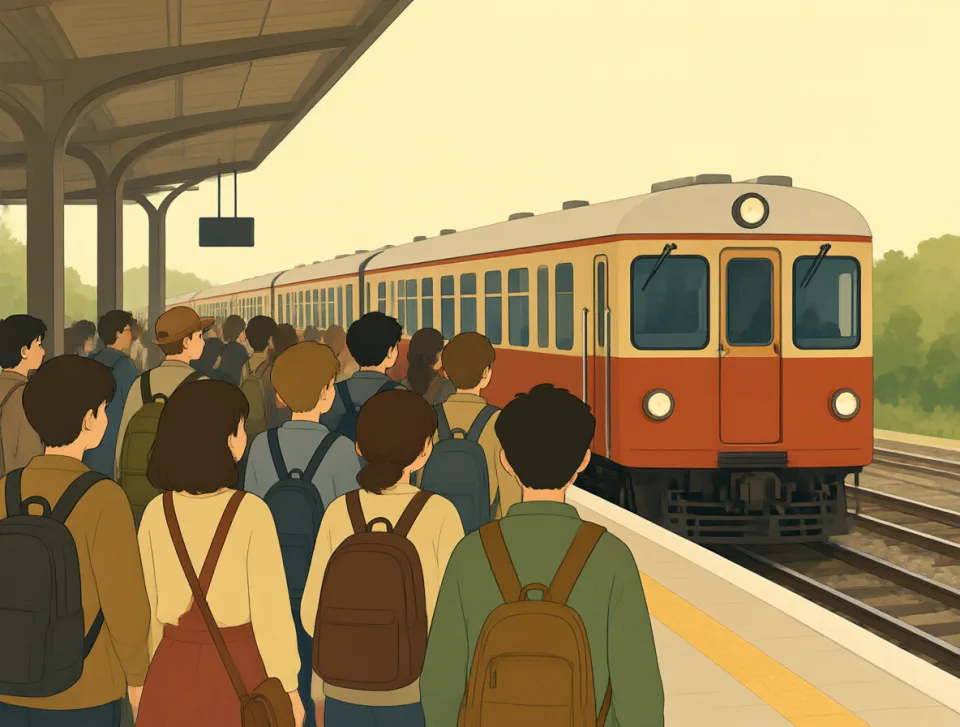
The crowd pushed toward the train.
Tłum ruszył w stronę pociągu, napierając na siebie.
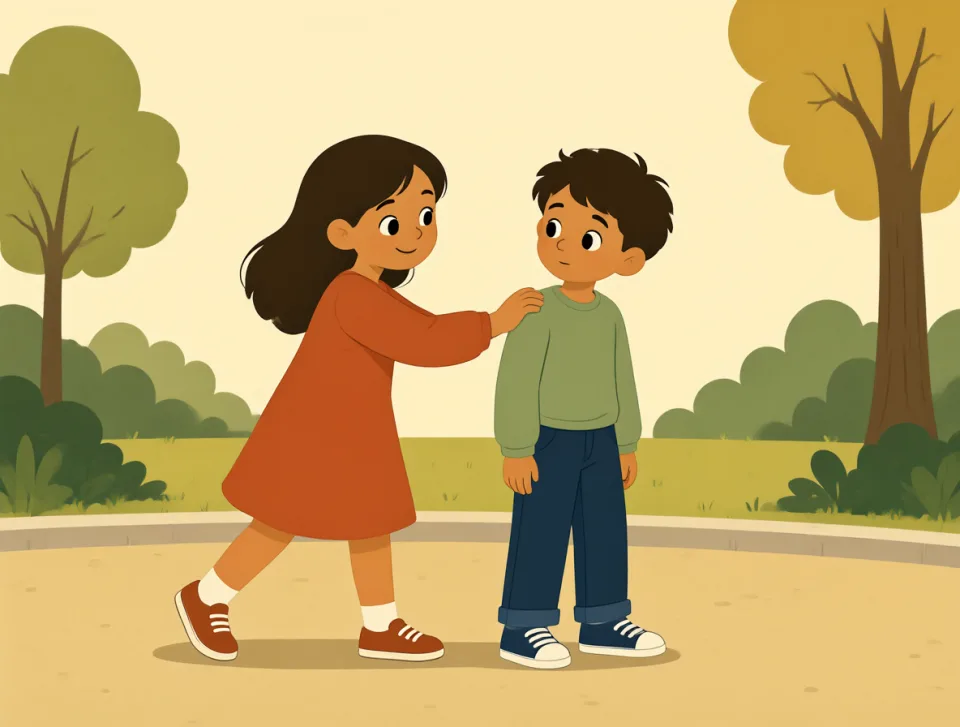
She gave me a gentle push.
Delikatnie mnie popchnęła.
quarter
#869noun, verb
ćwierć; dzielić na ćwiartki
One of four equal parts of something; to divide something into four parts.
Jedna z czterech równych części czegoś; podzielić coś na cztery części.
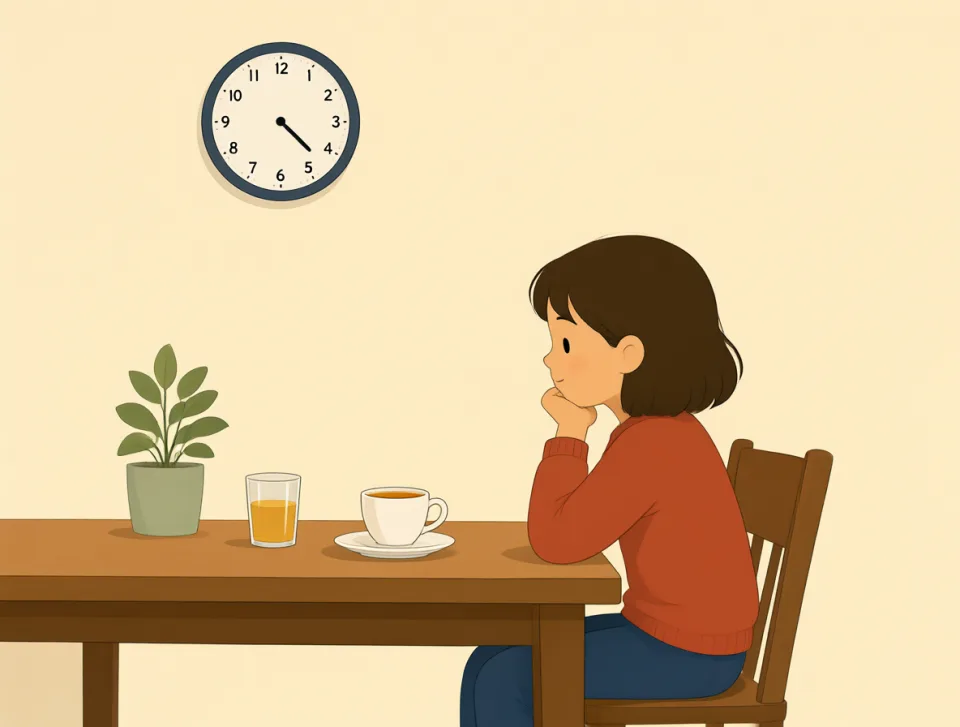
It is quarter past three.
Jest kwadrans po trzeciej.
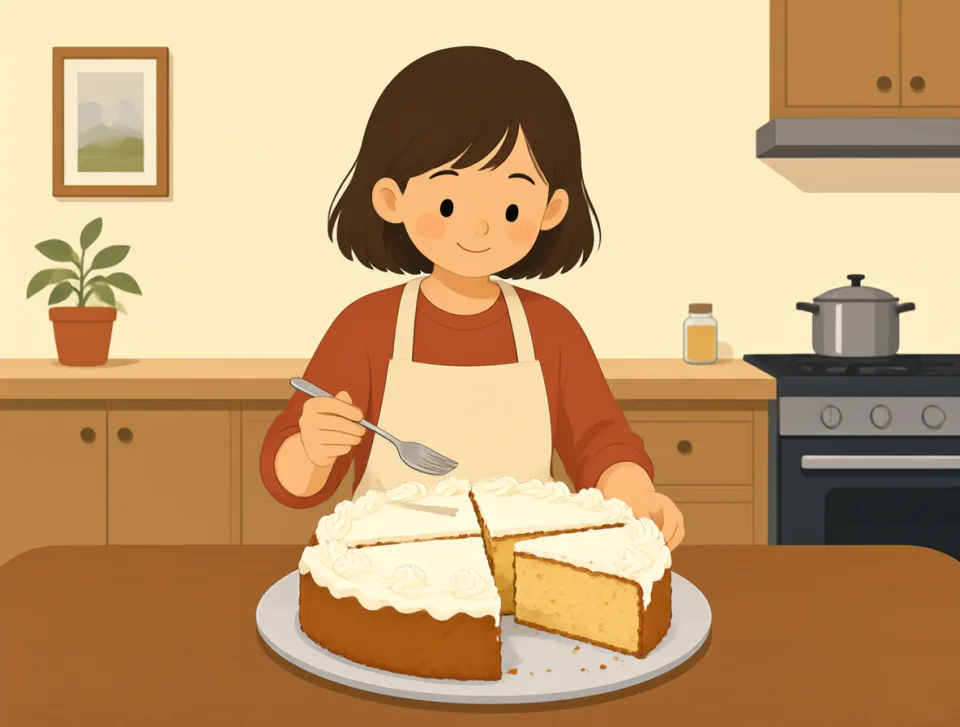
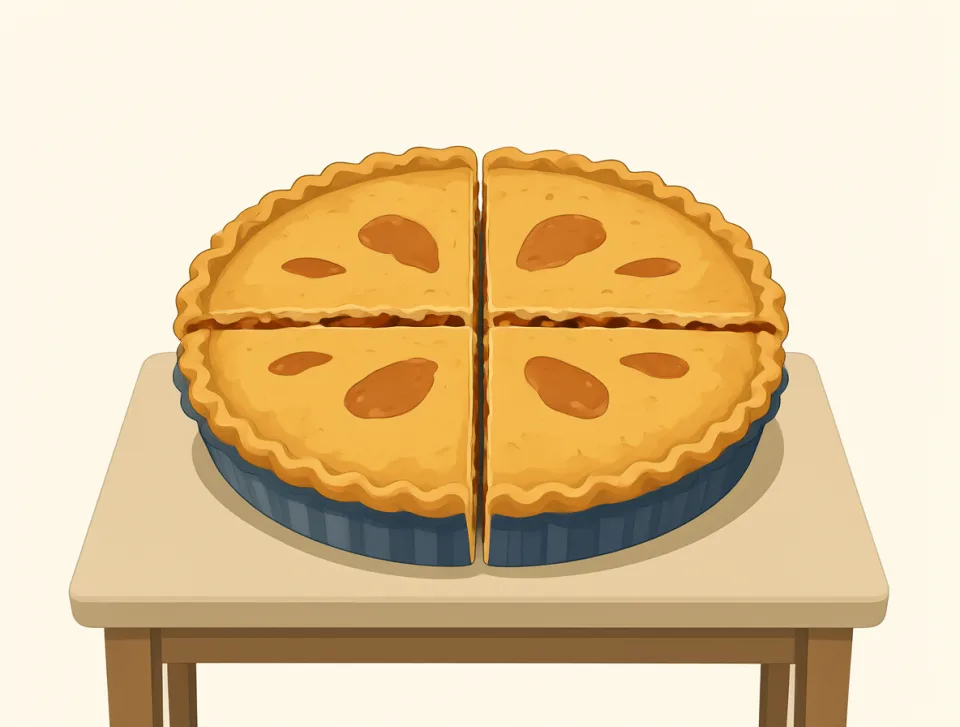
She ate a quarter of the cake.
Zjadła ćwierć ciasta.

The store is a quarter mile away.
Sklep jest oddalony o ćwierć mili.
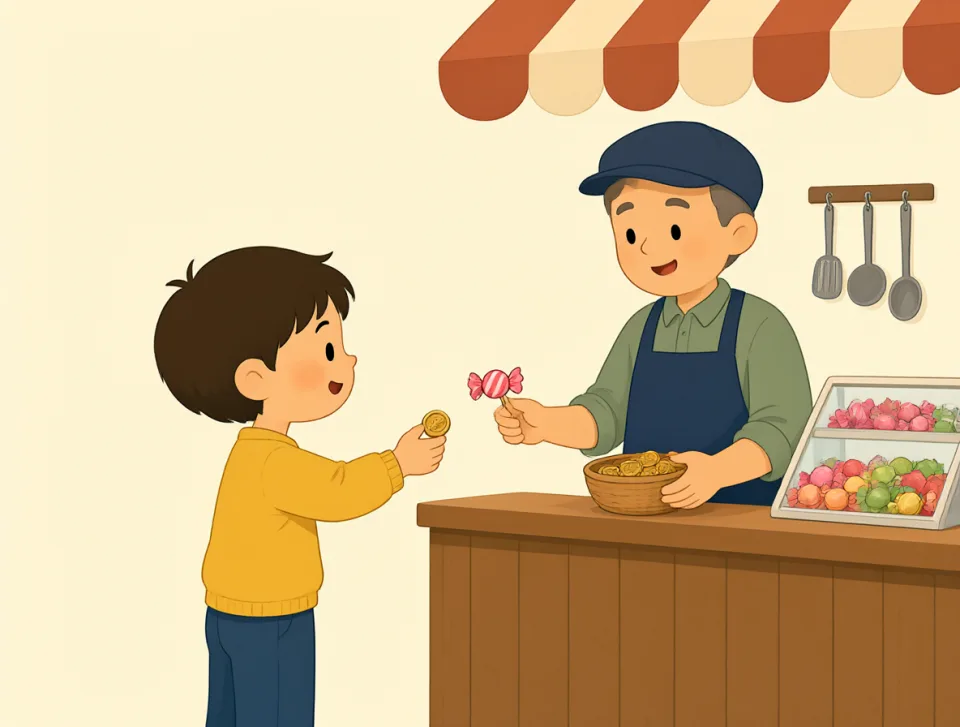
He paid a quarter for the candy.
Zapłacił za cukierka ćwierć dolara.
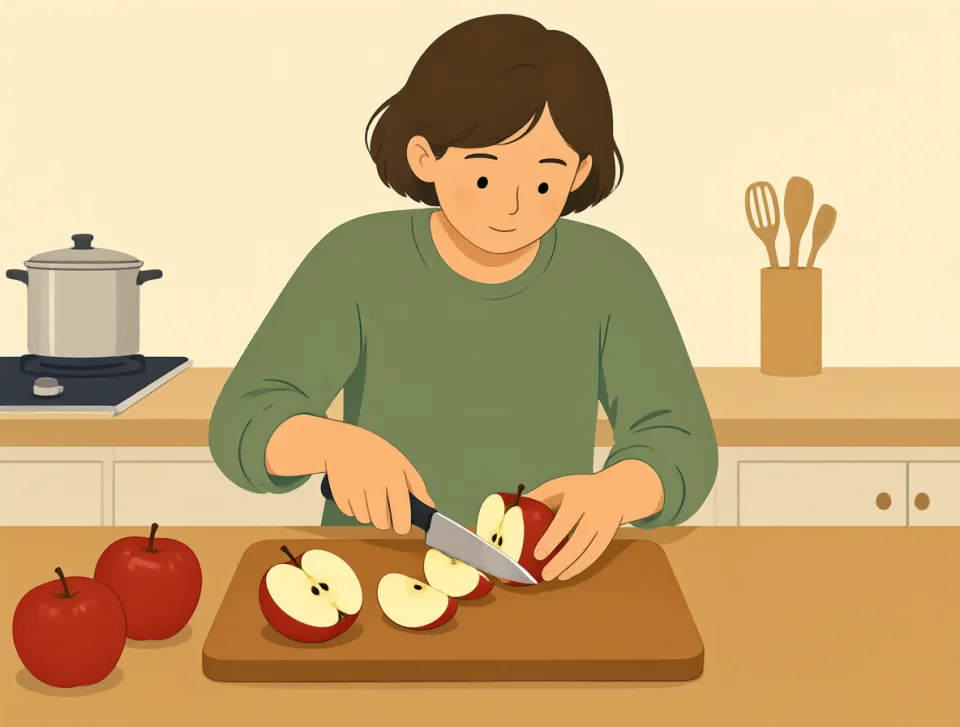
Quarter the apples before cooking them.
Pokrój jabłka na ćwiartki, zanim je ugotujesz.
assume
#870verb
zakładać
to think something is true without checking
Uważać coś za prawdę, nie sprawdzając tego.
I assumed you were at home.
Myślałem, że jesteś w domu.
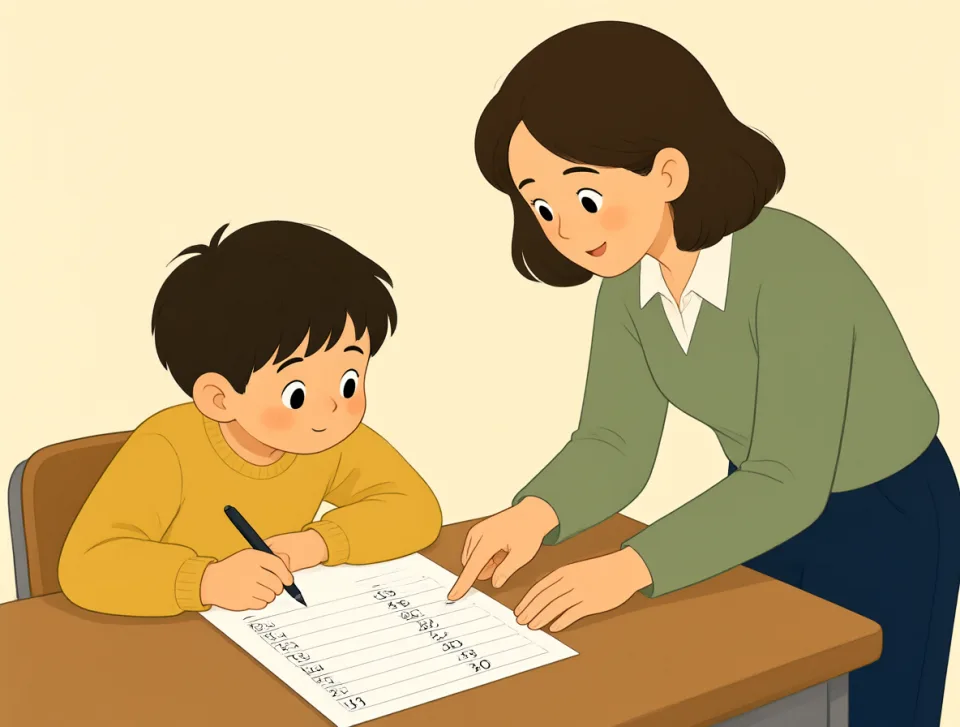
Do not assume the answer is correct.
Nie zakładaj, że odpowiedź jest poprawna.

We assumed the train would arrive soon.
Zakładaliśmy, że pociąg wkrótce przyjedzie.

She assumed responsibility for the mistake.
Wzięła na siebie odpowiedzialność za ten błąd.
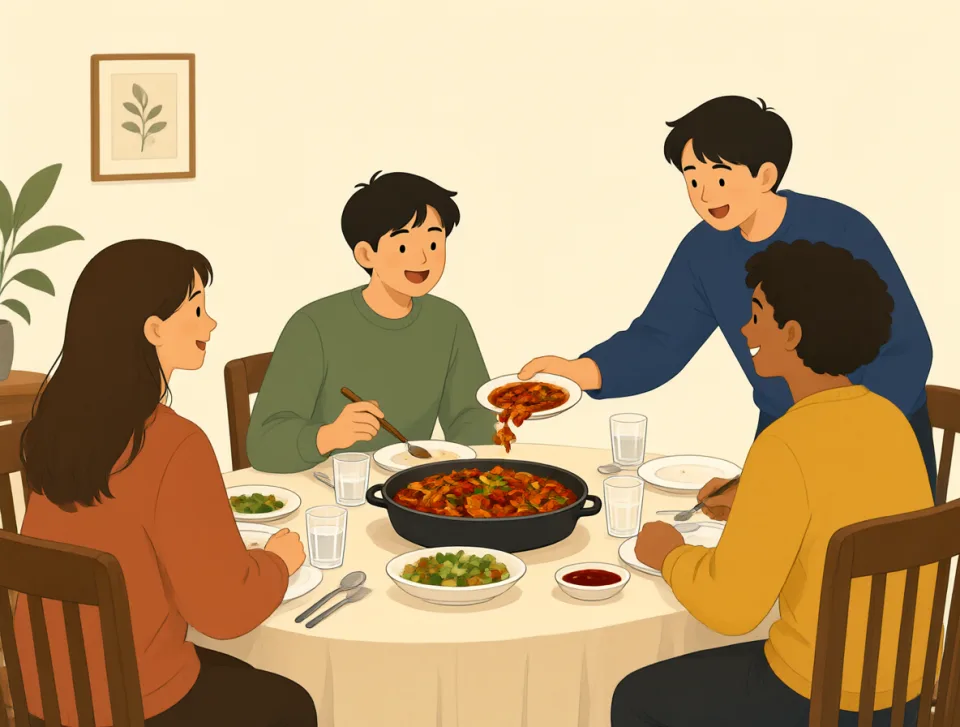
Let's not assume everyone likes spicy food.
Nie zakładajmy, że wszyscy lubią ostre jedzenie.

baby
#871noun
niemowlę
a very young child who cannot walk or talk yet
bardzo małe dziecko, które nie potrafi jeszcze chodzić ani mówić

The baby is sleeping in her crib.
Niemowlę śpi w swoim łóżeczku.
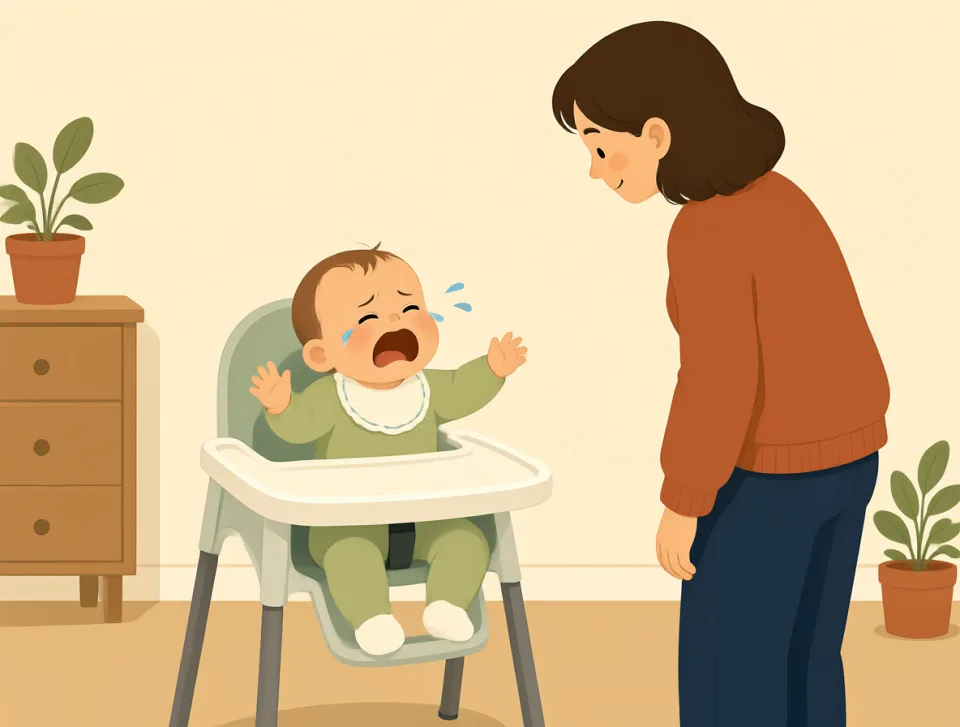
The baby began to cry after lunch.
Niemowlę zaczęło płakać po obiedzie.
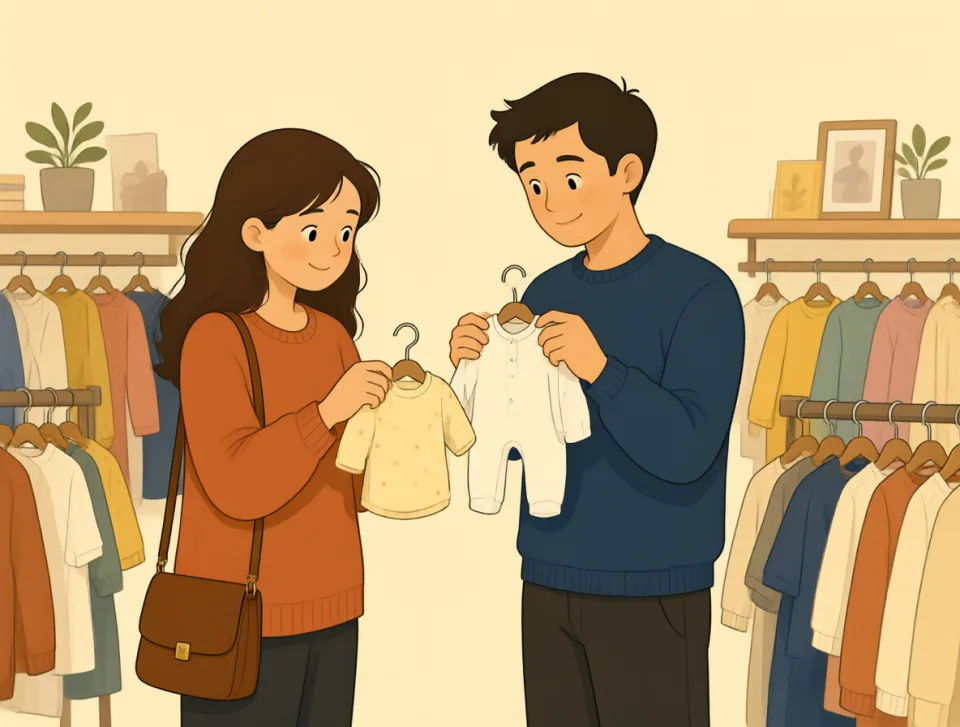
We bought new clothes for the baby.
Kupiliśmy nowe ubranka dla niemowlęcia.

The baby smiled at her brother.
Niemowlę uśmiechnęło się do swojego brata.
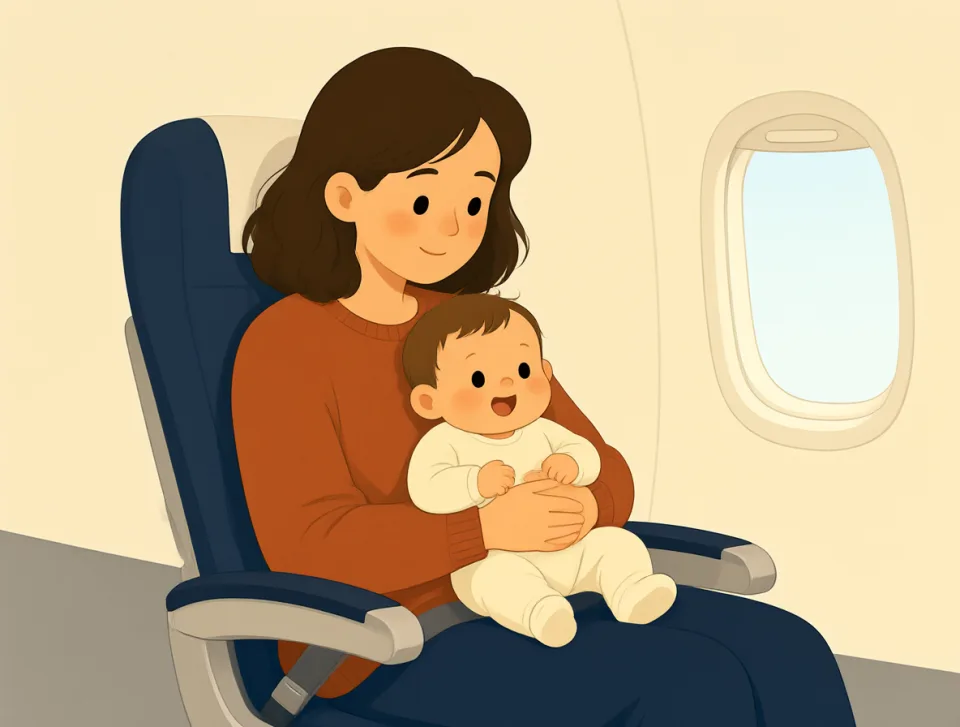
Please hold the baby during the flight.
Proszę potrzymać niemowlę podczas lotu.

successful
#872adjective
udany
Having the results you wanted or hoped for.
Taki, który przyniósł oczekiwane lub wymarzone rezultaty.

She had a successful interview yesterday.
Wczoraj odbyła udaną rozmowę kwalifikacyjną.

The shop had a successful opening day.
Pierwszy dzień działalności sklepu był udany.

He was successful at finding a new job.
Udało mu się znaleźć nową pracę.

Our school trip was very successful.
Nasza szkolna wycieczka była bardzo udana.
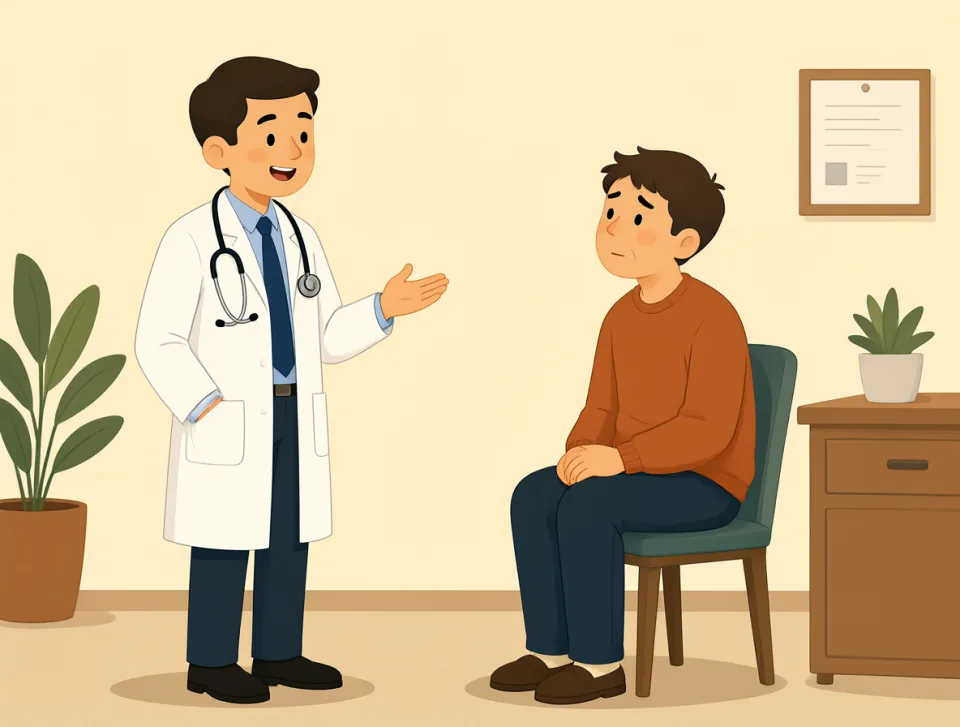
The doctor said the treatment was successful.
Lekarz powiedział, że leczenie zakończyło się sukcesem.
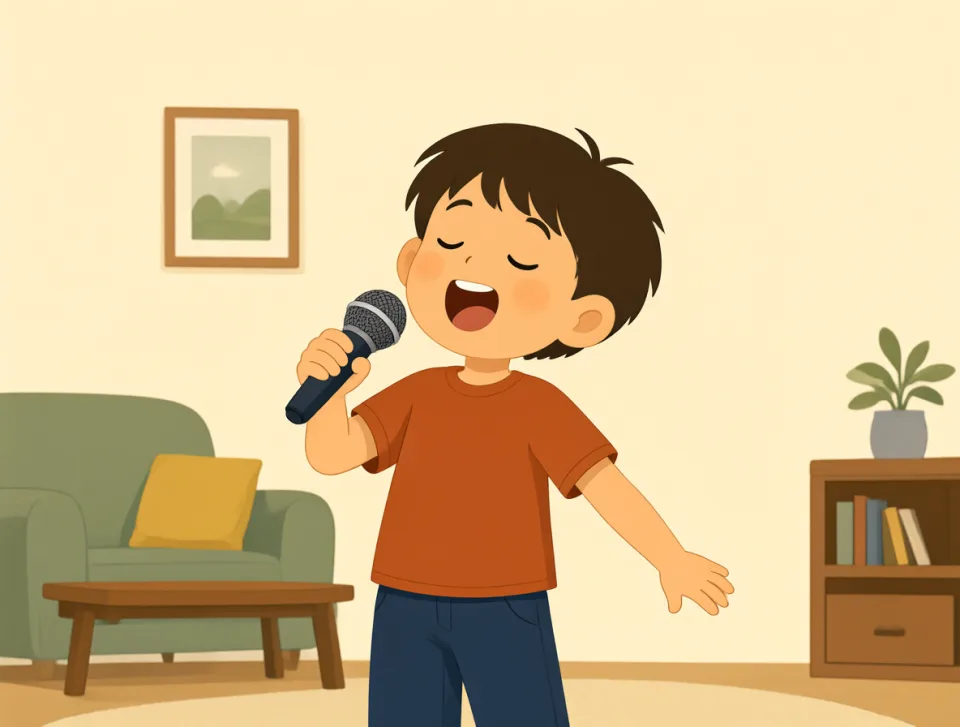
sing
#873verb, noun
śpiewać
To make musical sounds with your voice; a series of musical sounds made by singing.
Wydawać głosem dźwięki muzyczne; ciąg dźwięków muzycznych wydawanych podczas śpiewania.

We sing together every Sunday.
Śpiewamy razem w każdą niedzielę.
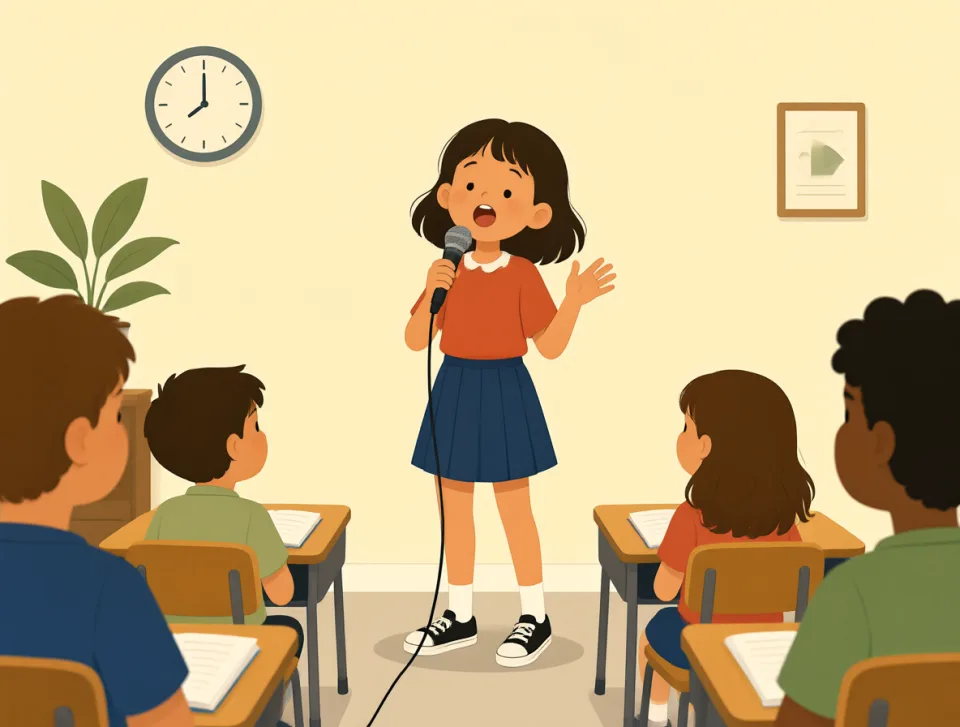
She sings a song at school.
Ona śpiewa piosenkę w szkole.
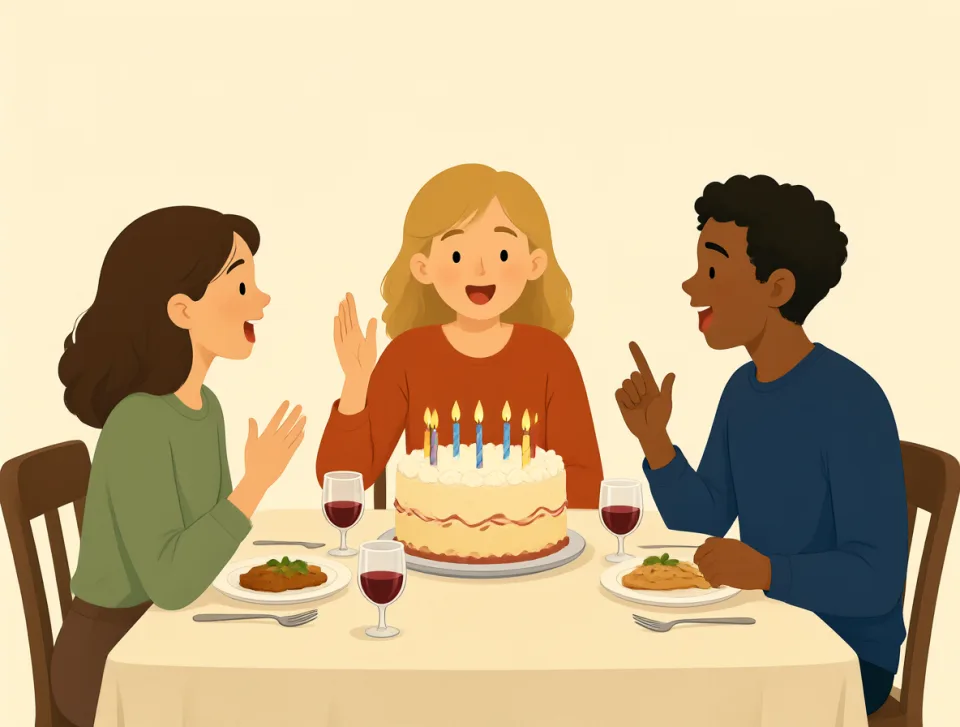
They sang happy birthday at dinner.
Podczas kolacji zaśpiewali „Sto lat”.

He is singing in the shower.
On śpiewa pod prysznicem.
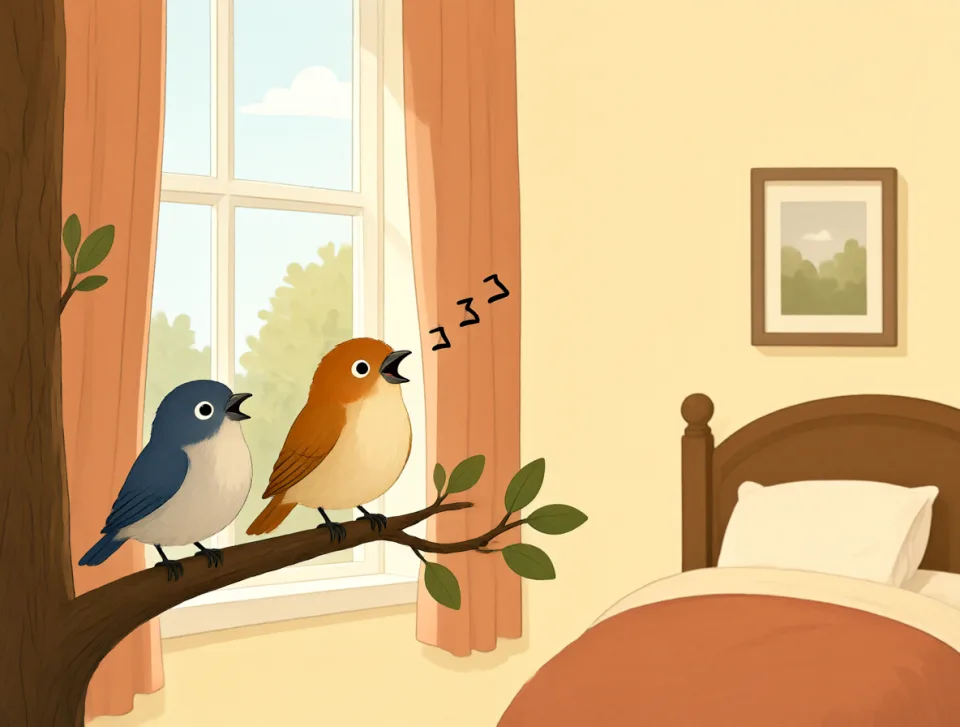
The birds sing outside my window.
Ptaki śpiewają za moim oknem.

doubt
#874noun, verb
wątpliwość
A feeling that something may not be true or certain.
Poczucie, że coś może nie być prawdą lub nie jest pewne.
I have some doubt about his story.
Mam pewne wątpliwości co do jego historii.

There is no doubt that she is right.
Nie ma wątpliwości, że ona ma rację.
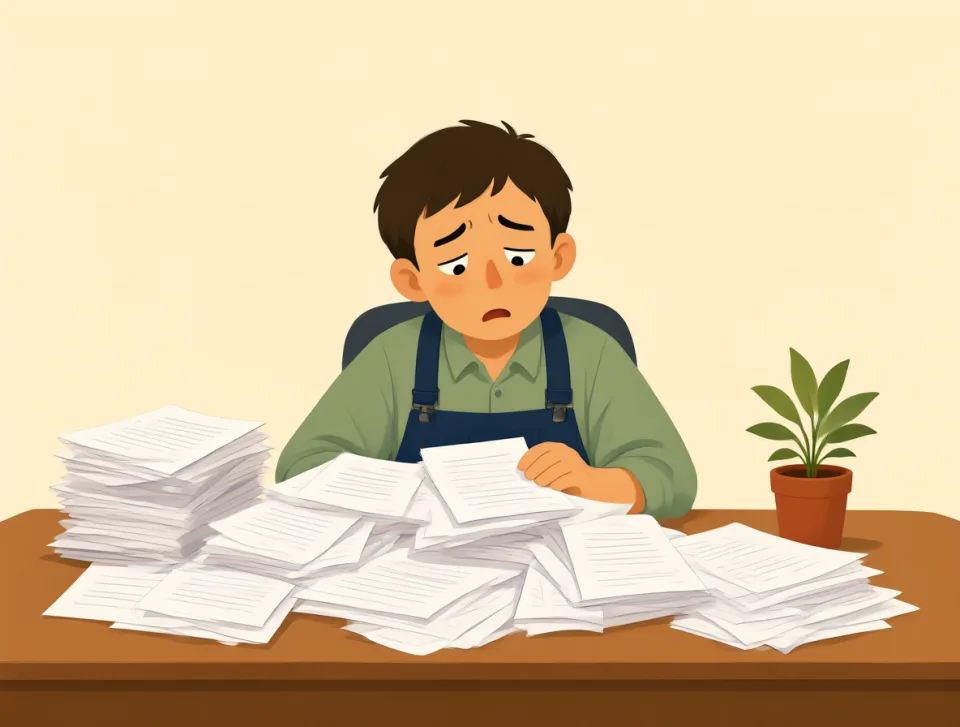
I doubt we will finish the work today.
Wątpię, czy dzisiaj skończymy pracę.
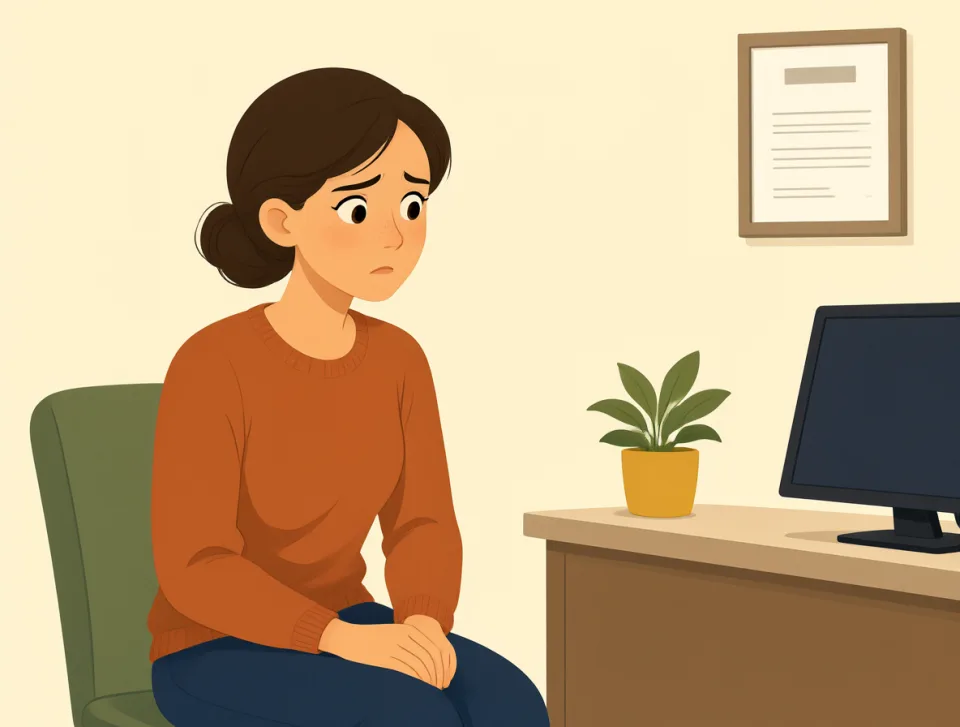
She doubted the doctor’s advice at first.
Początkowo wątpiła w radę lekarza.
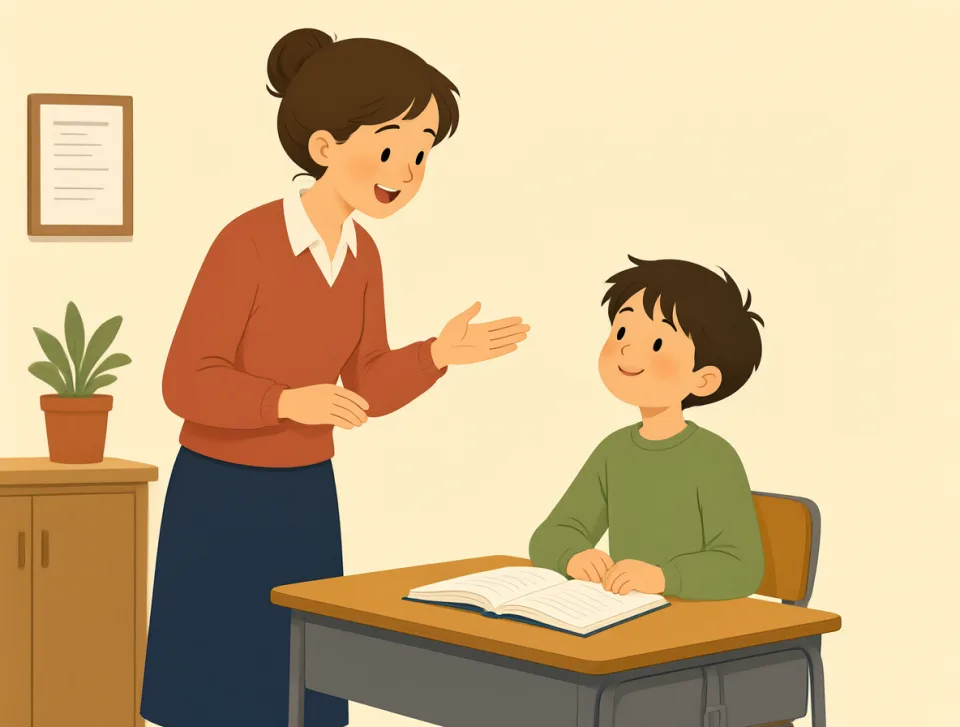
The teacher answered my doubts about the test.
Nauczyciel odpowiedział na moje pytania dotyczące testu.

competition
#875noun
konkurs
a contest in which people or teams try to win
Zawody, w których osoby lub drużyny starają się wygrać.

Our team won the competition yesterday.
Nasza drużyna wygrała wczoraj konkurs.
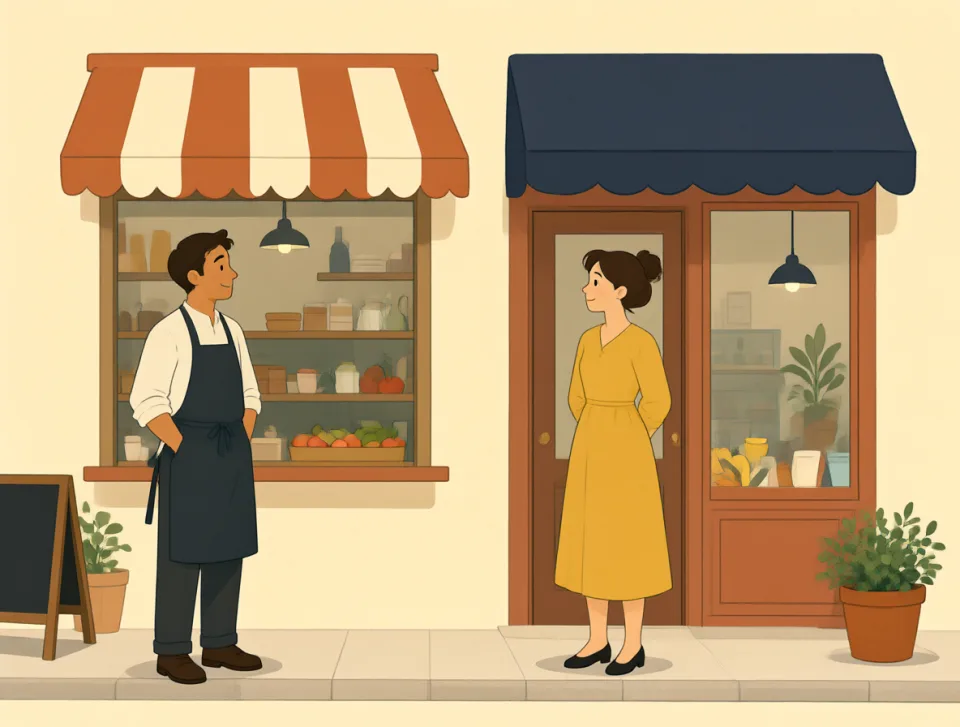
There is strong competition between the two shops.
Między tymi dwoma sklepami panuje silna konkurencja.
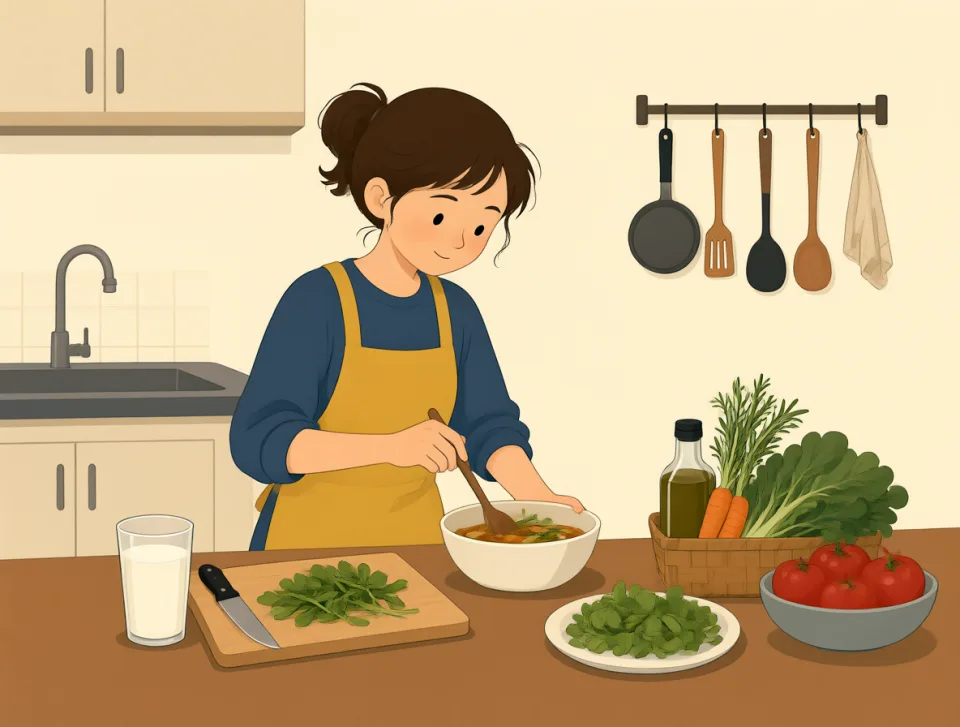
She entered a cooking competition at school.
Wzięła udział w szkolnym konkursie kulinarnym.
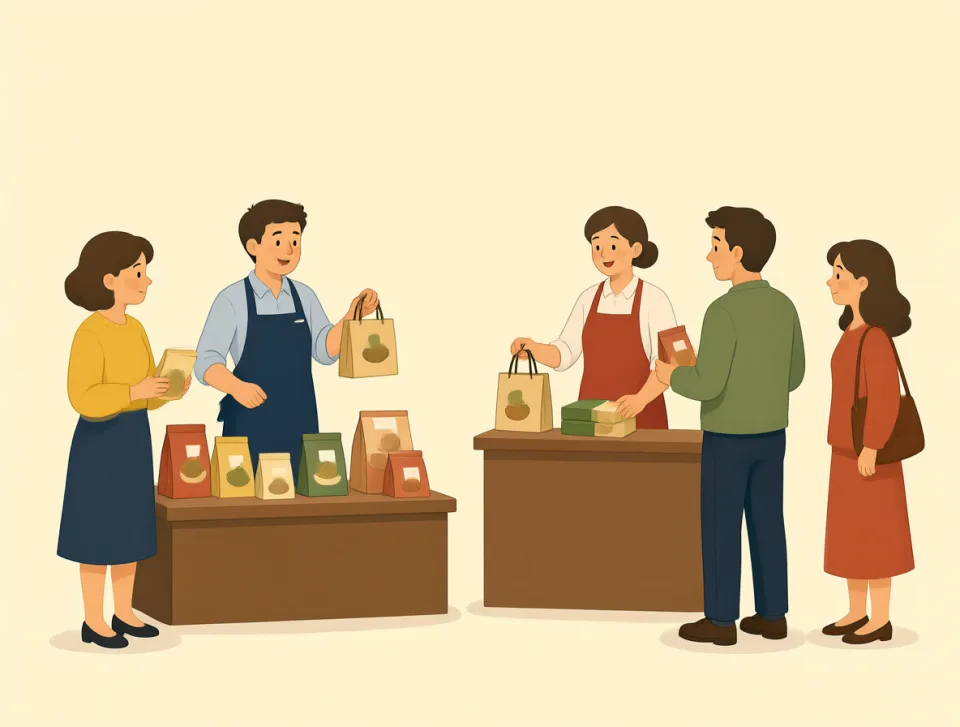
Competition helps companies offer lower prices.
Konkurencja pomaga firmom oferować niższe ceny.
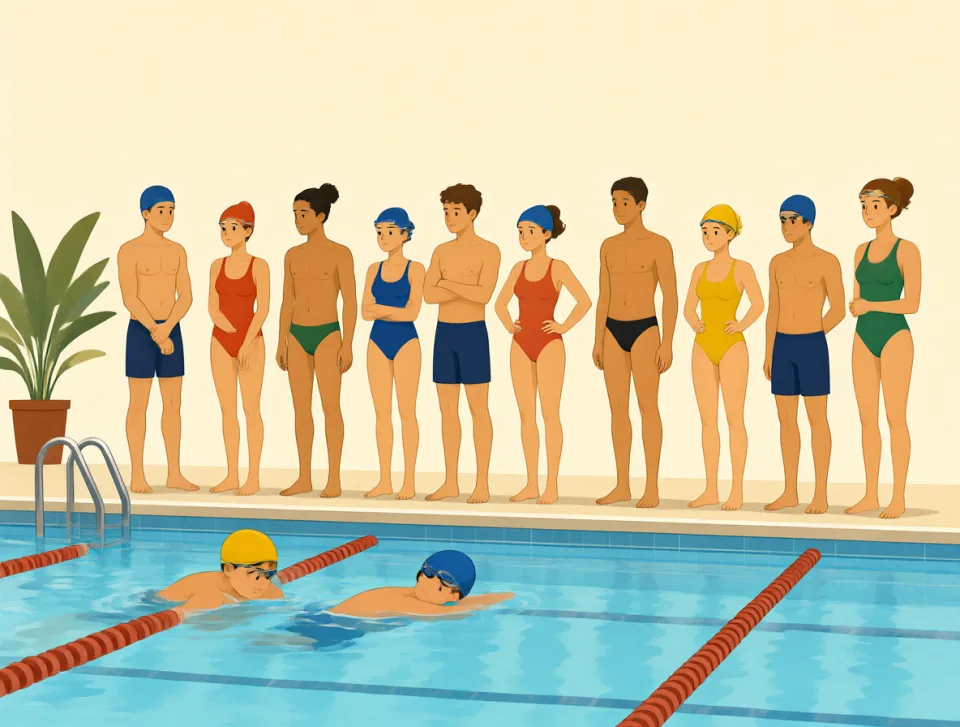
The swimming competition starts at ten.
Zawody pływackie zaczynają się o dziesiątej.
theory
#876noun
teoria
An idea that explains how or why something happens.
Pomysł wyjaśniający, jak lub dlaczego coś się dzieje.
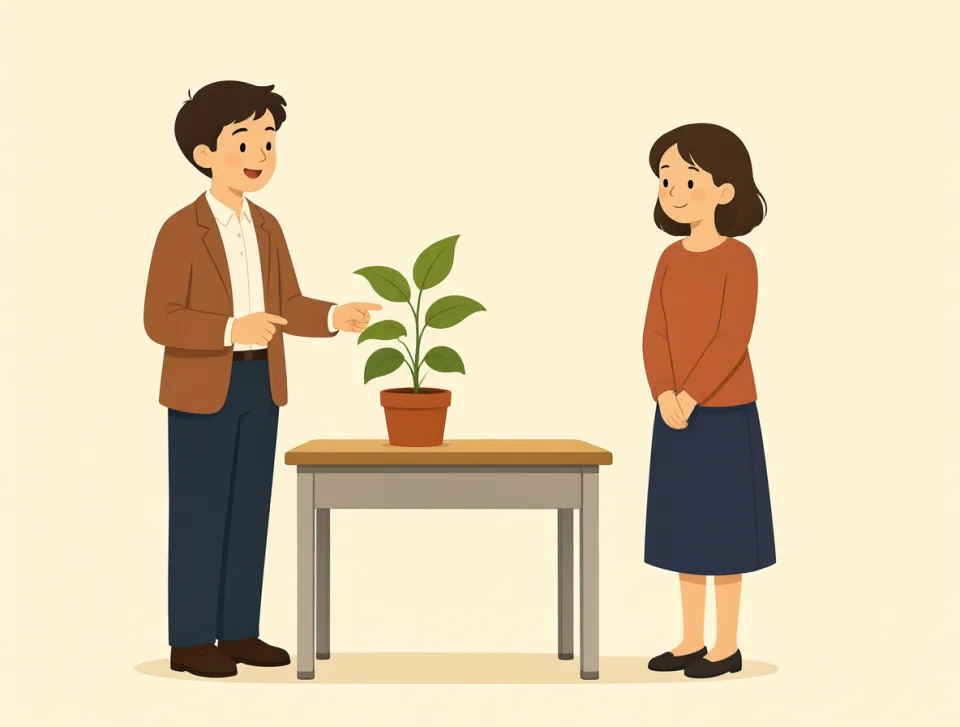
The theory explains how plants grow.
Ta teoria wyjaśnia, jak rosną rośliny.
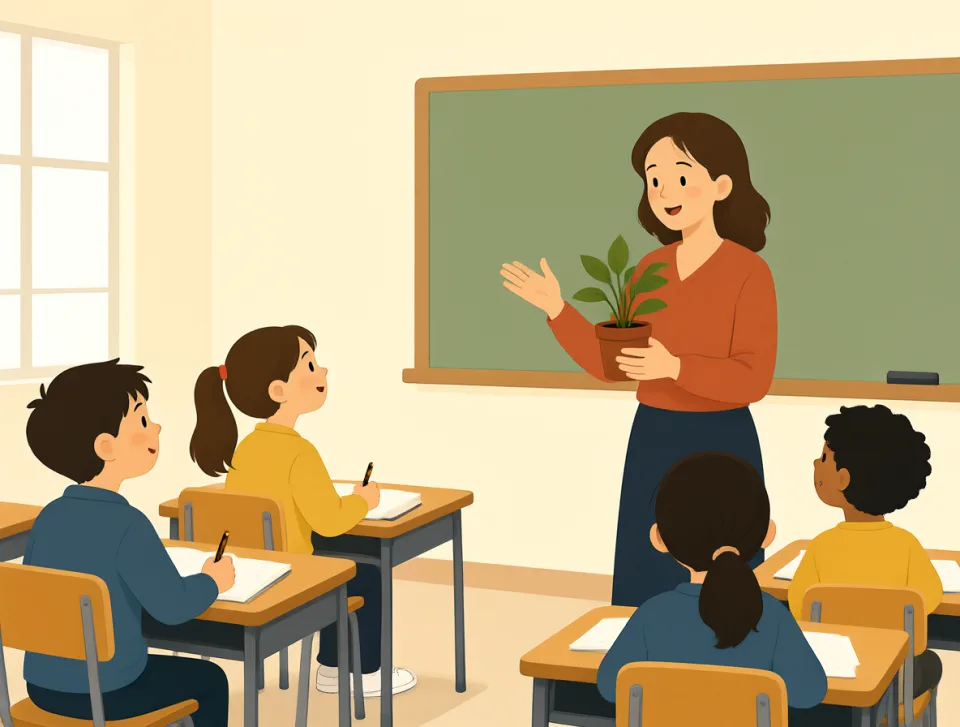
We learned a new theory in science class.
Na lekcji przyrody poznaliśmy nową teorię.

His theory about the problem was correct.
Jego teoria na temat problemu była słuszna.
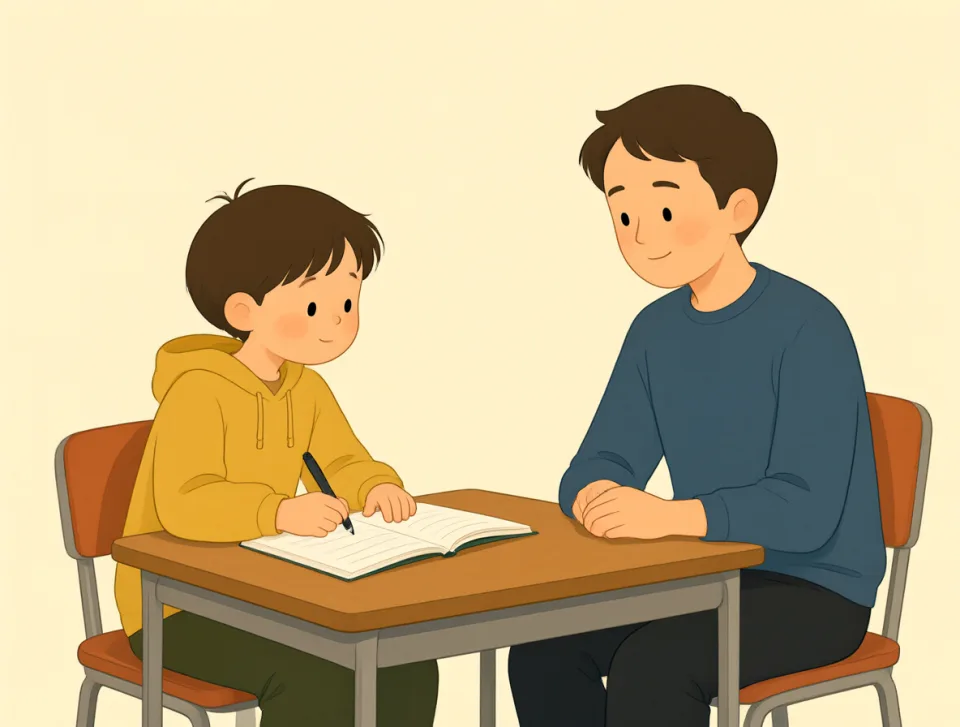
The driving theory test was difficult.
Teoretyczny egzamin na prawo jazdy był trudny.
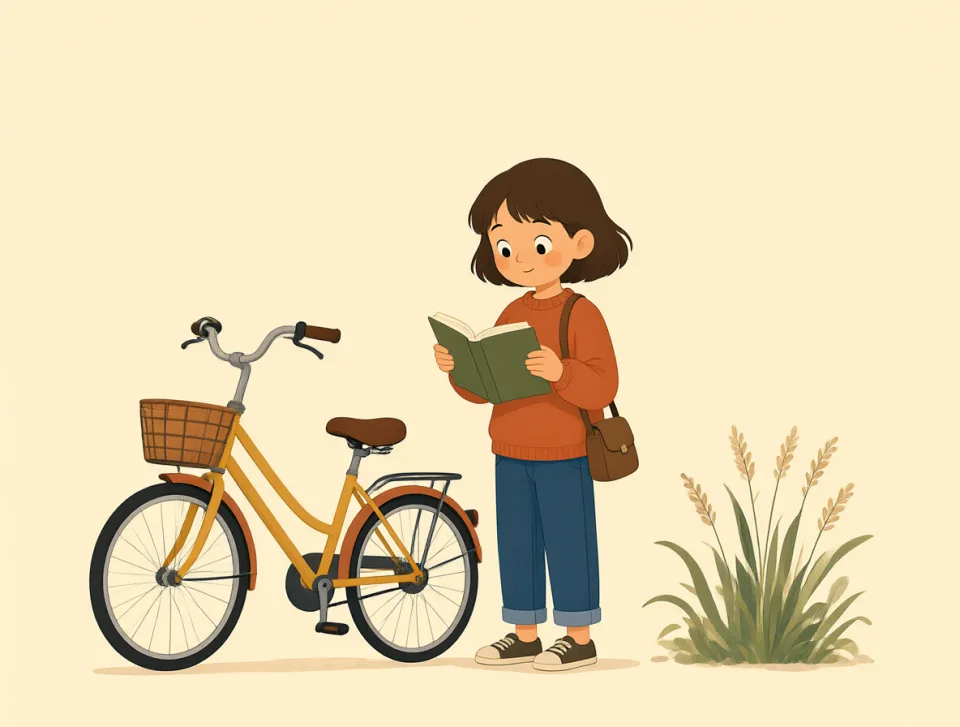
She knows the theory but needs practice.
Zna teorię, ale potrzebuje praktyki.
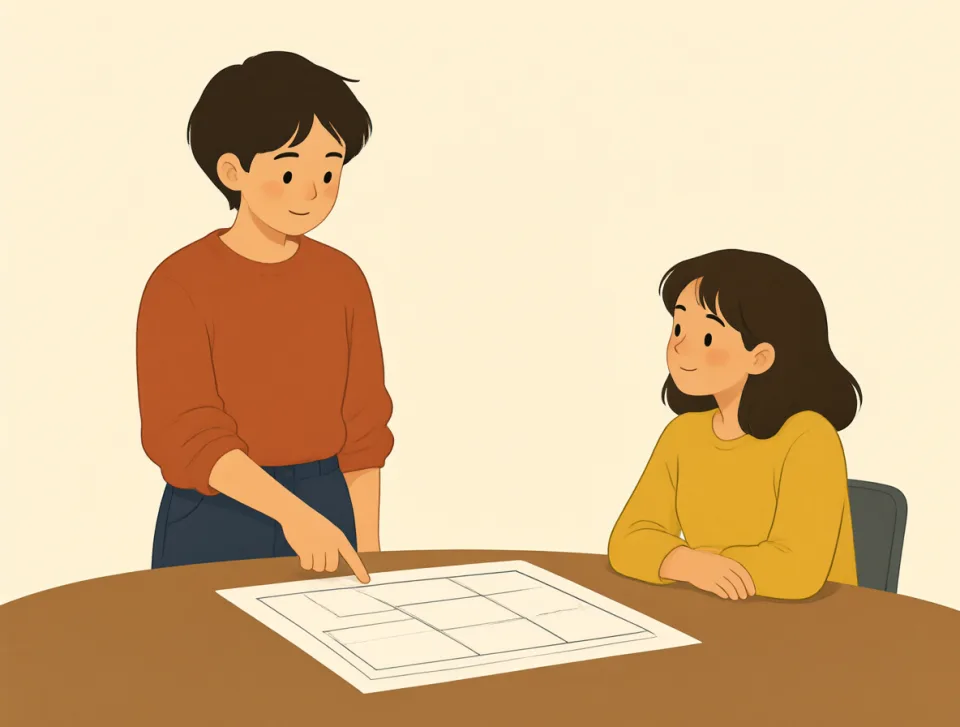
propose
#877verb
proponować
to suggest a plan or idea for people to consider
zaproponować plan lub pomysł do rozważenia
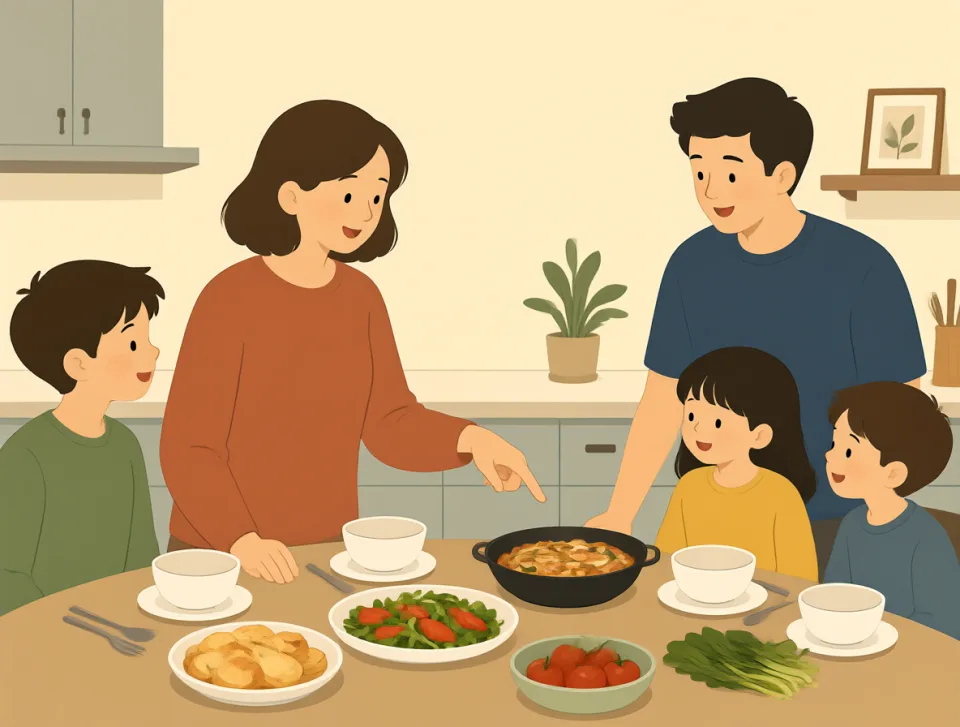
She proposed a new plan for dinner.
Zapropnowała nowy plan na kolację.

The manager proposed shorter working hours.
Kierownik zaproponował krótszy czas pracy.

Tom proposed meeting at the train station.
Tom zaproponował spotkanie na dworcu.
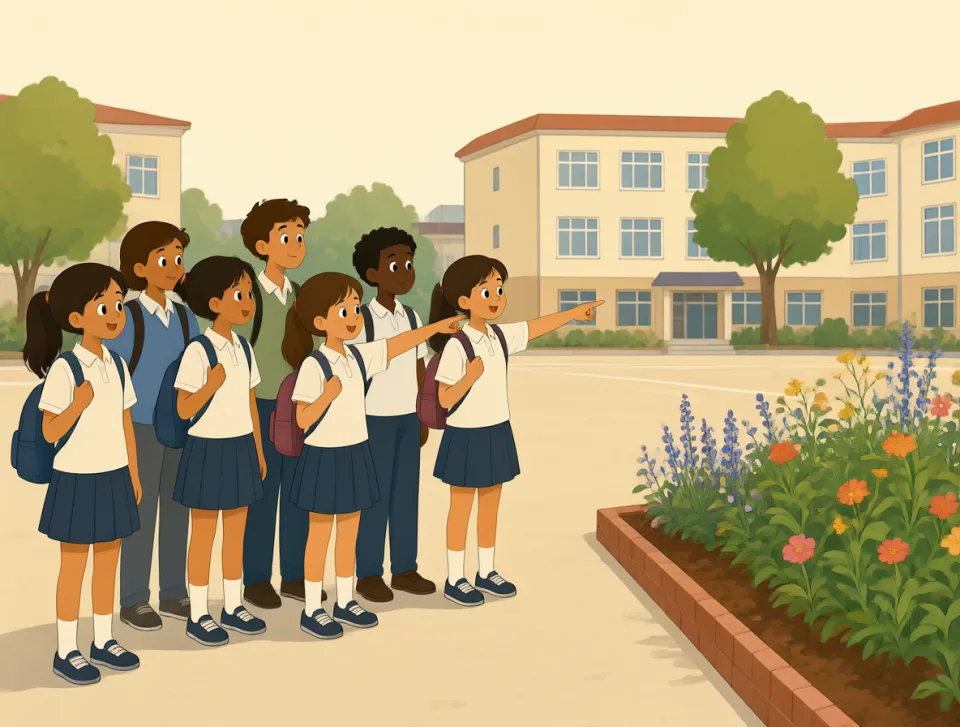
The students proposed a school garden.
Uczniowie zaproponowali założenie szkolnego ogródka.

He proposed to his girlfriend at dinner.
Oświadczył się swojej dziewczynie podczas kolacji.

reference
#878noun, verb
materiał źródłowy
Information or a person used to help you understand or decide something.
Informacja lub osoba, które pomagają coś zrozumieć albo podjąć decyzję.
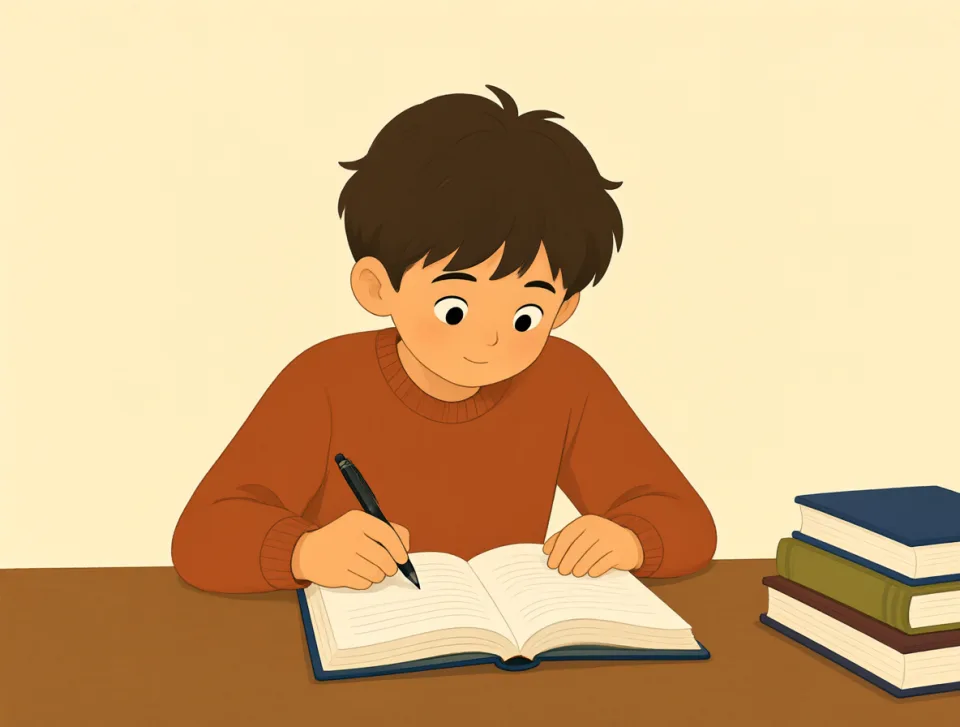
Please use this book as a reference.
Proszę skorzystać z tej książki jako źródła informacji.
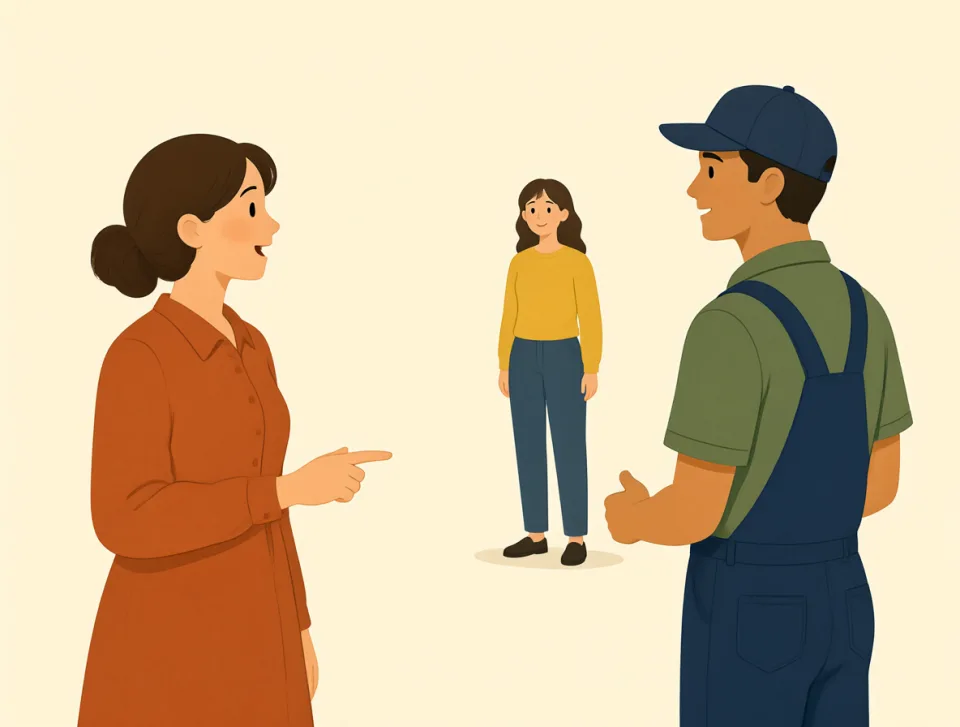
She gave my name as a reference.
Podała moje nazwisko jako osobę udzielającą referencji.
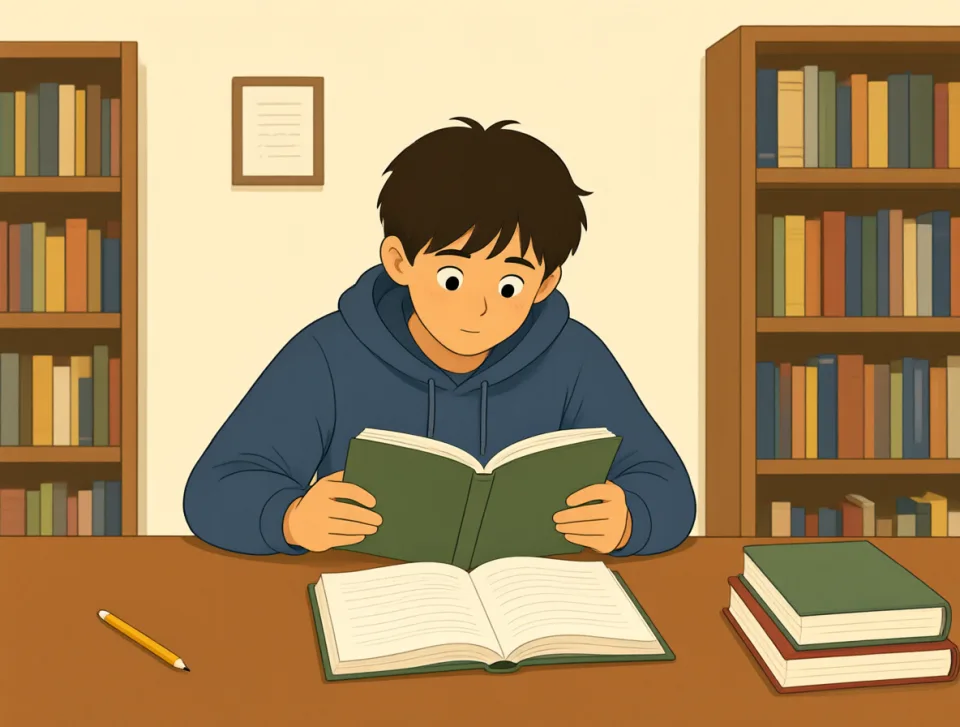
I need a reference for my school project.
Potrzebuję materiału źródłowego do projektu szkolnego.

The doctor referred me to a heart specialist.
Lekarz skierował mnie do kardiologa.
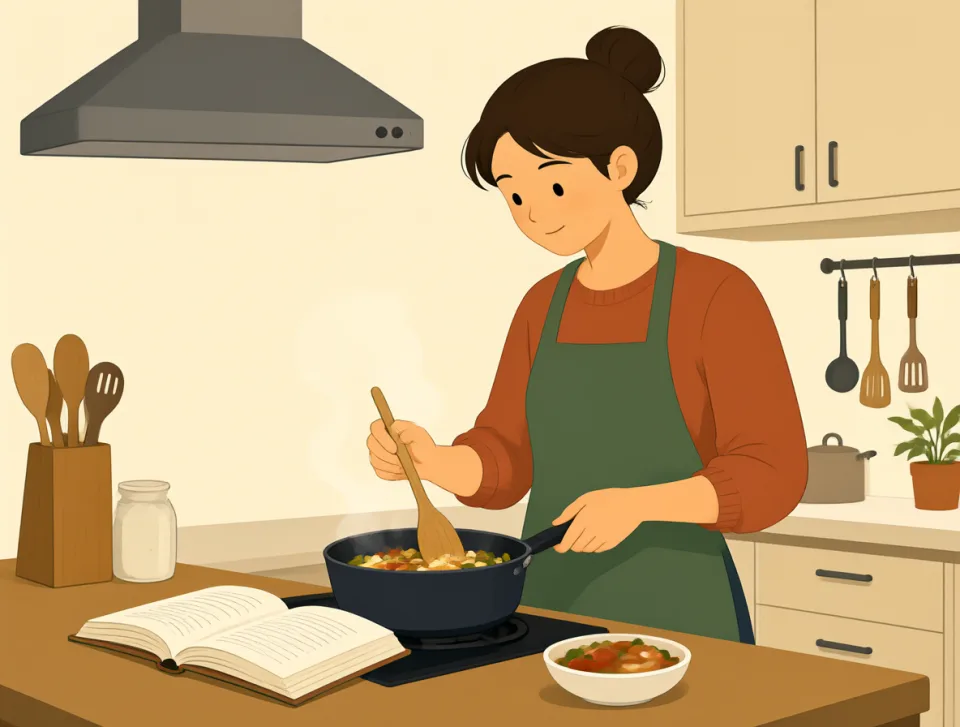
Please reference the recipe when you cook.
Podczas gotowania korzystaj z przepisu.
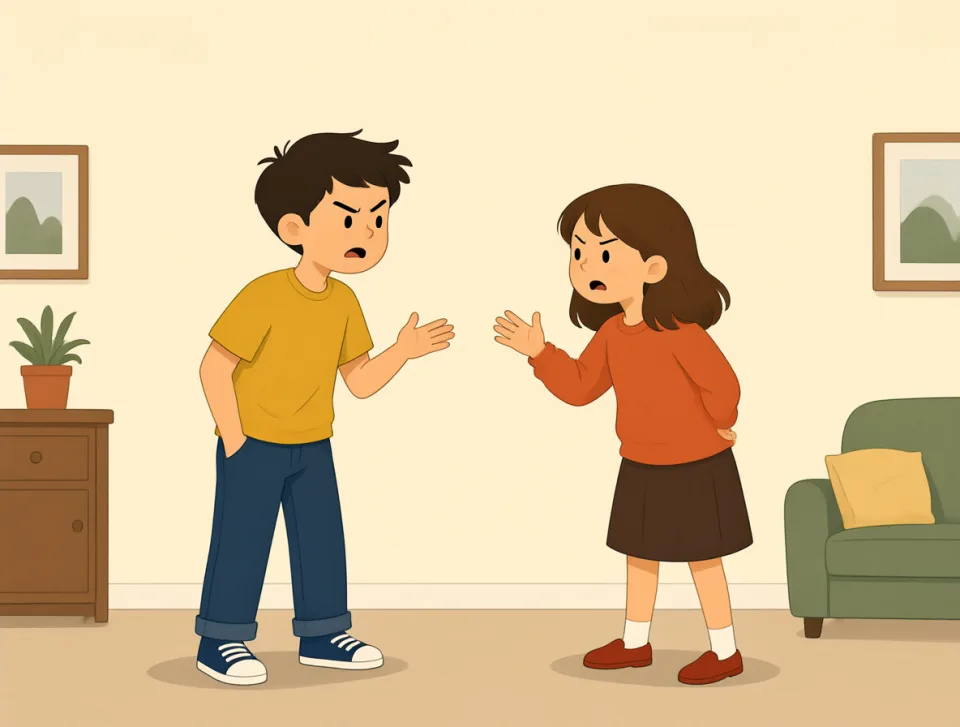
argument
#879noun
kłótnia; argument
A disagreement between people, or a reason given to support an idea.
Niezgoda między ludźmi albo powód podany na poparcie jakiegoś pomysłu.

The couple had an argument about money.
Para pokłóciła się o pieniądze.
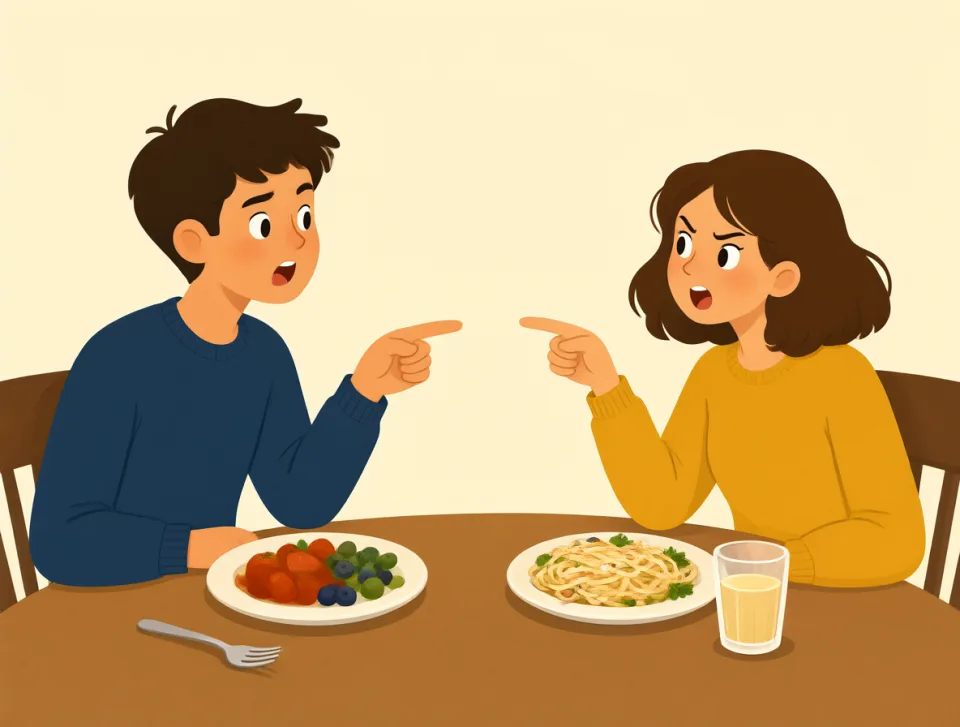
We had a silly argument over dinner.
Podczas kolacji pokłóciliśmy się o jakąś głupotę.

His argument changed my mind.
Jego argument zmienił moje zdanie.
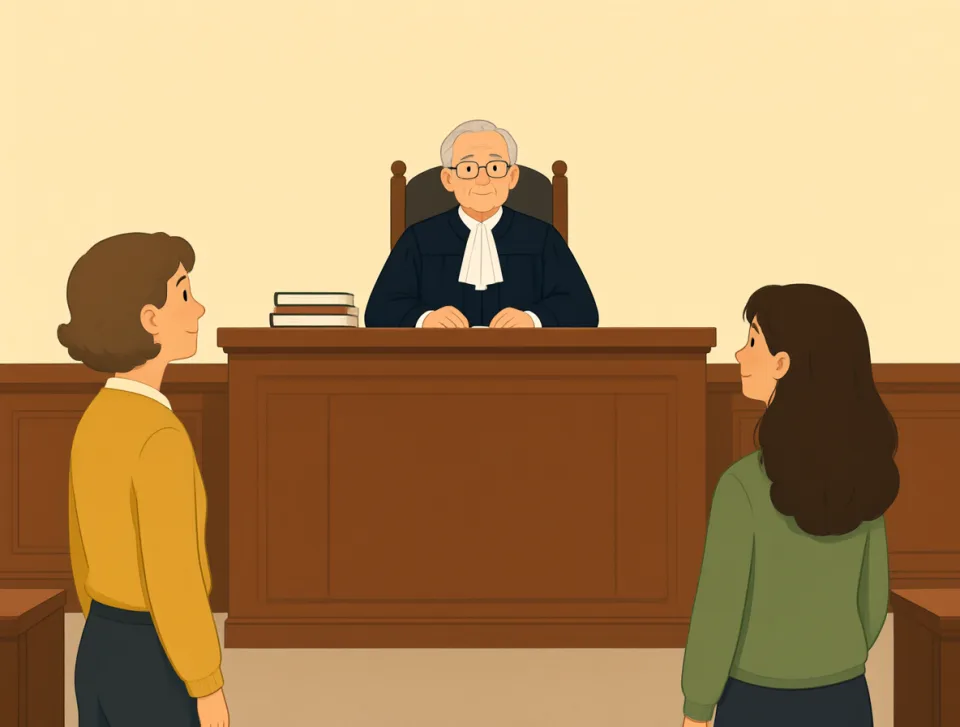
The lawyer made a strong argument in court.
Prawnik przedstawił mocne argumenty w sądzie.
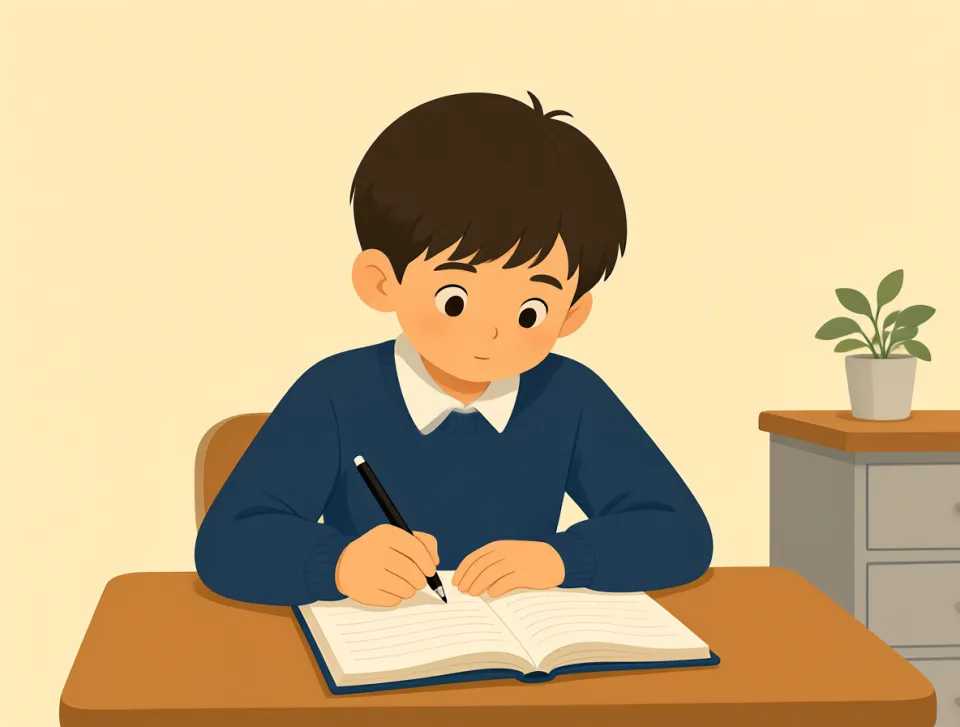
She used a clear argument in her essay.
W swoim wypracowaniu przedstawiła jasny argument.
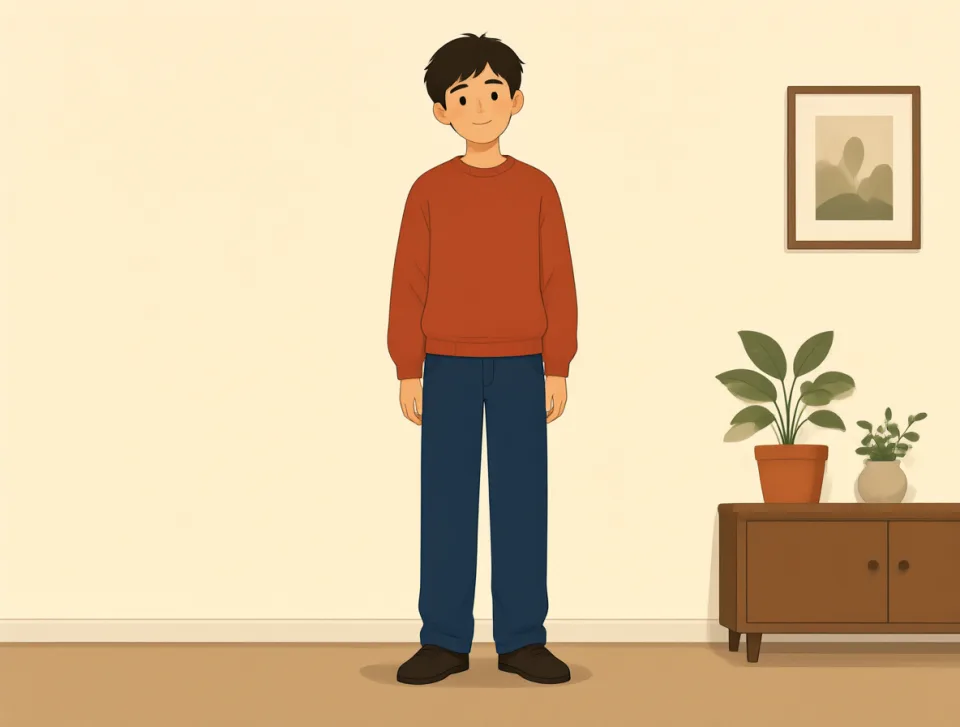
adult
#880noun, adjective
dorosły
A person who is fully grown, or relating to fully grown people.
Osoba, która jest już w pełni dorosła, lub coś, co dotyczy dorosłych.
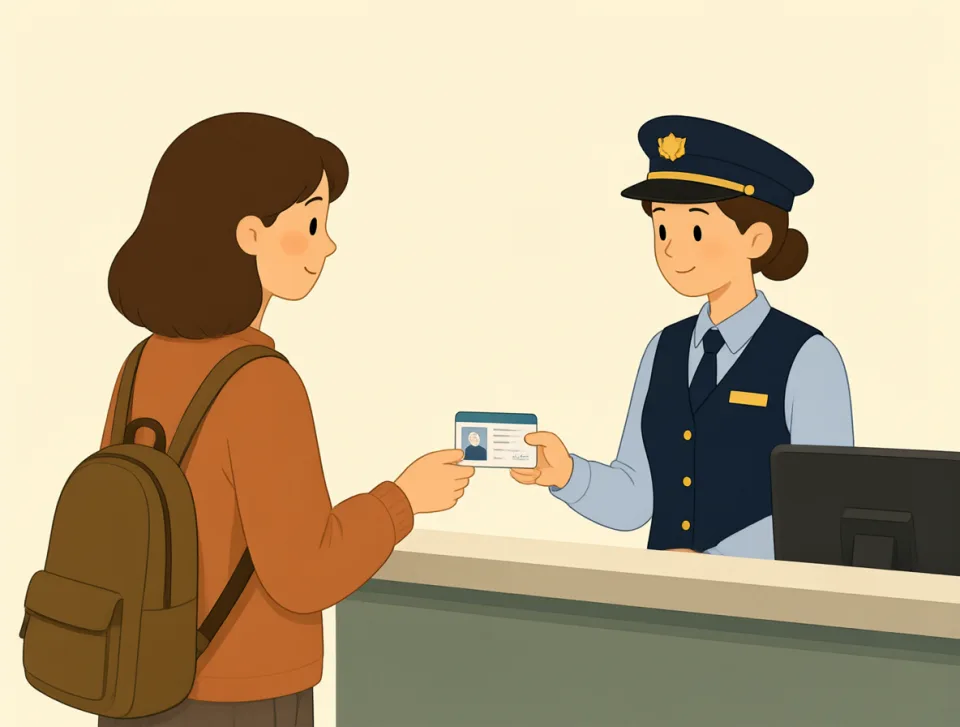
Adults must show identification when they travel.
Dorośli muszą okazać dokument tożsamości podczas podróży.
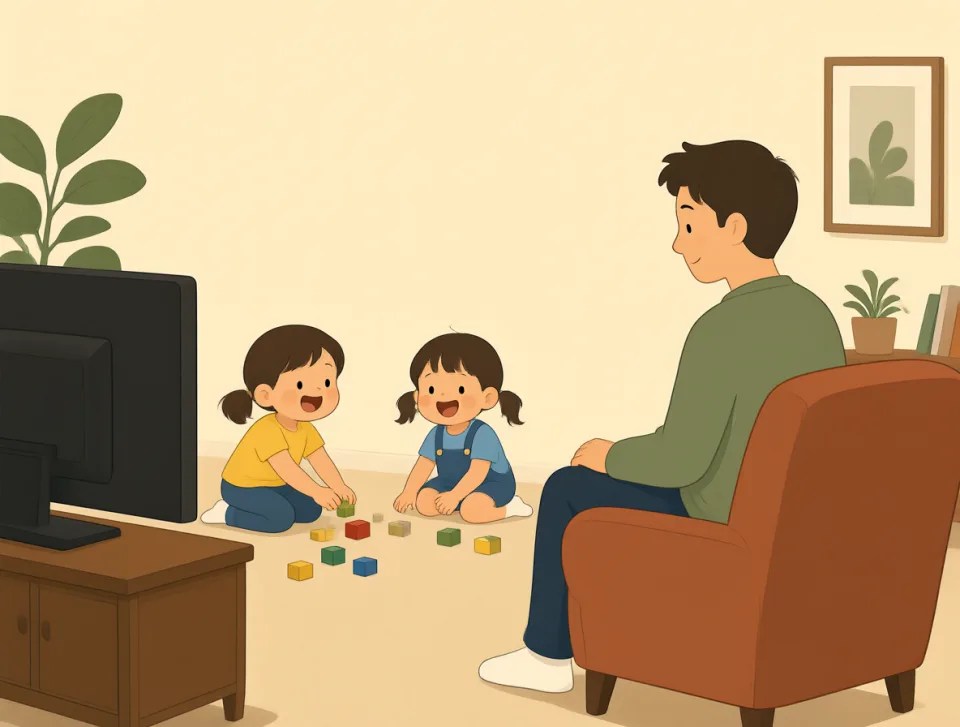
One adult stayed home with the children.
Jeden dorosły został w domu z dziećmi.
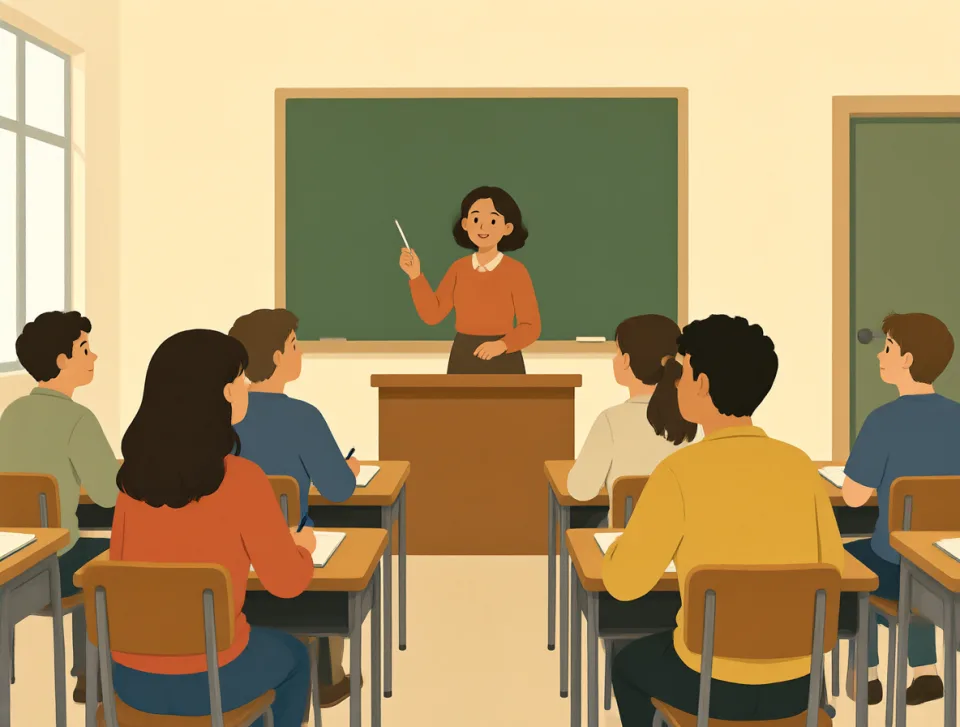
The school offers evening classes for adults.
Szkoła oferuje wieczorowe zajęcia dla dorosłych.

This medicine is for adults only.
Ten lek jest przeznaczony wyłącznie dla dorosłych.
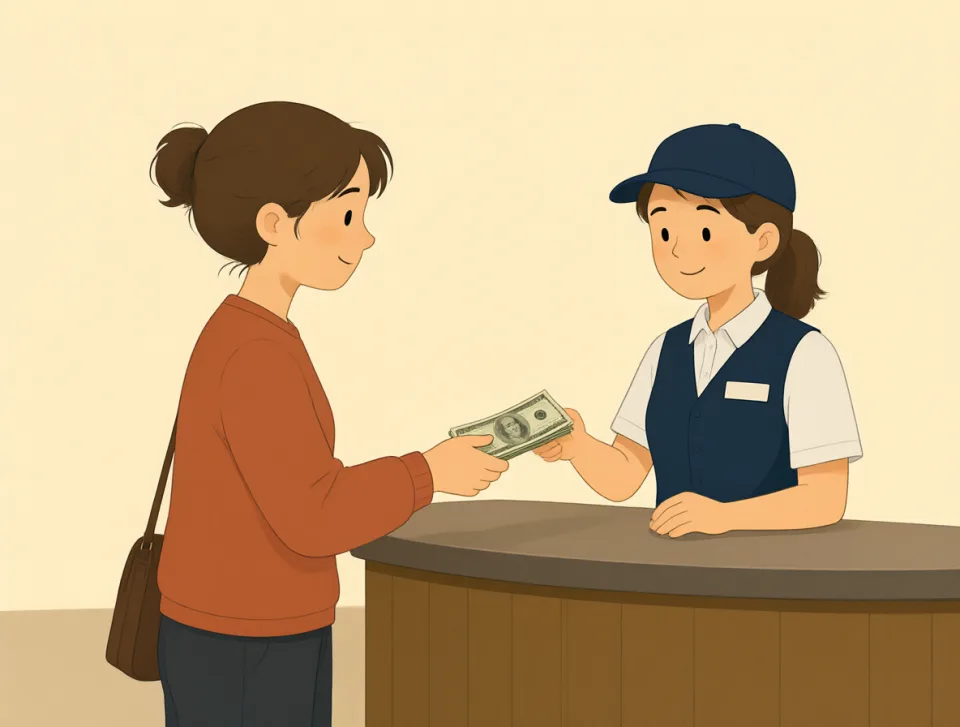
She ordered an adult ticket at the museum.
W muzeum kupiła bilet dla dorosłego.