Блок 44
Слова 861–880 · box, huge, message, instance, style, refer

box
#861noun, verb
коробка
A container with flat sides, usually made of cardboard, wood, or plastic.
Ёмкость с плоскими стенками, обычно сделанная из картона, дерева или пластика.

The books are in a box.
Книги лежат в коробке.

She put the gift in a box.
Она положила подарок в коробку.

Please check the box on this form.
Пожалуйста, поставьте галочку в поле этой формы.
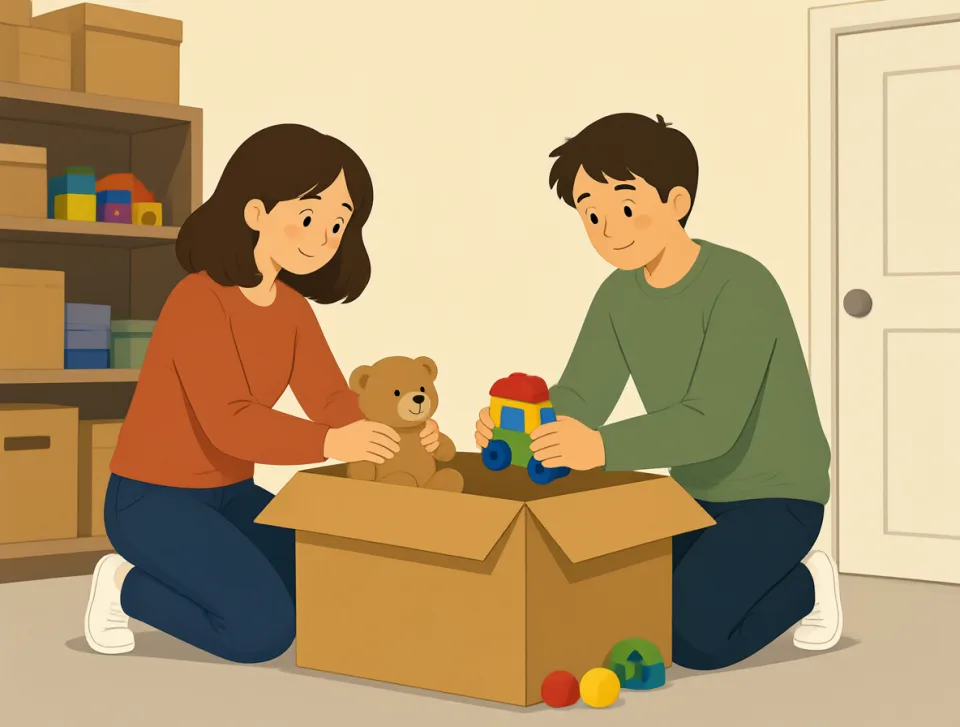
We boxed the old toys yesterday.
Вчера мы упаковали старые игрушки в коробки.

The boxer won his first fight.
Боксёр выиграл свой первый бой.

huge
#862adjective
огромный
Very big in size, amount, or degree.
Очень большой по размеру, количеству или степени.

That elephant is huge and very strong.
Тот слон огромный и очень сильный.

We saw a huge crowd at the station.
На станции мы увидели огромную толпу.

She bought a huge bag of rice.
Она купила огромный мешок риса.

He made a huge mistake at work.
Он совершил огромную ошибку на работе.

The doctor found a huge bruise on his leg.
Врач обнаружил у него на ноге огромный синяк.
message
#863noun, verb
сообщение
Information sent to someone, often by phone, email, or spoken words.
Информация, отправленная кому-либо, часто по телефону, электронной почте или устно.

I sent you a message this morning.
Я отправил тебе сообщение сегодня утром.

She left a message after the meeting.
Она оставила сообщение после встречи.

Please message me when you arrive.
Пожалуйста, напиши мне, когда приедешь.

The teacher gave us a clear message.
Учитель донёс до нас ясную мысль.

He messaged his doctor about his cough.
Он написал своему врачу насчёт кашля.

instance
#864noun
случай
one example or occurrence of something
Один пример или отдельное проявление чего-либо.
For instance, we eat rice with vegetables.
Например, мы едим рис с овощами.

In this instance, the customer paid cash.
В этом случае клиент заплатил наличными.

The teacher asked for an instance of kindness.
Учитель попросил привести пример доброты.

In many instances, the bus arrives late.
Во многих случаях автобус опаздывает.

That was an unusual instance of good luck.
Это был необычный случай необычайного везения.

style
#865noun, verb
стиль
The way something looks or the way someone does something.
То, как что-либо выглядит или как кто-либо что-либо делает.

I like the style of this jacket.
Мне нравится стиль этой куртки.

She has a simple style of dress.
Она одевается просто.

This restaurant serves food in Italian style.
В этом ресторане подают блюда в итальянском стиле.

He styles his hair before work.
Перед работой он укладывает волосы.
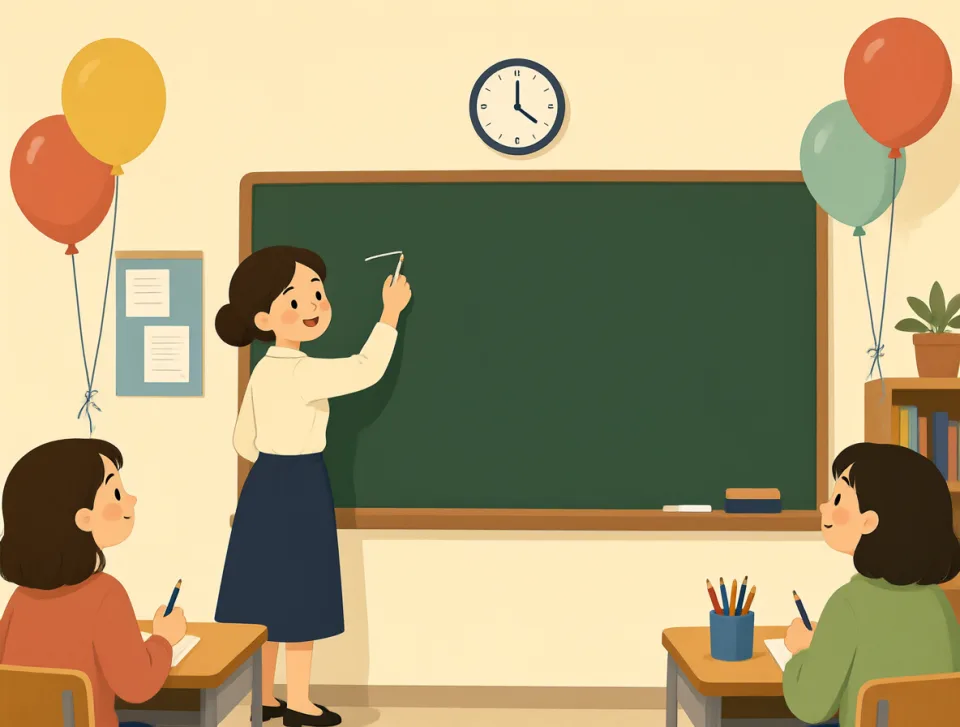
The teacher styled the room for a party.
Учитель украсил комнату к вечеринке.

refer
#866verb
ссылаться
To mention or direct someone to a person, place, or source for information.
Указывать на человека, место или источник, где можно получить информацию.
She referred me to a good doctor.
Она направила меня к хорошему врачу.

Please refer to the map before we leave.
Пожалуйста, посмотри на карту, прежде чем мы уйдём.
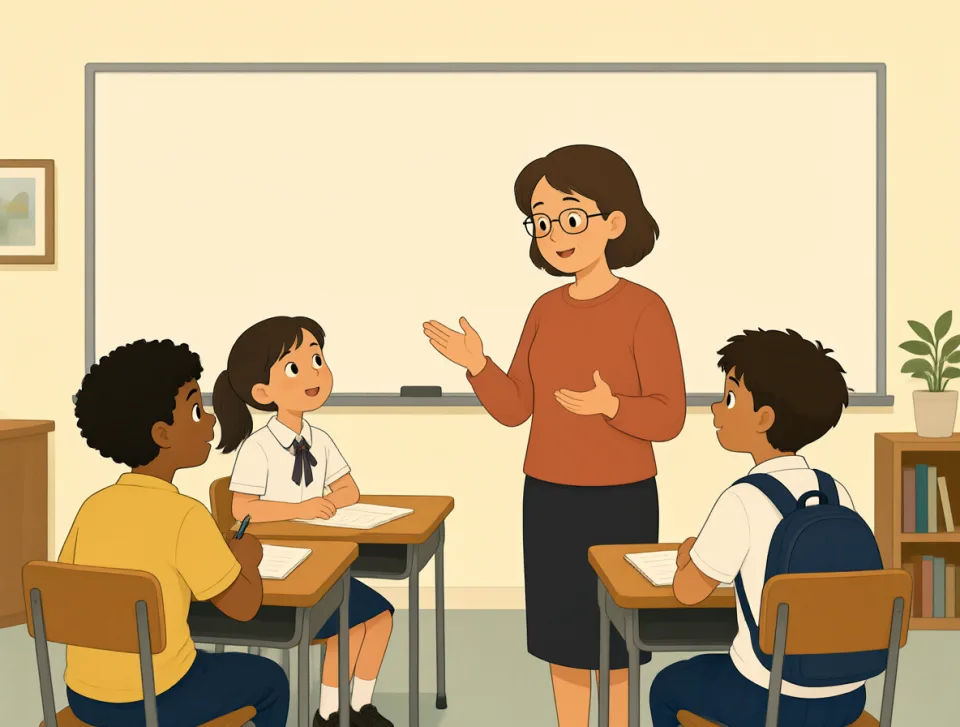
He referred to his old teacher in class.
На уроке он упомянул своего бывшего учителя.

The waiter referred us to the daily special.
Официант порекомендовал нам блюдо дня.

The doctor referred her for a blood test.
Врач направил её сдать анализ крови.
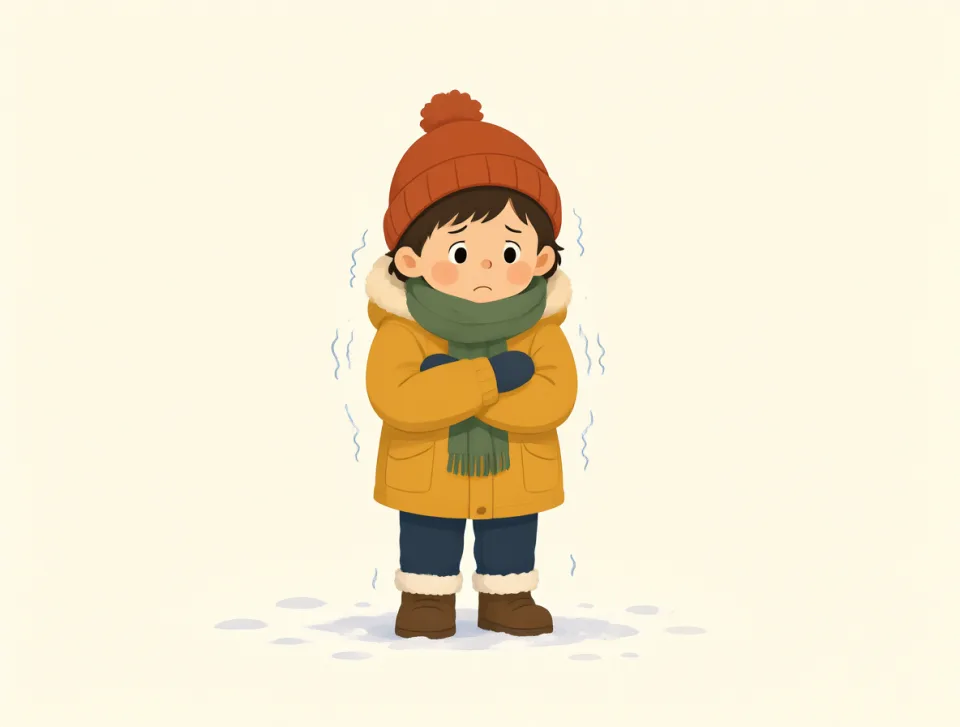
cold
#867adjective, noun
холодный; простуда
Having a low temperature; a common illness with a blocked or runny nose.
Имеющий низкую температуру; распространённое заболевание с заложенным носом или насморком.

The water is too cold to swim.
Вода слишком холодная, чтобы купаться.
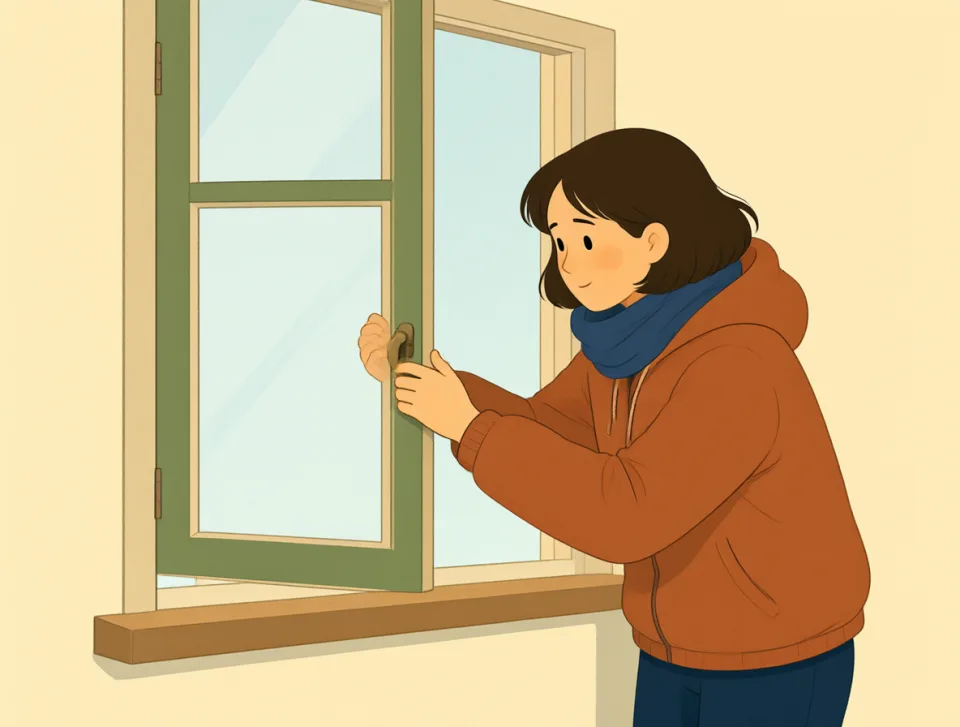
Please close the window; I am cold.
Пожалуйста, закрой окно, мне холодно.

I caught a cold from my brother.
Я заразился простудой от брата.

She drank a cold glass of water.
Она выпила стакан холодной воды.

We ate cold chicken on the train.
В поезде мы ели холодную курицу.
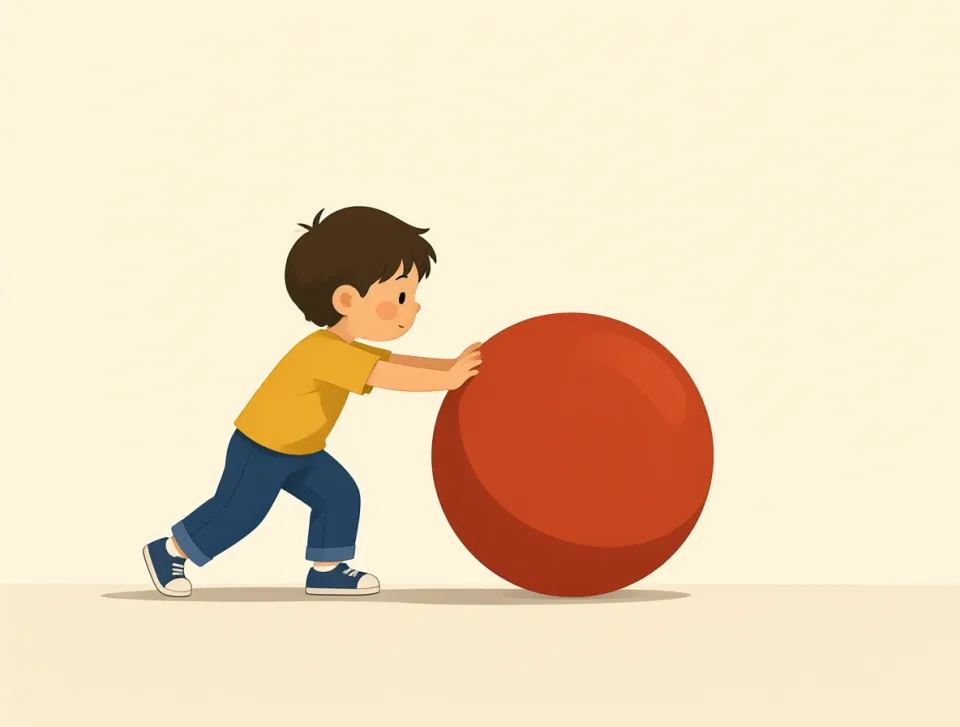
push
#868verb, noun
толкать; толчок
To move something forward by pressing it; an act of pressing or forcing.
Продвигать что-либо вперёд, нажимая на него; действие, при котором что-либо нажимают или силой перемещают.
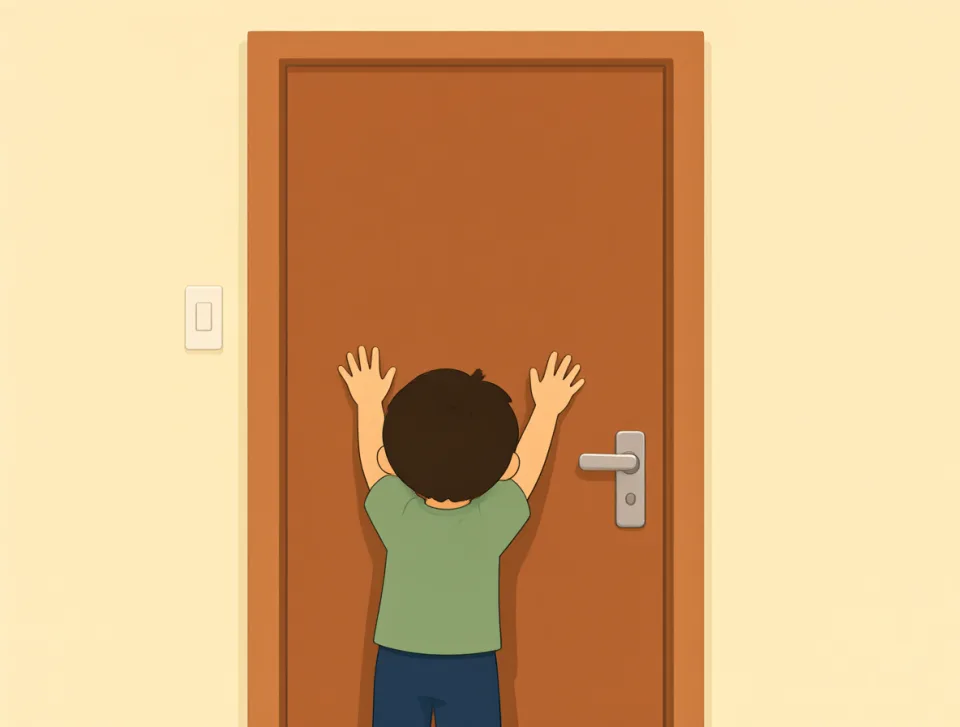
Please push the door open.
Пожалуйста, толкни дверь, чтобы открыть её.
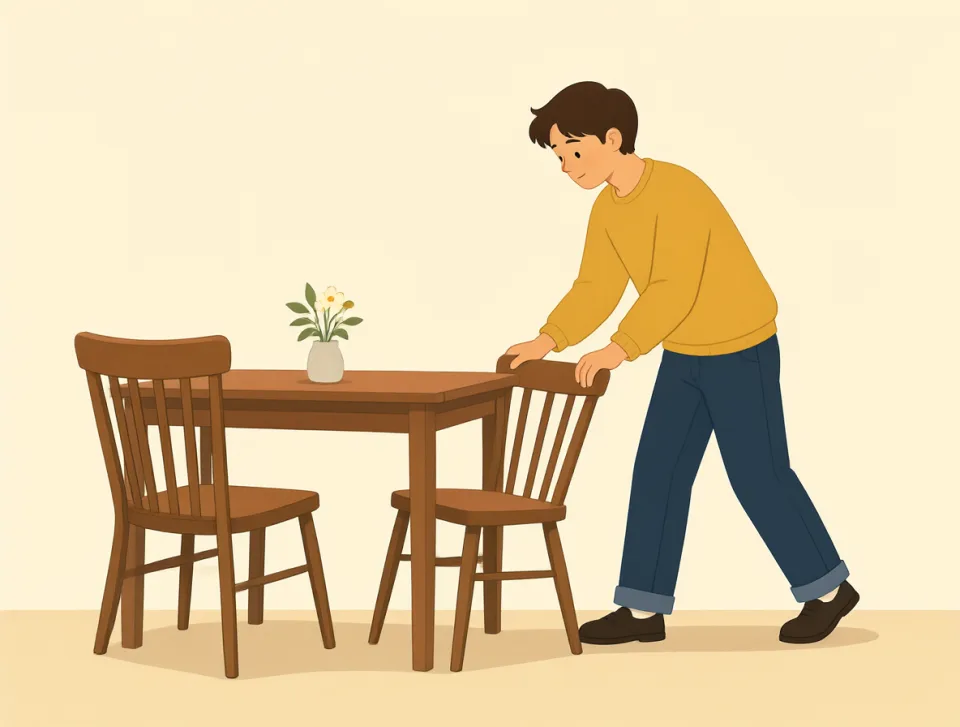
He pushed the chair under the table.
Он задвинул стул под стол.
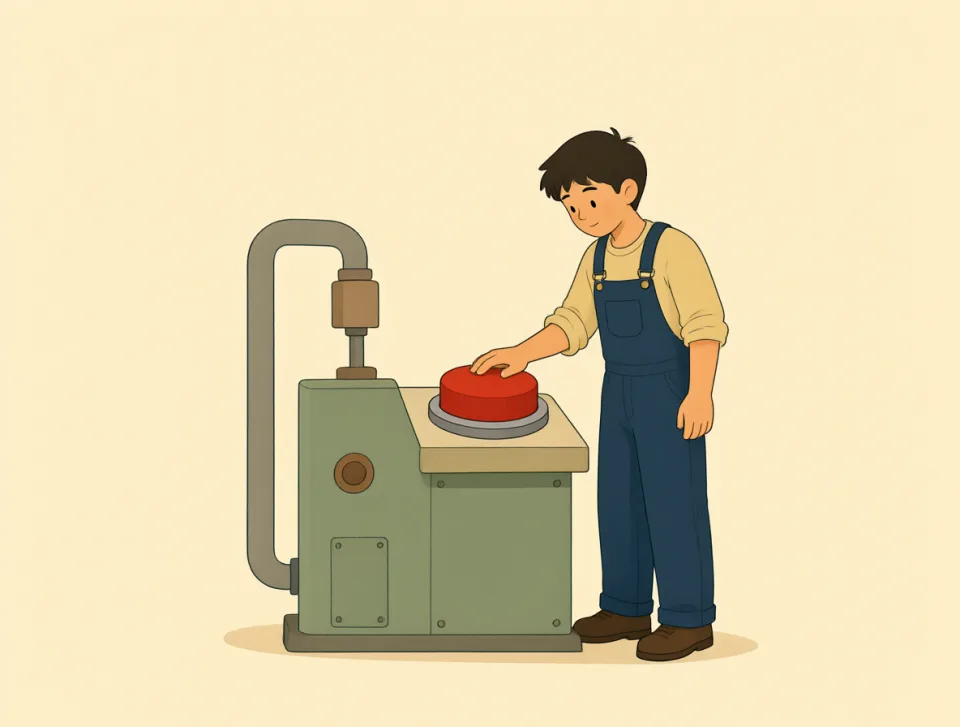
Push the button to start the machine.
Нажми кнопку, чтобы запустить машину.

The crowd pushed toward the train.
Толпа двинулась к поезду, толкаясь.
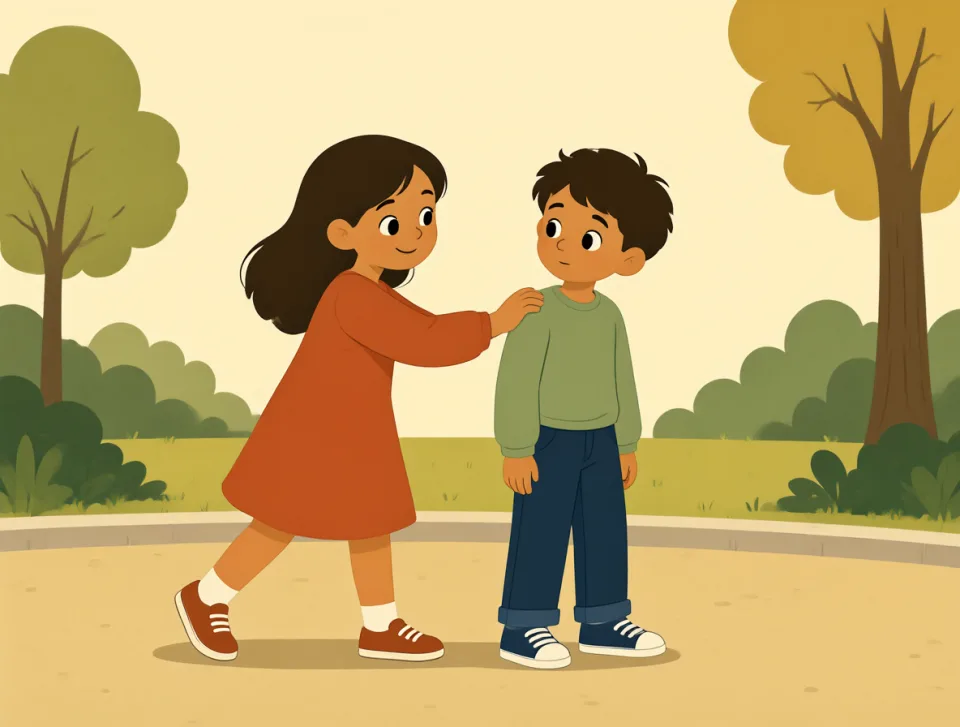
She gave me a gentle push.
Она слегка толкнула меня.
quarter
#869noun, verb
четверть
One of four equal parts of something; to divide something into four parts.
Одна из четырёх равных частей чего-либо; разделить что-либо на четыре части.
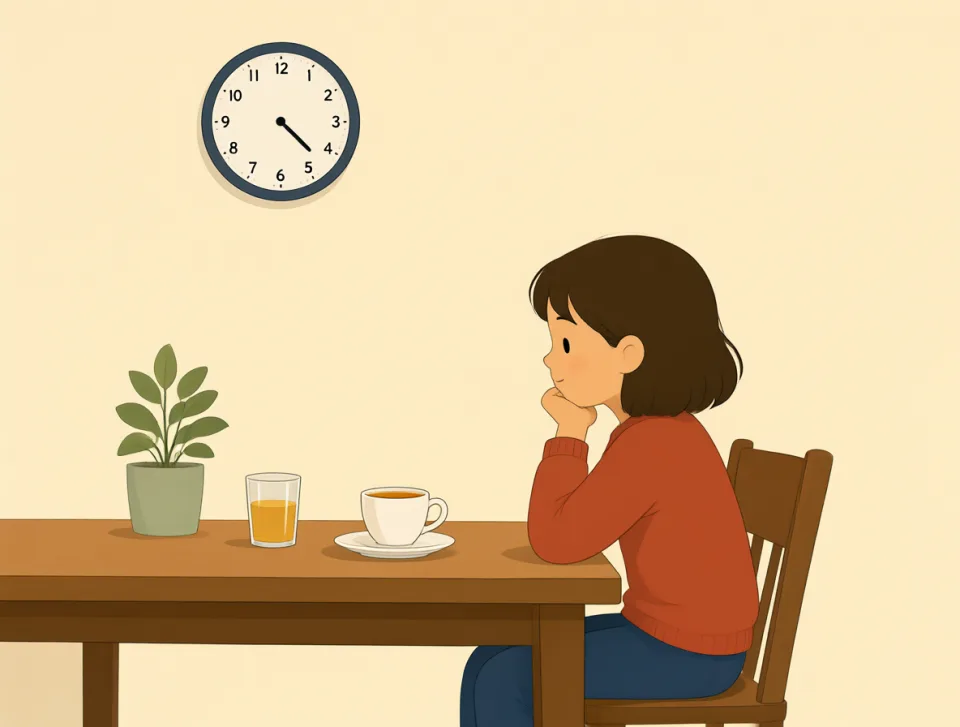
It is quarter past three.
Сейчас четверть четвёртого.
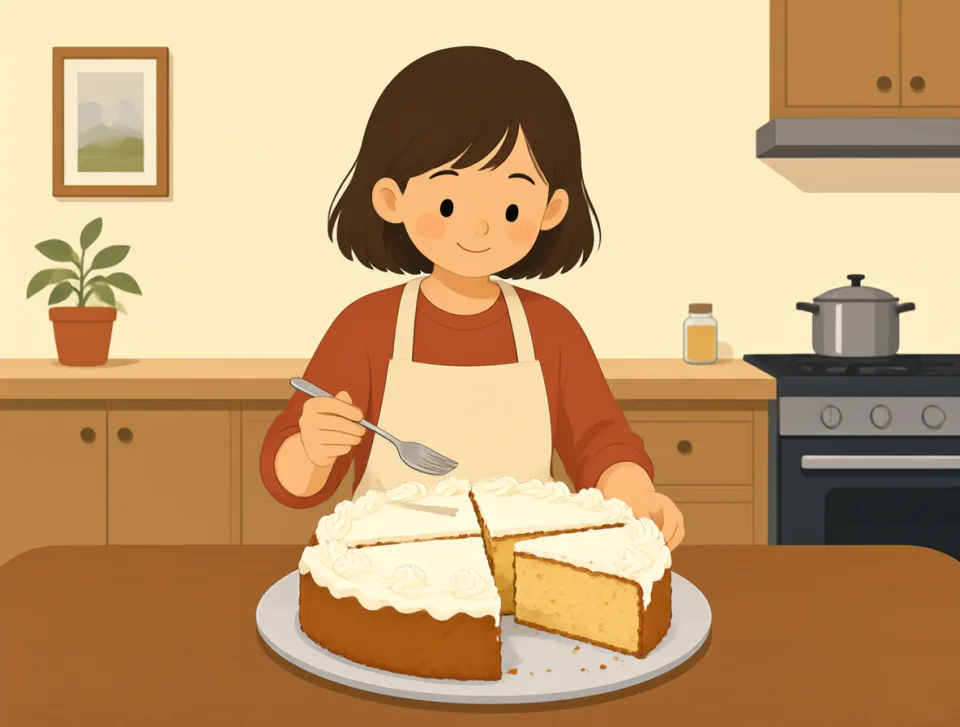
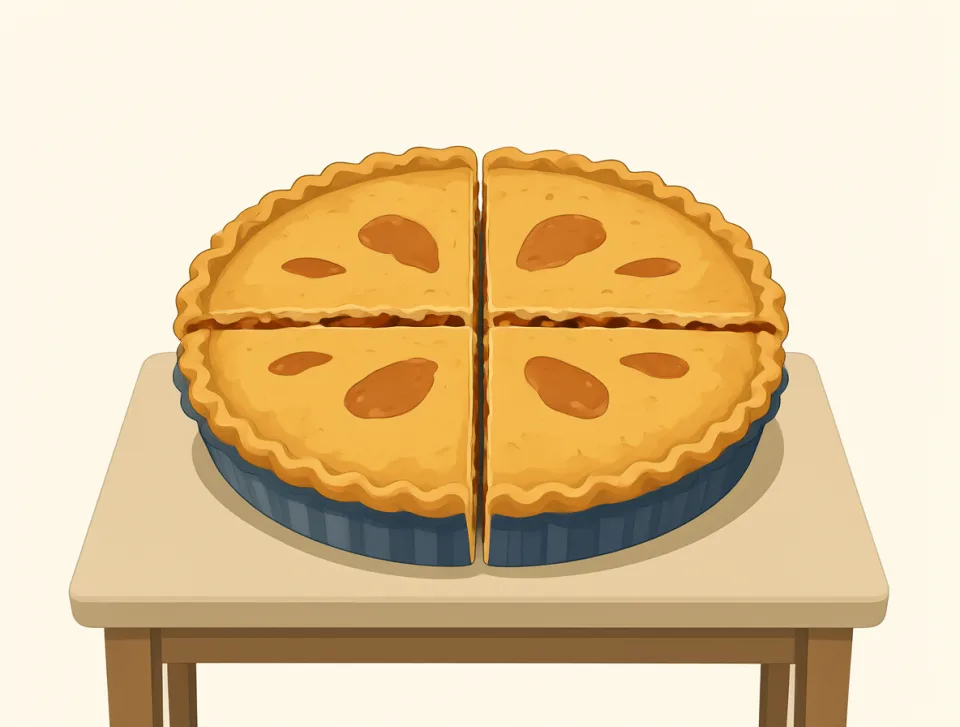
She ate a quarter of the cake.
Она съела четверть торта.

The store is a quarter mile away.
Магазин находится в четверти мили отсюда.
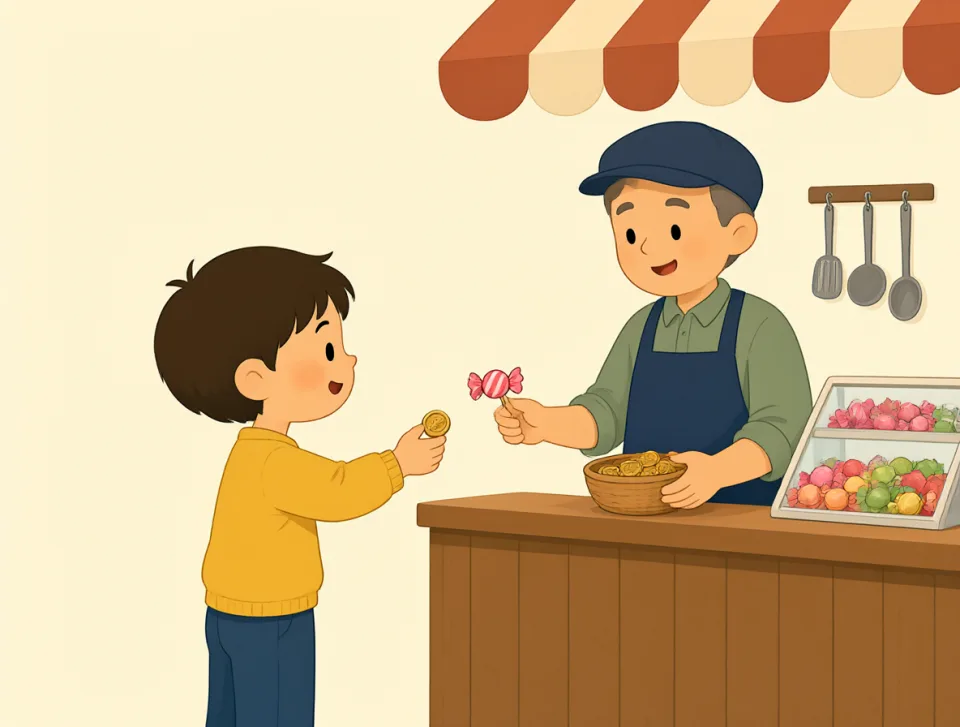
He paid a quarter for the candy.
Он заплатил за конфету четвертаком.
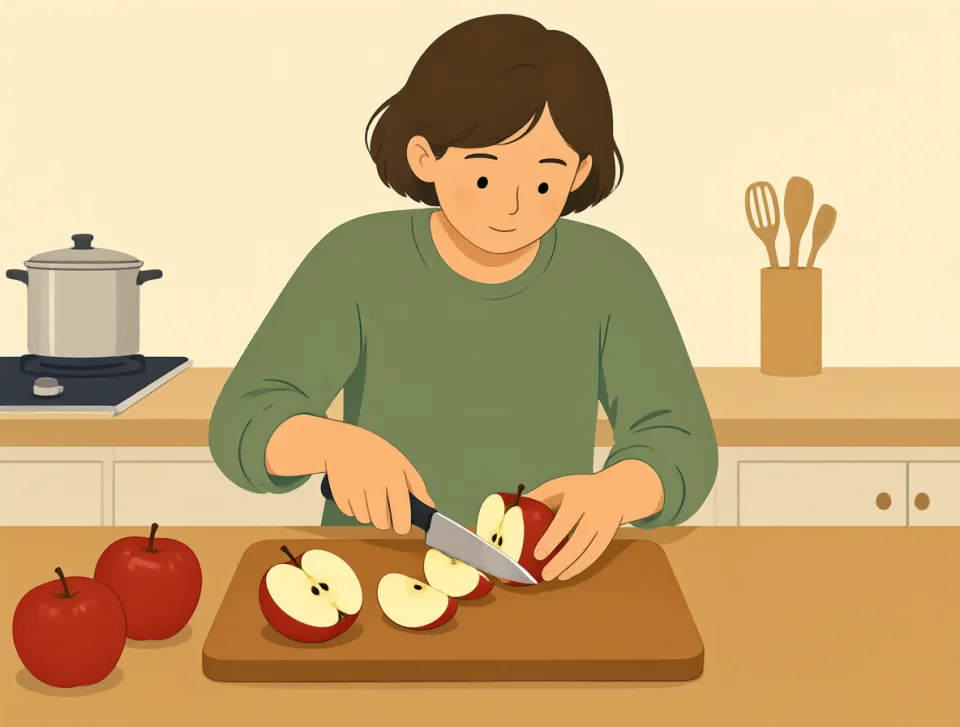
Quarter the apples before cooking them.
Разрежьте яблоки на четвертинки перед тем, как готовить.

assume
#870verb
предполагать
to think something is true without checking
Считать что-либо правдой, не проверив.
I assumed you were at home.
Я думал, ты дома.
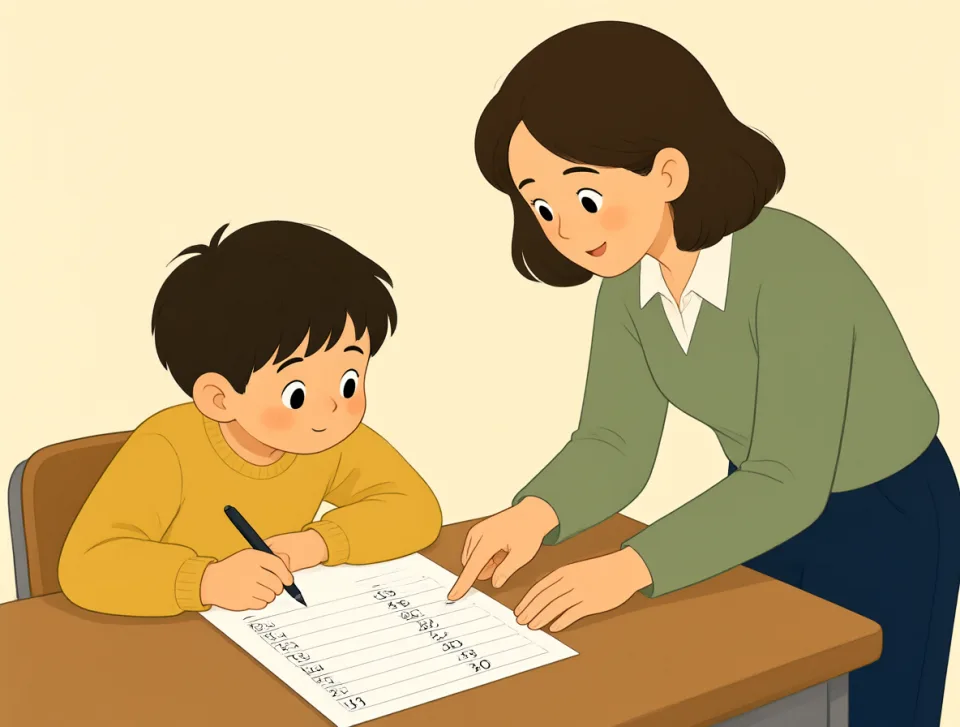
Do not assume the answer is correct.
Не думай, что ответ правильный.

We assumed the train would arrive soon.
Мы думали, что поезд скоро прибудет.

She assumed responsibility for the mistake.
Она взяла на себя ответственность за ошибку.

Let's not assume everyone likes spicy food.
Не будем считать, что всем нравится острая еда.

baby
#871noun
младенец
a very young child who cannot walk or talk yet
очень маленький ребёнок, который ещё не умеет ходить и говорить

The baby is sleeping in her crib.
Младенец спит в своей кроватке.
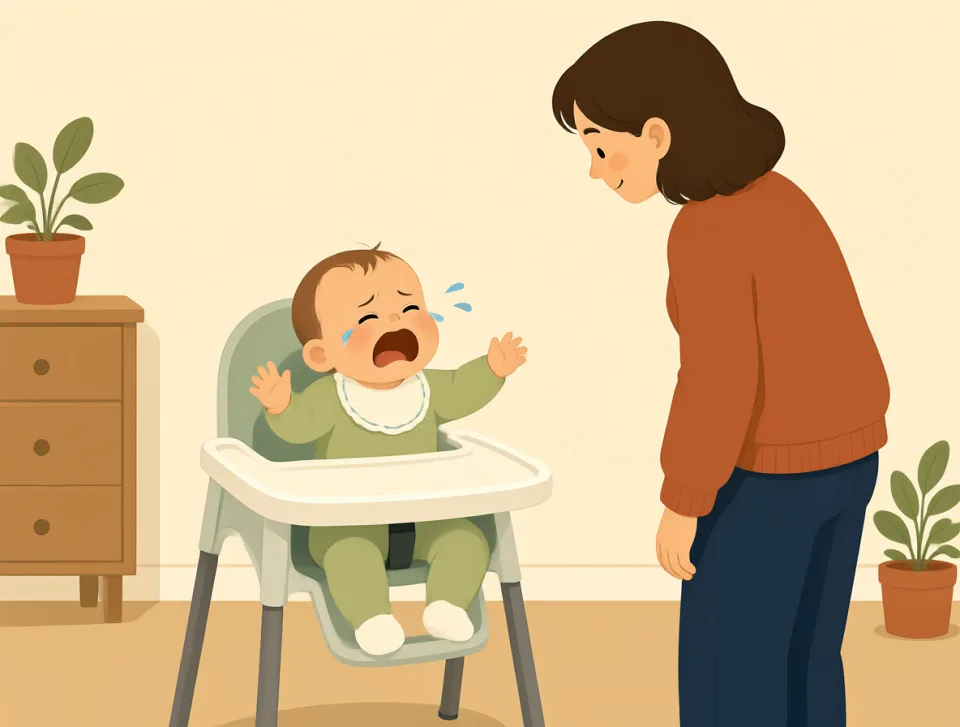
The baby began to cry after lunch.
Младенец заплакал после обеда.

We bought new clothes for the baby.
Мы купили новую одежду для младенца.

The baby smiled at her brother.
Младенец улыбнулся своему брату.
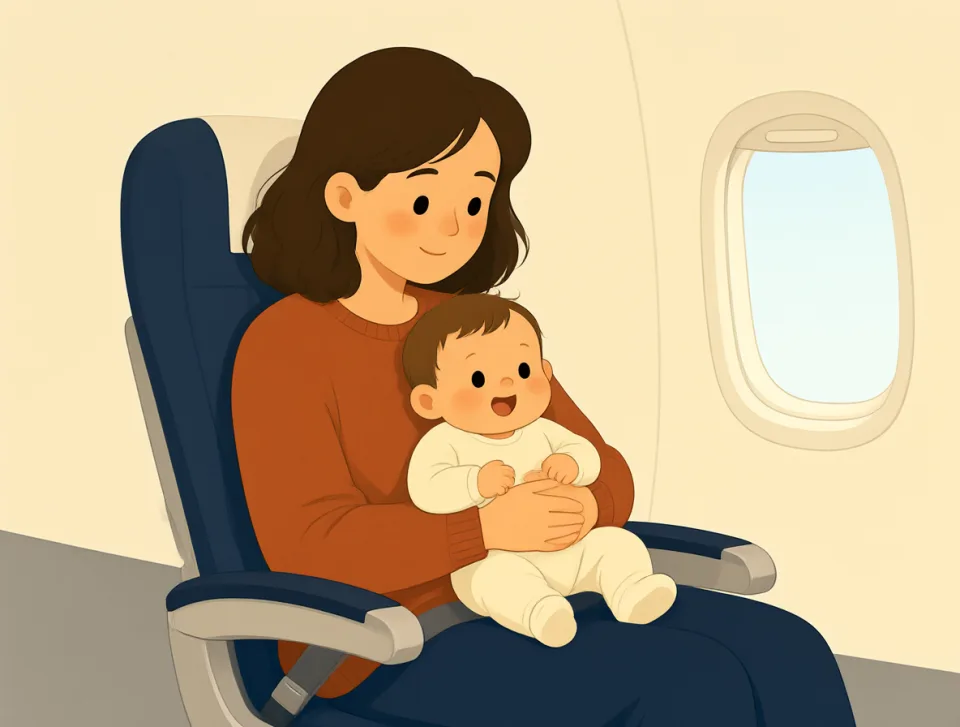
Please hold the baby during the flight.
Пожалуйста, подержите младенца во время полёта.

successful
#872adjective
успешный
Having the results you wanted or hoped for.
Достигший желаемых результатов или того, на что надеялись.

She had a successful interview yesterday.
Вчера у неё было успешное собеседование.

The shop had a successful opening day.
В день открытия магазин работал успешно.

He was successful at finding a new job.
Ему удалось найти новую работу.

Our school trip was very successful.
Наша школьная поездка прошла очень успешно.

The doctor said the treatment was successful.
Врач сказал, что лечение прошло успешно.

sing
#873verb, noun
петь
To make musical sounds with your voice; a series of musical sounds made by singing.
Издавать голосом музыкальные звуки; ряд музыкальных звуков, исполняемых голосом.

We sing together every Sunday.
Мы поём вместе каждое воскресенье.
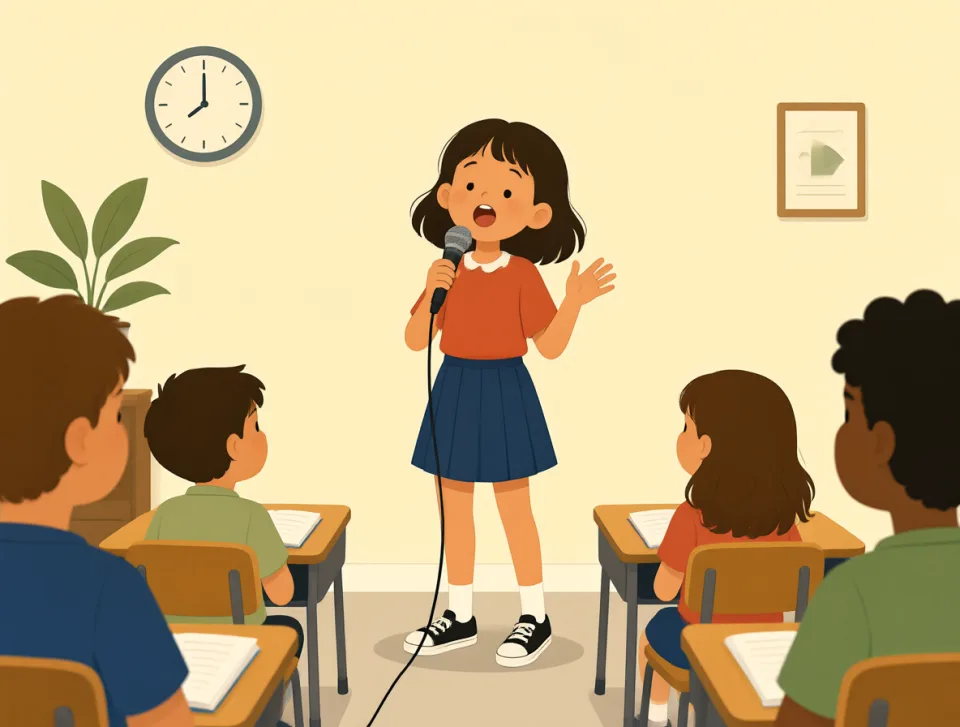
She sings a song at school.
Она поёт песню в школе.
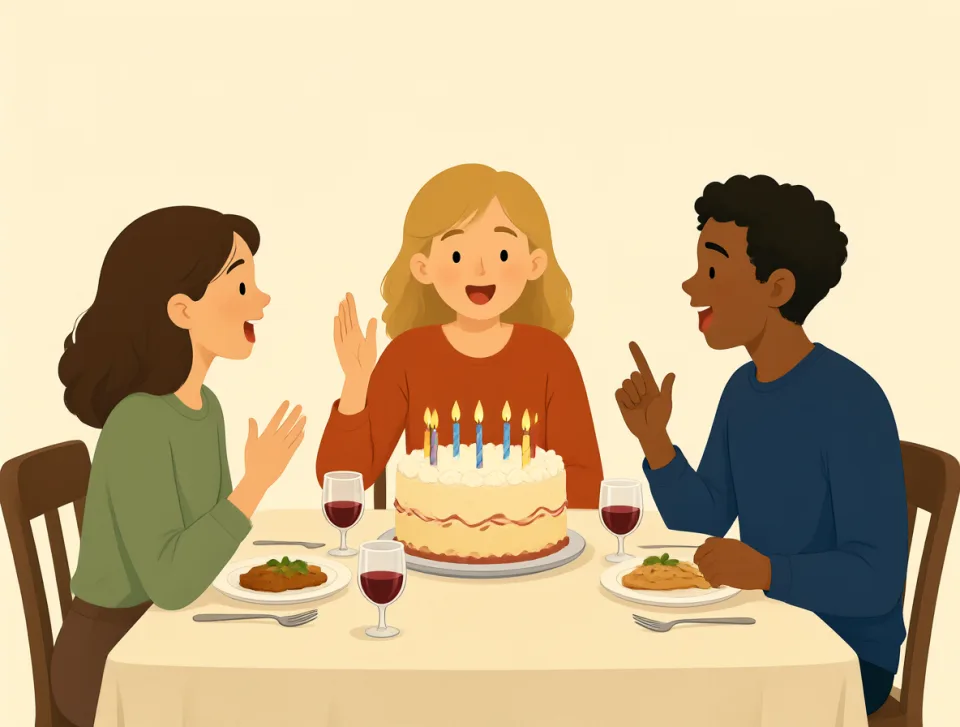
They sang happy birthday at dinner.
За ужином они спели «С днём рождения».

He is singing in the shower.
Он поёт в душе.
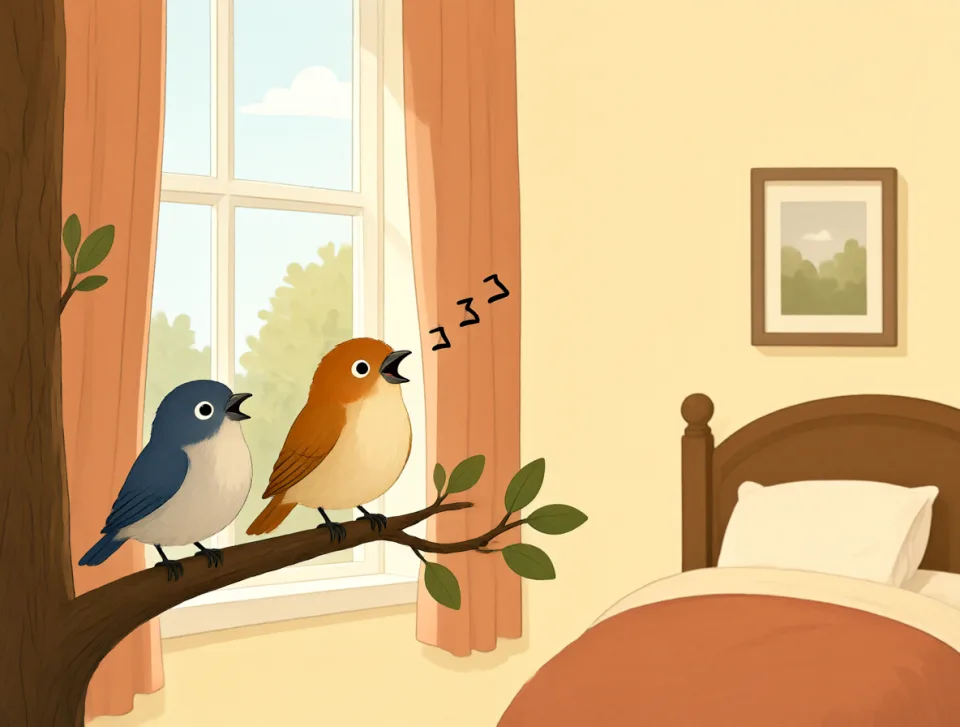
The birds sing outside my window.
Птицы поют за моим окном.

doubt
#874noun, verb
сомнение
A feeling that something may not be true or certain.
Чувство, что что-то может быть неправдой или не быть достоверным.
I have some doubt about his story.
Я сомневаюсь в его рассказе.

There is no doubt that she is right.
Нет сомнений в том, что она права.

I doubt we will finish the work today.
Сомневаюсь, что мы закончим работу сегодня.

She doubted the doctor’s advice at first.
Сначала она усомнилась в совете врача.

The teacher answered my doubts about the test.
Учитель ответил на мои вопросы о контрольной.

competition
#875noun
соревнование
a contest in which people or teams try to win
Состязание, в котором люди или команды пытаются победить.

Our team won the competition yesterday.
Вчера наша команда победила в соревновании.

There is strong competition between the two shops.
Между двумя магазинами идёт острая конкурентная борьба.

She entered a cooking competition at school.
Она записалась на школьный кулинарный конкурс.
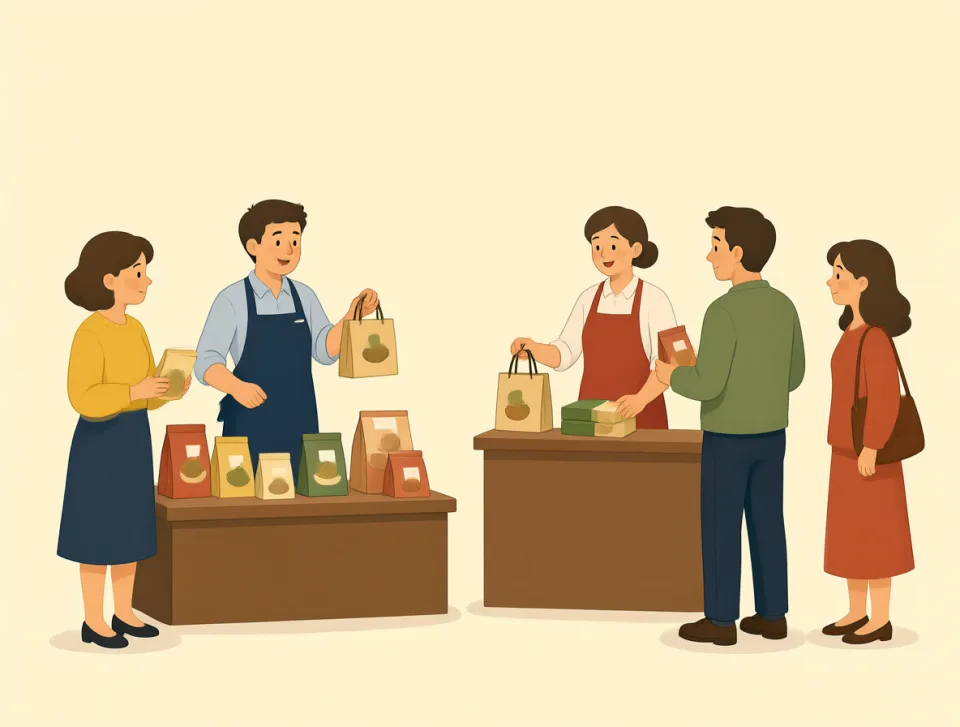
Competition helps companies offer lower prices.
Конкуренция помогает компаниям предлагать более низкие цены.
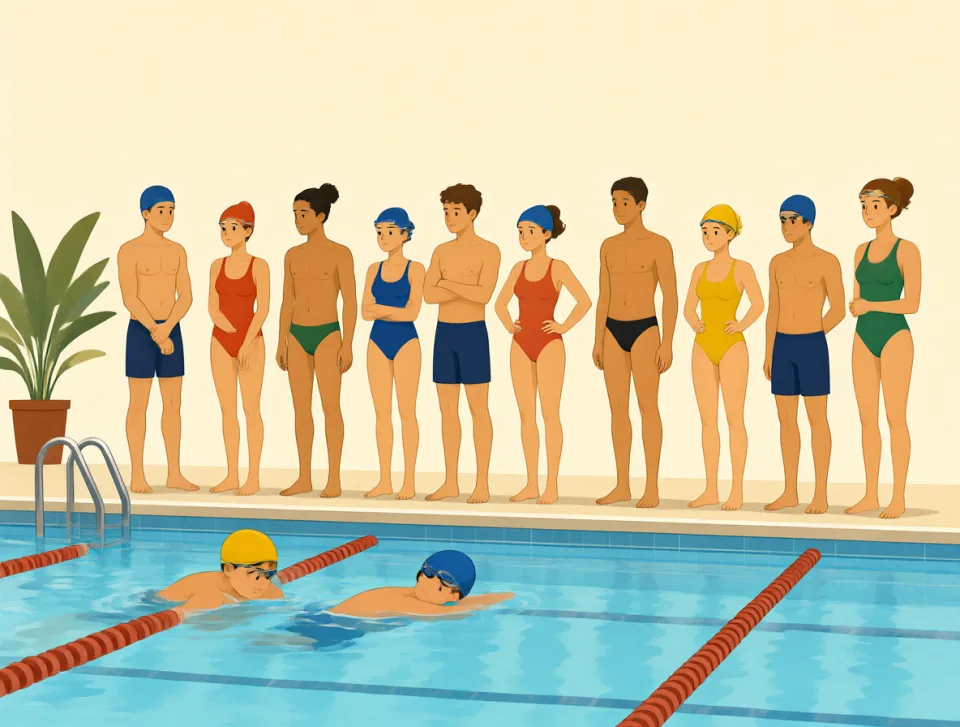
The swimming competition starts at ten.
Соревнования по плаванию начинаются в десять.

theory
#876noun
теория
An idea that explains how or why something happens.
Идея, объясняющая, как или почему что-либо происходит.
The theory explains how plants grow.
Эта теория объясняет, как растут растения.
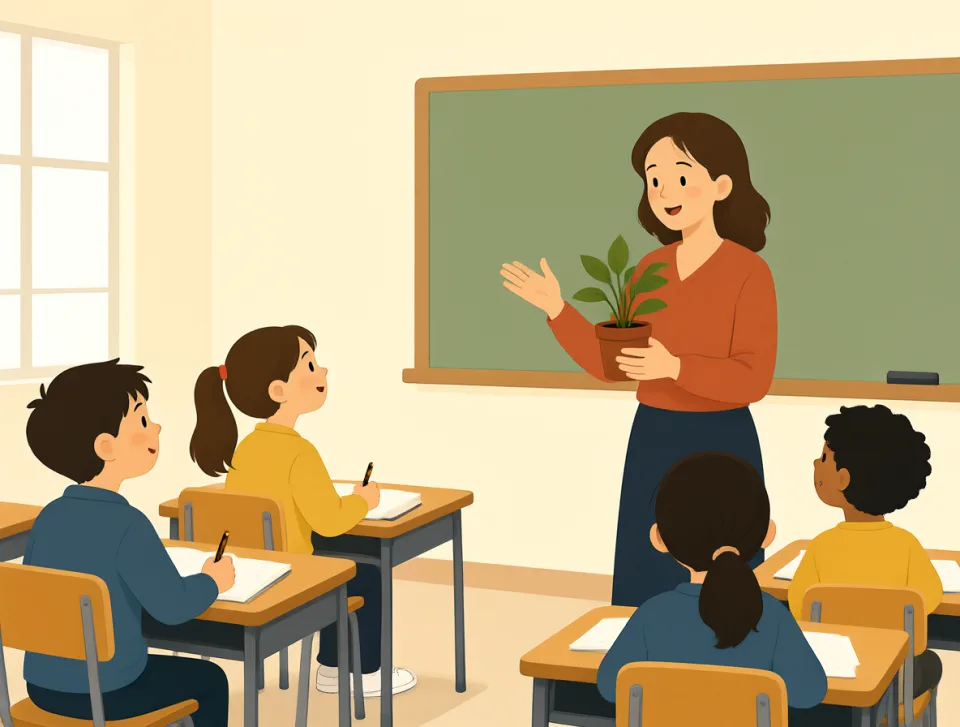
We learned a new theory in science class.
На уроке естествознания мы узнали новую теорию.

His theory about the problem was correct.
Его теория насчёт этой проблемы оказалась верной.
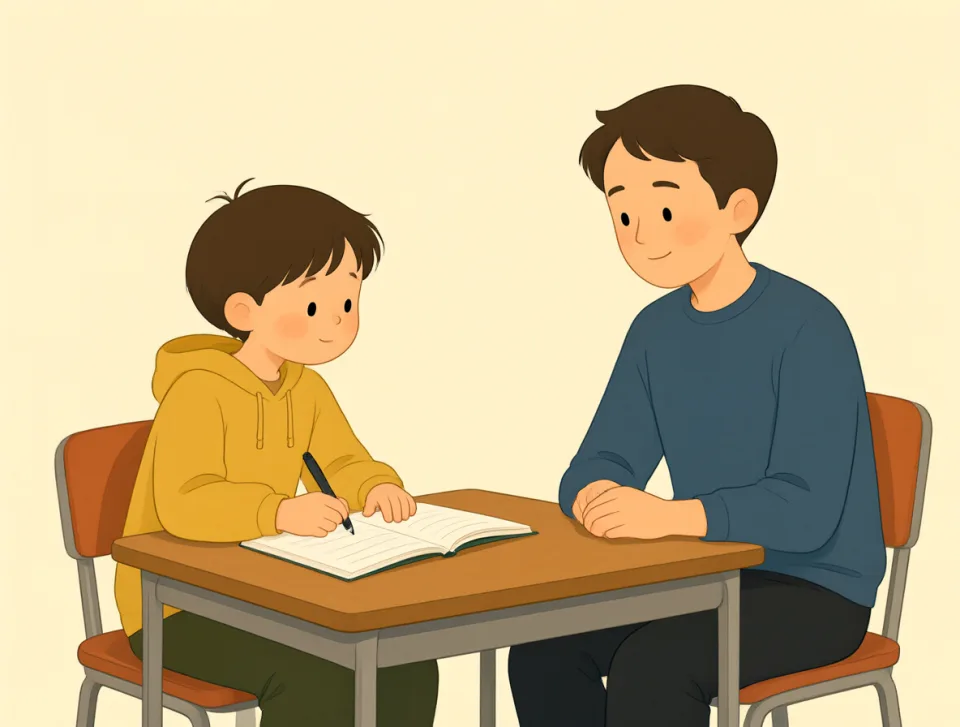
The driving theory test was difficult.
Теоретический экзамен по вождению был трудным.
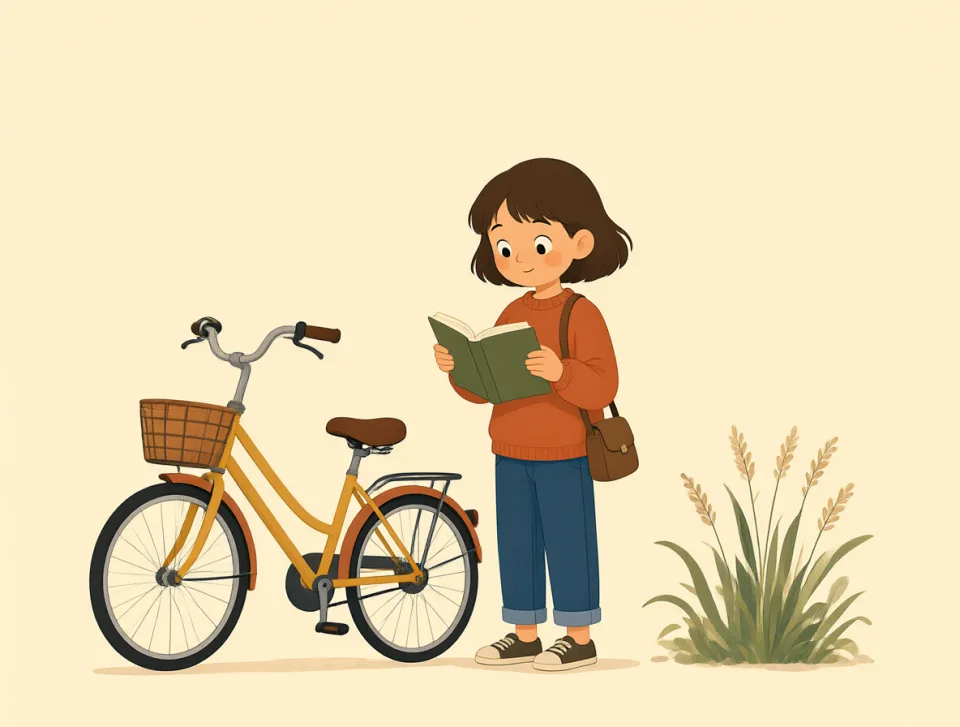
She knows the theory but needs practice.
Она знает теорию, но ей нужна практика.

propose
#877verb
предлагать
to suggest a plan or idea for people to consider
Предлагать план или идею на рассмотрение.
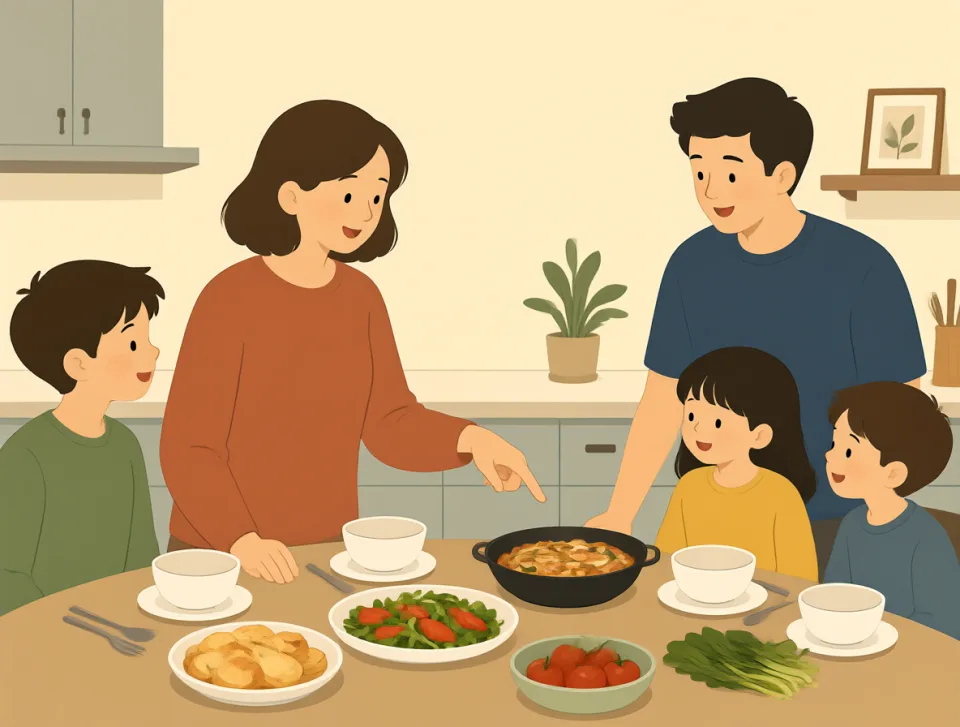
She proposed a new plan for dinner.
Она предложила новый план на ужин.

The manager proposed shorter working hours.
Менеджер предложил сократить рабочий день.

Tom proposed meeting at the train station.
Том предложил встретиться на железнодорожном вокзале.

The students proposed a school garden.
Ученики предложили разбить школьный сад.

He proposed to his girlfriend at dinner.
За ужином он сделал своей девушке предложение.

reference
#878noun, verb
справочный материал; рекомендация
Information or a person used to help you understand or decide something.
Информация или человек, помогающие что-либо понять или принять решение.

Please use this book as a reference.
Пожалуйста, используйте эту книгу как справочник.

She gave my name as a reference.
Она указала моё имя в качестве рекомендателя.

I need a reference for my school project.
Мне нужен справочный материал для школьного проекта.

The doctor referred me to a heart specialist.
Врач направил меня к кардиологу.

Please reference the recipe when you cook.
Пожалуйста, сверяйтесь с рецептом, когда будете готовить.
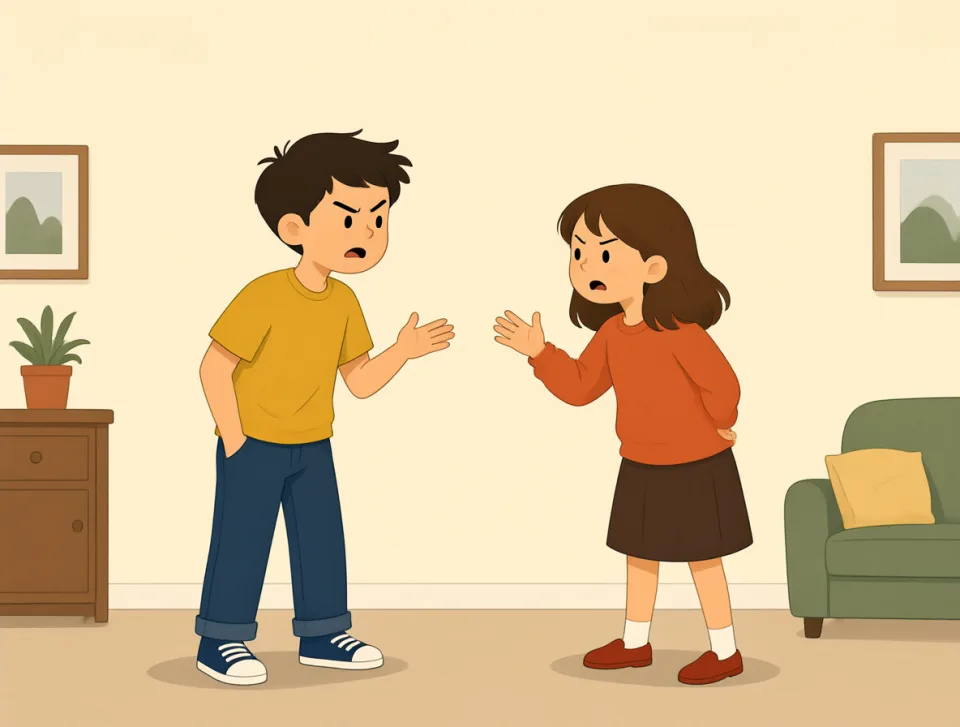
argument
#879noun
спор; аргумент
A disagreement between people, or a reason given to support an idea.
Разногласие между людьми или довод в поддержку какой-либо идеи.

The couple had an argument about money.
Эта пара поспорила из-за денег.

We had a silly argument over dinner.
За ужином мы немного поспорили из-за пустяка.

His argument changed my mind.
Его довод заставил меня изменить своё мнение.

The lawyer made a strong argument in court.
В суде адвокат привёл веский довод.

She used a clear argument in her essay.
В своём эссе она привела чёткий аргумент.
adult
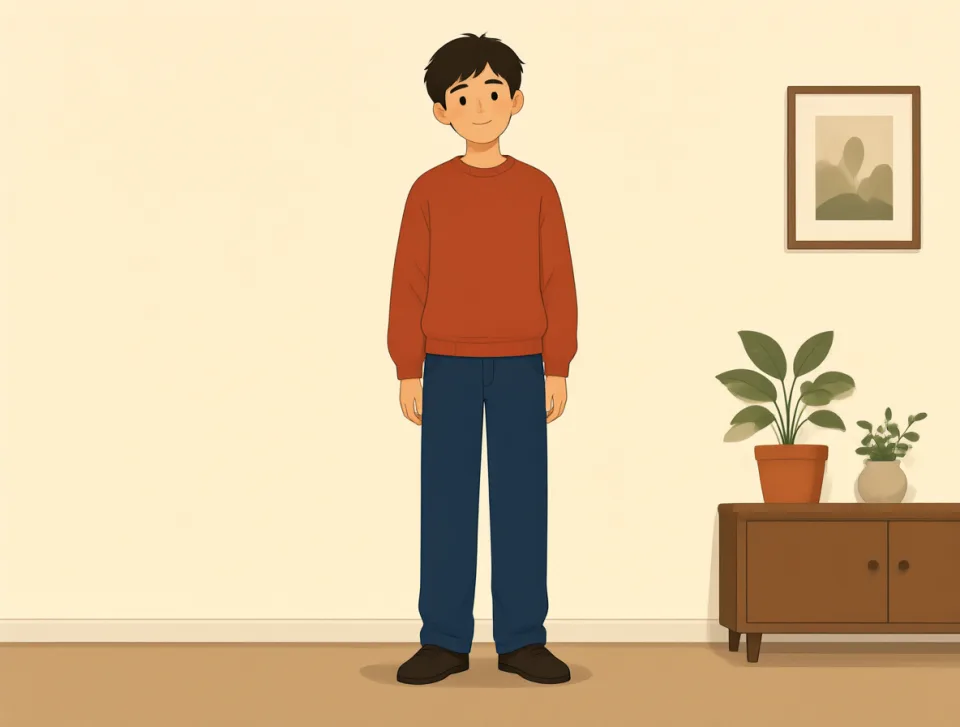
#880noun, adjective
взрослый
A person who is fully grown, or relating to fully grown people.
Совершеннолетний человек или относящийся к взрослым людям.

Adults must show identification when they travel.
Взрослые должны предъявлять удостоверение личности во время поездок.
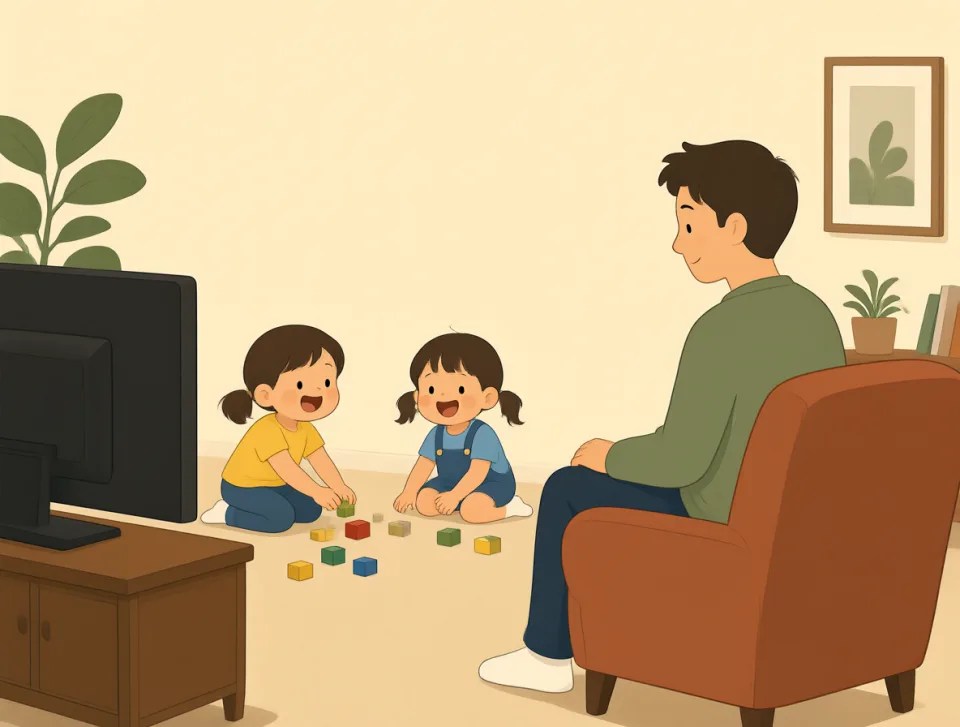
One adult stayed home with the children.
Один из взрослых остался дома с детьми.

The school offers evening classes for adults.
Школа предлагает вечерние занятия для взрослых.

This medicine is for adults only.
Это лекарство предназначено только для взрослых.

She ordered an adult ticket at the museum.
В музее она купила билет для взрослого.