Zestaw 37
Słowa 721–740 · drug, wall, series, direct, success, tomorrow
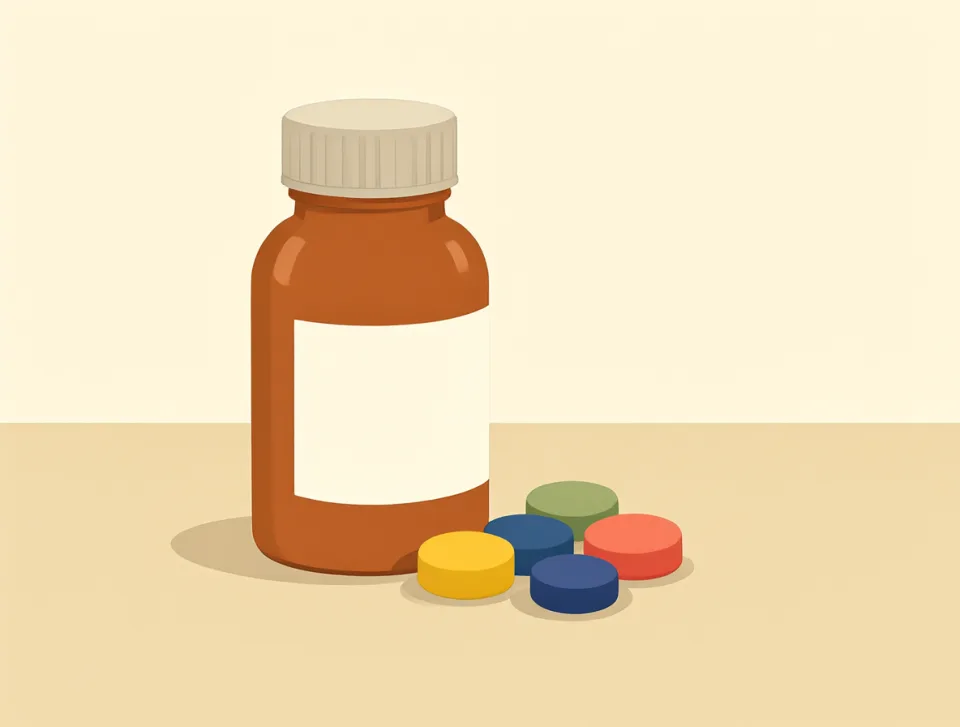
drug
#721noun, verb
lek
A medicine or illegal substance that changes how your body or mind works.
Lek lub nielegalna substancja, która wpływa na działanie ciała lub umysłu.
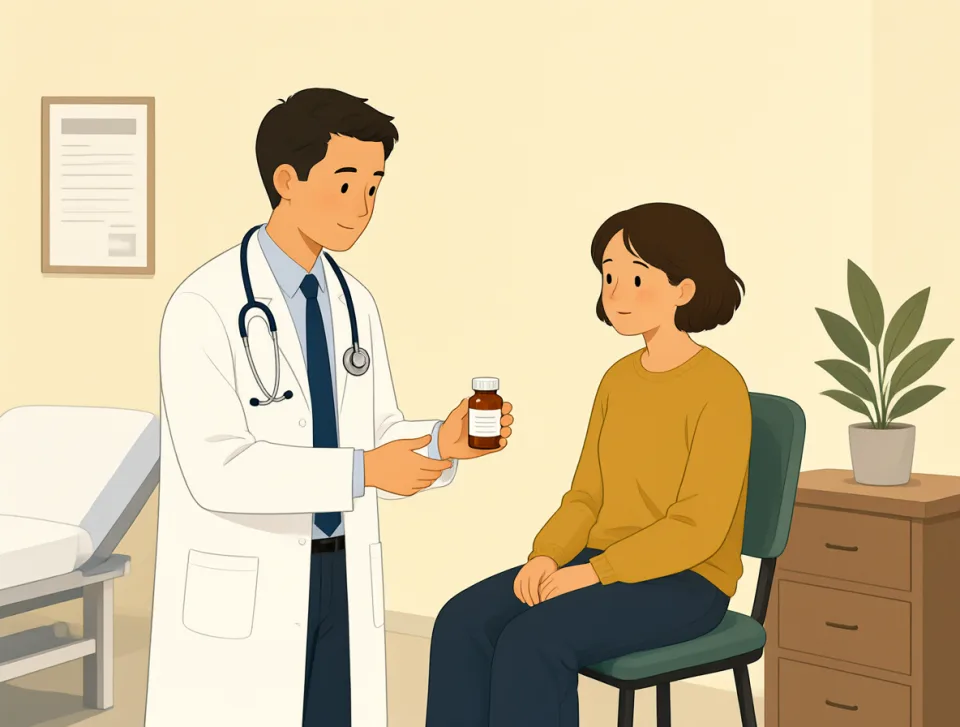
The doctor gave me a drug for pain.
Lekarz dał mi lek przeciwbólowy.
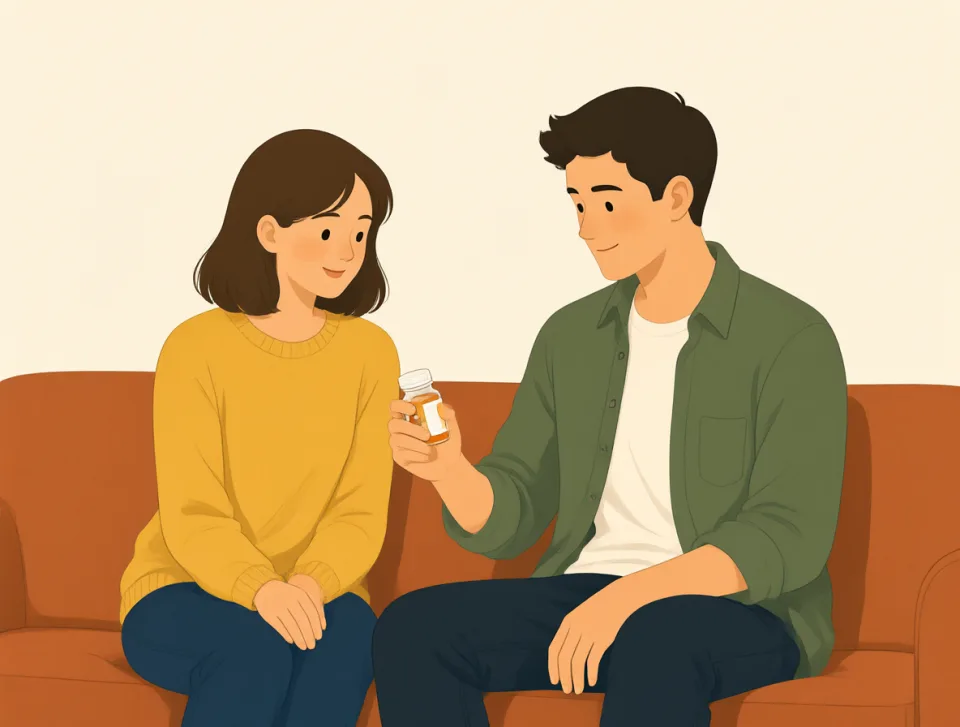
Some people take drugs to feel different.
Niektórzy zażywają narkotyki, żeby poczuć się inaczej.
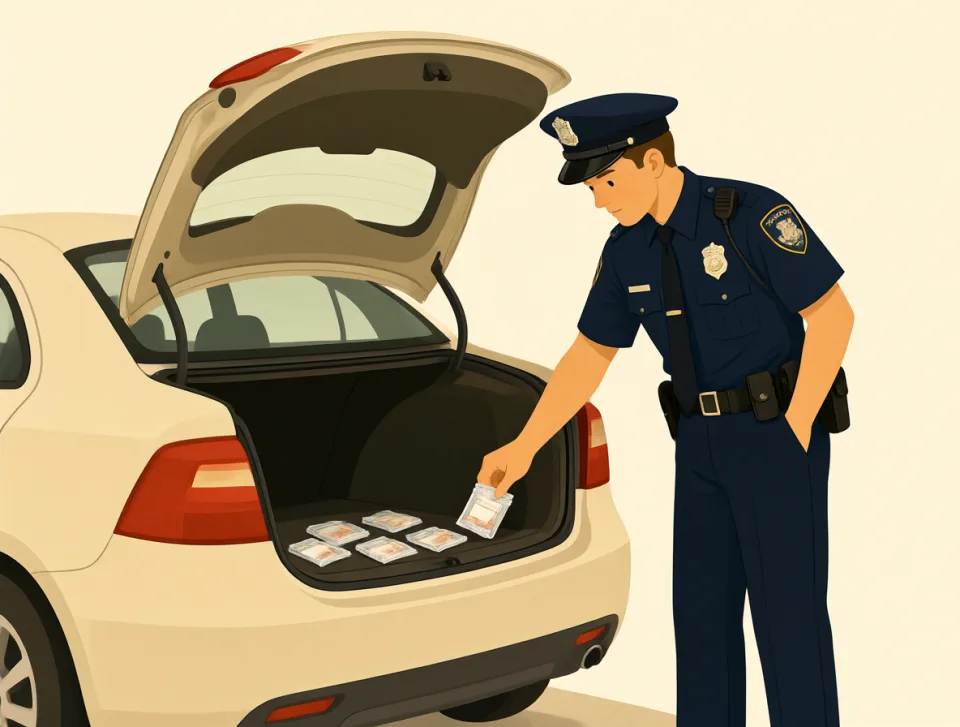
The police found drugs in his car.
Policja znalazła narkotyki w jego samochodzie.
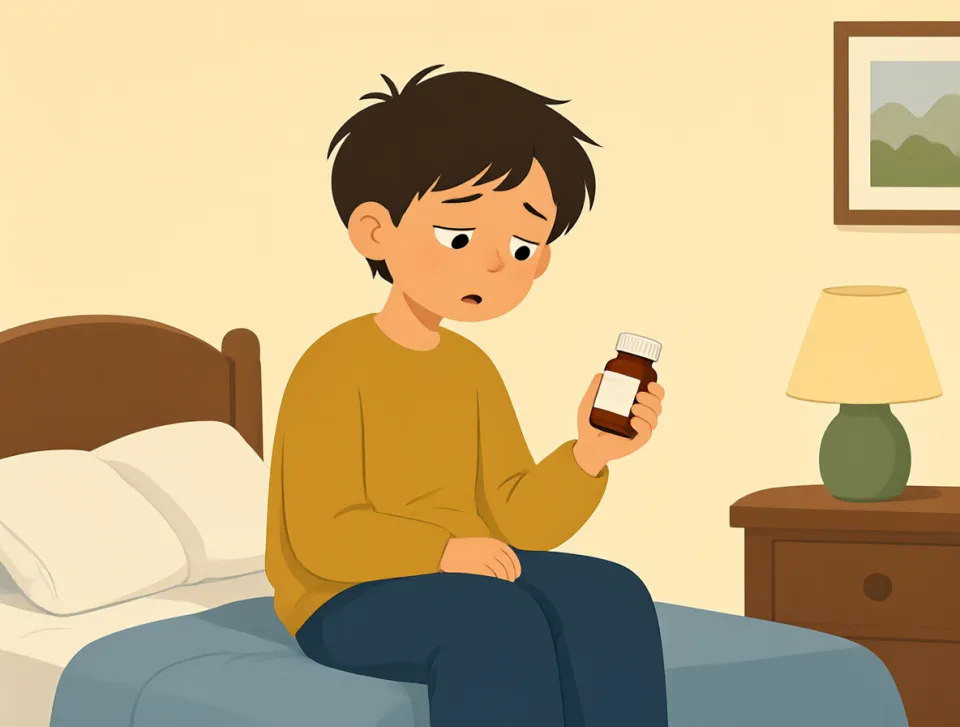
This drug can make you sleepy.
Ten lek może powodować senność.
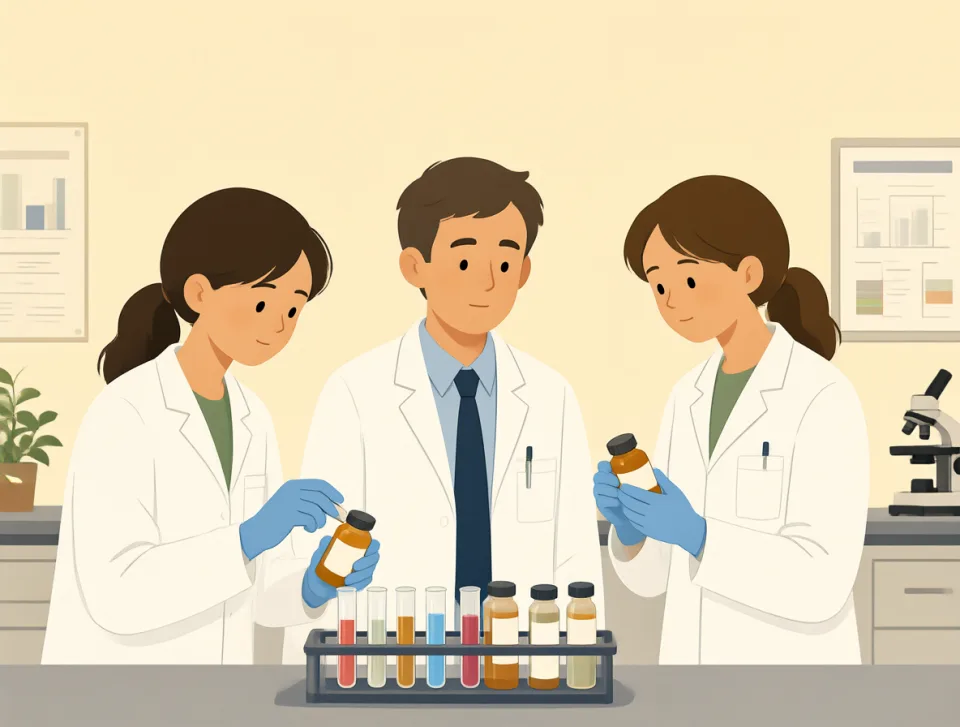
The company is testing a new drug.
Firma testuje nowy lek.
wall
#722noun
ściana
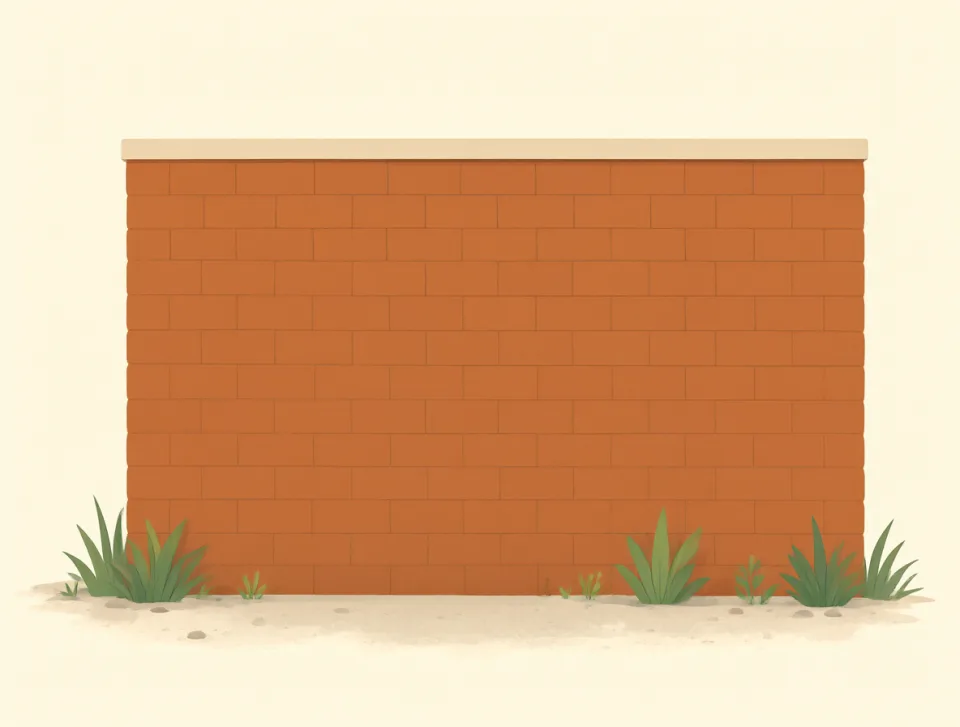
A vertical structure that separates or surrounds a space.
Pionowa konstrukcja, która oddziela lub otacza jakąś przestrzeń.
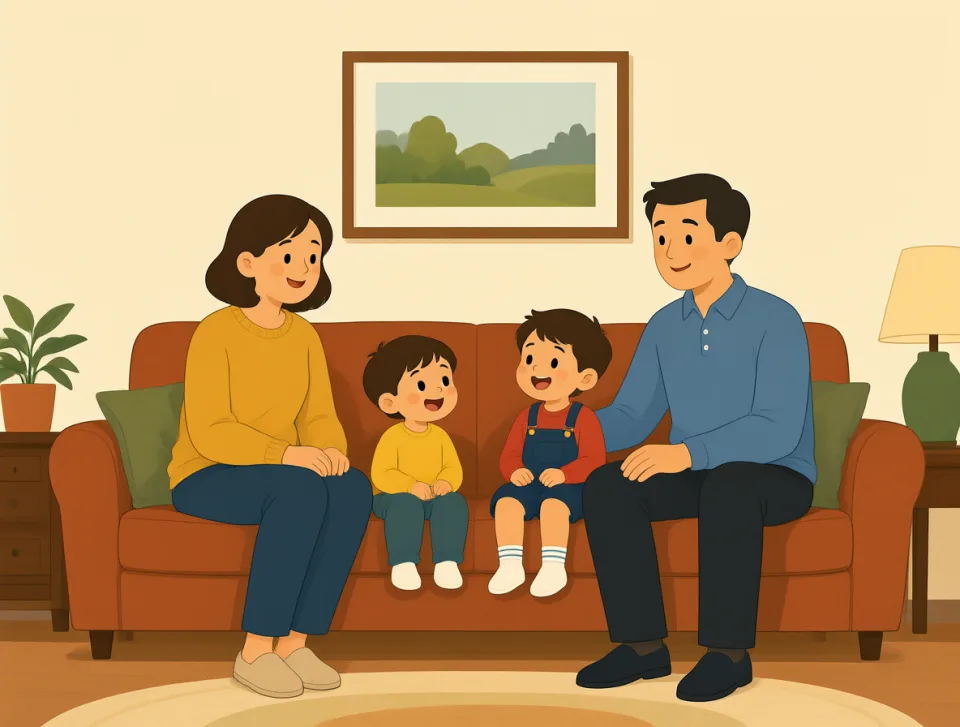
The picture hangs on the living room wall.
Obraz wisi na ścianie w salonie.
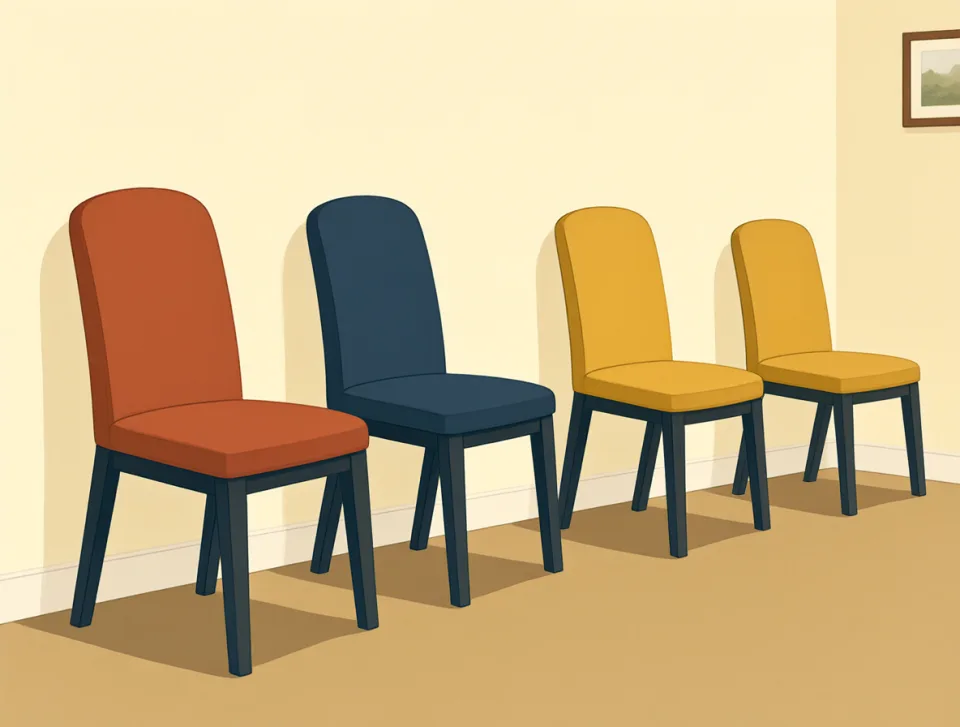
Please put the chairs against the wall.
Proszę ustawić krzesła przy ścianie.

We painted the bedroom wall blue yesterday.
Wczoraj pomalowaliśmy ścianę w sypialni na niebiesko.
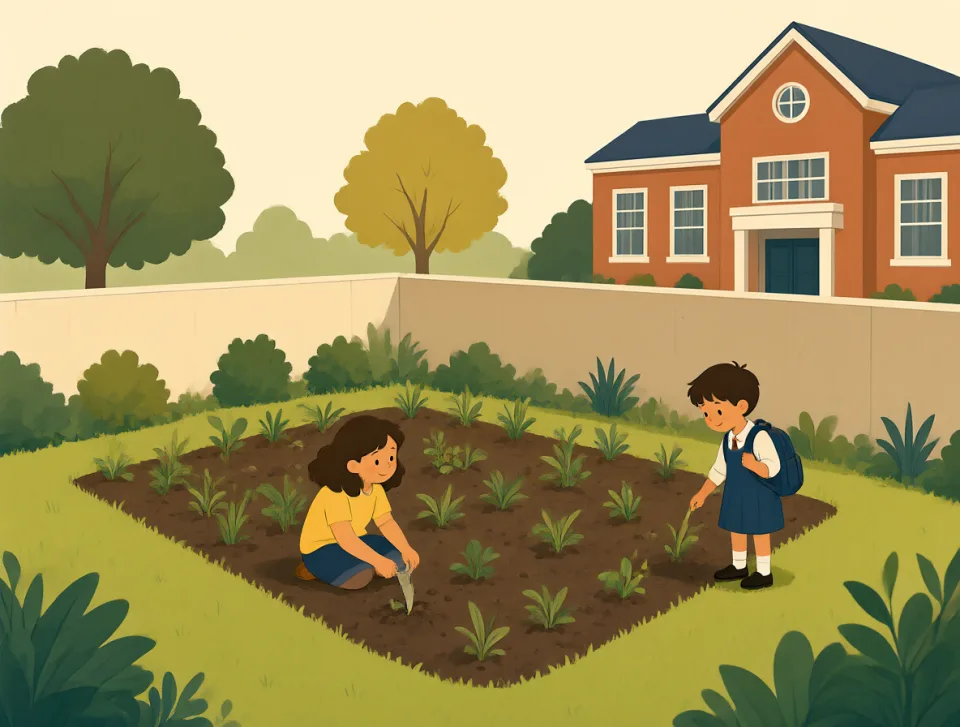
A high wall surrounds the school garden.
Wysoki mur otacza ogród szkolny.
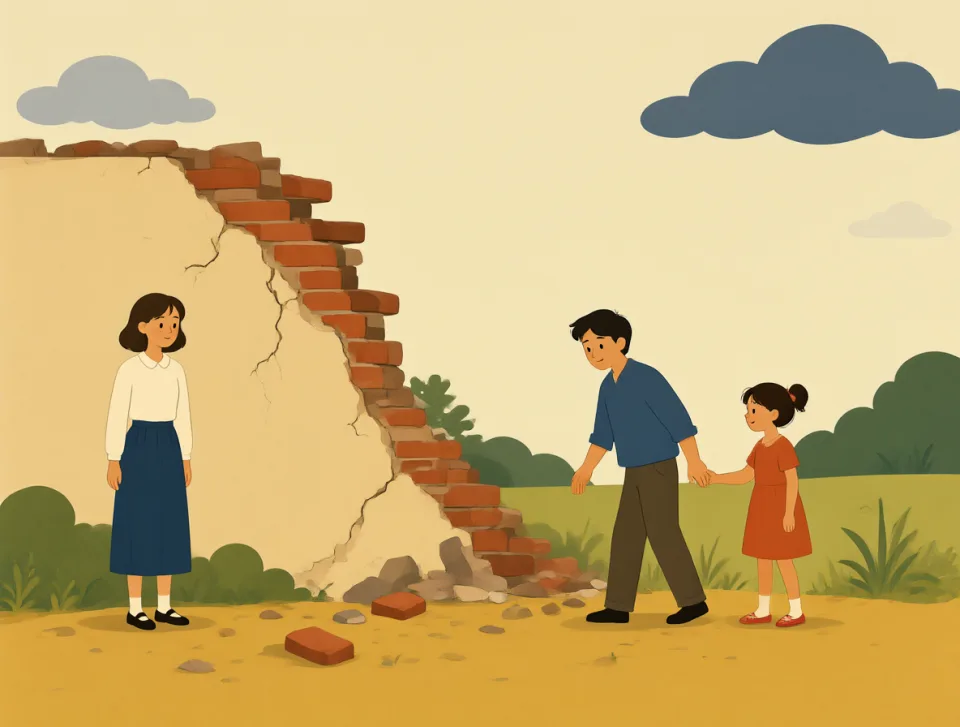
The old wall fell during the storm.
Stary mur zawalił się podczas burzy.

series
#723noun
seria
A group of things or events that follow one another in order.
Grupa rzeczy lub wydarzeń następujących po sobie w określonej kolejności.
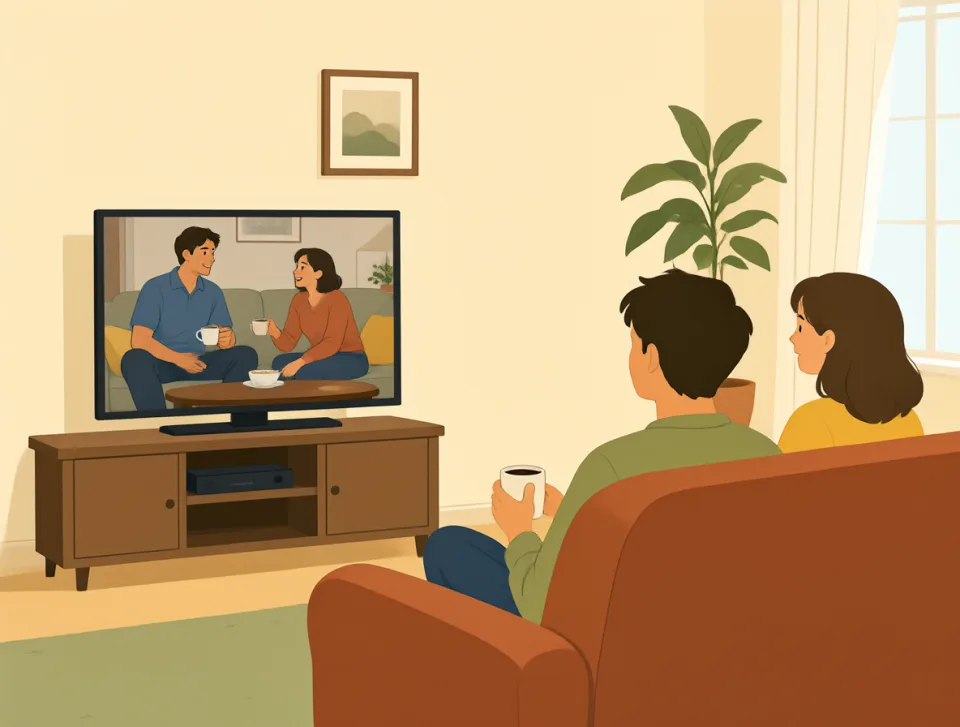
I watched a new series last night.
Wczoraj wieczorem obejrzałem nowy serial.
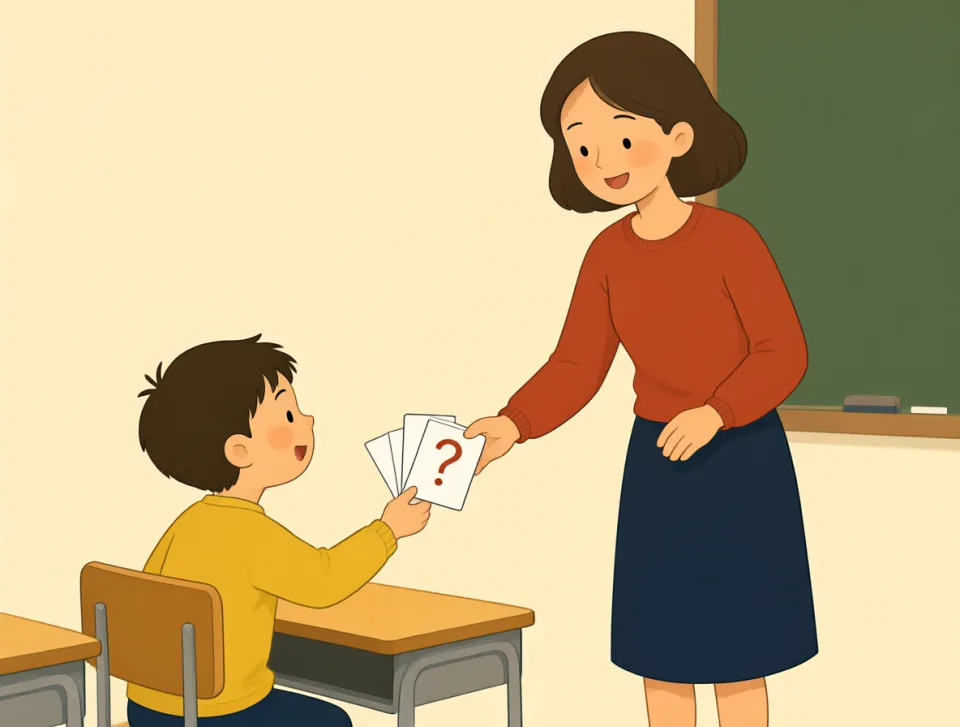
The teacher gave us a series of questions.
Nauczyciel dał nam serię pytań.

The shop sells a series of summer dresses.
Sklep sprzedaje serię letnich sukienek.
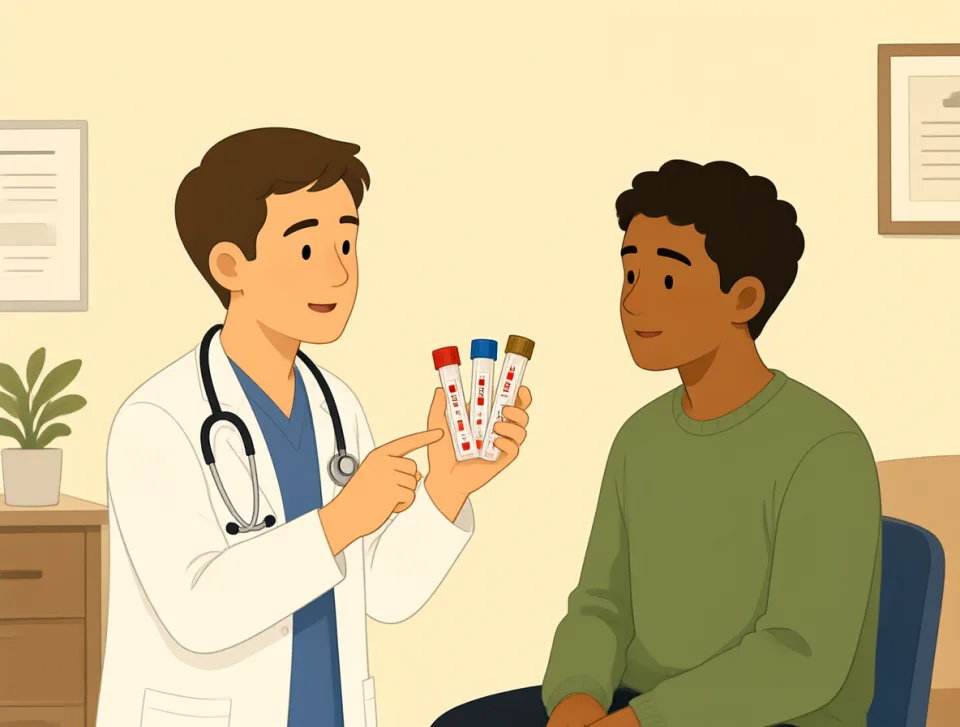
The doctor ordered a series of tests.
Lekarz zlecił serię badań.
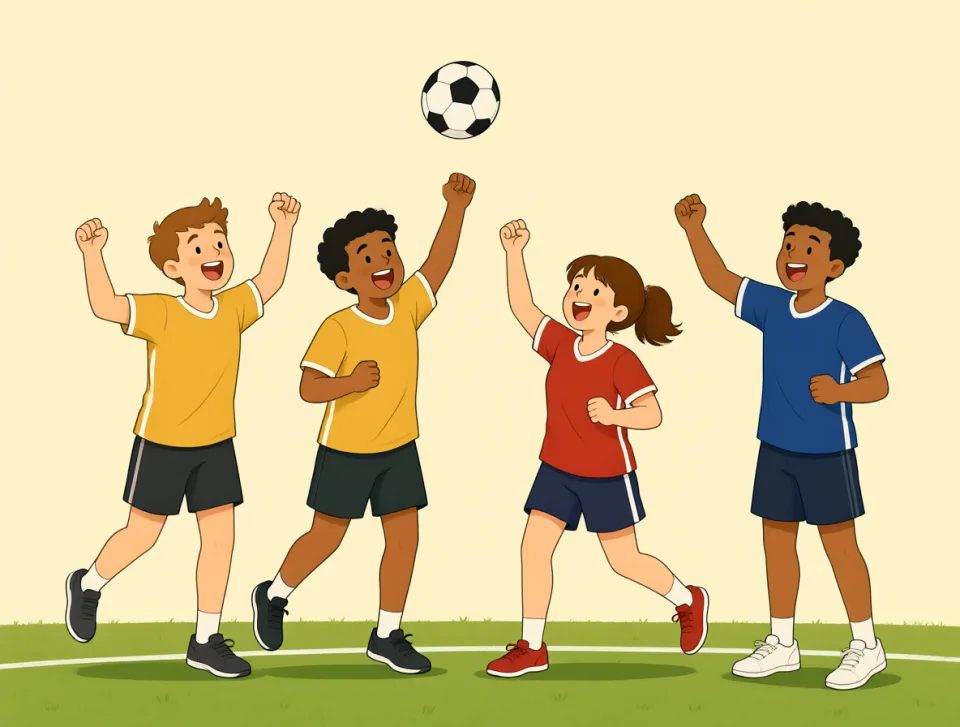
Our team won three games in a series.
Nasza drużyna wygrała trzy mecze w serii.

direct
#724adjective, verb, adverb
bezpośredni
Going straight to a place, person, or result without stopping or changing direction.
Prowadzący prosto do jakiegoś miejsca, osoby lub rezultatu, bez przystanków ani zmiany kierunku.
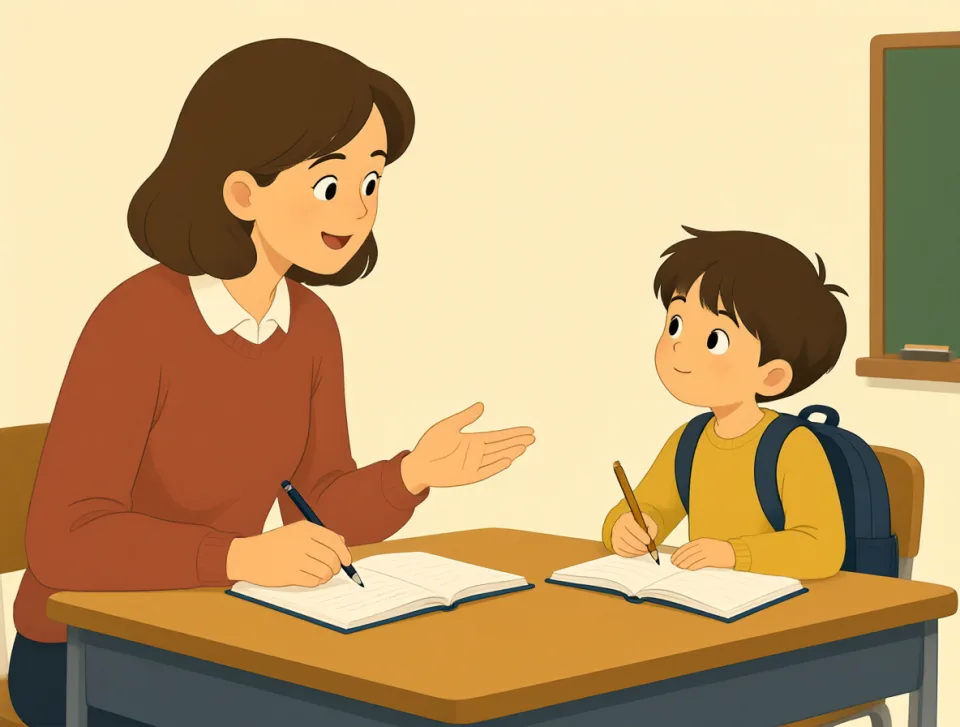
Please give me direct answers to these questions.
Proszę o konkretne odpowiedzi na te pytania.
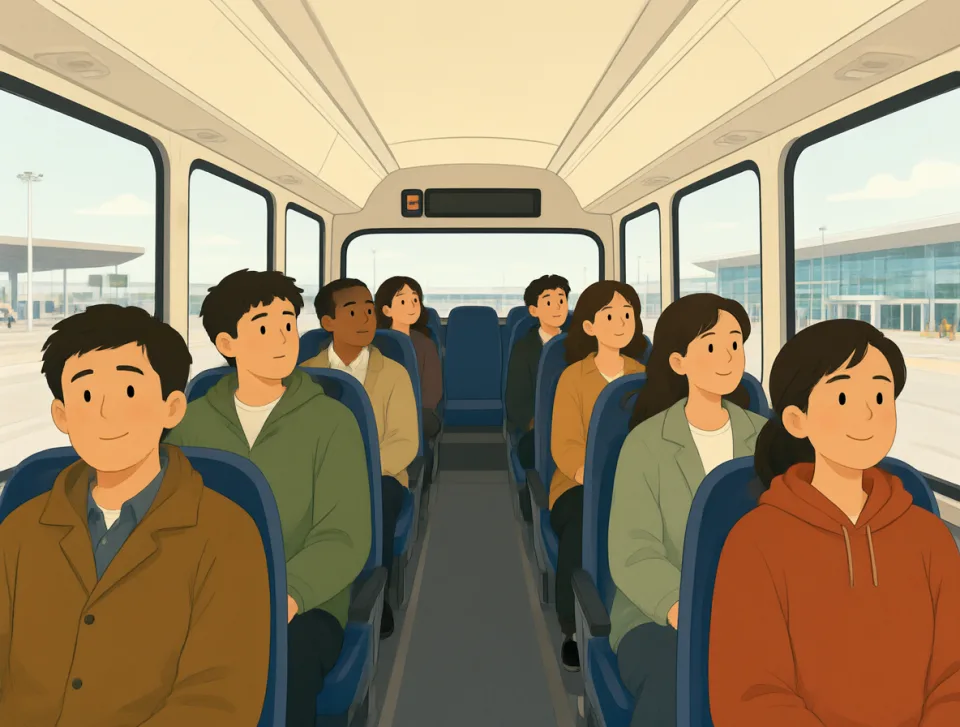
This bus goes direct to the airport.
Ten autobus jedzie bezpośrednio na lotnisko.
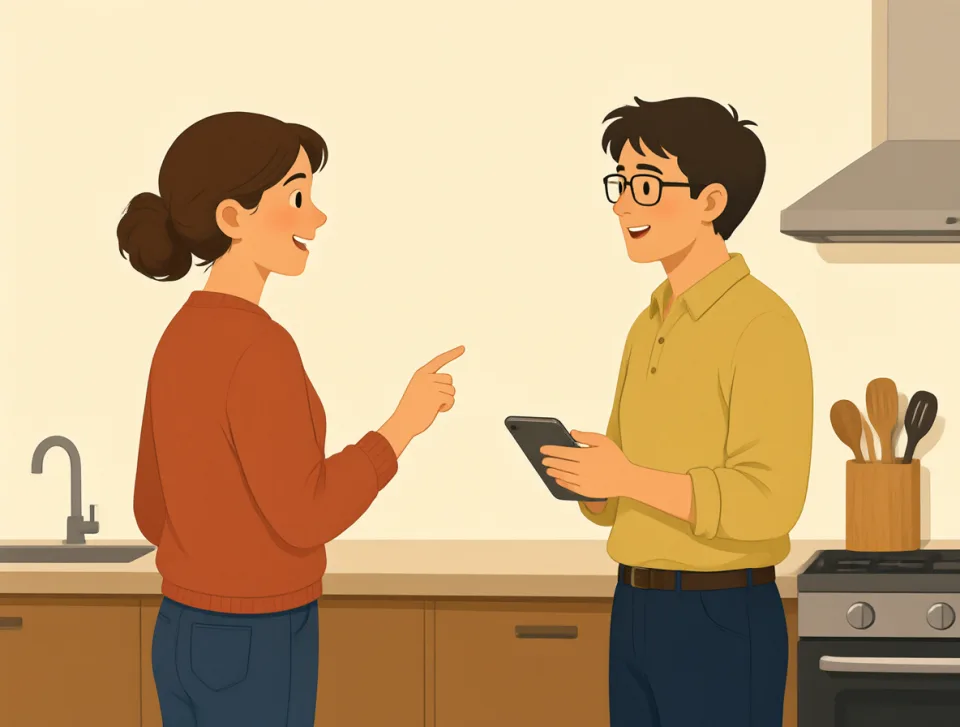
She directed the new worker to the kitchen.
Skierowała nowego pracownika do kuchni.

He called me directly after the meeting.
Zadzwonił do mnie zaraz po spotkaniu.
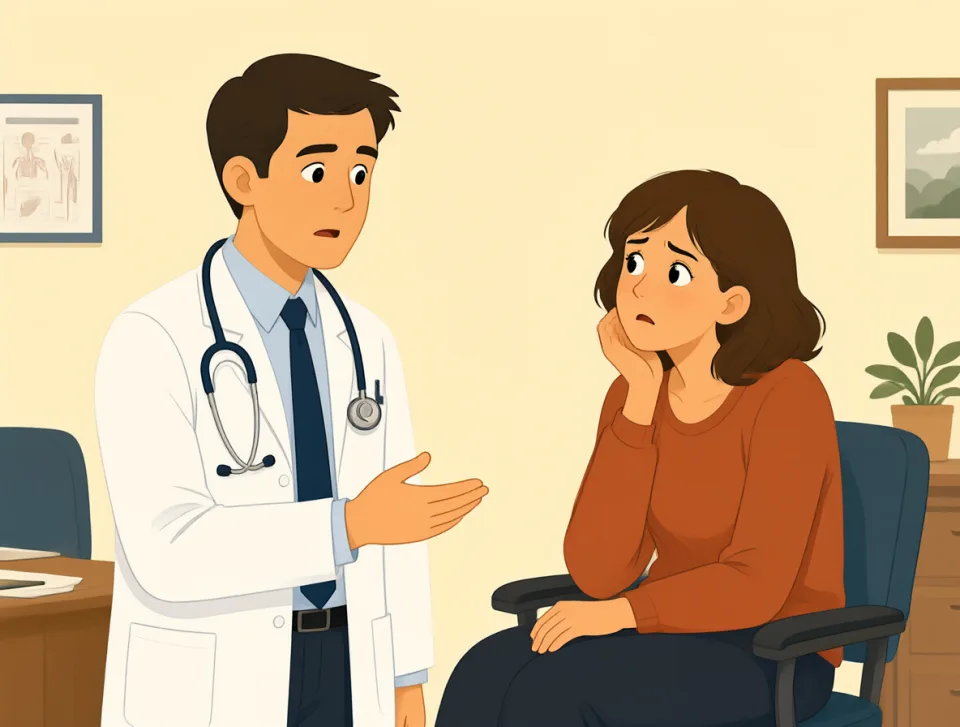
The doctor directed her to rest at home.
Lekarz zalecił jej odpoczynek w domu.

success
#725noun
sukces
A good result that happens because someone achieves what they wanted.
Dobry rezultat osiągnięty dzięki temu, że komuś udało się zrealizować swój cel.

Her hard work brought her success.
Jej ciężka praca przyniosła jej sukces.

The new shop was a great success.
Nowy sklep okazał się wielkim sukcesem.

He found success in his new job.
Odniósł sukces w nowej pracy.
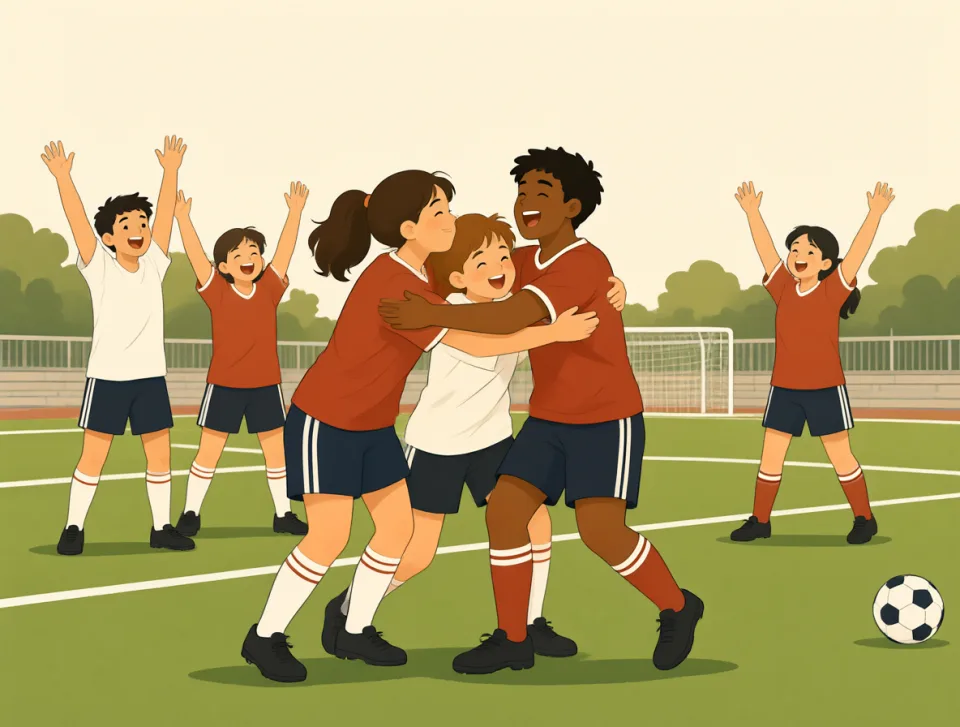
The team celebrated their success after the game.
Drużyna świętowała swój sukces po meczu.
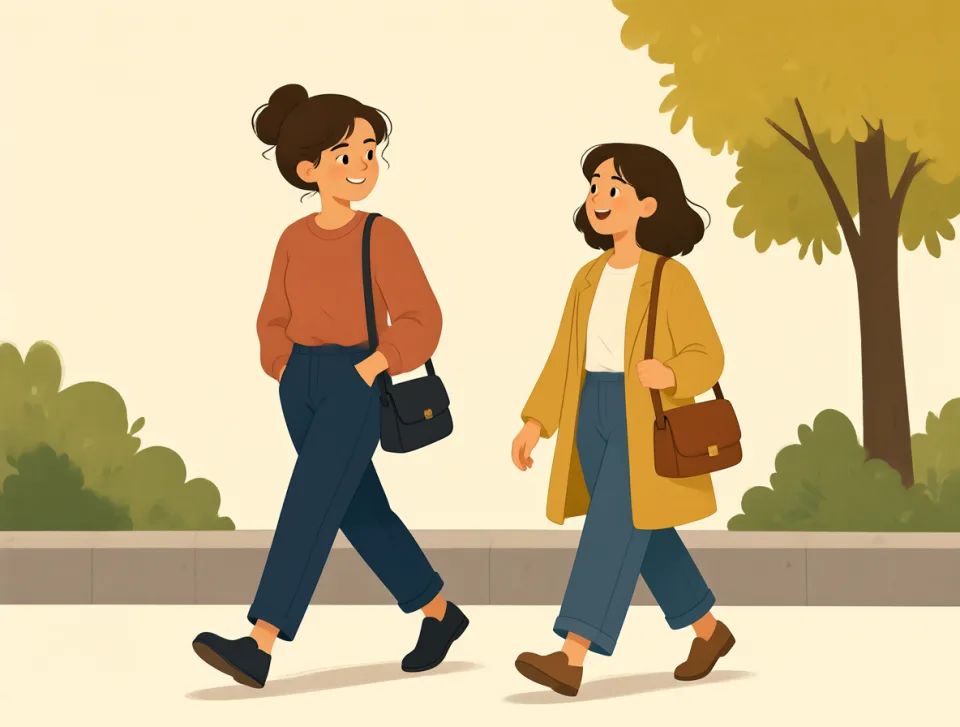
Success helped her feel better about herself.
Sukces pomógł jej lepiej o sobie myśleć.

tomorrow
#726noun, adverb
jutro
The day after today, or on the day after today.
Dzień po dzisiejszym dniu lub w dniu następującym po dzisiejszym.

I will call you tomorrow morning.
Zadzwonię do ciebie jutro rano.

We have a test tomorrow.
Jutro mamy sprawdzian.
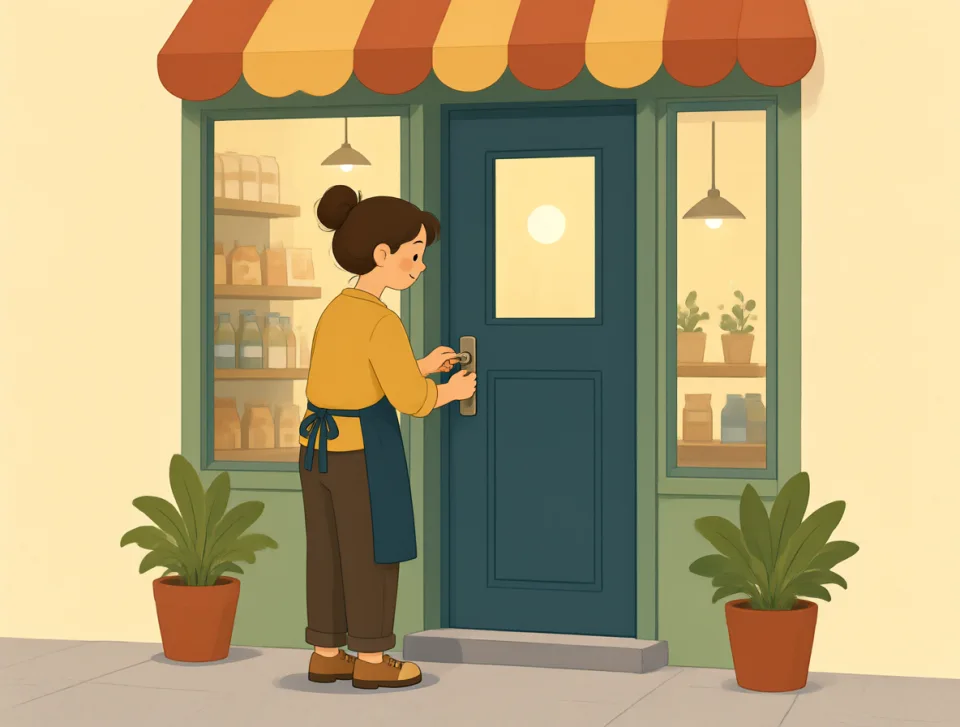
The shop opens tomorrow.
Sklep otwiera się jutro.

Our train leaves tomorrow evening.
Nasz pociąg odjeżdża jutro wieczorem.
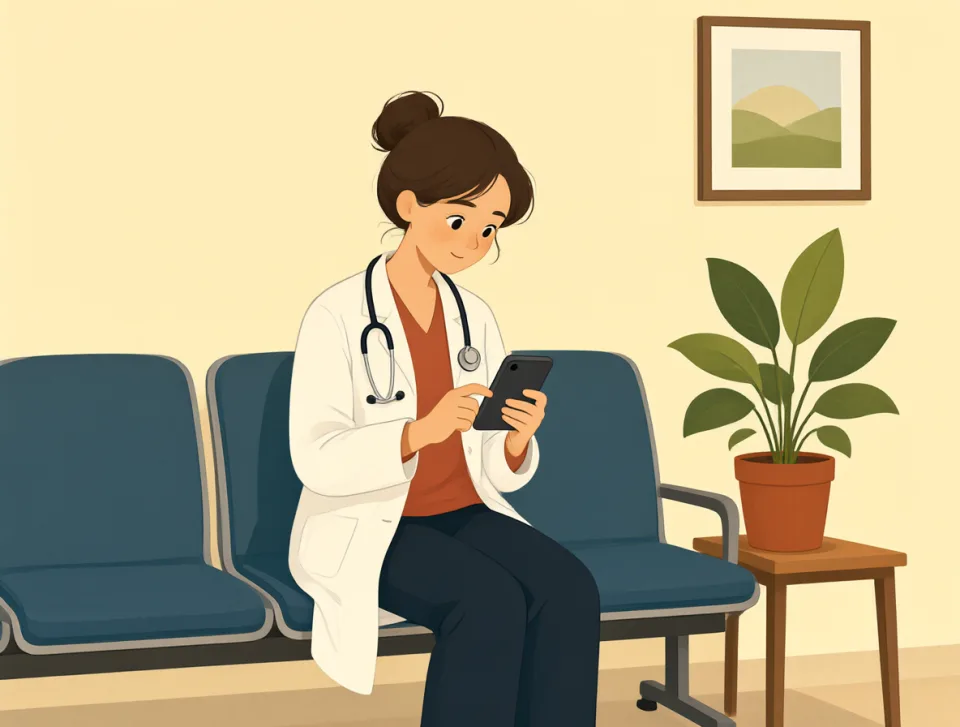
She is seeing the doctor tomorrow.
Ona jutro idzie do lekarza.

director
#727noun
dyrektor
A person who manages or controls an organization, film, play, or activity.
Osoba, która zarządza organizacją, filmem, sztuką lub działaniem albo nad nimi sprawuje kontrolę.

The director manages a large company.
Dyrektor zarządza dużą firmą.

The film director spoke to the actors.
Reżyser filmu rozmawiał z aktorami.
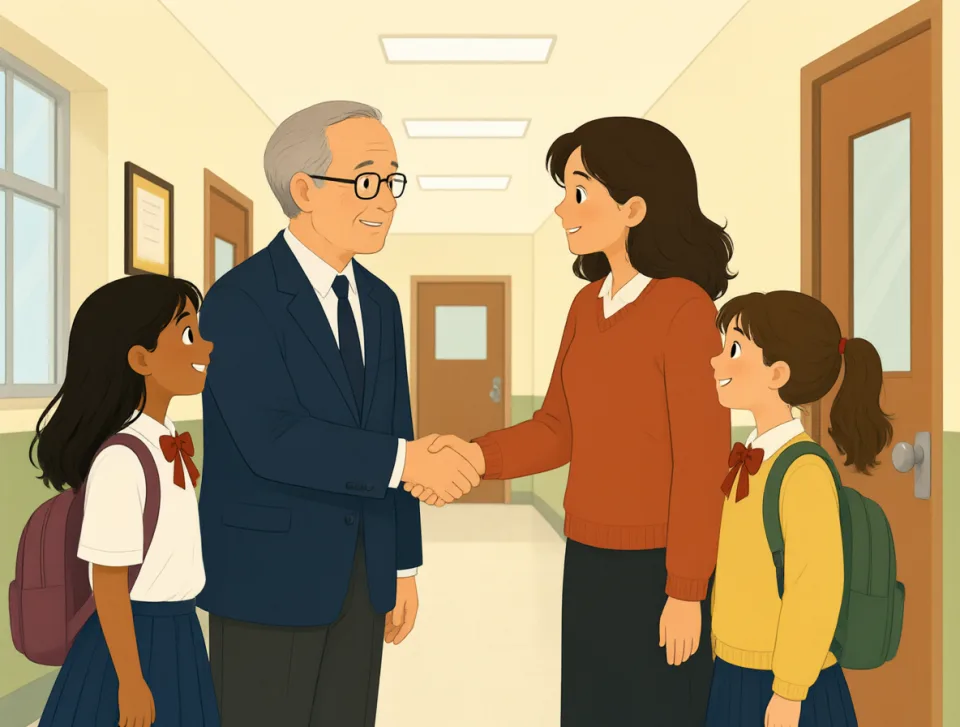
Our school director welcomed the new students.
Dyrektor naszej szkoły powitał nowych uczniów.
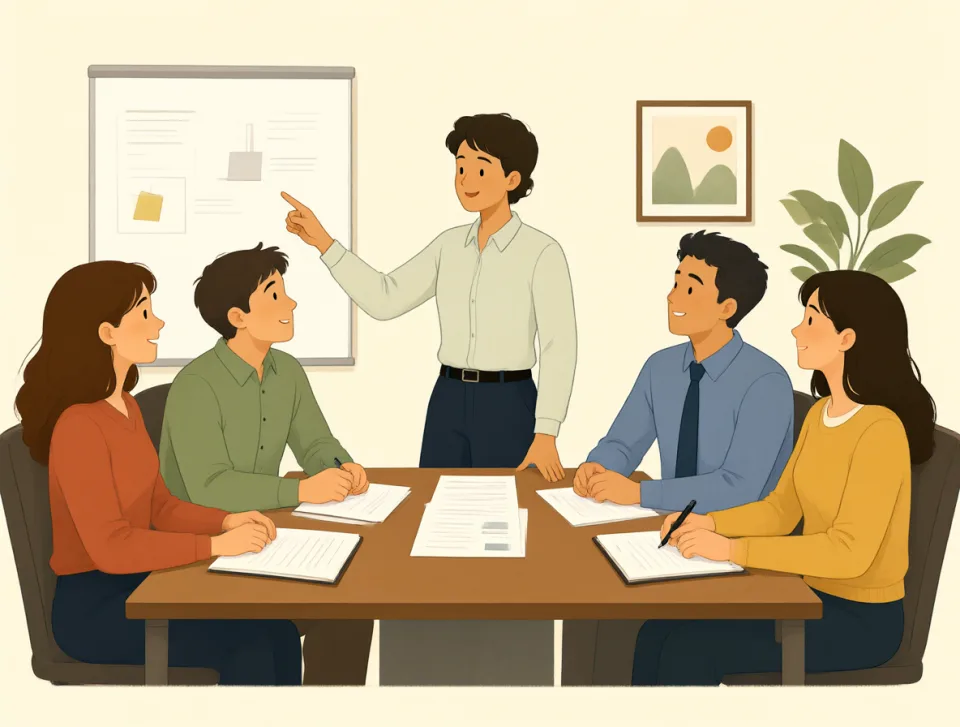
The director planned the team’s next project.
Dyrektor zaplanował kolejny projekt zespołu.
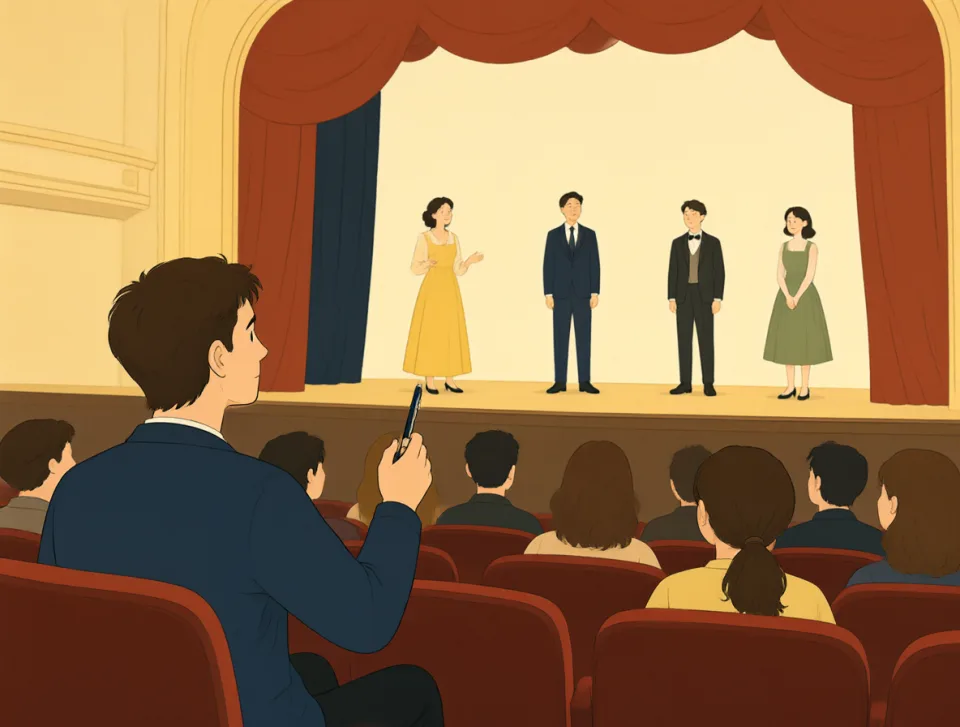
The theater director watched the play carefully.
Reżyser teatralny uważnie oglądał sztukę.
clearly
#728adverb
wyraźnie
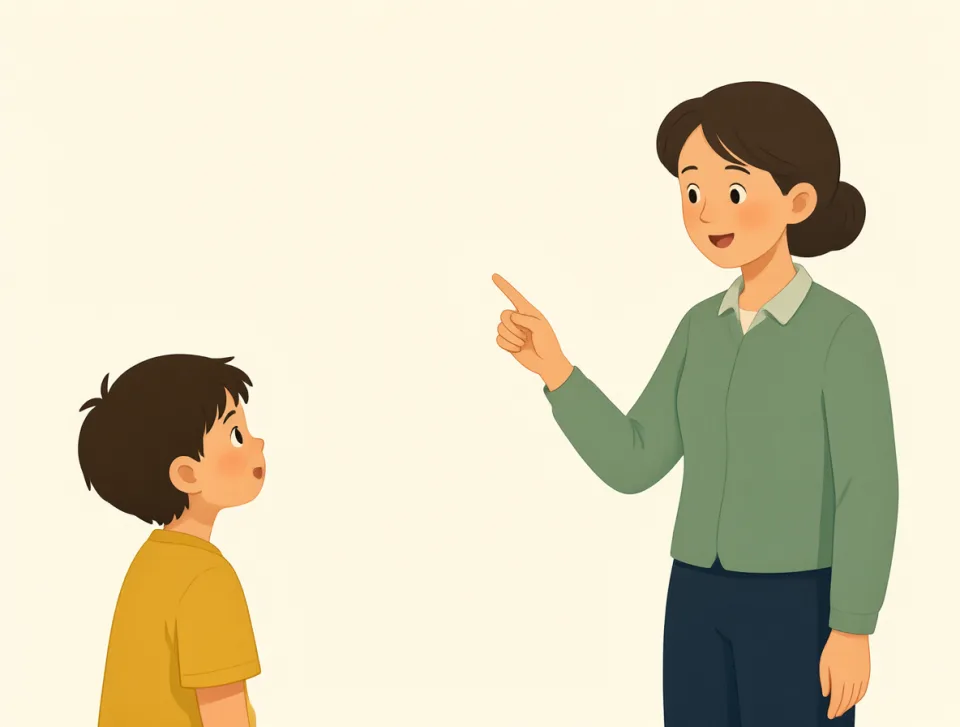
In a way that is easy to see, hear, understand, or recognize.
W sposób łatwy do zobaczenia, usłyszenia, zrozumienia lub rozpoznania.
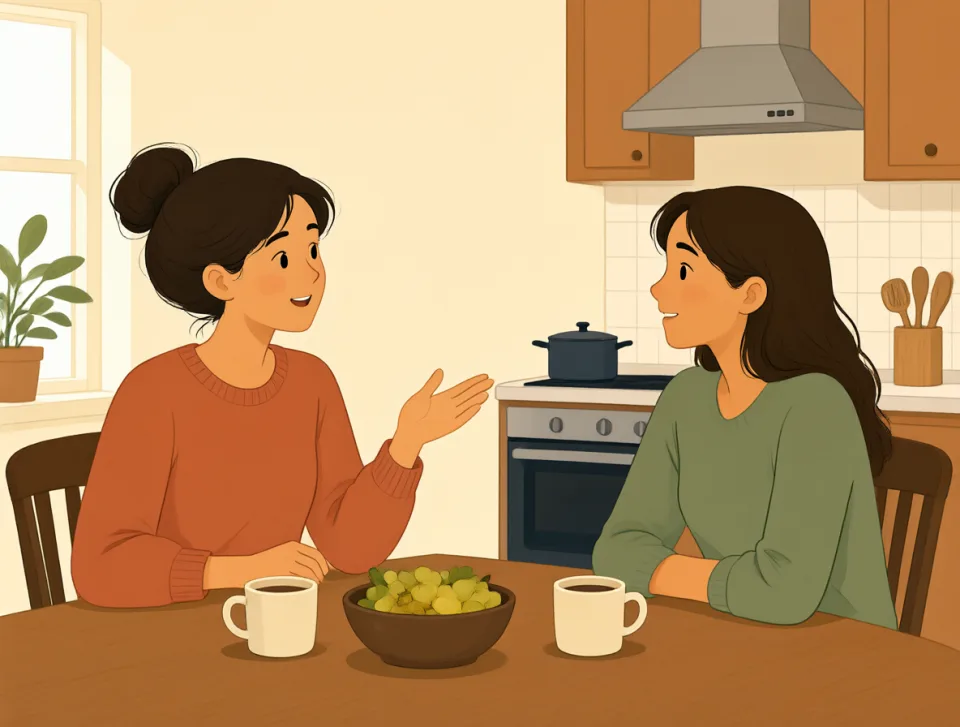
She explained the problem clearly.
Wyjaśniła problem w jasny sposób.

Please speak clearly during the meeting.
Proszę mówić wyraźnie podczas spotkania.
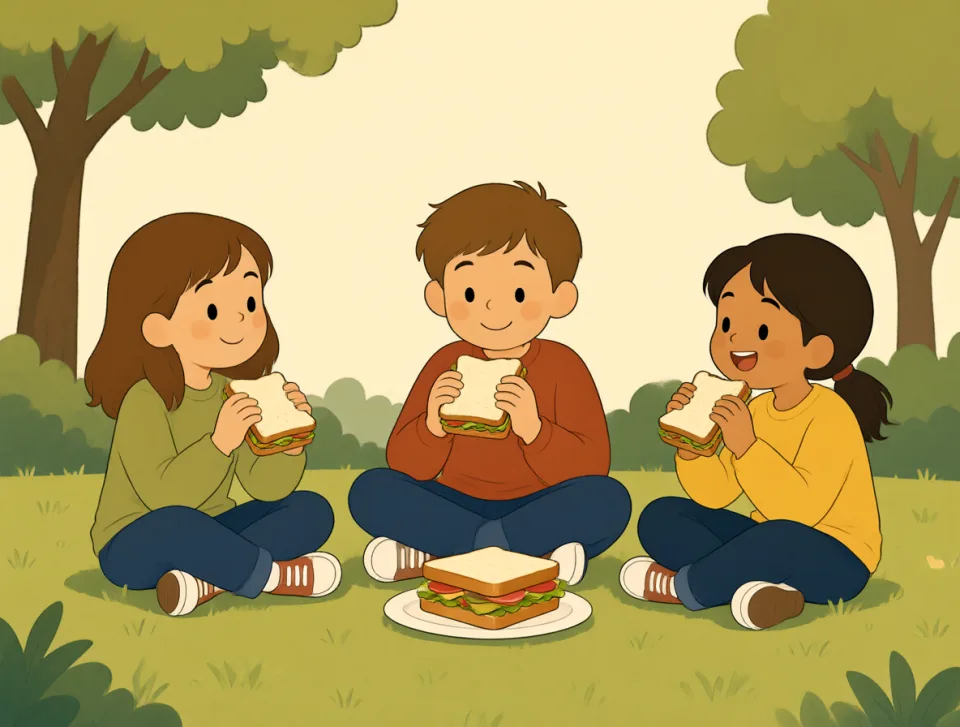
The children clearly enjoyed the picnic.
Dzieciom wyraźnie podobał się piknik.

He could clearly see the airport.
Mógł wyraźnie zobaczyć lotnisko.
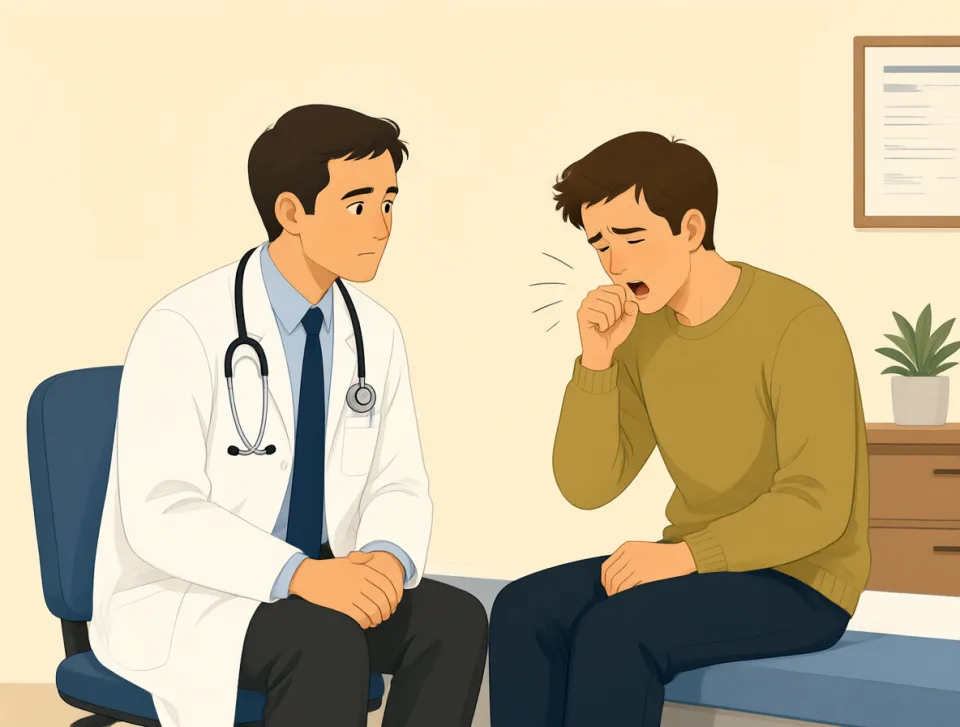
The doctor clearly heard her cough.
Lekarz wyraźnie usłyszał jej kaszel.
lack
#729noun, verb
brak
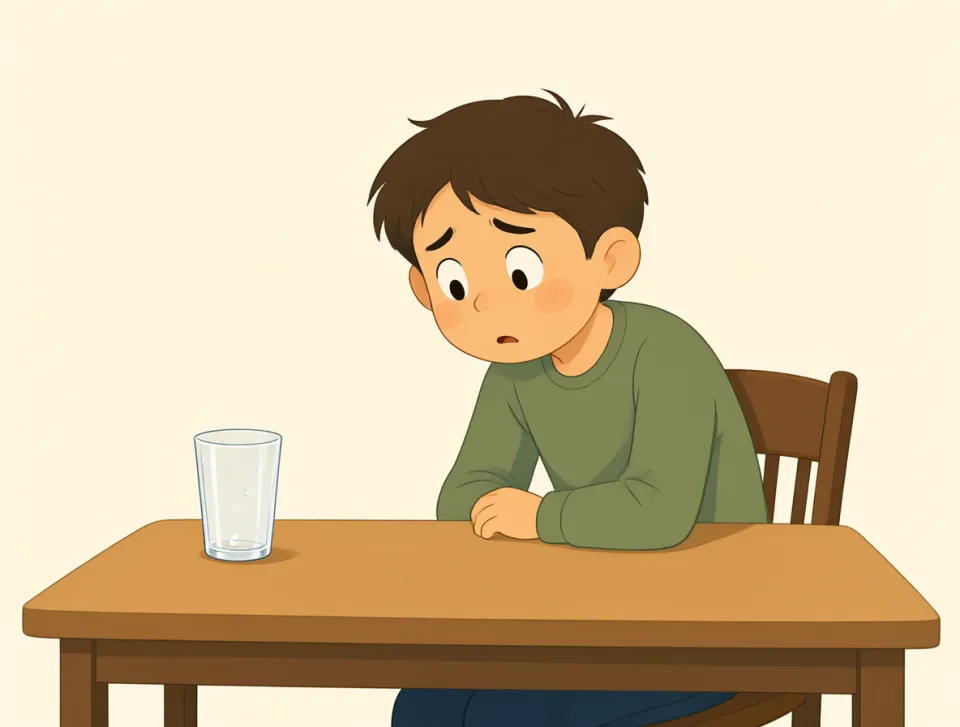
to not have enough of something, or the condition of not having enough
Nie mieć czegoś w wystarczającej ilości albo stan, w którym czegoś brakuje.
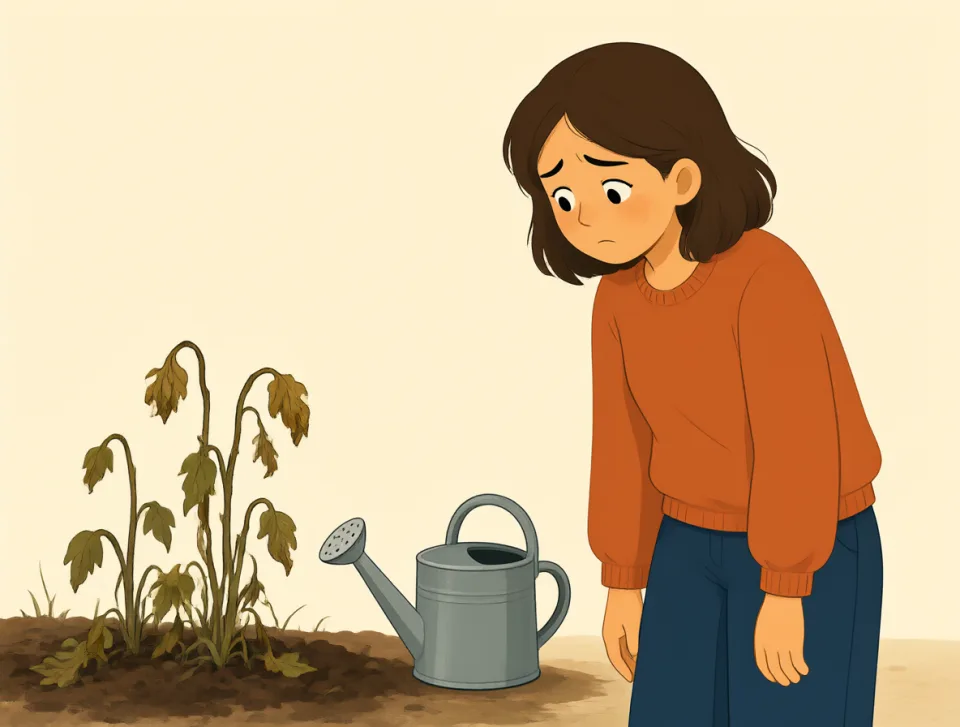
The plants died from a lack of water.
Rośliny uschły z braku wody.

This room lacks enough light for reading.
W tym pokoju brakuje światła do czytania.
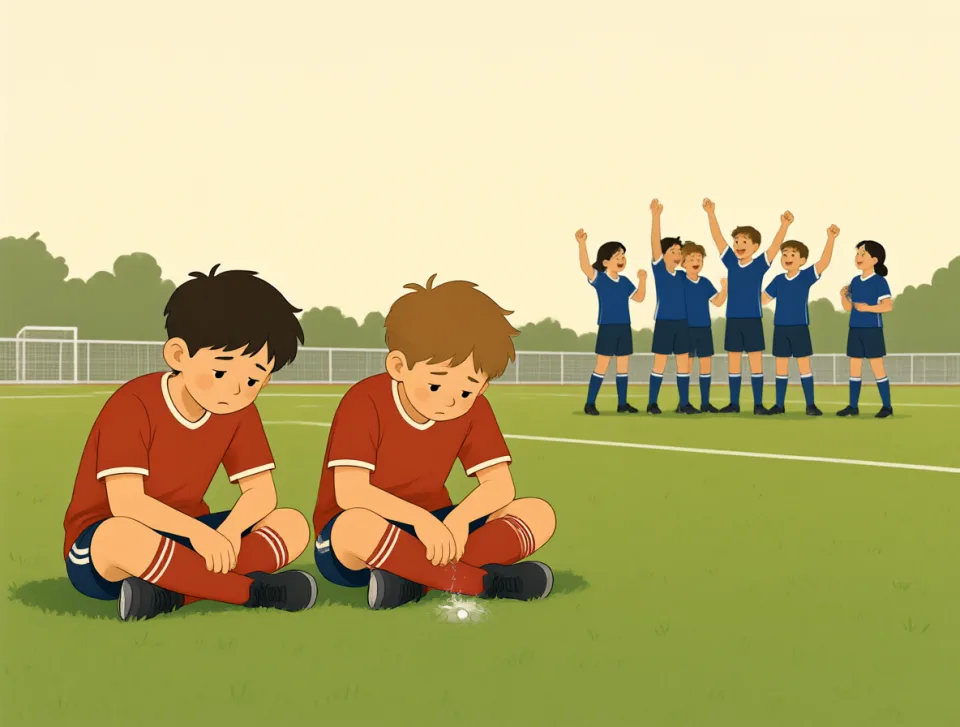
The team lost because of a lack of practice.
Drużyna przegrała z powodu braku treningu.
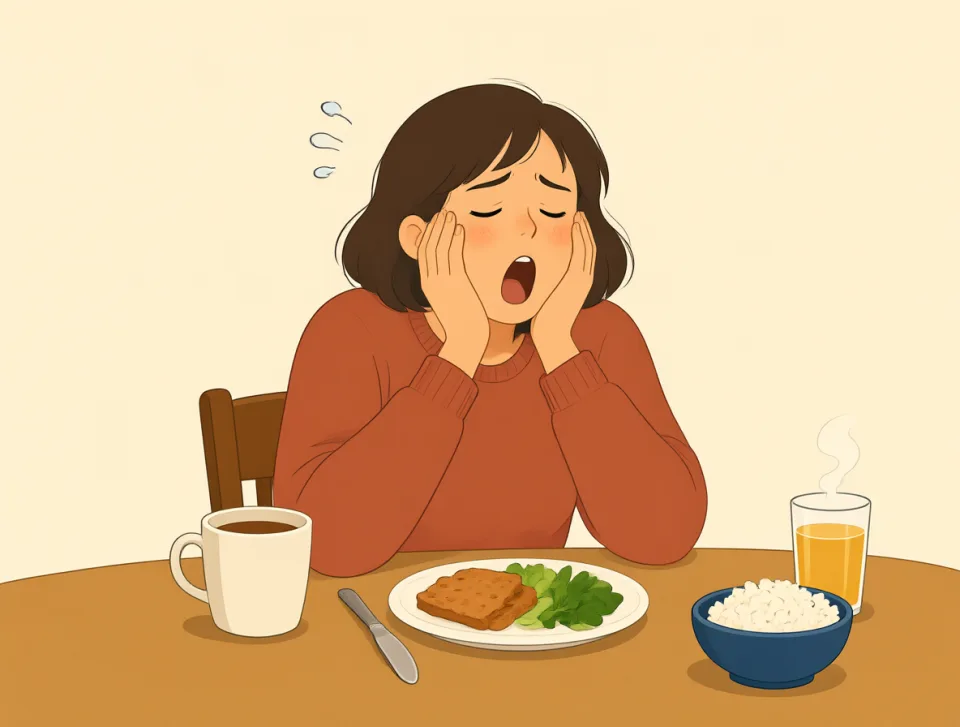
Her lack of sleep made her tired.
Brak snu sprawił, że była zmęczona.
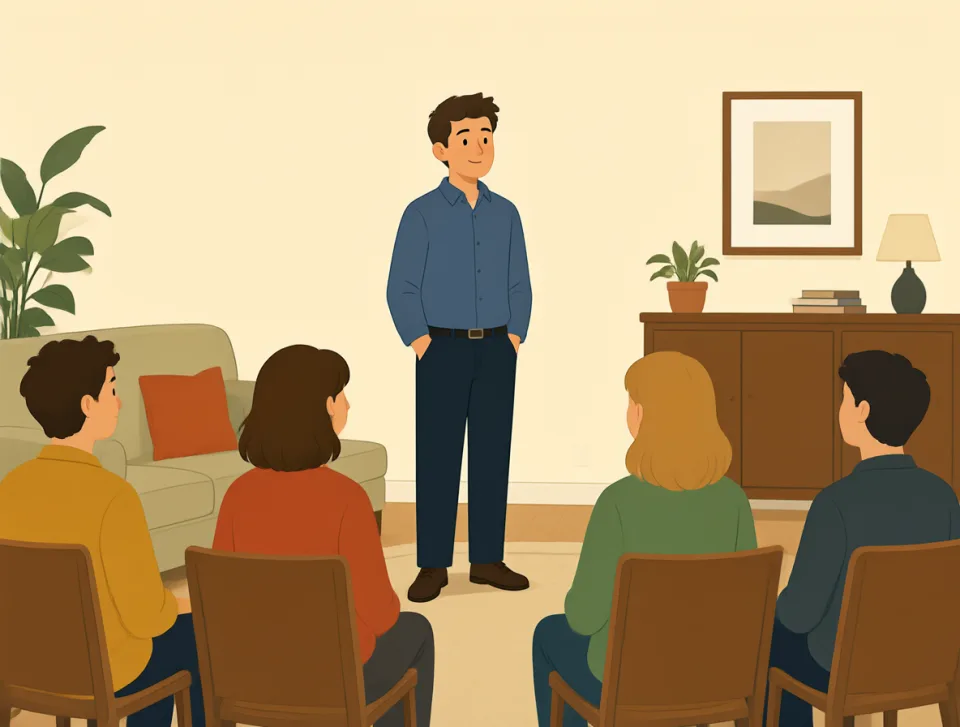
We lack enough chairs for all our guests.
Brakuje nam krzeseł dla wszystkich gości.
review
#730noun, verb
przeglądać; powtórzyć
To look at something carefully to check, improve, or remember it.
Dokładnie coś przejrzeć, aby to sprawdzić, ulepszyć lub sobie przypomnieć.

Please review your homework before class.
Proszę przejrzeć pracę domową przed lekcją.

The manager reviewed my job application yesterday.
Wczoraj kierownik przejrzał moje podanie o pracę.

We reviewed the lesson before the test.
Powtórzyliśmy materiał przed sprawdzianem.
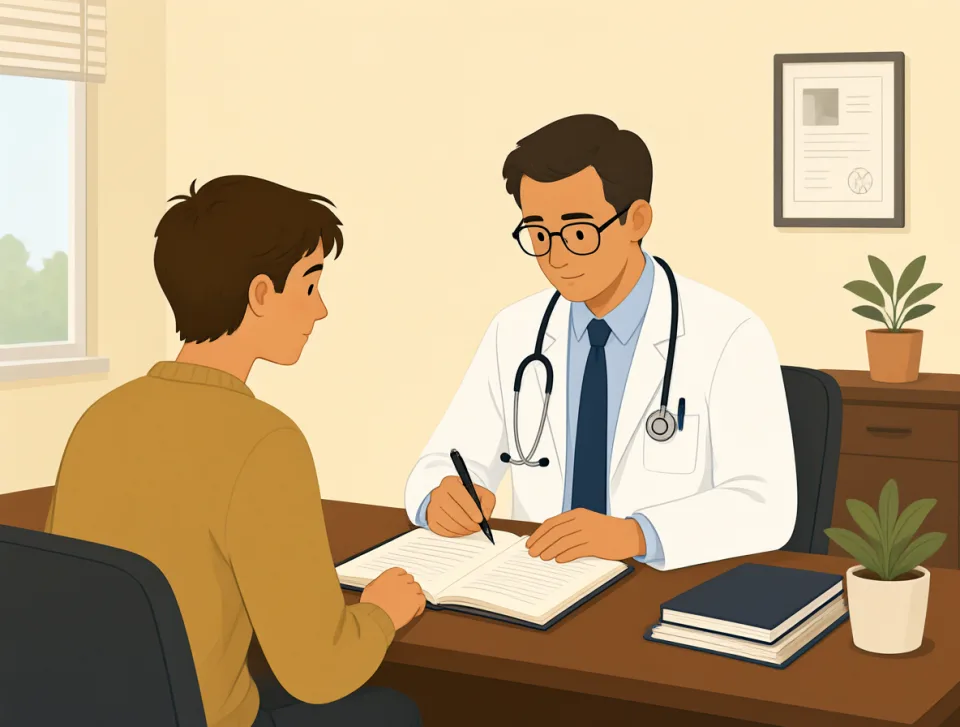
The doctor reviewed my medical records.
Lekarz przejrzał moją dokumentację medyczną.
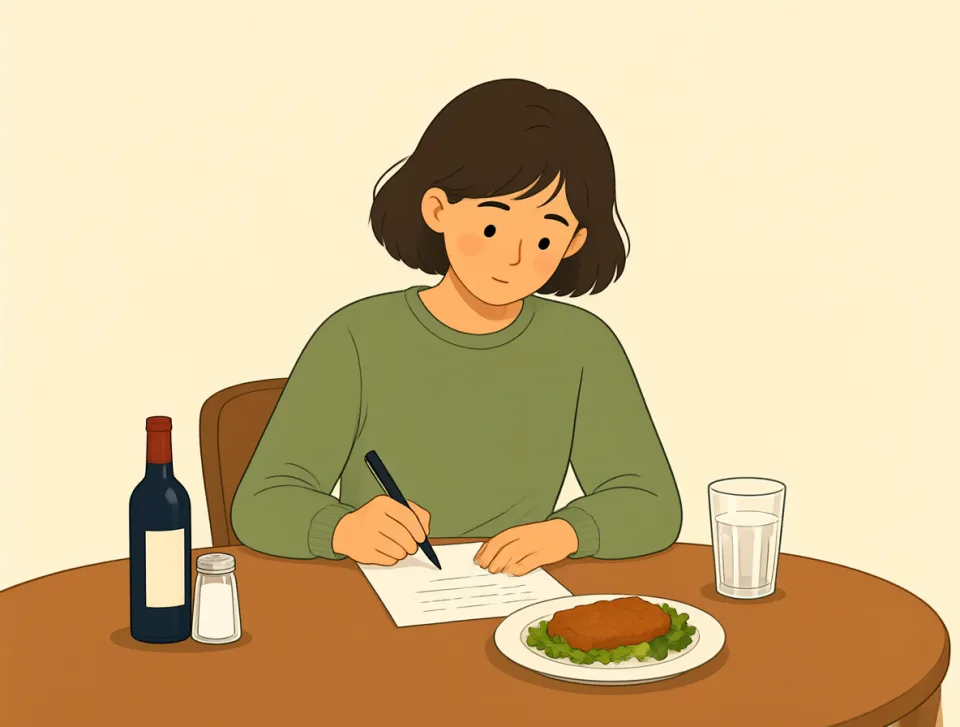
I wrote a review of the new restaurant.
Napisałem recenzję nowej restauracji.
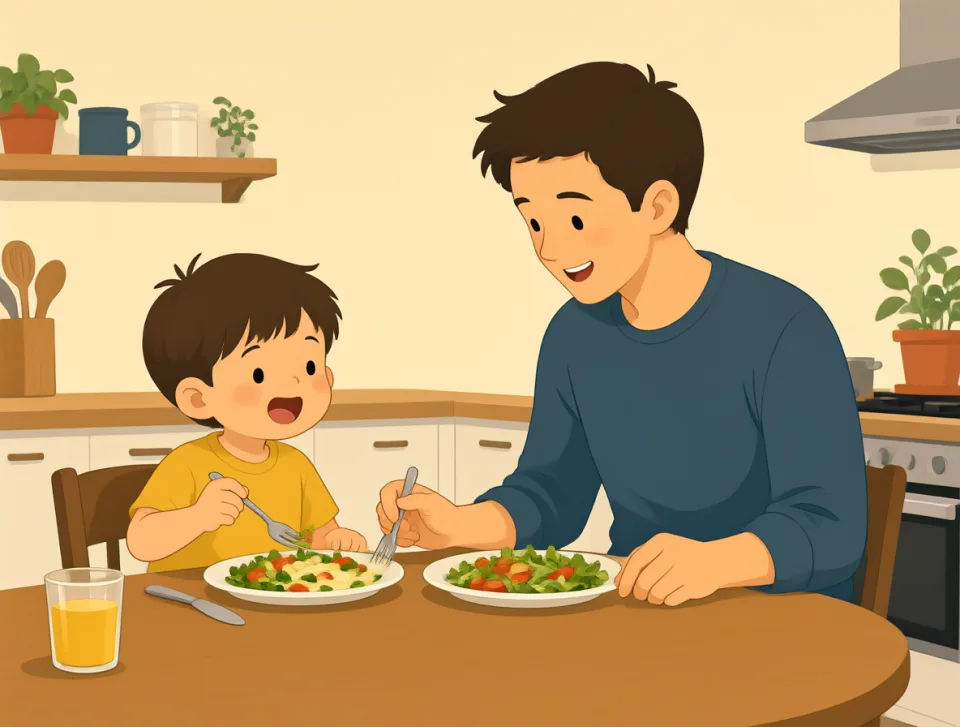
depend
#731verb
polegać na
to need someone or something for help, support, or success
potrzebować kogoś lub czegoś jako pomocy, wsparcia lub warunku powodzenia
Children depend on their parents for food.
Dzieci polegają na rodzicach, jeśli chodzi o jedzenie.

Our plans depend on the weather.
Nasze plany zależą od pogody.
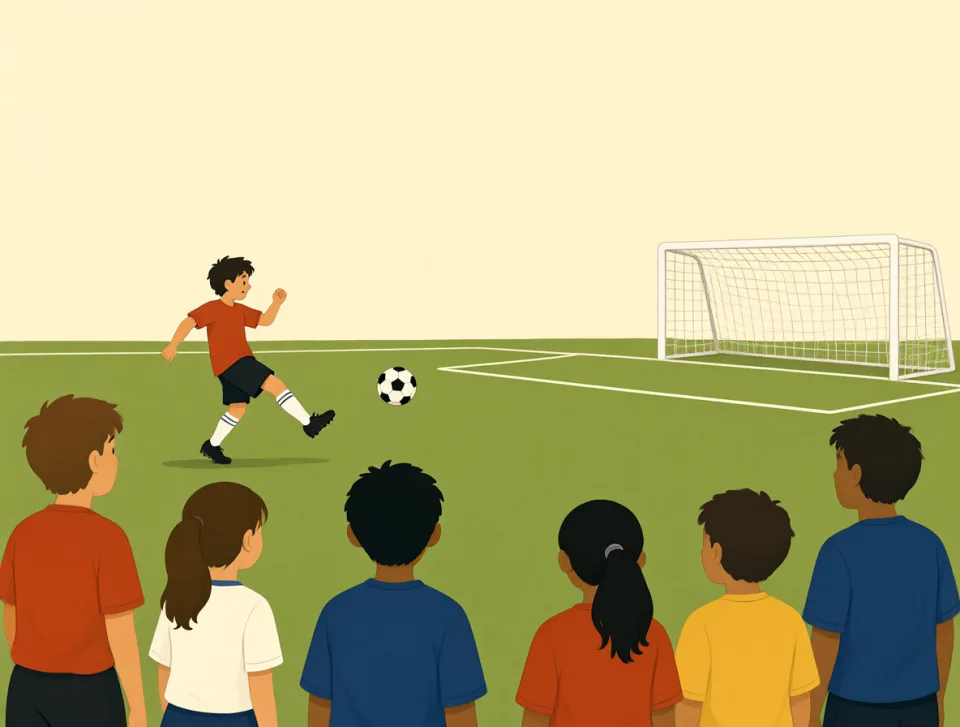
The team depends on Mia to score.
Drużyna polega na Mii, jeśli chodzi o zdobywanie punktów.

You can depend on Tom to help.
Możesz liczyć na to, że Tom pomoże.
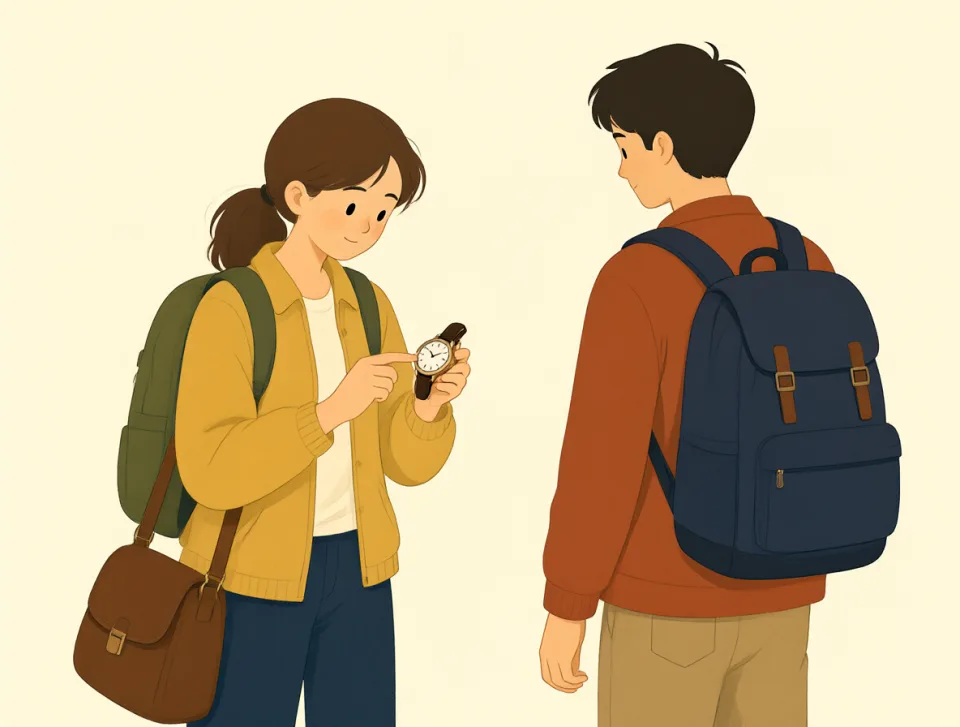
It depends on how much time we have.
To zależy od tego, ile mamy czasu.

race
#732noun, verb
wyścig
A competition to see who can run, drive, or move fastest.
Zawody, w których sprawdza się, kto potrafi najszybciej biegać, jechać lub się poruszać.
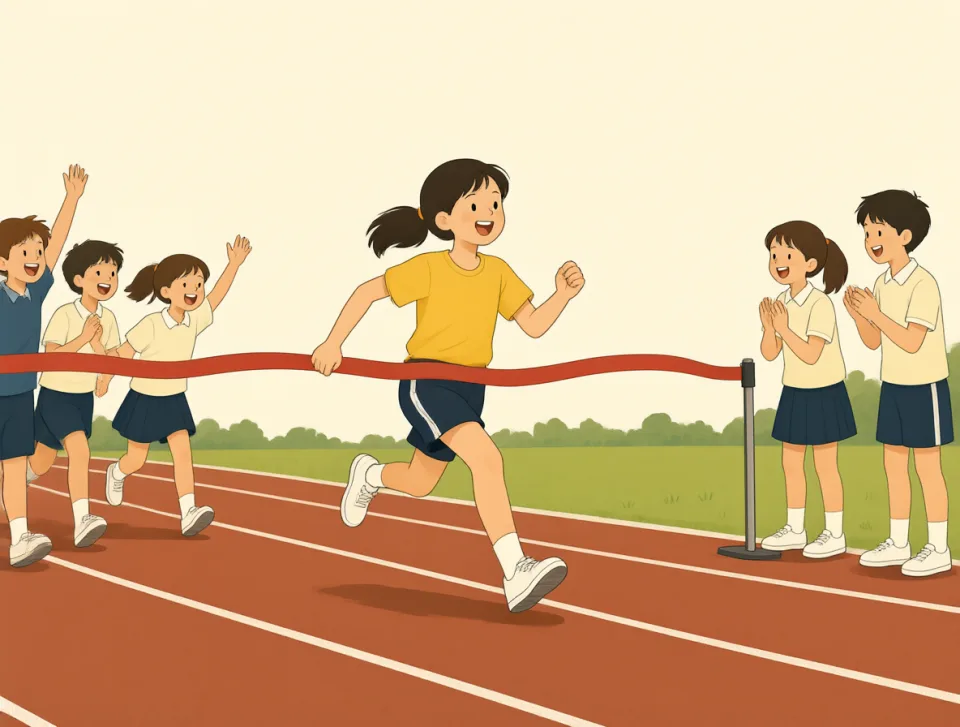
She won the race at school.
Wygrała wyścig w szkole.

They watched a horse race together.
Razem oglądali wyścig konny.
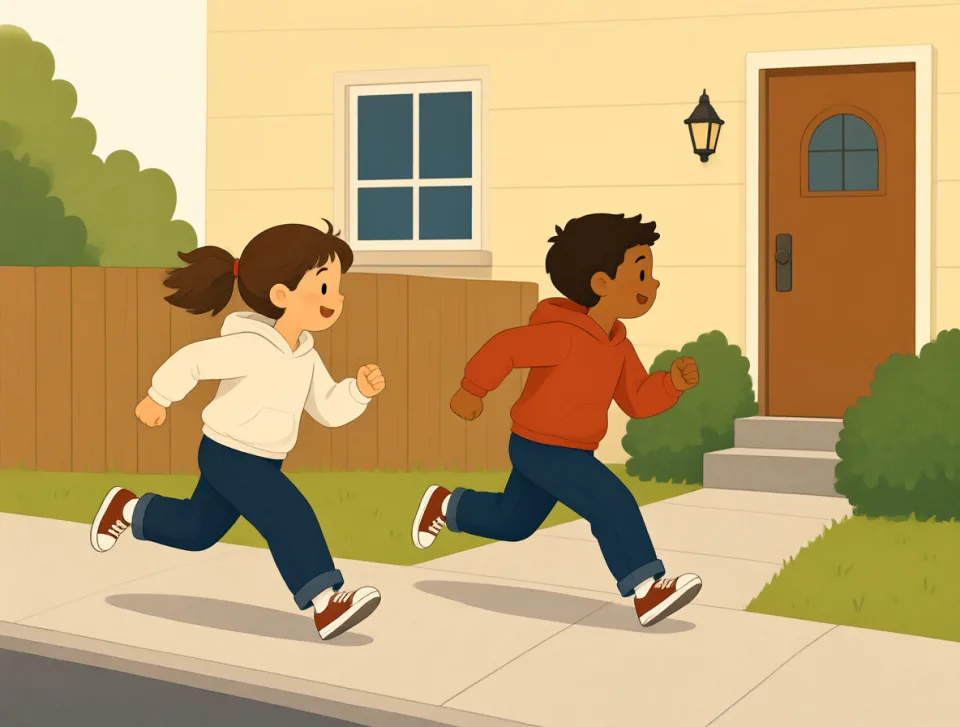
We raced home before dinner.
Przed kolacją ścigaliśmy się do domu.
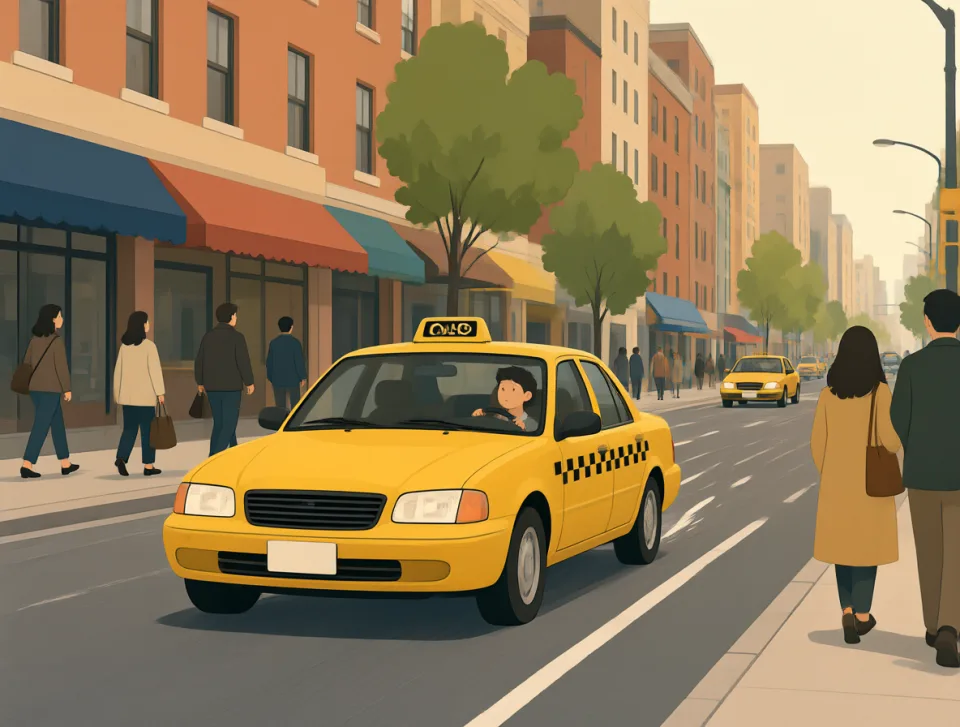
The taxi raced through the city.
Taksówka pędziła przez miasto.
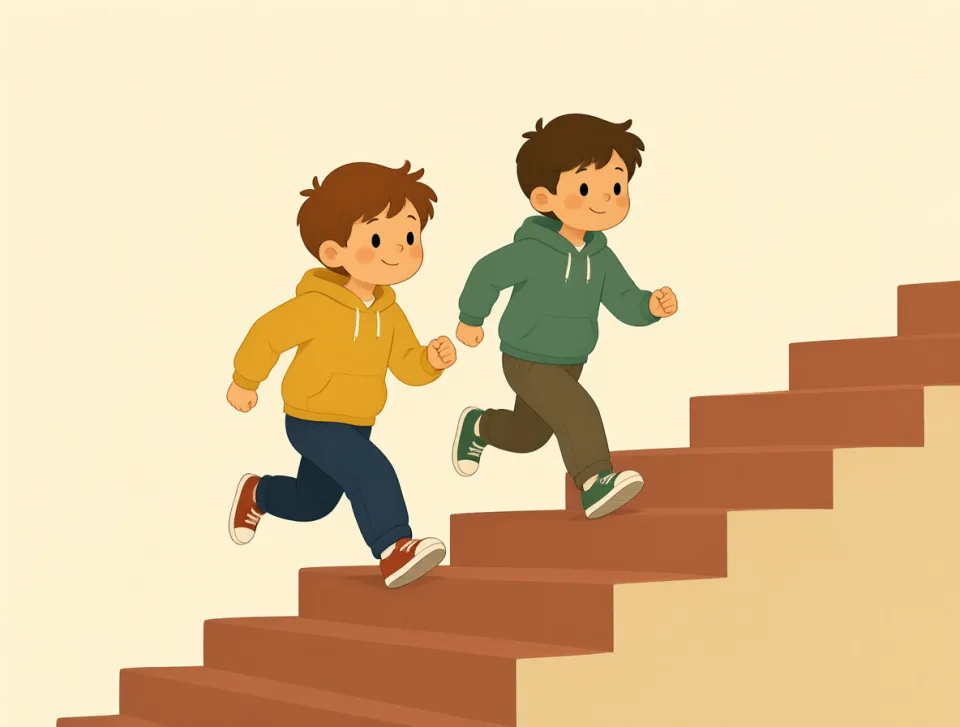
He is racing his brother upstairs.
Ściga się z bratem na górę po schodach.

recognize
#733verb
rozpoznać
to know someone or something because you have seen or heard them before
wiedzieć, kim jest dana osoba lub czym jest dana rzecz, ponieważ widziało się ją lub słyszało wcześniej

I recognized him from school.
Rozpoznałem go ze szkoły.
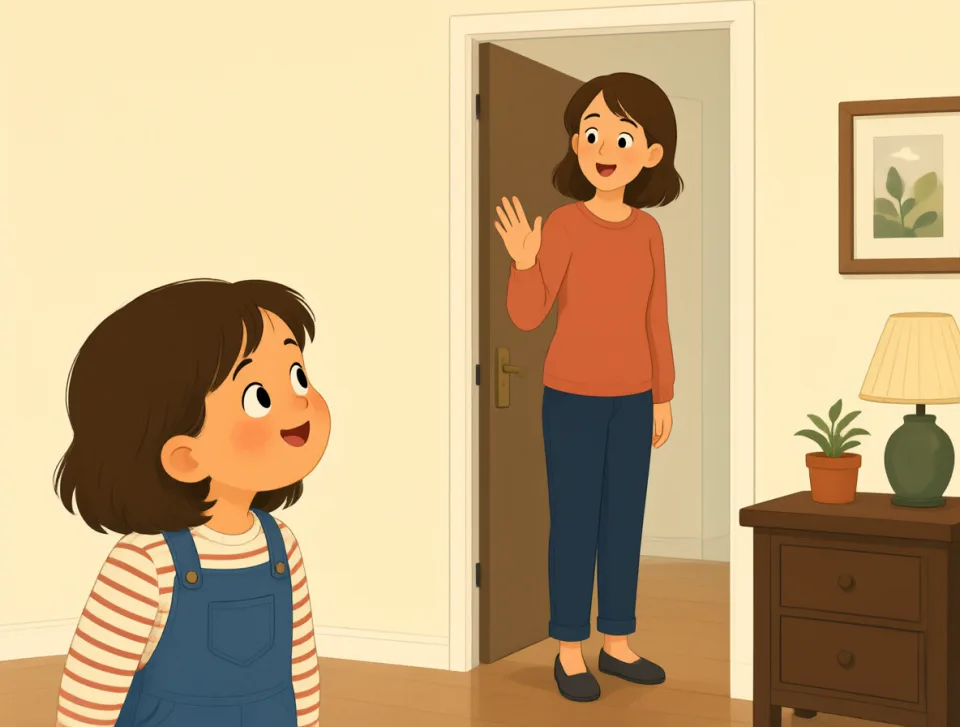
She recognized her mother's voice.
Rozpoznała głos swojej matki.
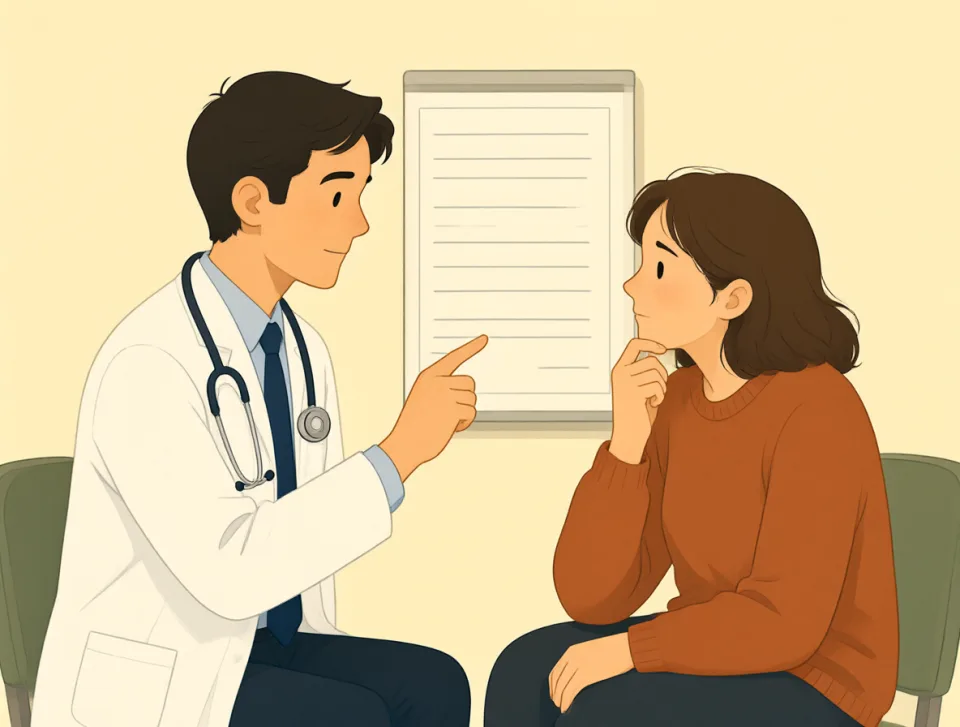
The doctor recognized the signs of flu.
Lekarz rozpoznał objawy grypy.

He recognized the song at once.
Od razu rozpoznał tę piosenkę.

The store recognized her loyalty.
Sklep docenił jej lojalność.

window
#734noun
okno
An opening in a wall with glass that lets in light and air.
Otwór w ścianie z szybą, który wpuszcza światło i powietrze.
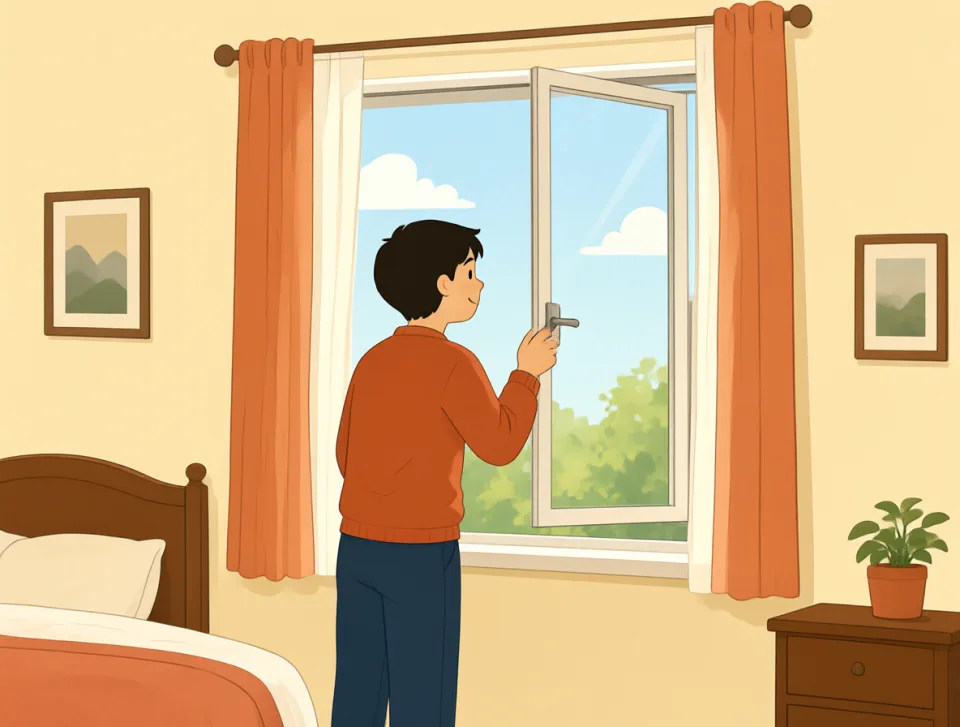
Please open the window for some fresh air.
Otwórz proszę okno, żeby wpuścić trochę świeżego powietrza.
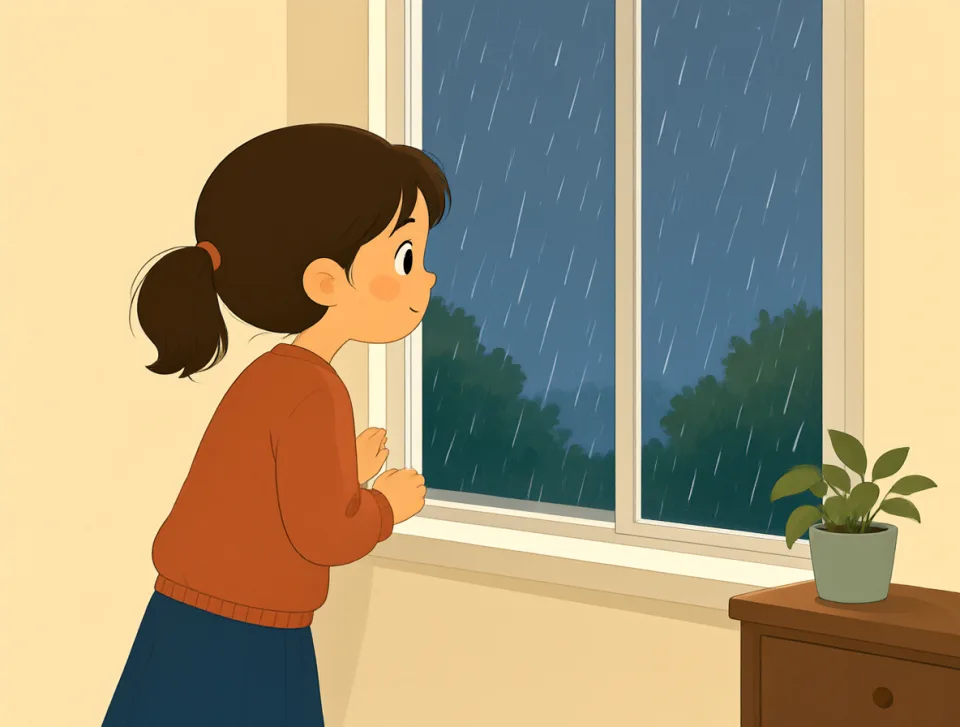
She looked out the window at the rain.
Wyjrzała przez okno na deszcz.
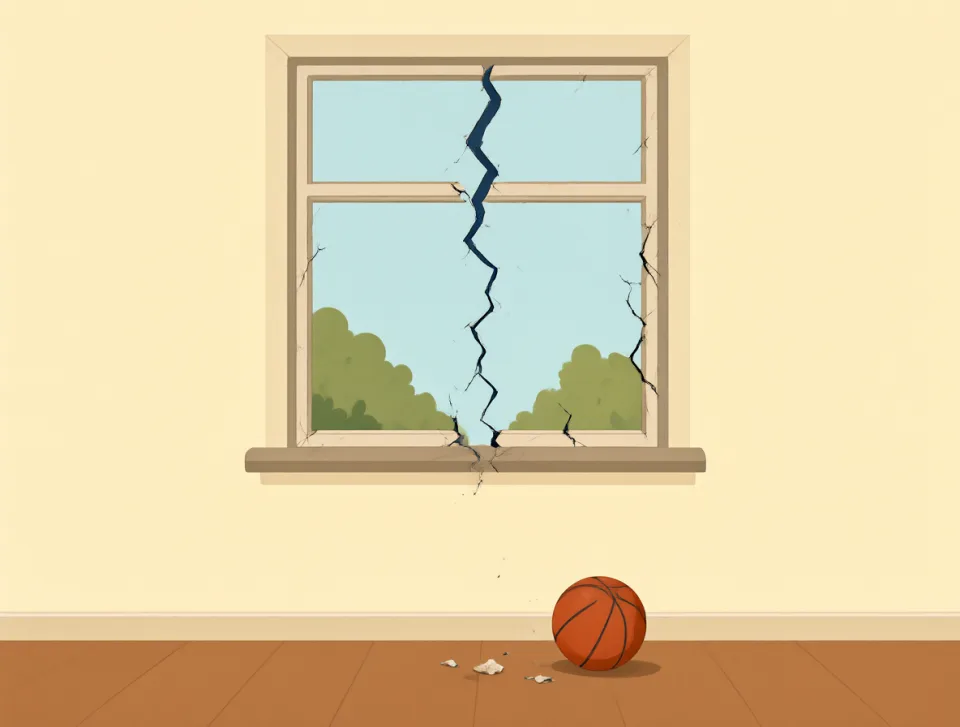
The ball broke our kitchen window yesterday.
Wczoraj piłka rozbiła okno w naszej kuchni.

We sat by the window on the train.
Usiedliśmy przy oknie w pociągu.
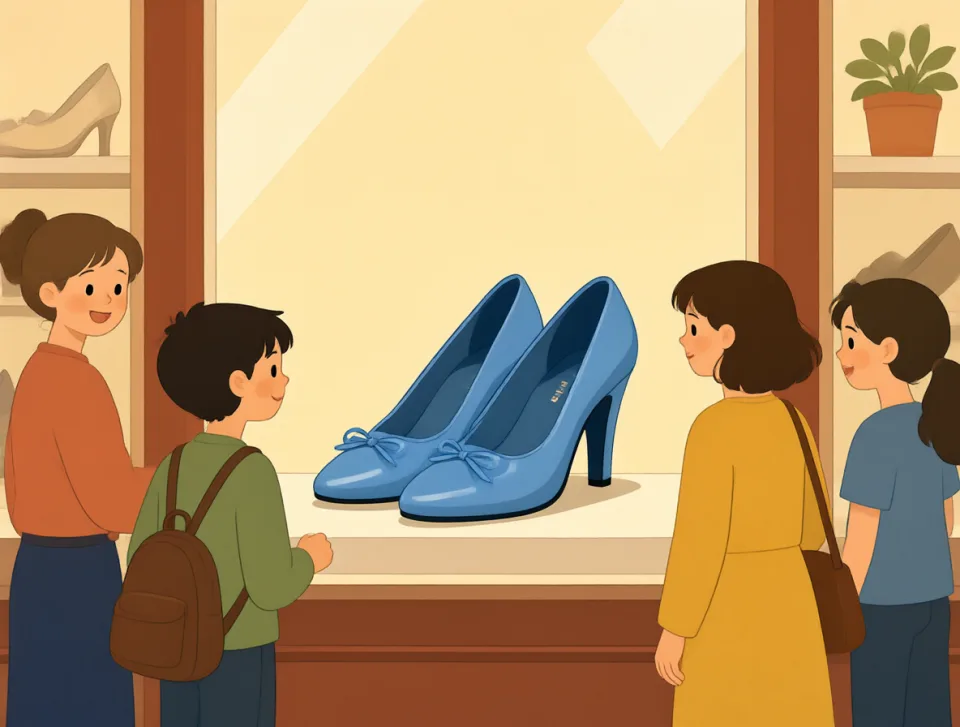
The shop window showed beautiful blue shoes.
W witrynie sklepowej wystawiono piękne niebieskie buty.

purpose
#735noun
cel
the reason why someone does something or why something exists
powód, dla którego ktoś coś robi lub dla którego coś istnieje
What is the purpose of this meeting?
Jaki jest cel tego spotkania?
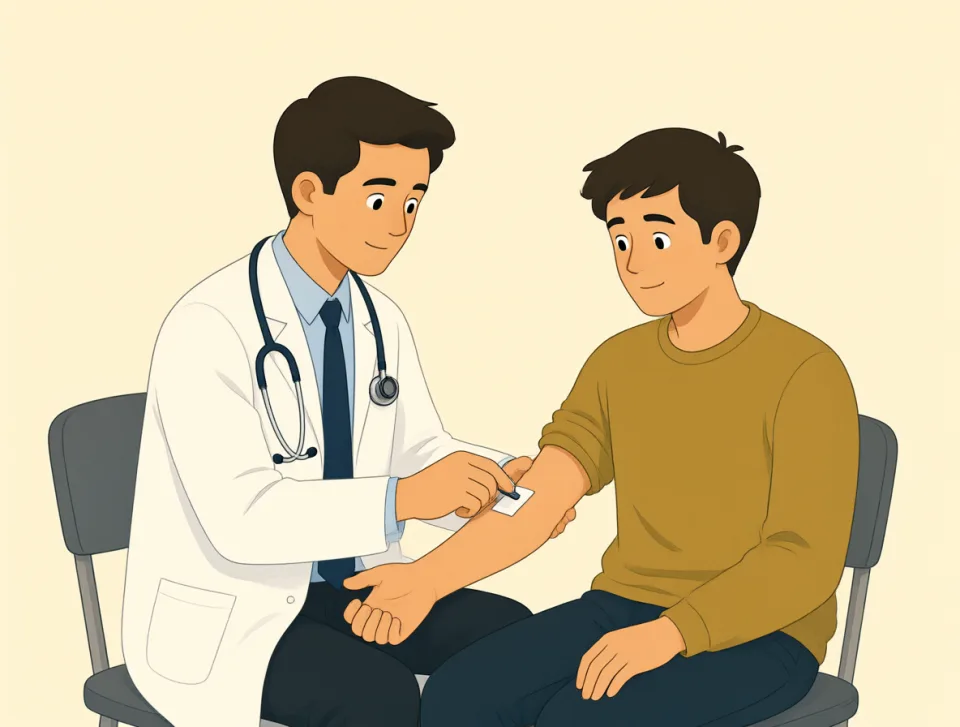
The purpose of this test is to check your health.
Celem tego badania jest sprawdzenie stanu zdrowia.
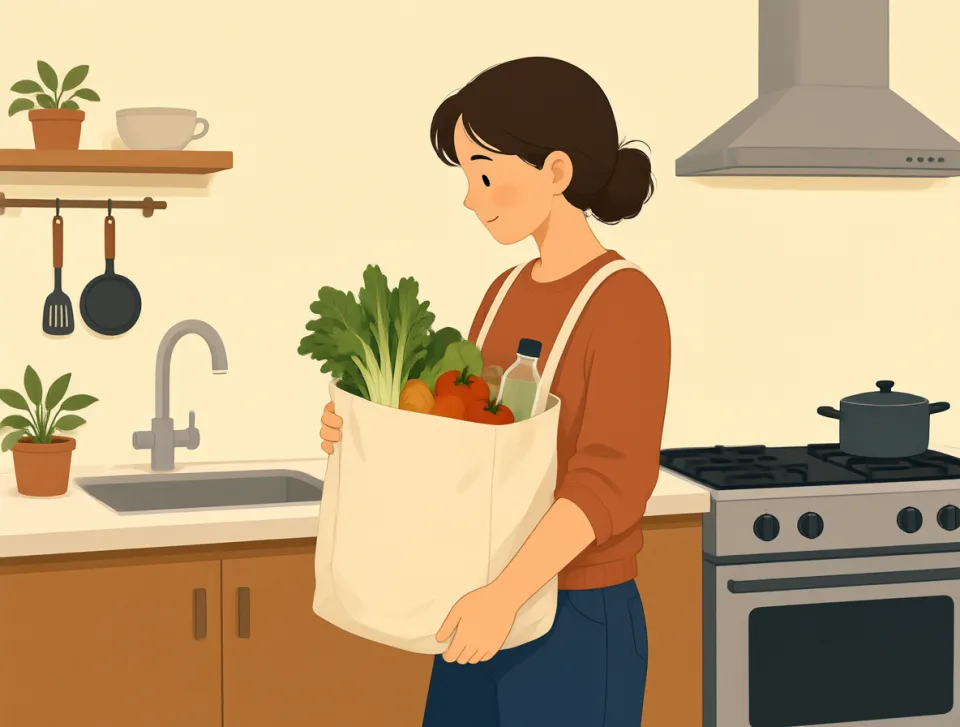
We use this bag for a different purpose.
Używamy tej torby do innego celu.
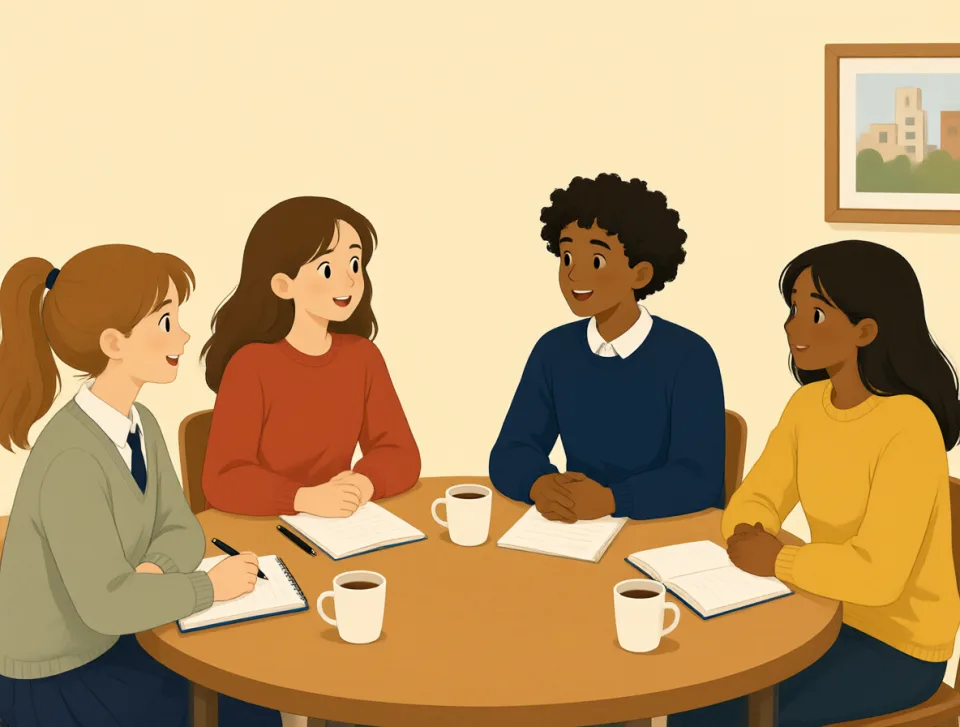
She joined the club with a clear purpose.
Dołączyła do klubu, mając jasno określony cel.
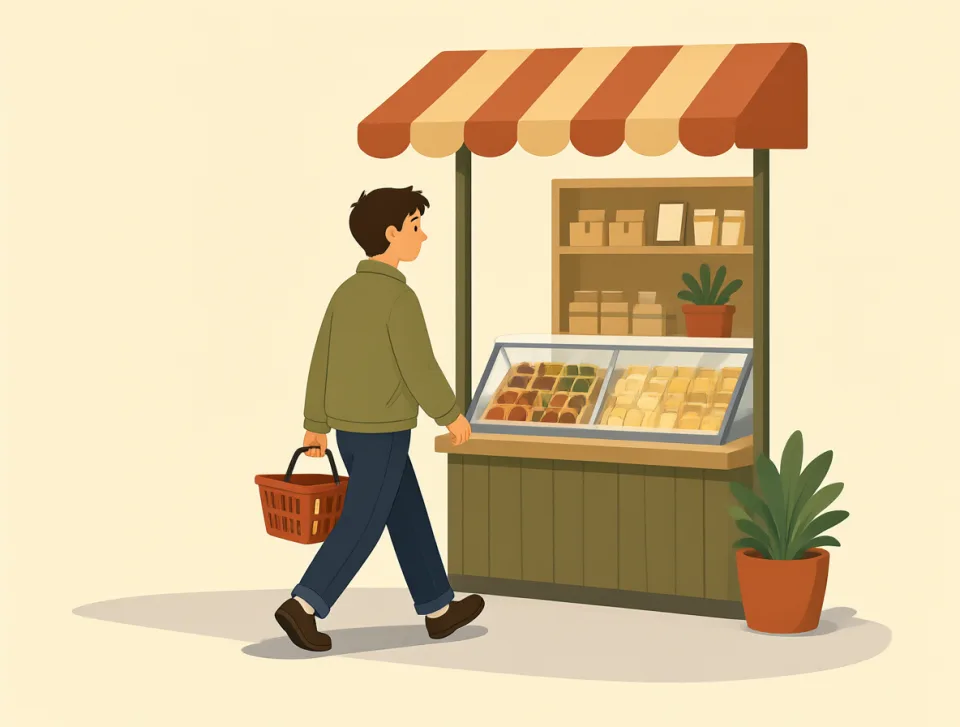
He went to the store on purpose.
Poszedł do sklepu celowo.

department
#736noun
dział
A section of an organization, store, or government with a particular purpose.
Część organizacji, sklepu lub instytucji rządowej zajmująca się określonymi zadaniami.

She works in the sales department.
Ona pracuje w dziale sprzedaży.
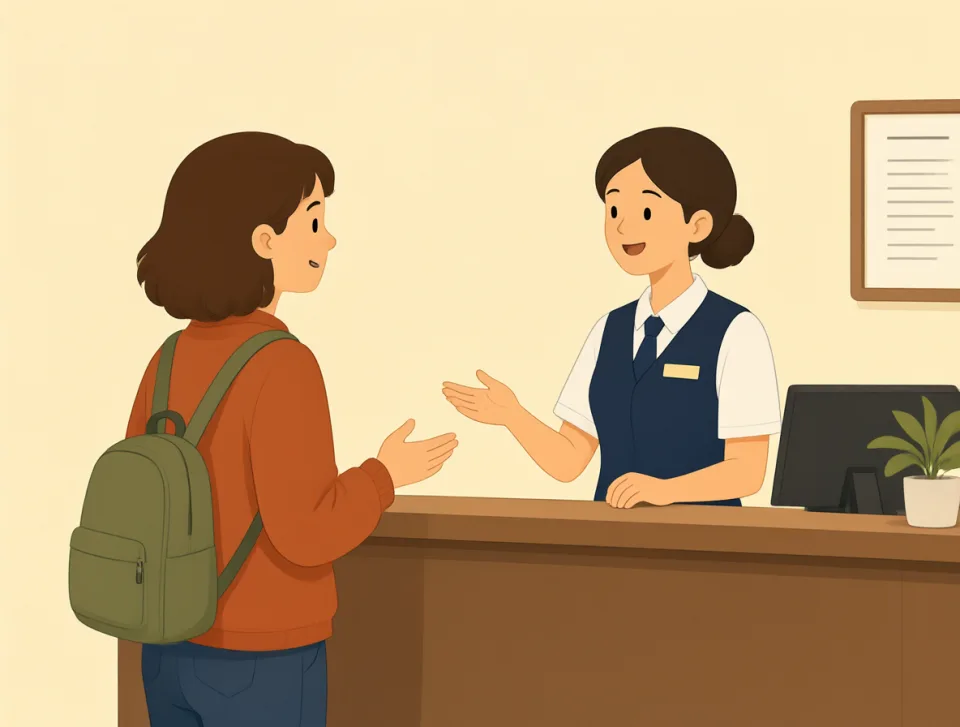
Please ask the information department.
Proszę zapytać w dziale informacji.
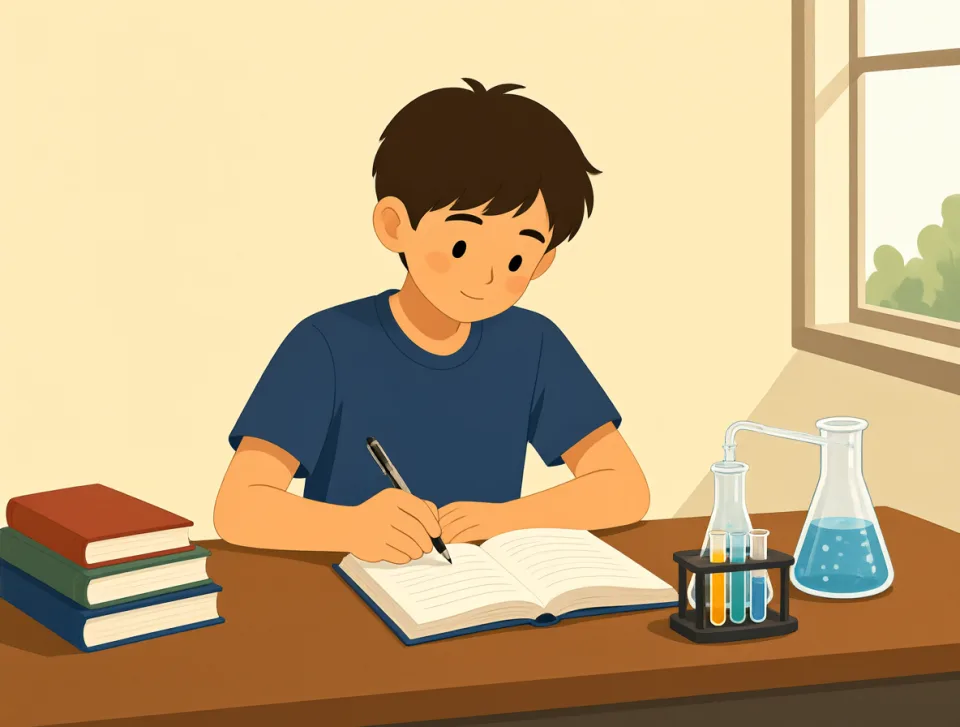
My brother studies in the science department.
Mój brat studiuje na wydziale nauk ścisłych.
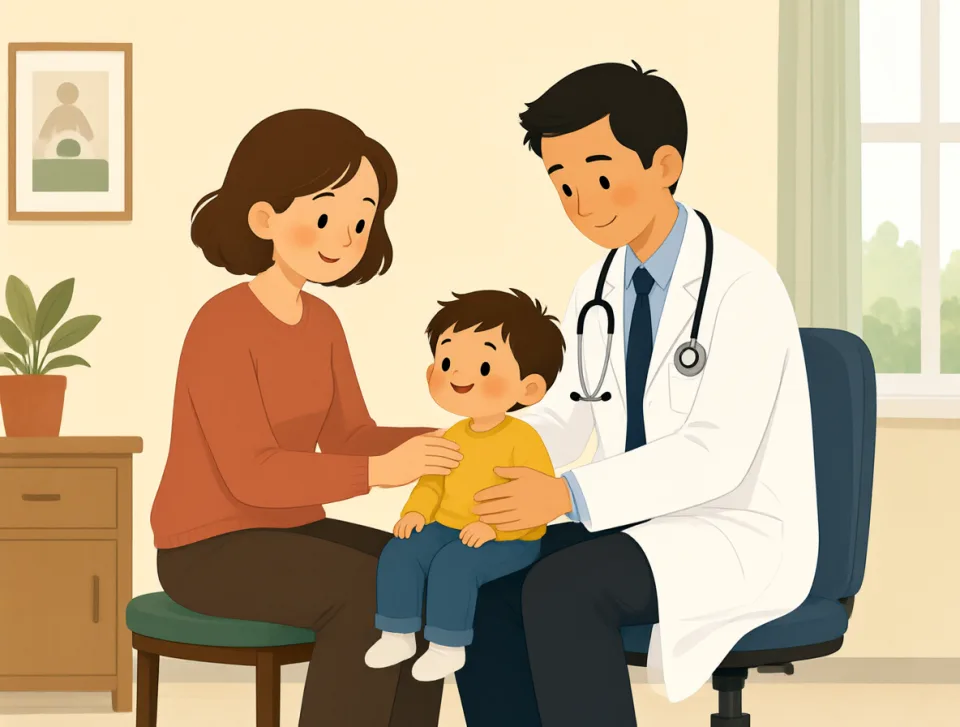
The hospital has a new children's department.
W szpitalu jest nowy oddział dziecięcy.

We bought towels in the home department.
Kupiliśmy ręczniki w dziale artykułów gospodarstwa domowego.

gain
#737verb, noun
zyskać
to get something useful, such as money, time, strength, or knowledge
otrzymać coś pożytecznego, na przykład pieniądze, czas, siłę lub wiedzę

She gained confidence after the driving lesson.
Po lekcji jazdy samochodem nabrała pewności siebie.

The company gained many new customers this year.
W tym roku firma zyskała wielu nowych klientów.
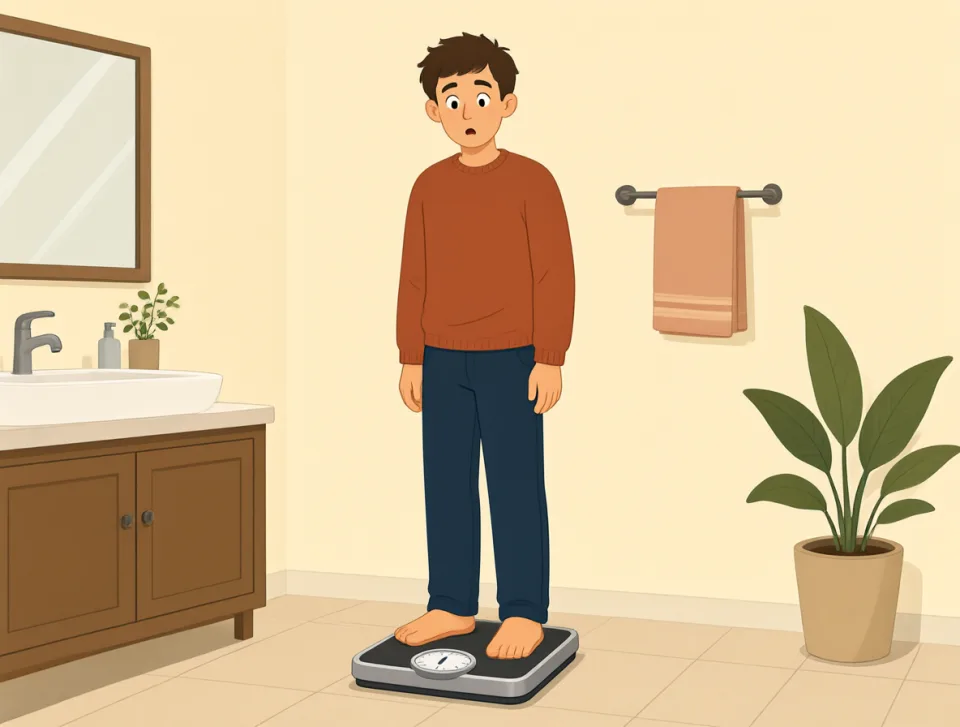
He gained weight during the winter.
Zimą przybrał na wadze.

We gained two hours by taking the train.
Zyskaliśmy dwie godziny, jadąc pociągiem.
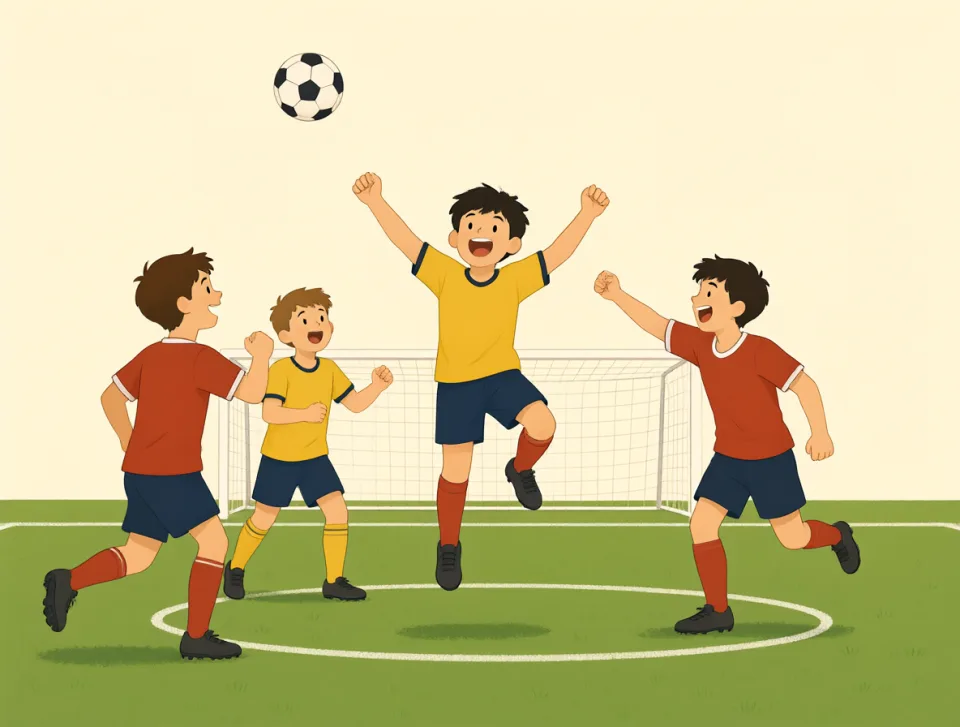
The team gained a point in the final minute.
W ostatniej minucie drużyna zdobyła punkt.
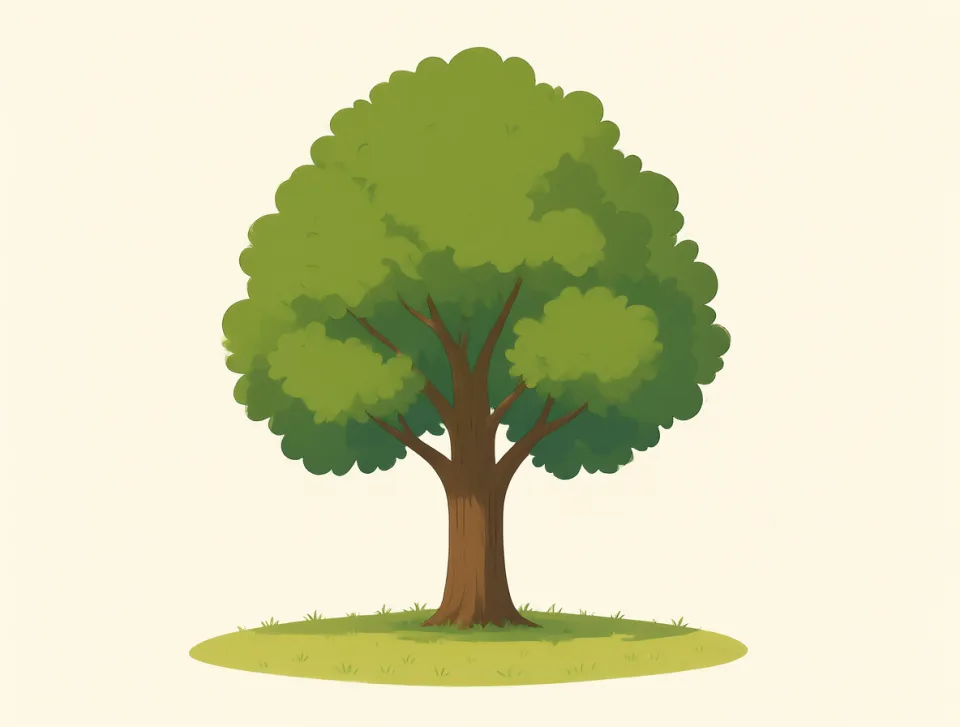
tree
#738noun
drzewo
A tall plant with a hard trunk, branches, and leaves.
Wysoka roślina z twardym pniem, gałęziami i liśćmi.
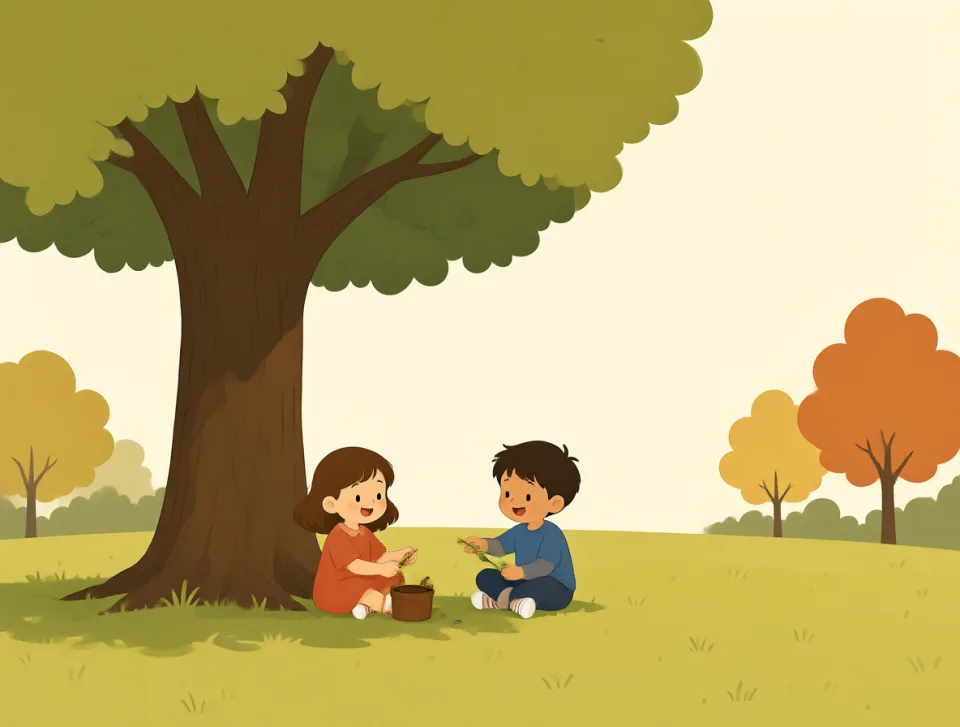
The children are playing under the tree.
Dzieci bawią się pod drzewem.
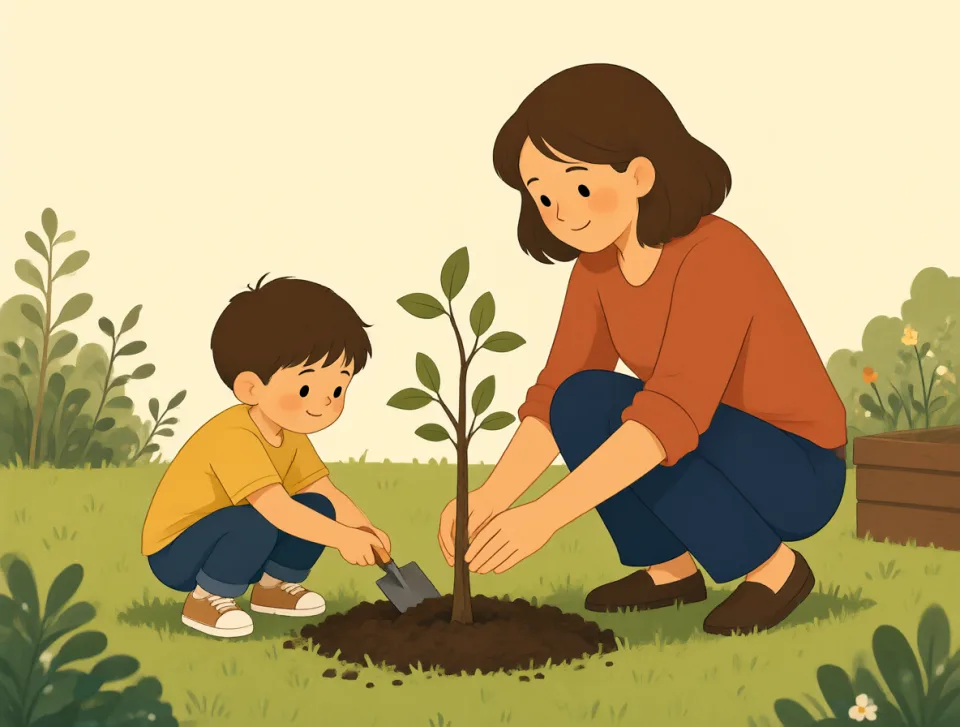
We planted a tree in our garden.
Posadziliśmy drzewo w naszym ogrodzie.
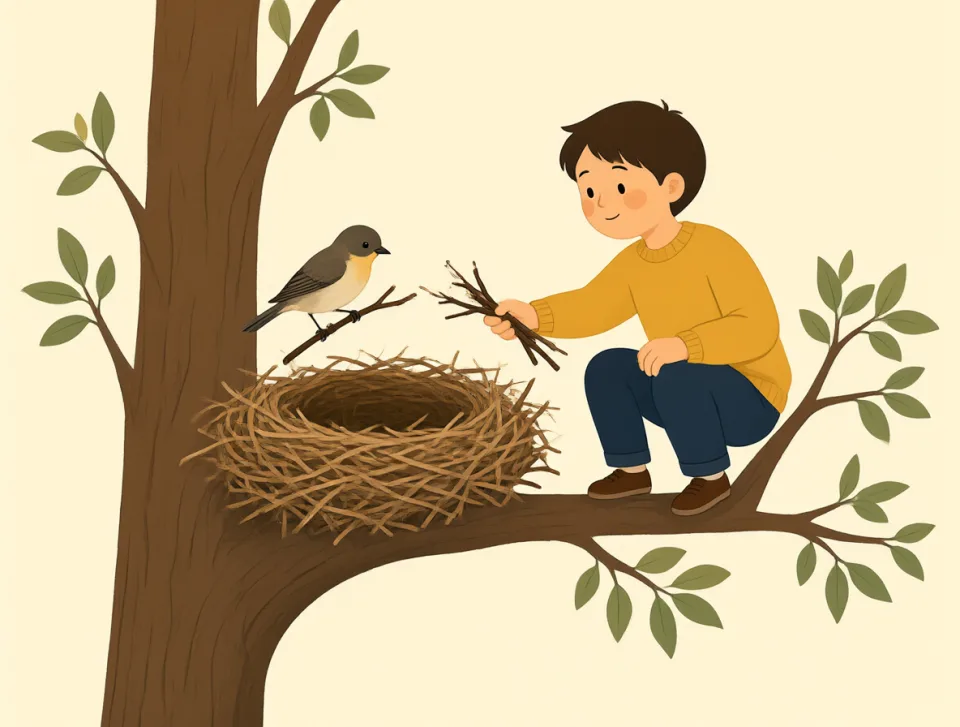
The bird built a nest in the tree.
Ptak zbudował gniazdo na drzewie.

They walked through the trees in the forest.
Szli przez drzewa w lesie.
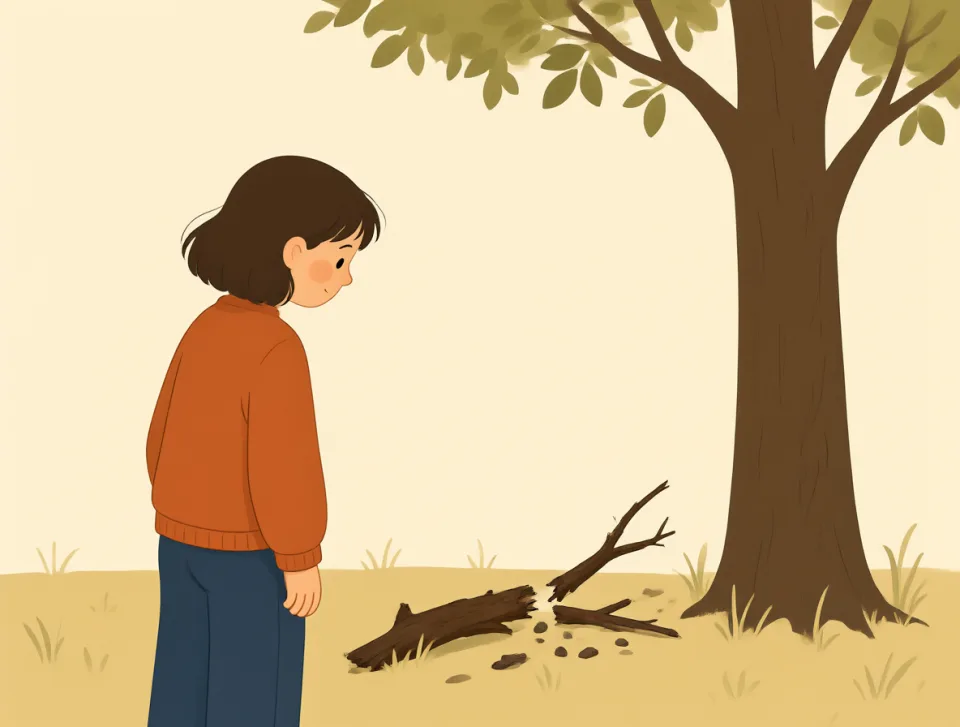
The strong wind broke a tree branch.
Silny wiatr złamał gałąź drzewa.

college
#739noun
uczelnia
a place where people study after finishing school
miejsce, w którym ludzie uczą się po ukończeniu szkoły

She goes to college in the city.
Ona studiuje na uczelni w mieście.

My brother studies medicine at college.
Mój brat studiuje medycynę na uczelni.
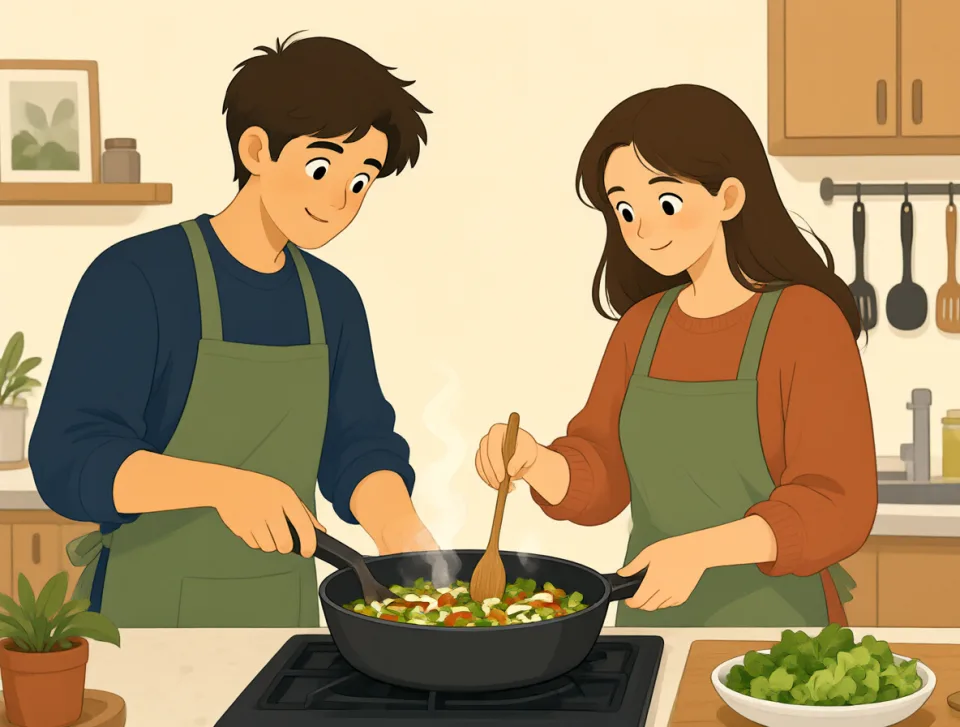
College students often share small apartments.
Studenci często dzielą małe mieszkania.
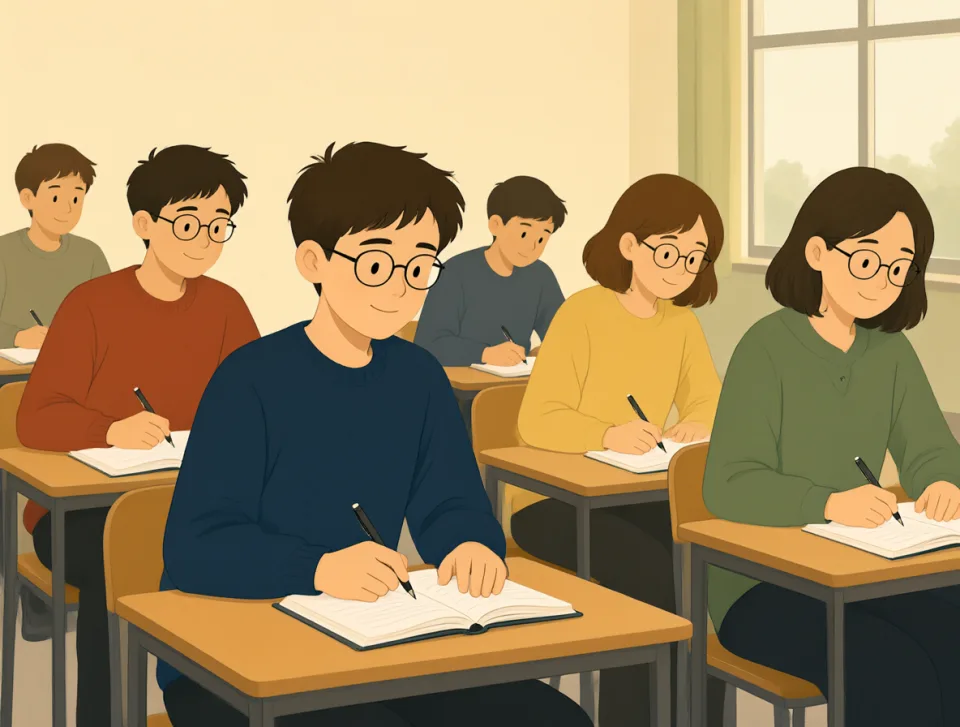
The college offers evening classes.
Uczelnia oferuje zajęcia wieczorowe.

She found a job after college.
Po ukończeniu uczelni znalazła pracę.
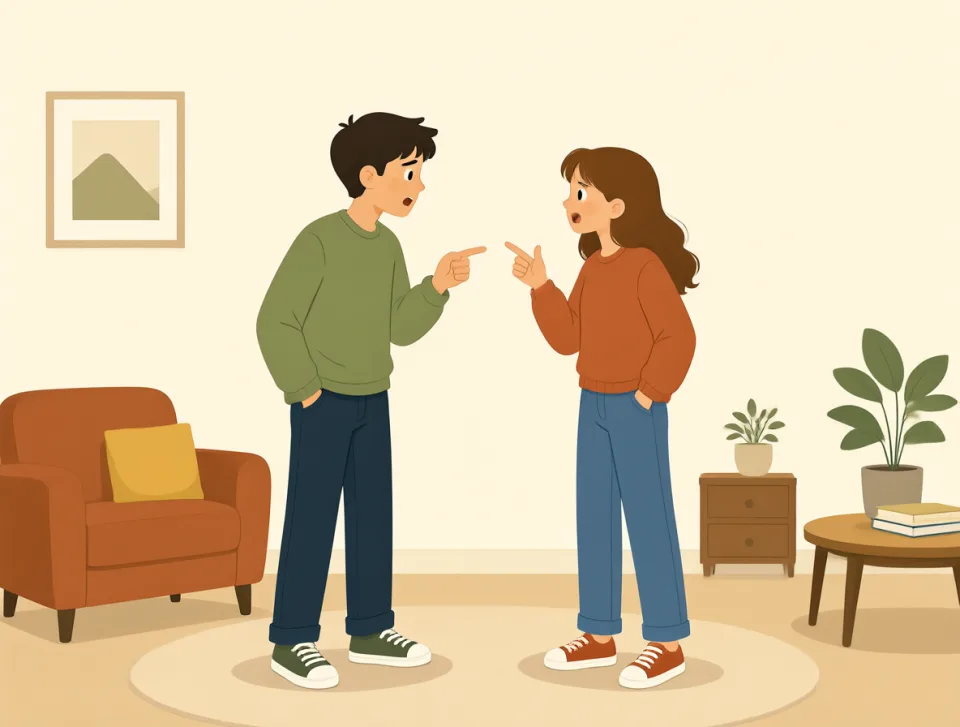
argue
#740verb
kłócić się
to speak angrily with someone because you disagree
rozmawiać z kimś ze złością, ponieważ się z nim nie zgadzasz
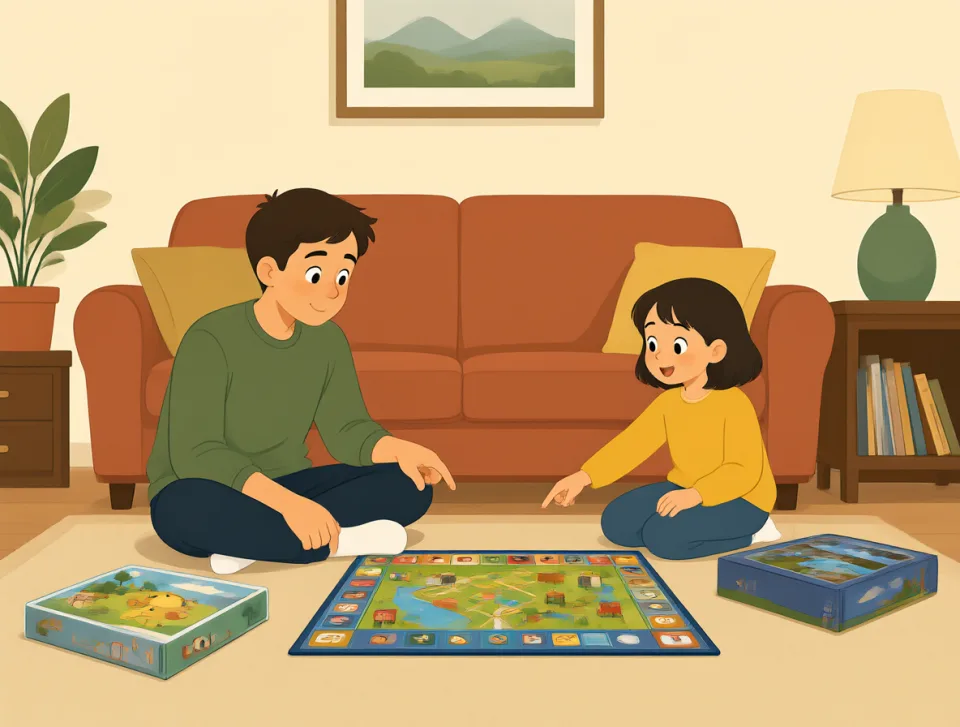
The children argue about which game to play.
Dzieci kłócą się o to, w którą grę zagrać.

My parents argued about money last night.
Moi rodzice kłócili się wczoraj wieczorem o pieniądze.
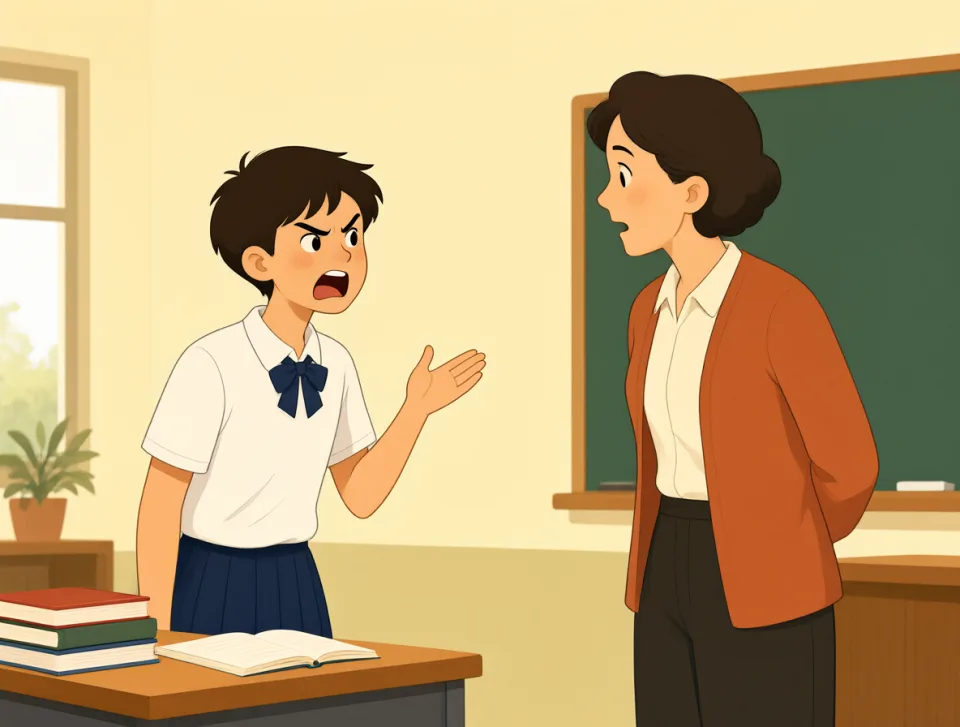
We should not argue with the teacher.
Nie powinniśmy kłócić się z nauczycielem.
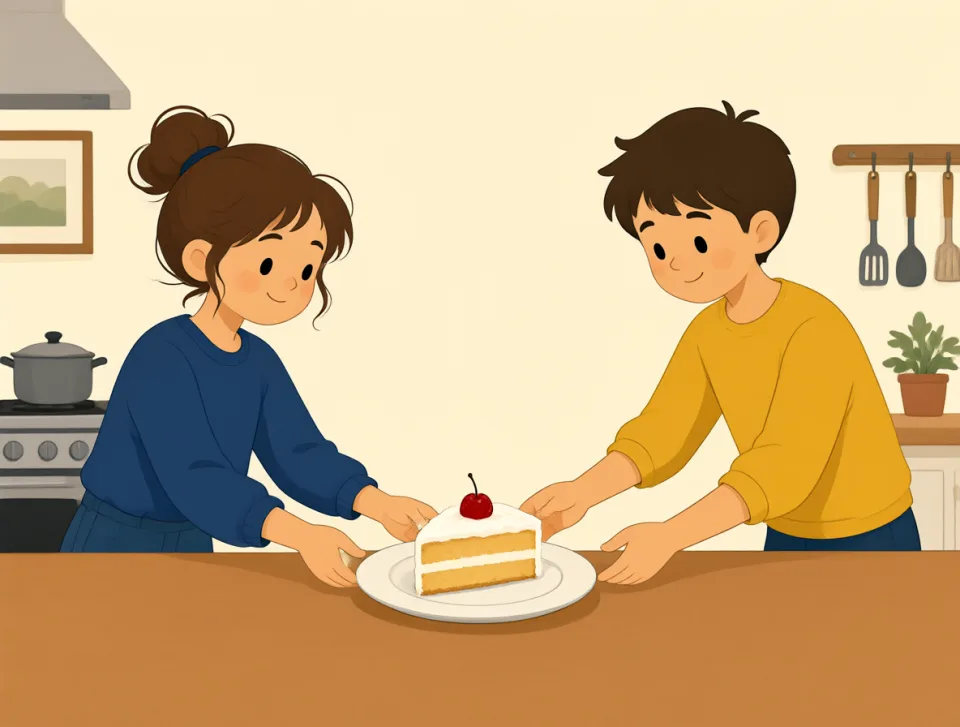
They argued over the last piece of cake.
Pokłócili się o ostatni kawałek ciasta.

My friends argue that walking is good exercise.
Moi przyjaciele twierdzą, że chodzenie to dobry sposób na ćwiczenia.