Zestaw 29
Słowa 561–580 · accept, society, technology, mention, choice, save
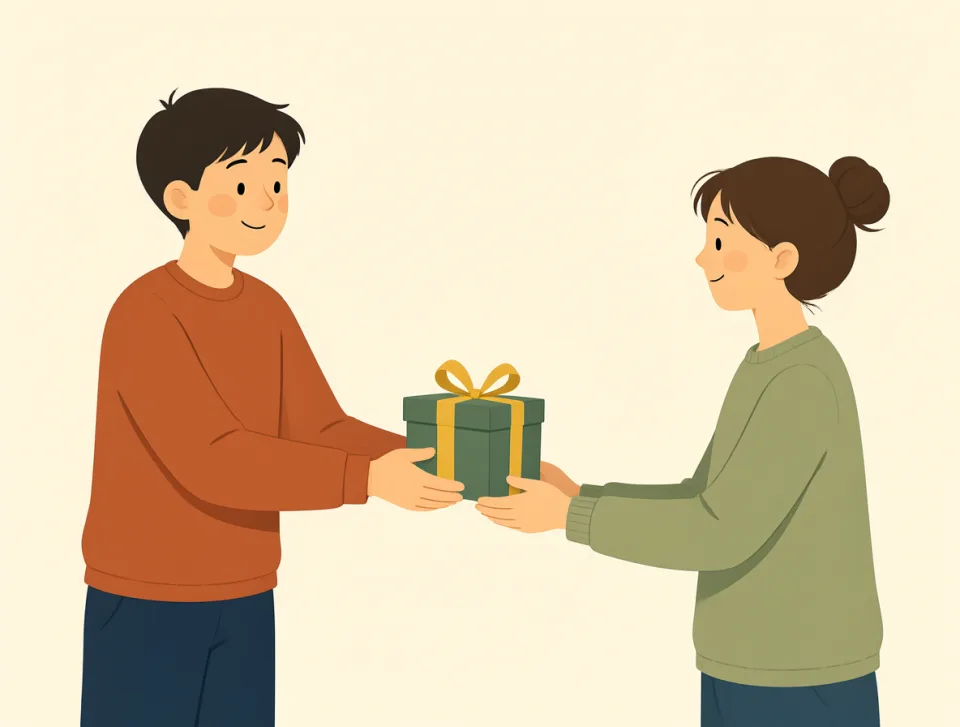
accept
#561verb
zaakceptować
to agree to take something or agree that something is true
zgodzić się coś przyjąć albo uznać, że coś jest prawdą
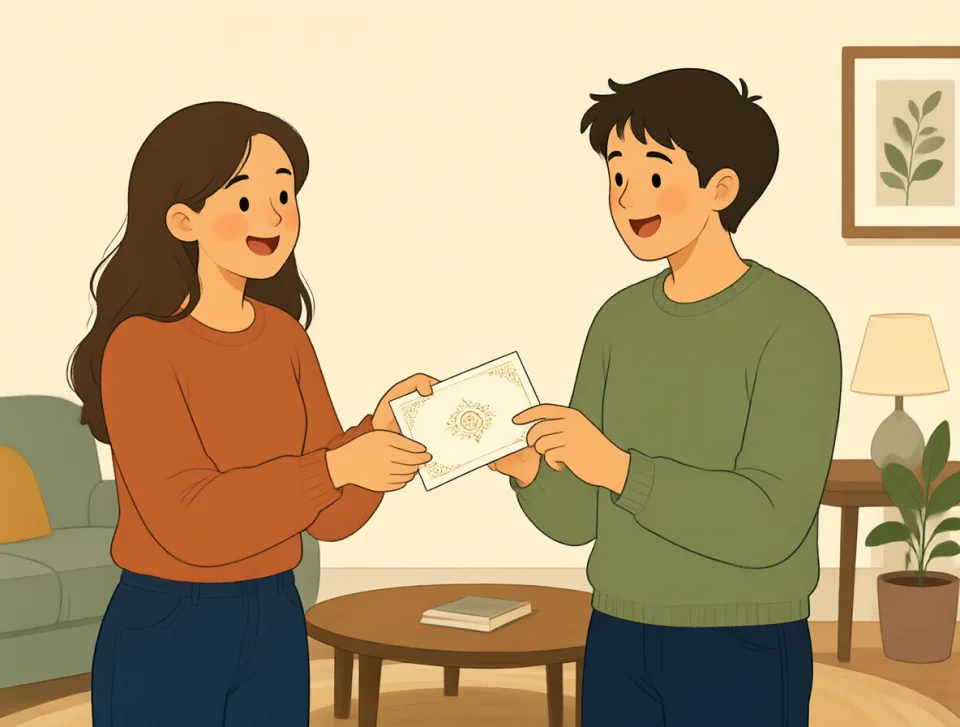
She accepted the invitation to dinner.
Zaakceptowała zaproszenie na kolację.
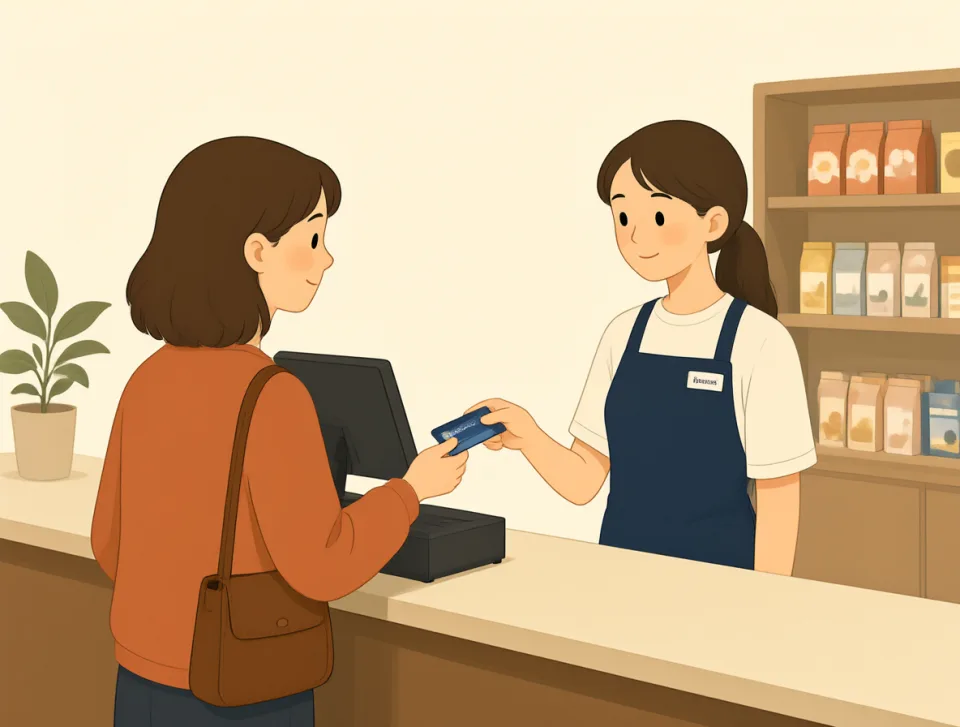
The store accepts credit cards.
Sklep akceptuje karty kredytowe.

He accepted the job after the interview.
Po rozmowie kwalifikacyjnej przyjął tę pracę.
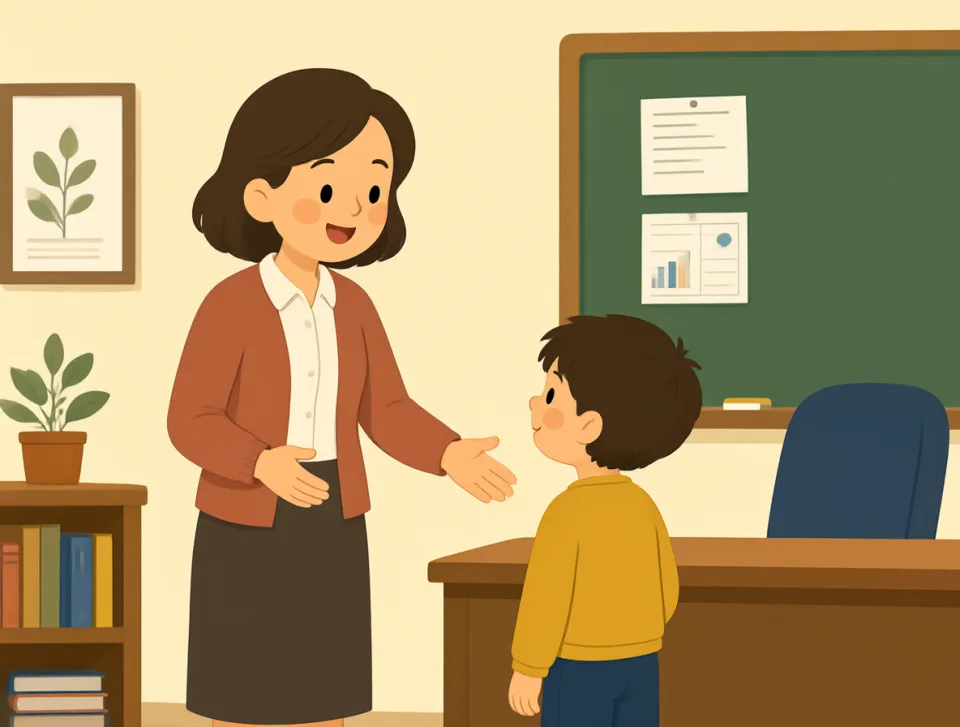
The school accepted my application.
Szkoła przyjęła mój wniosek.
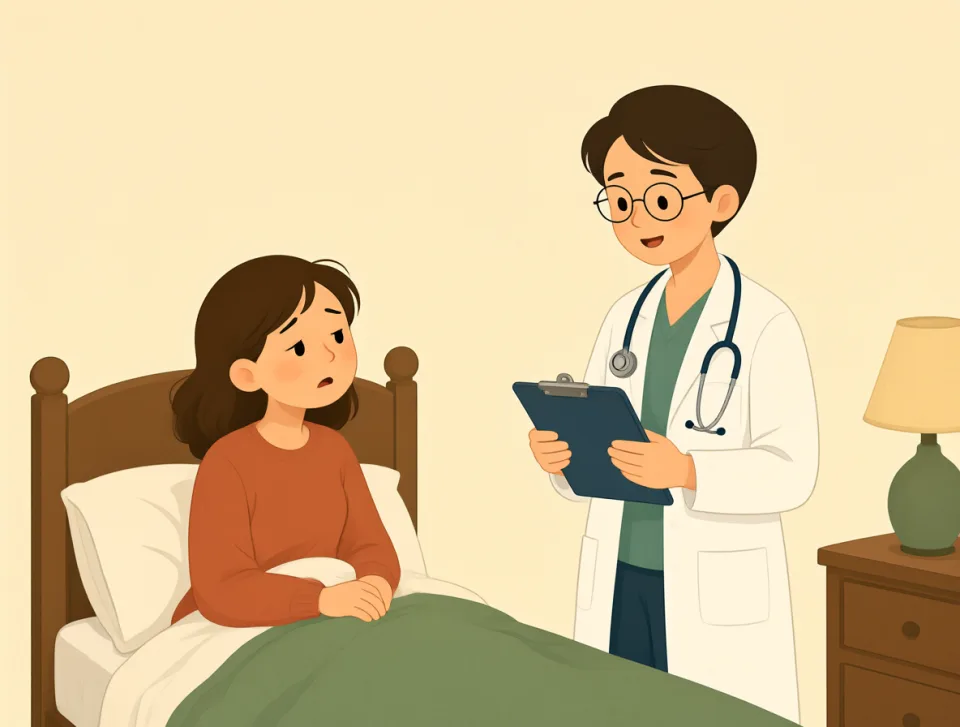
She accepted that she needed more rest.
Zaakceptowała to, że potrzebuje więcej odpoczynku.
society
#562noun
społeczeństwo
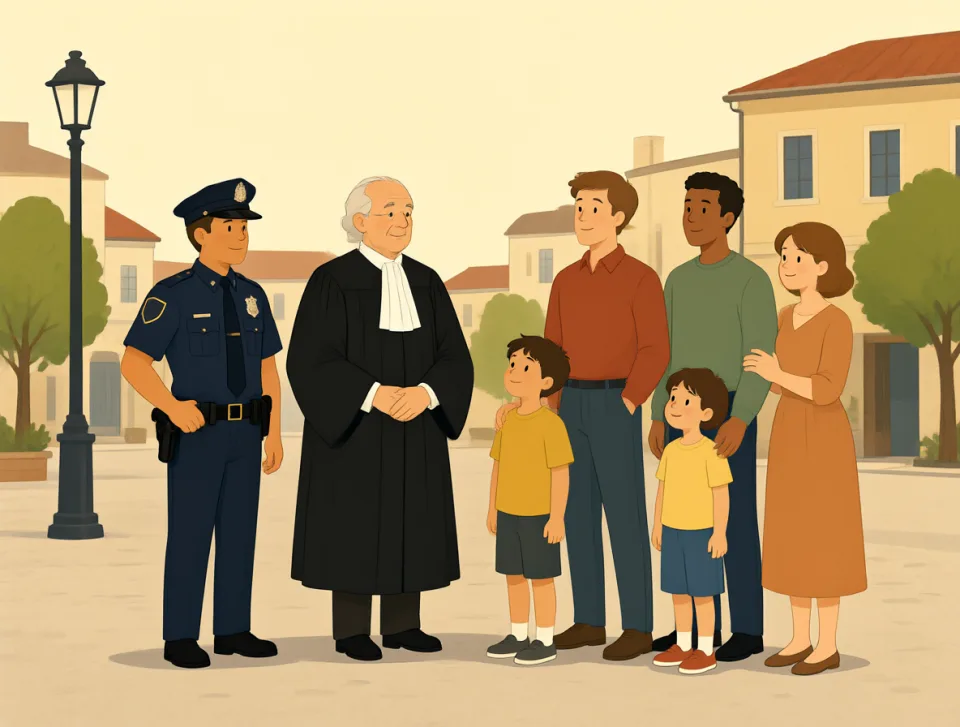
People living together in an organized community or country.
Ludzie żyjący razem w zorganizowanej wspólnocie lub kraju.
Society needs laws to protect everyone.
Społeczeństwo potrzebuje praw, które chronią wszystkich.
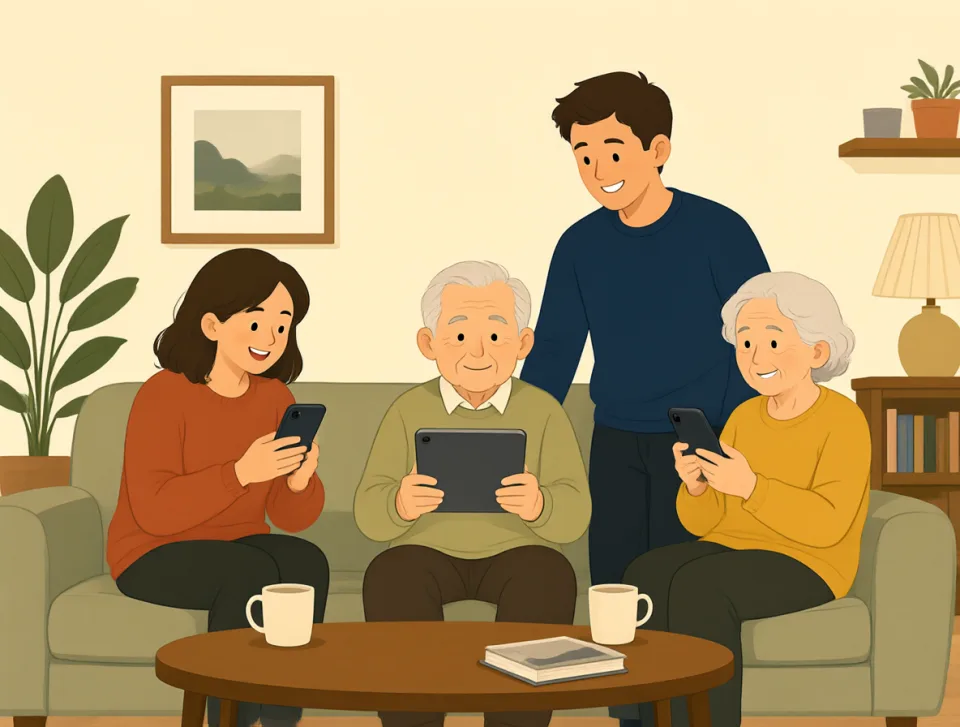
Technology has changed society in many ways.
Technologia zmieniła społeczeństwo na wiele sposobów.
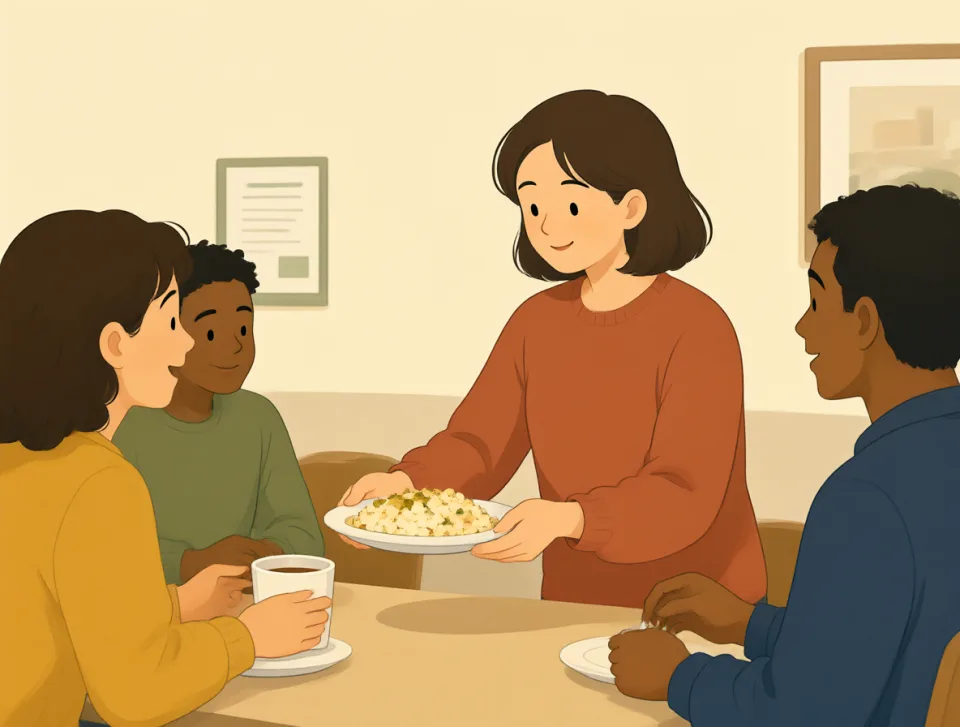
She wants to help society after school.
Po szkole chce pomagać społeczeństwu.
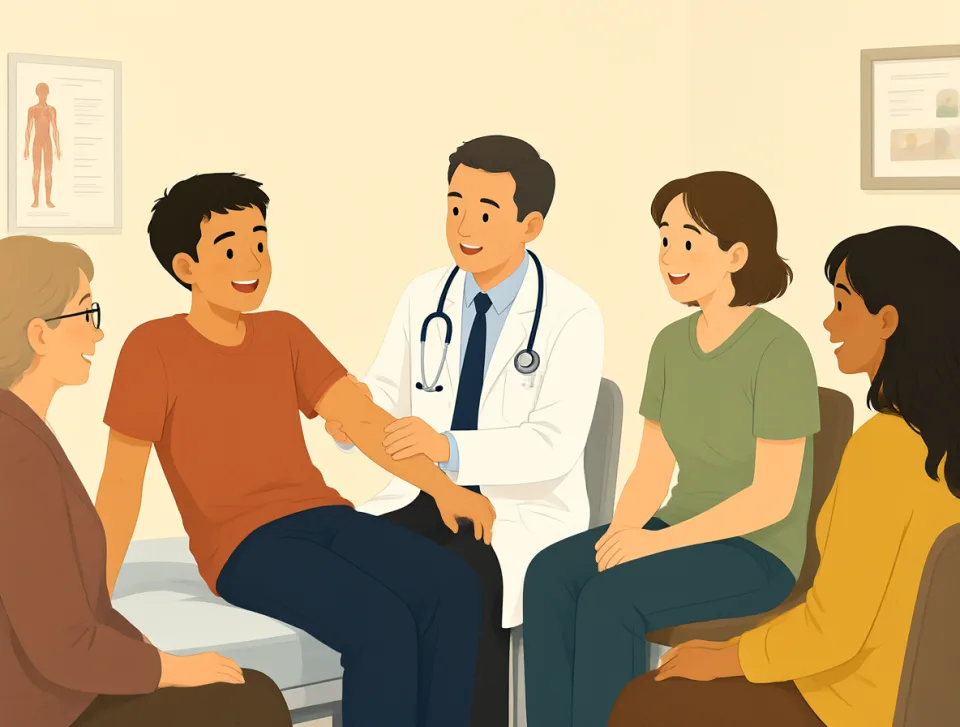
Good health is important for society.
Dobre zdrowie jest ważne dla społeczeństwa.
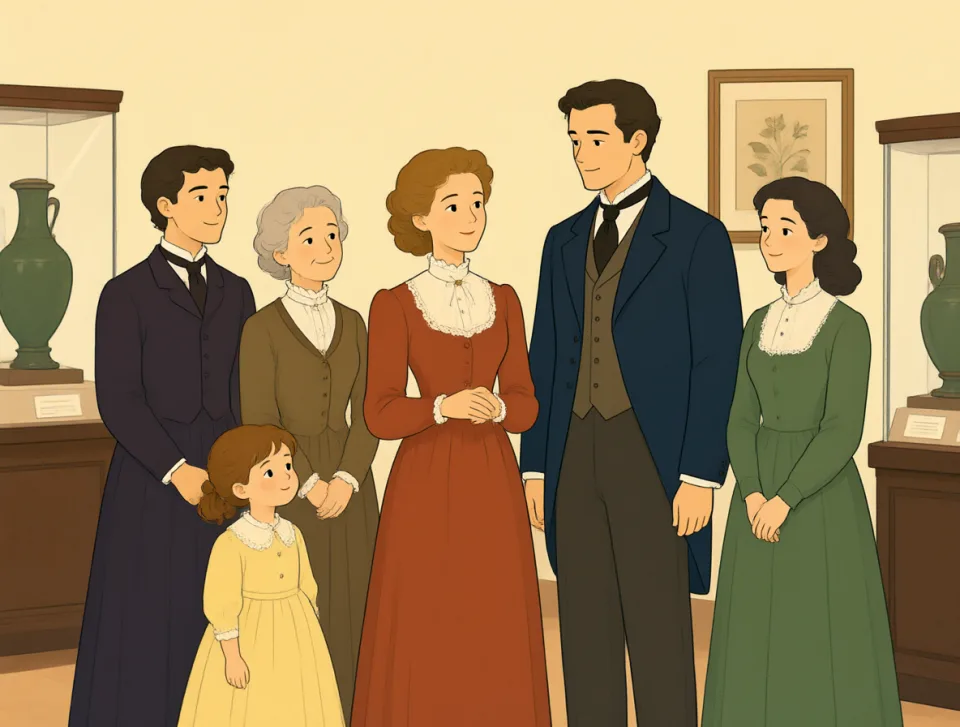
The museum shows how society lived long ago.
Muzeum pokazuje, jak żyło społeczeństwo dawno temu.

technology
#563noun
technologia
The use of scientific knowledge to make useful tools, machines, and systems.
Wykorzystywanie wiedzy naukowej do tworzenia przydatnych narzędzi, maszyn i systemów.

Technology makes it easier to work from home.
Dzięki technologii łatwiej pracuje się z domu.
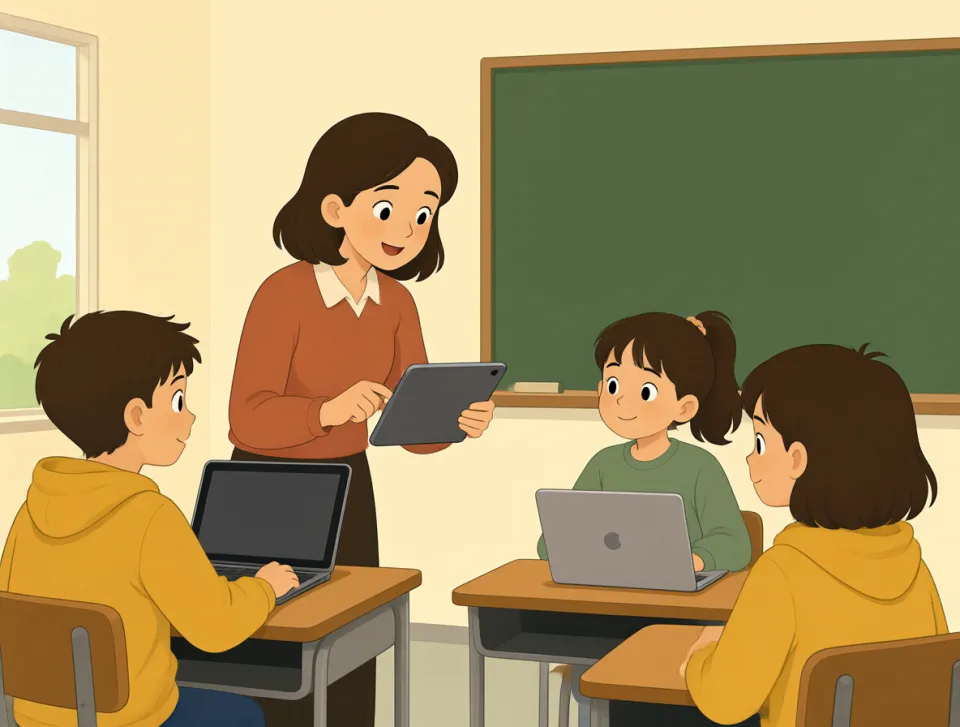
Our school uses new technology every day.
Nasza szkoła codziennie korzysta z nowych technologii.
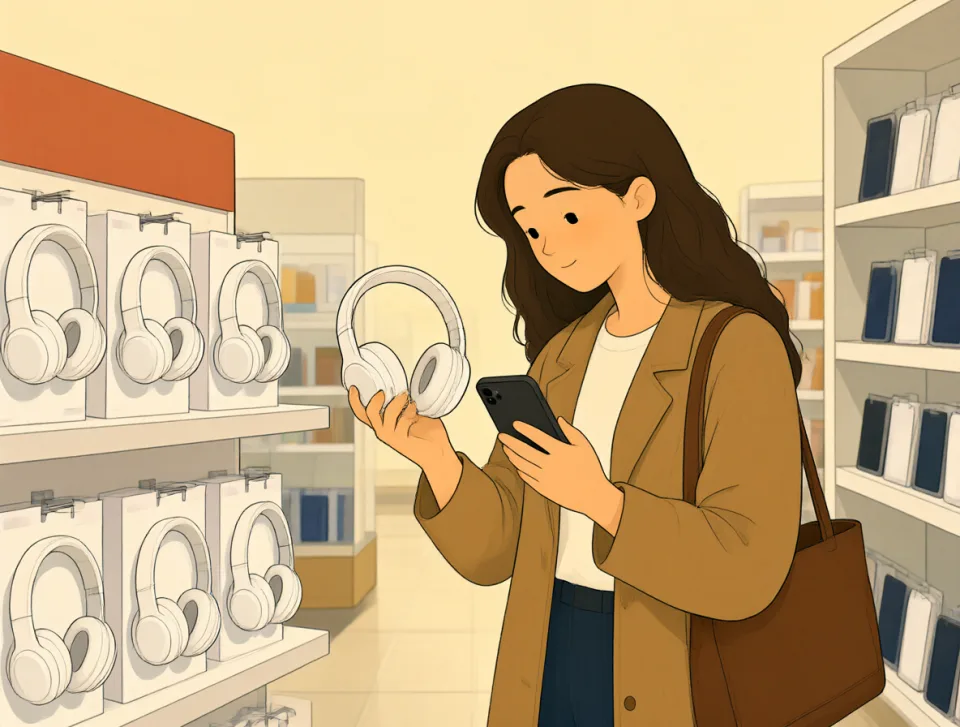
This shop has the latest technology.
Ten sklep ma najnowsze technologie.
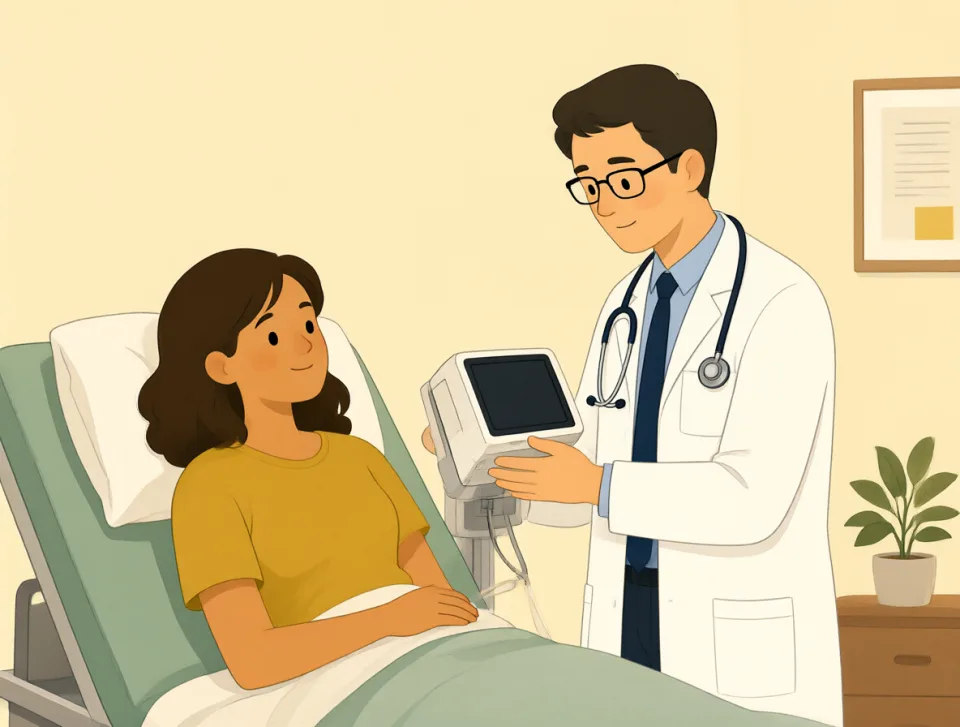
Medical technology helps doctors treat patients.
Technologia medyczna pomaga lekarzom leczyć pacjentów.
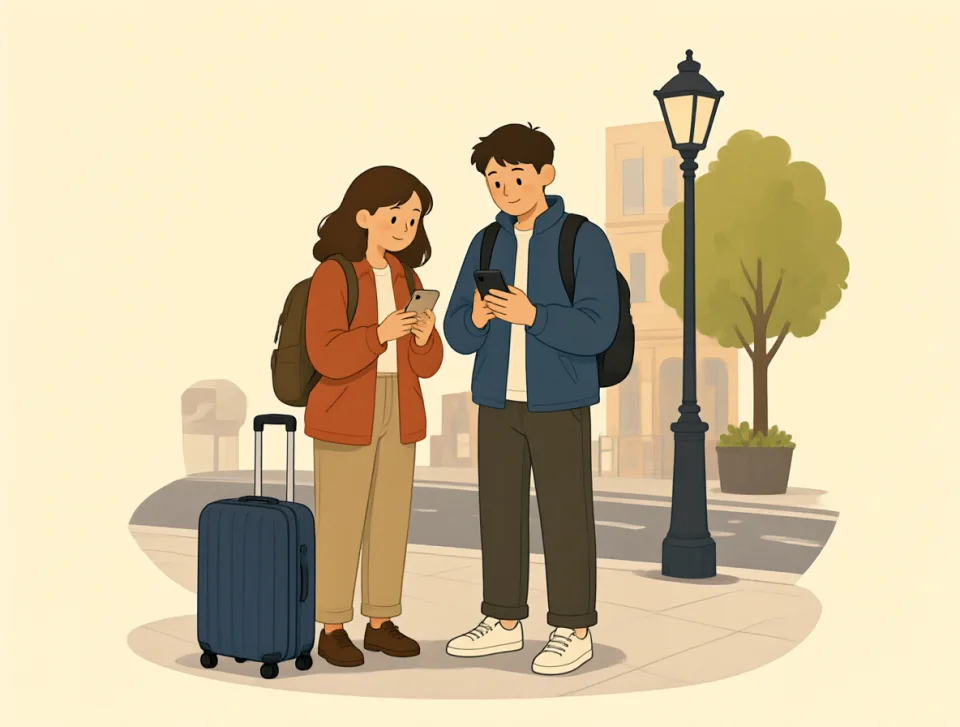
Technology helped us find our way.
Technologia pomogła nam znaleźć drogę.
mention
#564verb, noun
wspomnieć
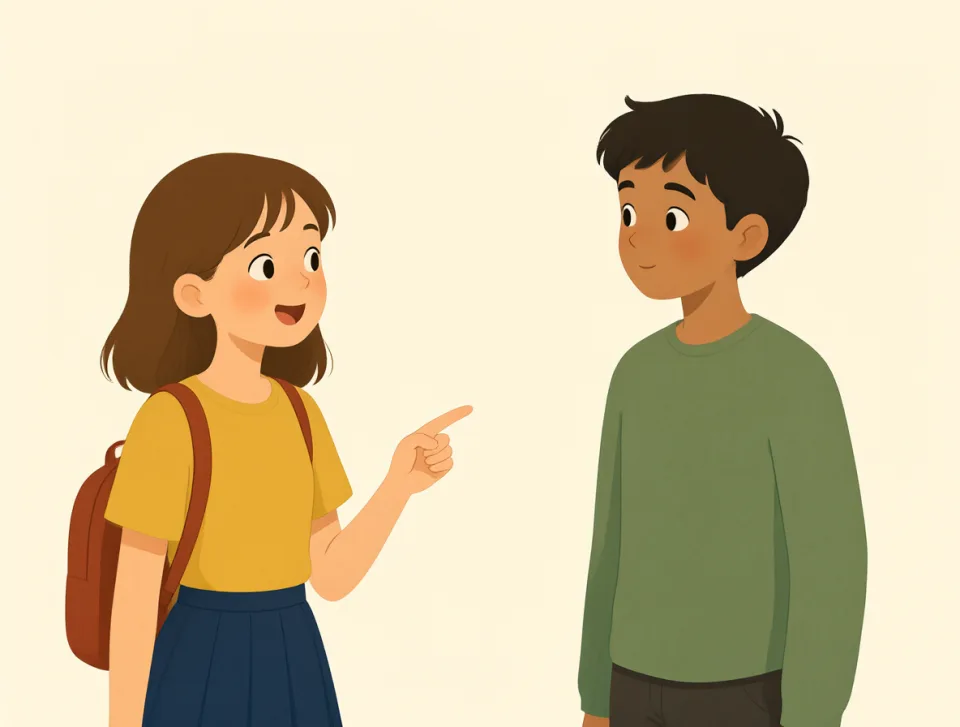
To talk about someone or something briefly, or to name it in conversation.
Krótko opowiedzieć o kimś lub o czymś albo wymienić tę osobę lub rzecz w rozmowie.
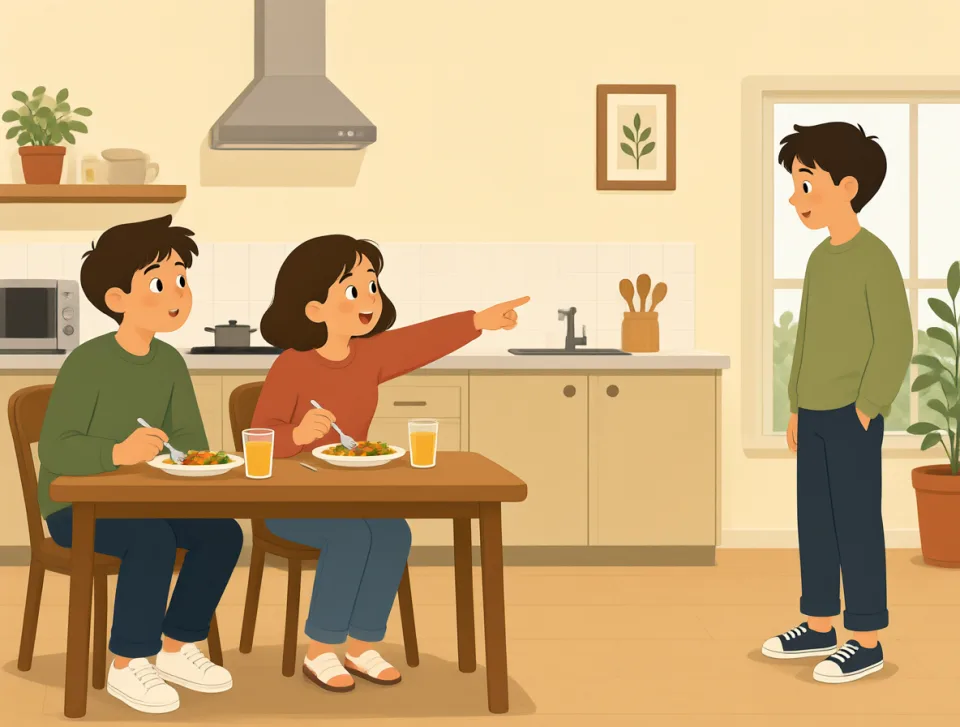
She mentioned your name at lunch.
Wspomniała o tobie podczas lunchu.
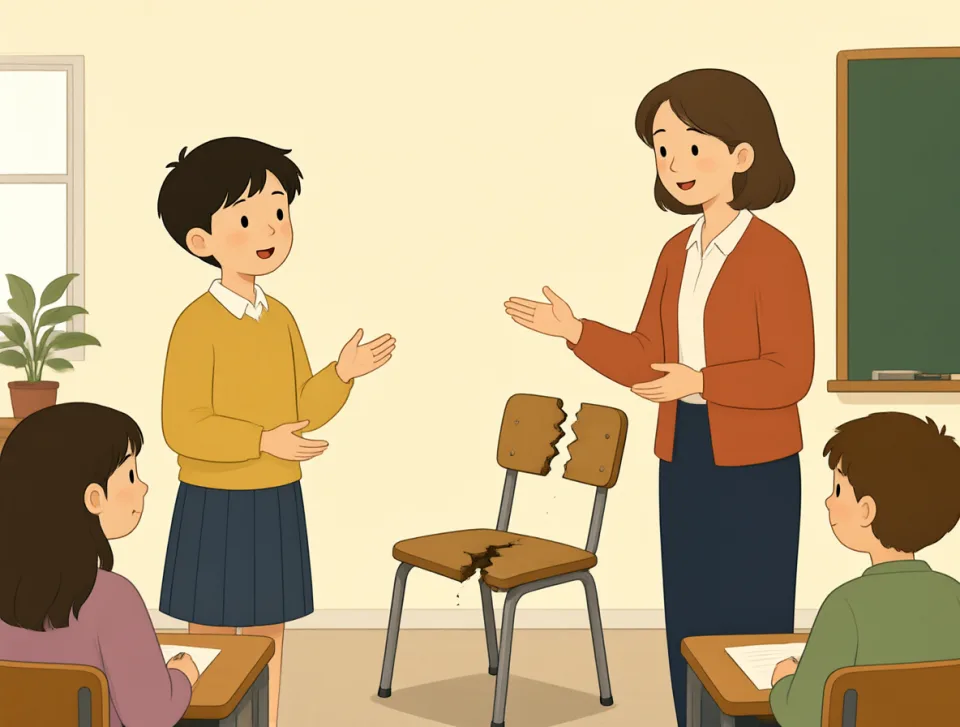
Please mention this problem to your teacher.
Proszę, wspomnij o tym problemie swojemu nauczycielowi.

He mentioned meeting us after work.
Wspomniał o spotkaniu z nami po pracy.
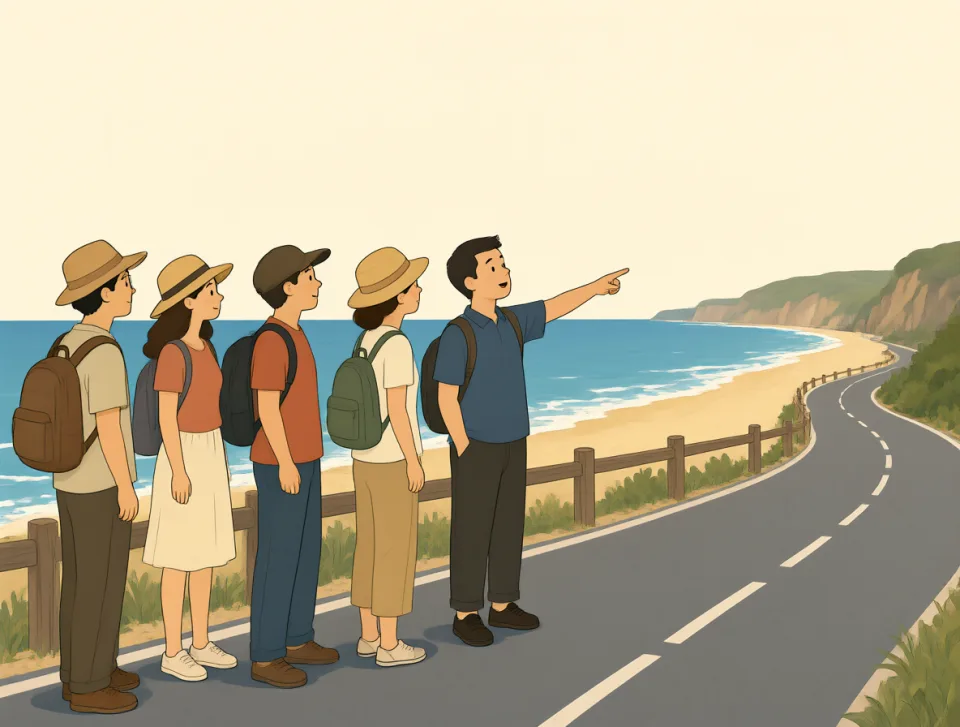
The guide mentioned a beautiful beach nearby.
Przewodnik wspomniał o pięknej plaży w pobliżu.
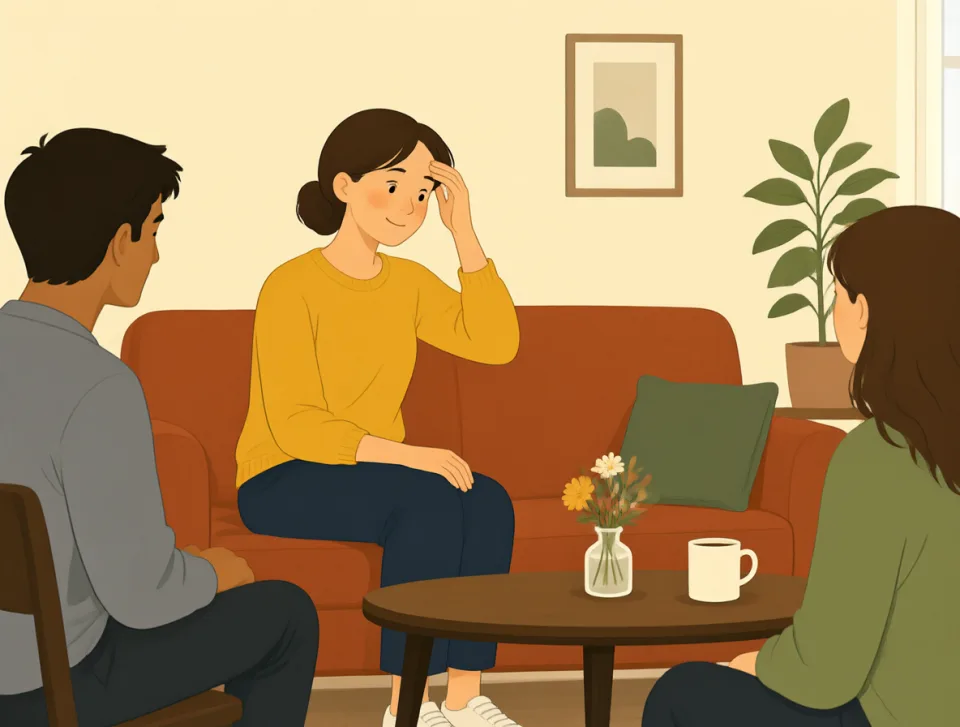
She made no mention of her headache.
Nie wspomniała o swoim bólu głowy.
choice
#565noun
wybór
The act of choosing between two or more things, or the thing you choose.
Czynność polegająca na wybieraniu spośród dwóch lub więcej rzeczy albo wybrana rzecz.
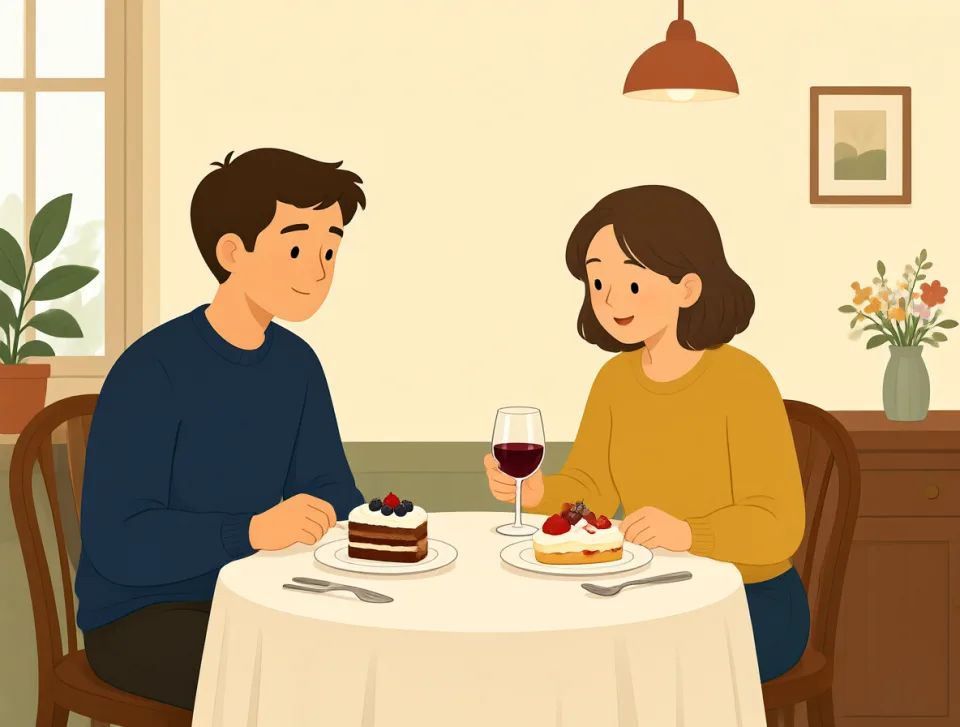
You have a choice of two desserts.
Możesz wybrać jeden z dwóch deserów.
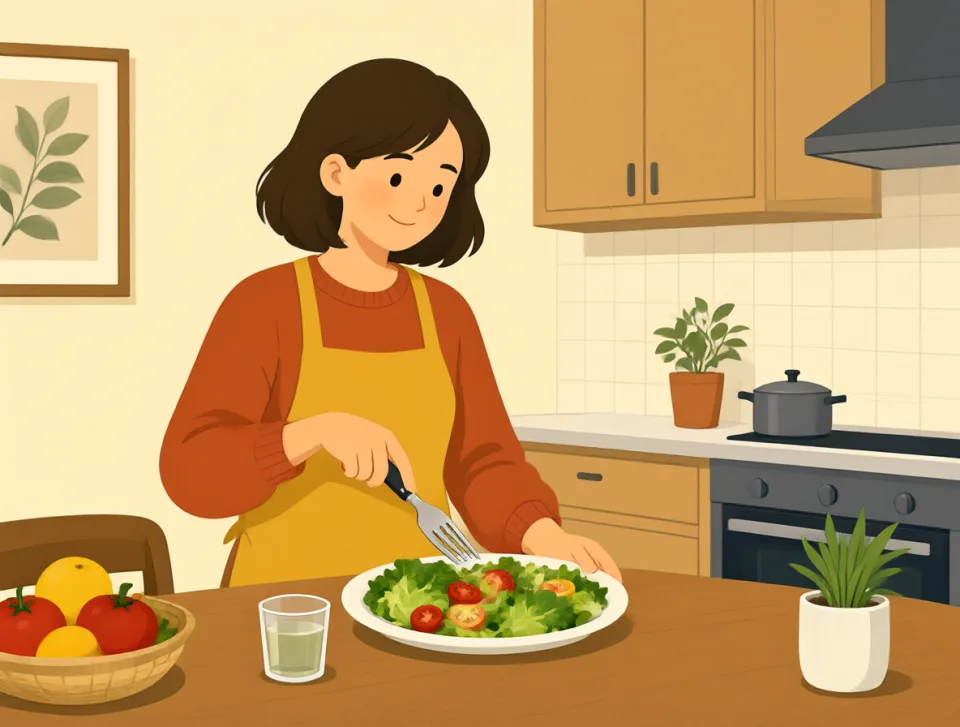
She made the right choice for her health.
Dla swojego zdrowia dokonała właściwego wyboru.
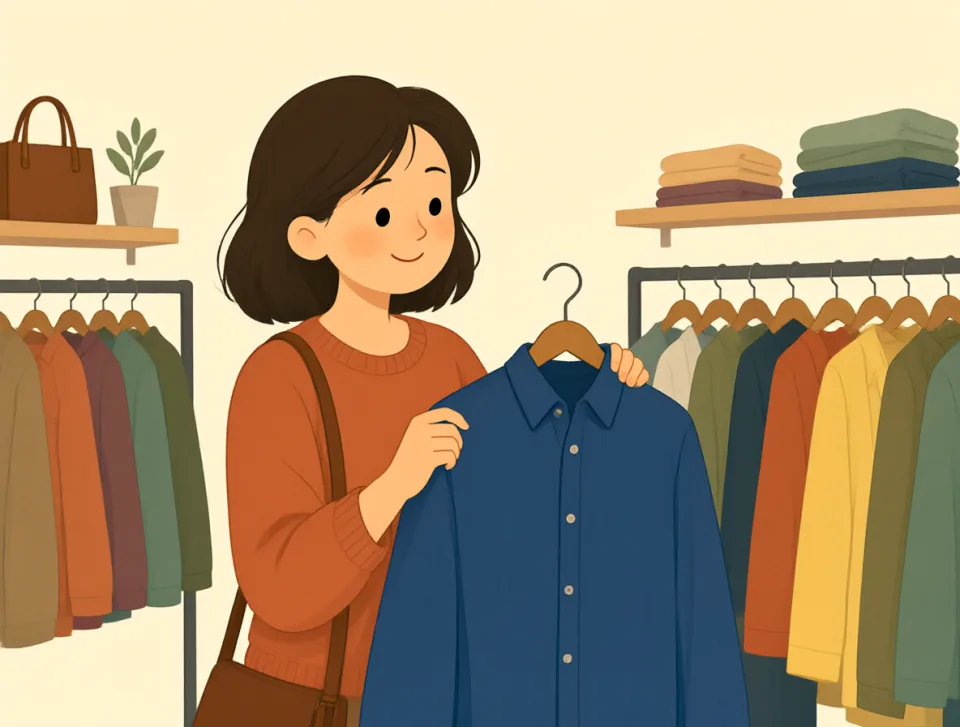
This blue shirt was my first choice.
Ta niebieska koszula była moim pierwszym wyborem.
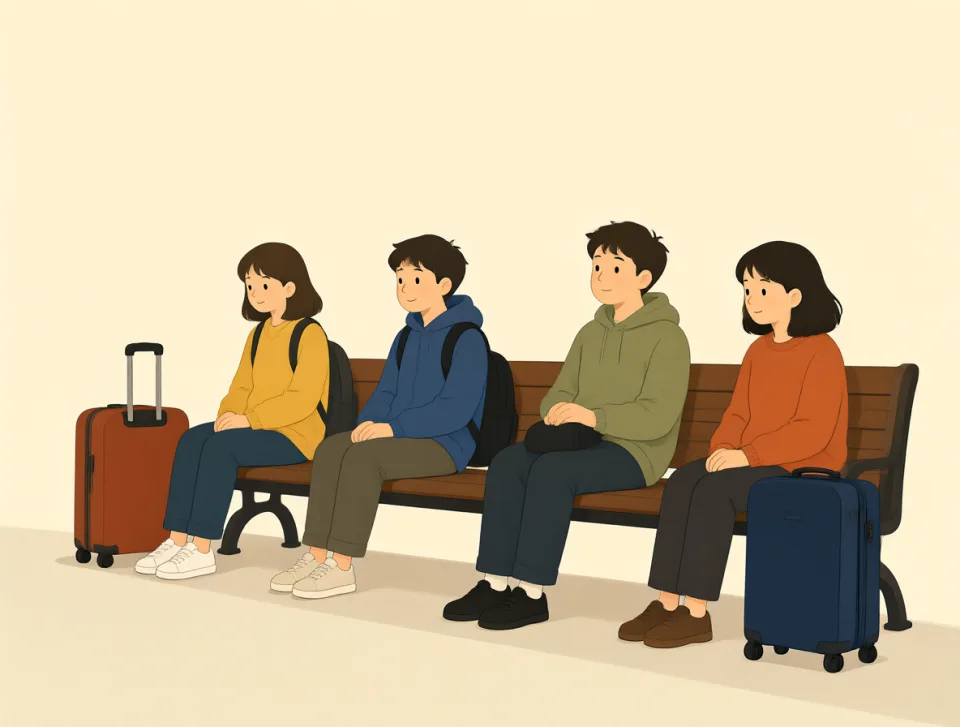
We had little choice but to wait.
Nie mieliśmy wielkiego wyboru i musieliśmy czekać.
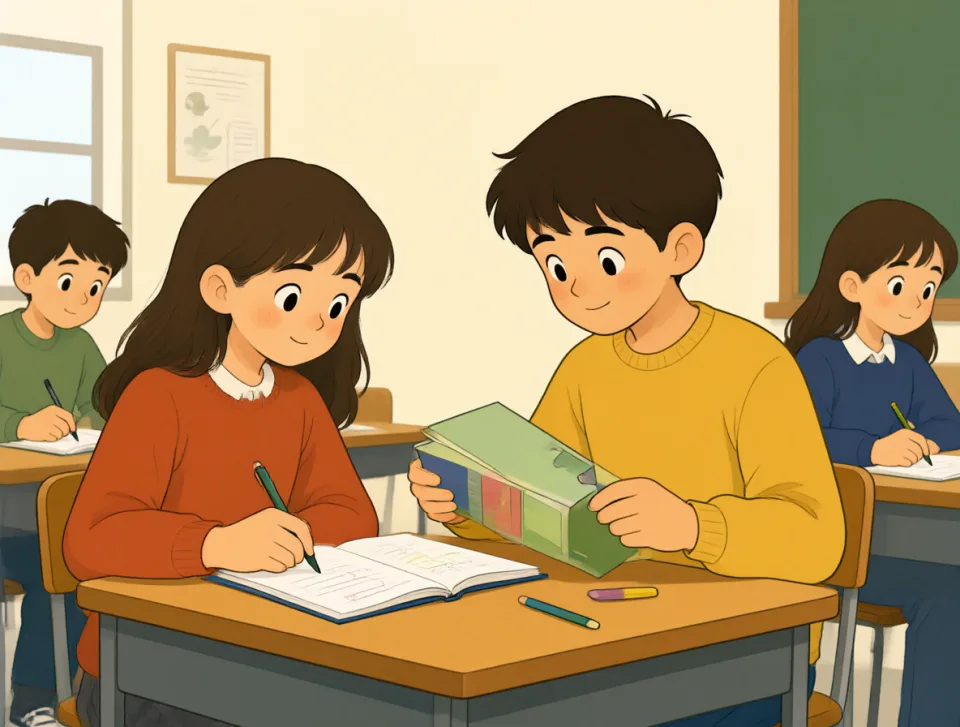
Students can choose their own project topic.
Uczniowie mogą sami wybrać temat projektu.
save
#566verb, noun, preposition
oszczędzać; ratować
To keep something for later, or prevent someone from danger, loss, or harm.
Odkładać coś na później albo chronić kogoś przed niebezpieczeństwem, stratą lub krzywdą.
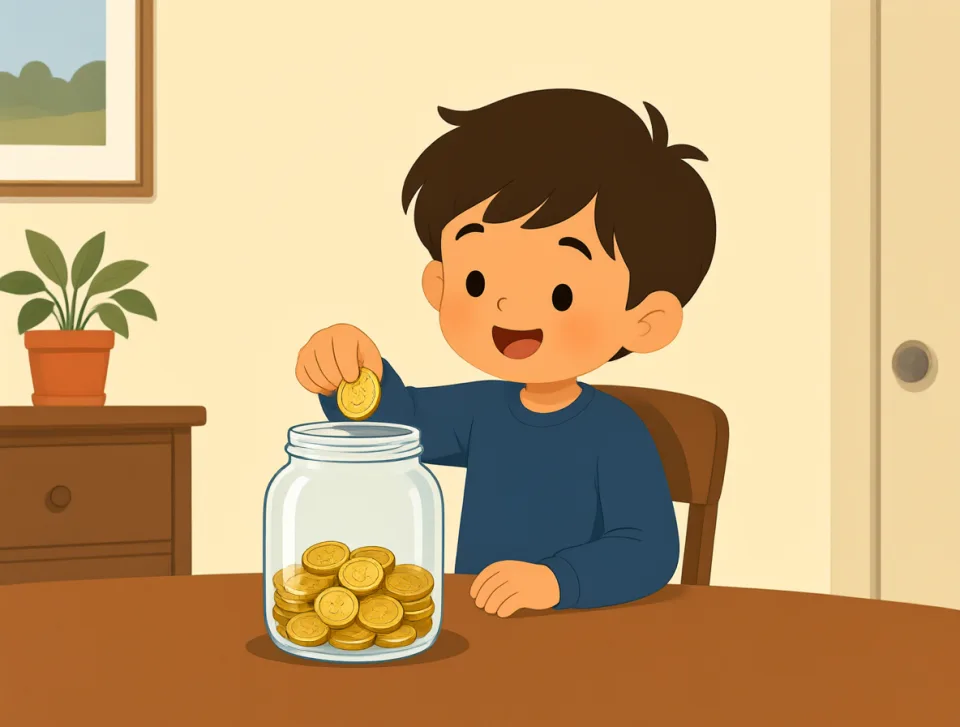
I save money for a new bike.
Oszczędzam pieniądze na nowy rower.
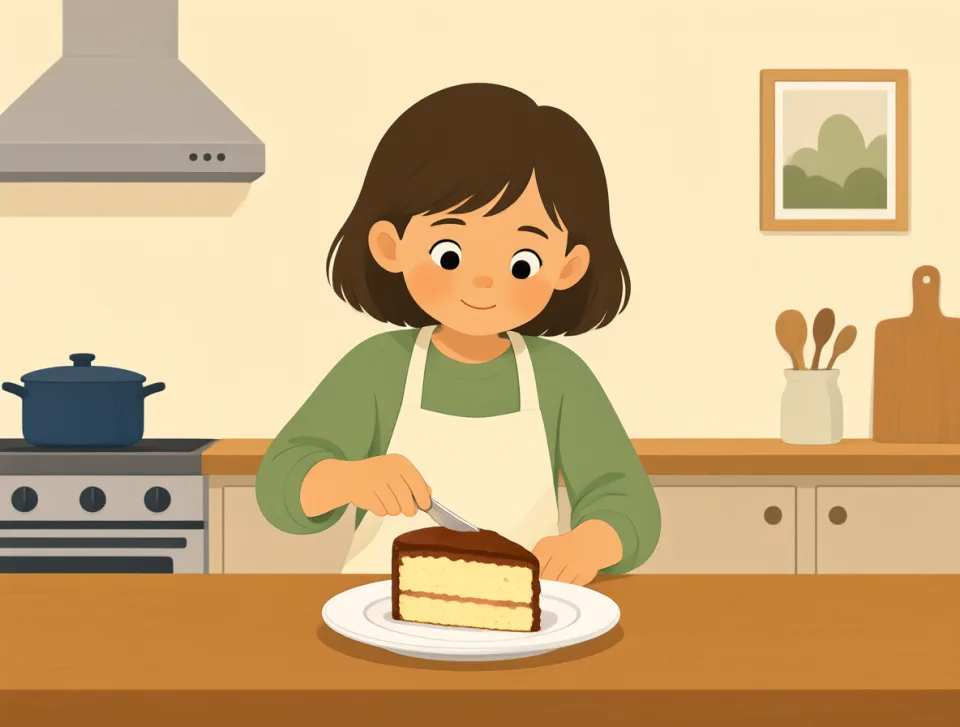
Please save some cake for me.
Zostaw mi proszę kawałek ciasta.
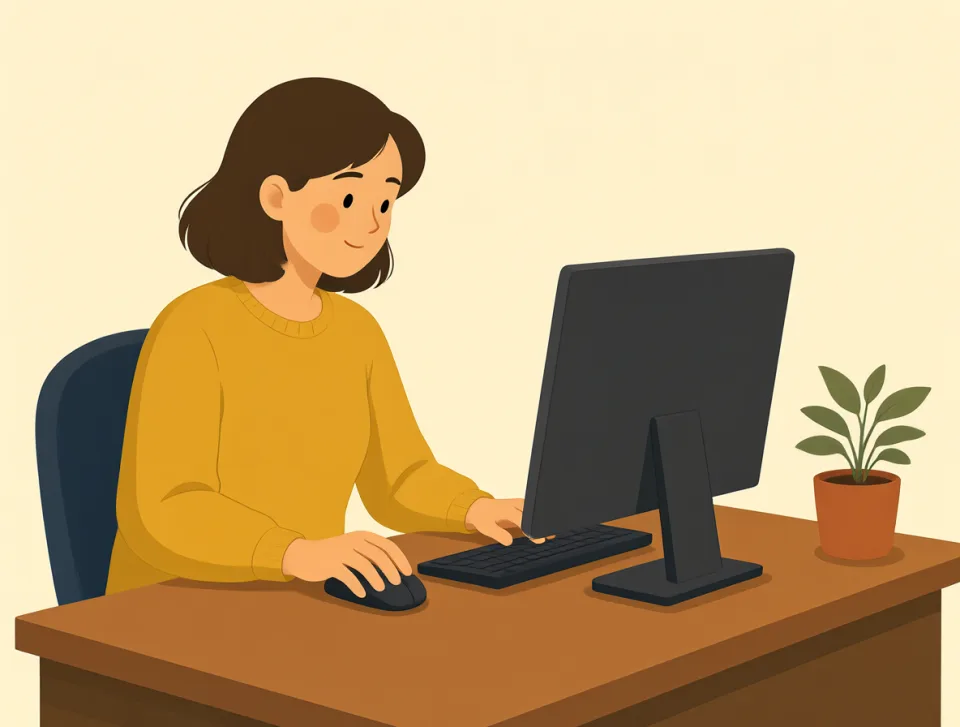
She saved the file before leaving work.
Zapisała plik przed wyjściem z pracy.
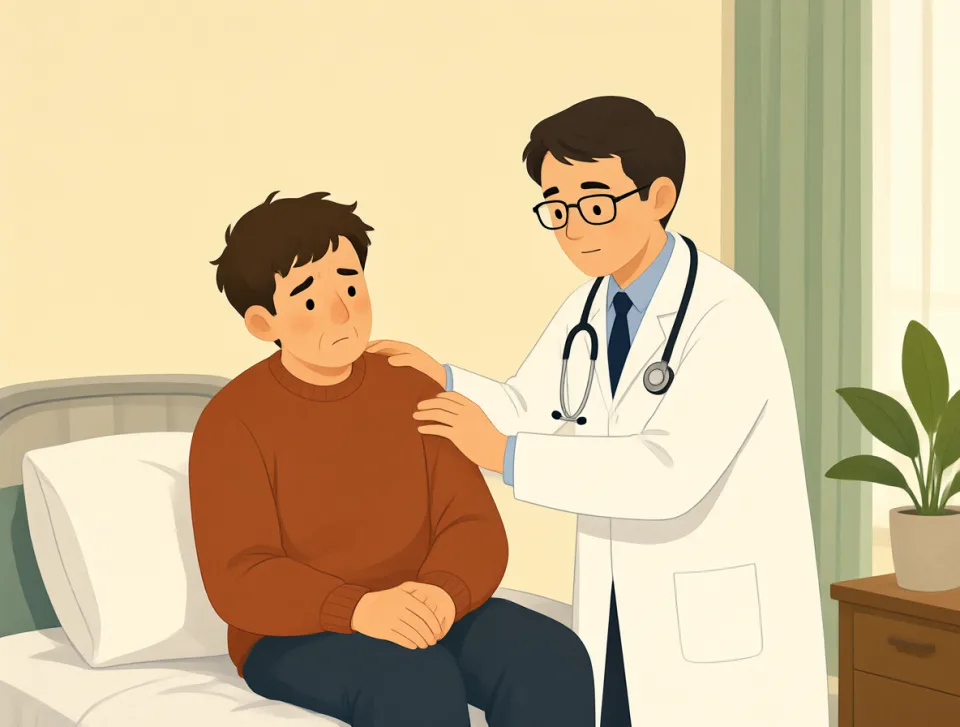
The doctor saved his life.
Lekarz uratował mu życie.
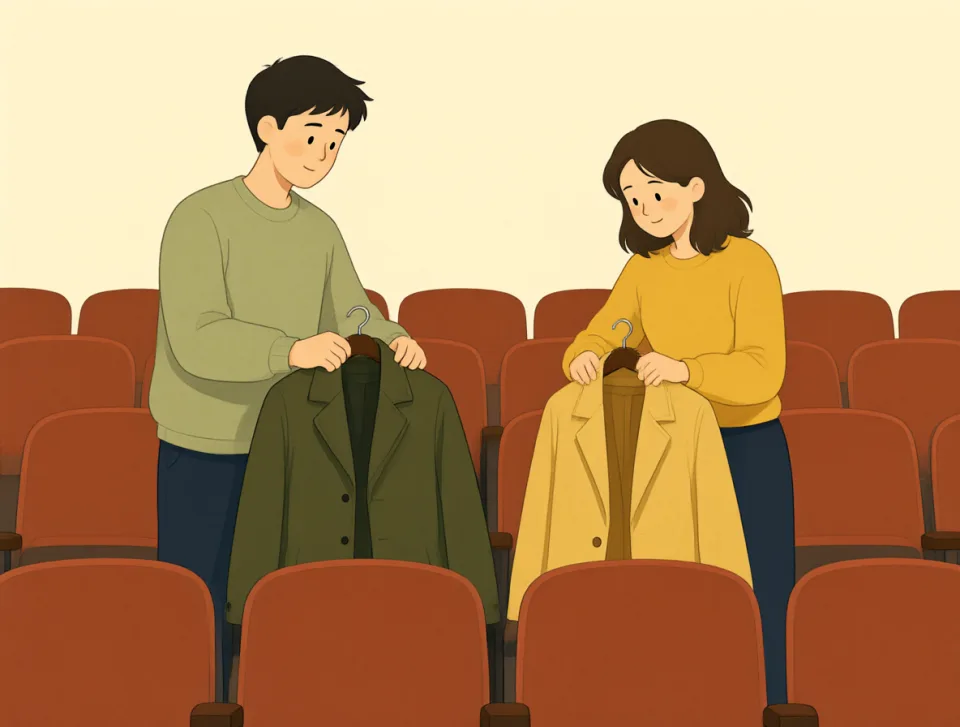
We saved two seats for our friends.
Zarezerwowaliśmy dwa miejsca dla naszych przyjaciół.
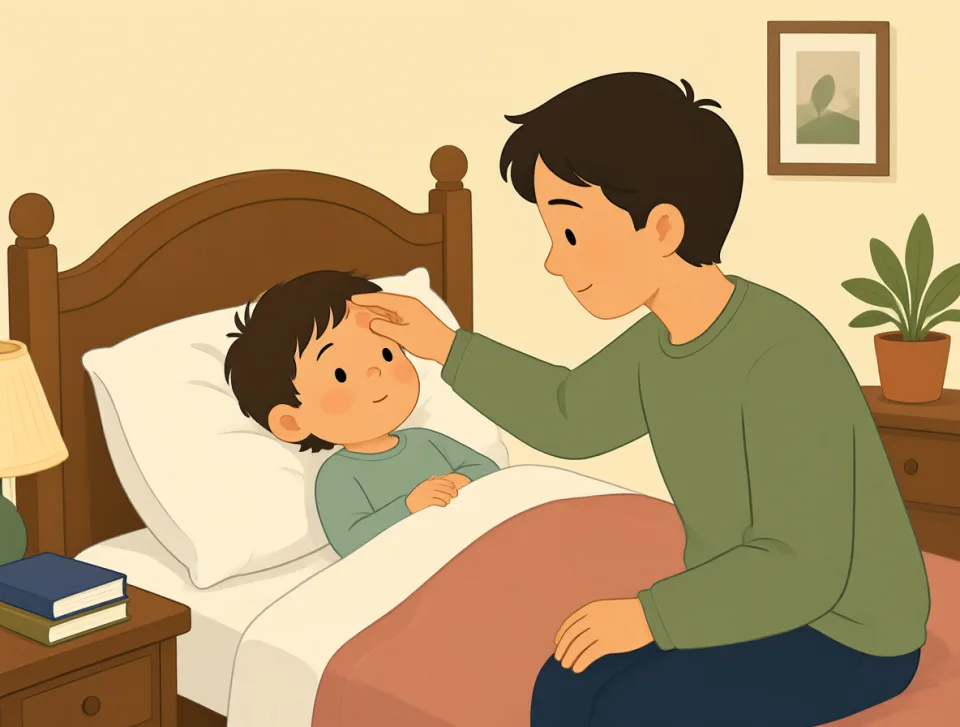
common
#567adjective
powszechny
Happening often or found in many places or among many people.
Występujący często, spotykany w wielu miejscach lub wśród wielu ludzi.
Colds are common in winter.
Przeziębienia są częste zimą.
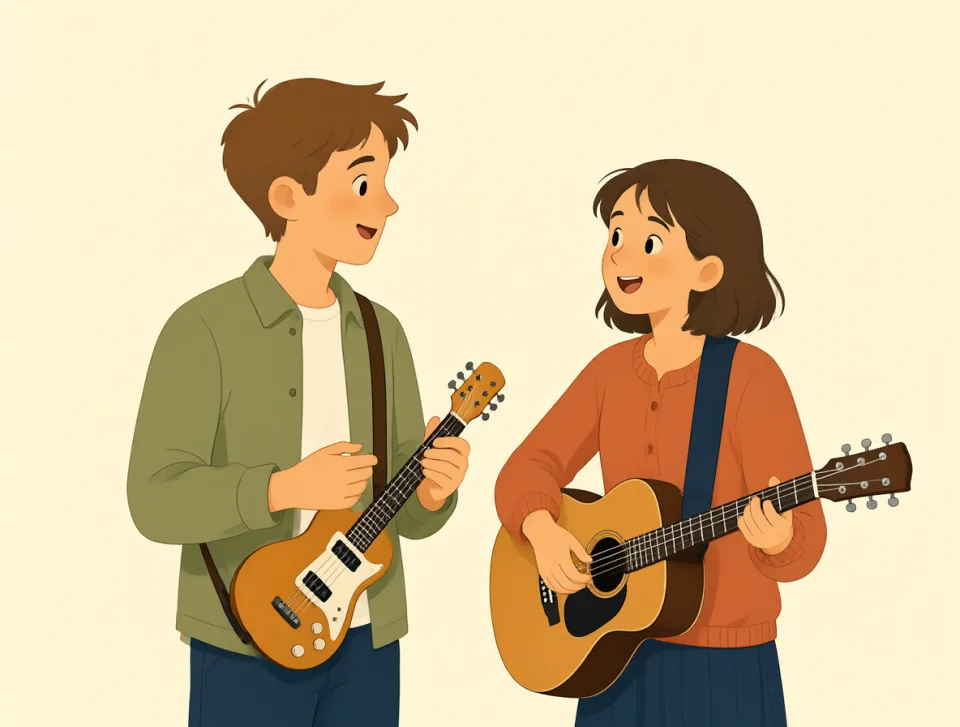
We have a common interest in music.
Łączy nas zainteresowanie muzyką.
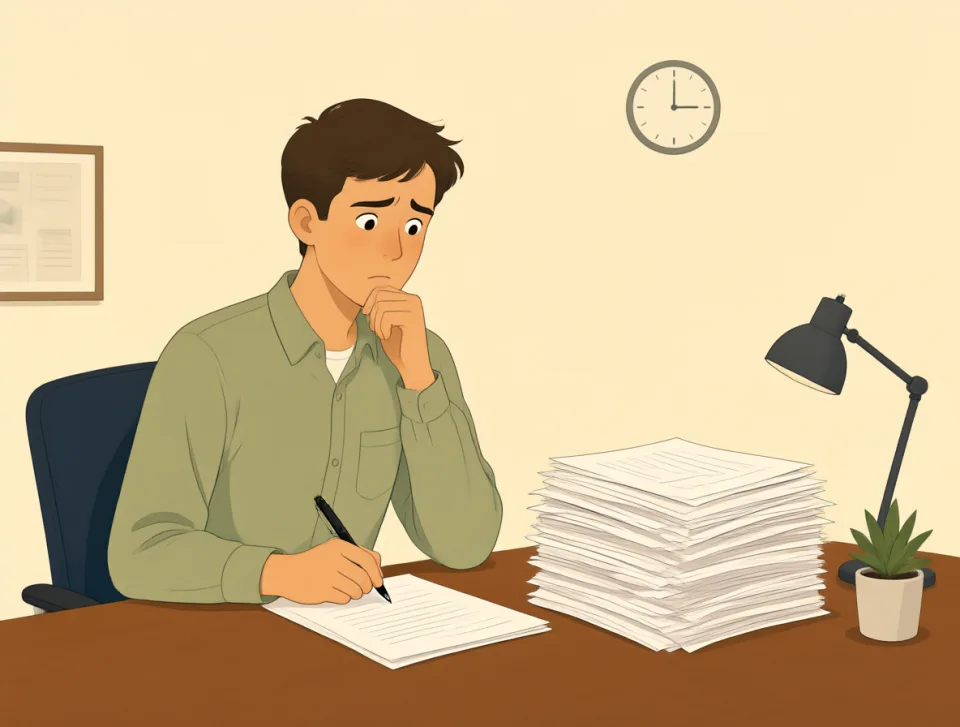
This is a common problem at work.
To częsty problem w pracy.
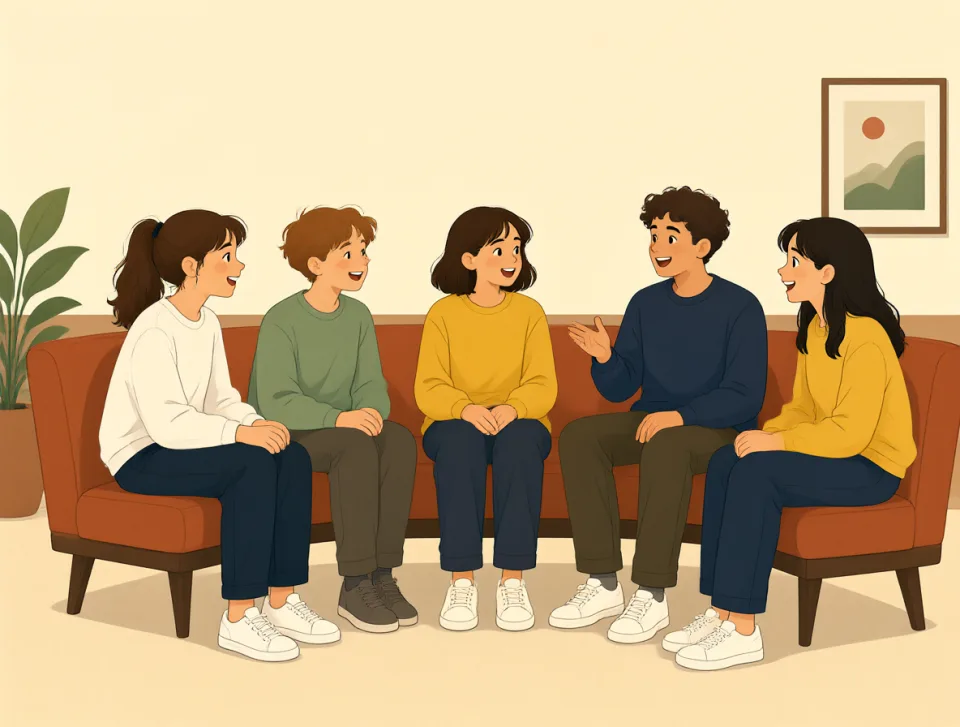
They use a common room after class.
Po zajęciach korzystają ze wspólnego pokoju.
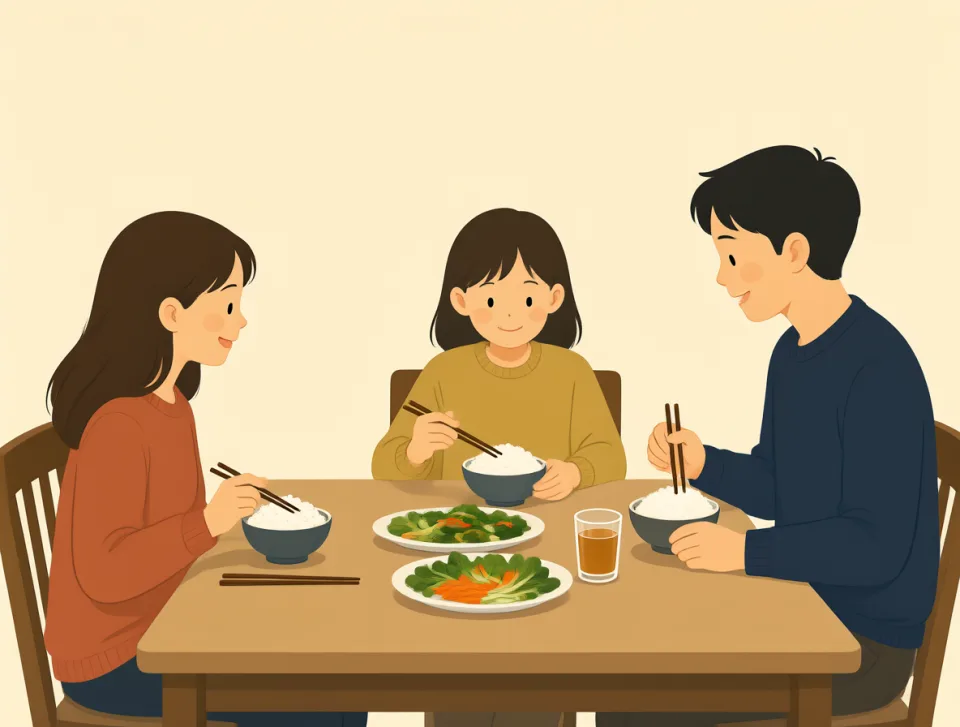
Rice is common in many Asian meals.
Ryż jest częstym składnikiem wielu azjatyckich posiłków.
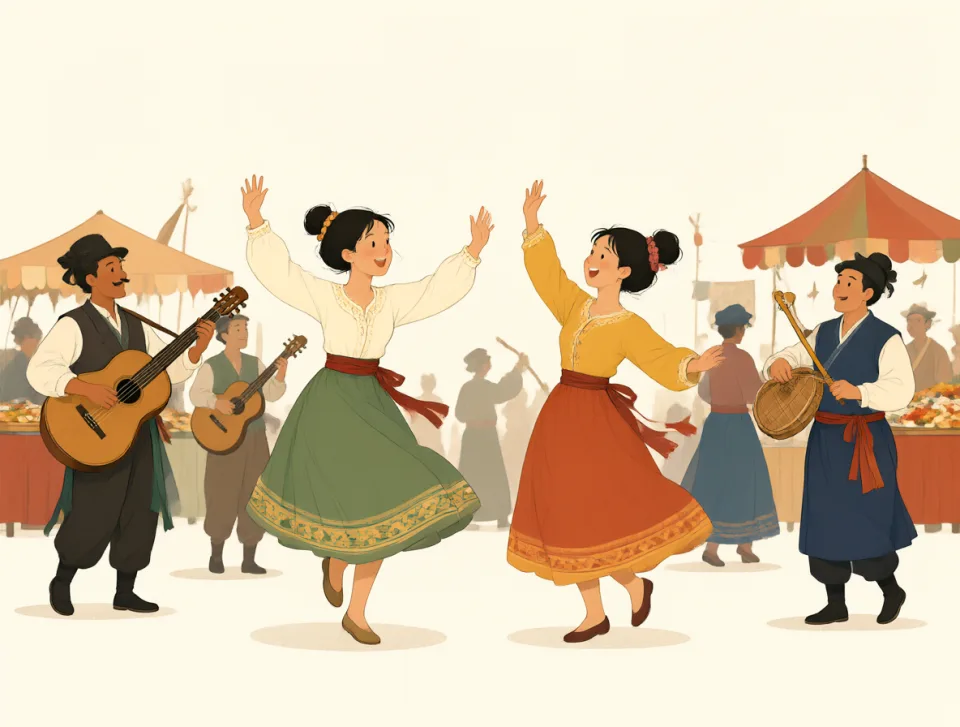
culture
#568noun
kultura
The beliefs, customs, art, and way of life of a group of people.
Wierzenia, zwyczaje, sztuka i sposób życia określonej grupy ludzi.
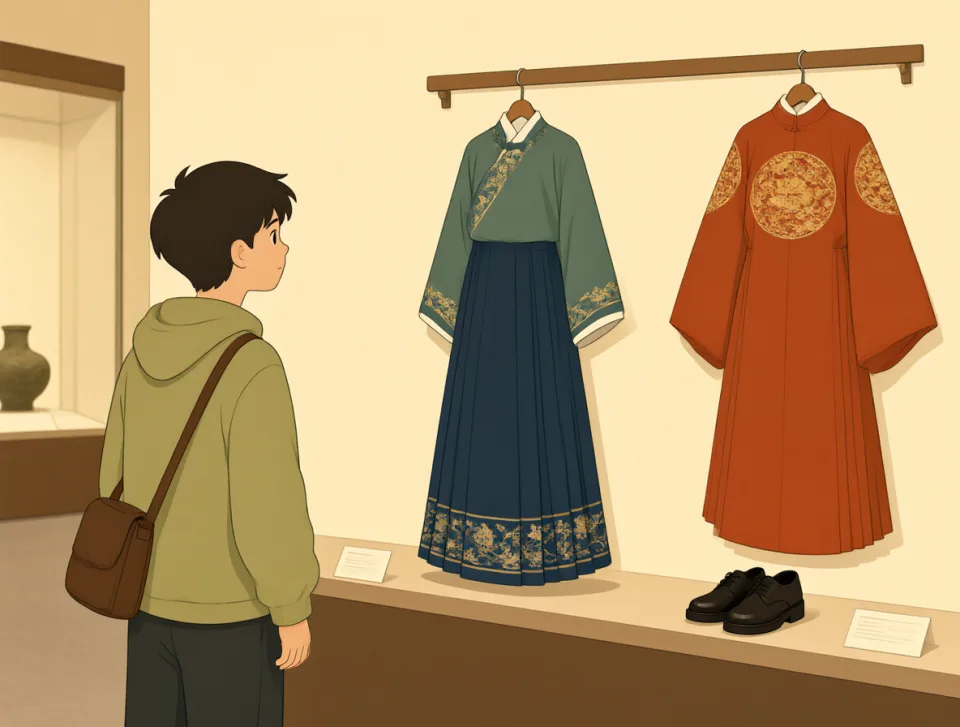
I love learning about different cultures.
Uwielbiam poznawać różne kultury.
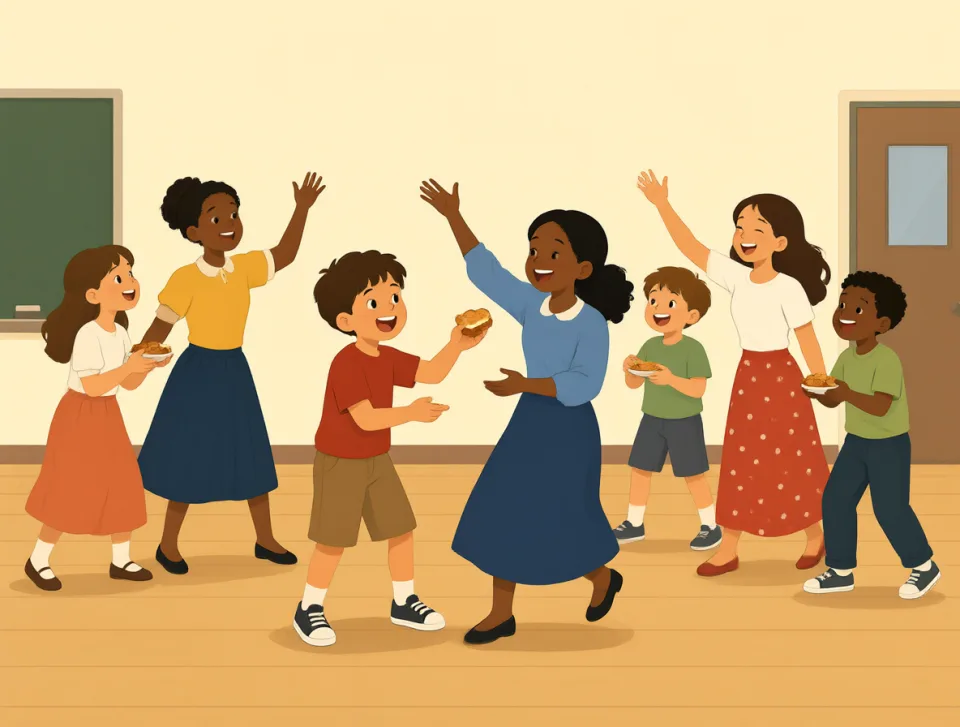
Our school celebrates many cultures.
W naszej szkole celebrujemy różnorodność kultur.
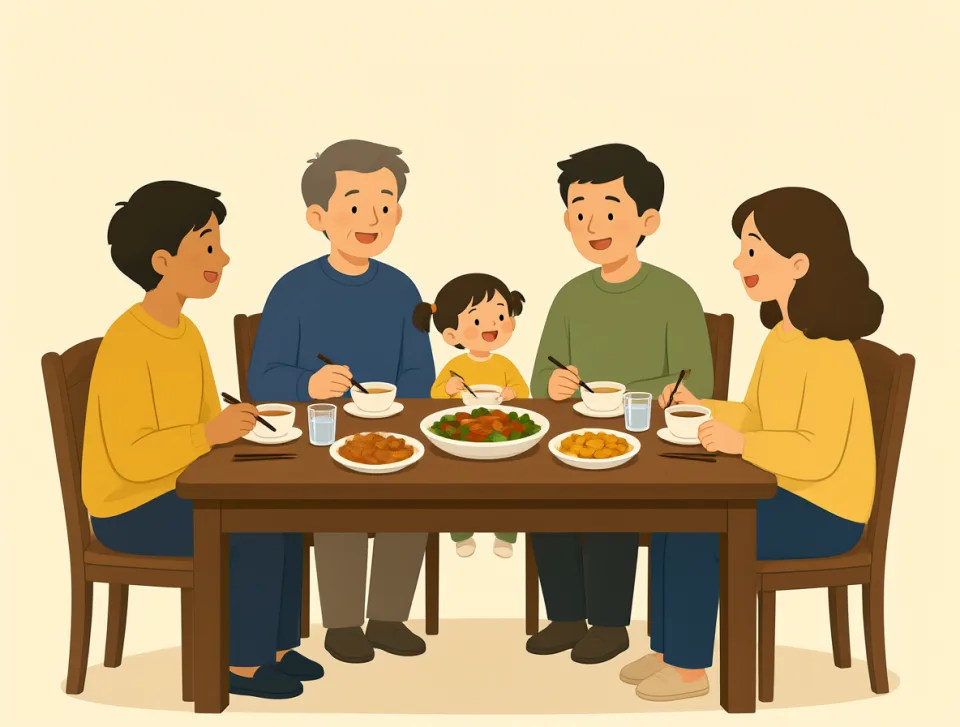
Food is an important part of culture.
Jedzenie jest ważną częścią kultury.
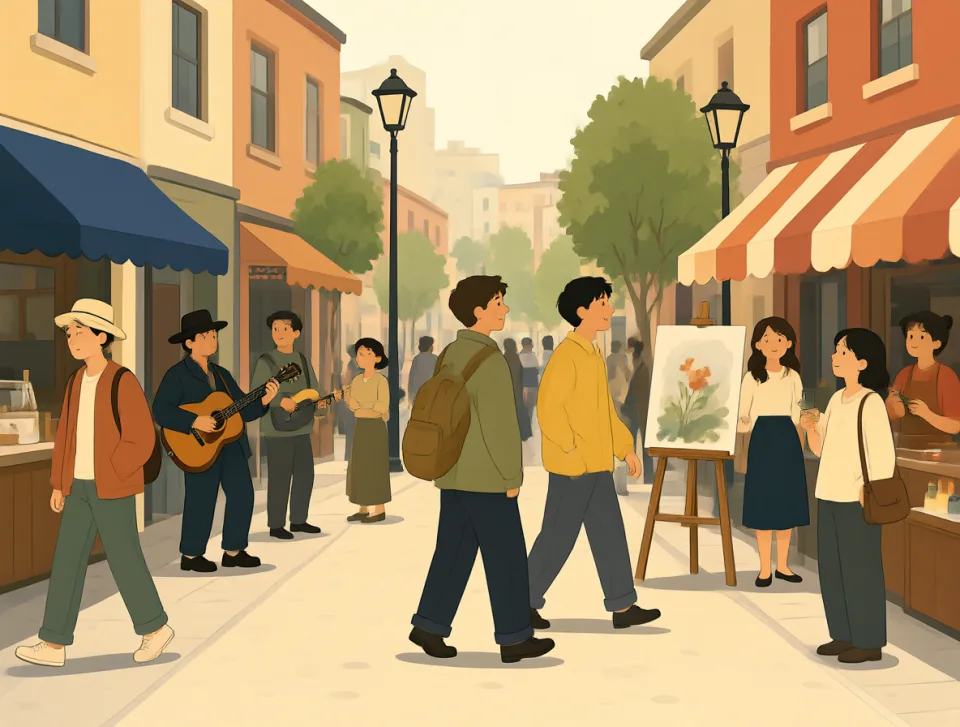
The city has a rich culture.
To miasto ma bogatą kulturę.

We talked about work culture over lunch.
Podczas lunchu rozmawialiśmy o kulturze pracy.
total
#569noun, adjective, verb
całkowity; suma
The complete amount or number of something; complete or whole.
Pełna ilość lub liczba czegoś; kompletny lub cały.
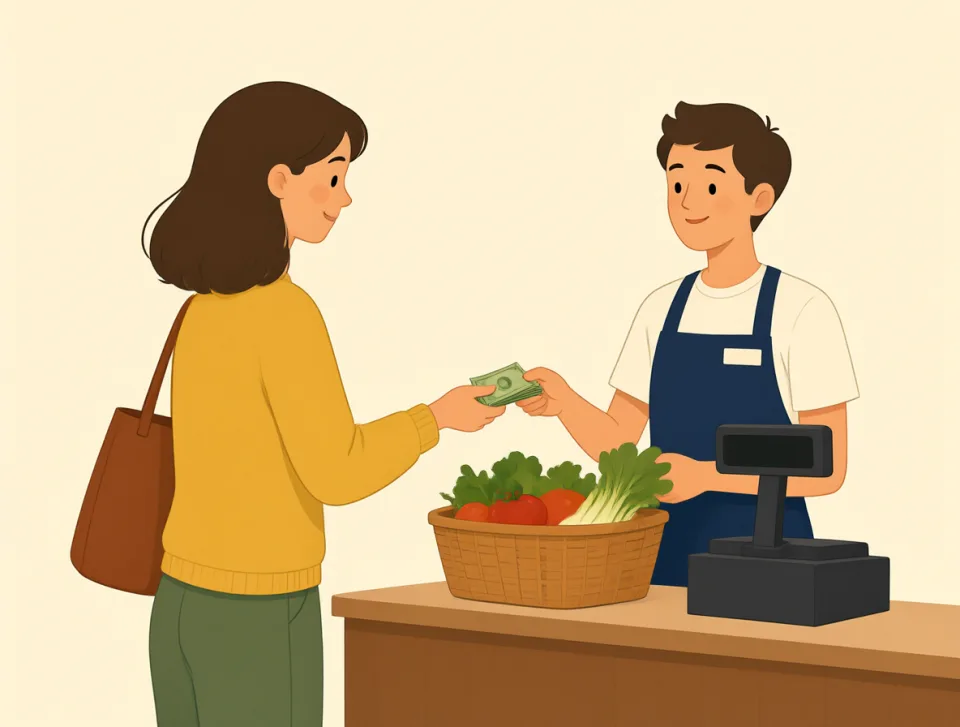
The total cost is ten dollars.
Całkowity koszt wynosi dziesięć dolarów.
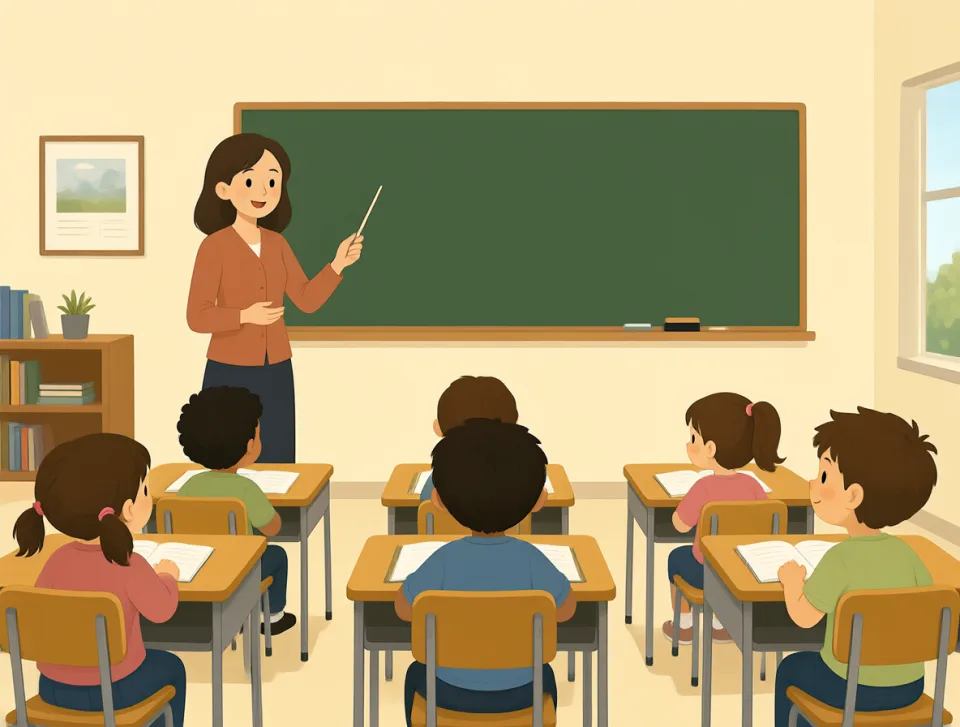
What is the total number of students?
Ilu uczniów jest łącznie?
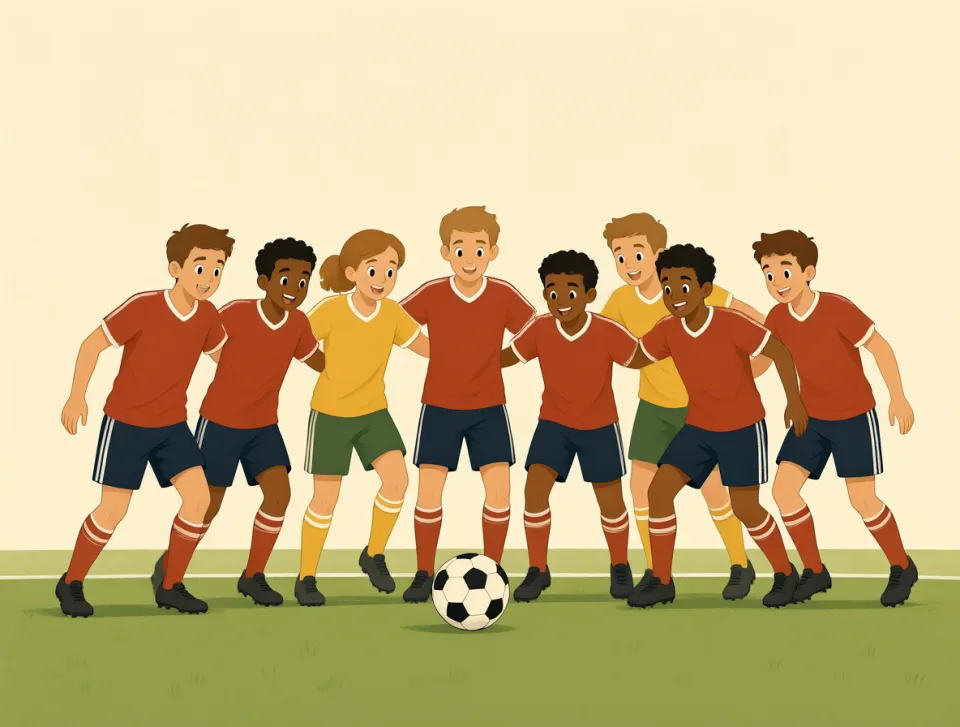
The team played for total control.
Drużyna walczyła o pełną kontrolę.

We totally enjoyed our holiday.
Bardzo podobały nam się wakacje.
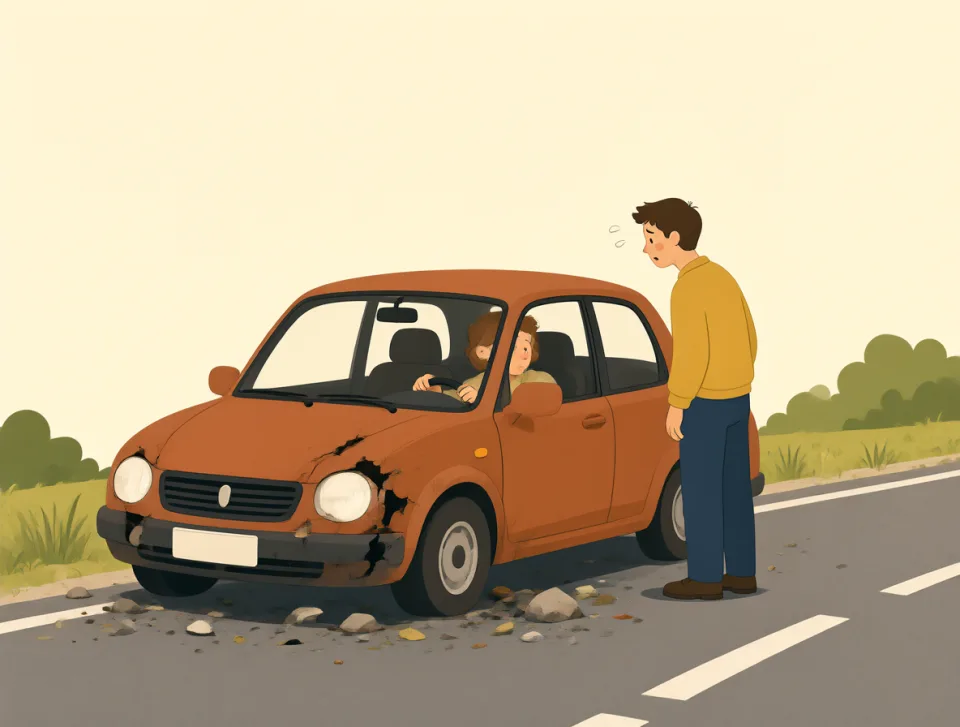
The accident totally damaged the car.
Wypadek całkowicie zniszczył samochód.

demand
#570noun, verb
zapotrzebowanie; żądać
A strong need or request for something, or to ask strongly for it.
Silna potrzeba lub prośba o coś albo stanowcze domaganie się czegoś.
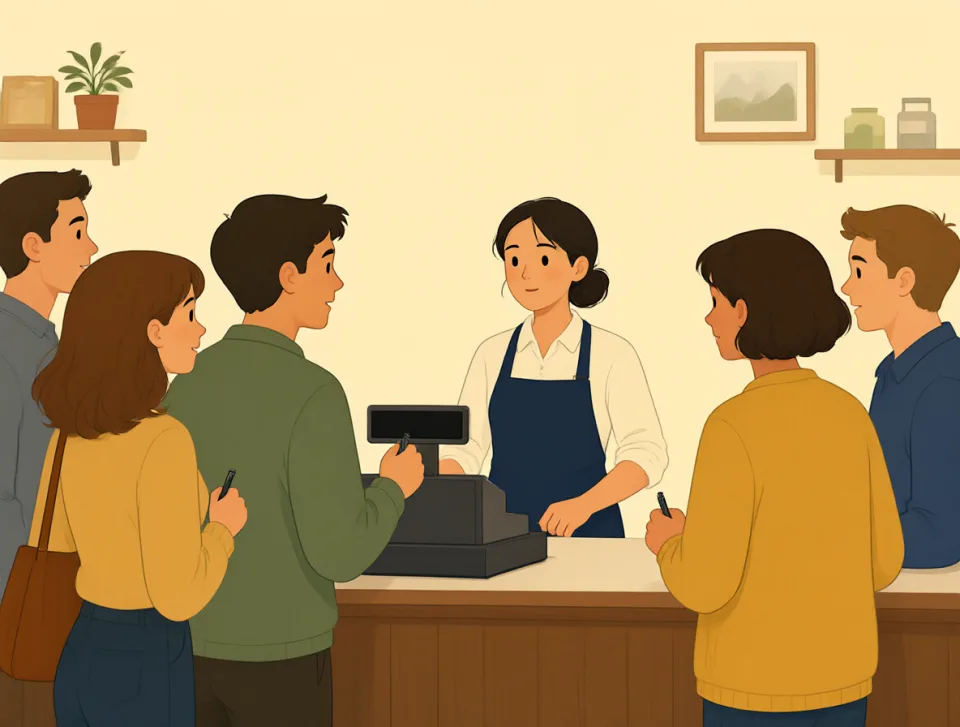
Customers demand better service from the store.
Klienci domagają się lepszej obsługi w sklepie.

The job demands long hours every day.
Ta praca wymaga codziennie długich godzin pracy.
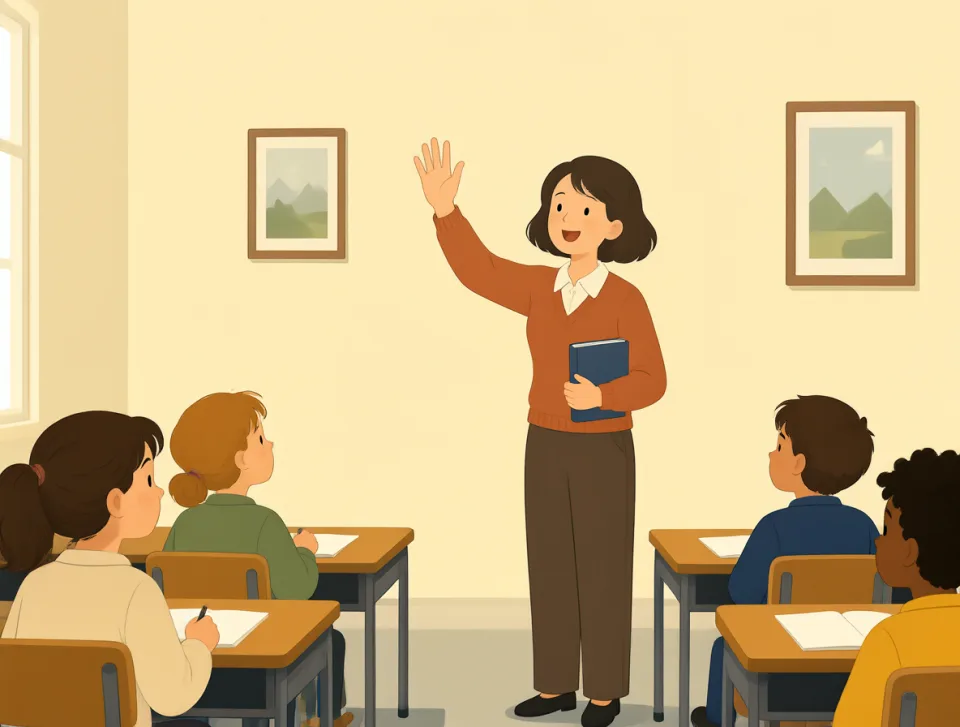
The teacher demanded quiet during the test.
Nauczyciel zażądał ciszy podczas testu.
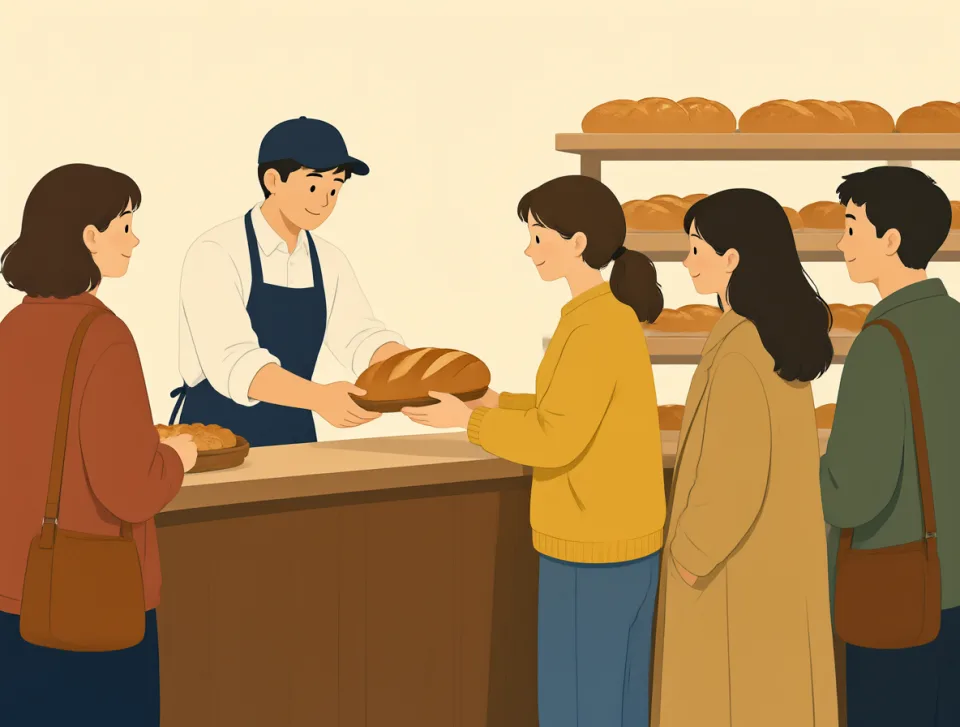
There is high demand for fresh bread.
Jest duże zapotrzebowanie na świeży chleb.
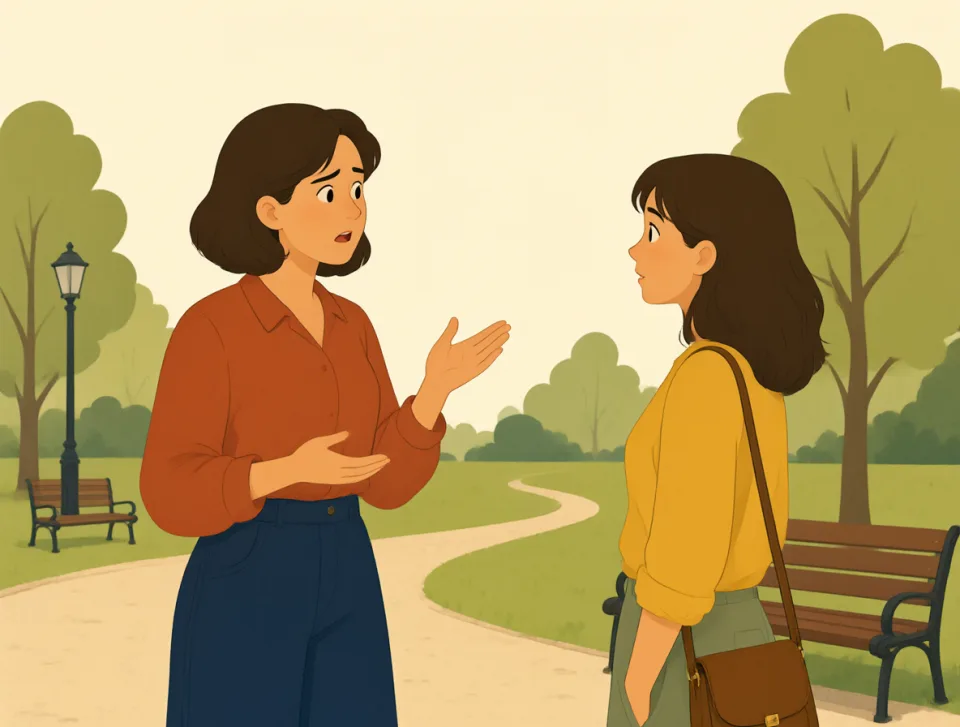
She demanded an answer from her friend.
Zażądała odpowiedzi od swojego przyjaciela.
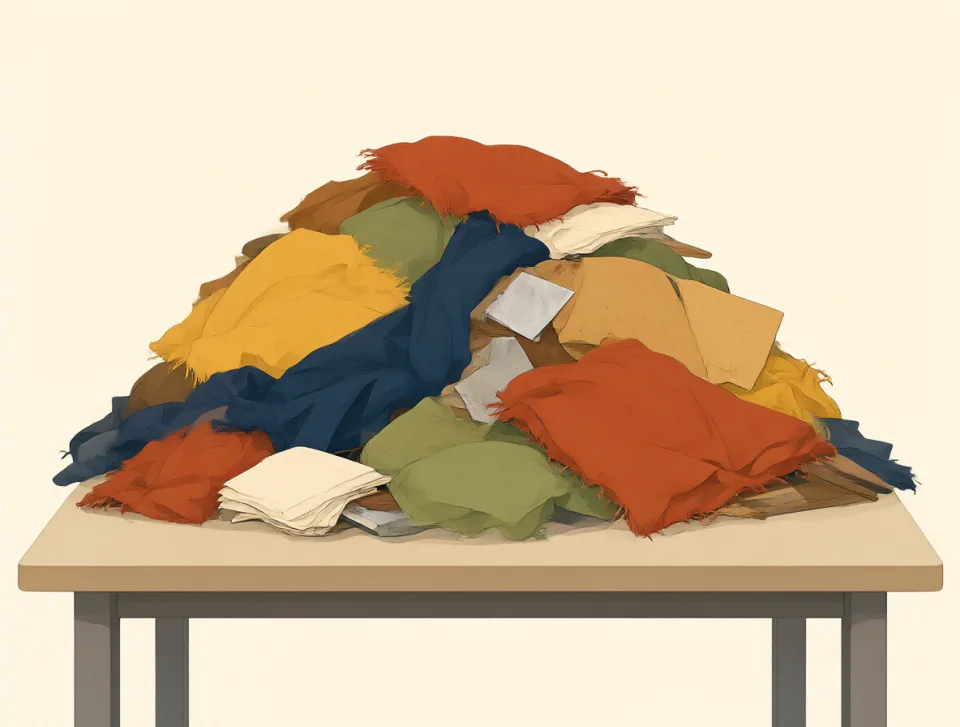
material
#571noun, adjective
materiał
The substance used to make something, or related to physical things.
Substancja, z której coś jest wykonane, lub coś związanego ze światem fizycznym.
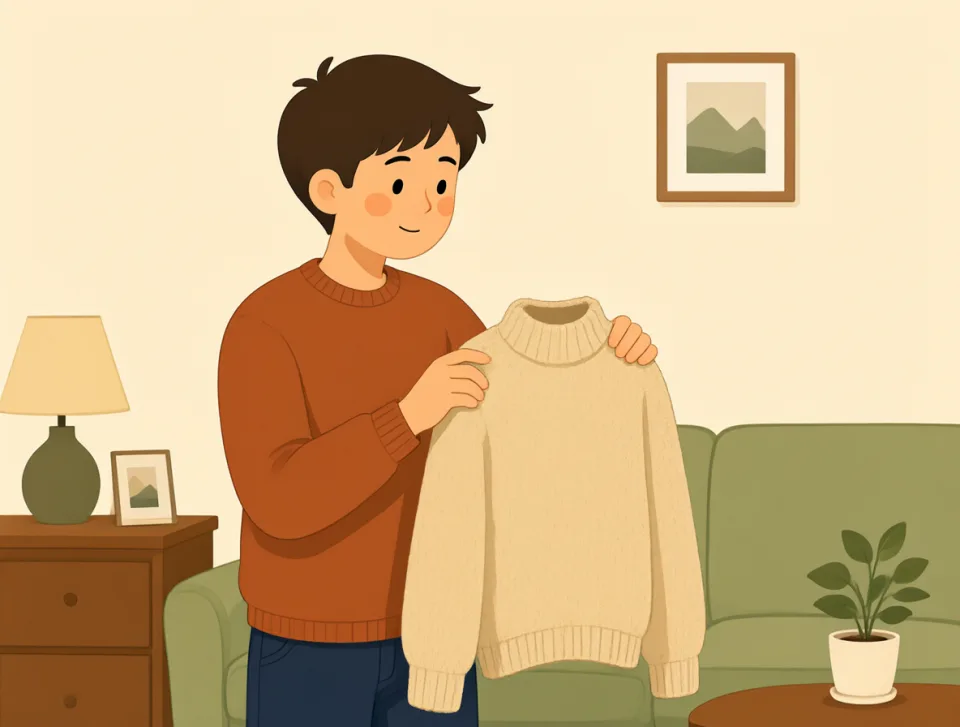
This material feels soft and warm.
Ten materiał jest miękki i ciepły w dotyku.
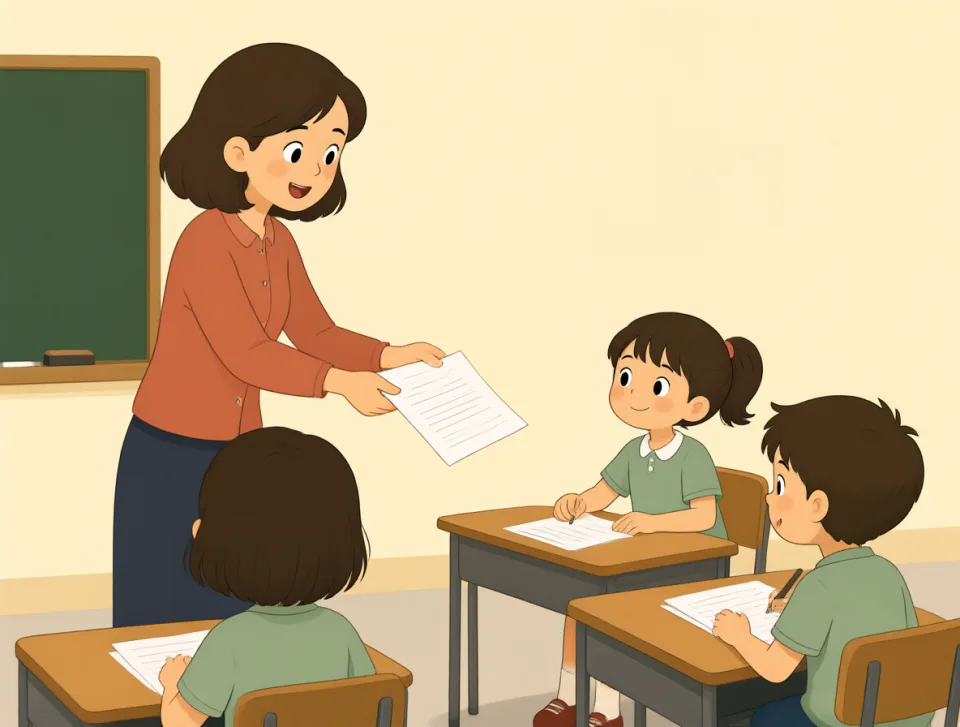
The teacher gave us reading material.
Nauczyciel dał nam materiały do czytania.
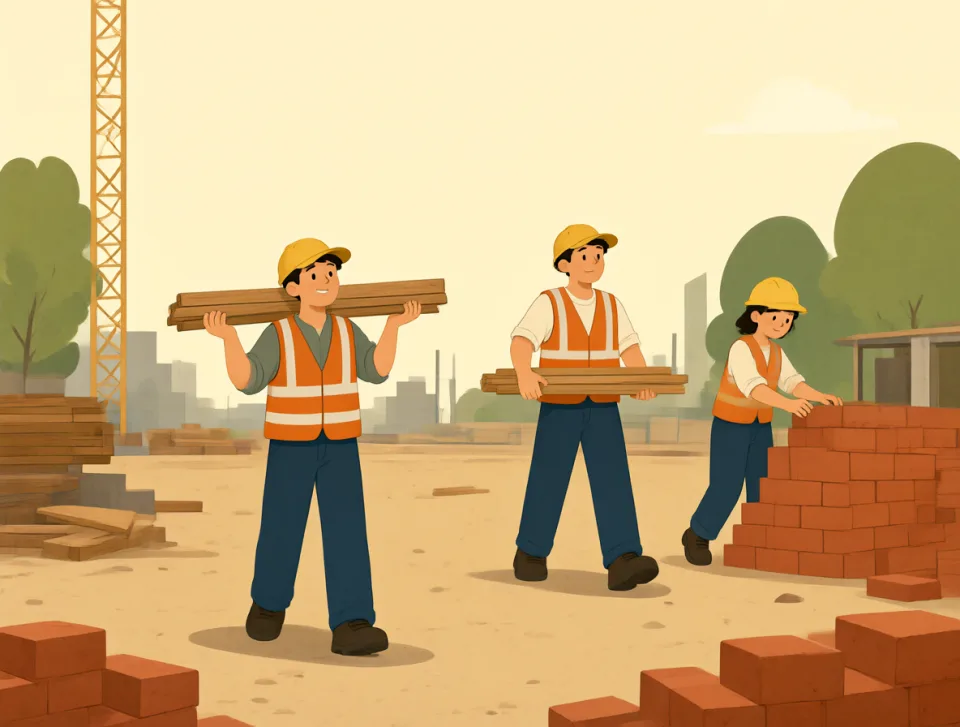
We need more building materials.
Potrzebujemy więcej materiałów budowlanych.
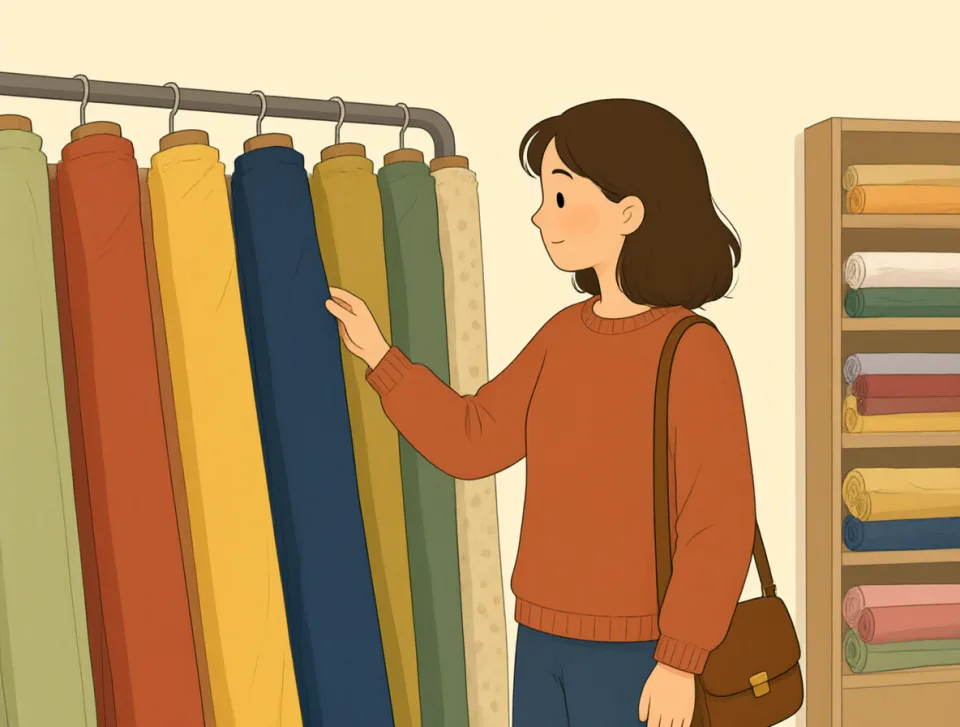
She bought material for a new dress.
Kupiła materiał na nową sukienkę.
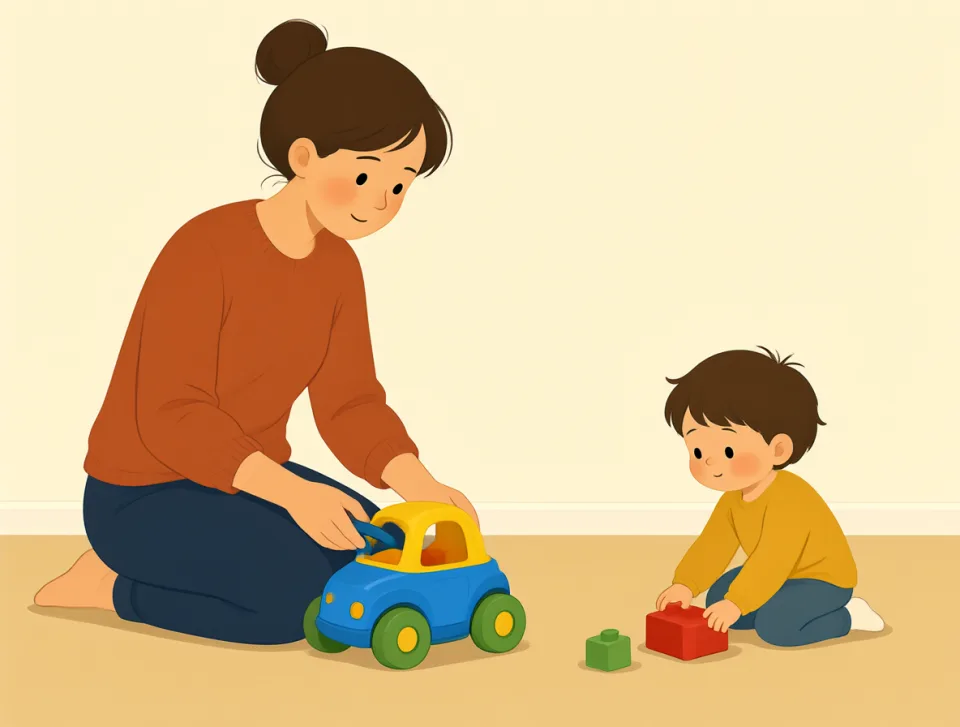
The material is safe for children.
Ten materiał jest bezpieczny dla dzieci.
limit
#572noun, verb
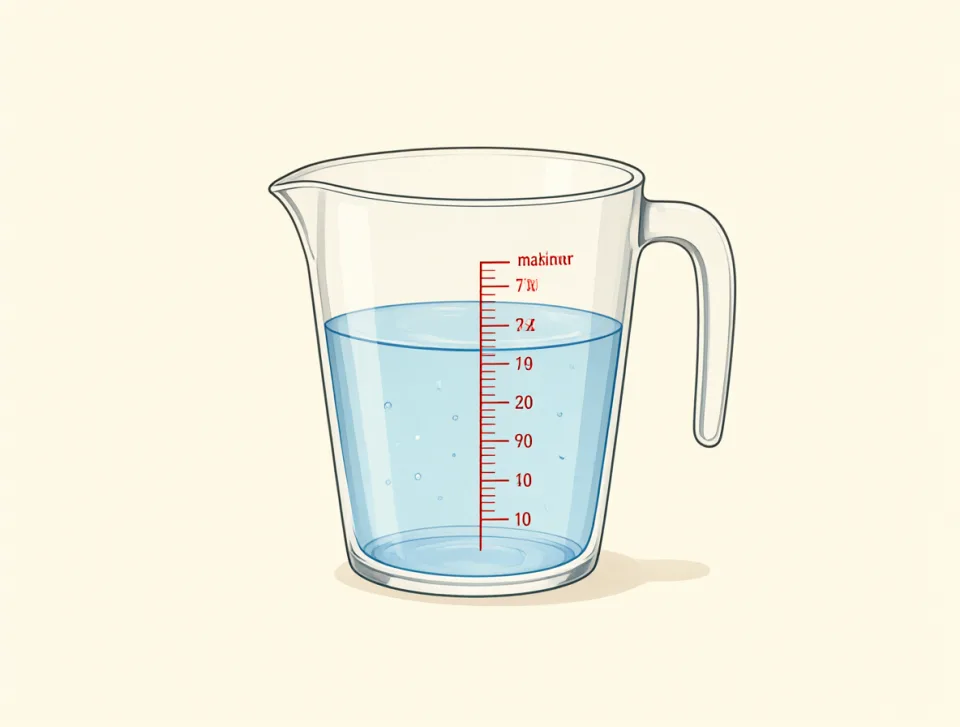
limit
the greatest amount or level that is allowed or possible
Największa dozwolona lub możliwa ilość albo poziom.
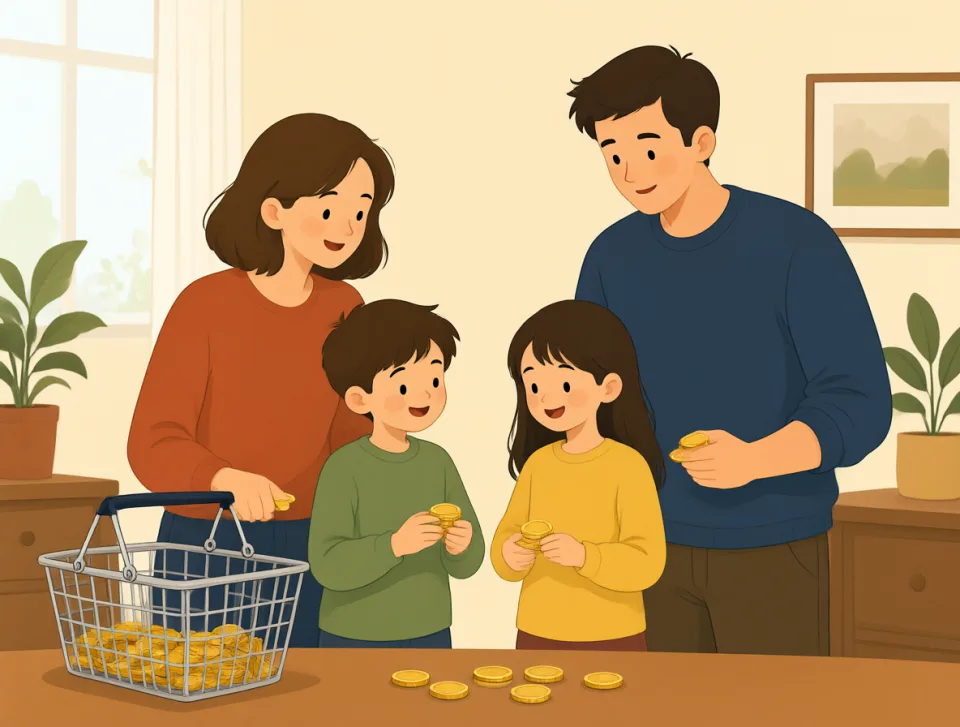
There is a limit to how much we can spend.
Jest limit tego, ile możemy wydać.
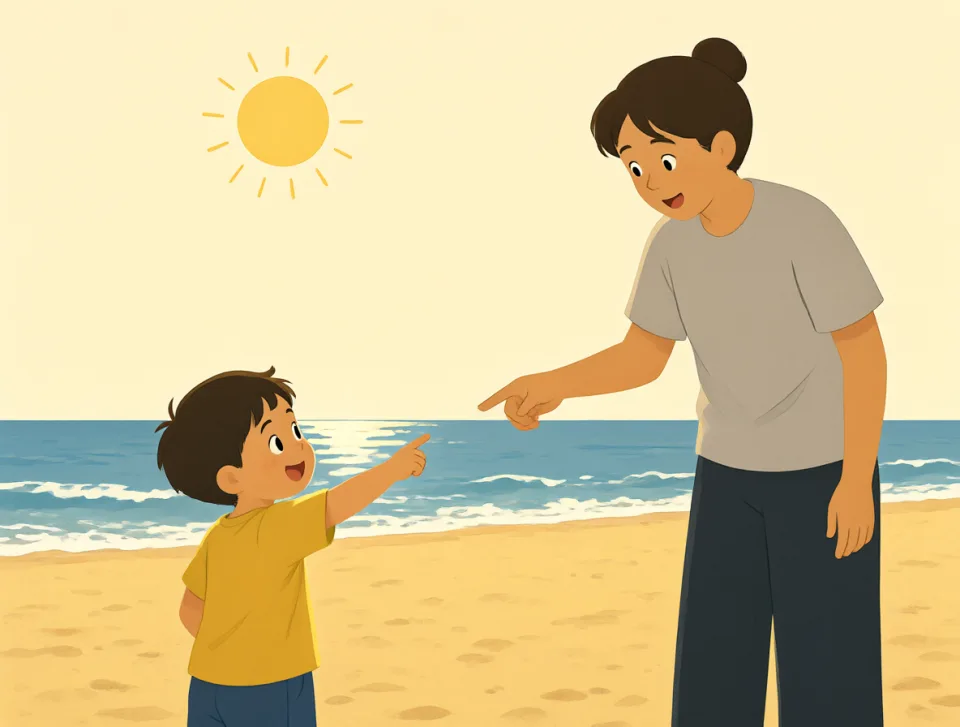
Please limit your time in the sun.
Ogranicz, proszę, czas spędzany na słońcu.
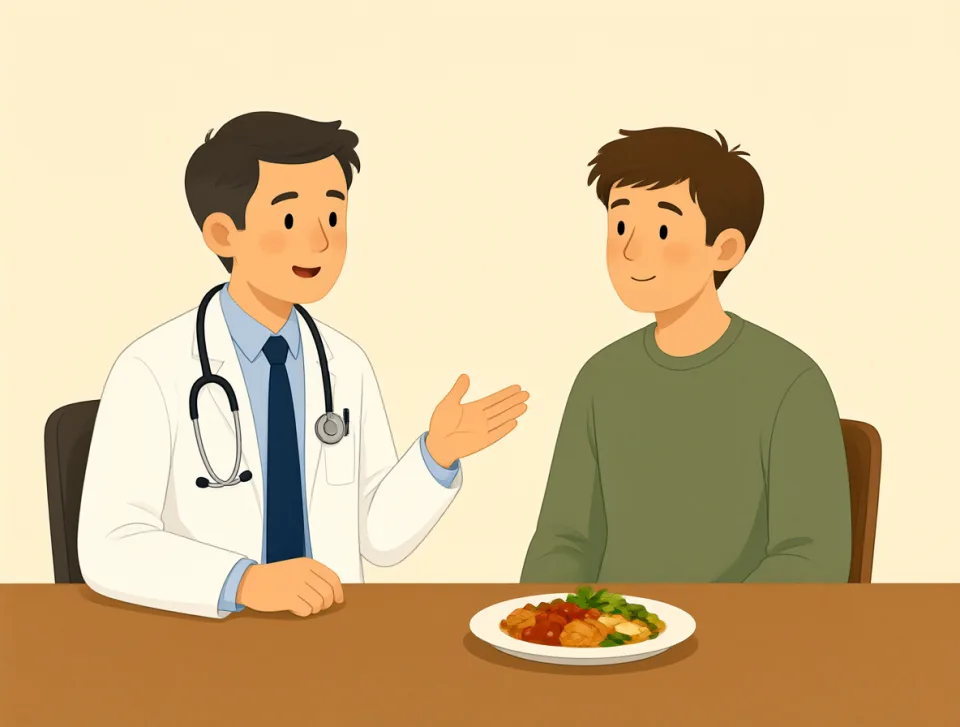
The doctor told him to limit salt.
Lekarz kazał mu ograniczyć sól.
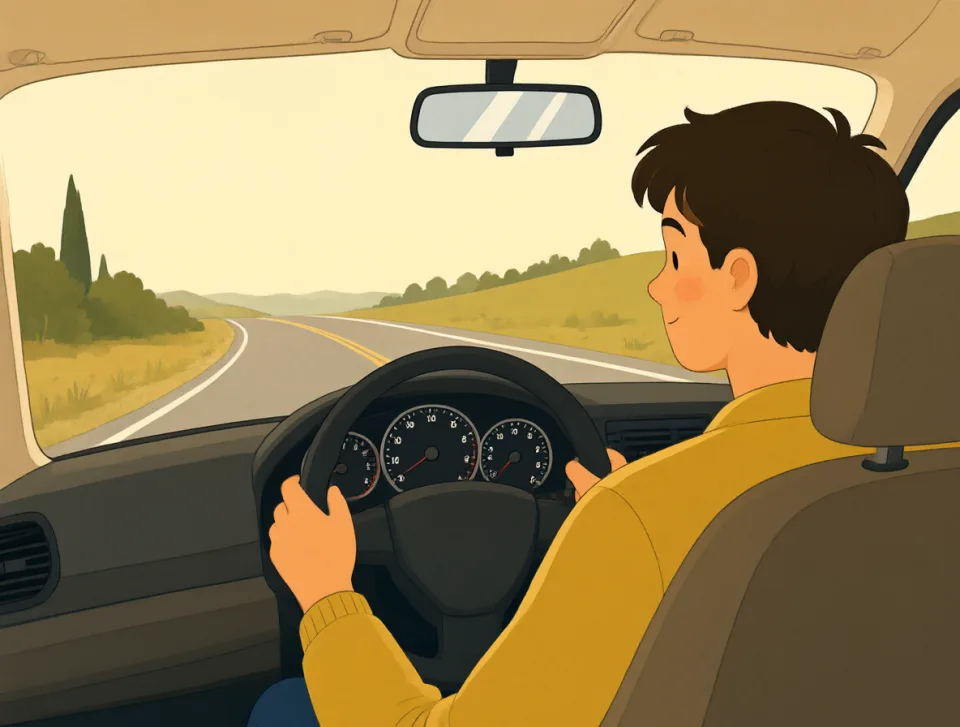
The car reached its speed limit.
Samochód osiągnął dozwoloną prędkość.
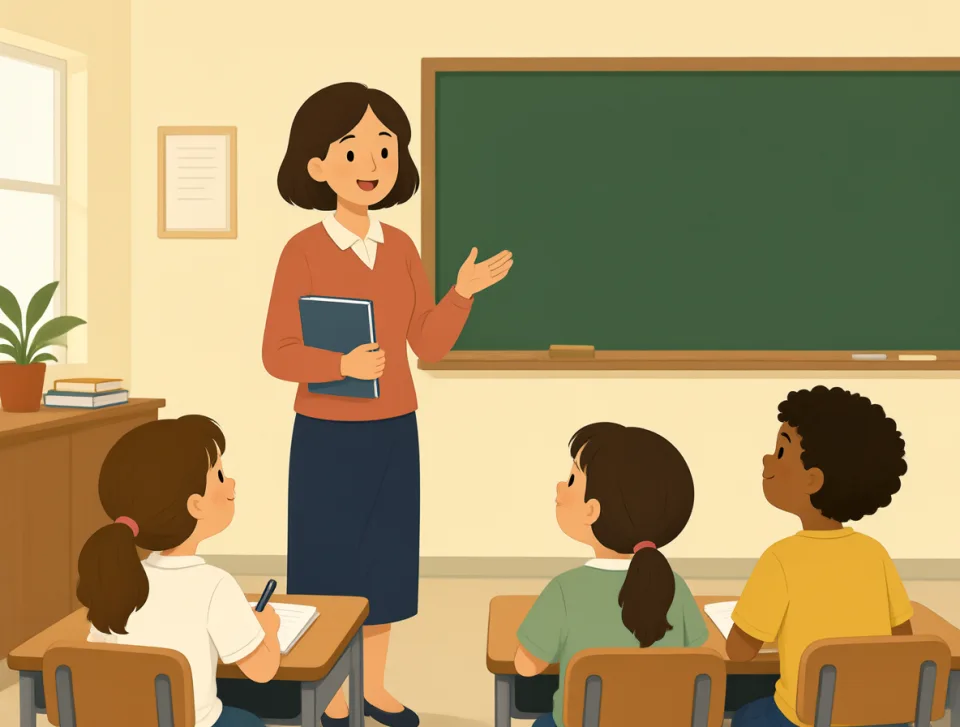
Our class has a limit of twenty students.
W naszej klasie może być najwyżej dwudziestu uczniów.
listen
#573verb
słuchać
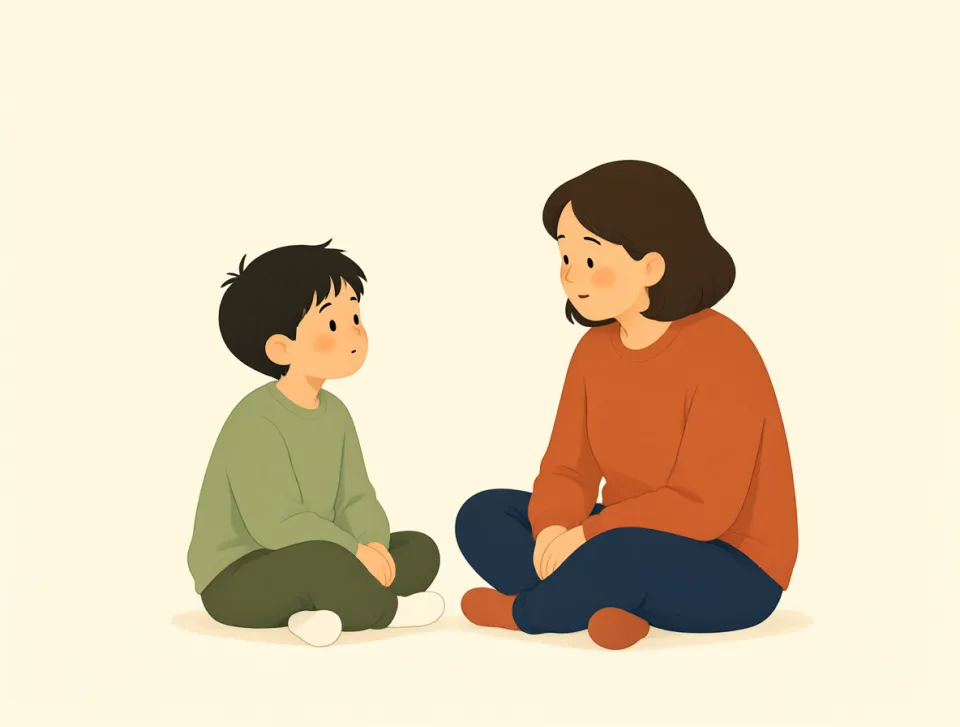
To pay attention to a sound or someone speaking.
Skupiać uwagę na dźwięku lub na tym, co ktoś mówi.
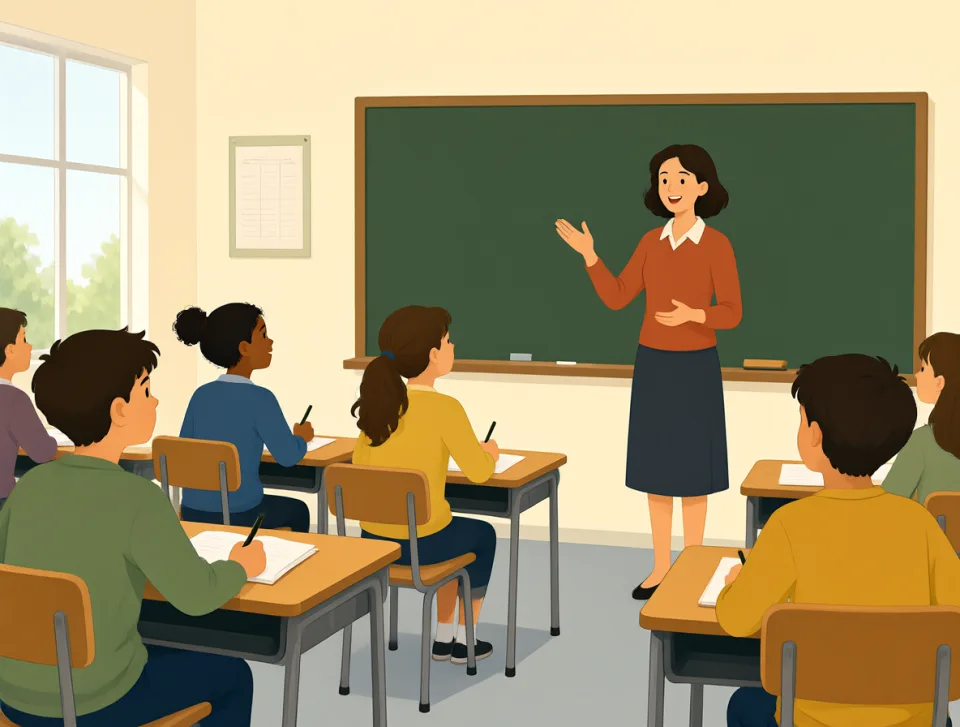
Please listen carefully to the teacher.
Proszę uważnie słuchać nauczyciela.
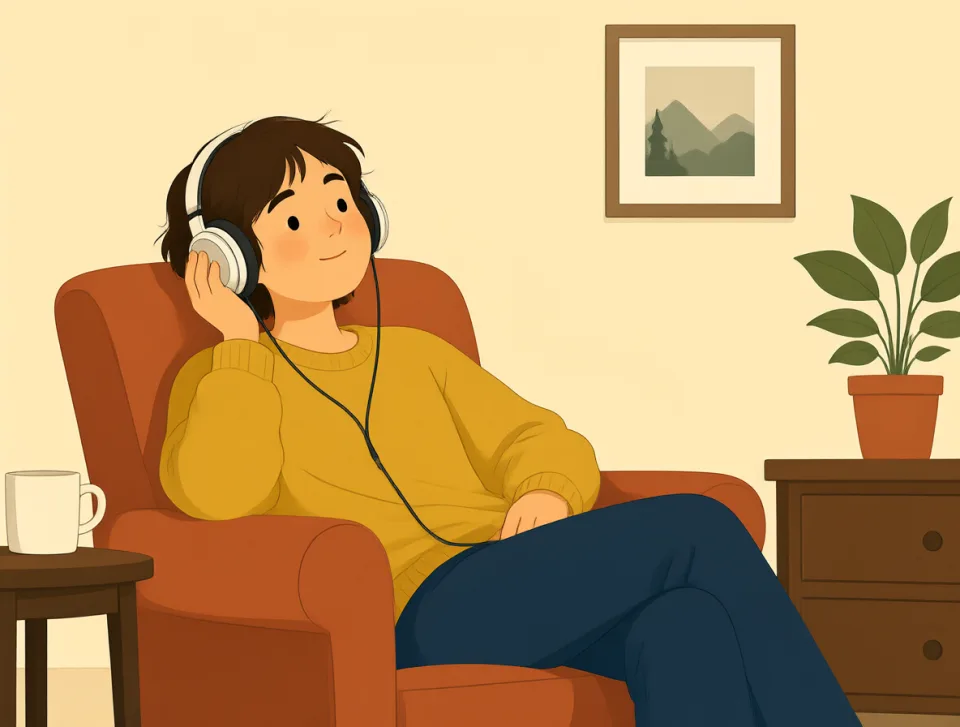
I listen to music every evening.
Słucham muzyki każdego wieczoru.
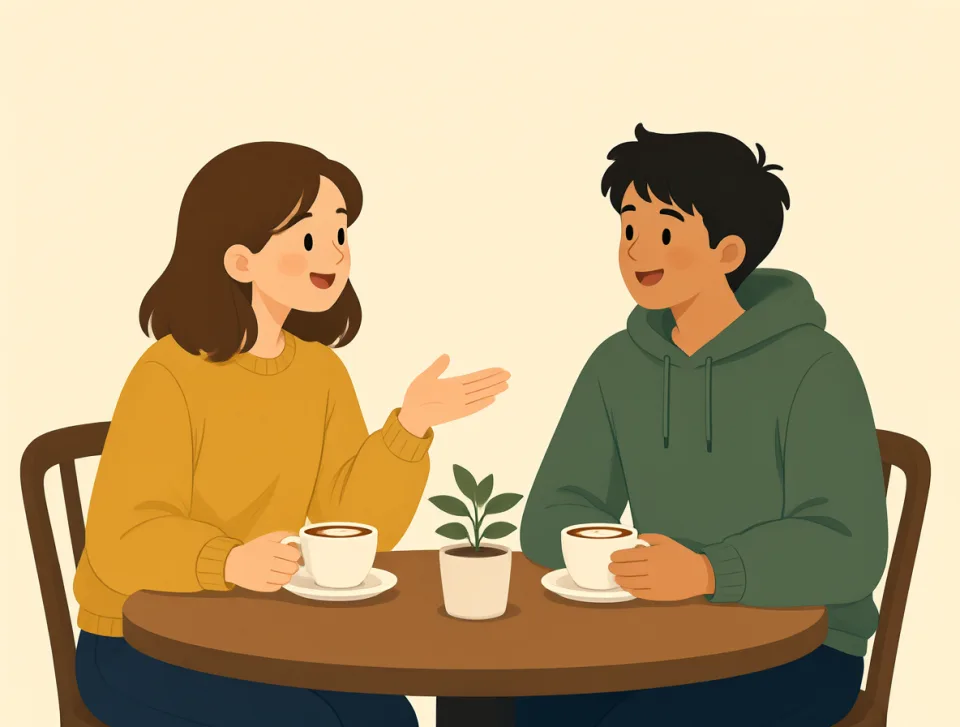
Listen to this funny story!
Posłuchaj tej zabawnej historii!
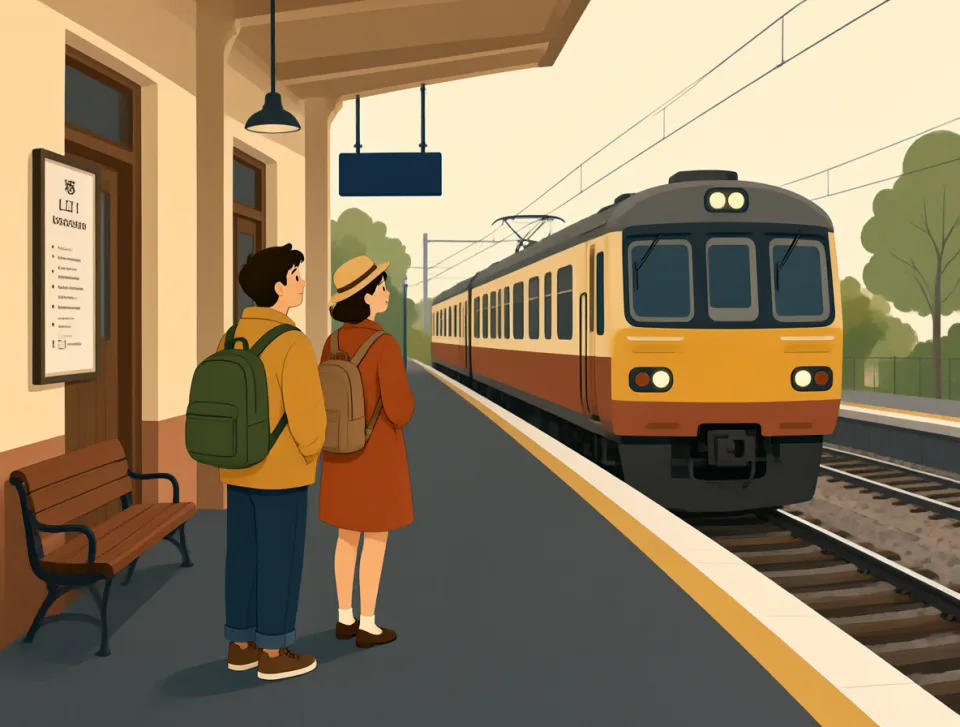
We listened for the train at night.
Nocą nasłuchiwaliśmy pociągu.
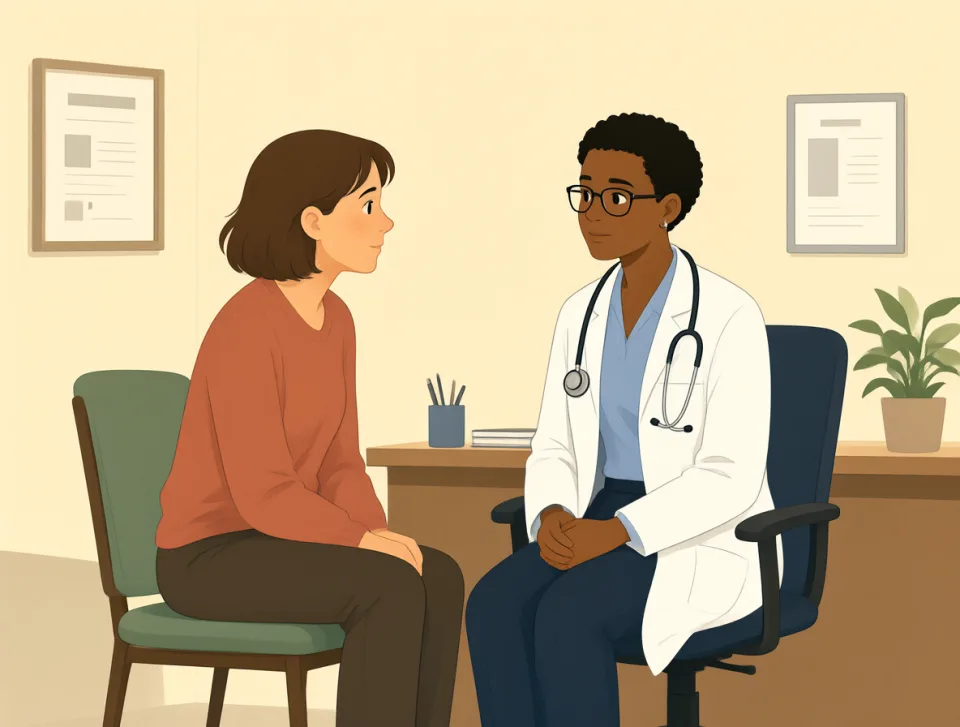
She is listening to her doctor.
Ona słucha swojego lekarza.
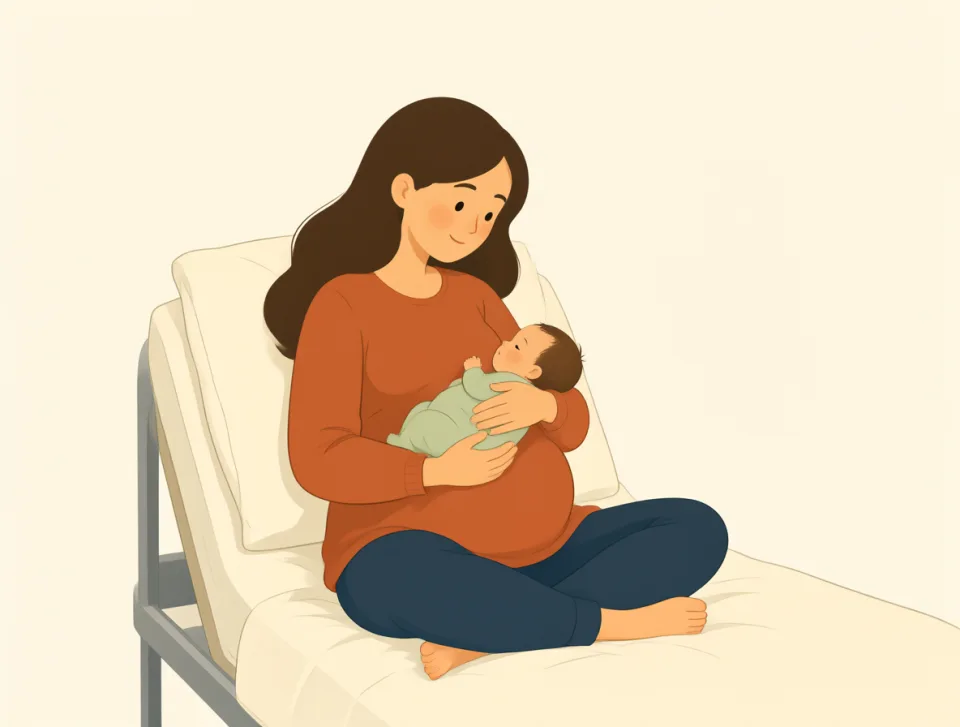
due
#574adjective, noun, preposition
należny; przypadający
Expected or owed at a particular time, or caused by someone or something.
Oczekiwany lub należny w określonym czasie albo spowodowany przez kogoś lub coś.
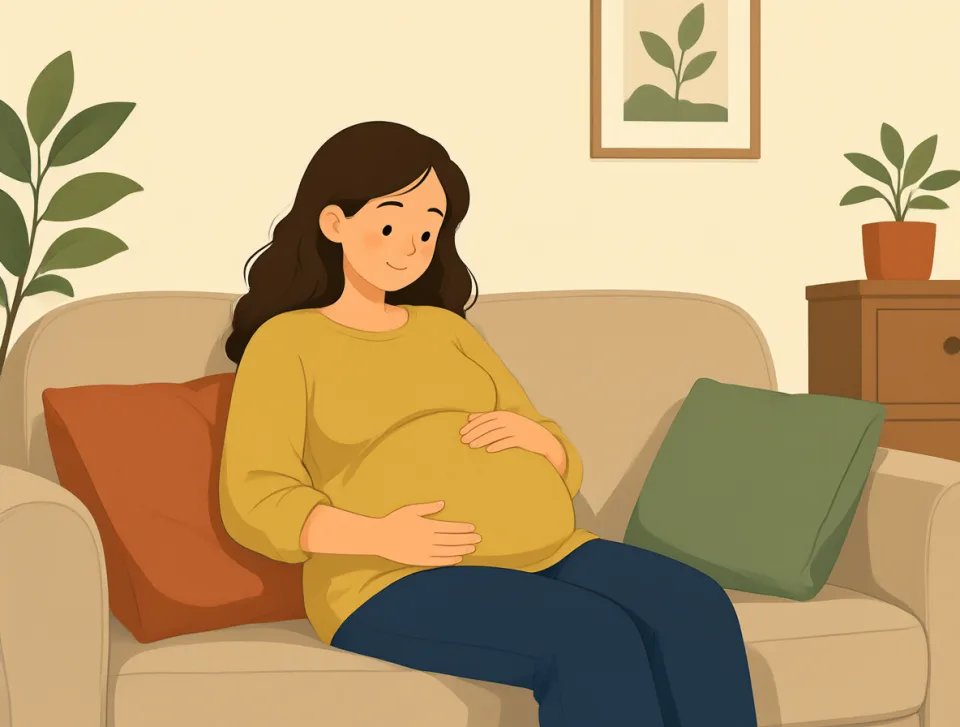
The baby is due next week.
Dziecko ma się urodzić w przyszłym tygodniu.
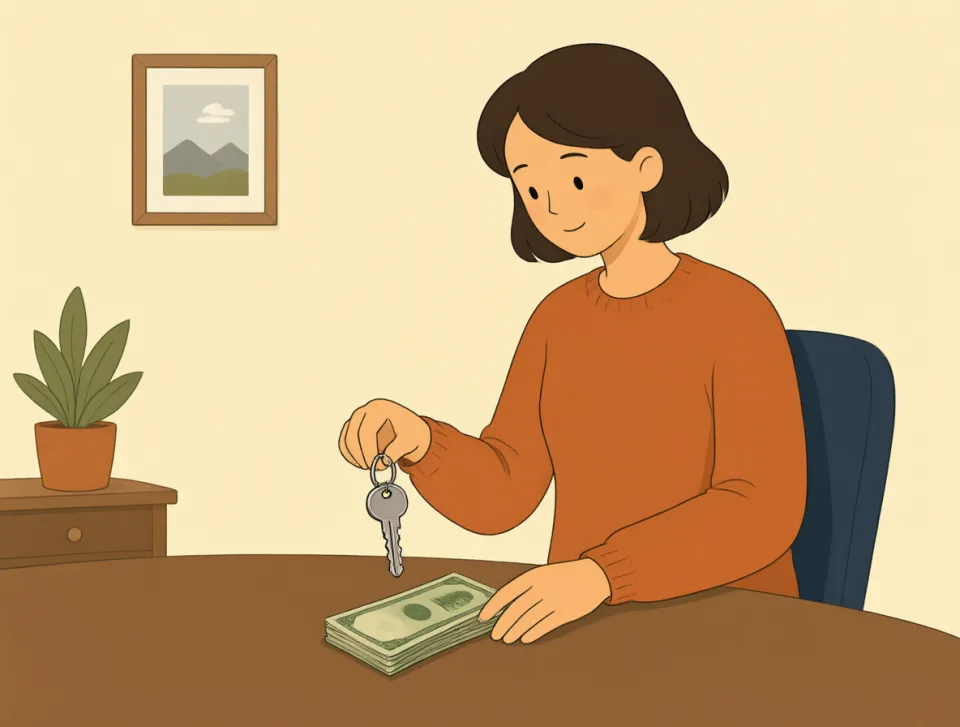
Our rent is due on Friday.
Czynsz trzeba zapłacić w piątek.
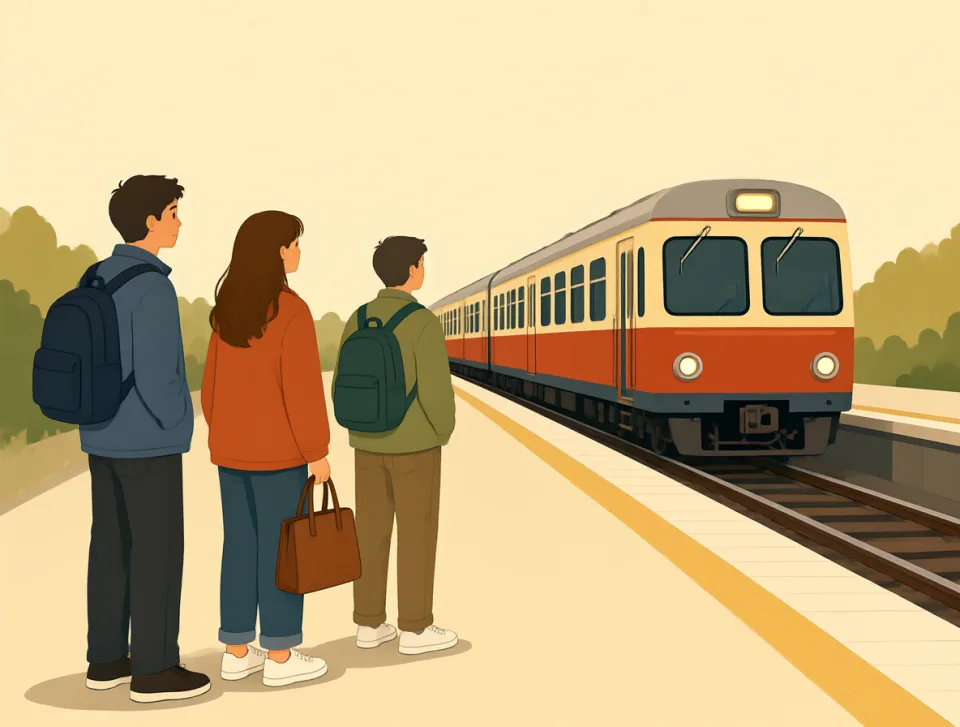
The train is due at six.
Pociąg ma przyjechać o szóstej.
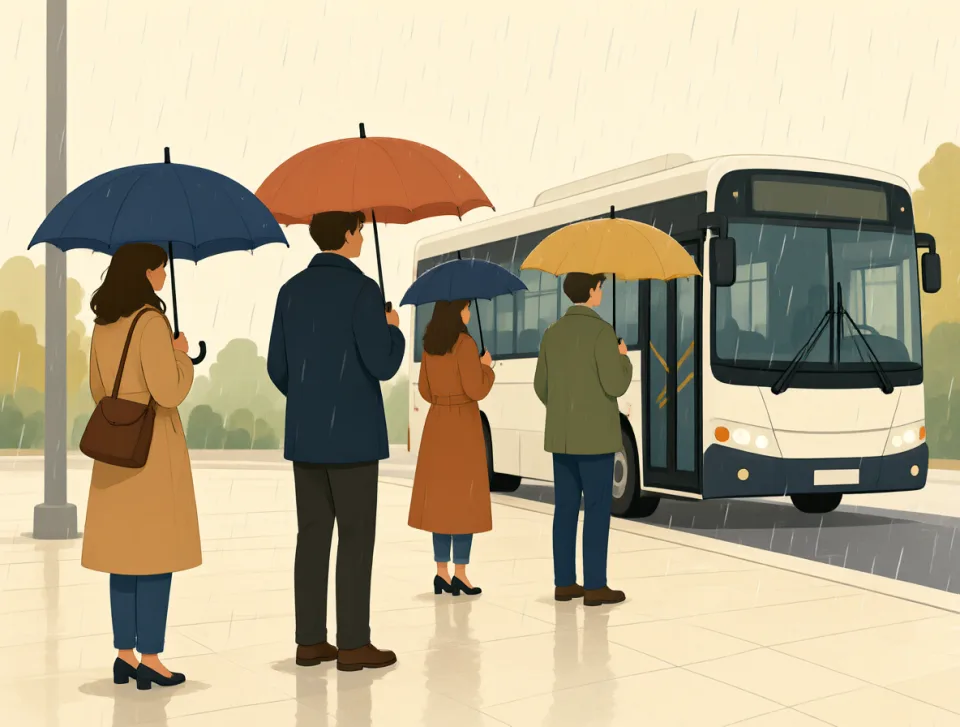
The delay was due to heavy rain.
Opóźnienie było spowodowane ulewnym deszczem.
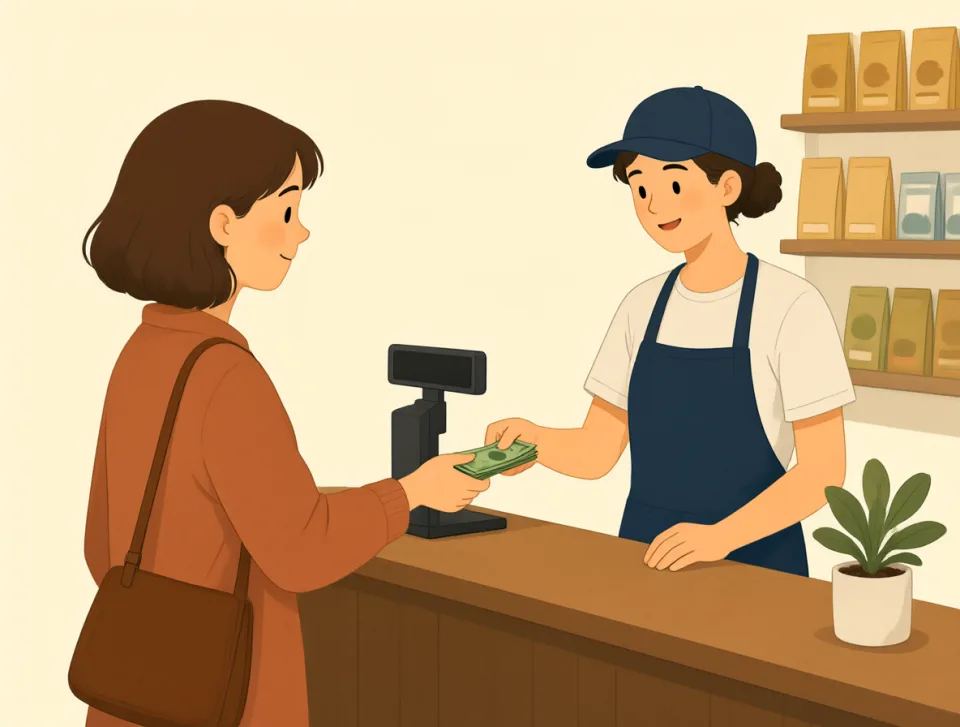
She paid the money due yesterday.
Zapłaciła wczoraj należną kwotę.
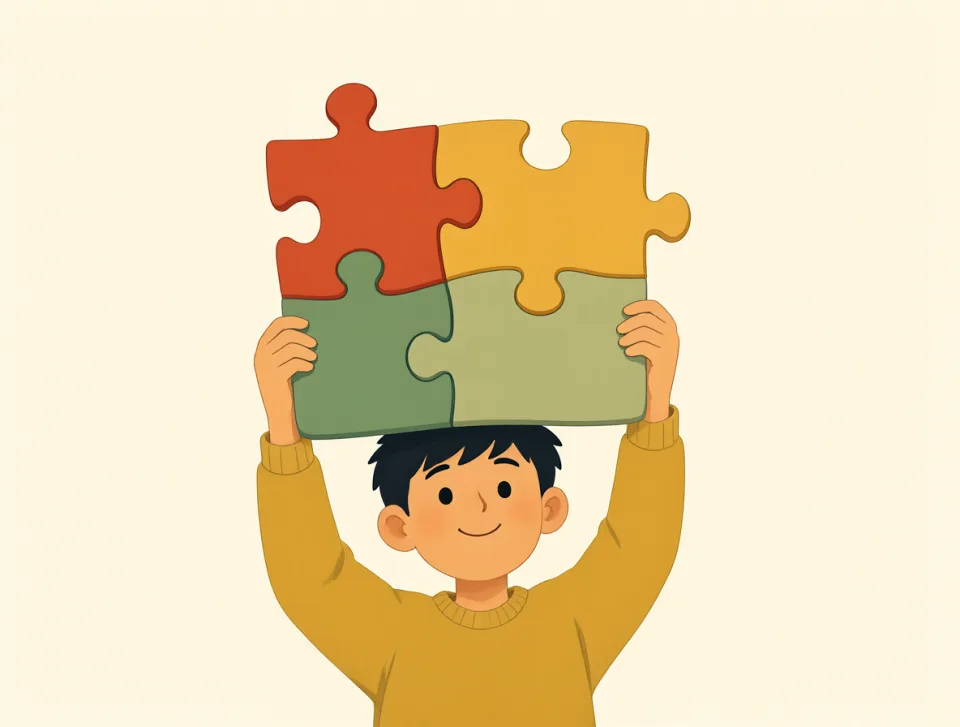
wrong
#575adjective, adverb, noun
błędny; niewłaściwy
Not correct, suitable, or true; in an unsuitable or incorrect way.
Niepoprawny, nieodpowiedni lub nieprawdziwy; w nieodpowiedni lub niepoprawny sposób.
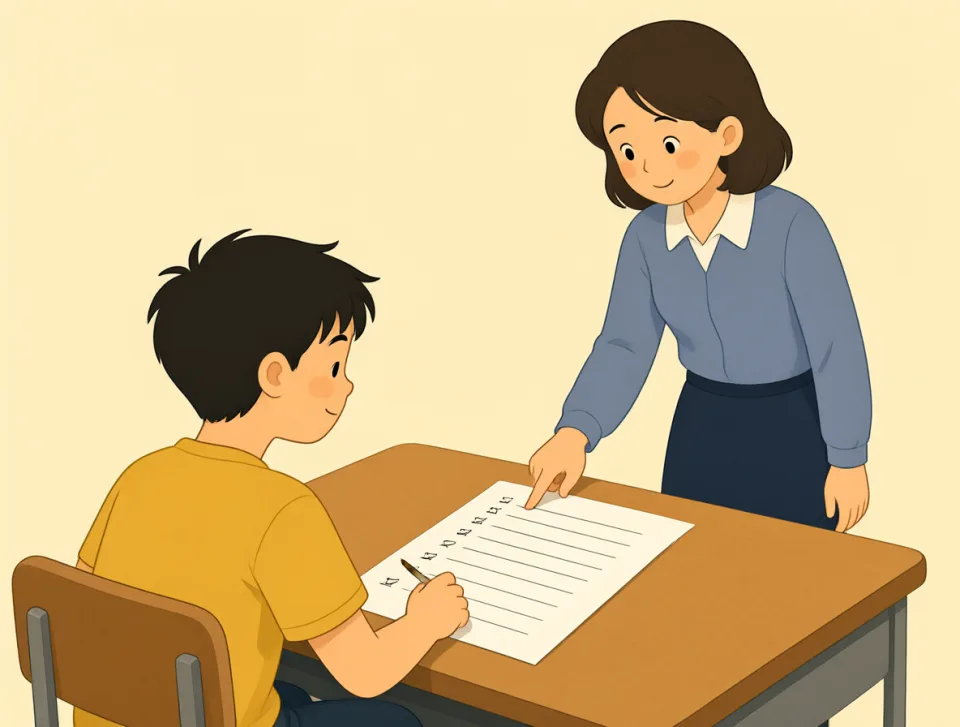
I think you have the wrong answer.
Myślę, że masz błędną odpowiedź.
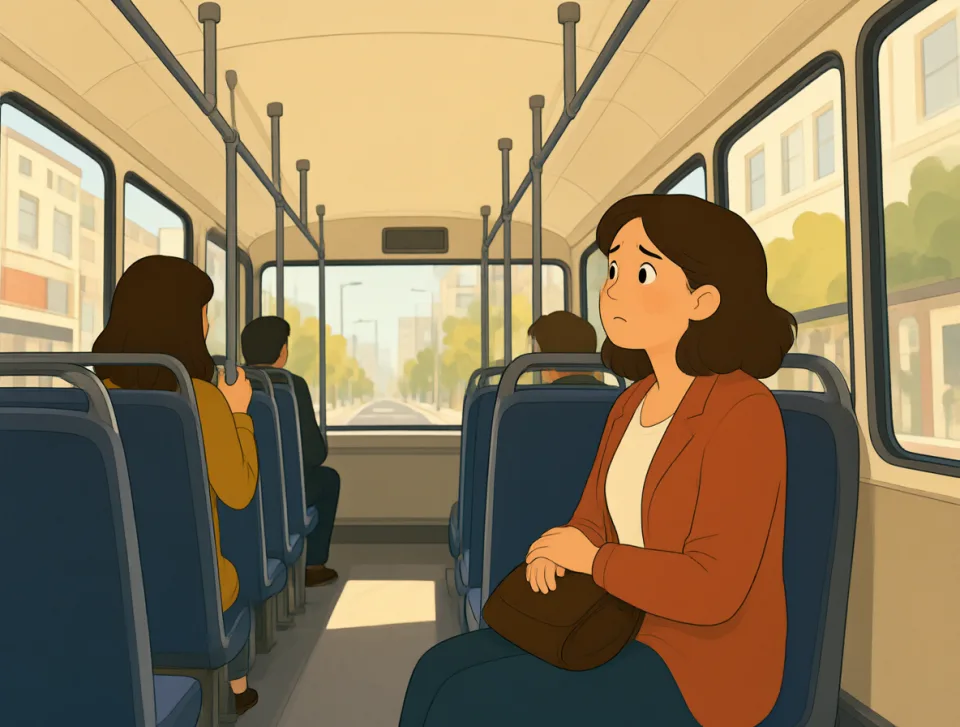
She took the wrong bus to work.
Pojechała do pracy niewłaściwym autobusem.
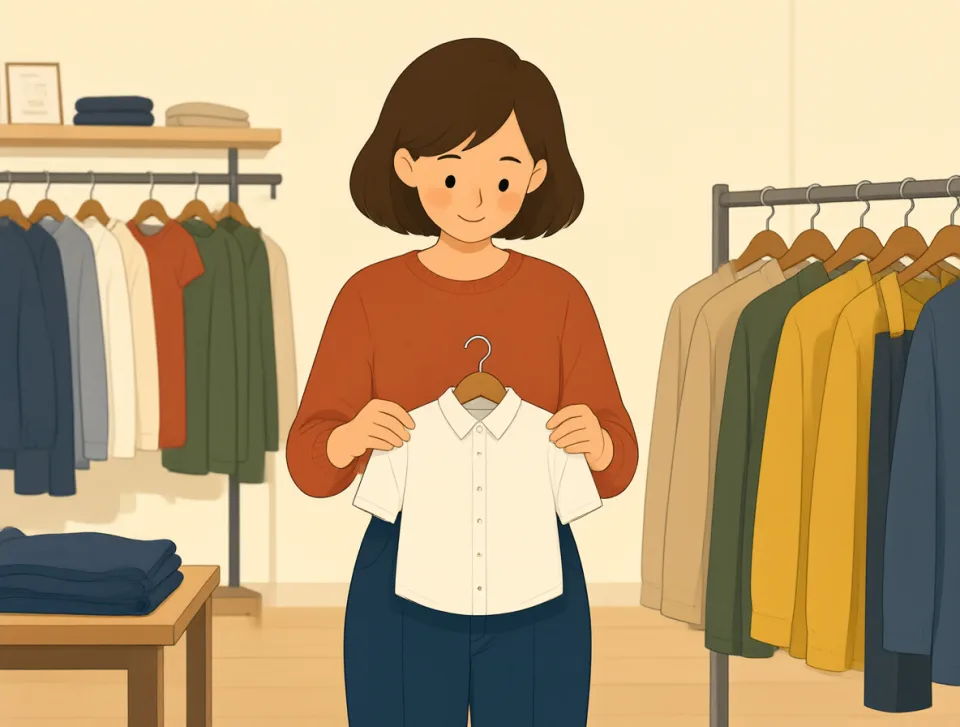
This shirt is the wrong size for me.
Ta koszula jest na mnie w niewłaściwym rozmiarze.
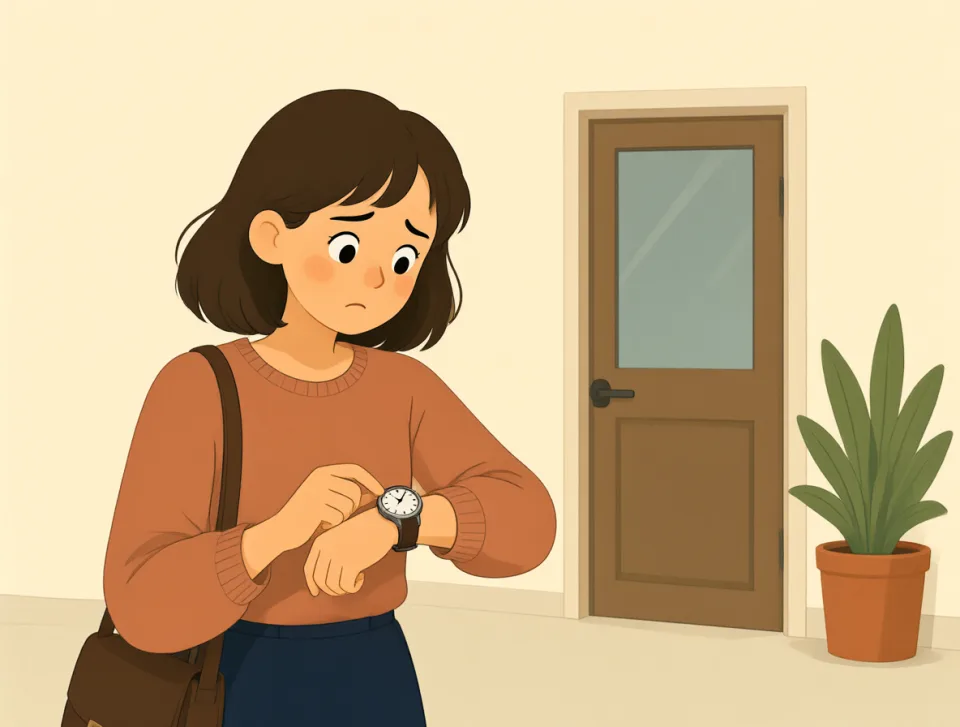
My watch is wrong, so I arrived late.
Mój zegarek źle chodzi, więc się spóźniłem.
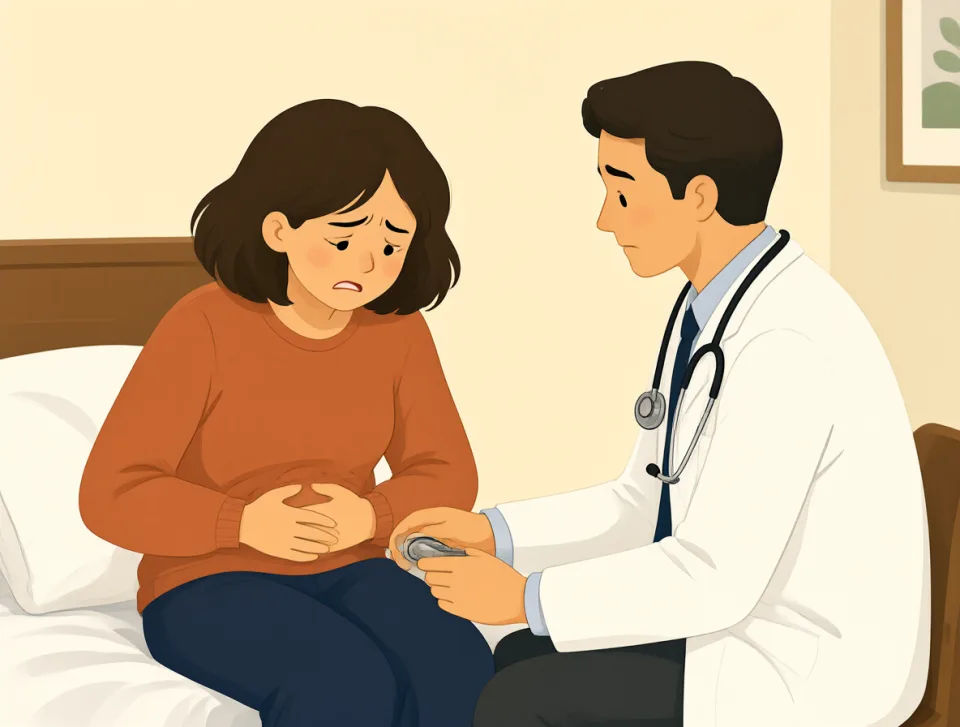
There is something wrong with my stomach.
Coś jest nie tak z moim żołądkiem.
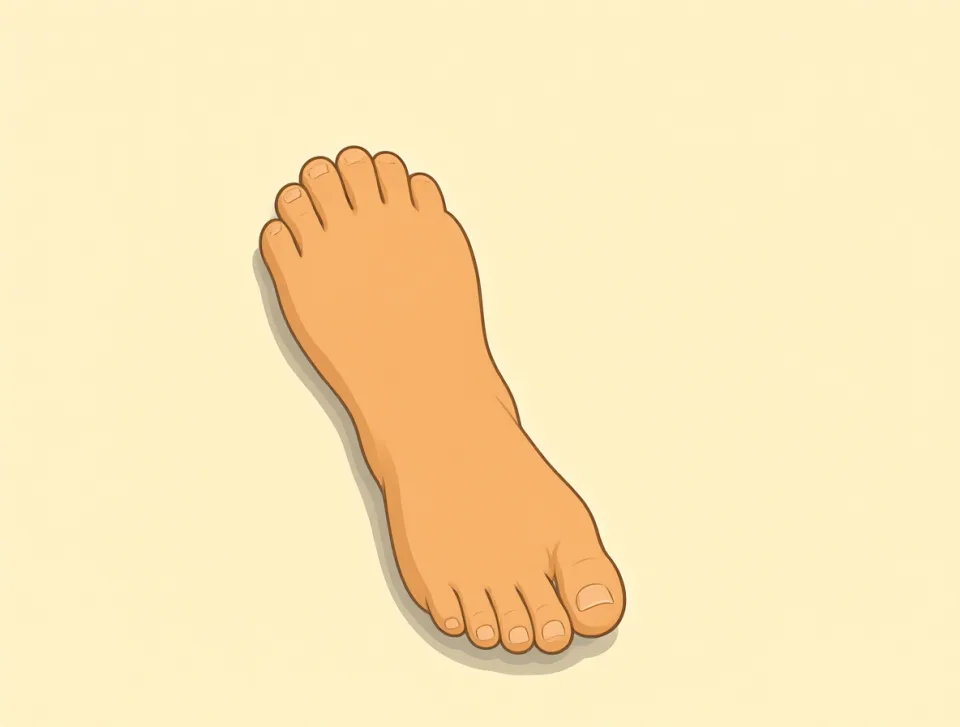
foot
#576noun, verb
stopa; iść pieszo
The part of your body below the ankle, or to walk somewhere.
Część ciała poniżej kostki albo poruszać się gdzieś pieszo.
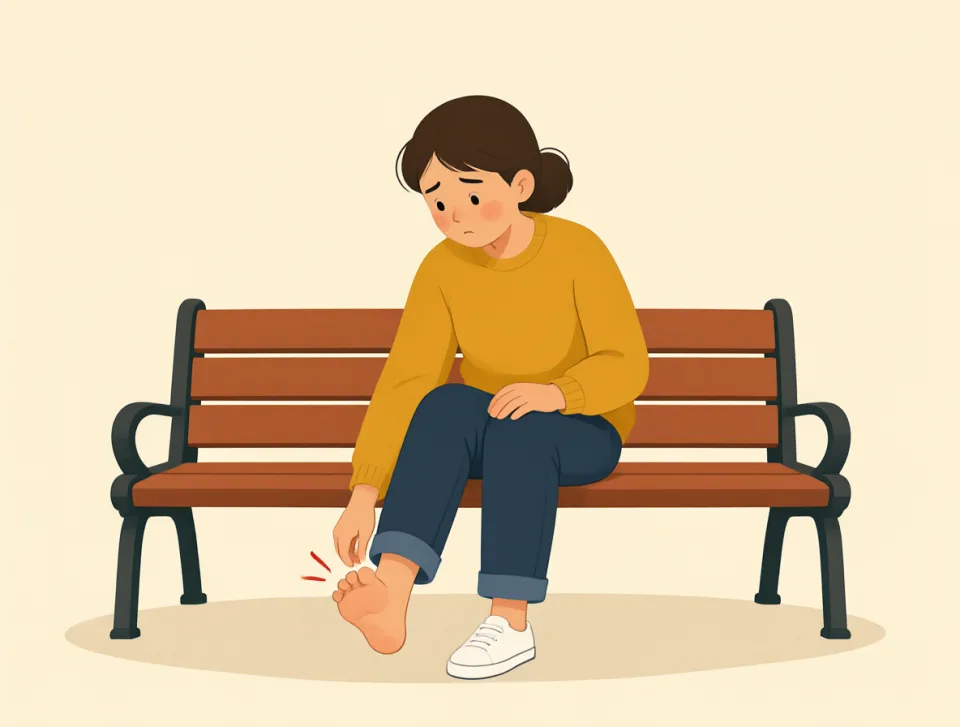
My foot hurts after the long walk.
Po długim spacerze boli mnie stopa.
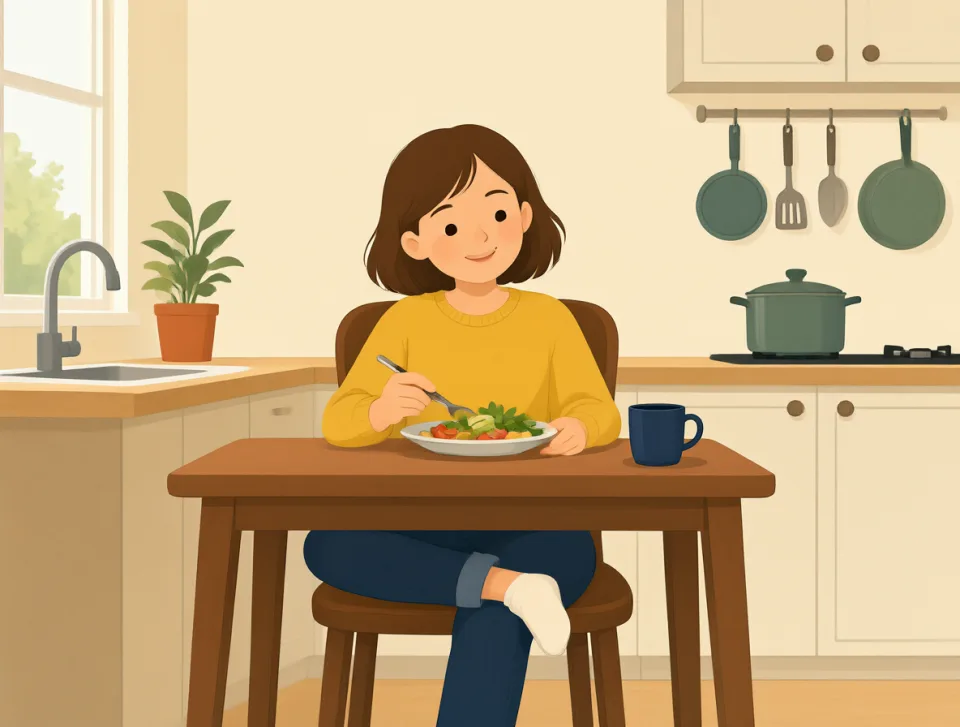
She put her foot under the table.
Wsunęła stopę pod stół.
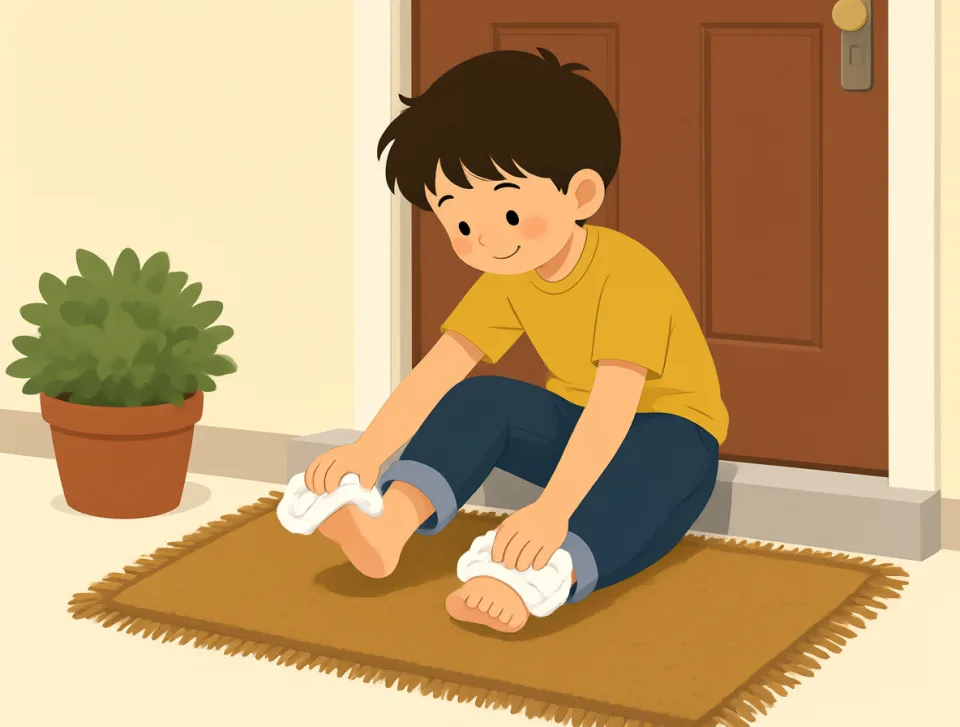
Please wipe your feet before coming inside.
Proszę wytrzeć buty przed wejściem do środka.
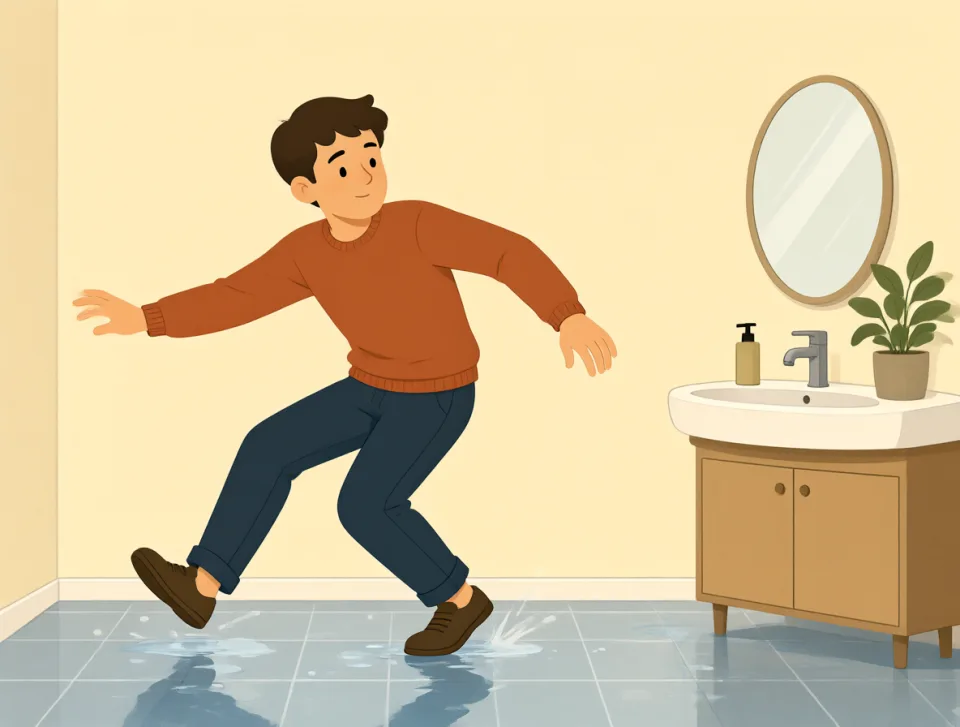
He lost his footing on the wet floor.
Poślizgnął się na mokrej podłodze.

We walked on foot to the station.
Poszliśmy pieszo na stację.
effort
#577noun
wysiłek
The energy and hard work used to do something.
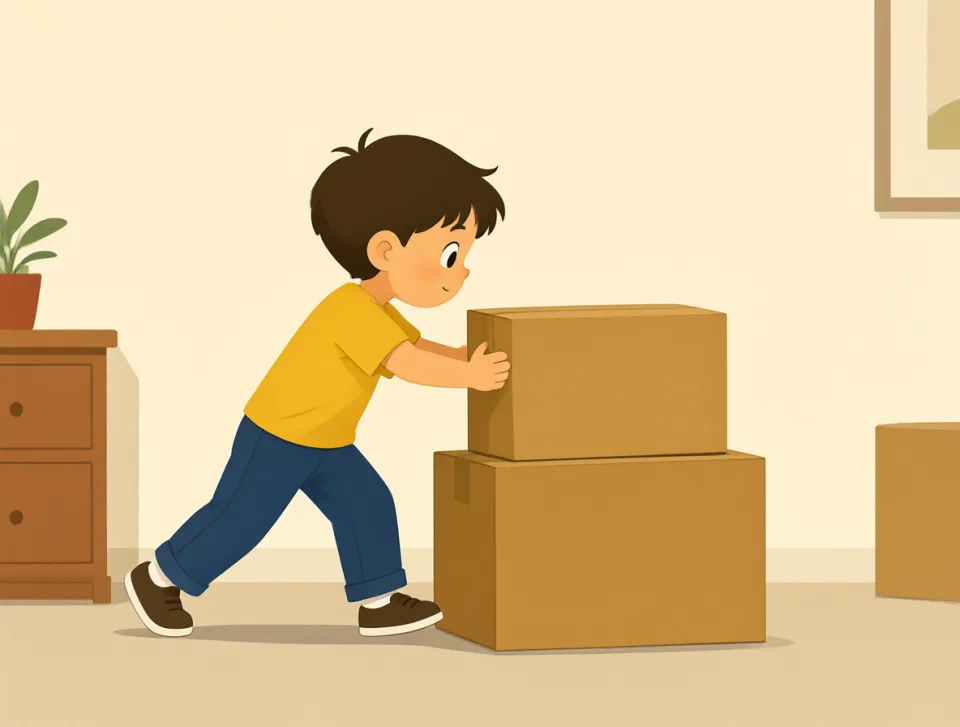
Energia i ciężka praca wkładane w wykonanie czegoś.
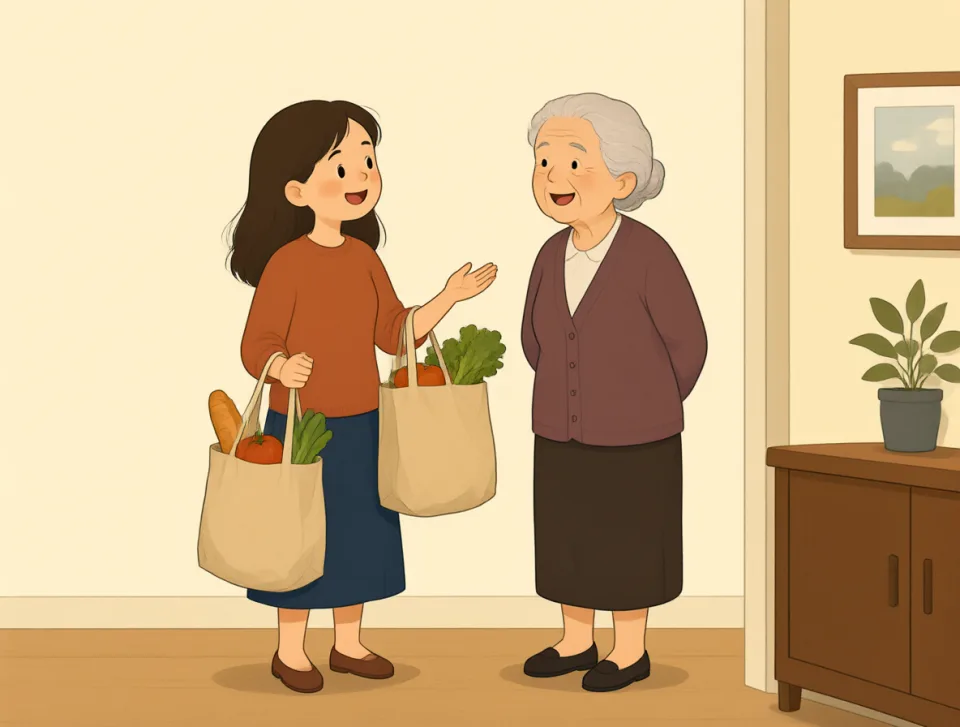
She made a great effort to help.
Włożyła wiele wysiłku w pomoc.
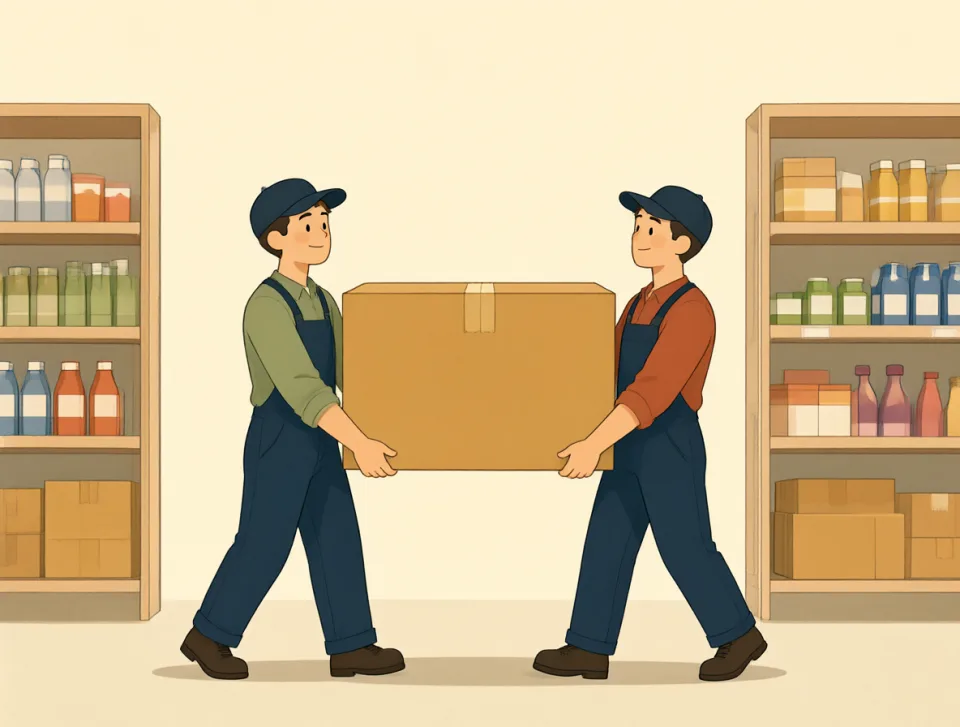
Your effort will make the job easier.
Dzięki twojemu wysiłkowi ta praca będzie łatwiejsza.
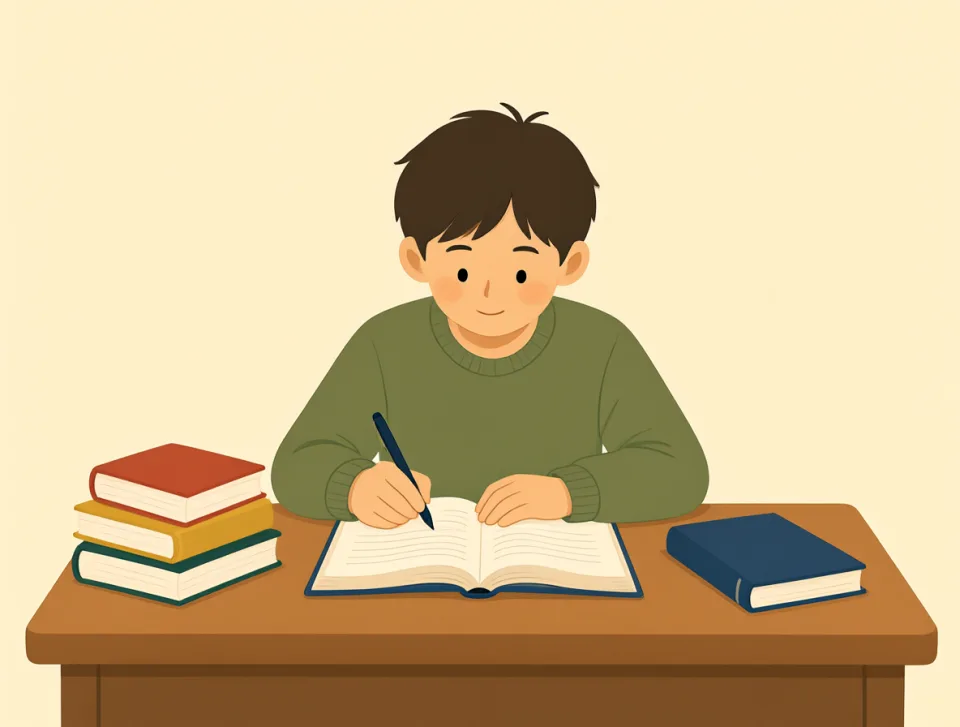
He passed the test through hard effort.
Zdał test dzięki ciężkiej pracy.
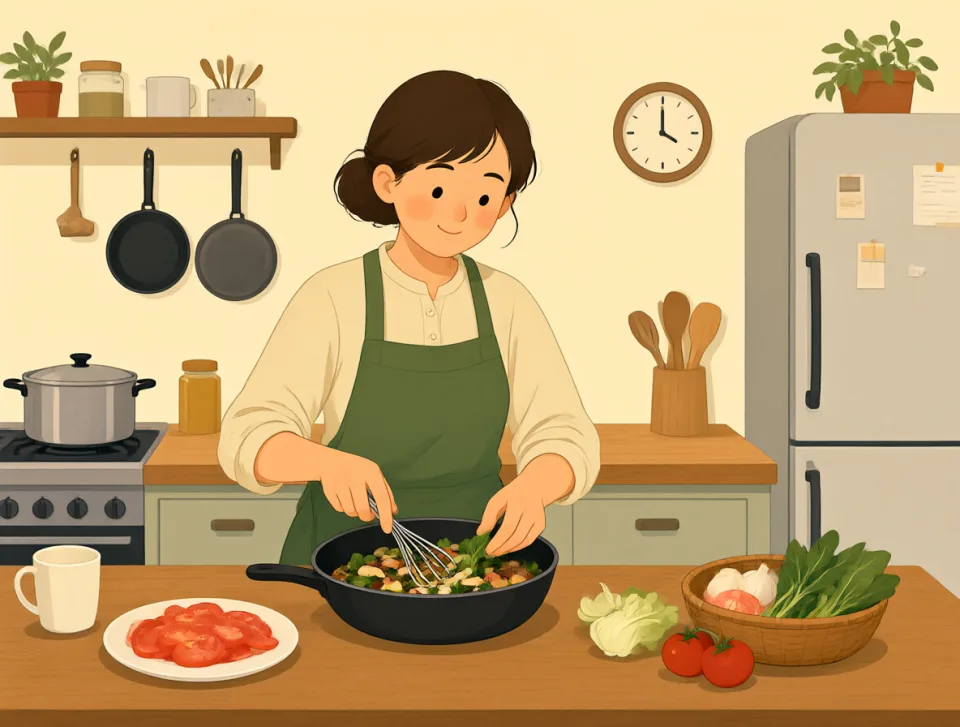
Cooking this meal took a lot of effort.
Przygotowanie tego posiłku wymagało wiele wysiłku.
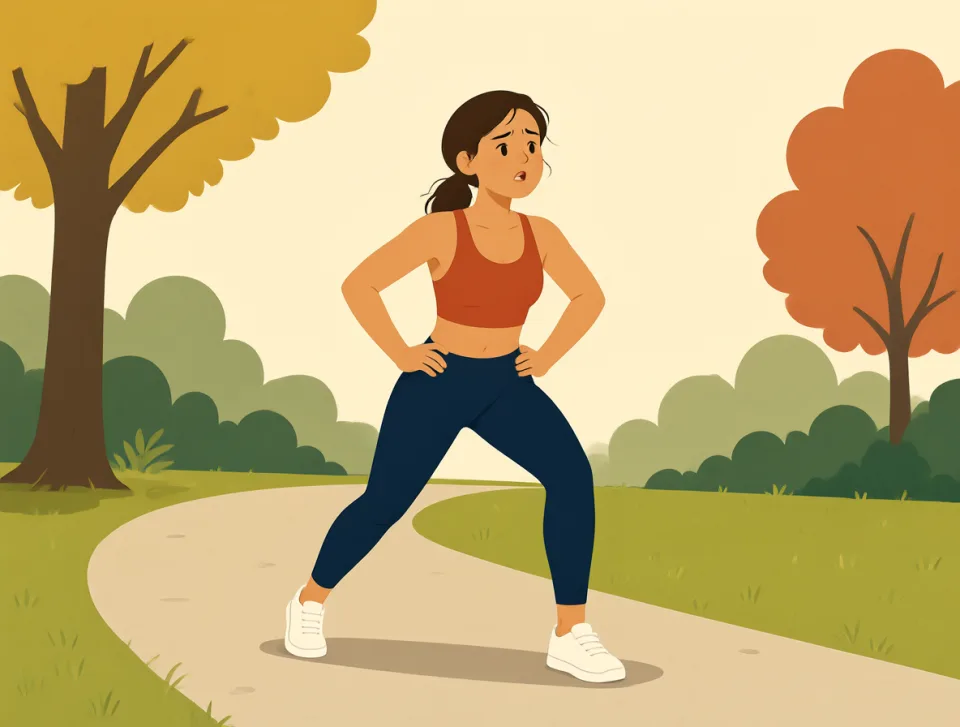
My doctor says exercise needs regular effort.
Mój lekarz mówi, że ćwiczenia wymagają regularnego wysiłku.
attention
#578noun
uwaga
The act of watching, listening to, or thinking carefully about someone or something.
Skupianie się na uważnym obserwowaniu, słuchaniu lub myśleniu o kimś albo o czymś.
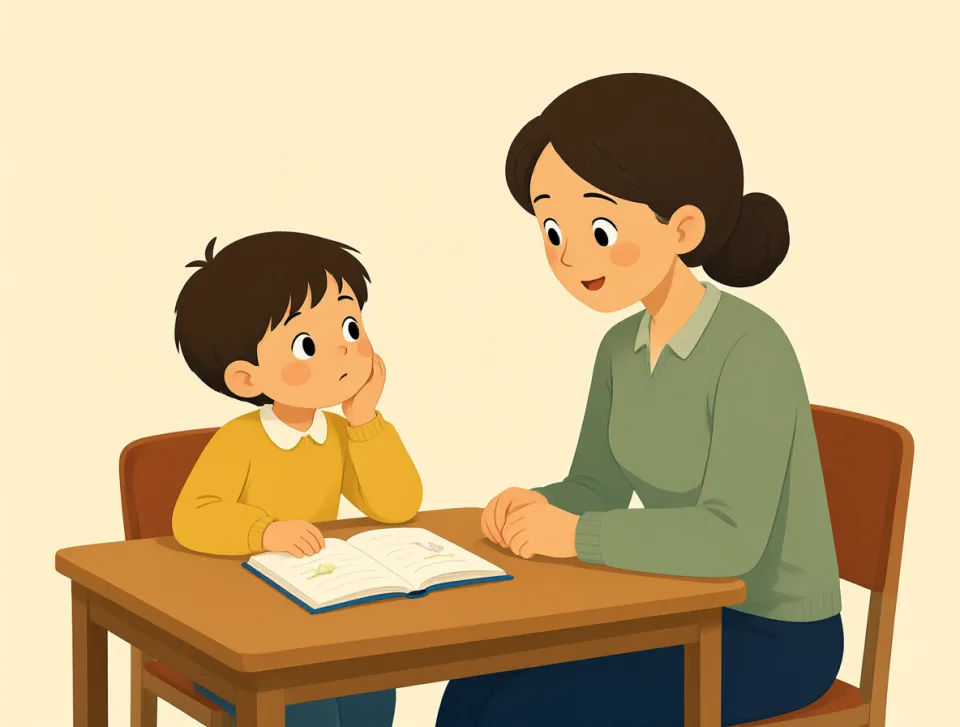
Please pay attention to the teacher.
Proszę uważać na nauczyciela.
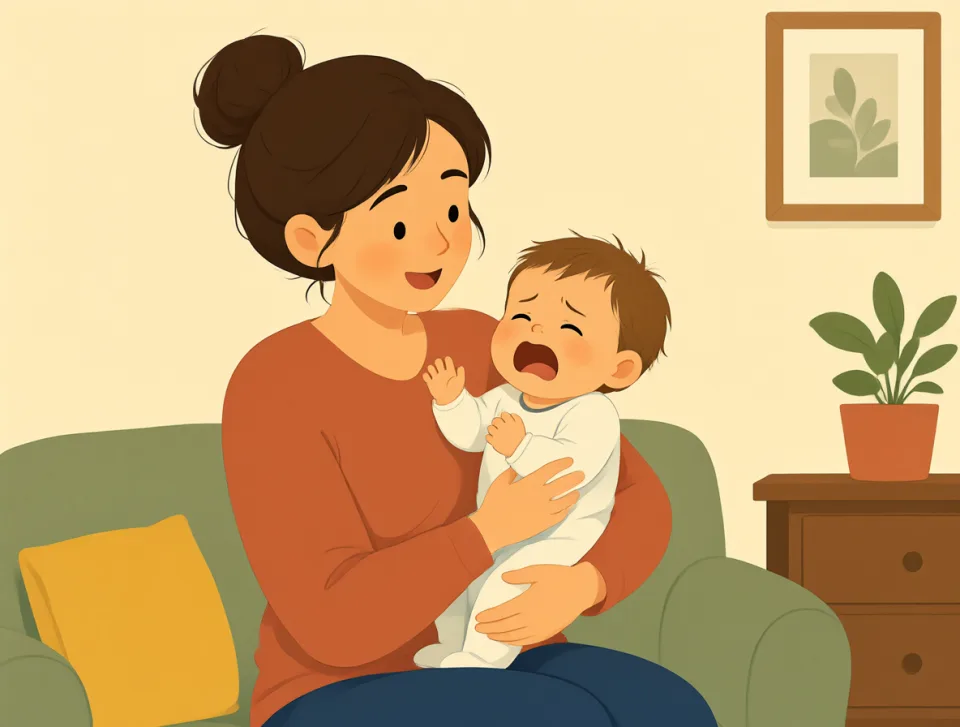
The baby needs attention from her mother.
Dziecko potrzebuje uwagi swojej matki.
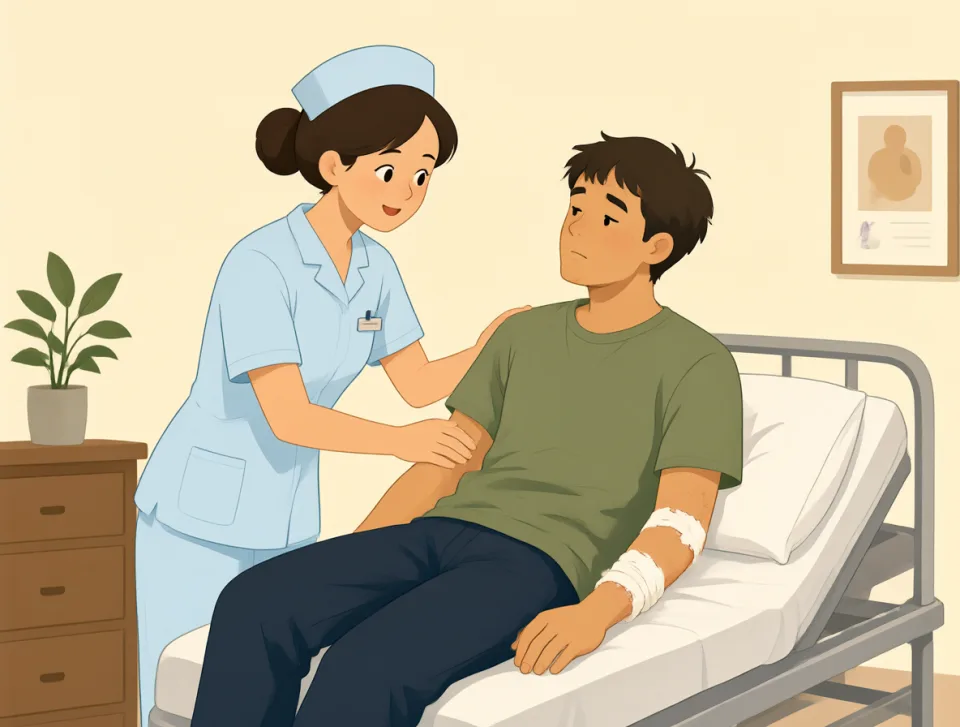
The nurse gave attention to the injured man.
Pielęgniarka zajęła się rannym mężczyzną.
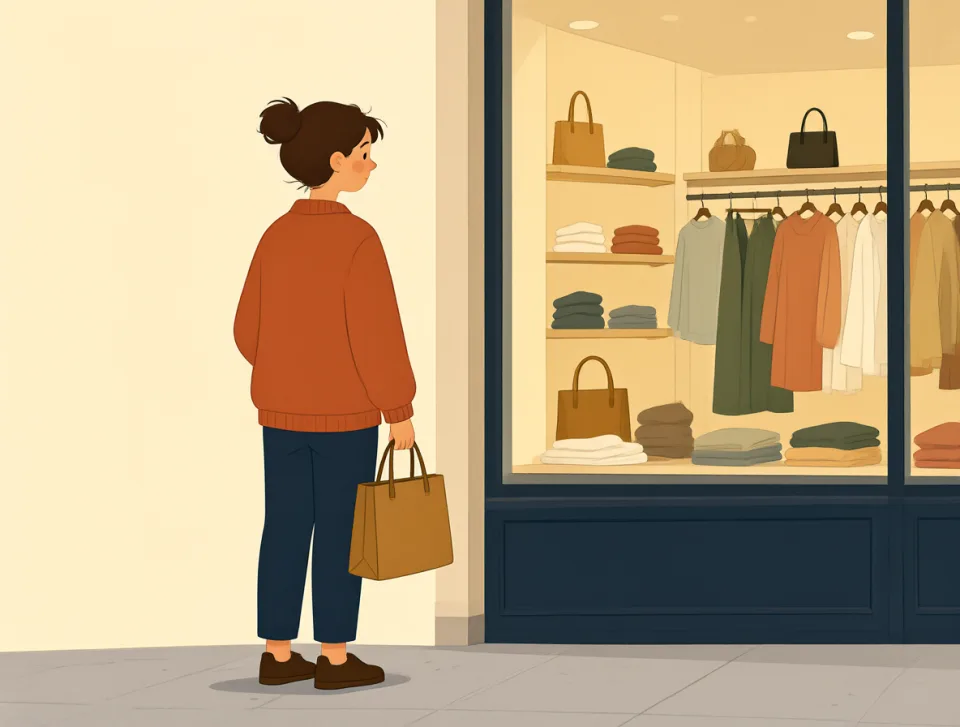
The store window caught my attention.
Wystawa sklepowa przykuła moją uwagę.
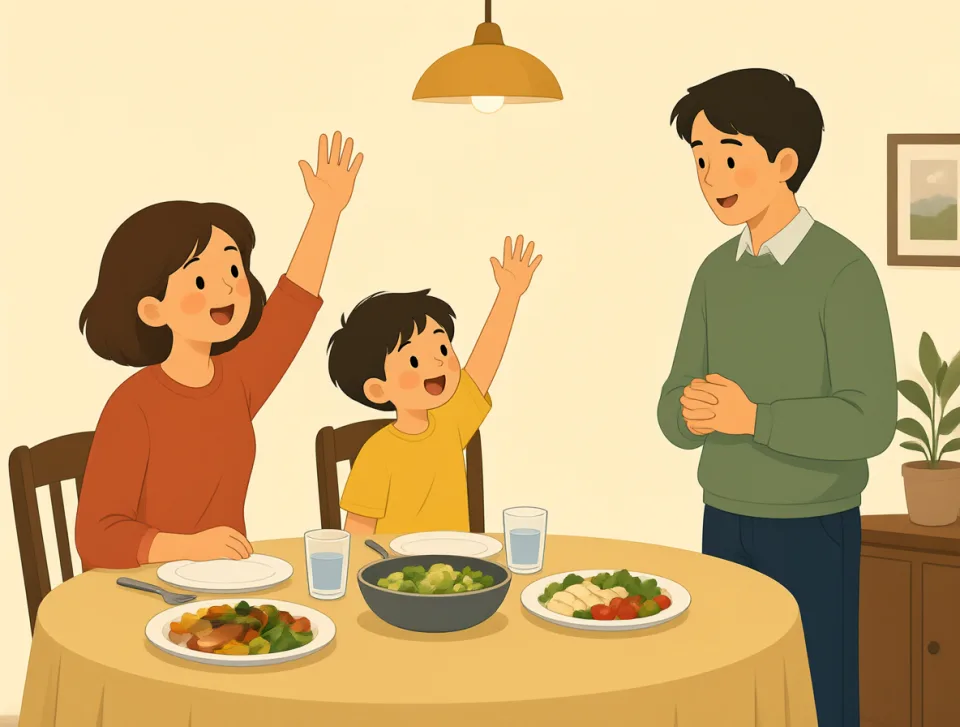
The children were seeking attention at dinner.
Dzieci próbowały zwrócić na siebie uwagę podczas kolacji.
upon
#579preposition
po; na; zaraz po
used to mean on or immediately after something
Używane w znaczeniu „na” lub „zaraz po czymś”.
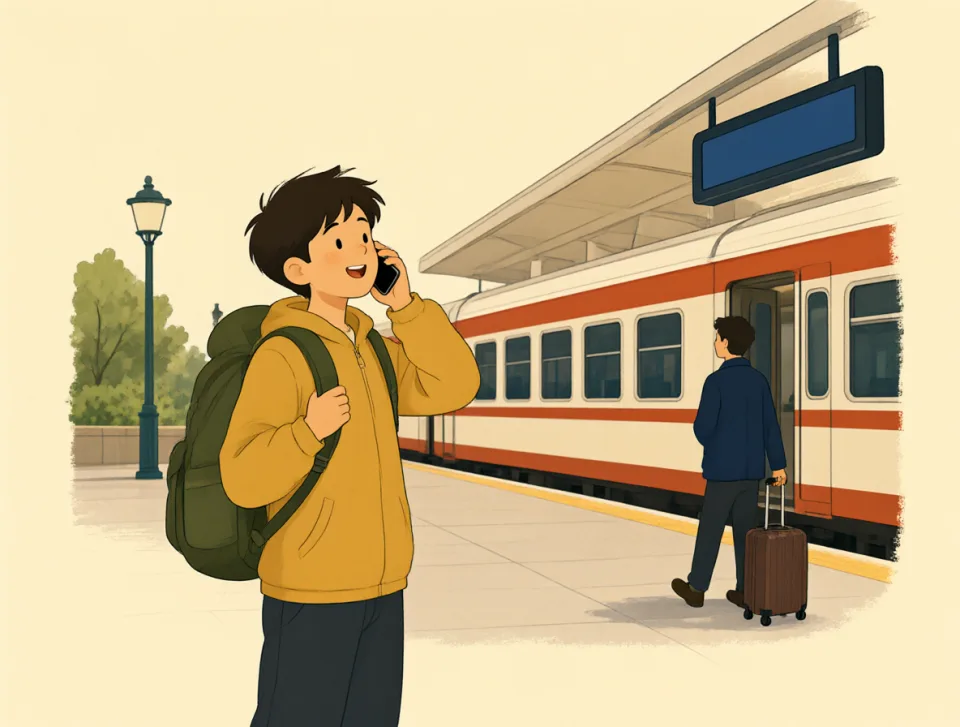
Upon arrival, please call your parents.
Po przyjeździe proszę zadzwonić do rodziców.
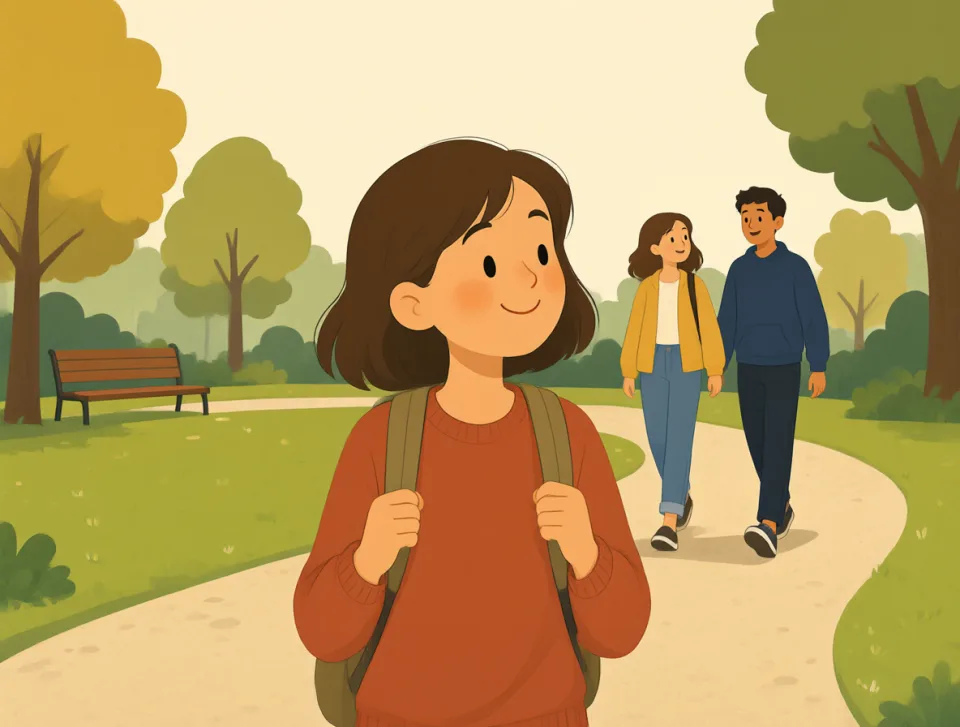
She smiled upon seeing her friends.
Uśmiechnęła się na widok swoich przyjaciół.
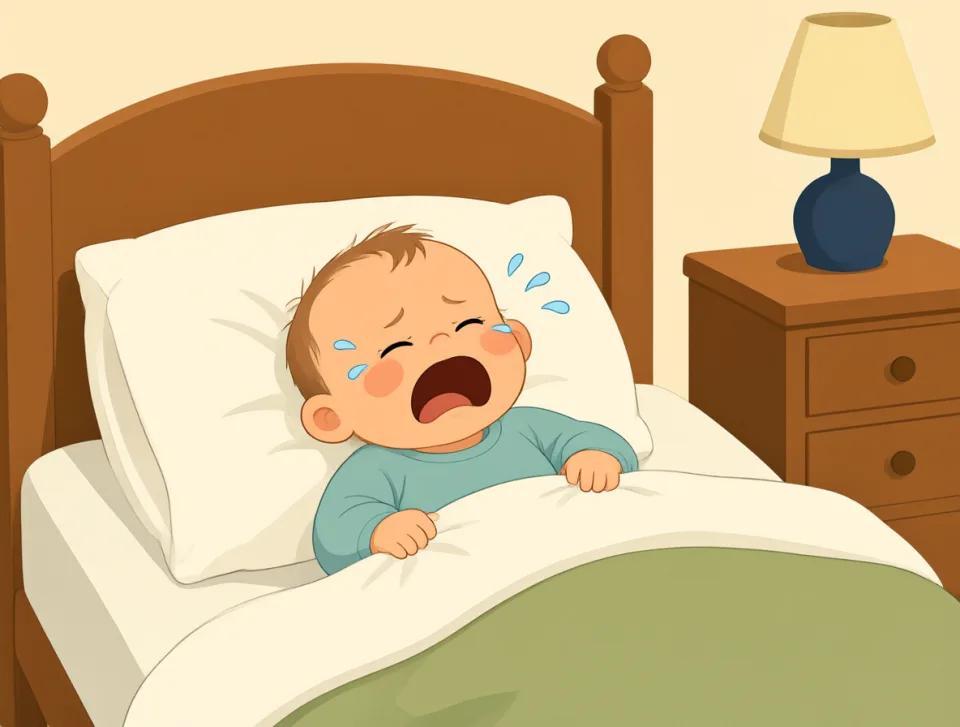
The baby cried upon waking.
Dziecko zapłakało po przebudzeniu.
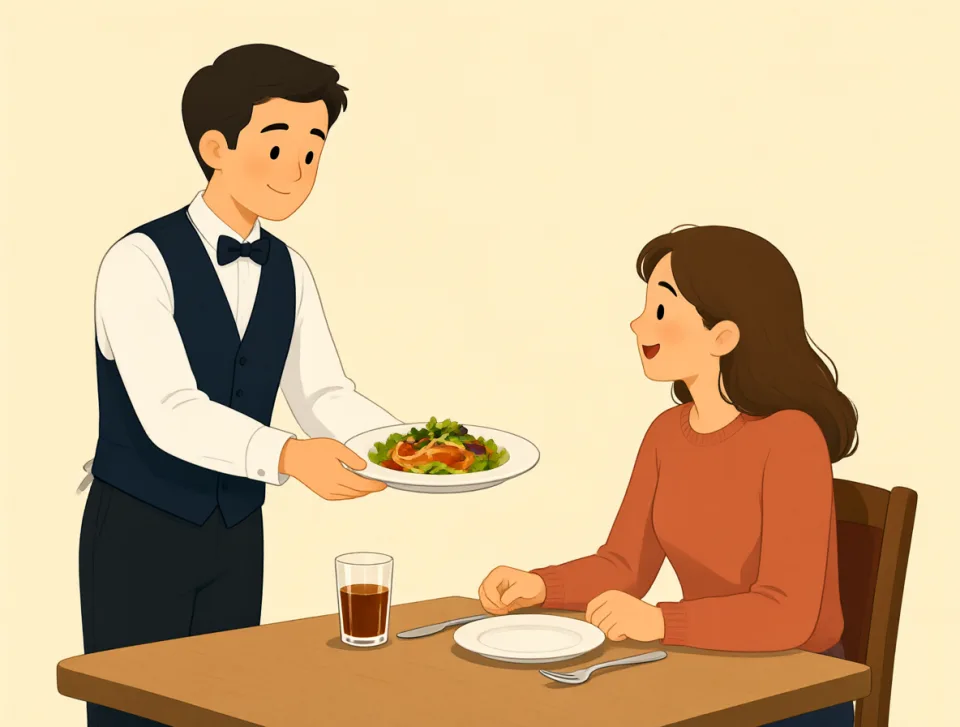
Upon request, we can bring more food.
Na życzenie możemy przynieść więcej jedzenia.
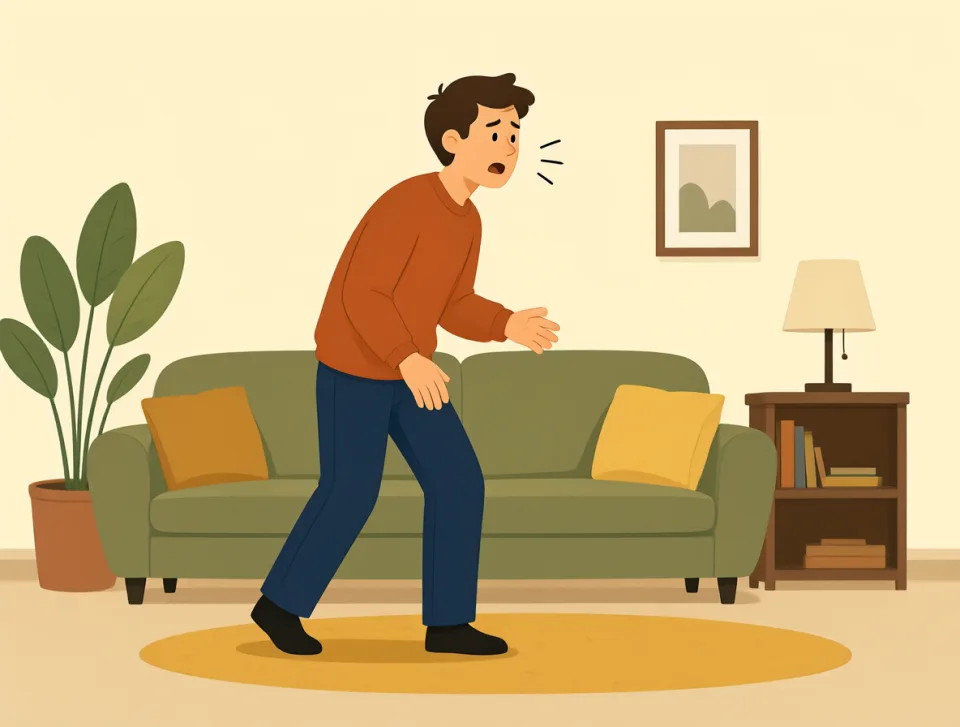
He acted quickly upon hearing the news.
Szybko zareagował, gdy usłyszał tę wiadomość.
check
#580noun, verb
sprawdzać
To look at something carefully to make sure it is correct, safe, or complete.
Dokładnie przyjrzeć się czemuś, żeby upewnić się, że jest poprawne, bezpieczne lub kompletne.
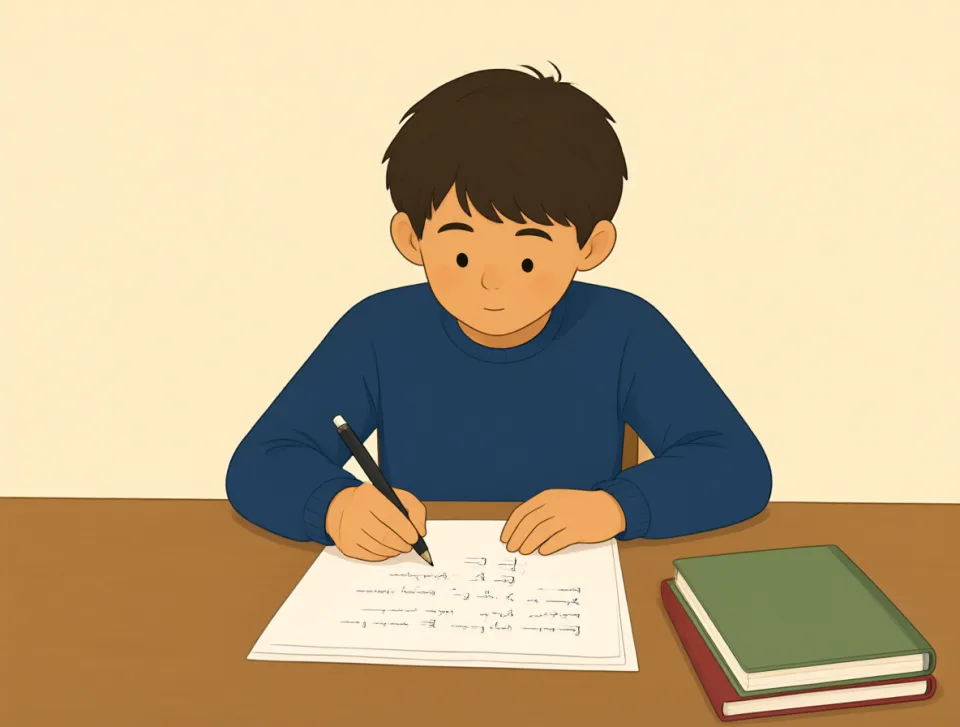
Please check your answers before you finish.
Proszę sprawdzić odpowiedzi przed zakończeniem.
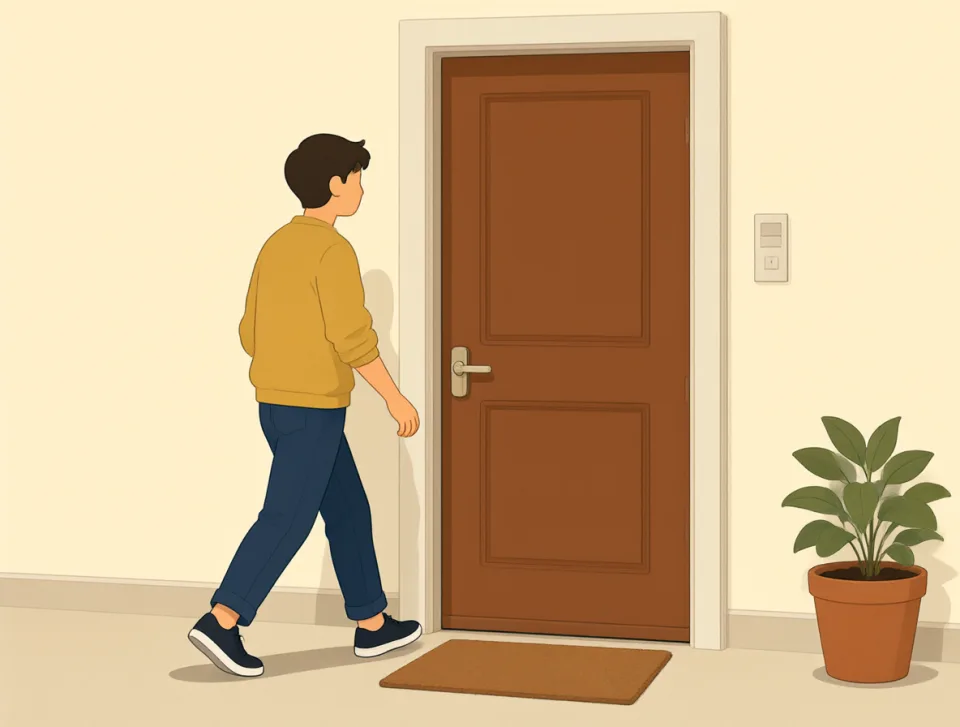
I checked the door before leaving home.
Sprawdziłem drzwi przed wyjściem z domu.
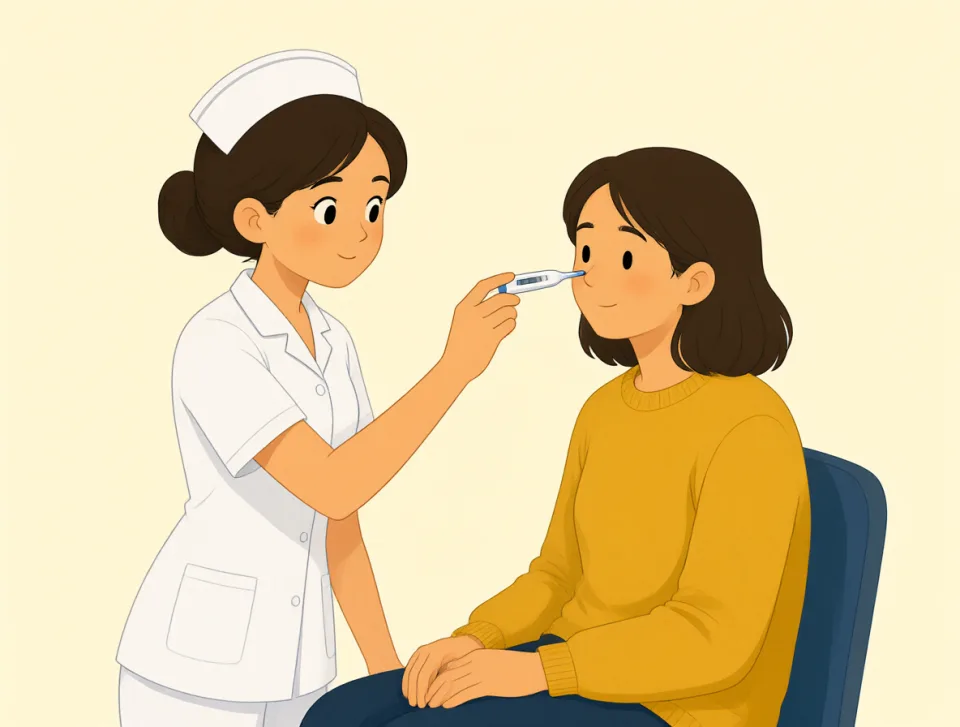
The nurse checked my temperature.
Pielęgniarka zmierzyła mi temperaturę.
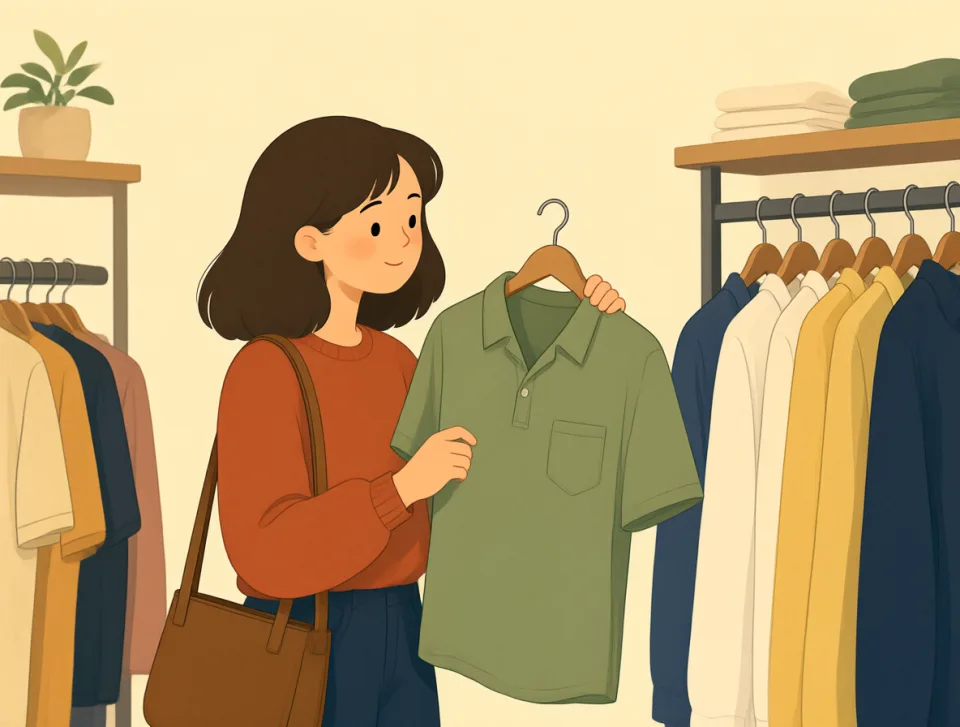
Can you check the price of this shirt?
Czy możesz sprawdzić cenę tej koszuli?
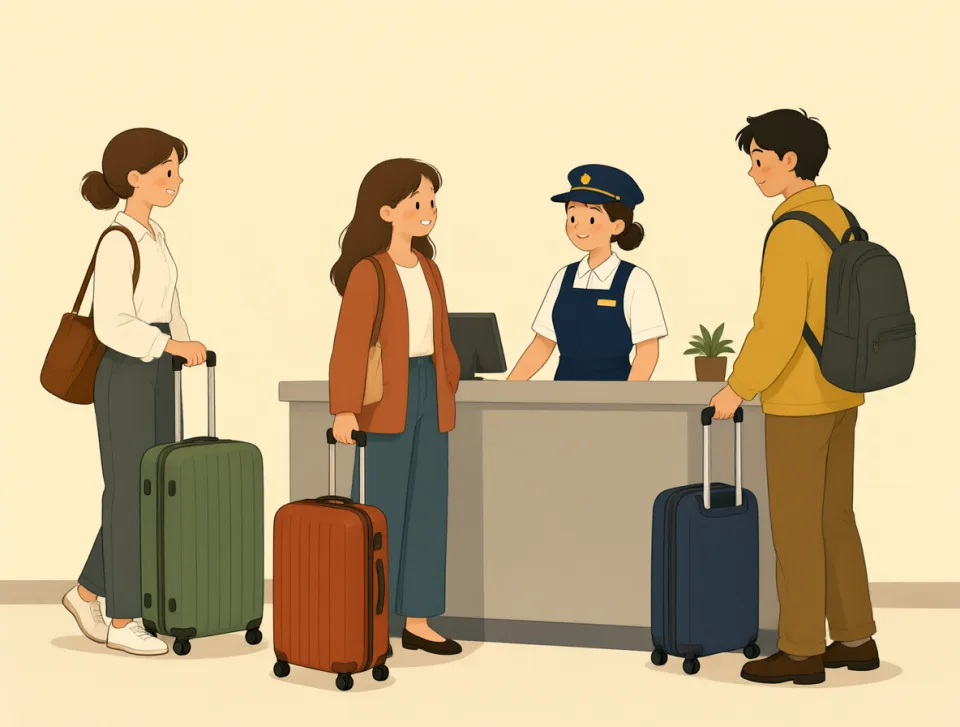
We checked our bags at the airport.
Sprawdziliśmy nasze torby na lotnisku.