इकाई 44
शब्द 861–880 · box, huge, message, instance, style, refer
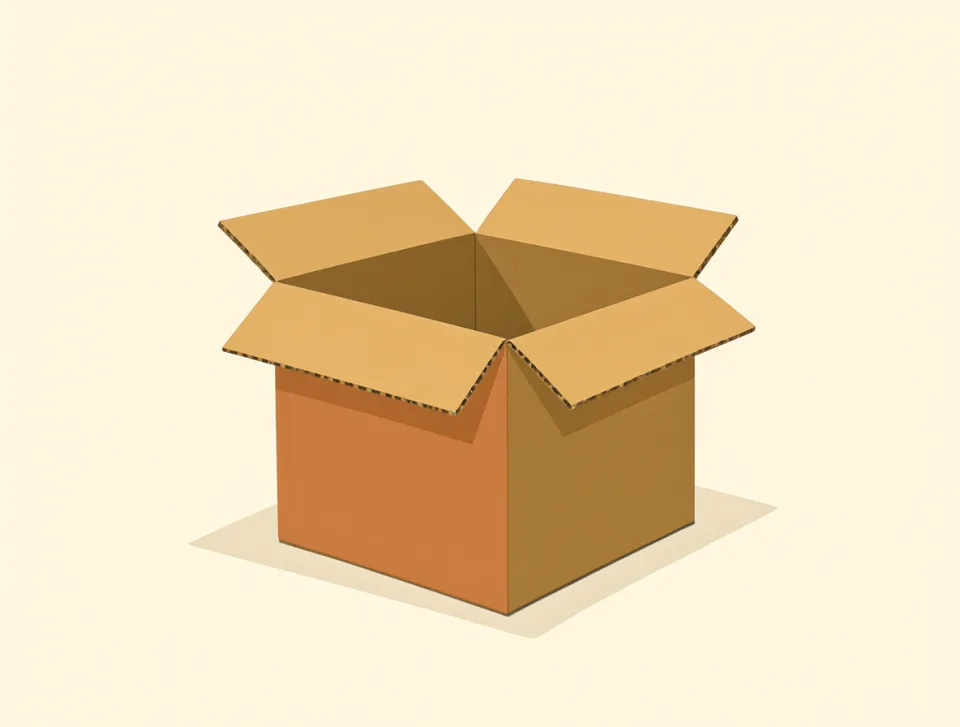
box
#861noun, verb
डिब्बा
A container with flat sides, usually made of cardboard, wood, or plastic.
चपटी सतहों वाला एक पात्र, जो आमतौर पर गत्ते, लकड़ी या प्लास्टिक का बना होता है।

The books are in a box.
किताबें एक डिब्बे में हैं।
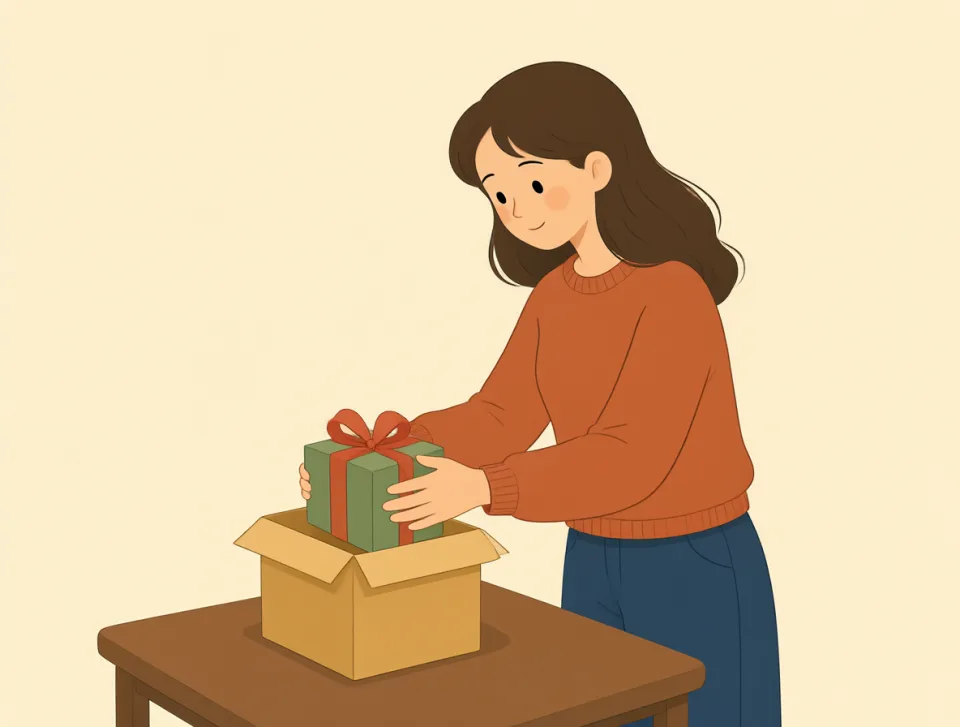
She put the gift in a box.
उसने तोहफ़ा एक डिब्बे में रखा।
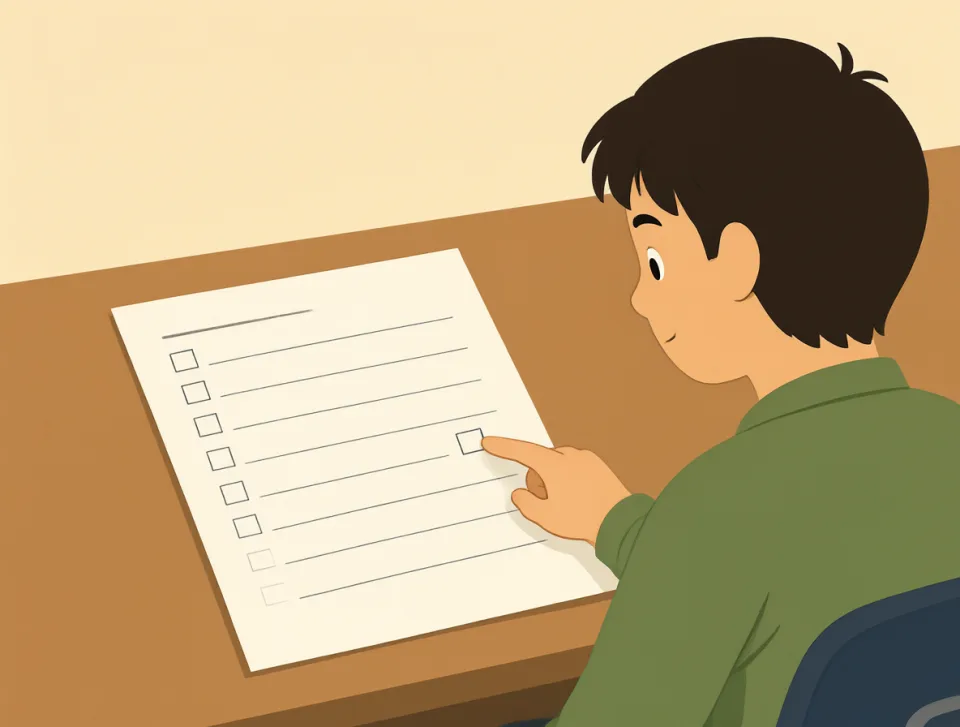
Please check the box on this form.
कृपया इस फ़ॉर्म में बने खाने पर सही का निशान लगाएँ।
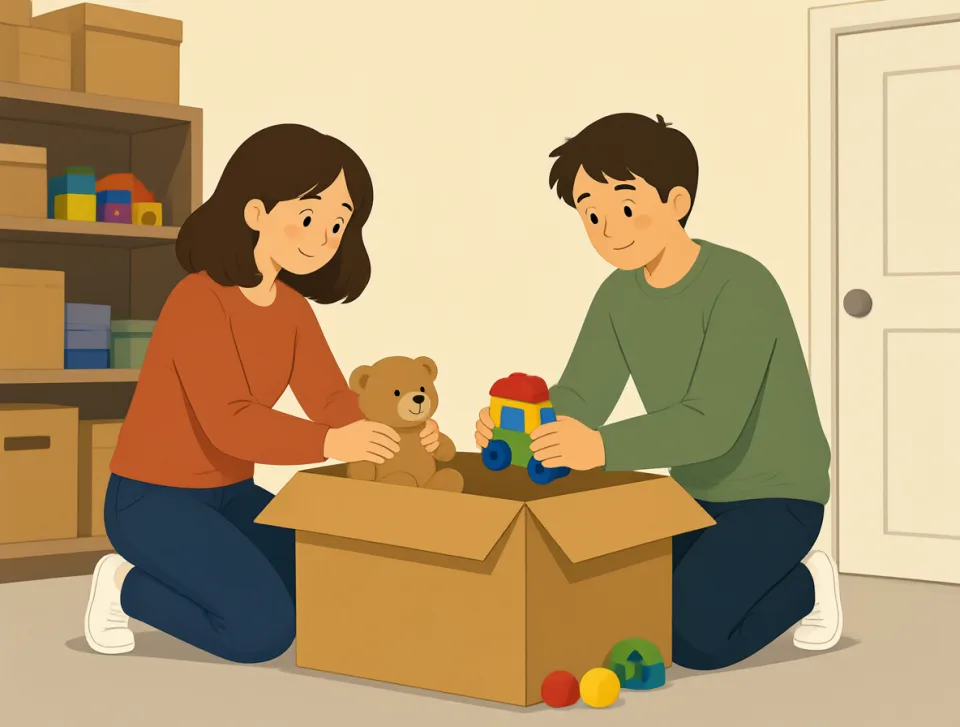
We boxed the old toys yesterday.
हमने कल पुराने खिलौनों को डिब्बों में रखा।

The boxer won his first fight.
मुक्केबाज़ ने अपनी पहली लड़ाई जीत ली।

huge
#862adjective
बहुत बड़ा
Very big in size, amount, or degree.
आकार, मात्रा या स्तर में बहुत बड़ा।
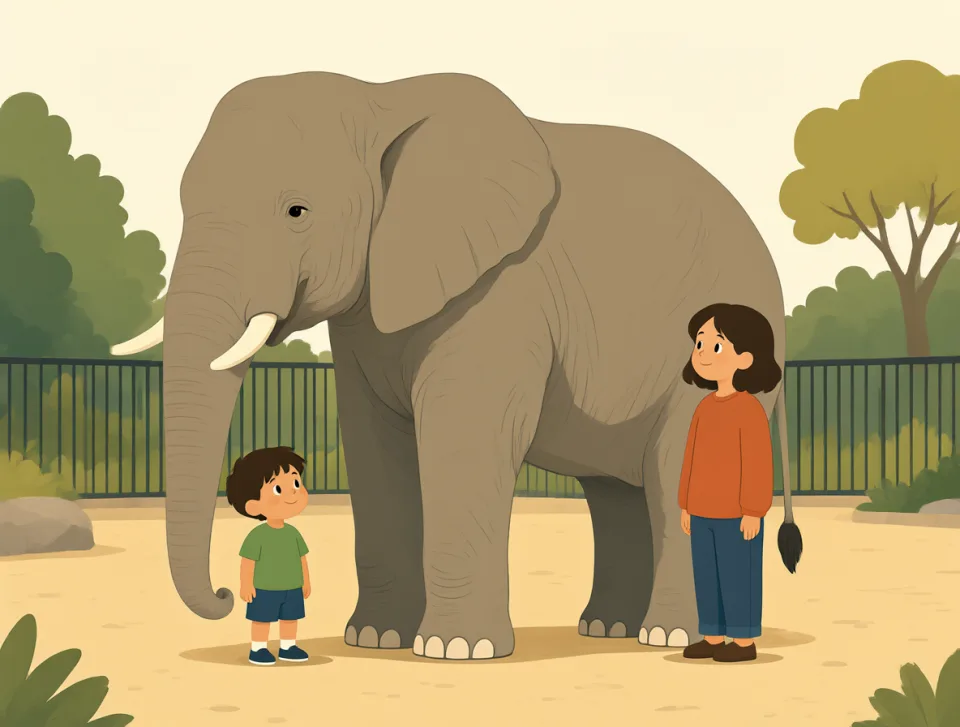
That elephant is huge and very strong.
वह हाथी बहुत विशाल और ताकतवर है।
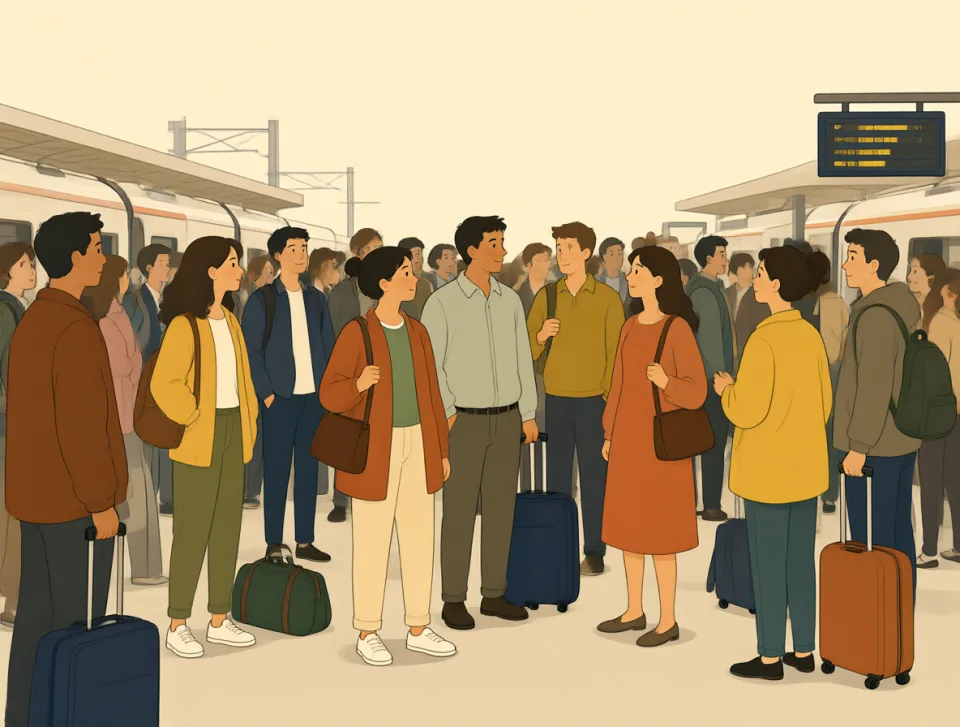
We saw a huge crowd at the station.
हमने स्टेशन पर भारी भीड़ देखी।
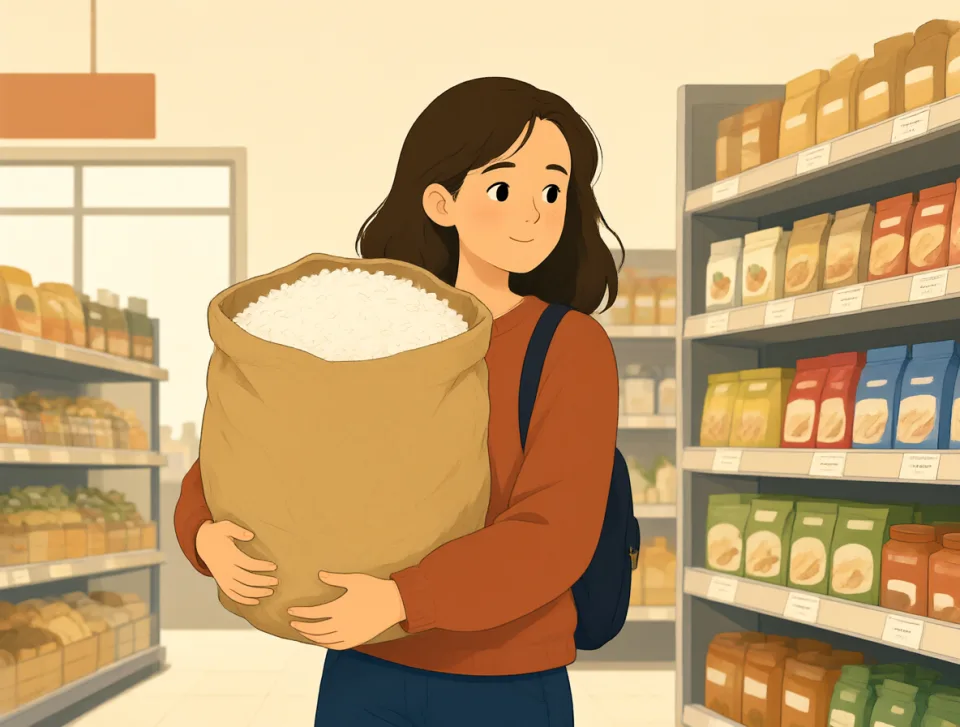
She bought a huge bag of rice.
उसने चावल का बहुत बड़ा बोरा खरीदा।

He made a huge mistake at work.
उसने काम पर बहुत बड़ी गलती की।

The doctor found a huge bruise on his leg.
डॉक्टर को उसकी टाँग पर बहुत बड़ा नील मिला।
message
#863noun, verb
संदेश
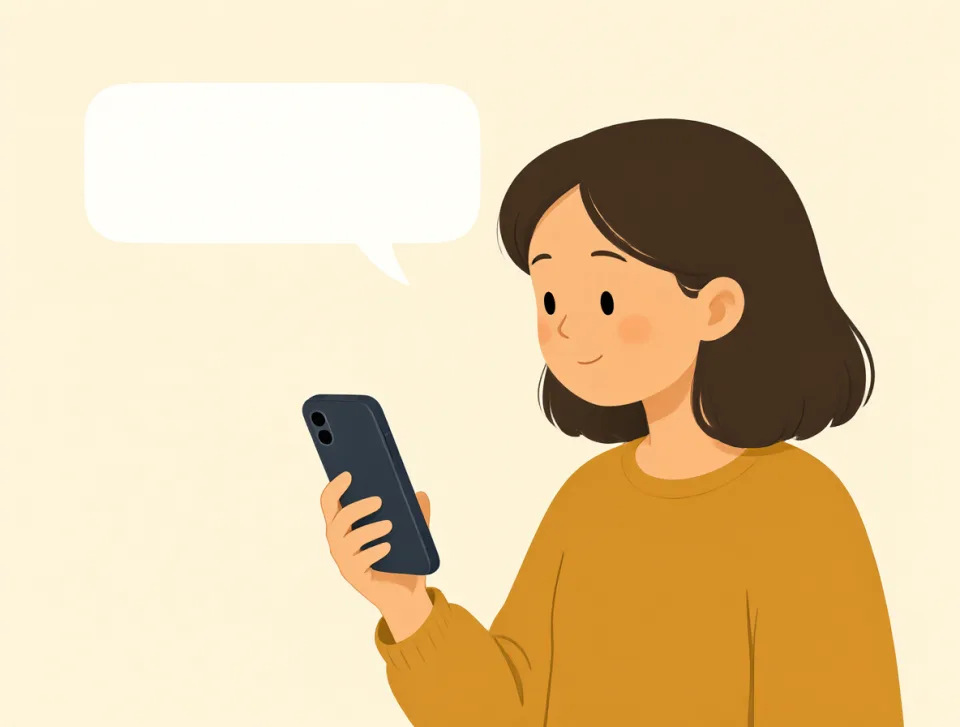
Information sent to someone, often by phone, email, or spoken words.
किसी को भेजी गई जानकारी, अक्सर फ़ोन, ईमेल या बोले गए शब्दों के ज़रिए।
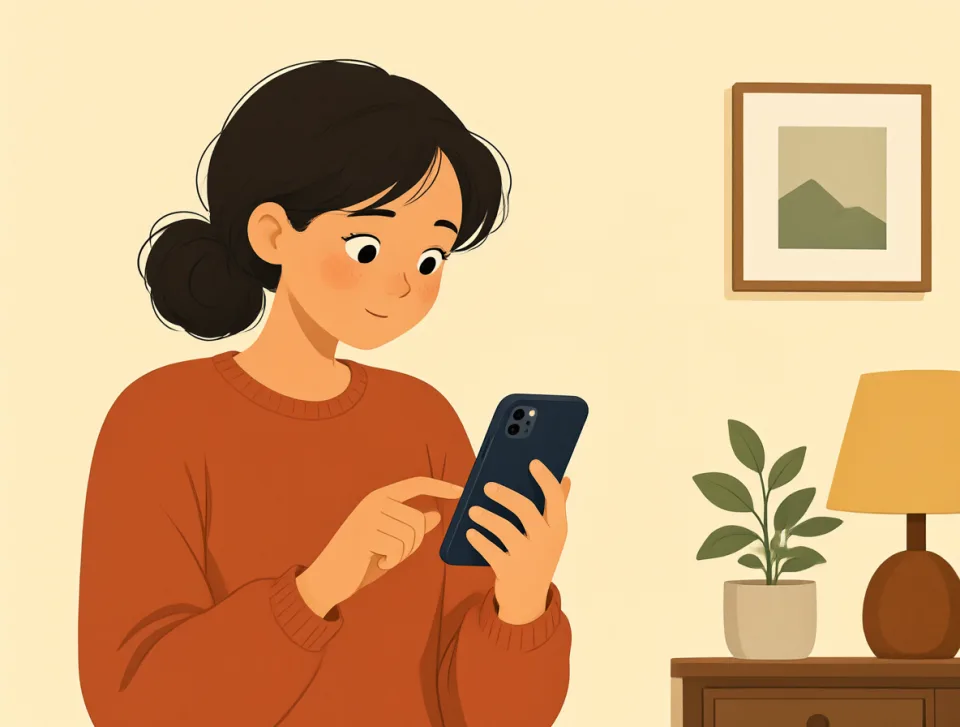
I sent you a message this morning.
मैंने आज सुबह तुम्हें एक संदेश भेजा।

She left a message after the meeting.
उसने बैठक के बाद एक संदेश छोड़ा।

Please message me when you arrive.
पहुँचने पर कृपया मुझे संदेश भेजना।
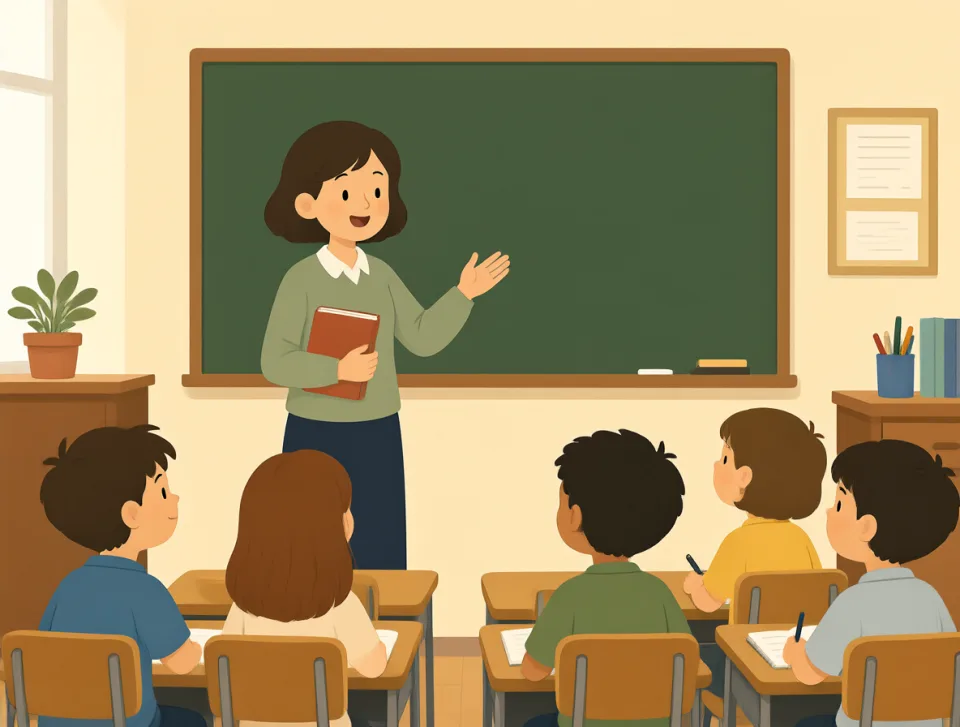
The teacher gave us a clear message.
शिक्षक ने हमें एक स्पष्ट संदेश दिया।
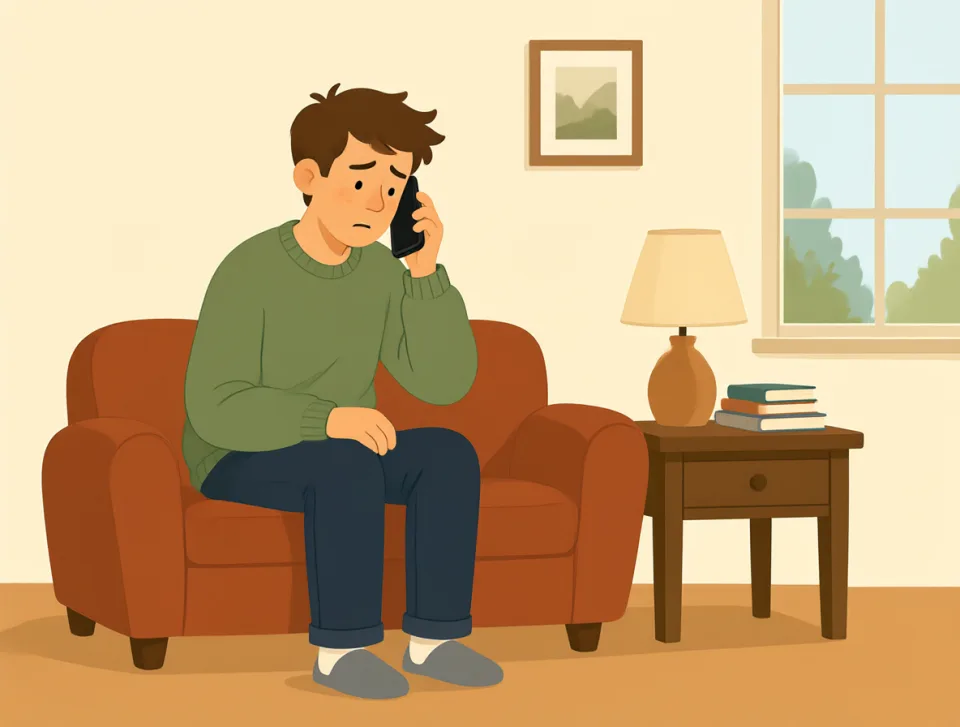
He messaged his doctor about his cough.
उसने अपनी खाँसी के बारे में अपने डॉक्टर को संदेश भेजा।
instance
#864noun
उदाहरण
one example or occurrence of something
किसी चीज़ का एक उदाहरण या घटना।
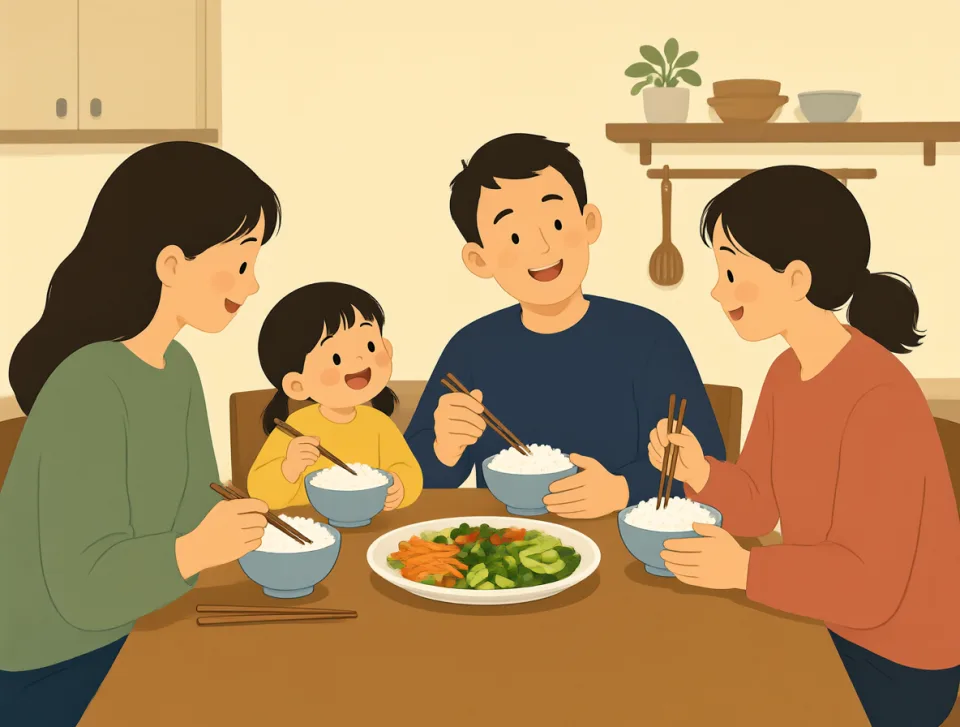
For instance, we eat rice with vegetables.
उदाहरण के लिए, हम सब्ज़ियों के साथ चावल खाते हैं।

In this instance, the customer paid cash.
इस मामले में ग्राहक ने नकद भुगतान किया।
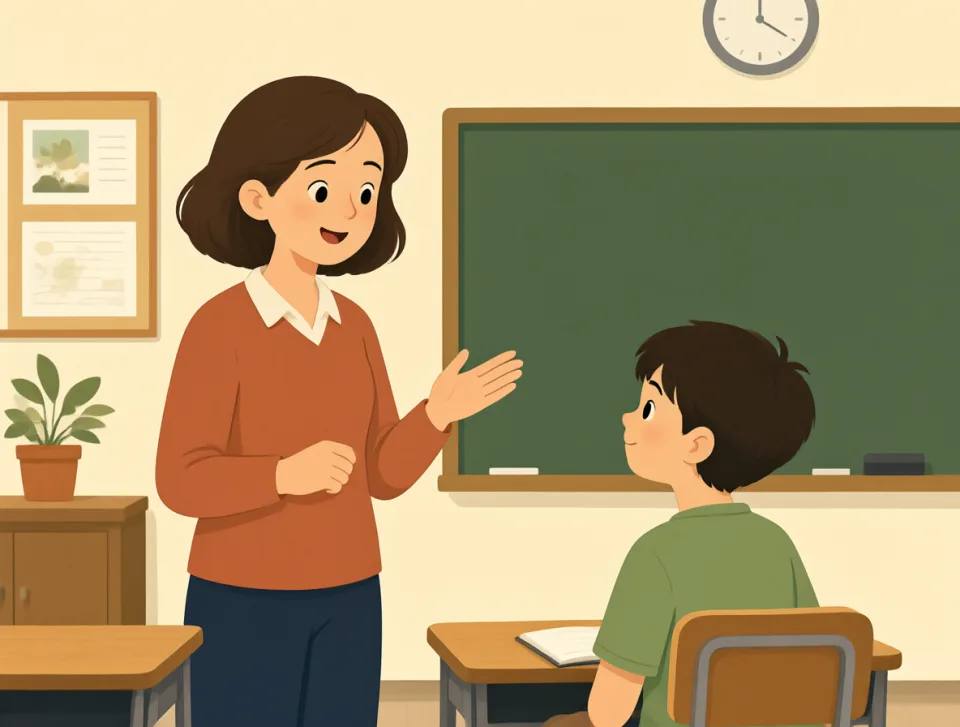
The teacher asked for an instance of kindness.
शिक्षक ने दयालुता का एक उदाहरण माँगा।
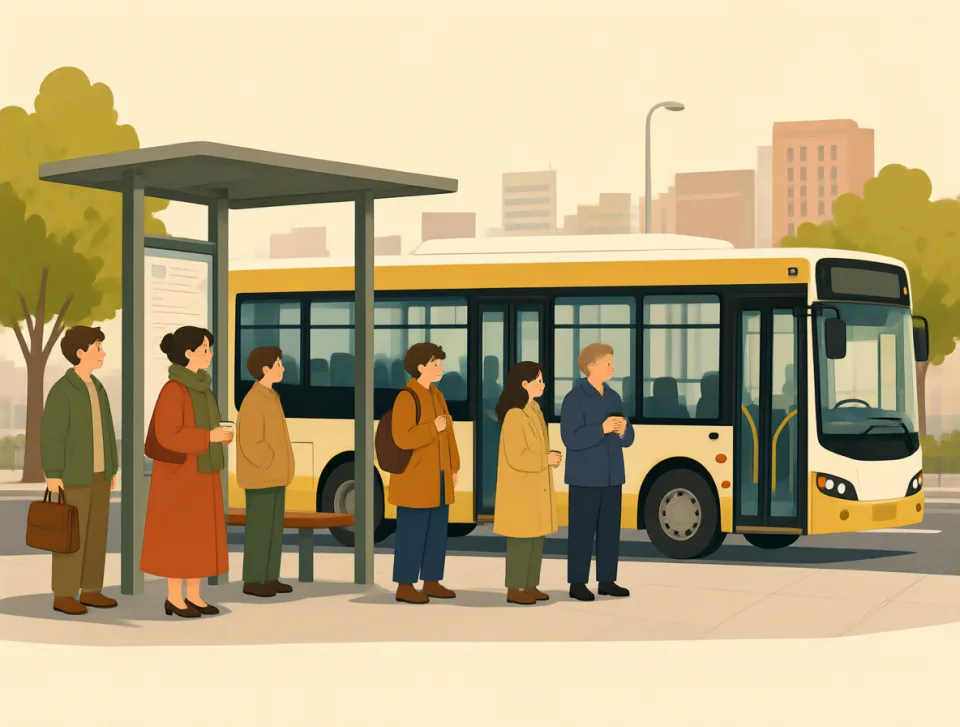
In many instances, the bus arrives late.
कई मामलों में बस देर से आती है।
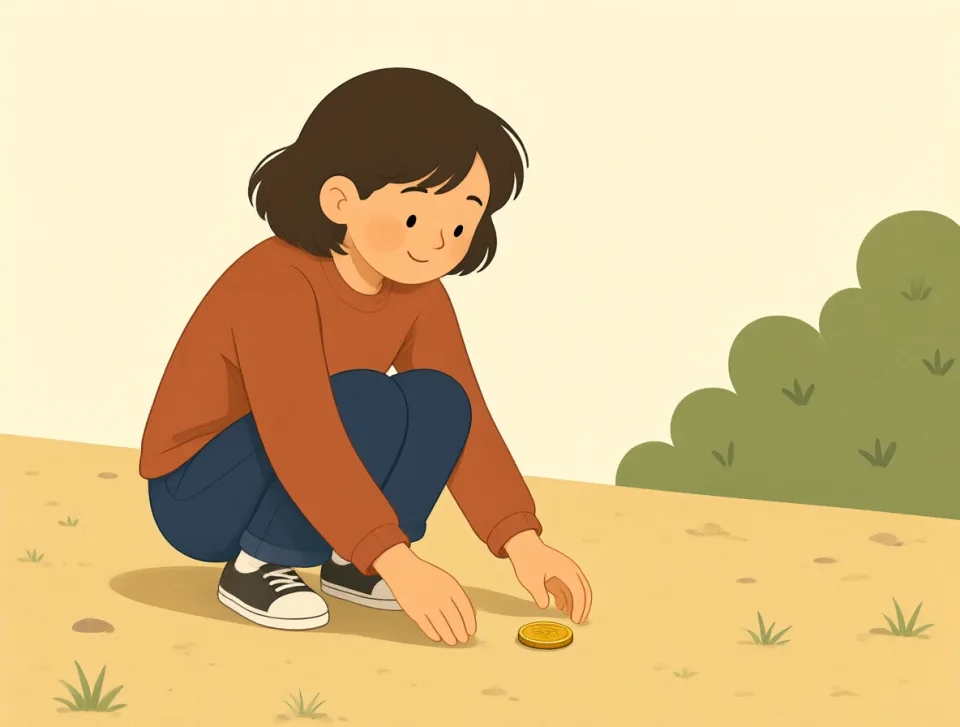
That was an unusual instance of good luck.
वह अच्छी किस्मत का एक अनोखा उदाहरण था।

style
#865noun, verb
शैली
The way something looks or the way someone does something.
किसी चीज़ का दिखने का तरीका या किसी व्यक्ति के कुछ करने का ढंग।

I like the style of this jacket.
मुझे इस जैकेट की शैली पसंद है।

She has a simple style of dress.
उसके कपड़े पहनने का अंदाज़ सादा है।

This restaurant serves food in Italian style.
यह रेस्तराँ इतालवी शैली का खाना परोसता है।

He styles his hair before work.
वह काम पर जाने से पहले अपने बाल सँवारता है।
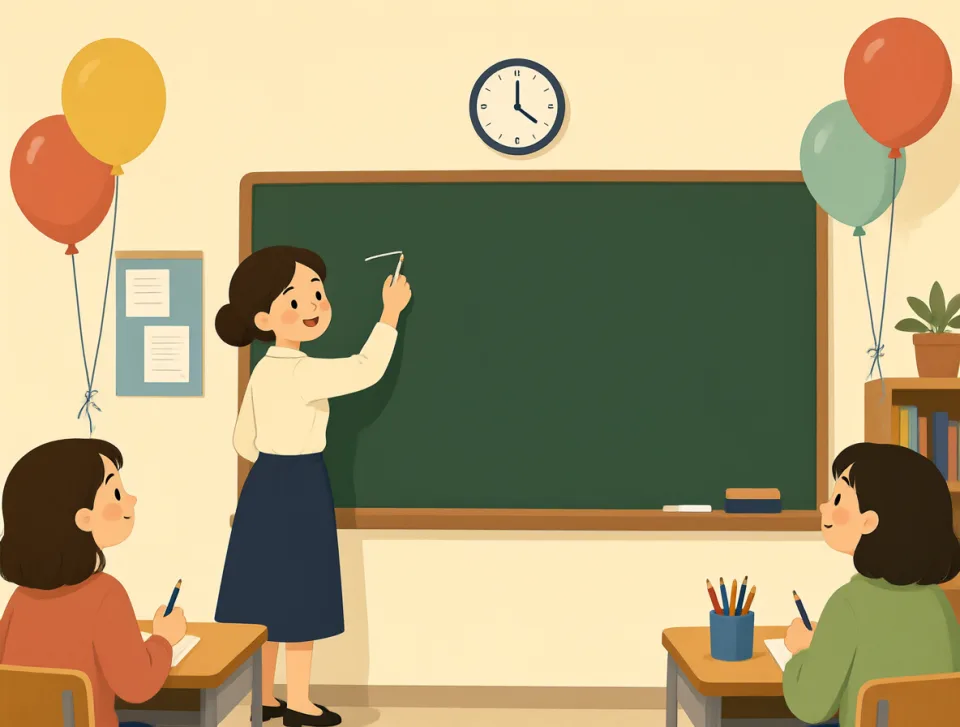
The teacher styled the room for a party.
शिक्षक ने पार्टी के लिए कमरे को सजाया।

refer
#866verb
संदर्भित करना
To mention or direct someone to a person, place, or source for information.
किसी को जानकारी के लिए किसी व्यक्ति, जगह या स्रोत का नाम बताना या उसका पता देना।
She referred me to a good doctor.
उन्होंने मुझे एक अच्छे डॉक्टर के पास भेजा।
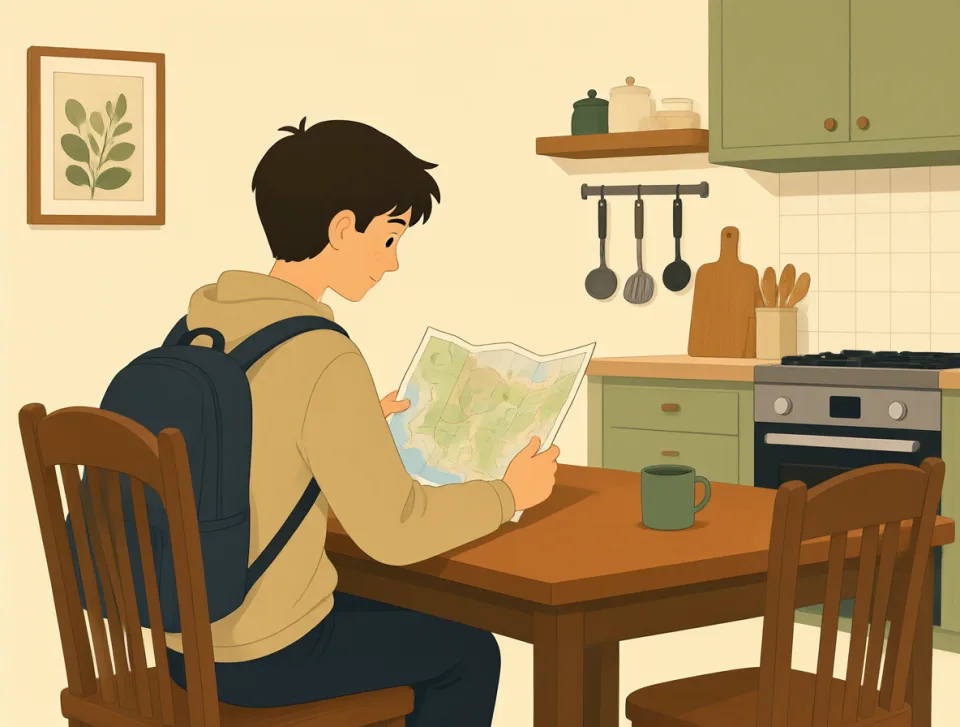
Please refer to the map before we leave.
जाने से पहले कृपया नक्शा देख लें।
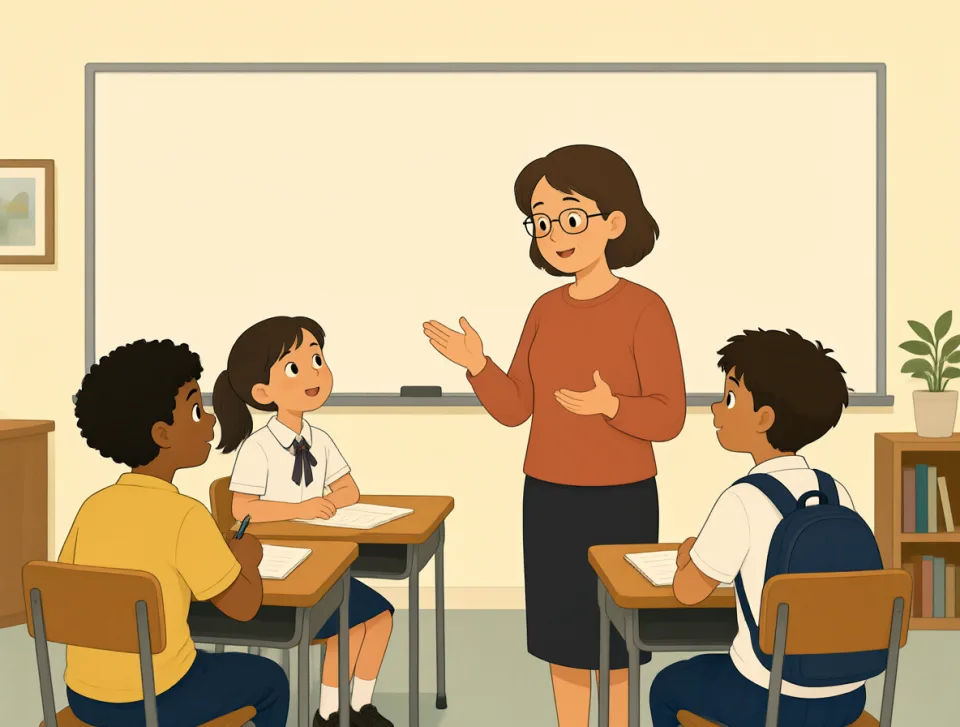
He referred to his old teacher in class.
कक्षा में उसने अपने पुराने शिक्षक का ज़िक्र किया।
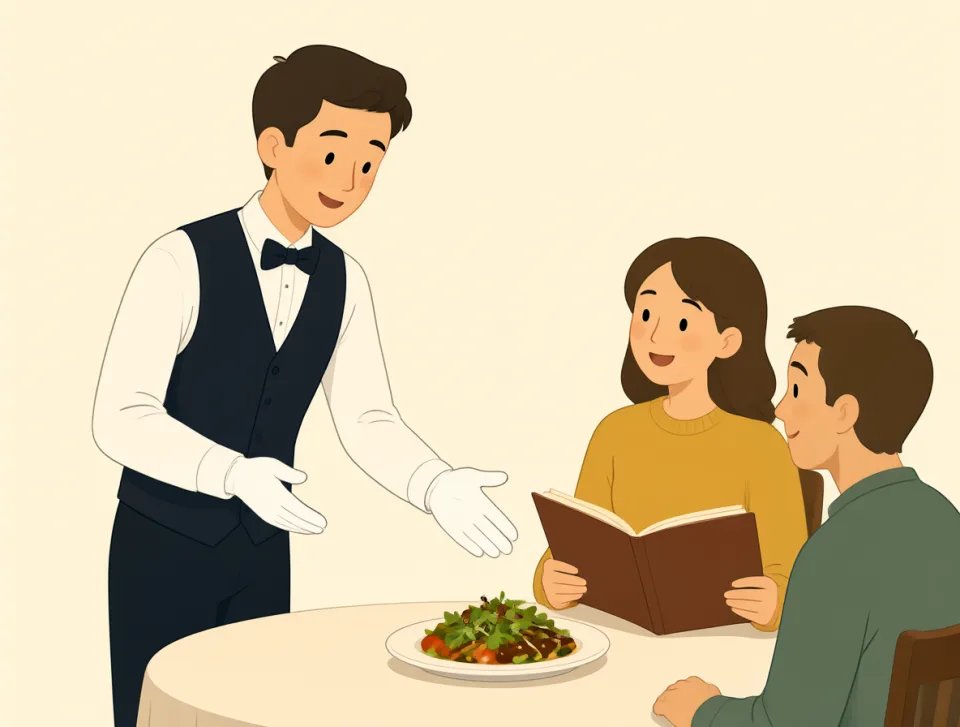
The waiter referred us to the daily special.
वेटर ने हमें आज के ख़ास व्यंजन के बारे में बताया।
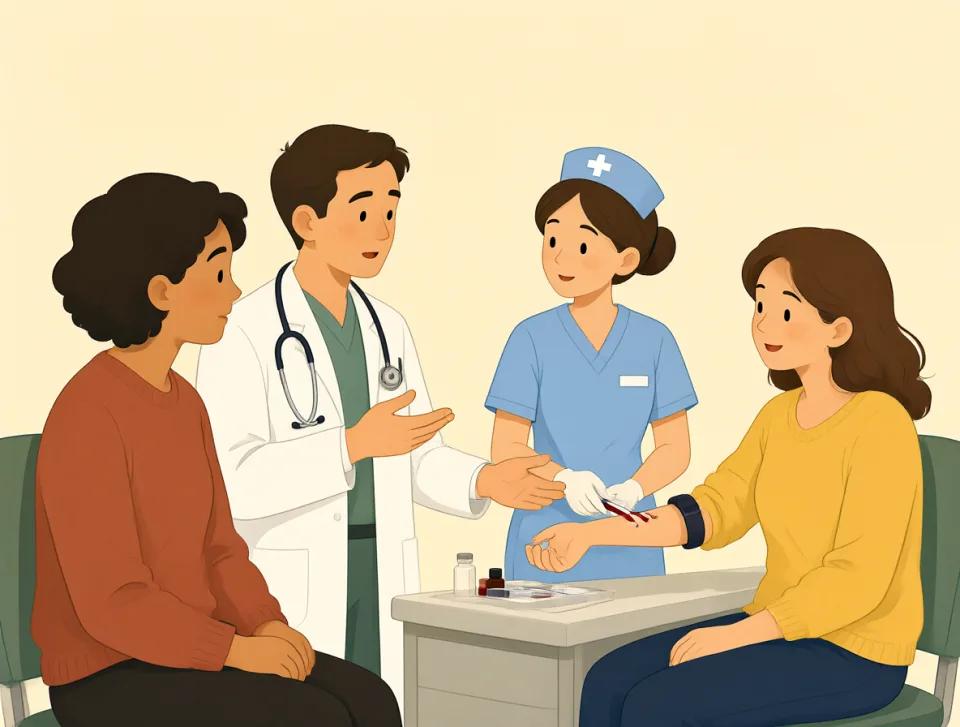
The doctor referred her for a blood test.
डॉक्टर ने उसे खून की जाँच कराने के लिए भेजा।
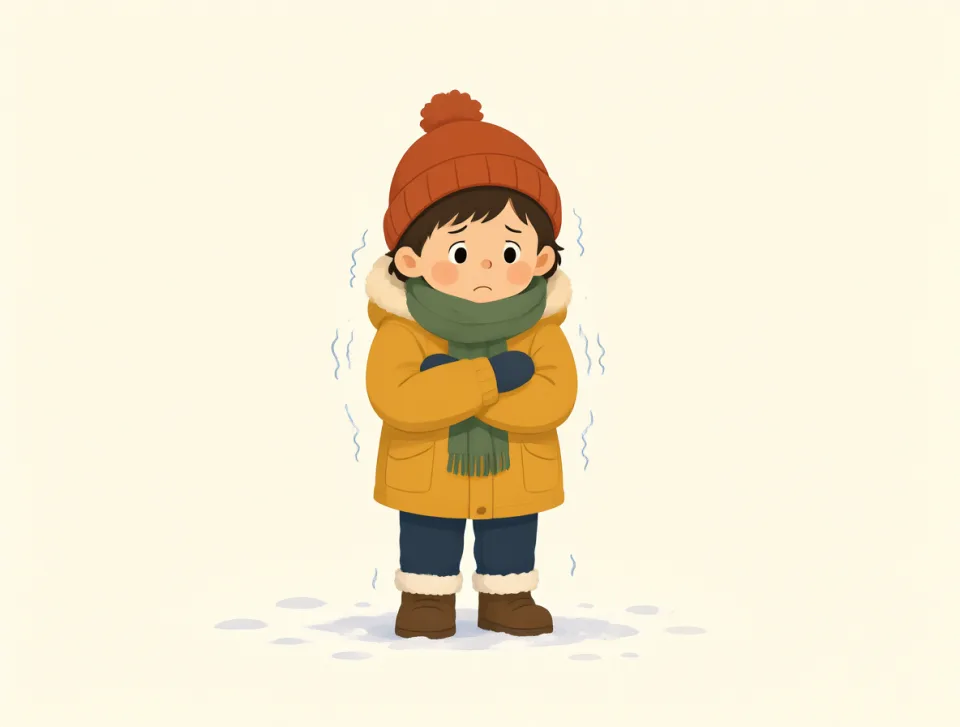
cold
#867adjective, noun
ठंडा; सर्दी-जुकाम
Having a low temperature; a common illness with a blocked or runny nose.
कम तापमान वाला; या नाक बंद होने अथवा बहने वाली एक आम बीमारी।

The water is too cold to swim.
पानी तैरने के लिए बहुत ठंडा है।
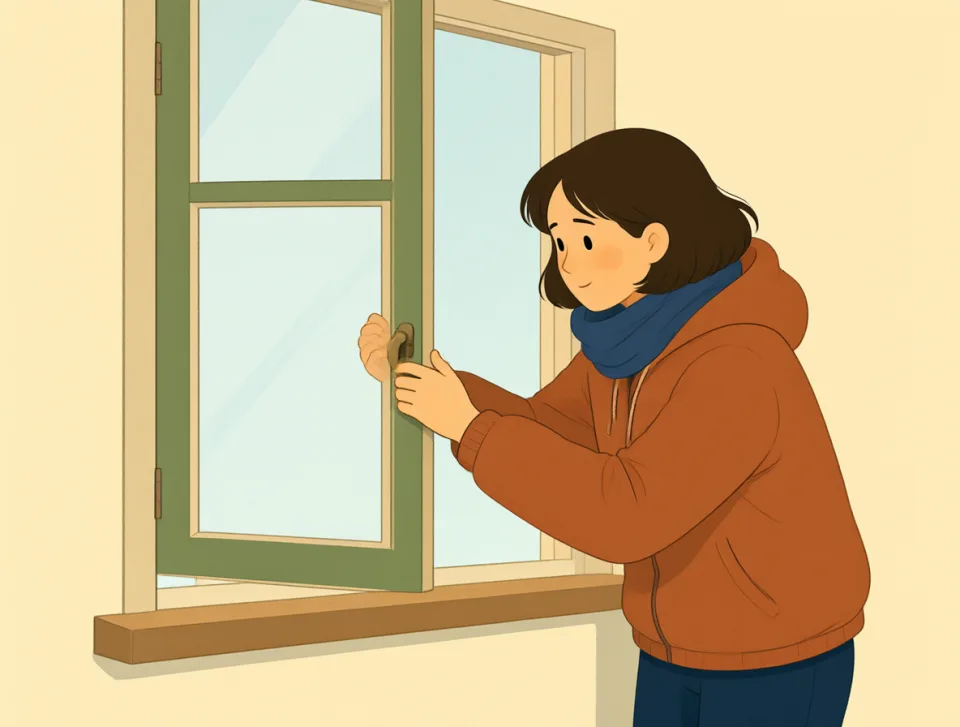
Please close the window; I am cold.
कृपया खिड़की बंद कर दीजिए; मुझे ठंड लग रही है।

I caught a cold from my brother.
मुझे अपने भाई से सर्दी-जुकाम हो गया।

She drank a cold glass of water.
उसने एक गिलास ठंडा पानी पिया।

We ate cold chicken on the train.
हमने ट्रेन में ठंडा चिकन खाया।
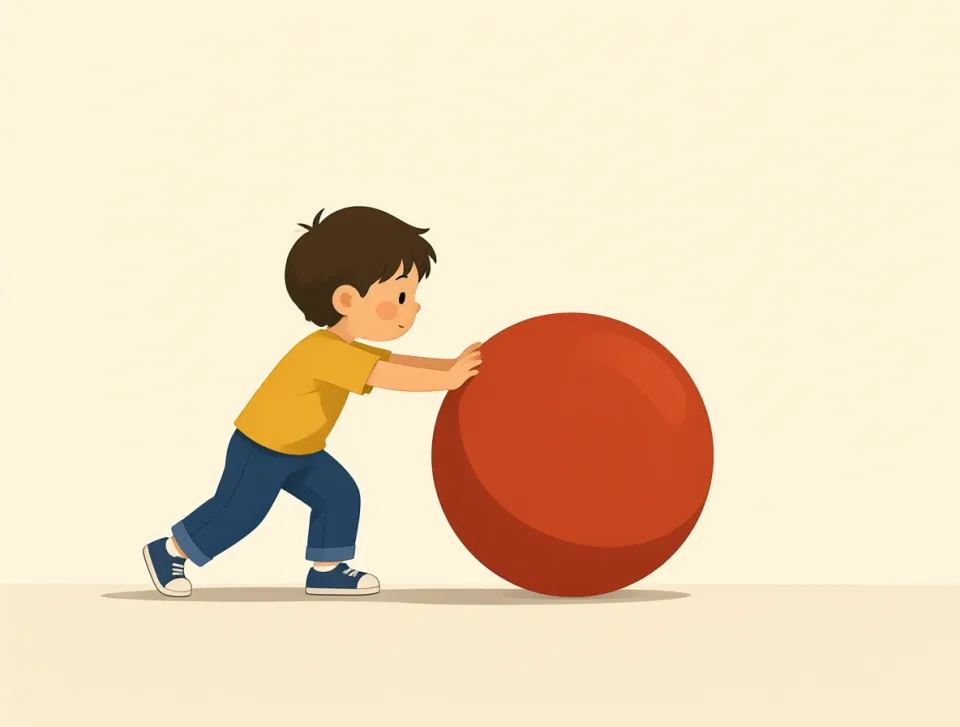
push
#868verb, noun
धक्का देना; धक्का
To move something forward by pressing it; an act of pressing or forcing.
दबाकर किसी चीज़ को आगे खिसकाना; दबाने या ज़ोर लगाने की क्रिया।
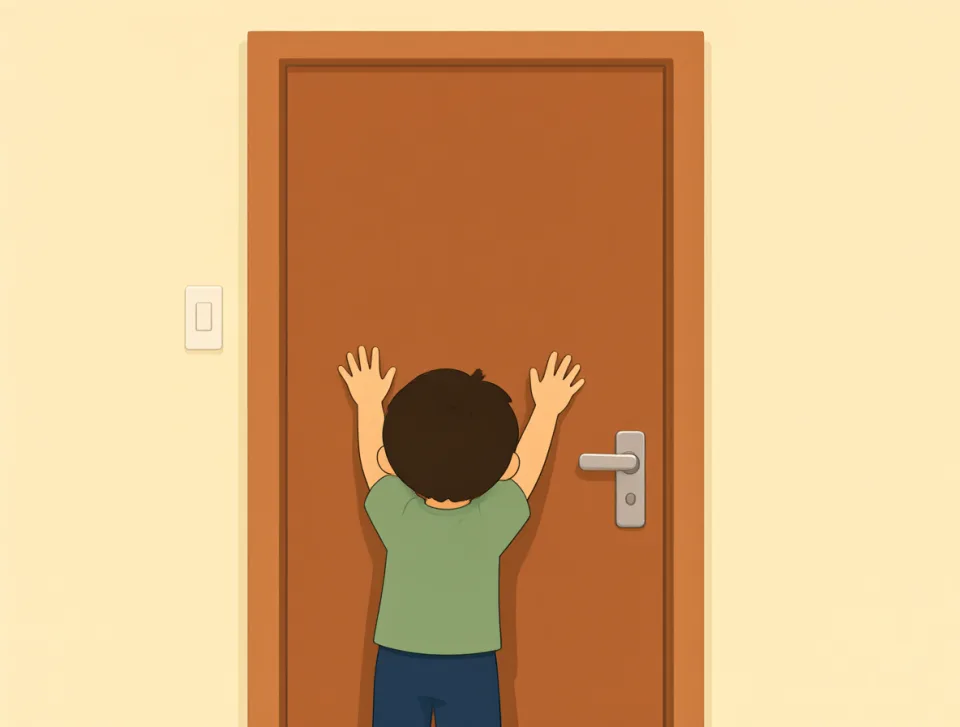
Please push the door open.
कृपया दरवाज़े को धक्का देकर खोलिए।
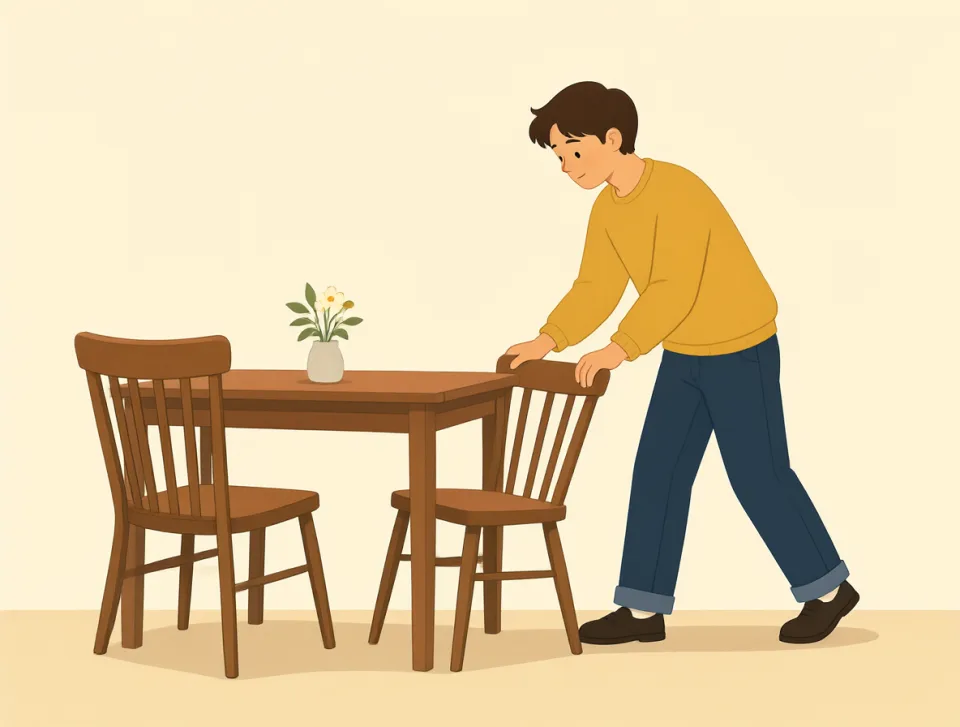
He pushed the chair under the table.
उसने कुर्सी को धकेलकर मेज़ के नीचे कर दिया।
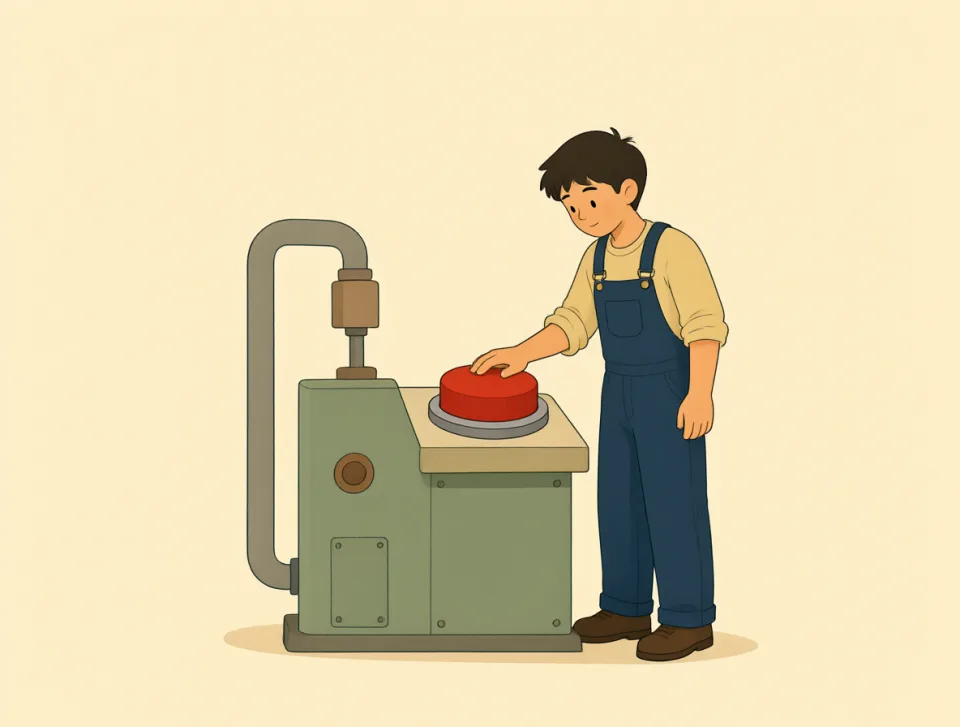
Push the button to start the machine.
मशीन चालू करने के लिए बटन दबाइए।
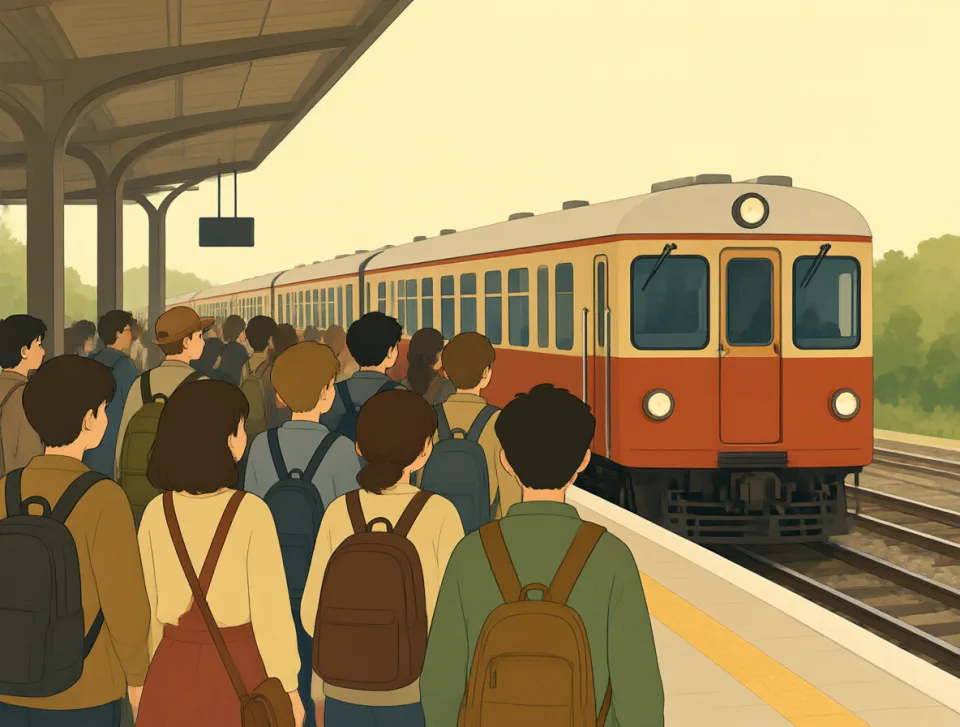
The crowd pushed toward the train.
भीड़ ट्रेन की ओर धक्का-मुक्की करती हुई बढ़ी।
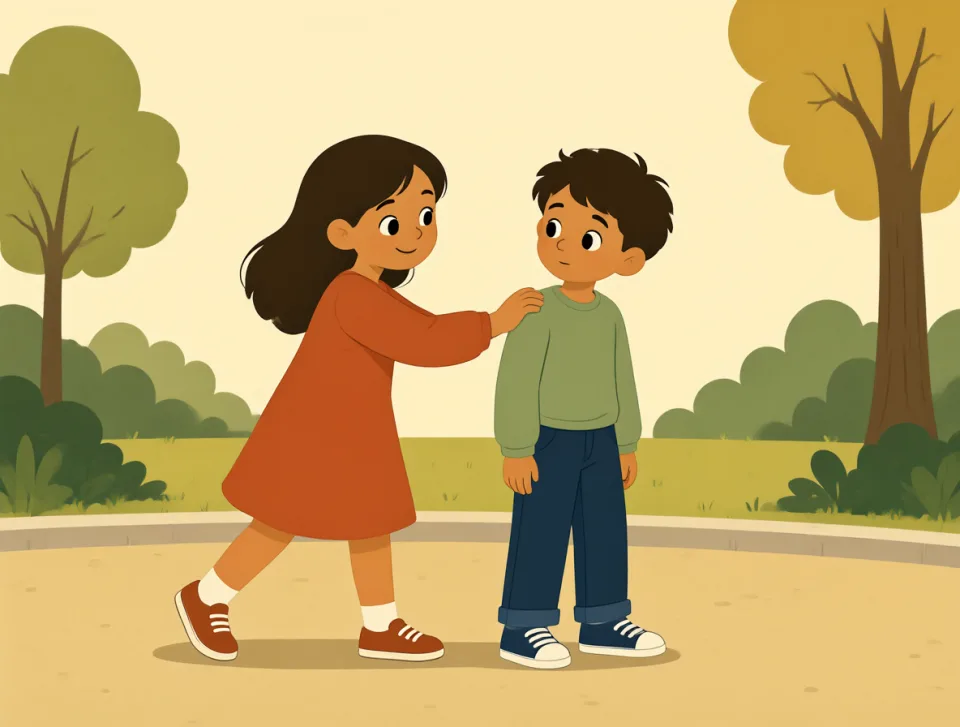
She gave me a gentle push.
उसने मुझे हल्का-सा धक्का दिया।
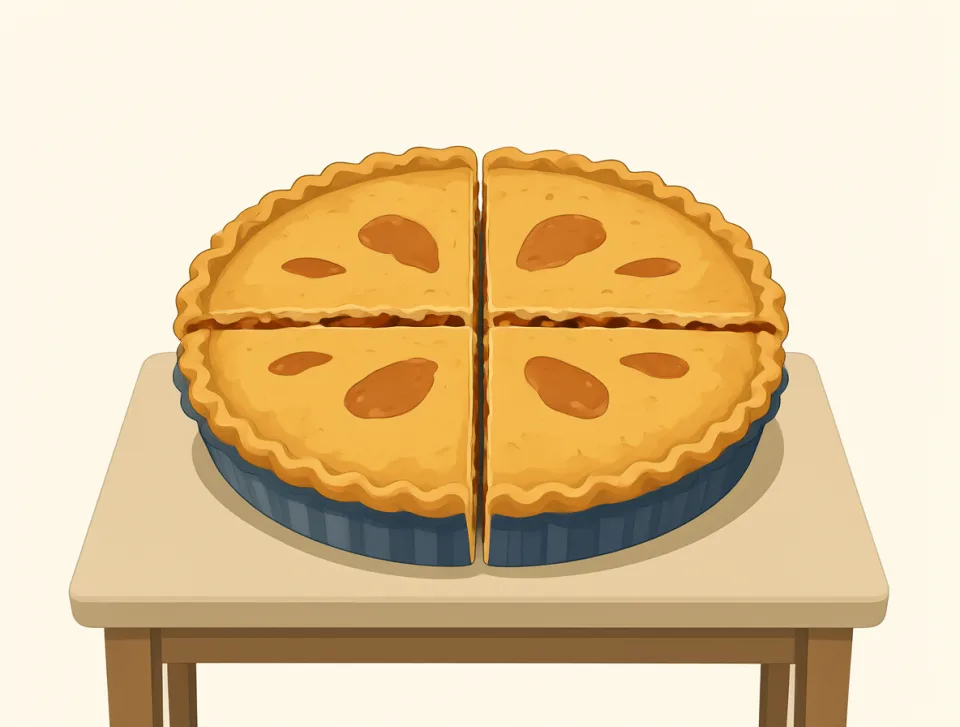
quarter
#869noun, verb
चौथाई; चार बराबर हिस्सों में बाँटना
One of four equal parts of something; to divide something into four parts.
किसी चीज़ के चार बराबर हिस्सों में से एक; किसी चीज़ को चार हिस्सों में बाँटना।
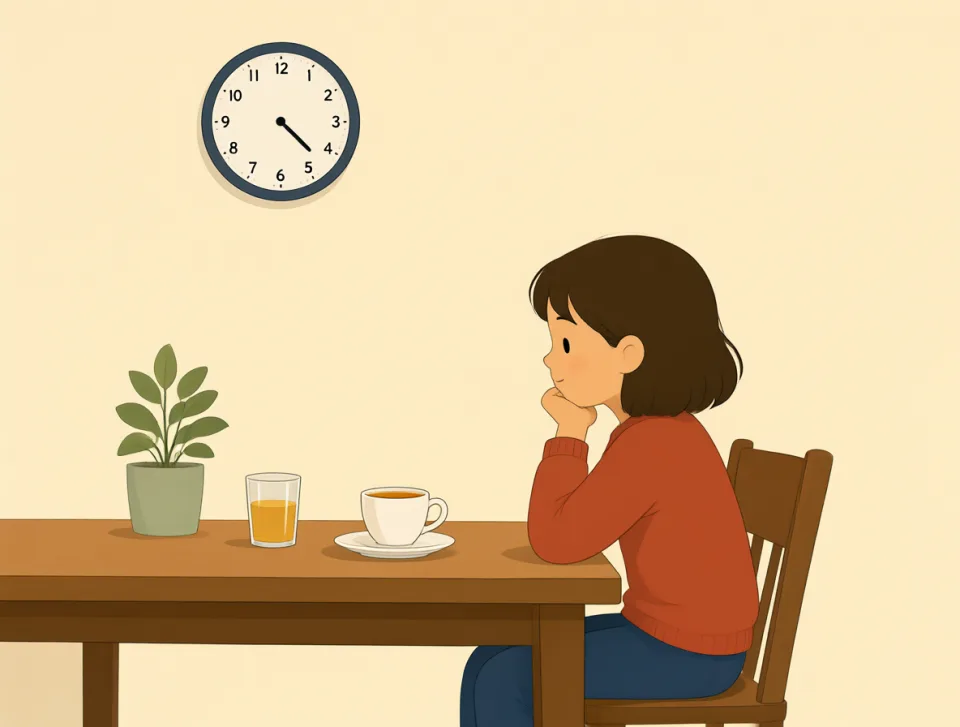
It is quarter past three.
सवा तीन बजे हैं।
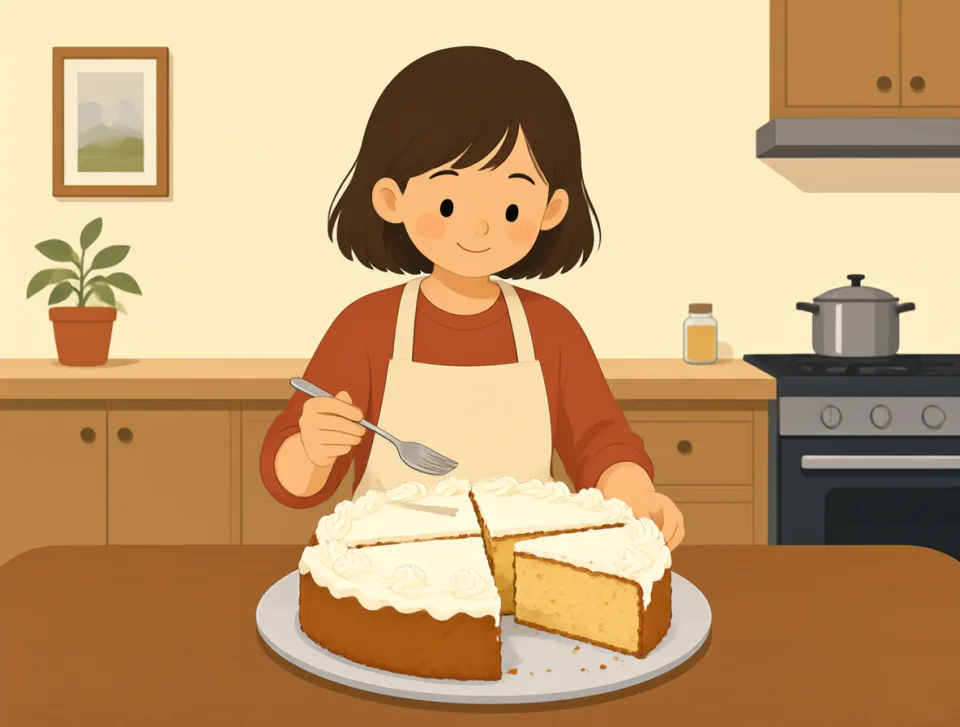
She ate a quarter of the cake.
उसने केक का एक चौथाई हिस्सा खाया।

The store is a quarter mile away.
दुकान यहाँ से एक चौथाई मील दूर है।
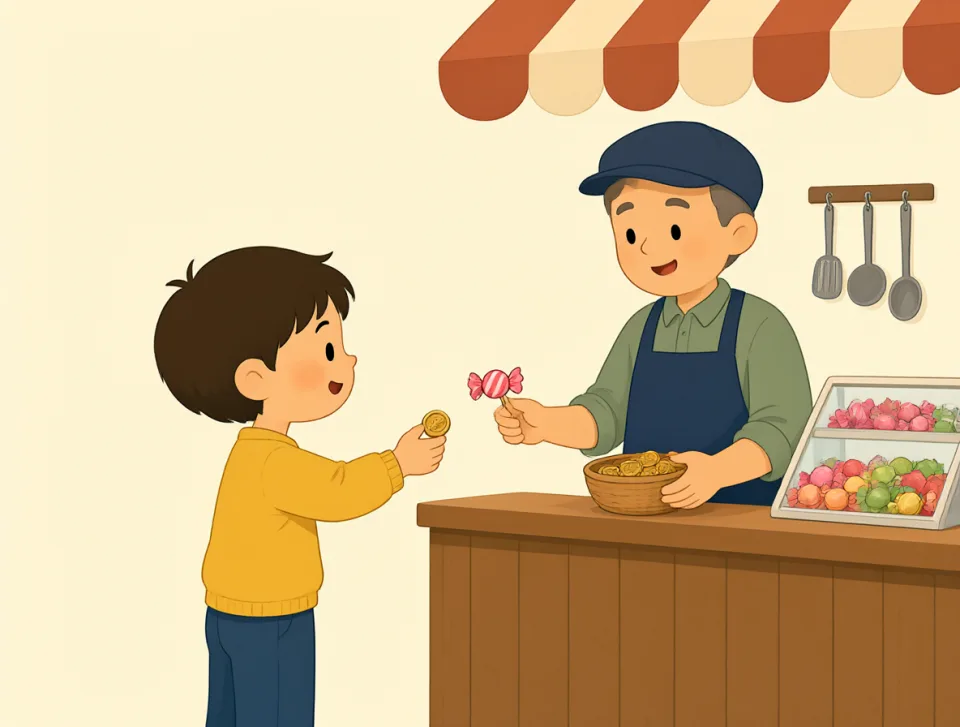
He paid a quarter for the candy.
उसने मिठाई के लिए पच्चीस सेंट दिए।
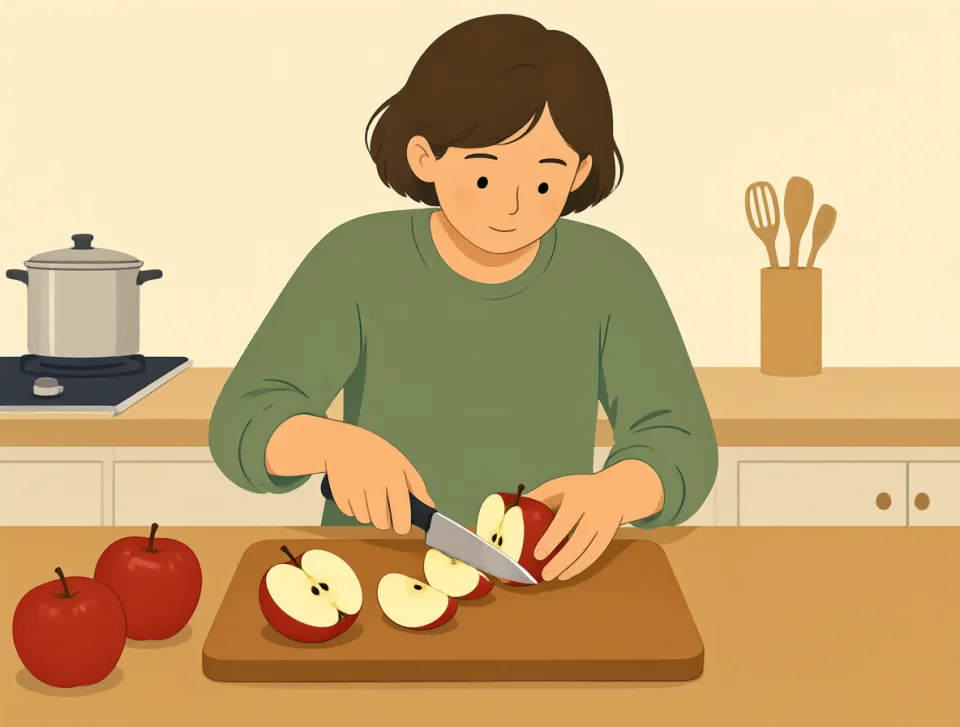
Quarter the apples before cooking them.
पकाने से पहले सेबों को चार टुकड़ों में काट लें।
assume
#870verb
मान लेना
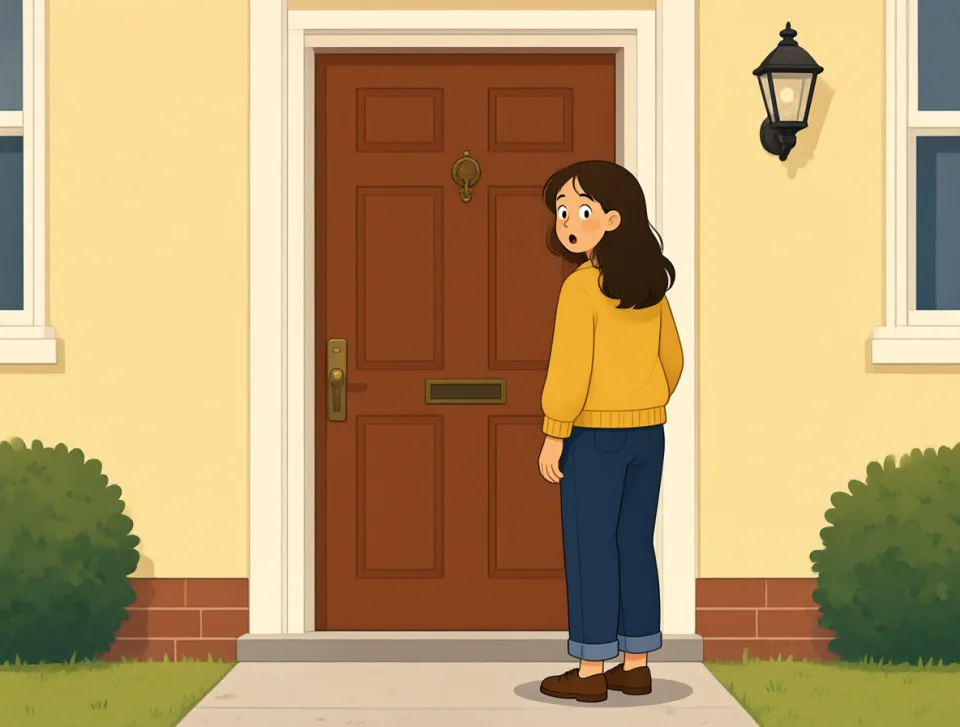
to think something is true without checking
जाँच किए बिना किसी बात को सच समझना।
I assumed you were at home.
मैंने मान लिया था कि तुम घर पर हो।
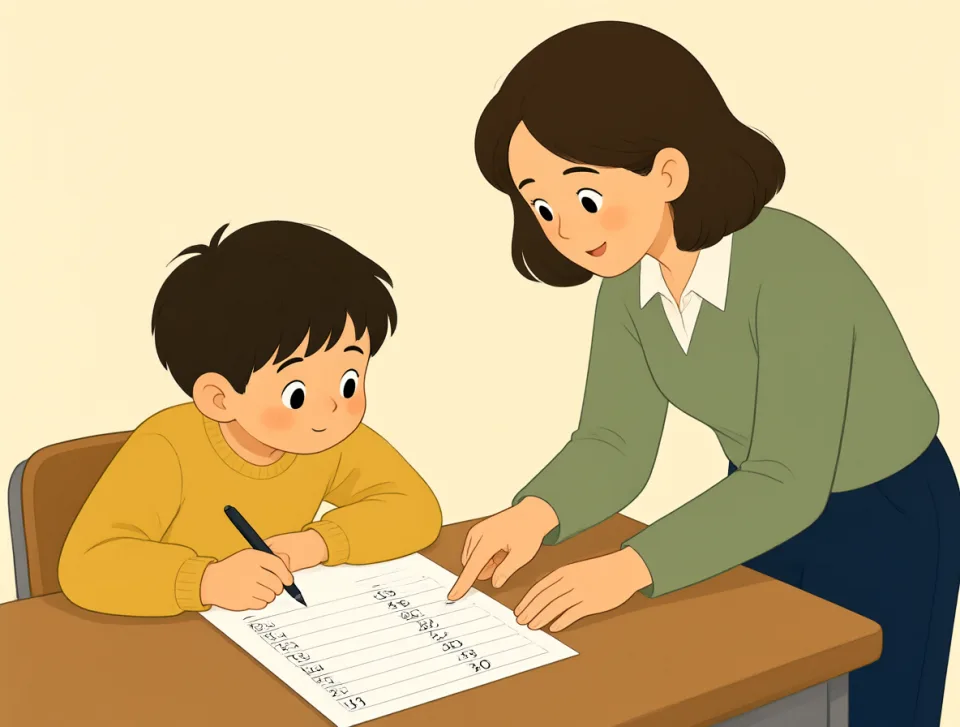
Do not assume the answer is correct.
यह मत मानिए कि जवाब सही है।

We assumed the train would arrive soon.
हमने मान लिया था कि ट्रेन जल्द ही आ जाएगी।

She assumed responsibility for the mistake.
उसने गलती की ज़िम्मेदारी ले ली।
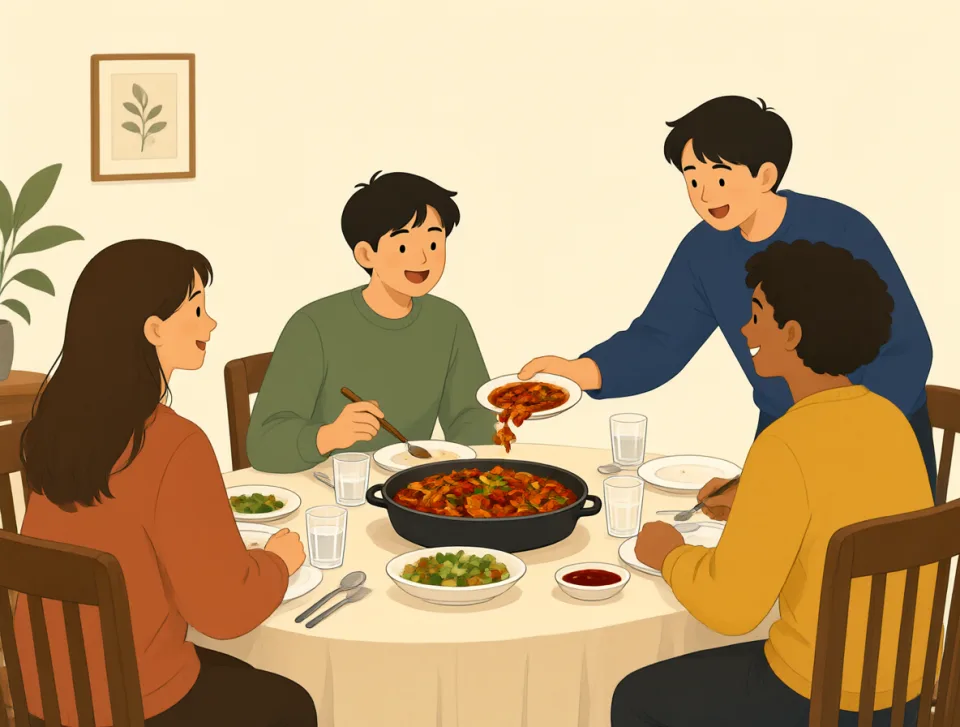
Let's not assume everyone likes spicy food.
चलो, यह न मानें कि सबको तीखा खाना पसंद है।

baby
#871noun
शिशु
a very young child who cannot walk or talk yet
बहुत छोटा बच्चा जो अभी चल या बोल नहीं सकता

The baby is sleeping in her crib.
शिशु अपने पालने में सो रहा है।
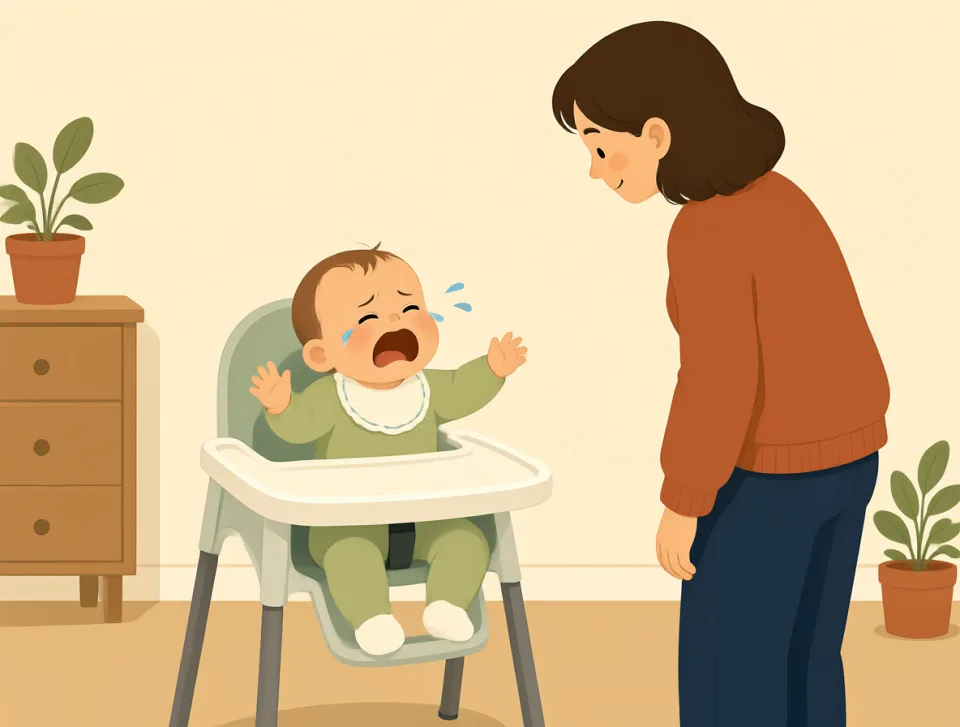
The baby began to cry after lunch.
दोपहर के खाने के बाद शिशु रोने लगा।

We bought new clothes for the baby.
हमने शिशु के लिए नए कपड़े खरीदे।

The baby smiled at her brother.
शिशु अपने भाई को देखकर मुस्कुराया।
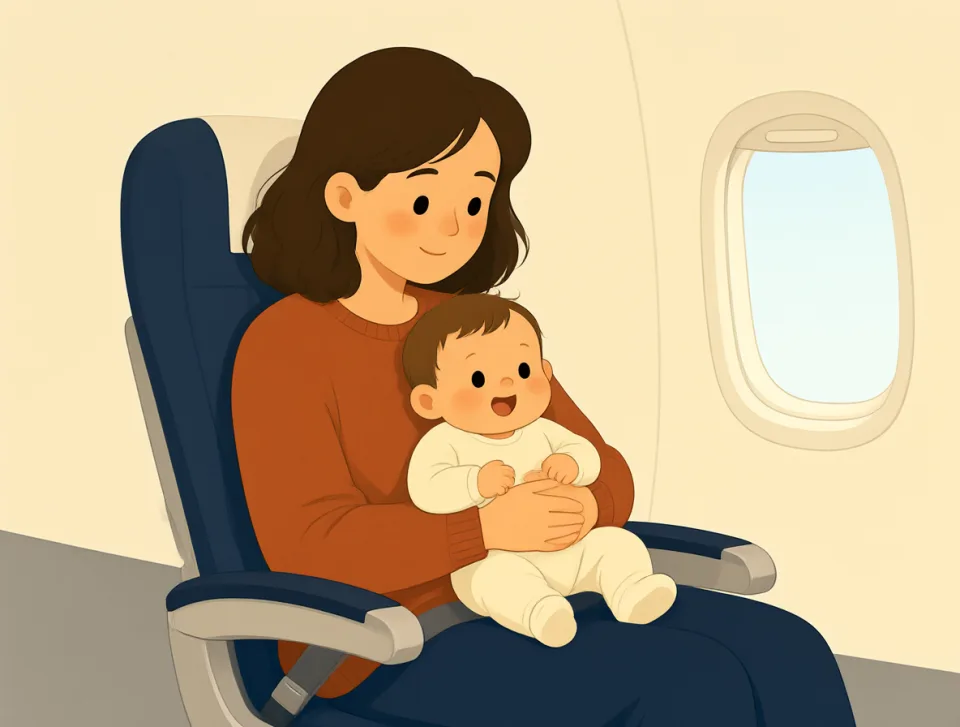
Please hold the baby during the flight.
कृपया उड़ान के दौरान शिशु को गोद में संभालें।

successful
#872adjective
सफल
Having the results you wanted or hoped for.
जिसे मनचाहा या अपेक्षित परिणाम मिला हो।

She had a successful interview yesterday.
कल उसका साक्षात्कार सफल रहा।

The shop had a successful opening day.
दुकान का उद्घाटन दिवस सफल रहा।

He was successful at finding a new job.
उसे नई नौकरी ढूँढ़ने में सफलता मिली।

Our school trip was very successful.
हमारी स्कूल की यात्रा बहुत सफल रही।

The doctor said the treatment was successful.
डॉक्टर ने कहा कि इलाज सफल रहा।

sing
#873verb, noun
गाना
To make musical sounds with your voice; a series of musical sounds made by singing.
अपनी आवाज़ से संगीतमय ध्वनियाँ निकालना; गाकर बनाई गई संगीतमय ध्वनियों की एक श्रृंखला।

We sing together every Sunday.
हम हर रविवार साथ में गाते हैं।
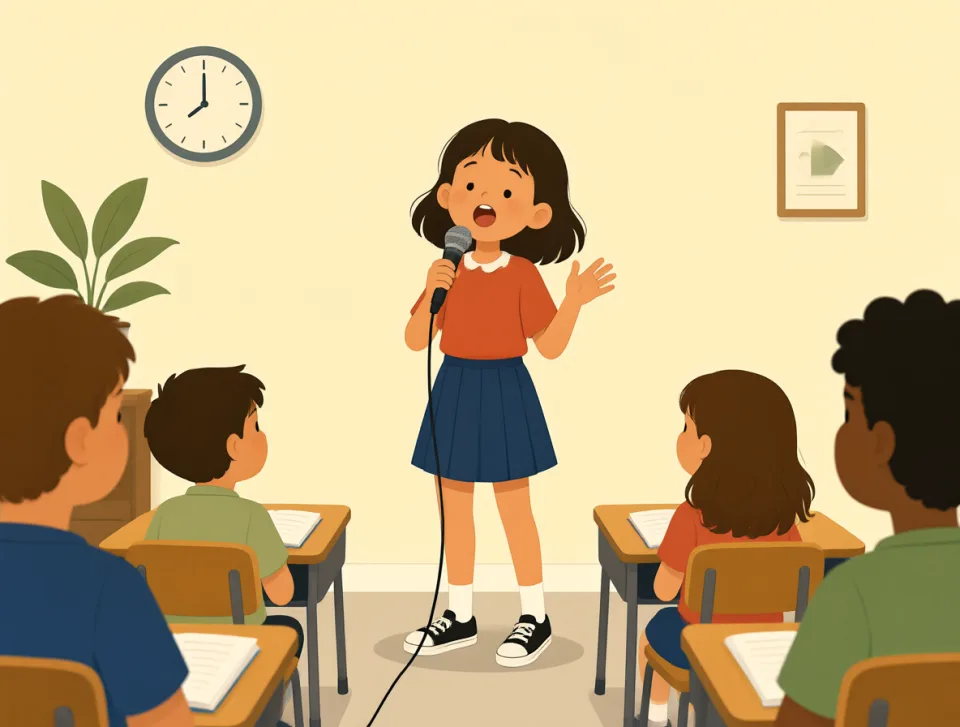
She sings a song at school.
वह स्कूल में एक गाना गाती है।
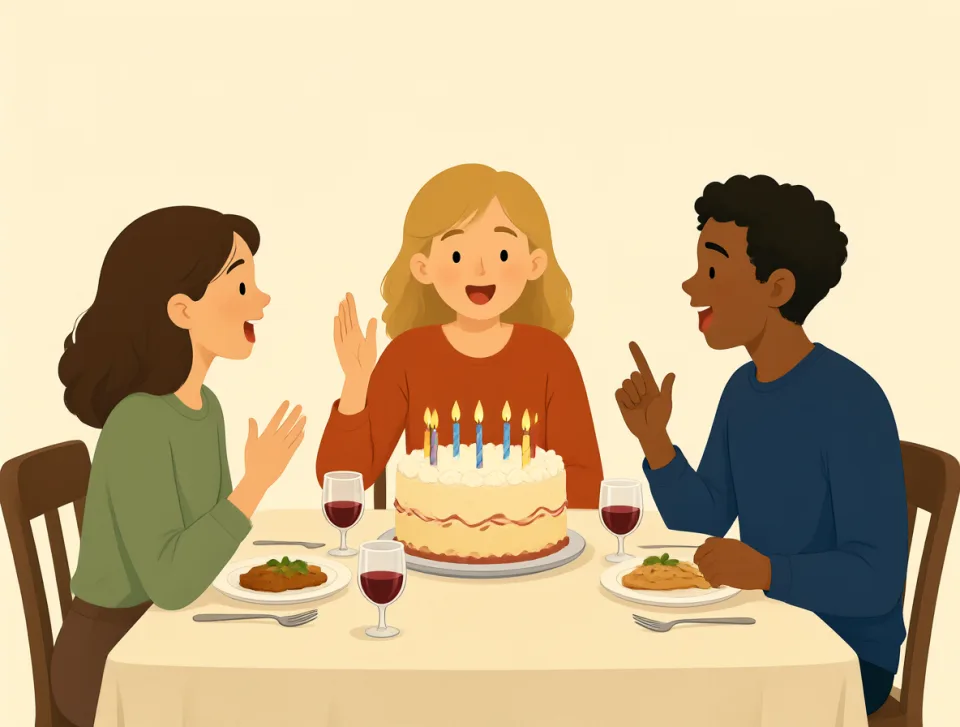
They sang happy birthday at dinner.
उन्होंने रात के खाने पर जन्मदिन का गीत गाया।

He is singing in the shower.
वह नहाते समय गा रहा है।
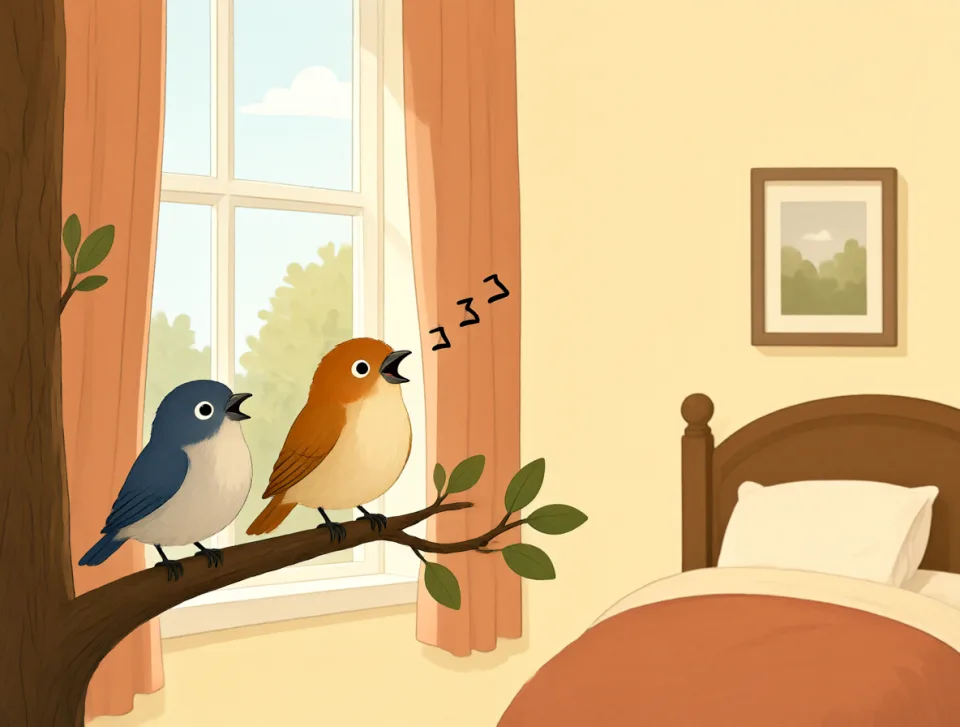
The birds sing outside my window.
मेरी खिड़की के बाहर पक्षी गाते हैं।

doubt
#874noun, verb
संदेह
A feeling that something may not be true or certain.
यह भावना कि कोई बात सच न हो या निश्चित न हो।
I have some doubt about his story.
मुझे उसकी कहानी पर थोड़ा संदेह है।

There is no doubt that she is right.
इसमें कोई संदेह नहीं कि वह सही है।
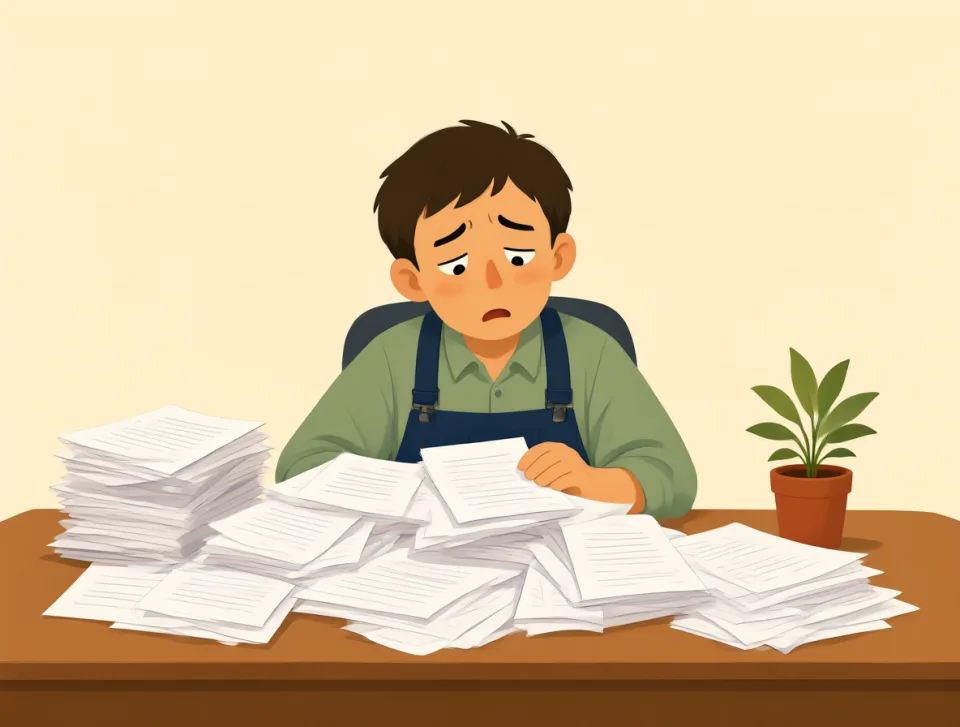
I doubt we will finish the work today.
मुझे नहीं लगता कि हम आज काम पूरा कर पाएँगे।
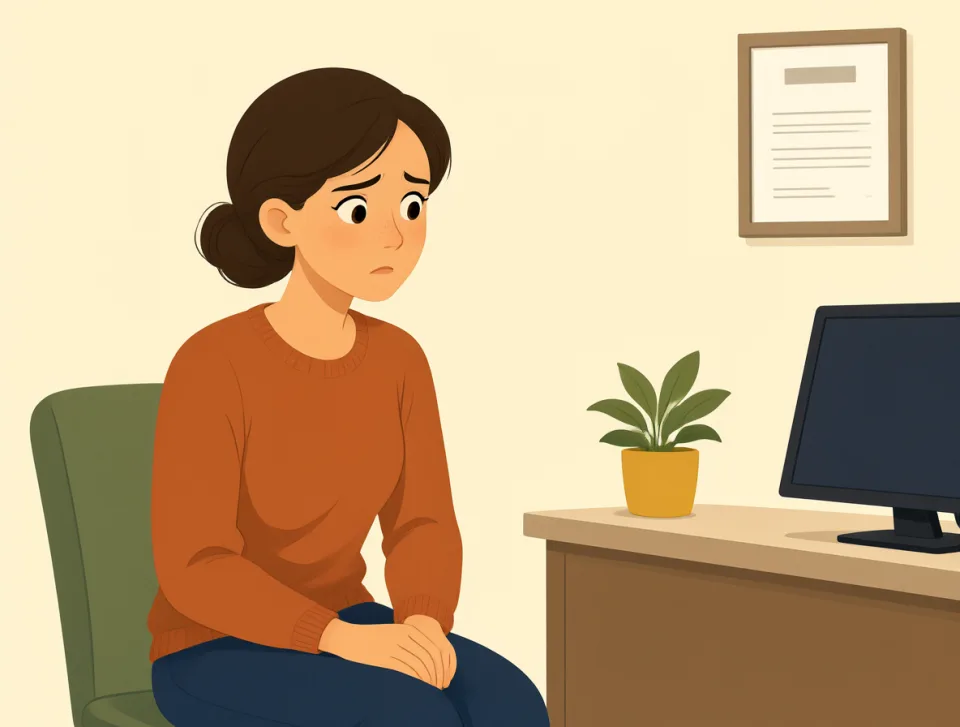
She doubted the doctor’s advice at first.
शुरू में उसे डॉक्टर की सलाह पर संदेह हुआ।
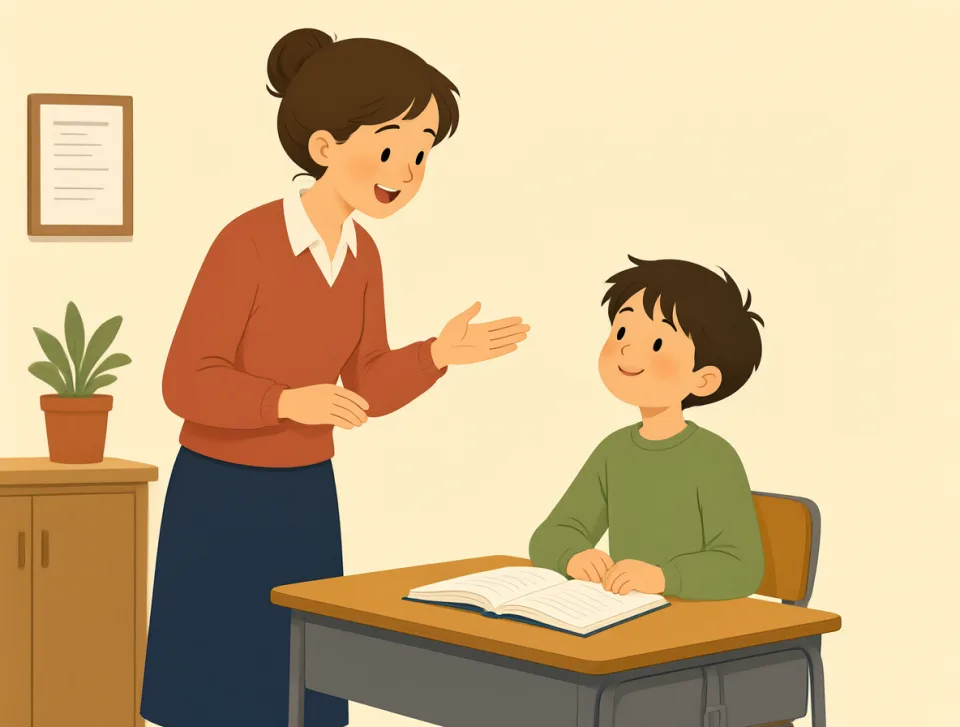
The teacher answered my doubts about the test.
शिक्षक ने परीक्षा को लेकर मेरी शंकाओं के जवाब दिए।

competition
#875noun
प्रतियोगिता
a contest in which people or teams try to win
ऐसी प्रतियोगिता जिसमें लोग या टीमें जीतने की कोशिश करते हैं

Our team won the competition yesterday.
हमारी टीम ने कल प्रतियोगिता जीत ली।
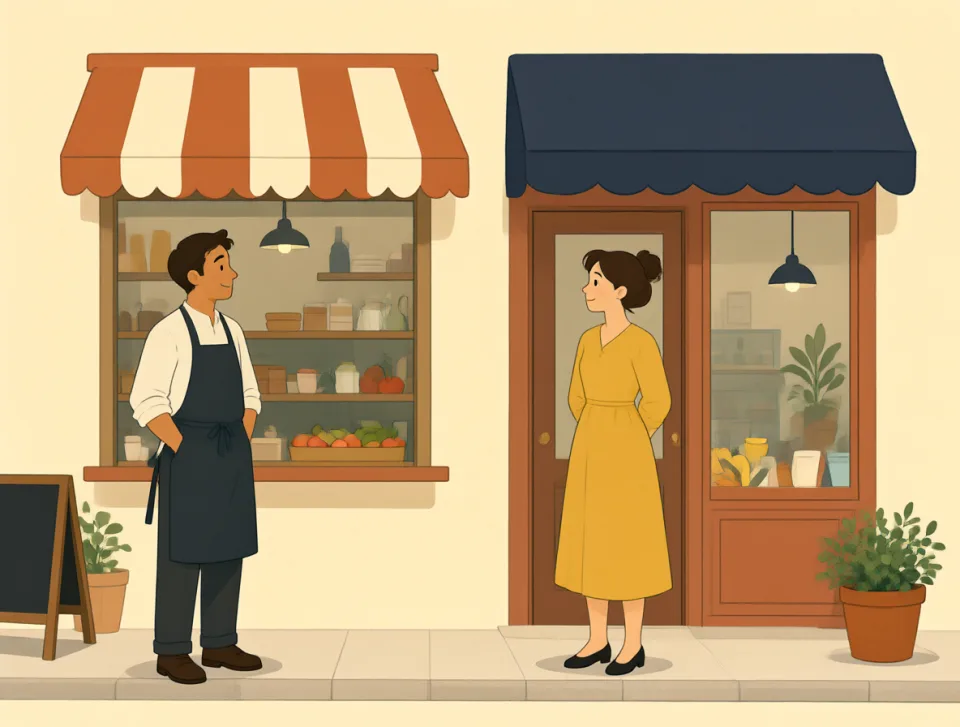
There is strong competition between the two shops.
दोनों दुकानों के बीच कड़ी प्रतिस्पर्धा है।
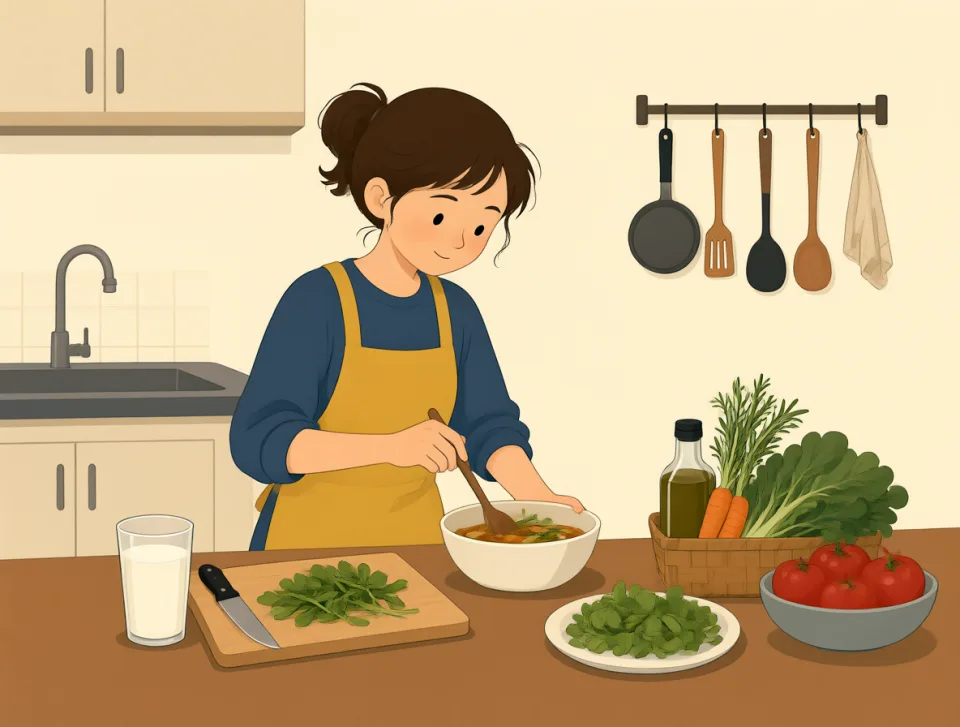
She entered a cooking competition at school.
उसने स्कूल की खाना पकाने की प्रतियोगिता में हिस्सा लिया।
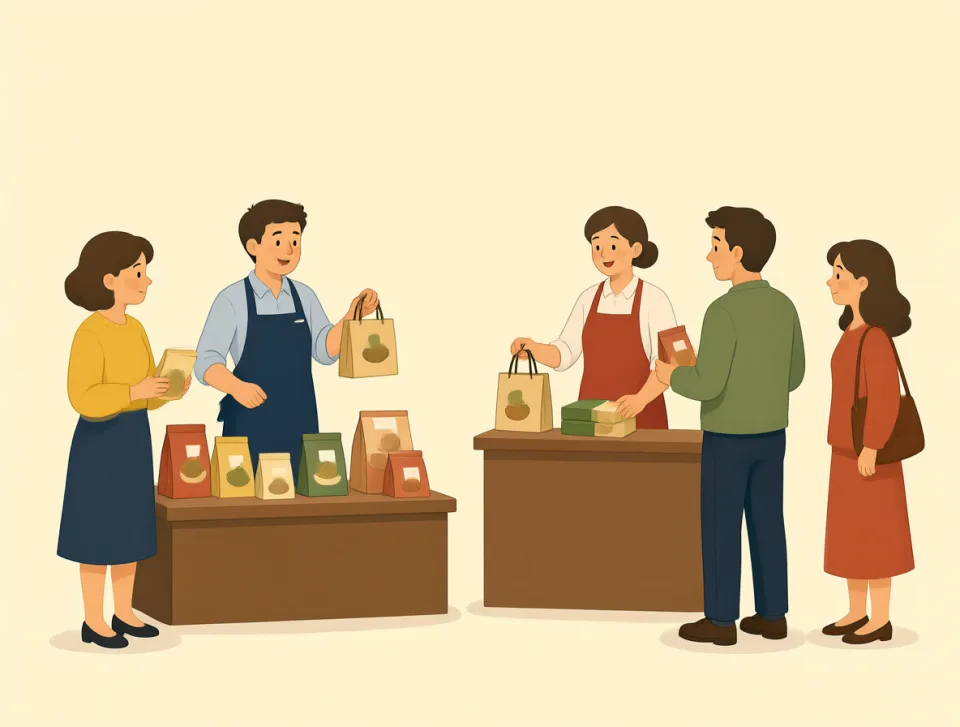
Competition helps companies offer lower prices.
प्रतिस्पर्धा से कंपनियों को कम कीमतें देने में मदद मिलती है।
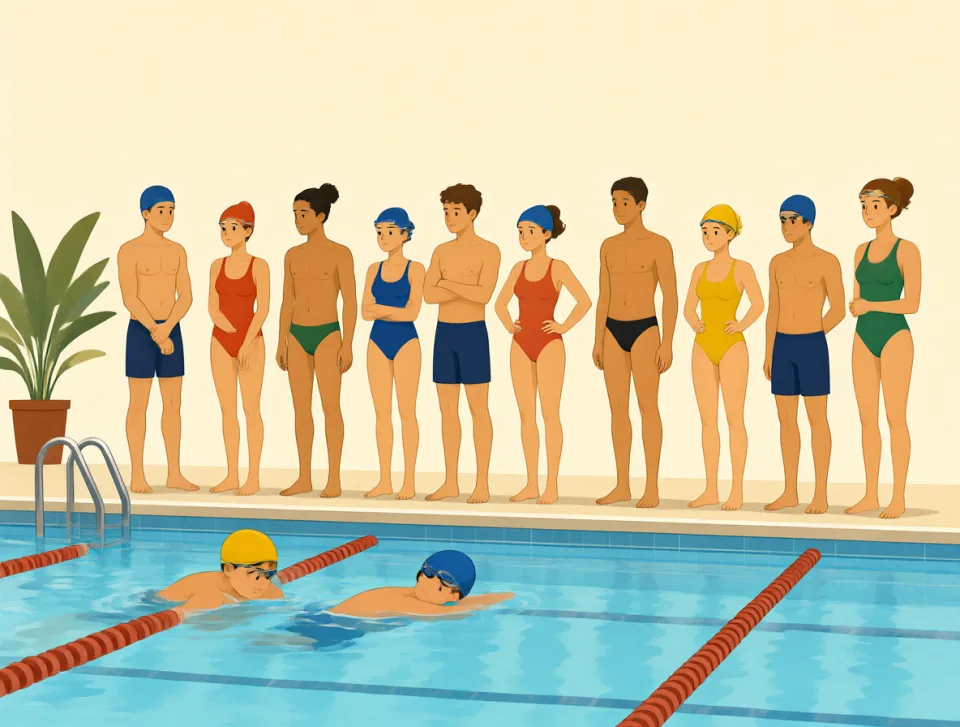
The swimming competition starts at ten.
तैराकी प्रतियोगिता दस बजे शुरू होती है।
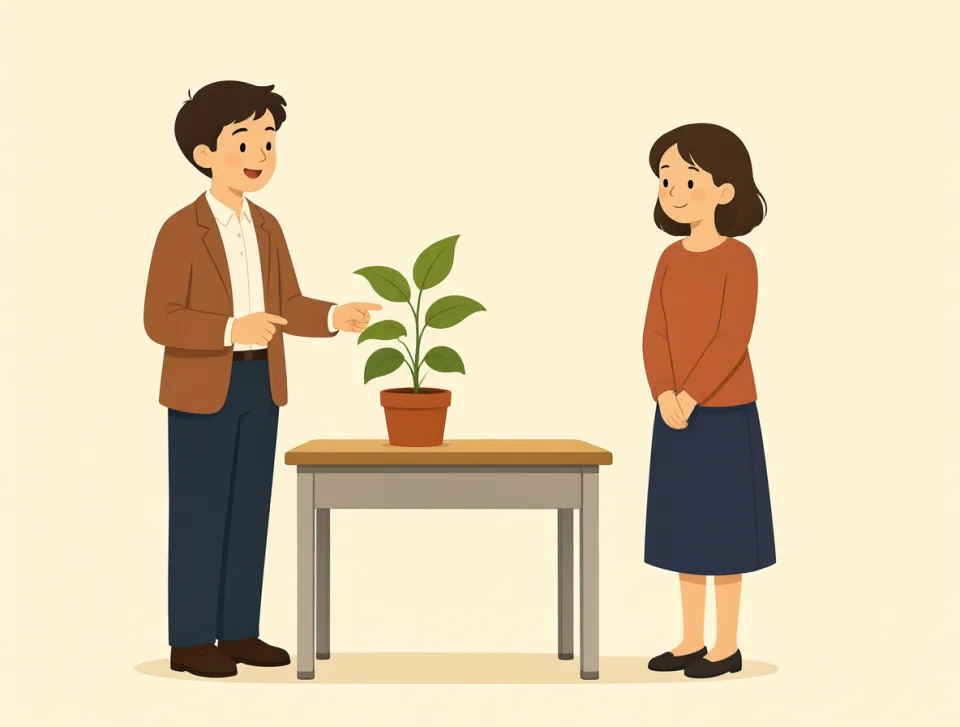
theory
#876noun
सिद्धांत
An idea that explains how or why something happens.
ऐसा विचार जो बताता है कि कुछ कैसे या क्यों होता है।
The theory explains how plants grow.
यह सिद्धांत बताता है कि पौधे कैसे बढ़ते हैं।
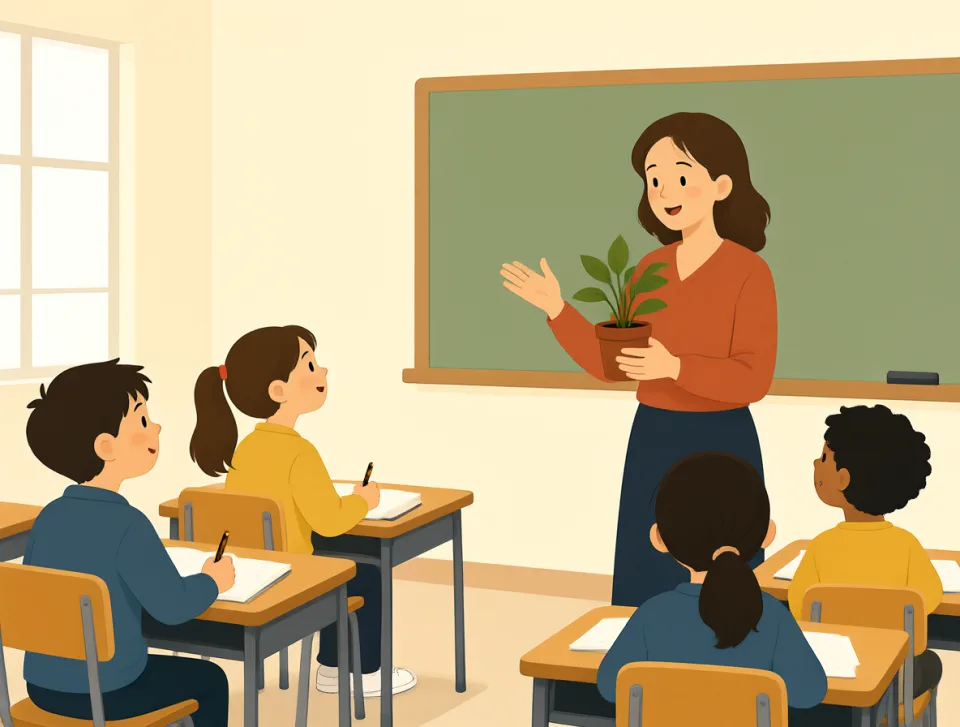
We learned a new theory in science class.
हमने विज्ञान की कक्षा में एक नया सिद्धांत सीखा।

His theory about the problem was correct.
समस्या के बारे में उसका सिद्धांत सही था।
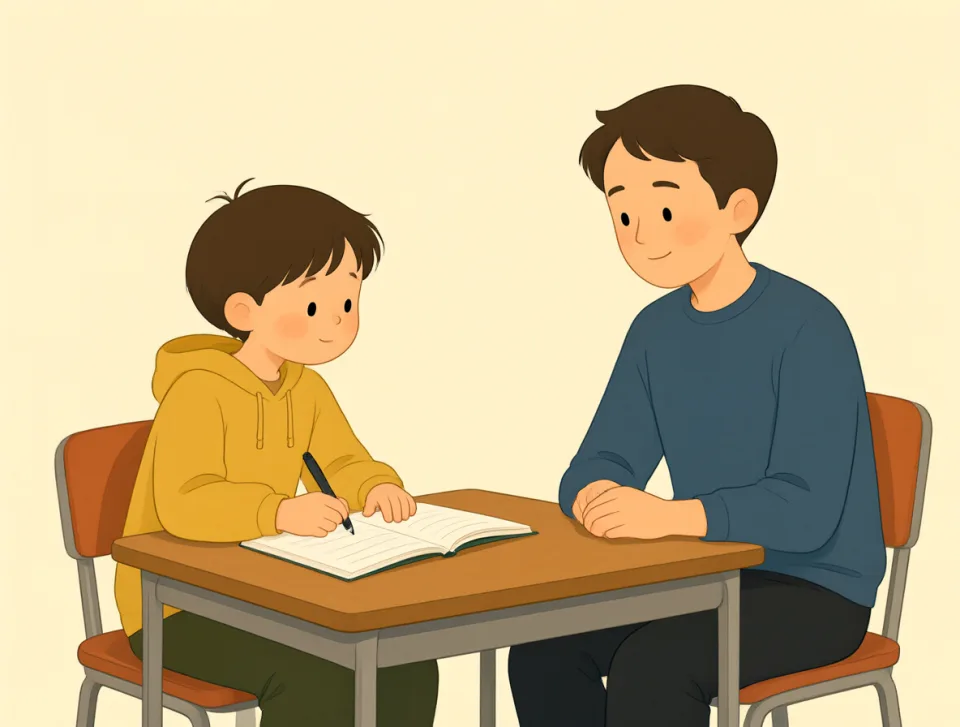
The driving theory test was difficult.
ड्राइविंग के सैद्धांतिक ज्ञान की परीक्षा कठिन थी।
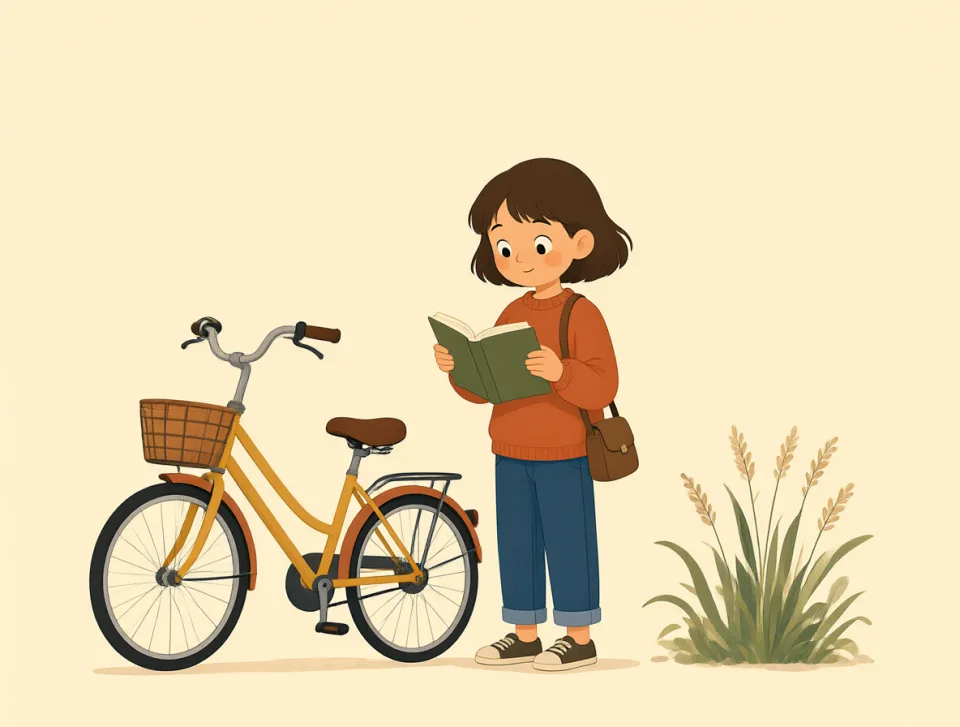
She knows the theory but needs practice.
उसे सिद्धांत पता है, लेकिन उसे अभ्यास की ज़रूरत है।
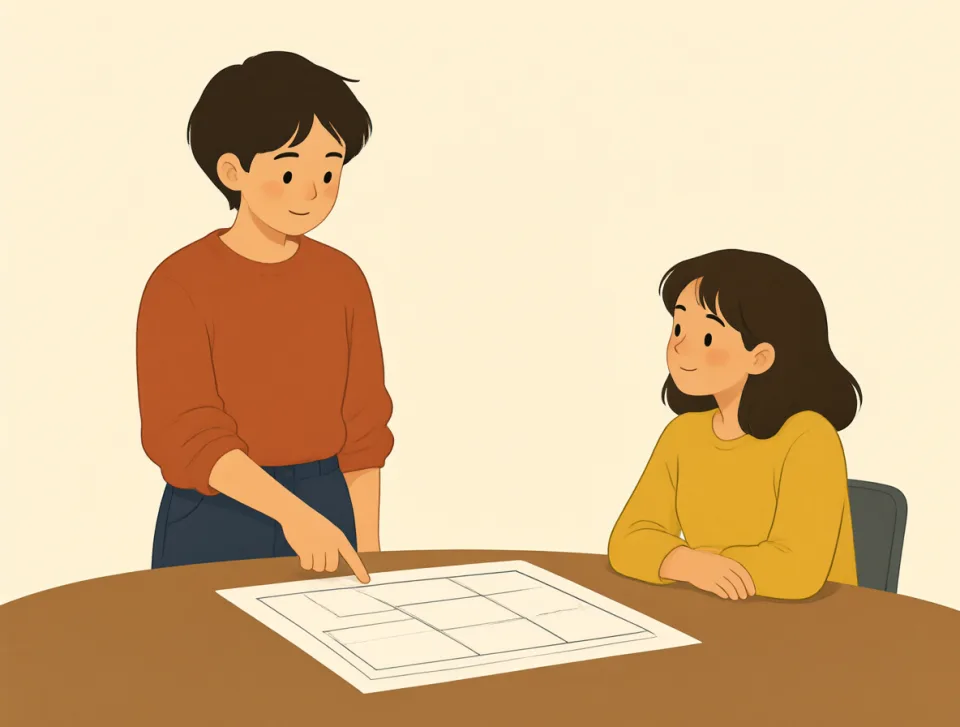
propose
#877verb
प्रस्ताव रखना
to suggest a plan or idea for people to consider
लोगों के विचार करने के लिए कोई योजना या विचार सुझाना।
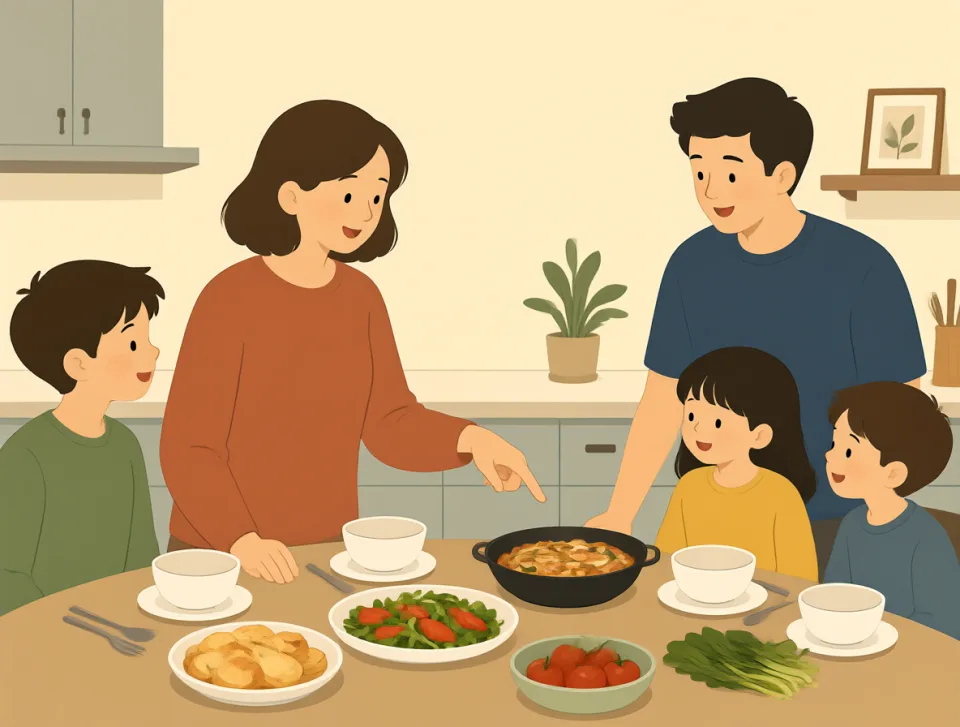
She proposed a new plan for dinner.
उसने रात के खाने के लिए एक नई योजना सुझाई।

The manager proposed shorter working hours.
प्रबंधक ने काम के घंटे कम करने का प्रस्ताव रखा।

Tom proposed meeting at the train station.
टॉम ने रेलवे स्टेशन पर मिलने का सुझाव दिया।
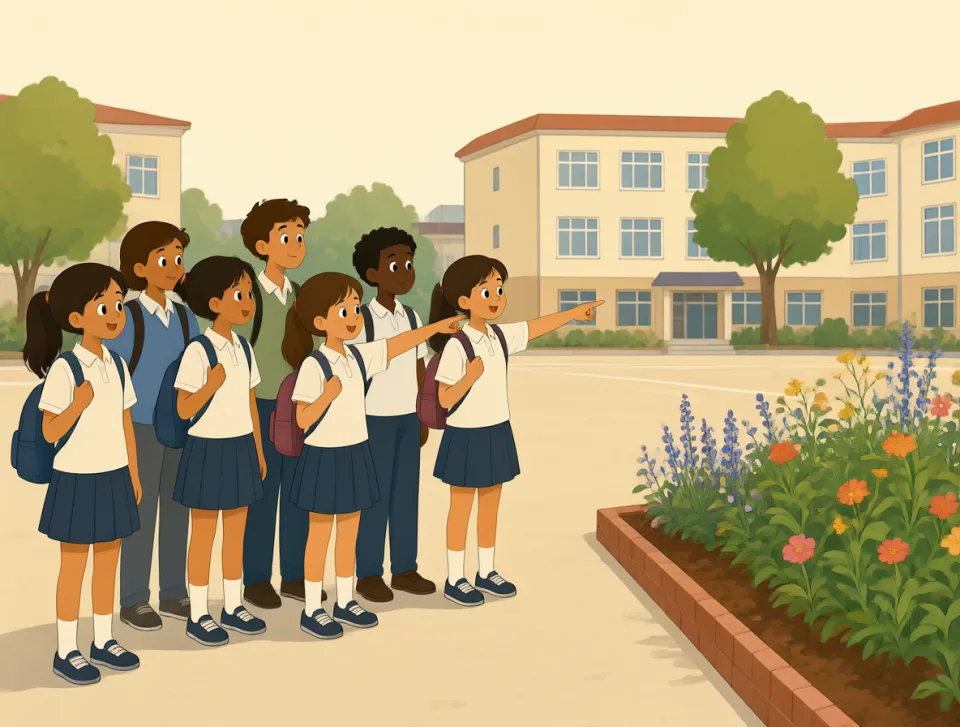
The students proposed a school garden.
विद्यार्थियों ने स्कूल में बगीचा बनाने का प्रस्ताव रखा।

He proposed to his girlfriend at dinner.
उसने रात के खाने पर अपनी प्रेमिका को शादी के लिए प्रस्ताव दिया।

reference
#878noun, verb
संदर्भ
Information or a person used to help you understand or decide something.
ऐसी जानकारी या व्यक्ति जो किसी बात को समझने या निर्णय लेने में आपकी मदद करे।

Please use this book as a reference.
कृपया इस किताब को संदर्भ के रूप में इस्तेमाल करें।
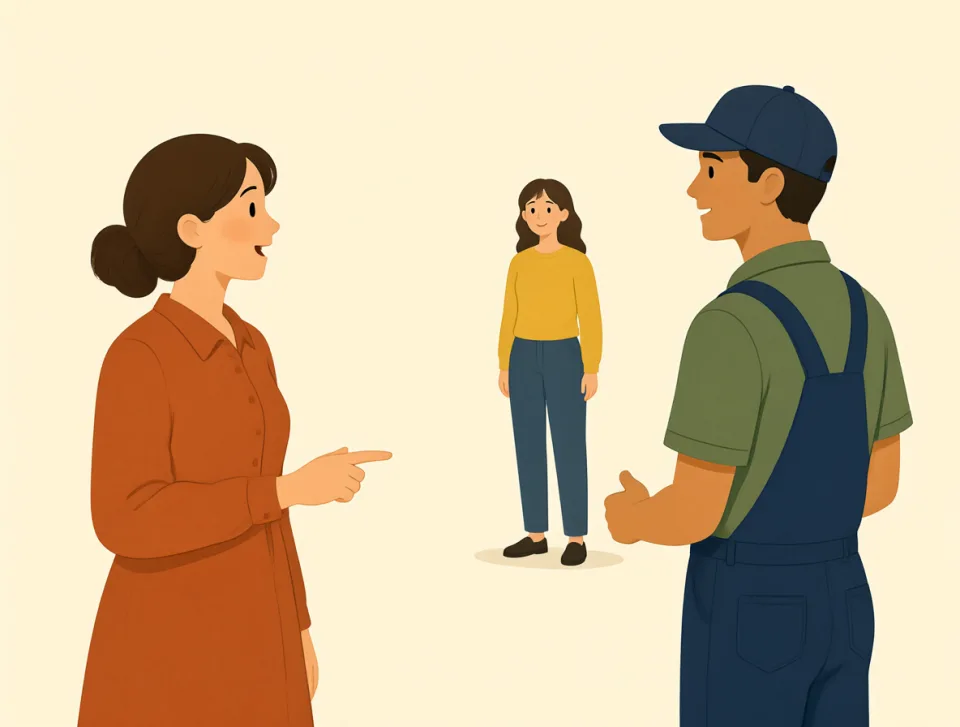
She gave my name as a reference.
उसने संदर्भ के तौर पर मेरा नाम दिया।

I need a reference for my school project.
मुझे अपने स्कूल प्रोजेक्ट के लिए एक संदर्भ चाहिए।

The doctor referred me to a heart specialist.
डॉक्टर ने मुझे हृदय रोग विशेषज्ञ के पास भेजा।
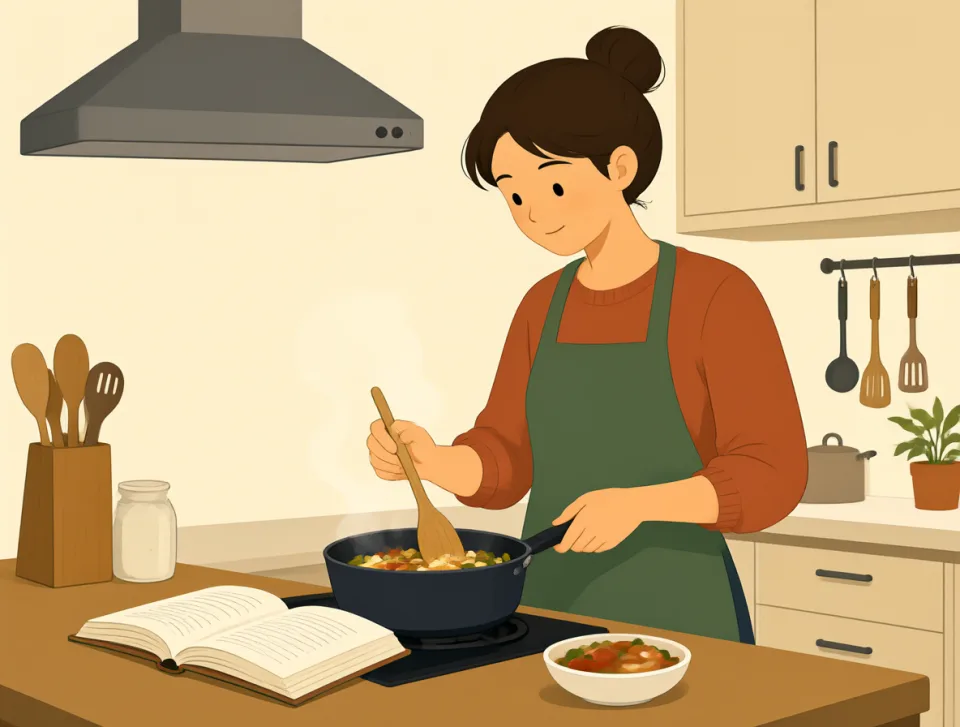
Please reference the recipe when you cook.
खाना बनाते समय कृपया रेसिपी का संदर्भ लें।
argument
#879noun
बहस
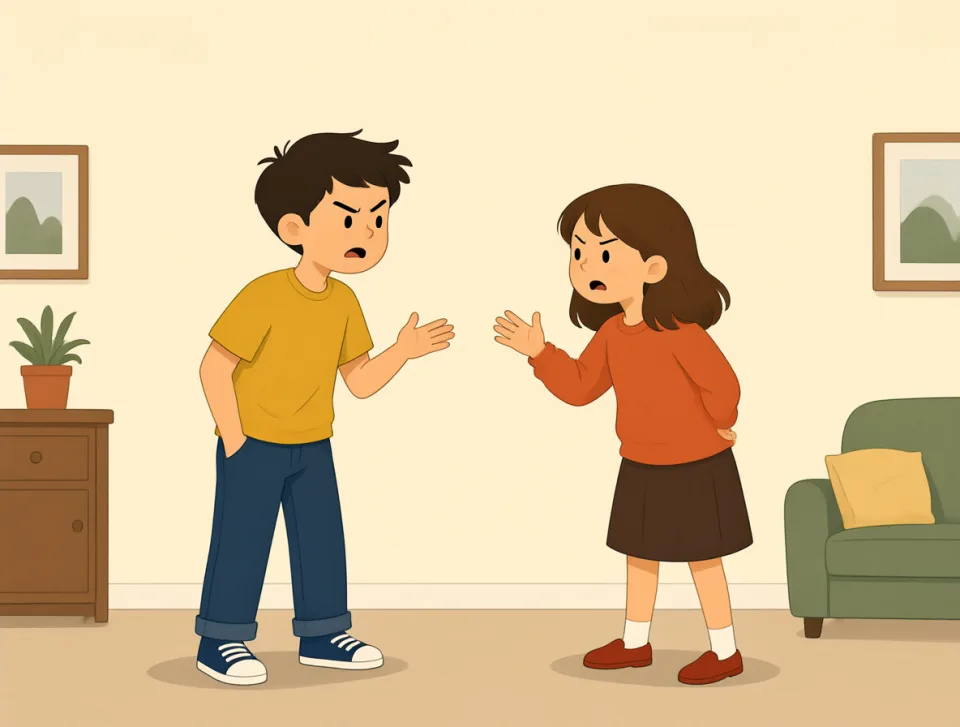
A disagreement between people, or a reason given to support an idea.
लोगों के बीच मतभेद, या किसी विचार के समर्थन में दिया गया तर्क।

The couple had an argument about money.
उस जोड़े के बीच पैसों को लेकर बहस हुई।
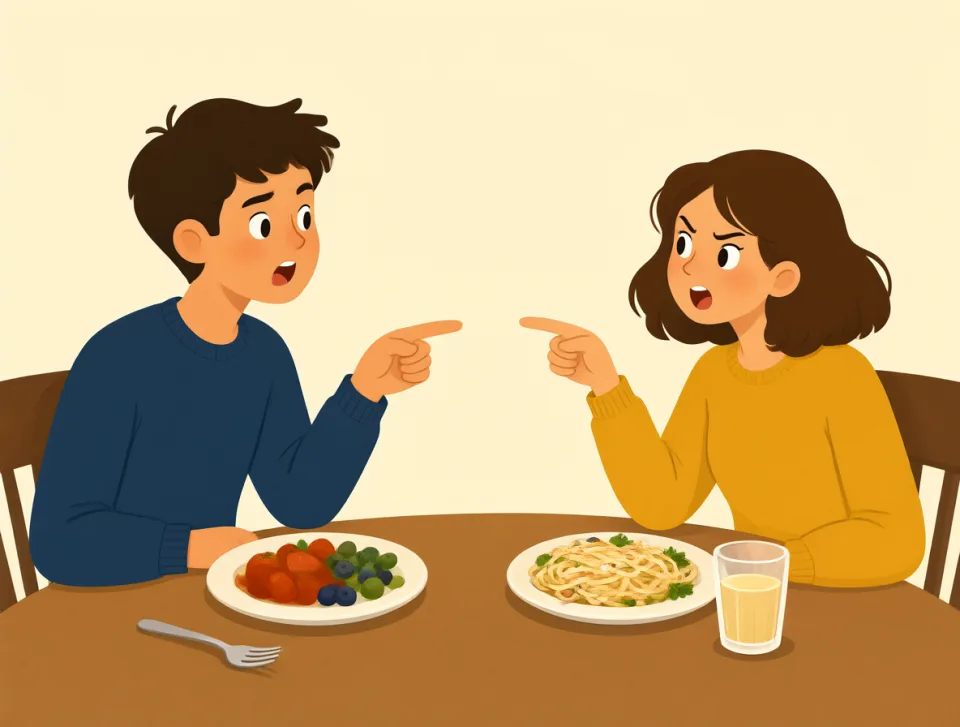
We had a silly argument over dinner.
रात के खाने पर हमारी एक बेवकूफ़ी भरी बहस हो गई।

His argument changed my mind.
उसके तर्क ने मेरा मन बदल दिया।
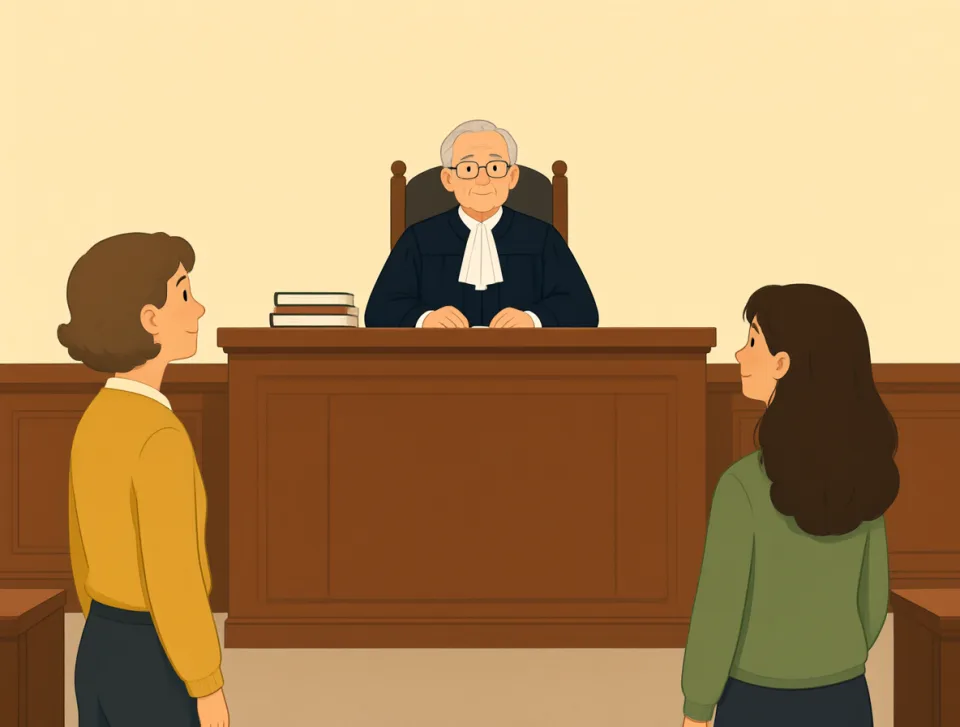
The lawyer made a strong argument in court.
वकील ने अदालत में एक मज़बूत तर्क दिया।
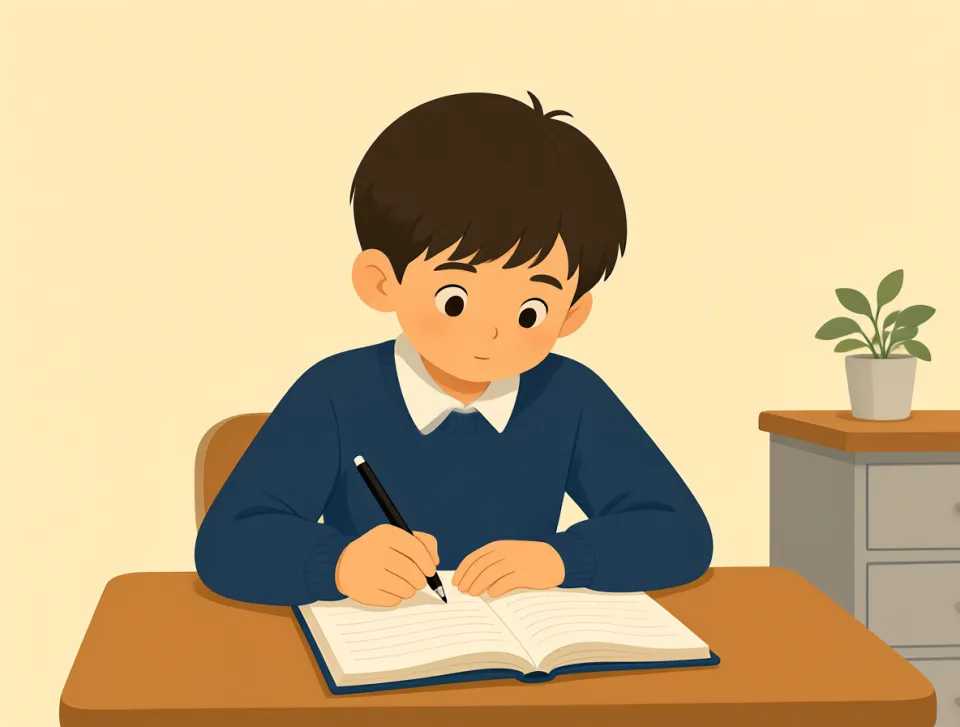
She used a clear argument in her essay.
उसने अपने निबंध में एक स्पष्ट तर्क दिया।
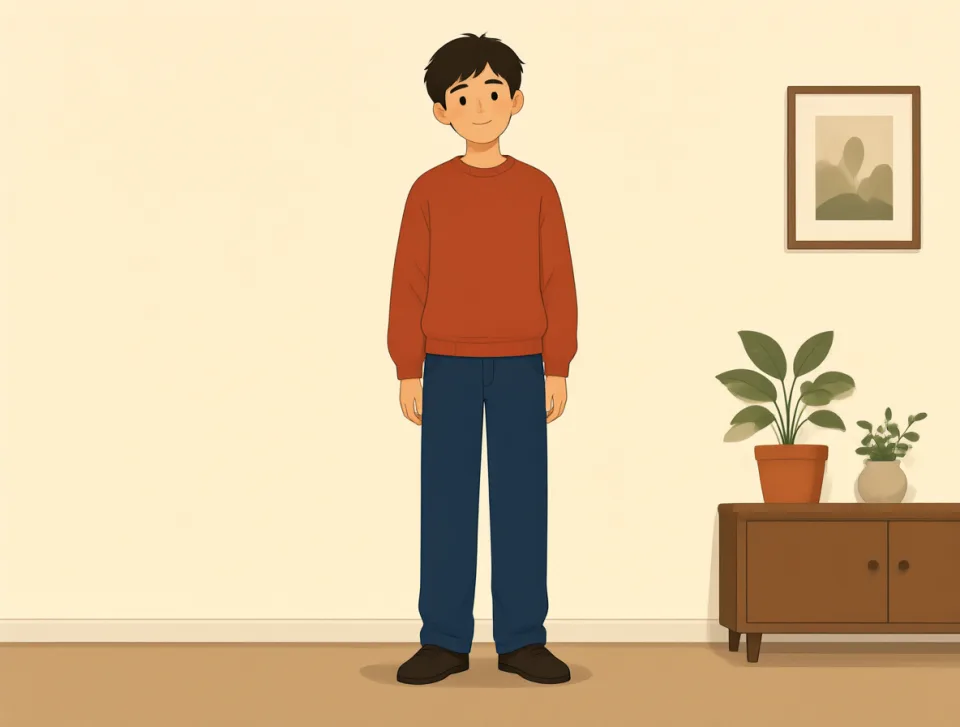
adult
#880noun, adjective
वयस्क
A person who is fully grown, or relating to fully grown people.
पूरी तरह विकसित व्यक्ति, या पूरी तरह विकसित लोगों से जुड़ा हुआ।
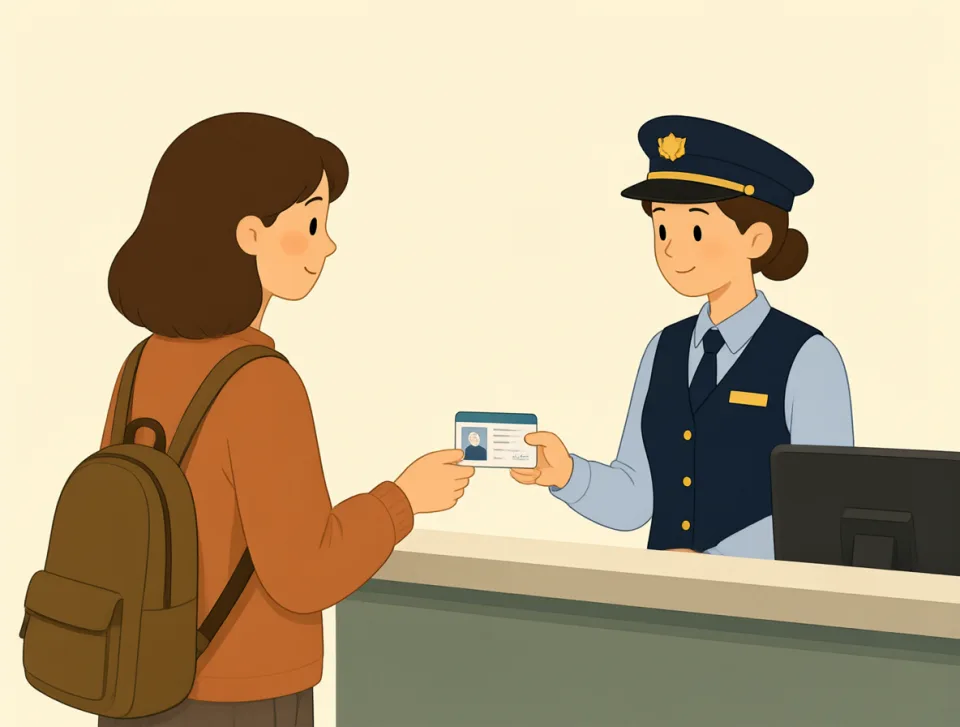
Adults must show identification when they travel.
यात्रा करते समय वयस्कों को पहचान-पत्र दिखाना ज़रूरी है।
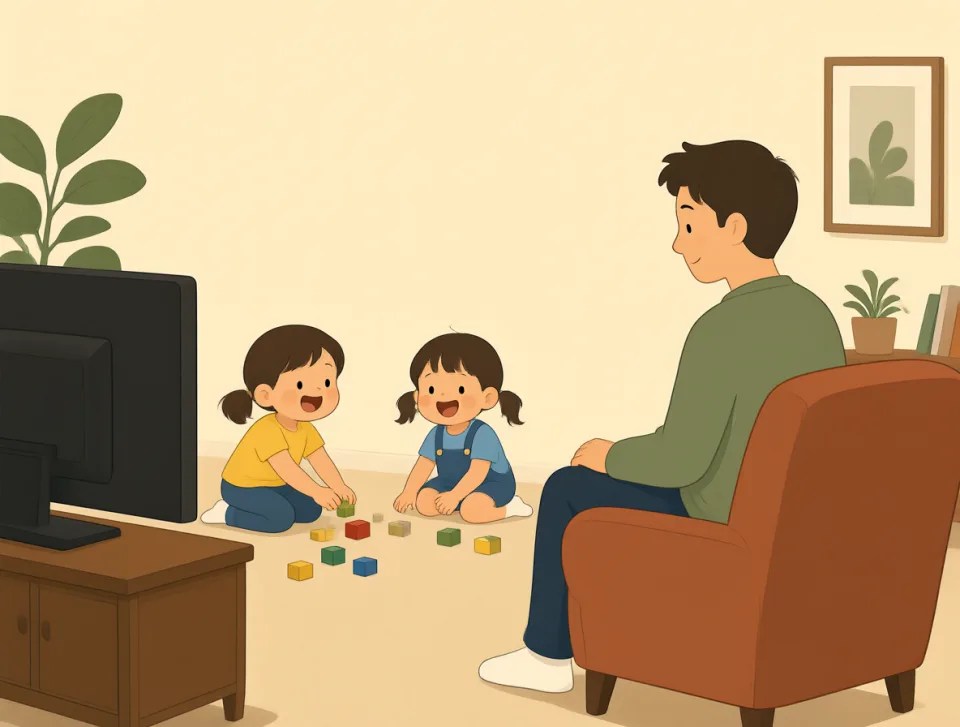
One adult stayed home with the children.
एक वयस्क बच्चों के साथ घर पर रुका।
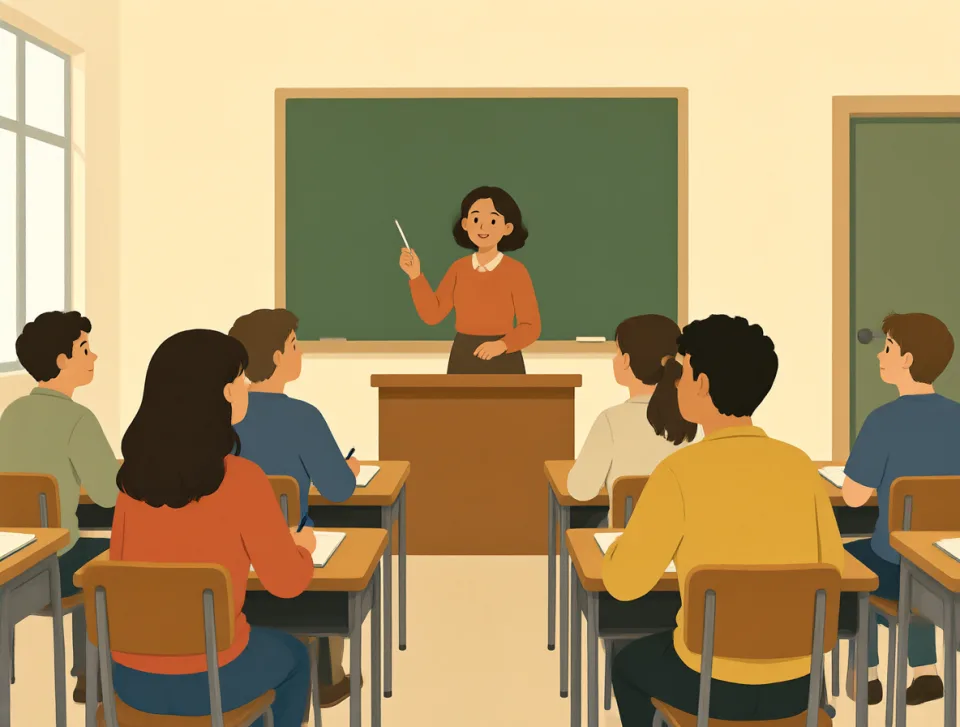
The school offers evening classes for adults.
स्कूल वयस्कों के लिए शाम की कक्षाएँ आयोजित करता है।

This medicine is for adults only.
यह दवा केवल वयस्कों के लिए है।
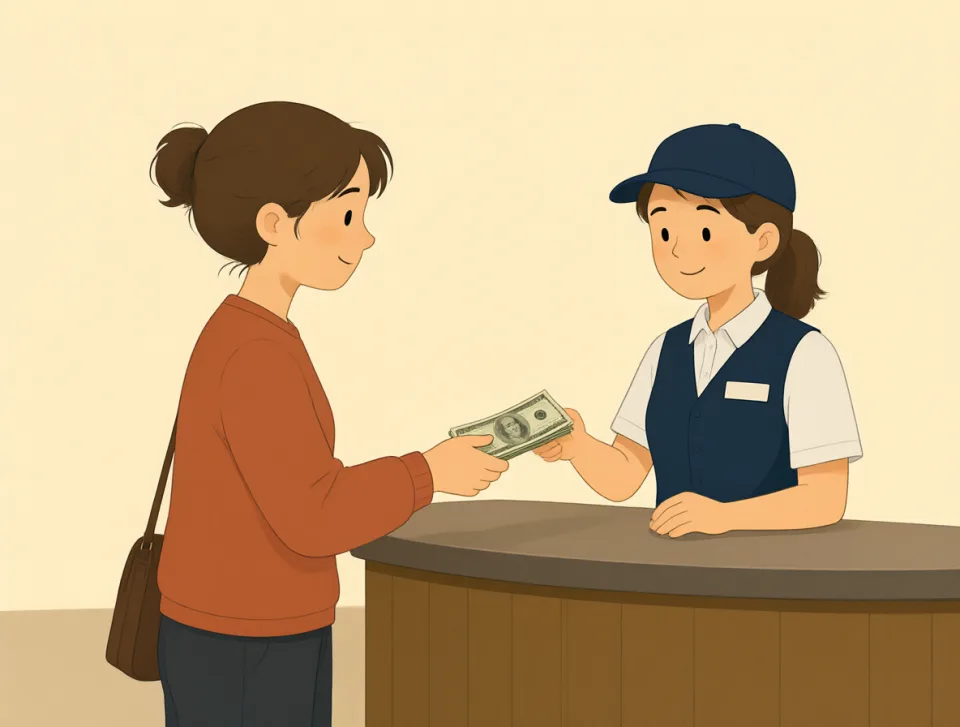
She ordered an adult ticket at the museum.
उसने संग्रहालय में वयस्क टिकट लिया।