Zestaw 32
Słowa 621–640 · arm, heart, source, employee, manage, simply
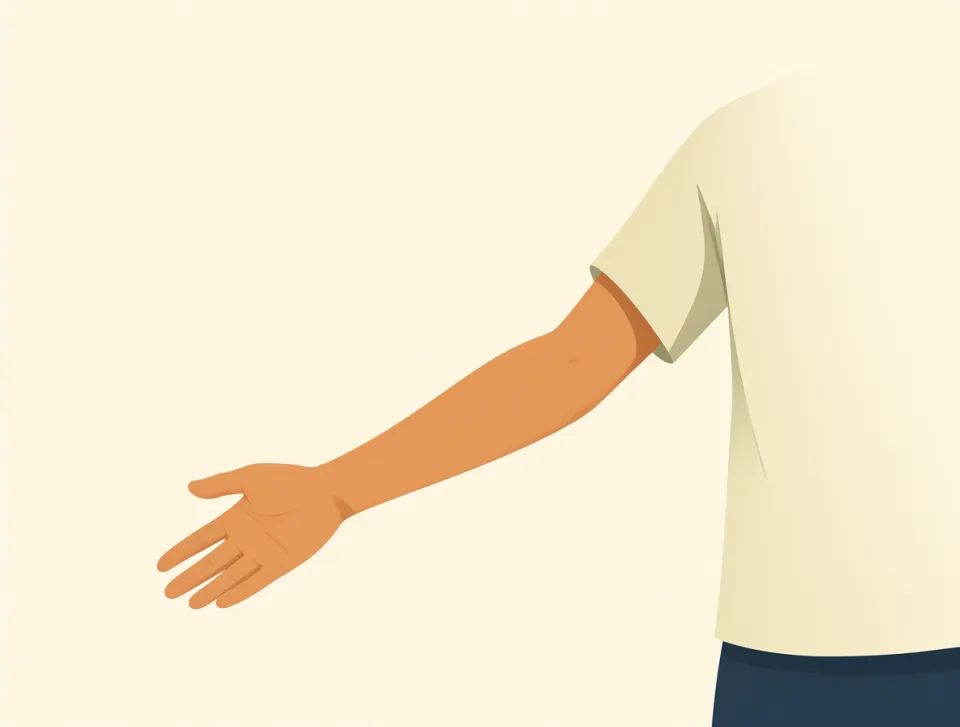
arm
#621noun, verb
ramię
the body part between your shoulder and hand; to prepare or protect someone for action
część ciała między barkiem a dłonią; przygotować kogoś do działania lub zapewnić mu ochronę
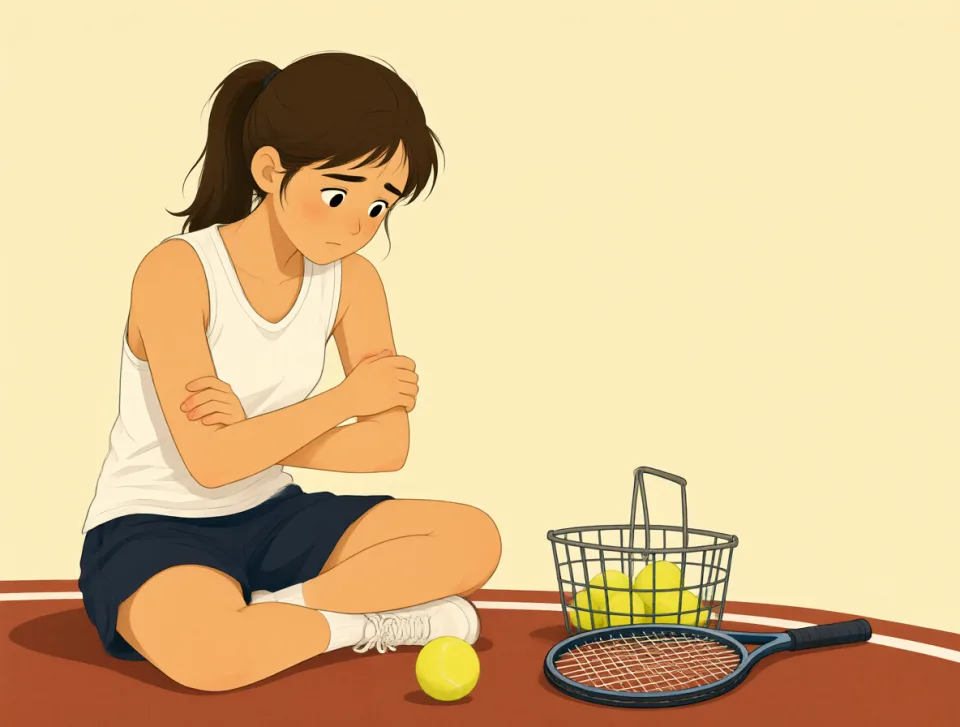
She hurt her arm playing tennis.
Zraniła się w ramię podczas gry w tenisa.
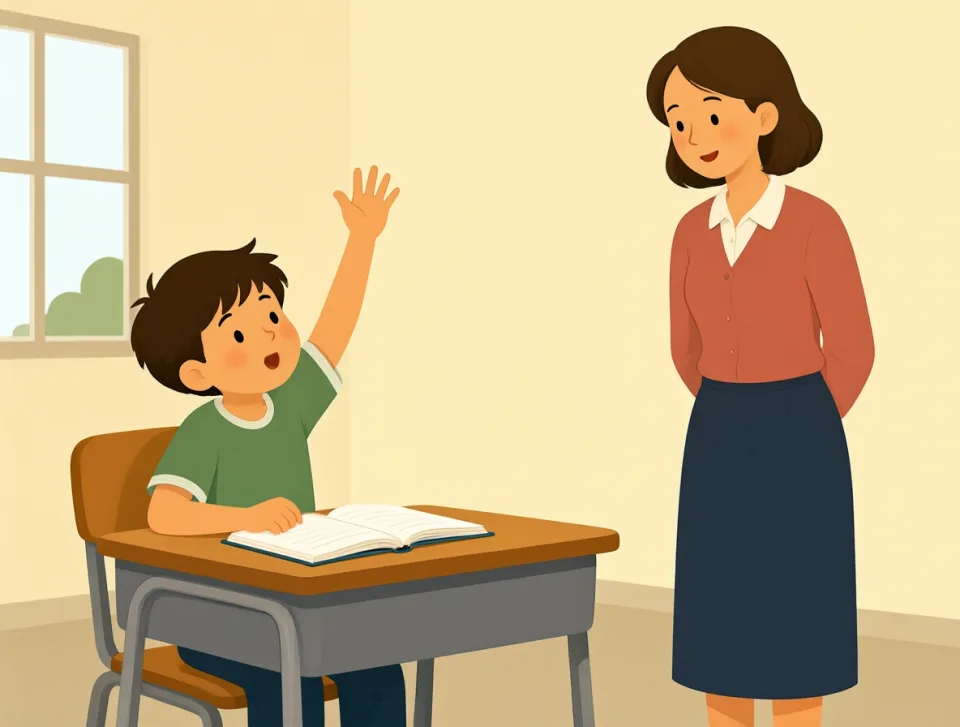
He raised his arm to ask a question.
Podniósł rękę, żeby zadać pytanie.
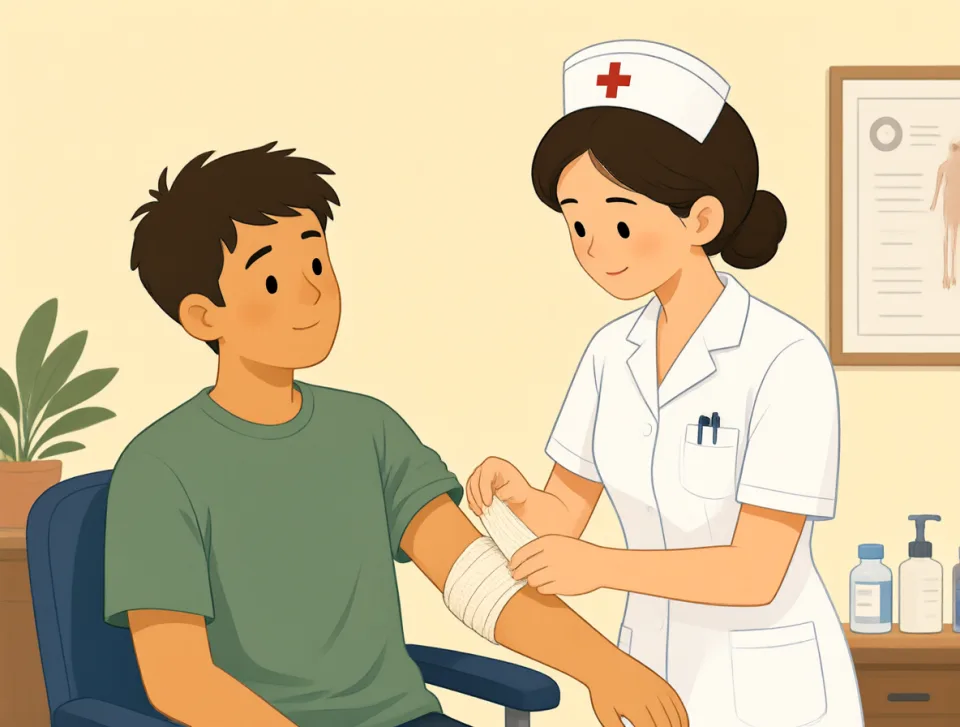
The nurse put a bandage on my arm.
Pielęgniarka założyła mi bandaż na ramię.
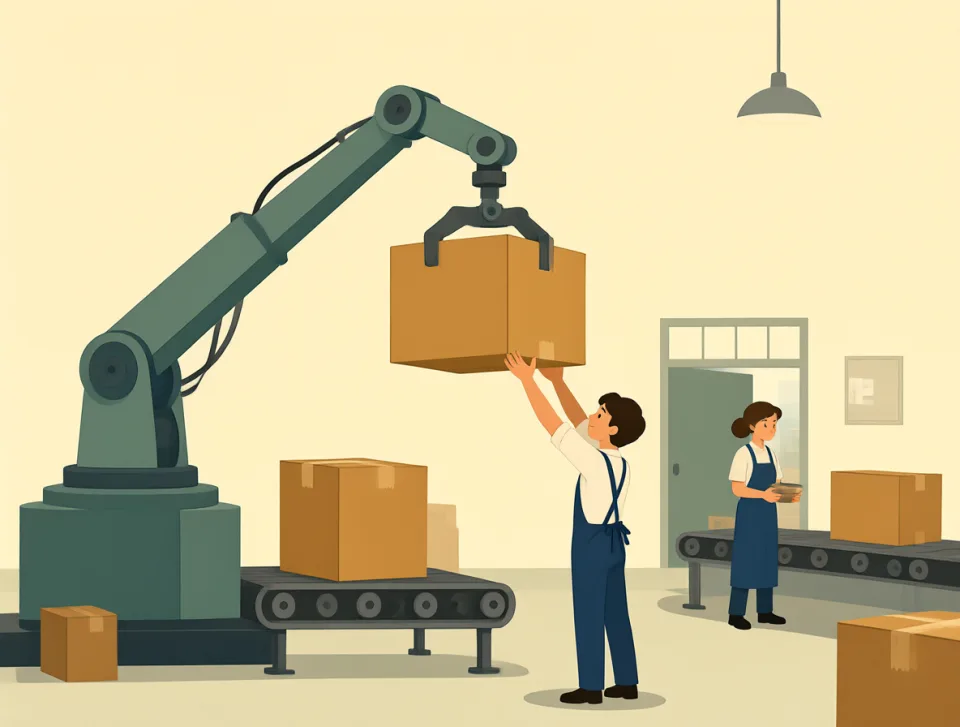
The robot arm moved the box.
Ramię robota przesunęło pudełko.
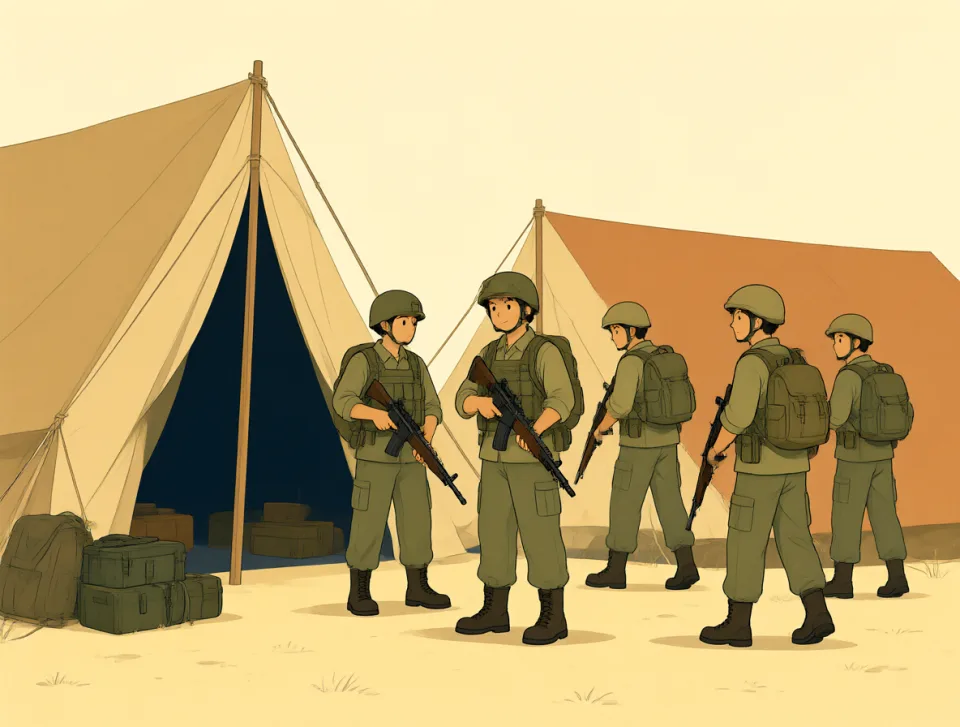
The soldiers armed themselves before leaving.
Żołnierze uzbroili się przed wyjściem.
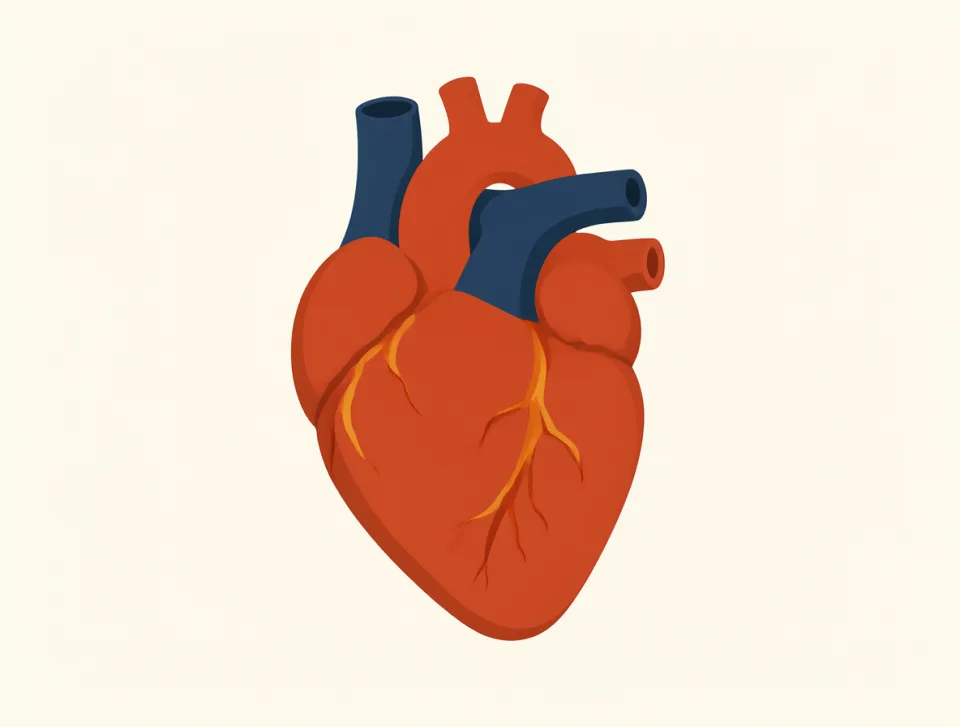
heart
#622noun
serce
the organ in your chest that pumps blood around your body
narząd w klatce piersiowej, który pompuje krew po całym ciele
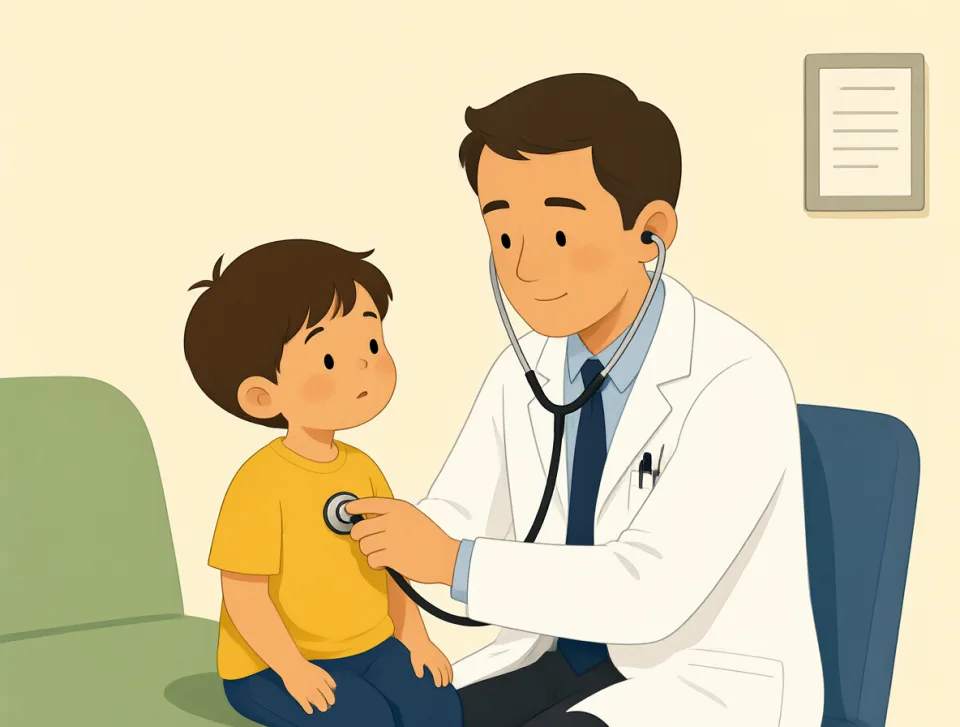
The doctor listened to my heart.
Lekarz osłuchał moje serce.
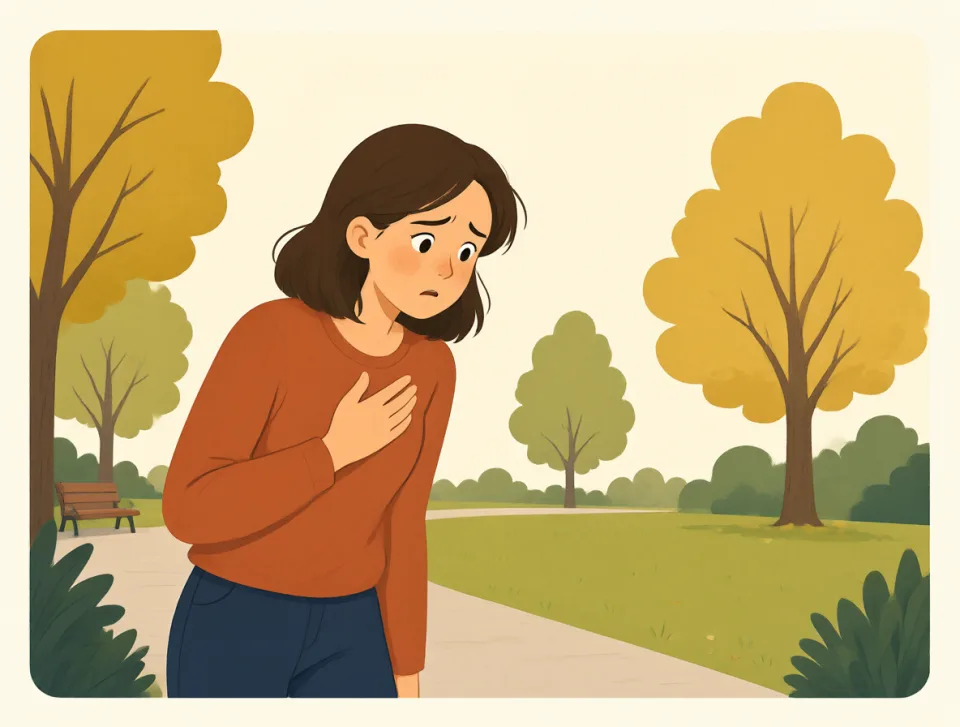
Her heart was beating very fast.
Jej serce biło bardzo szybko.
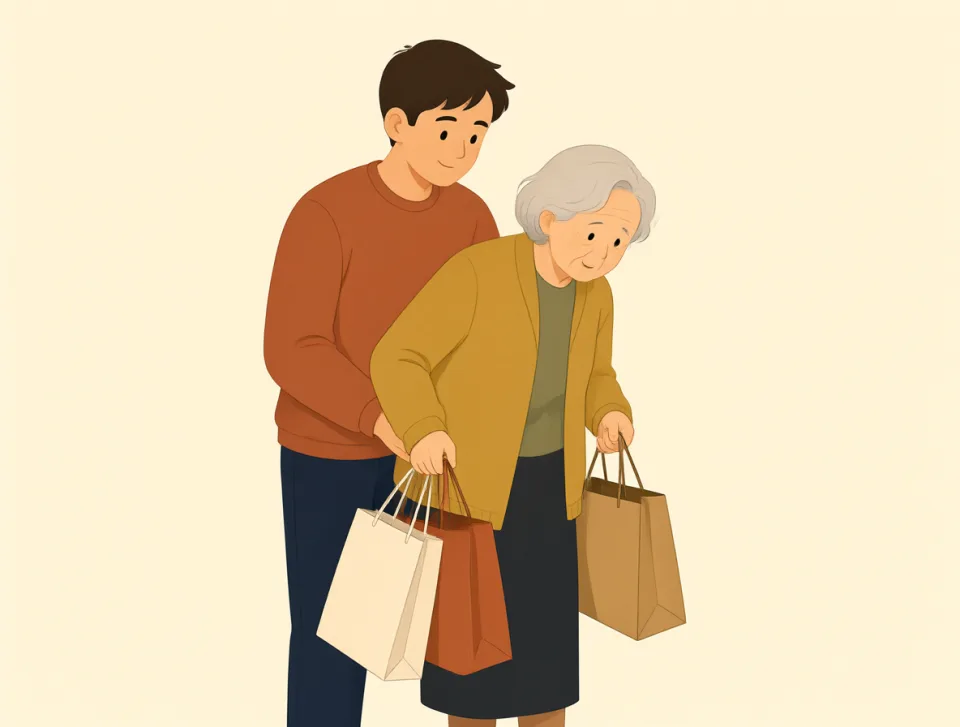
He has a kind heart.
On ma dobre serce.

The red heart on the card looked sweet.
Czerwone serce na kartce wyglądało uroczo.
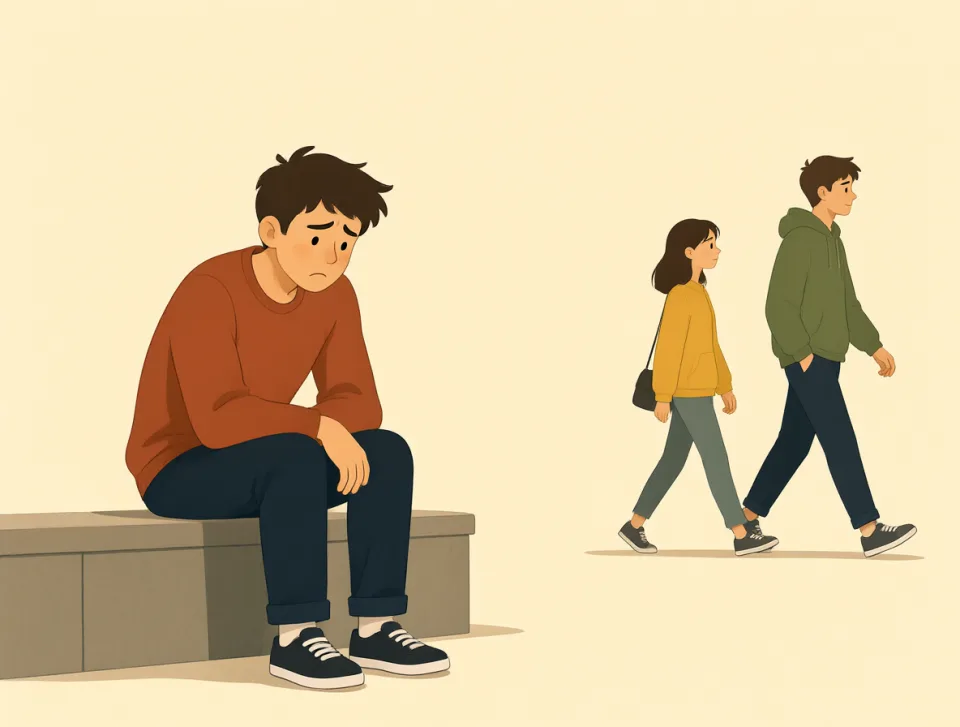
She broke his heart by leaving.
Złamała mu serce, odchodząc.
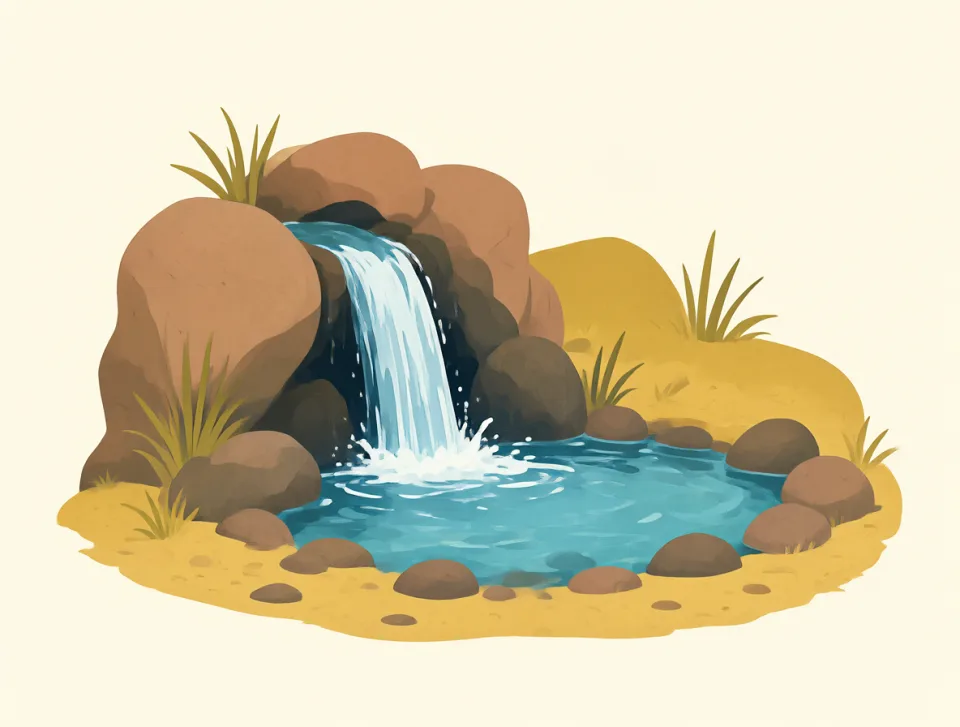
source
#623noun, verb
źródło
A person, place, or thing that provides something; to get information or supplies from somewhere.
Osoba, miejsce lub rzecz, która coś zapewnia; uzyskiwać informacje lub zaopatrzenie z jakiegoś miejsca.
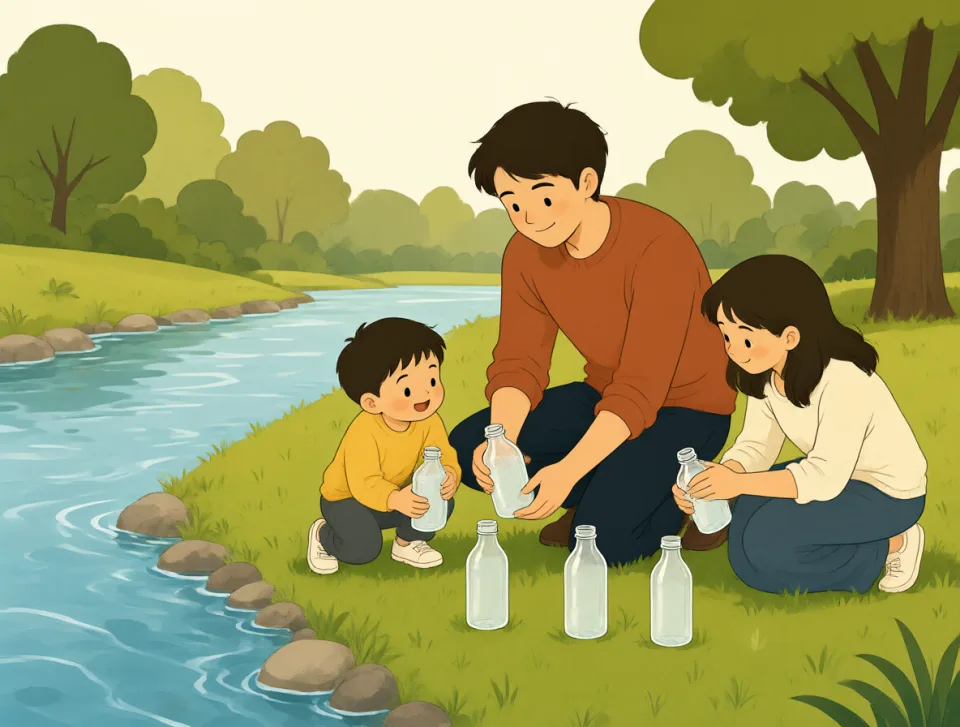
The river is a source of fresh water.
Rzeka jest źródłem słodkiej wody.
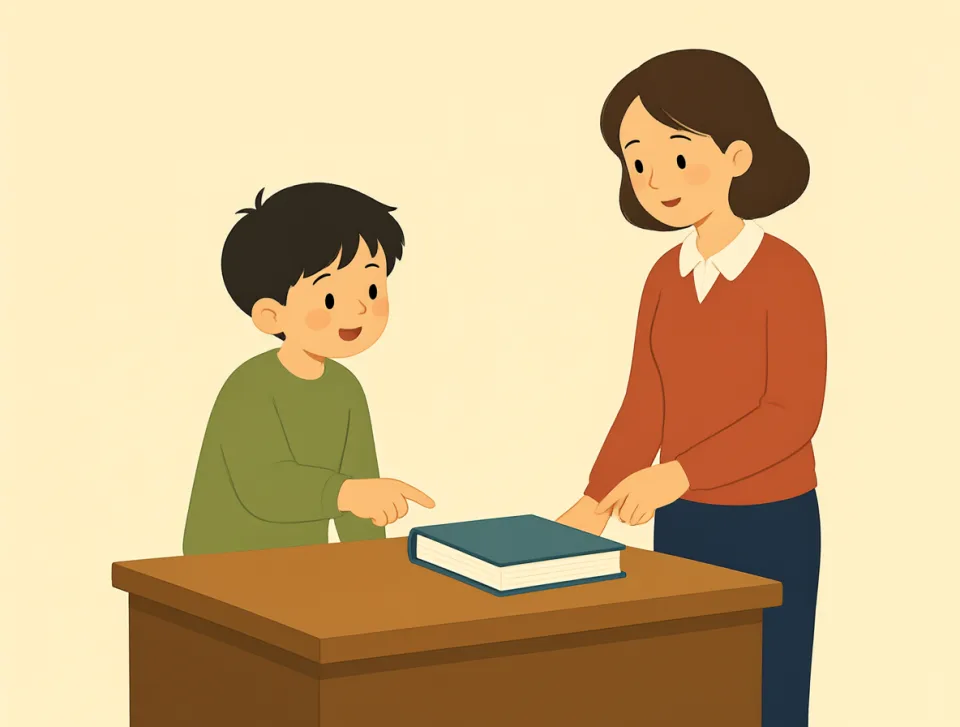
Please check the source of this information.
Proszę sprawdzić źródło tych informacji.
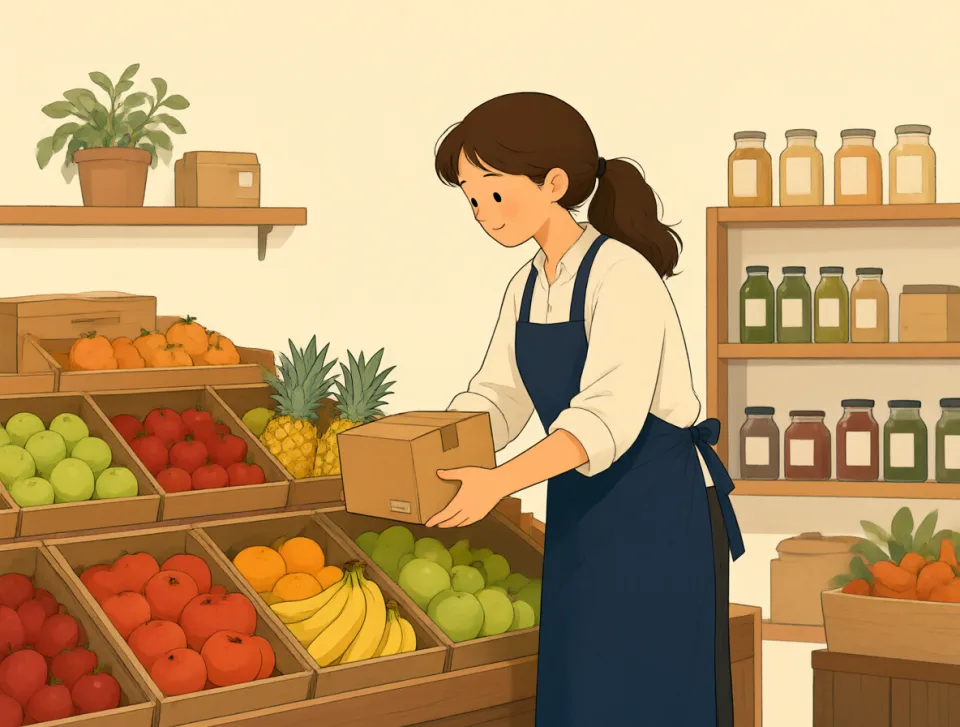
The shop sources fresh fruit from local farms.
Sklep sprowadza świeże owoce z lokalnych gospodarstw.

We found a good source of cheap clothes.
Znaleźliśmy dobre źródło tanich ubrań.
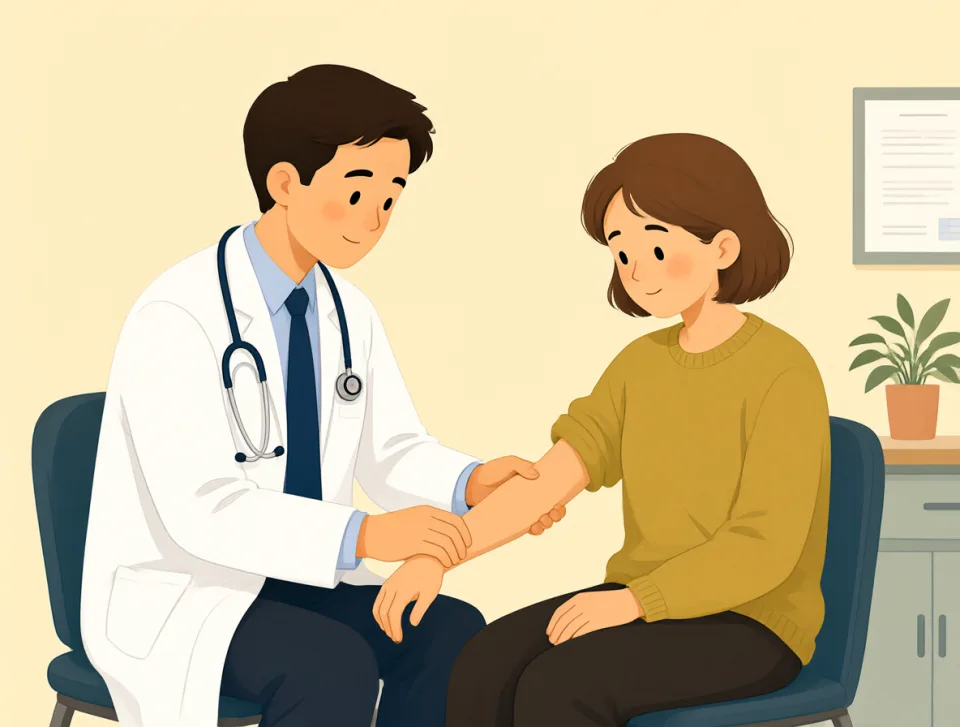
The doctor asked about the source of pain.
Lekarz zapytał o źródło bólu.

employee
#624noun
pracownik
A person who is paid to work for a company or another person.
Osoba, która otrzymuje wynagrodzenie za pracę dla firmy lub innej osoby.

Every employee gets a lunch break.
Każdy pracownik ma przerwę na lunch.

The company hired three new employees.
Firma zatrudniła trzech nowych pracowników.

Please ask an employee for help.
Proszę poprosić pracownika o pomoc.

The employee arrived early for work.
Pracownik przyjechał do pracy wcześniej.
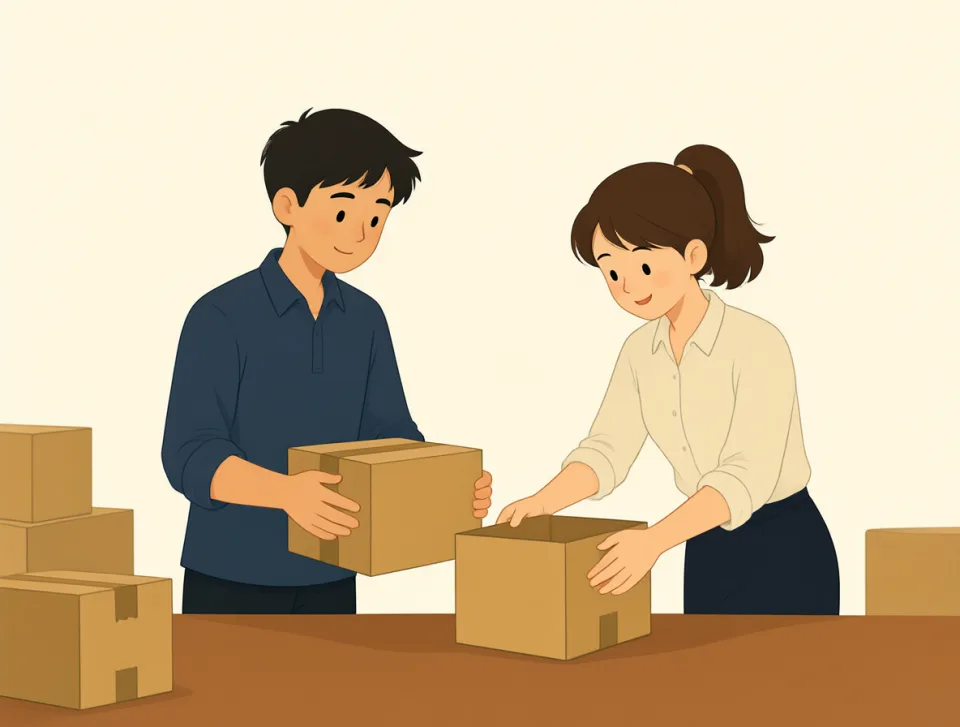
Good employees work well with others.
Dobrzy pracownicy dobrze współpracują z innymi.
manage
#625verb
dać radę
To succeed in doing something, especially when it is difficult.
Zdołać coś zrobić, zwłaszcza gdy jest to trudne.
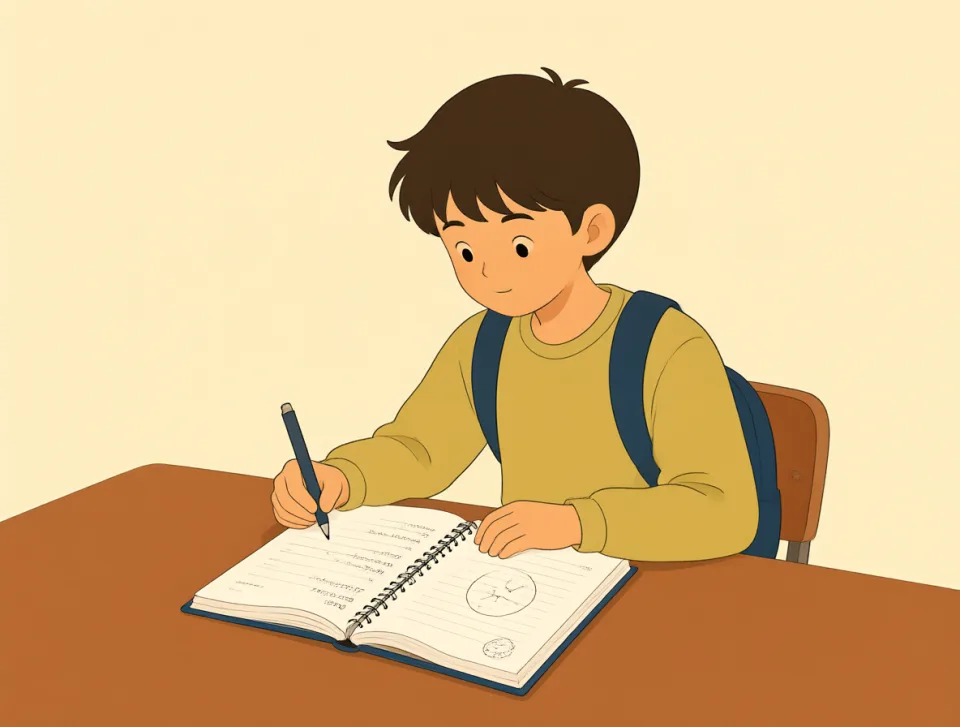
I managed to finish my homework before dinner.
Udało mi się skończyć pracę domową przed kolacją.
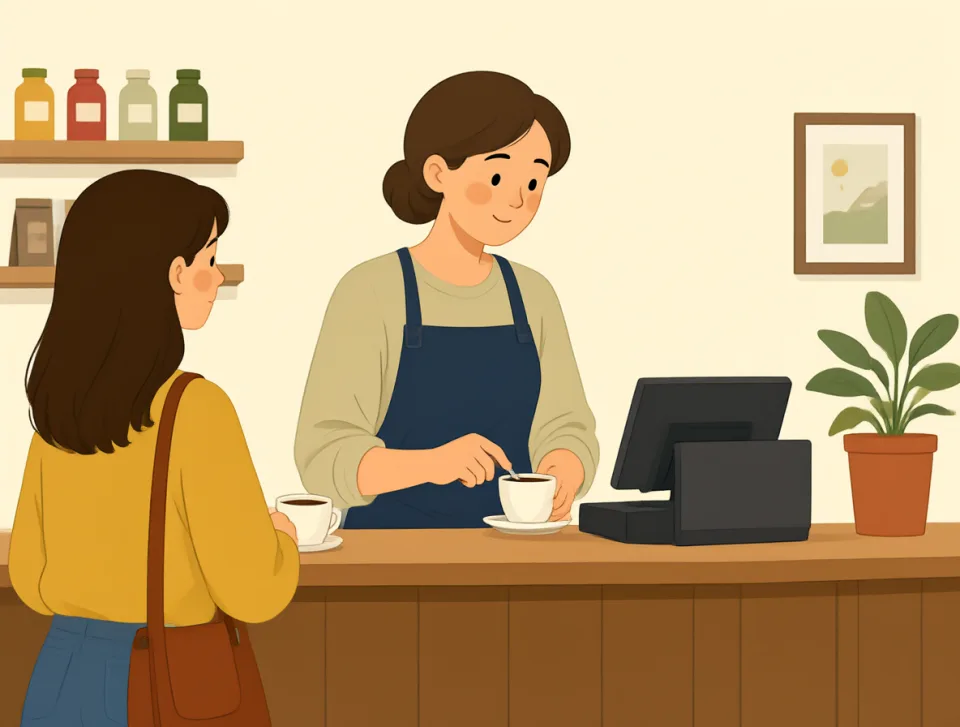
She manages a small shop near the station.
Prowadzi mały sklep niedaleko stacji.
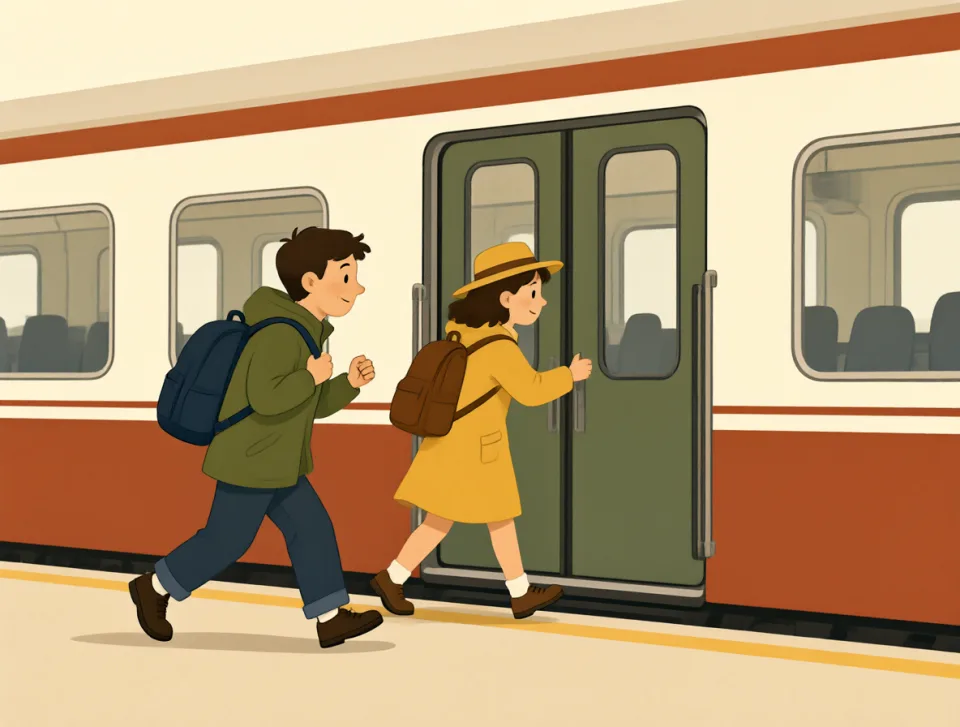
We managed to catch the last train.
Udało nam się złapać ostatni pociąg.

He managed the team for five years.
Zarządzał zespołem przez pięć lat.
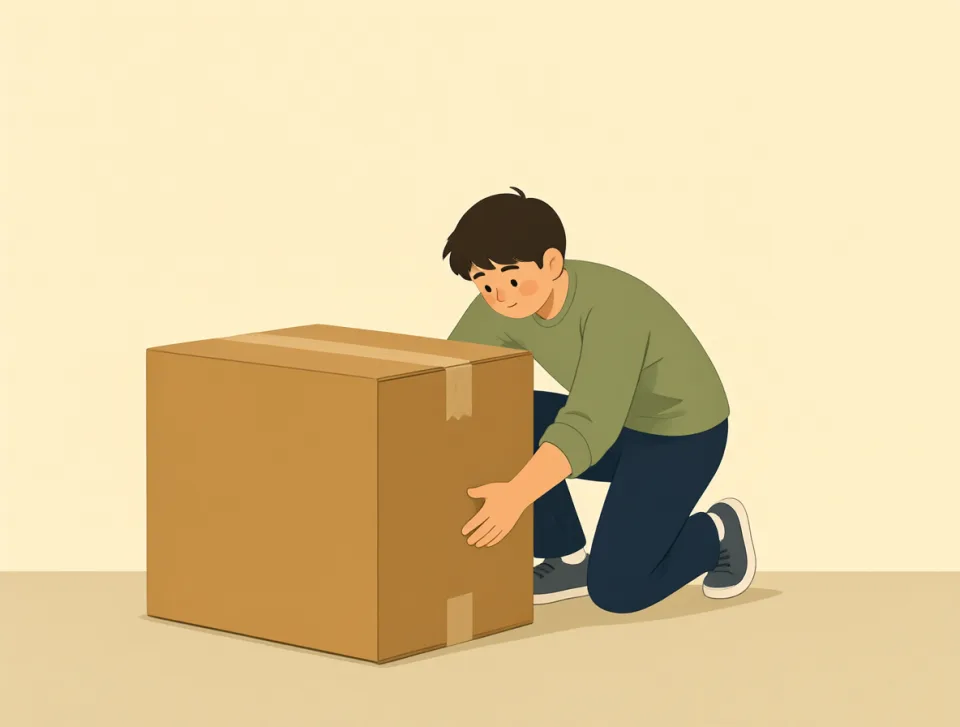
Can you manage this heavy box alone?
Dasz radę samodzielnie przenieść to ciężkie pudełko?
simply
#626adverb
po prostu
in an easy, plain, or direct way
w łatwy, prosty lub bezpośredni sposób
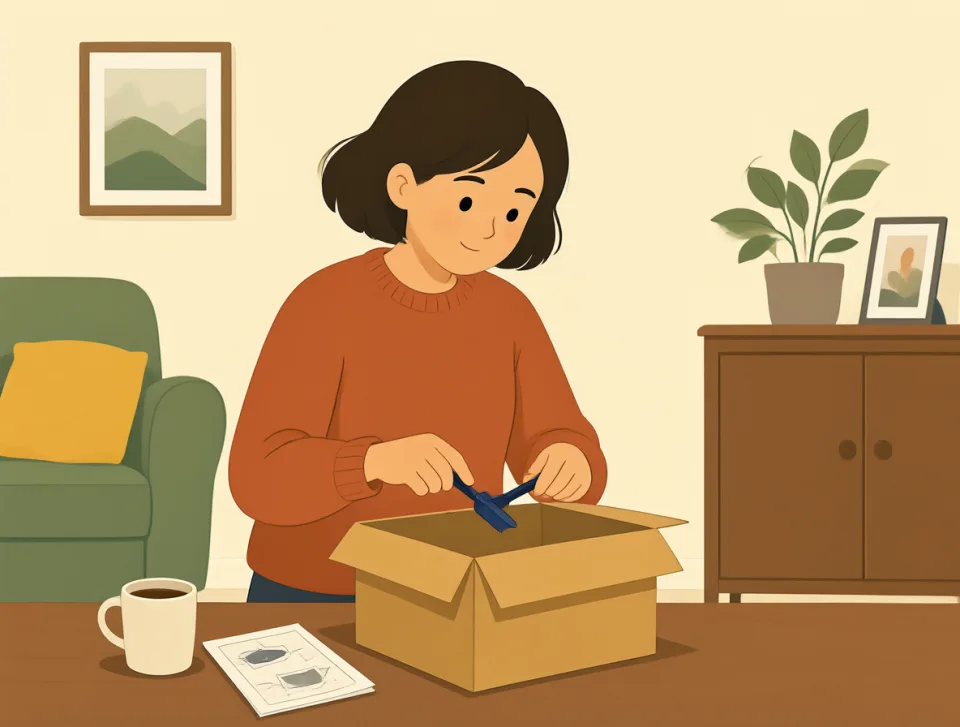
Simply follow the instructions on the box.
Po prostu postępuj zgodnie z instrukcjami na pudełku.
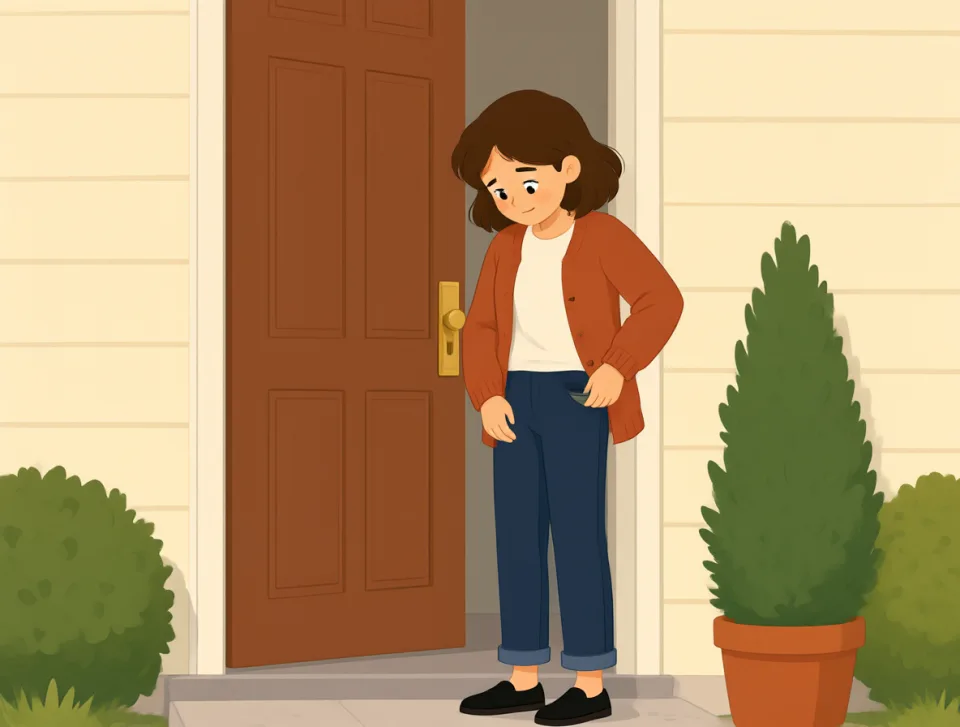
She simply forgot her keys at home.
Po prostu zapomniała kluczy w domu.

We simply cannot afford that expensive meal.
Po prostu nie stać nas na ten drogi posiłek.
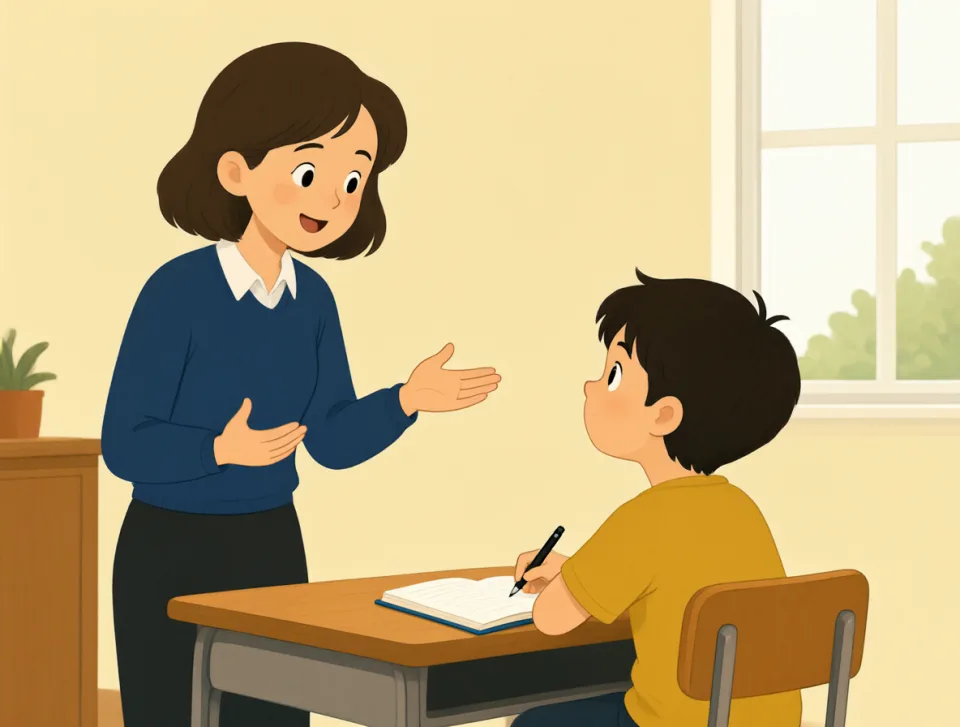
He explained the problem simply and clearly.
Wyjaśnił problem w prosty i jasny sposób.
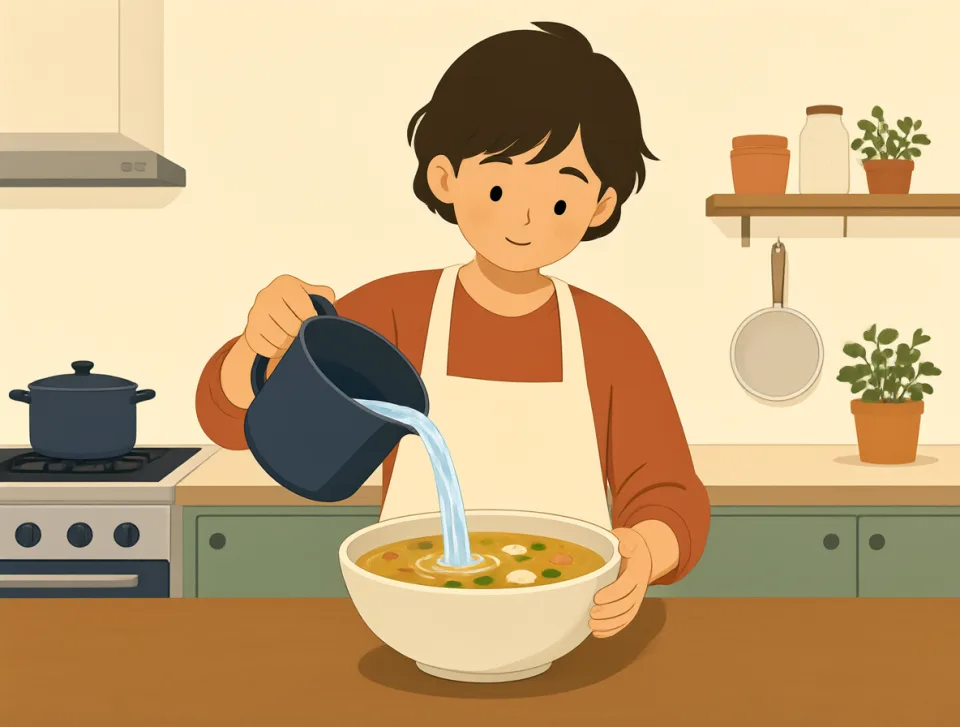
Simply add water and stir the soup.
Po prostu dodaj wodę i wymieszaj zupę.
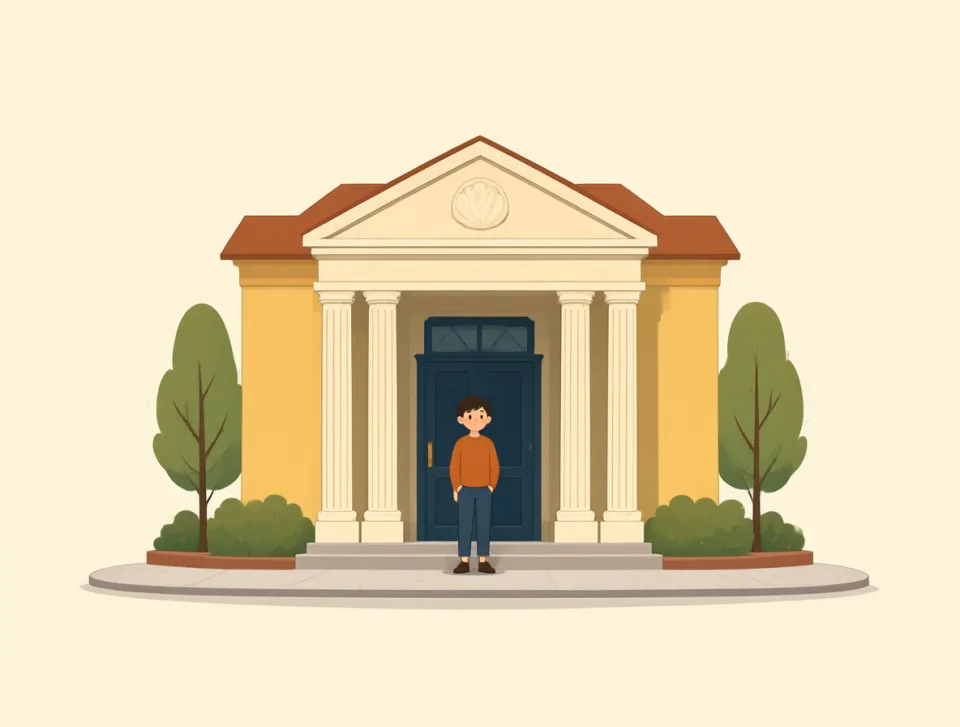
bank
#627noun, verb
bank
A place that keeps your money safe; to put money in a bank.
Miejsce, w którym bezpiecznie przechowuje się pieniądze; wpłacać pieniądze do banku.

I need to go to the bank today.
Muszę dziś iść do banku.
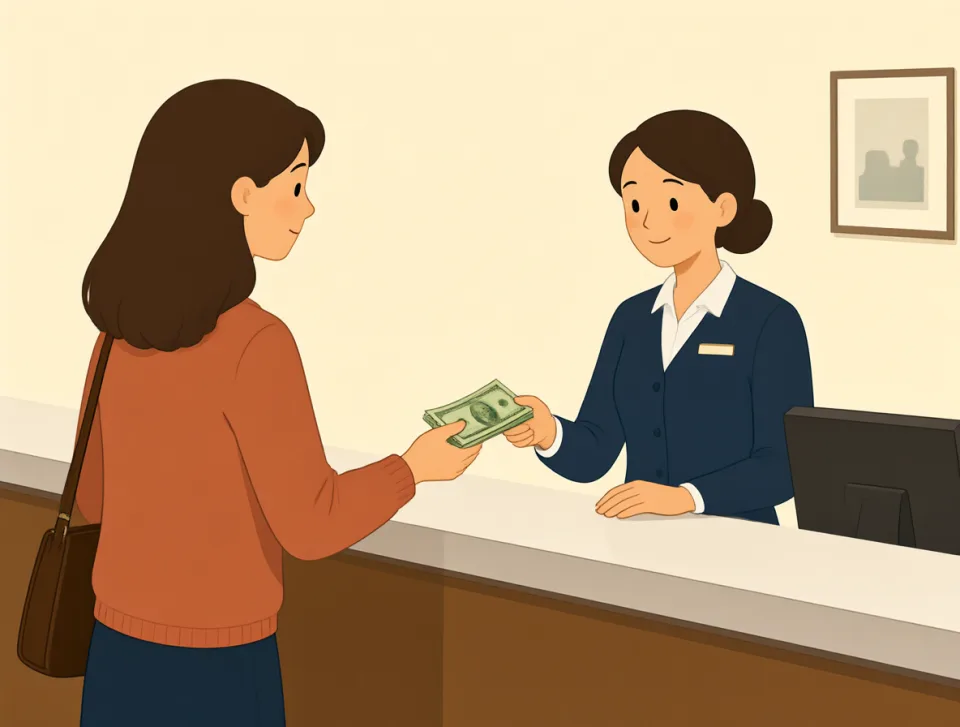
She put her money in the bank.
Wpłaciła pieniądze do banku.

We checked our bank account after shopping.
Po zakupach sprawdziliśmy nasze konto bankowe.
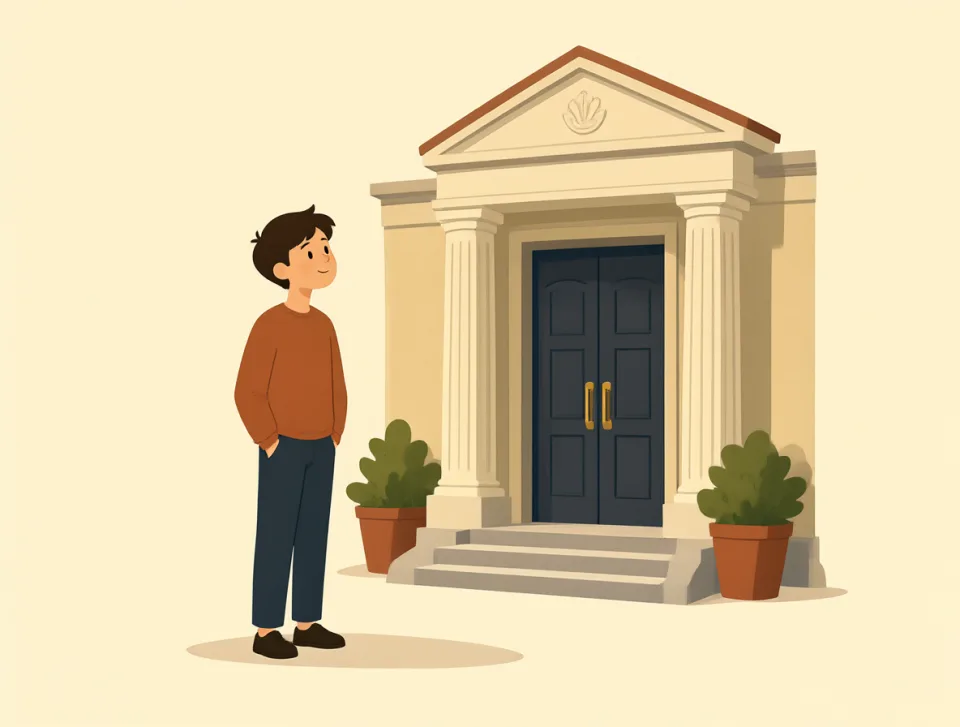
The bank closes at five o’clock.
Bank jest czynny do siedemnastej.
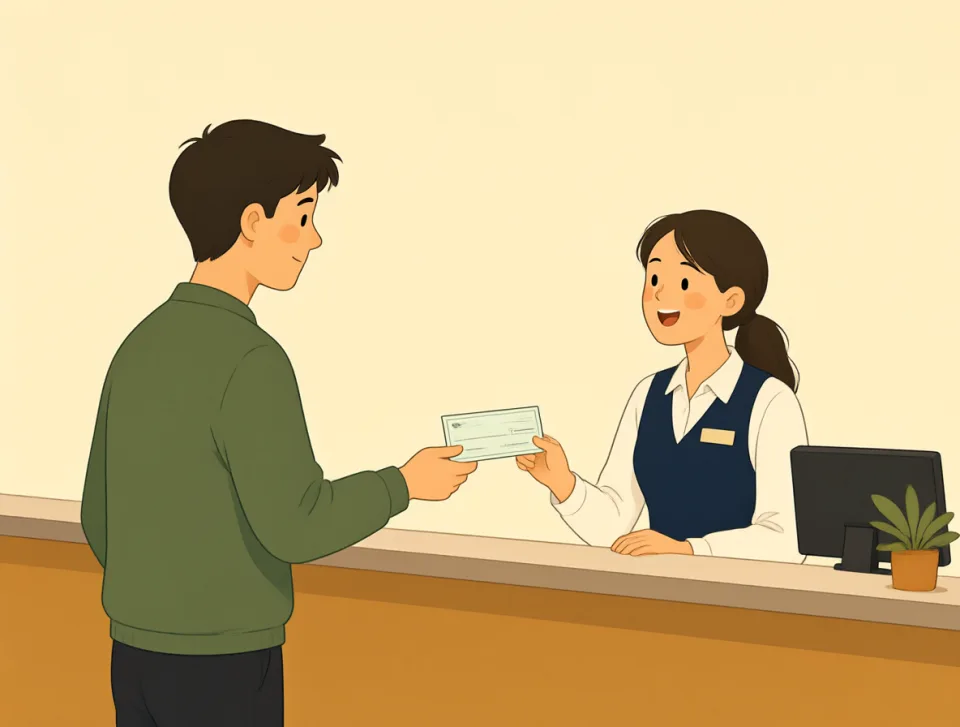
He banked the check before lunch.
Wpłacił czek przed lunchem.
firm
#628noun, adjective
firma; twardy
A company, or strong and not soft or easily moved.
Firma albo coś mocnego, nietwardego ani łatwego do przesunięcia.
She works for a small software firm.
Pracuje w małej firmie programistycznej.

The firm offered him a better job.
Firma zaoferowała mu lepszą pracę.
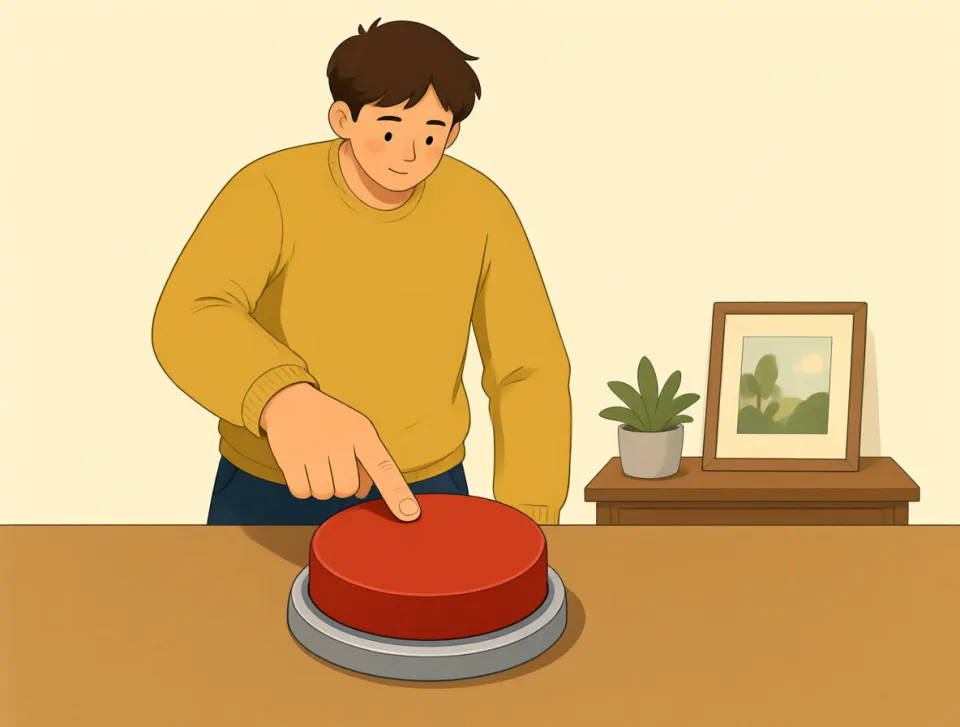
Press the button firmly with your finger.
Mocno naciśnij przycisk palcem.

The doctor gave her a firm handshake.
Lekarz uścisnął jej dłoń mocnym uściskiem.
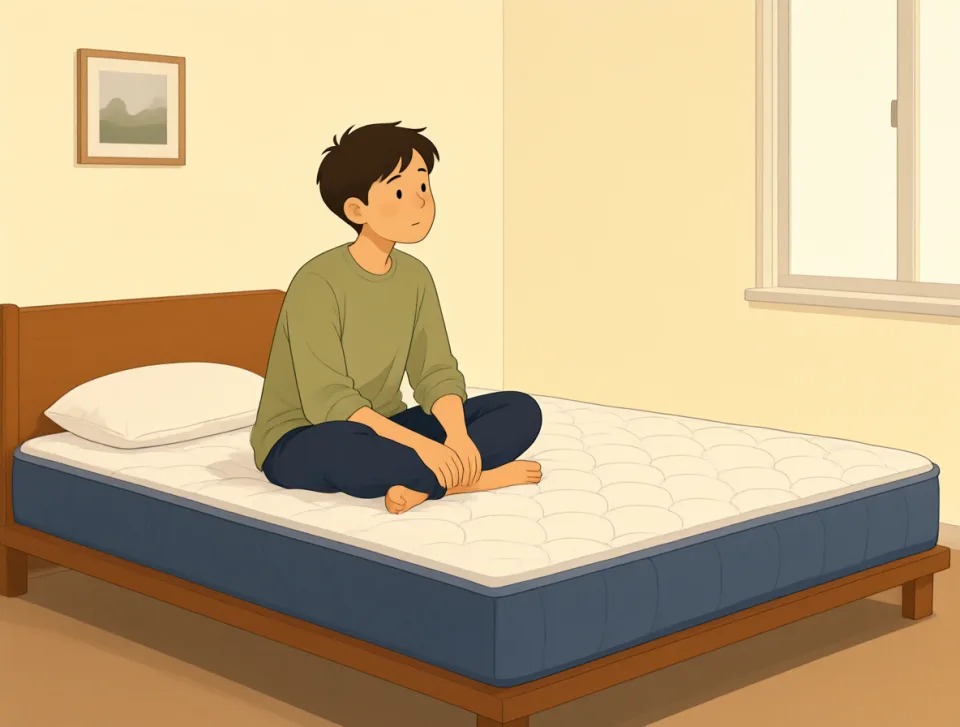
This mattress feels too firm for me.
Ten materac jest dla mnie zbyt twardy.
cell
#629noun
cela; komórka
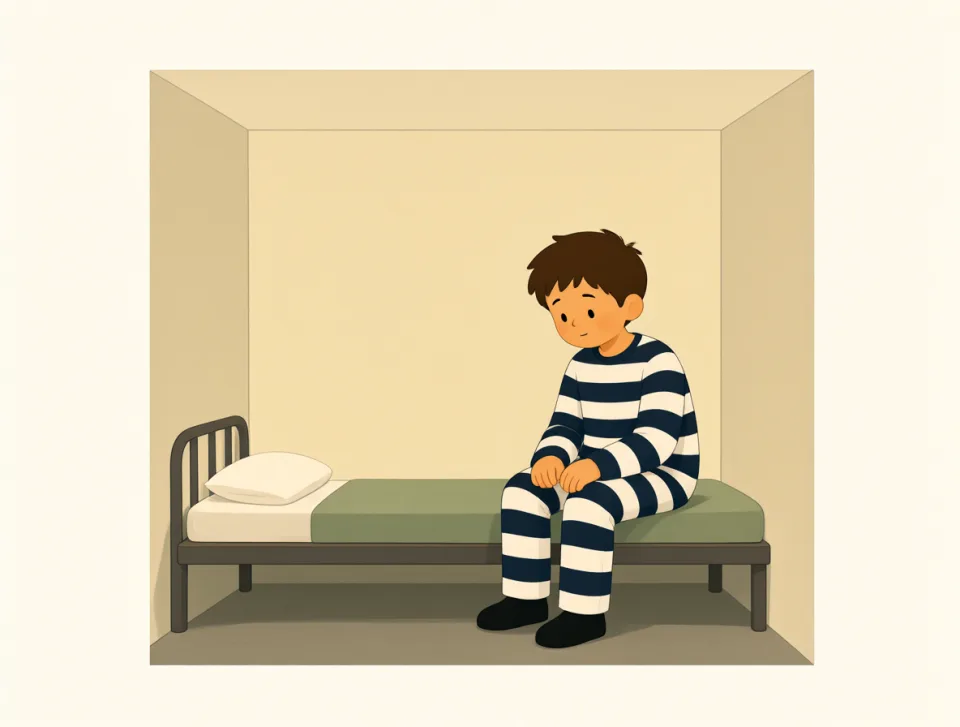
A small room in a prison, or a small unit in a larger group.
Mały pokój w więzieniu albo niewielka jednostka większej całości.
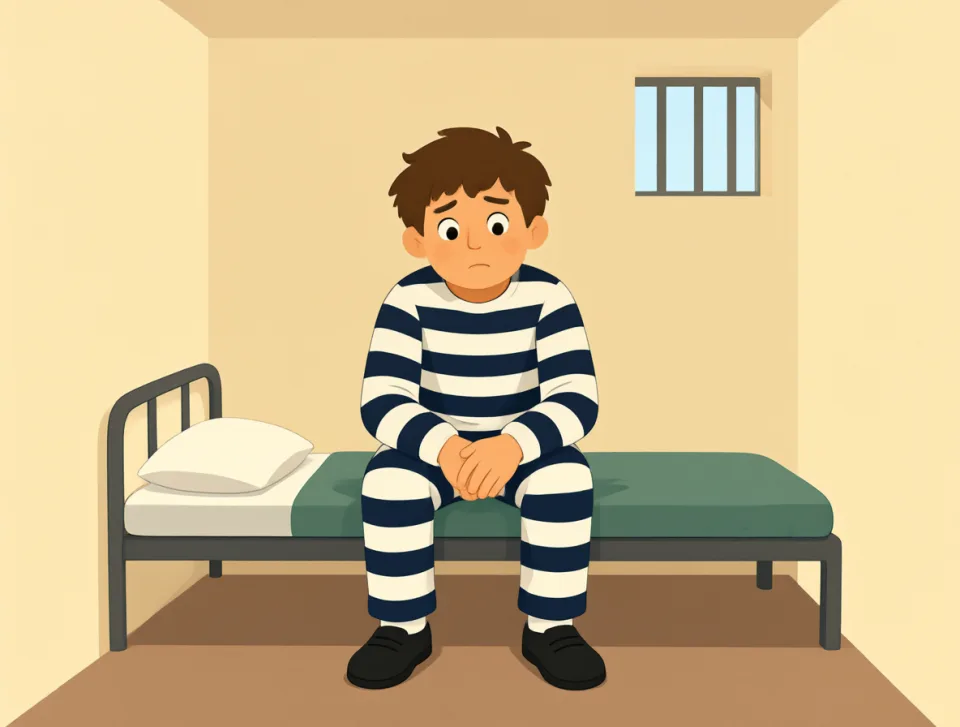
The prisoner stayed in his cell all day.
Więzień spędził cały dzień w swojej celi.
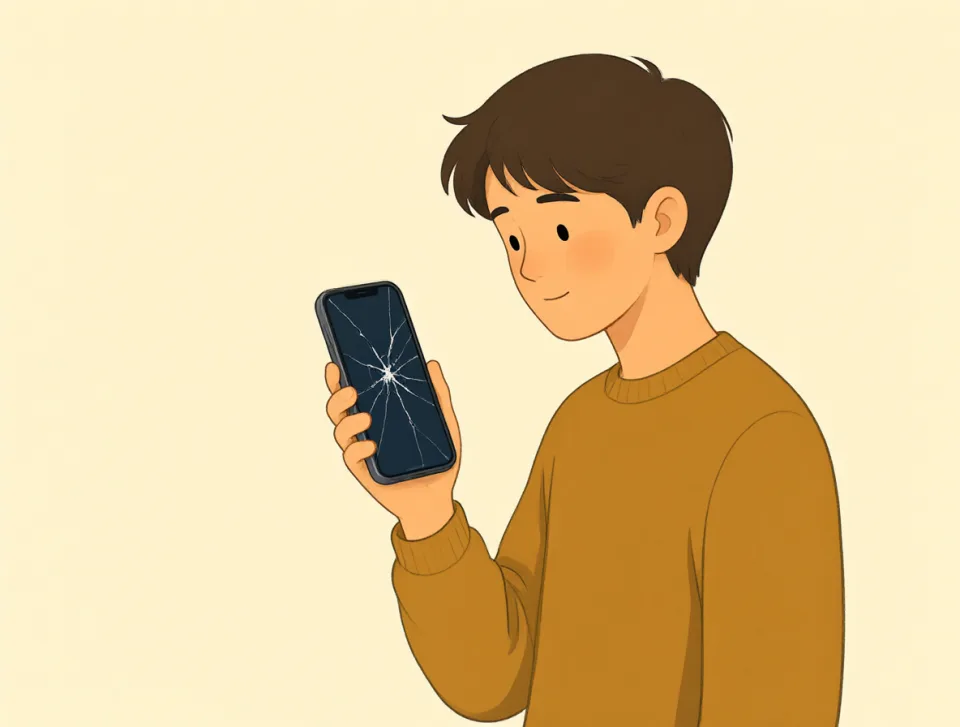
My phone has a broken cell.
W moim telefonie jest uszkodzone ogniwo.
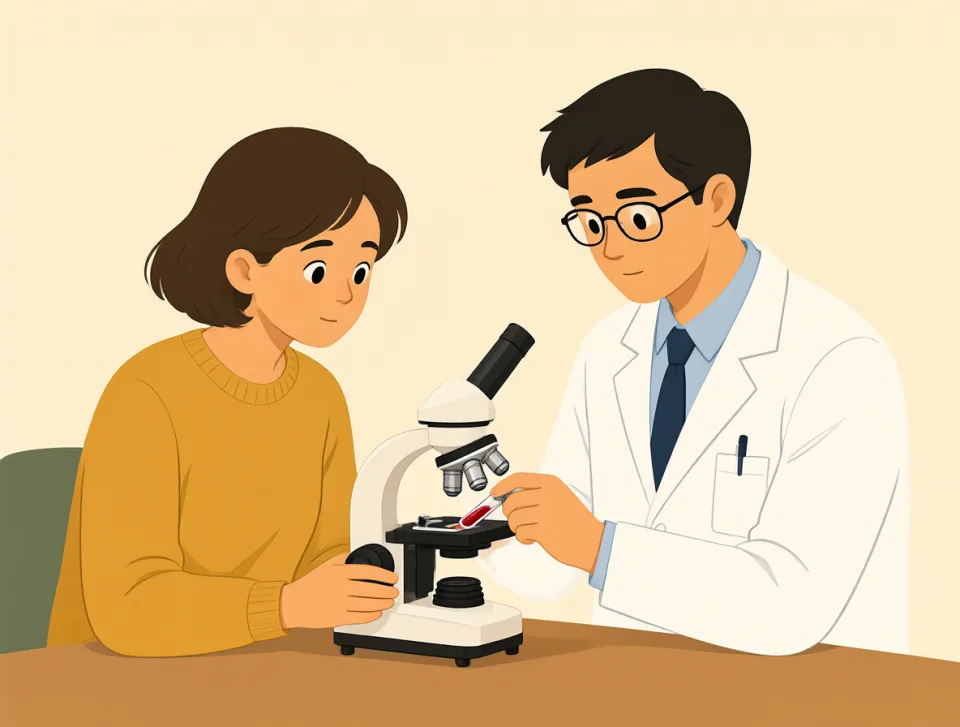
The doctor looked at the blood cells.
Lekarz obejrzał krwinki.
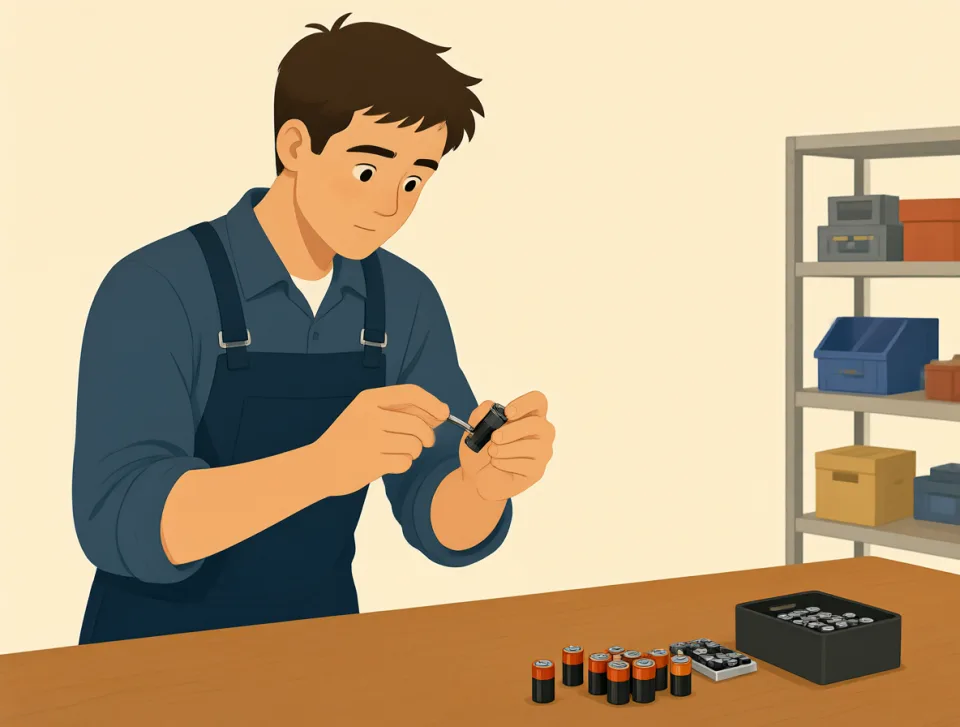
Each cell has a small battery inside.
Każde ogniwo ma w środku małą baterię.

The cells in this honeycomb are empty.
Komórki w tym plastrze miodu są puste.
article
#630noun
artykuł
A piece of writing in a newspaper, magazine, or online publication.
Tekst opublikowany w gazecie, czasopiśmie lub w internecie.
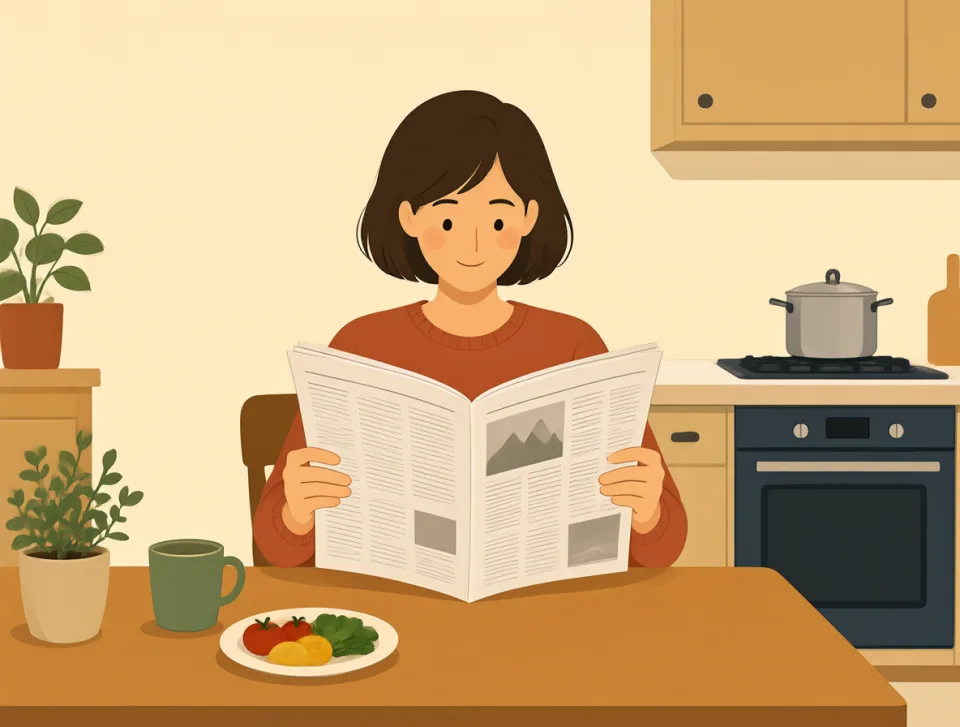
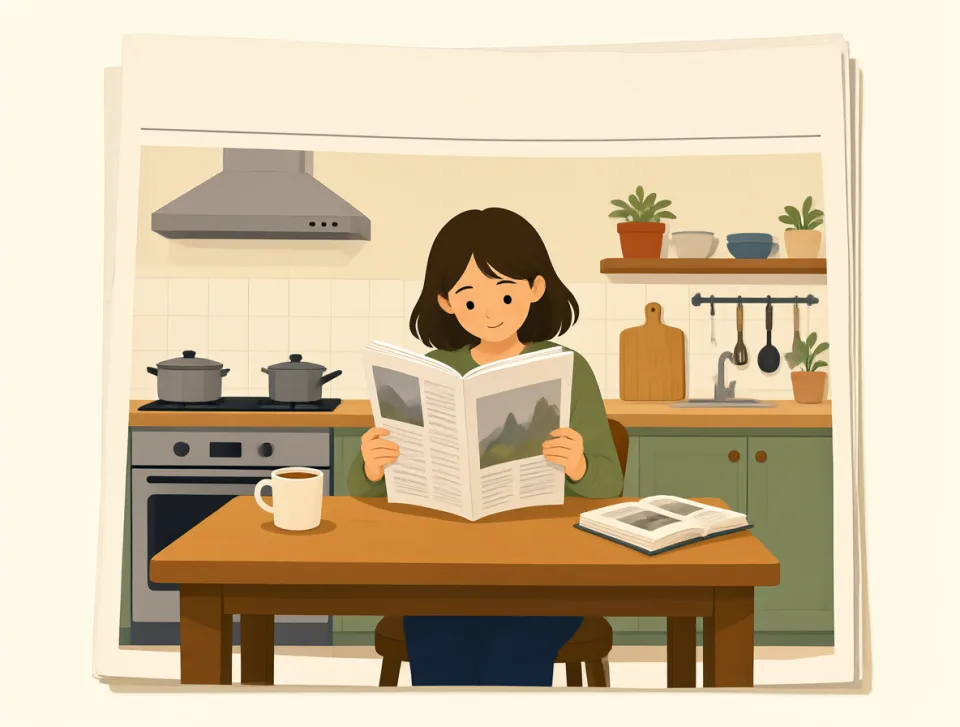
I read an interesting article about healthy food.
Przeczytałem ciekawy artykuł o zdrowym jedzeniu.
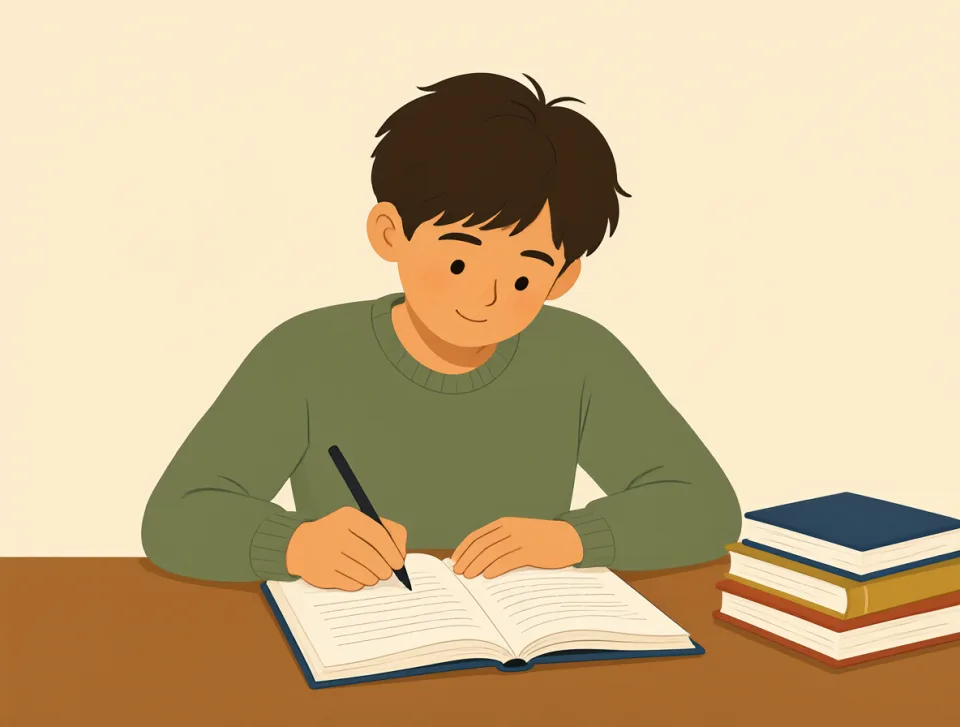
She wrote an article for the school magazine.
Napisała artykuł do szkolnego czasopisma.

This article explains how to save money.
Ten artykuł wyjaśnia, jak oszczędzać pieniądze.
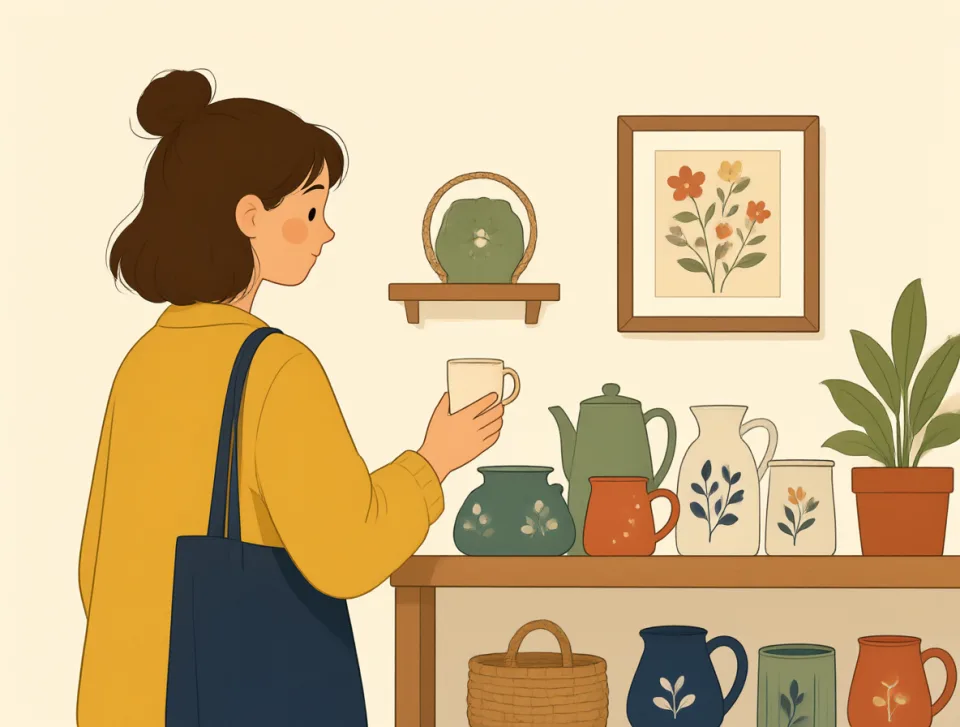
The shop sells art articles and home gifts.
Sklep sprzedaje artykuły artystyczne i upominki do domu.
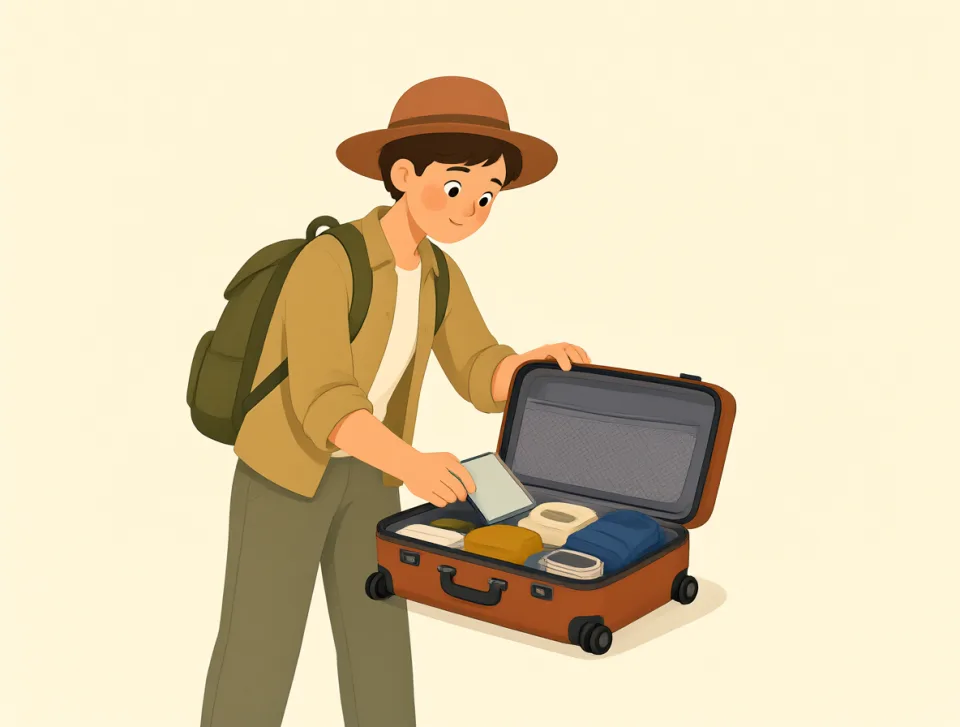
Please bring the articles from your suitcase.
Proszę przynieś rzeczy ze swojej walizki.

fast
#631adjective, adverb, noun, verb
szybki
Moving or happening at high speed; able to move quickly.
Poruszający się lub zachodzący z dużą prędkością; mogący szybko się poruszać.
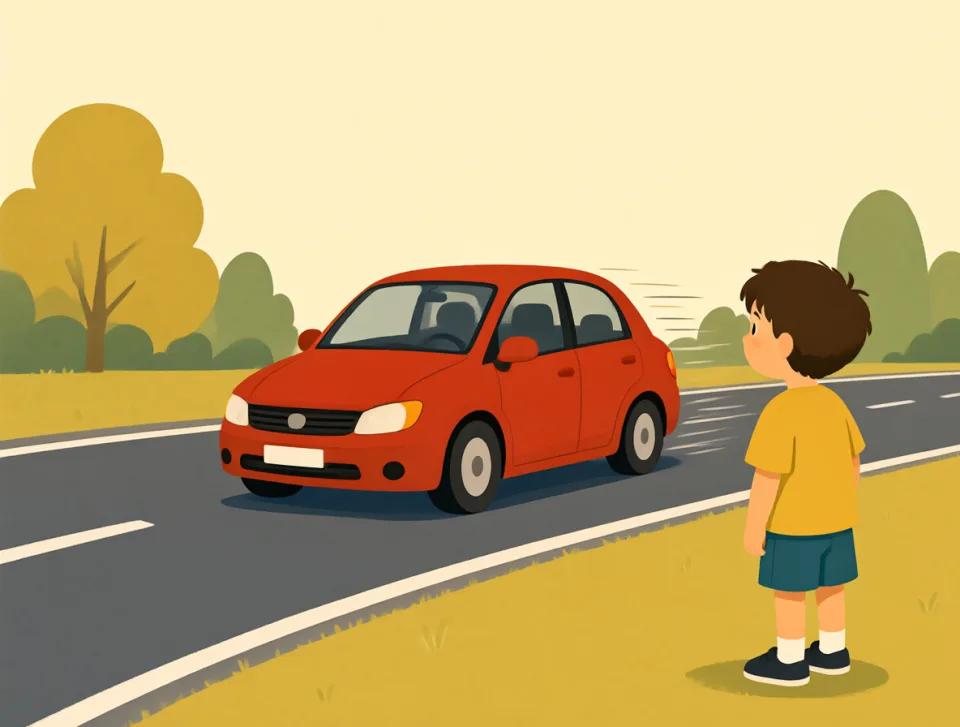
That car is very fast.
Ten samochód jest bardzo szybki.
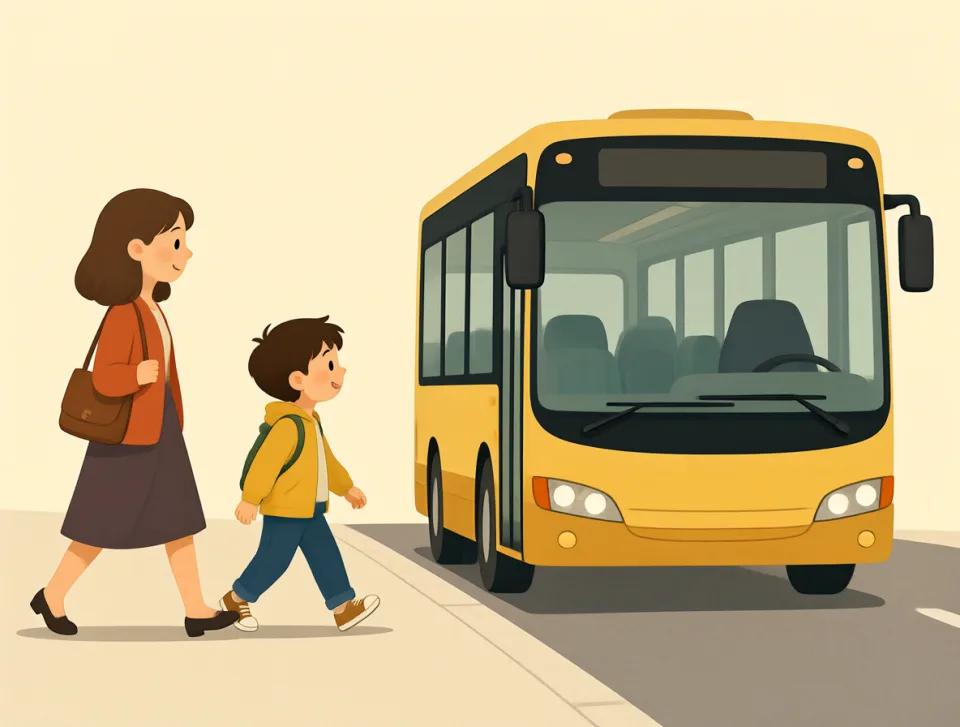
Please walk fast; the bus is here.
Proszę iść szybko — autobus już jest.

She runs fast every morning.
Ona biega szybko każdego ranka.
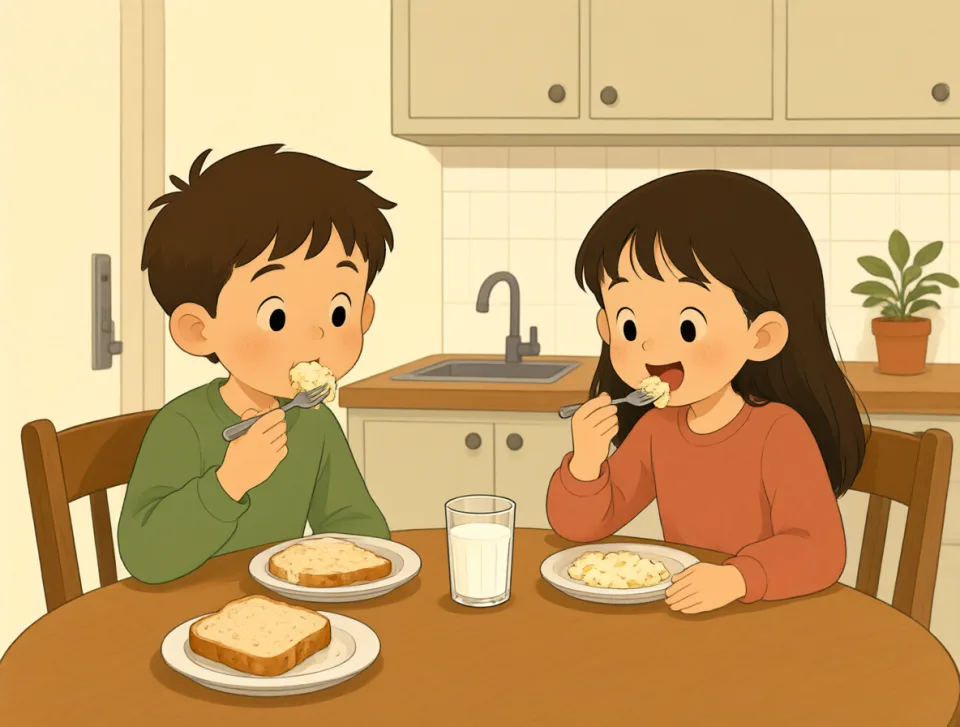
We ate fast before school.
Zjedliśmy szybko przed szkołą.
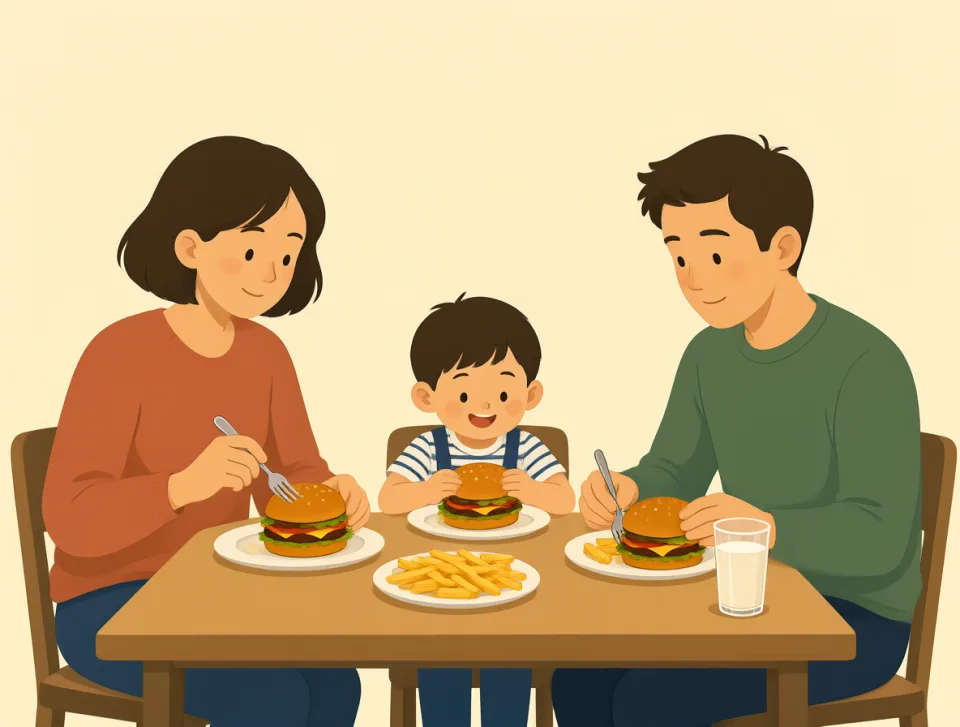
The store sells fast food.
Ten sklep sprzedaje fast food.
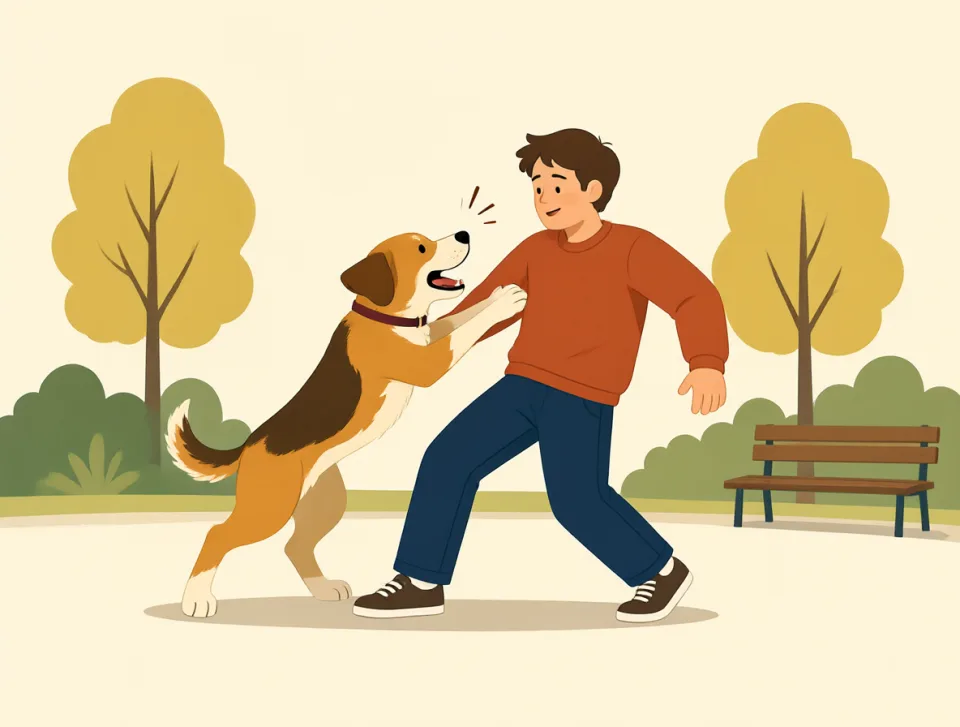
attack
#632noun, verb
atakować
to try to hurt someone, damage something, or defeat an opponent
Próbować kogoś zranić, coś uszkodzić lub pokonać przeciwnika.
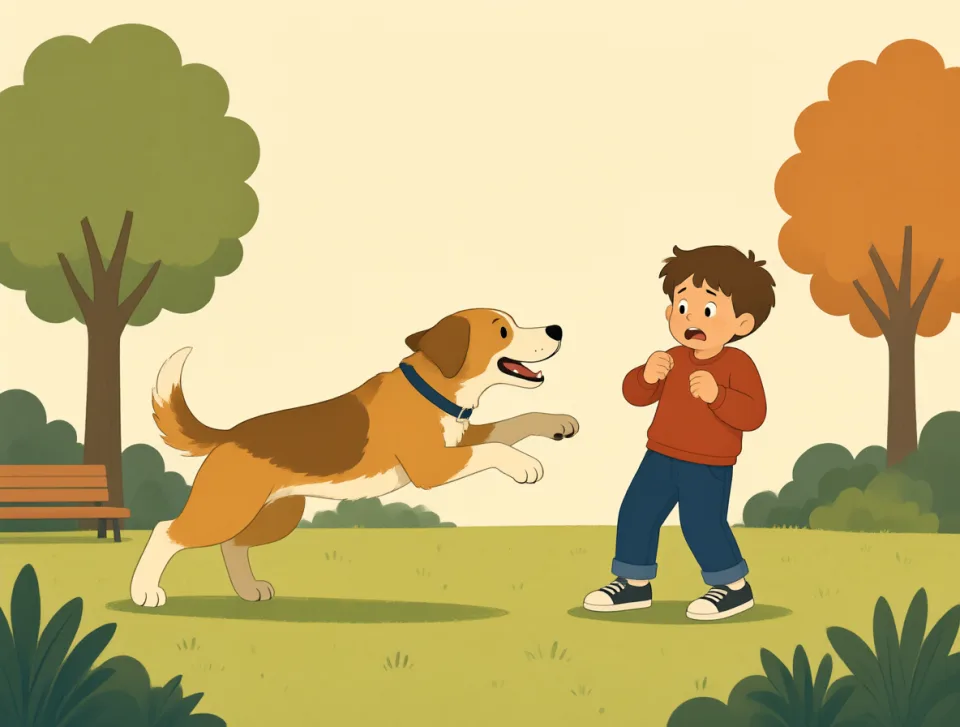
The dog attacked the boy in the park.
Pies zaatakował chłopca w parku.
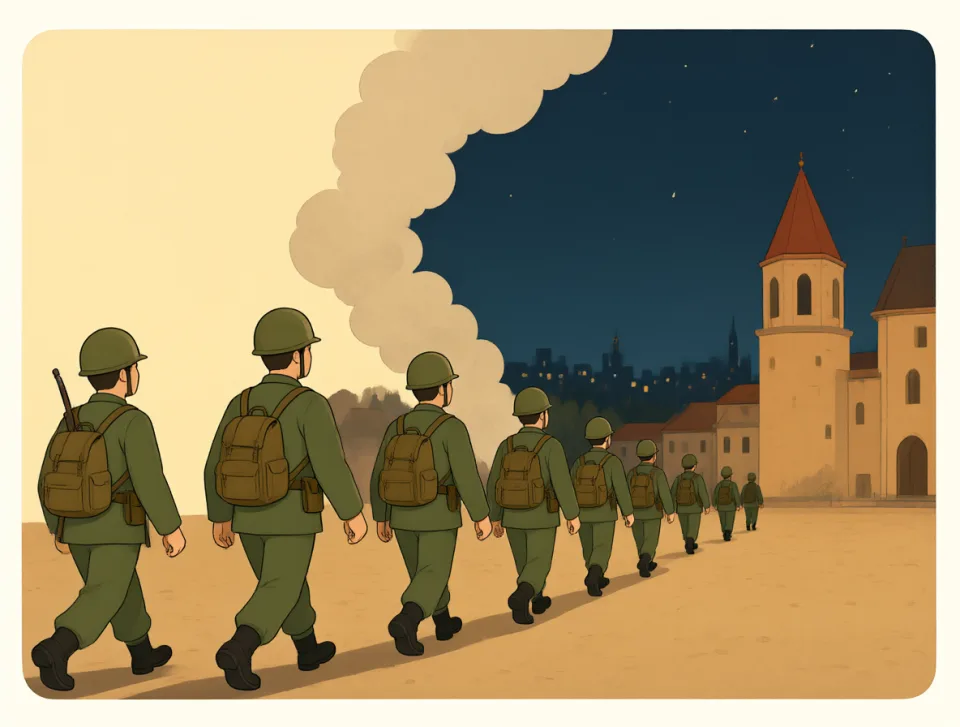
The army attacked the city at night.
Armia zaatakowała miasto w nocy.
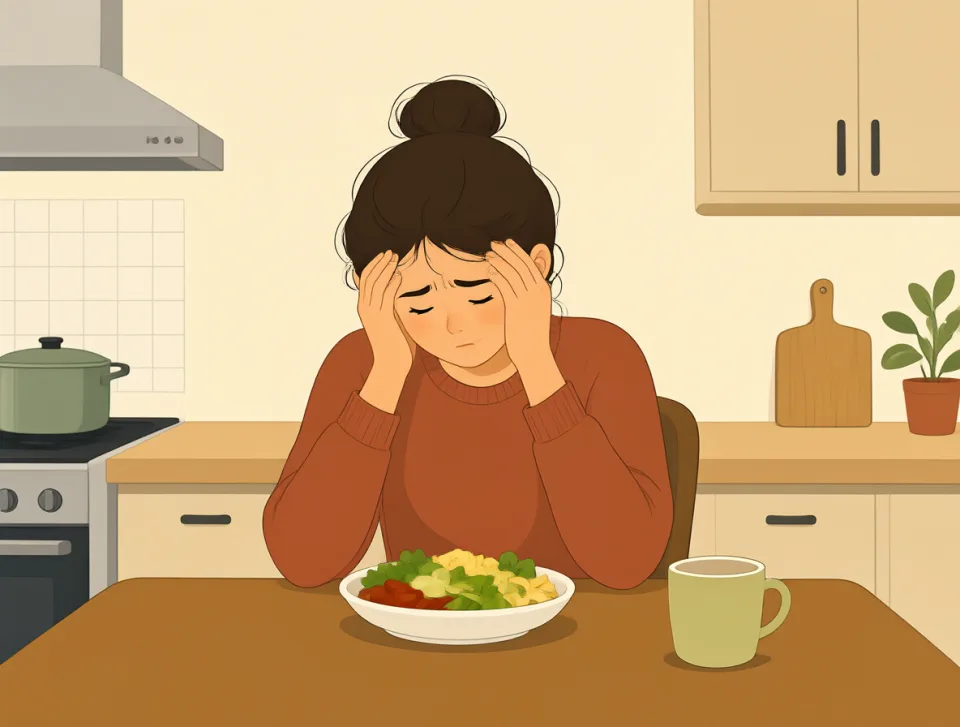
The headache attacked me after lunch.
Ból głowy zaatakował mnie po lunchu.
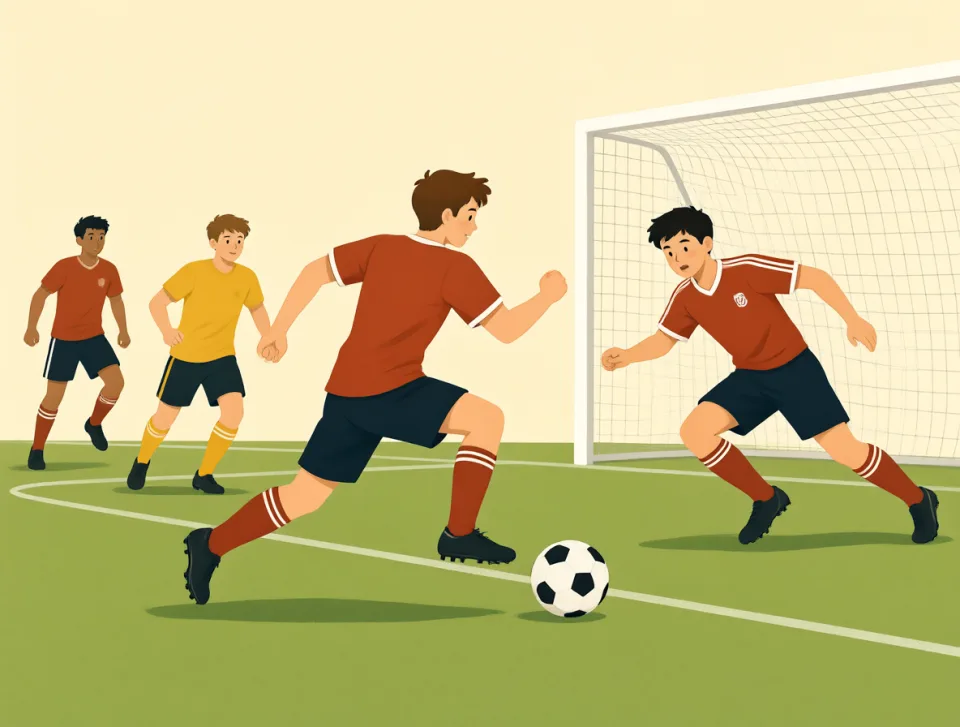
The team attacked early in the game.
Drużyna zaatakowała na początku meczu.
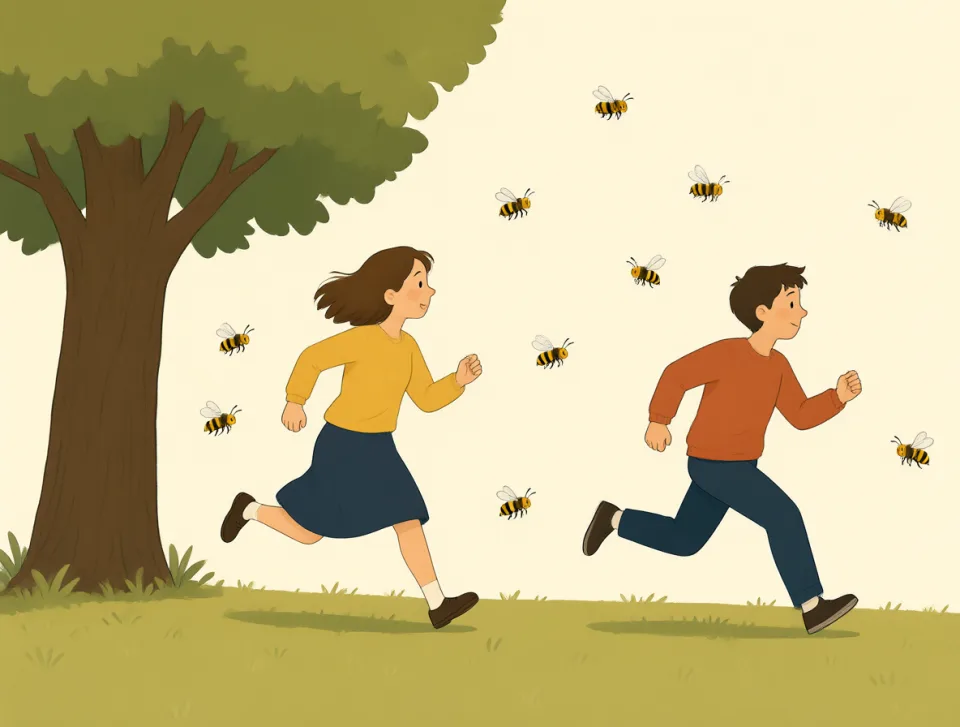
The bees attacked us near the tree.
Pszczoły zaatakowały nas w pobliżu drzewa.

foreign
#633adjective
zagraniczny
from or connected with a country that is not your own
Pochodzący z kraju, który nie jest twoim krajem, lub związany z takim krajem.

She speaks two foreign languages at work.
W pracy mówi w dwóch językach obcych.

We met some foreign students at school.
W szkole poznaliśmy kilku zagranicznych uczniów.
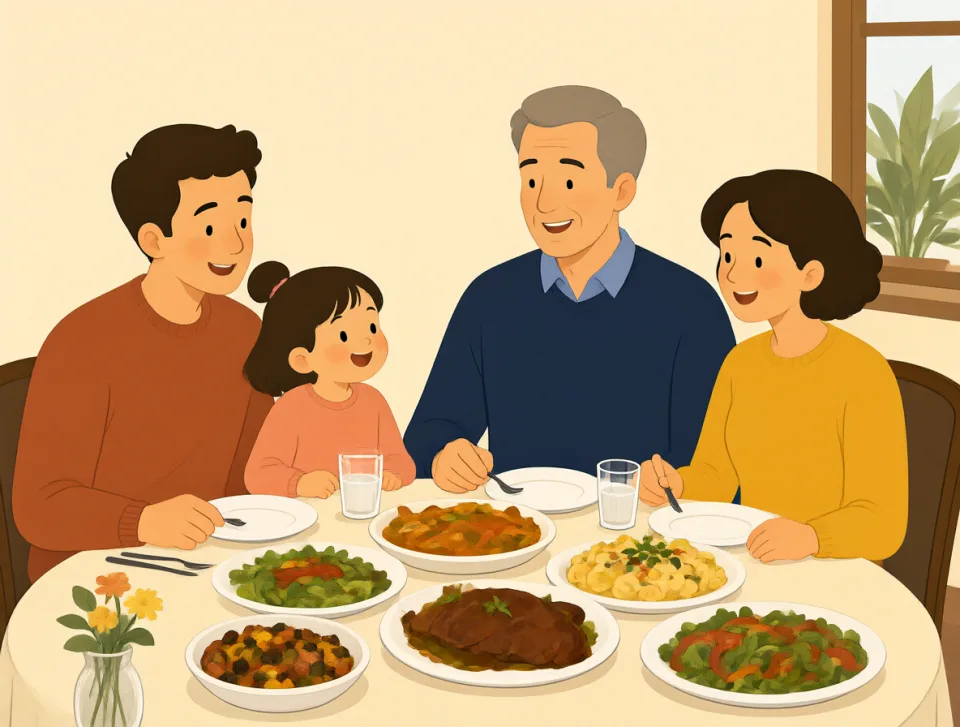
This restaurant serves delicious foreign food.
Ta restauracja serwuje pyszne zagraniczne jedzenie.
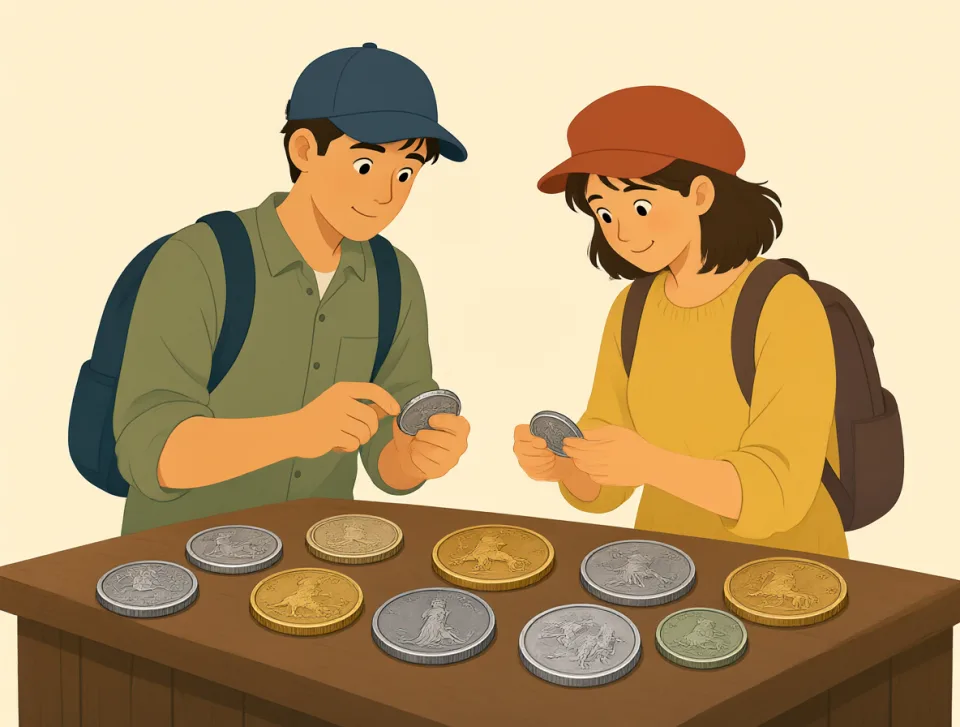
He bought foreign coins while traveling.
Podczas podróży kupił zagraniczne monety.

The doctor asked about foreign travel.
Lekarz zapytał o podróże zagraniczne.

surprise
#634noun, verb
niespodzianka; zaskakiwać
An unexpected event or feeling; to make someone feel surprised.
Nieoczekiwane wydarzenie lub uczucie; sprawić, że ktoś poczuje zaskoczenie.
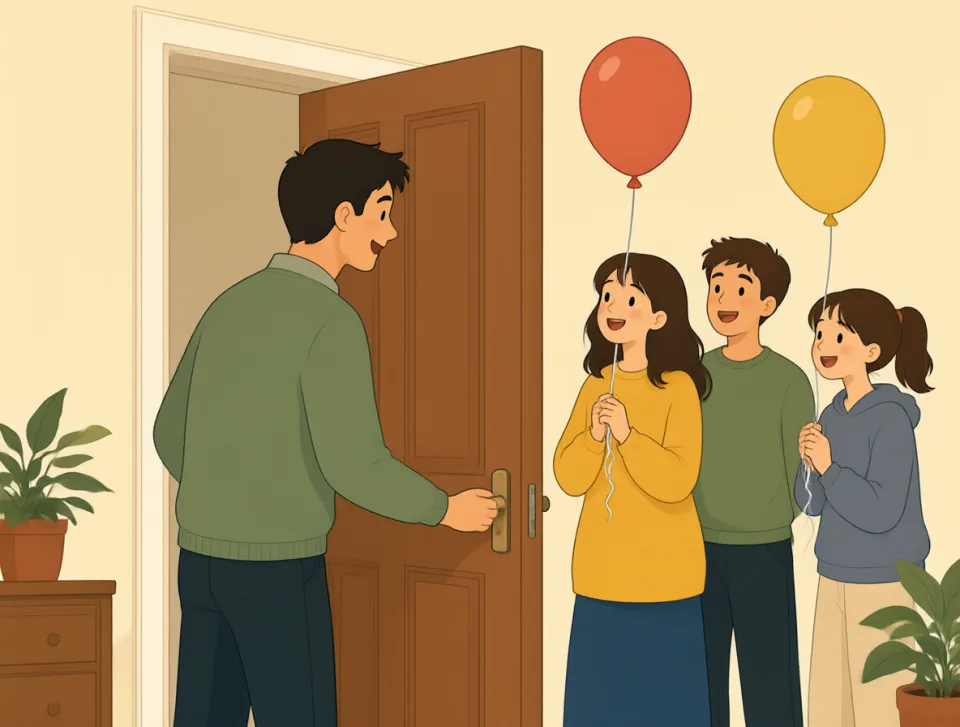
The party was a big surprise for Dad.
Przyjęcie było dla taty wielką niespodzianką.
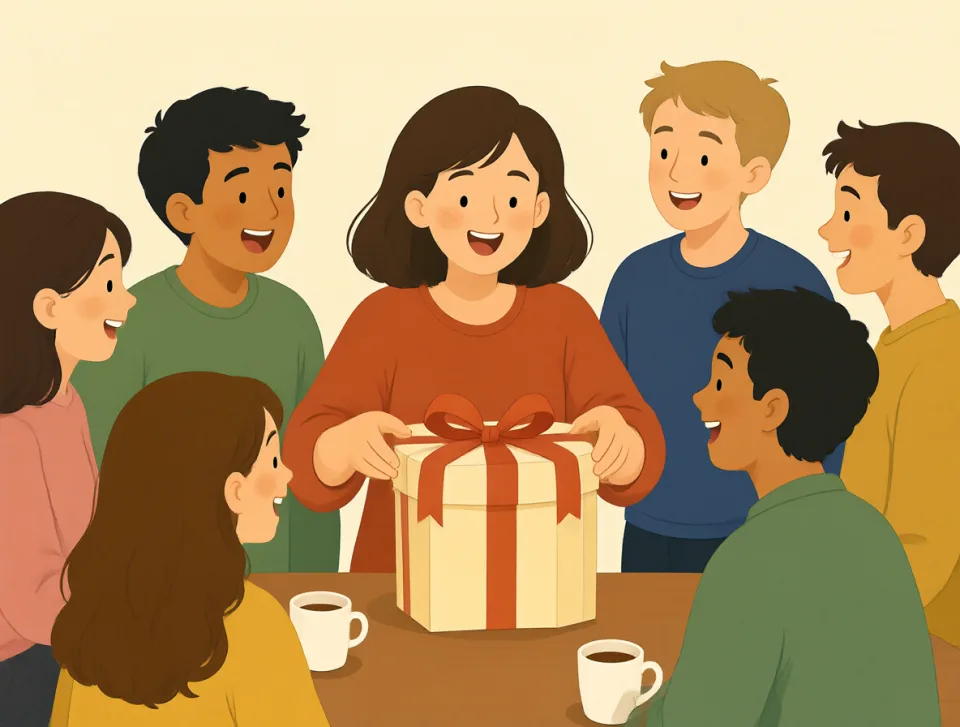
Her birthday surprise made everyone happy.
Niespodzianka urodzinowa sprawiła, że wszyscy byli szczęśliwi.
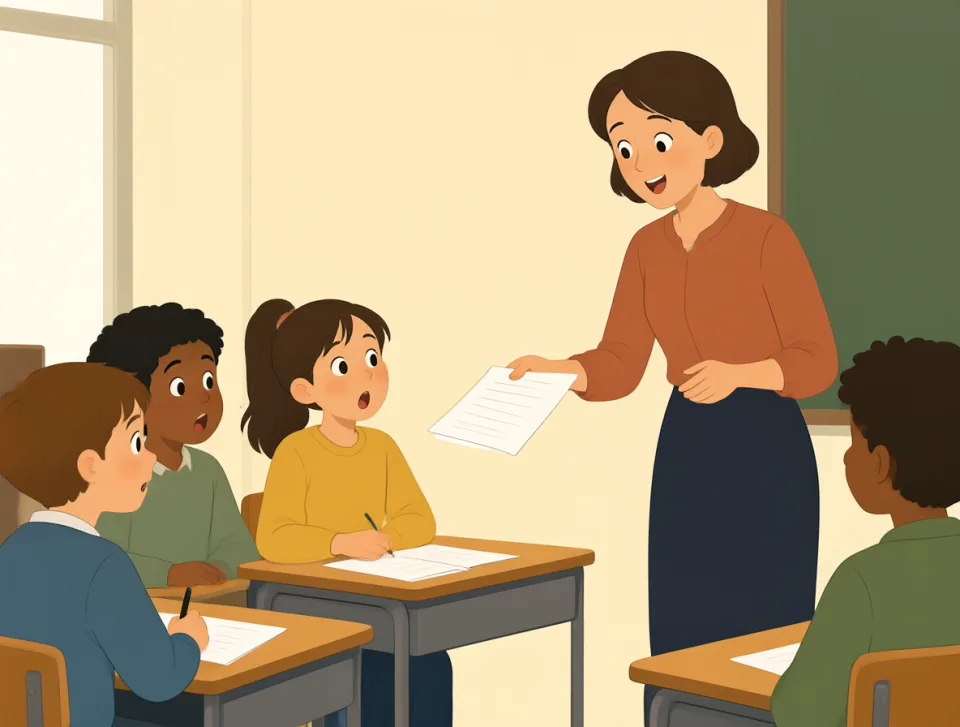
The teacher surprised us with a short quiz.
Nauczyciel zaskoczył nas krótkim quizem.

I was surprised by the high hotel price.
Zaskoczyła mnie wysoka cena hotelu.
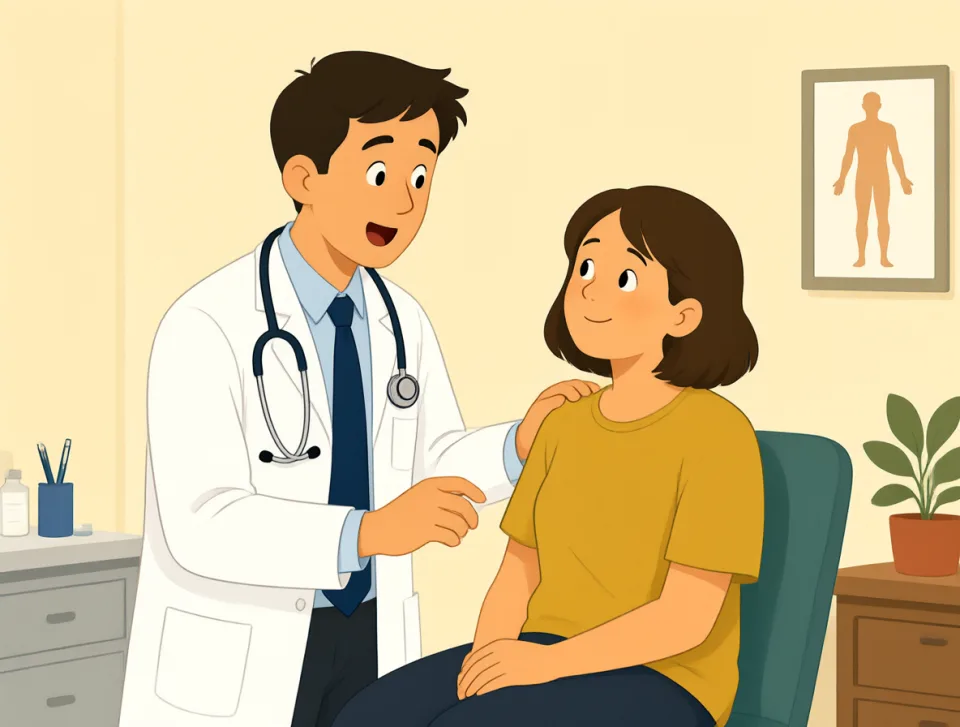
The doctor was surprised by my quick recovery.
Lekarz był zaskoczony moim szybkim powrotem do zdrowia.
feature
#635noun, verb
cecha
an important part or quality of something; to have or include something as an important part
Ważna część lub właściwość czegoś; mieć coś lub zawierać coś jako ważną część.

The hotel has a swimming pool as its best feature.
Najlepszą cechą hotelu jest basen.
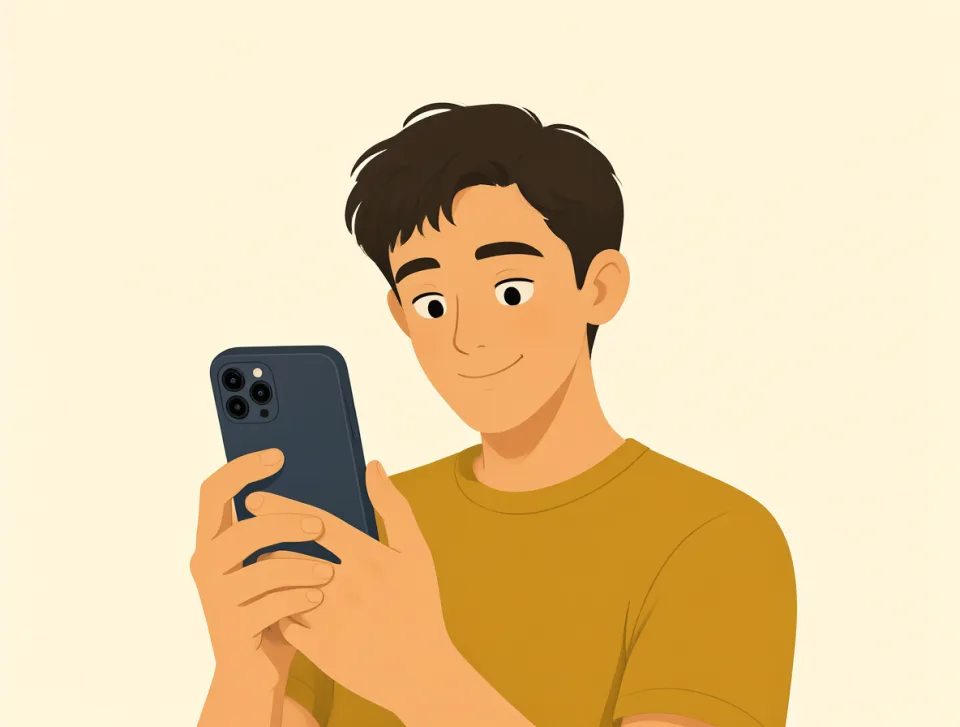
The phone features a very good camera.
Telefon ma bardzo dobry aparat.

This jacket features warm pockets for cold days.
Ta kurtka ma ciepłe kieszenie na chłodne dni.
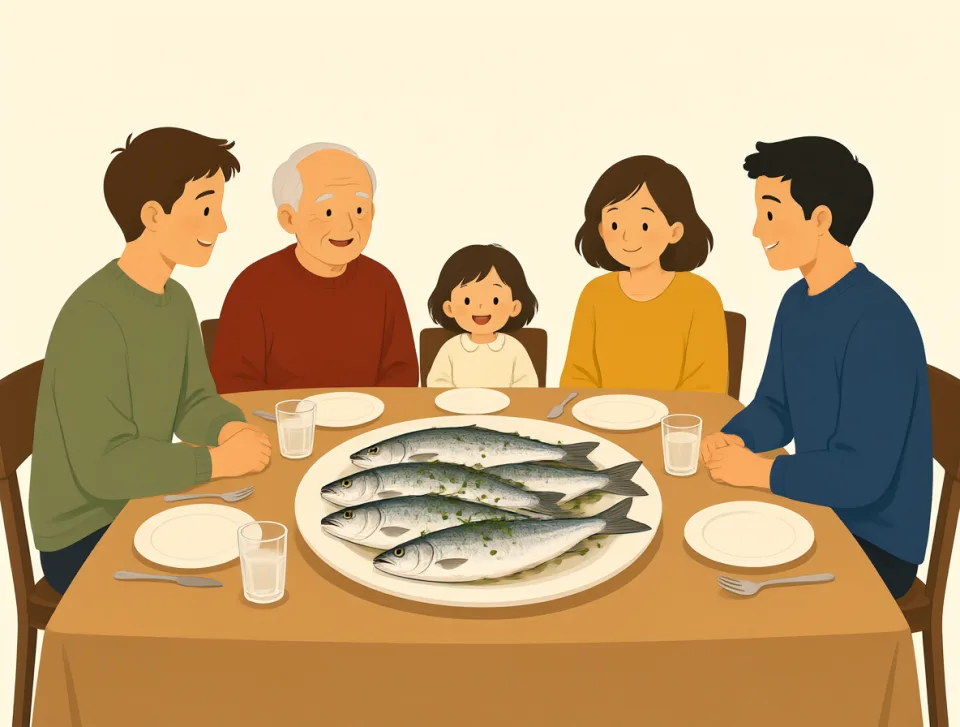
The main feature of the meal was fresh fish.
Najważniejszą częścią posiłku była świeża ryba.

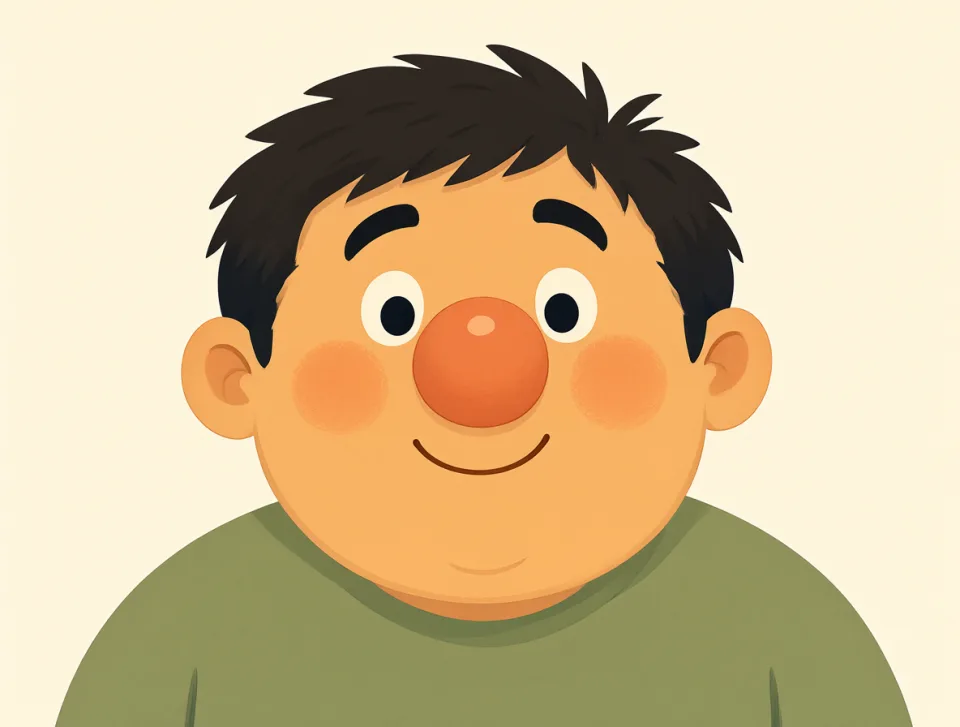
Her eyes are her most beautiful feature.
Jej oczy są jej najpiękniejszą cechą.
factor
#636noun
czynnik
A fact or situation that influences a result or decision.
Fakt lub sytuacja, które wpływają na wynik albo decyzję.
Cost was the main factor in our choice.
Koszt był głównym czynnikiem, który wpłynął na nasz wybór.
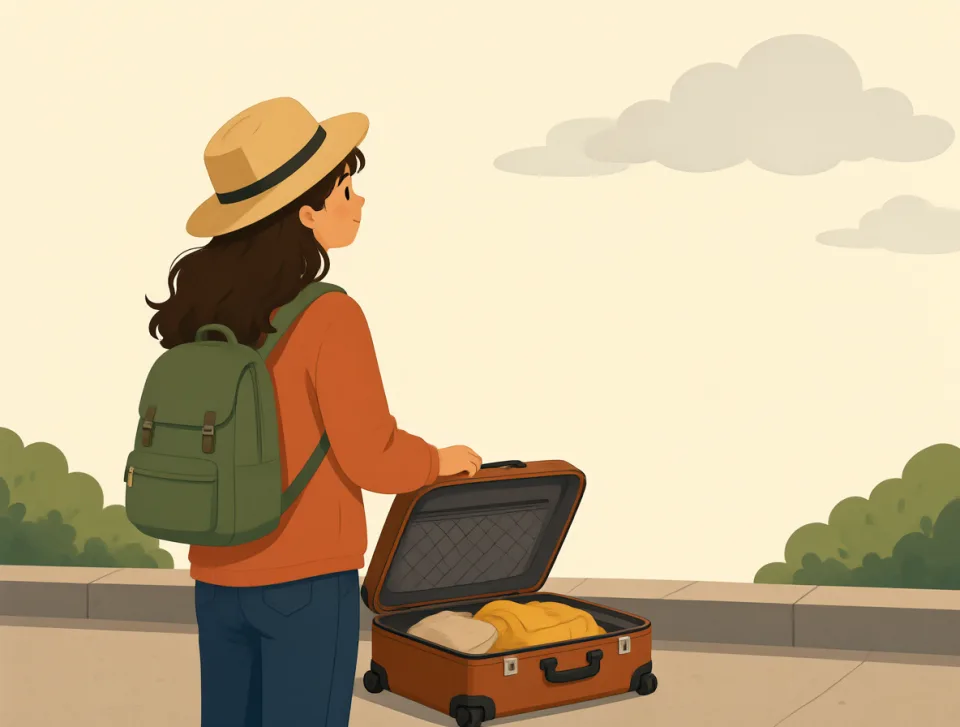
Weather is an important factor when planning trips.
Pogoda jest ważnym czynnikiem przy planowaniu wyjazdów.
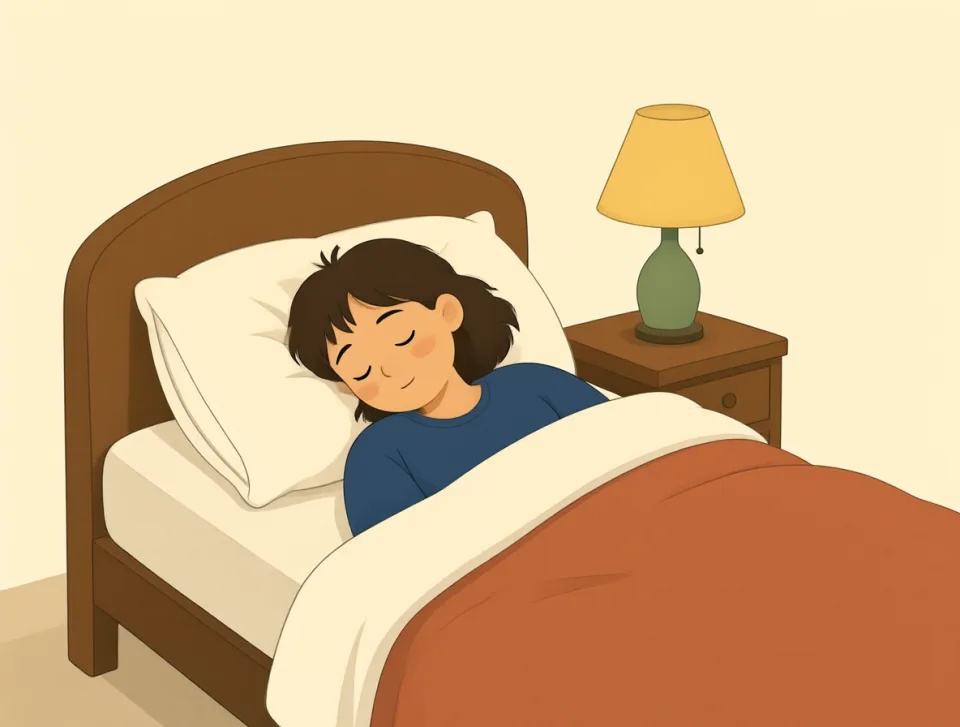
Sleep is a key factor in good health.
Sen jest kluczowym czynnikiem dobrego zdrowia.
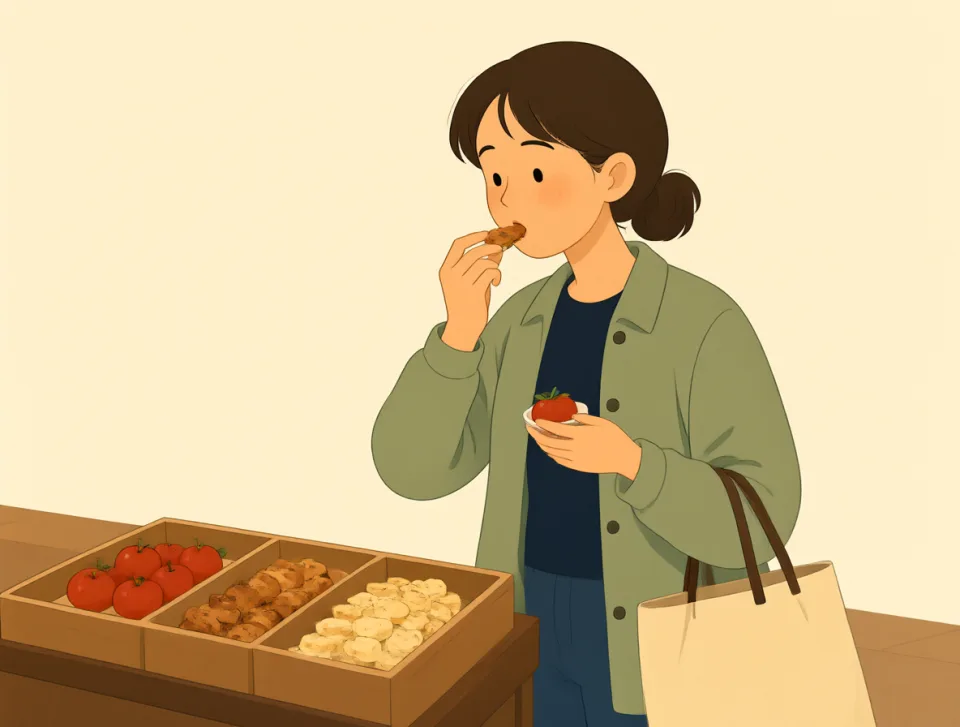
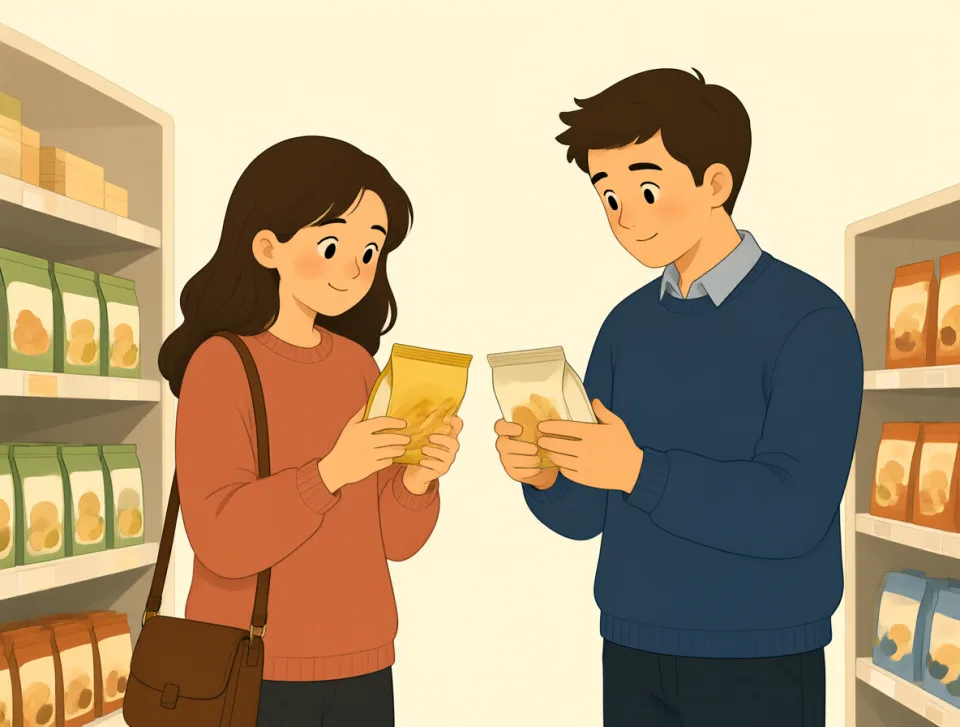
Taste is a big factor when choosing food.
Smak ma duże znaczenie przy wyborze jedzenia.
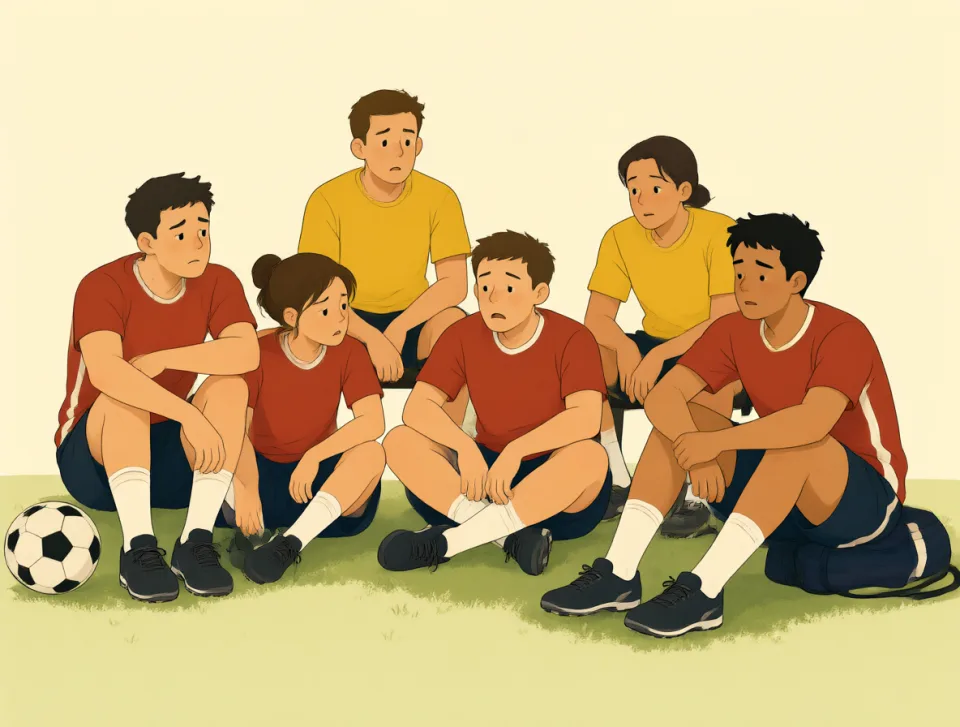
Several factors caused the team’s loss.
Kilka czynników doprowadziło do porażki drużyny.

pretty
#637adjective, adverb
ładny; dość
attractive or pleasing to look at; fairly or quite
Atrakcyjny lub przyjemny dla oka; w znaczeniu „dość” lub „całkiem”.
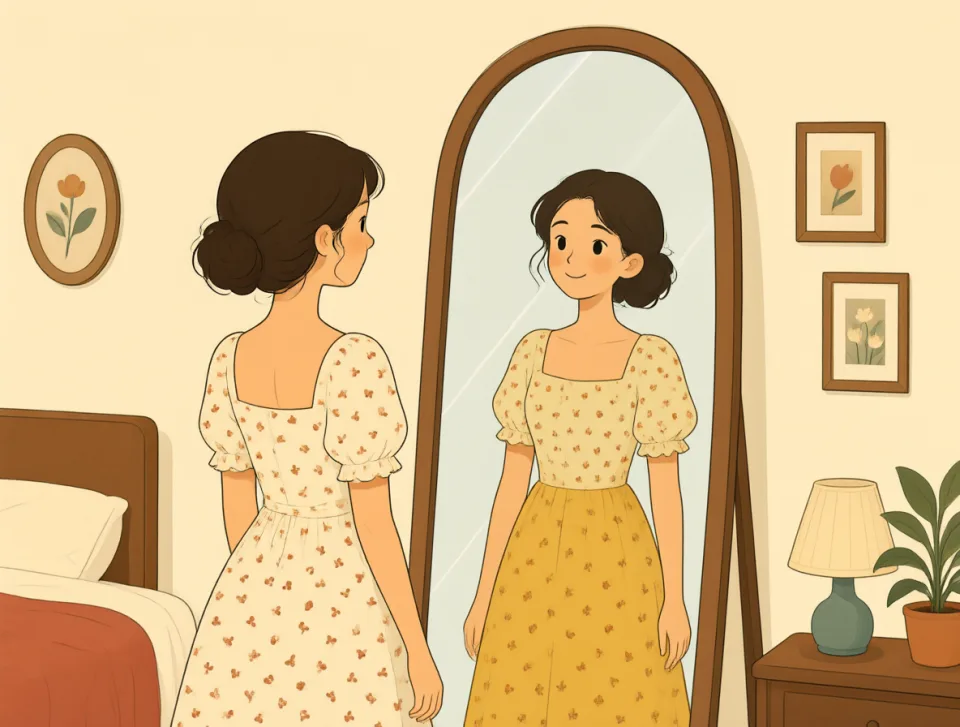
She wore a pretty dress to the party.
Założyła na imprezę ładną sukienkę.

What a pretty garden you have!
Ale masz ładny ogród!

The shop is pretty busy today.
W sklepie jest dziś dość tłoczno.
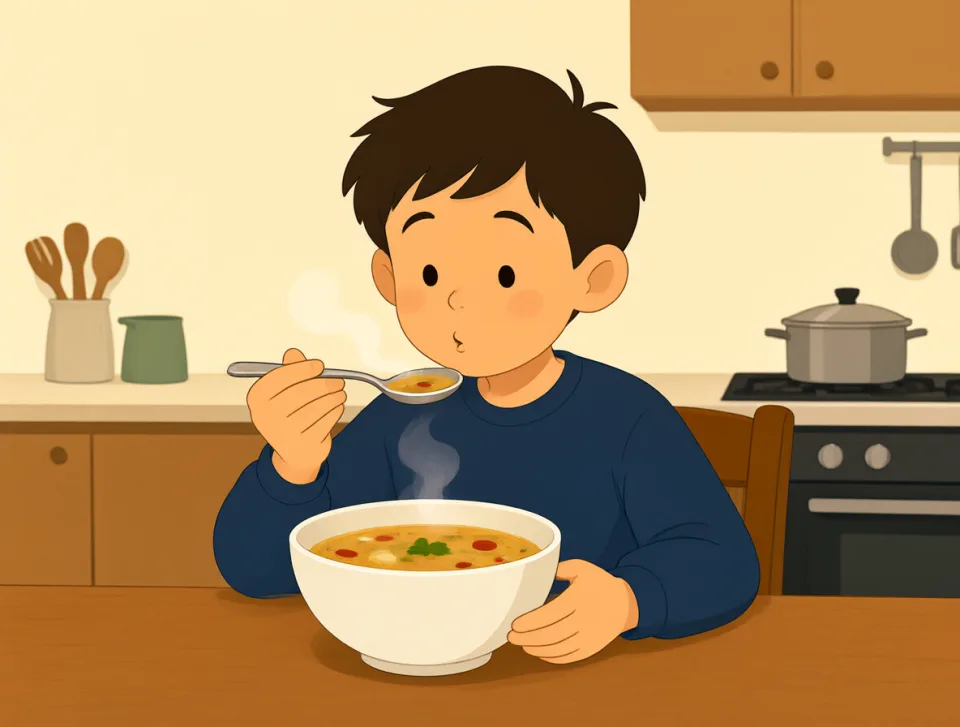
This soup is pretty hot.
Ta zupa jest dość gorąca.

I am pretty sure he is coming.
Jestem prawie pewien, że przyjdzie.

recently
#638adverb
niedawno
A short time ago; not long before now.
Jakiś czas temu; nie tak dawno.
I recently moved to a new apartment.
Niedawno przeprowadziłem się do nowego mieszkania.

Have you seen Maria recently?
Czy widziałeś ostatnio Marię?
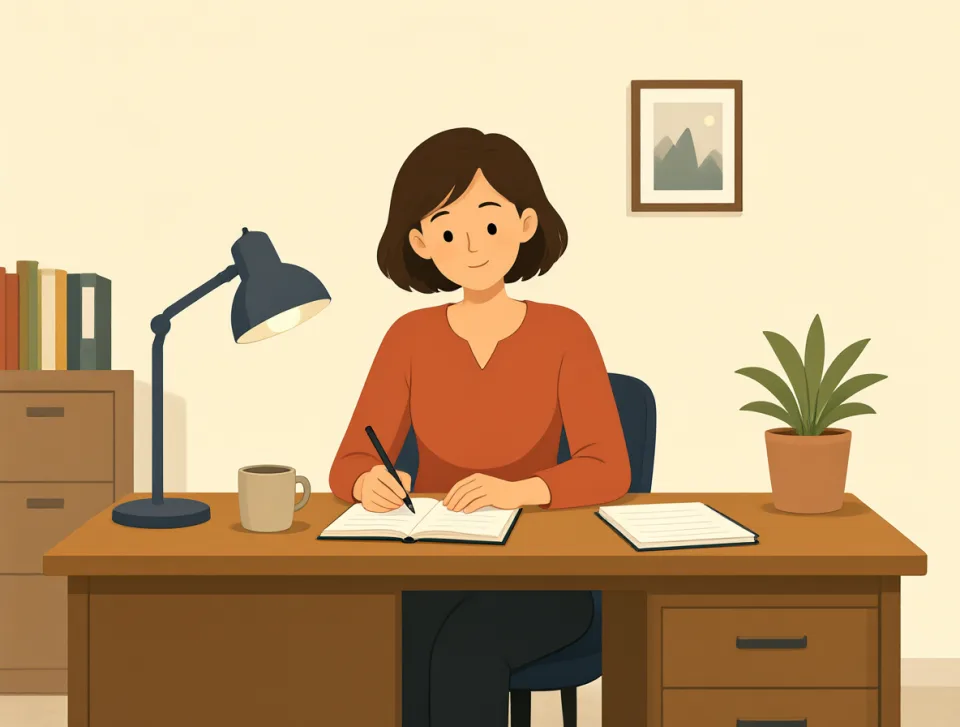
She recently started a new job.
Niedawno zaczęła nową pracę.
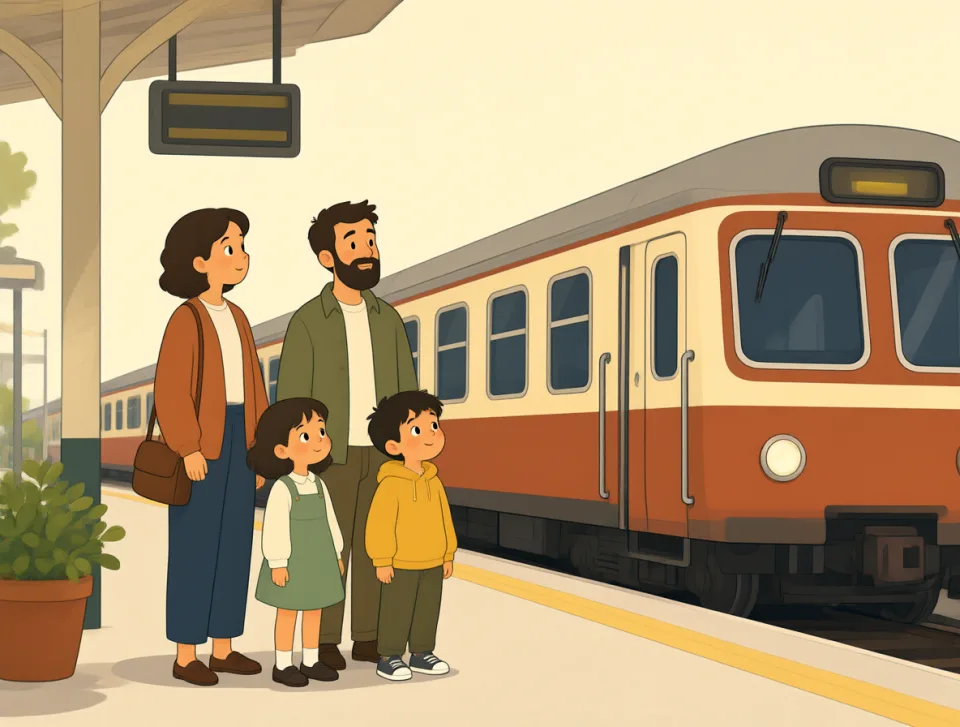
We recently visited London by train.
Niedawno pojechaliśmy pociągiem do Londynu.
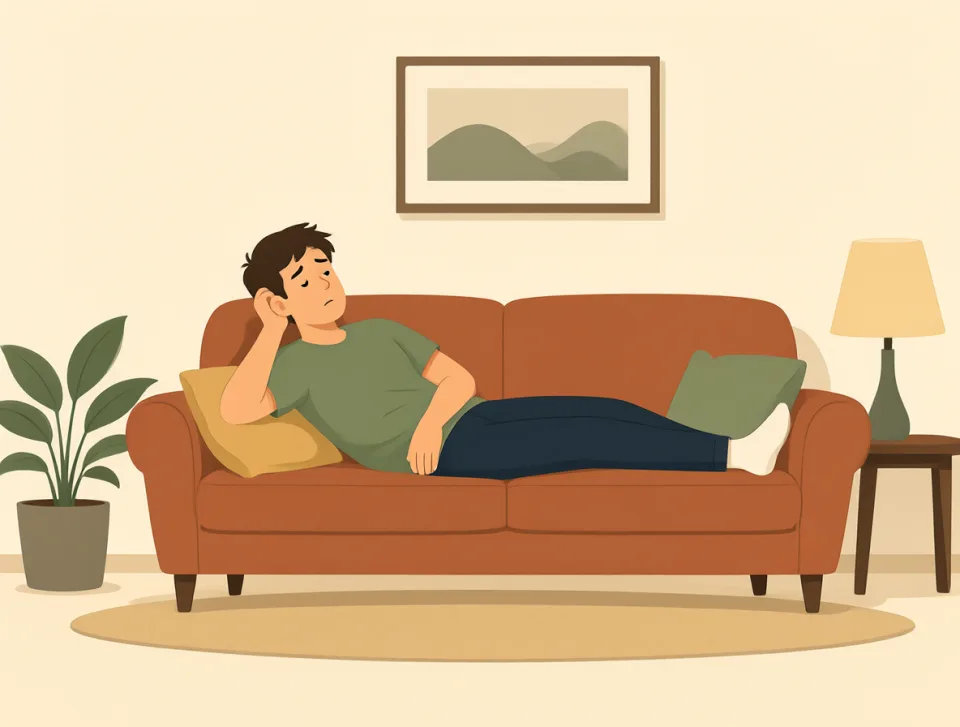
He has been feeling tired recently.
Ostatnio czuje się zmęczony.
affect
#639verb, noun
wpływać; afekt
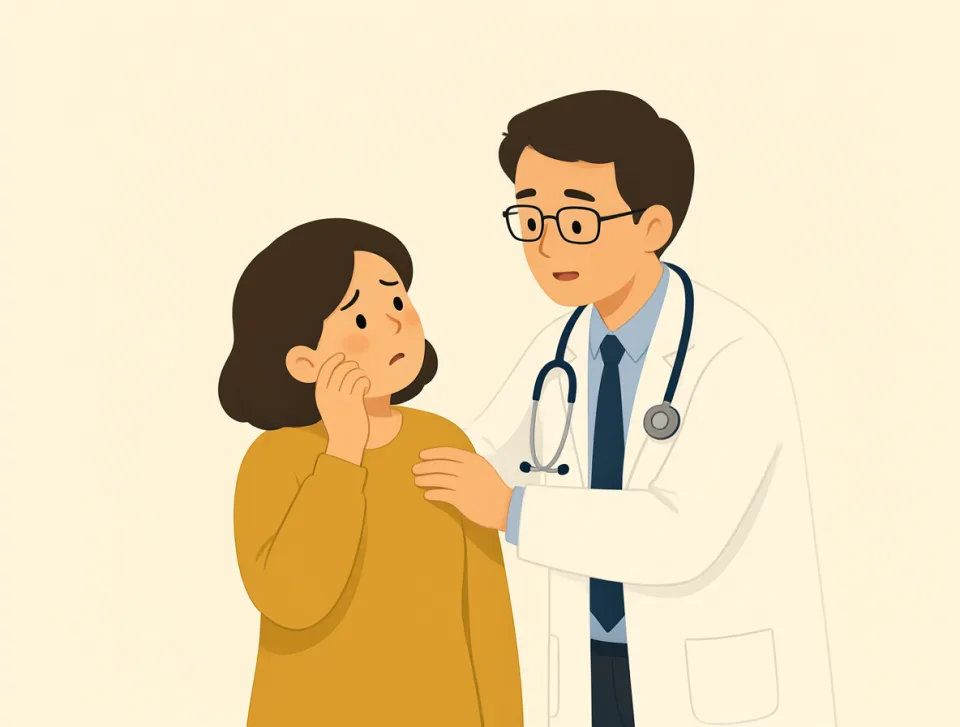
to cause a change in someone or something; a feeling shown in the face
Powodować zmianę u kogoś lub w czymś; afekt to uczucie widoczne na twarzy.
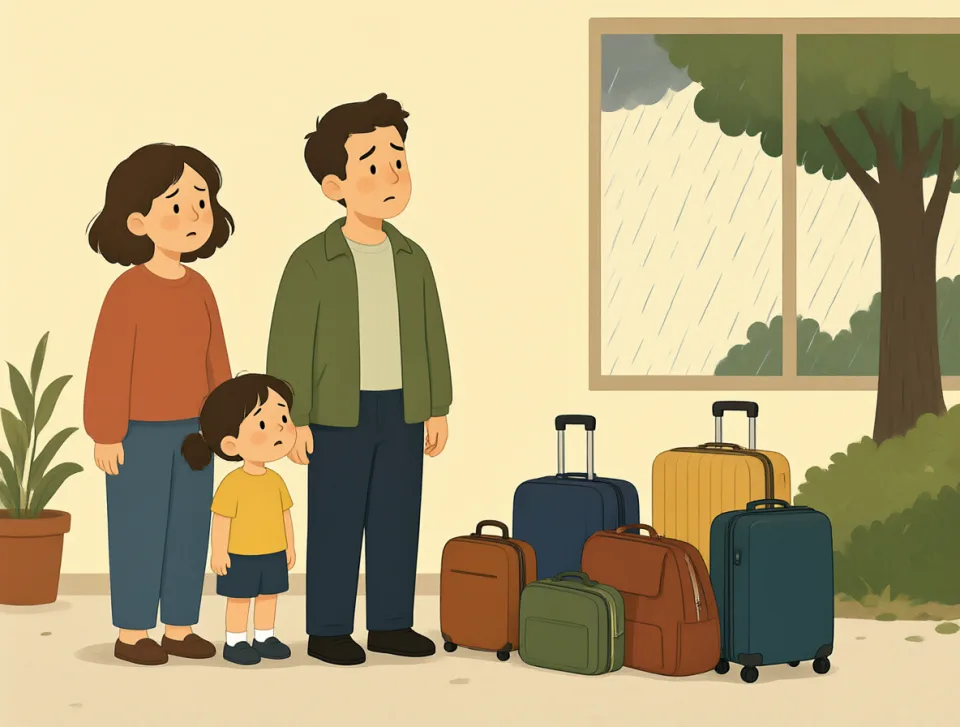
Rain can affect our travel plans.
Deszcz może wpłynąć na nasze plany podróży.
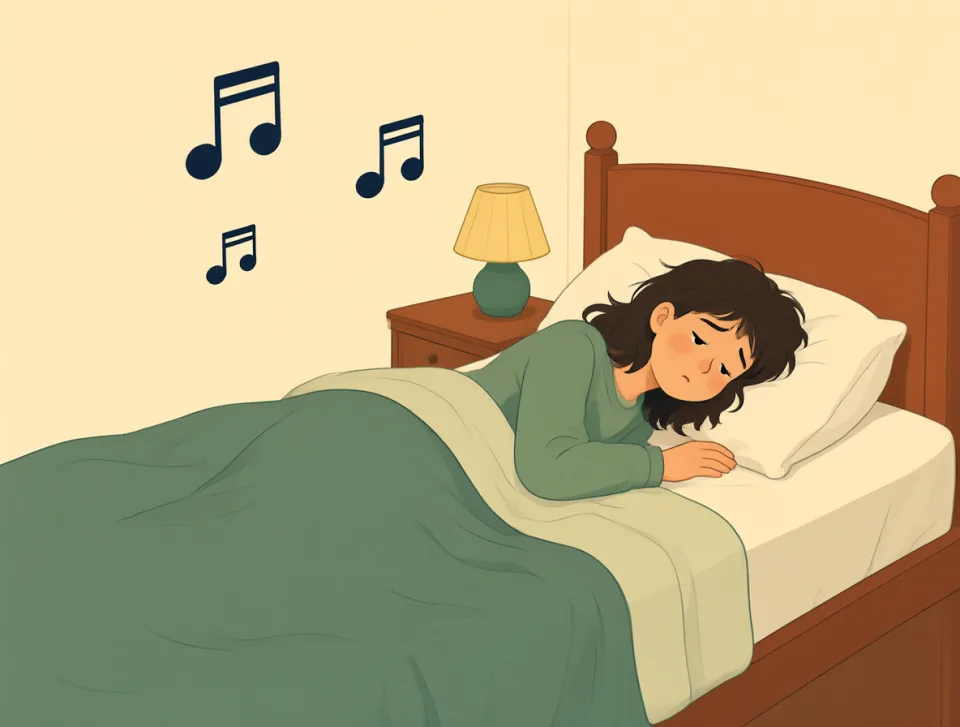
Loud music affected my sleep last night.
Głośna muzyka wpłynęła zeszłej nocy na mój sen.
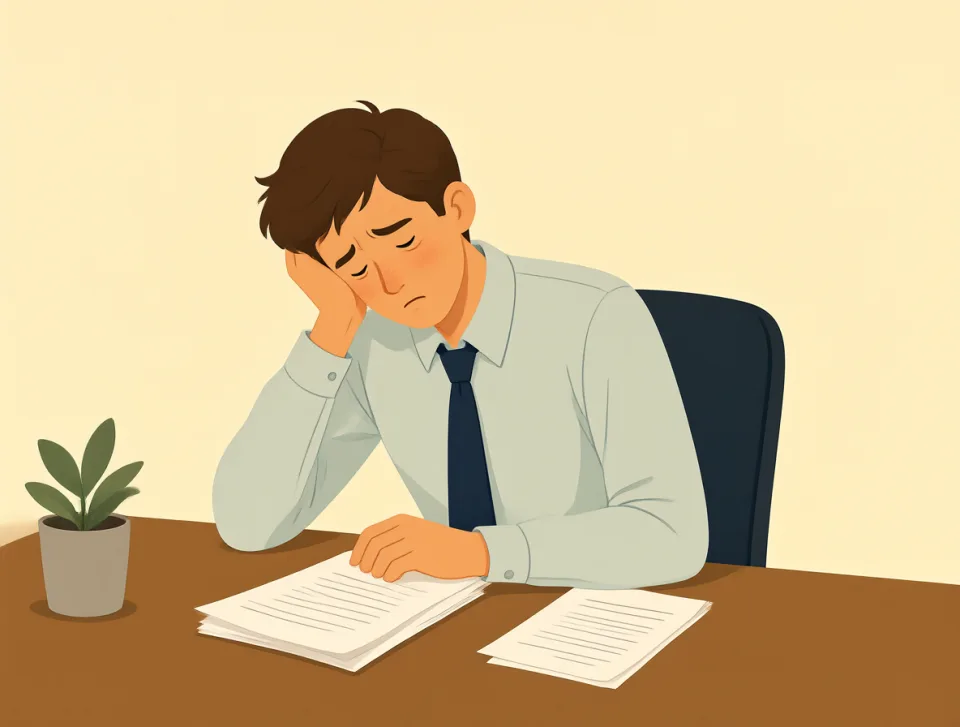
The illness affected his work.
Choroba wpłynęła na jego pracę.

The price change affected many shoppers.
Zmiana ceny wpłynęła na wielu kupujących.
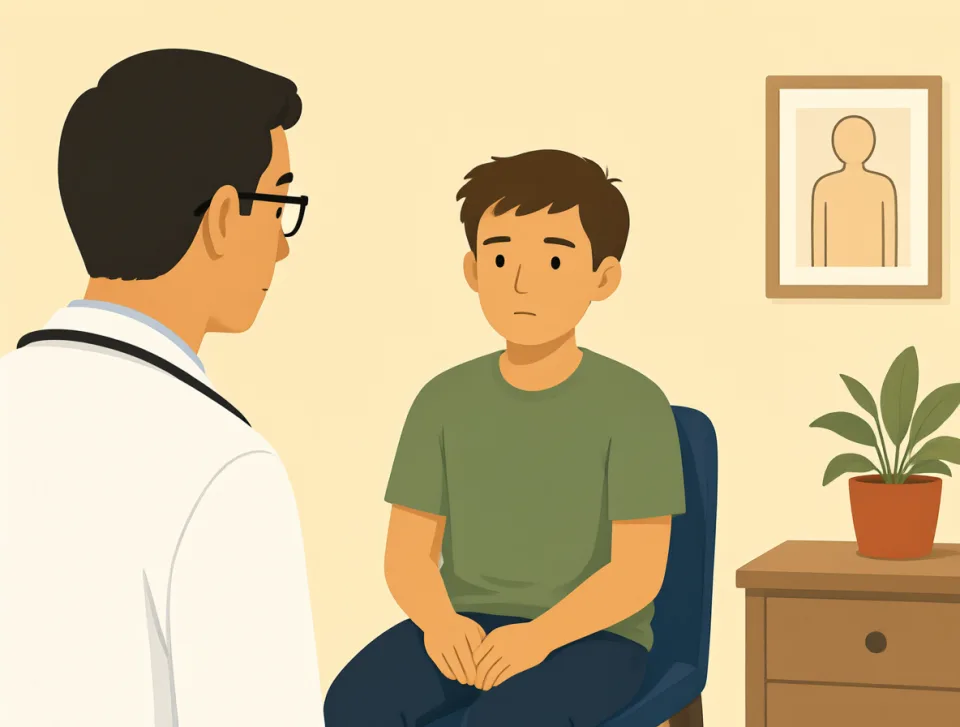
Her face showed little affect.
Na jej twarzy widać było niewiele emocji.
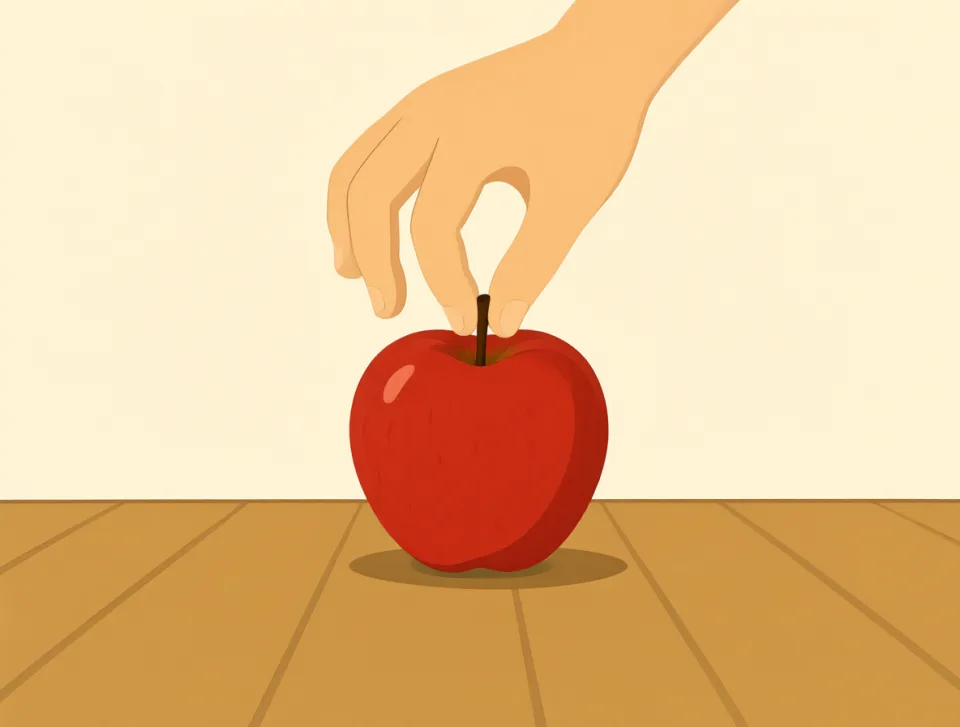
drop
#640verb, noun
upuścić; kropla
To let something fall, or a small amount of liquid that falls.
Pozwolić czemuś upaść albo niewielka ilość płynu, która spada.
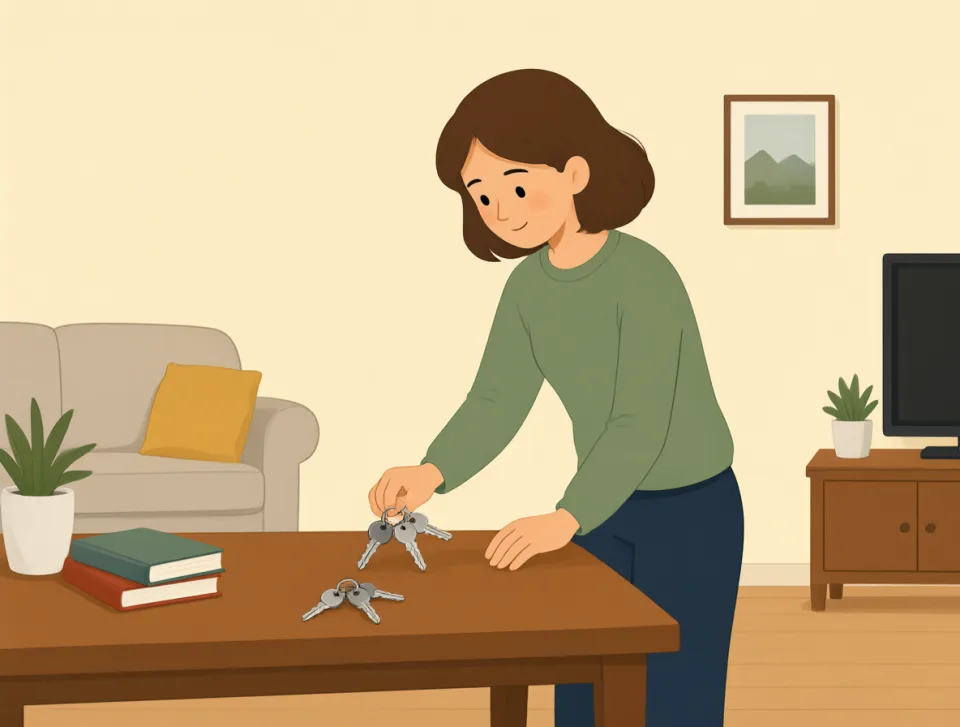
Please drop the keys on the table.
Proszę położyć klucze na stole.
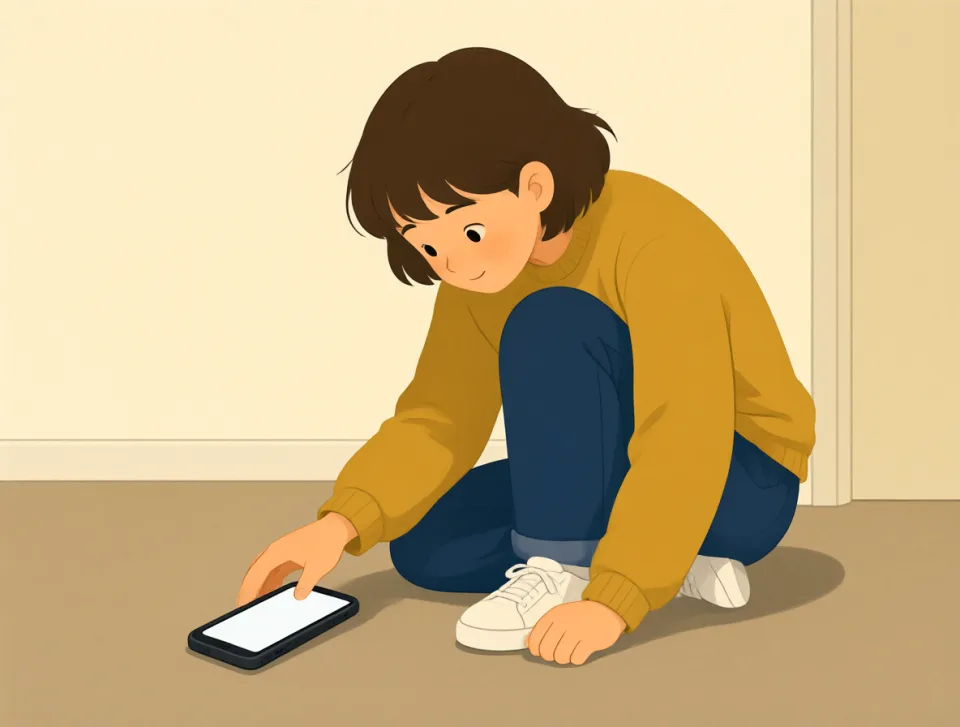
I dropped my phone on the floor.
Upuściłem telefon na podłogę.
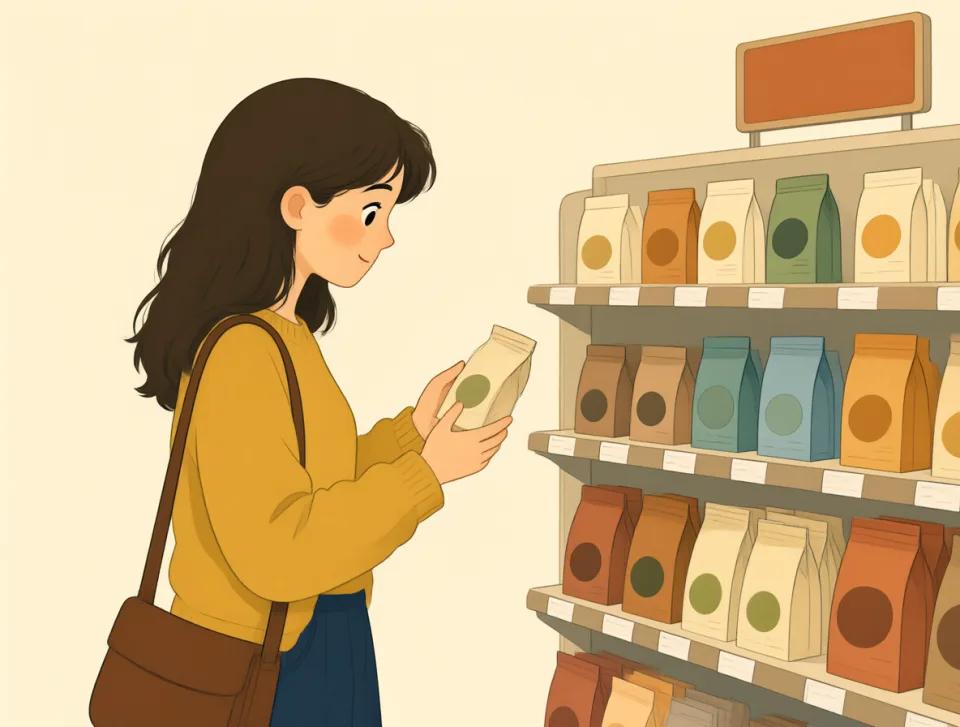
The price dropped after the sale began.
Cena spadła po rozpoczęciu wyprzedaży.

She dropped out of school last year.
W zeszłym roku rzuciła szkołę.
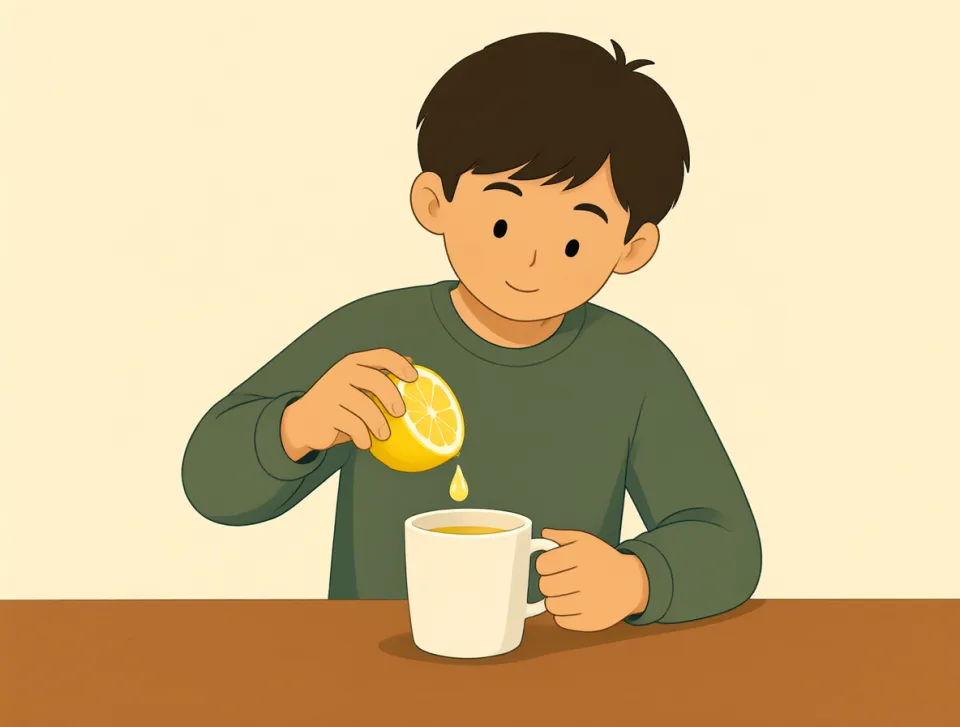
Add one drop of lemon juice.
Dodaj jedną kroplę soku z cytryny.