Zestaw 41
Słowa 801–820 · husband, access, movement, treat, identify, loss

husband
#801noun
mąż
A married man.
Żonaty mężczyzna.

Her husband cooks dinner every evening.
Jej mąż gotuje kolację każdego wieczoru.

My husband works at a local school.
Mój mąż pracuje w miejscowej szkole.

His husband bought fresh bread this morning.
Jego mąż kupił dziś rano świeże pieczywo.

I met your husband at the airport.
Spotkałem twojego męża na lotnisku.

Her husband felt sick after lunch.
Jej mąż źle się poczuł po obiedzie.

access
#802noun, verb
dostęp
the right or way to enter, use, or reach something
Prawo lub możliwość wejścia do czegoś, korzystania z czegoś albo dotarcia do czegoś.
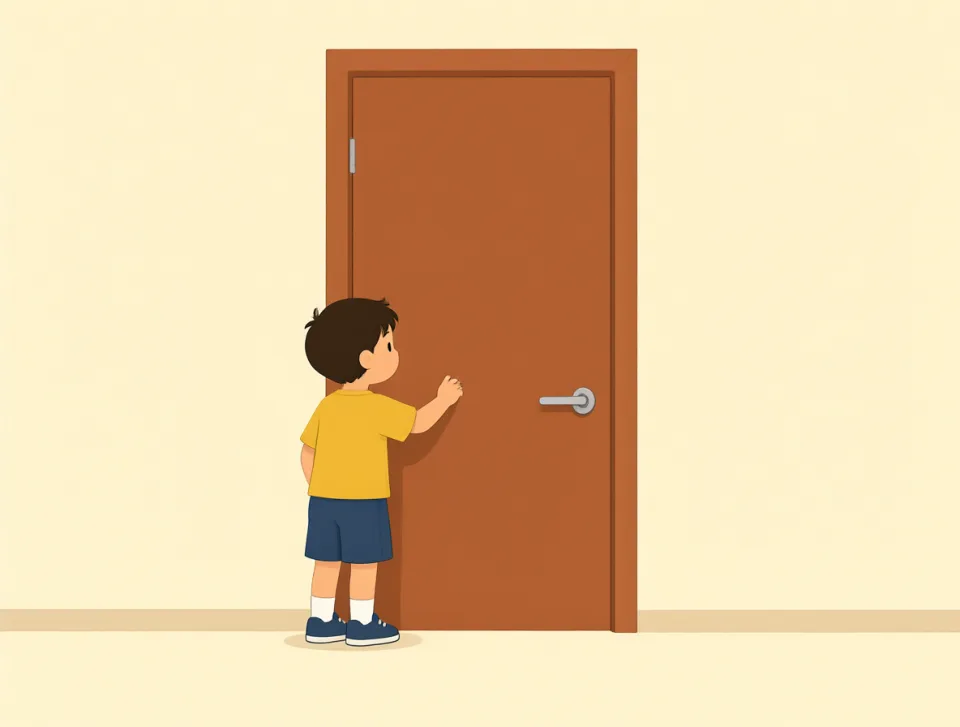
I need access to the bathroom.
Potrzebuję dostępu do łazienki.

You can access your account from home.
Możesz uzyskać dostęp do swojego konta z domu.

Students have access to the school library.
Uczniowie mają dostęp do szkolnej biblioteki.
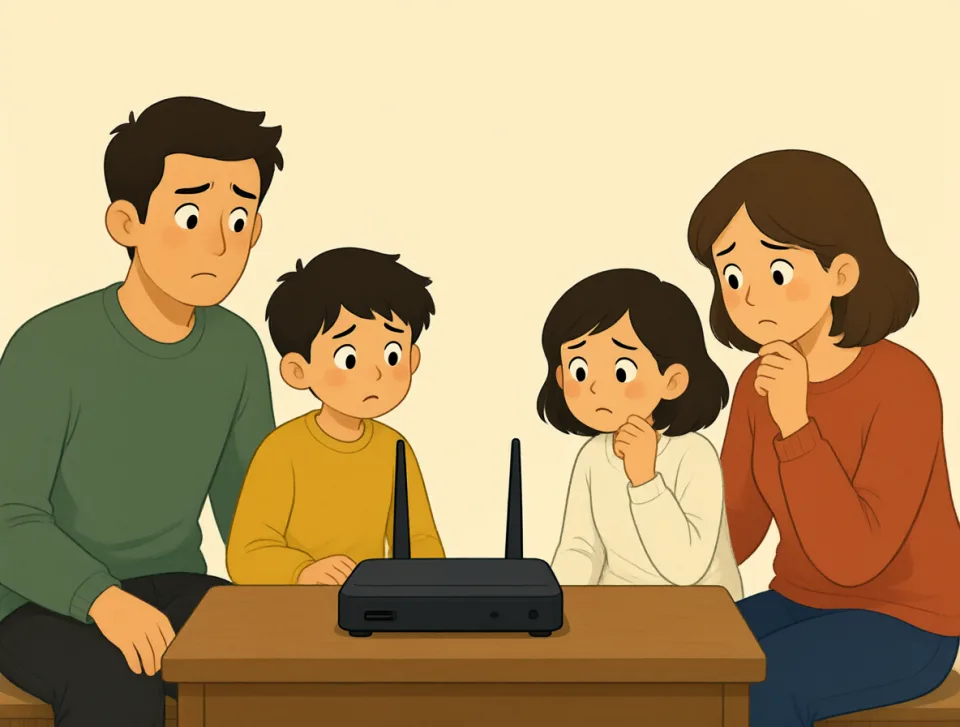
We lost internet access during the storm.
Podczas burzy straciliśmy dostęp do internetu.
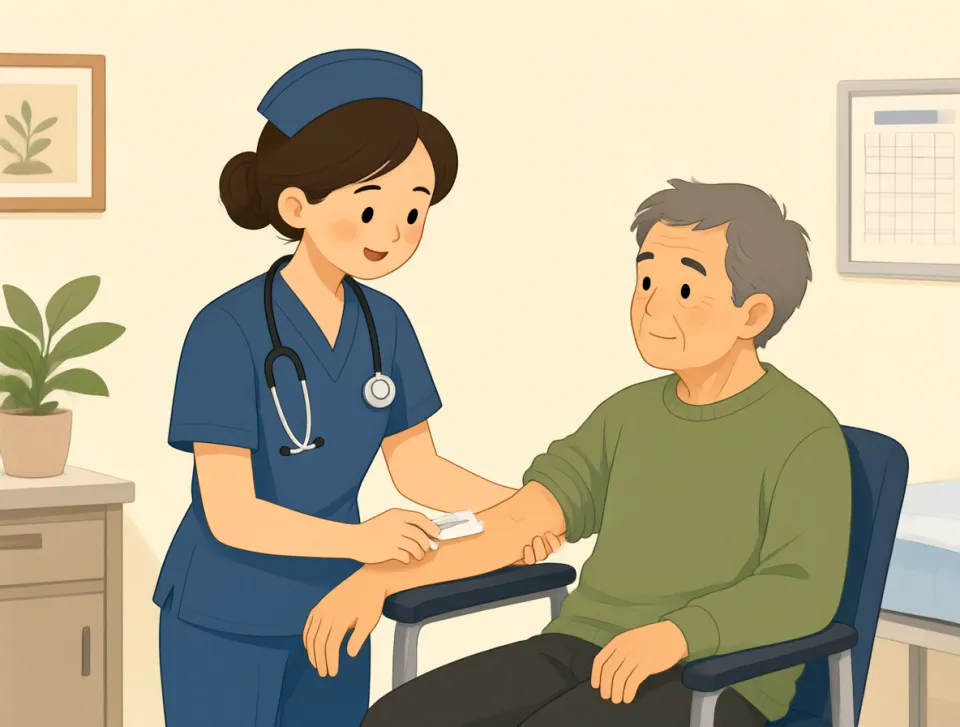
The nurse accessed his arm for treatment.
Pielęgniarka uzyskała dostęp do jego ramienia, aby przeprowadzić zabieg.
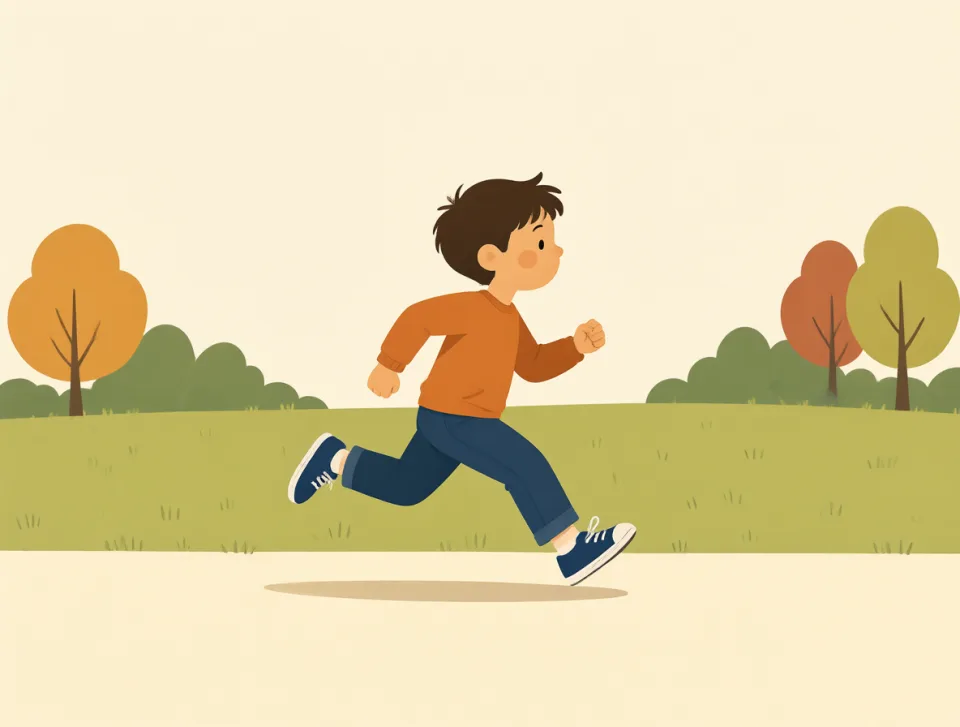
movement
#803noun
ruch
the act or process of moving from one place or position to another
Czynność lub proces przemieszczania się z jednego miejsca albo położenia do innego.

The movement of the train made me feel sick.
Ruch pociągu sprawił, że zrobiło mi się niedobrze.
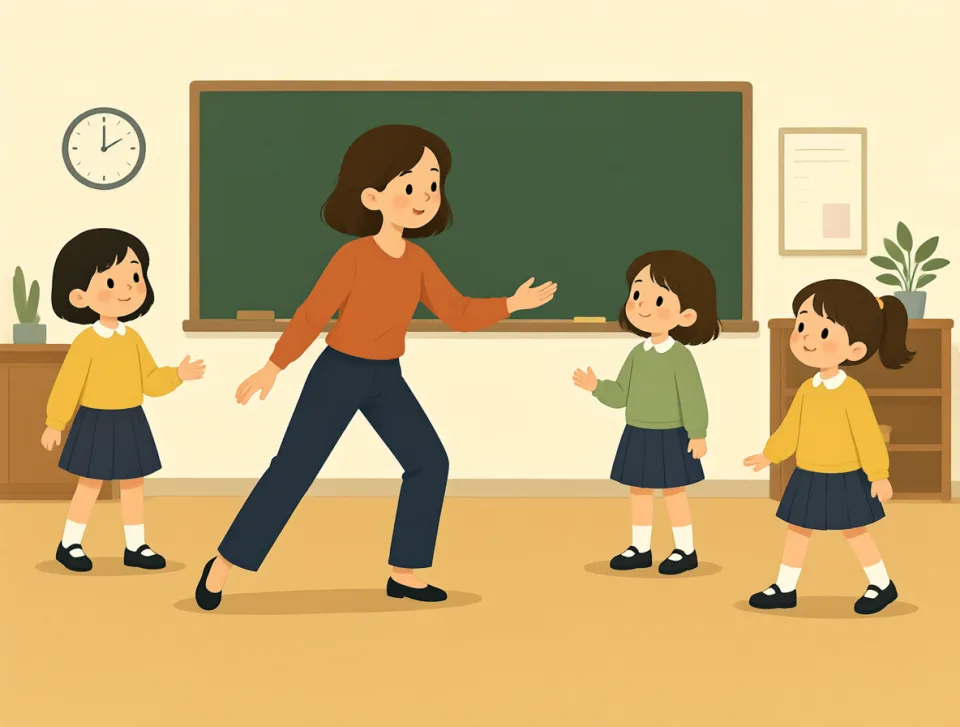
The teacher showed us a new dance movement.
Nauczyciel pokazał nam nowy ruch taneczny.
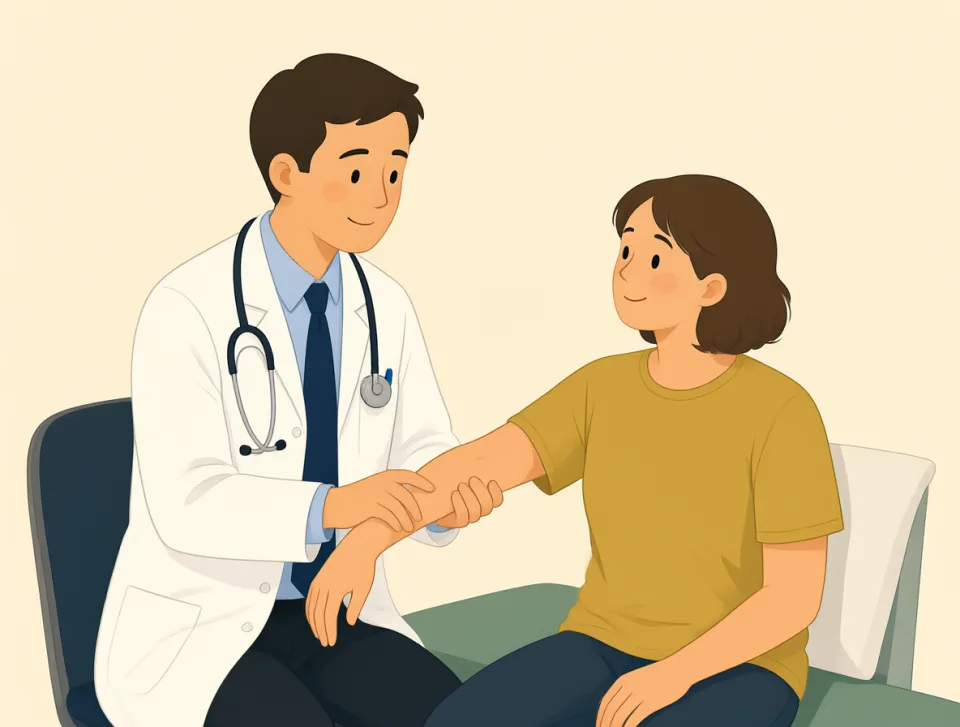
The doctor checked my arm movement carefully.
Lekarz dokładnie sprawdził ruchomość mojego ramienia.
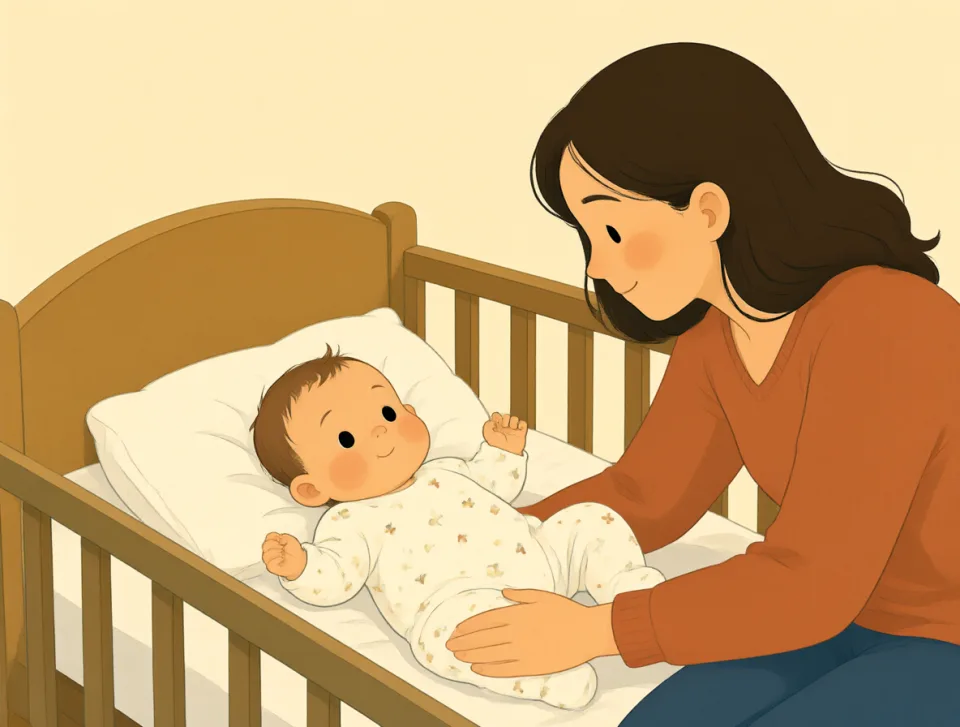
The baby's movements woke her mother.
Ruchy dziecka obudziły jego matkę.

The workers started a movement for better pay.
Pracownicy rozpoczęli ruch na rzecz lepszych zarobków.

treat
#804verb, noun
traktować
To behave toward someone in a particular way, or give someone something special.
Zachowywać się wobec kogoś w określony sposób albo sprawić komuś wyjątkową przyjemność.
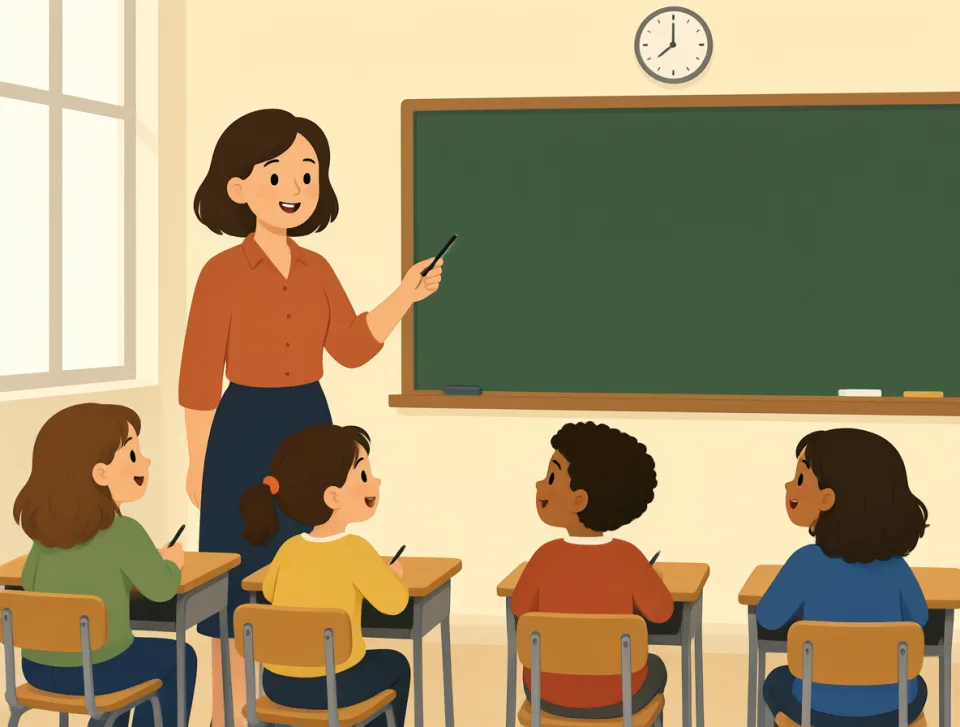
The teacher treated everyone fairly.
Nauczyciel traktował wszystkich sprawiedliwie.

My parents treated us to dinner.
Rodzice zaprosili nas na kolację.

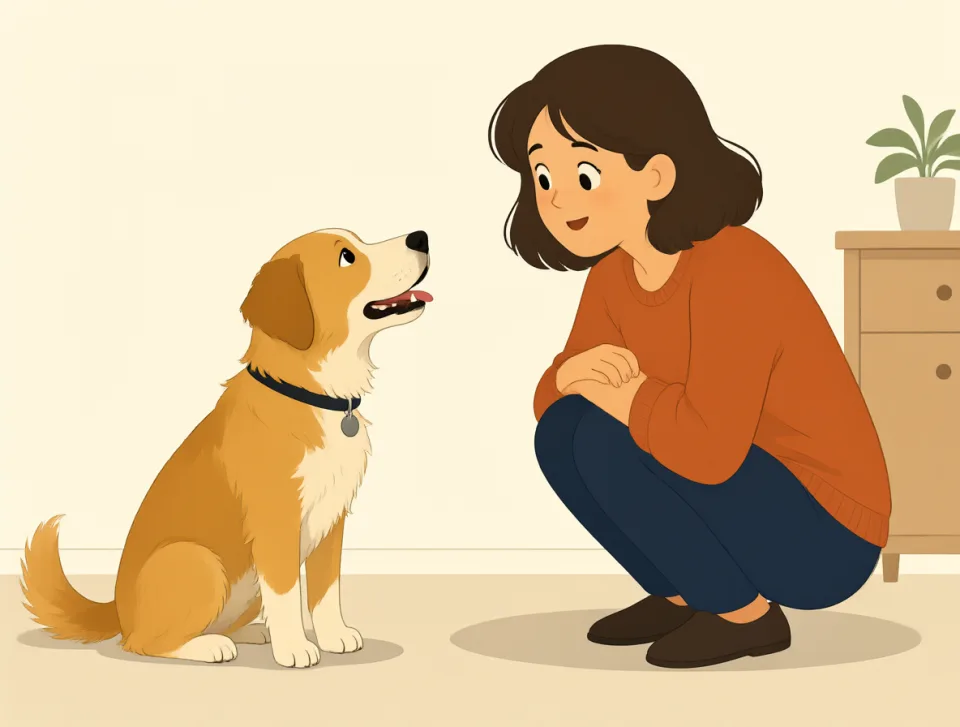
She treats her dog like family.
Traktuje swojego psa jak członka rodziny.
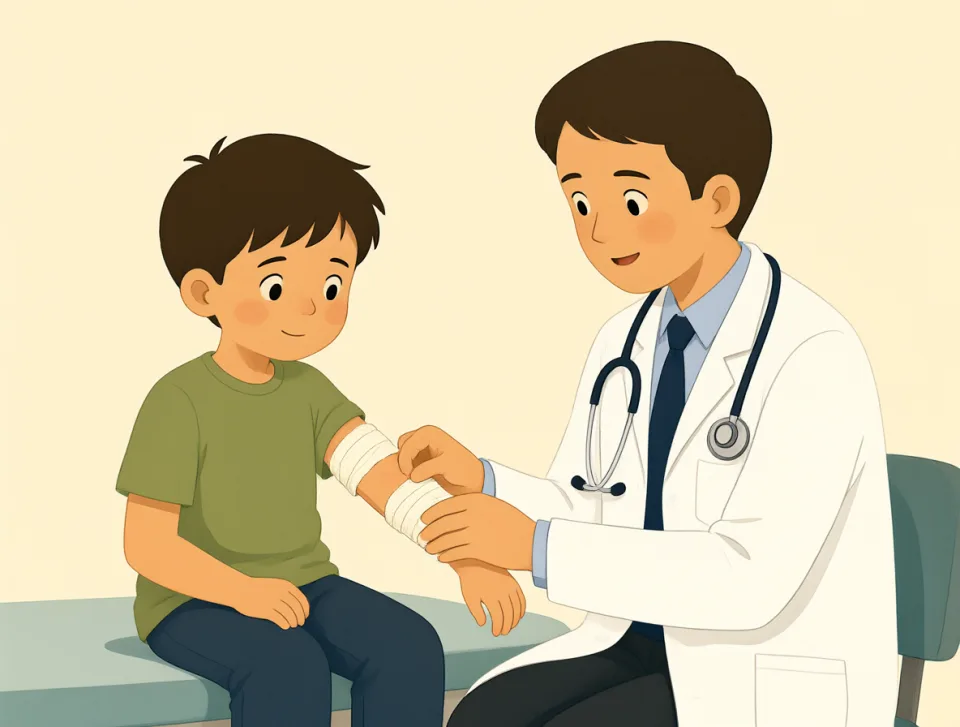
The doctor treated his injured arm.
Lekarz opatrzył jego zranione ramię.

Ice cream is a special treat.
Lody to wyjątkowy przysmak.
identify
#805verb
rozpoznać
to recognize or discover who or what someone or something is
Rozpoznać lub ustalić, kim albo czym jest dana osoba lub rzecz.

I identified my bag by its red strap.
Rozpoznałem swoją torbę po czerwonym pasku.

Can you identify the man in this photo?
Czy potrafisz rozpoznać mężczyznę na tym zdjęciu?
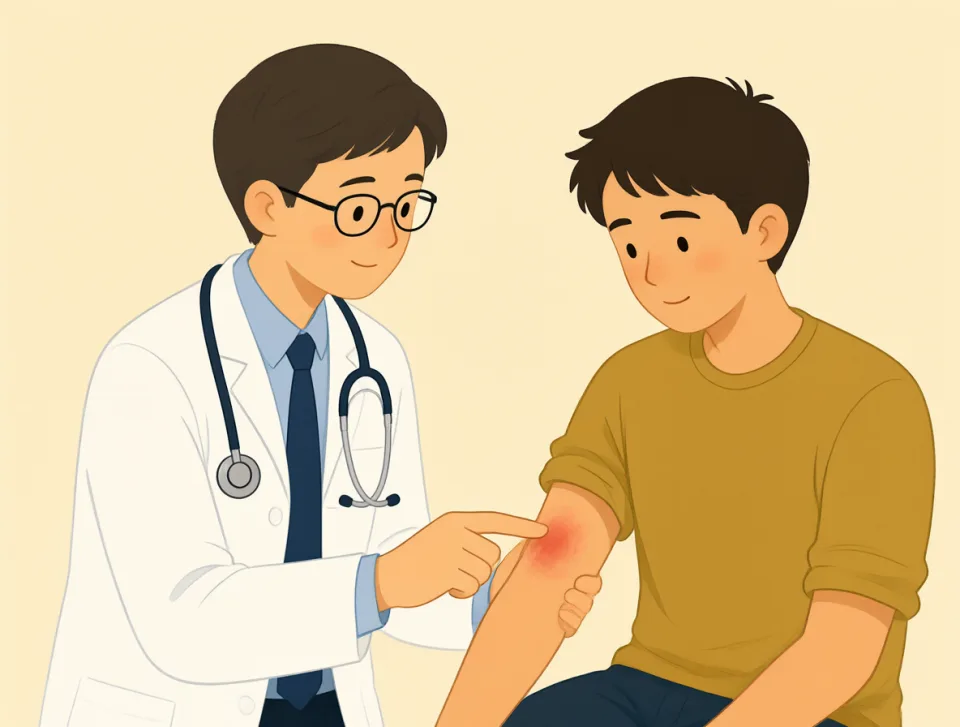
The doctor identified the cause of my pain.
Lekarz ustalił przyczynę mojego bólu.

We identified three mistakes in the homework.
Znaleźliśmy trzy błędy w pracy domowej.
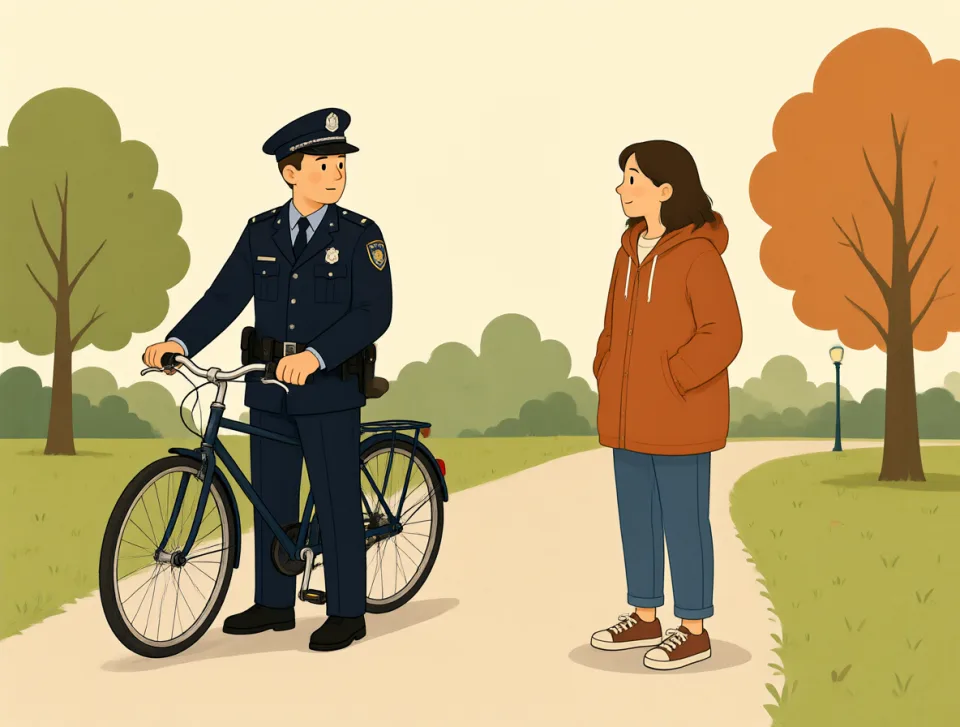
The police identified the stolen bike near the park.
Policja zidentyfikowała skradziony rower w pobliżu parku.
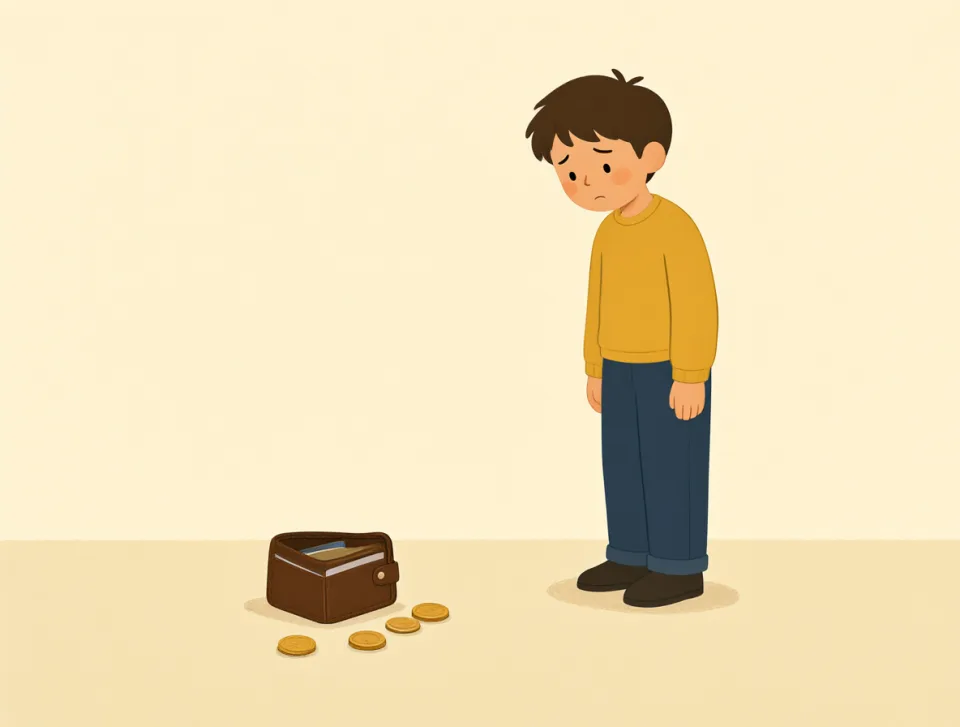
loss
#806noun
strata
The act of no longer having something, or the amount lost.
Utrata czegoś lub ilość, którą się utraciło.
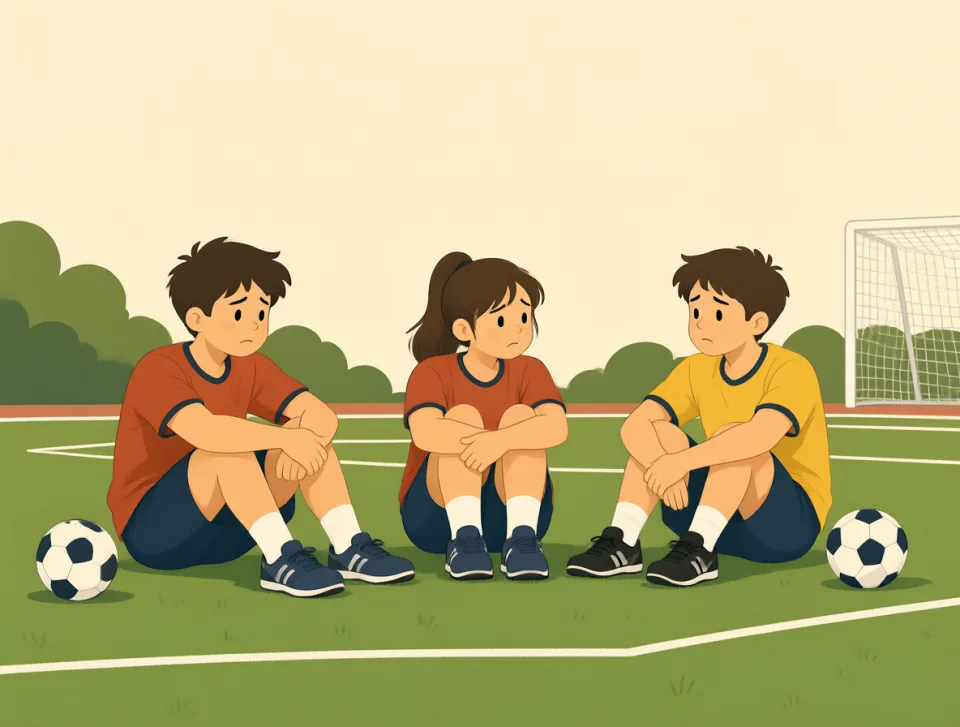
The team suffered a big loss yesterday.
Wczoraj drużyna poniosła dotkliwą porażkę.
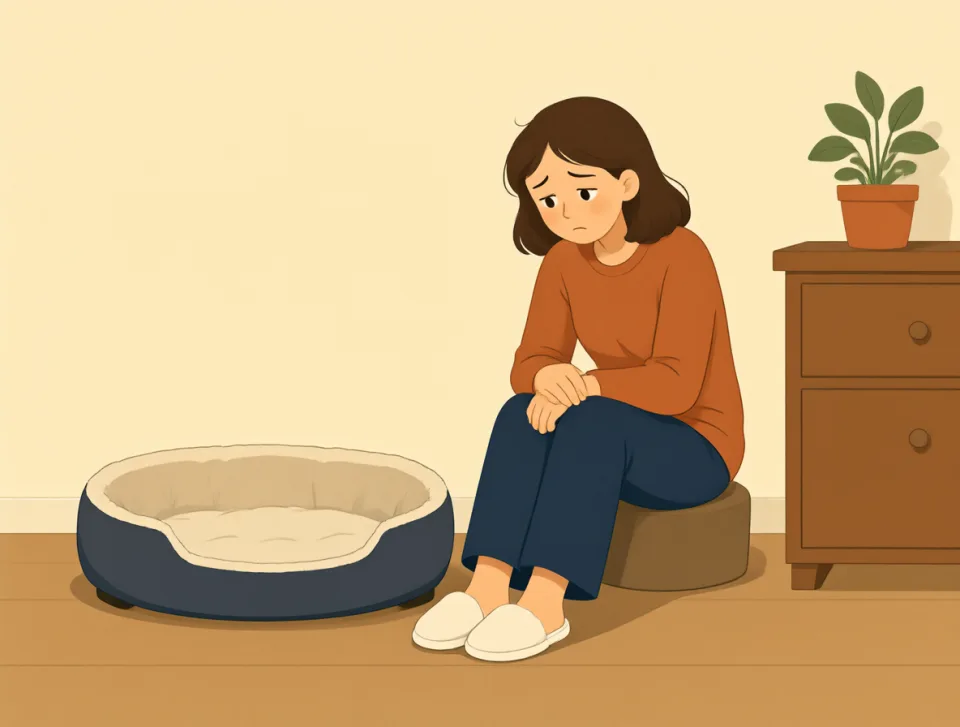
She felt great loss after her dog died.
Po śmierci psa dotkliwie odczuwała stratę.
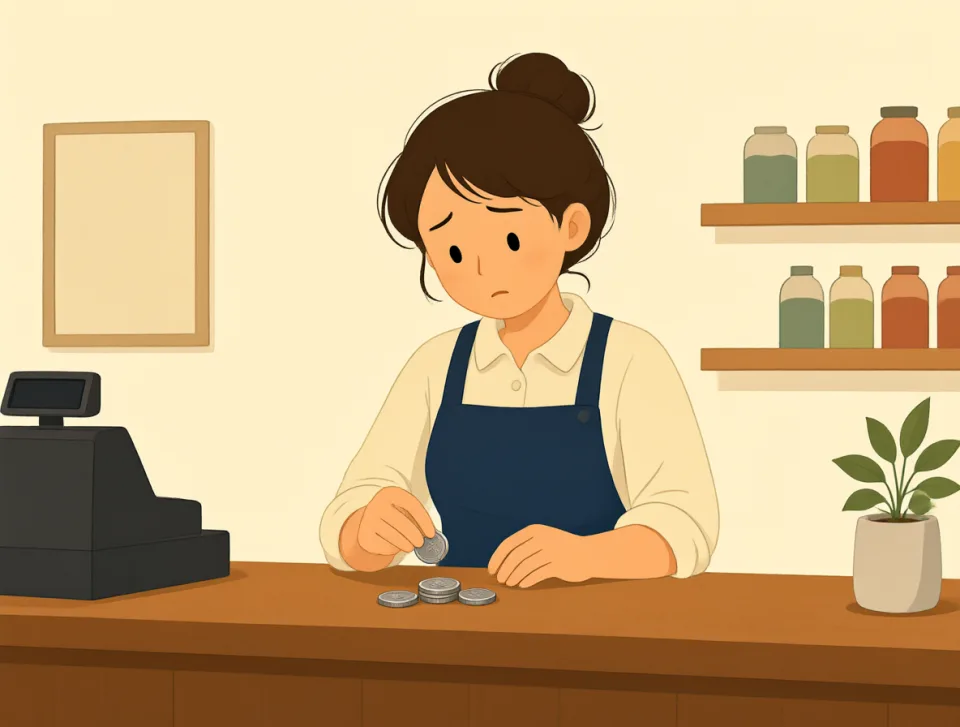
The shop reported a loss this month.
Sklep odnotował w tym miesiącu stratę.
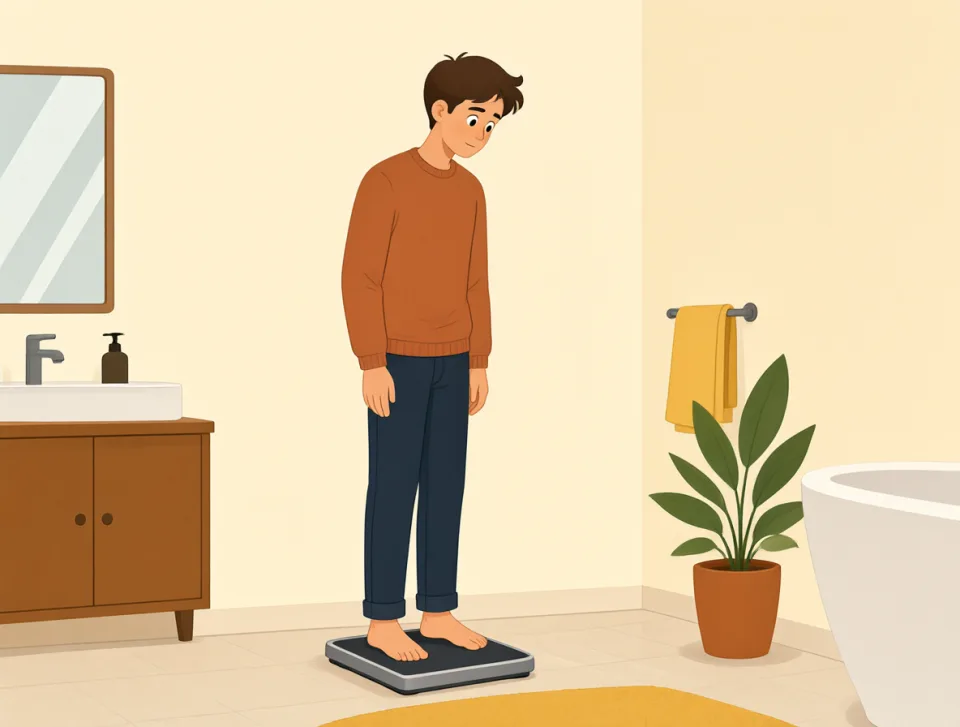
He lost weight after his illness.
Po chorobie schudł.

The plane left without my suitcase, a real loss.
Samolot odleciał bez mojej walizki — to naprawdę duża strata.

shall
#807verb, modal verb
shall (czasownik posiłkowy)
Used to ask for advice, make offers, or talk about future actions.
Używane do proszenia o radę, składania propozycji lub mówienia o przyszłych działaniach.
Shall we meet at six o'clock?
Może spotkamy się o szóstej?

Shall I open the window?
Czy mam otworzyć okno?

We shall see you tomorrow.
Zobaczymy się jutro.

You shall have some more soup.
Dostanie pan jeszcze trochę zupy.
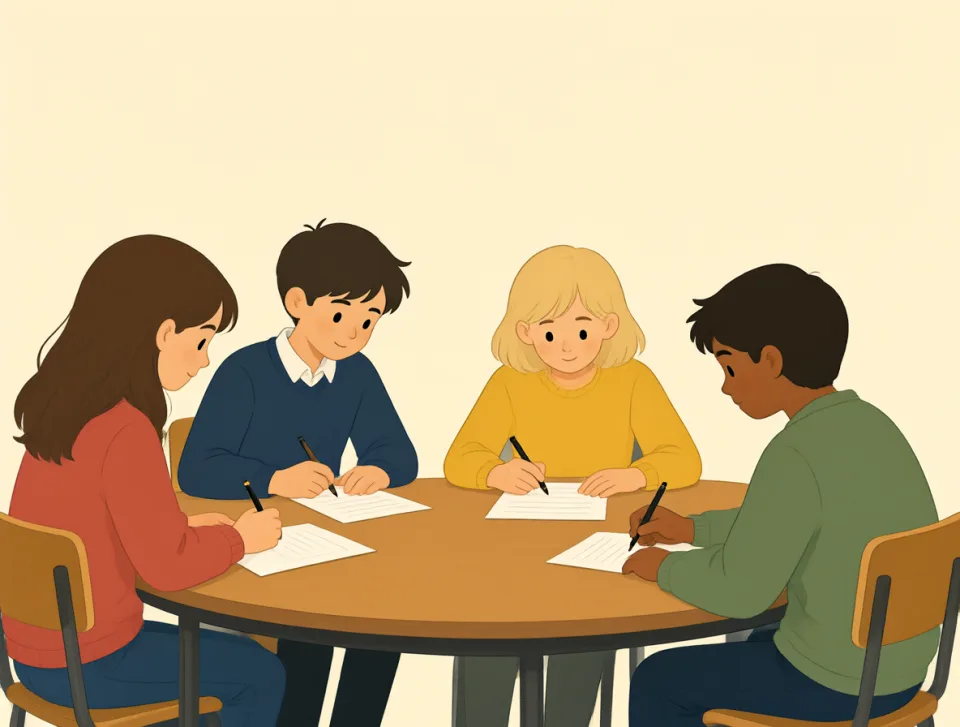
The students shall finish the work today.
Uczniowie mają dziś skończyć pracę.

modern
#808adjective
nowoczesny
New or recently developed, using the latest ideas, styles, or technology.
Nowy lub niedawno opracowany, wykorzystujący najnowsze pomysły, style lub technologie.

They live in a modern apartment downtown.
Mieszkają w nowoczesnym mieszkaniu w centrum.
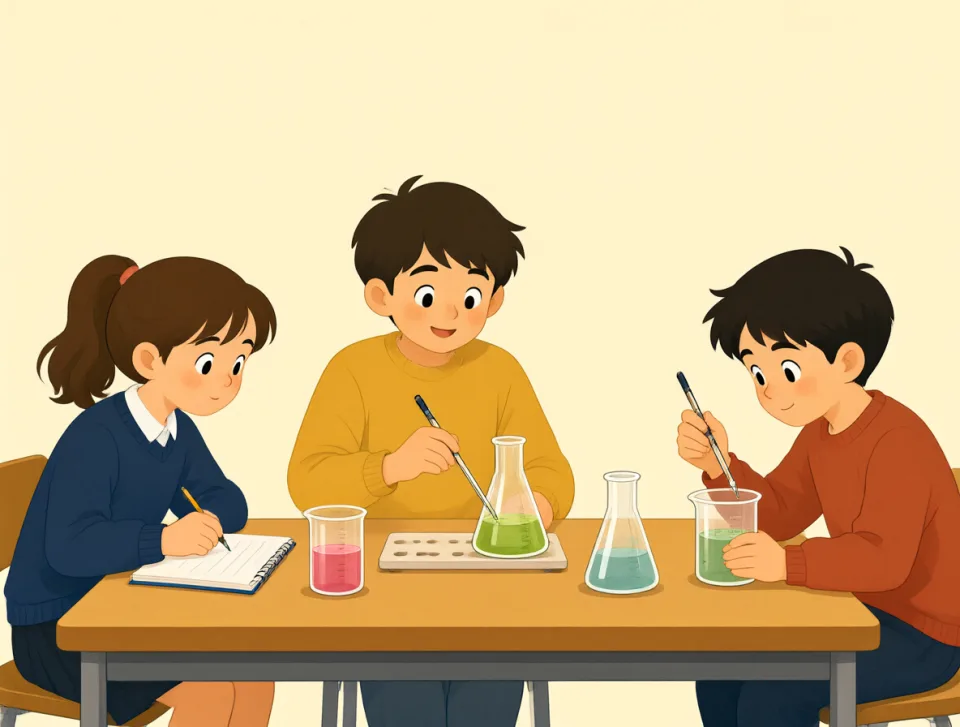
Our school has a modern science room.
W naszej szkole jest nowoczesna pracownia naukowa.
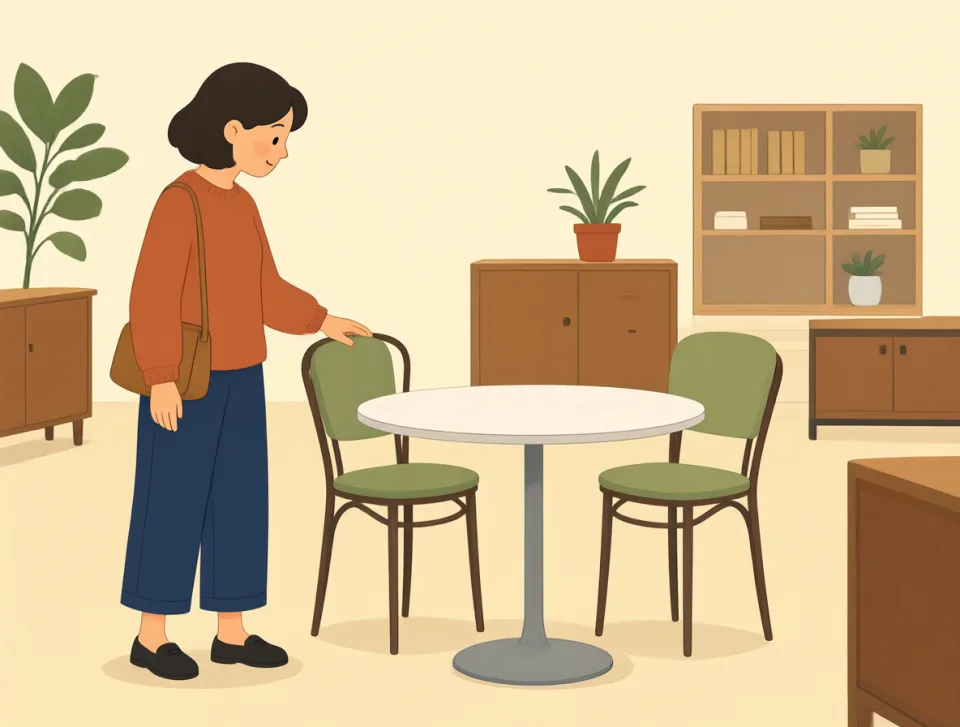
She bought a modern kitchen table.
Kupiła nowoczesny stół kuchenny.

The hotel has modern rooms and a pool.
Hotel ma nowoczesne pokoje i basen.
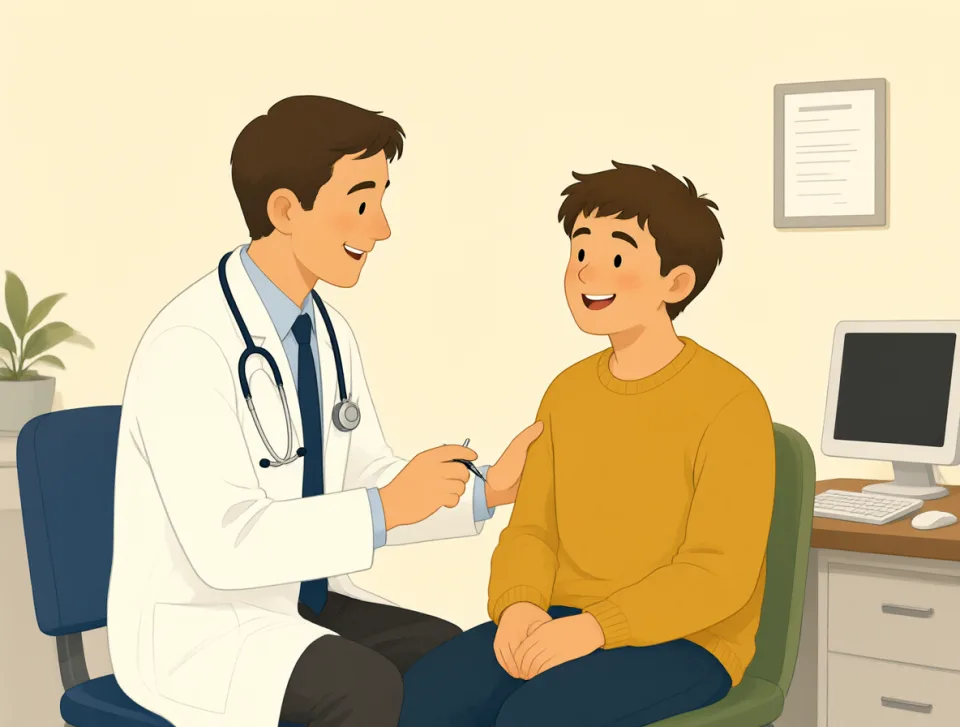
Modern medicine helped him get better.
Współczesna medycyna pomogła mu wyzdrowieć.
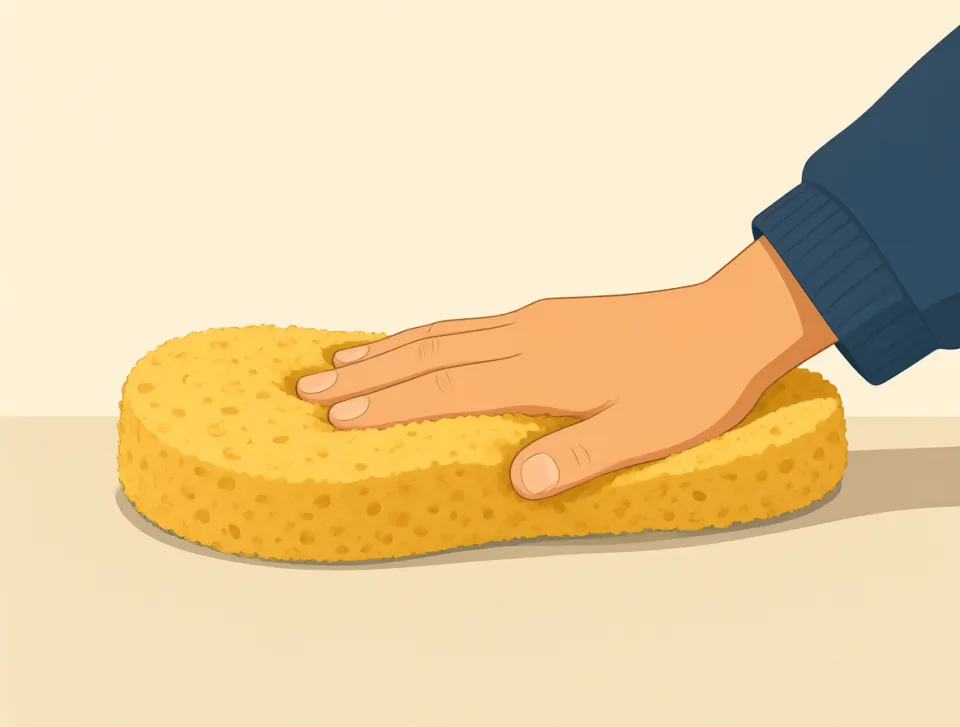
pressure
#809noun
nacisk; presja
A force pushing on something, or a feeling that you must do something.
Siła działająca na coś albo poczucie, że trzeba coś zrobić.
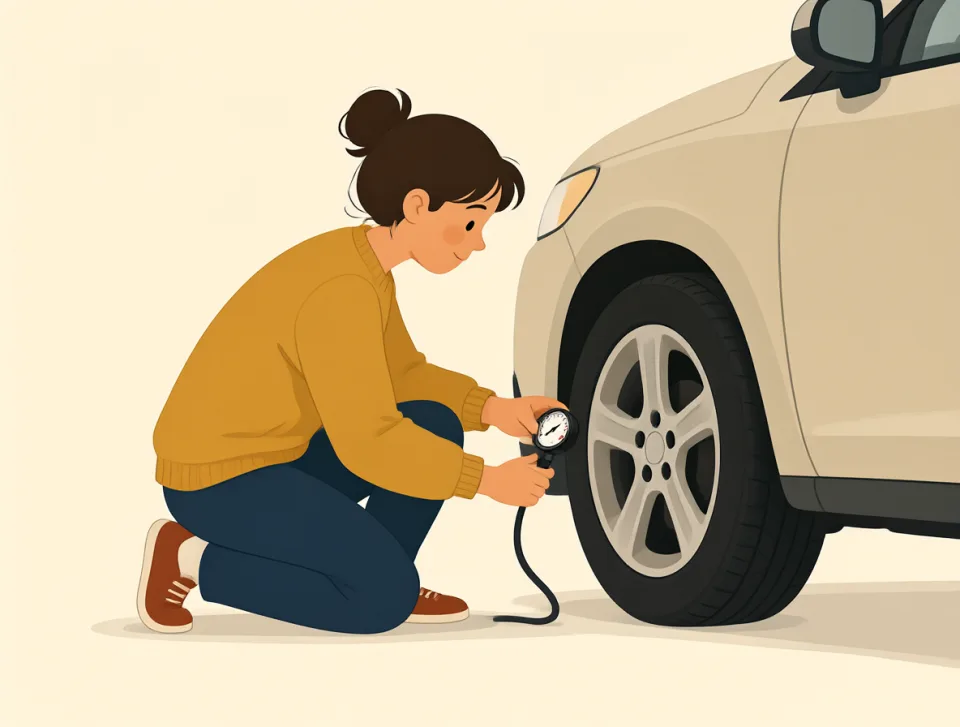
The tire pressure is too low.
Ciśnienie w oponie jest za niskie.

She felt pressure to finish the work.
Czuła presję, żeby skończyć pracę.
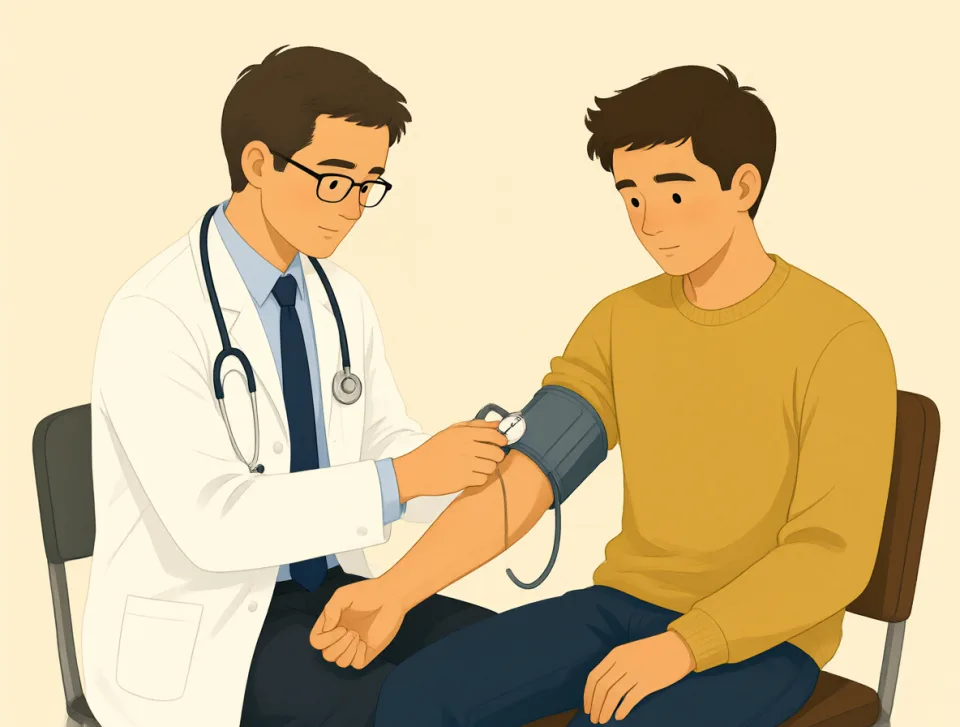
The doctor checked his blood pressure.
Lekarz zmierzył mu ciśnienie krwi.
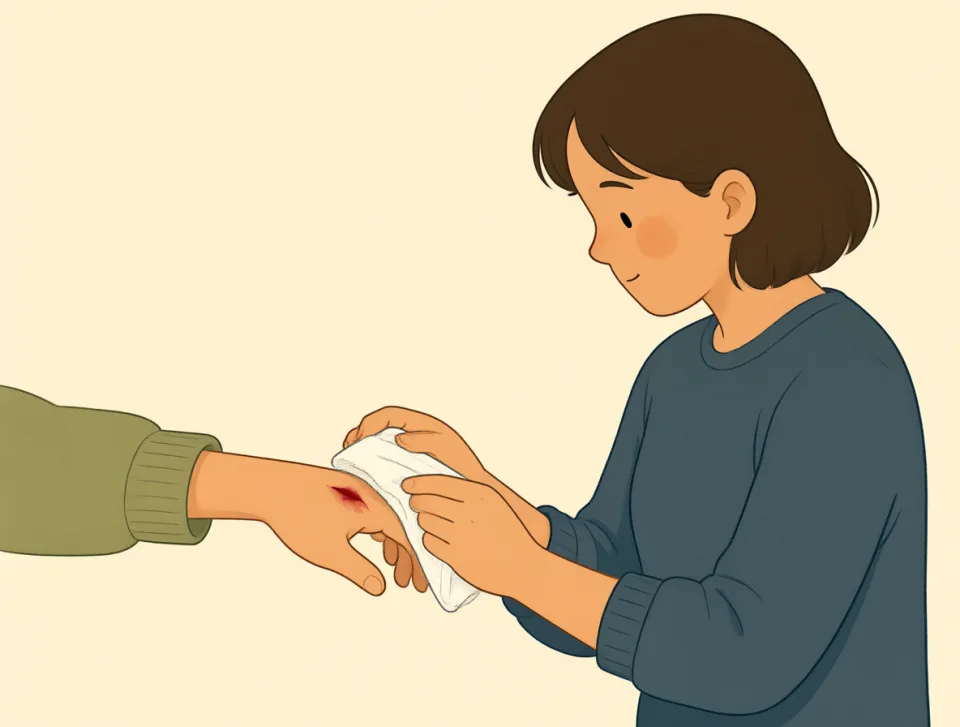
He put pressure on the cut to stop bleeding.
Uciskał ranę, żeby zatamować krwawienie.
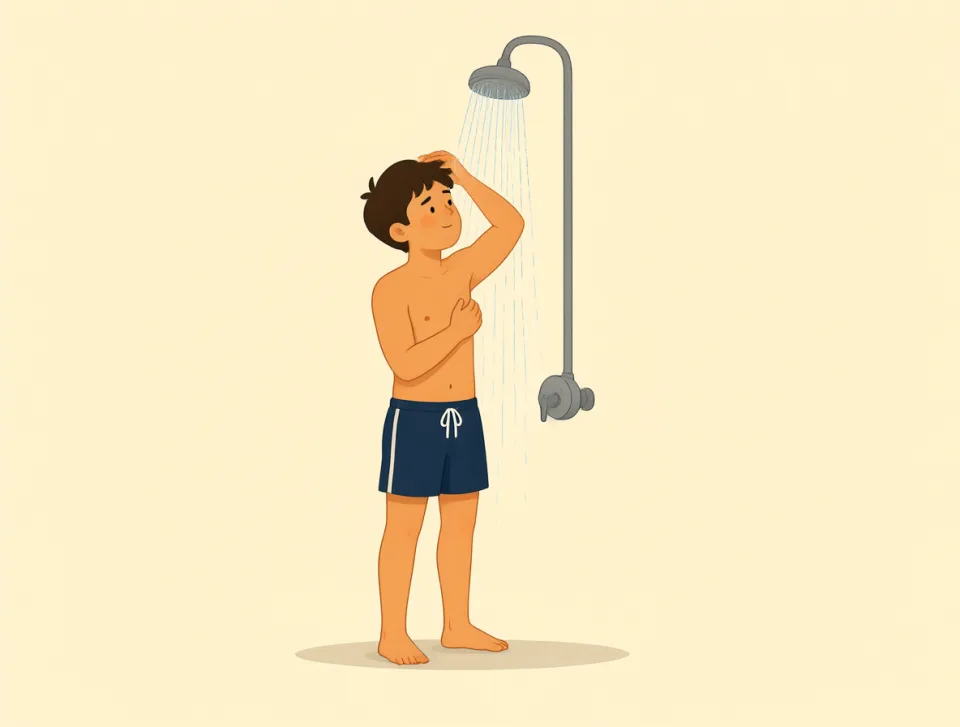
The water pressure is weak in our shower.
W naszym prysznicu ciśnienie wody jest słabe.
bus
#810noun, verb
autobus
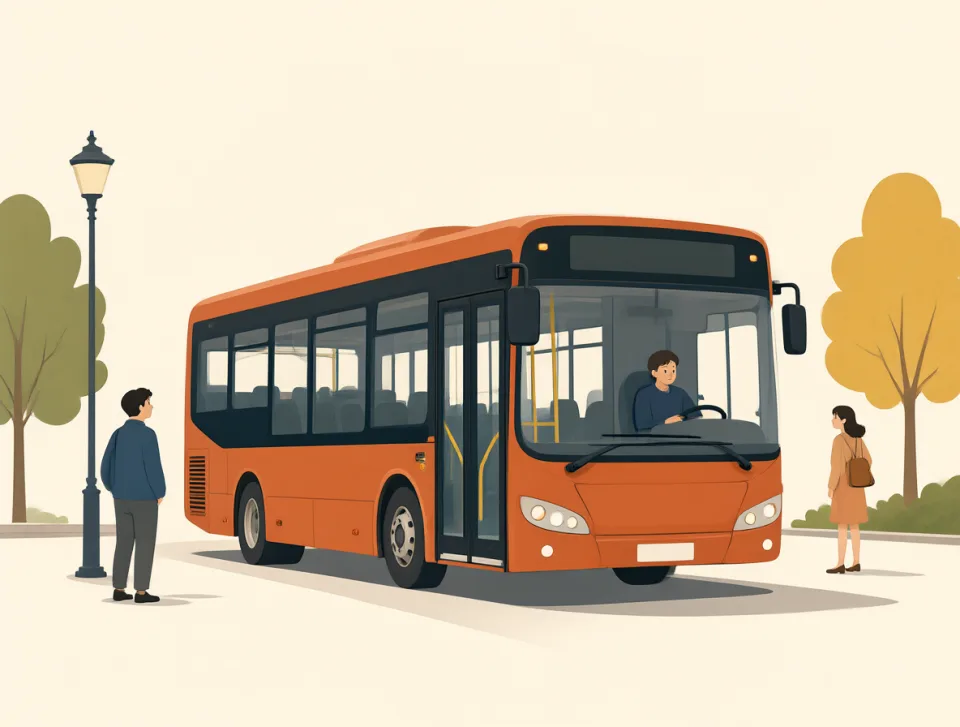
A large road vehicle that carries many people, or to travel by bus.
Duży pojazd drogowy przewożący wiele osób; także podróżować autobusem.

I take the bus to school every morning.
Codziennie rano jadę autobusem do szkoły.
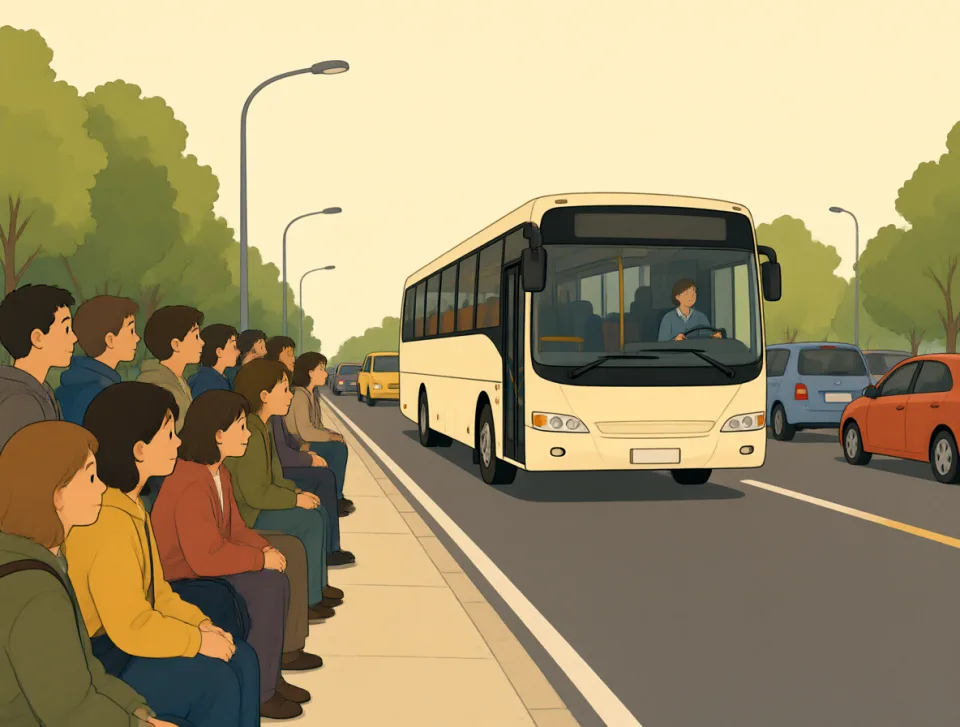
The bus was late because of heavy traffic.
Autobus się spóźnił z powodu dużego ruchu.

We got off the bus near the market.
Wysiedliśmy z autobusu niedaleko targu.

She buses to work from the city center.
Jeździ autobusem do pracy z centrum miasta.

The driver is busing the children home.
Kierowca wiezie dzieci autobusem do domu.
treatment
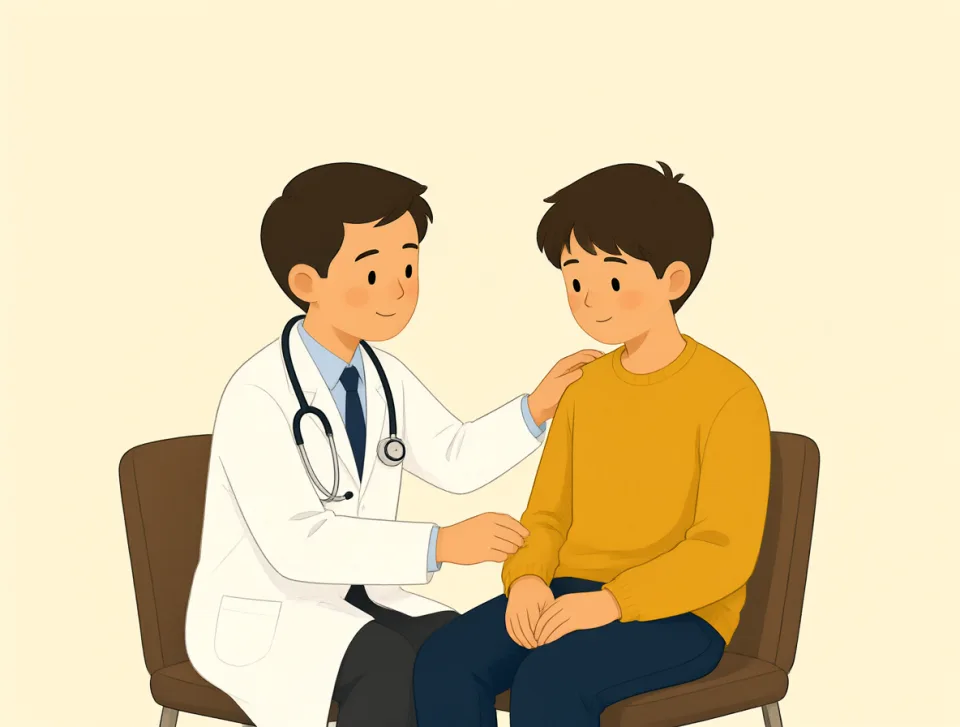
#811noun
leczenie
Medical care given to make someone healthy or feel better.
Opieka medyczna, która ma przywrócić komuś zdrowie lub poprawić samopoczucie.
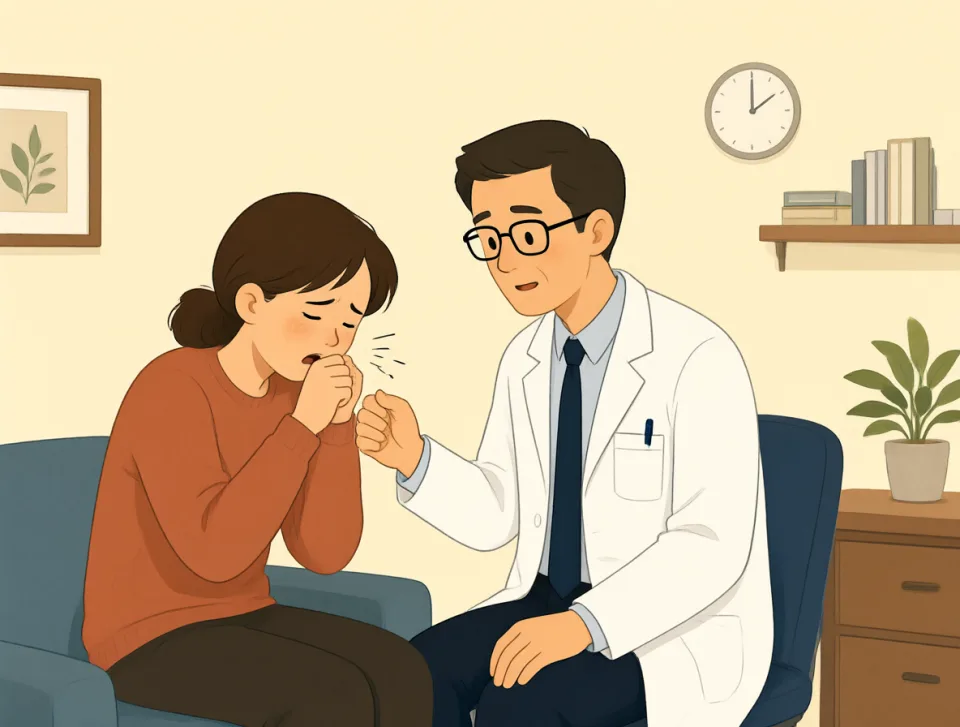
The doctor started treatment for my cough.
Lekarz rozpoczął leczenie mojego kaszlu.
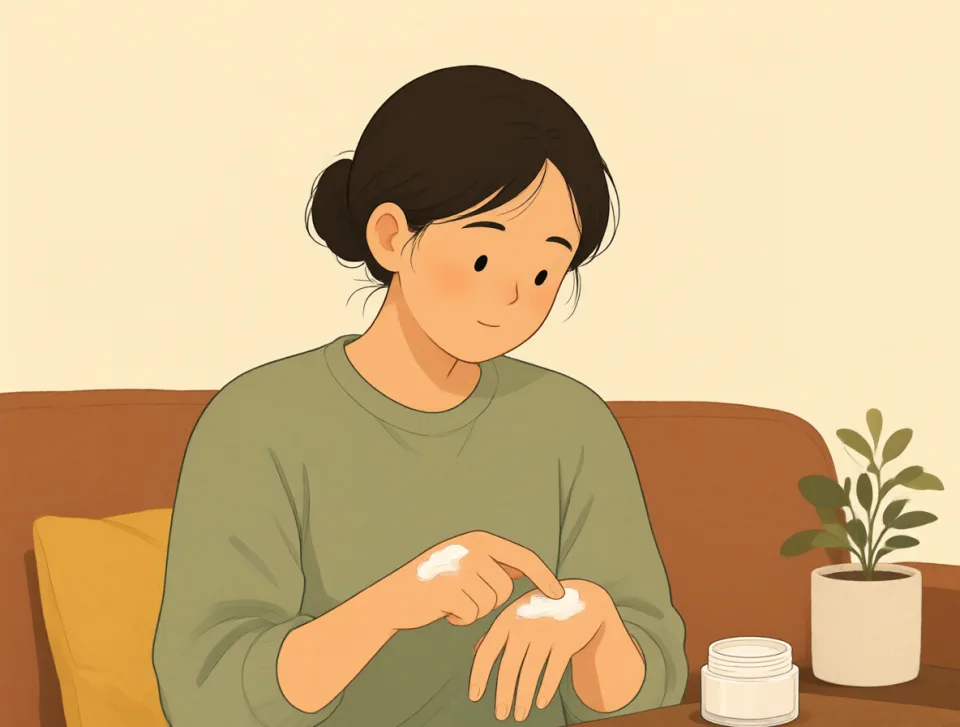
This cream is a treatment for dry skin.
Ten krem jest przeznaczony do leczenia suchej skóry.
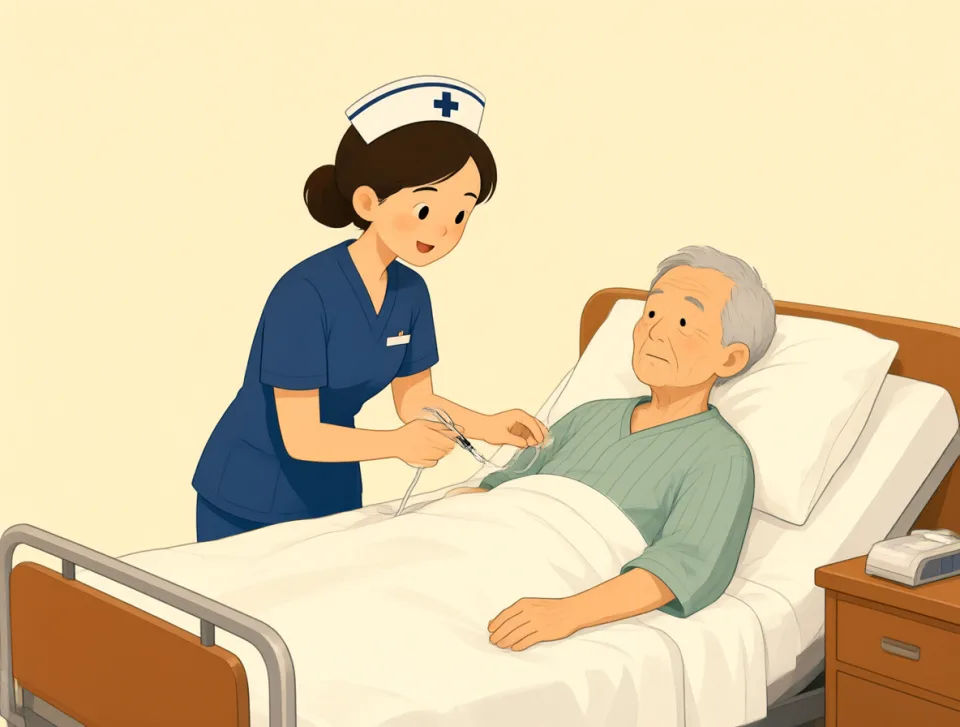
She received treatment at the hospital.
Otrzymała leczenie w szpitalu.

The hotel gave our complaint careful treatment.
Hotel uważnie zajął się naszą skargą.

The teacher's treatment of students was fair.
Nauczyciel sprawiedliwie traktował uczniów.

conference
#812noun
konferencja
A formal meeting where people discuss ideas, information, or work.
Oficjalne spotkanie, podczas którego ludzie omawiają pomysły, informacje lub sprawy związane z pracą.
She is attending a business conference this week.
W tym tygodniu uczestniczy w konferencji biznesowej.
Our school held a science conference yesterday.
Wczoraj w naszej szkole odbyła się konferencja naukowa.

He met old friends at the conference.
Spotkał dawnych przyjaciół na konferencji.
The doctor spoke at a health conference.
Lekarz przemawiał na konferencji poświęconej zdrowiu.

They booked a hotel near the conference.
Zarezerwowali hotel w pobliżu miejsca, w którym odbywała się konferencja.
yourself
#813pronoun
siebie
You; the person or people you are talking to, used as an object or for emphasis.
Ty; osoba lub osoby, do których się zwracasz. Używa się tego słowa jako dopełnienia lub dla podkreślenia.
You can do it yourself.
Możesz zrobić to samodzielnie.

Please make yourself at home.
Proszę, czuj się jak u siebie.

Did you enjoy yourself at the party?
Dobrze się bawiłeś na przyjęciu?

Take care of yourself on the trip.
Dbaj o siebie podczas podróży.

You should be proud of yourself.
Powinieneś być z siebie dumny.
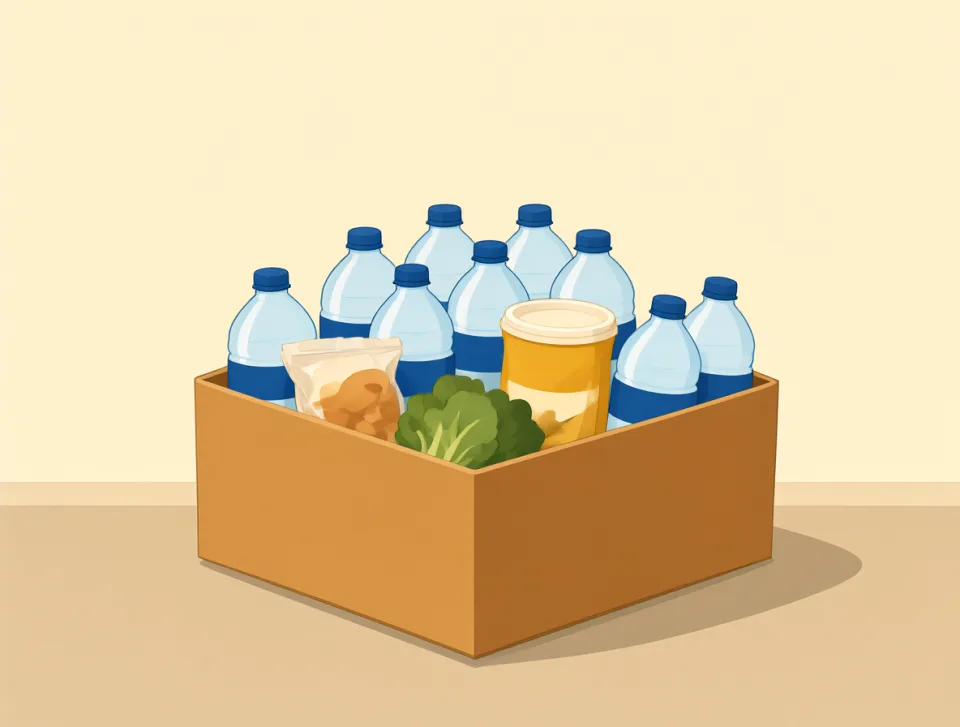
supply
#814noun, verb
zapas; zaopatrywać
A supply is an amount of something available to use; to supply means to provide it.
„Supply” oznacza ilość czegoś dostępnego do wykorzystania; jako czasownik znaczy dostarczać lub zapewniać coś.
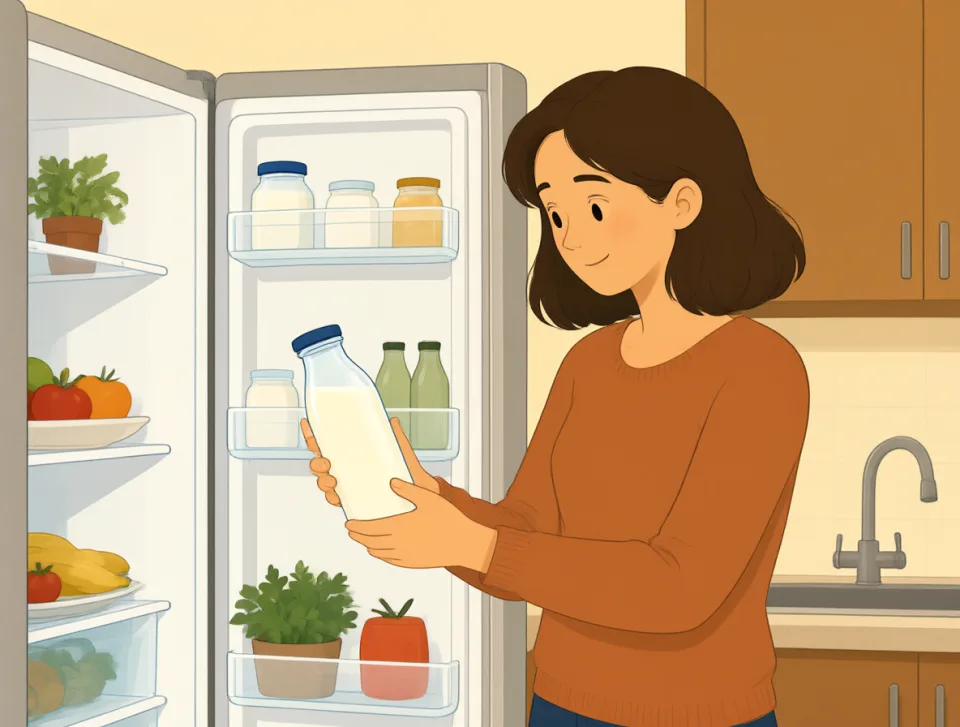
We need a fresh supply of milk.
Potrzebujemy świeżego zapasu mleka.

The shop supplies food to local schools.
Sklep zaopatruje miejscowe szkoły w żywność.
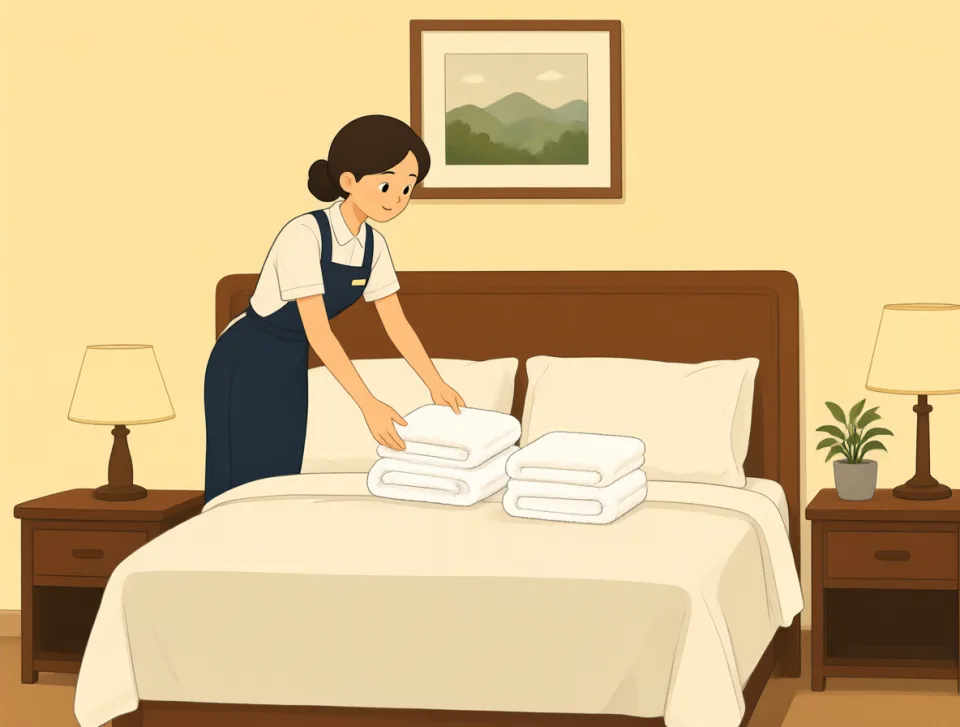
The hotel supplied towels for every guest.
Hotel zapewnił ręczniki każdemu gościowi.
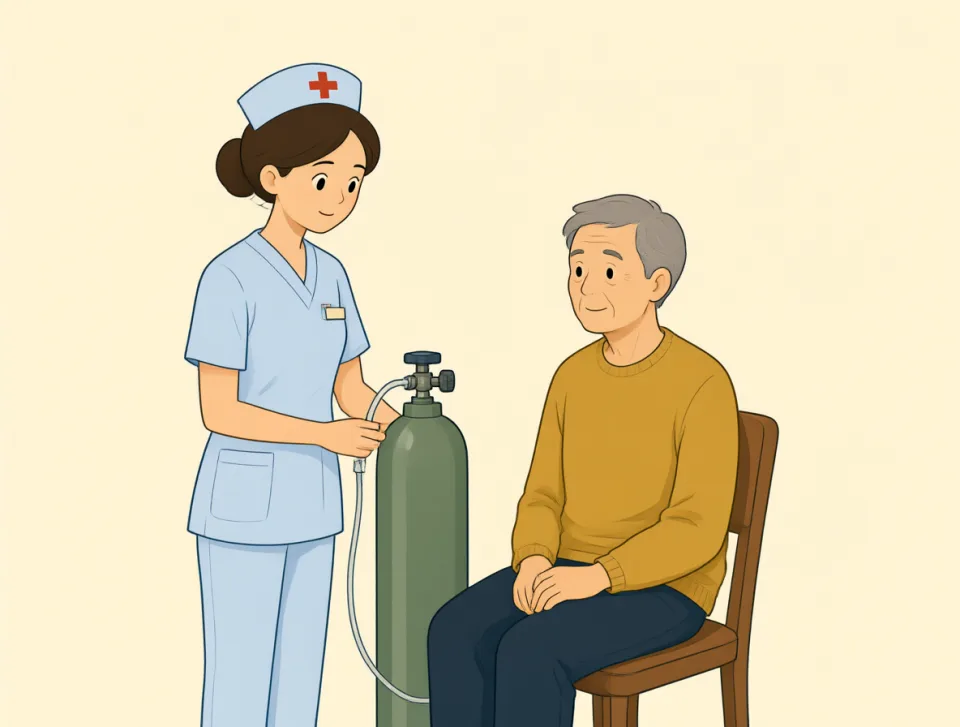
The nurse checked my oxygen supply.
Pielęgniarka sprawdziła zapas tlenu.
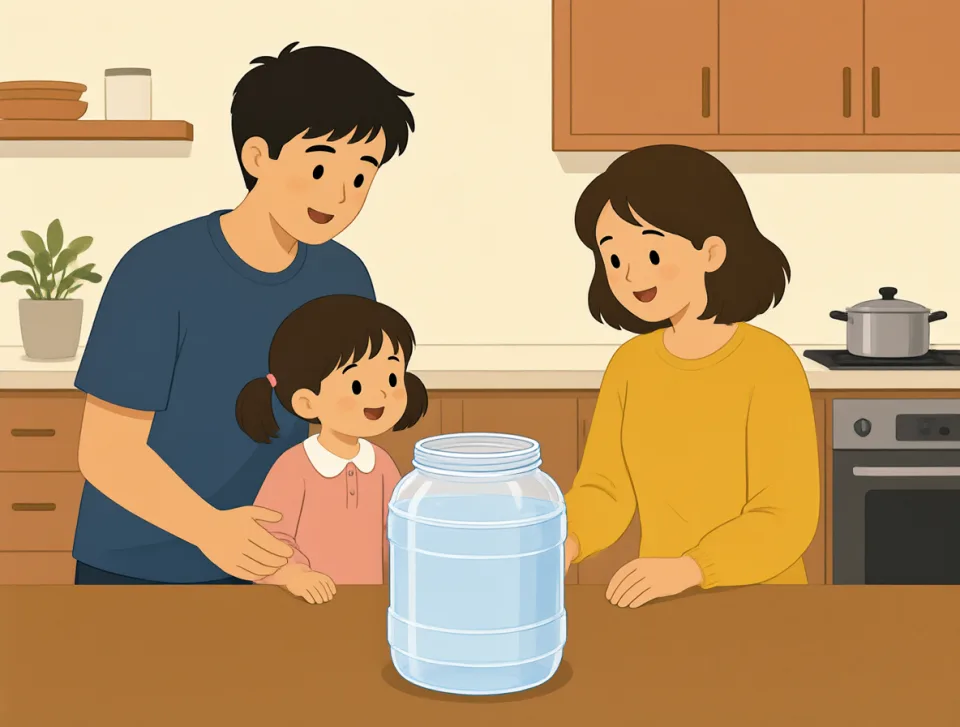
Our water supply ran out yesterday.
Wczoraj skończył nam się zapas wody.

village
#815noun
wieś
a small place where people live, usually in the countryside
Mała miejscowość, w której mieszkają ludzie, zazwyczaj na wsi.
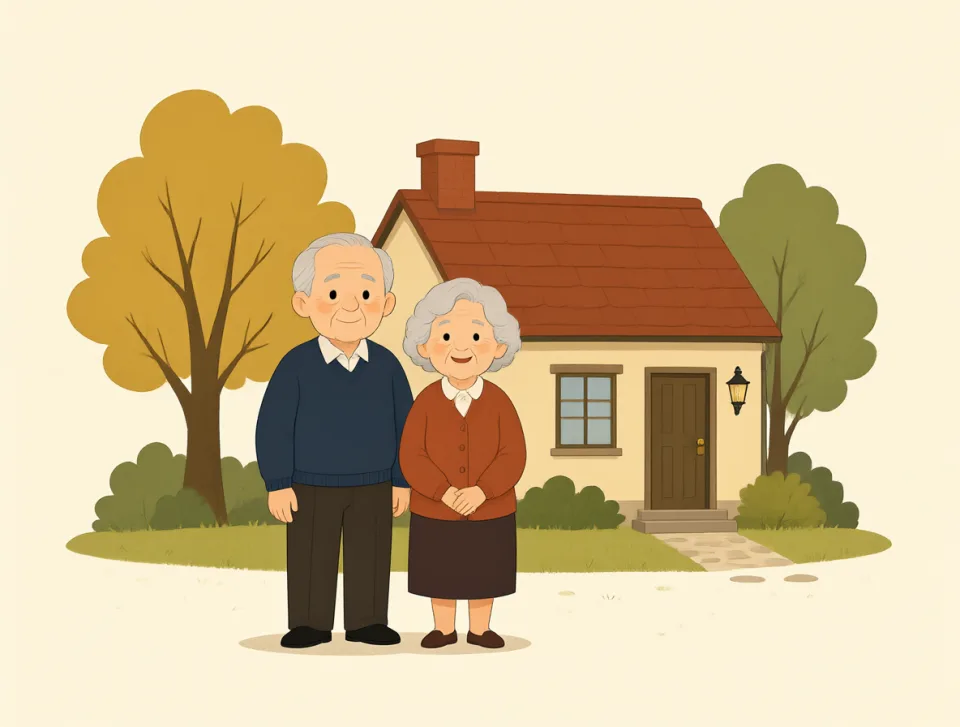
My grandparents live in a quiet village.
Moi dziadkowie mieszkają w spokojnej wsi.

The village has a small school.
We wsi jest mała szkoła.

We bought fresh bread in the village.
Kupiliśmy świeży chleb we wsi.

Many tourists visit the village each summer.
Każdego lata wielu turystów odwiedza tę wieś.
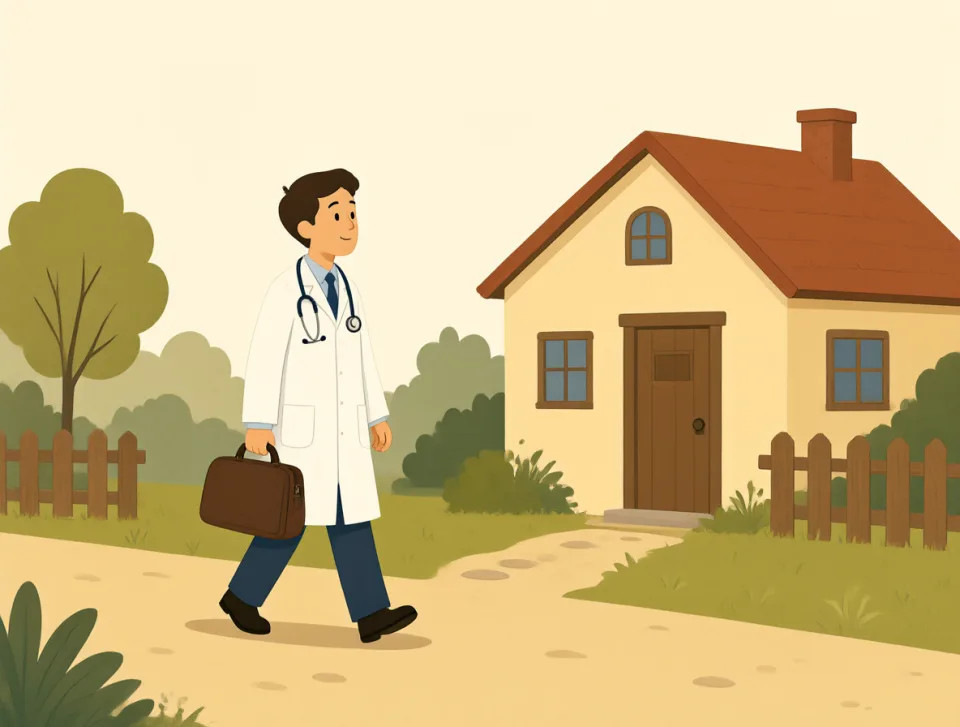
A doctor visits the village every Friday.
Lekarz odwiedza wieś w każdy piątek.
worth
#816adjective, noun, preposition
wart
Having a value or usefulness equal to something; deserving time, money, or effort.
Mający wartość lub przydatność równą czemuś; wart poświęconego czasu, pieniędzy lub wysiłku.

This book is worth reading again.
Tę książkę warto przeczytać ponownie.
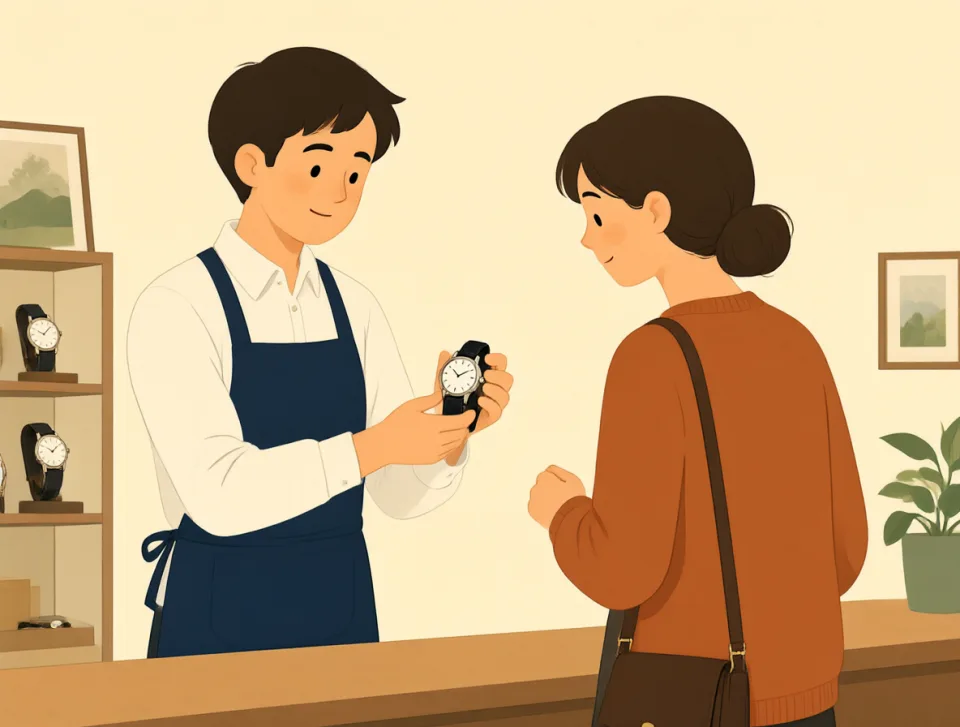
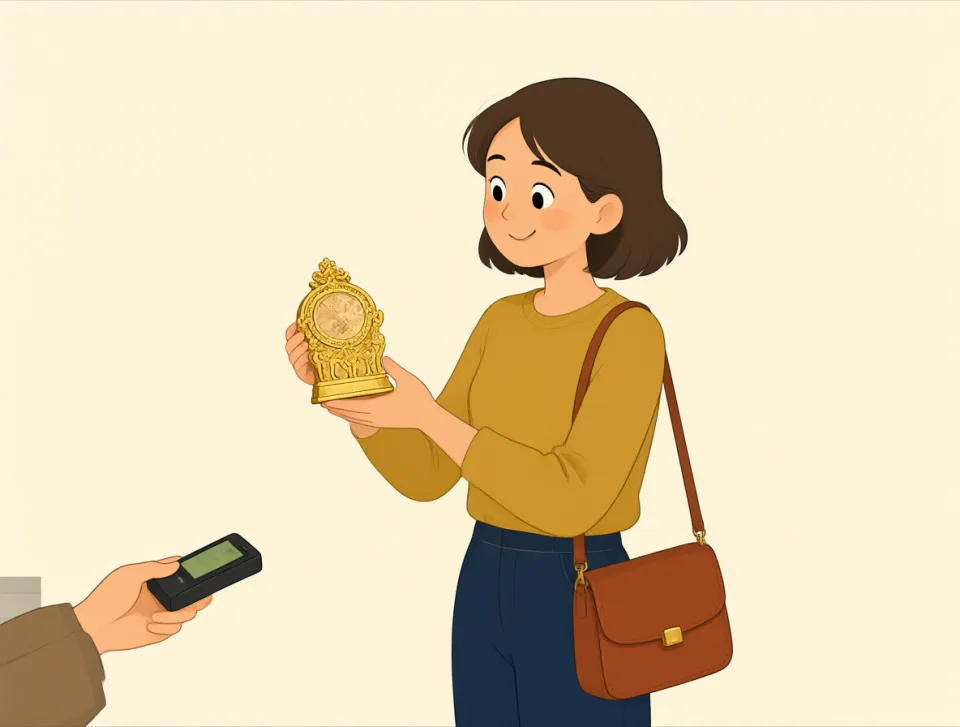
The watch is worth fifty dollars.
Ten zegarek jest wart pięćdziesiąt dolarów.

Is this film worth seeing?
Czy warto obejrzeć ten film?

It was worth waiting for the delicious meal.
Warto było poczekać na ten pyszny posiłek.

The museum is well worth a visit.
To muzeum zdecydowanie warto odwiedzić.

natural
#817adjective
naturalny
Existing in nature or happening normally, without being made or changed by people.
Występujący w przyrodzie lub pojawiający się w zwykły sposób, bez wytworzenia czy zmiany przez człowieka.

She has beautiful natural hair.
Ona ma piękne, naturalne włosy.

This juice contains natural fruit.
Ten sok zawiera naturalne owoce.

He felt natural speaking to the friendly teacher.
Rozmowa z przyjaznym nauczycielem przychodziła mu naturalnie.

We walked along a natural beach.
Spacerowaliśmy wzdłuż naturalnej plaży.
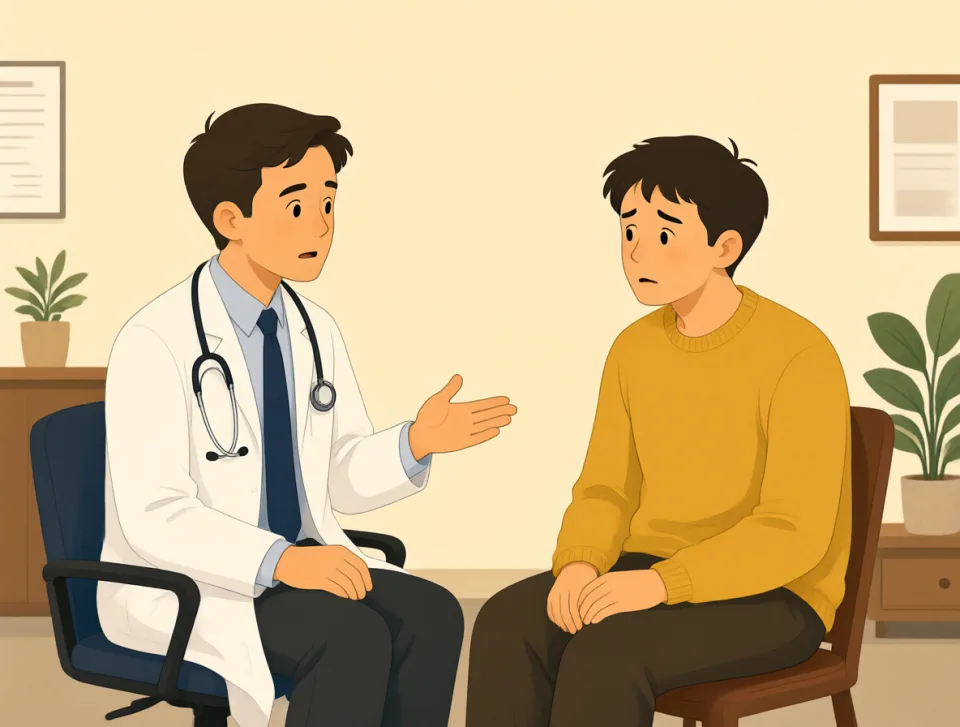
The doctor suggested a natural way to sleep better.
Lekarz zasugerował naturalny sposób na poprawę jakości snu.

express
#818verb, noun, adjective
wyrażać
to show a feeling or idea in words, actions, or art
Pokazywać uczucia lub myśli za pomocą słów, działań albo sztuki.

She expressed her feelings to her friend.
Wyraziła swoje uczucia przyjaciółce.

Please express your opinion in class.
Proszę wyrazić swoją opinię na lekcji.

He expressed thanks for the delicious meal.
Podziękował za pyszny posiłek.

We took the express train to London.
Pojechaliśmy do Londynu pociągiem ekspresowym.
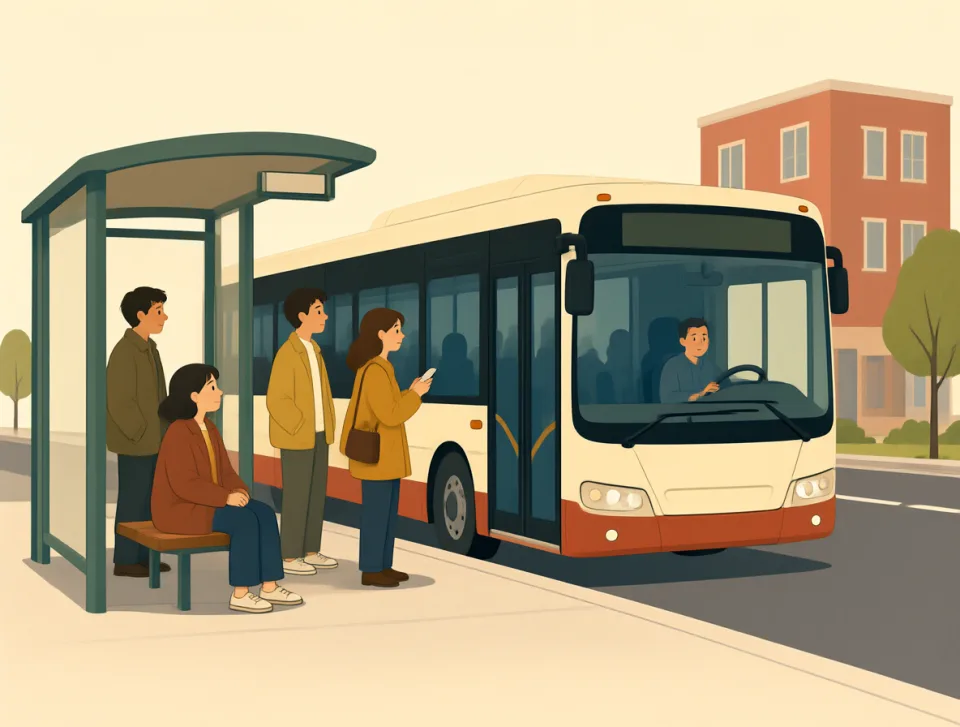
The express bus arrives every ten minutes.
Autobus ekspresowy przyjeżdża co dziesięć minut.
indicate
#819verb
wskazywać
to show or point out something clearly
Pokazywać lub wyraźnie zaznaczać coś.

The arrow indicates the correct road.
Strzałka wskazuje właściwą drogę.

Dark clouds indicate that rain is coming.
Ciemne chmury wskazują, że nadchodzi deszcz.

Please indicate your choice on the form.
Proszę zaznaczyć swój wybór na formularzu.

His smile indicated that he was happy.
Jego uśmiech wskazywał, że był szczęśliwy.
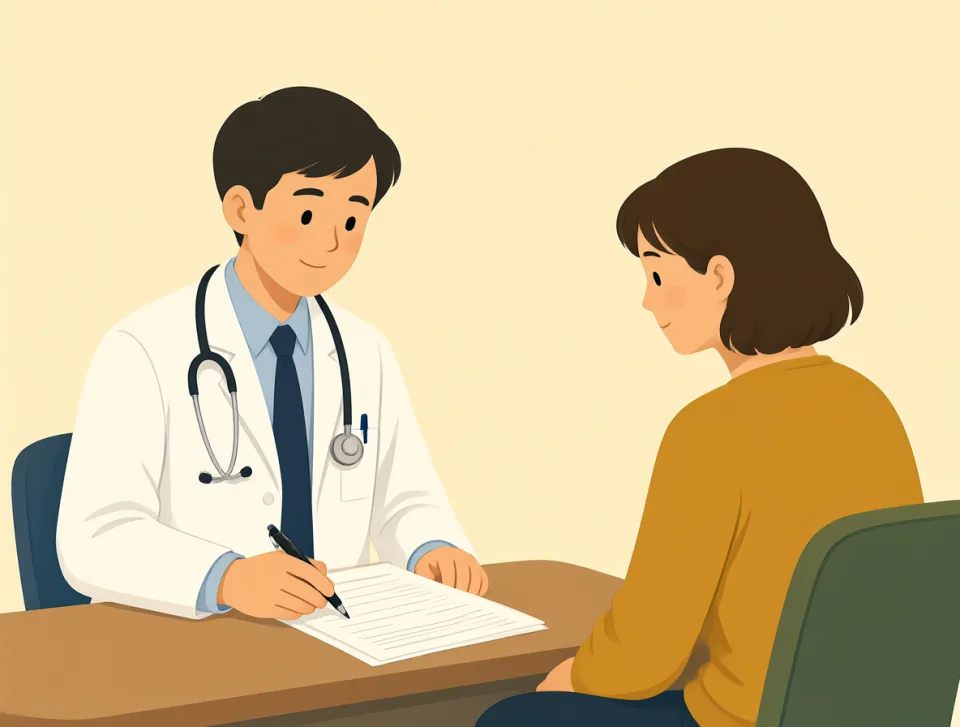
The test results indicated an infection.
Wyniki badania wskazywały na infekcję.

attend
#820verb
uczestniczyć
to go to an event, meeting, school, or place
Przychodzić na wydarzenie, spotkanie, do szkoły lub w jakieś miejsce.

I attend English classes every Saturday.
Co sobotę chodzę na lekcje angielskiego.

She attended the meeting at work yesterday.
Wczoraj uczestniczyła w spotkaniu w pracy.

Many children attend this school.
Wielu uczniów chodzi do tej szkoły.
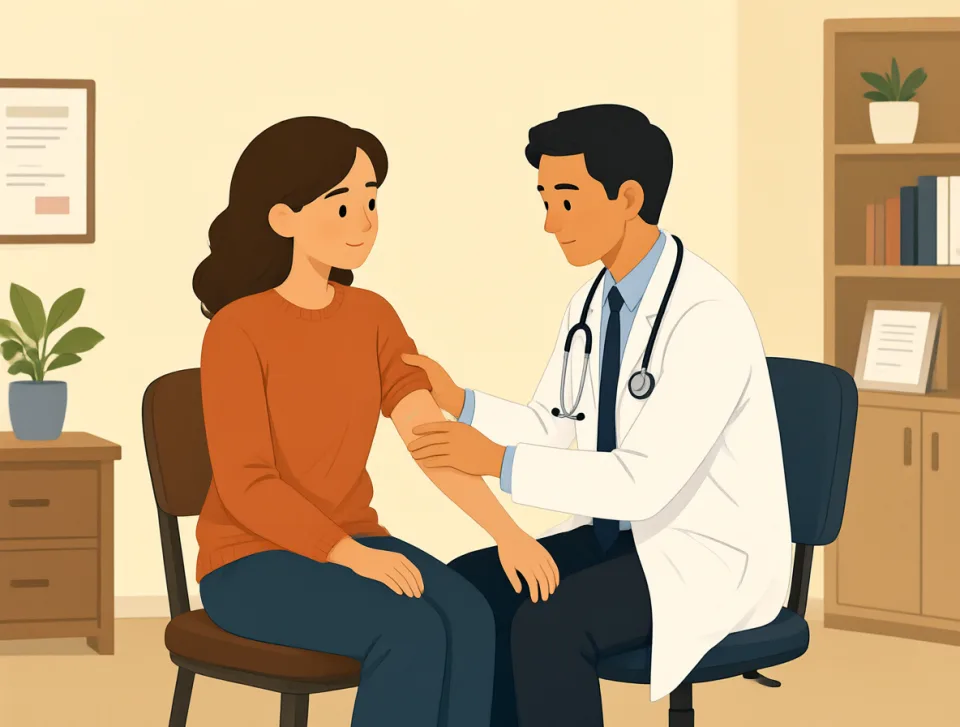
Please attend your doctor's appointment tomorrow.
Proszę jutro przyjść na wizytę u lekarza.

He attended the wedding with his friends.
Poszedł na ślub z przyjaciółmi.