Zestaw 27
Słowa 521–540 · road, accord, list, wish, therefore, wear

road
#521noun
droga
a way for cars, buses, and people to travel between places
droga, po której samochody, autobusy i ludzie przemieszczają się między miejscami
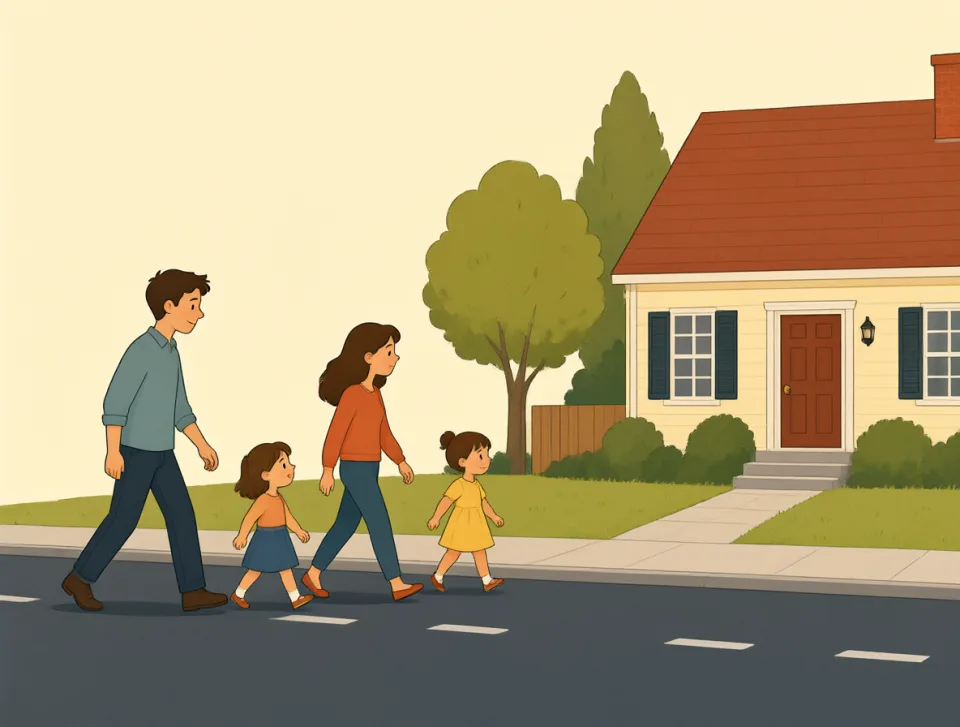
We crossed the road near our house.
Przeszliśmy przez drogę niedaleko naszego domu.
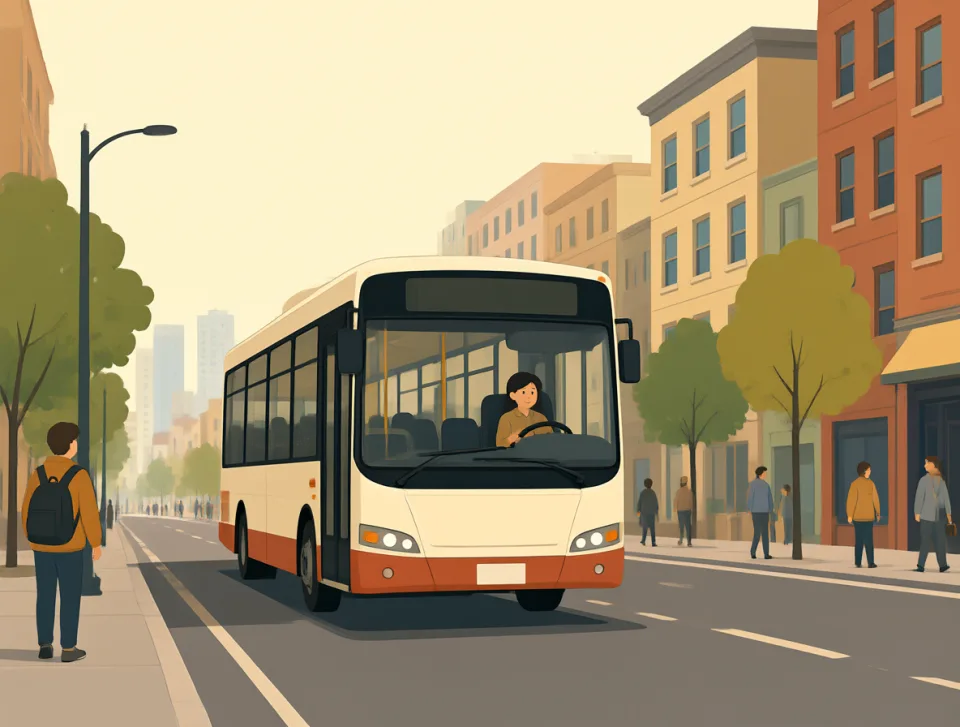
The bus travels along this busy road.
Autobus jedzie tą ruchliwą drogą.
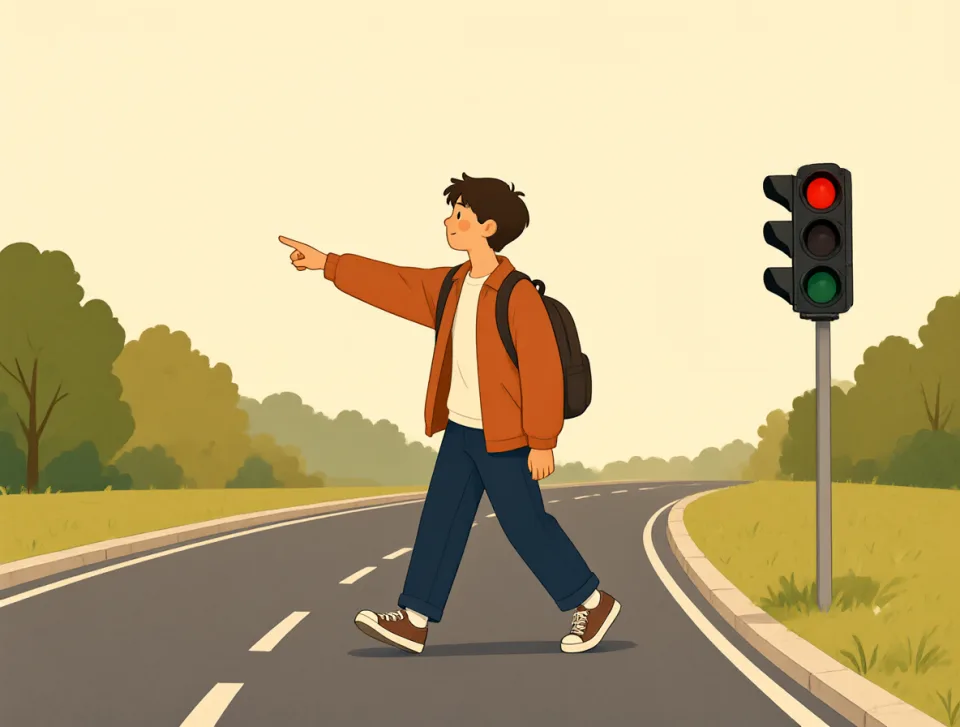
Turn left at the end of the road.
Na końcu drogi skręć w lewo.
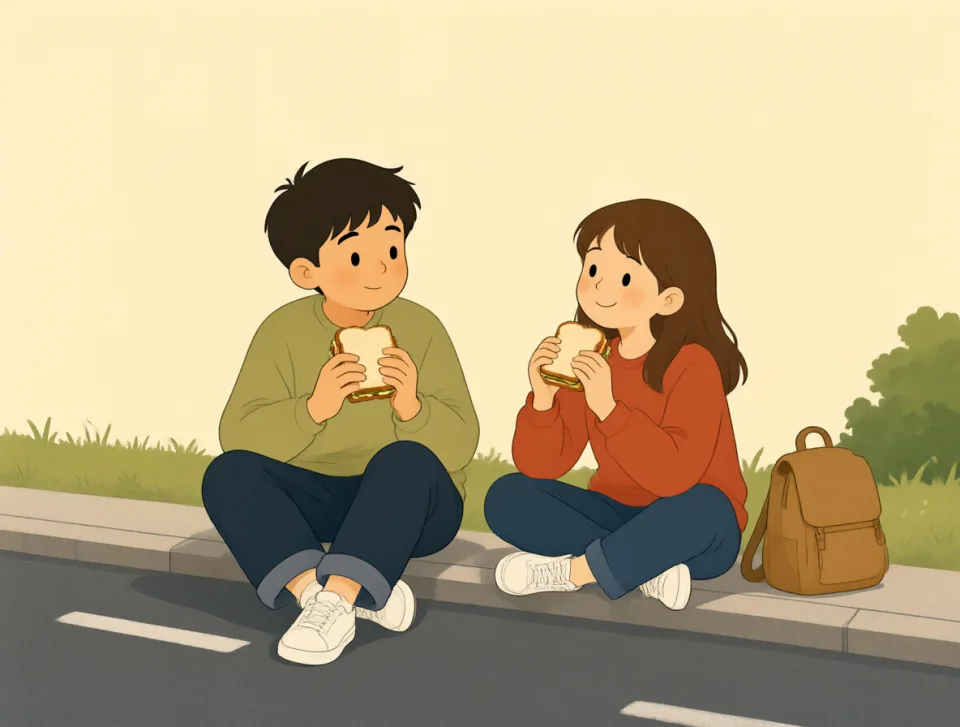
They stopped by the roadside for lunch.
Zatrzymali się przy drodze na lunch.
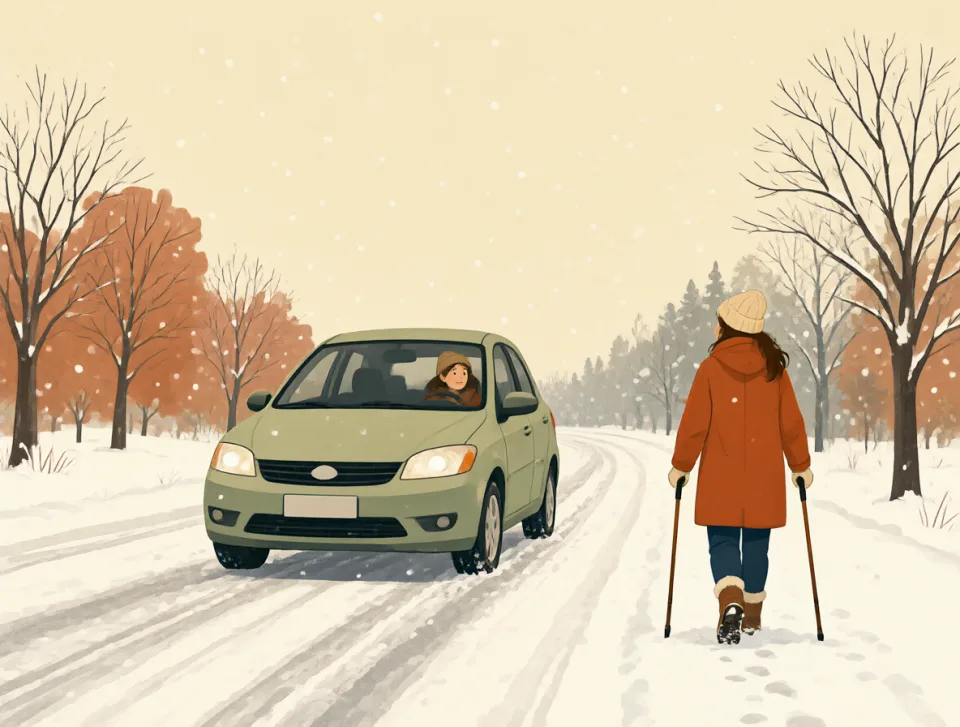
The road was covered with snow yesterday.
Wczoraj droga była pokryta śniegiem.

accord
#522noun, verb
porozumienie; przyznawać
An agreement, or to give someone what they need or want.
porozumienie lub dać komuś to, czego potrzebuje albo chce
The two teams reached an accord yesterday.
Obie drużyny osiągnęły wczoraj porozumienie.
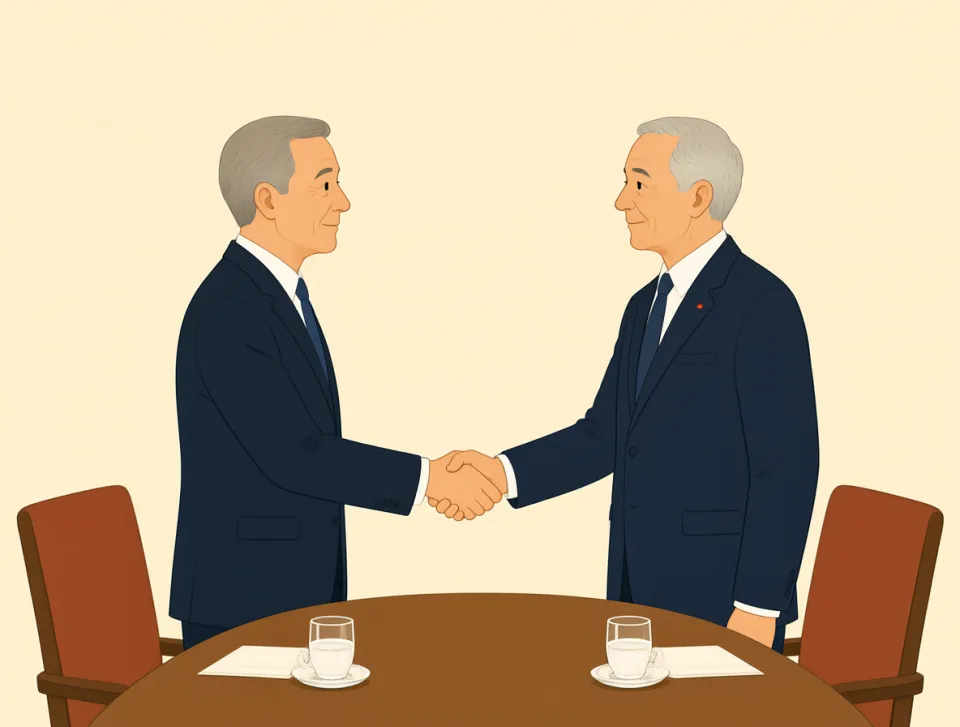
The countries signed a peace accord.
Kraje podpisały porozumienie pokojowe.
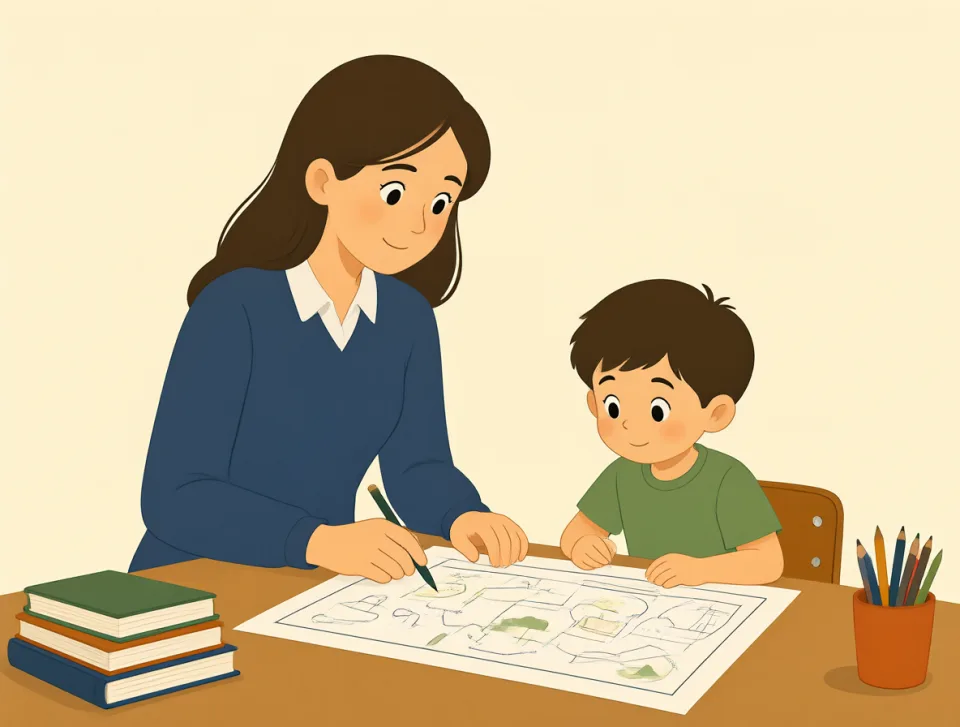
The plan accords with our school rules.
Plan jest zgodny z naszymi zasadami szkolnymi.

The award was accorded to the brave nurse.
Nagrodę przyznano odważnej pielęgniarce.
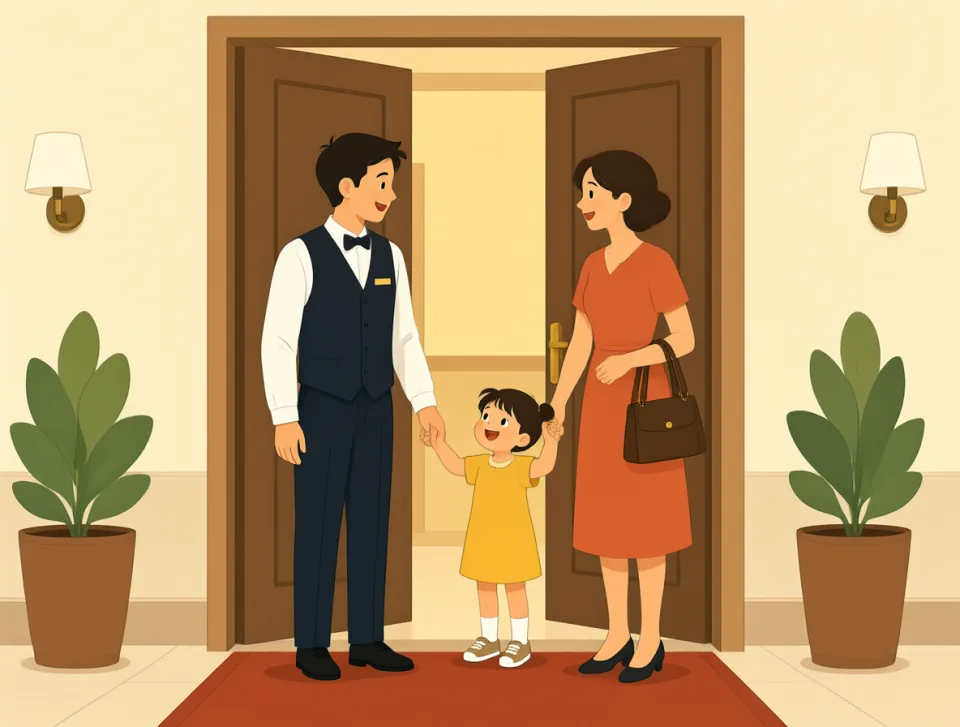
The hotel accorded us a warm welcome.
Hotel powitał nas serdecznie.
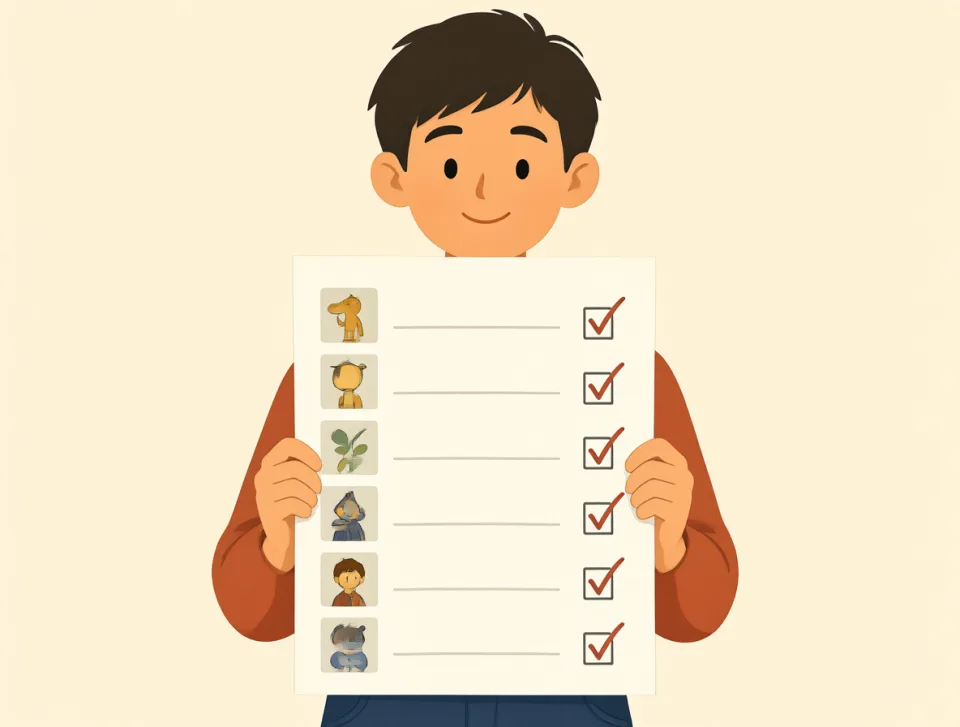
list
#523noun, verb
lista; wymieniać
a group of names or things, or to write them down
zbiór nazw lub rzeczy albo zapisać je w formie listy
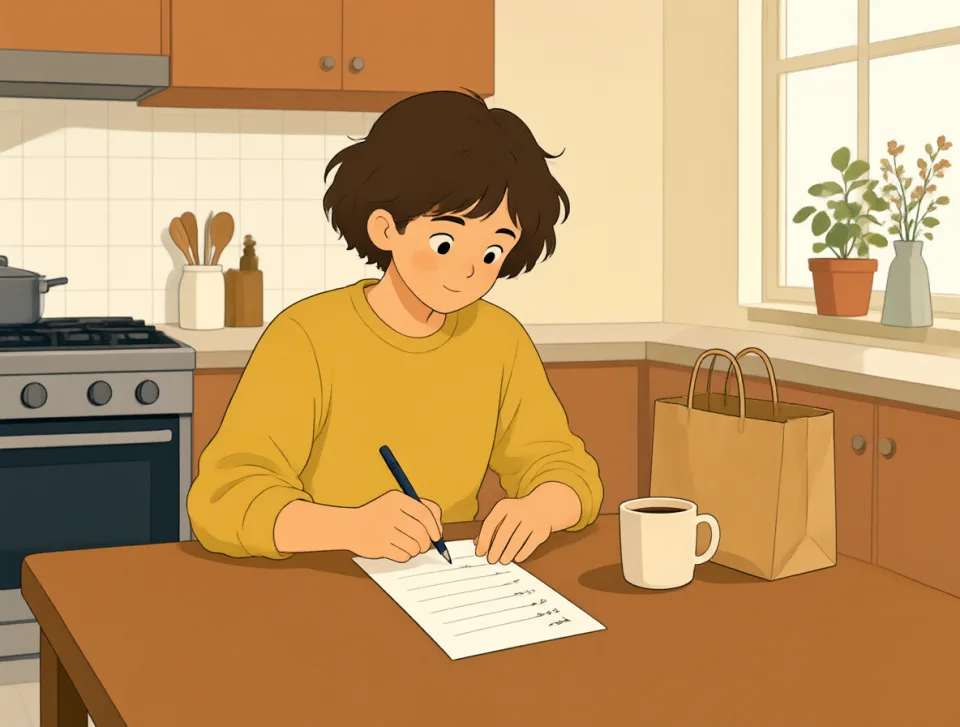
I made a shopping list before going to the store.
Przed pójściem do sklepu zrobiłem listę zakupów.
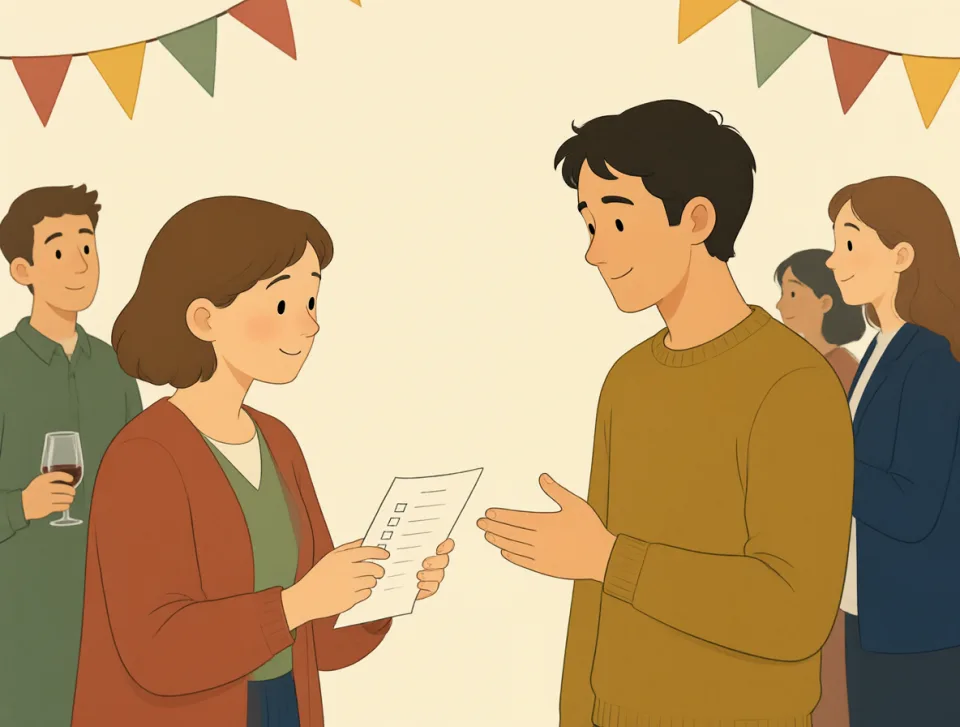
Her name is on the guest list.
Jej nazwisko znajduje się na liście gości.
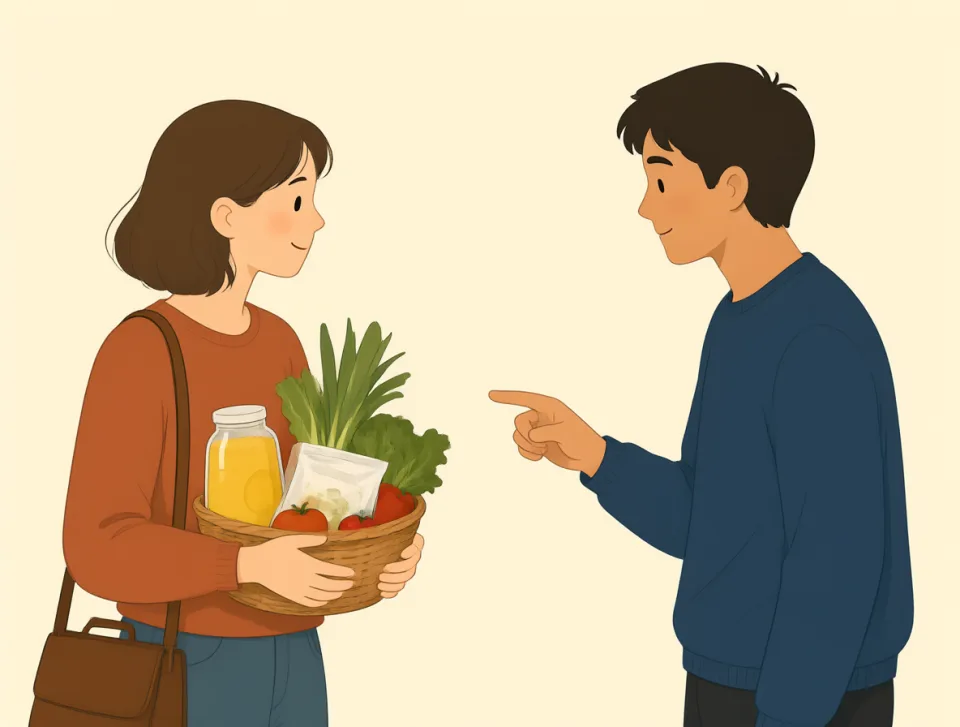
Please list the foods you bought.
Proszę wymienić produkty spożywcze, które pan kupił.
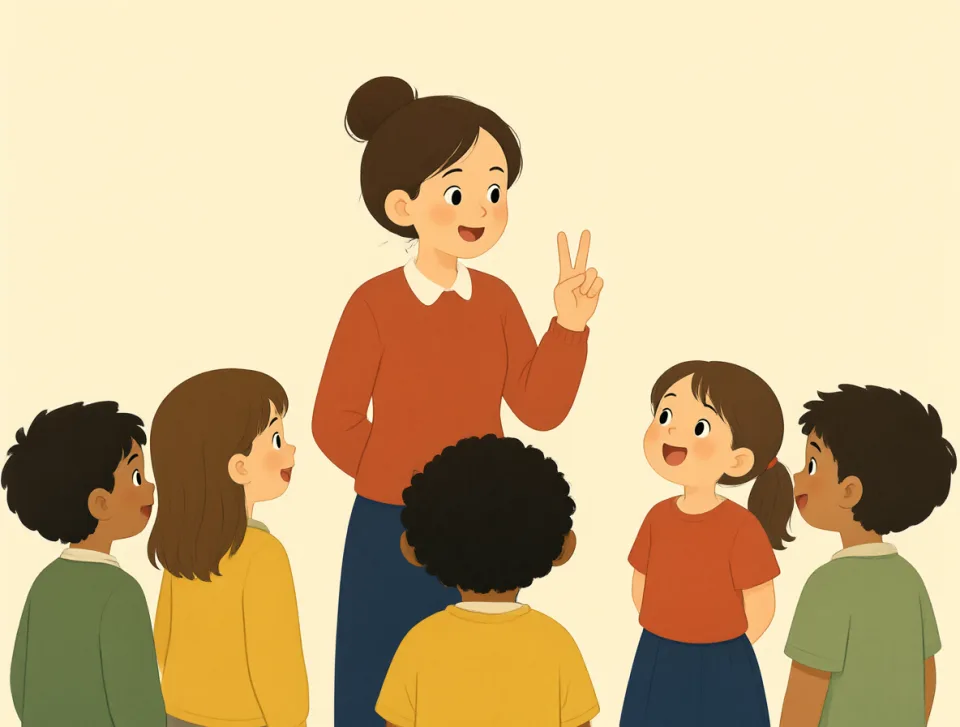
The teacher listed three rules for the class.
Nauczyciel wymienił trzy zasady obowiązujące w klasie.
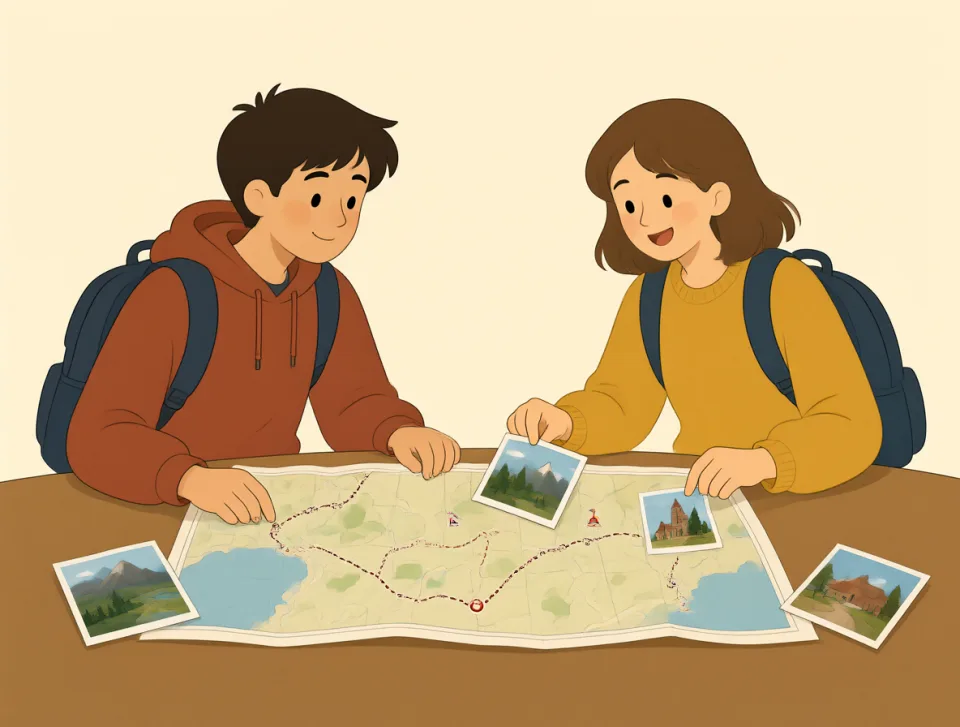
We made a list of places to visit.
Zrobiliśmy listę miejsc do odwiedzenia.
wish
#524verb, noun
życzyć sobie; pragnąć
To want something to happen or have something, especially when it seems unlikely.
chcieć, żeby coś się wydarzyło, albo chcieć coś mieć, zwłaszcza gdy wydaje się to mało prawdopodobne
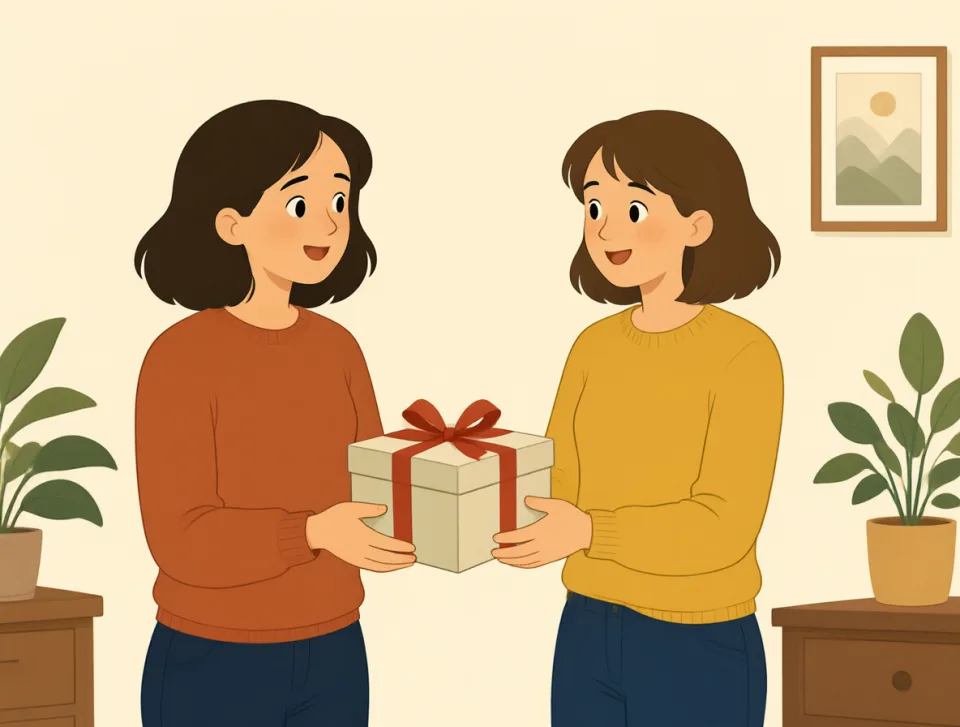
I wish you a happy birthday.
Życzę ci wszystkiego najlepszego z okazji urodzin.

I wish I had more free time.
Chciałbym mieć więcej wolnego czasu.
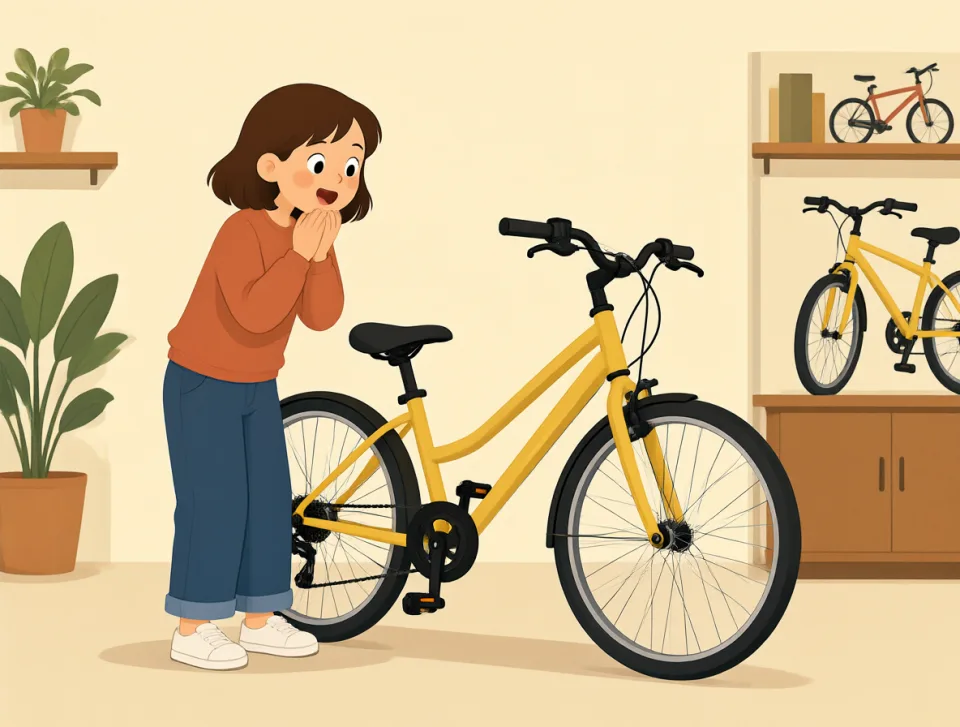
She wishes for a new bicycle.
Ona marzy o nowym rowerze.
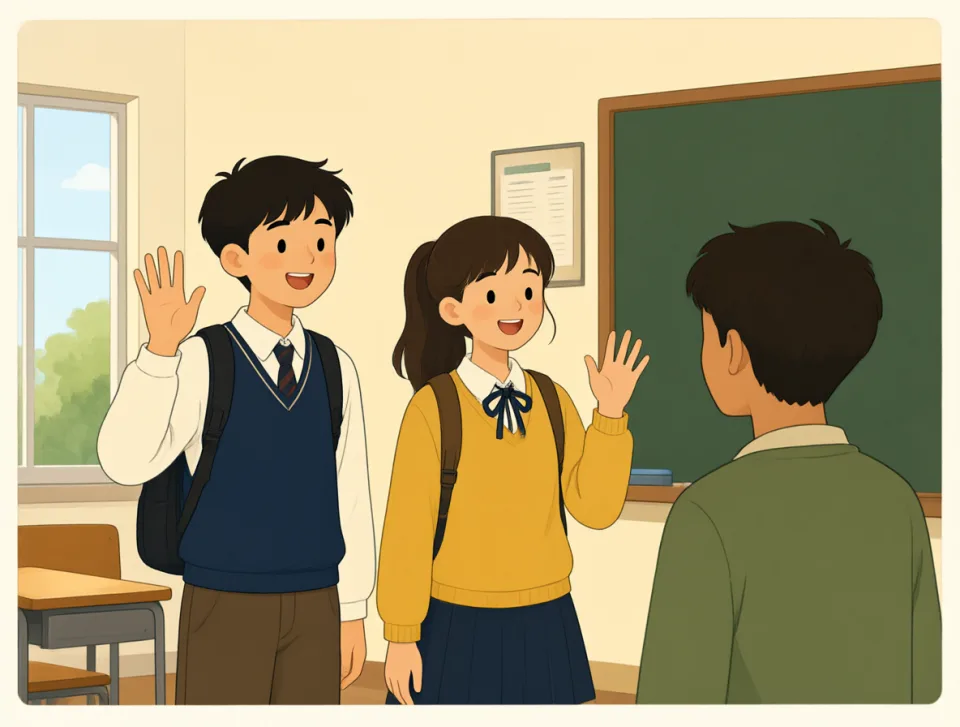
We wished them good luck before the test.
Przed testem życzyliśmy im powodzenia.
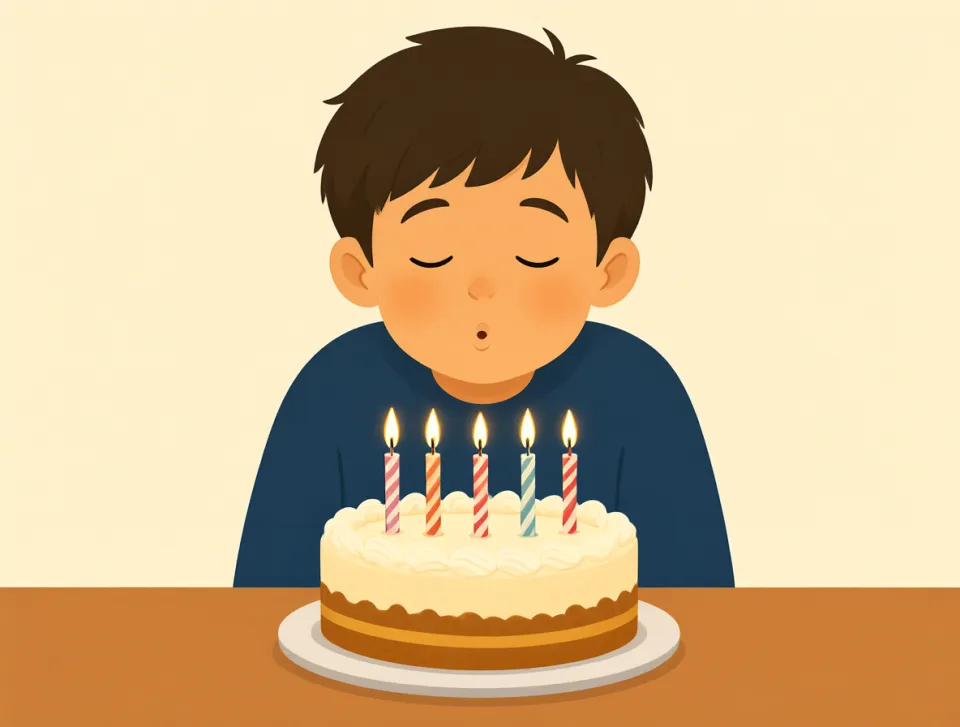
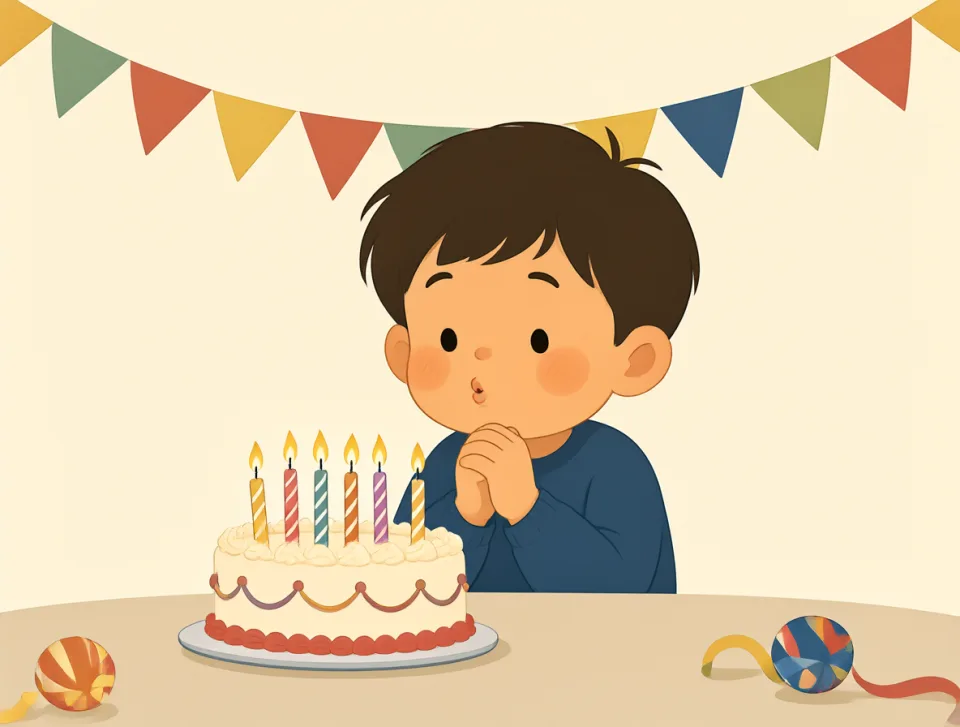
He made a wish before blowing out candles.
Pomyślał życzenie, zanim zdmuchnął świeczki.
therefore
#525adverb
dlatego; zatem
For that reason; because of something just mentioned.
z tego powodu; ze względu na coś, o czym właśnie wspomniano
It was raining; therefore, we stayed home.
Padało; dlatego zostaliśmy w domu.
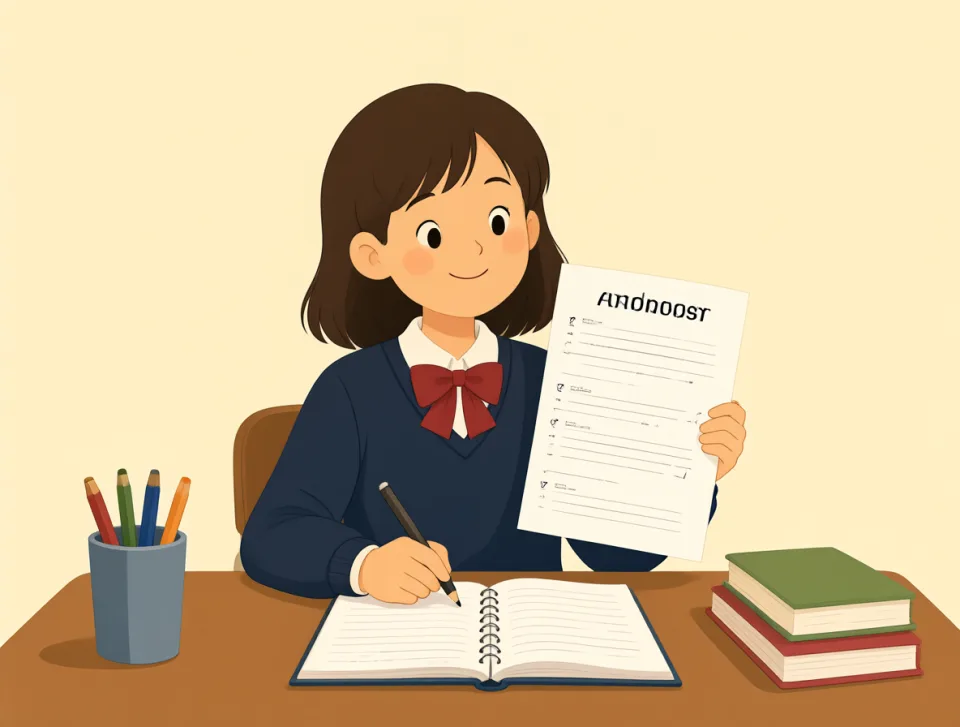
She studied hard and therefore passed the test.
Pilnie się uczyła i dlatego zdała test.

The store was closed; therefore, we went home.
Sklep był zamknięty; dlatego wróciliśmy do domu.
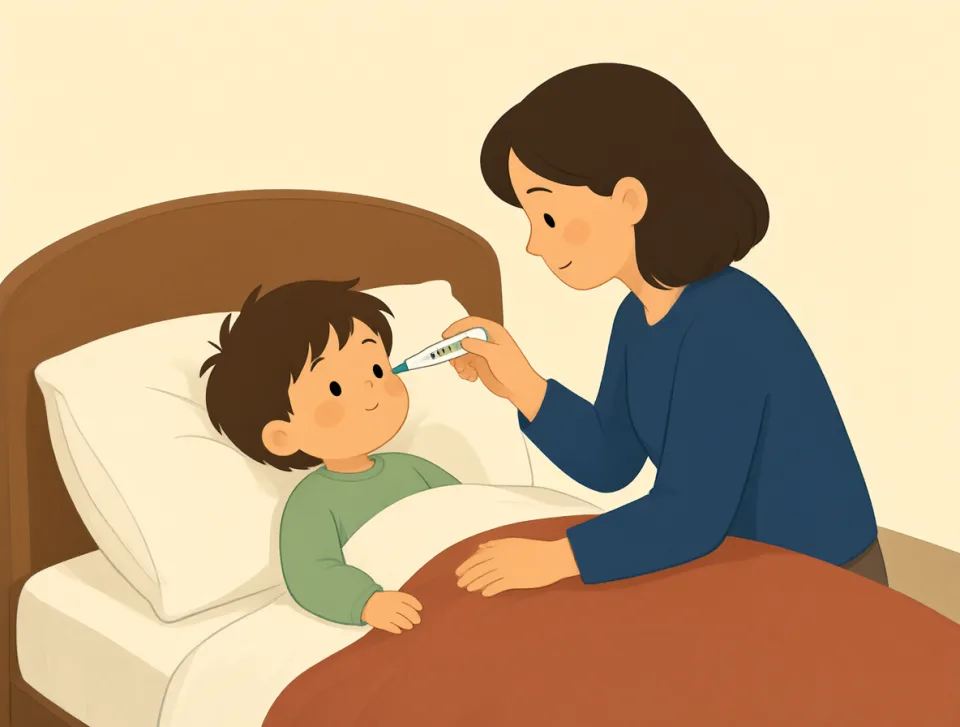
He felt sick and therefore missed school.
Źle się czuł i dlatego nie poszedł do szkoły.
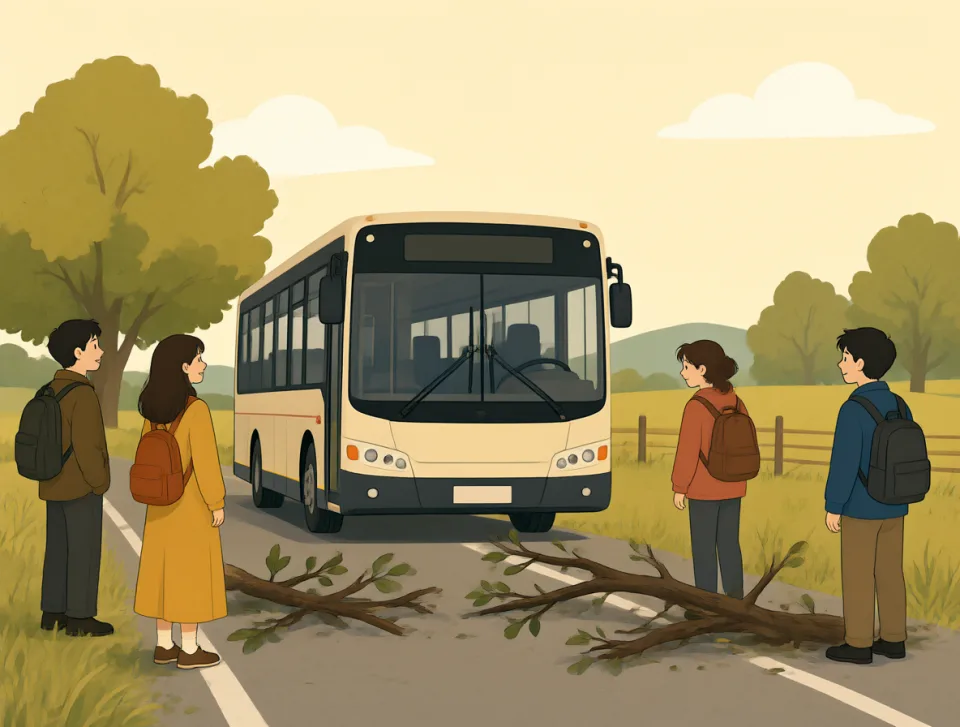
The road was blocked; therefore, the bus stopped.
Droga była zablokowana; dlatego autobus się zatrzymał.
wear
#526verb, noun
nosić
to have clothes, shoes, or something on your body
mieć na sobie ubranie, buty lub coś innego
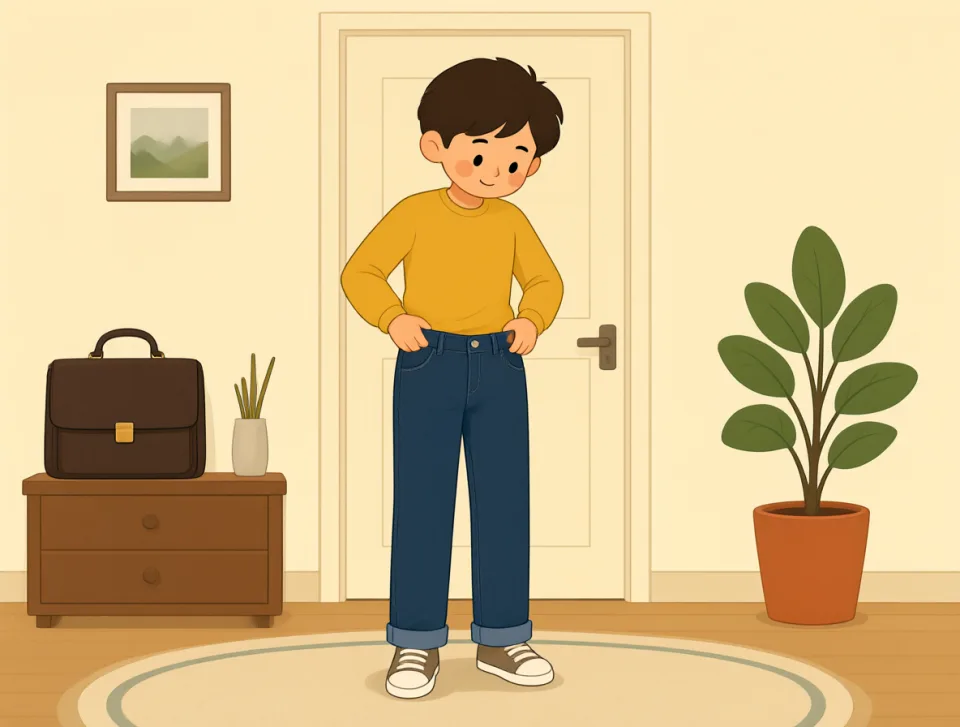
I wear jeans to work every day.
Codziennie chodzę do pracy w dżinsach.

She is wearing a red dress tonight.
Ona ma dziś wieczorem na sobie czerwoną sukienkę.
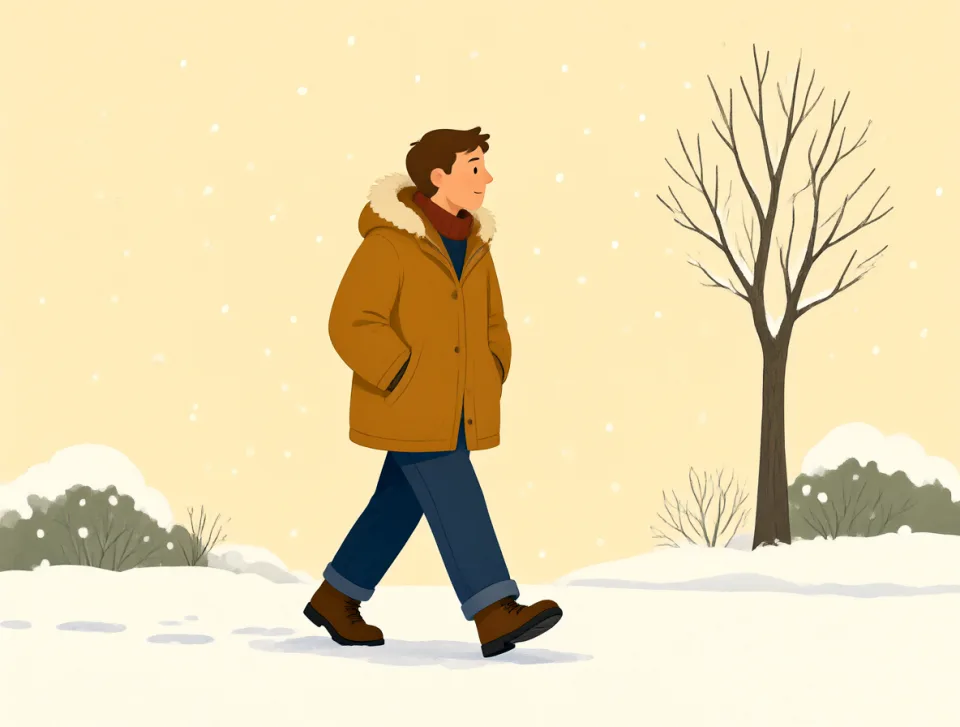
He wore a warm coat in winter.
Zimą nosił ciepły płaszcz.
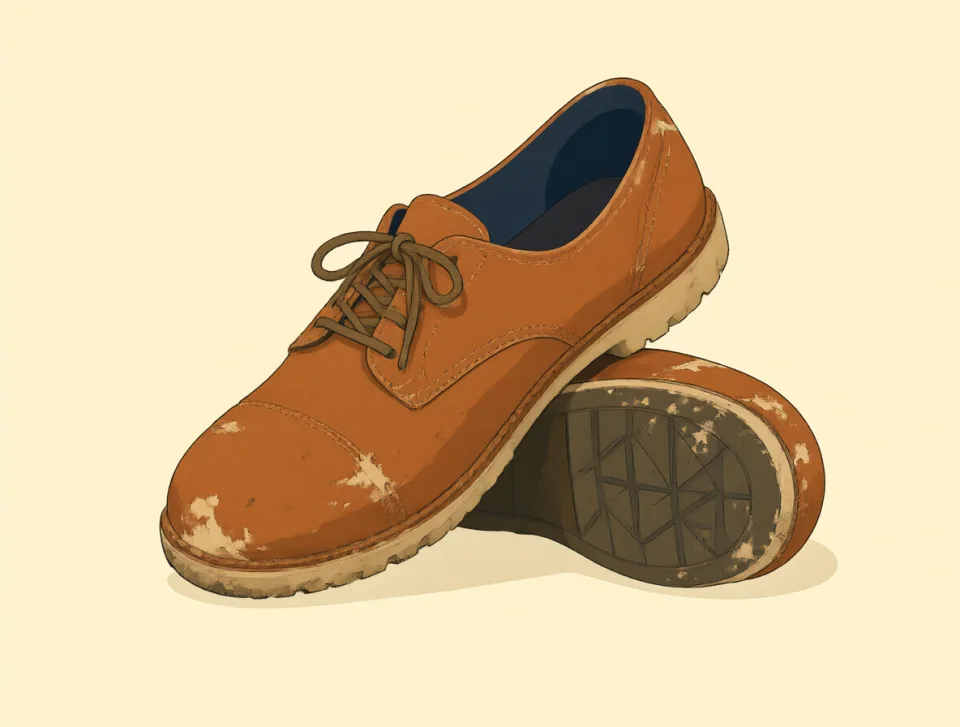
These shoes wear out quickly.
Te buty szybko się zużywają.
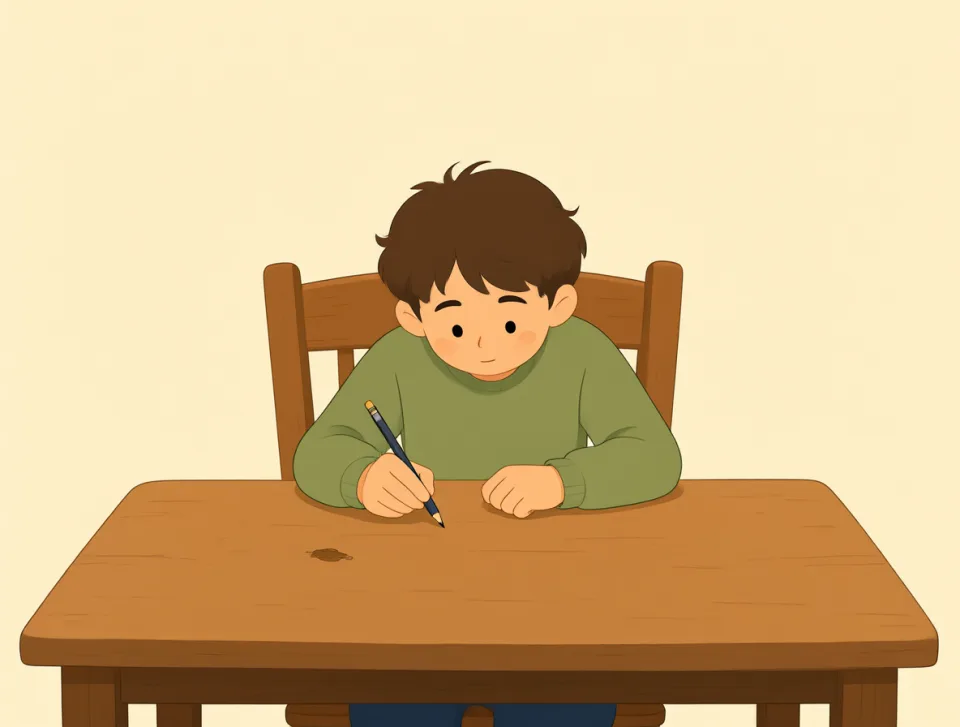
The table has a small wear mark.
Na stole jest mały ślad zużycia.
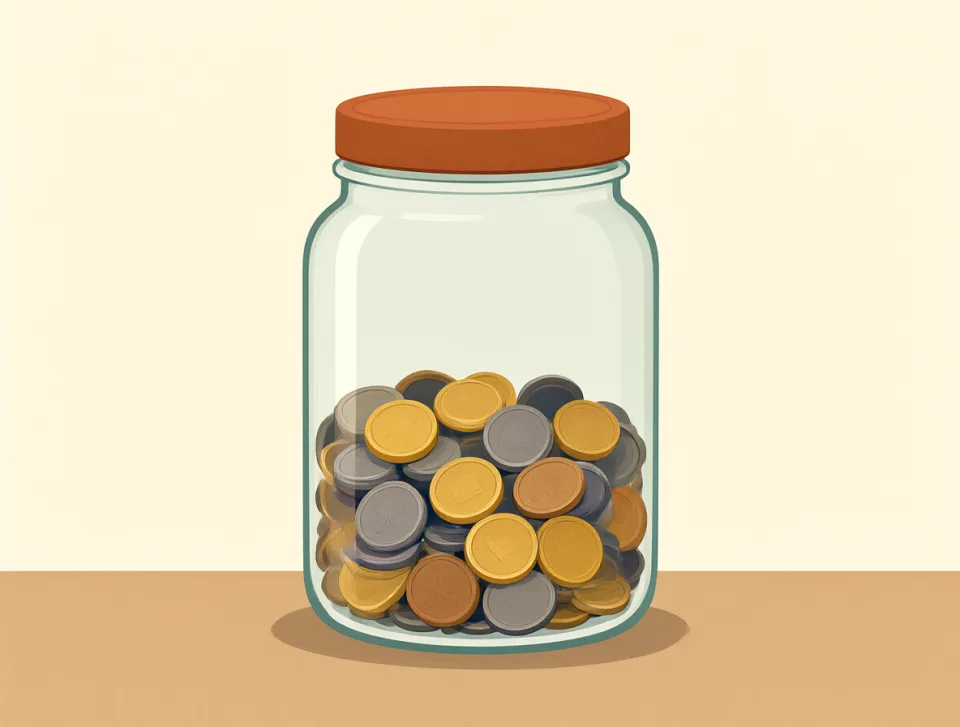
fund
#527noun, verb
fundusz; finansować
Money saved or provided for a particular purpose; to provide money for something.
Pieniądze odłożone lub przeznaczone na określony cel; zapewniać na coś środki finansowe.
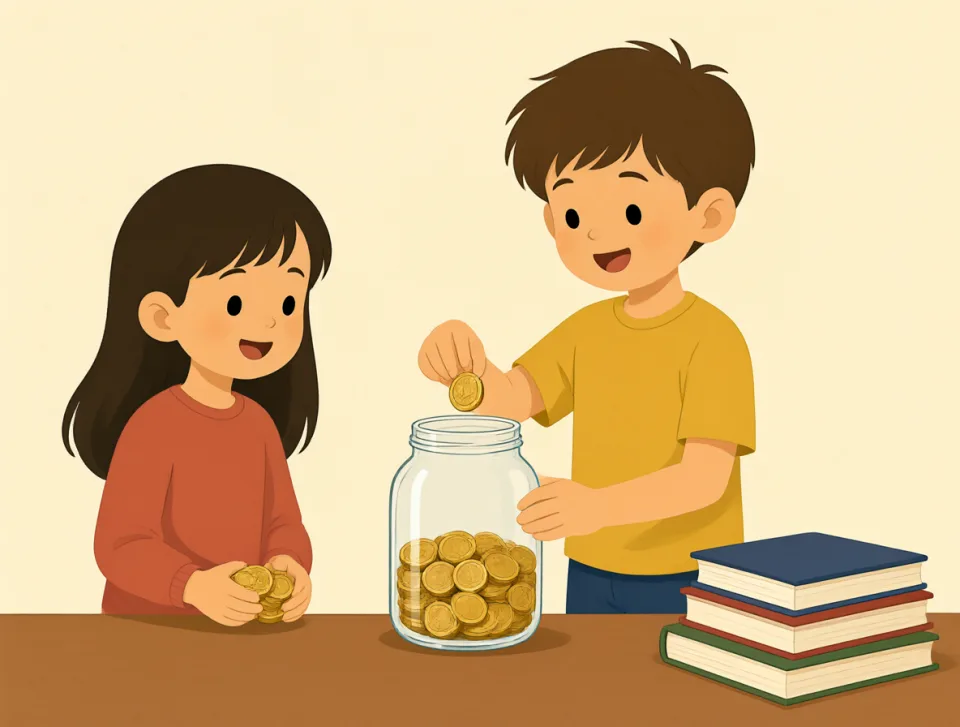
The school raised funds for new books.
Szkoła zebrała fundusze na nowe książki.
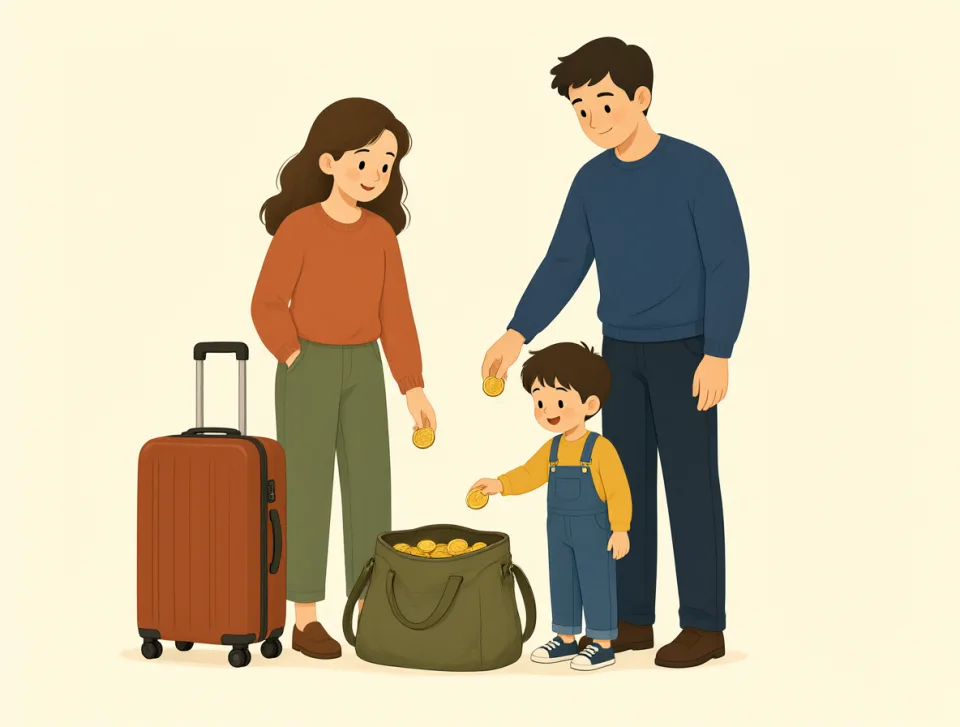
We need to fund our trip this summer.
Musimy sfinansować naszą letnią podróż.

The company funded a new health project.
Firma sfinansowała nowy projekt zdrowotny.
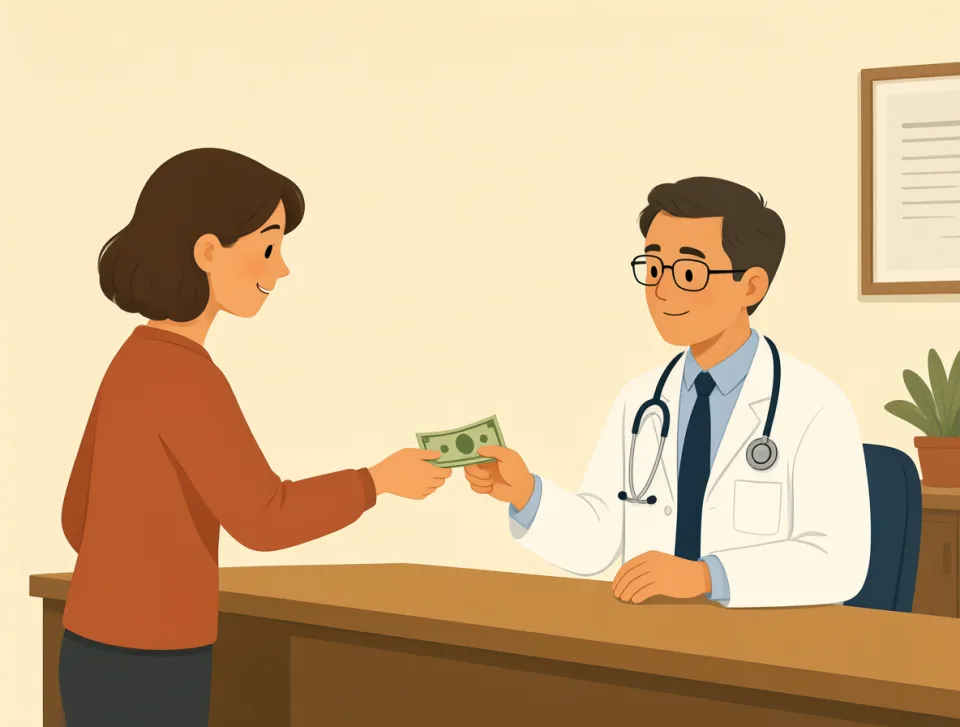
She used a fund to pay medical bills.
Zapłaciła za rachunki medyczne ze specjalnego funduszu.
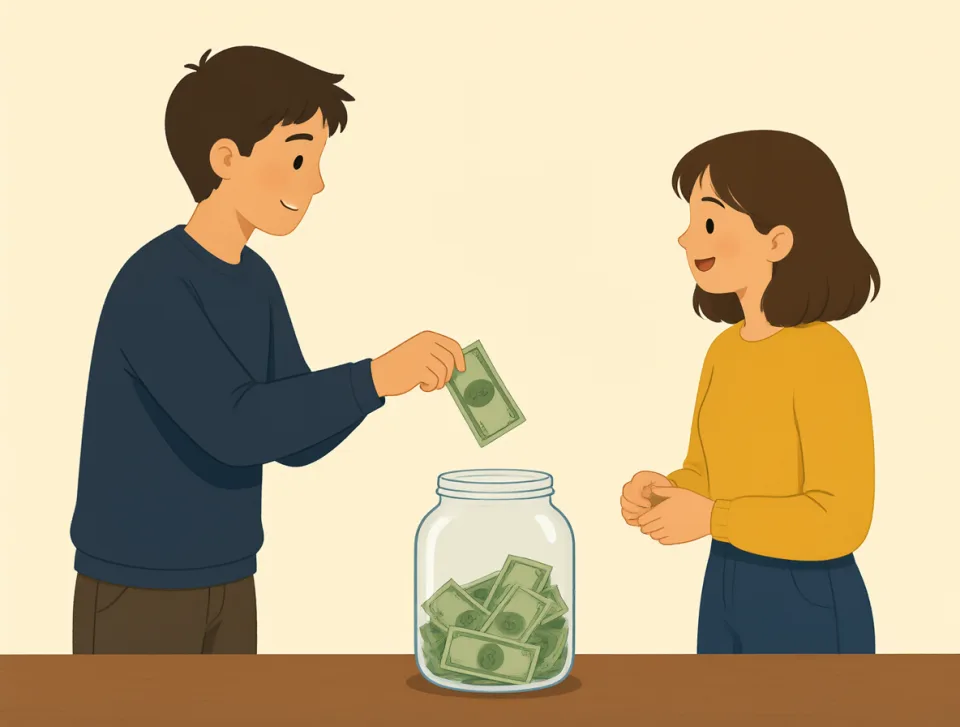
They started a fund for their friend.
Założyli fundusz dla swojego przyjaciela.
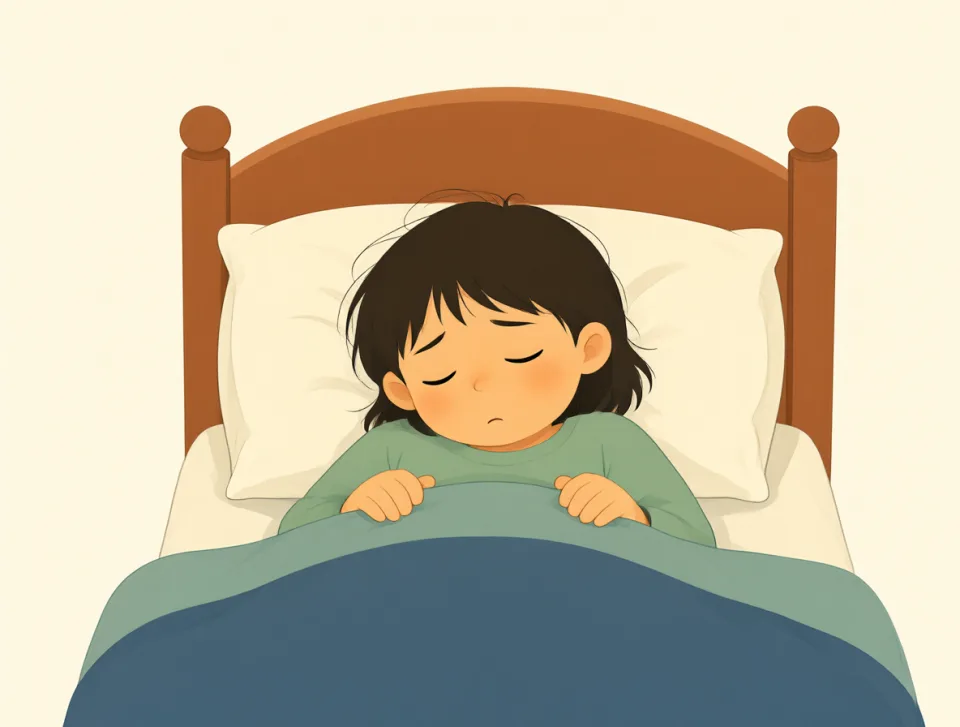
rest
#528noun, verb
odpoczywać; reszta
to stop working or moving so your body can become less tired; the remaining part of something
Przestać pracować lub się ruszać, żeby organizm mógł się mniej męczyć; pozostała część czegoś.
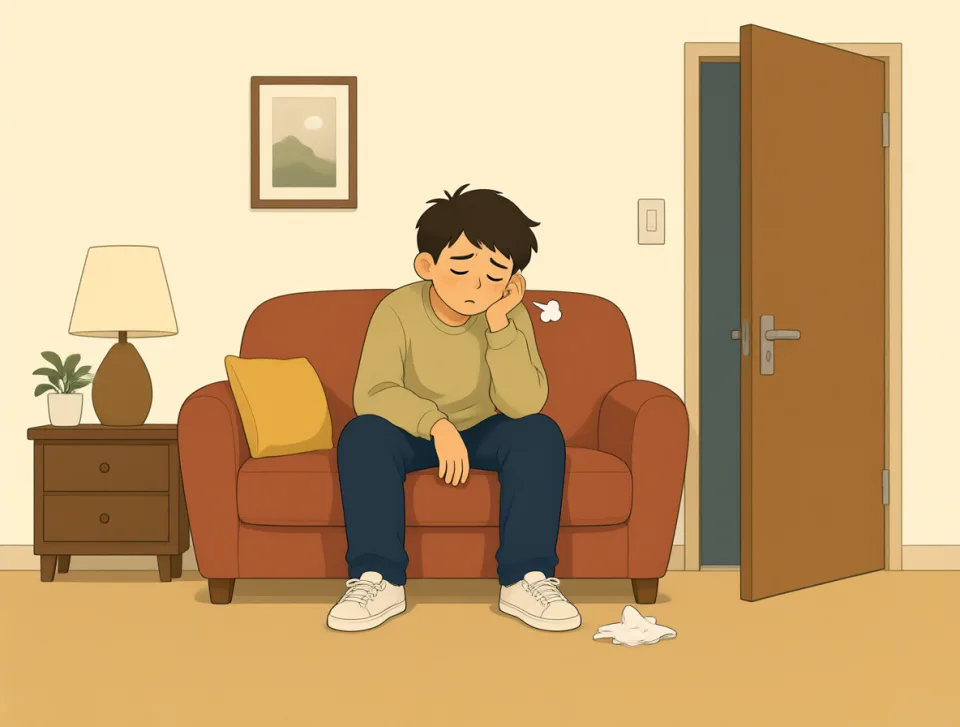
I need to rest after work.
Muszę odpocząć po pracy.
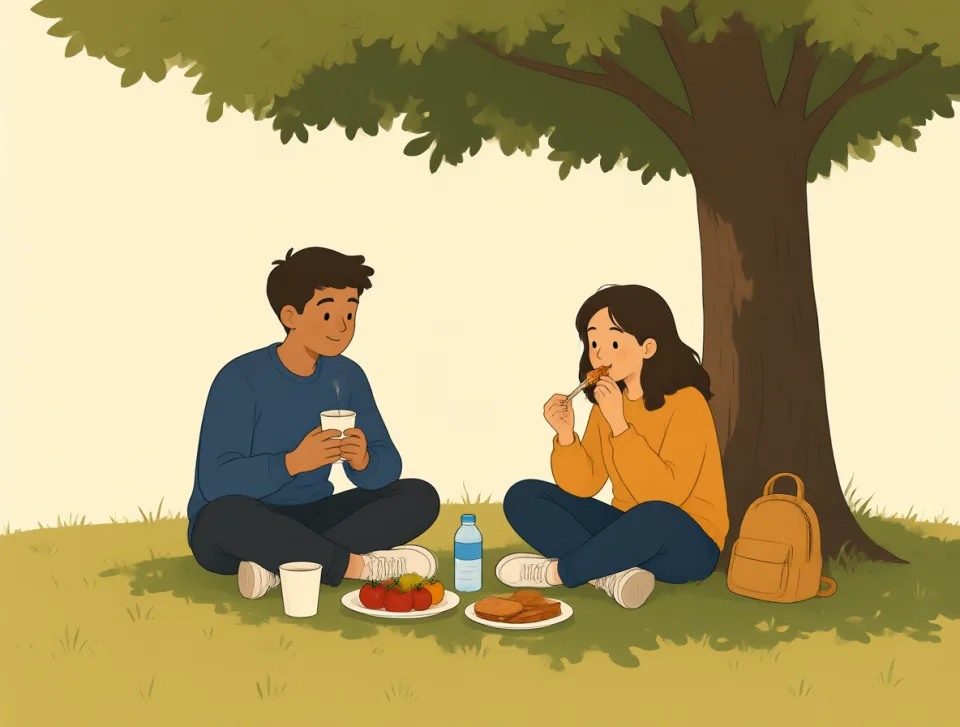
We rested under a tree at lunch.
Podczas przerwy na lunch odpoczęliśmy pod drzewem.
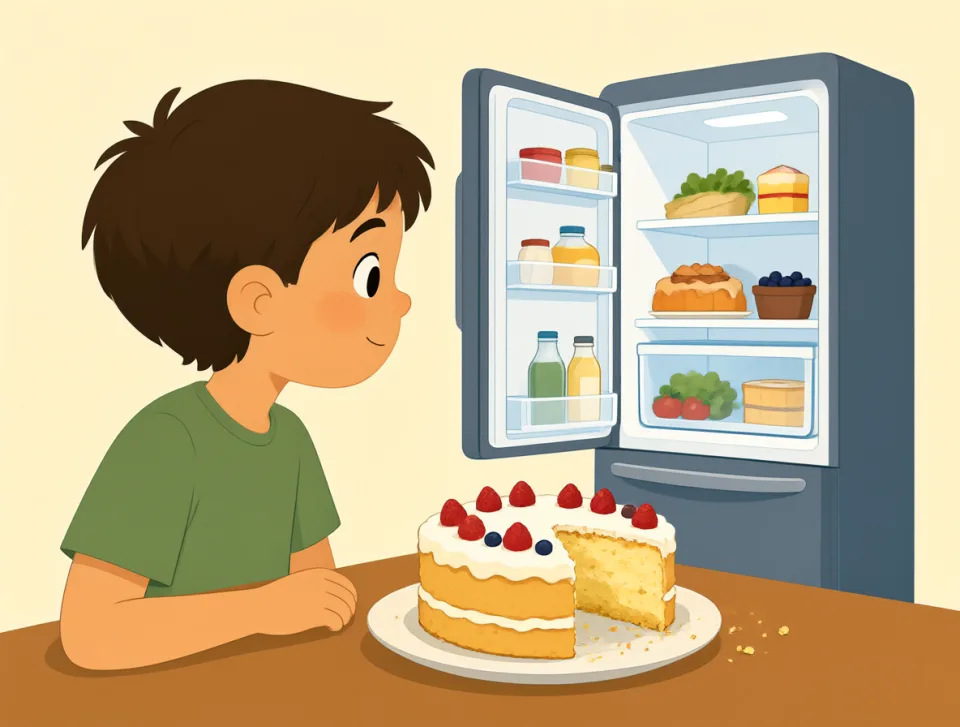
The rest of the cake is in the fridge.
Reszta ciasta jest w lodówce.
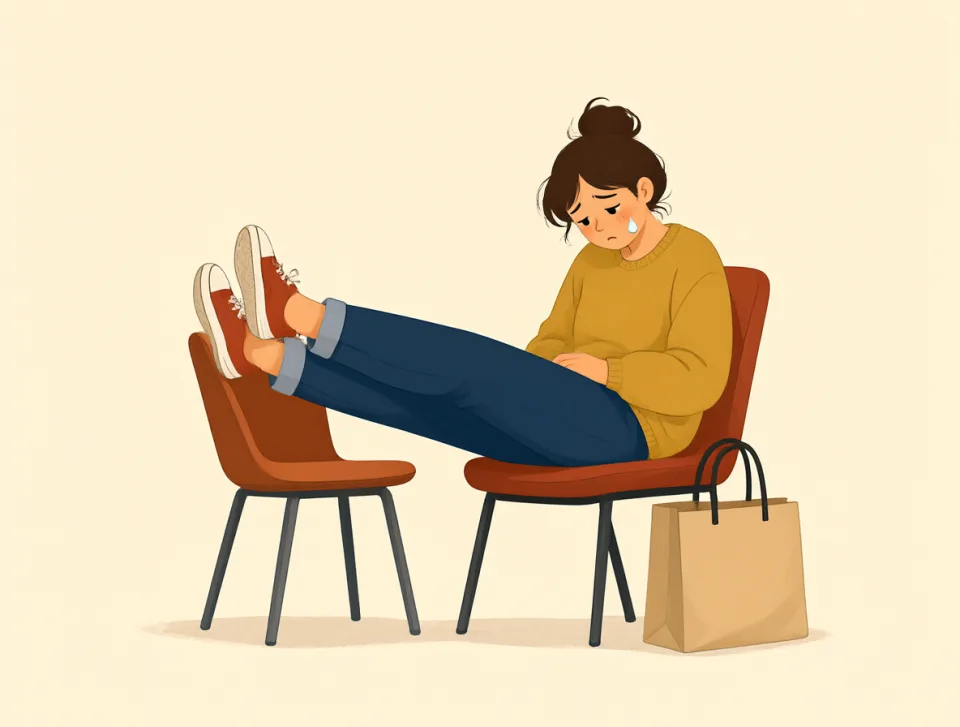
Please rest your feet on this chair.
Proszę oprzeć stopy na tym krześle.
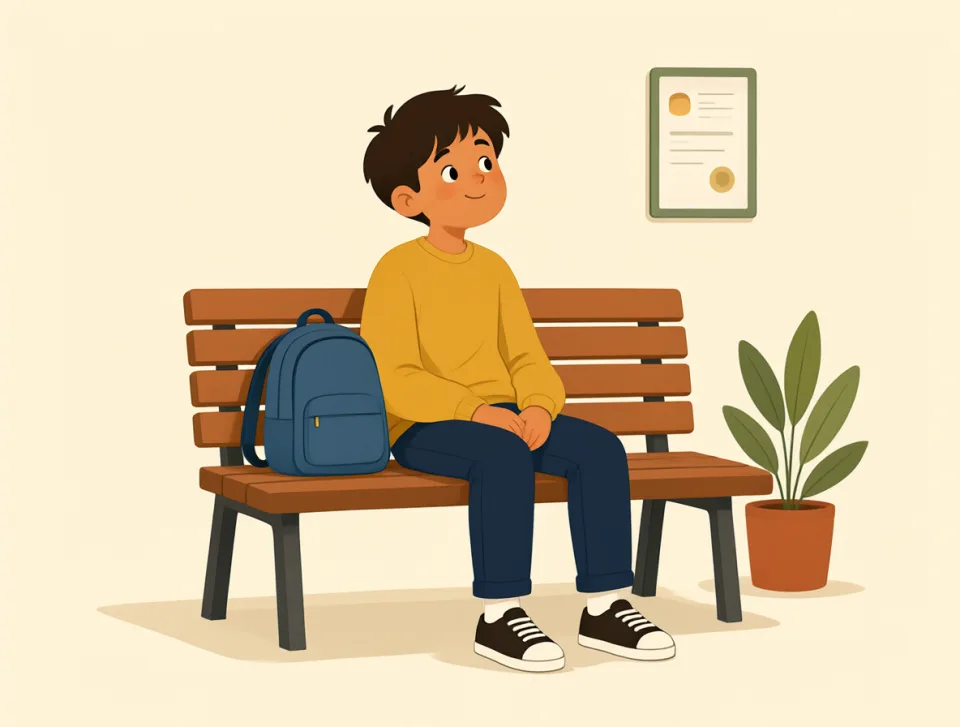
She took a short rest before class.
Przed zajęciami odpoczęła przez chwilę.
kid
#529noun, verb
dziecko; traktować kogoś niepoważnie
A child, or to treat someone as less important than they are.
Dziecko albo traktować kogoś tak, jakby był mniej ważny, niż jest w rzeczywistości.
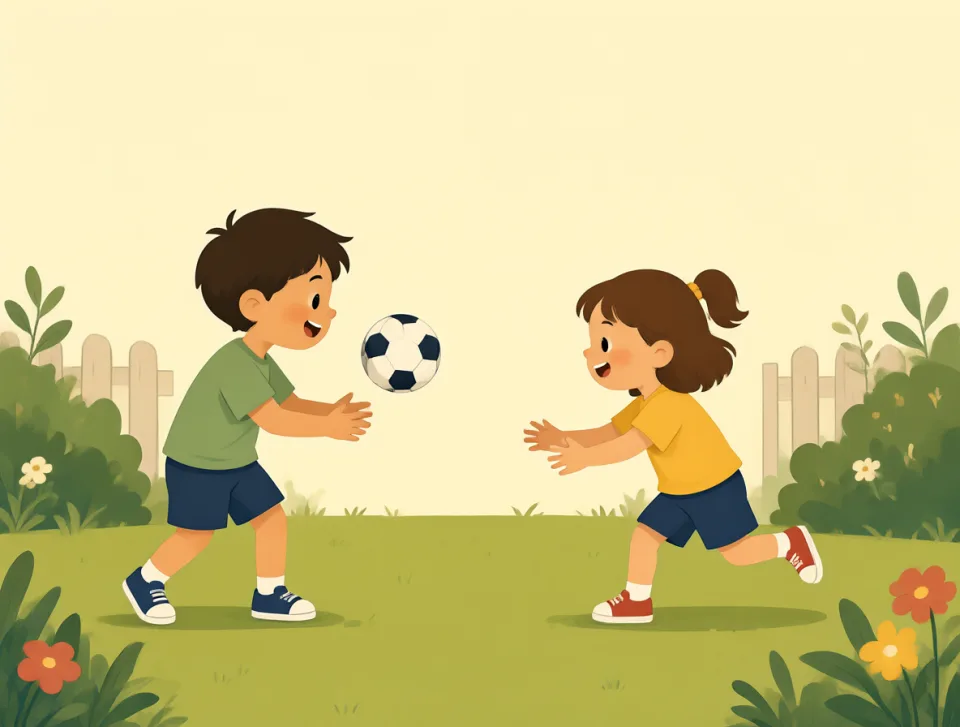
The kids are playing in the garden.
Dzieci bawią się w ogrodzie.
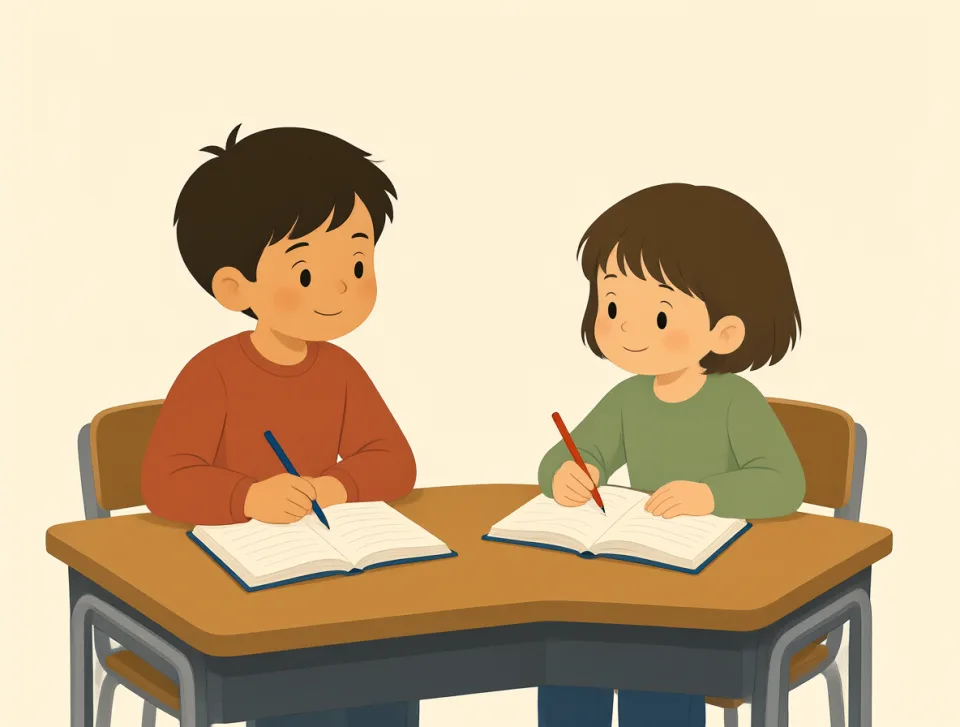
That kid sits next to me at school.
To dziecko siedzi obok mnie w szkole.
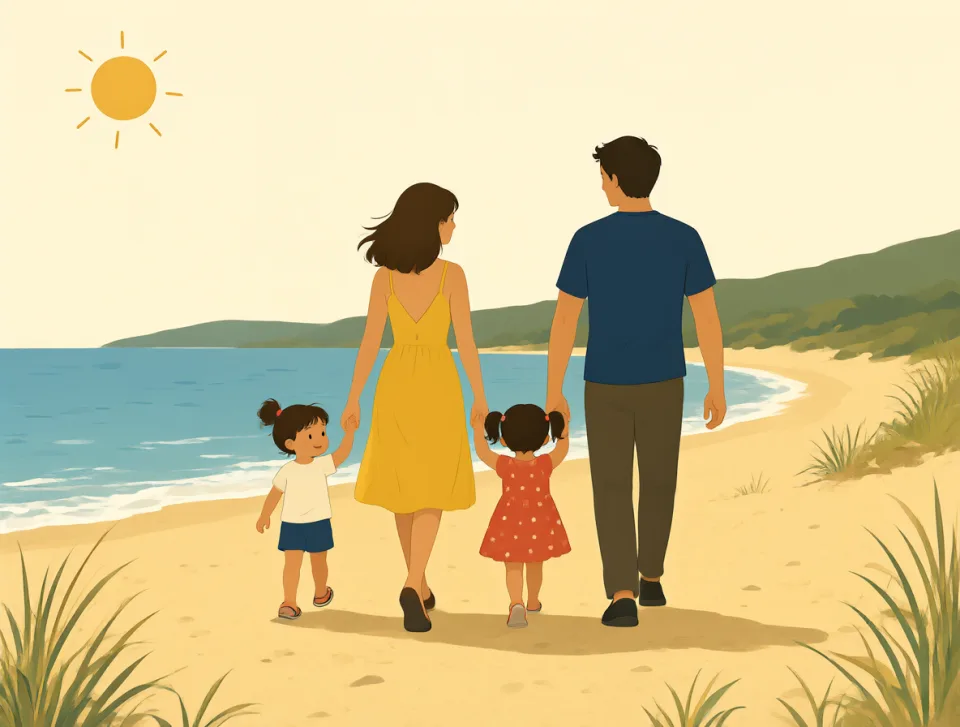
We took our kids to the beach.
Zabraliśmy dzieci na plażę.
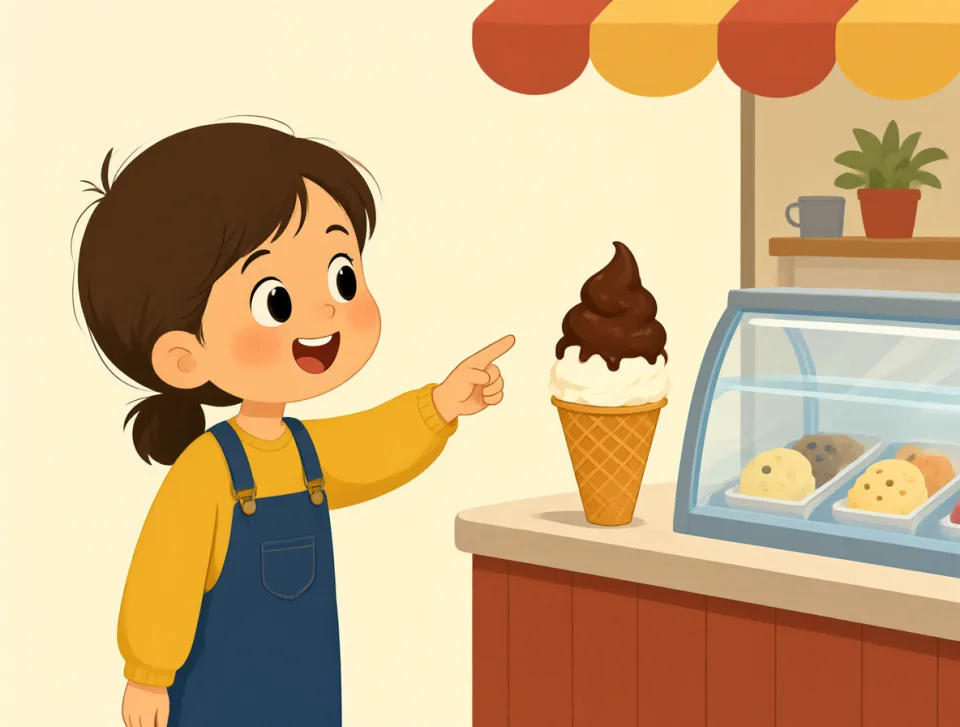
The kid asked for ice cream.
Dziecko poprosiło o lody.
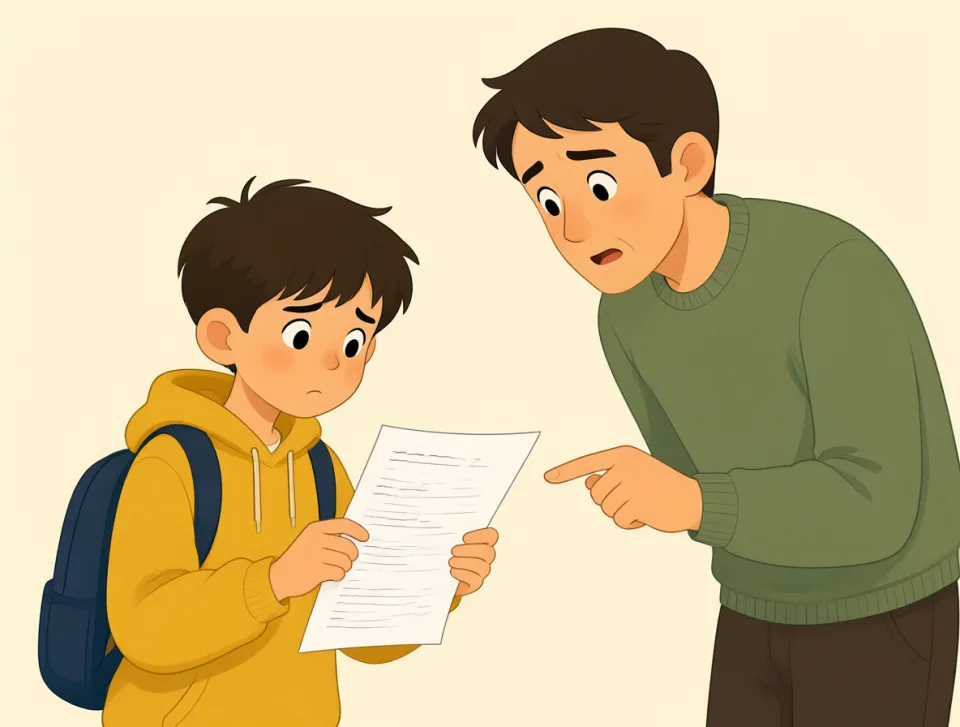
Do not kid yourself about the test.
Nie oszukuj się w sprawie testu.
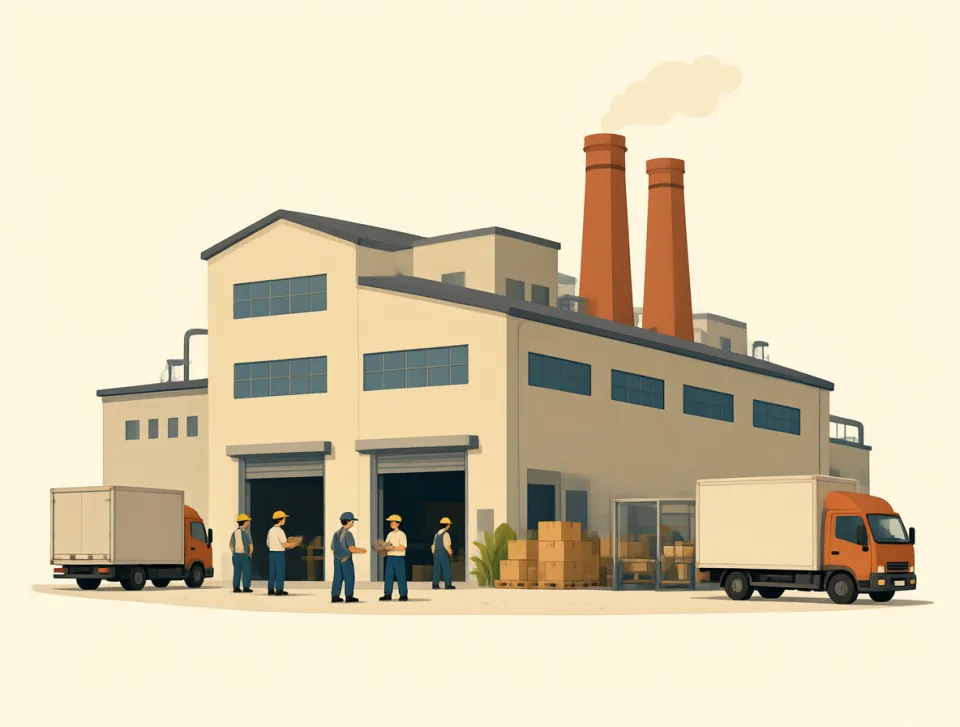
industry
#530noun
branża
The businesses and companies that produce a particular product or service.
Firmy i przedsiębiorstwa, które wytwarzają określony produkt lub świadczą określoną usługę.

She works in the fashion industry.
Pracuje w branży modowej.

The film industry employs many people.
Branża filmowa zatrudnia wiele osób.
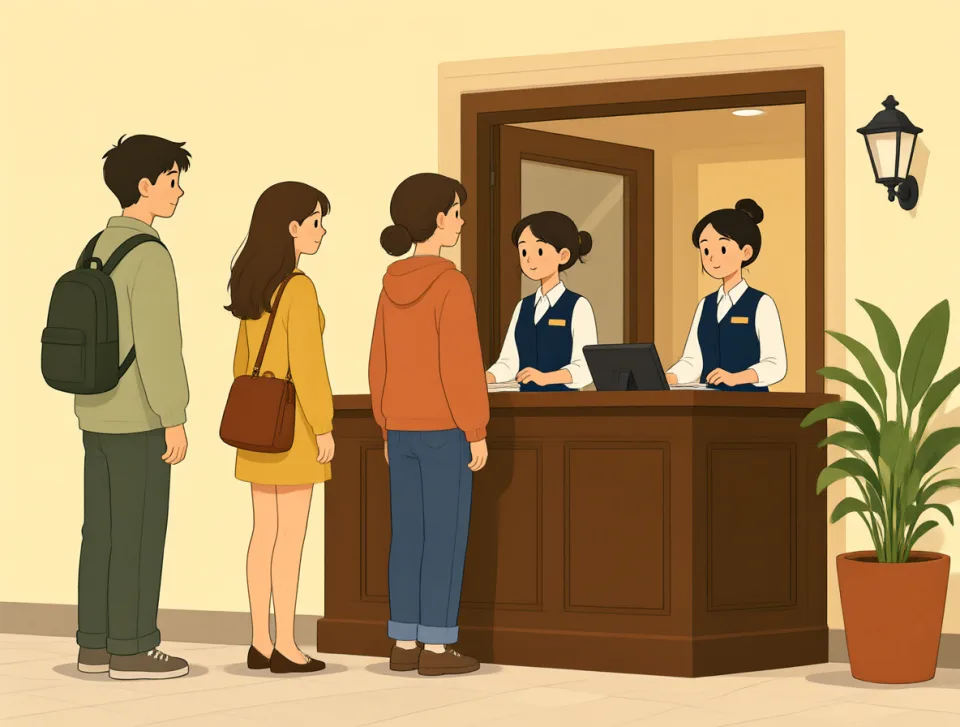
Our country has a strong tourist industry.
Nasz kraj ma dobrze rozwiniętą branżę turystyczną.
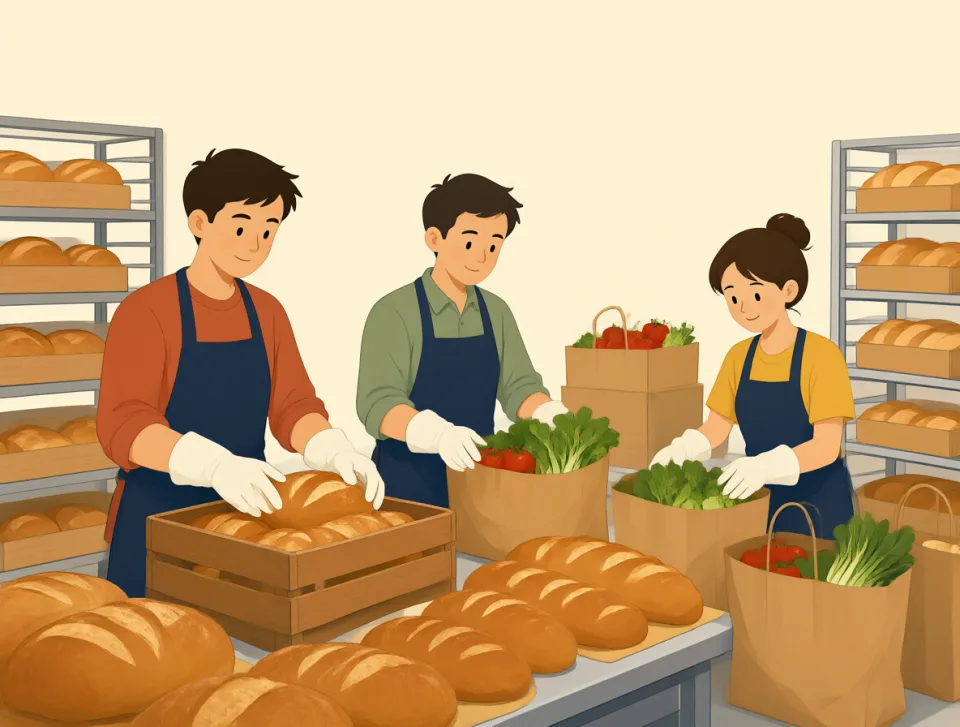
The food industry makes many products.
Branża spożywcza wytwarza wiele produktów.

He wants a job in the music industry.
Chce pracować w branży muzycznej.
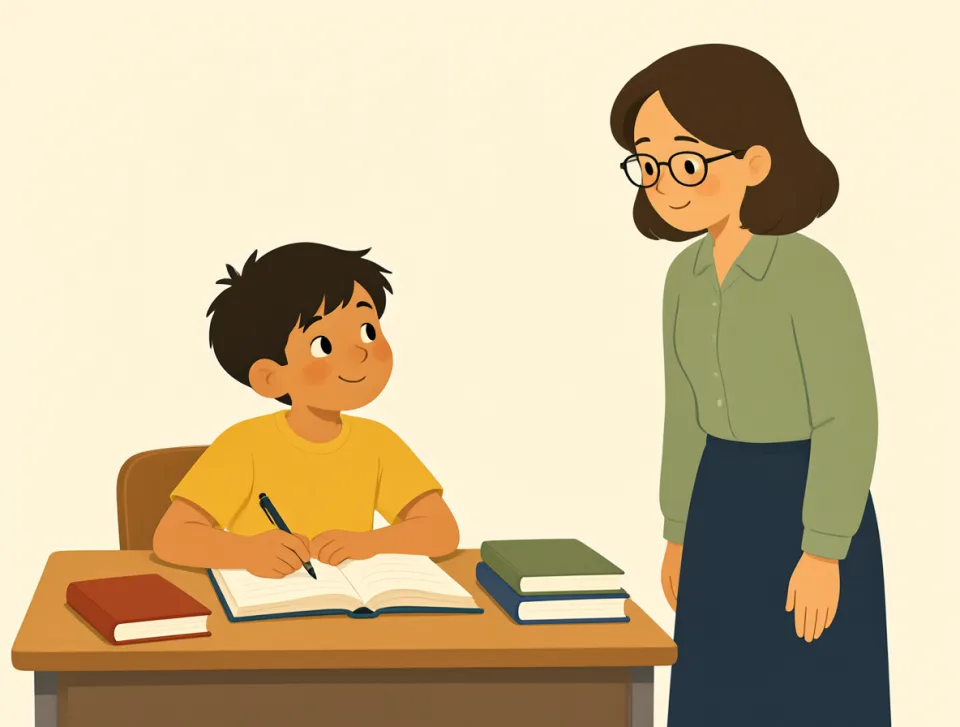
education
#531noun
edukacja
The process of learning at school, college, or through study and training.
Proces uczenia się w szkole lub na studiach albo poprzez naukę i szkolenia.
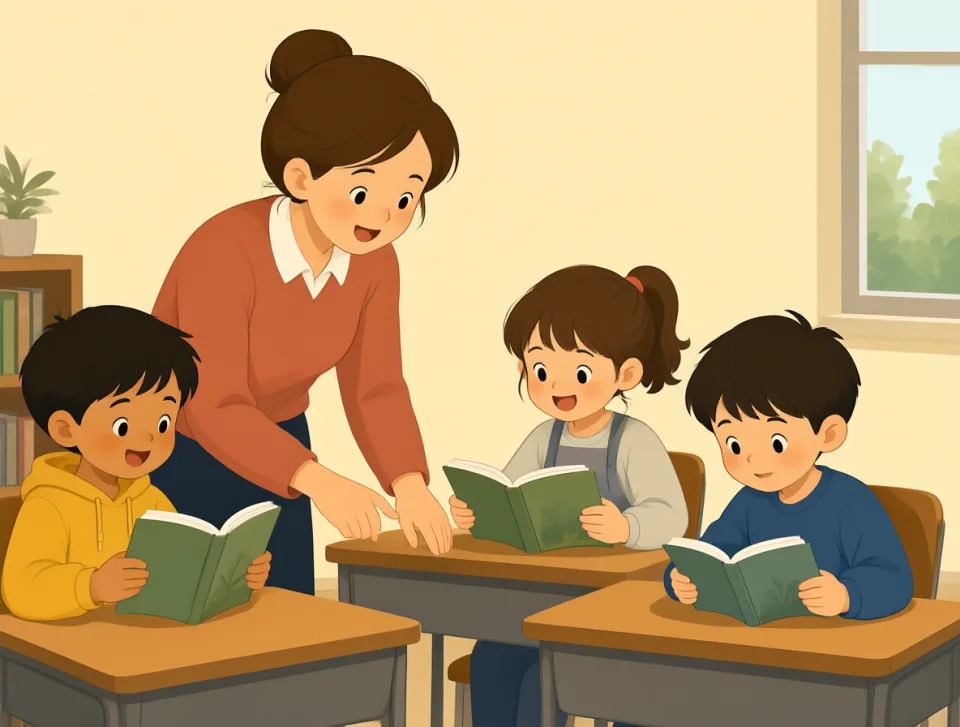
Education helps children learn important skills.
Edukacja pomaga dzieciom zdobywać ważne umiejętności.

She got a good education in London.
Zdobyła dobre wykształcenie w Londynie.

The company provides education for new workers.
Firma zapewnia szkolenia nowym pracownikom.

His education helped him find a better job.
Jego wykształcenie pomogło mu znaleźć lepszą pracę.
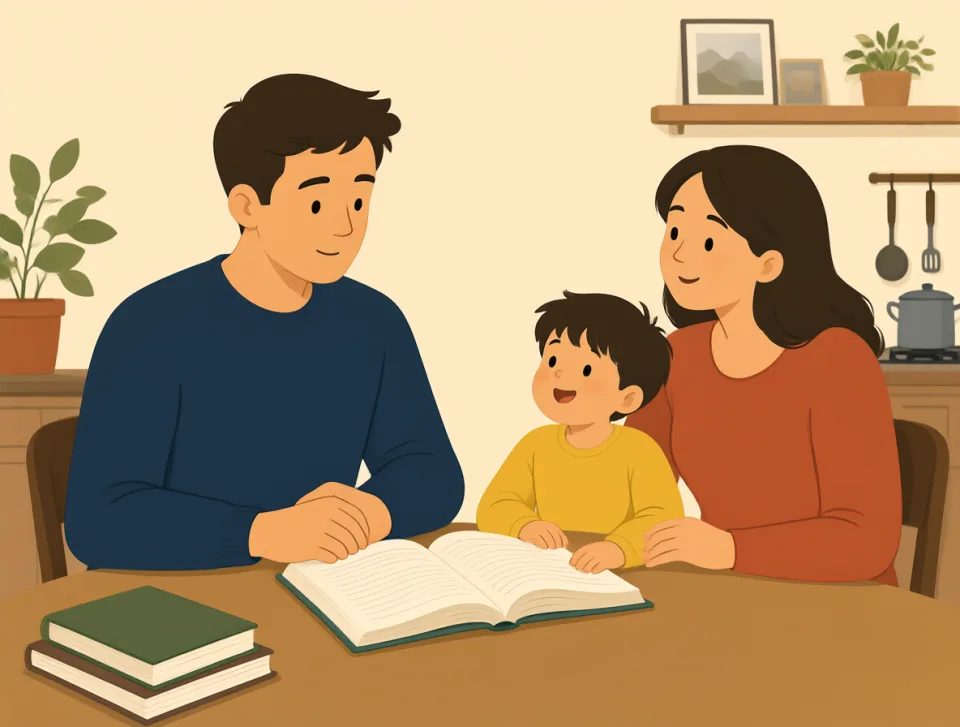
Parents should talk about education at home.
Rodzice powinni rozmawiać o edukacji w domu.
measure
#532noun, verb
mierzyć; środek
To find the size, amount, or level of something, or an action taken to solve a problem.
Określać rozmiar, ilość lub poziom czegoś albo działanie podjęte w celu rozwiązania problemu.
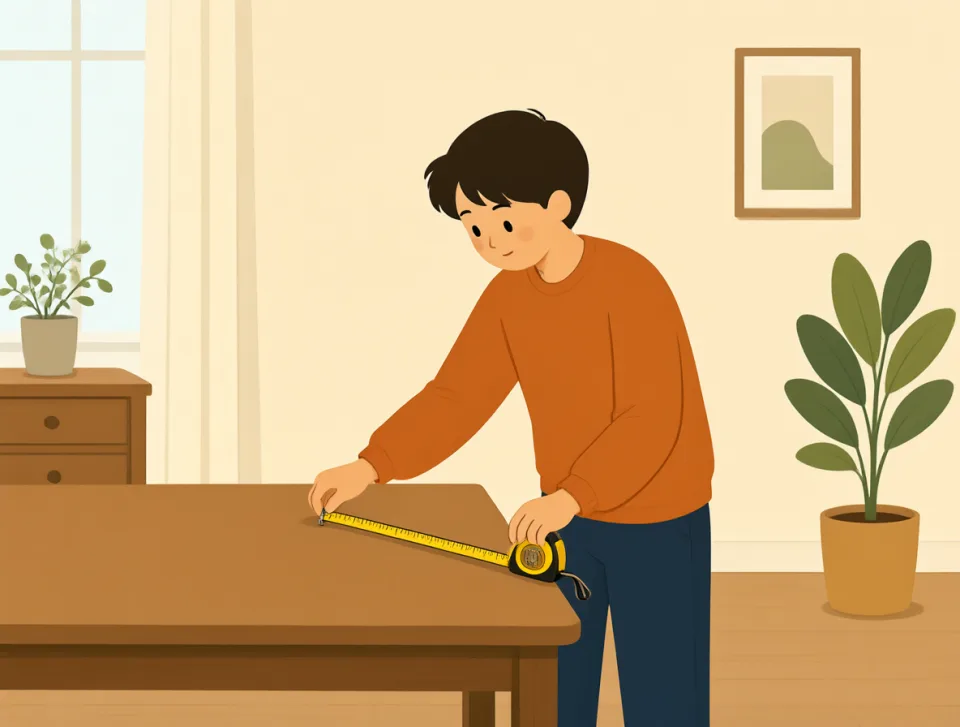
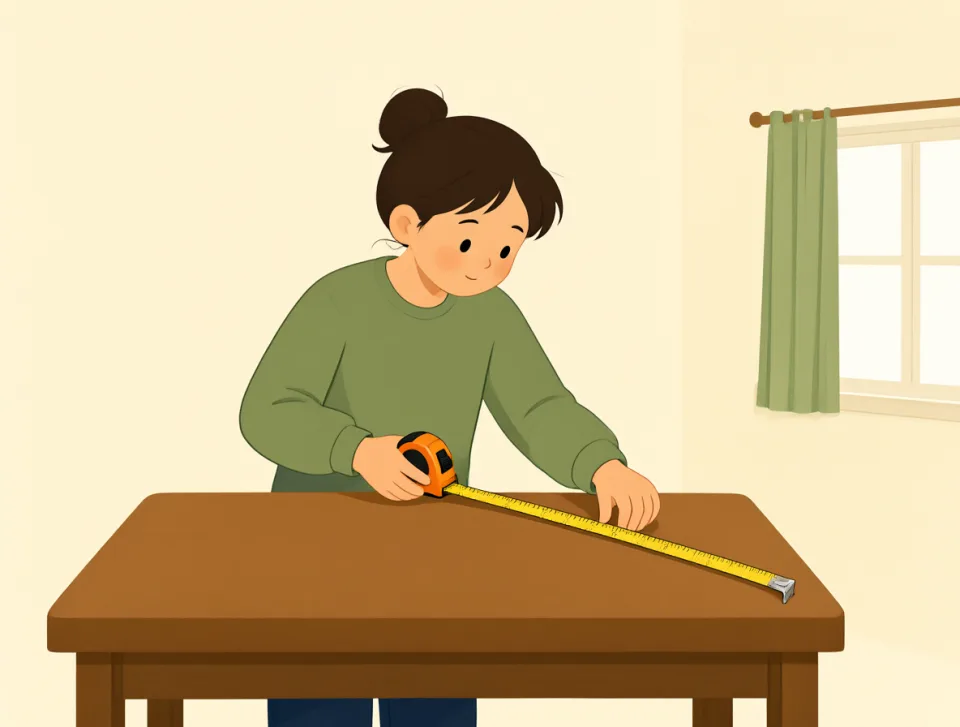
Please measure the table for the new cloth.
Proszę zmierzyć stół, żeby dopasować do niego nowy obrus.
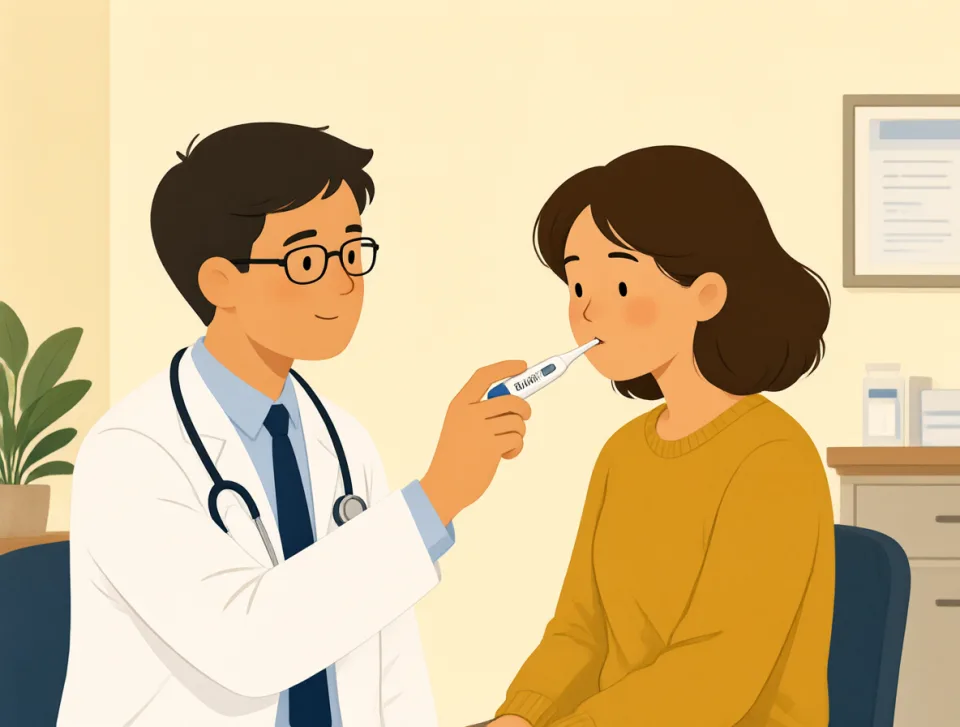
The doctor measured my temperature.
Lekarz zmierzył mi temperaturę.
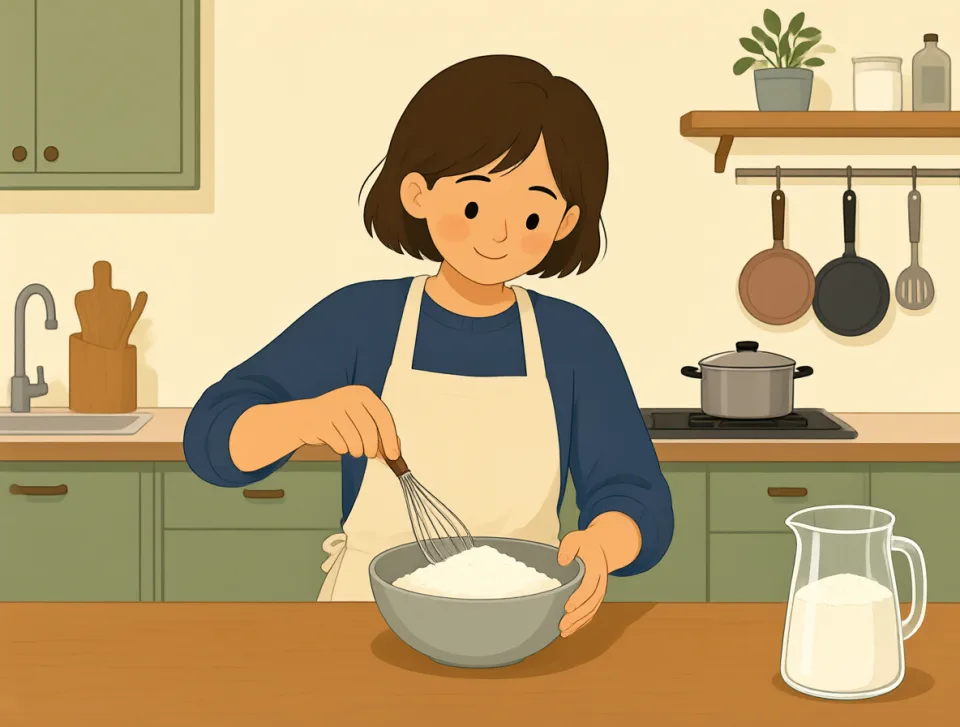
We measured the flour before making the cake.
Odmierzyliśmy mąkę przed przygotowaniem ciasta.
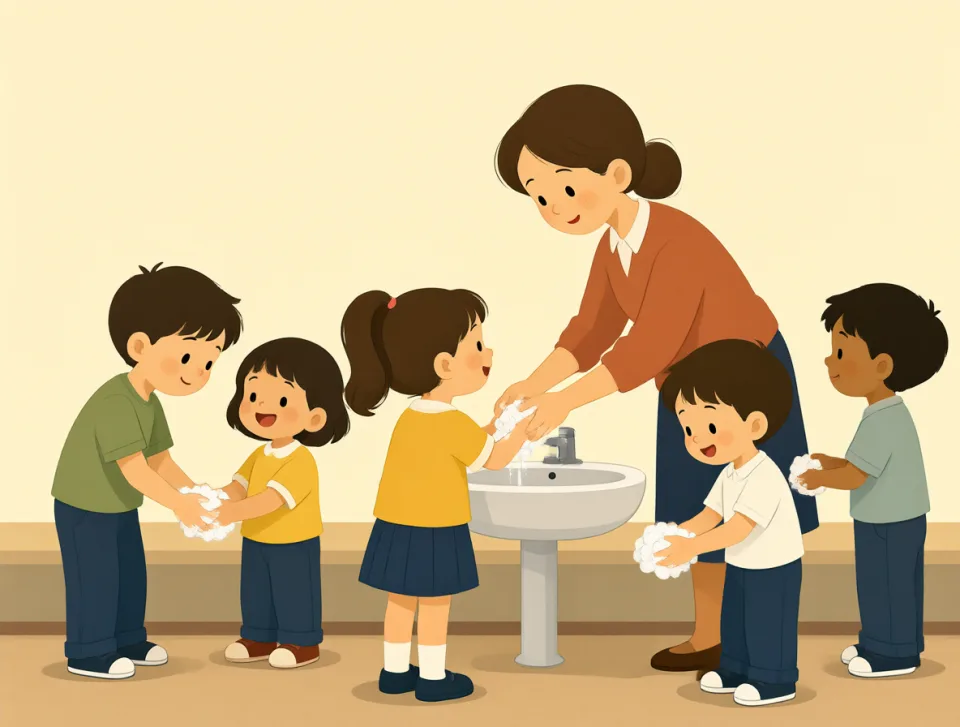
The school took measures to keep children safe.
Szkoła podjęła działania, by zapewnić dzieciom bezpieczeństwo.
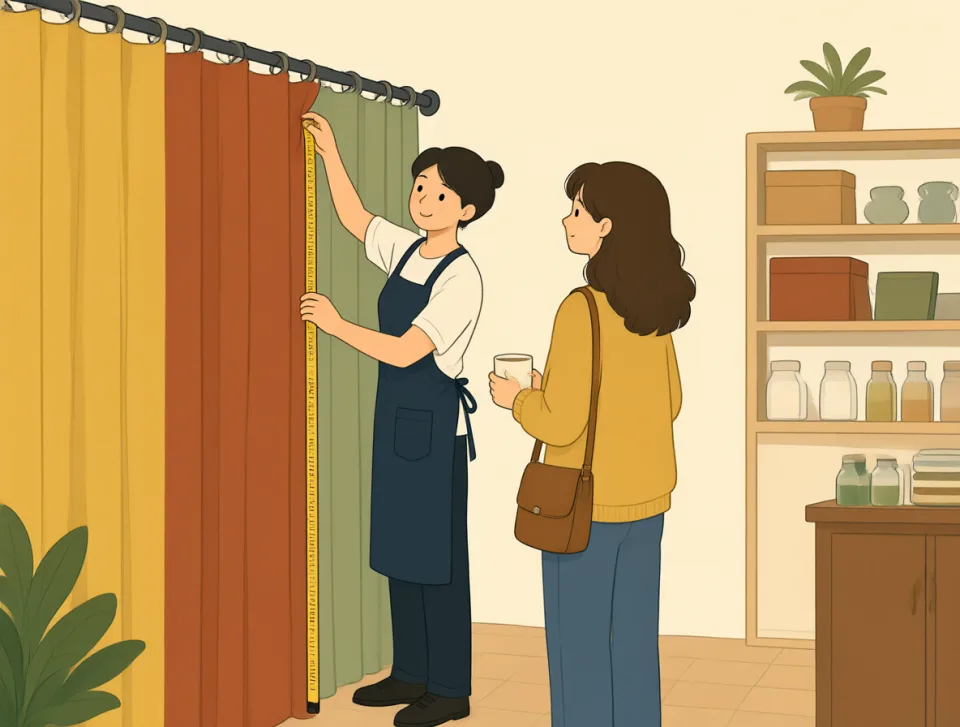
The shop measured the curtains for our window.
Sklep zmierzył zasłony do naszego okna.
kill
#533verb, noun
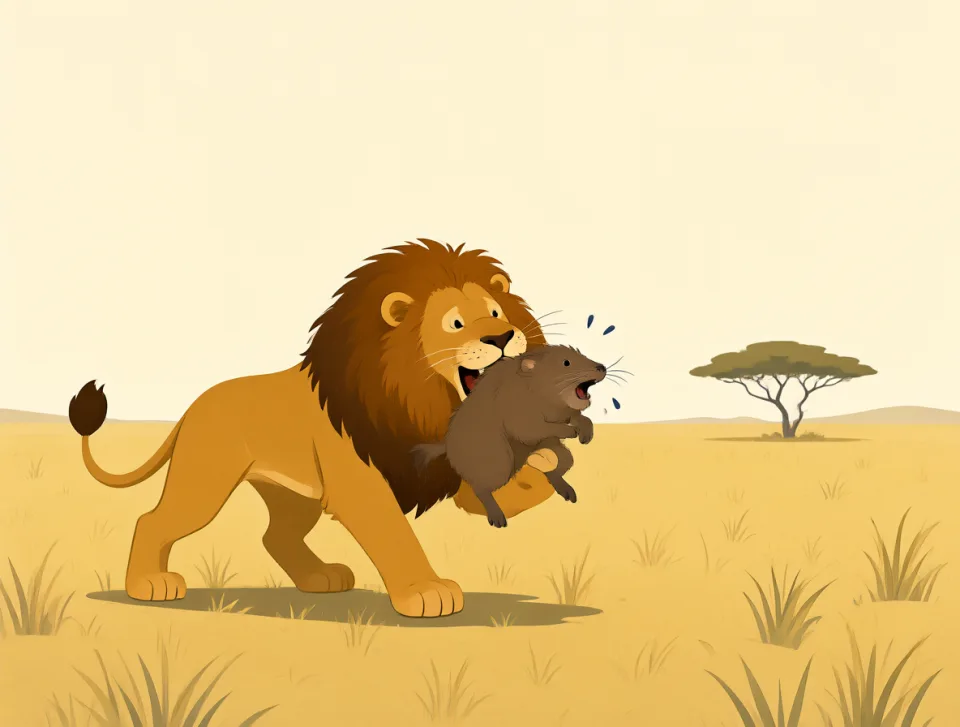
zabić
To cause a person, animal, or plant to die.
Spowodować śmierć człowieka, zwierzęcia lub rośliny.
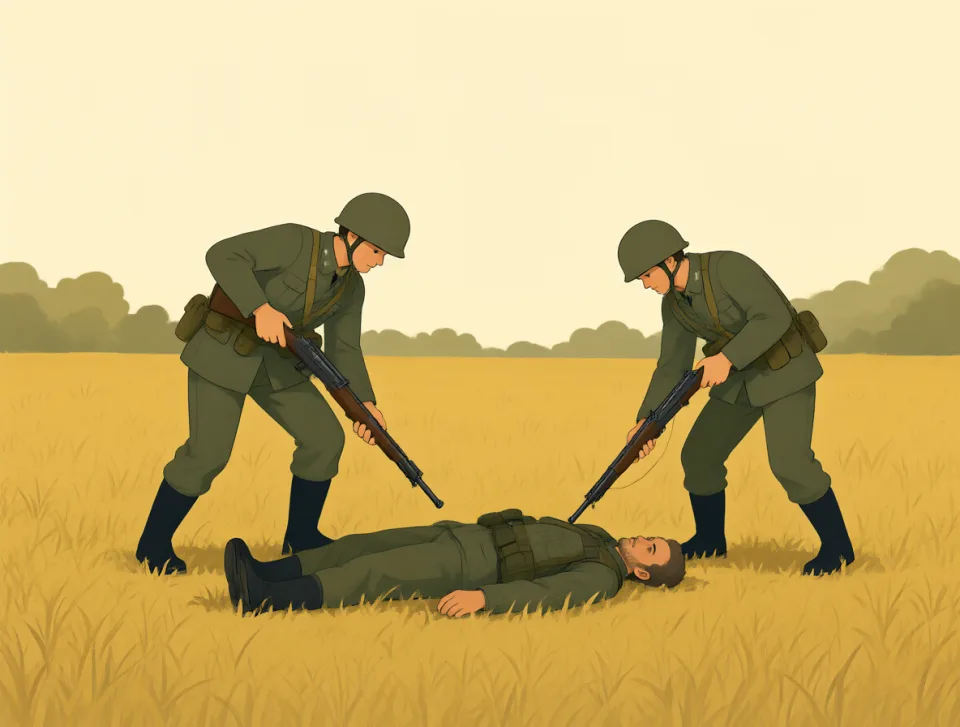
The soldiers killed the enemy in battle.
Żołnierze zabili wroga podczas bitwy.
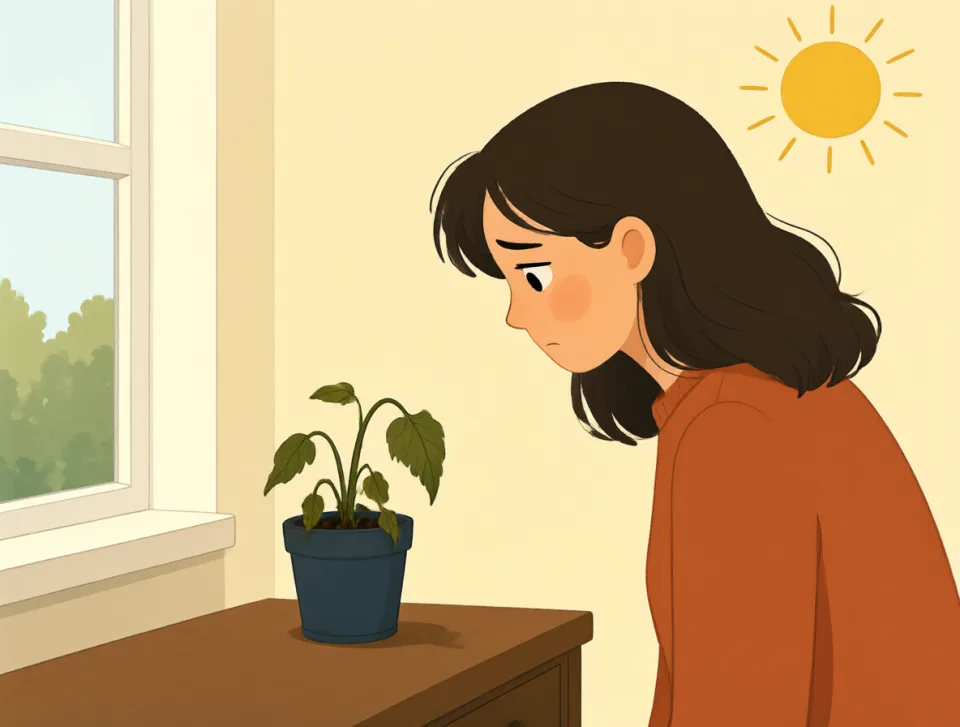
Too much sun can kill this small plant.
Zbyt dużo słońca może zabić tę małą roślinę.

We killed time at the airport café.
Zabijaliśmy czas w kawiarni na lotnisku.
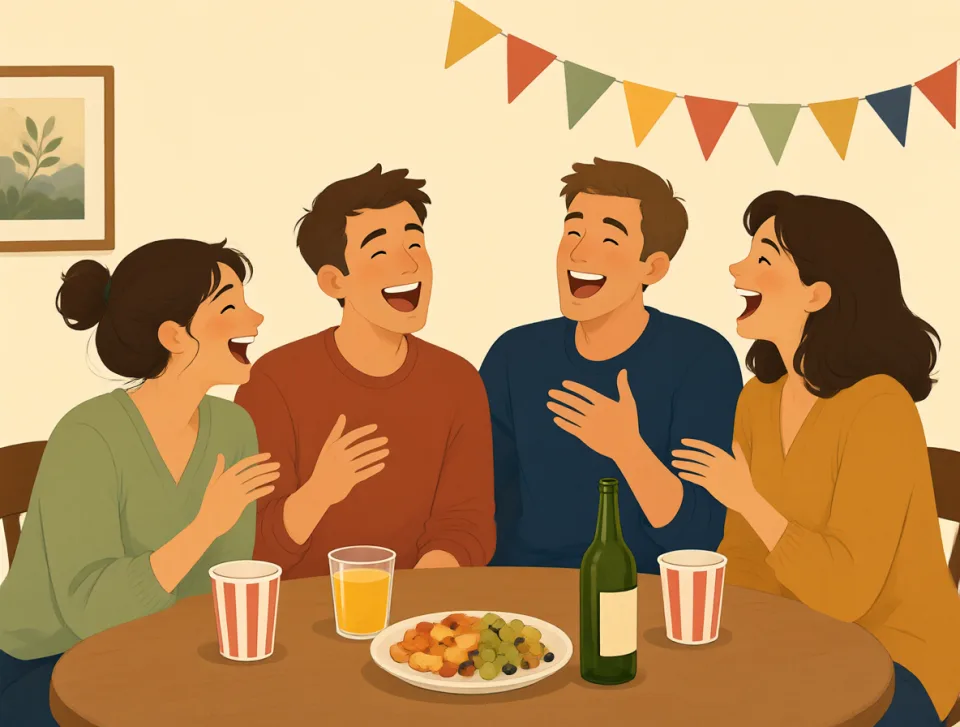
That joke killed everyone at the party.
Ten żart rozbawił wszystkich na imprezie.
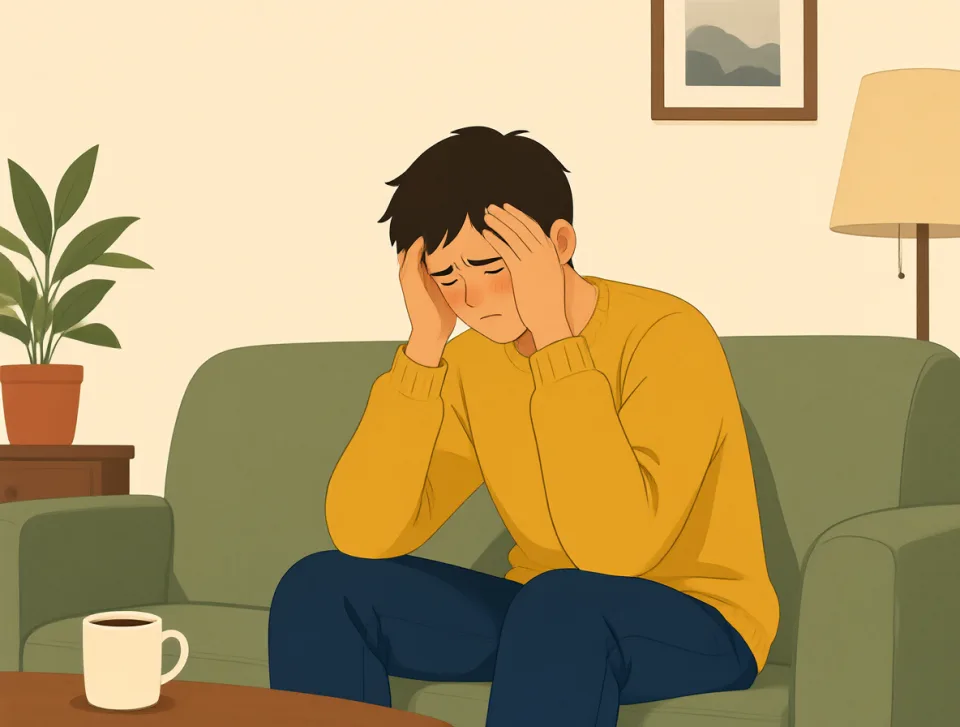
This headache is killing me today.
Ten ból głowy dziś mnie wykańcza.

serve
#534verb, noun
podawać; obsługiwać
to give food, help, or a product to someone; to work as a waiter
Podawać komuś jedzenie, pomagać mu lub dostarczać mu produkt; pracować jako kelner.
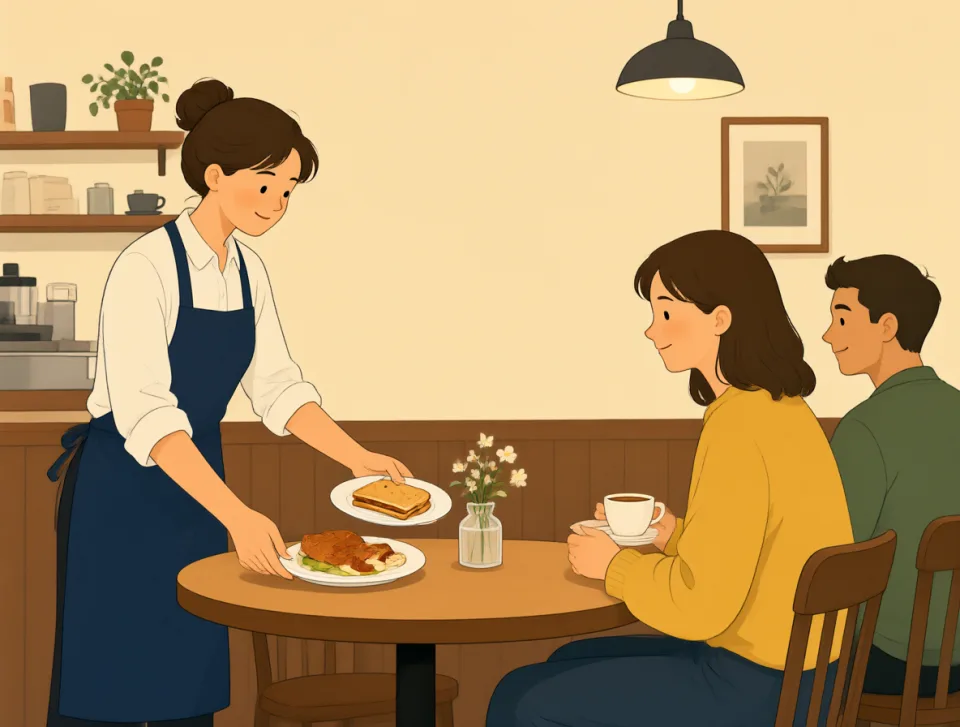
They serve breakfast from seven to ten.
Śniadanie podają od siódmej do dziesiątej.
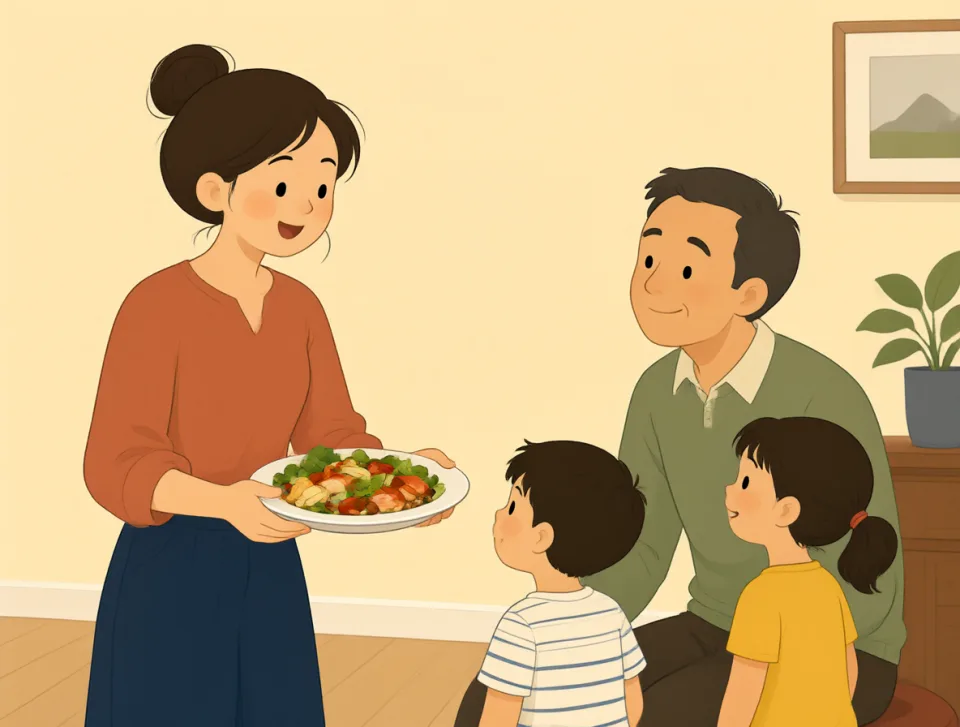
She served dinner to her family.
Podała kolację swojej rodzinie.
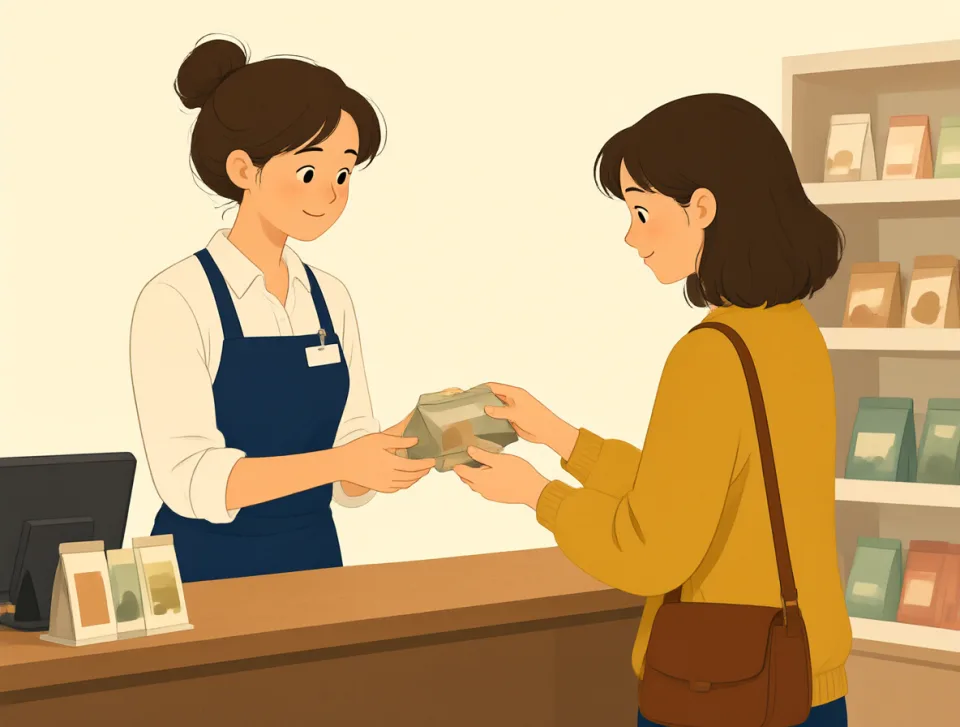
The shop serves customers until five.
Sklep obsługuje klientów do piątej.
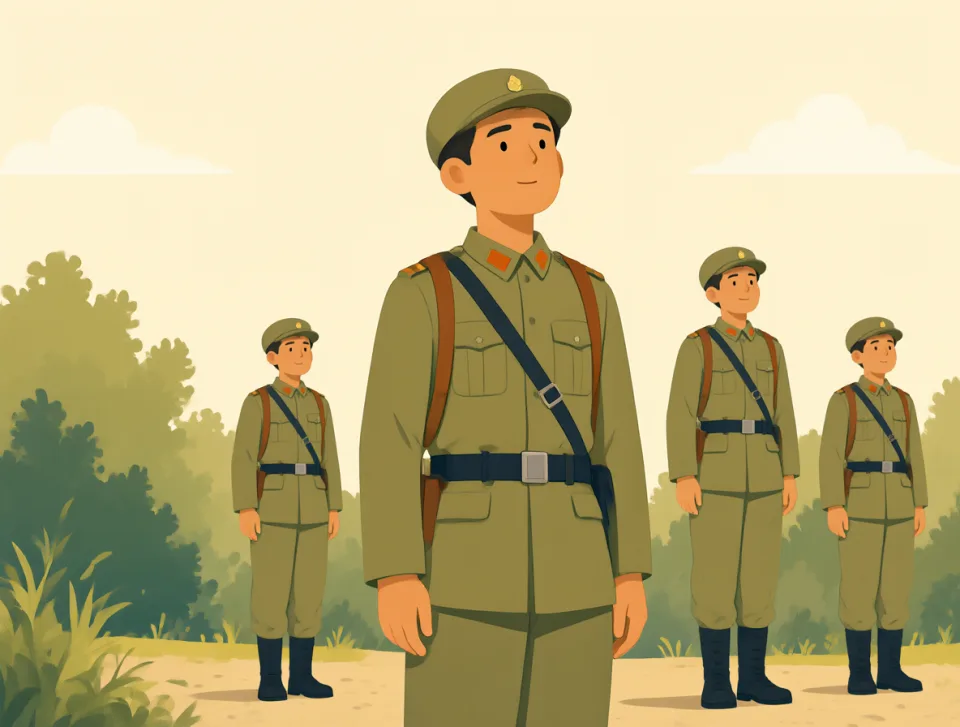
He served in the army for two years.
Służył w wojsku przez dwa lata.
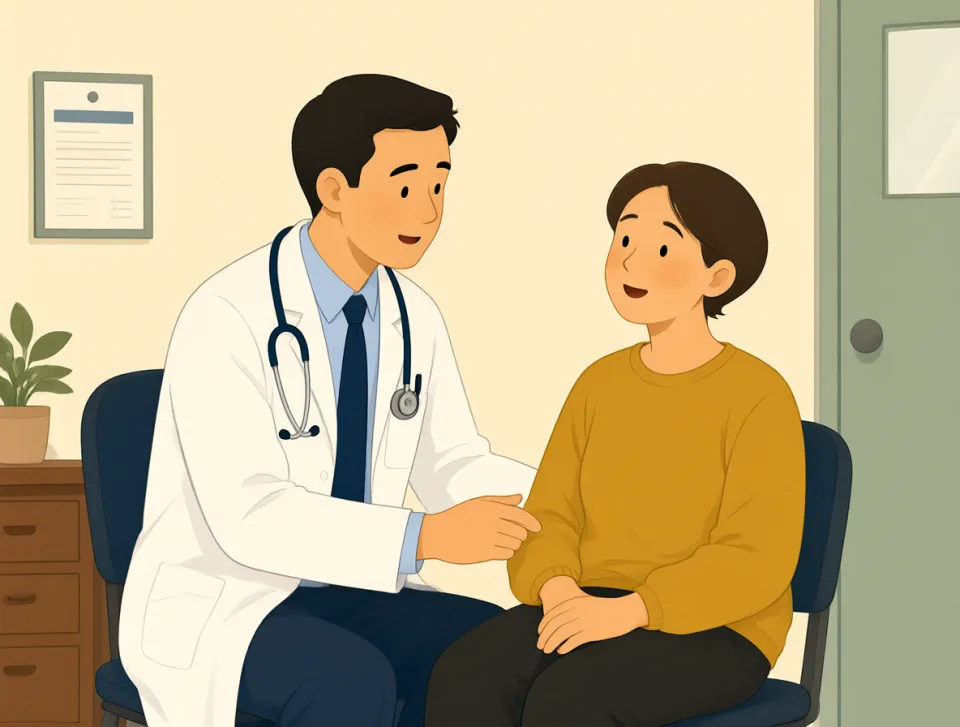
The doctor served the patient quickly.
Lekarz szybko zajął się pacjentem.
likely
#535adjective, adverb
prawdopodobny
Probably true or likely to happen.
Prawdopodobnie prawdziwy lub mający szansę się wydarzyć.

It is likely to rain this afternoon.
Po południu prawdopodobnie będzie padać.
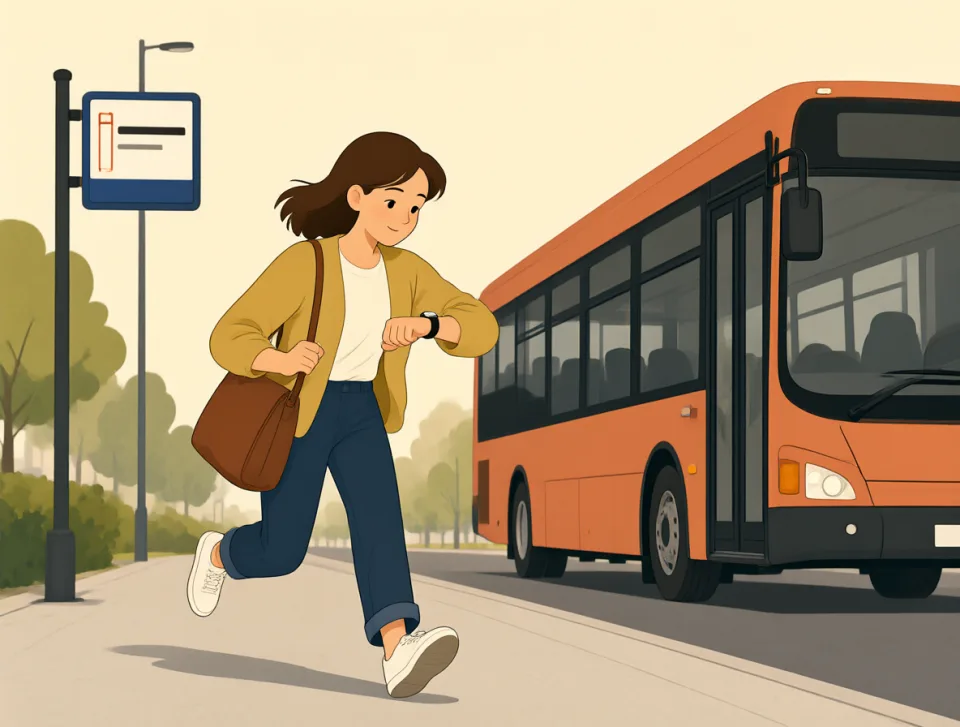
She is likely to arrive late today.
Prawdopodobnie dziś się spóźni.

Which color is most likely to sell?
Który kolor ma największe szanse na sprzedaż?

He will likely call after work.
Prawdopodobnie zadzwoni po pracy.
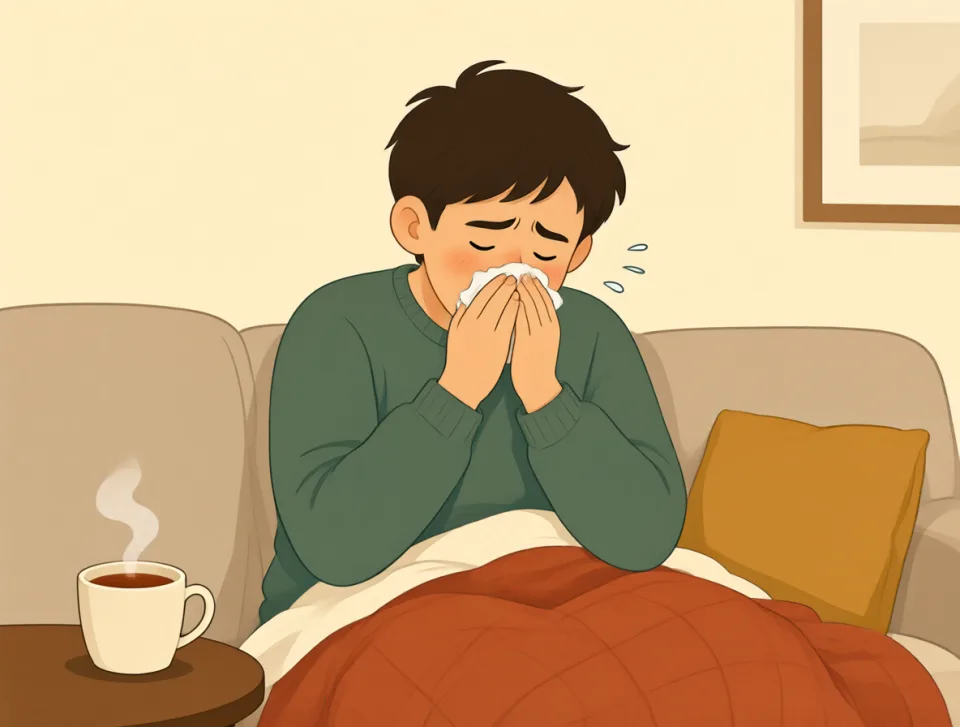
Colds are likely in winter.
Zimą łatwo się przeziębić.
certainly
#536adverb
z pewnością
used to say something is definitely true or to politely agree
Używane, by powiedzieć, że coś jest na pewno prawdą, albo by uprzejmie wyrazić zgodę.
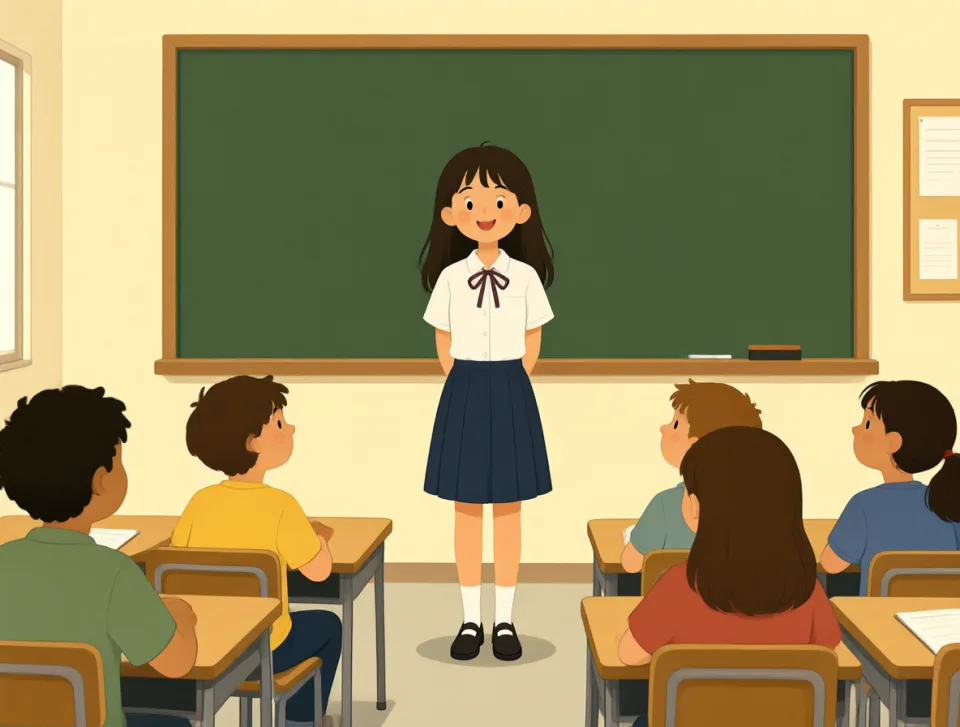
She is certainly the best student here.
Ona z pewnością jest tutaj najlepszą uczennicą.
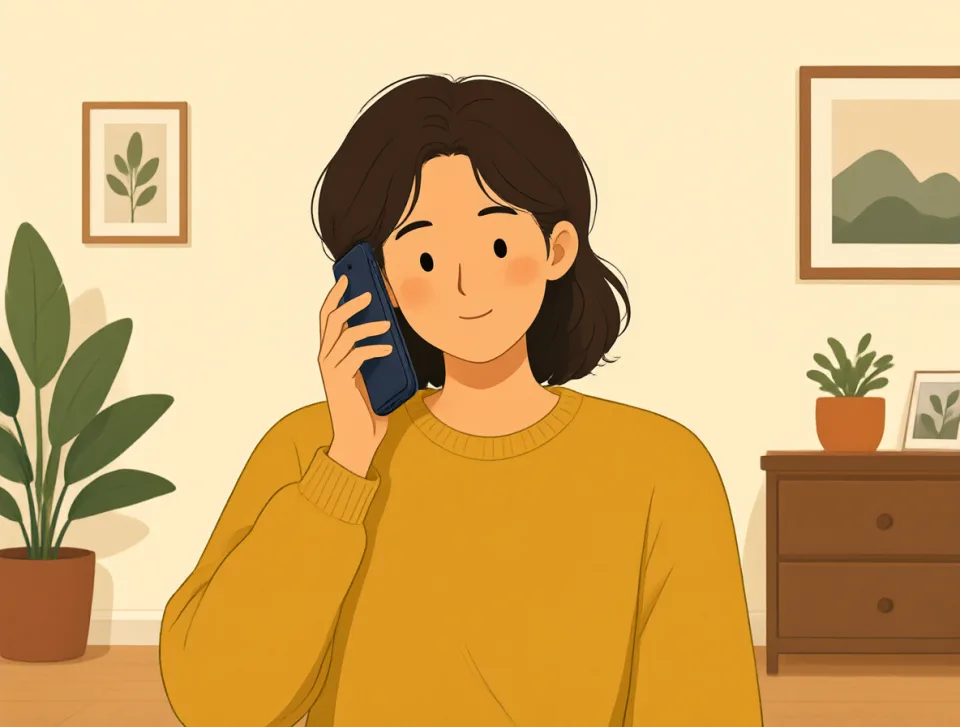
I will certainly call you tonight.
Z pewnością zadzwonię do ciebie dziś wieczorem.
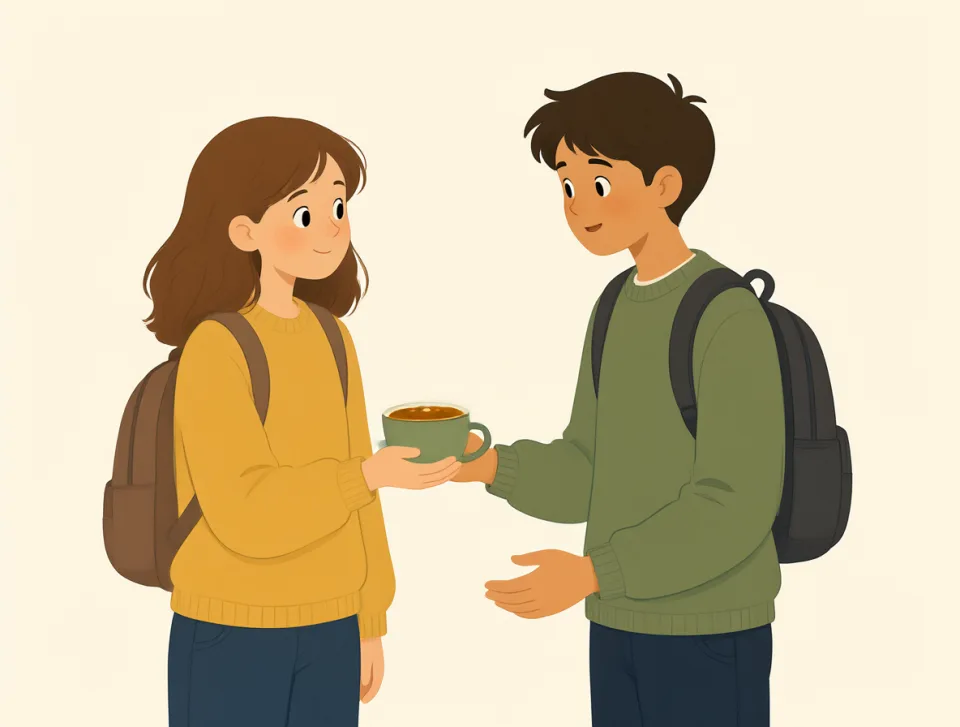
“Can you help me?” “Certainly!”
„Możesz mi pomóc?” „Oczywiście!”
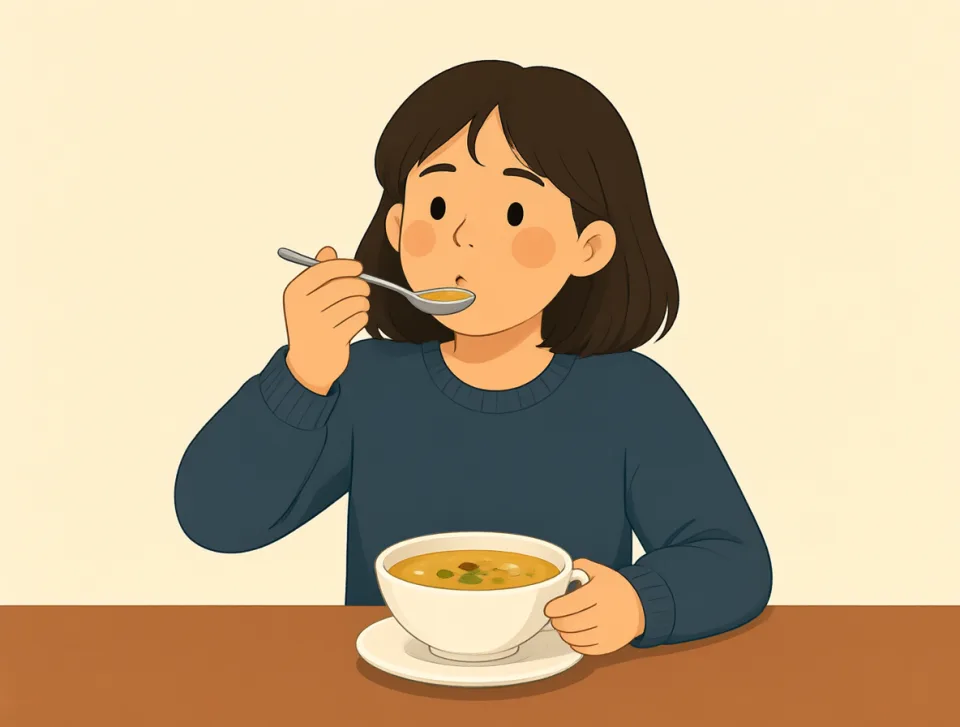
This soup is certainly too hot.
Ta zupa jest zdecydowanie za gorąca.

He certainly knows the way to the station.
On na pewno zna drogę na dworzec.
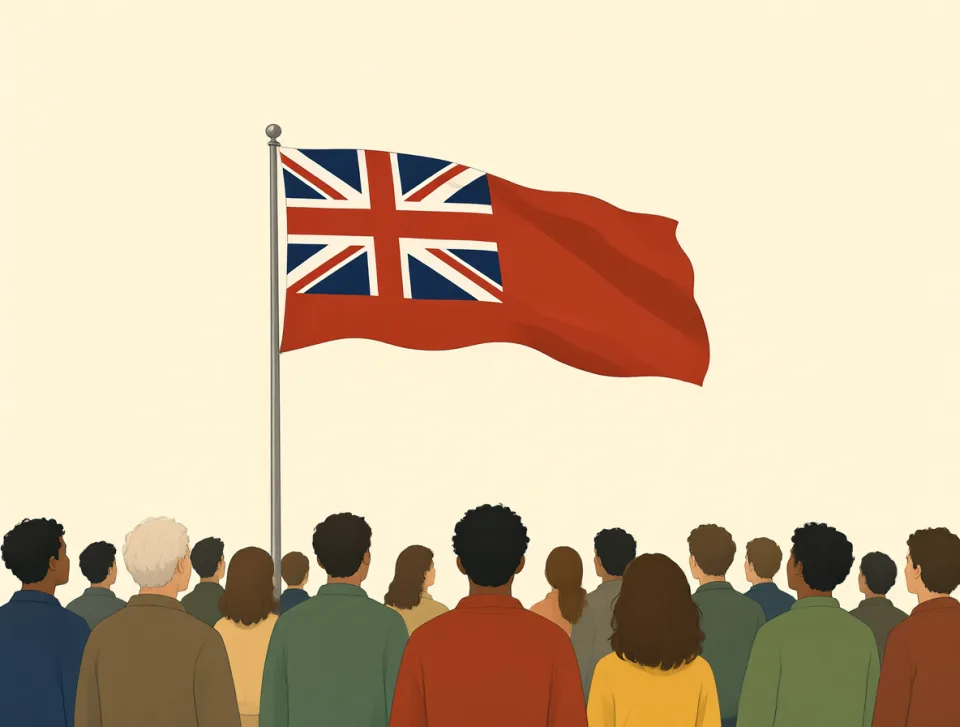
national
#537adjective
narodowy
Relating to a whole country or its people.
Dotyczący całego kraju lub jego mieszkańców.
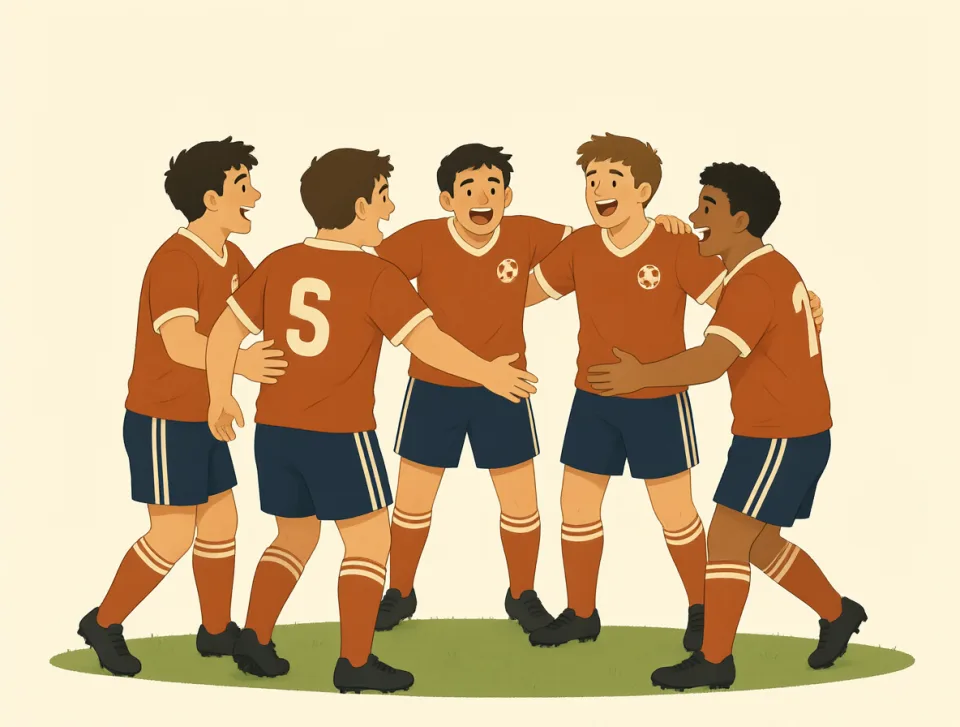
The national team won the football game.
Reprezentacja narodowa wygrała mecz piłki nożnej.
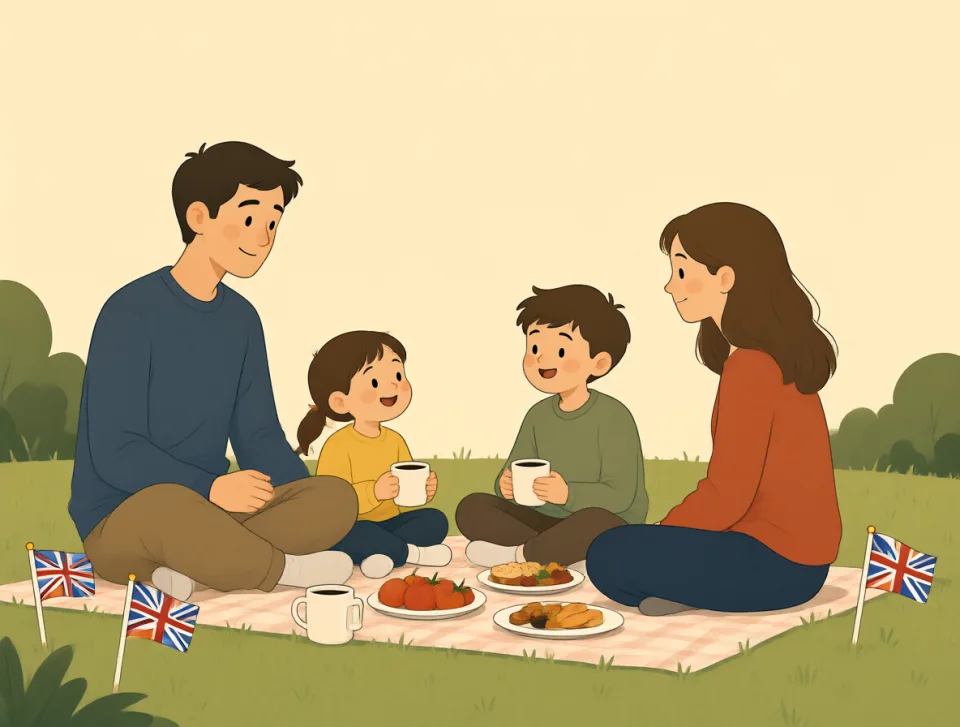
We celebrate a national holiday tomorrow.
Jutro obchodzimy święto narodowe.
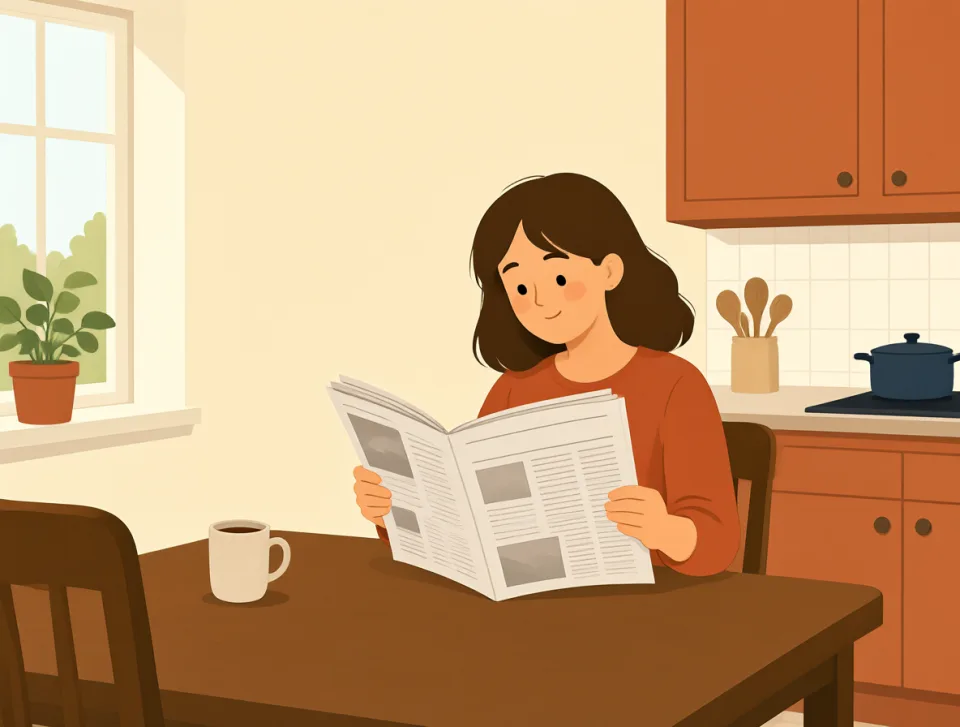
She reads the national news every morning.
Ona każdego ranka czyta wiadomości krajowe.
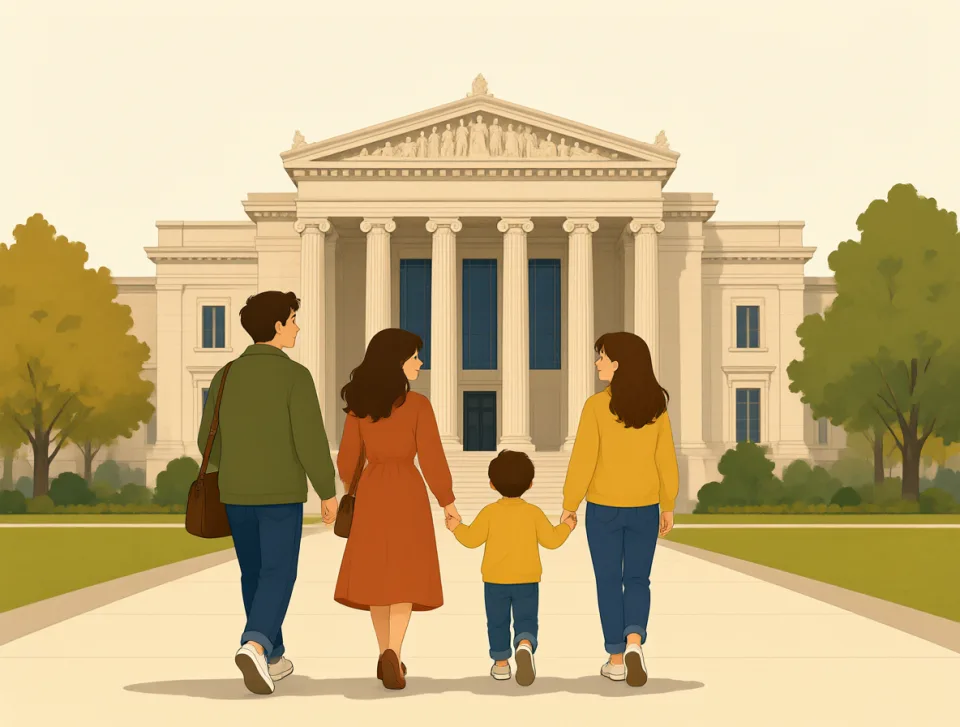
The national museum is near our hotel.
Muzeum narodowe znajduje się niedaleko naszego hotelu.

He won a national cooking competition.
On wygrał ogólnokrajowy konkurs kulinarny.

itself
#538pronoun
samo; sam
Used to show that a thing does something alone or refers to the same thing.
Używane, by pokazać, że coś dzieje się samo, albo odnieść się do tej samej rzeczy.
The door opened by itself.
Drzwi otworzyły się same.
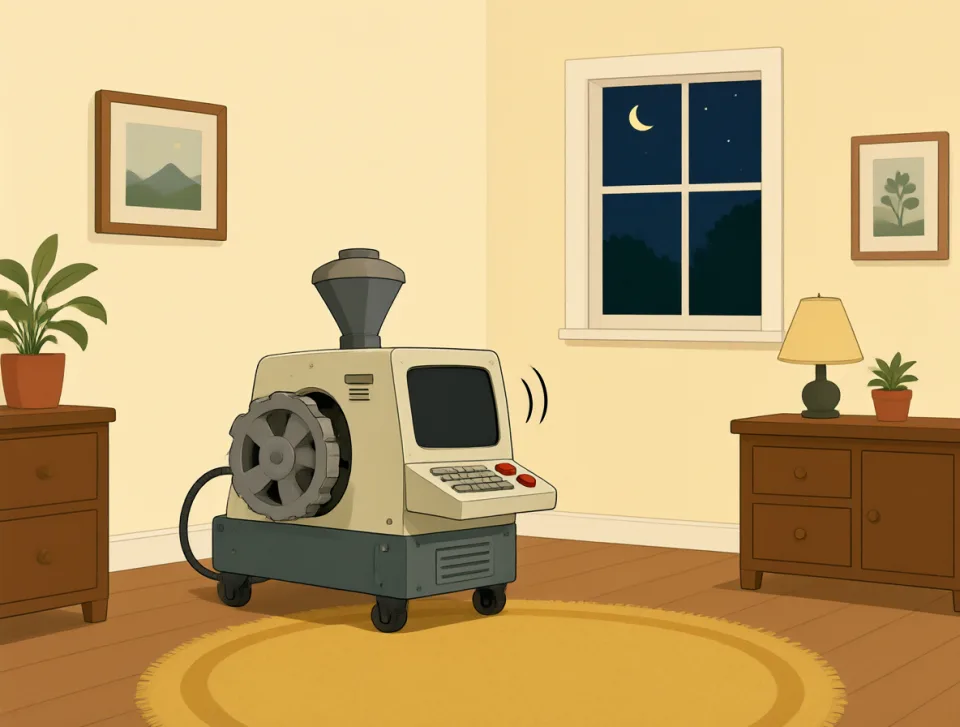
The machine turns itself off at night.
Maszyna wyłącza się sama w nocy.

The cat cleaned itself after dinner.
Kot umył się po kolacji.

The book itself is very easy to read.
Sama książka jest bardzo łatwa do czytania.
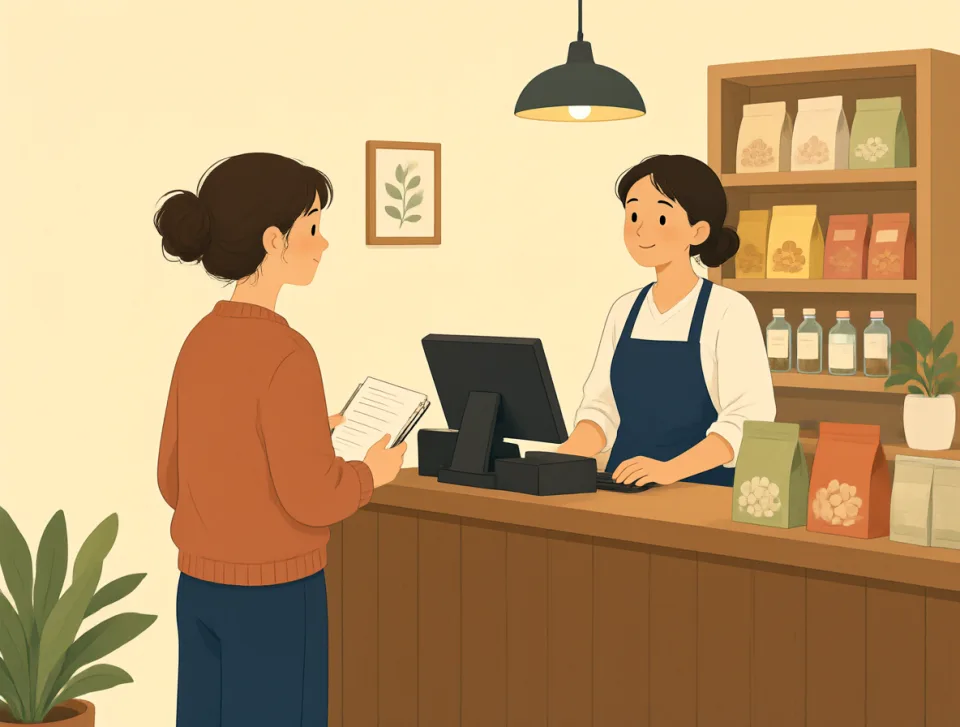
The shop itself was small but friendly.
Sam sklep był mały, ale przyjazny.
teach
#539verb
uczyć
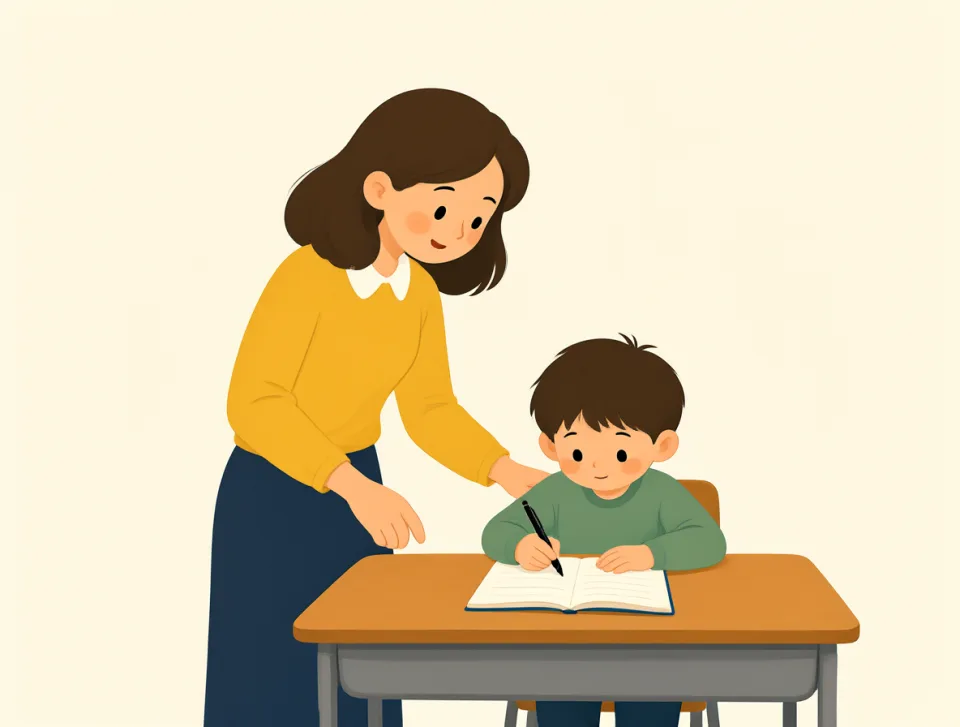
to help someone learn how to do something
Pomagać komuś nauczyć się, jak coś zrobić.
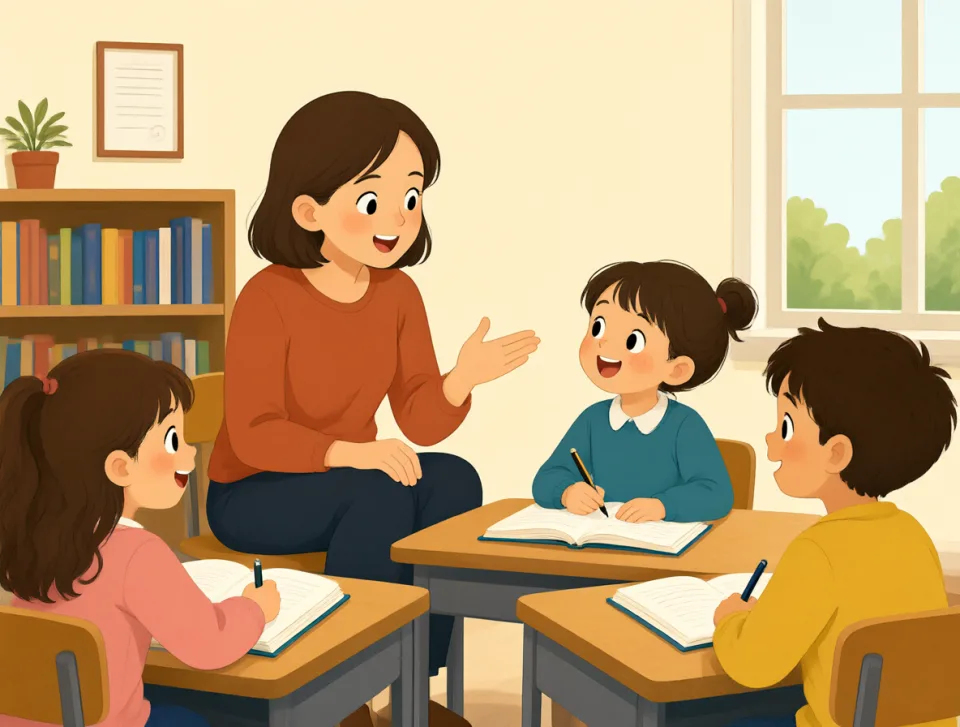
She teaches English at a local school.
Ona uczy angielskiego w miejscowej szkole.
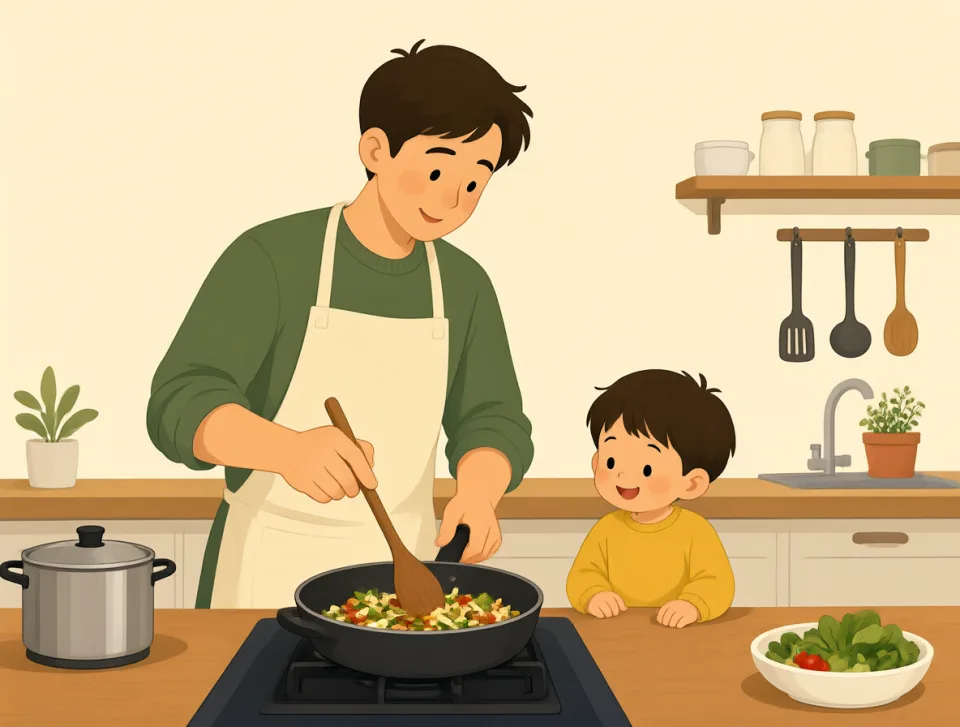
My father taught me how to cook.
Mój tata nauczył mnie gotować.
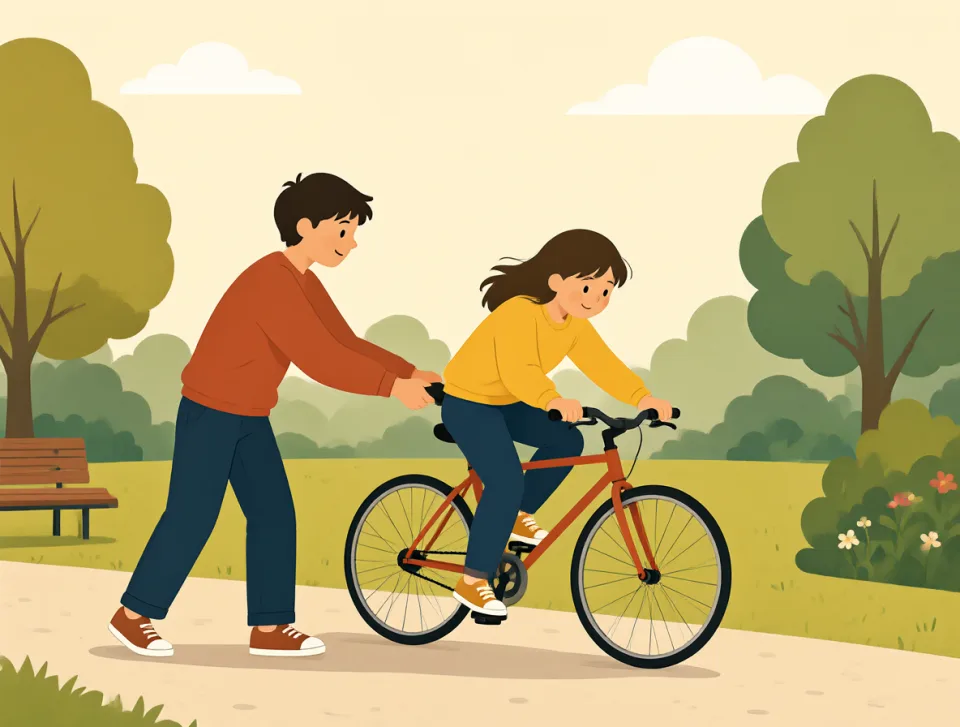
Can you teach me to ride a bike?
Czy możesz nauczyć mnie jeździć na rowerze?
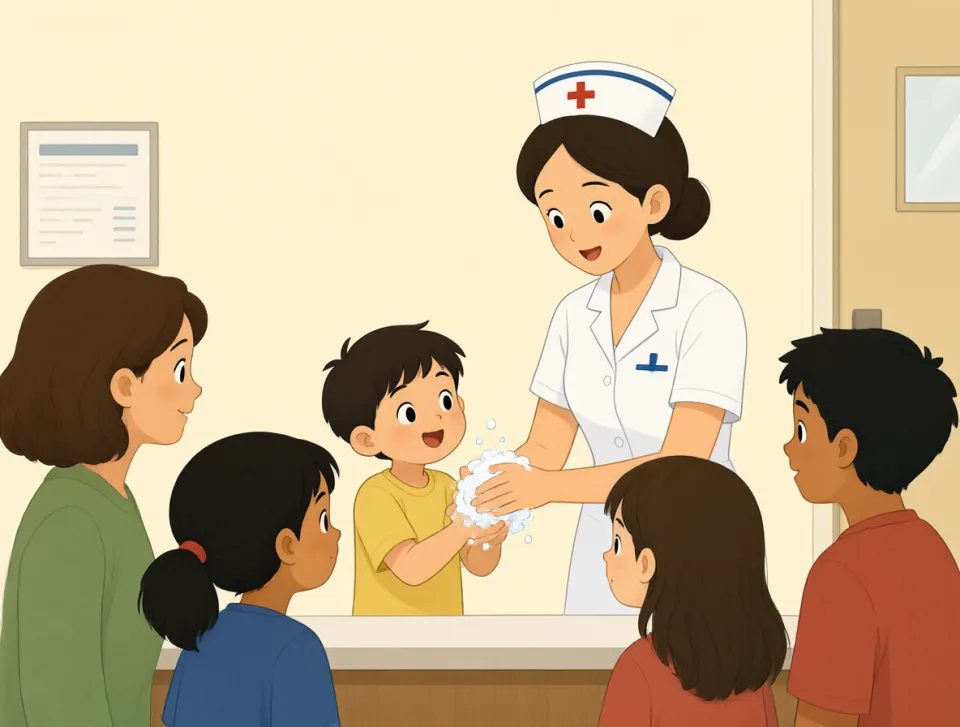
The nurse taught us how to wash our hands.
Pielęgniarka nauczyła nas, jak myć ręce.
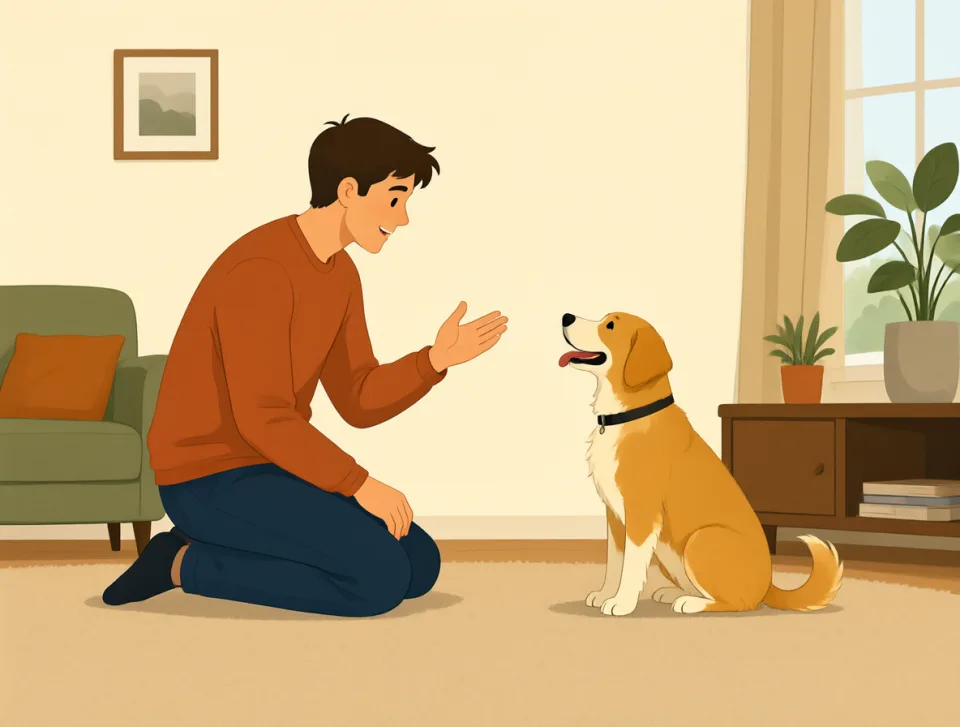
He is teaching his dog to sit.
On uczy swojego psa siadać.
field
#540noun, verb
pole; dziedzina
An open area of land, or a subject of study or work.
Otwarty teren albo dziedzina nauki lub pracy.
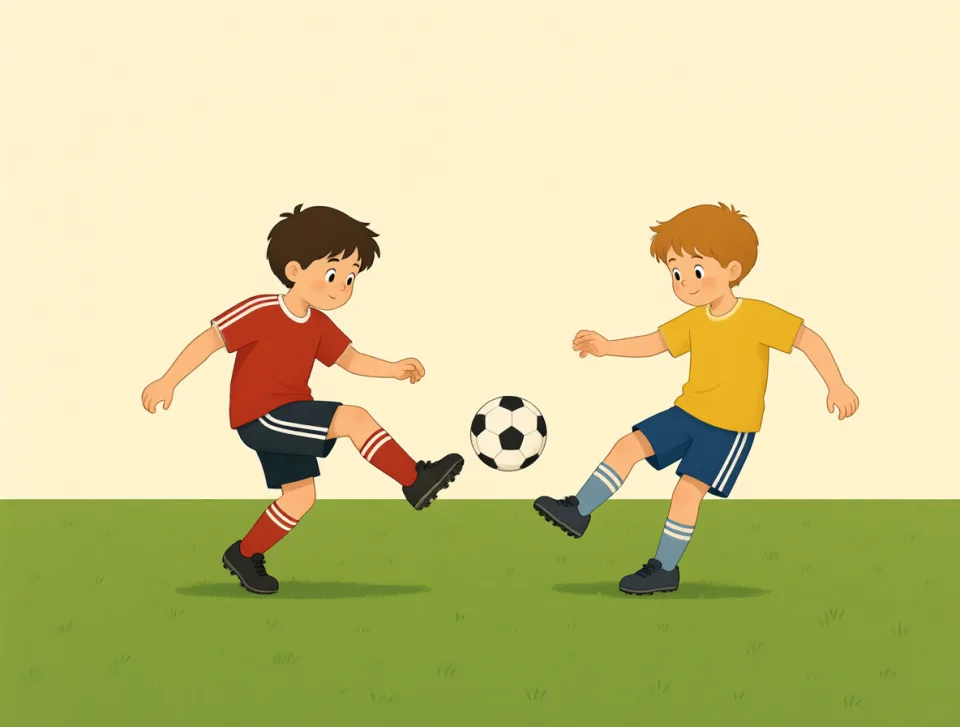
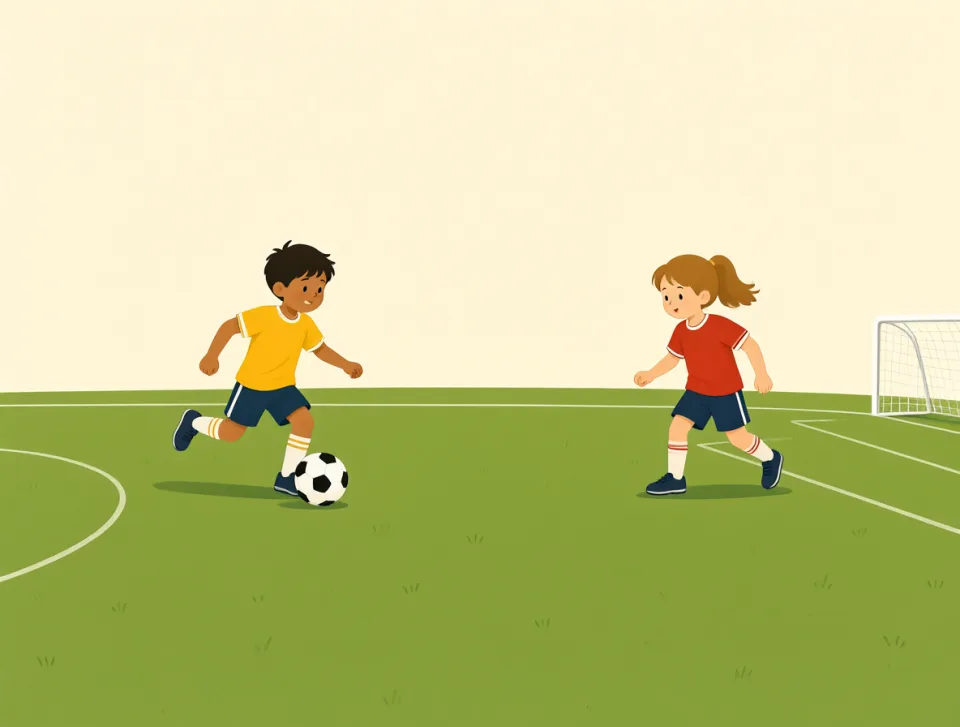
The children are playing soccer in the field.
Dzieci grają w piłkę nożną na boisku.
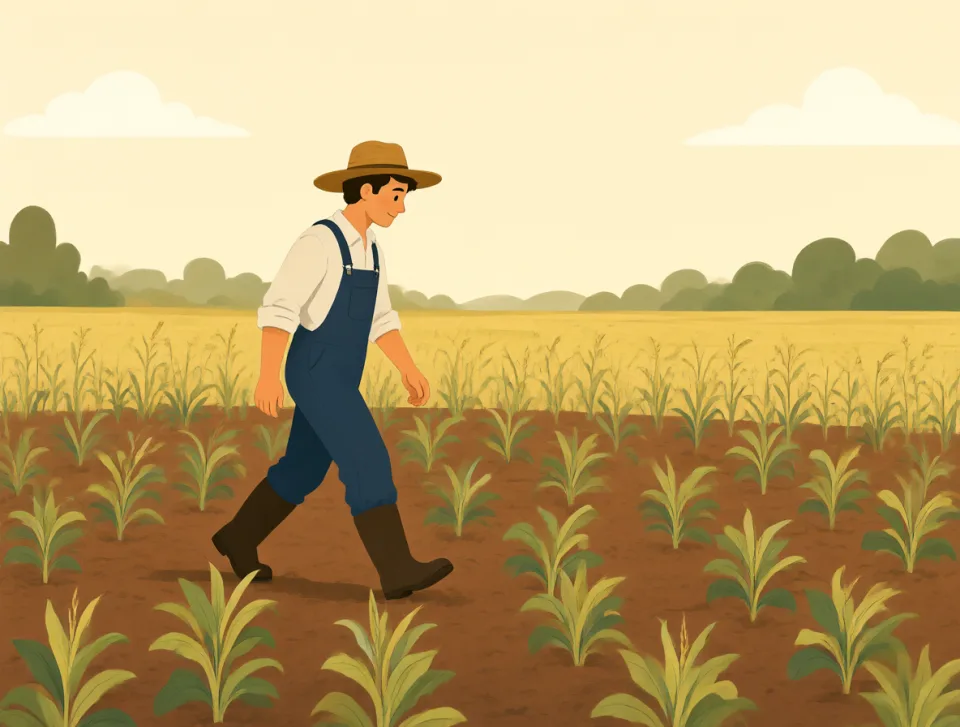
The farmer works in the fields every day.
Rolnik codziennie pracuje na polach.

Science was my favorite field at school.
Moim ulubionym przedmiotem w szkole była przyroda.
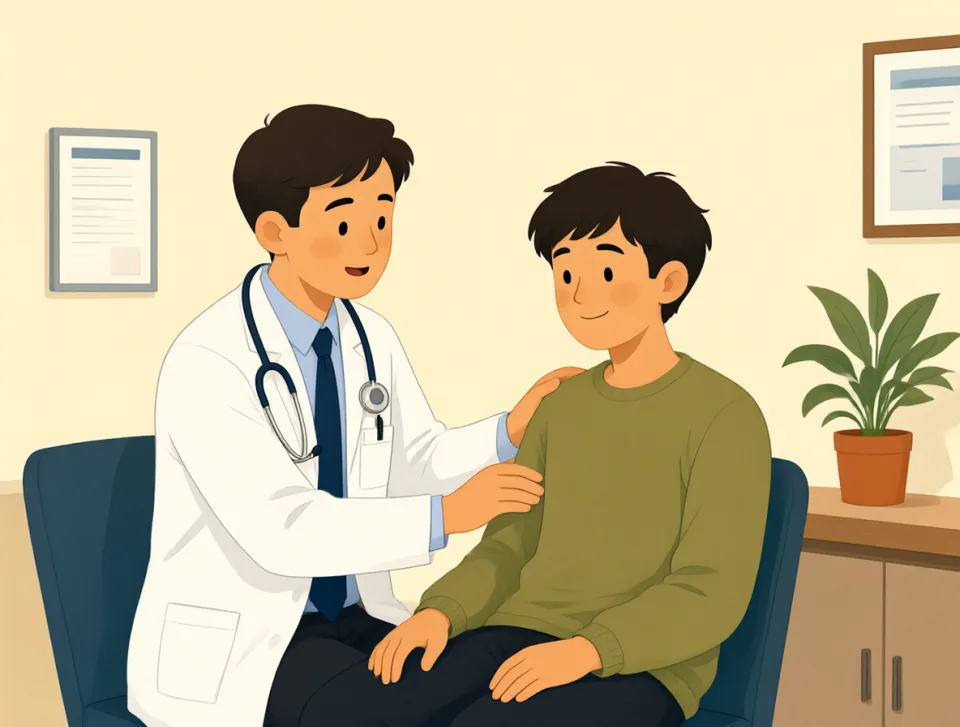
She works in the medical field.
Ona pracuje w branży medycznej.
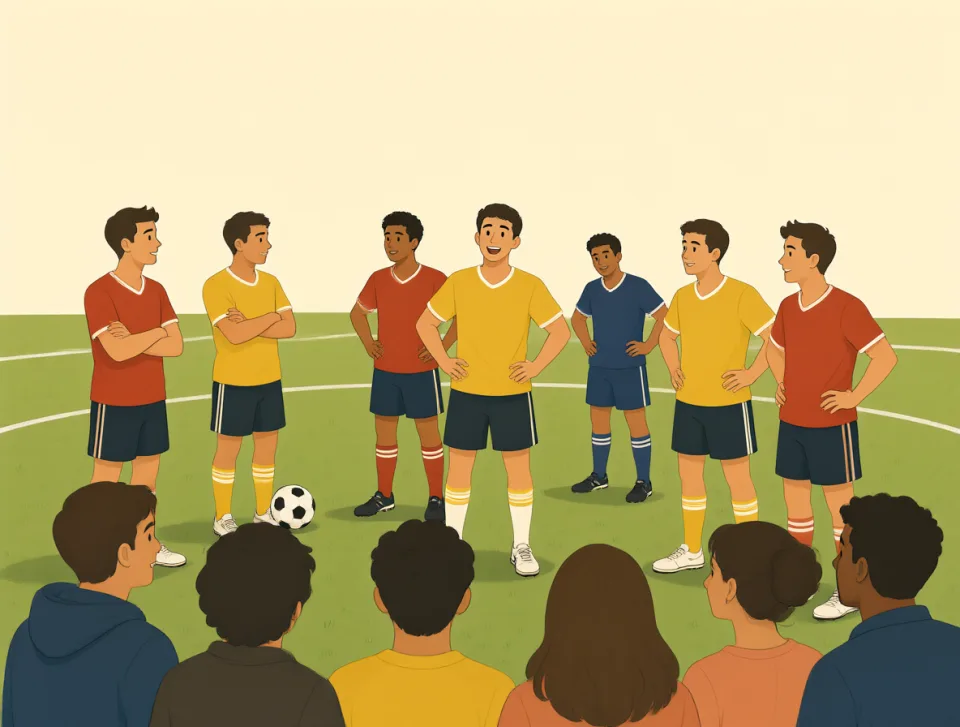
The team fielded questions after the game.
Po meczu drużyna odpowiadała na pytania.