Zestaw 43
Słowa 841–860 · except, clean, tend, advance, fill, star
except
#841preposition, conjunction, determiner, pronoun
z wyjątkiem
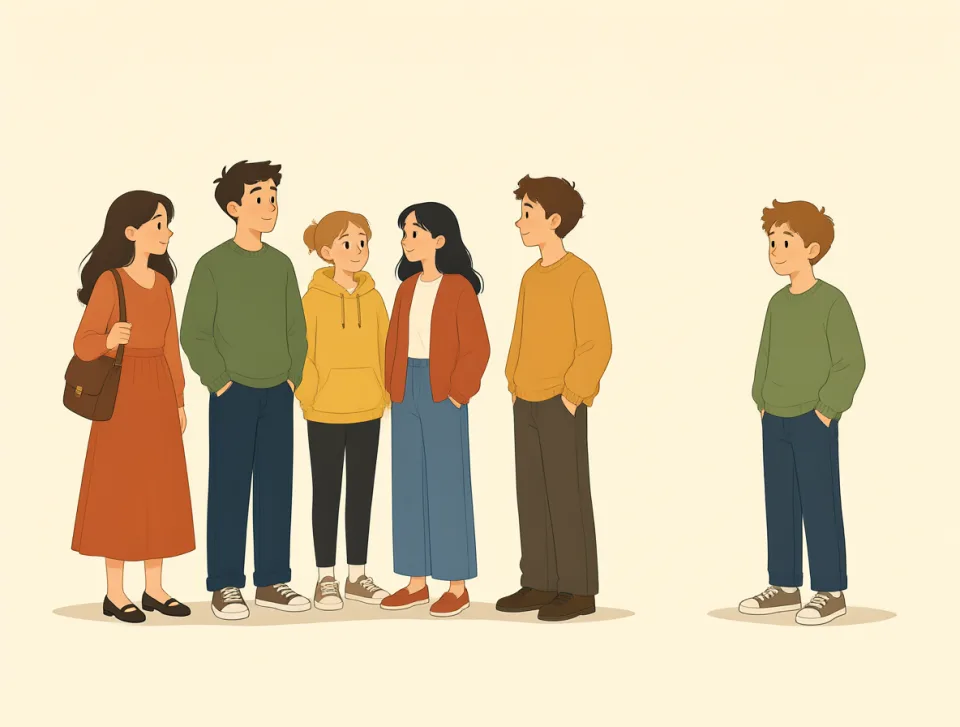
Not including a person or thing; apart from someone or something.
Nieobejmujący danej osoby lub rzeczy; oprócz kogoś lub czegoś.
Everyone came except Tom.
Wszyscy przyszli oprócz Toma.

The shop is open every day except Sunday.
Sklep jest otwarty codziennie z wyjątkiem niedzieli.
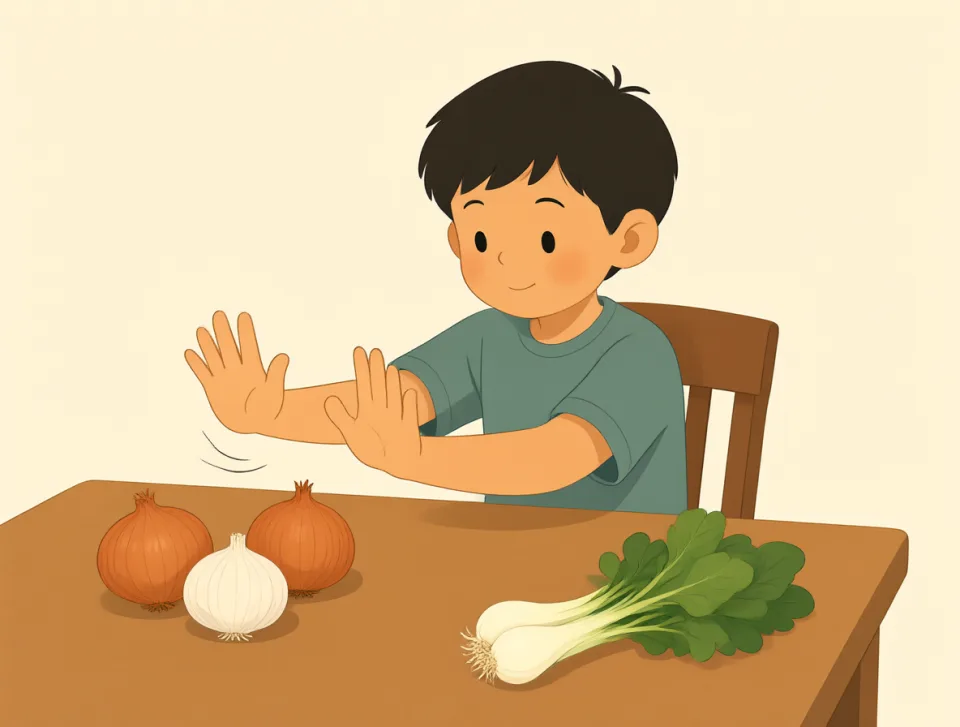
I like all vegetables except onions.
Lubię wszystkie warzywa oprócz cebuli.

She finished the test except for one question.
Skończyła test z wyjątkiem jednego pytania.

We found nothing except an old map.
Nie znaleźliśmy niczego poza starą mapą.
clean
#842adjective, verb, noun
czysty; czyścić
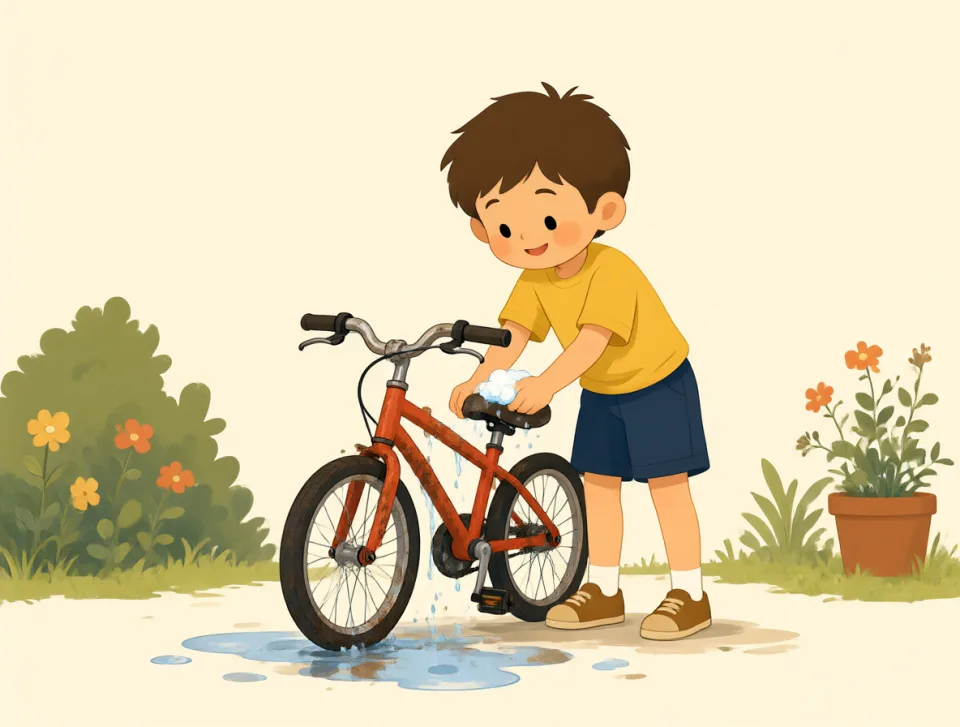
Free from dirt, or to remove dirt from something.
Wolny od brudu lub usuwać brud z czegoś.
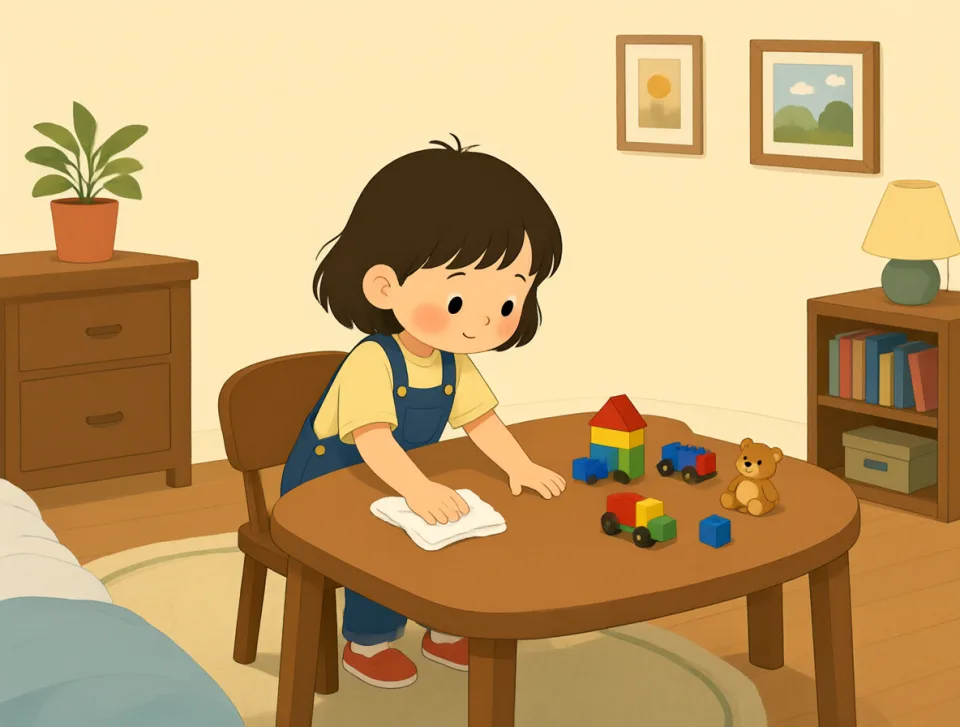
Please clean your room before dinner.
Proszę posprzątać swój pokój przed kolacją.
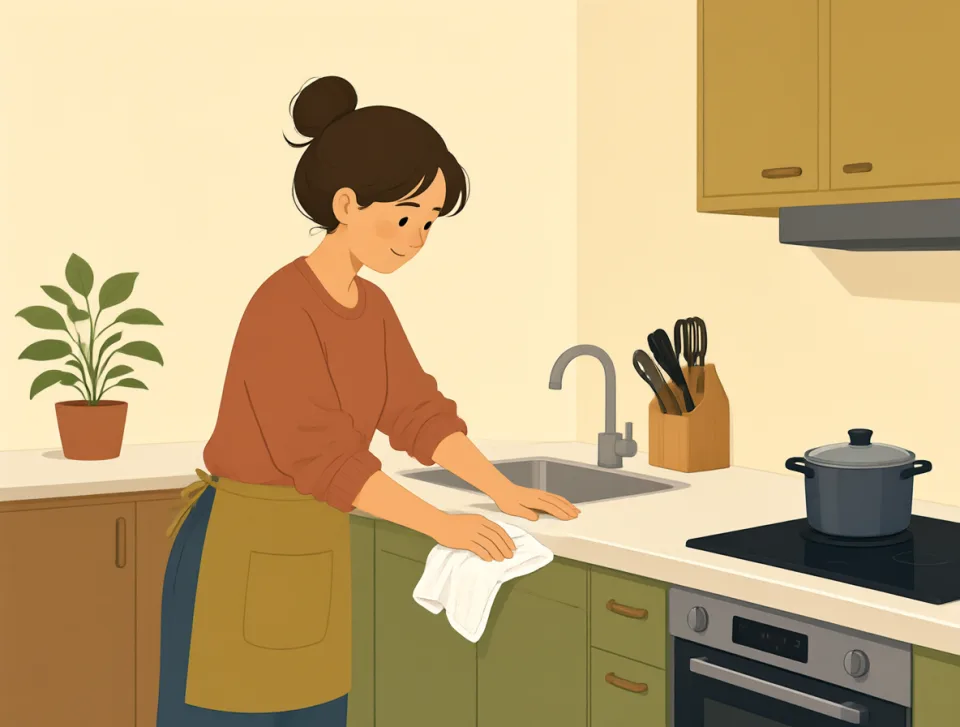
She cleaned the kitchen after breakfast.
Posprzątała kuchnię po śniadaniu.
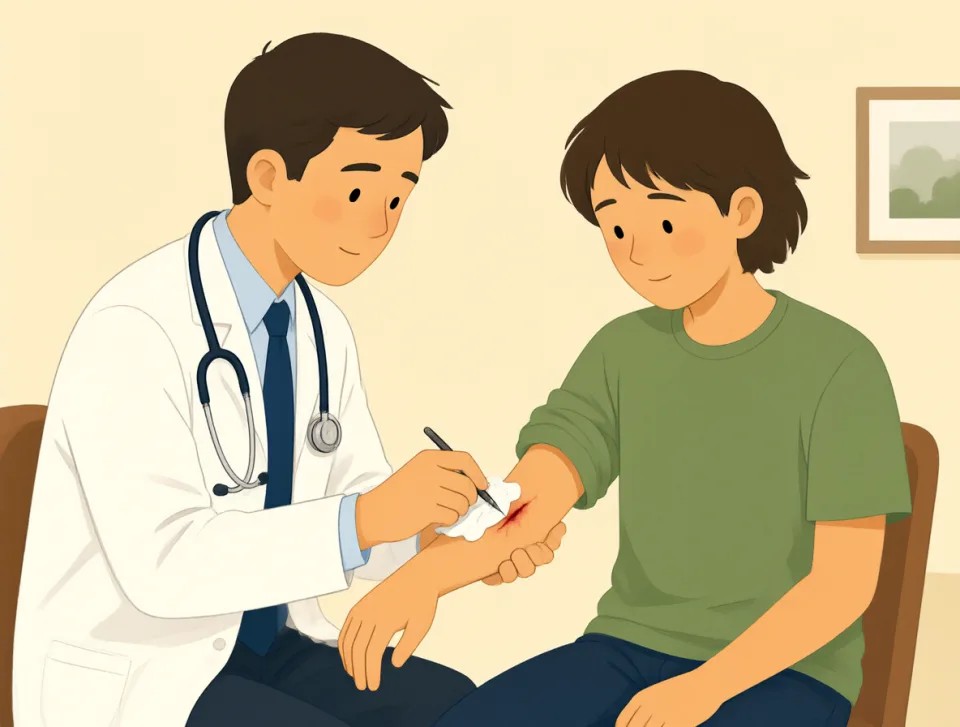
The doctor cleaned the cut carefully.
Lekarz dokładnie oczyścił ranę.
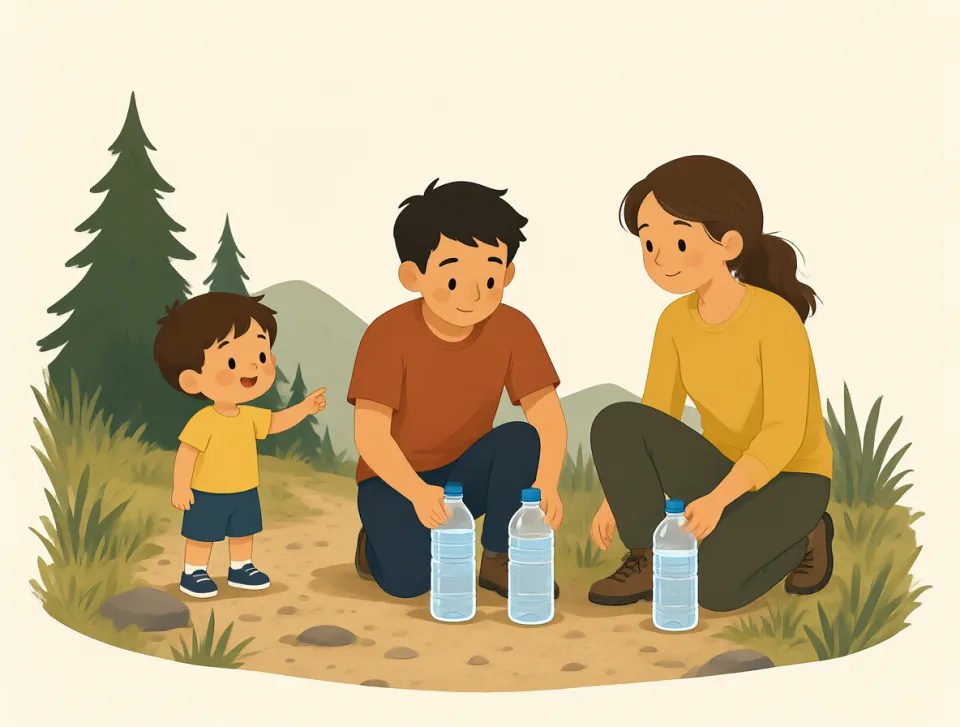
We need clean water for the trip.
Na wyjazd potrzebujemy czystej wody.
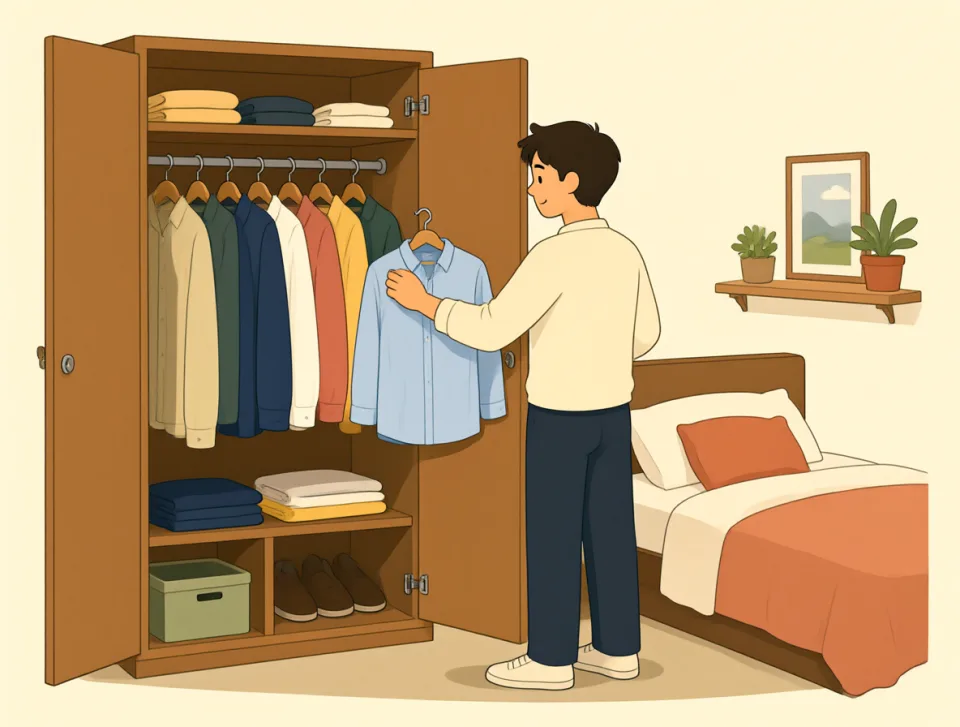
He always wears a clean shirt to work.
On zawsze nosi do pracy czystą koszulę.

tend
#843verb
mieć tendencję
to usually do something or be likely to behave in a particular way
Zwykle coś robić lub mieć skłonność do zachowywania się w określony sposób.
Children tend to enjoy sweet foods.
Dzieci zwykle lubią słodkie potrawy.
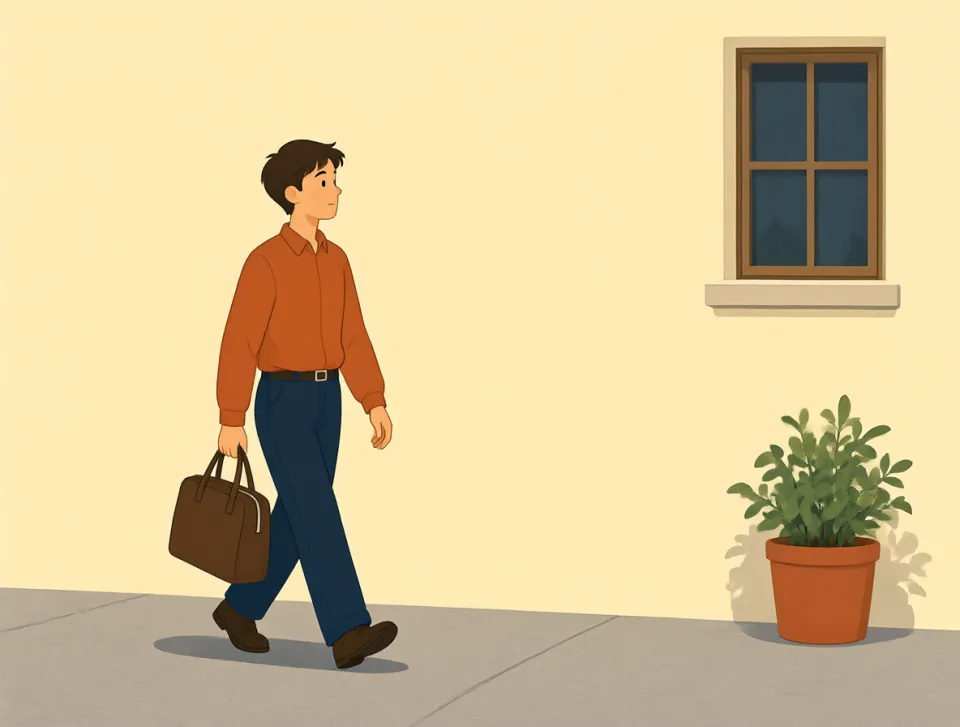
I tend to walk home after work.
Zwykle wracam do domu pieszo po pracy.
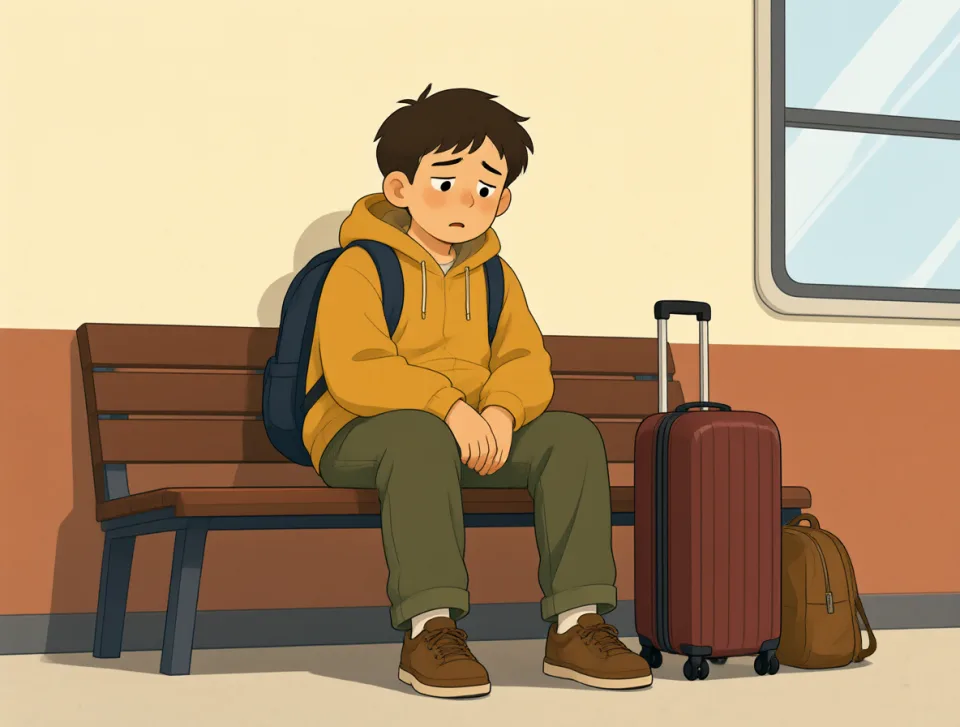
People tend to feel tired after long trips.
Ludzie zwykle czują zmęczenie po długich podróżach.
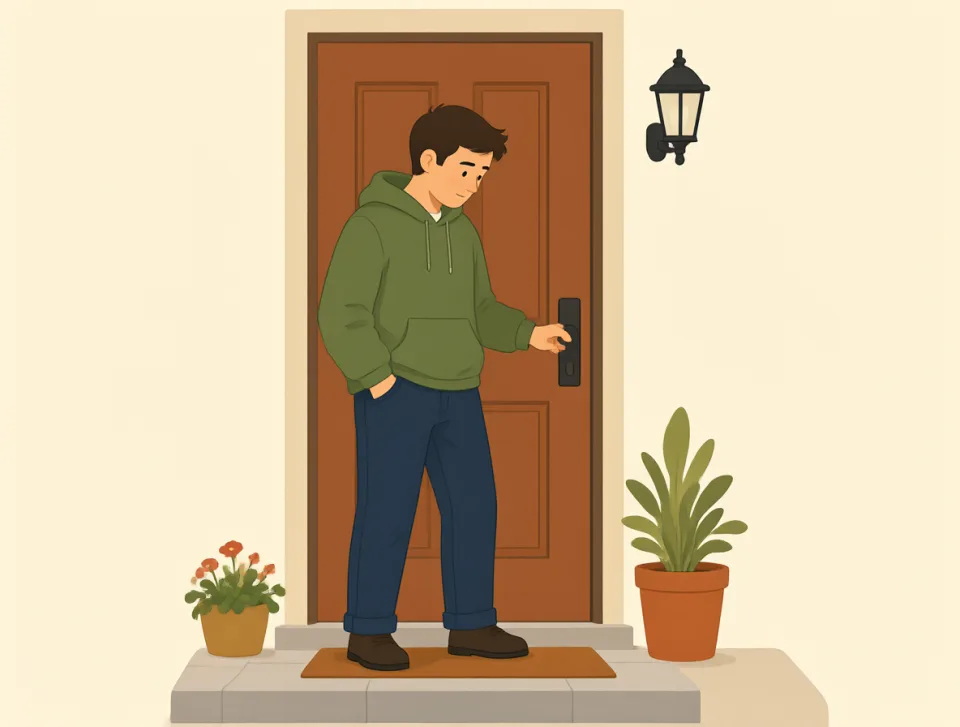
My brother tends to forget his keys.
Mój brat ma tendencję do zapominania kluczy.

These shoes tend to get dirty quickly.
Te buty szybko się brudzą.

advance
#844verb, noun
posuwać się naprzód; zaliczka
to move forward or make progress; progress or a payment made before it is due
Poruszać się do przodu lub robić postępy; postęp albo płatność dokonana przed terminem.
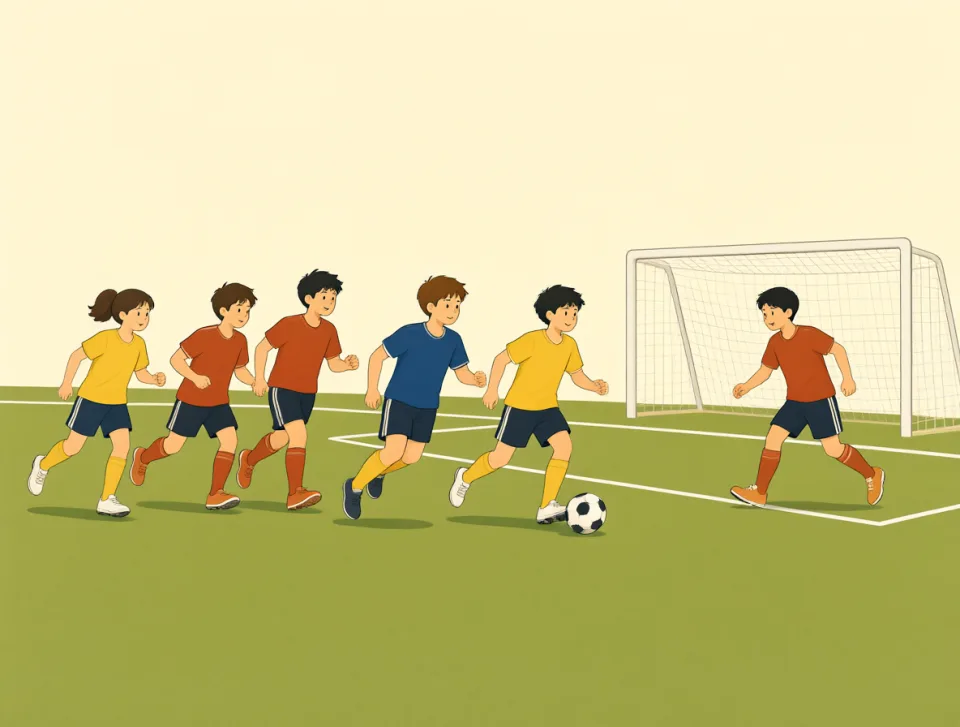
The team advanced toward the final round.
Drużyna awansowała do rundy finałowej.

She advanced quickly in her new job.
Szybko awansowała w swojej nowej pracy.

We paid an advance for the hotel room.
Wpłaciliśmy zaliczkę za pokój hotelowy.
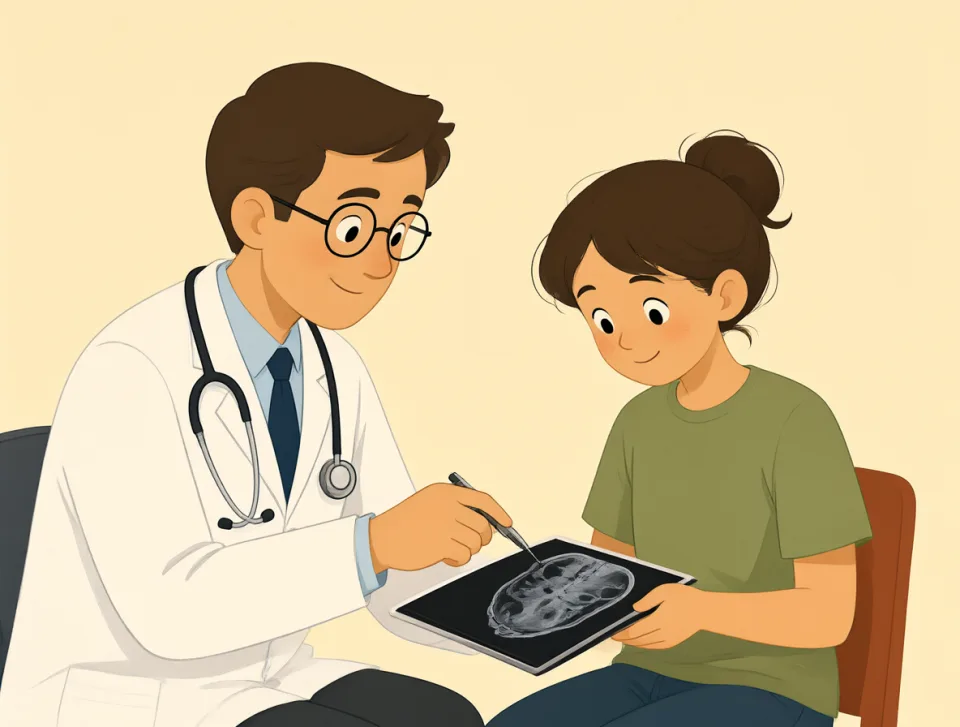
The doctor said the illness was advancing.
Lekarz powiedział, że choroba postępuje.

The soldiers advanced through the snowy forest.
Żołnierze posuwali się naprzód przez ośnieżony las.
fill
#845verb, noun
napełniać; napełnienie
To put something into a container until it is full, or the amount needed to make it full.
Wkładać coś do pojemnika, aż będzie pełny, lub ilość potrzebna do jego napełnienia.
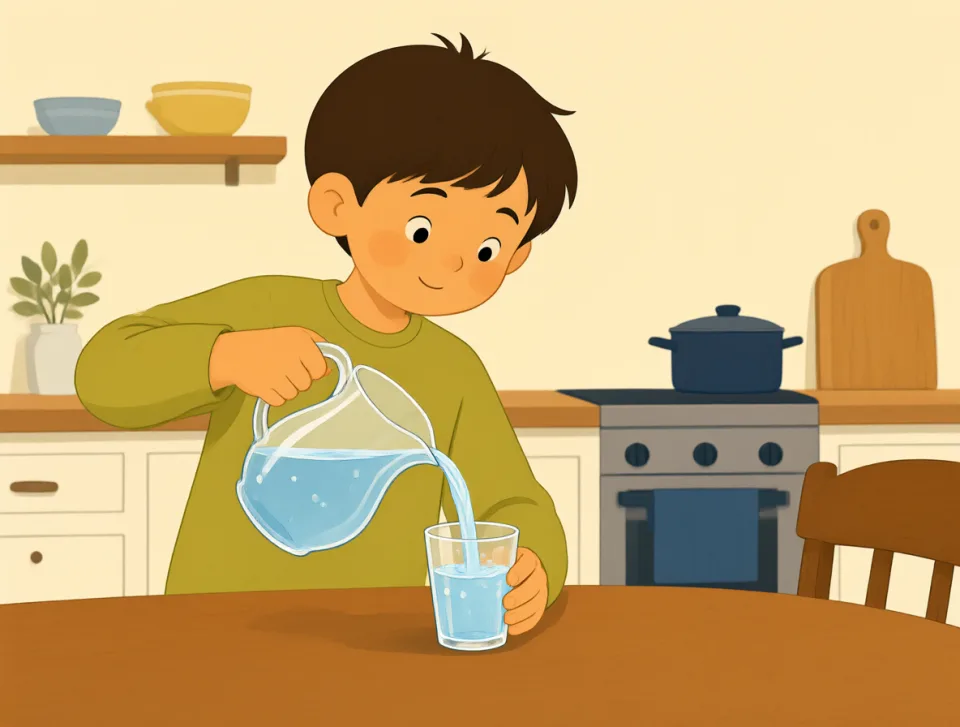
Please fill the glass with water.
Proszę napełnić szklankę wodą.
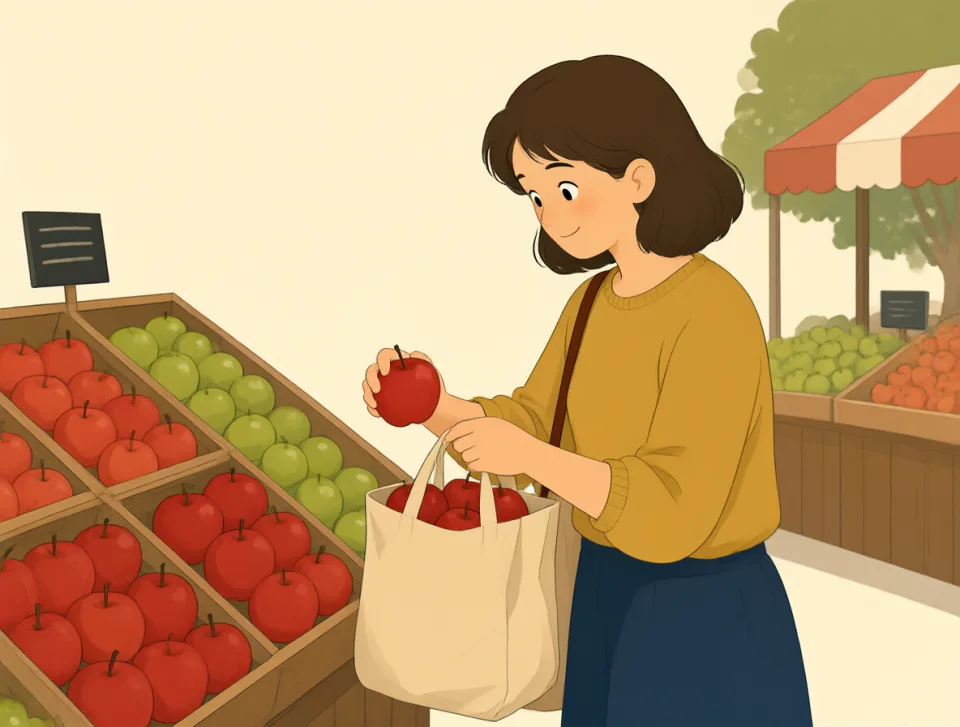
She filled the bag with fresh apples.
Napełniła torbę świeżymi jabłkami.
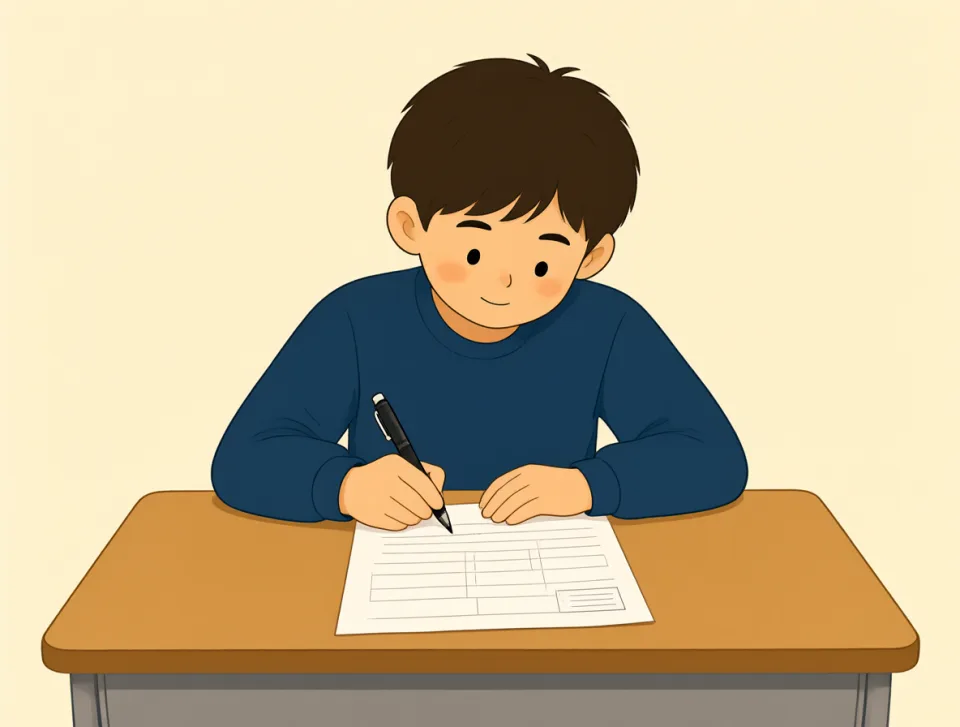
Fill out this form before the lesson.
Wypełnij ten formularz przed lekcją.

The hotel filled up during the holiday.
W czasie świąt hotel zapełnił się gośćmi.
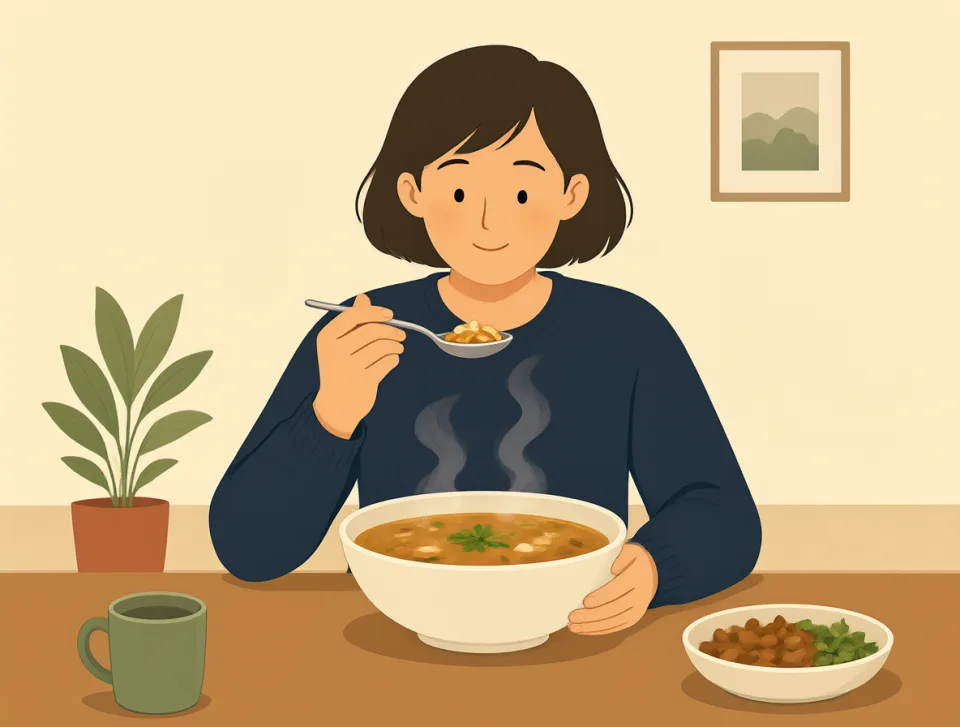
This soup will fill you up quickly.
Ta zupa szybko cię nasyci.

star
#846noun, verb
gwiazda
A bright point in the night sky, or to perform very well in a film or show.
Jasny punkt na nocnym niebie albo występować w filmie lub programie i odnosić w nim duże sukcesy.

We saw many stars last night.
Wczoraj wieczorem widzieliśmy wiele gwiazd.

The movie star arrived at the hotel.
Gwiazda filmowa przyjechała do hotelu.

She starred in a popular TV show.
Zagrała w popularnym programie telewizyjnym.

A star player scored the winning goal.
Gwiazdor drużyny strzelił zwycięskiego gola.

The children made a star for school.
Dzieci zrobiły gwiazdę do szkoły.
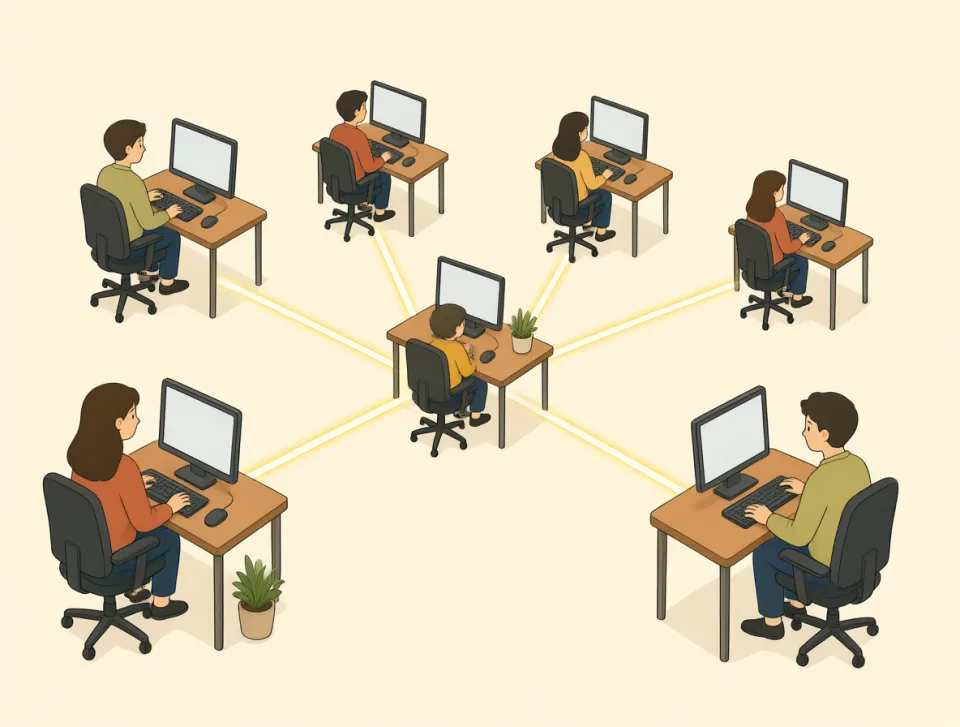
network
#847noun, verb
sieć
A group of connected people, computers, or places that work together.
Grupa połączonych ze sobą osób, komputerów lub miejsc, które współpracują.

Our office network is very fast.
Nasza sieć biurowa działa bardzo szybko.
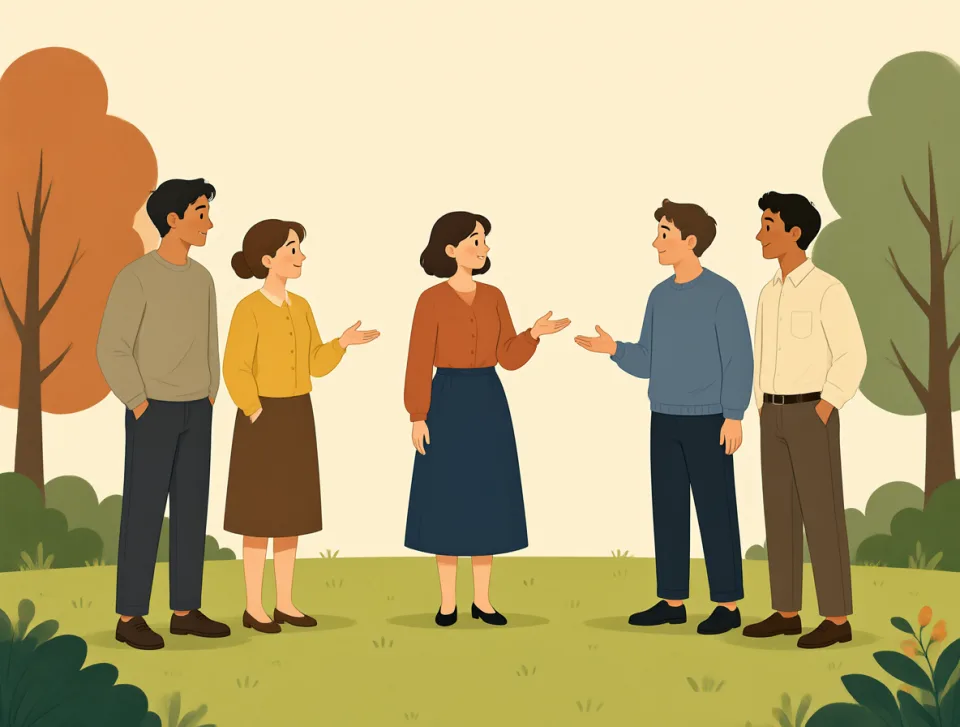
She built a network of helpful friends.
Zbudowała sieć przyjaciół, którzy chętnie pomagają.

The school network stopped working yesterday.
Wczoraj szkolna sieć przestała działać.
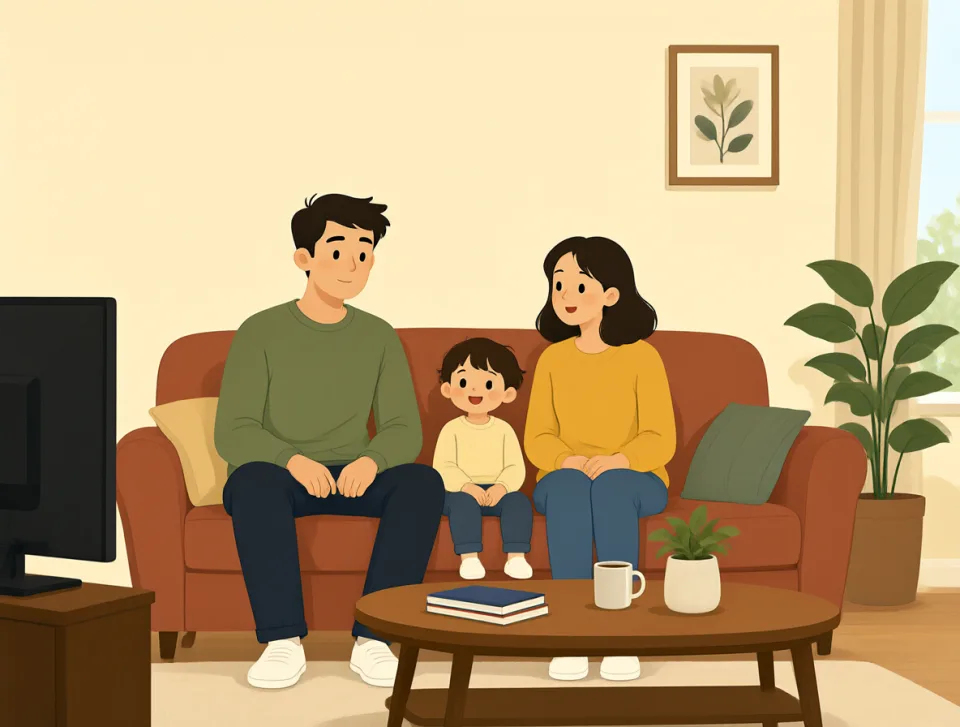
We watched the news on the television network.
Oglądaliśmy wiadomości w telewizji.
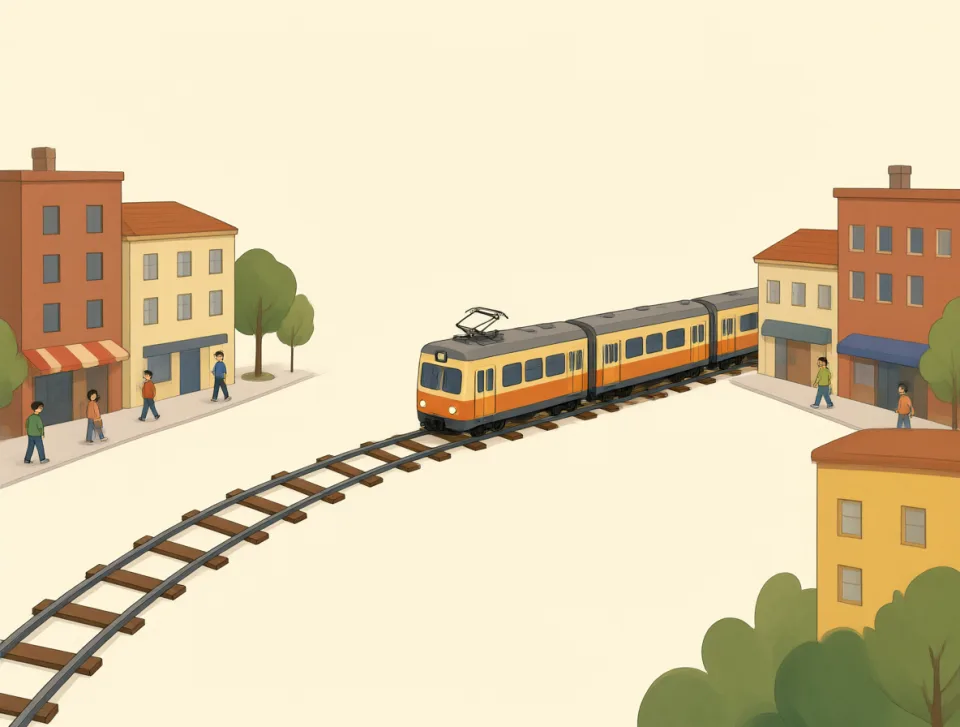
The train network connects many cities.
Sieć kolejowa łączy wiele miast.
generally
#848adverb
zazwyczaj
In most cases or situations, but not always.
W większości przypadków lub sytuacji, ale nie zawsze.
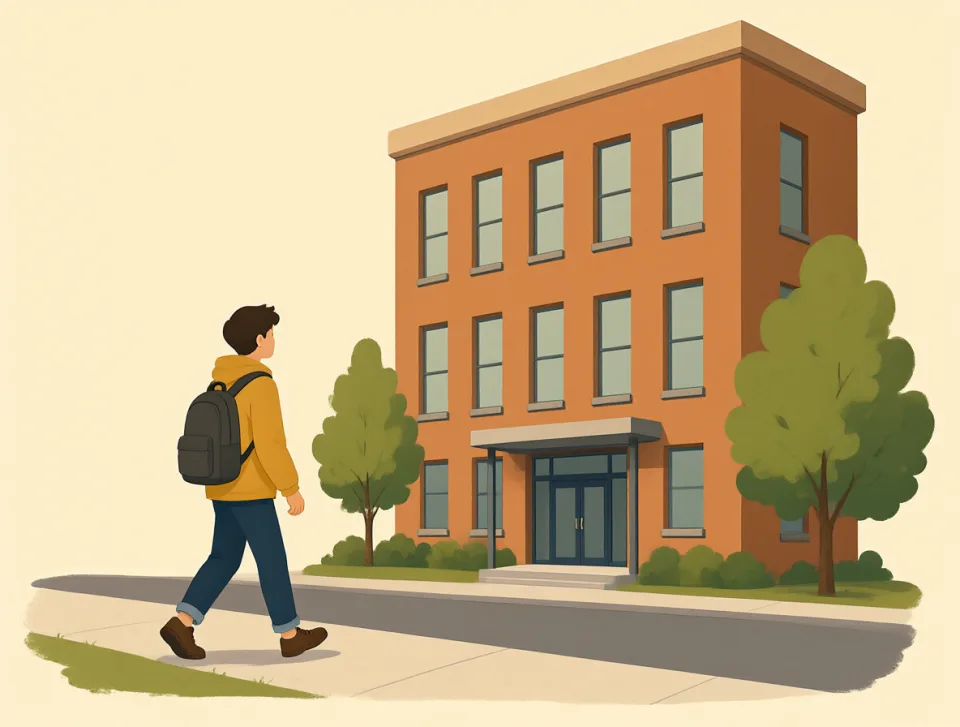
I generally walk to work.
Zazwyczaj chodzę do pracy pieszo.
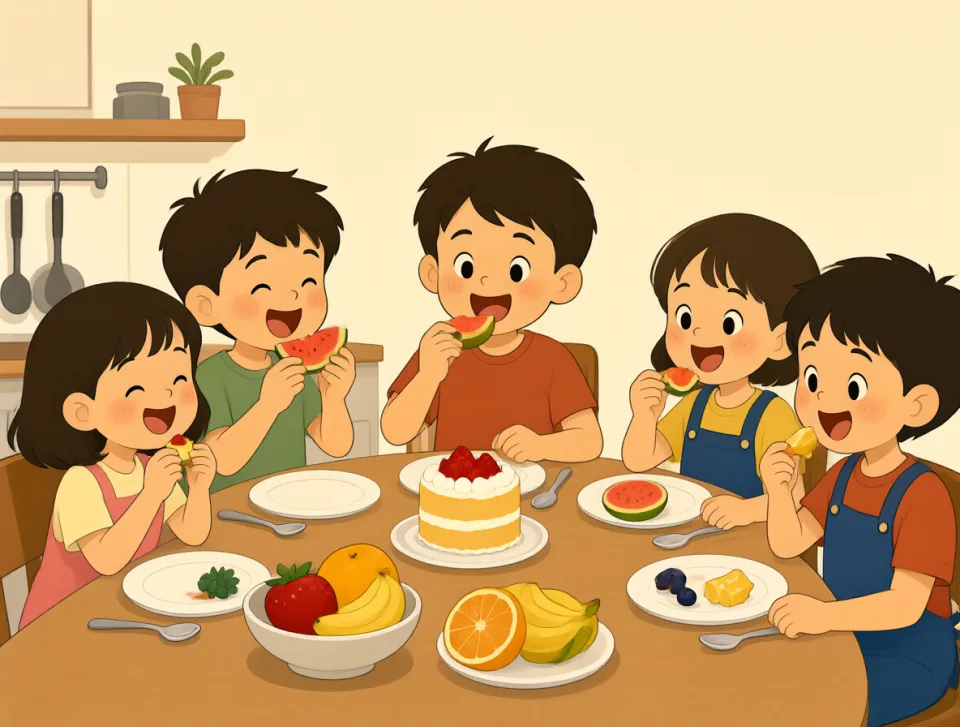
Children generally enjoy sweet food.
Dzieci zazwyczaj lubią słodkie jedzenie.
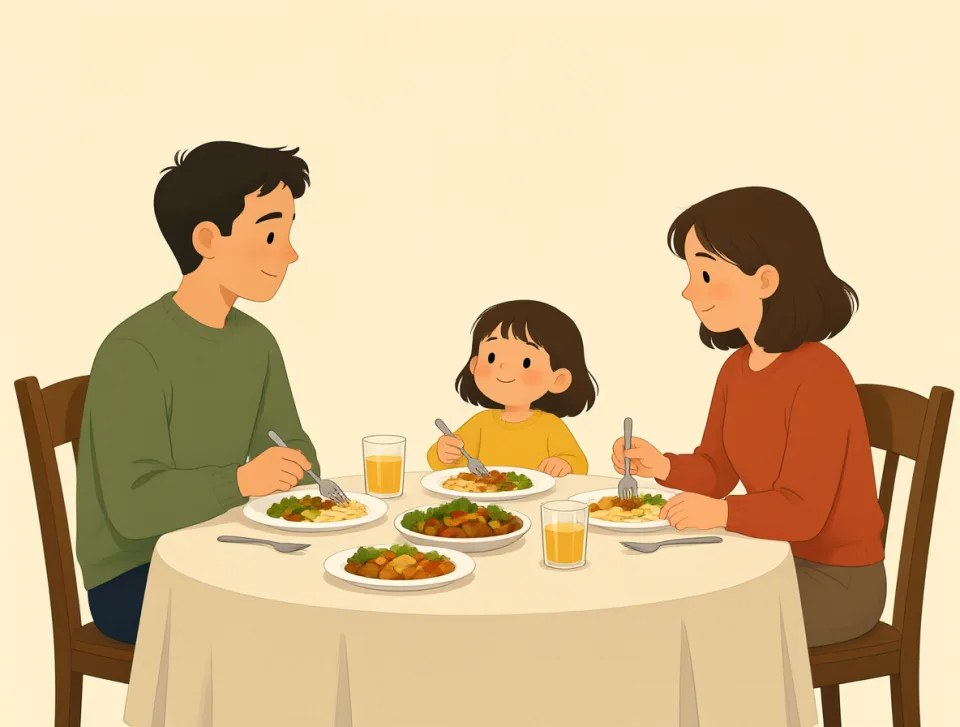
We generally eat dinner at seven.
Zazwyczaj jemy kolację o siódmej.
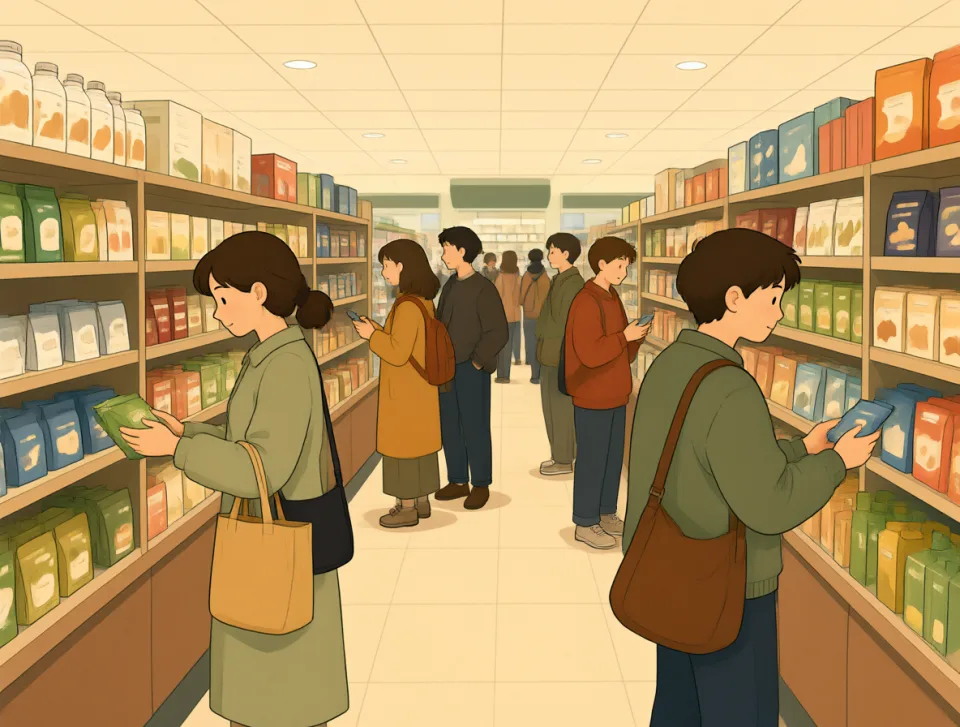
The shop is generally busy on Saturdays.
W soboty w sklepie zazwyczaj jest tłoczno.

People generally feel better after rest.
Po odpoczynku ludzie zazwyczaj czują się lepiej.
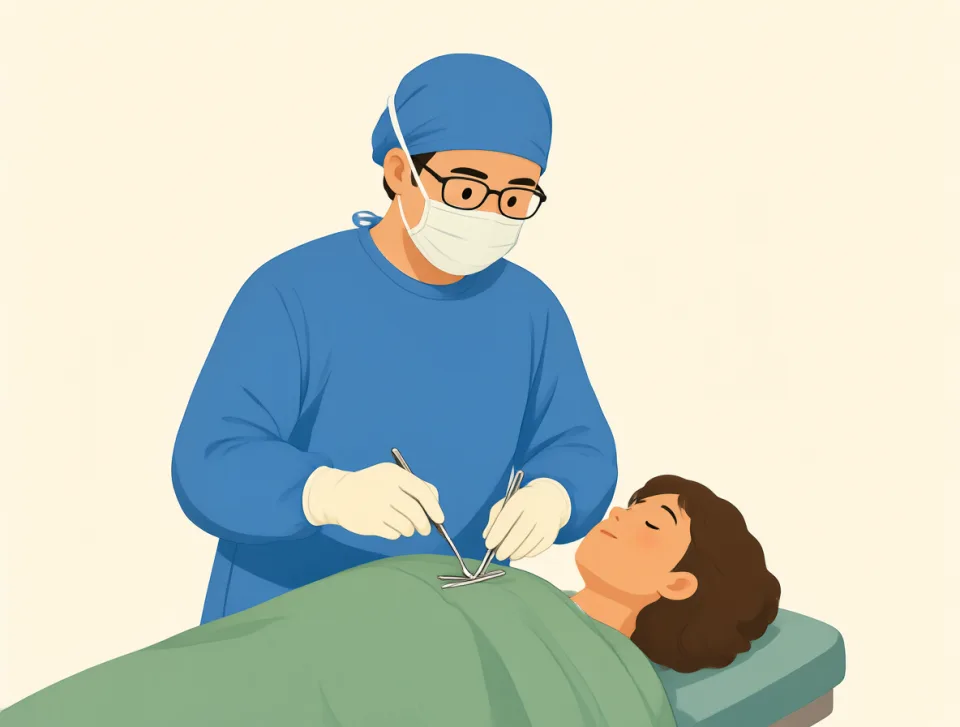
operation
#849noun
operacja
A planned activity, a way a machine works, or a medical procedure.
Zaplanowane działanie, sposób pracy urządzenia albo zabieg medyczny.
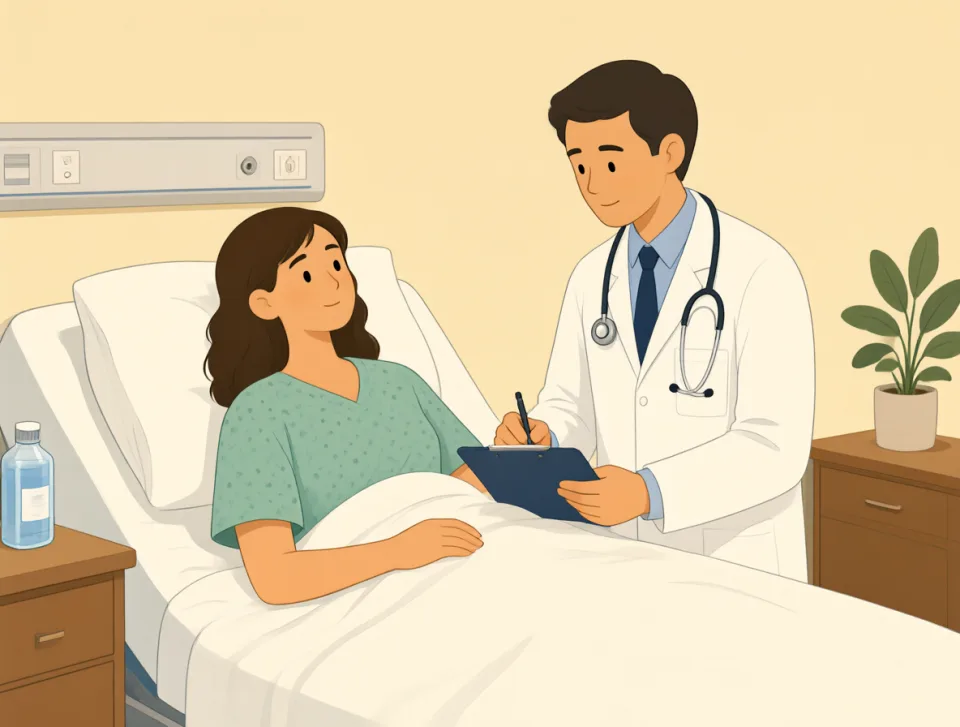
The operation lasted three hours.
Operacja trwała trzy godziny.

The shop began operation at eight.
Sklep rozpoczął działalność o ósmej.
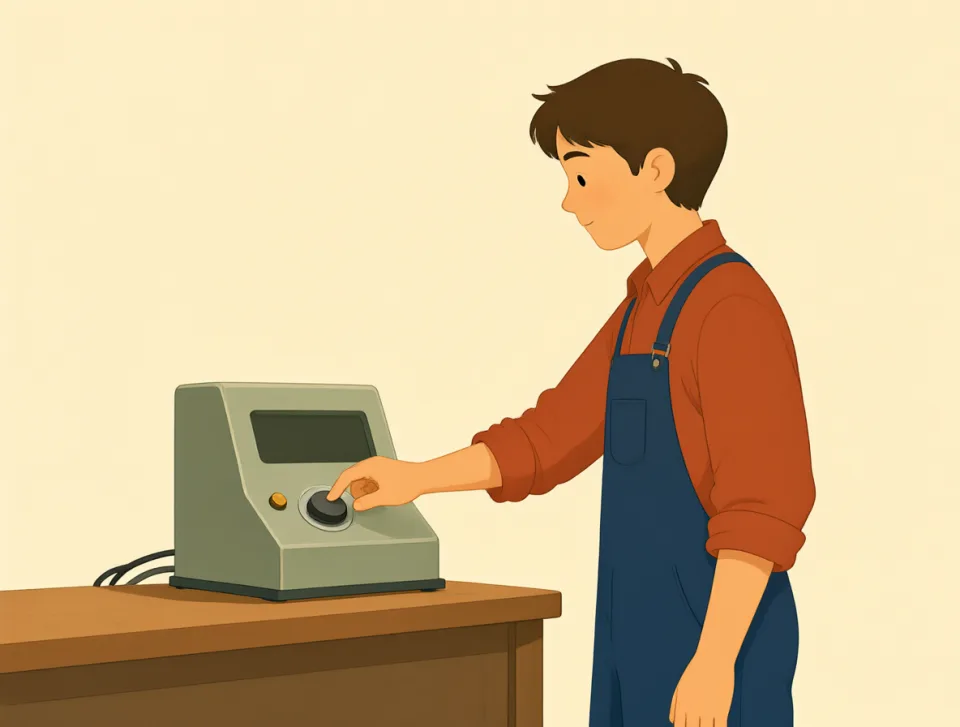
The machine is easy to operate.
To urządzenie jest łatwe w obsłudze.

The police operation took all night.
Akcja policyjna trwała całą noc.
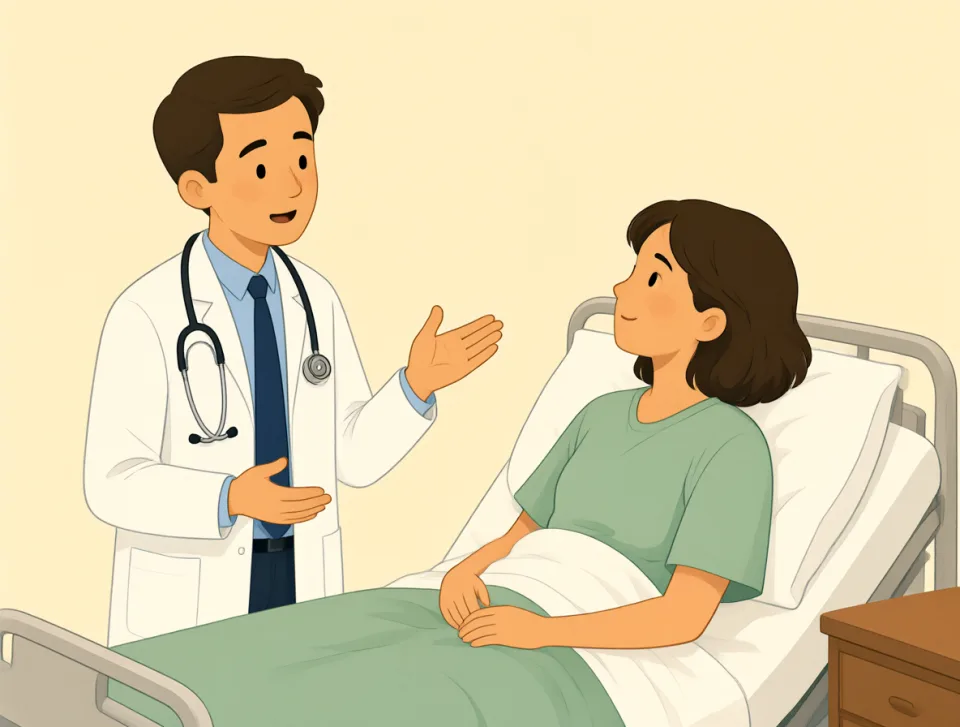
The operation on her knee went well.
Operacja jej kolana przebiegła pomyślnie.

match
#850noun, verb
zapałka; dopasowanie
A match is a small stick that makes fire, or something that is the same or goes well together.
Zapałka to mały patyczek służący do rozpalania ognia; match może też oznaczać coś takiego samego lub dobrze do czegoś pasującego.
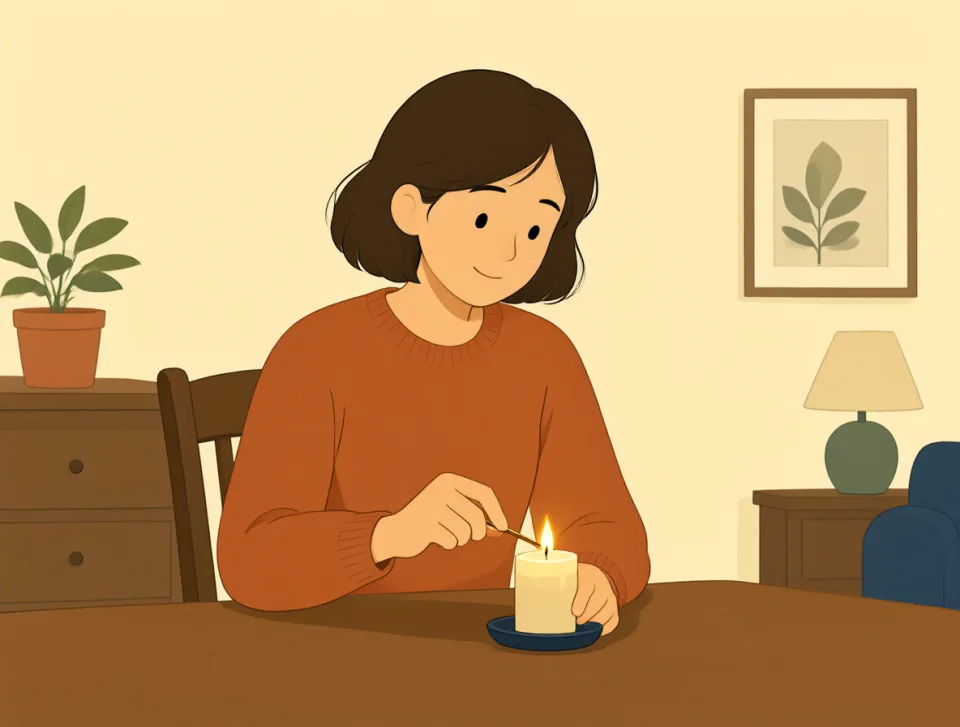
She lit the candle with a match.
Zapaliła świecę zapałką.

The blue shirt matches your jeans.
Niebieska koszula pasuje do twoich dżinsów.
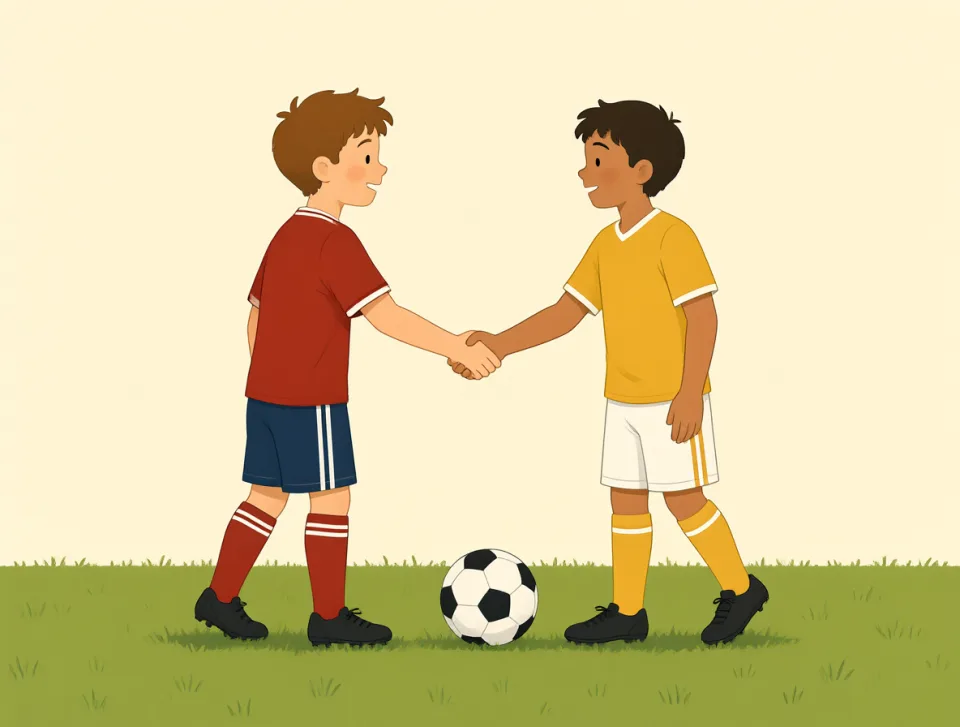
Our team won the football match.
Nasza drużyna wygrała mecz piłki nożnej.

I found a match for this sock.
Znalazłem skarpetkę do pary.

The doctor found a matching donor.
Lekarz znalazł odpowiedniego dawcę.

avoid
#851verb
unikać
To stay away from someone or something, or stop something from happening.
Trzymać się z dala od kogoś lub czegoś albo zapobiegać czemuś.
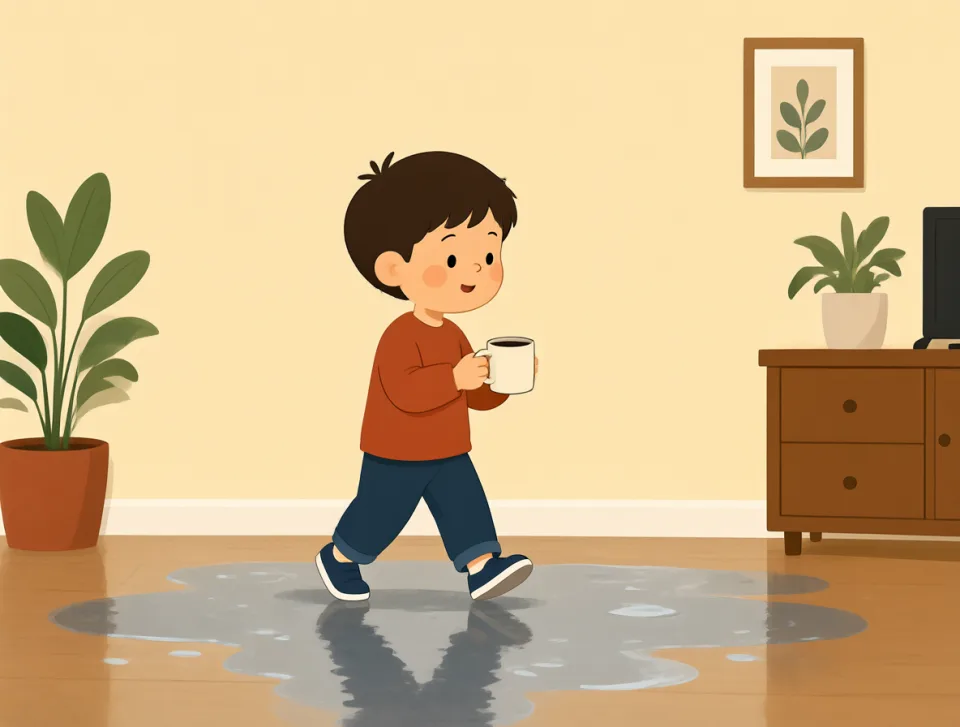
Please avoid the wet floor.
Proszę omijać mokrą podłogę.

She avoids eating too much sugar.
Ona unika jedzenia zbyt dużej ilości cukru.
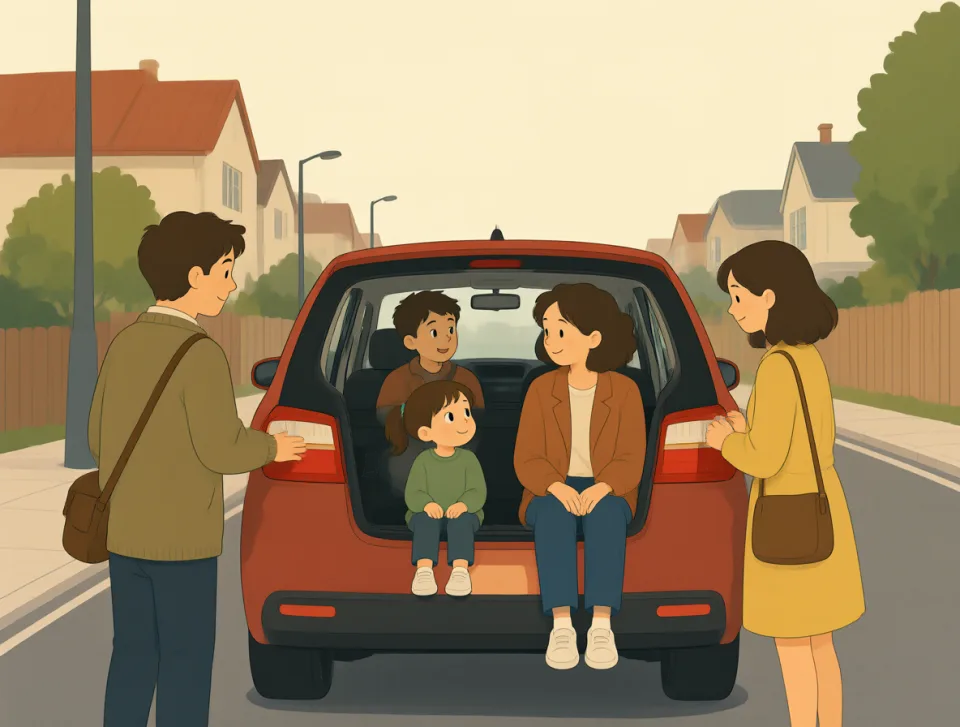
We left early to avoid traffic.
Wyjechaliśmy wcześniej, żeby uniknąć korków.

Try to avoid making the same mistake.
Spróbuj nie popełnić ponownie tego samego błędu.

He avoided talking about his health.
Unikał rozmów o swoim zdrowiu.

seat
#852noun, verb
miejsce siedzące; posadzić
A place where someone can sit, or to put someone in a place to sit.
Miejsce, na którym można usiąść, albo posadzić kogoś.
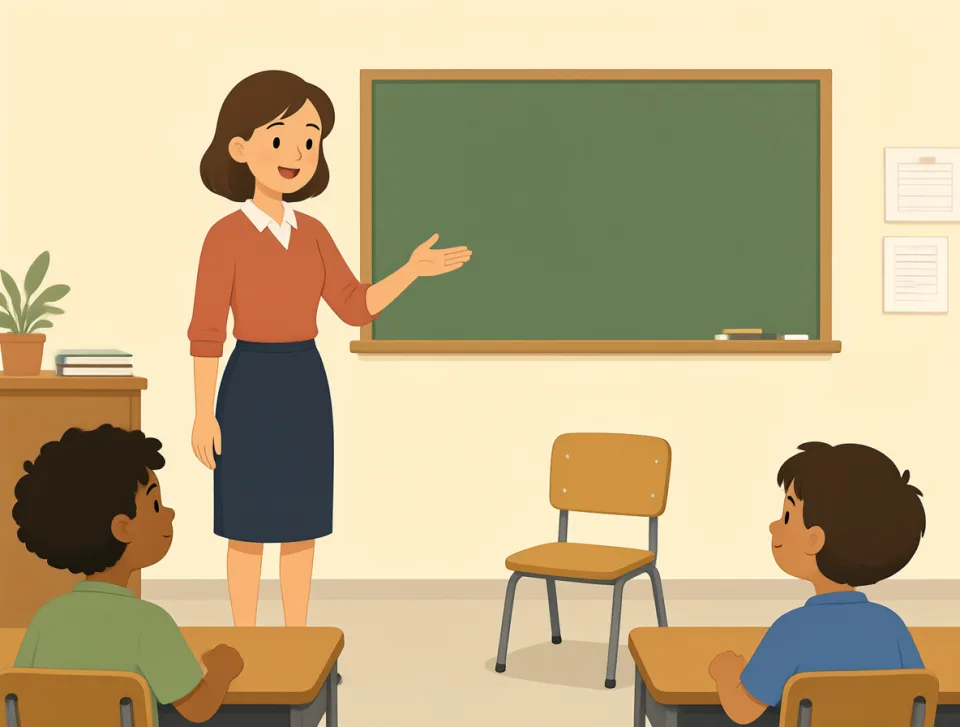
Please take a seat here.
Proszę tutaj usiąść.
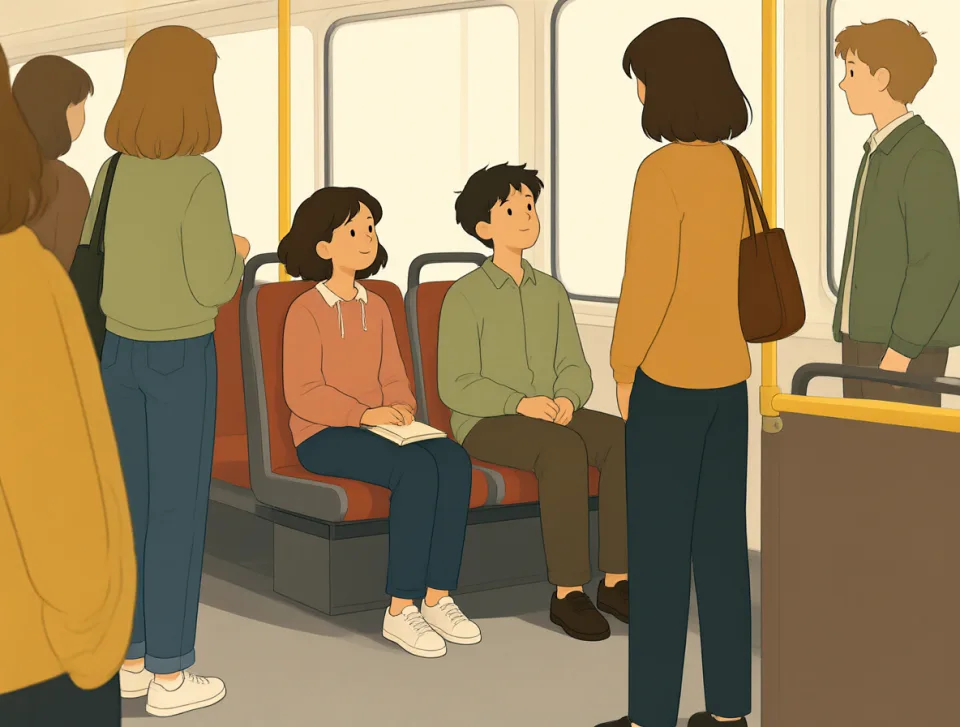
We found two seats on the bus.
Znaleźliśmy dwa wolne miejsca w autobusie.

My seat is next to the window.
Moje miejsce jest przy oknie.
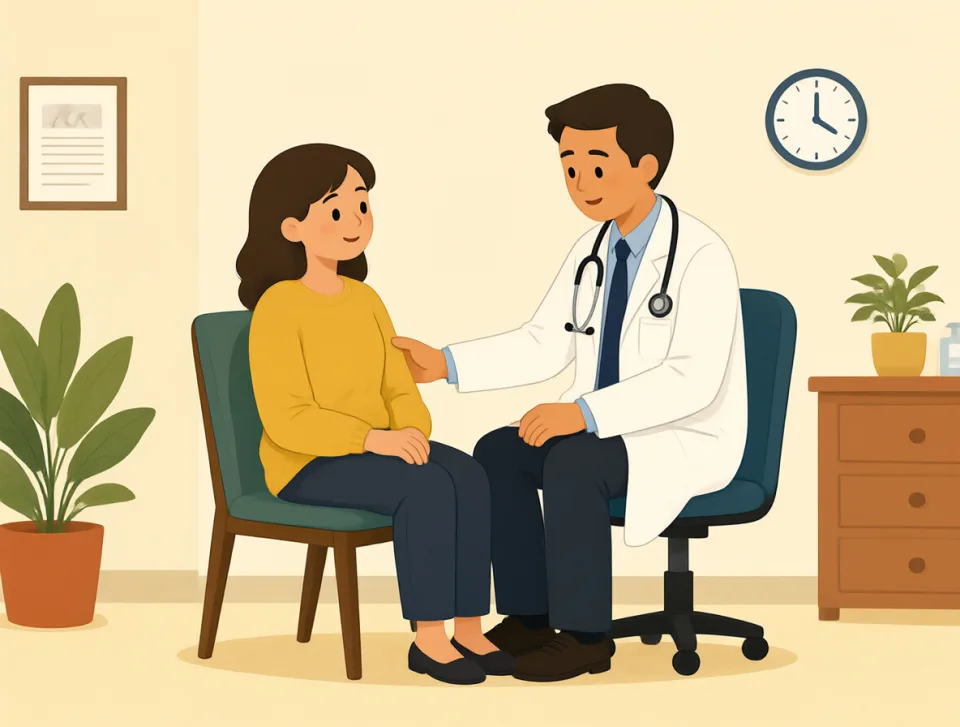
The doctor seated the patient carefully.
Lekarz ostrożnie posadził pacjenta.

This restaurant seats fifty people.
W tej restauracji jest miejsce dla pięćdziesięciu osób.
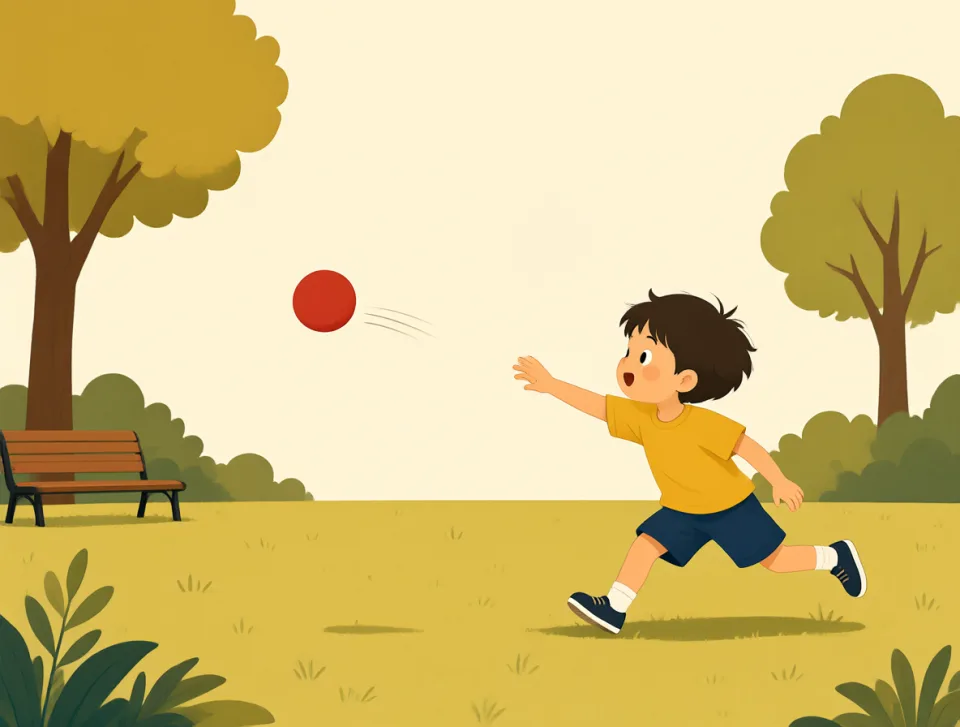
throw
#853verb, noun
rzucać; koc
To send something through the air using your hand; a light cover for a bed or sofa.
Wysyłać coś w powietrze ruchem ręki; lekki koc na łóżko lub sofę.
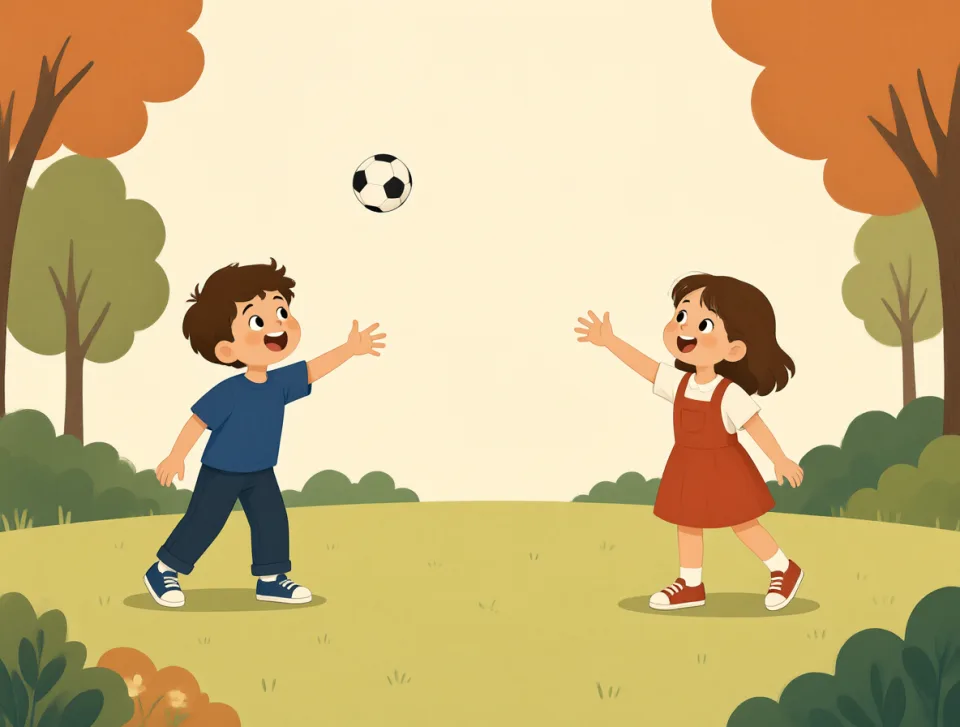
Please throw me the ball.
Rzuć mi piłkę, proszę.
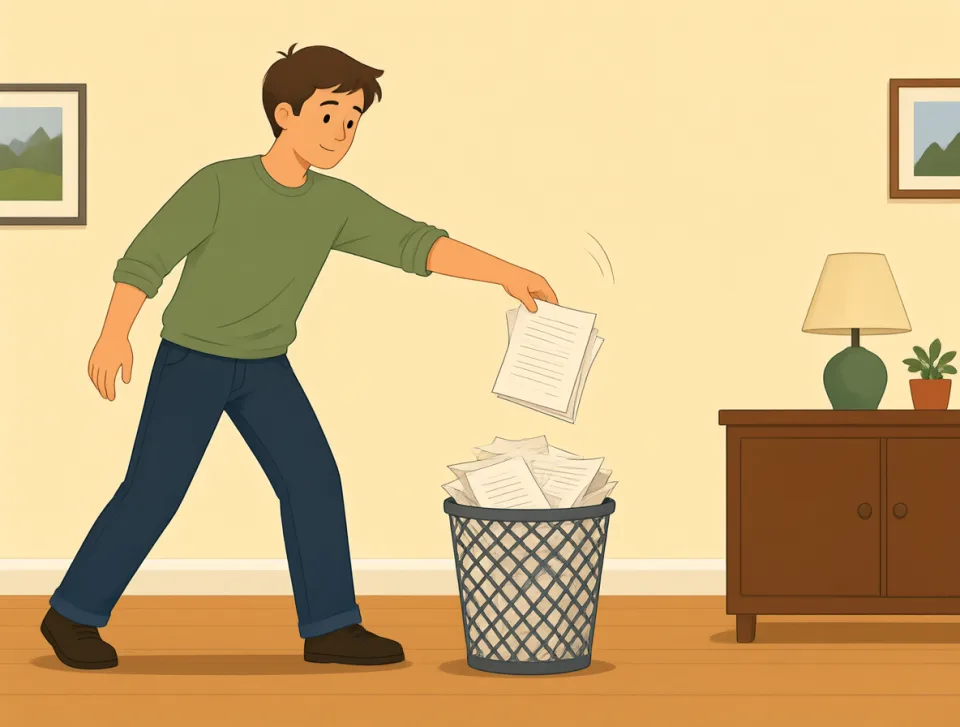
He threw the old papers away.
Wyrzucił stare papiery.
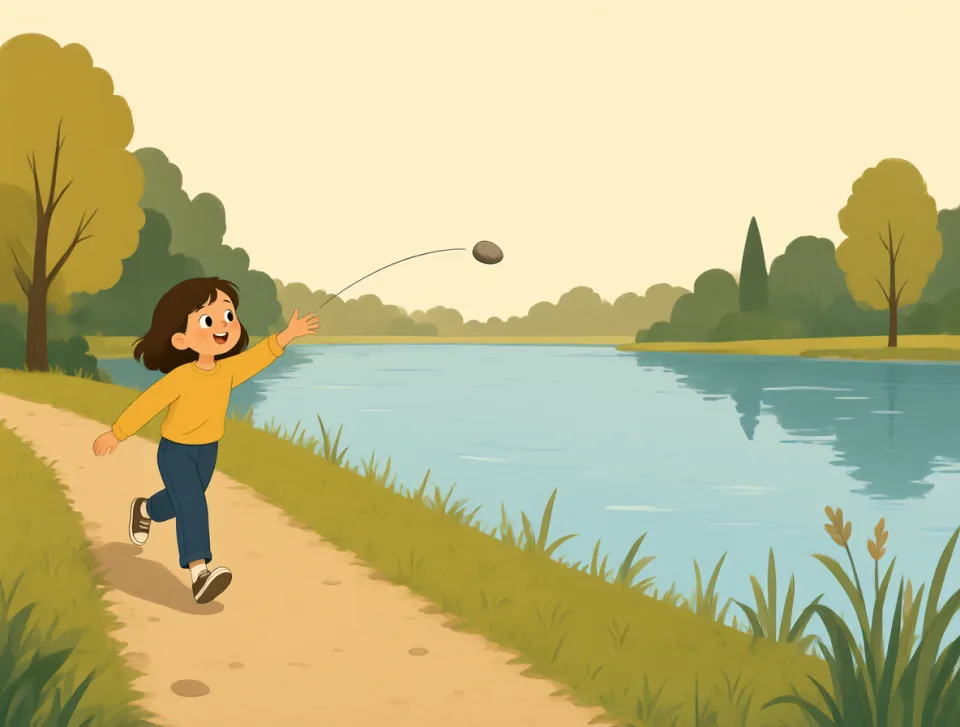
She threw a stone into the lake.
Rzuciła kamień do jeziora.

The chef threw the vegetables into the pan.
Kucharz wrzucił warzywa na patelnię.

We bought a warm throw for the sofa.
Kupiliśmy ciepły koc na sofę.
task
#854noun
zadanie
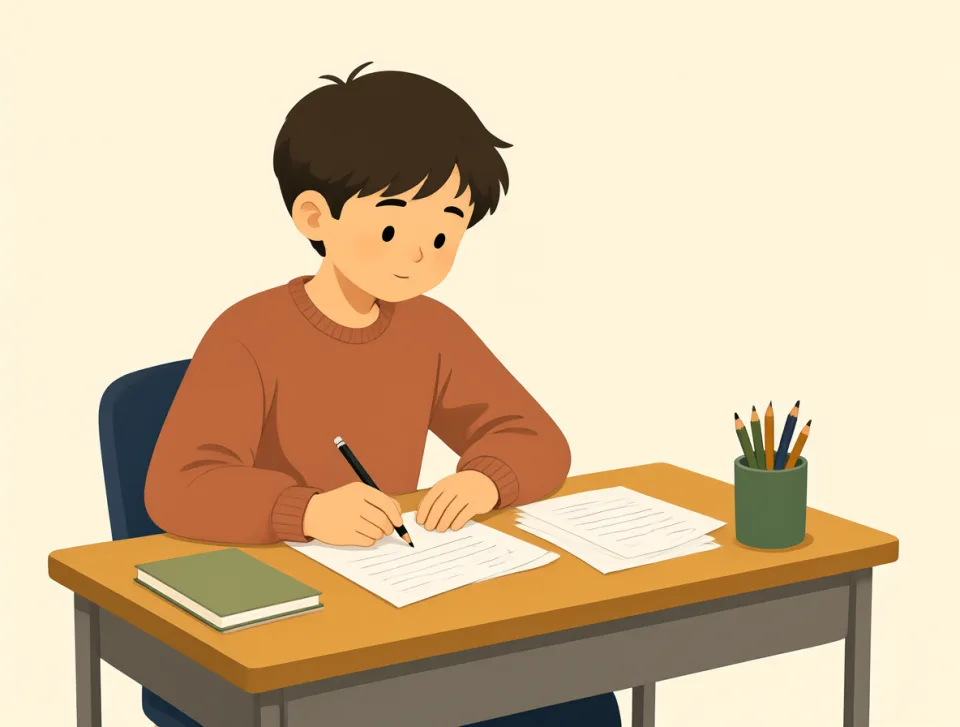
A piece of work that you need to do.
Część pracy, którą trzeba wykonać.
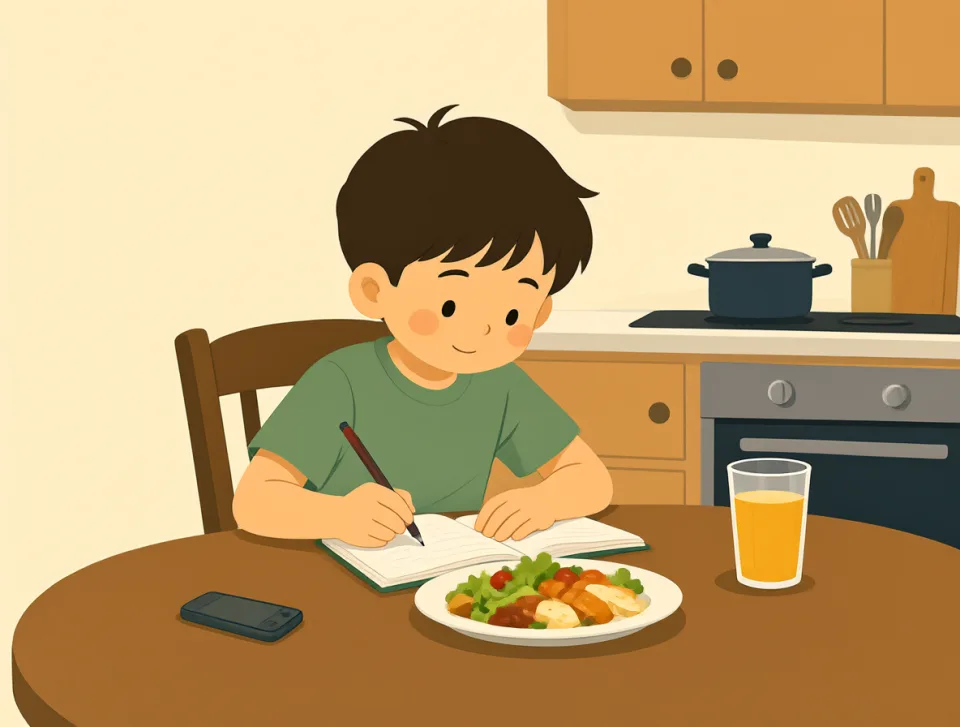
I finished my homework task before dinner.
Skończyłem zadanie domowe przed kolacją.

My first task at work is checking emails.
Moim pierwszym zadaniem w pracy jest sprawdzanie e-maili.
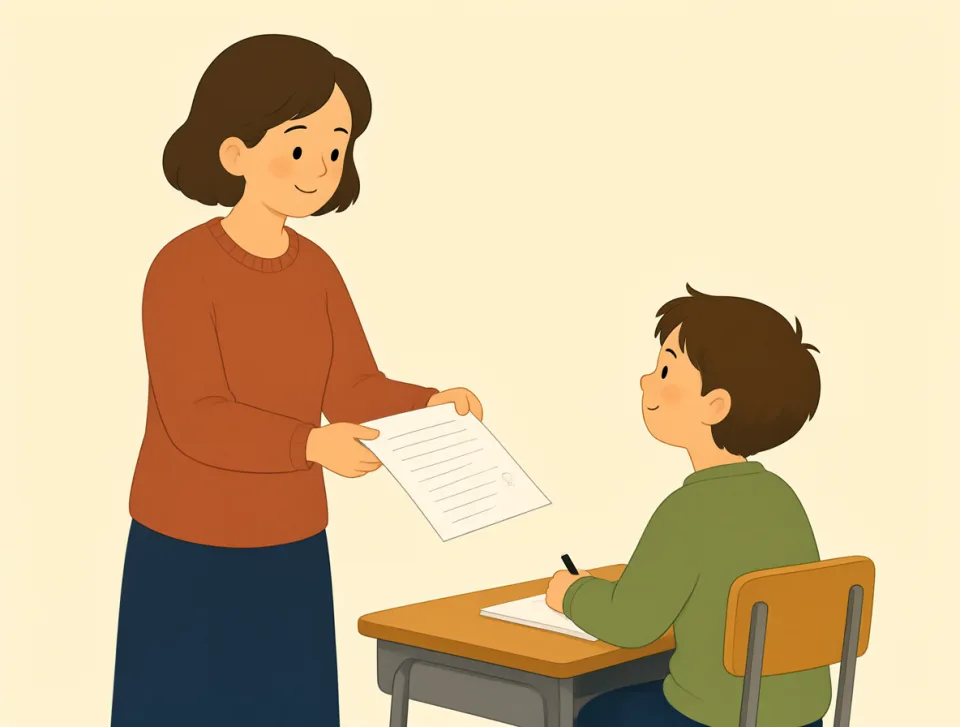
The teacher gave us a difficult task.
Nauczyciel dał nam trudne zadanie.

Our task was to find the train station.
Naszym zadaniem było znaleźć dworzec kolejowy.
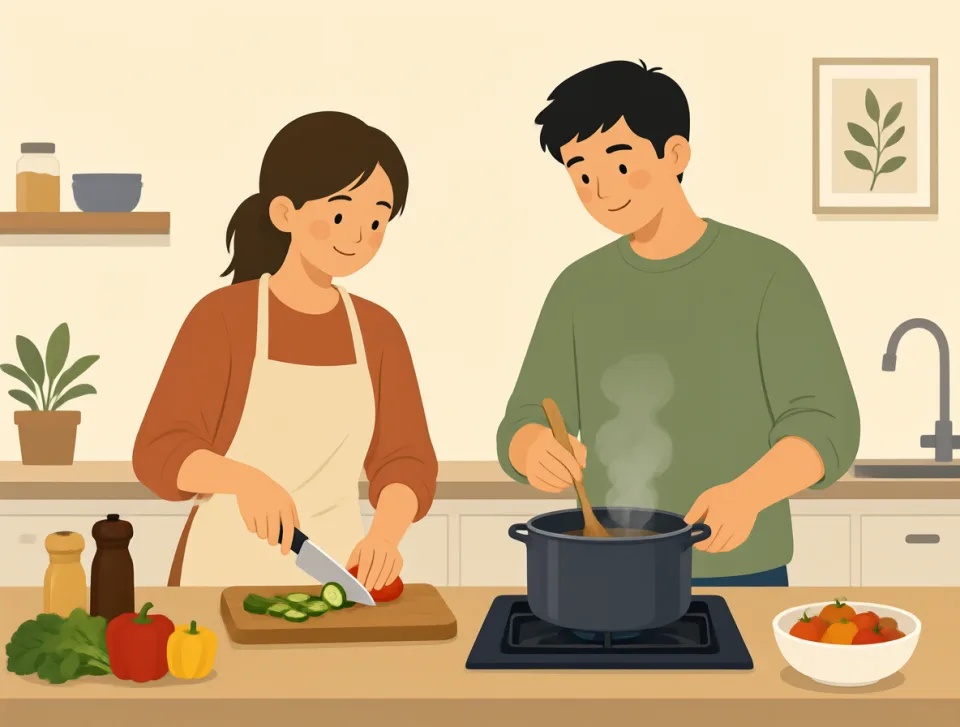
We shared the cooking tasks with our friends.
Podzieliliśmy się z przyjaciółmi obowiązkami związanymi z gotowaniem.
normal
#855adjective, noun
normalny
usual, expected, or healthy; a usual condition or way of doing things
Zwykły, spodziewany lub zdrowy; zwykły stan albo sposób postępowania.
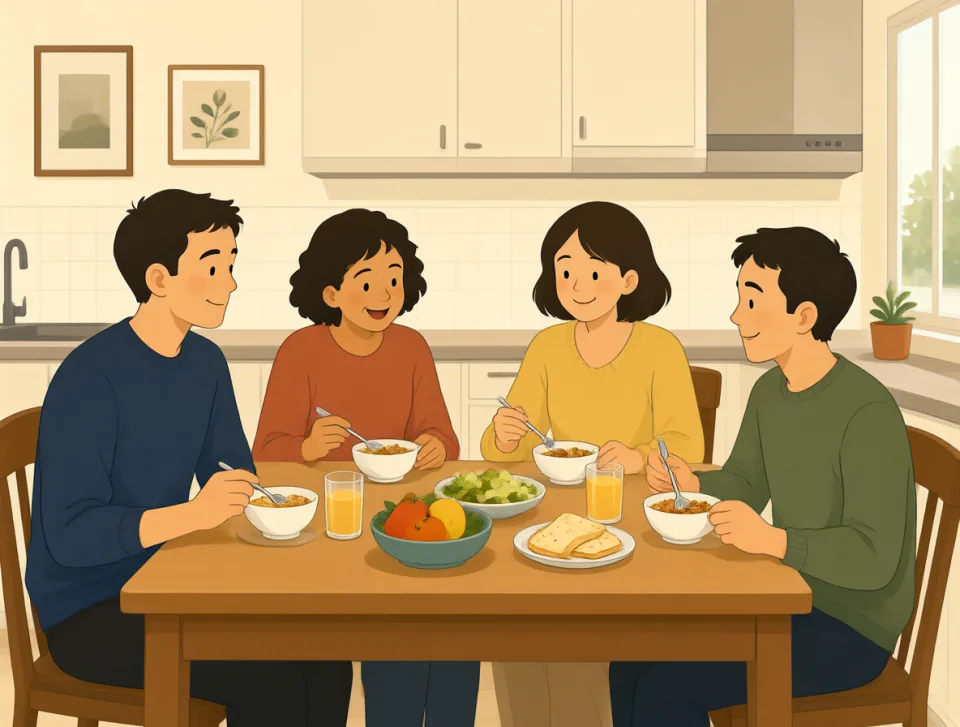
Everything is normal at home today.
Dziś w domu wszystko jest normalnie.

She returned to her normal routine.
Wróciła do swojej zwykłej rutyny.

Is it normal to feel tired after work?
Czy to normalne, że po pracy czuje się zmęczenie?
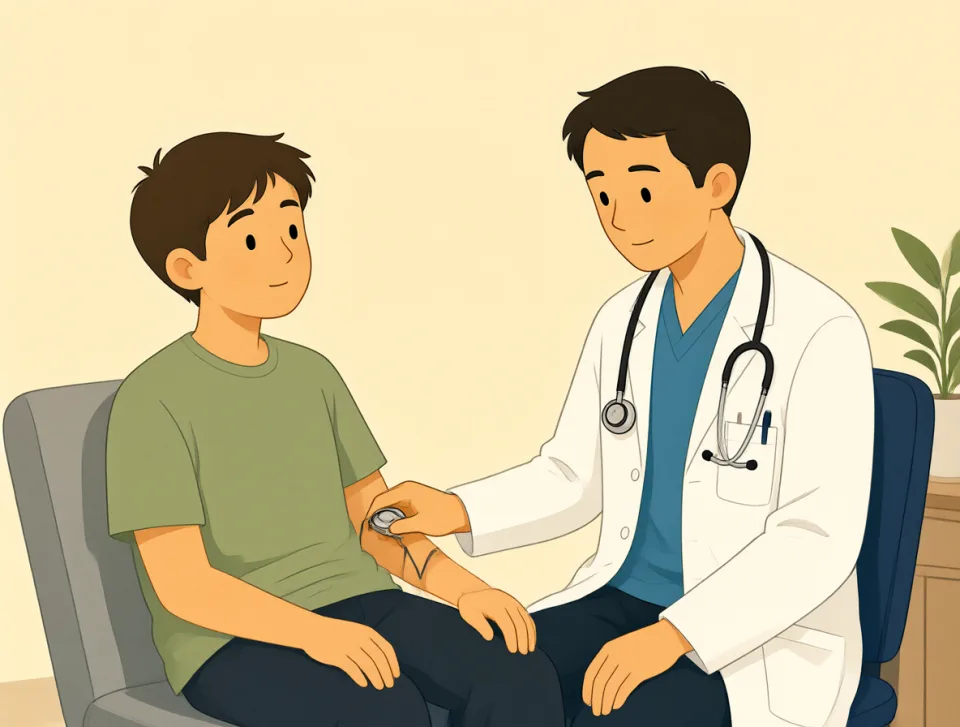
The doctor said my heartbeat was normal.
Lekarz powiedział, że moje tętno jest w normie.
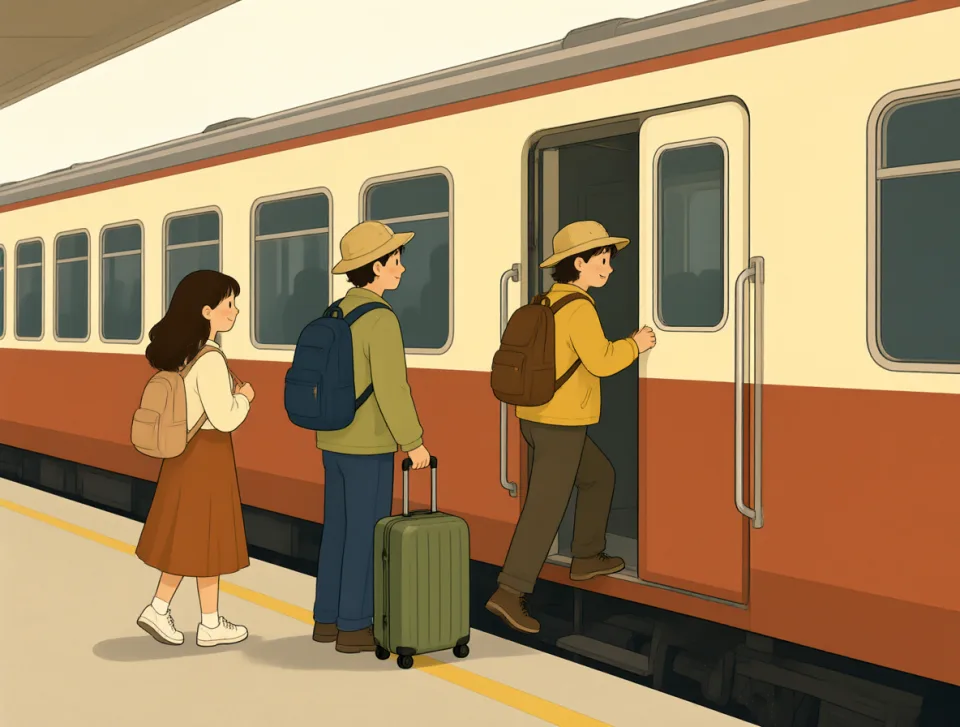
We took the normal train to the city.
Pojechaliśmy do miasta zwykłym pociągiem.
goal
#856noun
cel
Something you want to achieve, or a point scored in a game.
Coś, co chcesz osiągnąć, albo punkt zdobyty w grze.
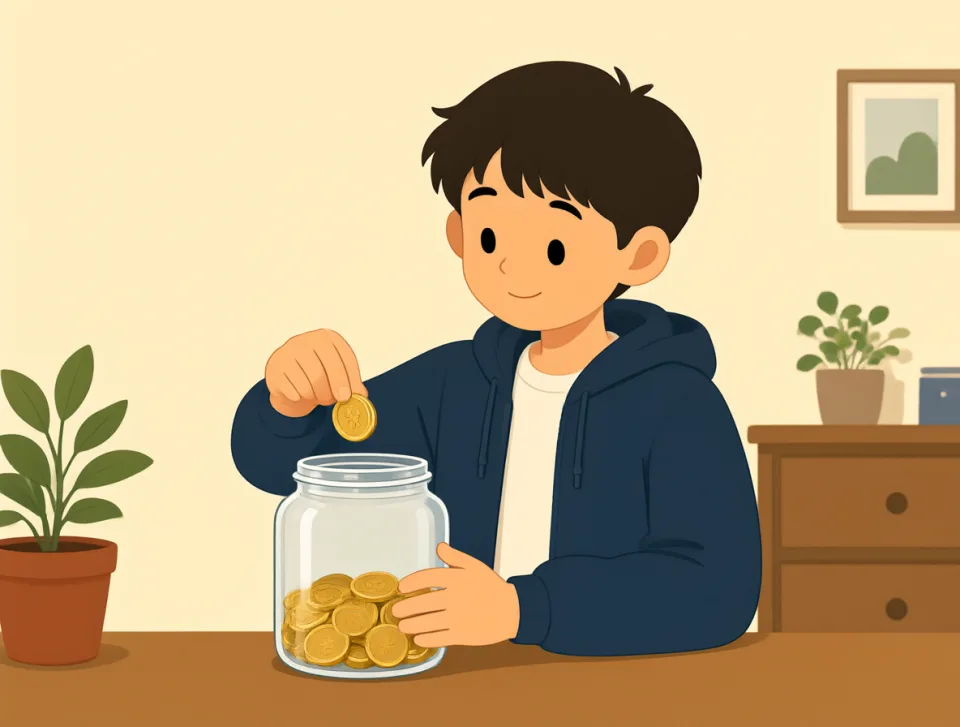
My goal is to save money for college.
Moim celem jest zaoszczędzenie pieniędzy na studia.

She set a goal to run five kilometers.
Wyznaczyła sobie za cel przebiec pięć kilometrów.
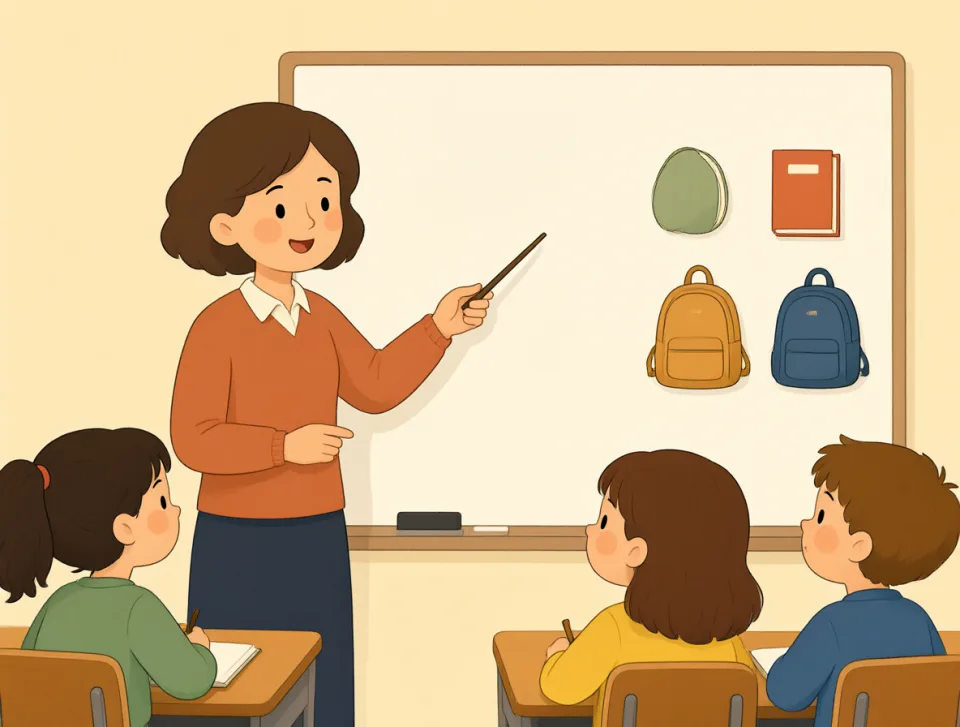
The goal of this lesson is to teach new words.
Celem tej lekcji jest nauczenie nowych słów.
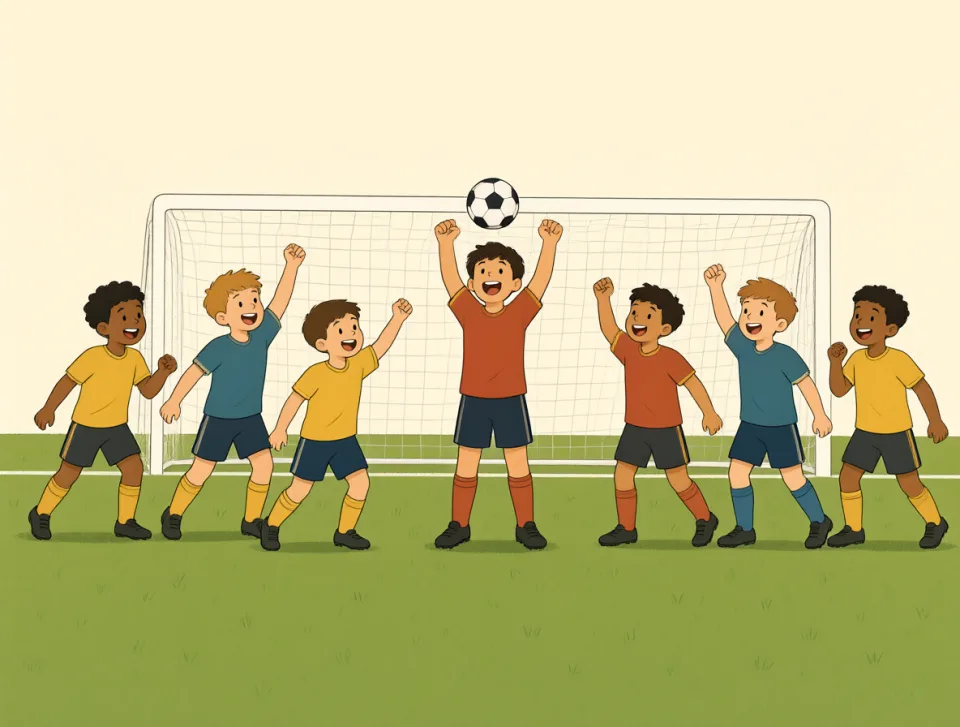
Our team scored the winning goal yesterday.
Nasza drużyna zdobyła wczoraj zwycięskiego gola.
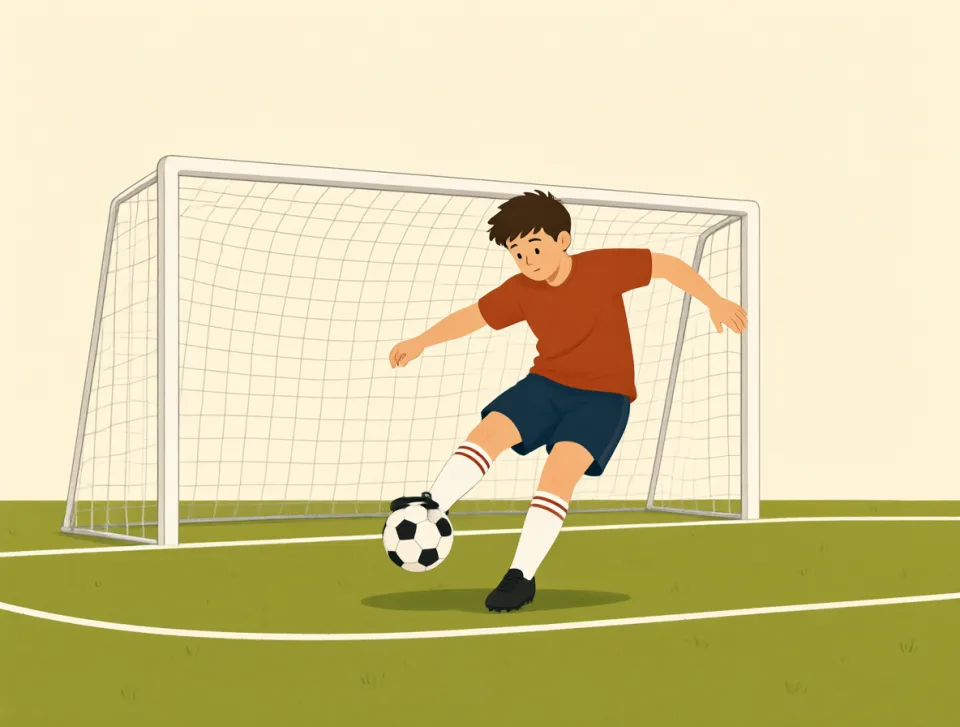
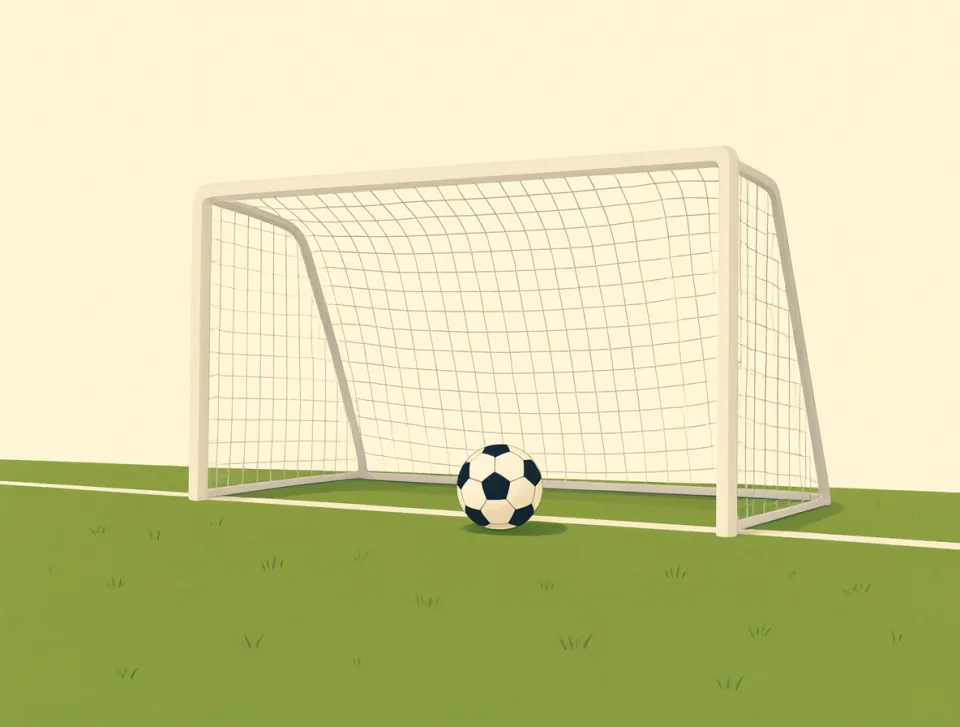
The player kicked the ball into the goal.
Zawodnik kopnął piłkę do bramki.

associate
#857verb, noun
kojarzyć
to connect someone or something with a person, idea, or group
Łączyć kogoś lub coś z jakąś osobą, ideą albo grupą.
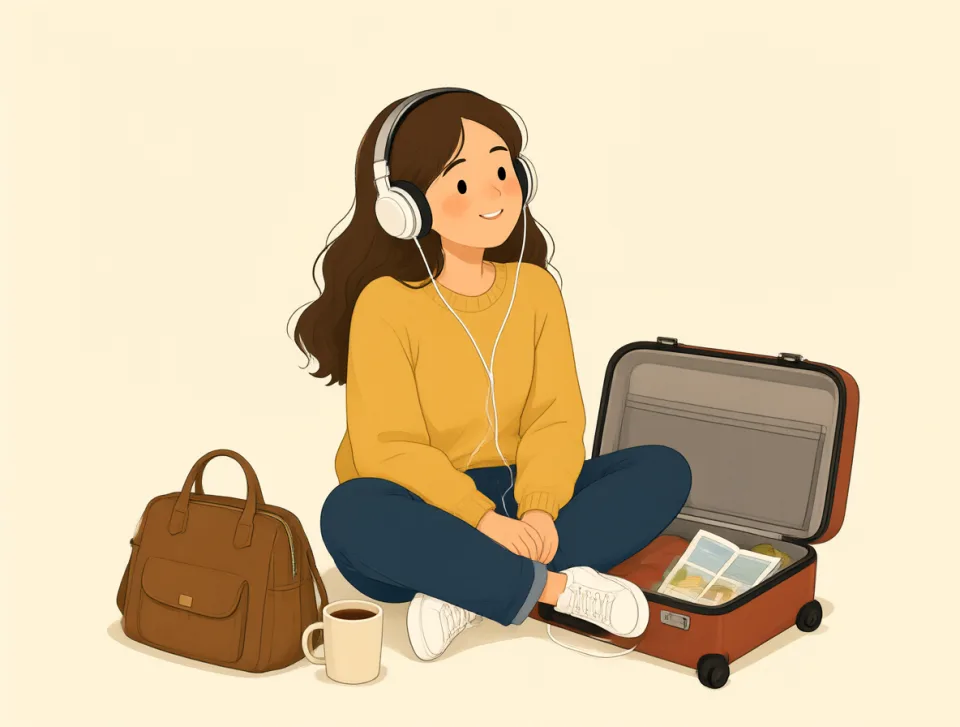
I associate this song with my first trip.
Kojarzę tę piosenkę z moją pierwszą podróżą.
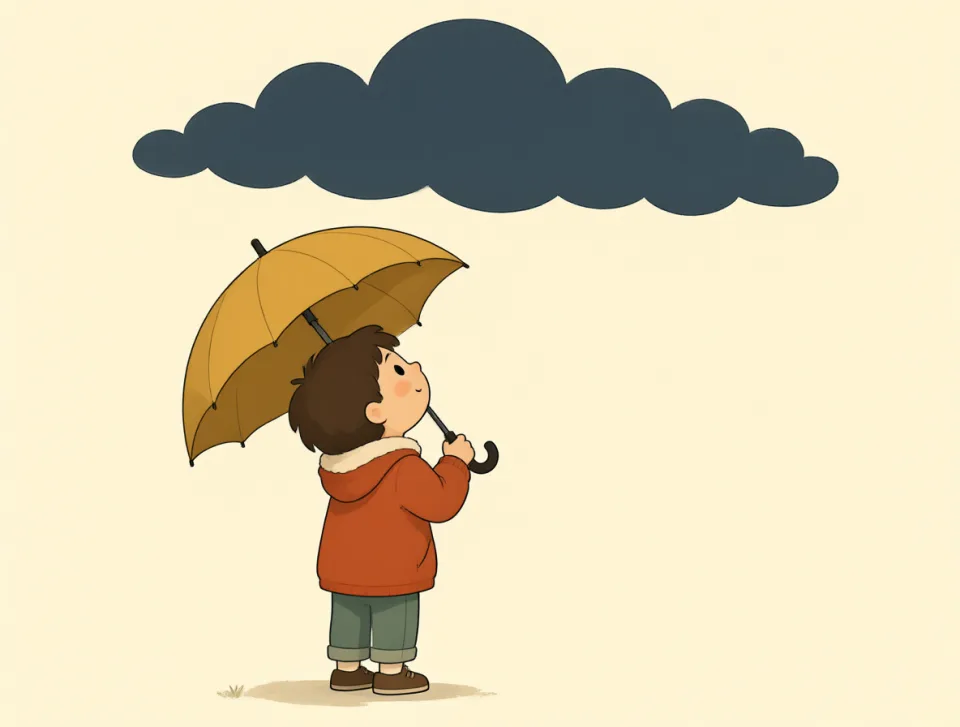
People often associate dark clouds with rain.
Ludzie często kojarzą ciemne chmury z deszczem.

She associates with friendly people at work.
W pracy zadaje się z życzliwymi ludźmi.

My father is a sales associate at the store.
Mój ojciec pracuje w sklepie jako sprzedawca.

He became an associate after two years.
Po dwóch latach został pracownikiem niższego szczebla.

blue
#858adjective, noun
niebieski
Having the color of a clear sky; a color between green and violet.
Mający kolor czystego nieba; barwa między zielonym a fioletem.

She wore a blue dress to work.
Założyła do pracy niebieską sukienkę.

The blue car stopped outside our house.
Niebieski samochód zatrzymał się przed naszym domem.
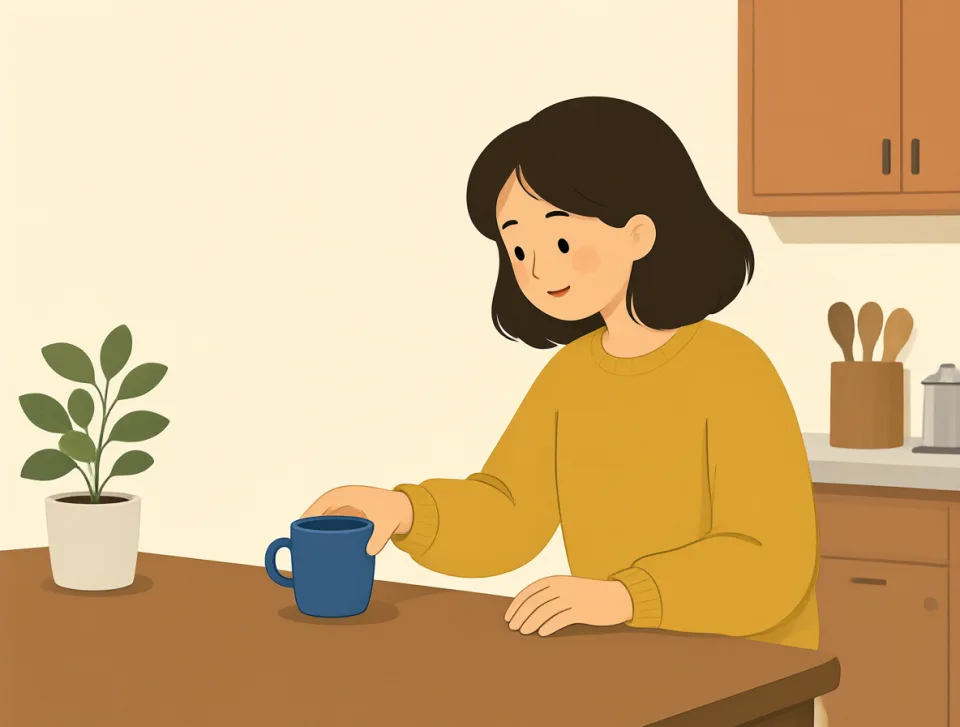
Please bring me the blue cup.
Przynieś mi, proszę, niebieski kubek.
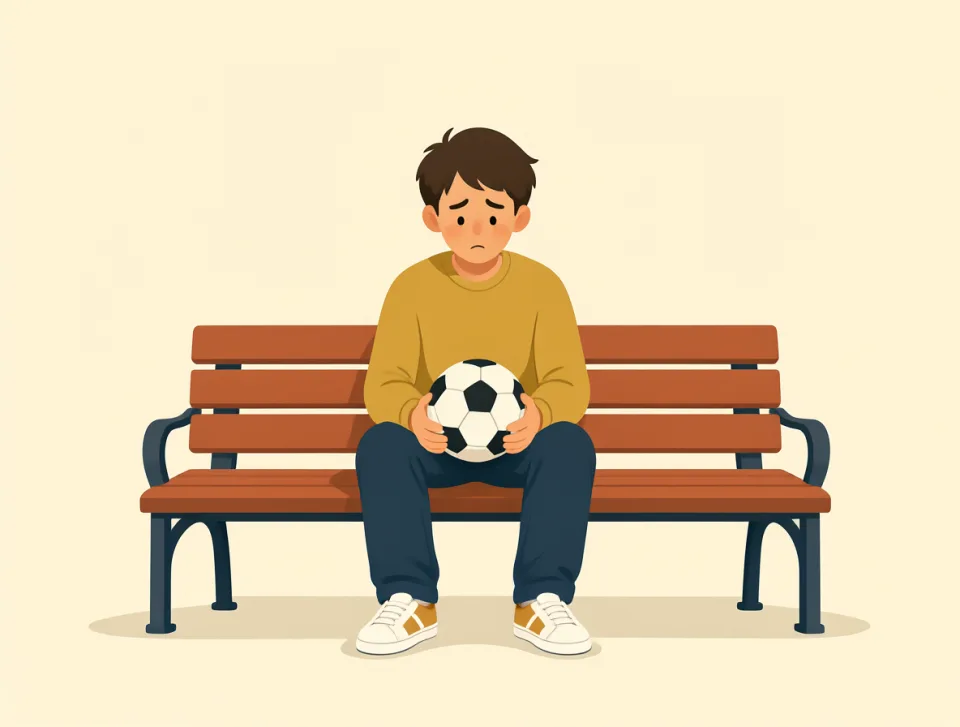
He felt blue after his team lost.
Był przygnębiony, gdy jego drużyna przegrała.

The blue whale is the largest animal.
Płetwal błękitny jest największym zwierzęciem.

positive
#859adjective, noun
pozytywny
Good, hopeful, or showing that something is likely to succeed.
Dobry, pełen nadziei lub wskazujący, że coś prawdopodobnie się uda.

She has a positive attitude every day.
Każdego dnia ma pozytywne nastawienie.

The test results were positive.
Wyniki testu były pozytywne.

We received positive feedback from our teacher.
Otrzymaliśmy pozytywne opinie od naszego nauczyciela.
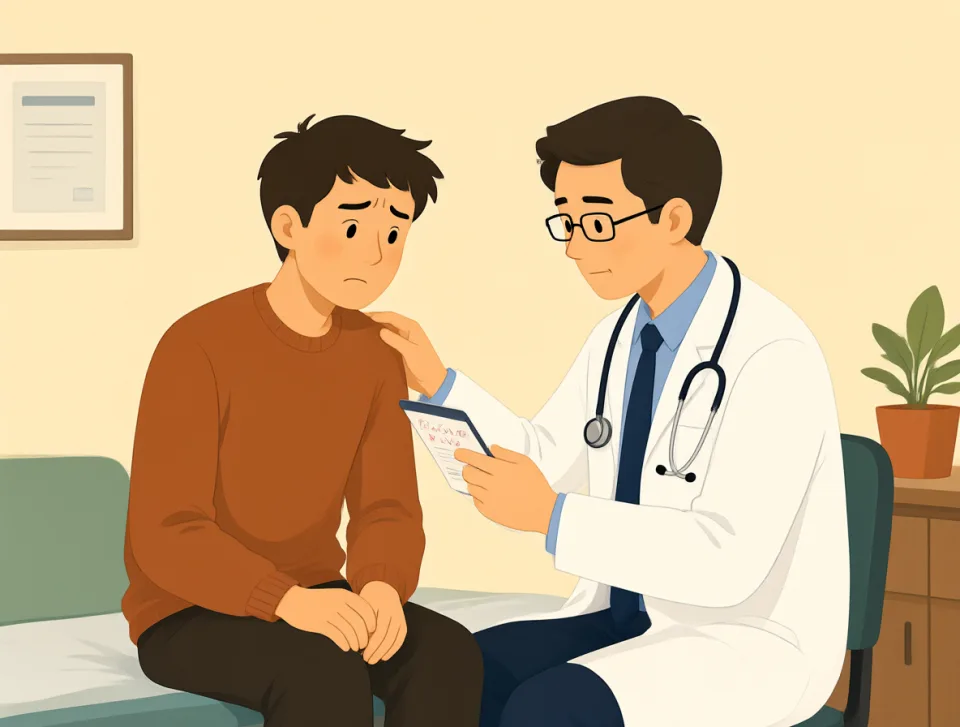
He tested positive for the flu.
Wynik testu na grypę był pozytywny.

Try to stay positive during the difficult trip.
Postaraj się zachować pozytywne nastawienie podczas tej trudnej podróży.
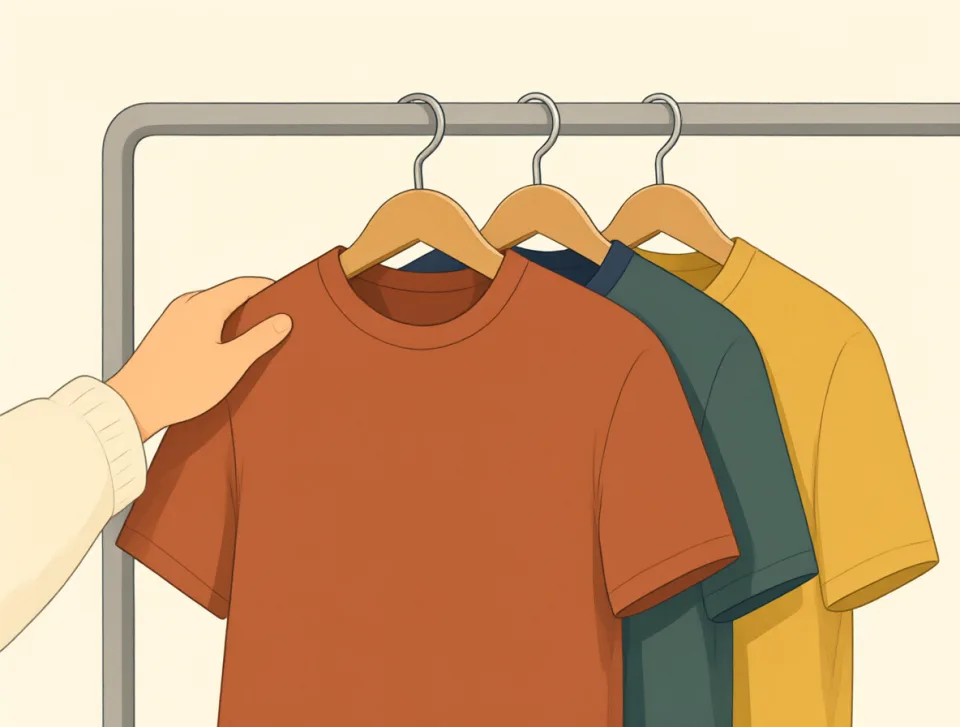
option
#860noun
opcja
One of the choices you can make.
Jedna z możliwości, które możesz wybrać.

You have the option to pay by card.
Możesz zapłacić kartą.

We chose the cheaper option for dinner.
Na kolację wybraliśmy tańszą opcję.

Is there another option for getting there?
Czy jest inny sposób, żeby tam dotrzeć?
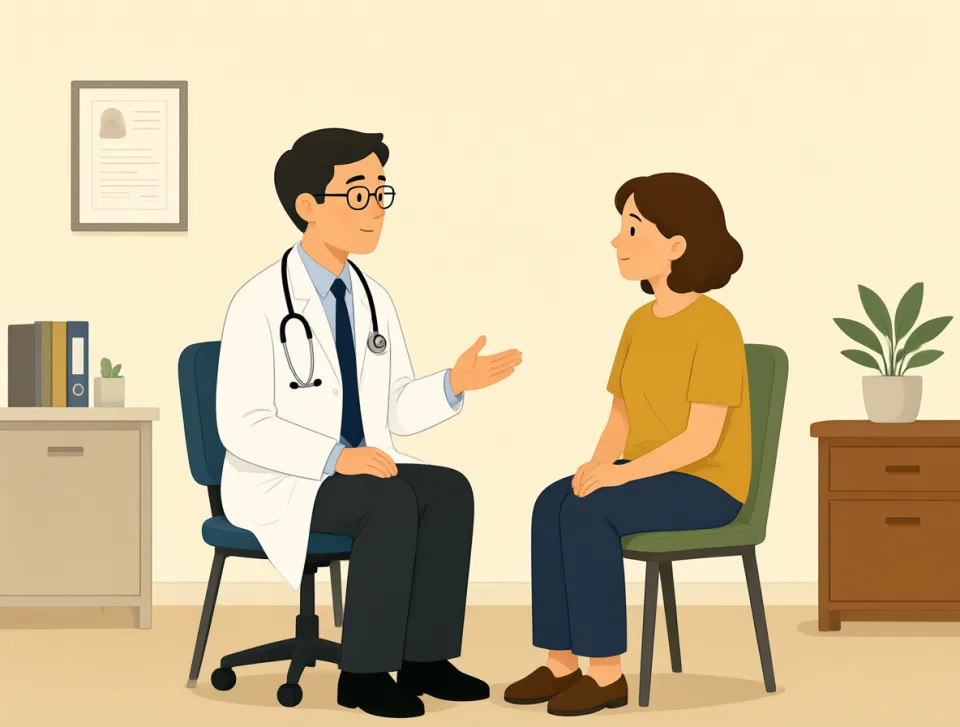
The doctor gave me an option for treatment.
Lekarz zaproponował mi jedną z możliwości leczenia.
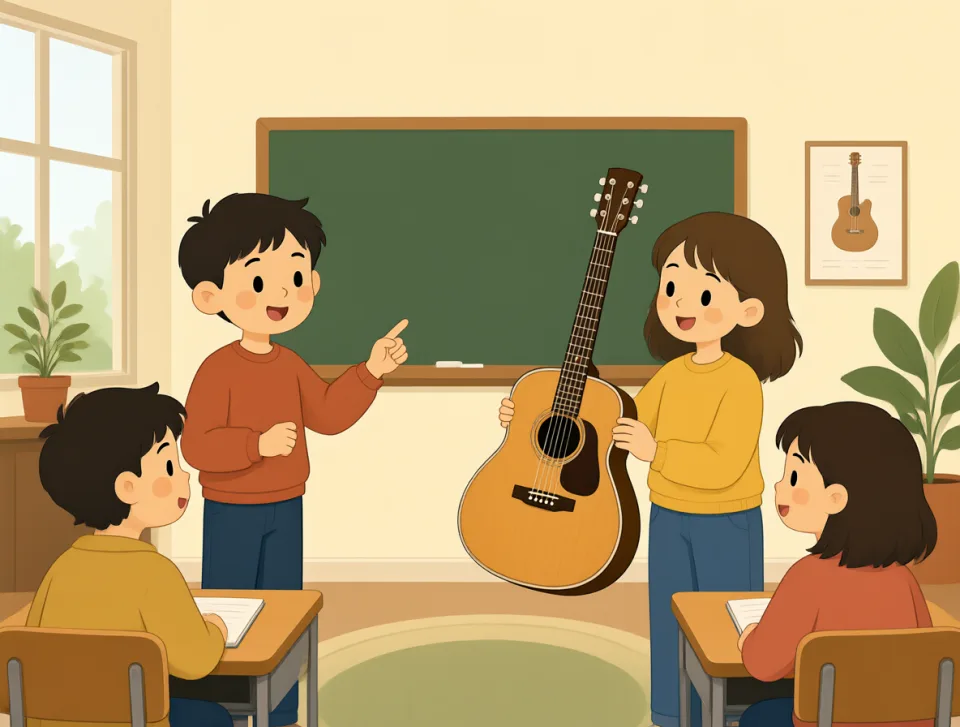
Students can choose the music option for class.
Uczniowie mogą wybrać muzykę na zajęcia.