Zestaw 42
Słowa 821–840 · brother, investment, score, organize, trip, beyond
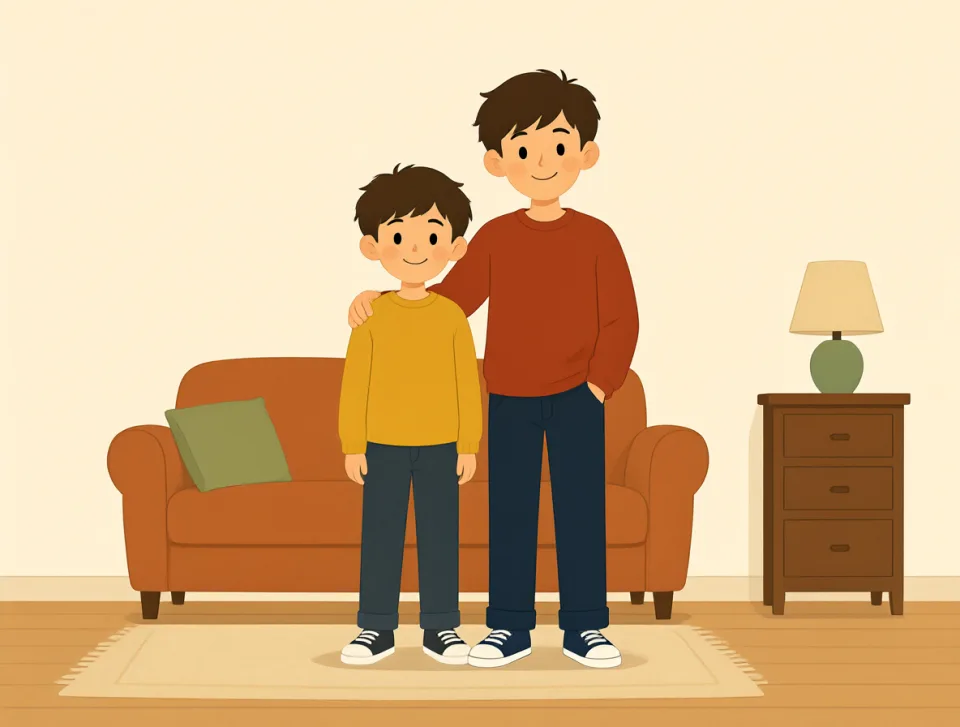
brother
#821noun
brat
A boy or man who has the same parents as you.
Chłopiec lub mężczyzna, który ma tych samych rodziców co ty.
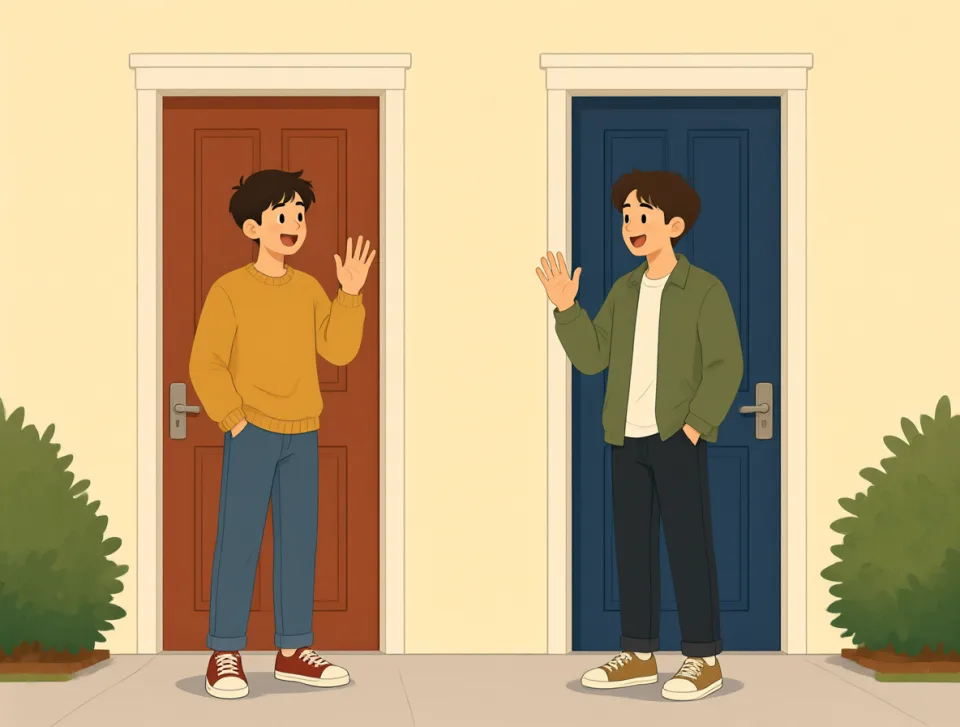
My brother lives in the next apartment.
Mój brat mieszka w sąsiednim mieszkaniu.
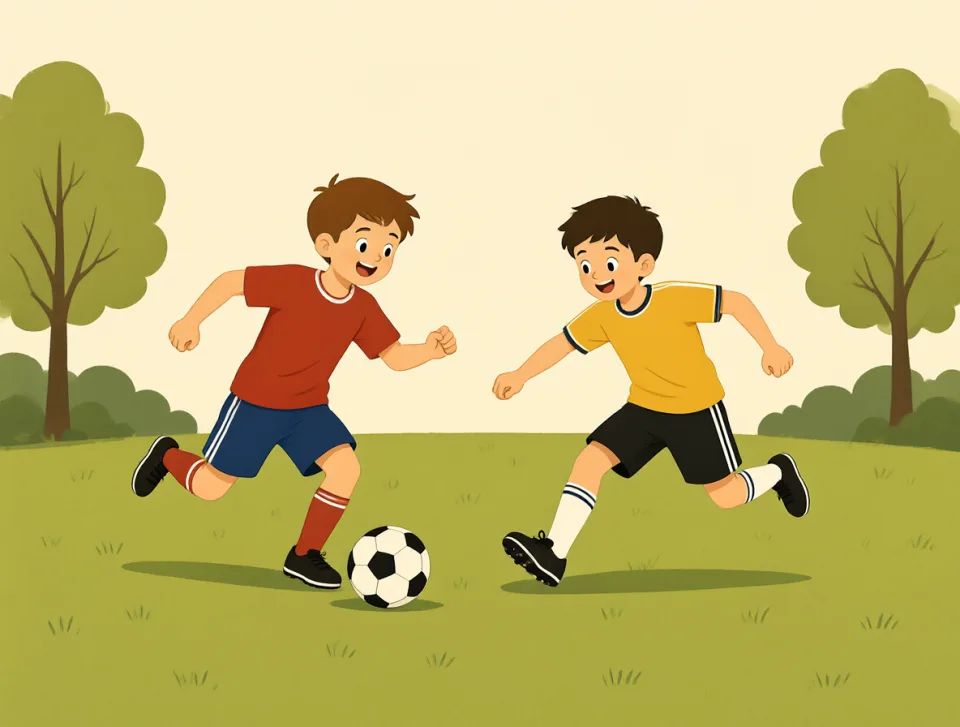
I played football with my little brother.
Grałem w piłkę nożną z moim młodszym bratem.

Her brother works at a local restaurant.
Jej brat pracuje w lokalnej restauracji.
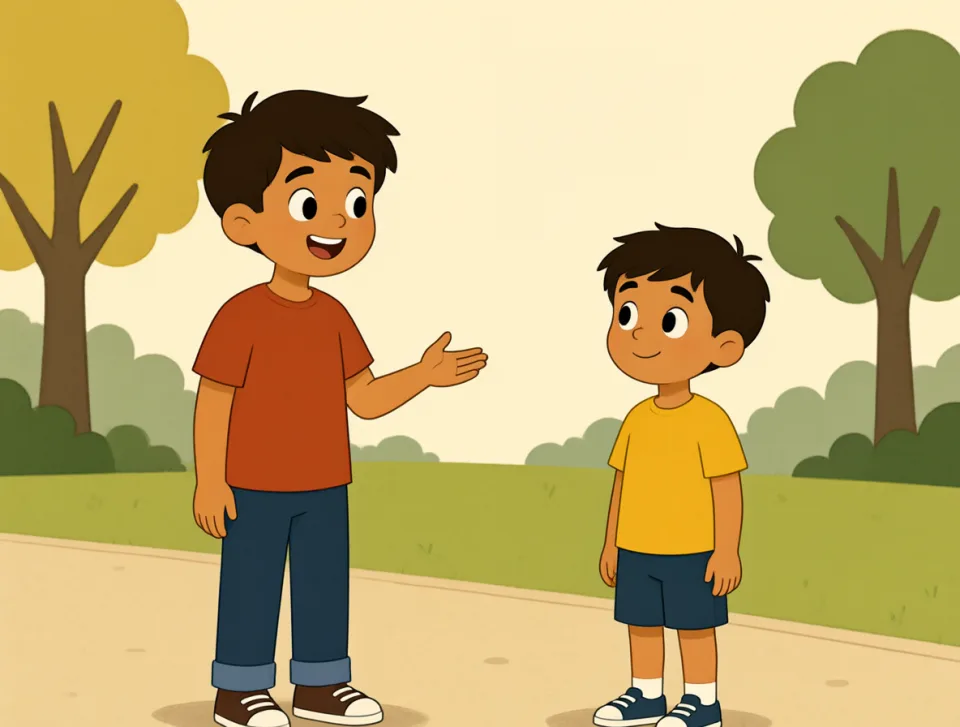
Tom is my brother's best friend.
Tom jest najlepszym przyjacielem mojego brata.
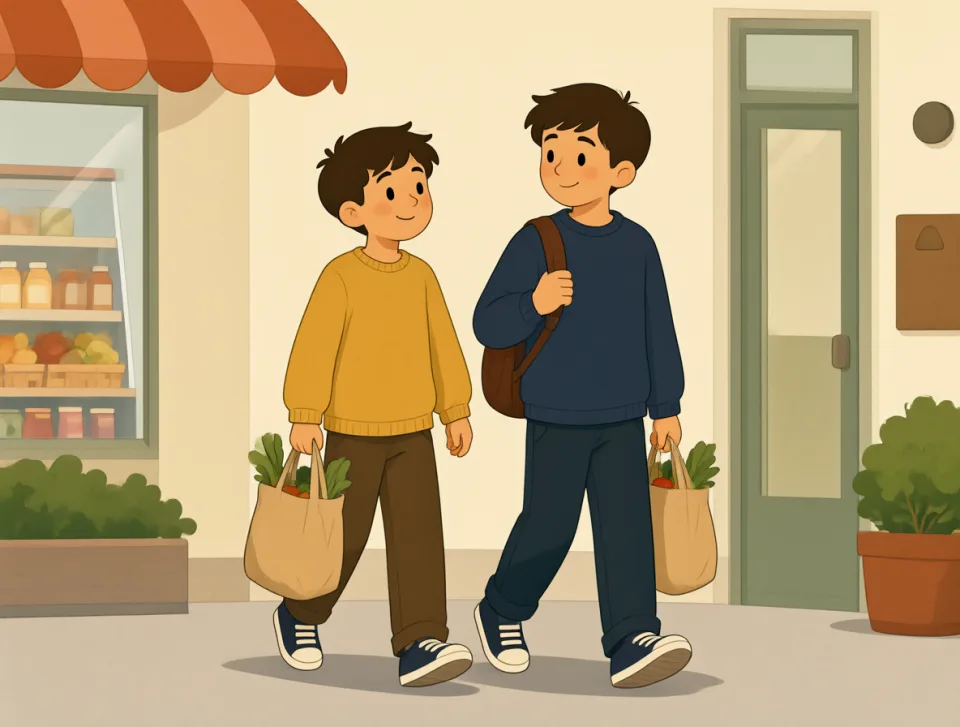
My brother helped me carry the shopping.
Mój brat pomógł mi zanieść zakupy.
investment
#822noun
inwestycja
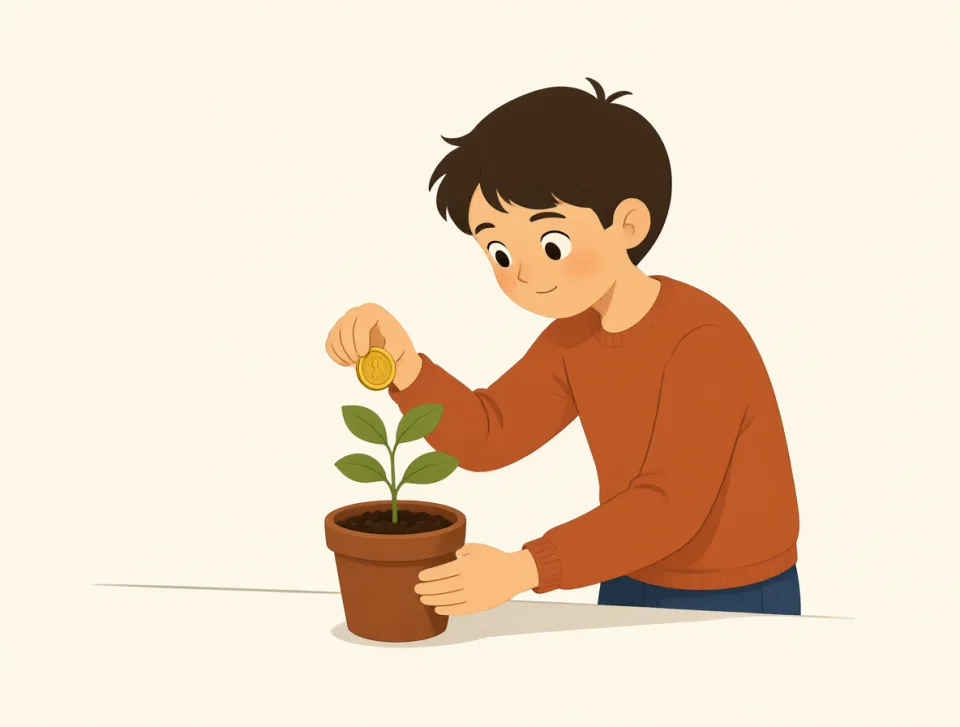
Money, time, or effort put into something to gain a useful result later.
Pieniądze, czas lub wysiłek włożone w coś, aby później przyniosło to pożyteczny rezultat.

The house was a good investment.
Ten dom był dobrą inwestycją.

She made an investment in the company.
Zainwestowała w tę firmę.
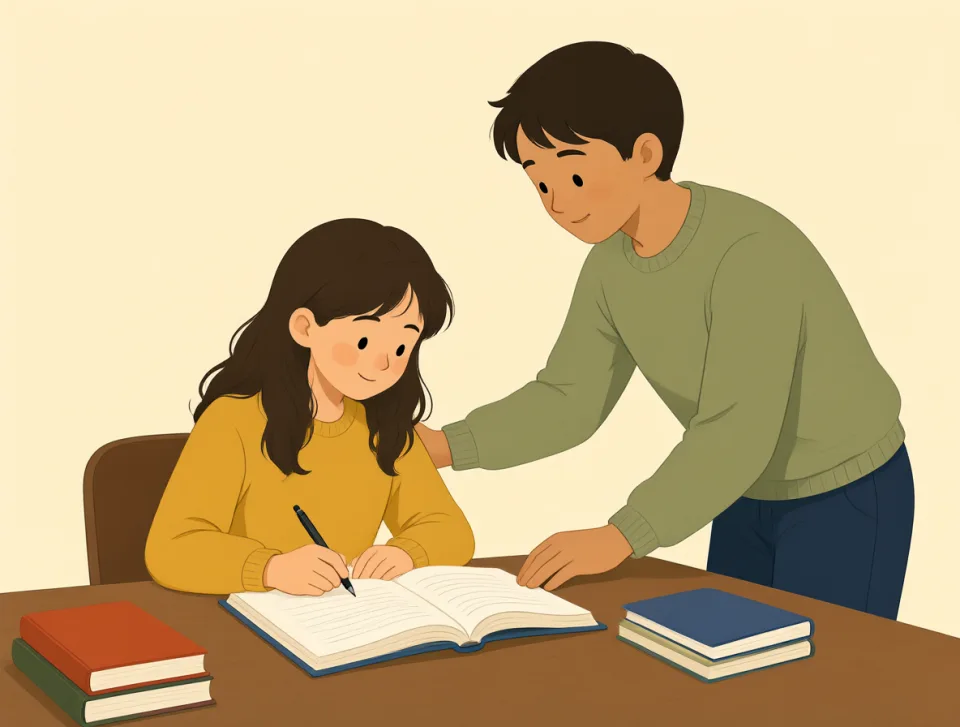
Education is an investment in your future.
Edukacja to inwestycja w twoją przyszłość.
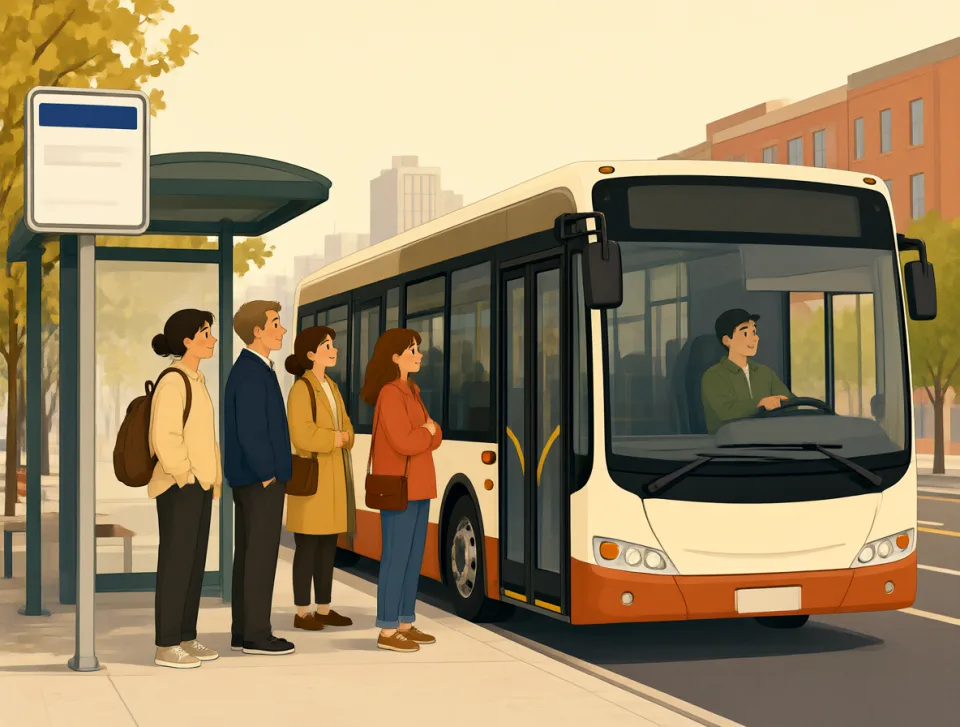
We need more investment in public transport.
Musimy więcej inwestować w transport publiczny.
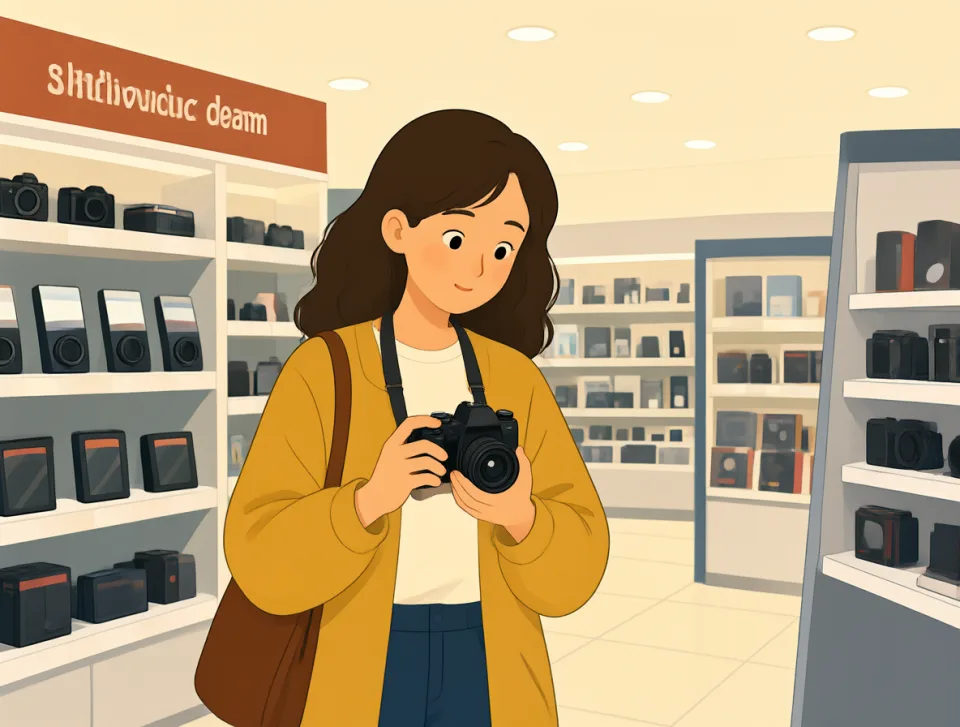
This camera is a useful investment.
Ten aparat to przydatna inwestycja.
score
#823noun, verb
wynik; zdobywać punkty
The number of points someone gets in a game, or to get points in a game.
Liczba punktów zdobytych przez kogoś w grze albo zdobywać punkty w grze.
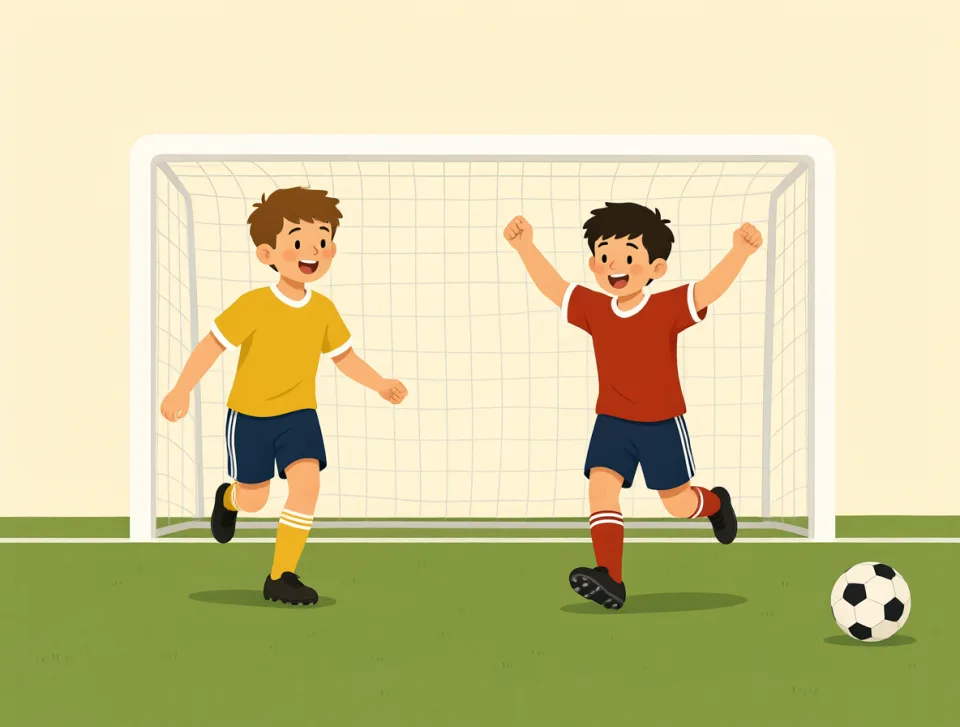
Our team scored three goals today.
Nasza drużyna strzeliła dziś trzy gole.
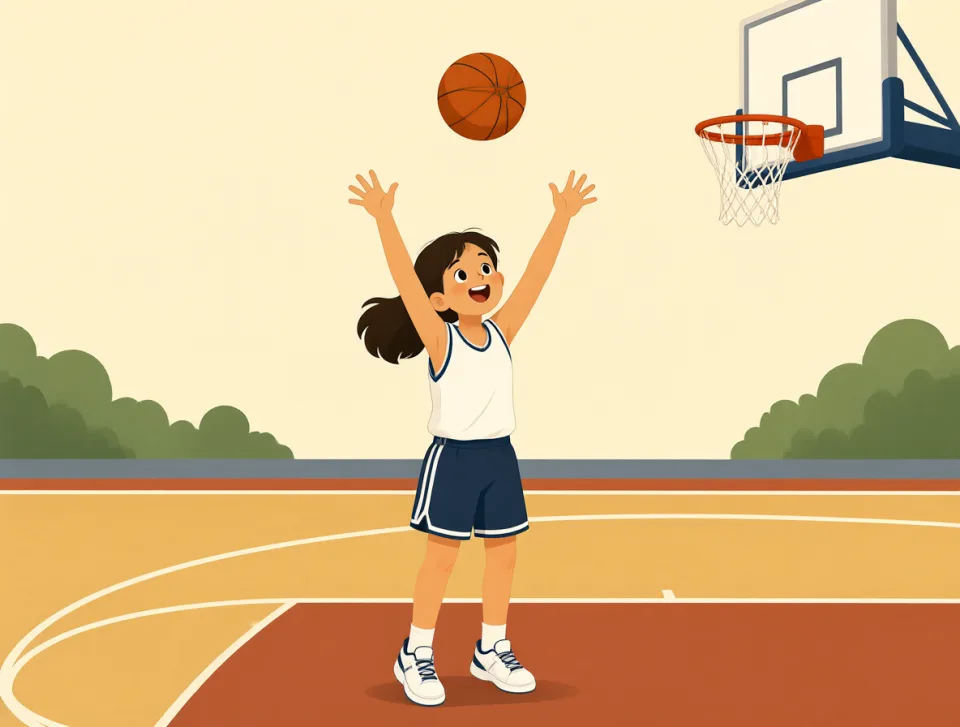
She scored ten points in the game.
Zdobyła dziesięć punktów w meczu.
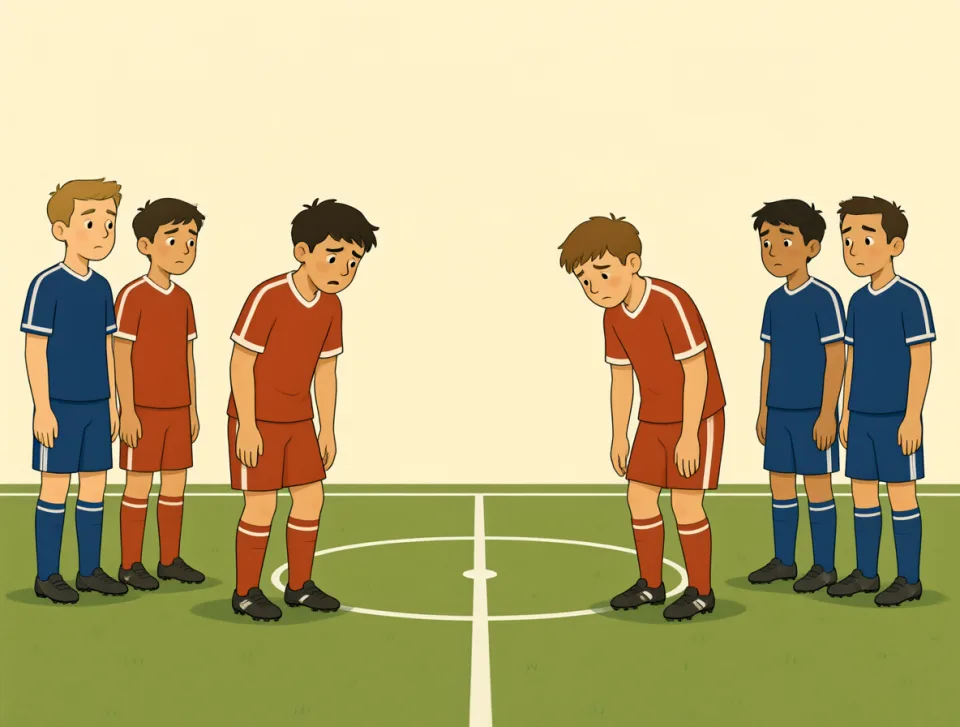
The final score was two to one.
Końcowy wynik to dwa do jednego.
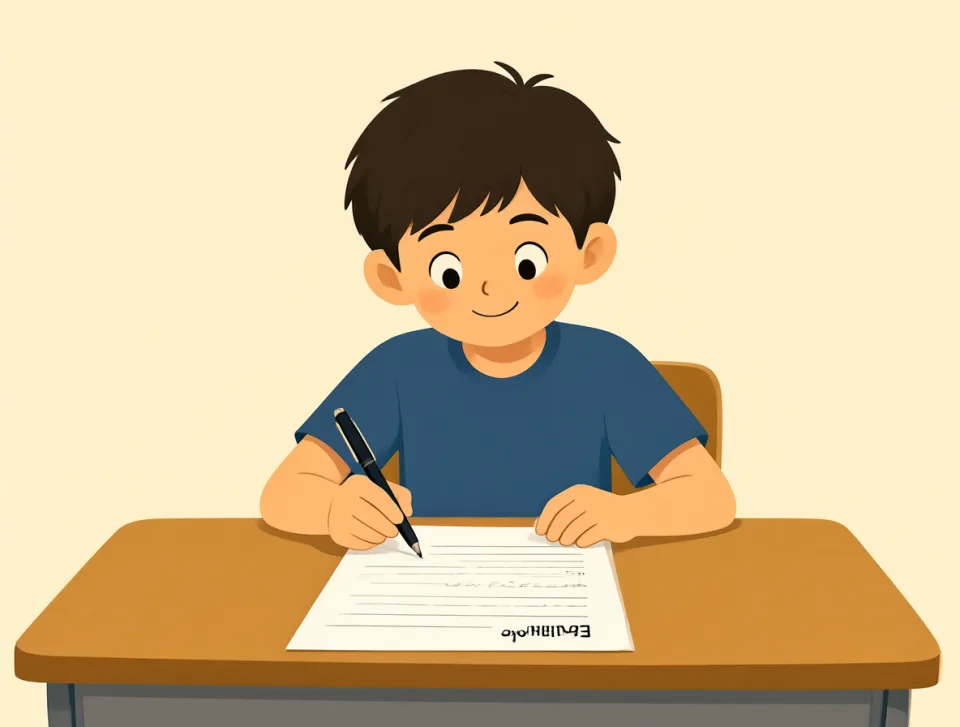
He scored well on his English test.
Dobrze napisał test z angielskiego.
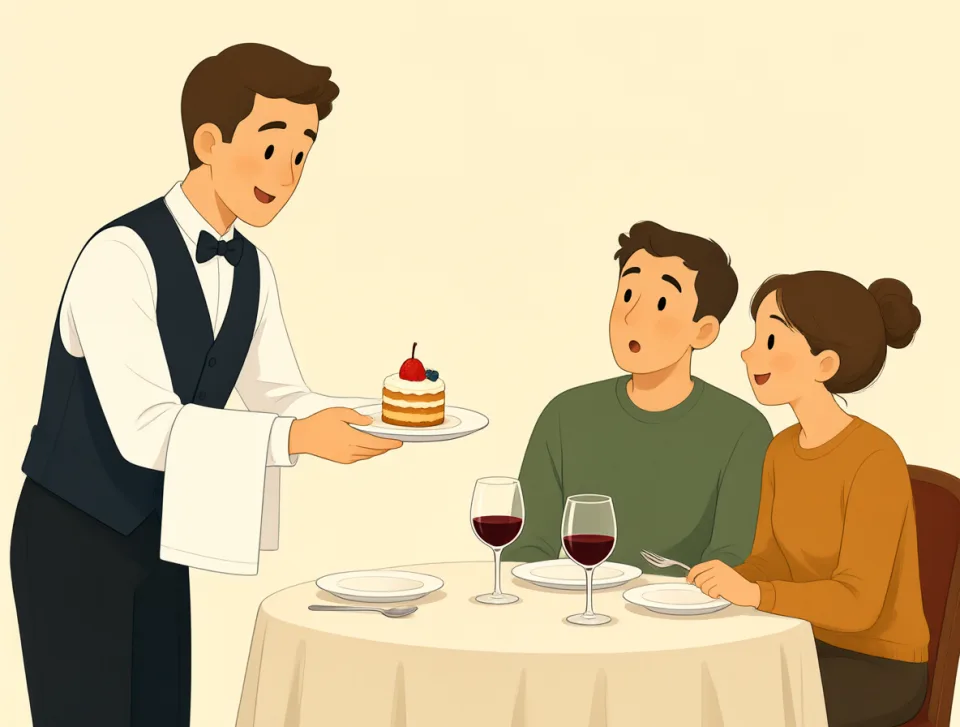
The waiter scored us a free dessert.
Kelner załatwił nam darmowy deser.
organize
#824verb
organizować
to plan and arrange people or things in a clear, useful way
planować i układać ludzi lub rzeczy w jasny, praktyczny sposób.
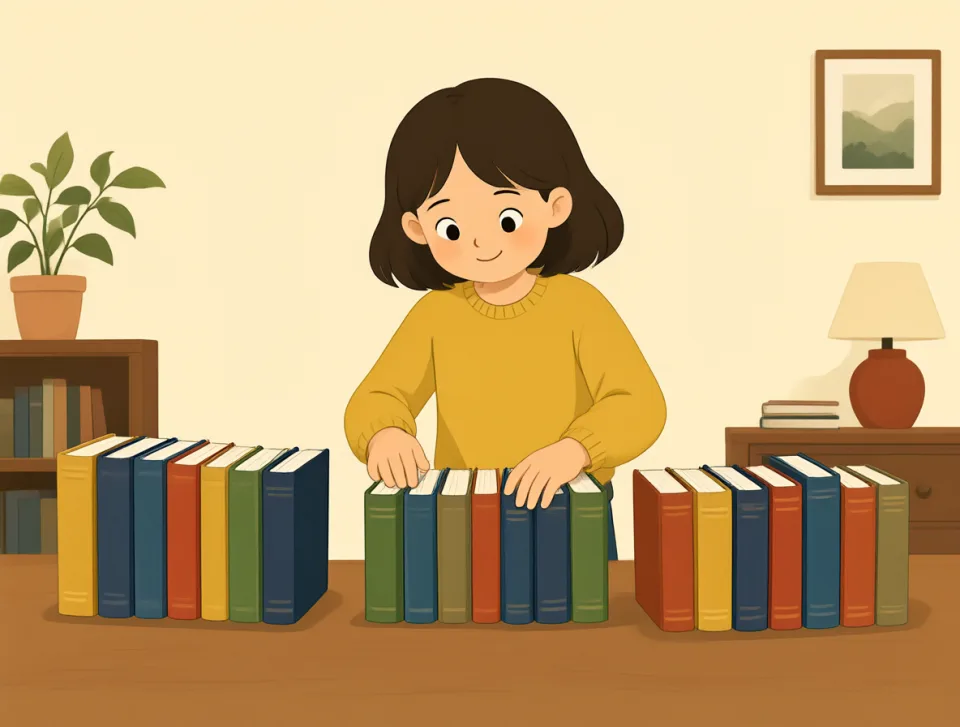
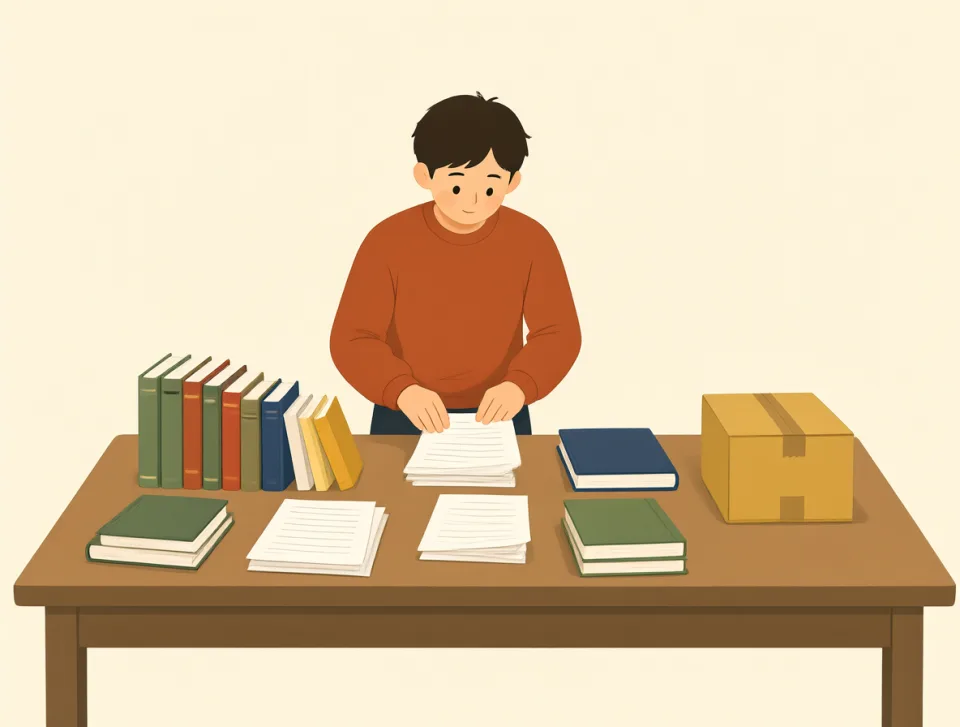
She organized the books by subject.
Ułożyła książki według przedmiotów.
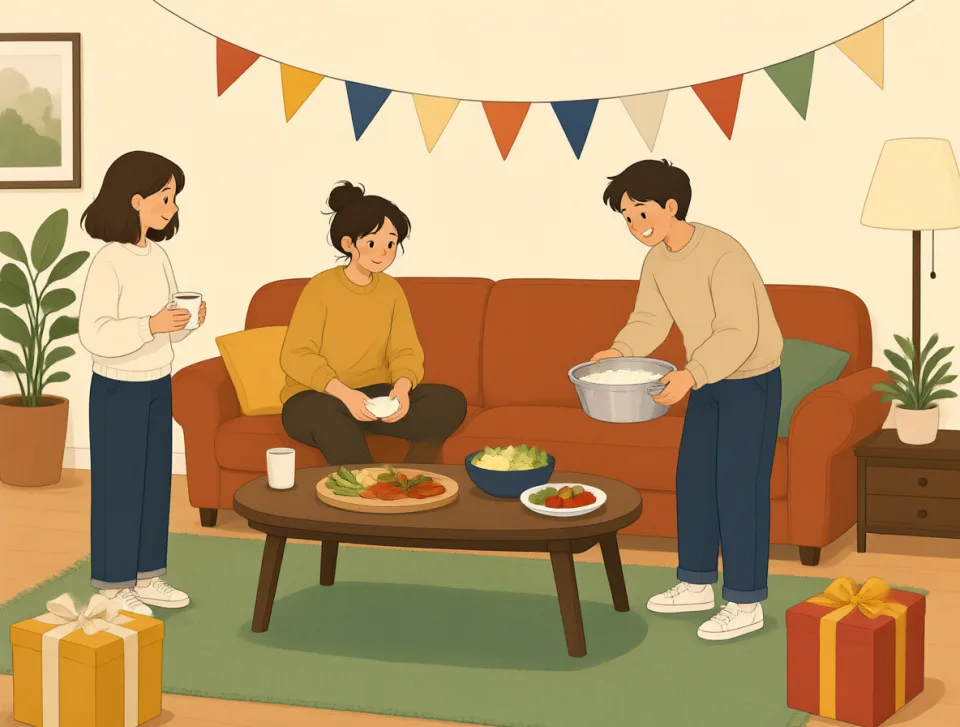
We organized a party for our friend.
Zorganizowaliśmy przyjęcie dla naszego przyjaciela.
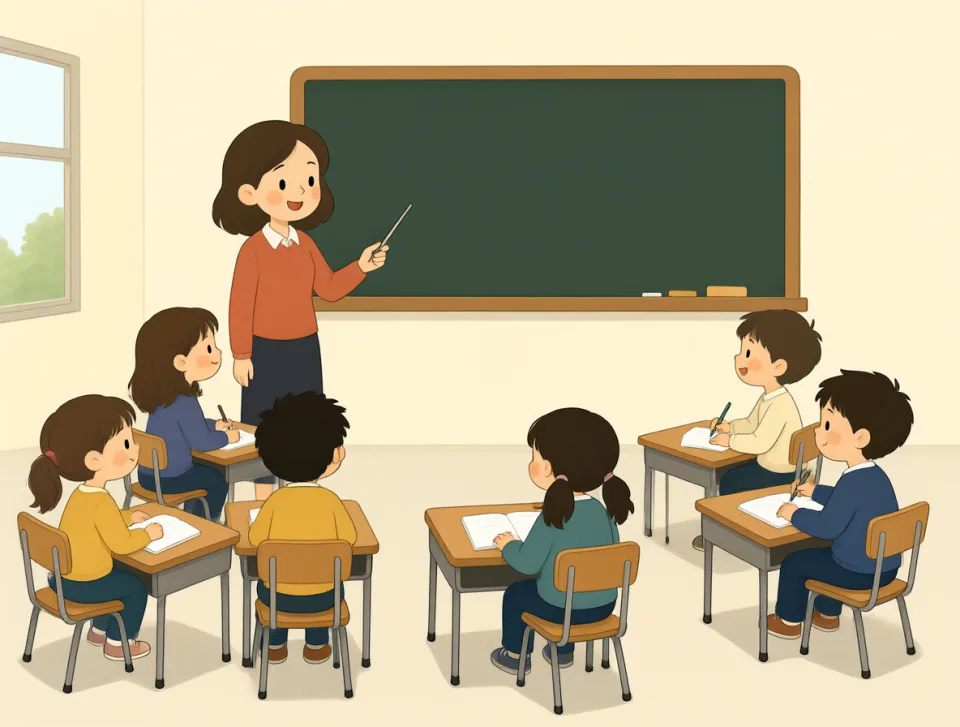
The teacher organized the students into groups.
Nauczyciel podzielił uczniów na grupy.
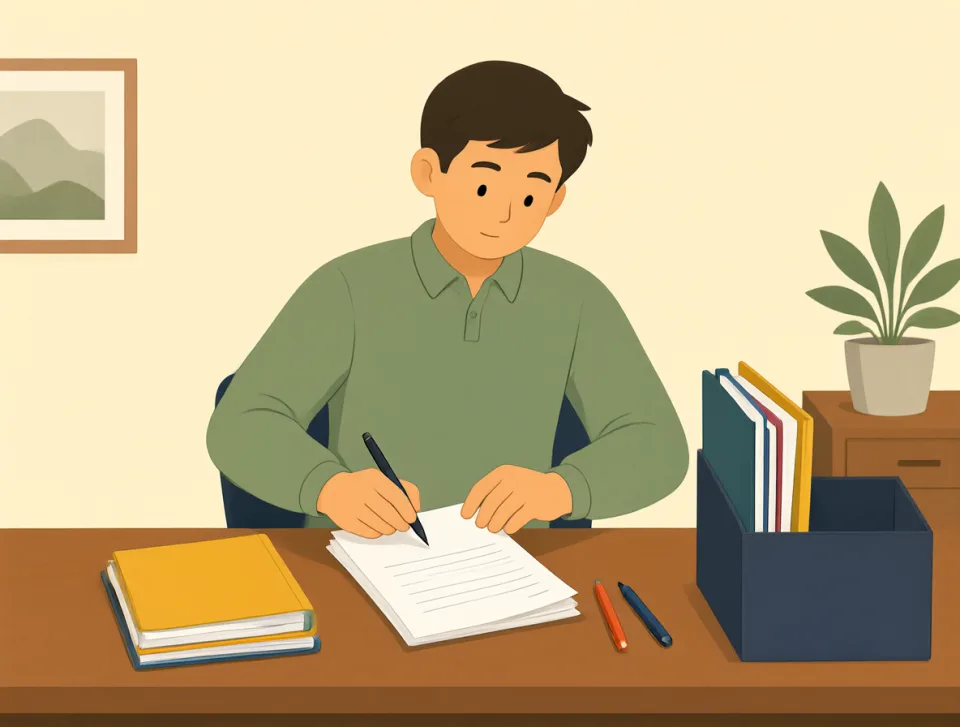
He organized his desk before work.
Uporządkował biurko przed pracą.
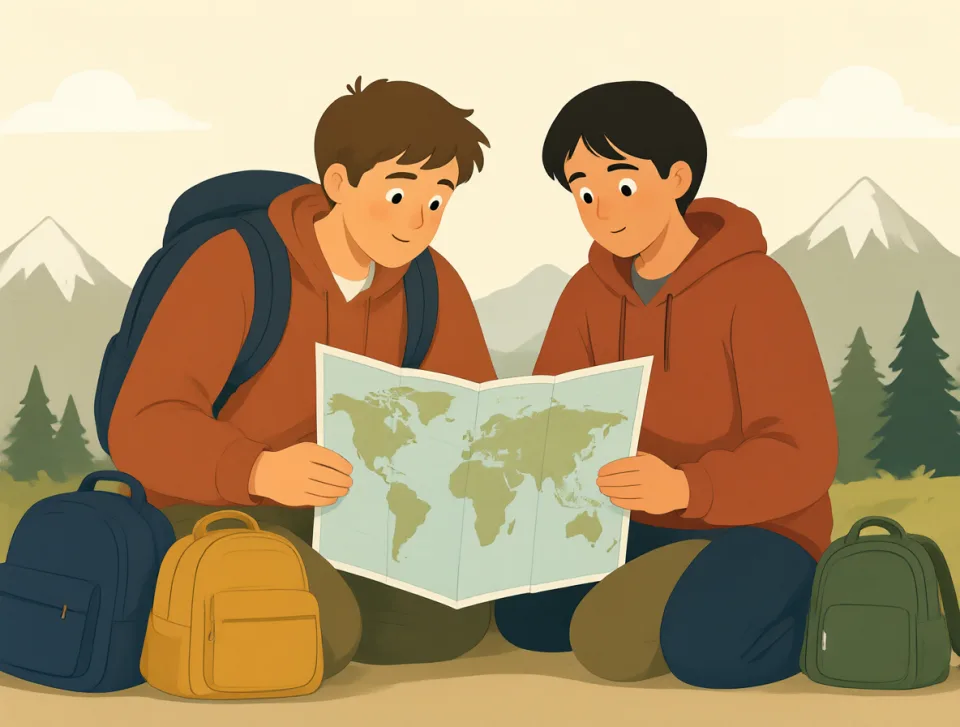
They organized a trip to the mountains.
Zorganizowali wycieczkę w góry.
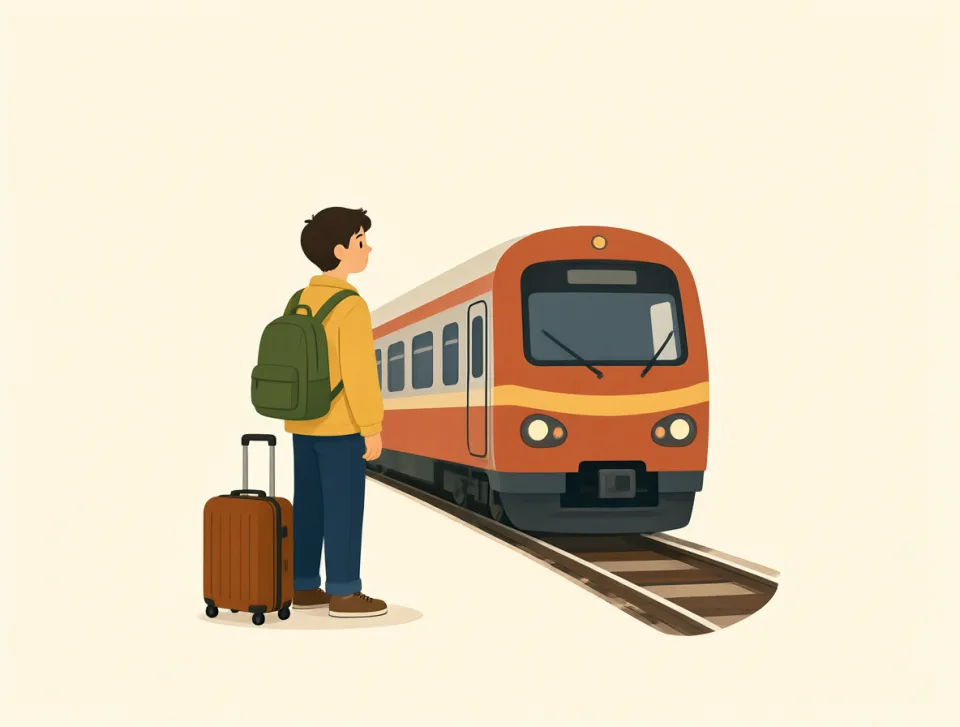
trip
#825noun, verb
podróż; potknąć się
A journey to a place, or to fall and lose your balance while walking.
Podróż do jakiegoś miejsca albo stracić równowagę i przewrócić się podczas chodzenia.
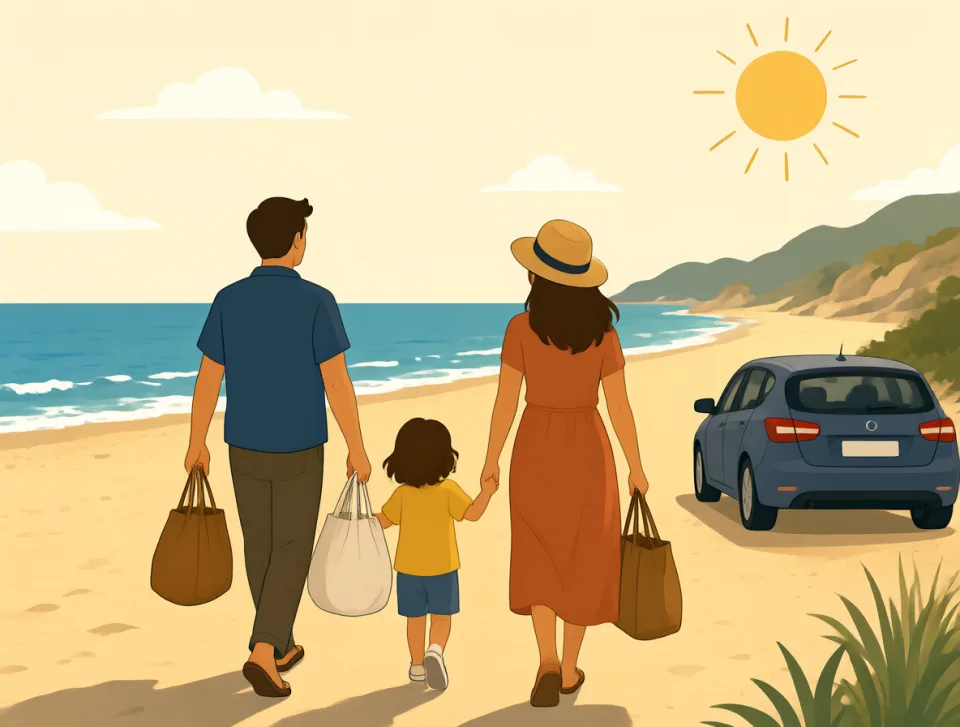
We took a trip to the beach.
Pojechaliśmy na wycieczkę na plażę.
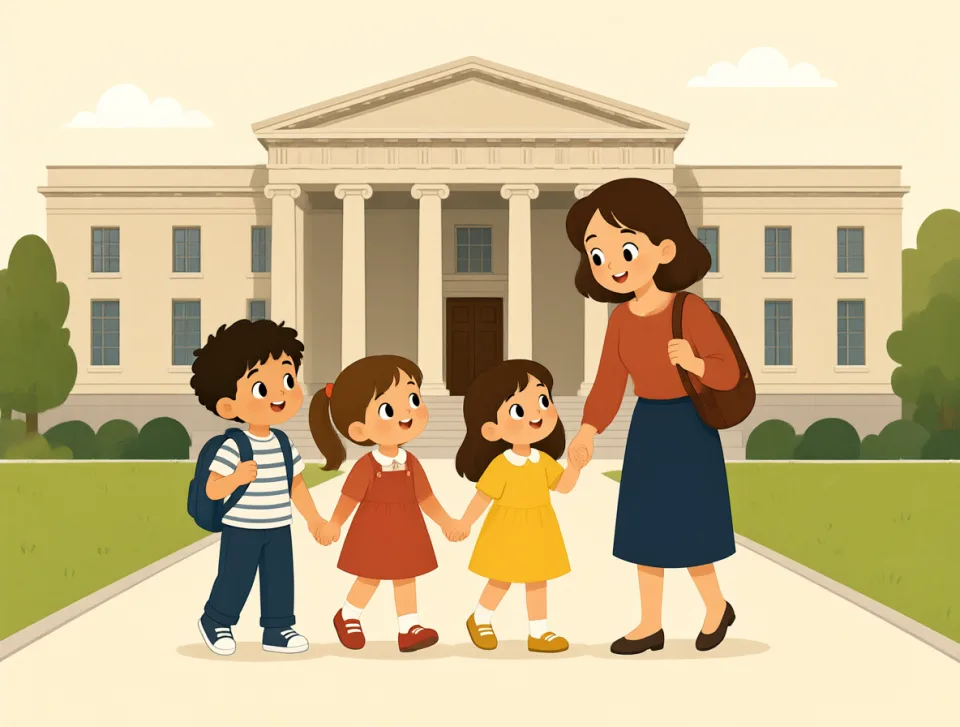
Our school trip was fun.
Nasza szkolna wycieczka była świetna.
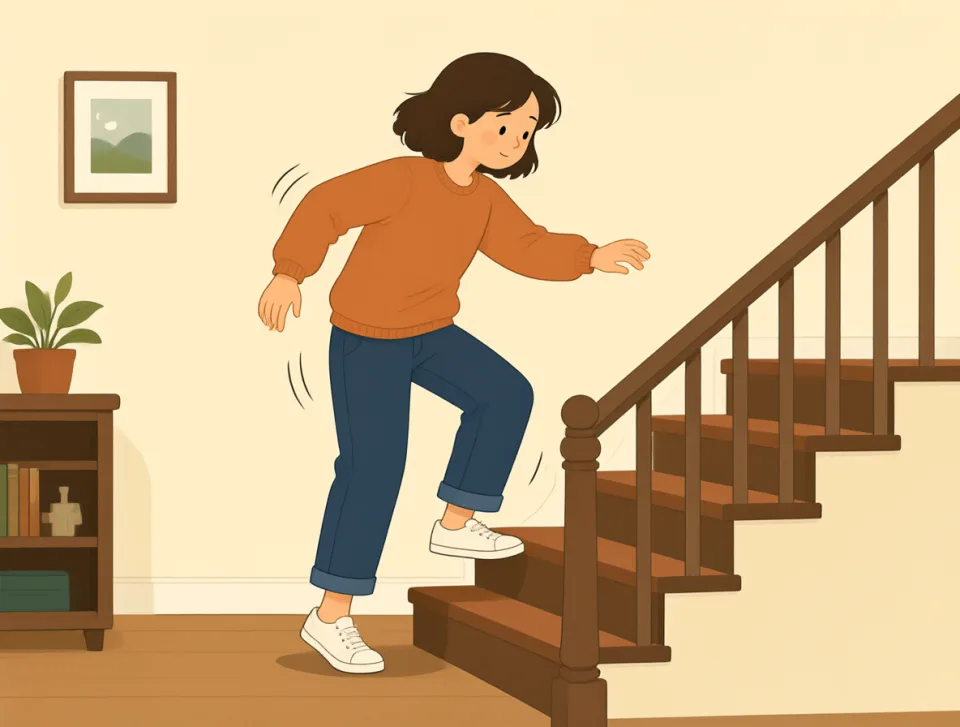
I tripped on the stairs this morning.
Dziś rano potknąłem się na schodach.
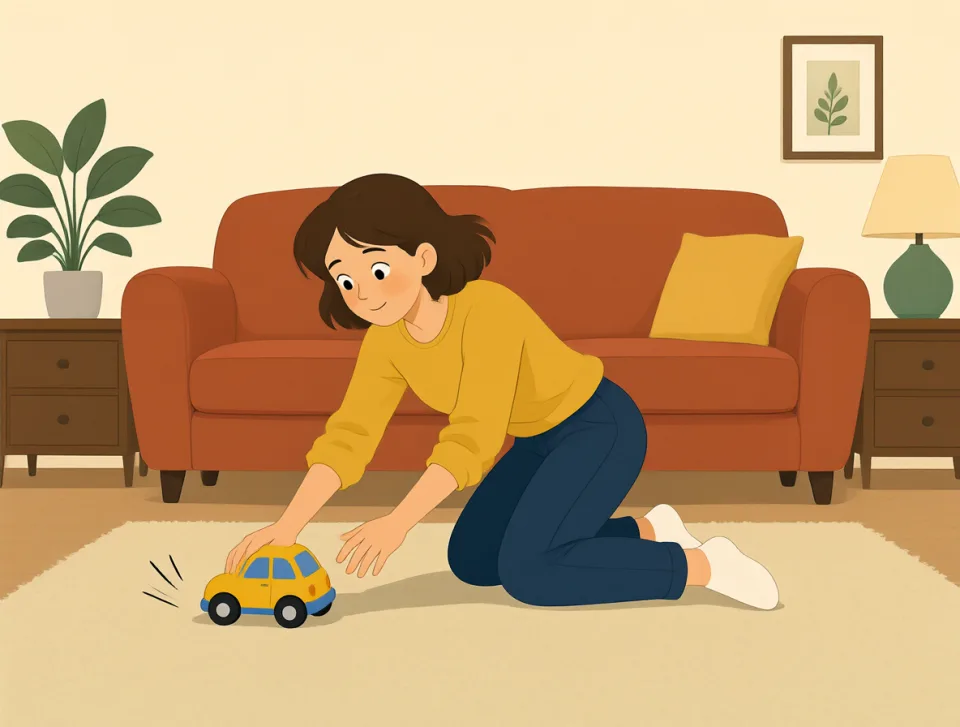
She tripped over the toy.
Potknęła się o zabawkę.

He took a business trip to London.
Pojechał służbowo do Londynu.

beyond
#826adverb, preposition, noun
poza
farther away or outside a limit, range, or place
dalej lub poza granicą, zakresem albo danym miejscem

The village is beyond the mountains.
Wieś leży za górami.
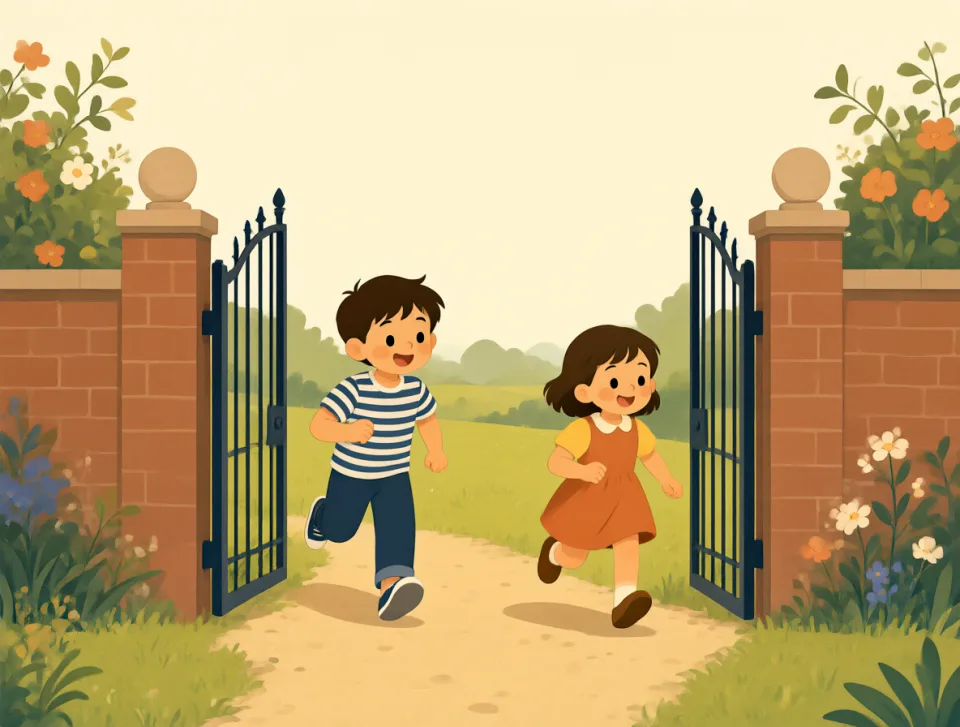
The children ran beyond the garden gate.
Dzieci wybiegły poza bramę ogrodu.
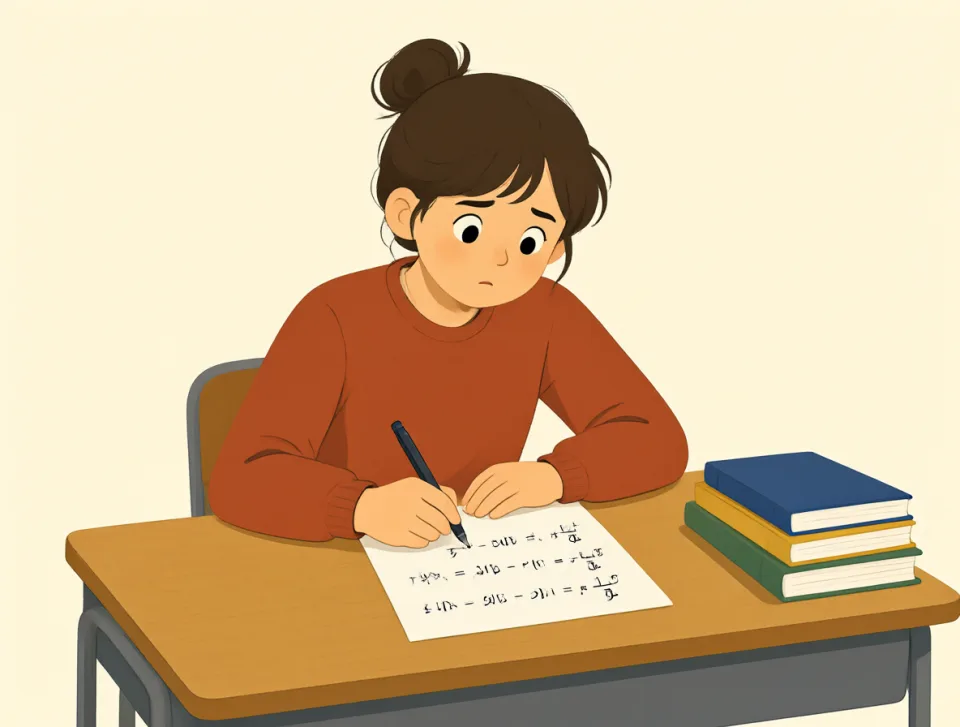
This problem is beyond my understanding.
Ten problem przerasta moje możliwości zrozumienia.
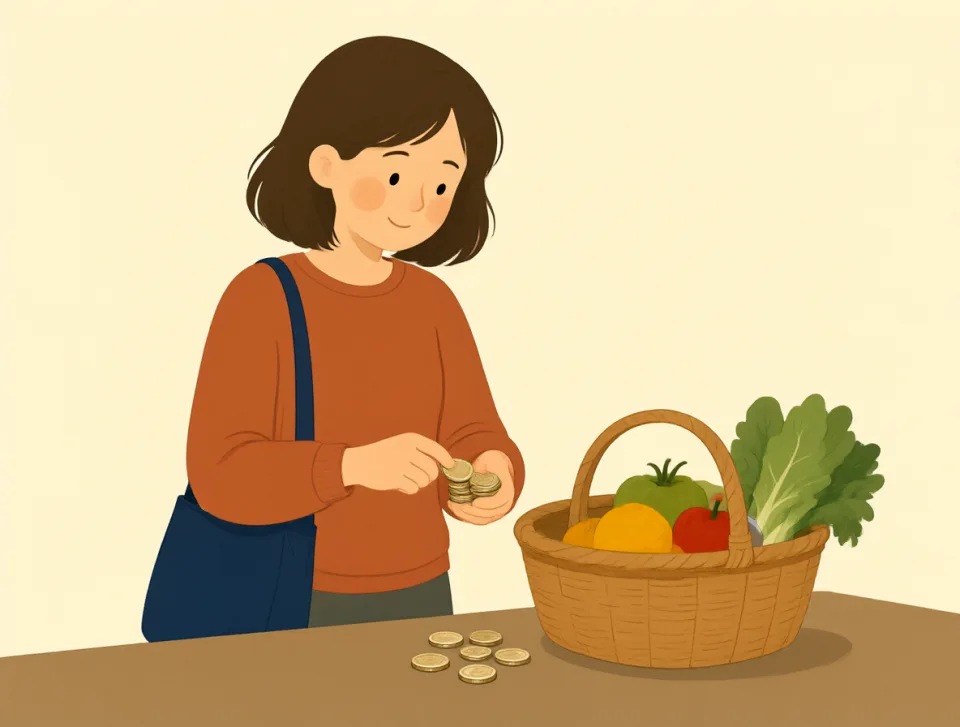
We cannot spend beyond our budget.
Nie możemy wydawać więcej, niż wynosi nasz budżet.
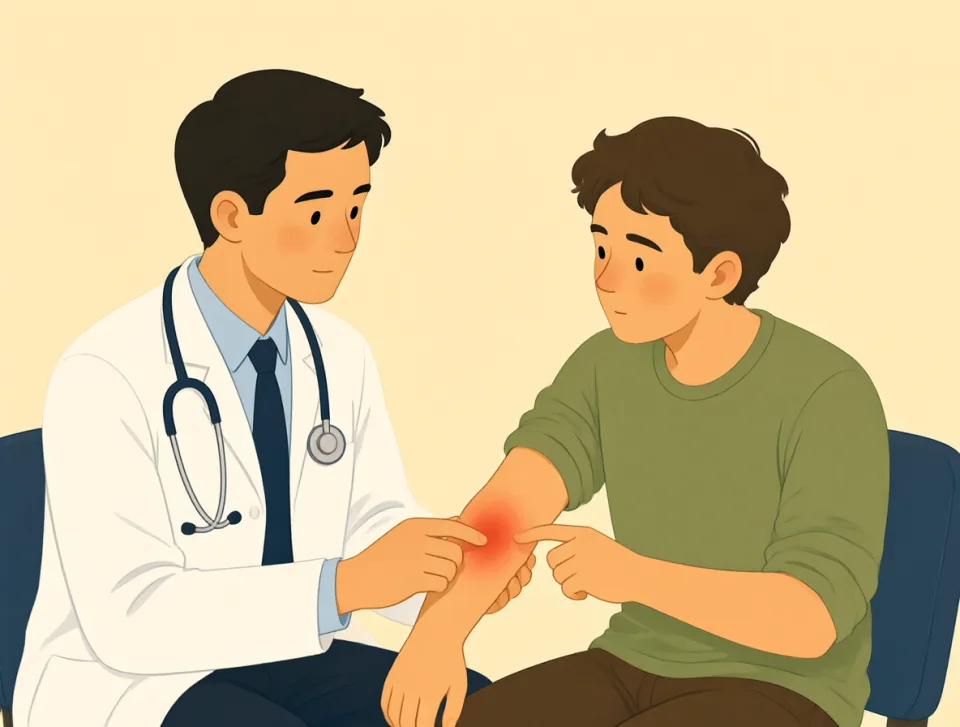
The doctor said the pain was beyond normal.
Lekarz powiedział, że ból był silniejszy niż zwykle.
sleep
#827noun, verb
spać
To rest with your eyes closed and your body inactive, usually at night.
Odpoczywać z zamkniętymi oczami i nieruchomym ciałem, zwykle w nocy.

I sleep for eight hours every night.
Śpię po osiem godzin każdej nocy.
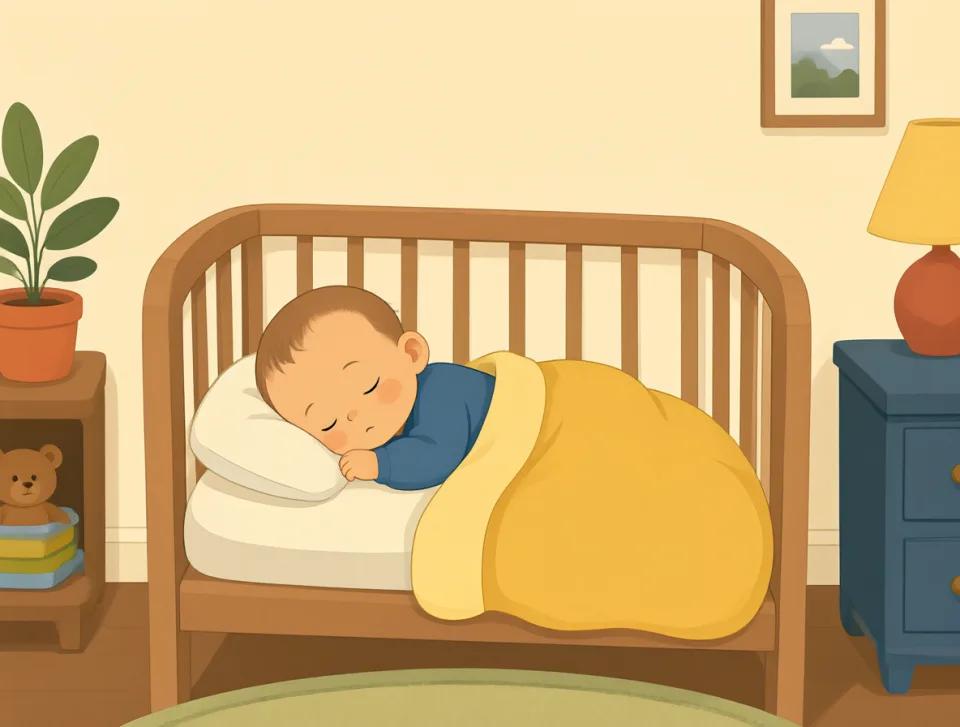
The baby is sleeping in her crib.
Dziecko śpi w swoim łóżeczku.
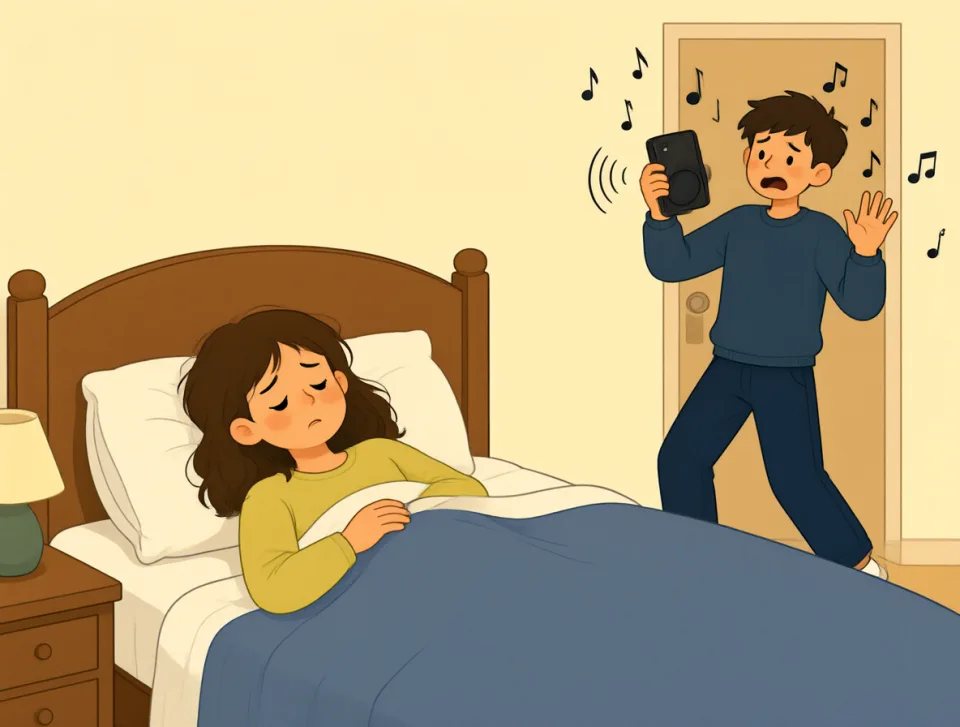
I slept badly because of the noise.
Źle spałem przez ten hałas.
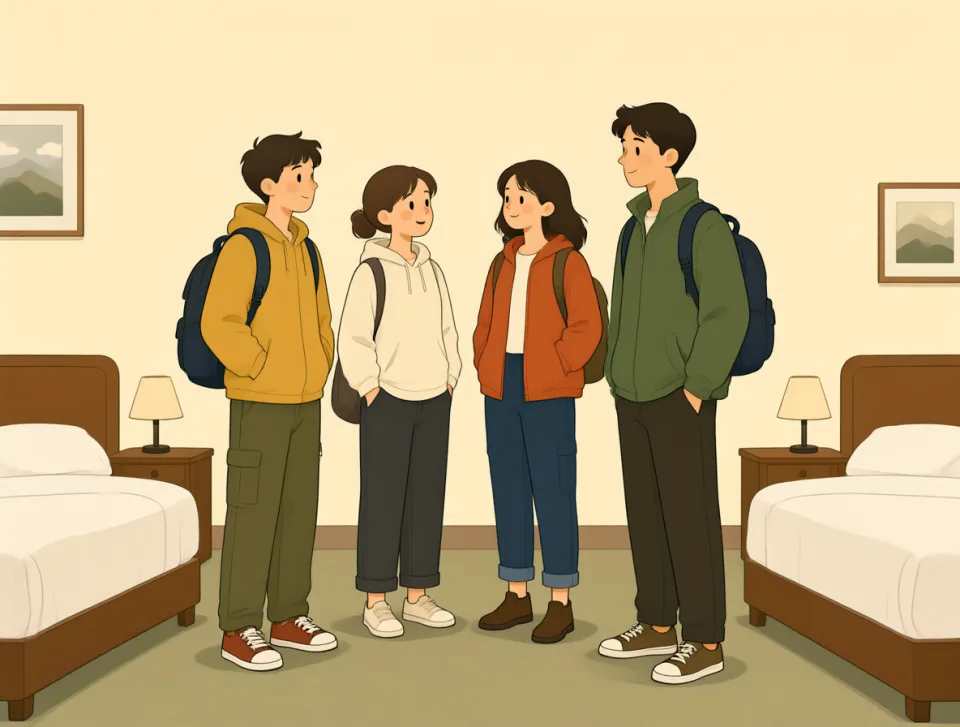
We need a hotel where four people can sleep.
Potrzebujemy hotelu, w którym mogą spać cztery osoby.

I always feel better after a good sleep.
Po dobrze przespanej nocy zawsze czuję się lepiej.
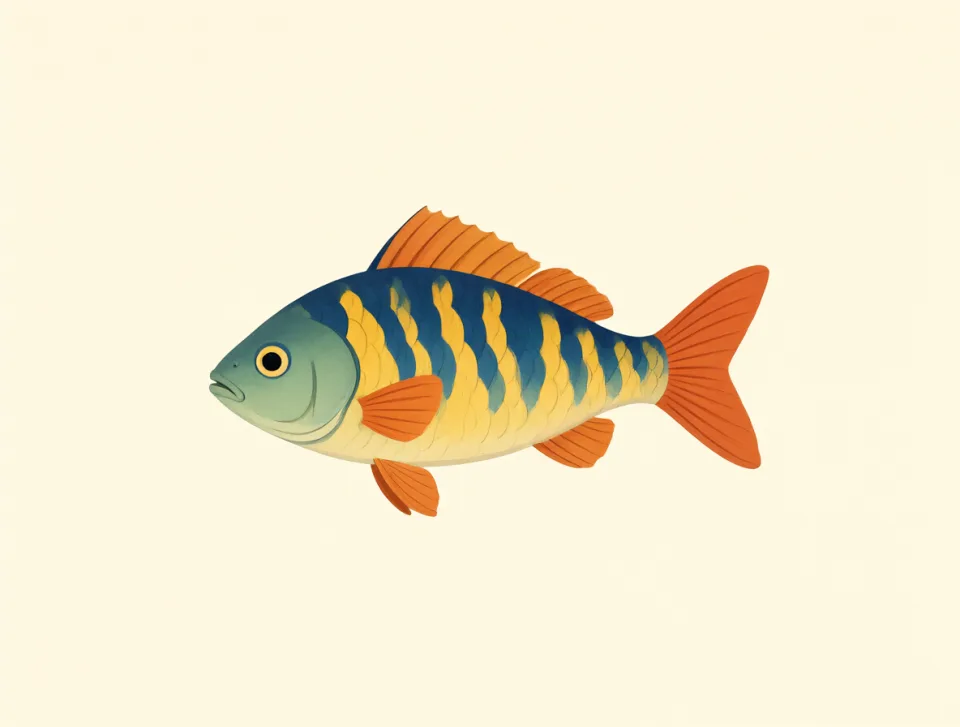
fish
#828noun, verb
ryba; łowić ryby
an animal that lives in water, or to catch or cook fish
Zwierzę żyjące w wodzie albo czynność polegająca na łowieniu lub przyrządzaniu ryb.
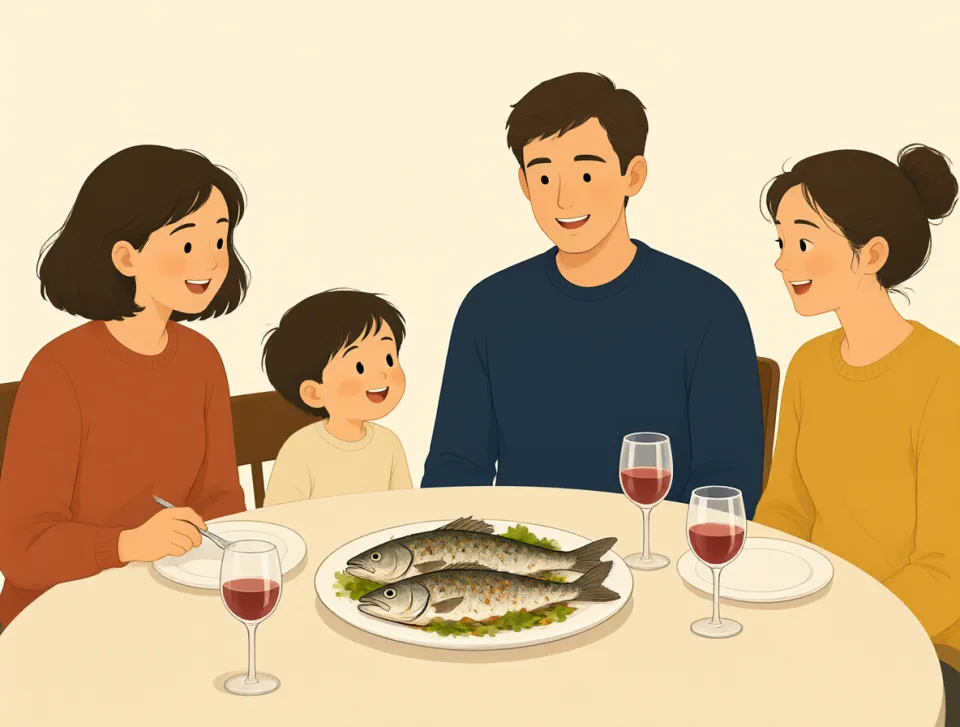
We had fish for dinner last night.
Wczoraj wieczorem jedliśmy na kolację rybę.
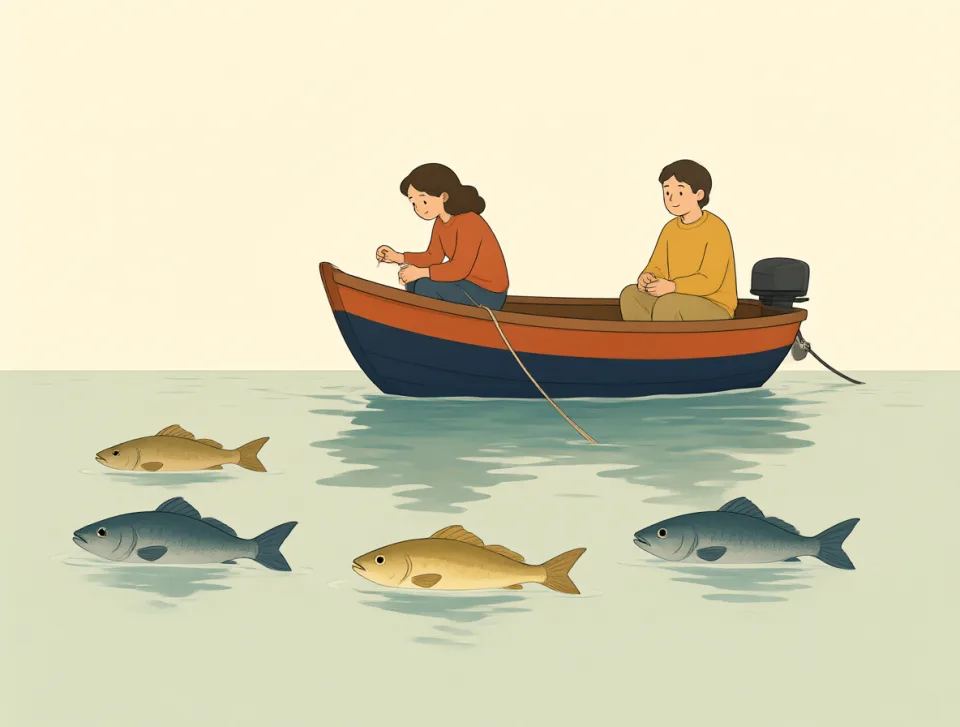
The fish are swimming near the boat.
Ryby pływają w pobliżu łodzi.
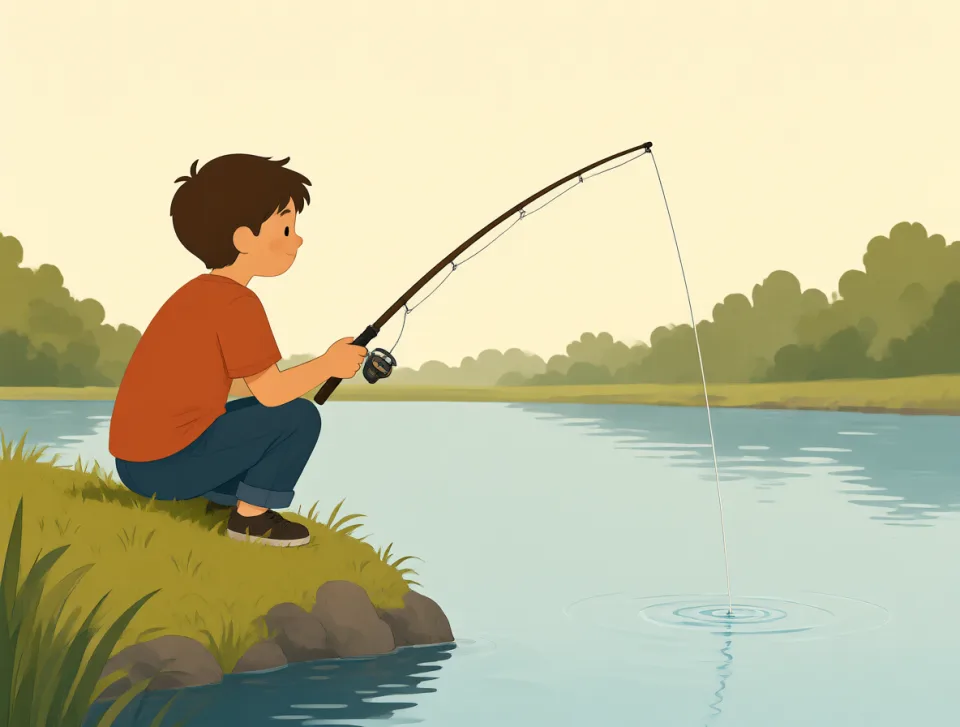
My brother fishes at the lake every Sunday.
Mój brat łowi ryby nad jeziorem w każdą niedzielę.
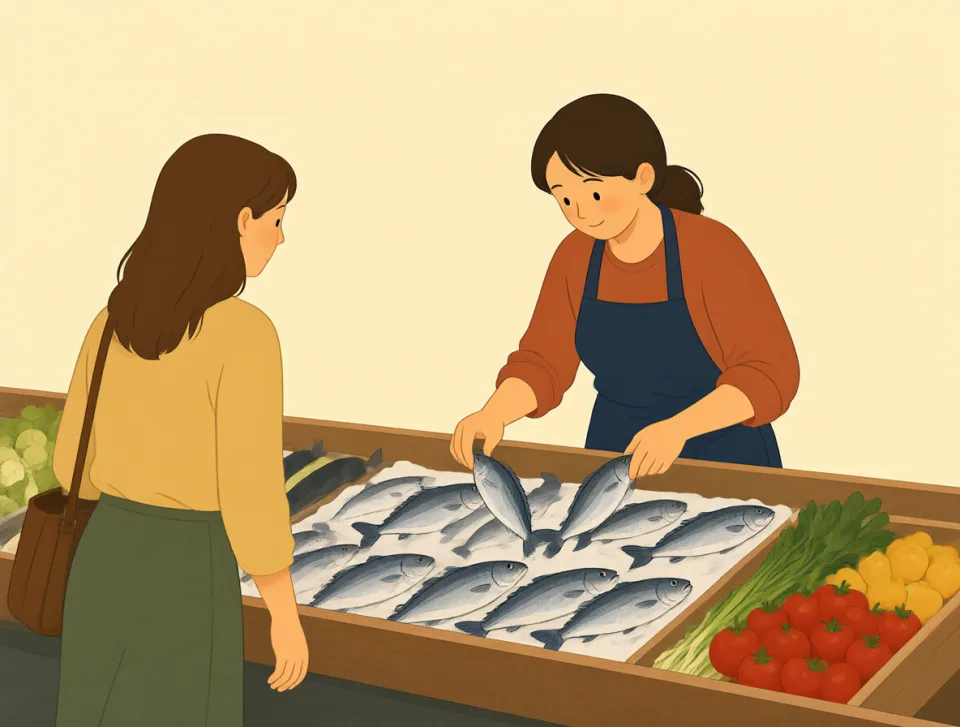
She bought fresh fish at the market.
Kupiła świeżą rybę na targu.
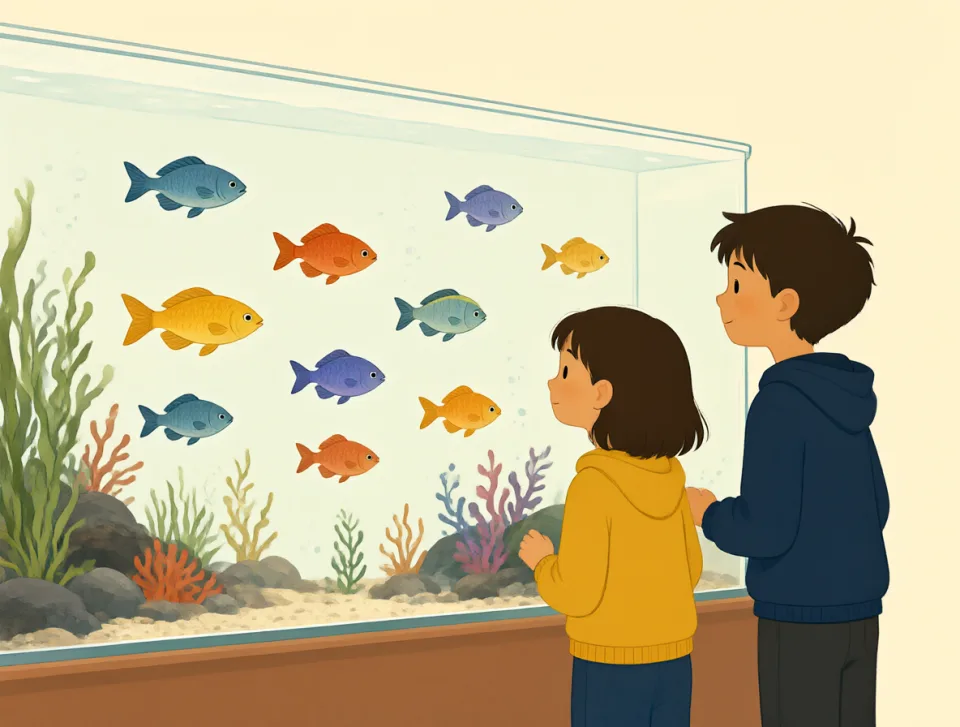
The children watched fish at the aquarium.
Dzieci oglądały ryby w akwarium.
promise
#829noun, verb
obiecać
To say you will do something or that something will happen.
Powiedzieć, że coś się zrobi albo że coś się wydarzy.

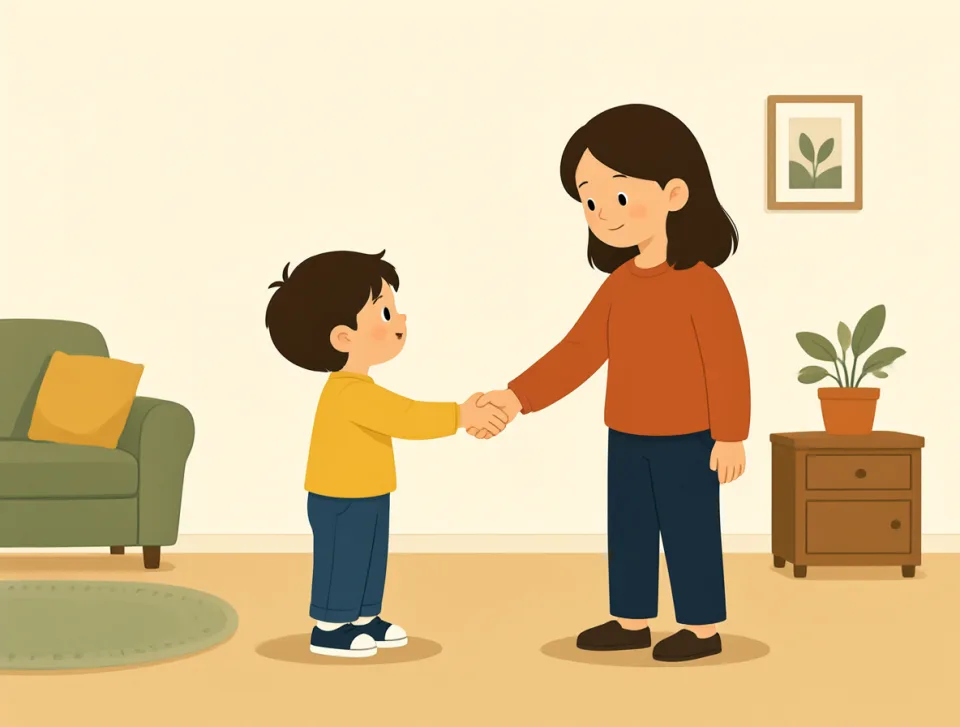
I promise to help you tomorrow.
Obiecuję, że jutro ci pomogę.
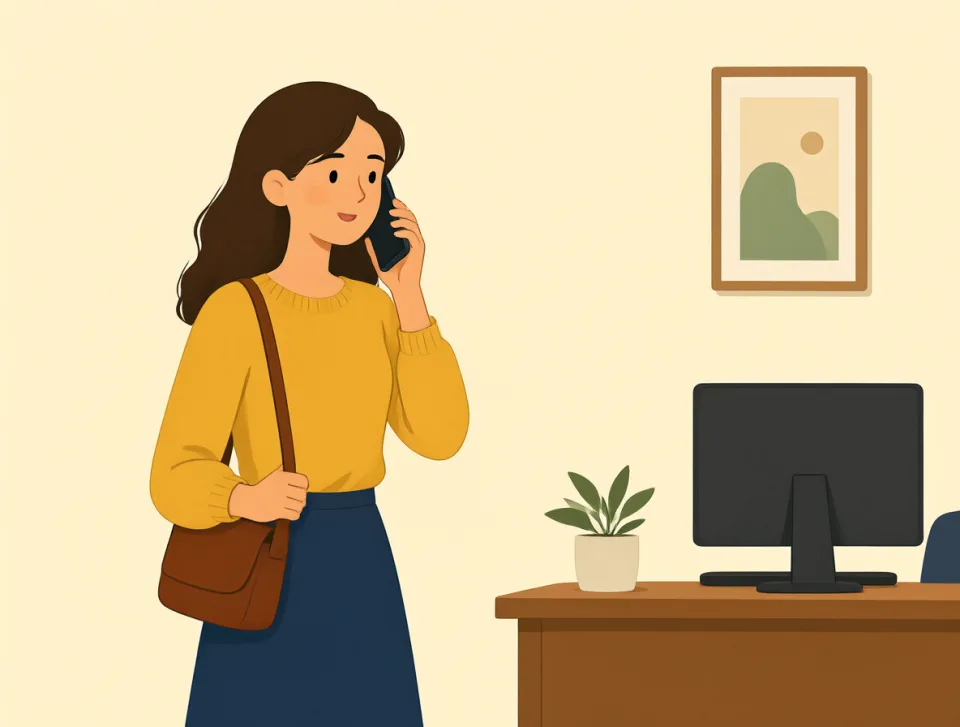
She promised to call after work.
Obiecała, że zadzwoni po pracy.
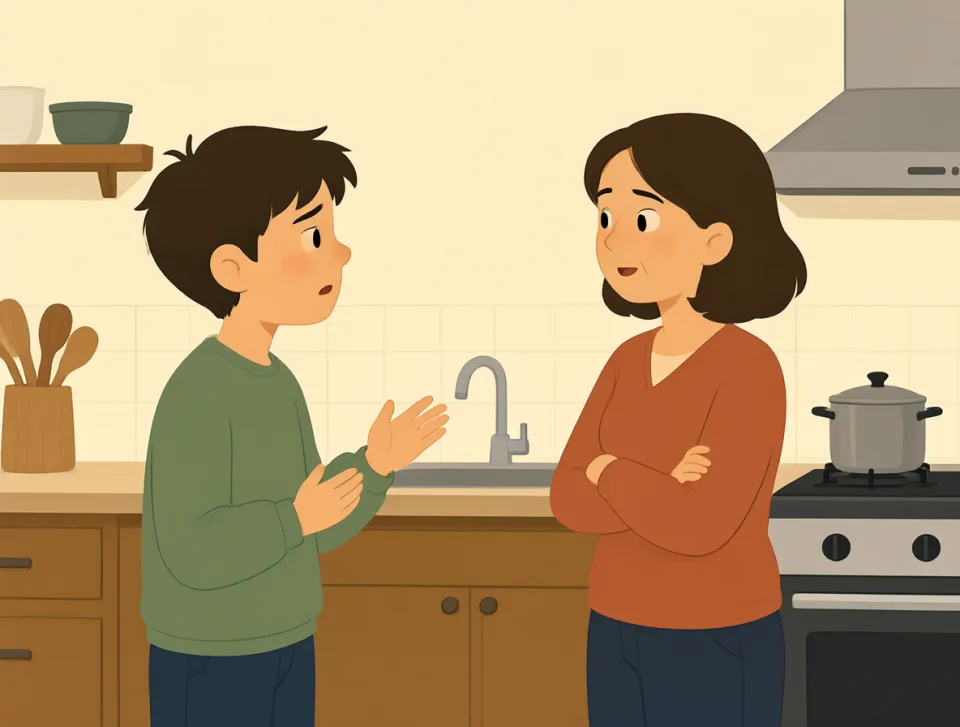
He made a promise to his mother.
Złożył matce obietnicę.

The new restaurant shows great promise.
Nowa restauracja ma duży potencjał.
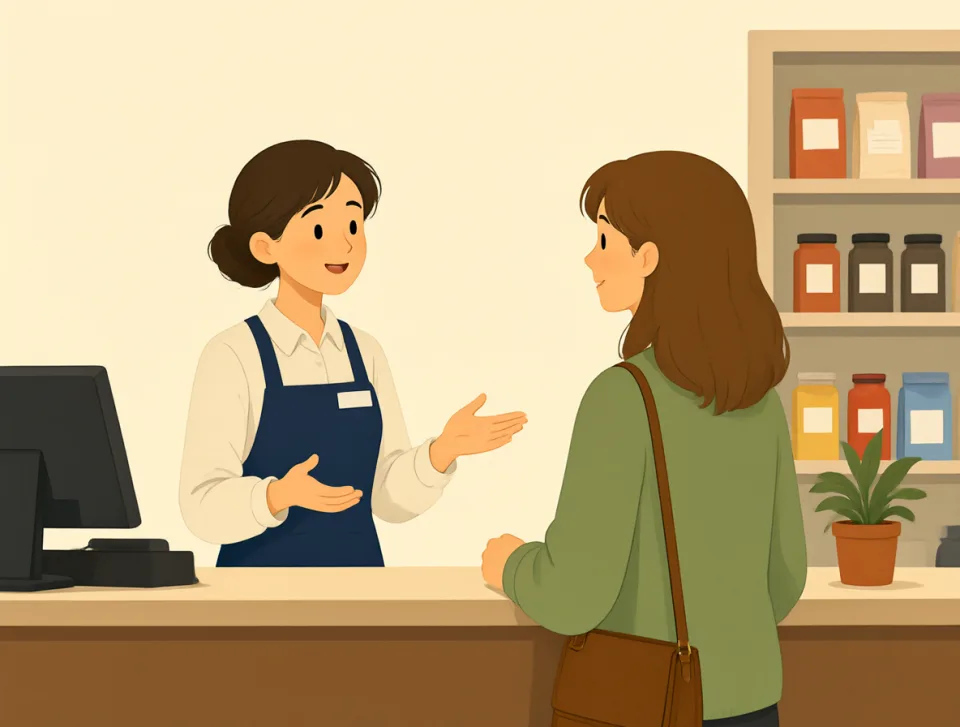
They promised us a full refund.
Obiecali nam pełny zwrot pieniędzy.
potential
#830noun, adjective
potencjał
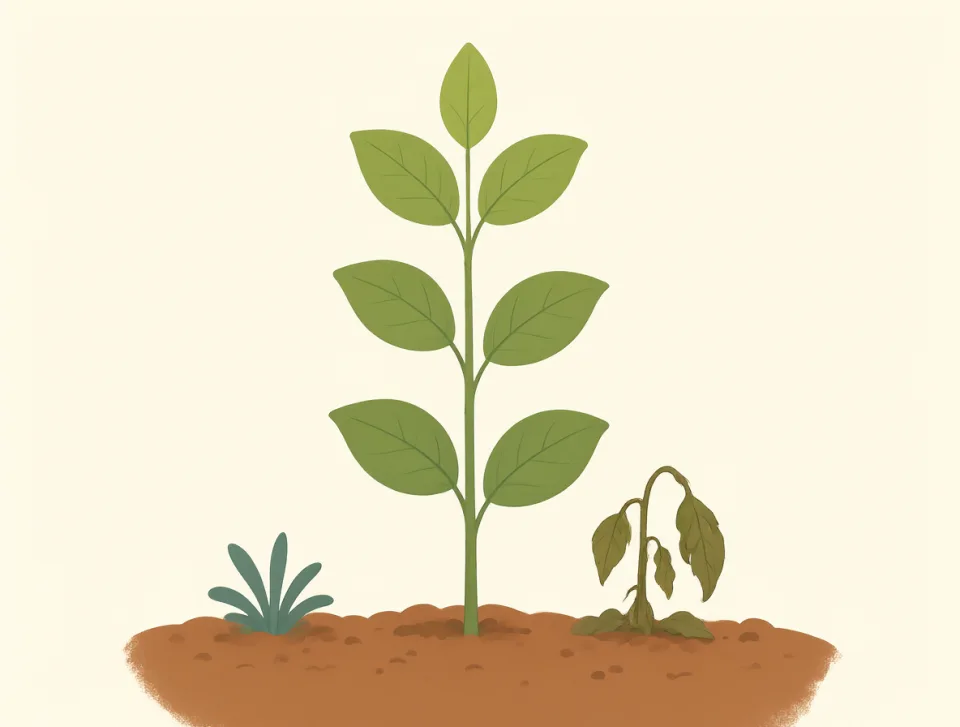
The chance that someone or something will develop, succeed, or become important.
Szansa na to, że ktoś lub coś się rozwinie, odniesie sukces albo stanie się ważne.

She has the potential to become a great doctor.
Ma potencjał, by zostać świetną lekarką.

This small shop has great potential for growth.
Ten mały sklep ma duży potencjał rozwoju.
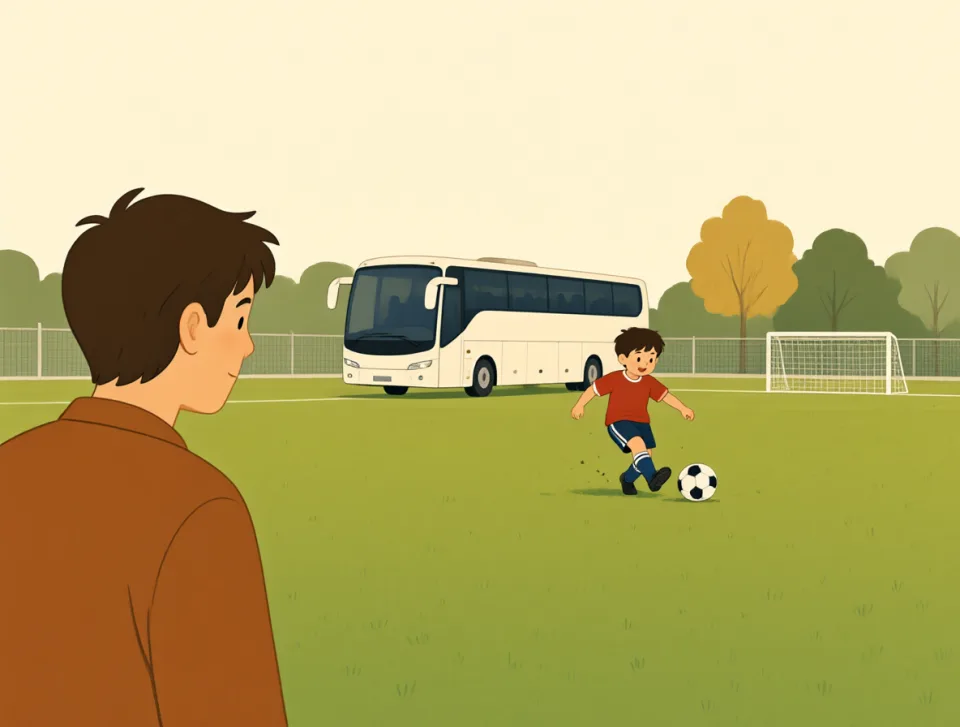
The coach saw potential in the young player.
Trener dostrzegł potencjał w młodym zawodniku.
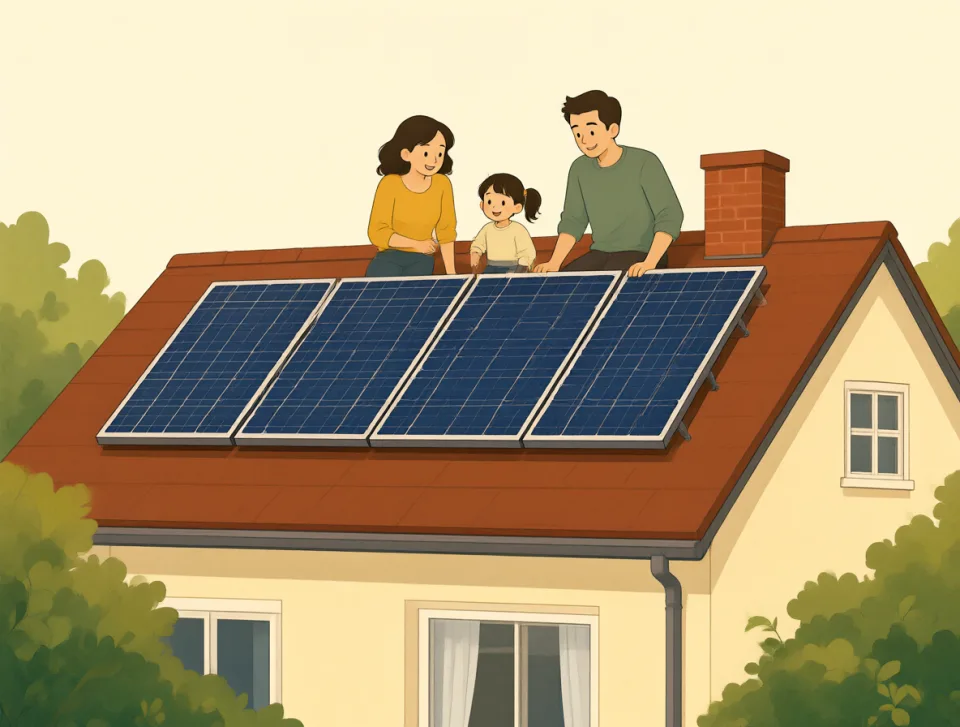
Solar power has the potential to save money.
Energia słoneczna może pomóc zaoszczędzić pieniądze.
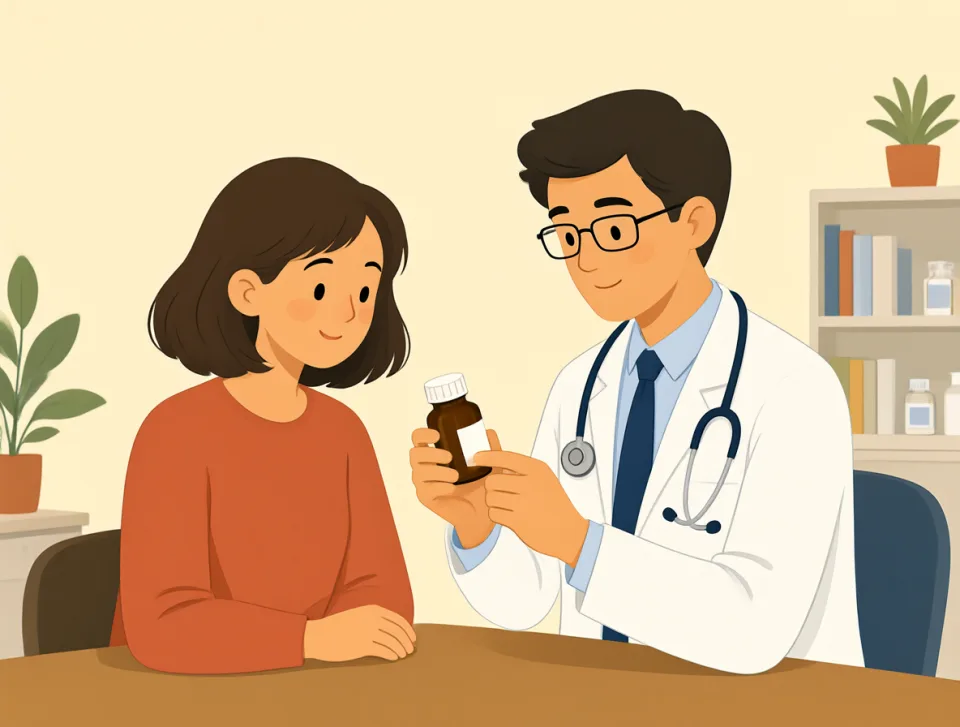
The new medicine may have dangerous potential.
Nowy lek może mieć niebezpieczne działanie.
energy
#831noun
energia
The strength and effort needed to do things or make things work.
Siła i wysiłek potrzebne do wykonywania różnych czynności lub wprawiania czegoś w ruch.
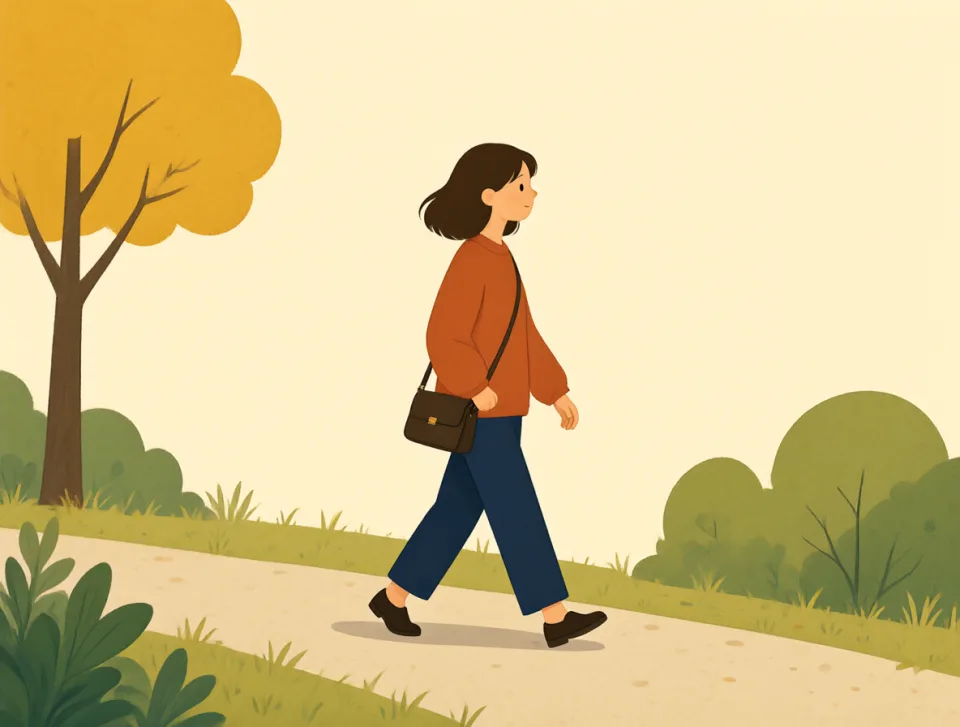
I have enough energy to walk home.
Mam dość energii, żeby wrócić do domu pieszo.
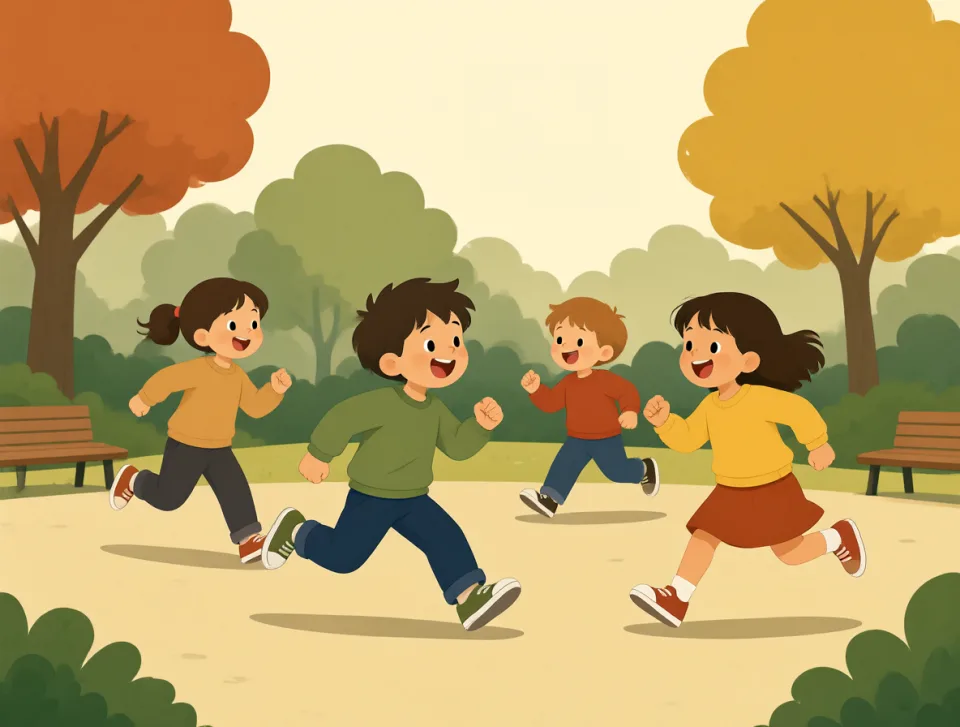
The children used all their energy at the park.
Dzieci zużyły całą swoją energię w parku.
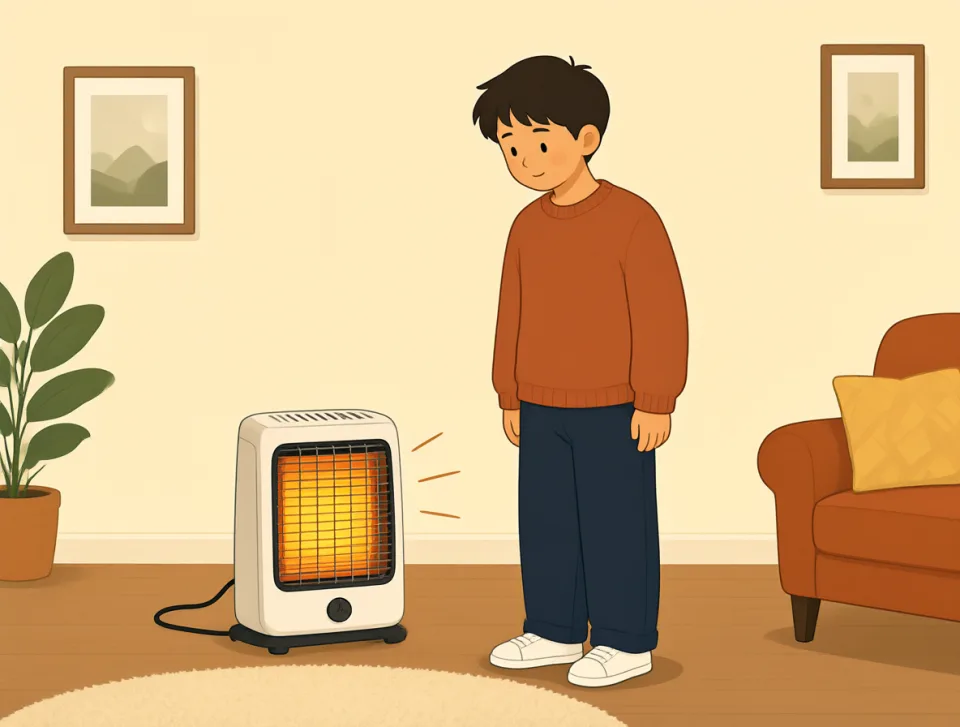
This heater uses a lot of energy.
Ten grzejnik zużywa dużo energii.
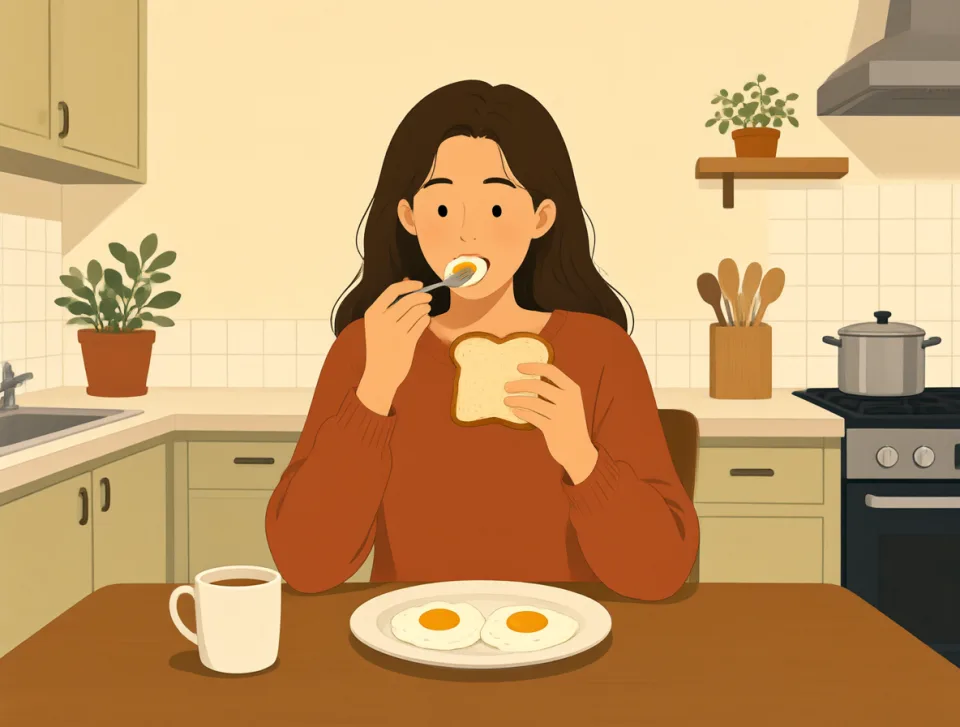
She gets energy from a good breakfast.
Ona nabiera energii po pożywnym śniadaniu.
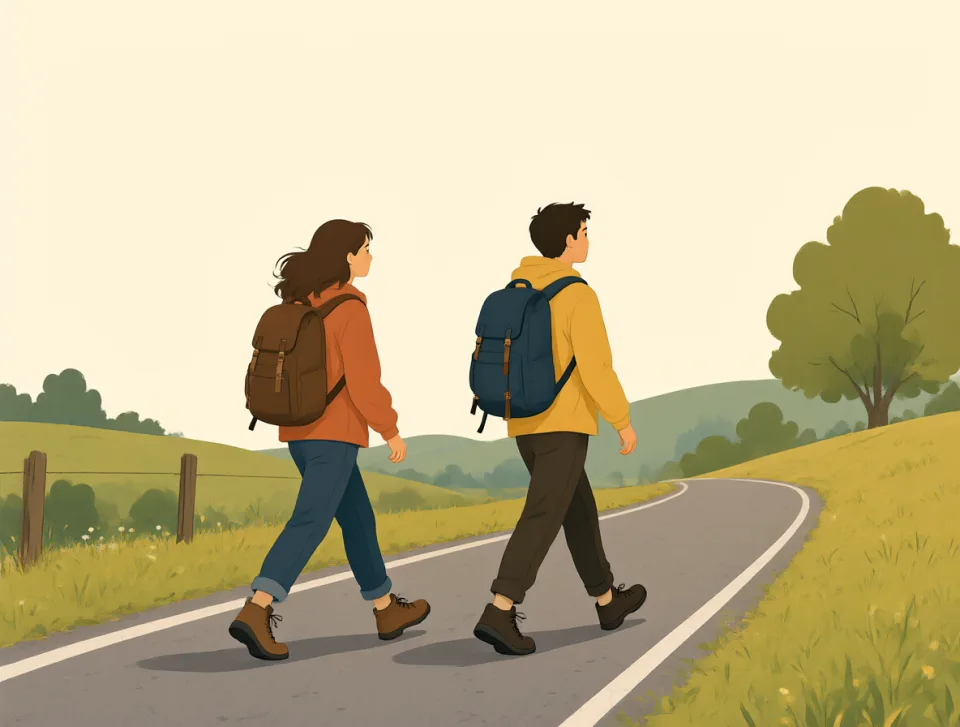
We need energy to finish the long trip.
Potrzebujemy energii, żeby ukończyć długą podróż.
trouble
#832noun, verb
kłopot
A problem or difficulty; to cause problems for someone.
Problem lub trudność; sprawiać komuś problemy.
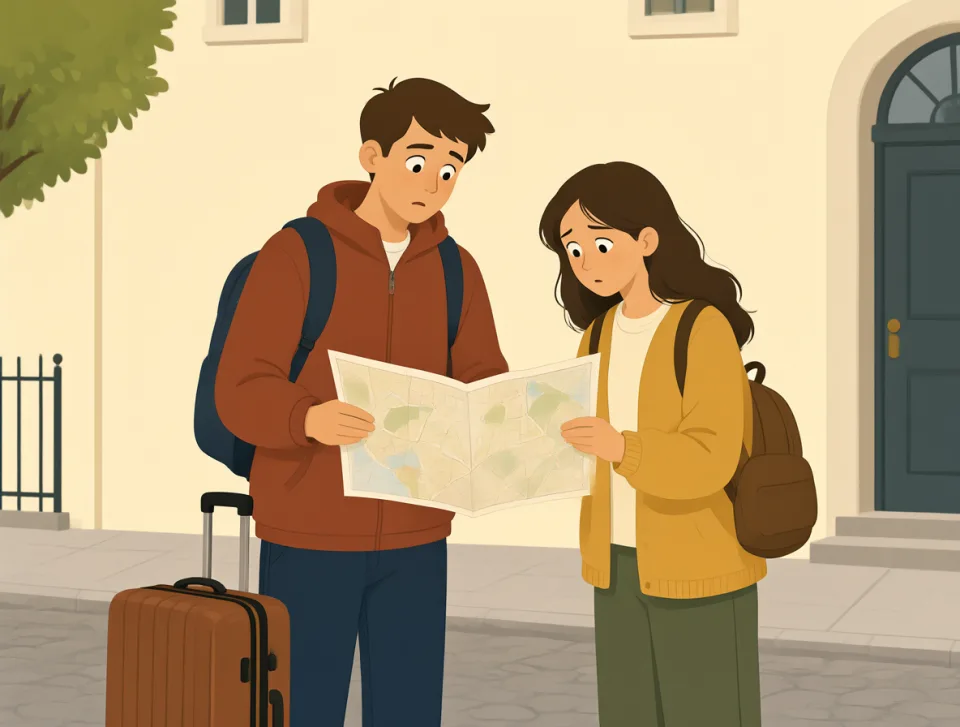
We had trouble finding the hotel.
Mieliśmy problem ze znalezieniem hotelu.
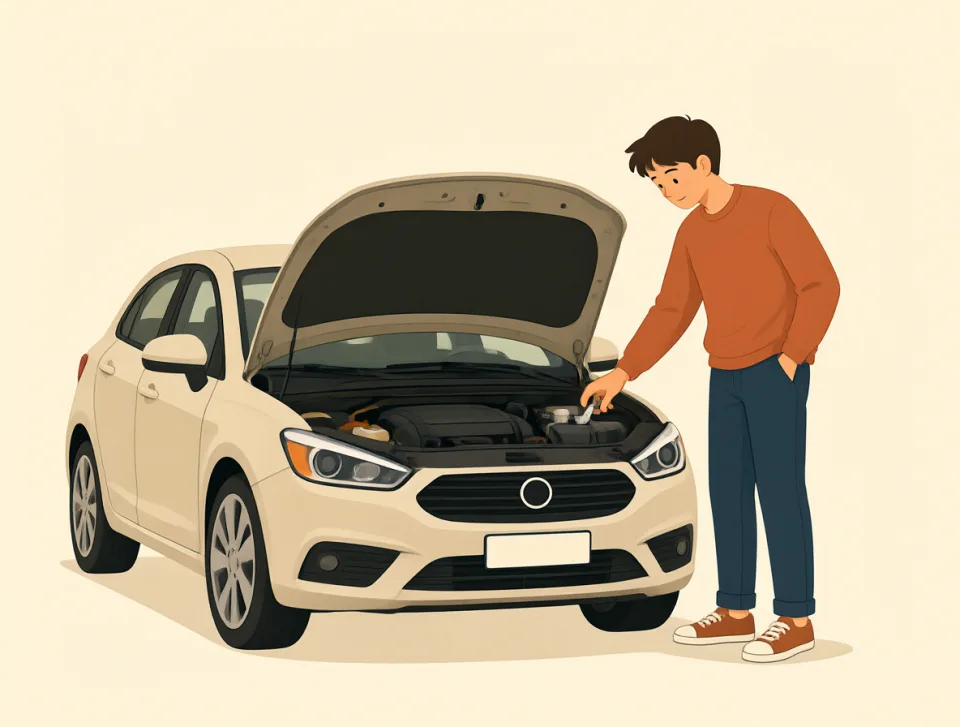
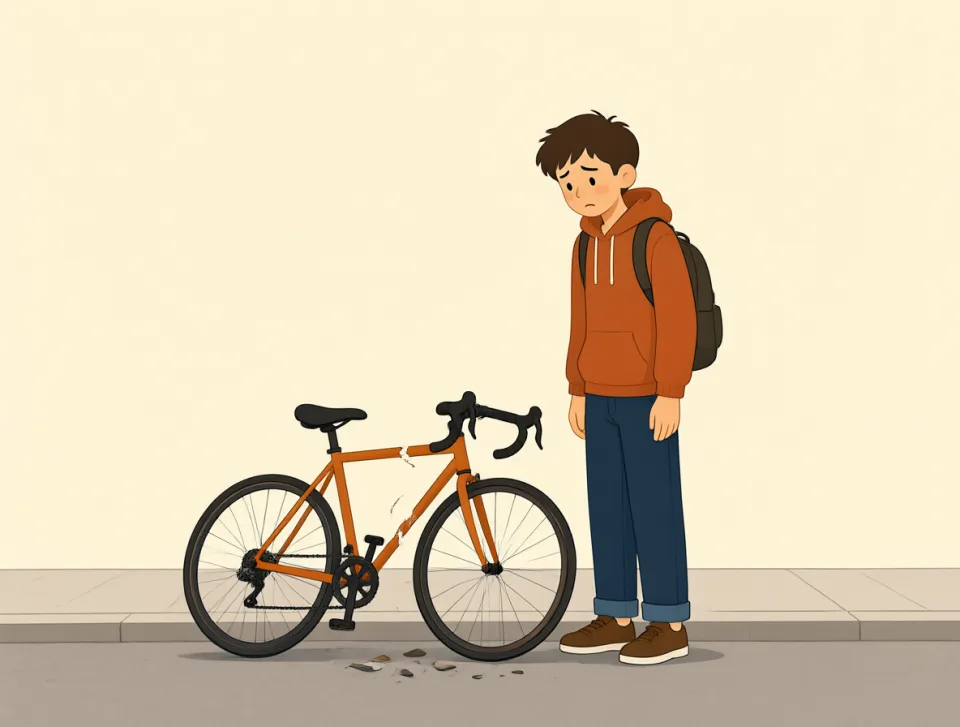
The car gave me trouble this morning.
Samochód sprawiał mi dziś rano kłopoty.
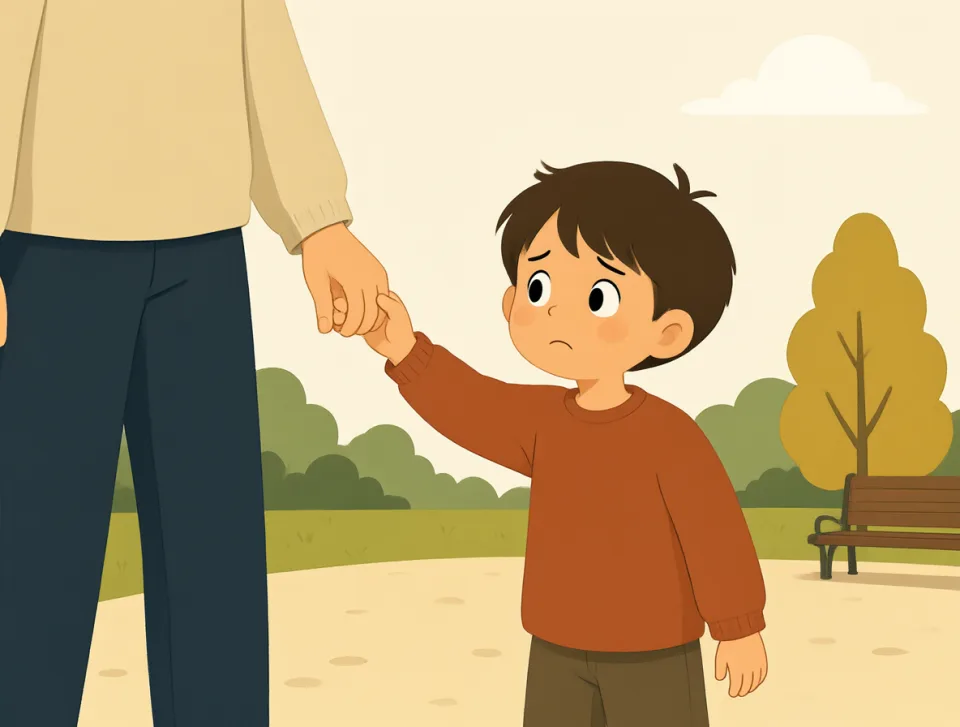
Please call me if you are in trouble.
Zadzwoń do mnie, jeśli będziesz mieć kłopoty.
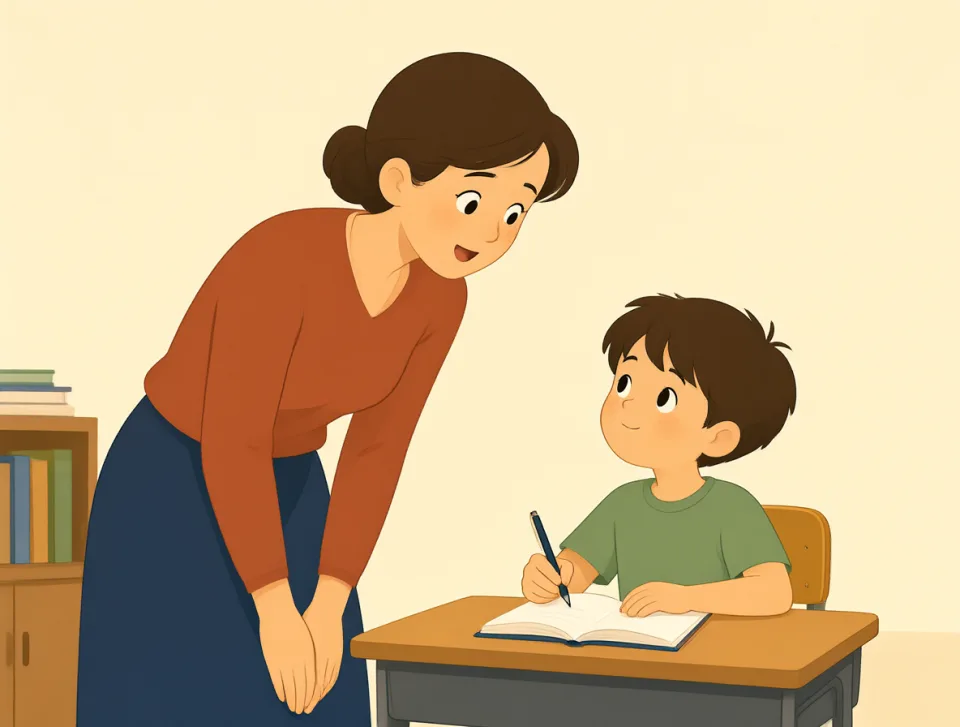
The teacher had trouble hearing Tom.
Nauczyciel miał problem ze zrozumieniem Toma.
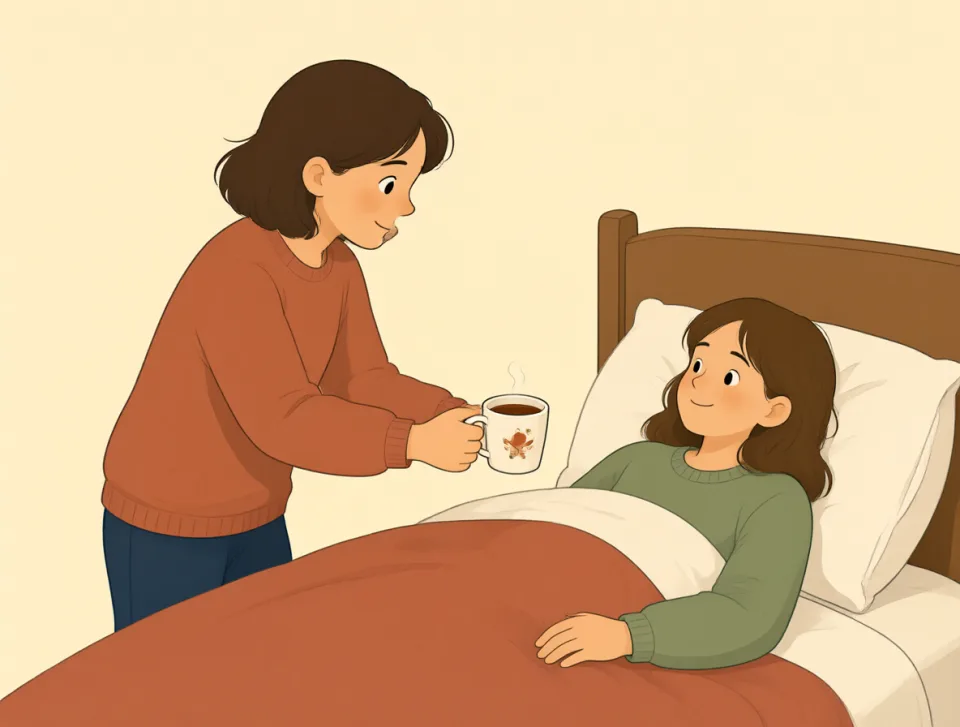
I hope this cold does not trouble you.
Mam nadzieję, że to przeziębienie nie będzie ci dokuczać.

relation
#833noun
relacja
A connection between people, things, or ideas.
Związek między ludźmi, rzeczami lub pojęciami.
She has a good relation with her sister.
Ma dobre relacje ze swoją siostrą.
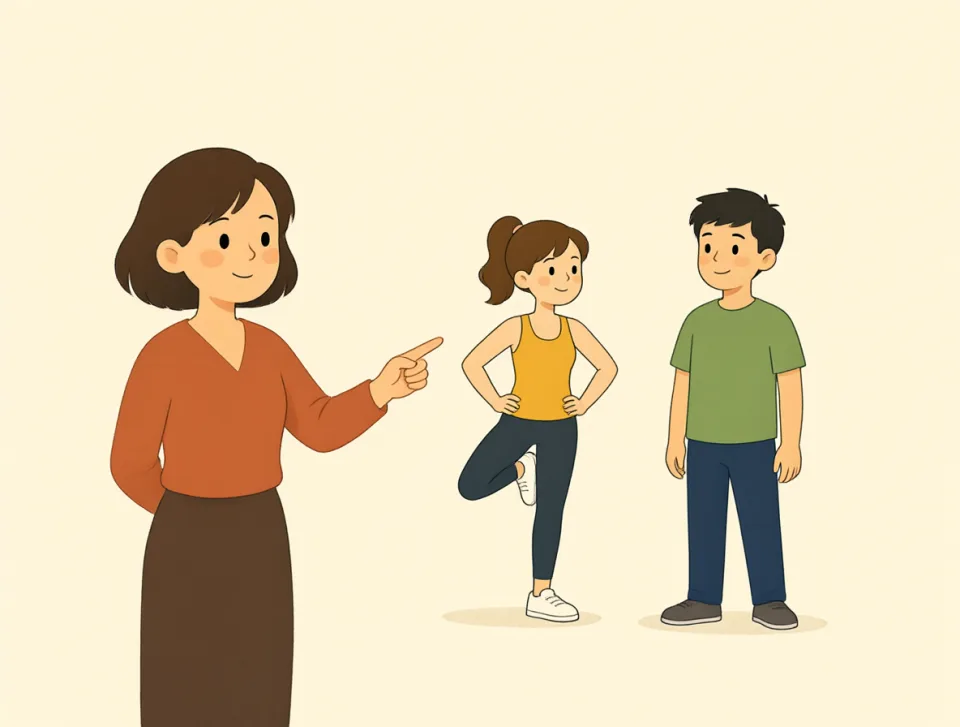
The teacher explained the relation between exercise and health.
Nauczyciel wyjaśnił związek między ćwiczeniami a zdrowiem.
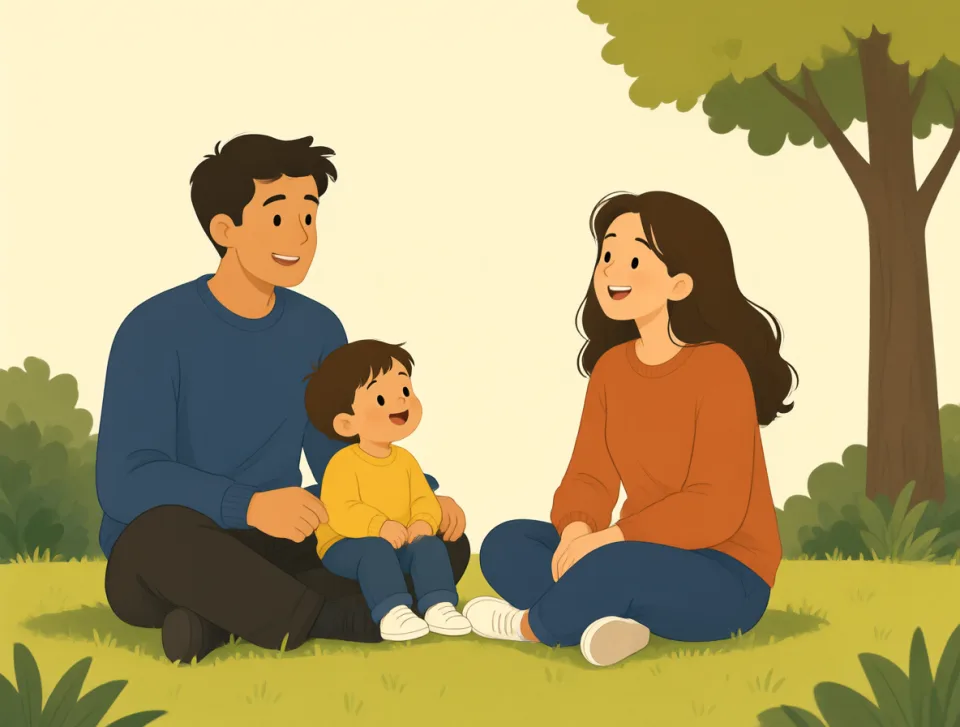
There is a close relation between these two families.
Między tymi dwiema rodzinami istnieje bliska więź.

The shop has good relations with local farmers.
Sklep utrzymuje dobre relacje z lokalnymi rolnikami.
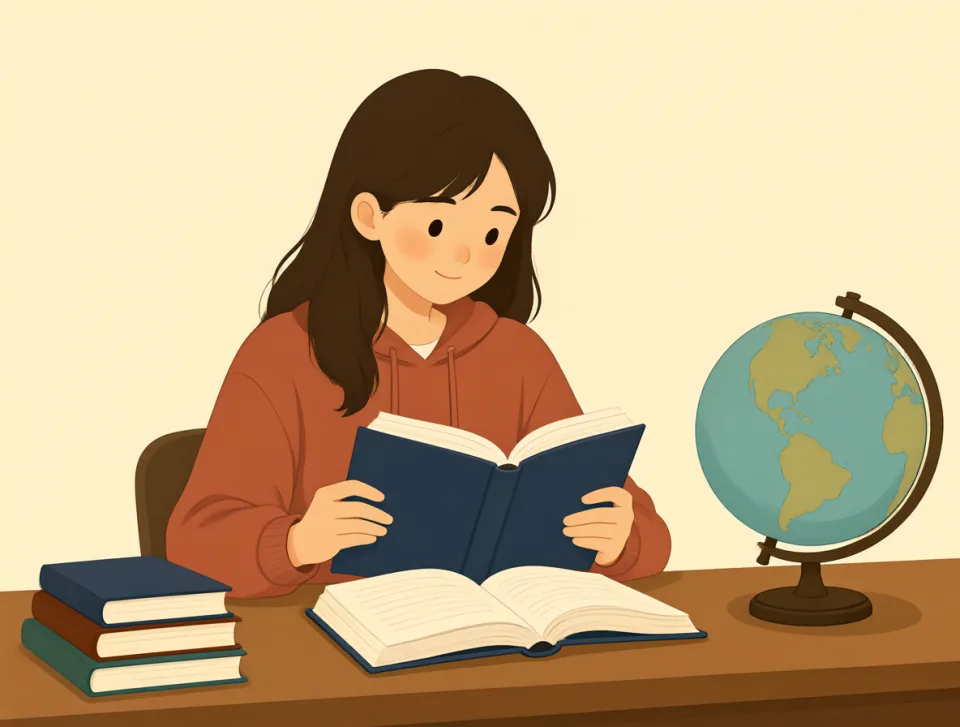
He studied international relations at university.
Studiował stosunki międzynarodowe na uniwersytecie.
touch
#834verb, noun
dotykać
to put your hand or another body part on someone or something
Kłaść dłoń lub inną część ciała na kimś lub na czymś.
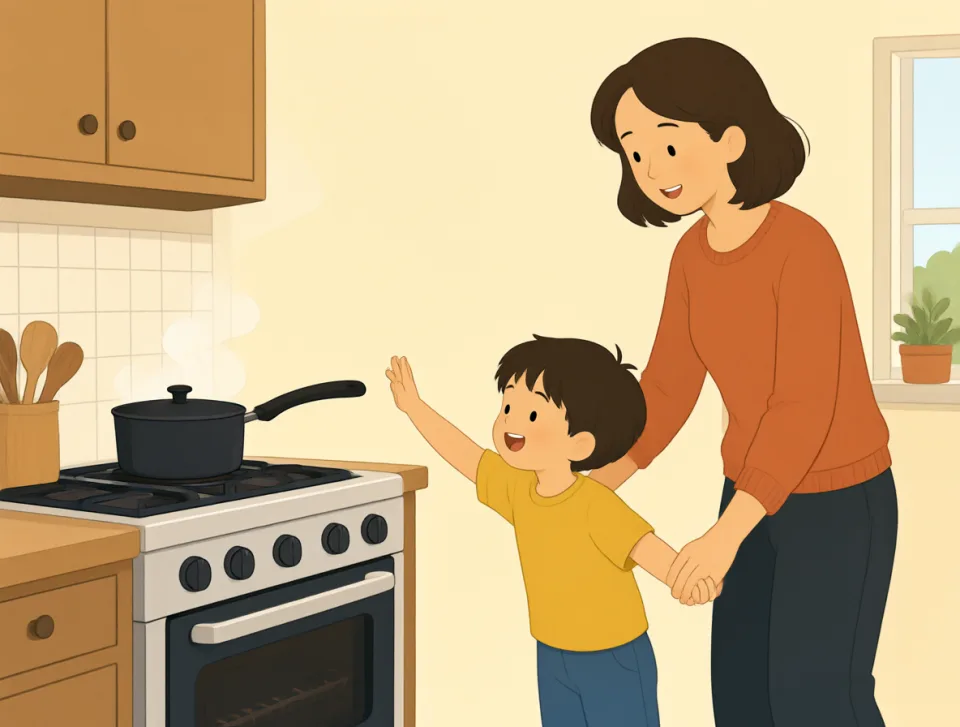
Please do not touch the hot stove.
Proszę nie dotykać gorącej kuchenki.
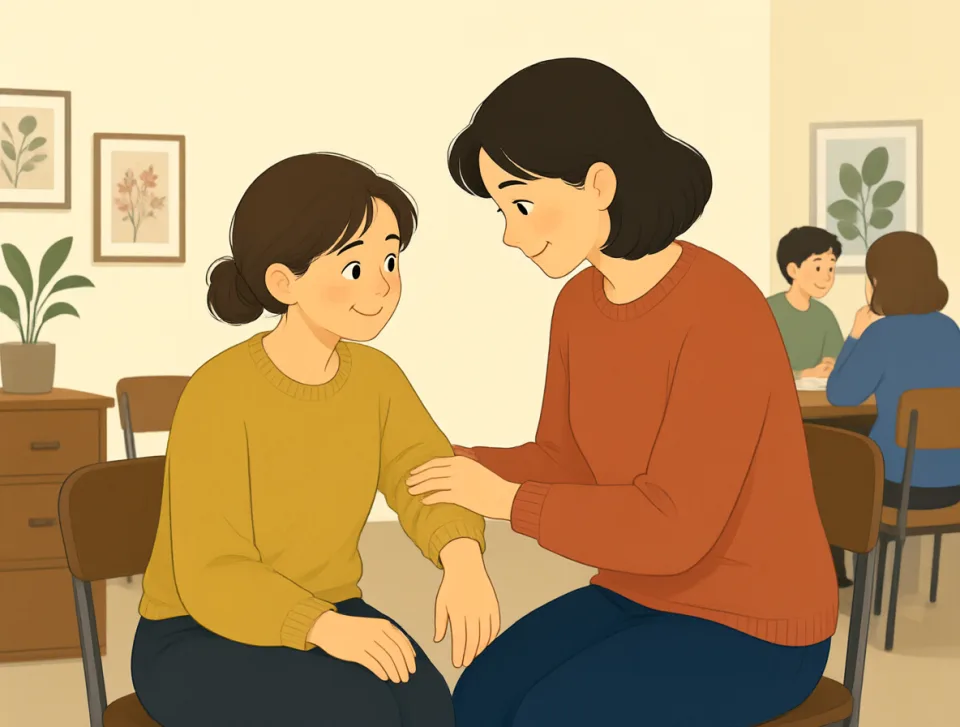
She touched my arm to get my attention.
Dotknęła mojego ramienia, żeby zwrócić moją uwagę.
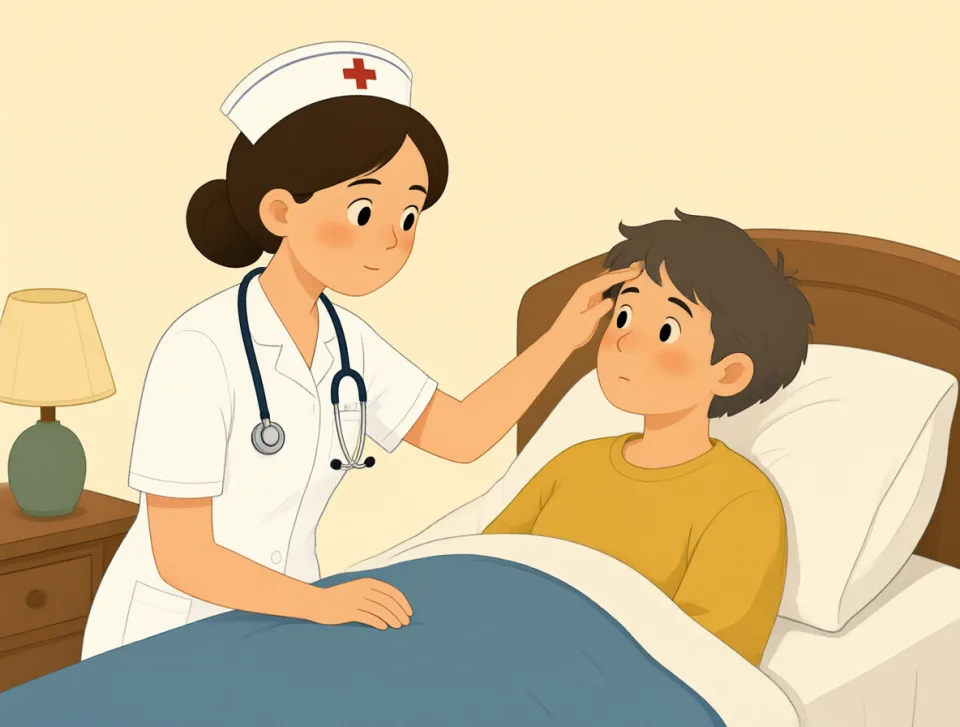
The nurse touched his forehead.
Pielęgniarka dotknęła jego czoła.

I like the soft touch of this sweater.
Lubię miękki dotyk tego swetra.
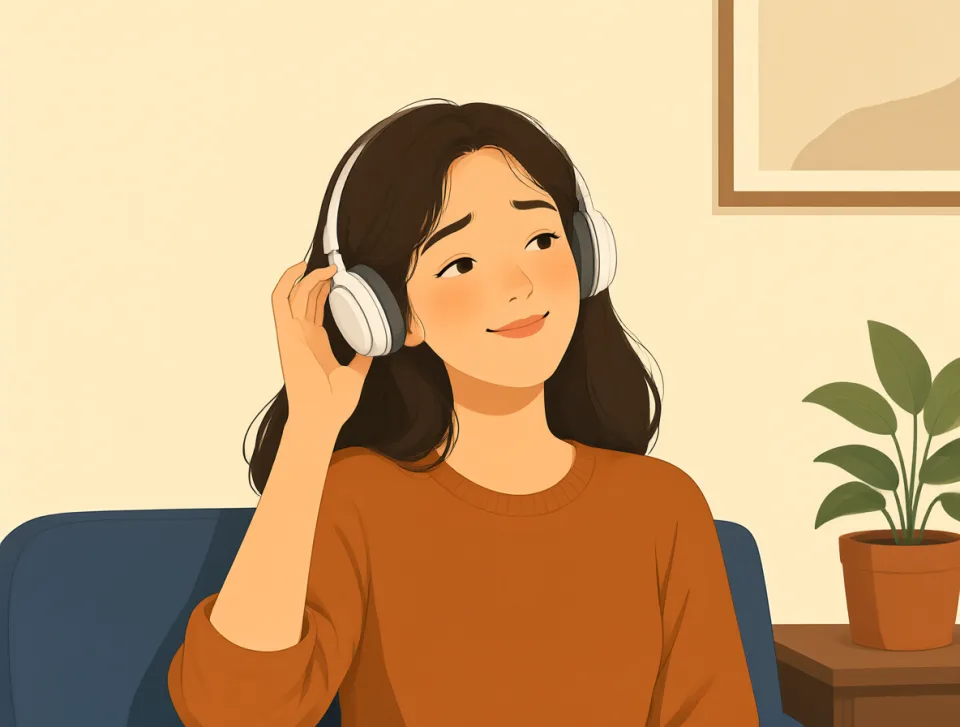
The song touched her heart.
Ta piosenka poruszyła jej serce.
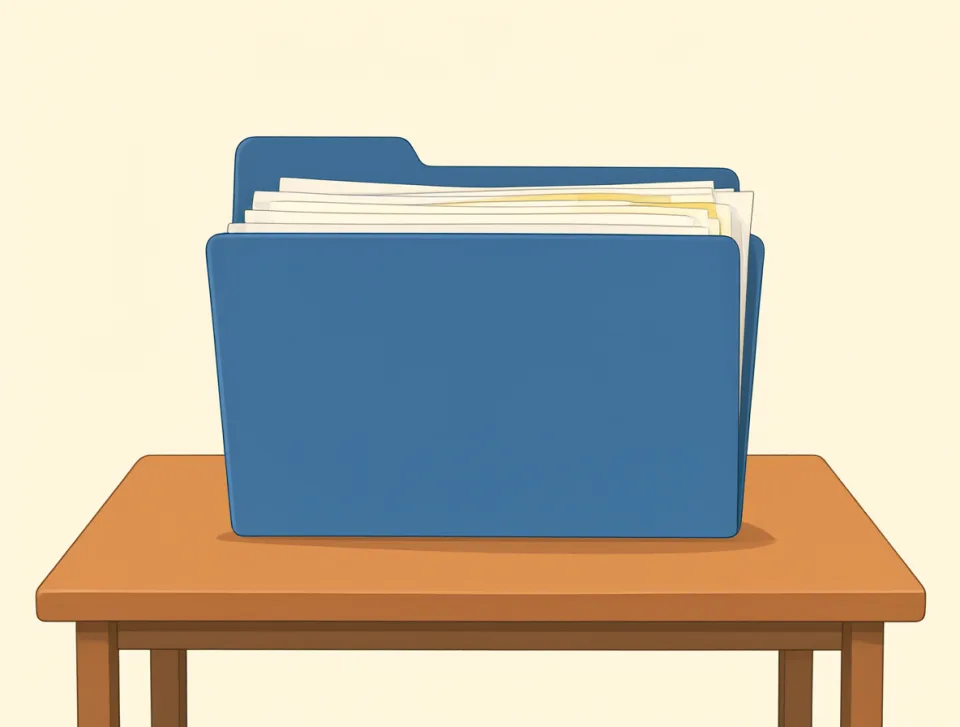
file
#835noun, verb
plik
A file is a collection of papers or computer information; to file means to store it.
Plik to zbiór dokumentów lub danych komputerowych; „to file” znaczy przechowywać je.

Please send me the file by email.
Proszę, wyślij mi plik e-mailem.
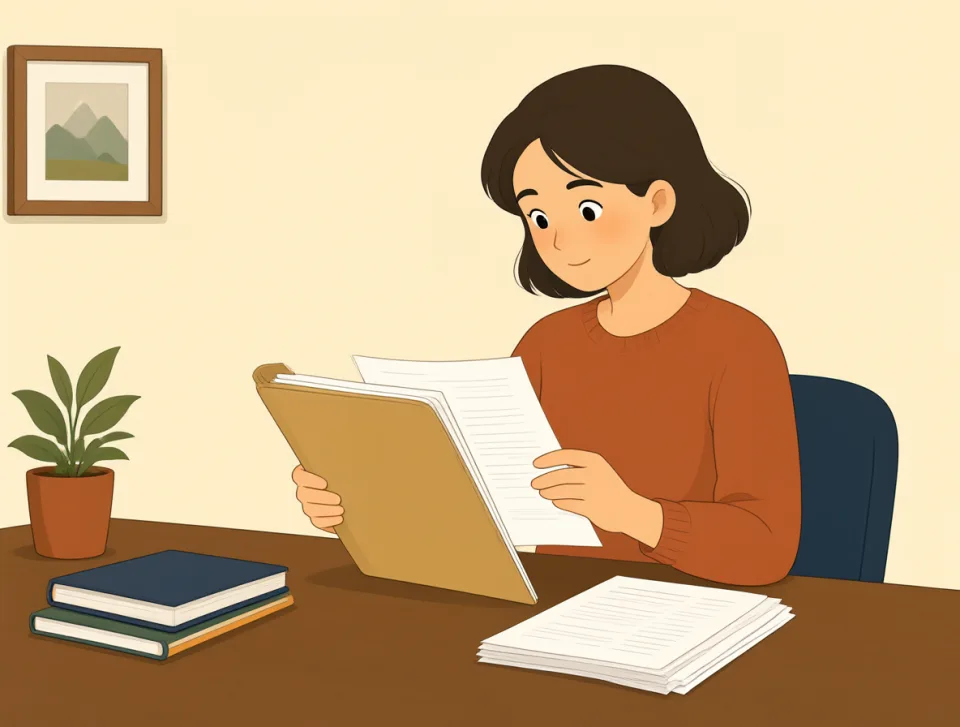
She opened the file and read the report.
Otworzyła plik i przeczytała raport.
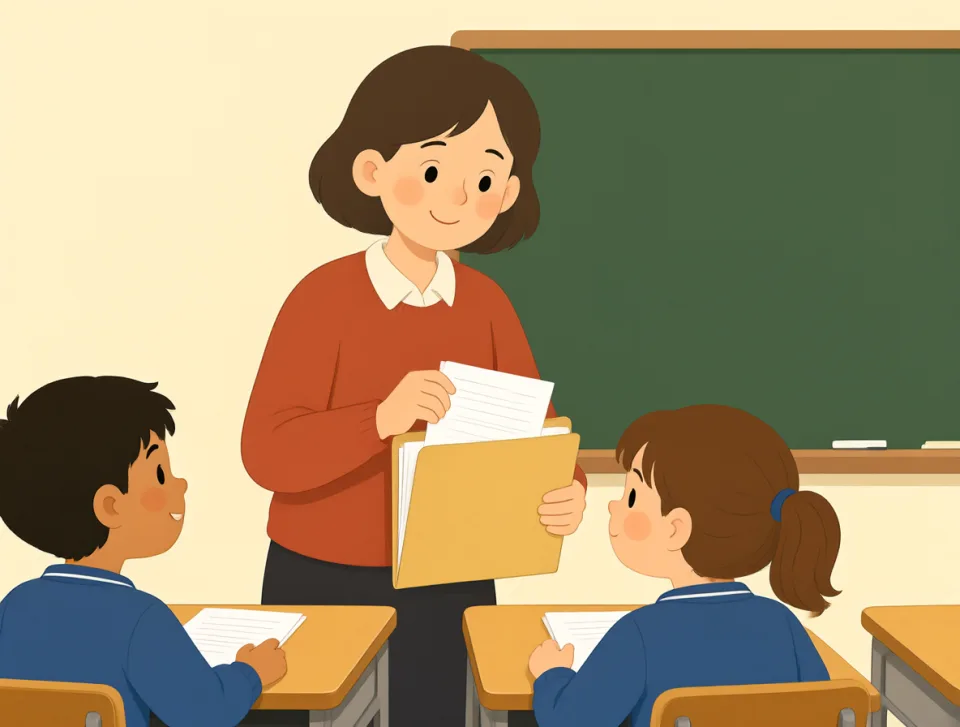
The teacher filed the students' papers.
Nauczyciel uporządkował prace uczniów w dokumentacji.
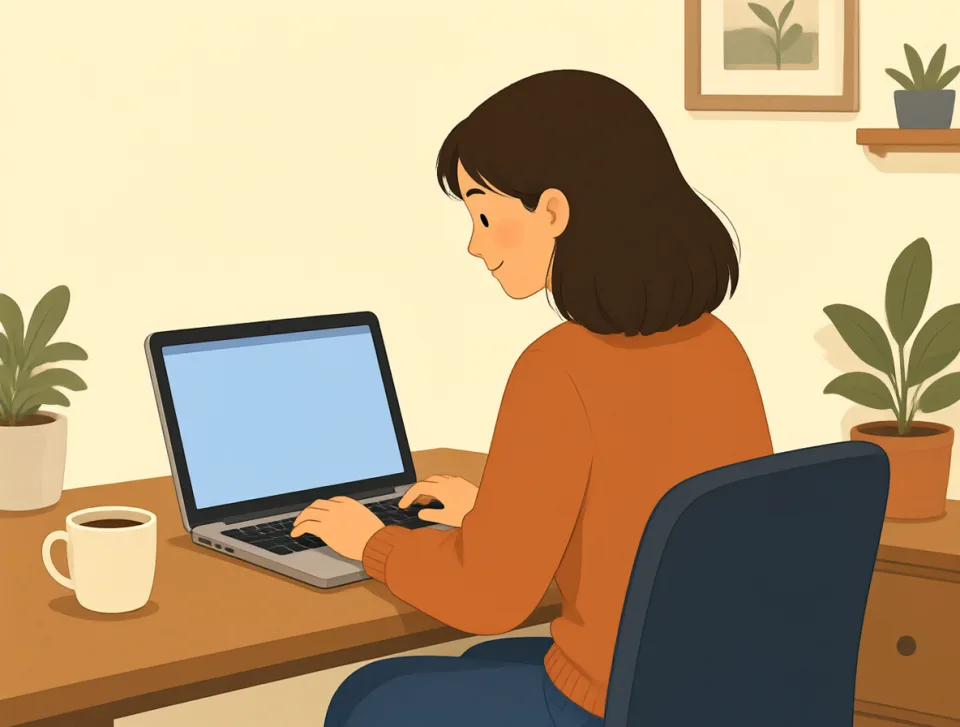
I saved the file on my computer.
Zapisałem plik na komputerze.
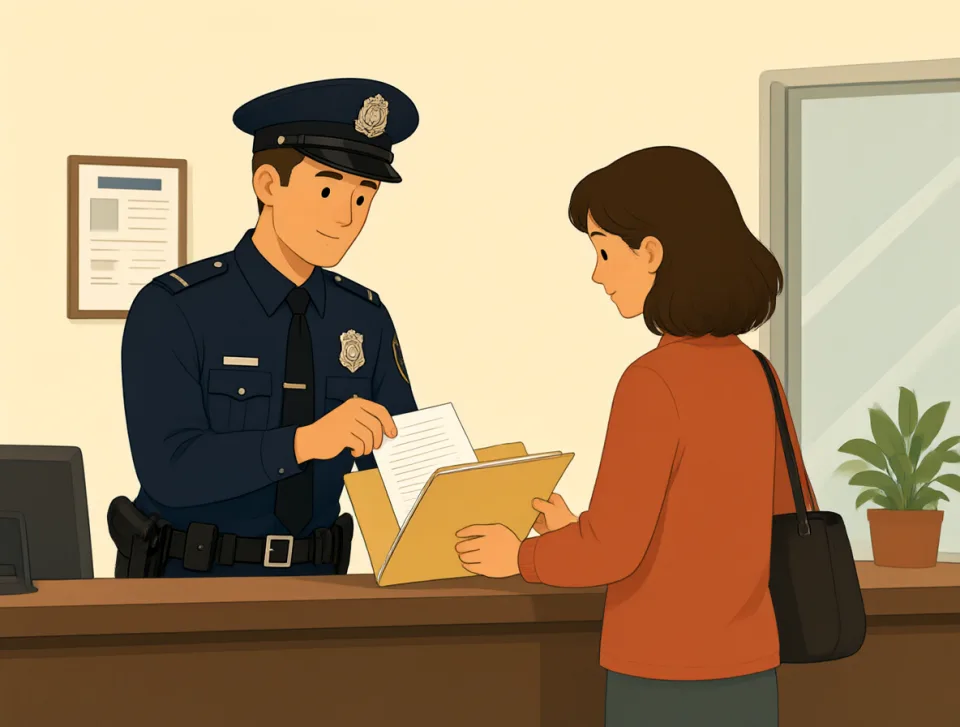
The police filed a report yesterday.
Policja złożyła wczoraj raport.
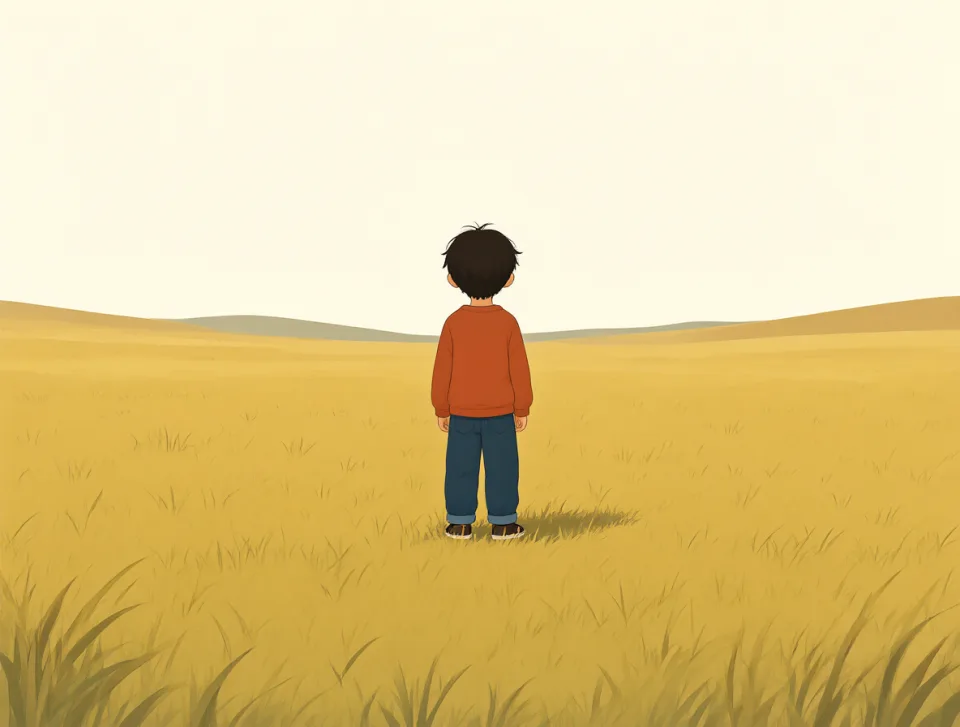
middle
#836noun, adjective, preposition
środek
the central part or point of something, between two sides or ends
centralna część lub punkt czegoś, znajdujący się między dwoma bokami lub końcami
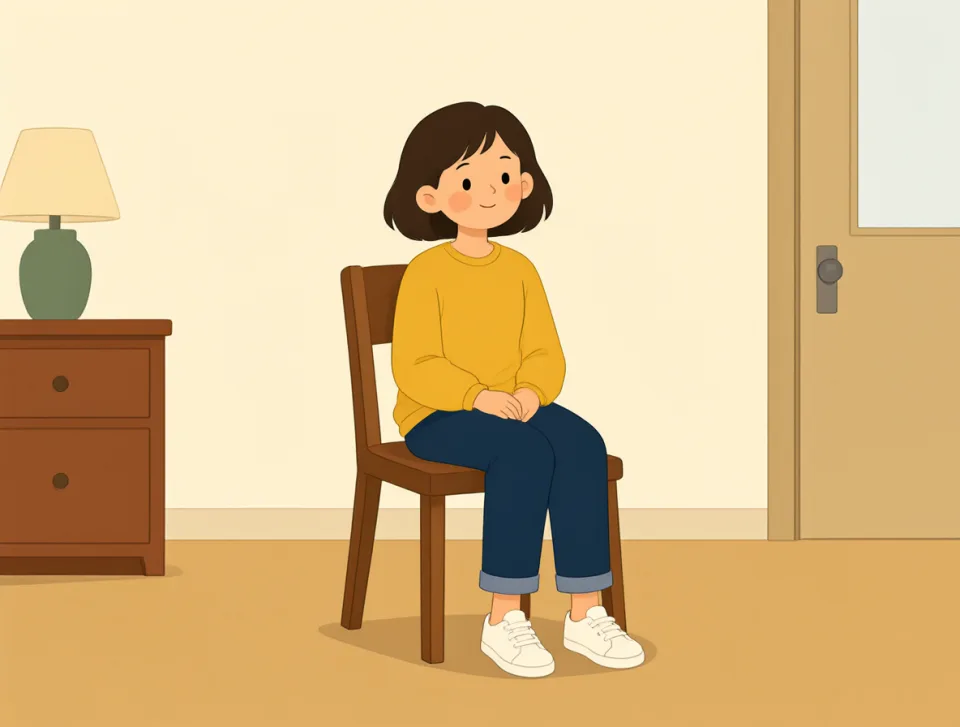
She sat in the middle of the room.
Usiadła na środku pokoju.
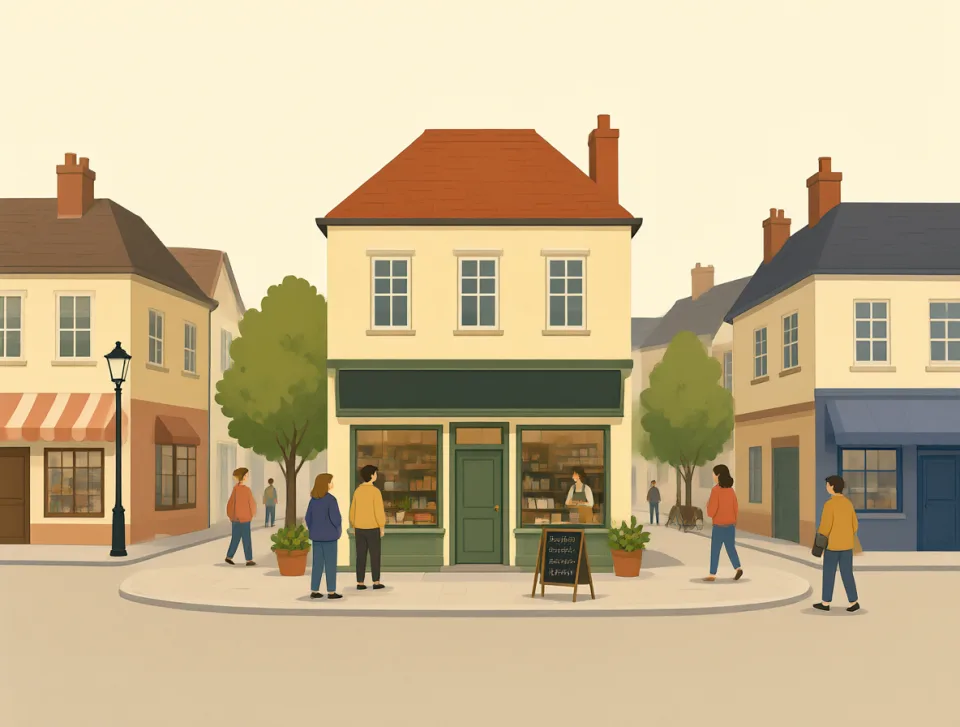
The store is in the middle of town.
Sklep jest w centrum miasta.
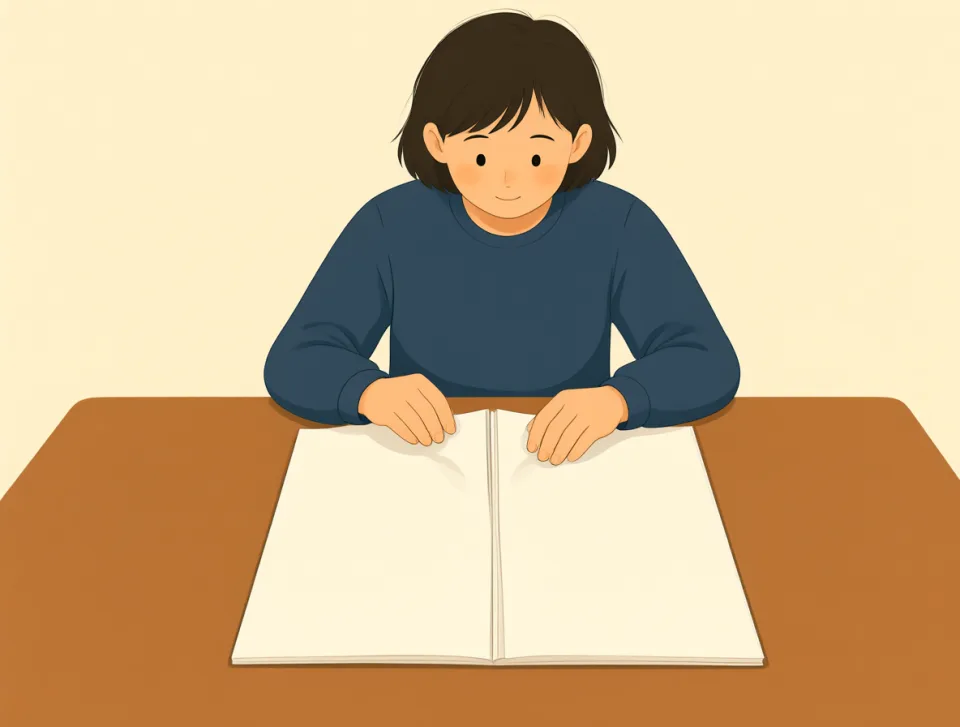
Please fold the paper down the middle.
Złóż kartkę wzdłuż środka.
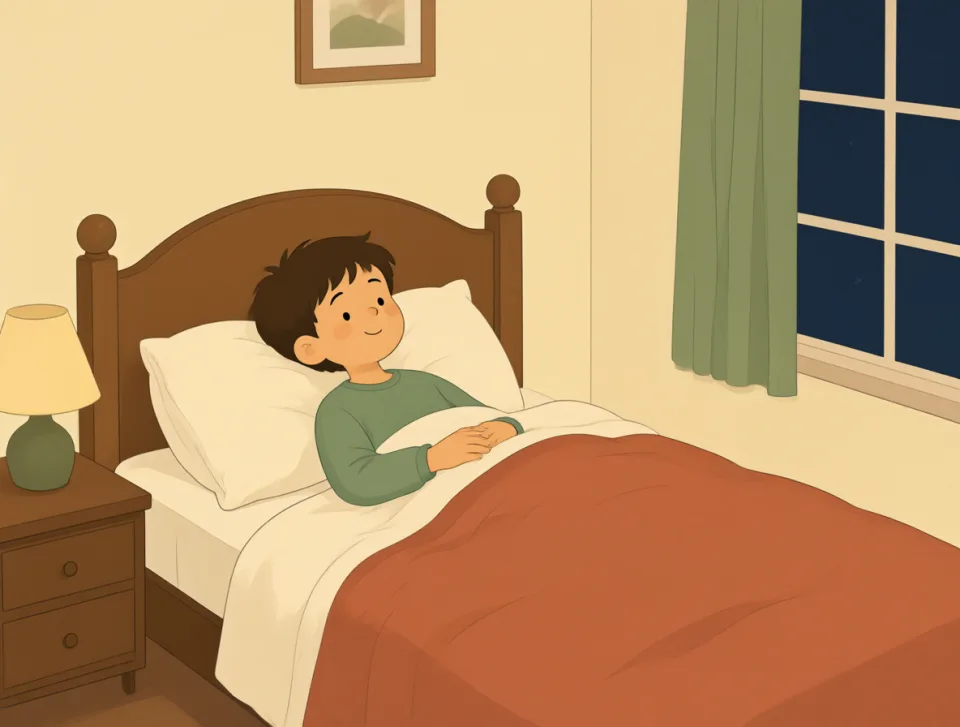
He woke up in the middle of the night.
Obudził się w środku nocy.
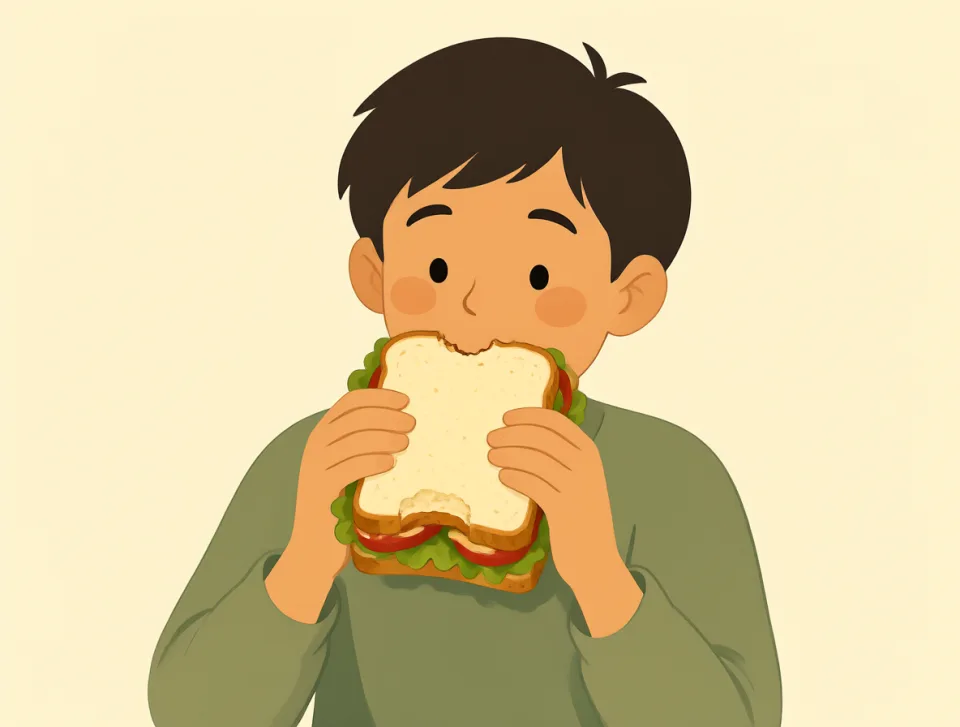
I ate the middle of the sandwich first.
Najpierw zjadłem środek kanapki.

bar
#837noun, verb
bar; pręt
A place where people buy drinks, or a long piece that blocks or supports something.
Miejsce, w którym można kupić napoje, albo długi element, który coś blokuje lub podpiera.

We met at the bar after work.
Spotkaliśmy się po pracy w barze.
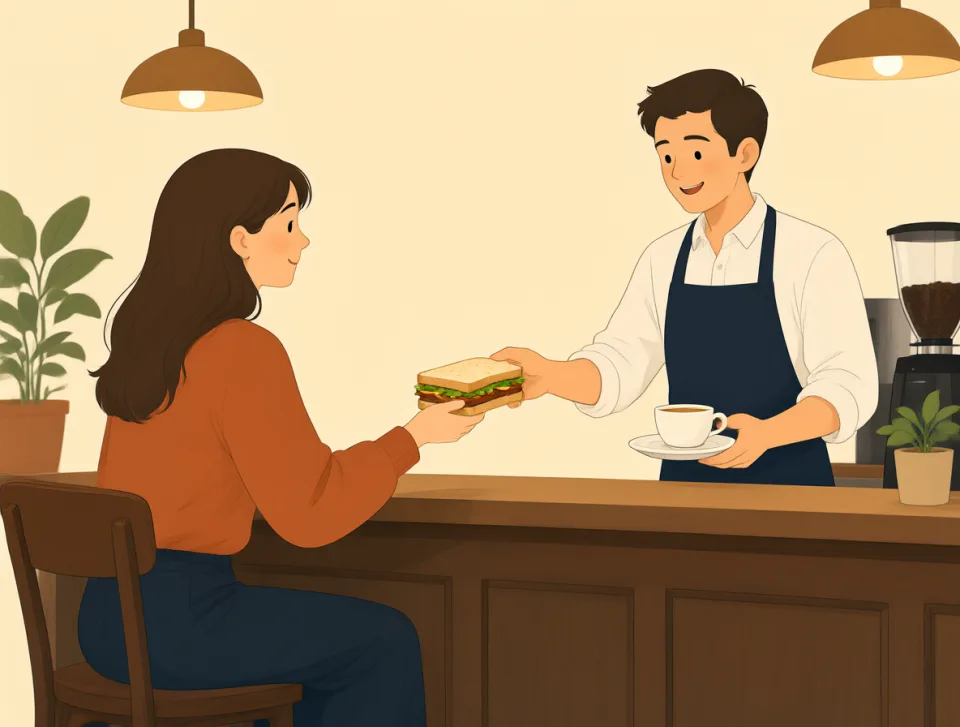
She ordered a sandwich at the bar.
Zamówiła kanapkę przy barze.
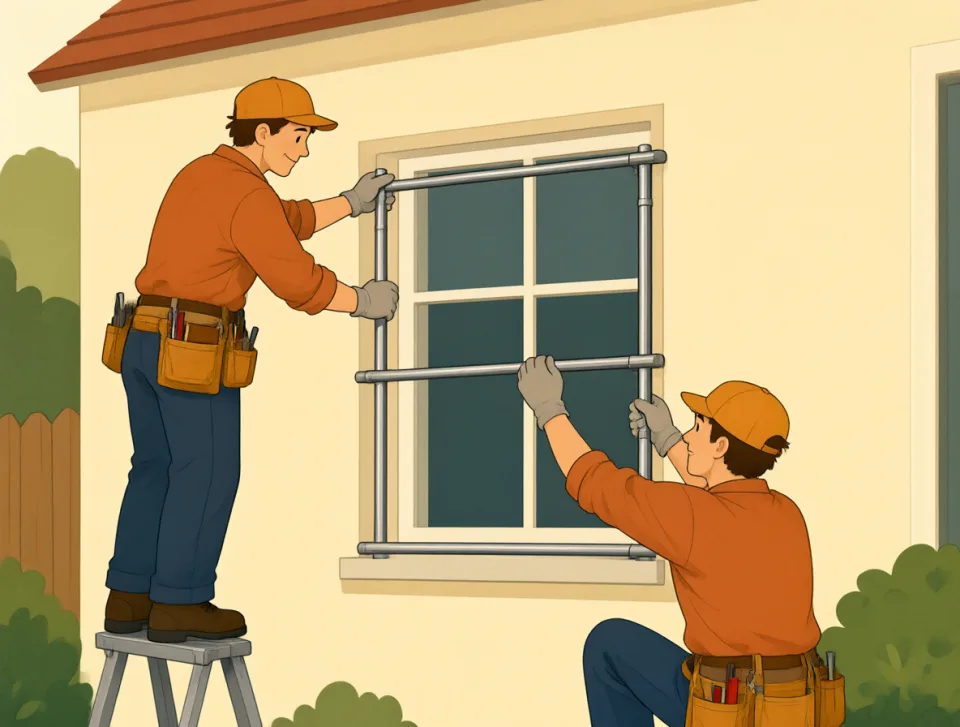
They put bars on the windows.
Zamontowali kraty w oknach.

The hotel bar opens at six.
Hotelowy bar otwiera się o szóstej.
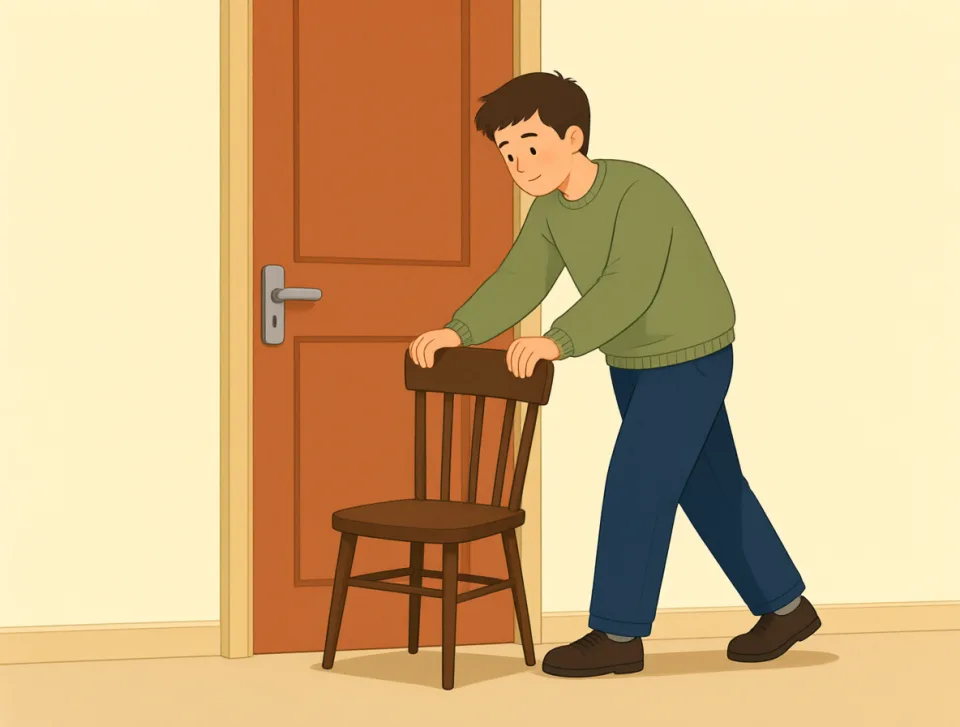
He barred the door with a chair.
Zablokował drzwi krzesłem.
suffer
#838verb
cierpieć
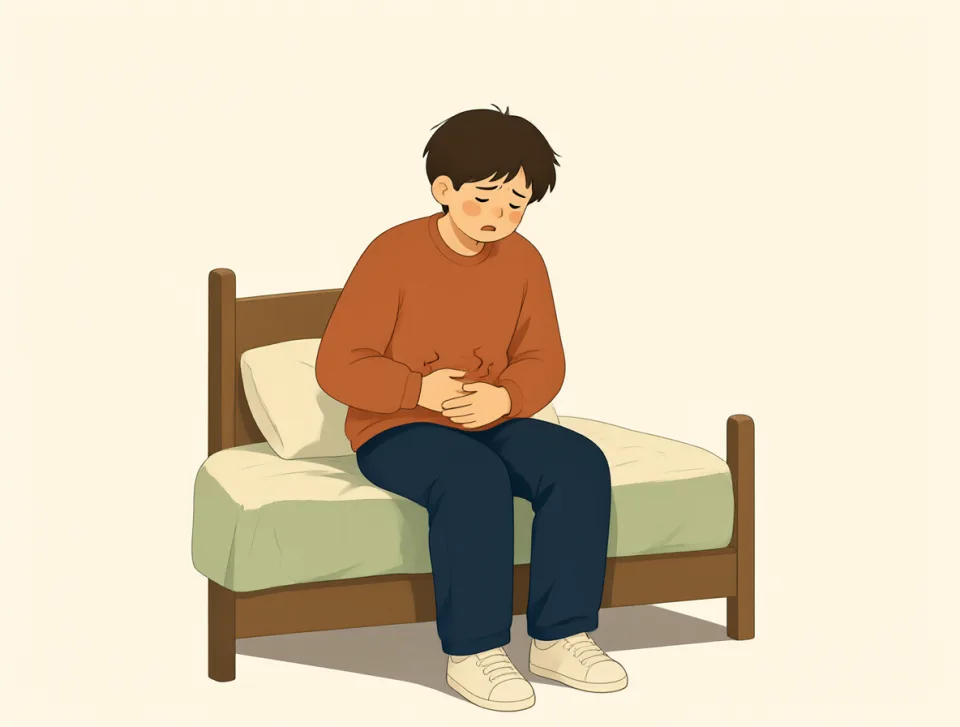
To feel pain, illness, loss, or difficulty.
Odczuwanie bólu, choroby, straty lub trudności.

Many people suffer from back pain.
Wiele osób cierpi z powodu bólu pleców.
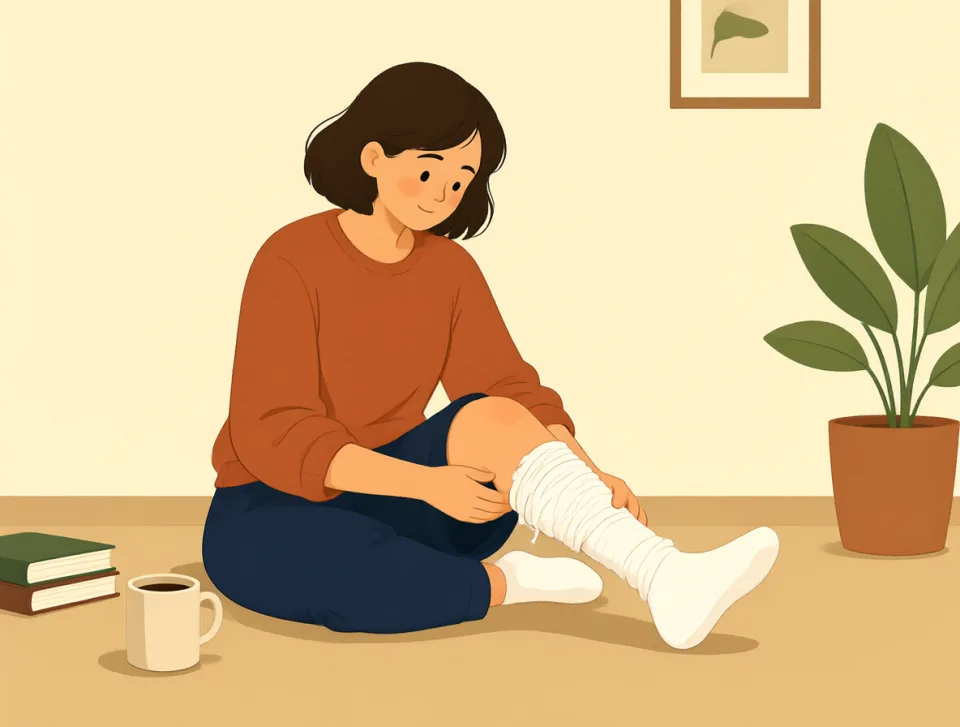
She suffered a serious injury at work.
Doznała poważnego urazu w pracy.
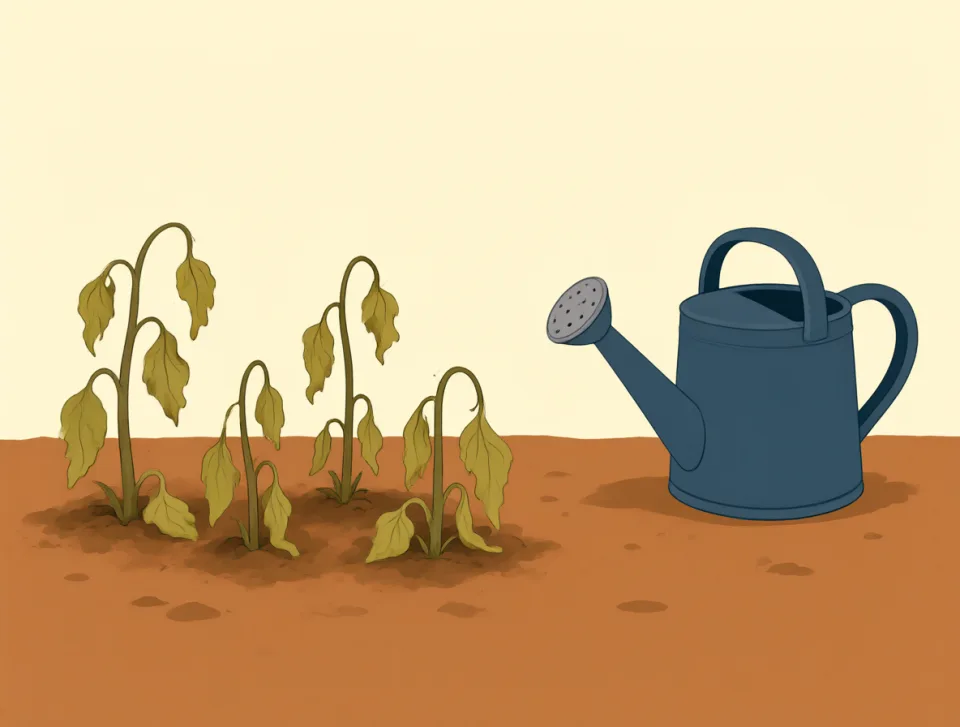
The plants suffered without enough water.
Rośliny ucierpiały z powodu braku wody.
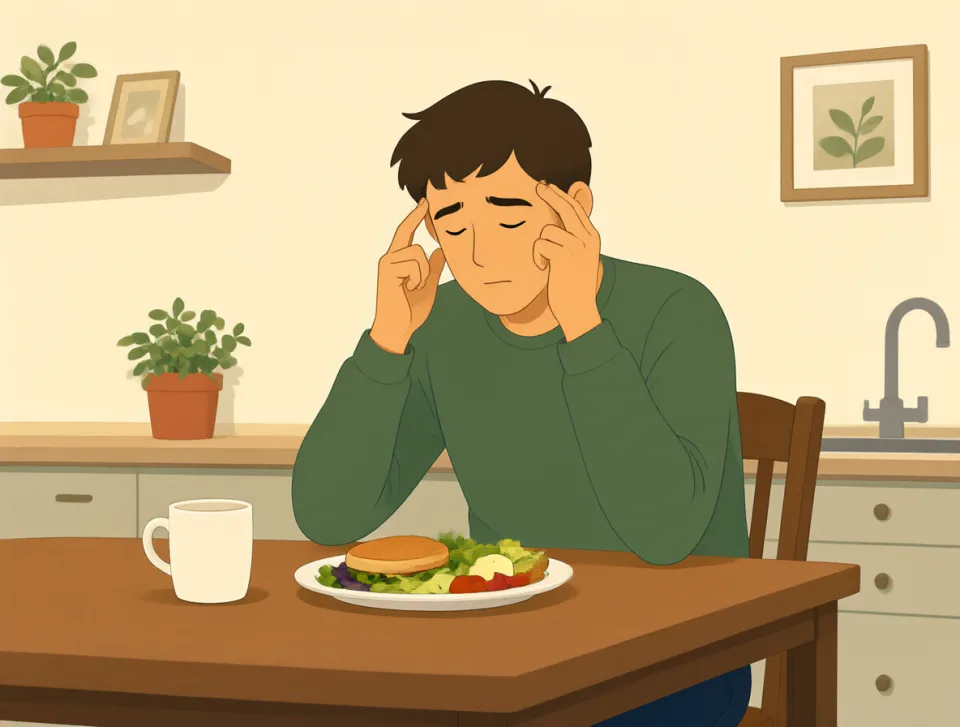
He suffers from headaches every week.
Co tydzień dokuczają mu bóle głowy.
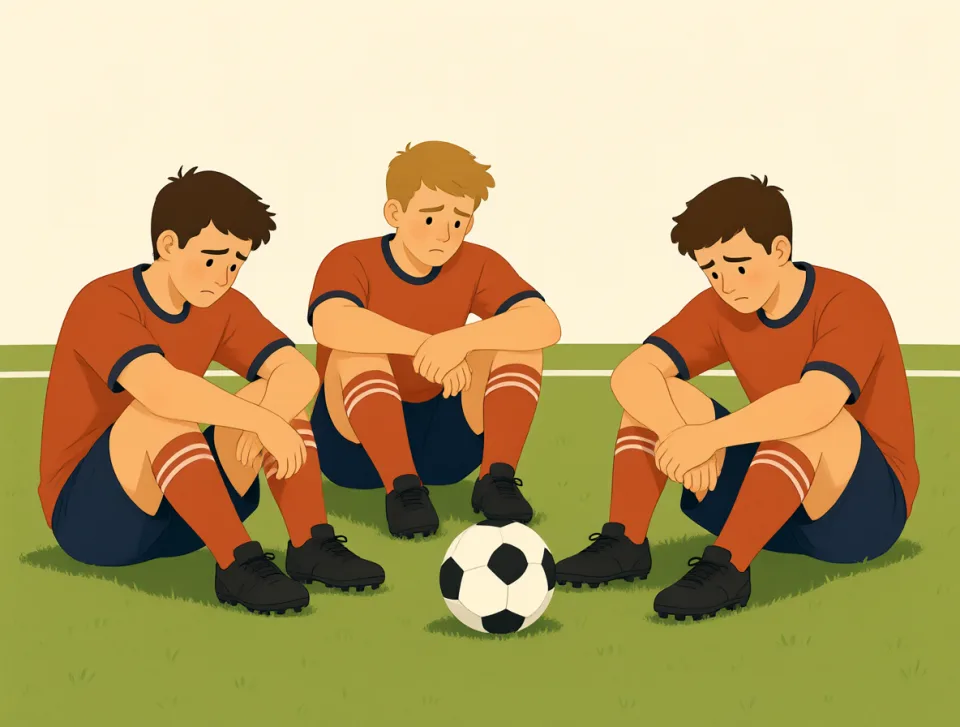
The team suffered a difficult loss.
Drużyna poniosła dotkliwą porażkę.
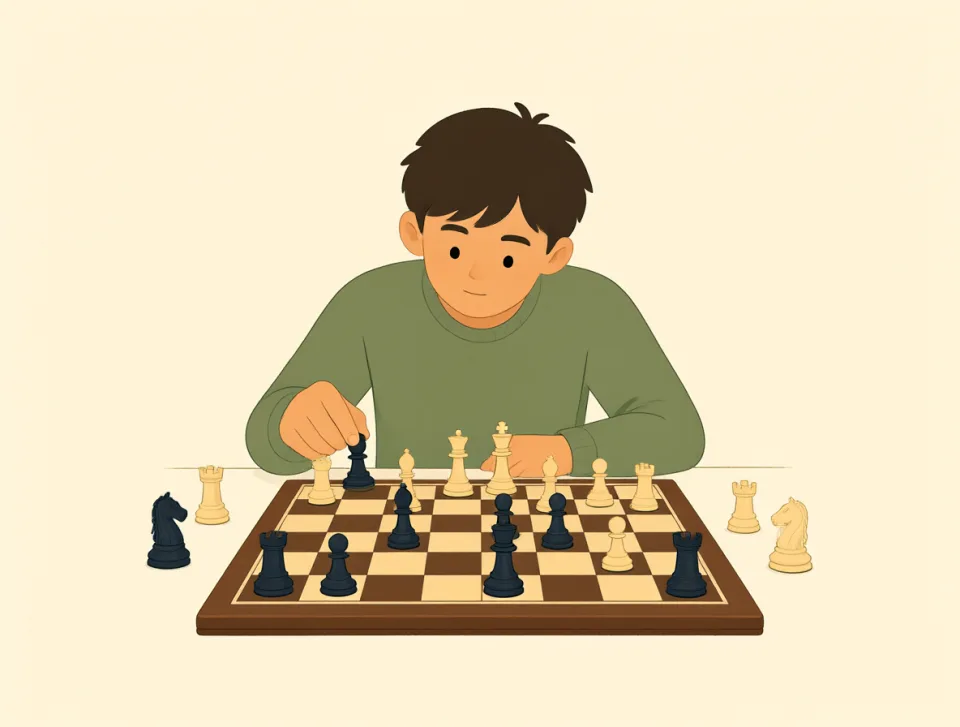
strategy
#839noun
strategia
A plan for achieving a goal or dealing with a difficult situation.
Plan osiągnięcia celu lub poradzenia sobie z trudną sytuacją.
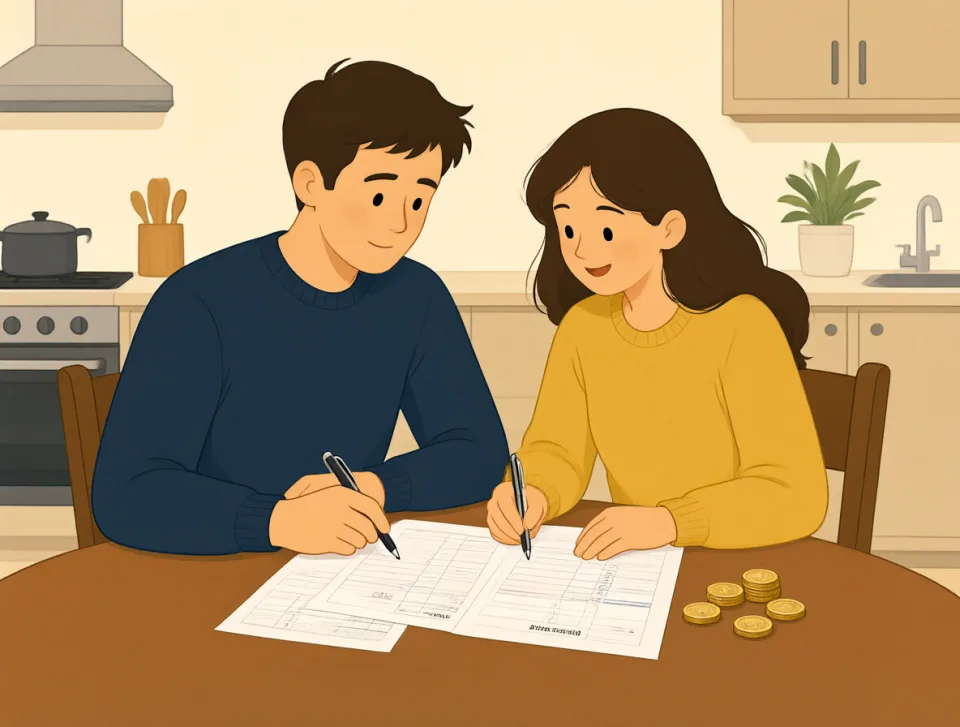
We need a new strategy to save money.
Potrzebujemy nowej strategii, żeby oszczędzać pieniądze.
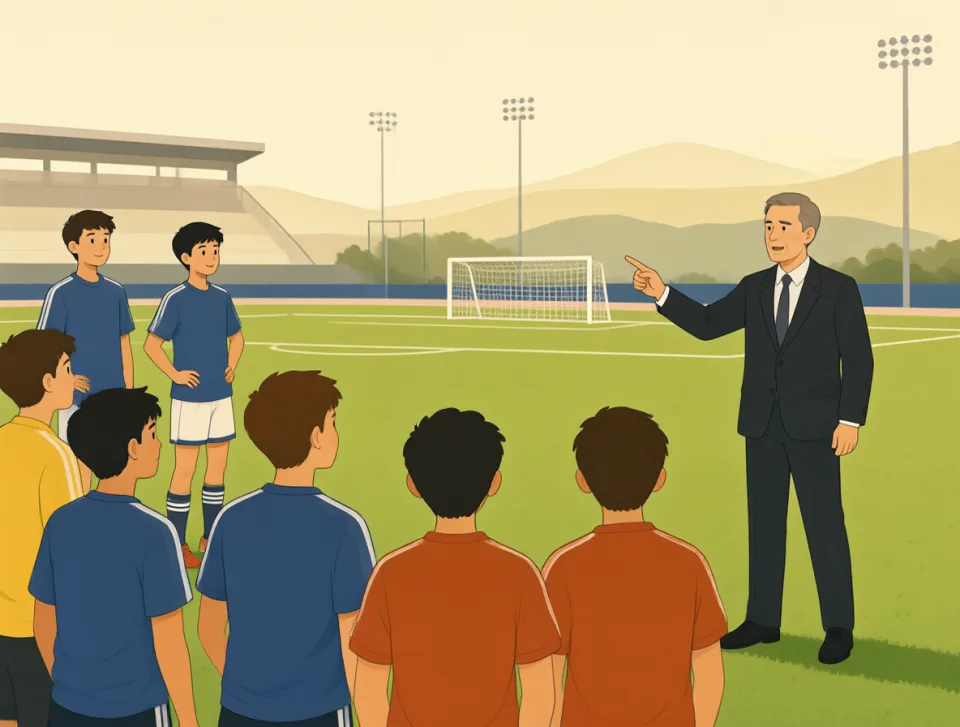
Her strategy helped the team win the game.
Jej strategia pomogła drużynie wygrać mecz.
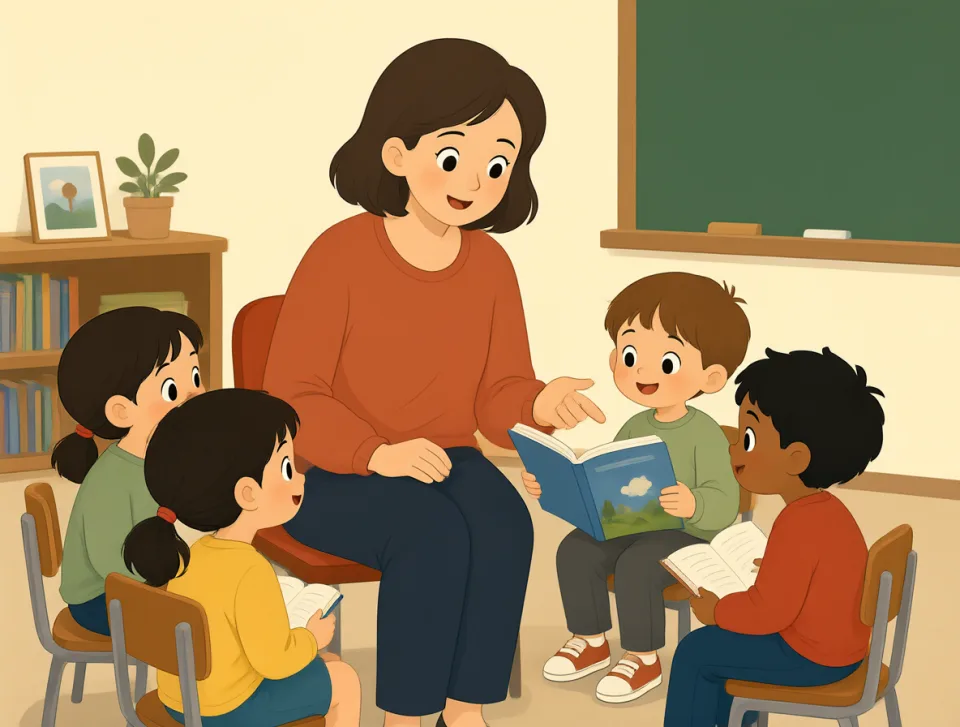
The teacher used a fun strategy for reading.
Nauczyciel zastosował ciekawą metodę nauki czytania.
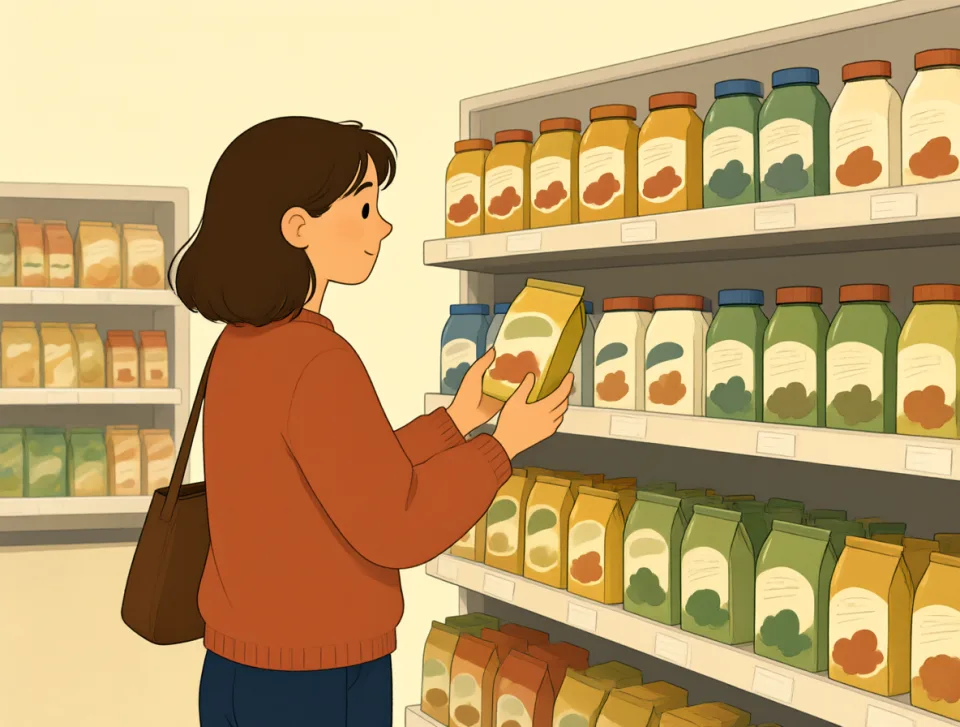
Our shopping strategy was to compare prices.
Nasza strategia zakupowa polegała na porównywaniu cen.
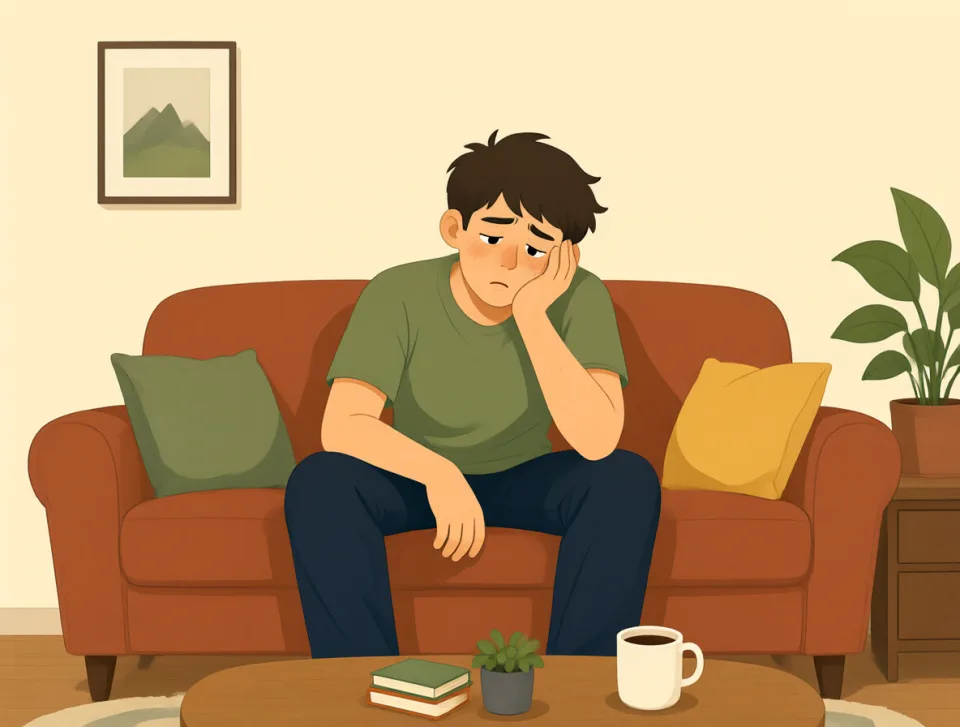
He changed his strategy after feeling sick.
Zmienił strategię, gdy poczuł się źle.
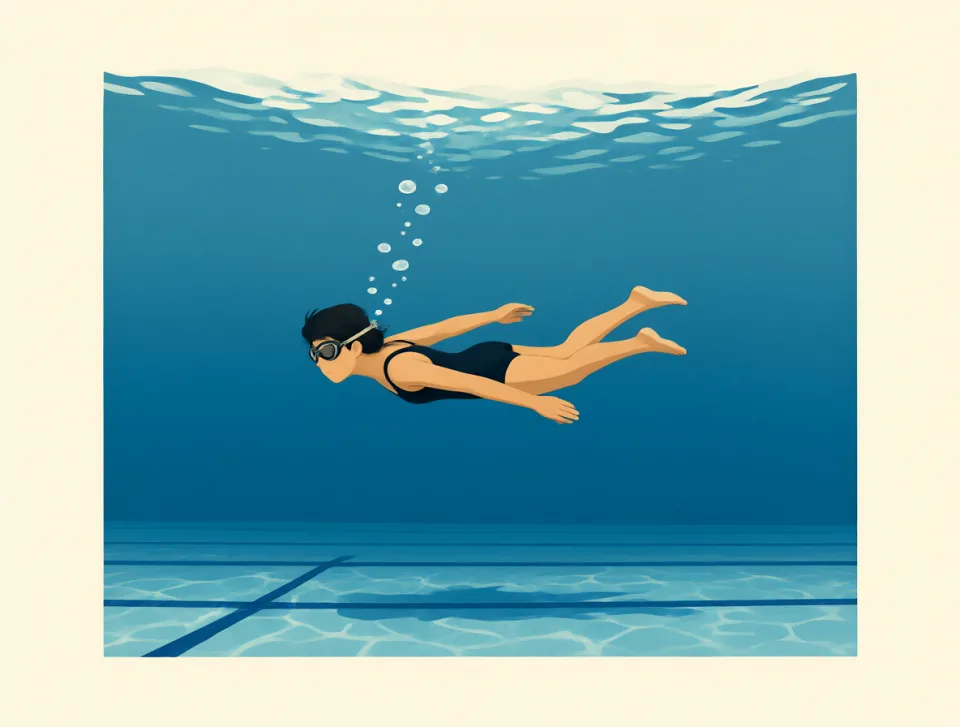
deep
#840adjective, adverb, noun, verb
głęboki
Going far down from the top or surface; far inside something.
Sięgający daleko pod powierzchnię lub w głąb czegoś.
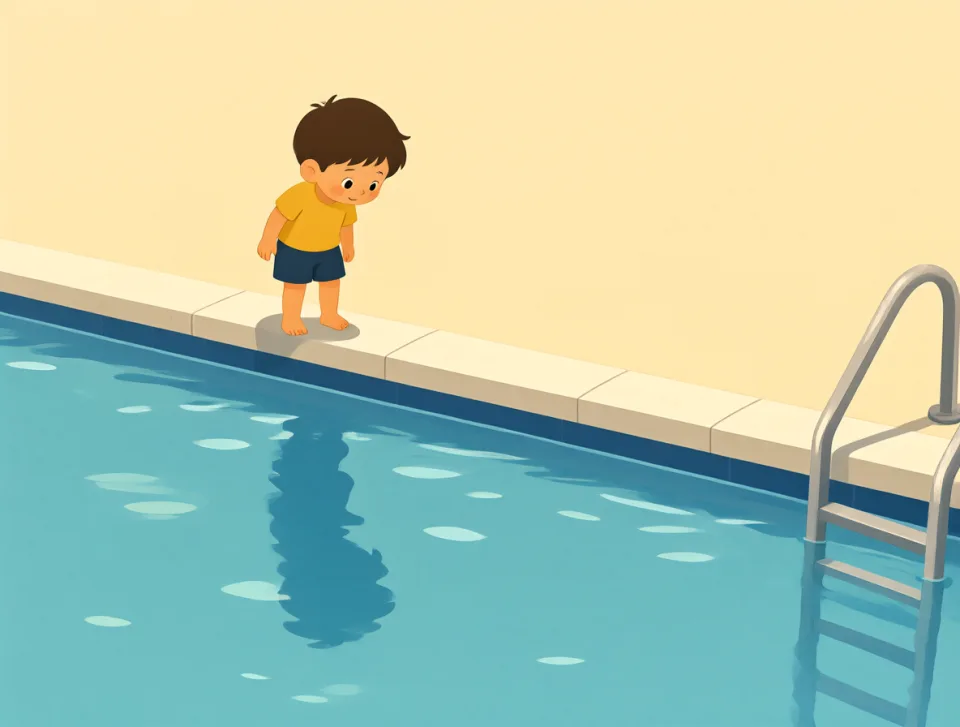
The water is too deep for me.
Woda jest dla mnie za głęboka.
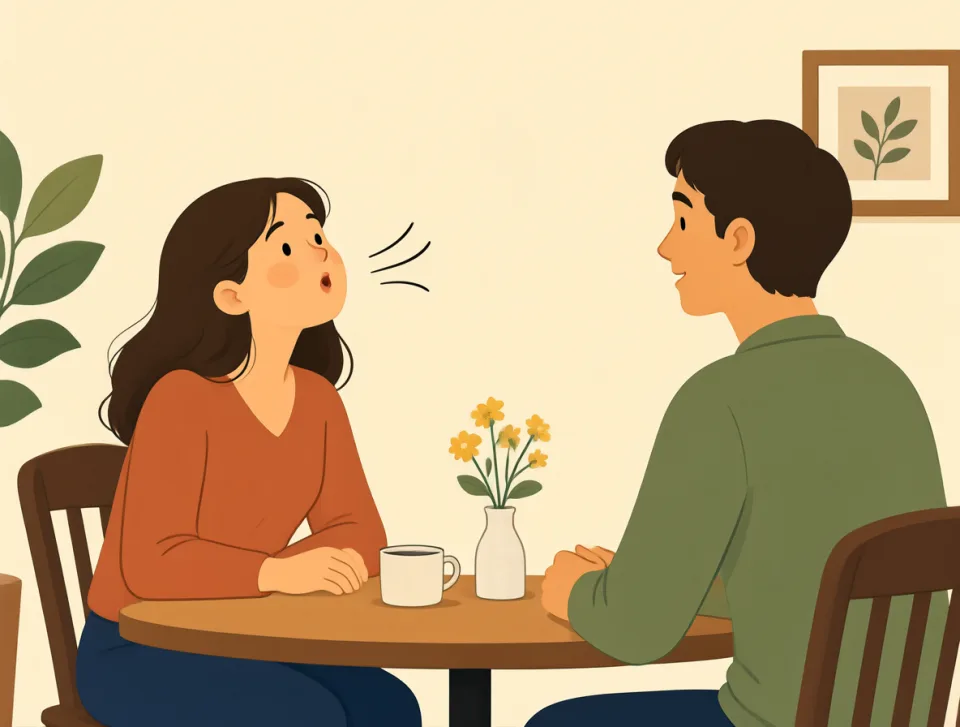
She took a deep breath before speaking.
Zanim się odezwała, wzięła głęboki oddech.
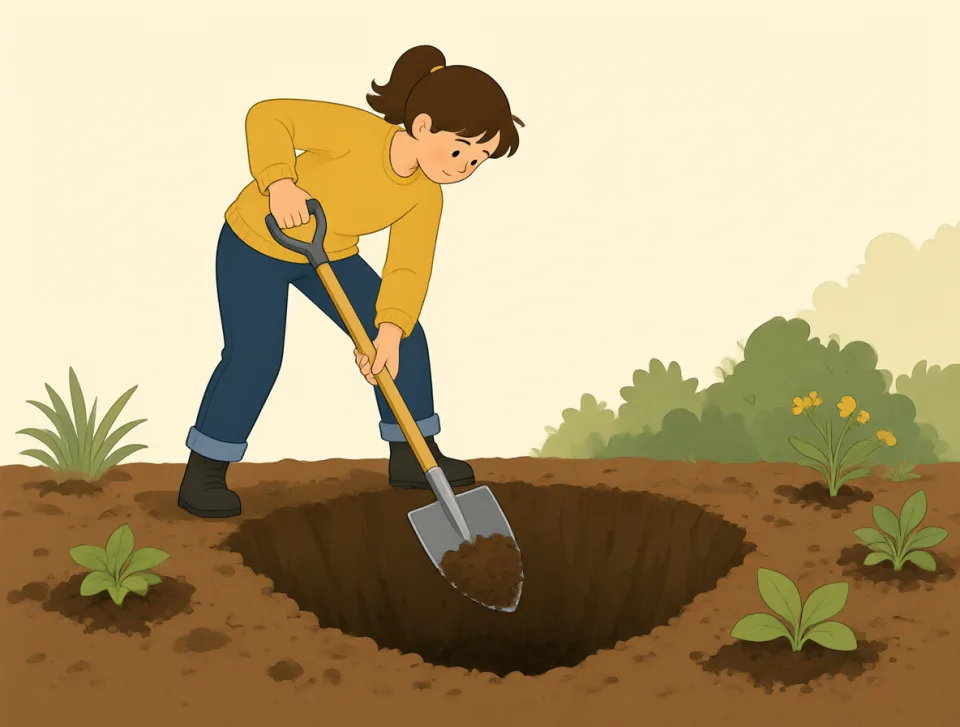
We dug deep into the garden soil.
Głęboko przekopaliśmy ziemię w ogrodzie.
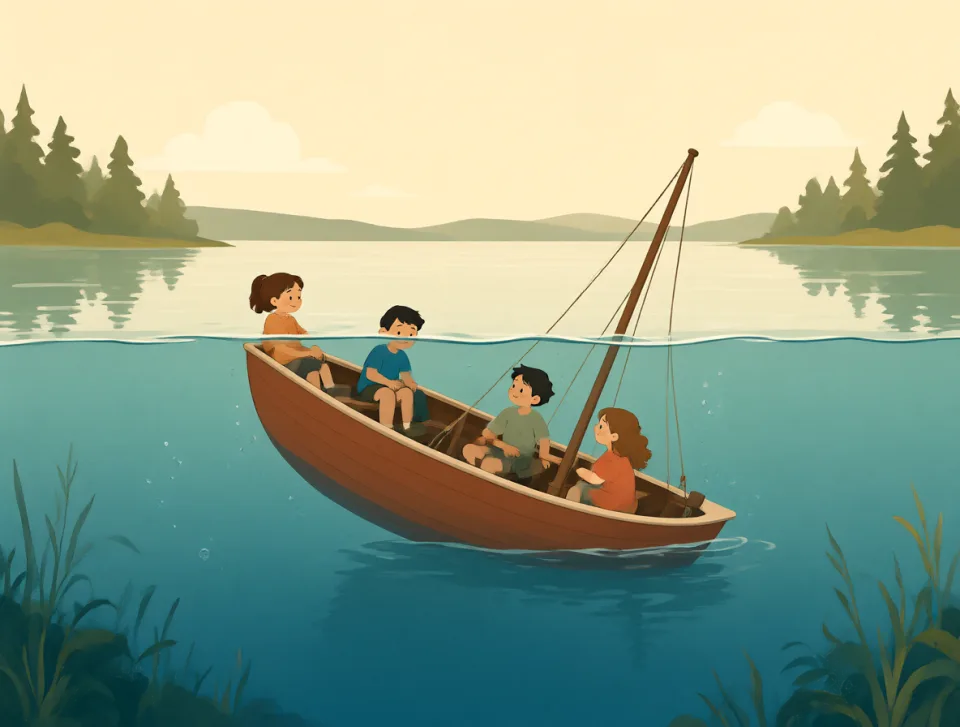
The boat sank deep into the water.
Łódź zatonęła głęboko pod wodą.

He sleeps deeply after a long day.
Po długim dniu śpi głęboko.