Zestaw 50
Słowa 981–1000 · version, conversation, somebody, pound, magazine, shape
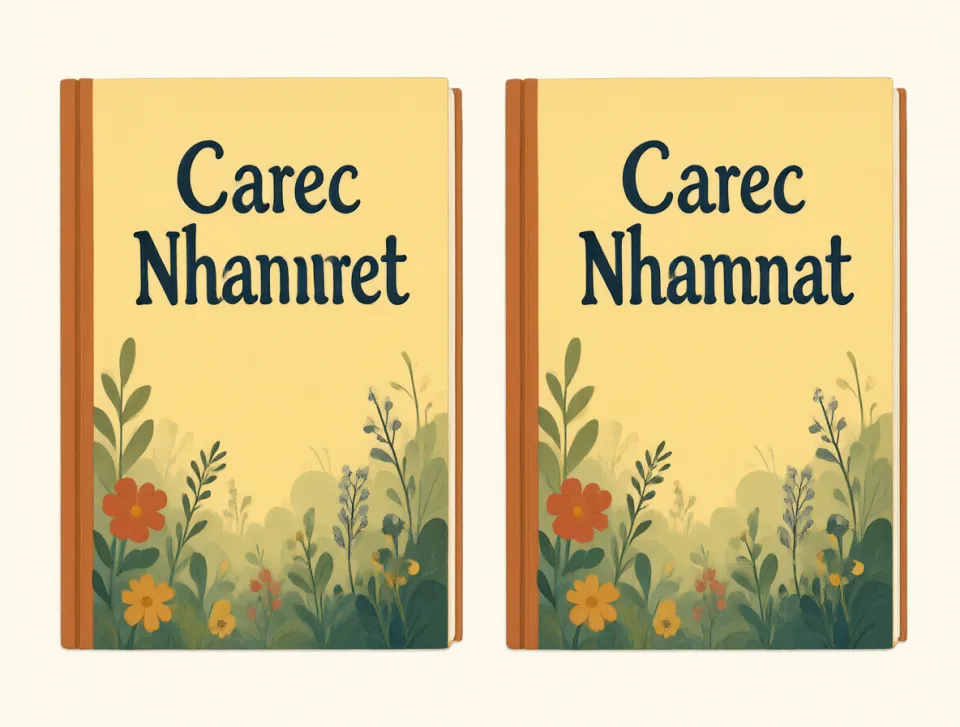
version
#981noun
wersja
A form of something that is different from another form.
Postać czegoś, która różni się od innej postaci.
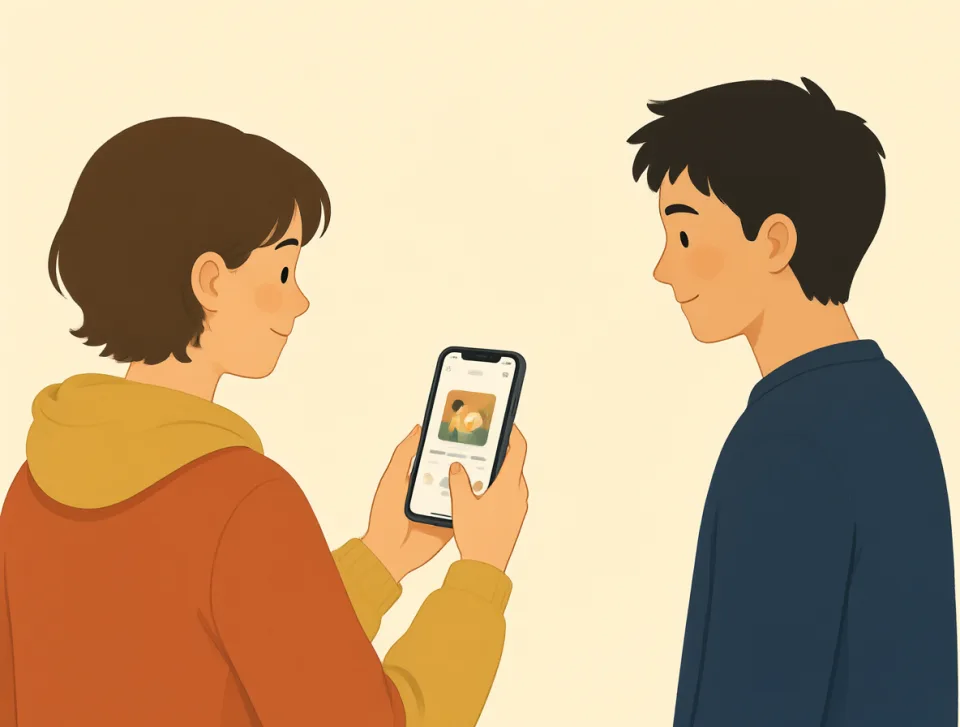
I have the latest version of this app.
Mam najnowszą wersję tej aplikacji.
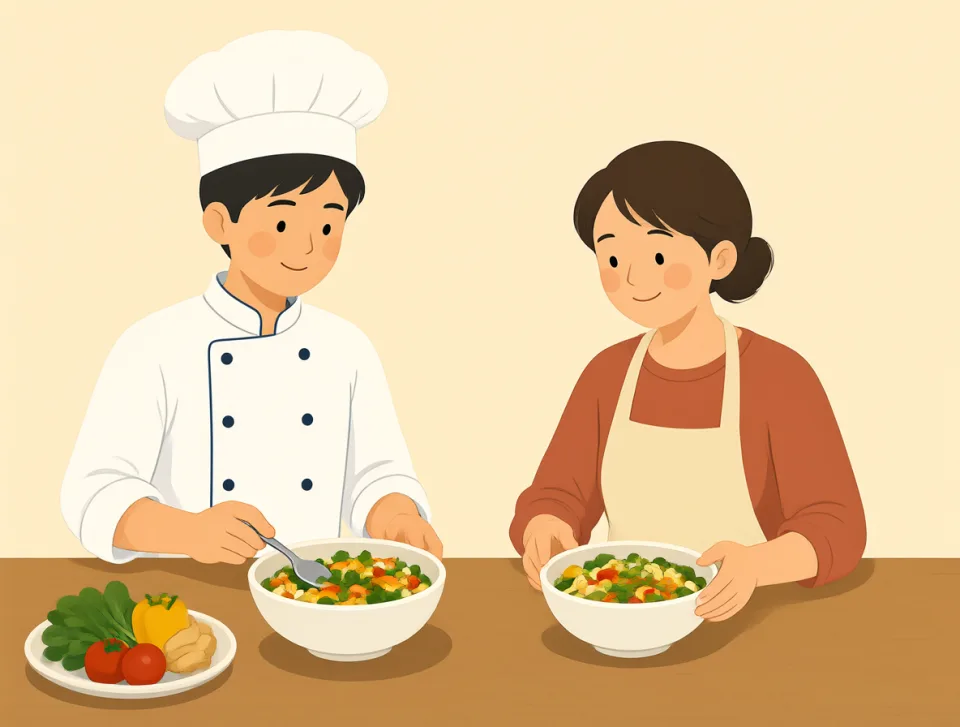
This recipe has a healthier version.
Ten przepis ma zdrowszą wersję.
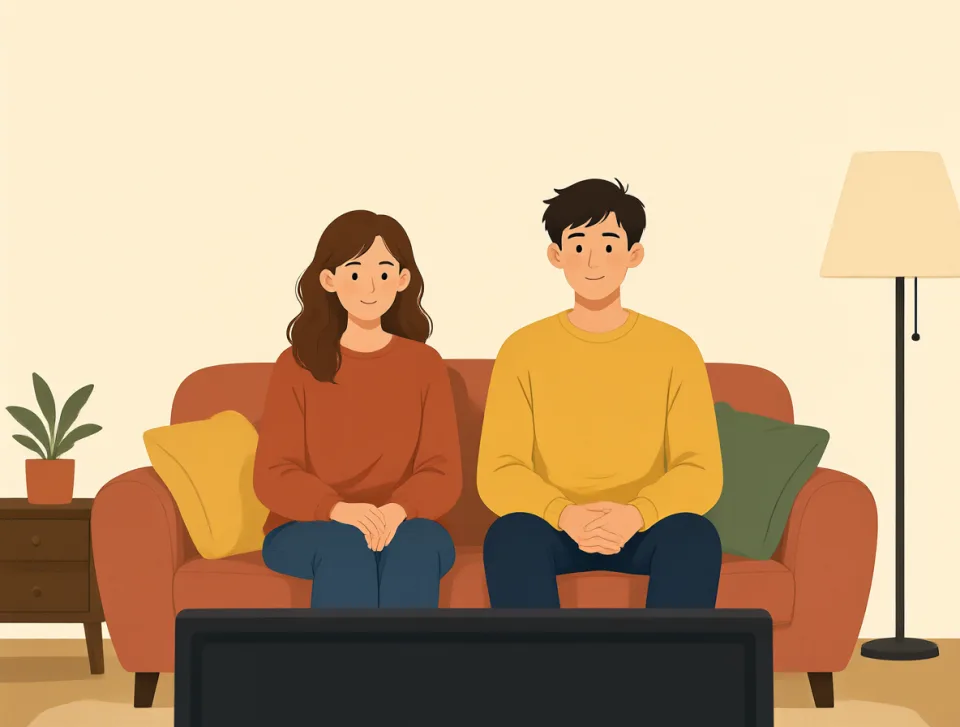
We watched the movie version last night.
Wczoraj wieczorem oglądaliśmy filmową wersję.
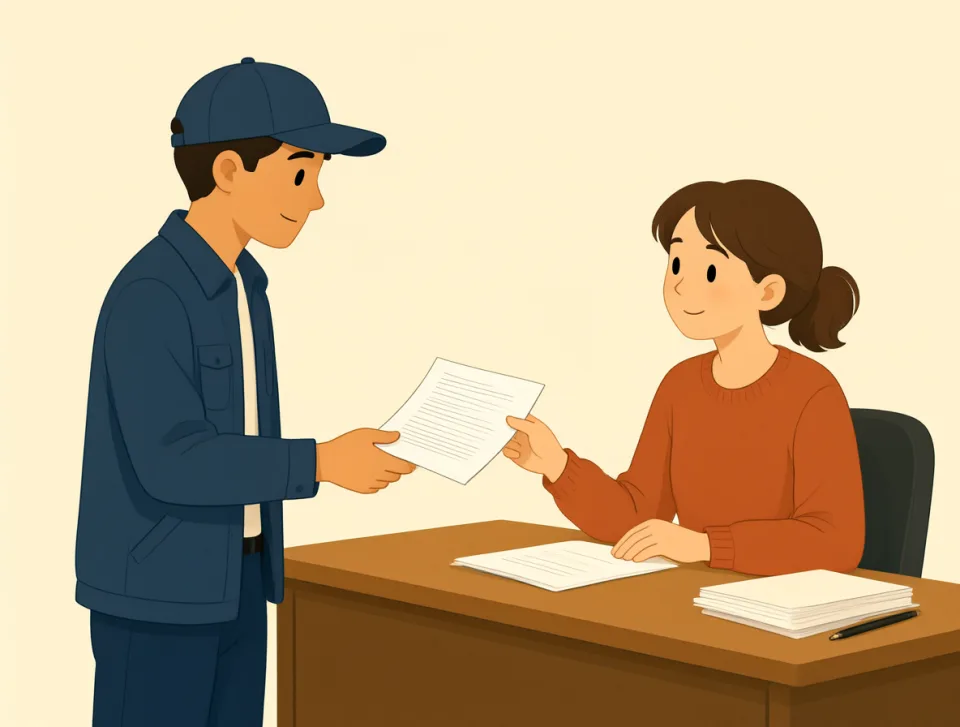
Please send me the final version tomorrow.
Proszę, prześlij mi jutro ostateczną wersję.
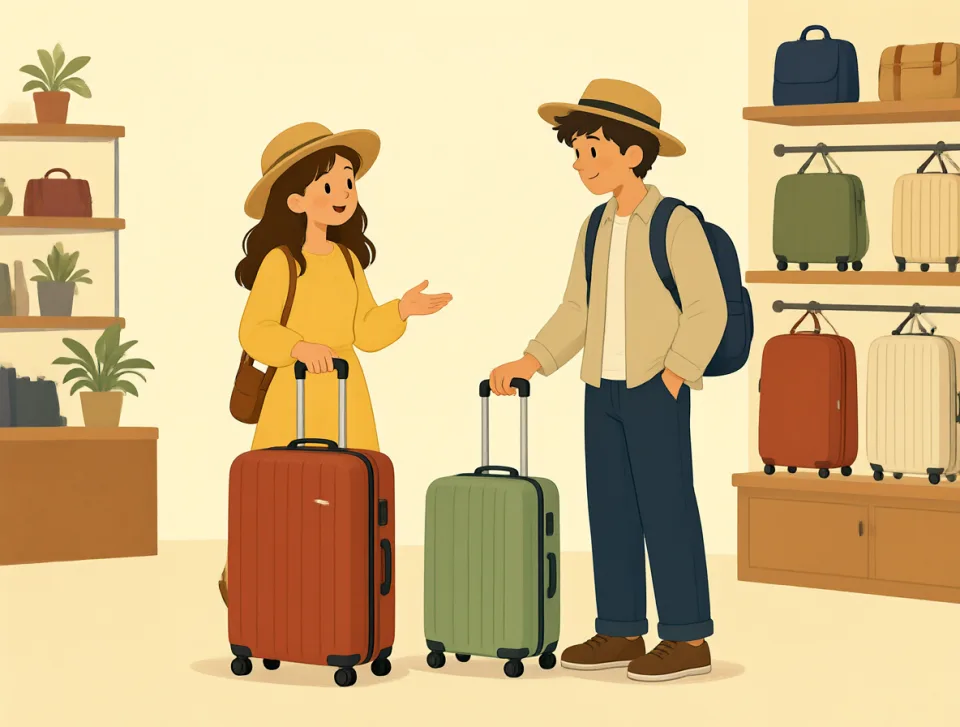
She bought a smaller version of the suitcase.
Kupiła mniejszą wersję walizki.
conversation
#982noun
rozmowa
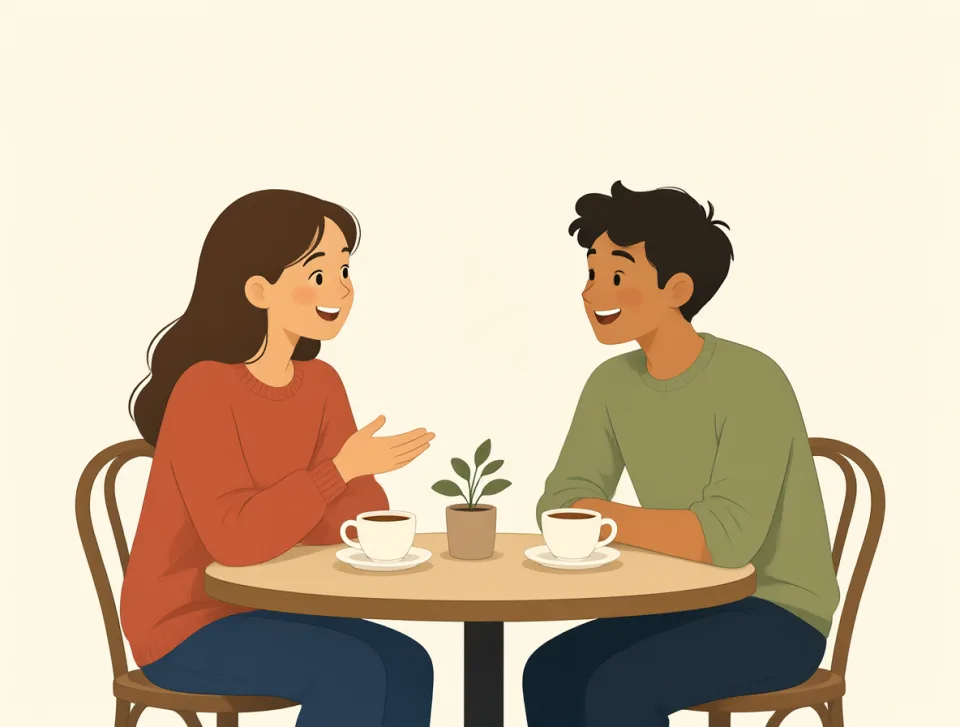
A talk between two or more people.
Rozmowa między dwiema lub większą liczbą osób.

We had a friendly conversation after dinner.
Po kolacji miło nam się rozmawiało.

I enjoyed our conversation about travel.
Podobała mi się nasza rozmowa o podróżach.
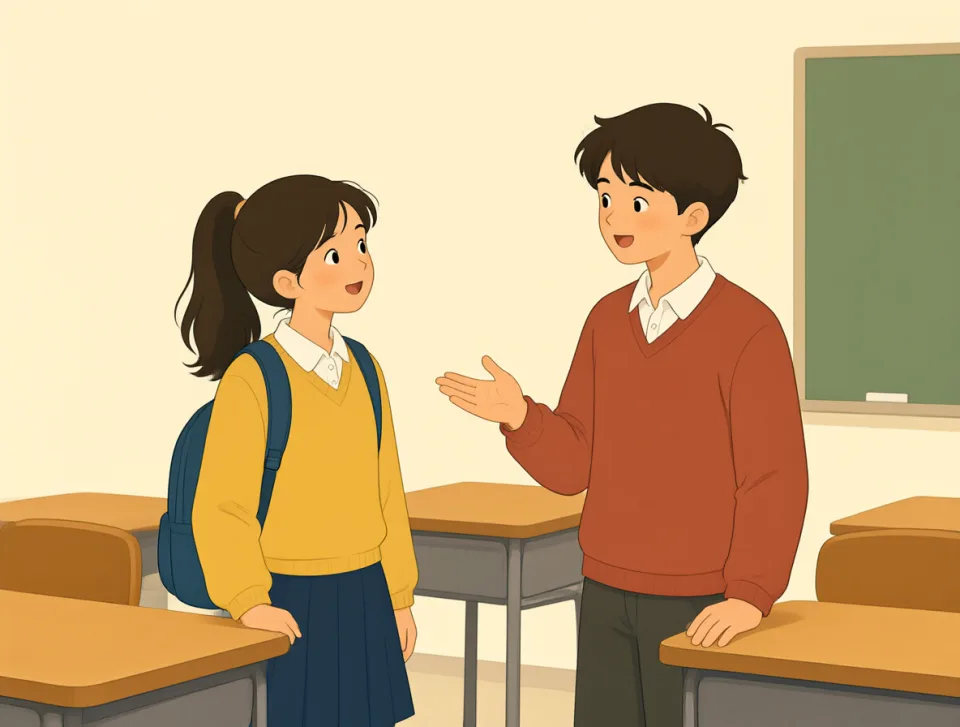
She started a conversation with her new classmate.
Zaczęła rozmowę ze swoją nową koleżanką z klasy.

The manager had a conversation with my colleague.
Kierownik rozmawiał z moim współpracownikiem.
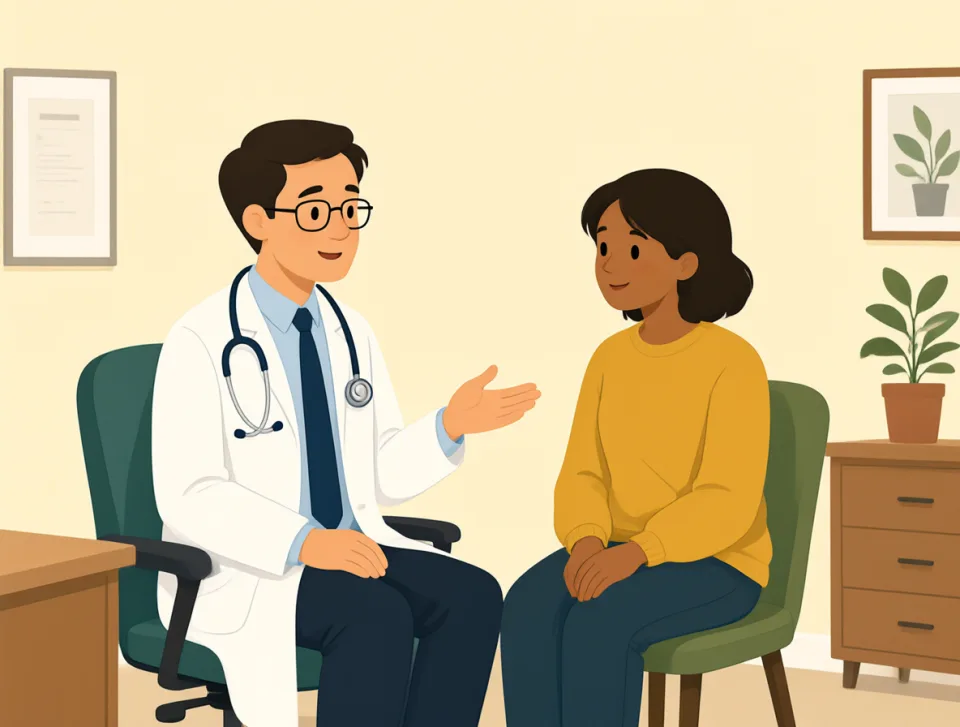
The doctor and patient had a quiet conversation.
Lekarz i pacjent odbyli spokojną rozmowę.

somebody
#983pronoun
ktoś
an unknown or unnamed person
nieznana lub niewymieniona z imienia osoba
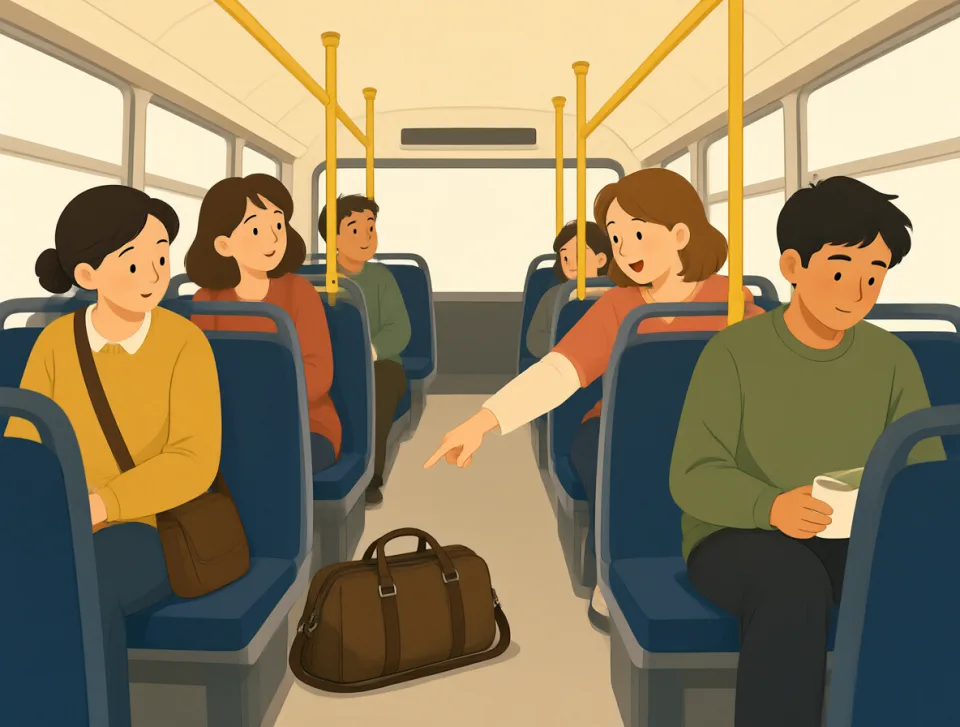
Somebody left their bag on the bus.
Ktoś zostawił torbę w autobusie.
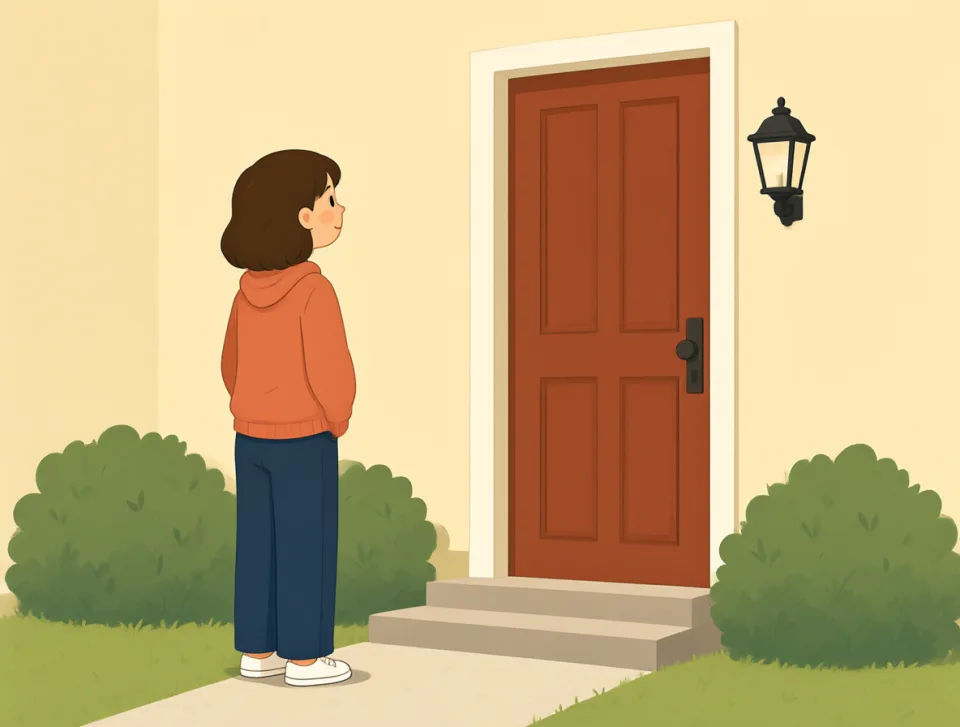
Somebody is waiting outside the door.
Ktoś czeka przed drzwiami.
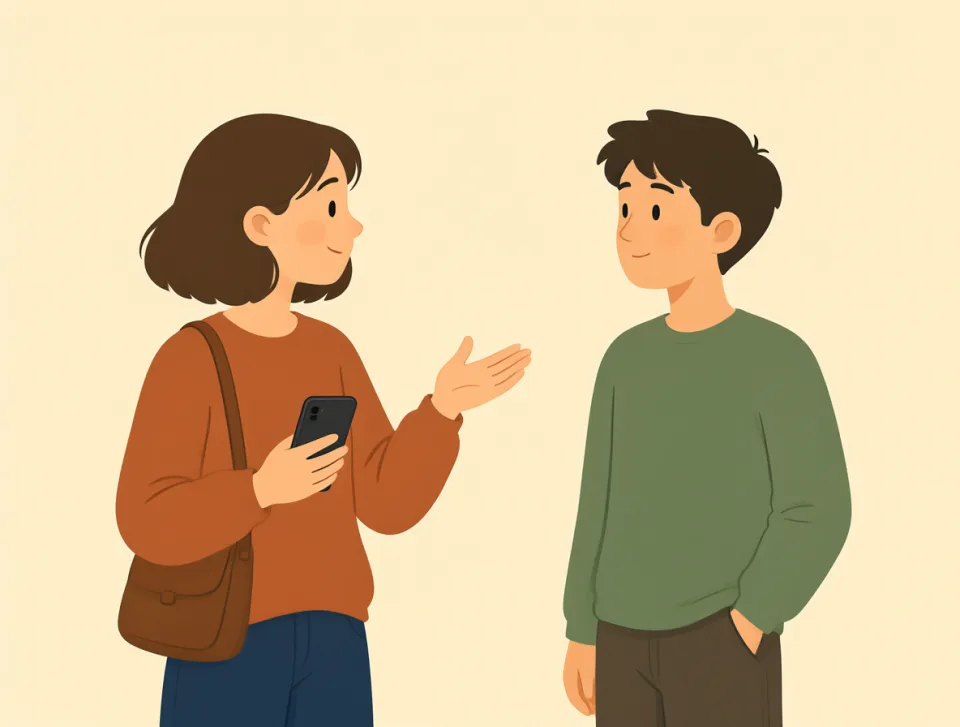
Somebody called you while you were away.
Ktoś do ciebie dzwonił, kiedy cię nie było.

Somebody helped me carry the boxes.
Ktoś pomógł mi nieść pudełka.
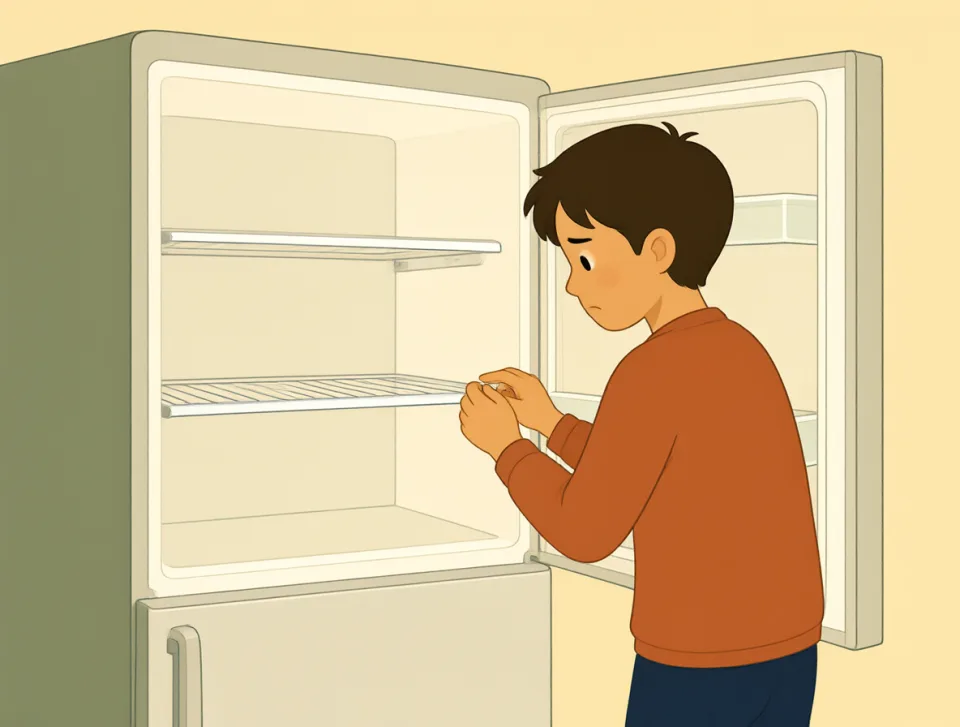
Somebody took my sandwich from the fridge.
Ktoś zabrał moją kanapkę z lodówki.
pound
#984noun, verb
funt
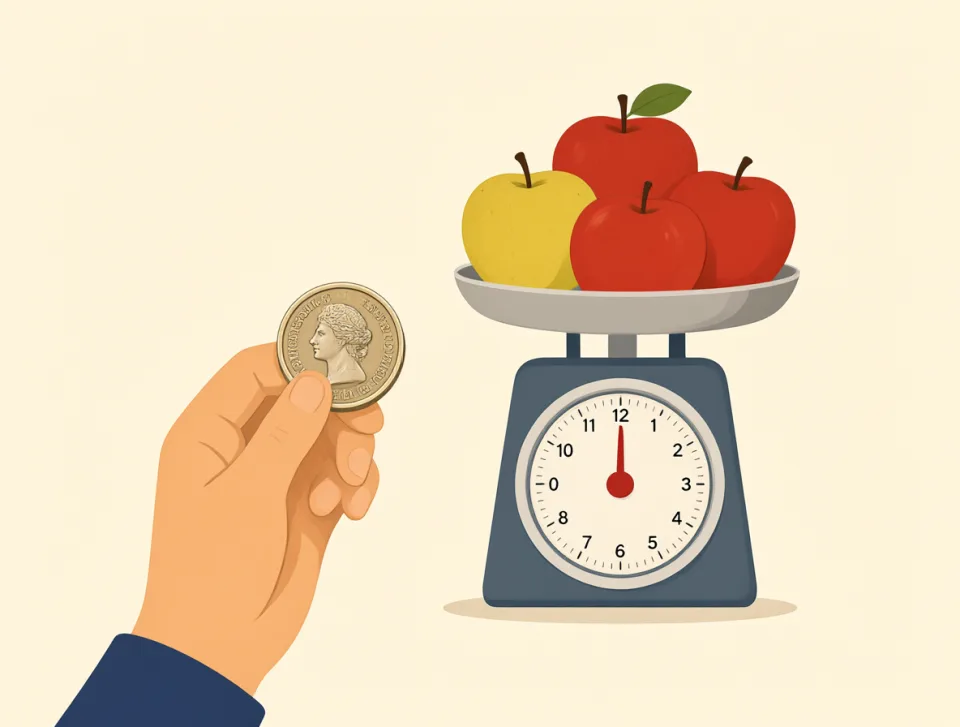
A pound is a unit of money or weight; to pound means to hit hard.
Funt to jednostka waluty lub masy; „to pound” znaczy mocno uderzać.
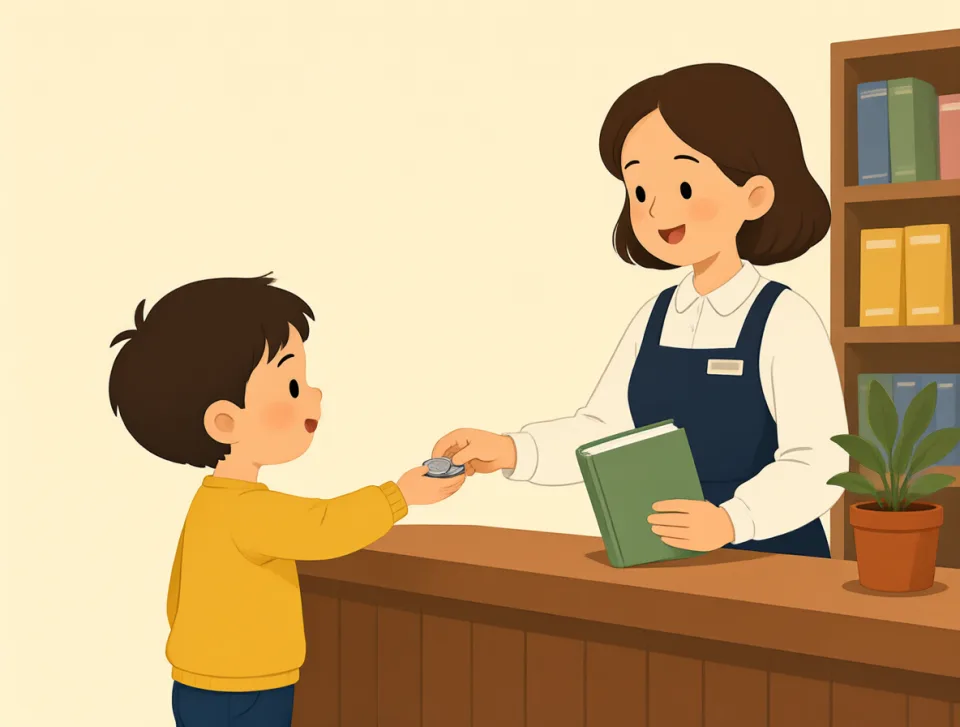
This book costs five pounds.
Ta książka kosztuje pięć funtów.
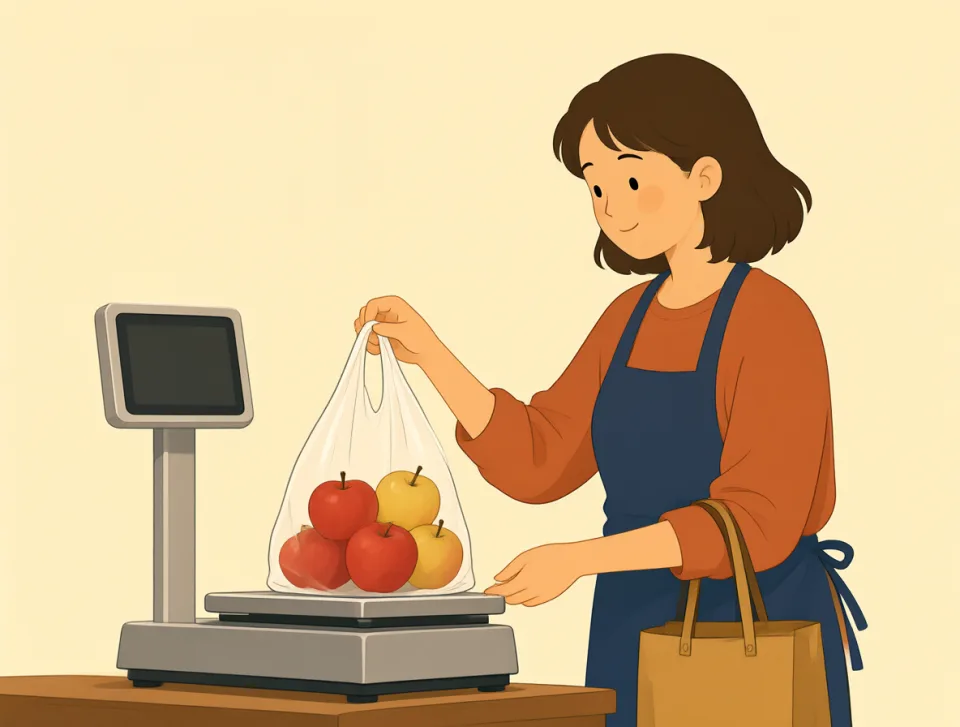
I bought a pound of apples.
Kupiłem kilogram jabłek.
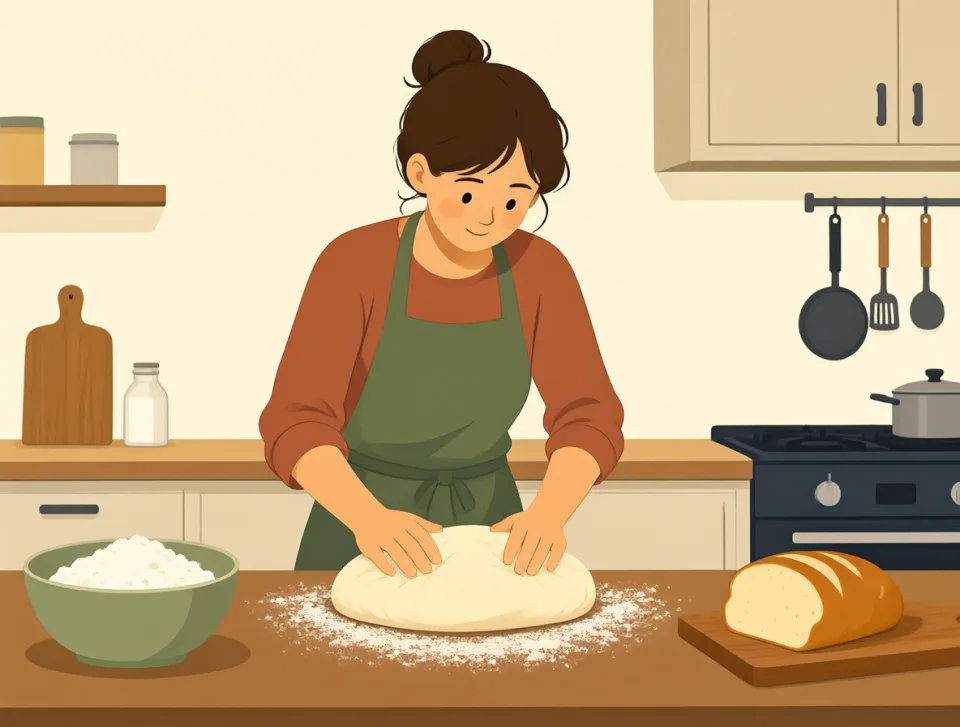
She pounded the dough with her hands.
Ugniatała ciasto rękami.
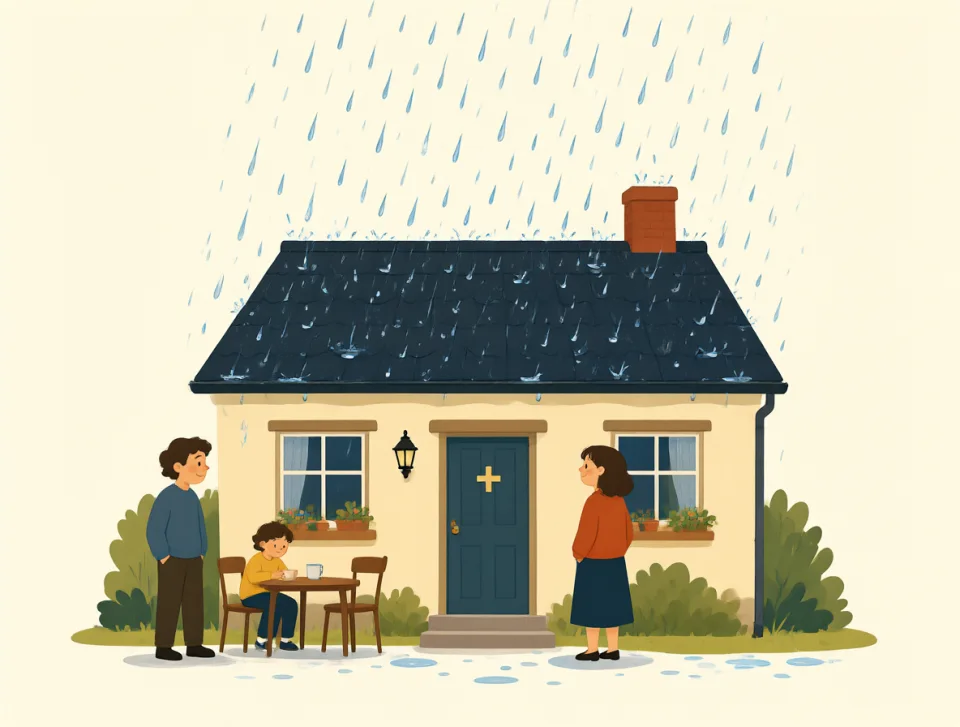
The rain pounded on the roof.
Deszcz bębnił o dach.
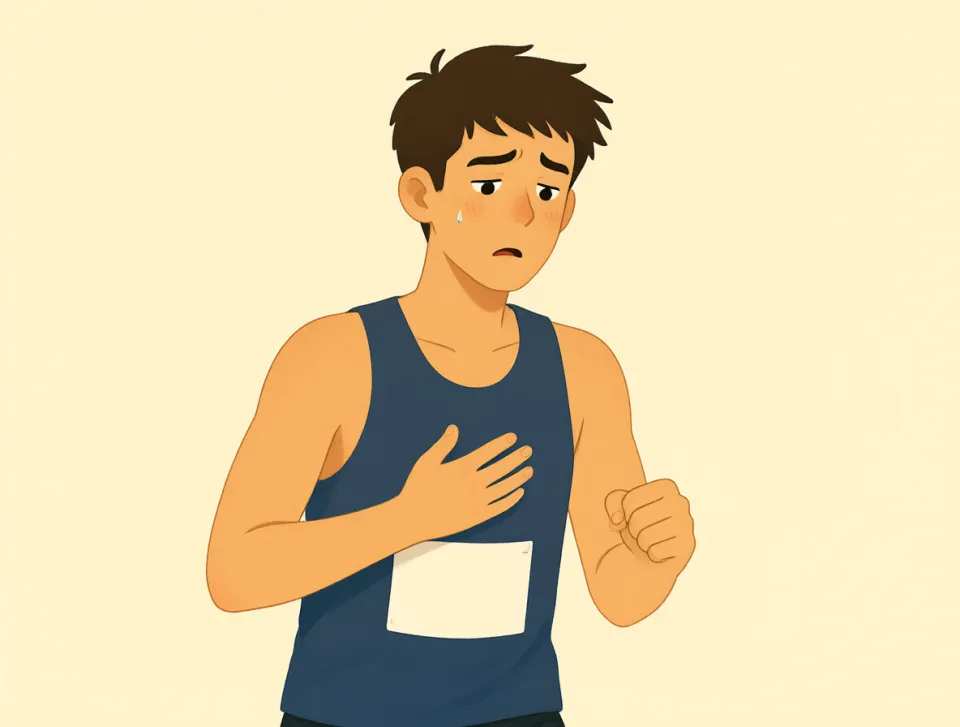
My heart was pounding after the race.
Po biegu serce waliło mi jak młot.
magazine
#985noun
czasopismo
A thin book published regularly with articles, stories, and pictures.
Niezbyt gruba publikacja ukazująca się regularnie, zawierająca artykuły, opowiadania i zdjęcia.
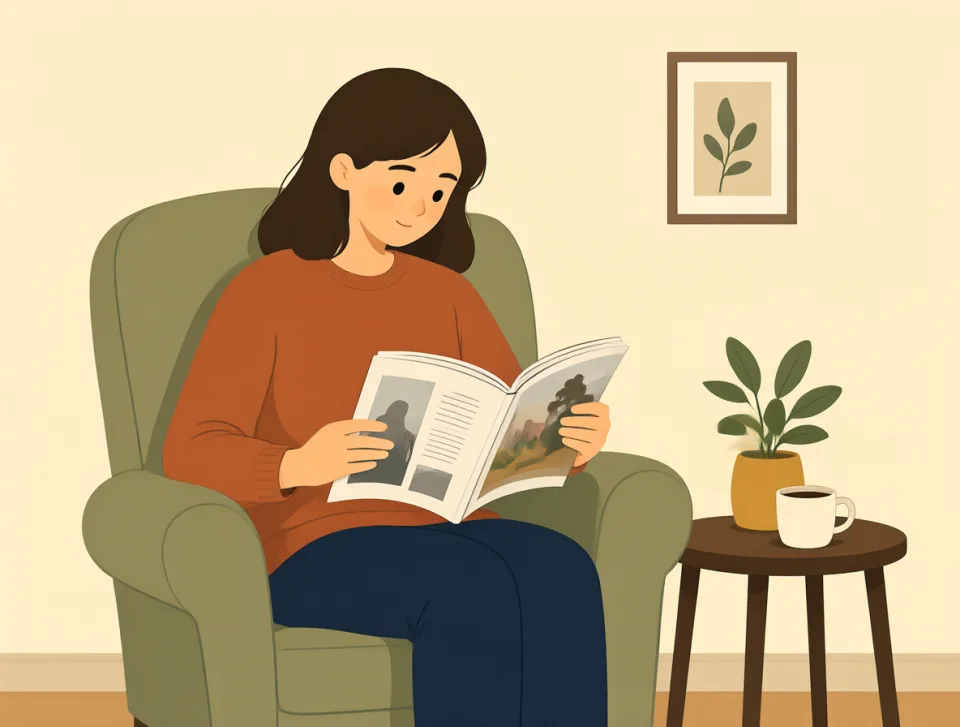
She reads a magazine every Sunday morning.
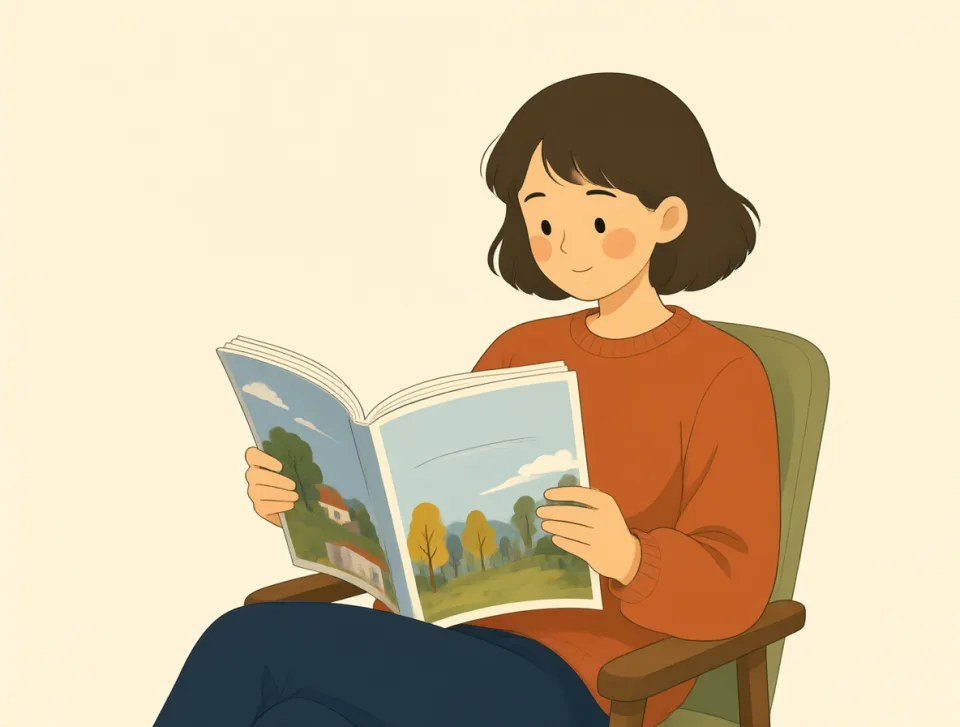
Czyta czasopismo w każdy niedzielny poranek.
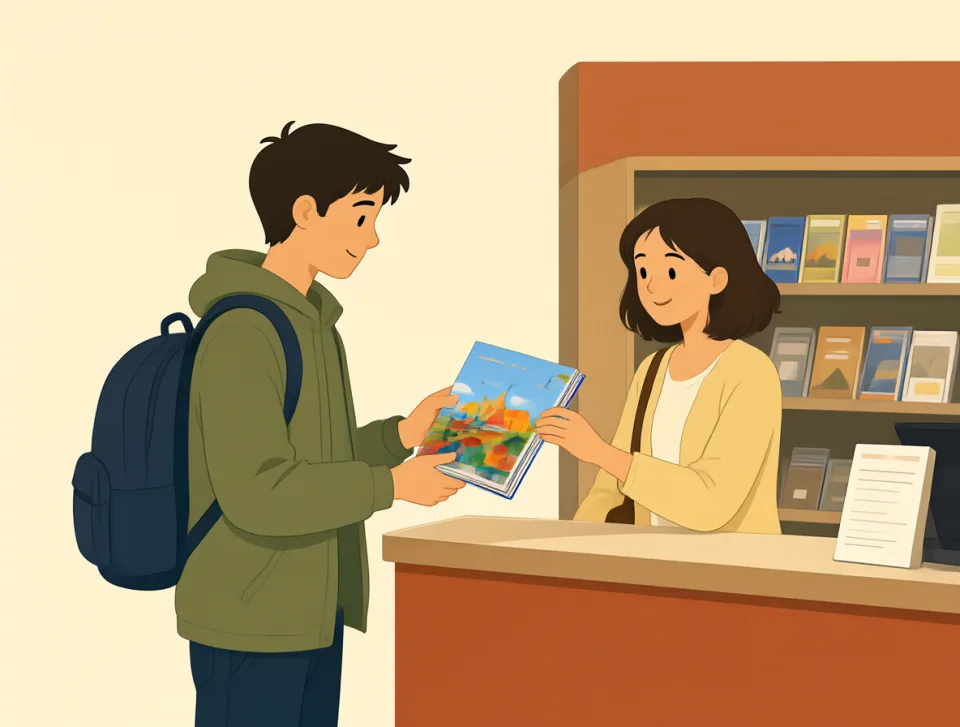
I bought a travel magazine at the airport.
Kupiłem czasopismo podróżnicze na lotnisku.
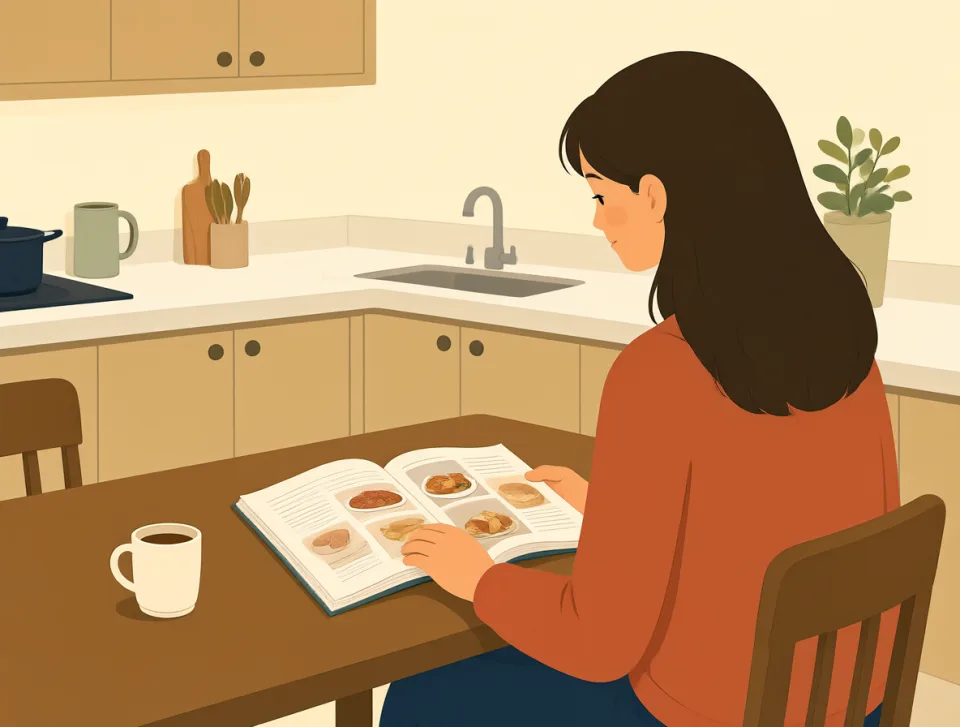
This magazine has many beautiful food pictures.
W tym czasopiśmie jest wiele pięknych zdjęć potraw.
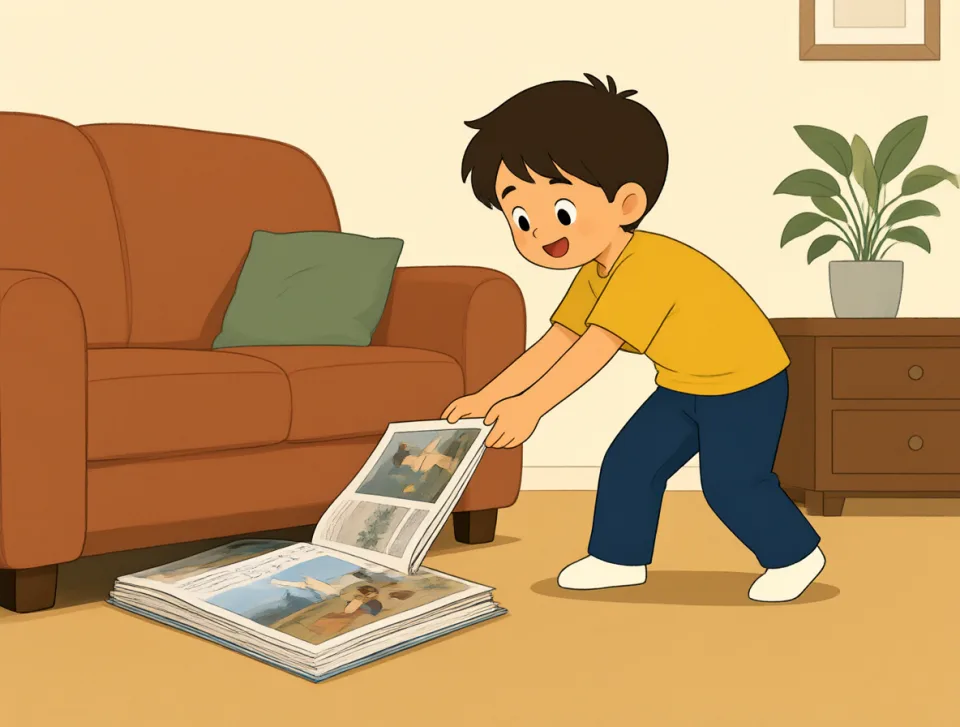
He found an old magazine under the sofa.
Znalazł stare czasopismo pod kanapą.
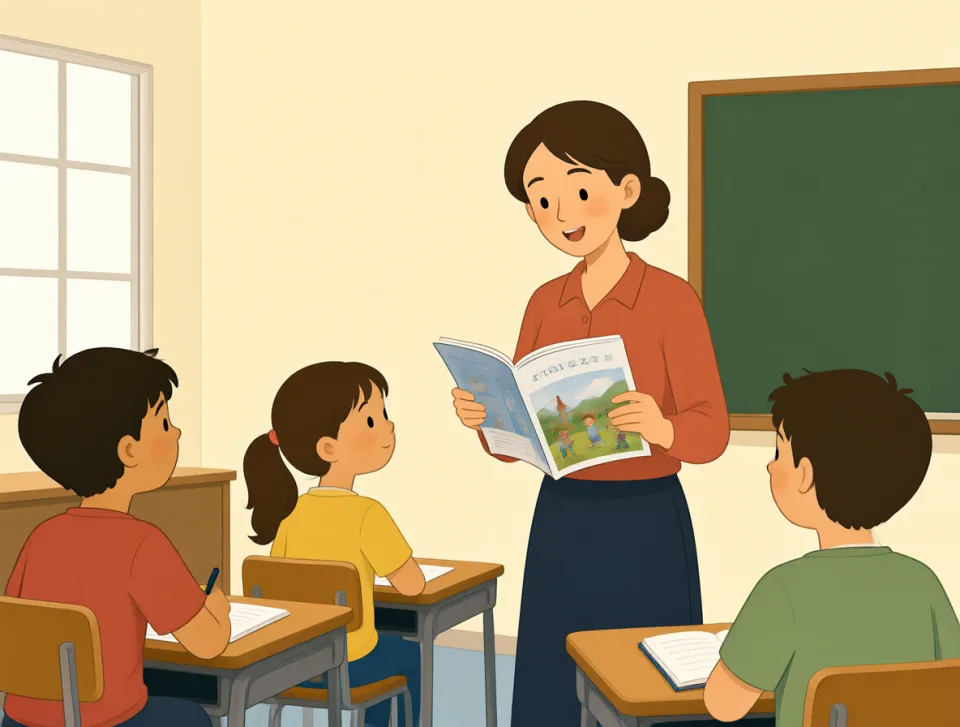
Our teacher brought a science magazine to class.
Nasz nauczyciel przyniósł na lekcję czasopismo naukowe.

shape
#986noun, verb
kształt
the form of something; to make something have a particular form
forma czegoś; nadawać czemuś określoną formę
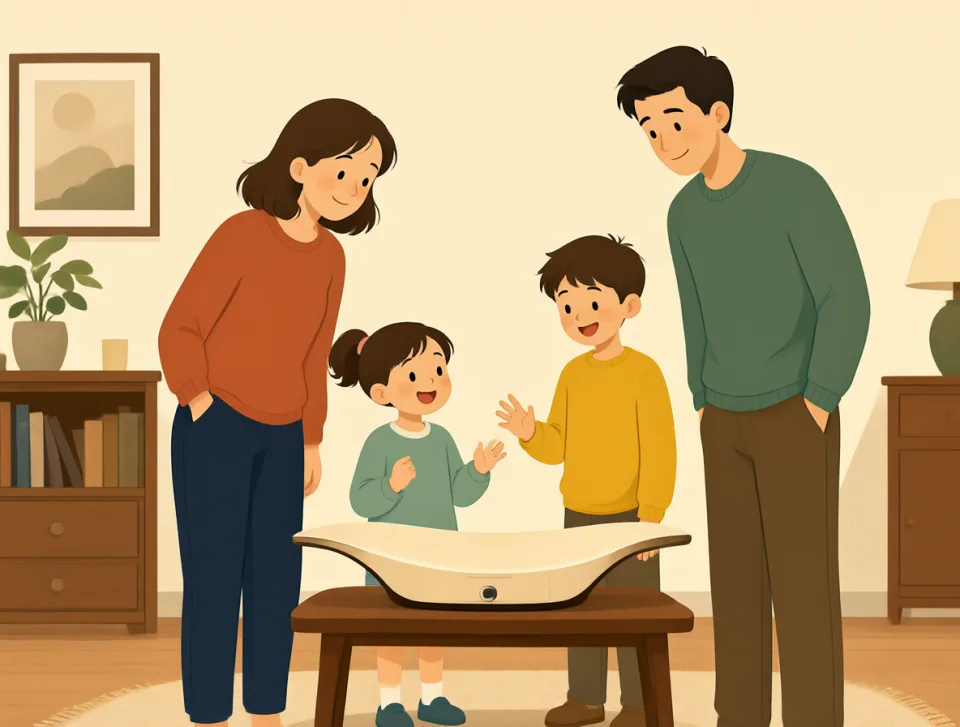
The table has a strange shape.
Stół ma dziwny kształt.
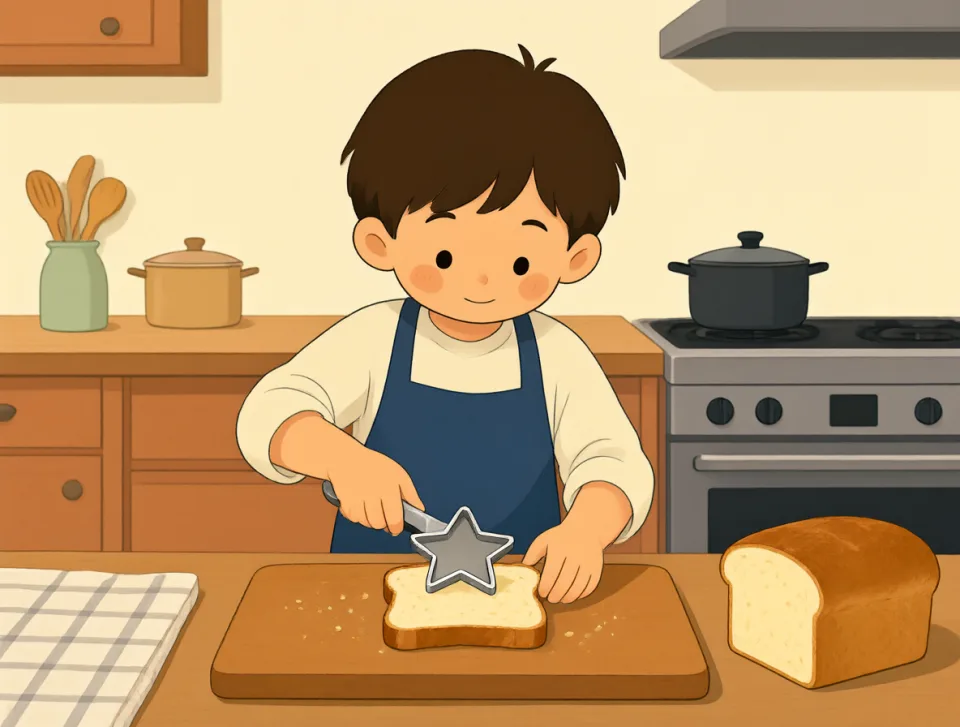
Cut the bread into star shapes.
Pokrój chleb na gwiazdki.
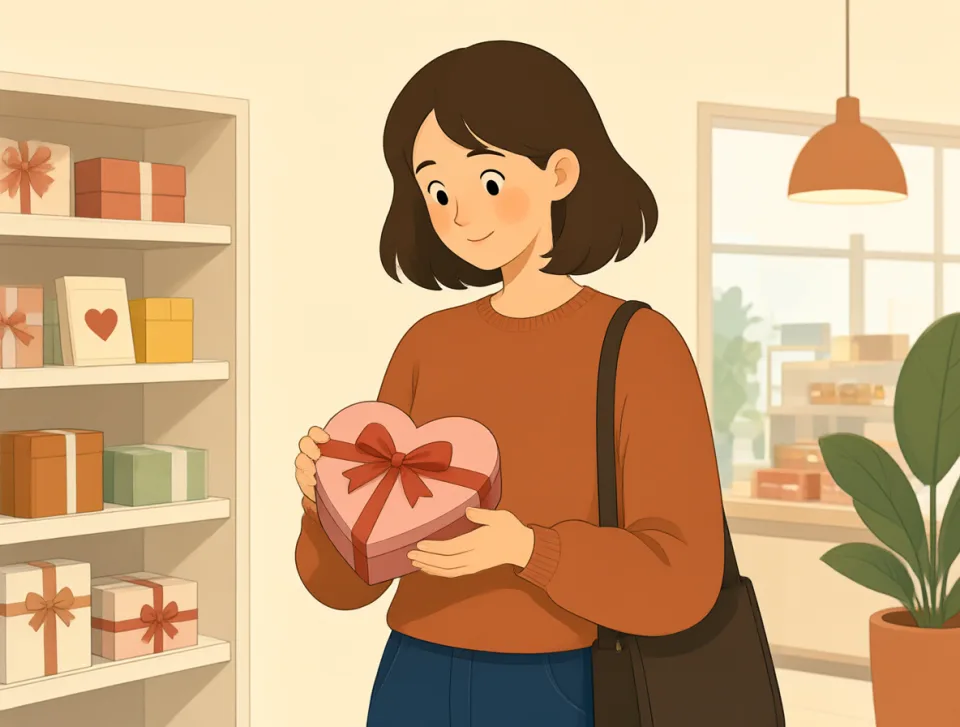
The box was shaped like a heart.
Pudełko miało kształt serca.
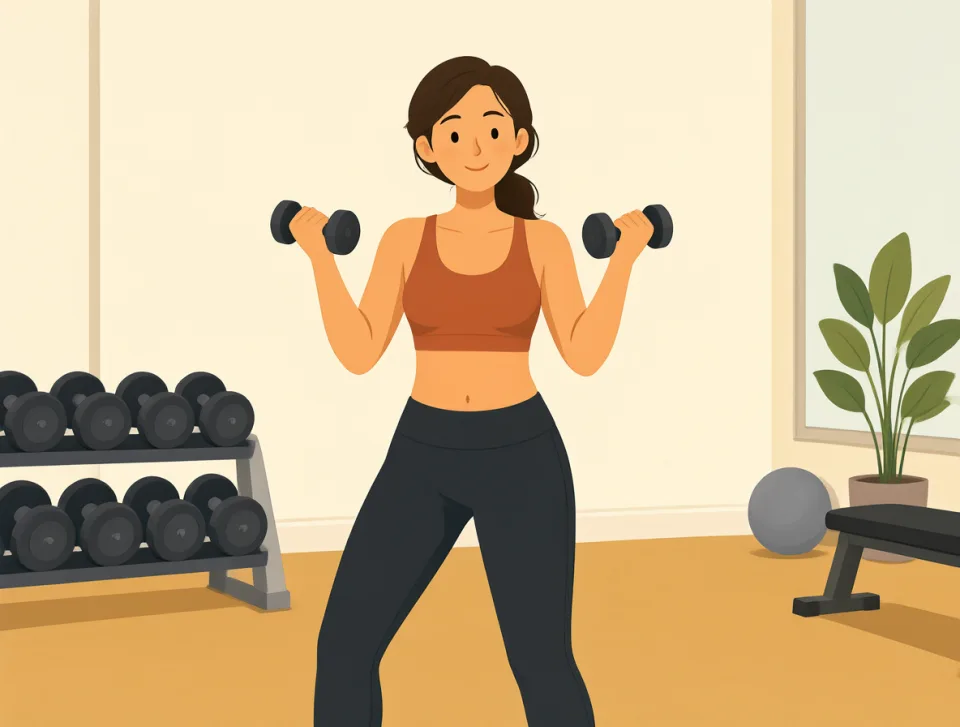
Exercise helps shape your body.
Ćwiczenia pomagają kształtować sylwetkę.
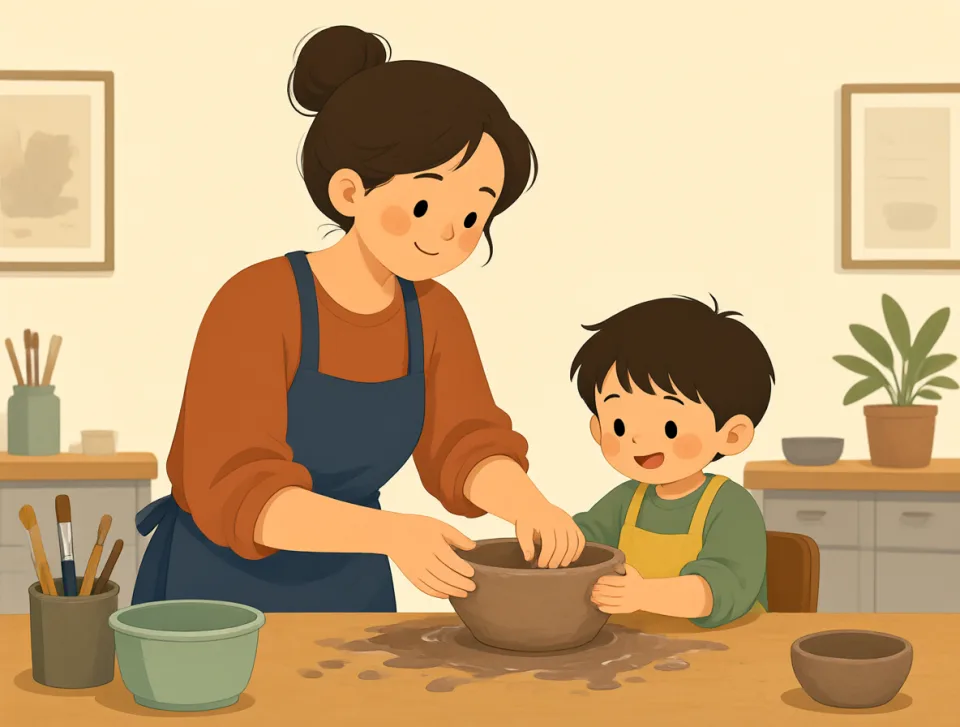
The teacher shaped the clay into a bowl.
Nauczyciel uformował z gliny miskę.

sea
#987noun
morze
A large area of salty water, usually partly surrounded by land.
Duży obszar słonej wody, zwykle częściowo otoczony lądem.

We swam in the sea during our holiday.
Podczas wakacji pływaliśmy w morzu.
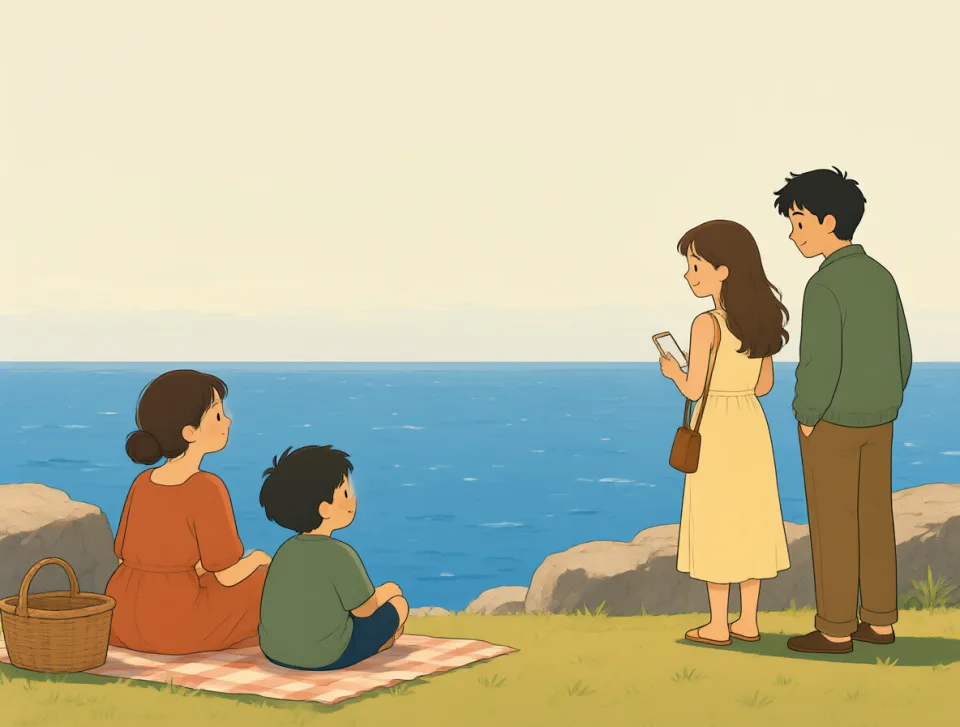
The sea was calm this morning.
Dziś rano morze było spokojne.
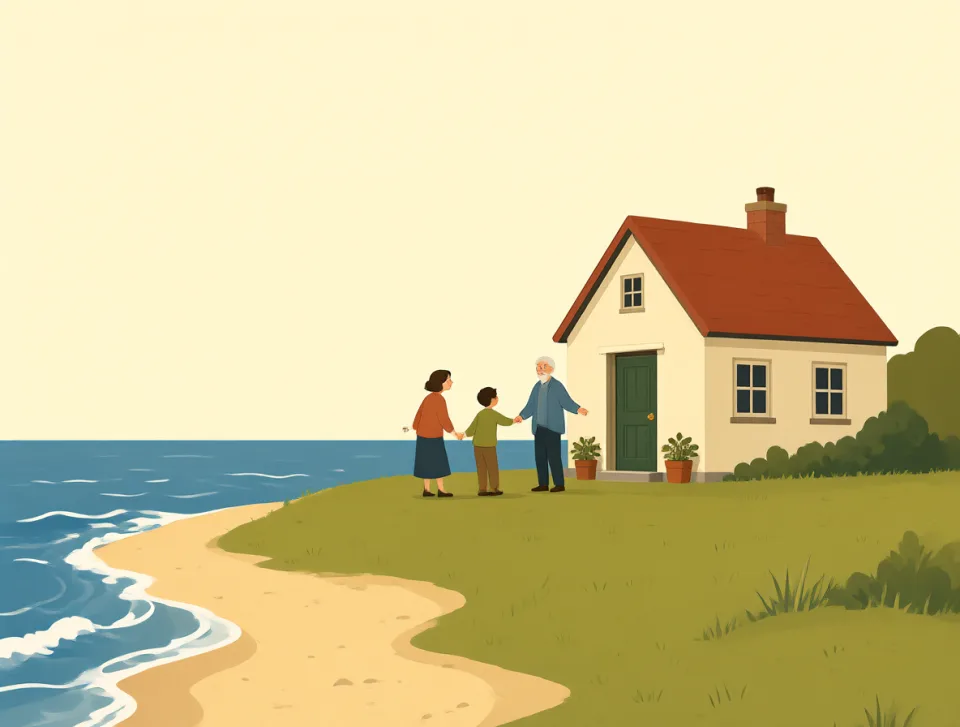
They live in a small house by the sea.
Mieszkają w małym domu nad morzem.
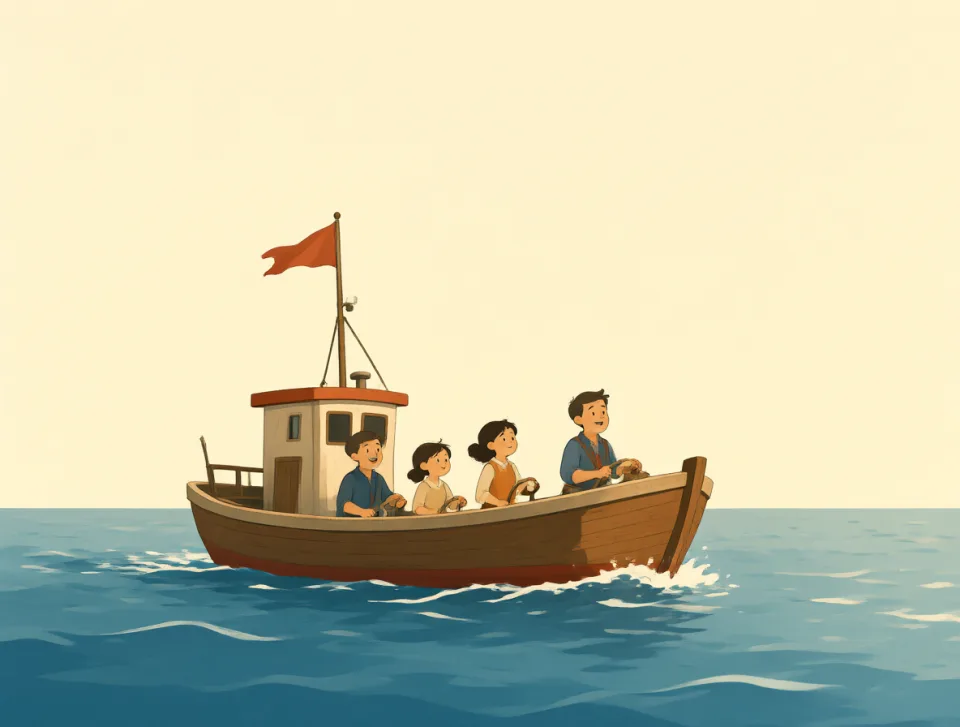
The boat crossed the sea in two days.
Łódź przepłynęła morze w dwa dni.
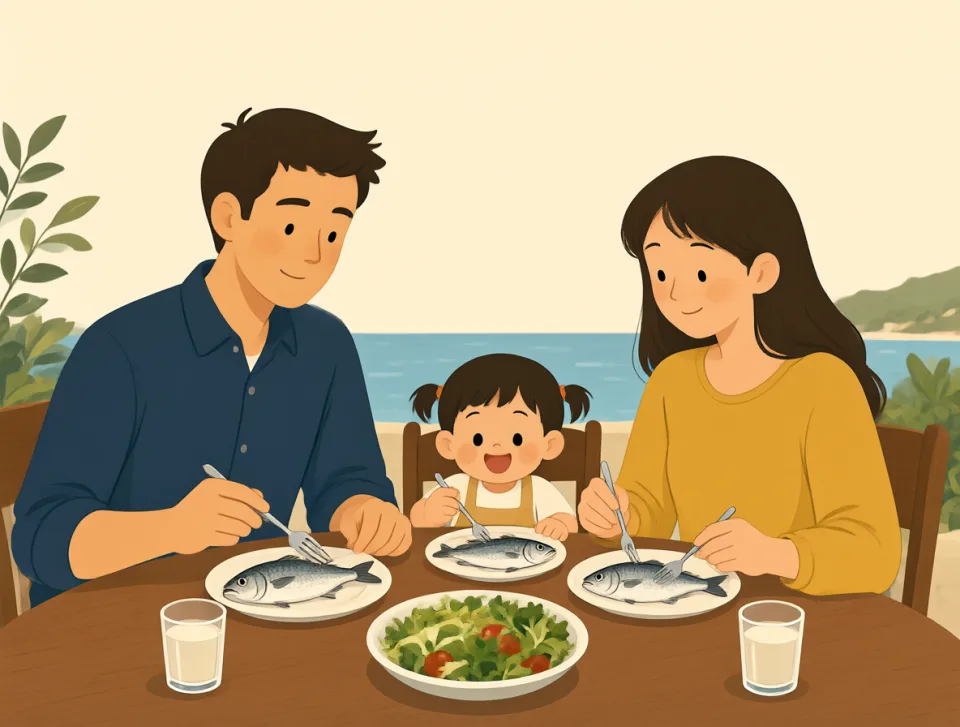
We ate fresh fish from the sea.
Jedliśmy świeżą rybę z morza.
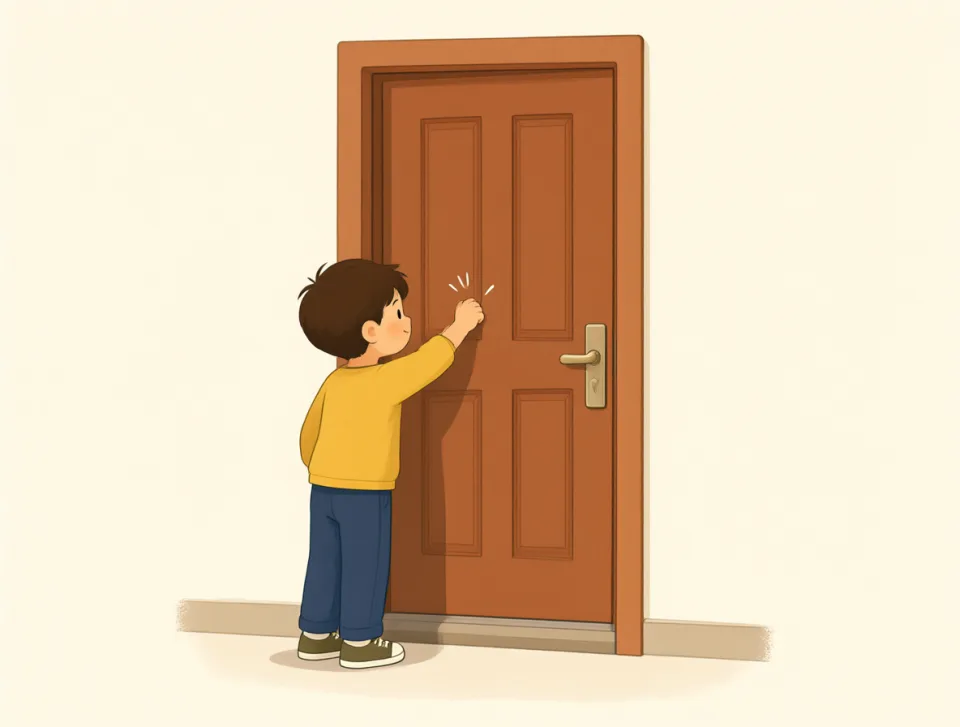
immediately
#988adverb
natychmiast
At once, without waiting or delay.
Od razu, bez czekania ani zwłoki.
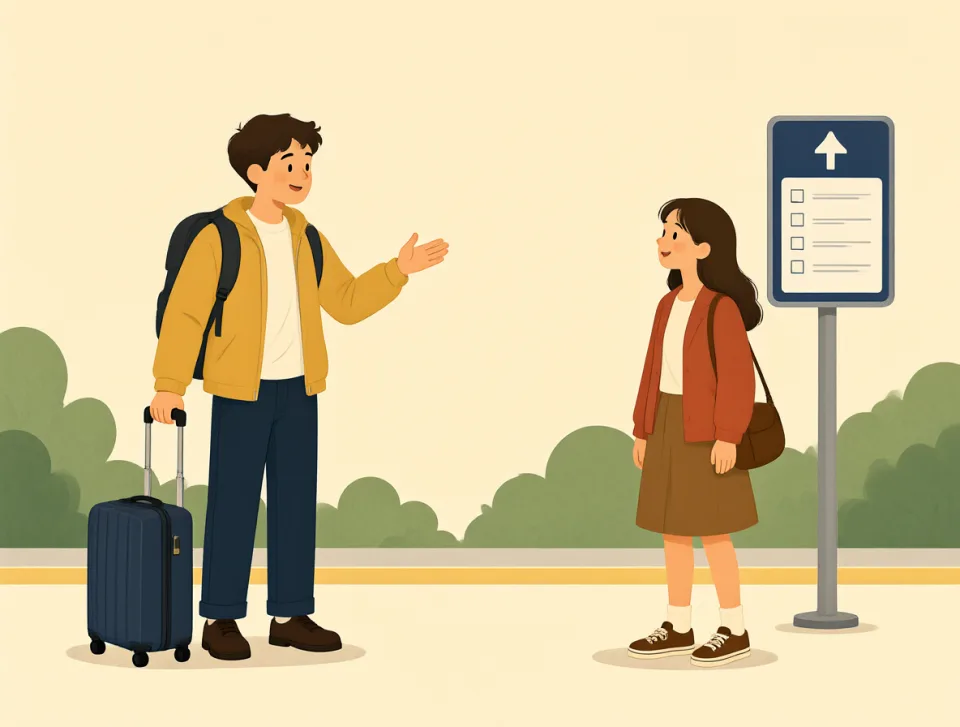
Please call me immediately after you arrive.
Zadzwoń do mnie, proszę, natychmiast po przyjeździe.
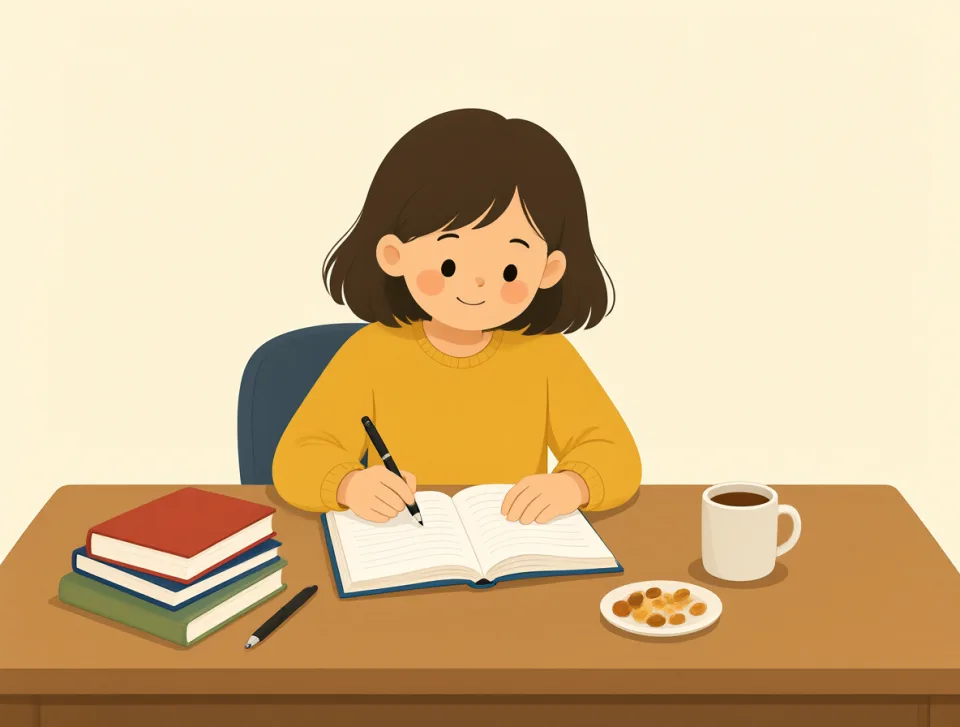
She immediately started her homework after dinner.
Po kolacji od razu zabrała się za pracę domową.
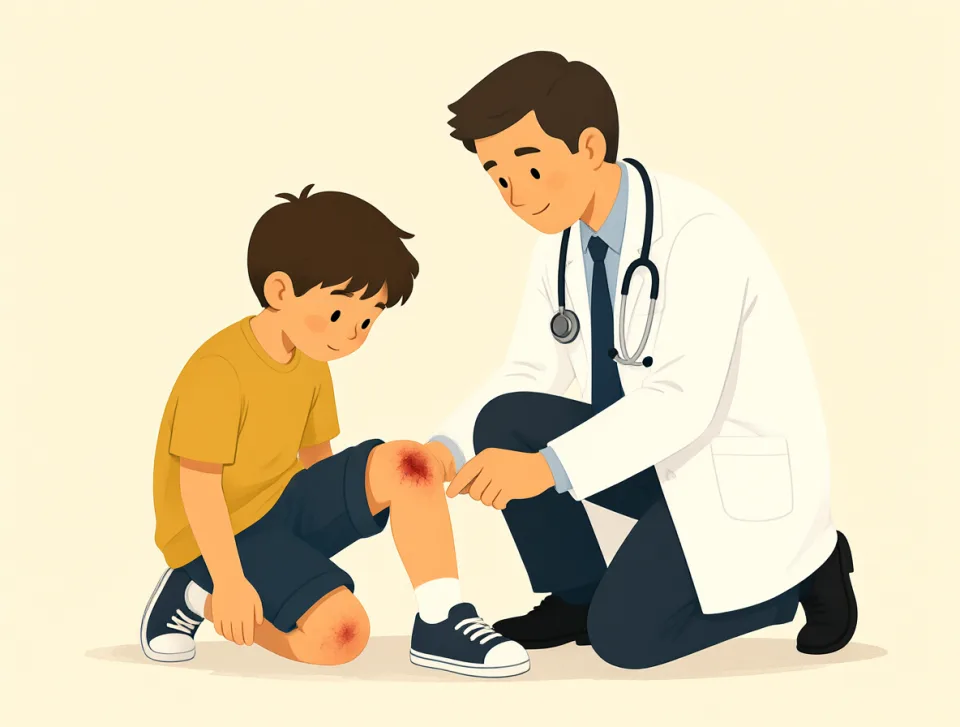
The doctor immediately helped the injured boy.
Lekarz natychmiast pomógł rannemu chłopcu.

He immediately paid for the groceries.
Od razu zapłacił za zakupy spożywcze.
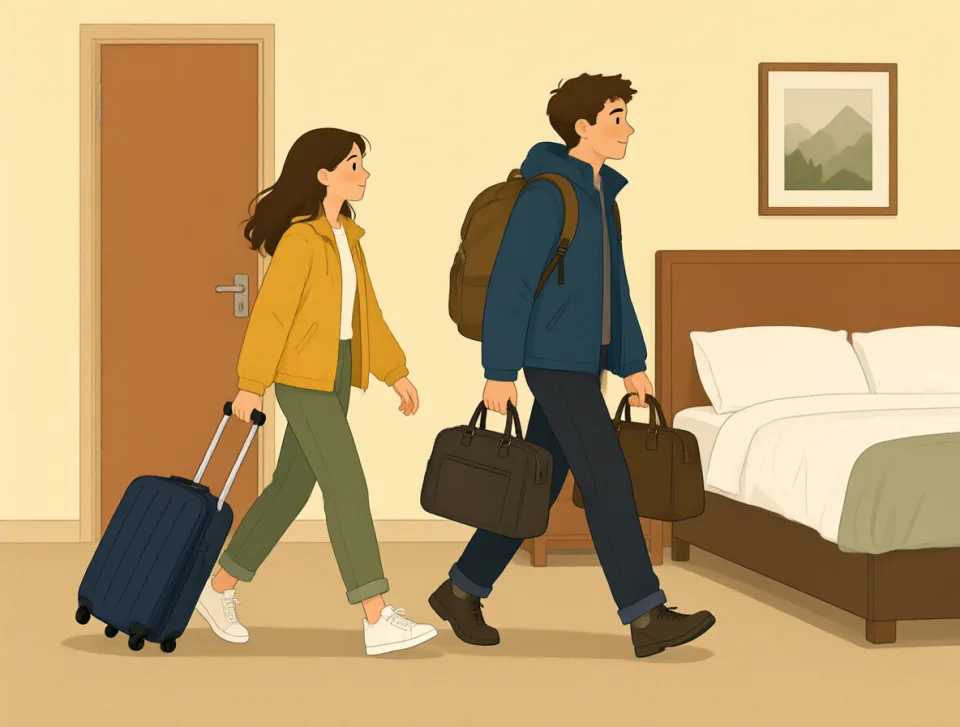
We immediately left the hotel when the alarm rang.
Gdy rozległ się alarm, natychmiast opuściliśmy hotel.
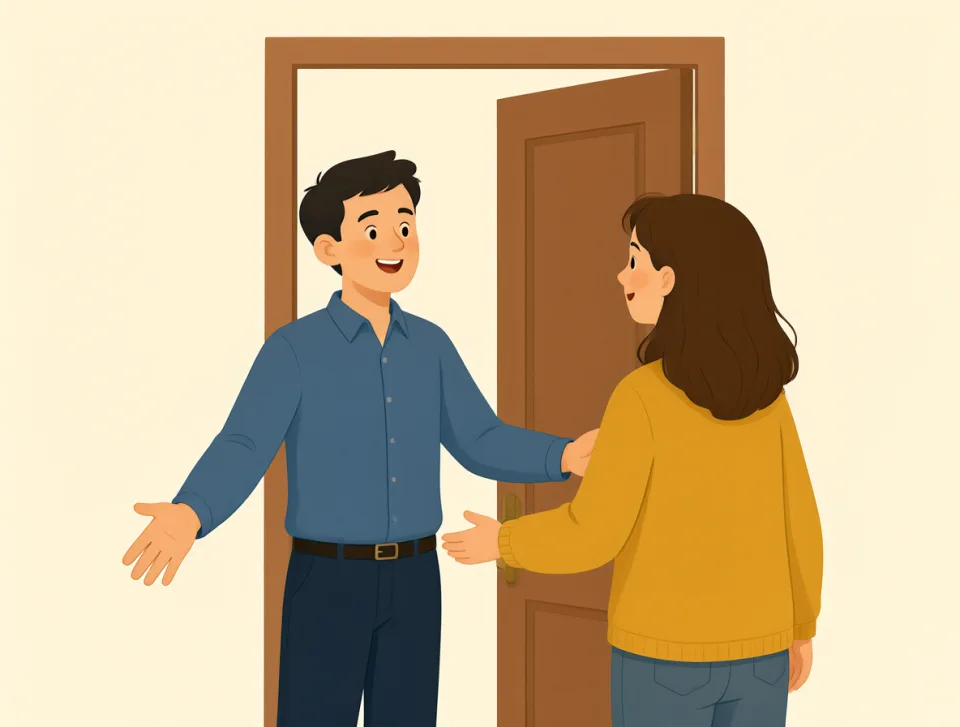
welcome
#989verb, adjective, noun
witać; przyjmować
to greet someone warmly or make them feel happy to be in a place
Ciepło kogoś witać lub sprawiać, że czuje się dobrze w danym miejscu.
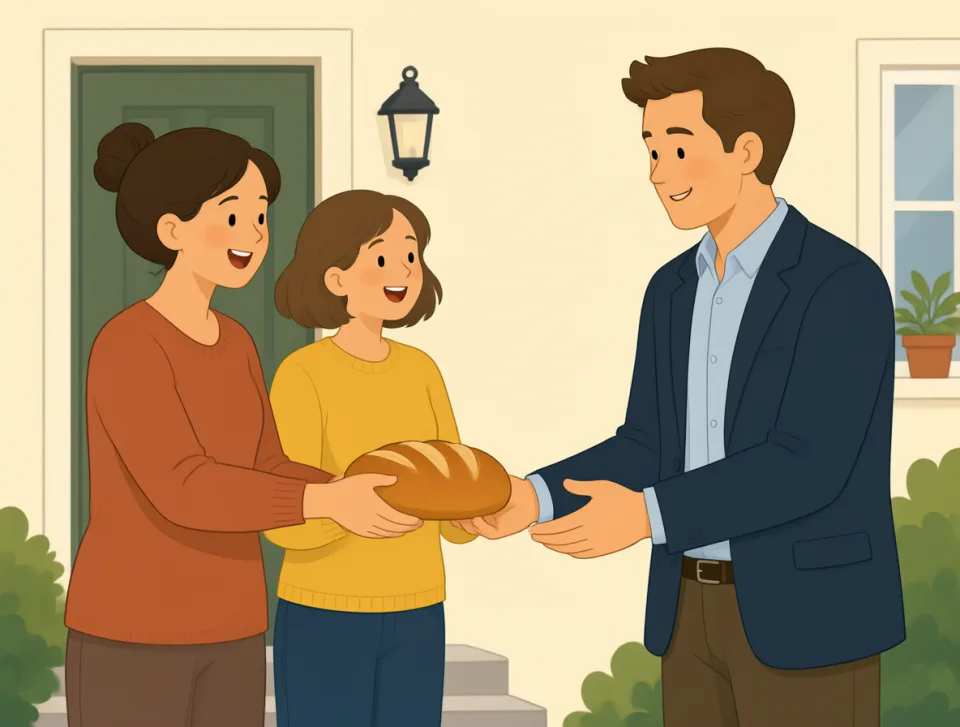
We welcomed our new neighbors with fresh bread.
Powitaliśmy naszych nowych sąsiadów świeżym chlebem.
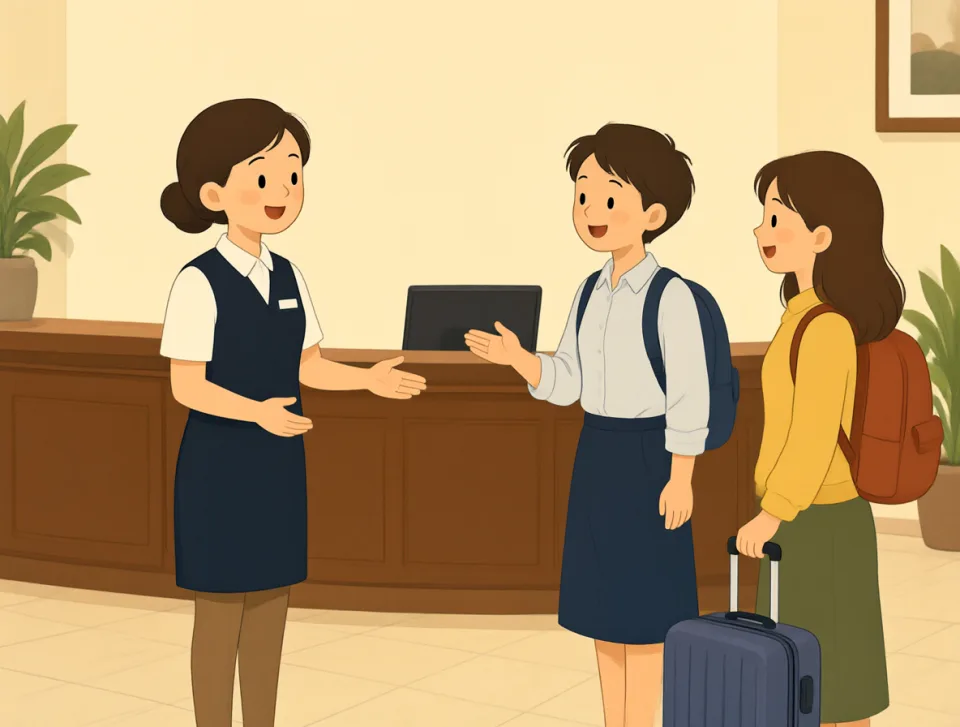
The hotel welcomes guests from around the world.
Hotel przyjmuje gości z całego świata.
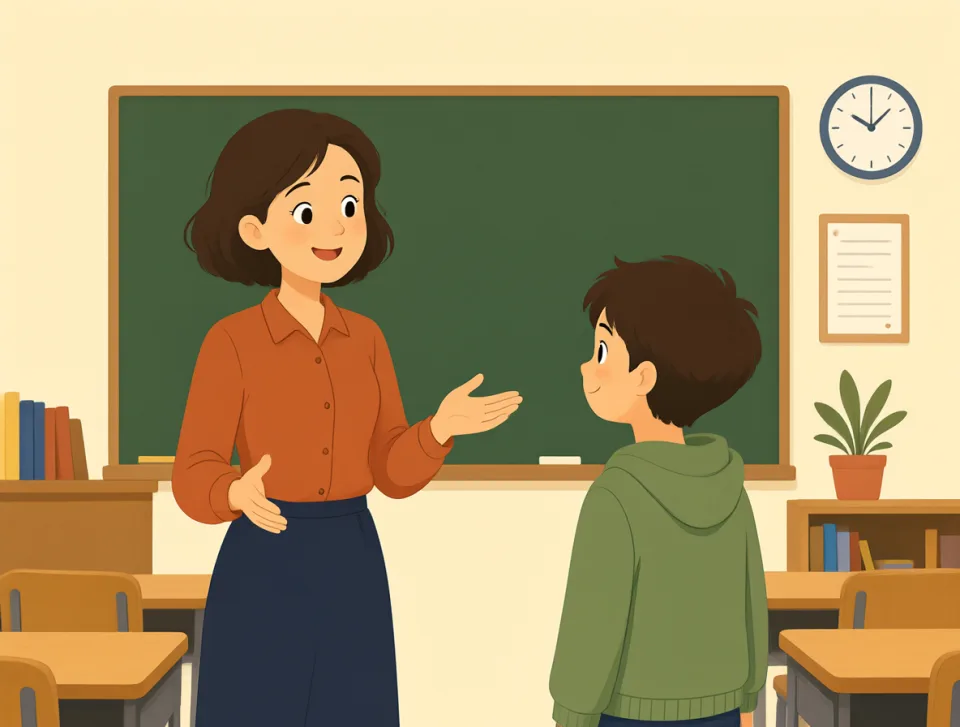
Her teacher welcomed her back to school.
Jej nauczycielka powitała ją z powrotem w szkole.
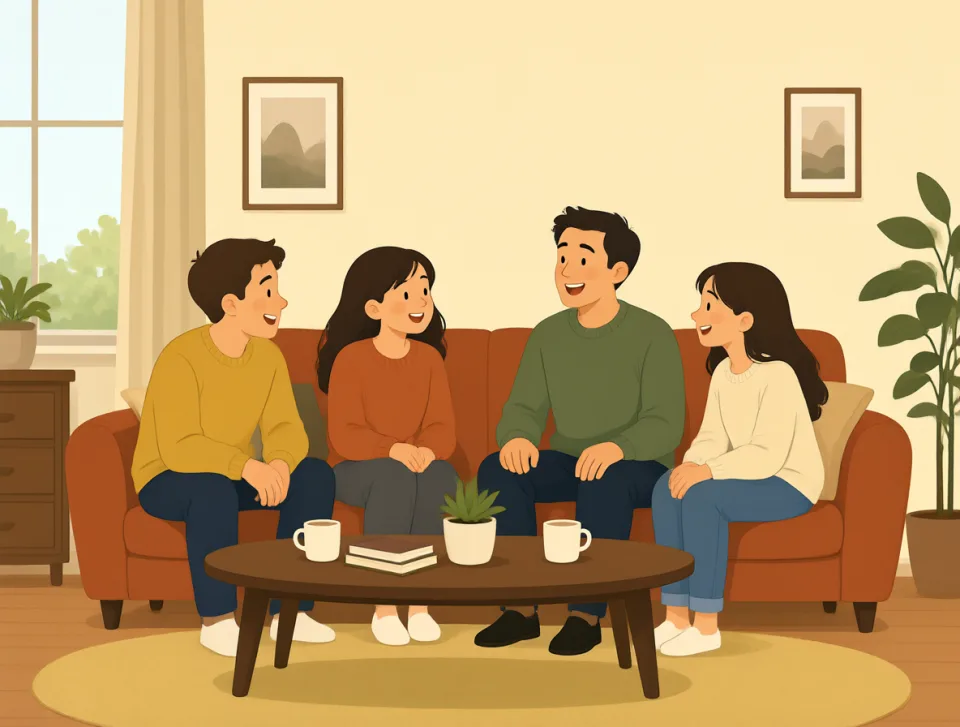
You are always welcome at our house.
Zawsze jesteś mile widziany w naszym domu.
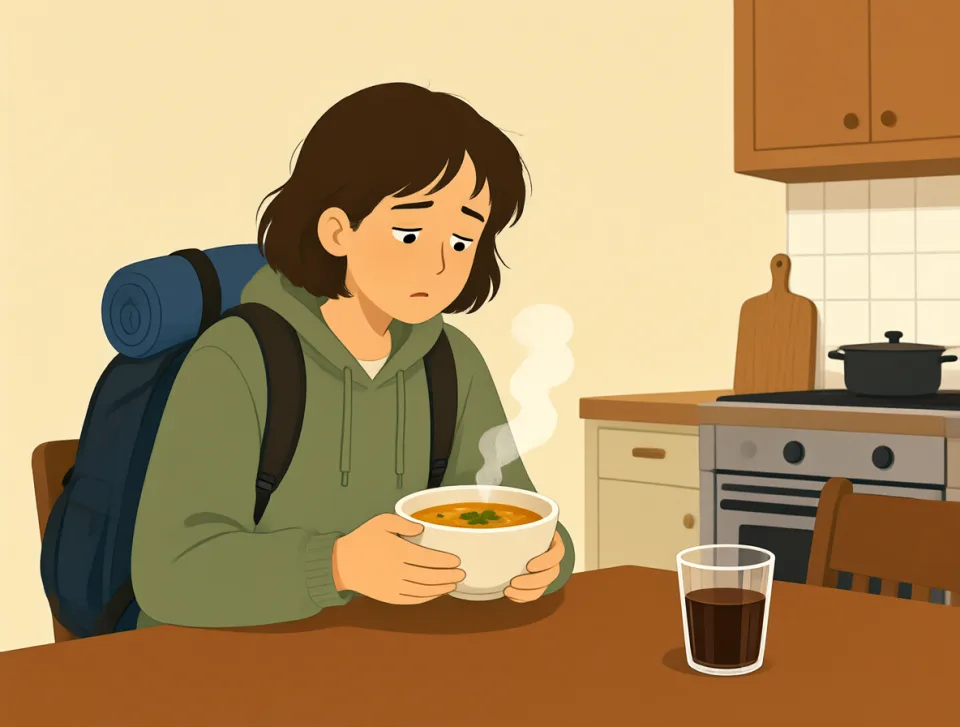
The warm soup was welcome after the long walk.
Po długim spacerze ciepła zupa była mile widziana.
smile
#990noun, verb
uśmiechać się; uśmiech
To make a happy expression with your mouth, or the expression itself.
Robić ustami radosny wyraz twarzy albo ten wyraz.

She smiled at me on the train.
Uśmiechnęła się do mnie w pociągu.

He gave me a warm smile.
Obdarzył mnie ciepłym uśmiechem.
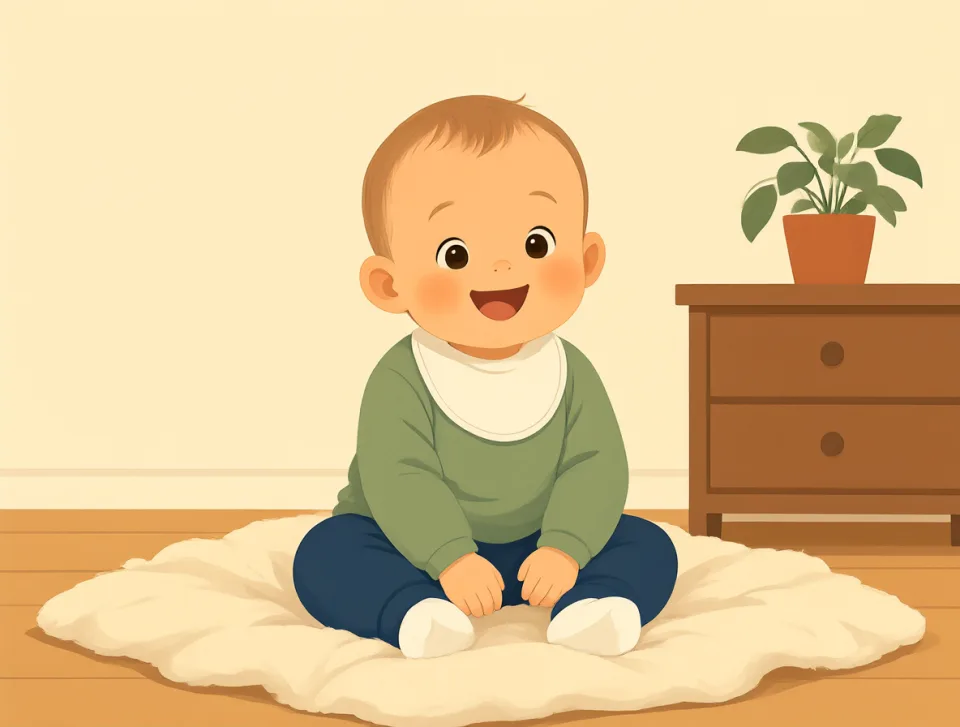
The baby smiled for the first time.
Dziecko uśmiechnęło się po raz pierwszy.
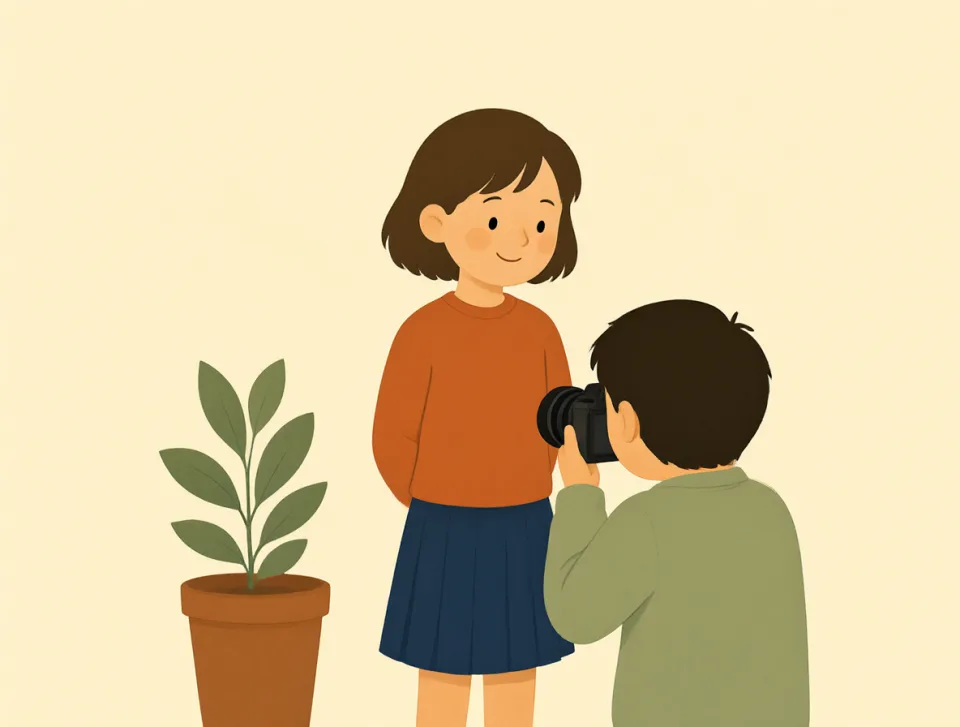
Please smile for the school photo.
Uśmiechnij się, proszę, do szkolnego zdjęcia.

The shop assistant smiled and helped me.
Sprzedawca uśmiechnął się i mi pomógł.
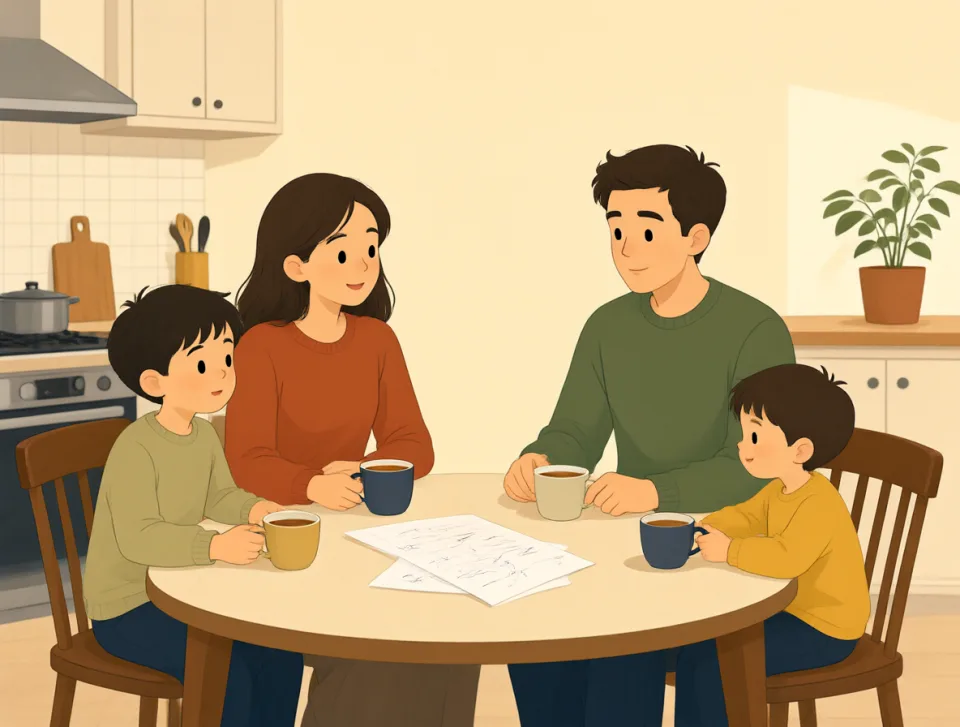
communication
#991noun
komunikacja
The sharing of information, thoughts, or feelings with other people.
Wymiana informacji, myśli lub uczuć z innymi ludźmi.
Good communication helps families solve problems.
Dobra komunikacja pomaga rodzinom rozwiązywać problemy.

Clear communication is important at work.
Jasna komunikacja jest ważna w pracy.
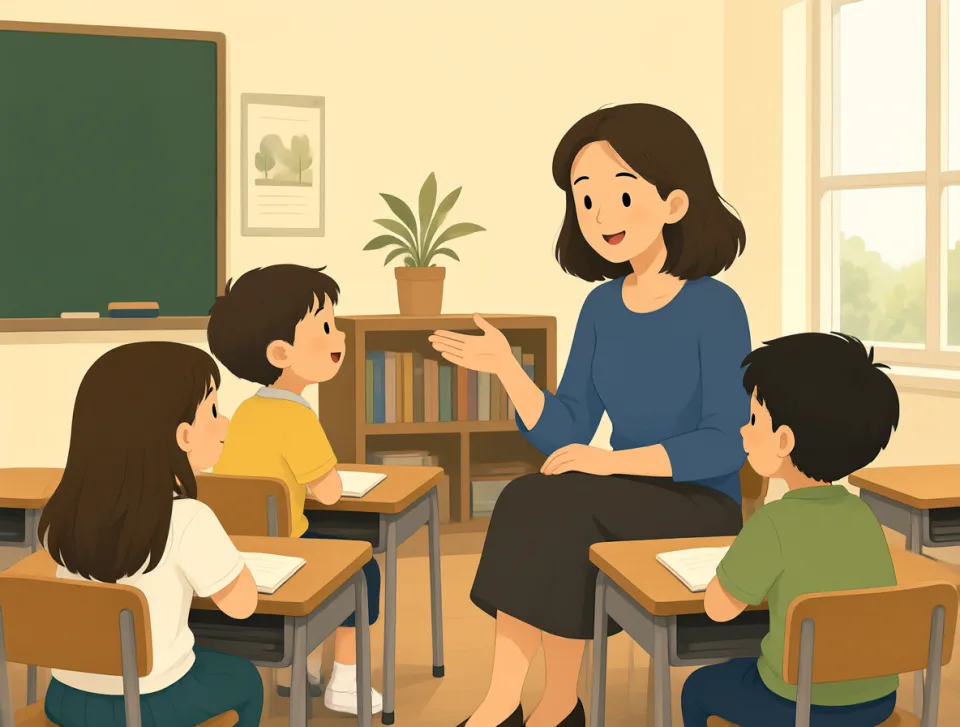
We use communication to learn in class.
Korzystamy z komunikacji, żeby uczyć się na lekcji.
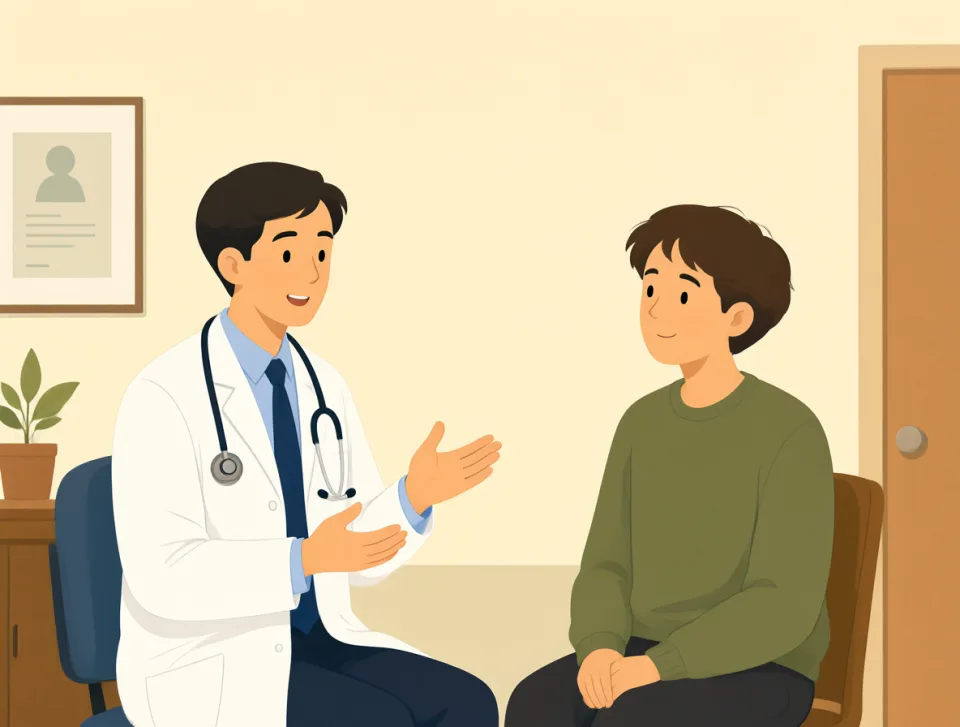
The doctor asked about communication problems.
Lekarz zapytał o problemy z komunikacją.

They had communication problems during the trip.
Podczas podróży mieli problemy z komunikacją.
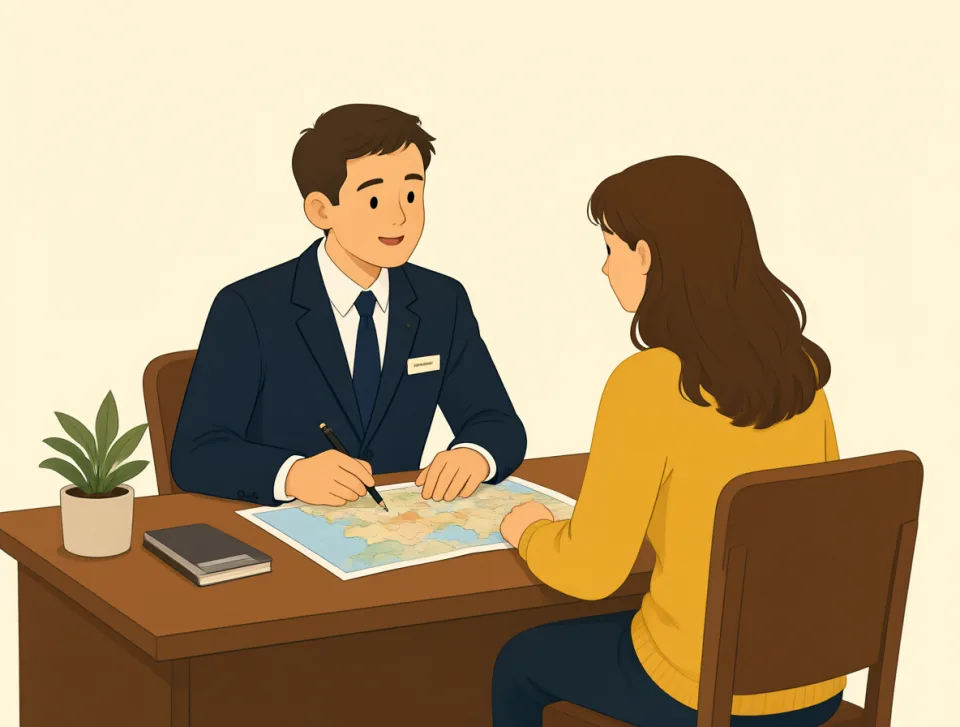
agent
#992noun
agent
A person or company that acts for another person or helps arrange something.
Osoba lub firma, która działa w czyimś imieniu albo pomaga coś zorganizować.

The travel agent booked our hotel.
Agent turystyczny zarezerwował nam hotel.
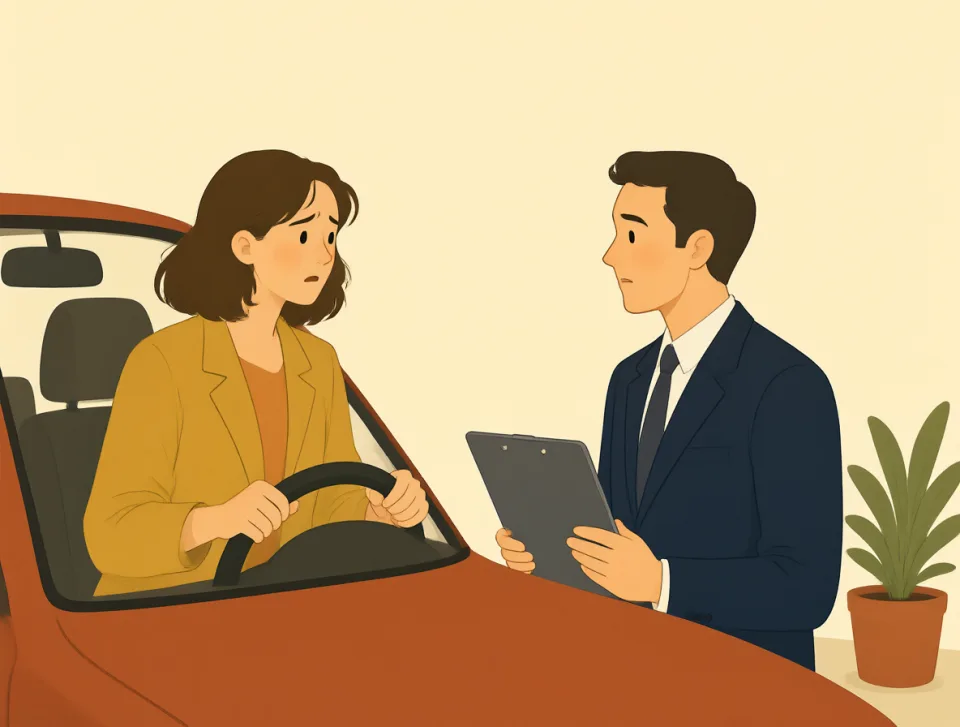
Call your insurance agent after the accident.
Zadzwoń do swojego agenta ubezpieczeniowego po wypadku.
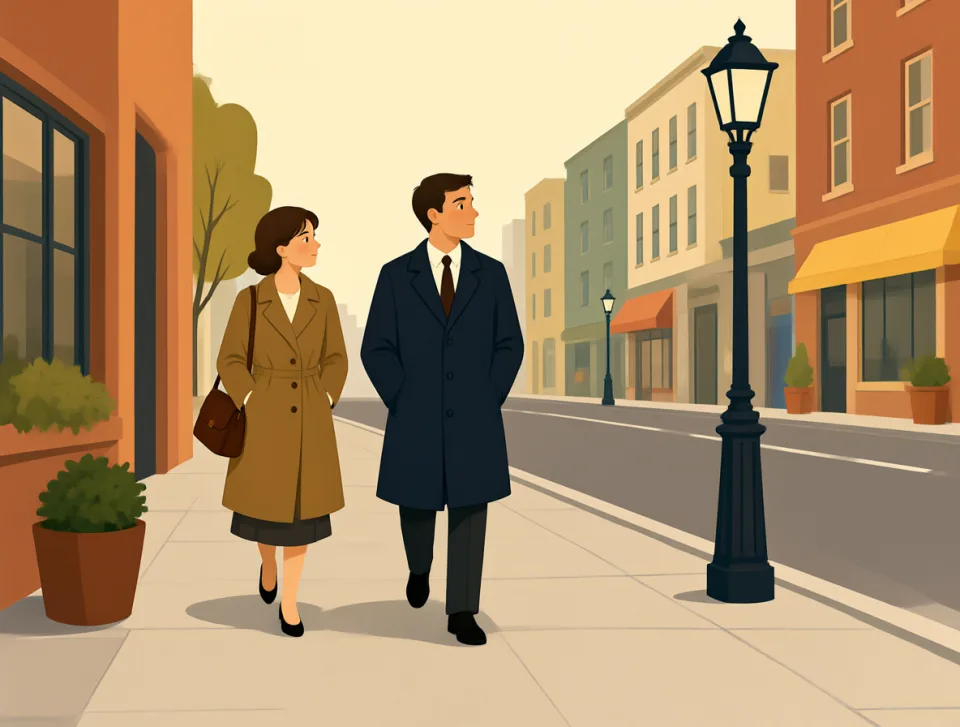
The secret agent followed the man.
Tajny agent śledził mężczyznę.
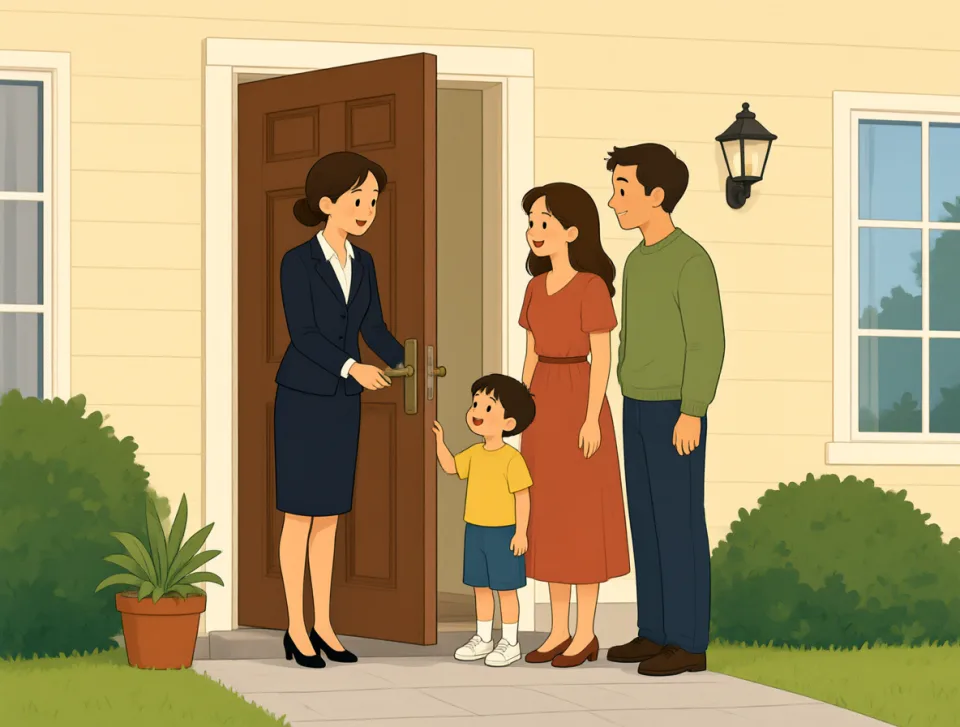
Our real estate agent showed us the house.
Nasz agent nieruchomości pokazał nam dom.

The cleaning agent removed the stain.
Środek czyszczący usunął plamę.
traditional
#993adjective
tradycyjny
Following old customs, beliefs, or ways of doing things.
Zgodny z dawnymi zwyczajami, wierzeniami lub sposobami postępowania.
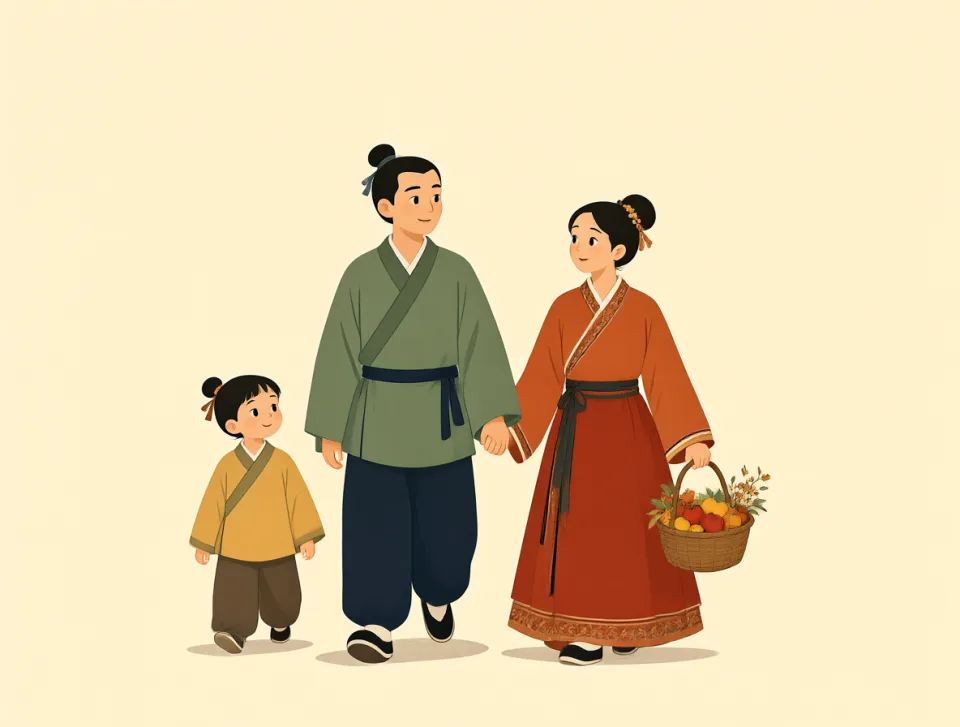
They wore traditional clothes at the festival.
Na festiwalu mieli na sobie tradycyjne stroje.
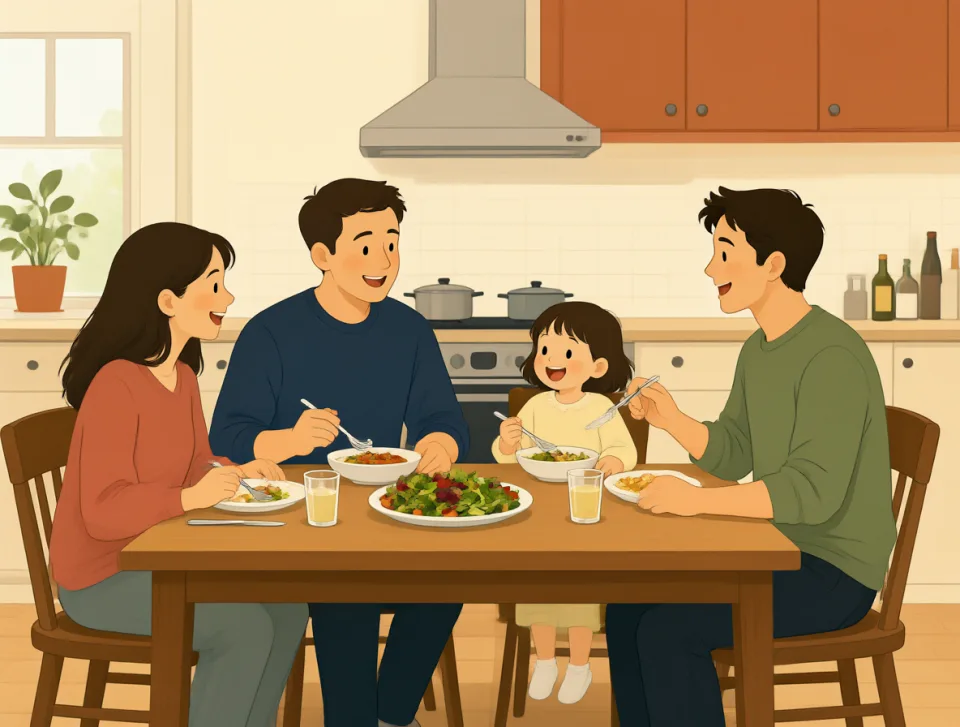
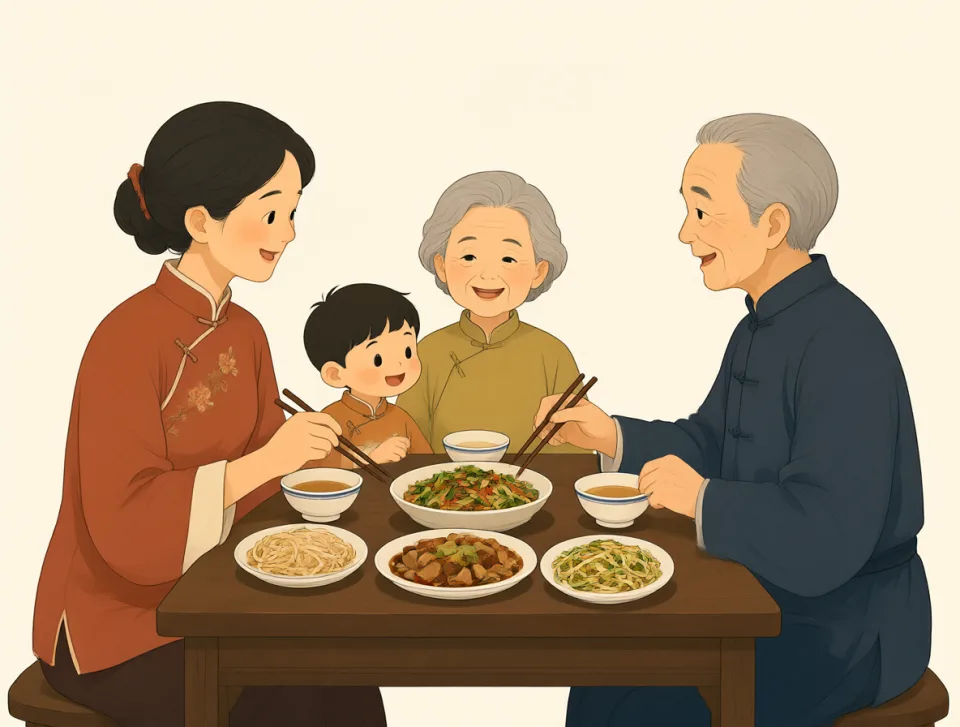
We ate a traditional meal at home.
W domu zjedliśmy tradycyjny posiłek.
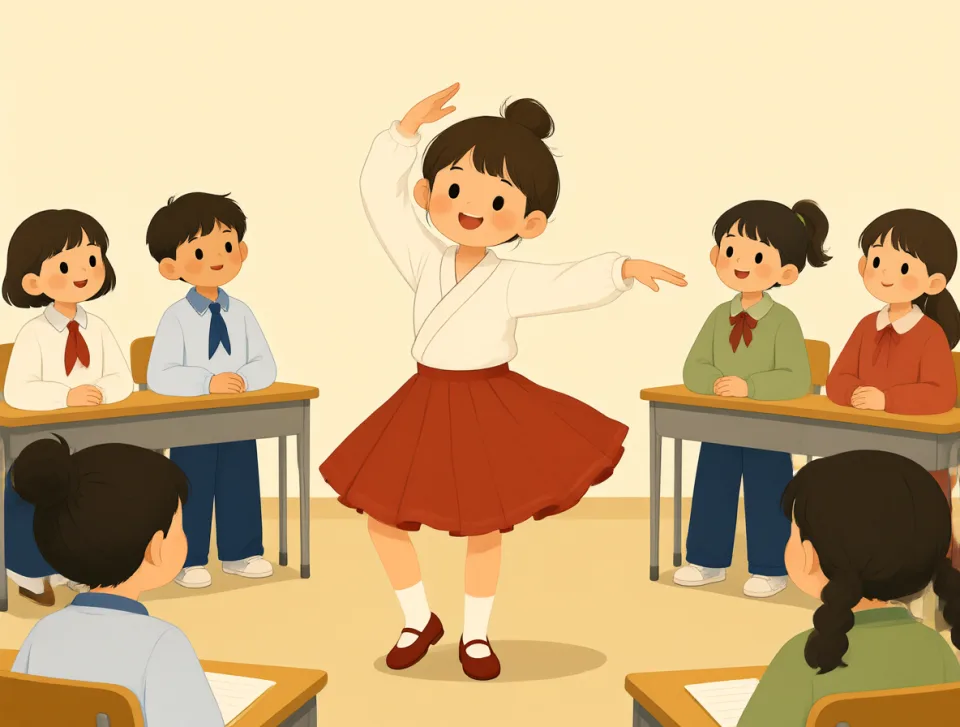
She learned traditional dances at school.
W szkole uczyła się tradycyjnych tańców.

This shop sells traditional local food.
Ten sklep sprzedaje tradycyjne lokalne jedzenie.

He chose a traditional hotel near the village.
Wybrał tradycyjny hotel niedaleko wioski.
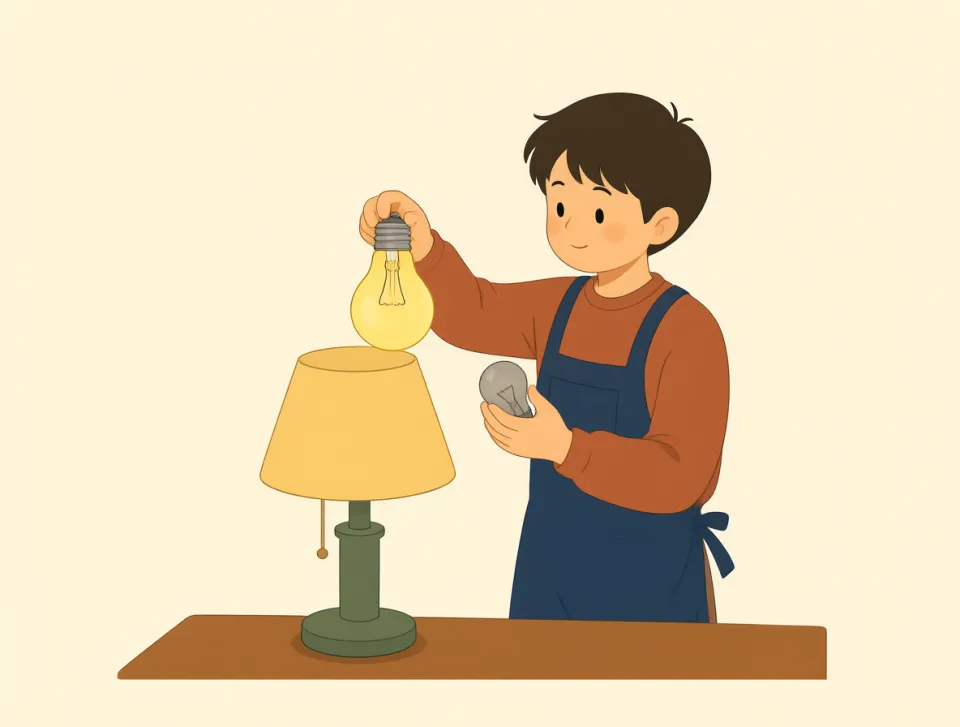
replace
#994verb
zastąpić
to put a new thing or person in the place of another
Umieścić nową rzecz lub osobę na miejscu innej.
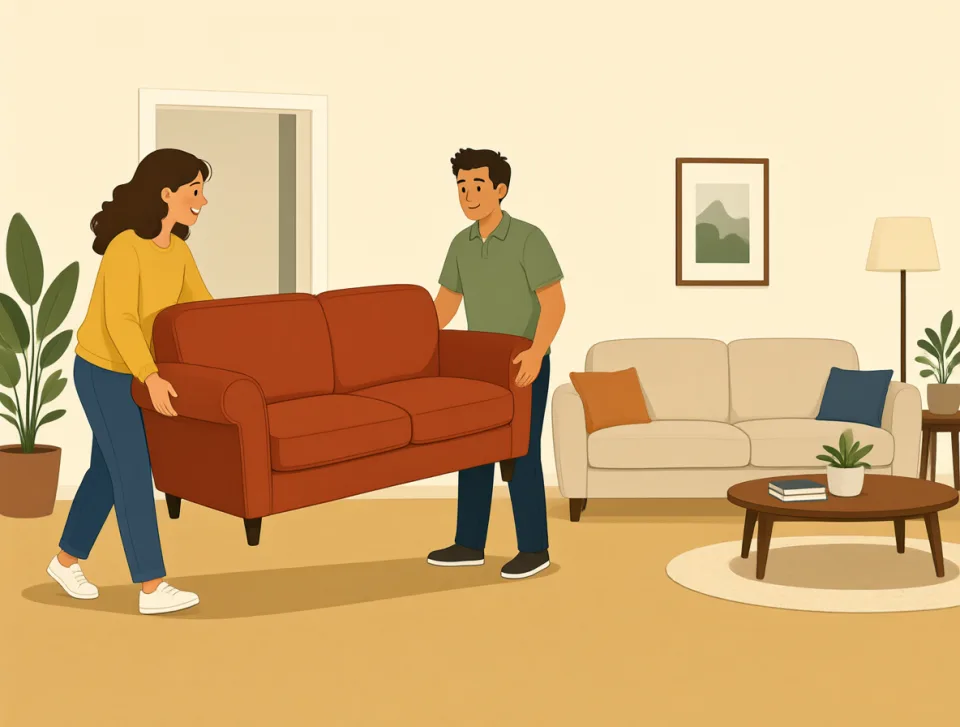
We need to replace the old sofa.
Musimy wymienić starą kanapę.
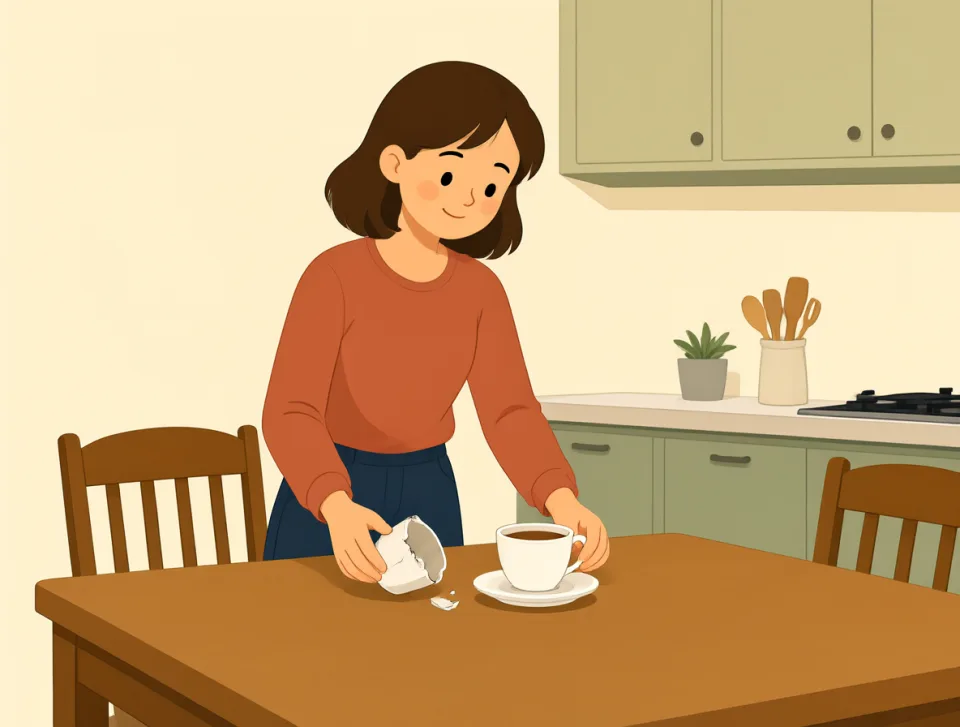
She replaced the broken cup with a new one.
Wymieniła stłuczoną filiżankę na nową.
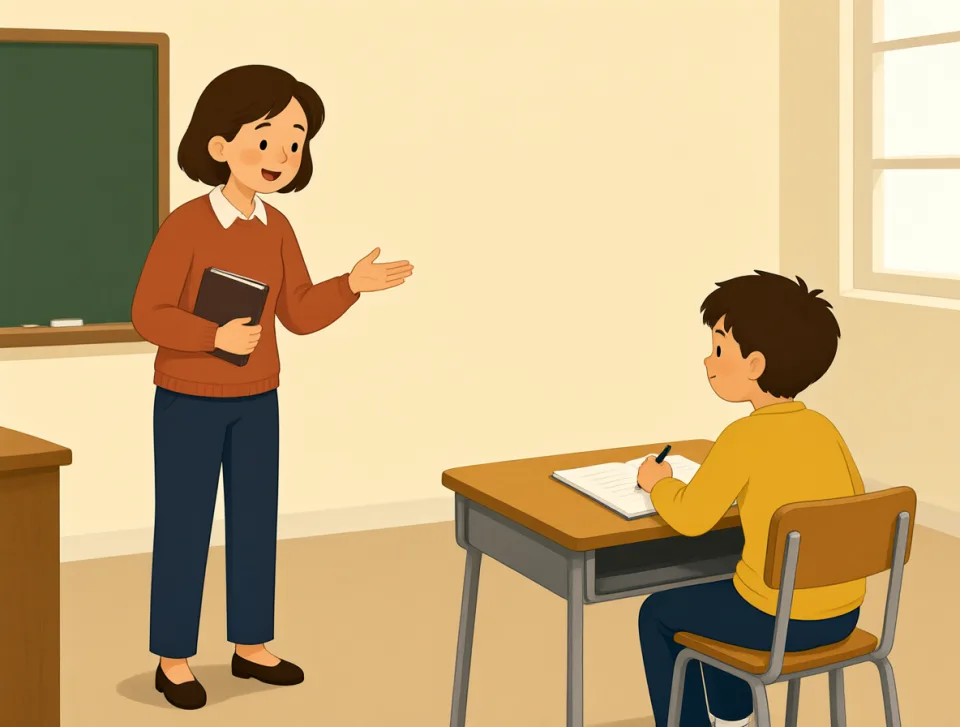
The teacher replaced the missing student today.
Nauczyciel zastąpił dziś nieobecnego ucznia.
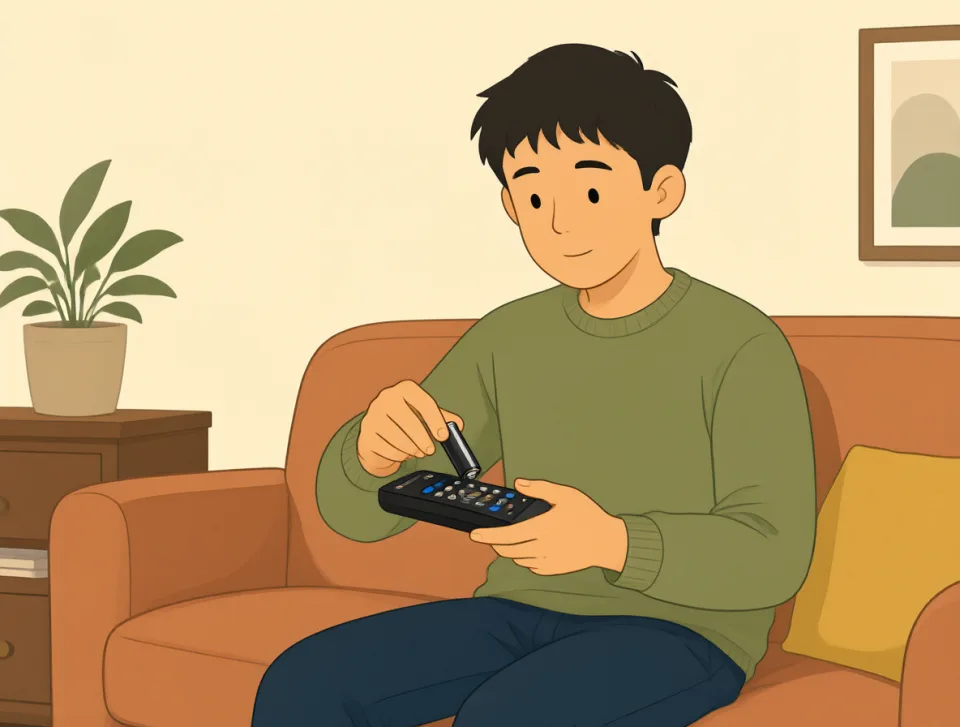
Please replace the batteries in the remote.
Proszę wymienić baterie w pilocie.
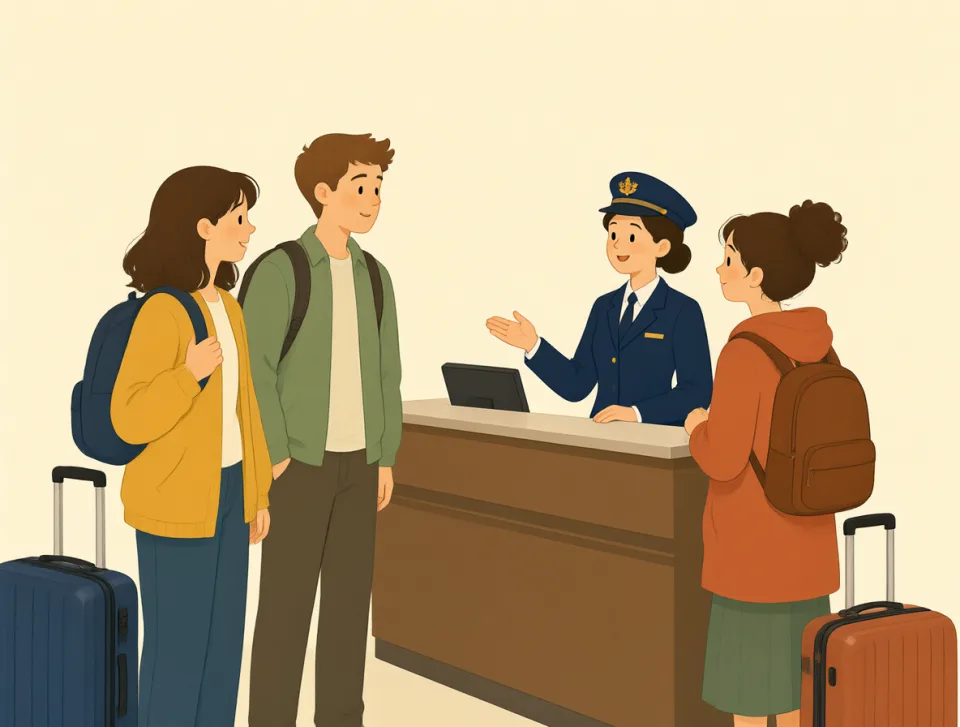
They replaced our canceled flight with another.
Zamiast naszego odwołanego lotu zapewnili nam inny.
judge
#995noun, verb
oceniać
To form an opinion about someone or something, or decide who wins a competition.
Wyrobić sobie opinię o kimś lub o czymś albo zdecydować, kto wygrywa konkurs.
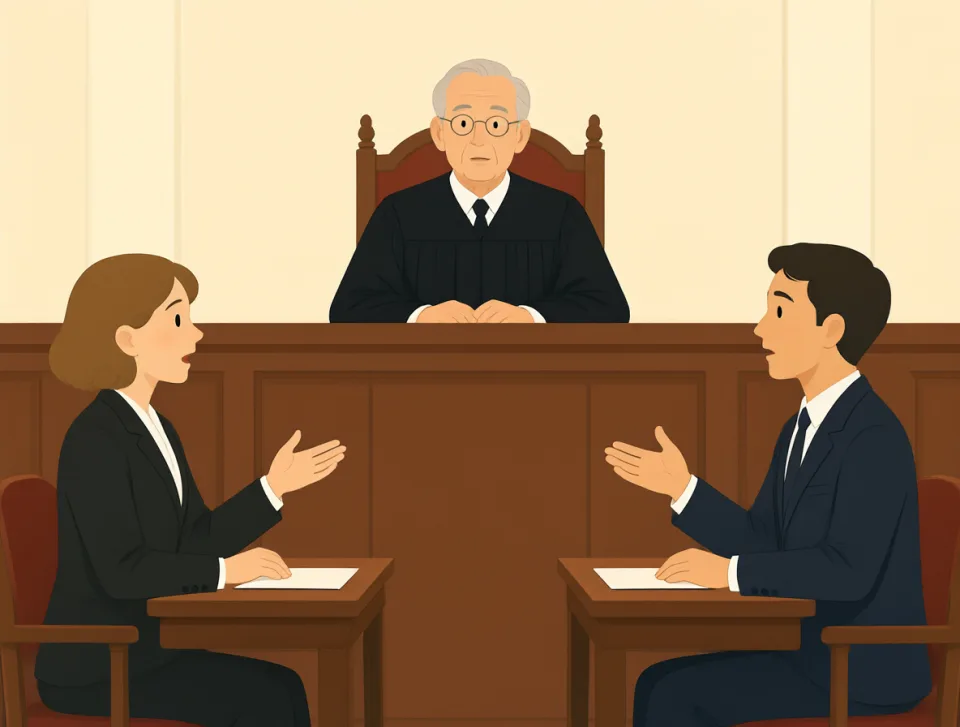
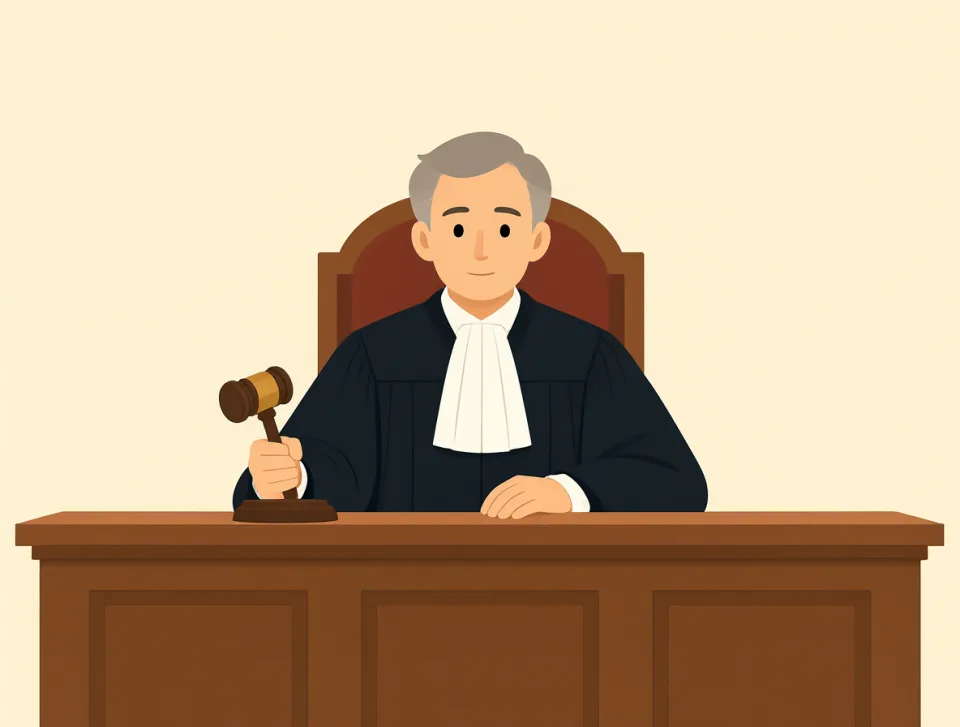
The judge listened carefully to both lawyers.
Sędzia uważnie wysłuchał obu prawników.
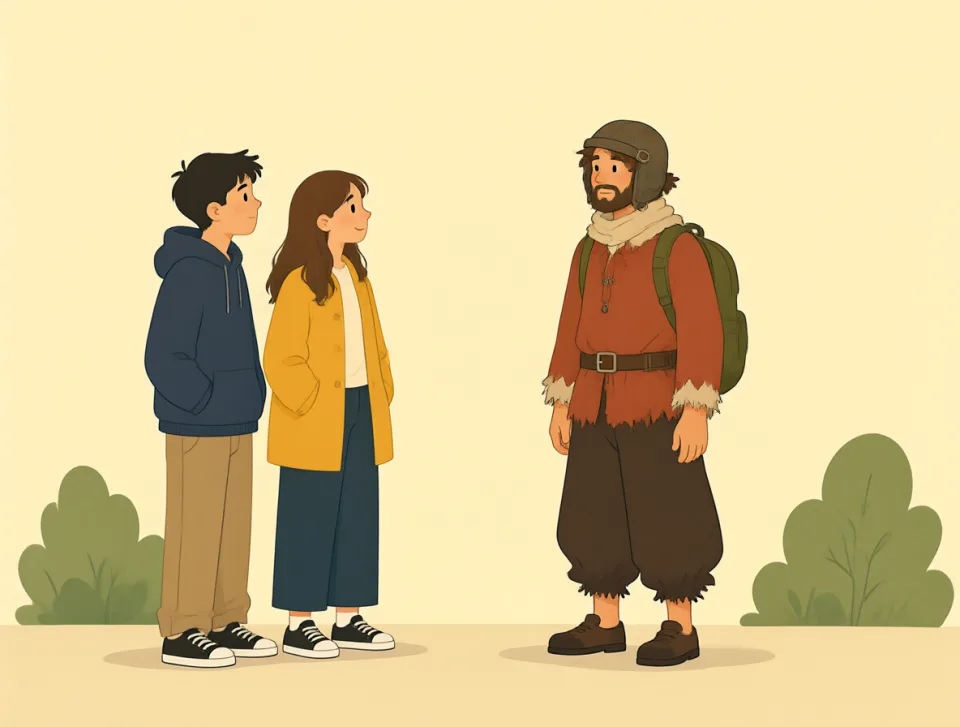
Do not judge people by their clothes.
Nie oceniaj ludzi po ubraniu.
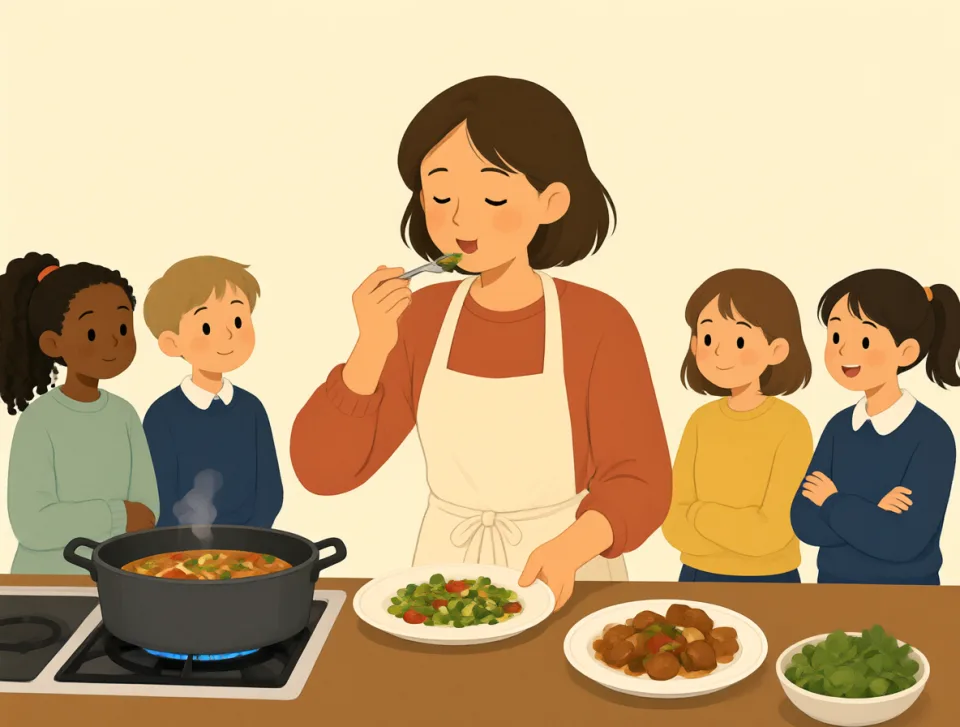
She judged the cooking contest at school.
Była jurorką szkolnego konkursu kulinarnego.
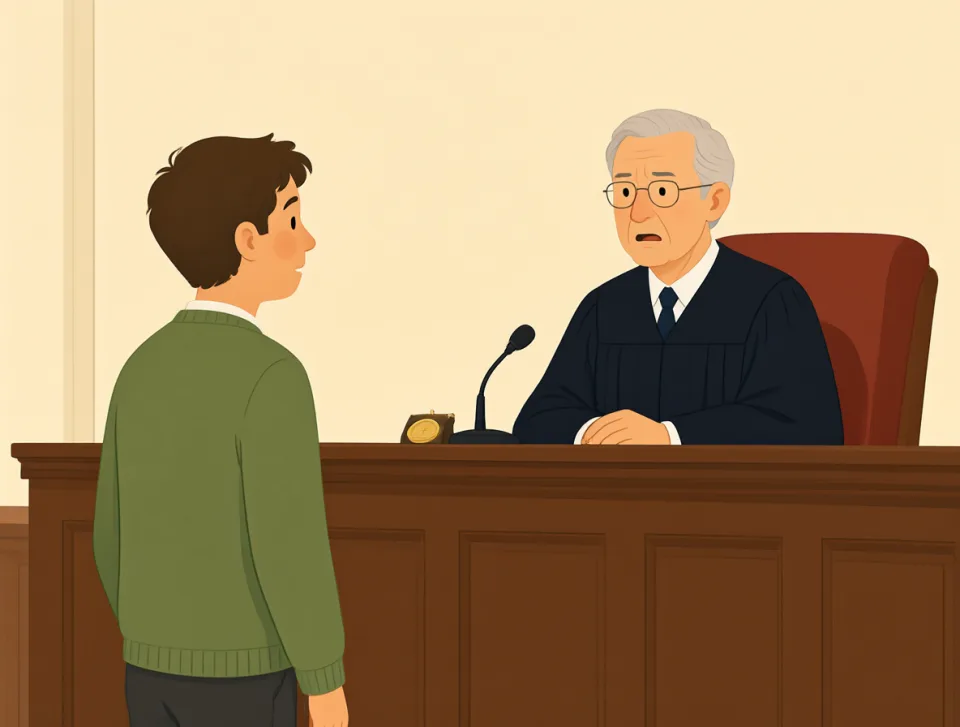
The judge gave him a fair sentence.
Sędzia wymierzył mu sprawiedliwą karę.
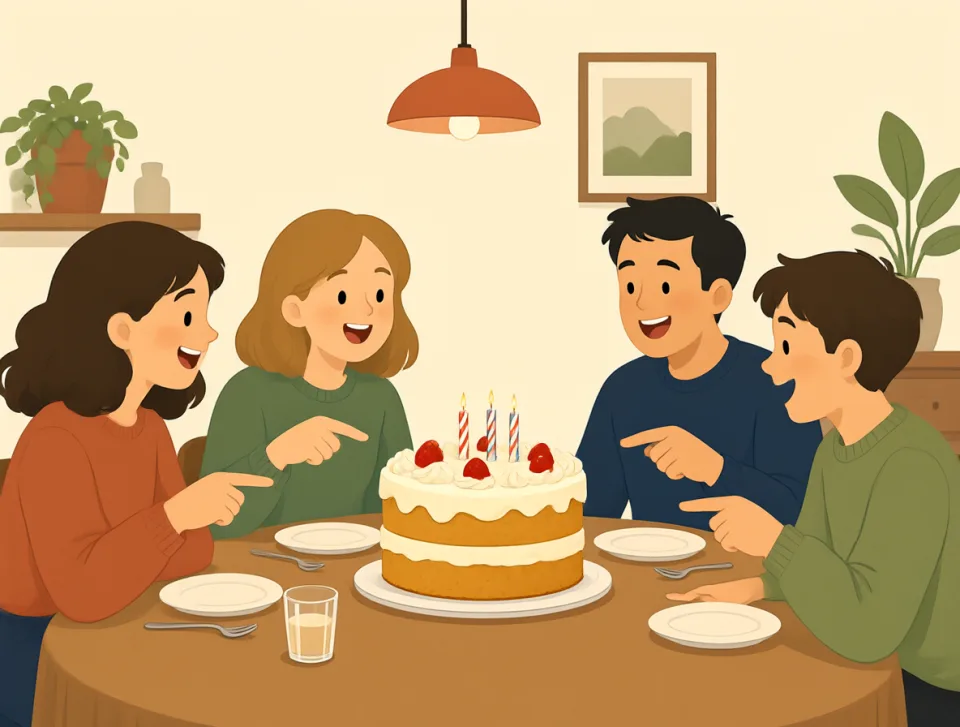
We judged the cake the best one.
Uznaliśmy, że to ciasto jest najlepsze.
herself
#996pronoun
sama siebie
Used to refer to a female person or girl already mentioned.
Używane w odniesieniu do wspomnianej wcześniej kobiety lub dziewczynki.
She made herself a cup of tea.
Zrobiła sobie filiżankę herbaty.
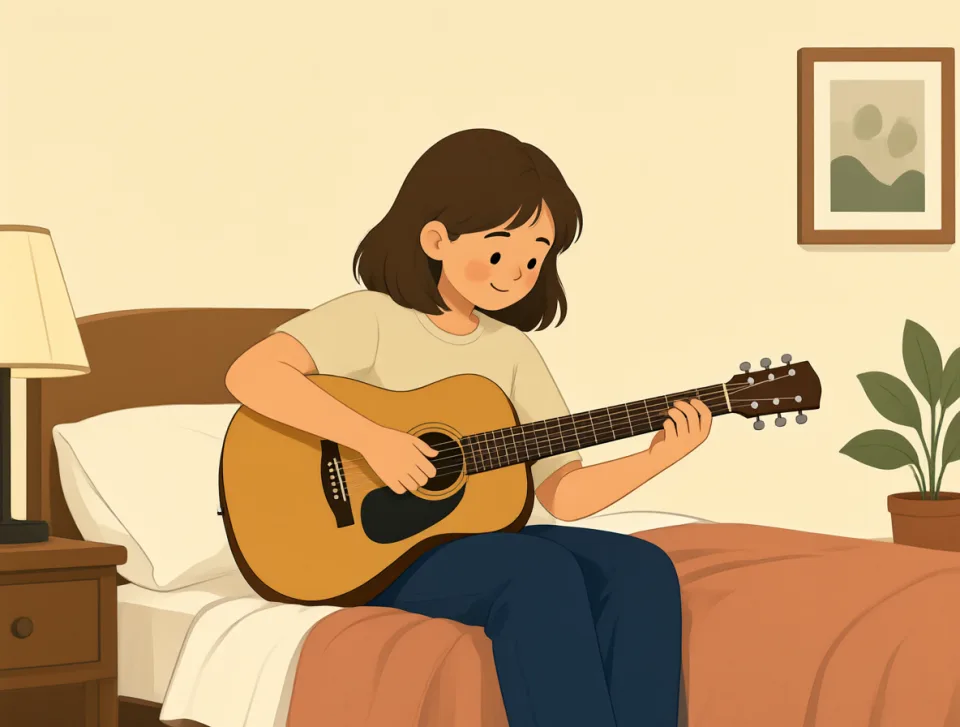
Maya taught herself to play guitar.
Maya sama nauczyła się grać na gitarze.
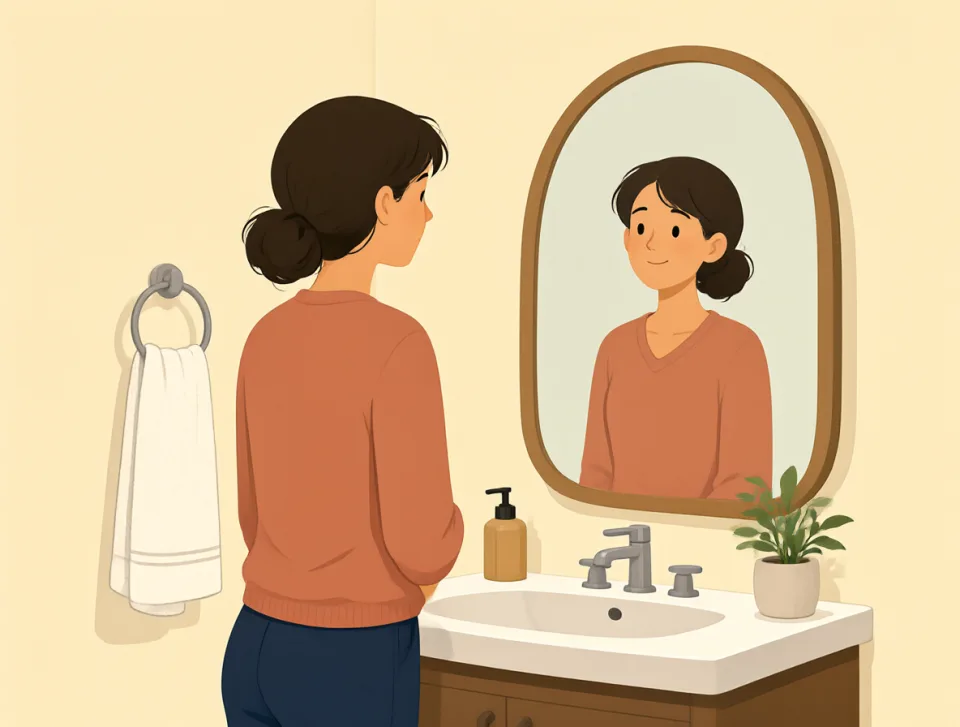
She looked at herself in the mirror.
Spojrzała na siebie w lustrze.
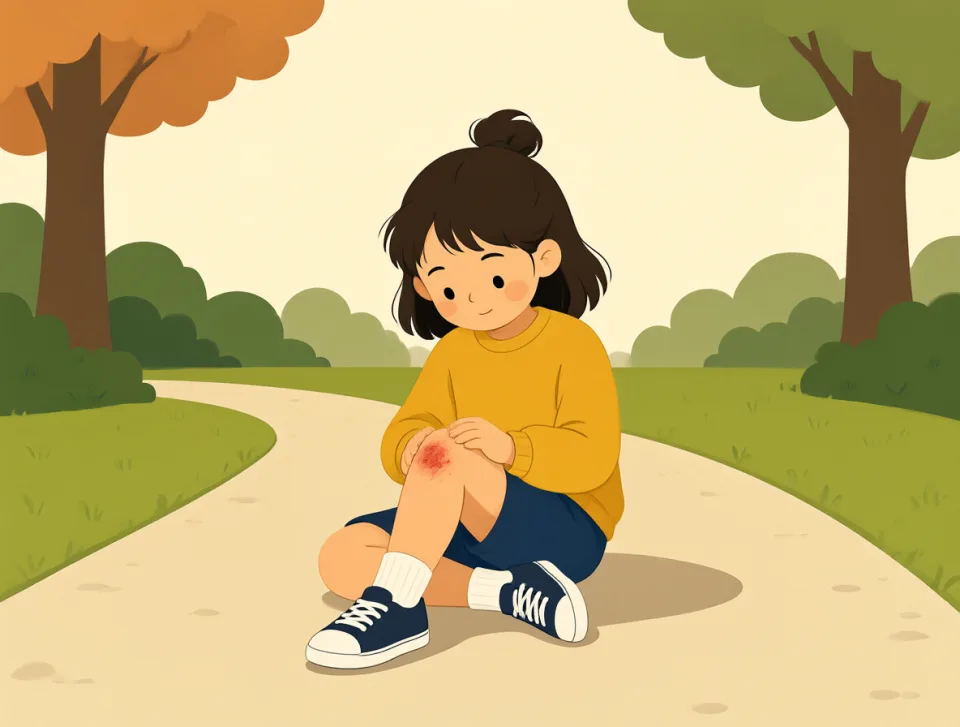
The girl hurt herself while running.
Dziewczynka zraniła się podczas biegu.

Anna bought herself a new coat.
Anna kupiła sobie nowy płaszcz.
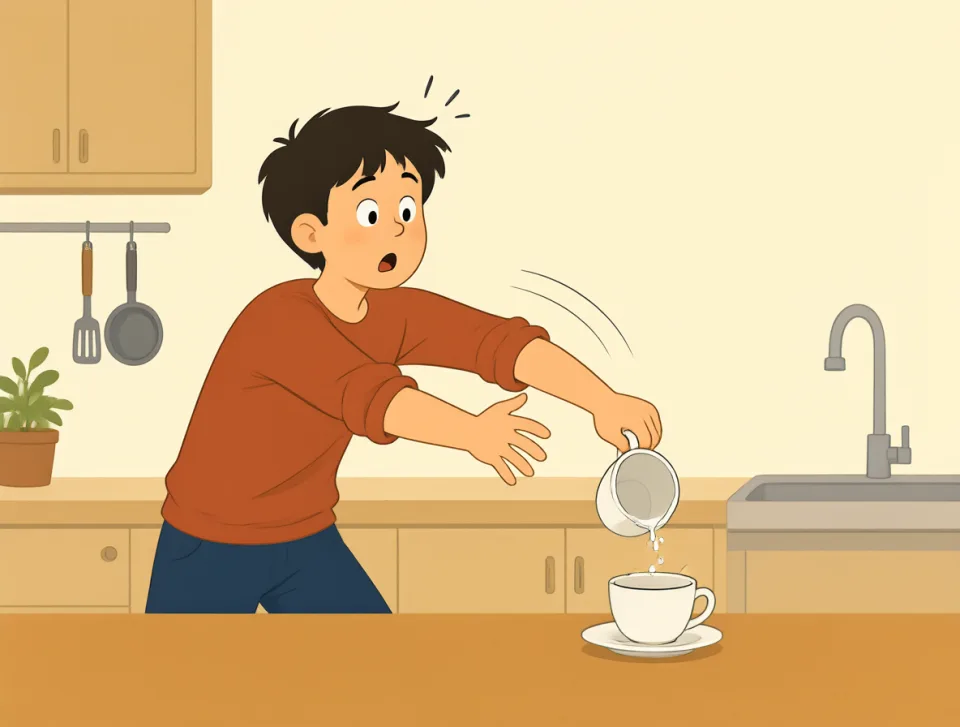
suddenly
#997adverb
nagle
In a quick and unexpected way.
W szybki i niespodziewany sposób.
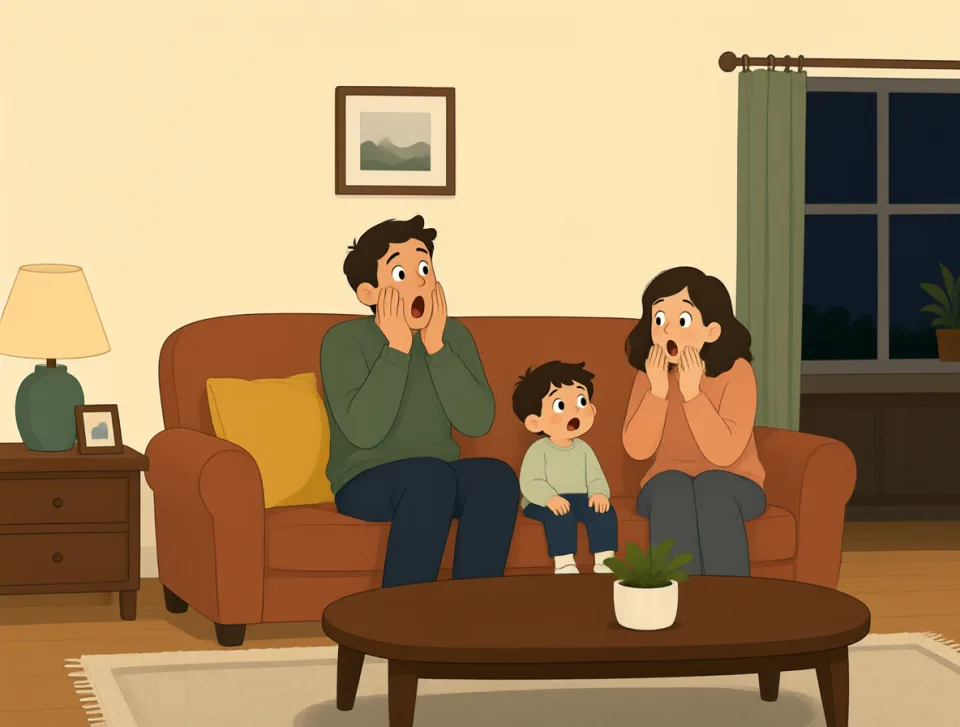
The lights suddenly went out.
Nagle zgasły światła.
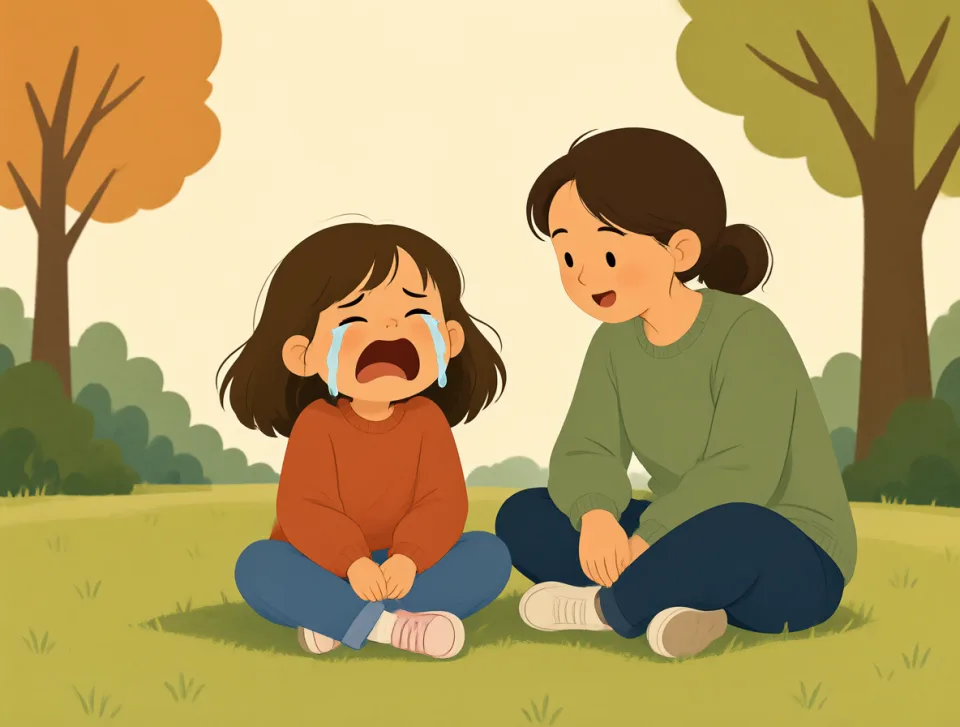
She suddenly started to cry.
Nagle zaczęła płakać.

Suddenly, it began to rain.
Nagle zaczęło padać.
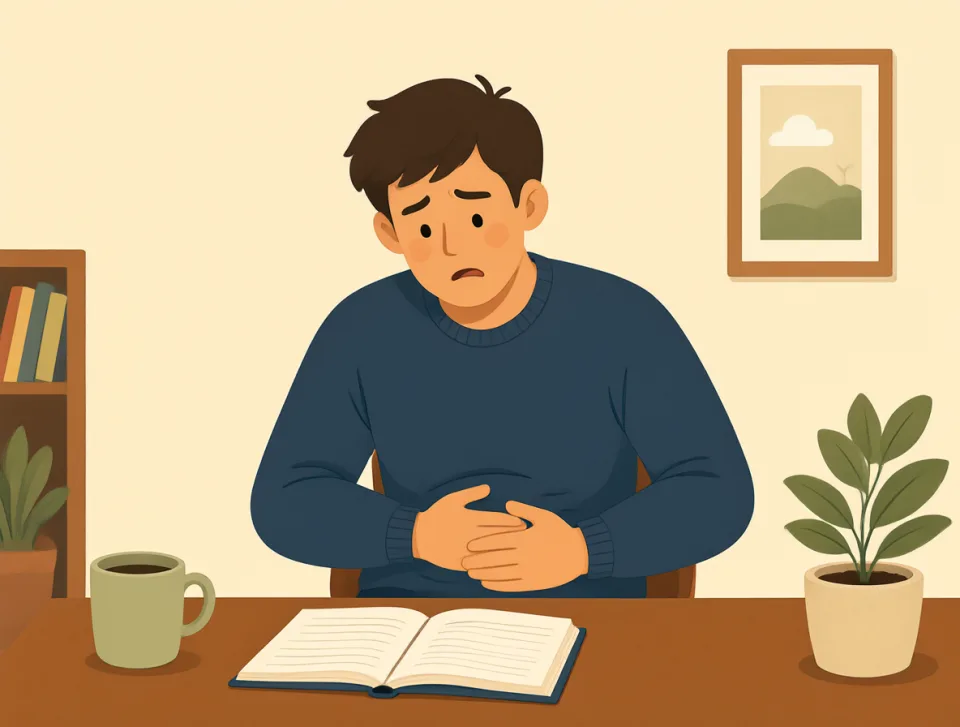
He suddenly felt sick at work.
Nagle poczuł się źle w pracy.
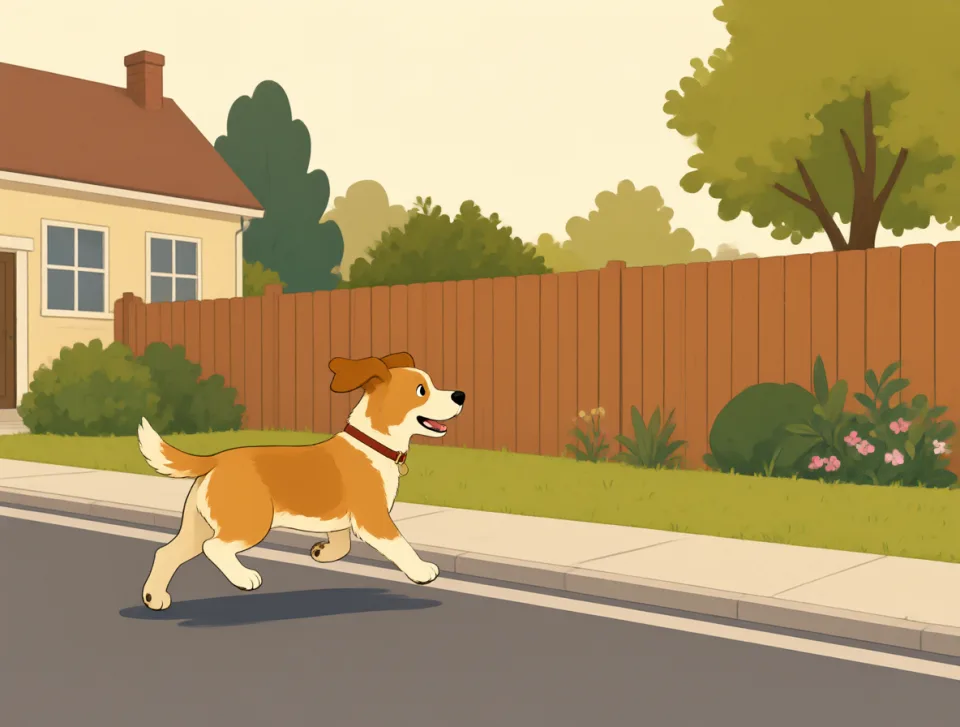
The dog suddenly ran into the street.
Pies nagle wbiegł na ulicę.
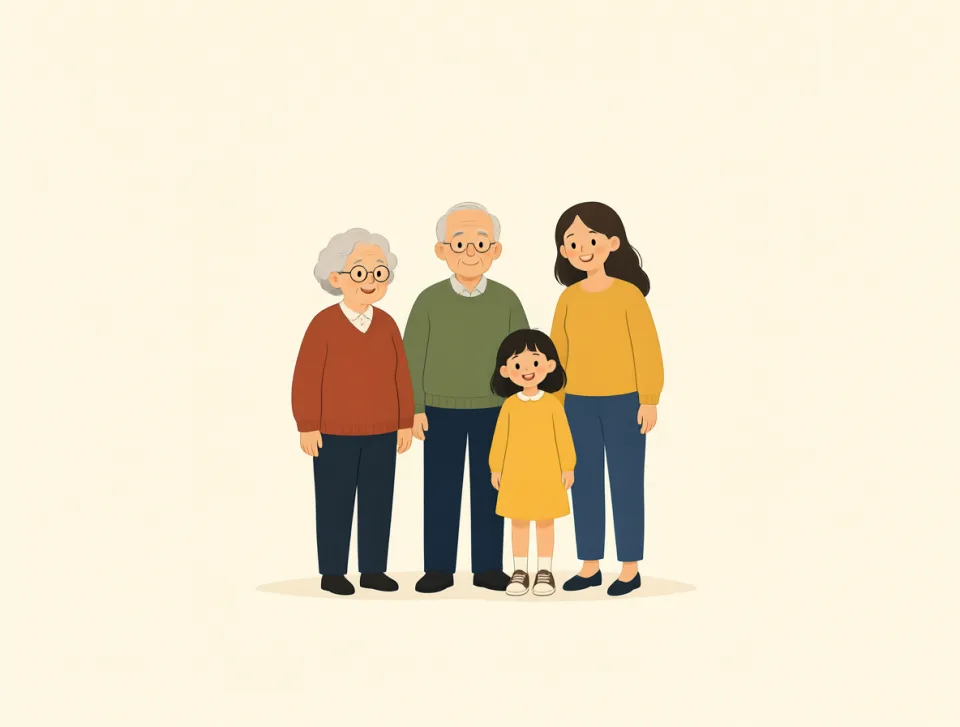
generation
#998noun
pokolenie
All the people born and living at about the same time.
Wszyscy ludzie urodzeni i żyjący mniej więcej w tym samym czasie.
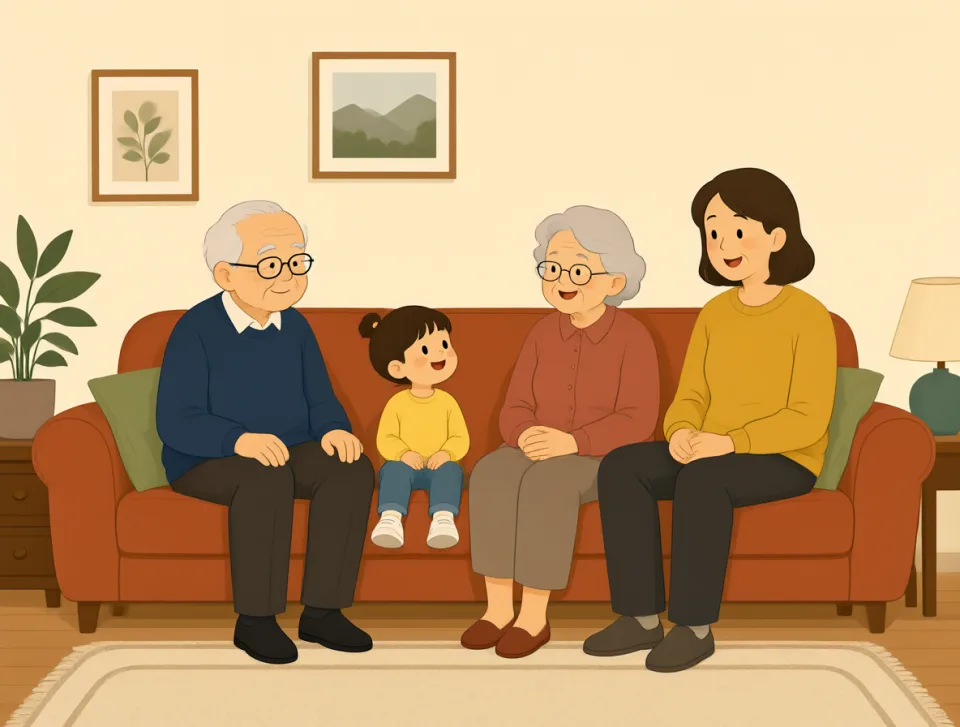
Three generations live in this family home.
W tym rodzinnym domu mieszkają trzy pokolenia.
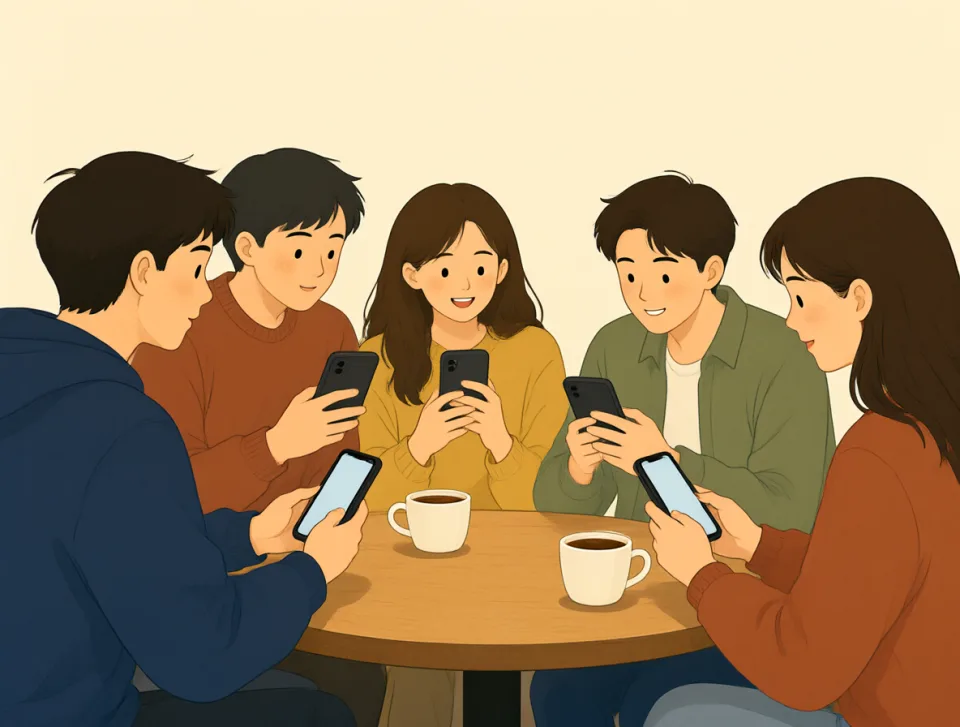
This generation uses phones every day.
To pokolenie codziennie korzysta z telefonów.
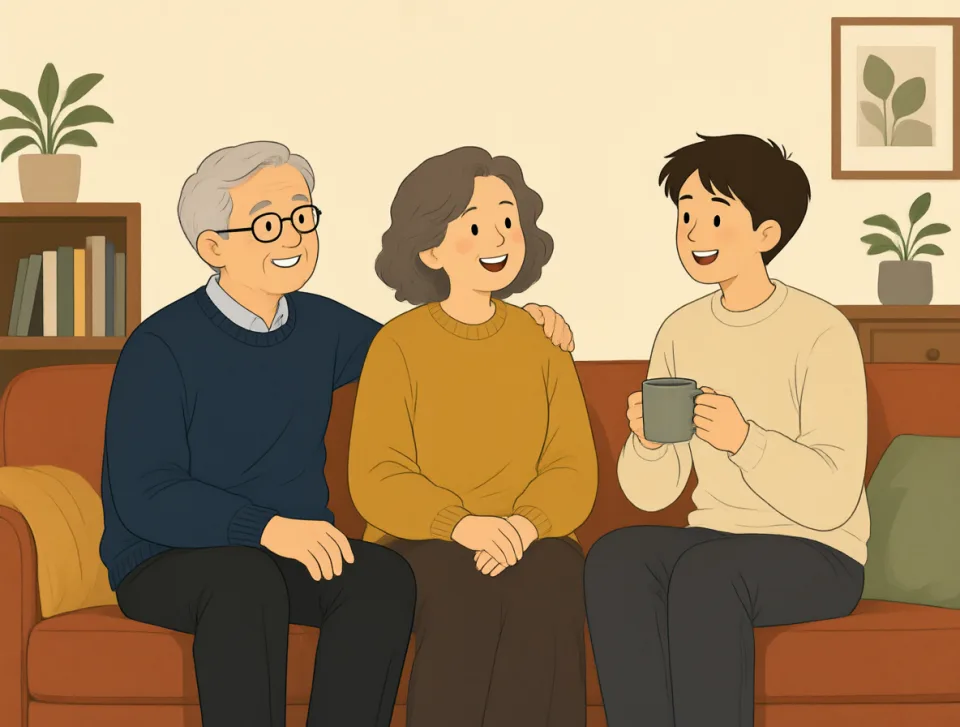
My parents' generation liked different music.
Pokolenie moich rodziców lubiło inną muzykę.
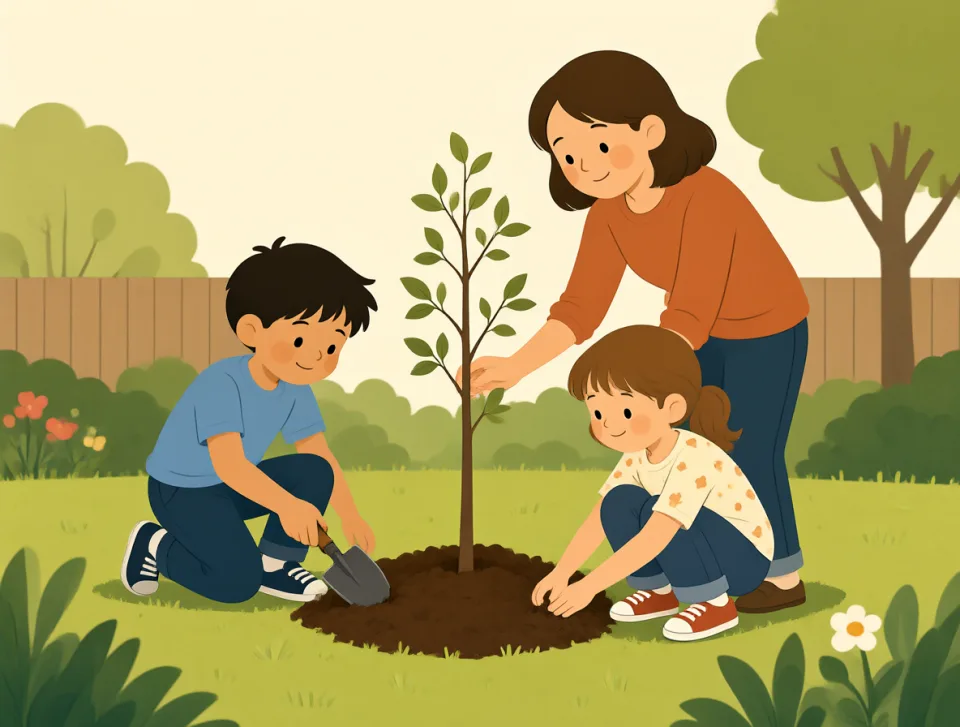
The new generation wants cleaner energy.
Nowe pokolenie chce czystszej energii.
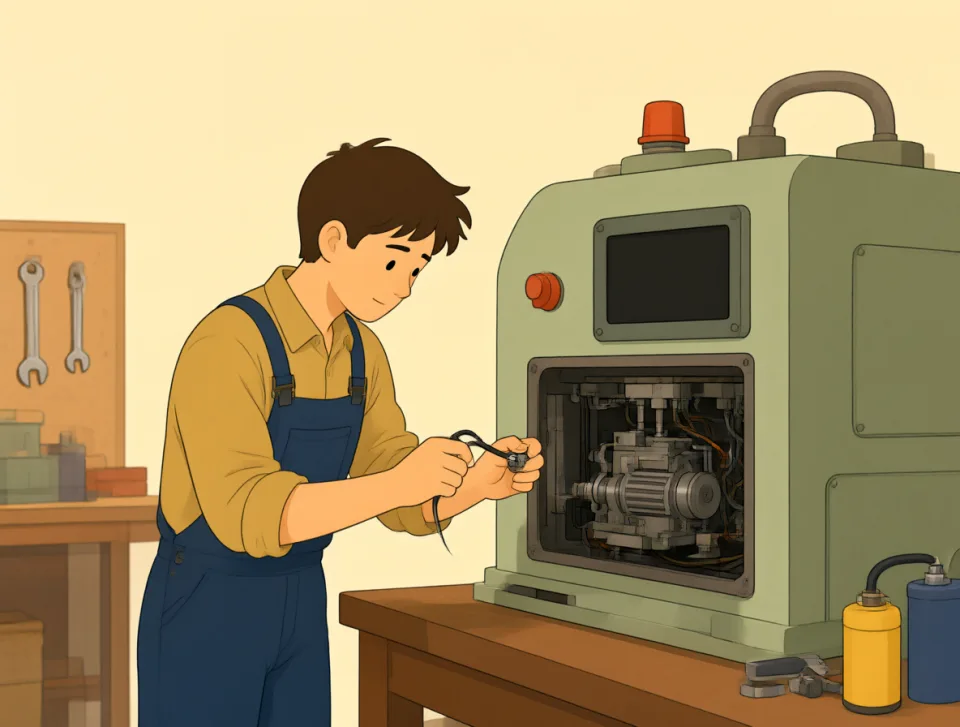
The machine needs a new battery generation system.
Maszyna potrzebuje nowego systemu generowania energii z baterii.
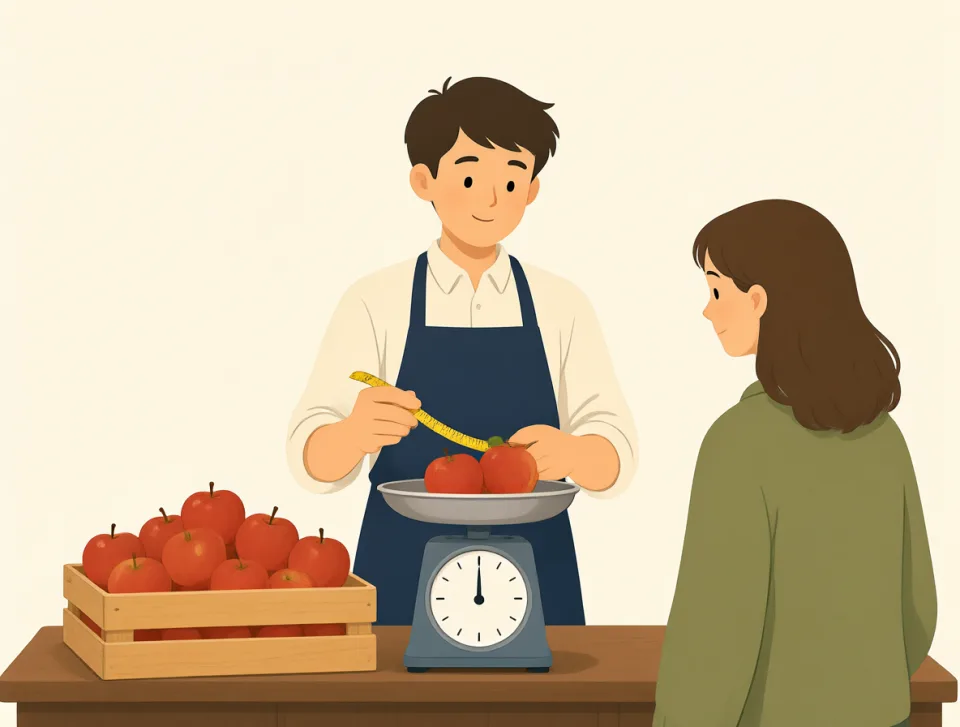
estimate
#999noun, verb
szacunek; oszacować
A number that is close to the real amount, or to guess this number.
Liczba zbliżona do rzeczywistej ilości lub czynność zgadywania tej liczby.

The builder gave us an estimate for repairs.
Budowlaniec przedstawił nam szacunkową wycenę naprawy.
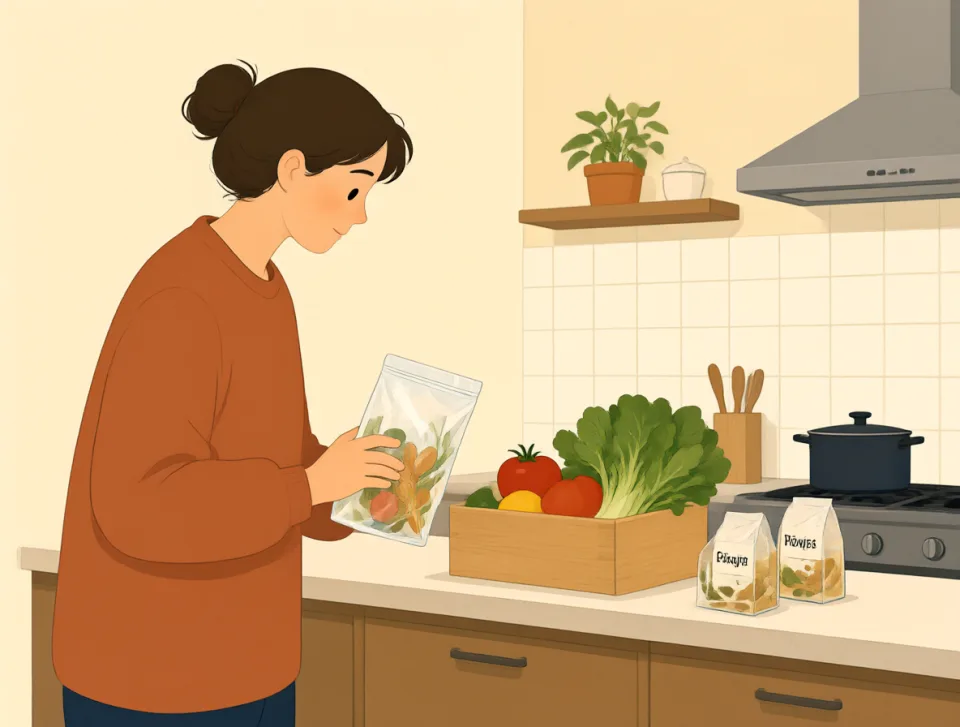
Can you estimate the cost of dinner?
Czy możesz oszacować koszt kolacji?
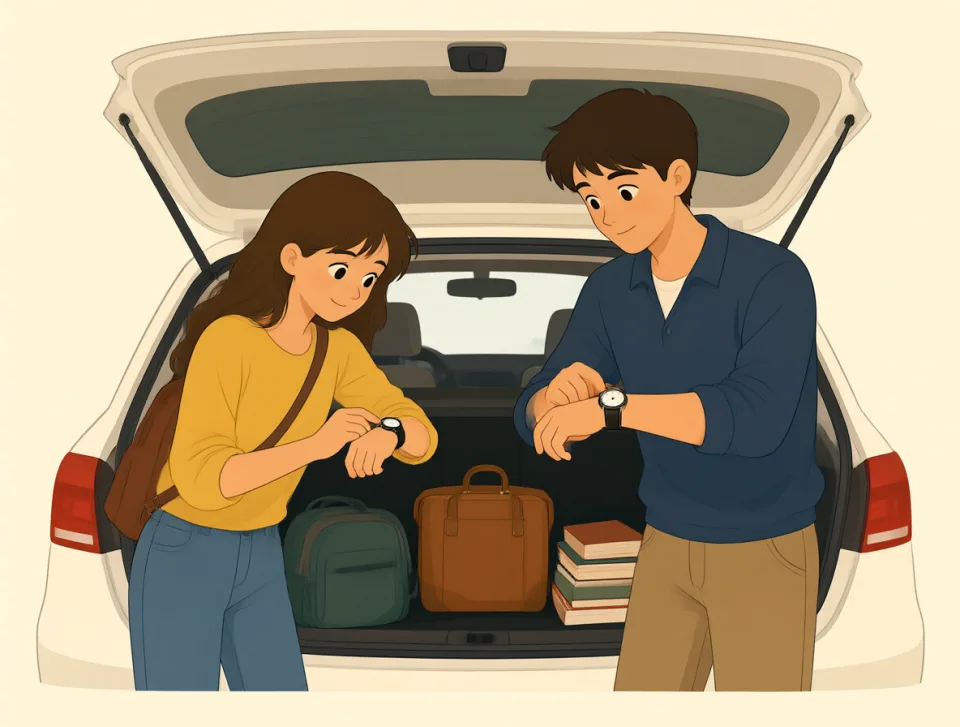
The trip will take an estimated two hours.
Podróż potrwa szacunkowo dwie godziny.
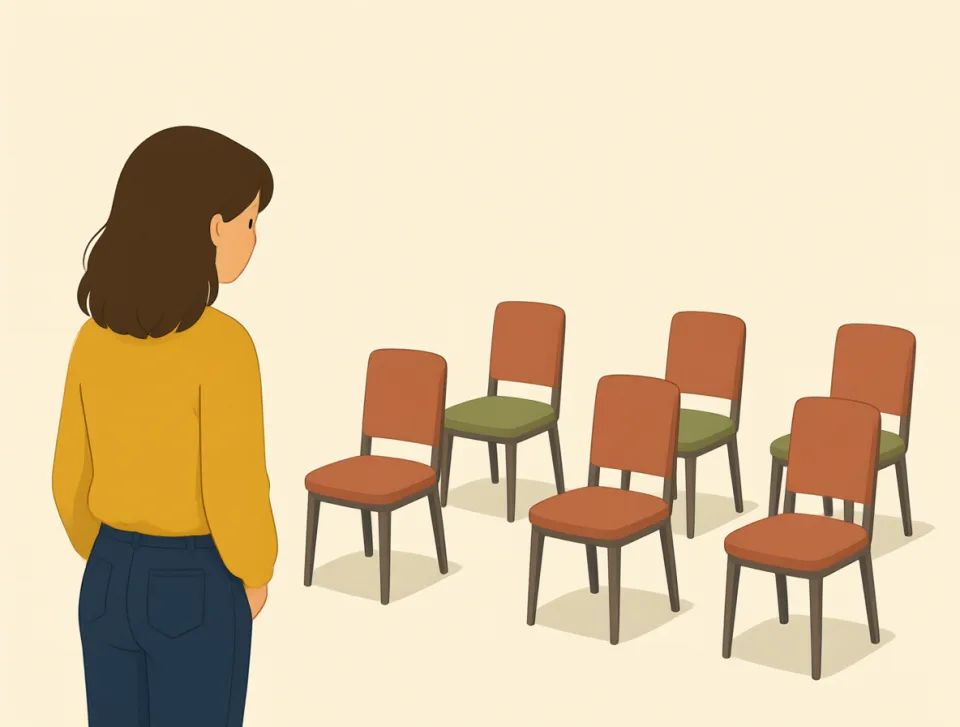
I estimate that ten people will come.
Szacuję, że przyjdzie dziesięć osób.
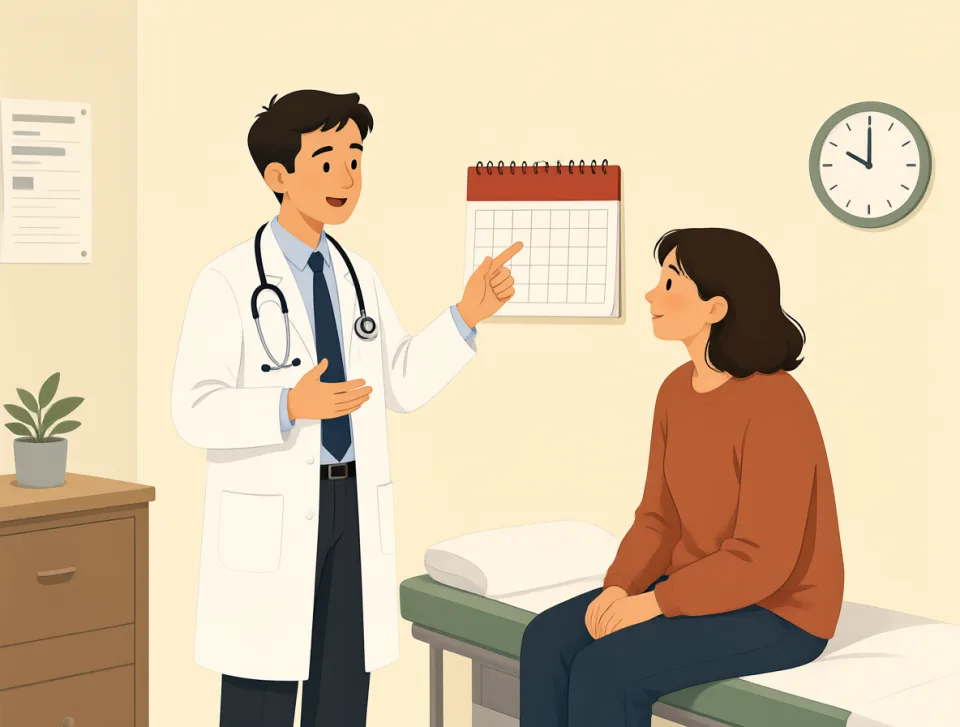
The doctor estimated my recovery time.
Lekarz oszacował czas mojego powrotu do zdrowia.
favorite
#1000adjective, noun
ulubiony
liked more than all the others
Lubiany bardziej niż wszystkie pozostałe rzeczy lub osoby.
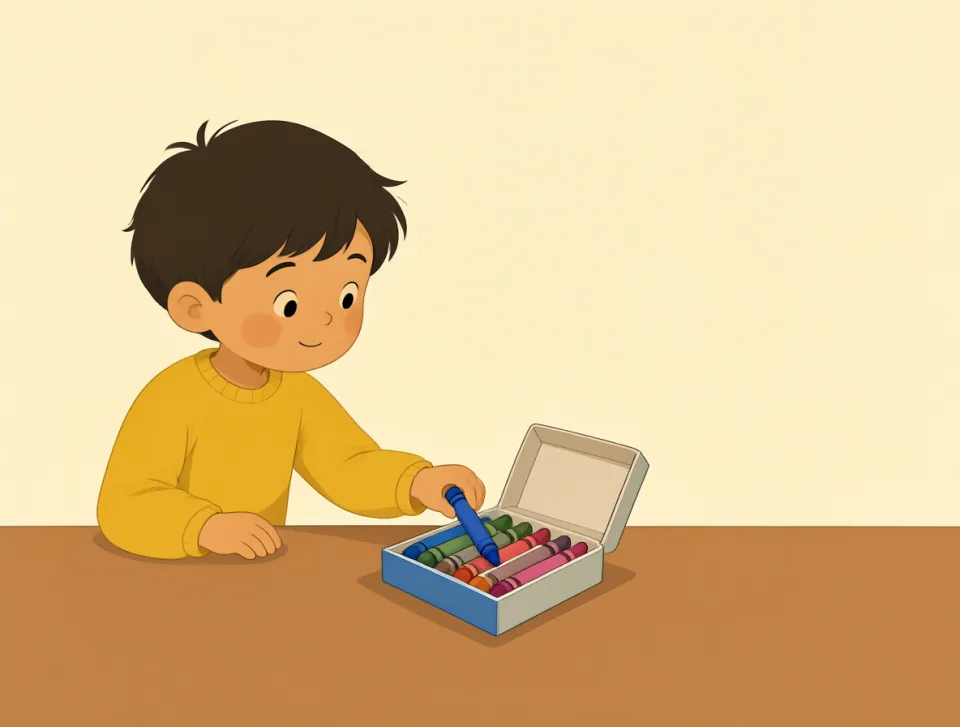
Blue is my favorite color.
Niebieski to mój ulubiony kolor.
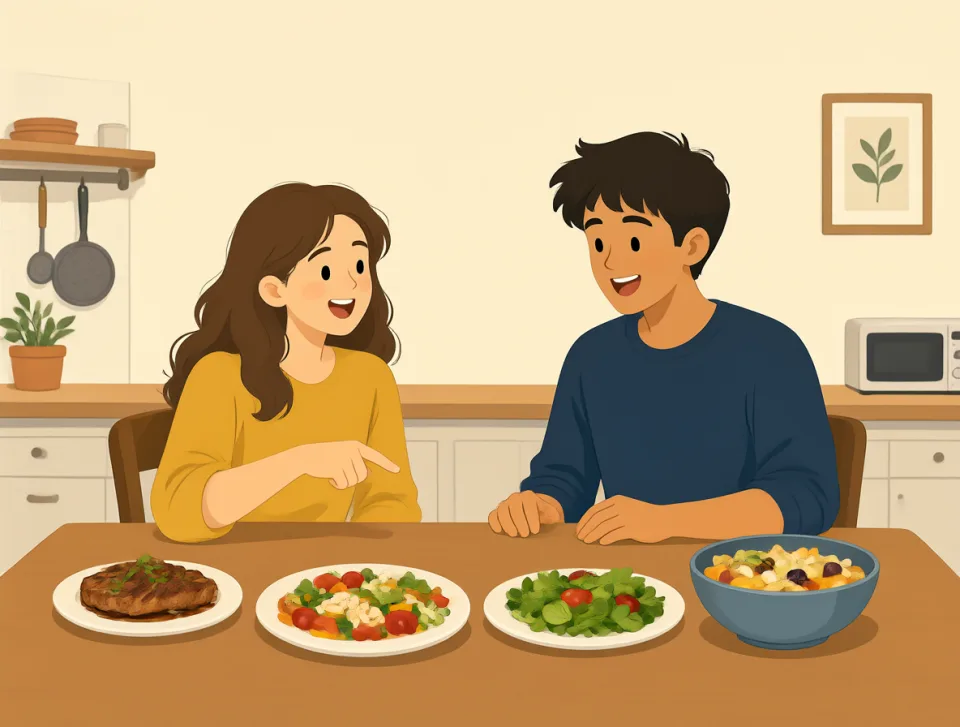
What is your favorite food?
Jakie jest twoje ulubione jedzenie?
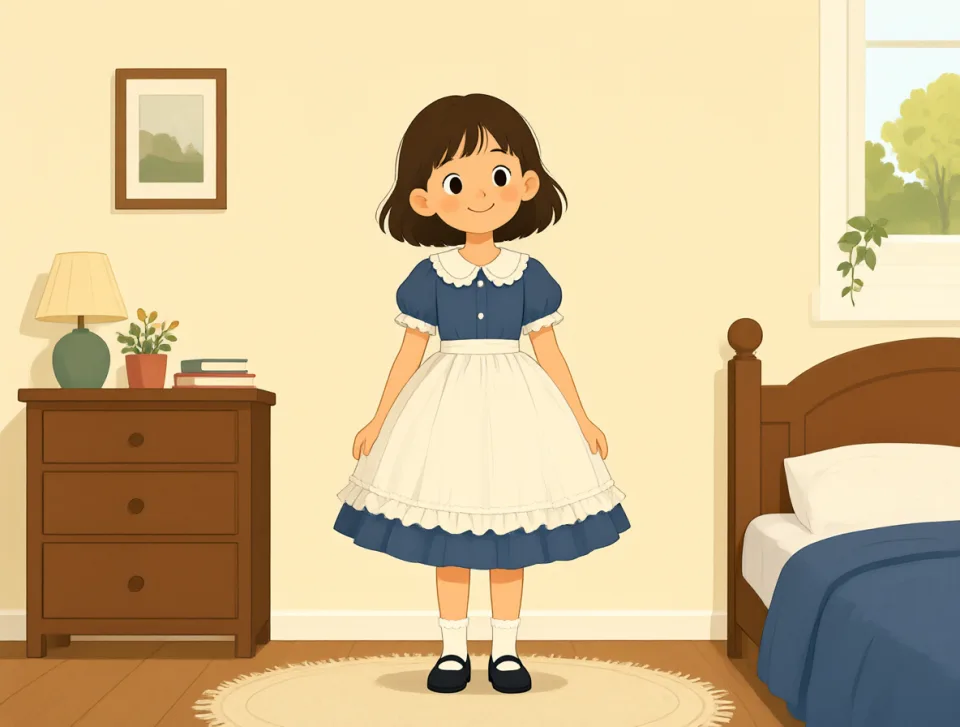
She wore her favorite dress yesterday.
Wczoraj miała na sobie swoją ulubioną sukienkę.

This song is my favorite.
Ta piosenka jest moją ulubioną.
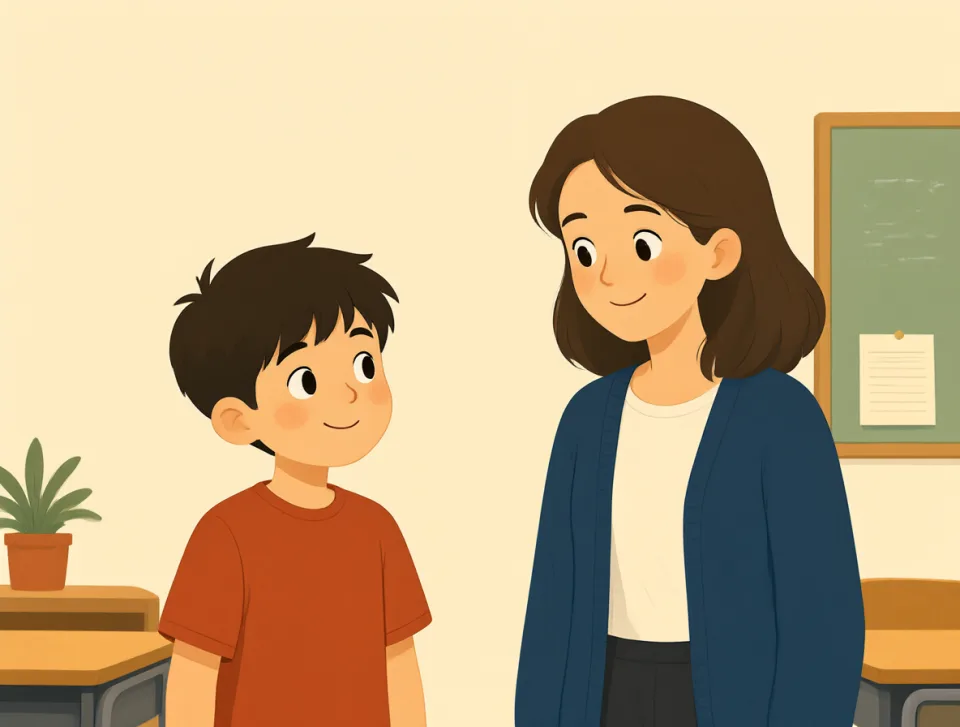
Tom is my favorite teacher.
Tom jest moim ulubionym nauczycielem.