Zestaw 40
Słowa 781–800 · card, hospital, quickly, interview, agreement, release

card
#781noun, verb
karta
A small piece of stiff paper used for information, payment, games, or greetings.
Mały kawałek sztywnego papieru służący do przekazywania informacji, płacenia, grania w gry lub składania życzeń.
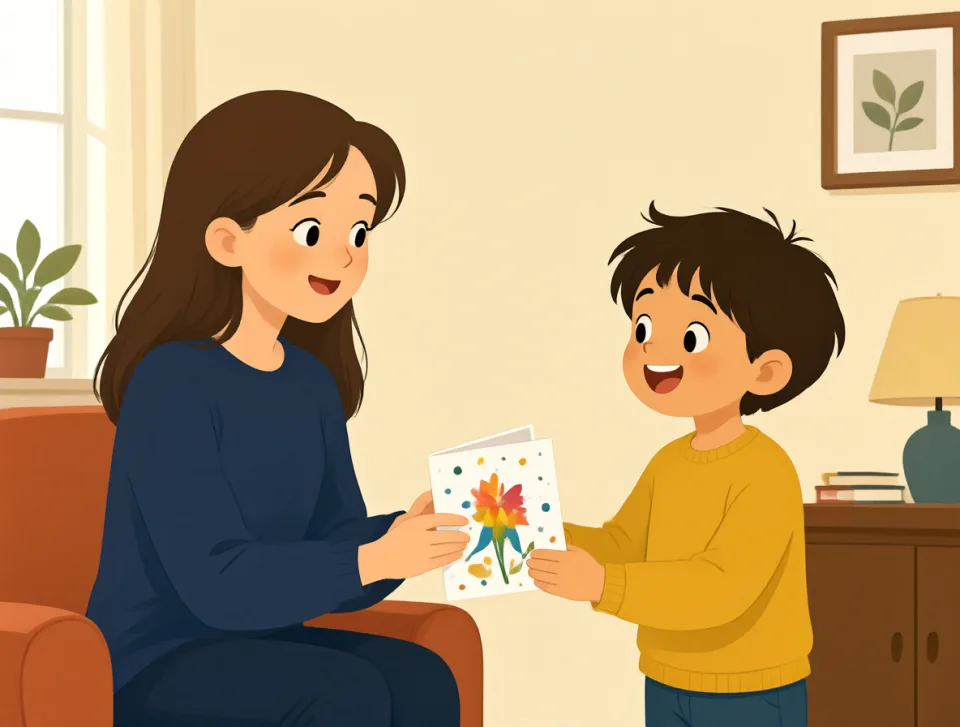
I gave her a birthday card yesterday.
Wczoraj dałem jej kartkę urodzinową.

Please show your card at the hotel.
Proszę pokazać kartę w hotelu.
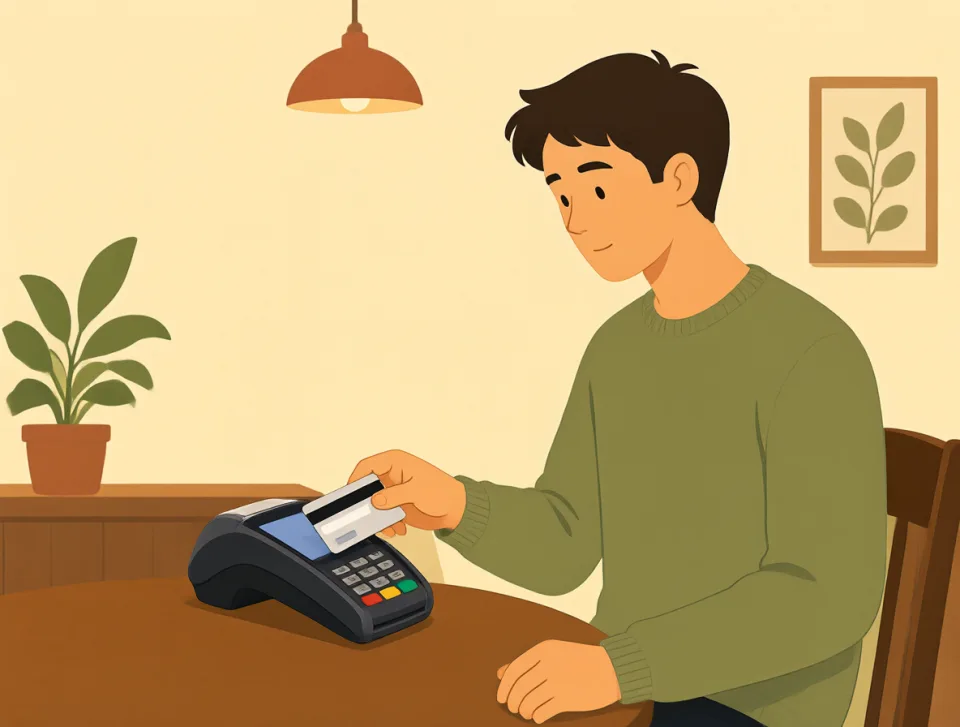
He paid for lunch with his card.
Zapłacił za lunch kartą.
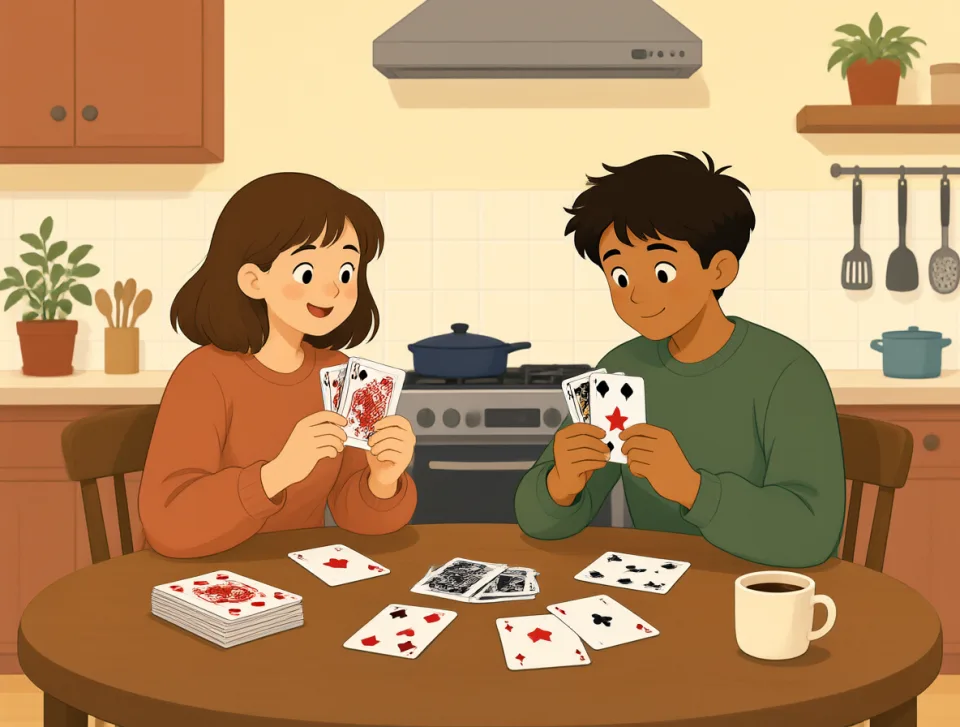
We played cards after dinner.
Po kolacji graliśmy w karty.
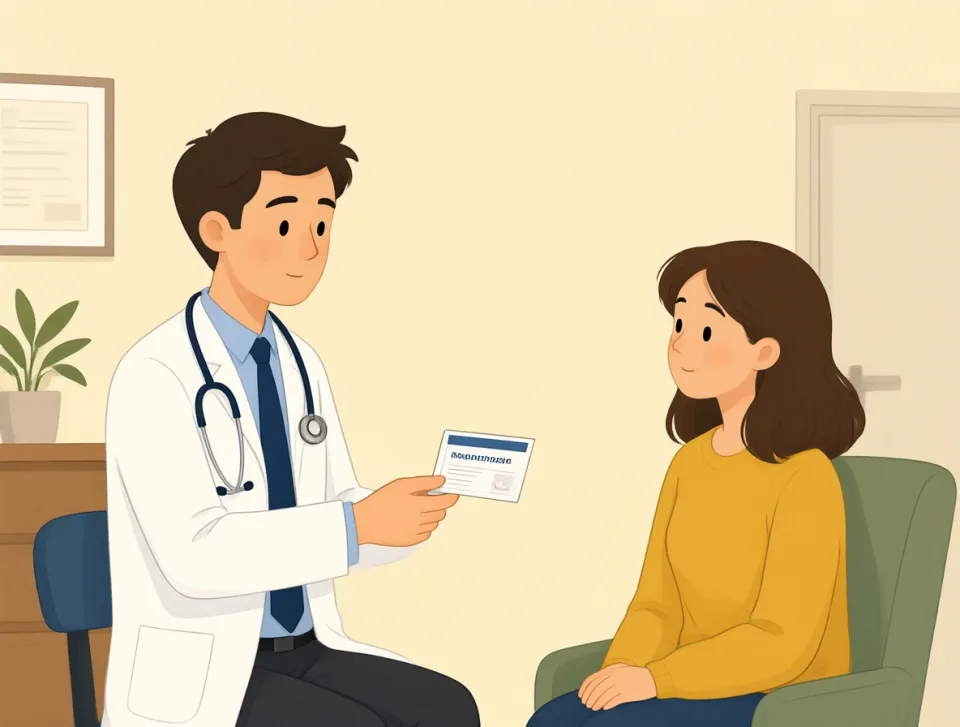
The doctor carded my appointment details.
Lekarz zapisał szczegóły mojej wizyty.
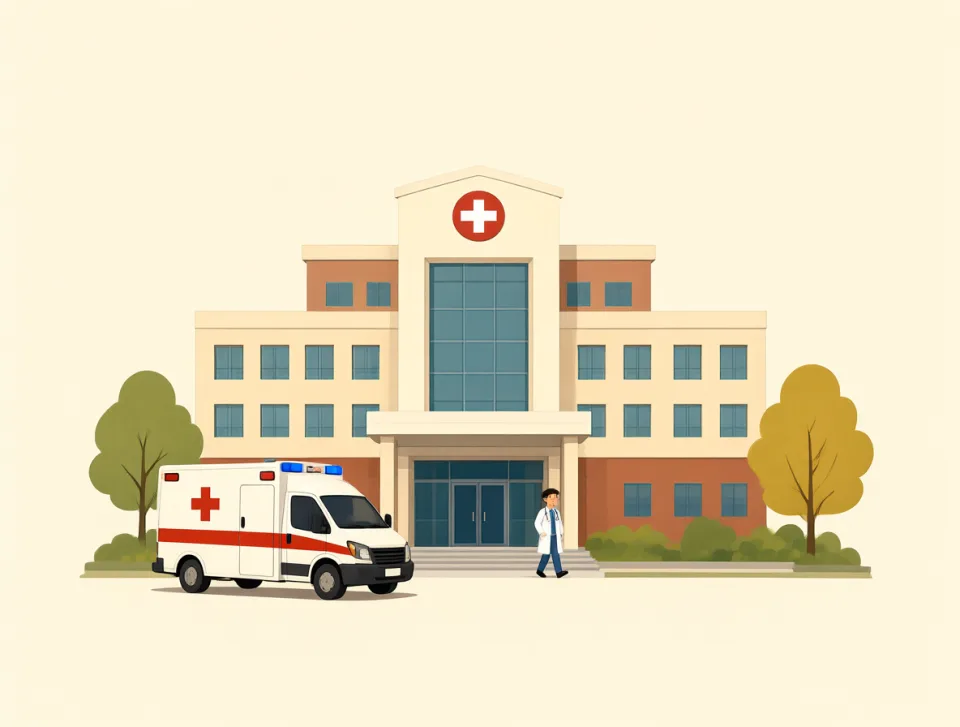
hospital
#782noun
szpital
A place where sick or injured people receive medical care and treatment.
Miejsce, w którym chorzy lub ranni otrzymują opiekę i pomoc medyczną.
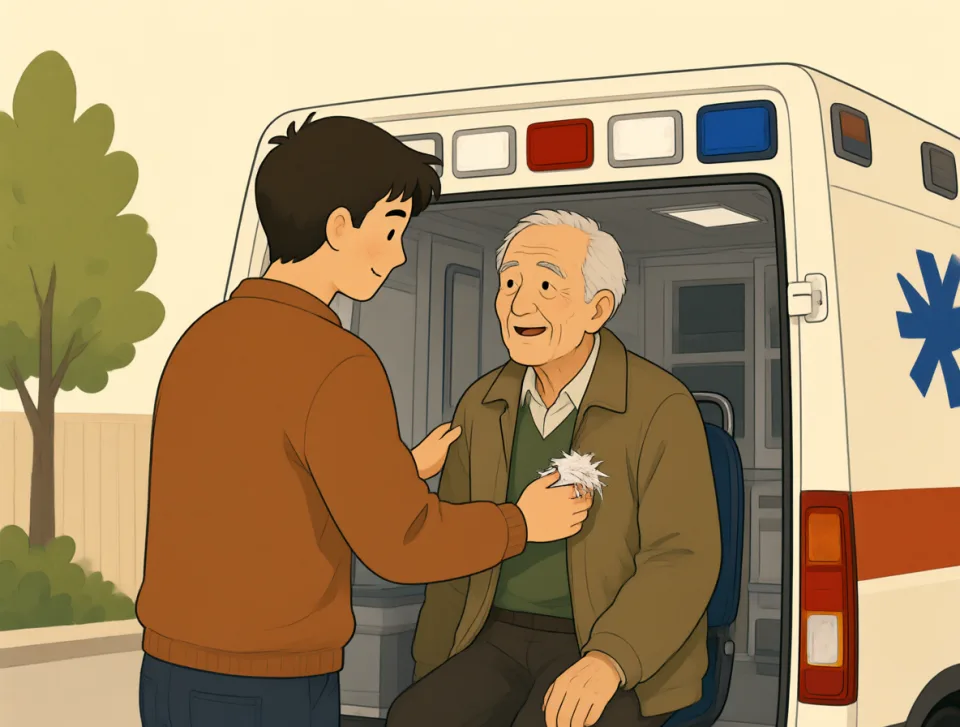
She stayed in the hospital for two nights.
Została w szpitalu przez dwie noce.
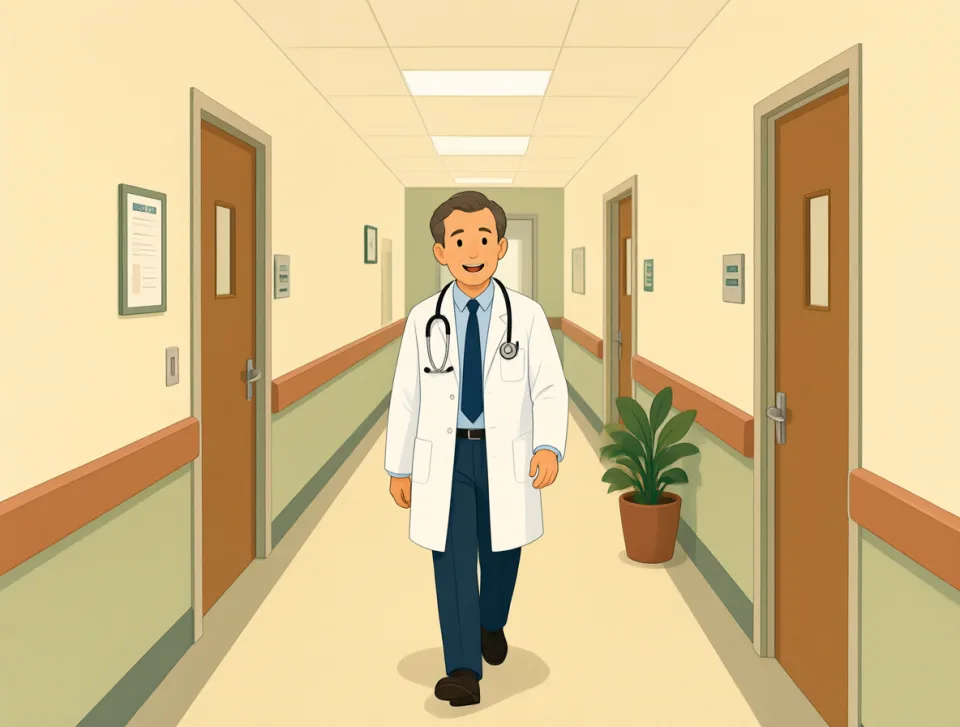
The doctor works at the local hospital.
Lekarz pracuje w miejscowym szpitalu.
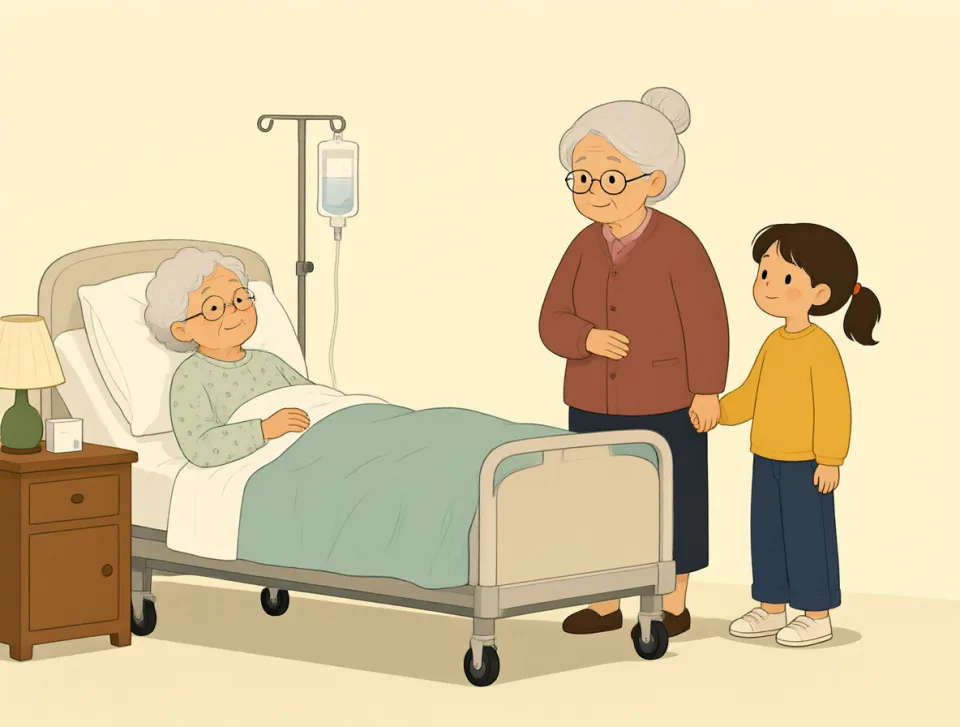
We visited Grandma in the hospital yesterday.
Wczoraj odwiedziliśmy babcię w szpitalu.
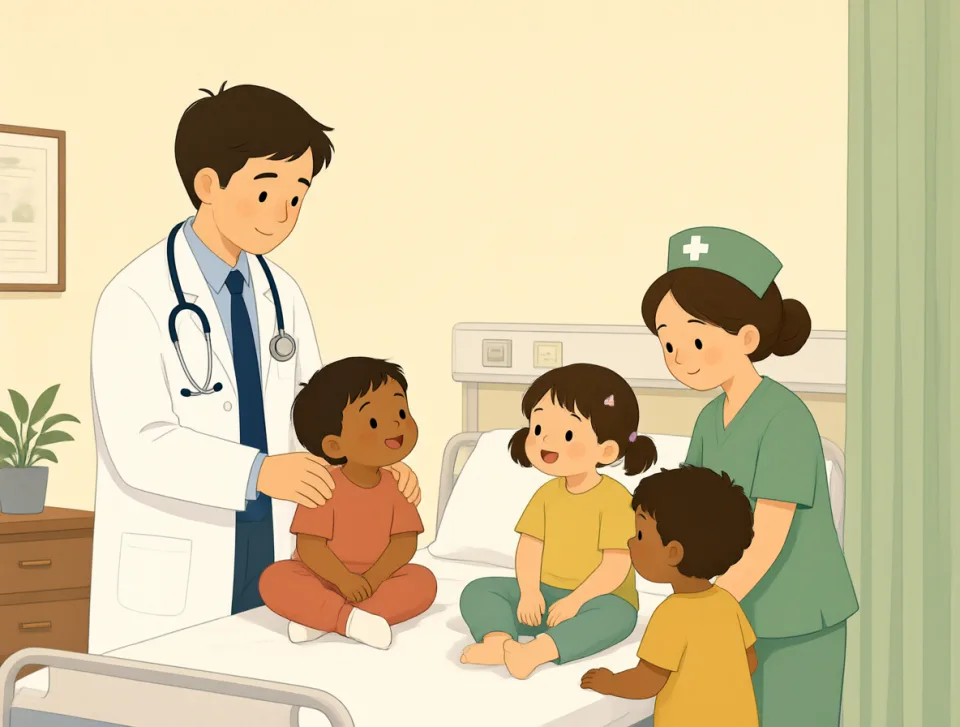
The hospital treated many sick children.
Szpital leczył wiele chorych dzieci.
quickly
#783adverb
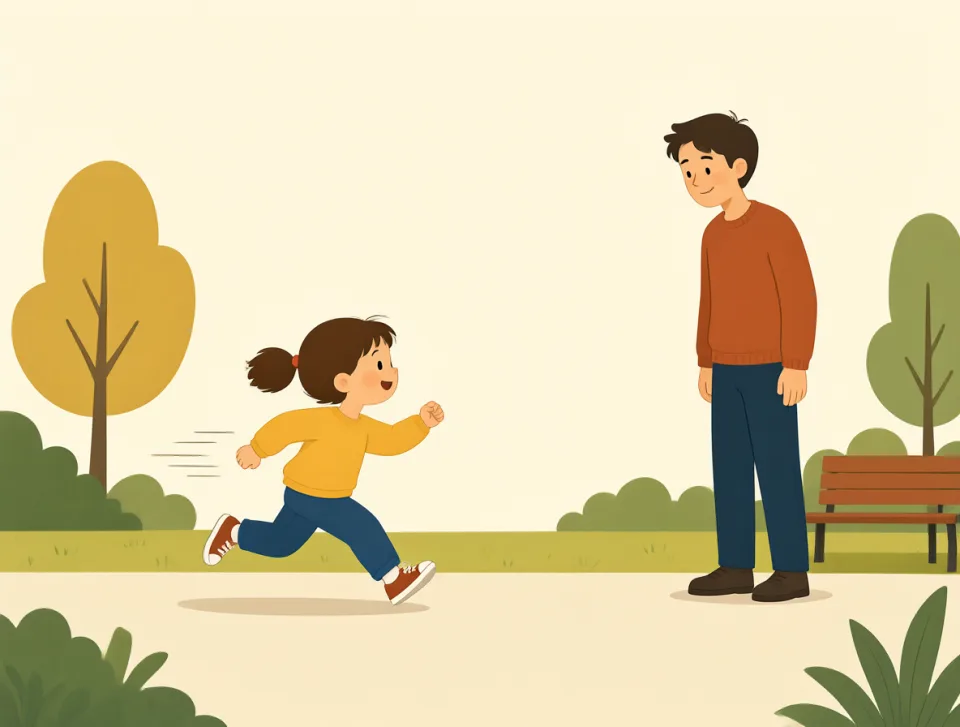
szybko
At a fast speed or after only a short time.
W szybkim tempie lub po krótkim czasie.
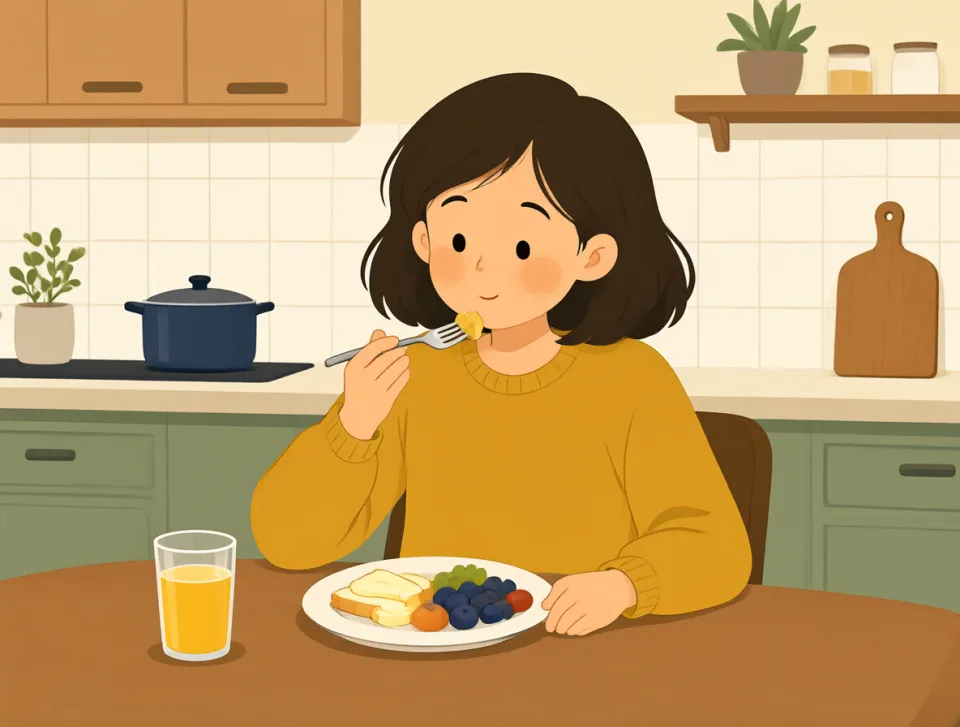
She quickly finished her breakfast and left.
Szybko zjadła śniadanie i wyszła.
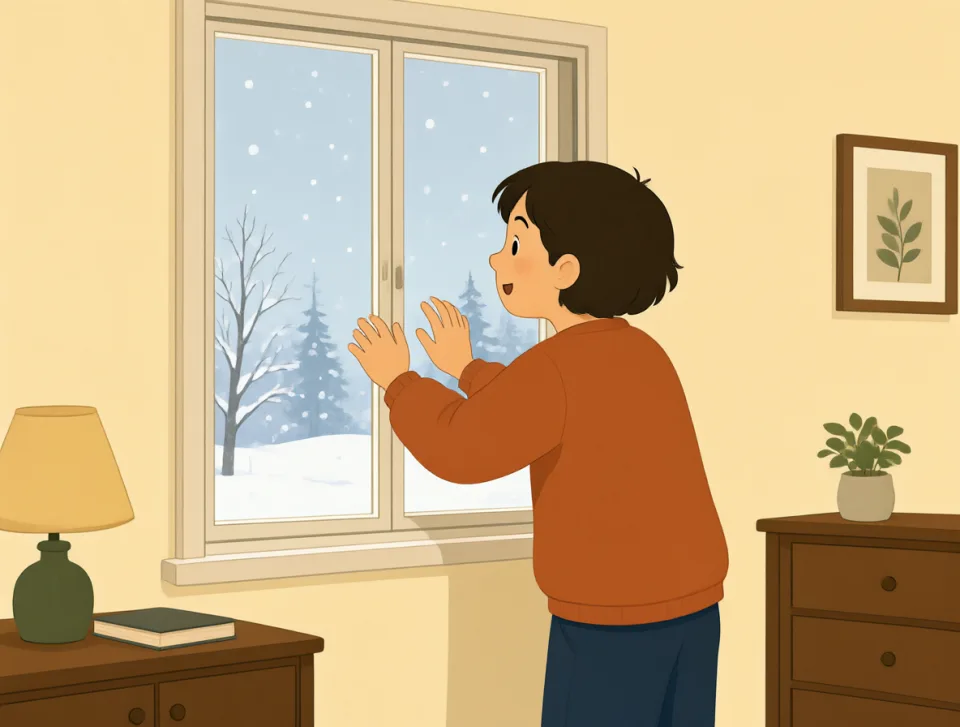
Please quickly close the window; it is cold.
Proszę szybko zamknąć okno, bo jest zimno.
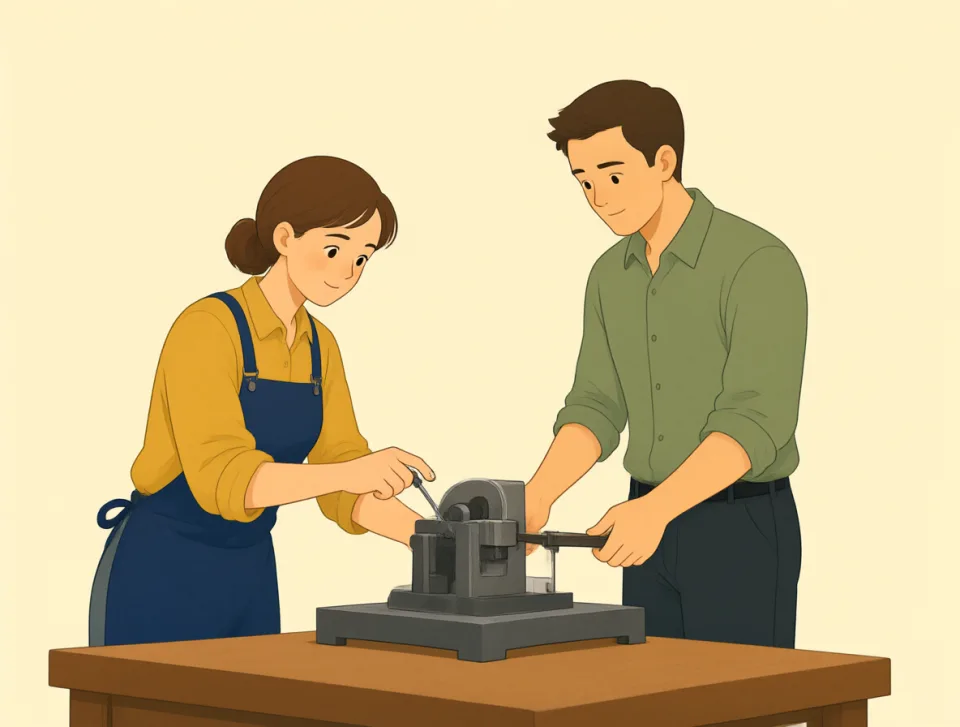
He quickly learned how to use the machine.
Szybko nauczył się obsługiwać maszynę.
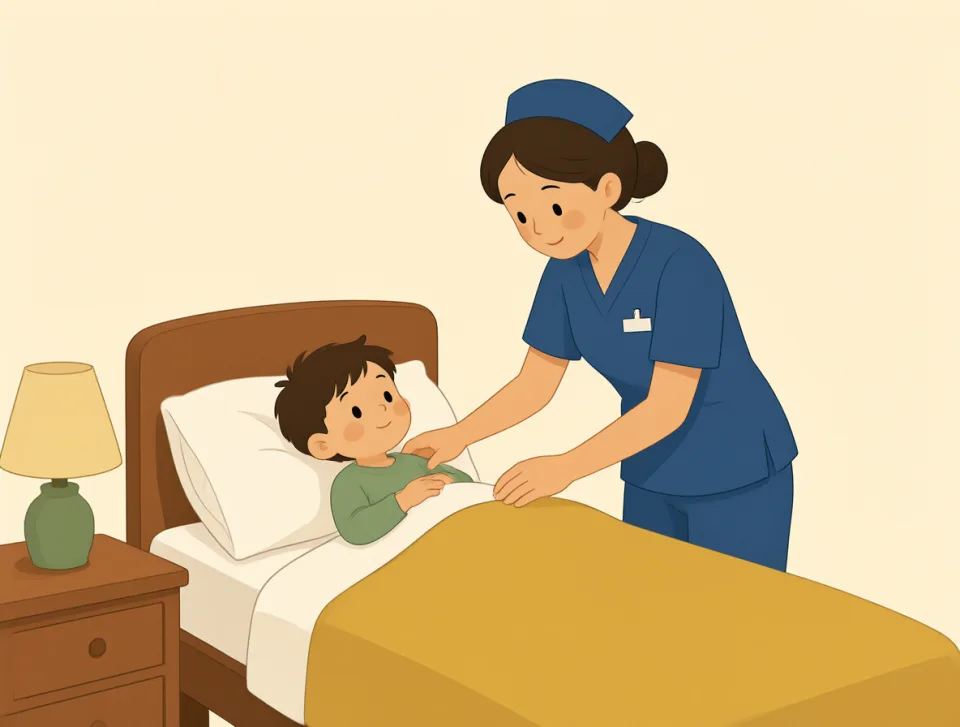
The nurse quickly helped the sick child.
Pielęgniarka szybko pomogła choremu dziecku.
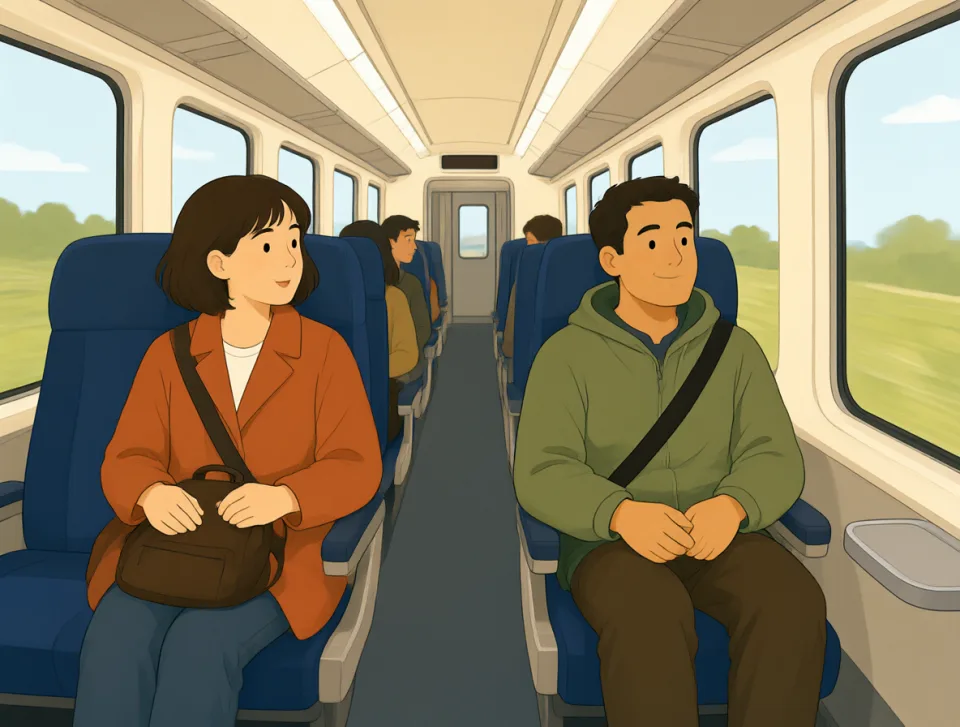
We quickly found our seats on the train.
Szybko znaleźliśmy swoje miejsca w pociągu.

interview
#784noun, verb
rozmowa kwalifikacyjna
A meeting where someone asks questions to learn about you or your experience.
Spotkanie, podczas którego ktoś zadaje pytania, aby dowiedzieć się czegoś o tobie lub twoim doświadczeniu.
I have a job interview tomorrow morning.
Jutro rano mam rozmowę kwalifikacyjną.

The reporter interviewed the famous actor yesterday.
Wczoraj reporter przeprowadził wywiad ze słynnym aktorem.

She is interviewing three students for the school paper.
Przeprowadza wywiady z trojgiem uczniów do gazetki szkolnej.
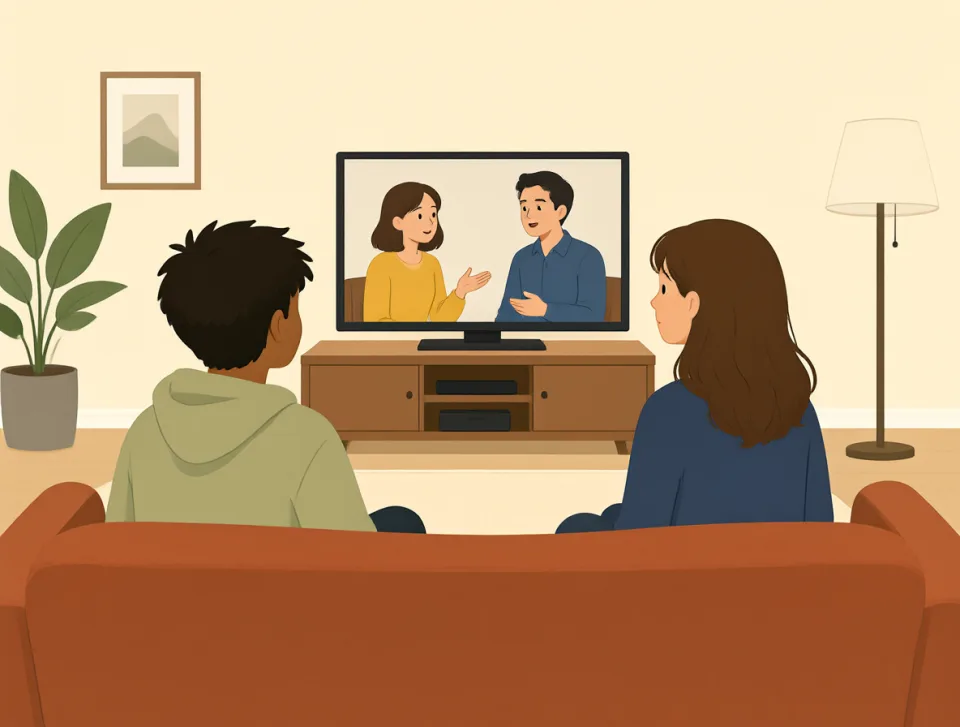
We watched a travel interview on television.
Oglądaliśmy w telewizji wywiad o podróżach.
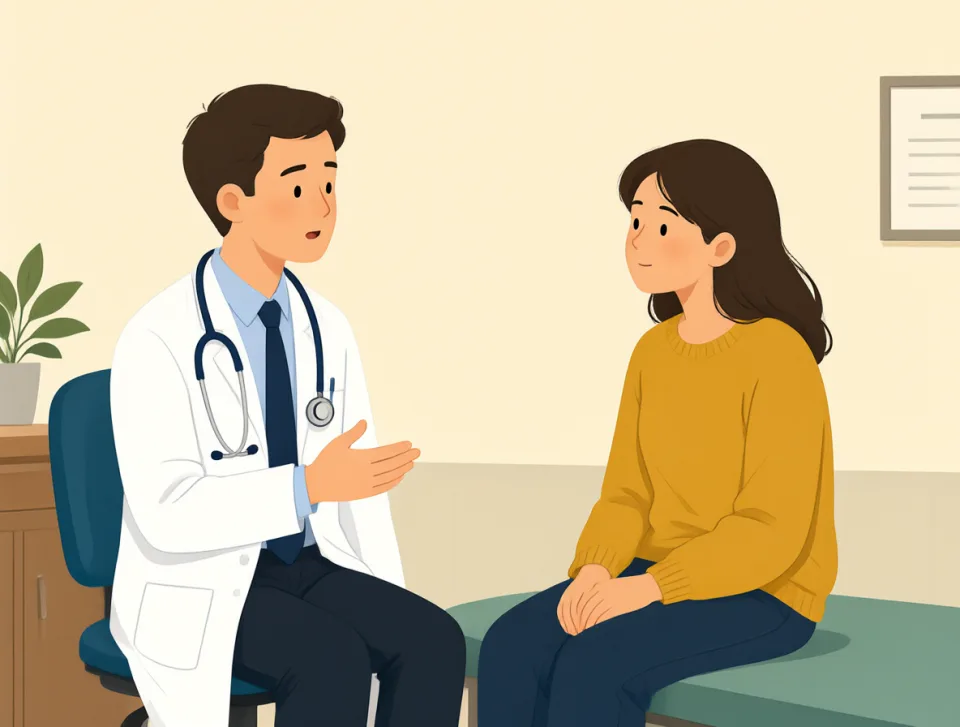
The doctor interviewed me about my pain.
Lekarz przeprowadził ze mną wywiad na temat bólu.
agreement
#785noun
porozumienie
A shared decision or understanding between people or groups.
Wspólna decyzja lub uzgodnienie między osobami albo grupami.

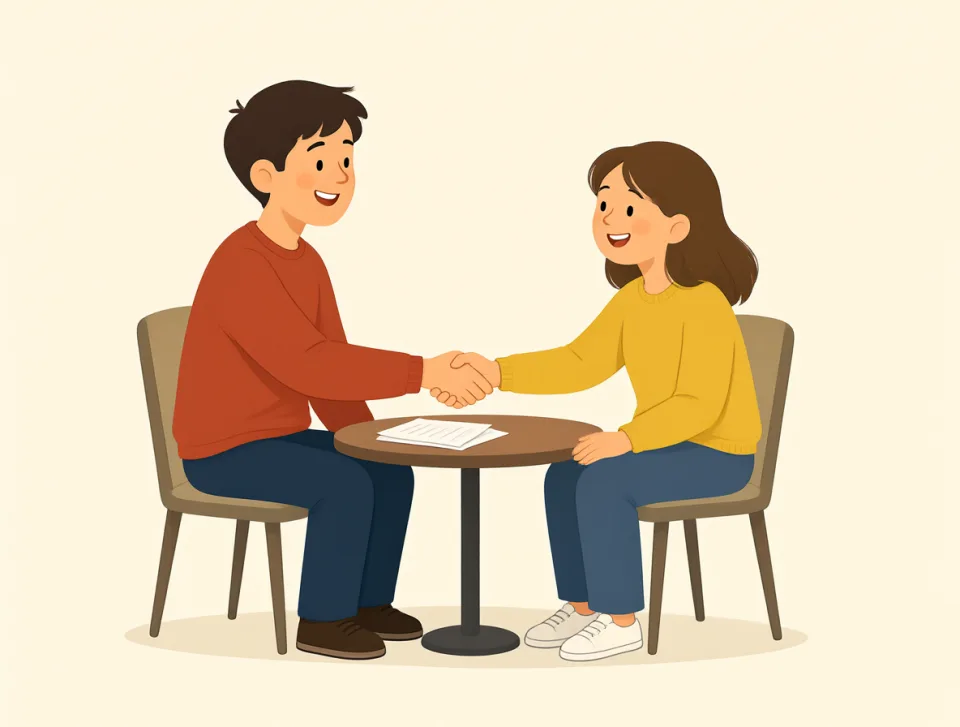
We reached an agreement about the price.
Doszliśmy do porozumienia w sprawie ceny.
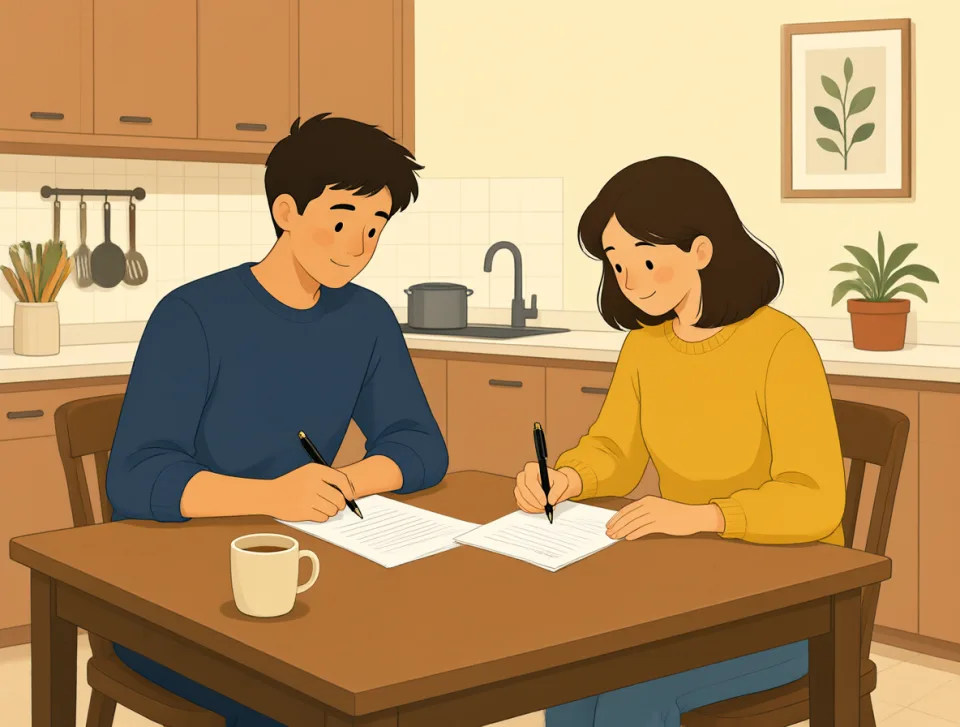
They signed an agreement to share the house.
Podpisali umowę o wspólnym wynajmie domu.
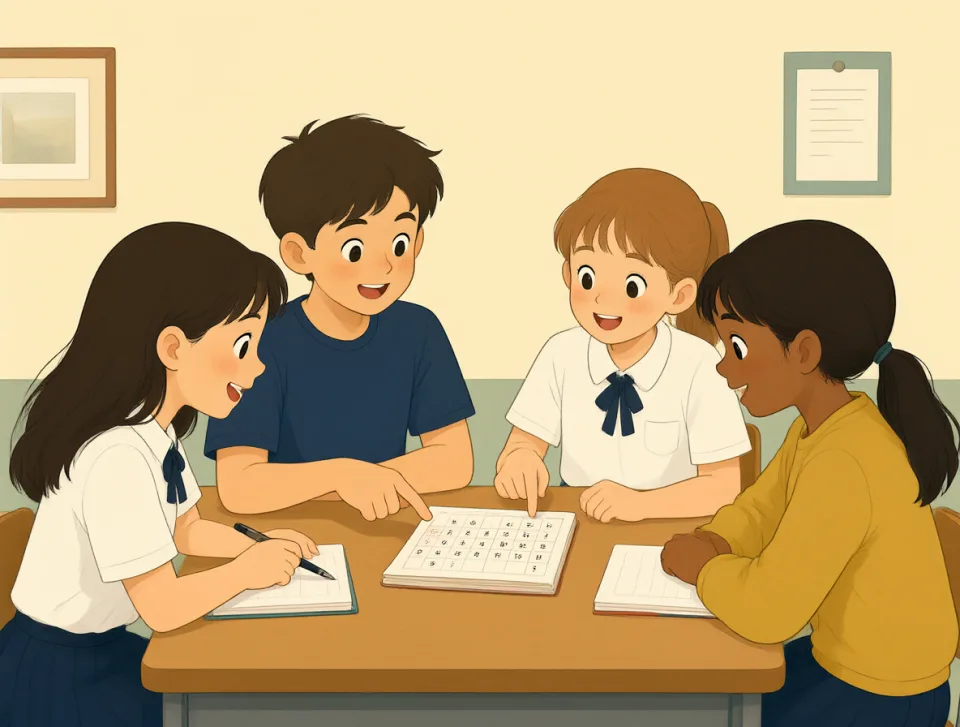
The students agreed on a date for the trip.
Uczniowie uzgodnili datę wycieczki.
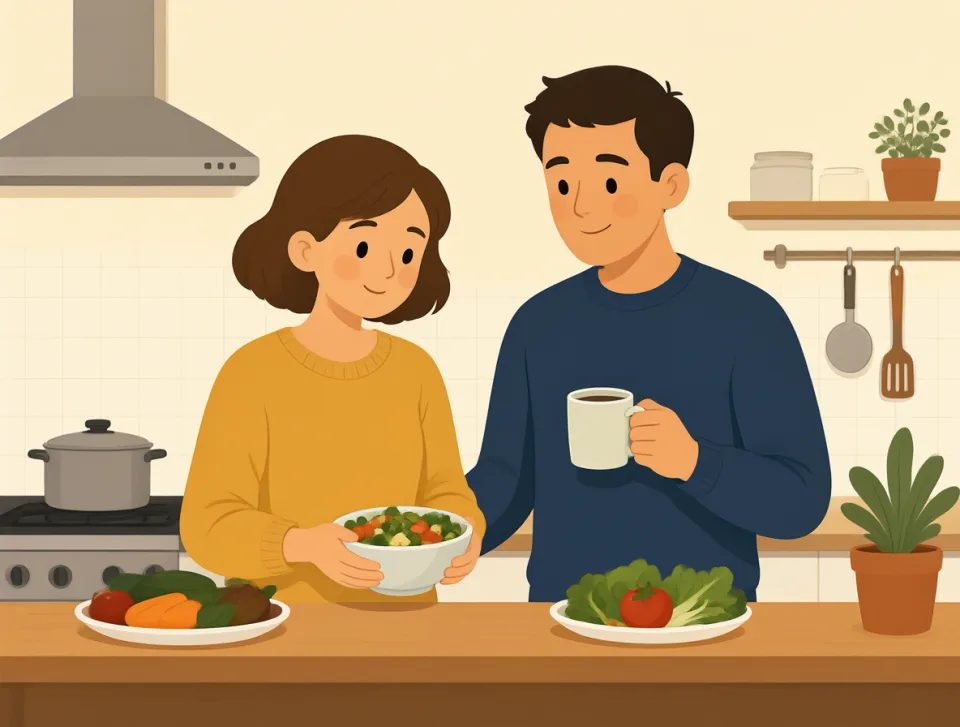
My parents are in agreement about dinner.
Moi rodzice zgadzają się co do kolacji.
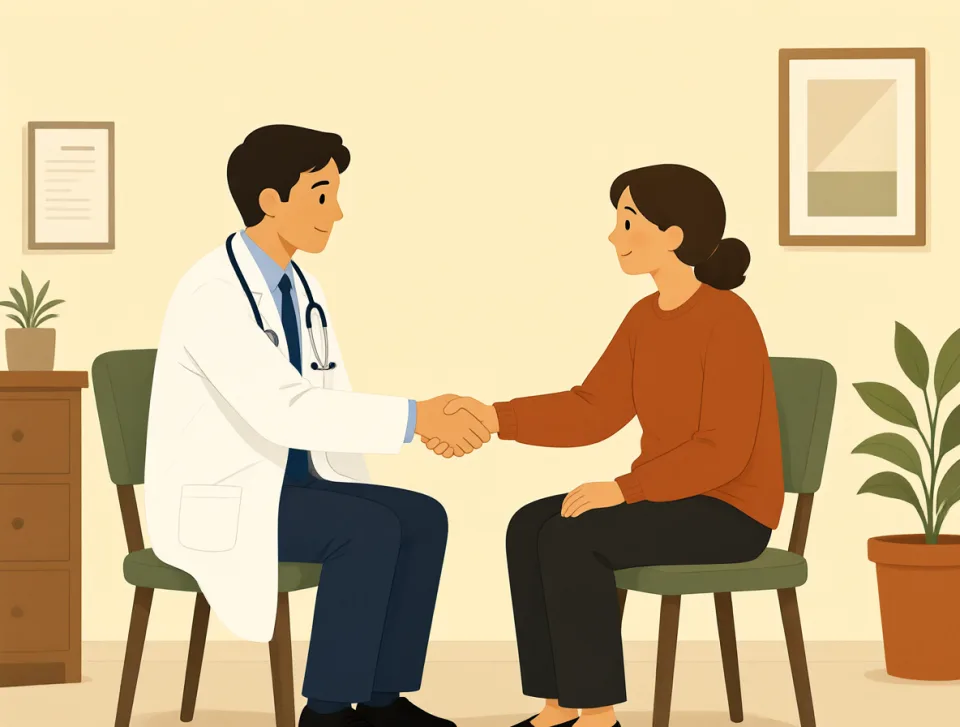
The doctor and patient reached an agreement.
Lekarz i pacjent doszli do porozumienia.
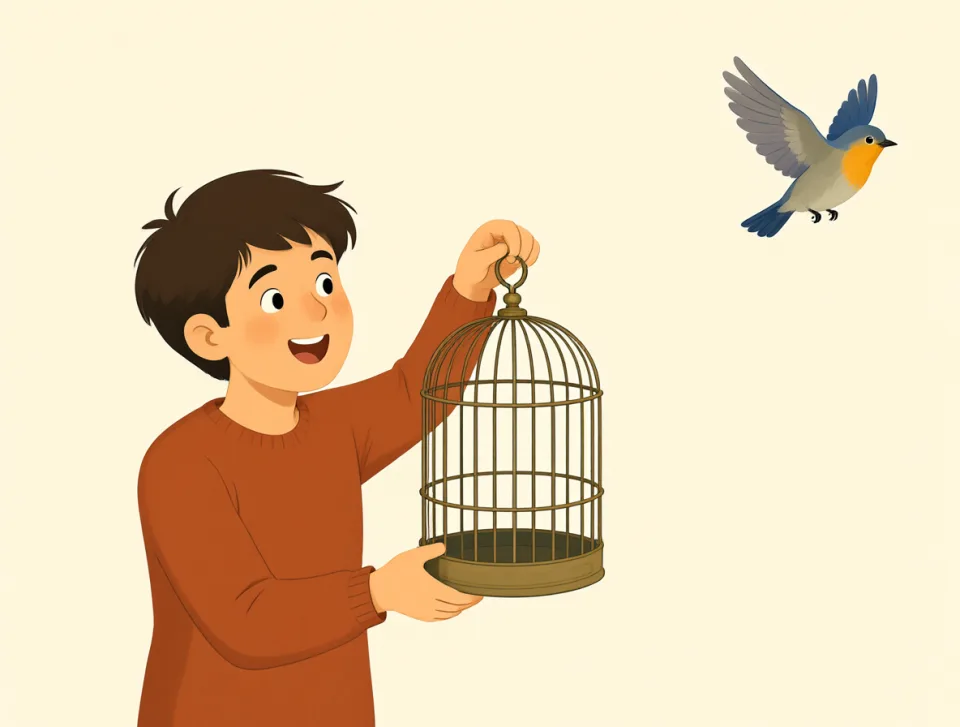
release
#786verb, noun
uwolnić; wypuścić; wydać
to let someone or something go free, or make something available
Pozwolić komuś lub czemuś odejść na wolność albo udostępnić coś.
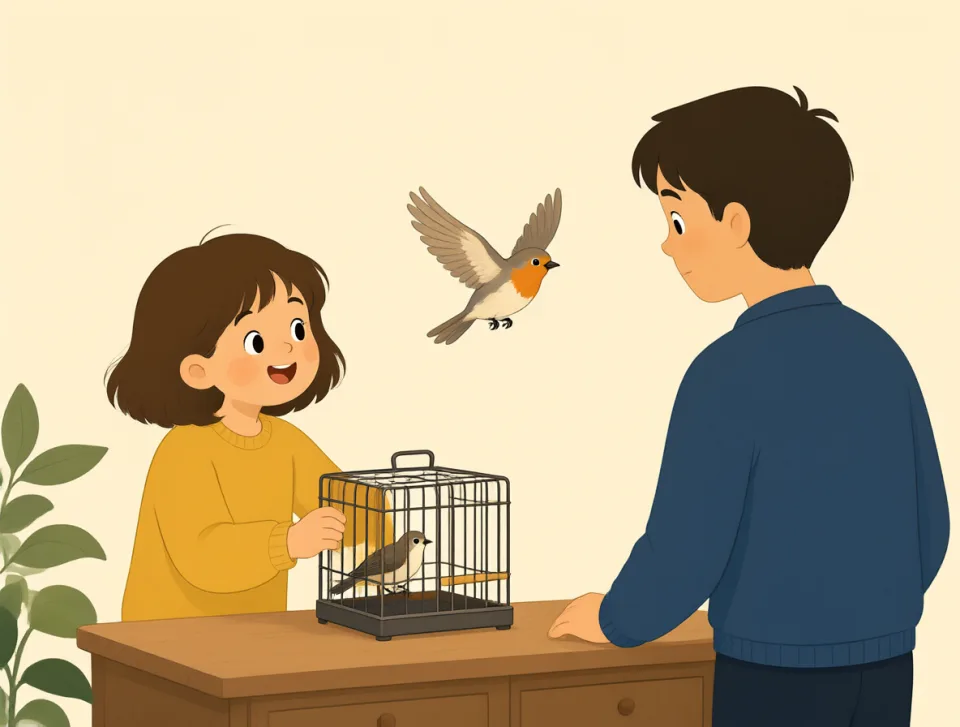
They released the bird after it healed.
Wypuścili ptaka, gdy wyzdrowiał.
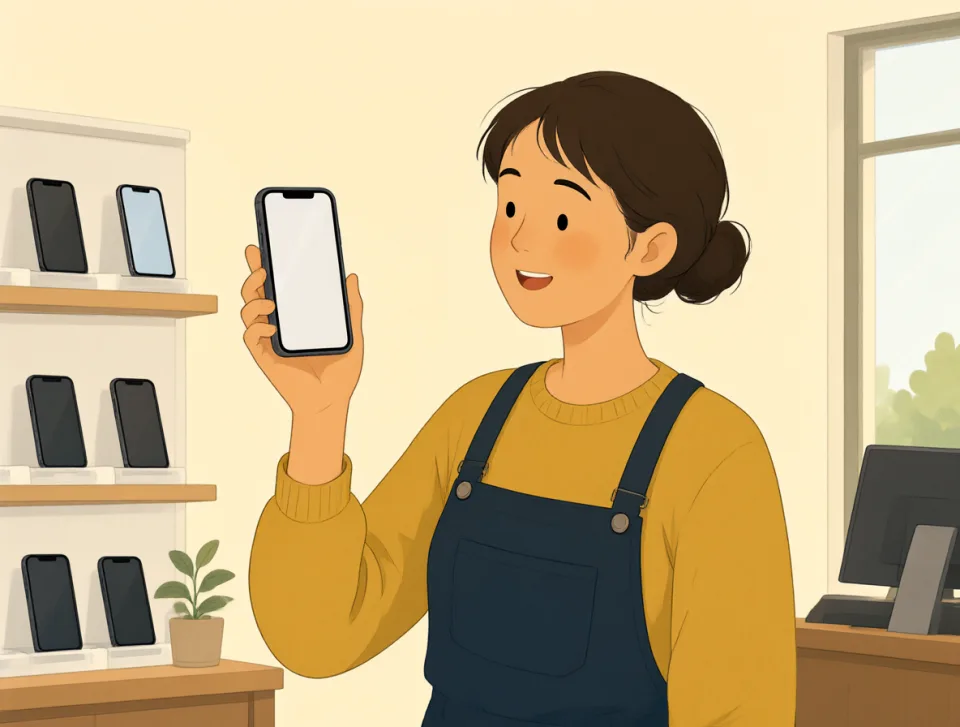
The company released a new phone today.
Firma wypuściła dziś nowy telefon.
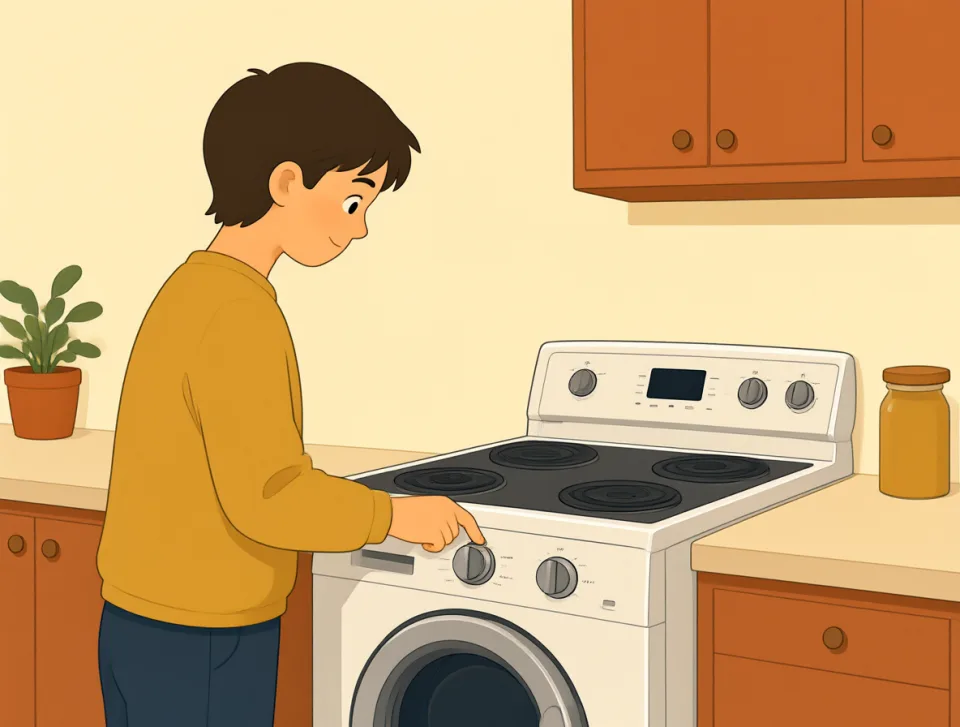
Please release the button slowly.
Proszę powoli zwolnić przycisk.
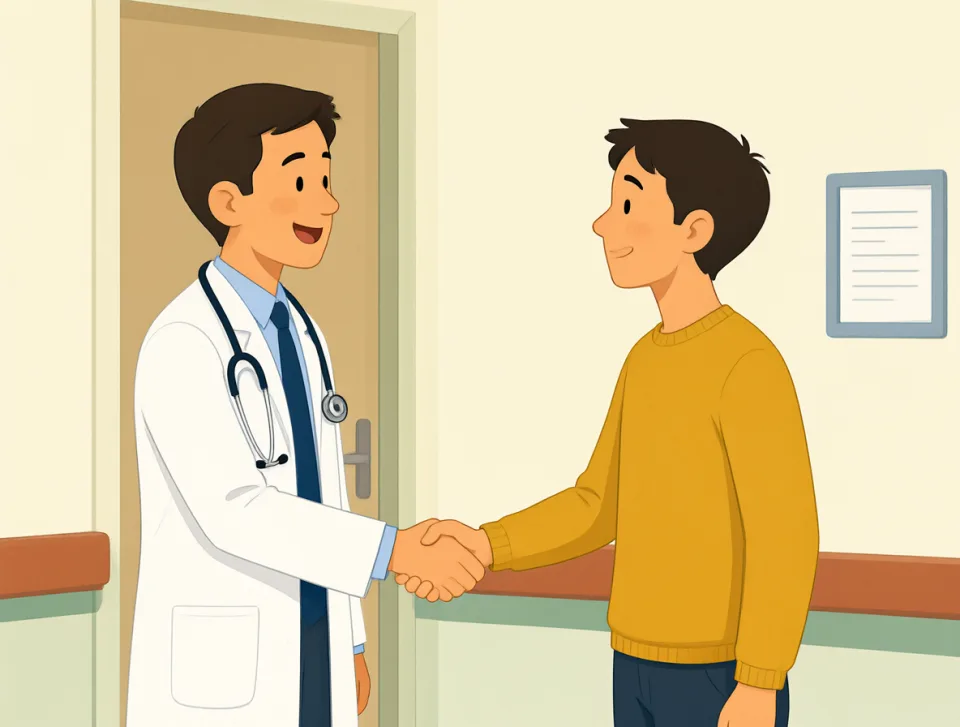
The doctor released him from the hospital.
Lekarz wypisał go ze szpitala.

The movie release is next Friday.
Premiera filmu odbędzie się w przyszły piątek.
tax
#787noun, verb
podatek
Money paid to the government, or to make someone pay this money.
Pieniądze płacone państwu lub obciążanie kogoś takim obowiązkiem.
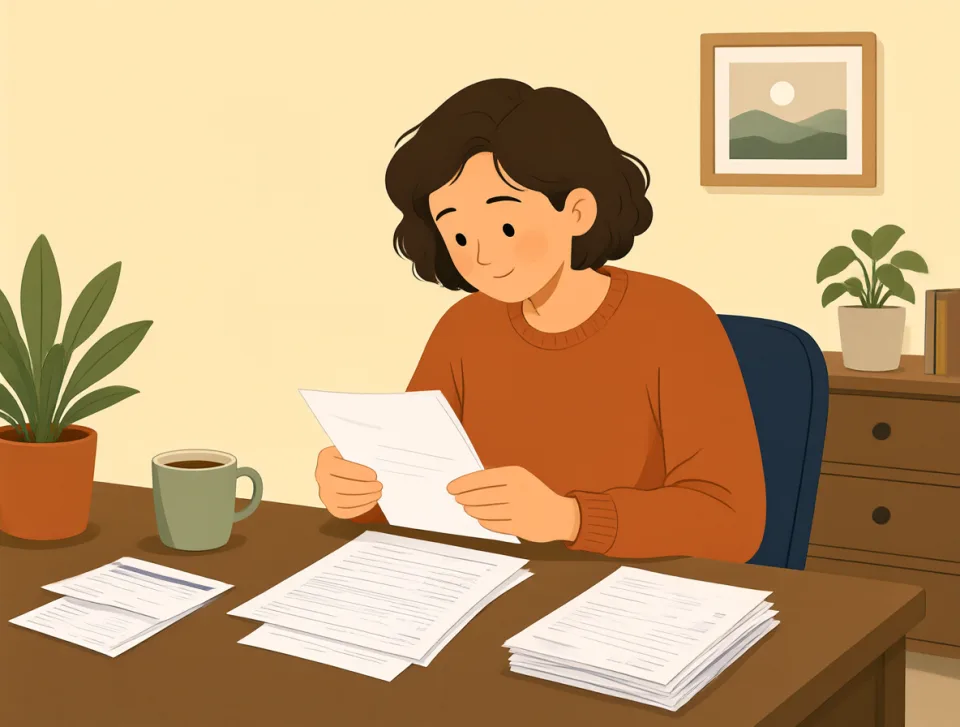
I pay tax on my monthly salary.
Płacę podatek od mojej miesięcznej pensji.
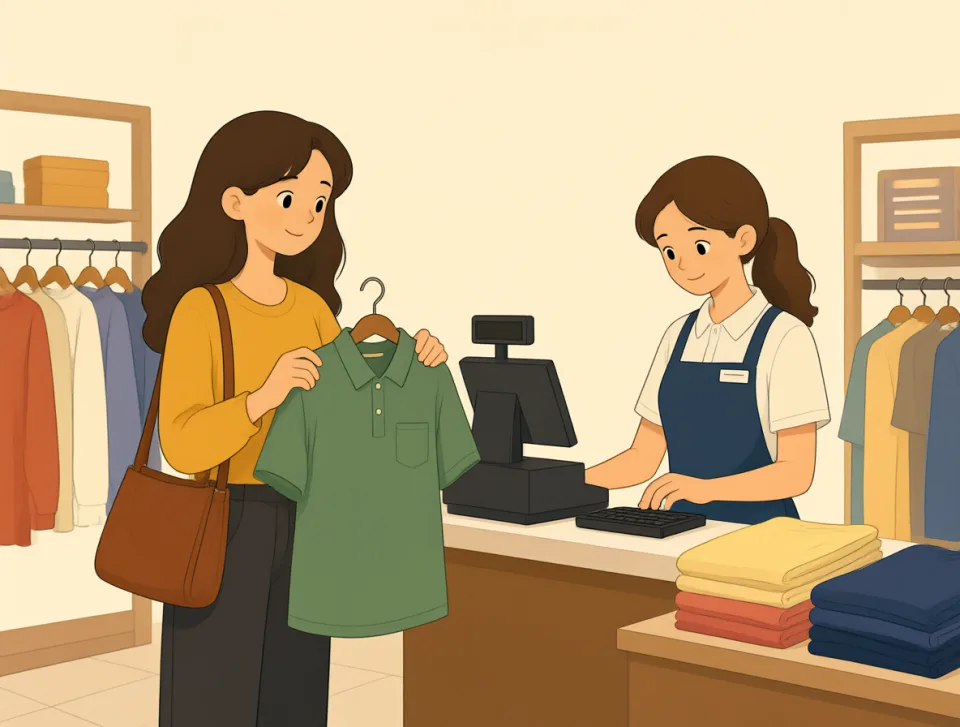
Sales tax makes this shirt more expensive.
Podatek od sprzedaży sprawia, że ta koszula jest droższa.
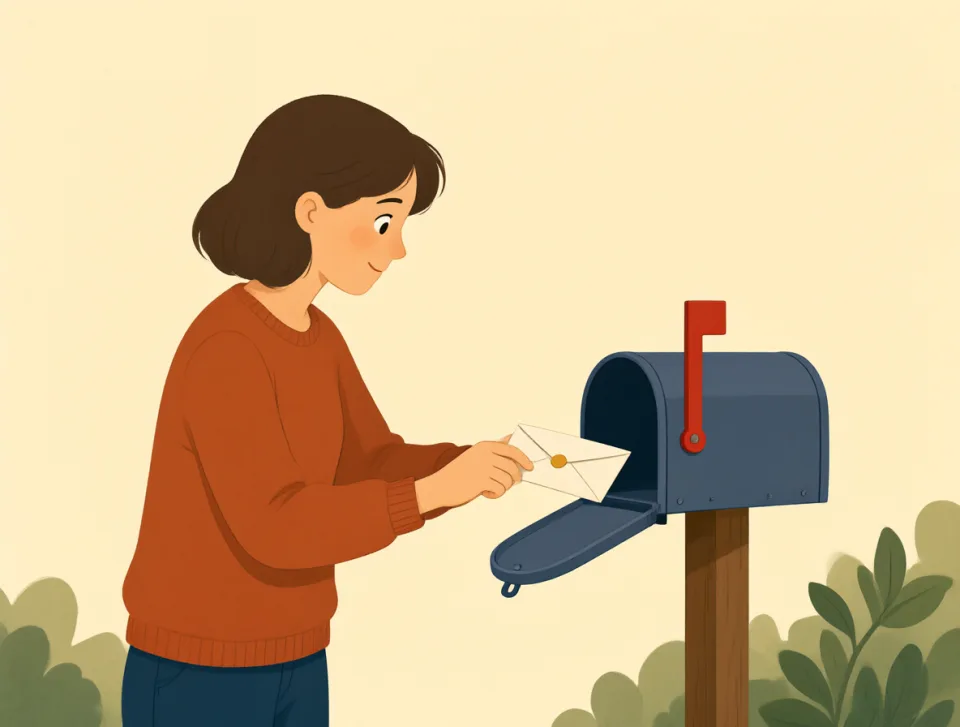
Her tax bill arrived in the mail.
Jej rachunek podatkowy przyszedł pocztą.
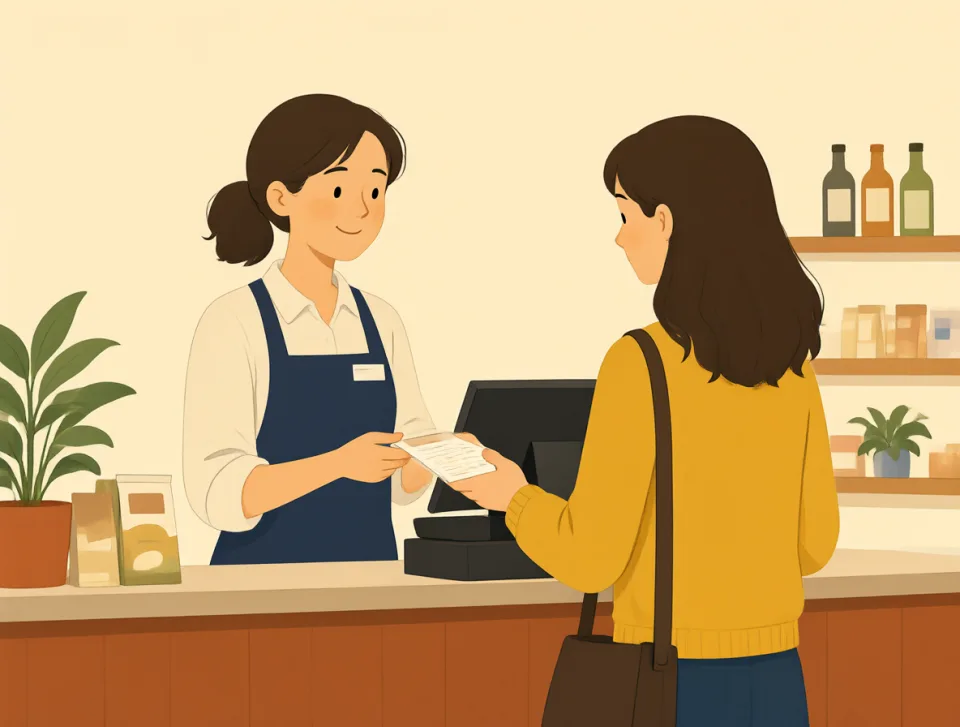
The shop adds tax at checkout.
Sklep dolicza podatek przy kasie.
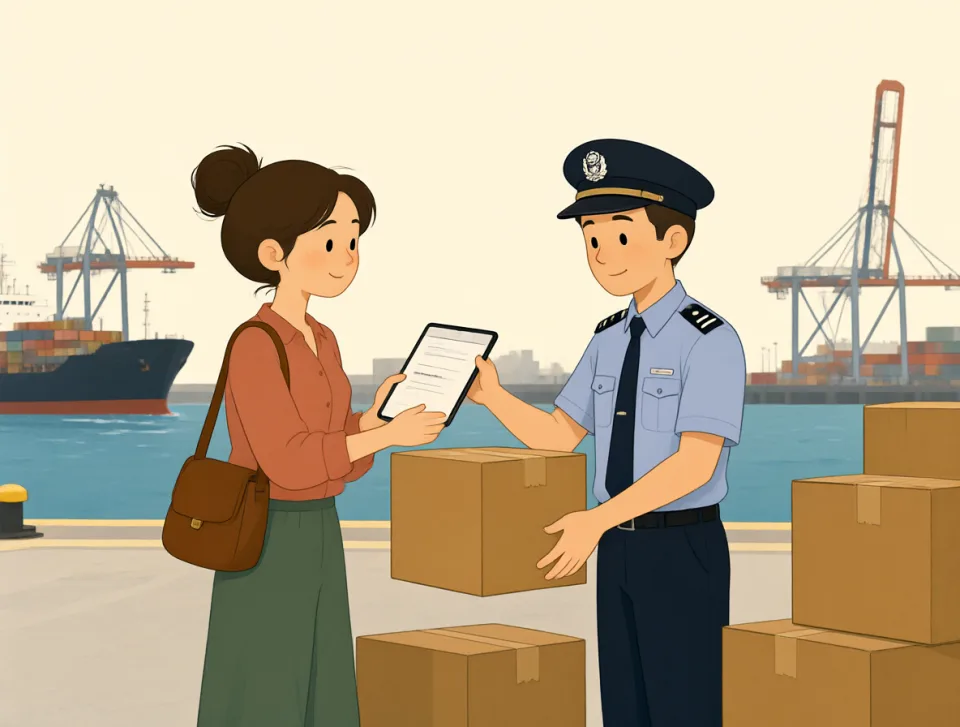
The government taxes imported goods.
Rząd nakłada podatki na towary importowane.
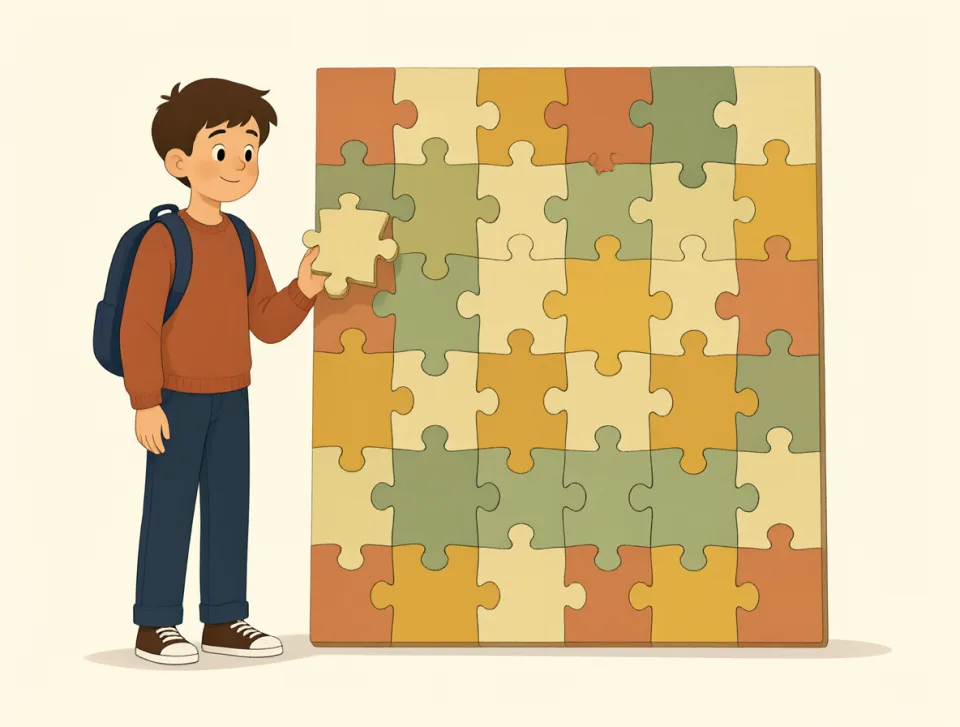
solution
#788noun
rozwiązanie
An answer to a problem or a way to fix a difficult situation.
Odpowiedź na problem lub sposób naprawienia trudnej sytuacji.
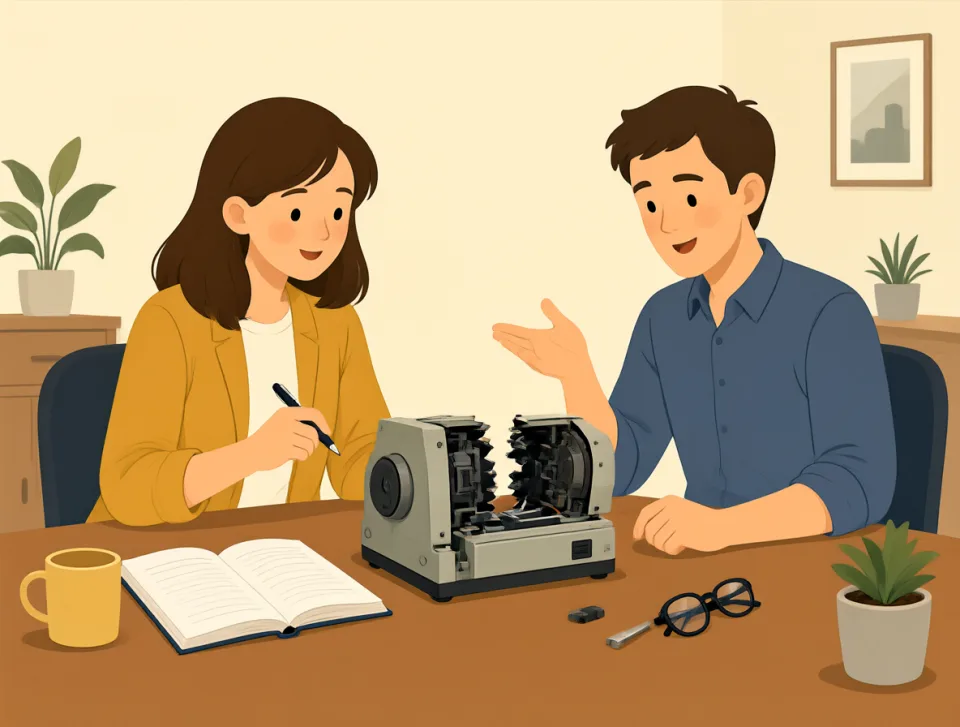
We need a solution to this problem.
Potrzebujemy rozwiązania tego problemu.
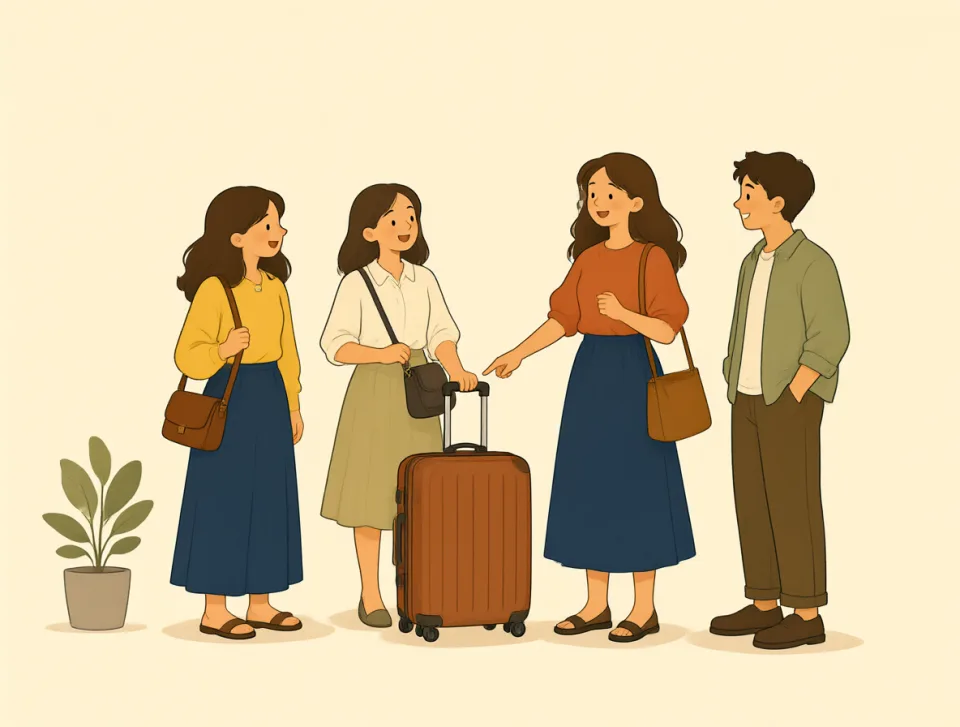
She found a simple solution for our travel plans.
Znalazła proste rozwiązanie dotyczące naszych planów podróży.
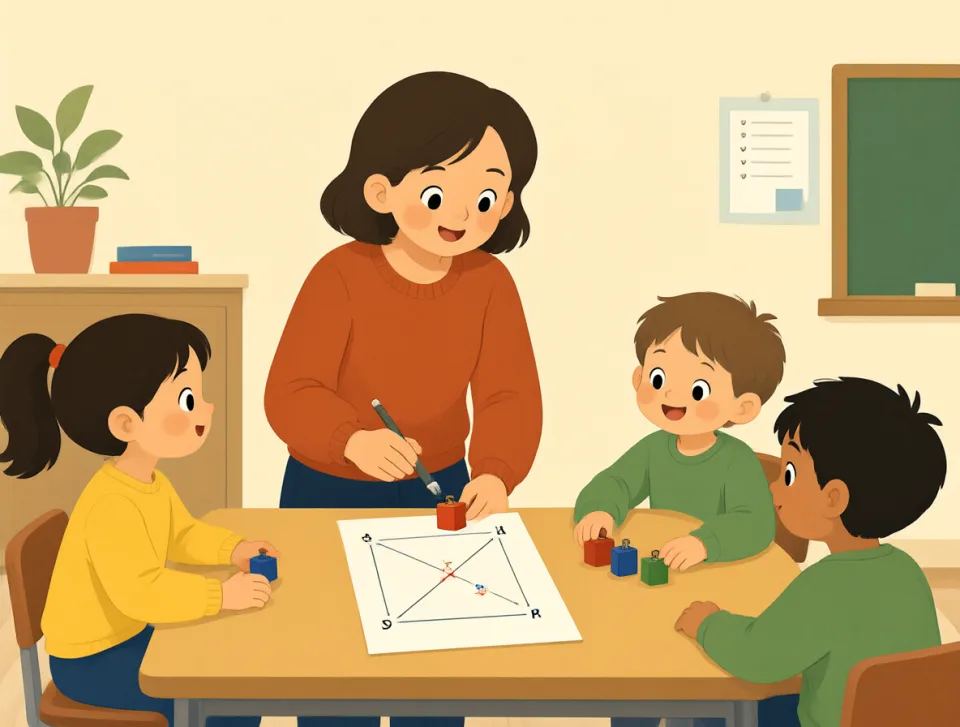
The teacher explained the solution to us.
Nauczyciel wyjaśnił nam rozwiązanie.
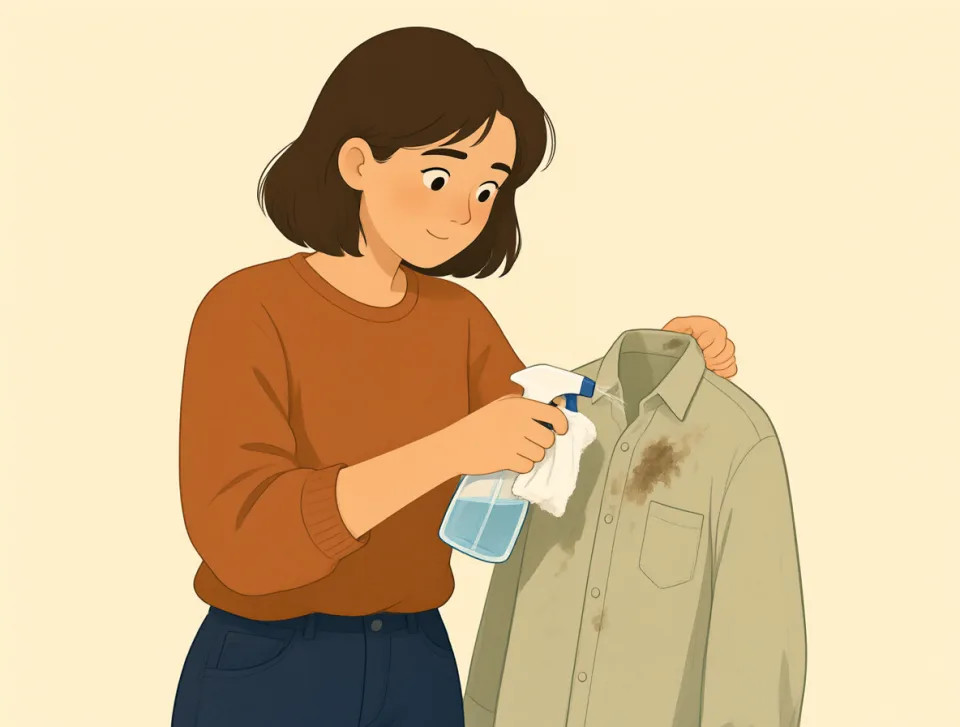
This cleaning solution removes stains quickly.
Ten środek czyszczący szybko usuwa plamy.
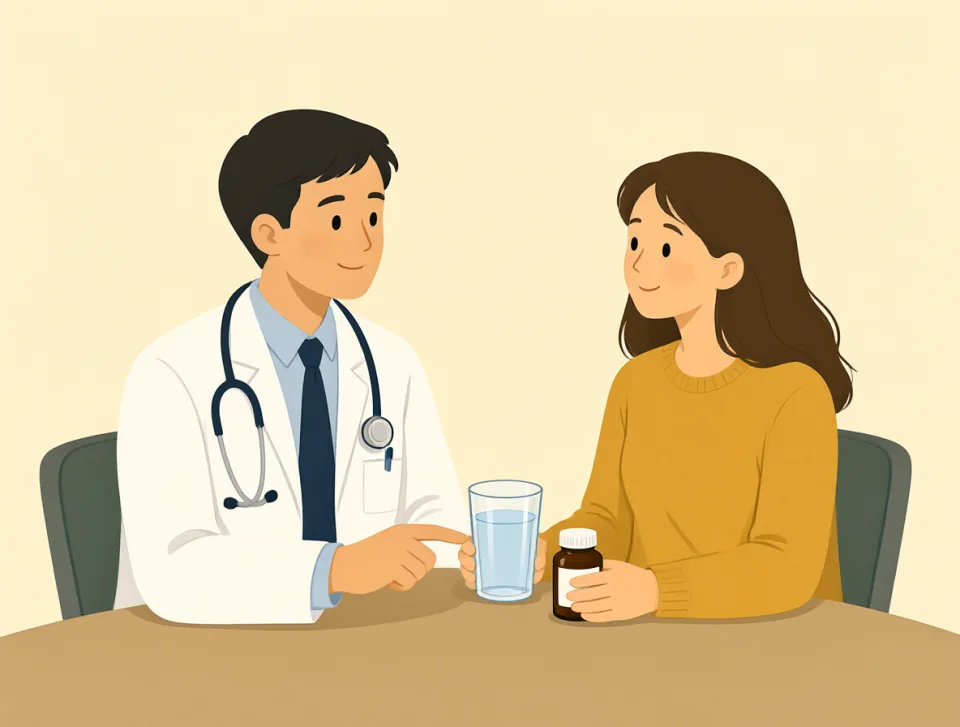
The doctor suggested a solution for my headache.
Lekarz zaproponował rozwiązanie mojego problemu z bólem głowy.
capital
#789noun, adjective
kapitał; stolica; wielka litera
Money used to start or grow a business, or a city where a government works.
Pieniądze używane do założenia lub rozwinięcia firmy albo miasto, w którym urzędują władze państwowe.
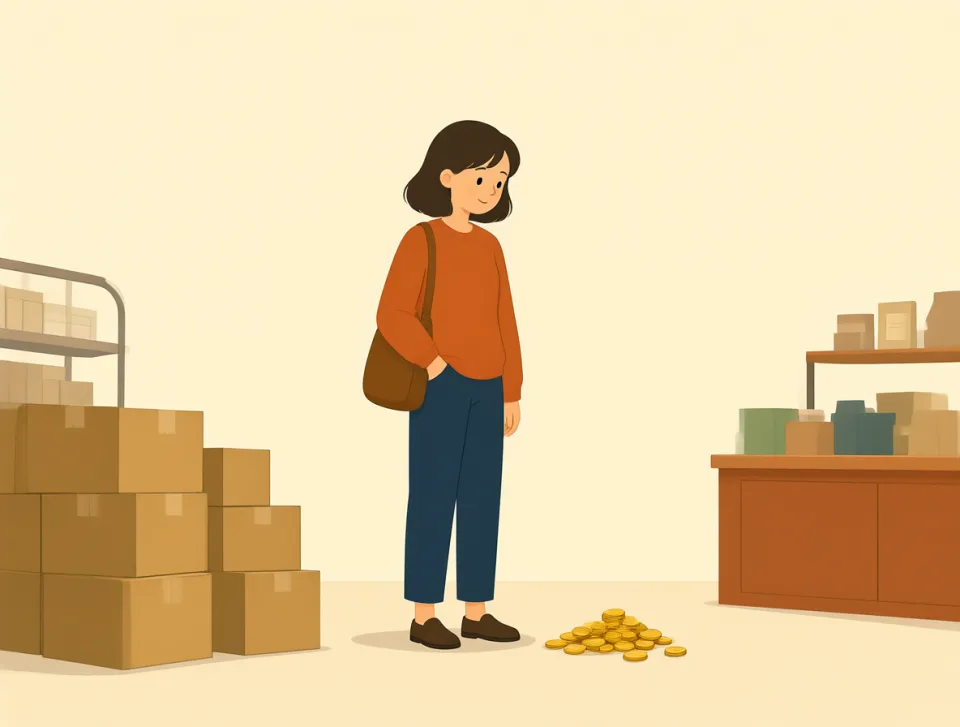
She needs capital to open a small shop.
Potrzebuje kapitału, żeby otworzyć mały sklep.

The company raised capital from several investors.
Firma pozyskała kapitał od kilku inwestorów.

Paris is the capital of France.
Paryż jest stolicą Francji.
Please write your name with a capital letter.
Proszę napisać swoje imię wielką literą.
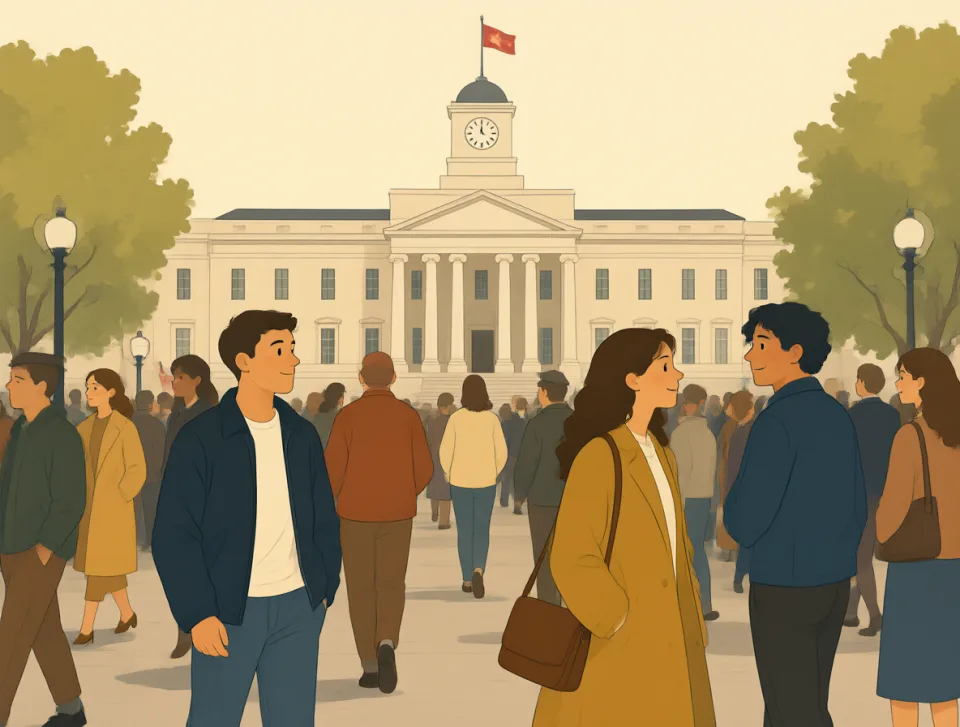
The capital city was busy during the festival.
W czasie festiwalu w stolicy było tłoczno.

popular
#790adjective
popularny
Liked or enjoyed by many people.
Lubiany lub chętnie wybierany przez wiele osób.
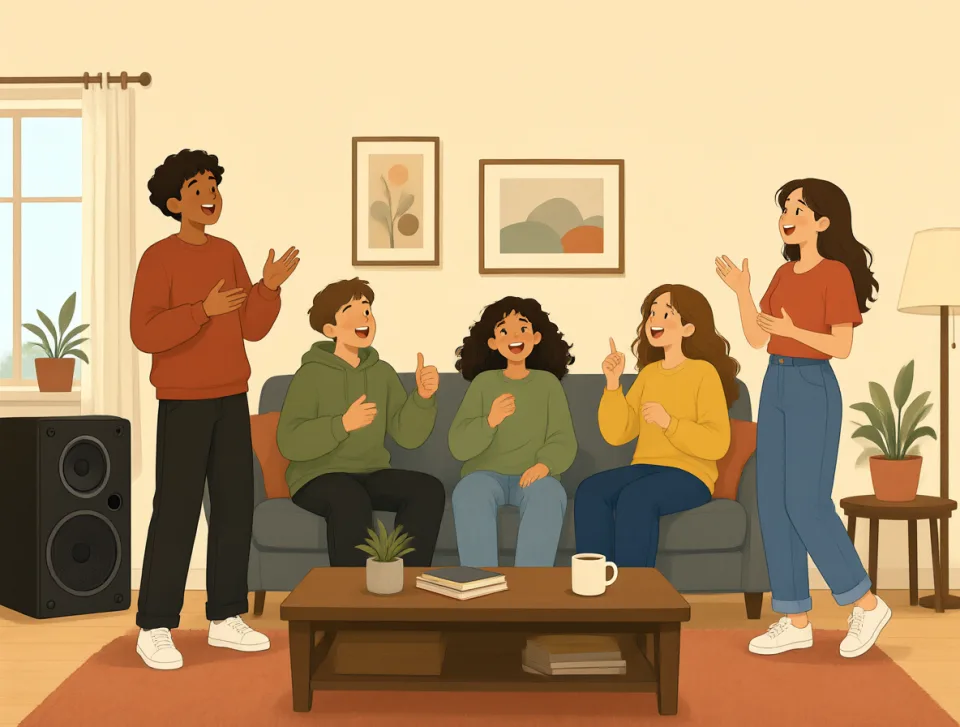
This song is very popular with teenagers.
Ta piosenka jest bardzo popularna wśród nastolatków.
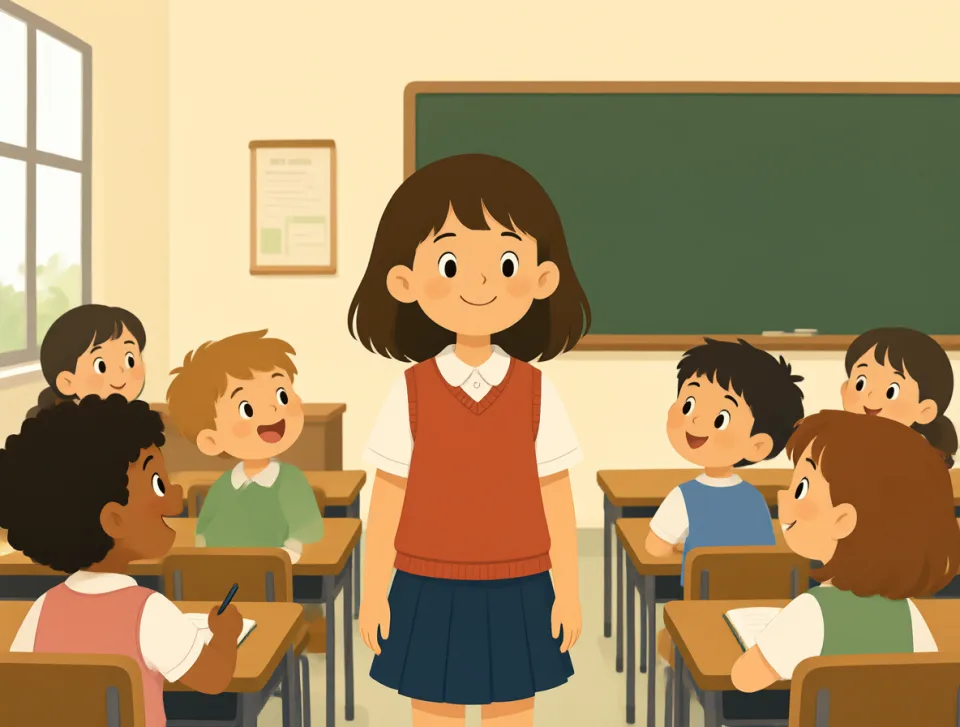
She is popular at school.
W szkole jest popularna.

That restaurant is popular with tourists.
Ta restauracja jest popularna wśród turystów.
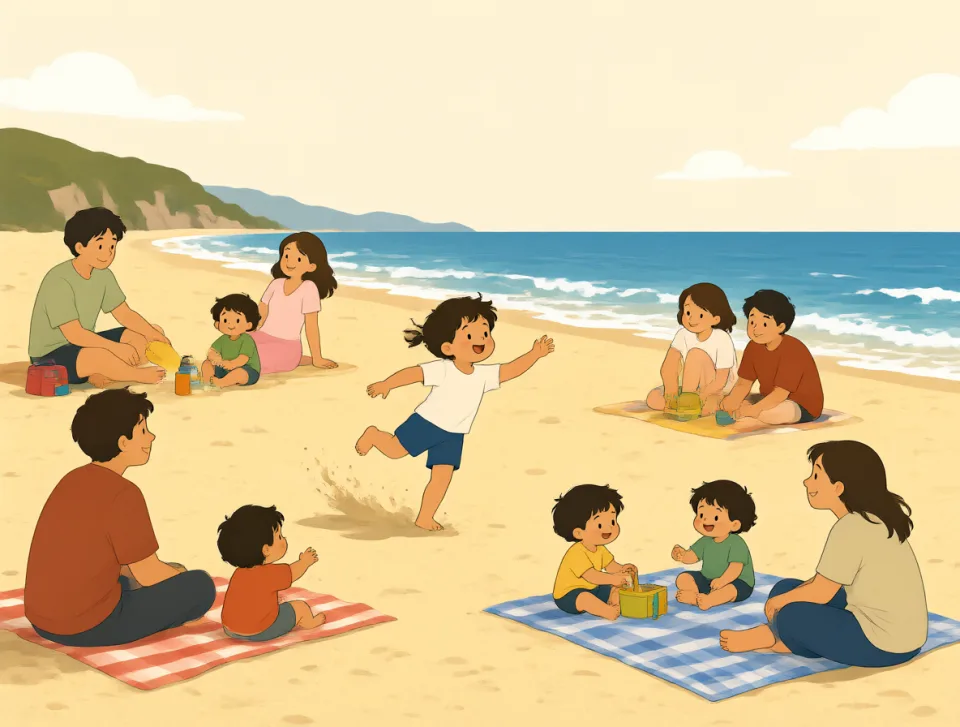
The beach was popular during the summer.
Latem plaża cieszyła się dużą popularnością.
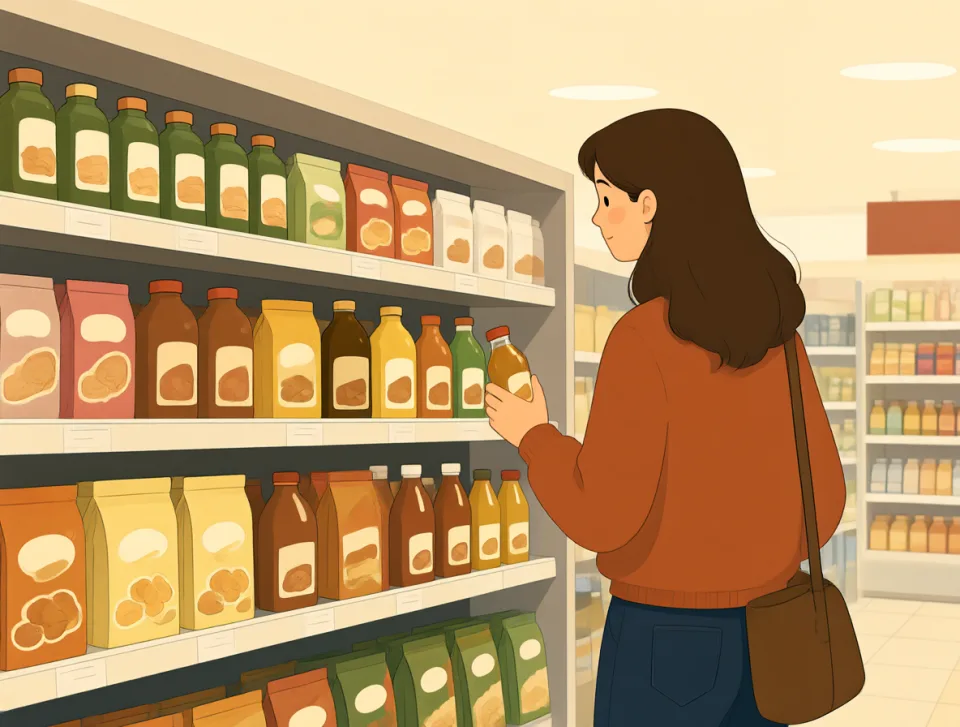
Popular foods are often easy to find.
Popularne produkty spożywcze często łatwo znaleźć.
specific
#791adjective
konkretny
Clear and exact, rather than general or different.
Jasny i dokładny, a nie ogólny ani inny.

Please give me a specific address.
Proszę podać mi konkretny adres.
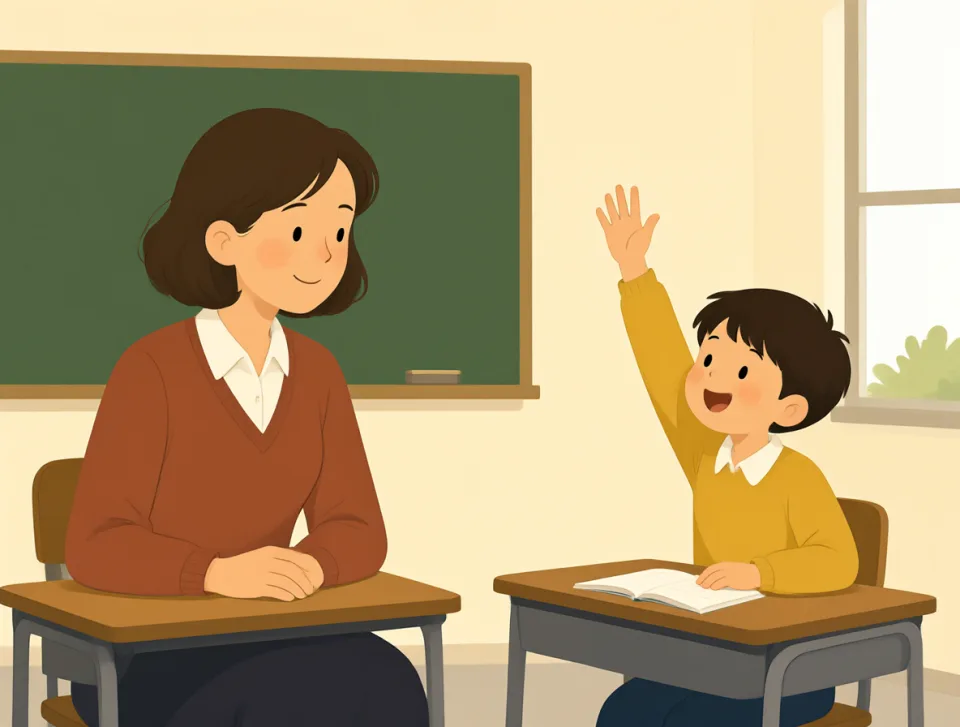
Do you have a specific question?
Czy masz jakieś konkretne pytanie?
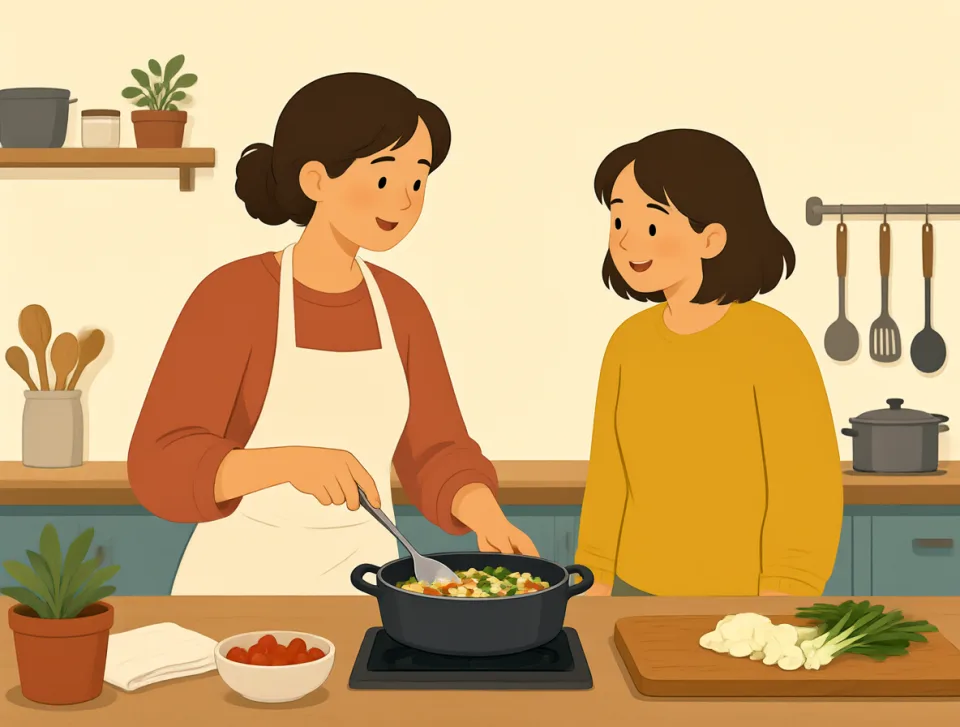
She gave specific instructions for the recipe.
Podała konkretne instrukcje dotyczące przepisu.

We need a specific date for the meeting.
Musimy ustalić konkretną datę spotkania.
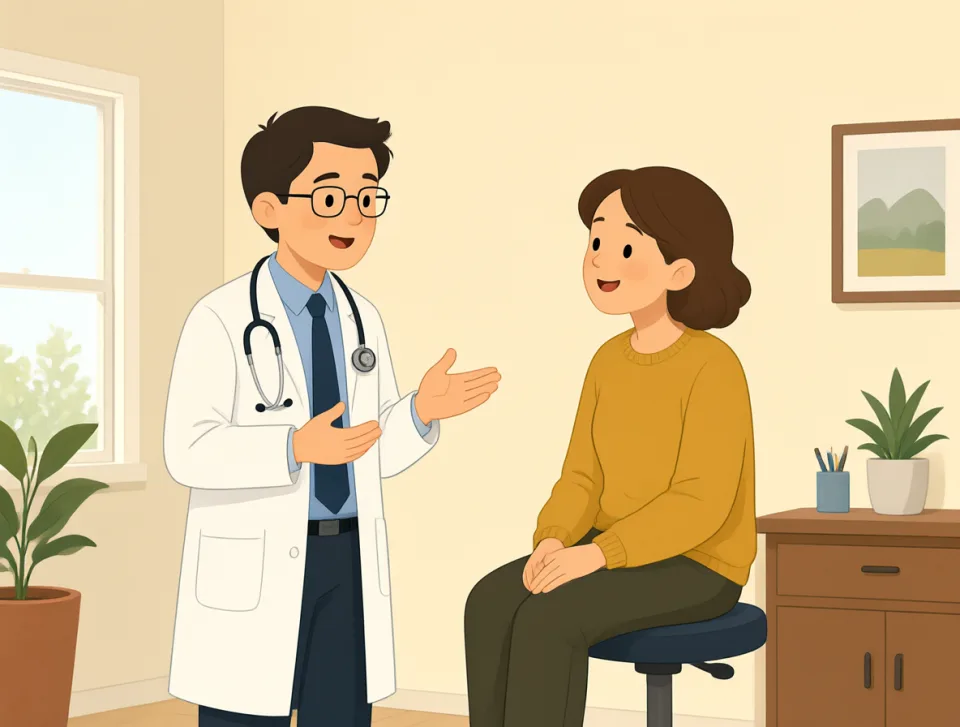
The doctor asked about specific symptoms.
Lekarz zapytał o konkretne objawy.

beautiful
#792adjective
piękny
Very attractive, pleasant, or enjoyable to look at.
Bardzo atrakcyjny, przyjemny lub miły dla oka.

She has beautiful blue eyes.
Ona ma piękne niebieskie oczy.

What a beautiful day for a walk!
Co za piękny dzień na spacer!

They stayed in a beautiful hotel.
Zatrzymali się w pięknym hotelu.
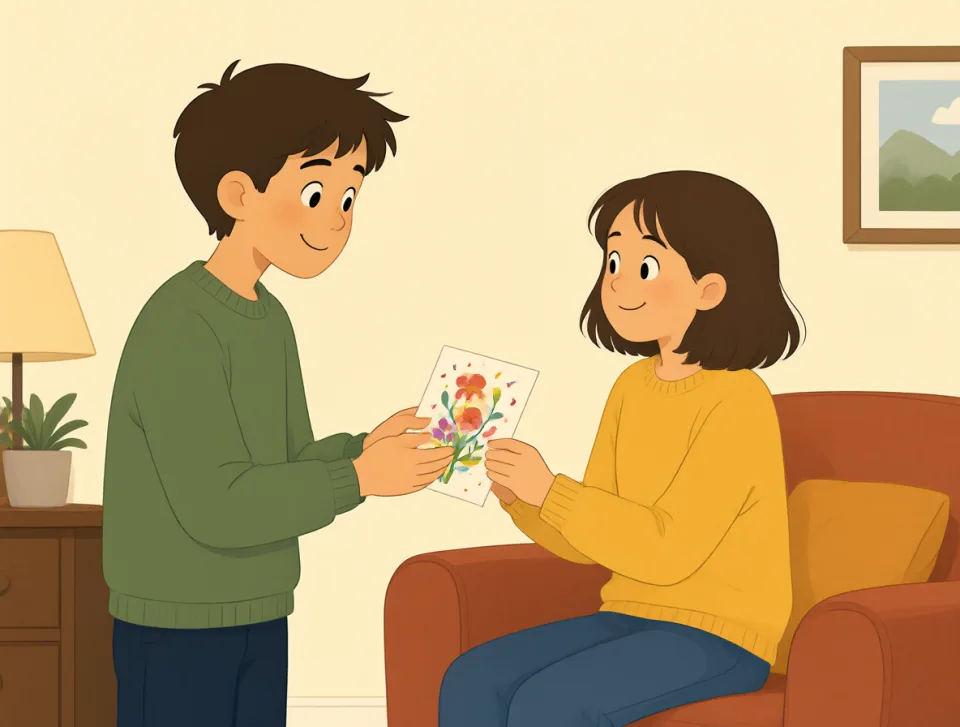
He gave me a beautiful birthday card.
Dał mi piękną kartkę urodzinową.
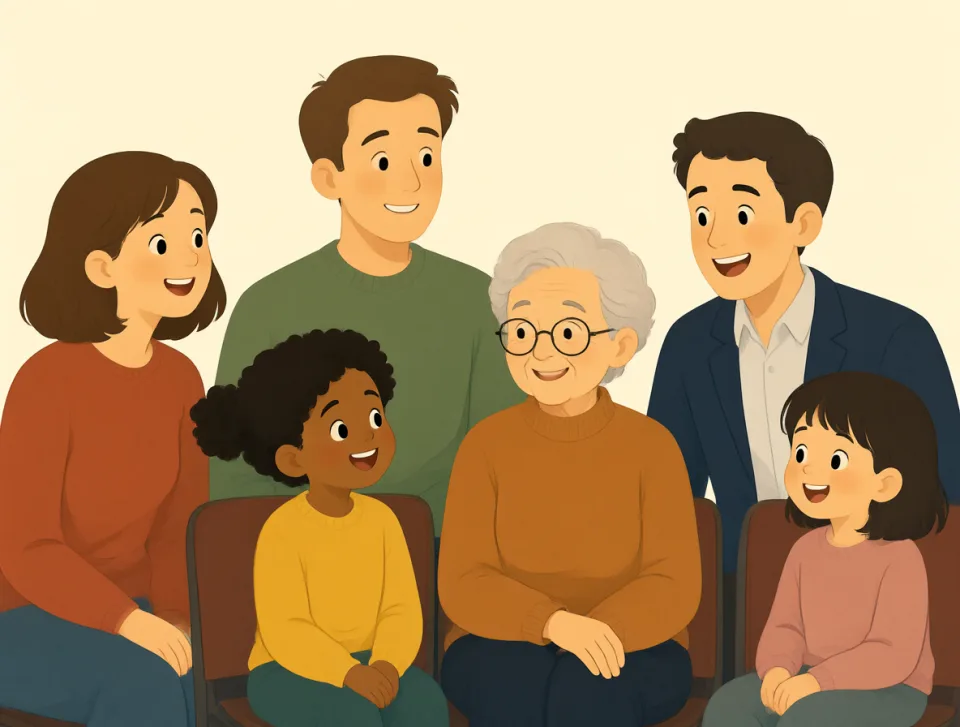
The beautiful music made everyone smile.
Piękna muzyka sprawiła, że wszyscy się uśmiechnęli.
fear
#793noun, verb
strach
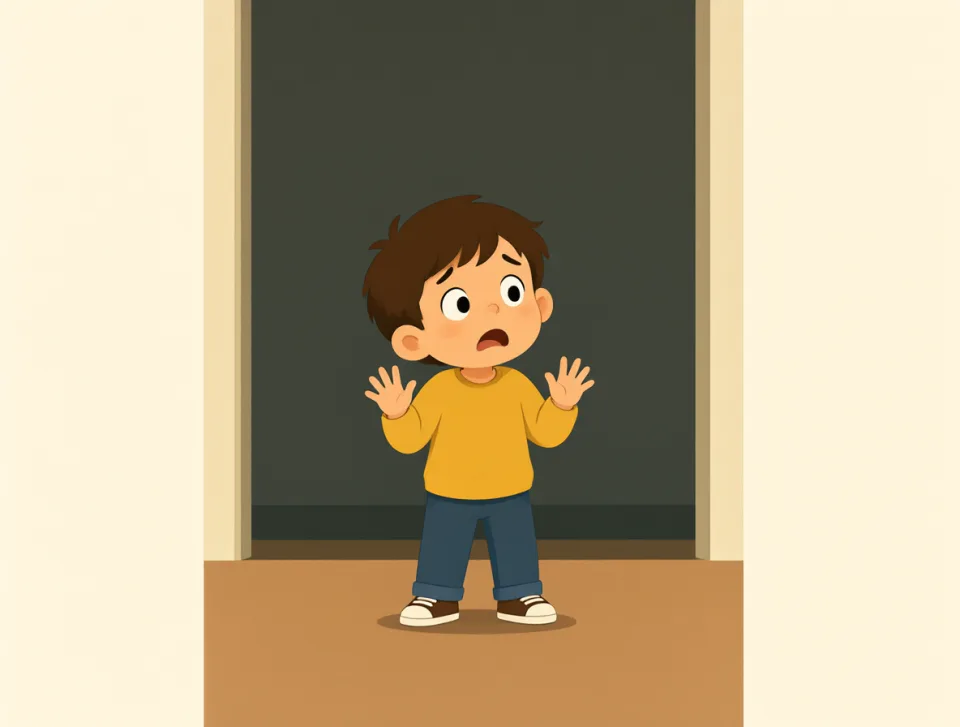
A worried feeling that something bad may happen; to be afraid of something.
Niepokój, że może się wydarzyć coś złego; bać się czegoś.
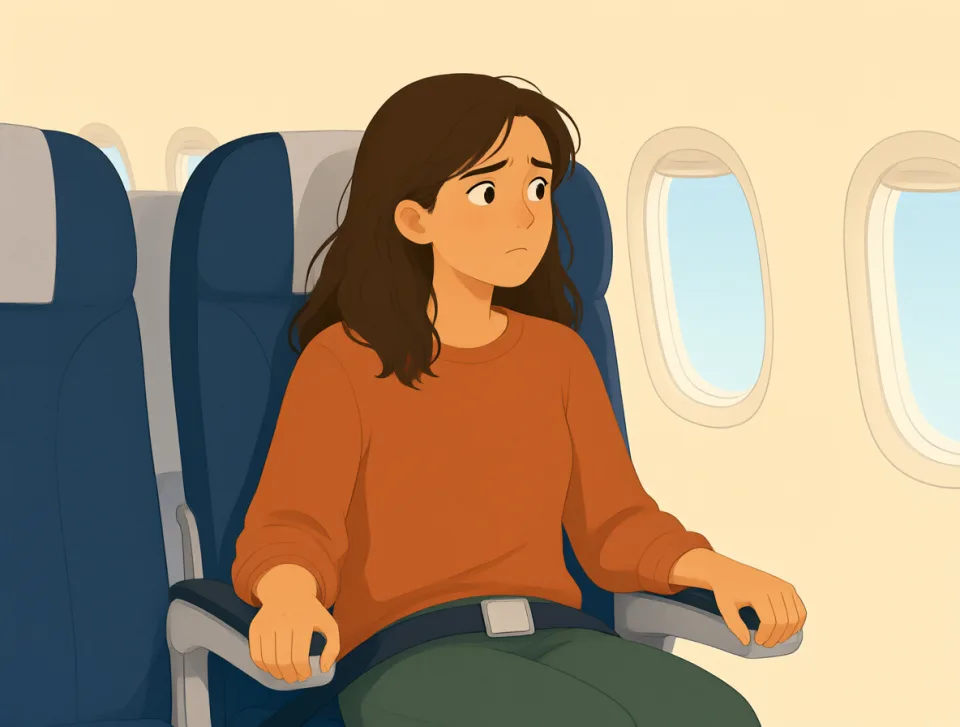
She has a fear of flying.
Ona boi się latać samolotem.
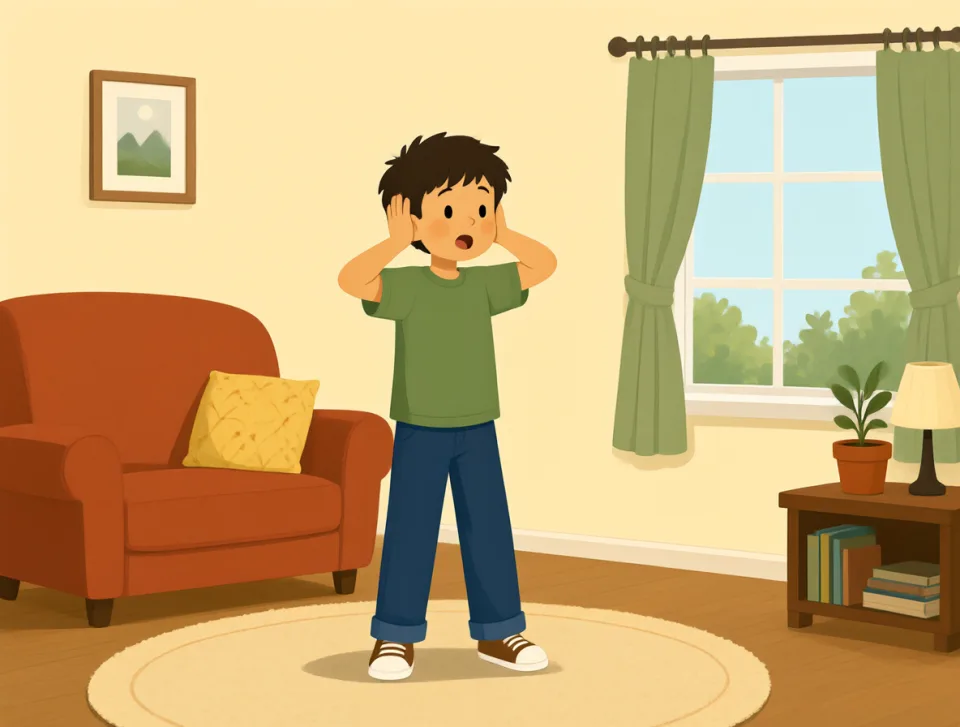
The loud noise filled him with fear.
Głośny hałas napawał go strachem.
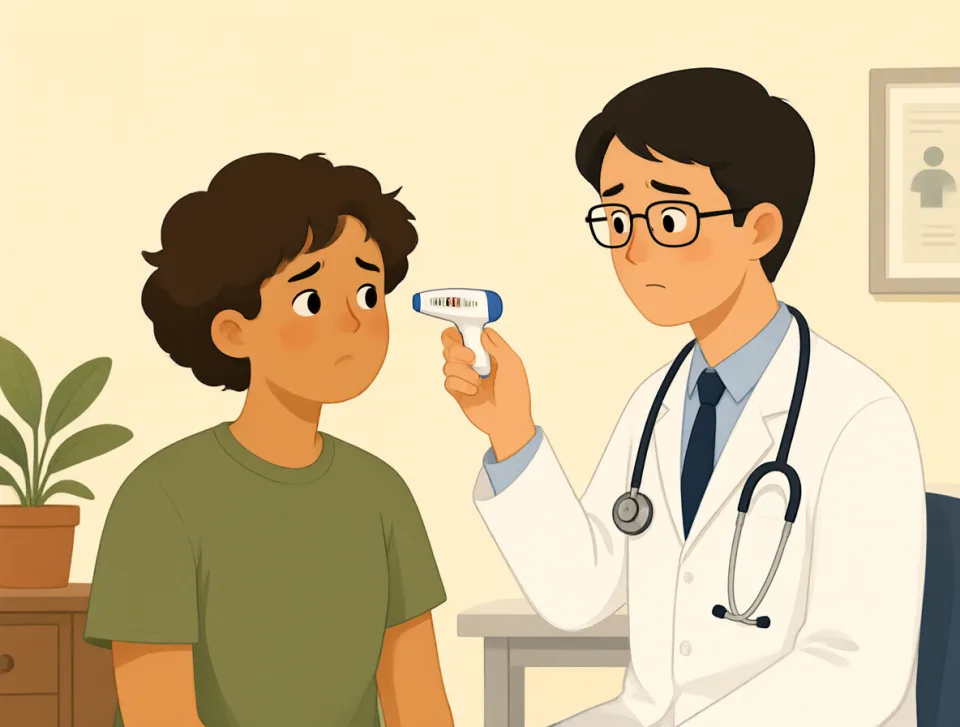
Many people fear getting sick.
Wiele osób boi się zachorować.
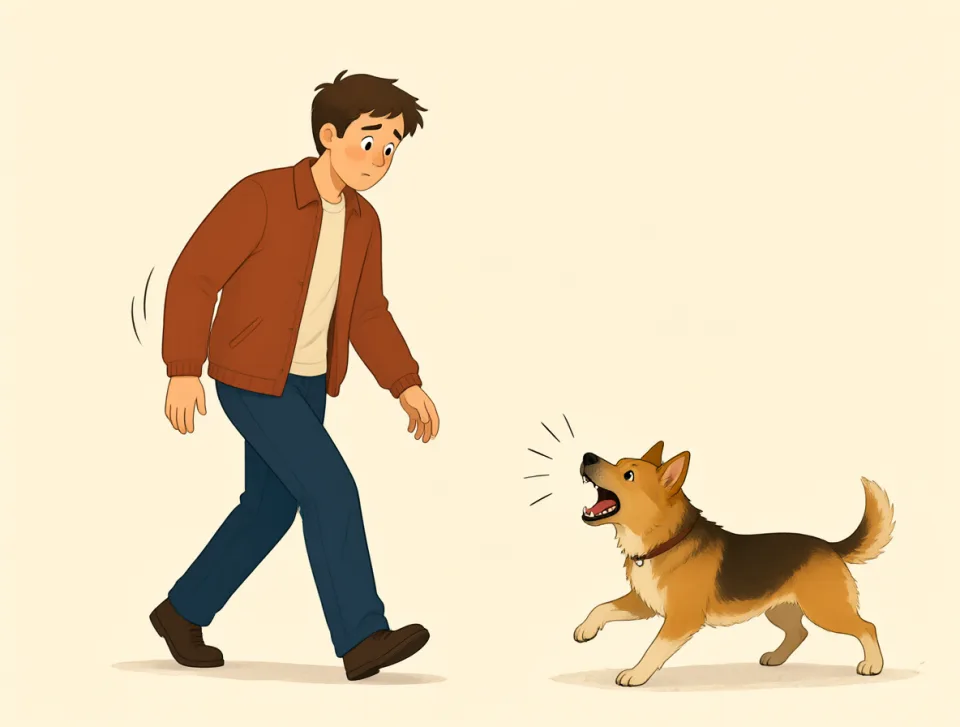
He feared the dog would bite.
Bał się, że pies ugryzie.

Do not fear asking your teacher questions.
Nie bój się zadawać nauczycielowi pytań.
aim
#794noun, verb
cel
A goal you want to achieve, or to point something at a target.
Cel, który chcesz osiągnąć, lub kierować coś w stronę celu.
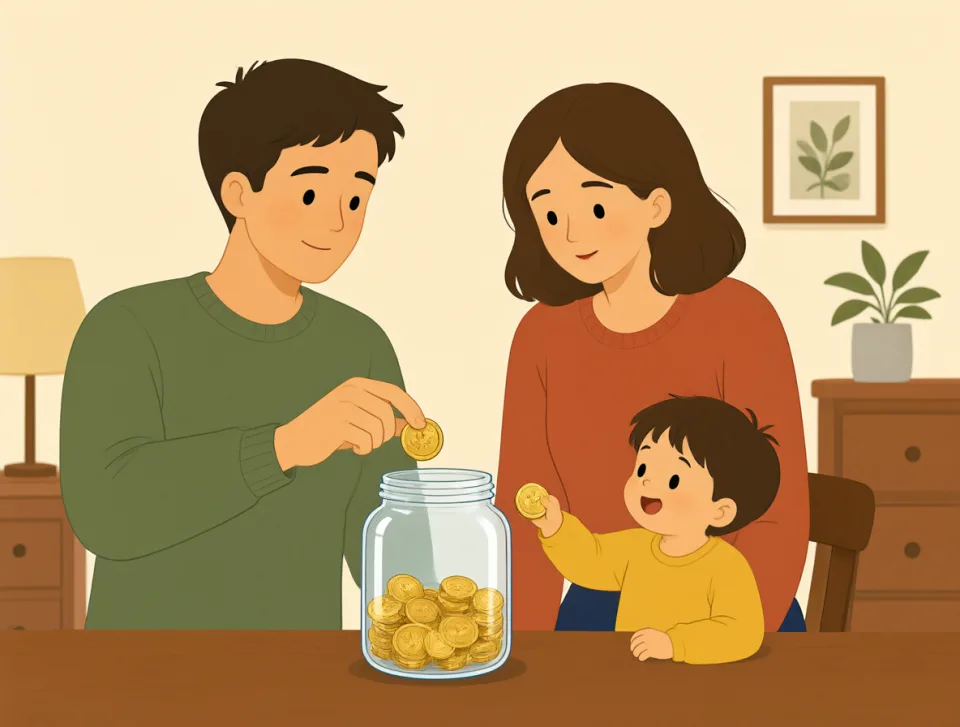
Our main aim is to save money.
Naszym głównym celem jest zaoszczędzenie pieniędzy.
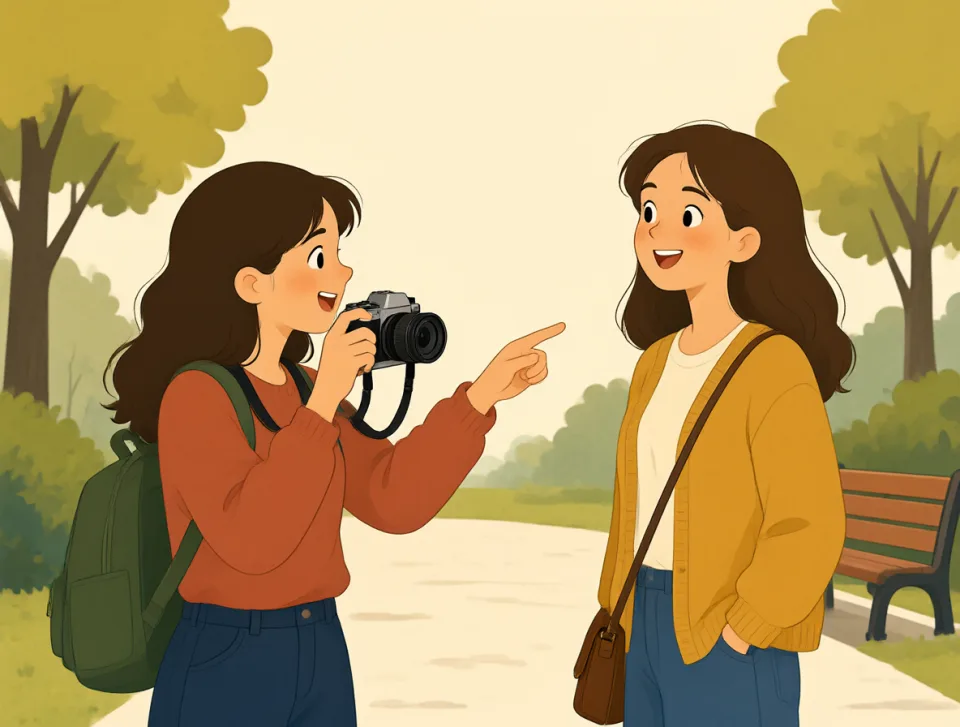
She aimed the camera at her friend.
Skierowała aparat na swoją przyjaciółkę.

The team aims to finish the work today.
Zespół zamierza skończyć pracę dzisiaj.
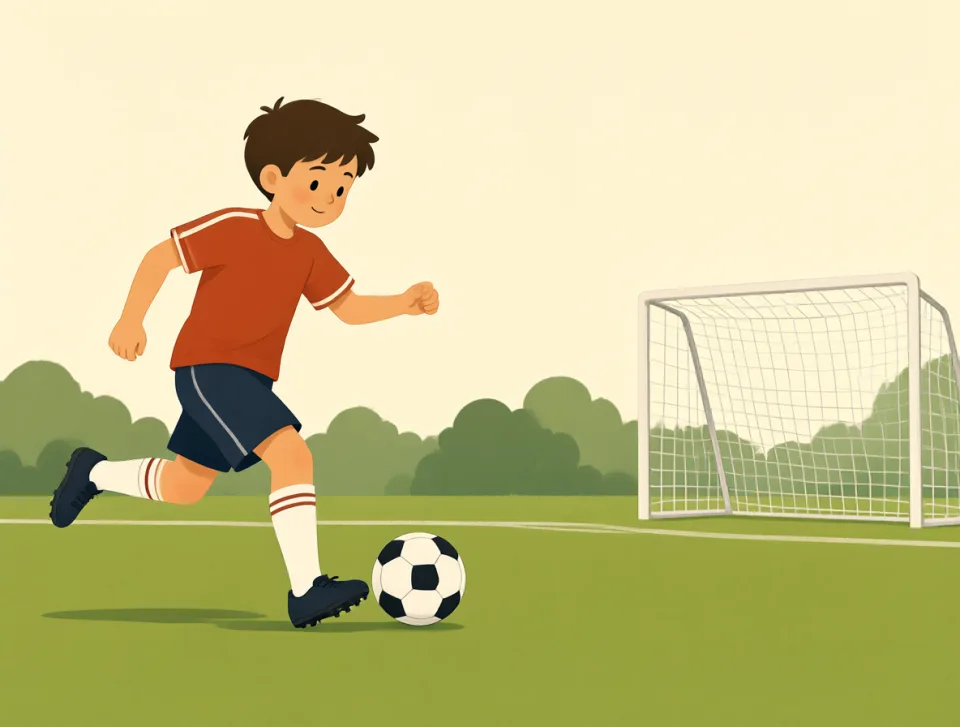
He aimed carefully and kicked the ball.
Starannie wycelował i kopnął piłkę.
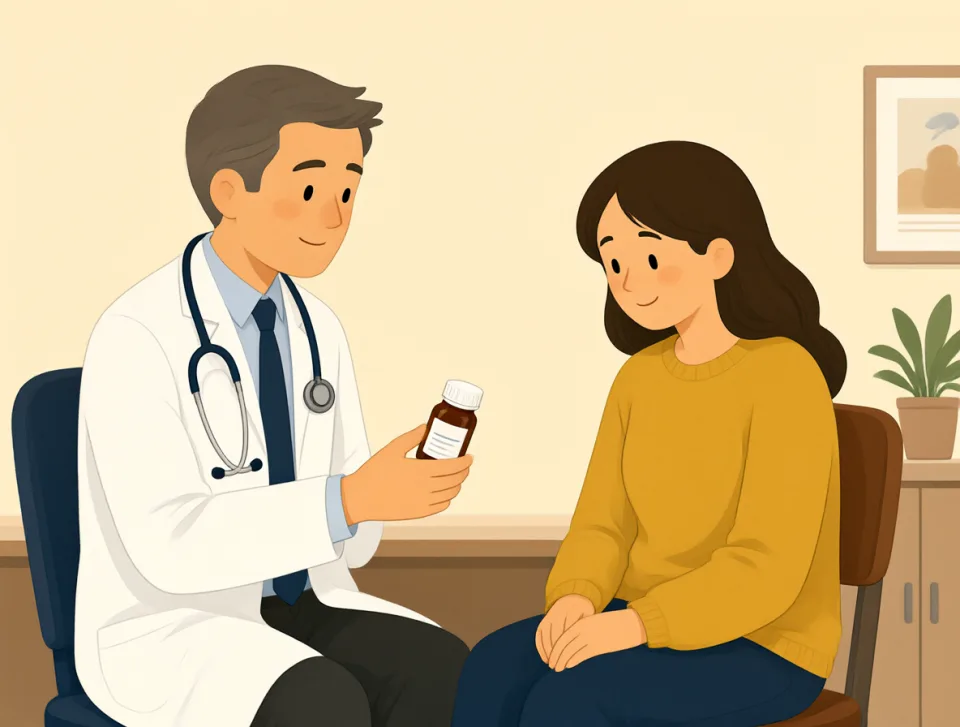
This medicine aims to reduce pain.
Ten lek ma na celu zmniejszenie bólu.
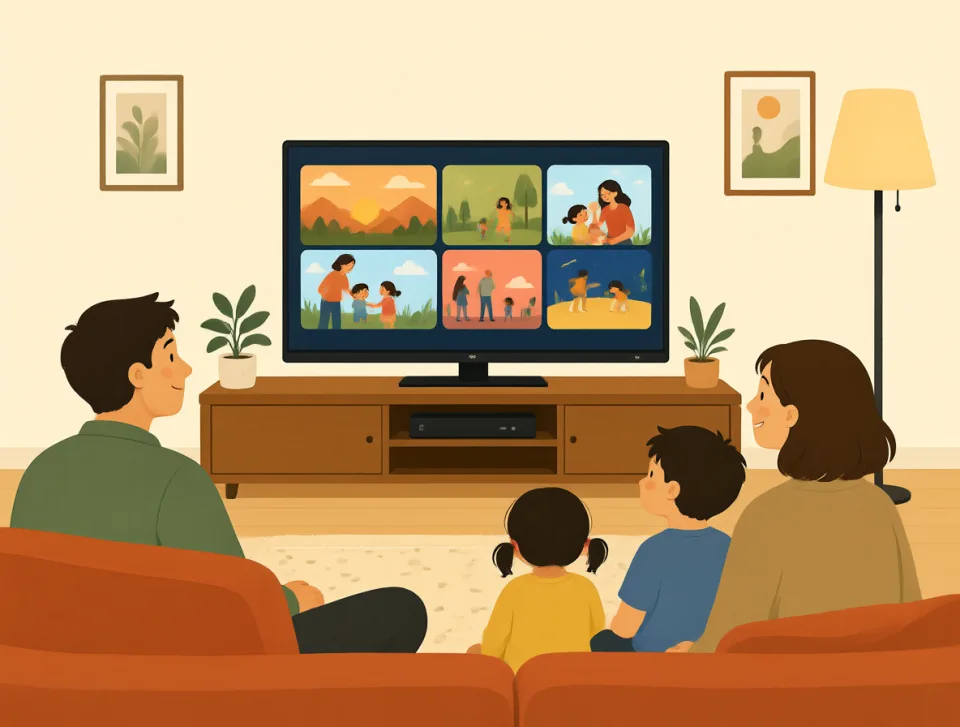
television
#795noun
telewizja
A device or service that shows moving pictures and sound for people to watch.
Urządzenie lub usługa, które wyświetlają ruchomy obraz i odtwarzają dźwięk.
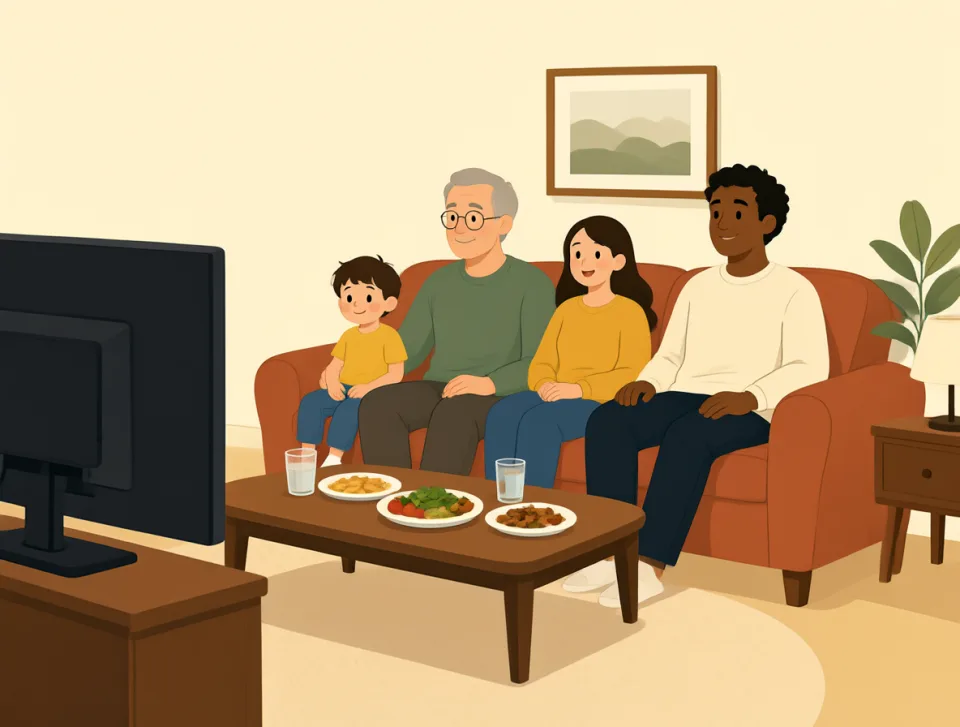
We watch television after dinner.
Oglądamy telewizję po kolacji.
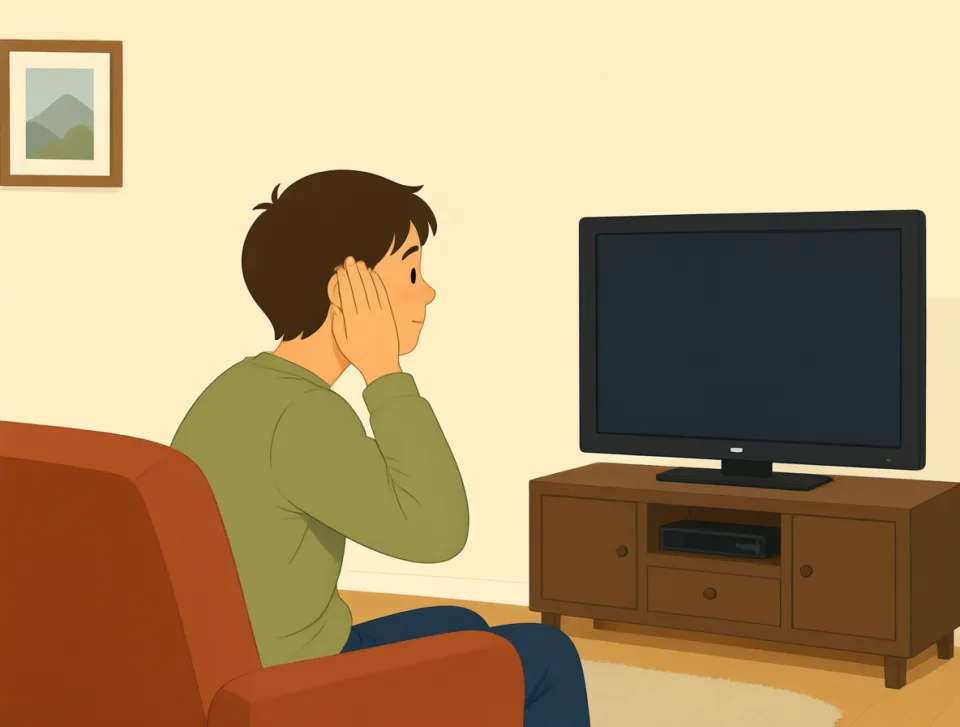
The television is too loud.
Telewizor jest za głośno.
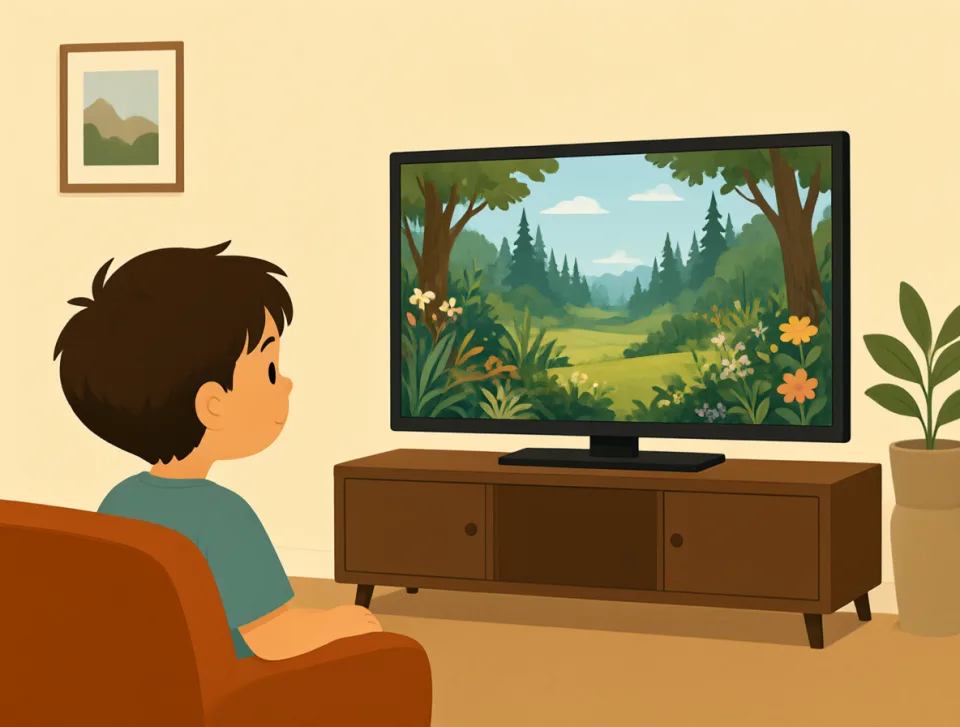
There was a good program on television.
W telewizji leciał dobry program.
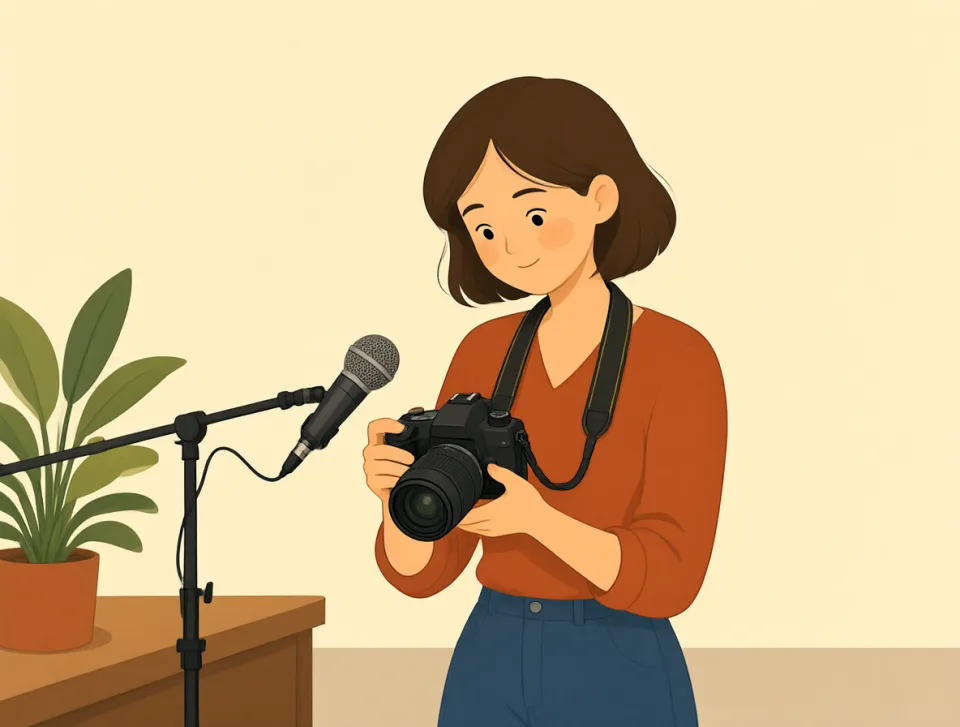
She works in television.
Ona pracuje w telewizji.
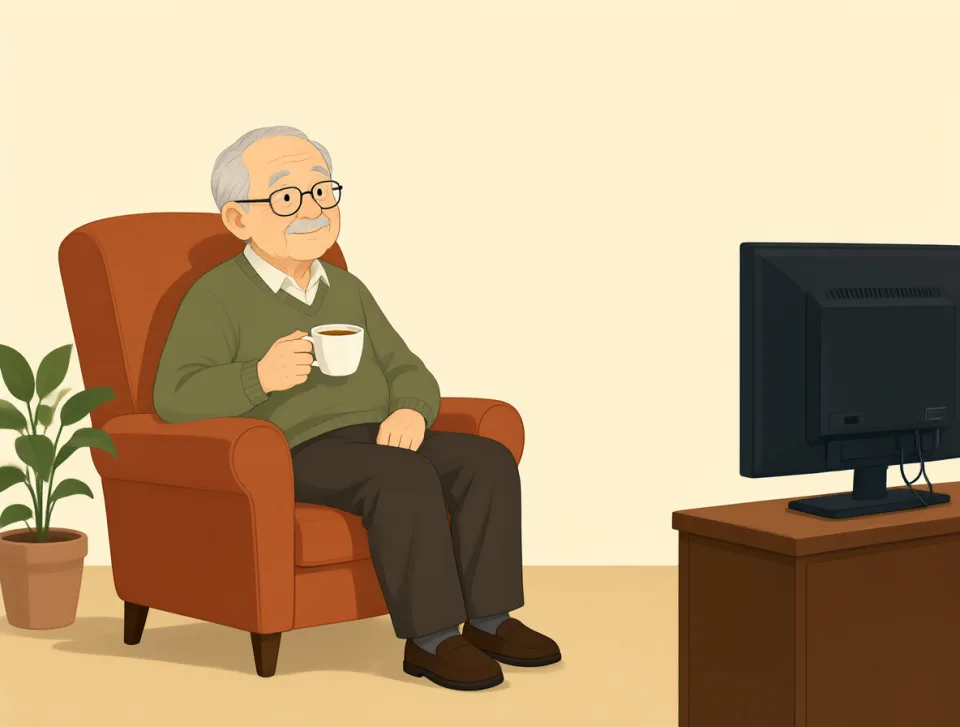
My grandfather watches television every morning.
Mój dziadek ogląda telewizję każdego ranka.
serious
#796adjective
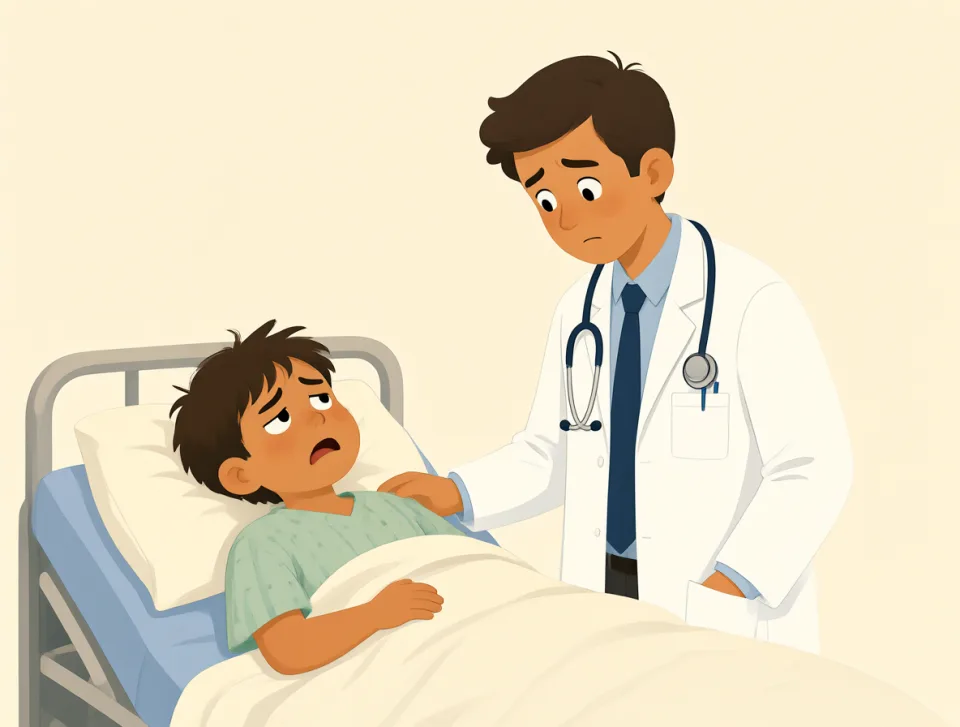
poważny
Important, worrying, or dangerous, and needing careful thought or action.
Ważny, niepokojący lub niebezpieczny i wymagający namysłu albo działania.
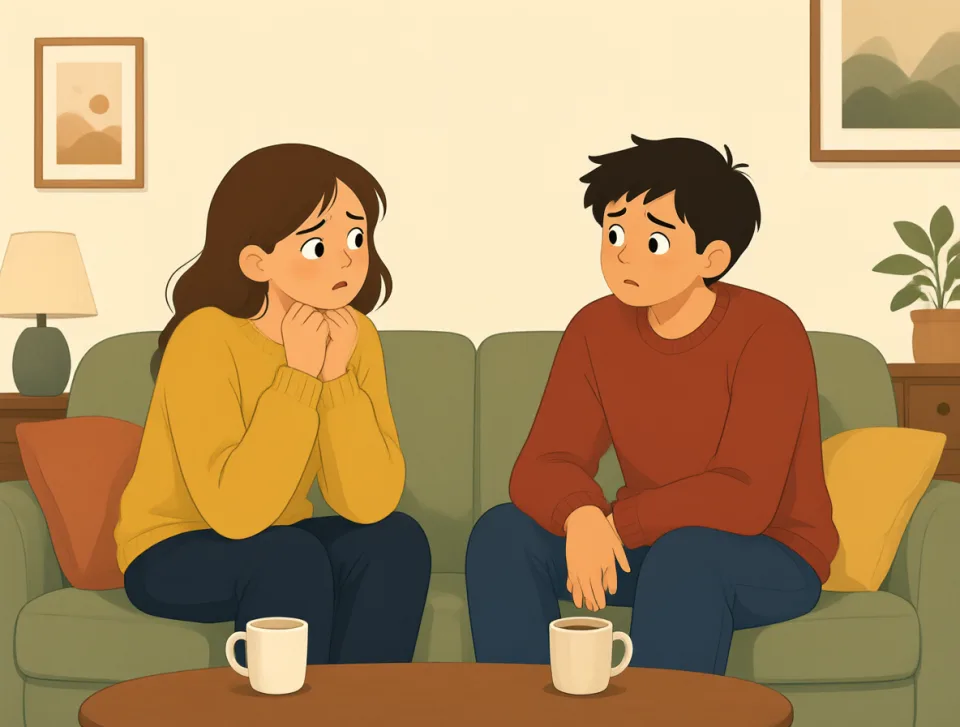
We need to have a serious talk.
Musimy poważnie porozmawiać.
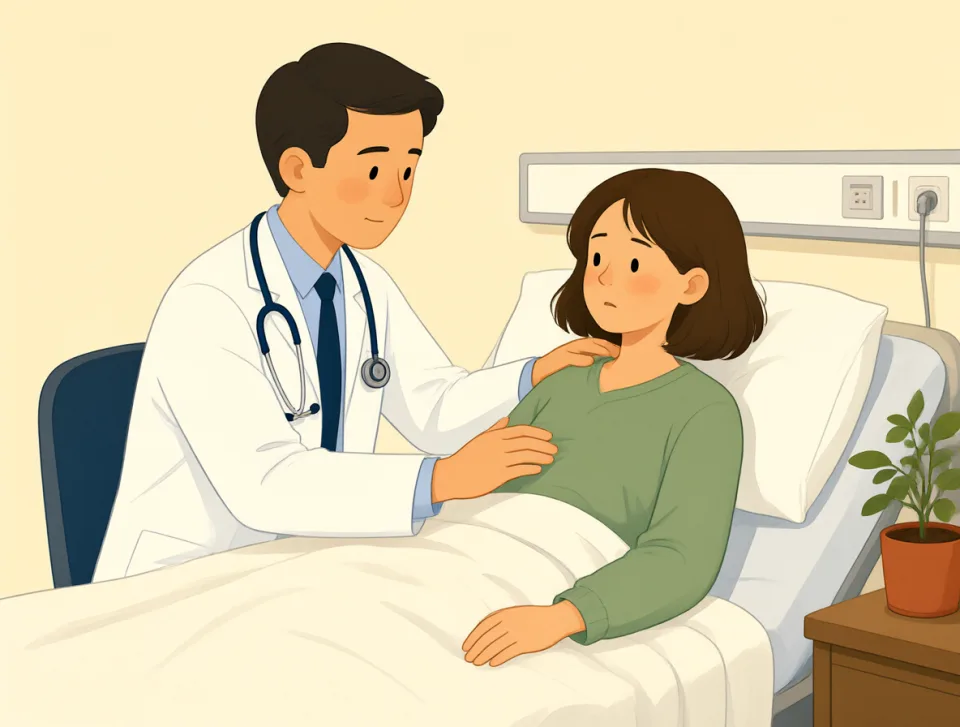
She has a serious illness.
Ona cierpi na poważną chorobę.
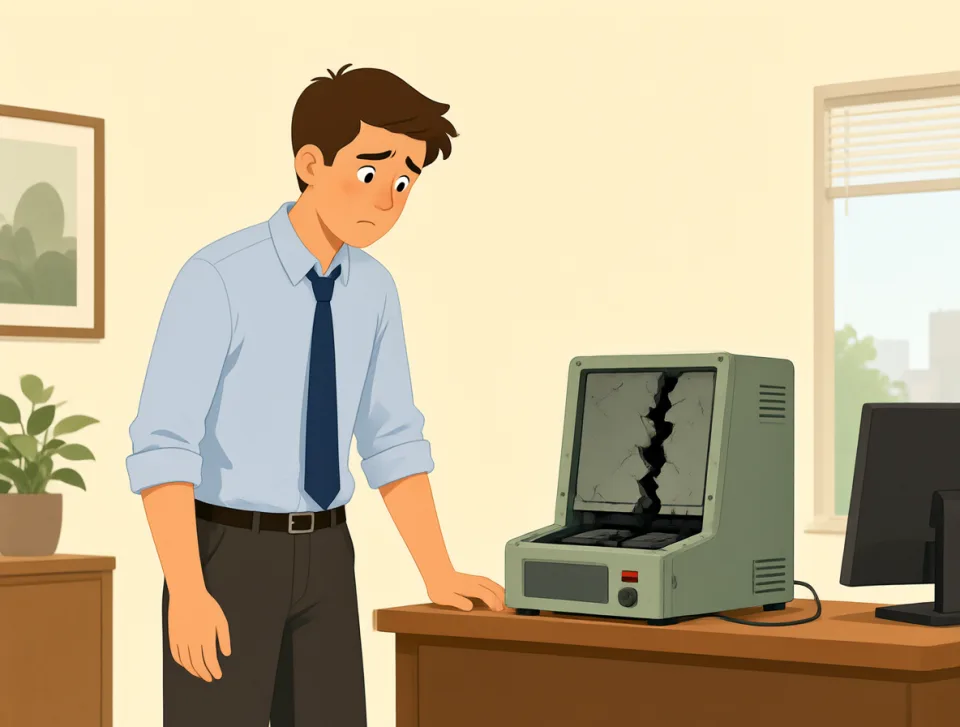
He made a serious mistake at work.
Popełnił poważny błąd w pracy.
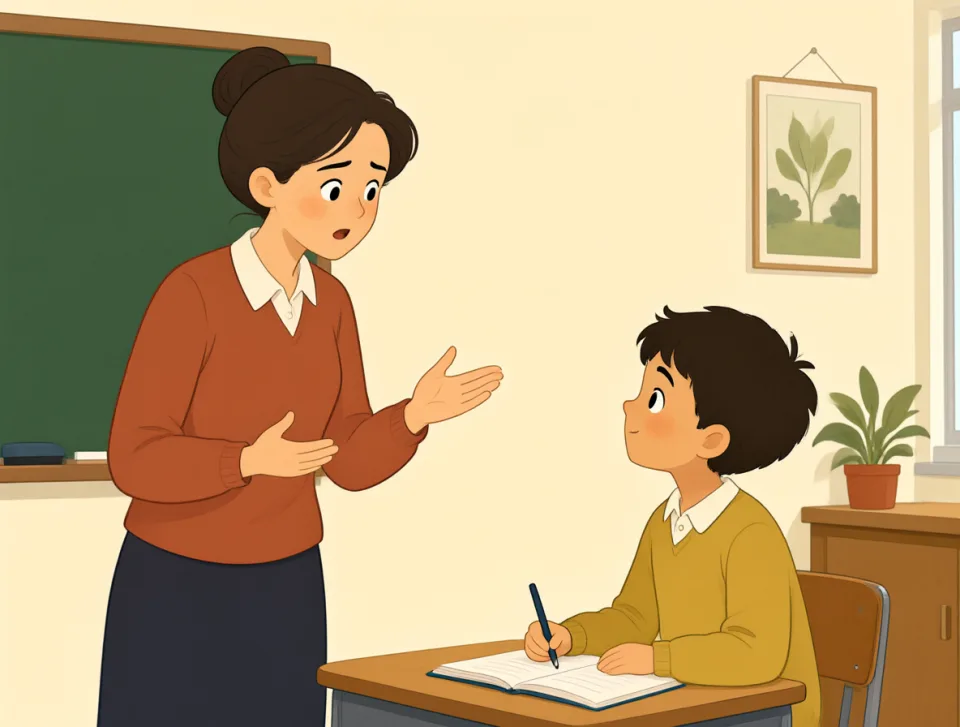
The teacher gave us a serious warning.
Nauczyciel udzielił nam poważnego ostrzeżenia.

Are you serious about buying this car?
Naprawdę myślisz o kupnie tego samochodu?

target
#797noun, verb
cel
A person or thing you aim at or try to reach.
Osoba lub rzecz, do której celujesz albo którą próbujesz osiągnąć.
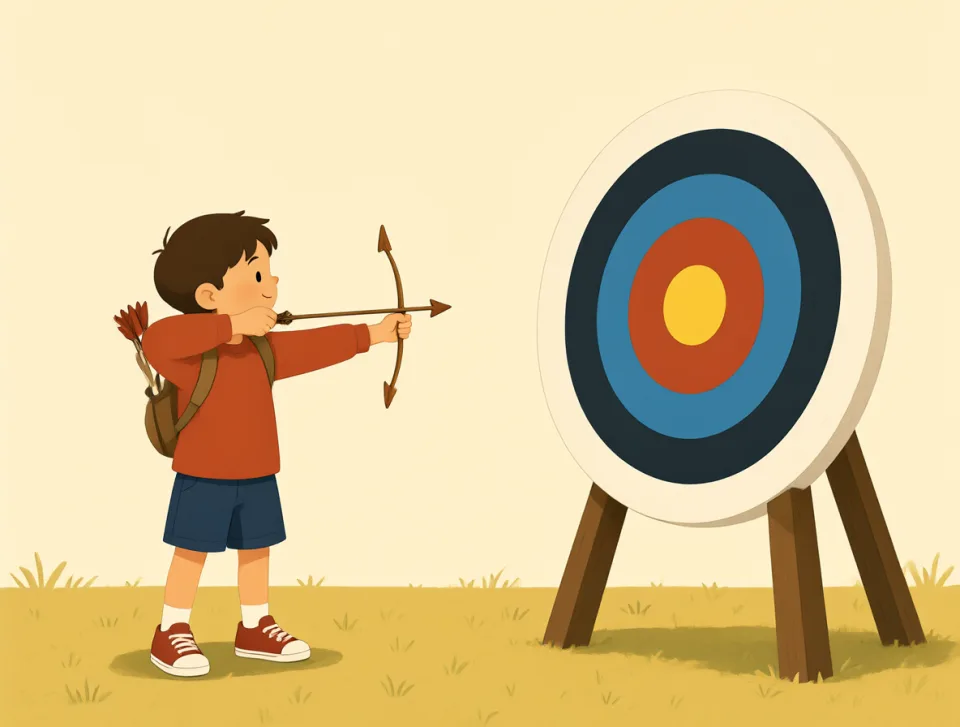
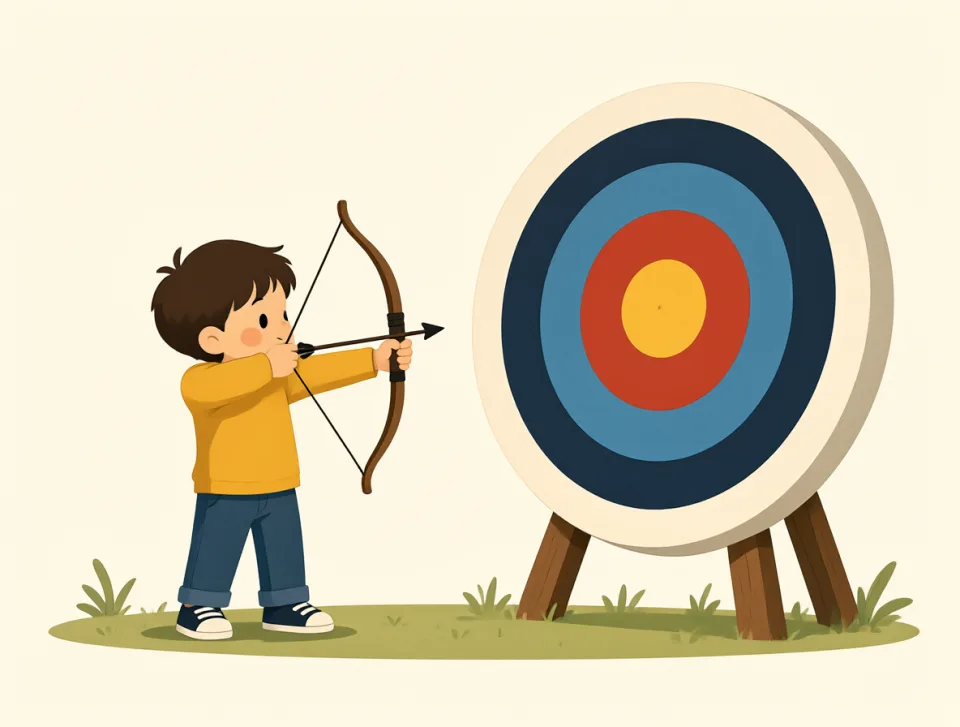
The arrow hit the target.
Strzała trafiła w cel.
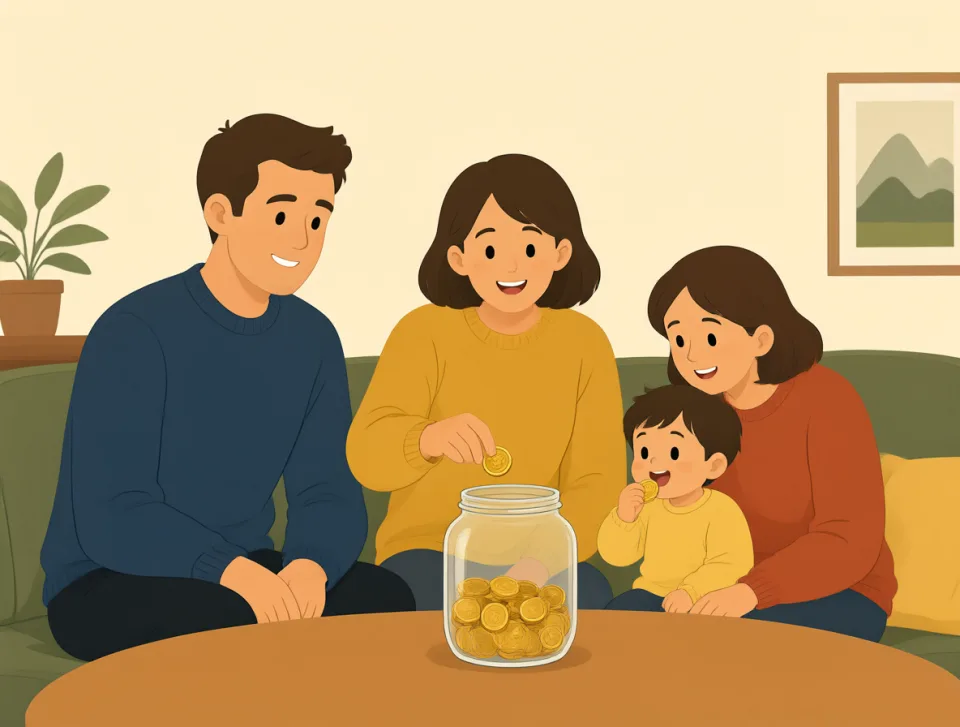
Our target is to save money.
Naszym celem jest oszczędzanie pieniędzy.
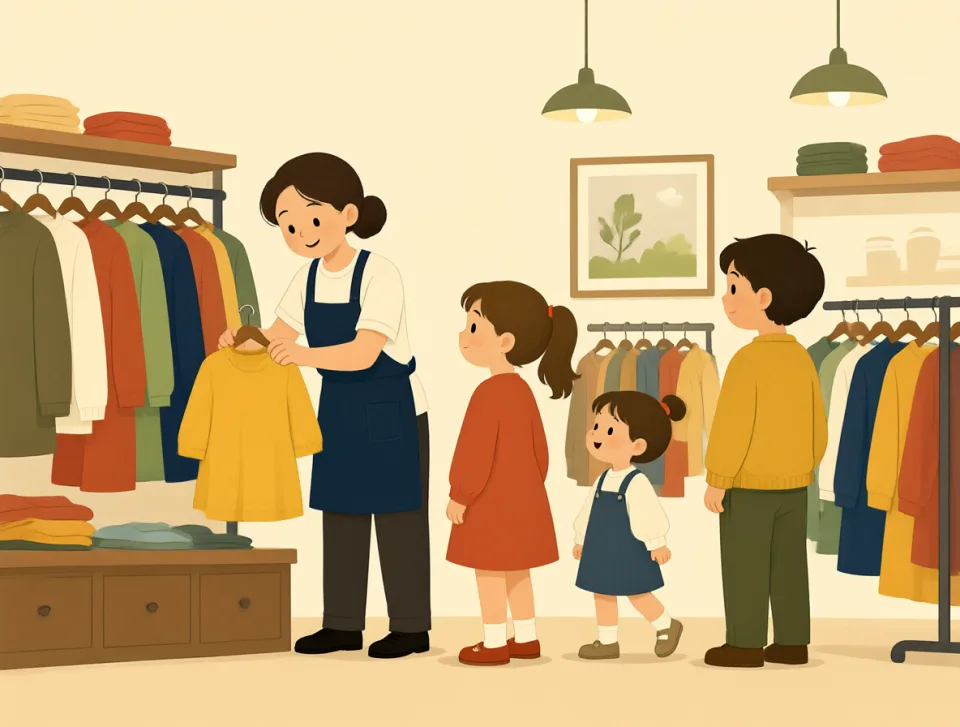
The shop targets young customers.
Sklep kieruje swoją ofertę do młodych klientów.
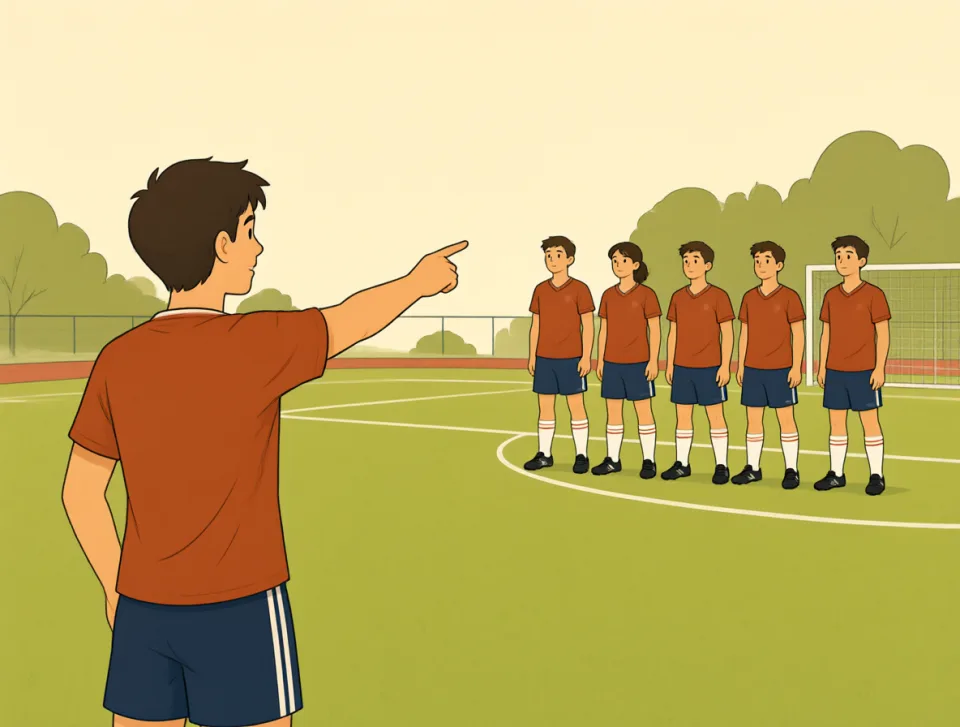
She targeted the weak team first.
Najpierw zaatakowała słabszą drużynę.
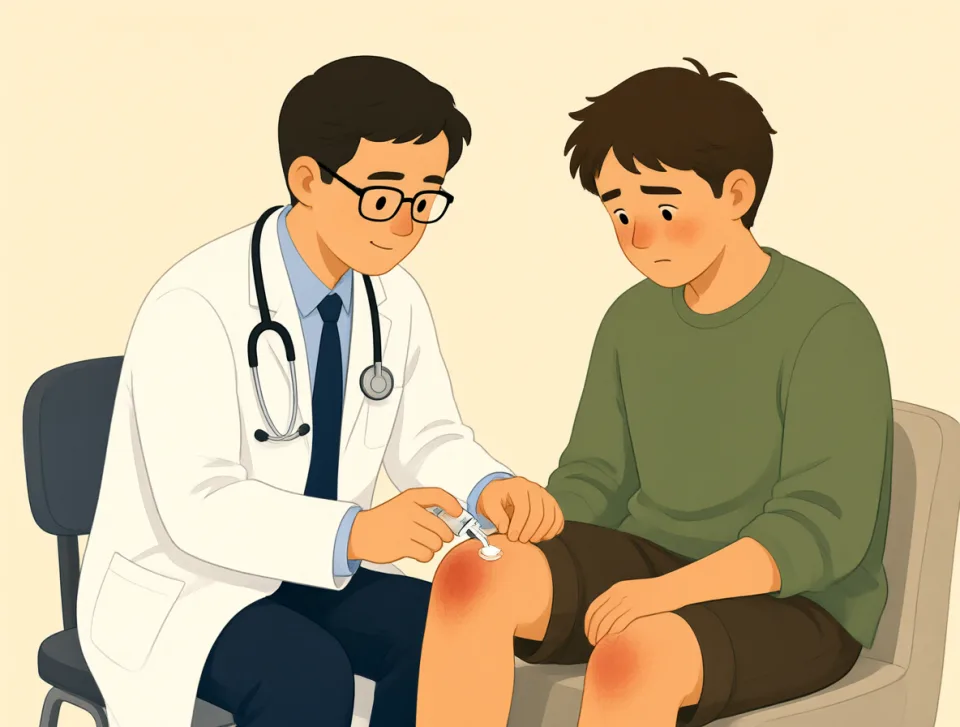
The medicine targets the painful area.
Lek działa na bolące miejsce.
degree
#798noun
stopień
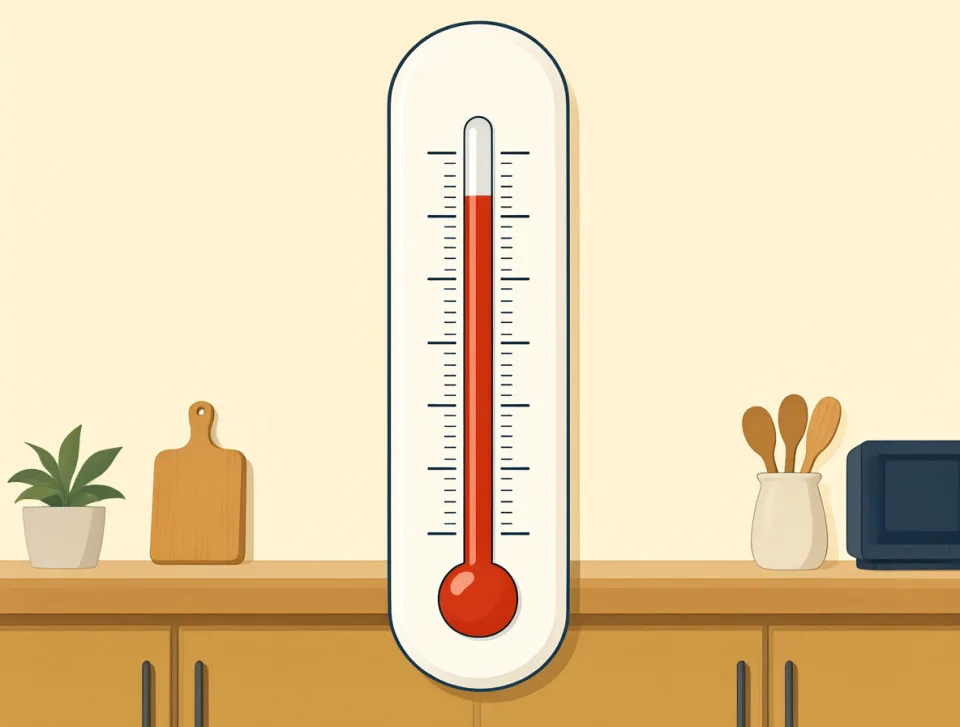
A unit that measures temperature, angles, or how strong something is.
Jednostka miary temperatury, kątów lub natężenia czegoś.
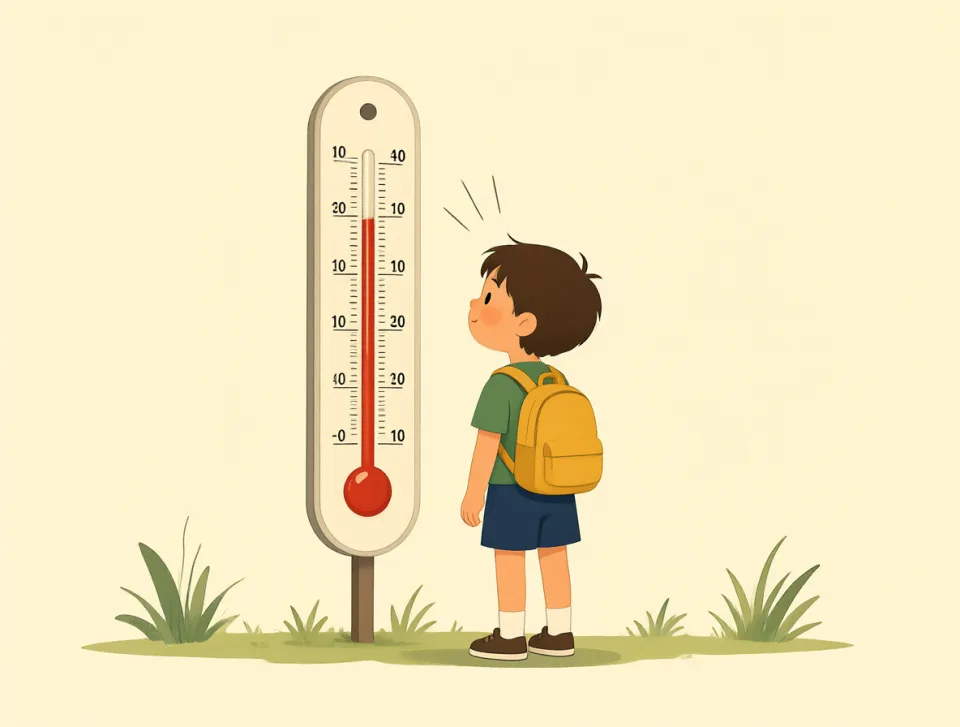
The temperature reached thirty degrees today.
Dziś temperatura osiągnęła trzydzieści stopni.
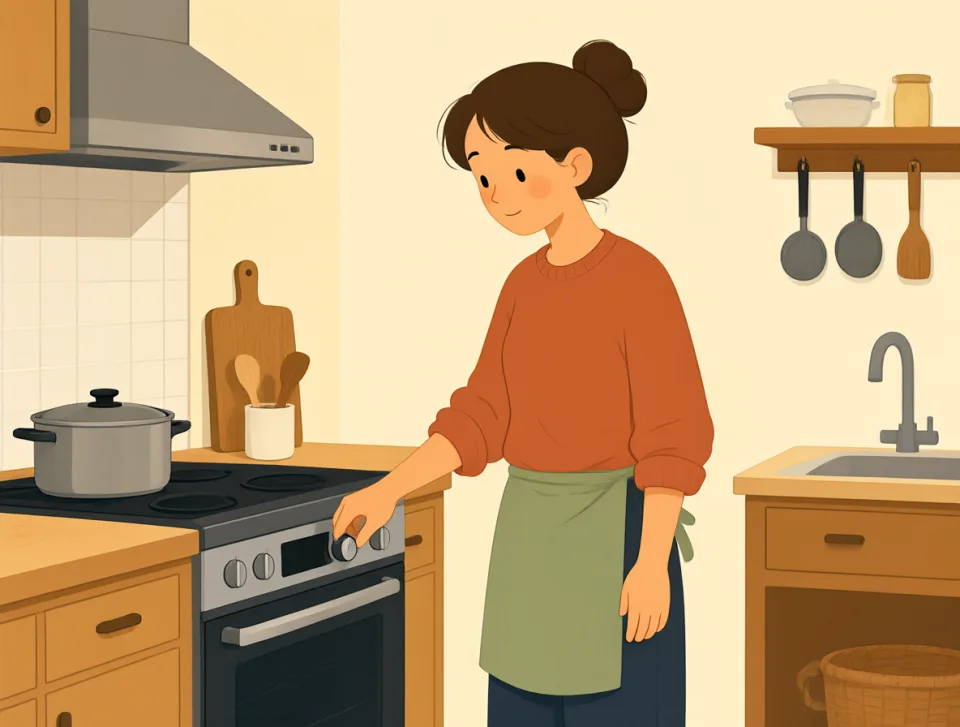
Turn the oven to two hundred degrees.
Ustaw piekarnik na dwieście stopni.
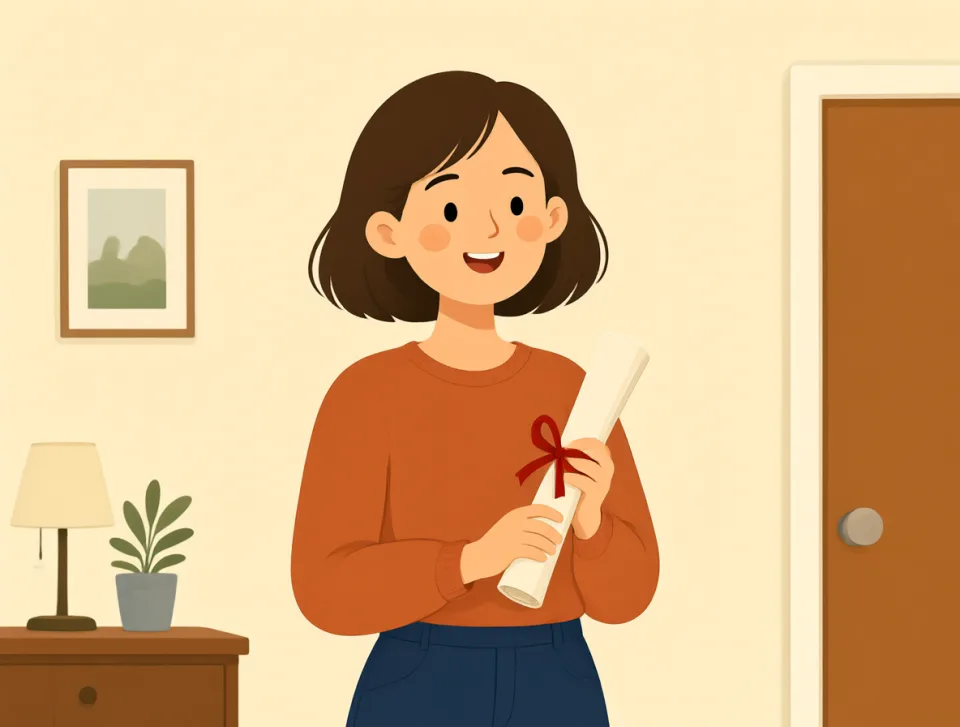
She has a degree in history.
Ma dyplom z historii.
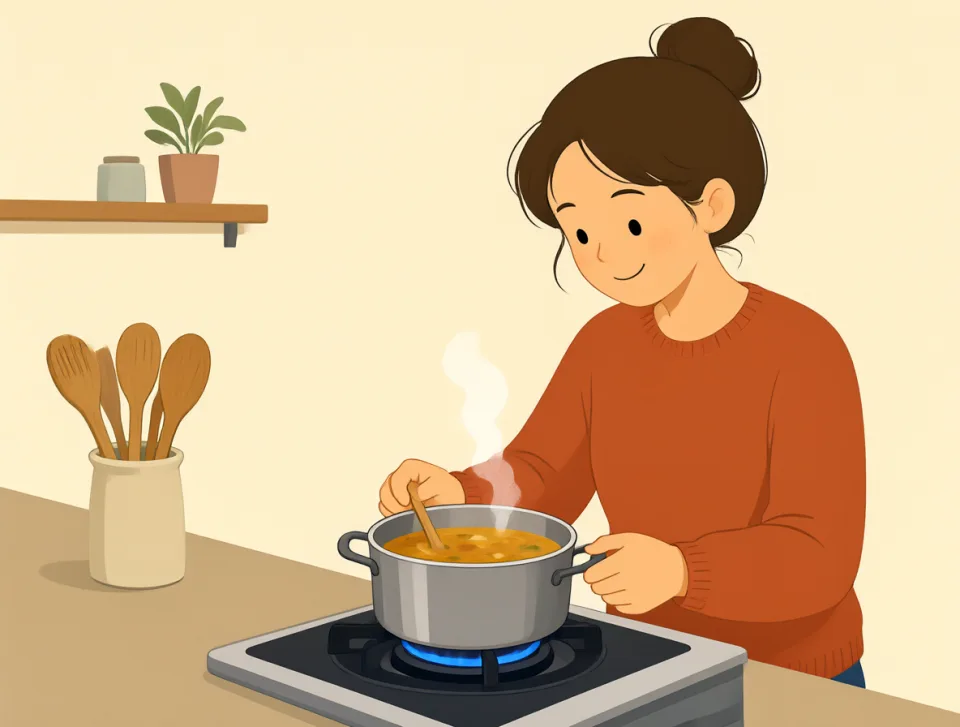
The soup needs a degree more heat.
Zupę trzeba podgrzać o jeden stopień.
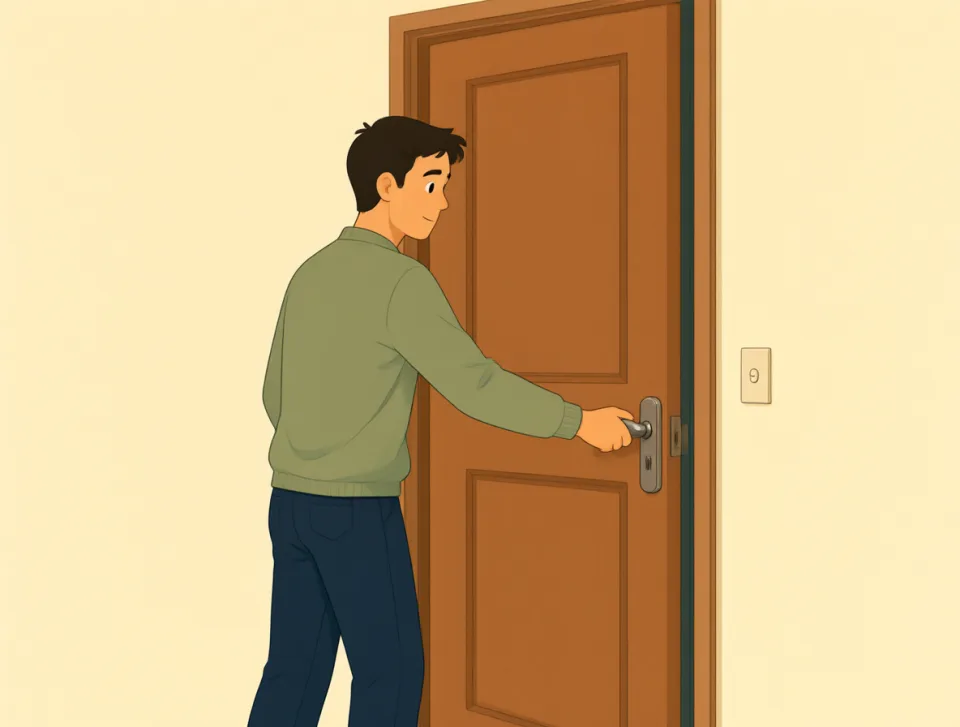
He turned the handle ninety degrees.
Obrócił uchwyt o dziewięćdziesiąt stopni.
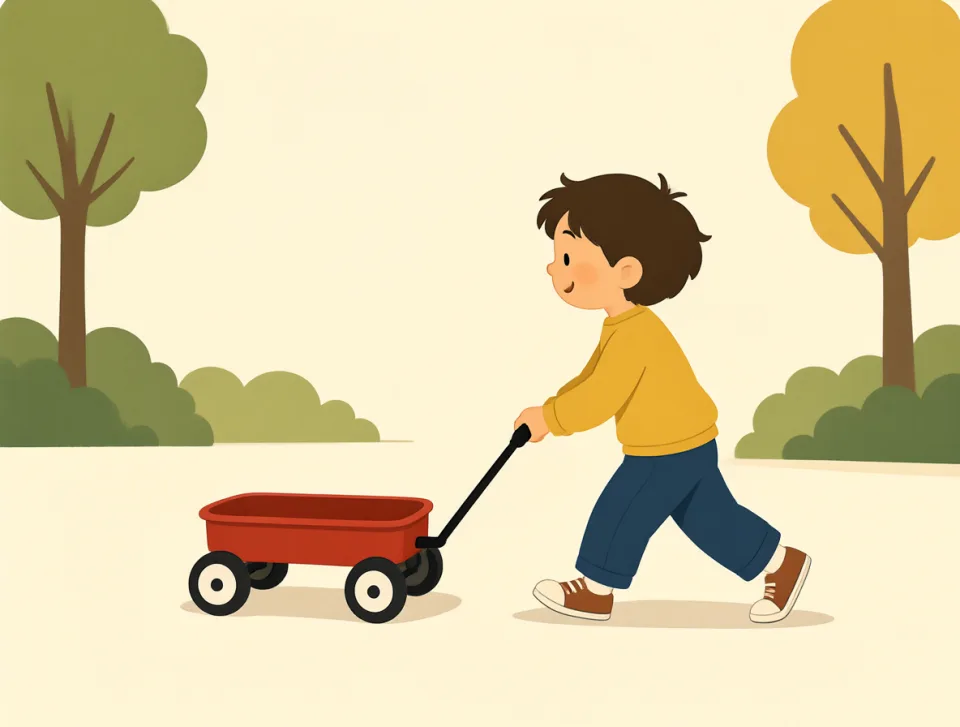
pull
#799verb, noun
pociągnąć
To move something toward you by holding it and using force.
Przesunąć coś w swoją stronę, chwytając to i używając siły.
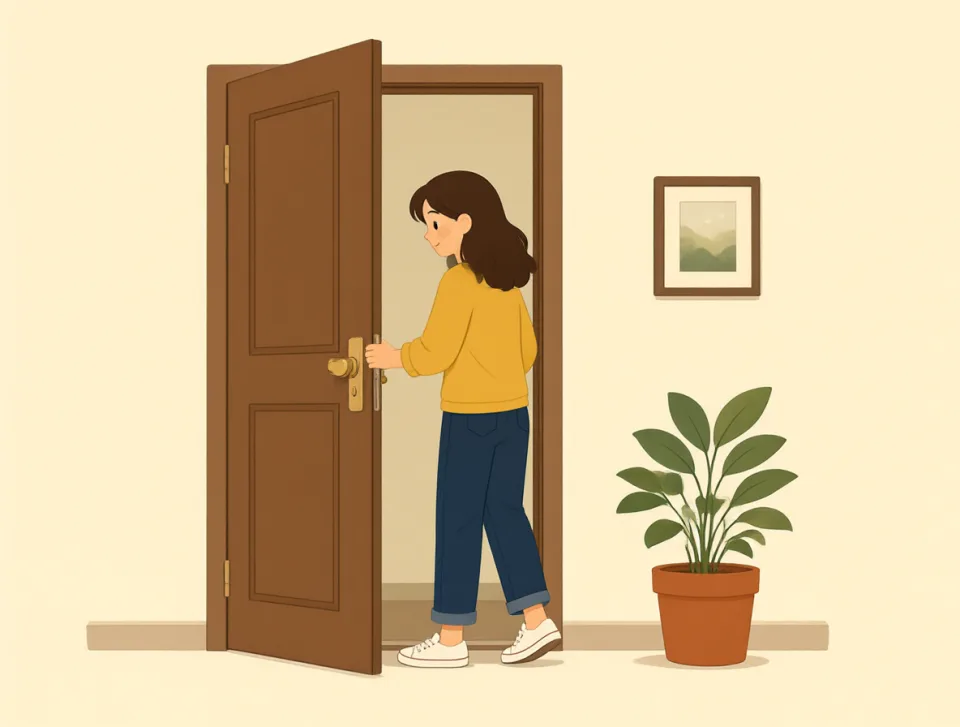
Please pull the door open.
Proszę pociągnąć drzwi, żeby je otworzyć.
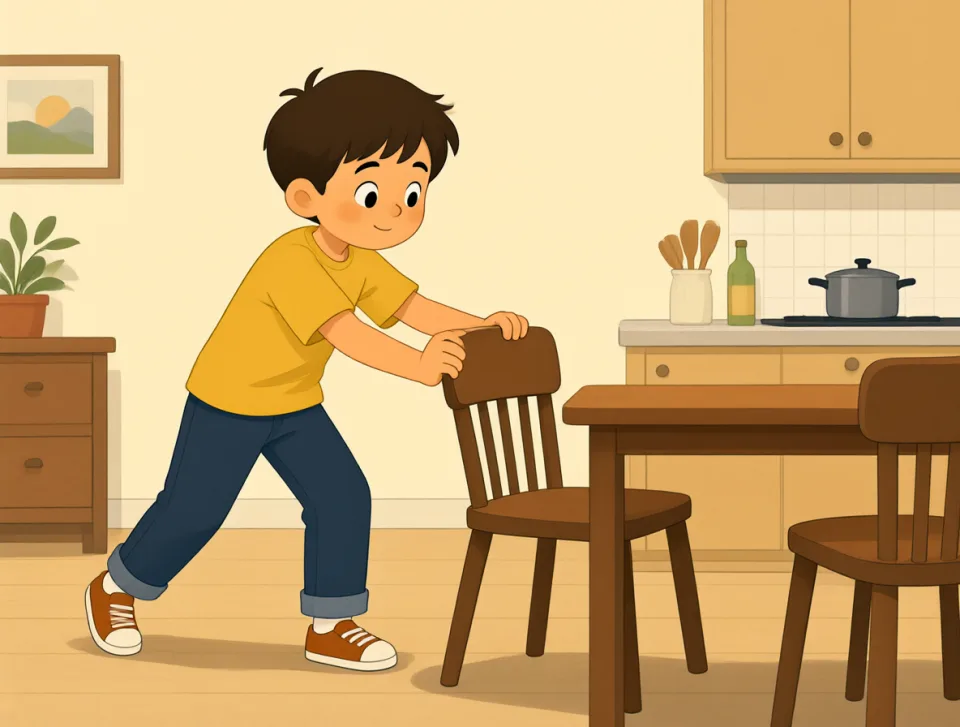
He pulled his chair closer.
Przysunął swoje krzesło bliżej.
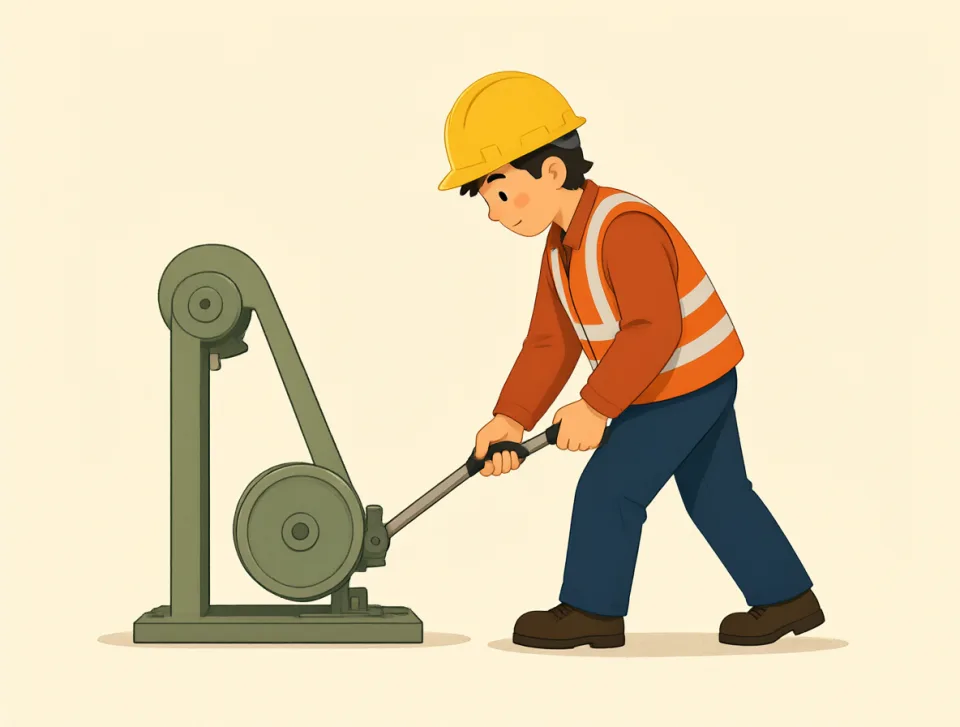
Pull the handle to start the machine.
Pociągnij za uchwyt, żeby uruchomić maszynę.
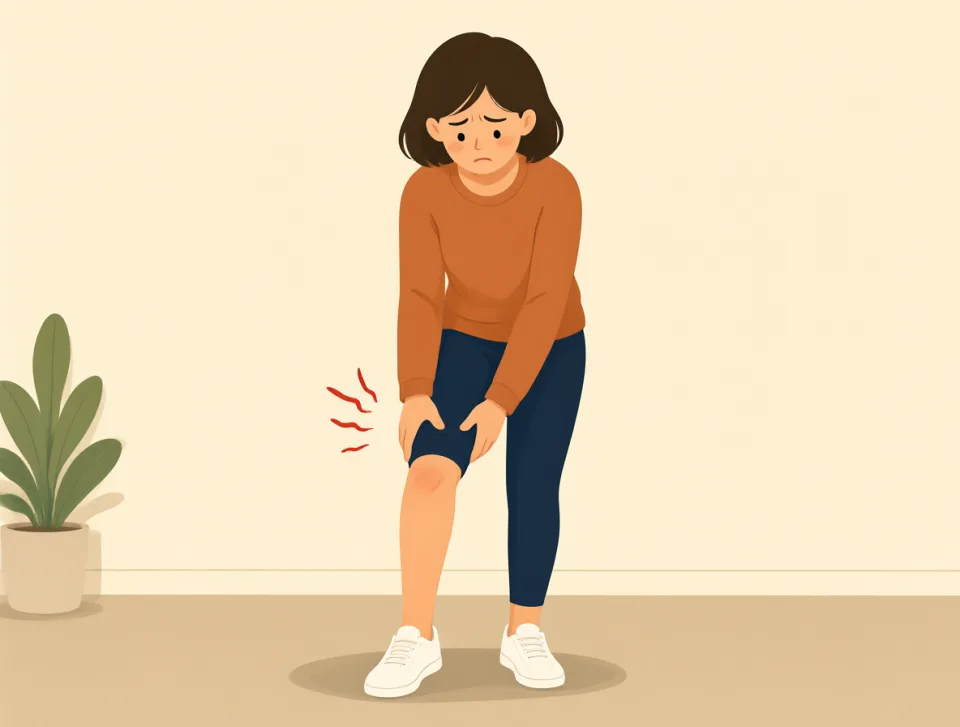
She pulled a muscle in her leg.
Naciągnęła mięsień w nodze.
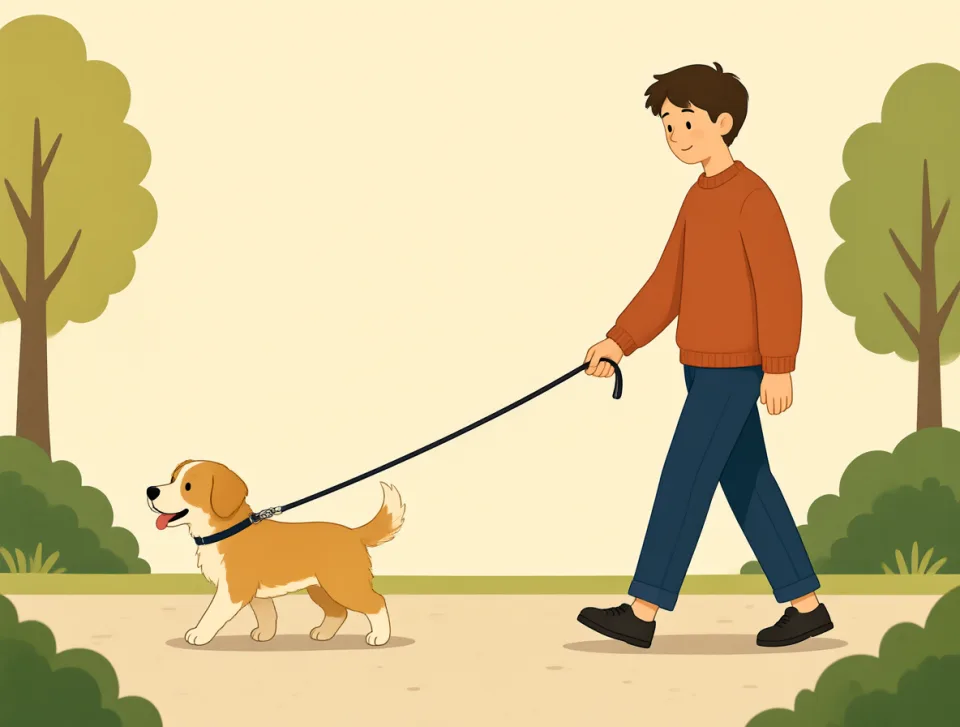
The dog gave the leash a strong pull.
Pies mocno szarpnął smycz.
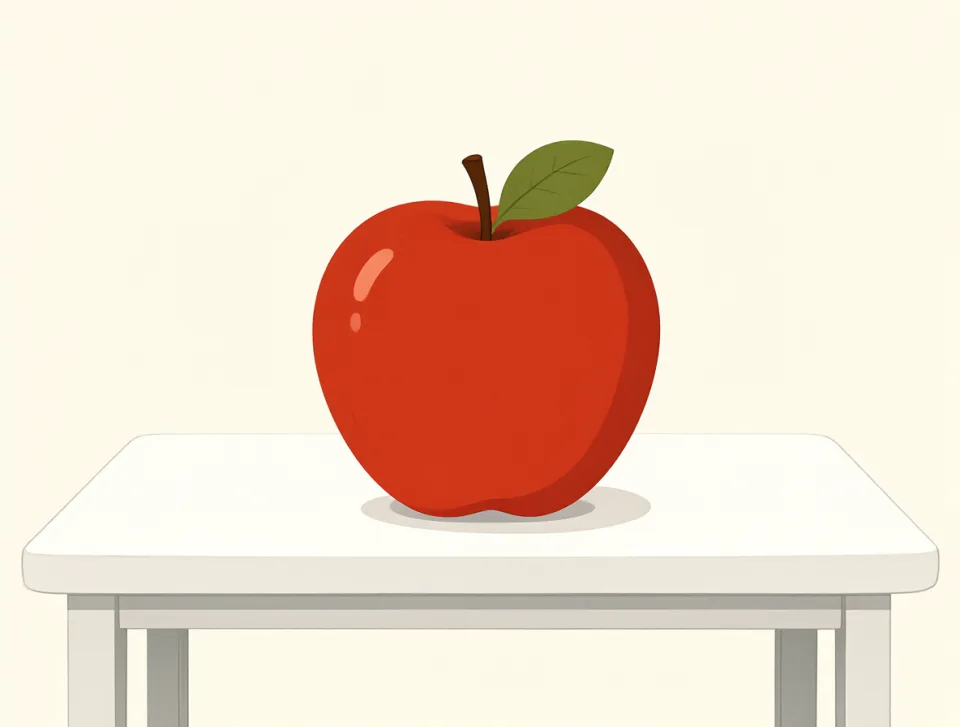
red
#800adjective, noun
czerwony
Having the color of blood, or a color close to it.
Mający barwę krwi lub zbliżony do niej kolor.

She wore a red dress to the party.
Założyła na przyjęcie czerwoną sukienkę.
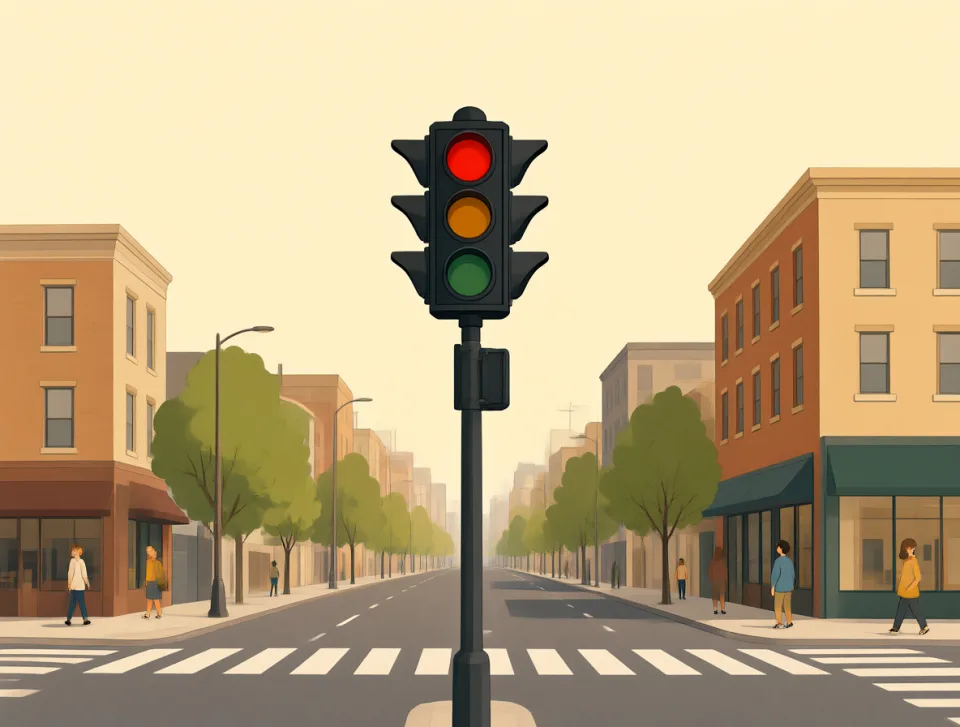
The traffic light turned red.
Światło zmieniło się na czerwone.
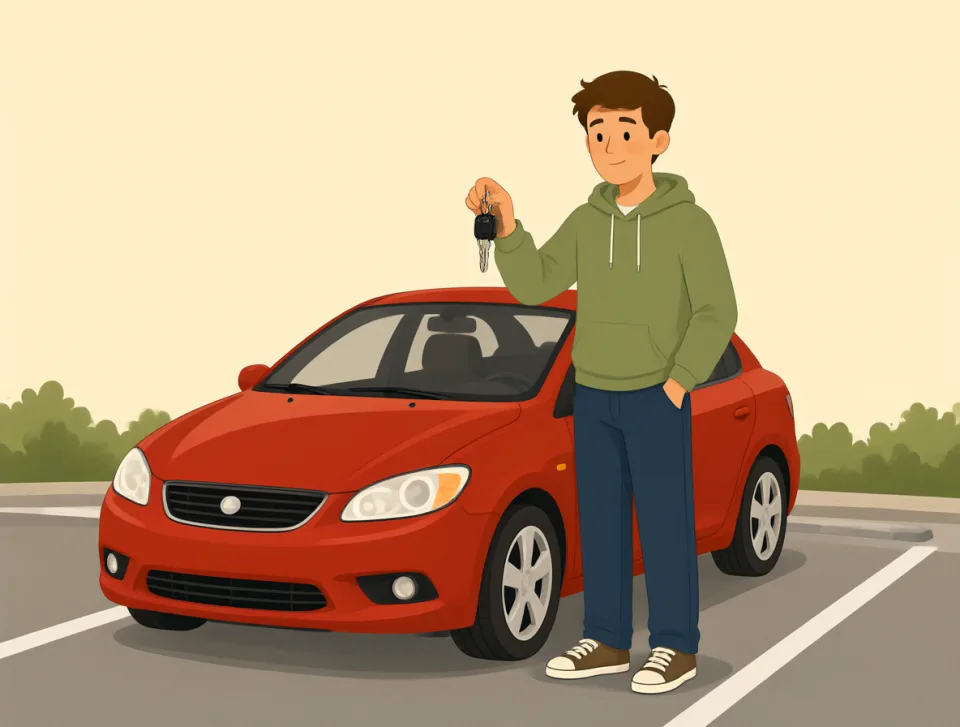
He bought a red car yesterday.
Wczoraj kupił czerwony samochód.
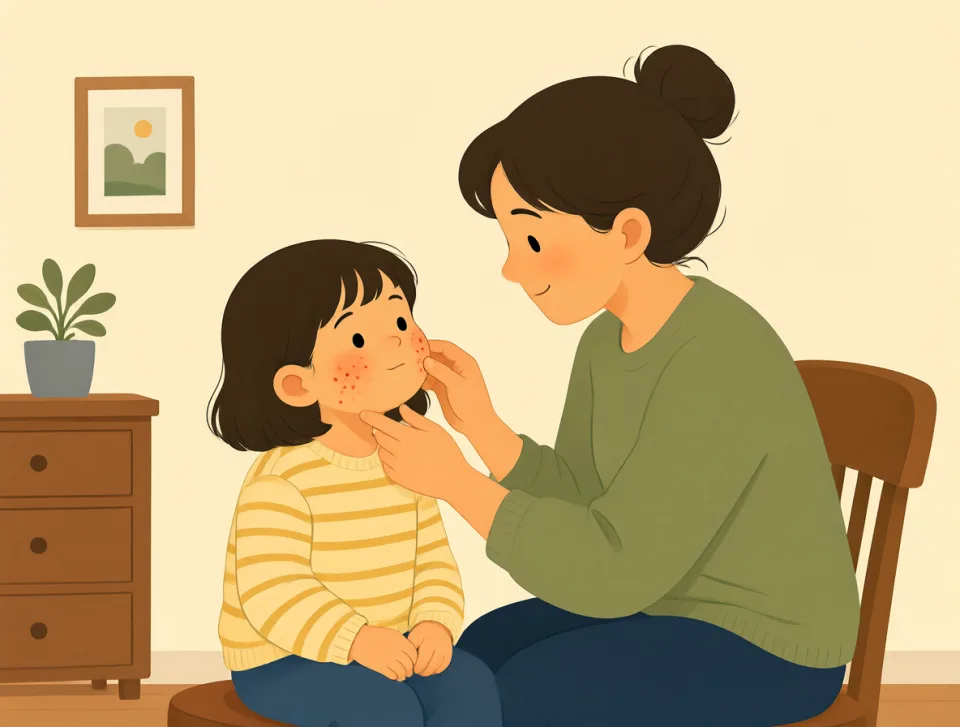
The child has red spots on her face.
Dziewczynka ma czerwone plamki na twarzy.
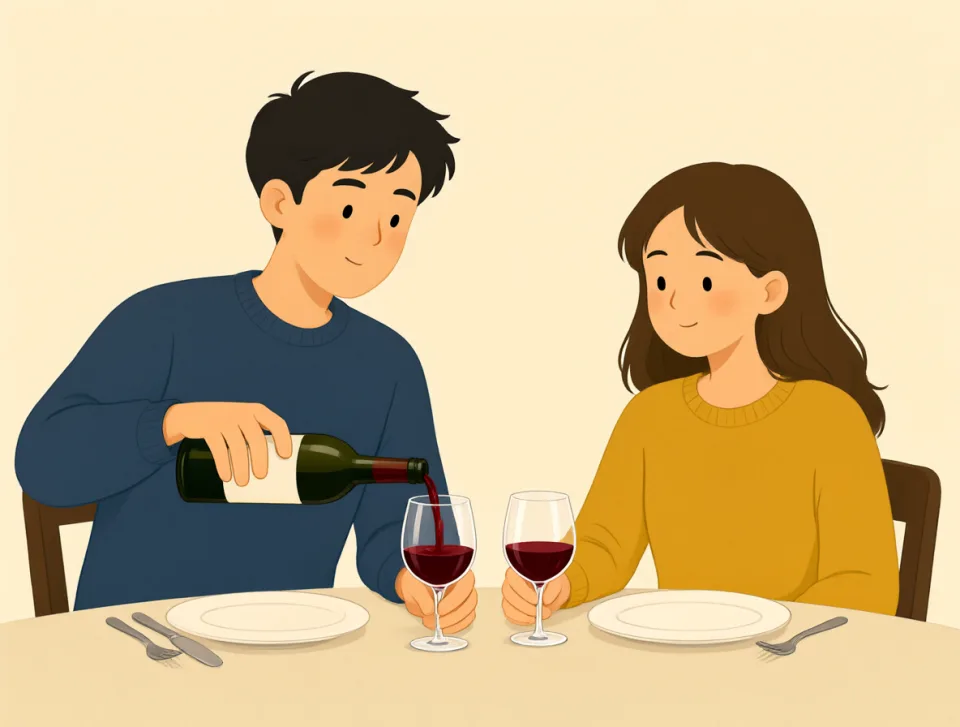
We shared a bottle of red wine.
Podzieliliśmy się butelką czerwonego wina.