Zestaw 28
Słowa 541–560 · security, air, benefit, trade, risk, news
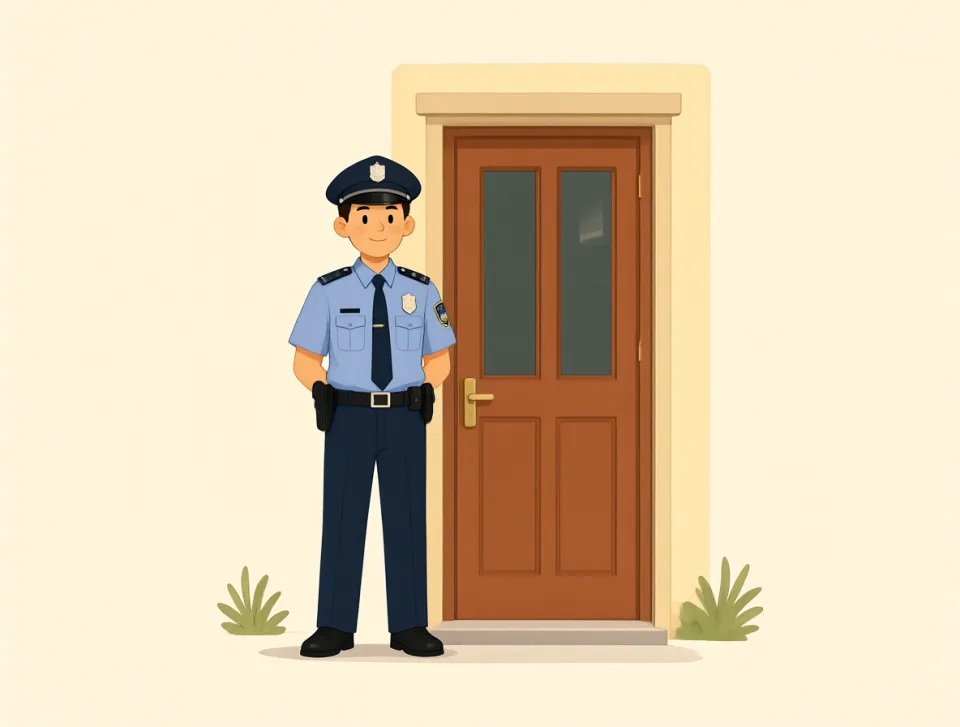
security
#541noun
bezpieczeństwo
protection from danger, harm, or unwanted access
Ochrona przed niebezpieczeństwem, krzywdą lub nieuprawnionym dostępem.

The hotel has security at night.
W nocy w hotelu jest ochrona.
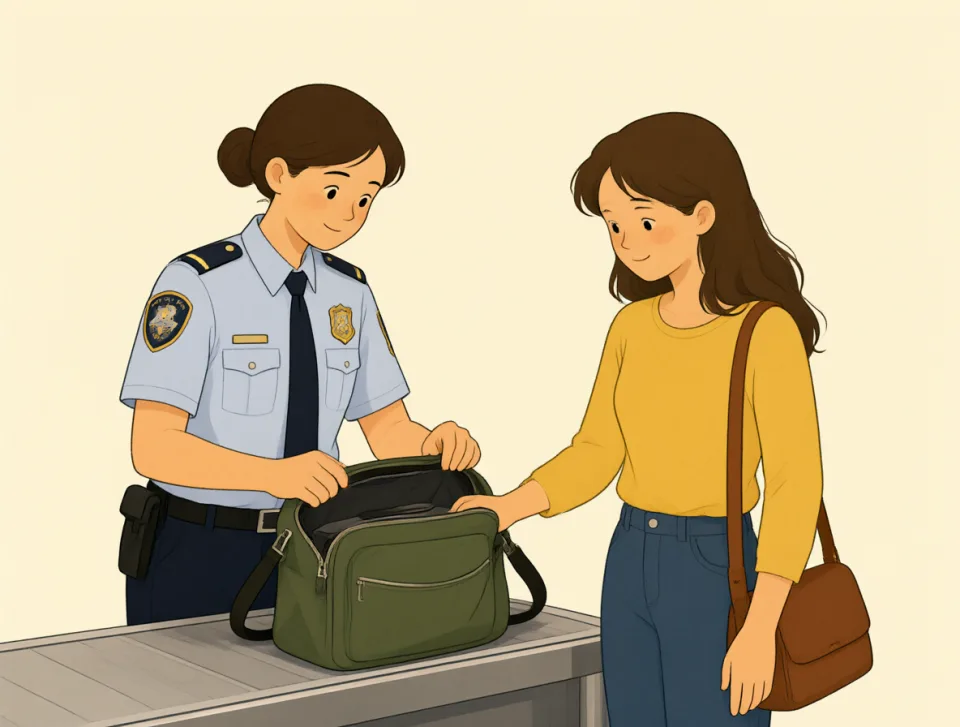
Please check your bag for security.
Dla bezpieczeństwa sprawdź swoją torbę.
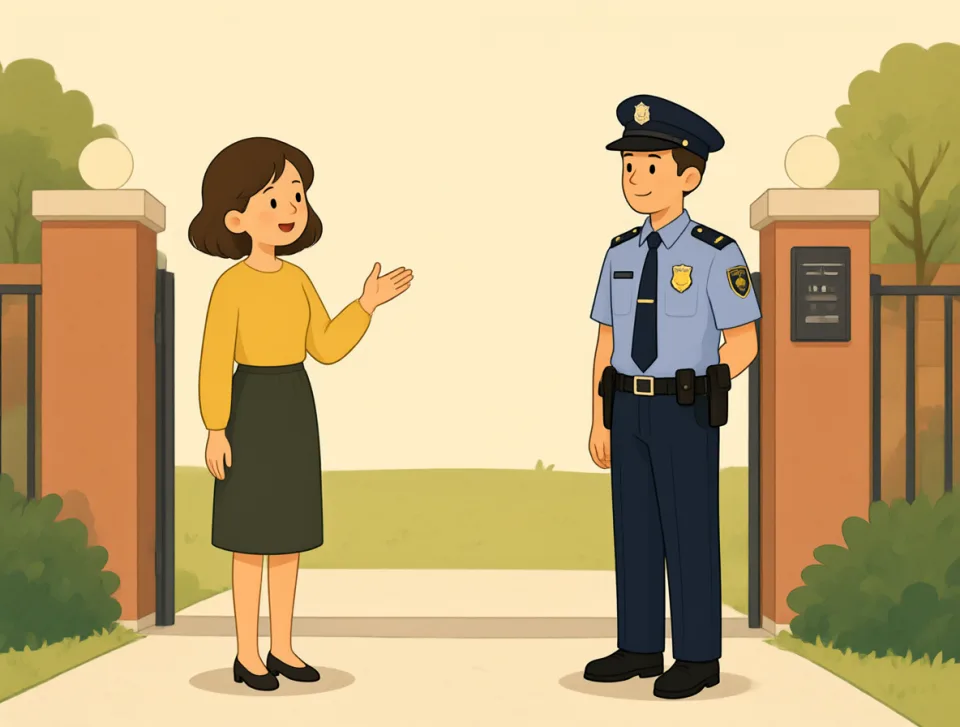
We need better security at school.
W szkole potrzebujemy lepszej ochrony.
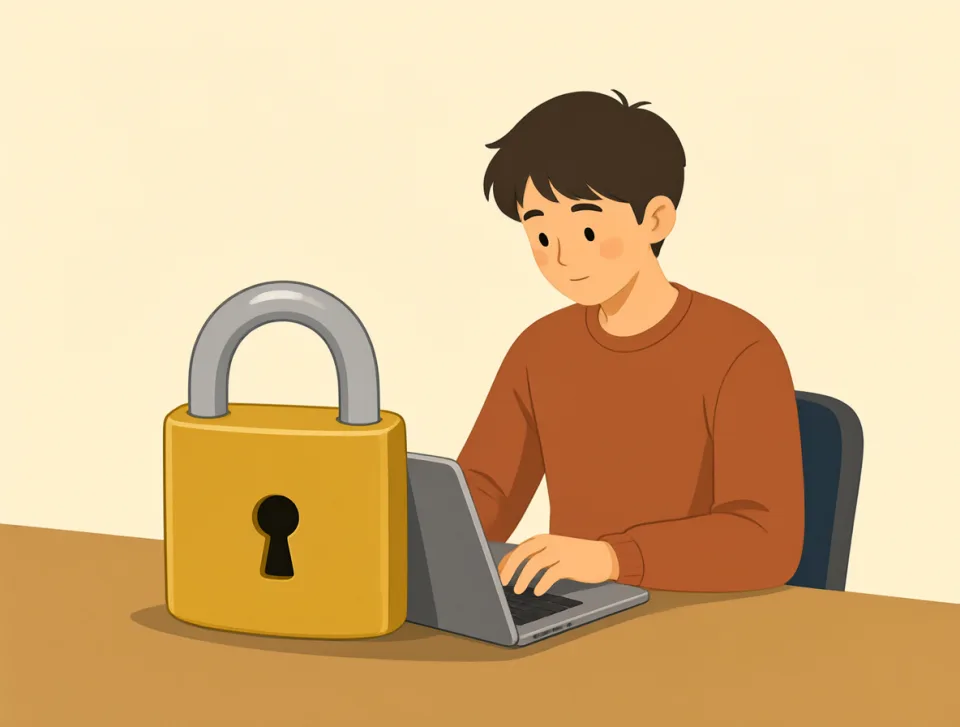
Online security protects your personal information.
Bezpieczeństwo w sieci chroni Twoje dane osobowe.
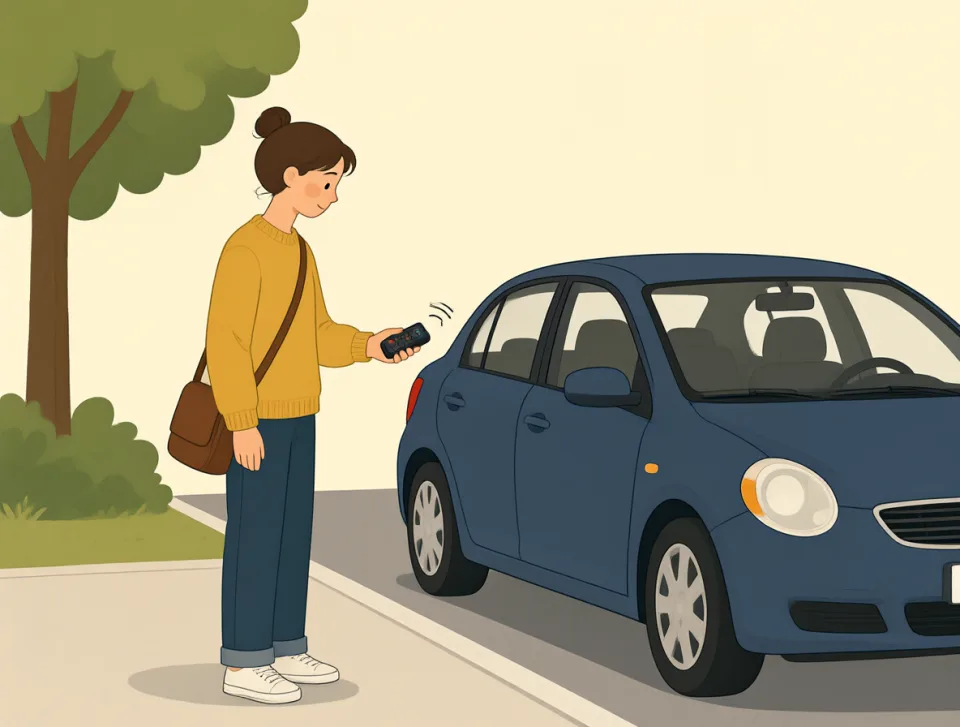
The car has good security against thieves.
Samochód ma dobre zabezpieczenia przed złodziejami.

air
#542noun, verb
powietrze
The mixture of gases around Earth that people and animals breathe.
Mieszanina gazów otaczająca Ziemię, którą oddychają ludzie i zwierzęta.
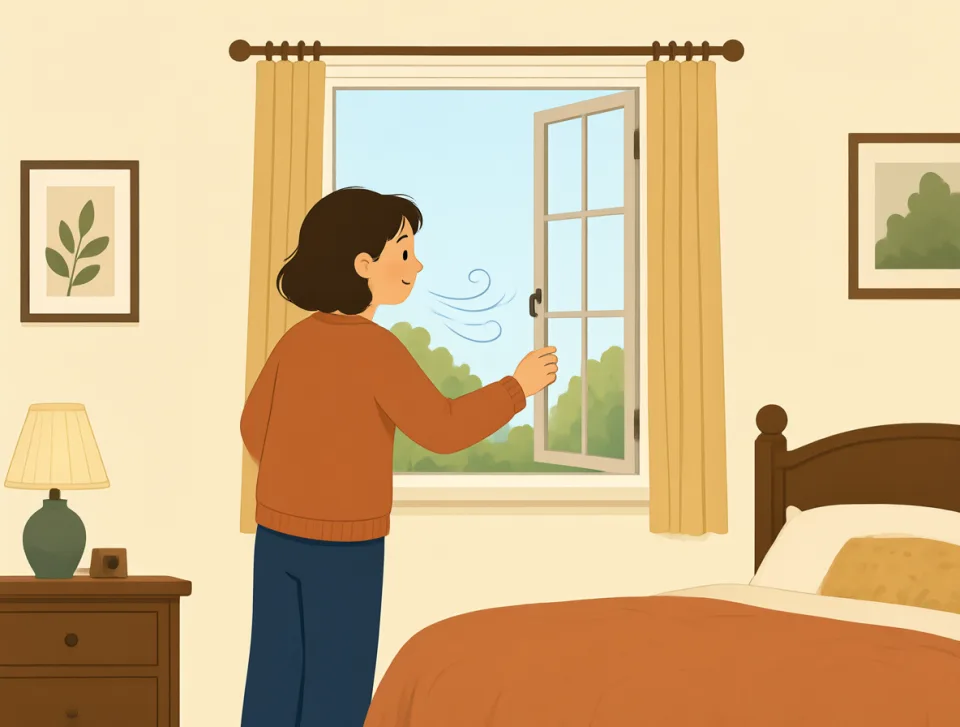
Open the window and let in some fresh air.
Otwórz okno i wpuść trochę świeżego powietrza.

The air feels cold this morning.
Dziś rano powietrze jest zimne.
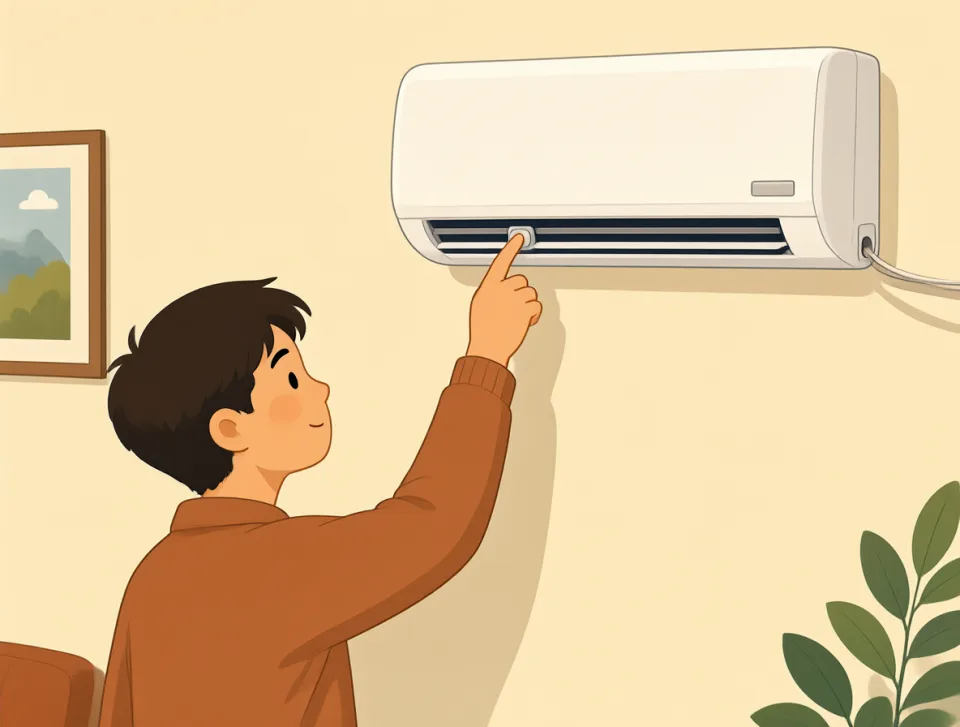
Please turn on the air conditioner.
Proszę włączyć klimatyzację.
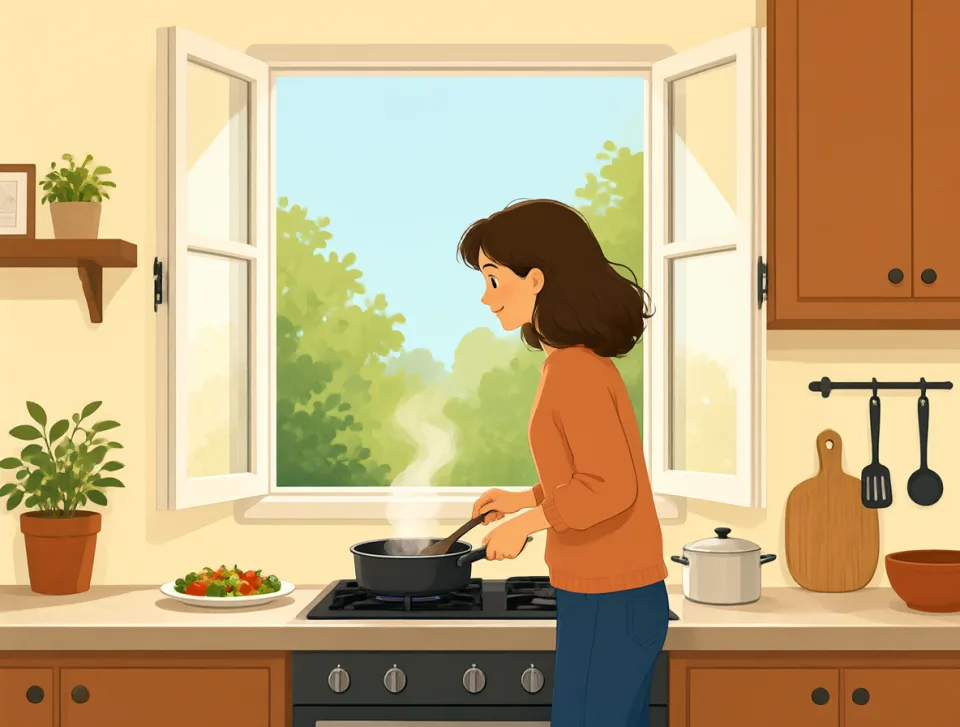
We need to air the room after cooking.
Po gotowaniu musimy wywietrzyć pokój.
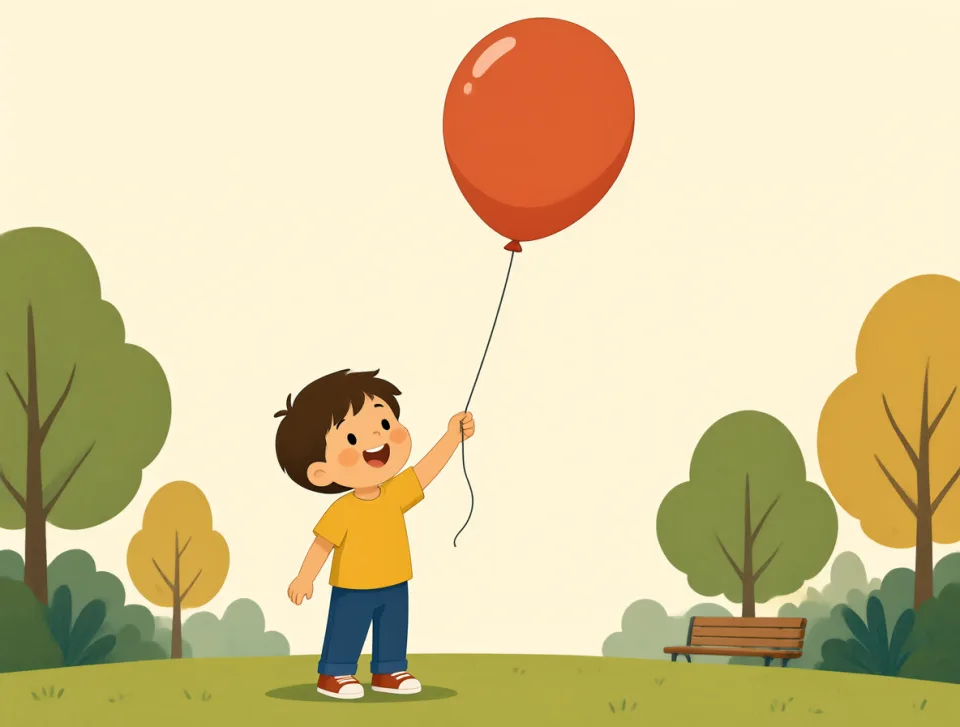
The balloon rose slowly into the air.
Balon powoli uniósł się w powietrze.

benefit
#543noun, verb
korzyść
A good result or helpful effect; to help someone or something.
Dobry rezultat lub pomocny skutek; przynosić komuś lub czemuś korzyść.
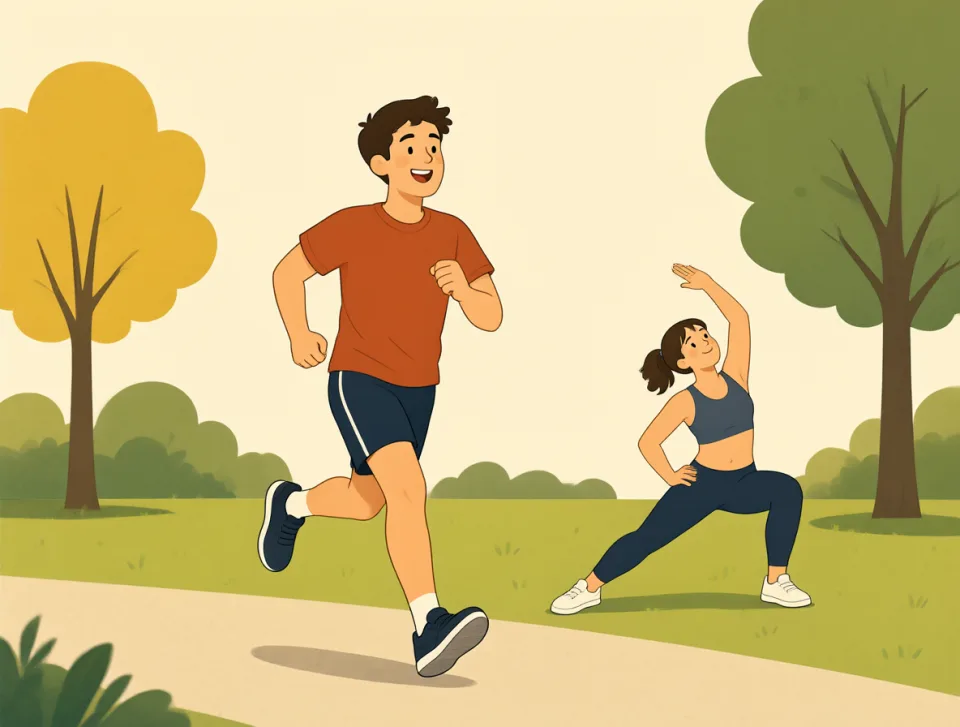
Exercise has many benefits for your health.
Ćwiczenia fizyczne przynoszą wiele korzyści dla zdrowia.

This job offers good health benefits.
Ta praca oferuje dobre świadczenia zdrowotne.

Students benefit from reading every day.
Uczniowie odnoszą korzyści z codziennego czytania.
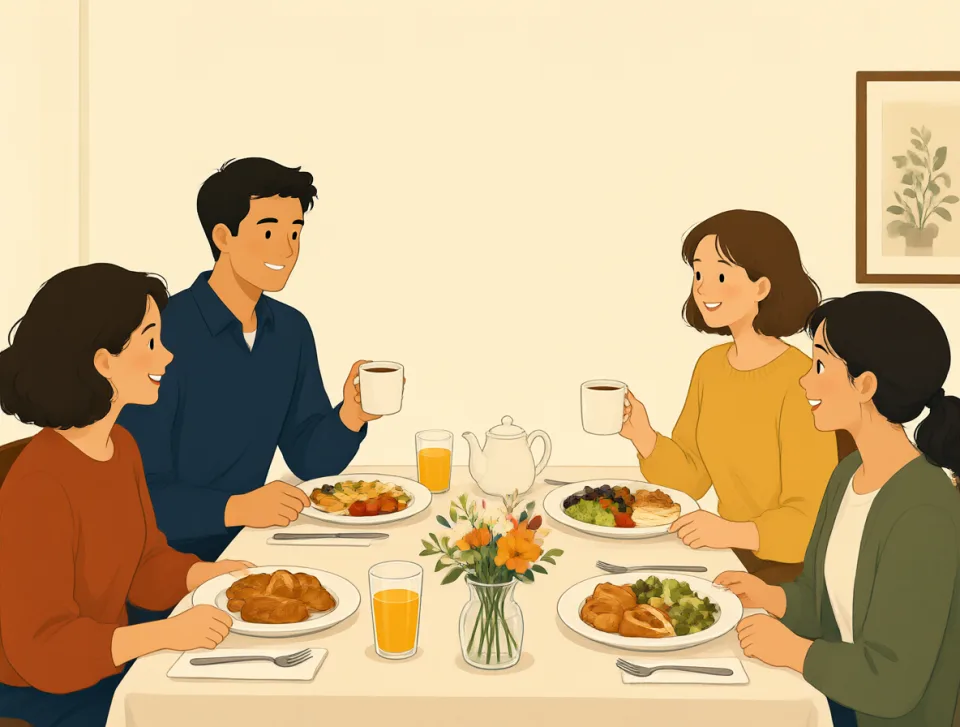
We benefited from the hotel's free breakfast.
Skorzystaliśmy z bezpłatnego śniadania w hotelu.
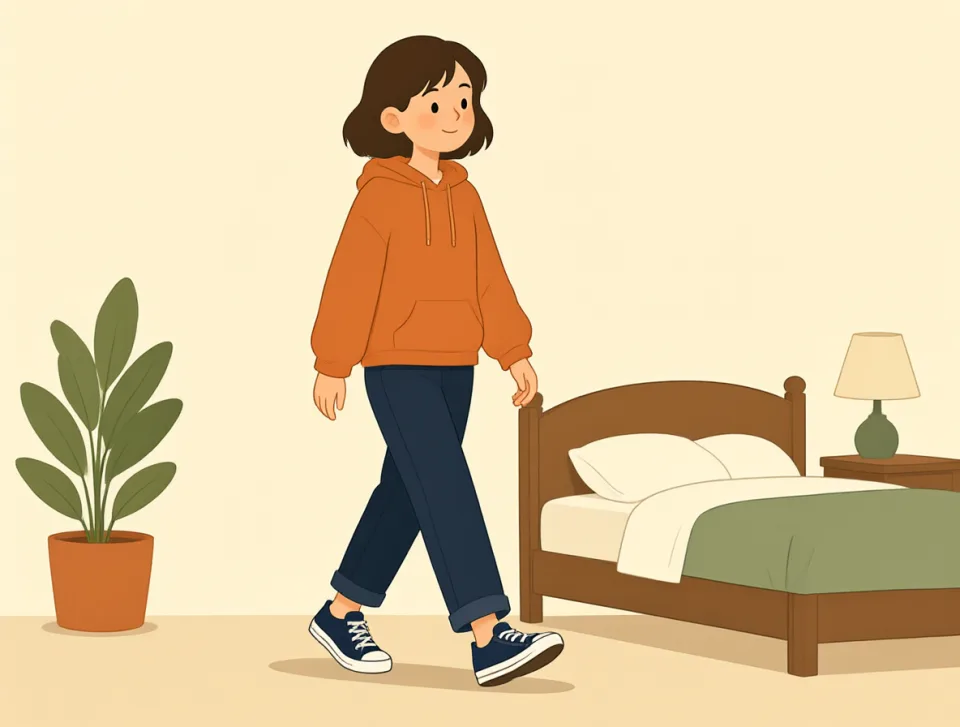
The new shoes benefited my sore feet.
Nowe buty przyniosły ulgę moim obolałym stopom.
trade
#544noun, verb
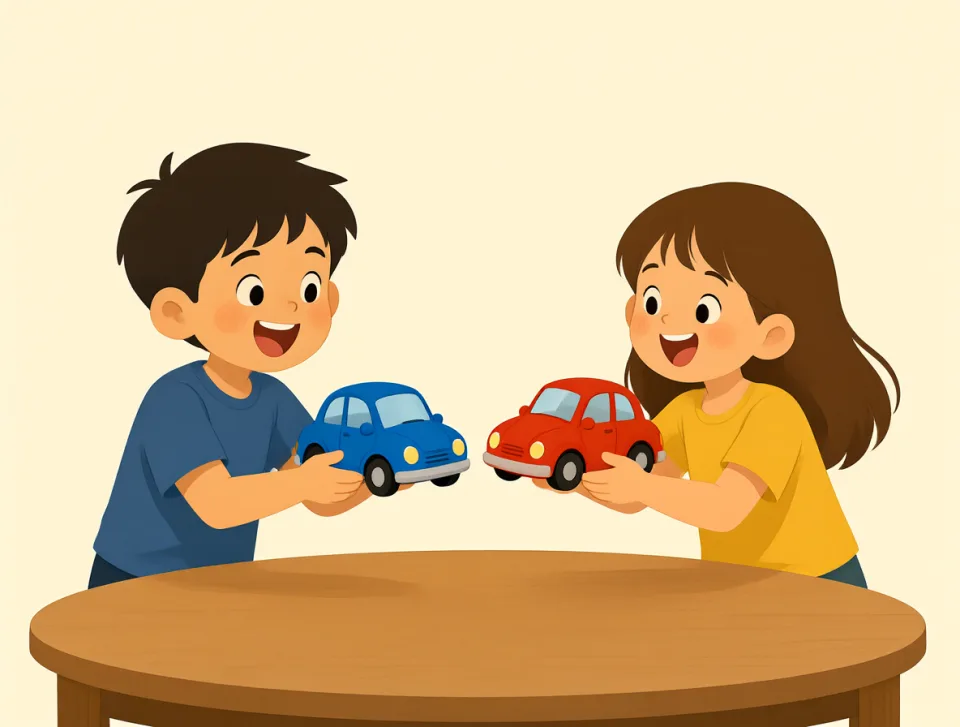
handlować
To buy, sell, or exchange goods, services, or things.
Kupować, sprzedawać lub wymieniać towary, usługi albo różne rzeczy.
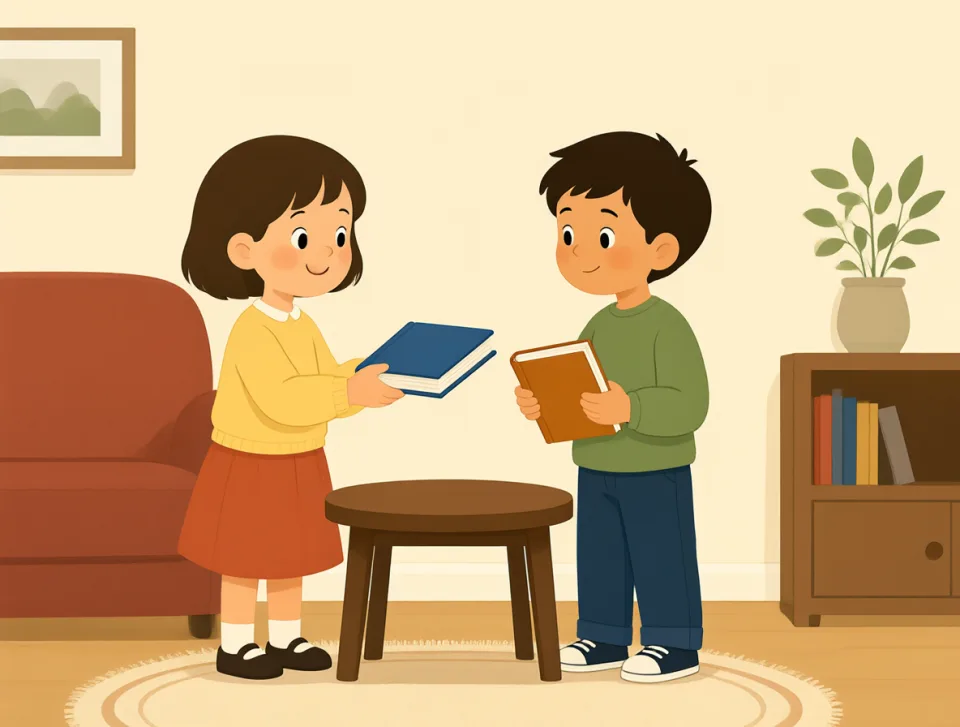
We trade books with our friends.
Wymieniamy się książkami z przyjaciółmi.

She trades clothes at the local market.
Ona wymienia się ubraniami na lokalnym targu.

He trades stocks at work.
On handluje akcjami w pracy.
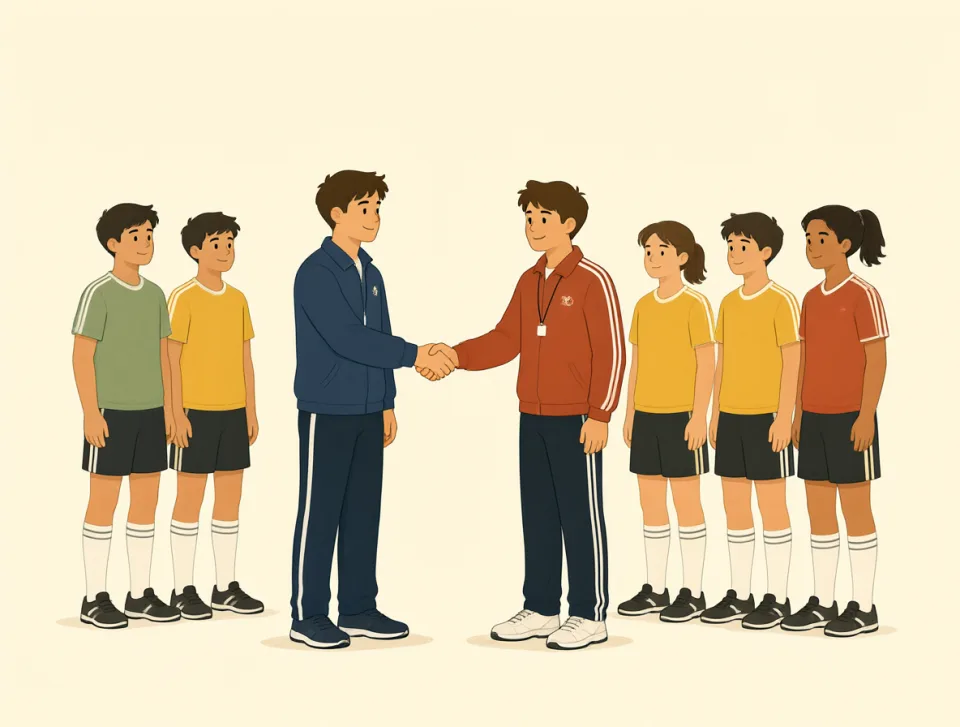
The two teams traded players yesterday.
Wczoraj obie drużyny wymieniły się zawodnikami.
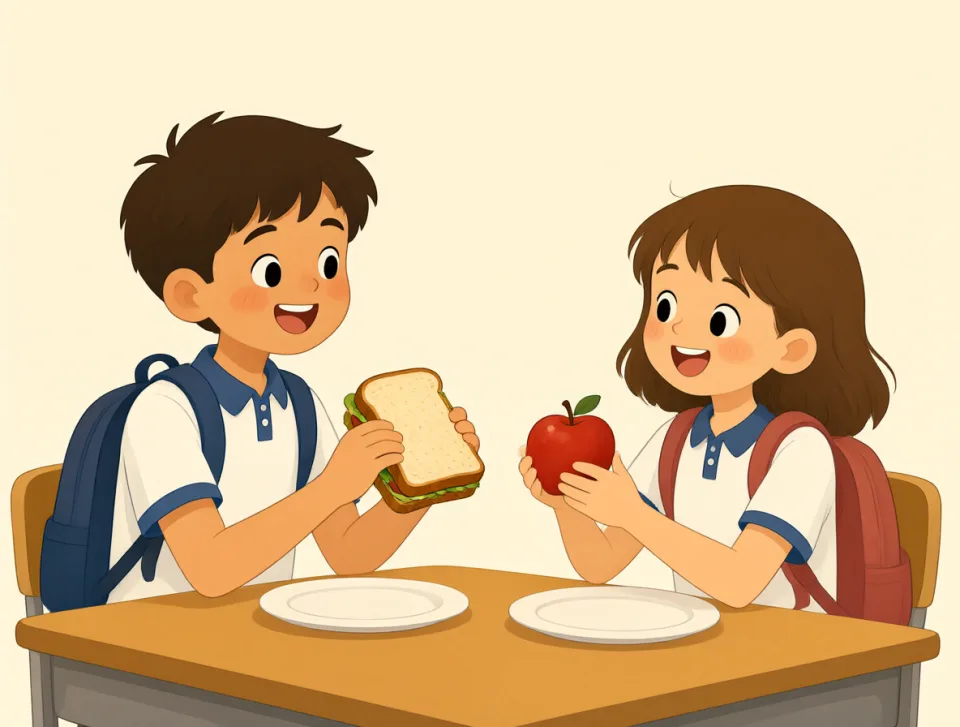
I traded my sandwich for an apple.
Wymieniłem kanapkę na jabłko.
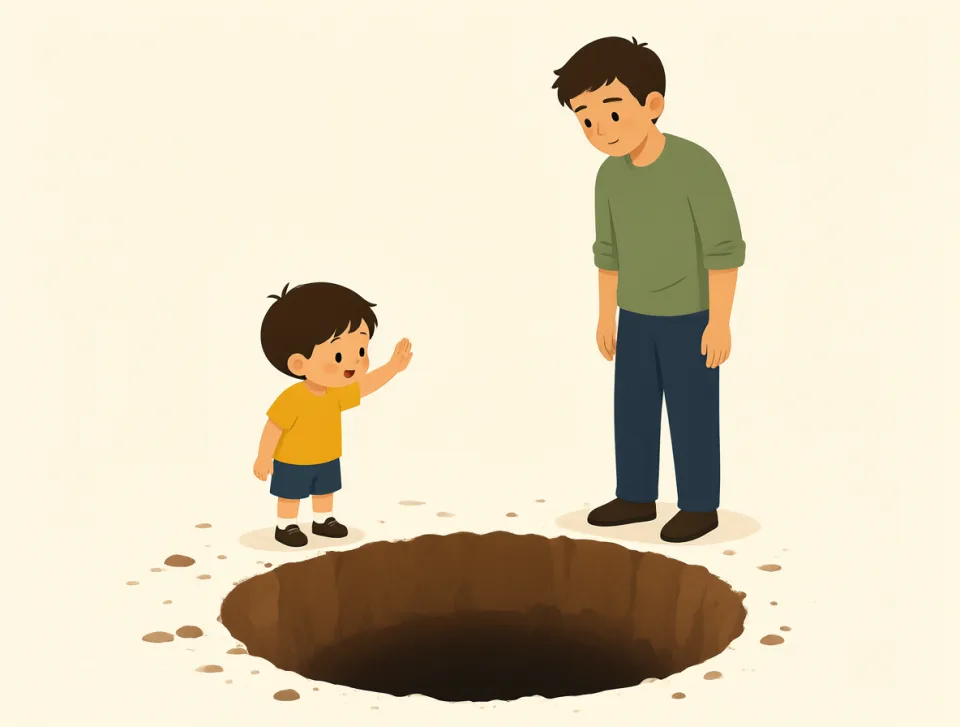
risk
#545noun, verb
ryzyko
The chance that something bad may happen or cause harm.
Możliwość, że wydarzy się coś złego lub coś wyrządzi krzywdę.
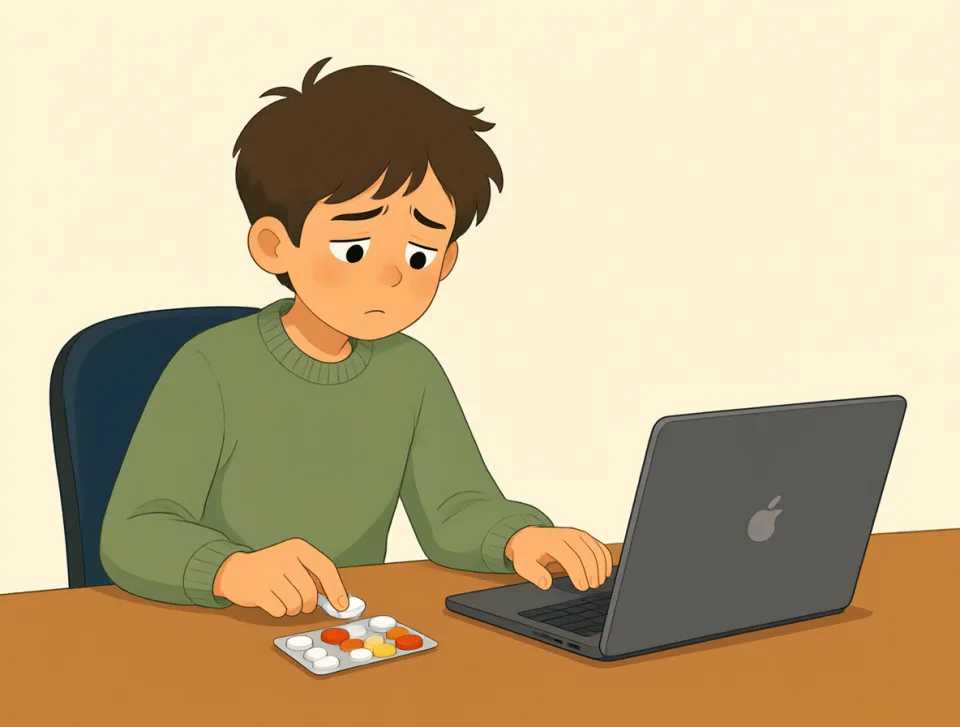
Do not risk your health for work.
Nie ryzykuj zdrowia dla pracy.
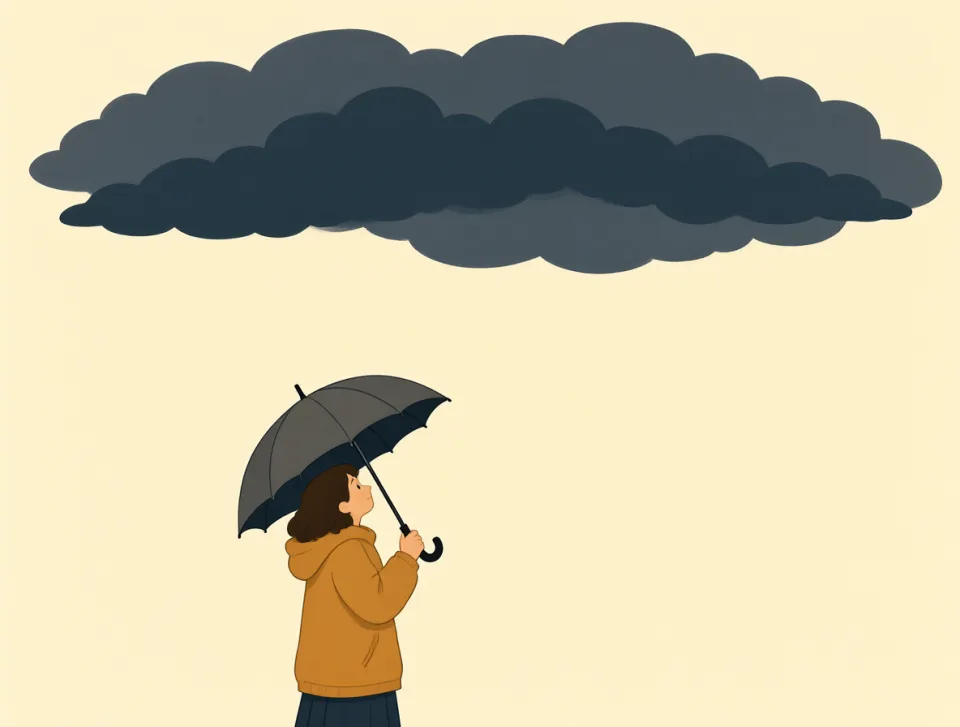
There is a risk of rain today.
Dziś istnieje ryzyko deszczu.

We risked missing the train.
Ryzykowaliśmy, że nie zdążymy na pociąg.
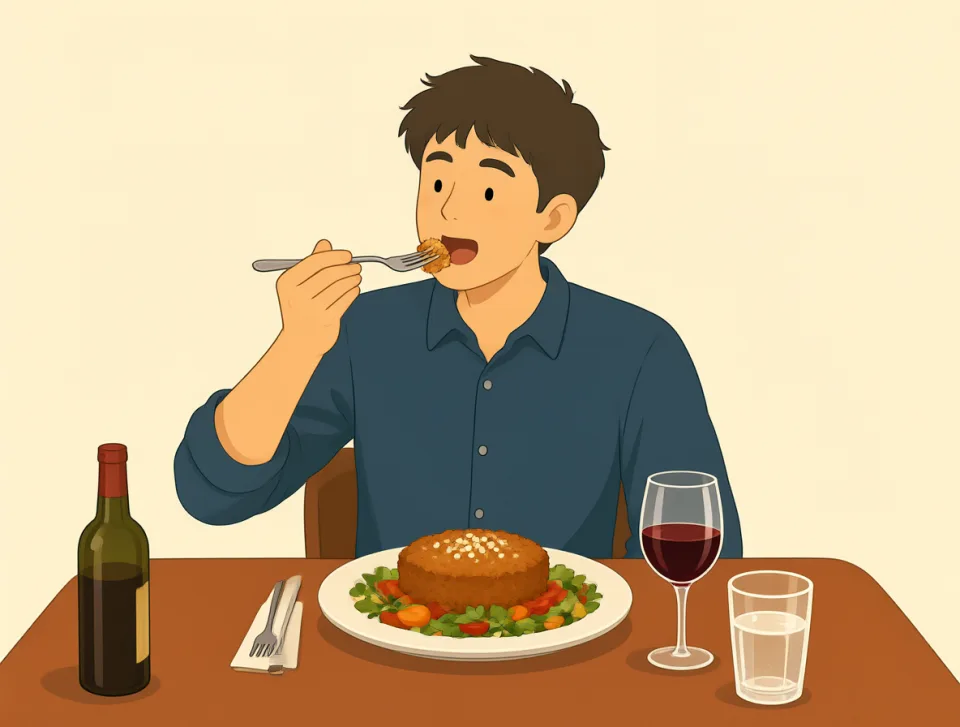
He took a risk and tried the new dish.
Zaryzykował i spróbował nowego dania.
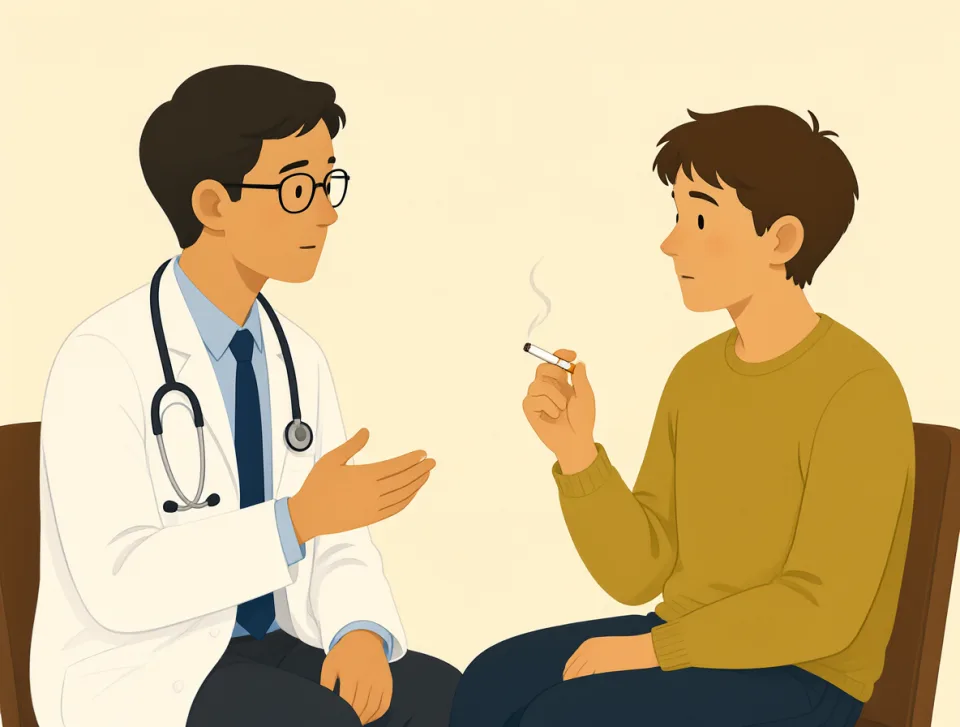
Smoking increases the risk of heart disease.
Palenie zwiększa ryzyko chorób serca.
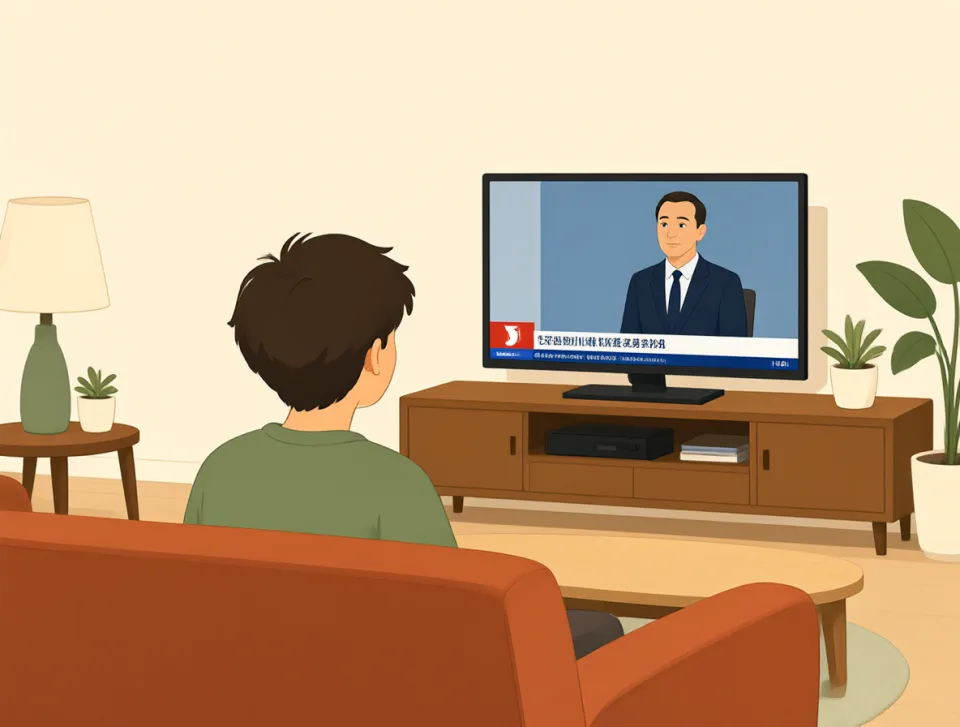
news
#546noun
wiadomości
Information about recent events, especially on television, radio, or the internet.
Informacje o niedawnych wydarzeniach, zwłaszcza przekazywane w telewizji, radiu lub internecie.
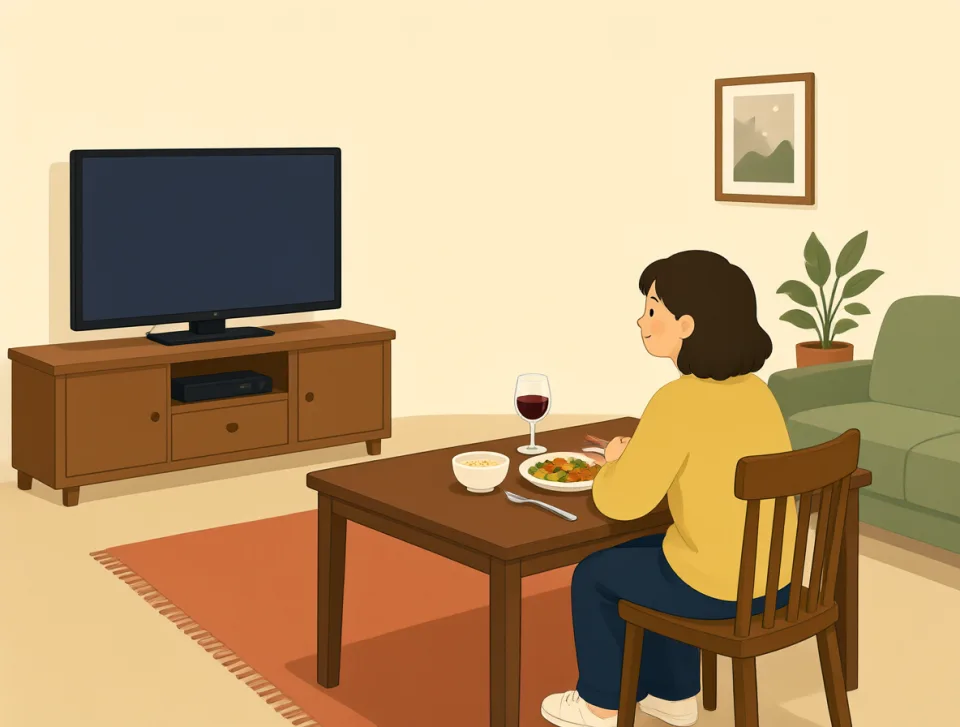
I watched the news after dinner.
Po kolacji oglądałem wiadomości.

Have you heard the latest news?
Słyszałeś najnowsze wiadomości?

The news was good today.
Dzisiejsze wiadomości były dobre.

She shared the news with her friends.
Podzieliła się wiadomościami z przyjaciółmi.
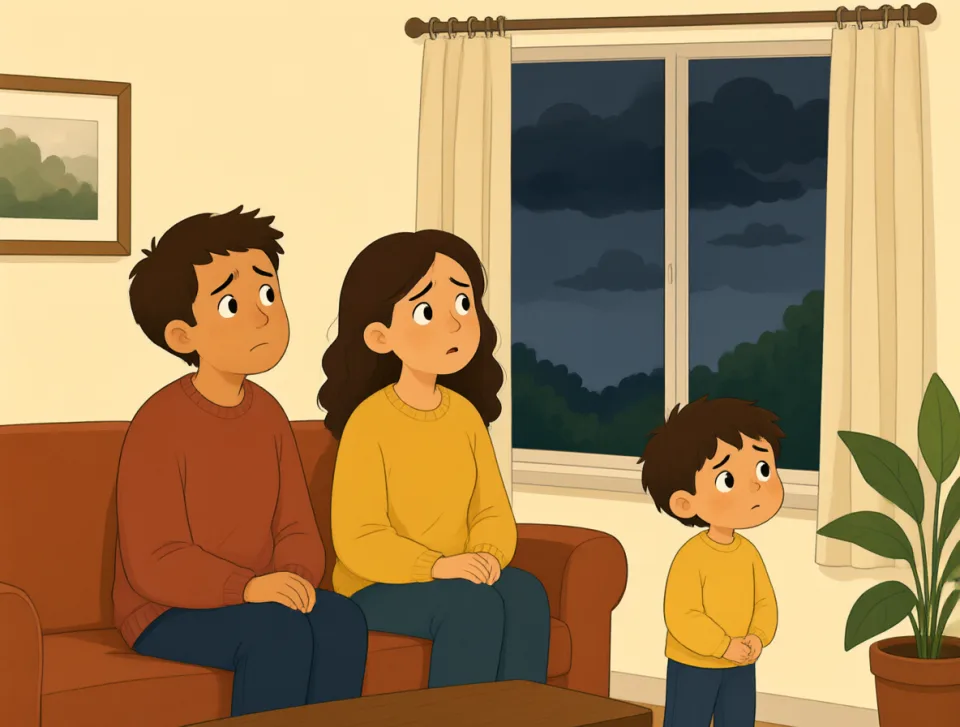
The news about the storm worried us.
Wiadomości o burzy nas zaniepokoiły.

standard
#547noun, adjective
standard
A usual level of quality, size, or behavior that people expect.
Zwyczajowy poziom jakości, rozmiaru lub zachowania, którego ludzie oczekują.

This hotel meets our usual standards.
Ten hotel spełnia nasze zwykłe standardy.
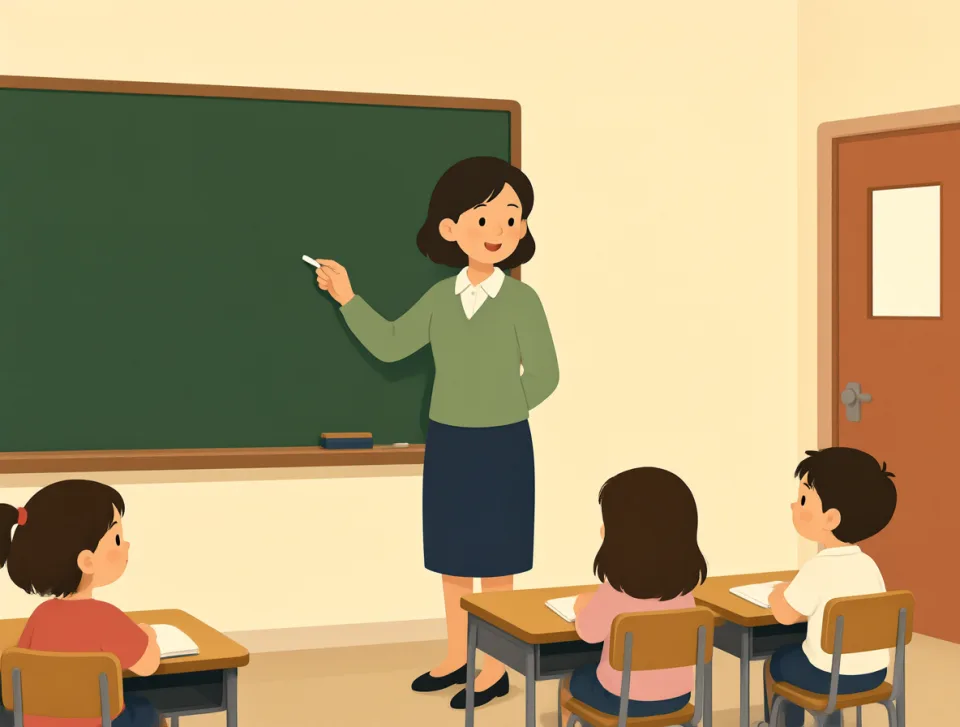
The school has high safety standards.
Szkoła ma wysokie standardy bezpieczeństwa.
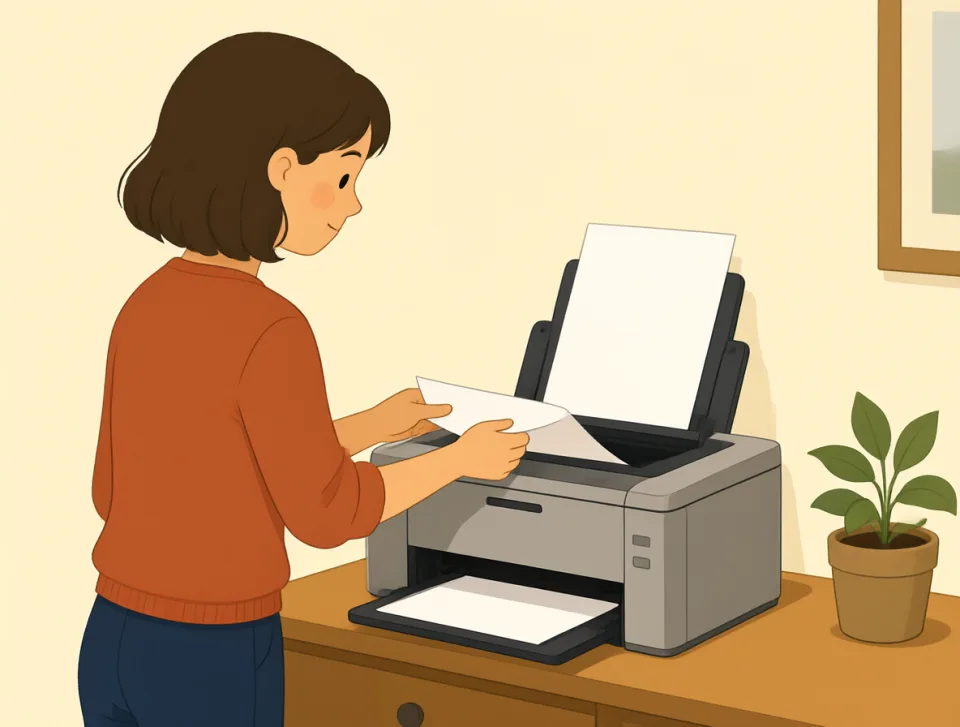
Please use standard paper for printing.
Do drukowania używaj standardowego papieru.
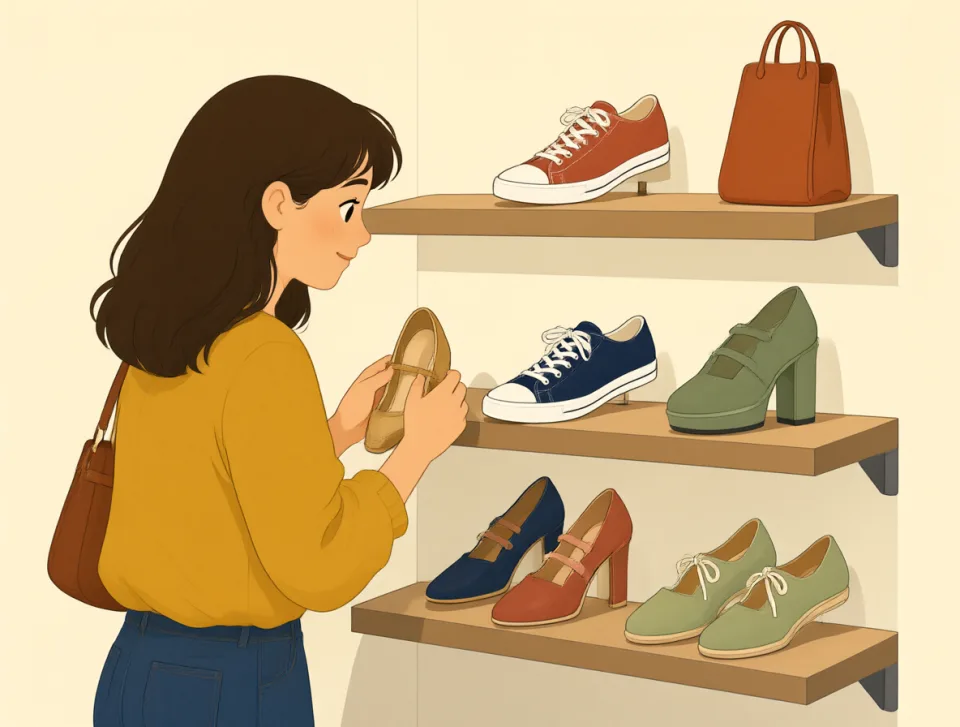
These shoes come in standard sizes.
Te buty są dostępne w standardowych rozmiarach.
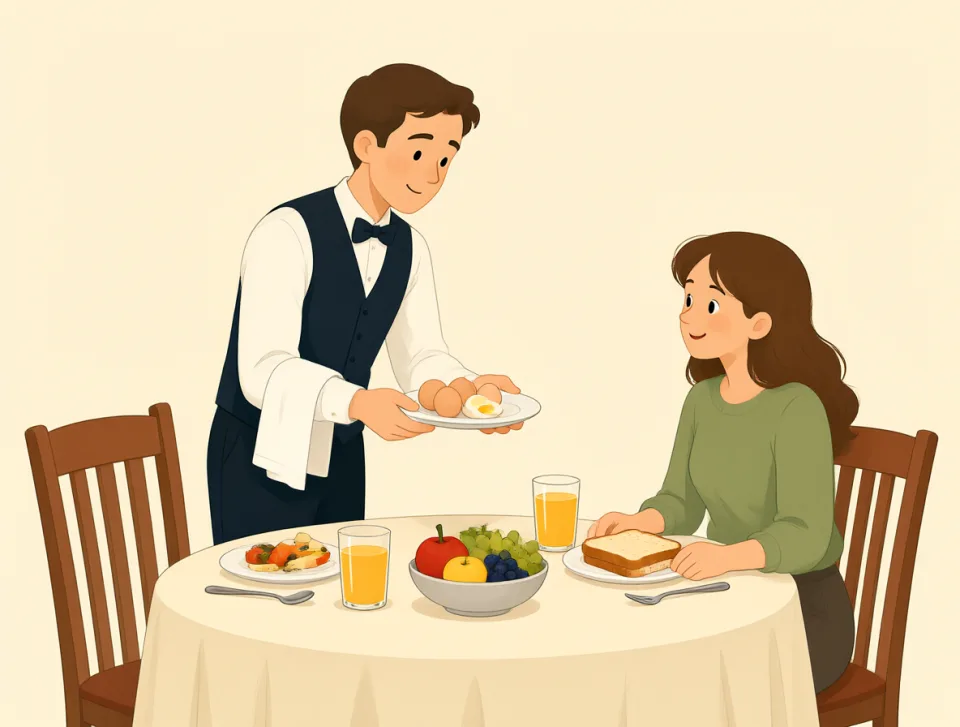
The restaurant serves standard breakfast meals.
Restauracja serwuje standardowe śniadania.
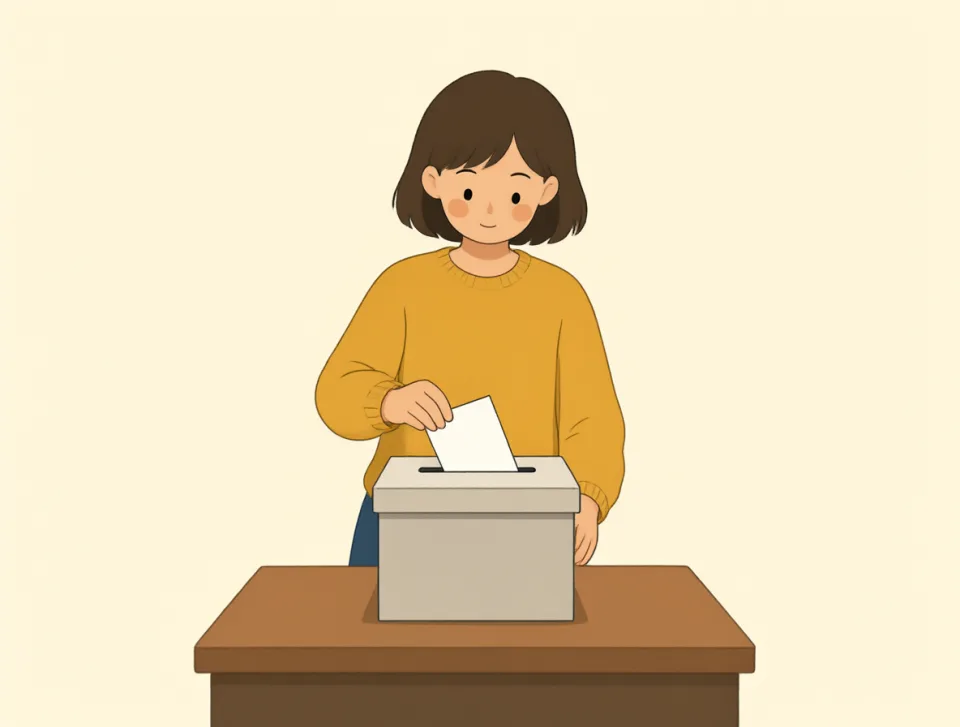
vote
#548noun, verb
głosować
To choose someone or something in an election or decision.
Wybierać kogoś lub coś w wyborach albo w ramach podejmowania decyzji.
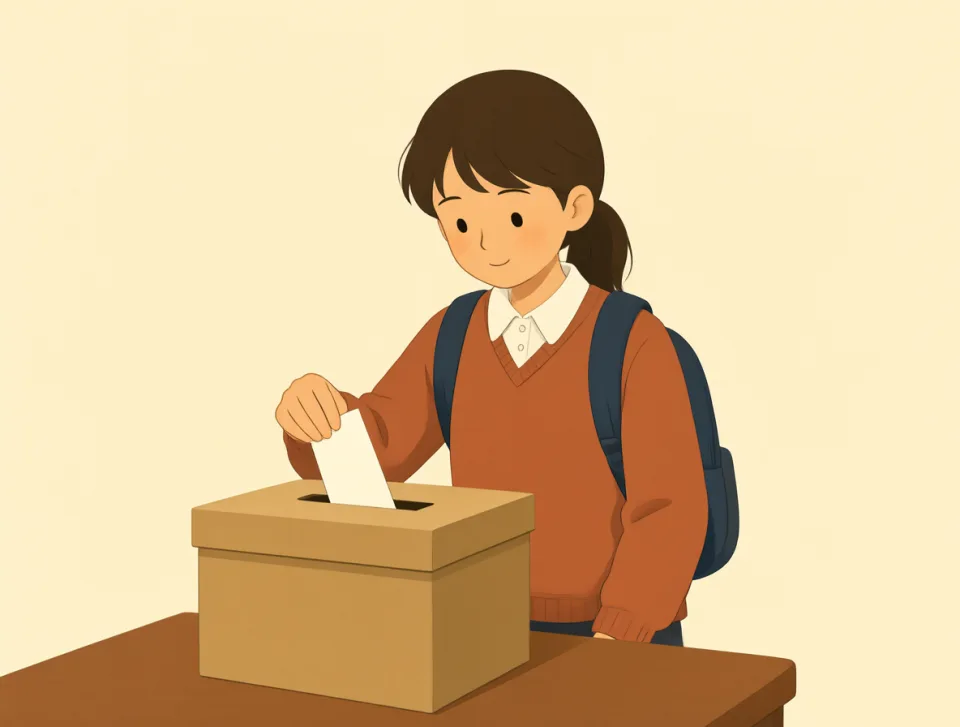
I voted for Mia in the school election.
Głosowałem na Mię w wyborach szkolnych.

Most workers voted to leave early.
Większość pracowników zagłosowała za wcześniejszym wyjściem.

We voted on the restaurant for dinner.
W głosowaniu wybraliśmy restaurację na kolację.
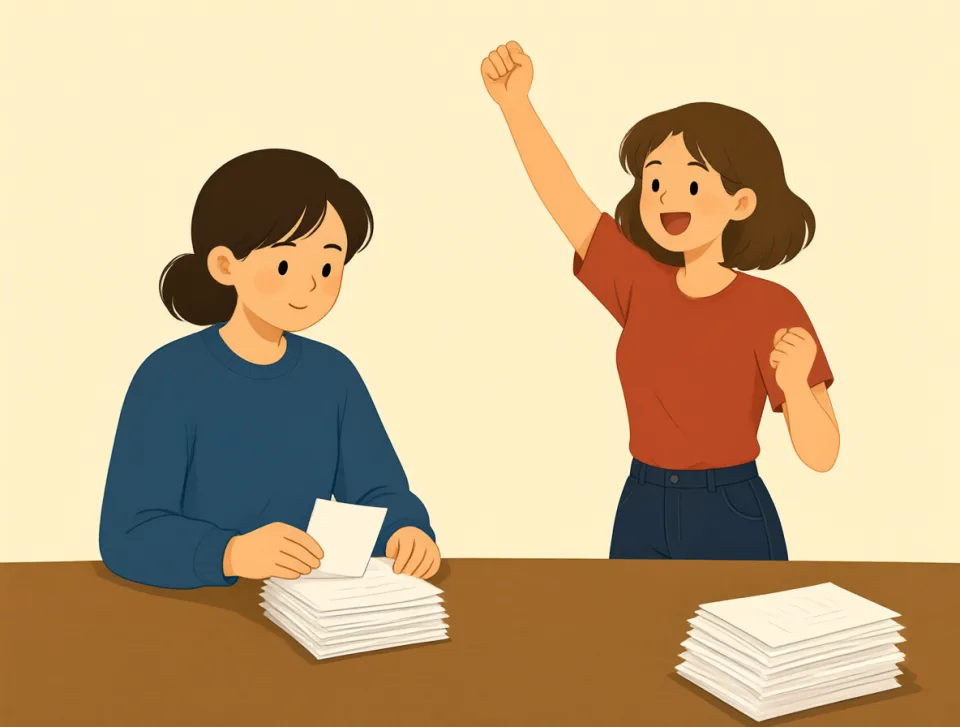
She won the vote by two points.
Wygrała głosowanie przewagą dwóch punktów.
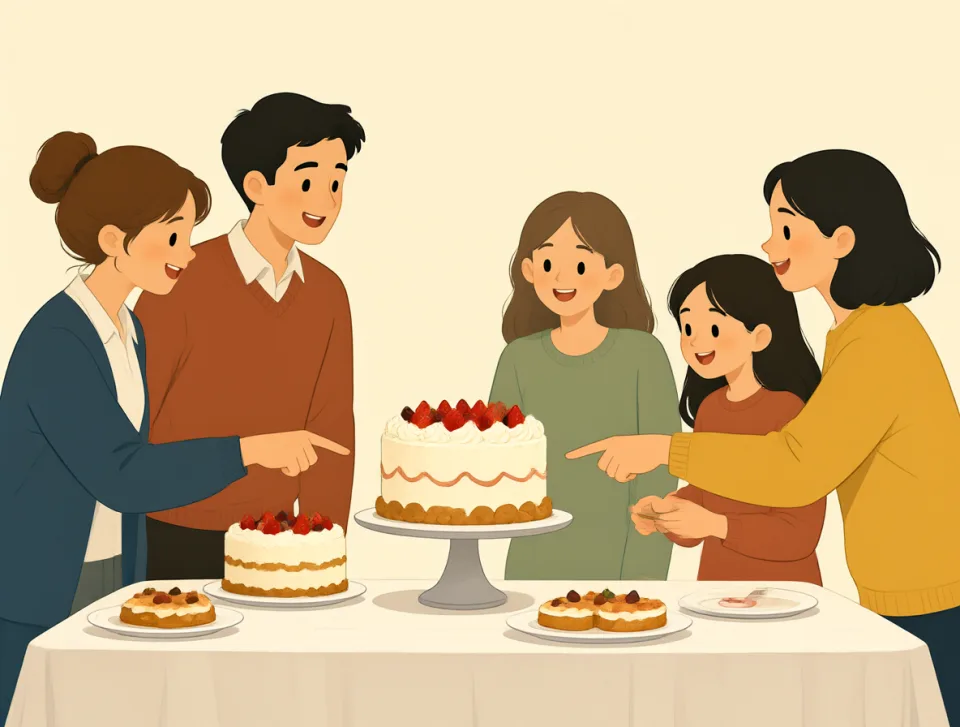
Please vote for your favorite cake.
Zagłosuj na swoje ulubione ciasto.
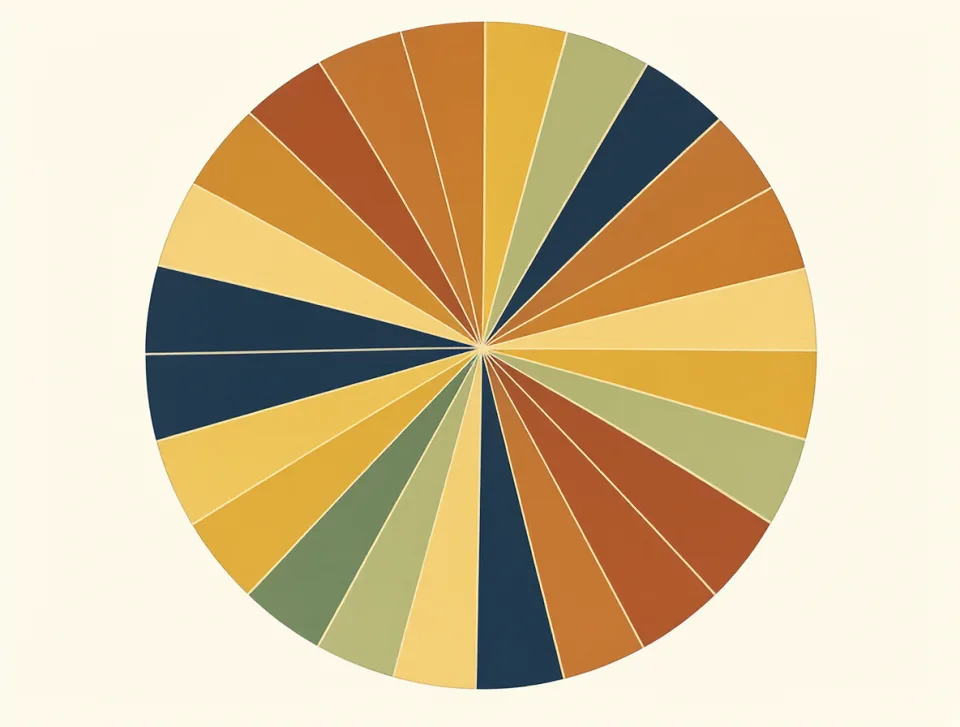
percent
#549noun
procent
One part in every hundred parts of something.
Jedna część na sto równych części czegoś.
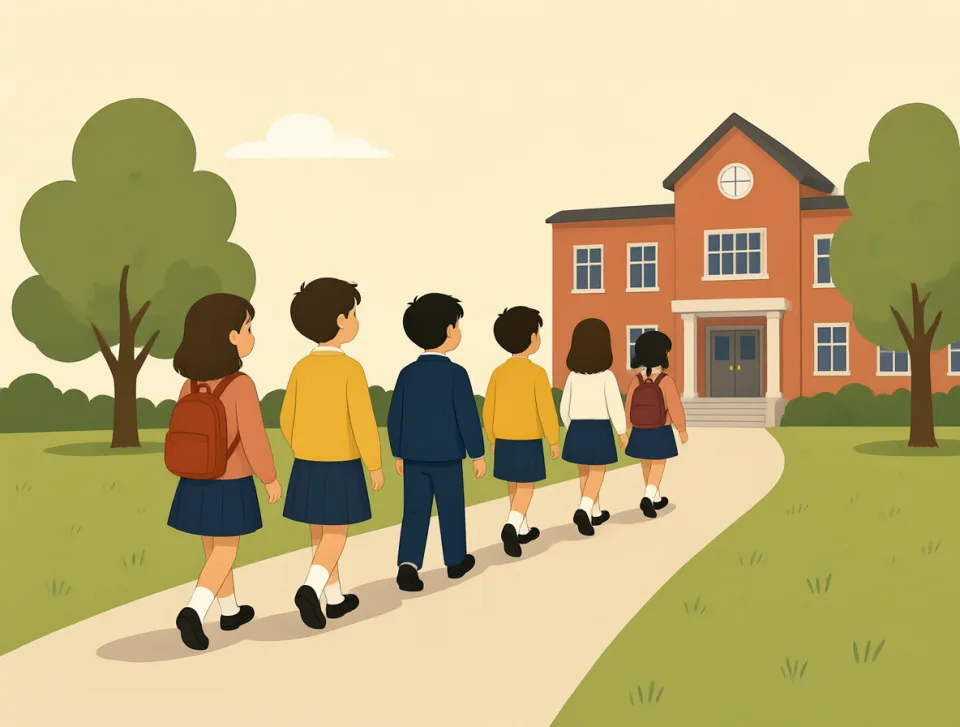
Twenty percent of students walk to school.
Dwadzieścia procent uczniów chodzi do szkoły pieszo.
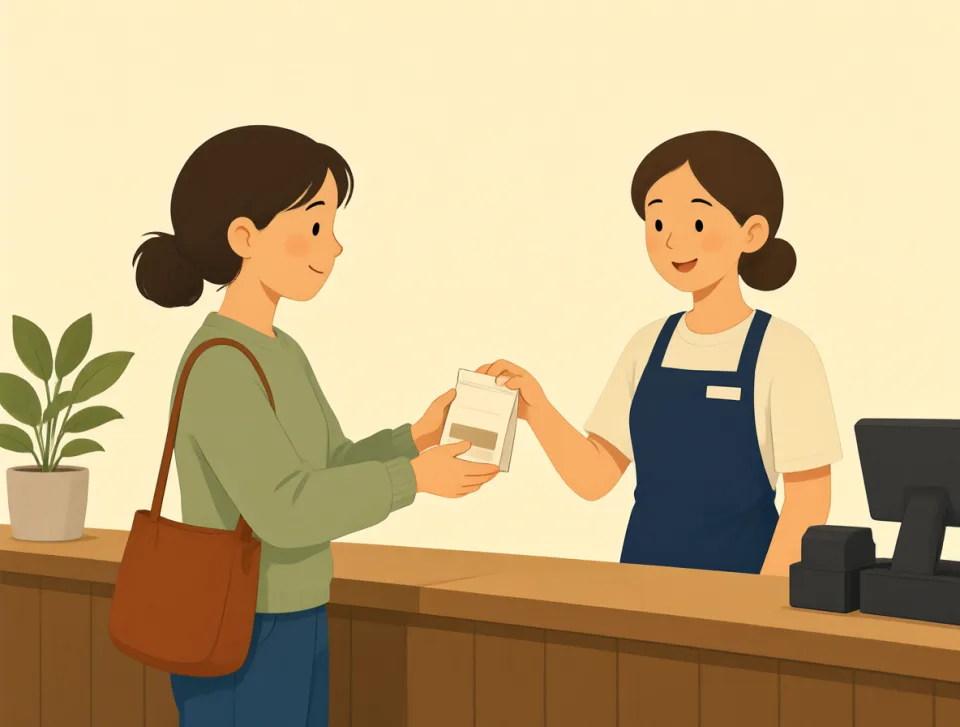
The shop gives a ten percent discount.
Sklep daje dziesięcioprocentową zniżkę.
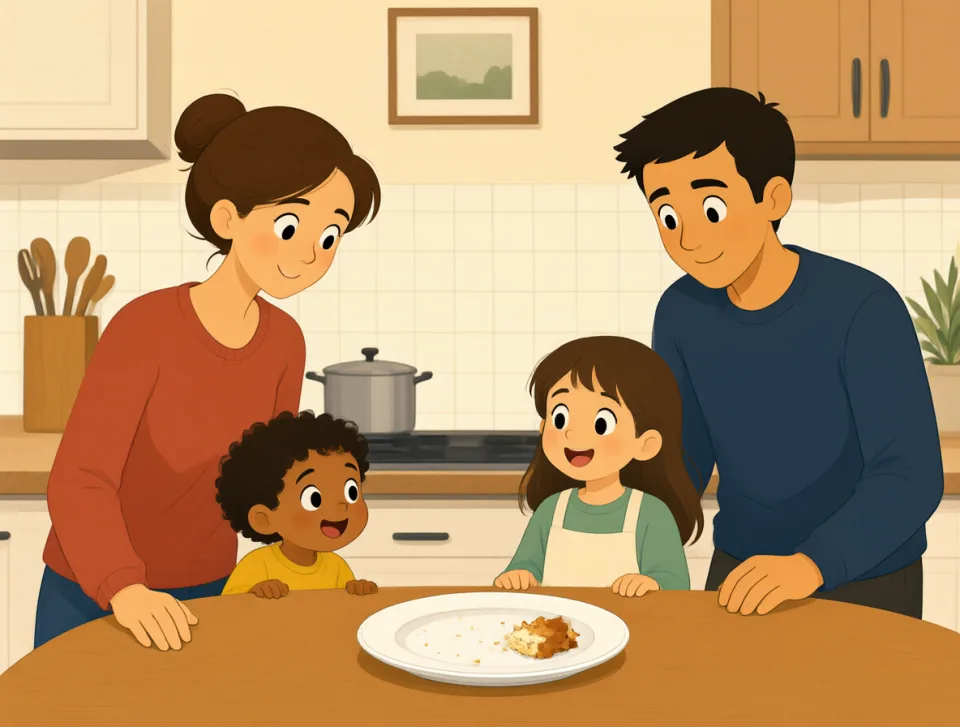
Only five percent of the cake is left.
Zostało tylko pięć procent ciasta.
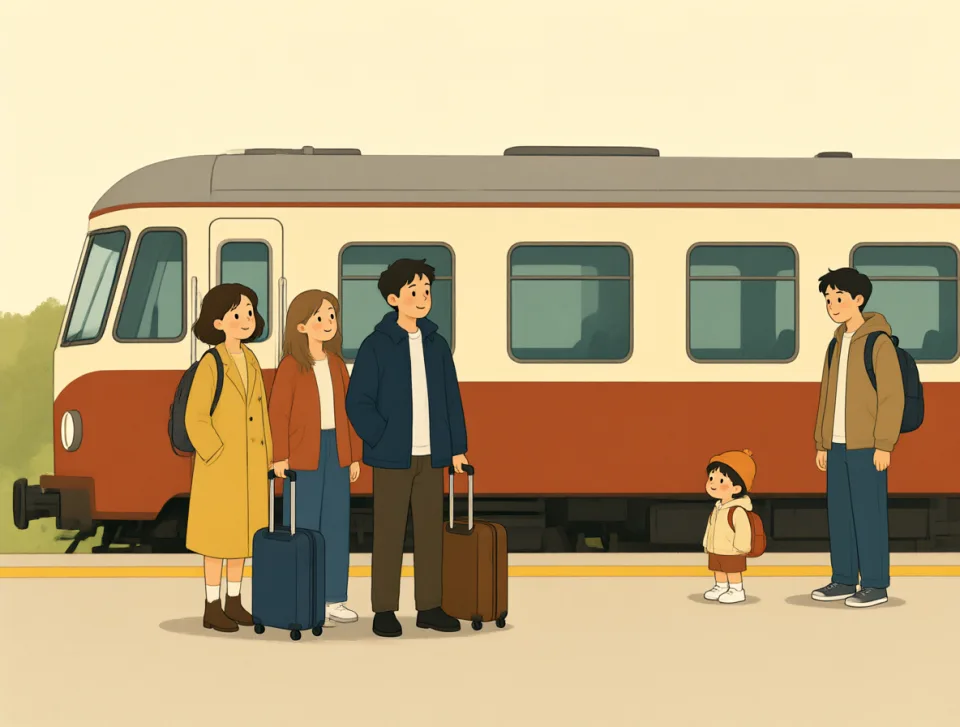
The train was delayed by thirty percent.
Pociąg miał trzydziestoprocentowe opóźnienie.
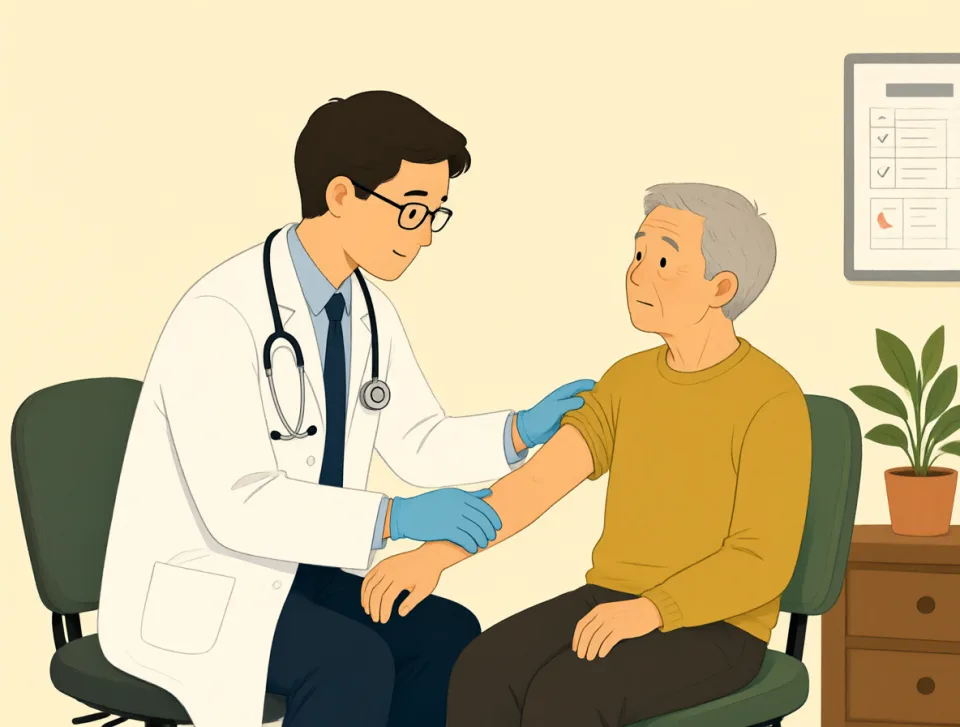
My doctor says I have low body fat percent.
Mój lekarz mówi, że mam niski odsetek tkanki tłuszczowej w organizmie.

focus
#550noun, verb
skupiać się; koncentracja
The main thing you give your attention to; to give attention to something.
Główna rzecz, na której skupiasz swoją uwagę; poświęcać czemuś uwagę.
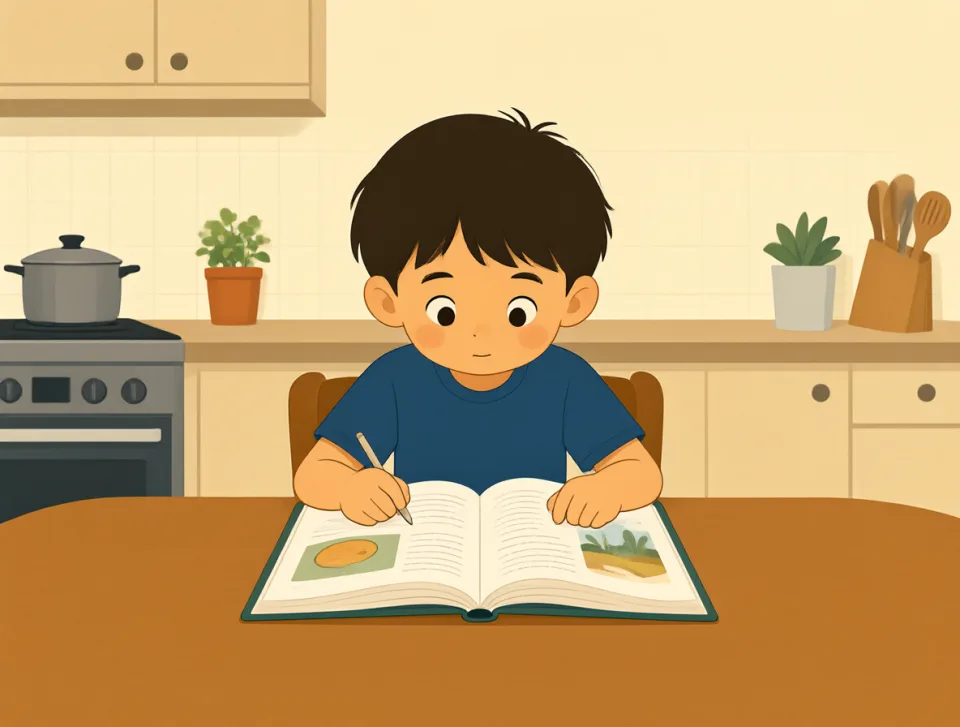
Please focus on your homework now.
Skup się teraz na odrabianiu pracy domowej.

The camera focused on her face.
Aparat skupił się na jej twarzy.
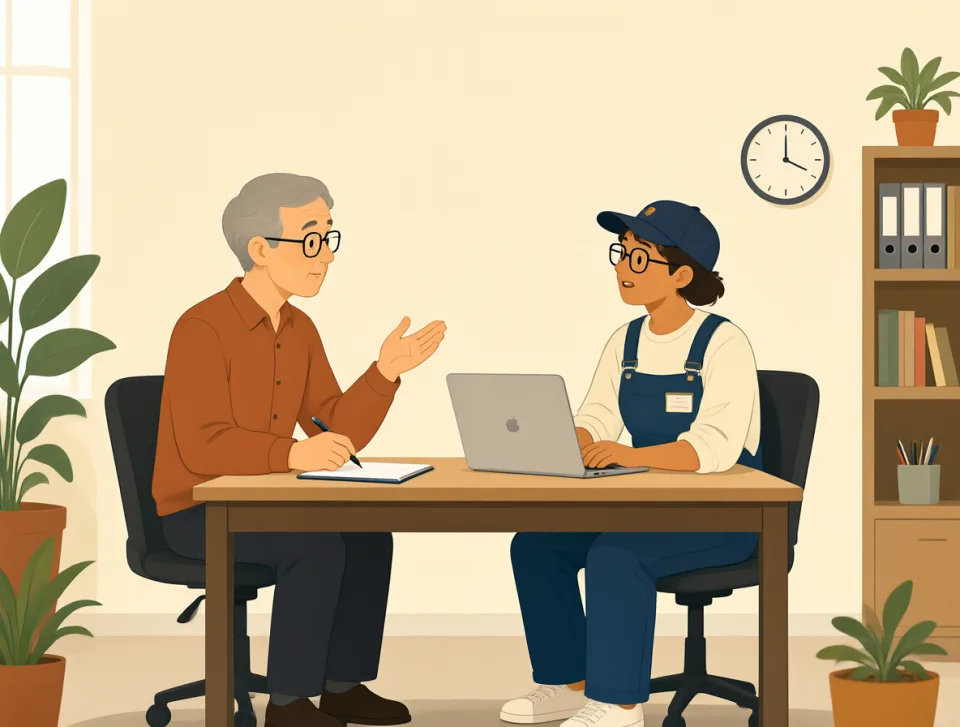
Our focus is customer service this week.
W tym tygodniu skupiamy się na obsłudze klienta.
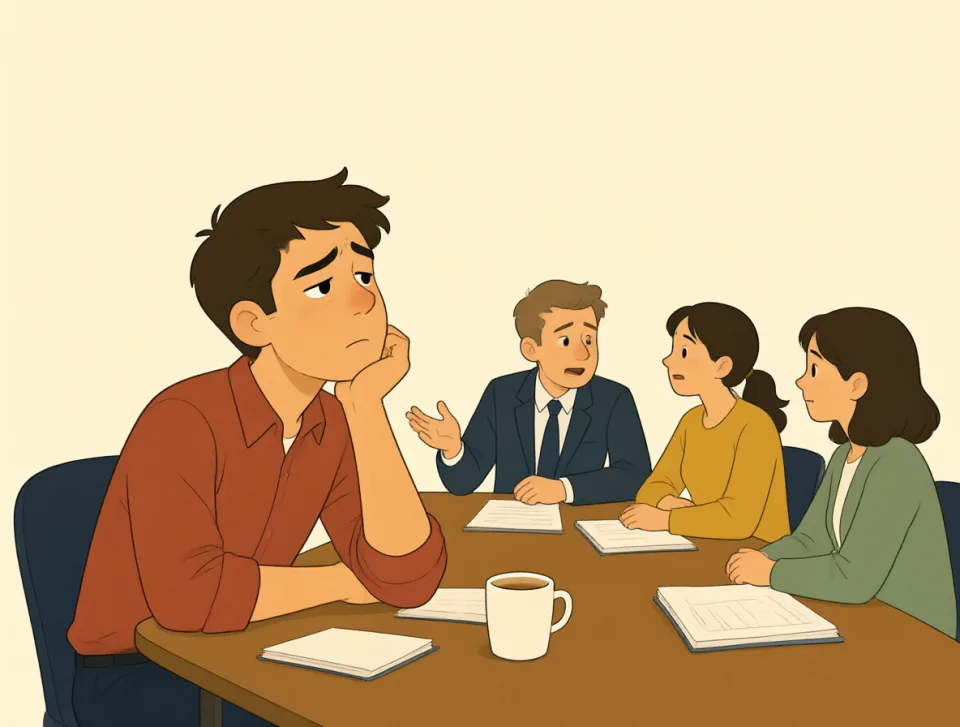
I lost my focus during the long meeting.
Straciłem koncentrację podczas długiego spotkania.
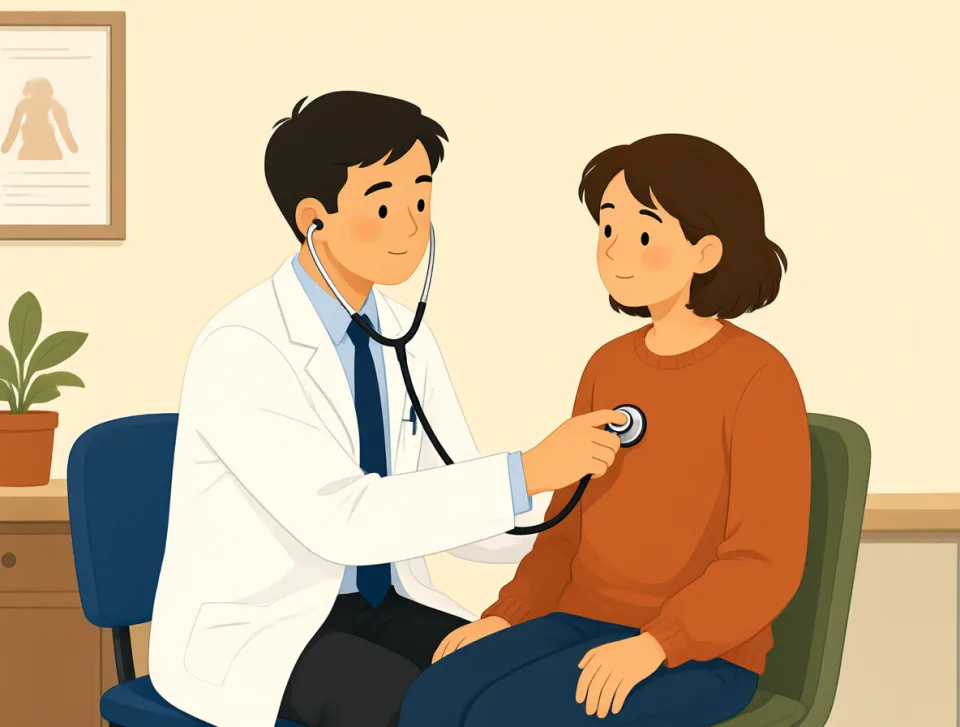
The doctor focused on my breathing.
Lekarz skupił się na moim oddechu.
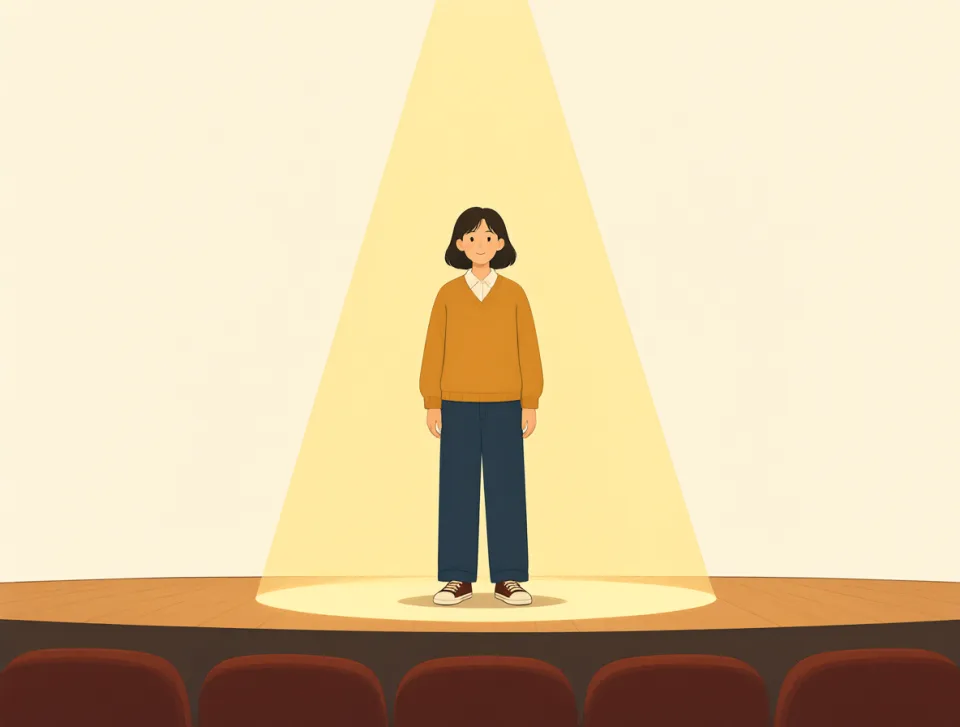
stage
#551noun, verb
etap
A particular time or step in a process or activity.
Określony moment lub etap procesu albo działania.
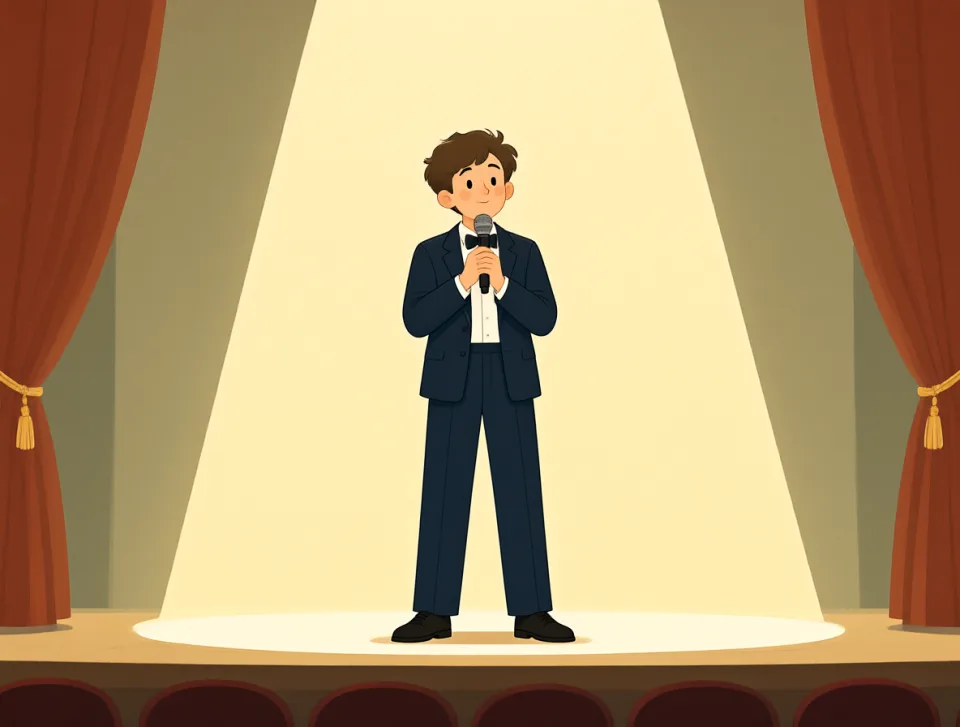
The show starts on the main stage.
Przedstawienie rozpoczyna się na głównej scenie.

The project is still in the planning stage.
Projekt jest wciąż na etapie planowania.
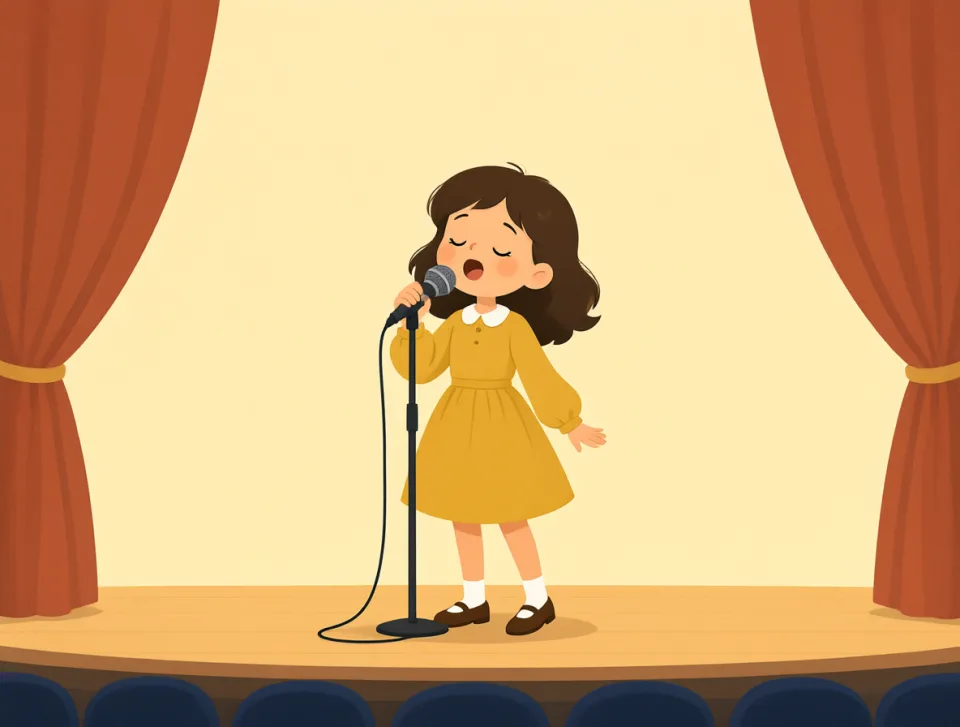
She went on stage to sing.
Wyszła na scenę, żeby zaśpiewać.
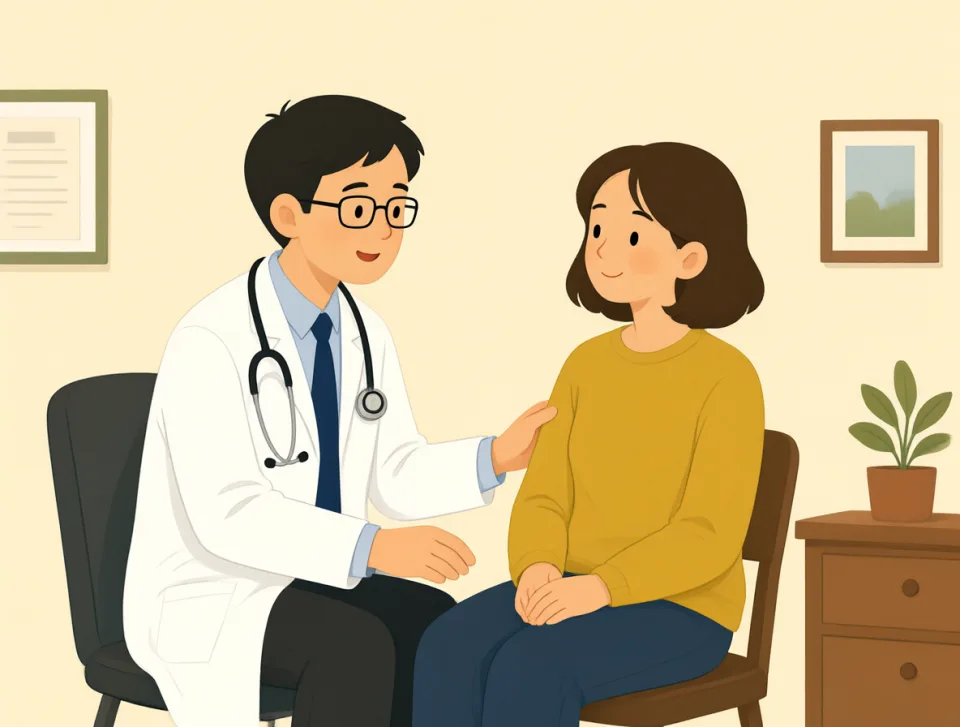
The doctor checked the early stages of illness.
Lekarz zbadał wczesne stadia choroby.
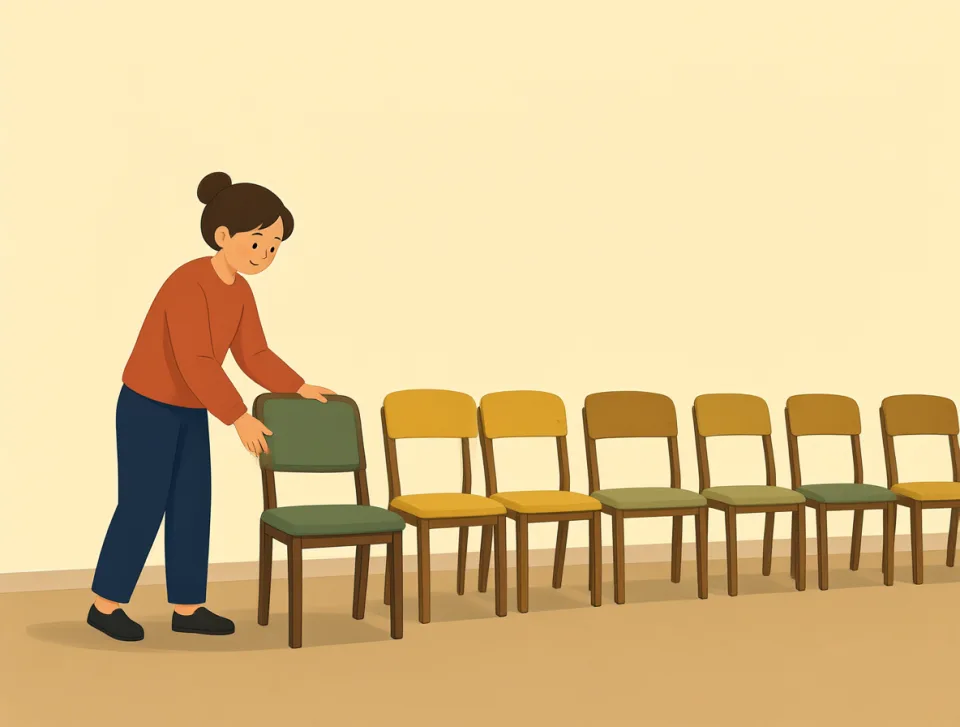
Please stage the chairs near the wall.
Proszę ustawić krzesła przy ścianie.

space
#552noun, verb
miejsce
an empty area available for people or things; to make room for something
Wolna przestrzeń dostępna dla ludzi lub rzeczy; zrobić miejsce na coś.
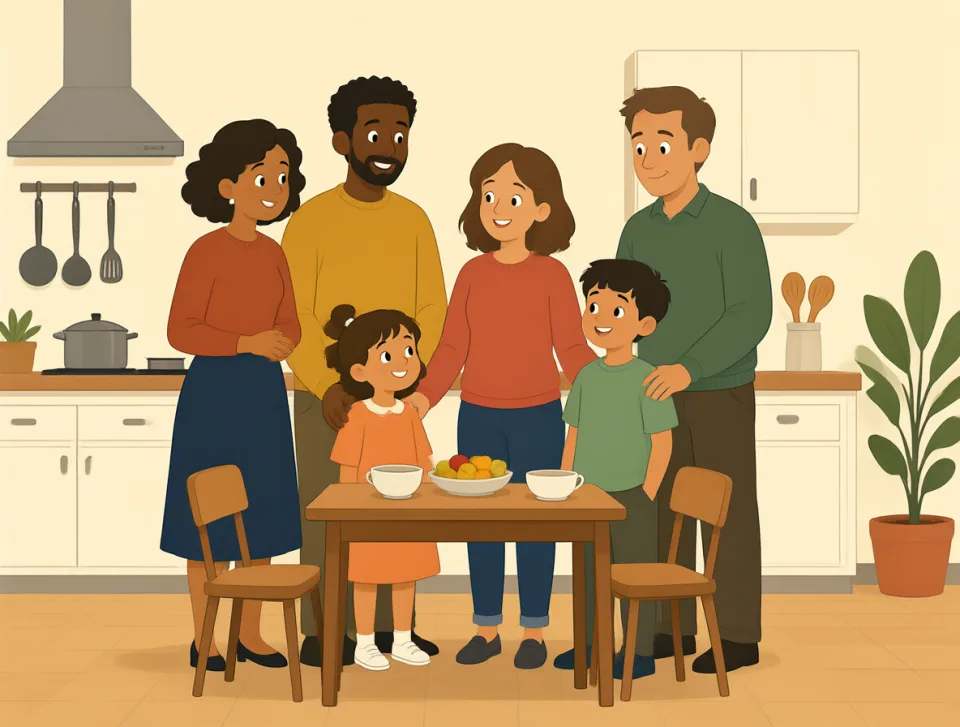
There is not enough space in the kitchen.
W kuchni jest za mało miejsca.
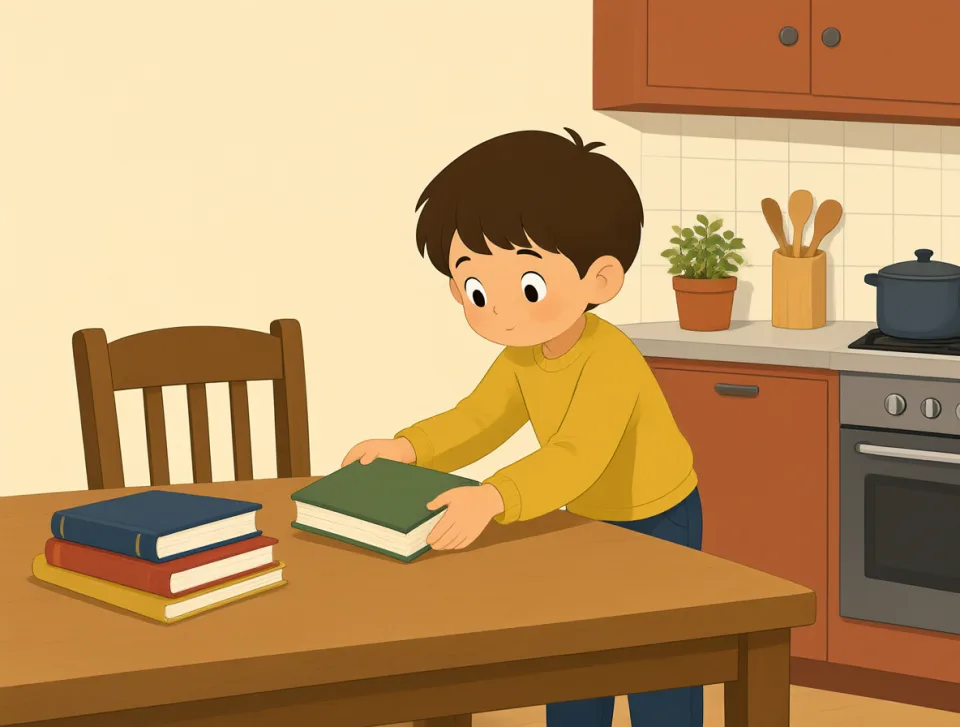
Please make some space on the table.
Proszę zrobić trochę miejsca na stole.
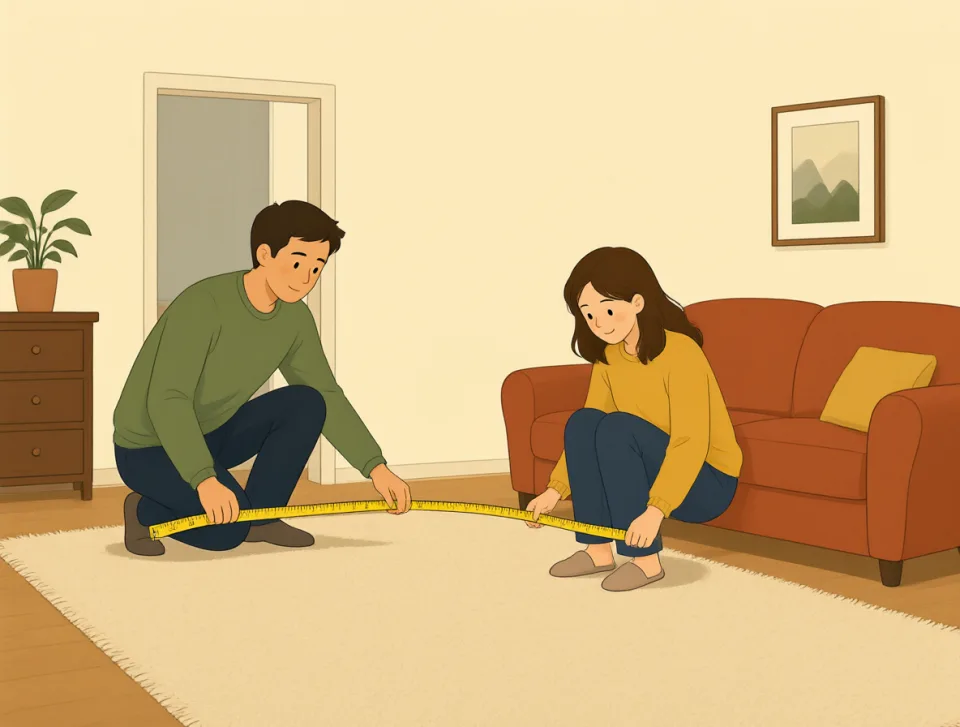
We need more space for the new sofa.
Potrzebujemy więcej miejsca na nową sofę.

She saved a space for me on the bus.
Zarezerwowała dla mnie miejsce w autobusie.
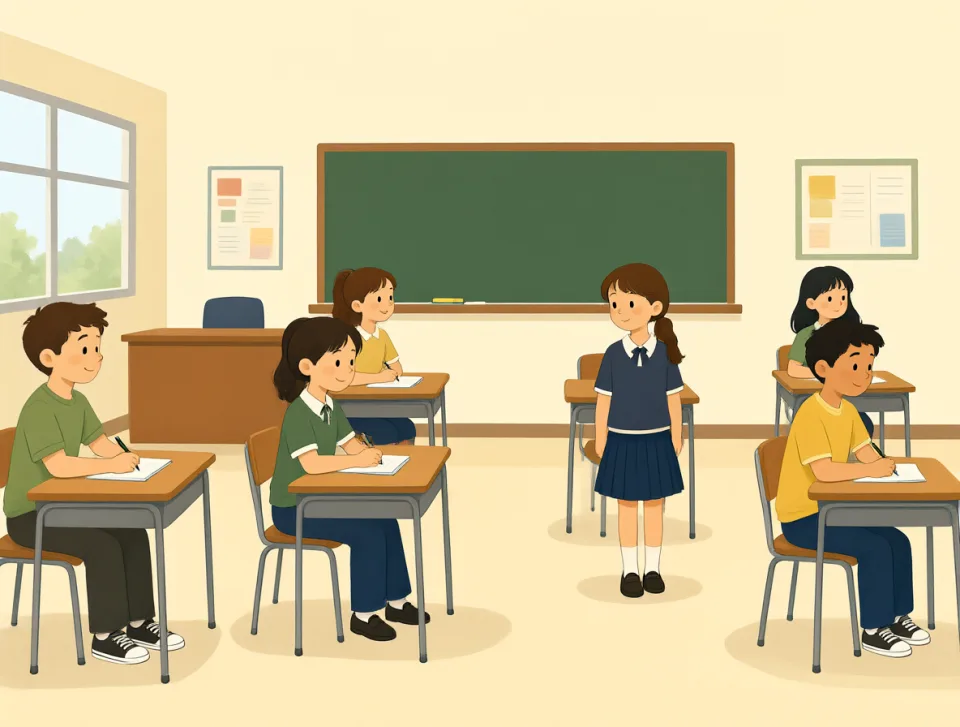
The students space their desks apart.
Uczniowie ustawiają ławki w odstępach.

instead
#553adverb, preposition
zamiast
in place of someone or something else
W miejsce kogoś lub czegoś innego.
We walked instead of taking the bus.
Poszliśmy pieszo zamiast jechać autobusem.
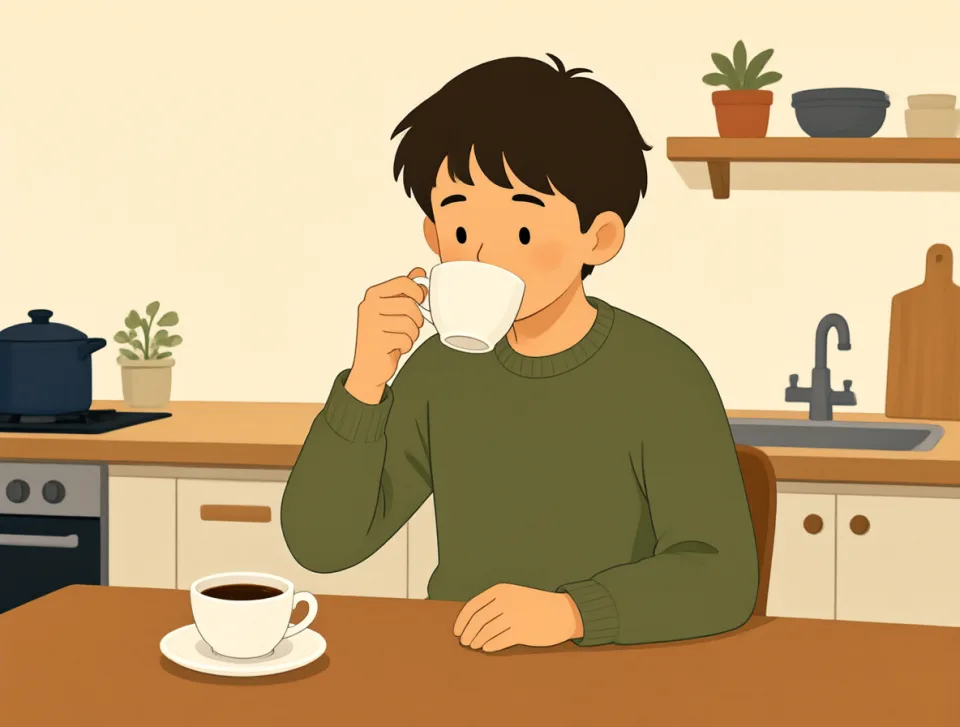
I had tea instead of coffee.
Wypiłem herbatę zamiast kawy.
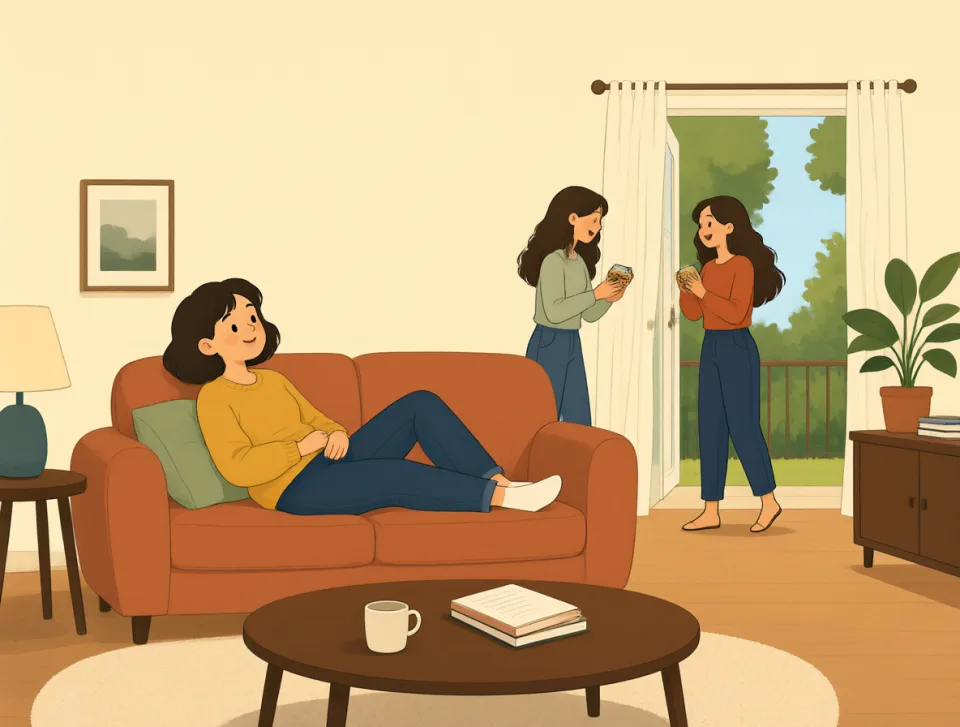
She stayed home instead.
Zamiast tego została w domu.
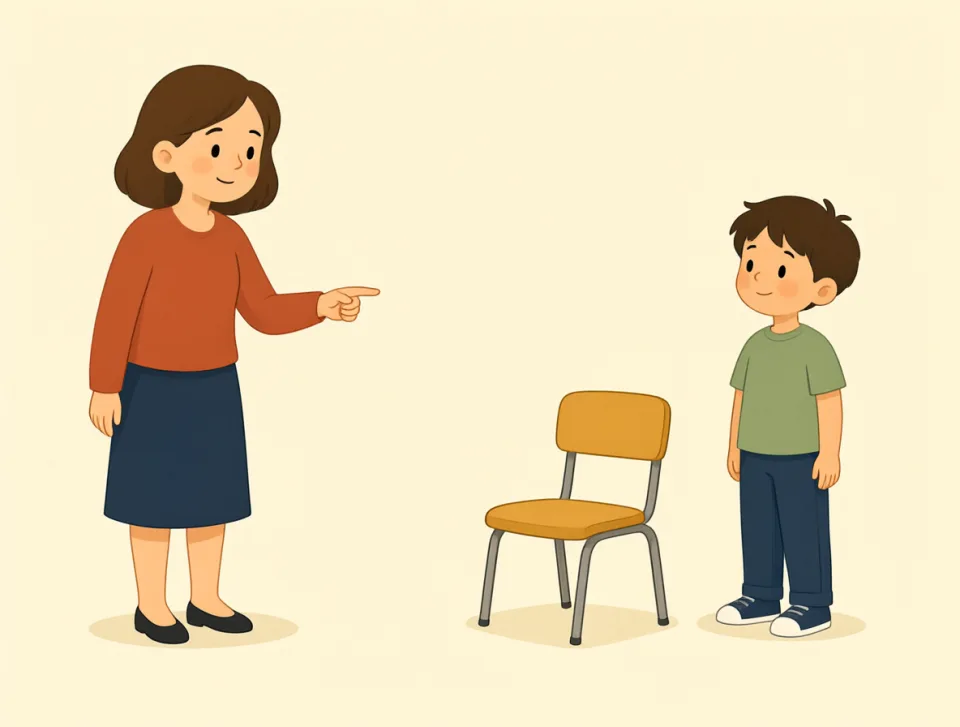
Use this chair instead of that one.
Użyj tego krzesła zamiast tamtego.
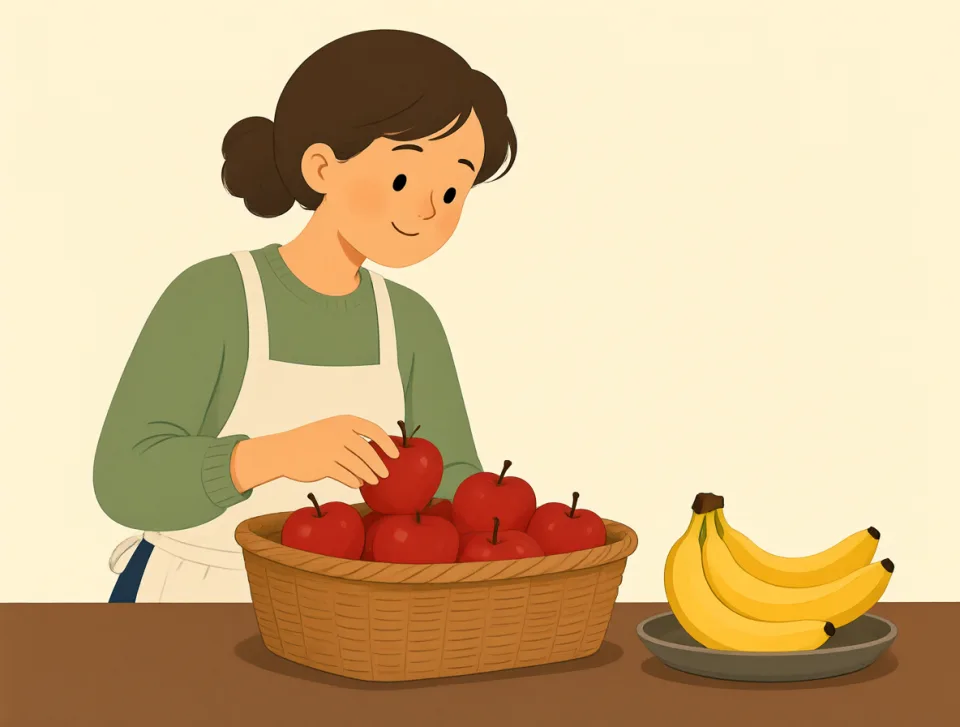
He bought apples instead of bananas.
Kupił jabłka zamiast bananów.
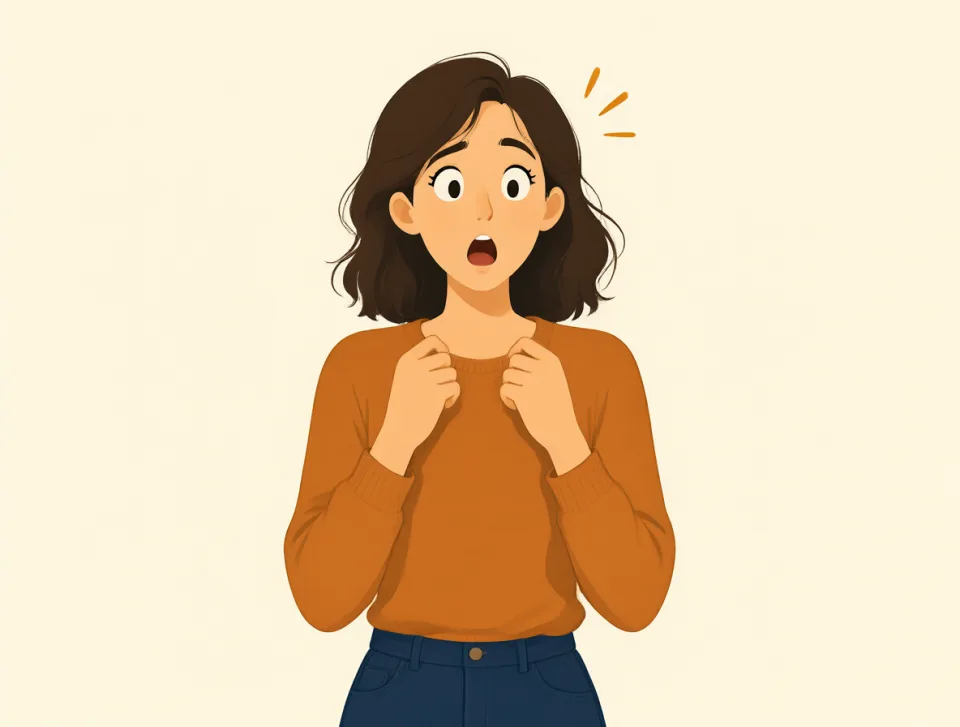
realize
#554verb
zdać sobie sprawę
to understand or notice something, especially after thinking about it
Zrozumieć lub zauważyć coś, zwłaszcza po zastanowieniu się nad tym.
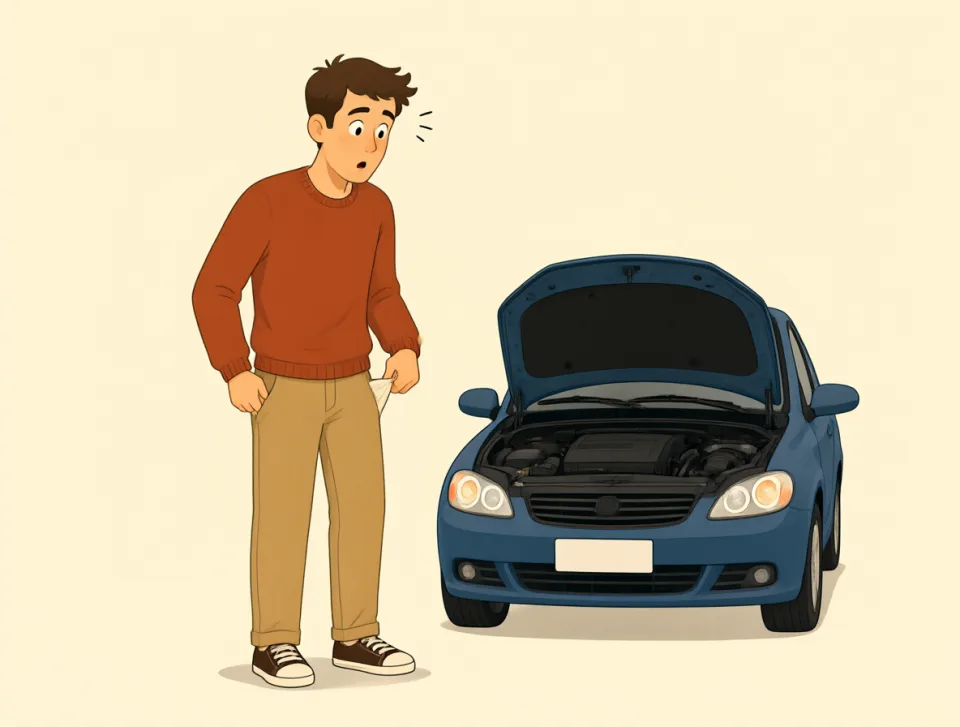
I realized I left my keys at home.
Zdałem sobie sprawę, że zostawiłem klucze w domu.

She realized that the shop was closed.
Zdała sobie sprawę, że sklep był zamknięty.
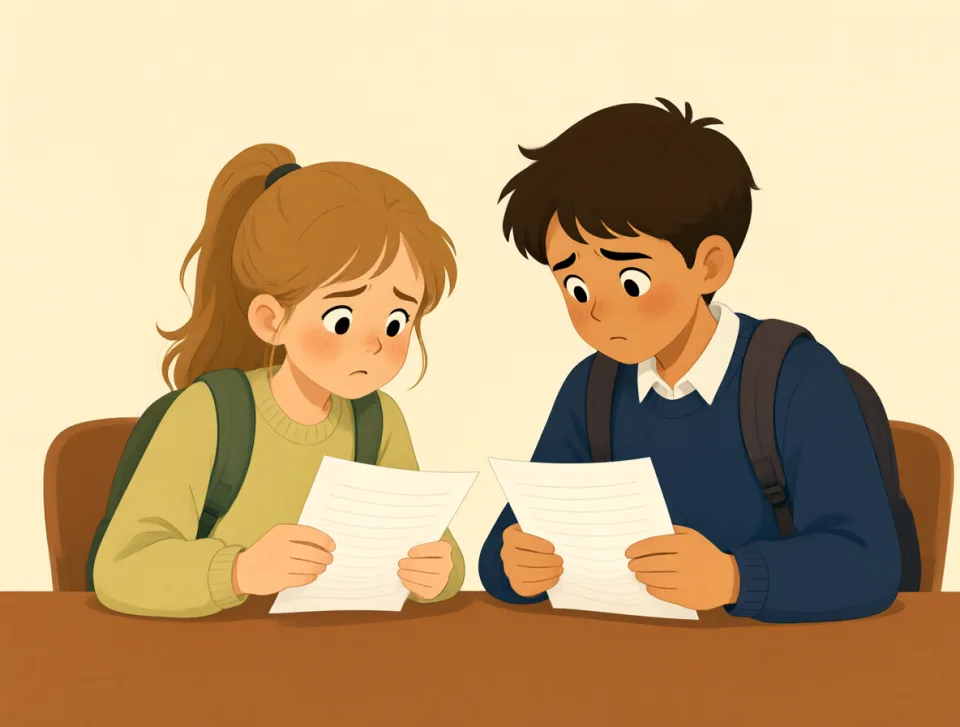
We realized our mistake after class.
Po zajęciach zorientowaliśmy się, że popełniliśmy błąd.
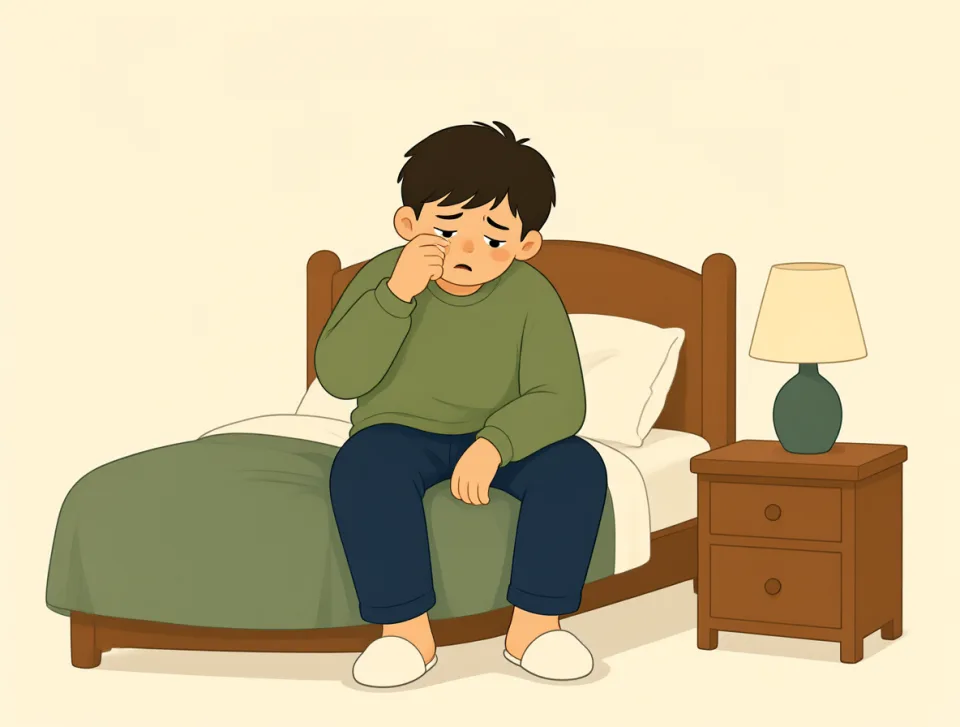
He realized he needed more sleep.
Zdał sobie sprawę, że potrzebuje więcej snu.

They realized how much they missed their friends.
Zrozumieli, jak bardzo brakowało im przyjaciół.

usually
#555adverb
zazwyczaj
in the way that happens most of the time
W sposób, który zdarza się przez większość czasu.
I usually walk to school with my sister.
Zazwyczaj chodzę do szkoły pieszo z siostrą.
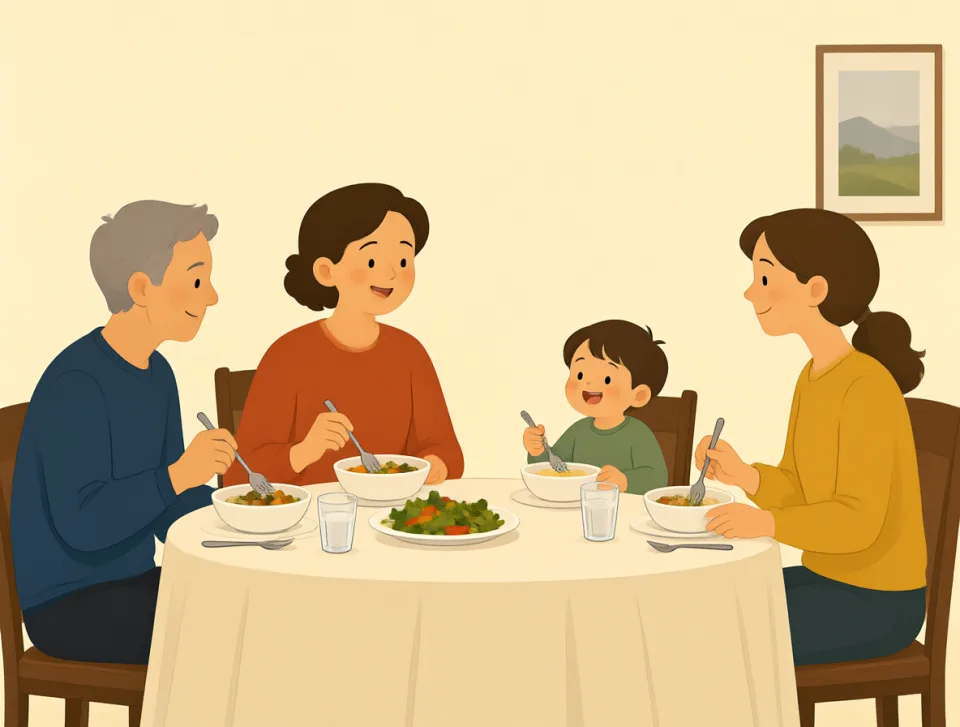
We usually eat dinner at six.
Zazwyczaj jemy kolację o szóstej.
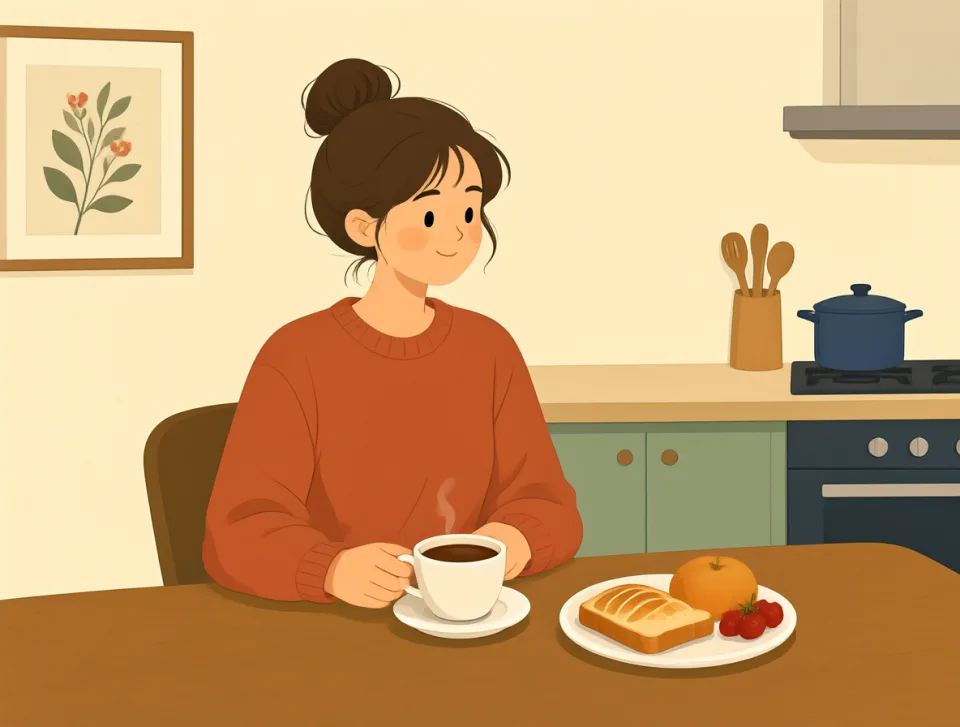
She usually drinks coffee in the morning.
Ona zazwyczaj pije kawę rano.

He usually takes the bus to work.
On zazwyczaj jeździ do pracy autobusem.
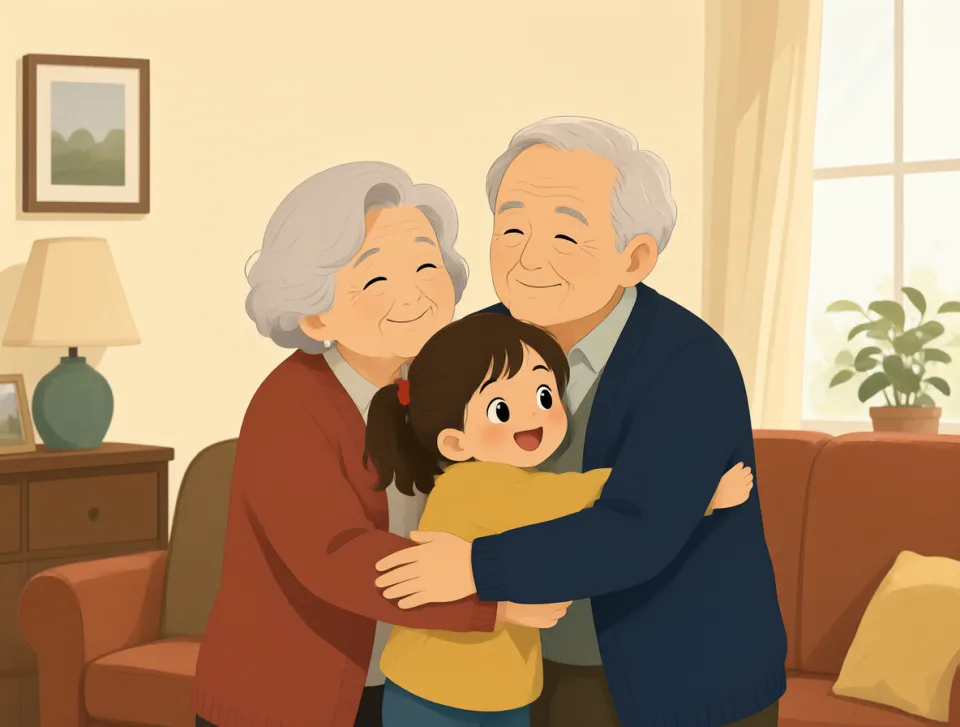
They usually visit their grandparents on Sundays.
Oni zazwyczaj odwiedzają dziadków w niedziele.
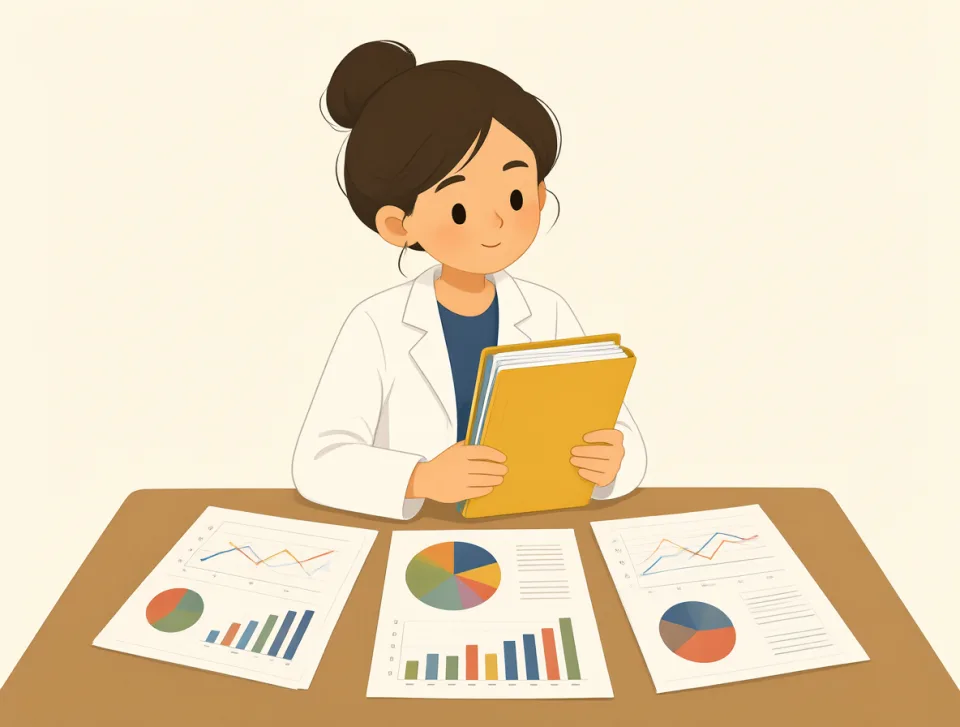
data
#556noun
dane
Facts or information collected for study, work, or making decisions.
Fakty lub informacje zebrane na potrzeby badań, pracy lub podejmowania decyzji.

The computer stores our customer data.
Komputer przechowuje dane naszych klientów.
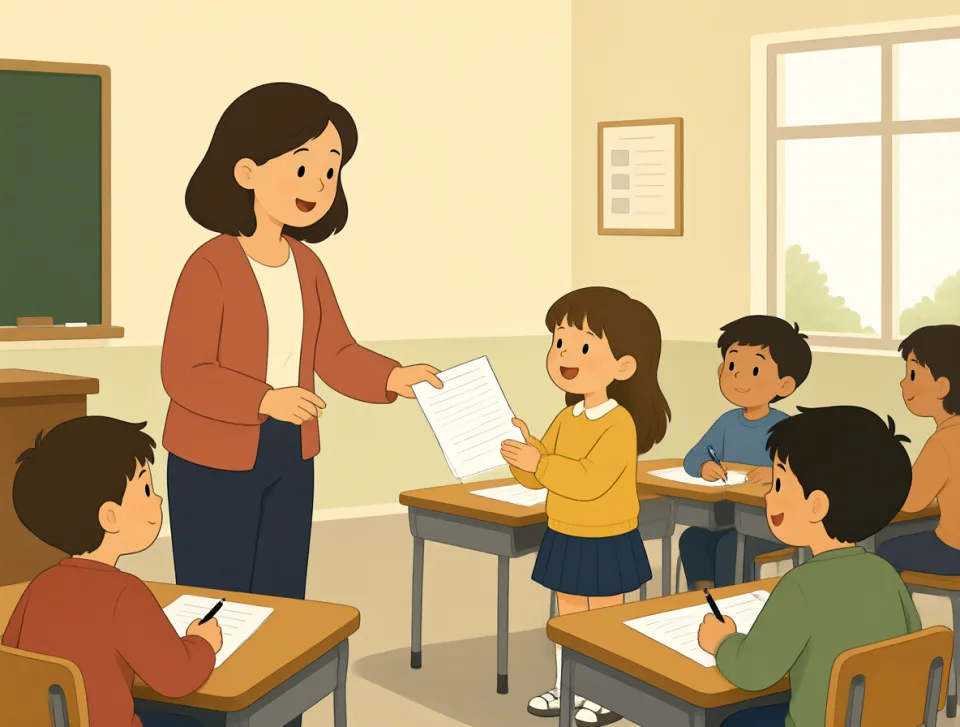
We collected data from fifty students.
Zebraliśmy dane od pięćdziesięciu uczniów.
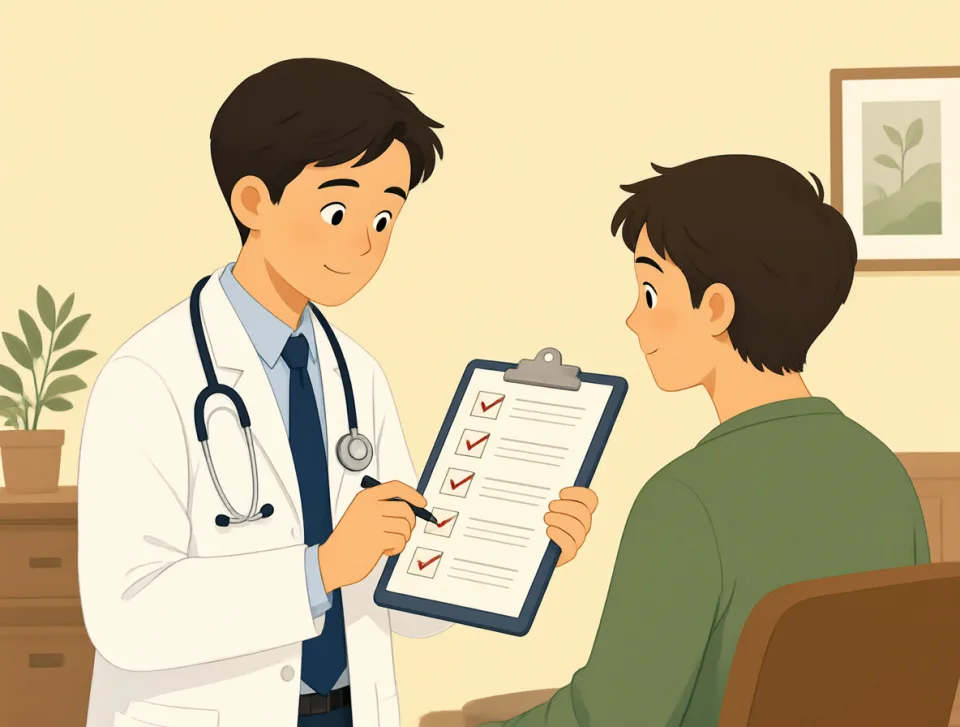
The doctor checked my health data.
Lekarz sprawdził moje dane dotyczące zdrowia.
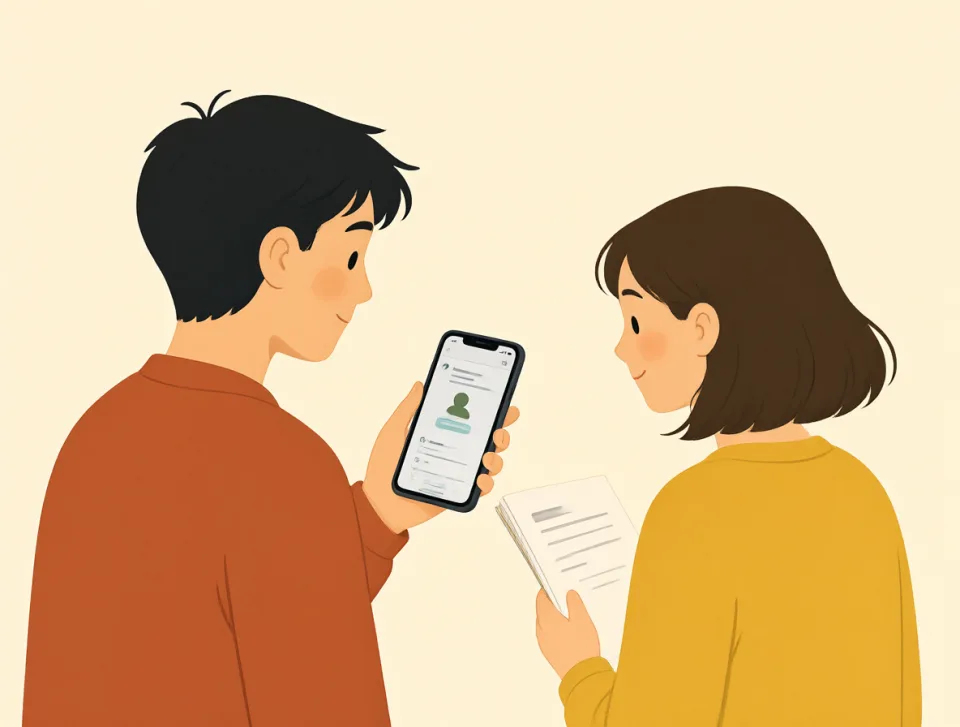
This app uses data from your phone.
Ta aplikacja korzysta z danych z twojego telefonu.

The travel company shared data about prices.
Firma turystyczna udostępniła dane dotyczące cen.
single
#557adjective, noun
pojedynczy
One person or thing, not joined with or part of another.
Jedna osoba lub rzecz, która nie jest połączona z inną ani nie stanowi jej części.
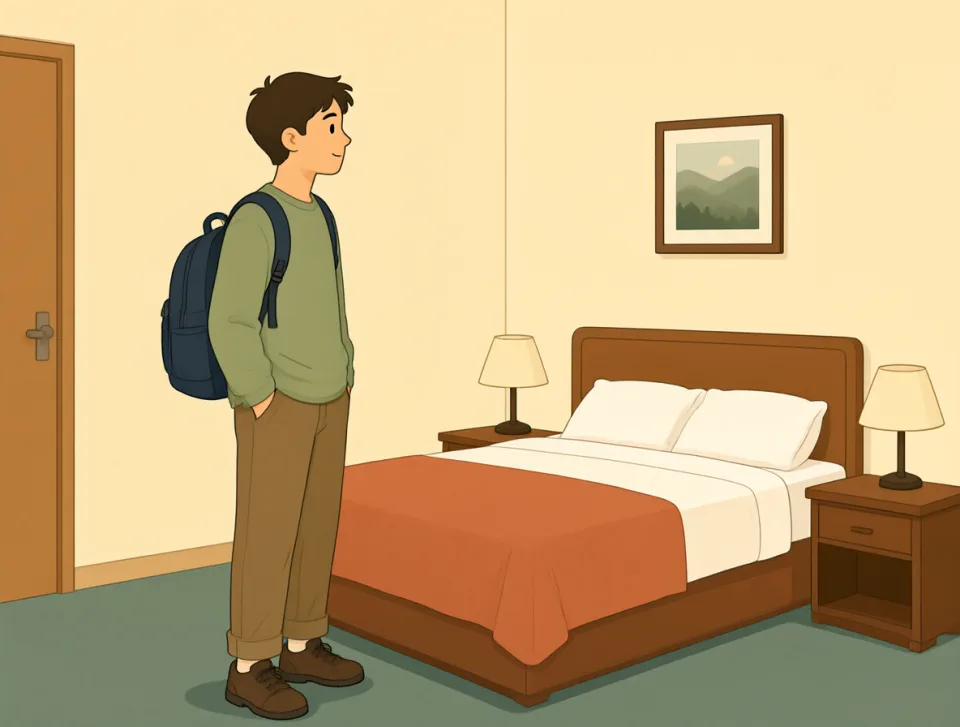
I need a single room for tonight.
Potrzebuję jednoosobowego pokoju na dzisiejszą noc.
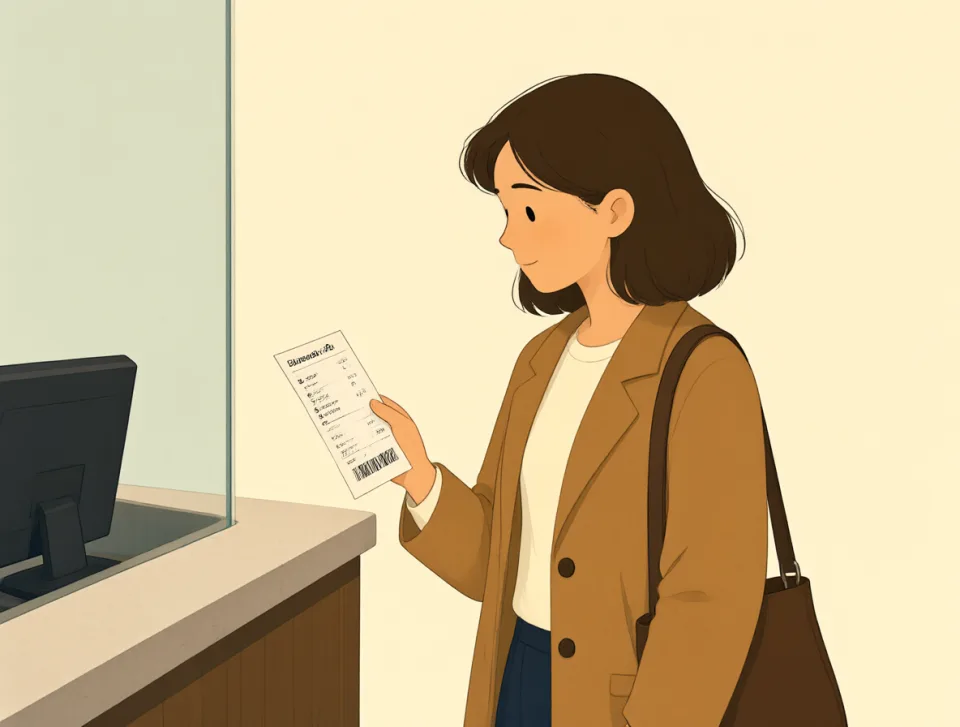
She bought a single ticket to London.
Kupiła pojedynczy bilet do Londynu.
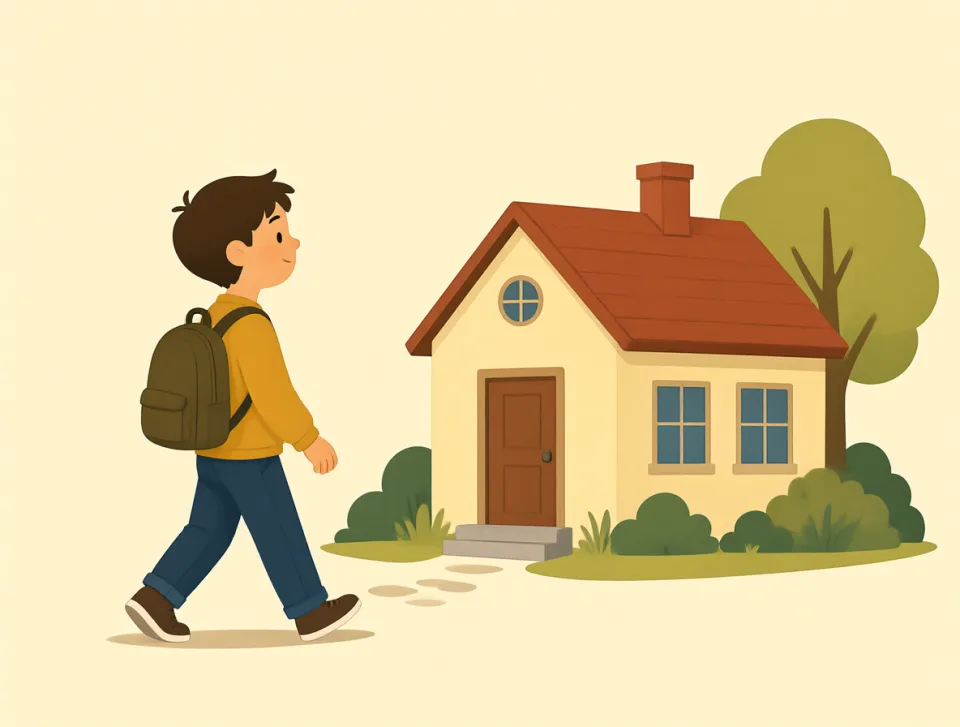
He lives in a single house near school.
Mieszka w osobnym domu niedaleko szkoły.
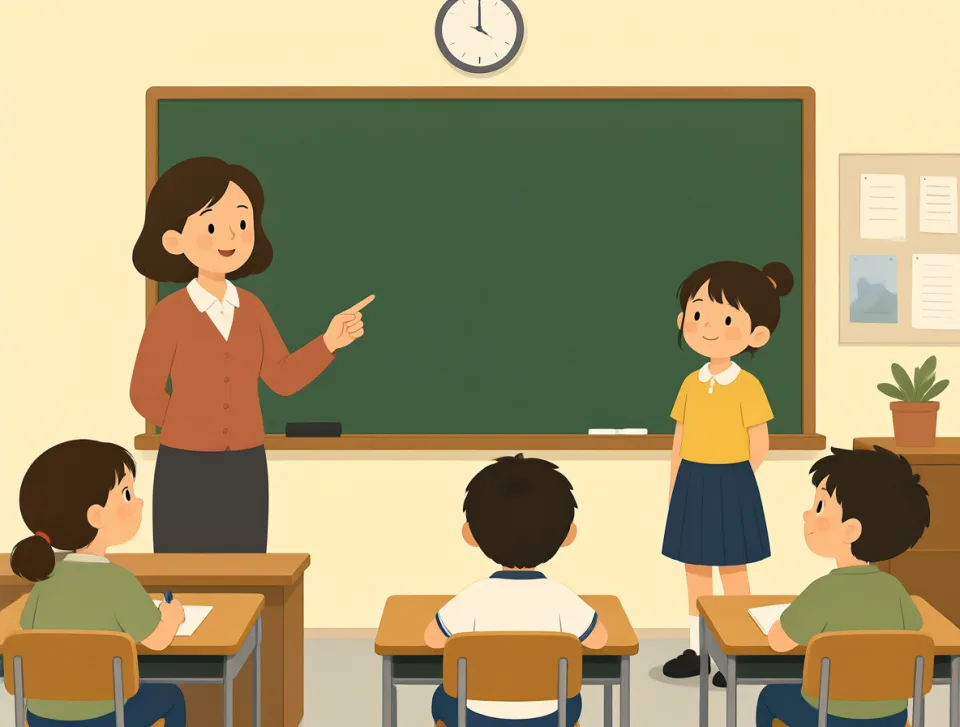
The teacher asked a single question.
Nauczyciel zadał tylko jedno pytanie.
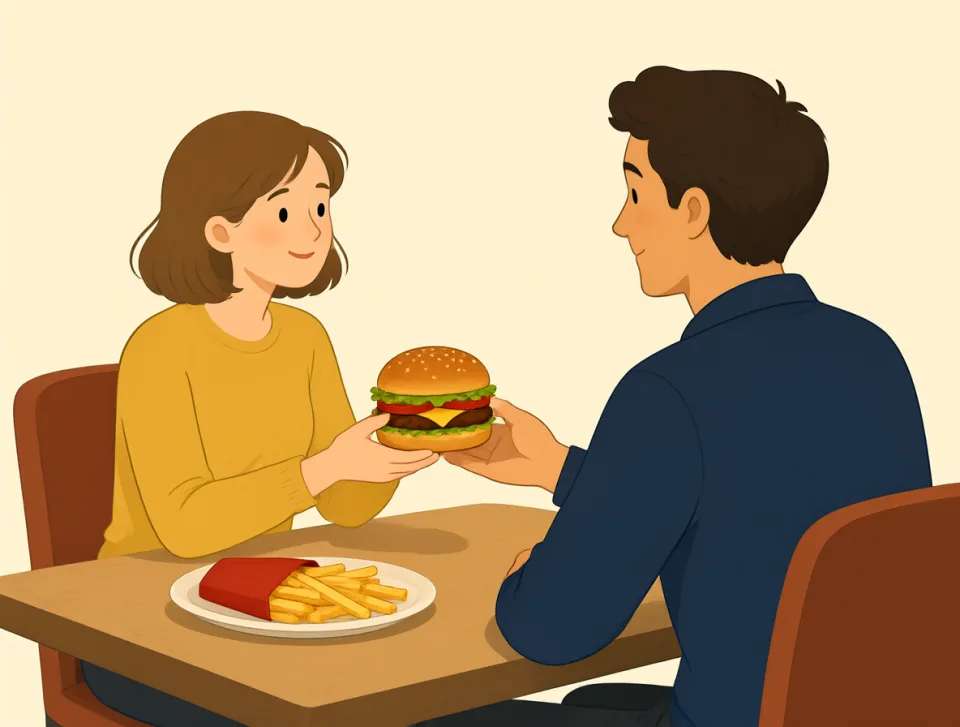
I ordered a single burger and fries.
Zamówiłem jednego hamburgera i frytki.

address
#558noun, verb
adres
the place where someone lives, or to speak to someone about something
Miejsce, w którym ktoś mieszka, lub zwrócenie się do kogoś w jakiejś sprawie.
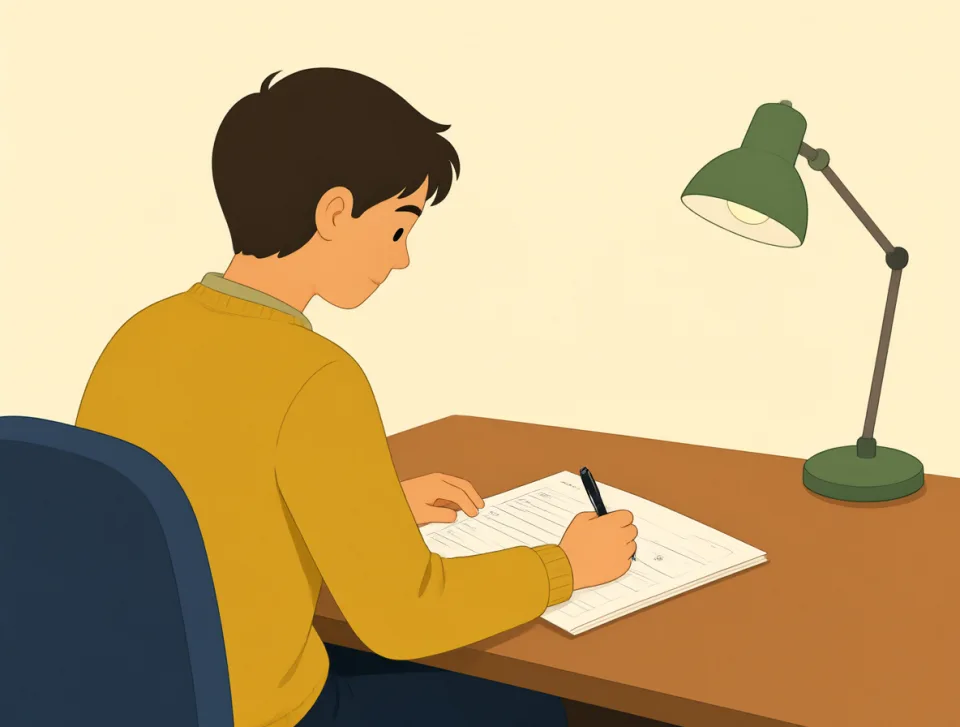
Please write your address on this form.
Proszę wpisać swój adres w tym formularzu.

What is your new address?
Jaki jest twój nowy adres?

The letter has the wrong address.
Na liście znajduje się niewłaściwy adres.
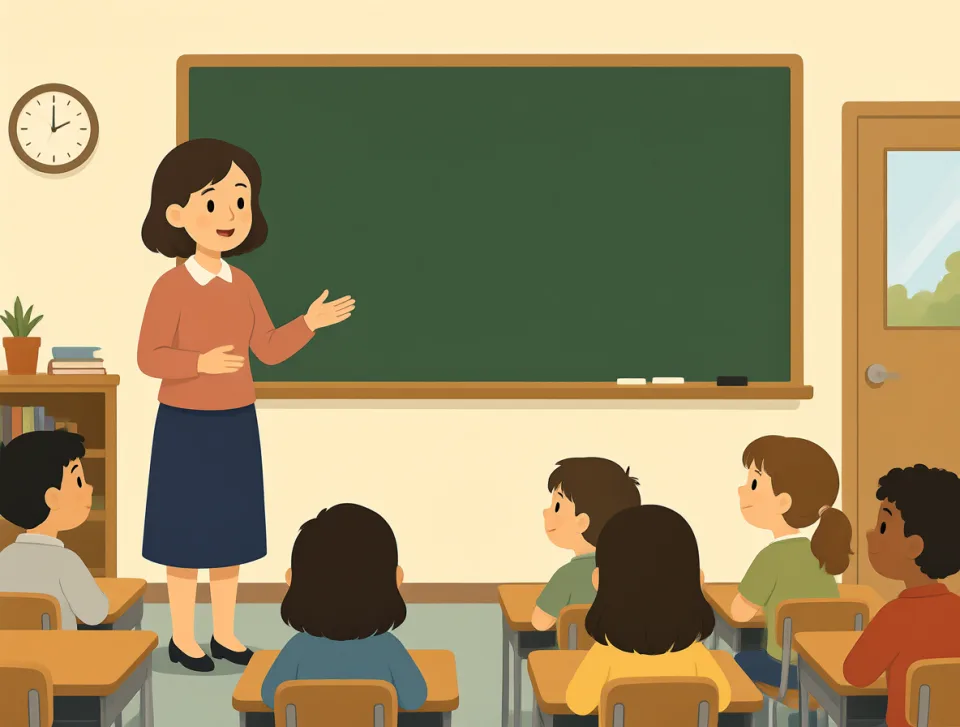
The teacher addressed the class quietly.
Nauczyciel spokojnie zwrócił się do klasy.
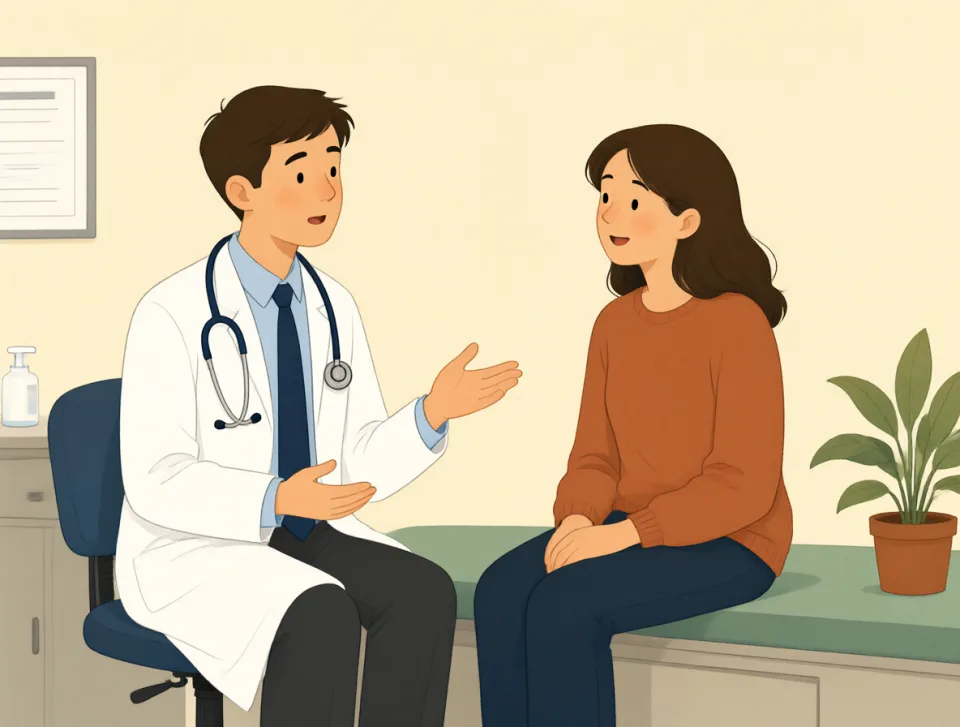
The doctor addressed my health problem.
Lekarz zajął się moim problemem zdrowotnym.
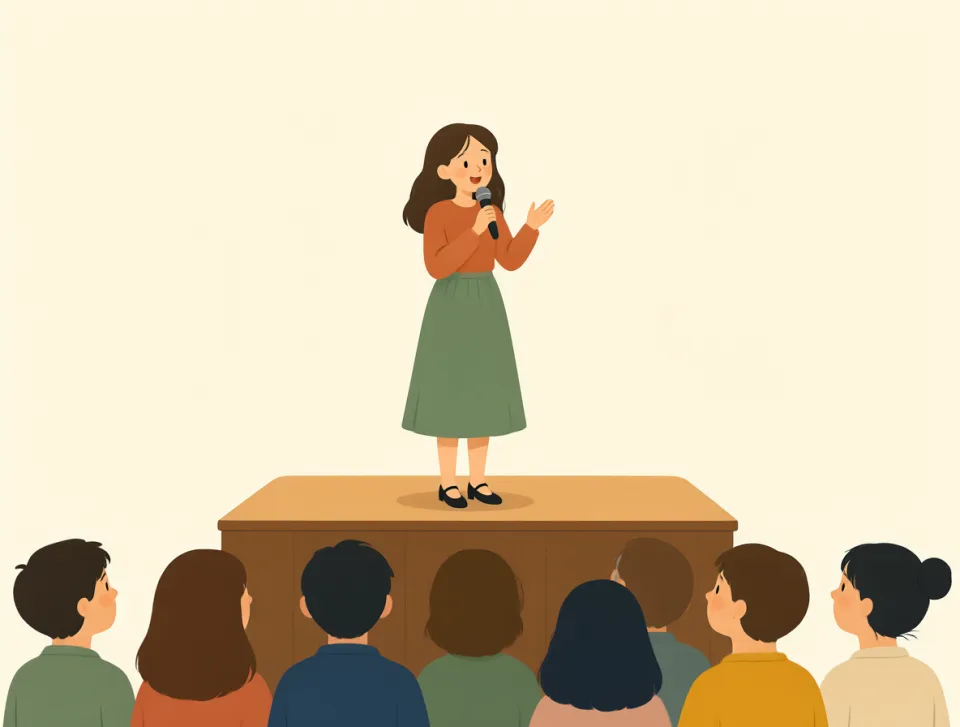
performance
#559noun
występ
How well someone or something does a job, activity, or show.
To, jak dobrze ktoś lub coś wykonuje zadanie, bierze udział w aktywności lub wypada podczas występu.
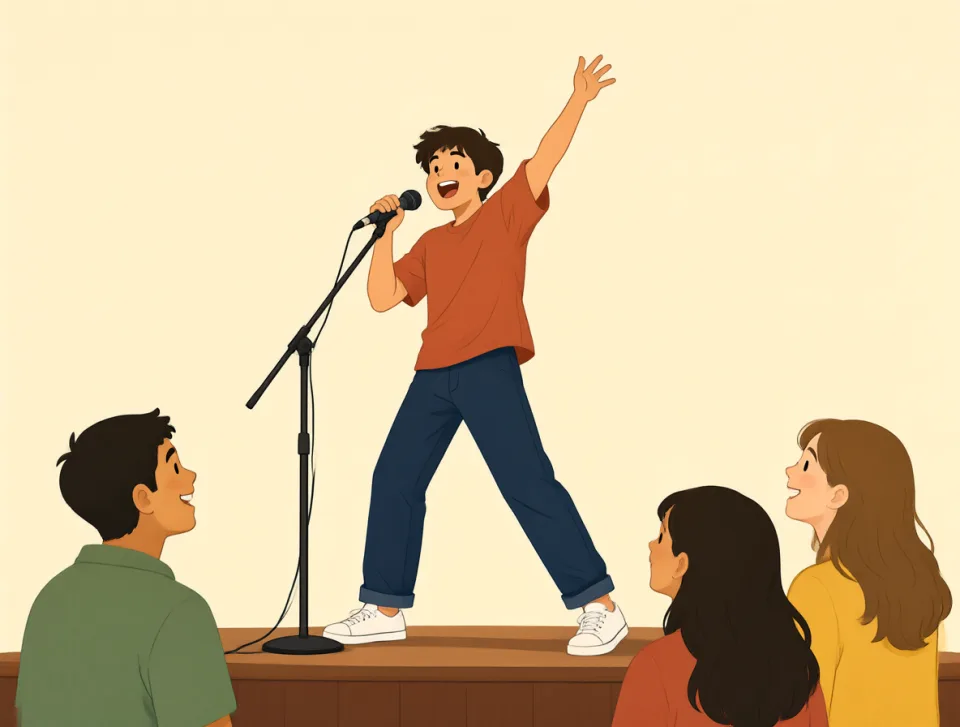
The singer gave a great performance last night.
Wczoraj wieczorem piosenkarz dał wspaniały występ.

Her work performance improved this month.
W tym miesiącu poprawiły się wyniki jej pracy.
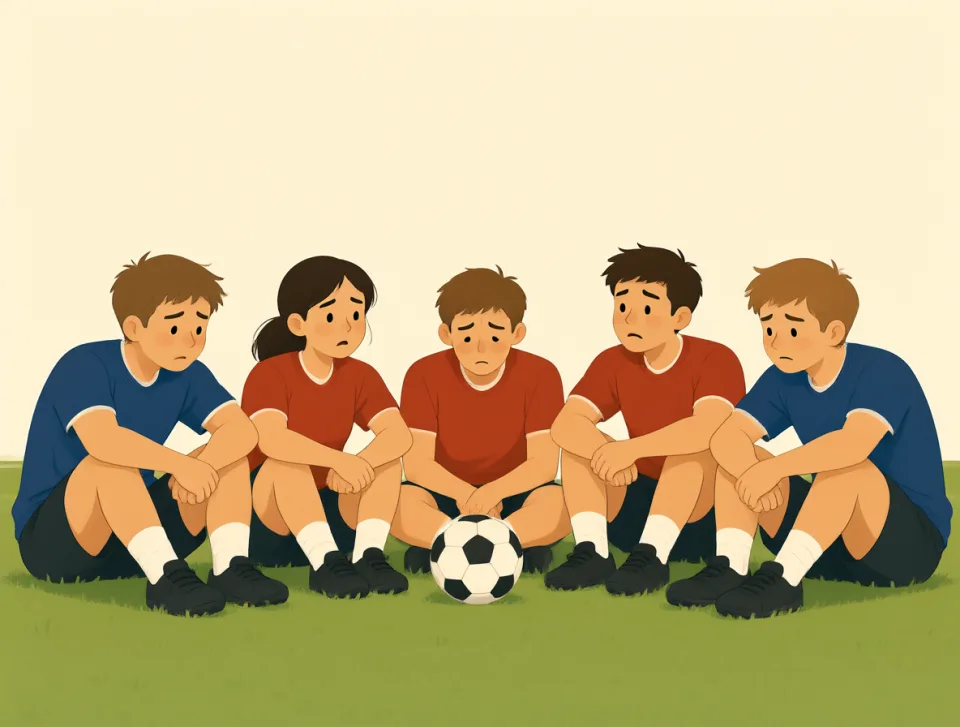
The team had a poor performance today.
Drużyna spisała się dziś słabo.
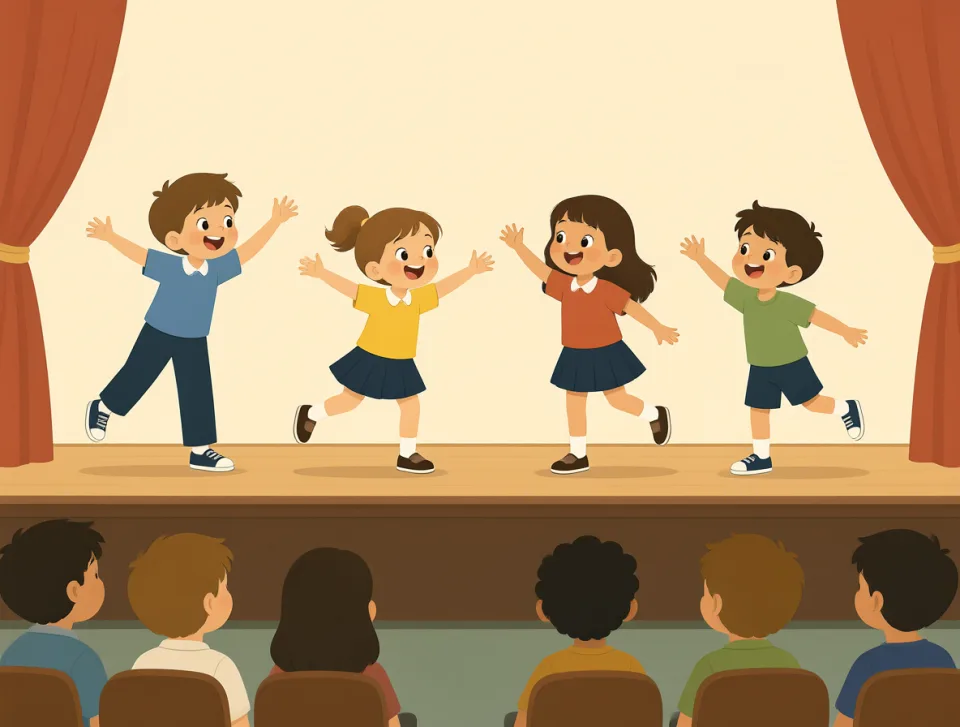
The school play was a funny performance.
Przedstawienie szkolne było zabawne.

This car has good performance on hills.
Ten samochód dobrze radzi sobie na wzniesieniach.
chance
#560noun
szansa
a possibility that something will happen or an opportunity to do something
Możliwość, że coś się wydarzy, lub okazja do zrobienia czegoś.
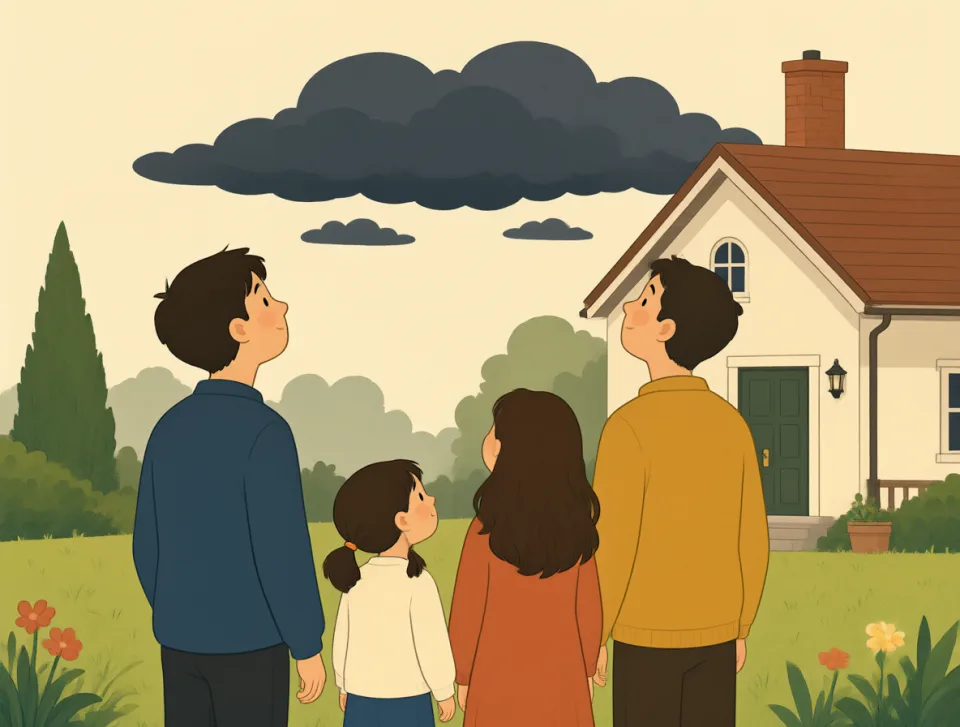
There is a good chance of rain today.
Dziś jest duża szansa na deszcz.
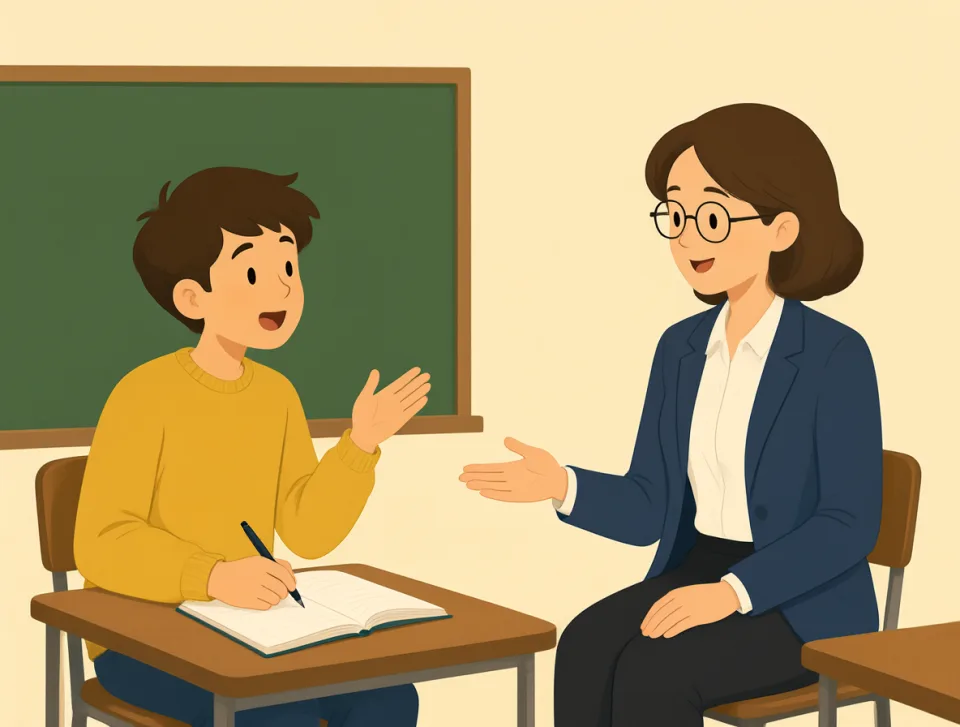
I had a chance to talk with my teacher.
Miałem okazję porozmawiać z nauczycielem.
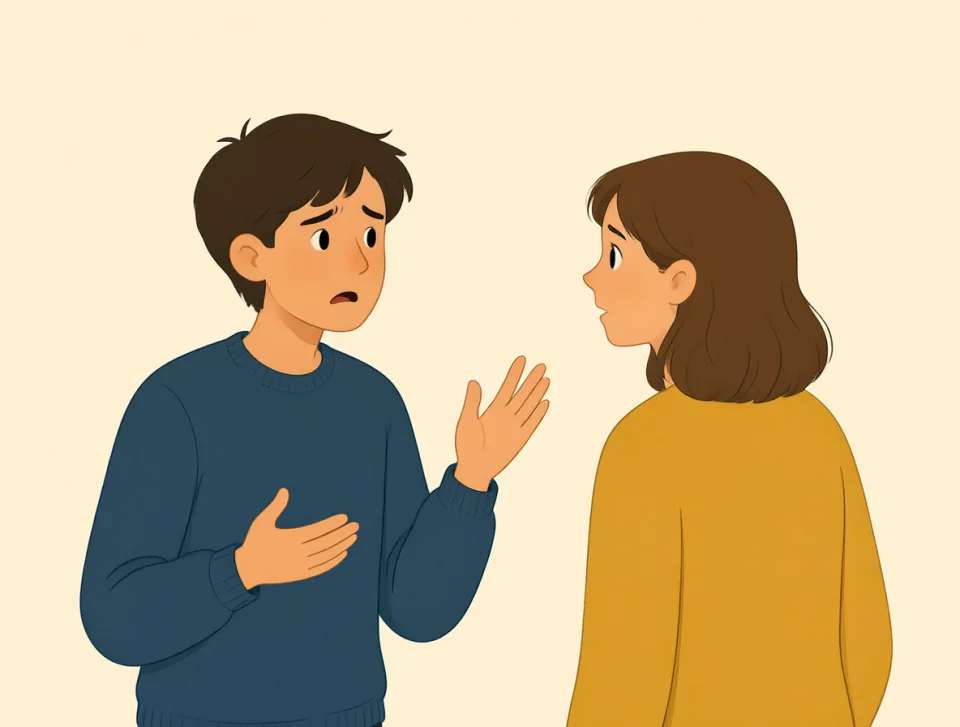
Give me a chance to explain, please.
Proszę, daj mi szansę, żebym mógł wyjaśnić.

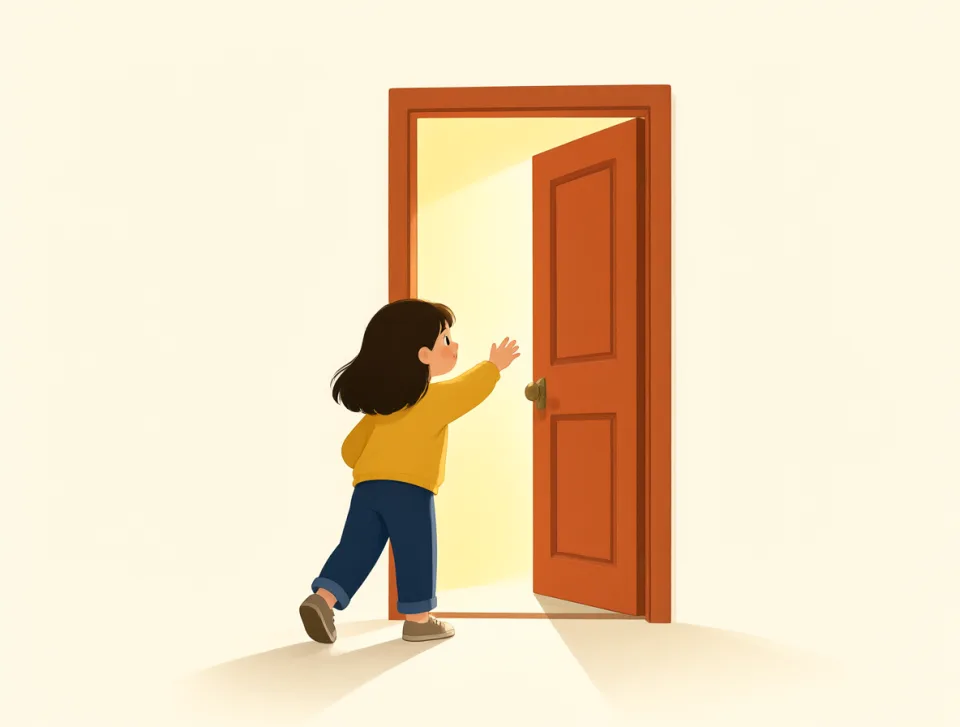
We missed our chance to catch the bus.
Przegapiliśmy okazję, żeby zdążyć na autobus.
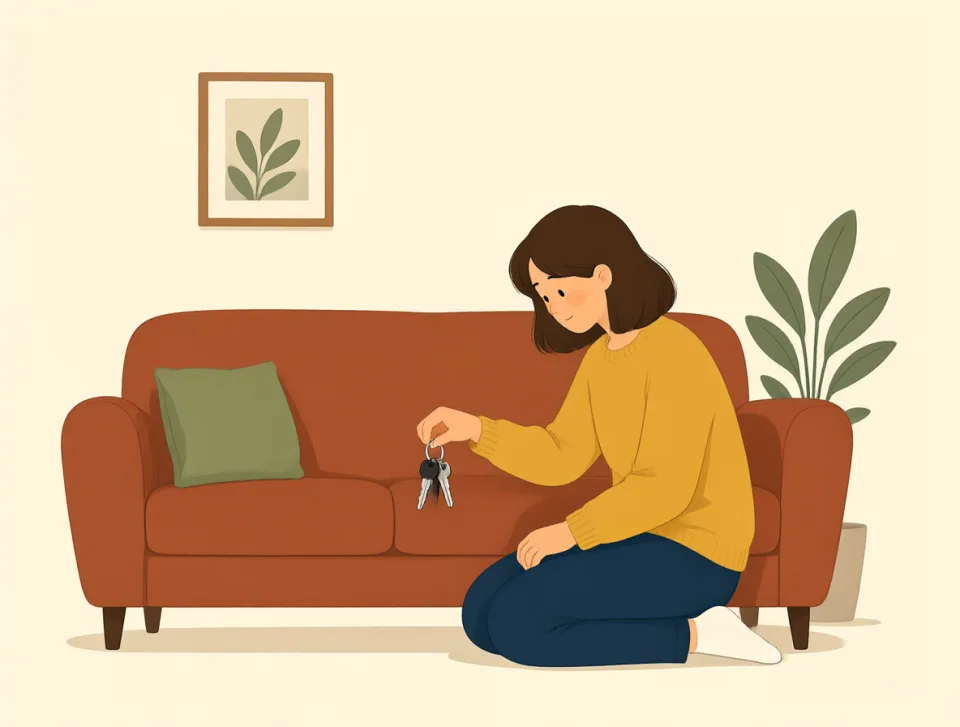
By chance, I found my keys under the sofa.
Przypadkiem znalazłem klucze pod kanapą.