Zestaw 45
Słowa 881–900 · fly, document, pattern, application, hot, obviously

fly
#881verb, noun
latać; mucha
To move through the air, or a small insect with two wings.
Poruszać się w powietrzu lub niewielki owad z dwiema skrzydłami.

Birds fly south in the winter.
Zimą ptaki odlatują na południe.

We flew to Paris last summer.
Zeszłego lata polecieliśmy do Paryża.

The plane flies every morning.
Samolot lata każdego ranka.
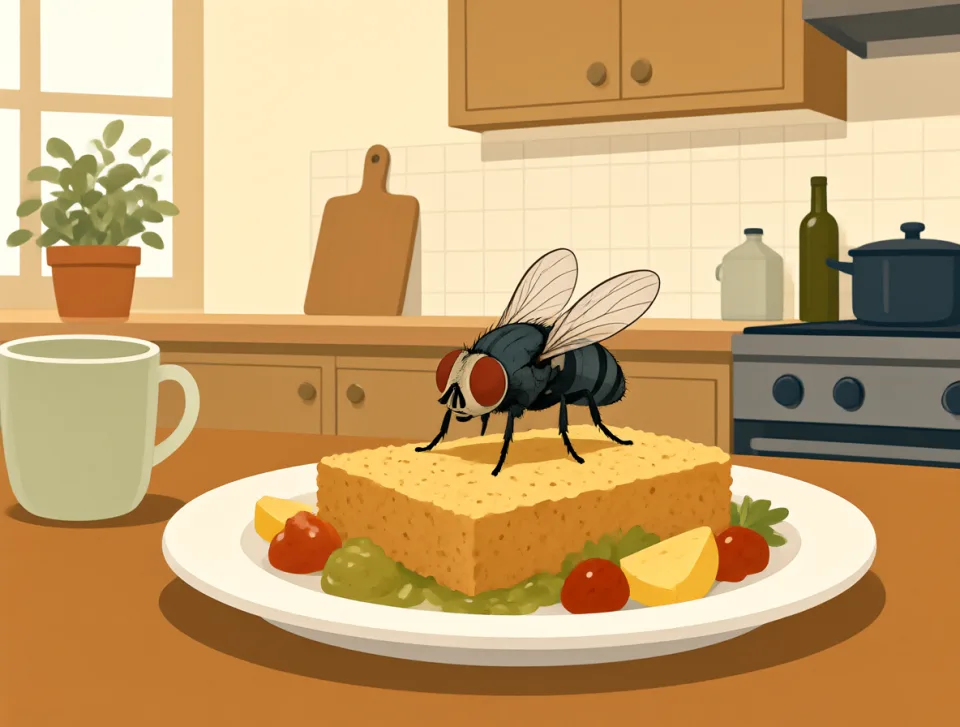
A fly landed on my food.
Mucha usiadła na moim jedzeniu.

Time flies when we have fun.
Czas szybko mija, kiedy dobrze się bawimy.
document
#882noun, verb
dokument
A paper or computer file that gives information or proves something.
Dokument papierowy lub plik komputerowy zawierający informacje albo potwierdzający coś.

Please bring your travel documents to the airport.
Proszę zabrać dokumenty podróżne na lotnisko.

She signed the document at the bank.
Podpisała dokument w banku.
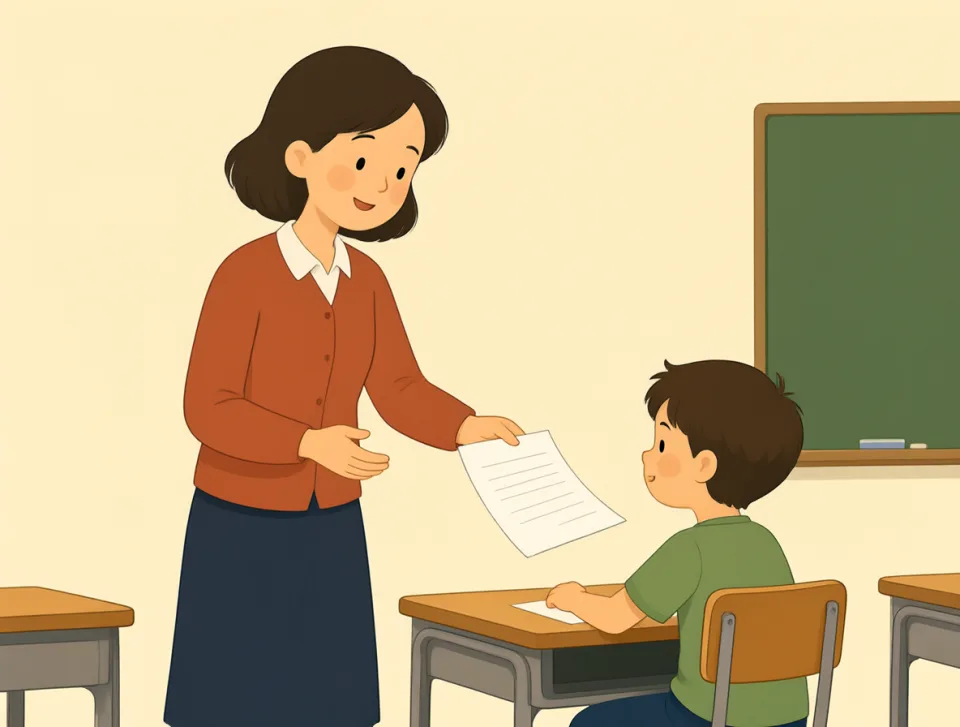
The teacher gave us a document to read.
Nauczyciel dał nam dokument do przeczytania.
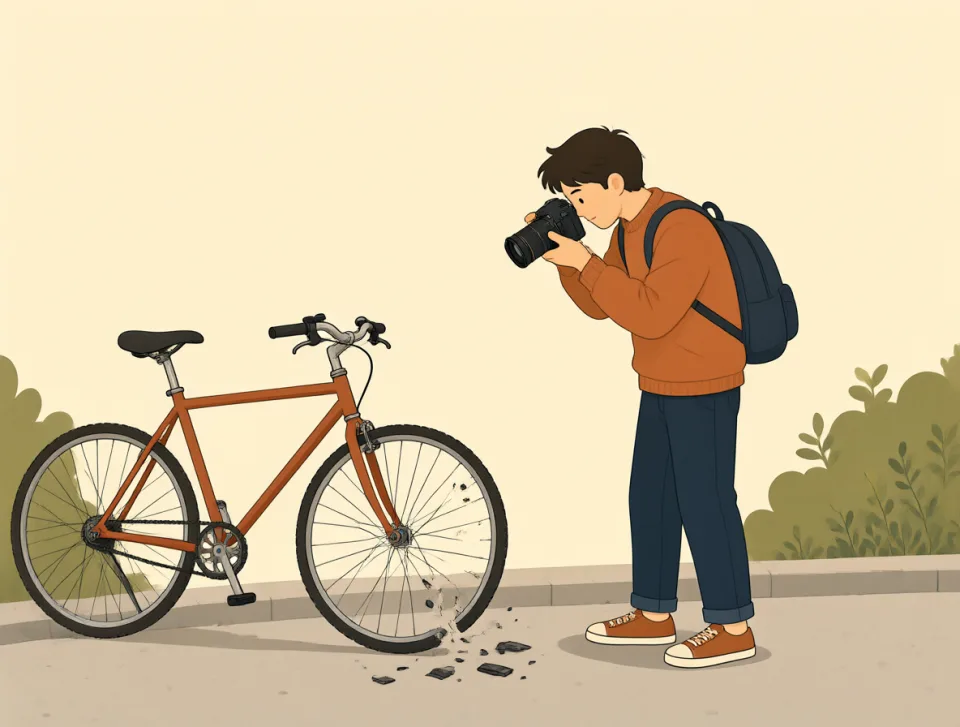
He documented the damage with his phone.
Udokumentował uszkodzenia, używając telefonu.
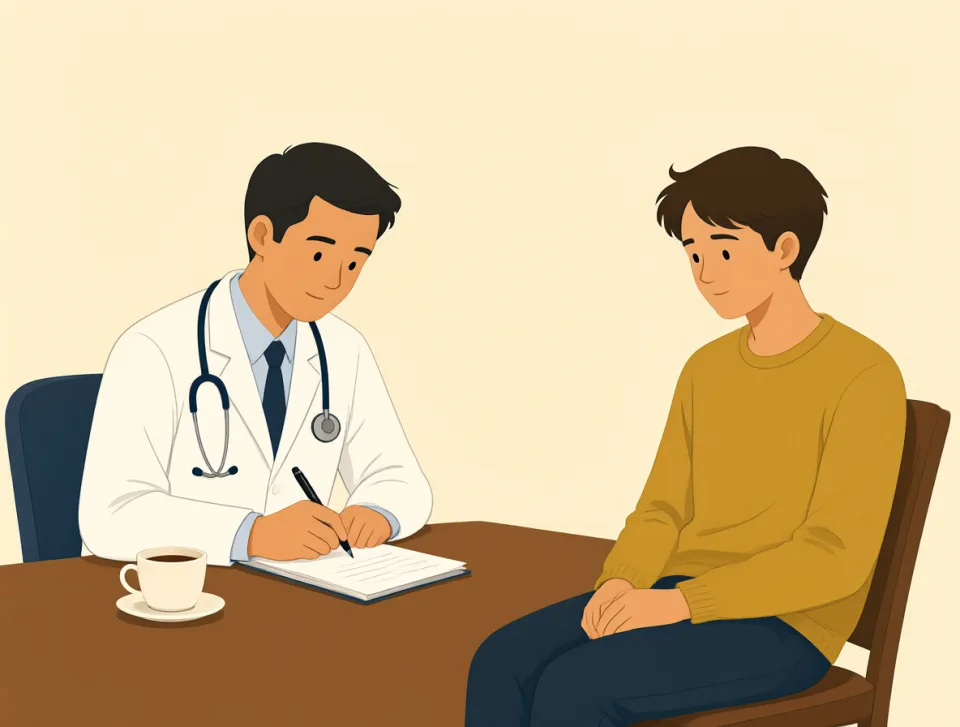
The doctor documented her symptoms after the visit.
Lekarz zapisał jej objawy po wizycie.

pattern
#883noun
wzór
A repeated design, way of doing something, or regular form.
Powtarzający się motyw, sposób wykonywania czegoś lub regularny układ.

She wore a dress with a flower pattern.
Miała na sobie sukienkę w kwiatowy wzór.
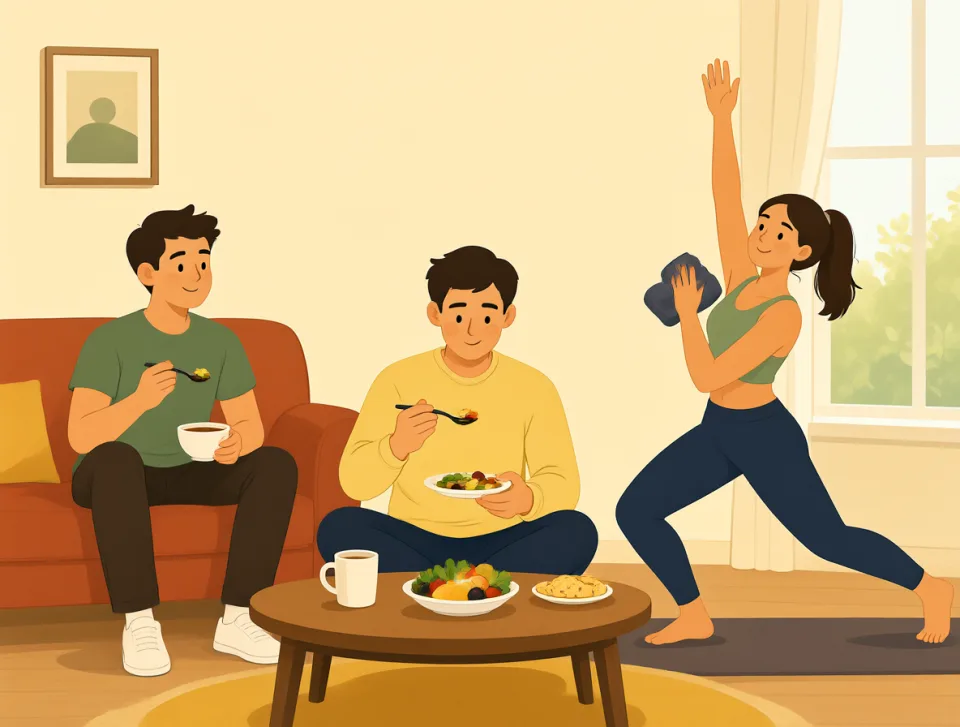
I noticed a pattern in his daily routine.
Zauważyłem pewien schemat w jego codziennym planie dnia.
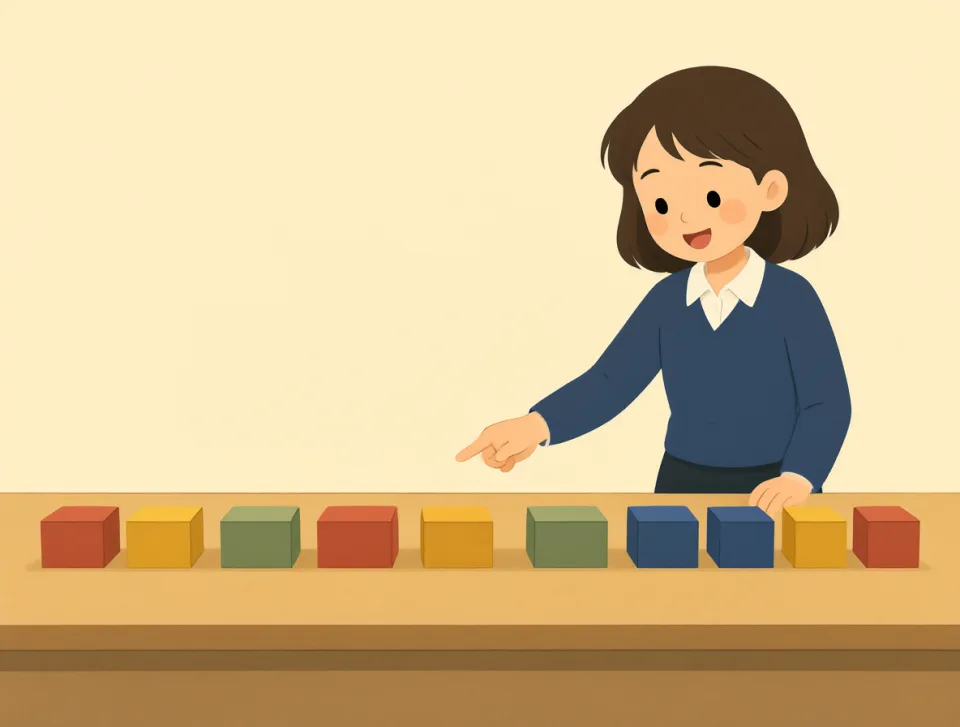
The teacher showed us a pattern of numbers.
Nauczyciel pokazał nam układ liczb.

This weather pattern may bring rain tomorrow.
Ten układ pogodowy może przynieść jutro deszcz.
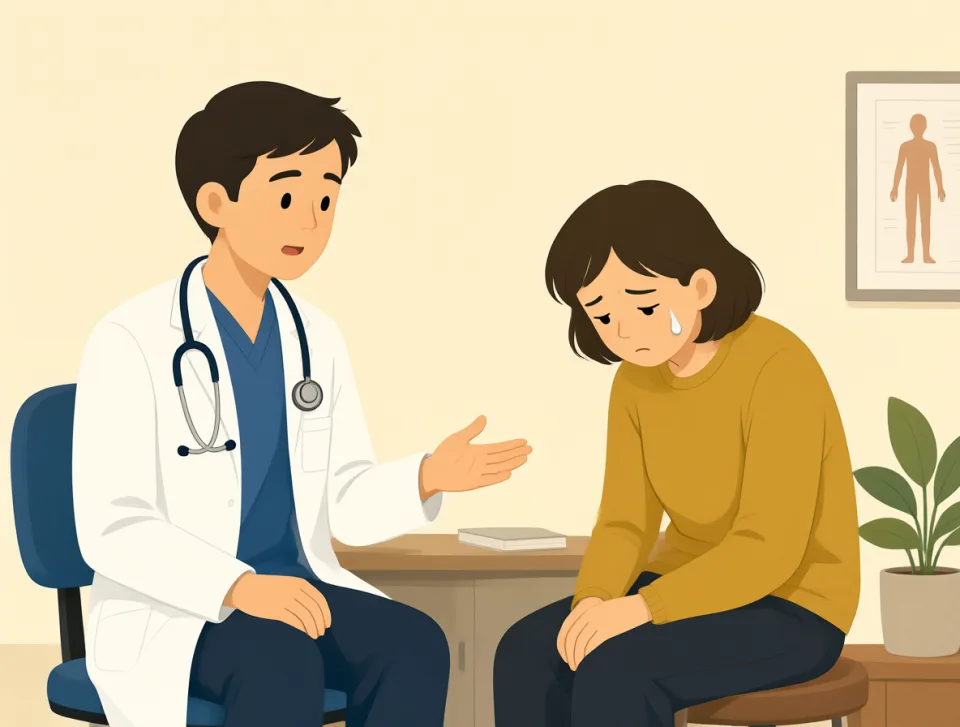
The doctor asked about my sleep pattern.
Lekarz zapytał o mój rytm snu.

application
#884noun
wniosek
A formal request for a job, place, or service.
Formalna prośba o pracę, miejsce lub usługę.
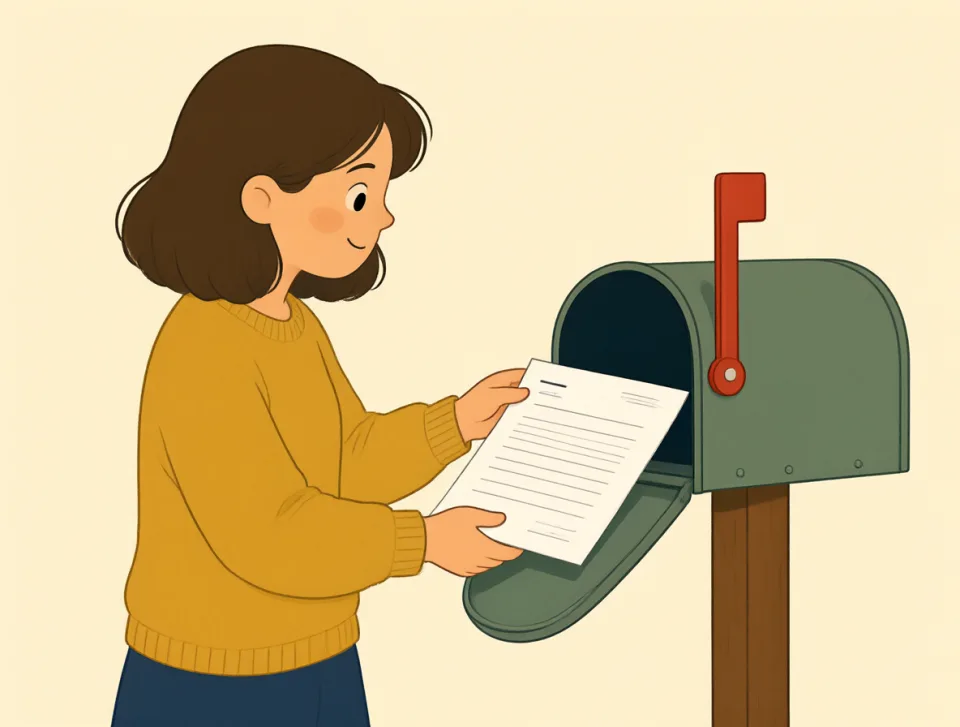
I sent my job application yesterday.
Wczoraj wysłałem podanie o pracę.

Her application for college was accepted.
Jej podanie na studia zostało przyjęte.
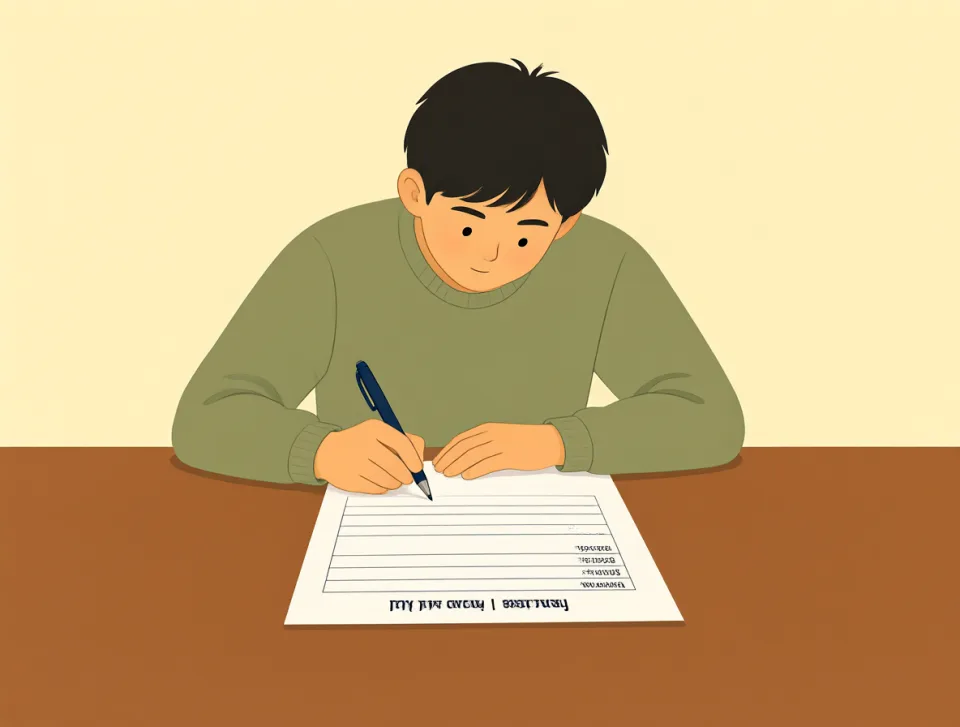
Please fill out the application form.
Proszę wypełnić formularz wniosku.

We made an application for a visa.
Złożyliśmy wniosek o wizę.
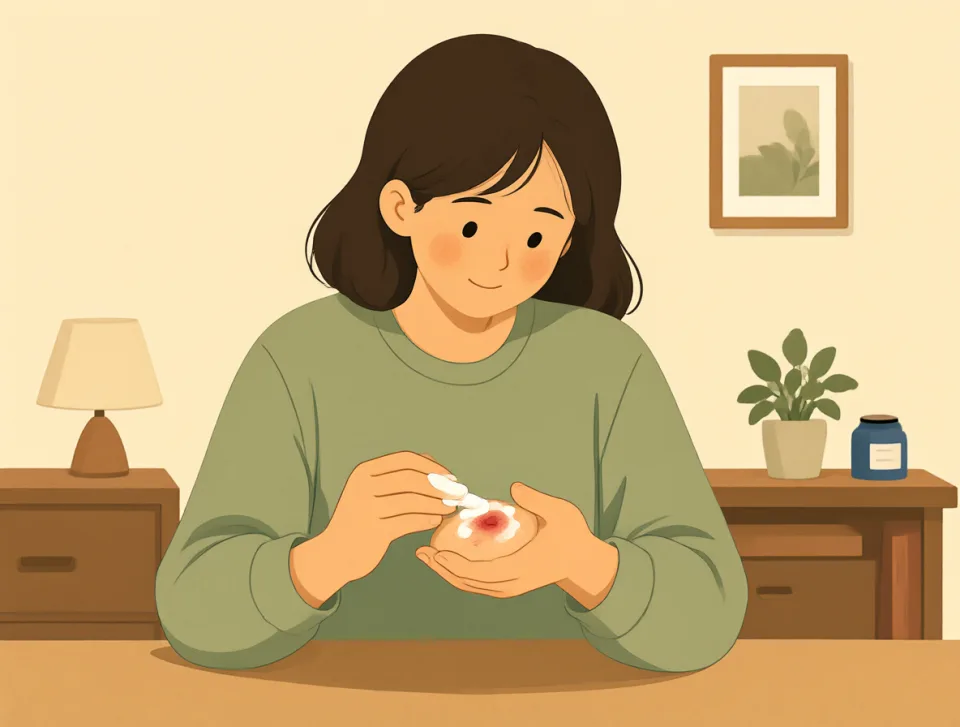
This cream has many applications.
Ten krem ma wiele zastosowań.

hot
#885adjective
gorący
having a high temperature; feeling very warm
Mający wysoką temperaturę; sprawiający, że jest komuś bardzo ciepło.
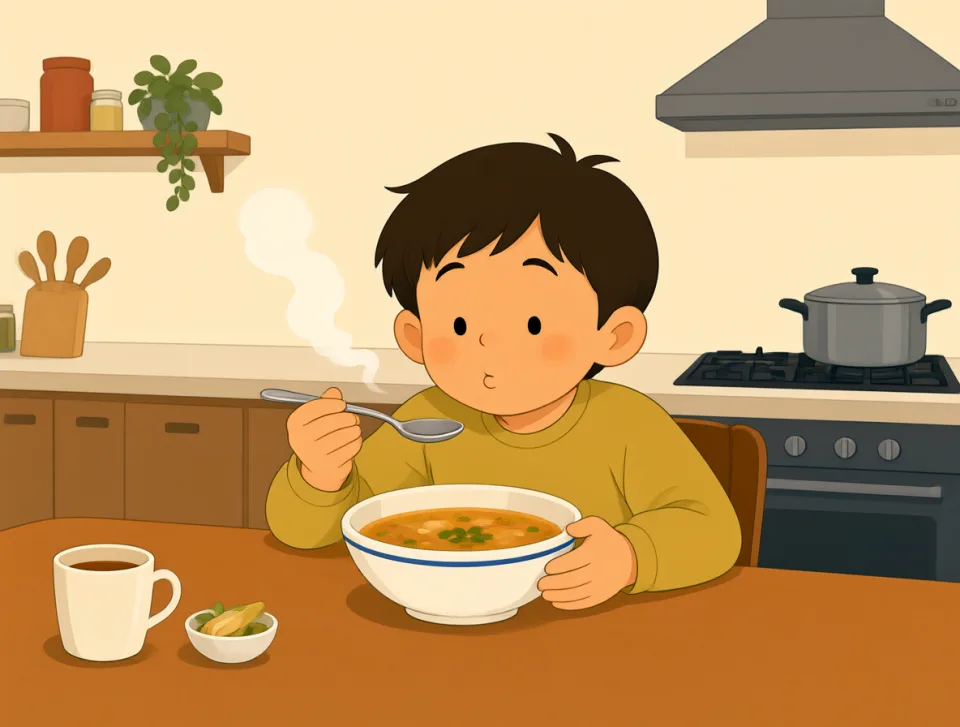
The soup is too hot to eat.
Zupa jest zbyt gorąca, żeby ją zjeść.
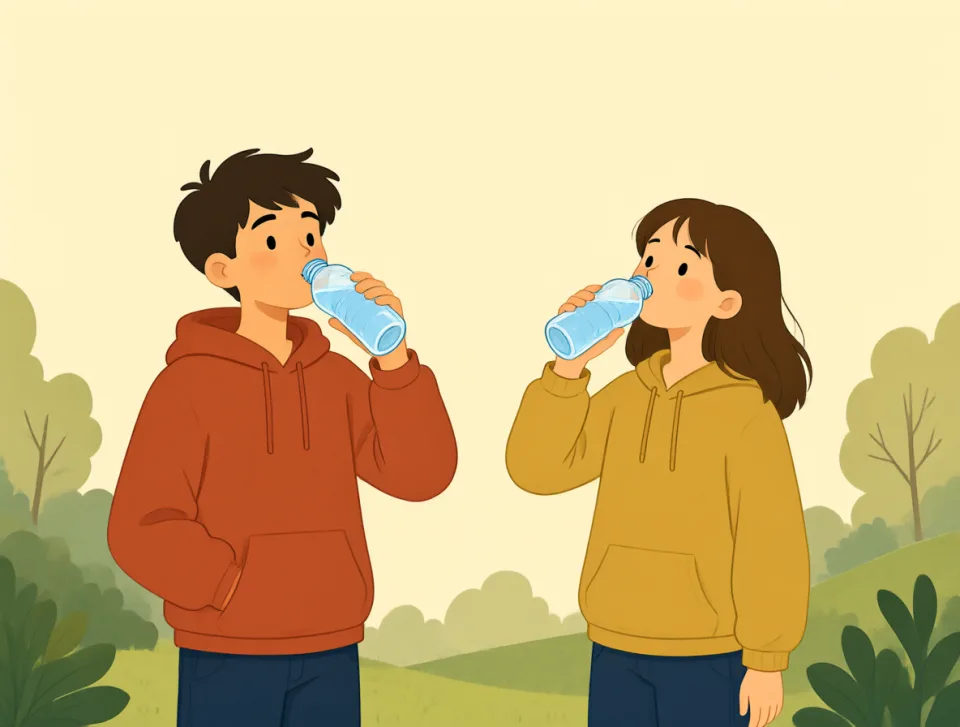
It was hot outside, so we drank water.
Na dworze było gorąco, więc napiliśmy się wody.
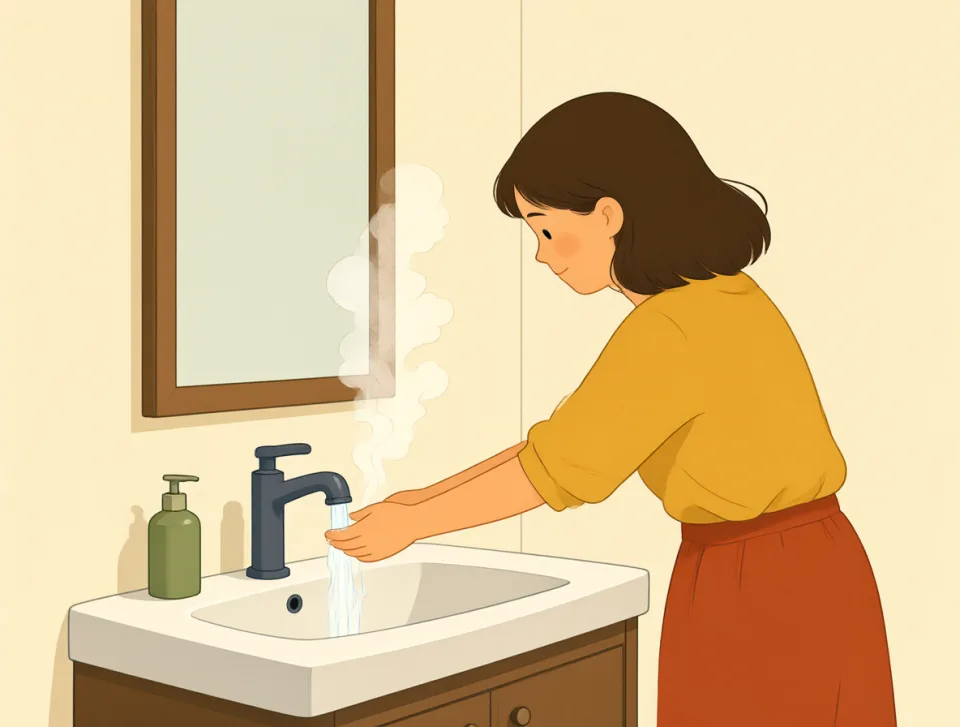
Please turn off the hot water.
Proszę zakręcić ciepłą wodę.
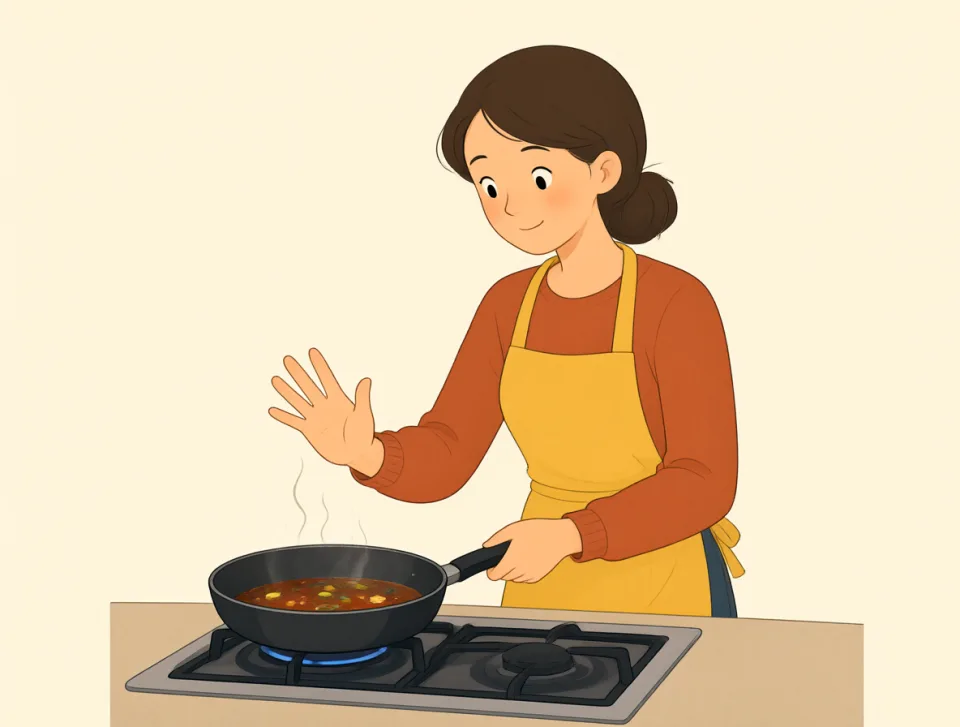
She touched the hot pan and burned her hand.
Dotknęła gorącej patelni i oparzyła sobie rękę.
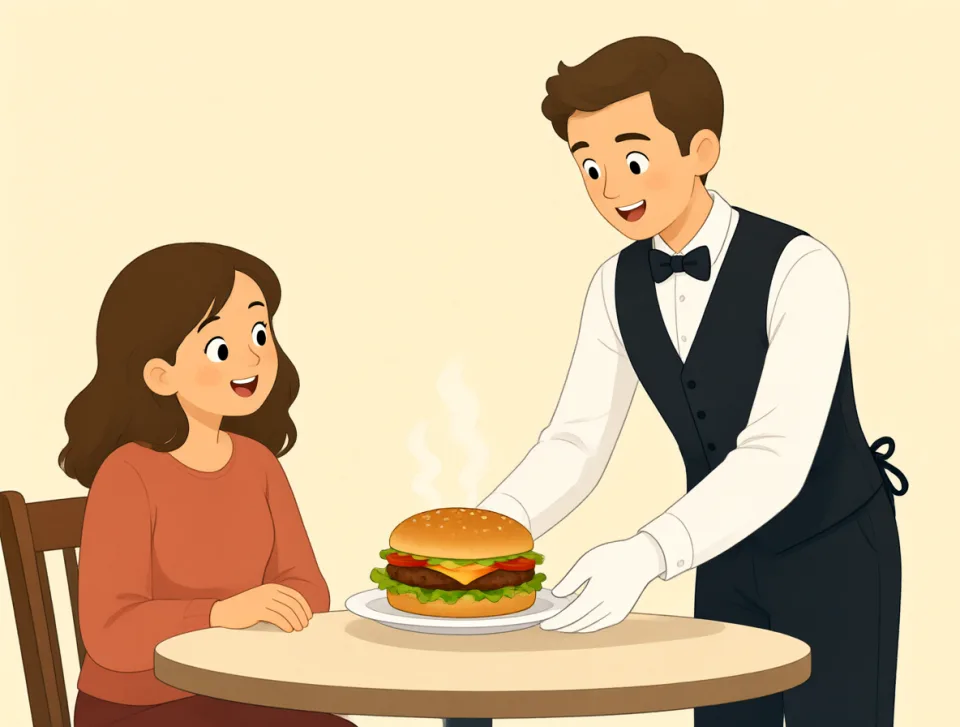
This restaurant serves hot chicken sandwiches.
W tej restauracji podają gorące kanapki z kurczakiem.
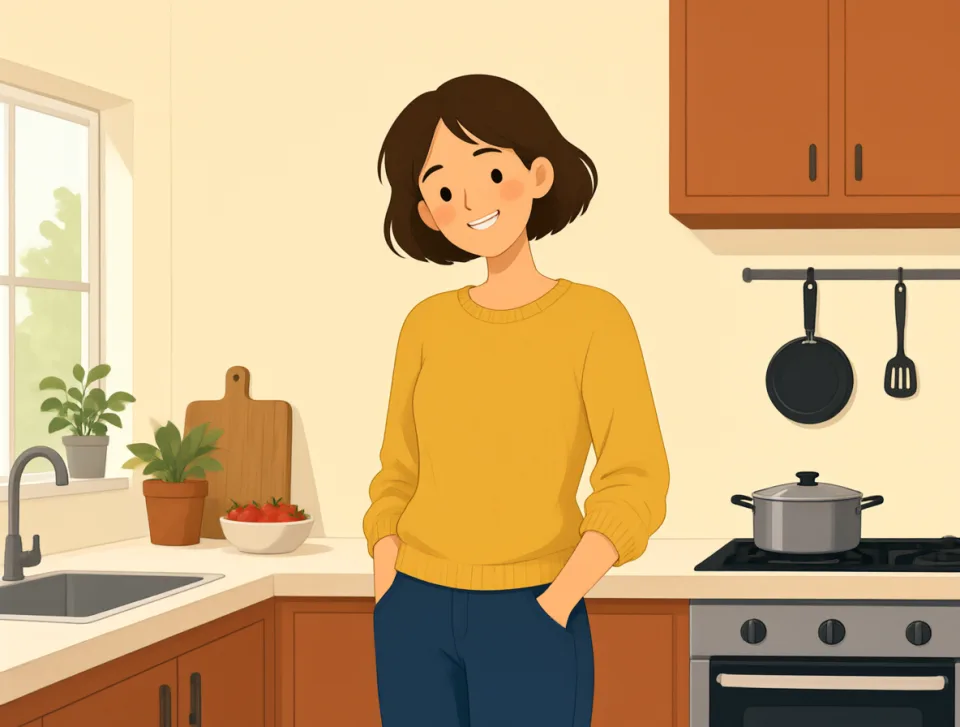
obviously
#886adverb
oczywiście
Used to say that something is easy to see, understand, or know.
Używane, by powiedzieć, że coś łatwo zauważyć, zrozumieć lub wiedzieć.
Obviously, she is feeling much better today.
Oczywiście dziś czuje się znacznie lepiej.

He was obviously tired after the long trip.
Po długiej podróży był wyraźnie zmęczony.

Obviously, you need an umbrella today.
Oczywiście dziś potrzebujesz parasola.
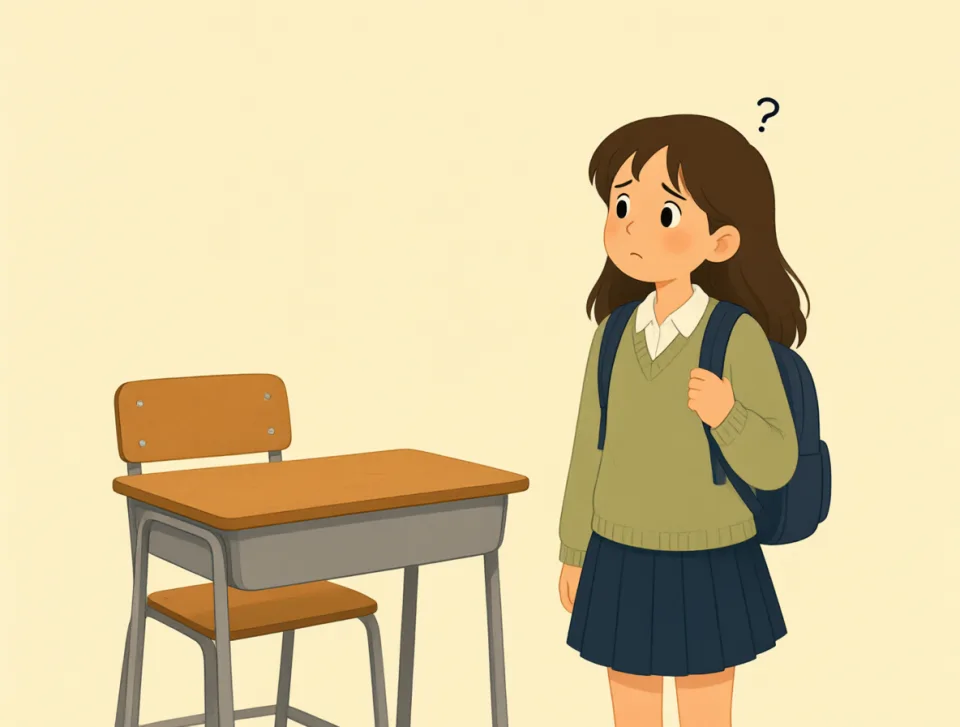
She obviously forgot her homework again.
Znowu zapomniała pracy domowej, rzecz jasna.
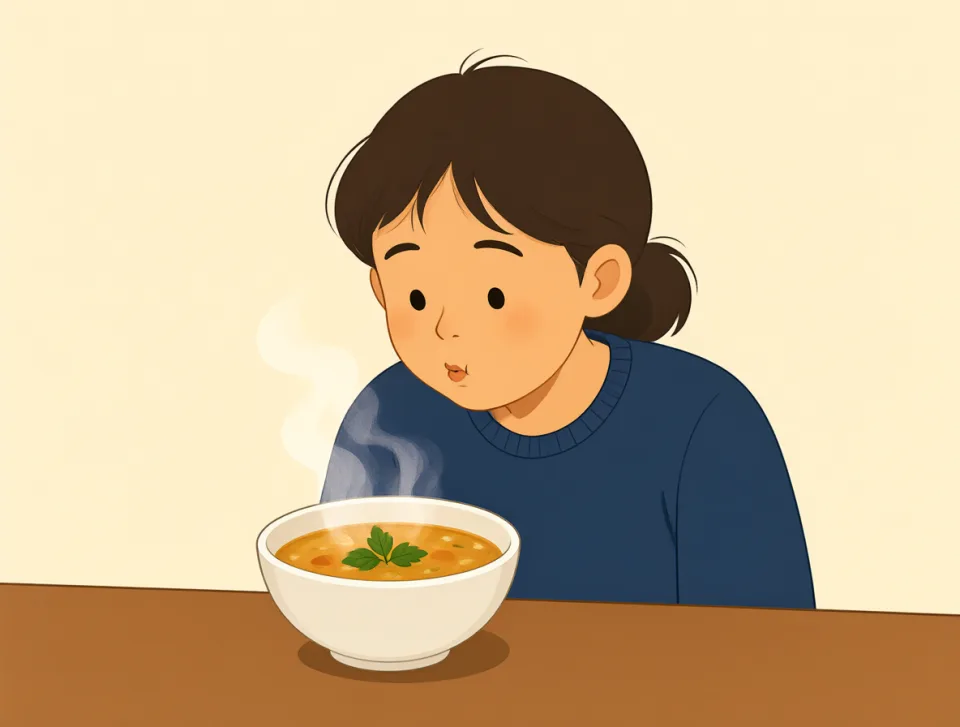
This soup is obviously too hot to eat.
Ta zupa jest zdecydowanie za gorąca, żeby ją jeść.

unclear
#887adjective
niejasny
Difficult to understand, see, hear, or know exactly.
Trudny do dokładnego zrozumienia, zobaczenia, usłyszenia lub poznania.

The instructions are unclear to me.
Instrukcje są dla mnie niejasne.

His answer was unclear during the meeting.
Jego odpowiedź podczas spotkania była niejasna.
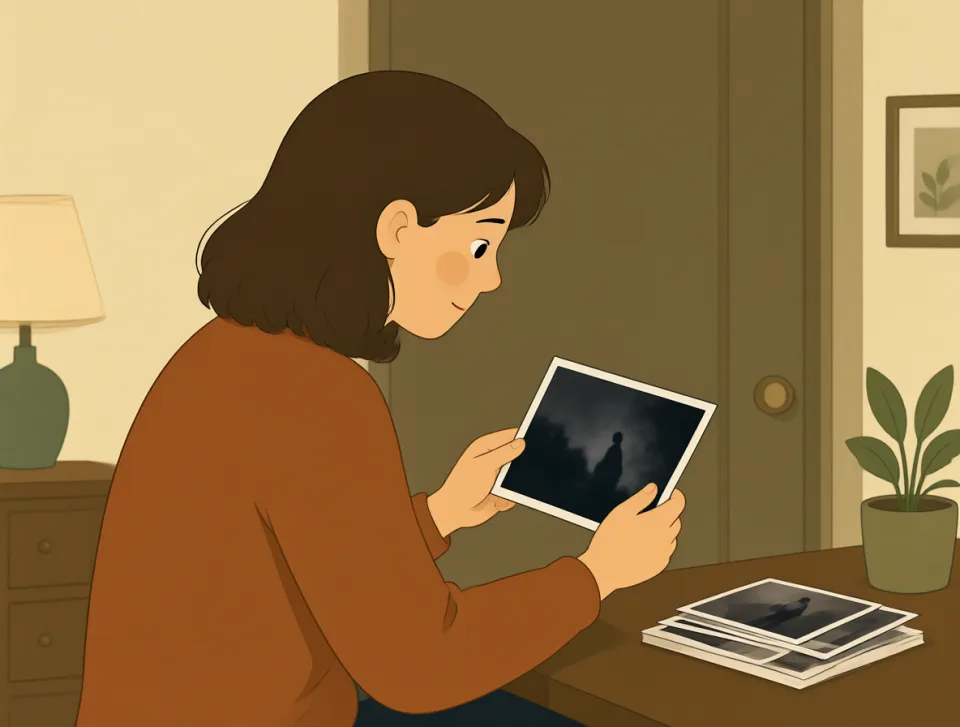
The picture is unclear because it is dark.
Obraz jest niewyraźny, bo jest ciemno.
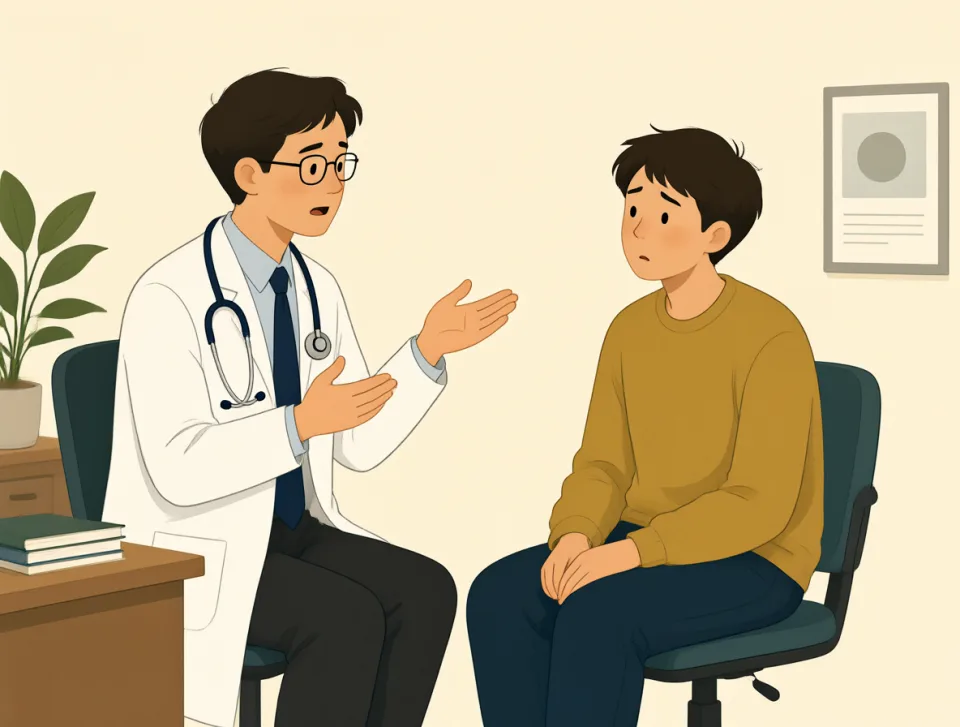
The doctor gave an unclear explanation.
Lekarz udzielił niejasnego wyjaśnienia.
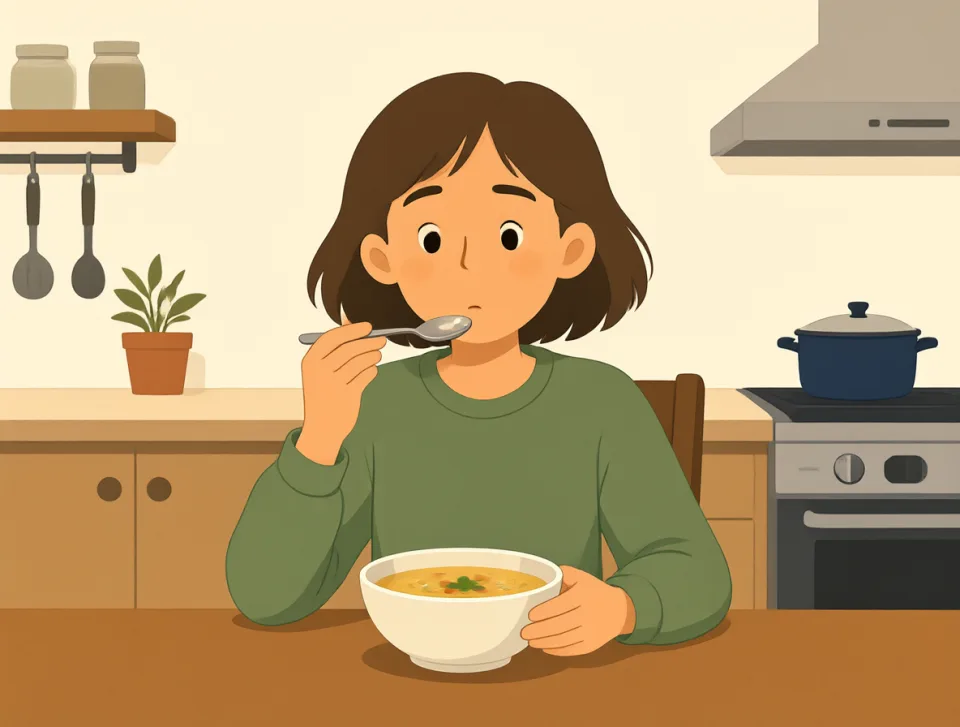
The soup has an unclear taste.
Ta zupa ma nieokreślony smak.
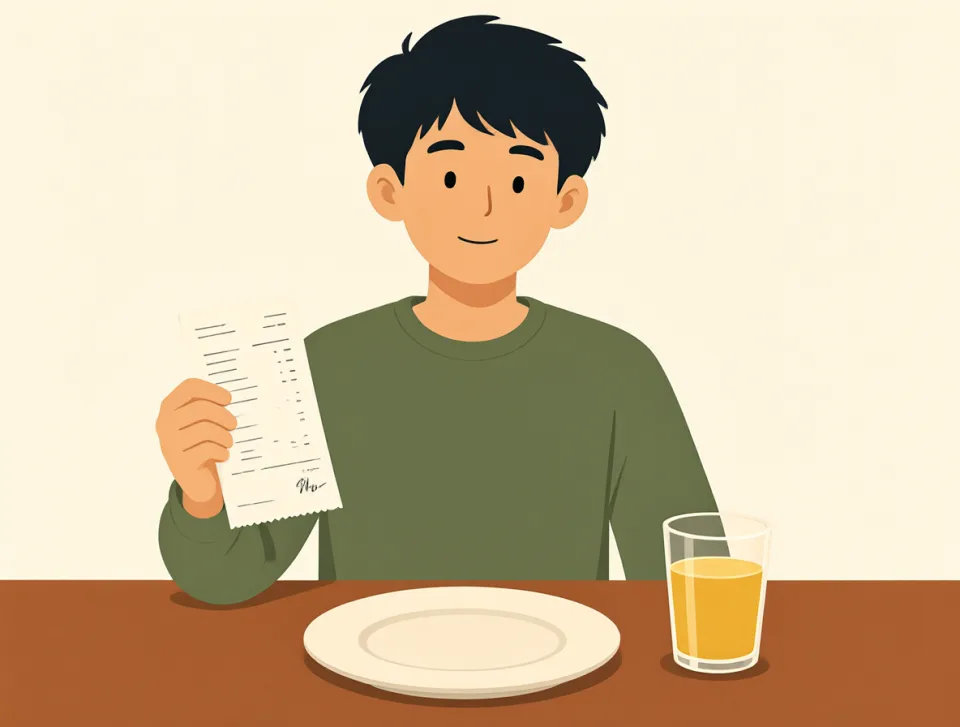
bill
#888noun, verb
rachunek; projekt ustawy
A bill is a request for payment, or a proposal for a new law.
Rachunek to prośba o zapłatę, a bill może też oznaczać propozycję nowej ustawy.
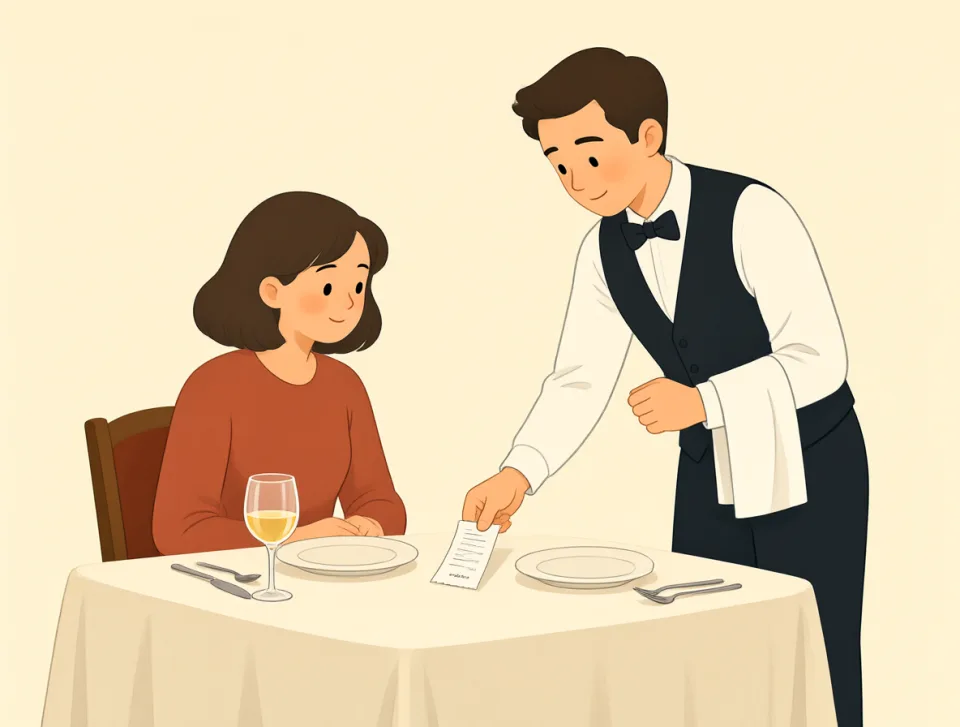
The waiter brought us the bill after dinner.
Kelner przyniósł nam rachunek po kolacji.
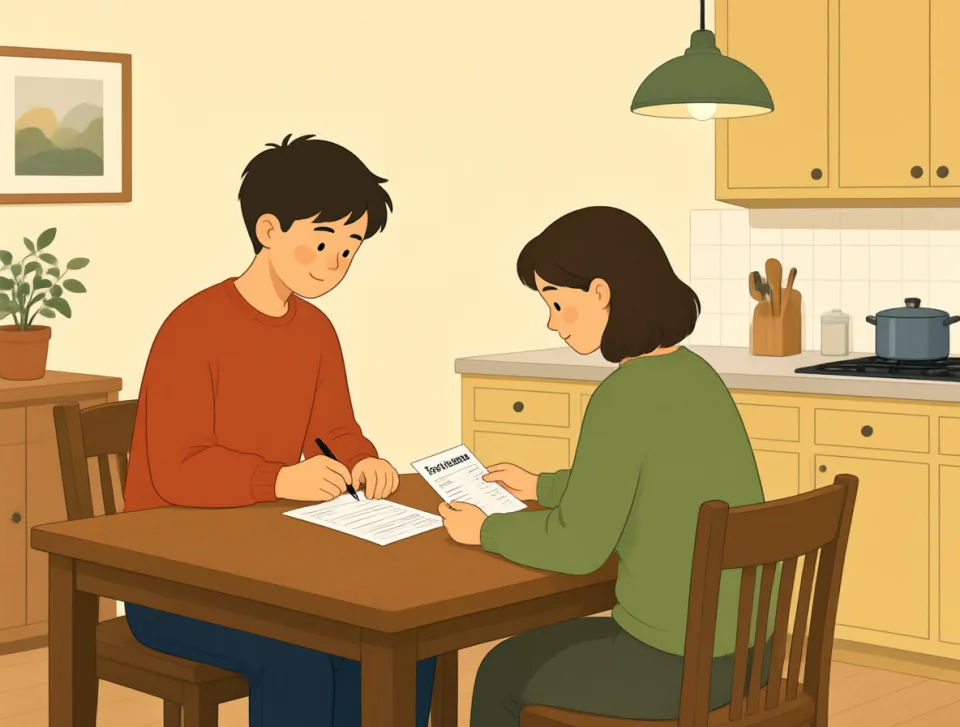
I paid the electricity bill yesterday.
Wczoraj zapłaciłem rachunek za prąd.

The hotel bill was higher than expected.
Rachunek z hotelu był wyższy, niż się spodziewaliśmy.
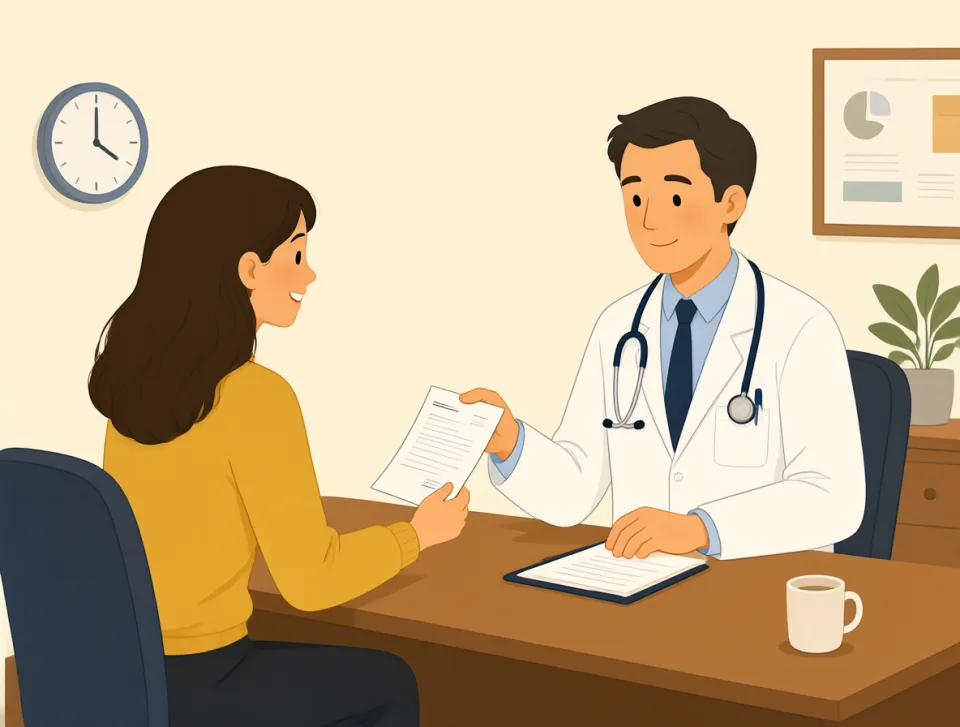
The doctor billed my insurance company for the visit.
Lekarz obciążył moją firmę ubezpieczeniową kosztami wizyty.

Parliament passed the new bill last week.
Parlament przyjął nowy projekt ustawy w zeszłym tygodniu.
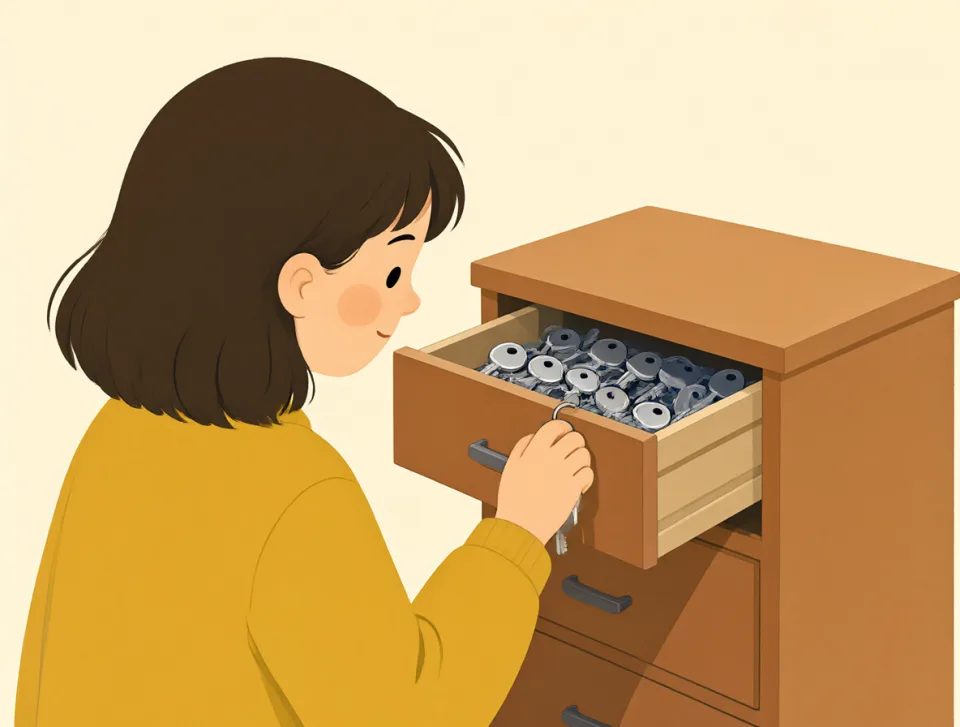
search
#889verb, noun
szukać; poszukiwać
to look carefully for someone or something
Uważnie szukać kogoś lub czegoś.
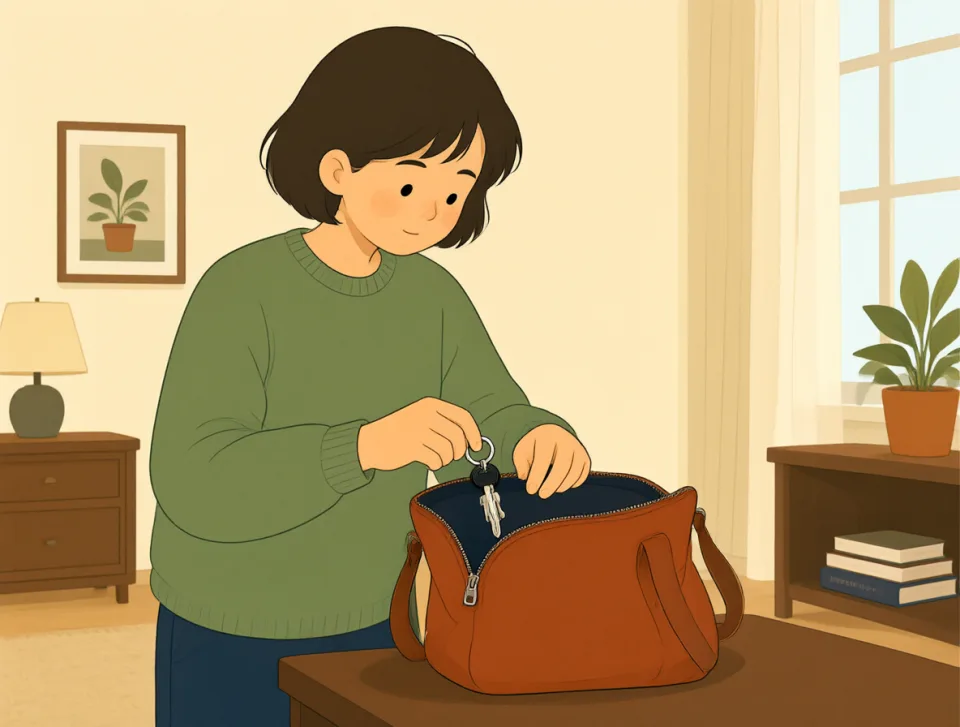
I searched my bag for my keys.
Przeszukałem torbę w poszukiwaniu kluczy.

We searched online for a cheap hotel.
Szukaliśmy w internecie taniego hotelu.
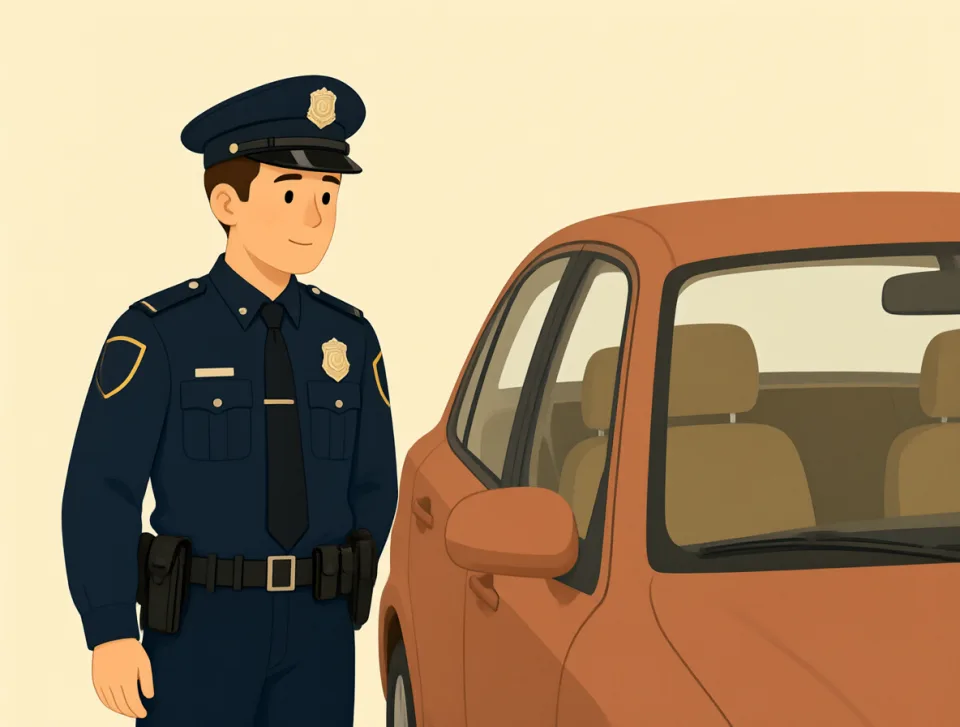
The police searched the car carefully.
Policja dokładnie przeszukała samochód.
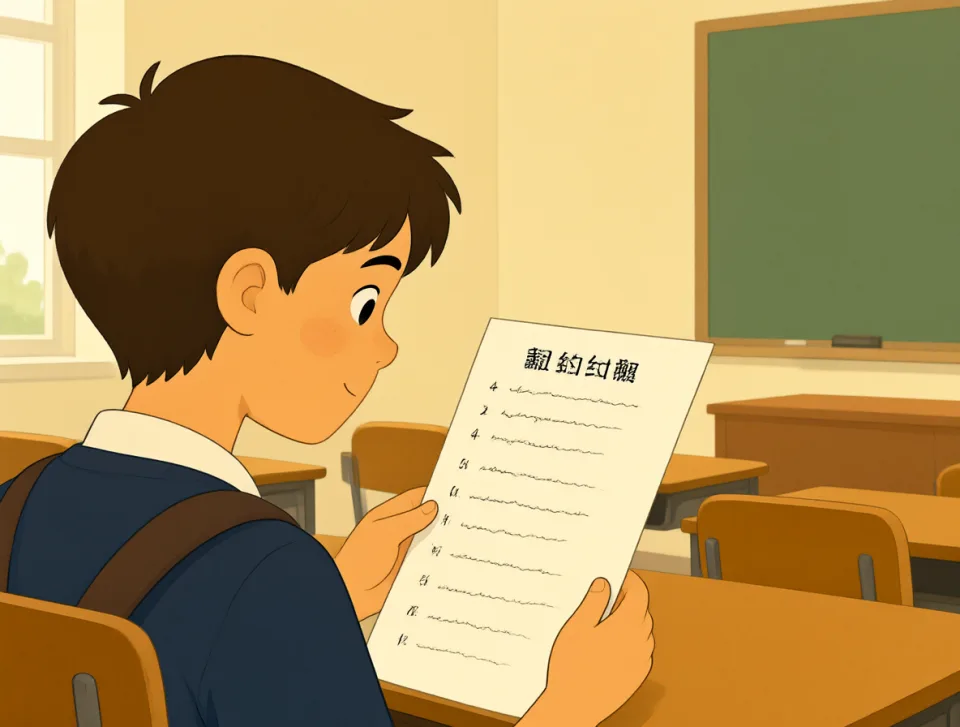
She searched for her name on the list.
Szukała swojego nazwiska na liście.

The search for fresh food took hours.
Poszukiwania świeżej żywności trwały godzinami.

separate
#890verb, adjective
oddzielić; osobny
to keep things apart or not joined; not together with other things
Trzymać rzeczy osobno lub niepołączone; nie razem z innymi rzeczami.
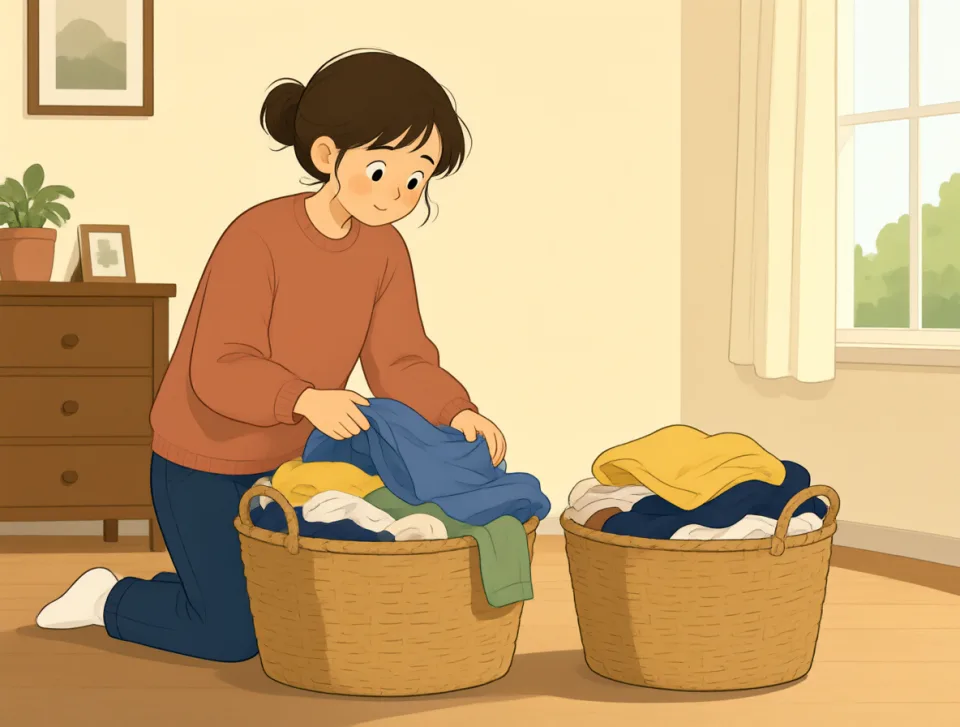
Please separate the clean clothes from the dirty ones.
Proszę oddzielić czyste ubrania od brudnych.
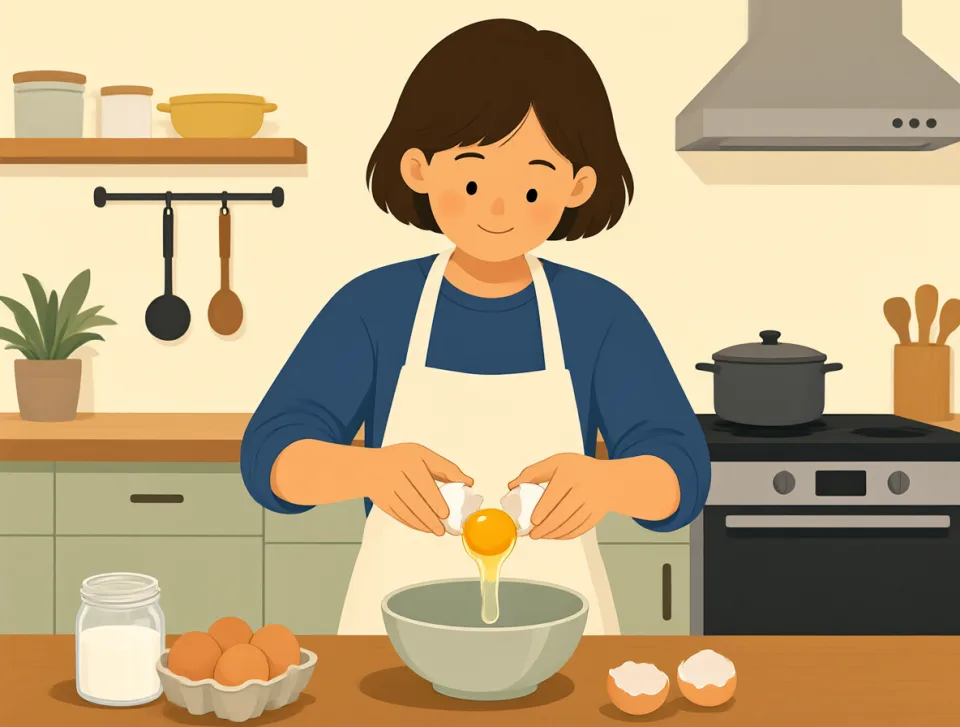
We separate the eggs before mixing the cake.
Oddzielamy żółtka od białek, zanim wymieszamy składniki na ciasto.
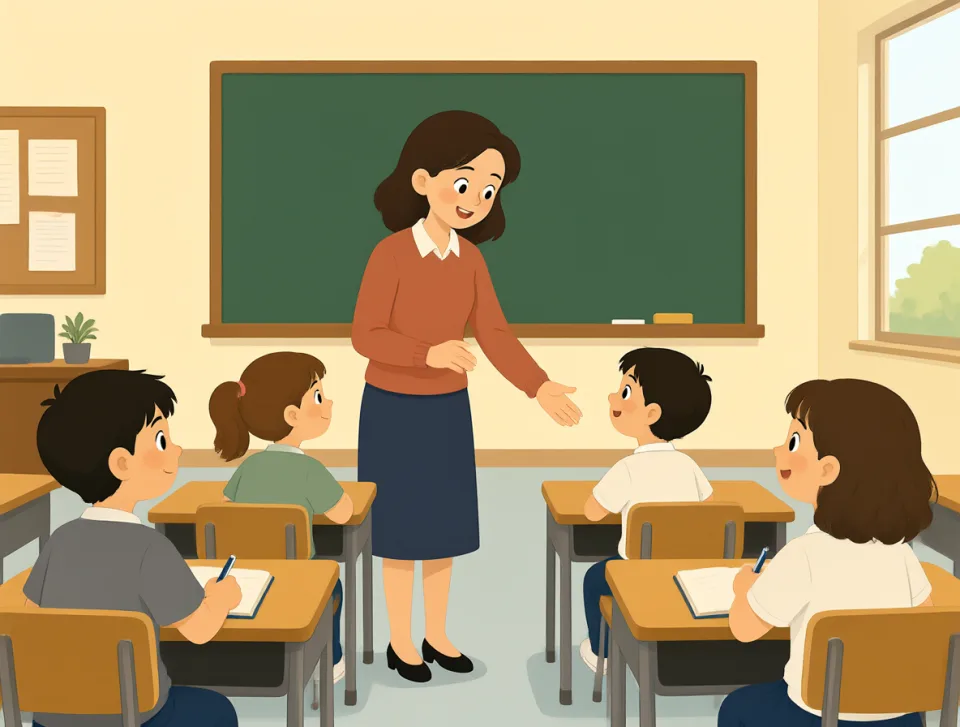
The teacher separated the two noisy students.
Nauczyciel rozdzielił dwóch hałaśliwych uczniów.

My office is separate from the main building.
Moje biuro mieści się w osobnym budynku, oddzielonym od głównego.

We sat at separate tables with our friends.
Usiedliśmy ze znajomymi przy osobnych stolikach.

central
#891adjective, noun
centralny; główny
In the middle or most important part of something.
Znajdujący się pośrodku czegoś lub stanowiący jego najważniejszą część.

The central table holds fresh flowers.
Na centralnym stole stoją świeże kwiaty.
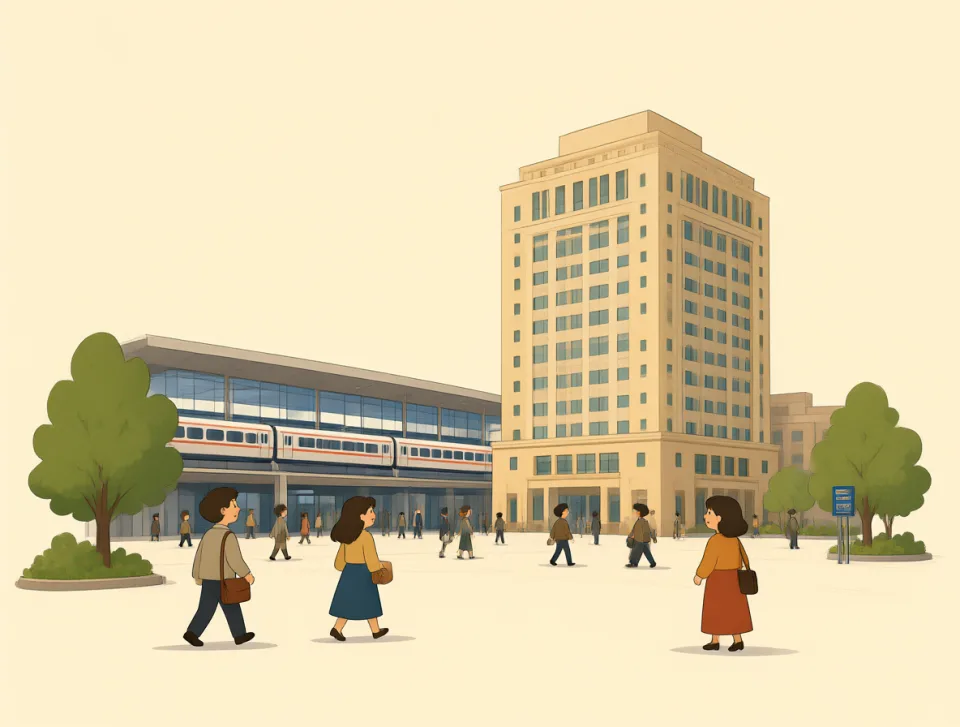
Our central office is near the station.
Nasze główne biuro znajduje się blisko stacji.
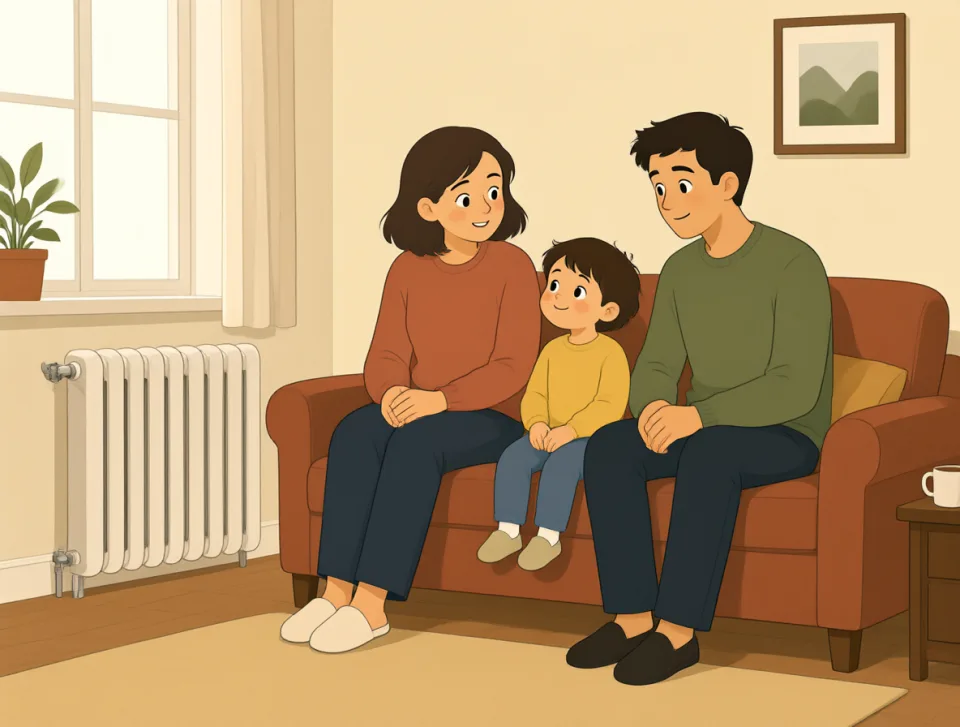
The central heating stopped last night.
Wczoraj w nocy przestało działać centralne ogrzewanie.
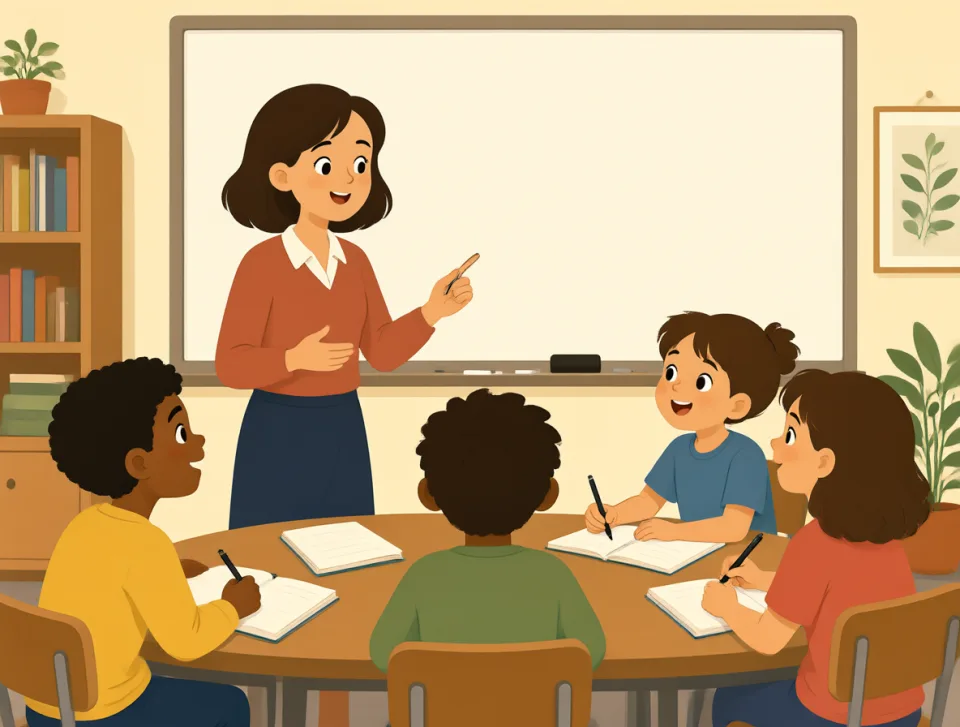
The central idea is easy to understand.
Główna idea jest łatwa do zrozumienia.
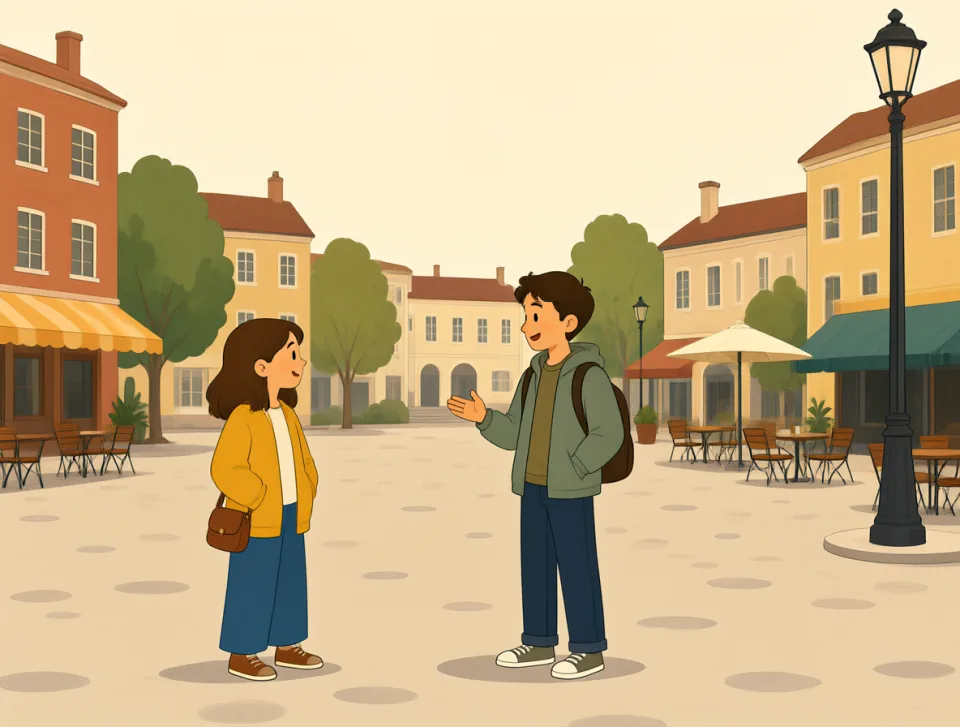
We met in the central square after lunch.
Spotkaliśmy się po lunchu na centralnym placu.
career
#892noun
kariera
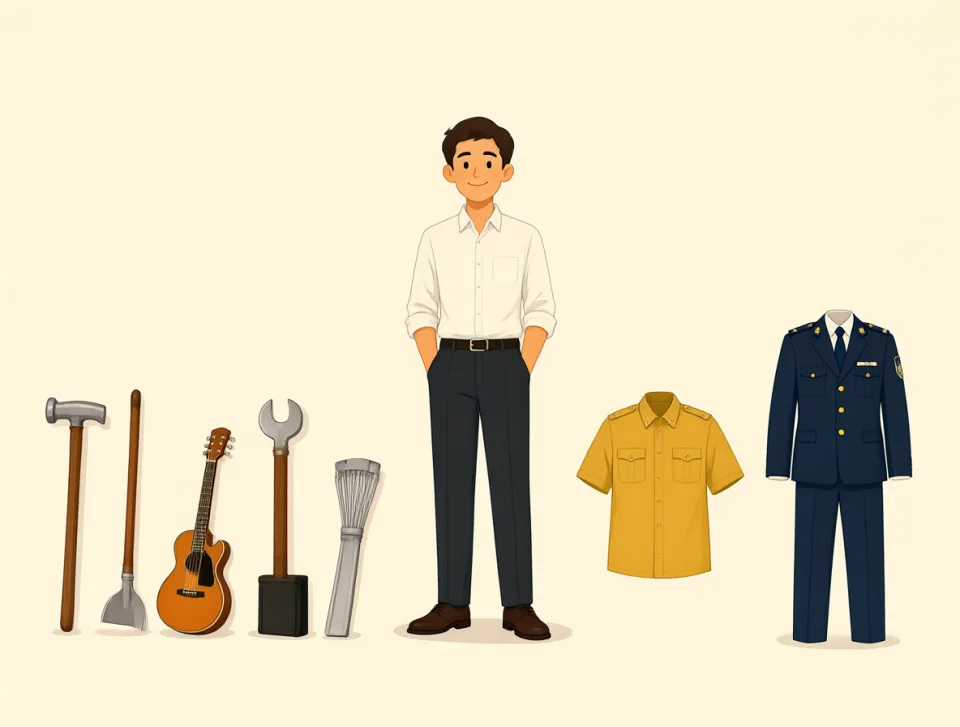
The work and jobs someone has during their working life.
Praca i stanowiska, które ktoś zajmuje w ciągu swojego życia zawodowego.

She wants a career in medicine.
Ona chce zrobić karierę w medycynie.

He started his career after college.
Po studiach rozpoczął karierę zawodową.

My sister is planning her career.
Moja siostra planuje swoją karierę.
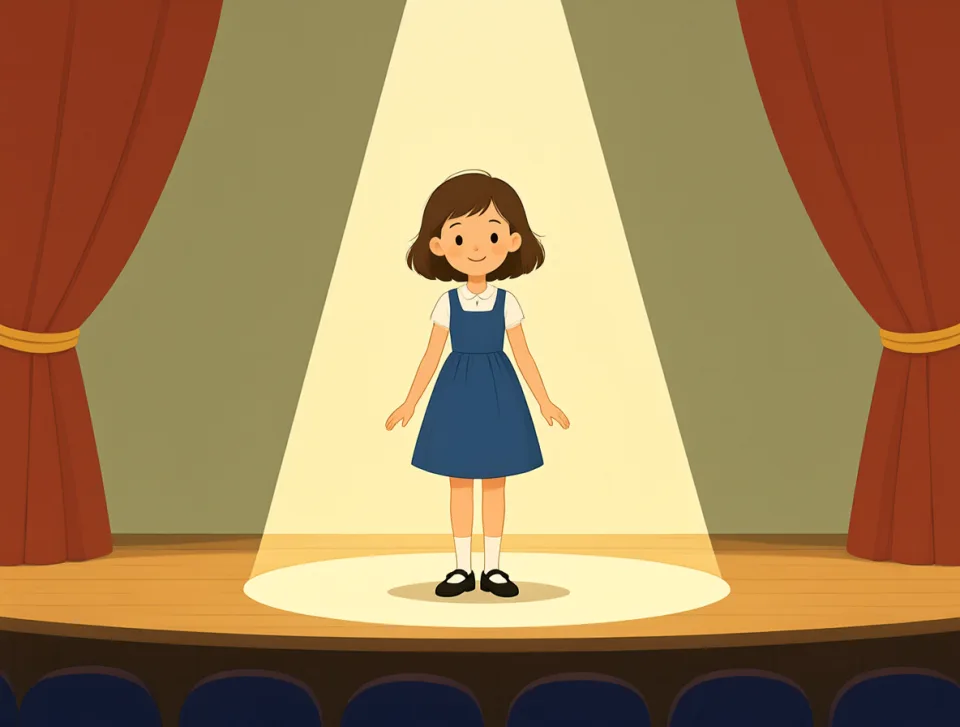
Her acting career began in London.
Jej kariera aktorska rozpoczęła się w Londynie.
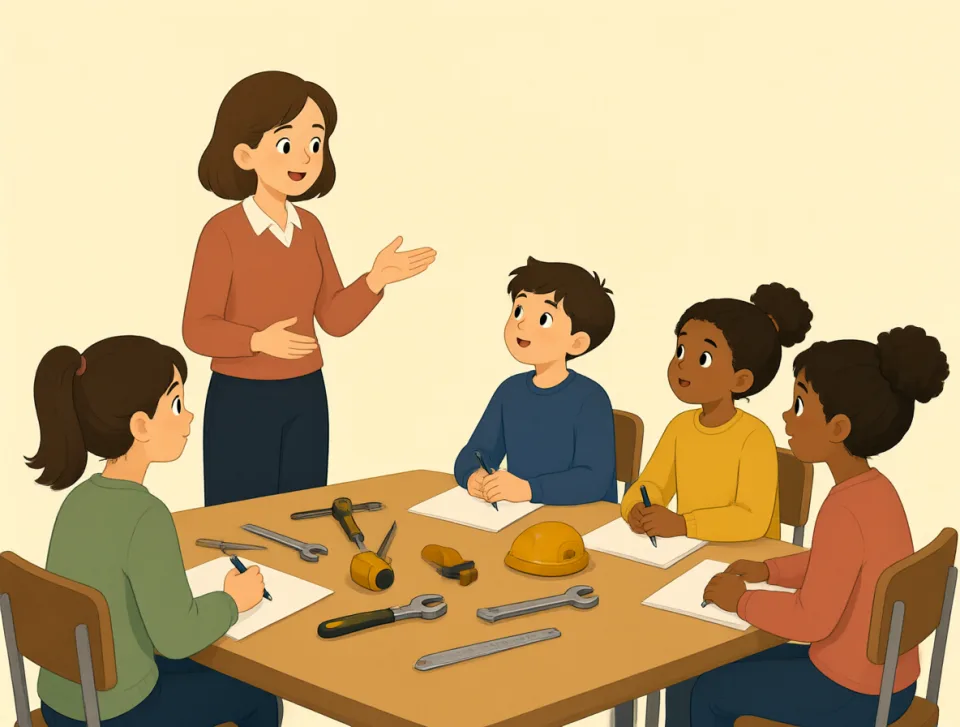
The course helps students choose careers.
Ten kurs pomaga studentom wybrać ścieżkę kariery.

anyway
#893adverb
mimo to; tak czy inaczej
Despite what was said or happened; used to return to the main point or continue.
Pomimo tego, co powiedziano lub co się wydarzyło; używane, by wrócić do głównego tematu albo kontynuować.
It was raining, but we went anyway.
Padał deszcz, ale mimo to poszliśmy.

Anyway, what time does the train leave?
Tak czy inaczej, o której odjeżdża pociąg?
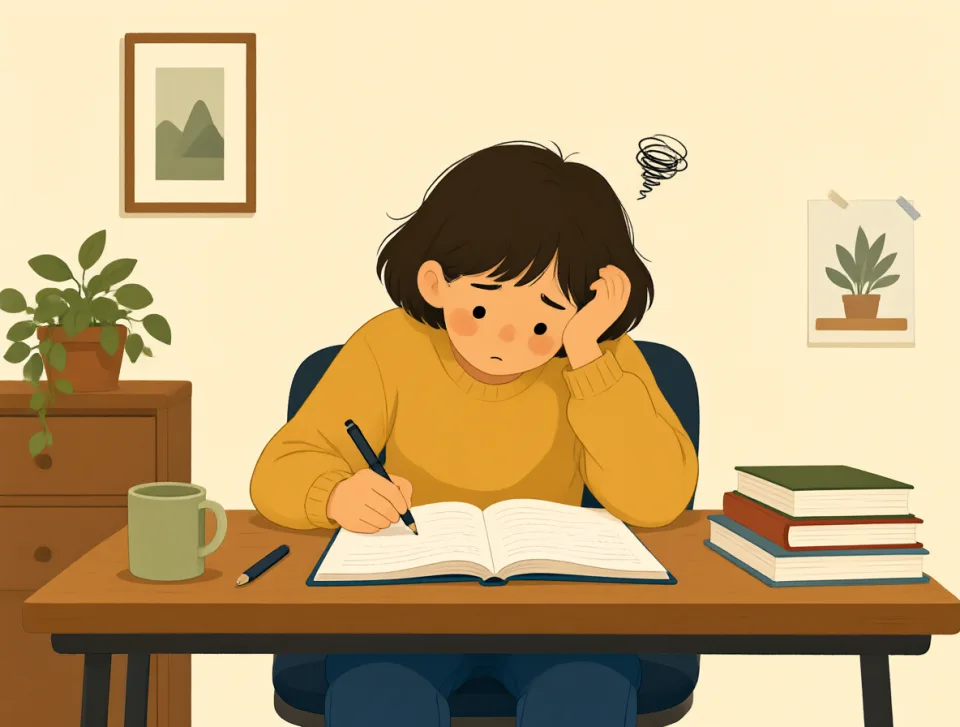
I was tired, but I finished my homework anyway.
Byłem zmęczony, ale i tak odrobiłem pracę domową.
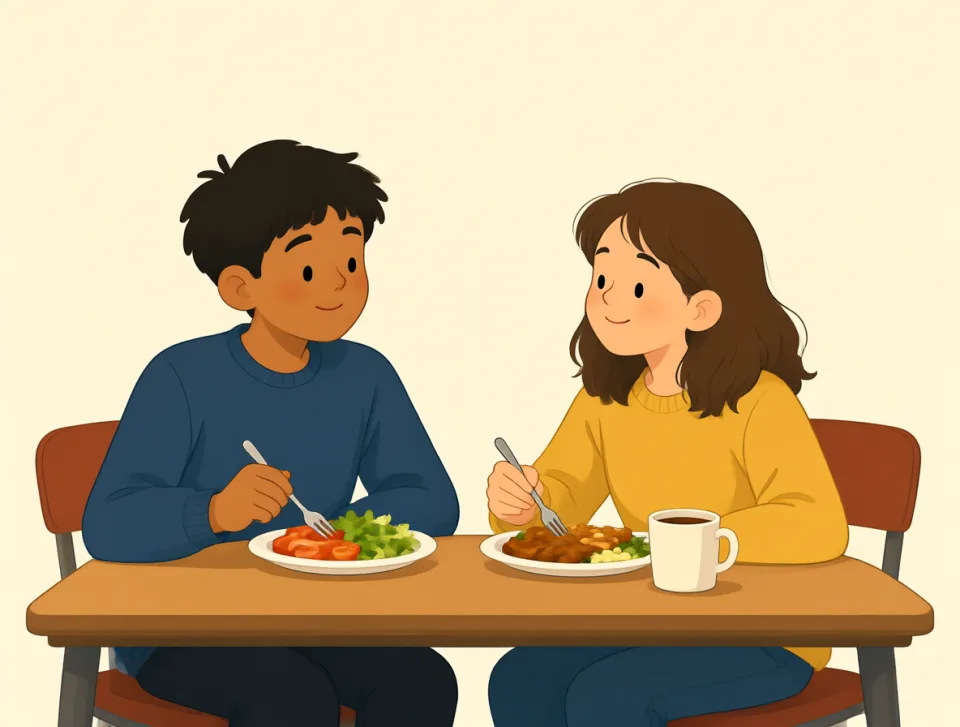
She forgot her lunch, so I shared mine anyway.
Ona zapomniała lunchu, więc i tak podzieliłem się z nią swoim.

The shop was closing, but we went in anyway.
Sklep już zamykali, ale i tak weszliśmy do środka.
speech
#894noun
przemówienie; mowa
A talk given to a group, or the ability to speak clearly.
Wystąpienie skierowane do grupy osób albo umiejętność wyraźnego mówienia.

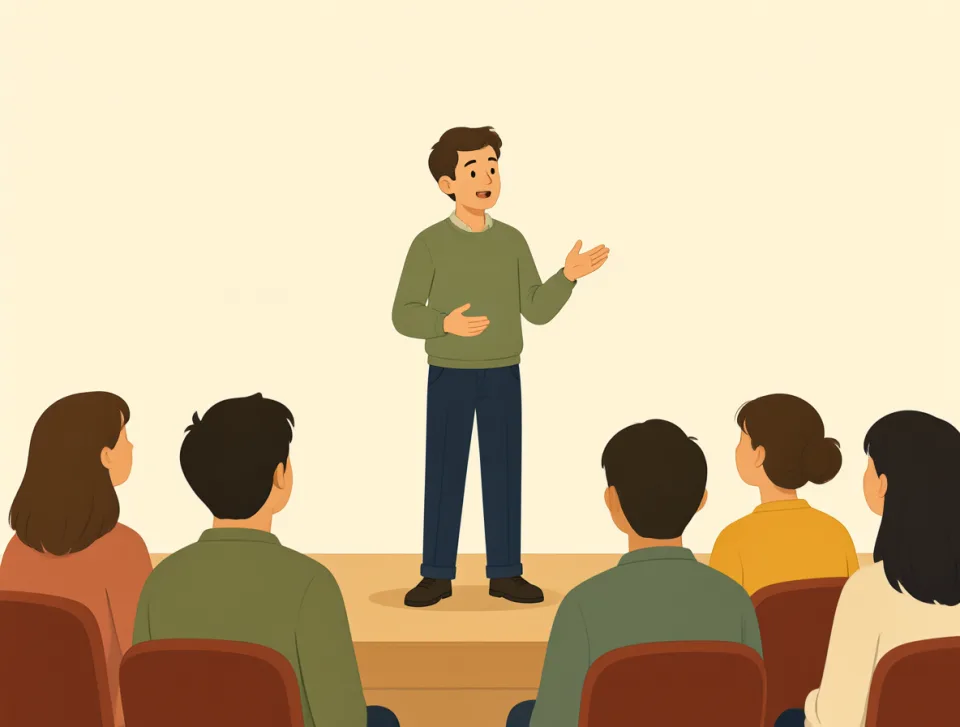
She gave a short speech at the wedding.
Wygłosiła krótkie przemówienie na weselu.

He is preparing a speech for school.
Przygotowuje przemówienie do szkoły.
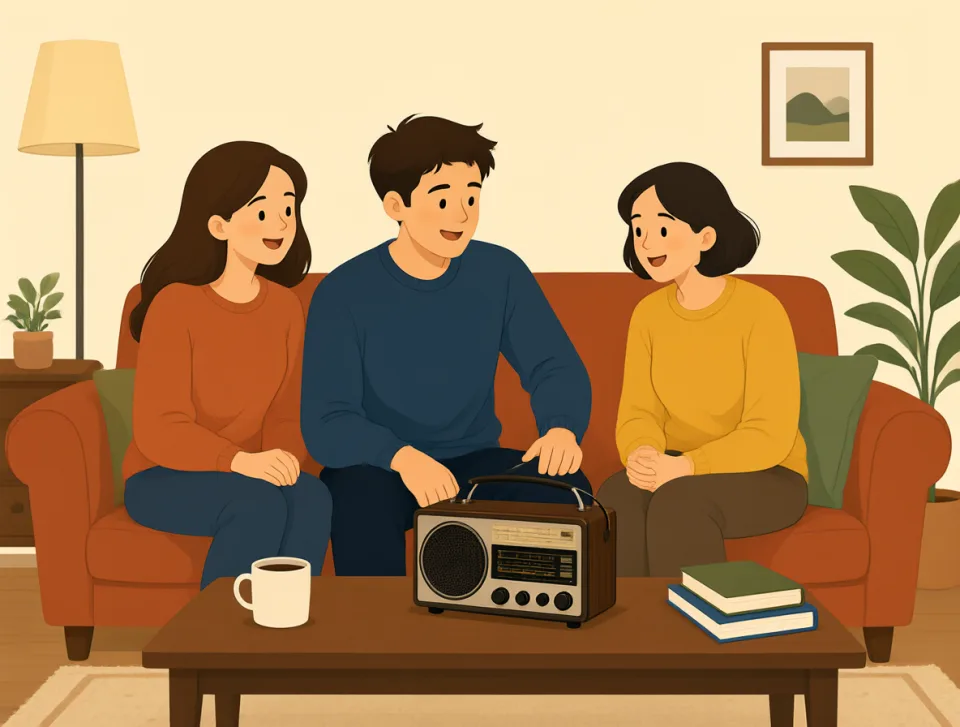
The president's speech was on the radio.
Przemówienie prezydenta było nadawane w radiu.
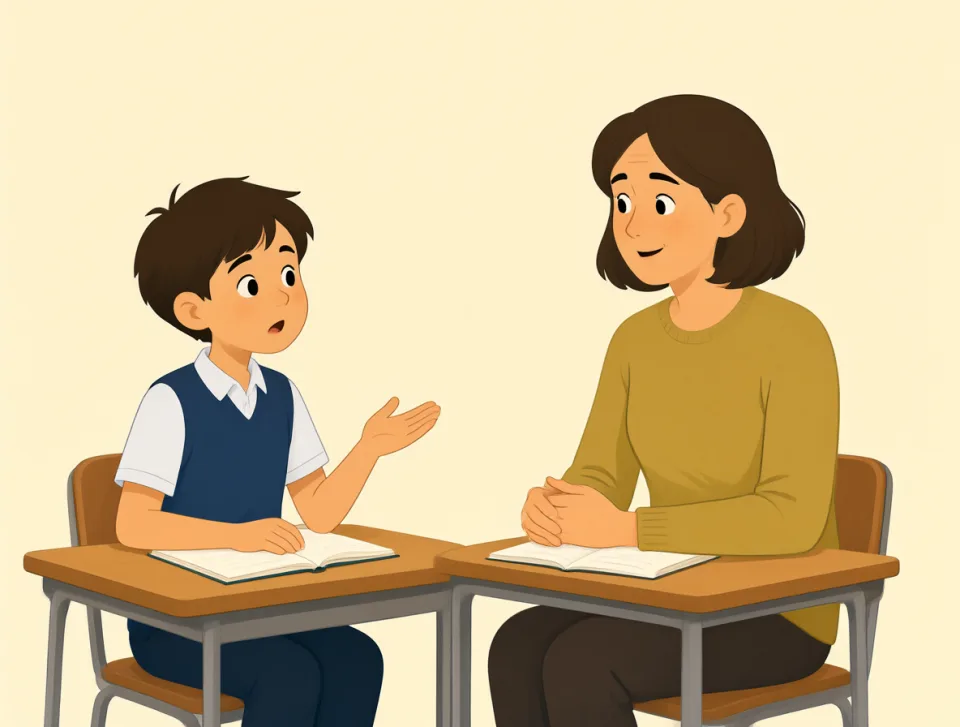
Her speech became clearer after the lesson.
Po lekcji mówiła wyraźniej.
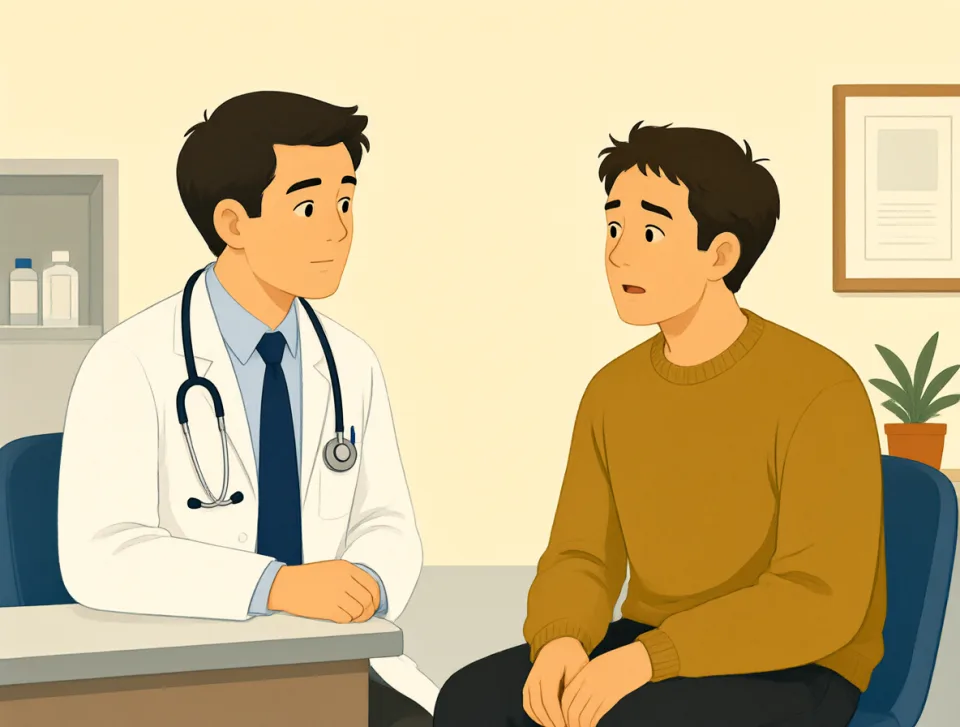
The doctor checked his speech after the accident.
Lekarz sprawdził jego mowę po wypadku.

dog
#895noun
pies
An animal often kept as a pet and trained to help people.
Zwierzę często trzymane jako domowy pupil i szkolone do pomagania ludziom.

The dog is sleeping beside the front door.
Pies śpi obok drzwi wejściowych.
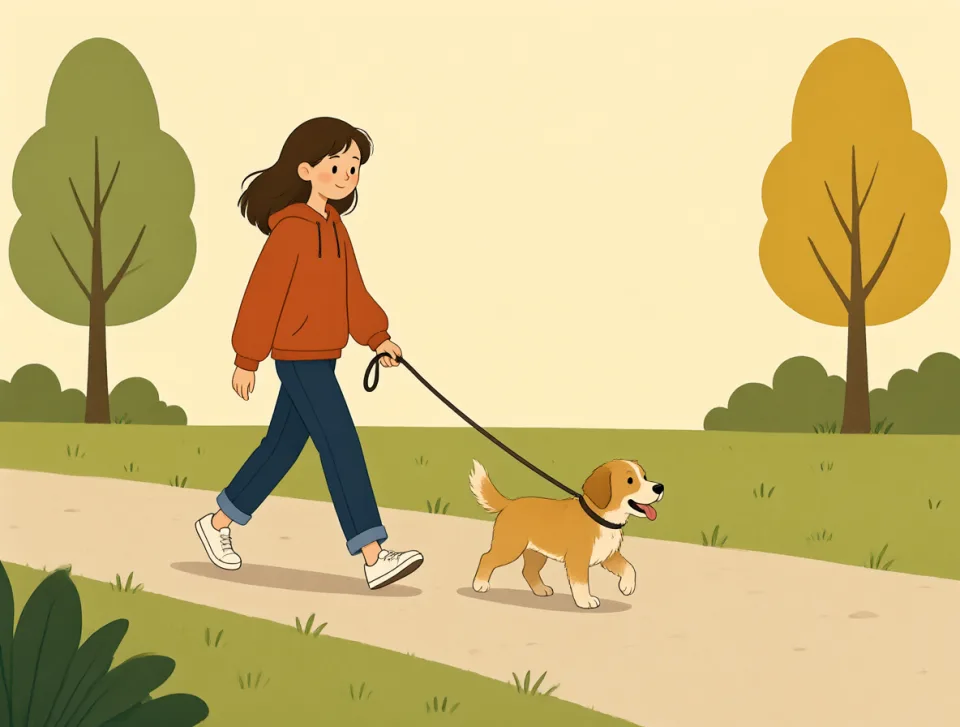
She takes her dog for a walk.
Wyprowadza psa na spacer.
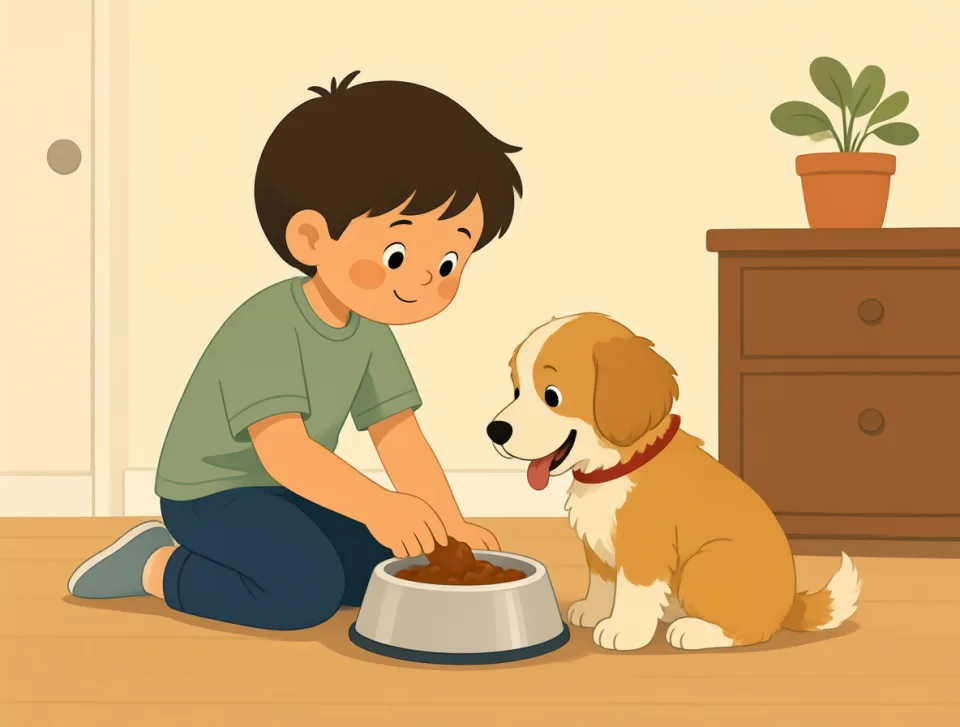
Please feed the dog before school.
Proszę nakarmić psa przed szkołą.
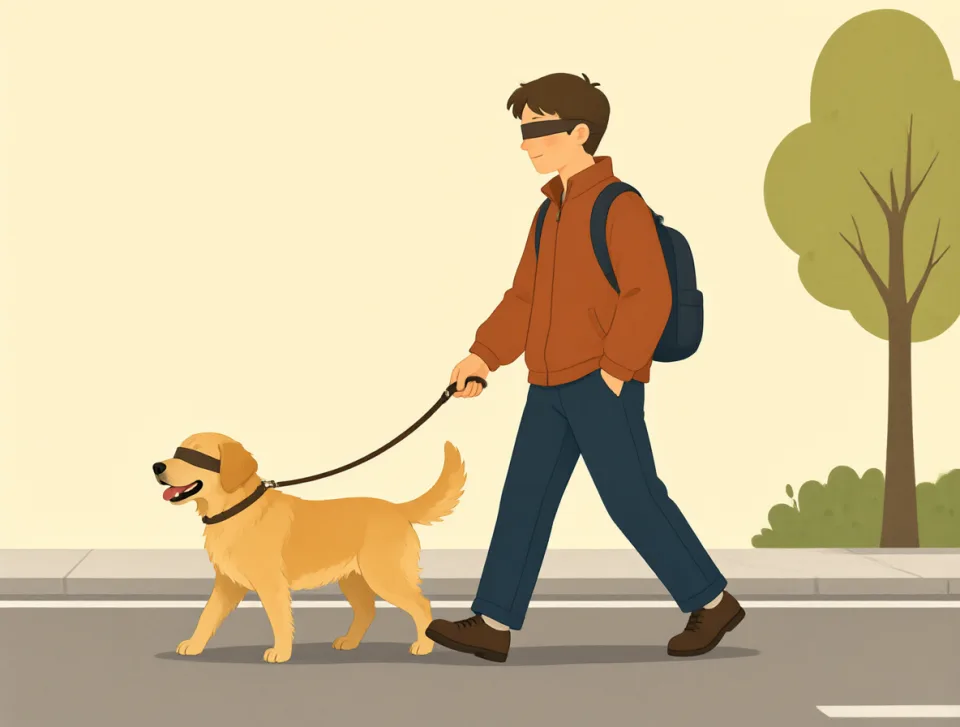
The guide dog helped the blind man cross.
Pies przewodnik pomógł niewidomemu mężczyźnie przejść na drugą stronę.
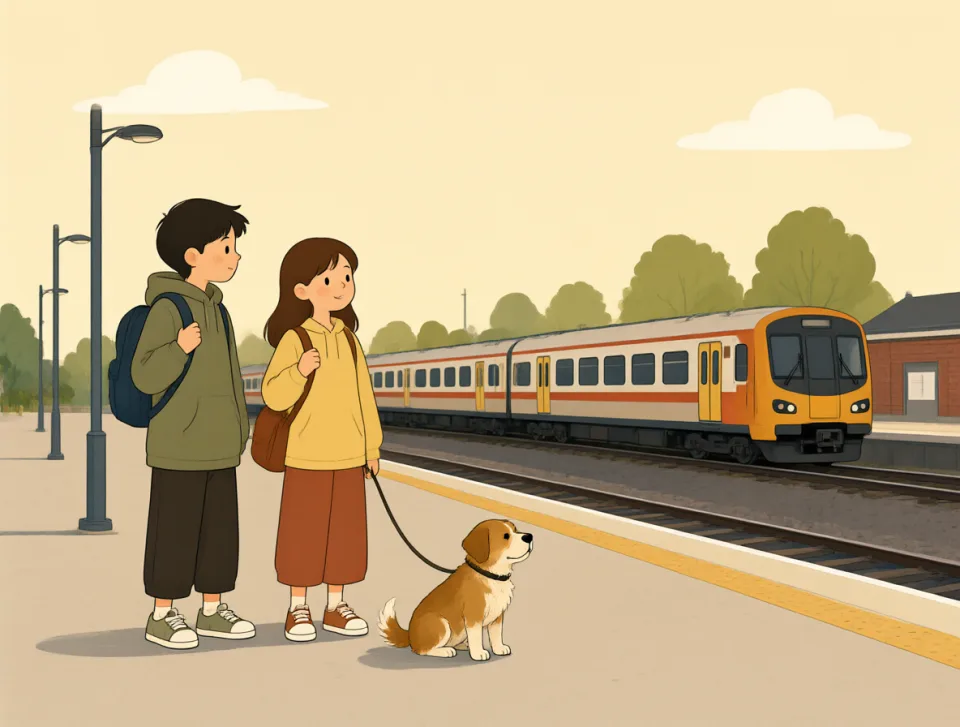
They found a stray dog near the station.
Znaleźli bezpańskiego psa w pobliżu stacji.
officer
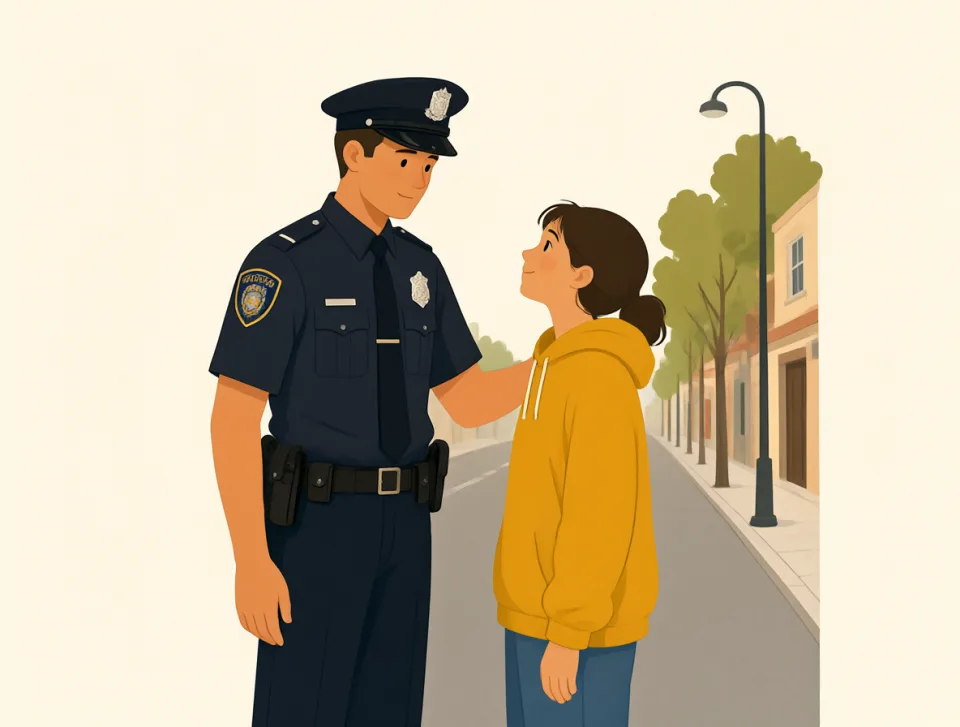
#896noun
funkcjonariusz
A person whose job is to keep people safe or enforce the law.
Osoba, której praca polega na dbaniu o bezpieczeństwo ludzi lub egzekwowaniu prawa.
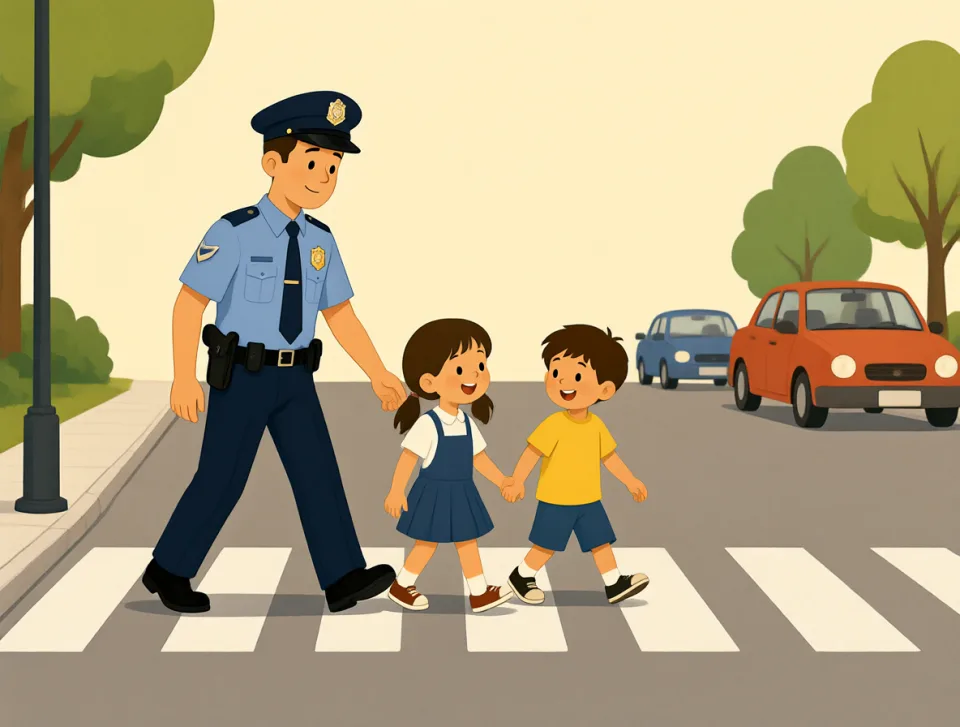
The officer helped us cross the busy street.
Funkcjonariusz pomógł nam przejść przez ruchliwą ulicę.
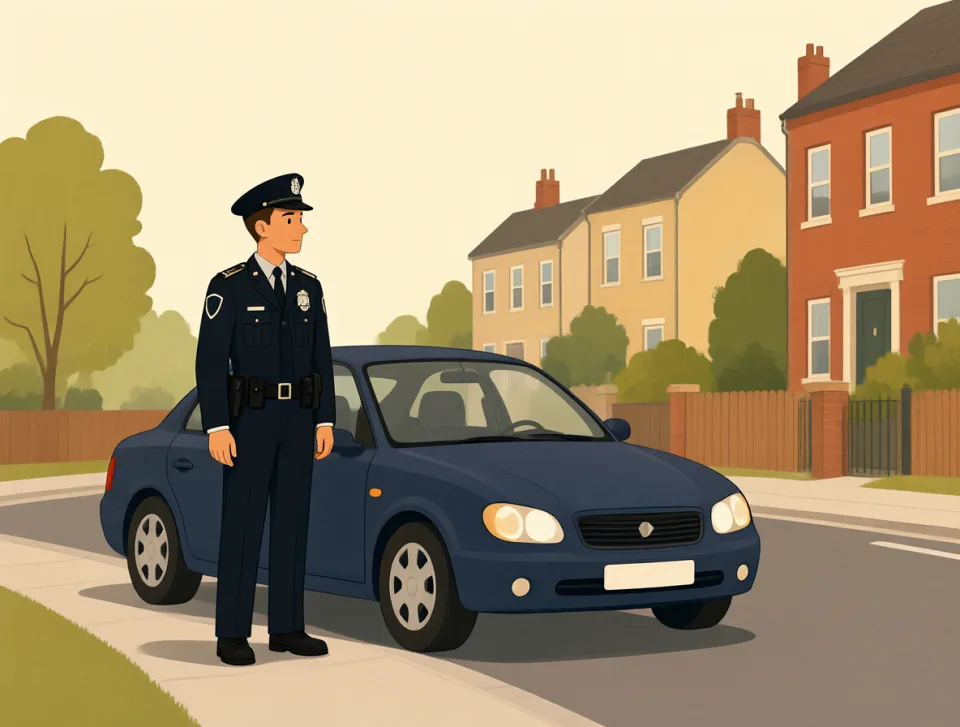
The police officer stopped the car near our house.
Policjant zatrzymał samochód niedaleko naszego domu.

She spoke to an officer at the airport.
Porozmawiała z funkcjonariuszem na lotnisku.
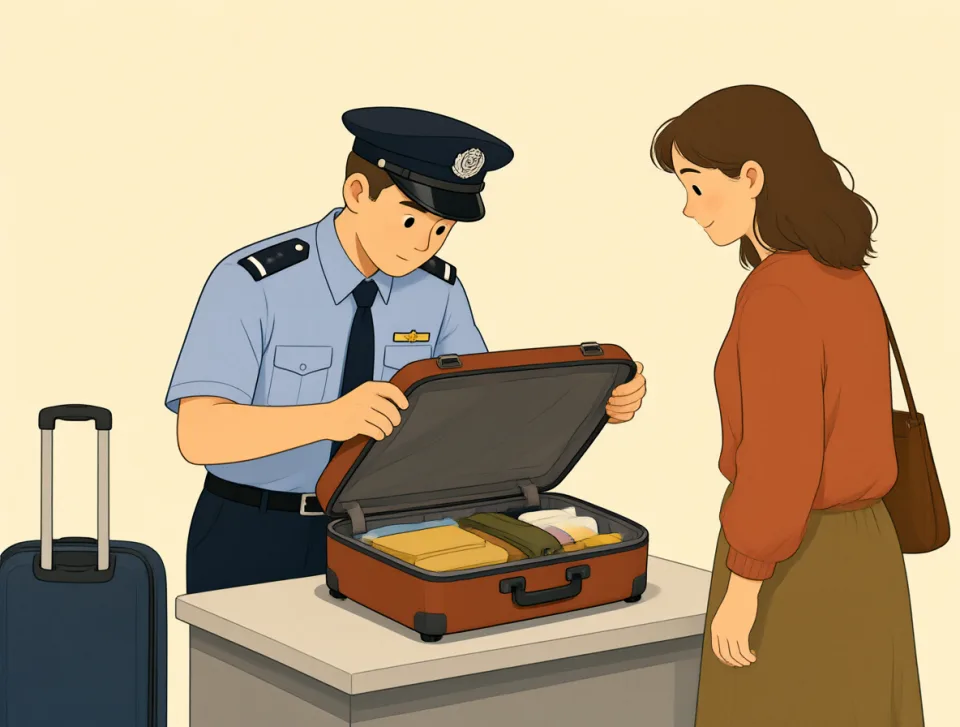
The officer checked our bags before the flight.
Funkcjonariusz sprawdził nasze bagaże przed lotem.
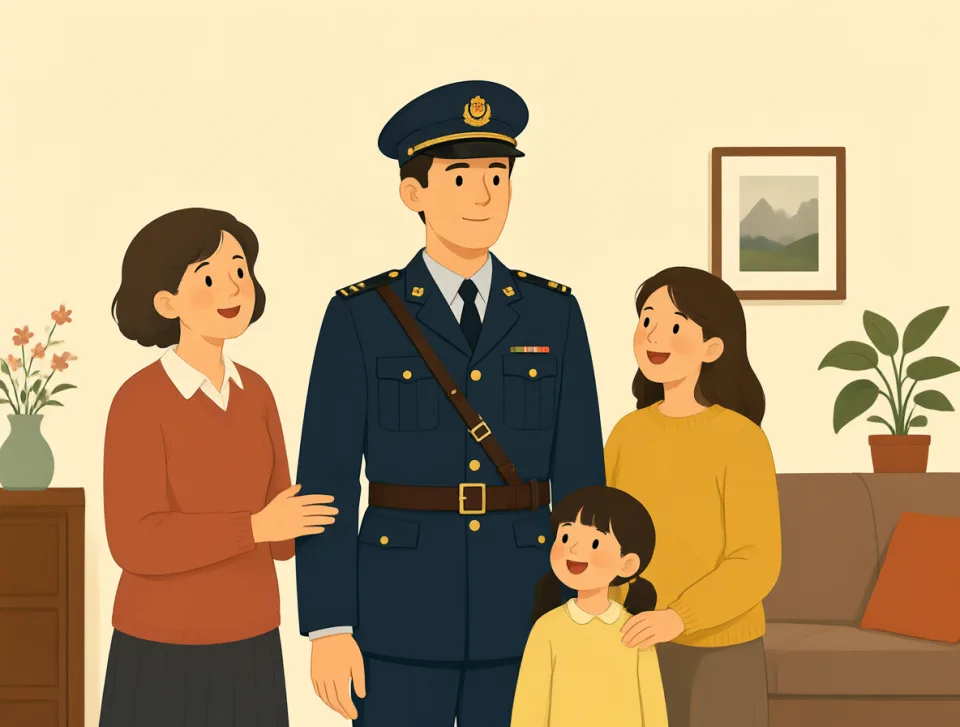
My uncle is an army officer in the city.
Mój wujek jest oficerem wojskowym w mieście.

throughout
#897preposition, adverb
przez cały; w całym
In every part of a place or during the whole of a time period.
W każdej części jakiegoś miejsca lub przez cały określony czas.
It rained throughout the night.
Padało przez całą noc.

She smiled throughout the whole meeting.
Uśmiechała się przez całe spotkanie.
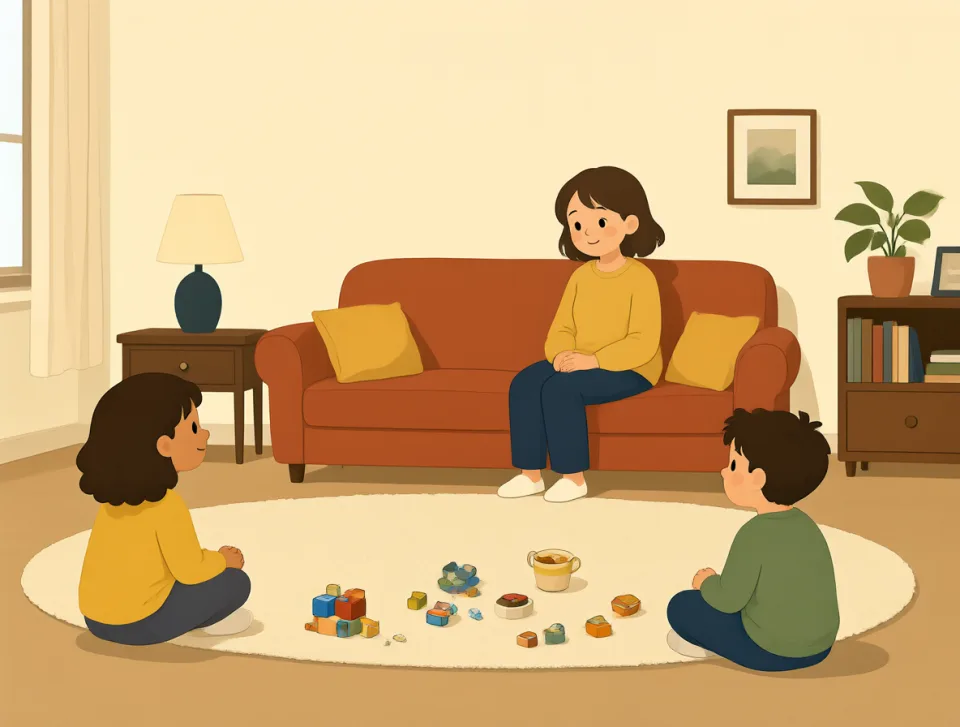
The children played throughout the house.
Dzieci bawiły się w całym domu.

We traveled throughout the country by train.
Podróżowaliśmy pociągiem po całym kraju.

He stayed calm throughout his long journey.
Przez całą długą podróż zachował spokój.
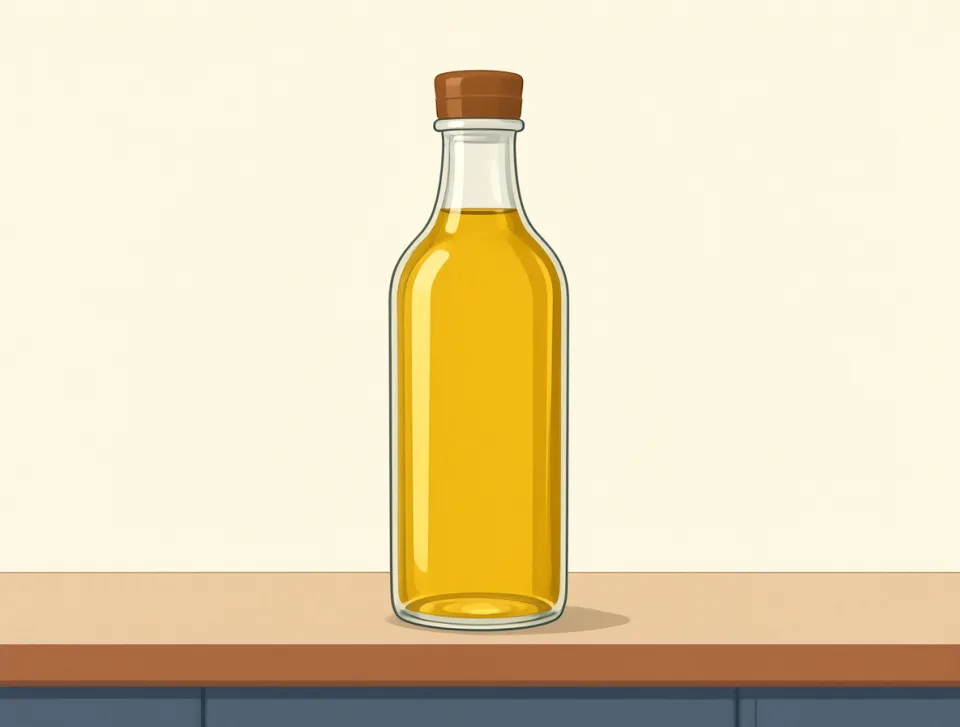
oil
#898noun, verb
olej
A thick liquid from the ground or plants, used for fuel, cooking, or machines.
Gęsta ciecz pochodząca z ziemi lub roślin, używana jako paliwo, do gotowania albo smarowania maszyn.
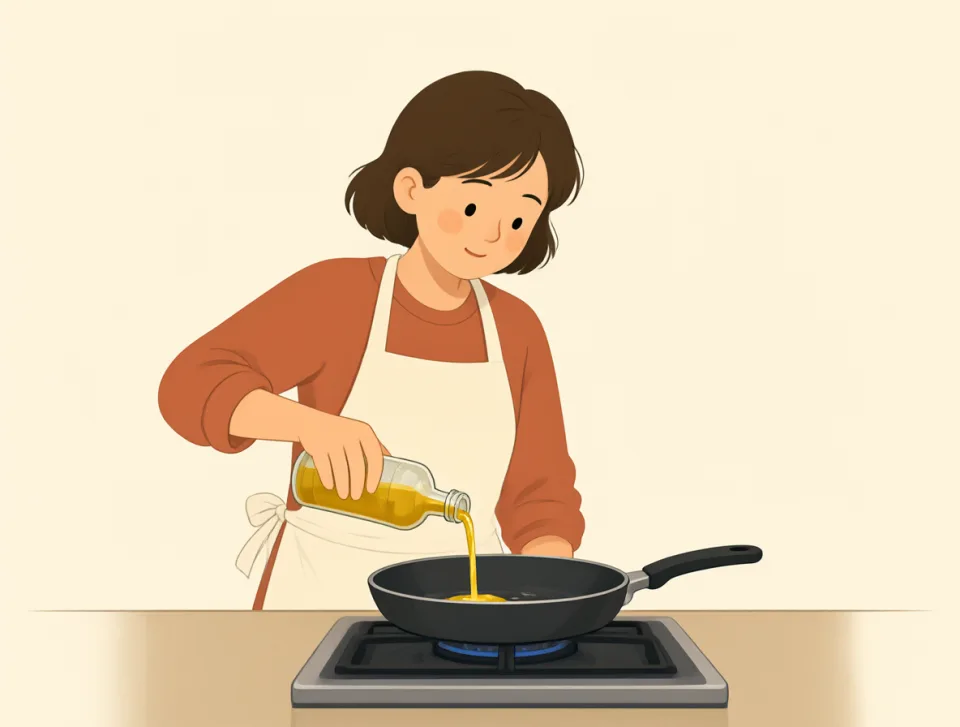
Add a little oil to the hot pan.
Wlej odrobinę oleju na rozgrzaną patelnię.
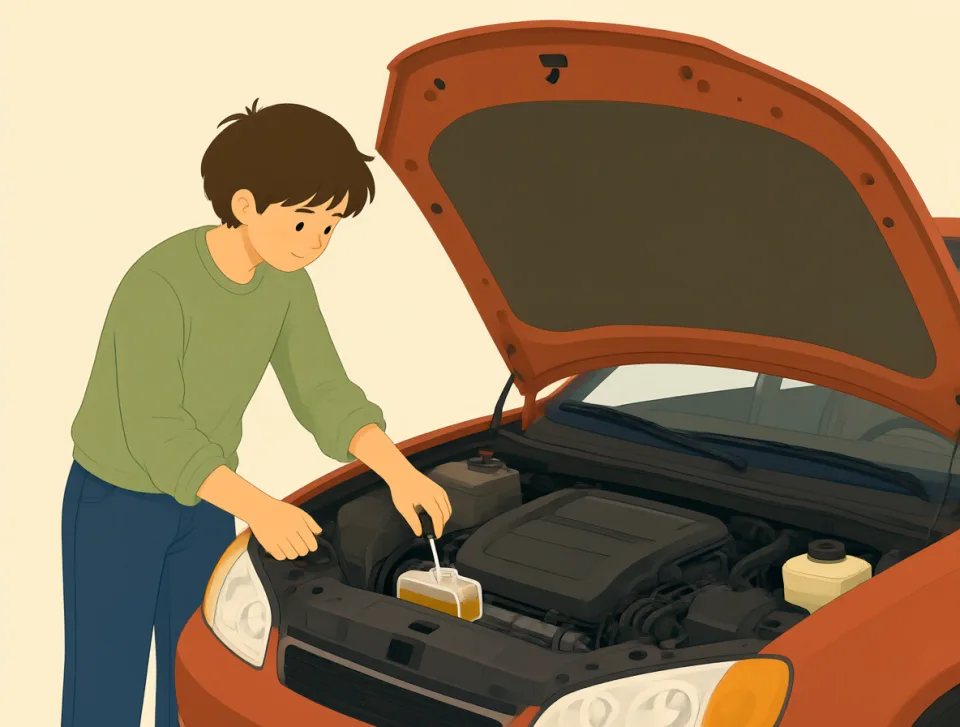
The car needs oil before our trip.
Przed naszą podróżą trzeba dolać oleju do samochodu.
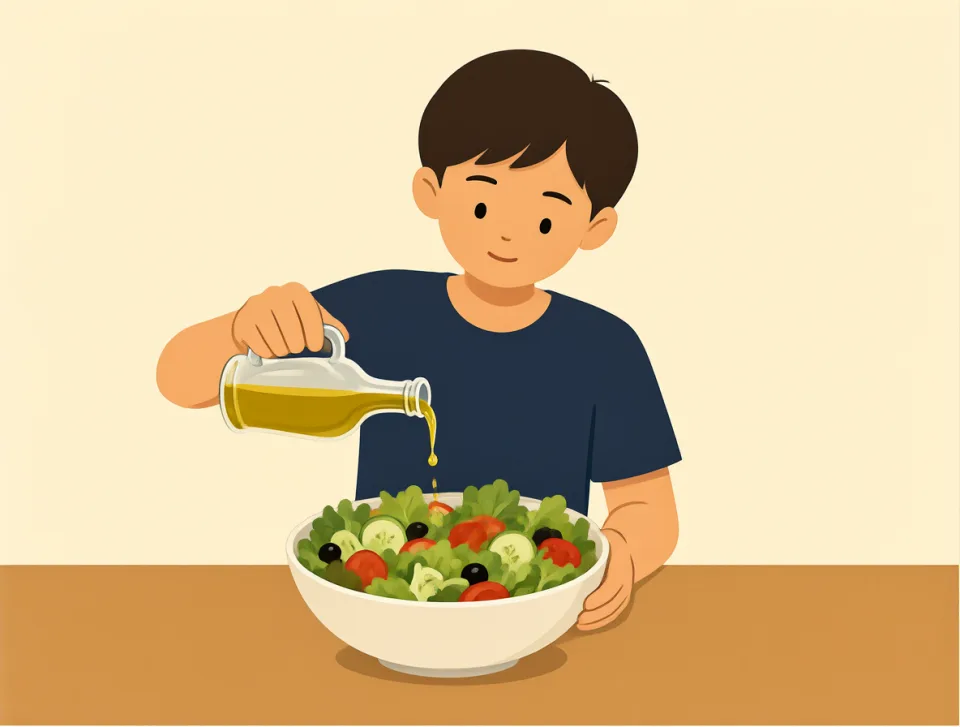
Olive oil makes this salad taste better.
Oliwa z oliwek poprawia smak tej sałatki.

They found oil under the sea.
Znaleźli ropę naftową pod dnem morza.

She oiled the door so it stopped squeaking.
Nasmarowała drzwi olejem, żeby przestały skrzypieć.
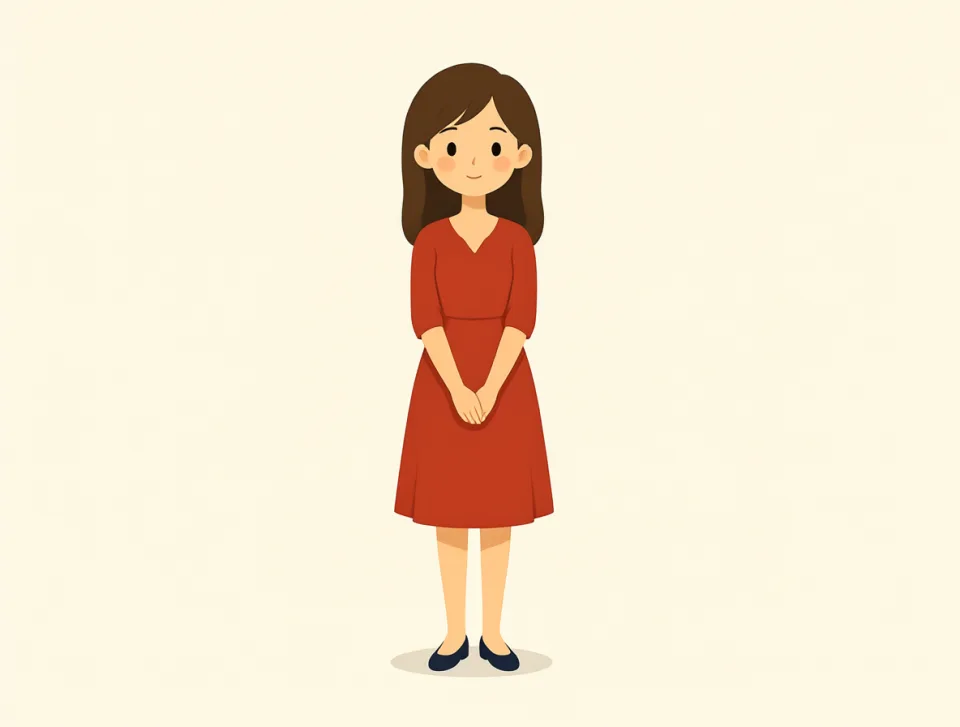
dress
#899noun, verb
sukienka; ubierać
A one-piece garment for the body, or to put on clothes for a special occasion.
Jednoczęściowe ubranie zakrywające tułów i nogi albo zakładać ubranie na specjalną okazję.

She wore a blue dress to the party.
Na przyjęcie założyła niebieską sukienkę.

I bought a new dress yesterday.
Wczoraj kupiłem nową sukienkę.
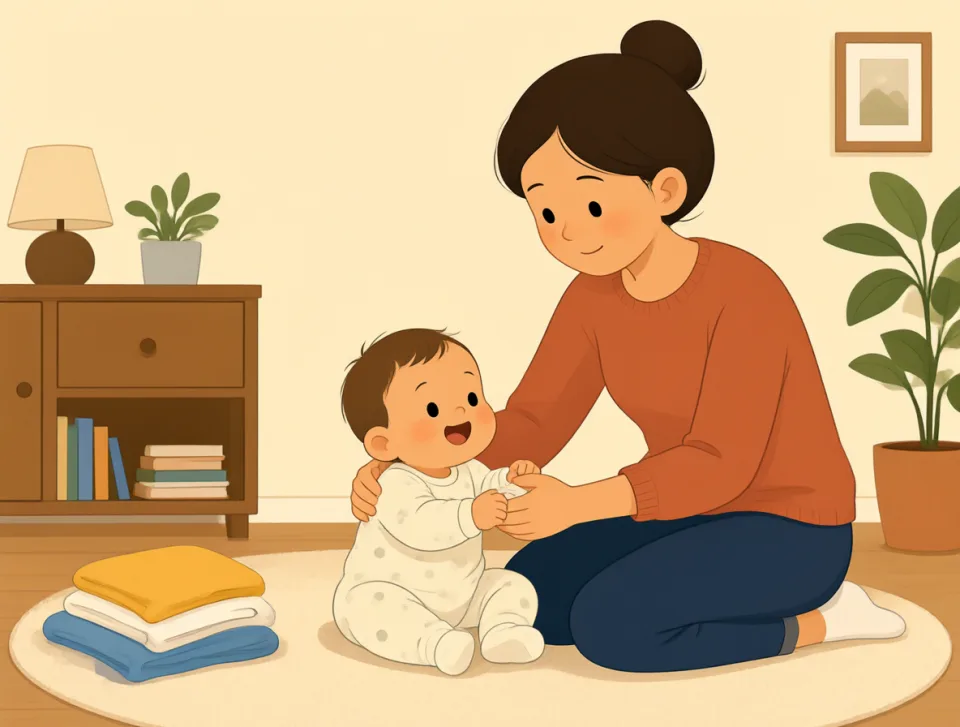
Please dress the baby before we go.
Proszę ubrać dziecko, zanim wyjdziemy.

He dressed quickly for work this morning.
Dziś rano szybko ubrał się do pracy.
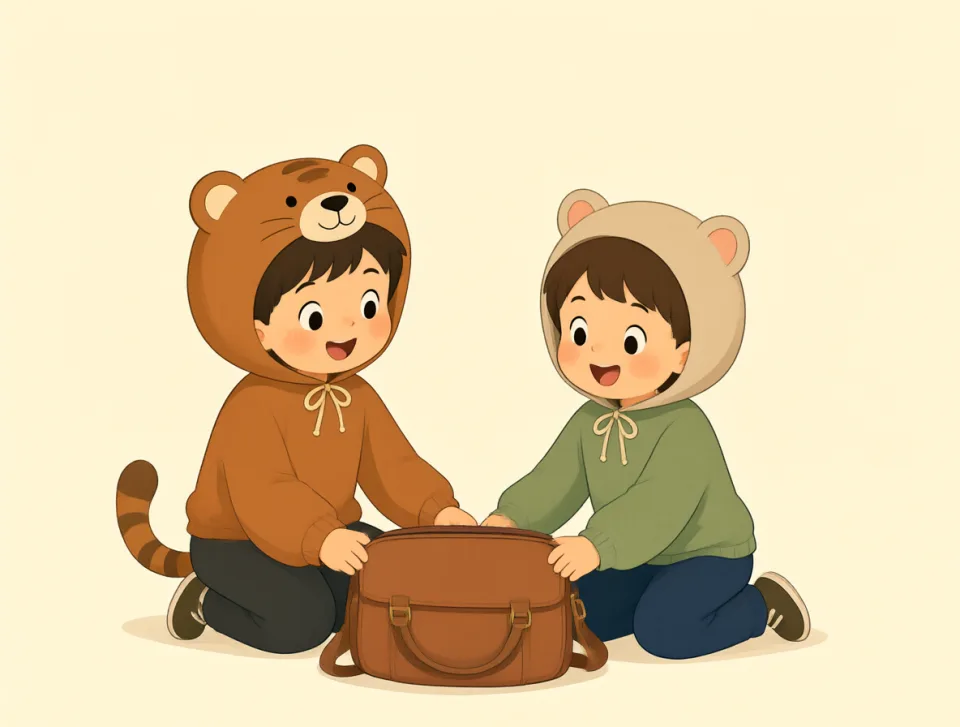
The children dressed up as animals for school.
Dzieci przebrały się za zwierzęta do szkoły.

profit
#900noun, verb
zysk
Money made after paying the costs of running a business.
Pieniądze zarobione po odjęciu kosztów prowadzenia firmy.
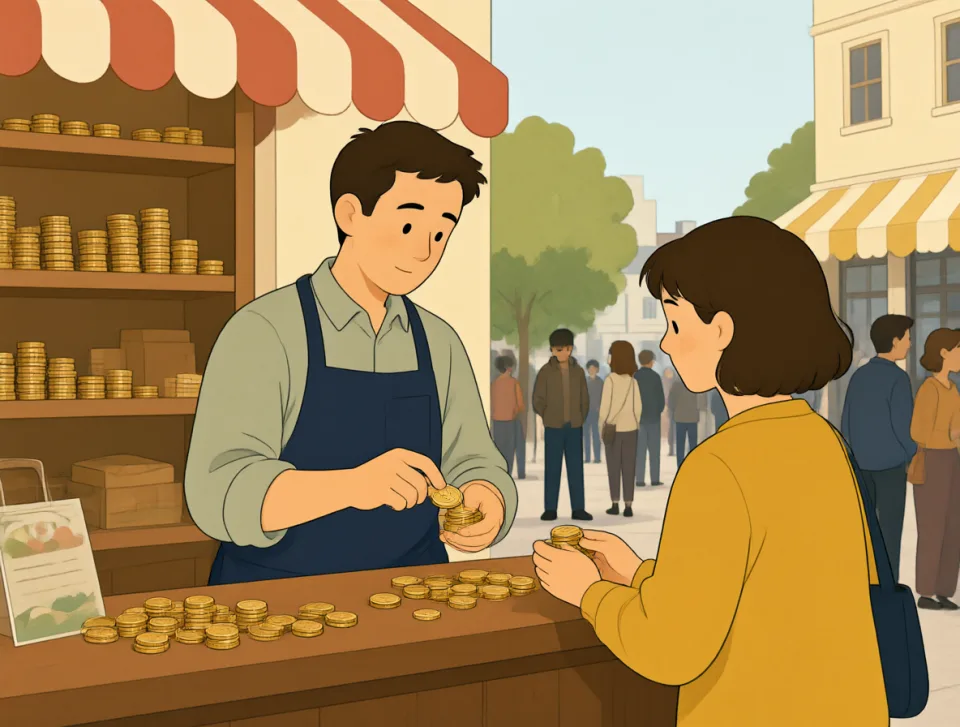
The shop made a good profit last year.
Sklep osiągnął dobry zysk w zeszłym roku.

The company wants to increase its profits.
Firma chce zwiększyć swoje zyski.
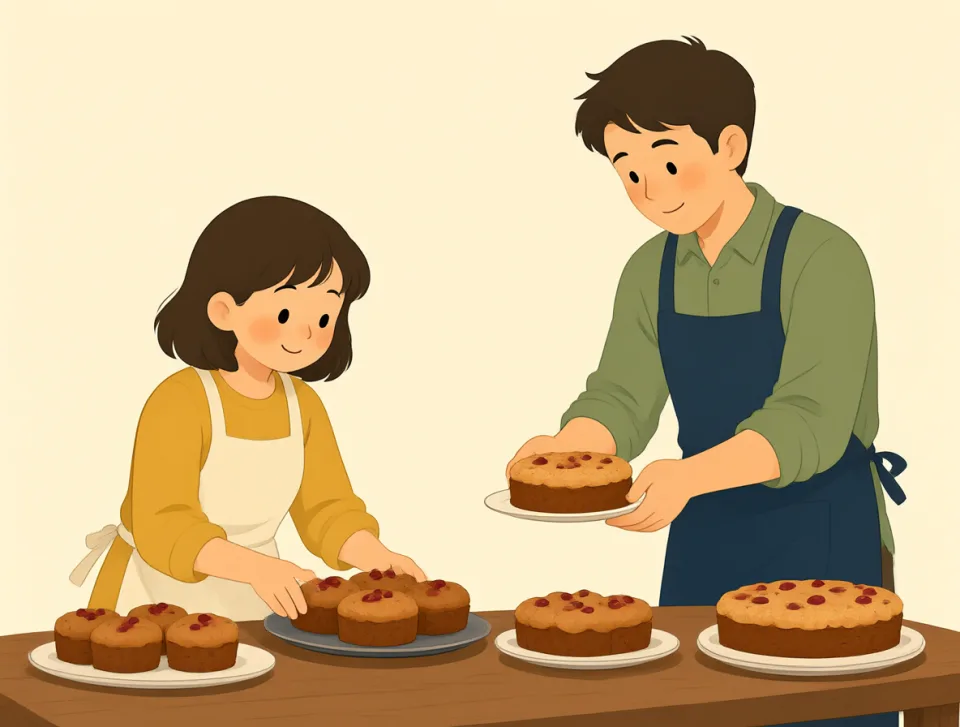
We sold the cakes for a small profit.
Sprzedaliśmy ciasta z niewielkim zyskiem.

The farmer profited from selling fresh vegetables.
Rolnik zarobił na sprzedaży świeżych warzyw.

She profited from her friend's helpful advice.
Skorzystała z pomocnej rady przyjaciółki.