Zestaw 30
Słowa 581–600 · complete, lie, pick, reduce, personal, ground
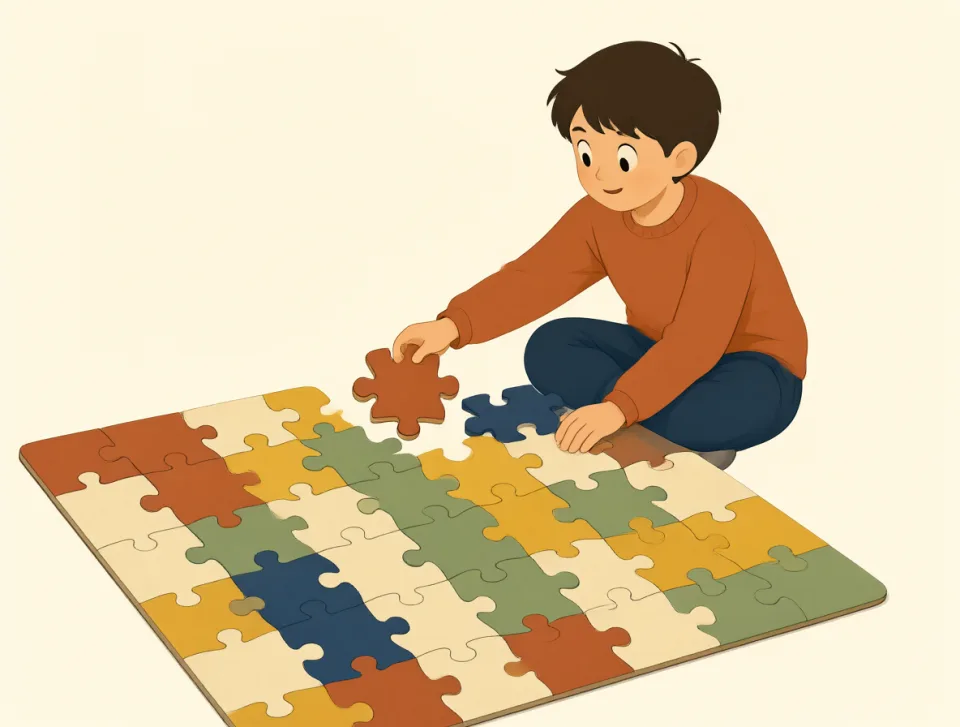
complete
#581verb, adjective
ukończyć; kompletny
To finish something, or having all its parts finished or included.
Ukończyć coś albo taki, który ma już wszystkie części lub został w pełni ukończony.
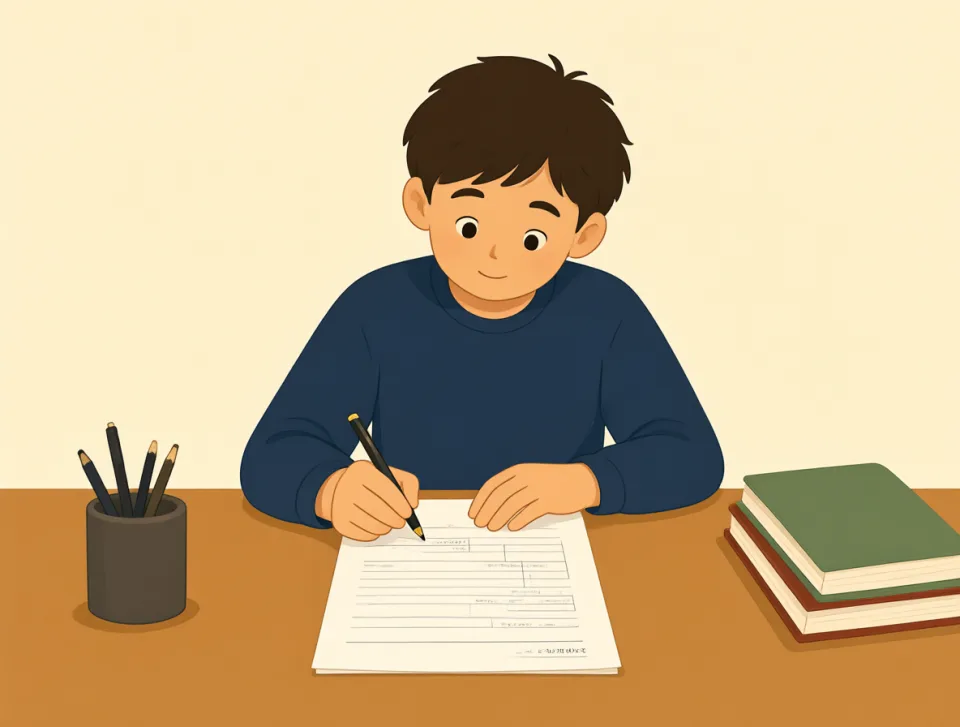
Please complete this form before your appointment.
Proszę wypełnić ten formularz przed wizytą.
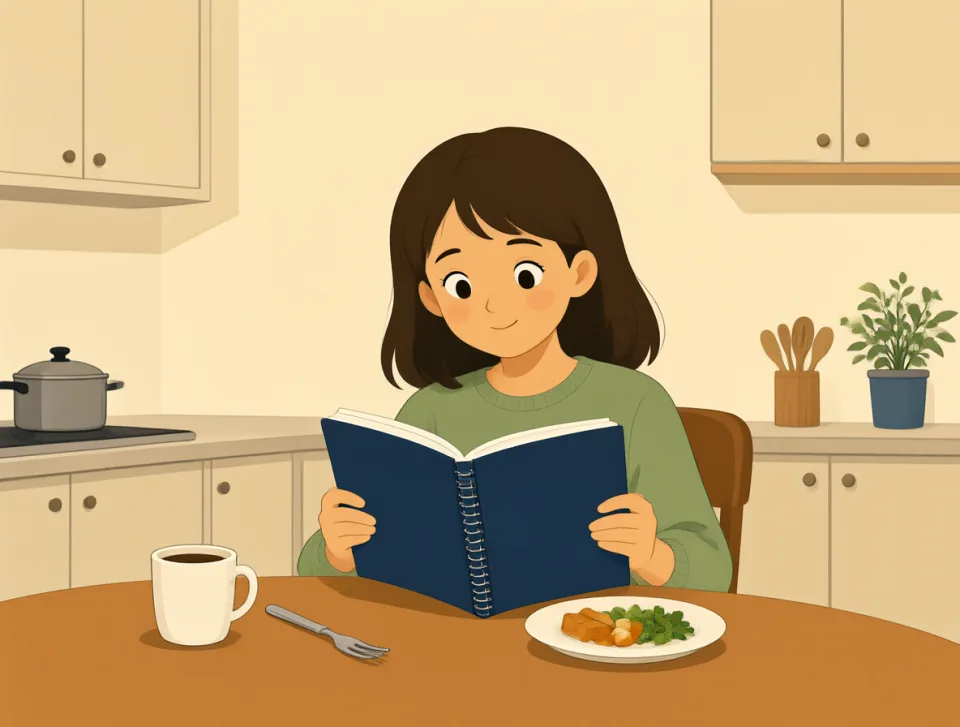
She completed her homework before dinner.
Skończyła odrabiać pracę domową przed kolacją.

The hotel room is complete with two beds.
Pokój hotelowy jest w pełni wyposażony i ma dwa łóżka.
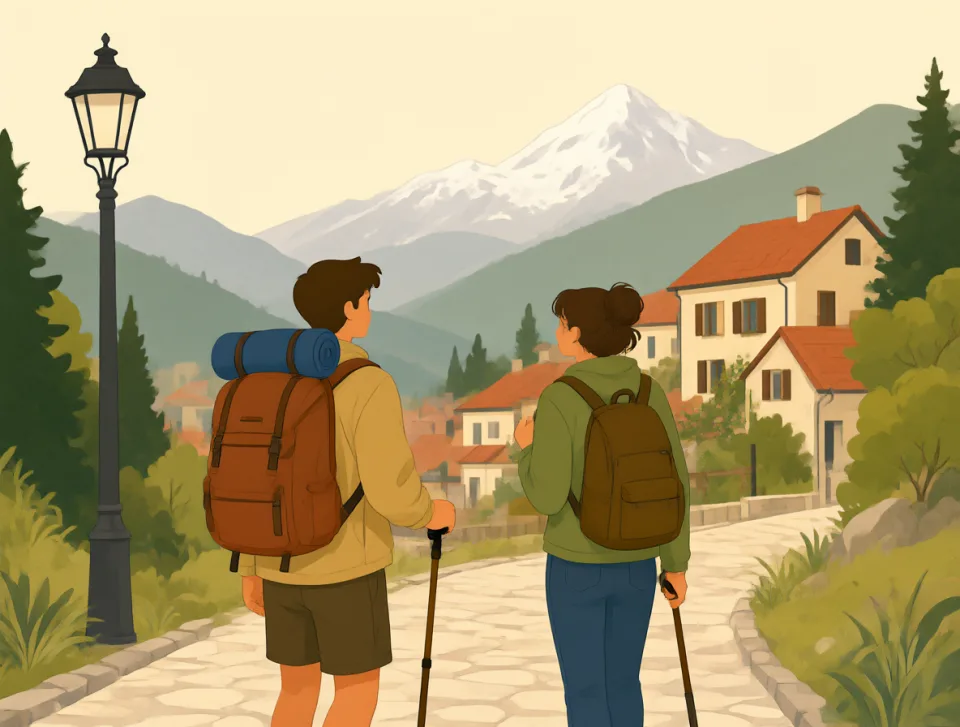
We completed the trip in three days.
Pokonaliśmy tę trasę w trzy dni.
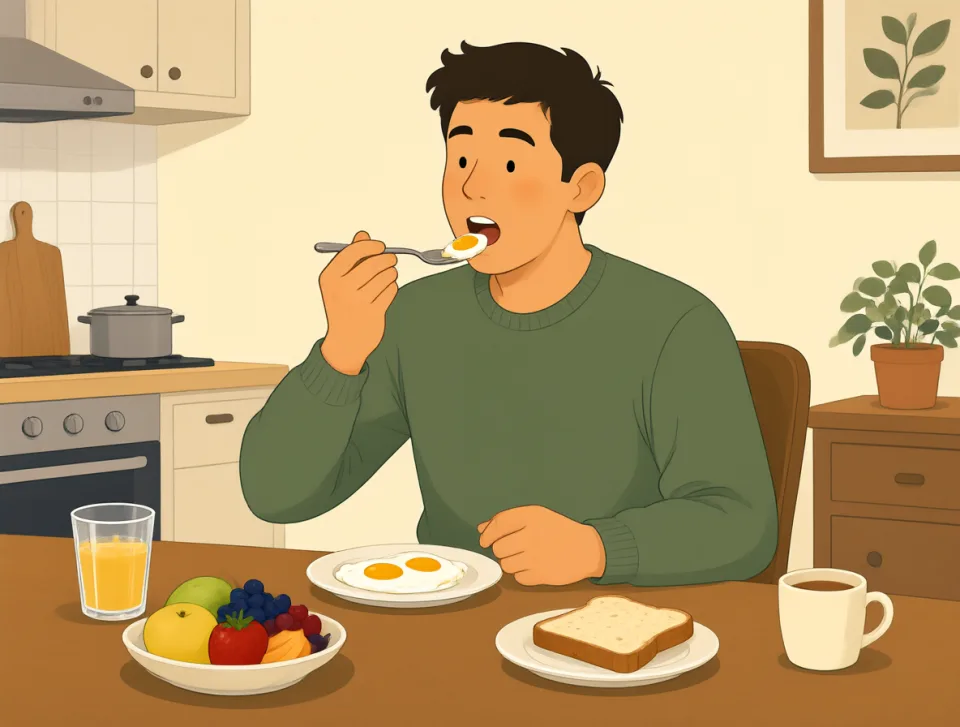
He ate a complete breakfast before work.
Zjadł pełne śniadanie przed pracą.
lie
#582verb, noun
leżeć; kłamać
To rest flat, or to say something that is not true.
Leżeć płasko albo powiedzieć coś, co nie jest prawdą.
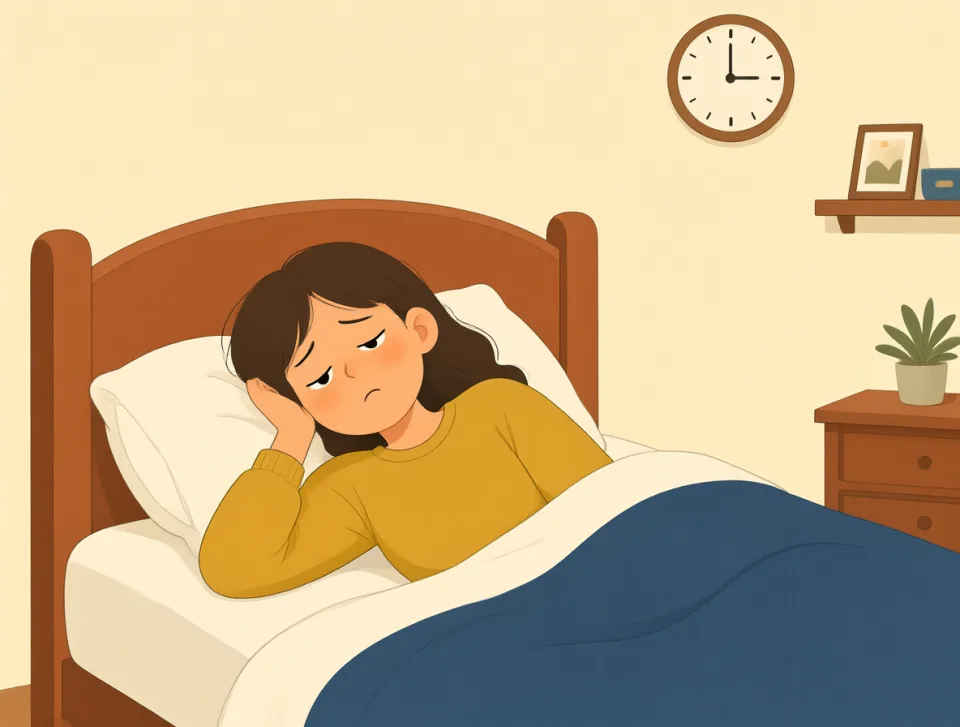
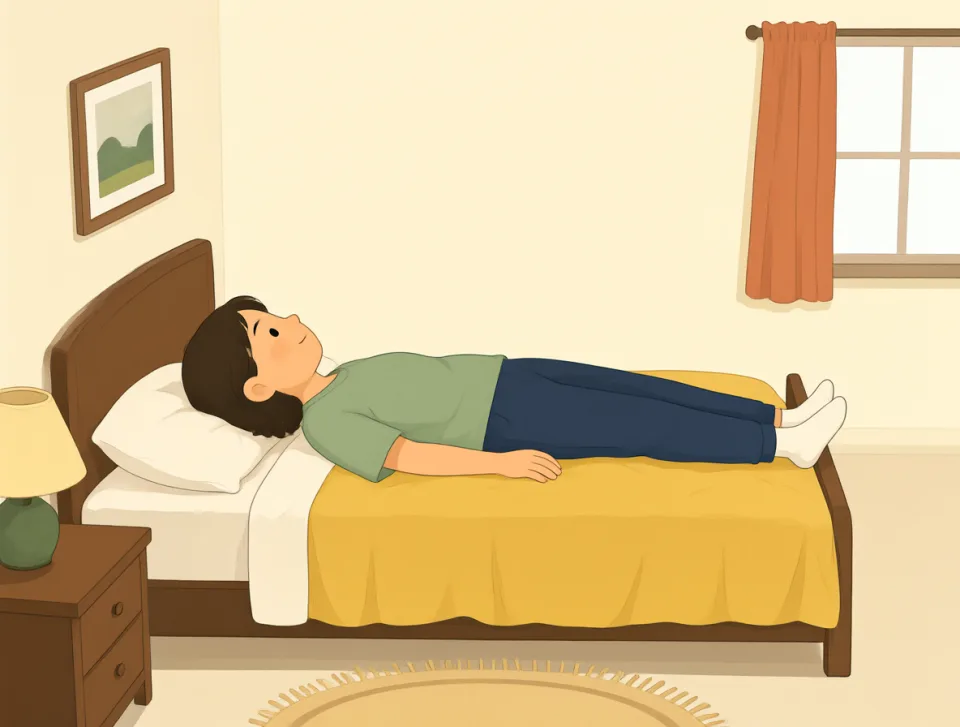
Please lie down and rest for a while.
Proszę się położyć i chwilę odpocząć.
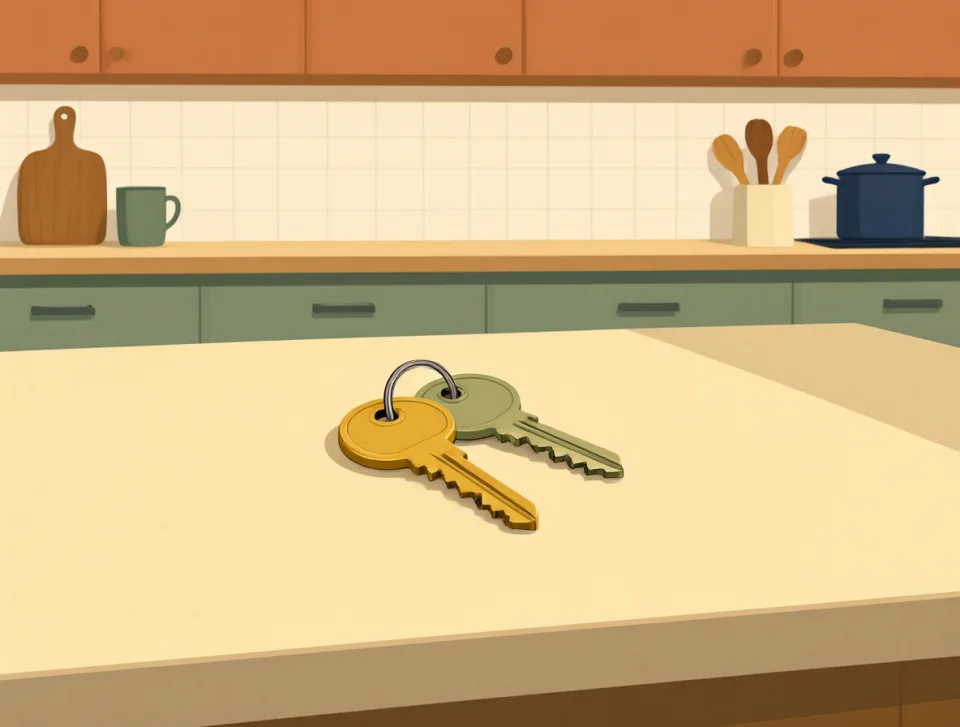
The keys lie on the kitchen table.
Klucze leżą na kuchennym stole.
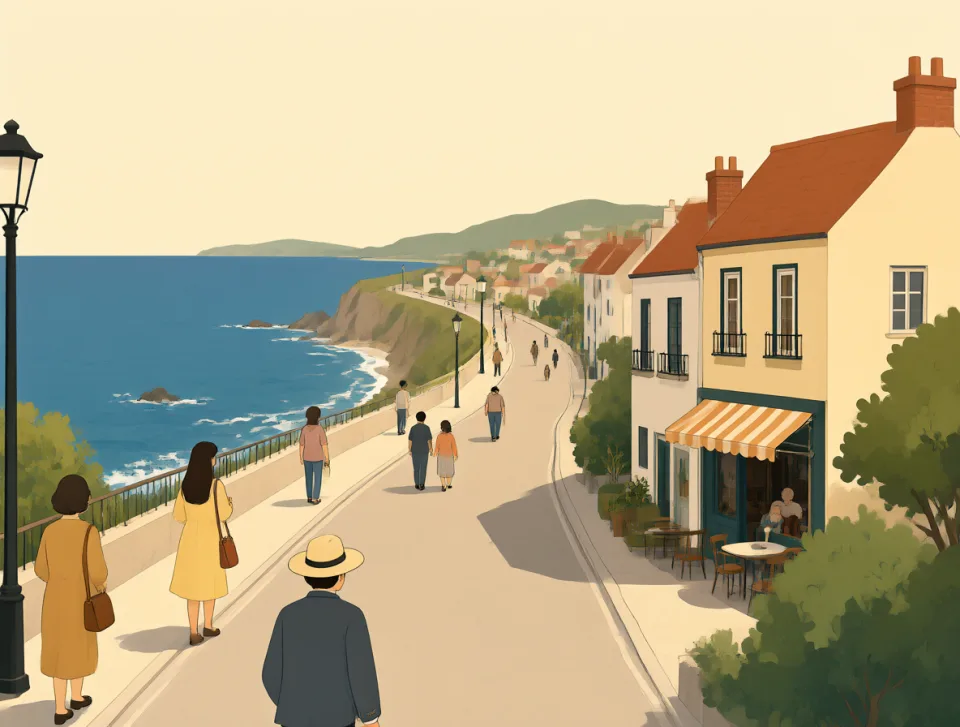
The town lies near the sea.
Miasteczko leży blisko morza.
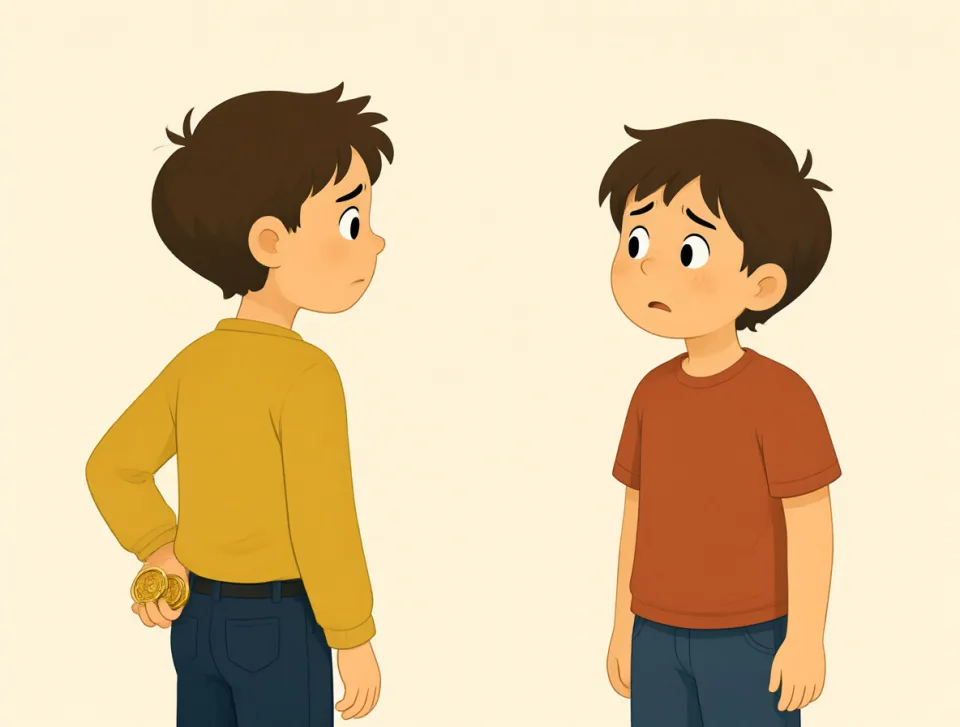
He told a lie about the money.
Skłamał na temat pieniędzy.
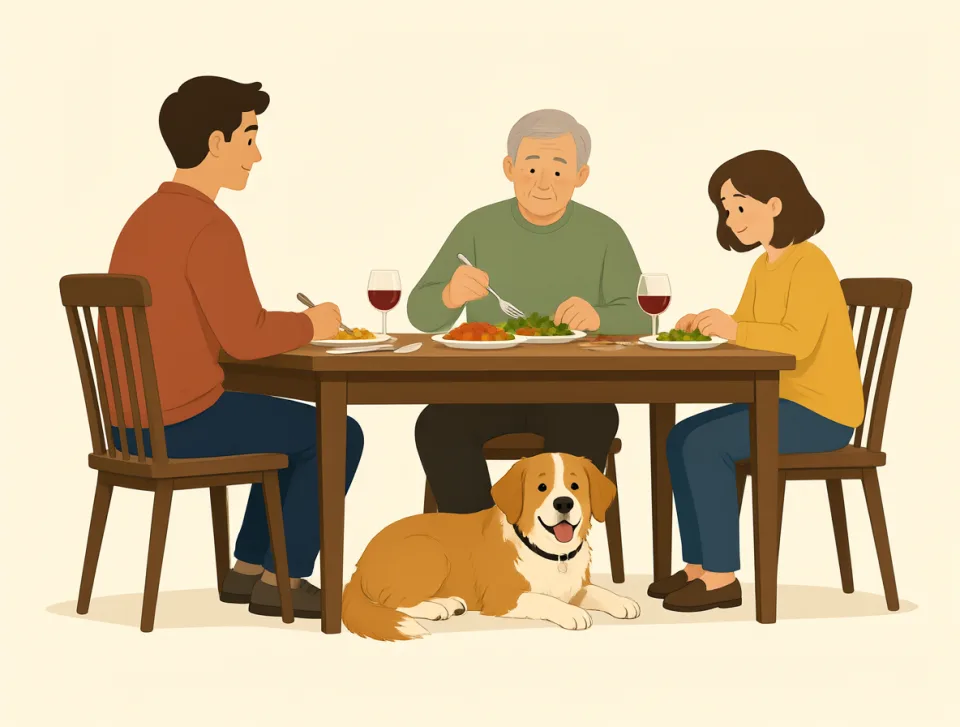
The dog lay under the table.
Pies leżał pod stołem.
pick
#583verb, noun
wybrać
to choose someone or something, or take something from a group
Wybrać kogoś lub coś albo wziąć coś z grupy.
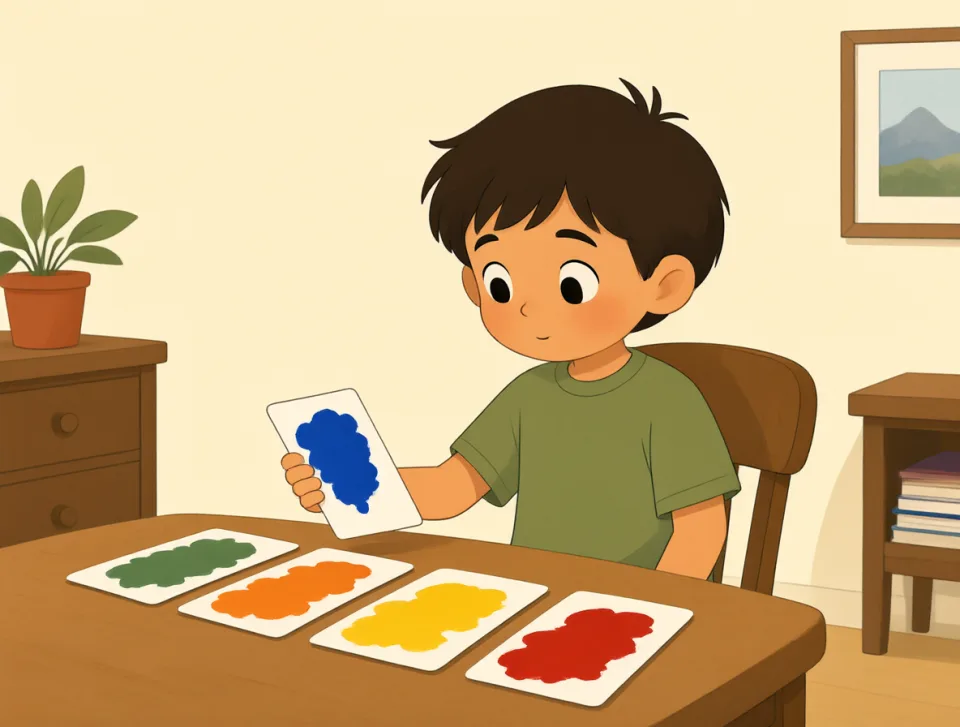
Please pick a color for your room.
Proszę wybrać kolor do swojego pokoju.

She picked a dress for the party.
Wybrała sukienkę na przyjęcie.
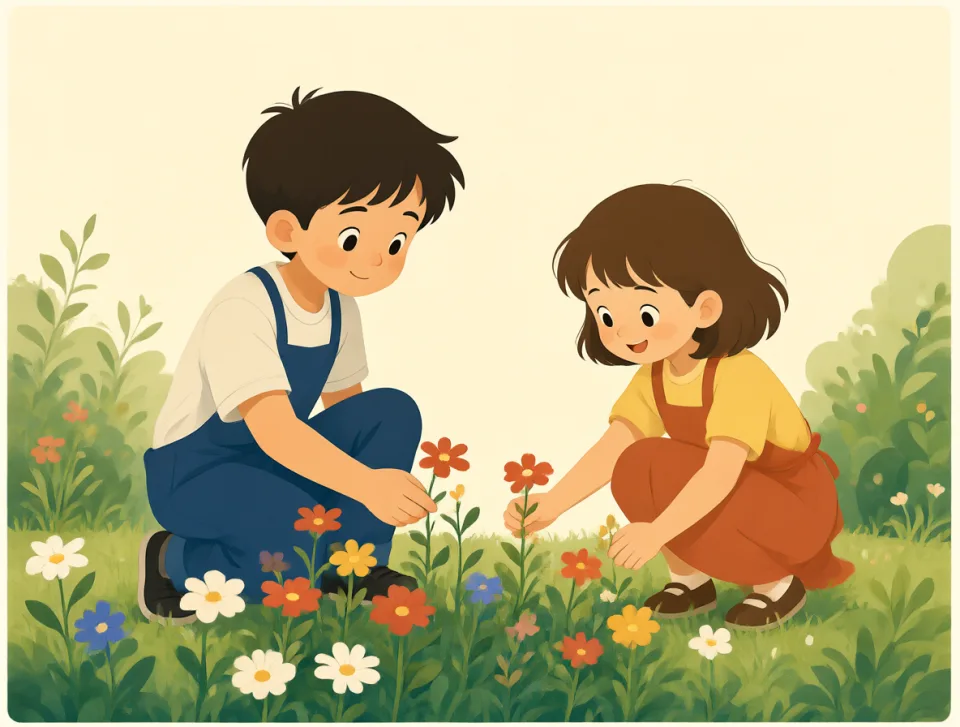
We picked some flowers in the garden.
Zerwaliśmy kilka kwiatów w ogrodzie.
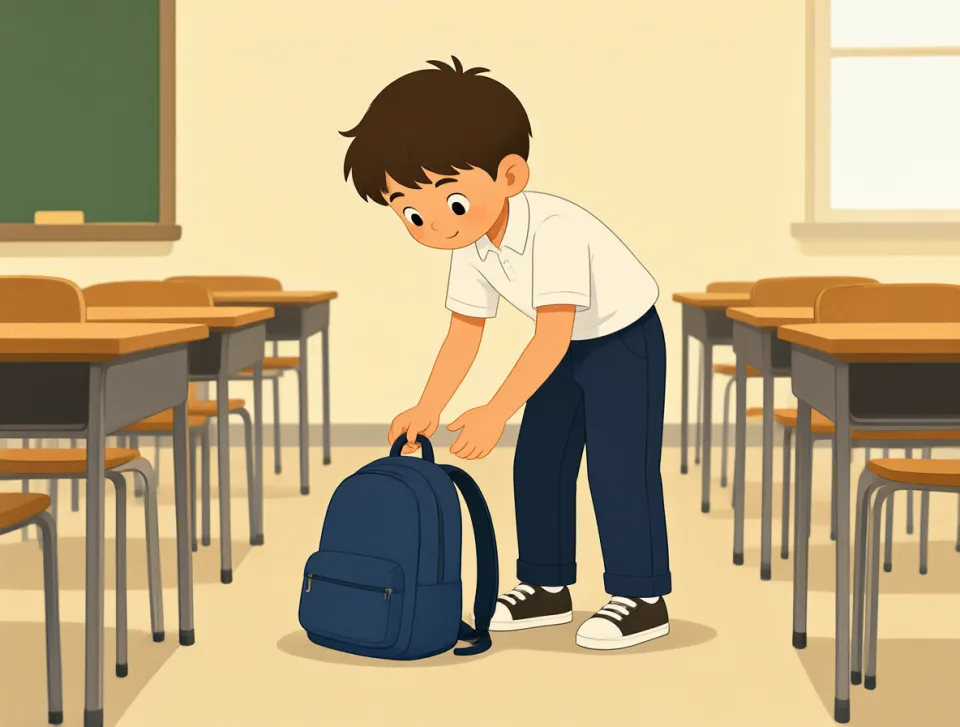
He picked up his bag at school.
Odebrał swoją torbę w szkole.
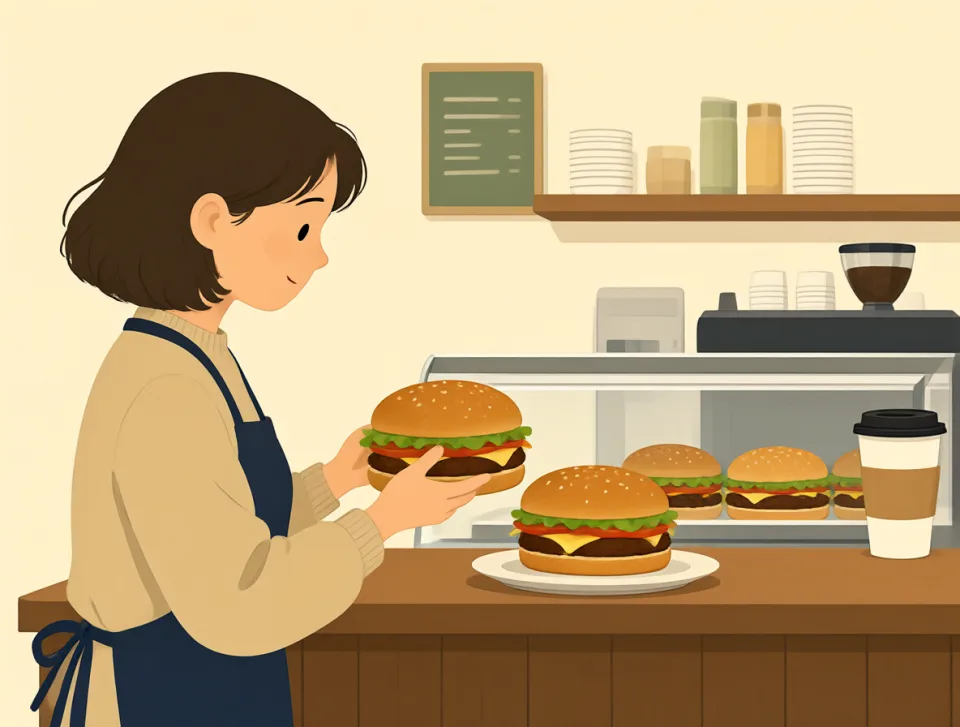
I picked a chicken sandwich for lunch.
Na lunch wybrałem kanapkę z kurczakiem.
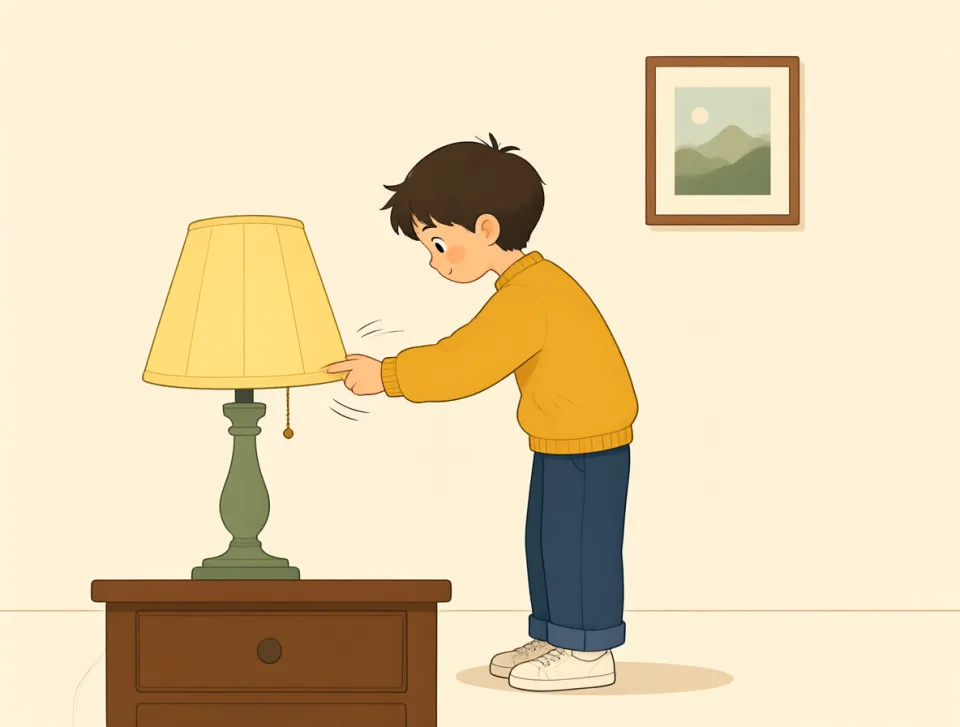
reduce
#584verb
zmniejszyć; ograniczyć
to make something smaller, lower, or less
Sprawić, by coś było mniejsze, niższe lub mniej liczne.
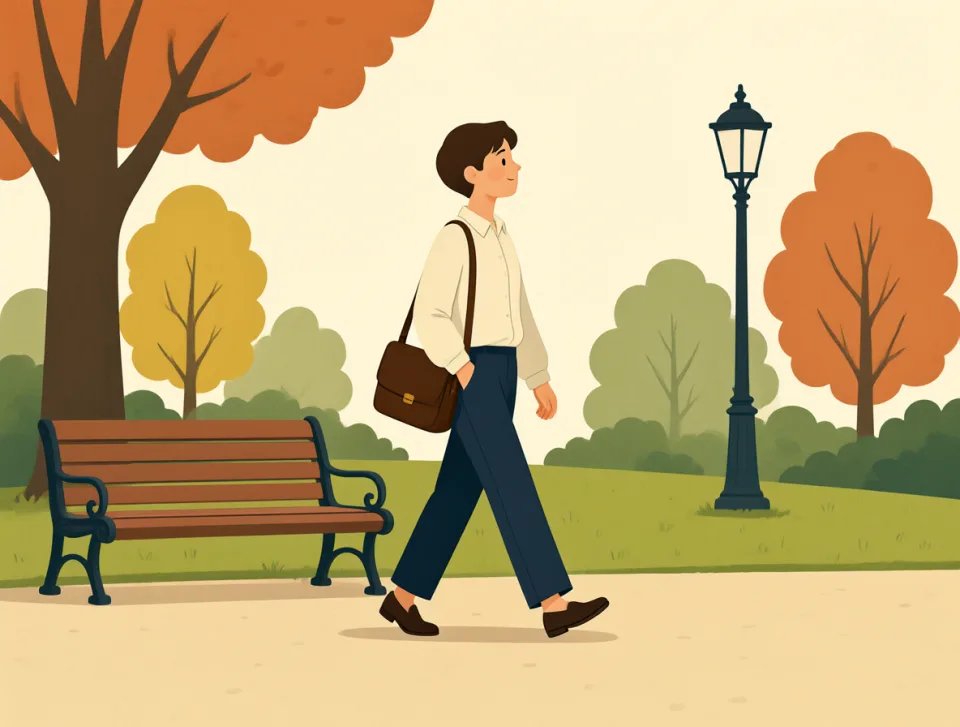
Walking can reduce stress after a busy day.
Spacer może zmniejszyć stres po męczącym dniu.
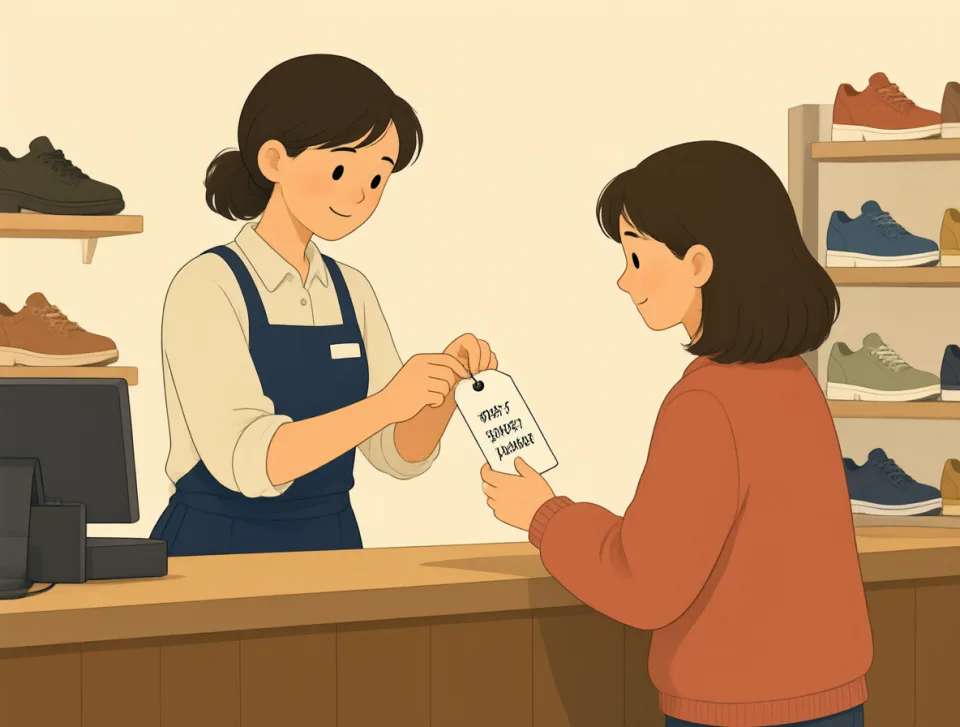
We reduced the price of these shoes.
Obniżyliśmy cenę tych butów.
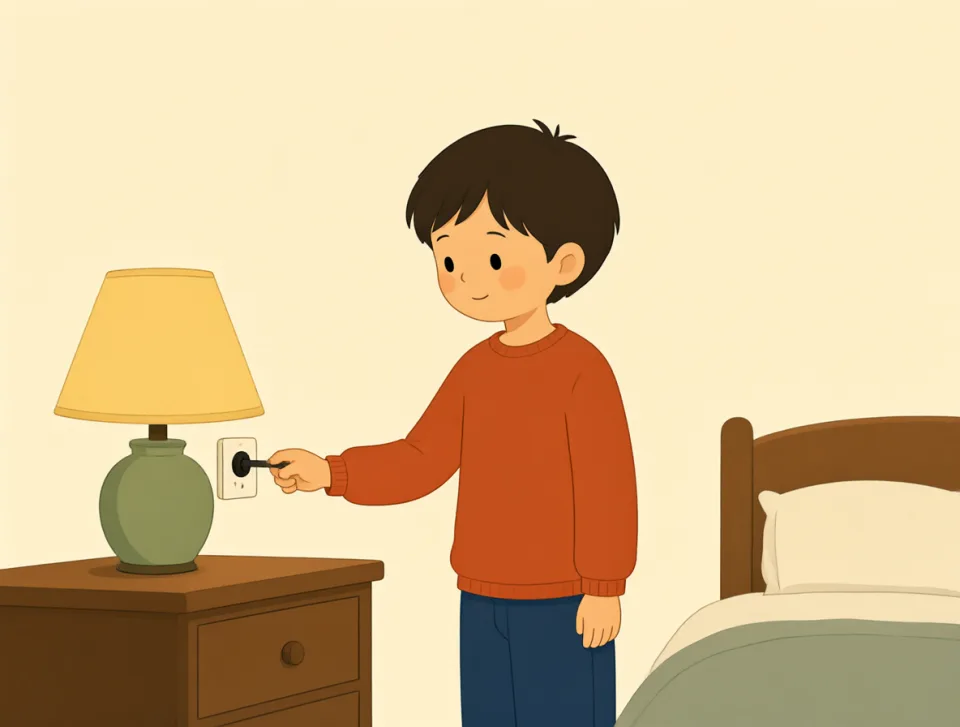
Turn off lights to reduce energy use.
Wyłączaj światło, żeby ograniczyć zużycie energii.
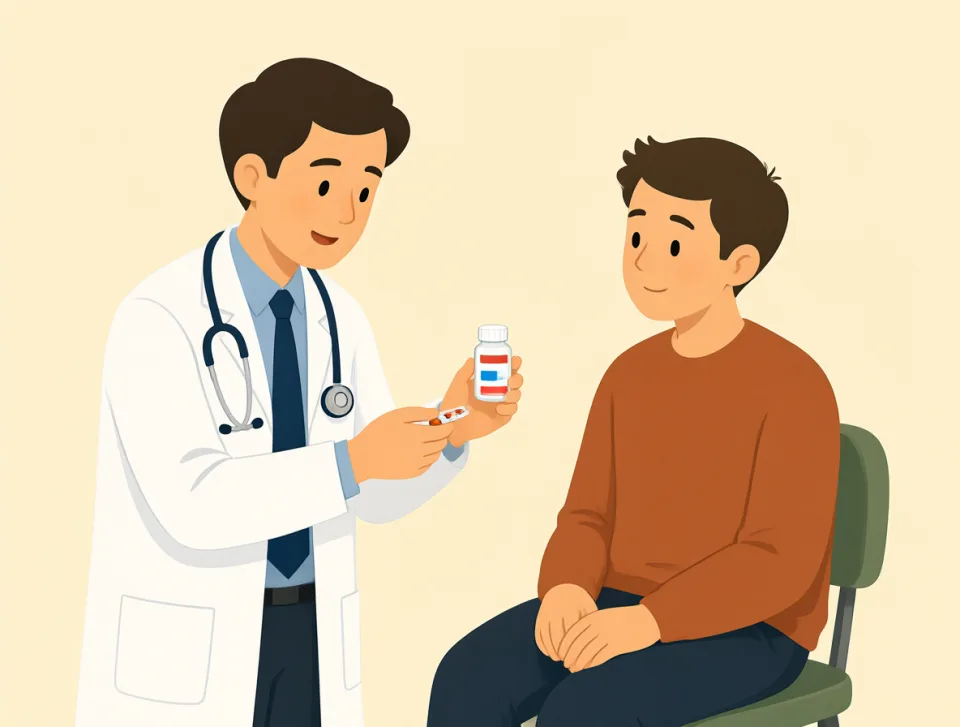
The doctor reduced my medicine dose.
Lekarz zmniejszył dawkę mojego leku.
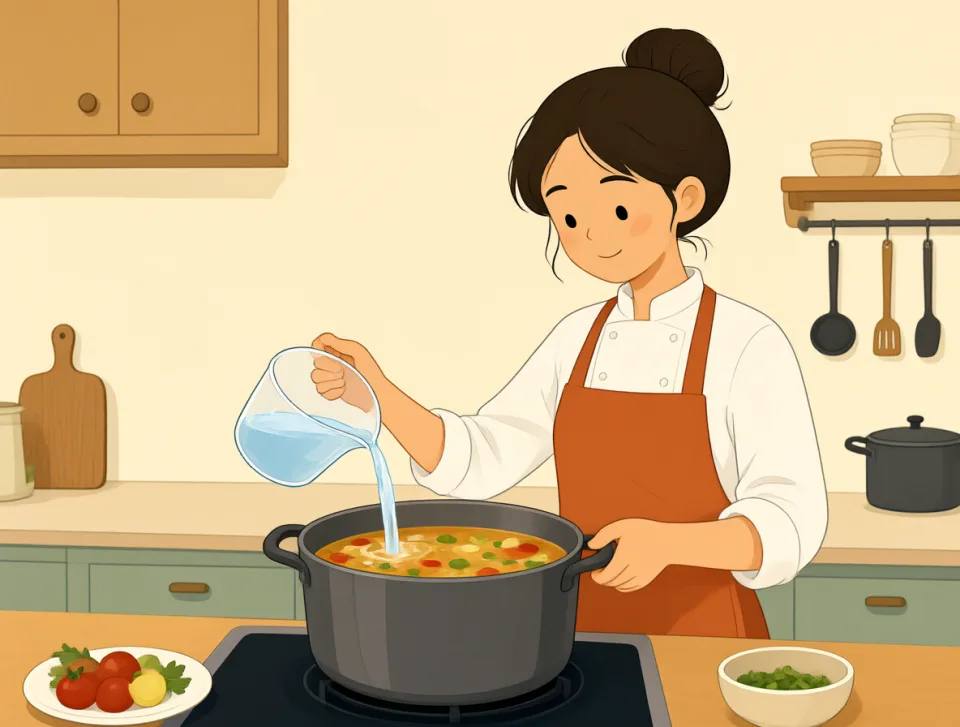
Adding water reduces the soup's strong taste.
Dodanie wody łagodzi intensywny smak zupy.
personal
#585adjective
osobisty; prywatny
Belonging to one particular person, rather than to everyone.
Należący do konkretnej osoby, a nie do wszystkich.

Please do not ask personal questions.
Proszę nie zadawać osobistych pytań.
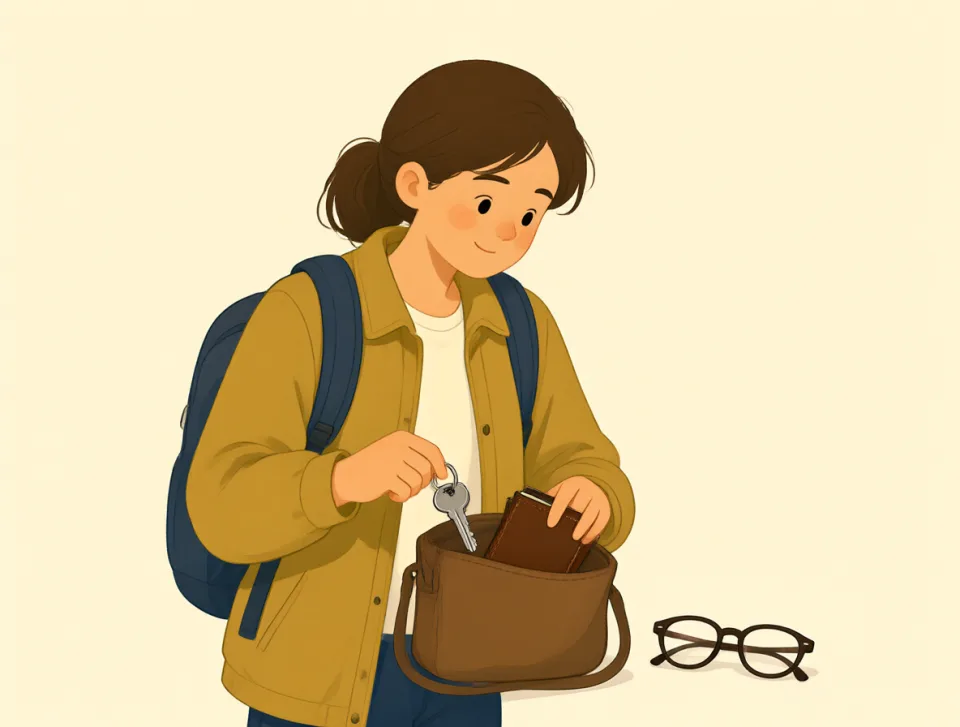
I keep my personal things in this bag.
Trzymam swoje rzeczy osobiste w tej torbie.

She gave me her personal opinion.
Podzieliła się ze mną swoją osobistą opinią.
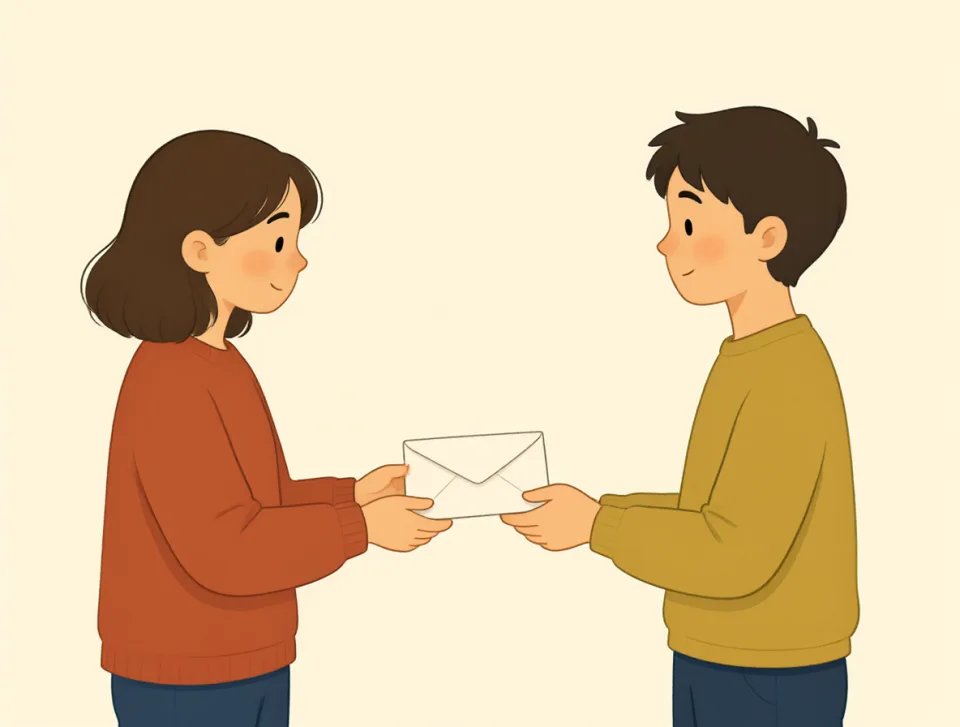
This personal letter is for you.
Ten prywatny list jest dla ciebie.
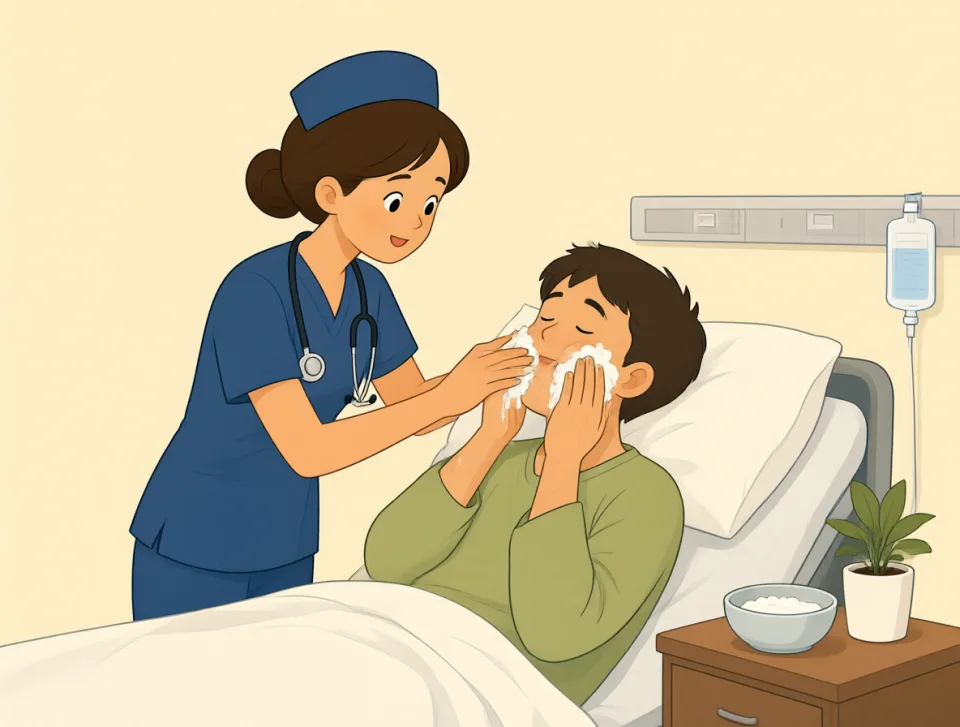
He needs personal care after the operation.
Po operacji potrzebuje indywidualnej opieki.
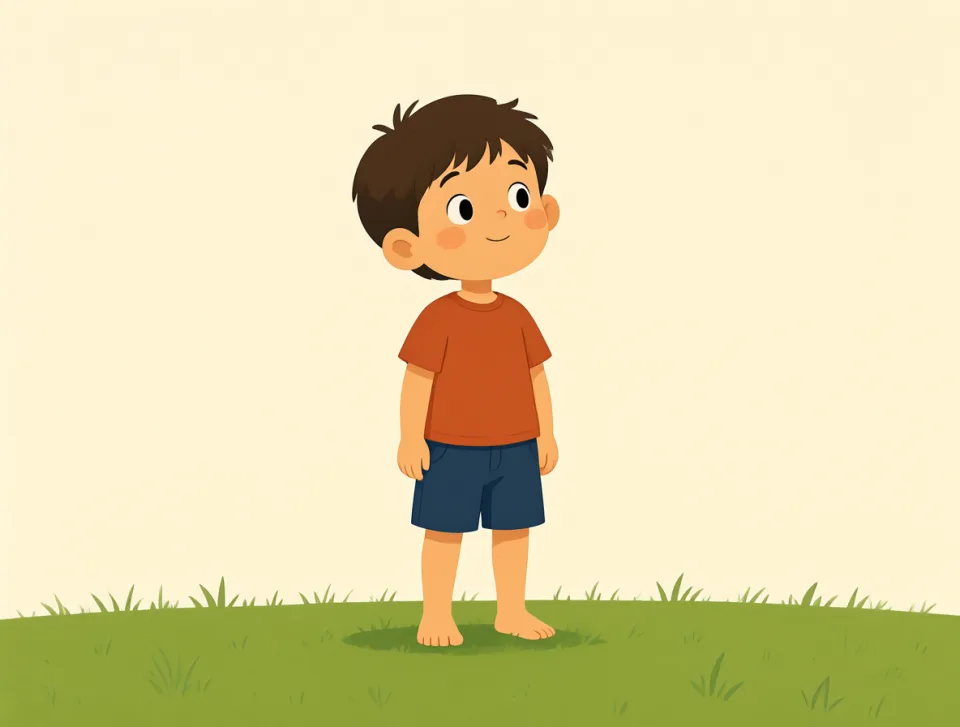
ground
#586noun, verb
ziemia
the solid surface of the earth, or to put something on it
stała powierzchnia Ziemi albo umieszczać coś na niej
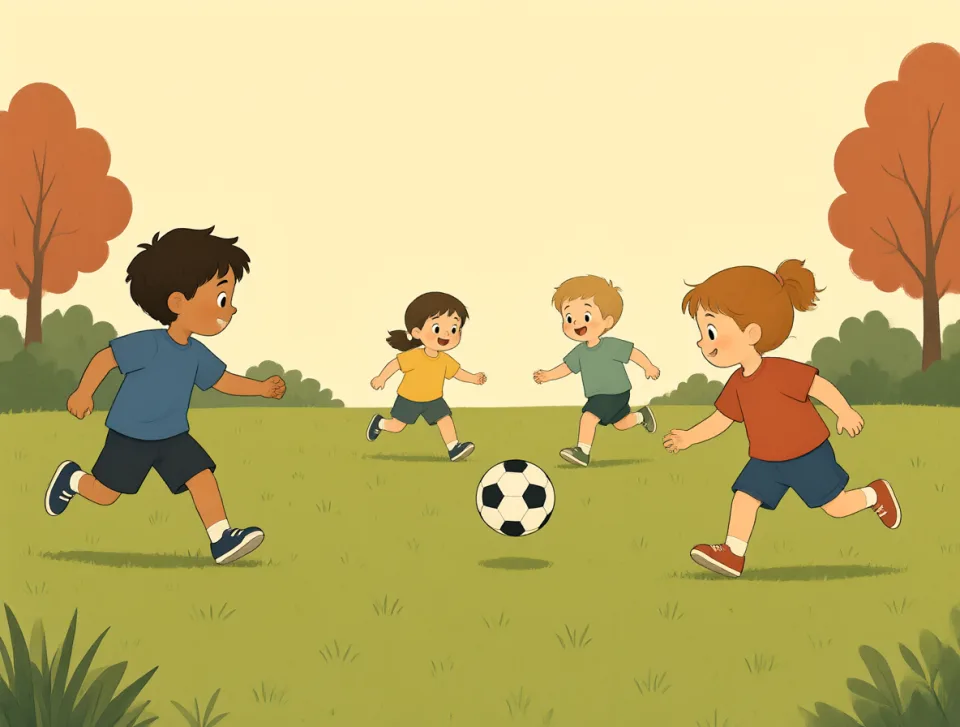
The children are playing on the ground.
Dzieci bawią się na ziemi.

She sat on the ground beside me.
Usiadła obok mnie na ziemi.
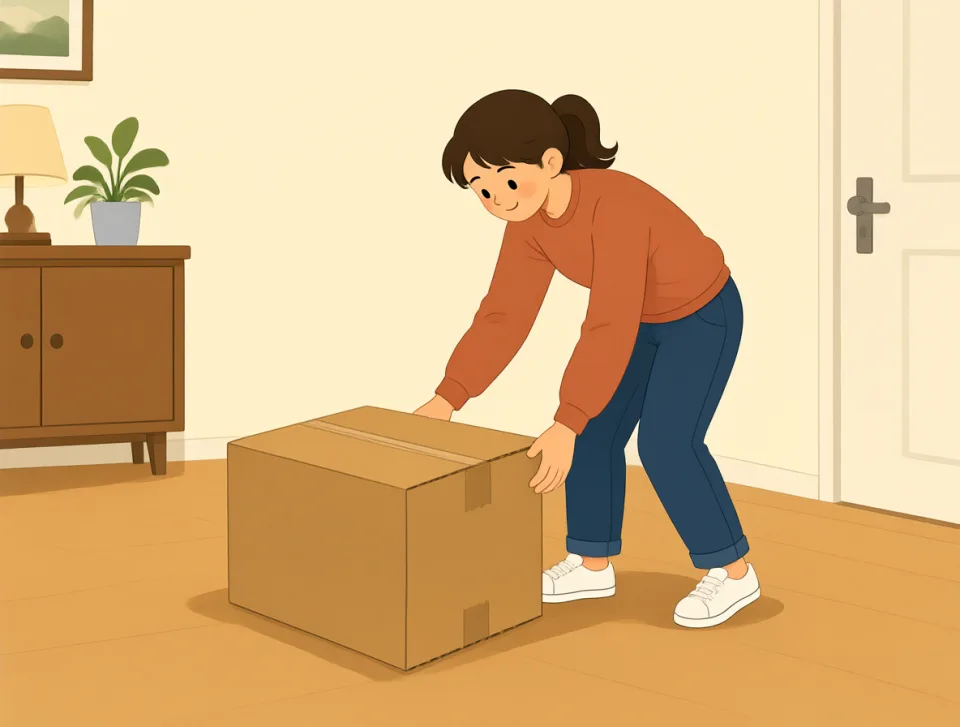
Please put the box on the ground.
Proszę postawić pudełko na ziemi.
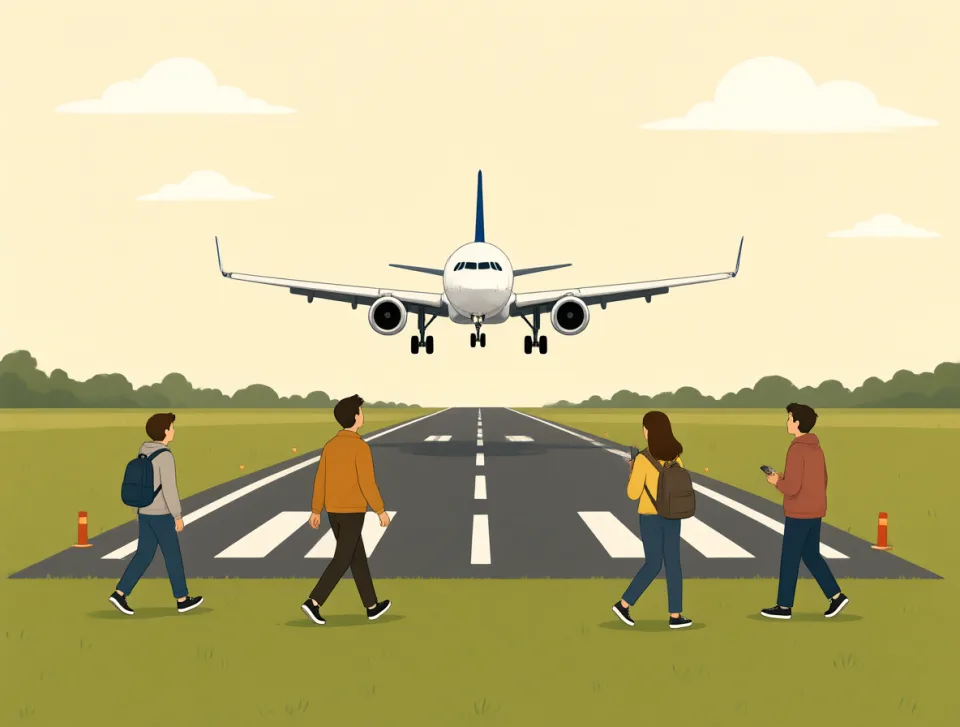
The plane landed safely on the ground.
Samolot bezpiecznie wylądował na ziemi.
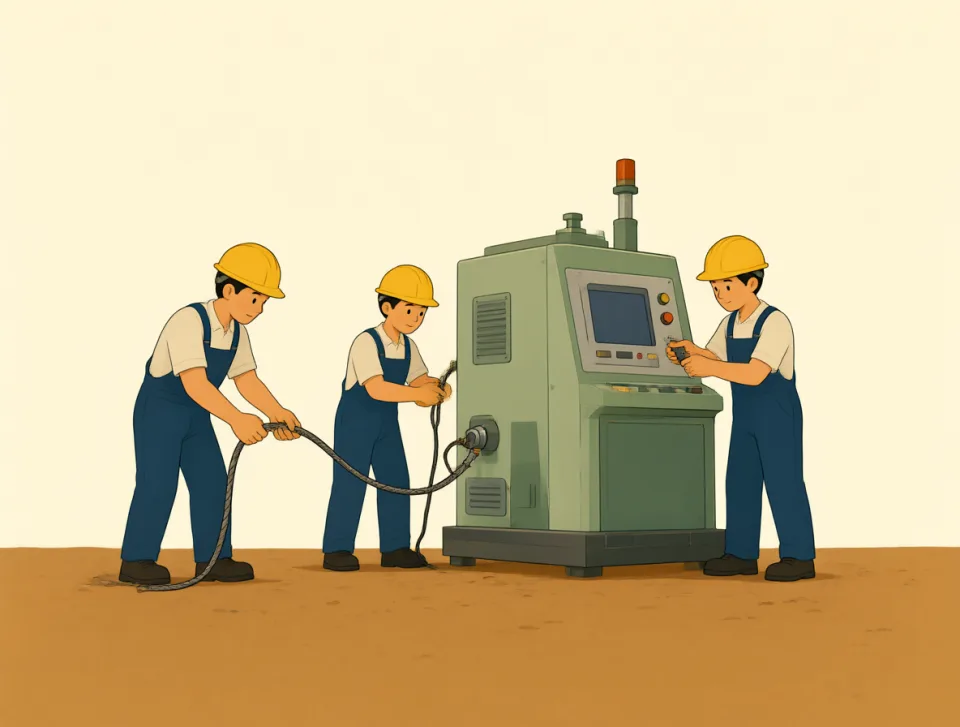
The workers grounded the machine for safety.
Dla bezpieczeństwa pracownicy odłączyli maszynę od zasilania.
animal
#587noun
zwierzę
A living thing that is not a person or a plant.
Żywa istota, która nie jest człowiekiem ani rośliną.
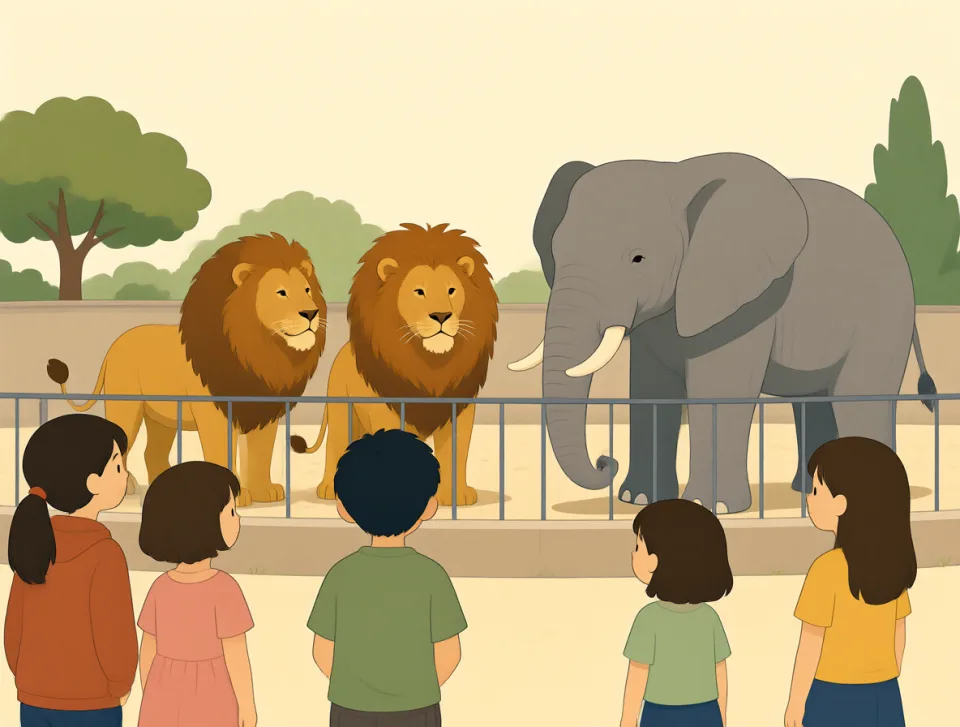
The zoo has many wild animals.
W zoo jest wiele dzikich zwierząt.
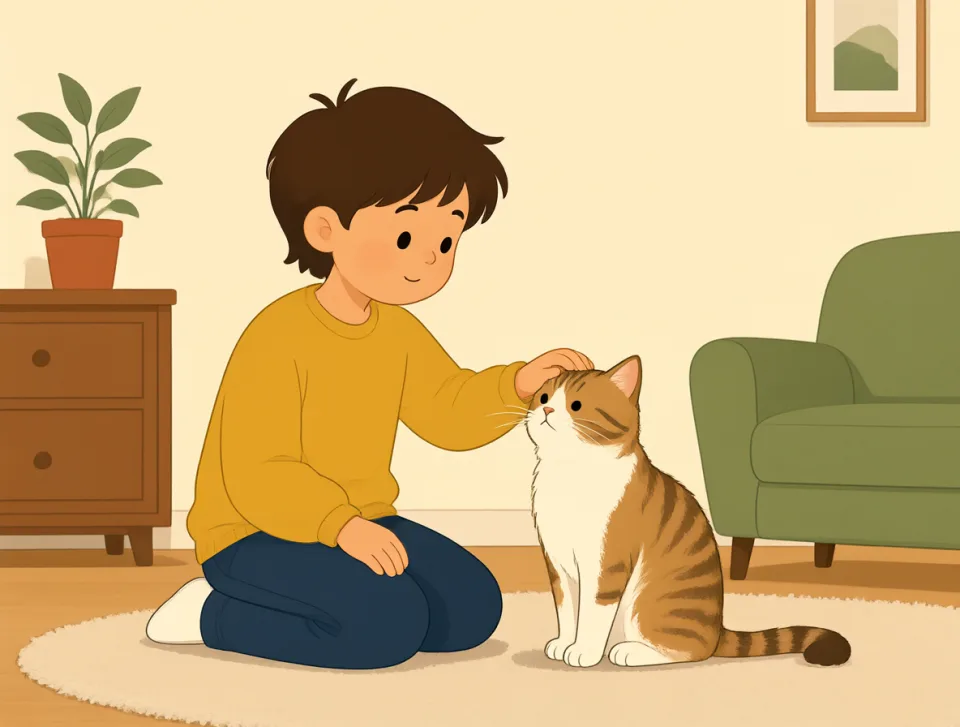
Our cat is a very friendly animal.
Nasz kot jest bardzo przyjaznym zwierzęciem.
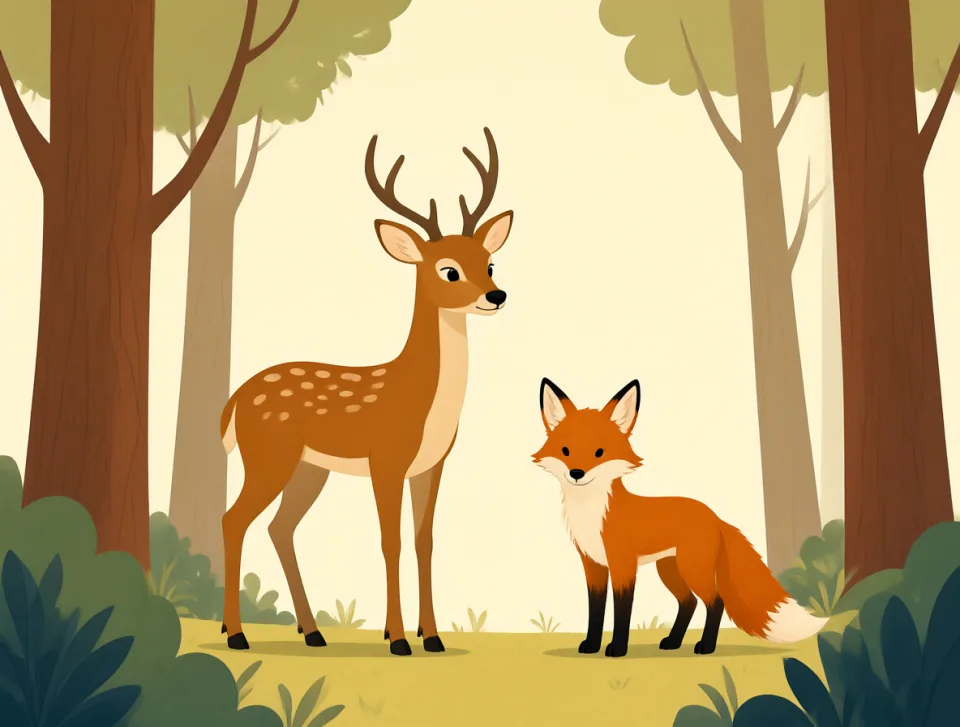
Some animals live in the forest.
Niektóre zwierzęta żyją w lesie.
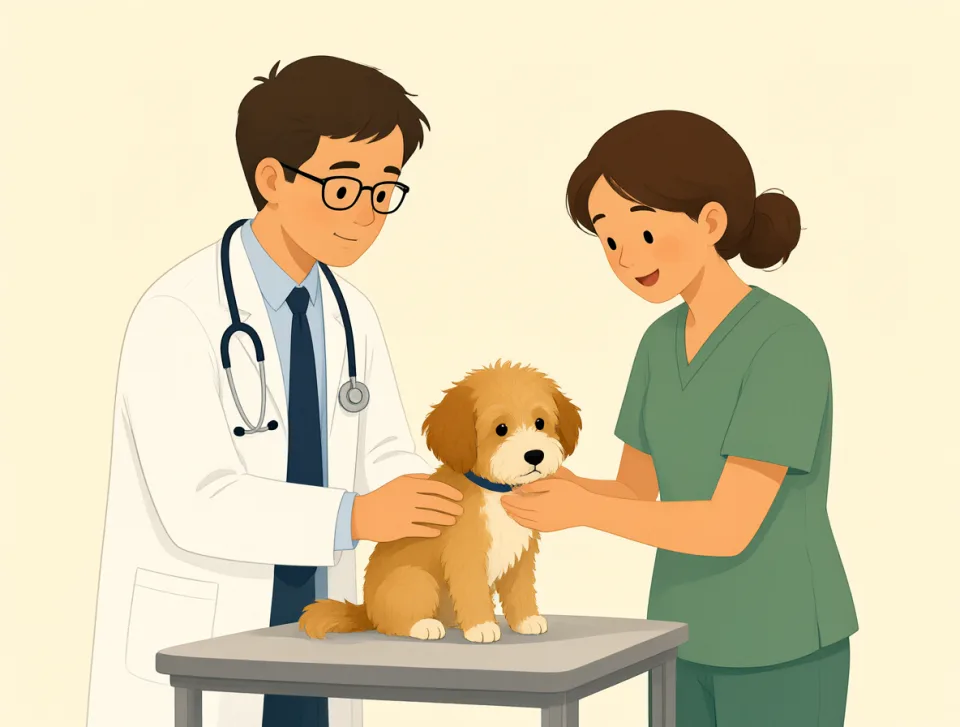
The vet helped the sick animal.
Weterynarz pomógł choremu zwierzęciu.

We saw many animals on our trip.
Podczas naszej wycieczki zobaczyliśmy wiele zwierząt.

arrive
#588verb
przybyć
to reach a place, especially after traveling
dotrzeć do jakiegoś miejsca, zwłaszcza po podróży
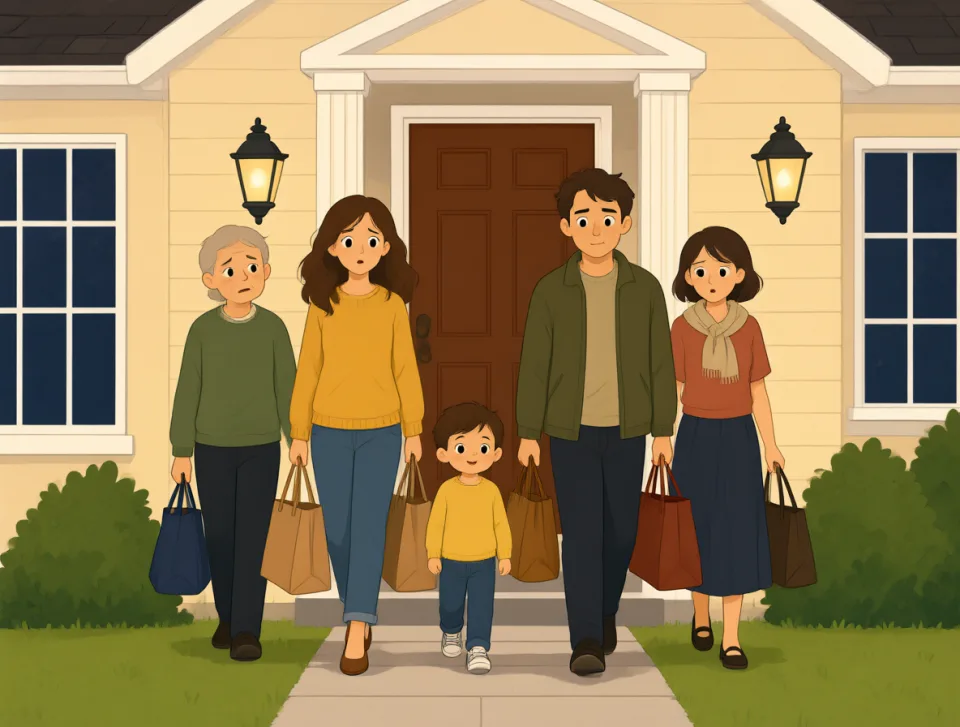
We arrived home late last night.
Wróciliśmy do domu późno wczoraj w nocy.
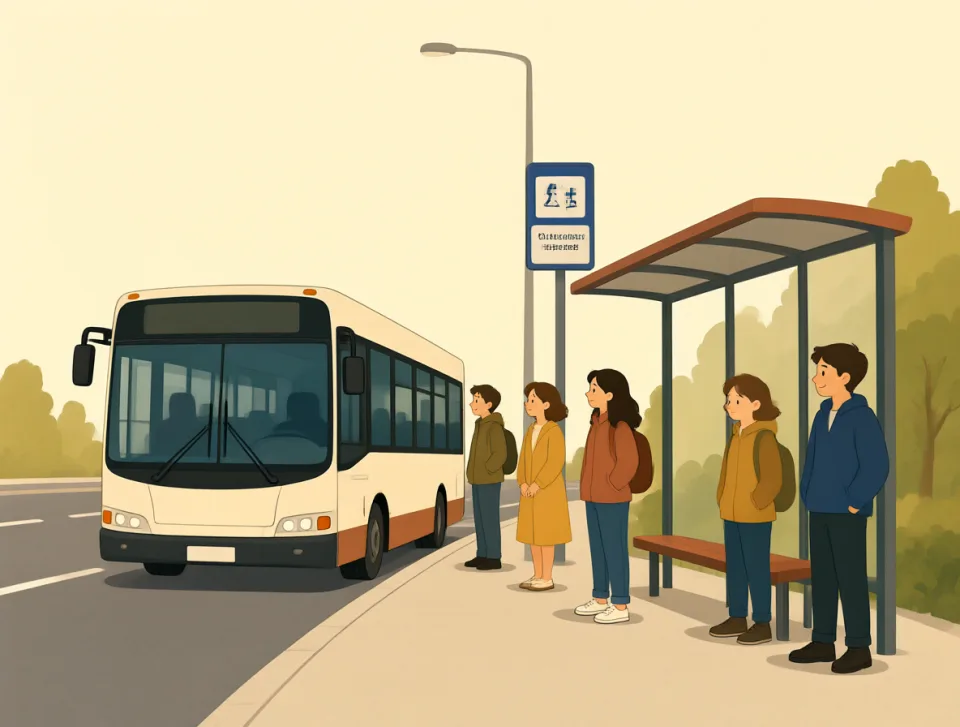
The bus arrives at eight o’clock.
Autobus przyjeżdża o ósmej.
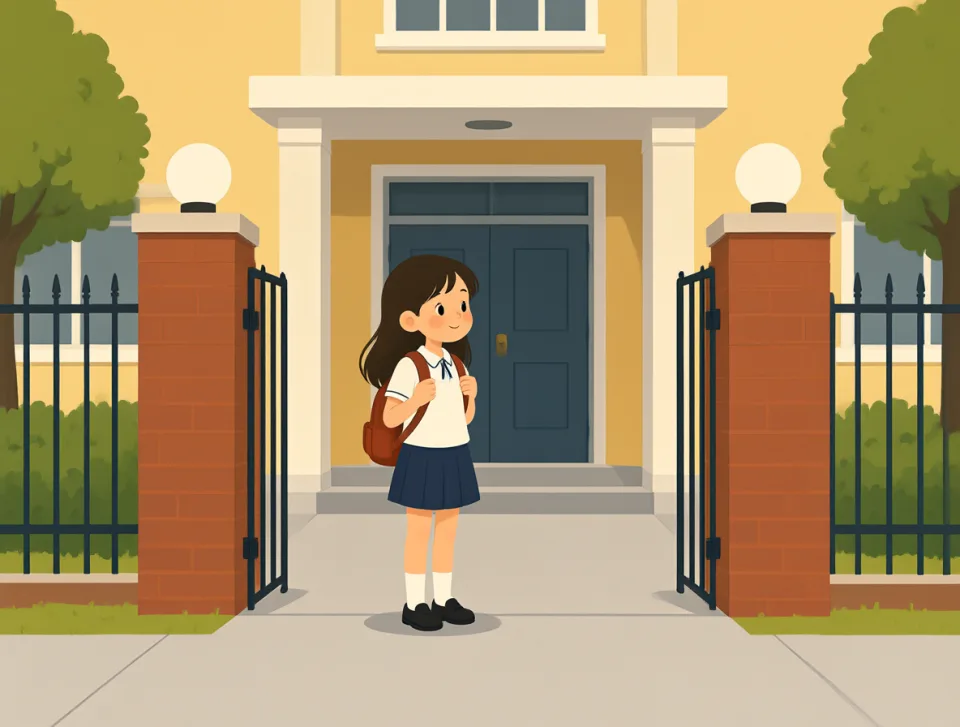
She arrived at school before her friends.
Przyjechała do szkoły przed swoimi przyjaciółmi.
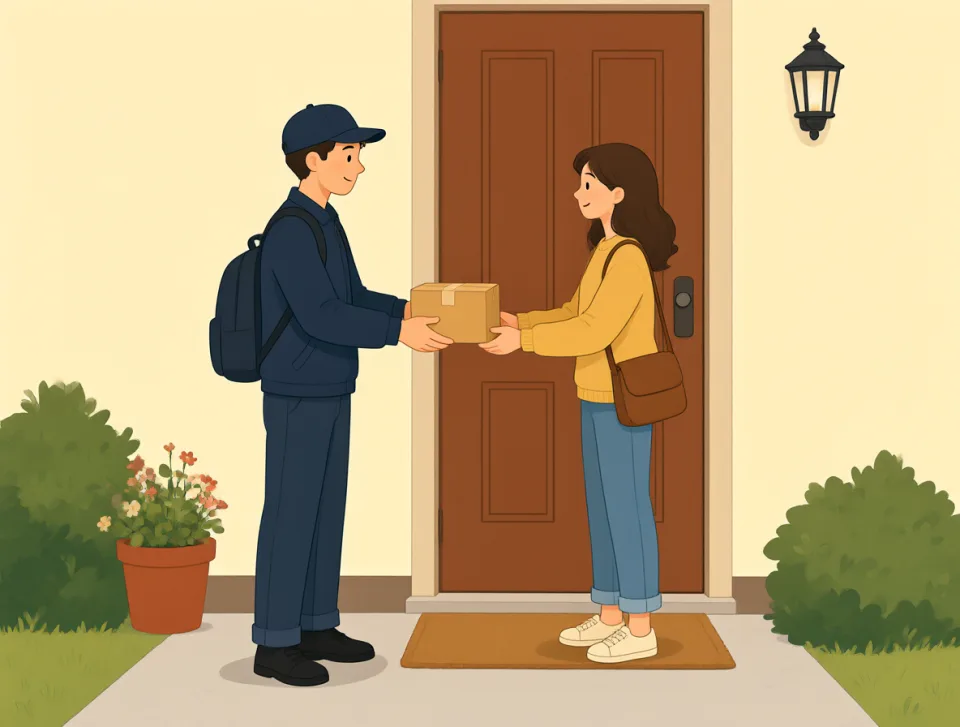
Your package arrived this morning.
Twoja paczka dotarła dziś rano.
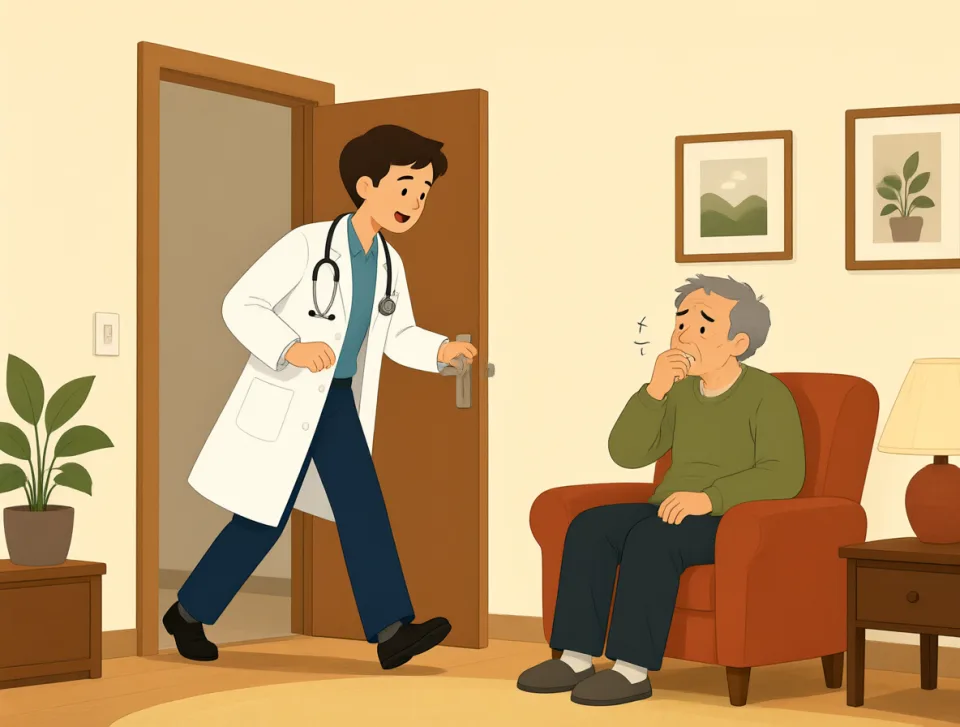
The doctor arrived quickly to help him.
Lekarz szybko przyjechał, żeby mu pomóc.
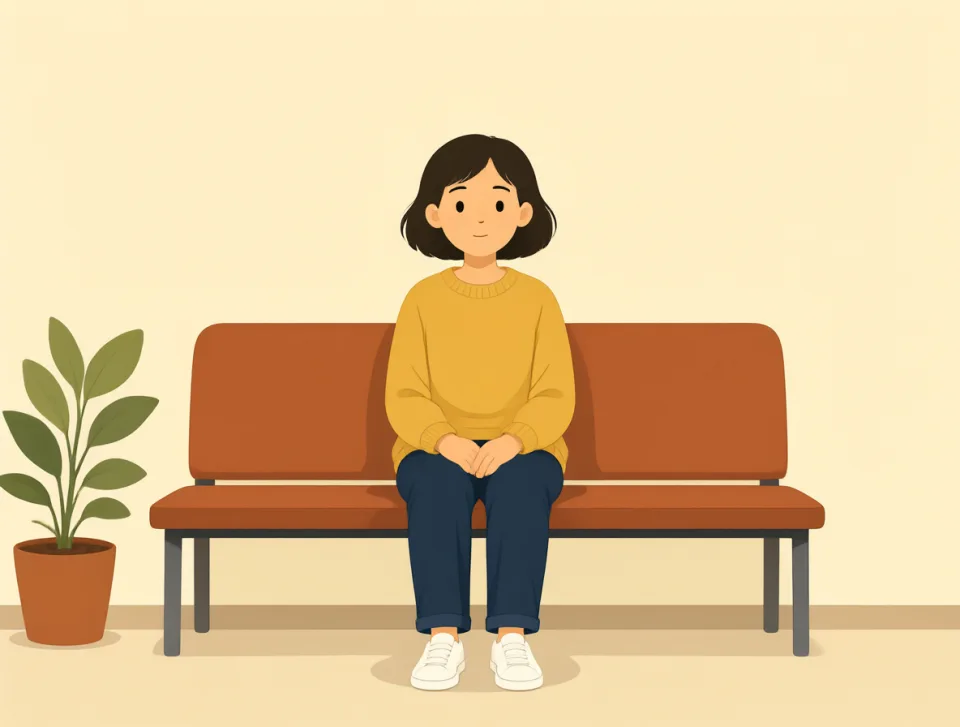
patient
#589adjective, noun
cierpliwy; pacjent
Able to wait calmly; a person receiving medical care.
Potrafiący spokojnie czekać; osoba korzystająca z opieki medycznej.
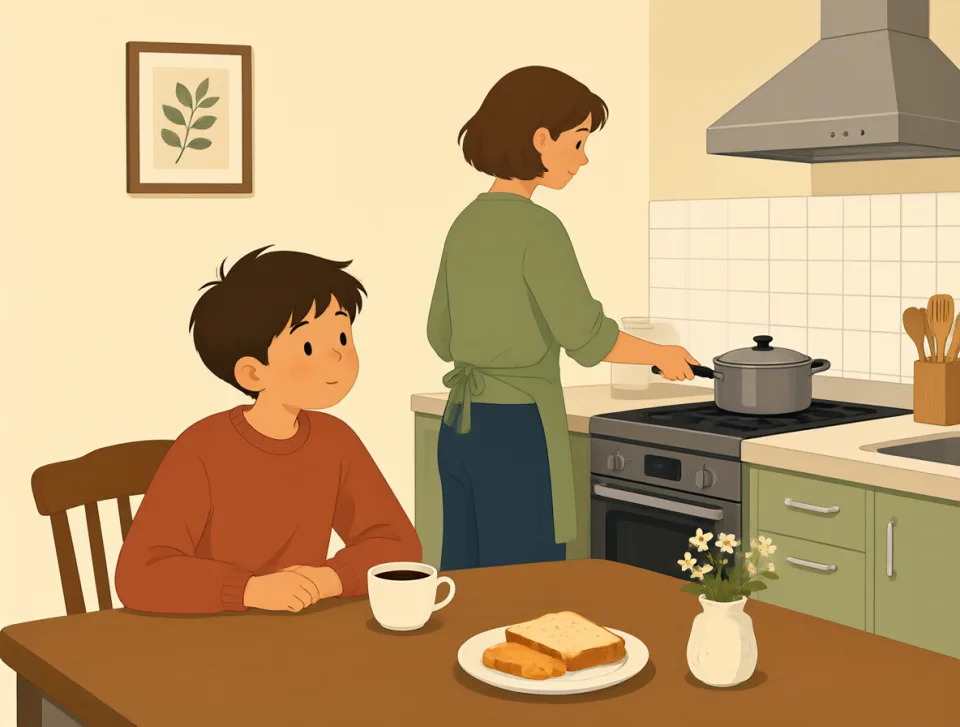
Please be patient; dinner will be ready soon.
Proszę o cierpliwość, obiad będzie gotowy już niedługo.
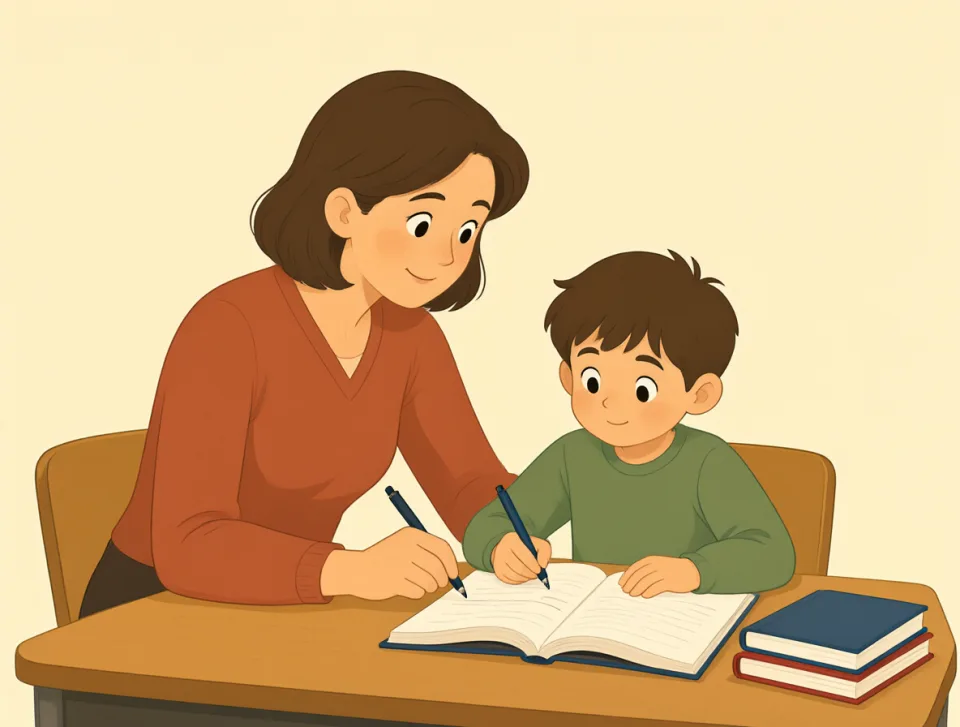
She is patient with her young students.
Jest cierpliwa wobec swoich młodych uczniów.
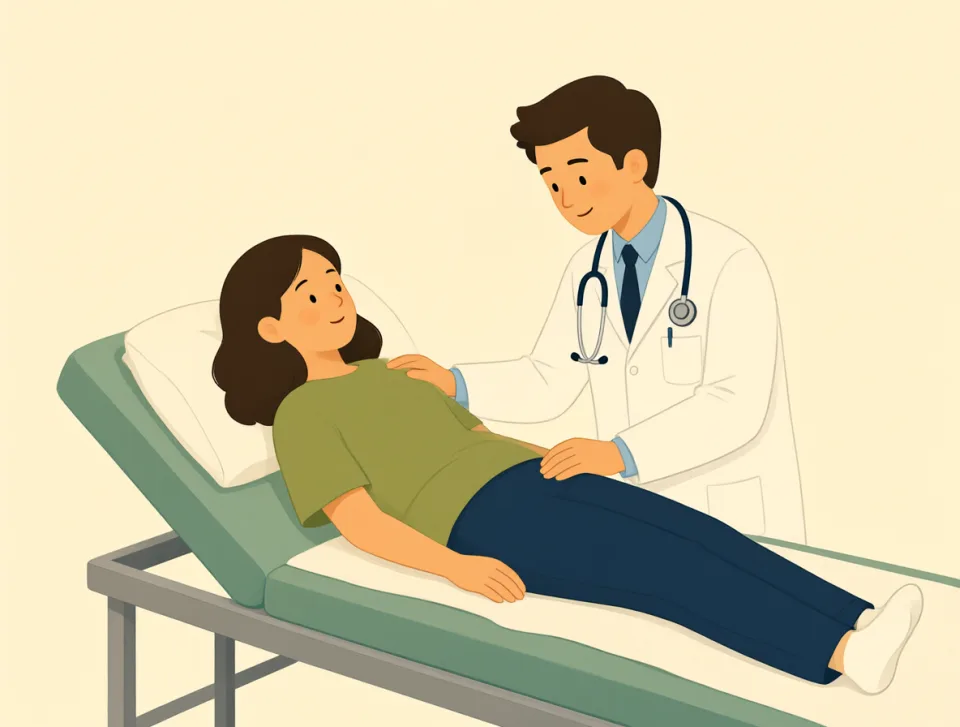
The doctor examined the patient carefully.
Lekarz dokładnie zbadał pacjenta.
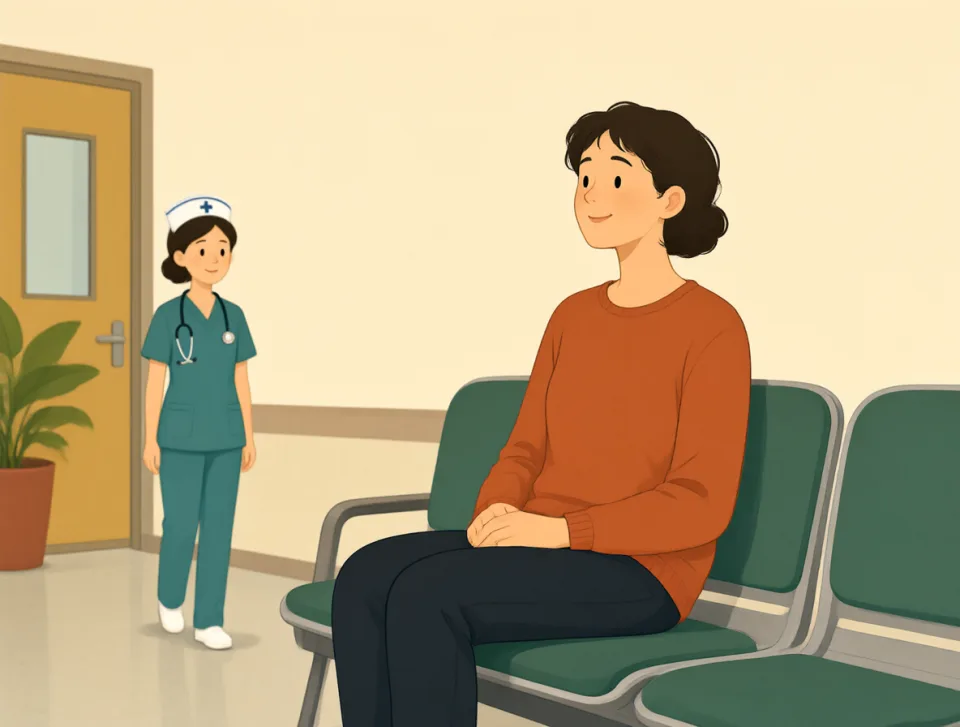
The patient waited for the nurse.
Pacjent czekał na pielęgniarkę.
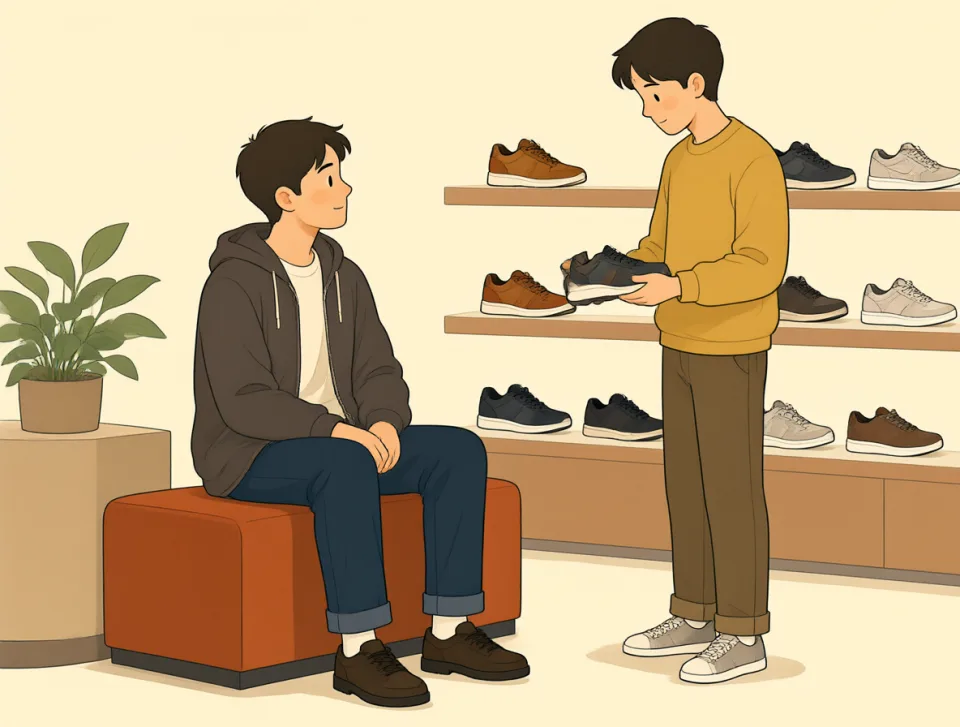
He was patient while his friend chose shoes.
Cierpliwie czekał, aż jego przyjaciel wybierze buty.

current
#590adjective, noun
obecny; prąd
Happening now; also, the movement of water, air, or electricity.
Dziejący się teraz; także ruch wody, powietrza lub przepływ elektryczności.

The current price is lower today.
Obecna cena jest dziś niższa.

Please check the current weather before leaving.
Przed wyjściem proszę sprawdzić aktualną pogodę.

The river current carried the small boat away.
Prąd rzeki porwał małą łódkę.
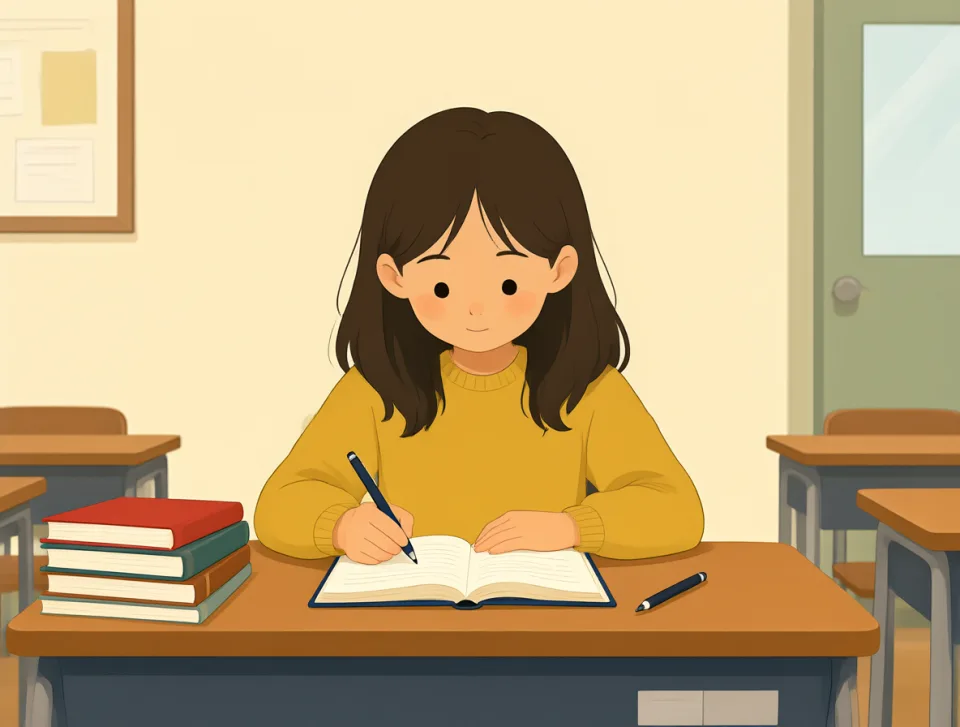
She is a current student at our school.
Obecnie jest uczennicą w naszej szkole.

The electric current stopped during the storm.
Podczas burzy przepływ prądu został przerwany.
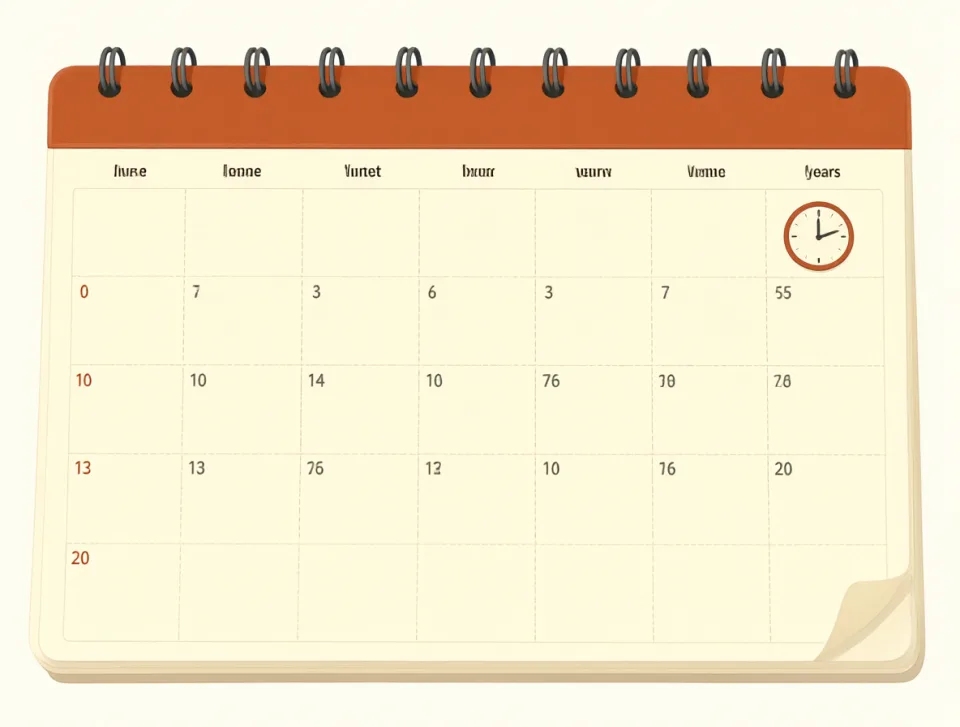
century
#591noun
stulecie
A period of one hundred years.
Okres stu lat.
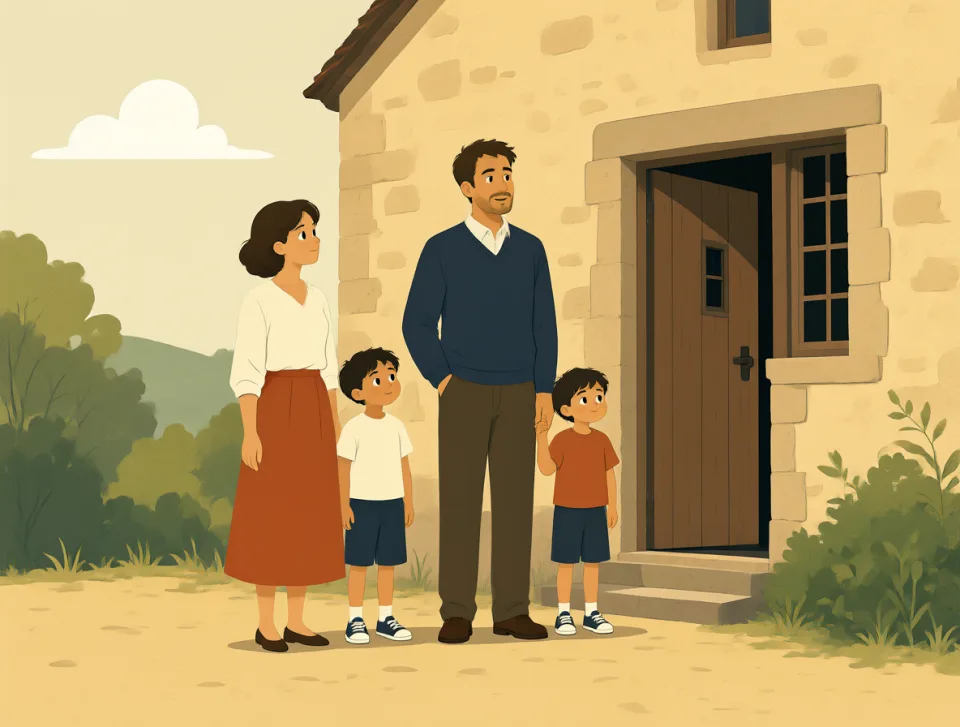
This building is more than a century old.
Ten budynek ma ponad sto lat.
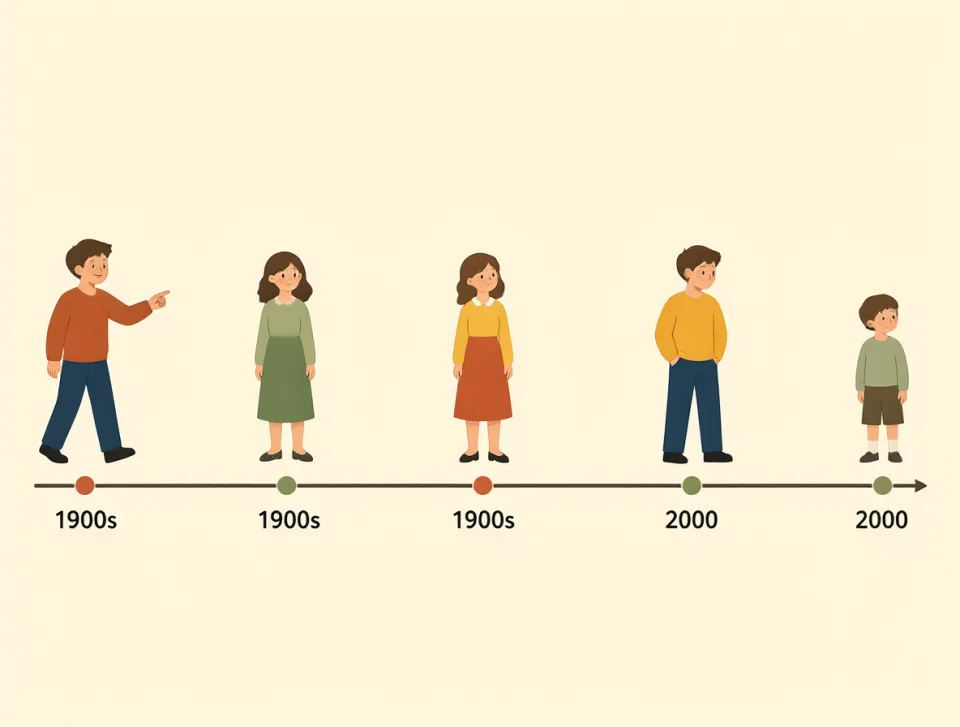
The twentieth century ended in 2000.
Dwudziesty wiek zakończył się w 2000 roku.
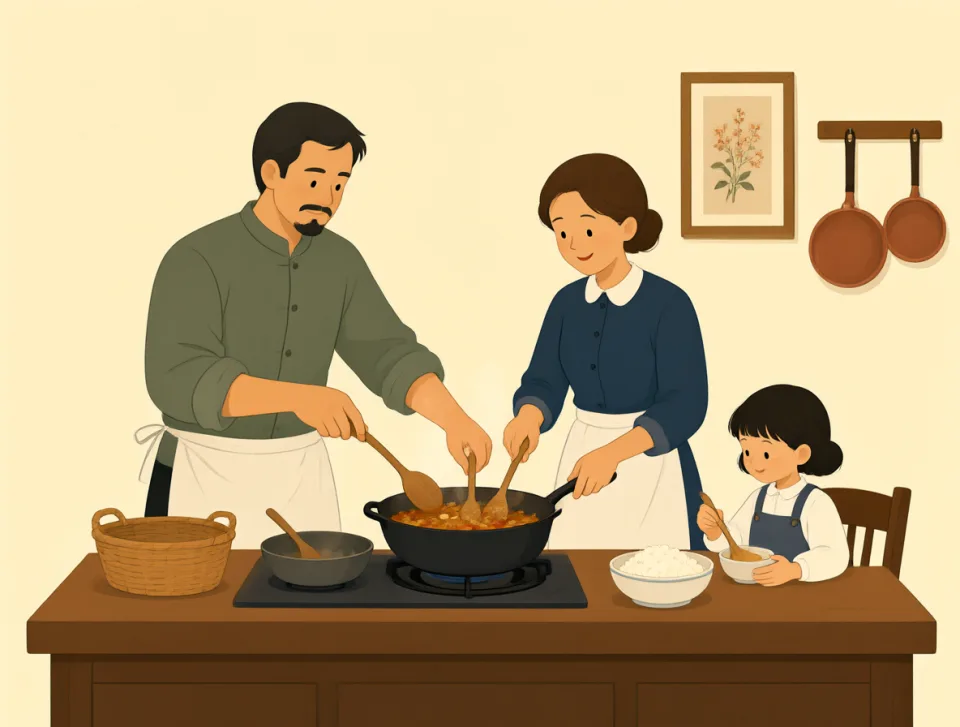
People lived differently a century ago.
Sto lat temu ludzie żyli inaczej.
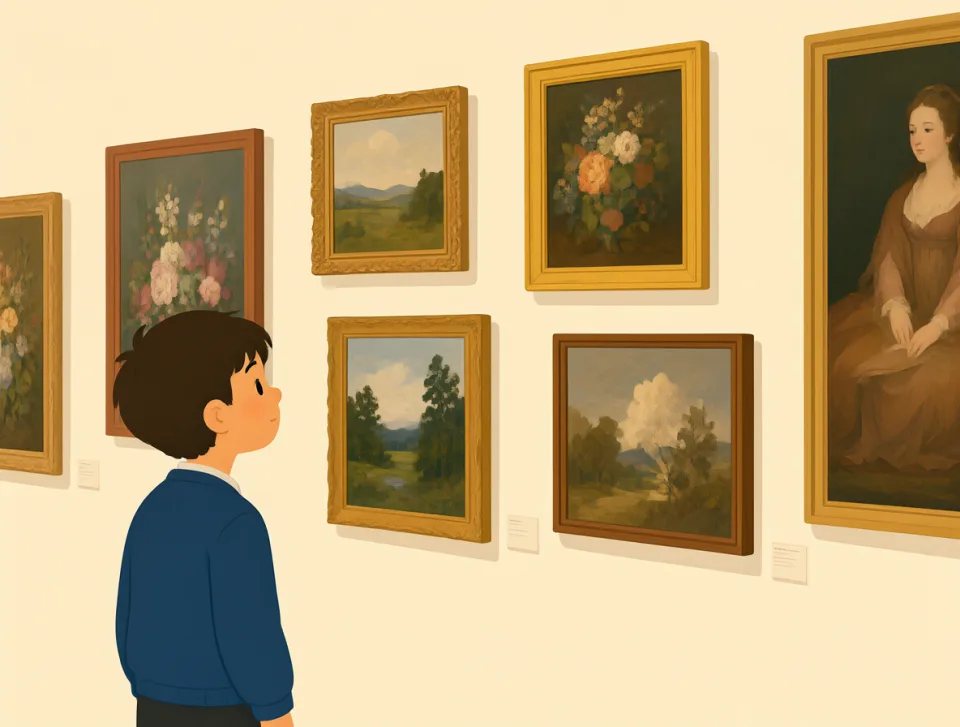
The museum shows art from several centuries.
W muzeum można zobaczyć dzieła sztuki z kilku stuleci.
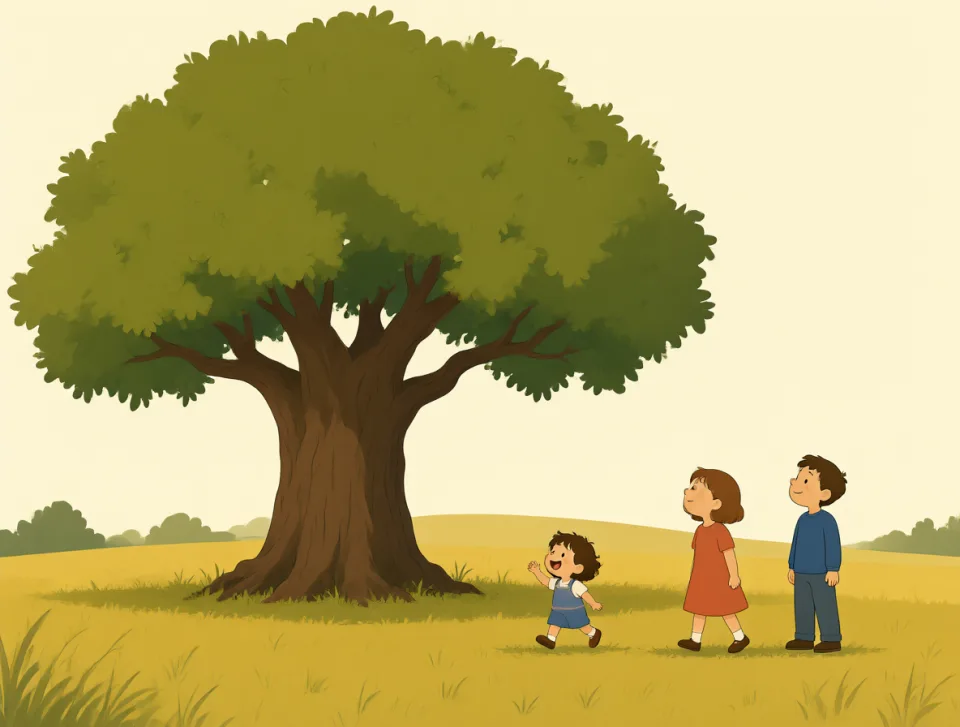
This tree may live for a century.
To drzewo może żyć przez sto lat.
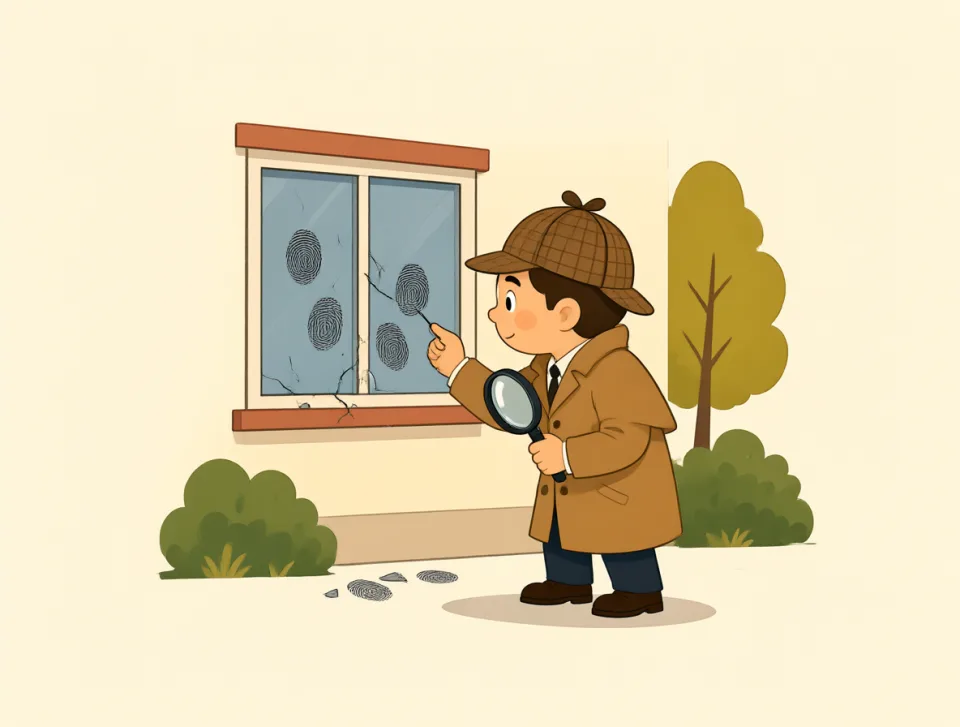
evidence
#592noun
dowód
Facts or information that show whether something is true.
Fakty lub informacje, które wskazują, czy coś jest prawdą.
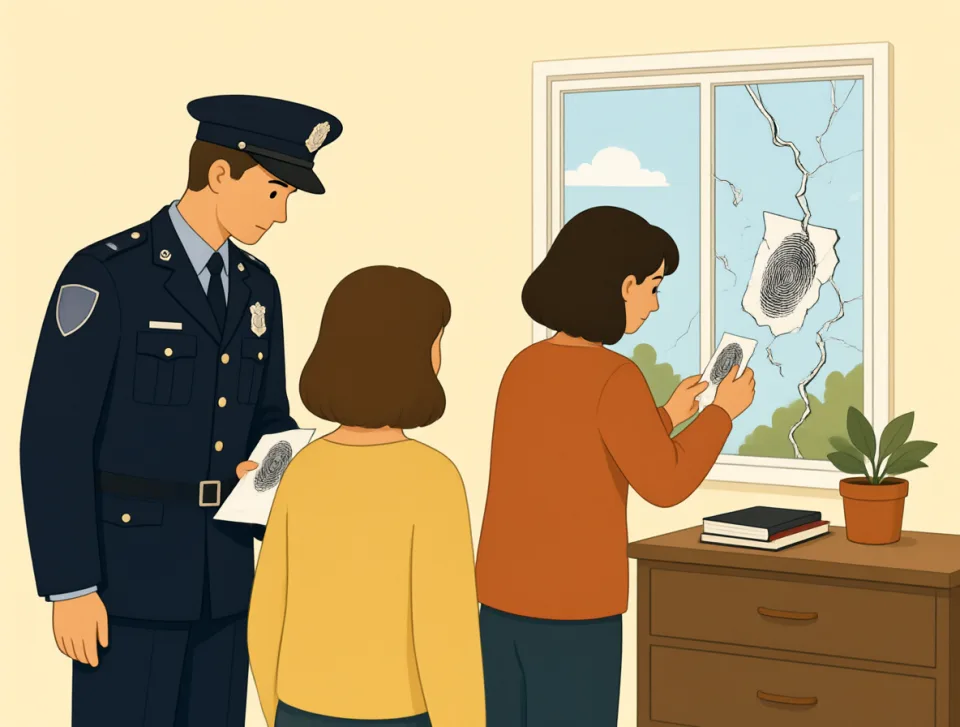
The police found evidence in the house.
Policja znalazła dowody w domu.
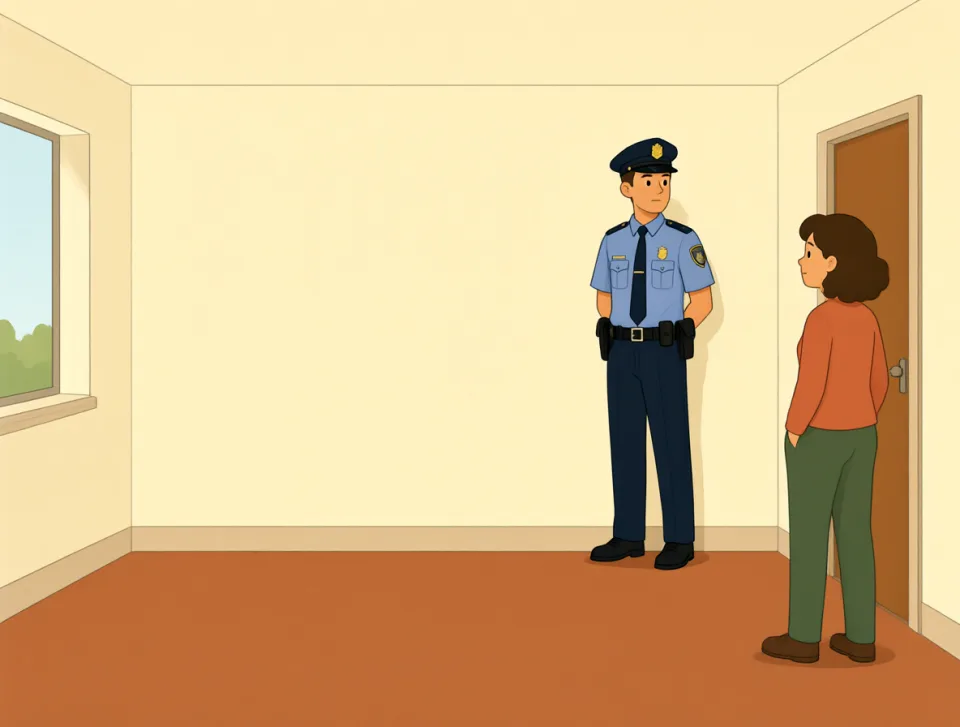
There was no evidence of a crime.
Nie było żadnych dowodów na popełnienie przestępstwa.
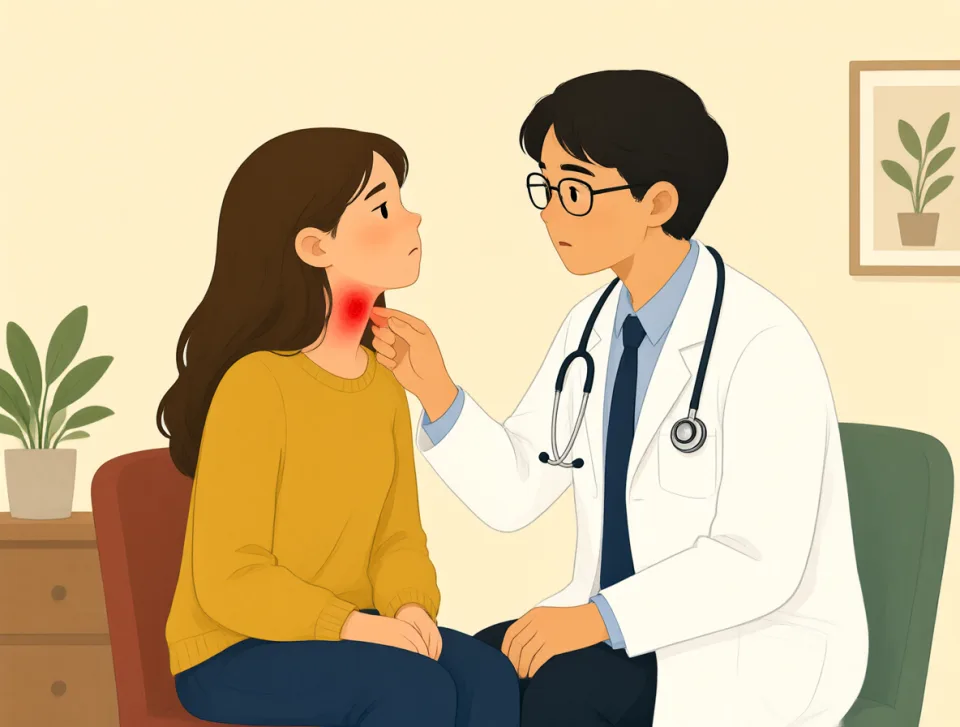
She showed evidence of her illness.
Pokazała dowody swojej choroby.
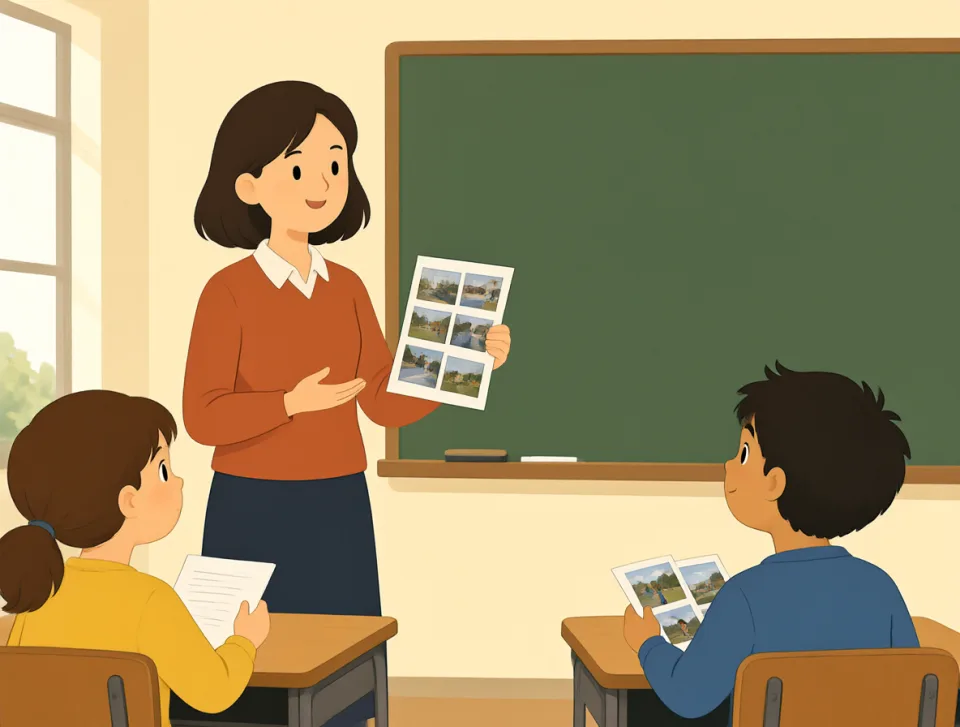
The teacher asked for evidence in our project.
Nauczyciel poprosił nas o dowody w naszym projekcie.
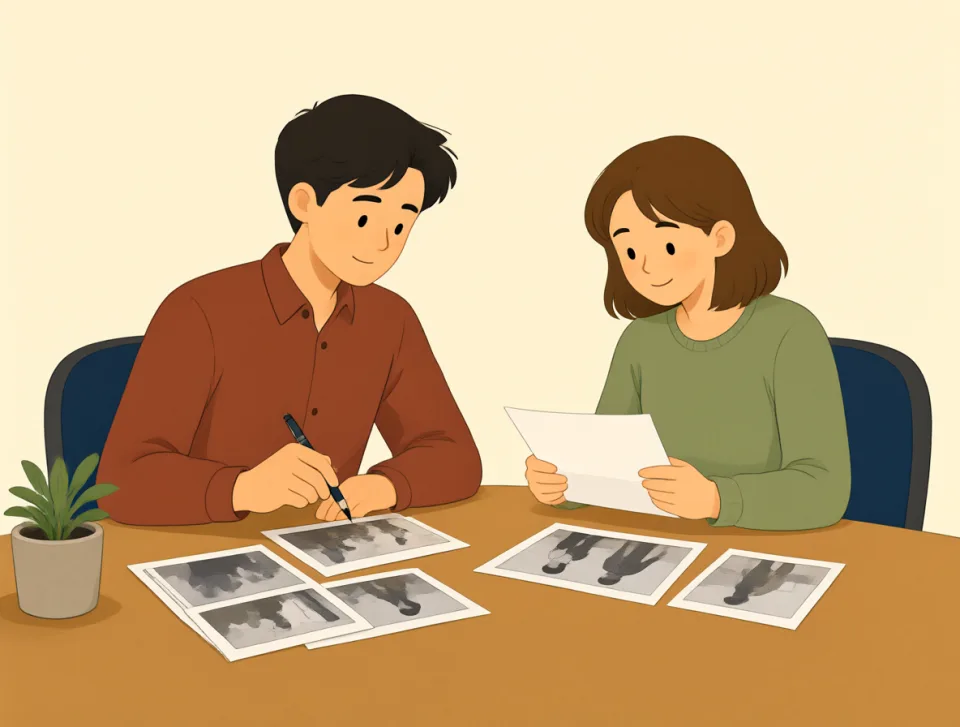
We need evidence before making a decision.
Potrzebujemy dowodów, zanim podejmiemy decyzję.
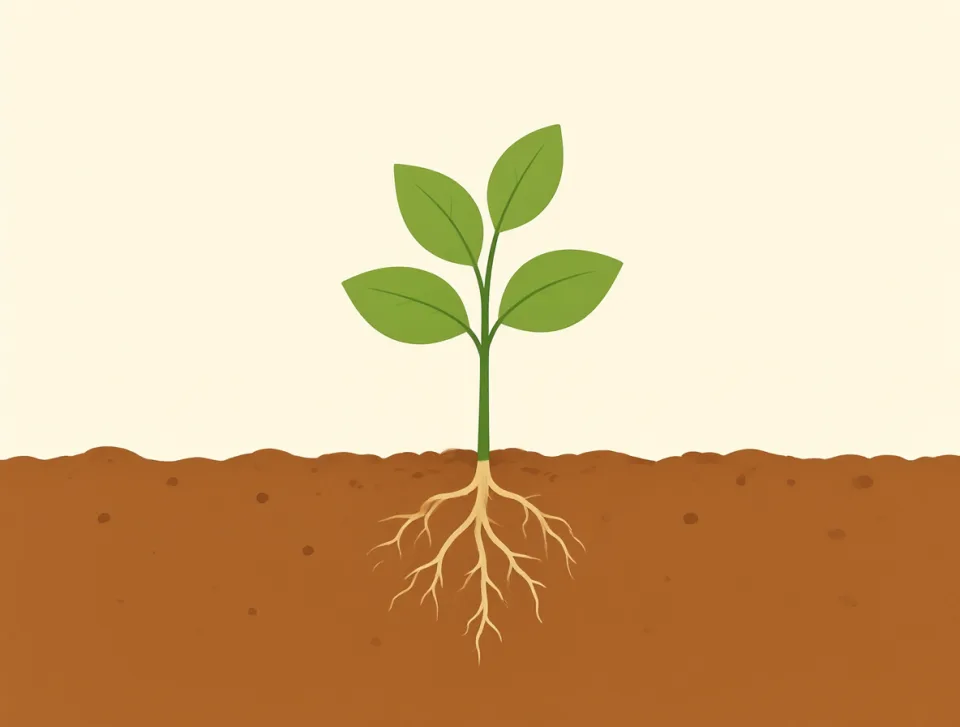
exist
#593verb
istnieć
to be real or alive, especially in a particular place or time
Być prawdziwym lub żywym, zwłaszcza w określonym miejscu lub czasie.
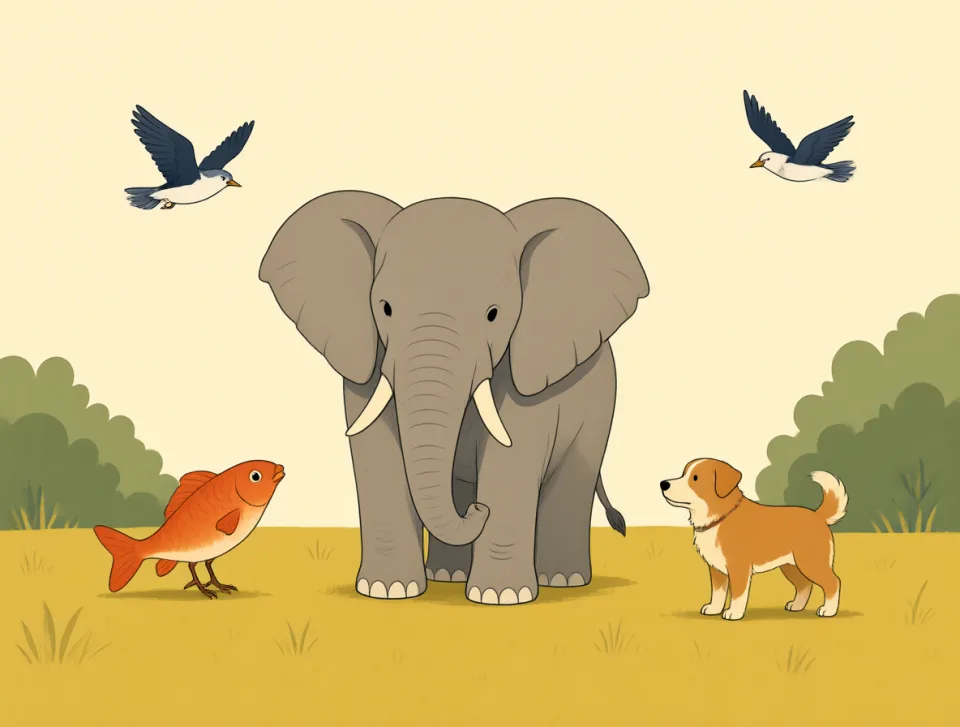
Many kinds of animals exist in the world.
Na świecie istnieje wiele gatunków zwierząt.
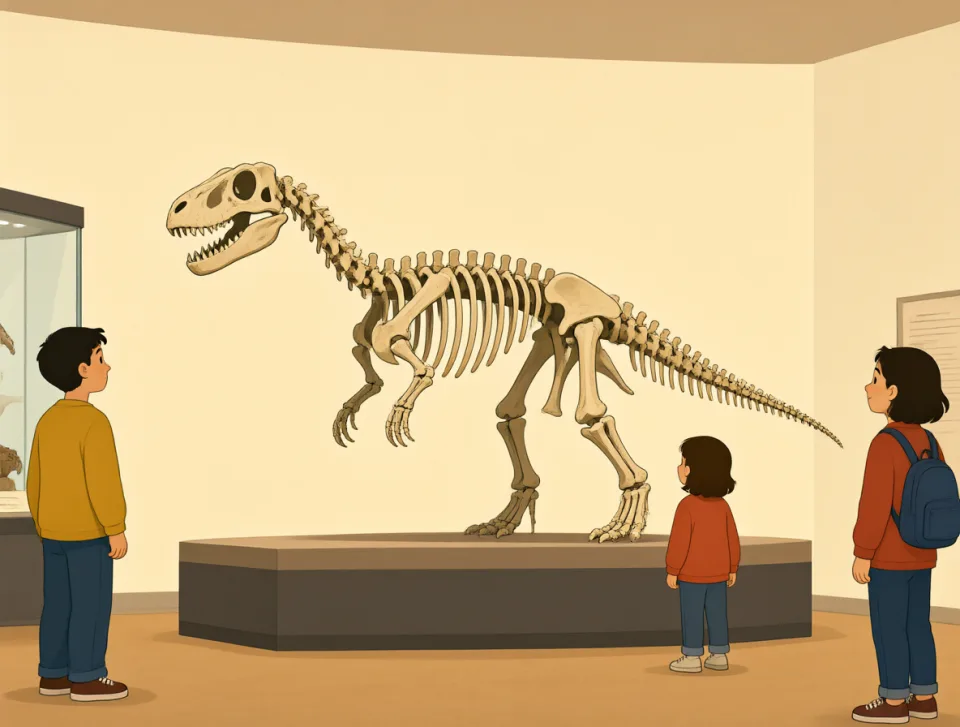
Dinosaurs no longer exist today.
Dinozaury już dziś nie istnieją.

Does life exist on other planets?
Czy na innych planetach istnieje życie?

A small problem exists with this plan.
Z tym planem wiąże się pewien drobny problem.
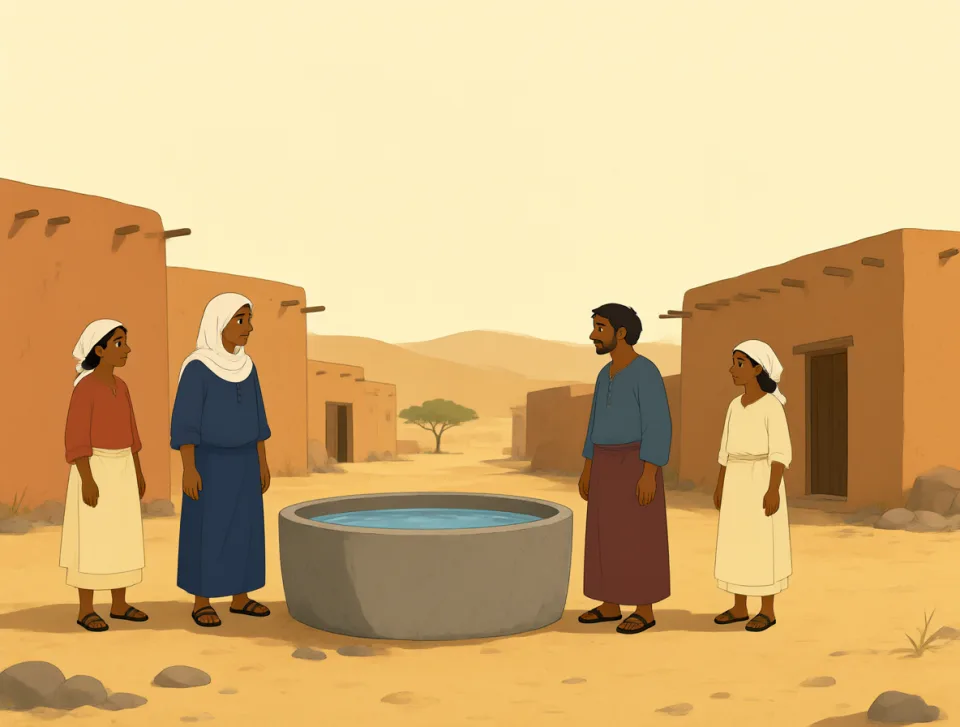
No clean water existed in the village.
We wsi nie było czystej wody.
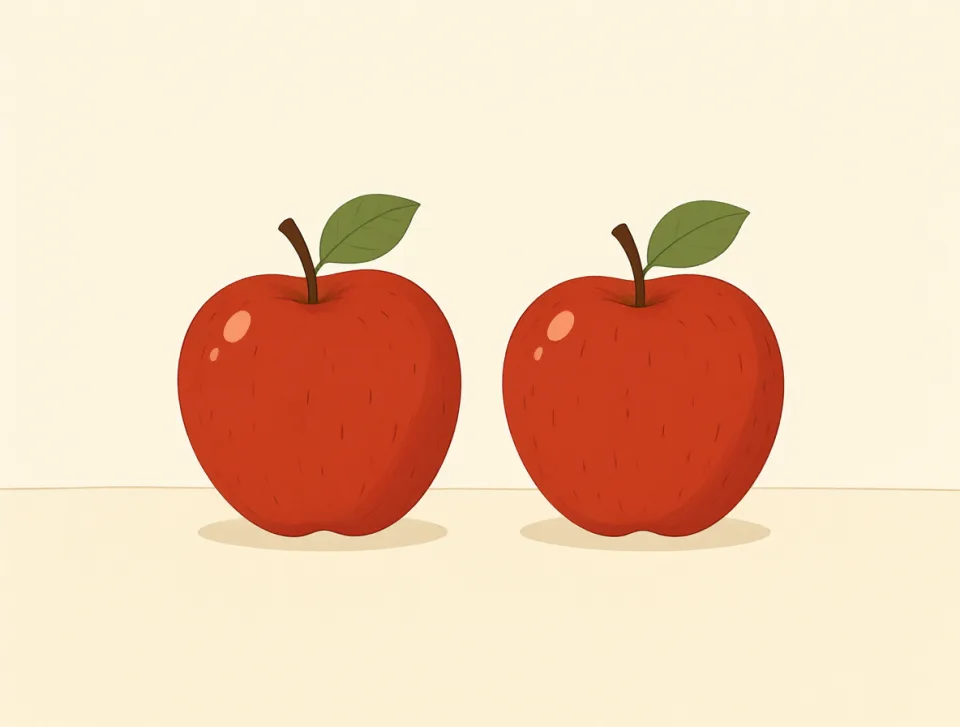
similar
#594adjective
podobny
Almost the same as someone or something else.
Prawie taki sam jak ktoś lub coś innego.
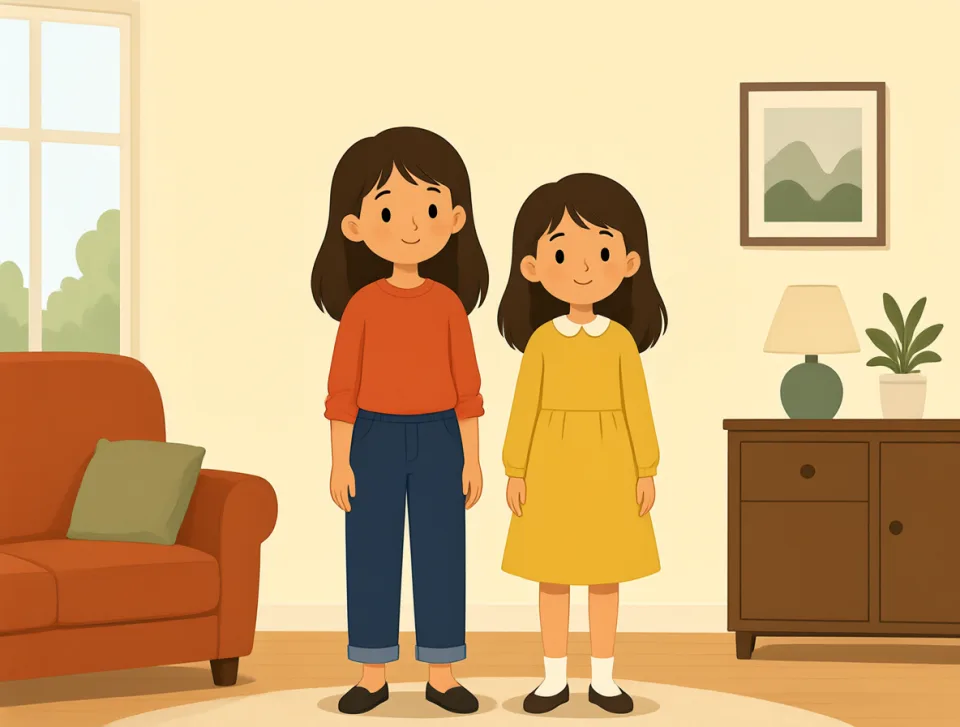
The two sisters look very similar.
Te dwie siostry są do siebie bardzo podobne.

We chose similar colors for the room.
Wybraliśmy podobne kolory do pokoju.

This jacket is similar to mine.
Ta kurtka jest podobna do mojej.
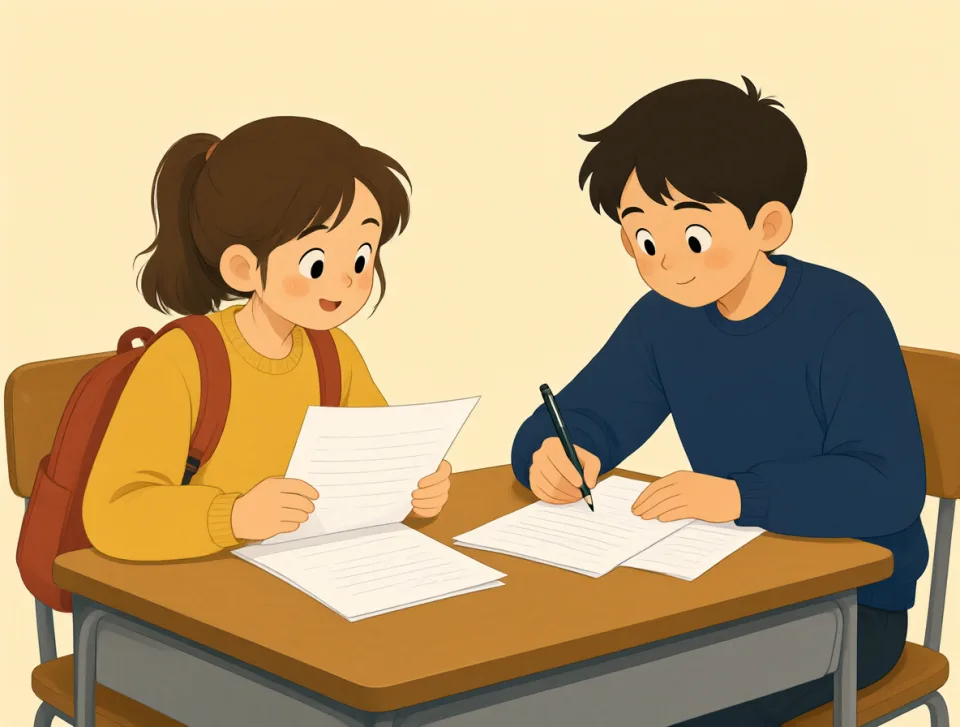
The students had similar answers.
Uczniowie udzielili podobnych odpowiedzi.
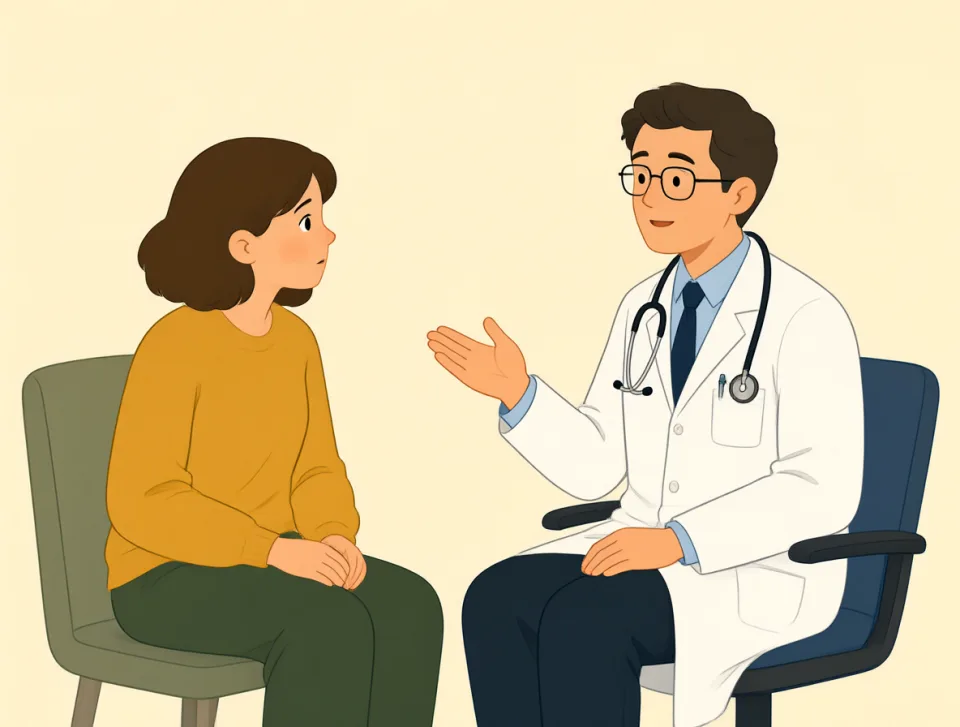
I had similar pain last week.
W zeszłym tygodniu miałem podobny ból.
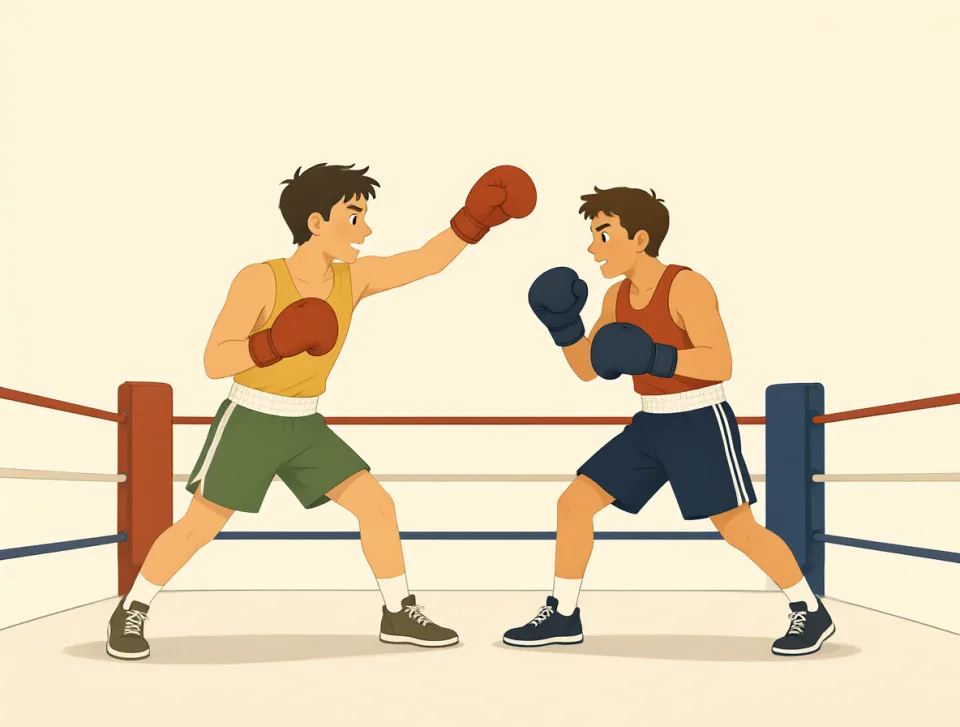
fight
#595noun, verb
walczyć
To use force against someone or try hard to stop or win something.
Używać siły przeciwko komuś albo usilnie starać się coś powstrzymać lub wygrać.
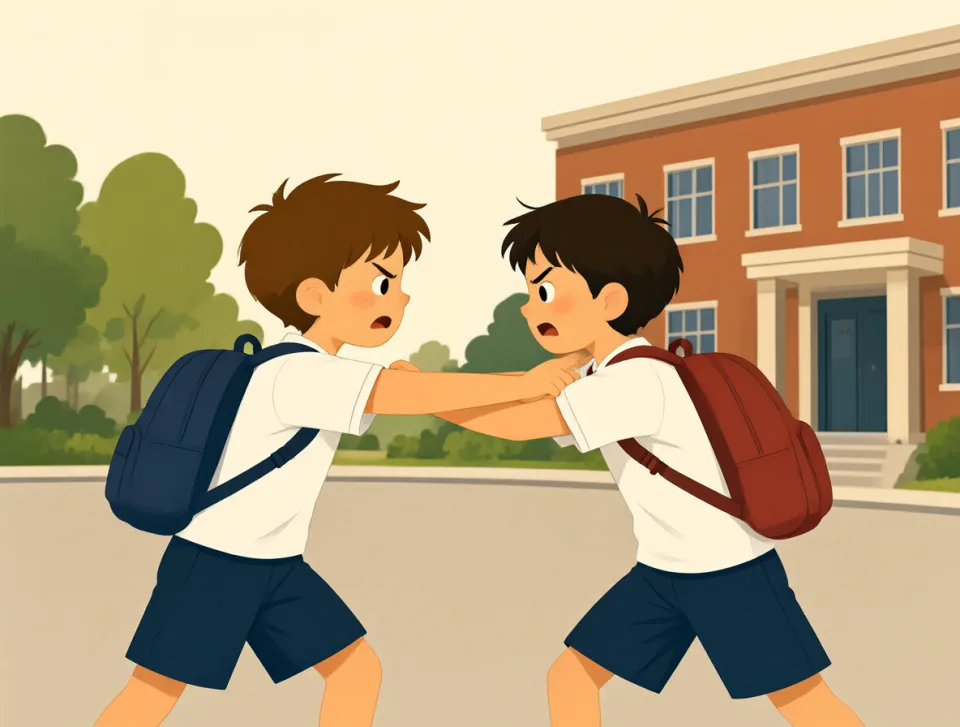
The two boys started a fight after school.
Dwaj chłopcy wdali się w bójkę po szkole.

We must fight for our rights.
Musimy walczyć o nasze prawa.
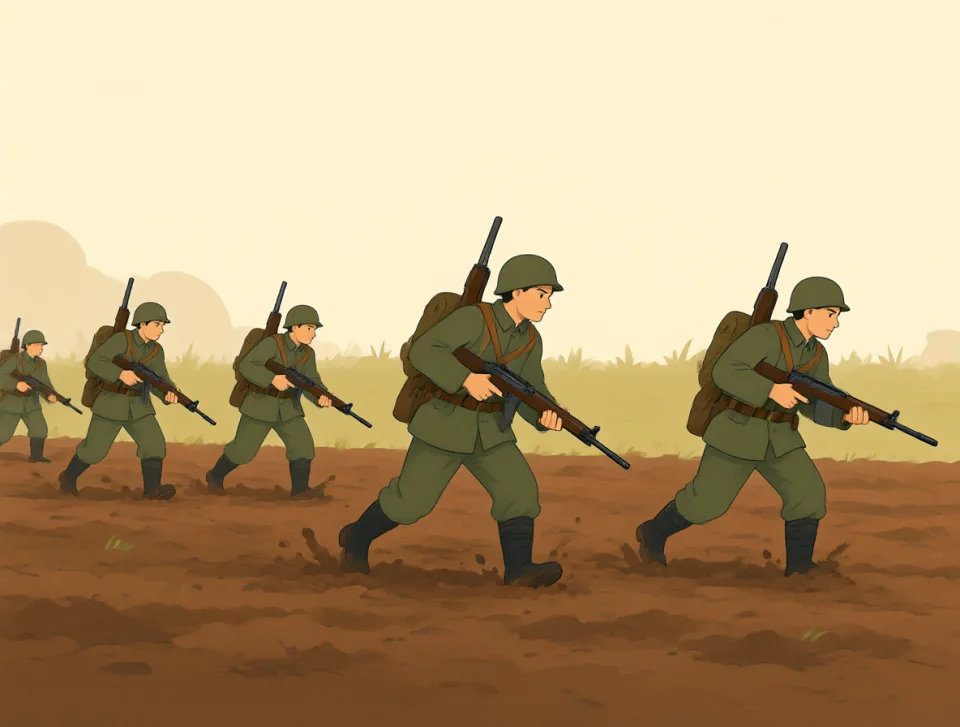
The soldiers fought bravely in the war.
Żołnierze walczyli dzielnie podczas wojny.

She is fighting a bad cold today.
Dziś zmaga się z silnym przeziębieniem.
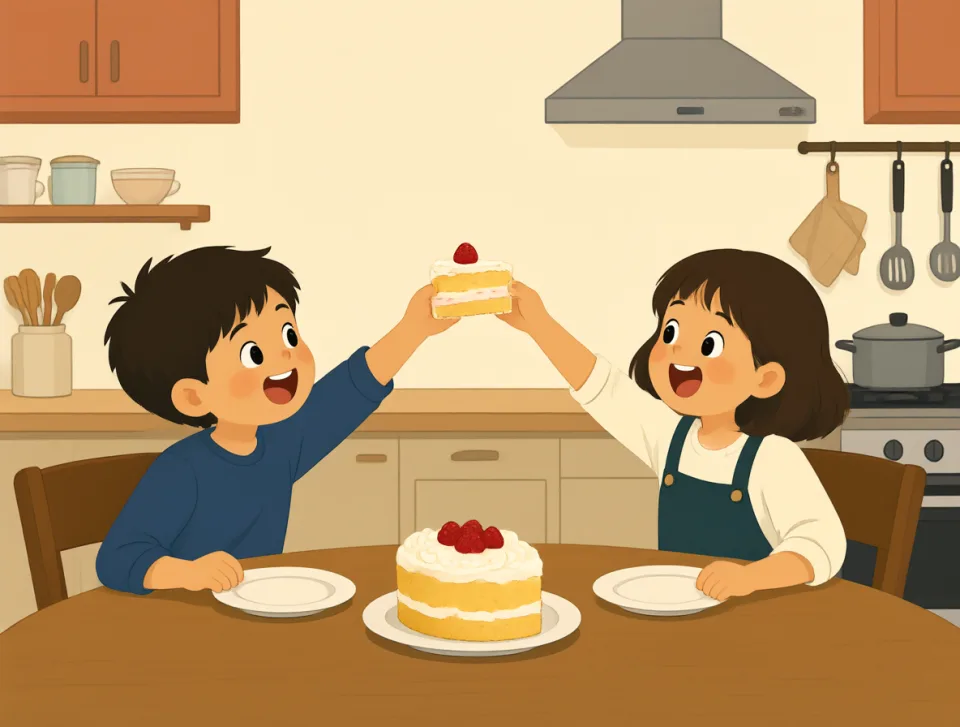
They fought over the last piece of cake.
Pokłócili się o ostatni kawałek ciasta.
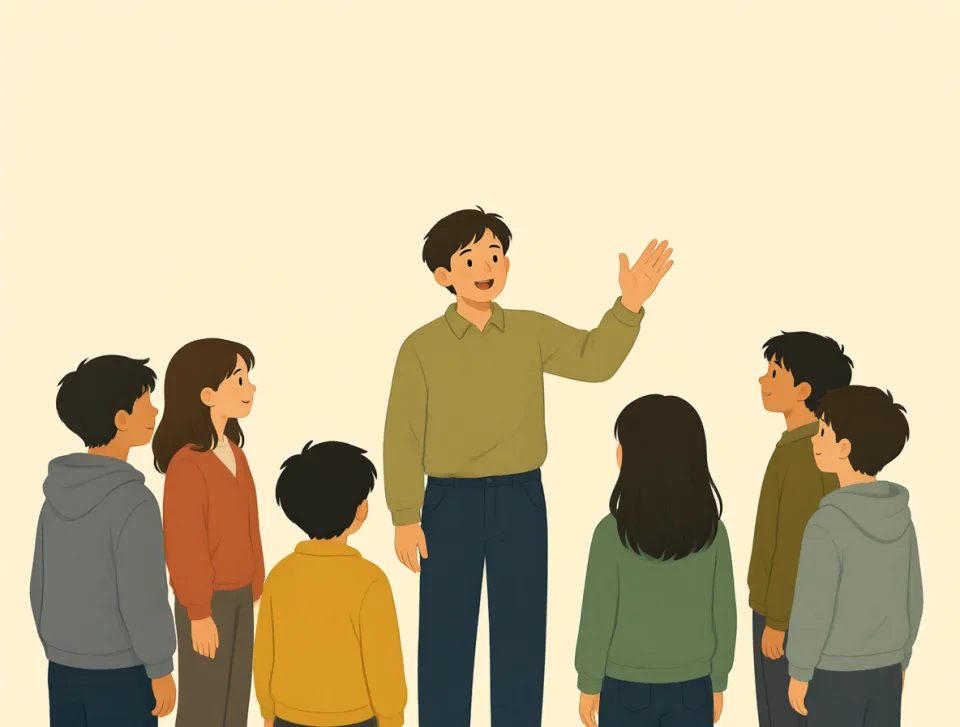
leader
#596noun
przywódca
A person who guides or controls a group or organization.
Osoba, która kieruje grupą lub organizacją albo sprawuje nad nią kontrolę.
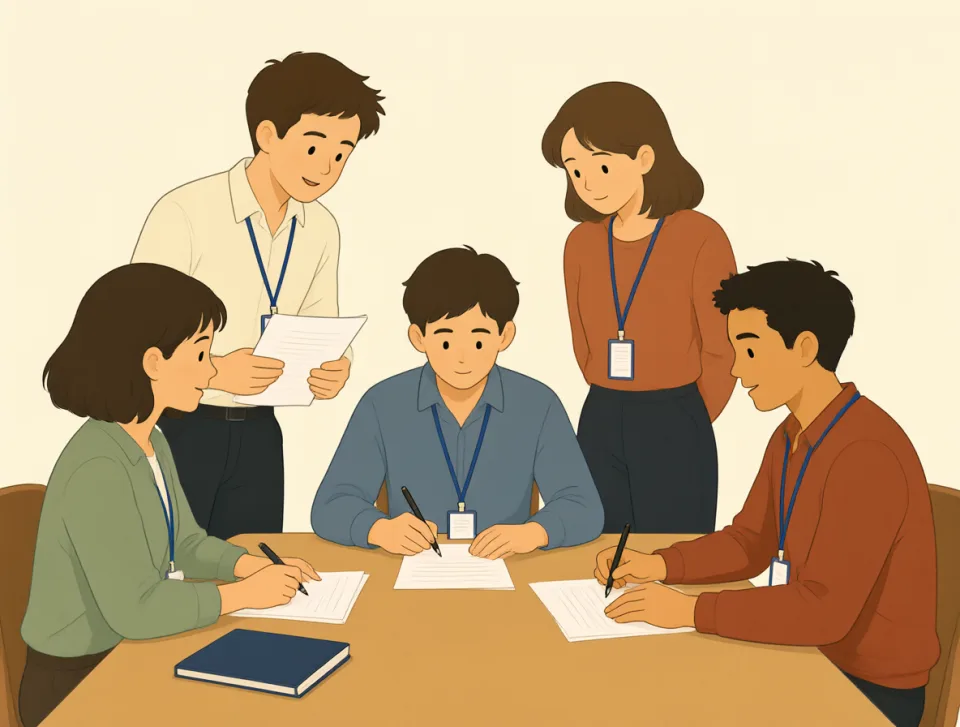
The team leader checked our work.
Lider zespołu sprawdził naszą pracę.
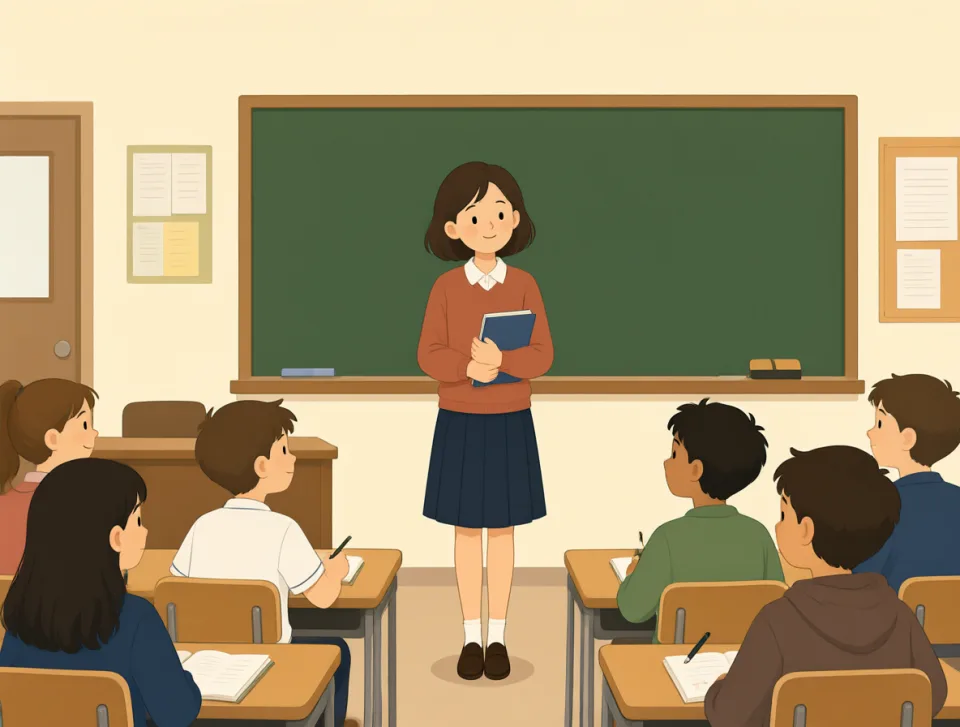
She became the leader of our school club.
Została liderką naszego szkolnego klubu.
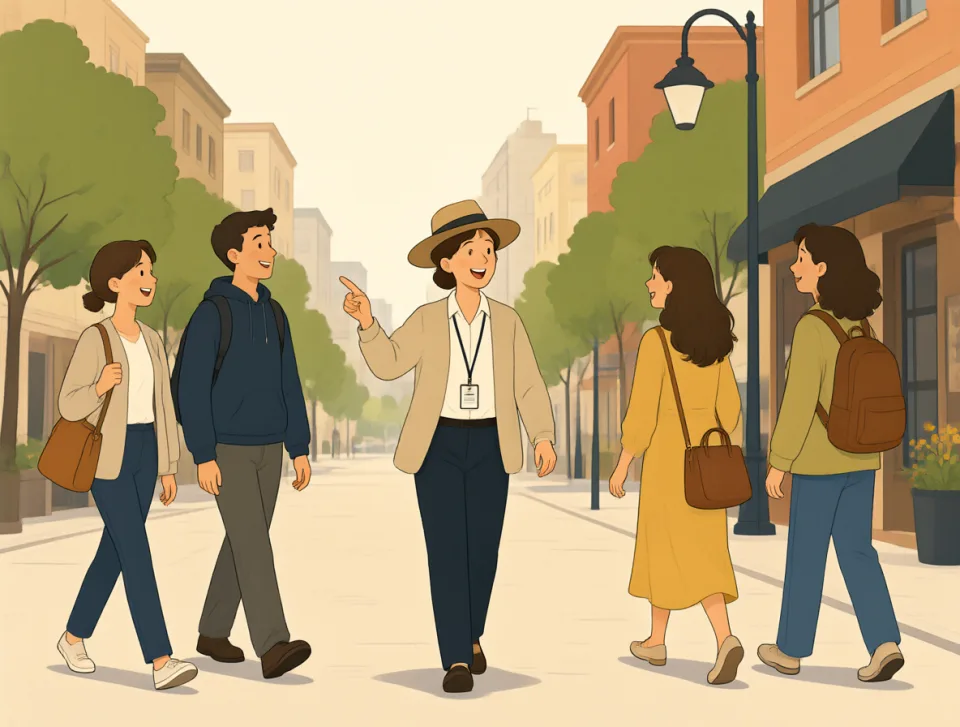
The tour leader showed us the way.
Pilot wycieczki pokazał nam drogę.
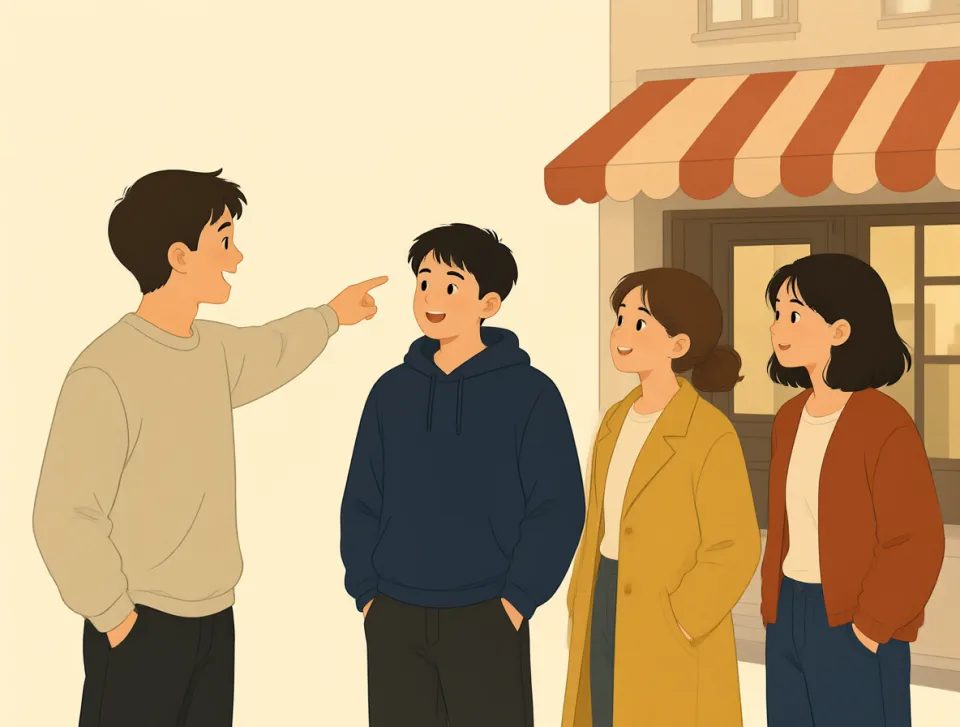
Our group leader chose a restaurant.
Lider naszej grupy wybrał restaurację.
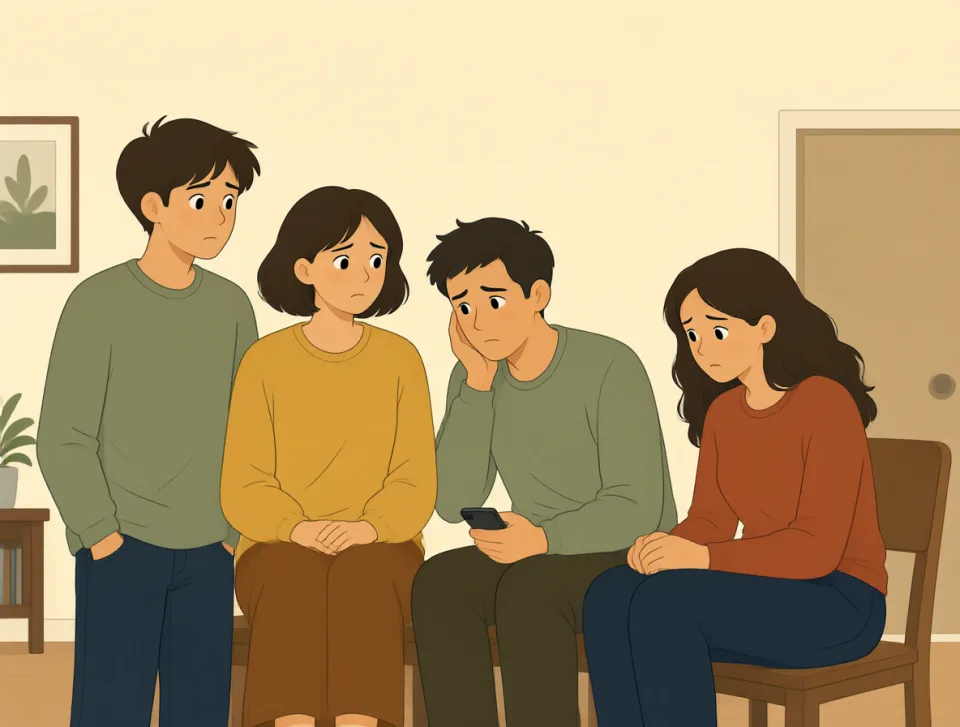
The leader helped everyone stay calm.
Lider pomógł wszystkim zachować spokój.

fine
#597adjective, noun, verb, adverb
w porządku; grzywna
Good or healthy; also, money paid as punishment for breaking a rule.
Dobry lub zdrowy; także: kara pieniężna za złamanie przepisu.

I'm fine, thanks. How are you?
W porządku, dzięki. A jak ty się masz?
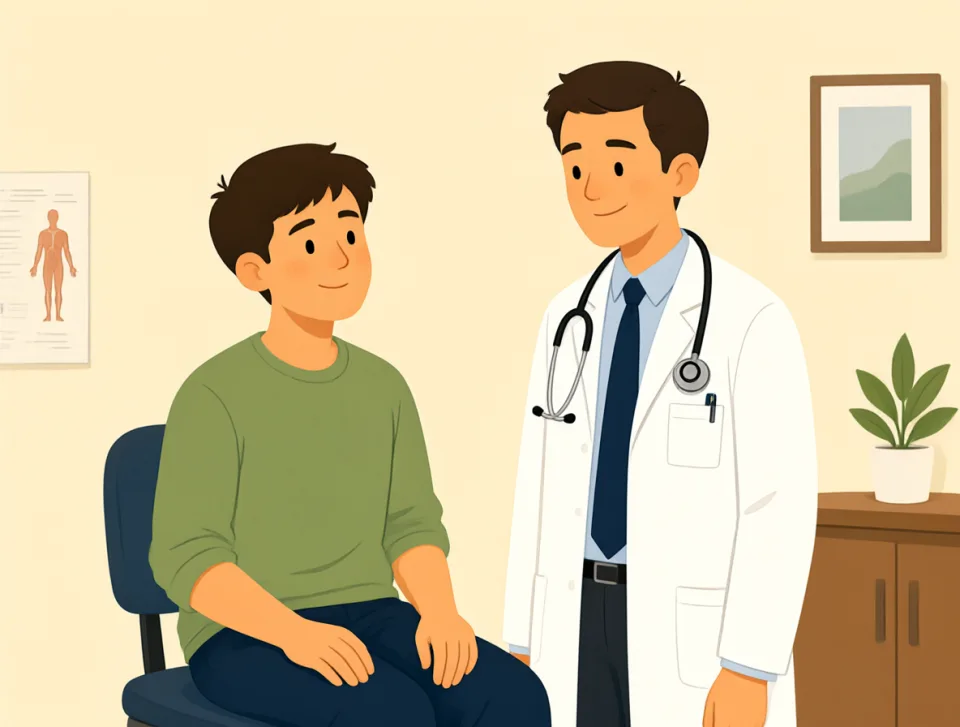
The doctor said my heart was fine.
Lekarz powiedział, że moje serce jest zdrowe.

The restaurant charged a fine for late cancellation.
Restauracja naliczyła karę za późne odwołanie rezerwacji.
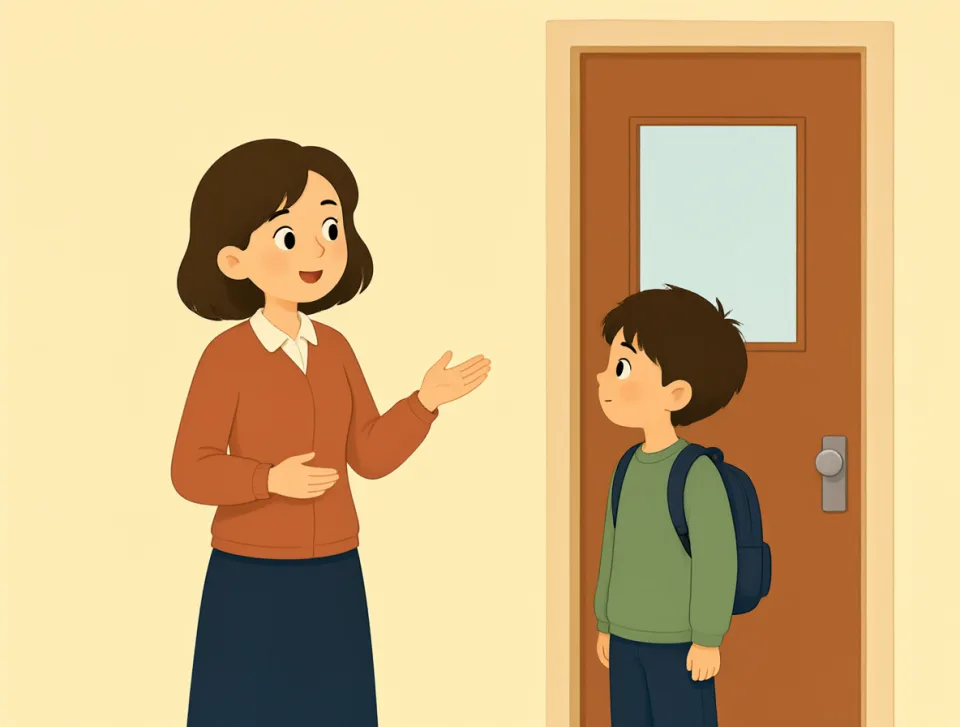
The teacher fined him for being late.
Nauczyciel ukarał go grzywną za spóźnienie.
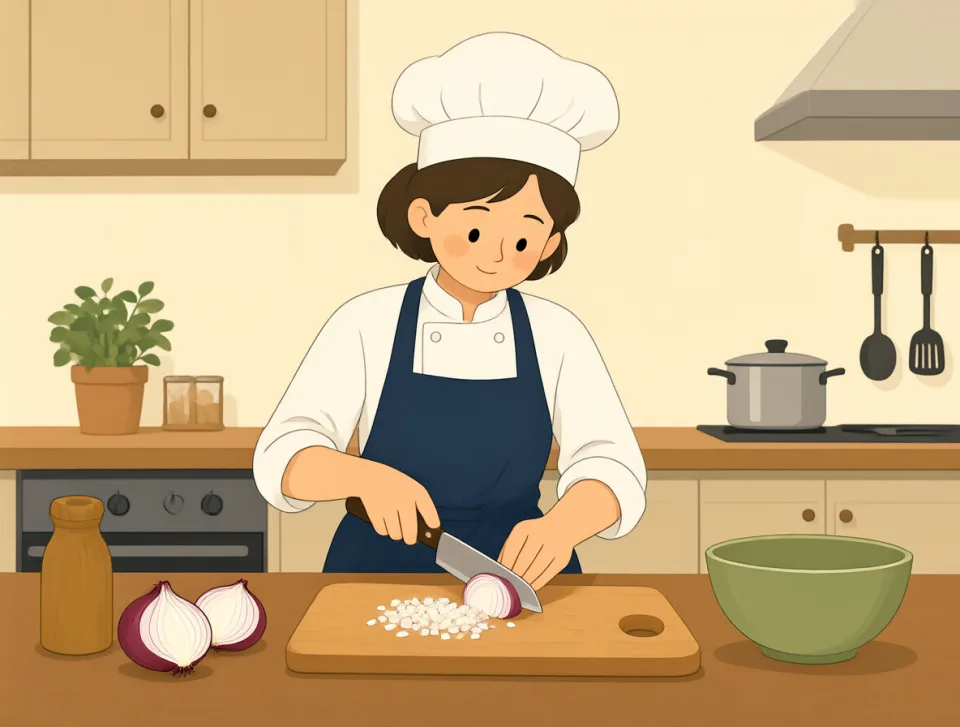
Please cut the onions into fine pieces.
Pokrój cebulę na drobne kawałki.

street
#598noun
ulica
a public road in a town or city, with buildings and traffic beside it
Droga publiczna w mieście, przy której znajdują się budynki i odbywa się ruch.
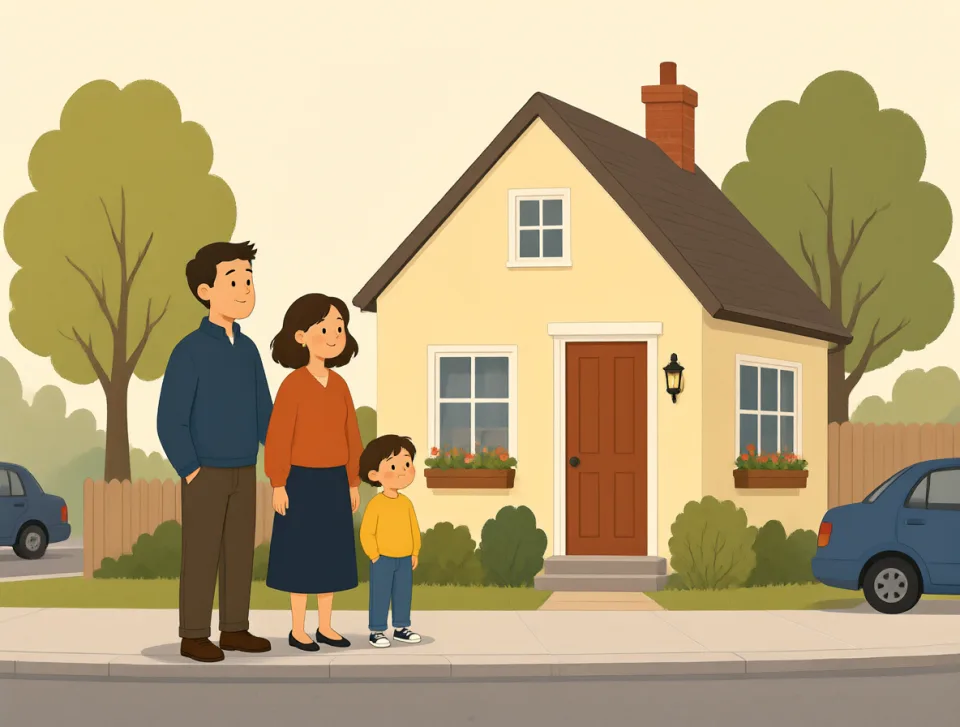
We live on a quiet street.
Mieszkamy przy spokojnej ulicy.
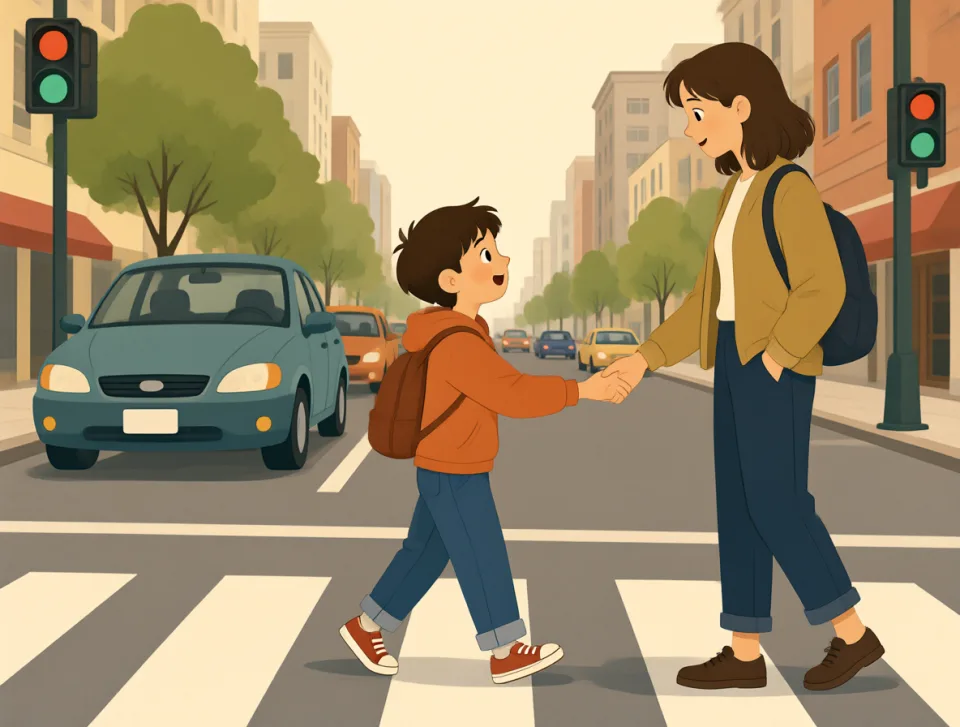
Please cross the street carefully.
Proszę ostrożnie przejść przez ulicę.
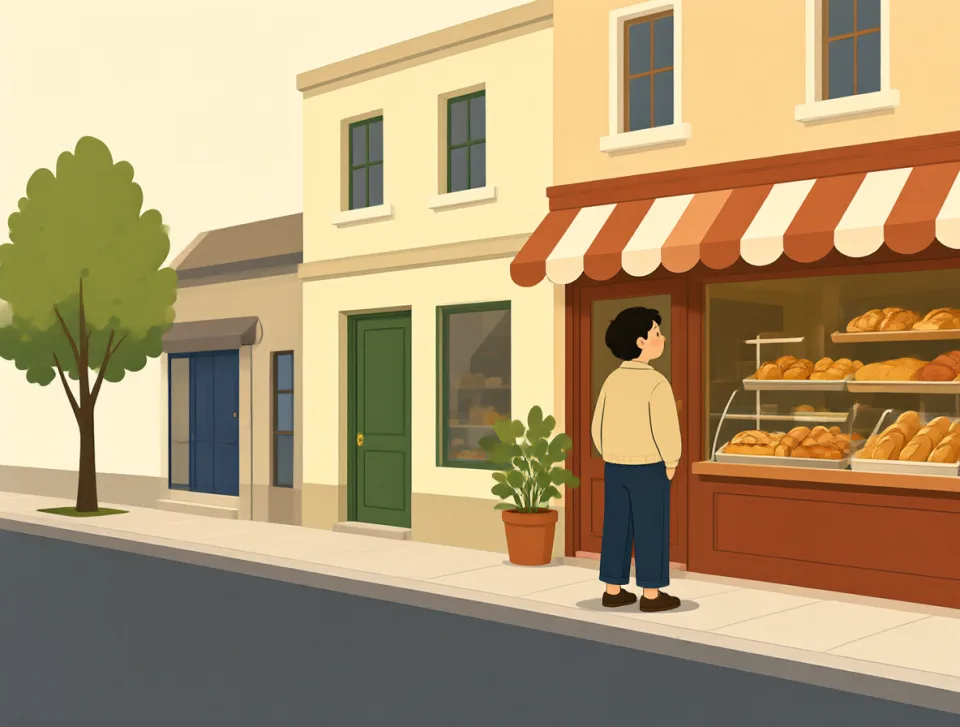
There is a bakery across the street.
Po drugiej stronie ulicy jest piekarnia.
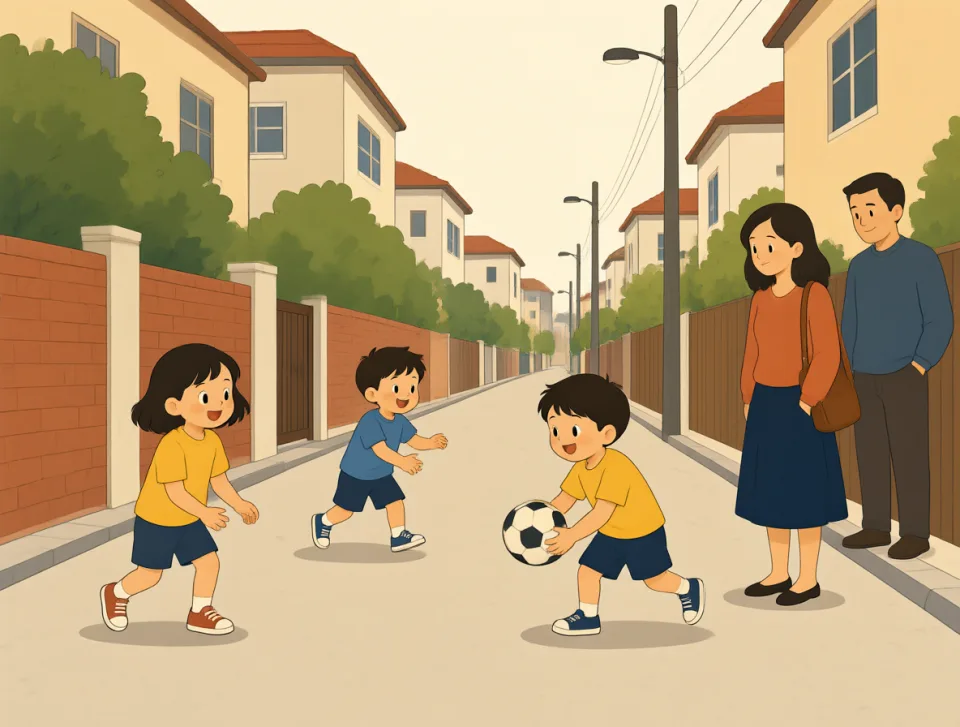
The children are playing in the street.
Dzieci bawią się na ulicy.
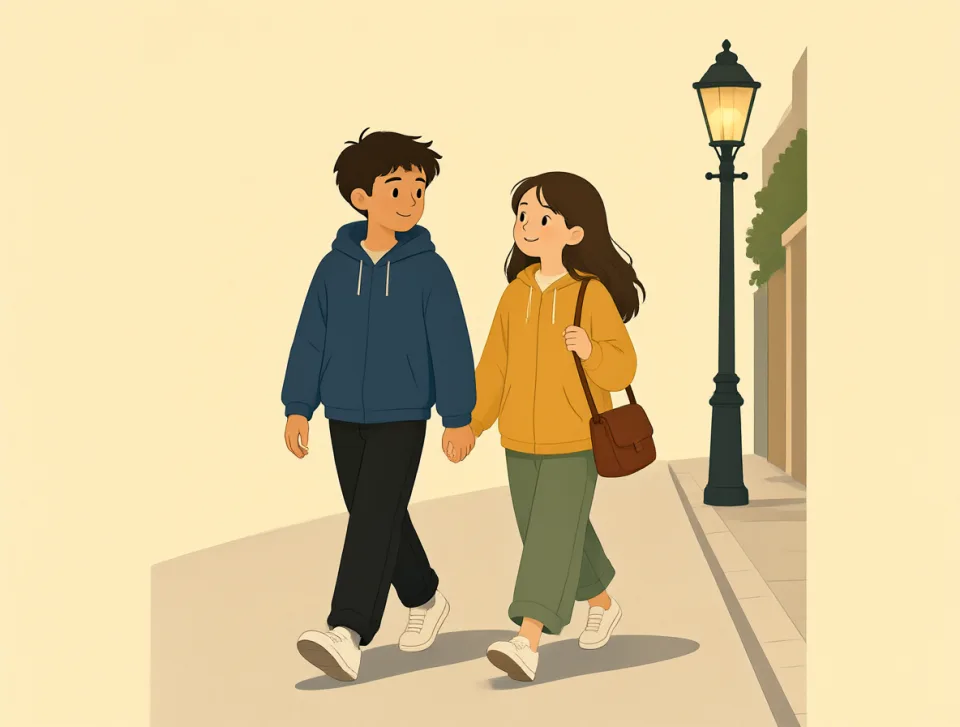
We walked down the street after dinner.
Po kolacji przeszliśmy się ulicą.
former
#599adjective, noun
były; pierwszy z wymienionych
The first of two people or things mentioned; also, a person who had a job before.
Pierwsza z dwóch wspomnianych osób lub rzeczy; także osoba, która wcześniej wykonywała daną pracę.
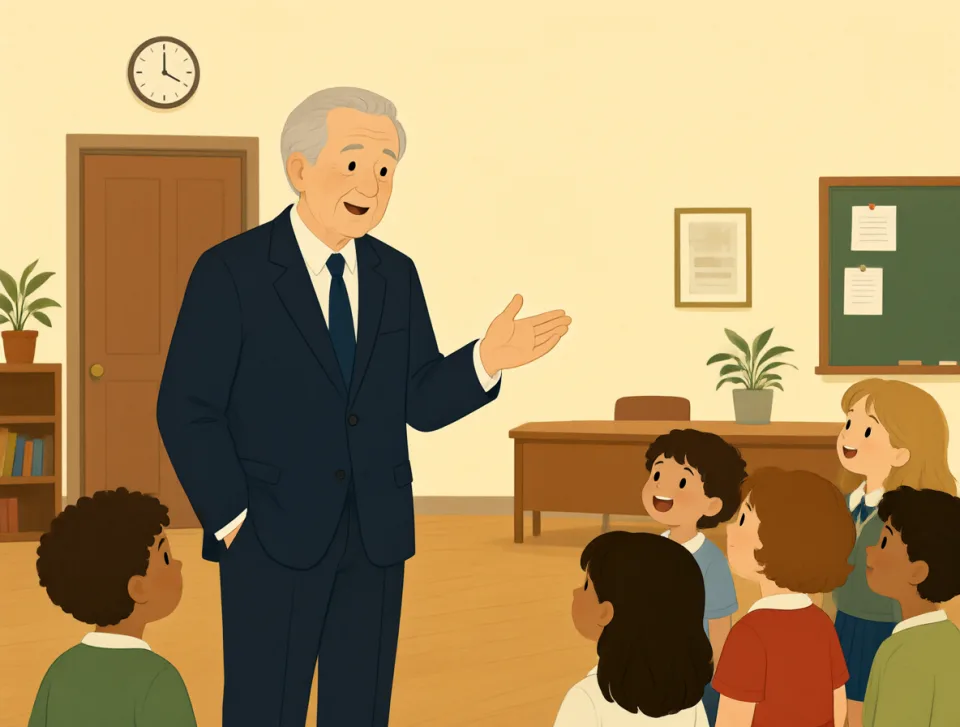
The former president visited our school.
Były prezydent odwiedził naszą szkołę.
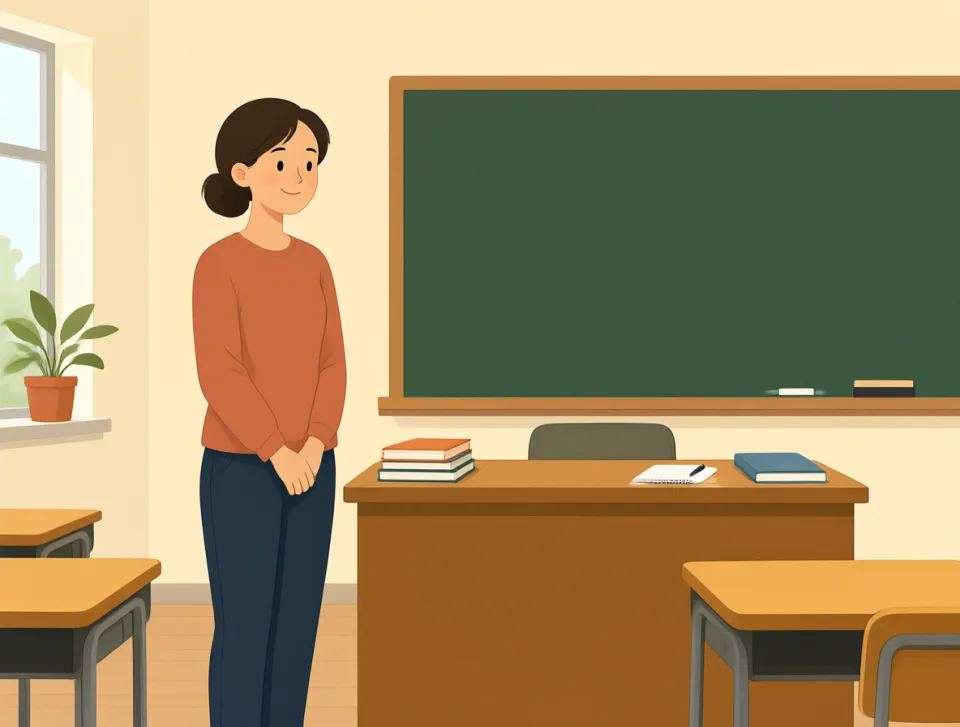
She is a former teacher at our school.
Jest byłą nauczycielką w naszej szkole.
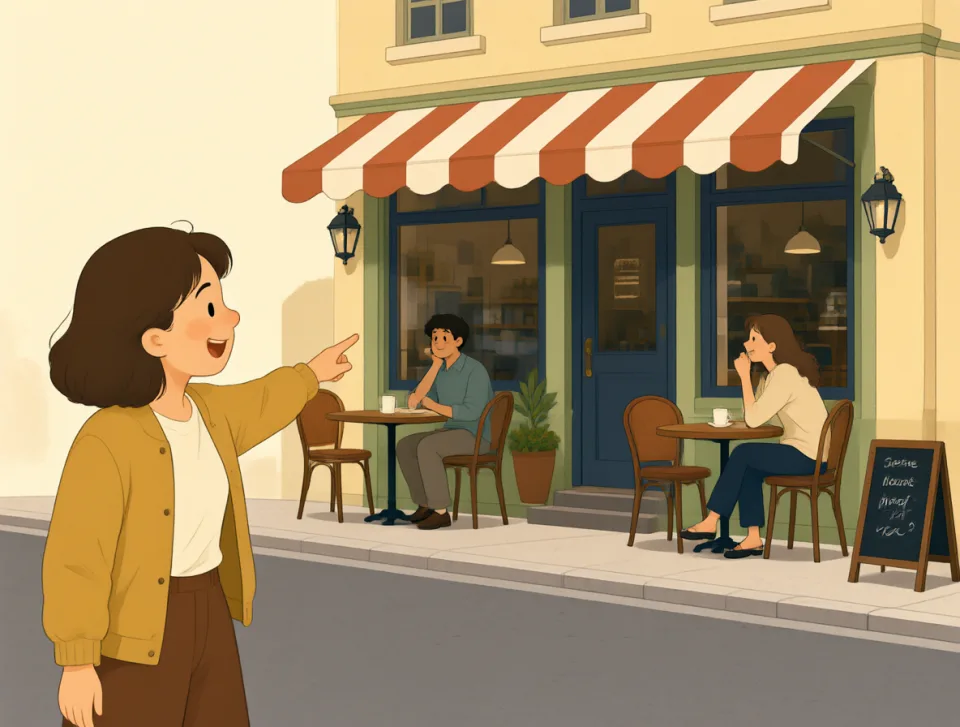
I prefer the former restaurant.
Wolę tę pierwszą restaurację.
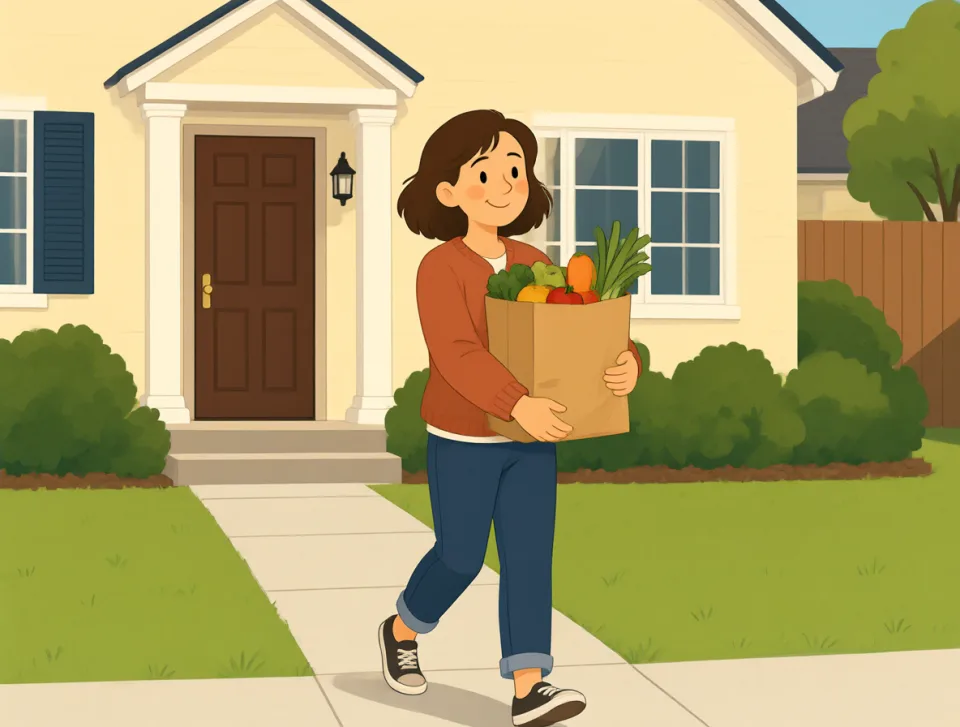
His former wife lives nearby.
Jego była żona mieszka w pobliżu.

The former manager helped me find work.
Były menedżer pomógł mi znaleźć pracę.
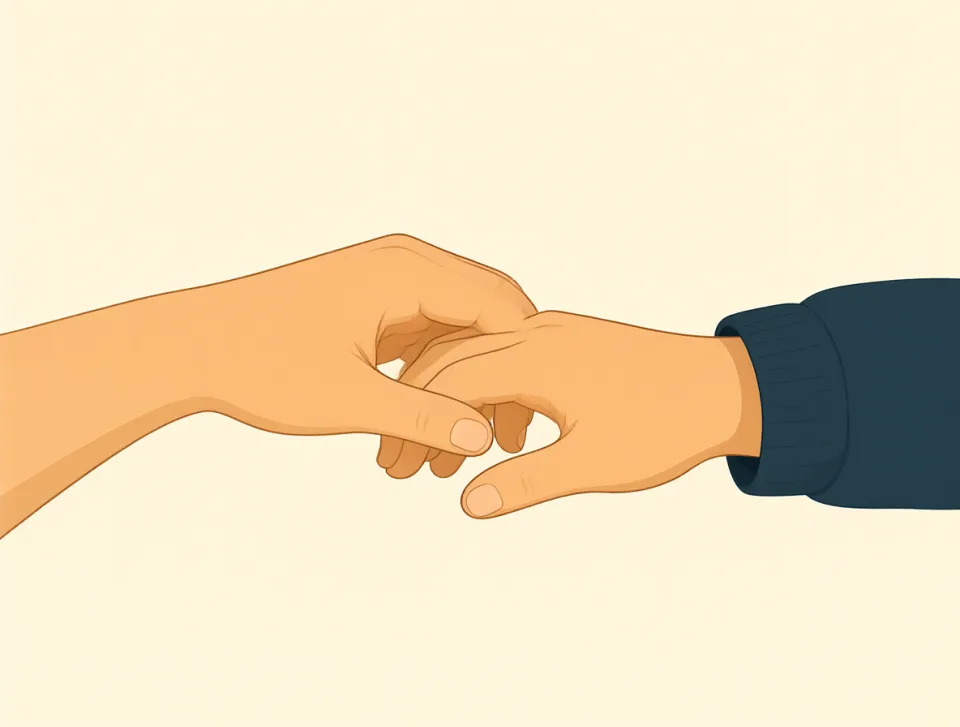
contact
#600noun, verb
kontakt
Communication with someone, or touching someone or something.
Porozumiewanie się z kimś albo dotykanie kogoś lub czegoś.
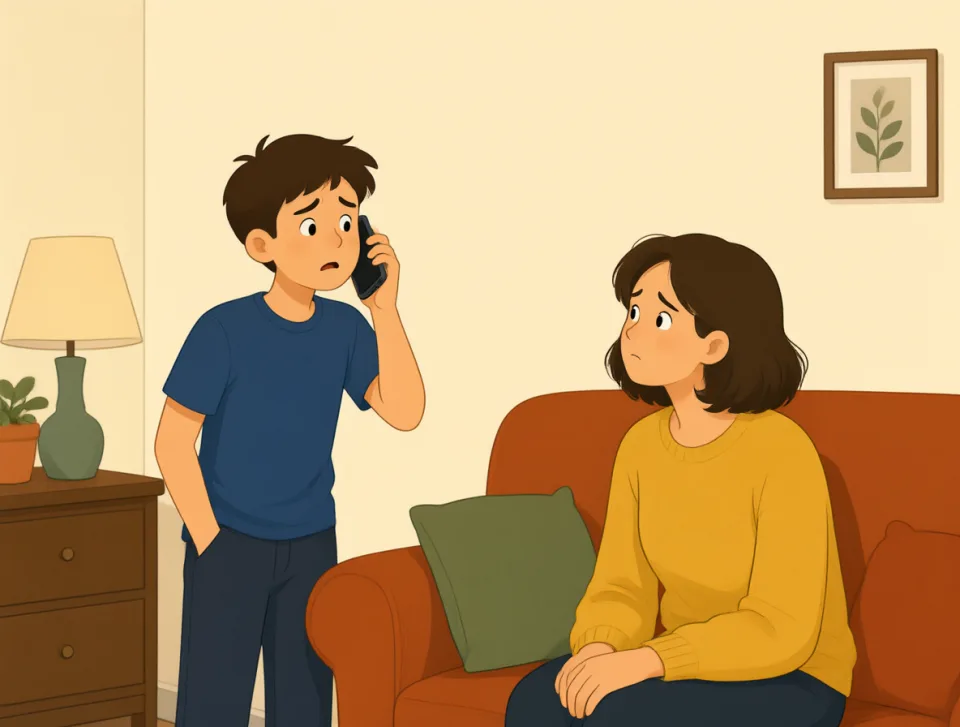
Please contact me if you need any help.
Skontaktuj się ze mną, jeśli będziesz potrzebować pomocy.
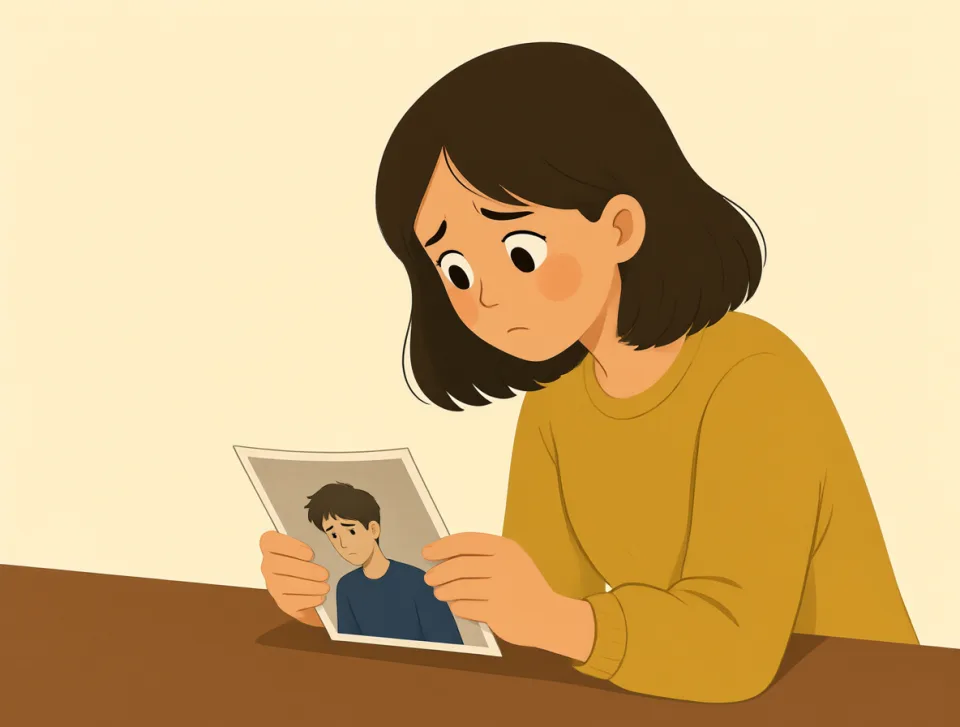
I lost contact with my best school friend.
Straciłem kontakt z moim najlepszym przyjacielem ze szkoły.

Her contact details are on the application form.
Jej dane kontaktowe znajdują się w formularzu zgłoszeniowym.
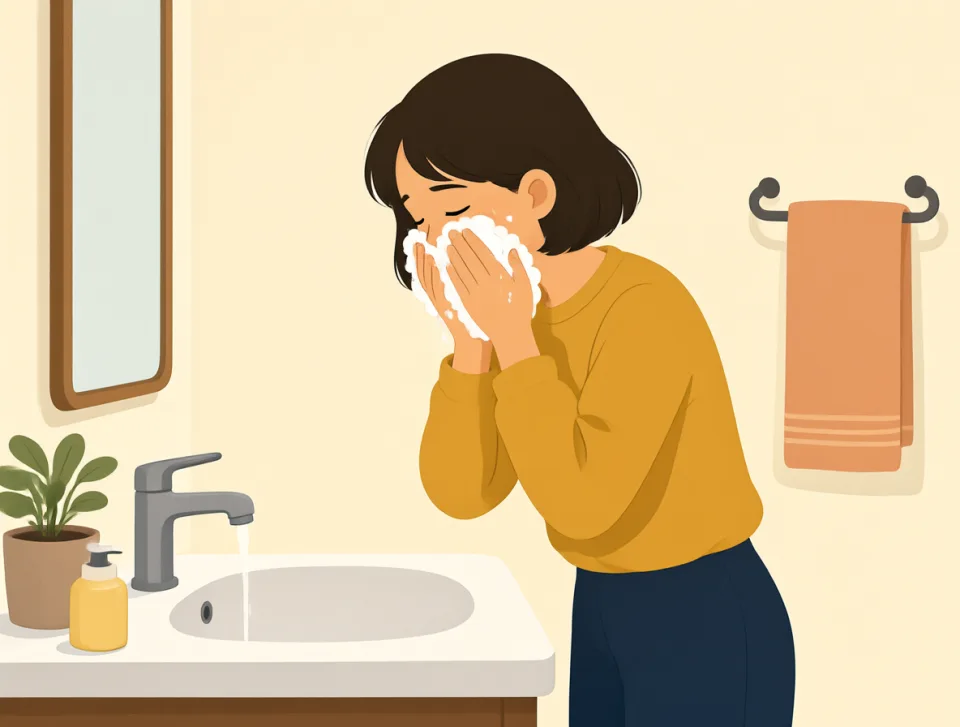
Avoid contact with your eyes when using soap.
Podczas używania mydła unikaj kontaktu z oczami.

The two wires were in contact.
Te dwa przewody stykały się ze sobą.