Zestaw 31
Słowa 601–620 · particularly, wife, sport, prepare, discuss, response
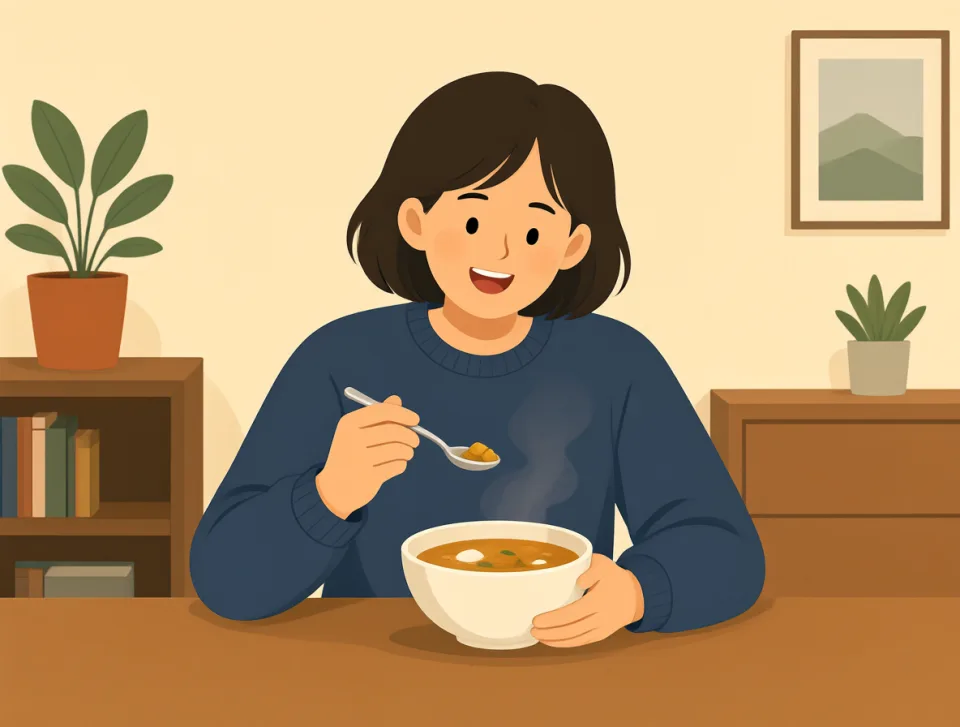
particularly
#601adverb
szczególnie
More than usual or more than others in a particular way.
W większym stopniu niż zwykle lub niż inni pod jakimś względem.
I particularly like this warm soup.
Szczególnie lubię tę ciepłą zupę.
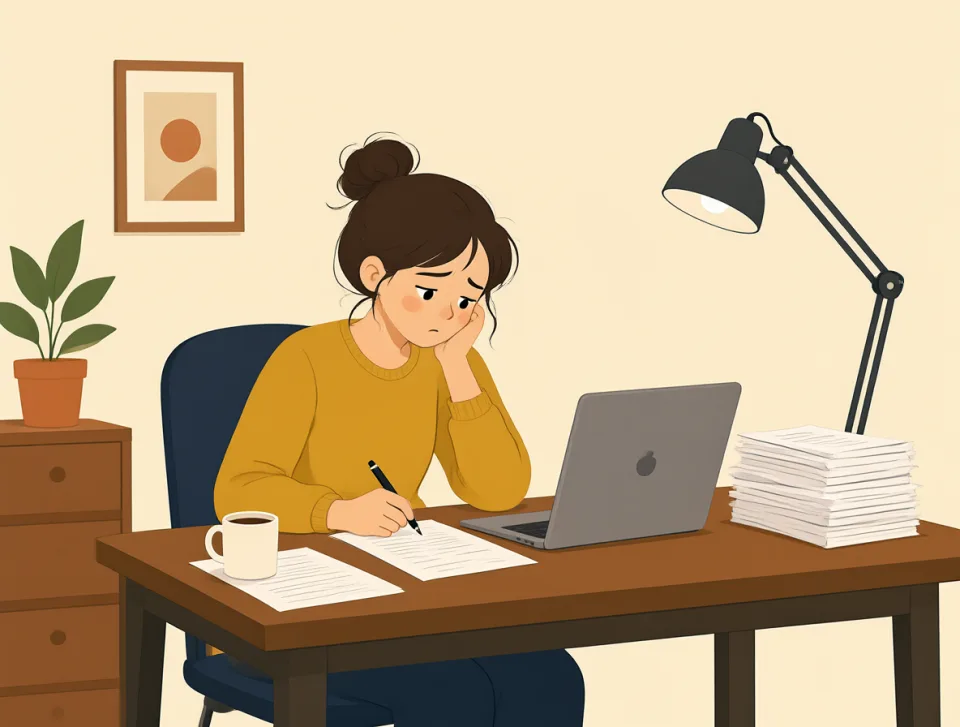
She was particularly tired after work.
Była szczególnie zmęczona po pracy.
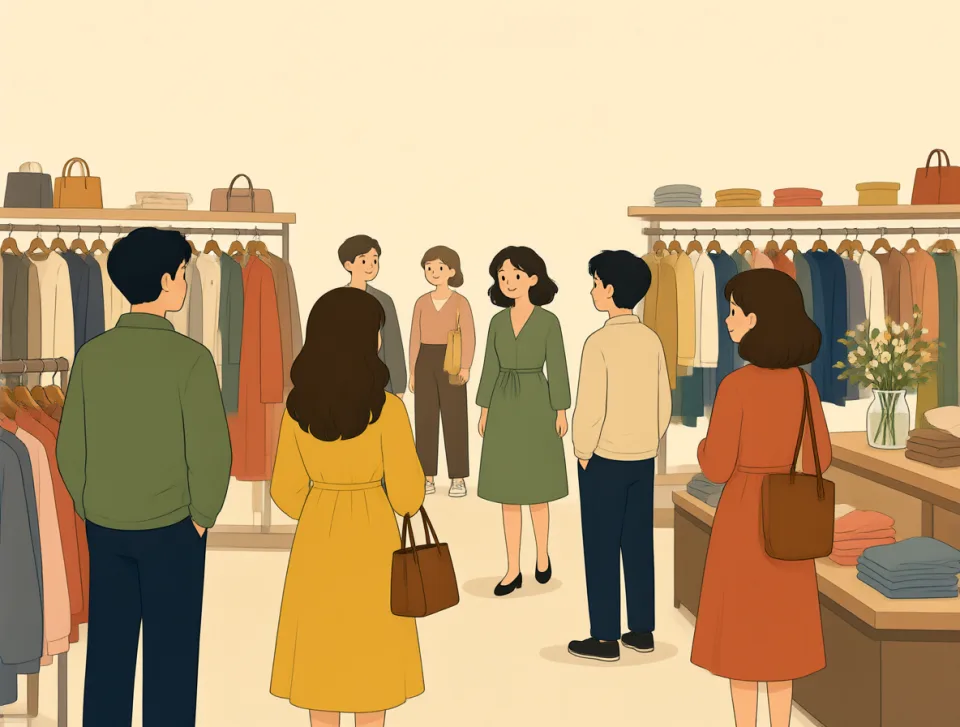
This shop is particularly busy today.
W tym sklepie jest dziś wyjątkowo duży ruch.
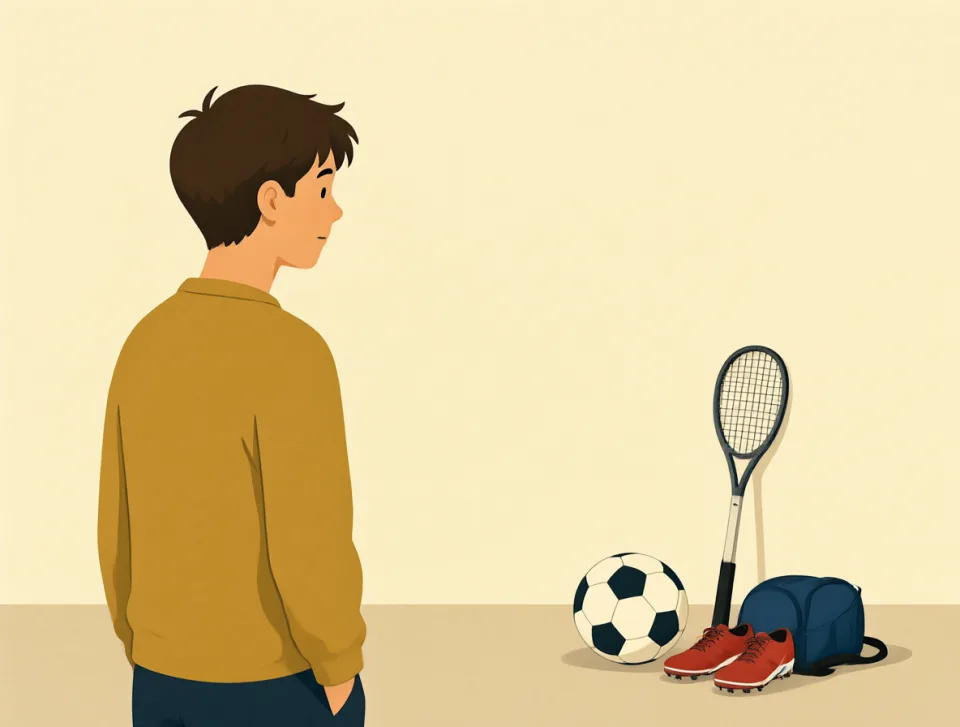
He enjoys sports, particularly football.
Lubi sport, a szczególnie piłkę nożną.
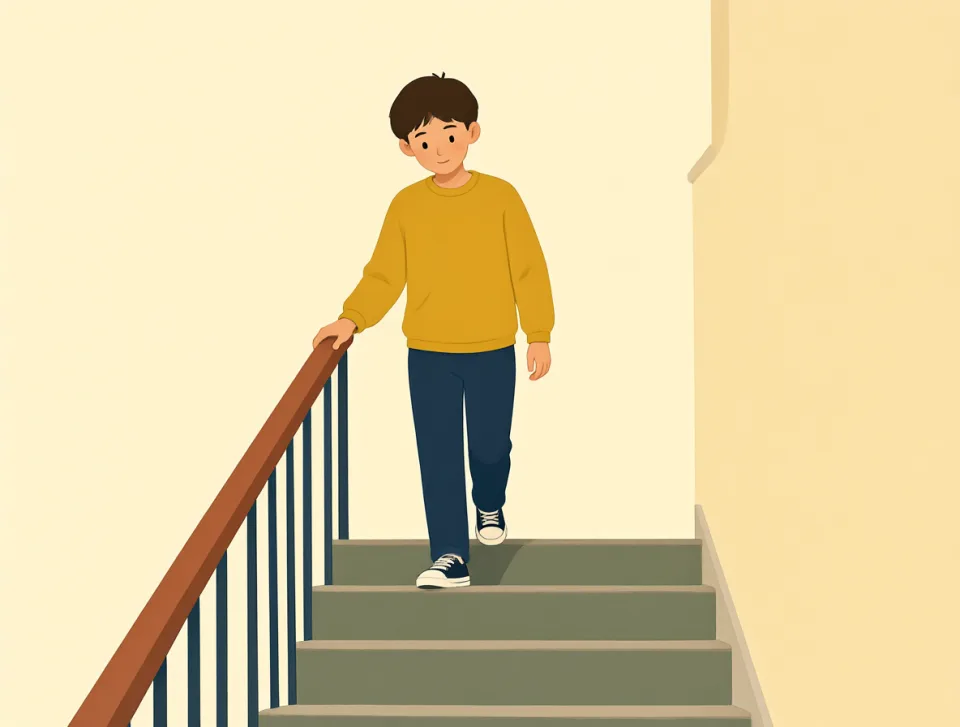
Please be particularly careful on these stairs.
Proszę zachować szczególną ostrożność na tych schodach.

wife
#602noun
żona
A married woman, or a woman you are married to.
Kobieta, która jest zamężna lub z którą jest się w związku małżeńskim.
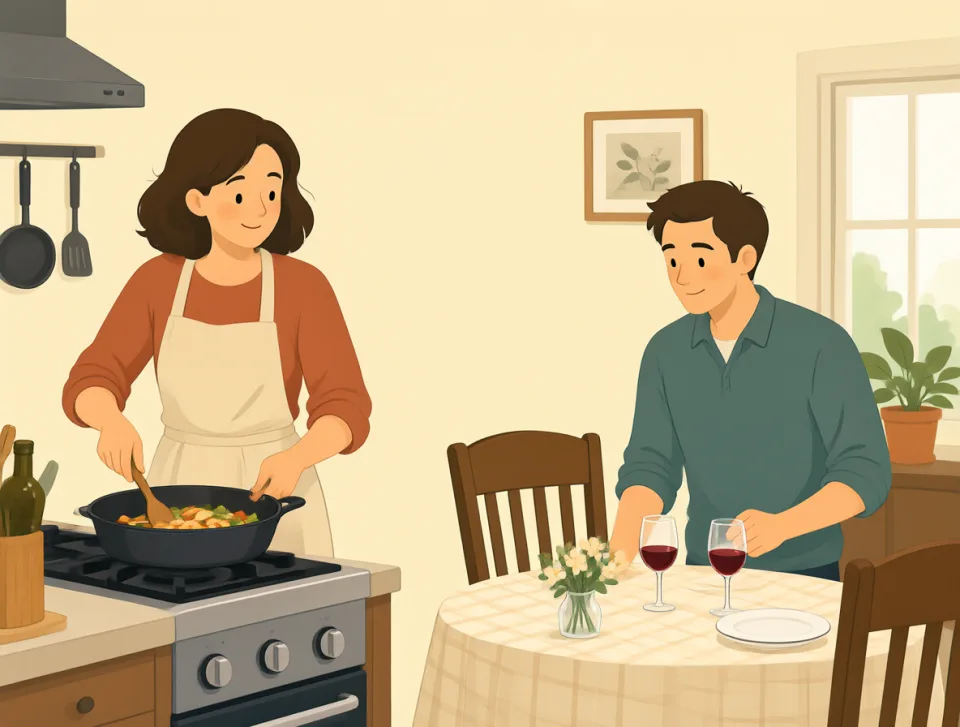
His wife is making dinner tonight.
Jego żona przygotowuje dziś kolację.
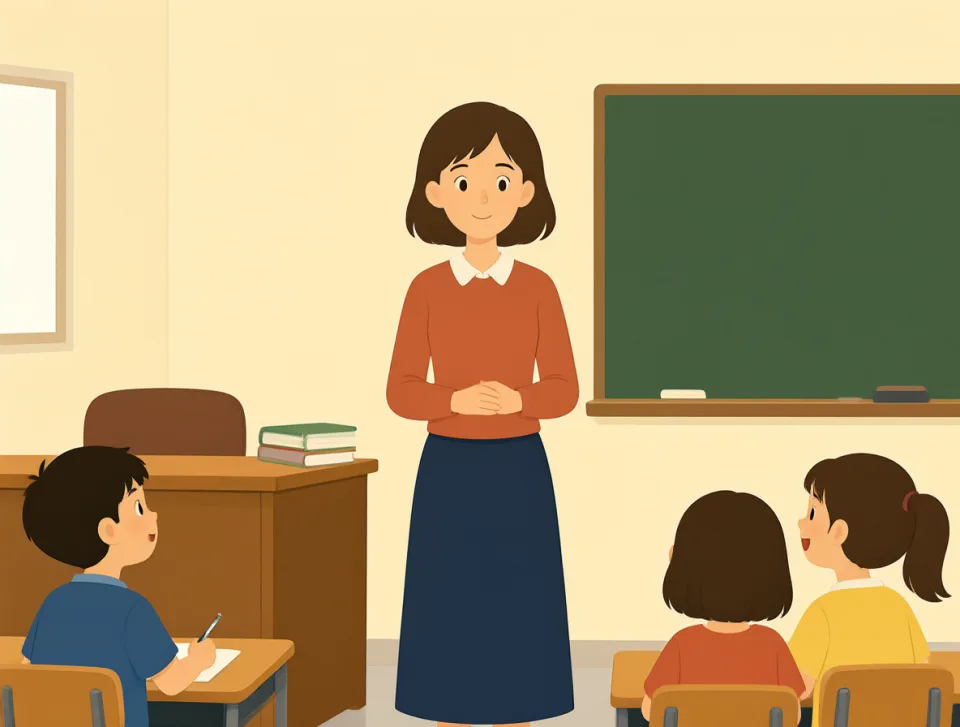
My wife works at the local school.
Moja żona pracuje w miejscowej szkole.
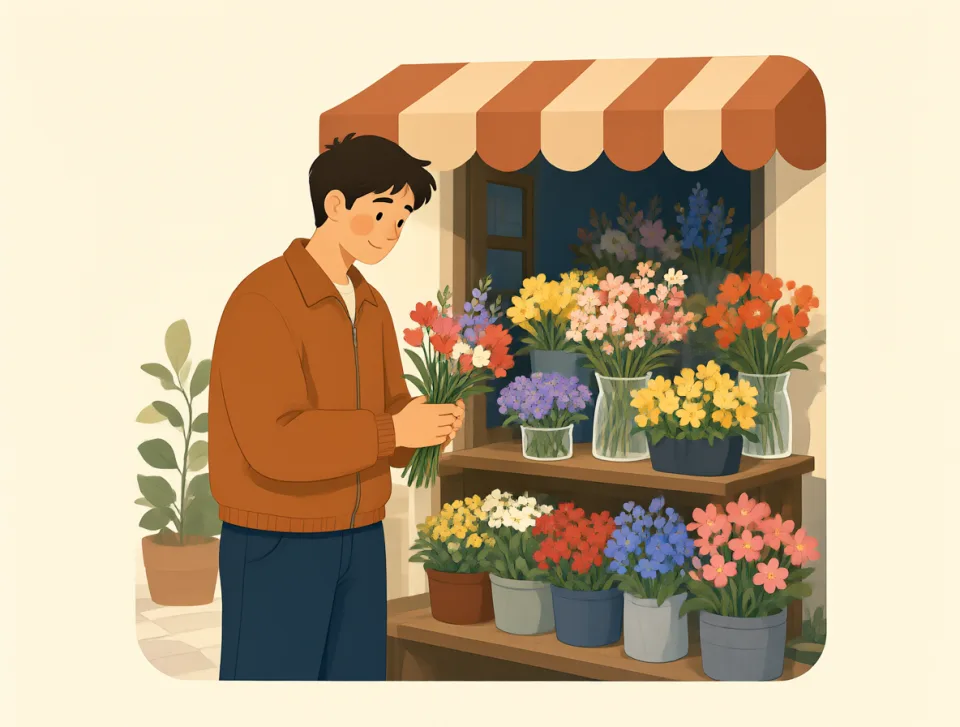
I bought flowers for my wife.
Kupiłem kwiaty dla żony.
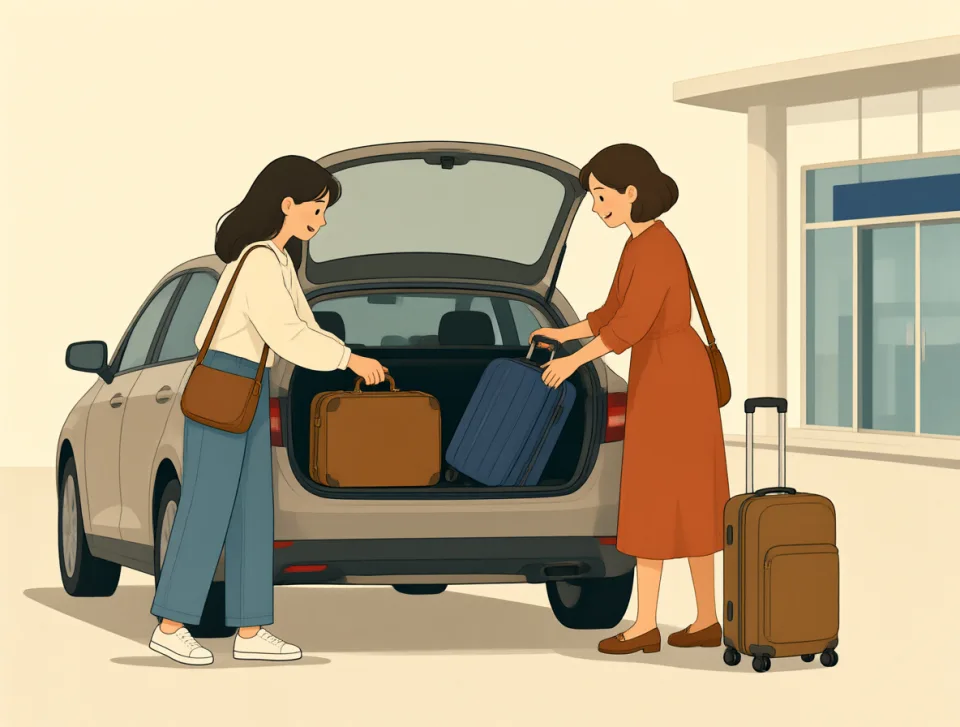
Her wife drove them to the airport.
Jej żona zawiozła ich na lotnisko.
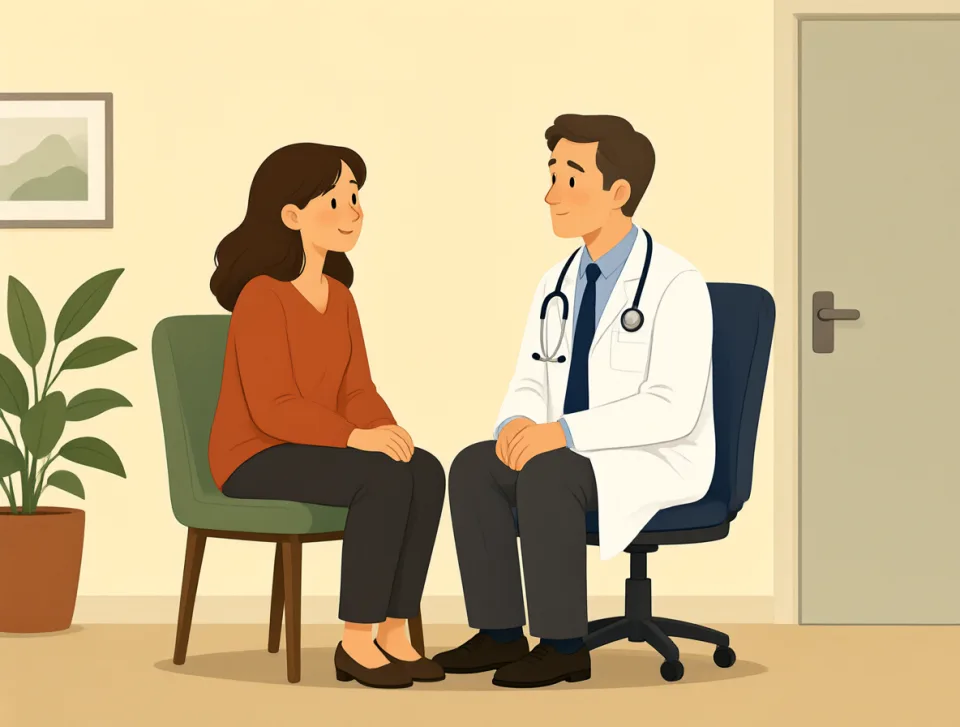
His wife feels better after seeing the doctor.
Jego żona poczuła się lepiej po wizycie u lekarza.
sport
#603noun, verb
sport
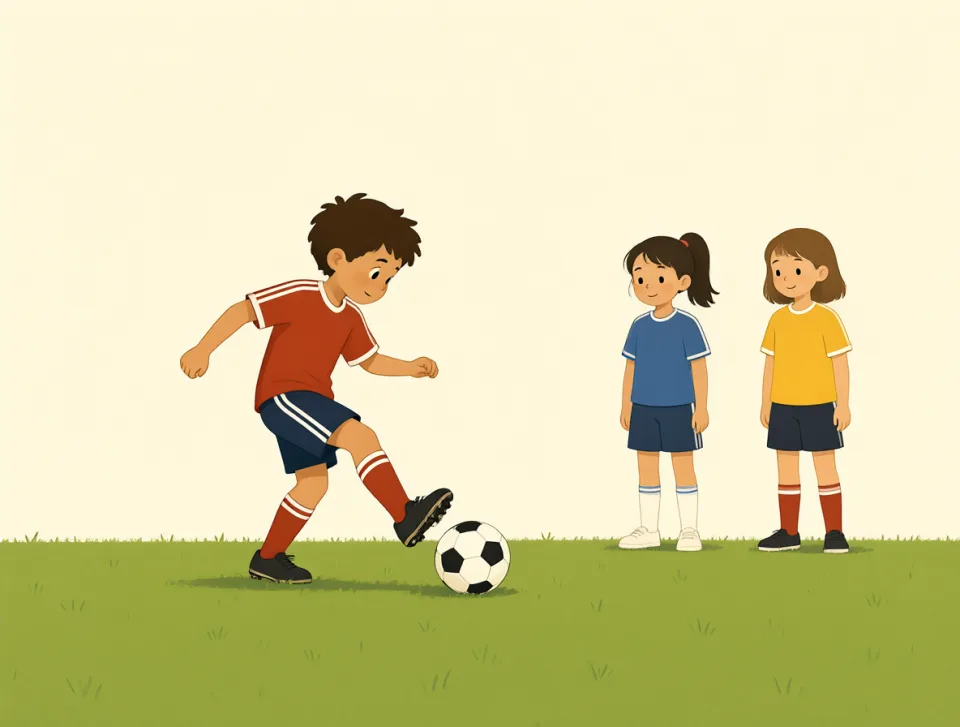
A game or activity that people do for exercise, fun, or competition.
Gra lub aktywność uprawiana dla ćwiczeń, przyjemności albo rywalizacji.
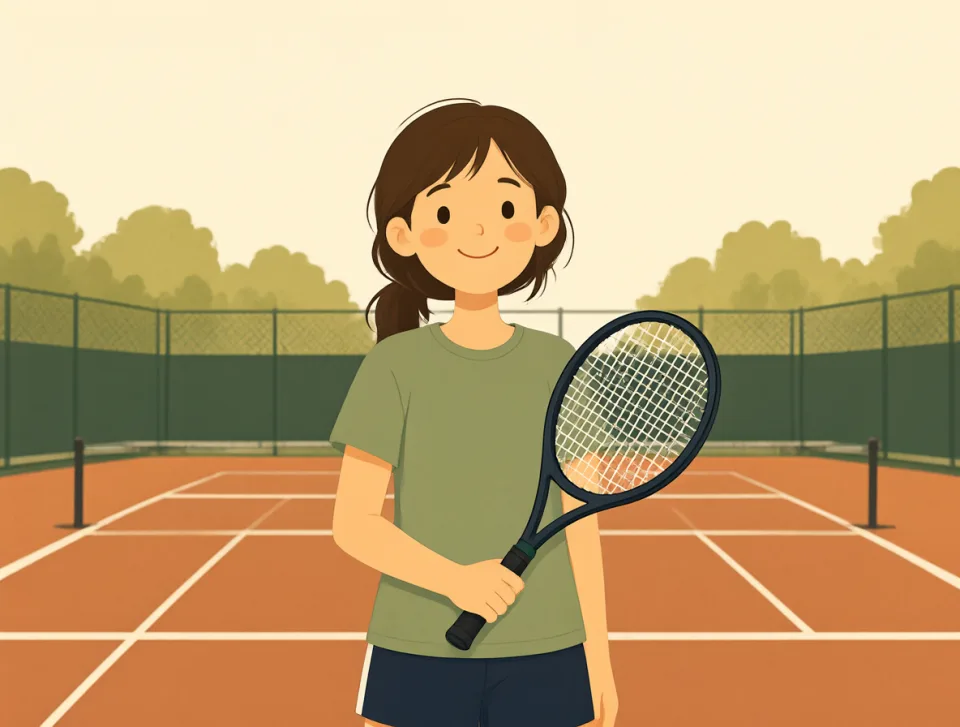
My favorite sport is tennis.
Moim ulubionym sportem jest tenis.
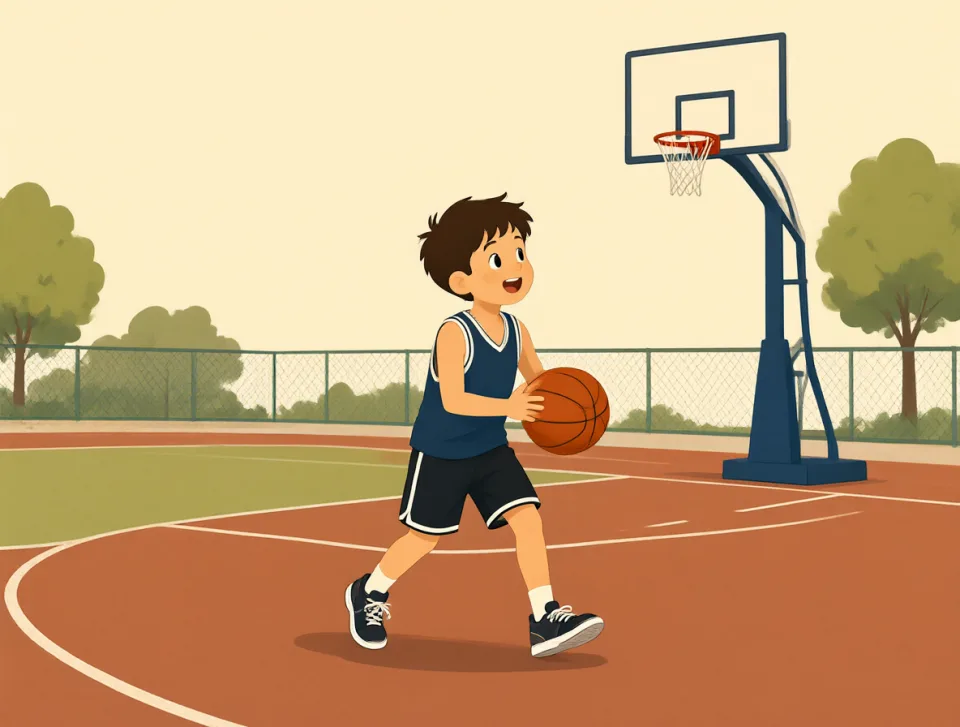
He plays sport after school.
Po szkole uprawia sport.
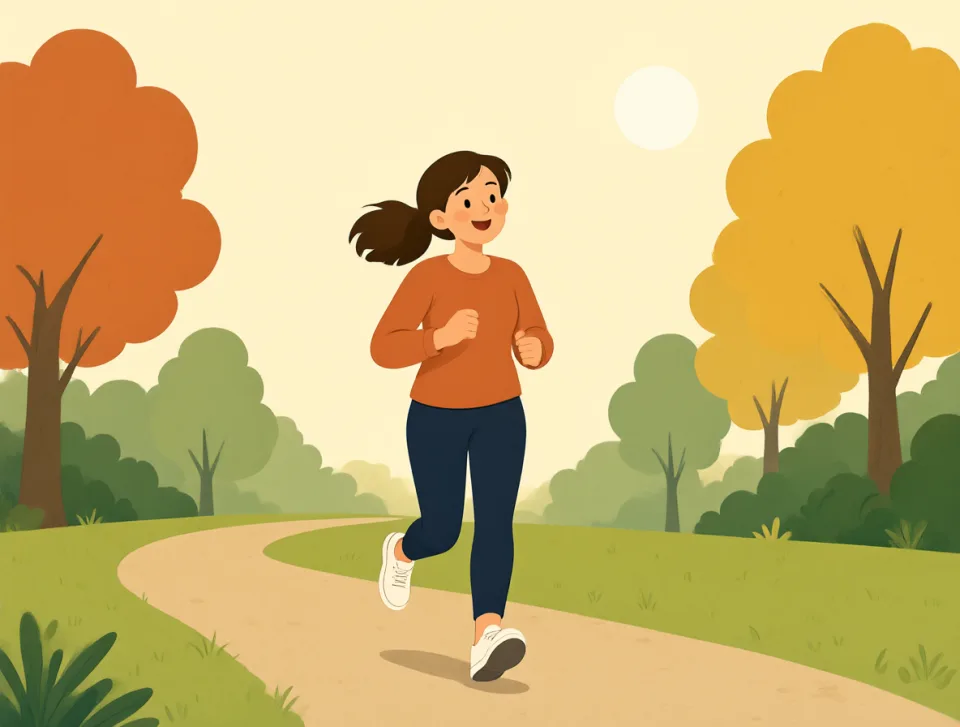
Sport can help you stay healthy.
Sport może pomóc ci zachować zdrowie.
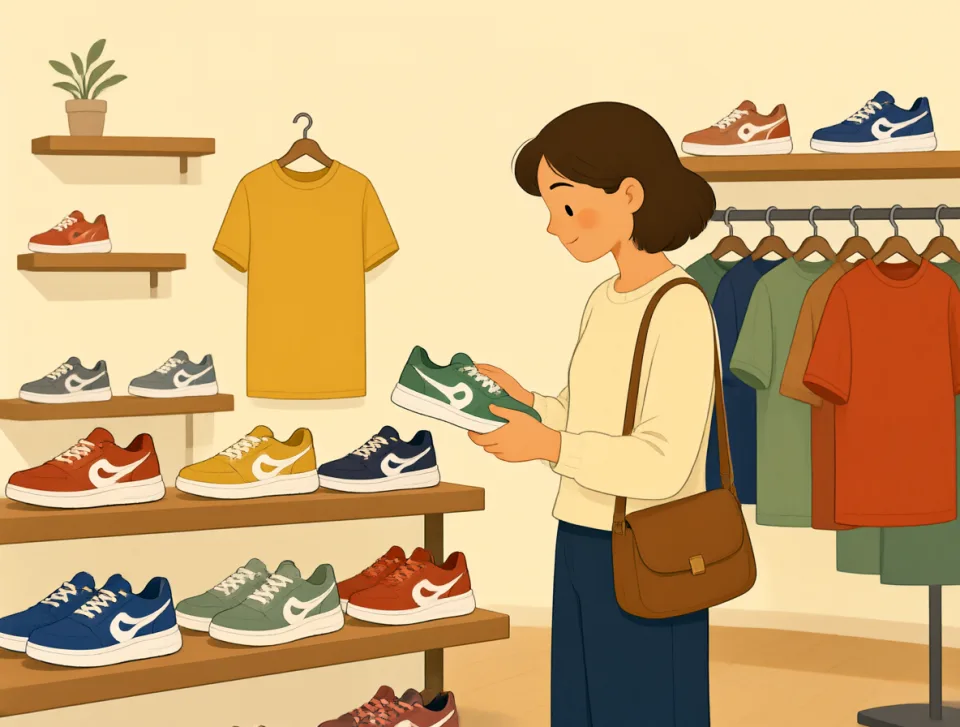
The shop sells clothes for sport.
Sklep sprzedaje ubrania sportowe.

We talked about sport on the train.
Rozmawialiśmy o sporcie w pociągu.
prepare
#604verb
przygotować
to get ready for something or make something ready
Przygotować się do czegoś albo przygotować coś.
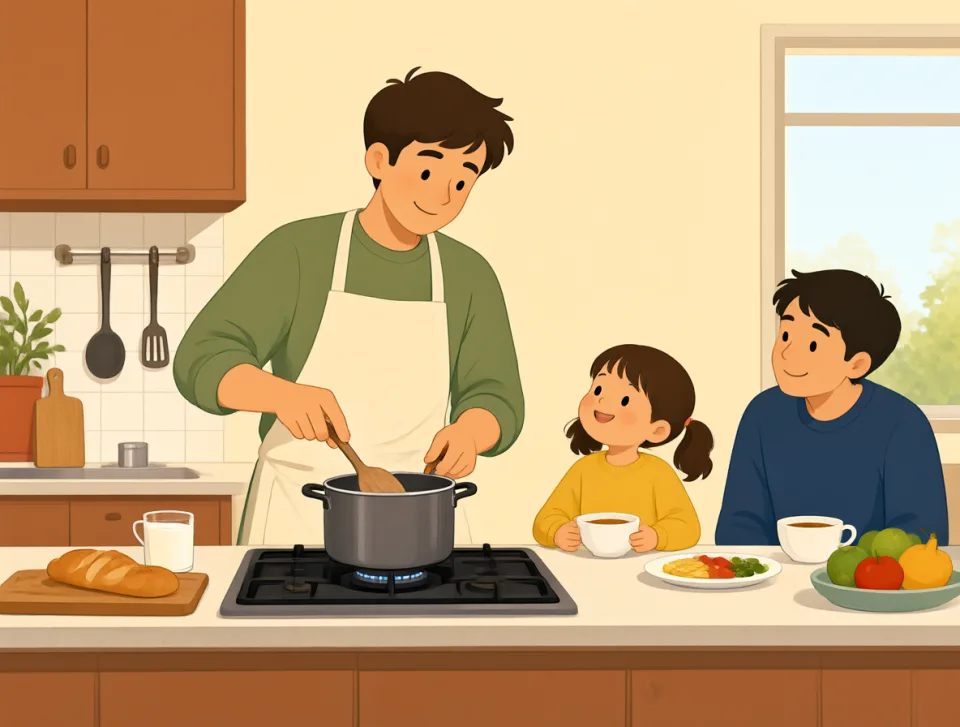
I prepare breakfast for my family every morning.
Codziennie rano przygotowuję śniadanie dla rodziny.
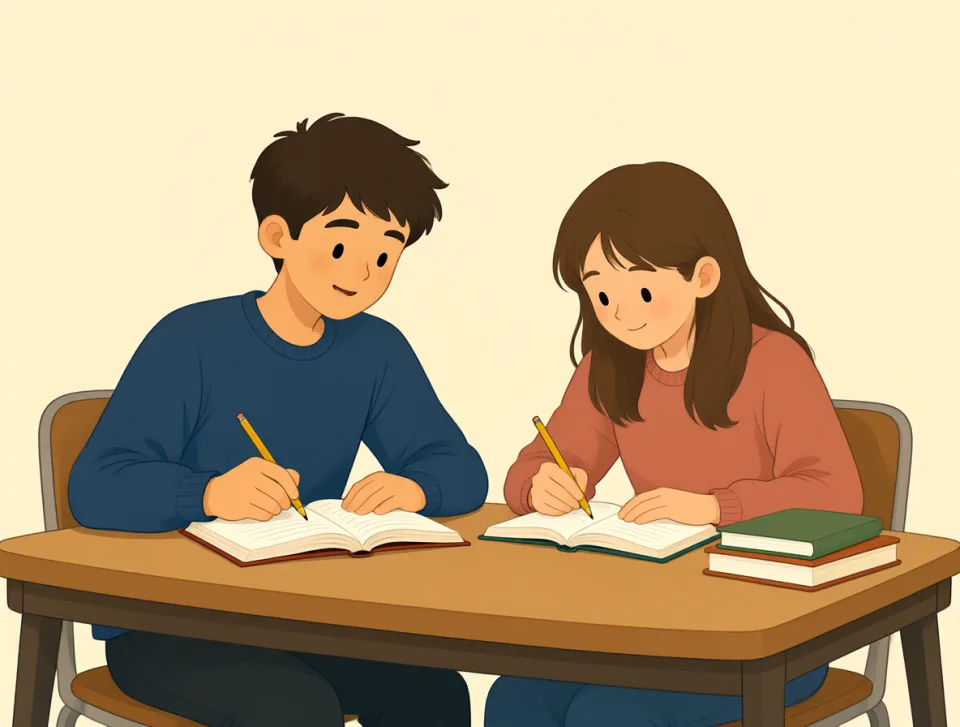
We are preparing for the school test.
Przygotowujemy się do szkolnego sprawdzianu.
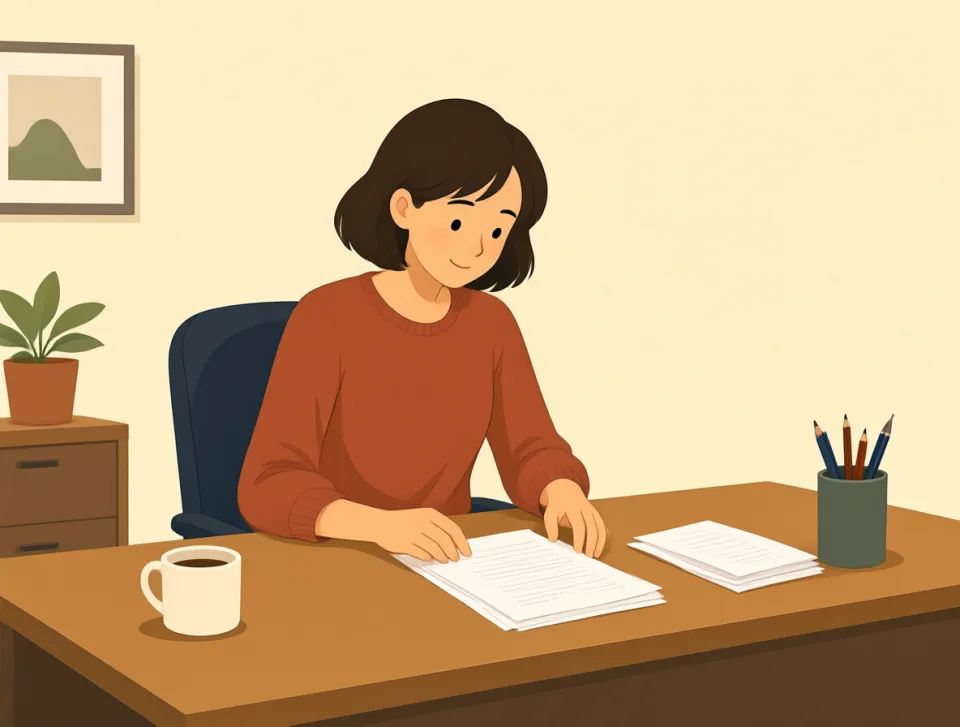
She prepared a report for the meeting.
Przygotowała raport na spotkanie.
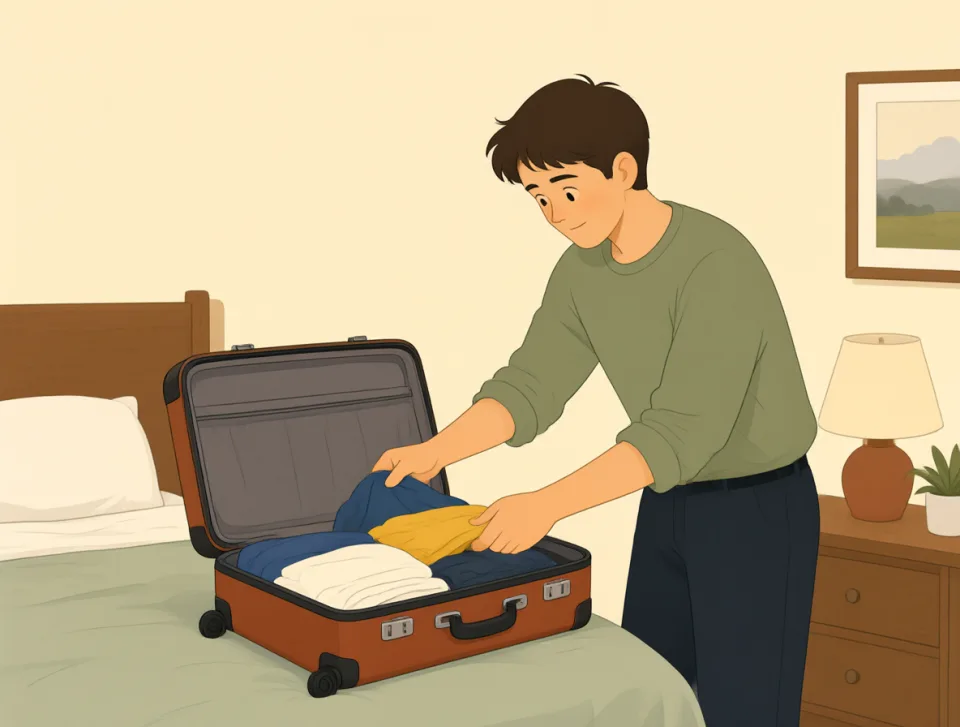
He prepared his suitcase before the trip.
Przygotował walizkę przed podróżą.
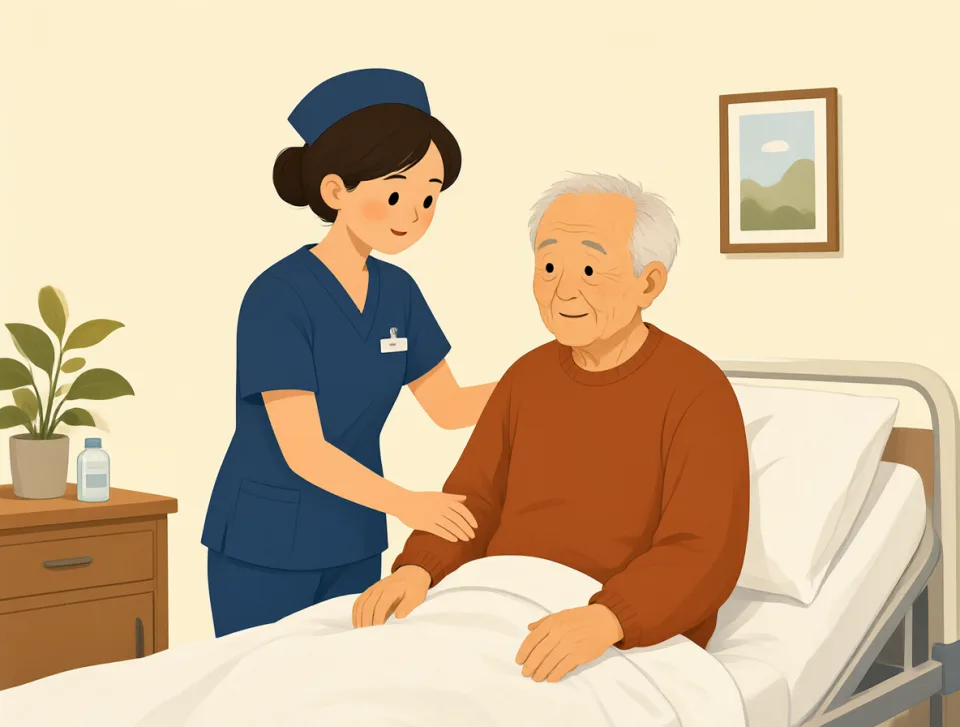
The nurse prepared the patient for surgery.
Pielęgniarka przygotowała pacjenta do operacji.
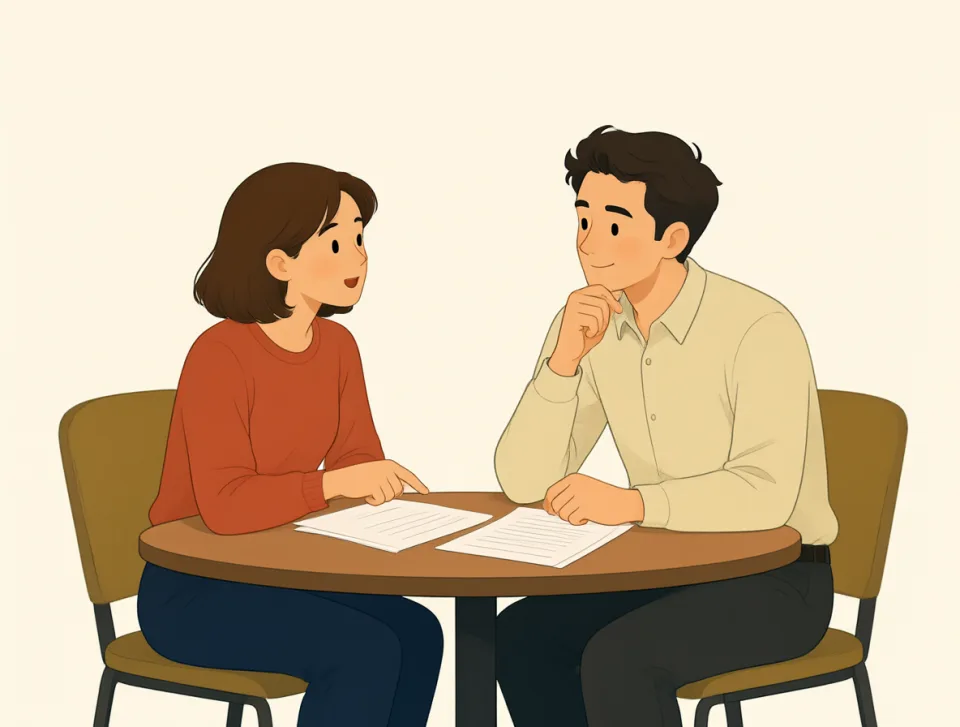
discuss
#605verb
omawiać
to talk about something with another person or group
Rozmawiać o czymś z inną osobą lub grupą.
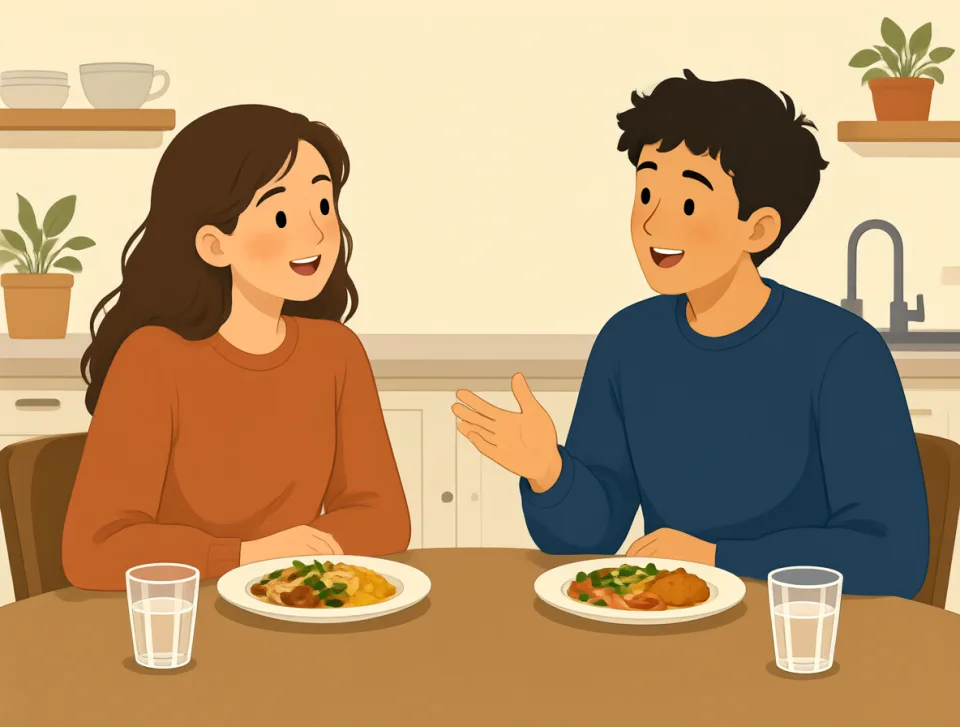
We discussed our weekend plans over dinner.
Przy kolacji omawialiśmy plany na weekend.
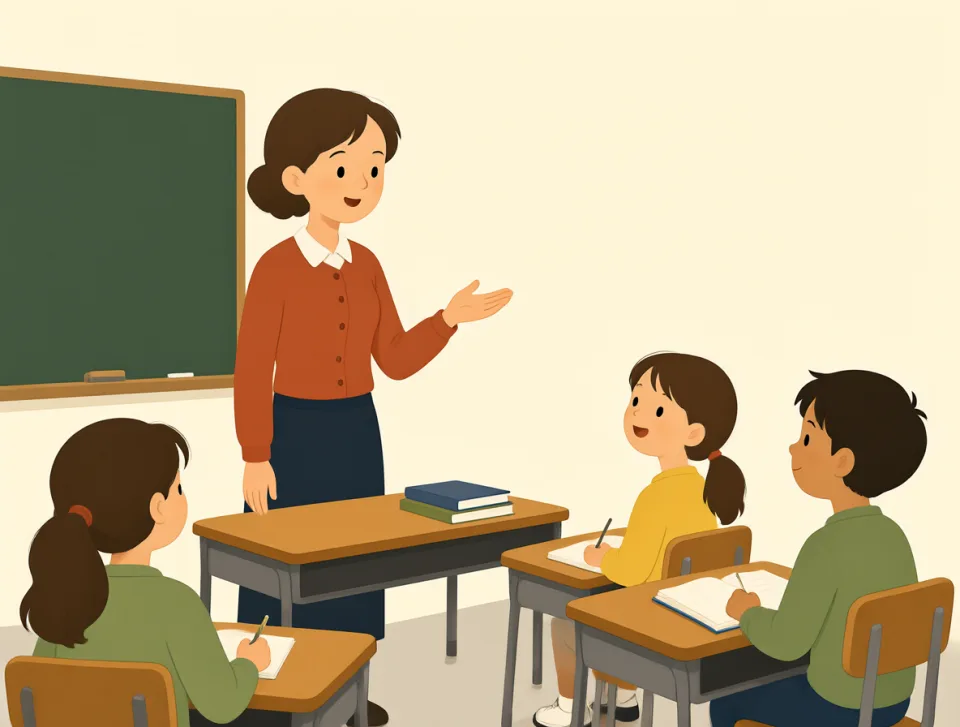
The teacher discussed the homework with us.
Nauczyciel omówił z nami pracę domową.
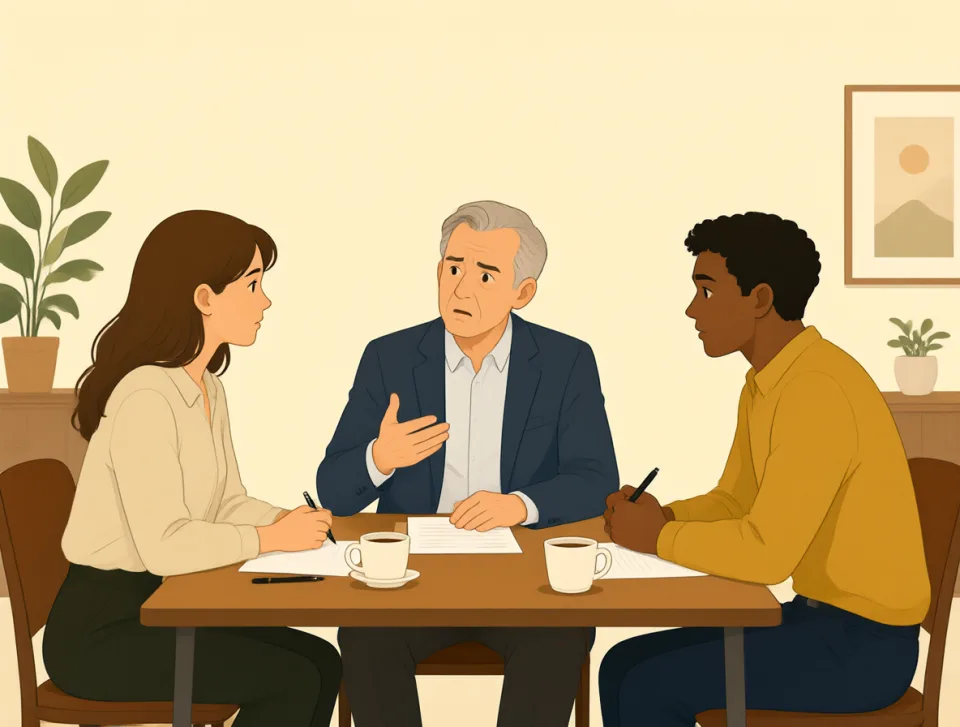
They discussed the problem at work.
Omówili problem w pracy.

We discussed which hotel to book.
Zastanawialiśmy się, który hotel zarezerwować.
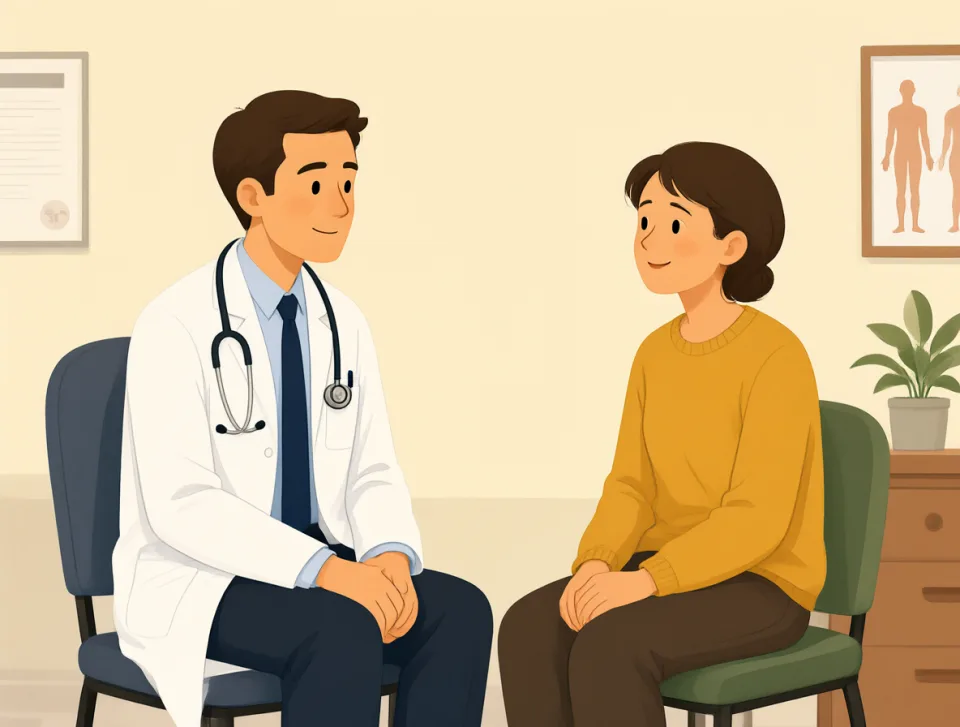
The doctor discussed my treatment with me.
Lekarz omówił ze mną moje leczenie.
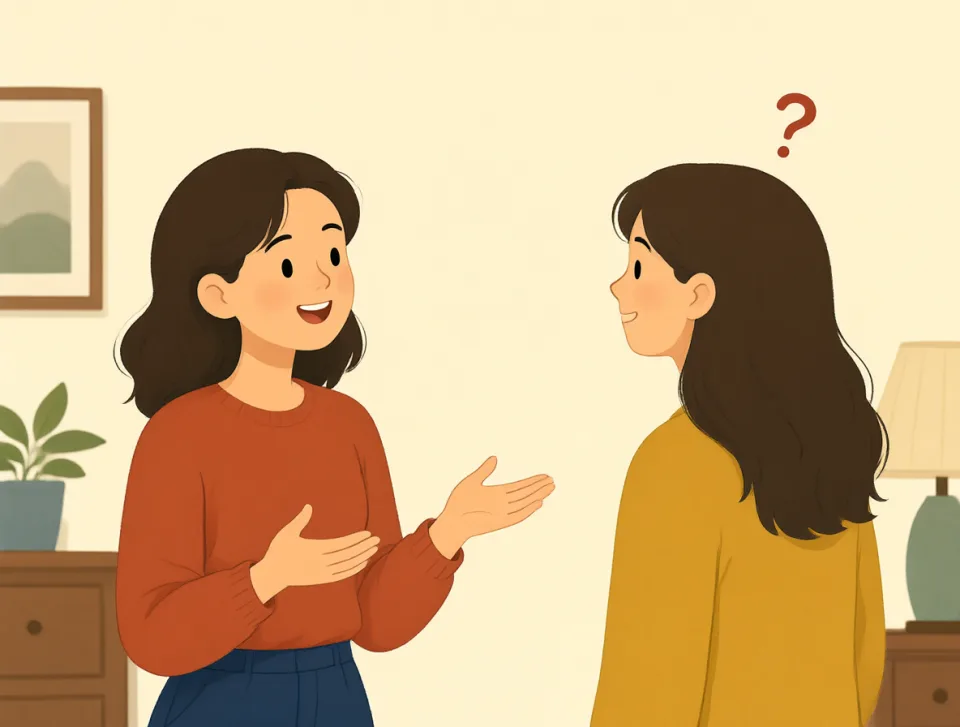
response
#606noun
odpowiedź
an answer or reaction to something that someone says, asks, or does
odpowiedź lub reakcja na coś, co ktoś mówi, o co pyta albo robi
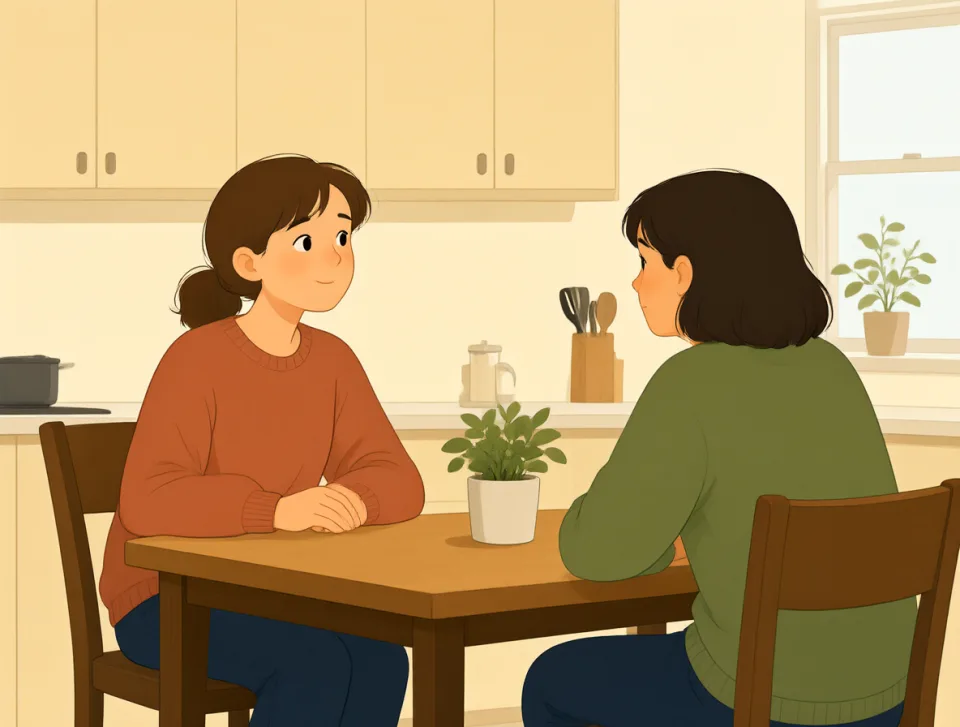
I am waiting for your response.
Czekam na twoją odpowiedź.
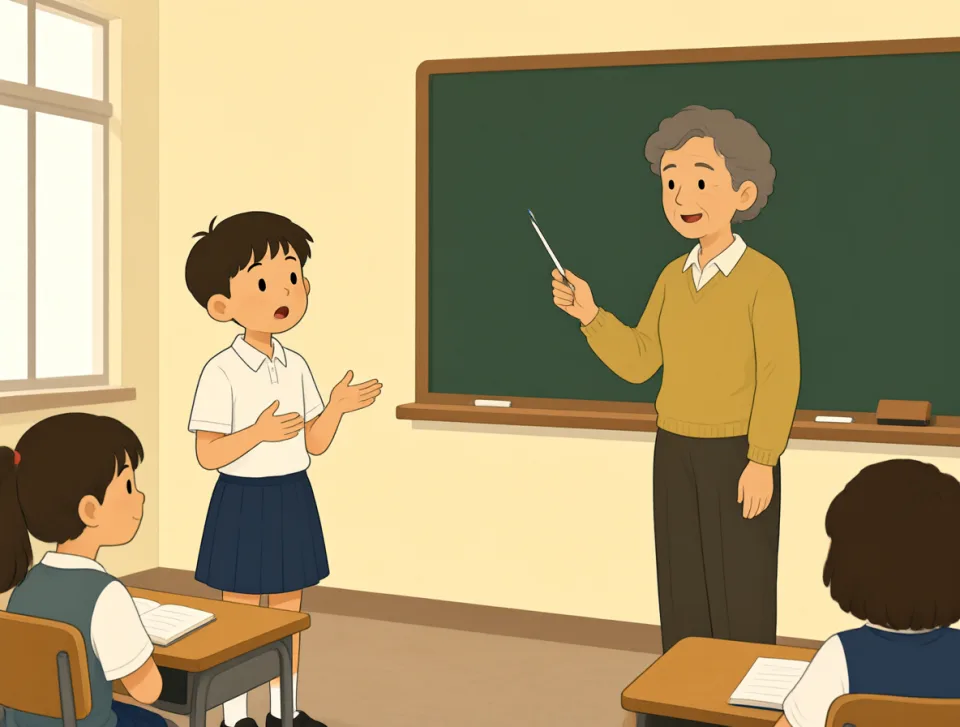
His response to the question was clear.
Jego odpowiedź na pytanie była jasna.

The company sent a quick response.
Firma szybko odpowiedziała.
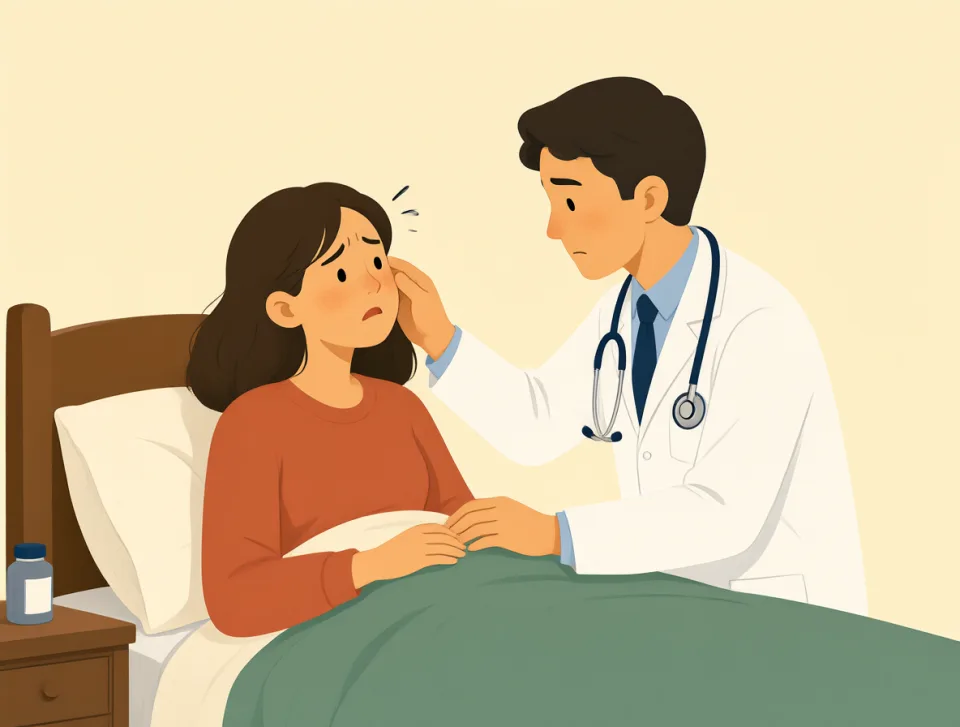
She had a bad response to the medicine.
Źle zareagowała na lek.
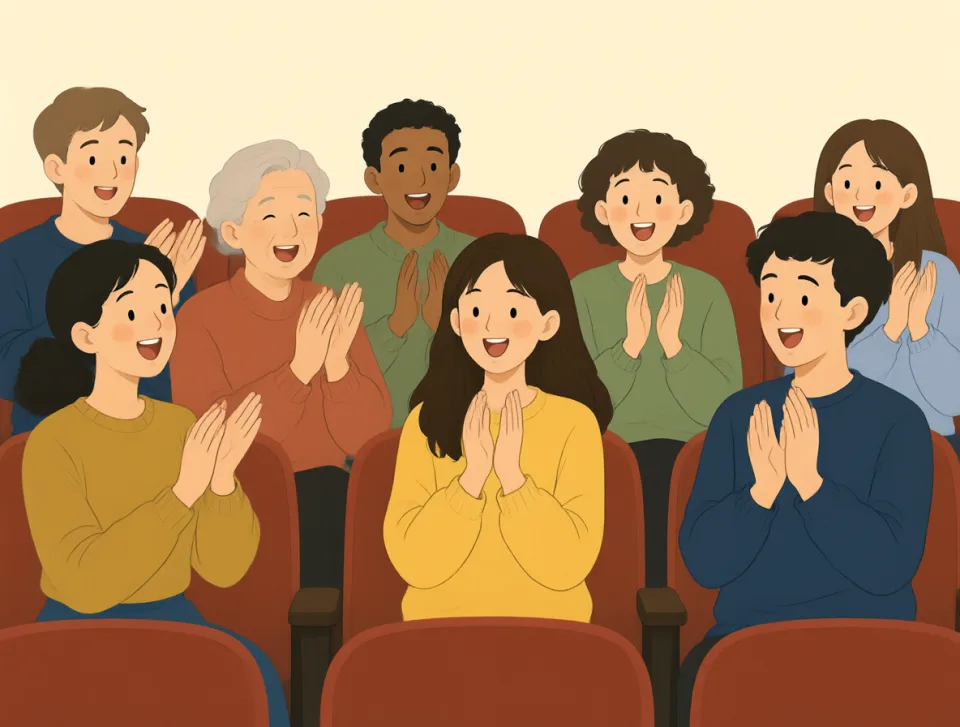
The audience gave a loud response.
Publiczność głośno zareagowała.
voice
#607noun, verb
głos
The sound made when a person speaks or sings.
dźwięk wydawany przez człowieka podczas mówienia lub śpiewania
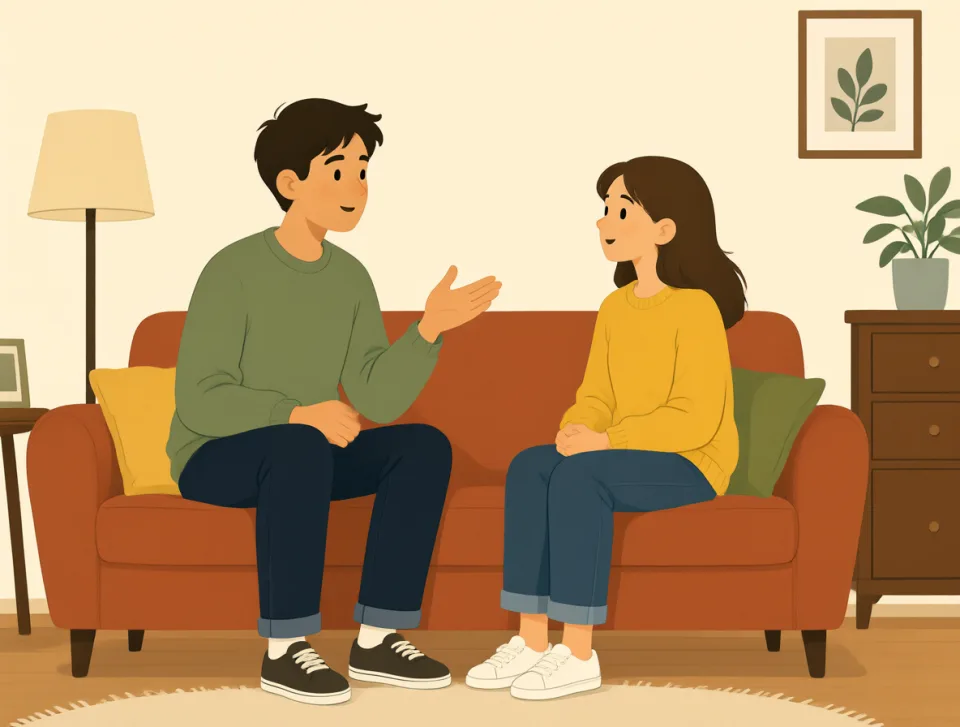
I could hear her voice clearly.
Wyraźnie słyszałem jej głos.

He has a deep, friendly voice.
Ma głęboki, przyjazny głos.
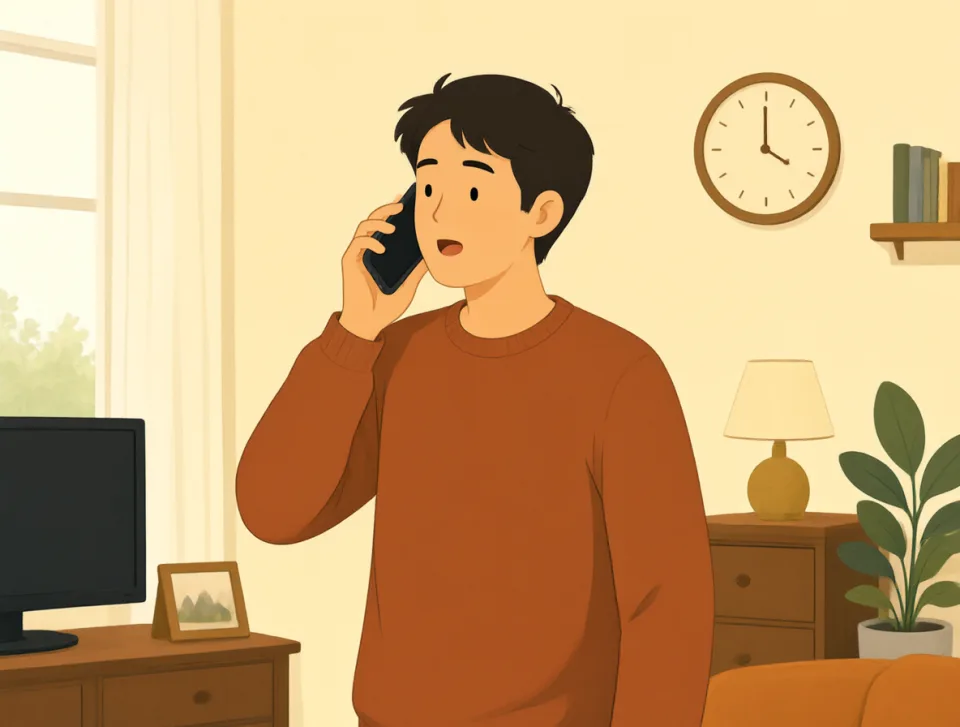
Please leave a voice message.
Proszę zostawić wiadomość głosową.
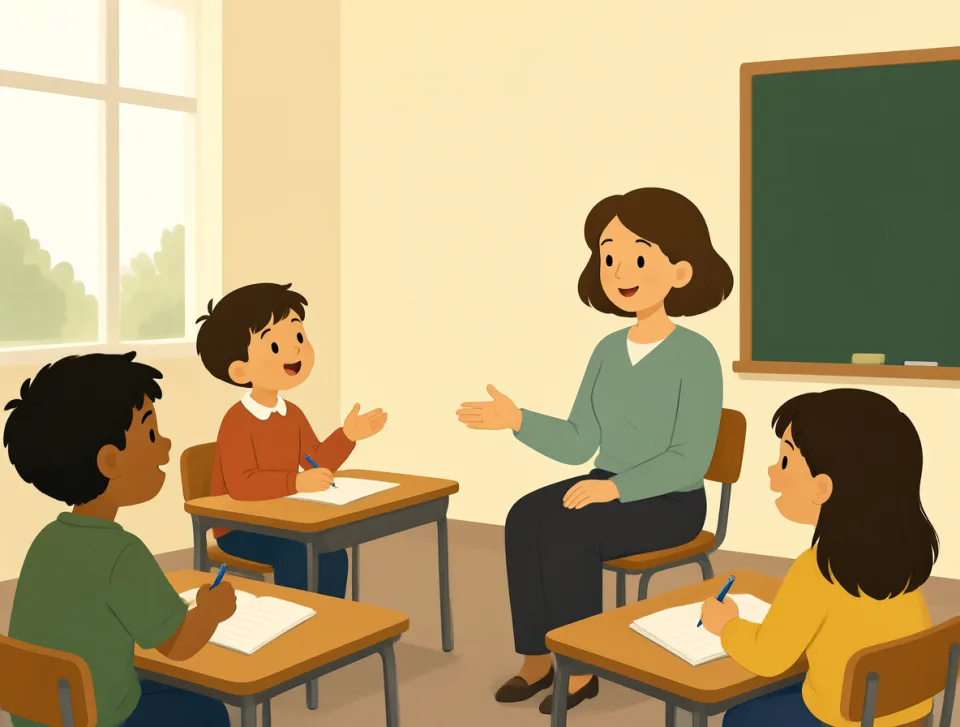
The teacher asked us to use our voices.
Nauczyciel poprosił nas, żebyśmy używali własnych głosów.

She voiced her concerns about the trip.
Wyraziła swoje obawy dotyczące wyjazdu.
piece
#608noun
kawałek; część
a part of something, or an amount of food or information
część czegoś albo pewna ilość jedzenia lub informacji
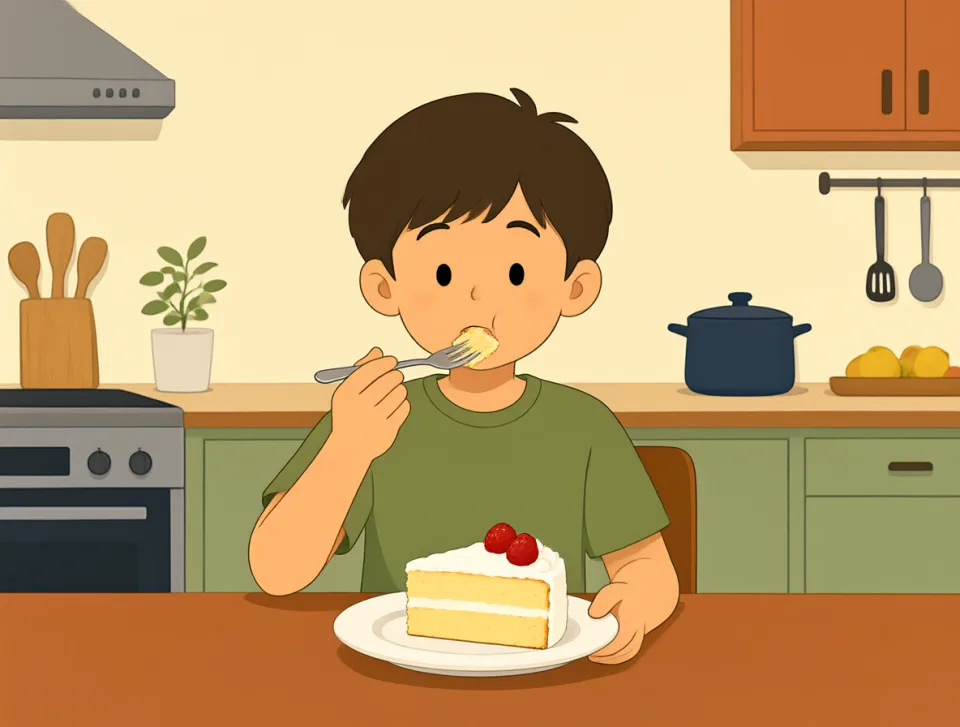
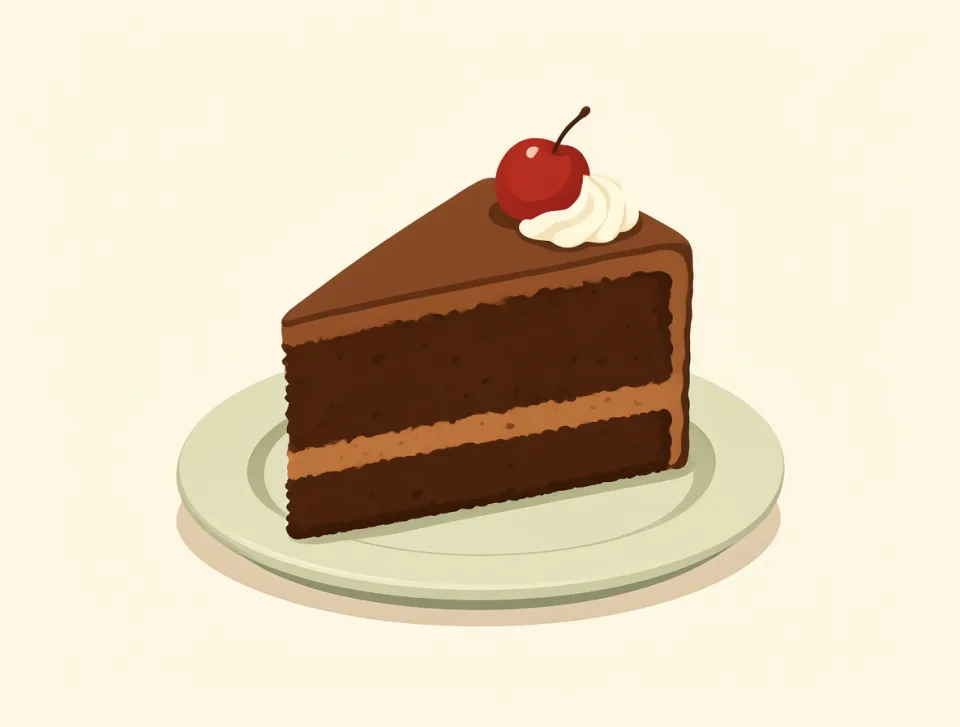
I ate a piece of cake after dinner.
Po kolacji zjadłem kawałek ciasta.
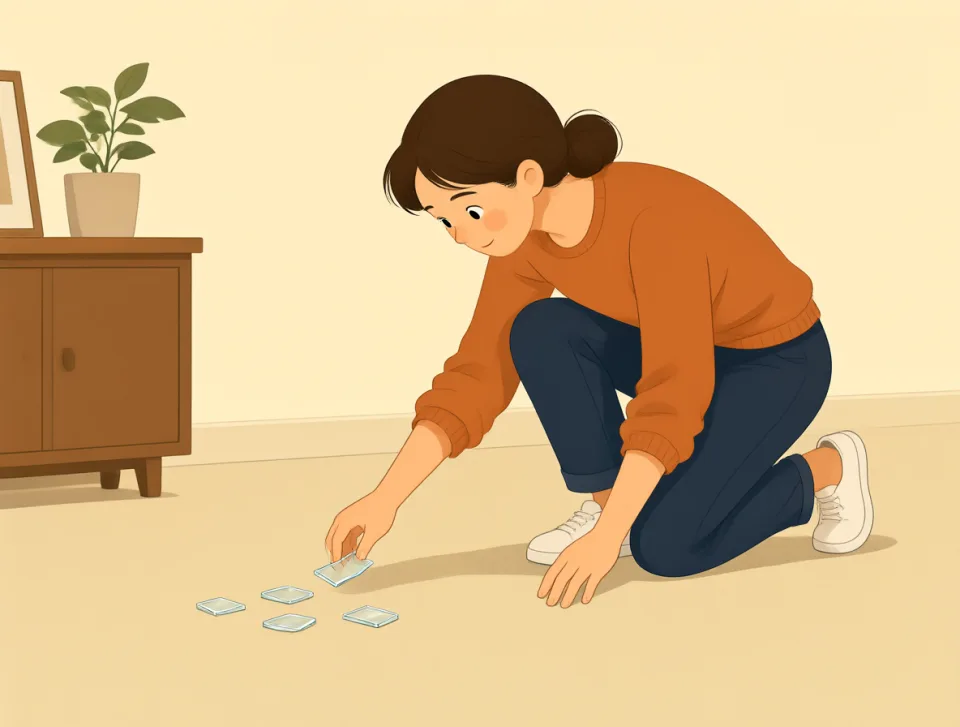
She found a piece of glass on the floor.
Znalazła kawałek szkła na podłodze.
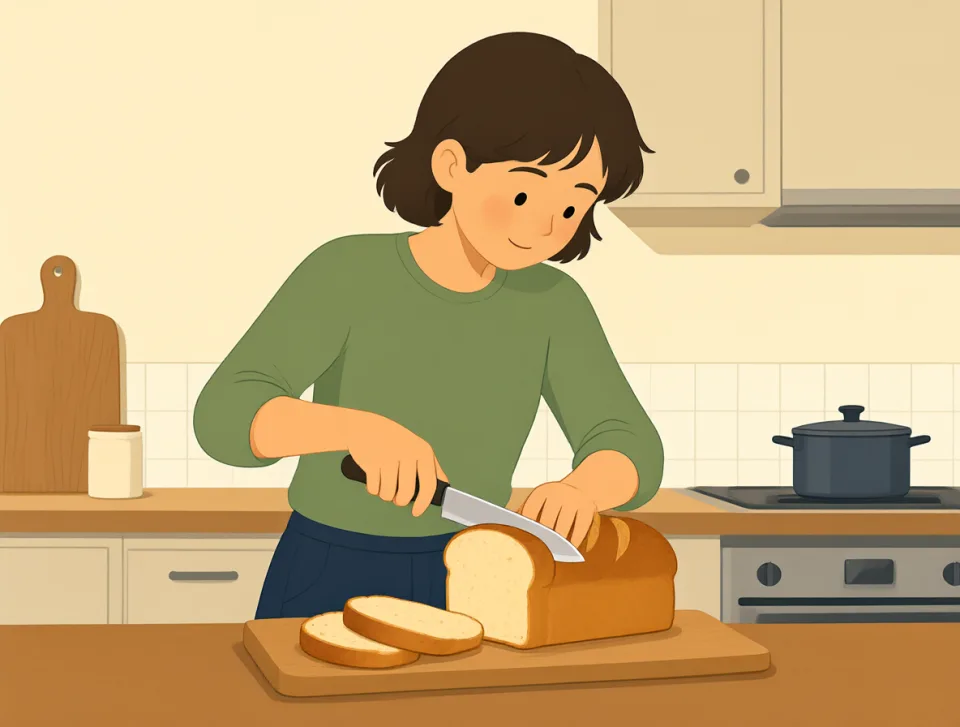
Please cut me a piece of bread.
Proszę, ukrój mi kawałek chleba.
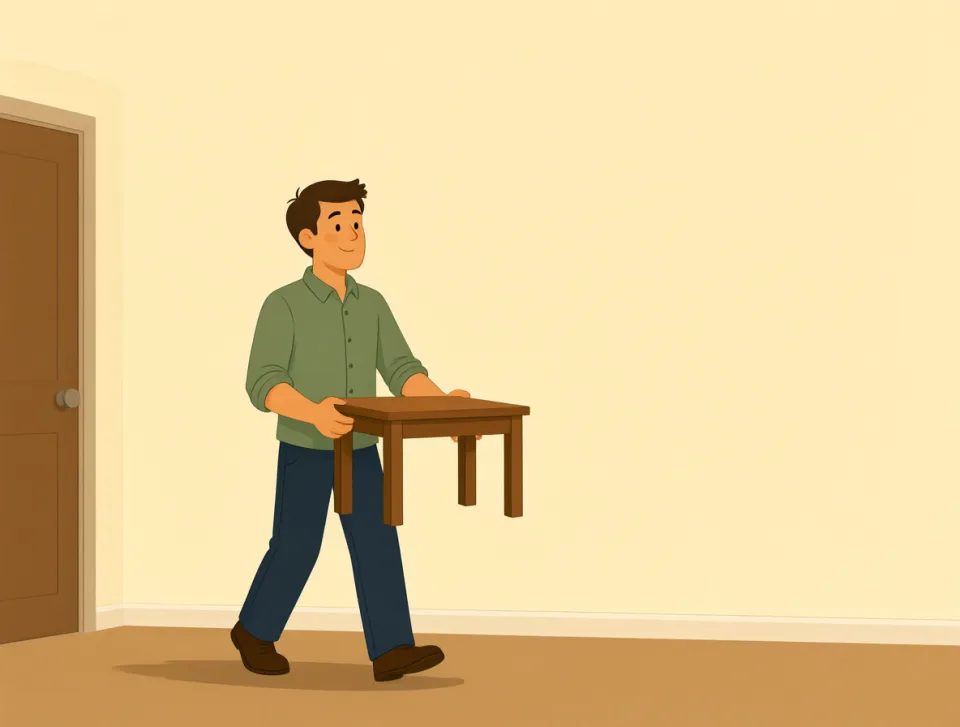
He bought a new piece of furniture.
Kupił nowy mebel.
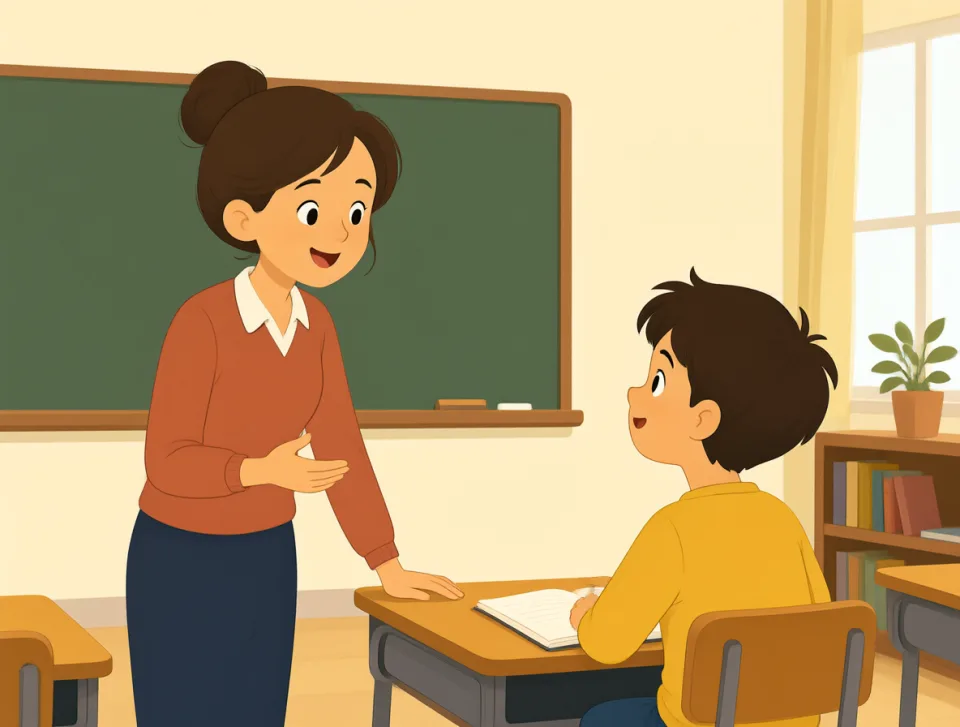
The teacher gave us a piece of advice.
Nauczyciel udzielił nam rady.
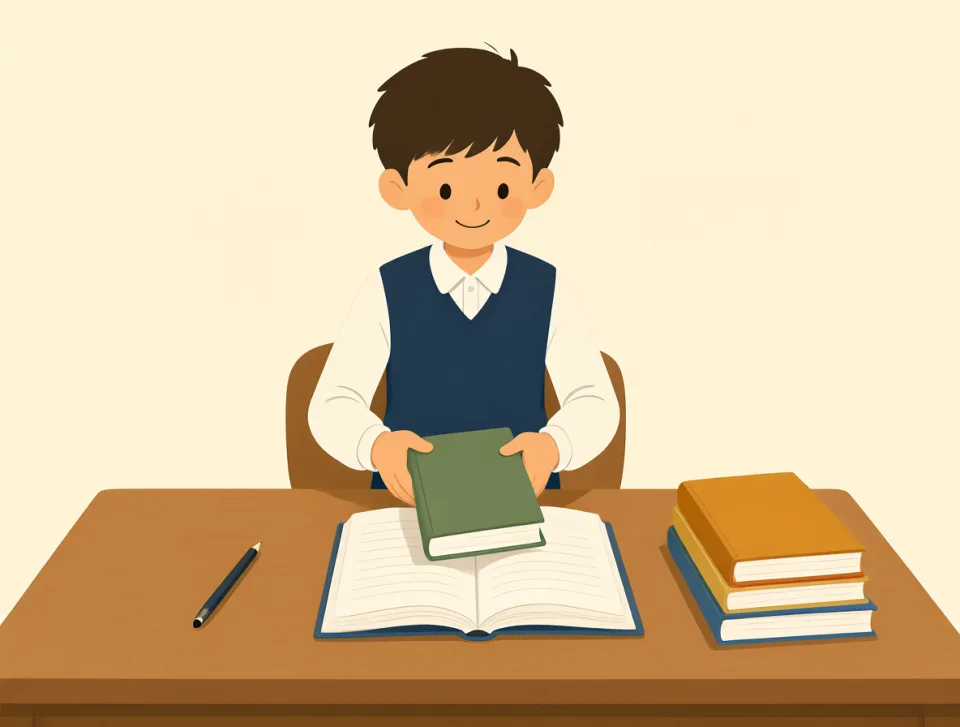
finish
#609verb, noun
kończyć; wykończenie
To complete something or reach the end of it.
ukończyć coś albo dotrzeć do końca czegoś
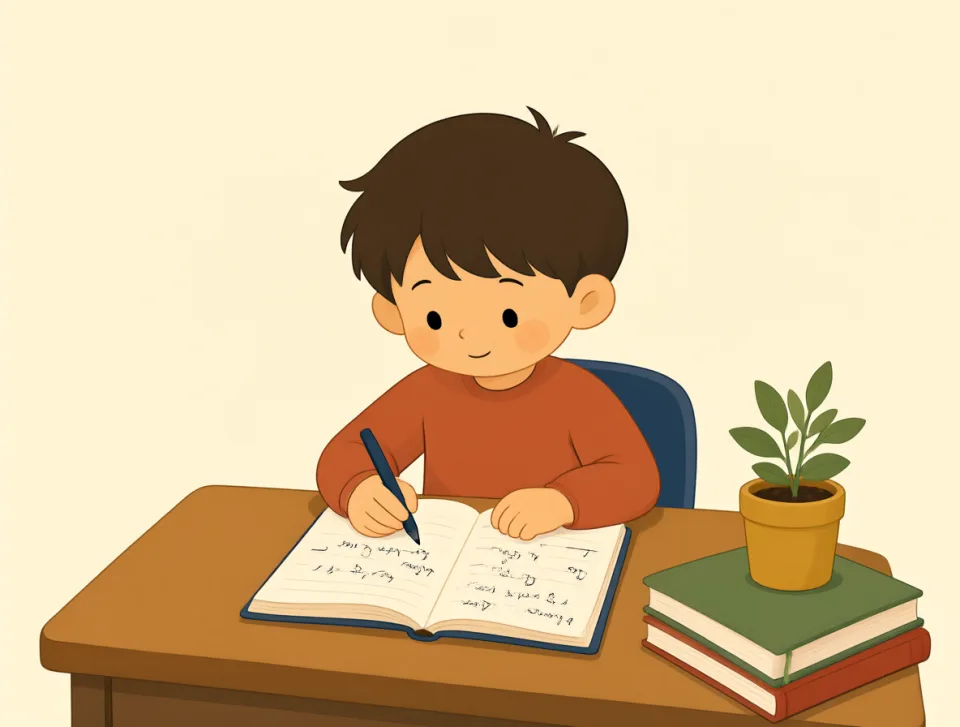
Please finish your homework before dinner.
Proszę, odrób pracę domową przed kolacją.
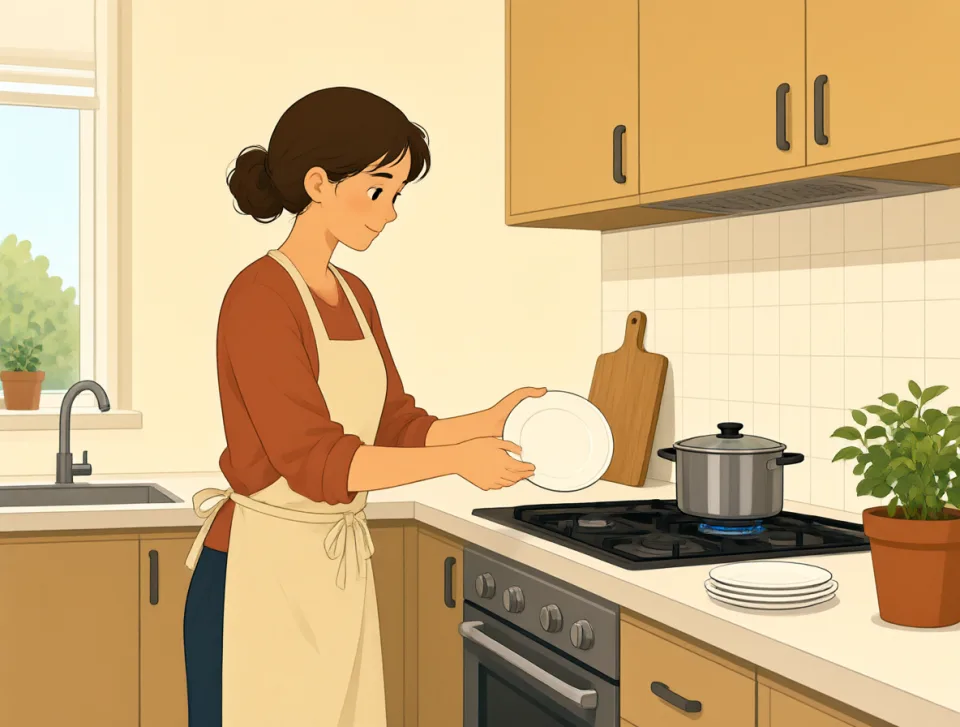
She finished cleaning the kitchen.
Skończyła sprzątać kuchnię.
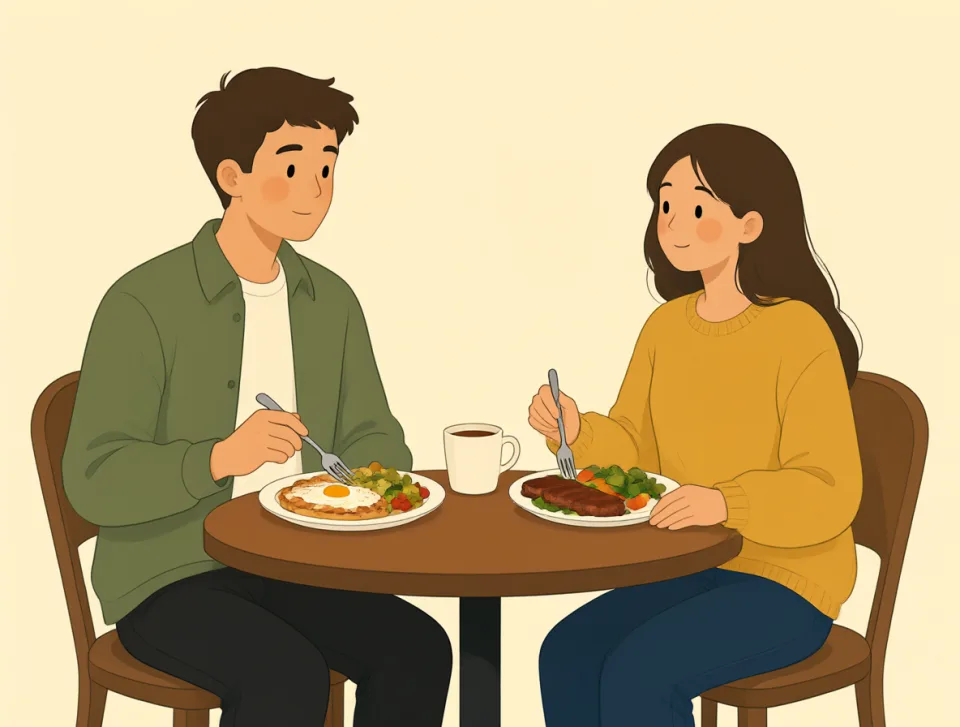
We finished our lunch and left.
Zjedliśmy lunch i wyszliśmy.

He finished the race in first place.
Ukończył wyścig na pierwszym miejscu.

The blue paint gives the table a smooth finish.
Niebieska farba nadaje stołowi gładkie wykończenie.
suppose
#610verb
przypuszczać
to think something is probably true or to imagine a possible situation
uważać, że coś jest prawdopodobnie prawdą, albo wyobrażać sobie możliwą sytuację
I suppose we can leave now.
Przypuszczam, że możemy już wyjść.

Suppose it rains during our picnic.
Załóżmy, że podczas naszego pikniku zacznie padać.
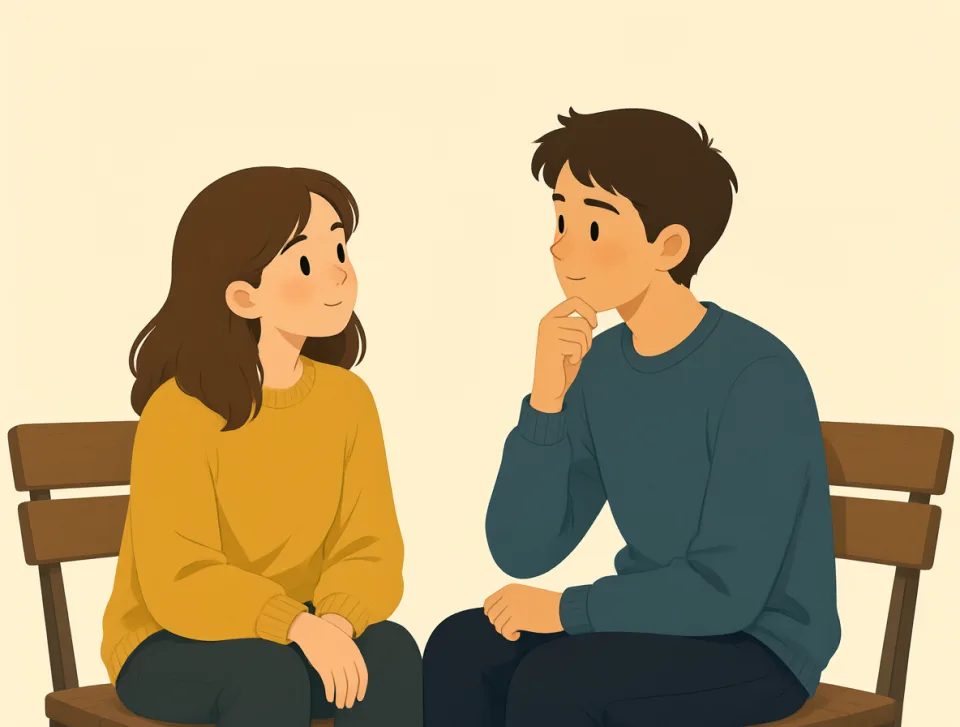
I suppose you are right about that.
Przypuszczam, że masz w tej sprawie rację.
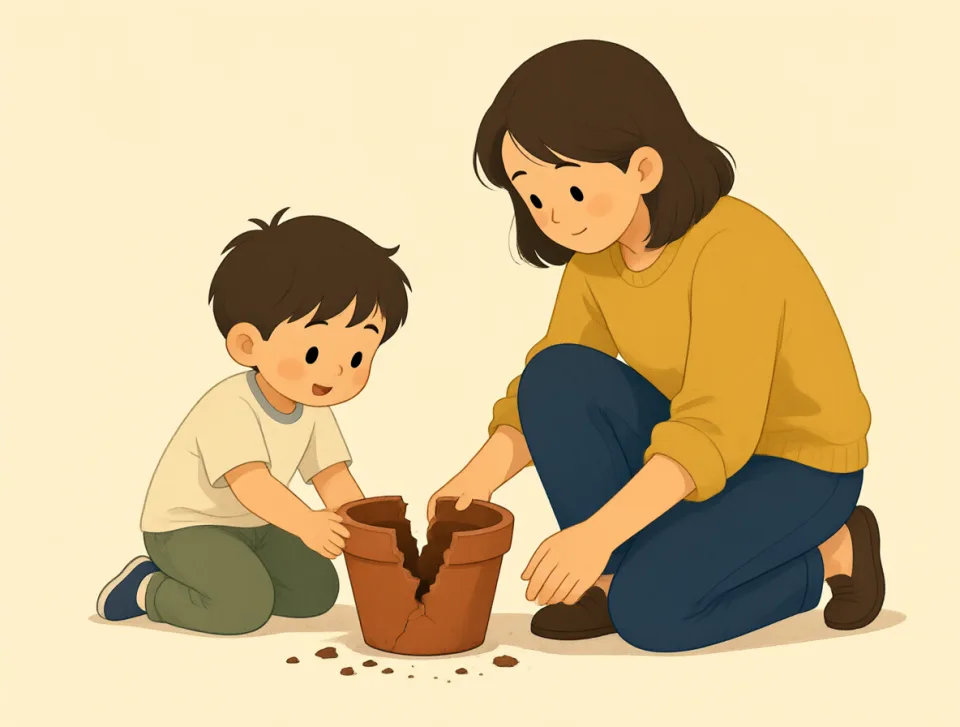
What do you suppose happened here?
Jak przypuszczasz, co się tutaj stało?
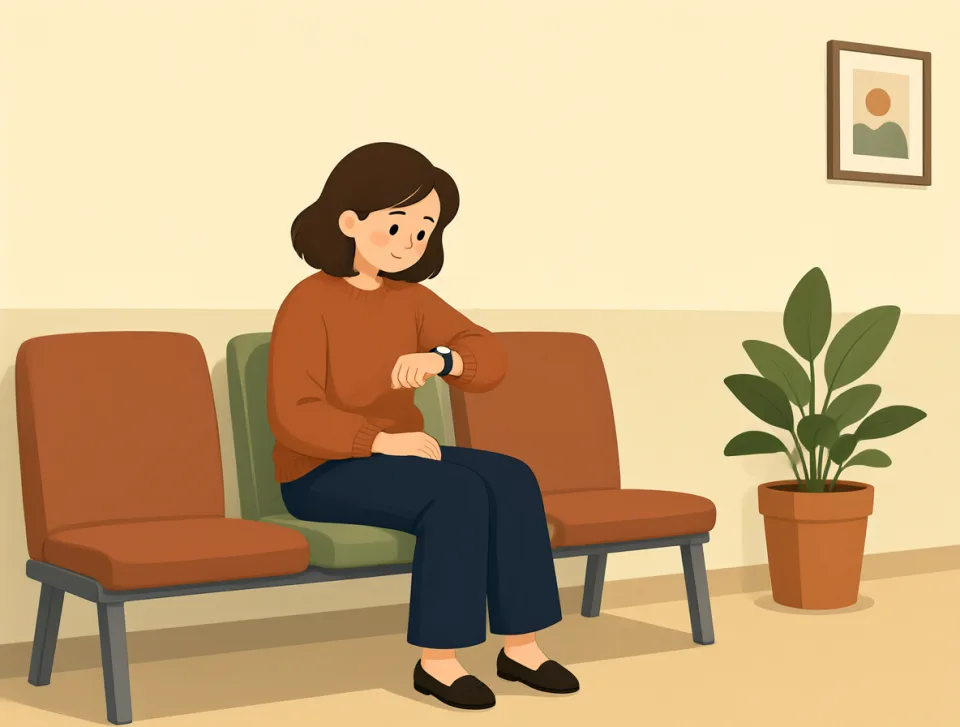
I suppose she forgot her appointment.
Przypuszczam, że zapomniała o swojej wizycie.
apply
#611verb
stosować; ubiegać się
to use something to a particular purpose or ask officially for something
używać czegoś w określonym celu albo oficjalnie się o coś ubiegać
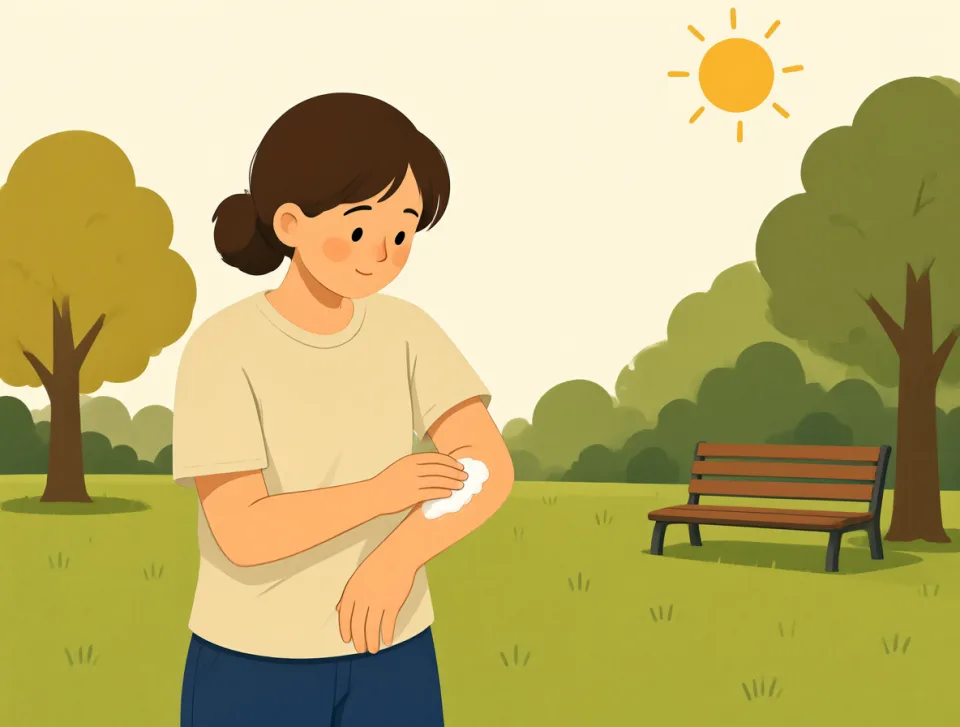
Apply sunscreen before you go outside.
Nałóż krem z filtrem, zanim wyjdziesz na zewnątrz.
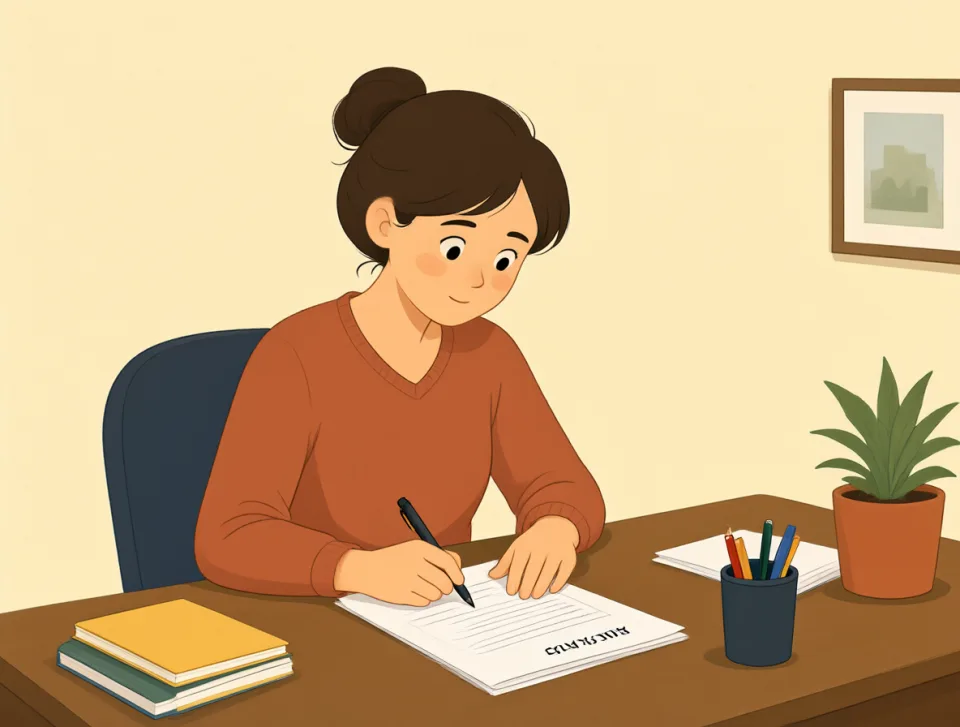
She applied for a new job yesterday.
Wczoraj ubiegała się o nową pracę.
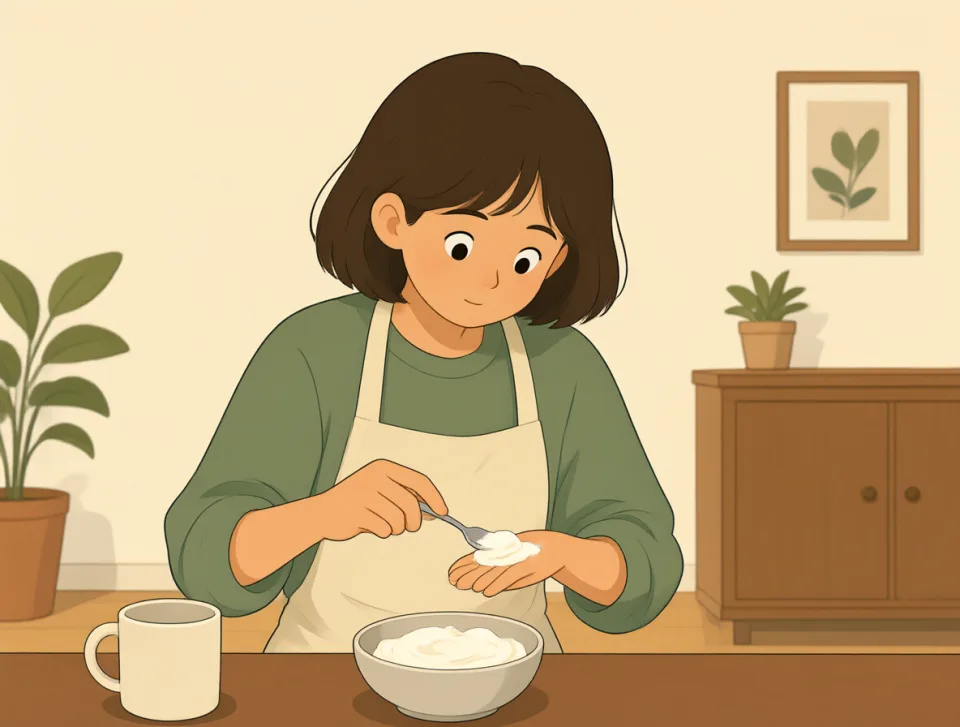
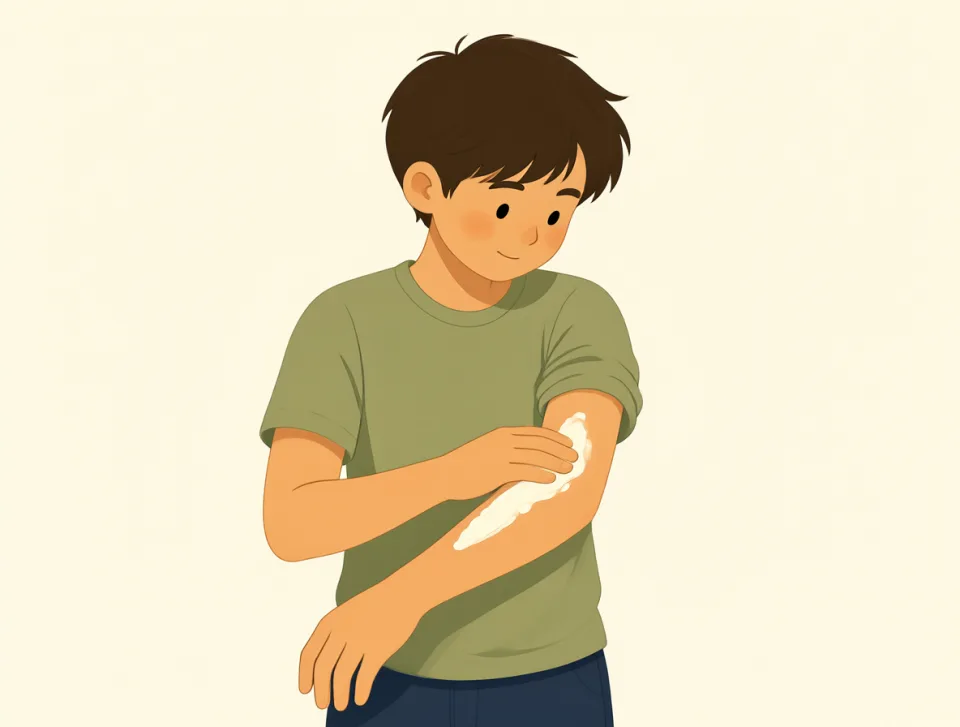
Please apply this cream twice a day.
Proszę nakładać ten krem dwa razy dziennie.
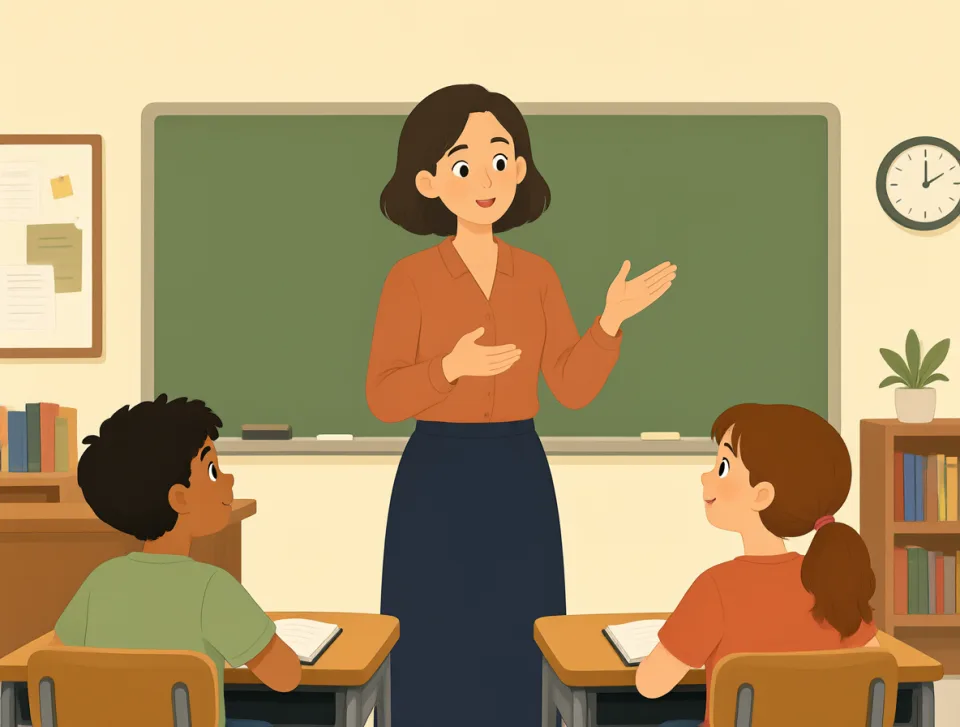
The teacher applied the rule fairly.
Nauczyciel sprawiedliwie zastosował tę zasadę.
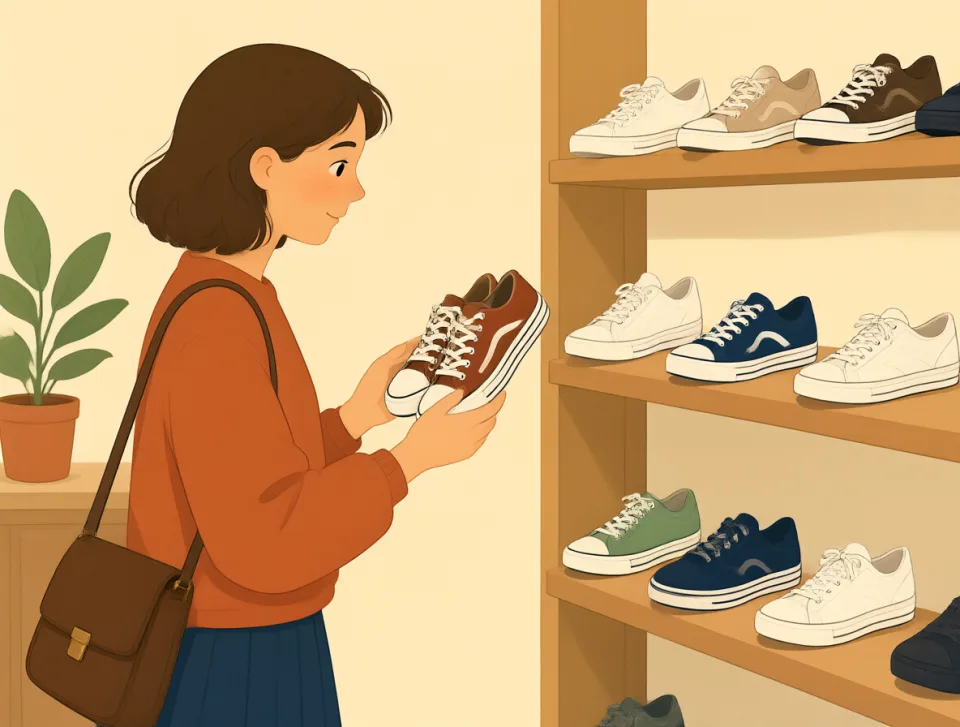
This discount applies to all shoes.
Ta zniżka dotyczy wszystkich butów.
president
#612noun
prezydent; przewodniczący
The elected leader of a country or the person who leads an organization.
Wybrany przywódca kraju albo osoba kierująca organizacją.
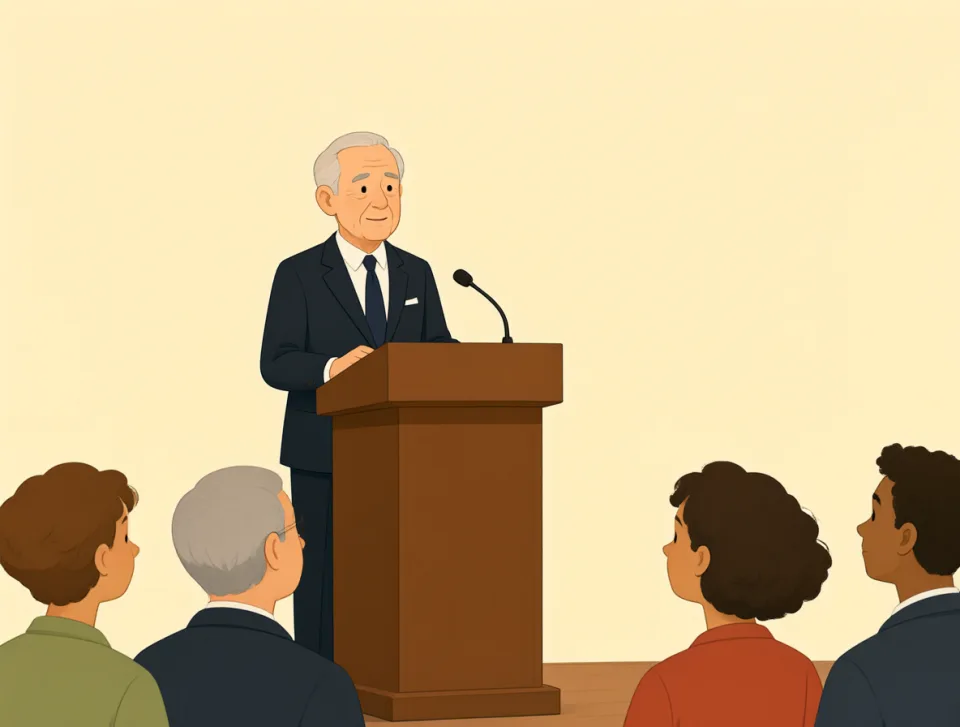
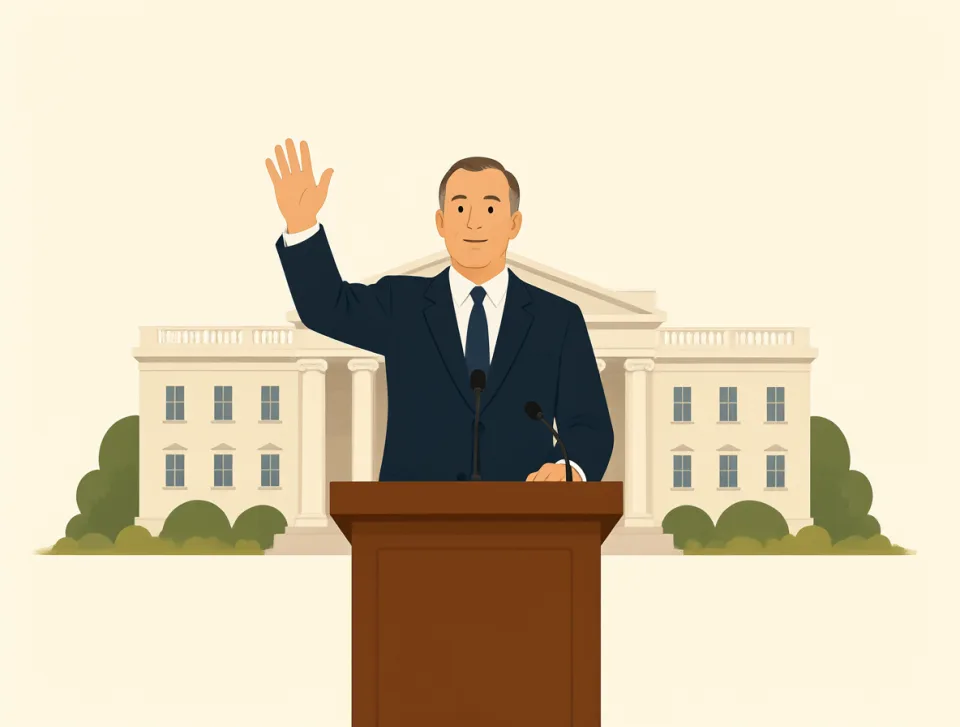
The president gave a speech yesterday.
Wczoraj prezydent wygłosił przemówienie.
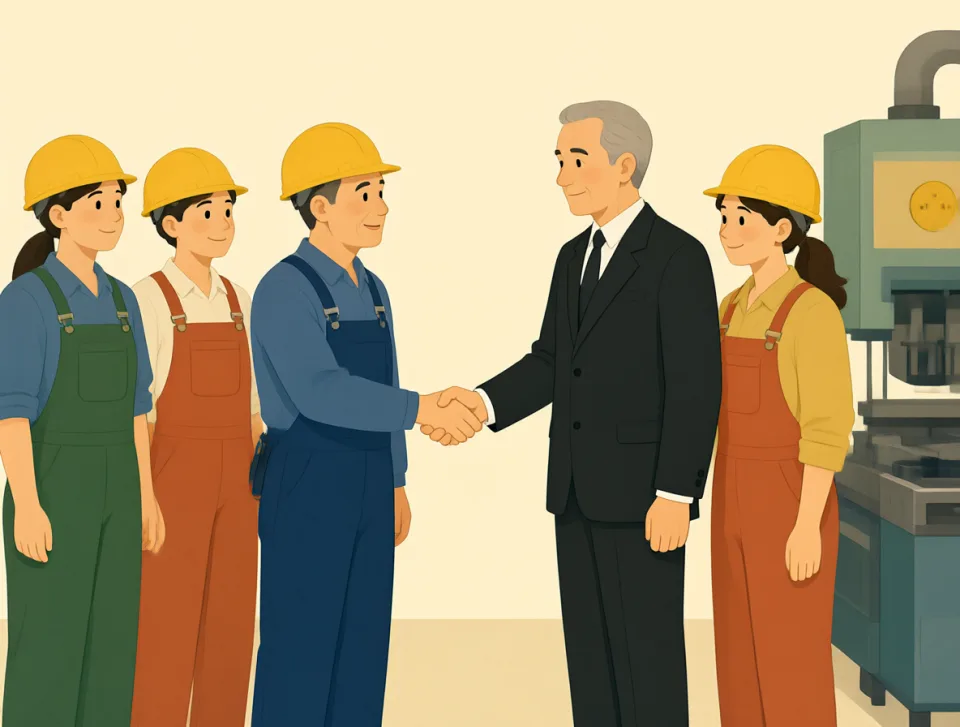
The president met the workers this morning.
Prezydent spotkał się dziś rano z pracownikami.
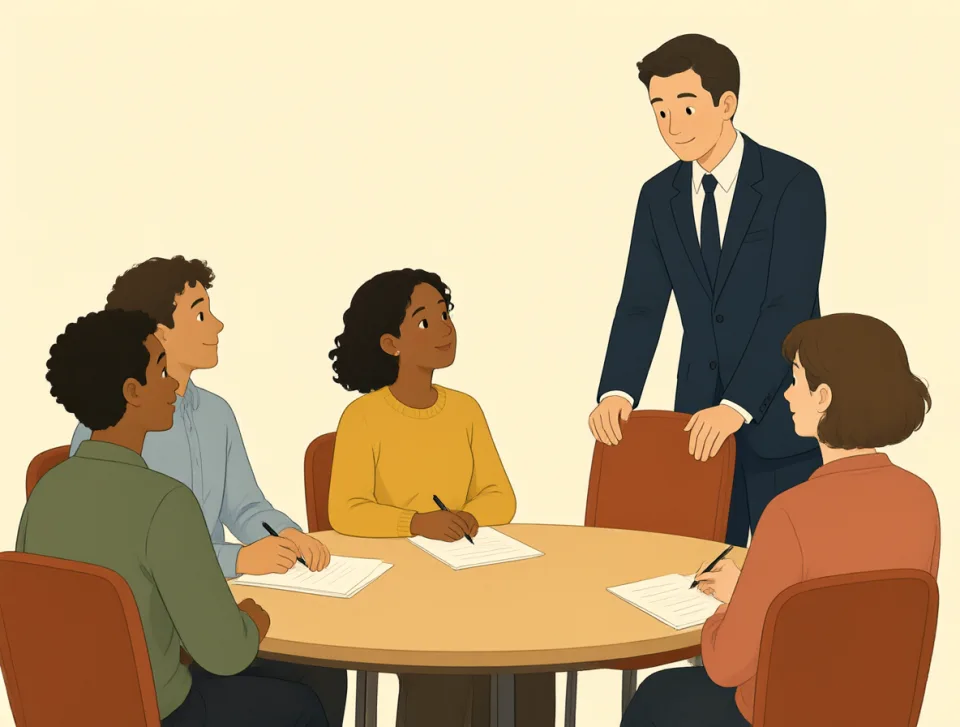
Our club president planned the meeting.
Prezes naszego klubu zaplanował spotkanie.

The school president welcomed new students.
Przewodniczący samorządu szkolnego powitał nowych uczniów.

The company president visited our office.
Prezes firmy odwiedził nasze biuro.

fire
#613noun, verb
ogień; zwolnić
Fire is heat and light from burning; to fire someone means to make them leave a job.
Ogień to ciepło i światło powstające podczas spalania; „to fire someone” znaczy zwolnić kogoś z pracy.
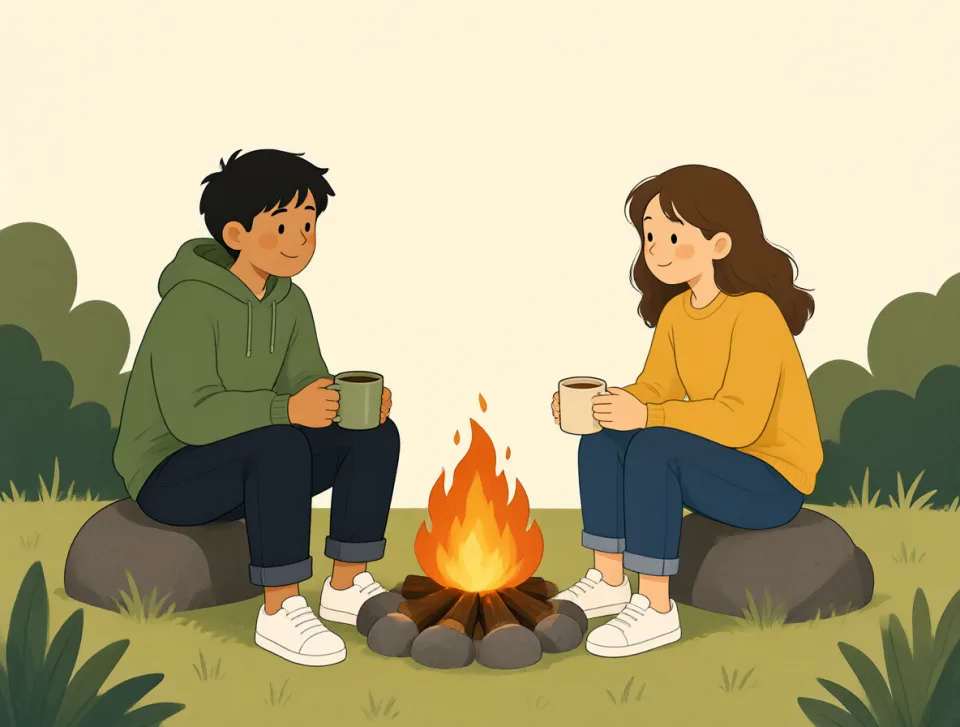
We sat around the fire last night.
Wczoraj wieczorem siedzieliśmy przy ognisku.
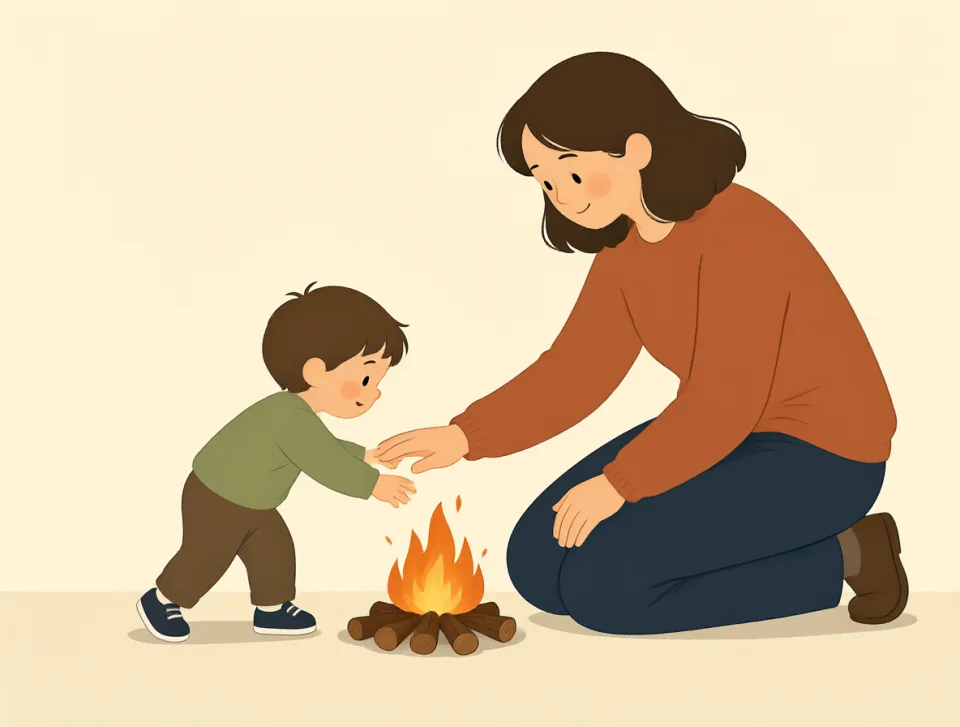
Please do not play with fire.
Proszę nie bawić się ogniem.
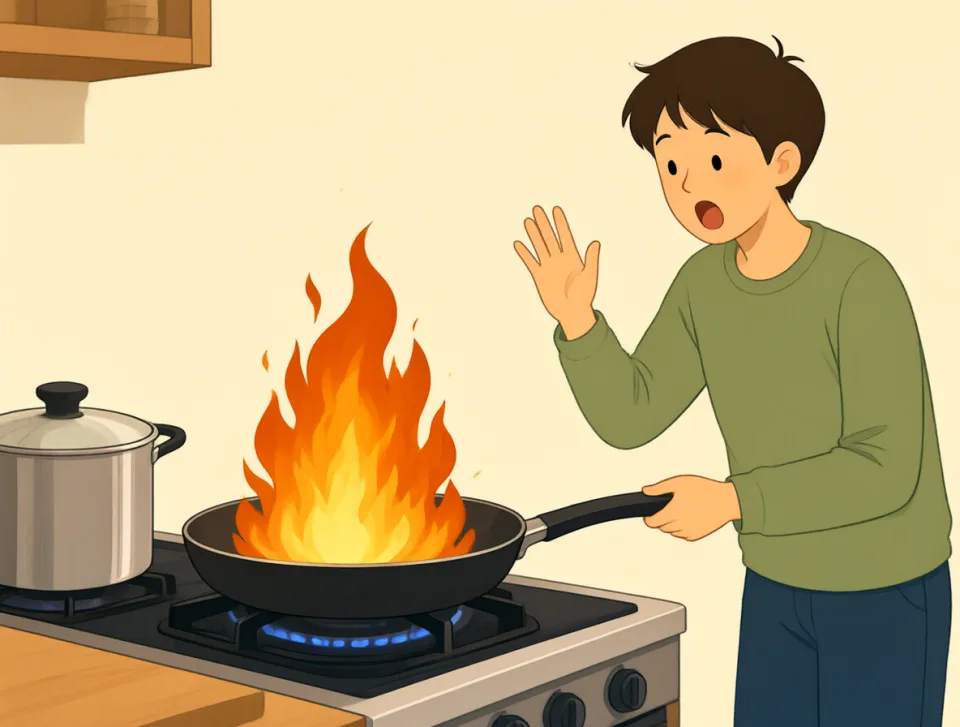
The fire started in the kitchen.
Ogień pojawił się w kuchni.

The manager fired him yesterday.
Wczoraj kierownik go zwolnił.
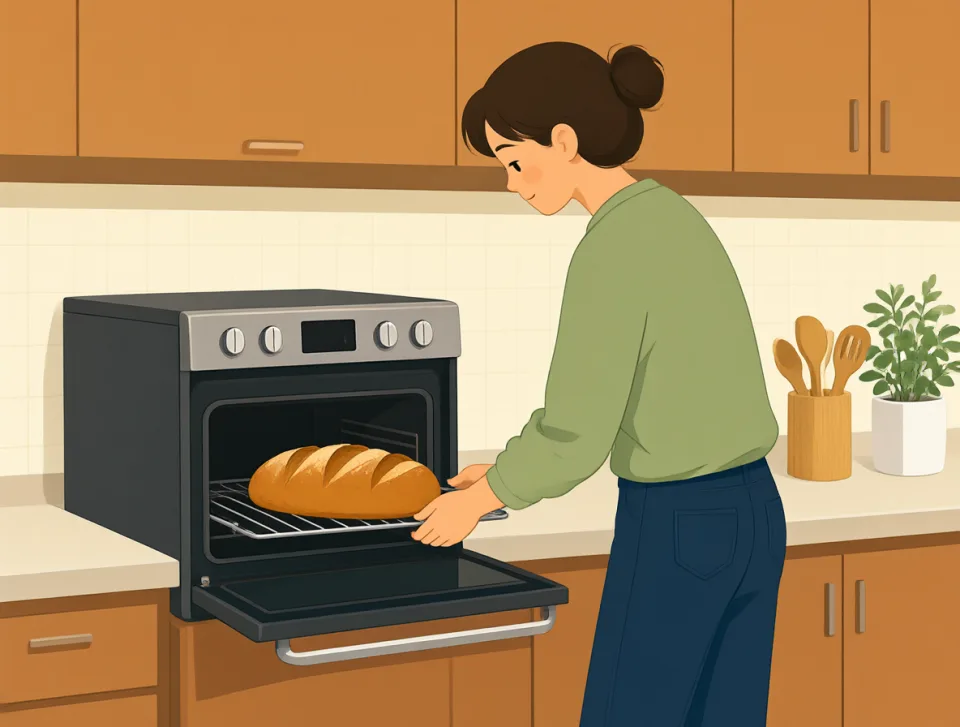
Fire the oven before baking the bread.
Rozgrzej piekarnik, zanim upieczesz chleb.
compare
#614verb
porównywać
to look at two or more things and see how they are alike or different
przyglądać się dwóm lub większej liczbie rzeczy, by sprawdzić, co je łączy i czym się różnią
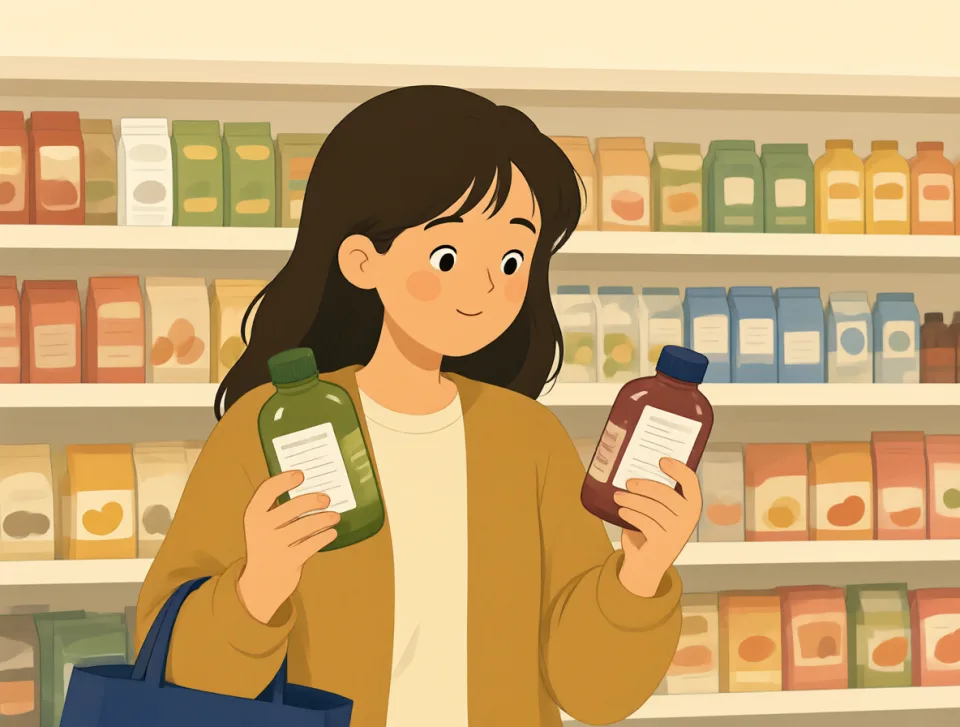
Compare these two prices before you buy.
Porównaj te dwie ceny, zanim kupisz.
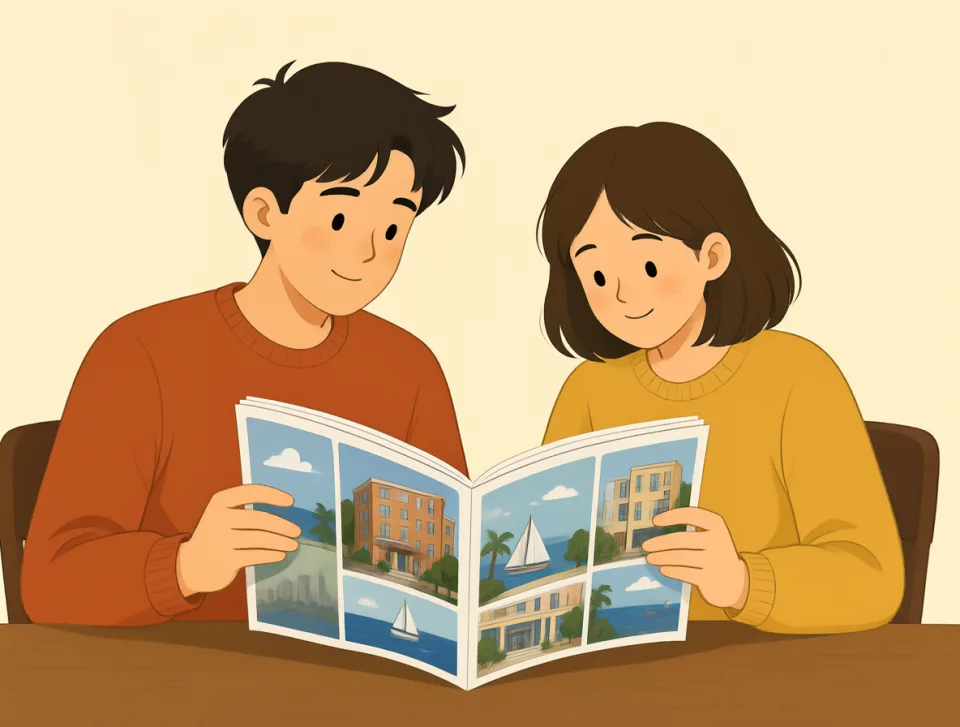
We compared the hotels before booking our trip.
Przed zarezerwowaniem wyjazdu porównaliśmy hotele.
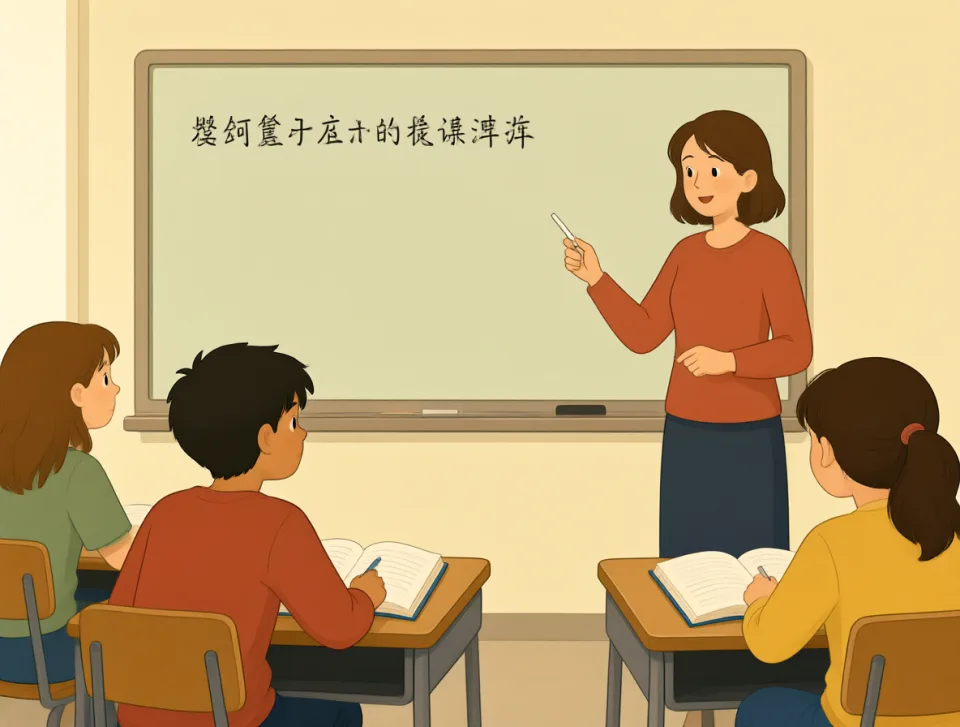
The teacher asked us to compare two stories.
Nauczyciel poprosił nas, żebyśmy porównali dwie opowieści.
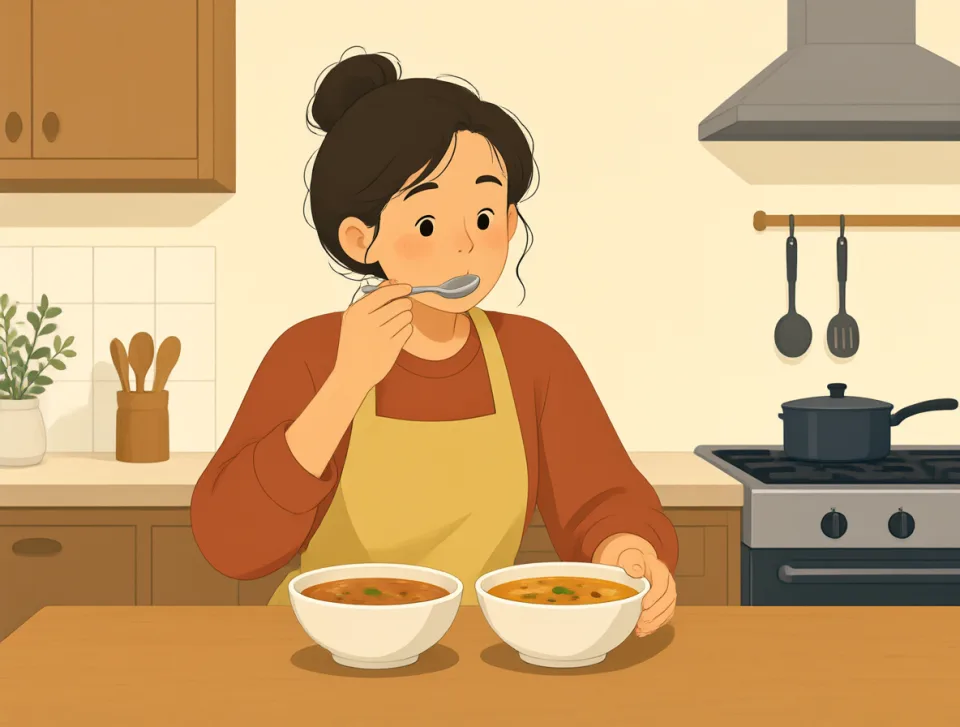
Compare this soup with yesterday’s soup.
Porównaj tę zupę z wczorajszą.
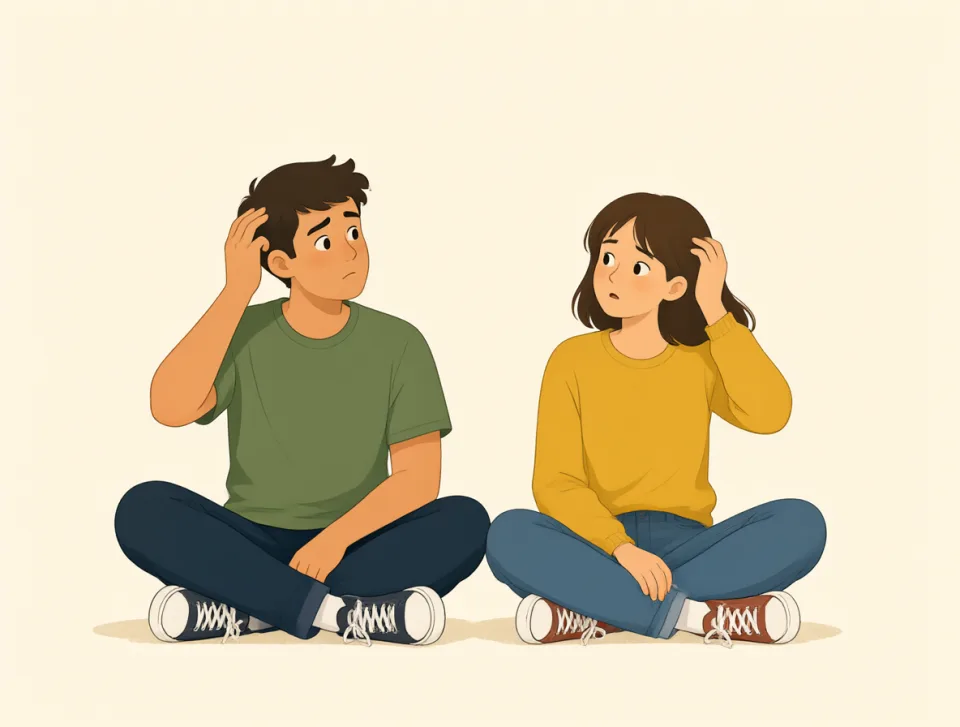
I compared my headache with my friend’s.
Porównałem swój ból głowy z bólem głowy mojego przyjaciela.
court
#615noun, verb
sąd; zabiegać
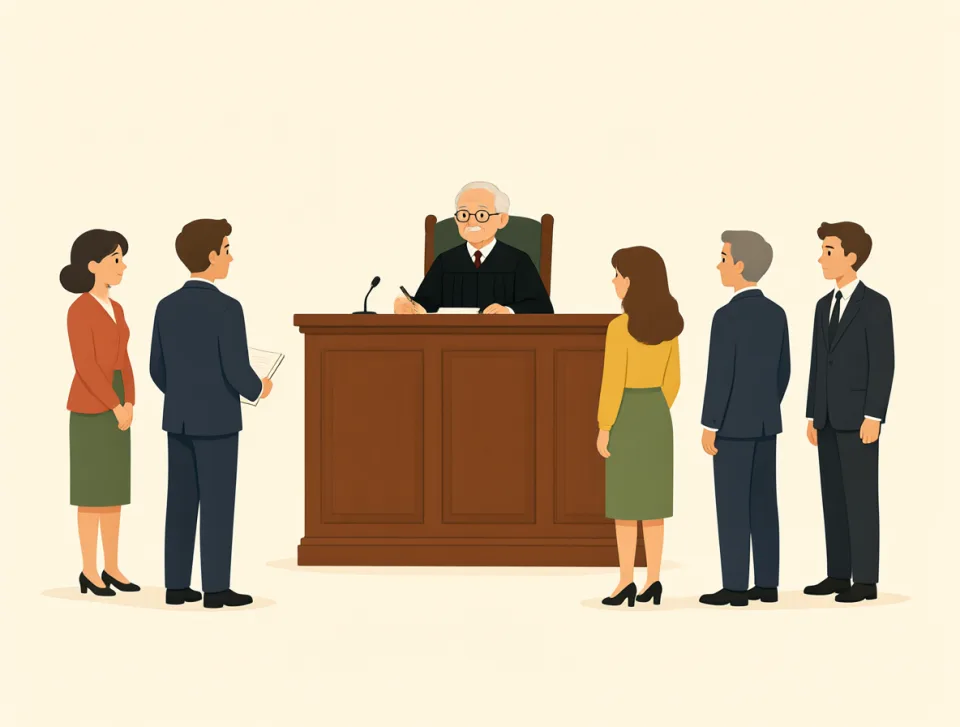
A place where legal cases are heard, or to try hard to gain someone's support.
Miejsce, w którym rozpatruje się sprawy prawne, albo usilne staranie się o czyjeś poparcie.
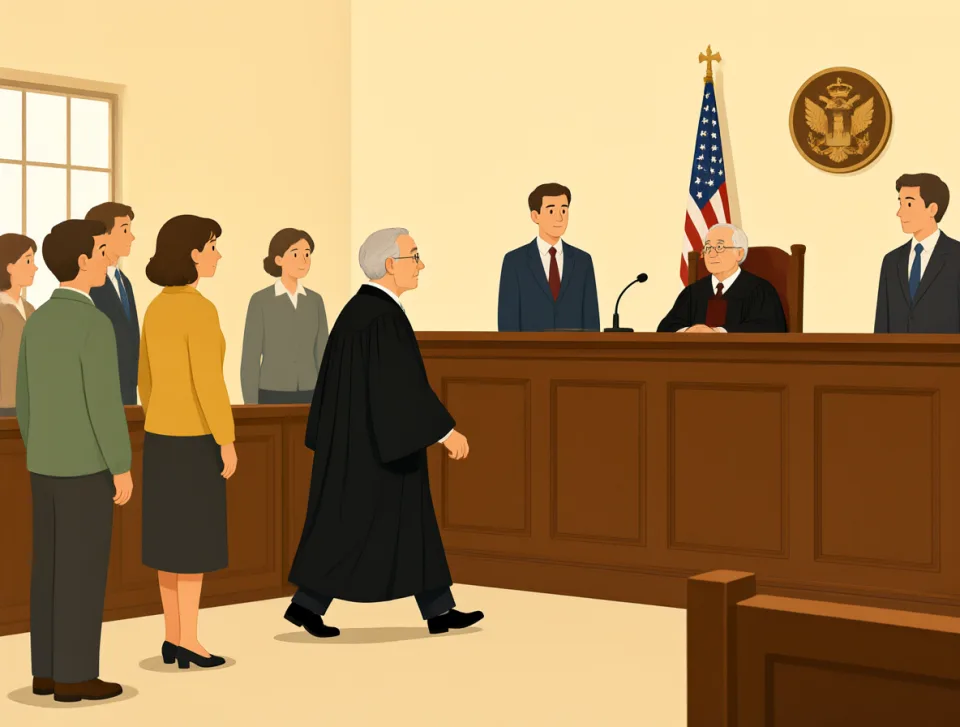
The judge entered the court quietly.
Sędzia po cichu wszedł na salę sądową.
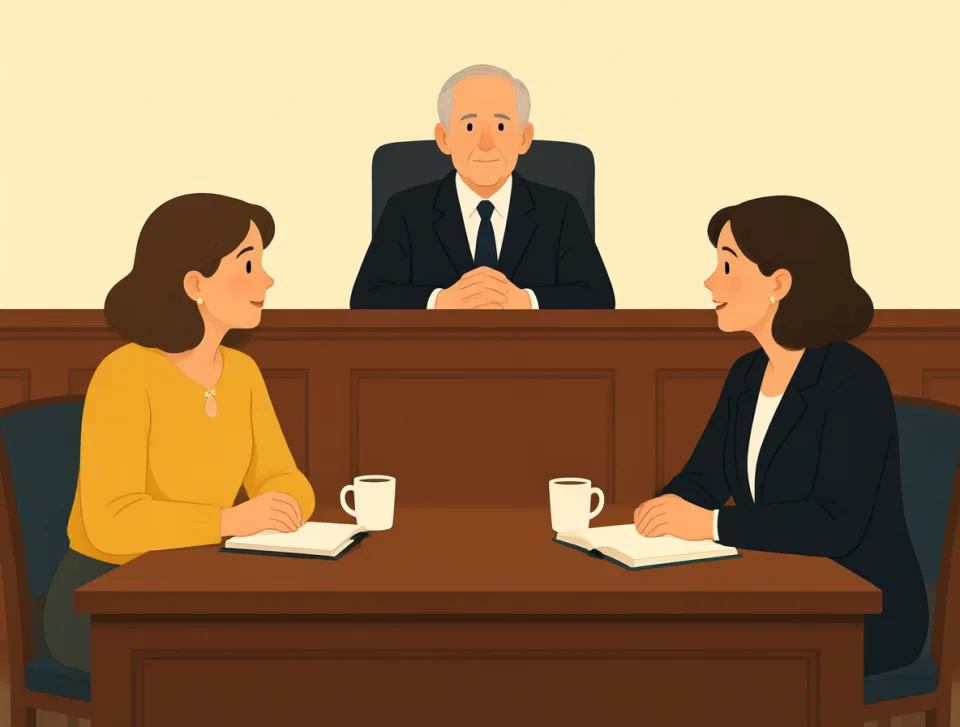
They went to court over the problem.
Z powodu tego problemu poszli do sądu.
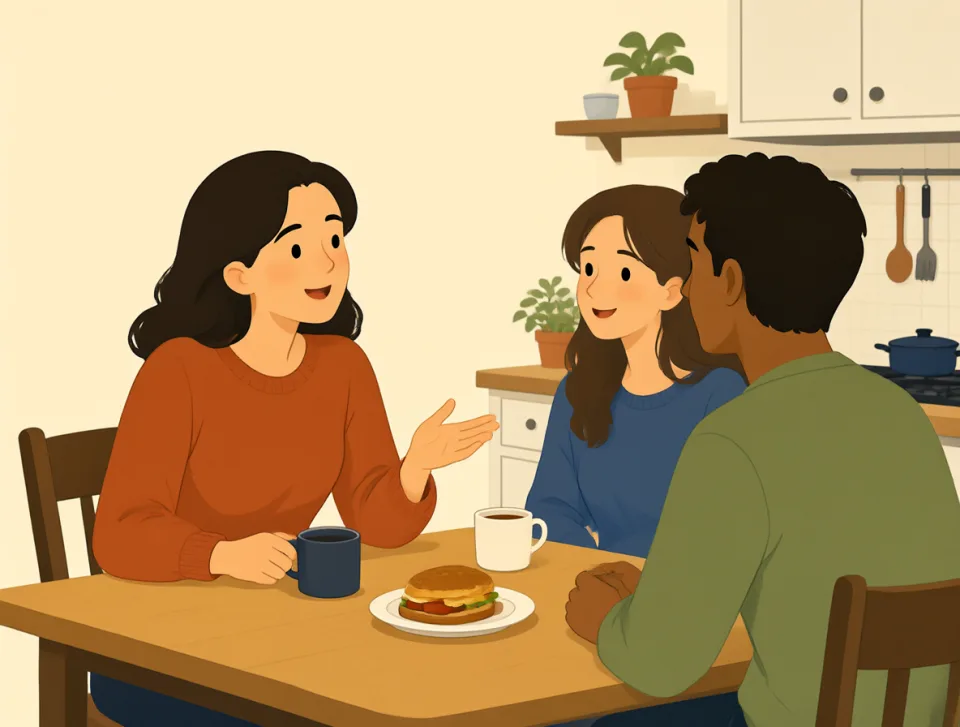
She courted support from her friends.
Zabiegała o poparcie przyjaciół.
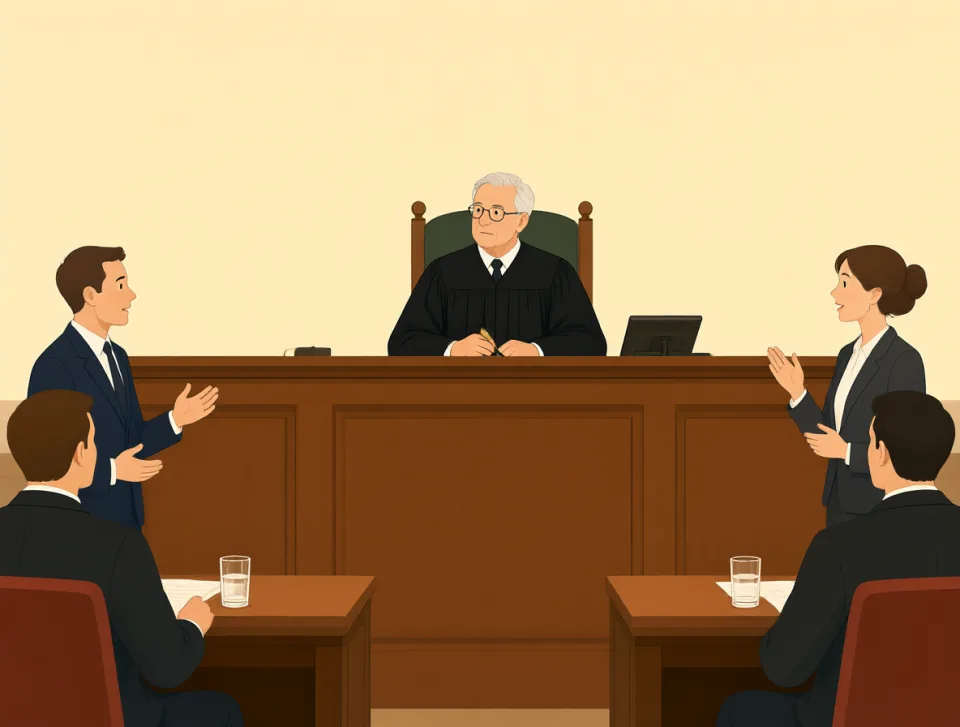
The court heard the case yesterday.
Sąd rozpatrzył sprawę wczoraj.
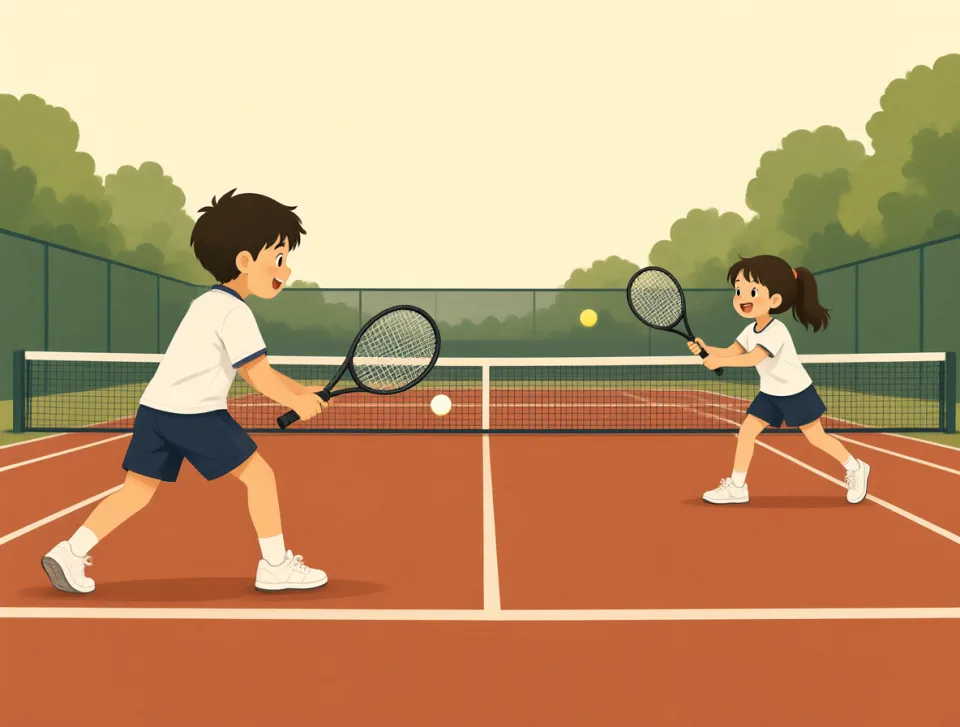
We played tennis on the court.
Graliśmy w tenisa na korcie.
police
#616noun, verb
policja
The official organization that keeps people safe and stops crime.
Oficjalna instytucja, która dba o bezpieczeństwo ludzi i zapobiega przestępstwom.
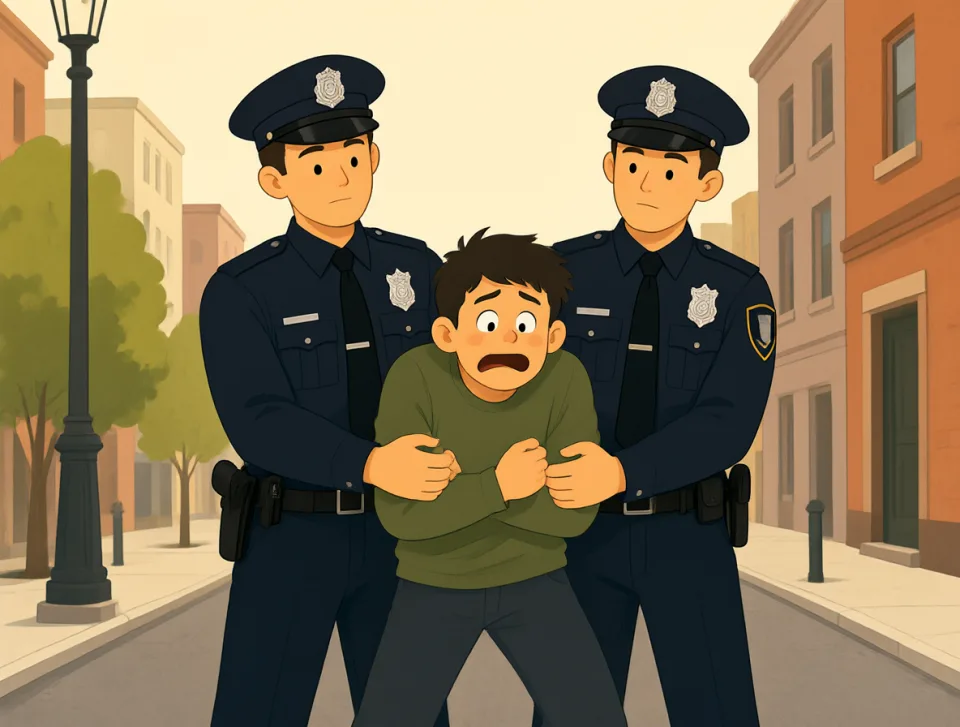
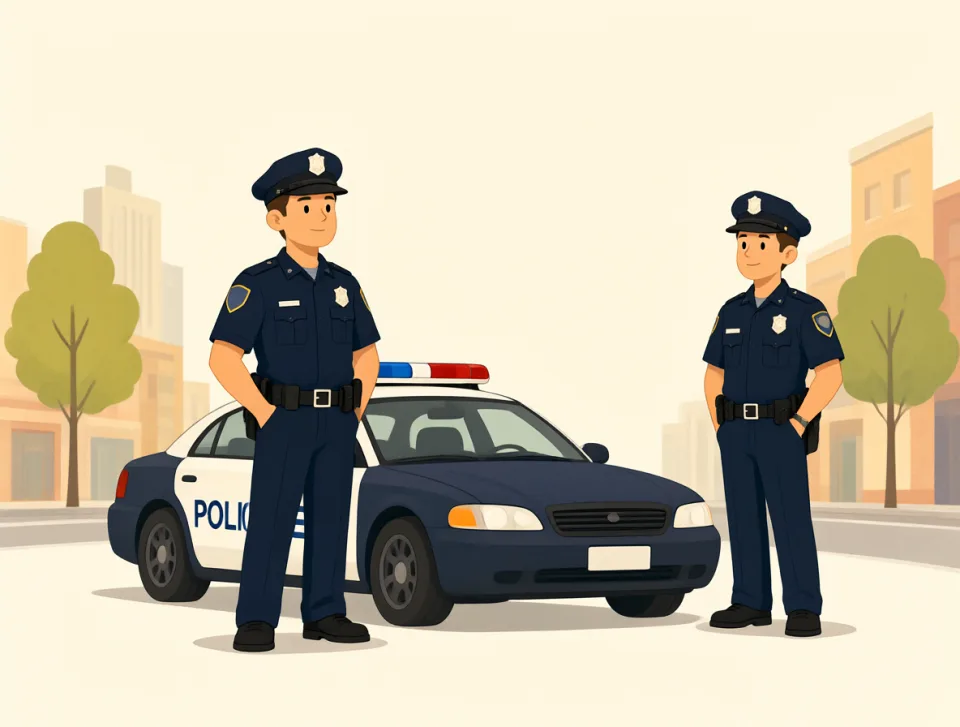
The police caught the thief yesterday.
Policja złapała złodzieja wczoraj.
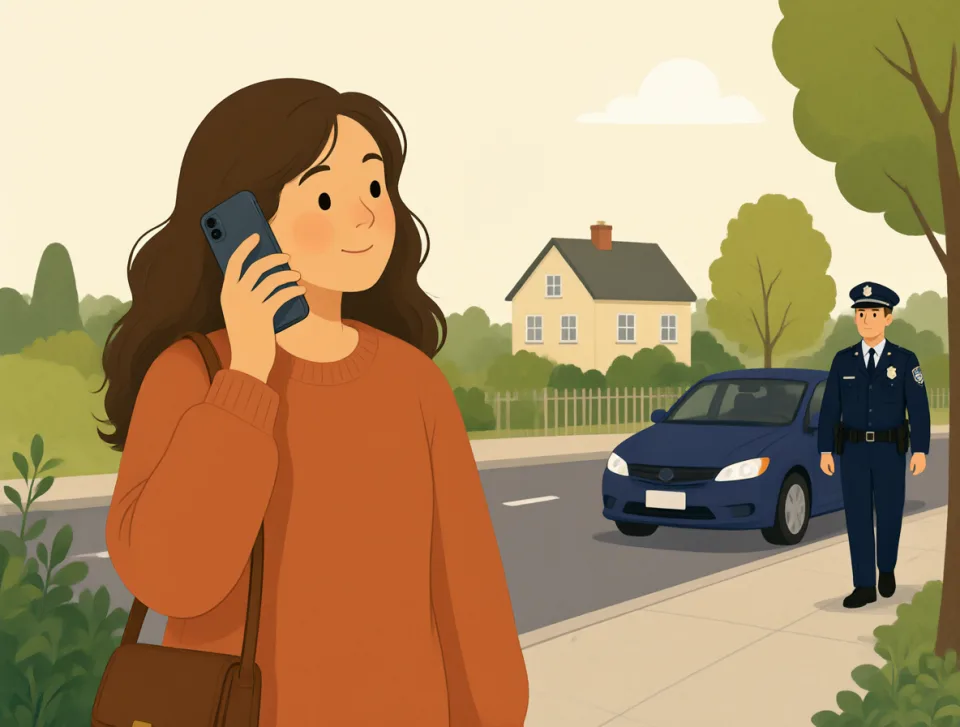
Call the police if you see trouble.
Zadzwoń na policję, jeśli zauważysz coś niepokojącego.
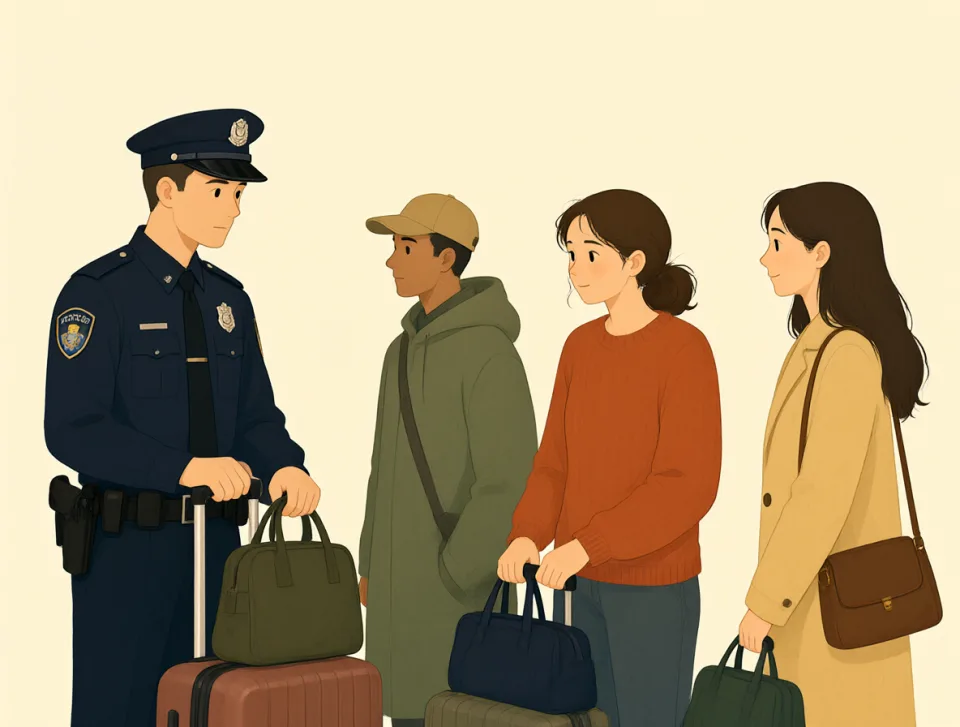
The police are checking our bags.
Policja sprawdza nasze torby.
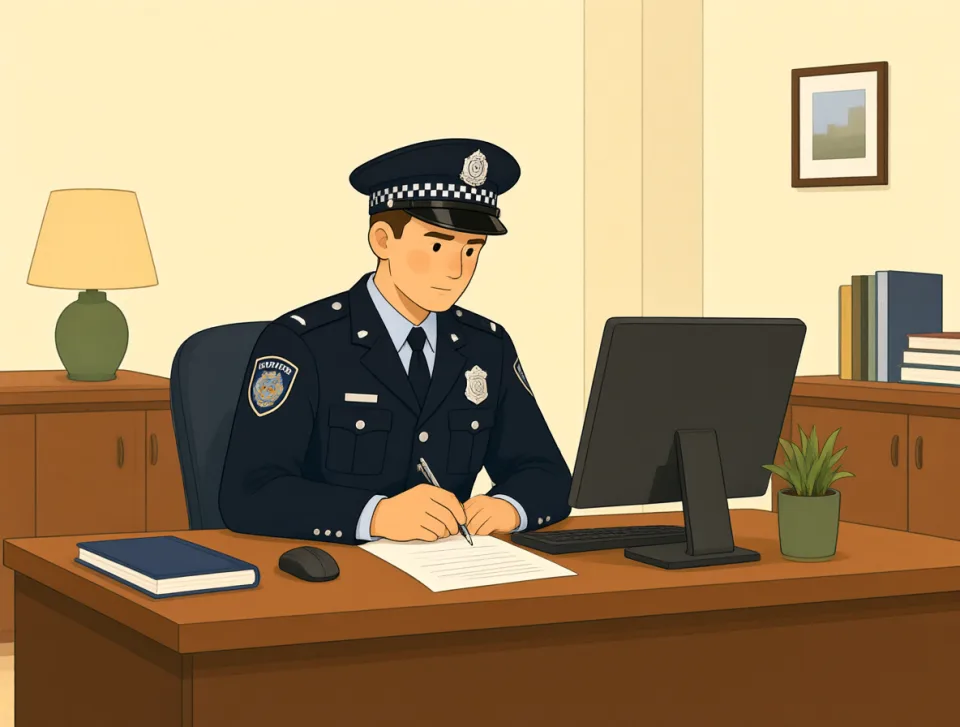
She works for the police in London.
Pracuje w londyńskiej policji.
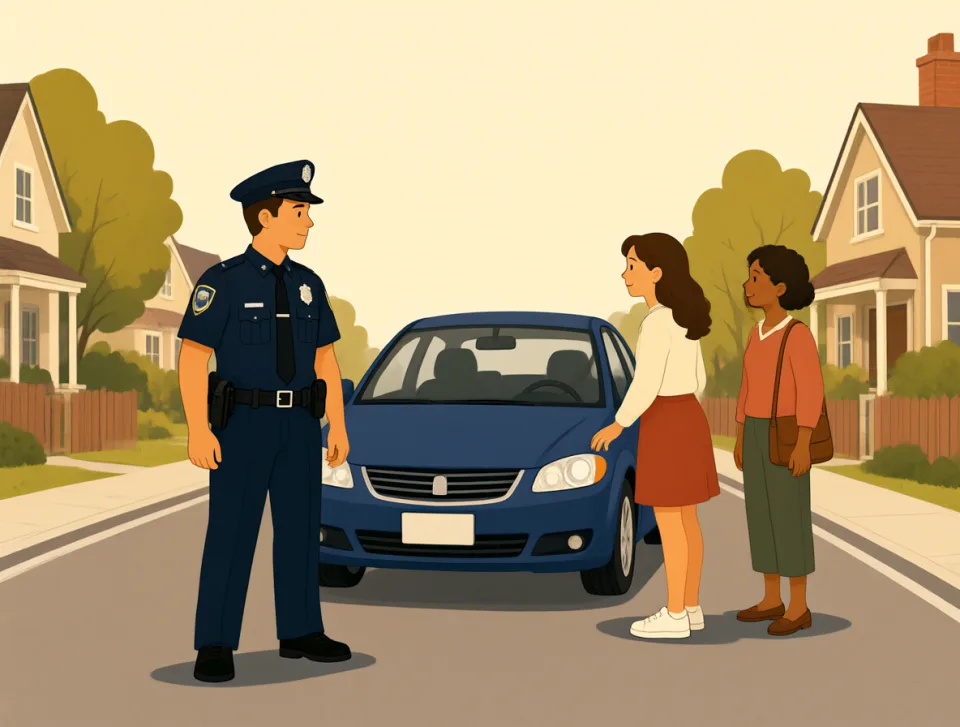
Police stopped the car near our home.
Policja zatrzymała samochód niedaleko naszego domu.
store
#617noun, verb
sklep; przechowywać
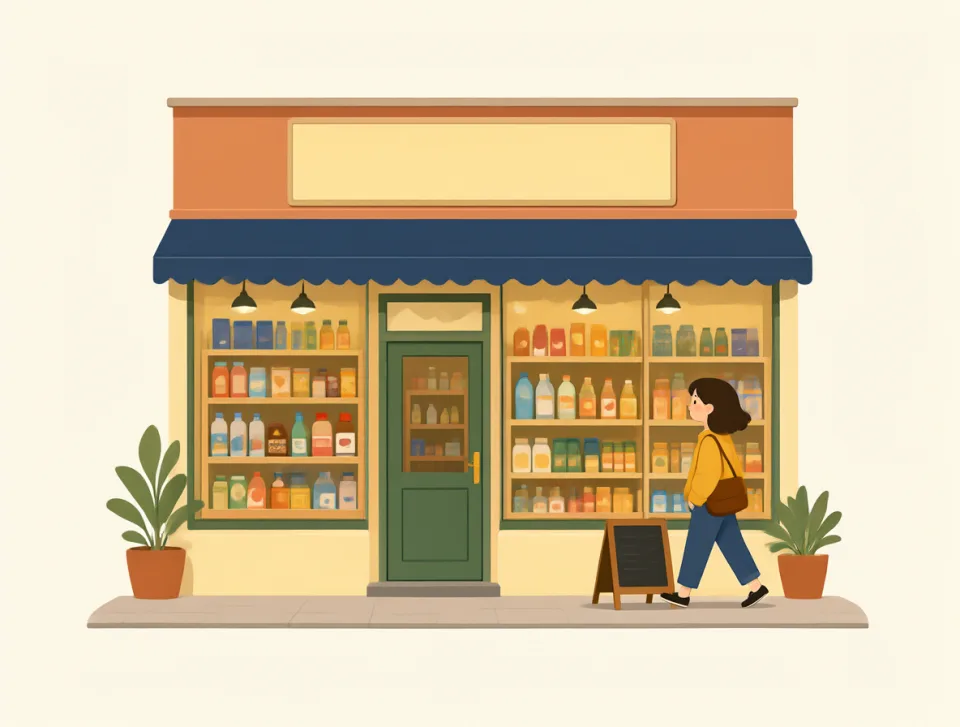
A place where people buy things, or to keep something for future use.
Miejsce, w którym ludzie kupują różne rzeczy; także: zachować coś na później.
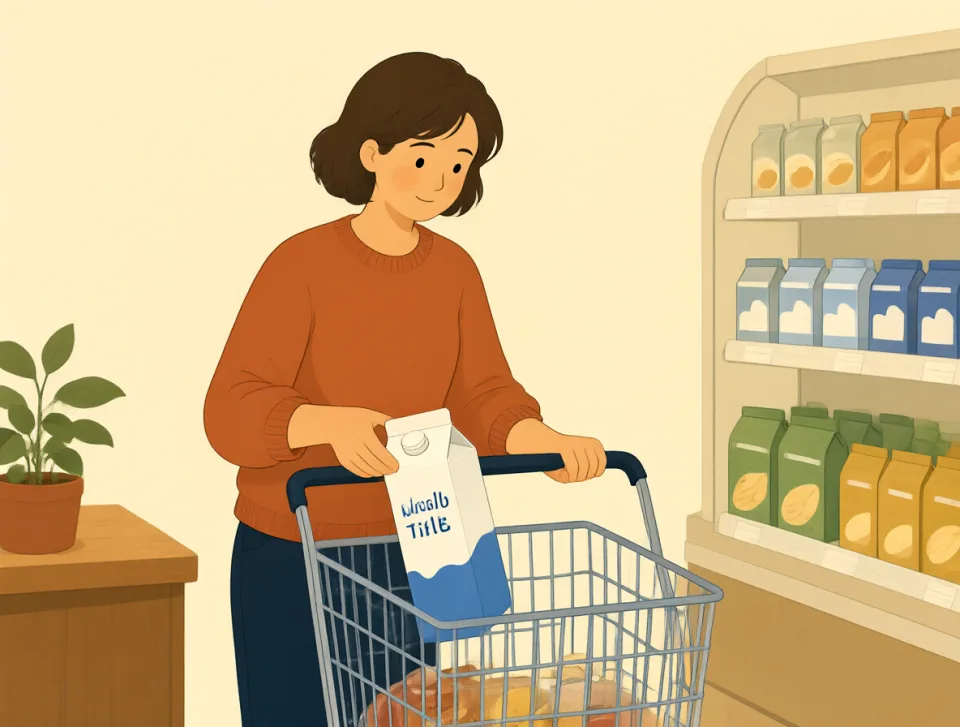
I bought milk at the store.
Kupiłem mleko w sklepie.
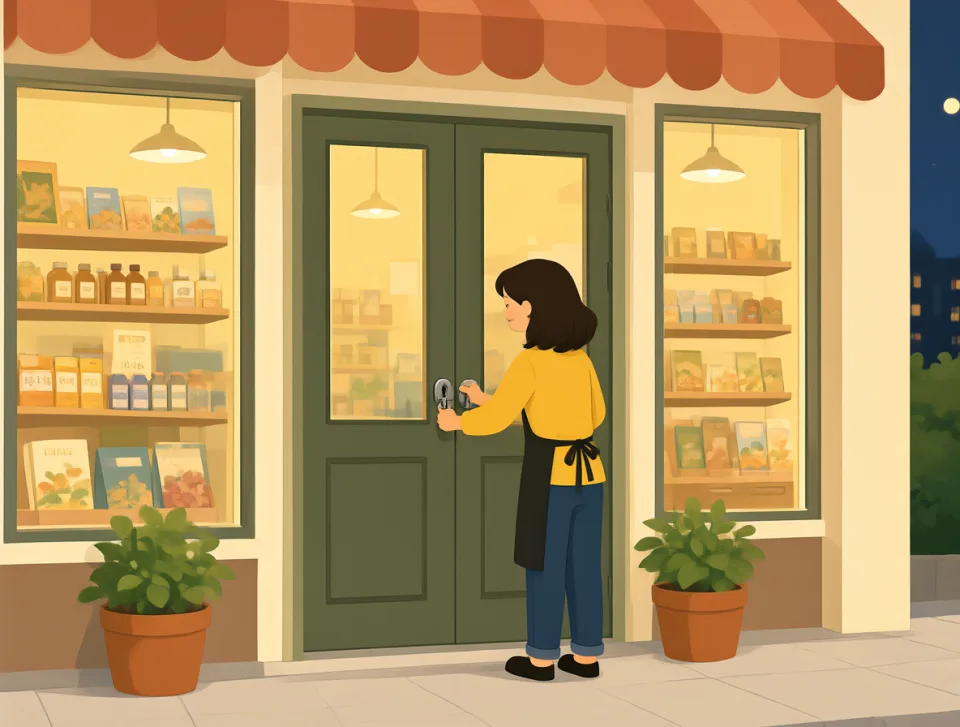
The store closes at eight tonight.
Sklep zamyka się dziś o ósmej.
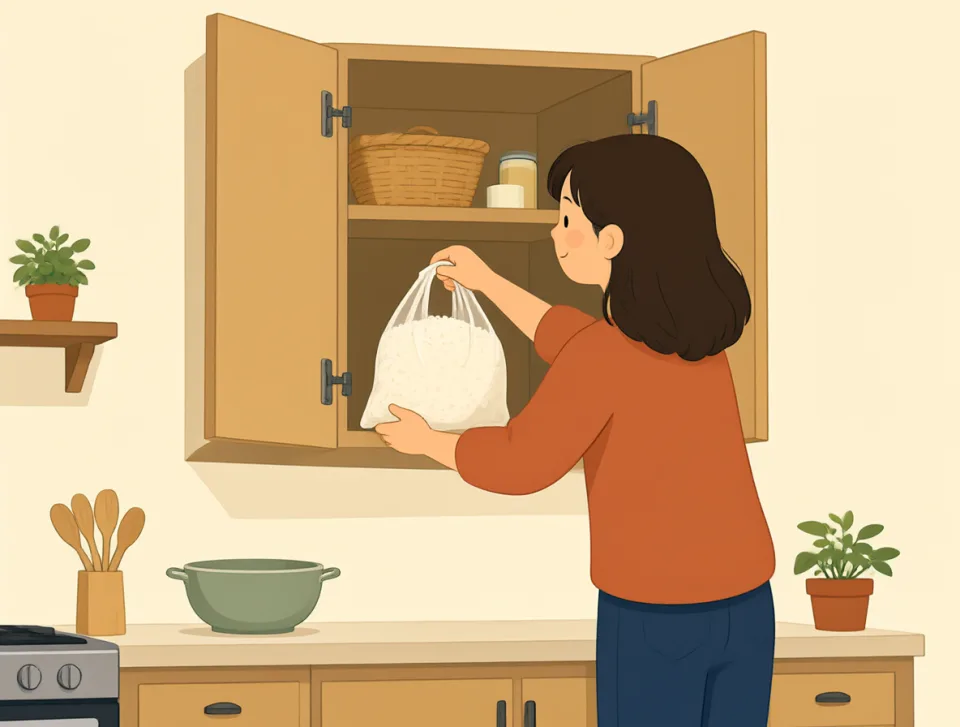
Please store the rice in a dry place.
Przechowuj ryż w suchym miejscu.
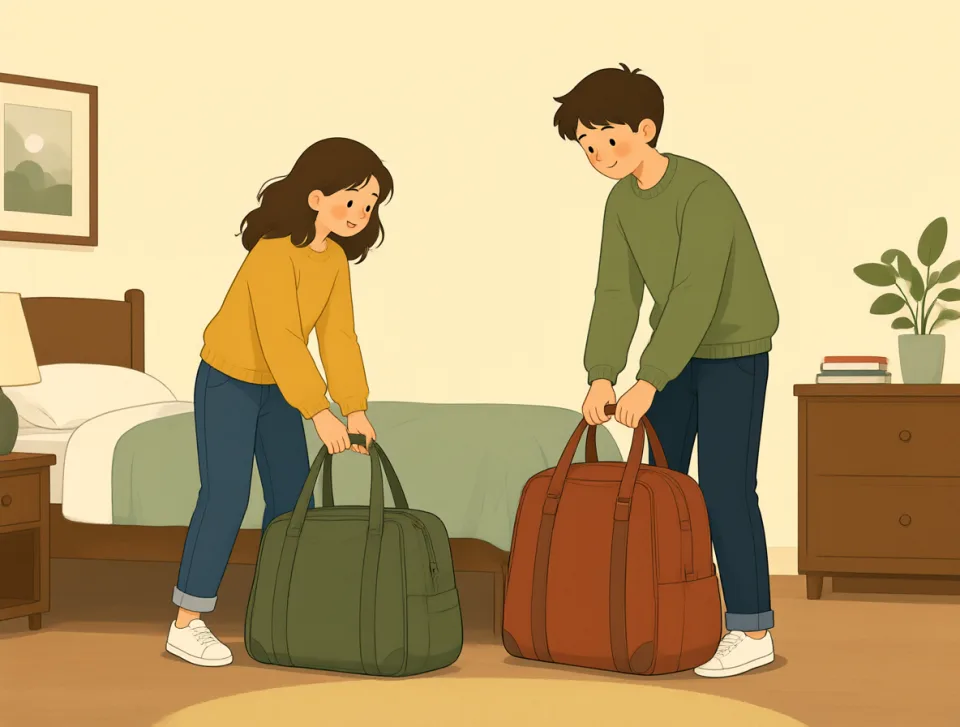
We stored our bags under the bed.
Schowaliśmy torby pod łóżkiem.
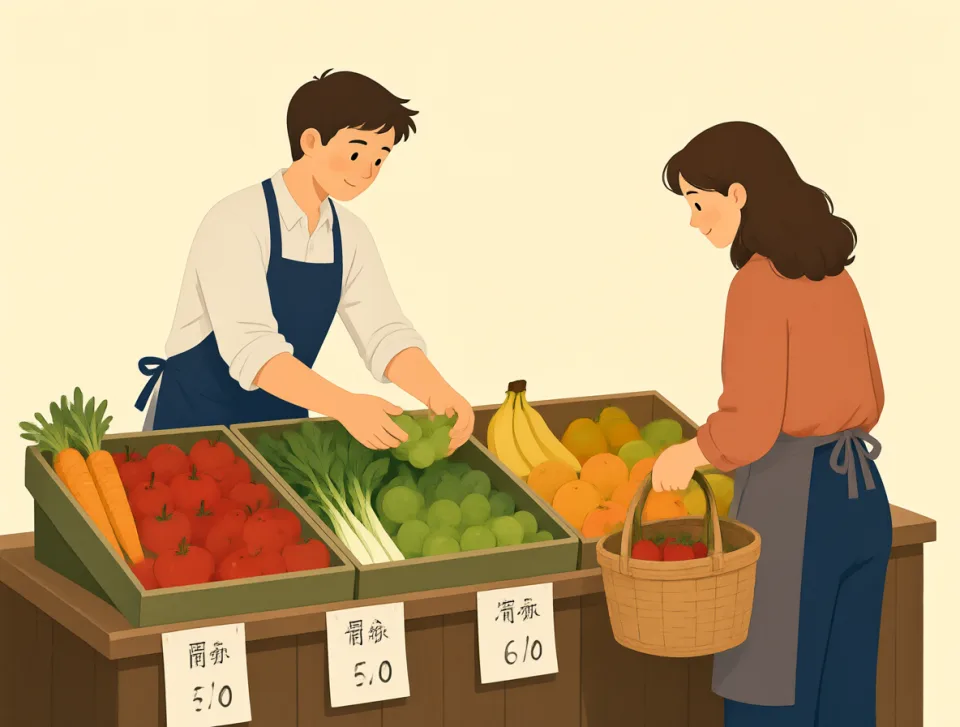
The store sells fresh fruit and vegetables.
W sklepie sprzedają świeże owoce i warzywa.
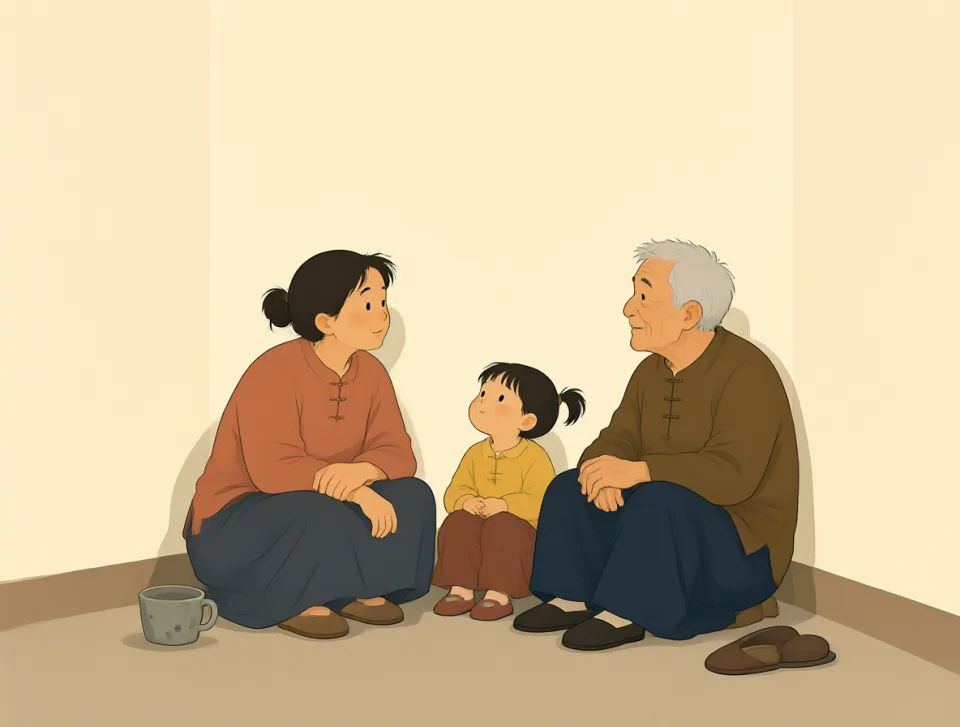
poor
#618adjective, noun
biedny; kiepski
Having little money, or being of low quality.
Mający niewiele pieniędzy albo charakteryzujący się niską jakością.
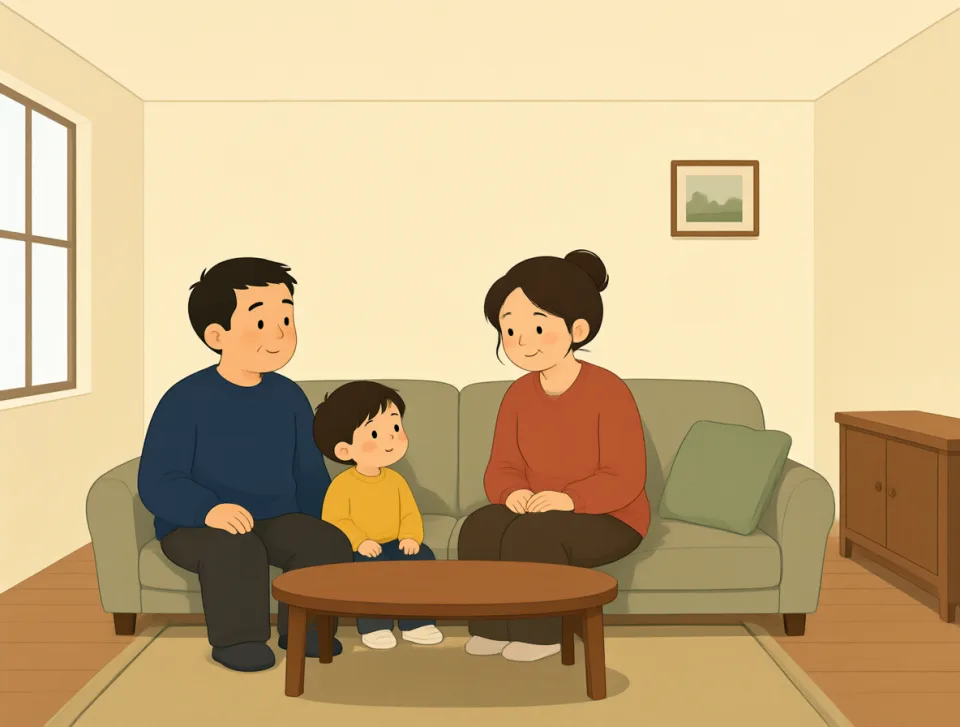
The poor family needs a warm home.
Biedna rodzina potrzebuje ciepłego domu.
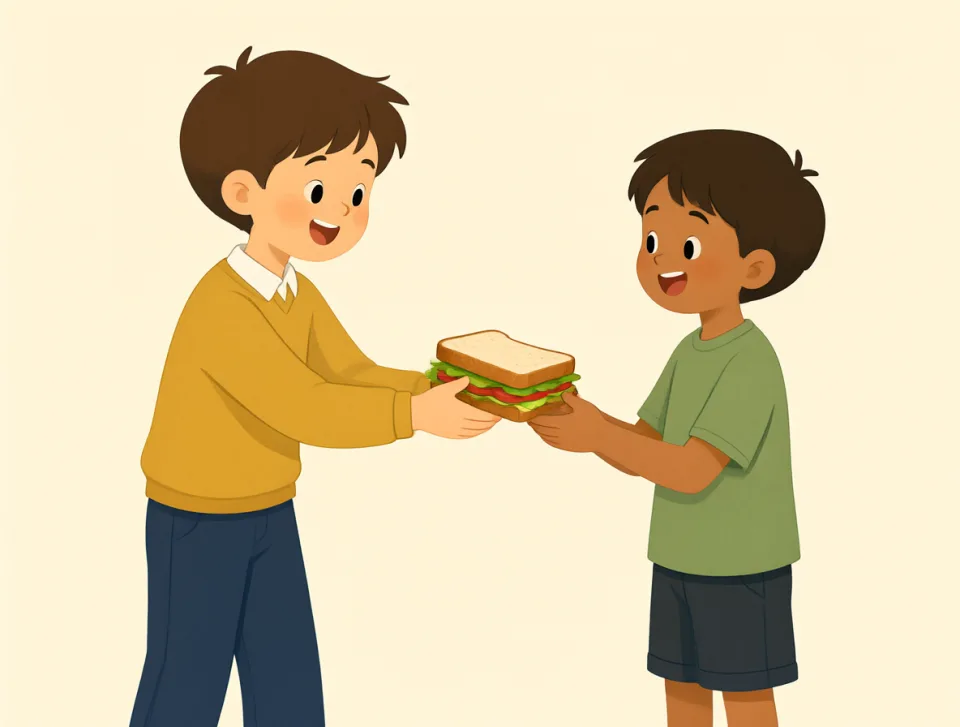
The poor boy shared his lunch.
Biedny chłopiec podzielił się swoim obiadem.
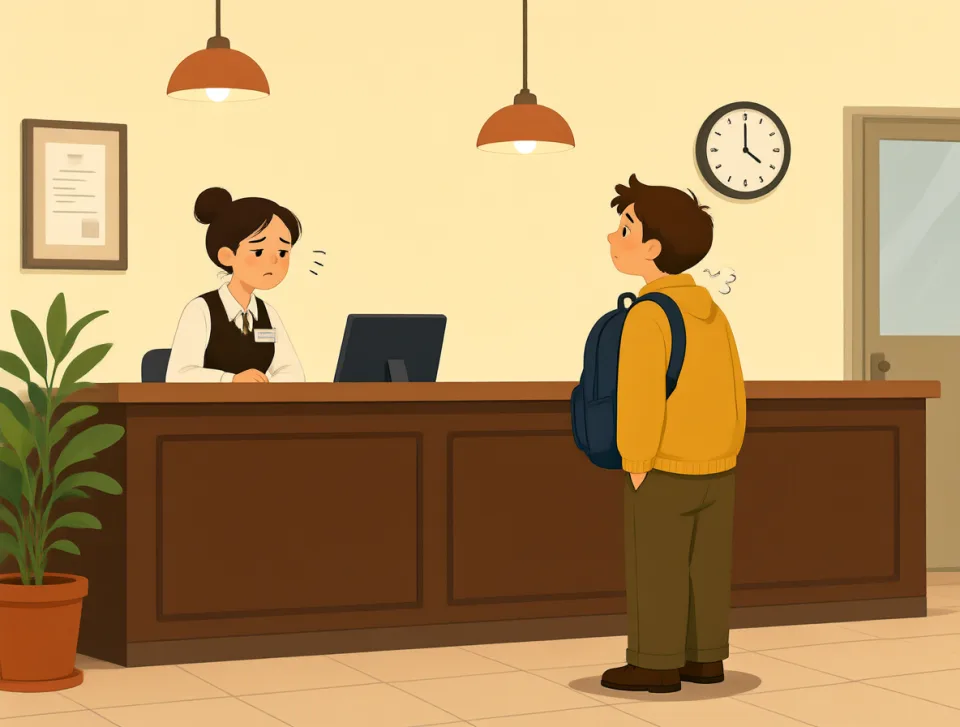
We had poor service at the hotel.
W hotelu obsługa była kiepska.
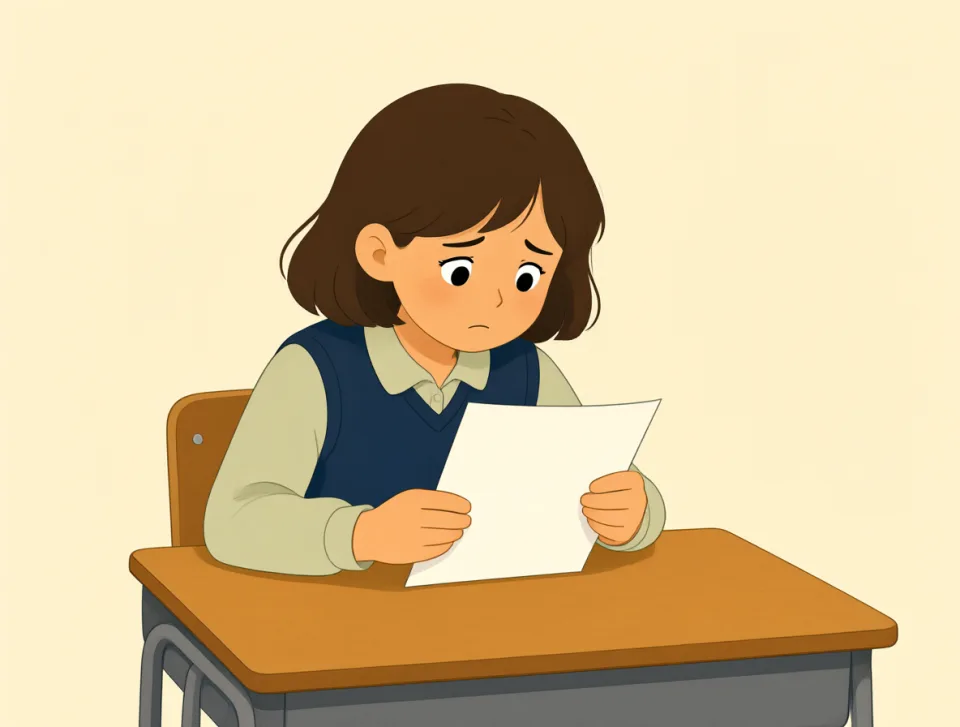
She got poor marks on the test.
Dostała słabe oceny z testu.
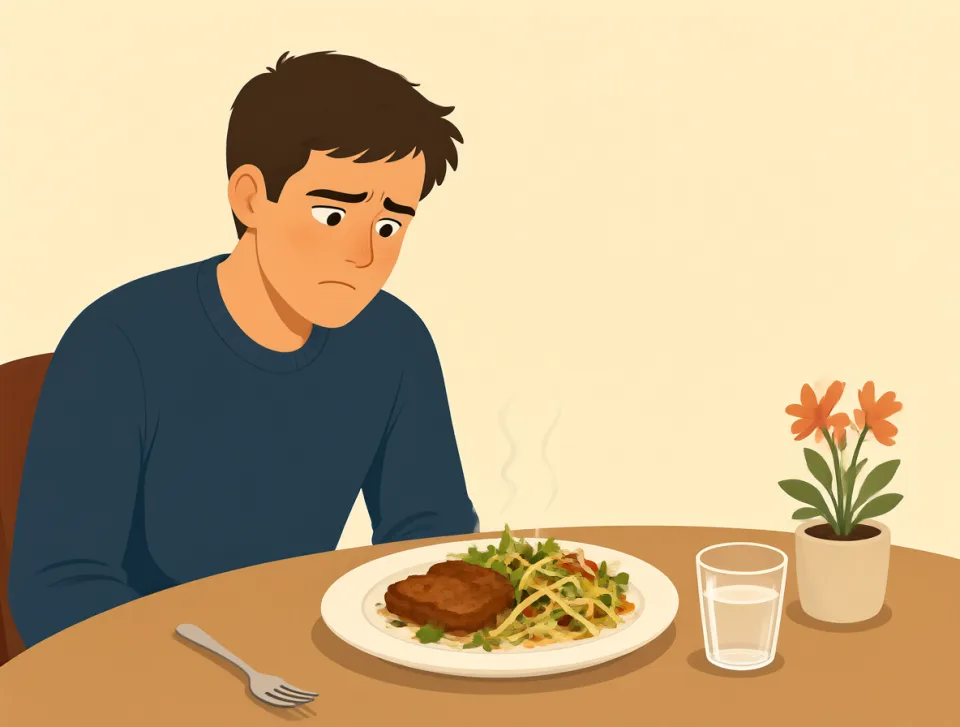
This restaurant serves poor food.
W tej restauracji podają kiepskie jedzenie.
knowledge
#619noun
wiedza
Facts and information that a person knows about a subject or the world.
Fakty i informacje, które ktoś zna na temat jakiejś dziedziny lub świata.
She has good knowledge of local history.
Ma dobrą wiedzę na temat lokalnej historii.

Knowledge of English helps at work.
Znajomość angielskiego przydaje się w pracy.
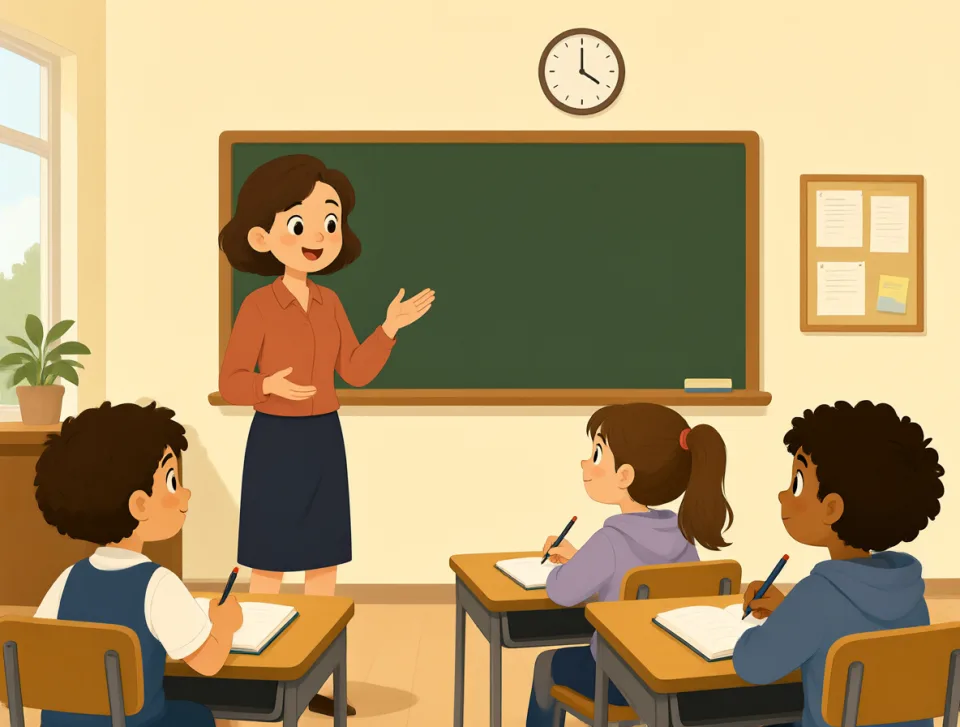
He shared his knowledge with the students.
Podzielił się swoją wiedzą z uczniami.
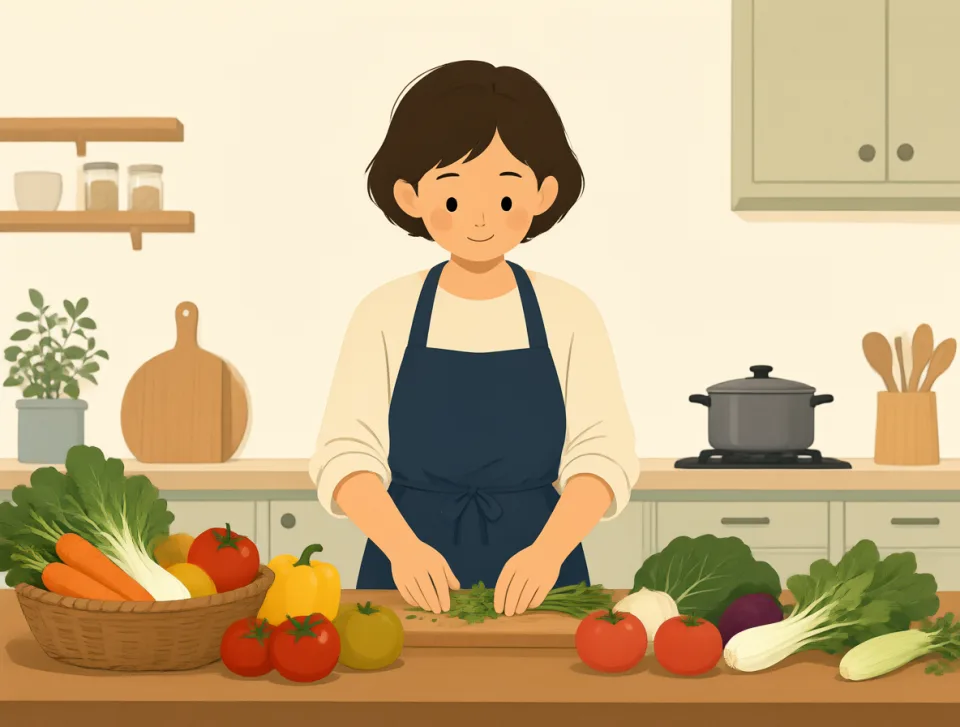
I need more knowledge about healthy food.
Potrzebuję więcej wiedzy o zdrowym jedzeniu.
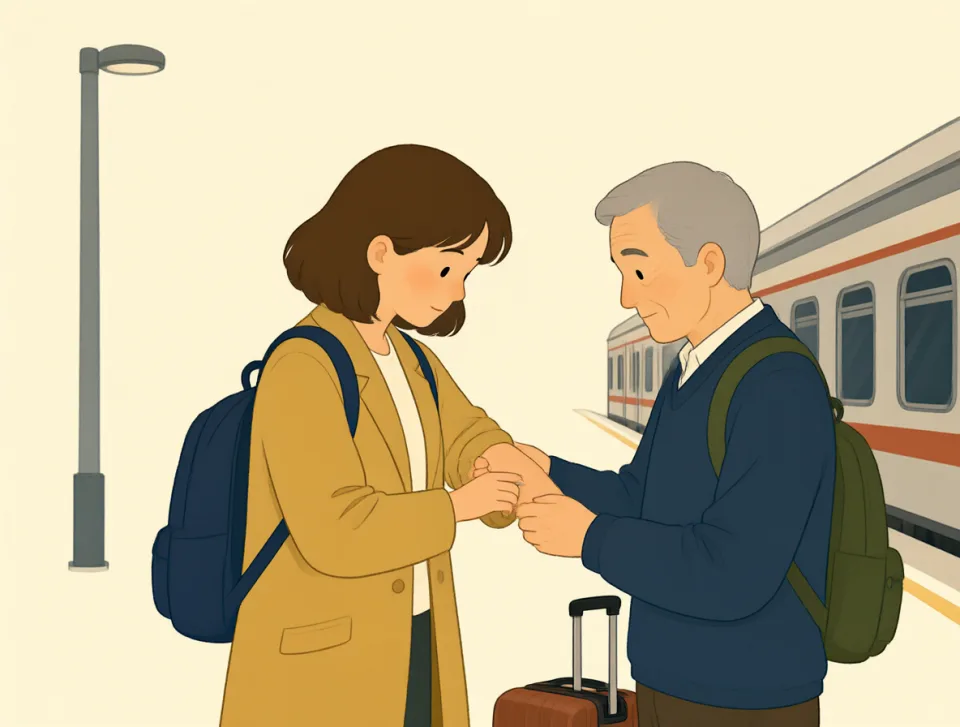
Her medical knowledge helped the sick traveler.
Jej wiedza medyczna pomogła choremu podróżnemu.

laugh
#620verb, noun
śmiać się; śmiech
To make a happy sound or smile because something is funny.
Wydawać radosny dźwięk lub uśmiechać się, bo coś jest zabawne.
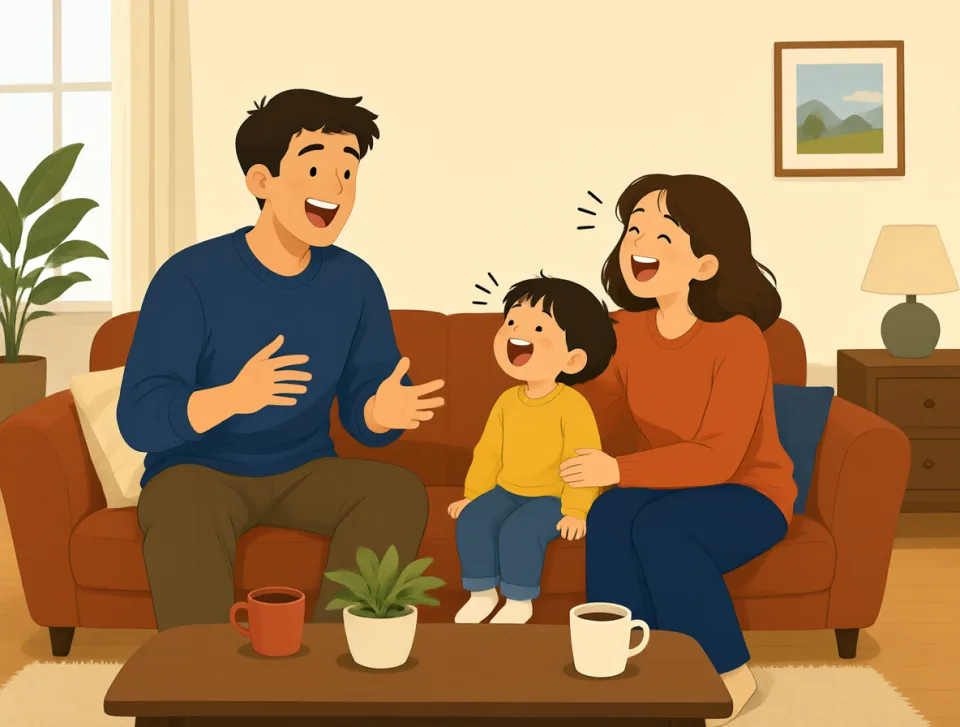
We laughed at Dad's funny joke.
Śmialiśmy się z zabawnego żartu taty.
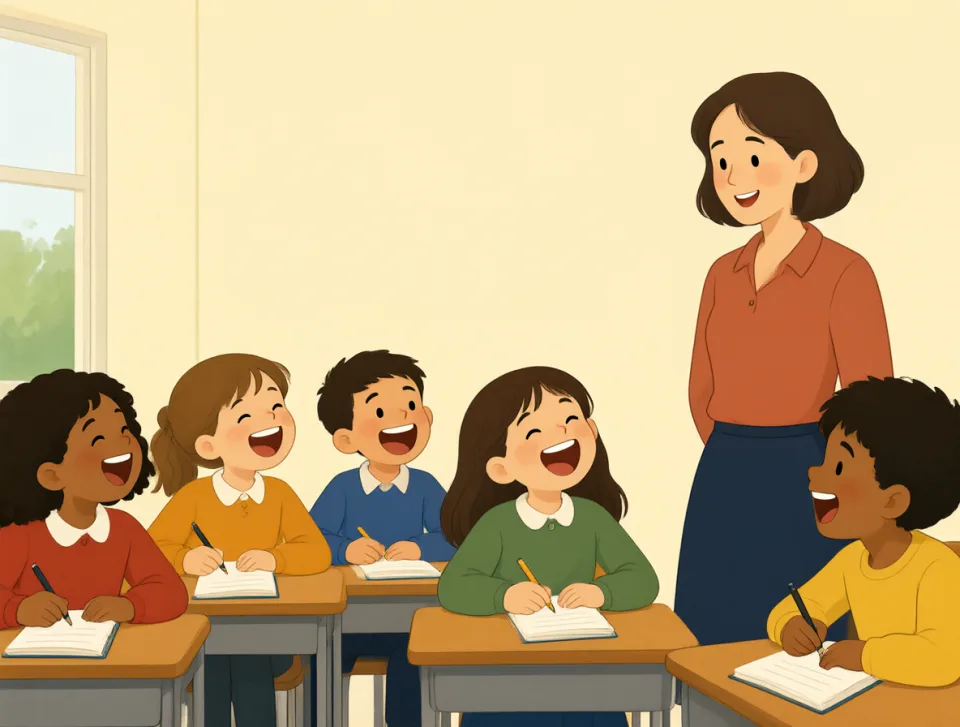
The children laughed loudly in class.
Dzieci głośno śmiały się na lekcji.
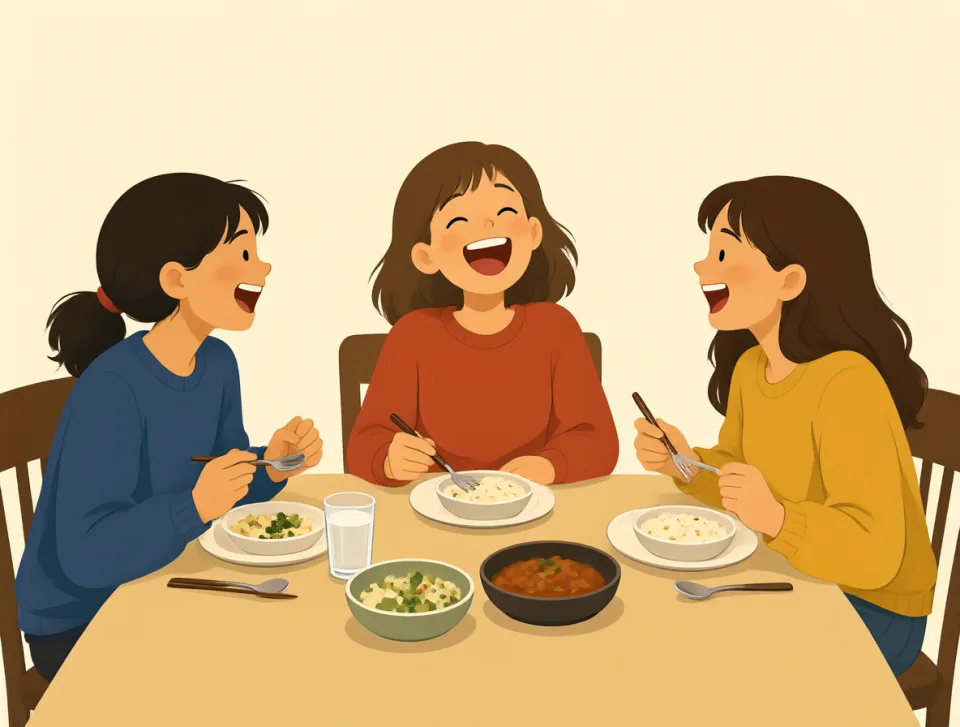
She laughed with her friends at lunch.
Śmiała się z przyjaciółmi podczas lunchu.

He laughed when he saw the silly hat.
Roześmiał się, gdy zobaczył ten głupi kapelusz.
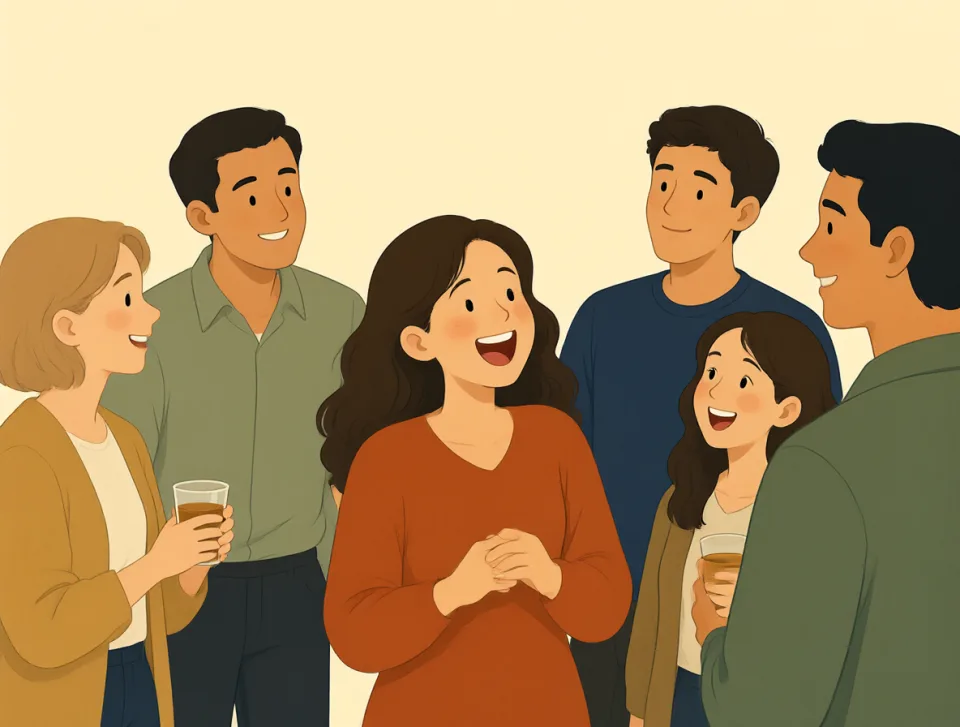
Her laugh made everyone feel happy.
Jej śmiech poprawił wszystkim humor.